MARY ANN MORSE NURSING & REHABILITATION
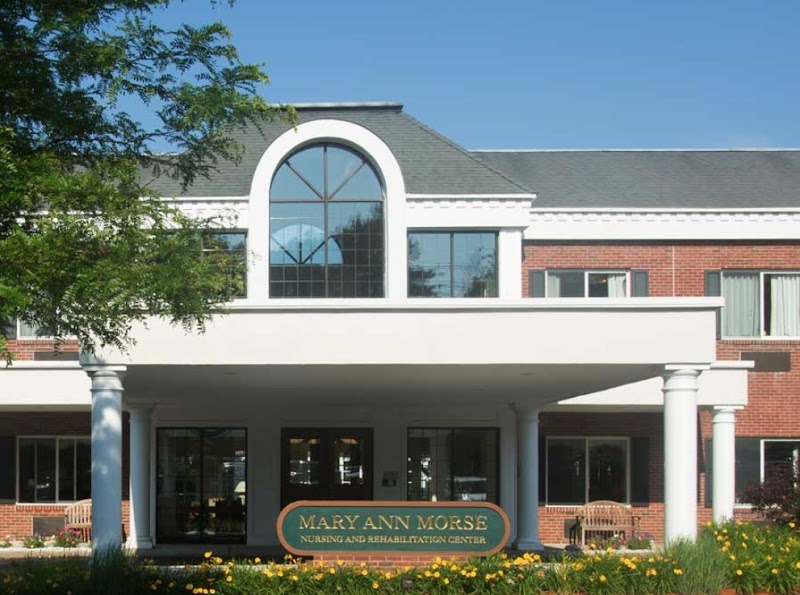
45 UNION STREET, NATICK, MA 01760 (508) 650-9003
Non profit - Corporation 124 Beds Independent Data: November 2025
Trust Grade
50/100
#166 of 338 in MA
Last Inspection: September 2024

Within standard 12-15 month inspection cycle. Federal law requires annual inspections.

Overview

Mary Ann Morse Nursing & Rehabilitation has a Trust Grade of C, indicating it is average compared to other facilities. It ranks #166 out of 338 in Massachusetts, placing it in the top half of the state, and #35 out of 72 facilities in Middlesex County, meaning there are only a few local options that are better. Unfortunately, the facility is experiencing a worsening trend, with issues increasing from 6 in 2023 to 11 in 2024. Staffing is a relative strength with a turnover rate of 35%, which is better than the state average, but the overall RN coverage is only average. However, the facility has faced concerns, including failing to provide timely post-operative care for residents, and not maintaining proper sanitation in the kitchen or infection surveillance during a COVID-19 outbreak, highlighting areas that need improvement.

Trust Score
C
50/100
In Massachusetts
#166/338
Top 49%
Safety Record
Moderate
Needs review
Inspections
Getting Worse
6 → 11 violations
Staff Stability
○ Average
35% turnover. Near Massachusetts's 48% average. Typical for the industry.
Penalties
○ Average
$30,186 in fines. Higher than 72% of Massachusetts facilities. Some compliance issues.
Skilled Nurses
○ Average
Each resident gets 38 minutes of Registered Nurse (RN) attention daily — about average for Massachusetts. RNs are the most trained staff who monitor for health changes.
Violations
⚠ Watch
24 deficiencies on record. Higher than average. Multiple issues found across inspections.
★★★☆☆
3.0
Overall Rating
★★★☆☆
3.0
Staff Levels
★★★☆☆
3.0
Care Quality
★★★☆☆
3.0
Inspection Score
Stable
2023: 6 issues
2024: 11 issues

The Good

  • Full Sprinkler Coverage · Fire safety systems throughout facility
  • No fines on record
  • Staff turnover below average (35%)

    13 points below Massachusetts average of 48%

Facility shows strength in fire safety.

The Bad

3-Star Overall Rating

Near Massachusetts average (2.9)

Meets federal standards, typical of most facilities

Staff Turnover: 35%

11pts below Massachusetts avg (46%)

Typical for the industry

Federal Fines: $30,186

Below median ($33,413)

Moderate penalties - review what triggered them

The Ugly 24 deficiencies on record

1 actual harm
Sept 2024 10 deficiencies
CONCERN (D)

Potential for Harm - no one hurt, but risky conditions existed

Deficiency F0552 (Tag F0552)

Could have caused harm · This affected 1 resident

Based on record and policy review, and interview, the facility failed to ensure that one Resident (#307) out of a total sample of 22 residents, was afforded the ability to review/sign documents pertai...

Read full inspector narrative →
Based on record and policy review, and interview, the facility failed to ensure that one Resident (#307) out of a total sample of 22 residents, was afforded the ability to review/sign documents pertaining to his/her medical care. Specifically, the facility failed to ensure that Resident #307, who was identified as his/her own person and was able to make his/her own decisions, was able to review and sign documentation relative to Advanced Directives (life sustaining measures), side rail consent, self-administration of medication consent and consent for the use of psychotropic medications. Findings include: Review of the facility policy titled MOLST (Massachusetts Medical Orders for Life Sustaining Treatment), dated 1/2014, indicated the following: -The admitting nurse will note the existence of the MOLST form in the nursing notes and on the Physician's Orders. -Confirm with the patient/resident or their legally recognized healthcare agent that the MOLST form in hand has not been revoked or changed by a subsequent MOLST form. -A qualified health care provider, a licensed nurse or social worker, may conduct an initial review of the MOLST with the resident or if the resident lacks decision making capacity, the legally recognized health care agent. -The initial review and discussion about continuing, revising, or revoking the MOLST should be documented in the medical record. This documentation should include the time and date of the discussion, the parties involved and plans for follow-up action if needed. Resident #307 was admitted to the facility in September 2024, with diagnoses including Adult Failure to Thrive (a syndrome of global decline in older adults as a worsening of physical frailty that is frequently compounded by cognitive impairment, weight loss, decreased appetite or poor nutrition and inactivity), Thoracic Aortic Aneurysm (ballooning of the upper aspect of the aorta, above the diaphragm) without Rupture, Status Post Kidney Transplant (surgery to replace a diseased or damaged kidney with a healthy one from a donor) and Severe Protein Malnutrition (an imbalance between the nutrients the body needs to function and the nutrients the body gets, that causes fluid retention, swollen abdomen and muscle wasting). Review of Resident #307's clinical record included the following: -Nursing Facility Authorization to Treat signed by the Resident's Representative on 9/11/24. -Medication Reconciliation Worksheet signed by the Resident's Representative on 9/11/24. -Side Rail Utilization Informed Consent signed by the Resident's Representative on 9/11/24. -Self-Administration Medications signed by the Resident Representative on 9/11/24. -Informed Consent Form for Remeron (medication used to trat major depressive disorder) signed by Resident Representative on 9/11/24. -MOLST form completed and signed by Resident Representative on 9/11/24, as Do Not Resuscitate, Do Not Intubate. Further review of Resident #307's clinical record indicated that the Resident's Health Care Proxy (HCP- the person chosen as the healthcare decision maker when the individual is unable to do so for themself) was not invoked (put into effect, was not dependent on a designated person to make medical and health care decisions) by the Physician/Medical Provider since his/her admission. On 9/20/24 at 7:45 A.M., the surveyor and Unit Manager (UM) #3 reviewed the Resident's clinical record. During an interview at the time, UM #3 said Resident #307's HCP was not invoked relative to decision making for health care treatment. During an observation and interview on 9/20/24 at 8:00 A.M., Resident #307 declined speaking to the surveyor. Resident #305 was lying in bed and when the surveyor attempted to talk to him/her, the Resident pulled up the blanket and covered his/her head. During an interview on 9/20/24 at 8:22 A.M., Social Worker (SW) #2 said the facility had not addressed Resident #307's medical decision capabilities. SW #2 said initial review and discussion about continuing, revising, or revoking the MOLST should have been completed and documented in the medical record, but it was not.
CONCERN (D)

Potential for Harm - no one hurt, but risky conditions existed

Deficiency F0578 (Tag F0578)

Could have caused harm · This affected 1 resident

**NOTE- TERMS IN BRACKETS HAVE BEEN EDITED TO PROTECT CONFIDENTIALITY** Based on interview, record and policy review, the facility failed to ensure that Advance Directives (legal documents that provid...

Read full inspector narrative →
**NOTE- TERMS IN BRACKETS HAVE BEEN EDITED TO PROTECT CONFIDENTIALITY** Based on interview, record and policy review, the facility failed to ensure that Advance Directives (legal documents that provide instructions for medical care and only go into effect if you are unable to communicate your own wishes) were accurate for two Residents (#33 and #37) out of a total sample of 22 residents. Specifically, the facility failed to: 1. for Resident #33, ensure that the MOLST (Medical Orders for Life Sustaining Treatment: a form completed by the Resident to indicate their wishes for treatment to sustain their life in emergency situations in case they are not able to make their wishes known) was maintained as part of the Resident's active medical record and was accessible to facility staff in the event the Resident had a change in condition. 2. for Resident #37, ensure that the Physician's orders matched the Resident's current MOLST. Findings include: Review of the facility policy titled MOLST (Massachusetts Medical Orders for Life Sustaining Treatment), dated January 2014, indicated: -Completed MOLST forms will be accepted as valid medical orders . -When the Physician or Nurse Practitioner visits in person (within 72 hours after admission) or at the time of signing a MOLST anytime after admission, the actual order saying Full Code, DNR (Do Not Resuscitate), Do Not Hospitalize etc. should be handwritten as a Physician's Order. -Once reviewed the MOLST should be copied and the current original form placed in a page protector in the advanced directives section of the chart along with any other advanced directives completed . 1. Resident #33 was admitted to the facility in February 2023, with diagnoses of Congestive Heart Failure (CHF- caused when the heart is unable to pump blood effectively resulting in fluid build-up in the lungs, arms, feet and other organs) and Cerebral Infarct (stroke: damage to tissues in the brain caused by blood clots, disrupted blood supply and restricted oxygen supply to the specific area). Review of Resident #33's Minimum Data Set (MDS) assessment dated [DATE], indicated the Resident was cognitively intact as evidenced by a Brief Interview for Mental Status (BIMS) score of 15 out of a total 15. Review of Resident #33's clinical record indicated: -A blank MOLST form in the front of the chart. -No evidence of a completed MOLST on file. Review of Resident #33's September 2024 Physician's orders indicated: -Full Code (if a person's heart stopped beating and/or they stopped breathing, all resuscitation procedures will be provided to keep them alive), No Dialysis, initiated 7/25/24, active During an interview on 9/19/24 at 12:58 P.M., Resident #33 said he/she believed that someone had completed a MOLST with him/her a long time ago but he/she could not recall when. During an interview on 9/19/24 at 1:20 P.M., the surveyor and Social Worker (SW) #1 reviewed the Resident's chart and Physician's orders. SW #1 said she would review her records and the Resident's clinical record and follow-up with the surveyor. During a follow-up interview on 9/19/24 at 1:28 P.M., SW #1 said her records indicated Resident #33 had declined to fill out a MOLST but that this would be addressed again at his/her upcoming care plan meeting. During an interview on 9/19/24 at 3:04 P.M., the Director of Nursing (DON) presented the surveyor with a completed MOLST form dated 2/15/23, that indicated the following: -Attempt Resuscitation -Intubate and Ventilate -Use Non-Invasive Ventilation (e.g. CPAP [sic] - a device that provides Continuous Positive Airway Pressure) -Transfer to the Hospital -No dialysis -No artificial nutrition -Use artificial hydration During a follow-up interview on 9/20/24 at 9:26 A.M., the DON said the MOLST form dated 2/15/23, had been located in Resident #33's old chart in medical records. The surveyor and the DON reviewed the portion of the MOLST where the Resident had indicated no dialysis and no artificial nutrition. The DON said that there would be concern because if Resident #33 became incapacitated, staff would not have been able to follow his/her wishes if they cannot access the MOLST form. 2. Resident #37 was admitted to the facility in November 2019, with diagnoses including Cerebral Infarction and Chronic Obstructive Pulmonary Disease (COPD: a lung disease that causes restricted air flow in the lungs and difficulty breathing). Review of Resident #37's MDS assessment dated [DATE], indicated the Resident was cognitively intact as evidenced by a BIMS score of 13 out of total 15. Review of Resident #37's MOLST, dated 11/13/23, indicated: -MOLST had been signed by Resident #37 -Do Not Resuscitate (DNR) -Do Not Intubate and Ventilate (DNI/DNV) -Option to use or not use Non-Invasive Ventilation left blank -Do Not Transfer to Hospital (unless needed for comfort) (DNH) -Page 2 of the MOLST form addressing treatment decisions for dialysis, artificial nutrition, and artificial hydration was left blank Review of Resident #37's September 2024 Physician's orders, initiated 7/25/24, active indicated the following: -DNR -DNI -may transport to hospital -use non- invasive ventilation -use artificial hydration short term only During an interview on 9/19/24 at 1:25 P.M., the surveyor and SW #1 reviewed the MOLST and Physician's orders. SW #1 said Resident #37 had declined to fill out the back of the MOLST form. SW #1 further said that the Physician's orders should match the MOLST form, but that the Physician's orders and MOLST did not match.
CONCERN (D)

Potential for Harm - no one hurt, but risky conditions existed

Pressure Ulcer Prevention (Tag F0686)

Could have caused harm · This affected 1 resident

Based on observation, interview, record and policy review, the facility failed to provide treatment and services, consistent with professional standards of practice to prevent the development of press...

Read full inspector narrative →
Based on observation, interview, record and policy review, the facility failed to provide treatment and services, consistent with professional standards of practice to prevent the development of pressure ulcers (localized damage to the skin and/or underlying soft tissue usually over a bony prominence or related to a medical or other device)/skin injuries for one Resident (#357) out of a total sample of 22 residents. Specifically, for Resident #357, the facility failed to ensure: 1. that a Licensed Nurse completed an assessment after a Certified Nurses Aide's (CNA) observation of an alteration to the Resident's skin which resulted in the development of pressure ulcers for the Resident. 2. that the Community Physician recommendation for a therapeutic air mattress/alternating pump pad mattress was reviewed with the facility Physician. Findings include: Review of the facility policy titled Skin Conditions (Assessment of), revised January 2023, indicated the following: -It is the policy of the facility to routinely assess and report resident skin condition, implement preventative measures as warranted . -A weekly skin assessment will be completed on shower days by [a] nurse, noting any abnormalities on the treatment record. Complete necessary documentation for any condition noted (e.g.nurse's note, etc.) -Any area(s) of skin breakdown or potential breakdown (i.e. unstageable reddened/purplish areas) will be sized on assessment and have the appropriate treatment plan and care plan put into place. Resident #357 was admitted to the facility in September 2024, with diagnoses including, Chronic Obstructive Pulmonary Disease (COPD: a lung disease that causes restricted air flow in the lungs and difficulty breathing), Chronic Kidney Disease Stage 3a (mild to moderate loss of function of the kidneys causing them to be less able to filter waste and fluid from the blood) and Type 2 Diabetes Mellitus (DM II - long-term condition where the pancreas is unable to produce enough insulin hormone to regulate blood glucose [sugar] levels resulting in higher than normal blood sugar levels). Review of the Minimum Data Set (MDS) assessment, dated 9/12/24, for Resident #357 indicated: -moderate cognitive impairment as evidenced by a Brief Interview for Mental Status (BIMS) score of 9 out of 15. -was admitted to the facility with no pressure ulcers. -was dependent on staff for bed mobility (ability to position self and roll left to right or right to left). -was at risk for developing pressure ulcers. -had an indwelling urinary catheter. Review of Resident #357's care plans indicated an at risk for pressure ulcer care plan that was initiated on 9/6/24 with the following interventions: -follow facility policies/protocols for the prevention/treatment of skin breakdown. -skin check every shift with care [sic]. 1. Review of Resident #357's skin assessment titled Skin Only Evaluation, dated 9/5/24, indicated: -the only alteration to the Resident's skin was a biopsy site to the forehead. Review of the Skin Monitoring: Comprehensive CNA Shower Review Form, dated 9/9/24, indicated: -the CNA had documented the Resident's buttocks as red on 9/9/24. -the Charge Nurse signed the Comprehensive CNA Shower Review Form as received. -The assessment and intervention portion of the form was left blank. Review of Resident #357's Treatment Administration Record (TAR) indicated: -skin assessment was refused on 9/9/24. -skin assessment was rescheduled for 9/13/24, with blanks in the staff initial box of the TAR. -no evidence in the clinical record that skin assessment had been attempted on 9/13/24 by a Licensed Nurse. Review of Resident #357's Nursing Progress Notes indicated the following: -9/5/24: Skin Evaluation note indicated lower body and buttocks are free from any abnormalities -9/6/24: History and Physical indicated: >skin: dry protective dressing on scalp >cranial nerves: Oriented to person, city, month, year and POTUS (President of the United States), alert, calm, on exam, answers questions appropriately -no other documentation of skin assessment or skin alterations -9/16/24: a note written by Unit Manager (UM) #2 that a new area of Moisture Associated Skin Damage (MASD - a condition where the skin becomes inflamed and eroded from prolonged exposure to moisture) to the Resident's buttocks (7 days after the CNA first identified red areas on the Resident's buttocks on 9/9/24). Review of Resident #357's Physician's orders indicated: -order for Silver Sulfadiazine (a cream used to treat wounds and burns) to buttocks twice a day for incontinent (having no or insufficient voluntary control over urination or defecation) dermatitis (inflammation of the skin), initiated 9/16/24. On 9/19/24 at 10:31 A.M., the surveyor and UM #2 observed the Resident's buttocks. The surveyor observed that Resident #357 had multiple open areas on the buttocks including two small areas on the right buttock and coccyx (tailbone: tiny bones joined with the sacrum [large flat bone in the lower part of the spine]) and one larger area on the left buttocks. During an interview immediately following the observation, UM #2 said she believed the open areas to be MASD but was unsure of the cause as the Resident's bowel pattern had not identified a pattern of frequent incontinence and an indwelling urinary catheter (a device inserted into the bladder that drains urine into a collection bag) was already in place. UM #2 further said that the areas appeared worse, and the Resident would be seen by the Wound Doctor/Physician #2 that day (9/19/24). Review of the Wound Doctor/Physician #2's Initial Wound Evaluation and Management Summary Note, dated 9/19/24, indicated the following: -intermittent fecal incontinence -Stage 2 Pressure Wound (an open wound or blister that occurs when the skin breaks and some of the outer upper layers of skin are damaged) of the Left Buttock with etiology (cause) of pressure, documentation of exposed dermis (second layering of skin) and recommendation to offload (minimizing or removing weight placed on the wound to help prevent and heal ulcers) wound. -Stage 2 Pressure Wound of the Right Buttock with etiology of pressure, documentation of exposed dermis and recommendation to offload wound. -Stage 2 Pressure Wound of the Coccyx (tailbone) with etiology of pressure, documentation of exposed dermis and recommendation to offload wound. During an interview on 9/19/24 at 1:44 P.M., the Wound Doctor/Physician #2 said he had seen Resident #357 for the first time on 9/19/24. The Wound Doctor/Physician #2 further said that he did not feel the wounds were MASD or had a moisture component. The Wound Doctor/Physician #2 said that based on his assessment all three (wound) areas were Stage 2 Pressure Ulcers. During an interview on 9/19/24 at 2:47 P.M., the surveyor and UM #2 reviewed the skin assessment documentation in the Electronic Medical Record (EMR). UM #2 said a skin assessment should have been completed on 9/9/24, and that had not occurred. UM #2 further said the purpose of weekly skin assessment is to catch areas of skin breakdown before they develop or early in development to prevent development or worsening. On 9/20/24 at 8:38 A.M., the surveyor and UM #2 reviewed the newly provided form titled Skin Monitoring: Comprehensive CNA Shower Review dated 9/9/24, and the TAR for Resident #357. UM #2 said that if the skin assessment was refused (by the Resident) it should have been re-attempted. UM #2 further said this was especially important because the CNA had identified a potential new area of skin breakdown. During an interview on 9/20/24 at 9:14 A.M., the surveyor and the Director of Nursing (DON) reviewed the Skin Monitoring: Comprehensive CNA Shower Review Form dated 9/9/24, and the TAR for Resident #357. The DON said that the 9/9/24 skin assessment should have been re-attempted if the Resident refused but it was not. 2. Review of Resident #357's admission paperwork included a Physician Progress Note from the Community Physician, dated 9/4/24, that indicated: -would benefit from an alternating pump pad mattress (an air mattress that regulates the inflation and deflation of its air cells in a cyclical pattern, alternating pressure between different areas of the body) due to history of pressure ulcers and the inability to frequently change position. Review of Resident #357's History and Physical, dated 9/6/24, did not indicate that the facility Provider (Physician/ Nurse Practitioner [NP]/ Physician Assistan [PA]) reviewed the admission paperwork from the Community Physician. Review of Resident #357's clinical record indicated no evidence of an order for, or discussion of the Community Physician recommendations for an air mattress/alternating pump pad mattress. The surveyor observed Resident #357 lying in bed with a standard mattress in use at the following times: -9/18/24 at 8:12 A.M. -9/18/24 at 9:53 A.M. -9/19/24 at 8:00 A.M. -9/20/24 at 7:15 A.M. -9/20/24 at 9:50 A.M. During an interview on 9/20/24 at 10:55 A.M., the surveyor and UM #2 reviewed Resident #357's admission Physician's Progress Note dated 9/4/24. UM #2 said the Resident had not been put on an air mattress. UM #2 further said the (Community Physician) recommendation should have been reviewed with the (facility) Provider and the Provider should determine if the recommendation is or is not implemented. During an interview on 9/20/24 at 11:10 A.M., the surveyor and Physician #1 reviewed Resident #357's admission Community Physician's Progress Note, dated 9/4/24. Physician #1 said he did not specifically recall the conversation when the facility Nurse reviewed admission medications and recommendations with him. Physician #1 said that he would have given an order for the air mattress had the recommendation been relayed to him.
CONCERN (D)

Potential for Harm - no one hurt, but risky conditions existed

Deficiency F0744 (Tag F0744)

Could have caused harm · This affected 1 resident

Based on observation, interview, and record review, the facility failed to provide appropriate treatment and interventions for three Residents (#72, #63, and #94) out of a total of 22 sampled resident...

Read full inspector narrative →
Based on observation, interview, and record review, the facility failed to provide appropriate treatment and interventions for three Residents (#72, #63, and #94) out of a total of 22 sampled residents, who were diagnosed with Dementia (a group of conditions characterized by impairment of at least two brain functions, such as memory and loss of judgment), to attain their highest practicable physical, mental, and psychosocial well-being. Specifically, the facility staff failed to: 1a. provide individualized interventions when Resident #72 and Resident #63 were engaged in verbal interactions and Resident #72 directed undignified statements toward Resident #63. 1b. respond timely to Resident #63's requests to disengage in an activity when the Resident voiced that he/she did not want to participate, and the Resident's escalating symptoms and behaviors were not immediately addressed by the Activities staff. 1c. respond promptly to Resident #63 when the Resident initiated a request to use the bathroom. 2. provide appropriate individualized interventions for Resident #94, when the Resident stood up from his/her wheelchair multiple times, and staff identified that standing from the wheelchair indicated the Resident wanted to use the bathroom or move, but neither intervention was offered timely to the Resident by facility staff. Findings include: 1. Resident #72 was admitted to the facility in December 2023 with diagnoses including Dementia with Behavioral Disturbance and Alzheimer's Disease (a progressive disease beginning with mild memory loss and leading to the loss of the ability to carry on a conversation and respond to the environment, that is severe enough to interfere with daily life). Review of Resident #72's Physical Mobility Care Plan, initiated 3/22/24, indicated the following: -The Resident could propel his/her wheelchair, but preferred to have staff assist him/her. -The Resident required assistance from staff to walk. Review of Resident #72's Alzheimer's Care Plan, initiated 12/6/23 and revised 1/9/24, indicated the following: -The Resident had the potential to be . verbally aggressive. -Staff were required to modify the Resident's environment by taking the Resident to a quieter place and attempt to redirect. -When the Resident became agitated, staff were required to intervene before the Resident's agitation escalated by guiding the Resident away from the source of distress, . engaging the Resident calmly in conversation or activity. Review of Resident #72's MDS Assessment, dated 8/19/24, indicated the following: -The Resident was unable to complete the Brief Interview for Mental Status (BIMS) Assessment. -The Resident's cognitive skills for daily decision making were severely impaired as evidenced by staff interview. -The Resident had short and long-term memory problems. -The Resident demonstrated physical and verbal behaviors directed at others. Resident #63 was admitted to the facility in June 2024, with diagnoses including Dementia with Behavioral Disturbance (progressive disease with impairment in memory and functioning that includes symptoms such as depression, anxiety, psychosis, agitation, aggression, disinhibition, and sleep disturbances), Dementia with Agitation, and Depression (a mental health disorder characterized by persistently depressed mood or loss of interest in activities, causing significant impairment in daily life). Review of Resident #63's Dementia Care Plan, initiated 6/13/24 and revised 7/2/24, indicated the following: -The Resident had impaired cognitive function or impaired thought process related to Dementia. -The Resident's goal was to be able to communicate basic needs on a daily basis. Review of Resident #63's Communication Care Plan, initiated 6/21/24 and revised 7/2/24, indicated the following: -The Resident had a communication problem related to Dementia, Anxiety, and Depression. -Staff were required to anticipate and meet the Resident's needs. Review of Resident #63's MDS Assessment, dated 9/9/24, indicated the Resident's cognitive skills were severely impaired as evidenced by a score of zero out of 15 total possible points. a. On 9/17/24, between 8:58 A.M. and 9:17 A.M., the surveyor observed the following in the Birch Unit Multi-Purpose Room: -Resident #63 sat in a wheelchair with his/her back to the windows in the room and faced the other residents in the room. -Resident #72 sat in a wheelchair, at a table, diagonally to the left side and in front of Resident #63. -Resident #63 yelled loudly, One two three four five! Put it on a can! . One two three four five six seven eight nine ten! You do not have one now! -The surveyor observed Resident #72 look at Resident #63 and say shut up -Resident #63 then said, no!, and Resident #72 immediately responded, while looking at Resident #63, by saying, shut up! -The surveyor observed Resident #63 shake his/her hands repeatedly in the air while saying, No more food! Bring it back! One two three five four three two one stop! -At 9:03 A.M., the surveyor observed Resident #63 call out loudly, Shacka shacka shacka eeka eeka eeka! . We did not get kicked off because we were working with the people involved! . No! . -At the same time, the surveyor observed the Activities Director (AD) approach Resident #63. The Resident said, Go to [expletive] and the AD walked away from the Resident. -The surveyor observed Resident #72 look at Resident #63 and say, You're are a mess! -At 9:17 A.M., the surveyor observed Resident #63 call out loudly, Ahhh and Resident #72 said, shut up! At no time during the surveyor's observation did any staff modify Resident #72's environment, intervene to guide Resident #72 away from Resident #63, or attempt to engage Resident #72 calmly in conversation or activity. b. On 9/17/24 between 9:33 A.M. and 10:09 A.M., the surveyor observed the following in the Birch Unit Multi-Purpose Room: -Resident #63 participated in large group exercise activity until the activity was completed at 9:52 A.M. -The AD immediately transitioned the activity from exercise group to a large group activity using a large ball. -The surveyor observed Resident #63 wave his/her hands in the air repetitively and say, Where are you! Where are you! Stop doing so much stuff! -At 9:59 A.M., Resident #63 called out loudly while in the group activity, I can't do this .! I've got to get out of here! I can't play this! I will be dead! I'm sick, I've got to go! -No staff were observed to offer to remove Resident #63 from the activity at this time. -The surveyor observed the AD move the ball toward Resident #63 and the Resident used his/her hands to push the ball, then yelled, No! Stop it! I'll shot you! Get out of here! I'm going home! It's too much for me! I can't do this! Ahhh! . -The surveyor further observed the ball come back to Resident #63 and the Resident shook his/her hands in the air and called out, Don't bring it back around to me! Ahhh! I don't want it! I can't play this! It's too much for me! I'm going home! . -At the time, the surveyor observed the AD approach Resident #63 and say, You are good at this game and the Resident responded, Stop, don't anymore! At no time during the surveyor's observation did any staff offer to assist Resident #63 away from the activity or offer to provide an alternate activity for the Resident. On 9/17/24 at 10:10 A.M., the surveyor observed the Administrator enter the Birch Unit Multi-Purpose Room while Resident #63 continued to call out loudly during the activity. The surveyor observed the Administrator approach the Resident, then the AD and request that the AD assist the Resident away from the activity. The surveyor observed the AD offer to assist Resident #63 away from the activity, the Resident agreed, and the AD assisted to the Resident to a table in the room. The AD provided the Resident with a book to look at and the Resident's calling out and yelling stopped at that time. c. On 9/18/24, between 3:13 P.M. and 3:20 P.M., the surveyor observed the following in the Birch Unit Multi-Purpose Room: -Resident #63 was seated in his/her wheelchair, waving and pointing his/her finger in the air saying, I need to go to the bathroom . I've been waiting a long time -The surveyor observed Resident #63 count loudly and repetitively and said, Now! . No! No! . while the Resident slapped the armrest of his/her wheelchair and used his/her hands on the armrests to push up and move forward in the wheelchair seat repeatedly. -At the time, the surveyor observed three staff members (Nurse #2, Nurse #3, and Certified Nurses Aide[CNA] #3) in area of the Multi-Purpose Room, but no staff were observed to respond to the Resident's request. -The Resident continued to move him/herself up and forward in the wheelchair repeatedly. -At 3:20 P.M., Resident #63 stopped moving up and forward in the wheelchair and no longer requested the use of the bathroom. During an interview on 9/18/24 at 3:25 P.M., the AD said Resident #63 had difficulty with transitions between activities and transitions within different rooms in the facility. The AD also said that she thought large activities in the Birch Unit's Multi-Purpose Room was too much, . over-stimulating for Resident #63. During an interview on 9/18/24 at 3:30 P.M., the surveyor shared the observation of Resident #63 requesting to use the bathroom, waving his/her arm in the air, and moving up and forward in the wheelchair with Nurse #2 and Nurse #3. At the time, Nurse #2 said she had worked the day (7:00 A.M. through 3:00 P.M.) shift and did not stay through the conclusion of the interview. Nurse #3 said she was working the current (3:00 P.M. through 11:00 P.M.) shift, then asked the surveyor if any of the staff in the room responded to Resident #63's request to use the bathroom. During an interview on 9/19/24 at 8:55 A.M., Unit Manager (UM) #1 said all staff at the facility were required to undergo training to care for residents with Dementia. UM #1 said if residents raised their voices or made undignified comments to each other, staff were required to intervene immediately by offering a calm approach, separating the residents, and offering diversional activity. UM #1 said staff should have intervened, as required, when Resident #72 raised his/her voice and made undignified comments toward Resident #63. UM #1 also said someone should have responded to Resident #63 when he/she demonstrated signs for needing, and requested use of the bathroom. During an interview on 9/19/24 at 10:00 A.M., the Administrator said if residents became upset with or raised their voices at each other, staff were required to intervene by separating the residents and offering diversional activity. The Administrator said that staff should have intervened when Resident #63 repetitively called out by offering a change in the environment and diversional activity, and that staff should also have intervened when Resident #72 raised his/her voice and made undignified comments toward Resident #63. The Administrator said she observed Resident #63 clearly state that he/she did not want to participate in the large group activity with the ball on 9/17/24 and that the staff should have responded to the Resident's request to leave the activity. The Administrator also said staff should have assisted Resident #63 away from the ball activity when the Resident requested to leave and that staff should have offered the Resident something else to do. The Administrator said that staff should have been aware of Resident #63's movement in his/her wheelchair when he/she requested to use the bathroom and should have responded to the Resident's request to use the bathroom. 2. Resident #94 was admitted to the facility in March 2024, with diagnoses including Dementia, Parkinson's Disease (PD - a progressive degenerative disorder of the central nervous system characterized by tremor and impaired muscular coordination), and Abnormalities of Gait (pattern one uses to walk) and Mobility. Review of Resident #94's Cognitive Function Care Plan, initiated 3/21/24 and revised 4/4/24 indicated the following: -The Resident had impaired cognitive function. -One of the Resident's goals was to be able to communicate basic needs on a daily basis. -Staff were required to face the Resident when speaking and make eye contact. -The Resident understood consistent, simple, directive sentences. -Staff were required to ask yes/no questions in order to determine the Resident's needs. Review of Resident #94's Activities of Daily Living (ADL) Care Plan, initiated 3/22/24 and revised 7/11/24, indicated the following: -The Resident had ADL self-care performance deficit related to PD. -The Resident required assistance of two staff for transfers. -The Resident required assistance of two staff to ambulate (walk). Review of Resident #94's Physical Therapy Evaluation, dated 9/16/24, indicated the following: -The Resident had been referred for a PT evaluation due to reduced ability to transfer and ambulate. -The Resident required maximal assistance of two staff members to transition from sitting to standing, with step by step cues. -The Resident was able to ambulate 50 feet with assist of two staff, use of a rolling walker with cues, and use of a wheelchair to follow behind the Resident. On 9/19/24, between 8:55 A.M. and 9:25 A.M., the surveyor observed the following in the Birch Unit Multi-Purpose Room: -Resident #94 was seated in a wheelchair with a table in front of him/her. -CNAs #1 and #2 were in the Multi-Purpose Room. -The Resident used his/her hands to push up on the armrests of the wheelchair and stood. -After approximately 20 seconds, the surveyor observed CNA #2 approach Resident #94 at the Resident's left side, instruct the Resident to sit down, and the Resident complied. The surveyor observed that CNA #2 did not make eye contact with the Resident or ask any yes/no questions in attempt to determine the Resident's need at that time. -At 9:10 A.M., the surveyor observed CNA #1 standing next to Resident #94's right side. -The Resident placed his/her hands on the wheelchair armrests and began to stand when CNA #1 touched the Resident's right upper back and instructed the Resident to sit down. The Resident complied. -The surveyor observed that CNA #1 did not make eye contact with the Resident or ask any yes/no questions in attempt to determine the Resident's needs at that time. During an interview at the time, CNA #2 said Resident #94 had difficulty making his/her needs known and that the Resident was always trying to stand up. CNA #2 also said he did not ask Resident #94 what he/she needed when he/she stood up because the Resident couldn't say what he/she needed. CNA #2 said that Resident #94 was able to transfer and walk with staff assistance and that when the Resident stood up, it usually meant that he/she wanted to move. CNA #2 said the Resident usually sat in one of the recliner chairs in the Multi-Purpose room following breakfast and that that was where the Resident probably wanted to go at that time. -At 9:16 A.M., Resident #94 placed his/her hands on the wheelchair armrests again and began to stand. CNA #1 was still standing next to the Resident, instructed the Resident to sit down, and the Resident complied. No staff were observed to make eye contact with Resident #94 or ask any yes/no questions to determine what the Resident needed until 9:25 A.M. when the Resident was assisted away from the table. During an interview on 9/19/24 at 9:26 A.M., CNA #1 said staff were required to watch Resident #94 all of the time because the Resident always tried to stand. CNA #1 said she did not ask the Resident what he/she needed when he/she attempted standing during the surveyor's observation because when staff asked the Resident what he/she needed, he/she would answer with a statement that did not align with the question asked. CNA #1 said Resident #94 was able to transfer with assistance of two staff and that changing the Resident's position had not been offered to the Resident until another CNA came to assist him/her away from the table at 9:25 A.M. to provide the Resident with daily personal care. During an interview on 9/19/24 at 10:08 A.M., UM #1 said Resident #94 had difficulty communicating his/her needs verbally to staff and that staff had identified when the Resident attempted standing, he/she usually wanted to get up, walk, or use the bathroom. UM #1 said that the Resident had experienced a decline in transfers and walking recently and required assistance of two staff for transfers. UM #1 further said there were enough staff working on the Unit to provide the required assistance for Resident #94 and that staff should have offered to assist the Resident to move away from the table and use the bathroom.
CONCERN (D)

Potential for Harm - no one hurt, but risky conditions existed

Deficiency F0760 (Tag F0760)

Could have caused harm · This affected 1 resident

Based on observation, interview, record and policy review, the facility failed to ensure that residents were free of significant medication errors during the medication pass process for one Resident (...

Read full inspector narrative →
Based on observation, interview, record and policy review, the facility failed to ensure that residents were free of significant medication errors during the medication pass process for one Resident (#207) out of five residents observed, out of a total sample of 22 residents. Specifically, for Resident #207, the facility staff failed to administer the Sevelamer medication (phosphate binder -used to control high blood levels of phosphorus in people with chronic kidney disease who are on dialysis [the process of cleansing the blood by passing it through a special machine, necessary when the kidneys are unable to filter the blood]) timely and with meals as required. Findings include: Review of the facility policy titled Medication Administration; Information Needed, revised 5/2012 indicated: -To ensure resident/patient safety, the facility will define what information will be available to the licensed nursing staff who administer medications. -Other resources are available if the licensed staff has questions relating to medication administration, for example: Current Nursing Drug Handbook. Facility follows Nursing 2024 Drug Handbook relative to Sevelamer medication, which indicated: -Assess patient for GI (gastrointestinal) side effects periodically during therapy. -Administer with meals. -Advise patient to notify health care professional if GI effects (worsening of existing constipation, bloody stools) occur. -Instruct patient to take Sevelamer medication with meals as directed and to adhere to prescribed diet. Resident #207 was admitted to the facility in September 2024, with diagnoses including End Stage Renal Disease (ESRD - a medical condition where the kidneys cease functioning on a permanent basis leading to the need for a regular course of long-term dialysis or a kidney transplant to maintain life), and Dependence on Renal Dialysis. Review of Resident #207's September 2024 Physician's orders indicated: -Sevelamer 800 mg, give one tablet with meals related to End Stage Renal Disease, ordered 9/16/24 Review of Resident #207's September 2024 Medication Administration Record (MAR) indicated: -Sevelamer 800 mg tablet, give one tablet with meals scheduled for 8:00 A.M., 12:00 P.M., 5:00 P.M. On 9/18/24 at 1:52 P.M., the surveyor observed Nurse #4 prepare and administer the Sevelamer medication (the 12:00 P.M. dose) for Resident #207. Nurse #4 was observed bringing the medication to Resident #207, and the Resident told Nurse #4 that he/she took the Sevelamer medication with food. Nurse #4 told the Resident that he/she could take the Sevelamer medication at any time. Resident #207 was observed to swallow the Sevelamer medication with a cup of water. During an interview on 9/18/24 at 2:24 P.M., Nurse #4 said was she was not aware the Sevelamer medication needed to be taken with food and that she did not read the medication instructions. During an interview on 9/18/24 at 2:45 P.M., Unit Manager (UM) #3 said Nurse #4 should have reviewed the medication instructions and listened to the Resident but she did not.
CONCERN (D)

Potential for Harm - no one hurt, but risky conditions existed

Medical Records (Tag F0842)

Could have caused harm · This affected 1 resident

Based on interview, policy and record review, the facility failed to maintain complete and accurate medical records for one Resident (#81), out of a total sample of 22 residents. Specifically, For Res...

Read full inspector narrative →
Based on interview, policy and record review, the facility failed to maintain complete and accurate medical records for one Resident (#81), out of a total sample of 22 residents. Specifically, For Resident #81, the facility failed to: -maintain accurate documentation of advanced directives (legal documents that provide instructions for medical care and only go into effect if you are unable to communicate your own wishes) when the MOLST (Massachusetts Medical Orders for Life-Sustaining Treatment) form was not signed by the Resident. -maintain accurate documentation of the Resident's code status (advanced directives) on the dialysis (the process of cleansing the blood by passing it through a special machine, necessary when the kidneys are unable to filter the blood) communication sheet sent from the facility to the dialysis center which would inform the dialysis staff on the appropriate response for the Resident in the event of a cardiac emergency. Findings include: Review of the facility policy titled, Physician's orders: Receiving and Noting Of, revised March 2016, indicated: -Document all changes and orders in the nurses' progress notes adding reasons for the orders or changes in the orders. -Document the notification of the resident/patient and/or the responsible party. -Document in the care plan as needed. -Document in the logbook and communicate the changes to the on-coming nurse. Resident #81 was admitted to the facility in May 2024, with diagnoses including Altered Mental Status (change in awareness, cognition, attention, or consciousness), Malignant Neoplasm of Prostate (cancer in the tissues of the prostate gland), and Hypertensive Chronic Kidney Disease of the Kidney (high blood pressure caused by the narrowing of the arteries that carry blood to the kidneys). Review of Resident #81's September 2024 Physician's orders indicated: -Dialysis scheduled in the morning on Monday, Tuesday, Thursday, and Friday, by the facility Kidney Care Center, ordered 7/19/24. -Health Care Proxy (HCP- the person chosen as the healthcare decision maker when the individual is unable to do so for themself) Invoked (put into effect by a Physician indicating that a resident is unable to make medical decisions), ordered 7/2/24. -Do Not Resuscitate (DNR), ordered 8/27/24. Review of the facility's Health Care Proxy (HCP) invocation form titled Documentation of Patient Incapacity, signed on 7/1/24, indicated: -Resident #81 had moderate incapacity for medical decision making. -Health Care Proxy (HCP) has been invoked. -Invocation was temporary. -Duration was questionable of two weeks from 7/1/24. Review of Resident #81's Massachusetts Medical Orders for Life-Sustaining Treatment (MOLST) dated 8/26/24, indicated the Resident's HCP signed the MOLST form with decision for Do Not Resuscitate (DNR) code status. Review of the facility's Dialysis Transition of Care Form indicated Resident #81's code status as follows: -8/27/24: Code Status is blank. -8/29/24: Code Status is DNR. -8/30/24: Code Status is Full Code (if a person's heart stopped beating and/or they stopped breathing, all resuscitation procedures will be provided to keep them alive). -9/2/24: Code Status is Full Code. -9/3/24: Code Status is Full Code. -9/5/24: Code Status is DNR. -9/9/24: Code Status is DNR. -9/10/24: Code Status is blank. -9/12/24: Code Status is blank. -9/13/24: Code Status is Full Code. During an interview on 9/19/24 at 10:24 A.M., Unit Manager (UM) #3 said Resident #81's HCP was invoked temporarily for two weeks from 7/1/24. UM #3 said there had been no follow-up to the invocation by the facility. UM #3 said the Dialysis Transition of Care Form was a communication tool between the facility and the dialysis department. UM #3 further said the Transition of Care Form had not been filled out correctly to reflect Resident #81's advanced directives and that the facility should not have had the HCP sign the MOLST form.
CONCERN (D)

Potential for Harm - no one hurt, but risky conditions existed

Infection Control (Tag F0880)

Could have caused harm · This affected 1 resident

Based on observation, interview, record and policy review, the facility failed to adhere to infection control standards to prevent the potential transmission of communicable diseases and infections wi...

Read full inspector narrative →
Based on observation, interview, record and policy review, the facility failed to adhere to infection control standards to prevent the potential transmission of communicable diseases and infections within the facility on two Units (Birch and Cedar) out of three total Units. Specially, the facility failed to ensure: 1. On the Cedar Unit, that staff utilized the indicated Personal Protective Equipment (PPE-items such as gowns, gloves, etc. worn to protect the wearer for exposure to potential infection or from exposing the care recipient to potential infection) while caring for a Resident (#357) on Enhanced Barrier Precautions (EBP - protective barrier gowns and gloves used as an infection control intervention designed to reduce transmission of multi-drug-resistant organisms [MDROs] during high contact resident care). 2. On the Birch Unit, that staff cleaned and disinfected glucometers (multiuse device used to check blood sugar levels) between use on multiple residents. Findings include: 1. Review of the undated facility policy titled Enhanced Barrier Precautions indicated the following: -Enhanced Barrier Precautions (EBPs) are used as an infection prevention and control intervention to reduce the transmission of multi-drug resistant organisms (MDROs) to residents. -EBPs employ targeted gown and glove use in addition to standard precautions during high contact resident care activities when contact precautions do not otherwise apply. -Examples of high-contact care activities requiring the use of gown and gloves for EBPs include: .changing briefs .wound care. Resident #357 was admitted to the facility in September 2024, with diagnoses including Neuromuscular Dysfunction of the Bladder (a condition where the nerves and muscles of the bladder do not work together well and can cause problems with the emptying of the bladder) and Chronic Indwelling Urinary Catheter (a thin, flexible tube inserted into the bladder to drain urine outside the body). Review of Resident #357's Enhanced Barrier Precautions care plan, initiated 9/6/24, indicated: -Staff will wear appropriate PPE when providing close contact care. During a wound observation on 9/19/24 at 10:31 A.M., the surveyor observed an EBP sign posted at the door of Resident #357's room indicating the Resident was on EBP. The surveyor observed Unit Manager (UM #1) perform hand hygiene prior to entering Resident #357's room. The surveyor further observed that UM #1 did not don (put on) gloves, or a gown as indicated, before proceeding to position Resident #357 on his/her right side. The surveyor observed UM #1 then hold the Resident's left hip and lateral (near the side) buttocks near open wounds with her bare hands and no gown, while she observed the buttocks wounds with the surveyor. During an interview immediately following the observation, UM #1 said she did not wear a gown or gloves while assessing the wound with the surveyor but should have. During an interview on 9/19/24 at 1:48 P.M. the Infection Preventionist (IP) said when doing care and assessing a wound of a Resident on EBP, the expectation was that the Nurse should wear a gown and gloves. 2. Review of the facility policy titled Blood Glucose Testing Policy, revised March 2013, indicated: -The glucometer will be used according to the manufacturer's guidelines (refer to the following pages and/or manual in the nursing policy and procedure book). -Disinfect glucometer with bleach wipes or approved facility disinfectant. The facility references the glucometer brand (Assure Prism) instructions manual, page 38 on cleaning and disinfecting which indicated: -The meter should be cleaned and disinfected after use on each patient. -The cleaning procedure is needed to clean dirt as well as blood and other body fluids on the exterior of the meter and lancing device before performing the disinfection procedure. -The disinfection procedure is needed to prevent transmission of blood-borne pathogens. -Clorox healthcare bleach germicidal wipes and dispatch hospital cleaner disinfectant towels with bleach have been validated as cleaning agents for the blood glucose meter. -All parts of the Assure Prism multi blood glucose system should be considered potentially infectious and are capable of transmitting blood-borne pathogens between patients and healthcare professionals. During the medication administration observation on the Birch Unit on 9/19/24 at 7:44 A.M., the surveyor observed Nurse #1 perform blood glucose testing on a Resident. The surveyor observed that Nurse #1 wore gloves during the blood glucose testing, returned to her medication cart after testing with gloves still in place, placed the glucometer machine back in the device carrying case and then placed the device carrying case in the medication cart. Nurse #1 then removed her gloves and sanitized her hands. During an interview immediately following the observation, Nurse #1 said she forgot to sanitize the glucometer machine. Nurse #1 then removed the glucometer machine from the device carrying case, wiped the machine with an alcohol wipe, and placed the machine back in the carrying case. Nurse #1 said the facility used alcohol wipes to clean the glucometer machine. During an interview on 9/19/24 at 11:32 A.M., the Director of Nursing (DON) said the facility used disinfecting with bleach wipes and not alcohol wipes to disinfect the glucometer machine. The DON said Nurse #1 should have cleaned the glucometer machine with the facility approved disinfecting bleach wipes. The DON further said Nurse #1 could have contaminated the carrying case and should not have placed the glucometer machine back in the carrying case and into the medication cart.
CONCERN (D)

Potential for Harm - no one hurt, but risky conditions existed

Deficiency F0883 (Tag F0883)

Could have caused harm · This affected 1 resident

**NOTE- TERMS IN BRACKETS HAVE BEEN EDITED TO PROTECT CONFIDENTIALITY** Based on interview, record and policy review, the facility failed to ensure that Pneumococcal (any infection caused by bacteria ...

Read full inspector narrative →
**NOTE- TERMS IN BRACKETS HAVE BEEN EDITED TO PROTECT CONFIDENTIALITY** Based on interview, record and policy review, the facility failed to ensure that Pneumococcal (any infection caused by bacteria called Streptococcus Pneumoniae, or Pneumococcus that can range from ear and sinus infections to Pneumonia and blood stream infections) Vaccinations were offered to three Residents (#72, #33, #2) out of five applicable residents, out of a total sample of 22 residents, increasing the residents risk for developing facility acquired Pneumococcal infections. Specifically, the facility failed to: 1. Offer Resident #72 an updated Pneumococcal Vaccine when the Resident was not up to date and was eligible to receive an updated vaccine. 2. Offer Resident #33 an updated Pneumococcal Vaccine when the Resident was not up to date and was eligible to receive an updated vaccine. 3. Offer Resident #2 an updated Pneumococcal Vaccine when the Resident was not up to date and was eligible to receive an updated vaccine. Findings include: Review of the facility policy titled Pneumococcal Vaccine, revised August 2016, indicated: -Upon admission, residents will be assessed for eligibility to receive the pneumococcal vaccine series, and when indicated, will be offered the vaccine series within 30 days of admission to the facility unless medically contraindicated or the resident has already been vaccinated. -Assessments of pneumococcal vaccination status will be conducted within seven working days of the resident's admission . -Pneumococcal vaccines with be administered to residents (unless medically contraindicated, already given, or refused) . -Administration of the pneumococcal vaccines or revaccinations will be made in accordance with current Centers for Disease Control and Preventions (CDC) recommendations at the time of vaccination. Review of CDC (Center for Disease Control and Prevention) guidelines titled Pneumococcal Vaccination Timeline for Adults, dated 9/14/24, indicated the following for adults aged 65 years and older: -Make sure your patients are up to date with Pneumococcal Vaccination. -If the following vaccines series has been completed: PCV (Pneumococcal Conjugate Vaccine) 13 at any age & PPSV (Pneumococcal Polysaccharide Vaccine ) 23 at [AGE] years of age or older, -then together with the patient, vaccine Providers may choose to administer PCV20 and PCV21 (Pneumococcal Conjugate Vaccine/ Prevnar 20/21: vaccine used to protect against 20 and 21 types of Pneumococcal bacteria that commonly cause serious infections) to adults [AGE] years of age or older, who already received PCV13 (but not PCV15 [Pneumococcal Conjugate Vaccine 15-valent: vaccine used to protect against 15 types of pneumococcal bacteria that commonly cause serious infections in adults] or PCV20) at any age, and PPSV23 at or after the age of [AGE] years old. -PCV20, PCV21, and PPSV23 may be administered after a minimum interval of greater than one year after the last dose of PPSV23 or PCV13. 1. Resident #72 was admitted to the facility in December 2023 with diagnoses including Dementia (a group of conditions characterized by impairment of at least two brain functions, such as memory and loss of judgment), and was over the age of 65. Review of Resident #72's MIIS (Massachusetts Immunization Information System) record indicated he/she was administered the PPSV23 on 1/1/05. Review of the CDC PneumoRecs VaxAdvisor recommendation indicated: -Give one dose of PCV15, PCV20, or PCV21 at least 1 year after the last dose of PPSV23. Review of Resident #72's Medical Record did not indicate that the Resident and/or Representative was offered an updated Pneumococcal Vaccination or that the Pneumococcal Vaccination was medically contraindicated. During an interview on 9/19/24 at 2:03 P.M., the Infection Preventionist (IP) said the facility process was to review and offer vaccination to residents on admission and as needed (PRN). The IP said the facility would review a resident's MIIS and contact the Community Primary Care Provider to verify or obtain vaccination records if needed. The surveyor and the IP reviewed Resident #72's MIIS vaccination record. The IP said that the Resident's Pneumococcal Vaccination was not up to date and it had been 19 years since his/her last vaccination. The IP said that she will review if there was documentation in the Resident record indicating an updated Pneumococcal Vaccination had been offered or refused. During a follow-up interview on 9/20/24 at 7:35 A.M., the IP said that Resident #72's Pneumococcal Vaccination was not up-to-date and she was unable to provide evidence any vaccination had been offered. 2. Resident #33 was admitted to the facility in April 2023, with diagnoses including Cerebrovascular Accident (CVA- also known as stroke, when blood flow to a part of the brain is stopped either by a blockage or the rupture of a blood vessel), and was over the age of 65. Review of Resident #33's MIIS record indicated he/she was administered the PCV13 on 11/27/19. Review of the CDC PneumoRecs Vax Advisor indicated: -Give one dose of PCV20, PCV21, or PPSV23 at least 1 year after PCV13. Review of the Medical Record did not indicate that Resident #33 and/or their Representative was offered an updated Pneumococcal Vaccination or that the Pneumococcal Vaccine was medically contraindicated. During an interview on 9/20/24 at 7:35 A.M., the IP said that she was not aware that Resident #33's Pneumococcal Vaccination was not up-to-date. 3. Resident #2 was admitted to the facility in June 2023, with diagnoses including Dementia, and was over the age of 65. Review of Resident #2's MIIS record indicated he/she was administered the PCV13 on 11/5/14. Review of the CDC PneumoRecs Vax Advisor indicated: -Give one dose of PCV20, PCV21, or PPSV23 at least 1 year after PCV13. Review of the Medical Record did not indicate evidence that Resident #2 and/or their Representative was offered an updated Pneumococcal Vaccination or that a Pneumococcal Vaccine was medically contraindicated. During an interview on 9/20/24 at 7:35 A.M., the IP said that Resident #2's Pneumococcal Vaccination was not up- to-date and she was unable to provide evidence an that updated vaccination was offered. The facility did not provide any additional evidence to the survey team relative to Resident's #72, #33, and #2 Pneumococcal Vaccinations at the time of survey exit.
CONCERN (D)

Potential for Harm - no one hurt, but risky conditions existed

Deficiency F0887 (Tag F0887)

Could have caused harm · This affected 1 resident

Based on interview, record and policy review, the facility failed to provide education regarding the benefits and potential risks associated with COVID-19 vaccines for three Residents (#33, #2, and #8...

Read full inspector narrative →
Based on interview, record and policy review, the facility failed to provide education regarding the benefits and potential risks associated with COVID-19 vaccines for three Residents (#33, #2, and #81), out of five residents reviewed for immunizations, out of a total sample of 22 residents. Specifically, the facility failed: 1. For Resident #33, to provide education regarding the benefits and risks and potential side effects associated with the COVID-19 vaccine prior to administration of the vaccine. 2. For Resident #2, to provide education regarding the benefits and risks and potential side effects associated with the COVID-19 vaccine prior to administration of the vaccine. 3. For Resident #81, to provide education regarding changes in the benefits and risks of additional COVID-19 vaccination doses. Findings include: Review of the facility policy titled Vaccination of Residents, revised August 2016, indicated: -Prior to receiving vaccinations, the resident or legal representative will be provided with information regarding the benefits and potential side effects of the vaccinations. -Provision of such education shall be documented in the resident's medical record. -If vaccines are refused, the refusal shall be documented in the resident's medical record. 1. Resident #33 was admitted to the facility in April 2023, with diagnoses including Cerebrovascular Accident (CVA- cerebrovascular accident, also known as stroke, when blood flow to a part of the brain is stopped either by a blockage or the rupture of a blood vessel). Review of Resident #33 MIIS (Massachusetts Immunization Information System) record indicated he/she was administered COVID-19 Vaccinations on 10/18/23 and 4/5/24. Further review of the medical record did not indicate that education on the risks and benefits or potential side effects associated with the COVID-19 vaccinations was provided to the Resident prior to administration of the vaccine. During an interview on 9/19/24 at 1:52 P.M., the Infection Preventionist (IP) said that the process is to ask Residents or their Responsible Parties if appropriate, about their vaccination status. The IP said if the Resident requests vaccination, the facility will obtain a Physician's order for the vaccine and order it from the Pharmacy. The IP said that the facility does not have a process for using consent forms. The IP said that she or other nursing staff will obtain consent verbally and will provide a VIS (Vaccine Information Sheet) form to the Resident or Responsible Party. The IP said if the Resident or their Responsible Party refuses a vaccine, the refusal will be documented in the Resident's electronic record immunizations information. During a follow-up interview on 9/20/24 at 7:35 A.M., the IP said that she did not have evidence that Resident #33 consented to the COVID vaccinations or that education on the risks and benefits or potential side effects were provided prior to the COVID vaccines being administered. 2. Resident #2 was admitted to the facility in June 2023, with diagnoses including Dementia (a group of conditions characterized by impairment of at least two brain functions, such as memory and loss of judgment). Review of Resident #2 MIIS record indicated he/she was administered a COVID-19 Vaccination on 10/19/23. Further review of the medical record did not indicate that education on the risks and benefits or potential side effects associated with the COVID-19 vaccinations was provided to the Resident prior to administration. During an interview on 9/20/24 at 7:35 A.M., the IP said that she did not have evidence that Resident #2 or their Responsible party was provided education on the risks and benefits or potential side effects were provided prior to the COVID vaccine being administered. 3. Resident #81 was admitted to the facility in May 2024, with diagnoses of fracture (break) of lower leg. Review of Resident #81's MIIS record indicated he/she was last administered a COVID vaccine on 10/12/23. Further review of the medical record did not indicate education was provided to Resident #81 or their Representative on the risks and benefits or potential side effects associated with the COVID-19 vaccinations or that an updated vaccine had been offered and declined. During an interview on 9/20/24 at 7:35 A.M., the surveyor and the IP reviewed Resident #81's medical record. The IP said that an updated COVID booster was offered to Resident #81 on 5/29/24, but the Resident refused, and this was documented in the electronic medical record immunizations tab, which was shown to the surveyor. The IP said she was unable to provide evidence that education on the risks and benefits of the vaccine were provided to the Resident or their Representative. The facility did not provide any additional evidence to the survey team relative to Resident's #33, #2, or #81 COVID vaccinations at the time of survey exit.
MINOR (B)

Minor Issue - procedural, no safety impact

Assessment Accuracy (Tag F0641)

Minor procedural issue · This affected multiple residents

**NOTE- TERMS IN BRACKETS HAVE BEEN EDITED TO PROTECT CONFIDENTIALITY** 4. Resident #357 was admitted to the facility in September 2024, with diagnoses including Neuromuscular Dysfunction of the Bladd...

Read full inspector narrative →
**NOTE- TERMS IN BRACKETS HAVE BEEN EDITED TO PROTECT CONFIDENTIALITY** 4. Resident #357 was admitted to the facility in September 2024, with diagnoses including Neuromuscular Dysfunction of the Bladder (a condition where the nerves and muscles of the bladder do not work together well and can cause problems with the emptying of the bladder) and Chronic Indwelling Catheter (device inserted into the bladder that drains urine into a collection bag). Review of Review of Resident #357's Minimum Data Set (MDS) Assessment, dated 9/12/24, indicated the presence of an indwelling catheter and an external catheter (a device placed over the external genitalia to collect urine that has exited the body and contain it in a collection bag). During an interview on 9/19/24 at 3:12 P.M., the surveyor and the MDS Coordinator reviewed the MDS assessment dated [DATE]. The MDS Coordinator said she would have to review her records and get back to the surveyor. During a follow-up interview on 9/19/24 at 3:23 P.M., the MDS Coordinator said that the external catheter was marked because a CNA had errantly marked external catheter instead of indwelling catheter during the look-back period and this transferred over to the MDS. The MDS Coordinator further said that the documentation that transferred over to the MDS should have been reviewed and corrected before the MDS was completed and submitted. Please Refer To F883 Based on record review and interview, the facility failed to ensure that a Minimum Data Set (MDS) Assessment was accurately coded for four Residents (#72, #33, #2, #357) out of a total sample of 22 residents. Specifically, the facility failed to accurately code: 1) For Resident #72, that Pneumonia Vaccination was not up to date. 2) For Resident #33, that Pneumonia Vaccination was not up to date. 3) For Resident #2, that Pneumonia Vaccination was not up to date. 4) For Resident #357, identify the type of urinary catheter in use. Findings include: 1. Resident #72 was admitted to the facility in December 2023, with diagnoses including Dementia (a decline in intellectual functioning, including problems with memory, reasoning and thinking). Review of the MDS (Minimum Data Set) assessment dated [DATE], indicated that Resident #72's Pneumococcal Vaccination was up to date. Review of Resident #72's Massachusetts Immunization Information System (MIIS) record indicated his/her last Pneumococcal Vaccination was administered 1/1/05. During an interview on 9/20/24 at 7:35 A.M., the Infection Preventionist (IP) said that Resident #72's Pneumococcal Vaccination was not up to date. During an interview on 9/20/24 at 10:35 A.M., the MDS Coordinator said that the Pneumococcal Vaccination information was auto populated from the immunization documentation in a resident's record. The surveyor and the MDS Coordinator reviewed Resident #72's Pneumococcal Vaccination record and the MDS Coordinator said the 8/12/24 MDS Assessment was inaccurately coded and a modification would be submitted. 2. Resident #33 was admitted to the facility in April 2023, with diagnoses including Cerebrovascular Accident (CVA- cerebrovascular accident, also known as stroke, when blood flow to a part of the brain is stopped either by a blockage or the rupture of a blood vessel). Review of the MDS assessment dated [DATE], indicated Resident #33's Pneumococcal Vaccination was up to date. Review of Resident #33's MIIS record indicated his/her last Pneumococcal Vaccination was administered 11/27/19. During an interview on 9/20/24 at 7:35 A.M., the IP said that Resident #33's Pneumococcal Vaccination was not up to date. During an interview on 9/20/24 at 10:35 A.M., the MDS Coordinator said the 7/28/24 MDS Assessment was inaccurately coded and a modification would be submitted. 3. Resident #2 was admitted to the facility in June 2023, with diagnoses including Dementia. Review of the MDS assessment dated [DATE], indicated Resident #2's Pneumococcal Vaccination was up to date. Review of Resident #2's MIIS record indicated his/her last Pneumococcal Vaccination was administered 11/5/14. During an interview on 9/20/24 at 10:35 A.M., the MDS Coordinator said the 8/12/24 MDS Assessment was inaccurately coded and a modification would be submitted.
Mar 2024 1 deficiency
CONCERN (D) 📢 Someone Reported This

A family member, employee, or ombudsman was alarmed enough to file a formal complaint

Potential for Harm - no one hurt, but risky conditions existed

Deficiency F0604 (Tag F0604)

Could have caused harm · This affected 1 resident

**NOTE- TERMS IN BRACKETS HAVE BEEN EDITED TO PROTECT CONFIDENTIALITY** Based on records reviewed and interviews, for one of three sampled residents (Resident #1), who was moderately cognitively impai...

Read full inspector narrative →
**NOTE- TERMS IN BRACKETS HAVE BEEN EDITED TO PROTECT CONFIDENTIALITY** Based on records reviewed and interviews, for one of three sampled residents (Resident #1), who was moderately cognitively impaired, with hearing, vision and communication deficits, the Facility failed to ensure he/she was free from the use of physical restraints, when on 02/10/24 during the overnight shift, the Nursing Supervisor held Resident #1 by his/her wrists as he/she displayed combative behavior with staff while they tried to meet his/her care needs. Findings include: Review of the Facility's Physical Restraint Policy, dated 11/30/10 indicated the use of a physical restraint affects the dignity, physical and emotional well-being of an individual. The Policy indicated a resident has the right to be free from any physical restraints for the purposes of discipline or convenience. Review of Resident #1's medical record indicated his/her diagnoses included Parkinson's Disease without dyskinesia (involuntary muscle movements), aftercare following joint replacement surgery, atrial fibrillation, asthma, dementia with behavioral disturbances, psychosis (mental disorder characterized by disconnection from reality), repeated falls, unsteadiness on feet, cognitive communication deficits, Dysphagia (difficulty swallowing) and displaced fracture of left femur. Resident #1's Quarterly Minimum Data Set assessment, dated 12/18/23 indicated he/she had moderate difficulty hearing, sometimes understood others, sometimes made him/herself understood, had highly impaired vision and moderate cognitive impairment. Resident #1's Care Plan related to communication, reviewed and renewed with his/her December 2023 MDS, indicated to allow sufficient time for speech/communication, provide emotional support and encouragement to vent feelings related to Parkinson's disease. Resident #1's Care Plan related to safety, dated as revised on 01/25/24, indicated he/she was deconditioned, had gait/balance problems, psychoactive drug use, had vision/hearing problems, was impulsive, had no safety awareness related to Parkinson's Dementia, and that he/she was combative with staff. The Care Plan interventions for safety included the following: floor mats on both side of the bed, review information on past falls and attempt to determine cause, alter any potential causes if possible, scoop mattress, and medication review. Review of the report submitted by the Facility via the Health Care Facility Reporting System (HCFRS), dated 02/10/24, indicated that on 02/10/24 at 10:20 A.M., Resident #1 reported experiencing rib pain, and alleged he/she was struck in the chest/ribs during care. The Report indicated a full skin check was conducted on Resident #1 and there was no evidence of trauma. Review of Nurse #1's Written Witness Statement, undated, indicated on 02/10/24, she performed a head to toe skin assessment on Resident #1. The Statement indicated his/her skin was clear, however an area of purpura (purple, red or brown patches on skin) was observed to his/her right wrist. Resident #1's Radiology Interpretation, dated 02/11/24, indicated there was no dislocation or fractures to the ribs. During an interview on 03/06/24 at 11:45 A.M., Resident #1 said there was an incident that occurred at night (exact date unknown) while he/she laying in bed, and that two people (later identified as CNAs) came into his/her room first and then a woman (later identified as Nursing Supervisor) entered after them. Resident #1 initially said the Nursing Supervisor pressed on his/her throat with her hands and later clarified that the Nursing Supervisor held both his/her wrists up against his/her neck. Resident #1 said he/she was unable to breathe for a second. Resident #1 said he/she did not like how the Nursing Supervisor treated him/he that night. Resident #1 said he/she shouted don't do this and was kicking and hitting at them (the CNA's and Nursing Supervisor). Resident #1 said he/she had no concerns with the CNAs in the room. During a telephone interview on 03/13/24 at 2:00 P.M., CNA #2 said Resident #1 was at risk of falling, believe he/she could walk independently, but could not. CNA #2 said Resident #1 can become violent when he/she wants to do something independently, like get out of bed without the mechanical lift, which was an unsafe request. CNA #2 said on 2/10/24 during the overnight shift, the Nursing Supervisor alerted her that Resident #1 was sitting on the edge of the bed. CNA #2 said she immediately entered Resident #1's room, and Resident #1 pointed to the bathroom. CNA #2 said she and CNA #1 tried to use the Sara lift to safely transfer him/her to the bathroom. CNA #2 said Resident #1 was unable to stand properly, his/her knee was bending making the process unsafe. CNA #2 said Resident #1 was placed back onto the bed. CNA #2 said Resident #1 did not want to be in bed despite the offer to use a bedpan. CNA #2 said Resident #1 began kicking at them, and tried to get out of bed by him/herself. CNA #2 said the Nursing Supervisor was called into the room. CNA #2 said the Nursing Supervisor tried to calm down Resident #1, and told him/her it was not okay to hit the staff. CNA #2 said Resident #1, while seated on the edge of the bed, threatened to urinate on the Nursing Supervisor, then he/she kicked her and attempted to slap her. CNA #2 said the Nursing Supervisor held Resident #1's knees against his/her chest to stop him/her from kicking. CNA #2 said at one point the Nursing Supervisor also held Resident #1 arm. CNA #2 said Resident #1 was screaming spitting, violent and repeatedly trying to get out of bed. CNA #2 said Resident #1 was out of control, and a danger to him/herself and others. CNA #2 said at one point the Nursing Supervisor told Resident #1 that she was stronger than him/her. CNA #2 said she saw a bruise on Resident #1's right wrist. CNA #2 said she left the room and the Nursing Supervisor left the room when Nurse #2 came in to help with Resident #1. CNA #2 said Resident #1 calmed down with Nurse #2. During a telephone interview on 03/15/24 at 11:20 A.M., Certified Nurse Aide (CNA) #1 said on 2/10/24, (during the overnight shift) she entered Resident #1's room, and he/she was pointing at the bathroom. CNA #1 said although Resident #1 was told they needed to use the [NAME] (mechanical) lift for a safe transfer, Resident #1 made a gesture waving no. CNA #1 said when Resident #1 saw the mechanical lift he/she became agitated, but agreed for it to be used. CNA #1 said Resident #1's legs were wobbly and it appeared unsafe to use the mechanical lift at that time. CNA #1 said when Resident #1 was placed back onto the bed, he/she became frustrated, was cursing, combative, was sitting on the edge of the bed and refused to lay down. CNA #1 said when the Nursing Supervisor entered the room, Resident #1's agitation increased and he/she pushed her (the Nursing Supervisor). CNA #1 said the Nursing Supervisor told Resident #1 not to put his/her hands on her and said I'll punch you into next week to Resident #1. CNA #1 said Resident #1 grabbed the Nursing Supervisor's arm with both hands, was biting at her arm and kicking her. CNA #1 said as she removed one of Resident #1's hands from the Nursing Supervisor's arm, Resident #1 fell backward onto the bed with the Nursing Supervisor falling on top of him/her. CNA #1 said Resident #1's knees were bent up with the Nursing Supervisor's body against them. CNA #1 said she released Resident #1's right hand and noticed the Nursing Supervisor was holding Resident #1's left wrist on his/her chest. CNA #1 said the Nursing Supervisor told Resident #1 I'm bigger than you and stronger. CNA #1 said Resident #1's body was squirming, and he/she was gasping for breath. CNA #1 said the Nursing Supervisor got up off of Resident #1 after a few minutes passed. CNA #1 said when the Nursing Supervisor got up, there was urine on her clothes from Resident #1 (who had been incontinent during the altercation). CNA #1 said she saw a bruise on Resident #1's right wrist. CNA #1 said the Nursing Supervisor then left the room and Nurse #2 entered. CNA #1 said Resident #1 was breathing heavily, touching his/her chest. During a telephone interview on 03/15/24 at 3:00 P.M., the Nursing Supervisor said Resident #1, at times, struck out at staff, refused to let staff use the Sara lift for transfers and was then offered the urinal, when they could not safely transfer him/her to the bathroom. The Nursing Supervisor on 02/10/24 at 4:15 A.M., Resident #1 was more intent on getting up alone, and was striking out at staff. The Nursing Supervisor said she entered Resident #1's room and CNA #1 said they needed help because Resident #1 was violent and not cooperating. The Nursing Supervisor said Resident #1 had refused to let staff use the mechanical lift to transfer him/her, and was asked to lay safely on the bed to use a urinal. The Nursing Supervisor said at one point Resident #1 was laying on his/her side in bed, pushing the bed with his/her legs on the floor and his/her arms were over the side of the bed grabbing the bedframe. The Nursing Supervisor said she did not want Resident #1 to get hurt against a bedrail or fall to the floor because he/she had been thrashing around. The Nursing Supervisor said at one point Resident #1 fell backwards onto the bed sideways. The Nursing Supervisor said she did not restrain Resident #1's legs. The Nursing Supervisor said she was protecting herself with her arm and was concentrating on Resident #1's hands and him/her trying to bite her. The Nursing Supervisor said she tried to emphasize to Resident #1 that they were trying to get him/her safely into bed. The Nursing Supervisor said Resident #1 swung at CNA #1. The Nursing Supervisor said she held Resident #1's wrists to stop his/her arms from swinging, and that his/her knees were bent up and she was leaning forward while he/she was sitting on edge of bed. The Nursing Supervisor said Resident #1's arm (did not specify left or right) pulled free, he/she pinched her arm, then he/she sat up and tried to bite her. The Nursing Supervisor said she held both of Resident #1's wrists after he/she tried to hit her again, asked that he/she calm down and stop hitting. The Nursing Supervisor said Resident #1's wrists were positioned in front of him/her by his/her upper chest. The Nursing Supervisor said although she held Resident #1's wrists, he/she was still able to move his/her arms from side to side, but he/she could no longer punch forward at them. The Nursing Supervisor said when she let go, she saw there was a bruise on his/her right wrist approximately 3 inches wide. The Nursing Supervisor said she stepped out of the room and got Nurse #2, who was more familiar to Resident #1, to try to calm him/her down. The Nursing Supervisor said she could not be sure if Resident #1's behaviors escalated because of her, and that perhaps she should have left the room sooner. The Nursing Supervisor said she felt frustrated during the incident. The Nursing Supervisor said she did not want Resident #1 to fall on the floor since they would need a hoyer lift (mechanical lift) to get him/her up off the floor and did not think Resident #1 would be cooperative to its use. During an interview on 03/22/24 at 1:20 P.M., the Director of Nurses (DON) said Resident #1 initially alleged the Nursing Supervisor struck his/her chest and at a later time Resident #1 said she held his/her wrists. The DON said the Nursing Supervisor said she held Resident #1's wrists to keep Resident #1 from hitting them and to keep him/her from falling to the floor.
Jun 2023 6 deficiencies 1 Harm
SERIOUS (G)

Actual Harm - a resident was hurt due to facility failures

Quality of Care (Tag F0684)

A resident was harmed · This affected 1 resident

Based on policy review, observation, record review and interview, the facility failed to ensure its staff provided treatments in accordance with professional standards of practice for three Residents ...

Read full inspector narrative →
Based on policy review, observation, record review and interview, the facility failed to ensure its staff provided treatments in accordance with professional standards of practice for three Residents (#203, #204 and #207) out of a total sample of 21 residents. Specifically, 1. For Resident #203, the facility failed to ensure that its staff removed a post operative dressing in a timely manner, as ordered by the Physician, which resulted in a deterioration of the surgical incision. 2. For Resident #204, the facility failed to ensure that its staff obtained Physician's orders for the application of an ace wrap bandage to the right lower extremity, and the frequency of which to change it. 3. For Resident #207, the facility failed to ensure that its staff obtained Physician's orders for the application of a foam adhesive dressing to the coccyx (tailbone), and the frequency of which to change it. Findings include: Review of the facility's Treatment Policy, dated 2/6/10, indicated the following: -Policy: It is the policy of the facility to provide treatments (e.g. changing dressing of surgical wounds, decubitus ulcers, applying ointments and creams, etc.) in accordance with current standard of care for which the staff has received education. -Procedure: *A Physician's order is required for all treatments. The order will be transcribed onto the treatment record. *The order for the treatment must contain the treatment, any specific prescription, the location of the treatment, the number of times to be administered . *The treatment outcome and all assessments related to the treatment will be documented in the treatment record or in the nurse's note. *The Physician will be notified of any adverse reaction to the treatment or of any treatment that appears ineffective. 1. Resident #203 was admitted to the facility in June 2023 with a diagnosis including status-post Open Reduction Internal Fixation (ORIF- a surgical procedure for repairing fractured bone using either plates, screws, or rods to stabilize the bone) of the right patella (knee cap). Review of the hospital discharge orders, dated 6/5/23, indicated the following: -Current Aquacel (antimicrobial) dressing should remain in place until 6/9/23. Apply dry sterile dressing if drainage is present. -May shower with Aquacel dressing on, keep incision site clean and dry. -Knee immobilizer to right lower extremity at all times. Review of a progress note, dated 6/5/23, indicated Resident #203 was cognitively intact. Review of the Nursing admission assessment, dated 6/5/23, indicated under the skin section: right knee with Aquacel dressing and knee immobilizer at all times, remove only for care. On 6/21/23 at 9:53 A.M., the surveyor observed the Resident in bed with a sling to the left arm. The Resident said he/she had a fall that resulted in a broken right patella and left broken shoulder. Resident #203 told the surveyor that he/she went for an Orthopedic follow-up appointment the previous day (6/20) and the Surgeon was very upset because care to the surgical incision had not been provided at the facility. The Resident told the surveyor that the facility staff had peeked at the right knee incision but did not do any treatments to it. The Resident said that because of that, the sutures to the right knee could not be removed at the follow-up appointment. The Resident asked the surveyor to please read the notes from the Orthopedic follow-up appointment. Review of the Orthopedic Consultation, dated 6/20/23, under the section titled Physician findings, the following was entered: -Change dressing daily. Keep dry!!! -Keep brace on in extension, no bending. -Wound is macerated (process of skin softening and breaking down due to prolonged exposure to moisture) from not changing bandage? -Please keep an eye on this. Call if it worsens. -Can use wheelchair with leg rests straight. -Sponge bath. -Can clean around wound then dry bandage. -Follow up in one week. Review of the June 2023 Medication Administration Record (MAR) indicated a Physician's order for wound care to the right knee with Aquacel dressing, should remain in place until 6/9/23. Apply dry sterile dressing if drainage is present, every shift. Further review indicated the Physician's order was never signed off by the Nursing staff as being completed from 6/5/23 through 6/20/23. The order was discontinued on 6/20/23, following the Orthopedic follow-up appointment. Review of a progress note, dated 6/12/23, indicated the right knee surgical site Aquacel dressing was 30 % loose, two sutures visible, no redness, no bleeding, no drainage, slightly swollen. The note did not indicate that the dressing was removed or replaced. Review of a progress note, dated 6/19/23, indicated the right knee surgical site Aquacel dressing was 30 % loose, two sutures visible, no redness, no bleeding, slightly swollen, no signs or symptoms of infection. The note did not indicate the dressing was removed or replaced. On 6/23/23 at 9:02 A.M., the surveyor and Unit Manager (UM) #2 reviewed the hospital discharge instructions and the Orthopedic follow-up consult. UM #2 continued to review the clinical record and said the dressing to the right knee should have been removed on 6/9/23. She said there was no evidence in the clinical record that the surgical wound had been monitored by the Nursing staff. On 6/23/23 at 1:45 P.M., the surveyor observed the dressing change to the right knee, with the Wound Physician and Nurse #2. The Resident was in bed with right knee brace in place. Nurse #2 loosened the brace and removed the dressing to the right knee. The Wound Physician measured the incision and said it was 13 centimeters (cm) in length. The distal and proximal ends (each end) of the incision had several observable sutures, the middle of the incision had no observable sutures. The Wound Physician said he was unsure if the sutures were buried in the middle area of the incision. Review of the Wound Consult from 6/23/23 indicated the following: -surgical wound closed with sutures in place on the upper and lower 1/3rds. Central 1/3 is the open area. Measurements given for the entire wound- open area measures 4 cm x 1.5 cm - the entire wound measures 13 cm x 1.5 cm x 0.2 cm. During an interview on 6/23/23 at 12:15 P.M., the Director of Nurses (DON) said she understood the surveyor's concerns and that there had been a misunderstanding about the dressing change orders when the Resident was admitted . 2. Resident #204 was admitted to the facility in June 2023 with a diagnosis including status post right femur ORIF. Review of the clinical record indicated Resident #204 was able to make his/her own decisions. Review of a progress note, dated 6/14/23, indicated the Resident had an incision to the right leg which was covered by a dressing and ace wrap. Review of a progress note, dated 6/16/23, indicated the Resident had intact sutures to the right groin area and an ace wrap to the right lower leg was intact. On 6/21/23 at 10:40 A.M., the surveyor observed the Resident seated in a wheelchair in his/her room. The Resident had an ace wrap to the right lower leg which was loose. Review of the June 2023 Physician's orders indicated no order for the application of the ace wrap or the frequency in which to remove it. Minimum Data Set (MDS) assessment for Resident #204 was not available for review at the time of the survey. On 6/22/23 at 2:00 P.M., the surveyor observed the Resident seated in a wheelchair in his/her room with an ace wrap to the right lower leg. The Resident told the surveyor that he/she did not remember the last time the ace wrap was taken off. On 6/22/23 at 2:06 P.M., UM #2 said she did not know why the ace wrap was on but she would remove it to see what was going on. The surveyor and UM #2 went to Resident #204's room and UM #2 removed the ace wrap to the right lower leg. There were no open areas observed. UM #2 said she did not know who put the ace wrap on, or how often it was changed but she would look into it. During an interview on 6/22/23 at 2:33 P.M., UM #2 said she spoke with the Nurse Practitioner (NP) and there was no order for the ace wrap. UM #2 said she understood the concern of there possibly being something under the ace wrap that staff were unaware of since there was no order to remove it. 3. Resident #207 was admitted to the facility in June 2023. Review of the Nursing admission assessment, dated 6/19/23, indicated that the Resident had an intact, reddened coccyx and there was a Mepilex (absorbent) dressing on it from the hospital. Review of a progress note, dated 6/19/23, indicated the Resident was admitted from the hospital and had an intact, reddened coccyx. The Mepilex dressing was replaced. Review of the June 2023 Physician's orders indicated no order for the application of a dressing to the coccyx or the frequency in which to change the dressing. During an interview on 6/23/23 at 10:58 A.M., UM #2 said she did not know about the Resident having a dressing on admission. UM #2 reviewed the clinical record and said she did not see anything from the hospital about a wound. UM #2 then reviewed the admission note and said the Nurse did indicate that the Resident arrived with a dressing to the coccyx but that the skin was intact. UM #2 said maybe the Nurse put a dressing on for protection. The surveyor asked if a wound assessment had been done or if any follow up orders for wound care had been obtained. UM #2 said there were no wound assessments or follow up orders and there should have been. On 6/23/23 at 11:10 A.M., the surveyor observed the Resident's coccyx area with UM #2. UM #2 had removed the foam dressing prior to the surveyor's arrival. The dressing was undated. The coccyx was slightly reddened and intact. UM #2 said she could not determine when the dressing was applied but that the admitting Nurse probably put it on for protection. UM #2 said there should have been orders in place to apply a dressing and the frequency in which to change the dressing.
CONCERN (D)

Potential for Harm - no one hurt, but risky conditions existed

Transfer Notice (Tag F0623)

Could have caused harm · This affected 1 resident

**NOTE- TERMS IN BRACKETS HAVE BEEN EDITED TO PROTECT CONFIDENTIALITY** Based on interview and record review, the facility failed to provide the required notification to the Office of the State Long-T...

Read full inspector narrative →
**NOTE- TERMS IN BRACKETS HAVE BEEN EDITED TO PROTECT CONFIDENTIALITY** Based on interview and record review, the facility failed to provide the required notification to the Office of the State Long-Term Care Ombudsman for two Residents (#33 and #45), when they were transferred to the hospital. Specifically, the facility staff failed to provide evidence that the required Ombudsman notification was completed as required for Resident's #33 and #45. Findings include: 1. Resident #33 was admitted to the facility in May 2020. Review of the Nursing Progress Notes indicated that Resident #33 was transferred and admitted to the hospital on [DATE]. Review of the Resident's medical record showed no documented evidence that the Office of the State Long-Term Care Ombudsman was notified of the Resident's transfer to the hospital, as required. 2. Resident #45 was admitted to the facility in August 2021. Review of the Resident's clinical record indicated that he/she was transferred to the hospital on 4/28/23 and returned to the facility on 5/2/23. Further review of the Resident's clinical record indicated no documentation evidence that a copy of the transfer notice for Resident #45, had been provided to a Representative of the Office of State Long-Term Care Ombudsman. During an interview on 6/22/23 at 10:39 A.M., the Social Worker (SW) said she could not provide any evidence that the Ombudsman had been notified of Resident #45's transfer out of the facility on 4/28/23. She said she stopped notifying the Ombudsman of any facility transfers because she thought the requirement had changed and that she no longer had to notify the Ombudsman of transfers out of the facility. During an interview on 6/22/23 at 1:26 P.M., the Administrator said that the facility had not notified the Ombudsman of any resident transfers since last July (2022).
CONCERN (D)

Potential for Harm - no one hurt, but risky conditions existed

ADL Care (Tag F0677)

Could have caused harm · This affected 1 resident

**NOTE- TERMS IN BRACKETS HAVE BEEN EDITED TO PROTECT CONFIDENTIALITY** Based on observation, record review and interview, the facility failed to provide Activities of Daily Living (ADL- basic care ta...

Read full inspector narrative →
**NOTE- TERMS IN BRACKETS HAVE BEEN EDITED TO PROTECT CONFIDENTIALITY** Based on observation, record review and interview, the facility failed to provide Activities of Daily Living (ADL- basic care tasks that an individual does on a day to day basis such as eating, bathing, dressing, grooming and mobility) for one Resident (#91) out of a total sample of 21 residents. Specifically, the facility staff failed to provide grooming services for a resident who was dependent for ADLs. Findings include: Resident #91 was admitted to the facility in July 2022 with a diagnosis of Macular Degeneration (an eye disease which can result in blurred or no vision in the center of the visual field). Review of the Minimum Data Set (MDS) assessment dated [DATE], indicated the resident was severely, cognitively impaired as evidenced by a Brief Interview for Mental Status (BIMS) score of six out of a total possible score of 15. Further review of the MDS assessment indicated Resident #91 required extensive assistance for ADLs. During an observation and interview on 6/21/23 at 11:06 A.M., the Resident was observed to have many long white hairs on his/her chin. The Resident said that he/she asks the staff to shave the chin hair whenever he/she notices the hair growing. On 6/22/23 at 11:22 A.M., Resident #91 was observed talking to Unit Manager (UM) #1 in the hallway near a medication cart. Resident #91 was again observed to have many long white hairs on his/her chin. During an interview on 6/22/23 at 11:40 A.M., UM#1 said that she noticed the white chin hair on Resident #91. UM#1 also said that the Resident shouldn't have any chin hair and staff should have assisted the Resident to remove the chin hair as soon as it was noticed.
CONCERN (D)

Potential for Harm - no one hurt, but risky conditions existed

Deficiency F0691 (Tag F0691)

Could have caused harm · This affected 1 resident

Based on policy review, record review and interview, the facility failed to provide care and services for an ileostomy (a surgically made opening that connects the lower end of the small intestine [il...

Read full inspector narrative →
Based on policy review, record review and interview, the facility failed to provide care and services for an ileostomy (a surgically made opening that connects the lower end of the small intestine [ileum] to the abdominal wall. Through the abdominal wall opening, or stoma, the lower intestine is stitched into place. A wafer (dressing that surrounds the stoma) is then applied to the surrounding skin and allows for a bag to be attached to collect stool) appliance, for one Resident (#205), out of two applicable residents, in a total sample of 21 residents. Findings include: Review of the facility's policy for Colostomy, Ileostomy Care, dated January 2014, indicated the following: -Policy: Ostomy care is provided to monitor bowel patterns, to protect peri-stomal skin from irritation, infection and breakdown, eliminate odors and provide ongoing education for self care of the ostomy. -Procedure: *Inspect the stoma and peri-stomal skin with each pouch (bag) change. *Note any swelling of the stoma, any irritation, bruising, rashes or skin breakdown of stoma or surrounding skin. *Document in the nurse's notes and/or treatment record, include patient/resident's tolerance to the procedure. *Residents who have demonstrated competency may perform under the supervision of a licensed Nurse. 1. Resident #205 was admitted to the facility in June 2023 with a diagnosis including Ileostomy. During an interview on 6/22/23 at 2:12 P.M., the Resident said he/she has had the ileostomy for many years. The Resident said he/she changed the appliance (wafer) him/herself, once since admission to the facility. The Resident said the staff only assisted him/her to empty the bag. Review of the clinical record indicated no evidence that an assessment or competency was done to determine if the Resident was capable of providing his/her own ostomy care. Review of the June 2023 Physician's orders indicated the following: Assist with ileostomy .report any abnormalities to area when changing the bag to the Physician, every shift. Further review of the Physician's orders indicated no orders that specified the frequency of the wafer change or to assess the stoma and the surrounding skin. Review of the progress notes from 6/3/23 through 6/23/23 did not indicate any evidence that the Nursing staff changed the ileostomy wafer or assessed the stoma and the surrounding skin. During an interview on 6/22/23 at 2:34 P.M., Unit Manager (UM) #2 said it was her understanding that the Resident was taking care of the ileostomy. UM #2 said that's what she was told by other staff members. The surveyor asked if the Resident had been assessed to determine if he/she was competent to take care of the ileostomy. UM #2 said they usually did an assessment to determine that, but she would need to look into it. During an interview on 6/22/23 at 2:41 P.M., UM #2 said that there was no evidence the Resident was assessed for competency to change the ileostomy appliance. UM #2 reviewed the clinical record and said there was no evidence that the wafer had been changed since admission because the order did not specifically address changing the wafer. UM #2 said that the wafer should be changed maybe daily, but then said she would need to check with the Nurse Practitioner (NP) for how often she wanted the wafer changed. UM #2 said she understood the current Physician orders were not reflective of all the care and services an ileostomy required.
CONCERN (E)

Potential for Harm - no one hurt, but risky conditions existed

Infection Control (Tag F0880)

Could have caused harm · This affected multiple residents

Based on observation, policy review, record review and interview, the facility failed to maintain infection surveillance for three out of three applicable Residents (#14, #22 and #85) for signs and sy...

Read full inspector narrative →
Based on observation, policy review, record review and interview, the facility failed to maintain infection surveillance for three out of three applicable Residents (#14, #22 and #85) for signs and symptoms of COVID-19 during a facility outbreak. Findings include: Review of the Massachusetts Department of Public Health's Update to Infection Prevention and Control Considerations When Caring for Long-Term Care Resident, including Visitation Conditions, and Communal Dining and Congregate Activities, dated 5/10/23, indicated the following: -Residents included in outbreak testing or who are being tested following an exposure, should be assessed for symptoms of COVID-19 during each shift. Review of the facility's Infection Control-Mitigating Respiratory Illness policy, undated, indicated the following: -Residents included in outbreak testing or who are being tested following an exposure, should be assessed for signs and symptoms of COVID-19 during each shift. During an interview on 6/22/23 at 2:18 P.M., the Director of Nurses (DON) said that a COVID-19 outbreak began in the facility on 5/23/23, with one Resident testing positive for the virus. 1. Resident #14 was admitted to the facility in January 2023 with diagnoses including Acute Pulmonary Edema (excess fluid in the lungs), Dyspnea (trouble breathing), and Heart Failure. Review of the May 2023 Treatment Administration Record (TAR) indicated no evidence of monitoring for signs and symptoms of COVID-19 during each shift. Review of a Physician's order, dated 6/11/23, indicated Antigen Testing (used to detect for the presence of a specific viral infection) for suspected COVID-19 every 24 hours as needed. Review of the June 2023 TAR indicated no evidence of monitoring for signs and symptoms of COVID-19 during each shift. 2. Resident #22 was admitted to the facility in November 2022 with diagnoses including Heart Failure and Dementia. Review of the May 2023 TAR indicated no evidence of monitoring for signs and symptoms of COVID-19 during each shift. Review of a Physician's order, dated 6/20/23, indicated Antigen Testing every day shift, one day on and one day off, for seven days. Review of the June 2023 TAR indicated no evidence of monitoring for signs and symptoms of COVID-19 during each shift. 3. Resident #85 was admitted to the facility in February 2023 with diagnoses including Ischemic Cardiomyopathy (when the heart muscle cannot pump well because of damage due to lack of blood supply to the heart) and Vascular Dementia (decline in thinking skills caused by conditions that block or reduce blood flow to various regions of the brain). Review of the May 2023 TAR indicated no evidence of monitoring for signs and symptoms of COVID-19 during each shift. Review of a Physician's order, dated 6/21/23, indicated Antigen Testing every day shift, one day on and one day off, for seven days. Review of the June 2023 TAR indicated no evidence of monitoring for signs and symptoms of COVID-19 during each shift. During an interview on 6/23/23 at 1:39 P.M., after reviewing the clinical records of Resident #14, #22 and #85, the Infection Preventionist said that the Nursing staff should have obtained orders for monitoring signs and symptoms of COVID-19 once the COVID-19 outbreak began in May. She said that there was no evidence that indicated staff had been monitoring for signs and symptoms of COVID-19, during each shift, for any of the three Residents.
CONCERN (F)

Potential for Harm - no one hurt, but risky conditions existed

Food Safety (Tag F0812)

Could have caused harm · This affected most or all residents

Based on observation, document review and interview, the facility failed to ensure that staff: 1. Maintained appropriate sanitation of dishware as evidenced by the dish machine not having the require...

Read full inspector narrative →
Based on observation, document review and interview, the facility failed to ensure that staff: 1. Maintained appropriate sanitation of dishware as evidenced by the dish machine not having the required final rinse temperatures. 2. Stored food in accordance with professional standards for food service safety. Findings include: 1. Review of the facility's Cleaning Dishes/ Dish Machine policy, dated 2021, indicated the following: -Staff should check the dish machine gauges throughout the cycle to assure proper temperatures for sanitation. -High Temperature Dishwasher: Wash temperature 150 to 165 degrees Fahrenheit (F), final rinse temperature or sanitization 180 degrees F. During a tour of the kitchen on 6/22/23 at 1:30 P.M., the surveyor observed the following: -The dish machine temperature gauge indicated the required wash temperature to be 150 degrees F, and the required final rinse temperature to be 180 degrees F. -Three consecutive cycles were completed. The wash temperatures were noted to be between 154 and 157 degrees F. A final rinse temperature was not displayed. At this time, the Food Service Director (FSD) said that there had been an issue with the dish machine for a few weeks. He said that the final rinse temperature had not been reaching the required 180 degrees F. He said he notified the Maintenance Director about it, and they were waiting for someone to service the dish machine. During a second observation of the dish machine on 6/22/23 at 2:28 P.M., the surveyor observed Dietary Staff #2 loading dirty dishes into the dish machine. He said the final rinse temperature had not been reaching the required 180 degrees F, but they were still using the machine. Review of the facility's June 2023 Hot Temperature Dishwasher Temperature Sheet indicated that from 6/1/23 through 6/21/23, all final (sanitizing) rinse temperatures were documented as being between 163 and 166 degrees F. The form indicated the acceptable temperature was 180 degrees F, or greater. During an interview on 6/22/23 at 3:29 P.M., the FSD said the dish machine had been in use even though the final rinse temperature was not reaching the temperature required to sanitize the dishware. He said he had not put an alternate plan in place to sanitize dishware in the facility. During an interview on 6/22/23 at 3:39 P.M., the Administrator said the FSD should have implemented a plan to ensure dishware was being sanitized as soon as the dish machine started experiencing temperatures below required values. 2. Review of the facility's Food Storage policy, dated 2021, indicated the following: -Plastic containers with tight-fitting covers or sealable plastic bags must be used for storing grain products, sugar, dried vegetables and broken lots of bulk foods or opened packages. All containers or storage bags must be accurately labeled and dated. -Scoops must be provided for bulk food and should be kept covered in a protected area near the containers rather than in the container of food. During a tour of the kitchen on 6/22/23 at 1:30 P.M., the surveyor observed the following: -A 25 pound (lb) bag of flour, a 25 lb bag of bread crumbs, and a 25 lb bag of sugar were opened and stored in bins. None of the items were labeled and dated as to when they were opened. In addition, the bag of sugar had a small metal scoop stored directly in the sugar. -A five lb box of biscuit mix was stored on a shelf, and it was observed to be open to air and not labeled and dated when opened. -In the dry storage room, a 25 lb bag rice was open to air and was not labeled and dated when opened. During an interview on 6/22/23 at 2:10 P.M., the FSD said all food items should be labeled and dated when opened. He also said that staff should not have left the scoop stored directly in the sugar.
Sept 2021 7 deficiencies
CONCERN (D)

Potential for Harm - no one hurt, but risky conditions existed

Deficiency F0657 (Tag F0657)

Could have caused harm · This affected 1 resident

Based on record review and interview, the facility failed to ensure participation of the Resident/ Resident representative in the care plan process for two Residents (#89 and #21), out of 21 sampled r...

Read full inspector narrative →
Based on record review and interview, the facility failed to ensure participation of the Resident/ Resident representative in the care plan process for two Residents (#89 and #21), out of 21 sampled residents. Findings include: 1. Resident #89 was admitted to the facility in May 2021. Review of the clinical record indicated no evidence of care plan conferences, involving the interdisciplinary team and the Resident/ Resident representative, since admission to the facility. During an interview on 9/16/21 at 11:52 A.M., Social Worker (SW) #1 said that she thought they had care plan meetings for this Resident and didn't know why it wasn't documented in the record. SW #1 said all of the care plan meetings should be documented. 2. Resident #21 was admitted to the facility in March 2021. Review of the clinical record indicated a quarterly assessment was completed on 6/20/21. Review of the clinical record indicated no documented evidence that an interdisciplinary care plan conference was held with the Resident and/or their representative after the quarterly assessments had been completed. During an interview on 9/17/21 at 10:59 A.M., Social Worker #2 said care plan conferences for Residents #21 and #89 and/or their representative were not held as required, but should have been.
CONCERN (D)

Potential for Harm - no one hurt, but risky conditions existed

Accident Prevention (Tag F0689)

Could have caused harm · This affected 1 resident

Based on observation, record review, policy review, and interview, the facility failed to ensure one Resident (#89) was provided an environment free of accident hazards, out of 21 sampled residents. ...

Read full inspector narrative →
Based on observation, record review, policy review, and interview, the facility failed to ensure one Resident (#89) was provided an environment free of accident hazards, out of 21 sampled residents. Findings include: Resident #89 was admitted to facility in February 2014. Review of Resident #89's Care Plan for Mobility indicated the Resident required a mechanical lift with a two person assist for transfers. On 9/15/21 at 9:16 A.M., the surveyor observed Certified Nurse Aide (CNA) #1 come out of Resident #89's room. Resident #89 was in a mechanical lift sling, suspended over the bed. CNA #1 exited the room, leaving the Resident alone in this position. CNA #1 went to the linen closet, returned to the Resident's room and closed the door. On 9/15/21 at 9:20 A.M., the surveyor observed CNA #1 open the door to Resident #89's room and observed the Resident seated in a wheelchair. During an interview on 9/15/21 at 9:27 A.M., CNA #1 said that he used the mechanical lift by himself because the Resident was ready to be transferred. He said they usually use two people, but he did it himself instead. Review of the facility's Mechanical Lift Policy, dated February 2009, indicated the following: Purpose: To ensure safe transfers for resident and staff. Policy: At least 2 staff members must be present during all mechanical lift transfers.
CONCERN (D)

Potential for Harm - no one hurt, but risky conditions existed

Medication Errors (Tag F0758)

Could have caused harm · This affected 1 resident

2. Resident #27 was admitted to the facility in December 2020 with a diagnosis of Alzheimer's disease (a progressive disease that destroys the memory and other important mental functions). Review of R...

Read full inspector narrative →
2. Resident #27 was admitted to the facility in December 2020 with a diagnosis of Alzheimer's disease (a progressive disease that destroys the memory and other important mental functions). Review of Resident #27's clinical record indicated the following Physician's Order for an antipsychotic medication: Aripiprazole 2 mg to be given every day, initiated on 12/21/20. Review of the MDS Assessment, dated 6/27/21, indicated the Resident received antipsychotic medications routinely. Further review indicated that a GDR had not been attempted or documented by the Physician as being clinically contraindicated. During an interview on 9/16/2021 at 2:05 P.M., Unit Manager #1 stated that the Resident has not had a GDR attempted but should have. Based on record review and interview, the facility failed to ensure two Residents (#93 and #27) had Gradual Dose Reductions (GDR) for psychotropic medication use unless clinically contraindicated, as required. Findings include: 1. Resident #93 was admitted to the facility in May 2020 with diagnoses including unspecified dementia with behavioral disturbance. Review of the current Physician's Orders indicated an order to administer Seroquel (antipsychotic) 25 milligrams (mg) once in evening. The order was initiated June 2020. Review of the August and September 2021 Medication Administration Records indicated the medication was administered as ordered. Review of the Minimum Data Set (MDS) assessments, dated 8/31/20, 11/30/20, 3/1/21, 5/31/21, and 8/30/21, indicated the Resident received an antipsychotic medication and no GDR had been attempted. Review of a Physician's Progress Note, dated 5/17/21, indicated the Resident had vascular dementia without behavioral disturbance and used Seroquel for sundowning. Further review of the clinical record indicated no evidence of GDR nor if a GDR had been determined as clinically contraindicated. During an interview on 9/17/21 at 12:55 P.M., the Director of Nurses said that no GDR had been attempted.
CONCERN (D)

Potential for Harm - no one hurt, but risky conditions existed

Deficiency F0883 (Tag F0883)

Could have caused harm · This affected 1 resident

Based on record review and interview, the facility failed to assess for and offer the pneumococcal vaccine to one Resident (#27), out of 21 sampled residents. Findings include: Resident #27 was admitt...

Read full inspector narrative →
Based on record review and interview, the facility failed to assess for and offer the pneumococcal vaccine to one Resident (#27), out of 21 sampled residents. Findings include: Resident #27 was admitted to the facility in December 2020. Review of the clinical record did not indicate the Resident had been assessed for or offered the pneumococcal vaccine. Review of the Minimum Data Set (MDS) Assessments, dated 12/27/20 and 6/27/2021, under the section Special Treatments and Programs, section 0300, indicated no documentation for pneumococcal vaccination status. Review of the facility's policy titled Pneumococcal Vaccine, revised August 2016, indicated the following: Prior to or upon admission, residents will be assessed for eligibility to receive the pneumococcal vaccine series, and when indicated, will be offered the vaccine series within 30 days of admission to the facility. During an interview on 9/16/2021 at 2:05 P.M., Unit Manager #1 said there was no completed assessment/consent form for pneumococcal vaccination in Resident #27's record, but there should have been a completed form in the record. During an interview on 9/17/2021 at 11:05 A.M., the MDS nurse said that if the information is not documented in the MDS Assessment, then it means that they could not find any information regarding pneumococcal vaccination status.
CONCERN (E)

Potential for Harm - no one hurt, but risky conditions existed

Deficiency F0655 (Tag F0655)

Could have caused harm · This affected multiple residents

4. Resident #6 was admitted to the facility in March 2021. Review of the clinical record indicated a Baseline Care Plan was developed, but there was no evidence that the Resident or Resident Represen...

Read full inspector narrative →
4. Resident #6 was admitted to the facility in March 2021. Review of the clinical record indicated a Baseline Care Plan was developed, but there was no evidence that the Resident or Resident Representative was given a copy of the Baseline Care Plan summary, as required. 5. Resident #89 was admitted to the facility in May 2021. Review of the clinical record indicated a Baseline Care Plan was developed, but there was no evidence that the Resident or Resident Representative was given a copy of the Baseline Care Plan summary, as required. Based on record review and interview, the facility failed to provide 7 Residents (#67, #96, #203, #6, #89, #18, and #21) and/or their representatives a summary of the Baseline Care Plan within 48 hours of admission, out of a total sample of 21 residents. Findings include: 1. Resident #67 was admitted to the facility in August 2021. Review of the clinical record indicated a Baseline Care Plan was developed within 48 hours of admission, but neither the Resident nor the Resident's representative had received a copy of the Baseline Care Plan. 2. Resident #96 was admitted to the facility in August 2021. Review of the clinical record indicated a Baseline Care Plan was developed within 48 hours of admission, but neither the Resident nor the Resident's representative had received a copy of the Baseline Care Plan. 3. Resident #203 was admitted to the facility in September 2021. Review of the clinical record indicated a Baseline Care Plan was developed within 48 hours of admission but neither the Resident nor the Resident's representative had received a copy of the Baseline Care Plan. 6. Resident #18 was admitted to the facility in June 2021. Review of the clinical record indicated a baseline care plan was developed. Further review of the clinical record indicated no documented evidence that the Baseline Care Plan was provided to, and reviewed with, the resident and/or their representative within 48 hours of their admission as required. 7. Resident #21 was admitted to the facility in March 2021. Review of the clinical record indicated a baseline care plan was developed. Further review of the clinical record indicated no documented evidence that the Baseline Care Plan was provided to, and reviewed with, the resident and/or their representative within 48 hours of their admission as required. During an interview on 9/17/21 at 10:59 A.M., the survey team and Social Worker #2 reviewed the concerns for the above seven resident records relative to no documented evidence that interdisciplinary care plan meetings were held within 48 hours of admission. She said the initial Baseline Care Plan were not reviewed and were not provided to the Residents and/or their representatives within 48 hours of admission as required.
CONCERN (E)

Potential for Harm - no one hurt, but risky conditions existed

Food Safety (Tag F0812)

Could have caused harm · This affected multiple residents

**NOTE- TERMS IN BRACKETS HAVE BEEN EDITED TO PROTECT CONFIDENTIALITY** Based on observation, document review, and interview, the facility failed to ensure appropriate kitchen sanitation, and safe foo...

Read full inspector narrative →
**NOTE- TERMS IN BRACKETS HAVE BEEN EDITED TO PROTECT CONFIDENTIALITY** Based on observation, document review, and interview, the facility failed to ensure appropriate kitchen sanitation, and safe food storage and food handling, to help minimize the risk of food borne illnesses. Findings include: Review of the facility's Food Safety Requirement policy, updated 3/12/16, indicated the following: -All food brought in by family member will be stored on the unit the resident is living on. -All food items must be properly labeled, dated, include the resident's name and room number. -Food items stored for more than three days will be discarded. Review of the facility's Dry Food Storage Guidelines, undated, indicated the following: -All boxes and cans should be labeled properly with a description of the contents within, date of delivery, and expiration dates. Older items should always be located in the front of newer products. -Food from open packages should be stored in airtight containers with clear labels that indicate what the food is, when it was transferred from its original container and any relevant dates. Review of the facility's Safe Food Handling; Handling Ready To Eat Food Fact Sheet, undated, indicated the following: -Cross-contamination from hands to food is one of the leading causes of the spread of pathogenic organisms that lead to human illnesses. -Acceptable means of handling ready-to-eat foods include using: deli tissue, tongs, spatulas, dispensing equipment and non-latex single use gloves. Review of the facility's Daily Refrigeration Monitoring Record form indicated the following: Refrigerator/ Freezer temperatures must be checked and logged daily. During an initial tour of the kitchen on 9/15/21 at 7:20 A.M., the surveyor observed the following: -The sanitizing solution in a bucket with a rag, that the staff indicated was for cleaning and sanitizing the counter tops, did not register any level of sanitizing concentration when tested using a sanitizer test strip. -Three separate storage bins, one with flour, one with bread crumbs and one with sugar, did not have dates when each product was placed in the bin. Additionally, a large scoop was stored directly in the flour bin. -18 plastic jars of spices were open to air and not being used for the breakfast meal preparation. -A small bin of salt was stored on a shelf with a spoon inside of it. The container was unlabeled and undated. -A 4 pound (lb.) box of salt was open to air and was undated. -A 48 ounce (oz.) container of uncooked oatmeal, approximately two thirds full, was undated. -Two Styrofoam cups were stored on a shelf with food items in them. They both were undated and unlabeled with what was stored in the cups. -Two 8 oz. containers of thickener, both approximately one half full, were undated. -A 16 oz. box of cornstarch and a 2 lb. box of baking soda were stored on a shelf and were open to the air and undated. -A 20 oz. bottle of hand lotion was lying on top of a bin of napkins and condiments. -An 18 oz. jar of peanut butter, approximately half full, was undated. -A 32 oz. jar of grape jelly stored on a shelf was approximately three fourths full and was undated. Also, the label indicated to refrigerate when opened. -The larger mixer was dirty with dried food splashes. -The meat slicer was dirty with food particles. -In a walk-in refrigerator was a large bin of tomato sauce, approximately 14 quarts, that did not have a label when the sauce was put in the bin. -On a shelf in the walk-in freezer was a 13.75 lbs. of frozen pancakes that were open to the air and undated. -In the dry storeroom, there were two opened 10 lb. bags of small pasta, one opened 10 lb. bag of elbow pasta, and one opened 10 lb. bag of wheat spaghetti, all were undated. Also, a 25 lb. box of rice on a shelf was open to the air and undated. On 9/16/21 at 8:10 A.M., the surveyor observed breakfast meal service on the Cedar Unit. The surveyor observed Certified Nursing Assistants (CNAs) #5 and #6, using their bare hands to take slices of toast off residents' plates to butter them and then return the toast to the plates for residents to eat. On 9/16/21 at 8:30 A.M., the surveyor observed the refrigerator in the unit dining area on the Cedar unit. The temperature log on the door indicated no documented temperatures for the refrigerator and freezer in the A.M. and P.M., on 9/2/21, 9/3/21, and 9/11/21 through 9/15/21. Additionally, there were no documented P.M. temperatures for the refrigerator and freezer from 9/4/21 through 9/10/21. On 9/17/21 at 8:36 A.M., the surveyor observed the refrigerator in the Cedar Unit nourishment kitchen. The temperature log indicated no documented temperatures for either the refrigerator or freezer from 9/1/21 through 9/16/21. The surveyor observed a 32 oz. bottle of Gatorade in the refrigerator that had no name or date. On 9/17/21 at 8:40 A.M., the surveyor observed the refrigerator in the nourishment kitchen on the Birch Unit. The temperature log indicated no documented P.M. temperatures for either the refrigerator or freezer from 9/13/21 through 9/16/21. The surveyor observed a 16 oz. bottle of Snapple Iced tea and a one pint container of ice cream stored in the freezer, neither had a resident name or date on them. The surveyor observed a 12 oz. bottle of Habaneros Sauce (half full), an 8 oz. brick of cheddar cheese and a plastic grocery bag containing a one liter bottle of seltzer and a 5 oz. container of cottage cheese stored in the refrigerator. None of the items were labeled with a resident name or date. At 8:50 A.M., the surveyor observed the refrigerator in the Birch Unit dining room. The temperature log indicated no P.M. documented temperatures for either the refrigerator or freezer from 9/13/21 through 9/16/21. The surveyor observed an uncovered 2.5 quart of ice cream stored in the freezer that had no resident name or date on it. The surveyor observed a 20 oz. bottle of orange soda stored in the refrigerator that had no resident name or date on it. On 9/17/21 at 9:00 A.M., the surveyor and Unit Manger #2 observed both refrigerator/ freezers on the Birch unit. Unit Manager #2 said the items noted above, should not have been stored in either the refrigerator or freezer without a resident's name and date when brought in, as required. On 9/17/21 at 11:00 A.M., the surveyor observed the temperature log for the refrigerator/ freezer on the [NAME] Unit. The log indicated no P.M. temperatures documented for the refrigerator or freezer, from 9/12/21 through 9/15/21. During a second tour of the kitchen on 9/17/21 at 11:25 A.M., the surveyor and the Food Service Director (FSD) reviewed the concerns from 9/15/21, and noted that the concerns remained During an interview on 9/17/21 at 11:30 A.M., the FSD said all the food items should have been labeled when opened and nothing should be left open to the air. He said food storage, kitchen sanitation, and equipment cleaning were not maintained properly as required to help prevent the potential spread of food borne illnesses. Additionally, he said the temperature logs for the refrigerator and freezers on each unit were not properly maintained by the dietary staff, as required. He said all food and drink stored in those refrigerator/ freezers should have been labeled with a resident's name and date when brought in. The FSD also said the CNAs should not have been touching food with their bare hands and giving it back to the residents to eat.
CONCERN (E)

Potential for Harm - no one hurt, but risky conditions existed

Infection Control (Tag F0880)

Could have caused harm · This affected multiple residents

Based on observation, policy review, and interview, the facility failed to ensure Personal Protective Equipment (PPE) was used appropriately, during a COVID-19 outbreak, on 1 out of 1 applicable units...

Read full inspector narrative →
Based on observation, policy review, and interview, the facility failed to ensure Personal Protective Equipment (PPE) was used appropriately, during a COVID-19 outbreak, on 1 out of 1 applicable units. Findings include: During an interview on 9/15/21 at 7:27 A.M., the Infection Preventionist (IP) said the staff was wearing masks, eye protection, and gowns (only for high contact resident care), on the Birch Unit due to a recent positive COVID-19 staff member on the unit. The IP said they were within their 14-day outbreak for PPE use. Review of the facility's policy, Caring for Long Term-Care Residents during a COVID-19 Pandemic, indicated the facility was following the Department of Public Health (DPH) Memorandum, dated August 4, 2021. Review of the DPH Memorandum indicated, but is not limited to the following: Appendix A: For Residents .when there are resident or staff case(s) identified within the last 14 days on the unit the recommended PPE includes facemask, face shield/goggles, gown and gloves. Gown use can be prioritized for high-contact resident care activities . The surveyor made the following observations on 9/15/21 and 9/16/21 on the Birch Unit: 1. On 9/15/21 at 9:16 A.M., the surveyor observed Certified Nurse Aide (CNA) #1 come out of Resident #89's room. Resident #89 was in a mechanical lift sling, suspended over the bed. CNA #2 exited the room, leaving the Resident alone in this position. CNA #1 went to the linen closet, returned to the Resident's room (did not bring a gown in with him) and closed the door. On 9/15/21 at 9:20 A.M., the surveyor observed CNA #1 open the door to Resident #89's room and the Resident was seated in a wheelchair. CNA #1 did not have a gown on and proceeded to lean over the Resident to brush his/her hair. During an interview on 9/15/21 at 9:27 A.M., CNA #1 said that he didn't have to wear a gown because the Resident was not on any precautions. 2. On 9/16/21 at 7:29 A.M., the surveyor observed CNA #2 come out of a Resident's room wearing a gown. He placed a stack of clean clothing protectors on the Resident's lap and proceeded to wheel the Resident down the hall, still wearing the gown and gloves. CNA #2 placed the Resident at a dining table, kept the same gown on, and proceeded to remove the clothing protectors from the Resident's lap and began to place them on two different residents. He then walked back down the hall in the same gown. During an interview on 9/16/21 at 7:58 A.M., CNA #2 said he usually took his gown off when he came out of resident's rooms. He said he should have taken the gown off before passing out clothing protectors to other residents. 3. On 09/16/21 at 7:44 A.M., the surveyor observed CNA #3 wearing a gown while she wheeled a Resident out of his/her room. She went to the clean linen closet, retrieved clean linen and then proceeded to walk down the hall, still wearing the gown she had exited the Resident's room in. During an observation and interview on 9/16/21 at 8:11 A.M., the surveyor observed CNA #3 in the hallway with a gown on. CNA #3 said that she had to wear the gown for direct resident care, but there was no place to take them off in the resident's rooms. So, she wore them in the hall and then threw them in the dirty linen receptacles located in the hallways. 4. On 9/16/21 at 8:13 A.M., the surveyor observed CNA #4 go into a resident's room without putting on a gown, to assist with a mechanical lift transfer. During an interview on 9/16/21 at 8:17 A.M., CNA #4 said she had just helped another CNA do a mechanical lift transfer and didn't wear a gown because there were none in the room. She said she was supposed to wear one during transfers. 5. On 9/16/21 at 7:25 A.M., the surveyor observed CNA #1 enter a resident's room without eye protection on. On 9/16/21 at 8:19 A.M., the surveyor observed CNA #1 come out of a resident's room without eye protection on. He proceeded to assist another resident with a clothing protector and did not have eye protection on. During an interview on 9/16/21 at 8:21 A.M., CNA #1 said that he left his eye protection in his bag which he didn't have with him. During an interview on 9/17/21 at 11:20 A.M., the IP said that she understood the concerns of PPE use that the surveyor had observed, and the staff was confused with the use of eyewear and PPE. She said the staff shouldn't wear gowns in the hallway, and that they should have protective eyewear on when indicated.
Understanding Severity Codes (click to expand)
Life-Threatening (Immediate Jeopardy)
J - Isolated K - Pattern L - Widespread
Actual Harm
G - Isolated H - Pattern I - Widespread
Potential for Harm
D - Isolated E - Pattern F - Widespread
No Harm (Minor)
A - Isolated B - Pattern C - Widespread

Questions to Ask on Your Visit

  • "Can I speak with families of current residents?"
  • "What's your RN coverage like on weekends and overnight?"

Our Honest Assessment

Strengths
  • • 35% turnover. Below Massachusetts's 48% average. Good staff retention means consistent care.
Concerns
  • • 24 deficiencies on record, including 1 serious (caused harm) violation. Ask about corrective actions taken.
  • • $30,186 in fines. Higher than 94% of Massachusetts facilities, suggesting repeated compliance issues.
  • • Grade C (50/100). Below average facility with significant concerns.
Bottom line: Mixed indicators with Trust Score of 50/100. Visit in person and ask pointed questions.

About This Facility

What is Mary Ann Morse Nursing & Rehabilitation's CMS Rating?

CMS assigns MARY ANN MORSE NURSING & REHABILITATION an overall rating of 3 out of 5 stars, which is considered average nationally. Within Massachusetts, this rating places the facility higher than 99% of the state's 100 nursing homes. This mid-range rating indicates the facility meets federal standards but may have areas for improvement.

How is Mary Ann Morse Nursing & Rehabilitation Staffed?

CMS rates MARY ANN MORSE NURSING & REHABILITATION's staffing level at 3 out of 5 stars, which is average compared to other nursing homes. Staff turnover is 35%, compared to the Massachusetts average of 46%. This relatively stable workforce can support continuity of care. RN turnover specifically is 75%, which is notably high. RNs provide skilled clinical oversight, so turnover in this role can affect medical care quality.

What Have Inspectors Found at Mary Ann Morse Nursing & Rehabilitation?

State health inspectors documented 24 deficiencies at MARY ANN MORSE NURSING & REHABILITATION during 2021 to 2024. These included: 1 that caused actual resident harm, 22 with potential for harm, and 1 minor or isolated issues. Deficiencies causing actual harm indicate documented cases where residents experienced negative health consequences.
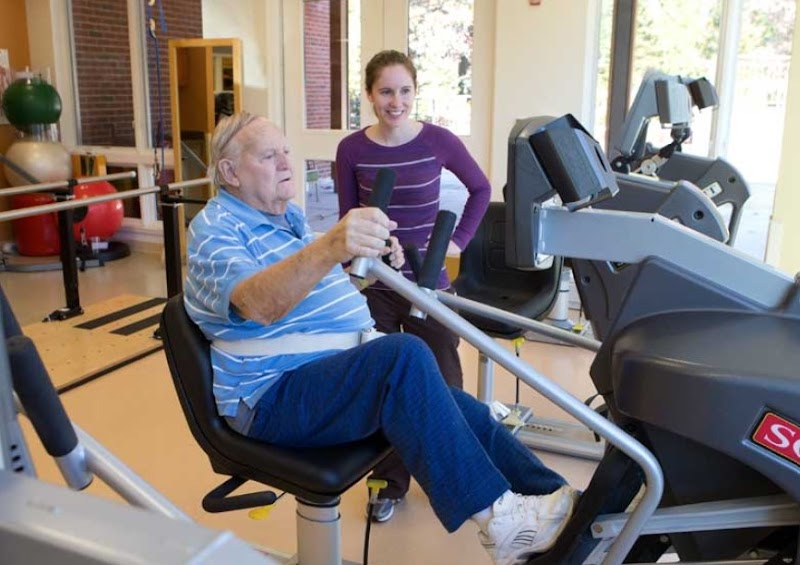
Who Owns and Operates Mary Ann Morse Nursing & Rehabilitation?

MARY ANN MORSE NURSING & REHABILITATION is owned by a non-profit organization. Non-profit facilities reinvest revenue into operations rather than distributing to shareholders. The facility operates independently rather than as part of a larger chain. With 124 certified beds and approximately 103 residents (about 83% occupancy), it is a mid-sized facility located in NATICK, Massachusetts.
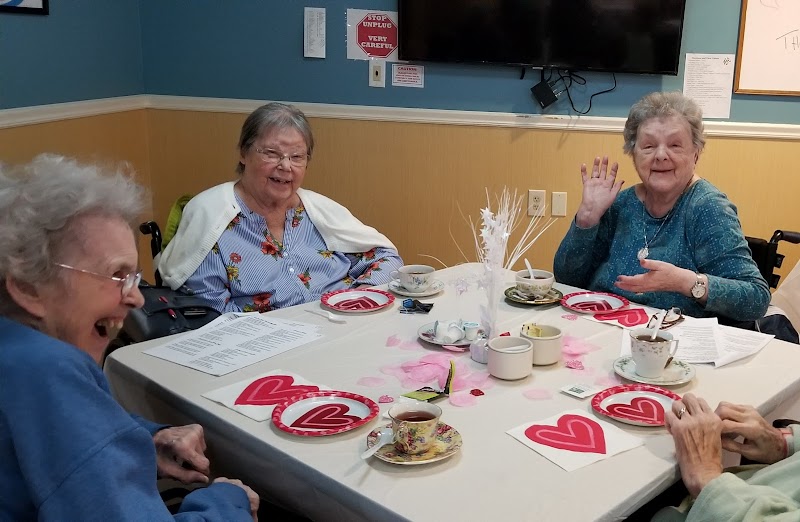
How Does Mary Ann Morse Nursing & Rehabilitation Compare to Other Massachusetts Nursing Homes?

Compared to the 100 nursing homes in Massachusetts, MARY ANN MORSE NURSING & REHABILITATION's overall rating (3 stars) is above the state average of 2.9, staff turnover (35%) is significantly lower than the state average of 46%, and health inspection rating (3 stars) is at the national benchmark.

What Should Families Ask When Visiting Mary Ann Morse Nursing & Rehabilitation?

Based on this facility's data, families visiting should ask: "Can I visit during a mealtime to observe dining assistance and food quality?" "How do you handle medical emergencies, and what is your hospital transfer rate?" "Can I speak with family members of current residents about their experience?"

Is Mary Ann Morse Nursing & Rehabilitation Safe?

Based on CMS inspection data, MARY ANN MORSE NURSING & REHABILITATION has a clean safety record: no substantiated abuse findings (meaning no confirmed cases of resident harm), no Immediate Jeopardy citations (the most serious violation level indicating risk of serious injury or death), and is not on the Special Focus Facility watch list (a federal program monitoring the lowest-performing 1% of nursing homes). The facility has a 3-star overall rating and ranks #1 of 100 nursing homes in Massachusetts. While no facility is perfect, families should still ask about staff-to-resident ratios and recent inspection results during their visit.

Do Nurses at Mary Ann Morse Nursing & Rehabilitation Stick Around?

MARY ANN MORSE NURSING & REHABILITATION has a staff turnover rate of 35%, which is about average for Massachusetts nursing homes (state average: 46%). Moderate turnover is common in nursing homes, but families should still ask about staff tenure and how the facility maintains care continuity when employees leave.

Was Mary Ann Morse Nursing & Rehabilitation Ever Fined?

MARY ANN MORSE NURSING & REHABILITATION has been fined $30,186 across 1 penalty action. This is below the Massachusetts average of $33,381. While any fine indicates a compliance issue, fines under $50,000 are relatively common and typically reflect isolated problems that were subsequently corrected. Families should ask what specific issues led to these fines and confirm they've been resolved.

Is Mary Ann Morse Nursing & Rehabilitation on Any Federal Watch List?

MARY ANN MORSE NURSING & REHABILITATION is not on any federal watch list. The most significant is the Special Focus Facility (SFF) program, which identifies the bottom 1% of nursing homes nationally based on persistent, serious quality problems. Not being on this list means the facility has avoided the pattern of deficiencies that triggers enhanced federal oversight. This is a positive indicator, though families should still review the facility's inspection history directly.