PORT REHABILITATION AND HEALTHCARE CENTER
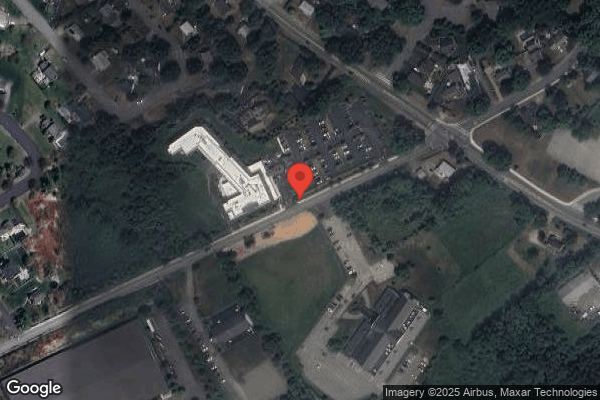
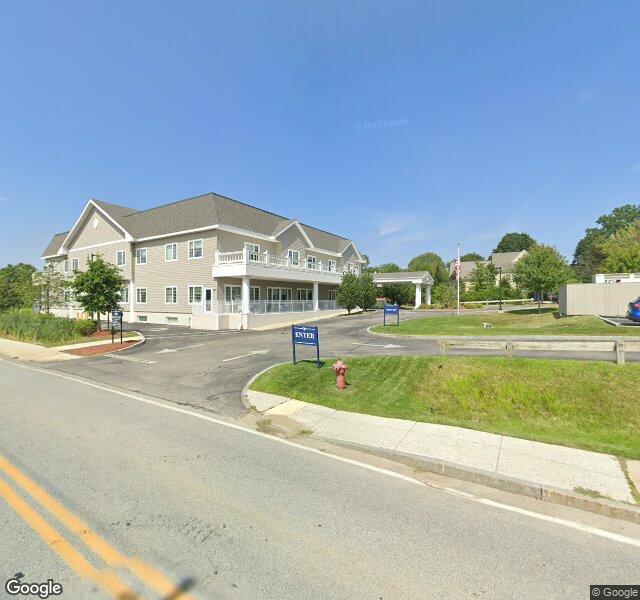
6 HALE STREET, NEWBURYPORT, MA 01950 (978) 462-7373
For profit - Corporation 123 Beds ATLAS HEALTHCARE Data: November 2025
Trust Grade
45/100
#236 of 338 in MA
Last Inspection: August 2025

Inspected within the last 6 months. Data reflects current conditions.

Overview

Port Rehabilitation and Healthcare Center has a Trust Grade of D, which indicates below-average performance with some notable concerns. It ranks #236 out of 338 facilities in Massachusetts, placing it in the bottom half of state options, and #31 out of 44 in Essex County, meaning only a few local facilities are better. While the facility is trending towards improvement, having reduced issues from 9 to 8 over the past year, it still faces challenges with a concerning staff turnover rate of 56%, which exceeds the state average of 39%. There have been no fines recorded, which is a positive aspect, and the facility has average RN coverage, suggesting that nursing staff is present to address potential issues. However, specific incidents raised during inspections are concerning; for instance, food safety practices were not followed, leading to the potential for foodborne illness, and a resident with known care needs was not properly monitored for injuries. Overall, while there are some strengths, families should be aware of these weaknesses when considering this facility for their loved ones.

Trust Score
D
45/100
In Massachusetts
#236/338
Bottom 31%
Safety Record
Low Risk
No red flags
Inspections
Getting Better
9 → 8 violations
Staff Stability
⚠ Watch
56% turnover. Above average. Higher turnover means staff may not know residents' routines.
Penalties
✓ Good
No fines on record. Clean compliance history, better than most Massachusetts facilities.
Skilled Nurses
✓ Good
Each resident gets 42 minutes of Registered Nurse (RN) attention daily — more than average for Massachusetts. RNs are trained to catch health problems early.
Violations
⚠ Watch
22 deficiencies on record. Higher than average. Multiple issues found across inspections.
★★☆☆☆
2.0
Overall Rating
★★★☆☆
3.0
Staff Levels
★☆☆☆☆
1.0
Care Quality
★★★☆☆
3.0
Inspection Score
Stable
2024: 9 issues
2025: 8 issues

The Good

  • Full Sprinkler Coverage · Fire safety systems throughout facility
  • No fines on record

Facility shows strength in fire safety.

The Bad

2-Star Overall Rating

Below Massachusetts average (2.9)

Below average - review inspection findings carefully

Staff Turnover: 56%

10pts above Massachusetts avg (46%)

Frequent staff changes - ask about care continuity

Chain: ATLAS HEALTHCARE

Part of a multi-facility chain

Ask about local staffing decisions and management

Staff turnover is elevated (56%)

8 points above Massachusetts average of 48%

The Ugly 22 deficiencies on record

Aug 2025 8 deficiencies
CONCERN (D)

Potential for Harm - no one hurt, but risky conditions existed

Quality of Care (Tag F0684)

Could have caused harm · This affected 1 resident

Based on observation, record review and interview, the facility failed to ensure treatment and care was provided in accordance with standards in quality of care for one Resident (#12), out of a total ...

Read full inspector narrative →
Based on observation, record review and interview, the facility failed to ensure treatment and care was provided in accordance with standards in quality of care for one Resident (#12), out of a total sample of 25 residents. Specifically, for Resident #12, who has a known risk and care planned for the risk of bruising, bleeding and skin tears, the facility failed to identify areas of injury on his/her lower right leg. Findings include:Resident #12 was admitted to the facility in May 2024 with diagnoses that include, but are not limited to unspecified dementia, bipolar disorder, delusional disorders and heart disease. Review of the most recent Minimum Data Set (MDS) assessment, dated 7/16/25, indicated Resident #12 had a staff assessment for mental status that indicated Resident #12 as having severe cognitive impairment. Further, the MDS indicated Resident #12 required substantial/maximal assistance for shower/bathing and was dependent on lower body dressing. During an observation on 8/26/25 at 10:35 A.M., Resident #12 was in his/her bed. Resident #12's lower legs were exposed, and yellow fading areas were observed going down his/her right shin. There was also a scrape-like red area on his/her shin. Resident #12 did not respond to the surveyor's greeting. During an observation on 8/26/25 at 3:34 P.M., Resident #12 was observed up and dressed and sitting in his/her wheelchair in his/her room. Resident #12 was wearing jogger pants, and his/her lower extremities were covered and could not be observed. Resident #12 did not respond to the surveyor's greeting. During an observation on 8/27/25 at 12:28 P.M., Resident #12 was sitting up in his/her wheelchair. Resident #12 had yellow fading areas on his/her right lower extremity, and a pea sized red area, consistent with a scab on his/her right shin. Review of Resident #12's active care plans indicated the following:-Focus I am at risk for bruising/bleeding/skin tear r/t (related to) ASA (aspirin) therapy, dated 8/20/25, with interventions including but not limited to Inspect skin for bruising/unusual bleeding/petechiae (small spots from bleeding blood vessels) daily during care, dated 8/20/25. Review of progress notes dated 8/18/25 through 8/26/25 failed to indicate any entries regarding any discoloration or alteration to Resident #12's lower right leg. Review of Resident #12's physician's orders indicated the following:-Weekly skin check, complete weekly skin check under assessments tab every day shift every Mon (Monday) for monitoring, dated 5/23/25. Review of the weekly skin checks under the assessment tab indicated Resident #12's skin intact on a weekly skin check V-2 dated 8/18/25. There were no further weekly skin checks assessments under the assessment tab. Review of the Treatment Administration Record (TAR) indicated the weekly skin check dated 8/25/25 as checked off as administered. Review of the progress notes failed to indicate a note that Resident #12 refused the weekly skin check dated 8/25/25. During an observation and interview on 8/28/25 at 7:55 A.M., the surveyor and Certified Nursing Assistant (CNA) #4 observed Resident #12's lower right leg. CNA #4 said Resident #12 had lower leg bruises on his/her right leg and that they had been there and that the nurses knew about the bruises. CNA #4 said she cared for Resident #12 on Tuesday (8/26/25) and they were there. CNA #4 said Resident #12 moved around in his/her wheelchair and bumped into things and that is how they happened. During an observation and interview on 8/28/2025 at 7:58 A.M., Nurse #1 observed Resident #12 with the surveyor present. Resident #12 was on his/her right side, and this limited Nurse #1's observation of his/her right lower leg. Nurse #1 said she could see some discoloration of the right leg and said a green bruise which could be a newer area was on the back of Resident #12's left calf. Further, Nurse #1 said when a nurse does a skin check it is head to toe and that it is documented on an assessment and not just checked off as administered. During an interview on 8/28/25 at 8:13 A.M., Charge Nurse #2 said when staff tell her that a resident has a skin injury, they start a risk report and will obtain statements, call the provider and family, get a treatment or order to monitor the area. Charge Nurse #2 said in the past Resident #12 has had injuries to his/her hands from wheeling around in his/her wheelchair. Charge Nurse #2 said she was not aware of any skin issues or injuries for Resident #12's lower right leg. At this time Unit Manger #1 entered the interview and said she was not aware of any skin issues for Resident #12. Unit Manager #1 said if a resident refuses a skin check the nurse doing the skin check would not check it off as administered. During an interview on 8/28/25 at 10:35 A.M., Nurse #6 said she signed off on the weekly skin check on 8/25/25, but did not document under the assessment, and that she did not see and was not informed of any skin issues. Nurse #6 said she worked yesterday (8/27/25) and no one brought it to her attention that Resident #12 had discoloration on his/her lower right leg. Nurse #6 said if staff see any bruises they are to report it immediately. Nurse #6 said yellow bruises are a sign of older bruises and that black and purple are likely newer bruises. During an interview on 8/28/25 at 9:33 A.M., the Director of Nursing (DON) said weekly skin checks are to be documented on the weekly skin assessment. The DON said she would expect that staff to report skin injuries seen during care to the nurse.
CONCERN (D)

Potential for Harm - no one hurt, but risky conditions existed

Incontinence Care (Tag F0690)

Could have caused harm · This affected 1 resident

Based on observations, interviews and record review, the facility failed to maintain professional standards in managing and caring for urinary catheter devices for one Resident (#54) out of a total sa...

Read full inspector narrative →
Based on observations, interviews and record review, the facility failed to maintain professional standards in managing and caring for urinary catheter devices for one Resident (#54) out of a total sample of 25 residents. Specifically, the facility failed to ensure the urinary catheter drainage bag was not directly touching the floor.Findings include:Review of the facility policy titled Catheter Care, Urinary, revised August 2022, indicated:-The purpose of this procedure is to prevent urinary catheter-associated complications, including urinary tract infections.-Infection Control: Be sure the catheter tubing and drainage bag are kept off the floor.Resident #54 was admitted to the facility in July 2025 with diagnoses including obstructive uropathy (a condition in which the flow of urine is blocked) and dementia.Review of the most recent Minimum Data Set (MDS) assessment, dated 7/18/25, indicated Resident #54 had severe cognitive impairment as evidenced by a Brief Interview for Mental Status (BIMS) score of 4 out of 15. This MDS also indicated Resident #54 had an indwelling urinary catheter. Review of Resident #54's physician's order, initiated 8/13/25, indicated:-Foley catheter (indwelling urinary catheter) care, every shift, initiated 8/13/25.Review of Resident #54's plan of care related to his/her indwelling urinary catheter, revised 7/15/25, indicated:-Provide catheter privacy bag and ensure that bag is not touching the floor.On 8/26/25 at 8:47 A.M., the surveyor observed Resident #54 in bed being assisted to eat by a staff member. He/she had a urinary catheter drainage bag which was attached to the bed frame by a privacy bag, and approximately half of it was directly touching the floor.On 8/26/25 at 10:45 A.M. and at 12:15 P.M., the surveyor observed Resident #54 in bed. He/she had a urinary catheter drainage bag which was attached to the bed frame by a privacy bag, and approximately half of it was directly touching the floor.On 8/26/25 at 12:24 P.M., the surveyor observed Resident #54 in bed. His/her health care proxy (HCP) was present and said she was concerned about how staff cares for his/her indwelling urinary catheter because he/she has had frequent urinary tract infections. Resident #54 had a urinary catheter drainage bag which was attached to the bedframe by a privacy bag, and approximately half of it was directly touching the floor.On 8/26/25 at 4:47 P.M., the surveyor observed Resident #54 in bed. He/she had a urinary catheter drainage bag attached to the bedframe by a privacy bag, and approximately a third of it was directly touching the floor.During an interview on 8/27/25 at 7:42 A.M., Certified Nurse Assistant (CNA) #1 said when Resident #54 is in bed the urinary catheter drainage bag should be attached to the bedframe by the privacy bag. CNA #1 said the privacy bag straps should be shortened to prevent the urinary catheter drainage bag from touching the floor. CNA #1 said the urinary catheter drainage bag and privacy bag should never directly touch the floor.During an interview on 8/27/25 at 7:47 A.M., Unit Manager #1 said Resident #54's urinary catheter drainage bag and privacy bag should never directly touch the floor because of the risk for infection. Unit Manager #1 said Resident #54 cannot adjust the height of his/her bed without assistance. Unit Manager #1 said Resident #54 was currently being treated for a urinary tract infection.Review of Resident #54's nurse progress note, dated 8/25/25, indicated:-Urine culture greater than 100,000 pseudomonas aeruginosa (a type of bacteria) n.o (new order) for ceftriaxone (an antibiotic medication) 1 gram daily x 7 days per NP (nurse practitioner).Review of Resident #54's provider progress note, dated 8/26/25, indicated a diagnosis of a urinary tract infection and that the urine culture collected prior to procedure positive.During an interview on 8/27/25 at 8:07 A.M., the Director of Nursing (DON) said Resident #54's urinary catheter drainage bag and dignity bag should never directly touch the floor and should be always elevated off the floor.
CONCERN (D)

Potential for Harm - no one hurt, but risky conditions existed

Deficiency F0692 (Tag F0692)

Could have caused harm · This affected 1 resident

**NOTE- TERMS IN BRACKETS HAVE BEEN EDITED TO PROTECT CONFIDENTIALITY** Based on observation, record review and interview, the facility failed to ensure for one Resident (#12), out of 7 residents revi...

Read full inspector narrative →
**NOTE- TERMS IN BRACKETS HAVE BEEN EDITED TO PROTECT CONFIDENTIALITY** Based on observation, record review and interview, the facility failed to ensure for one Resident (#12), out of 7 residents reviewed for nutrition, out of a total sample of 25 residents, that a severe weight loss experienced by Resident #12 was addressed timely. Specifically, Resident #12's documented weight on 6/3/25 was 126.2 pounds and on 7/2/25 Resident #12's documented weight was 112.4 pounds, which is a body weight loss of 11.22 percent, which meets the criteria for severe weight loss. The clinical record failed to indicate a weight was retaken to confirm the weight loss, and the Registered Dietitian (RD) failed to conduct a nutritional assessment timely. A nutritional assessment by the RD was conducted 7/16/25, which was 14 days after Resident #12 experienced severe weight loss. Findings include: Review of the facility's policy entitled Weight Assessment and Interventions with a revision dated March 2022 included but not limited to the following:Residents weights are monitored for undesirable or unintended weight loss or gain.1. Residents are weighed upon admission and at intervals established by the interdisciplinary team. 2. Weights are recorded in each unit's weight record chart and in the individual's medical record. 3. Any weight change of 5% or more since the last weight assessment is retaken the next day for confirmation. If the weight is verified, nursing will immediately notify the dietician in writing. 4. Unless notified of significant weight change, the dietician will review the unit weight record monthly to follow the individual weight trends over time. 5. The threshold for significant unplanned and undesired weight loss will be based on the following criteria (where percentage of body weight loss+(usual weight-actual weight)/ (usual weight) x 100}: a.1 month-5% weight loss is significant; greater than 5% is severe, b.3 months- 7.5% weight loss is significant; greater than 7.5 percent is severe. c. 6 months-10% weight loss is significant; greater than 10% is severe. Resident #12 was admitted to the facility in May 2024 and has diagnoses that include, but are not limited to unspecified dementia, bipolar disorder, delusional disorders and heart disease. Review of the most recent Minimum Data Set (MDS) assessment, dated 7/16/25, indicated Resident #12 had a staff assessment for mental status indicating Resident #12 as having severe cognitive impairment. Further, the MDS indicated Resident #12 required set up/cleanup assistance for eating, is 63 inches in height, weighs 112 pounds, and experienced a loss of 5% or more in the last month or loss of 10% in the last 6 months and is not on a physician-prescribed weight-loss regimen. During an observation on 8/26/25 at 10:35 A.M., Resident #12 was observed in his/her bed. Resident #12 did not respond to the surveyors greeting. During an observation on 8/27/25 at 7:59 A.M., Staff was observed in Resident #12's room and said the Resident's name 'you got to eat'. At 8:00 A.M., the tray was on the bedside table, and the Resident was in bed. On 8/27/25 at 8:41 A.M., Nurse #6 said I tried to feed Resident #12, he/she did not want to eat, so I got him/her some yogurt which he/she likes. Review of Resident #12's physician's orders indicated the following:-Regular Diet regular texture, regular thin liquids consistency dated 8/11/25.-Fortified foods dated 8/11/25-Offer yogurt twice a day at 2 PM (SIC) and HS (hour of sleep) document % consumed. Dated 8/11/25. Review of the physician's orders failed to indicate an order to obtain Resident #12s' weight. Review of the weight summary in Resident #12's electronic medical record indicated the following:-6/3/25 at 13:18 (1:18 P.M.) 126.6 (pounds) chair scale-7/2/25 at 14:18 (218 P.M.) 112.4 (pounds) chair scale (a 11.22 % of total body weight loss, which is severe)There was no documented weight to confirm the severe weight loss.-7/17/25 at 14:05 (2:05 P.M.) 117.8 (pounds) chair scale. This weight was 15 days after the 11.22 % severe weight loss was recorded in Resident #12's medical record and is a 6.95 % weight loss from 6/3/25.-7/24/25 14:13 (2:13 P.M.) 114.5 (pounds) chair scale-7/31/25 13:40 (1:40 P.M.) 112.8 (pounds)chair scale-8/1/25 10:38 A.M., 112.6 (pounds) chair scale-8/7/25 14:38 (2:38 P.M.) 111.6 (pounds) chair scale.No further weights were documented. Review of Resident #12's clinical record indicated a care plan with the following focus, Resident is at risk for malnutrition related to polypharmacy, limited mobility, need for therapeutic diet, weight changes, variable intakes, BMI (body mass index) 23, medical conditions: dementia, bipolar disorder, HTN (hypertension) emphysema, CAD (coronary artery disease) HLD (hyperlipidemia), dysphagia, anemia, dated as initiated 4/18/25, indicated: Goal: Gradually gain weight to healthy BMI parameters for population, Free from significant weight change, maintain meal intake of greater than 75 percent at 2-3 meals daily, no signs or symptoms of dehydration, skin will remain free of pressure injury comply with ordered diet, Labs WNL (within normal limits) revision on 8/7/25. The Care Plan goals for Resident #12 were revised 25 days after Resident #12 experienced a severe weight loss. Review of the interventions included but were not limited to: Provide fortified foods, dated 7/16/25 (14 days after the severe weight loss was documented in Resident #12's medical record), Alert RD to any decline in intake dated 4/22/25 monitor weights 4/22/25 Review of Resident #12's medical record indicated a Nutrition assessment dated [DATE], which was 14 days after Resident 12's documented severe weight loss. Comments: 1 month 6/3/25 126.2 # (pounds) (-10.9 % loss)3 months 4/2/25 128.8 # (-12.7 % loss)6 months 1/6/25 134# (-16.1 % loss)Assessment Comments/Summary (Resident) presents with significant weight loss x 1/3/6 months. Reweight requested to confirm accuracy. If weight loss confirmed, would be unplanned undesirable; etiology not clear. BMI 19.9 low for population. No fortified food or nutritional supplements on order. Recommending fortified foods with all meals. Review of the Nurse Practitioner encounter note, dated 7/15/25, (13 days after the documented weight of 112.4 pounds) indicated the weight of 126.2 and did not indicate or note that Resident #12 experienced a significant weight loss. Review of IDT (interdisciplinary team) note, dated 7/8/25, 6 days after Resident #12's documented severe weight loss indicated the following: Discussed patient with IDT team at risk meeting. Weight loss of 13 pounds noted. Discussed a re-weigh. The note was entered by an occupational therapist. The next recorded weight was documented on 7/17/25, 9 days after the IDT note dated 7/8/25. During an interview on 8/28/25 at 10:30 A.M., Nurse #6 said she was not aware Resident #12 was having any weight loss, but she only works two days a week. Nurse #6 said Resident #12 loves yogurt and blueberries and that Resident #12 did not eat too much yesterday and she ordered him/her a sandwich at lunch and fed him/her some pudding. Nurse #6 said fortified foods come up on a resident's meal tray from the kitchen. Nurse #6 said the nurses are responsible for making sure residents are weighed. Nurse #6 said if there is a loss then the resident is to be reweighed within a day or two to determine if the weight is accurate. During an interview on 8/28/25 at 1:19 P.M., Unit Manager #1 said the weight book they keep on the unit did not have any further weights or reweight for Resident #12 after the 7/2/25 entry and just had the weights listed in the electronic medical record. Unit Manager #1 said Resident #12 used to tool around in his/her wheelchair and help him/herself to yogurts in a manic way, which resulted in weight gain in the past. Unit Manager #1 said the behavior of eating yogurt changed about one month ago, and he/she was not eating as much as before. Unit Manager #1 said if a resident had a 3-pound weight change they will reweigh the resident within a few days to confirm the weight loss. Unit Manager said it is possible the next weight was obtained on 7/16/25. Unit Manager said they liberalized Resident #12's diet and added fortified foods around 7/16/25, which was 14 days after the documented severe weight loss. During an interview on 8/28/25 at 1:01 P.M., the Assistant Director of Nursing said Resident #12 had weight loss and that that a reweigh should have been obtained within a day or 2 of the documented weight loss. The ADON said when a resident has weight loss they are followed in a risk meeting with the team, and they take directions from the RD. During an interview on 8/28/25 at 12:23 P.M. the Registered Dietitian said the RD who covers the building was not available for interview and that she could speak to the process for monitoring resident's weights and nutritional status. The RD said obtaining resident's weights is entered as an order and specific to a resident's needs. The RD said residents will have nutritional assessments on admission, quarterly and with any identified changes or concerns. The RD said a weight report is pulled from the medical record which identifies any weight concerns. The RD said there is a strong focus on any weight changes over one month and a 6-month lookback. The RD said if a resident has a weight change including a gain or loss of 5% the team is responsible for the reweigh within 24 to 48 hours to confirm if it is a true weight change. The RD said the dietitian then would be notified by nursing and would complete an assessment to determine if it is unplanned and undesirable. For Resident #12 the RD reviewed the entries in the electronic medical record and said Resident #12 did have a weight loss and that there was no documented reweight taken after the 7/2/25 documented weight until 7/17/25. The RD said Resident #12's weight loss would be triggered as being significant. The RD said a nutritional assessment would be important to identify new interventions and monitor improvements to combat weight loss. The RD said she believes the delay of obtaining a reweight to confirm Resident #12's weight loss impacted having a nutritional assessment and implementing interventions timely.
CONCERN (D)

Potential for Harm - no one hurt, but risky conditions existed

Deficiency F0694 (Tag F0694)

Could have caused harm · This affected 1 resident

Based on observations, interview and record review, the facility failed to provide care and maintenance of a Peripherally Inserted Central Catheter (PICC: a flexible tube inserted through a vein in on...

Read full inspector narrative →
Based on observations, interview and record review, the facility failed to provide care and maintenance of a Peripherally Inserted Central Catheter (PICC: a flexible tube inserted through a vein in one's arm and passed through to the larger veins near the heart, used to deliver medications intravenously [IV]), consistent with professional standards of practice for one Resident (#110) out of a total sample of 25 Residents. Specifically, the facility failed to change the PICC line dressing and measure the external length of the catheter as indicated in the physician's orders. Findings include:Review of facility policy titled Central Venous Catheter Care and Dressing Changes, dated as revised October 2024, indicated the following:-The purpose of this procedure is to prevent complications associated with intravenous therapy, including catheter- related infections that are associated with contaminated, loosened, soiled or wet dressings.-1. Assess central venous access devices with each infusion and at least daily:-2. Measure the length of the external central vascular access device with each dressing change or if catheter dislodgement is suspected. Compare with the length documented at insertion.-3. Perform site care and dressing change at established intervals or immediately if the integrity of the dressing is compromised (e.g., damp, loosened or visibly soiled).-5. Change the dressing if it becomes damp, loosened or visibly soiled and:-a. at least every 7 days-c. immediately if the dressing or site appears compromised. Resident #110 was readmitted to the facility in August 2025 with diagnoses that included presence of left artificial knee joint, encephalopathy and muscle weakness. Review of Resident #110's most recent Minimum Data Set (MDS) Assessment, dated 8/7/25 indicated a brief interview for mental status score of 15 out of 15, indicating intact cognition. On 8/26/25 at 7:53 A.M., the surveyor observed Resident #110 up and dressed in his/her wheelchair. The Resident had a PICC line to his/her right upper arm. The dressing was dated 8/20/25 and was peeling and lifting at the corners of the dressing. On 8/27/25 at 1:00 P.M., the surveyor observed the Resident in his/her room. A PICC line was observed to the right arm, and the dressing was dated 8/20/25, with the corners of the PICC line dressing lifting. On 8/28/25 at 7:26 A.M., the surveyor observed Resident #110 in his/her room up in his/her wheelchair. The Resident had a PICC line to his/her right arm. The dressing was dated 8/20/25 with the corners peeling and lifting. There was a piece of tape along one edge, taping down the dressing. Review of Resident #110's active PICC line care plan, dated 6/20/25, indicated the following:-Focus: I have a Single Lumen Central Line Catheter.-Interventions: Change dressing, injection caps and extension tubing weekly. Monitor every Shift and report any abnormalities to PCP, and treatments as ordered. Review of physician's orders indicated the following:- PICC Line Dressing/Connector(s): change and date PICC line dressing and change needless connector(s). Measure external PICC catheter. every night shift every Wed (Wednesday) for treatment, dated 8/13/25. Review of the August 2025 Treatment Administration Record (TAR) indicated that the PICC line dressing had been changed on 8/13, 8/20 and 8/27, despite an observation on 8/28/25 which indicated a PICC line dressing in place dated 8/20/25. Further Review of the TAR failed to indicate external catheter length was measured on 8/20 or 8/27. Review of Resident #110's progress notes failed to indicate external catheter length was measured and documented on 8/20 or 8/27. During an interview on 8/28/25 at 7:40 A.M., Charge Nurse #1 said that for every resident who admits with a PICC line she will ensure that the facility receives the insertion report as well as placement confirmation. She said that an order set is entered into the medical record for dressing changes on admission and weekly, as well as on an as needed basis. She said that part of the dressing change includes monitoring the external length of the catheter, which will assist in assessing whether or not the PICC line has migrated, or placement is compromised. She further said that if a nurse signs off that a dressing change is completed, she expects that it was completed, and if it was not, then it should not be signed off as such. During an interview on 8/28/25 at 7:47 A.M., Unit Manager #2 said that PICC line dressing changes should be completed as indicated in physician's orders; not completing dressing changes could increase the risk of infection. She further said that the as needed order should have been implemented for a peeling and lifting dressing. Unit Manager #2 also said an external catheter length should also be documented to confirm placement and that the PICC line has not migrated. During a phone interview on 8/28/25 at 10:20 A.M., Nurse #3 said that she was assigned to care for Resident #110 on 8/27/25. She said that she did not perform a PICC line dressing change. She said that she did administer IV medication for the Resident but does not recall noticing the date of the dressing or that it was peeling or lifting in the corners. During an interview on 8/28/25 at 9:27 A.M., the Director of Nurses (DON) said that a PICC line should be assessed at least every shift, and she would expect that dressing changes are being completed at least every 7 days and as needed. The DON said that part of the dressing change includes measuring the external catheter length to confirm that the PICC line has not migrated or dislodged from its placement. She said that if a PICC line dressing begins to lift or peel it increased the risk for infection and should be changed.
CONCERN (D)

Potential for Harm - no one hurt, but risky conditions existed

Respiratory Care (Tag F0695)

Could have caused harm · This affected 1 resident

Based on observation, interviews and record review, the facility failed to ensure that respiratory care and services, consistent with professional standards of practice, were provided for one Resident...

Read full inspector narrative →
Based on observation, interviews and record review, the facility failed to ensure that respiratory care and services, consistent with professional standards of practice, were provided for one Resident (#26) out of sample of 25 residents. Specifically, the facility failed to obtain a physician's order for oxygen administration. Findings include:Review of facility policy titled Oxygen Administration, dated as Revised October 2010, indicated the following:-Verify that there is a physician's order for this procedure. Review the physician's orders or facility protocol for oxygen administration. Resident #26 was admitted in May 2025 with diagnoses that include gastrointestinal hemorrhage, acute respiratory failure, muscle weakness and pressure ulcer stage 3. Review of the most recent Minimum Data Set (MDS) Assessment, dated 8/12/25, indicated a Brief Interview for Mental Status (BIMS) score of 13 out of 15, indicating intact cognition. The MDS further indicated the use of continuous oxygen therapy. On 8/26/25 at 8:02 A.M., the surveyor observed Resident #26 awake in bed. The Resident was receiving oxygen via nasal cannula at 2 liters per minute (lpm). On 8/27/25 at 12:30 P.M. and 1:36 P.M., the surveyor observed Resident #26 awake in bed. The Resident was receiving oxygen via nasal cannula at 2 lpm. Review of Resident #26's active physician's orders failed to indicate orders for oxygen administration. Review of the weights and vital signs portal in the electronic medical record indicated that beginning 8/12/25 Resident #26 was documented as using oxygen via nasal cannula. During an interview on 8/27/25 at 1:38 P.M., the Charge Nurse said that if a resident is receiving oxygen there should be an order for administration. She said Resident #26 is receiving oxygen, but when she reviewed the medical record, she said there was no order for it. She said that the Resident was started on oxygen around 8/12/25 when he/she was diagnosed with pneumonia. During an interview on 8/28/25 at 7:57 A.M., Unit Manager #2 said that there needs to be a physician's order for oxygen administration, but that Resident #26 did not have one until it was brought to the facility's attention. During an interview on 8/28/25 at 9:26 A.M., the Director of Nurses said that the administration of oxygen requires a physician's order and would expect that if a resident is receiving oxygen there would be a physician's order.
CONCERN (D)

Potential for Harm - no one hurt, but risky conditions existed

Deficiency F0698 (Tag F0698)

Could have caused harm · This affected 1 resident

Based on observations, interviews, and record review the facility failed to provide care and services consistent with professional standards of practice for one Resident (#41) who required renal dialy...

Read full inspector narrative →
Based on observations, interviews, and record review the facility failed to provide care and services consistent with professional standards of practice for one Resident (#41) who required renal dialysis (a life sustaining treatment that helps the body remove extra fluids and waste products from the blood when the kidneys are not able to) out of a total sample of 25 residents. Specifically, The facility failed to ensure ongoing assessment of the Resident's condition and monitoring for complications before and after dialysis treatments received at a certified dialysis facility.The facility failed to ensure an emergency kit including clamps were kept with the Resident in case of emergency related to a tunneled hemodialysis catheter (a plastic tube used for exchanging blood between a patient and a hemodialysis machine).Findings include: Review of the facility policy titled ‘End-Stage Renal Disease, Care of a Resident with', dated September 2010, indicated residents with end-stage renal disease (ESRD) will be cared for according to currently recognized standards of care.-If there is major bleeding from site (post dialysis), apply pressure to insertion site and contact emergency services and dialysis center. Verify that clamps are closed on lumens. This is a medical emergency. Do not leave resident alone until emergency services arrive. Review of the facility policy titled ‘Hemodialysis Catheters-Access and Care of' dated June 2025, indicated: Documentation-The nurse should document in the resident's medical record every shift as follows:1. Location of catheter.2. Condition of catheter (interventions if needed).3. If dialysis was done during shift.4. Any part of report from dialysis nurse post-dialysis being given.5. Observations post-dialysis. Resident #41 was admitted to the facility in August 2025 with diagnoses including chronic kidney disease, stage 5 and dependence on renal dialysis. Review of the most recent Minimum Data Set (MDS) assessment, dated 8/9/25, indicated that Resident #41 was cognitively intact as evidenced by a Brief Mental Status (BIMS) score of 13 out of 15. This MDS indicated Resident #41 received hemodialysis. On 8/27/25 at 7:30 A.M., the surveyor observed dialysis access site to the right upper chest covered with undated bordered gauze. Resident #41 said that the nurse did not provide any care to assess the site upon his/her return from dialysis. Review of Resident #41's physician's order, dated 8/26/25, failed to indicate orders to monitor/assess the resident for any complications and to document in medical record. Review of Resident #41's plan of care related to hemodialysis, dated 8/3/25, indicated interventions including:-avoid blood pressure, blood work, and IV insertion on the affected arm.-check and change dressing daily at access site. Document.-monitor/document/report to physician (MD) as needed (PRN) and signs and symptoms of infection to access site: redness, swelling, warmth, or drainage.-monitor/document/report to MD PRN for signs and symptoms of the following: bleeding, hemorrhage, bacteremia, or septic shock.-obtain vital signs and weight per protocol. Report significant changes in pulse, respirations, and blood pressure immediately. Review of Resident #41's nursing progress notes, dated 8/2/25 through 8/26/25, failed to indicate observation and care of Resident #41's hemodialysis catheter or of Resident #41's condition pre- and post-dialysis. Review of Resident #41's Treatment Administration Record (TAR) and Medication Administration Record (MAR), dated 8/26/25, failed to indicate orders to monitor/assess site right chest port for any complications. Review of Resident #41's nursing admission assessment, dated 8/2/25, indicated he/she had right chest port for dialysis. On 8/26/25 at 8:57 A.M., Resident #41 was observed lying in his/her bed. The surveyor did not observe emergency clamps or pressure dressings in the Resident's room. On 8/27/25 at 7:30 A.M., Resident #41 was observed lying in his/her bed. The surveyor did not observe emergency clamps or pressure dressings in the Resident's room. During an interview on 8/27/25 at 7:36 A.M., Nurse #5 said that she had cared for Resident #41 last week and that he/she has a fistula in his/her right arm and care for him/her included checking for bruit and thrill in right arm access site and upon return from dialysis, a pressure wrap must be kept on site for 24 hours. She said that complications to the right arm access site could include bleeding and there should be clamp and dressing supplies in the Resident's room so that pressure can be applied but was not sure if they were there now. She said she documents an assessment on her residents every shift. During an interview on 8/27/25 at 9:35 A.M., Unit Manager #2 said that Resident #41's access for dialysis is a right chest port. She said the port must be kept covered. She said that the care of Resident #41 includes making sure his/her dialysis book is kept up to date and that they monitor any recommendations from dialysis, document any findings at dialysis including pre- and post-weights, update care plan, assess site every shift. She said there should be orders to assess the site. She said that there should be an order for no blood pressure on the arm on side where dialysis catheter is and that complications could include dislodgement, inflammation, or redness of the access site and there should be gauze, pressure dressing, and tape available for an emergency. She said there should be a clamp available in case of bleeding, but I don't have a clamp. During an interview on 8/27/25 at 11:36 A.M., the Director of Nursing (DON) said that a resident receiving dialysis should have a dialysis binder to communicate with the dialysis center. If the resident has a port there should be orders to check the site, maybe a dressing change and to visually assess site and document. She said that complications could include infection, or port could be compromised or dislodged. She said she would need to check on the protocol for emergency kit for external port and was not sure about the education provided to staff for a resident receiving dialysis. She said she would expect nursing staff to monitor access site before and after dialysis and to document in medical record, including signing on MAR or TAR. During an interview on 8/27/25 at 12:01 P.M., the DON said that another complication of a renal dialysis catheter could be bleeding. She was unable to provide a policy for emergency care of hemodialysis catheter. She said that Resident #41 has an emergency kit in his/her top drawer of his/her room and that she checked it herself. The surveyor went to room with DON and observed the emergency kit in Resident's top drawer with gauze in bag. The DON said the gauze would be used to apply pressure if there was bleeding at the catheter site. The DON was unaware that a clamp should be included in the emergency kit for a resident with a hemodialysis catheter.
CONCERN (D)

Potential for Harm - no one hurt, but risky conditions existed

Infection Control (Tag F0880)

Could have caused harm · This affected 1 resident

Based on observation, record review and interview, the facility failed to establish and maintain an infection prevention and control program designed to provide a safe, sanitary and comfortable enviro...

Read full inspector narrative →
Based on observation, record review and interview, the facility failed to establish and maintain an infection prevention and control program designed to provide a safe, sanitary and comfortable environment and to help prevent the development and transmission of communicable diseases and infections. Specifically, the facility failed to implement Enhanced Barrier Precautions for a central dialysis catheter for one Resident (#41), with a central dialysis catheter port, out of a total sample of 25 residents.Findings include:Review of the facility policy, titled ‘Enhanced Barrier Precautions', dated December 2024, indicated: Enhanced Barrier Precautions (EBPs) are utilized to prevent the spread of multi-drug-resistant organisms (MDROs) to residents.-EBPs refer to infection prevention and control interventions designed to reduce the transmission of MDROs during high contact resident care activities.-EBPs apply when a resident has a wound or indwelling medical device.-indwelling medical devices include central lines, catheters, feeding tubes, and tracheostomies.-EBPs employ targeted gown and glove use in addition to standard precautions during high contact resident care activities.-Examples of high-contact resident care activities requiring the use of gown and gloves for EBP include:a. dressing.b. bathing.c. providing hygiene or grooming.d. transferringe. providing bed mobility.f. changing linens.g. changing briefs or assisting with toileting.h. device care or use.-Signs are posted on the door or wall outside the residents' rooms which communicate the type of precautions and PPE required. Resident #41 was admitted to the facility in August 2025 with diagnoses including chronic kidney disease, stage 5 and dependence on renal dialysis. Review of the most recent Minimum Data Set (MDS) assessment, dated 8/9/25, indicated that Resident #41 was cognitively intact as evidenced by a Brief Mental Status (BIMS) score of 13 out of 15. This MDS indicated Resident #41 receives hemodialysis. This MDS also indicated that he/she required assistance with all personal care and mobility and that he/she had incontinence. On 8/26/25 at 8:57 A.M., the surveyor observed that the facility failed to post any signs on the door or wall outside Resident #41's room indicating he/she required EBPs. Review of Resident #41's entire medical record, dated 8/26/25, failed to indicate an order or documentation of the use of EBPs. On 8/27/25 at 12:03 P.M., Certified Nursing Aide (CNA) #2 said she had cared for Resident #41 before, and she had not used EBPs to care for that Resident. On 8/27/25 at 7:36 A.M., Nurse #5 said that Resident #41 should have sign for EBPs posted outside of his/her room. She said that she had not used EBPs to care for Resident. On 8/27/25 at 9:35 A.M., Unit Manager #2 said that Resident #41 should have EBPs for care related to open access (central line). She said that she had not used EBPs to care for Resident. On 8/27/2025 at 11:56 A.M., the Assistant Director of Nursing (ADON) said a resident with a port should have EBPs as it is an open line. On 8/27/25 at 11:36 A.M., the Director of Nursing (DON) said that Resident #41 should have EBP if he/she has a port as it is an open line. The DON said that the need for EBPs is communicated by a sign and a precaution cart outside of the Resident's room.
CONCERN (E)

Potential for Harm - no one hurt, but risky conditions existed

Food Safety (Tag F0812)

Could have caused harm · This affected multiple residents

**NOTE- TERMS IN BRACKETS HAVE BEEN EDITED TO PROTECT CONFIDENTIALITY** Based on observations, record reviews and interviews, the facility failed to ensure food was stored and distributed in accordanc...

Read full inspector narrative →
**NOTE- TERMS IN BRACKETS HAVE BEEN EDITED TO PROTECT CONFIDENTIALITY** Based on observations, record reviews and interviews, the facility failed to ensure food was stored and distributed in accordance with professional standards of food safety to prevent the possible spread of foodborne illness in at risk residents. Specifically, 1. a. The facility failed to ensure food stored in the walk-in refrigerator was not stored and available after the use by date, b. The facility failed to ensure a loaf of bread was not stored after the use by date on one of three nourishments kitchens, and 2. Dietary Staff #1 a. failed to contain facial hair with a beard cover while in the food distribution area. Dietary Staff #1 failed to change his gloves and perform hand hygiene after resting his gloved hands on his facial hair and his nose and proceeded to pick up plate pallets and place them on multiple meal trays in preparation for the meal service line, potentially contaminating the meal trays. b. Dietary Staff #2 failed to properly dispose of used gloves during the lunch meal distribution. Dietary Staff #1 removed his gloves from both hands and placed the gloves onto the tray line. Findings include: Review of the facility's policy, titled Food Receiving and Storage, dated November 2022, indicated, Foods shall be received and stored in a manner that complies with safe food handling practices. ‘Refrigerated/Frozen Storage' included but was not limited to the following:1. All foods stored in the refrigerator or freezer are covered, labeled and dated (use by date) 7. Refrigerated foods are labeled, dated and monitored so they are used by their use by date, frozen, or discarded. 1 a] During an observation of the main kitchen's walk-in refrigerator on 8/26/2025 at 7:20 A.M. the surveyor observed the following:-A tray with multiple covered individual servings bowls of fruit dated 8/21/25, 8/22/25, and 8/23/25. -A loosely wrapped pan of cooked burgers with congealed white substance dated 8/23/25-A pan of cooked pasta noodles, wrapped and dated 8/21/25-A plastic wrapped opened package of turkey deli meat dated 8/10/25.-A shallow pan of peas covered in loose plastic dated 8/19/25.-Nine covered cups of individually poured milk with no visible date. During an observation and interview on 8/26/25 at 7:31 A.M., The Food Service Director said food stored in the walk-in refrigerator was available for use. The FSD said all prepared food should be labeled with a use by date. The FSD said stored food should be used within three days. The FSD said the food stored in the walk-in refrigerator with dates of 8/19/25, through 8/22/25 should have been thrown out. The FSD said the turkey deli meat dated 8/10/25 should have been labeled with a use by date and should not have been in the refrigerator. 1b.) During observation of the [NAME] Unit Nourishment kitchen on 8/27/2025 8:33 A.M., the tag on one loaf of white bread indicated use by 8/26/25. During an interview on 8/27/25 at 2:07 P.M., the FSD said food should not be stored in the nourishment kitchens beyond the use by date. 2a.) During an observation of the meal service preparation on 8/27/25 at 11:39 A.M., the following observations were made: Dietary Staff #1 was observed to have facial hair that was not contained. Dietary Staff #1 was standing in the food distribution line area. Dietary Staff #1 rested his elbows on the shelf of the tray line and rested his head on his gloved hands resulting in his facial hair and nose having direct contact with his gloved hands. Dietary Staff #1 then proceeded to touch the plate warmer pallets and placed them on multiple meal trays. 2b.) During the tray distribution Dietary Staff #2 removed his gloves from his hands and placed the gloves directly onto the tray line shelf. The FSD was present and was made aware and directed Dietary Staff #2 to wash his hands. The FSD said the used gloves should not have been placed on a clean area. During an interview on 8/27/25 at 2:07 P.M., the FSD said Dietary Staff #1 should not have rested his gloved hands on his facial hair and nose while waiting for the tray line to begin. The FSD said he expected Dietary Staff with facial hair to cover with a beard cover when in food preparation areas and during food distribution. The FSD said Dietary Staff #1 should not have touched the plate pallets after touching his facial hair and nose with his gloved hands.
Dec 2024 1 deficiency
CONCERN (D) 📢 Someone Reported This

A family member, employee, or ombudsman was alarmed enough to file a formal complaint

Potential for Harm - no one hurt, but risky conditions existed

Abuse Prevention Policies (Tag F0607)

Could have caused harm · This affected 1 resident

Based on interviews and records reviewed, for one of three sampled residents (Resident #1), and for one of three sampled employees (Certified Nurse Aide #1), and the Facility failed to ensure staff im...

Read full inspector narrative →
Based on interviews and records reviewed, for one of three sampled residents (Resident #1), and for one of three sampled employees (Certified Nurse Aide #1), and the Facility failed to ensure staff implemented and followed their abuse policy related to reporting of abuse allegations and employment requirements. 1) On 11/22/24, although Nurse #1 and the Charge Nurse were aware that Resident #1 had made an allegation that CNA #1 had slapped him/her on the arm during care, neither of them reported the allegation of abuse immediately to the Administrator or Director of Nurses, who were not made aware until three days later, and 2) prior to working at the facility, a Massachusetts Nurse Aide Registry (NAR) check was not conducted on Certified Nurse Aide (CNA) #1, as required. Findings include: 1) The Facility Policy titled Abuse, Neglect, Mistreatment, Misappropriation of Resident Property and Exploitation, revised 10/2022, also indicated that mandated reporters have a legal obligation to report all actual, suspected or alleged cases of abuse. The Policy indicated an immediate report should be made (following the facility's chain of command) listed as the Immediate Supervisor, the Administrator, the Director of Nursing Services, House Manager and Director of Social Services. Review of the report submitted by the Facility via the Health Care Facility Reporting System (HCFRS), dated as submitted on 11/25/24, indicated that at approximately 9:00 P.M. on 11/22/24, Nurse #1 immediately met with Resident #1 after CNA #1 stated he/she (Resident#1) had kicked her (CNA #1) during care and refused to take a shower. The report indicated Resident #1 told Nurse #1 that when he/she (Resident #1) asked CNA #1 for help to put on his/her shoes, CNA #1 slapped him/her on the left forearm. Review of Resident #1's clinical record indicated his/her diagnoses included a fracture of the right pubis and anxiety. Review of Resident #1's admission Minimum Data Set (MDS) assessment, dated 11/13/24, indicated he/she had intact cognitive functioning, scoring a 15 out of 15, on a Brief Interview for Mental Status. The MDS assessment indicated Resident #1 was able to understand others and make himself/herself understood. During a telephone interview on 12/17/24 at 3:30 P.M., Resident #1 said during the evening on a 3:00 P.M. to 11:00 P.M. shift (exact date unknown) CNA #1 was irritated with him/her and slapped him/her on the forearm with an open hand, while they were in the bathroom. Resident #1 said it was an open hand slap and it smarted for a minute. Resident #1 said he/she immediately reported the incident a nurse (exact staff member name unknown) and that other CNAs assisted him/her further that night. During a telephone interview on 12/17/24 at 10:20 A.M., Nurse #1 said at 8:40 P.M. on Friday 11/22/24 Resident #1 told her that CNA #1 slapped his/her left forearm intentionally, while providing assistance in the bathroom. Nurse #1 said Resident #1 told her he/she did not understand why CNA #1 wore protective gloves for collecting the laundry, was upset and said he/she (Resident #1) told CNA #1 not to wear them. Nurse #1 said Resident #1 told her then CNA #1 slapped him/her on the left forearm after his/her shoes were put on. Nurse #1 said she assessed Resident #1 for injury, and did not see any redness or evidence of physical harm. Nurse #1 said on 11/22/24, she immediately reported the alleged incident to the Charge Nurse on the unit. Nurse #1 said she did not report the allegation of abuse to the Administrator of Director of Nurses. Nurse #1 said witness statements were written and collected regarding the allegation of abuse and were placed in the Unit Manager's mailbox so that the Unit Manager would receive and review them on Monday 11/25/24 (which was when the Unit Manager work next, after the weekend). During a telephone interview on 12/17/24 at 3:25 P.M., the Charge Nurse said at approximately 9:15 P.M. on 11/22/24 (Friday) Nurse #1 told her that Resident #1 reported that CNA #1 had slapped his/her left forearm. The Charge Nurse said she gave Nurse #1 her written statement. The Charge Nurse said Nurse #1 told her that the written statements she collected, were put in the Unit Manager's mailbox. The Charge Nurse said she did not contact the Administrator of Director of Nursing to report the allegation of abuse. The Charge Nurse said she did not direct Nurse #1 to report the allegation immediately either. During an interview on 12/12/24 at 12:15 P.M., the Unit Manager said she found three written witness statements in her mailbox in the morning on 11/25/25 (Monday) from the Charge Nurse, Nurse #1 and Resident #1. The Unit Manager said she discovered, based on a review of the statements, that Resident #1 had alleged CNA #1 slapped his/her left forearm on 11/22/24. The Unit Manager said she immediately reported the allegation of abuse to the Director of Nurses. During an interview on 12/12/24 at 2:45 P.M., the Administrator and Director of Nurses (DON) said in the morning on 11/25/24 the Unit Manager reported to the DON that based on a review of written statements retrieved from her mailbox that morning, Resident #1 alleged CNA #1 had slapped his/her left forearm at approximately 8:40 P.M. on 11/22/24. The Administrator and DON said, prior to 11/25/24, they had not been made aware of the allegation. The Administrator and DON said Nurse #1 and the Charge Nurse should have immediately reported the allegation of abuse to them, per Facility Policy. 2) Review of Facility Policy titled Abuse, Neglect, Mistreatment, Misappropriation of Resident Property and Exploitation, revised 10/2022, indicated the Facility will strictly adhere to screening protocol. The Policy indicated prior to employment, all potential new employees are subject to a Nurse Aide Registry (NAR) check. Review of CNA #1's Employee File indicated her first date of employment at the Facility was on 06/30/23. Further review of CNA #1's Employee File indicated there was no documentation to support that an NAR check had been conducted prior to her employment at the Facility. During on interview on 12/12/24 at 2:05 P.M., the Director of Nurses (DON) said CNA #1 was an agency contracted employee. The DON said CNA #1's NAR should have been completed prior to employment at the Facility by the agency. The DON said after speaking with the agency President, it was discovered that CNA #1 had not had a NAR check conducted prior to hire at the Facility.
Sept 2024 3 deficiencies
CONCERN (D)

Potential for Harm - no one hurt, but risky conditions existed

Comprehensive Care Plan (Tag F0656)

Could have caused harm · This affected 1 resident

Based on observations, record review and interviews, the facility failed to develop and implement a comprehensive person-centered care plan for one Resident (#104) out of a total sample of 26 resident...

Read full inspector narrative →
Based on observations, record review and interviews, the facility failed to develop and implement a comprehensive person-centered care plan for one Resident (#104) out of a total sample of 26 residents. Specifically: 1a. For Resident #104, the facility failed to develop a plan of care for a stage 3 pressure ulcer that was present on admission to the facility and, 1b. For Resident #104, the facility failed to implement bed and chair alarms as indicated in the falls plan of care. Findings Include: Review of facility policy titled Interdisciplinary Care Planning, dated as revised 4/2024, indicated the following: -Care planning schedules are developed and coordinated by the Case Manager and/ or Social Services, in collaboration with the MDS (Minimum Data Set) Coordinator and nursing department. -The care plan process is not limited to developing a written plan but also addresses the ongoing execution of care, treatment, and services with a person- centered approach. The plan is continually reevaluated and modified to ensure the resident's needs are met. The plan includes: -Integrating the assessment findings into the care-planning process. -Regularly reviewing the care plan and modifying the plan as deemed necessary. -Comprehensive person-centered care plans are developed and/or reviewed and revised by the interdisciplinary team representing all appropriate health care workers: -As soon as possible after admission to address key clinical areas -No later than 7 calendar days after completion of the Comprehensive MDS for additional triggered areas. -With change in resident status. -Per regulatory mandates. Resident #104 was admitted to the facility in August 2024 with diagnoses including sepsis and osteomyelitis. Review of Resident #104's most recent Minimum Data Set (MDS) Assessment, dated 8/19/24, indicated a Brief Interview for Mental Status (BIMS) score of 15 out of 15, indicating that Resident #104 is cognitively intact. The MDS further indicated that the Resident has had no falls since admission and has one stage 3 pressure ulcer. 1a. On 9/10/23 at 9:14 A.M., Resident #104 was observed sitting up in his/her wheelchair. An air mattress was observed on his/her bed. Resident #104 said that he/she has a wound on their bottom. Review of Resident #104's most recent weekly skin check, dated 9/6/24, indicated a wound to coccyx. Review of Resident #104's Initial Wound Consult Form, dated 8/14/24 indicated the following: -Pt (patient) arrived with a large sacral wound he/she developed in the hospital. -Location: Sacrum, pressure wound Stage 3 measuring 4 x 4 x 0.2 centimeters (cm). Review of Resident #104's most recent wound consultant note, dated 9/11/24, indicated the following: -Location: Sacrum -Context: Pressure -Wound #1 Sacrum is a Stage 3 Pressure Injury Pressure Ulcer acquired on 8/14/24 and has received a status of not healed. Review of the facility matrix for providers provided to the survey team on 9/10/24 at 1:00 P.M., indicates that Resident #104 has a stage 3 pressure ulcer. Review of Resident #104's physician orders indicated the following: -An order dated 8/30/24, wound treatment: Sacrum. Cleanse with wound cleanser, pat dry, apply medihoney impregnated alginate and cover with silicone border MWF (Monday, Wednesday Friday) and as needed. (sic) -An order dated 9/5/24, Air Mattress settings according to manufacturer's guidelines. Check settings and function every shift. (sic) Review of Resident #104's active care plan indicated the following: -A care plan dated as reviewed/revised on 7/26/24 indicating potential for skin breakdown r/t (related to): impaired mobility with a goal indicating skin will not exhibit breakdown x 90 days. (sic) Review of Resident #104's active care plan failed to indicate a plan of care for actual skin breakdown related to a stage 3 pressure injury to the sacrum. During an interview on 9/12/24 at 7:09 A.M., Charge Nurse #1 said when residents are admitted or readmitted from the hospital, care plans are initiated or updated as appropriate with any new acute concerns. She said that Resident #104's returned from the hospital with a stage 3 pressure injury but his/her active care plan did not include a plan of care for actual skin breakdown that was present upon readmission from the hospital, but it should have. During an interview on 9/13/24 at 8:10 A.M., the Director of Nurses said care plans should be reviewed and updated upon readmission from the hospital. 1b. On 9/10/24 at 9:14 A.M., Resident #104 was observed sitting up in his/her wheelchair, no chair alarm was in place. On 9/10/24 at 1:06 P.M., Resident #104 was observed sitting up in his/her wheelchair, no chair alarm was in place. No bed alarm was observed during this time. Resident #104 said that he has not had alarms to bed or chair since admission. On 9/11/24 at 7:33 A.M., Resident #104 was observed lying in bed, no bed alarm was in place. On 9/11/24 at 7:57 A.M. and 11:14 A.M., Resident #104 was observed sitting up in his/her wheelchair, no chair alarm was in place. Review of Resident #104's physician orders indicated the following: -Bed/chair alarm at all times, every shift, dated 7/27/24. Review of Resident #104's active falls care plan, dated as last reviewed/revised 8/14/24, indicated that the Resident has the potential for injury related to increased risk for falls r/t: (related to) weakness, impaired mobility, with approaches that include alarms a/o (as ordered) (7/27 Bed/Chair Alarms). (sic) Review of Resident #104's September 2024 Treatment Administration Record (TAR) indicated that Bed/ Chair alarms were documented as applied every shift in September. During an interview on 9/11/24 at 11:36 A.M., Certified Nursing Assistant (CNA) #1 said that she is assigned to care for Resident #104. She said that he/she does not use bed or chair alarms because he/she uses the call light to ask for assistance with getting up and getting out of bed. During an interview on 9/12/24 at 7:09 A.M., Charge Nurse #1 said that nurses and CNAs should be following the plan of care and implementing physician's orders as indicated. She said that Resident #104 has not utilized bed or chair alarms since mid-August, and the plan of care and physician's orders should have been implemented or updated, but they were not. During an interview on 9/12/24 at 8:10 A.M., the Director of Nurses (DON) said the plan of care should be implemented as indicated or updated for current appropriate approaches for each resident.
CONCERN (D)

Potential for Harm - no one hurt, but risky conditions existed

Pressure Ulcer Prevention (Tag F0686)

Could have caused harm · This affected 1 resident

**NOTE- TERMS IN BRACKETS HAVE BEEN EDITED TO PROTECT CONFIDENTIALITY** Based on observations, record review and interviews, the facility delayed the implementation of a wound treatment for two days a...

Read full inspector narrative →
**NOTE- TERMS IN BRACKETS HAVE BEEN EDITED TO PROTECT CONFIDENTIALITY** Based on observations, record review and interviews, the facility delayed the implementation of a wound treatment for two days after discovering a new wound for one Resident (#1) out of a total sample of 26 residents. Findings include: Review of the facility policy titled, Pressure Injury Prevention & Treatment Program, dated February 2022, indicated the following: Policy: The facility is committed to providing a comprehensive, interdisciplinary, and evidence-based approach to: -implement individualized person-centered interventions to attempt to stabilize, reduce or remove underlying risk factors. Documentation A. Modify the care plan to meet the changing needs of the resident and utilizing a person-centered care approach. Resident #1 was admitted to the facility in June 2022 with diagnoses including diabetes, osteoarthritis, and muscle weakness. Review of Resident #1's most recent Minimum Data Set, dated [DATE], indicated the Resident scored a 15 out of a possible 15 on the Brief Interview for Mental Status (BIMS) which indicated he/she is cognitively intact. Review of the nursing note dated 9/7/24 indicated the following: Alert. OOB (out of bed), in room this morning. Per resident, hemorrhoids bleeding. Nurse also noted blood in toilet. Cream applied. Nurse noted open area to L (left) buttock. no s/s (signs/symptoms) of infected noted. Nurse cleaned area, applied opti-foam (wound dressing). Declined pain .Provider and HCP notified. During an interview on 9/12/24 at 8:20 A.M., Resident #1 said he/she got a wound on his/her buttock due to the plastic incontinence pad sticking to his/her skin and pulling off the skin. Resident #1 said nursing puts a pad on it now, but did not put anything on it for the first couple of days. Review of the Treatment Administration Record (TAR) for September 2024, indicated the following orders: -Change Opti-foam dressing to bottom daily or as needed until healed, initiated on 9/9/24. -Wound treatment: L buttock. Cleanse area with NS, pat dry and apply Opti-foam every other day and PRN (as needed) if soiled, initiated on 9/12/24. Review of Resident #1's medical record failed to indicate any further notes describing the new open area. The skin assessment completed on 9/10/24 indicated ongoing treatment to buttocks and did not describe the wound size or condition. Review of Resident #1's care plans failed to indicate an actual skin breakdown care plan has been initiated. During an interview on 9/12/24 at 7:56 A.M., the Director of Nursing (DON) said any new skin areas need to be investigated, reported to the physician and new interventions need to be implemented immediately. The DON said weekly skin checks are completed on everyone and residents who have wounds should have measurements documented on the assessments. The DON was unable to answer specific questions regarding Resident #1's wounds.
CONCERN (D)

Potential for Harm - no one hurt, but risky conditions existed

Deficiency F0761 (Tag F0761)

Could have caused harm · This affected 1 resident

**NOTE- TERMS IN BRACKETS HAVE BEEN EDITED TO PROTECT CONFIDENTIALITY** Based on observation and interviews the facility failed to ensure drugs and biologicals were labeled in accordance with currentl...

Read full inspector narrative →
**NOTE- TERMS IN BRACKETS HAVE BEEN EDITED TO PROTECT CONFIDENTIALITY** Based on observation and interviews the facility failed to ensure drugs and biologicals were labeled in accordance with currently accepted professional principles. Specifically, the facility failed to ensure that insulin pens were labeled with resident name, open and expiration dates in one out of three medication carts observed. Findings Include: Review of facility policy titled Medication Storage in the Facility, dated as revised December 2019, indicated the following: -Certain medications or package types, such as IV solutions, multiple dose injectable vials, ophthalmics, nitroglycerin tablets, blood sugar testing solution and strips, once opened require an expiration date shorter than the manufacturer's expiration date to insure medication purity and potency. -Drugs dispensed in the manufacturer's original container will carry manufacturer's expiration date. Once opened, these will be good to use until the manufacturer's expiration date is reached unless the medication is: -1. In a multi-dose injectable vial -3. An item for which the manufacturer has specified a usable life after opening. -The nurse will check the expiration date of each medication before administering it. During an observation on 9/11/24 at 9:15 A.M., the high end medication cart on the [NAME] unit had two Lantus insulin pens in it. Both pens were stored freely in the medication cart and failed to indicate an open or expiration date. Both insulin pens also had illegible resident names written on them with a black marker. During an interview on 9/11/24 at 9:15 A.M., Nurse #1 said that insulin pens should be labeled with an open date and expiration date since they are only good for 28 days once opened. She said that the writing on the insulin pens with black marker was illegible and unable to tell what resident each pen is intended for. During an interview on 9/11/24 at 9:18 A.M., Charge Nurse #2 said insulin pens should be labeled with resident names, open dates as well as expiration dates. She said Lantus insulin is good for 28 days only after opening. Charge Nurse #2 observed the unlabeled insulin pens and said she was unable to identify who each pen was for and that they are not labeled with an open or expiration date and they should have been. During an interview on 9/12/24 at 8:10 A.M., the Director of Nurses (DON) said that insulin pens, once opened require an open and expiration date label. She said the resident's name should also be on the medication.
Jan 2024 5 deficiencies
CONCERN (D) 📢 Someone Reported This

A family member, employee, or ombudsman was alarmed enough to file a formal complaint

Potential for Harm - no one hurt, but risky conditions existed

Abuse Prevention Policies (Tag F0607)

Could have caused harm · This affected 1 resident

Based on records reviewed and interviews, for one of three sampled residents (Resident #1), the Facility failed to ensure they implemented and followed their abuse policy, when after being made aware ...

Read full inspector narrative →
Based on records reviewed and interviews, for one of three sampled residents (Resident #1), the Facility failed to ensure they implemented and followed their abuse policy, when after being made aware that Resident #1's family member physically restrained him/her in his/her wheelchair to prevent him/her from getting up, the Facility did not conduct an investigation into the incident and did not report the use of the restraint to their State Agency, as required. Findings include: The Facility Policy titled Abuse, Neglect, Mistreatment, Misappropriation of Resident Property and Exploitation, dated 10/2022, indicated residents had the right to be free from abuse, which included corporal punishment, involuntary seclusion, and any physical or chemical restraint not required to treat the resident's symptoms. The Policy indicated that when alleged violations were observed by or reported to or suspected by an employee, they would immediately notify the Administrator or designee, and the person who received notification would initiate an investigation, identify and interview all involved persons, document all interviews on Occurrence Witness Statement forms, immediately initiate an internal investigation, and maintain evidence that all alleged violations have been thoroughly investigated The Policy indicated the Facility would submit an initial report immediately but not later than two hours after the allegation was made to the Department of Public Health via the Health Care Facilities Reporting System (HCFRS). The Facility Policy titled, Guidelines for the Use of a Restraint, dated 11/2016, indicated the following: -Physical Restraint was defined as any manual method or physical or mechanical device, material or equipment attached or adjacent to the resident's body that the resident could not remove easily which restricts freedom of movement or normal access to their body, including trays, tables, bars, or belts that the resident could not remove easily or prevent the resident from rising. -Use of restraints for discipline or convenience was prohibited. -Every resident had the right to be free from any physical or chemical restraint imposed for purposes of discipline or convenience, and not required to treat the resident's symptoms. Resident #1 was admitted to the Facility in July 2023, diagnoses included left femur fracture, history of falls, atrial fibrillation, end stage renal disease, and cognitive communication deficit. During an interview on 01/11/24 at 4:00 P.M., Certified Nurse Aide (CNA) #1 said, some time in August 2023 (exact date unknown), he had observed that Resident #1 was restrained in his/her wheelchair by a gait belt (safety device used to help someone move, such as from a bed to a chair, also used to help hold someone up while he/she walks). CNA #1 said he did not remove the gait belt but said he told Nurse #4 right away. During a telephone interview on 01/11/23 at 02:41 P.M., Nurse #4 said that on 08/21/23 at 4:00 P.M., she observed Resident #1 in his/her room, restrained in his/her wheelchair with a gait belt secured around his/her waist and around the back of the wheelchair, with the clip in the back that was out of Resident #1's reach. Nurse #1 said Resident #1's family member was in the room with him/her and admitted to securing the gait belt to Resident #1 and the wheelchair so he/she would not fall. Nurse #1 said she removed the gait belt, educated Resident #1's family member, and reported the incident of resident restraint to the Director of Nurses right away, that same day. Review of Resident #1's Nurse Progress Note, dated 08/21/23, indicated Nurse #4 educated Resident #1's family member regarding the use of a gait belt and the Facility's policies. Review of the Reports submitted by the Facility via the Health Care Facility Reporting System (HCFRS) from 08/21/23 (the date of the incident) through 01/11/24 (the date of the survey) indicated there were no reports submitted by the Facility to the Department of Public Health regarding an incident of resident restraint, involving Resident #1 and his/her family member. During an interview on 01/11/23 at 08:48 A.M., and throughout the survey, the Director of Nurses (DON) said she was made aware on 08/21/23 by Nurse #4 that Resident #1's family member had secured a gait belt around his/her waist and wheelchair as a restraint and said the Facility had not investigated or reported the incident of resident restraint to the Department of Public Health.
CONCERN (D) 📢 Someone Reported This

A family member, employee, or ombudsman was alarmed enough to file a formal complaint

Potential for Harm - no one hurt, but risky conditions existed

Comprehensive Care Plan (Tag F0656)

Could have caused harm · This affected 1 resident

**NOTE- TERMS IN BRACKETS HAVE BEEN EDITED TO PROTECT CONFIDENTIALITY** Based on records reviewed and interviews, for one of three sampled residents (Resident #1), who was assessed by nursing as being...

Read full inspector narrative →
**NOTE- TERMS IN BRACKETS HAVE BEEN EDITED TO PROTECT CONFIDENTIALITY** Based on records reviewed and interviews, for one of three sampled residents (Resident #1), who was assessed by nursing as being at high risk for falls, and whose care plan interventions included that he/she required the use of pressure sensitive alarms at all times when in bed and/or chair, the Facility failed to ensure staff consistently implemented and followed interventions identified in his/her Plan of Care, that his/her pressure sensitive alarms were in place and functioning, and as a result, Resident #1 experienced falls two day in a row and sustained skin tears with each fall. Findings include: The Facility Policy titled, Interdisciplinary Care Planning, dated 11/2017, indicated the Facility would assess each resident's individual needs and provide effective person-centered care that met professional standards of quality of care. The Facility Policy titled, Falls Management Program, dated 01/2018, indicated an avoidable accident was defined as an accident that occurred because the Facility failed to implement interventions consistent with a resident's needs, goals, care plan, and current professional standards of practice in order to eliminate or reduce the risk of an accident. The Facility Policy titled, Guidelines for the Use of Position Change Alarms, dated 09/2018, indicated position change alarms were defined as an alerting device intended to monitor a resident's movement. The Device emits an audible signal when the resident moves in a certain way and may be implemented as one approach to alert staff when a resident requiring contact guard or physical assistance is attempting to stand or transfer independently. Resident #1 was admitted to the Facility in July 2023, diagnoses included left femur fracture, history of falls, atrial fibrillation, end stage renal disease, and cognitive communication deficits. Review of Resident #1's Fall Risk Assessment Tool, dated 07/14/23, indicated he/she was assessed as being at high risk for falls. Review of Resident #1's Physician Order Report indicated he/she had a physician's orders for the following: -Bed alarm on at all times, check function and placement every shift, dated 07/18/23. -Chair alarm on at all times, check function and placement every shift, dated 07/18/23. Review of Resident #1's Activities of Daily Living Care Plan, dated 07/18/23, indicated he/she was at high risk for falls, and interventions included pressure sensitive alarms, as ordered, to Resident #1's bed and chair. Review of Resident #1's admission Minimum Data Set Assessment (MDS), dated [DATE], indicated he/she was dependent on staff for safely to come to a standing position and for toilet transfers. Review of Resident #1's Nurse Progress Note, dated 08/20/23, indicated Nurse #2 heard Resident #1 fall, and found him/her lying on his/her back on the floor in his/her room, and he/she said he/she was trying to get into bed. The Note indicated Resident #1's chair alarm was not in place at the time. The Surveyor was unable to interview the Certified Nurse Aide who was assigned care for Resident #1 on 08/20/23, as he was unavailable and did not respond to the Department of Public Health's request for an interview. During an interview on 01/18/23 at 1:28 P.M., Nurse #2 said that Resident #1 was known to be impulsive, was unsteady on his/her feet, and was known to attempt to self transfer. Nurse #2 said that on 08/20/23 at 10:30 A.M., she was near Resident #1's room and heard a loud thud. Nurse #2 said she found Resident #1 in his/her room lying on his/her back on the floor. Nurse #2 said Resident #1 told her that he/she was trying to get in bed from his/her chair and fell. Nurse #2 said Resident #1's chair alarm was not sounding at the time of the fall. Nurse #2 said Resident #1 had sustained skin tears to both of his/her knees, as a result of the fall. Review of Resident #1's Nurse Progress Note, dated 08/21/23, indicated that at 6:45 P.M., Resident #1 was found on the floor of the bathroom in his/her room. The Note indicated that Certified Nurse Aide (CNA) #1 had left Resident #1 alone in the bathroom before he/she fell. During an interview on 01/11/23 at 4:00 P.M., CNA #1 said that on 08/21/23 at 06:45 P.M., he assisted Resident #1 to the bathroom onto the toilet, and left him/her there while he answered another call bell. CNA #1 said he had disabled Resident #1's chair alarm before transferring him/her, CNA #1 said he knew leaving Resident #1 on the toilet meant there was no alarm in place, and that staff would not be alerted if Resident #1 attempted to self transfer. CNA #1 said when he returned to Resident #1's bathroom a few minutes later, he/she was already on the floor. During an interview on 01/19/23 at 08:12 A.M., Nurse #3 said Resident #1 was known to be impulsive, was unsteady on his/her feet, and would often attempt to self transfer. Nurse #3 said that on 08/21/23 at 6:45 P.M., she was alerted by another staff member that Resident #1 had a fall, that he/she was on the floor in the bathroom and had multiple skin tears on his/her arms as a result. During an interview on 01/11/23 at 8:48 A.M., and throughout the survey, the Director of Nurses (DON) said that on 08/20/23 Resident #1's bed and chair alarm should have been in place and checked for functioning as per his/her care plan but was not, and said that on 08/21/23, CNA #1 should not have left Resident #1 without his/her chair alarm in place and should not have left him/her alone on the toilet.
CONCERN (D) 📢 Someone Reported This

A family member, employee, or ombudsman was alarmed enough to file a formal complaint

Potential for Harm - no one hurt, but risky conditions existed

Accident Prevention (Tag F0689)

Could have caused harm · This affected 1 resident

Based on records reviewed and interviews, for one of three sampled residents (Resident #1), who was assessed by nursing as being at high risk for falls and required the use of pressure sensitive alarm...

Read full inspector narrative →
Based on records reviewed and interviews, for one of three sampled residents (Resident #1), who was assessed by nursing as being at high risk for falls and required the use of pressure sensitive alarms in an effort to prevent falls, the Facility failed to ensure he/she was provided with the necessary functional safety devices to maintain his/her safety, when on 8/20/23 after he/she was found on the floor after a fall, it was determined that his/her pressure sensitive alarm was not in place, and on 8/21/23 the pressure sensitive alarm was knowingly disabled by a staff who left Resident #1 alone in the bathroom and he/she was found a short time later on the floor by staff. Resident #1 sustained multiple skins tears as result of both falls. Findings include: The Facility Policy titled Accident and Incidents, dated 01/2020, indicated: -an incident was defined as any event that occurred by chance or arising from unknown cause which was not consistent with the desired operation of the Facility or the care of the residents. -All accidents or incidents must be reported and investigated and an occurrence report would be filled out, including the date, time, place, circumstances, any witnesses, date and time next of kin was notified, corrective action taken, person filling out the report, and any other pertinent data. The Facility Policy titled, Interdisciplinary Care Planning, dated 11/2017, indicated the Facility would assess each resident's individual needs and provide effective person-centered care that met professional standards of quality of care. The Facility Policy titled Falls Management Program, dated 01/2018, indicated an avoidable accident was defined as an accident that occurred because the Facility failed to implement interventions consistent with a resident's needs, goals, care plan, and current professional standards of practice in order to eliminate or reduce the risk of an accident. The Facility Policy titled, Guidelines for the Use of Position Change Alarms, dated 09/2018, indicated position change alarms were defined as an alerting device intended to monitor a resident's movement. The Device emits an audible signal when the resident moves in a certain way and may be implemented as one approach to alert staff when a resident requiring contact guard or physical assistance is attempting to stand or transfer independently. Resident #1 was admitted to the Facility in July 2023, diagnoses included left femur fracture, history of falls, atrial fibrillation, end stage renal disease, and cognitive communication deficit. Review of Resident #1's Fall Assessment Tool, dated 07/14/23, indicated he/she was assessed as being at high risk for falls. Review of Resident #1's Physician Order Report, indicated he/she had a physician's orders for the following: -Bed alarm at all times, check function and placement every shift, dated 07/18/23 -Chair alarm on at all times, check function and placement every shift, dated 07/18/23. Review of Resident #1's Activities of Daily Living Care Plan, dated 07/18/23, indicated he/she was at high risk for falls, and interventions included pressure sensitive alarms, as ordered, to Resident #1's bed and chair. Review of Resident #1's admission Minimum Data Set (MDS) Assessment, dated 07/20/23, indicated he/she was dependent on staff to safely come to a standing position and for toilet transfers. Review of the Facility's list of falls for August 2023 indicated Resident #1 fell four times while at the Facility, that falls occurred on the following dates: 08/10/23, 08/20/23, 08/21/23, and 08/24/23, with two of the falls resulting in injuries. Review of Resident #1's Nurse Progress Note, dated 08/20/23, indicated Nurse #2 heard Resident #1 fall, and found him/her lying on his/her back on the floor in his/her room. The Note indicated Resident #1 said he/she was trying to get into bed. The Note indicated Resident #1's chair alarm was not in place at the time. The Surveyor was unable to interview the Certified Nurse Aide who was assigned to care for Resident #1 on 08/20/23, as he was unavailable for interview, and did not respond to the Departments multiple requests for an interview. During an interview on 01/18/23 at 1:28 P.M., Nurse #2 said that Resident #1 was known to be impulsive, was unsteady on his/her feet, and was known to attempt to self transfer. Nurse #2 said that on 08/20/23 at 10:30 A.M., she was near Resident #1's room and heard a loud thud. Nurse #2 said she found Resident #1 in his/her room lying on his/her back on the floor. Nurse #2 said Resident #1 told her that he/she was trying to get in bed from the chair and fell. Nurse #2 said Resident #1's chair alarm was not sounding at the time, and he/she had skin tears on his/her both knees as a result of the fall. Review of Resident #1's Nurse Progress Note, dated 08/21/23, indicated that at 6:45 P.M., Resident #1 was found on the floor of the bathroom in his/her room. The Note indicated that Certified Nurse Aide (CNA) #1 had left Resident #1 alone in the bathroom before he/she fell. During an interview on 01/11/23 at 4:00 P.M., CNA #1 said that on 08/21/23 at 6:45 P.M., he assisted Resident #1 to the bathroom, onto the toilet and left him/her there while he answered another call bell. CNA #1 said he had disabled Resident #1's chair alarm before transferring him/her. CNA #1 said he knew leaving Resident #1 on the toilet meant there was no alarm in place, and that staff would not be alerted if Resident #1 attempted to self transfer. CNA #1 said when he returned to Resident #1's bathroom a few minutes later, he/she was already on the floor. During an interview on 01/19/23 at 08:12 A.M., Nurse #3 said Resident #1 was known to be impulsive, was unsteady on his/her feet, and would often attempt to self transfer. Nurse #3 said that on 08/21/23 at 6:45 P.M., she was alerted by another staff member that Resident #1 had a fall, that he/she was on the floor in the bathroom and had multiple skin tears on his/her arms as a result. During an interview on 01/11/23 at 8:48 A.M., and throughout the survey, the Director of Nurses (DON) said that on 08/20/23 Resident #1's bed and chair alarms should have been in place and checked for functioning as per his/her care plan but was not, and said that on 08/21/23, CNA #1 should not have left Resident #1 without his/her chair alarm in place and should not have left him/her alone on the toilet.
CONCERN (D) 📢 Someone Reported This

A family member, employee, or ombudsman was alarmed enough to file a formal complaint

Potential for Harm - no one hurt, but risky conditions existed

Deficiency F0760 (Tag F0760)

Could have caused harm · This affected 1 resident

Based on record reviewed and interviews, for one of three sampled residents (Resident #1), whose physician's orders included the administration of Warfarin (an anticoagulant) which required blood labo...

Read full inspector narrative →
Based on record reviewed and interviews, for one of three sampled residents (Resident #1), whose physician's orders included the administration of Warfarin (an anticoagulant) which required blood laboratory work to be completed and reported to the physician so new orders could be obtained for the Warfarin, the Facility failed to ensure that he/she was free from significant medication errors, when due to a transcription error by nursing, the blood laboratory work was not ordered and obtained, therefore new physician orders for the Warfarin were not obtained, and Resident #1 went two weeks without receiving his/her Warfarin, placing him/her at increased risk for the development of blood clots. Findings include: The Facility Policy, titled General Guidelines for Medication Administration, dated 12/2019, indicated medications would be administered safely and without unnecessary interruptions, and the right resident, drug, dose, route and time would apply for each medication. The Facility Policy, titled Anticoagulant Monitoring, dated 01/2016, indicated residents on anticoagulation therapy would be assessed and monitored to ensure that safe laboratory parameters established by the attending physician were maintained. Resident #1 was admitted to the Facility in July 2023, diagnoses included left femur fracture, history of falls, atrial fibrillation, end stage renal disease, and cognitive communication deficit. Review of Resident #1's admission History and Physical, dated 07/18/23, indicated Resident #1 had a physician's order for Warfarin and the therapeutic goal for his/her International Normalized Ratio (INR), (blood laboratory value which is used to monitor the effectiveness of anticoagulants such as Warfarin) was between 2.0 and 3.0. Review of Resident #1's Blood Laboratory Report, dated 07/24/23, indicated his/her INR was 1.7. Review of Resident #1's Physician Order Report for July 2023, indicated he/she had a physician's order, dated 07/24/23 for Warfarin 3.5 milligrams (mg) by mouth, once daily in the evening, and to recheck his/her INR on 07/27/23. Further review of Resident #1's Medical Record indicated there was no documentation to support his/her INR was obtained on 07/27/23. As a result of not obtaining and reporting Resident #1's INR to the physician, new orders related to the administration of Warfarin were not obtained by nursing, and Resident #1 was not administered Warfarin for two weeks. Review of Resident #1's Physician's Note, dated 08/09/23, indicated his/her Warfarin medication was missed, and a STAT INR was ordered for 08/10/23. Review of Resident #1's Medication Administration Record (MAR), for July 2023 and August 2023, indicated he/she did not receive any Warfarin from 07/26/23 through 08/10/23. Review of the Facility's Clinical Occurrence Report, dated 08/09/23, indicated there was a delay in treatment related to the omission of Resident #1's Warfarin. The Report indicated that when Nurse #1 transcribed Resident #1's Warfarin order dated 07/24/23, she did not enter the INR into the Facility's laboratory order system. The Report indicated that as a result, nursing staff did not obtain Warfarin orders for the dates of 07/27/23 through 08/10/23 (14 days). Review of Resident #1's Blood Laboratory Report, dated 08/10/23, indicated his/her INR was 1.0, which was below his/her therapeutic goal. During a telephone interview on 01/18/23 at 4:51 P.M., Physician Assistant (PA) #1 said that on 08/09/23 she reviewed Resident #1's Medical Record and noticed that his/her Warfarin had not been ordered since 07/27/23, and that blood laboratory work for an INR had not been completed since 07/24/23. PA #1 said Resident #1 was prescribed Warfarin because he/she had Atrial Fibrillation (abnormal heart rate), and was on Warfarin to prevent blood clots. PA #1 said Resident #1's below therapeutic INR level put him/her at risk for blood clots, deep vein thrombosis, and Pulmonary Embolisms (blood clot in the lungs), which could become life threatening. During an interview on 01/11/23 at 04:26 P.M., Nurse #1 said that on 07/24/23, she transcribed Resident #1's Physician's order for Warfarin, however she failed to enter the INR in the Facility's laboratory draw system, and as a result Resident #1's INR was not obtained, and his/her physician's order for Warfarin dosage were not in place for a period of 14 days. During an interview on 01/11/23 at 8:48 A.M., the Director of Nurses said that on 07/24/23, Nurse #1 did not enter Resident #1's INR order for 07/27/23 into the Facility's laboratory order system, therefore his/her INR was missed and he/she was not administered Warfarin orders for a period of 14 days. The DON said the lab order should have been entered.
CONCERN (D) 📢 Someone Reported This

A family member, employee, or ombudsman was alarmed enough to file a formal complaint

Potential for Harm - no one hurt, but risky conditions existed

Medical Records (Tag F0842)

Could have caused harm · This affected 1 resident

Based on records reviewed and interviews, for one of three sampled residents (Resident #1), the Facility failed to ensure it maintained a complete and accurate medical record related to Activities of ...

Read full inspector narrative →
Based on records reviewed and interviews, for one of three sampled residents (Resident #1), the Facility failed to ensure it maintained a complete and accurate medical record related to Activities of Daily Living care provided by Certified Nurse Aides. Findings include: The Facility Policy titled Documentation Expectations, dated 03/01/21, indicated documentation would be complete and conducted in a timely manner. Resident #1 was admitted to the Facility in July 2023, diagnoses included left femur fracture, history of falls, atrial fibrillation, end stage renal disease, and cognitive communication deficit. Review of the Shower Schedule for the Clipper Unit, undated, indicated Resident #1 was scheduled to receive showers three times weekly on Monday, Wednesday, and Friday, (so from 07/14/23 through 08/23/23, Resident #1 should have received a total of 20 showers), Review of Resident #1's Point of Care ADL Category Report, dated 07/14/23 through 08/23/23 indicated Resident #1 only received four showers during this time frame (which were on 07/30/23, 08/06/23, 08/14/23, and 08/22/23). During an interview on 01/11/24 at 08:48 A.M., the Director of Nurses (DON) said that during Resident #1's admission to the Facility she was made aware that his/her family was concerned that he/she was not receiving showers. The DON said she had interviewed CNAs who had provided care for Resident #1 and was told he/she had received showers as scheduled. The DON said she reviewed the CNA documentation and said it indicated that CNAs had not documented Resident #1's showers as given but should have.
Sept 2023 5 deficiencies
CONCERN (D)

Potential for Harm - no one hurt, but risky conditions existed

Comprehensive Care Plan (Tag F0656)

Could have caused harm · This affected 1 resident

**NOTE- TERMS IN BRACKETS HAVE BEEN EDITED TO PROTECT CONFIDENTIALITY** Based on observation, record review and interview the facility failed to ensure the plan of care was implemented for 1 Resident ...

Read full inspector narrative →
**NOTE- TERMS IN BRACKETS HAVE BEEN EDITED TO PROTECT CONFIDENTIALITY** Based on observation, record review and interview the facility failed to ensure the plan of care was implemented for 1 Resident (#76) out of a total sample of 25 residents. Findings include: Review of the Minimum Data Set (MDS) dated [DATE], indicated Resident #76 is supervised with one person assist for meals. Further review of the MDS indicated that Resident #76 scored a 9 out of 15 on the Brief Interview for Mental Status exam indicating moderate cognitive impairment. Review of the care plan dated 8/12/23, indicated Resident #76 is supervised with meals. On 9/5/23, at 8:25 A.M., the surveyor observed Resident #76 in bed, eating a puree diet without staff present. On 9/6/23, at 8:14 A.M., the surveyor observed Resident #76 in bed sleeping with a meal tray, untouched, on the over the bed table. The surveyor also observed that no staff were present in the room. On 9/6/23, at 8:39 A.M., the surveyor observed Resident #76 in bed eating without staff present in the room. During an interview on 9/06/23, at 11:58 A.M., the Director of Nursing said that the expectation is that resident care plans are to be followed.
CONCERN (D)

Potential for Harm - no one hurt, but risky conditions existed

Deficiency F0657 (Tag F0657)

Could have caused harm · This affected 1 resident

**NOTE- TERMS IN BRACKETS HAVE BEEN EDITED TO PROTECT CONFIDENTIALITY** Based on observation, record review the facility failed to revise the plan of care for one Resident (#105) out of a total of 25 ...

Read full inspector narrative →
**NOTE- TERMS IN BRACKETS HAVE BEEN EDITED TO PROTECT CONFIDENTIALITY** Based on observation, record review the facility failed to revise the plan of care for one Resident (#105) out of a total of 25 sampled Residents. Findings include: Resident #105 was admitted to the facility in April 2023 with diagnoses including vascular dementia and dysphagia. Review of Resident #105 Minimum Data Set assessment dated [DATE] indicated Resident #105 scored 8 out of a possible 15 on the Brief Interview for Mental Status Exam indicating moderate cognitive impairment. The MDS also indicated Resident #105 requires assistance with eating. During an interview on 9/5/23 at 8:13 A.M., Resident #105 said I have a swallowing problem. The surveyor then observed a sign taped to the wall above Resident #105's bed indicating: Cue to perform second swallow after food/liquid intake. The surveyor observed Resident eating his/her breakfast alone in his/her room and occasionally coughing and clearing his/her throat. On 9/5/23 at 12:15 P.M., the surveyor observed staff deliver Resident #105's lunch meal to him/her in his room and leave. Resident #105 ate his/her lunch meal alone in his/her room. Review of Resident #105's Speech Therapy Discharge summary dated [DATE] indicated: Patient Progress Progress & Response to Tx (Treatment): Pt shown to aspirate all consistencies trailed with greater instance of residue on thickened liquid and ground food trials. Least restrictive diet texture at this time is puree, thin liquids with strategy to reduce [sic] residue and instance of aspiration being repeated dry swallows s/p (after) PO intake. Supervision for Oral Intake: Close supervision Review of Resident #105's clinical record on 9/5/23 included an Activities of Daily Living care plan dated 4/26/23 indicated Resident #105 was independent with eating. On 9/6/23 at 8:18 A.M., the surveyor observed Resident #105 eating breakfast alone in his/her room. During an interview on 9/6/23 at 8:23 A.M., Certified Nurse Assistant #1 said that Resident #105 has swallowing issues and eats by himself/herself in his/her room. During an interview on 9/6/23 8:44 A.M., Speech Therapist #1 said that Resident #105 had a swallow study done which found Resident #105 aspirates all consistency foods and liquids. Speech Therapist said that the facility had a family meeting and Resident #105 was put on hospice services. Speech Therapist #1 said that Resident #105 was at risk for choking and should be supervised and cued for a second swallow during meals. During an interview on 9/6/23 at 12:11 P.M. Unit Manager #1 said that Resident #105's care plan was not updated.
CONCERN (D)

Potential for Harm - no one hurt, but risky conditions existed

Deficiency F0658 (Tag F0658)

Could have caused harm · This affected 1 resident

**NOTE- TERMS IN BRACKETS HAVE BEEN EDITED TO PROTECT CONFIDENTIALITY** 2.) For Resident #21 the facility failed to ensure a.) Nurse #1 transcribed a physician's order accurately for a duoneb nebulize...

Read full inspector narrative →
**NOTE- TERMS IN BRACKETS HAVE BEEN EDITED TO PROTECT CONFIDENTIALITY** 2.) For Resident #21 the facility failed to ensure a.) Nurse #1 transcribed a physician's order accurately for a duoneb nebulizer (inhalation solution containing a combination of albuterol and ipratropium used for shortness of breath) and b.) failed to ensure nursing completed an accurate 24 hour chart check. Review of the facility policy titled, Noting/Transcribing Physician's Orders, dated as revised November 2018, indicated a new physician's order may be written on the physician orders or telephone orders sheet. All physician orders will be accurately transcribed according to professional standard of practice. a.) Review of the paper physician's order dated, 9/2/23, indicated: duoneb (ipratropium-albuterol) four times daily Review of the transcribed order in the electronic physician's orders dated, 9/2/23, indicated: -albuterol sulfate solution for nebulization; 2.5 mg /3 mL (0.083 %); amount to Administer: 1 neb; inhalation. Further review indicated the incorrect medication was transcribed into the electronic health record. b.) Review of the physician's order, dated 5/25/23, indicated: -24 hour Medical Record Check: Review medical record each night to ensure the accuracy and completeness of all orders written and transcribed in the last 24 hours and confirm all scheduled lab/other orders. Review of the Medication Administration Record, dated September 2023, indicated on 9/2/23 and 9/3/23, during the 11:30 P.M. - 7:30 A.M. shift, nursing implemented the physician's order and ensured the accuracy of the of physician's orders transcribed within the previous 24 hours. During an interview on 9/6/23, at 2:13 P.M., Nurse #1 said that she transcribed the physician's order for duonebs incorrectly. During an interview on 9/6/23, at 4:30 P.M., Nurse #2 said the order for the chart check is to ensure orders are transcribed correctly. Nurse #2 said she completed the physician's order chart check on the MAR but the order for the duoneb was not transcribed correctly. During an interview on 9/6/23 at 8:12 A.M., Unit Manager #2 said that Nurse #1 should have transcribed physician's order for duoneb correctly. Unit Manager #2 said Nurse #2 should have completed the chart check correctly. During an interview on 9/6/23 at 2:08 P.M., the Director of Nursing said Nurse #1 should have transcribed Nurse #1's physician's order correctly. The DON said that Nurse #2 should have completed the chart check correctly. Based on observation, record review the facility failed to provide care in accordance with professional standards for two Residents (#105 and #21) out of a total of 25 sampled residents. Specifically the facility failed to 1.) For Resident #105 the facility failed to obtain labs as ordered by the physician resulting in Resident #105 not receiving Warfarin (a blood thinning medication) for 10 days; and 2.) For Resident #21 the facility failed to ensure a.) Nurse #1 transcribed a physician's order accurately for a duoneb nebulizer (inhalation solution containing a combination of albuterol and ipratropium) and b.) failed to ensure nursing completed an accurate 24 hour review of physician orders for accuracy. Findings include: 1.) For Resident #105 the facility failed to ensure nursing obtained labs as ordered by the physician resulting in Resident #105 not receiving Warfarin (a blood thinning medication) for 10 days. Resident #105 was admitted to the facility in April 2023 with diagnoses including vascular dementia and dysphagia. Review of Resident #105 Minimum Data Set assessment dated [DATE], indicated Resident #105 scored 8 out of a possible 15 on the Brief Interview for Mental Status Exam indicating moderate cognitive impairment. Review of the physician's order, dated 4/26/23, indicated: -Monitor signs/symptoms bleeding/bruising related to anti-coagulant therapy. Review of the incident report, dated 7/13/23, indicated that on 7/12/23, Unit Manager #1 noted that Resident #105 had an order for an PT/INR (prothrombin time, international normalized ratio) lab draw (a blood test determining how long it takes blood to clot) scheduled on 7/3/23. Review of the medical record indicated that the lab was not obtained on 7/3/23 and nursing did not obtain new orders for Warfarin. Review of the Medication Administration Record (MAR), dated July 2023, indicated Resident #105 resumed taking his/her Warfarin on 7/13/23; 10 days after his/her last dose. During an interview on 9/6/23 at 12:43 P.M., Unit Manager #1 said Resident #105 was transferred to his/her unit (on 7/11/23) from the rehab unit. Unit Manger #1 said on 7/12/23, she was cleaning out the bottom of the med cart and saw a medication card for Warfarin with Resident #105's name on it. Unit Manager #1 said that she thought that Resident #105 must have had his/her Warfarin discontinued. Unit Manager #1 said the next day on 7/13/23, she followed up with another nurse and discovered that Resident #105's Warfarin's orders had ended because nursing did not obtain the lab. During an interview on 9/7/23, at 10:54 A.M., the Director of Nursing said Resident #105 lab order should have been carried out and there should have been better communication during Resident #105's unit transfer. The Director of Nursing said that Unit Manager #1 should have investigated and notified the physician on 7/12/23, when she first discovered the Warfarin card.
CONCERN (D)

Potential for Harm - no one hurt, but risky conditions existed

Deficiency F0909 (Tag F0909)

Could have caused harm · This affected 1 resident

Based on interview and record review the facility failed to ensure that a system was developed to conduct comprehensive inspections of resident's beds, bed frames and bed rails to reduce the potential...

Read full inspector narrative →
Based on interview and record review the facility failed to ensure that a system was developed to conduct comprehensive inspections of resident's beds, bed frames and bed rails to reduce the potential hazard of entrapment for beds in the facility. Specifically, the facility failed to identify a seven inch bed gap for one Resident (#122) out of a total sample of 25 residents. Findings include: Review of the facility policy titled, Siderails, Guidelines for Use Of, effective November 2017, indicated the following: -Maintenance staff are responsible for inspecting facility and resident care equipment including beds, side rails, and mattresses to identify areas of possible entrapment in accordance with FDA guidelines. Review of the Food and Drug Administration (FDA) Hospital Bed System Dimensional and Assessment Guidance to Reduce Entrapment, dated 03/10/2006 content deemed current as of 08/23/2018, indicated the following: The term entrapment describes an event in which a resident is caught, trapped, or entangled in the space in or about the bed rail, mattress, or hospital bed frame. Resident entrapments may result in deaths and serious injuries. There are seven zones of bed entrapment: Zone One (within the rail), Zone Two (under the rail), Zone Three (between rail and mattress), Zone Four (Under the rail, at the ends of the rail), Zone Five (between split bed rails), Zone Six (between the End of the Rail and the Side Edge of the Head or Foot Board) and Zone Seven (Between the Head or Foot Board and the Mattress End). The hospital bed dimensional limit recommendations are as follows: -Zone One: 4.75 inches -Zone Two: 4.75 inches -Zone Three: 4.75 inches -Zone Four: 2.375 inches and 60-degree angle Resident #122 was admitted to the facility in August 2023 with a diagnosis of stroke. On 9/5/23 at 8:30 A.M., the surveyor observed Resident #122 in bed, there was a significant gap between the mattress and the foot board (zone 7) approximately 7 inches in length. During an interview and observation on 9/6/23 at 8:41 A.M., the surveyor and Maintenance Director observed Resident #122 in bed, there was a significant gap between the mattress and foot board. The Maintenance Director said that he can see from the hall that the gap is too large and must be filled with a gap-filling cushion, and that if a gap of that size exists that it puts the Resident at risk for entrapment. The Maintenance Director measured the gap to be 7 in length. The Maintenance Director said all beds must be inspected before a resident is assigned to the bed, and during daily rounds thereafter, but despite completing daily rounds he was unaware of Resident #122's bed gap, which was present on 9/5/23 and 9/6/23. The maintenance director said the gap existed because Resident #122's bed required an extension, but that there is no system in place to track and monitor adjustments made to resident beds or mattresses. The Maintenance Director said comprehensive inspections of resident beds and bed frames are not completed when adjustments to beds or mattresses are made. The Maintenance Director said that three out of three bed extensions currently in use have not been inspected for bed gaps/the risk for entrapment, and that he is unsure where all three extensions currently are located within the building. During an interview on 9/7/23 at 11:28 A.M., the Administrator said maintenance should be inspecting the entire facility, but that there is no formal system in place for conducting comprehensive inspections of Resident's beds, or bed frame's to reduce the potential hazard of entrapment. No additional information was provided by the facility to ensure beds were being assessed for risk of entrapment.
CONCERN (E)

Potential for Harm - no one hurt, but risky conditions existed

Food Safety (Tag F0812)

Could have caused harm · This affected multiple residents

**NOTE- TERMS IN BRACKETS HAVE BEEN EDITED TO PROTECT CONFIDENTIALITY** Based on observation and interview the facility failed to store and prepare food in accordance with professional standards for f...

Read full inspector narrative →
**NOTE- TERMS IN BRACKETS HAVE BEEN EDITED TO PROTECT CONFIDENTIALITY** Based on observation and interview the facility failed to store and prepare food in accordance with professional standards for food service safety. Findings include: Review of the undated facility policy titled Refrigerator Guidelines, indicated the following: -Label and date all leftovers and refrigerate immediately -Label and date food items when removing from the freezer to thaw On 9/5/23 at 6:59 A.M., the following observations were made during the initial walk through of the kitchen: -Whipped cream in an open piping bag, unlabeled and undated in the walk-in refrigerator. -Shredded carrots, unlabeled and undated in the walk-in refrigerator. -Five boxes containing food items stored directly on the freezer floor -Two beverages from a local franchise stored in direct contact with resident drinks in the reach-in refrigerator. -A tin foil pan containing chili in the freezer, the wrap was ripped exposing the chili to open air; there was ice buildup present on the chili. During an interview on 9/5/23 at 7:11 A.M., a cook said that one of the beverages from the local franchise stored with resident food items belonged to her. On 9/6/23 at 11:46 A.M. through 12:09 P.M., the following observations were made on the tray line during breakfast service: -The cook contaminated her gloves by touching the handles of serving utensils, the bottom of plates, a knife handle, and then with the same contaminated gloves directly grabbed six ready to eat [NAME] sandwiches placing the sandwiches on six different residents' trays. -The other cook contaminated her gloves by touching the handles of serving spoons, tongs, the outside of a pan, scoops, and by leaning/holding on to the food preparation table in a way that her fingers touched underneath the table. The cook then, with the same contaminated gloves, directly grabbed ready to eat food including bread and a [NAME] sandwich placing the food items on four different residents' trays During an interview on 9/5/23 at 7:01 A.M., the Food Service Director (FSD) said food items should not be stored on the floor and should be put away/elevated as soon as possible, the FSD said that they have not received a food order today and that the food stored on the freezer floor was from the previous day. The FSD also said that all food items should be labeled and dated, and unlabeled and undated food items should be discarded. The FSD said staff drinks should not be stored in refrigerators containing resident food, drinks or ingredients.
Understanding Severity Codes (click to expand)
Life-Threatening (Immediate Jeopardy)
J - Isolated K - Pattern L - Widespread
Actual Harm
G - Isolated H - Pattern I - Widespread
Potential for Harm
D - Isolated E - Pattern F - Widespread
No Harm (Minor)
A - Isolated B - Pattern C - Widespread

Questions to Ask on Your Visit

  • "Why is there high staff turnover? How do you retain staff?"
  • "Can I speak with families of current residents?"
  • "What's your RN coverage like on weekends and overnight?"

Our Honest Assessment

Strengths
  • • No major safety red flags. No abuse findings, life-threatening violations, or SFF status.
  • • No fines on record. Clean compliance history, better than most Massachusetts facilities.
Concerns
  • • 22 deficiencies on record. Higher than average. Multiple issues found across inspections.
  • • Grade D (45/100). Below average facility with significant concerns.
  • • 56% turnover. Above average. Higher turnover means staff may not know residents' routines.
Bottom line: Trust Score of 45/100 indicates significant concerns. Thoroughly evaluate alternatives.

About This Facility

What is Port Rehabilitation And Healthcare Center's CMS Rating?

CMS assigns PORT REHABILITATION AND HEALTHCARE CENTER an overall rating of 2 out of 5 stars, which is considered below average nationally. Within Massachusetts, this rating places the facility higher than 0% of the state's 100 nursing homes. A rating at this level reflects concerns identified through health inspections, staffing assessments, or quality measures that families should carefully consider.
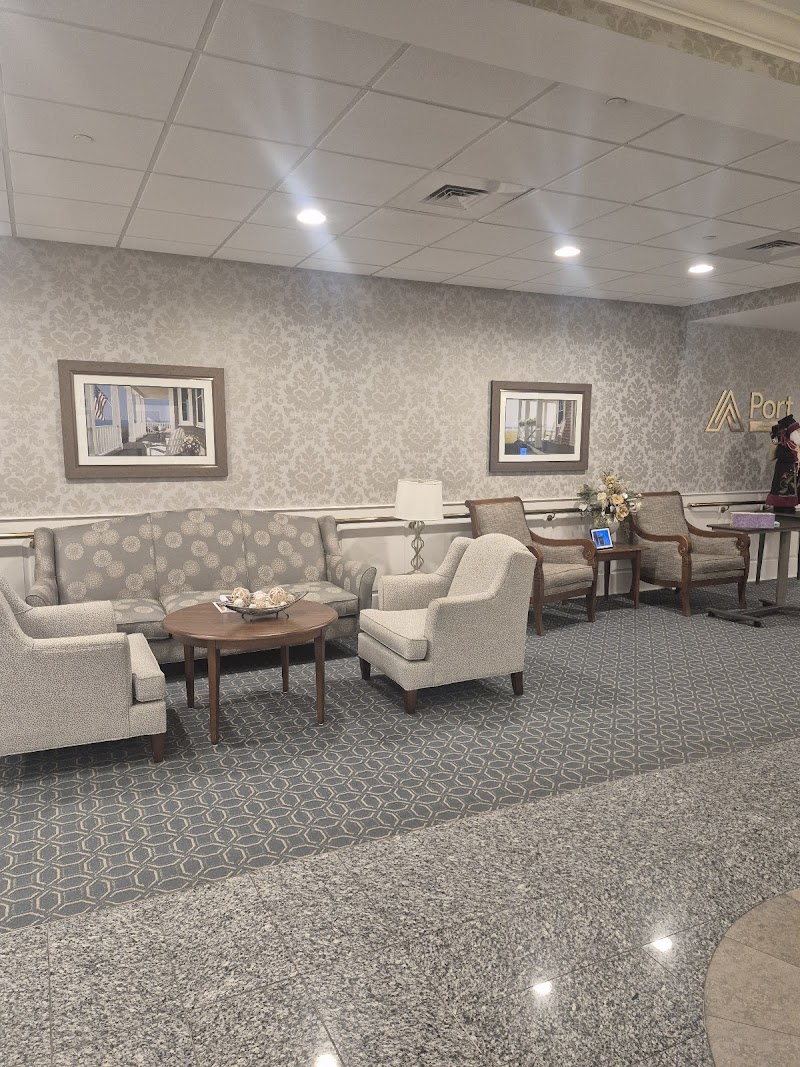
How is Port Rehabilitation And Healthcare Center Staffed?

CMS rates PORT REHABILITATION AND HEALTHCARE CENTER's staffing level at 3 out of 5 stars, which is average compared to other nursing homes. Staff turnover is 56%, which is 10 percentage points above the Massachusetts average of 46%. High turnover can affect care consistency as new staff learn residents' individual needs. RN turnover specifically is 66%, which is notably high. RNs provide skilled clinical oversight, so turnover in this role can affect medical care quality.

What Have Inspectors Found at Port Rehabilitation And Healthcare Center?

State health inspectors documented 22 deficiencies at PORT REHABILITATION AND HEALTHCARE CENTER during 2023 to 2025. These included: 22 with potential for harm.
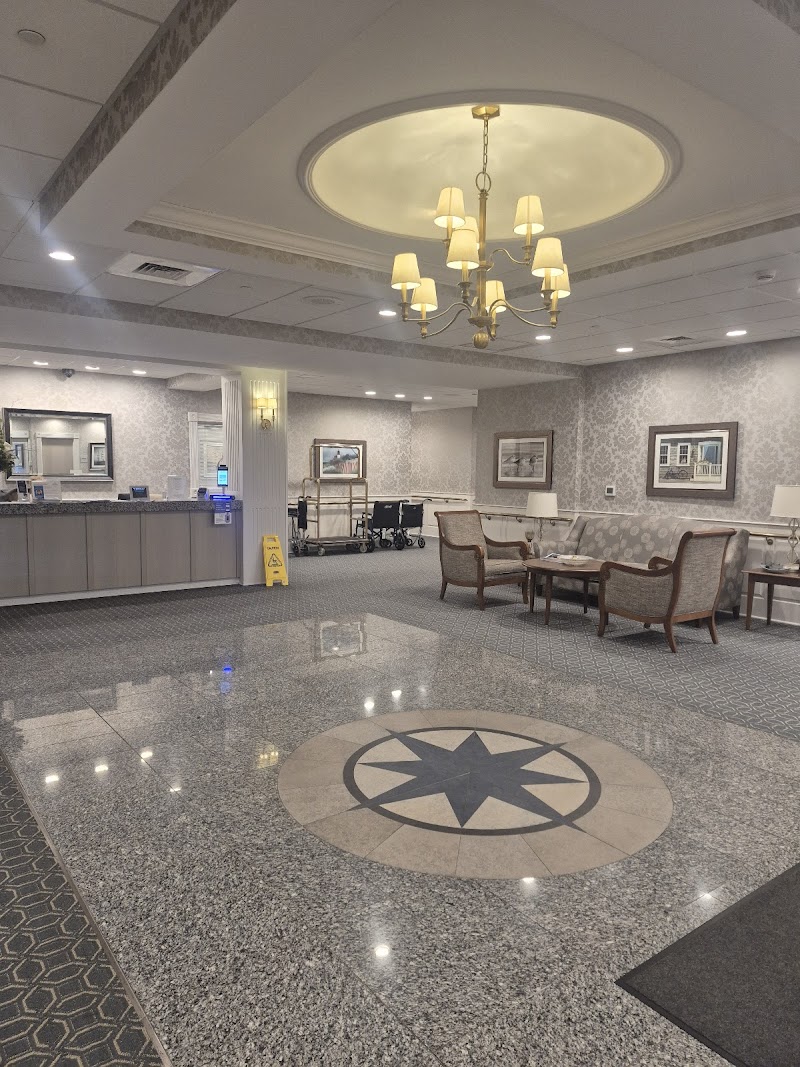
Who Owns and Operates Port Rehabilitation And Healthcare Center?

PORT REHABILITATION AND HEALTHCARE CENTER is owned by a for-profit company. For-profit facilities operate as businesses with obligations to shareholders or private owners. The facility is operated by ATLAS HEALTHCARE, a chain that manages multiple nursing homes. With 123 certified beds and approximately 115 residents (about 93% occupancy), it is a mid-sized facility located in NEWBURYPORT, Massachusetts.
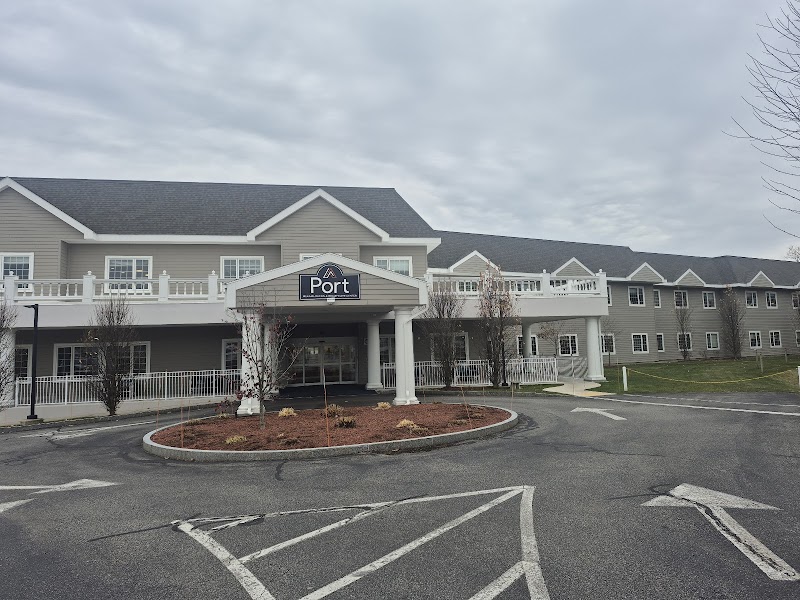
How Does Port Rehabilitation And Healthcare Center Compare to Other Massachusetts Nursing Homes?

Compared to the 100 nursing homes in Massachusetts, PORT REHABILITATION AND HEALTHCARE CENTER's overall rating (2 stars) is below the state average of 2.9, staff turnover (56%) is significantly higher than the state average of 46%, and health inspection rating (3 stars) is at the national benchmark.

What Should Families Ask When Visiting Port Rehabilitation And Healthcare Center?

Based on this facility's data, families visiting should ask: "How do you ensure continuity of care given staff turnover, and what is your staff retention strategy?" "Can I visit during a mealtime to observe dining assistance and food quality?" "How do you handle medical emergencies, and what is your hospital transfer rate?" "Can I speak with family members of current residents about their experience?" These questions are particularly relevant given the facility's high staff turnover rate.

Is Port Rehabilitation And Healthcare Center Safe?

Based on CMS inspection data, PORT REHABILITATION AND HEALTHCARE CENTER has a clean safety record: no substantiated abuse findings (meaning no confirmed cases of resident harm), no Immediate Jeopardy citations (the most serious violation level indicating risk of serious injury or death), and is not on the Special Focus Facility watch list (a federal program monitoring the lowest-performing 1% of nursing homes). The facility has a 2-star overall rating and ranks #100 of 100 nursing homes in Massachusetts. While no facility is perfect, families should still ask about staff-to-resident ratios and recent inspection results during their visit.

Do Nurses at Port Rehabilitation And Healthcare Center Stick Around?

Staff turnover at PORT REHABILITATION AND HEALTHCARE CENTER is high. At 56%, the facility is 10 percentage points above the Massachusetts average of 46%. Registered Nurse turnover is particularly concerning at 66%. RNs handle complex medical decisions and coordinate care — frequent RN changes can directly impact care quality. High turnover means new staff may not know residents' individual needs, medications, or preferences. It can also be disorienting for residents, especially those with dementia who rely on familiar faces. Families should ask: What is causing the turnover? What retention programs are in place? How do you ensure care continuity during staff transitions?

Was Port Rehabilitation And Healthcare Center Ever Fined?

PORT REHABILITATION AND HEALTHCARE CENTER has no federal fines on record. CMS issues fines when nursing homes fail to meet care standards or don't correct problems found during inspections. The absence of fines suggests the facility has either maintained compliance or corrected any issues before penalties were assessed. This is a positive indicator, though families should still review recent inspection reports for the full picture.

Is Port Rehabilitation And Healthcare Center on Any Federal Watch List?

PORT REHABILITATION AND HEALTHCARE CENTER is not on any federal watch list. The most significant is the Special Focus Facility (SFF) program, which identifies the bottom 1% of nursing homes nationally based on persistent, serious quality problems. Not being on this list means the facility has avoided the pattern of deficiencies that triggers enhanced federal oversight. This is a positive indicator, though families should still review the facility's inspection history directly.