STONE REHABILITATION AND SENIOR LIVING
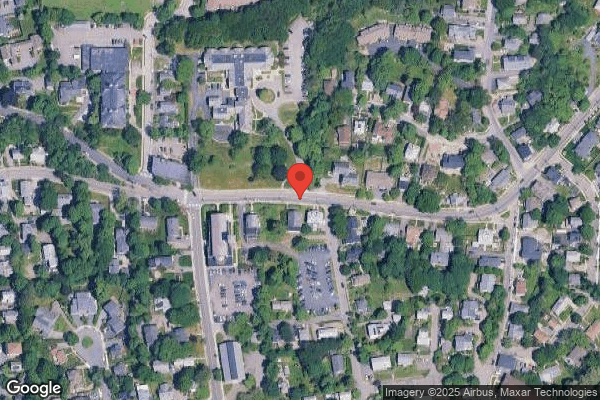

277 ELLIOT STREET, NEWTON UPPER FALLS, MA 02464 (617) 527-0023
Non profit - Corporation 82 Beds Independent Data: November 2025
Trust Grade
40/100
#186 of 338 in MA
Last Inspection: April 2025

Within standard 12-15 month inspection cycle. Federal law requires annual inspections.

Overview

Stone Rehabilitation and Senior Living in Newton Upper Falls, Massachusetts has a Trust Grade of D, which means it is below average and raises some concerns about care quality. The facility ranks #186 out of 338 in the state, placing it in the bottom half, and #39 out of 72 in Middlesex County, indicating that there are better local options available. The facility's trend is stable, with 9 issues reported in both 2024 and 2025, and it has a staffing turnover rate of 38%, which is slightly below the state average. While the facility has an average RN coverage rating, it has been fined $29,848, which is concerning and suggests some compliance issues. Specific incidents include a resident who suffered a laceration requiring stitches after being transferred by one staff member instead of the required two, and another resident with a history of wandering who fell after tripping over a scale left in a hallway, leading to injuries that required emergency care. Overall, while there are some strengths, such as good staffing levels, the facility has notable weaknesses that families should consider carefully.

Trust Score
D
40/100
In Massachusetts
#186/338
Bottom 45%
Safety Record
High Risk
Review needed
Inspections
Holding Steady
9 → 9 violations
Staff Stability
○ Average
38% turnover. Near Massachusetts's 48% average. Typical for the industry.
Penalties
⚠ Watch
$29,848 in fines. Higher than 86% of Massachusetts facilities, suggesting repeated compliance issues.
Skilled Nurses
○ Average
Each resident gets 41 minutes of Registered Nurse (RN) attention daily — about average for Massachusetts. RNs are the most trained staff who monitor for health changes.
Violations
⚠ Watch
24 deficiencies on record. Higher than average. Multiple issues found across inspections.
★★★☆☆
3.0
Overall Rating
★★★☆☆
3.0
Staff Levels
★★★★☆
4.0
Care Quality
★★★☆☆
3.0
Inspection Score
Stable
2024: 9 issues
2025: 9 issues

The Good

  • 4-Star Quality Measures · Strong clinical quality outcomes
  • Full Sprinkler Coverage · Fire safety systems throughout facility
  • No fines on record
  • Staff turnover below average (38%)

    10 points below Massachusetts average of 48%

Facility shows strength in quality measures, fire safety.

The Bad

3-Star Overall Rating

Near Massachusetts average (2.9)

Meets federal standards, typical of most facilities

Staff Turnover: 38%

Near Massachusetts avg (46%)

Typical for the industry

Federal Fines: $29,848

Below median ($33,413)

Moderate penalties - review what triggered them

The Ugly 24 deficiencies on record

3 actual harm
Apr 2025 9 deficiencies
CONCERN (D)

Potential for Harm - no one hurt, but risky conditions existed

Free from Abuse/Neglect (Tag F0600)

Could have caused harm · This affected 1 resident

**NOTE- TERMS IN BRACKETS HAVE BEEN EDITED TO PROTECT CONFIDENTIALITY** Based on observations, record review, and interviews, the facility failed to keep one Resident (#68) free from verbal abuse out ...

Read full inspector narrative →
**NOTE- TERMS IN BRACKETS HAVE BEEN EDITED TO PROTECT CONFIDENTIALITY** Based on observations, record review, and interviews, the facility failed to keep one Resident (#68) free from verbal abuse out of a total sample of 19 residents. Specifically, Nurse #8 threatened to move Resident (#68) to the TV room alone if the resident did not stop yelling. Findings include: Review of the facility policy titled Abuse Prevention Program, undated, indicated the following: Our residents have the right to be free from abuse, neglect, misappropriation of resident property, corporal punishment and involuntary seclusion. Preventing Abuse 1. Our facility is committed to upholding our residents' right to be free from abuse, neglect and exploitation, from abuse by anyone including, but not necessarily limited to: facility staff, other residents, consultants, volunteers, staff from other agencies providing services to our residents, family members, legal guardians, surrogates, sponsors, friends, visitors, or any other individual. 2. Our facility does not condone resident abuse by anyone, including staff members, physicians, consultants, volunteers, staff of other agencies, serving the resident., family members, legal guardians, sponsors, other residents, friends, or other individuals. 3b. Verbal abuse is defined as any use of oral, written or gestured language that willfully includes disparaging and derogatory terms to residents or their families, or within their hearing distance, to describe residents, regardless of their age, ability to comprehend or disability. Resident #68 was admitted to the facility in December 2024 with diagnoses including anxiety, aphasia following unspecified cerebrovascular disease, and cognitive communication deficit. Review of Resident most recent Minimum Data Set (MDS), dated [DATE], indicated the Resident was unable to complete a Brief Interview for Mental Status exam. Further review of the MDS indicated that Resident #68 is dependent on staff for Activities of Daily Living tasks. On 4/7/25 from approximately 9:17 A.M. to 9:35 A.M. on Unit 1, the surveyor observed Resident #68 sitting in a wheelchair in the middle of the hall. Resident #68 could be heard yelling in the hall and making loud grunting sounds. Resident #68 was observed propelling him/herself over to where Nurse #8 was standing next to a medication cart. Resident #68 repeatedly started to yell and grunt louder repeating the same sounds while attempting to communicate with Nurse #8. Nurse #8 did not acknowledge Resident #68 and proceeded to walk away from Resident #68. The surveyor then observed Nurse #8 return to the medication cart and Resident #68 again started yelling and grunting loudly repeating the same sounds attempting to communicate with the nurse. Nurse #8 turned towards the Resident and said, in a raised voice If you keep yelling, you're going to go to the TV room by yourself! You're going to have to wait! Resident #68 stared at Nurse #8 and continued to yell and grunt louder and louder. Nurse #8 then walked away from Resident #68 leaving him/her in the hall unattended. During an interview on 4/7/25 at 9:49 A.M., the surveyor informed the Director of Nurses (DON) of the interaction between Resident #68 and Nurse #8. The DON said Nurse #8 should not have spoken that way to the Resident and said it could make him/her upset and said she would expect the Nurse to redirect the Resident and approach him/her differently. During an interview on 4/9/25 at 3:43 P.M., the Administrator said the interaction between Resident #68 and Nurse #8 was a form of verbal abuse and must be investigated and reported.
CONCERN (D)

Potential for Harm - no one hurt, but risky conditions existed

Deficiency F0658 (Tag F0658)

Could have caused harm · This affected 1 resident

Based on observation, interview, and records reviewed, the facility failed to meet professional standards of practice for two Residents (#21 and #8 ) out of a total of sample of 19 residents. Specific...

Read full inspector narrative →
Based on observation, interview, and records reviewed, the facility failed to meet professional standards of practice for two Residents (#21 and #8 ) out of a total of sample of 19 residents. Specifically, 1. For Resident #21, the facility failed to clarify two physician orders for a Lidocaine patch (a patch used to treat pain) prior to administration. 2. For Resident #8, the facility failed to ensure an air mattress was checked for proper function as per the physician's orders. Findings include: 1. Resident #21 was admitted to the facility in February 2025 with diagnoses that included multiple fractures of ribs, right side, subsequent encounter for fracture with routine healing, cognitive communication deficit, and Alzheimer's disease. Review of Resident #21's most recent Minimum Data Set (MDS) assessment, dated 3/1/25, indicated he/she scored a 9 out of 15 on the Brief Interview for Mental Status (BIMS) indicating the Resident has moderately impaired cognition. On 4/9/25 at 8:54 A.M., the surveyor observed Resident #21 propelling him/herself in a wheelchair in the hall. Resident #21 said he/she has a follow-up appointment today because he/she had a fall and hurt his/her ribs. Review of Resident #21's active physician orders, indicated the following two Lidocaine orders: -Dated 2/5/25 Lidocaine External Patch 4 % (Lidocaine) Apply to right 4-11 ribs topically two times a day for rib fxs. (fractures) apply to ribs daily and remove at HS (hour of sleep) (12 hrs. (hours) on and 12 hrs. off). Administration times 9:00 A.M. and 9:00 P.M. - Dated 2/12/25 Lidocaine External Patch 4 % (Lidocaine) Apply to right ribs topically two times a day for right rib fractures. Apply to right ribs in AM (morning) and remove at HS (hour of sleep) (12 hrs. (hours) on/12 hrs. off.) Administration times 8:00 A.M. and 8:00 P.M. Review of Resident #21's Medication Administration Record, dated Febuary 2025, March 2025 and April 2025, indicated nursing documented administration of two Lidocaine External Patches per the physician orders. During an interview on 4/9/25 at 8:49 A.M., Unit Manager #1 said the Resident only gets one Lidocaine patch to the right side of his/her ribs and does not get two. Unit Manager #1 said nursing should have clarified the two orders and not document that he/she is getting two doses administered when he/she is not. During an interview on 4/9/25 at 9:46 A.M., the Director of Nursing said nursing should have clarified the two orders for the Lidocaine External Patch with the physician and questioned the administration time for the same medication. During an interview on 4/11/25 at 3:56 P.M., the Medical Director said the duplicate Lidocaine order should have been reviewed and discontinued to administer one Lidocaine patch every 12 hours. 2. For Resident #8, the facility failed to ensure an air mattress was checked for proper function as per the physician orders. Review of the facility policy titled 'Support Surface Guidelines' undated, indicated the following but not limited to: -Residents provided with special mattresses should follow the doctor's order or manufacture guidelines for special mattress settings. Resident #8 was admitted to the facility in October 2017 with diagnoses including dementia and reduced mobility. Review of Resident #8's most recent Brief Interview for Mental Status (BIMS) score dated 2/1/25 indicated the Resident scored 12 out of 15 indicating moderate cognitive impairment. Review of Resident #8's current physician orders indicated the following: -Air mattress: check function and settings every shift per resident's weight every shift, dated 4/9/24. On 4/7/25 at 10:00 A.M., Resident #8 was observed lying in his/her bed with the air mattress pump flashing a red light signaling alternate failure. On 4/8/25 7:05 A.M., Resident #8 was observed lying in his/her bed with the air mattress pump flashing a red light signaling alternate failure. On 4/8/25 at 4:18 P.M., Resident #8 was in his/her room in his/her wheelchair. The air mattress pump was set to 180 and a red light was flashing red. The area on the pump at the flashing red light indicated alternating failure. On 4/9/25 7:01 A.M., Resident #8 was observed lying in his/her bed with the air mattress pump flashing a red light signaling alternate failure. During an interview on 4/9/25 at 10:38 A.M., Nurse #4 said it is the responsibility of the nurses to check the function and settings of an air mattress as ordered by the physician. Nurse #4 said that the red-light flashing indicates a problem and maintenance should be notified. During an interview on 4/9/25 at 2:10 P.M., Unit Manager #2 said the blinking light indicates a malfunction in the air mattress. She further said when the order reads to check the air mattress for function and setting, the nurses are checking the air mattress for placement and that it is on and working.
CONCERN (D)

Potential for Harm - no one hurt, but risky conditions existed

Quality of Care (Tag F0684)

Could have caused harm · This affected 1 resident

Based on observation, interview and records reviewed, the facility failed to provide treatment and care in accordance with professional standards of practice for one Resident (#282), out of a total sa...

Read full inspector narrative →
Based on observation, interview and records reviewed, the facility failed to provide treatment and care in accordance with professional standards of practice for one Resident (#282), out of a total sample of 19 residents. Specifically, the facility failed to follow physician orders to obtain daily weights for a resident with a diagnosis of congestive heart failure (a condition when the heart muscle doesn't pump blood as well as it should causing a potential for fluid buildup/weight gain), and administer a diuretic (medication used to eliminate excess fluid) if weight is elevated, when Resident #282 was found to have a seven pound weight gain in two days. Findings Include: Review of the facility policy titled Weight Assessment and Intervention, undated, included but was not limited to: -The multidisciplinary team will strive to prevent, monitor, and intervene for undesirable weight loss for our residents. -Weight Assessment/ Weight Measurements 1. The nursing staff will measure resident weighs on admission or within 24 hours, if resident is able or willing to participate, and as scheduled by the physician, dietician or the interdisciplinary team. 2. If no weight concerns are noted at this point, weights will be measured monthly thereafter, or less frequently as needed. The dietician, unless overruled by MD/NP, has the final decision on the need for weight monitoring in coordination with the resident or responsible party. Weight Records 3. Weights will be recorded in each units' Weight Record chart or notebook and or in the individuals medical record. Communication 4. Any weight change of 5% or more since the last weight assessment will be retaken for confirmation. If the weight is verified, nursing will notify the MD or and Dietician, Responsible party will also be notified. Evaluation of Negative Trends 5. The Dietitian will review the unit Weight Record weekly to follow individual weight trends over time. Negative trends will be evaluated by the treatment team whether or not the criteria for significant weight change has been met. -Unless otherwise specified, negative trend is defined as weights falling into significant weight change definition defined. Desirable Weight Change 7. If the weight change is desirable no change in the care plan needed and no interventions will be necessary. Care Planning 2. Individualized care plans shall address, to the extend possible: b. Goals and benchmarks for improvement; and c. Time frames and parameters for monitoring and reassessment. Interventions/ Undesired Weight Gain 2. The Dietician will discuss undesired weight gain with the resident and/or family. Involvement in Weight Loss Regimen 3. Interventions for undesired weight gain should consider resident preferences and rights. Review of the facility policy titled Heart Failure - Clinical Protocol, undated, included but was not limited to: Assessment and Recognition 3. The physician will identify individuals who are receiving medications, or medication combinations, associated with treatment for HF; for example, diuretics, ACE inhibitors, and vasodilators. Treatment / Management 1. The physician will review and make recommendations for relevant aspects of the nursing care plan; for example, what symptoms to expect, how often and what (weights, renal function, digoxin level, etc.) to monitor, when to report findings to the physician, etc. 2. The physician will address related medical issues; for example, whether to adjust or stop medications that may be precipitating heart failure, whether to modify doses of diuretics, whether oxygen is needed, etc. The facility did not have a Risk Management Policy in place during the time of the survey. Resident #282 was admitted to the facility in March 2025 with diagnoses including severe sepsis with septic shock, chronic congestive heart failure (CHF), peripheral vascular disease (reduced blood circulation), cardiomyopathy (disease of heart muscle) and cirrhosis of liver (liver damage). Review of the most recent Minimum Data Set (MDS) assessment, dated 7/7/25, indicated that Resident #282 had intact cognition as evidenced by a Brief Interview for Mental Status (BIMS) score of 15 out of a possible 15. Review of Resident #282's physician's orders, indicated: -Weigh daily before breakfast. Notify MD/NP (medical doctor / nurse practitioner) for +/-2lbs (pounds) in one day or +/- 5lbs in 1 week. SEE PRN (as needed) ZAROOLYN [SIC] ORDER THAT ORDERS 1.25 MG PO DAILY IF GAIN 2 LBS IN 2 DAYS. Every day shift for WEIGHT GAIN before breakfast. Start Date 4/1/25. -MetOLazone Oral Tablet 2.5 MG (Metolazone) Give 1.25 mg by mouth every 24 hours as needed for PRN if gains 2 LB in 2 days. (Metolazone is also known as the brand name Zaroxolyn.) Start Date 3/31/25. Review of Resident #282's documented weights in the weight portal of the electronic medical record, dated 4/1/25 to 4/7/25 indicated the following weights: -4/1/25 157.8 lbs., -4/2/25 157.4 lbs., -4/3/25 156.8 lbs., -4/4/25 162.8 lbs., a weight gain of 6 lbs. in one day. -4/5/25 164.2 lbs., a weight gain of 7.2 lbs. in two days. -4/6/25 164.0 lbs., -4/7/25 164.0 pounds (lbs.), Review of Resident #282's Medication Administration Record (MAR), dated April 2025, indicated the physician order for Metolazone Oral Tablet 2.5 MG (Metolazone) Give 1.25 mg by mouth, every 24 hours as needed for PRN if gains 2 LB in 2 days, was not documented as administered, as indicated per the physician order, when Resident #282 had a weight gain as documented from 4/3/25 (6 lbs. in one day), 4/5/25 (7.2 lbs. in 2 days) through 4/7/25. Review of Resident #282's plan of care related to hypertension, dated 4/1/25, indicated: -Hypertension: Resident is at risk for complications due to hypertension. - Monitor weight as ordered. - Administer medications as ordered. Review of the medical record indicated a social service progress note dated 4/7/25, which indicated the following: Weight is up a little and will get reported to NP/doctor. Review of the medical record failed to indicate that a practitioner had been made aware of the significant weight gain from 4/4/25 through 4/7/25. On 4/9/25 at 8:23 A.M., Resident #282 was observed sitting up, dressed in a chair, in his/her room eating breakfast. The Resident said he/she has not been weighed yet this morning. During an interview on 4/9/25 at 8:25 A.M., Unit Manager #1 said that Resident #282 has congestive heart failure and requires daily weights. Nurse #1 said any discrepancy in a weight of two or more pounds will be retaken and reported to the physician. During an interview on 4/9/25 at 9:35 A.M., Certified Nursing Assistant (CNA) #3 said she did not obtain Resident #282's weight yet and said she would obtain the weight after breakfast. During an interview on 4/9/25 at 10:40 A.M., the Registered Dietician (RD) said she reviews weight records for discrepancies and runs variance reports to discuss at weekly risk meetings and said re-weights are done if there's a 3 lbs. weight change. The RD said Residents needing daily weights, such as those with CHF, are closely monitored and said Resident #282's weight gain wasn't reported to her. The RD said she would expect nurses to report the weight and said nursing should have addressed it, followed physician orders, and reweighed the resident to confirm the weight discrepancy to confirm a weight gain. Review of the weekly risk meeting notes failed to indicate that Resident #282 was being monitored for weights and was not documented in the weekly risk notes since admission to the facility. During an interview on 4/9/25 at 11:32 A.M., the Director of Nurses said weights are obtained according to the physician order and said nurses are expected to document the weights in the medical record and notify the physician according to the physician order. The DON said re-weights are done if a two-pound difference is noted. The DON said weights are discussed during weekly risk meetings to identify concerns and weight discrepancies with the interdisciplinary team. The DON said she was not aware of the increase in weight for Resident #282 and said she would expect the Metolazone to be administered as ordered and the physician or nurse practitioner to be notified due to concerns for CHF. Review of the medical record at the time of the surveyor's interview with the Director of Nurses failed to indicate that the staff had attempted to re-weigh the resident and confirm the potential significant weight gain. Further review of the medical record failed to indicate any refusals by the Resident for a re-weight as well as Physician or Nurse Practitioner notification of the potential significant weight gain. During a follow-up interview on 4/9/25 at 12:06 P.M., Unit Manager #1 said she was aware yesterday that the weight was up and said she would notify the nurse practitioner today and said she would expect nurses to follow the physician order. The Unit Manager said she has never administered (Metolazone) to Resident #282. The Unit Manager was assigned to the medication cart on 4/9/25. The surveyor and the Unit Manager reviewed the medications assigned to Resident #282. Review of the pharmacy medication dispensing card for Metolazone Tablet 2.5mg., (Zaroxolyn), dated 3/31/25 indicated: 5 tabs. **One half tab** (1.25mg) by mouth once daily as needed for weight gain of 2 lbs. in 2 days. Total of (10) half tabs of 1.25mg. There were nine half tabs remaining in the dispensing card. One (1.25mg) tab was missing. Unit Manager #1 said she does not know why the medication is missing and said Resident #282 does not have any documented doses received and said she did not administer the medication today. The Unit Manager said she is not aware of the Resident's weight today, because they have not gotten him/her up to weight him/her yet. Review of the MAR for Mach and April failed to contain documentation that the medication was administered to Resident #282. Further review of the medical record including nursing progress notes, failed to indicate administration of the medication. During an interview on 4/11/25 at 3:51 P.M., the Medical Director said the Resident has CHF and requires daily weights for monitoring the status and said he expects nurses to monitor weights and follow the medication orders and administer the diuretic. The Medical Director said the order for Metolazone should have been administered as ordered and said staff should notify the providers for further management. The Medical Director said he expects residents to be weighed at the same time each day in the morning to get an accurate weight and follow the order as written.
CONCERN (D)

Potential for Harm - no one hurt, but risky conditions existed

Respiratory Care (Tag F0695)

Could have caused harm · This affected 1 resident

**NOTE- TERMS IN BRACKETS HAVE BEEN EDITED TO PROTECT CONFIDENTIALITY** Based on observation, record review and interview the facility failed to ensure respiratory care services were provided in accor...

Read full inspector narrative →
**NOTE- TERMS IN BRACKETS HAVE BEEN EDITED TO PROTECT CONFIDENTIALITY** Based on observation, record review and interview the facility failed to ensure respiratory care services were provided in accordance with standards of professional practice for 2 Residents (#12 and #57), out of a total sample of 19 residents. Specifically, 1. For Resident #12 the facility failed to ensure the CPAP (a CPAP is Continuous Positive Airway Pressure, a non-invasive respiratory treatment used to treat sleep apnea and other respiratory conditions) was administered in accordance with the medical plan of care, the provider was notified that the CPAP was not administered as ordered, and failed to ensure the CPAP equipment was clean and, 2. For Resident #57 the facility failed to ensure a person-centered care plan was developed for the use of supplemental oxygen. Findings include: Review of the facility's policy titled CPAP/BiPAP, not dated indicated Purpose: 1 To provide the spontaneously breathing resident with continuous positive airway pressure with or without supplemental oxygen. 2. To improve arterial oxygenation (Pa02) (partial pressure oxygen) in residents with respiratory insufficiency, obstructive sleep apnea, or restrictive/obstructive lung disease. 3. To promote resident comfort and safety 1. Resident #12 was admitted to the facility in May 2020 and has diagnoses that include but are not limited to Parkinson's Disease, anxiety disorder, major depressive disorder, and obstructive sleep apnea. Review of the Minimum Data Set assessment, dated 1/25/25, indicated Resident #12 scored a 15 out of 15 on the Brief Interview for Mental Status exam (BIMS), indicating he/she as having intact cognition, is dependent on staff for bathing and requires partial/moderate assistance with upper body dressing. Further review of the MDS indicated Resident #12 exhibited behaviors but was not coded as rejection of care, and Section O indicated Resident #12 was checked as using a non-invasive mechanical ventilator. During an observation and interview on 4/7/25 at 8:26 A.M., on the first-floor resident care unit, Resident #12 was in his/her bed. A CPAP machine was observed on his/her right side of the bed. The CPAP unit was covered with debris, which included splattered dried white substance and dried caked on yellow substance/debris on top of the water chamber, consistent with not being clean. The connecting hose and nasal canula was draped in a suitcase next to the Resident's bed. The nasal canula and strap had debris/substance stuck to it and presented as dirty. Resident #12 said staff assist with the care of the CPAP machine and the tube is changed every three months. During an interview and observation on 4/7/25 at 11:19 A.M., Resident #12 said he/she is dry in the morning. Resident #12 said he/she does not use water in the CPAP. The chamber for water was empty. Review of Resident #12's medical record indicated the following physician's orders: -Apply CPAP on autotitrating mode at bedtime. Setting 5-20cm mask fit to comfort. At bedtime for sleep apnea per house protocol and remove per schedule, dated 8/1/2023. -Autotitrating CPAP via mask on while sleeping. Monitor placement and function and occlusive fit (fyi this machine and his/her setting do not have humidity so it does not circulate air in. So KN95 mask is allowed. Also he/she has nasal tube with prongs like oxygen tube as well. every night shift (sic), dated 8/1/2023 -CPAP disposable tubing: change monthly on 3pm-11pm shift. Every shift starting on the 5th and ending on the 5th every month. Dated 1/05/2024. -Clean nasal and full face mask daily using mild soap and warm water. Let air dry before using. every day shift (sic), dated 1/01/2024 -Daily humidifier cartridge care: clean with mild soap and warm water and rinse thoroughly. Let air dry. every day shift, (sic) dated 1/02/2024. -Disconnect air tubing from CPAP machine unit, hang in dry place until next use every day shift, dated 1/02/2024. -Fill humidifier chamber to fill line using sterile or distilled water on the 3-11 shift before using it. inspect chamber frequently and refill as needed. every evening shift. Dated 1/02/2024. Further review of Resident #12's medical record indicated a care plan with the focus, Resident #12 uses a CPAP machine D/T (due to) Obstructive Sleep Apnea R/T (related to) acute respiratory failure, dated as revised 8/11/2023. Interventions included but were not limited to: Clean CPAP equipment as ordered, dated 8/11/2023. During an interview on 4/8/25 at 7:43 A.M., Nurse #7 said she worked the night shift last night and typically works on the 3:00 P.M.-11:00 P.M. shift. Nurse #7 said she was familiar with Resident #12. Nurse #7 said Resident #12 has sleep apnea, he/she is assessed for his/her respiratory status daily. Nurse #7 said Resident #12 has an order to use CPAP, which nursing staff assist him/her to use when he/she is ready to sleep. Nurse #7 said Resident #12 is alert oriented and directs his/her day and went to bed at 1:00 A.M., in the morning last night and staff assisted him/her with the CPAP treatment. Nurse #7 said the nursing staff wash the mask and place it on his/her face. Nurse #7 Resident #12 prefers to not have water in the chamber of the CPAP. On 4/8/25 at 7:36 A.M., Resident #12 was observed in his/her bed. The CPAP machine was observed with debris on it, and the nasal canula was draped inside the top of a suitcase on Resident #12's right side of the bed. The chamber was observed to be empty of any fluid. During an observation and interview on 4/8/25 at 9:42 A.M., Resident #12 said he/she prefers not to have water in the CPAP and that he/she said the CPAP was not clean and he/she would need help to clean the CPAP and that he/she did not refuse assistance to have it cleaned. During an observation and interview on 4/8/25 at 9:42 A.M., Nurse #6 said Resident #12 uses CPAP at night to treat sleep apnea. Nurse #6 said the nurses are responsible for following the doctor's orders related to the Resident #12's CPAP machine and treatment. Nurse #6 and the Surveyor went to Resident #12's room Nurse #6 looked at the CPAP machine and said it was very dirty and staff failed to keep it clean. Nurse #6 said if staff are assisting with daily care, including filling the chamber they would see the dirt and should make sure it is clean. Nurse #6 removed the chamber and said it was dry. Upon leaving Resident #12's room, Nurse #6 reviewed the orders and said the order indicates to use sterile or distilled water and the nurse practitioner should be made aware that the water is not being used as ordered. Nurse #6 said Resident #12 does have some behaviors with care but with a reasonable education and approach he/she would allow staff to assist with cleaning the CPAP. During a subsequent interview and observation on 4/8/25 at 9:55 A.M., Nurse #6 observed the CPAP tube, nasal canula and mask straps and said they were dirty, and she would see to it that the tube was changed and cleaned. Nurse #6 said there are orders to clean daily during the day and to change the tubing monthly. Nurse #6 said the nasal canula, mask and tubing should be clean and sanitary. Resident #12 said he/she did not refuse to have the CPAP equipment cleaned and would like it to be clean. Review of progress notes dated 4/1/25 through 4/8/25 did not indicate Resident #12 refused care and treatment related to the use of the CPAP. Review of the Medication Administration Record (MAR) dated April 2025 indicated Resident #12 behaviors of hallucinations, non-compliant with safety education, refusing meals screaming at others, were all coded as not occurring 4/1/25 through 4/8/25. Further review of the MAR dated April 2025 indicated the following: -Apply CPAP on autotitrating mode at bedtime. Setting 5-20cm mask fit to comfort. At bedtime for Sleep Apnea. Clean per house protocol and remove per schedule was signed as applied and removed 4/1/25 through 4/7/25. Review of the Treatment Administration Record (TAR) dated April 2025 indicated the following: Autotitrating CPAP via mask on while sleeping. Monitor for placement and function and occlusive fit (fyi this machine and his/her settings do not have humidity so it does not circulate air in. So KN95 mask is allowed. Also he/she has a nasal tube with prongs like oxygen tube as well. Every night shift (sic), dated 8/1/2023 was signed as administered 4/1/25 through 4/7/2025 Clean nasal and full face mask daily using mild soap and warm water. Let air dry before using. dated 1/2/2024 and was signed as administered 4/1/25 through 4/8/25. -CPAP disposable tubing: change monthly on 3pm-11pm dated 1/5/2024 was signed as administered on 4/5/25. -Daily humidifier cartridge care: clean with mild soap and warm water and rinse thoroughly. Let air dry dated 1/2/2024 was signed as administered 4/1/25 through 4/8/25. -Disconnect air tubing from the CPAP machine unit, hang in dry place until next use, dated 1/2/2024 was signed as administered 4/1/25 through 4/8/25. -Fill humidifier chamber to fill line using sterile or distilled water on the 3-11 shift before using it. Inspect chamber frequently and refill as needed. Every evening shift, dated 1/2/2024 was signed as administered 4/1/25 through 4/8/24. The observation made by the surveyor, Resident #12 and Nurse #6 on 4/8/25 at 9:55 A.M., of Resident #12's CPAP machine, including the tube, and mask was not consistent with being cleaned daily. During an interview on 4/8/25 at 12:25 P.M., the Director of Nursing (DON) said she would expect nursing staff would make the NP (Nurse Practitioner) aware that the Resident was not using distilled/sterile water in the CPAP machine. The DON said nursing staff when providing respiratory care should be following the orders and she would expect the CPAP machine equipment to be clean.2. For Resident #57 the facility failed to develop a person-centered care plan for the use of oxygen. Review of facility policy titled 'Oxygen Administration' undated, indicated the following but was not limited to: -The purpose of this procedure is to provide guidelines for safe oxygen administration. -Review the resident's care plan to assess any special needs of the resident. Resident #57 was admitted to the facility in October 2024 with diagnoses including congestive heart failure and dyspnea (shortness of breath). Review of Resident #57's most recent Minimum Data Set (MDS) dated [DATE], indicated the Resident scored a 12 out of a possible 15 on the Brief Interview for Mental Status (BIMS) indicating he/she had moderately impaired cognition. The MDS further indicated that the Resident had oxygen use. On 4/7/25 at 8:46 A.M., the surveyor observed Resident #57 sitting in his/her room wearing oxygen through a nasal cannula at 1.5 liters. Review of the current physician order dated 1/22/25 indicated the following: -Check oxygen saturation on room air every shift. Apply oxygen 2 liters via nasal cannula if oxygen saturation is below 90 % every shift. Review of the current care plan for Resident #57 failed to indicate a focus, goal and intervention for the use of oxygen. During an interview on 4/8/25 at 12:13 P.M., Nurse #6 said residents who are on oxygen should have a care plan, she further said the unit manager is responsible for creating the care plans. During an interview on 4/8/25 at 12:44 P.M., the Director of Nursing said residents on oxygen therapy should have a care plan in place.
CONCERN (D)

Potential for Harm - no one hurt, but risky conditions existed

Drug Regimen Review (Tag F0756)

Could have caused harm · This affected 1 resident

Based on record review and interview, the facility failed to ensure that a recommendation made by the Consultant Pharmacist during the Monthly Medication Review (MMR) was addressed for one Resident (#...

Read full inspector narrative →
Based on record review and interview, the facility failed to ensure that a recommendation made by the Consultant Pharmacist during the Monthly Medication Review (MMR) was addressed for one Resident (#31), of five residents reviewed, out of a total sample of 19 residents. Specifically, the facility failed to inform the provider that Resident #31's medications were not evaluated by the psychiatric services provider. Findings include: Resident #31 was readmitted to the facility in January 2023 and has diagnoses that include but are not limited to chronic obstructive pulmonary disease, major depressive disorder, recurrent, moderate, generalized anxiety disorder, and cognitive communication deficit. Review of the most recent Minimum Data Set assessment, dated 2/1/25, indicated that Resident #31 scored a 15 out of 15 on the Brief Interview for Mental Status exam, indicating he/she as having intact cognition. Further review of the MDS indicated high-risk drug class medications administered to Resident #31 included antianxiety and antidepressant medication. Review of the document titled 'Consultant Pharmacist Recommendation to Prescriber' MMR dated 1/18/2025, indicated the following: Resident is receiving the following psychoactive medication(s). Dose evaluation is recommended periodically in order to help determine the lowest effective dose. Please evaluate. If no change is indicated, please note medical necessity and potential of side effects vs therapeutic benefit of current therapy in Progress Note. Thank you. Lorazepam (a medication used to treat anxiety) Escitalopram (a medication used to treat depression) Gabapentin (an anticonvulsant medication also used to treat nerve pain) The document was signed 1/21/25 by the Nurse Practitioner and indicated by a check mark, agree. Circled 'I agree' and circled 'No change'. Written on the document was 'followed by psych'. Review of the physician's orders indicated: -May have psychology/psychiatric consult and treatment as needed for psych related needs, dated 7/18/23. -Ativan Oral tablet 0.5 mg (lorazepam) give 1 tablet by mouth two times a day related to generalized anxiety disorder, order date 7/19/2023. -Gabapentin Oral Capsule 100 MG (gabapentin) 1 capsule by mouth two times a day for pain. -Lexapro Oral Tablet 10 MG (Escitalopram Oxalate) give 1 tablet by mouth one time a day related to major depressive disorder, recurrent moderate, order date 7/19/2023. Review of Resident #31's medical record failed to indicate any documentation from psychological/psychiatric/or behavioral health services. Review of the progress note dated 3/21/25, indicated: Physician Progress notes indicated Treatment: 3. Anxiety with depression. Clinical notes: continue on escitalopram, monitor mood, f/u (follow up) with psych. During an interview on 4/8/25 at 12:19 P.M., the Director of Nurses (DON) reviewed the 'Consultant Pharmacist Recommendation to Prescriber' document and said she would need to check to see if the Resident was seen by psych services. During a subsequent interview on 4/8/25 at 4:31 P.M., the DON said Resident #31 did not consent to have psych services and therefore was not seen. During an interview on 4/8/25 at 4:41 P.M., the Nurse Practitioner (NP) said any residents who are on psychoactive medications are seen by psych services for periodic review and recommendations for changes. The NP said she reviewed the pharmacist recommendation to evaluate the specific medications for Resident #31 and chose not to make any changes to the medications and deferred to the psychiatric service provider to evaluate Resident #31 medications. The NP said she was not made aware that Resident #31 was not seen by the psychiatric service provider for review. The NP said the resident was not evaluated for changes in the medication and that she continued with the existing orders for the medications the pharmacist consultant recommended to have a dose evaluation. During an interview on 4/9/25 at 8:15 A.M., the DON said the Resident did not consent to having psychiatric services. The DON said the NP or Doctor would then be responsible for evaluating the medications that the Consulting Pharmacist recommended to be evaluated. The DON was made aware that the NP was not aware that Resident #31 was not seen by the psychiatric service provider, resulting in the Consultant Pharmacist recommendation from 1/18/25 as not addressed.
CONCERN (D)

Potential for Harm - no one hurt, but risky conditions existed

Deficiency F0761 (Tag F0761)

Could have caused harm · This affected 1 resident

2. On 4/8/25 at 9:03 A.M., two partially clear plastic sealed boxes containing medication were on the nursing desk on the first floor resident care unit. During this time the desk was unattended by nu...

Read full inspector narrative →
2. On 4/8/25 at 9:03 A.M., two partially clear plastic sealed boxes containing medication were on the nursing desk on the first floor resident care unit. During this time the desk was unattended by nursing staff. The partially clear plastic boxes were unattended and accessible to vendor staff, other staff, visitors and residents. During an interview on 4/8/25 at 10:17 A.M., Unit Manager #1 said the boxes are from the Pyxis (an automatic mediation system) and they are being returned to the pharmacy. Unit Manager #1 said they should not be there but said she would need to check the policy. During an interview on 4/8/25 at 10:28 A.M., Unit Manager #1 said the boxes of medications are sealed, and waiting to be picked up from the pharmacy. The surveyor asked if it is the practice to have sealed boxes of medication, which are portable at the desk accessible to others. Unit Manager said my answer is that they are sealed and waiting for the pharmacy and said she could not speculate if the sealed boxes were accessible to others. Based on observations, interviews and policy review, the facility failed to ensure staff stored drugs and biologicals in accordance with State and Federal laws. Specifically, 1. The facility failed to ensure medication carts were locked when unattended on the first-floor unit. 2. The facility failed to ensure drugs and biologicals were stored in locked compartments and that only authorized personnel have access to the medication on the first-floor unit. Findings include: Review of the facility policy titled 'Storage and Labeling of Medications' undated, indicated The Facility shall store all drugs and biologicals in a safe, secure, and orderly manner. 1. Drugs and biologicals shall be stored in the packaging, containers or other dispensing systems in which they are received. On 4/8/25 at 6:46 A.M., the surveyor observed a medication cart unlocked and unattended on the first-floor nursing station. The surveyor was able to access the medication cart and open the drawers. During an interview on 4/8/25 at 6:48 A.M., Nurse #7 said the medication cart should be locked if unattended. During an interview on 4/9/25 at 11:42 A.M., the Director of Nursing said the medication cart should be locked if not visible to the nurse.
CONCERN (D)

Potential for Harm - no one hurt, but risky conditions existed

Medical Records (Tag F0842)

Could have caused harm · This affected 1 resident

2. Review of the facility's policy titled, Encouraging and Restriction Fluids, not dated indicated the purpose of this procedure is to provide the resident with the amount of fluids necessary to maint...

Read full inspector narrative →
2. Review of the facility's policy titled, Encouraging and Restriction Fluids, not dated indicated the purpose of this procedure is to provide the resident with the amount of fluids necessary to maintain optimum health. This may include encouraging or restricting fluids. 2, Restricting fluids: Record the amount of fluid consumed on the intake side of the intake and output record. Record fluid intake in mls (milliliters). Resident #74 was admitted to the facility in January 2025 and has diagnoses that include but are not limited to myocardial infarction type 2 (lack of blood flow to the heart), chronic kidney disease and chronic systolic (congestive) heart failure. Review of the Minimum Data Set assessment, dated 2/5/25, indicated Resident #74 scored a 13 out of 15 on the Brief Interview for Mental Status exam, indicating he/she as having intact cognition. Further review of the MDS indicated Resident #74 eats independently and is on a therapeutic diet. Review of Resident #74's physician's orders indicated the following: -2gm (gram) Sodium Diet, regular texture, regular/thin consistency, 2000 ml fluid restriction/24 hr. (hours). Dysphagia (difficulty swallowing) HCC (house control carbohydrate) diet, order status active, order date 3/25/25. -Nursing to give 11 pm-7 am give 60 ml every evening shift (sic) order date 1/30/25. -Nursing to give 3 pm-11 pm 120 cc (cubic centimeter) (12 oz (ounces)), every evening shift, order dated 1/30/25. 120 ccs are equal to 4.05 oz and not 12 oz as indicated in the order. -Nursing 7am-3pm gives 360 cc (12 oz) every day shift, order dated 1/30/25. On 4/7/25 at 3:43 P.M., Resident #74 was observed resting in his/her bed. The bedside table had one empty cup and another partially full cup. During an observation and interview on 4/8/25 at 7:32 A.M., Resident #74 was standing in his/her doorway to his/her room. The bedside table had 2 cups on it, one with water and the other with juice like fluid. Resident #74 said he/she did not know anything about limiting his/her fluids. On 4/9/25 at 9:19 A.M., Resident #74 was observed resting in his/her bed. A large plastic cup with a straw was half filled with water. The cup is approximately 16 oz. to 18 oz. During an interview on 4/9/25 at 9:27 A.M., Certified Nursing Assistant (CNA) #1 said the CNAs get report from the nurses at the start of their shifts, they also have a care card which tells the CNA what level of care a resident needs. CNA #1 said Resident #74 eats independently and can have what he/she requests including water or juices, and it is provided. CNA #1 said she was not made aware that Resident #74 is on a fluid restriction. Review of the Medication Administration Record (MAR) and Treatment Administration Record (TAR) for April 2025 failed to include Nursing documentation of the 7:00 A.M. -3:00 P.M., 360 cc (12 oz) every day shift, order dated 1/30/25 was on the MAR or TAR. During an interview on 4/9/25 at 9:37 A.M., Nurse #1 said Resident #74 is on a fluid restriction and the nursing staff are to document the amount the Resident consumes each shift on the MAR (Medication Administration Record) or TAR (Treatment Administration Record). Nurse #1 reviewed the MAR and TAR and said the nursing documentation for the day shift was not on the MAR or TAR. Nurse #1 said Resident #74 has CHF (congested heart failure) and that is why he/she is on the fluid restriction and needs to have accurate tracking of his/her fluid intake. During an interview on 4/9/25 at 10:34 A.M., the Registered Dietician (RD) said Resident #74 is on a fluid restriction for his/her heart condition. The RD reviewed the MAR and TAR and said the recording of the resident's fluid restriction for the 7-3 shift was not present. The RD said the fluid restriction and recording of fluid intake is utilized to manage and monitor Resident #74's symptoms. . Based on observations, interviews, and record review, the facility failed to maintain accurate medical records for two Residents (#21 and #74 ), out of a total sample of 19 residents. Specifically, 1. The facility failed to accurately document they administered a physician ordered medication when they did not, and 2. The facility failed to document the daily fluids consumed by the Resident on the day shift. Findings include: Resident #21 was admitted to the facility in February 2025 with diagnoses that included multiple fractures of ribs, right side, subsequent encounter for fracture with routine healing, cognitive communication deficit, and Alzheimer's disease. Review of Resident #21's most recent Minimum Data Set (MDS) assessment, dated 3/1/25, indicated he/she scored a 9 out of 15 on the Brief Interview for Mental Status (BIMS) indicating the Resident has moderately impaired cognition. Review of Resident #21's physician order, dated 2/12/25, indicated Lidocaine External Patch 4 % (Lidocaine) Apply to Right ribs topically two times a day for Right rib fractures. Apply to Right ribs in AM (morning),and Remove at HS (hour of sleep) (12 hrs. (hours) on/12 hrs. off.) Administration times 8:00 A.M. and 8:00 P.M. Review of Resident #21's April 2025 Medication Administration Record (MAR), indicated nursing staff administered the medication to the right rib on 4/9/25 at 8:00 A.M. During an interview on 4/9/25 at 8:47 A.M., Unit Manager #1 was the Nurse assigned to the medication cart today, said Resident #21 has an order for Lidocaine patch to the right ribs due to a fall with fractures. On 4/9/25 at 9:03 A.M., Unit Manager #1 with the surveyor observed Resident #21 in a wheelchair. The Resident lifted his/her shirt, and the Resident did not have a Lidocaine Patch applied. The Resident said, They usually put on a pain patch, but I have not gotten it yet. Unit Manager #1 said she has not administered the Lidocaine Patch yet and said she will come back to do it. Unit Manager #1 said she should not have signed off that the Lidocaine patch was administered when the order was not completed. During an interview on 4/9/25 at 9:44 A.M., the Director of Nursing said orders should not be signed off as administered when they have not been completed. The DON said nurses are expected to follow the physician orders.
CONCERN (E)

Potential for Harm - no one hurt, but risky conditions existed

Unnecessary Medications (Tag F0759)

Could have caused harm · This affected multiple residents

**NOTE- TERMS IN BRACKETS HAVE BEEN EDITED TO PROTECT CONFIDENTIALITY** Based on observations, record reviews and interviews, the facility failed to ensure it was free from a medication error rate of ...

Read full inspector narrative →
**NOTE- TERMS IN BRACKETS HAVE BEEN EDITED TO PROTECT CONFIDENTIALITY** Based on observations, record reviews and interviews, the facility failed to ensure it was free from a medication error rate of greater than 5% when two out of two nurses observed made ten errors out of 33 opportunities, resulting in a medication error rate of 30.3%. Those errors impacted two Residents (#44 and #76) out of two residents observed. Specifically, 1. For Resident # 44, Nurse #5 administered the wrong dose of Mucinex. 2. For Resident #76, Nurse #3 omitted nine medications, three of those medications were controlled substances and administered an as needed medication in replacement of a scheduled medication when the Resident did not ask for an as needed medication. Findings include: Review of facility policy titled 'Administering Medications', undated, indicated the following: -Policy Statement: Medications shall be administered in a safe and timely manner, and as prescribed. -4. Medications must be administered in accordance with the orders, including any required time frame. -9. The individual administering the medication checks the label THREE (3) times to verify the right resident, right medication, right dosage, right time and right method (route) of administration before giving the medication. 1. Resident #44 was admitted to the facility in February 2025 with diagnoses including Chronic obstructive pulmonary disease (COPD). Review of Resident #44's most recent Minimum Data Set (MDS) Assessment, dated 3/11/25 indicated a Brief Interview for Mental Status (BIMS) score 14 out of 15, indicating that the Resident is cognitively intact. Review of Resident #44's physician's orders including the following: -Mucinex 600 mg (milligrams), give 2 tablets by mouth two times a day for congestion, dated 2/10/25. On 4/8/25 at 8:50 A.M., Nurse #5 prepared and administered the following medication: -Mucinex DM (guaifenesin and dextromethorphan)1200mg /60mg, two tablets. During an interview on 4/8/25 at 11:10 A.M., Nurse #5 said according to the order it is not the correct medication that was administered. During an interview on 4/8/25 at 11:30 A.M., Unit Manager #1 said if the Mucinex 1200/60mg was given then it would be an error. 2. Resident #76 was admitted to the facility in March 2025 with diagnoses including anxiety, depression, polyarteritis with lung involvement Churg [NAME]- a rare, inflammatory autoimmune disease that causes small and medium-sized blood vessels to become inflamed), and COPD. Review of Resident #76's most recent Minimum Data Set (MDS) Assessment, dated 3/11/25, indicated a Brief Interview for Mental Status (BIMS) score of 15 out of 15, indicating that the Resident is cognitively intact. Review of Resident # 76's physician's orders including the following: -Sodium chloride 1 gram, give 1 tablet before meals for supplement, dated 3/5/25. -Ativan 0.5 milligrams, give 1 tablet in the morning related to anxiety disorder, controlled substance, dated 3/11/25. -Modafinil 200 milligrams, give 1 tablet two times a day for Churg [NAME] syndrome at 8 A.M. and 2 P.M., controlled substance, dated 3/5/25. -Diltiazem Extended Release 120 milligrams, give 1 tablet one time a day for afib, dated 3/5/25. -Lisdexamfetamine Dimesylate 40 milligrams, give 1 capsule one time a day for Churg [NAME] syndrome, controlled substance, dated 3/5/25. -Bactrim 400-80 milligrams, give 1 tablet one time a day for suppression, dated 3/5/25. -Sodium Chloride inhalation Nebulization Solution 3%, 4ml inhale two times a day for congestion, dated 3/5/25. -Gabapentin 300 milligrams, give 1 capsule one time a day for pain, dated 3/5/25. -Bupropion Extended Release 300 milligrams, give 1 tablet one time a day for depression, dated 3/5/25. -Atorvastatin Calcium 40 milligrams, give 40 milligrams one time a day for cholesterol, dated 3/5/25. -Calcium Carbonate Cholecalciferol 500-10 milligrams-micrograms, give 1 tablet two times a day for supplement, dated 3/5/25. -Aspirin 81 milligrams, give 1 tablet one time a day for anti-platelet, dated 3/5/25. -Inderal Extended Release 60 milligrams, give 1 capsule one time a day for Churg [NAME] syndrome, dated 3/5/25. -Prednisone 5 milligrams, give 1 tablet by mouth one time a day for steroid, dated 3/5/25. -Valacyclovir 1 gram, give 1 tablet one time a day for prophylactic, dated 3/5/25. -Wixela inhalation 100-50 micrograms, 1 inhalation two times a day for Churg [NAME] syndrome rinse mouth after use, dated 3/11/25. -Eye Vites (multiple vitamins with minerals), give 1 tablet one time a day for supplement, dated 3/5/25. -Nystatin mouth/throat 100000 units, give 5 milliliters four times a day for thrush swish and spit, dated 3/5/25. -Riboflavin 400 milligrams, give 1 tablet one time a day for supplement, dated 3/5/25. -Nasacort Allergy 55 micrograms, 1 spray in each nostril one time a day for chronic sinusitis, dated 3/5/25. -Mucinex Extended Release 1200 milligrams, give 1 tablet two times a day for congestion, dated 3/5/25. -Lubricant Eye Drops 0.5%, install 2 drops in both eyes three times a day for dry eyes, dated 4/1/25. On 4/8/25 at 9:17 A.M., Nurse #3 omitted the following medications: -Sodium chloride 1 gram, give 1 tablet before meals for supplement. -Ativan 0.5 milligrams, give 1 tablet in the morning related to anxiety disorder, controlled substance. -Modafinil 200 milligrams, Give 1 tablet two times a day for Churg [NAME] syndrome at 8 A.M. and 2 P.M, controlled substance. -Lisdexamfetamine Dimesylate 40 milligrams, give 1 capsule one time a day for Churg [NAME] syndrome., controlled substance. -Bactrim 400-80 milligrams, give 1 tablet one time a day for suppression. -Bupropion Extended Release 300 milligrams, give 1 tablet one time a day for depression. -Atorvastatin Calcium 40 milligrams, give 40 milligrams one time a day for cholesterol. -Calcium Carbonate Cholecalciferol 500-10 milligrams-micrograms, give 1 tablet two times a day for supplement. -Aspirin 81 milligrams, give 1 tablet one time a day for anti-platelet. On 4/8/25 at 9:17 A.M., Nurse #3 prepared and administered the following medication: -Eletriptan 40mg, one tablet (as needed medication) instead of prescribed medication Lisdexamfetamine Dimesylate 40 milligrams which is a controlled substance and said a generic medication was administered. During an interview on 4/8/25 Nurse #3 said she gave all medications including the controlled substance medications. Upon reviewing the controlled substance logbook, Nurse #3 said she administered the medications but forgot to sign them off in the narcotic book. Further review and reconciliation of the narcotic logbook and medication cards indicated Nurse #3 did not administer the morning dosages as ordered, Nurse #3 acknowledged that she did not administer the medications as ordered. Nurse #3 said she omitted the 9 medications and had signed them off as administered and substituted the wrong medication thinking it was the generic name. Nurse #3 said not giving the medications correctly as ordered was a medication error. During an interview on 4/8/25 at 2:31 P.M., the Director of Nursing said the medications should be administered and documented correctly.
CONCERN (E)

Potential for Harm - no one hurt, but risky conditions existed

Food Safety (Tag F0812)

Could have caused harm · This affected multiple residents

Based on observation and interview, the facility failed to properly follow sanitation and food handling practices to prevent the risk of foodborne illness in accordance with professional standards for...

Read full inspector narrative →
Based on observation and interview, the facility failed to properly follow sanitation and food handling practices to prevent the risk of foodborne illness in accordance with professional standards for food service safety. Review of the facility policy titled Food Handling, undated, indicated the following: - Food will be stored, prepared, handled and served so that the risk of foodborne illness is minimized. Critical Factors in Foodborne Illness 1. This facility recognizes that the critical factors implicated in foodborne illness are: c. Contaminated equipment; and d. Unsafe food sources. Minimizing Foodborne Illness 2. With these factors as the primary focus of preventative measures, this facility strives to minimize the risk of foodborne illness to our residents. Employee Training in Food Handling Practices 3. All employees who handle, prepare or serve food will be training in the practices of safe food handling and preventing foodborne illness. Employees will demonstrate knowledge in these practices prior to working with food or serving food to residents. The surveyor made the following observations on 4/8/25 during the breakfast tray line service in the kitchen: - At 7:40 A.M., a cook was observed touching kitchen utensils, one thermometer and opening an oven door with her bare hand and then proceeded to pick up muffins with her contaminated bare hands and place them on to breakfast trays. The cook then left the food prep station to obtain a rolling cart and was observed using her bare hand, touching the handle to the rolling cart. She did not wash her hands or perform hand hygiene and was observed putting on a set of disposable gloves, contaminating the gloves. She then proceeded to grab the handle of the rolling cart with her contaminated gloved hands and pushed the cart closer to the food prep station. She then picked up a serving utensil with her contaminated gloved hand and proceeded to scoop scrambled eggs onto breakfast plates. She did not perform hand hygiene or replace her contaminated gloves during this observation. - At 7:43 A.M., the same cook continued to use her contaminated gloved hands to pick up oven mitts. She then placed one oven mitt over one contaminated gloved hand and used the other contaminated gloved hand to open the oven door. She then removed a pan from the oven and placed it on the steam table and proceeded to close the oven door with her contaminated gloved hand. She then removed the oven mitt, and with her contaminated gloved hand she proceeded to pick up a muffin with her contaminated gloved hand and place it on to a breakfast tray. She did not perform hand hygiene or replace her contaminated gloves during this observation. - At 7:45 A.M., the same cook was observed touching the inside of breakfast bowls and plates with her contaminated gloved hands. She then used her contaminated gloved hands to pick up a serving utensil and began scooping food onto the contaminated breakfast plates. Throughout the observations the cook did not wash her hands, perform hand hygiene or change her disposable gloves. During an interview on 4/8/25 at 7:55 A.M., the Food Service Director (FSD) said staff should be washing their hands before putting on a new set of gloves, after removal of contaminated gloves and said staff should not be touching food with bare hands or contaminated gloves. The FSD said oven mitts should not be worn over contaminated gloves. During an interview on 4/8/25 at 3:59 P.M., the Administrator said he expects staff to follow infection control practices while serving and handling food.
May 2024 7 deficiencies
CONCERN (D)

Potential for Harm - no one hurt, but risky conditions existed

Assessment Accuracy (Tag F0641)

Could have caused harm · This affected 1 resident

Based on observation, record review and interview the facility failed for one Resident (#12), to complete the Minimum Data Set (MDS) assessment that accurately reflects the Resident's status, out of a...

Read full inspector narrative →
Based on observation, record review and interview the facility failed for one Resident (#12), to complete the Minimum Data Set (MDS) assessment that accurately reflects the Resident's status, out of a total sample of 20 residents. Specifically, the MDS assessment indicated Resident #12 was receiving hospice care services, when he/she was not. Findings include: Resident #12 was admitted to the facility in August 2017 and has diagnoses that include but not limited to chronic obstructive pulmonary disease, dementia, and adult failure to thrive. Review of the most recent MDS assessment, dated 3/24/24 indicated Resident #12 scored a 3 out of 15 on the Brief Interview for Mental Status exam, indicating he/she has a severe cognitive impairment and is dependent on staff for daily care including toileting, hygiene, bathing, and dressing. Further, the MDS assessment indicated Resident #12 was receiving hospice care while a resident. On 4/30/24 at 8:01 A.M. Resident #12 was observed in his/her bed. Resident #12 had his/her eyes closed and was observed to be small stature and frail. Review of Resident #12's medical record indicated the following: -There was no physician's order for hospice services. -There was no comprehensive person-centered care plan for hospice care services. During an interview on 5/1/24 at 7:08 A.M., Unit Manager #2 said there was discussion about having Resident #12 placed on hospice care services, but that the Health Proxy Agent was not in agreement. During an interview on 5/1/24 at 9:29 A.M. and on 5/1/24 at 11:30 A.M., the MDS nurse said there had been a discussion about Resident #12 signing on to hospice care. Further, the MDS nurse said she reviewed Resident #12's medical record and that Resident #12 was not on hospice and the MDS assessment was a coding error.
CONCERN (D)

Potential for Harm - no one hurt, but risky conditions existed

Comprehensive Care Plan (Tag F0656)

Could have caused harm · This affected 1 resident

1b.) Resident #221 was admitted to the facility in April 2024 with diagnoses including pneumonitis, atrial fibrillation, chronic diastolic congestive heart failure, sick sinus syndrome, and presence o...

Read full inspector narrative →
1b.) Resident #221 was admitted to the facility in April 2024 with diagnoses including pneumonitis, atrial fibrillation, chronic diastolic congestive heart failure, sick sinus syndrome, and presence of a cardiac pacemaker. Review of Resident #221 most recent Minimum Data Set (MDS) assessment, dated 4/13/24, indicated he/she was assessed by nursing staff to have severe cognitive impairments. Further review of the MDS indicated Resident #221 has a pacemaker. Review of Resident #221's care plan, initiated 4/12/24, failed to indicate a pacemaker care plan with the type and serial number of the pacemaker. During an interview on 5/1/24 at 11:53 A.M., Unit Manager #1 said the pacemaker care plan should have the cardiologist information, paced rate and serial number. During an interview on 5/1/24 at 12:05 P.M., the MDS Nurse said if a resident has a pacemaker they need to have physician orders that say who the cardiologist is and how often the pacer checks are. The MDS Nurse said the pacemaker care plan should have the paced rate, cardiologist information, frequency of checks and the serial number so the nurses are aware. During an interview on 5/1/24 at 1:28 P.M., Nurse #1 said he was aware Resident #221 had a pacemaker but there was no transmission box in the Resident's room, so he monitors Resident #221's pacemaker by taking his/her vital signs. During an interview on 5/1/24 at 2:35 P.M., the Corporate Nurse said Resident #221 was a new admission, and the facility was in the process of getting the pacemaker information. Based on observations, record review and interviews, the facility failed to ensure comprehensive resident centered care plans were developed for two Residents (#10, and #221) out of a total sample of 20 Residents. Specifically the facility failed to; 1.) develop an individualized comprehensive resident centered care plan related to the monitoring and care of a pacemaker for Resident #10 and Resident #221. Findings include: Review of the facility policy titled Pacemaker Policy, undated, indicated: - Residents will be assessed upon admission for pacemaker insertion. - On going monitoring of pacemaker is based on pacemaker and cardiologist. - Need for follow up appointments are decided by cardiology team. 1a.) Resident #10 was admitted to the facility in August 2023 with diagnoses that included Parkinson's disease, dysphagia, presence of cardiac pacemaker, and contractures of the right and left hand. Review of Resident #10's most recent Minimum Data Set (MDS) assessment, dated 4/13/24, indicated a Brief Interview for Mental Status (BIMS) score of 11 out of a possible 15 which indicated the Resident had moderate cognitive impairment. Review of Resident #10's physician orders and care plans, failed to indicate a paced rate, serial number, frequency of pacemaker checks and cardiologist information. During an interview on 5/1/24 at 11:49 A.M., Resident #10 said he/she has a pacemaker in his/her chest. During an interview on 5/1/24 at 11:50 A.M., Nurse #2 said she is Resident #10's regular nurse and she was not aware that the Resident has a pacemaker. Nurse #2 said there is not a transmission box in the Resident's room and is not sure how the pacemaker is checked by cardiology or how often. During an interview on 5/1/24 at 11:53 A.M., Unit Manager #1 said Resident #10 has a pacemaker and said the pacemaker care plan should have the cardiologist information, paced rate and serial number. Unit Manager #1 said she is not sure how Resident #10's pacemaker is monitored. During an interview on 5/1/24 at 12:05 P.M., the MDS Nurse said if a resident has a pacemaker they need to have physician orders that say who the cardiologist is and how often the paced checks are. The MDS Nurse said the pacemaker care plan should have the paced rate, cardiologist information, frequency of checks and the serial number so the nurses are aware.
CONCERN (D)

Potential for Harm - no one hurt, but risky conditions existed

Deficiency F0658 (Tag F0658)

Could have caused harm · This affected 1 resident

Based on record review, policy review and interviews, the facility failed to meet professional standards of quality for one Resident (#24) out of a total sample of 20 residents. Specifically, for Resi...

Read full inspector narrative →
Based on record review, policy review and interviews, the facility failed to meet professional standards of quality for one Resident (#24) out of a total sample of 20 residents. Specifically, for Resident #24, the facility failed to implement physician's orders to notify the Physician or Nurse Practitioner of a weight change. Findings include: Review of the facility policy titled Physician/ Family Notification, undated, indicated The Nurse Supervisor or Charge Nurse will notify a resident's Attending Physician or On-Call Physician when there has been: i. Instructions to notify the physician of changes in the resident's condition. Resident #24 was admitted to the facility in September 2023 with diagnoses that included congestive heart failure, adult failure to thrive, dysphagia and muscle weakness. Review of Resident #24's Minimum Data Set (MDS) assessment, dated 2/24/24, indicated a Brief Interview for Mental Status (BIMS) score of 9 out of a possible 15 indicating that the Resident has moderate cognitive impairment. Review of Resident #24's Physician's orders indicated the following: - Weigh daily before breakfast. Notify MD/NP (Physician/ Nurse Practitioner) for +/-2 lbs (pounds) in one day or +/-5 lbs in 1 week, dated 9/8/23. Review of Resident #24's weights indicated the following: - 3/9/24 128.2 lbs - 3/10/24 132.0 lbs - 3/11/24 127.6 lbs - 3/22/24 126.6 lbs - 3/23/24 130.0 lbs - 3/30/24 126.8 lbs - 4/12/24 128.6 lbs - 4/13/24 123.2 lbs - 4/14/24 123.6 lbs - 4/15/24 125.6 lbs Review of Resident #24's March and April 2024 nursing progress notes failed to indicate that an MD or NP were notified of a 3.8 lb weight gain from 3/9/24 to 3/10/24. Review of the nursing progress notes failed to indicate that an MD or NP were notified of a 4.4 lb weight loss from 3/10/24 to 3/11/24. Review of nursing progress notes failed to indicate that an MD or NP were notified a 3.4 lb weight gain from 3/22/24 to 3/23/24 or a 2.3 lb weight loss from 3/29/24 to 3/30/24. Review of nursing progress notes further failed to indicate that an MD or an NP were notified of a 5.4 lb weight loss from 4/12/24 to 4/13/24 or a 2 lb weight gain from 4/14/24 to 4/15/24. During an interview on 5/1/24 at 10:53 A.M., Unit Manager #1 said that daily weights are used to monitor residents who have Congestive Heart Failure. During an interview on 5/1/24 at 11:49 A.M., Nurse #2 said that if a resident has an order to notify MD or NP about a daily weight gain or loss then it should be documented in a nursing note that we notified the MD or NP. During an interview on 5/2/24 at 8:14 A.M., the Director of Nurses (DON) said that if a nurse is calling an MD or an NP then the nurses should document that in a nurses note.
CONCERN (D)

Potential for Harm - no one hurt, but risky conditions existed

ADL Care (Tag F0677)

Could have caused harm · This affected 1 resident

**NOTE- TERMS IN BRACKETS HAVE BEEN EDITED TO PROTECT CONFIDENTIALITY** Based on observation, record review, and interview the facility failed for one Resident (#14), to provide activities of daily li...

Read full inspector narrative →
**NOTE- TERMS IN BRACKETS HAVE BEEN EDITED TO PROTECT CONFIDENTIALITY** Based on observation, record review, and interview the facility failed for one Resident (#14), to provide activities of daily living, out of a total sample of 20 residents. Specifically, for Resident #14, who is assessed to be dependent on staff for daily care, the staff failed to provide fingernail care. Findings include: Review of the facility's policy titled 'Activities of Daily Living' not dated indicated the following: In order to protect the safety and well-being of staff and residents, and to promote quality of care, this facility provides assistance with activities of daily living (ADL) as needed. Review of the facility's policy entitled 'Care of Fingernails/Toenails, not dated indicated the following: The purposes of this procedure are to clean the nail bed, to keep fingernails trimmed, and to prevent infections. General Guidelines, included 1. Nail care includes daily cleaning and regular trimming. Resident #14 was admitted to the facility in May 2019 and has diagnoses that include but not limited to legal blindness and dementia. Review of Resident #14's Minimum Data Set assessment dated [DATE] indicated a score of 2 out of 15 on the Brief Interview for Mental Status exam, indicating Resident #14 has a severe cognitive impairment and is dependent on staff for activities of daily living including shower/bathing, dressing and hygiene. Further review of the MDS indicated that Resident #14 was not documented as having behaviors including rejection of care. Review of Resident #14's medical record indicated the following: -A care plan with the focus ADL Dependent: Resident is dependent on staff with all ADLs due to deconditioning cognitive deficit and, decrease functional status, dated as revised 8/23/2023. Goal: Resident will accept care as AEB (as evidenced by) being out of bed, well groomed, daily times 90 days. Interventions: Staff will provide bathing, dressing, and grooming, dated 8/24/23. Review of the Resident ADL Guide/[NAME] (a document that guides staff on a resident care needs), not dated, indicated: -Resident #14 is checked off as dependent for showering/bathing, and personal hygiene. Observations made by the surveyor included the following: On 4/30/24 at 8:06 A.M., Resident #14 was observed in the sitting area in a recliner chair. Resident #14 did not respond to the surveyor's greeting. Resident #14 was rubbing his/her left hand on his/her face and his/her fingernails on that hand had dark grey matter under the nail bed. Resident #14's right hand also had dark grey matter under the nail beds that were visible. On 4/30/24 at 12:20 P.M., Resident #14 was being assisted with his/her lunch meal by a staff member and his/her hands were under the clothing protector and not visible. On 4/30/24 at 1:20 P.M. Resident #14 was resting in his/her recliner in the sitting area and his/her right-hand fingernails in view had dark grey matter under the nail bed. On 4/30/24 at 4:43 P.M., Resident #14 was resting in his/her bed. Both of Resident #14's right and left fingernails were observed to be slightly long and the three middle fingers on each hand had dark grey matter under the nail beds. On 4/30/24 at 4:50 P.M. the surveyors observed Resident #14's right and left fingernails with grey matter under the nail beds on his/her middle three fingers on each hand. On 4/30/24 at approximately 5:00 P.M., Unit Manger #2 was observed assisting Resident #14 with his/her supper meal. On 5/1/24 at 7:12 A.M. Resident #14 was up and dressed, sitting in his/her recliner in the sitting area. Resident #14's middle three fingernails on his/her left hand had grey matter under his/her three middle nail beds. The right hand was not in view and was folded under his/her sleeve of his/her left arm. On 5/1/24 at 10:32 A.M., Resident #14 was in his/her recliner chair in the sitting area. Resident #14's fingernails had grey matter under the nail beds in the three middle fingers on each hand. The grey matter under the nail beds was consistent with being unclean. During an interview on 5/1/24 at 10:50 A.M., Certified Nursing Assistant (CNA) #2 said Resident #14 requires complete care and accepts care. CNA #2 said nail care is part of the CNA's task for residents. CNA #2 said he does not always have the time to get nail care done. CNA #2 observed Resident 14 with the surveyor and said his/her nails need to be cleaned and that he/she scratches him/herself. During an interview on 5/1/24 at 11:31 A.M., Unit Manager #2 said she assisted Resident #14 last evening with his/her supper and did not notice Resident #14's nails. Unit Manager #2 and the surveyor observed Resident #14's nails and Unit Manager #2 said they need to be cleaned. Unit Manager #2 said nail care is provided by the CNA's. Resident #14, who is documented as being dependent on staff for daily care was not observed to have clean nail beds existing over at least four shifts, when staff provided for his/her care needs.
CONCERN (D)

Potential for Harm - no one hurt, but risky conditions existed

Pressure Ulcer Prevention (Tag F0686)

Could have caused harm · This affected 1 resident

Based on observations, interviews, and record review for one Resident (#171), out of 20 total sampled residents, the facility failed to provide the necessary treatment and services to prevent the deve...

Read full inspector narrative →
Based on observations, interviews, and record review for one Resident (#171), out of 20 total sampled residents, the facility failed to provide the necessary treatment and services to prevent the development and promote healing of pressure ulcers. Specifically, the facility failed to implement a physician's order to offload the heels of Resident #171, who has a stage 3 pressure ulcer on his/her left heel. Findings include: Resident #171 was admitted to the facility in April 2024 with diagnoses that included stage 3 pressure ulcer to the left heel, adult failure to thrive and spondylosis. Review of Resident #171's Nursing Assessment, dated 4/25/24, indicated the Resident was alert and oriented times two (person and time). During an interview on 4/30/24 at 7:52 A.M., Resident #171 said he/she has a wound on his/her left heel and said no one has offered to place a pillow or anything under his/her heels. On 4/30/24 at 7:52 A.M. and 1:21 P.M., the surveyor observed the Resident in bed with their heels directly on the mattress. On 5/1/24 at 8:34 A.M. and 10:44 A.M., the surveyor observed the Resident in bed with their heels directly on the mattress. Review of Resident #171's physician orders, dated 4/25/24, indicated Free float heels while in bed. Review of Resident #171's Braden Scale for predicting pressure sore risk, dated 4/25/24, indicated the Resident scored a 15 indicating he/she is at mild risk. Review of Resident #171's wound physician wound evaluation and management summary, dated 4/29/24, indicated the Resident has a pressure ulcer on his/her left heel with interventions to float heels in bed and offload wound. During an interview on 5/1/24 at 11:33 A.M., Nurse #1 said Resident #171 should have their heels elevated as ordered because the Resident has a pressure ulcer on his/her heel but has not offloaded the Residents heels. During an interview on 5/1/24 at 12:52 P.M., Certified Nurse Aide (CNA) #1 said she is assigned to Resident #171 today and provided care to the Resident last night. CNA #1 said she has not seen any pillows to float the Resident's heels. CNA #1 said the Resident's heels have been directly on the mattress today.
CONCERN (D)

Potential for Harm - no one hurt, but risky conditions existed

Deficiency F0805 (Tag F0805)

Could have caused harm · This affected 1 resident

**NOTE- TERMS IN BRACKETS HAVE BEEN EDITED TO PROTECT CONFIDENTIALITY** Based on observations, interviews and record review, the facility failed to provide food in a form to meet the needs of one Resi...

Read full inspector narrative →
**NOTE- TERMS IN BRACKETS HAVE BEEN EDITED TO PROTECT CONFIDENTIALITY** Based on observations, interviews and record review, the facility failed to provide food in a form to meet the needs of one Resident (#47) out of a sample of 20 Residents. Specifically, the facility failed to provide a soft and bite sized diet as ordered by the physician and provide the International Dysphagia Diet Standardization Initiative (IDDSI) level 6 diet as indicated by Speech Language Pathology. Findings Include: Review of the facility policy titled Nutrition - Clinical Protocol, undated, indicted the following: - The Physician will authorize, and the staff will implement appropriate general or cause-specific interventions, as indicated, with careful consideration of the following: - Chewing and swallowing abnormalities: Modifications in food or fluid consistency in the diet will be ordered (if determined necessary by the Physician) only after careful consideration of the resident's preferences, the overall condition of the resident, and a review of the underlying problems related to the chewing and swallowing difficulties. - Diet Modifications: Decisions to downgrade or alter the consistency of diets must include the resident and be based on a review of the resident's overall condition, as well as the benefits and risks of a more liberalized diet. Review of the facility policy titled Therapeutic Diets, undated, indicated the following: - Mechanically altered diets, as well as diets modified for medical or nutritional needs, will be considered therapeutic diets. - A therapeutic diet must be prescribed by the resident's Attending Physician. The physician's diet order should match the terminology used by Food Services. - The Clinical Dietitian (RD), nursing staff, and Attending Physician will review, along with other orders, the need for, and resident acceptance of, prescribed therapeutic diets. - Routine menus (without therapeutic purpose) are planned by the Food Services Manager and approved by the RD for nutritional adequacy. The regular menu will be notified by the RD for therapeutic diets, with input from the Dietary Manager for feasibility of kitchen production. - The Food Services Manager and/pr RD will establish and use a tray identification system to ensure that each residents his or her diet as ordered. Diets should also be available through PCC. - The RD is overall responsible for all residents' diets. The licensed nurses are responsible for all the changes in diets during their shifts. Resident #47 was admitted to the facility in July 2021 with diagnoses including Multiple Sclerosis, Neuralgia, abnormal posture, and unspecified dementia. Review of Resident #47's most recent Minimum Data Set Assessment (MDS), dated [DATE], indicated that the Resident had a Brief Interview for Mental Status score of 11 out of a possible 15 indicating that he/she has moderate cognitive impairment. Further review of Resident #47's MDS indicated that he/she requires supervision or touching assistance with eating. Review of Resident #47's physician's orders indicated the following orders: - Dated 4/10/24: dysphagia evaluation (x), dysphagia treatment (x) 4x per week for 30 days - Dated 4/9/24: House Consistent Carbohydrates diet, soft & bite sized texture, regular/thin consistency Review of Resident #47's meal ticket indicated the Resident was on a soft & bite sized diet. The surveyor made the following observations of Resident #47's meal service: - On 4/30/24 at 8:20 A.M., a whole, unpeeled banana was observed on the Resident's meal tray, the banana was not cut up. His/her meal ticket said he/she should have been provided banana bread. No staff were present in the room while Resident #47 was eating his/her meal. - On 4/30/24 at 12:08 P.M., a peanut butter and jelly sandwich that was cut in half was observed on the meal tray. The sandwich was not cut up into bite sized pieces. No staff were present in the room while Resident #47 was eating his/her meal. - On 5/1/24 at 8:35 A.M., three pieces of dry toast were observed on the meal tray. The toast was not cut up into bite sized pieces. No staff were present in the room while Resident #47 was eating his/her meal. - On 5/1/24 at 12:15 P.M., a peanut butter and jelly sandwich that was cut in half was observed on the meal tray. The sandwich was not cut up into bite sized pieces. No staff were present in the room while Resident #47 was eating his/her meal. - On 5/2/24 at 8:13 A.M., four pieces of dry toast were observed on the meal tray. The toast was not cut up into bite sized pieces. A slice of orange with the skin still on was also on the meal tray, the sliced orange was not bite sized. Review of Resident #47's care plan dated 8/29/23 indicated the following: Focus: Risk for Aspiration: Resident #47 is at risk for entry of GI (gastrointestinal) contents into the tracheobronchial (throat) passage d/t impaired swallowing Evidenced by s/p MBS (modified barium swallow) Interventions: - Aspiration precaution as tolerated by resident. - Remind him/her to eat slow small pieces -SLP (speech language pathologist): dietary other consults as needed - Resident will be followed by dietary and ST (Speech Therapy) as needed Review of Resident #47's Dietary Quarterly Assessment, dated 2/20/24, indicated the following: - Diet Consistency: Soft Bite Sized - Summary and Plan of Care: Current diet is soft and bite size and remains appropriate. Review of Resident #47's dietary progress notes indicated the following: - 2/20/24: Current diet is soft and bite size and remains appropriate. -12/7/23: Current diet is soft and bite size and remains appropriate. Review of Resident #47's Speech Therapy Evaluation and Plan of Treatment dated from 4/9/24 - 5/8/24 indicated the following: - Reason for Referral: Pt (patient) is referred from nursing due to pt reports of choking with hard boiled eggs. Pt. has known hx (history) of dysphagia 2* (secondary) to MS (multiple sclerosis). Pt. was DC (discharged ) on IDDSI 6/0 (level 6) diet. - Objective tests - Results and Interpretation: Pt. is current on IDDSI 6/0 diet. Given pt's known history of dysphagia and recent choking episodes, skilled SLP services for dysphagia to assess and evaluate for safest level of oral intake. - Recommended: what modified diet is recommended for the patient to swallow solids safely: soft & bite sized Review of the facility binder titled Diet and Diet [NAME] for Extended Care in a Culture Change Environment indicated the following: - Under the Modified Consistencies tab: - Soft/Bite Size Texture: Foods are cut-up to bite-size measuring no bigger than 1.5 cm (centimeters) for adults. This is ordered for individuals with some difficulty chewing larger pieces or hard, sticky foods, have pain or fatigue when chewing, or has mild swallowing difficulty. No hard, sticky, or crunchy foods allowed. Foods should still be moist and in bite-size pieces at the oral phase of the swallow, more chewing ability is required. Transitioning to Level-6 Blue on the IDDSI (International Dysphagia Diet Standardization Initiative) Chart. -Review of the IDDSI section, dated March 4, 2017, indicated the following under the Level 6 - Soft & Bite-Sized section: - Bite-sized pieces as appropriate for size and oral processing skills - Adults, 1.5 cm (centimeter) pieces. - Food Specific or Other examples: - Fruit: Serve mashed, adults = 1.5 cm pieces, fibrous parts of fruit are not suitable - Bread: No regular dry bread unless assessed as suitable by dysphagia specialist, on an individual basis The IDDSI guidelines were developed for global standardization to describe texture modified foods and thickened liquids used for individuals with dysphagia of all ages, in all care settings, and all cultures. Review of the IDDSI website guidelines, dated July 2019, a more recent edition than the facility has in their diet manual indicated the following updated recommendations: -Food Specific or Other examples: - Fruit: Serve minced or mashed if cannot be cut to soft & bite-sized pieces, adults = 1.5 cm pieces, fibrous parts of fruit are not suitable - Bread: No regular dry bread, sandwiches, or toast of any kind During an interview on 5/1/24 at 2:11 P.M., the Registered Dietitian (RD) said Resident #47 is on a soft and bite sized diet and his/her food should be cut up into bite sized pieces. The RD continued to say she would expect the IDDSI level 6 diet to be followed if that is what the SLP recommended. The surveyor and the RD reviewed the IDDSI level 6 guidelines together and the RD said Resident #47 receiving bread or toast does not follow the guidelines. During an interview on 5/1/24 at 2:33 P.M., the Food Service Director (FSD) said he works with SLP for diet textures. He continued to say if a resident receives bread or a sandwich while on a soft and bite sized diet it would be cut up into at least six pieces. He continued to say the nursing aides would cut up the banana for the resident. During an interview on 5/2/24 at 7:16 A.M., Unit Manager #2 said Resident #47 receives soft and bite sized food and his/her food needs to be cut up into small pieces. Unit Manager #2 said nurses and nursing aides cut up his/her food when it is delivered as needed. During an interview on 5/2/24 at 8:48 A.M., the Director of Rehab (DOR) reviewed the photographs the surveyor took of Resident #47's meals, she said they are not following the IDDSI level 6 diet as the Resident received bread products and they were not bite sized. She continued to say if he/she receives fruit it should be cut up as well. The facility's Speech Language Pathologist was unavailable for an interview, a call back request was made on 5/2/24 at 9:33 A.M.
CONCERN (D)

Potential for Harm - no one hurt, but risky conditions existed

Infection Control (Tag F0880)

Could have caused harm · This affected 1 resident

Based on observation, record review and interview the facility failed to implement procedures to ensure the prevention of infection for one Resident (#65), out of three applicable residents who have a...

Read full inspector narrative →
Based on observation, record review and interview the facility failed to implement procedures to ensure the prevention of infection for one Resident (#65), out of three applicable residents who have an indwelling urinary catheter (a flexible tube used to empty the bladder and collect urine in a drainage bag), out of a total sample of 20 residents. Findings include: Review of the facilities policy, titled 'Catheter Care, Urinary,' Level III, not dated, indicated the following: The purpose of this procedure is to prevent catheter-associated urinary tract infections. Infection Control 2. b. Be sure the catheter tubing and drainage bag are kept off the floor. Resident #65 was admitted to the facility in October 2023 and has diagnoses that include but not limited to vascular dementia and neuromuscular dysfunction of bladder. Review of the Minimum Data Set (MDS) assessment, dated 4/6/24, indicated Resident #65 scored a 13 out of 15 on the Brief Interview for Metal Status exam, indicating he/she is cognitively intact. The MDS also indicated that Resident #65 is dependent on staff for toileting, bathing, and upper and lower body dressing. Further, the MDS indicated Resident #65 has an indwelling urinary catheter. Review of Resident #65's care plans indicated the following: -A care plan with the focus Indwelling Foley Catheter Placement: Resident at risk for complications r/t (related to) insertion of indwelling foley catheter, urinary retention, neurogenic bladder, dated as revised 2/29/24. -An ADL (activities of daily living) Dependent: Resident is currently dependent on staff with ADLs due to: L (left) hip FX (fracture): DX (diagnoses) Dementia dated as revised 2/21/24. -A Behavior: Resident exhibits behavioral problems daily or almost daily AEB (as evidenced by) resistance to care, refusing to get out of bed, refuses lab (laboratory work), weights, dated as revised 3/28/24. Review of the care plans did not indicate Resident #65 had behaviors of placing his/her urinary drainage bag on the floor. During an observation on 4/30/24 at 7:52 A.M., Resident #65 was observed in his/her bed with the urinary catheter drainage bag directly on the carpeted floor. On 4/30/24 at 8:02 A.M., a staff member was observed entering Resident #65's room with medications, interacted with Resident #65 then exited the room. The urinary catheter drainage bag was observed to be resting on the carpeted floor. During an observation on 4/30/24 at 9:28 A.M., Resident #65 was observed in his/her bed, with the urinary drainage bag observed on the carpeted floor. During an observation on 4/30/24 at 12:17 P.M., Resident #65 was observed in bed. The bottom of urinary drainage bag was grazing on the carpeted floor. During an observation and interview on 5/1/24 at 10:47 A.M., Resident #65 was observed in his/her bed. The urinary drainage bag was on the carpeted floor. Resident #65 said he/she just got washed up. During an interview and observation on 5/01/24 at 11:23 A.M. Nurse #3 said that infection control for a Foley catheter includes making sure the urinary collection bag is not in contact with the floor. Nurse #3 and the surveyor observed Resident #65's urinary drainage bag was resting on the carpeted floor. Nurse #3 said the catheter bag should not be on the floor and should be hanging on the side of the bed.
Feb 2024 2 deficiencies 2 Harm
SERIOUS (G) 📢 Someone Reported This

A family member, employee, or ombudsman was alarmed enough to file a formal complaint

Actual Harm - a resident was hurt due to facility failures

Comprehensive Care Plan (Tag F0656)

A resident was harmed · This affected 1 resident

**NOTE- TERMS IN BRACKETS HAVE BEEN EDITED TO PROTECT CONFIDENTIALITY** Based on records reviewed and interviews, for one of three sampled residents (Resident #1), whose Plan of Care indicated that he...

Read full inspector narrative →
**NOTE- TERMS IN BRACKETS HAVE BEEN EDITED TO PROTECT CONFIDENTIALITY** Based on records reviewed and interviews, for one of three sampled residents (Resident #1), whose Plan of Care indicated that he/she required the use of a Spryte lift (mobility stand aid that supports a person's body weight to help them stand up from a seated position) with assistance of two staff members for transfers from chair to bed, the Facility failed to ensure nursing staff implemented and followed interventions identified in his/her Plan of Care while meeting his/her needs to transfer, when on 01/14/24, Certified Nurse Aide (CNA) #1 transferred Resident #1 from his/her wheelchair into bed without the use of a Spryte lift and without another staff member present to assist her. As CNA #1 turned and sat Resident #1 on the side of the bed, his/her left leg hit the side rail, which resulted in a laceration (open wound) to his/her left lower extremity, which required eight sutures to close. Findings include: Review of the Facility's Policy, titled Care Plans-Comprehensive, undated, indicated the following: -an individualized comprehensive care plan that includes measurable objectives and timetables to meet the resident's medical, nursing, mental and psychological needs is developed for each resident -care planning/interdisciplinary team in coordination with the resident, his/her family or representative, develops and maintains a comprehensive care plan for each resident that identifies the highest level of functioning the resident may be expected to attain -residents will have a person-centered comprehensive care plan developed and implemented to meet preference and goals, and address the resident's medical, physical, mental and psychosocial needs-comprehensive care plan is designed to incorporate identified problem area, incorporate risk factors associated with identified problems and aid in preventing or reducing declines in the resident's functional status and/or functional levels -care plan interventions are designed after careful consideration of the relationship between the resident's problem areas and their causes -identifying problem areas and their causes and developing interventions that are targeted and meaningful to the resident Review of the Report submitted by the Facility via the Health Care Reporting System (HCFRS), dated 01/19/24, indicated that on 01/14/24 at approximately 6:45 P.M., Resident #1 sustained a small laceration to his/her left lower extremity while being transferred from wheelchair to his/her bed. The Report indicated that Resident #1 hit his/her lower left extremity on the side rail, sustained a laceration, was transferred to the Hospital Emergency Department and received (eight) sutures to his/her laceration site, followed by sterile strips. Resident #1 was admitted to the Facility in September 2016, medical diagnoses included muscle weakness, abnormalities of gait and mobility, difficulty in walking, osteoarthritis of bilateral knees, and repeated falls. Review of Resident#1's Quarterly Minimum Data Set (MDS) Assessment, dated 10/21/23, indicated that he/she had a Brief Interview for Mental Status score of 15 (13-15 indicates intact cognition), and was dependent for chair/bed-to-chair transfers with the assistance of two or more staff members. Review of Resident #1's Activities of Daily Living (ADL) Care Plan, dated as revised 11/02/2023, indicated that he/she required assist of two staff members with the Spryte lift for transfers to and from bed related to decreased mobility and decreased activity tolerance. Review of Resident #1's ADL Guide/[NAME] (used by the CNA's to determine individual residents care needs), undated (confirmed with the Director of Clinical Services as the Resident [NAME] that was in effect at the time of the incident), indicated that he/she was dependent for chair/bed-to-chair transfer and required use of a Spryte lift with assistance of two. Review of the Facility Incident Report, dated 01/14/24, (completed by Nurse #1) indicated that at approximately 6:45 P.M., she (Nurse #1) was called to Resident #1's room, he/she was observed lying in bed, left leg laceration noted with blood and fluid on a towel coming from his/her wound. The Report indicated first aid was administered, the Nurse Practitioner was notified, and a new order was obtained to send Resident #1 to the Hospital Emergency Department (ED) for treatment. Review of the Nurse Progress Note, dated 01/14/24, (written by Nurse #1), indicated that she gave report to CNA #1 about the residents on her (CNA #1) assignment. The Note indicated that she (Nurse #1) was later called to Resident #1's room (by CNA #1), observed him/her lying in bed with a laceration to his/her left leg with blood and fluids coming from the wound. The Note indicated the Nurse Practitioner was made aware and gave a new order to send Resident #1 to the Hospital for treatment. The Nurse #1's Progress Note also indicated that CNA #1 had reported (to Nurse #1) that Resident #1 told her (CNA #1) he/she could stand, walk and would help to transfer him/herself into bed. The Note indicated that CNA #1 said Resident #1's left leg got cut on the side rail. During an interview on 02/07/24 at 2:14 P.M. (which included review of her written witness statement), Nurse #1 said according to Resident #1's plan of care he/she required the use of the Spryte lift with assistance of two staff members for all transfers. Nurse #1 said on 01/14/24, that it was CNA #1's first time working on the second-floor unit and that she (CNA #1) was assigned to care for Resident #1 that night. Nurse #1 said that she gave report to CNA #1 about all the residents on her assignment, which included Resident #1's specific transfer needs with the Spryte lift and two staff members. Nurse #1 said later in the shift CNA #1 called her to Resident #1's room, he/she was lying in bed, and she saw a laceration on his/her left lower leg with a moderate amount of blood noted on a towel. Nurse #1 said she asked CNA #1 what happened, and that CNA #1 said Resident #1 told her (CNA #1) he/she could stand, walk, and transfer with her (CNA #1) assistance. Nurse #1 said CNA #1 had not come to her to check or tell her (Nurse #1) what Resident #1 had said before she (CNA #1) transferred him/her. Nurse #1 said CNA #1 transferred Resident #1 by herself, and as a result he/she sustained a laceration to his/her lower left leg. During an interview on 02/06/24 at 11:12 A.M., Resident #1 said that he/she could not stand or walk alone, and two Certified Nurse Aides (CNA's) help him/her to get in and out of bed using the lift machine. Resident #1 said that his/her left leg was injured when a CNA (could not recall exact name, later identified as CNA #1) helped him/her into bed and hit and cut the lower left side of his/her leg on the bed frame which started to bleed big time. Resident #1 said that the CNA did not use the lift machine to put him/her into bed. Resident #1 said it was a bad cut on his/her left leg, he/she was sent to the Hospital Emergency Department and had to get eight dissolvable stitches to his/her left leg. Review of the Nursing Supervisor's Written Report, dated 01/14/24, indicated that the 3:00 P.M. to 11:00 P.M. Nurse (identified as Nurse #1) gave report to an Agency CNA (identified as CNA #1) about the residents on her assignment including that Resident #1 was a transfer with the Spryte lift. The Report indicated that around 6:45 P.M., CNA #1 reported she went to Resident #1's room to assist him/her with P.M. (evening) care and to bed. The Report indicated CNA #1 asked him/her (Resident #1) if he/she walked and he/she said, yes with your (CNA #1's) assistance. The Report indicated that CNA #1 transferred Resident #1 from the wheelchair to his/her bed, then noticed he/she had a laceration on his/her left leg and called for the Nurse. The Report indicated a laceration was observed on Resident #1's left lower leg that measured 4.2 centimeters (cm) by 5.0 centimeters (cm) with a moderate amount of bloody drainage. The Report indicated Resident stated, it happened when she (CNA #1) put him/her to bed. The Report indicated the Nurse Practitioner was made aware, gave a new order to send Resident #1 to the Hospital Emergency Department (ED) for further evaluation and he/she required stitches. The Report indicated that the Agency CNA (CNA #1) stated that the Nurse (Nurse #1) had given her report but because Resident #1 told her he/she could walk and only needed her assistance to go to bed, she transferred Resident #1 without using the Spryte lift. During an interview on 02/07/24 at 4:23 P.M., The Nursing Supervisor said that all resident care [NAME]'s are located in a binder at the nurses station for the CNA's to review and know the residents care needs. The Nursing Supervisor said CNA #1 told her that Nurse #1 gave her (CNA #1) report on how Resident #1 was to be transferred but said when she (CNA #1), asked Resident #1 if he/she could walk, that Resident #1 told her that he/she could walk with her assistance. The Nursing Supervisor said Resident #1 was able to make his/her needs known but there were times when he/she will tell staff something about his/her care that was not correct or true and said CNA #1 should have asked Nurse #1 to clarify how Resident #1 was to be transferred. During an interview on 02/07/24 at 1:12 P.M. (which included review of her written witness statement), CNA #1 said she was scheduled to work the 3:00 P.M. to 11:00 P.M. shift on 01/14/24, that it was her third time working at the Facility but her first time working on the second-floor unit. CNA #1 said she was assigned to care for Resident #1 as well as other residents that night. CNA #1 said Nurse #1 gave her report about what time the residents on her assignment liked to go to bed. CNA #1 said she usually asks CNA's or the Nurses if residents require assistance of one or two staff members or use a mechanical lift for transfers. CNA #1 said she was aware the Facility had care [NAME]'s for all residents. CNA #1 said after getting her assignment that night, she had not looked at the resident care [NAME]'s because she did not know where they were kept on that unit. CNA #1 said she had not asked a staff member to show her where the [NAME]'s were, and had not asked staff on the unit how Resident #1 transferred, but should have. CNA #1 said she went to Resident #1's room to provide him/her P.M. care, asked him/her if he/she could walk and Resident #1 said yes with her (CNA #1's) assistance. CNA #1 said she had not told or checked with Nurse #1 after Resident #1 told her he/she could walk with her assistance and transferred Resident #1 by herself. Review of a Hospital Emergency Department Report, dated 01/14/2024, indicated that Resident #1 was seen in the Emergency Department for a laceration of his/her left lower extremity. The Report indicated that Resident #1 received eight dissolvable sutures to close the laceration on his/her left lower extremity. During an interview on 02/06/24 at 3:27 P.M., the Director of Clinical Services said he was acting as the interim Director of Nurses and was notified on 01/14/24 by the Nursing Supervisor that Resident #1 sustained a laceration to his/her lower left extremity while being transferred from wheelchair to his/her bed by CNA #1. The Director of Clinical Services said Resident #1's laceration was large, deep, and he/she was sent to the Hospital ED. The Director of Clinical Services said Resident #1 required a Spryte lift with the assistance of two staff members for transfers. The Director of Clinical Services said that CNA #1 should have used the Spryte lift and should have gotten the assistance from a second staff member to transfer Resident #1, that she (CNA #1) had not followed Resident #1's care [NAME] instructions or plan of care, and said that his expectation is that staff follow the plan of care.
SERIOUS (G) 📢 Someone Reported This

A family member, employee, or ombudsman was alarmed enough to file a formal complaint

Actual Harm - a resident was hurt due to facility failures

Accident Prevention (Tag F0689)

A resident was harmed · This affected 1 resident

**NOTE- TERMS IN BRACKETS HAVE BEEN EDITED TO PROTECT CONFIDENTIALITY** Based on records reviewed and interviews for one of three sampled residents (Resident #1), who required the use of a Spryte lift...

Read full inspector narrative →
**NOTE- TERMS IN BRACKETS HAVE BEEN EDITED TO PROTECT CONFIDENTIALITY** Based on records reviewed and interviews for one of three sampled residents (Resident #1), who required the use of a Spryte lift (mobility stand aid that supports a person's body weight to help them stand up from a seated position) with assistance of two staff members for transfers from chair to bed, the Facility failed to ensure he/she was provided with the necessary level of staff assistance and assistive device to maintain his/her safety, in an effort to prevent an incident/accident resulting in an injury, when on 01/14/24, Certified Nurse Aide (CNA) #1 transferred Resident #1 from wheelchair into bed without the use of a Spryte lift and without another staff member present to assist her. Resident #1's left leg hit the side rail of the bed during the completion of the transfer, and he/she sustained a laceration (open wound) to his/her left lower extremity, which required eight sutures to close. Findings include: Review of the Facility's Policy, titled Activities of Daily Living, undated, indicated the following: -in order to protect the safety and well-being of staff and residents, and to promote quality care, the facility provides, assistance with activities of daily living (ADL) as needed. -resident safety, dignity, comfort and medical condition will be incorporated into goals and decisions regarding provision of ADL's. -ADL assistance will be provided according to the needs of the residents. -Mechanical lifting devices shall be used for heavy lifting, including lifting and moving residents when necessary, mechanical lift use requires two-staff assistance. Review of the Report submitted by the Facility via the Health Care Reporting System (HCFRS), dated 01/19/24, indicated that on 01/14/24 at approximately 6:45 P.M., Resident #1 sustained a small laceration to his/her left lower extremity while being transferred from wheelchair to his/her bed. The Report indicated that Resident #1 hit his/her lower left extremity on the side rail, sustained a laceration, he/she was transferred to the Hospital Emergency Department (ED) and received (eight) sutures to his/her laceration site, followed by sterile strips. Resident #1 was admitted to the Facility in September 2016, medical diagnoses included muscle weakness, abnormalities of gait and mobility, difficulty in walking, osteoarthritis of bilateral knees, and repeated falls. Review of Resident#1's Quarterly Minimum Data Set (MDS) Assessment, dated 10/21/23, indicated that he/she had a Brief Interview for Mental Status score of 15 (13-15 indicates intact cognition), and was dependent for chair/bed-to-chair transfers with the assistance of two or more staff members. Review of Resident #1's Activities of Daily Living (ADL) Care Plan, dated as revised 11/02/2023, indicated that he/she required assistance of two staff members with the Spryte lift for transfers to and from bed related to decreased mobility and decreased activity tolerance. Review of Resident #1's ADL Guide/[NAME] (used by the CNA's to determine individual resident care needs), undated (confirmed with the Director of Clinical Services as the Resident [NAME] that was in effect at the time of the incident), indicated that he/she was dependent for chair/bed-to-chair transfer and required use of a Spryte lift with assistance of two. Review of the Facility Incident Report, dated 01/14/24, (completed by Nurse #1) indicated that at approximately 6:45 P.M., she (Nurse #1) was called to Resident #1's room, he/she was observed lying in bed, left leg laceration noted with blood and fluid on a towel coming from his/her wound. The Report indicated first aid was administered, the Nurse Practitioner was notified, and a new order was obtained to send Resident #1 to the Hospital Emergency Department for treatment. Review of a Nurse Progress Note, dated 01/14/24, (written by Nurse #1), indicated that she gave report to CNA #1 about the residents on her (CNA #1) assignment. The Note indicated that she (Nurse #1) was later called to Resident #1's room (by CNA #1), she observed him/her lying in bed with a laceration to his/her left leg with blood and fluids coming from the wound. The Note indicated Nurse Practitioner was made aware and gave a new order to send Resident #1 to the Hospital for treatment. Nurse #1's Progress Note also indicated that CNA #1 reported that Resident #1 told her (CNA #1) he/she could stand, walk and would help to transfer him/herself to bed. The Note indicated that CNA #1 said Resident #1's left leg got cut on the beds side rail. During an interview on 02/07/24 at 2:14 P.M. (which included review of her written witness statement), Nurse #1 said that Resident #1 required the use of the Spryte lift with assistance of two staff members for all transfers. Nurse #1 said 01/14/24 was CNA #1's first time working on the second-floor unit, and she (CNA #1) was assigned to care for Resident #1 that night. Nurse #1 said that she gave report to CNA #1 about all the residents on her assignment including Resident #1's specific transfer needs with the Spryte lift and the need for assistance by two staff members. Nurse #1 said later in the shift CNA #1 called her to Resident #1's room, he/she was lying in bed, and she saw a laceration on his/her left lower leg with a moderate amount of blood noted on a towel. Nurse #1 said she asked CNA #1 what happened, and CNA #1 said that Resident #1 told her (CNA #1) he/she could stand, walk, and transfer with her (CNA #1) assistance. Nurse #1 said CNA #1 was made aware that Resident #1 needed to be transferred with the Spryte lift because she had told her (CNA #1) when she gave her report. Nurse #1 said that CNA #1 had not come her and had not told her (Nurse #1) what Resident #1 had said before she (CNA #1) transferred him/her. Nurse #1 said CNA #1 transferred Resident #1 by herself, and as a result he/she sustained a laceration to his/her lower left leg. Nurse #1 said she administered first aid to Resident #1's lower left leg, notified the Nursing Supervisor and said Resident #1 was transferred to the Hospital ED for evaluation and treatment. During an interview on 02/06/24 at 11:12 A.M., Resident #1 said that he/she could not stand or walk alone, and two Certified Nurse Aides (CNA's) help him/her to get in and out of bed using the lift machine. Resident #1 said that his/her left leg was injured when a CNA (could not recall exact name, later identified as CNA #1) helped him/her into bed and hit and cut the lower left side of his/her leg on the bed frame which started to bleed big time. Resident #1 said that the CNA had not used the lift machine to put him/her into bed. Resident #1 said it was a bad cut on his/her left leg, he/she was sent to the Hospital and had to get eight dissolvable stitches to his/her left leg. Review of the Nursing Supervisor's Written Report, dated 01/14/24, indicated that the 3:00 P.M. to 11:00 P.M. Nurse (identified as Nurse #1) gave report to an Agency CNA (identified as CNA #1) about the residents on her assignment including that Resident #1 was a transfer with the Spryte lift. The Report indicated that around 6:45 P.M., CNA #1 reported she went to Resident #1's room to assist him/her with P.M. (evening) care and to bed. The Report indicated CNA #1 asked him/her (Resident #1) if he/she walked and he/she said, yes with your (CNA #1's)assistance. The Report indicated that CNA #1 transferred Resident #1 from the wheelchair to his/her bed, then noticed he/she had a laceration on his/her left leg and called for the Nurse. The Report indicated a laceration was observed on Resident #1's left leg that measured 4.2 centimeters (cm) by 5.0 centimeters (cm) with a moderate amount of bloody drainage. The Report indicated Resident stated, it happened when she (CNA #1) put him/her to bed. The Report indicated the Nurse Practitioner was made aware, gave a new order to send Resident #1 to the Hospital Emergency Department (ED) for further evaluation and he/she required stitches. The Report indicated that Agency CNA (CNA #1) stated that the Nurse (Nurse #1) gave her report but because Resident #1 told her he/she could walk and only needed her assistance to go to bed, she transferred Resident #1 without using the Spryte lift. During an interview on 02/07/24 at 4:23 P.M., the Nursing Supervisor said on 01/14/24 Nurse #1 notified her that Resident #1 had sustained a laceration to his/her left leg and she immediately went to Resident #1's room. The Nursing Supervisor said when she looked at Resident #1's left leg laceration, there was a moderate amount of bloody drainage and he/she needed to be sent to the Hospital. The Nursing Supervisor said she called the Physician's office, and the Nurse Practitioner gave an order to send Resident #1 to the Hospital ED for evaluation and treatment. The Nursing Supervisor said CNA #1 told her that Nurse #1 gave her (CNA #1) report on how Resident #1 was to be transferred but that she (CNA #1) asked Resident #1 if he/she could walk and Resident #1 told her (CNA #1) that he/she could walk with her assistance. The Nursing Supervisor said Resident #1 was able to make his/her needs known but there were times when he/she would tell staff something about his/her care that was not correct or true and said CNA #1 should have asked Nurse #1 to clarify how Resident #1 was to be transferred. During an interview on 02/07/24 at 1:12 P.M.(which included review of her written witness statement), CNA #1 said she was scheduled to work the 3:00 P.M. to 11:00 P.M. shift on 01/14/24, that it was her third time working at the Facility but first time working on the second-floor unit. CNA #1 said she was assigned to care for Resident #1 as well as other residents that night. CNA #1 said she was aware the Facility had care [NAME]'s for all residents. CNA #1 said after getting her assignment that night, she had not looked at the resident care [NAME]'s because she did not know where they were kept on that unit. CNA #1 said she had not asked a staff member to show her where the [NAME]'s were, and had not asked staff on the unit how Resident #1 transferred, but should have. CNA #1 said Nurse #1 gave her report about what time the residents on her assignment like to go to bed. CNA #1 said she went to Resident #1's room to provide him/her P.M. care and asked him/her if he/she could walk and Resident #1 said yes with her assistance. CNA #1 said she then positioned Resident #1's wheelchair near the bed, he/she grabbed the top of the side rail with both hands and then she assisted him/her to a standing position. CNA #1 said as she pivoted Resident #1 to the right, both of his/her legs started shaking, so she quickly turned him/her, sat him/her on the bed and Resident #1 yelled Ow, my leg. CNA #1 said she looked down saw blood on the carpet, put both of Resident #1's legs on the bed, pulled up both pant legs to see where the blood was coming from and saw there was a cut that was bleeding on Resident #1's lower left leg. CNA #1 said she wrapped a towel around Resident #1's lower left leg and immediately went to the nurse's station to get Nurse #1. CNA #1 said Resident #1 had not insisted she transfer him/her to bed. CNA #1 said that although Resident #1's legs started to get shaky during the transfer that once she sat him/her on the side of the bed, that Resident #1 had not flailed his/her legs around. CNA #1 acknowledged that she transferred Resident #1 by herself, had not checked with Nurse #1, or with any other staff members to verify his/her transfer status, after Resident #1 told her he/she could walk. Review of a Hospital Emergency Department Report, dated 01/14/2024, indicated that Resident #1 was seen in the Emergency Department for a laceration of his/her left lower extremity. The Report indicated that Resident #1 received eight dissolvable sutures to close the laceration on his/her left lower extremity. During an interview on 02/06/24 at 3:27 P.M., the Director of Clinical Services said he was acting as the interim Director of Nurses and was notified on 01/14/24 by the Nursing Supervisor that Resident #1 sustained a laceration to his/her lower left extremity while being transferred from wheelchair to his/her bed by CNA #1 and said Resident #1's laceration was large, deep, and he/she was sent to the Hospital ED. The Director of Clinical Services said Resident #1 required a Spryte lift with the assistance of two staff members for transfers. The Director of Clinical Services said his investigation indicated that CNA #1 had not used the Spryte lift to transfer Resident #1 because he/she told CNA #1 that he/she could walk and transfer with her assistance. The Director of Clinical Services said that CNA #1 should have used the Spryte lift and should have gotten assistance of another staff member to transfer Resident #1.
Mar 2023 5 deficiencies
CONCERN (D)

Potential for Harm - no one hurt, but risky conditions existed

Resident Rights (Tag F0550)

Could have caused harm · This affected 1 resident

Based on interview, and observation, the facility failed to ensure that staff spoke about residents on the 2nd floor unit in a dignified manner. Findings include: During an observation on 3/7/23, at ...

Read full inspector narrative →
Based on interview, and observation, the facility failed to ensure that staff spoke about residents on the 2nd floor unit in a dignified manner. Findings include: During an observation on 3/7/23, at 8:23 A.M., two certified nursing assistants (CNA's) referred to two different residents as feeders while passing out trays in front of a resident's room on the 2nd floor unit. During an interview on 3/8/23, at 10:13 A.M., Unit Manager (UM) #1 referred to residents who are dependent on staff for eating as feeders two separate times at the nurses station of the 2nd floor. UM #1's comments were made within 5 feet of a resident, who was paying attention to the conversation. During an interview on 3/8/23, at 10:20 A.M., the Director of Nursing said that staff should not refer to residents who rely on staff for help with eating as feeders.
CONCERN (D)

Potential for Harm - no one hurt, but risky conditions existed

Deficiency F0604 (Tag F0604)

Could have caused harm · This affected 1 resident

Based on record review, interview and observation, the facility failed to assess for a scoop mattress and side bolster as potential restraints for 1 Resident (#2) of 24 sampled residents Findings incl...

Read full inspector narrative →
Based on record review, interview and observation, the facility failed to assess for a scoop mattress and side bolster as potential restraints for 1 Resident (#2) of 24 sampled residents Findings include: Review of the facility's Physical Restraint policy, dated 10/28/15, indicated: when a resident demonstrates consistent medical symptoms with risk for injury, a restraint assessment will be made and alternatives to restraint use will be discussed and tried and the resident will be monitored by nursing. Resident #2 was admitted to the facility in August 2020, and has the following active diagnoses: dementia with behavioral disturbance and lack of coordination. Review of Resident #2's Minimum Data Set (MDS) assessment, dated 3/3/23, indicated significant cognitive deficits, required staff assistance with bed mobility, dependence on staff for transfers out of bed, and that there had been three falls over the past three months. The MDS indicated he/she did not use restraints. Resident #2's physician orders dated 12/7/22, indicated the use of bilateral 1/3 side rails to aid with mobility and transfers. The orders did not reference the use of restraints. Review of Resident #2's side rail assessment and consent dated 2/28/23, indicated side rails were used as an enabler (not a restraint). The assessment did not reference the use of a scoop mattress or bolster pillow. Review of the medical record on 3/7/23, indicated there was no restraint assessment performed for Resident #2. Resident #2's care plan for falls, dated 3/7/23, indicated he/she was at risk for falls related to restless behavior, cognitive impairment, history of falls, decreased safety awareness, incontinence, and receiving psychotropic medication. Resident #2's care plan did not reference the use of restraints. During an observation made on 3/7/23 at 8:27 A.M., Resident #2 was lying supine in bed with raised bilateral 1/3 side rails. Resident #2 was on a scoop mattress, and a pillow bolster, approximately 30 inches long and 6 inches in diameter, was placed between his/her left side and the raised side rail. It appeared that Resident #2 was wedged inside the scoop mattress and his/her movements were restricted. During an interview with the Director of Nurses (DON) on 3/8/23 at 12:20 P.M., she said she was unaware if a restraint assessment had been performed for Resident #2. The DON said a scoop mattress and bolster would require a restraint assessment and care plan. During an observation made on 3/8/23 at 12:25 P.M., accompanied by Unit Manager #1, Resident #2 was lying in bed on top of a scoop mattress with raised bilateral 1/3 side rails. The right side rail was padded and the left side rail pad was on the floor next to the bed. Fall mats were placed on the floor on either side of the bed, and the bed was in the low position. On top of the scoop mattress and between the padded side rail and Resident #2's left side, was a bolster pillow, measuring approximately 30 inches long and 6 inches in diameter. Unit Manager #1 said staff placed the bolster next to Resident #2 to prevent him/her from falling out of bed. Unit Manager #1 said Resident #2 had a history or throwing himself/herself out of bed and falling to the floor when attempting to self-transfer. Unit Manager #1 said the use of the scoop mattress and bolster would require an assessment to determine if these were restraints. During an interview on 3/8/23 at 12:47 P.M., the DON said she was unable to locate a restraint assessment for Resident #2, and that an assessment should have occurred before the use of the scoop mattress and bolster.
CONCERN (D)

Potential for Harm - no one hurt, but risky conditions existed

Assessment Accuracy (Tag F0641)

Could have caused harm · This affected 1 resident

**NOTE- TERMS IN BRACKETS HAVE BEEN EDITED TO PROTECT CONFIDENTIALITY** Based on record review and interview, the facility failed to accurately complete a Minimum Data Set (MDS) assessment for 2 Resid...

Read full inspector narrative →
**NOTE- TERMS IN BRACKETS HAVE BEEN EDITED TO PROTECT CONFIDENTIALITY** Based on record review and interview, the facility failed to accurately complete a Minimum Data Set (MDS) assessment for 2 Resident's (#10 and #11) out of a total sample of 24 Residents. Findings include: 1. For Resident #10, the facility failed to document on the MDS that Resident #10 was receiving hospice services. Resident #10 was admitted to the facility in September 2020, with diagnoses including Parkinson's disease, heart failure and anxiety disorder. Review of the MDS dated [DATE], indicated that Resident #10 scored a 15 out of 15 on the Brief Interview for Mental Status exam, indicating intact cognition. During an interview on 3/07/23 at 9:10 A.M., Resident #10 said he/she just came off of hospice on 2/17/23. Review of the MDS dated [DATE], failed to indicate that Resident #10 had received hospice services while a resident within the past 14 days. During an interview on 3/8/23 at 10:25 A.M., the MDS Coordinator said that the MDS should still reflect the Resident was on hospice because of the 14 day look back requirement of the MDS for that section. 2. For Resident #11, the facility failed to correctly document on the MDS that Resident #11 was having visual hallucinations. Resident #11 was admitted to the facility in August 2014, with diagnoses including end stage kidney disease, anxiety and depression. Review of the MDS dated [DATE], indicated that Resident #11 scored a 15 out of 15 on the Brief Interview for Mental Status exam, indicating intact cognition. Review of the medical record indicated a psychiatric services note dated 9/28/22, that indicated the reason for the visit was visual hallucinations. Review of the social services note dated 9/27/22, indicated that Resident #11 had very recently started experiencing visual hallucinations. Review of the MDS dated [DATE], indicated that Resident #11 was not experiencing hallucinations, During an interview on 3/8/23, at 10:03 A.M., the MDS Coordinator said that the MDS was incorrect and should have been coded with hallucinations.
CONCERN (D)

Potential for Harm - no one hurt, but risky conditions existed

ADL Care (Tag F0677)

Could have caused harm · This affected 1 resident

**NOTE- TERMS IN BRACKETS HAVE BEEN EDITED TO PROTECT CONFIDENTIALITY** Based on observation, record review and interview, the facility failed to provide assistance and supervision with eating for 2 R...

Read full inspector narrative →
**NOTE- TERMS IN BRACKETS HAVE BEEN EDITED TO PROTECT CONFIDENTIALITY** Based on observation, record review and interview, the facility failed to provide assistance and supervision with eating for 2 Residents (#22 and #52) out of a total sample of 24 residents. Findings include: Resident #22 was admitted in April 2017, with diagnoses including peripheral neuropathy (weakness, numbness, and pain from nerve damage, usually in the hands and feet). Review of the Minimum Data Set (MDS) dated [DATE], indicated Resident #22 requires supervision with eating. During an observation on 3/7/23 at 8:30 A.M., Resident #22 was seen coughing repeatedly while eating alone and unsupervised in his/her room. During an observation on 3/8/23 at 8:15 A.M., Resident #22 was eating alone and unsupervised in his/her room. During an observation on 3/8/23 at 8:45 A.M., Resident #22 was eating alone and unsupervised in his/her room. Review of Resident #22's Activity of Daily Living care plan initiated 6/13/22, indicated the following interventions: *I require assistance with my activities of daily living due to physical deconditioning related to diagnosis of total knee replacement, right ankle contractures, neuropathy, osteoarthritis/degenerative joint disease, and obesity. Please assist me with my care according to my personal care approaches -Eating: Continual 1:8 supervision During an interview on 3/8/23 at 10:15 A.M., Unit Manager (UM) #1 said that all residents should be provided with the level of assistance outlined in their care plans. During an interview on 3/8/23 at 10:25 A.M., the Director of Nursing (DON) said that continual supervision is defined as uninterrupted supervision throughout the entire meal period, while distant supervision is defined as occasional supervision throughout the meal period. The DON said that the level of care provided with activities of daily living should be consistent with the resident's care plan. 2. Resident #52 was admitted in May, 2022 with diagnoses including stroke and hemiplegia (paralysis of one side of the body). Review of the Minimum Data Set (MDS) dated [DATE], indicated that Resident #52 requires one person physical assist with eating. During an observation on 3/7/23 at 8:20 A.M., Resident #52 was seen eating alone, unsupervised and unassisted in his/her room. The Resident was eating scrambled eggs with his/her hand. During an observation on 3/7/23 at 12:33 P.M., Resident #52 was seen eating alone, unsupervised and unassisted in his/her room. The curtains were drawn around the Resident's bed. Review of Resident #52's Activity of Daily Living care plan initiated 3/29/20, indicated the following interventions: *I require assistance with activities of daily living due to deconditioning related to stroke with right hemiplegia. Please assist me with my care according to my personal care plan approaches. -patient prefers to eat in his/her room: needs continual supervision with all meals. *7/8/21 due to improved use of left hand, patient requires limited assistance (still 1:1 level) for meals with encouragement to perform drinking and eat small finger foods without assistance. During an interview on 3/8/23 at 10:15 A.M., Unit Manager (UM) #1 said that all residents should be provided with the level of assistance outlined in their care plans. During an interview on 3/8/23 at 10:25 A.M., the Director of Nursing (DON) said that continual supervision is defined as uninterrupted supervision throughout the entire meal period, while distant supervision is defined as occasional supervision throughout the meal period. The DON said that the level of care provided with activities of daily living should be consistent with the resident's care plan.
CONCERN (D)

Potential for Harm - no one hurt, but risky conditions existed

Infection Control (Tag F0880)

Could have caused harm · This affected 1 resident

Based on observations and interviews, the facility failed to wear Personal Protective Equipment (PPE) appropriately to prevent the possible spread of infection. Findings include. Review of the facili...

Read full inspector narrative →
Based on observations and interviews, the facility failed to wear Personal Protective Equipment (PPE) appropriately to prevent the possible spread of infection. Findings include. Review of the facility policy titled, PPE Use, dated 10/14/22 indicated the following: *All employees should wear a facemask upon entry into the building or care area. On 3/7/23 at 2:00 P.M., the entertainer was observed in the dining room with 13 residents present and was not wearing a mask. On 3/8/23 at 9:05 A.M., a nurse on the second floor unit was observed with her mask on her chin and not covering her mouth or nose while at the medication cart. During an interview on 3/8/23 at 11:05 A.M., the Staff Development Coordinator (SDC) nurse said all masks should be worn at all times while in the facility. The SDC nurse said masks should cover the nose and mouth of the individual.
Jan 2023 1 deficiency 1 Harm
SERIOUS (G) 📢 Someone Reported This

A family member, employee, or ombudsman was alarmed enough to file a formal complaint

Actual Harm - a resident was hurt due to facility failures

Accident Prevention (Tag F0689)

A resident was harmed · This affected 1 resident

**NOTE- TERMS IN BRACKETS HAVE BEEN EDITED TO PROTECT CONFIDENTIALITY** Based on records reviewed and interviews for one of four sampled residents (Resident #1), who was assessed to be at high risk fo...

Read full inspector narrative →
**NOTE- TERMS IN BRACKETS HAVE BEEN EDITED TO PROTECT CONFIDENTIALITY** Based on records reviewed and interviews for one of four sampled residents (Resident #1), who was assessed to be at high risk for falls, had a diagnosis of dementia, and frequently wandered on the unit, the Facility failed to ensure they maintained a hazard free environment in an effort to maintain his/her safety to prevent falls resulting in injury. On 01/22/23, Resident #1 was observed on the floor in the hallway after he/she tripped on a stand up scale that had been stored against the wall directly outside the doorway to his/her room. After the fall, Resident #1 was assessed to have a skin tear on his/her left knee, and nursing staff treated the wound with steri-strips (thin strips of adhesive tape used to hold skin edges of minor wounds together for healing). On 01/24/22, due to his/her complaints of left knee pain, Resident #1 was transferred to the Hospital Emergency Department for further evaluation, he/she was diagnosed with a left knee contusion (bruise), and he/she also received four sutures to close his/her left knee wound. Findings Include: Review of the Facility Policy titled Falls and Accident Prevention, dated as revised December 2002, indicated that it was the goal of the Facility to identify and meet the needs of the resident and to create an atmosphere of awareness of potential environmental hazards that may lead to avoidable accidents. Review of the Report submitted by the Facility via the Health Care Facility Reporting System (HCFRS), dated 01/24/23, indicated that on 01/22/23, Resident #1 ambulated out of his/her room at approximately 7:15 P.M., tripped on a stand up scale in the hallway, fell, and sustained a skin tear on his/her left knee. The Report indicated that on 01/24/23, because Resident #1 was limping and complained of continued left knee pain, he/she was transferred to the Hospital Emergency Department for further evaluation and returned to the Facility with four sutures to his/her left knee wound. The Report indicated that Facility's Investigation determined that the stand up scale stored in the hallway outside Resident #1's room was the reason for his/her fall. Resident #1 was admitted to the Facility in August 2022, diagnoses included; dementia, muscle wasting and atrophy, altered mental statues, and weakness. Review of Resident #1's Quarterly Minimum Data Set (MDS), dated [DATE], indicated he/she wandered on a daily basis and he/she had a Brief Interview for Mental Status (BIMS) score of three (scores between 0-7 indicate severe cognitive impairment). Review of Resident #1's At Risk for Falls Care Plan, dated 09/01/22, indicated he/she was at risk for falls related to decreased strength, impaired balance, and poor safety awareness. The Care Plan indicated interventions included that Resident #1 be provided with an environment free of clutter. Review of Resident #1's Activity of Daily Living (ADL) Care Plan, dated 09/22/22, indicated he/she ambulated with staff supervision and had the tendency to wander. Review of Resident #1's Behavioral Symptoms Care Plan, dated 12/05/22, indicated he/she consistently paced the hallways. Review of Resident #1's Fall Risk Assessment, dated 11/25/22, indicated that he/she was at a high risk for falls. Review of the Facility Event Report, dated 01/22/23, indicated that at 7:17 P.M., Resident #1 was observed lying on the floor just in front of the stand up scale, complained of left knee pain, and was assessed to have sustained a 4 centimeter (cm) by 3 cm skin tear to his/her left knee, that was treated with the application of steri-strips by nursing staff. Review of the Facility Event Report Root Cause Analysis Form, dated 01/23/23, indicated that Resident #1 fell on [DATE] and that the root cause of the fall was determined to be that he/she tripped on the stand up scale that was located right outside his/her room. Review of Resident #1's Nurse Progress Note, dated 01/23/23, indicated his/her left knee was slightly swollen and he/she remained in bed all day. A subsequent Nurse Progress Note, dated 01/23/22, indicated his/her left knee was bruised and he/she voiced discomfort. Review of Resident #1's Nurse Progress Note, dated 01/24/23, indicated he/she complained of pain and was unable to walk on his/her left leg. The Note indicated that pain medication was administered to Resident #1 with poor effect and a Physician's Order was obtained to transfer him/her to the Hospital Emergency Department. The Note indicated that Resident #1 returned from the Hospital with sutures to the area. Review of the Hospital Emergency Department After Visit Summary, dated 01/24/23, indicated Resident #1's diagnoses was a left knee contusion (bruise) and laceration that required four sutures to close the wound. During an interview on 01/31/23 at 12:02 P.M., Certified Nurse Aide (CNA) #1 said Resident #1 frequently wandered around the unit and said the stand up scale had been moved to right outside Resident #1's room because someone almost fell over it, in the past, when it was kept on the other side of the unit. During an interview on 01/31/23 at 12:23 P.M., CNA #2 said Resident #1 did not like to sit still, wandered around the unit a lot and needed to be supervised. CNA #2 said she worked on 01/22/23 on the 3:00 P.M. to 11:00 P.M. shift, was on break when Resident #1 fell, and said when she returned from break, Nurse #2 told her that Resident #1 had fallen over the stand up scale and hurt his/her knee. CNA #2 said that at the time, the stand up scale had been kept right outside the door to Resident #1's room, against the wall. During an interview on 01/31/23 at 1:35 P.M., Nurse #2 said just minutes prior to Resident #1's fall on 01/22/23, she (Nurse #2) had been in his/her room and said when she (Nurse #2) left the room, Resident #1 was seated in a chair. Nurse #2 said she went to the nurse's station and shortly after, heard Resident #1 yelling and when she responded, she observed Resident #1 on the floor right next to the stand up scale. Nurse #2 said Resident #1 told her that he/she had tripped on the scale and he/she complained of knee pain. Nurse #2 said she assessed Resident #1's left knee, observed a skin tear, and placed steri-strips on the wound. Nurse #2 said that, at the time of Resident #1's fall, the stand up scale had been located right outside Resident #1's room and said it appeared that he/she had just come out of his/her room and tripped over it (as Resident #1 had stated). During an interview on 01/31/23 at 12: 45 P.M., the Unit Manager said Resident #1 had dementia and ambulated independently with supervision on the unit. The Unit Manager said, after she spoke to staff who worked at the time of Resident #1's fall on 01/22/23 and because of the type of wound he/she had on his/her left knee, she completed a root cause analysis and said the stand up scale was most definitely determined to be the cause of his/her fall. The Unit Manager said that before the stand up scale had been moved to right outside Resident #1's room, it had been at the other end of the unit and that although nobody had ever tripped over it there, said at times a wheelchair would get caught on it. The Unit Manager said the stand up scale was then moved and stored right outside Resident #1's room because the area of the hall where his/her room was located, there was a small indentation in the wall and by putting it there, the stand up scale would not be directly in the hallway. During an interview on 01/31/23 at 2:17 P.M., the Director of Nursing (DON) said that after investigating, it was determined that Resident #1 tripped over the stand up scale that had been kept outside his/her room (against the wall) between the door to his/her room and the door of the room beside his/her room. The DON said prior to Resident #1's fall, there was no Facility Protocol or Policy as to where the stand up scale should be kept. The DON said the stand up scale should not have been kept between the doors of two resident rooms.
Understanding Severity Codes (click to expand)
Life-Threatening (Immediate Jeopardy)
J - Isolated K - Pattern L - Widespread
Actual Harm
G - Isolated H - Pattern I - Widespread
Potential for Harm
D - Isolated E - Pattern F - Widespread
No Harm (Minor)
A - Isolated B - Pattern C - Widespread

Questions to Ask on Your Visit

  • "Can I speak with families of current residents?"
  • "What's your RN coverage like on weekends and overnight?"

Our Honest Assessment

Strengths
  • • 38% turnover. Below Massachusetts's 48% average. Good staff retention means consistent care.
Concerns
  • • Multiple safety concerns identified: 3 harm violation(s), $29,848 in fines. Review inspection reports carefully.
  • • 24 deficiencies on record, including 3 serious (caused harm) violations. Ask about corrective actions taken.
  • • $29,848 in fines. Higher than 94% of Massachusetts facilities, suggesting repeated compliance issues.
  • • Grade D (40/100). Below average facility with significant concerns.
Bottom line: Trust Score of 40/100 indicates significant concerns. Thoroughly evaluate alternatives.

About This Facility

What is Stone Rehabilitation And Senior Living's CMS Rating?

CMS assigns STONE REHABILITATION AND SENIOR LIVING an overall rating of 3 out of 5 stars, which is considered average nationally. Within Massachusetts, this rating places the facility higher than 99% of the state's 100 nursing homes. This mid-range rating indicates the facility meets federal standards but may have areas for improvement.

How is Stone Rehabilitation And Senior Living Staffed?

CMS rates STONE REHABILITATION AND SENIOR LIVING's staffing level at 3 out of 5 stars, which is average compared to other nursing homes. Staff turnover is 38%, compared to the Massachusetts average of 46%. This relatively stable workforce can support continuity of care.

What Have Inspectors Found at Stone Rehabilitation And Senior Living?

State health inspectors documented 24 deficiencies at STONE REHABILITATION AND SENIOR LIVING during 2023 to 2025. These included: 3 that caused actual resident harm and 21 with potential for harm. Deficiencies causing actual harm indicate documented cases where residents experienced negative health consequences.

Who Owns and Operates Stone Rehabilitation And Senior Living?

STONE REHABILITATION AND SENIOR LIVING is owned by a non-profit organization. Non-profit facilities reinvest revenue into operations rather than distributing to shareholders. The facility operates independently rather than as part of a larger chain. With 82 certified beds and approximately 76 residents (about 93% occupancy), it is a smaller facility located in NEWTON UPPER FALLS, Massachusetts.

How Does Stone Rehabilitation And Senior Living Compare to Other Massachusetts Nursing Homes?

Compared to the 100 nursing homes in Massachusetts, STONE REHABILITATION AND SENIOR LIVING's overall rating (3 stars) is above the state average of 2.9, staff turnover (38%) is near the state average of 46%, and health inspection rating (3 stars) is at the national benchmark.

What Should Families Ask When Visiting Stone Rehabilitation And Senior Living?

Based on this facility's data, families visiting should ask: "Can I visit during a mealtime to observe dining assistance and food quality?" "How do you handle medical emergencies, and what is your hospital transfer rate?" "Can I speak with family members of current residents about their experience?"

Is Stone Rehabilitation And Senior Living Safe?

Based on CMS inspection data, STONE REHABILITATION AND SENIOR LIVING has a clean safety record: no substantiated abuse findings (meaning no confirmed cases of resident harm), no Immediate Jeopardy citations (the most serious violation level indicating risk of serious injury or death), and is not on the Special Focus Facility watch list (a federal program monitoring the lowest-performing 1% of nursing homes). The facility has a 3-star overall rating and ranks #1 of 100 nursing homes in Massachusetts. While no facility is perfect, families should still ask about staff-to-resident ratios and recent inspection results during their visit.

Do Nurses at Stone Rehabilitation And Senior Living Stick Around?

STONE REHABILITATION AND SENIOR LIVING has a staff turnover rate of 38%, which is about average for Massachusetts nursing homes (state average: 46%). Moderate turnover is common in nursing homes, but families should still ask about staff tenure and how the facility maintains care continuity when employees leave.

Was Stone Rehabilitation And Senior Living Ever Fined?

STONE REHABILITATION AND SENIOR LIVING has been fined $29,848 across 3 penalty actions. This is below the Massachusetts average of $33,377. While any fine indicates a compliance issue, fines under $50,000 are relatively common and typically reflect isolated problems that were subsequently corrected. Families should ask what specific issues led to these fines and confirm they've been resolved.

Is Stone Rehabilitation And Senior Living on Any Federal Watch List?

STONE REHABILITATION AND SENIOR LIVING is not on any federal watch list. The most significant is the Special Focus Facility (SFF) program, which identifies the bottom 1% of nursing homes nationally based on persistent, serious quality problems. Not being on this list means the facility has avoided the pattern of deficiencies that triggers enhanced federal oversight. This is a positive indicator, though families should still review the facility's inspection history directly.