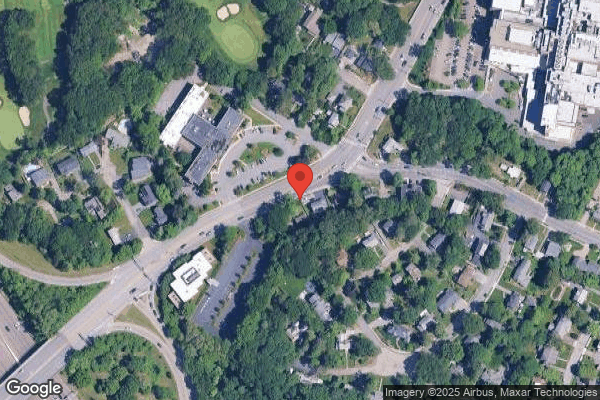
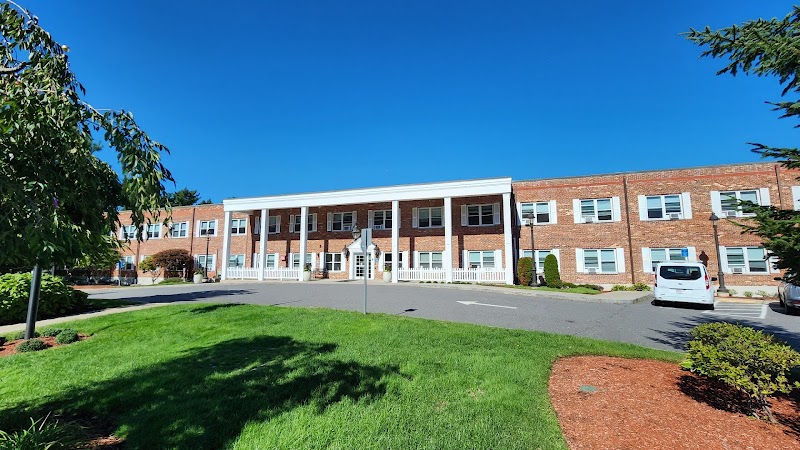
CARE ONE AT NEWTON

2101 WASHINGTON STREET, NEWTON, MA 02462 (617) 969-4660
For profit - Corporation 202 Beds CAREONE Data: November 2025
Trust Grade
38/100
#142 of 338 in MA
Last Inspection: July 2025

Inspected within the last 6 months. Data reflects current conditions.

Overview

Care One at Newton has received a Trust Grade of F, indicating significant concerns with the facility's operations and care standards. Ranking #142 out of 338 nursing homes in Massachusetts places it in the top half, but this is overshadowed by the low trust score. The facility's performance has remained stable, with 15 reported issues in both 2024 and 2025. Staffing is a strength, boasting a 4 out of 5-star rating and a low turnover rate of 22%, which is well below the state average. However, families should be aware of serious incidents, including medication errors that led to a resident's hospitalization and a failure to manage food allergies, resulting in anaphylactic shock. While the staffing situation is favorable, the facility's overall trustworthiness raises significant concerns for prospective residents and their families.

Trust Score
F
38/100
In Massachusetts
#142/338
Top 42%
Safety Record
High Risk
Review needed
Inspections
Holding Steady
15 → 15 violations
Staff Stability
✓ Good
22% annual turnover. Excellent stability, 26 points below Massachusetts's 48% average. Staff who stay learn residents' needs.
Penalties
✓ Good
$19,088 in fines. Lower than most Massachusetts facilities. Relatively clean record.
Skilled Nurses
✓ Good
Each resident gets 42 minutes of Registered Nurse (RN) attention daily — more than average for Massachusetts. RNs are trained to catch health problems early.
Violations
⚠ Watch
42 deficiencies on record. Higher than average. Multiple issues found across inspections.
★★★☆☆
3.0
Overall Rating
★★★★☆
4.0
Staff Levels
★★★★★
5.0
Care Quality
★★☆☆☆
2.0
Inspection Score
Stable
2024: 15 issues
2025: 15 issues

The Good

  • 4-Star Staffing Rating · Above-average nurse staffing levels
  • 5-Star Quality Measures · Strong clinical quality outcomes
  • Low Staff Turnover (22%) · Staff stability means consistent care
  • Full Sprinkler Coverage · Fire safety systems throughout facility
  • No fines on record
  • Staff turnover is low (22%)

    26 points below Massachusetts average of 48%

Facility shows strength in staffing levels, quality measures, staff retention, fire safety.

The Bad

3-Star Overall Rating

Near Massachusetts average (2.9)

Meets federal standards, typical of most facilities

Federal Fines: $19,088

Below median ($33,413)

Minor penalties assessed

Chain: CAREONE

Part of a multi-facility chain

Ask about local staffing decisions and management

The Ugly 42 deficiencies on record

5 actual harm
Sept 2025 3 deficiencies 2 Harm
SERIOUS (G) 📢 Someone Reported This

A family member, employee, or ombudsman was alarmed enough to file a formal complaint

Actual Harm - a resident was hurt due to facility failures

Drug Regimen Review (Tag F0756)

A resident was harmed · This affected 1 resident

**NOTE- TERMS IN BRACKETS HAVE BEEN EDITED TO PROTECT CONFIDENTIALITY** Based on records reviewed and interviews for one of three sampled residents (Resident #1), whose physician's orders included the...

Read full inspector narrative →
**NOTE- TERMS IN BRACKETS HAVE BEEN EDITED TO PROTECT CONFIDENTIALITY** Based on records reviewed and interviews for one of three sampled residents (Resident #1), whose physician's orders included the administration of a medication with a black box warning, the facility failed to ensure the dispensing Pharmacist and the Pharmacy Consultant identified and reported a medication that was prescribed and administered at an excessive frequency, which resulted in Resident #1 experiencing an overall decline in condition, requiring transfer and admission to the hospital.Findings include:Review of the facility's policy, titled Pharmacy Services Overview, with a revision date of 04/2019, included the following:-Pharmaceutical services consist of:*the processes of receiving and interpreting prescriber's orders; receiving, reconciling, and dispensing.all medications.*the process of identifying, evaluating and addressing medication-related issues including the prevention and reporting of medication errors.-The facility shall contract with a licensed consultant pharmacist to help it obtain and maintain timely and appropriate pharmacy services that support residents' needs, are consistent with current standards of practice, and meet state and federal requirements.Review of the website, accessdata.fda.gov, approved by the U.S. Food and Drug Administration (FDA) indicated the following:-The recommended frequency to administer Methotrexate for both the treatment of psoriasis and rheumatoid arthritis, is weekly.-Methotrexate has a black box warning (the most serious warning the FDA uses to alert consumers and providers of possible risks associated with the use of this medication).-Taking more Methotrexate than prescribed or taking Methotrexate more often than prescribed, can lead to severe side effects and cause death.-If too much Methotrexate is consumed, immediate medical care is required to help reduce side effects that could be severe and could cause death.Resident #1 was admitted to the facility in July 2025, diagnoses included Antiphospholipid Syndrome (an autoimmune, hypercoagulable state which can lead to blood clots in both arteries and veins, and other symptoms like low platelets) and CREST syndrome (also known as the limited cutaneous (skin) form of systemic sclerosis which causes the body to destroy healthy tissue).Review of Resident #1's Hospital Discharge summary, dated [DATE], indicated he/she was to receive Methotrexate 2.5 milligram (mg) tablets, 10 tablets by mouth [once] every 7 days (5 tablets in the morning and 5 tablets in the evening, for a total dose of 25 mg). Review of Resident #1's Physician's Orders for the month of July 2025, indicated there was order to administer Methotrexate 2.5 mg, give 5 tablets by mouth two times a day (9:00 A.M. and 5:00 P.M.) for RA (Rheumatoid Arthritis). The order also included the following information: hazardous drug, wear gloves and wash hands thoroughly after handling. Pregnant women should avoid contact with this medication. During an interview on 09/03/25 at 1:04 P.M., Nurse #1 said he reconciled Resident #1's medications upon his/her admission to the facility and entered the medications in his/her Electronic Medical Record (EMR). Nurse #1 said that Physician #1 had previously reviewed and approved Resident #1's medications which were listed on his/her Hospital Discharge Summary.Nurse #1 said he made an error when he entered the medication in Resident #1's EMR and instead of entering the Methotrexate to be given in the morning and at night once per week, he entered for it to be given in the morning and at night every day.Review of Resident #1's Medication Administration Record (MAR) for the month of July 2025 indicated for the Methotrexate he/she received 25 mg total on the following:-07/23/25 to 07/25/25, 25 mg daily-07/26/25, 12.5 mg daily-07/27/25 to 07/30/25, 25 mg daily-07/31/25, 12.5 mg dailyDuring a telephone interview on 09/04/25 at 12:16 P.M., the Pharmacy Director said that 120 tablets of Methotrexate were dispensed for Resident #1 upon receiving his/her admission orders from the Facility.The Pharmacy Director said that Resident #1's Methotrexate order was flagged for a Drug Utilization Review (DUR) and the Pharmacist who dispensed the medication, overrode the DUR alert. The Pharmacy Director said the DUR alert was triggered to alert the dispensing Pharmacist to contact the Facility to verify the dose and frequency of the Methotrexate order.The Pharmacy Director said, had the contact with the Facility taken place and the medication verified, this error would likely have been discovered before the medication was sent out to the Facility.Review of Resident #1's Interim Medication Regimen Review, dated 07/24/25, indicated a Pharmacy Consultant reviewed Resident #1's physician's orders and did not identify or report the order for Resident #1 to receive Methotrexate 25 milligrams (total dose) by mouth daily.During a telephone interview on 09/04/25 at 12:16 P.M., the Pharmacy Director said the Pharmacy Consultant reviewed Resident #1's medications on 07/24/25 and the excessive dosing in the Methotrexate order should have been identified and reported as inappropriate.Review of Resident #1's Nursing Progress Note, dated 07/31/25, indicated he/she had acute respiratory distress, increased congestion, decreased blood oxygen level despite the use of oxygen, loose bowel movements, and decreased food/fluid intake. The Note indicated he/she was transferred to the Hospital Emergency Department (ED) for an evaluation.Review of Resident #1's Hospital Progress Note, dated 08/03/25, indicated he/she had pancytopenia (low red blood cells-carry oxygen; low white blood cells- fight infection, and low platelets- for blood clotting) likely due to chronic methotrexate toxicity. The Note indicated pancytopenia occurred acutely within the span of 10 days (7/21/25 through 07/31/25); and his/her Methotrexate level that day was 0.29, (levels greater than 0.10 after 24 hours of administration of the medication would be considered toxic).Further review of the Note indicated that Poison Control recommended to continue to administer leucovorin 25 milligrams every six hours and obtain daily methotrexate levels until the level was <0.01.During an interview on 09/03/25 at 3:24 P.M., the Director of Nurses (DON) said that the Pharmacy did not identify the error related to Resident #1's Methotrexate order at any point and should have. The DON said that he had received the Pharmacy's investigation related to this medication error, including their action plan.On 09/03/25, the Facility was found to be in Past Non-Compliance, with an effective date of 08/30/25, and presented the Surveyor with a plan of correction which addresses the areas of concern as evidenced by:A) On 08/08/25 and 08/12/25, the Pharmacy Director educated the Pharmacists on the appropriate dose and frequency for the administration for Methotrexate.B) On 08/11/25 the Pharmacy Director educated all Pharmacy order entry staff on Methotrexate dosing guidelines and when to report to the staff pharmacist on duty.C) All Pharmacists will complete two continuing education hours on preventing medication errors with their annual requirements.D) On 08/04/25 through 08/20/25, the Staff Educator educated the nursing staff on accurately transcribing medication orders for new admissions and readmissions to the facility, and the new system/process regarding Que orders.E) On 08/04/25, the Facility implemented a new system, the admitting nurse will enter the orders in the Electronic Medical Record, a second nurse will verify with the discharge summary and activate the orders.F) On 08/04/25 an audit was initiated for all current new admissions and readmissions for the previous 30 days for admissions medication transcription accuracy.G) A weekly monitoring audit on new admissions and re-admissions was completed on 08/20/25 by the Director of Nurses and will continue monthly for two months to ensure compliance.H) On 08/04/25 through 08/30/25, the Director of Nurses and Staff Educators educated all staff nurses, unit managers, supervisors, and department heads on the Facility policy for medication verification and reconciliation for all new admissions and re-admissions.I) On 08/04/25, the unit managers or designee will review the medication reconciliation forms within 24 hours of admission or readmission to ensure they are complete, accurate, and all areas of conflict were addressed with the MD or provider.J) On 08/04/25 through 08/30/25, the licensed staff will review resident admitted in the last 30 days to ensure the medication reconciliation is completed and any potential conflicts are reported and resolved.K) The Director of Nurses reviews the medication reconciliation forms during morning clinical meeting to ensure completion.L) On 08/15/25, audits to ensure the medical reconciliation was completed were initiated and are on-going by the Director of Nurses or designee.M) Audits to be reviewed at the quarterly QAPI meetings by the QAPI committee.N) The Director of Nurses and/or Designee are responsible for overall compliance.
SERIOUS (G) 📢 Someone Reported This

A family member, employee, or ombudsman was alarmed enough to file a formal complaint

Actual Harm - a resident was hurt due to facility failures

Deficiency F0760 (Tag F0760)

A resident was harmed · This affected 1 resident

**NOTE- TERMS IN BRACKETS HAVE BEEN EDITED TO PROTECT CONFIDENTIALITY** Based on records reviewed and interviews, for one of three sampled residents (Resident #1), whose physician's orders included ad...

Read full inspector narrative →
**NOTE- TERMS IN BRACKETS HAVE BEEN EDITED TO PROTECT CONFIDENTIALITY** Based on records reviewed and interviews, for one of three sampled residents (Resident #1), whose physician's orders included administration of a potentially toxic medication (oral chemotherapy agent used to treat rheumatoid arthritis) the facility failed to ensure he/she was free from a significant medication error, when upon admission, the medication was inaccurately reconciled from his/her Hospital Discharge Summary by nursing and he/she was administered the medication for consecutive days in error. Resident #1 experienced an overall decline in condition, was transferred and admitted to the Hospital, and was treated for toxic levels of the medication. Findings include:Review of the Facility's policy, titled Adverse Consequences and Medication Errors, with a revision date of 06/2025, indicated the following:-A medication error is defined as the preparation or administration of drugs or biological which is not in accordance with provider's orders, manufacturer specifications, or accepted professional standards and principles of the professional (s) providing services.-A significant medication-related error is defined as requiring medication discontinuation; requiring hospitalization; requiring treatment with a prescription medication; life threatening and/or resulting in death.-Evaluate the resident for possible medication-related adverse consequences when the resident has a significant change in clinical condition/status including unexplained decline in function, cognition or behavior; or worsening of an existing problem or condition.Review of the Facility's policy, titled Medication Reconciliation, with a revision date of 12/2014, indicated the following:-The Center will accurately reconcile medications of newly admitted residents to contribute to the creation of an accurate medication list.-Prescribing errors may occur when a patient is admitted to the hospital or transferred across the continuum of care to the skilled nursing center; these errors may result in adverse drug events.-Medication reconciliation is a formal process of obtaining a complete and accurate list of each patient's current medication (including name, dosage, frequency, and route) and comparing the incoming admission, transfer and or discharge medication orders to that list. Discrepancies are brought to the attention of the prescriber and, if appropriate, changes are made to the orders.Review of the website, accessdata.fda.gov, approved by the U.S. Food and Drug Administration (FDA) indicated the following:-The recommended frequency to administer Methotrexate for both the treatment of psoriasis and rheumatoid arthritis, is weekly.-Methotrexate has a black box warning (the most serious warning the FDA uses to alert consumers and providers of possible risks associated with the use of this medication).-Taking more Methotrexate than prescribed or taking Methotrexate more often than prescribed, can lead to severe side effects and cause death.-If too much Methotrexate is consumed, immediate medical care is required to help reduce side effects that could be severe and could cause death.Resident #1 was admitted to the facility in July 2025, diagnoses included Antiphospholipid Syndrome (an autoimmune, hypercoagulable state which can lead to blood clots in both arteries and veins, and other symptoms like low platelets) and CREST syndrome (also known as the limited cutaneous (skin) form of systemic sclerosis which causes the body to destroy healthy tissue).Review of Resident #1's Hospital Discharge summary, dated [DATE], indicated he/she was to receive Methotrexate 2.5 milligram (mg) tablets, take 10 tablets [25 mg] by mouth [once] every 7 days (5 tablets [12.5 mg] in the morning and 5 tablets in the evening).Review of Resident #1's Medication Administration Record (MAR) for the month of July 2025, indicated he/she a physician's order to administer Methotrexate 2.5 mg, give 5 tablets by mouth two times a day (9:00 A.M. and 5:00 P.M.) for RA (Rheumatoid Arthritis). The order also included the following warning: hazardous drug, wear gloves and wash hands thoroughly after handling. Pregnant women should avoid contact with this medication. Review of Resident #1's Medication Administration Record (MAR) for the month of July 2025 indicated for the Methotrexate he/she received 25 mg total on the following:-07/23/25 to 07/25/25, 25 mg daily-07/26/25, 12.5 mg daily-07/27/25 to 07/30/25, 25 mg daily-07/31/25, 12.5 mg dailyDuring an interview on 09/03/25 at 1:04 P.M., Nurse #1 said he entered the physician's orders in Resident #1's Electronic Medical Record (EMR) upon his/her admission to the facility. Nurse #1 said that Physician #1 had previously reviewed and approved Resident #1's medications which were listed on his/her Hospital Discharge Summary.Nurse #1 said he made an error when he entered the medication in Resident #1's EMR and instead of entering the Methotrexate to be given in the morning and at night once per week, he entered for it to be given in the morning and at night, every day.Nurse #1 said he was unfamiliar with the intended use and usual dosing for Methotrexate prior to this incident.During a telephone interview on 09/04/25 at 9:02 A.M., Physician #1 said he was in the facility when Resident #1 was admitted . Physician #1 said he had reviewed his/her Hospital Discharge Summary and that all the medications listed on the Summary were to be continued at the facility. Physician #1 said he was very familiar with Methotrexate and that it was to be administered weekly.Review of Resident #1's Nursing Progress Notes, indicated Nurse Practitioner (NP) #1 visited Resident #1 at the facility on 07/23/25 and 07/28/25.Review of Resident #1's NP Progress Notes indicated that on 07/23/25 and 07/28/25, NP #1 documented that Resident #1's Methotrexate order was as follows:-Methotrexate 2.5 milligrams- take 5 [tablets] by mouth everyday two times per day.During a telephone interview on 09/04/25 at 8:35 A.M., Nurse Practitioner #1 said that although he listed all of Resident #1's medications in his Progress Notes, he reviewed only the medications that were pertinent to his visits. NP #1 said that Methotrexate was managed by specialists, and he was not familiar enough with the recommended administration frequency to have questioned the directions as they were listed on Resident #1's physician's orders.Review of Resident #1's Nursing Progress Note, dated 07/31/25, indicated he/she had acute respiratory distress, increased congestion, decreased blood oxygen level despite the use of oxygen, loose bowel movements, and decreased food/fluid intake. The Note indicated he/she was transferred to the Hospital Emergency Department (ED) for an evaluation.Review of Resident #1's Hospital Progress Note, dated 08/01/25, indicated his/her Methotrexate was restarted in June 2025 after being on hold due to thrombocytopenia (a condition caused by low platelets, which can lead to easy bruising and bleeding).Review of Resident #1's Hospital Progress Note, dated 08/03/25, indicated he/she had pancytopenia (low red blood cells-carry oxygen; low white blood cells- fight infection, and low platelets- for blood clotting) likely due to chronic methotrexate toxicity. The Note indicated pancytopenia occurred acutely within the span of 10 days (7/21/25 through 07/31/25); and his/her Methotrexate level that day was 0.29 (levels greater than 0.10 after 24 hours of administration of the medication would be considered toxic) which is more consistent with chronic toxicity per Poison Control.Further review of the Note indicated that Poison Control recommended to continue to administer leucovorin (form of folic acid to help prevent side effects of certain medications) 25 milligrams every six hours and obtain daily methotrexate levels until the level was <0.01.During a telephone interview on 09/04/25 at 9:55 A.M., the Medical Director said he was disappointed that many of the systems in place to avoid medication errors such as this failed. The Medical Director said the medication orders listed on Resident #1's Hospital Discharge Summary should have been implemented and transcribed accurately.During an interview on 09/03/25 at 3:24 P.M., the Director of Nurses (DON) said Resident #1's Methotrexate order was not accurately transcribed in his/her medical record upon admission to the Facility. The DON said the manner in which the nursing staff performed their medication reconciliations was not in accordance with facility protocol.The DON said he expected the nursing staff to carefully and accurately transcribe orders and to be familiar with the medications they are administering.On 09/03/25, the Facility was found to be in Past Non-Compliance, with an effective date of 08/30/25, and presented the Surveyor with a plan of correction which addresses the areas of concern as evidenced by:A) On 08/04/25 through 08/20/25, the Staff Educator educated the nursing staff on accurately transcribing medication orders for new admissions and readmissions to the facility, and the new system/process regarding Que orders.B) On 08/04/25, the Facility implemented a new system, the admitting nurse will Que the orders in the Electronic Medical Record, a second nurse will verify with the discharge summary and activate the orders.C) On 08/04/25 an audit was initiated for all current new admissions and readmissions for the previous 30 days for admissions medication transcription accuracy.D) A weekly monitoring audit on new admissions and re-admissions was completed on 08/20/25 by the Director of Nurses and will continue monthly for two months to ensure compliance.E) On 08/04/25 through 08/30/25, the Director of Nurses and Staff Educators educated all staff nurses, unit managers, supervisors, and department heads on the Facility policy for medication verification and reconciliation for all new admissions and re-admissions.F) On 08/04/25, the unit managers or designee will review the medication reconciliation forms within 24 hours of admission or readmission to ensure they are complete, accurate, and all areas of conflict were addressed with the MD or provider.G) On 08/04/25 through 08/30/25, the licensed staff will review resident admitted in the last 30 days to ensure the medication reconciliation is completed and any potential conflicts are reported and resolved.H) The Director of Nurses reviews the medication reconciliation forms during morning clinical meeting to ensure completion.I) On 08/15/25, audits to ensure the medical reconciliation was completed were initiated and are on-going by the Director of Nurses or designee.J) Audits to be reviewed at the quarterly QAPI meetings by the QAPI committee.K) The Director of Nurses and/or Designee are responsible for overall compliance.
CONCERN (D) 📢 Someone Reported This

A family member, employee, or ombudsman was alarmed enough to file a formal complaint

Potential for Harm - no one hurt, but risky conditions existed

Medical Records (Tag F0842)

Could have caused harm · This affected 1 resident

**NOTE- TERMS IN BRACKETS HAVE BEEN EDITED TO PROTECT CONFIDENTIALITY** Based on records reviewed and interviews, for one of three sampled residents (Resident #1), the facility failed to ensure his/he...

Read full inspector narrative →
**NOTE- TERMS IN BRACKETS HAVE BEEN EDITED TO PROTECT CONFIDENTIALITY** Based on records reviewed and interviews, for one of three sampled residents (Resident #1), the facility failed to ensure his/her medical record was complete and accurate when 1) the Physician signed a medication order in error and 2) the Nurse Practitioner documented that all of Resident #1's medications were reviewed at each visit.Findings include:Review of the facility's policy, titled Charting and Documentation, with a revision date of 07/2017, indicated the following:-Documentation in the medical record will be objective, complete, and accurate.-Electronic entries that are auto-filled, or auto-prompts must be reviewed and updated when more current information is available or required; or accepted as it is after review.Review of the facility's policy, titled Medication and Treatment Orders, with a revision date of 07/2016, indicated the following:-Orders for medications and treatments will be consistent with principles of safe and effective order writing.-The signing of orders shall be by signature or a personal computer key.Resident #1 was admitted to the facility in July 2025, diagnoses included Antiphospholipid Syndrome (an autoimmune, hypercoagulable state which can lead to blood clots in both arteries and veins, and other symptoms like low platelets) and CREST syndrome (also known as the limited cutaneous (skin) form of systemic sclerosis which causes the body to destroy healthy tissue).Review of Resident #1's Hospital Discharge summary, dated [DATE], indicated he/she was to receive Methotrexate 2.5 milligram (mg) tablets, take 10 tablets by mouth every 7 days (5 tablets in the morning and 5 tablets in the evening).1) Review of Resident #1's Order Audit Report for his/her Methotrexate medication order indicated the following:-On 07/22/25 Nurse #1 entered a medication order for Methotrexate Tablet 2.5 milligrams -Give 5 tablets by mouth two times a day for R/A (Rheumatoid Arthritis).-The Methotrexate medication order was electronically signed by Physician #1 on 07/28/25.During a telephone interview on 09/04/25 at 9:02 A.M., Physician #1 said he was in the facility when Resident #1 was admitted . Physician #1 said he had reviewed his/her Hospital Discharge Summary and that all the medications listed on the Summary were to be continued at the facility. Physician #1 said he was very familiar with Methotrexate and that it was administered weekly.Physician #1 said that orders are sent to him electronically and often are received in bulk with 150 to 200 orders received at a time. Physician #1 said he had no reason to believe there had been a transcription error when nursing initially entered the orders for Resident #1 and therefore, he signed his/her order for Methotrexate to be administered twice daily instead of once weekly.2) Review of Resident #1's Nursing Progress Notes, indicated Nurse Practitioner (NP) #1 visited Resident #1 at the facility on 07/23/25 and 07/28/25.Review of Resident #1's NP Progress Notes indicated that on 07/23/25 and 07/28/25, NP #1 documented that Resident #1's Methotrexate order was as follows:-Methotrexate 2.5 milligrams- take 5 [tablets] by mouth everyday two times per day.During a telephone interview on 09/04/25 at 8:35 A.M., Nurse Practitioner #1 said that although he listed all of Resident #1's medications in his Progress Notes, he reviewed only the medications that were pertinent to his visits. NP #1 said that Methotrexate was managed by specialists, and he was not familiar enough with the recommended administration frequency to have questioned the directions as they were listed on Resident #1's physician's orders.During a telephone interview on 09/04/25 at 9:55 A.M., the Medical Director said he expected the providers to catch mistakes such as this Methotrexate medication order and that all entries made into the medical record must be right.During a telephone interview on 09/09/25 at 12:52 P.M., the Director of Nurses (DON) said he expected all medical record entries to be complete and accurate.
Jul 2025 10 deficiencies
CONCERN (D)

Potential for Harm - no one hurt, but risky conditions existed

Deficiency F0552 (Tag F0552)

Could have caused harm · This affected 1 resident

**NOTE- TERMS IN BRACKETS HAVE BEEN EDITED TO PROTECT CONFIDENTIALITY** Based on record review and interview, the facility failed to obtain informed consent prior to administering psychotropic medicat...

Read full inspector narrative →
**NOTE- TERMS IN BRACKETS HAVE BEEN EDITED TO PROTECT CONFIDENTIALITY** Based on record review and interview, the facility failed to obtain informed consent prior to administering psychotropic medication for one Resident #129 out of a sample of 36 residents. Specifically, the facility failed to obtain legal informed consent from court prior to administering an antipsychotic medication.Findings include:A review of the facility policy titled ‘Psychotropic Medication Use' with a revision date of 2/25 indicated the following:-Prior to initiating the use of, increasing the dose of, or switching to a different psychotropic medication, the staff and physician will review the following with the resident/representative prior to obtaining documented consent or refusal: non pharmacological alternatives, the indications and rationale for the recommendation, the potential risks and benefits (including possible side effects, adverse consequences, and black box warnings and the resident's/representative's right to accept or decline treatment.Resident #129 was admitted to the facility in May 2025 with diagnoses including schizoaffective disorder.Review of Resident #129's most recent Minimum Data Set (MDS) dated [DATE] indicated a Brief Interview for Mental Status (BIMS) score of 15 out of a possible 15 indicating intact cognition.Review of Resident #129's July 2025 physician's orders indicated the following:-Fluphenazine (an antipsychotic medication used to treat schizophrenia and other psychotic disorders) HCI (Hydrochloride) Oral Tablet 5 milligrams (Fluphenazine HCI) Give 1 tablet by mouth in the evening for behavioral management. Start date:7/1/25-Fluphenazine HCI Oral Tablet 5 milligrams (Fluphenazine HCI) Give 2 tablets by mouth in the evening for behavioral management. Start date:7/16/25Review of Resident # 129's July 2025 Medication Administration Record (MAR) indicated that Fluphenazine was administered on 7/2/25, 7/3/25, 7/4/25, 7/5/25, 7/6/25, 7/7/25, 7/8/25, 7/9/25, 7/10/25, 7/11/25, 7/12/25, and 7/13/25.Review of the medical record indicated that Resident #129 has a court appointed Guardian. The court also authorized the treatment of Resident #129 with antipsychotic medication. A Roger's treatment plan (a court approved plan authorizing the administration of antipsychotic medication to an individual who is deemed incapacitated and unable to consent to treatment) with the medications and alternative medications Resident #129 could be administered was included.Further review of the Roger's treatment plan with an expiry date of 5/4/26 failed to indicate Fluphenazine as one the antipsychotic medications approved by the court to be used for treatment for Resident #129. The Roger's treatment plan also failed to indicate Fluphenazine as one of the alternative medications listed.During an interview and record review on 7/17/125 at 1:18 P.M., the Regional Social Worker reviewed the medical record and said Resident #129 had been administered Fluphenazine from 7/2/25-7/13/25 as ordered. The Regional Social Worker said Resident #129 should not have been administered Fluphenazine prior to getting legal consent from court.During an interview on 7/18/25 at 10:56 A.M., the Director of Nurses said he expects informed legal consent to be obtained from the responsible party prior to administering antipsychotic medication.During a telephone interview on 7/18/25 at 10:21 A.M., the court appointed Roger's Monitor, (a person appointed by the court to oversee the implementation of a court approved treatment plan for an incapacitated individual), said the [NAME] monitor role is new to him. He said he was made aware by the facility that the Resident was being administered Fluphenazine, but he was not aware that the court needed to give consent because it was not listed on the Treatment plan.
CONCERN (D)

Potential for Harm - no one hurt, but risky conditions existed

Deficiency F0578 (Tag F0578)

Could have caused harm · This affected 1 resident

**NOTE- TERMS IN BRACKETS HAVE BEEN EDITED TO PROTECT CONFIDENTIALITY** Based on record review and interview, the facility failed to formulate Advance Directives for one Resident #129 out of a sample ...

Read full inspector narrative →
**NOTE- TERMS IN BRACKETS HAVE BEEN EDITED TO PROTECT CONFIDENTIALITY** Based on record review and interview, the facility failed to formulate Advance Directives for one Resident #129 out of a sample of 36 Residents. Specifically, the facility failed to expand a Roger's treatment plan, (a court approved plan that outlines the specific medical treatment, particularly antipsychotic medication), prior to administering antipsychotic medication.Findings include:Review of the facility policy titled ‘Advance Directives' with a revision date of September 2022 indicated the following:-The resident has the right to formulate an Advance directive, including the right to accept or refuse medical or surgical treatment. Advance directives are honored in accordance with state law and facility policy.-Advance directive is written instruction, such as a living will or durable power of attorney for healthcare, recognized by state law (whether statutory or as recognized by the courts of the state) relating to the provisions of health care when the individual is incapacitated.-Legal representative (i.e. substitute decision maker, proxy agent- a person designated and authorized by an advance directive or state law to make treatment decisions for another person in the event the other person becomes unable to make necessary health care decisions.Resident #129 was admitted to the facility in May 2025 with diagnoses including schizoaffective disorder. Review of Resident #129's most recent Minimum Data Set (MDS) dated [DATE] indicated a Brief Interview for Mental Status (BIMS) score of 15 out of a possible 15 indicating intact cognition.Review of Resident #129's July 2025 physician's orders indicated the following:-Fluphenazine (an antipsychotic medication primarily used to treat schizophrenia and other conditions causing psychosis) HCI (Hydrochloride) Oral Tablet 5 milligrams (Fluphenazine HCI) Give 1 tablet by mouth in the evening for behavioral management. Start date:7/1/25-Fluphenazine HCI Oral Tablet 5 milligrams (Fluphenazine HCI) Give 2 tablets by mouth in the evening for behavioral management. Start date:7/16/25Review of Resident #129's July 2025 Medication Administration Record (MAR) indicated that Fluphenazine was administered on 7/2/25, 7/3/25, 7/4/25, 7/5/25, 7/6/25, 7/7/25, 7/8/25, 7/9/25, 7/10/25, 7/11/25, 7/12/25, and 7/13/25.Review of the medical record indicated that Resident #129 has a court appointed Guardian. The court also authorized the treatment of Resident #129 with antipsychotic medication. A Roger's treatment plan with the medications and alternative medications Resident #129 could be administered was included.Further review of the Roger's treatment plan with an expiry date of 5/4/26 failed to indicate Fluphenazine as one the antipsychotic medications approved by the court to be used for treatment for Resident #129. Further review of the Roger's treatment plan failed to indicate Fluphenazine was one of the alternative medications.During an interview and record review on 7/17/125 at 1:18 P.M., the Regional Social Worker reviewed the medical record and said Resident #129 had been administered Fluphenazine from 7/2/25-7/13/25 as ordered. The Regional Social Worker said the Roger's treatment plan should have been expanded in court to include Fluphenazine prior to administering the medication to the Resident.During an interview on 7/18/25 at 10:56 A.M., the Director of Nurses said only medications in the Roger's treatment plans should be administered to residents and if new antipsychotic medications are approved by the physician, the facility should go back to court to expand the Roger's treatment plan to include the new medication.During a telephone interview on 7/18/25 at 10:21 A.M., the court appointed Roger's monitor, (a person appointed by the court to oversee the implementation of a court approved treatment plan for an incapacitated individual), said the [NAME] monitor role is new to him. He said he was made aware by the facility that the Resident was being administered Fluphenazine but he was not aware that the court would need to expand the [NAME] treatment plan to include Fluphenazine.
CONCERN (D)

Potential for Harm - no one hurt, but risky conditions existed

Deficiency F0604 (Tag F0604)

Could have caused harm · This affected 1 resident

**NOTE- TERMS IN BRACKETS HAVE BEEN EDITED TO PROTECT CONFIDENTIALITY** Based on observation, record review and interview, the facility failed to provide initial and ongoing assessments of a wheelchai...

Read full inspector narrative →
**NOTE- TERMS IN BRACKETS HAVE BEEN EDITED TO PROTECT CONFIDENTIALITY** Based on observation, record review and interview, the facility failed to provide initial and ongoing assessments of a wheelchair seatbelt to ensure one Resident (#24) was free from restraints out of a total sample of 36 residents. Findings include:Review of the facility policy titled, Use of Restraints, dated April 2017, indicated the following: -Prior to placing a resident in restraints, there shall be a pre-restraining assessment and review to determine the need for restraints. The assessment shall be used to determine possible underlying causes of the problematic medical condition and to determine if there are less restrictive interventions that may improve the symptoms. Resident #24 was admitted to the facility in June 2025 with diagnoses including dementia with behavioral disturbances, traumatic brain injury, legal blindness and unsteadiness on feet. Review of Resident #24's most recent Minimum Data Set (MDS) dated [DATE], indicated the Resident has a Brief Interview for Mental Status score of 8 out of a possible 15, which indicated the Resident has moderate cognitive impairment. The MDS also indicated Resident #24 requires substantial assistance from staff for all self-care and mobility tasks. On 7/16/2025 at 8:37 A.M., Resident #24 was observed sitting in his/her wheelchair in the unit hallway. The Resident's wheelchair had a seatbelt which was secure around the Resident's waist. When asked, Resident #24 was unable to say how long the seatbelt had been on his/her wheelchair, why it was on the wheelchair or if he/she had sustained any falls while at the facility. Review of Resident #24's physician orders failed to indicate an order for a seatbelt to be on the Resident's wheelchair. Review of Resident #24's care plans failed to indicate an intervention in any of the personalized care plans for the use of a seatbelt on the Resident's wheelchair. Review of Resident #24's medical record failed to indicate a restraint assessment had been completed to determine whether or not the seatbelt was a restraint. During an interview on 7/18/2025 at 10:15 A.M., Unit Manager #2 said Resident #24 uses a seatbelt on his/her wheelchair. Unit Manager #2 said she does not know if the facility ever did a restraint assessment for the seat belt on Resident #24's wheelchair and said she was unsure if a restraint assessment needed to be completed. During an interview on 7/17/2025 at 11:38 A.M., the Director of Nursing said Resident #24 has his/her own personal wheelchair and was admitted with that wheelchair. The Director of Nursing said the wheelchair does have a seatbelt and that the Resident is able to release the belt independently. The Director of Nursing said a formal restraint assessment should have been completed upon admission and should be completed throughout the Resident's stay to ensure the seatbelt is not a restraint. The Director of Nursing said the use of a seatbelt should also be included in Resident #24's care plans.
CONCERN (D)

Potential for Harm - no one hurt, but risky conditions existed

Report Alleged Abuse (Tag F0609)

Could have caused harm · This affected 1 resident

**NOTE- TERMS IN BRACKETS HAVE BEEN EDITED TO PROTECT CONFIDENTIALITY** Based on record review and interview, the facility failed to accurately and timely report an allegation of misappropriation to t...

Read full inspector narrative →
**NOTE- TERMS IN BRACKETS HAVE BEEN EDITED TO PROTECT CONFIDENTIALITY** Based on record review and interview, the facility failed to accurately and timely report an allegation of misappropriation to the State Agency for one Resident (#29) of 36 sampled residents. Specifically, Resident #29 alleged that a staff member stole a piece of jewelry, and the facility did not report the allegation to the State Agency. Findings include: Review of the facility policy Abuse, Neglect, Exploitation or Misappropriation - Reporting and Investigating dated as revised September 2022, indicated: -If resident abuse, neglect, exploitation, misappropriation of resident property or injury of unknown source is suspected, the suspicion must be reported immedicably to the administrator and to other officials according to state law. The administrator or the individual making the allegation immediately reports his or her suspicion to the following person or agencies. These agencies include the state licensing/certification agency responsible for the surveying /licensing the facility. Immediately is defined as within 24 hours of an allegation that does not involve abuse or result in serious bodily injury. Resident #29 was admitted to the facility in June 2025, and has diagnoses which include hypertension, diabetes, depression and anxiety. Review of Resident #29's Minimum Data Set assessment dated [DATE] indicated a Brief Interview for Mental Status examination score of 10, signifying moderate cognitive impairment. The Resident was dependent on staff for most activities of daily living. During an interview on 7/16/25 at 9:45 A.M., Resident #29 said that on 7/9/25, during the day shift, a staff member and CNA #5 entered the bedroom to give him/her a bed bath. The Resident said his/her neck chain was removed and placed on the over-bed table, placed directly in front of him/her. Resident #29 said the staff member then swept the chain into a small basin containing water and removed the basin. Resident #29 said he/she told the staff member he/she just saw her steal his/her chain. Resident #29 said the staff member denied taking the chain and told the Resident he/she did not own a chain. Resident #29 said the staff member left the bedroom but later returned and asked the Resident not to report her to management and offered to buy the chain for $50. Resident #29 said that day he/she told CNA #5 that the staff member stole his/her neck chain, and that CNA #5 confirmed to him/her he/she owned a neck chain. Resident #29 said that no one had interviewed him/her about the incident. During an interview on 7/17/25 at 8:33 A.M., CNA #5 said that on 7/16/25 Resident #29 told her that on 7/9/25 a staff member stole his/her chain necklace. CNA #5 said she had seen Resident #29's neck chain before the alleged incident. CNA #5 said she forgot to report the allegation of theft to a nurse or administration. During an interview on 7/17/25 at 9:31 A.M., the surveyor informed the Administrator that Resident #29 told the surveyor a staff member stole a chain necklace from him/her on 7/9/25, dayshift. The Administrator said he was unaware of the allegation but would immediately start an investigation and report the allegation within two hours through the Health Care Facility Reporting System to the State Agency. During an interview on 7/18/2025 at 10:34 AM, Unit Manager (UM) #3 said that she and the Administrator interviewed Resident #29 on 7/17/25. UM #3 said the Resident told them that on 7/9/25 a staff member stole his/her neck chain. UM #3 said the Resident told her he saw the staff member sweep the chain into a small water basin while washing him/her in bed. UM #3 said the Resident told her that he/she confronted the staff member about the alleged theft, and that the staff member denied that the Resident owned a neck chain. UM #3 said the Resident told her that CNA #5 was present during the incident, but that CNA #5 did not take the chain. UM #3 said that she interviewed CNA #5, and that CNA #5 told her she forgot to report the incident because it was a busy day. UM #3 said the staff members who provided bathing care to Resident #29 on 7/9/25 were arriving later this afternoon and would be interviewed for the investigation. Review of HCFRS on 7/18/25 at approximately 9:30 A.M. indicated the Facility had reported Resident #29's allegation of theft as missing personal property. The HCFRS narrative indicated: Today at 9:00am a DPH state surveyor here on annual survey asked the administrator if he was aware of a resident missing necklace. I reported i [sic] have not heard anything and went to interview the resident immediately. Resident states that on 7/9/25 he/she took the chain off and he/she saw one of the aides sweep it into a bucket. He/she cannot remember or identify who the individual was that took the item. Police came in to take a statement.During an interview on 7/18/25 at 10:01 A.M., the Administrator said Resident #29 had told him that a yet unidentified staff member stole his/her chain necklace. The Administrator said he reported the incident as missing personal property because he did not understand that allegations of theft should be reported as misappropriation. The Administrator said he would resubmit the allegation of misappropriation through HCFRS. On 7/21/25 at approximately 7:10 A.M., the surveyor reviewed the Health Care Facility Reporting System (HCFRS). The facility's HFRS reports indicated that as of this time the facility had not revised its original report of missing personal property and still had not reported Resident #29's allegation of theft to the State Agency, (four days after the facility had been made aware of the allegation.)
CONCERN (D)

Potential for Harm - no one hurt, but risky conditions existed

Comprehensive Care Plan (Tag F0656)

Could have caused harm · This affected 1 resident

Based on record review and interview, the facility failed to develop a plan of care for monitoring the effects of psychotropic medications for one Resident (#179) out of a total sample of 36 residents...

Read full inspector narrative →
Based on record review and interview, the facility failed to develop a plan of care for monitoring the effects of psychotropic medications for one Resident (#179) out of a total sample of 36 residents. Findings include:Review of the facility policy titled, Care Planning - Interdisciplinary Team, dated March 2022, indicated the following: Comprehensive, person-centered care plans are based on resident assessments and developed by an interdisciplinary team.Resident #179 was admitted to the facility in July 2025 with diagnoses including major depression and unspecified psychosis.Review of the Brief Interview for Mental Status (BIMS) completed on 7/16/25, indicated the Resident had a score of 8 out of a possible 15, which indicated the Resident has moderate cognitive impairment. Review of Resident #179's physician orders indicate the following orders for psychotropic medications:-Risperidone (an antipsychotic medication) tablet 0.25 MG (milligrams). Give 1 tablet by mouth at bedtime for rehab.-Trazodone (a mood stabilizing medication) Oral Tablet 50 MG. Give 1 tablet by mouth every 24 hours as needed for insomnia until 7/26/2025.The physician orders failed to indicate an order to ensure monitoring of the medications for side effects.Review of Resident #179's individualized care plans failed to indicate a care plan was developed for the use of psychotropic medications.During an interview on 7/18/2025 at 8:04 A.M., Nurse #8 said she is not sure who develops resident care plans at the facility as she has never written one. During an interview on 7/18/2025 at 10:15 A.M., Unit Manager #2 said the admitting nurse creates the baseline care plans and then the interdisciplinary team edits and creates all other needed care plans to address all needs of the residents. Unit Manager #2 said residents who are receiving psychotropic medications should have a care plan created to monitor the side effects of these types of medications. Unit Manager #2 reviewed Resident #179's care plans and said Resident #179 should have had a psychotropic medication care plan developed and didn't. Unit Manager #2 said there should also be an order to monitor the side effects of psychotropic medications and this was not done.During an interview on 7/18/2025 at 10:57 A.M., the Assistant Director of Nursing said all residents who are receiving psychotropic medications should be monitored for potential side effects. The Assistant Director of Nursing said this monitoring is ensured by either having an order to monitor or having a care plan for monitoring in place. The Assistant Director of Nursing reviews Resident #179's medical record with the surveyor and said the Resident was missing psychotropic care plans and an order to monitor potential side effects of these medications.During an interview on 7/18/25 at 12:14 P.M., the Director of Nursing said any resident receiving psychotropic medications should have a care plan addressing the use of these medications and the need to monitor for potential side effects of these medications.
CONCERN (D)

Potential for Harm - no one hurt, but risky conditions existed

Deficiency F0658 (Tag F0658)

Could have caused harm · This affected 1 resident

**NOTE- TERMS IN BRACKETS HAVE BEEN EDITED TO PROTECT CONFIDENTIALITY** Based on observation, record review and interview the facility failed to provide quality standards of professional practice for ...

Read full inspector narrative →
**NOTE- TERMS IN BRACKETS HAVE BEEN EDITED TO PROTECT CONFIDENTIALITY** Based on observation, record review and interview the facility failed to provide quality standards of professional practice for 3 residents (# 11 , #15 and #21), out of a total sample of 36 residents. Specifically:1.For Resident #11, the facility failed to implement physician's orders by administering liquid consistency as ordered.2. For Resident #15, the facility failed to implement the use of a Prevlon Boot (a specialty device utilized to prevent pressure on the heel) as ordered by the physician.3. For Resident #21 the facility failed to adhere to professional standards of nursing practice, when Nurse #2 left medications with Resident #21, who was not assessed as being able to self-administer medications. Findings include: Review of the Massachusetts Board of Registration in Nursing Advisory Ruling on Nursing Practice, dated as revised April 11, 2018, indicated the following:-Nurse's Responsibility and Accountability: Licensed nurses accept, verify, transcribe, and implement orders from duly authorized prescriber that are received by a variety of methods (i.e., written, verbal/telephone, standing orders/protocols, pre-printed order sets, electronic) in emergent and non-emergent situations. Licensed nurses in a management role must ensure an infrastructure is in place, consistent with current standards of care, to minimize error. 1. Resident #11 was admitted to the facility in February 2025 with diagnoses including dysphagia. Review of Resident #11's most recent Minimum Data Set (MDS) dated [DATE] did not indicate a Brief Interview for Mental Status (BIMS) score because the resident is rarely/never understood. Review of Resident #11’s July 2025 physician’s orders indicated the following: -Regular diet, pureed (PU4) texture, moderately thick (MO3) consistency. Start date:5/30/25. [sic] -Aspiration precaution every shift. Start date: 5/19/25. -Aspirin EC (enteric coated) Tablet Delayed Release 325 milligrams-Give 1 tablet by mouth in the morning for ppx (prophylaxis), take with a full glass of water, do not crush. Give with food to minimize GI (gastrointestinal) irritation. Start date: 6/4/25. Review of Resident #11’s most recent speech therapy treatment encounter notes dated 6/17/25 indicated the following: Precautions-PEG (Percutaneous Endoscopic Gastronomy) continuous nocturnal feeds starting at 7 PM, pureed solids, moderately thick, (honey), liquids. Feeding assistance, Aspiration precautions. During an interview on 7/18/25 at 7:57 A.M., Nurse #6 said she had just administered Aspirin to Resident #11. She said she let the Aspirin dissolve in apple sauce (a puree of stewed apples) prior to administering it to the Resident. Nurse #6 said after Resident #11 took the dissolved Aspirin in apple sauce, she administered Apple juice (a drink made by pressing and processing apples) because Resident #11 does not like water. Nurse #6 said she did not add any thickening agent to the Apple juice. Review of the July 2025 Medication Administration Record (MAR) indicated Aspirin had been administered as ordered. The MAR further indicated Nurse #6 had administered Aspirin to Resident #11 on the following days, 7/11/25, 7/12/25, 7/15/25, 7/16/25 and 7/18/25. During an interview on 7/18/25 at 8:42 A.M., the Speech Therapist said Resident #11 should only ingest moderately thick liquids. The Speech Therapist said Nurse #6 should have thickened the Apple juice prior to administering it to the Resident. During an interview on 7/18/25 at 10:59 A.M., the Director of Nurses said Nurses should implement physician’s orders. The DON said Resident #11 should not be administered thin liquids. The DON said the Nurses should thicken liquids prior to administering the liquids to Resident #11. 2. Resident #15 was admitted to the facility in February 2024 with diagnoses including peripheral vascular disease and type 2 diabetes. Review of the most recent Minimum Data Set Assessment (MDS) dated [DATE] indicated Resident #15 is severely cognitively impaired and is dependent on staff for assistance with bathing, dressing and eating. Resident #15 was unable to participate in the interview process due to his/her cognitive status. Review of the clinical record indicated a physician’s order: Prevalon boot to RLE (right lower extremity) at all times as tolerated. May remove for care and to assess for skin integrity, every shift, 5/9/24. On 7/16/2025 at 7:56 A.M., the surveyor observed a Prevalon boot on Resident #15’s bedside table. Resident #15 was asleep in his/her wheelchair not wearing the Prevalon Boot. On 7/16/2025 at 12:54 P.M., the surveyor observed Resident #15 eating lunch in the dining room. He/she was not wearing the Prevalon boot. On 7/17/2025 at 8:14 A.M., the surveyor observed Resident #15 seated in his/her wheelchair watching TV in his/her room. He/she was not wearing the Prevalon boot. On 7/17/2025 at 9:08A.M. the surveyor observed Resident #15 in the dining room eating breakfast. He/she was not wearing the Prevalon boot. On 7/17/2025 at 10:40 A.M., the surveyor observed Resident #15 in an activity. He/she was not wearing the Prevalon boot. Review of the Resident #15’s care plans failed to indicate Resident #15 had behaviors of refusing care. Review of the nurse progress notes failed to indicate Resident #15 had refused wearing the Prevlon boot on 7/16/25 and 7/17/25. Review of the July 2025 Treatment Administration Record (TAR) indicated Resident #15 had been wearing his/her Prevlon boot during the 7:00 A.M., – 3:00 P.M. shift; contrary to the surveyor's observations. During an interview on 7/17/2025 at 10:42 A.M., Certified Nursing Assistant (CNA) #1 said that Resident #15 is easy going and never refuses care. During interviews on 7/17/25 at 12:18 P.M., and 7/17/25 at 1:57 P.M., Nurse #1 said that the Resident does not refuse care or treatments. Nurse #1 said that CNAs are responsible for donning Prevlon boots on residents and the nurses verify they are put on. Nurse #1 said she thought Resident #15’s Prevlon boot was put on him/her around breakfast time and was not aware that he/she had not been wearing it. During an interview on 7/18/2025 at 10:18 A.M., the Assistant Director 0f Nursing (ADON) said that physician's orders should be implemented as ordered. The Director of Nursing (DON) said that CNAs should be donning Prevlon boots and nurses are expected to verify and document that residents are wearing the boots as ordered. 3. Resident #21 was admitted to the facility in August 2019 with diagnoses that include but are not limited to end stage renal disease, dependence on renal dialysis, unspecified protein-calorie malnutrition, major depressive disorder, and adult failure to thrive. Review of the facility’s policy, titled Administering Medications dated with a revision date April 2019, indicated the following: Medications are administered in a safe and timely manner and as prescribed. 1. Only persons licensed or permitted by this state to prepare, administer and document the administration of medications may do so. 27. Residents may self-administer their own medications only if the attending physician, in conjunction with the interdisciplinary care planning team, has determined that they have the decision-making capacity to do so safely. Review of the comprehensive Minimum Data Set assessment dated [DATE] indicated Resident #21 scored 15 out of 15 on the Brief Interview for Mental Status exam, indicating he/she as cognitively intact, and requires supervision or touching assistance with daily care activities including toileting, dressing and transfers. During an interview on 7/16/25 at 8:04 A.M., Resident #21 was sitting in his/her wheelchair. A medication cup with pills in a substance and a spoon was on the overbed tray table. Resident #21 picked up the medication cup and moved the spoon around revealing partially disintegrated pills. Resident #21 said he/she did not know what the pills were and that the nurse left them because he/she was getting dressed this morning. Review of Resident #21’s medical record failed to reveal a physician order, a self-administration of medication assessment, or care plan indicating medication could be left with Resident #21 for self-administration. During an interview on 7/16/2025 at 8:26 A.M., Nurse #2 said a nurse’s duty is to make sure residents take their medication as ordered and to stay with the resident when they take their medication, or document if they refuse to take the medication. Nurse #2 said that medication should not be left with a resident. Nurse #2 said Resident #21 is independent and knows his/her medications. Nurse #2 and the surveyor went to Resident #21’s room and the medication cup with pills inside the cup was on the overbed tray. Nurse #2 said he gave Resident #21 the medications whole in apple sauce. Nurse #2 said it may be protonix (a medication used to treat acid reflux), and lamictal (a mood stabilizer). Nurse #2 said the medication should not have been left in Resident #21’s room. During an interview on 7/18/2025 at 10:37 A.M., Nurse #5 said when a nurse administers medication it is the nurse’s duty to stay with the resident while they take their medication and that medication in a medication cup is not left with a resident. Nurse #5 said Resident #21 accepts his/her medications and the medication in a cup should not have been left in the room with the Resident. During an interview on 7/18/2025 at 10:48 A.M., Unit Manager #3 said the nurse administering medication stays with a resident to ensure the medication is taken and does not leave medication in a resident’s room unless they have a physician’s order for self-administration. During an interview on 7/18/2025 at 11:06 A.M., the Director of Nursing (DON) said unless a resident has an order and care plan for self-administration of medication the nurse is to stay with the resident to ensure the medication was taken and the medication cup containing medication should not be left with the resident.
CONCERN (D)

Potential for Harm - no one hurt, but risky conditions existed

Accident Prevention (Tag F0689)

Could have caused harm · This affected 1 resident

**NOTE- TERMS IN BRACKETS HAVE BEEN EDITED TO PROTECT CONFIDENTIALITY** Based on observations, record reviews and interviews, the facility failed to ensure the residents of the facility were free from...

Read full inspector narrative →
**NOTE- TERMS IN BRACKETS HAVE BEEN EDITED TO PROTECT CONFIDENTIALITY** Based on observations, record reviews and interviews, the facility failed to ensure the residents of the facility were free from accidents. Specifically, the facility failed to:1.) Ensure a wander guard was in place and ensure the resident was not moved to a less secure unit, resulting in the elopement of one Resident, (#62), out of a total of 36 sampled Residents.2.) Respond appropriately to an open flame fire during breakfast service in the kitchen. Findings include: 1. Resident #62 was admitted to the facility in May 2025 with diagnoses including altered mental status and mild neurocognitive disorder due to physiological condition with behavioral disturbance. Review of Resident #62’s most recent Minimum Data Set (MDS) dated [DATE], indicated the Resident had a Brief Interview for Mental Status score of 7 out of a possible 15, which indicated the Resident has severe cognitive impairment. The MDS also indicated Resident #62 requires supervision for all self-care and mobility tasks. During an interview on 7/16/25 at 9:15 A.M., Resident #62 was observed walking in his/her room independently. Resident #62 was unable to provide any history into his/her stay at the facility. During survey, the surveyor attempted to contact Resident #62’s guardian and did not receive a return call. Review of the incident report dated 6/21/25 indicated Resident #62 had eloped from the facility and had been missing for 4 hours before being found by the police. Review of Resident #62’s initial skilled nursing assessment dated [DATE] failed to complete the section addressing the Resident’s wandering status. Review of the nursing note dated 5/16/25 indicated: -“Resident noted to be pleasantly confused and goal driven to go to the bank. Resident ambulating independently with no assistive device. Allotment assessment initiated. Care plan updated. NP (Nurse Practitioner) aware. Room change to secure unit completed.” On 5/16/25, Resident #62 was transferred to a secure, code locked unit. Review of Resident #62’s elopement/wandering care plan initiated on 5/16/25, had a goal that the Resident would not leave the facility unattended and indicated the following interventions: -Room change to secure unit. -Engage resident in purposeful activity. -Identify triggers for wandering/elopement. -Identify if there is a certain time of day wandering/elopement attempts occur. Review of the skilled nursing assessments after Resident #62’s display of wandering behaviors indicated the following: -assessment dated [DATE] indicated Resident #62 wanders at night, however, failed to complete the other wandering sections or initiate a care plan intervention for the wandering behavior. -assessment dated [DATE] failed to complete any sections focused on wandering behaviors. -assessment dated [DATE] indicated Resident #62 wanders at night, however, failed to complete the other wandering sections or initiate a care plan intervention for the wandering behavior. --assessment dated [DATE] failed to complete any sections focused on wandering behaviors. Review of Resident #62’s elopement assessment dated [DATE] indicated the Resident had verbally expressed the desire to go home, packed belongings to go home or stayed by the exit door, had wandered on the unit, had a wandering behavior pattern that was goal directed, and has recently been admitted to the facility and is not accepting the situation. Review of the nursing note dated 5/22/25 indicated Resident #62 was at high risk of elopement and included the following: -“Resident is alert verbal and pleasantly confused able to make (his/her) needs known. Assist with ADL's (activities of daily living) cooperative. Out of bed and ambulates in unit using RW (rolling walker) gait is slow and steady. High risks for elopement wander in and out of (his/her) room. Socializing with another resident. From time to time will ask how to get home. Wants staff to call Uber for (him/her). Verbally redirect with good effects.” Review of the nursing note dated 5/26/25 indicated Resident #62 was at high risk of elopement and included the following: -“High risks for elopement wander in and out of (his/her) room. Socializing with another resident. From time to time will ask how to get home. Asking for (his/her) fiancé.” Review of the nursing note dated 6/11/25 indicated Resident #62 was at high risk of elopement and included the following: -“Resident is alert verbal and pleasantly confused able to make (his/her) needs known. Assist with ADL's cooperative. Out of bed and ambulates in unit gait is slow and steady. High risks for elopement wander in and out of (his/her) room. Belonging pack and asking about (his/her) car. Verbally redirect with poor effects. From time to time will ask how to get home. Family in to visit. Verbally redirect with good effects.” Review of the nursing note dated 6/17/25 indicated the following: -“Patient moved to [NAME] unit room [ROOM NUMBER]D with meds and belongings on 6/17/25. Nursing report was given to receiving nurse and stated understanding. Guardian was notified and agreed to room change.” Review of the physician orders indicated that on the same day Resident #62 was transferred off the secured, locked unit, the physician prescribed a wander guard (a device that would alarm if the Resident were to leave the new unit). Review of Resident #62’s elopement assessment dated [DATE], (the day after he/she was transferred off the secured code locked unit,) indicated the Resident had previous attempts at elopement in the facility, had verbally expressed the desire to go home, packed belongings to go home or stayed by the exit door, had wandered on the unit, had a wandering behavior pattern that was goal directed, and has recently been admitted to the facility and is not accepting the situation. Review of the Treatment Administration Record for June 2025 indicated that the wander guard was not in place on 6/18/25, 6/19/25, 6/20/25 or 6/21/25. The nursing notes failed to indicate that the clinical team was made aware of the missing wander guard. Review of the nursing note dated 6/21/25 indicated the following: -“Resident noted missing from the unit at around 4:40 PM. Code Gray activated. Staff responded. Unable to locate resident in the unit. Unable to locate the resident in the building nor facility grounds. Resident is care planned for 15 minute checks period last seen in the unit at around 4:30 PM walking in the hallway. MD and responsible party notified of the event. Local Police Department called to report a missing person. At approximately 8:00 PM police notified facility that BPD was able to locate the Resident at (his/her) home address. MD and responsible party updated. Residents sent to ER on section 12 for further evaluation.” During an interview on 7/18/2025 at 10:15 A.M., Unit Manager #2 said Resident #62 was moved off the secured, code locked unit secondary to him/her “doing better” and wanting to participate in more activities. Unit Manager #2 said she is unaware of the circumstances that led to Resident #62’s elopement from the facility. During an interview on 7/18/2025 at 10:57 A.M., the Assistant Director of Nursing said Resident #62 was transferred off the secured, code locked unit because the clinical team felt he/she had settled in and was needing to participate in activities more. The Assistant Director of Nursing said she was unaware of the nursing notes indicating the Resident had increased wandering behaviors and was a “high risk of elopement”. The Assistant Director of Nursing said that when Resident #62 was moved off of the unit, he/she was given a wander guard as an intervention to prevent elopement because it would alarm if the Resident went onto the elevator. The Assistant Director of Nursing reviewed the TAR from June 2025 with the surveyor and said the Resident did not have the wander guard in place at the time of elopement or for the couple days prior and she does not remember any of the nursing staff reporting the wander guard missing to the clinical team. During an interview on 7/18/2025 at 12:14 P.M., the Director of Nursing said Resident #62 was moved off the secured, code locked unit so that he/she could be closer to activities. The Director of Nursing said that at the time of the move, the facility was aware the Resident was a risk for elopement, and a wander guard was provided to him/her. The Director of Nursing said that if he was aware the Resident was displaying increased behaviors of elopement as the nursing notes indicated, he would not have agreed to the Resident being moved to a different unit. The surveyor and Director of Nursing reviewed the nursing notes that indicated the Resident was at high risk of elopement and was having increased behaviors and he said he was not aware of this. The Director of Nursing said that at the time of Resident #62’s elopement, Resident #62 was not wearing the wander guard as ordered and, after reviewing the TAR, said the nursing staff must have been aware of this and should have notified him. 2. Review of the facility policy titled “Fire Safety and Prevention”, dated as revised July 2024, indicated: fire prevention is the responsibility of all personnel residents’ visitors and the public. Review of the conveyor toaster user manual indicated the following: 12. Oversized bread, metal foil packages or utensils must not be inserted in a toaster as they may involve a risk of fire or electrical shock. 13. Do not attempt to dislodge food when toaster is plugged into electrical outlet. 14. To avoid possibility of fire, do not leave unattended during use. 23. Some exterior surfaces on the unit will get hot. Use caution when touching these areas to avoid injury. On 7/18/25 between 7:42 A.M. and 8:20 A.M., the surveyor made the following observations while watching the breakfast line: -At 7:42 A.M., and 7:55 A.M., The surveyor observed an open flame inside of the toaster on the conveyor belt. There was smoke coming from the toaster. The Dietary Aid walked away from the toaster leaving the open flame with burning toast on the conveyor belt unattended. Dietary Aid #2 walked over to the conveyor toaster picked up the metal tongs and removed the piece of bread that was on fire. The Dietary Aid did not unplug the toaster or notify anyone of the fire. -At 8:05 A.M., The surveyor observed Dietary Aid #2 place English muffins on to the conveyor toaster belt, then walked away from the conveyor toaster leaving kitchen area leaving the English muffins on the conveyor belt unattended. At 8:07 A.M., the surveyor observed an open flame inside of the toaster on the conveyor belt. There was smoke coming from the toaster. The English muffins began to smoke and fire with large growing open flames continued to grow, consuming the English muffin. The surveyor notified the Food Service Director (FSD) and Dietary Aid who were present in the kitchen yet did not notice the large fire inside of the toaster. Dietary Aid #1 was observed picking up metal tongs and placed them into the electric toaster attempting to remove the English muffin that was on fire inside of the toaster. The FSD was heard telling the dietary aid to “don’t stick metal into the toaster you need to unplug it first!” The open flame continued to burn, and fire was observed on the conveyor belt as smoke continued to come out of the toaster. The toaster had a tray place on top containing several plastic bags containing sliced bread and English muffins. The surveyor intervened and informed staff to remove the tray from the top of the conveyor toaster to avoid a potential second fire. During an interview on 7/18/25 at 10:45 A.M., Dietary Aid #1 said the toaster should not be left unattended and said he would use the fire extinguisher if the fire got any bigger to stop it from spreading. Dietary Aid #1 said this has happened before, but they are able to put out the fire by tapping the bread inside with a spoon or tongs. During an interview on 7/18/25 at 10:47 A.M., Dietary Aid #2 said he was not sure what to do because the toaster has never caught fire before. During an interview on 7/18/25 at 10:49 A.M., the FSD said staff should never leave the toaster unattended and said staff should unplug the unit and notify other staff if a fire has occurred. The FSD said he should have been notified when the first fire started and said the unit could have been inspected for food stuck on the belt and for proper management to prevent any additional fires. The FSD said metal tongs should never be placed inside the unit and said items should not be stored on top of a hot conveyor toaster because they could catch fire.
CONCERN (D)

Potential for Harm - no one hurt, but risky conditions existed

Infection Control (Tag F0880)

Could have caused harm · This affected 1 resident

Based on observation, interview, and record review, the facility failed to maintain an infection prevention and control program designed to provide a safe, sanitary and comfortable environment and to ...

Read full inspector narrative →
Based on observation, interview, and record review, the facility failed to maintain an infection prevention and control program designed to provide a safe, sanitary and comfortable environment and to help prevent the development and transmission of communicable diseases and infections. Specifically, the facility failed to implement occupational health policies prohibiting contact with residents or their food, evidenced by observations of Dietary Aide #1 working in the facility kitchen while having a skin injury on his hand which prevented him from being able to perform hand hygiene. Findings include:Review of the facility policy titled Employee Health Program, dated September 2022, indicated the following:Our facilities employee health program strives to promote the health safety and well-being of our personnel and prevent the spread of communicable diseases among staff and residents.-Providing employee screening for communicable diseases and infections-Employment physical examinations and testing shall focus on occupational health and remain relevant to job requirements in the workplace for example the nature and scope of an employee's physical limitations of endurance or strength is relevant only if his or her job responsibilities require physical endurance and or strength.-Employment examination shall also be used to screen employees for signs symptoms and or risk factors for communicable diseases.On 7/18/25 from approximately 8:10 A.M., the following was observed in the facility kitchen during the breakfast meal line:-Dietary Aid #1 had one glove on his left hand and was observed moving a food cart across the kitchen placing his gloved hand on the food cart handles. He then used his potentially contaminated gloved hand to pick up clean serving plates placing his gloved fingers on the inside of the dishes. He then used his potentially contaminated gloved hand to pick up a toasted English muffin and place it on to a serving plate. Dietary Aid #1 was observed removing his contaminated glove and put on a new glove. He did not perform hand hygiene.-Dietary Aid #1 was observed picking up metal tongs with his gloved hand and then using the same gloved hand to remove bread from the conveyor toaster. He then removed his contaminated glove from this hand and did not perform hand hygiene. He then used his bare hands to move a breakfast cart and picked up bags of sliced bread with his bare hand.The surveyor observed blue stitching located on Dietary Aid #1's left index finger. There was a laceration with stitches exposed on the outside of the finger and it was not covered.During an interview on 7/18/25 at 10:45 A.M. Dietary Aid #1 said he was injured about a week and a half ago at home requiring 10 stitches to his left index finger and said he cannot get the area wet and wears gloves to protect the stitches. Dietary Aid #1 said he told the Food Service Director (FSD) about his injury and said he wears a glove because he can't perform hand washing or use alcohol because of the open cut and stitches.During an interview on 7/18/25 at 10:53 A.M., the FSD said he did not know about the stitches and said he thought it was just a bad cut because he saw Dietary Aid #1 with a finger condom on it the other day. The FSD said the area should be covered with a bandage and not exposed to food. The FSD said he did not notify anyone about the open area to the finger. During an interview on 7/18/25 at 11:24 A.M., the Human Resource Director said she was not made aware of the employees' injury and said she should have been notified because the dietary aid needs to be cleared for work following stitches to his hands and said staff cannot work if they cannot wash their hands and perform work duties. During an interview on 7/18/25 at 11:46 A.M. the Director of Nurses (DON) said if staff report an illness or injury, we need to know to track it for infection control reasons to determine next steps. The DON said staff cannot work with open wounds and said standard infection control practices are facility wide and said he expects staff to follow hand washing guidelines and not report to work if open skin lesions are unable to be covered or contained. During an interview on 7/18/25 at 12:06 P.M., the Administer said the staff member should not have been working until he was cleared to do so and said staff should not be working with open wounds or stitches and said staff must be able to wash their hands appropriately.
CONCERN (E)

Potential for Harm - no one hurt, but risky conditions existed

Resident Rights (Tag F0550)

Could have caused harm · This affected multiple residents

**NOTE- TERMS IN BRACKETS HAVE BEEN EDITED TO PROTECT CONFIDENTIALITY** Based on observation and interview, the facility failed to provide a dignified experience for residents as evidenced by staff ut...

Read full inspector narrative →
**NOTE- TERMS IN BRACKETS HAVE BEEN EDITED TO PROTECT CONFIDENTIALITY** Based on observation and interview, the facility failed to provide a dignified experience for residents as evidenced by staff utilizing a resident bedroom for personal storage and documentation for one Resident, (#140), out of a total of 36 sampled Residents.Findings include: Review of the facility's policy titled “Dignity”, dated February 2021 indicated: Residents' private space and property are respected at all times. Resident #140 was admitted to the facility in June 2020 with diagnoses including Alzheimer's disease and heart disease. Review of the most recent Minimum Data Set Assessment (MDS) dated [DATE] indicated Resident #140 is severely cognitively impaired and dependent on staff for activities of daily living. On 7/16/2025 at 7:48 A.M., the surveyor observed Resident #140 asleep in bed. An iPhone was charging on his/her nightstand. On 7/16/2025 at 12:33 P.M., the surveyor observed Resident #140 asleep in bed. The iPhone was no longer on the nightstand. On 7/17/2025 at 6:55 A.M., the surveyor observed Resident #140 asleep in bed. There was an iPhone charging on his/her nightstand and a plastic bag of unknown personal items was on a chair. The phone’s alarm began sounding off and Resident #140 began adjusting in bed and raised his/her eyebrows at the noise. The alarm continued to sound for approximately five minutes before turning off. On 7/17/2025 at 7:01 A.M., the surveyor observed a Certified Nursing Assistant (CNA) exit Resident #140’s room holding the white plastic bag and leaving the unit. On 7/17/2025 at 12:09 P.M., the surveyor observed Resident #140 asleep in bed. CNA #1 was observed seated in a chair behind the door with an iPad (utilized for documentation) with his eyes closed. CNA #1 then opened his/her eyes and sat up straight and began to document on the iPad. On 7/17/2025 at 12:20 P.M., the surveyor returned to the room and observed Resident #140 asleep in bed and CNA #1 was seated behind the door holding his phone up and speaking aloud while holding the iPad. On 7/18/2025 at 6:54 A.M., the surveyor observed Resident #140 awake in bed. He/she was nonresponsive to the surveyor’s questions. A CNA was seated in a chair behind the door and documenting on her iPad. A white plastic bag of personal effects was on a chair. On 7/18/2025 at 6:59 A.M. the surveyor observed Resident #140 asleep in bed and the CNA had left the room. There was a pair of white croc shoes on the floor next to the chair the CNA was sitting on. On 7/18/2025 at 7:01 A.M., the surveyor observed the CNA ambulating into Resident #140’s room from the hallway and not wearing shoes. The CNA then exited the room wearing the white crocs and holding the white plastic bag and then left the unit. During an interview on 7/18/2025 at 10:11 A.M., Unit Manager #1 said that resident room space is private, and staff should not be keeping personal effects or making personal calls in resident rooms. Unit Manager #1 said that staff are to document at the nurses station and not in resident rooms. During an interview on 7/18/2025 at 10:18 A.M., the Assistant Director of Nursing (ADON) said that resident room space is personal and expect that staff should not store their personal effects in resident rooms, document or make personal phone calls in rooms. The Director of Nursing (DON) said that he was aware of the ongoing concerns about staff using phones on the units.
CONCERN (E)

Potential for Harm - no one hurt, but risky conditions existed

Food Safety (Tag F0812)

Could have caused harm · This affected multiple residents

Based on observation and interview, the facility failed to ensure staff followed proper sanitation and food handling during meal service to prevent the potential outbreak of foodborne illness.Findings...

Read full inspector narrative →
Based on observation and interview, the facility failed to ensure staff followed proper sanitation and food handling during meal service to prevent the potential outbreak of foodborne illness.Findings includeReview of the facility polity titled, Food: Preparation and Service, undated, indicated the following:-Food and nutrition services employees prepare, distribute and serve food in a manner that complies with safe food handling practices.-Cross-contamination can occur when harmful substances, i.e., chemical or disease-causing microorganisms are transferred to food by hands (including gloved hands), food contact surfaces, sponges, cloth towels, or utensils that are not adequately cleaned. Cross- contamination can also occur when raw food touches or drips onto cooked or ready-to-eat foods.-Food preparation staff adhere to proper hygiene and sanitary practices to prevent the spread of foodborne illness.On 7/18/25 from approximately 7:40 A.M. to 8:10 A.M., the following was observed in the facility kitchen during the breakfast meal line:-The Food Service Director (FSD) had on a pair of gloves and picked up a lid off the steam table, potentially contaminating his gloves. He then used the same gloved hand and picked up an English muffin and placed it on a plate to be served. He then used the same gloved hand to move a rolling food cart, grasping the handle and then picked up a breakfast sandwich and re-arranged it on a serving plate. The FSD then picked up a metal scoop to lift off the lid to the pureed food located on the steam table. He used the same potentially contaminated scoop to serve food to be placed on serving plates. He then picked up tongs with his gloved hands and then touched slices of cheese to be placed on the breakfast sandwiches. He then picked up the sandwiches with his potentially contaminated gloved hand. The FSD picked up eggs with his gloved hands and placed them on plates. He proceeded to touch plates, serving utensils, trays, and bowls, with his gloved hands. The FSD touched toast, English muffins, fried eggs, and placed items on a plate to be served to residents. The FSD did not remove his gloves or perform hand hygiene throughout this observation. -Dietary Aid #1 had one glove on his left hand and was observed moving a food cart across the kitchen placing his gloved hand on the food cart handles. He then used his potentially contaminated gloved hand to pick up clean serving plates placing his gloved fingers on the inside of the dishes. He then used his potentially contaminated gloved hand to pick up a toasted English muffin and place it on to a serving plate. Dietary Aid #1 was observed removing his contaminated glove and put on a new glove, (without performing hand hygiene). He was then observed picking up metal tongs with his gloved hand and then using the same gloved hand to remove bread from the conveyor toaster. He then removed his contaminated glove from this hand and did not perform hand hygiene. He then used his bare hands to move a breakfast cart and picked up bags of sliced bread with his bare hand. Dietary Aid #1 did not perform hand hygiene throughout the observation. -Dietary Aid #2 was observed picking up a white rag with his gloved hands to clean off the table by the conveyor toaster. He then used his contaminated gloved hand to pick up slices of bread to place them into the conveyor toaster. He then used his contaminated gloved hands to move a rolling food cart by touching the handles and then picked up the toasted English muffins with his potentially contaminated gloved hands. Dietary Aid #2 did not remove his gloves or perform hand hygiene throughout this observation. -Dietary Aid #3 had on a pair of gloves and picked up a knife by the handle and proceeded to cut English muffins. She then picked up a pair of tongs with her gloved hands and then picked up English muffins with her potentially contaminated gloved hands to be placed on a serving plate. Dietary Aid #3 did not remove her gloves or perform hand hygiene throughout this observation. During an interview on 7/18/25 at 10:44 A.M., Dietary Aid #1 said staff must wash their hands before and after glove use and said he should not be handling or touching food items with a contaminated glove. During an interview on 7/18/25 at 11:04 A.M., Dietary Aid #3 said she should not have touched food items with her gloves after touching equipment.During an interview on 7/18/23 at 10:50 A.M., the Food Service Director (FSD), said staff need to wash their hands prior to putting on gloves and then if gloves become contaminated by touching items other than food, the gloves must be changed, and hands should be washed again.
Jul 2025 1 deficiency
CONCERN (D) 📢 Someone Reported This

A family member, employee, or ombudsman was alarmed enough to file a formal complaint

Potential for Harm - no one hurt, but risky conditions existed

Deficiency F0687 (Tag F0687)

Could have caused harm · This affected 1 resident

Based on records reviewed and interviews for one of three sampled residents (Resident #1), who had a diagnosis of diabetes mellitus, Peripheral Vascular Disease (PVD), and peripheral neuropathy, the f...

Read full inspector narrative →
Based on records reviewed and interviews for one of three sampled residents (Resident #1), who had a diagnosis of diabetes mellitus, Peripheral Vascular Disease (PVD), and peripheral neuropathy, the facility failed to ensure foot care, including toenail care, was provided in a timely manner once requested.Findings include:Review of the Facility Policy titled Foot Care, dated as last revised 10/2022, indicated residents are provided with foot care and treatment to maintain mobility and foot health.The Policy indicated the following;-Overall foot care includes the care and treatment of medical conditions to prevent foot complications from these conditions (diabetes, peripheral vascular disease, immobility, etc.);-Residents are assisted with making appointments and with transportation to and from specialists (podiatrist, endocrinologist, etc.) as needed; and-Residents with foot disorders or medical conditions associated with foot complications are referred to qualified professionals. Foot disorders that require treatment include corns, neuroma, calluses, hallux valgus (bunions), digiti flexus (hammertoe), heel spurs, and nail disorders.Resident #1 was admitted to the Facility in March 2023, diagnoses include diabetes mellitus, peripheral vascular disease, diabetic neuropathy, and a history of a right below the knee amputation.Review of Resident #1's Document of Resident Incapacity Form dated 05/31/23, indicated his/her Health Care Proxy (HCP) had been activated.During a telephone interview on 07/14/25 at 2:56 P.M., Resident #1's Health Care Agent (HCA) said that he/she was a diabetic and that starting around 09/2024, along with his/her palliative care Nurse Practitioner (NP), had requested that he/she be seen by a podiatrist to cut his/her toenails.The HCA said that it took months before a Podiatrist treated Resident #1's toenails despite multiple requests over several months.Review of Resident #1's Physician's Orders, dated 08/27/24, indicated to consult Podiatry Care as needed.Review of Resident #1's Palliative Care Initial Visit Communication Form, written by the Nurse Practitioner, (NP), dated 09/18/24, indicated a recommendation to add Resident #1 to the facility's podiatry list. Review of Resident #1's Palliative Care Follow-up Form written by the NP, dated 10/23/24, indicated that he/she was still in need of podiatry and again recommended to add Resident #1 to the podiatry list.Review of Resident #1's Palliative Care Follow-up Form written by the NP, dated 11/07/24, indicated that he/she was still in need of podiatry and again recommended to add Resident #1 to the podiatry list.Review of Resident #1's Palliative Care Follow-up Form written by the NP, dated 01/08/25, indicated that his/her toenails were long, he/she had not yet been seen by a podiatrist and again recommended to place Resident #1 on the podiatrist list.During a telephone interview on 07/17/25 at 11:50 A.M., The Customer Care Specialist for the Facility's Podiatry Care, said that a Podiatrist visits the Facility on a quarterly basis and a podiatrist had been in the Facility for residents requiring routine podiatry foot care on 10/07/24, 12/26/24, and 02/28/25.Review of Resident #1's medical record indicated that there was no documentation to support that he/she had been referred to or had been seen the Podiatrist, despite being in the Facility on 10/07/24 and 12/26/24 for service to other residents.Review of Resident #1's consent to receive a Podiatry Consult via a third-party vendor was dated and signed 01/08/25 by his/her Health Care Agent (HCA).Review of Resident #1's Podiatry Visit Note, dated 02/28/25, indicated he/she had an initial exam and treatment for foot care.The Note further indicated Resident #1's left foot toenails were;-Elongated (long in relation to width, especially unusually so);-Dystrophic (abnormal changes in texture, growth, color, or shape of toenails);-Discolored;-Mycotic (caused by or related to fungus);-Thick;-Yellow;-Lytic (separation of the nail plate from the nail bed; and-Nail thickness of nine (9) millimeters (mm) for great left toe, and four (4) mm for all other toenails and all toenails required debridement (average nail toenail thickness for men is 1.65 mm).During a telephone interview on 07/22/25 at 11:32 A.M., the Palliative Care Nurse Practitioner (NP) said that she does not know why Resident #1 was not seen in a timely manner and said she had requested via recommendations in her visit notes, to have Resident #1 added to the Facility Podiatry list multiple months in a row.During an interview on 07/15/25 at 01:14 P.M., the Assistant Director of Nurses (ADON), said that she was not aware that the NP recommended that Resident #1 been placed on the list to be seen by the Podiatrist.The ADON said that the Podiatrist rounds at the facility on a quarterly schedule and was in the Facility on 10/07/24 and 12/26/24.During an interview on 07/15/25 at 4:06 P.M., the Director of Nurses (DON) said that he was not aware Resident #1 required footcare from the Facility Podiatrist.The DON said that the Facility's expectation is that upon admission, all residents and/or their activated HCA, are to be educated by nursing staff on the consent for receiving additional services such as podiatry, audiology, and vision.The DON said when a request or recommendation is made by the resident, HCA, or provider to be seen by a vendor, the nursing staff is to add the resident's name to the appropriate list.
May 2025 1 deficiency
CONCERN (D) 📢 Someone Reported This

A family member, employee, or ombudsman was alarmed enough to file a formal complaint

Potential for Harm - no one hurt, but risky conditions existed

Deficiency F0657 (Tag F0657)

Could have caused harm · This affected 1 resident

**NOTE- TERMS IN BRACKETS HAVE BEEN EDITED TO PROTECT CONFIDENTIALITY** Based on records reviewed and interviews, for one of three sampled residents (Resident #1), the facility failed to ensure they r...

Read full inspector narrative →
**NOTE- TERMS IN BRACKETS HAVE BEEN EDITED TO PROTECT CONFIDENTIALITY** Based on records reviewed and interviews, for one of three sampled residents (Resident #1), the facility failed to ensure they reviewed and revised the Comprehensive Care Plan following the completion of his/her scheduled Quarterly Minimum Data Set (MDS) assessment. Findings include: Review of the Facility Policy titled Comprehensive Person-Centered Care Plans, dated as last revised 03/2022, indicated that the Interdisciplinary Team (IDT), in conjunction with the resident and his/her family or legal representative, develops and implements a comprehensive, person-centered care plan for each resident. The Policy further indicated that the IDT reviews and revises the care plan; -When there has been a significant change in the resident's condition; -When a desired outcome is not met; -When a resident has been readmitted to the facility; and -At least quarterly, in conjunction with the quarterly MDS. Resident #1 was admitted to the Facility in November 2024, diagnoses included metastatic Anaplastic Thyroid Cancer (ATC, a rare and aggressive form of thyroid cancer that grows and spreads rapidly, often within weeks)requiring a tracheostomy tube (tube inserted through the trachea, allowing one to breath) and gastrostomy tube (tube inserted into the stomach that provides nutrition), chronic pulmonary (lung) embolism (blood clot) to right lower lung, and Deep Vein Thrombosis (DVT, blood clot) to right arm. Review of Resident #1's MDS Schedule indicated that a Quarterly MDS had been completed with an Assessment Reference Date (ARD) of 02/25/25. Further review of Resident #1's MDS Schedule indicated he/she had multiple hospitalizations with readmission back to the facility on [DATE], 04/22/25, 05/01/25, and 05/08/25. However, review of the Resident #1's Comprehensive Care Plan, dated as initiated 11/11/2024, indicated there was no documentation to support the comprehensive care plan had been reviewed or revised after the completion of the 02/25/25 MDS. Review of Resident #1's Medical Record indicated that there was no documentation to support that the IDT reviewed or revised his/her comprehensive care plan throughout his/her six (6) month stay. During a telephone interview on 05/29/25 at 12:45 P.M., Minimum Data Set (MDS) Nurse #1 said she was not aware that Resident #1's care plan had never been revised or reviewed by the IDT team. MDS Nurse #1 said that each discipline is responsible for reviewing and revising their own care plans prior to the scheduled care plan meeting with the resident and family. MDS Nurse #1 said care plans are to be reviewed and revised after each comprehensive MDS is completed and upon readmission from the hospital. During a telephone interview on 05/29/25 at 12:57 P.M., MDS Nurse #2 said that he was not aware that Resident #1's care plan had not been reviewed or revised after his/her comprehensive MDS had been completed. MDS Nurse #2 said that comprehensive care plans are reviewed and revised upon admission, quarterly, with a significant change, and upon readmission by the IDT prior to the actual care plan meeting is conducted. During an interview on 05/20/25 at 3:55 P.M., the Director of Nurses (DON) said that he was not aware that Resident #1's care plans had not been reviewed or revised throughout his/her stay. The DON said that it is the Facility's expectation that all comprehensive care plan be reviewed and revised according to the Facility Policy, including upon admission, quarterly, with a significant change assessment and when a resident is readmitted from a medical leave of absence.
Oct 2024 2 deficiencies 2 Harm
SERIOUS (G) 📢 Someone Reported This

A family member, employee, or ombudsman was alarmed enough to file a formal complaint

Actual Harm - a resident was hurt due to facility failures

Accident Prevention (Tag F0689)

A resident was harmed · This affected 1 resident

**NOTE- TERMS IN BRACKETS HAVE BEEN EDITED TO PROTECT CONFIDENTIALITY** Based on records reviewed and interviews, for one of three sampled residents, (Resident #1) who had an allergy to shellfish, the...

Read full inspector narrative →
**NOTE- TERMS IN BRACKETS HAVE BEEN EDITED TO PROTECT CONFIDENTIALITY** Based on records reviewed and interviews, for one of three sampled residents, (Resident #1) who had an allergy to shellfish, the facility failed to ensure his/her environment was free of hazards, when on 09/12/24, Resident #1 was served a meal that consisted of seafood (which included shrimp), Resident #1 consumed the meal, developed signs and symptoms of an allergic reaction, including shortness of breath (SOB), puffy watery eyes and flushed appearance, he/she developed stridor (abnormal, high-pitched respiratory sound produced by irregular airflow in a narrowed airway), 911 was called, and Resident #1 was transported to the Hospital Emergency Department (ED) for evaluation of anaphylaxis (a severe, potentially life-threatening allergic reaction) where he/she was admitted for further treatment. Findings Include: Review of the Facility's Policy tilted Food Allergies and Intolerances, dated as revised August 2017, indicated the following: -residents with food allergies and/or intolerances are identified upon admission and offered food substitutions of similar appeal and nutritional values; steps are taken to prevent resident exposure to the allergen(s) -food allergies are immune system responses to allergens (foods) -severe food allergies are noted on the face of the chart indicating severe food allergy: (name of food) and communicated in writing directly to the dietician and the director of food and nutrition services -meals for residents with severe food allergies are specially prepared so that cross-contamination with allergens does not occur -residents with food intolerances and allergies are offered appropriate substitutions for foods that they cannot eat -nursing staff and food service employees are trained in the signs and symptoms of allergic reactions to foods and basic first aid measures in the event of a food allergy emergency -the attending physician will be notified of the resident's food allergies and orders for emergency medications (e.g., epinephrine, antihistamines) and emergency interventions will be documented Review of the Facility's Policy tilted Tray Identification, dated as revised April 2007, indicated the following: -appropriate identification/coding shall be used to identify various diets -to assist in setting up and serving the correct food trays/diets to resident, the Food Services Department will use appropriate identification (e.g., color coded or computer generated diet cards) to identify the various diets -the Food Services Manager or supervisor will check trays for correct diets before the food carts are transported to their designated areas -nursing staff shall check each food tray for the correct diet before serving the residents -if there is an error, the Nurse Supervisor will notify the Dietary Department immediately by phone so that the appropriate food tray can be served Resident #1 was admitted to the Facility in September 2024, diagnoses included hyperlipidemia (high cholesterol), depression, hypertension, mild intermittent asthma, and cardiac murmur (whooshing or rasping sound during a heartbeat). Review of Resident #1's Allergy Report, dated 09/06/24, indicated he/she had the following allergies: shellfish (e.g., shrimp, crabs, lobster, oysters, scallops, and snails), Zoloft (antidepressant) cat/dog dander, iodine and pollen extract. Review of Resident #1's admission Assessment for Mental Status, dated 09/09/24, indicated that he/she was alert, oriented and able to make his/her own health care decisions. Review of Resident #1's Nutrition Evaluation, dated 09/10/24, indicated that he/she had the following allergies: shell fish, iodine, Zoloft, cat/dog dander and pollen extract. Review of the Report submitted by the Facility via the Health Care Facility Reporting System (HCFRS), dated 09/14/24, indicated that on 09/12/24, Resident #1 suffered an allergic reaction when he/she ingested shrimp for dinner. The Report indicated that Resident #1 reported shortness of breath (SOB), puffy eyes, his/her Physician was notified and ordered to administer an Epinephrine (Adrenaline, hormone, medication used for emergency treatment of severe life threatening allergic reactions) injection, Prednisone (corticosteroid), and Benadryl (antihistamine) stat (immediately) (which was administered by the Nursing Supervisor) and to monitor Resident #1. The Report indicated that Resident #1 developed stridor (abnormal, high-pitched respiratory sound produced by irregular airflow in a narrowed airway), 911 was called and he/she was transported to the Hospital Emergency Department for evaluation. The Report further indicated that Resident #1 had an allergy to shellfish, and he/she was served seafood that he/she was allergic to. Review of Resident #1's Hospital Discharge summary, dated [DATE], indicated that Resident #1 presented (on 9/12/24) with anaphylaxis (severe, potentially life threatening allergic reaction) due to shrimp exposure (shellfish allergy) and he/she received an EpiPen (epinephrine) injection, Prednisone 60 milligrams (mg) and Benadryl 50 mg in the field. The Summary indicated upon his/her arrival to the emergency room, he/she was tachycardic (fast heart rate over 100 beats a minute) requiring 6 Liters (L) of oxygen, and he/she was treated with additional Epinephrine 0.3 mg, Pepcid 20 mg, and Solumedrol (corticosteroid) 80 mg. The Summary further indicated Resident #1 reported that he/she was eating dinner which included shrimp, causing him/her to have a sudden, severe onset of difficulty breathing and he/she experienced a tightening sensation in his/her throat. During an interview on 10/09/24 at 12:36 P.M., Resident #1 said at dinner time (exact date unknown) someone had given him/her food that had shrimp on it and said he/she ate the shrimp because that is what he/she was given. Resident #1 said shortly after eating the shrimp, he/she could not breathe and was gasping for air. Resident #1 said he/she put his/her call light on, one of the Certified Nurse Aides (CNA's) came to his/her room, he/she told her that he/she did not feel good and was having trouble breathing. Resident #1 said it was because he/she was having an allergic reaction to the shrimp. Resident #1 said it was awful and said he/she only remembered hearing someone say we are going to use an EpiPen on you. Review of the Facility's Dietary Menu, dated 09/12/24, indicated the following two meals were on the menu to be served for dinner: -Pasta and Krab Salad Plate and Chefs Breadbasket -Italian Sub Sandwich with Pasta Salad However, further review of the Facility's Dietary Substitution List, indicated that on 09/12/24, Seafood [NAME] was substituted for the Krab and Pasta Salad dinner meal. During an interview on 10/09/24 at 1:44 P.M., the Assistant Food Service Director (AFSD) said on 09/12/24 Seafood [NAME] was substituted for the pasta and Krab salad dinner meal. The AFSD said Seafood [NAME] consisted of crab, shrimp, and fish in a white cream sauce over pasta. Review of Resident #1's Nurse Progress Note, dated 09/12/24, (written by Nursing Supervisor), indicated that Resident #1 presented with acute shortness of breath (SOB), puffy watery eyes and he/she was flushed appearing with acute hypoxia (low level of oxygen in the blood). The Note indicated there was a suspicion Resident #1 had an allergy to shrimp (per him/her) and he/she was given an EpiPen injection, along with 60 mg of Prednisone and Benadryl. The Note indicated Resident #1 was observed having stridor with deteriorating breathing, 911 was called, and he/she was transferred to the Hospital Emergency Department (ED). During an interview on 10/10/24 at 12:18 P.M., (which included review of her written witness statement), Certified Nurse Aide (CNA) #1 said on 09/12/24 at dinner time Nurse #1 checked Resident #1's meal tray to make sure the food was appropriate and handed it to her. CNA #1 said she brought Resident #1's meal tray to him/her, set up his/her meal and left the room. CNA #1 said Resident #1's meal was pasta with white sauce, but said she did not know and could remember if there was seafood (shrimp) on top of the pasta. CNA #1 said about 45 minutes later Resident #1 put his/her call light on, she went to answer it and Resident #1 told her he/she did not feel good and to call the nurse please. CNA #1 said she told Nurse #1 right away that Resident #1 was not feeling good. During an interview on 10/10/24 at 11:27 A.M., (which included review of her written witness statement), Nurse #1 said the nurses check all resident's meal trays for correct diet order and any allergies before they are given to a resident. Nurse #1 said when she checked Resident #1's meal tray there was pasta with a white gravy sauce. Nurse #1 said she did not remember what other food was on the pasta, said it was not meat (beef) and that she could not recall seeing any seafood. Nurse #1 said after checking Resident #1's meal tray she put his/her tray back into the food truck. Nurse #1 said about 45 minutes later CNA #1 told her that Resident #1 was having trouble breathing and she immediately went to his/her room. Nurse #1 said Resident #1 was SOB, was having trouble breathing and she informed the Nursing Supervisor. Nurse #1 said she was not aware that Resident #1 had a shellfish allergy because when she checked his/her meal tray, that she had not looked at his/her diet slip for allergies, but said she should have. Review of Resident #1's Dinner meal diet slip, dated 09/12/24, indicated that he/she had an allergy to shellfish. During an interview on 10/09/24 at 2:10 P.M., the Nursing Supervisor said Nurse #1 informed him that Resident #1 complained of being SOB and he immediately went to Resident #1's room. The Supervisor said Resident #1's face looked puffy, flushed and his/her eyes were watery and that it looked like he/she was having an allergic reaction to something. The Supervisor said he asked Resident #1 if he/she was allergic to anything and said Resident #1 told him that he/she was allergic to shrimp and might have eaten some. The Supervisor said he notified Resident #1's Physician and received orders to administer an EpiPen injection, Prednisone, and Benadryl STAT and continue to monitor Resident #1 for stridor. The Supervisor said after administering the medications, Resident #1 continued to be monitored, his/her breathing becoming worse, and that he/she developed stridor. The Supervisor said 911 was called and Resident #1 was transferred to the Hospital ED for evaluation. During a telephone interview on 10/15/24 at 12:34 P.M., the Director of Nursing (DON) said upon admission to the Facility, they were aware that Resident #1 had an allergy to shellfish. The DON said she was notified on 09/12/24 that Resident #1 was sent to the Hospital due to possibly being exposed to seafood. The DON said she did an investigation and said Resident #1 had been exposed to shellfish, that she was not sure how it happened, but added that the kitchen must have sent the wrong meal tray. The DON said she expected all nurses to check residents' meal trays, compare it with the resident's diet order slip and allergies listed on a resident meal slip to ensure that residents are receiving the correct meal, prior to receiving their tray. The DON said if a resident's diet slip does not match what is on the meal tray, the tray should be removed immediately from the food truck and the nurse should call the kitchen to request a meal tray with an appropriate meal for the resident. On 09/16/24, the Facility was found to be in Past Non-Compliance and presented the Surveyor with a plan of correction which addressed the area(s) of concern as evidenced by: A. On 09/16/24, Resident #1 returned to the Facility with a new order for epinephrine PRN (as necessary). B. On 09/16/24, the Assistant Director of Nursing conducted a house wide audit on all residents with food allergies, resident's allergies were compared with dietary tray cards, Physician orders were reviewed for residents with food allergies and for PRN orders for EpiPen and Benadryl. C. On 09/12/24 and 09/13/24, the Director of Nursing and Nursing Supervisor provided education to all Licensed Nursing Staff on checking meal trays prior to passing which included: to check meal tray and meal ticket to ensure it matches Physicians' and diet orders in point Click Care (PCC), to check allergies on the meal tickets to ensure that resident is receiving the right tray, and CNA's are not to open the meal truck unless a nurse is present. D. On 09/13/24 and 09/16/24, the Assistant Food Service Director provided education to all Dietary Staff on allergy awareness, meal ticket reading, residents allergies and tray ticket accuracy. E. All new resident admissions and re-admissions done by the admitting Nurse, the Nurse will review resident's food allergies and ensure residents have a Physician order for PRN Epinephrine. F. The Unit Managers will review and update all resident's allergies during quarterly care plan meetings and as needed. G. The Director of Nurses and/or designee and Assistant Food Service Director will conduct random audits to ensure residents with food allergies receive the correct diet meal two times weekly for four weeks, then weekly for four weeks and then monthly for one month. H. The Director of Nursing and/or designee are responsible for audit results and the findings of the audits will be reviewed at the monthly QAPI meeting until compliance is achieved. I. The Director of Nurses and/or designee are responsible for overall compliance.
SERIOUS (G) 📢 Someone Reported This

A family member, employee, or ombudsman was alarmed enough to file a formal complaint

Actual Harm - a resident was hurt due to facility failures

Deficiency F0806 (Tag F0806)

A resident was harmed · This affected 1 resident

**NOTE- TERMS IN BRACKETS HAVE BEEN EDITED TO PROTECT CONFIDENTIALITY** Based on records reviewed and interviews, for one of three sampled residents, (Resident #1), who had an allergy to shellfish, th...

Read full inspector narrative →
**NOTE- TERMS IN BRACKETS HAVE BEEN EDITED TO PROTECT CONFIDENTIALITY** Based on records reviewed and interviews, for one of three sampled residents, (Resident #1), who had an allergy to shellfish, the Facility failed to ensure meals prepared and served to him/her accommodated his/her food allergy, when on 09/12/24, dietary staff preparing his/her dinner time meal tray put a meal that included shellfish (shrimp) on it, Resident #1 complained of not feeling well, said he/she had difficulty breathing, 911 was called and he/she was transported to the Hospital Emergency Department (ED), for evaluation and treatment of anaphylaxis (a severe, potentially life-threatening allergic reaction) and he/she was admitted . Findings Include: Review of the Facility's Policy tilted Food and Nutrition Services, dated as revised October 2017, indicated the following: -each resident is provided with a nourishing, palatable, well-balanced diet that meets his or her daily nutritional and special dietary needs -food and nutrition services staff will inspect food trays to ensure that the correct meal is provided to each resident -if an incorrect meal is provided to a resident, nursing staff will report it to the Food Service Manager so that a new food tray can be issued Review of the Facility's Policy tilted Tray Identification, dated as revised April 2007, indicated the following: -appropriate identification/coding shall be used to identify various diets -to assist in setting up and serving the correct food trays/diets to resident, the Food Services Department will use appropriate identification (e.g., color coded or computer generated diet cards) to identify the various diets -the Food Services Manager or supervisor will check trays for correct diets before the food carts are transported to their designated areas -nursing staff shall check each food tray for the correct diet before serving the residents -if there is an error, the Nurse Supervisor will notify the Dietary Department immediately by phone so that the appropriate food tray can be served Resident #1 was admitted to the Facility in September 2024, diagnoses included hyperlipidemia (high cholesterol), depression, hypertension, mild intermittent asthma, and cardiac murmur (whooshing or rasping sound during a heartbeat). Review of Resident #1's Allergy Report, dated 09/06/24, indicated he/she had the following allergies: shellfish (e.g., shrimp, crabs, lobster, oysters, scallops, and snails), Zoloft (antidepressant), cat/dog dander, iodine, and pollen extract. Review of Resident #1's Nutrition Evaluation, dated 09/10/24, indicated that he/she had the following allergies: shell fish, iodine, Zoloft, cat/dog dander and pollen extract. Review of the Report submitted by the Facility via the Health Care Facility Reporting System (HCFRS), dated 09/14/24, indicated that on 09/12/24, Resident #1 suffered an allergic reaction when he/she ingested shrimp for dinner. The Report indicated that Resident #1 reported shortness of breath (SOB), puffy eyes, his/her Physician was notified and ordered to administer an Epinephrine (hormone, treats severe life threatening allergic reactions) injection, Prednisone (corticosteroid), and Benadryl (antihistamine) stat (immediately) (which was administered by the Nursing Supervisor) and to monitor Resident #1. The Report indicated that Resident #1 developed stridor (abnormal, high-pitched respiratory sound produced by irregular airflow in a narrowed airway), 911 was called and he/she was transported to the Hospital Emergency Department for evaluation. During an interview on 10/09/24 at 12:36 P.M., Resident #1 said at dinner time someone had given him/her food that had shrimp on it (exact date unknown) and said he/she ate the shrimp because that is what he/she was given. Resident #1 said shortly after eating the shrimp, he/she could not breathe and was gasping for air. Resident #1 said he/she put his/her call light on, one of the CNA's came to his/her room, he/she told her that he/she did not feel good and was having trouble breathing. Resident #1 said that was because he/she was having an allergic reaction to the shrimp. Resident #1 said it was awful and said he/she only remembered was hearing someone say, we are going to use an EpiPen on you. Review of the Facility's Dietary Menu, dated 09/12/24, indicated the following two meals were on the menu to be served for dinner: -Pasta and Krab Salad Plate and Chefs Breadbasket -Italian Sub Sandwich with Pasta Salad However, further review of the Facility's Dietary Substitution List, indicated that on 09/12/24, Seafood [NAME] was substituted for the Krab and Pasta Salad dinner meal. During an interview on 10/09/24 at 1:44 P.M., the Assistant Food Service Director (AFSD) said on 09/12/24 Seafood [NAME] was substituted for the Pasta and Krab salad dinner meal. The AFSD said Seafood [NAME] consisted of crab, shrimp, and fish in a white cream sauce over pasta. Review of Resident #1's Dinner meal diet slip, dated 09/12/24, indicated that he/she had an allergy to shellfish. During an interview on 10/10/24 at 10:07 A.M., Dietary Aide #2 said he worked 4:00 P.M. to 8:00 P.M. on 09/12/24 and called out all residents dinner diet orders to the Cook. Dietary Aide #2 said when he does the calling out in the tray line, he reads the residents diet order and any allergies off to the [NAME] and said the [NAME] then puts the food on the plate, the plate is then placed on the resident's tray and put into the food truck. Dietary Aide #2 said he could not remember anything about a resident receiving the wrong meal that day. During an interview on 10/10/24 at 1:51 P.M., the [NAME] said there is a tray line and one of the Dietary Aides is the caller. The [NAME] said the caller reads the diet slip (which includes the resident's diet and any allergies) to the cook who then puts the meal on the plate, the caller then takes the plate, places it on the resident's tray and into the food truck. The [NAME] said the dinner menu on 09/12/24 was Pasta and Krab Salad but it was substituted with Seafood [NAME] which comes pre-made with crabmeat, shrimp, and scallops in a white cream sauce, that was then put on top of the pasta. The [NAME] said that he did not put any fish in the [NAME] that night. The [NAME] said Dietary Aide #2 called out the resident's dinner diet slips to him on 09/12/24. The [NAME] said he really did not know how Resident #1 received the wrong meal, but it happened and said that most likely the caller (Dietary Aide #2) did not call out his/her allergies to him (the Cook) that night. The [NAME] said he relies on the Dietary Aide that is calling out the resident's diet slips because he cannot see what is on the diet slips when he is preparing the meal. During an interview on 10/09/24 at 11:52 A.M., the Food Service Director (FSD) said all diet slips indicate a resident's diet order, allergies, and dislikes. The FSD said a Dietary Aide calls out the resident's diet and any allergies to the Cook, the [NAME] prepares the meal plate, and the plate is handed to the caller (Dietary Aide) who is then supposed to verify the resident's diet, cover the meal and it is placed on the food truck. The FSD said he expects all dietary staff to follow proper procedure for calling and preparing the correct meal tray (according to dietary orders and allergies) for all residents before the plated meal is placed on their trays and into the food truck. During an interview on 10/10/24 at 11:27 A.M., (which included review of her written witness statement), Nurse #1 said nurses check all resident's meal trays for correct diet order and any allergies before they are given to a resident. Nurse #1 said when she checked Resident #1's meal tray there was pasta with a white gravy sauce. Nurse #1 she did not remember what other food was on the pasta, but said it was not meat (beef) and that she could not recall seeing any seafood. Nurse #1 said after checking Resident #1's meal tray she put his/her tray back into the food truck. Nurse #1 said about 45 minutes later CNA #1 told her that Resident #1 was having trouble breathing and she immediately went to his/her room. Nurse #1 said Resident #1 was SOB, was having trouble breathing and she informed the Nursing Supervisor. Nurse #1 said she was not aware that Resident #1 had a shellfish allergy because when she checked his/her meal tray she had not looked at his/her diet slip for allergies, but said she should have. Review of Resident #1's Hospital Discharge summary, dated [DATE], indicated that (on 9/12/24) Resident #1 presented with anaphylaxis (a severe, potentially life-threatening allergic reaction) due to shrimp exposure (shellfish allergy) and he/she received EpiPen injection, Prednisone 60 milligrams (mg) and Benadryl 50 mg, in the field. The Summary indicated upon his/her arrival to the emergency room, Resident #1 was tachycardic requiring 6 Liters (L) of oxygen, and he/she was treated with additional Epinephrine 0.3 mg, Pepcid 20 mg, and Solumedrol (corticosteroid) 80 mg. The Summary further indicated Resident #1 reported that he/she was eating dinner which included shrimp, causing him/her to have a sudden, severe onset of difficulty breathing and he/she experienced a tightening sensation in his/her throat. During a telephone interview on 10/15/24 at 12:34 P.M., the Director of Nursing (DON) said Resident #1 had an allergy to shellfish and she was notified on 09/12/24 that Resident #1 was sent to the Hospital due to possibly being exposed to seafood. The DON said she did an investigation and said Resident #1 had been exposed to shellfish, was not sure how it happened, but that the kitchen must have sent the wrong meal tray. On 09/16/24, the Facility was found to be in Past Non-Compliance and presented the Surveyor with a plan of correction which addressed the area(s) of concern as evidenced by: A. On 09/16/24, Resident #1 returned to the Facility with a new order for epinephrine PRN (as necessary). B. On 09/16/24, the Assistant Director of Nursing conducted a house wide audit on all residents with food allergies, resident's allergies were compared with dietary tray cards, Physician orders were reviewed for residents with food allergies and for PRN orders for EpiPen and Benadryl. C. On 09/12/24 and 09/13/24, the Director of Nursing and Nursing Supervisor provided education to all Licensed Nursing Staff on checking meal trays prior to passing which included: to check meal tray and meal ticket to ensure it matches Physician and diet orders in point Click Care (PCC), to check allergies on the meal tickets to ensure that resident is receiving the right tray, and CNA's are not to open the meal truck unless a nurse is present. D. On 09/13/24 and 09/16/24, the Assistant Food Service Director provided education to all Dietary Staff on allergy awareness, meal ticket reading, residents allergies and tray ticket accuracy. E. All new resident admissions and re-admissions done by the admitting Nurse, the Nurse will review resident's food allergies and ensure residents have a Physician order for PRN Epinephrine. F. The Unit Managers will review and update all resident's allergies during quarterly care plan meetings and as needed. G. The Director of Nurses and/or designee and Assistant Food Service Director will conduct random audits to ensure residents with food allergies receive the correct diet meal two times weekly for four weeks, then weekly for four weeks and then monthly for one month. H. The Director of Nursing and/or designee are responsible for audit results and the findings of the audits will be reviewed at the monthly QAPI meeting until compliance is achieved. I. The Director of Nurses and/or designee are responsible for overall compliance.
Jul 2024 9 deficiencies
CONCERN (D)

Potential for Harm - no one hurt, but risky conditions existed

Deficiency F0578 (Tag F0578)

Could have caused harm · This affected 1 resident

**NOTE- TERMS IN BRACKETS HAVE BEEN EDITED TO PROTECT CONFIDENTIALITY** Based on record review and interviews, the facility failed to formulate an advance directive for one Resident (#10) out of a tot...

Read full inspector narrative →
**NOTE- TERMS IN BRACKETS HAVE BEEN EDITED TO PROTECT CONFIDENTIALITY** Based on record review and interviews, the facility failed to formulate an advance directive for one Resident (#10) out of a total sample of 27 residents. Specifically, the facility failed to initiate the court process to renew an expired [NAME] guardianship (a treatment plan that states that antipsychotic medications are so intrusive, and their side effects are potentially so severe, that a court must approve them). Findings include: Review of the facility policy titled Advanced Directives, dated as revised on [DATE], indicated the following: -Advance care planning- a process of communication between individuals and their healthcare agents to understand, reflect on, discuss, and plan for future healthcare decisions for a time when individuals are not able to make their own healthcare decisions. - Advance Directives-a written instruction, such as a living will or durable power of attorney for healthcare, recognized by state law (whether statutory or as recognized by the courts of the stat), relating to the provisions of health care when the individual is incapacitated. -Legal Representative (i.e., substitute decision-maker, proxy, agent) - a person designated and authorized by an advance directive or state law tot make treatment decision for another person in the event the other person becomes unable to make necessary health care decisions. Determining Existence of Advanced Directive 1. Prior to or upon admission of a resident, the social services director or designee inquires of the resident, his/her family members and /or his or her legal representative, about the existence of any written advance directives. If the Resident Has an Advanced Directive 1. If the resident or the resident's representative as executed one or more advance directive(s), or executes one upon admission, copies of these documents are obtained and maintain in the same section of the residents medical record and are readily retrievable any facility staff. 3. The residents wishes are communicated to the residents direct care staff and physician by placing the advance directive documents in a prominent, accessible location in the medical record and discussing the residents wishes in care planning meetings. 4. The care plan for each resident is consistent with his or her documented treatment preferences and/or advance directive. 7. The interdisciplinary team will review annually with the resident his or her advance directive to ensure that such directive are still the wishes of the resident. Such reviews will be made during the annual assessment process and recorded in the medical record. 8. Changes or revocations of a directive must be submitted in writing to the administrator. The administrator may required new documents if changes are extensive. The interdisciplinary team will be informed of changes and/or revocations so that appropriate changes can be made in the resident medical record and care plan. Resident #10 was admitted to the facility in [DATE] with diagnoses including suicidal ideations, major depressive disorder, post-traumatic stress disorder, schizoaffective disorder, and panic disorder. Review of the Minimum Data Set Assessment (MDS), dated [DATE], indicated Resident #10 had a Brief Interview for Mental Status (BIMS) score of 15 out of a possible 15 which indicated intact cognition. Further review of the MDS indicated Resident #10 is taking three high-Risk medications, Antipsychotic, Antianxiety and Antidepressant and has a legal guardian in place. Review of Resident #10's [DATE] physician's orders indicated the following: -Clozapine Oral Tablet 50 MG (Clozapine) Give 3 tablet by mouth at bedtime for Schizophrenia. Dated,[DATE]. Review of the medical record indicated that the Resident has a legal guardian and a [NAME] monitor. Further review of Resident #10's medical record indicated a letter for order of appointment of successor temporary guardian with authority to monitor treatment with antipsychotic medication from the court dated [DATE]. Further review of Resident #10's medical record failed to indicate a [NAME] treatment plan with permission from the court to treat Resident #10 with antipsychotic medications since his/her admission. No copy of the [NAME] treatment plan was provided to the surveyor throughout survey. During an interview on [DATE] at 9:51 A.M., the Director of Nurses (DON) said [NAME] and psychotropic consents must be tracked and signed yearly before they expire. The DON said this process should take place prior to the expiration dates. During an interview on [DATE] at 9:53 A.M., the Regional Nurse said the Social Worker is responsible for tracking all [NAME] treatment plans and start the renewal process in advance before they expire. The Director of Nurses said starting the renewal process in advance ensures that the treatment plan is renewed in a timely manner so that the Resident can continue to receive their antipsychotic medication as ordered. She said the Social Worker started the renewal process today. During an interview on [DATE] at 10:00 A.M., the Social Worker said Resident #10's [NAME] treatment plan had expired on [DATE] and said she was waiting to hear back from the court. The Social Worker showed the surveyor emails regarding expired orders dated February 23, 2024, indicating the following: -Treatment orders have expired a while ago. Will need to file new expansions for [NAME] authority. -The following documents needed: Medical Certificate (with medication list enclosed), Clinician's Affidavit as to competency and treatment, and Signature page for petition to expand. The Social Worker said [NAME] forms and psychotropic medications need to be reviewed on admission, yearly and when new medications are added. The Social Worker said she will email or mail out forms to the responsible party 30 days prior to expiration. The Social Worker said she did not have a copy of the [NAME] form because it had expired in 2018. During an interview on [DATE] at 2:56 P.M., Resident #10's Legal Guardian said she has been trying to update the [NAME] information but has been unsuccessful in obtaining needed information from the facility and it has caused a delay in submission of paperwork to the court. The Legal Guardian said she has been trying for months and sent numerous email correspondence to the facility regarding clarification on physician orders and documents that were non legible.
CONCERN (D)

Potential for Harm - no one hurt, but risky conditions existed

Comprehensive Care Plan (Tag F0656)

Could have caused harm · This affected 1 resident

**NOTE- TERMS IN BRACKETS HAVE BEEN EDITED TO PROTECT CONFIDENTIALITY** 2a. Resident #31 was admitted to the facility in August 2015 with diagnoses that included pulmonary embolism, presence of cerebr...

Read full inspector narrative →
**NOTE- TERMS IN BRACKETS HAVE BEEN EDITED TO PROTECT CONFIDENTIALITY** 2a. Resident #31 was admitted to the facility in August 2015 with diagnoses that included pulmonary embolism, presence of cerebral spinal fluid drainage device, and hydrocephalus. Review of Resident #31's most recent Minimum Data Set (MDS) assessment, dated 6/14/24, indicated that Resident #31 had a Brief Interview for Mental Status (BIMS) score of 6 out of 15, indicating he/she had a severe cognitive impairment. The MDS assessment also indicated that Resident #31 requires dependent assistance for bed mobility and is at risk for developing pressure ulcers. On 7/23/24 at 12:38 P.M., 7/24/24 at 8:36 A.M., 9:17 A.M., and 1:28 P.M., and 7/25/24 at 9:05 A.M., the surveyor observed Resident #31 lying in bed with his/her heels directly on the mattress. Review of Resident #31's physician's order, dated 7/11/19, indicated: Off load pressure heels when in bed, every shift for wound healing. During an interview on 7/25/24 at 9:23 A.M., Nurse #4 said that Resident #31 should have his/her heels elevated while in bed per the physician's order. During an interview on 7/25/24 at 10:50 A.M., the Director of Nursing (DON) said that she would expect that staff offload Resident #31's heels as ordered. 2b. Resident #31 was admitted to the facility in August 2015 with diagnoses that included pulmonary embolism, presence of cerebral spinal fluid drainage device, and hydrocephalus. Review of Resident #31's most recent Minimum Data Set (MDS) assessment, dated 6/14/24, indicated that Resident #31 had a Brief Interview for Mental Status (BIMS) score of 6 out of 15, indicating he/she had a severe cognitive impairment. Further review of the MDS assessment indicated Resident #31 has adequate vision with corrective lenses. During an interview on 7/23/24 at 12:39 P.M., Resident #31 said he/she has a hard time seeing without his/her eyeglasses. Resident #31 said he/she has eyeglasses but has not worn them recently. On 7/23/24 at 8:07 A.M., and 12:39 P.M., 7/24/24 at 8:37 A.M., 9:17 A.M., and 1:28 P.M., and 7/25/24 at 9:05 A.M., the surveyor observed Resident #31 lying in bed without wearing his/her eyeglasses. Review of Resident #31's physician order, dated 6/4/21, indicated: Glasses to be put on in the morning and removed at bedtime, two times a day. Review of Resident #31's vision care plan, revised 6/7/18, indicated: -Eye exam consult as needed. -Glasses (FYI) -Report any signs and symptoms of infection such as drainage, redness, complaints of itching, pain, etc. During an interview on 7/25/24 at 9:23 A.M., Nurse #4 said that Resident #31 has his/her glasses on his/her bedside table, and we put them on him/her in the morning. Nurse #4 said the physicians' orders should be followed as ordered. During an interview on 7/25/24 at 10:52 A.M., the Director of Nursing (DON) said that she would expect staff to follow the doctors' orders for Resident #31's eyeglass wearing schedule. Review of Resident #31's medical record failed to indicate he/she refused to wear his/her eyeglasses. Based on observations, record review and interview the facility failed to implement a person centered care plan for two Residents (#82, #31) out of a total sample of 27 residents. Specifically, 1. For Resident #82 who was assessed as an elopement risk, the facility failed to ensure a wander guard was in place, 2. For Resident #31, that facility failed to ensure his/her heels were offloaded and that his/her glasses were donned daily. Findings include: 1. Resident #82 was admitted to the facility in August 2021 with diagnoses that included dementia, major depressive disorder, and Alzheimer's disease. Review of the most recent Minimum Data Set (MDS), dated [DATE], indicated he/she scored a 4 out of a possible 15 on the Brief Interview for Mental Status (BIMS) indicating severe cognitive impairment. Further review of the MDS indicated Resident #33 does wander 1 to 3 days. Review of Resident #82's nursing progress note, dated 7/18/24, indicated wander guard placed on L/ankle (left ankle) every shift related to Alzheimer's disease, attempting to leave unit unassisted removed by resident. On 7/23/24 at 9:00 A.M. and 1:02 P.M., the surveyor observed Resident #82 without a wander guard on his/her ankle. On 7/24/24 at 8:58 A.M. and 12:37 P.M., the surveyor observed Resident #82 without a wander guard on his/her ankle. Review of Resident #82's quarterly elopement assessment, dated 5/15/24, indicated: - Does the patient ambulate independently, with or without the use of an assistive device (including a wheelchair)? Answer - Yes. - Does the patient have a history of attempting to leave the facility without needed supervision? Yes - twice. - Has the patient verbally expressed the desire to go home, packed belongings to go home, or stayed near an exit door? Yes. - Does the patient exhibit any wandering behavior? Yes. - At risk for elopement (implement plan of care for unsafe wandering/exit seeking behavior) - Continue with current care plan and interventions. Review of Resident #82's wandering care plan, dated 3/9/24, indicated: - Wander guard on left ankle. - Check for replacement function of security bracelet as indicated. Review of Resident #82's active CNA [NAME], dated 7/23/24, indicated: - Behavior Tracking: Wandering. - WANDERGUARD/ALARMING BRACELET (FYI). - When exhibiting exit seeking behavior, redirect to an appropriate area and provide supervision. During an interview on 7/25/24 at 9:06 A.M., Certified Nurse Aide (CNA) #1 said Resident #82 does try to leave the unit at times because he/she wants to go home. CNA #1 said the Resident should have a wander guard on. CNA #1 and the surveyor observed Resident #82 in bed without a wander guard in place. During an interview on 7/25/24 at 9:18 A.M., Unit Manager #1 said Resident #82 should have a wander guard on as ordered as he/she is an elopement risk. Unit Manager #1 said if the Resident removes the wander guard the nursing staff should attempt to re apply the wander guard and document in a nursing progress note. Unit Manager #1 said she was unaware Resident #82 did not have his/her wander guard on. During an interview on 7/25/24 at 10:25 A.M., the Director of Nurses (DON) said Resident #82 should have a wander guard on as ordered as he/she is an elopement risk. The DON said if the Resident refused the wander guard placement nursing should be documenting the re attempt to place the wander guard.
CONCERN (D)

Potential for Harm - no one hurt, but risky conditions existed

ADL Care (Tag F0677)

Could have caused harm · This affected 1 resident

**NOTE- TERMS IN BRACKETS HAVE BEEN EDITED TO PROTECT CONFIDENTIALITY** Based on observations, record review, policy review and interviews, the facility failed to provide supervision with meals for on...

Read full inspector narrative →
**NOTE- TERMS IN BRACKETS HAVE BEEN EDITED TO PROTECT CONFIDENTIALITY** Based on observations, record review, policy review and interviews, the facility failed to provide supervision with meals for one Resident, (#390) out of a total sample of 27 residents. Findings include: Review of the facility policy titled Activities of Daily Living (ADL) Supporting, dated as revised March 2018, indicated Residents who are unable to carry out activities of daily living independently will receive the services necessary to maintain good nutrition, grooming, and personal and oral hygiene. Appropriate care and services will be provided for residents who are unable to carry out ADLs independently, with the consent of the resident and in accordance with the plan of care, including appropriate support and assistance with: D. dining (meals and snacks). Resident #390 was admitted to the facility in July 2024 with diagnoses including acute respiratory failure with hypoxia, pneumonia, metabolic encephalopathy, and hyperlipidemia. Review of the Minimum Data Set (MDS) assessment, dated 7/27/2024, indicated Resident #390 did not have a Brief Interview for Mental Status (BIMS) assessment completed. On 7/23/24 at 8:06 A.M., the surveyor observed Resident #390 in bed, with their privacy curtain pulled halfway across the bed with his/her breakfast attempting to eat the meal. The Resident was not visible from the hallway, no staff were present in the room throughout the breakfast meal. On 7/23/24 at 12:31 P.M., the surveyor observed Resident #390 in bed, with their privacy curtain pulled halfway across the bed with his/her lunch attempting to eat the meal. The Resident was not visible from the hallway, no staff were present in the room throughout the lunch meal. On 7/24/24 at 8:10 A.M., the surveyor observed a staff member deliver a breakfast tray to Resident #390 and exit the Residents room. Resident #390 was observed in bed, with their privacy curtain pulled halfway across the bed with his/her breakfast attempting to eat the meal. The Resident was not visible from the hallway, no staff were present in the room throughout the breakfast meal. Review of Resident #390's Diet care plan, dated 7/22/24, indicated Will tolerate diet, texture and fluid consistency without signs and symptoms of aspiration. Review of Resident #390's hospital nutritional assessment dated [DATE], indicated inadequate oral intake, regular adult diet, aspiration precautions. Review of Resident #390's admission nursing evaluation dated 7/21/24 indicated the following: -Aspiration Precautions -Regular Diet -Thin Liquids -Requires one person assistance with eating Review of Resident #390's speech therapy evaluation dated 7/22/24, indicated the following: -Seen by speech therapy diet downgraded to Regular, Pureed (PU4), transitional food allowed, thin Liquids. During an interview on 7/24/24 at 11:27 A.M., Certified Nursing Assistant (CNA) #2 said Resident #390 is a feeder and requires supervision and one to one assistance with eating During an interview on 7/24/24 at 11:44 A.M., Unit Manager #2 said Resident #390 needs supervision due to aspiration precautions and said she expects staff to supervise him/her during meals. During an interview on 7/24/24 at 11:49 AM Speech Therapist #1 said she completed an evaluation for nutrition and safety and said Resident #390 requires one to one feeding assistance due to aspiration precautions. The speech therapist said she expects the care plan to be updated and that Resident #390 was downgraded to a puree diet and should have been supervised during meals. During an interview on 7/24/24 at 1:54 P.M. with the Director of Nursing (DON) and Regional Nurse #2, the DON said Resident #390 should not be eating unsupervised and requires one to one supervision. The Regional Nurse #2 said she expects the care plan to be updated and supervision is required for Residents on aspiration precautions.
CONCERN (D)

Potential for Harm - no one hurt, but risky conditions existed

Deficiency F0685 (Tag F0685)

Could have caused harm · This affected 1 resident

Based on observation and interview, and record review, the facility staff failed to provide the necessary services to ensure 1 Resident (#390) out of a total sample of 27 Residents, was able to effect...

Read full inspector narrative →
Based on observation and interview, and record review, the facility staff failed to provide the necessary services to ensure 1 Resident (#390) out of a total sample of 27 Residents, was able to effectively communicate his/her needs. Findings include: Review of the facility policy titled Communication With Persons With Limited English Proficiency, dated as revised 10/21/16, indicated the following: -It is the policy of this center to take responsible steps to ensure that persons with limited English proficiency (LEP) have meaningful access and an equal opportunity to participate in our services, activities, programs and other benefits. -Ensure meaningful communication with LEP patient/residents and their authorized representatives involving their medical conditions and treatment. -Provide for communication of information contained in vital documents including but not limited to, waivers of rights, consent to treatment forms, financial and insurance benefit forums, etc. All interpreters, translators and other aids needed to comply with this policy shall be provided without cost to the person being served. The patient residents, and their families will be informed of the availability of such assistance free of charge -Provide language assistance through the use of competent bilingual staff, staff interpreters, contracts or formal arrangements with local organizations providing interpretation or translation services, or technology and telephonic interpretation services. Purpose of this policy is to: -Provide meaningful communication and access for patients/residents who have LEP -Ensure compliance with federal regulatory requirements Process: 1. Identifying LEP Persons and Their Language -This center will promptly identify the language and communication needs of the LEP person. If necessary, staff will use a language identification card (or I speak cards, available online at www.lep.gov) or posters to determine the language. In addition, when records are kept of past interactions with patients and residents or family members the language used to communicate with the LEP person will be included as part of the record. 2. Obtaining A Qualified Interpreter -The Social Worker or designee is/are responsible for: (a) maintaining an accurate and current list showing the name, language, phone number, and hours of availability of bilingual staff; (b) Obtaining an outside interpreter if a bilingual staff or staff interpreter is not available or does not speak the needed language. 3. Providing Written Translations (a) When translation of vital documents is needed, each unit in the Center will submit documents for translation into frequently encountered languages to the Social Worker or designee. Original documents being submitted for translation will be in final, approved form with updated and accurate legal and medical information. Resident #390 was admitted to the facility in July 2024 with diagnoses including acute respiratory failure with hypoxia, pneumonia, metabolic encephalopathy, and hyperlipidemia. Review of the Minimum Data Set (MDS) assessment, dated 7/27/2024, indicated Resident #390 did not have a Brief Interview for Mental Status (BIMS) assessment completed. Review of Resident #390's communication care plan dated, 7/21/24, indicated the following: -Resident has difficulty understanding/communicating related to lack/limited use/understanding of English. - Will speak in a manner that can be understood. - Will use an alternative method facility interpreter to communicate needs/wants. - Utilize interpreter (specify language/how to contact) as needed. - Communicate using yes/no questions and responses when able. Review of Resident #390's active ADL flow sheet (form indicating type and level of care assistance needed), failed to indicate Resident #390's primary language is Cantonese. Review of Resident #390's admission evaluation documentation dated, 7/21/24, indicated the following: -Language barrier -Unable to comprehend Review of Resident #390's hospital discharge paperwork dated 7/21/24, indicated, Resident #390 speaks Cantonese and translator services were used. Review of the laminated care sign hanging in Resident #390's room (in room sign used to communicate ADL information) failed to indicate Resident #390's primary language is Cantonese. During an observation on 7/23/24 at 7:58 A.M., Resident #390 was observed sitting up in bed. Certified Nursing Assistant (CNA) #3 entered the room and was observed walking over to the Resident, adjusted the top blanket and then walked out of the room. CNA #3 did not knock on the door, introduce herself, or speak to Resident #390 during the observation. During an observation on 7/23/24 at 12:20 P.M., the survey observed CNA #2 deliver a lunch tray to Resident #390. The CNA was observed speaking to Resident #390 in English. Resident #390 did not try to engage or acknowledge CNA #2. During an observation on 7/24/24 at 8:12 A.M., Resident #390 was observed sitting up in bed. CNA #2 was observed asking the Resident if he/she wanted more coffee. Resident #390 did not try to engage or acknowledge CNA #2. During an observation on 7/24/24 at 11:28 A.M., Resident #390 was observed sitting up in bed while CNA #1 was observed moving items around on the Residents overbed table and then walked out of the room. CNA #1 was not observed speaking to Resident #390 during throughout the observation During an interview on 7/24/24 at 12:38 P.M., CNA # 2 said she can't understand the Resident because he/she does not speak English. When the surveyor asked CNA #2 how she communicates with Resident #390 she said the facility has an interpreter but did not use it to speak with the Resident. During an interview on 7/24/24 at 2:17 P.M., Nurse #2 said Resident #49 doesn't communicate very well but can understand if you ask questions in his/her language and will nod his/her head. During an interview on 7/24/24 at 1:39 P.M., Unit Manager #2 said Resident #390 speaks Cantonese or Chinese and requires an interpreter. Unit Manager #2 said the care plan needs to be updated with the correct language and that staff should call the translator line and use pictures from the communication binder on the unit. Unit Manager #2 said she expects staff to communicate with Resident #390 when providing care. During an interview on 7/24/24 at 1:41 P.M., Director of Nurses (DON) said Resident #390 requires translation services and staff should be utilizing translation services to communicate with the Resident. The DON said the communication care plan should be followed by all staff and she expects staff to use the communication binder on the unit to assist with translation. During an interview on 7/25/24 at 9:48 A.M., Regional Nurse #1 said she expects staff to communicate with Residents and utilize translations services as indicated. Regional Nurse #1 said the plan of care needs to be updated with the language the Resident speaks and followed when providing care.
CONCERN (D)

Potential for Harm - no one hurt, but risky conditions existed

Deficiency F0694 (Tag F0694)

Could have caused harm · This affected 1 resident

**NOTE- TERMS IN BRACKETS HAVE BEEN EDITED TO PROTECT CONFIDENTIALITY** Based on observation, interview and record review, the facility failed to administer Total Parenteral Nutrition (a form of admin...

Read full inspector narrative →
**NOTE- TERMS IN BRACKETS HAVE BEEN EDITED TO PROTECT CONFIDENTIALITY** Based on observation, interview and record review, the facility failed to administer Total Parenteral Nutrition (a form of administering nutrition through an intravenous (IV) line where nutrients enter through the veins and travel through the blood vessels to the entire body) as ordered by the physician for one Resident (#121) out of a total of 27 sampled residents. Findings include: Review of the facility's Parenteral Nutrition Standard of Care policy, dated June 2016 indicated: Purpose: To provide for the safe and effective administration of parenteral nutrition. I Total Parenteral Nutrition (TPN): This form of nutritional therapy provides sufficient nutrients to satisfy total nutritional requirements. IV. Due to the dextrose component, abruptly stopping continuous infusions can lead to hypoglycemia. XII. The parenteral nutrition form needs to be signed by the physician and faxed to the pharmacy before 2pm if same day delivery is requested. XII. The physician, dietitian or pharmacist will complete the PN (parenteral nutrition) form, the nurse will get the physicians' signature and fax it to the IV pharmacy. Verbal or telephone orders from a nurse will not be accepted. Resident #121 was admitted to the facility in May 2024 with diagnoses including peritoneal abscess, adult failure to thrive and cognitive communication deficit. Review of the Minimum Data Set Assessment (MDS) dated [DATE] indicated Resident #121 scored 11 out of a possible 15 on the Brief Interview for Mental Status Exam (BIMS) indicating he/she is moderately cognitively impaired and requires assistance with bathing and dressing. The MDS also indicated Resident #121 received parenteral/IV feeding. Review of Resident #121's care plans indicated: Focus: Diet, 5/7/24 Goal: Will tolerate parenteral feeding Interventions: Diet texture; regular. Liquid consistency; thin. Parenteral nutrition per physicians orders. Focus: Nutritional status; need for TPN for nutritional support, 5/7/24 Goal: Will tolerate diet textures/consistency. Interventions: Administer medications as ordered. Administer vitamin/mineral supplements as ordered. Review Resident #121's active physician's orders indicated: TPN Custom Solution: Infuse TPN at a Rate of 69 ml (milliliters) x one hr (hour). AND Use 133 ml/hr (milliliters per hour) intravenously in the evening for Nutrition TPN run for 133 ML/HR x14 hrs. AND Use 69 ml/hr intravenously in the morning for Nutrition TPN at 69 ML x one Hr then STOP, initiated 6/14/24. Calculating the physicians order indicated Resident #121 should receive a total of 2000 mls of solution. On 7/24/24 at 7:29 A.M., the surveyor observed Resident #121 in bed. The surveyor observed his/her TPN running, and the infusion rate was 90 mls per hour. Resident #121 said he/she thought he/she didn't need the TPN anymore. On 7/25/24 at 7:07 A.M., the surveyor observed Resident #121 in bed. The surveyor observed the TPN running, and the infusion rate was 90 mls per hour. Observations of the TPN solution bag indicated the total amount of solution contained was 1000 mls. (Resident #121's orders indicated he/she was supposed to receive a total of 2000 mls of solution.) The TPN solution bag also indicated: Flow rate: 50 mL/hour for 1 hour. 90 ml/hour for 10 hours. 50 ml for 1 hour. During an interview on 7/25/24 at 7:23 A.M., Nurse #2 said he/she worked the evening shift, (3:00 - 11:00 P.M.), and hung Resident #121's TPN. Nurse #2 said that he follows the instructions on the bag regarding the infusion rate. During an interview on 7/25/24 at 7:32 A.M., Nurse #3 said she worked the overnight shift last night, (11:00 P.M. - 7:00 A.M.). Nurse #3 said she did not look at or touch Resident #121's TPN. On 7/25/24 at 7:32 A.M., the surveyors heard Resident #121's TPN machine beeping; which indicated the solution had fully infused; approximately one hour and thirty minutes early. During an interview on 7/25/24 at 7:35 A.M., Unit Manager #3 said Resident #121's TPN infusion should be running as ordered. Unit Manager #3 said every shift nurse should be checking the TPN infusion to ensure it is running correctly and as ordered. Unit Manager #3 said Resident #121's rate should not be set to 90 ml/hr because the doctor's order indicates otherwise. Review of the Dietitian's Notes indicated: 6/28/2024 12:03 P.M.: Pt (patient) continues on nocturnal TPN. Plan to decrease TPN slowly before discharge. Taper will begin this Sunday. New order sent to pharmacy. Adjust order when TPN arrives. Continue to encourage PO (by mouth) intake. Slight favorable wt (weight) gain. Continue with weekly weights. Will continue to monitor. RD (Registered Dietitian) available PRN (as needed). 7/5/2024 10:55 A.M.: Pt continues on nocturnal TPN. Continuing to decrease TPN slowly before discharge . Taper has gone from 1600 calories, to 1300 cals, now current TPN 950 cals. Plan to decrease TPN one more time before discontinuing it, when medically appropriate. Continue to encourage PO intake. Slight favorable wt gain. Continue with weekly weights. Will continue to monitor. RD available PRN. 7/12/2024 7:45 A.M.: Pt continues on nocturnal TPN. Continuing to decrease TPN slowly before discharge . TPN tapered to now 740 total calories. Labs sent to pharmacy weekly. Continue to encourage PO intake. Slight favorable wt gain. Continue with weekly weights. Will continue to monitor. RD available PRN. 7/24/2024 8:26 A.M.: Pts last bag of TPN will be hung tonight and then d/c per plan of care. MD and family aware. TPN has been slowly tapered. Labs sent to pharmacy weekly. Continue to encourage PO intake. EMR shows favorable +5.5# wt gain in 1 month. Continue with weekly weights. Will continue to monitor. RD available PRN. The physician's orders failed to indicate any changes to reflect that Resident #121's TPN had been tapered since 6/13/24. During an interview on 7/25/24 at 10:49 A.M., the Dietitian said that she and the pharmacy representative have been in communication regarding the appropriate measures to taper Resident #121 off of TPN. The Dietitian said that her notes related to the decrease in calories also would indicate that Resident #121's TPN solution had also decreased in volume. The Dietitian was not aware that Resident #121's TPN orders had not been changed since 6/14/24. The Dietitian said that when the TPN solution bags arrive at the facility, they should be checked to ensure the solution infusion rates on the bag match the physician orders.
CONCERN (D)

Potential for Harm - no one hurt, but risky conditions existed

Deficiency F0699 (Tag F0699)

Could have caused harm · This affected 1 resident

Based on record review, policy review and interview the facility failed to assess a history of trauma and failed to develop a care plan with resident specific triggers and interventions for one Reside...

Read full inspector narrative →
Based on record review, policy review and interview the facility failed to assess a history of trauma and failed to develop a care plan with resident specific triggers and interventions for one Resident (#62) with a diagnosis of Post Traumatic Stress Disorder (PTSD), out of a total sample of 27 residents. Findings include: The facility policy titled Trauma Informed Care and Culturally Competent Care, dated as revised August 2022, indicated the following: Resident Screening 1. Perform universal screening of residents, which includes a brief, non-specialized identification of possible exposure to traumatic events. 2. Utilize screening tools and methods that are facility-approved, competently delivered, culturally relevant and sensitive. 3. Screening may include information such as: a. trauma history, including type, severity and duration; b. depression, trauma-related or disassociative symptoms; d. concerns with sleep or intrusive experiences; e. behavioral, interpersonal or developmental concerns; f. historical mental health diagnosis; g. substance abuse; h. protective factors and resources available; and i. physical health concerns. 4. Utilize initial screening to identify the need for further assessment and care. -Resident Assessment 1. Assessment involved an in-depth process of evaluating the presence of symptoms, their relationship to trauma, as well as the identification of triggers. 2. Utilize licensed and trained clinicians who have been designated by the facility to conduct trauma assessments. 3. Use assessment tools that are facility-approved and specific to the resident population. -Resident Care Planning 1. Develop individualized care plans that address past trauma in collaboration with the resident and family, as appropriate. Resident #62 was admitted to the facility in January 2023 and had diagnoses that include Post Traumatic Stress Disorder (PTSD) and bipolar disorder. Review of the most recent Minimum Data Set (MDS) assessment, dated 6/28/24, indicated the Resident was assessed by staff to have severely impaired cognition. The MDS further indicated Resident #62 has an active diagnosis of PTSD. Review of Resident #62's current care plans indicated the following care plan: -FOCUS: At risk for behavior symptoms related to Mental illness (PTSD) Exhibits behaviors of providing other residents food items that is not appropriate for diets. Dated as initiated 4/2/24 by the Director Of Nursing and revised 5/17/24 by the Social Worker. -GOAL: Will reduce risk of behavioral symptoms. Dated as initiated 4/2/24 by the Director Of Nursing and revised 7/9/24 by the MDS Coordinator. -INTERVENTIONS: -Ensure nursing staff redirect Resident #62 as appropriate. -Observe for mental status/behavioral changes when new medication started or with changes in dosage. -Psych referral as needed. -Use consistent approaches when giving care. The record failed to indicate a PTSD assessment was completed or that an individualized care plan related to Resident #62's PTSD was developed. During an interview with the facility Social Worker (#1) on 7/25/24 at 9:49 A.M., she said that the facility does not have an assessment tool to assess residents for a history of trauma. SW #1 explained that the current process in place is that when a resident admits with a diagnosis of PTSD she will meet with the resident one on one and provide support. A care plan would also be developed that includes what the trauma is and indicate resident specific triggers. SW #1 said that if the resident does not speak English she will use the language line to obtain this information or if the resident has impaired cognition she will speak to the family. SW #1 reviewed Resident #62's care plan and said that it does not indicate what the trauma is that led to the PTSD diagnosis nor are there any resident specific triggers or interventions in place, but that there should be. SW #1 said that Resident #62's son is involved and would provide that information but that she cannot recall if she discussed it with him. During an interview with the Director of Nursing on 7/25/24 at 11:49 PM she said that she was unsure if the facility had an expectation regarding how PTSD is managed and would defer to the facility's Regional Nurse. During an interview with the facility's Regional Nurse on 7/25/24 at 12:56 P.M., she said that the facility does not have a PTSD assessment and that it is embedded into the Social Service admission assessment. During a follow-up interview with the Regional Nurse and Regional Case Manger on 7/25/24 at 1:08 P.M., they said that the Social Service admission Assessment was never done for Resident #62 and that they had reviewed the PTSD care plan for Resident #62 and that it was not complete or appropriate
CONCERN (D)

Potential for Harm - no one hurt, but risky conditions existed

Deficiency F0761 (Tag F0761)

Could have caused harm · This affected 1 resident

**NOTE- TERMS IN BRACKETS HAVE BEEN EDITED TO PROTECT CONFIDENTIALITY** Based on observations, interviews and policy review the facility failed to ensure medication carts were locked on one of four nu...

Read full inspector narrative →
**NOTE- TERMS IN BRACKETS HAVE BEEN EDITED TO PROTECT CONFIDENTIALITY** Based on observations, interviews and policy review the facility failed to ensure medication carts were locked on one of four nursing units. Findings include: Review of the facility policy titled Medication Labeling and Storage, not dated, indicated: 4. Compartments (including, but not limited to, drawers, cabinets, rooms, refrigerators, carts, and boxes) containing medications and biologicals are locked when not in use, and trays or carts used to transport such items are not left unattended if open or otherwise potentially available to others. On 7/23/24 from 8:45 A.M. to 8:48 A.M., the surveyor observed the right side [NAME] Unit medication cart unlocked and unsupervised. On 7/23/24 from 12:23 P.M. to 12:36 A.M., the surveyor observed the right side [NAME] Unit medication cart unlocked and unsupervised. During an interview on 7/25/24 at 10:02 A.M., Nurse # said medication carts should be locked at all times if the nurse is not present at the cart. During an interview on 7/25/24 at 10:12 A.M., Unit Manager #3 said medication carts should be locked at all times if the nurse is not present at the cart. During an interview on 7/25/24 at 10:25 A.M., the Director of Nurses (DON) said the expectation is that if a nurse is not present at their medication cart then it should be locked.
CONCERN (D)

Potential for Harm - no one hurt, but risky conditions existed

Medical Records (Tag F0842)

Could have caused harm · This affected 1 resident

**NOTE- TERMS IN BRACKETS HAVE BEEN EDITED TO PROTECT CONFIDENTIALITY** Based on observation, record review and interview, the facility failed to ensure physicians orders were written correctly relate...

Read full inspector narrative →
**NOTE- TERMS IN BRACKETS HAVE BEEN EDITED TO PROTECT CONFIDENTIALITY** Based on observation, record review and interview, the facility failed to ensure physicians orders were written correctly related to oxygen (02) for one Resident (#14) of a total of 27 sampled Residents. Findings include: Resident #14 was admitted to the facility in February 2020 with diagnoses including cancer and diabetes. Review of the Minimum Data Set Assessment (MDS) dated [DATE] indicated Resident #14 scored 12 out of a possible 15 on the Brief Interview for Mental Status Exam indicating he/she is cognitively intact. The MDS also indicated he/she requires assistance with transfers and bathing and is on oxygen. On 7/23/24 at approximately 8:45 A.M., the surveyor observed Resident #14 laying in bed asleep. Resident #14 was wearing 02 and the concentrator was set at four liters . Review of Resident #14's physicians orders on 7/23/24 indicated the following orders: 12/11/2023, O2 via aerosolized trach mask three LPM (Liters per minute) of oxygen On 7/24/24 at 8:42 A.M. and 7/25/24 at 8:20 A.M., the surveyor observed Resident #14 asleep in bed wearing 02 set at four liters. Review of the Respiratory Therapists (RT) notes from June 2024 through July 2024 indicated Resident #14 was on four liters of oxygen and unable to be weaned down. During an interview on 7/25/24 at 8:21 A.M. the Respiratory Therapist (RT) said that Resident #14 was hospitalized earlier in the year (May 2024) and upon his/her return to the facility needed to be on four liters of oxygen. The surveyor and the RT then reviewed Resident #14's physicians orders and the RT said that Resident #14's physicians orders should indicate he/she requires four liters of oxygen.
CONCERN (E)

Potential for Harm - no one hurt, but risky conditions existed

Infection Control (Tag F0880)

Could have caused harm · This affected multiple residents

Based on observation, interview, record and policy review the facility failed to maintain an infection prevention and control program designed to provide a safe, sanitary and comfortable environment a...

Read full inspector narrative →
Based on observation, interview, record and policy review the facility failed to maintain an infection prevention and control program designed to provide a safe, sanitary and comfortable environment and to help prevent the development and transmission of communicable diseases and infections. Specifically, the facility failed to: 1) ensure staff utilized the appropriate personal protective equipment prior to entering resident rooms requiring transmission-based precautions for Resident (#22) with Clostridium difficile (a contagious bacteria that causes severe diarrhea and inflammation of the colon); 2) ensure staff performed hand hygiene after exiting a room identified as being on contact precaution for Clostridium difficile (C. difficile) per facility policy and; 3. ensure nursing staff performed hand hygiene appropriately during the medication administration task. 4) failed to ensure staff performed hand hygiene appropriately to prevent the potential spread of infection. Findings include: Review of the facility policy titled Infection Control, dated as reviewed 10/2018, indicated the following: 1. This facility's infection control policies and practices apply equally to all personnel, consultants, contractors, residents, visitors, volunteer workers, and the general public alike, regardless of race, color, creed, national origin, religion, age, sex, handicap, marital or veteran status, or payor source. 2. The object of our infection control policies and practices are to: a. Prevent, detect, investigate, and control infections in the facility. b. Maintain a safe, sanitary, and comfortable environment for personnel, residents, visitors, and the general public; c. Establish guidelines for implementing Isolation Precautions, including Standard and Transmission-Based Precautions; f. Provide guidelines for the safe cleaning and reprocessing of reusable resident-care equipment. Review of the facility policy titled Clostridium difficile, dated as revised on 10/2018, indicated the following: -Measures are taken to prevent the occurrence of Clostridium difficile infections (CDI) among residents. Precautions are taken while caring for residents with C. difficile to prevent transmission to other residents. Policy Interpretation and Implementation 3. The primary reservoirs for C. difficile are infected people and surfaces. Spores can persist on resident -care items and surfaces for several months and are resistant to some common cleaning and disinfection methods. 4. C. difficile is transmitted via the fecal-oral route. Therefor, any resident -care activity that involves contact with the residents' mouth when hands or instruments are contaminated may provide and opportunity for transmission, for example: c. administration of oral medications 5. Steps toward prevention and early intervention include: a. ongoing surveillance of CDI b. increasing awareness of symptoms and risk factors among staff, residents and visitors; c. considering C. difficile in differential diagnoses, especially in residents with symptoms or risk factors; d. frequent hand washing with soap and water by staff and residents; e. wearing gloves when handling feces or articles contaminated with feces; f. disinfection of items with potential fecal soiling(e.g., bedpans, commode chairs, bed rails, etc.) using a disinfecting agent recommended for C. difficile (e.g., household bleach and water solution or and EPC registered germicidal agent effective against C. difficile spores); and g. removal of environmental sources of C. difficile (i.e., replacement of electronic thermometers with disposables). 10. Residents with diarrhea and suspected CDI are placed on contact precautions while awaiting laboratory results. 13. Residents with CDI are placed in a private room if available. If a private room is not available, residents will be cohorted with a dedicated commode for each resident. 14. When caring for residents with CDI, staff is to maintaining vigilant hand hygiene. Hand washing with soap and water is superior to ABHA for mechanical removal of C. difficile spores from hands. Review of the facility policy titled Handwashing/Hand Hygiene, dated as edited on 3/18/24, indicated the following: The facility considered hand hygiene the primary means to prevent the spread of healthcare-associated infections. 2. All personnel are expected to adhere to hand hygiene policies and practices to help prevent the spread of infections to other personnel, resident, and visitors. Indications for Hand Hygiene: 1. Hand hygiene is indicated: a. immediately before touching a resident; c. after contact with blood, body fluids, or contaminated surfaces; d. after touching a resident e. after touching the residents environment; g. immediately after glove removal 2. Use an alcohol-based hand rub containing at least 60% alcohol for most clinical situations. 3. Wash hands with soap and water: a. when hands are visibly soiled; and b. after contact with a resident with infectious diarrhea including but not limited to infections caused by norovirus, salmonella, shigella and C. difficile. 4. Single-use disposable gloves should be used: c. when in contact with a resident, or the equipment or environment of a resident, who is on contact precautions. Applying and Removing Gloves 1. Perform hand hygiene before applying non-sterile gloves. 2. When applying, remove one glove from the dispensing box at a time, touching only the top of the cuff. 3. When removing gloves, pinch the glove at the wrist and peep away from the hand, turning the glove inside out. 4. Hold the removed glove in the gloved hand and remove the other glove by rolling it down the hand and folding it into the first glove. 5. Perform hand hygiene Resident #22 was admitted to the facility in June 2024 with diagnoses including weakness and adult failure to thrive. Review of the medical record for Resident #22 indicated a C. difficile sample was collected by the facility on 7/25/24 and Resident #22 was placed on contact precautions pending results. 1. On 7/25/24 at 10:40 A.M., the surveyor observed a precaution bin hanging outside Resident #22's room. The precaution bin was filled with personal protective equipment (PPE) masks, gowns, and gloves. There was a contact precaution sign outside of the room along with an enhanced barrier precaution sign placed next to the roommate's name on the wall just outside the room. The door to the room was open and a staff member could be seen standing in the room talking to Resident #22. The staff member was not wearing PPE. The Surveyor and Nurse #7 were outside the room and continued to make the following observation: -At 10:41 A.M., the surveyor and Nurse #7 overheard the Resident say I can't go, I am constipated. I tried to dig it out with my finger just now but it's like clay. Resident #22 was observed holding up his/her index finger to show the staff member, who remained without PPE and was therefore exposed to potential pathogens Nurse #7 failed to intervene or instruct the staff member to don the required PPE. 2. On 7/25/24 at 10:42 A.M., the surveyor observed the staff member don gloves and assist Resident #22 to wipe his/her hands with a wet washcloth. The staff member then touched the outside of a plastic bag with her gloved hand, contaminating the bag's exterior, removed her gloves, and without performing hand hygiene she touched the handle to the bedroom door, contaminating its surface, and exited the room carrying the contaminated plastic bag. 3. During the medication pass on 7/25/24 the surveyor made the following observations: -At 10:55 A.M., Nurse #7 gathered the medications to be administered, pushed the vital sign machine into Resident #22's room and took Resident #22's vital signs. Nurse #7 was not wearing PPE. Nurse #7 handed Resident #22 his/her cup of medicine. Upon taking the medication, Resident #22 handed the contaminated cup back to Nurse #7's ungloved hand. Nurse #7 then handed Resident #22 a cup of water which he/she subsequently drank and handed back to Nurse #7's ungloved hand. Nurse #7 then used her bare hand to remove and prime one Advair Inhaler from the box for administration, and handed the inhaler to Resident #22. Resident #22 refused to administer the inhaler and handed the contaminated inhaler back to Nurse #7 who used her bare hands to close the inhaler and place it back into the box. Nurse #7 then exited the room and placed the Advair box on top of the medication cart, contaminating its surface and a few moments later without disinfecting the box placed it inside the medication cart. During an interview on 7/25/24 at 11:00 A.M., Nurse #7 said that staff were required to wear a gown and gloves when providing care to Resident #22. 4. On 7/25/24 the following observations were made from 11:02 A.M. to 11:47 A.M.: -At 11:02 A.M., the Director of Case Management entered Resident #22's room without wearing PPE and was observed carrying a computer tablet, cell phone, water bottle and wearing a crossbody bag. -At 11:35 A.M., the Director of Case Management was observed standing next to Resident #22's overbed table. Her computer tablet, cell phone, and water jug were placed on top of Resident #22's overbed table. The surveyor observed the Director of Case Management touch Resident #22's tissue box and adjust the Resident's call light. At 11:37 A.M. the surveyor observed the Director of Case Management pick up the computer tablet, cell phone and green water jug and without sanitizing the items or performing hand hygiene exit Resident #22's room. -At 11:47 A.M., Nurse #7 entered Resident #22's room without donning PPE. Nurse #7 shut off the overbed light, then without performing hand hygiene she exited the room and touched items on top of the medication cart. During an interview on 7/25/24 at 12:15 P.M., the Director of Nurses (DON) said Resident #22 is on contact precautions pending C. difficile results and said no personal belongings should be brought into resident rooms. The DON said she expects all staff to follow PPE and hand hygiene procedures. During an interview on 7/25/24 at 12:25 P.M., the Regional Nurse said Residents on contact precautions should have dedicated equipment and PPE must be worn at all times. The Regional Nurse said she expects staff to follow infection control practices and not bring personal items into Resident rooms. During an interview on 7/25/24 at 12:38 P.M., the Infection Control Nurse said contact precautions must be followed and the correct PPE must be worn. The Infection Control Nurse said staff are required to follow the hand hygiene policy and must wash their hands with soap and water especially with C. difficile precautions in place. The Infection Control Nurse said all staff must follow the precaution signs placed on the door before entering resident rooms. During an interview on 7/25/24 at 3:15 P.M., the Medical Director said he expects all staff to follow precautions posted for all residents on precautions and said transmission-based precautions and hand hygiene is absolutely paramount to patient safety. The Medical Director said staff must follow appropriate PPE and hand washing guidelines to prevent the spread of infection.
Jan 2024 4 deficiencies
CONCERN (D) 📢 Someone Reported This

A family member, employee, or ombudsman was alarmed enough to file a formal complaint

Potential for Harm - no one hurt, but risky conditions existed

Notification of Changes (Tag F0580)

Could have caused harm · This affected 1 resident

**NOTE- TERMS IN BRACKETS HAVE BEEN EDITED TO PROTECT CONFIDENTIALITY** Based on records reviewed and interviews for two of three sampled residents (Resident #1, whose Physician's Orders included the ...

Read full inspector narrative →
**NOTE- TERMS IN BRACKETS HAVE BEEN EDITED TO PROTECT CONFIDENTIALITY** Based on records reviewed and interviews for two of three sampled residents (Resident #1, whose Physician's Orders included the administration of a medication used to treat restless leg syndrome, and Resident #2 whose Physician's Orders included the administration of an antipsychotic medication) the Facility failed to ensure the Physician was promptly notified when the resident's medications were not administered as ordered. Findings Include: The Facility Policy titled Miscellaneous Special Situations, Unavailable Medications, dated 02/2019, indicated that medications used by residents in the Nursing Facility may be unavailable for dispensing from the pharmacy on occasion. The Policy indicated that the Facility must make every effort to ensure that medications were available to meet the needs of each resident. The Policy indicated that nursing staff shall notify the attending Physician of the situation and explain the circumstances, expected availability, and optional therapy/therapies that are available. 1. Resident #1 was admitted to the Facility in November 2023 diagnoses included orthopedic aftercare, fusion of lumbar region of spine, osteoarthritis, anxiety, and restless leg syndrome. Review of Resident #1's Physician's Order Summary Report, dated 11/20/23, indicated he/she was to receive Ropinirole HCl ER (medication used for the treatment of restless leg syndrome), Oral Tablet Extended Release 24 hour, 2 milligrams (mg) one tablet by mouth at bedtime for restless leg syndrome. Review of Resident #1's Medication Administration Record (MAR), for the month of November 2023, indicated his/her Ropinirole was not administered at 9:00 P.M. on 11/20/23 and was signed off by nursing with charting code 9, which indicated to see the Nurse Progress Note. Review of Resident #1's Nurse Progress Note, dated 11/20/23, indicated the Facility was awaiting arrival of Resident #1's medications from the Pharmacy. Further review of Resident #1's MAR indicated that the medication was again not administered on 11/21/23 at 9:00 P.M. and was signed off by nursing with charting code 5, which indicated that the medication was held and to see the Nurse Progress Note. Review of Resident #1's Nurse Progress Note, dated 11/21/23, indicated medication not available, awaiting arrival from pharmacy. Review of the Pharmacy Proof of Delivery screen-shot printout, dated 11/21/23, indicated that Resident #1's Ropinirole had been delivered to the facility on [DATE] at 1:30 A.M. During a telephone interview on 01/02/24 at 11:15 A.M., Resident #1 said that when he/she was admitted to the Facility, nursing had not administered his/her Ropinirole for two evenings and said after he/she had not received the medication the second evening, the next morning he/she spoke to a nurse (exact name unknown) on the 7:00 A.M. to 3:00 P.M. shift. Resident #1 said the nurse came back later that same day and told him/her that the Ropinirole had been at the Facility on 11/21/23 and was available (for the 9:00 P.M. dose). During telephone interviews on 01/03/24 at 4:06 P.M and on 01/17/23 at 2:25 P.M., Nurse #4 said that on 11/20/23, she was told by the Assistant Director of Nursing (ADON) that Resident #1's Ropinirole would not be delivered from the Pharmacy by that evening (scheduled for administration at 9:00 P.M.) and said she did not call to notify Resident #1's Physician that evening because she thought the ADON had resolved it with the Physician. Nurse #4 said on 11/21/23, during the 3:00 P.M. to 11:00 P.M. shift, she could not find Resident #1's Ropinirole in the medication cart to administer to him/her and although she called the Pharmacy, said she did not call Resident #1's Physician to notify her that the medication had not been administered during her shift that evening. During an interview on 01/03/24 at 12:00 P.M., Resident #1's Physician said, although he/she would have unlikely experienced side effects from not receiving a few doses of his/her Ropinirole, said she had not been notified that nursing had not administered his/her Ropinirole on 11/20/23 and 11/21/23. During an interview on 01/03/24 at 2:41 P.M., the Assistant Director of Nursing (ADON) said she had also been covering as a Unit Manager on Resident #1's Unit for a few months. The ADON said that Resident #1's Ropinirole had not been administered on the day of his/her admission because it had not come in from the Pharmacy that evening. The ADON said Resident #1 was upset because he/she had not been administered his//her Ropinirole for two evenings in a row, and said she looked in the medication cart and saw that the medication had been in there. 2. Resident #2 was admitted to the Facility in December 2023, diagnoses included muscle weakness, Covid-19, depression, anxiety, and schizophrenia. Review of Resident #2's Physician's Orders, dated 12/18/23, indicated he/she was to be administered Clozapine (an anti-psychotic medication used to treat schizophrenia) 100 milligrams (mg) three tablets (total 300 mg) by mouth at bedtime for mood. Review of the Pharmacy Prescription History (computer screen shot print out), dated as posted on 12/20/23, indicated that Clozapine was prepared for Resident #2 at the Pharmacy on 12/18/23. The Prescription History indicated that it was an emergency seven day supply and that labs (laboratory results) and lab frequency (laboratory blood work frequency) was needed (by the pharmacy) for further fills (before more than the emergency dose of the medication could be delivered). Review of the Pharmacy Proof of Delivery (computer screen shot print out), dated 12/19/23, indicated that Resident #2's prescription for Clozapine was delivered to the facility on [DATE] at 1:09 A.M. Review of Resident #2's Medication Administration Record (MAR), for the month of December 2023, indicated that on 12/26/23 for his/her Clozapine the MAR was left blank and not signed off on as having been administered by nursing. Further review of the MAR indicated that Resident #2's Clozapine was not administered by nursing on 12/27/23, 12/29/23, and 12/31/23 and each of the three dates were initialed by nursing with charting code 9, which indicated to see Nurse's Notes. Review of Resident #2's Nurse Progress Note, dated 12/27/23, indicated his/her Clozapine was not available and that the Facility was awaiting laboratory results. Review of Resident #2's Nurse Progress Note, dated 12/29/23, indicated that his/her medication (Clozapine) was not available. Review of Resident #2's Nurse Progress Note, dated 12/31/23, indicated that his/her medication (Clozapine) was not available. Review of Resident #2's MAR, for the month of January 2024, indicated that his/her Clozapine was not administered by nursing on 01/02/24. Review of Resident #2's Medical Record indicated there was no documentation to support that his/her Physician was notified by nursing that Resident #2 was not administered his/her Clozapine as ordered. During an interview on 01/03/24 at 12:00 P.M., the Physician said she was not notified that Resident #2's Clozapine was not administered and said she should have been notified by nursing because there could be adverse side effects if the medication was abruptly stopped for a few days and that a dosage reduction may be required when the medication was restarted. During an interview on 01/03/23 at 1:49 P.M., Nurse #2 said that on 12/26/23 during her 3:00 P.M to 11:00 P.M. shift, there was no Clozapine for Resident #2. Nurse #2 said she called the Pharmacy and was told they had not sent Resident #2's medications because they were waiting for laboratory results to be sent to them. Nurse #2 said she told the Pharmacy that Resident #2's laboratory blood draw was not scheduled until 12/27/23 and said they told her they would send one dose of his/her Clozapine to the Facility. Nurse #2 said she left Resident #2's MAR for the Clozapine blank on 12/26/23 because she had not administered the medication and was waiting for it to come from the Pharmacy. Nurse #2 said the medication had not come during her shift and therefore she had not administered any Clozapine to Resident #2. Nurse #2 said that if a medication was not available and unable to be administered to a resident, the Physician was supposed to be notified. Nurse #2 said she had not called Resident #2's Physician to report she had not administered his/her Clozapine during her shift on 12/26/23. Nurse #2 said that the next 3:00 P.M. to 11:00 P.M. shift she worked was on 01/02/24 and said that she did not administer the Clozapine to Resident #2 during that shift because there was none of the medication available. Nurse #2 said although she faxed his/her laboratory results to the Pharmacy that evening, said she had not notified Resident #2's Physician that she had not administered the medication as ordered, because she got busy. During a telephone interview on 01/17/24 at 2:13 P.M., Nurse #8 said she worked the 3:00 P.M. to 11:00 P.M. shift on 12/29/23 and 12/31/23, and said she had not administered Resident #2's Clozapine because there was none at the Facility. Nurse #8 said she had not called Resident #2's Physician on either evening to notify her that the medication was not available at the Facility and had not been administered. Nurse #8 said she should have called Resident #2's Physician to notify her that his/her Clozapine was not administered. During an interview on 01/03/24 at 2:41 P.M., the ADON said she was not aware that Resident #2's Clozapine had not been administered. The ADON said that when any medication is not administered the Physician should be notified at the time the very first dose was not administered. During an interview on 01/03/24 at 3:23 P.M., the Director of Nursing (DON) said she had not been aware that Resident #1's Ropinirole had not been administered for two days or that Resident #2's Clozapine had not been available at the Facility. The DON said nurses should have notified Resident #1 and Resident #2's Physician when the medications were missed and said that was supposed to be done for all medications.
CONCERN (D) 📢 Someone Reported This

A family member, employee, or ombudsman was alarmed enough to file a formal complaint

Potential for Harm - no one hurt, but risky conditions existed

Quality of Care (Tag F0684)

Could have caused harm · This affected 1 resident

**NOTE- TERMS IN BRACKETS HAVE BEEN EDITED TO PROTECT CONFIDENTIALITY** Based on records reviewed and interviews for one of three sampled residents (Resident #1), who had a Physician's Order for a med...

Read full inspector narrative →
**NOTE- TERMS IN BRACKETS HAVE BEEN EDITED TO PROTECT CONFIDENTIALITY** Based on records reviewed and interviews for one of three sampled residents (Resident #1), who had a Physician's Order for a medication to be administered at bedtime for restless leg syndrome, the Facility failed to ensure the medication was administered in a timely manner when, although the medication was delivered to the Facility early in the morning on 11/21/23 (and therefore was available for administration, as ordered for bedtime that evening), the medication was not administered to Resident #1 as ordered, and he/she was not administered the medication until the following evening (11/22/23) at bedtime. Findings Include: The Facility Policy titled Pharmacy Services Overview, dated as revised April 2019, indicated that medications are received, labeled, stored, administered, and disposed of according to all applicable state and federal law and consistent with standards of practice. Resident #1 was admitted to the Facility in November 2023 diagnoses included orthopedic aftercare, fusion of lumbar region of spine, osteoarthritis, anxiety, and restless leg syndrome. Review of Resident #1's Physician's Order Summary Report, dated 11/20/23, indicated he/she was to receive Ropinirole HCl ER, Oral Tablet Extended Release 24 hour, 2 milligrams (mg) one tablet by mouth at bedtime for restless leg syndrome. Review of Resident #1's Medication Administration Record (MAR), for the month of November 2023, indicated his/her Ropinirole was not administered at 9:00 P.M. on 11/20/23 and was signed by nursing with charting code 9, which indicated to see the Nurse Progress Note. Review of Resident #1's Nurse Progress Note, dated 11/20/23, indicated the Facility was awaiting arrival of Resident #1's medications from the Pharmacy. Further review of Resident #1's MAR indicated that the medication was again not administered on 11/21/23 at 9:00 P.M. and was signed off on by nursing with charting code 5, which indicated that the medication was held and to see the Nurse Progress Note. Review of Resident #1's Nurse Progress Note, dated 11/21/23, indicated medications not available awaiting arrival from pharmacy. Review of the Pharmacy Prescription History screen shot printout, dated 11/20/23, indicated Resident #1's Physician's order for Ropinirole was received on 11/20/23. Review of the Pharmacy Proof of Delivery screen shot printout, dated 11/21/23, indicated that Resident #1's Ropinirole was delivered to the facility on [DATE] at 1:30 A.M. and included the first name of the Facility staff member who received the delivery which was the same first name as Nurse #7. Review of the Facility Staffing Schedule for the 11:00 P.M. to 7:00 A.M. shift on 11/20/23 into the morning of 11/21/23 (when Resident #1's Ropinirole had been delivered) indicated that Nurse #7 had been scheduled to work that shift. Review of the Facility Grievance/Concerns Report, dated 11/22/23, indicated that Resident #1 was upset due to not receiving his/her Ropinirole at bedtime on 11/21/23. The Report indicated that the medication was in the medication cart. During a telephone interview on 01/02/24 at 11:15 A.M., Resident #1 said that when he/she was admitted to the Facility, nursing had not administered his/her Ropinirole for two evenings and said that in the morning, after he/she had not received the medication after the second evening, he/she spoke to a nurse (exact name unknown) on the 7:00 A.M. to 3:00 P.M. shift who looked and told him/her that although his/her Ropinirole had not been administered, it had been at the Facility. During an interview on 01/03/24 at 1:49 P.M., Nurse #2 said although she was unable to recall the date, Resident #1 had complained to her that he/she had not received his/her Ropinirole the previous evening and said she called the Pharmacy who informed her that the medication had already been delivered to the Facility. Nurse #2 said she looked and saw Resident #1's Ropinirole in the medication cart so she went and showed him/her that the medication had been at the Facility. During an interview on 01/03/24 at 12:00 P.M., Resident #1's Physician said that if Resident #1's Ropinirole had been delivered by the Pharmacy to the Facility, he/she should have been administered the medication as ordered. During a telephone interview on 01/03/24 at 4:06 P.M., Nurse #4 said that on 11/21/23 during the 3:00 P.M. to 11:00 P.M. shift, she could not find Resident #1's Ropinirole (schedule for administration at 9:00 P.M.). Nurse #4 said she looked in the medication cart but did not see that the medication was there so she did not administer the medication to him/her that evening. During an interview on 01/08/24 at 11:45 A.M., Nurse #7 said although he did not specifically recall who Resident #1 was or when he received Resident #1's Ropinirole, said the pharmacy often delivered medications to the unit during his 11:00 P.M. to 7:00 A.M. shift. Nurse #7 said after he received medications from the Pharmacy, he put them in the medication cart and in the individual section for each resident. During an interview on 01/03/24 at 2:41 P.M., the Assistant Director of Nursing (ADON) said she had also been covering as a Unit Manager on Resident #1's Unit for a few months. The ADON said that Resident #1's Ropinirole had not been administered on the day of his/her admission because it had not come in from the Pharmacy that evening. The ADON said because the medication was not available in the Facility Medication Dispensing Machines (also called APS) it could take up to twenty-four hours after admission to be delivered. The ADON said Resident #1 was upset because he/she had not received his/her Ropinirole for two evenings and said when she looked in the medication cart, she saw that the medication had been there. During an interview on 01/03/24 at 3:23 P.M., the Director of Nursing (DON) said that when the Pharmacy delivered medications to the Units, the receiving nurse puts the medication in the correct medication cart for each resident. The DON said she had been aware that Resident #1 had concerns about not receiving his/her Ropinirole after the ADON told her about his/her grievance and said that although nursing had not administered the medication to Resident #1, the medication had been at the Facility.
CONCERN (D) 📢 Someone Reported This

A family member, employee, or ombudsman was alarmed enough to file a formal complaint

Potential for Harm - no one hurt, but risky conditions existed

Deficiency F0760 (Tag F0760)

Could have caused harm · This affected 1 resident

**NOTE- TERMS IN BRACKETS HAVE BEEN EDITED TO PROTECT CONFIDENTIALITY** Based on records reviewed and interviews for one of three sampled residents (Resident #2), who had a Physician's Order for admin...

Read full inspector narrative →
**NOTE- TERMS IN BRACKETS HAVE BEEN EDITED TO PROTECT CONFIDENTIALITY** Based on records reviewed and interviews for one of three sampled residents (Resident #2), who had a Physician's Order for administration of an antipsychotic medication, the Facility failed to ensure he/she was free from a significant medication error when he/she was not administered his/her antipsychotic medication multiple days in a row, which placed him/her at increased risks for adverse side effects as a result of abruptly stopping the medication. Findings Include: The Facility Policy titled Medication Errors, dated as revised February 2023, indicated a medication error is defined as the preparation or administration of drugs or biological which is not in accordance with physician's orders, manufacturer specifications, or accepted standards professional standards and principles of the professional(s) providing services. The Policy indicated that examples of medication errors included omission, a drug is ordered but not administered. Review the Drugs.com article related to Clozapine, dated August 2023, indicated the following; The medication is an antipsychotic medicine, used to treat schizophrenia in adults after other treatments have failed. You may need frequent medical tests while using this medication. Follow physician's dosing instruction very carefully. You should not stop using clozapine suddenly. If you miss taking clozapine two days in a row, call you physician before starting it again. Follow physician's instructions for tapering doses. Resident #2 was admitted to the Facility in December 2023, diagnoses included muscle weakness, Covid-19, depression, anxiety, and schizophrenia. Review of Resident #2's Physician's Orders, dated 12/18/23, indicated he/she was to be administered Clozapine (an anti-psychotic medication used to treat schizophrenia) 100 milligrams (mg) three tablets (for a total of 300 mg) by mouth at bedtime for mood. Review of the Pharmacy Prescription History (computer screen shot print out), dated as posted on 12/20/23, indicated that Clozapine 100 mg tablets directed as 3 tablets (300 mg) by mouth at bedtime was dispensed (prepared) for Resident #2 by the Pharmacy on 12/18/23 and indicated it was an emergency seven day supply and that labs (laboratory) results and lab frequency was needed for further fills (of the medication). Review of the Pharmacy Proof of Delivery (computer screen shot print out), dated 12/19/23, indicated that Resident #2's Clozapine (seven-day supply) was delivered from the Pharmacy and was signed as received by the Facility on 12/19/23 at 1:09 A.M. Review of Resident #2's Medication Administration Record (MAR), for the month of December 2023, indicated that Clozapine was administered by mouth to him/her at 9:00 P.M. on 12/19/23 through 12/25/23 (which totaled and accounted for the seven-day emergency supply that had been received from the Pharmacy). Further review of Resident #2's MAR indicated that on 12/26/23 his/her Clozapine was not signed off on as having been administered on his/her MAR and was left blank. The MAR indicated Resident #2's Clozapine was not administered by nursing on 12/27/23, 12/29/23, and 12/31/23 and each of the three dates the MAR was initialed and signed off on by nurses with charting code 9, which indicated to see Nurse's Notes. Review of Resident #2's Nurse Progress Notes, dated 12/27/23, 12/29/23, and 12/31/23, all indicated his/her medication (Clozapine) was not available. Review of Resident #2's Laboratory bloodwork Report, dated 12/27/23, indicated that he/she had blood drawn from the laboratory on 12/27/23 at 6:30 A.M. The Report indicated Resident #2's results were reported to the facility on [DATE] at 11:26 A.M. Further Review of Resident #2's MAR indicated (although the Pharmacy had only sent enough Clozapine for seven days, from 12/19/23-12/25/23, and nursing documentation indicated the medication was not available on 12/27/23, 12/29/23, and 12/31/23) that nursing had initialed and signed off on the MAR that his/her Clozapine had been administered on 12/18/23, 12/28/23, and 12/30/23 (despite there having been none available in the Facility to administer to him/her on those dates). Review of Resident #2's MAR, for the month of January 2024, indicated that his/her Clozapine was signed as administered on 01/01/24 however the following day, on 01/02/24, the MAR indicated Resident #2's Clozapine was not administered. Review of Resident #2's Nurse Progress Note, dated 01/02/24, indicated that his/her medication was not available and that laboratory results were faxed to the Pharmacy as requested. During an interview on 01/03/24 at 1:49 P.M., Nurse #2 said that when she worked the 3:00 P.M. to 11:00 P.M. shift on 01/02/24 there was no Clozapine to administer to Resident #2 so she called the Pharmacy and was told that Clozapine had not been sent to the facility because they were waiting for laboratory blood work results. Review of Resident #2's Medical Record indicated there was no documentation to support that the Facility faxed Resident #2's laboratory results to the Pharmacy, on 12/27/23 (when the Facility had received the results) or prior to 01/02/24, in order for the Pharmacy to deliver his/her medication for nursing to administer as ordered by his/her Physician. Further review of Resident #2's Medical Record indicated there was no documentation to support that after 12/26/23 or before 01/02/24, nursing staff made any attempts to obtain additional emergency doses of Resident #2's Clozapine from the Pharmacy. Resident #2 went without being administered clozapine for more than a week (12/26/23 through at least 1/02/24) as evidence by; the the seven day emergency supply sent by the pharmacy allowed for the administration of clozapine from 12/19/23 through 12/25/23, there were no other pharmacy deliveries of the medication to the facility (for Resident #2's clozapine) until after the lab work required and requested by the pharmacy, was faxed over to them on 1/03/24. During an interview on 01/08/24 at 11:33 A.M., Nurse #6 said she could not recall who Resident #2 was and said she could not recall if she administered Clozapine to him/her on 12/30/23 (during her shift). During an interview on 01/03/24 at 2:28 P.M., Nurse #3 said, although she signed off in the MAR for Resident #2's Clozapine as being administered on 01/01/24, said she could not recall if she had administered the medication to him/her. During an interview on 01/17/24 at 2:13 P.M., Nurse #8 said she provided care to Resident #2 on 12/29/23 and 12/31/23 on the 3:00 P.M. to 11:00 P.M. shift. Nurse #8 said she could not find Resident #2's Clozapine in the medication cart or in the Facility's medication dispensing machine and asked other nurses what to do in that situation. Nurse #8 said she was told to sign Resident #2's MAR as not given and document that the medication was unavailable. Nurse #8 said she did not call the Pharmacy to inquire why the medication was not there or if they could deliver it. During an interview on 01/03/24 at 12:00 P.M., Resident #2's Physician said the Pharmacy required recent laboratory blood work results in order to deliver his/her Clozapine. The Physician said she was not aware that nursing had not administered Resident #2's Clozapine as ordered and said it should have been administered because it is an antipsychotic medication that should not be stopped abruptly and may require dosage adjustments when restarted. During an interview on 01/03/24 at 2:41 P.M., the Assistant Director of Nursing (ADON) said she had been covering as a Unit Manager on Resident #2's Unit for a few months. The ADON said she had not been aware that nursing had not administered Resident #2's Clozapine because the Pharmacy was waiting for the Facility to fax laboratory results. The ADON said nursing should have contacted the Pharmacy to obtain additional emergency doses of Resident #2's Clozapine and when Resident #2's laboratory bloodwork was completed, faxed the results to them. The ADON said Resident #2's laboratory bloodwork had been rescheduled for 12/27/23 because of the Christmas Holiday and the laboratory was only doing emergency orders. During an interview on 01/03/24 at 3:58 P.M, the Facility Educator said she spoke with two Pharmacy staff members who both confirmed that the only Clozapine sent to the Facility for Resident #2 was the seven-day emergency supply dispensed on 12/18/23 (and delivered on 12/19/23). The Facility Educator said Resident #2's laboratory bloodwork was rescheduled due to Christmas because the laboratory was only doing emergency orders. The Facility Educator said when she spoke with the Pharmacy (on the day of the Survey) they said they had still not received Resident #2's laboratory results. The Facility Educator said the Facility faxed the most recent results to the Pharmacy that day. During an interview on 01/03/24 at 3:23 P.M. and a telephone interview on 01/11/24, the Director of Nursing (DON) said she had not been aware that Resident #2's Clozapine had not been available and said she considered it a medication error because Resident #2's Clozapine was not administered to him/her as ordered by his/her Physician.
CONCERN (D) 📢 Someone Reported This

A family member, employee, or ombudsman was alarmed enough to file a formal complaint

Potential for Harm - no one hurt, but risky conditions existed

Medical Records (Tag F0842)

Could have caused harm · This affected 1 resident

Based on records reviewed and interviews for two of three sampled residents (Resident #1 and Resident #2) the Facility failed to ensure they maintained complete and accurate medical records related to...

Read full inspector narrative →
Based on records reviewed and interviews for two of three sampled residents (Resident #1 and Resident #2) the Facility failed to ensure they maintained complete and accurate medical records related to nursing documentation in the resident's Medication Administration Records. Findings Include: The Facility Policy titled Documentation of Medication Administration, dated as edited 04/06/23, indicated a Medication Administration Record is used to document all medications administered. The Policy indicated that documentation of medication administration included the dosage, date and time of administration, reason(s) why a medication was withheld, not administered, or refused, and initials, signature and title of the person administering the medication. 1. Resident #1 was admitted to the Facility in November 2023 diagnoses included orthopedic aftercare, fusion of lumbar region of spine, osteoarthritis, and anxiety. Review of Resident #1's Physician's Orders for November 2023, indicated that he/she was to be administered Oxycodone HCl one 5 milligram (mg) tablet every four hours as needed for pain or Oxycodone HCl two 5 mg tablets (total 10 mg) every four hours as needed (PRN) for moderate pain. Review of the Facility's Pharmacy Medication Dispensing Machine (also known as APS) Transaction Report, dated for time period 11/20/23 to 11/25/23, indicated that on 11/22/23 at 8:37 P.M., two Oxycodone HCl 5 mg tablets for a PRN dose had been removed from the machine for Resident #1. Review of Resident #1's MAR, for 11/22/23, indicated that nursing had not signed his/her MAR to reflect that two PRN Oxycodone HCl 5 mg tablets were administered to him/her after 8:37 P.M. (the time the medication was removed from the APS machine) on the 3:00 P.M. to 11:00 P.M. shift. that evening. Review of Resident #1's MAR indicated there was no documentation to support that a PRN dose of Oxycodone was administered, what time it was administered, and there were no initials (in the MAR) from the nurse who had the dispensed medication on 11/22/23 after 8:37 P.M, from the facility's APS Machine. During an interview on 01/03/24 at 4:06 P.M., Nurse #4 (who worked the 3:00 P.M. to 11:00 P.M. shift that evening) said that on 11/22/23, if she had removed two 5 mg tablets of Oxycodone from the APS Machine for Resident #1 at 8:37 P.M., she would have administered the medications to him/her and said she must have forgotten to sign the medication off as having been administered in his/her MAR. During an interview on 01/03/24 at 4:30 P.M., the Director of Nursing (DON) said that after a medication is administered, it must be signed as administered in the resident's MAR. The DON logged into Resident #1's Electronic Medical Record with the Surveyor present and said she did not see any documentation that indicated the nurse administered the Oxycodone HCl or the time the medication had been administered to him/her on 11/22/23 after the medication had been removed from the APS machine at 8:37 P.M. The DON said Nurse #4 should have signed Resident #1's MAR to indicate when she had administered Oxycodone on 11/22/23, to him/her. 2 Resident #2 was admitted to the Facility in December 2023, diagnoses included muscle weakness, Covid-19, depression, anxiety, and schizophrenia. Review of Resident #2's Physician's Orders, dated 12/18/23, indicated he/she was to be administered Clozapine (an anti-psychotic medication used to treat schizophrenia) 100 milligrams (mg) three tablets (for a total of 300 mg) by mouth at bedtime for mood. Review of the Pharmacy Prescription History (computer screen shot print out), dated as posted on 12/20/23, indicated that Clozapine was dispensed for Resident #2 by the Pharmacy on 12/18/23 and indicated it was an 'emergency seven-day supply' and that labs (laboratory bloodwork results) and lab (bloodwork) frequency was needed for further refills. Review of the Pharmacy Proof of Delivery Page, dated 12/19/23, indicated that Resident #2's Clozapine (emergency seven-day supply) was delivered from the Pharmacy and received by the Facility on 12/19/23 at 1:09 A.M. Review of Resident #2's MAR, for the month of December 2023, indicated that his/her Clozapine was signed off by nursing as administered on 12/18/23 at 9:00 P.M., however his/her seven-day emergency supply had not yet been delivered by the pharmacy until 12/19/23 at 1:09 A.M. Further review of Resident #2's MAR indicated he/she was administered Clozapine from 12/19/23 through 12/25/23 at 9:00 P.M. (which totaled and accounted for the emergency seven-day supply sent by the Pharmacy). The MAR indicated that, on 12/26/23, Resident #2's Clozapine at 9:00 P.M. was left blank and not signed off on as administered by nursing. Review of Resident #2's Nurse Progress Note, dated 12/26/23, indicated that Resident #1 took all his/her medications as ordered. Further Review of the MAR indicated that Resident #2's Clozapine was not administered by nursing on 12/27/23, 12/29/23, and 12/31/23 and each of the three dates were signed with charting code 9, which indicated to see Nurse's Notes. Review of Resident #2's Nurse Progress Note, dated 12/27/23, indicated his/her Clozapine was not available and that the Facility was awaiting laboratory results. Nurse Progress Notes, dated 12/29/23 and 12/31/23, indicated that his/her medication (Clozapine) was not available. Further review of Resident #2's MAR indicated that (although nursing had documented on 12/27/23, 12/29/23, an 12/31/23 that his/her Clozapine had not been available at the Facility), nursing signed off on the MAR that his/her Clozapine was administered to him/her on 12/28/23 and 12/30/23 (despite there not being any of the medication in the Facility). Review of Resident #2's MAR, for the month of January 2024, indicated that his/her Clozapine was signed off on by nursing as administered on 01/01/24, however on 01/02/24, the MAR was signed with charting code 9 which indicated to see Nurse's Notes. Review of Resident #2's Nurse Progress Note, dated 01/02/24, indicated that his/her Clozapine was not available. Review of Resident #2's Medical Record indicated there was no documentation to support where additional doses of Clozapine had been obtained from by nursing in order to administer the medication after the last dose of the seven-day emergency supply had been administered on 12/25/23. During an interview on 01/03/24 at 1:49 P.M., Nurse #2 said that when she worked the 3:00 P.M. to 11:00 P.M. shift on 12/26/23, there was no Clozapine at the Facility for Resident #2. Nurse #2 said she called the Pharmacy and was told that no more of Resident #2's Clozapine had been sent to the Facility because the Pharmacy was waiting for the Facility to send his/her laboratory results. Nurse #2 said the pharmacy did not send any additional doses of Clozapine that evening, so she never administered it to Resident #2 on 12/26/23. However, this was not consistent with what Nurse #2 wrote in her Nurse Progress Note on 12/26/23, in which she indicated Resident #2 had taken all of his/her medications as ordered. Nurse #2 said she did not sign off in Resident #2's MAR on 12/26/23 to indicate the medication was not administered. Nurse #2 said that when she worked her next evening shift, on 01/02/24, there was still no Clozapine at the Facility to administer to Resident #2. During a telephone interview on 01/08/24 at 11:33 A.M., Nurse #6 said she could not recall who Resident #2 was and said she did not recall if she had administered Clozapine to him/her on 12/30/23. During an interview on 01/03/24 at 2:28 P.M., Nurse #3 said, although she signed off on Resident #2's MAR that Clozapine was administered on 01/01/24, said she did not recall if she had administered the medication to him/her. During an interview on 01/03/24 at 2:41 P.M., the Assistant Director of Nursing (ADON) said she had also been covering as a Unit Manager on Resident #2's Unit for a few months. The ADON said she was not sure why nurses would have signed off on in Resident #2's MAR indicating that the clozapine had been administered if the medication was not available in the Facility for him/her after the seven-day supply was administered. During an interview on 01/03/24 at 3:58 P.M., the Facility Educator said that on the day of the Survey, she had spoken to two Pharmacy staff members who both confirmed that the only Clozapine sent to the Facility for Resident #2 was the seven-day emergency supply that was dispensed on 12/18/23 (which was delivered 12/19/23). During an interview on 01/03/24 at 3:23 P.M., the Director of Nursing (DON) said Nurse #2 should not have left Resident #2's Clozapine blank in his/her MAR on 12/26/23. The DON said if the medication had been unavailable and had not been not administered, the nurses should have signed Resident #2's MAR, used charting code 9, and written a Nurse Progress Note as to why the medication was not administered.
Jun 2023 12 deficiencies 1 Harm
SERIOUS (G)

Actual Harm - a resident was hurt due to facility failures

Accident Prevention (Tag F0689)

A resident was harmed · This affected 1 resident

**NOTE- TERMS IN BRACKETS HAVE BEEN EDITED TO PROTECT CONFIDENTIALITY** Based on observation, record review and interview, the facility failed to 1. provide adequate supervision and interventions rela...

Read full inspector narrative →
**NOTE- TERMS IN BRACKETS HAVE BEEN EDITED TO PROTECT CONFIDENTIALITY** Based on observation, record review and interview, the facility failed to 1. provide adequate supervision and interventions related to falls resulting in falls with injury for two Residents (#60 and #76) and 2. failed to develop and implement an elopement care plan resulting in elopement for one Resident (#103) out of a total of sample of 33 residents. Findings include: 1. For Resident #60, the facility failed to provide adequate supervision during ambulation. Resident #60 fell while ambulating independently and sustained a hip fracture requiring surgery and head laceration requiring sutures. Resident #60 was admitted to the facility in January 2023 with diagnoses including chronic obstructive pulmonary disease, repeated falls and schizoaffective disorder. Review of the most recent Minimum Data Set assessment, dated 4/22/23, indicated Resident #60 is severely cognitively impaired and requires assistance with bathing, dressing and ambulation. Review of Resident #60's clinical record indicated he/she resided on the [NAME] unit from January 2023 through April 2023. Review of Resident #60's fall risk assessment, dated 2/10/23, indicated Resident #60 was at high risk of falls and had 3 or more falls in the past 3 months. Review of Resident #60's care plans indicated the following: Focus: Activities of Daily Living, 2/8/23 Interventions: Ambulate continual supervision to assist of 1-2. Transfers, continual supervision to assist. Focus: At risk for falls due to history of falls, unsteady gait, 2/8/23 Interventions: Provide assistance to transfer and ambulate as needed. Encourage to transfer and change positions slowly. Bed alarm. Chair alarm. Review of the Physical Therapy Discharge Summary for dates of service 4/4/23 - 4/6/23 indicated that Resident #60 utilized a four-prong cane inappropriately and required continual supervision or touching assistance for ambulation. Review of Resident #60's fall investigation indicated that on 4/10/23 at 12:04 P.M., Resident #60 had an unwitnessed fall in the hallway. The incident report included written statements which indicated Resident #60 had been seen by staff ambulating in the hallway independently and dragging his/her cane behind him/her prior to the fall. Resident #60 was sent to the hospital where he/she was diagnosed with a hip fracture requiring surgical intervention and a laceration to his/her forehead requiring sutures. The incident report failed to indicate whether Resident #60's care planned alarms were in use at that time of the fall or sounding. During an interview with Nurse #3 on 6/1/23 at 1:51 P.M., she said that she had seen Resident #60 walking alone down the hallway of the nursing unit before he/she fell. Nurse #3 said that Resident #60 was independent with ambulation when he/she resided on the [NAME] unit (which contradicted his/her care plan). During an interview with the Director of Nursing (DON) and the Administrator on 6/1/23 at 12:25 P.M., the DON said that when Resident #60 resided on the [NAME] Unit, he/she would ambulate independently on the unit. The Administrator and the DON agreed that Resident #60's care plans indicated he/she required supervision during ambulation, transfers and also alarms to alert staff if Resident #60 was getting up out of bed or his/her chair. 2. For Resident #76, the facility failed to implement effective interventions related to falls resulting in a fall with injury. Review of the facility's policy titled Assessing Falls and their Causes, dated March 2018, indicated: * When a resident falls, the following information should be recorded: Appropriate interventions taken to prevent future falls. Resident #76 was admitted in April 2023 with diagnoses including Alzheimer's disease and dysphagia. Review of Resident #76's most recent Minimum Data Set assessment, dated 4/8/23, indicated Resident #76 is severely cognitively impaired and requires assistance with bathing, dressing and ambulation. During an observation on 5/30/23 at 11:38 A.M., the surveyor observed Resident #76 self-propelling in his/her wheelchair with a chair alarm in place. Review of Resident #76's clinical record indicated his/her health care proxy was activated by the physician on 4/12/23, indicating he/she was not his/her own decision maker. Review of Resident #76's care plans indicated the following: Focus: Cognitive Loss, initiated 4/2/23 Interventions: Provide cuing and prompting for such things as activities person care or room location. Focus: At risk for falls due to impaired balance/poor coordination, unsteady gait, weakness, sensory deficits, decreased safety awareness. Interventions: Encourage to transfer/change positions slowly (4/11/23). Provide assistance to transfer and ambulate as needed. Have commonly used articles within easy reach. Maintain bed in low position. (4/2/23) Review of Resident #76's fall incident report, dated 4/18/23, indicated he/she was found by staff on the floor of the hallway at 4:45 P.M. In response to the fall the intervention implemented was to reinforce the need to call for assistance; an intervention that would not be effective due to Resident #76's cognitive deficits. Review of Resident #76's fall incident report, dated 4/27/23, indicated that at 4:10 P.M., Resident #76 was heard calling for help and found on the floor of his/her room. Resident #76 was sent to the hospital and required staples for a head laceration. During an interview with the Director of Nursing (DON) and the Administrator, the DON said that after a resident falls the expectation is for staff to investigate the cause of the fall and update the Resident care plan with appropriate intervention(s). The DON said that after Resident #76's initial fall on 4/18/23, the facility wanted to utilize alarms as an intervention, but Resident #76's family declined. The DON said that because of their declination, the facility implemented the use of reinforcement to call for help, despite Resident #76's impaired cognitive status. 3. For Resident #103, the facility failed to develop and implement an elopement risk care plan after Resident #103 was identified as being at risk for elopement. On 5/30/23, Resident #103 eloped from the facility and was found at a senior center 2.5 miles away from the facility. Review of facility's policy titled Wandering and Elopement, dated March 2019, indicated: * If identified at risk for wandering, elopement or other safety issues, the Resident's care plan will include strategies and interventions to maintain the resident's safety. Resident #103 was admitted to the facility in April 2023 with diagnosis including schizophrenia, encephalopathy and dementia. Review of Resident #103's most recent Minimum Data Set assessment, dated 4/17/23, indicated Resident #103 scored 13 out of a possible 15 on the Brief Interview for Mental Status exam, indicating he/she is cognitively intact and requires physical assistance for ambulation and transfers. Review of the clinical record indicated Resident #103 had a court appointed Guardian for decision making due to incapacity, effective July 2020. Review of Resident #103's elopement risk evaluation, dated 4/20/23, indicated Resident #103 was at risk for elopement and walks around unit asking for the exit door. The evaluation also indicated that Resident #103's care plan would be updated and revised based on the evaluation. Review of Resident #103's care plans failed to indicate any elopement risk care plan or interventions, methods or means for staff to monitor his/her whereabouts after having been identified as being at risk for elopement. Review of Resident #103's incident report dated 5/30/23 indicated that Resident #103 was asking to speak with someone about being discharged home and staff placed a call to the case-manager to speak with him/her at 9:41 A.M. A written statement by the case-manager indicated that she had spoken with Resident #103 on 5/25/23 because Resident #103 was asking to be discharged to a shelter. The report indicated that Resident #103 then told staff he/she was going outside for fresh air. Witness statements from staff indicated that Resident #103 was observed seated on the front patio with his/her walker at approximately 9:45 A.M., and 10:30 A.M The report indicated that Resident #103 was noted to be missing from the building at approximately 11:00 A.M The report indicated that the police were notified at 11:15 A.M. and at approximately 12:50 P.M., the facility received a call from the Senior Center that Resident #103 was there; approximately 2.5 miles away. During an interview with the Administrator and the Director of Nursing on 6/1/23 at 12:25 P.M., they said that Resident #103 had been identified as a high risk for elopement but no care plan was developed to prevent his/her elopement. They said that Resident #103 was granted access to sitting outside unsupervised despite being an identified elopement risk and then eloped from the facility.
CONCERN (D)

Potential for Harm - no one hurt, but risky conditions existed

Resident Rights (Tag F0550)

Could have caused harm · This affected 1 resident

2) Resident #74 was admitted to the facility in July 2020 with diagnoses including Wernicke's Encephalopathy. Review of the most recent Minimum Data Set (MDS) assessment, dated 4/14/23, indicated that...

Read full inspector narrative →
2) Resident #74 was admitted to the facility in July 2020 with diagnoses including Wernicke's Encephalopathy. Review of the most recent Minimum Data Set (MDS) assessment, dated 4/14/23, indicated that Resident #74 scored a 10 out of 15 on the Brief Interview for Mental Status exam, indicating moderately impaired cognition. The MDS further indicated Resident #74 requires two person extensive assistance with bed mobility. During an observation on 5/30/23 at 9:22 A.M., the surveyor observed a Certified Nursing Assistant (CNA) feeding Resident #74. The CNA was standing over Resident #74 while feeding him/her. The Resident's bed was not raised, and the CNA was not at eye level with Resident #74. During an observation on 5/30/23 at 12:49 A.M., the surveyor observed a CNA feeding Resident #74. The CNA was standing over Resident #74 while feeding him/her, the Resident's bed was not raised and the CNA was not at eye level with Resident #74. During an observation on 6/1/23 at 8:58 A.M., the surveyor observed a nurse feeding Resident #74. The nurse was standing over Resident #74 while feeding him/her, the Resident's bed was not raise and the nurse was not at eye level with Resident #74. During an interview on 6/1/23 at 10:26 A.M., the Director of Nursing (DON) said staff should be seated while providing feeding assistance and that if staff are standing the bed should be raised so that staff are at eye level with the Resident. Based on observation, interview and policy review the facility failed to provide a dignified dining experience for two Residents (#41 and #74) out of a total sample of 33 residents. Specifically, 1. For Resident #41 he/she was not permitted to eat in his/her preferred location and 2. for Resident #74, staff stood over the Resident will feeding him/her meals, rather than seated at eye level. Findings include: The facility policy titled Dignity, dated as revised February 2021, indicated the following: * Residents are treated with dignity ad respect at all times. * Residents may exercise their rights without interference, coercion, discrimination or reprisal from any person or entity associated with this facility. * Wen assisting with care residents are supported in exercising their rights. For example, residents are: e. provided with a dignified dining experience. 1. For Resident #41, he/she was not permitted to eat his/her lunch in the hallway outside his/her room, despite clearly communicating to staff that it was his/her preference. Resident #41 was admitted to the facility in April 2023 and has diagnoses that includes dementia without behavioral disturbance. Review of the most recent Minimum Data Set (MDS) assessment, dated 4/25/23, indicated that on the Brief Interview for Mental Status exam Resident #41 scored a 6 out of a possible 15, indicating severely impaired cognition. The MDS further indicated Resident #41 had no behaviors. During an observation of the lunch tray pass on 5/31/23 the surveyor made the following observations: * At 1:00 P.M., Resident #41 was observed seated in the hall, outside his/her room, waiting for lunch. * At 1:01 P.M., a nurse removed Resident #41's lunch tray from the food truck, handed it to a Certified Nursing Assistant (CNA) and as the Nurse handed the tray to the CNA said loudly put him/her in his/her room to eat. * At 1:03 P.M., the CNA said to Resident #41 I am going to bring you inside to eat. Resident #41 yelled I don't want to go inside, I want to stay here. This exchange was repeated two times * At 1:04 P.M., the Resident refused a third time and the CNA told him/her well you have to and your food is in there and getting cold. Resident #41 then wheeled self into his/her room. * At 1:14 P.M., the surveyor observed Resident #41 seated in his/her room, glaring angrily at the tray of food and not eating. The CNA was in the room assisting the roommate and said Resident #41 was in a mood and not ready to eat yet. During an interview on 6/01/23 at 9:06 A.M., Resident #41 told the surveyor that he/she was very upset the day prior when the CNA forced him/her into his/her room for lunch and that he/she refused to eat the lunch because of it. During an interview with the Nurse Unit Manager (#1) on 6/02/23 at 8:00 A.M., she said that this (the facility) is the resident's home and that residents can choose to eat their meals where they want. The surveyor shared with Nurse Unit Manager #1 the observations of the meal on 5/31/23 and what Resident #41 had expressed to the surveyor on 6/1/23. Nurse Unit Manager #1 said Resident #41 should not have been forced into his/her room for the meal. During an interview on 6/02/23 at 9:56 A.M., the Nursing Home Administrator said Resident #41 should have been permitted to eat where he/she preferred.
CONCERN (D)

Potential for Harm - no one hurt, but risky conditions existed

Deficiency F0552 (Tag F0552)

Could have caused harm · This affected 1 resident

Based on record review, interviews and policy review, the facility failed to obtain consent for the use of psychotropic medications for one Resident (#105) out of a total sample of 33 residents. Find...

Read full inspector narrative →
Based on record review, interviews and policy review, the facility failed to obtain consent for the use of psychotropic medications for one Resident (#105) out of a total sample of 33 residents. Findings include: The facility policy titled, Psychotropic Medication Use, dated as edited 2/2/23, indicated the following: * Residents, families and/or the representative are involved in the medication management process; when a state requires, informed consent is obtained and documented in the medical record prior to the start of therapy in accordance with state-specific requirements. Resident #105 was admitted to the facility in April 2023 with diagnoses including anxiety disorder and bipolar disorder. Review of Resident #105's most recent Minimum Data Set assessment indicated a Brief Interview for Mental Status exam score of 14 out of a possible 15, indicating intact cognition. Review of Resident #105's current physician orders indicated the following orders: * Bupropion HCL oral tablet extended release 150 milligrams (mg) 1 tablet twice daily. * Fluoxetine oral tablet 60 mg give 1 tablet by mouth one time a day. * Klonopin oral tablet 1 mg give 1 tablet by mouth every 8 hours as needed for anxiety. * Trazadone oral tablet 100 mg by mouth every 12 hours as needed for insomnia. Review of Resident #105's medical record failed to indicate a consent was obtained for the use of these medications. During an interview on 5/31/23 at 2:51 P.M., Nurse Unit Manager #3 said every resident on a psychotropic medication should have signed consents. Nurse Unit Manager #3 was unable to find signed consents for Resident #105. During an interview on 6/1/23 at 8:05 A.M., the Director of Nursing said consents for psychotropic medications need to be completed upon admission and any time a new medication is started.
CONCERN (D)

Potential for Harm - no one hurt, but risky conditions existed

Safe Environment (Tag F0584)

Could have caused harm · This affected 1 resident

**NOTE- TERMS IN BRACKETS HAVE BEEN EDITED TO PROTECT CONFIDENTIALITY** Based on observation and interview, the facility failed to maintain a home-like environment on one of three resident units. Fin...

Read full inspector narrative →
**NOTE- TERMS IN BRACKETS HAVE BEEN EDITED TO PROTECT CONFIDENTIALITY** Based on observation and interview, the facility failed to maintain a home-like environment on one of three resident units. Findings include: The surveyor observed the following on the [NAME] Unit: 1. On 5/30/23 at 9:07 A.M., 5/31/23 at 7:32 A.M. and 6/1/23 at 8:24 A.M. the surveyor observed a commode in a Resident's bedroom. The commode had no bottom basin and rather had a plastic trash bag extended around the seat so if used, feces or urine would be collected in the trash bag. During an interview with Nurse #7 on 5/31/23 at 7:32 A.M. she said that a Resident in the room was working with physical therapy and occupational therapy with the goal to get out of bed and use the commode. During an interview with Unit Manager #2 on 6/1/23 at 8:41 A.M., she observed the commode and said the basin should have a bottom and not a trash bag. 2. On 5/30/23 at 9:59 A.M. the surveyor observed the bed in a resident's room. The foot of the bed was elevated and the footboard was lifted and broken. The surveyor again observed the bed in the same condition on 5/31/23 at 7:33 A.M., and 6/1/23 at 8:28 A.M. During an interview with Unit Manager #2 on 6/1/23 at 8:37 A.M., she observed the bed and tried to adjust the foot of the bed with the control panel, but was unsuccessful. Unit Manager #2 said she was not aware that the Resident's bed was broken. 3. On 5/30/23 at 9:26 A.M., the surveyor observed Resident #74 in bed holding on to the side-rail which was almost completely in the down position. Resident #74 said he/she is holding it up to keep it from falling down. On 6/1/23 at 11:40 A.M., the surveyor observed Resident #74 holding on to the side-rail which was almost completely in the down position. During an interview on 6/1/23 at 11:43 A.M., CNA #5 said she noticed the side rail was broken a few days ago but forgot to put an order in for maintenance to fix it. 4. On 5/30/23, 5/31/23 and 6/1/23, the surveyors noted the [NAME] Unit had a strong odor of stale urine throughout the hallways and dinning area at various times during the day (7:00 A.M. - 3:00 P.M.) During an interview with the Maintenance Director on 6/1/23 at 9:17 A.M. he said that the odors are are present in the morning, but are better once the housekeeping staff come in and clean. However, the surveyors could detect the odors during various times on the unit. 4.) During environmental observations on 6/1/23 at approximately 8:55 A.M. the surveyor observed the following: room [ROOM NUMBER]: There were sliced and ill-fitting ceiling tiles in bathroom. room [ROOM NUMBER]: There were bags of soiled linen on the floor and visible water damage on upper left wall with bubbled paint. room [ROOM NUMBER]: There were stained ceiling tiles in bathroom room [ROOM NUMBER]: strong odors of urine, brown stained ceiling tiles. room [ROOM NUMBER]: There were stained ceiling tiles and a brown substance on floor of bathroom. There was no mirror in bathroom. room [ROOM NUMBER]: There were stained ceiling tiles and scrapes on walls. room [ROOM NUMBER]: There were gaps in between the stained ceiling tiles in bathroom. room [ROOM NUMBER]: There were stained ceiling tiles and scraped paint on the radiator. room [ROOM NUMBER]: There was a buckling stained ceiling tile in bathroom. room [ROOM NUMBER]: The rubber baseboard molding peeling away from wall. There were gouges and scrapes in walls. Room:21: There were buckling ceiling tiles and stained ceiling tiles. room [ROOM NUMBER]: A part of the radiator (which was heavy, metal, and had 2 screws) on the floor. There were buckling ceiling tiles. During an interview with Unit Manager #2 on 6/1/23 at 8:41 A.M. she said that they would report issues with the environment or things that are broken on the TELS system, but that it had not been working. Unit Manager #2 said that the staff now call the maintenance department and make their requests verbally or if they see the staff person in the hallway. During an interview with the Maintenance Director on 6/1/23 at 9:17 A.M., he said that the facility no longer uses the TELS system and staff will call, overhead page, or utilize a maintenance log book on the units for things that need to be fixed. The Maintenance Director also said he does rounds and that he had been in the process of replacing stained ceiling tiles.
CONCERN (D)

Potential for Harm - no one hurt, but risky conditions existed

Report Alleged Abuse (Tag F0609)

Could have caused harm · This affected 1 resident

Based on interview and record review the facility failed to ensure an allegation of abuse by one Resident (#27) was reported to the Department of Public Health's (DPH) Health Care Facility Reporting S...

Read full inspector narrative →
Based on interview and record review the facility failed to ensure an allegation of abuse by one Resident (#27) was reported to the Department of Public Health's (DPH) Health Care Facility Reporting System (HCFRS) within the required two hour time frame, out of a total sample of 33 residents. Findings include: Resident #27 was admitted to the facility in March 2023 and has diagnoses that include major depressive disorder and morbid obesity. Review of the most recent Minimum Data Set (MDS) assessment, dated 4/21/23, indicated that on the Brief Interview for Mental Status exam Resident #27 scored a 15 out of 15, indicating intact cognition. The MDS further indicated Resident #27 has no behaviors, requires extensive physical assistance for toileting, has a Foley catheter and is always incontinent of bowel. During an interview on 5/30/23 at 8:22 A.M., Resident #27 said that he/she has an ongoing problem with not having his/her brief checked or changed by the overnight shift. Resident #27 said that he/she has been reporting this daily to the Certified Nursing Assistants (CNAs) and Nurses. As well, Resident #27 said that he/she has been asking for a week to speak to the Nursing Unit Coordinator (#1) to report it to her but that he/she feels that the Nursing Unit Coordinator #1 is avoiding him/her. As the surveyor was leaving the room Resident #27's roommate said that he/she has requested a room change because Resident #27 always smells like poop, from not getting changed by staff. During an observation on 5/30/23 at 12:02 P.M., the surveyor observed the following exchange: * Resident #27 was passing the nursing station and stopped when he/she saw the Nursing Unit Coordinator #1. Resident #27 said to her am I ever going to get to see you?. * The Nursing Unit Coordinator #1 responded yes I will see you later when you are back in your room. * Resident #27 replied, I will believe it when I see it. During an interview on 5/30/23 at 12:21 P.M., the surveyor observed Resident #27 seated in his/her room. Resident #27 said that the Nursing Unit Coordinator #1 had not yet come to speak with him/her. During an interview on 5/31/23 at 7:23 A.M., Resident #27 said that he/she had not been checked or changed by staff since 8:00 P.M., the previous night and was sitting in a bowel movement for the past hour. As well, he/she said that the Nursing Unit Coordinator #1 had still not come in to speak with him/her, despite having said she would do so the day prior. On 5/31/23 at 7:25 A.M., the surveyor notified the Nursing Unit Coordinator (#1) that Resident #27 said that he/she had not been checked or changed since 8:00 P.M., the previous night and was sitting in a bowel movement for the past hour. During an observation and interview on 5/31/23 at 7:38 A.M., the surveyor observed Nursing Unit Coordinator #1, casually speaking to staff at the nurses station and picking up some papers. The surveyor inquired if she had followed up with Resident #27 and the Nursing Unit Coordinator #1 said that she had and that Resident #27 had told her that he/she had not been checked or changed since 8:00 P.M., the previous night and was sitting in a bowel movement for the past hour. Further she said that she planned to write up a grievance and have someone go in to change Resident #27. The surveyor inquired if staff were made aware that Resident #27 needed to be changed and the Nursing Unit Coordinator #1 said not yet but I am going to tell them now. During an interview with the Director of Nursing (DON) and Nursing Home Administrator (NHA) on 5/31/23 at 11:27 A.M., they said that about an hour prior they had learned that Resident #27 did not have a grievance, but rather an allegation of neglect. The DON said that as soon as she became aware of the specifics of Resident #27's complaint, that an investigation was initiated and a report filed in HCFRS. Both the DON and NHA said it is the expectation that staff report allegations of neglect immediately so that they are then able to report to HCFRS in the required two hour time frame.
CONCERN (D)

Potential for Harm - no one hurt, but risky conditions existed

Deficiency F0658 (Tag F0658)

Could have caused harm · This affected 1 resident

2. Review of the facility policy, revised April 2018, titled Administering Medications indicated the following: * Medications must be administered in accordance with the orders, including any required...

Read full inspector narrative →
2. Review of the facility policy, revised April 2018, titled Administering Medications indicated the following: * Medications must be administered in accordance with the orders, including any required time frame. * The individual administering medications must check the label THREE (3) times to verify the right resident, right medication, right dosage, right time and right method (route) of administration before giving the medication. Resident #35 was admitted to the facility in October 2022 with diagnoses including chronic pain and follicular lymphoma (a cancer of the lymph nodes). Review of the Minimum Data Set (MDS) assessment, dated 4/5/23, indicated that Resident #10 scored a 10 out of 15 on the Brief Interview for Mental Status exam, indicating moderate cognitive impairment. Review of Resident #35's current physician orders indicated that 10 out of a total 22 medications are to be administered via G-tube (a feeding tube inserted through the abdomen into the stomach). Review of the nursing/clinical note, dated 11/10/22, indicated the following: * Patients GTube (sic) was removed today. During an interview on 6/1/23 at 1:23 P.M., Nurse #3 said Resident #35 does not currently have a G-tube (a feeding tube inserted through the abdomen into the stomach) as it was removed a few months ago. Nurse #3 also said the medications have not been administered via the ordered route, and that she had not noted the route of administration when administering Resident #35's medications. During an interview on 6/1/23 at 1:47 P.M., the Director of Nursing (DON) said the nurses should be clarifying the medication orders, including the route of administration, prior to administering medications. Based on interview and record review the facility failed to 1. follow professional standards in accurately identifying and implementing a plan of care for an implanted cardioverter-defibrillator (an implanted battery operated device used to detect and stop irregular heartbeats) for one Resident (#51) and 2. failed to administer medications as ordered for one Resident (#35) out of a total sample of 33 residents. Findings include: 1. Resident #51 was admitted to the facility in May 2023 with diagnoses including heart disease, hypertension, dementia and heart failure. Review of Resident #51's most recent Minimum Data Set assessment, dated 5/17/23, indicated a Brief Interview for Mental Status score of 11 out of possible 15, indicating moderate cognitive impairment. During an observation on 5/30/23 at 8:20 A.M., Resident #51 was in his/her room. Resident #51 was confused and not interviewable. Review of Resident #51's medical record indicated the following: * Discharge Hospital paperwork dated for May 2023. The paperwork indicated Resident #51 had a defibrillator fortify assura cardioverter VR single chamber DF 1 System implanted in July 2018. * A Care Plan, dated 5/12/23, indicated Resident #51 has a pacemaker but failed to identify model # and brand. * A Nursing note, dated 5/28/23, indicated Resident #51 was noted with loss of consciousness, no readable vitals and no response. The nursing note further indicates a Code Blue was activated and resident responded and recovered. Further review indicates Resident #51's sister mentioned an abdominal implanted defibrillator component and could not remember the last time it was followed up on. During an interview on 6/2/23 at 8:06 A.M., Nurse Unit Manager #3 said Resident #51 had a defibrillator and not a pacemaker as the care plan indicated. Unit Manager #3 said the expectation is to obtain information including model # of the device. Unit Manager #3 said the information should have been in the Residents care plan or as a physician order.
CONCERN (D)

Potential for Harm - no one hurt, but risky conditions existed

ADL Care (Tag F0677)

Could have caused harm · This affected 1 resident

Based on observation, interview, and record review, the facility failed to provide assistance with grooming for two Residents (#11 and #74) out of a total sample of 33 residents. Review of the facilit...

Read full inspector narrative →
Based on observation, interview, and record review, the facility failed to provide assistance with grooming for two Residents (#11 and #74) out of a total sample of 33 residents. Review of the facility policy titled Fingernails/Toenails, care of,, dated as revised February 2018, indicated the following: * Nail care includes daily cleaning and regular trimming. 1.) Resident #11 was admitted to the facility in June 2022 with diagnosis including muscle weakness. Review of the most recent Minimum Data Set (MDS) assessment, dated 4/5/23, indicated that Resident #11 scored a 15 out of 15 on the Brief Interview for Mental Status exam, indicating Resident #11 is cognitively intact. The MDS further indicates Resident #11 requires supervision with personal hygiene. During an observation and interview on 5/31/23 at 9:26 A.M., the surveyor observed Resident #11's jagged, elongated nails of varying lengths, the longest of which were around half an inch in length. Resident #11 said he/she had asked staff to cut his/her fingernails, but the nurses told the Resident they would not be able to do it. During an observation on 5/31/23 at 9:26 A.M., the surveyor observed Resident #11's jagged, elongated nails of varying lengths, the longest of which were around half an inch in length. During an interview on 6/1/23 at 9:16 A.M., Certified Nursing Assistant (CNA) #3 said CNA's will check the grooming needs of residents on a daily basis, and will offer to cut nails if they appear long and/or unkempt. CNA #3 said Resident #11 does not refuse assistance with grooming. CNA #3 and the surveyor observed Resident #11's nails together and CNA #3 said the nails needed to be cut. 2.) Resident #74 was admitted to the facility in July 2020 with diagnosis including Wernicke's Encephalopathy. Review of the most recent Minimum Data Set (MDS) assessment, dated 4/14/23, indicated Resident #74 scored a 10 out of 15 on the Brief Interview for Mental Status exam, indicating moderate cognitive impairment. The MDS further indicated Resident #74 requires two person extensive assistance with bed mobility. During an observation and interview on 5/30/23 at 12:49 P.M., the surveyor observed Resident #74's jagged fingernails which were around half an inch in length. Resident #74 said he/she would like to have his/her nails cut and filed. During an observation on 5/31/23 at 10:07 A.M., the surveyor observed Resident #74's jagged fingernails which were around half an inch in length. During an interview on 5/31/23 at 1:16 P.M., Certified Nursing Assistant (CNA) #4 said CNA's will check the grooming needs of residents on a daily basis, and will offer to cut nails they appear long and/or unkempt. CNA #4 said Resident #74 does not refuse nail care and loves receiving assistance with grooming. CNA #4 and the surveyor observed Resident #74's nails together and CNA #4 said the nails needed to be cut. Resident #74 accepted CNA#4's offer for nail care.
CONCERN (D)

Potential for Harm - no one hurt, but risky conditions existed

Deficiency F0688 (Tag F0688)

Could have caused harm · This affected 1 resident

Based on observation, record review and interview the facility failed to ensure one Resident (#107) with a right hand contracture had a hand roll in place, as ordered by the physician, out of a total ...

Read full inspector narrative →
Based on observation, record review and interview the facility failed to ensure one Resident (#107) with a right hand contracture had a hand roll in place, as ordered by the physician, out of a total sample of 33 residents. Findings include: Resident #107 was admitted to the facility in September 2022 and has diagnoses that include hemiplegia and hemiparesis following nontraumatic subarachnoid hemorrhage affecting right dominant side. Review of the most recent Minimum Data Set (MDS) assessment, dated 3/17/23, indicated Resident #107 scored a 5 out of a possible 15 on the Brief Interview for Mental Status exam, indicating severely impaired cognition. The MDS further indicated Resident #107 had no behaviors, required extensive physical assistance of staff for all Activities of Daily Living (ADLs) and has a right upper extremity contracture. During an observation on 5/30/23 at 8:13 A.M., Resident #107 was observed in bed. Resident #107's right hand was observed to be contracted and there was no hand roll in place. During a record review the following was indicated: * An MD order, started 4/4/23,: Place hand roll in Right hand at all times. May remove for ADL care/skin checks. * The current ADL care plan had an intervention, initiated 4/4/23,: Hand roll to right hand. * The past week of clinical progress notes failed to indicate Resident #107 had refused the hand roll. * The most most recent Licensed Nursing Summary, dated 5/18/23, indicated Resident #107 is totally dependent for care and has no behaviors. * Nursing had documented in the Treatment Administration Record (TAR) for the entire month of May 2023, that Resident #107 had his/her hand roll in all three shifts, every day of the month. During an observation on 5/31/23 at 9:12 A.M., Resident #107 was observed in bed with no hand roll in the right contracted hand, as ordered. There was no handroll observed on the bed or in the vicinity and Resident #107 had not yet received morning ADL care. During an observation on 6/01/23 at 7:40 A.M., Resident #107 was observed in bed with no hand roll in the right contracted hand, as ordered. There was no handroll observed on the bed or in the vicinity and Resident #107 had not yet received morning ADL care. During an interview with Resident #107's Certified Nursing Assistant (#3) on 6/01/23 at 8:02 A.M., she said Resident #107 requires total care and has no behaviors. CNA #3 said that the nurse is responsible for placing the hand roll and that she is still able to easily place the hand roll in the hand when she removes and replaces it with care as the contracture has not worsened. During an interview with Resident #107's Nurse (#2) on 6/01/23 at 8:08 A.M., she said that Resident #107 has an order for a hand roll to be placed in his/her right hand all three shifts and that if it was refused it would be documented on the TAR as a refusal. Nurse #2 reviewed the TAR with the surveyor and indicated there were no refusals documented in May 2023. As well, she said that when she came in yesterday she found the hand roll was not in place, despite the documentation on the TAR and that she placed one in. She said that CNA #107 informed her that Resident #107 does not have one in today. During an interview with the Director of Nursing (DON) on 6/01/23 at 9:34 A.M., she said it is the expectation that if a resident has an order for a hand roll in, that there be one in place. She said that if it was refused it would be documented on the TAR and the physician would be notified.
CONCERN (D)

Potential for Harm - no one hurt, but risky conditions existed

Deficiency F0694 (Tag F0694)

Could have caused harm · This affected 1 resident

Based on observation, record review and interview, the facility failed to ensure that care and treatment of a Peripherally Inserted Central Catheter (PICC) was provided, for one Residents (#235) in at...

Read full inspector narrative →
Based on observation, record review and interview, the facility failed to ensure that care and treatment of a Peripherally Inserted Central Catheter (PICC) was provided, for one Residents (#235) in at total sample of 33 residents. Findings include: Review of the facility's policy and procedure titled Central Line Dressing Change, dated June 2016, included the following: * The transparent dressing will be used over the insertion site and it will be changed every 7 days or immediately if the dressing is loose or soiled. * Needleless connectors will be attached to every lumen of the catheter and will be changed every 7 days, after lab draws or as needed. * During the dressing change, observe the site for signs and symptoms of complications and measure the external length of the central line catheter. Resident #235 was admitted in May, 2023 with a diagnosis of hypertension. Review of Resident #235's record indicated he/she was admitted to the facility with a PICC line. Review of physician's orders for Resident #235 indicated the following order dated 5/20/23: Dressing: PICC Change needleless connector with weekly dressing change and after blood draw. If securement device is used, change at time of dressing change. Review of the Treatment Administration Record (TAR) for the month of May 2023 indicated the PICC dressing was changed on 5/20/23. There was no evidence of the external catheter measurement. Further review of the TAR indicated the PICC dressing was not changed again until 5/31/23, 11 days after the previous dressing change. There was no evidence of the external catheter measurement. Resident #235's PICC dressing was observed on 6/1/23 at 1:00 P.M. The PICC dressing was dated 5/31/23. During an interview on 6/1/23 at 1:20 P.M., Nurse #8 was interviewed. Nurse #8 said she reviewed the TAR and nurses notes and could not explain why the PICC dressing was not changed every 7 days. In addition, Nurse #8 was unable to locate measurements of the external catheter for the PICC line.
CONCERN (D)

Potential for Harm - no one hurt, but risky conditions existed

Deficiency F0761 (Tag F0761)

Could have caused harm · This affected 1 resident

**NOTE- TERMS IN BRACKETS HAVE BEEN EDITED TO PROTECT CONFIDENTIALITY** Based on observation, policy review and interview, the facility failed to secure medications on 1 of 3 resident units. Findings...

Read full inspector narrative →
**NOTE- TERMS IN BRACKETS HAVE BEEN EDITED TO PROTECT CONFIDENTIALITY** Based on observation, policy review and interview, the facility failed to secure medications on 1 of 3 resident units. Findings include: Review of the policy titled Storage of Medications, dated November 2020, indicated: * Drugs and biologicals used in the facility are stored in locked compartments under proper temperature, light and humidity controls. Only persons authorized to prepare and administer medications have access to locked medications. * Compartments (including but not limited to, drawers cabinets, rooms, refrigerators, carts and boxes) containing drugs and biologicals are locked when not in use. During an observation and interview on 5/30/23 at 8:02 A.M., the surveyor entered the [NAME] Unit and observed the medication room door was open and no staff were in the area. The surveyor observed multiple bottles of over the counter medications were stored in the cabinet and a glucose kit, which included glucose and syringes, were accessible in the refrigerator. Nurse #6 then arrived and observed the surveyor in the medication room. Nurse #6 said that the door to the medication room should be locked.
CONCERN (D)

Potential for Harm - no one hurt, but risky conditions existed

Food Safety (Tag F0812)

Could have caused harm · This affected 1 resident

Based on observation and interview the facility failed to 1. maintain proper sanitation practices related to food labeling and storage in the kitchen and 2. maintain proper food storage for 1 Resident...

Read full inspector narrative →
Based on observation and interview the facility failed to 1. maintain proper sanitation practices related to food labeling and storage in the kitchen and 2. maintain proper food storage for 1 Resident (#36) out of a total sample of 33 residents. Review of the facility policy titled Food Receiving and Storage, revised November 2022, indicated the following: * Potentially Hazardous Food (PHF) or Time/Temperature Control for Safety (TCS) Food means food that requires time/temperature control for safety to limit the growth of pathogens (i.e., bacterial or viral organisms capable of causing disease or toxin formation). * All foods stored in the refrigerator or freezer are covered, labeled and dated (use by date). * Refrigerated foods are labeled, dated, and monitored so they are used by their use-by date, frozen, or discarded. * Uncooked and raw animal products and fish are stored separately in drip-proof containers and below fruits, vegetables, and ready-to-eat foods to prevent meat juices from dripping onto these foods. Review of the U.S. Department of Agriculture (USDA) food safety guidelines indicated that all perishable, cooked foods must be discarded if left out for more than 2 hours at room temperature. 1. During the initial kitchen walk through on 5/30/23 at 7:15 A.M., the following observations were made: * A container of chicken salad in the reach-in refrigerator, unlabeled and undated; * Swiss cheese slices in the reach-in refrigerator opened, wrapped, but undated; * American cheese slices in the reach-in refrigerator opened, wrapped, but undated; * Chocolate pudding in the reach-in refrigerator dated 5/22; * Packaged pre-sliced tomatoes in the walk-in refrigerator, dated use by 5/23, with visible signs of decomposition; * Raw chicken in the walk-in refrigerator stored directly above a container of ready-to-eat pickles. During an interview on 5/31/23 at 12:04 P.M., the Food Service Director (FSD) said all food should be labeled, dated, and used within 3-5 days of preparation or opening. The FSD said pudding should be used within 3 days of preparation. 2. Resident #36 was admitted to the facility in August 2022 with diagnoses including chronic pain and follicular lymphoma (a cancer of the lymph nodes). Review of the most recent Minimum Data Set (MDS) assessment, dated 4/5/23, indicated that Resident #36 scored a 10 out of 15 on the Brief Interview for Mental Status exam, indicating moderate cognitive impairment. Review of the facility's meal schedule indicated that breakfast on Resident #36's unit is served at 8:20 A.M., and lunch on the Resident's unit is served at 12:20 P.M. During an observation and interview on 5/30/23 at 12:56 P.M., the surveyor observed Resident #36 eating his/her breakfast, approximately 4 hours after breakfast was delivered. The Resident's lunch tray was also delivered and set on the side table. Resident #36's spouse was present and said Resident #36 prefers breakfast food items which was communicated to the staff, so the staff leave the Resident's breakfast until the spouse comes at lunch to provide encouragement. During an observation on 5/31/23 at 12:00 P.M., the surveyor observed Resident #36 in bed, with a breakfast tray in front of him/her. During an observation and interview on 5/31/23 at 12:29 P.M., the surveyor observed Certified Nursing Assistant (CNA) #4 replacing Resident #36's breakfast tray with a lunch tray. CNA #4 said it is regular practice to leave the breakfast tray in Resident #36's room, approximately 4 hours since it was served, until lunch time when the spouse arrives to encourage the Resident to eat. During an interview on 6/1/23 at 9:54 A.M., Unit Manager #2 said it is a regular practice to leave Resident #36's breakfast tray in the room until lunch time when the spouse arrives to encourage the Resident to eat the breakfast. During an interview on 6/1/23 at 11:52 A.M., the Registered Dietitian said it is unsafe to store perishable, prepared food at room temperature for 4 hours, and that it would be possible to provide Resident #36 with fresh and safe breakfast food items for lunch. During an interview on 6/1/23 at 12:06 P.M., the Food Service Director (FSD) said that it would not be safe to consume cooked, perishable food after 4 hours at room temperature as this would increase risk for foodborne illness. The FSD also said that the kitchen would be able to prepare breakfast items fresh at lunch time if requested, as they have done so in the past for other residents. The FSD said that a request had not been placed for freshly prepared breakfast items at lunch time for Resident #36.
CONCERN (E)

Potential for Harm - no one hurt, but risky conditions existed

Comprehensive Care Plan (Tag F0656)

Could have caused harm · This affected multiple residents

2.) Resident #380 was admitted to the facility in May 2023 with diagnoses including metabolic encephalopathy and dementia. Review of the most recent Minimum Data Set (MDS) assessment, dated 5/30/23, i...

Read full inspector narrative →
2.) Resident #380 was admitted to the facility in May 2023 with diagnoses including metabolic encephalopathy and dementia. Review of the most recent Minimum Data Set (MDS) assessment, dated 5/30/23, indicated that Resident #380 was unable to complete the Brief Interview for Mental Status exam and is seldom or never understood. Further review of the MDS indicated Resident #380 requires one person physical assist when walking in the corridor. During an observation on 5/30/23 at 8:12 A.M., the surveyor observed Resident #380 sleeping on the floor of another resident's room. The surveyor then observed Resident #380's room. There was no name, or any type of identifier, outside of the room, to assist Resident #380 to identify the room as his/hers. Review of Resident #380's current care plans indicated the following: * A wandering/pacing care plan with the following interventions: -Provide assistance in locating own room -Provide directional cues (i.e. pictures, name on door) *A communication care plan that indicated Resident #380 lack/limited use/understanding of English/Primary language is Russian (sic.). Review of a nursing note, dated 5/29/23, indicated Resident #380 is Russian speaking only, and that the Resident has been wandering into other resident's rooms. During an observation on 6/2/23 at 8:23 A.M. the surveyor observed Resident #380 in another resident's room. As well the surveyor observed that since the initial observation, the facility staff had placed a sticker outside Resident #380's room with his/her name typed in English; (versus in the Resident's native, Cyrillic, alphabet in which only 30% of the letters used in the English sign would be recognizable to the Resident.) There were no other visual cues to assist Resident #380 in identifying his/her room. During an interview 6/2/23 at 8:17 A.M., Nurse Unit Manager #2 said she does not believe Resident #380 is able to read in English, and that the Resident's name written in English on his/her door in English is not an appropriate visual cue to help Resident #380 find his/her room. UM #2 said the Resident's name should be written in his/her native language, and that a picture would also be an appropriate visual cue, neither of which have been implemented. During an interview on 6/2/23 at 1:50 P.M., Resident #380's son/health care proxy said Resident #380 is unable to read in English. 3.) Resident #110 was admitted to the facility in July 2022 with diagnosis including non-traumatic brain dysfunction. Review of the most recent Minimum Data Set (MDS) assessment, dated 4/21/23, indicated Resident #110 scored a 12 out of 15 on the Brief Interview for Mental Status exam, indicating moderate cognitive impairment. The MDS further indicated Resident #110 requires extensive assist of two people for bed mobility and did not walk in room or transfer in the past week. Review of Resident #110's current physician orders indicated the following order, initiated 4/5/23: * Left leg - wear multipodus boot with post on the outside for good leg alignment when in bed. During an observation on 5/30/23 at 9:11 A.M., the surveyor observed Resident #110 in bed without a boot. The boot was observed on the windowsill, out of reach of the Resident. During an observation on 5/30/23 at 1:05 P.M., the surveyor observed Resident #110 in bed without a boot. The boot was observed on the windowsill, out of reach of the Resident. During an observation on 6/1/23 at 8:11 A.M., the surveyor observed Resident #110 in bed without a boot. The boot was observed on the windowsill, out of reach of the Resident. During an interview on 6/1/23 at 9:10 A.M., Nurse #4 said the boot should be on at all times while Resident #110 is in bed and that Resident #110 did not refuse the boot. Based on observation, record review an interview the facility failed to 1. develop a plan of care for Suicidal Ideation for two Residents (#81 and #84), 2. failed to implement the plan of care related to wandering for one Resident (#380), 3. failed to implement a physician's order for wearing a boot for one Resident (#110) out of a total sample of 33 residents. Findings include: Review of Facility Policy titled, Suicide Threats, revision date 2007, included: * Staff will monitor the resident's mood and behavior and update care plans accordingly. 1a. For Resident #81 the facility failed to develop a plan of care for Suicidal Ideation (SI) after Resident #81 attempted suicide in the facility. Resident #81 was admitted to the facility in March 2023 with diagnoses including major depressive disorder and anxiety. Review of the most recent comprehensive Minimum Data Set (MDS) assessment, dated 3/12/23, indicated a Brief Interview for Mental Status Score of 15 out of possible 15, indicating intact cognition. The MDS further indicated that on the Patient Health Questionnaire (PHQ9 is a multipurpose instrument for screening, diagnosing, monitoring and measuring the severity of depression) Resident #81 scored a 11, indicating mild to moderate depression. Review of Resident #81's medical record indicated the following: * A nursing note, dated, 5/11/23 indicated, Resident #81 had stated That [sic] is my last birthday on earth, if you see the door close do not be checking on me. Further review of the nursing note indicated staff identified a cellphone charger wrapped around Resident #81's neck. Staff removed cord and Resident #81 was assessed by the psychiatrist and sent out for evaluation after attempting suicide. * Further review of the medical record failed to indicate a Care Plan addressing Suicidal Ideation had been developed prior to, or following, the suicide attempt. During an interview on 6/1/23 at 11:06 A.M., Social Worker #1 said Resident #81's medical record should indicate a safety plan and an updated care plan after suicide attempt. Social Worker #1 said she was unaware a care plan was not in place. During an interview on 6/1/23 at 11:44 A.M., the Director of Nursing said an SI care plan should have been developed after the incident. 1b. Resident #84 was admitted to the facility in May 2023 following a psychiatric hospitalization for depression with a specific suicide plan. Review of the most recent Minimum Data Set (MDS) assessment, dated 5/11/23, indicated Resident #84 scored a 15 out of a possible 15 on the Brief Interview for Mental Status exam, indicating intact cognition. The MDS further indicated that on the Patient Health Questionnaire (PHQ9 is a multipurpose instrument for screening, diagnosing, monitoring and measuring the severity of depression) Resident #84 scored a 15 indicating moderately severe Major Depression. During an interview on 6/01/23 at 12:19 P.M., with the facility Social Worker (#1) she said that when a resident admits to the facility following a psychiatric hospitalization for Suicidal Ideation (SI) with a specific plan there should be an SI care plan in place. She said that the care plan should include resident specific triggers and interventions. She acknowledged there was not a care plan to address Resident #84's SI. During an interview on 6/01/23 at 1:20 P.M., the Nursing Home Administrator (NHA) said that she would expect there to be an SI are plan in place for Resident #84 with resident specific triggers and interventions.
Understanding Severity Codes (click to expand)
Life-Threatening (Immediate Jeopardy)
J - Isolated K - Pattern L - Widespread
Actual Harm
G - Isolated H - Pattern I - Widespread
Potential for Harm
D - Isolated E - Pattern F - Widespread
No Harm (Minor)
A - Isolated B - Pattern C - Widespread

Questions to Ask on Your Visit

  • "Can I speak with families of current residents?"
  • "What's your RN coverage like on weekends and overnight?"

Our Honest Assessment

Strengths
  • • 22% annual turnover. Excellent stability, 26 points below Massachusetts's 48% average. Staff who stay learn residents' needs.
Concerns
  • • Multiple safety concerns identified: 5 harm violation(s). Review inspection reports carefully.
  • • 42 deficiencies on record, including 5 serious (caused harm) violations. Ask about corrective actions taken.
  • • $19,088 in fines. Above average for Massachusetts. Some compliance problems on record.
  • • Grade F (38/100). Below average facility with significant concerns.
Bottom line: Trust Score of 38/100 indicates significant concerns. Thoroughly evaluate alternatives.

About This Facility

What is Care One At Newton's CMS Rating?

CMS assigns CARE ONE AT NEWTON an overall rating of 3 out of 5 stars, which is considered average nationally. Within Massachusetts, this rating places the facility higher than 99% of the state's 100 nursing homes. This mid-range rating indicates the facility meets federal standards but may have areas for improvement.

How is Care One At Newton Staffed?

CMS rates CARE ONE AT NEWTON's staffing level at 4 out of 5 stars, which is above average compared to other nursing homes. Staff turnover is 22%, compared to the Massachusetts average of 46%. This relatively stable workforce can support continuity of care.

What Have Inspectors Found at Care One At Newton?

State health inspectors documented 42 deficiencies at CARE ONE AT NEWTON during 2023 to 2025. These included: 5 that caused actual resident harm and 37 with potential for harm. Deficiencies causing actual harm indicate documented cases where residents experienced negative health consequences.

Who Owns and Operates Care One At Newton?

CARE ONE AT NEWTON is owned by a for-profit company. For-profit facilities operate as businesses with obligations to shareholders or private owners. The facility is operated by CAREONE, a chain that manages multiple nursing homes. With 202 certified beds and approximately 157 residents (about 78% occupancy), it is a large facility located in NEWTON, Massachusetts.

How Does Care One At Newton Compare to Other Massachusetts Nursing Homes?

Compared to the 100 nursing homes in Massachusetts, CARE ONE AT NEWTON's overall rating (3 stars) is above the state average of 2.9, staff turnover (22%) is significantly lower than the state average of 46%, and health inspection rating (2 stars) is below the national benchmark.

What Should Families Ask When Visiting Care One At Newton?

Based on this facility's data, families visiting should ask: "Can I visit during a mealtime to observe dining assistance and food quality?" "How do you handle medical emergencies, and what is your hospital transfer rate?" "Can I speak with family members of current residents about their experience?"

Is Care One At Newton Safe?

Based on CMS inspection data, CARE ONE AT NEWTON has a clean safety record: no substantiated abuse findings (meaning no confirmed cases of resident harm), no Immediate Jeopardy citations (the most serious violation level indicating risk of serious injury or death), and is not on the Special Focus Facility watch list (a federal program monitoring the lowest-performing 1% of nursing homes). The facility has a 3-star overall rating and ranks #1 of 100 nursing homes in Massachusetts. While no facility is perfect, families should still ask about staff-to-resident ratios and recent inspection results during their visit.

Do Nurses at Care One At Newton Stick Around?

Staff at CARE ONE AT NEWTON tend to stick around. With a turnover rate of 22%, the facility is 24 percentage points below the Massachusetts average of 46%. Low turnover is a positive sign. It means caregivers have time to learn each resident's needs, medications, and personal preferences. Consistent staff also notice subtle changes in a resident's condition more quickly. Registered Nurse turnover is also low at 26%, meaning experienced RNs are available to handle complex medical needs.

Was Care One At Newton Ever Fined?

CARE ONE AT NEWTON has been fined $19,088 across 2 penalty actions. This is below the Massachusetts average of $33,270. While any fine indicates a compliance issue, fines under $50,000 are relatively common and typically reflect isolated problems that were subsequently corrected. Families should ask what specific issues led to these fines and confirm they've been resolved.

Is Care One At Newton on Any Federal Watch List?

CARE ONE AT NEWTON is not on any federal watch list. The most significant is the Special Focus Facility (SFF) program, which identifies the bottom 1% of nursing homes nationally based on persistent, serious quality problems. Not being on this list means the facility has avoided the pattern of deficiencies that triggers enhanced federal oversight. This is a positive indicator, though families should still review the facility's inspection history directly.