NORTH ADAMS COMMONS NURSING & REHABILITATION CENTE
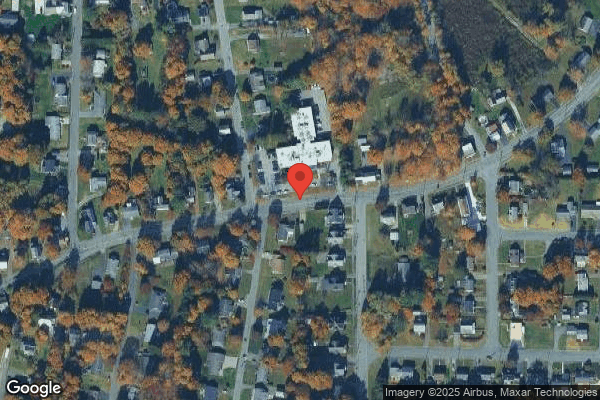
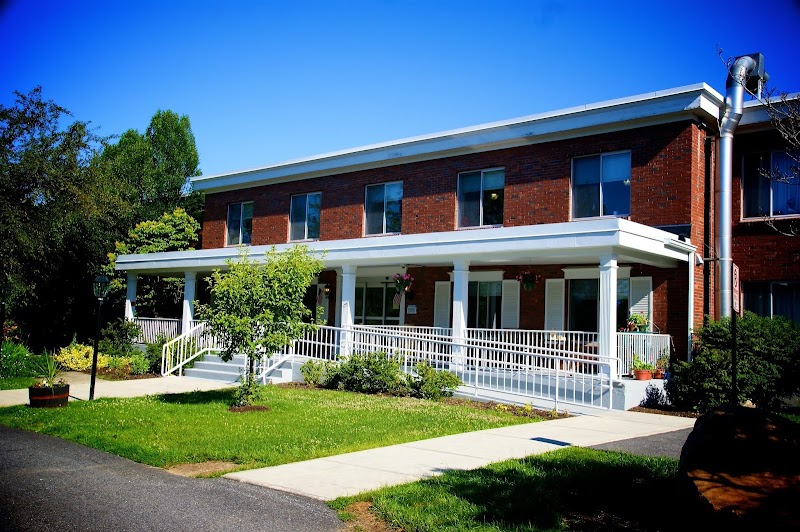
175 FRANKLIN STREET, NORTH ADAMS, MA 01247 (413) 664-4041
Non profit - Corporation 119 Beds INTEGRITUS HEALTHCARE Data: November 2025
Trust Grade
70/100
#109 of 338 in MA
Last Inspection: July 2024

Within standard 12-15 month inspection cycle. Federal law requires annual inspections.

Overview

North Adams Commons Nursing & Rehabilitation Center has a Trust Grade of B, indicating it is a good choice among nursing homes. It ranks #109 out of 338 facilities in Massachusetts, placing it in the top half, and #5 out of 13 in Berkshire County, meaning only four local options are better. The facility is improving, having reduced its issues from 11 in 2023 to 3 in 2024. However, staffing is a concern, with a rating of 2 out of 5 stars and a high turnover rate of 57%, which is above the state average of 39%. There have been no fines recorded, which is a positive sign. On the downside, the facility has faced specific incidents, such as failing to ensure that a resident received necessary vaccinations, which could put their health at risk. Additionally, there was a lack of updated care plans reflecting changes in residents' medical conditions, which could lead to insufficient care. Despite these weaknesses, the facility does have some strengths, like maintaining an average level of RN coverage, which can help catch issues that might be missed by CNAs. Overall, while there are areas for improvement, North Adams Commons could be a solid option to consider.

Trust Score
B
70/100
In Massachusetts
#109/338
Top 32%
Safety Record
Low Risk
No red flags
Inspections
Getting Better
11 → 3 violations
Staff Stability
⚠ Watch
57% turnover. Above average. Higher turnover means staff may not know residents' routines.
Penalties
✓ Good
No fines on record. Clean compliance history, better than most Massachusetts facilities.
Skilled Nurses
○ Average
Each resident gets 35 minutes of Registered Nurse (RN) attention daily — about average for Massachusetts. RNs are the most trained staff who monitor for health changes.
Violations
⚠ Watch
19 deficiencies on record. Higher than average. Multiple issues found across inspections.
★★★★☆
4.0
Overall Rating
★★☆☆☆
2.0
Staff Levels
★★☆☆☆
2.0
Care Quality
★★★★☆
4.0
Inspection Score
Stable
2023: 11 issues
2024: 3 issues

The Good

  • Full Sprinkler Coverage · Fire safety systems throughout facility
  • No fines on record

Facility shows strength in fire safety.

The Bad

Staff Turnover: 57%

10pts above Massachusetts avg (46%)

Frequent staff changes - ask about care continuity

Chain: INTEGRITUS HEALTHCARE

Part of a multi-facility chain

Ask about local staffing decisions and management

Staff turnover is elevated (57%)

9 points above Massachusetts average of 48%

The Ugly 19 deficiencies on record

Jul 2024 3 deficiencies
CONCERN (D)

Potential for Harm - no one hurt, but risky conditions existed

Comprehensive Care Plan (Tag F0656)

Could have caused harm · This affected 1 resident

**NOTE- TERMS IN BRACKETS HAVE BEEN EDITED TO PROTECT CONFIDENTIALITY** Based on interview, record and policy review, the facility failed to ensure that one Resident (#84), out of five residents revie...

Read full inspector narrative →
**NOTE- TERMS IN BRACKETS HAVE BEEN EDITED TO PROTECT CONFIDENTIALITY** Based on interview, record and policy review, the facility failed to ensure that one Resident (#84), out of five residents reviewed for unnecessary medications, out of a total sample of 19 residents, had a care plan developed for the use of an anticoagulant (anticoagulant or blood thinner medication used to prevent or treat blood clots in blood vessels and the heart) medication. Specifically, the facility failed to develop a care plan for Resident #84 for Eliquis (anticoagulant medication) that addressed the risks, potential side effects, and monitoring associated with the use of the medication. Findings include: Review of the facility policy titled Anticoagulant Therapy, revised 7/18/18, indicated the following under nursing considerations: -Observe for signs of bleeding: blood in the urine or stool (black, tarry stools), bleeding gums, nose, small purplish, hemorrhagic spots (collection of small blood pools beneath the skin) on the skin, excessive and easy bruising, bleeding from tumors, ulcers, or lesions (organ or tissue which has suffered damage from injury or disease), confusion or mental status changes, -Administer at the same time daily -Recognize possible food interactions -Recognize possible drug interactions -Be aware of changes in hepatic (liver) and renal (kidney) function Review of the facility policy titled Care Planning, revised 6/21/19, indicated: -a comprehensive person-centered care plan will be developed and implemented for each resident, consistent with the resident rights that include measurable objectives and timeframes to meet a resident's medical, nursing, and mental and psychosocial needs that are identified in the comprehensive assessment. -The standardized care plan must be individualized for the resident by adding care needs/preferences, interventions, and resident specific strategies based on the assessment of a resident's needs, strengths, goals, life history, and preferences. Resident #84 was admitted to the facility in March 2024, with diagnoses including Cerebral Vascular Accident (stroke- damage to the brain due to the interruption of blood supply to a part of the brain), difficulty ambulating (walking), and falls. Review of a Social Service Note dated 5/8/24, indicated that Resident #84 was readmitted to the facility after hospitalization for a fall and was found to have a right sided Pulmonary Embolism (sudden blockage of a pulmonary artery by a blood clot which stops blood flow to the lungs). Review of the Minimum Data Set (MDS) assessment dated [DATE], indicated the following: -Resident #84 had severe cognitive impairment as evidenced by a Brief Interview of Mental Status (BIMS) score of 1 out of a total score of 15. -Received anticoagulant medication during the assessment period. Review of the June 2024 and July 2024 Physician's orders, indicated the following: -Eliquis 5 milligrams (mg), one tablet twice daily for Pulmonary Embolism, initiated 5/12/24 (changed from two tablets twice daily initiated on 5/6/24) Review of the June 2024 and July 2024 Medication Administration Records (MARs) indicated that Eliquis was administered as ordered from 6/1/24 through 7/18/24. Review of the Care Plan Meeting Form completed on 7/8/24, indicated that all nursing concerns were addressed on the Resident's care plan and that all nursing care plan goals and interventions were reviewed and updated. Review of Resident 84's clinical record indicated no documented evidence that a plan of care was developed for the Eliquis medication which included the risks, potential side effects and monitoring for the medication use. During an interview on 7/19/24 at 4:07 P.M., the Corporate MDS Nurse said resident care plans were reviewed and revised during the MDS assessments which were scheduled quarterly and with significant changes. The Corporate MDS Nurse said a care plan to address the Resident's use of anticoagulant medication should have been developed which would address monitoring and potential side effects of the medication including changes in mentation, bruises, and bleeding. The Corporate MDS Nurse further said that the anticoagulant use and the Resident's history of falling would be important to know due to the increased risk of bleeding with the use of the anticoagulant medication.
CONCERN (D)

Potential for Harm - no one hurt, but risky conditions existed

Medical Records (Tag F0842)

Could have caused harm · This affected 1 resident

**NOTE- TERMS IN BRACKETS HAVE BEEN EDITED TO PROTECT CONFIDENTIALITY** Based on observation, interview, record and policy review, the facility failed to ensure that one Resident (#66) had a complete ...

Read full inspector narrative →
**NOTE- TERMS IN BRACKETS HAVE BEEN EDITED TO PROTECT CONFIDENTIALITY** Based on observation, interview, record and policy review, the facility failed to ensure that one Resident (#66) had a complete and accurate medical record, out of a total sample of 19 residents. Specifically, the facility failed to accurately monitor and document Resident #66's total fluid intake during a 24-hour period to ensure that he/she was maintaining the 1500 cubic centimeter (cc- unit of measure) Fluid Restriction ordered by the Physician, putting the Resident at increased risk of dehydration, fluid overload and other medical complications. Findings include: Review of the facility policy titled Monitoring of Intake and Output (I&O), revised 10/30/18, indicated intake and output measurement was instituted based on clinician judgement or Physician's order in order to monitor for fluid deficit/imbalance. The policy included the following: -Intake and output will be monitored for the following residents: >Upon Physician's orders >Residents receiving dialysis (procedure to remove waste products and excess fluid from the blood when the kidneys stop working properly) -Record amounts (in cc's) including amounts taken by mouth -Total shift and daily intake -Notify the Physician if clinical assessment for the resident indicates -Document: intake . in the resident's medical record, Physician notification and responses . Resident #66 was admitted to the facility in June 2024 with diagnoses including Hypertension (high blood pressure), End Stage Renal Disease (ESRD- condition in which the kidneys lose the ability to remove waste and balance fluids) and dependence on dialysis. Review of the Minimum Data Set (MDS) assessment dated [DATE], indicated the following: -Resident #66 was cognitively intact as evidenced by a Brief Interview of Mental Status (BIMS) score of 15 out of 15. -Received a therapeutic diet and diuretic medication (used to treat fluid retention or edema) -Was on dialysis while at the facility Review of the Hydration Care Plan initiated 6/6/24, indicated Resident #66 was at risk for alteration in hydration due to diuretic medication therapy and included the following interventions dated 6/6/24: -Establish fluid plan including meals, medication pass, and nourishments -Assess need to monitor intake Review of the Renal Dialysis Care Plan initiated 6/6/24, included the following intervention dated 6/6/24: -Fluid restriction as ordered with intake monitoring Review of the Nutrition Care Plan initiated 6/13/24, included the following interventions dated 6/13/24: -Monitor intake at all meals . -Encourage 100% consumption of all fluids provided -Document intake regarding solids and fluids consumed Review of the June 2024 and July 2024 Physician's orders included the following: -Torsemide (a diuretic medication), 60 milligrams (mg) daily on Mondays, Wednesdays, Fridays, and Sundays, initiated 6/11/24 -Diet: 2-3 gram Sodium Diet, regular texture and thin liquids, initiated 6/11/24 -Day (7:00 A.M. to 3:00 P.M.) Fluid Restriction 1500 ccs: (Total = 780 cc for Day) >Dietary: breakfast =240 cc, lunch = 240 cc; >Nursing Day =300 cc, add meal intake to total shift intake, initiated 6/11/24 -Evening (3:00 P.M. to 11:00 P.M.) Fluid Restriction 1500 ccs: (Total = 540 cc for Evening) >Dietary: dinner =240 cc; >Nursing Evening = 300 cc, add meal intake to total shift intake, initiated 6/11/24 -Nocturnal (11:00 P.M. to 7:00 A.M.) Fluid Restriction 1500 ccs: (Total = 180 cc for Nights) >Nursing Nocturnal = 180 cc, initiated 6/11/24 -11:00 P.M. to 7:00 A.M. Nurse to total 24-hour fluid restriction, if greater than 1500 cc for 24 hours, the Physician needs to be notified, initiated 6/11/24 (780 cc (Day) + 540 cc (Evening) + 180 cc (Night) = 1500 cc [Daily Total]) Review of the June and July 2024 Medication Administration Records (MARs) indicated the following: -Torsemide 60 mg was administered as ordered from 6/19/24 through 7/17/24, except on 6/21/24 (indicated the medication was held) -Intake amounts (fluid amount documented each shift on the following dates) that were over the 1500 cc Fluid Restriction despite the 24-intake total fluid amount of 1500 cc being documented: >7/4/24 = 1640 cc >7/10/24 = 2150 cc >7/14/24 = 1920 cc >7/16/24 = 1600 cc Further review of the June and July 2024 MARs indicated: - M (indicating missed/held or not administered) was documented for one or more shifts for fluid intake on: 7/1/24, 7/9/24, 7/12/24, and 7/17/24. -that the 24-hour fluid amount totals for June 2024 and July 2024 did not equal the total intake for fluids documented per shift with the exception of 7/16/24 (where the amounts for each shift equaled the amounts documented on the 24-hour total). During an interview on 7/19/24 at 8:39 A.M., the surveyor observed Resident #66 dressed and lying in bed. Resident #66 said that he/she had been going to dialysis for several years and was on a fluid restriction. On 7/19/24 at 2:57 P.M., the surveyor and the Director of Nursing (DON) reviewed the July 2024 MAR fluid intakes. The DON said for residents on fluid restrictions, the nursing staff were responsible for documenting the total fluids taken by the residents each shift, and that the 11:00 P.M. to 7:00 A.M. Nurse would total the amounts provided each shift and enter the total amount of fluids consumed by the resident under the 24-hour fluid total. The DON reviewed the documentation and said the total fluid amounts documented each shift for Resident #66 did not match the 24-hour fluid intake totals. The DON further said that inaccurate documentation of the total fluid amounts residents consumed could put them at risk for complications. On 7/19/24 at 3:50 P.M., the surveyor and Nurse #2 reviewed Resident #66's July 2024 MAR. Nurse #2 who worked with Resident #66 and also worked the 11:00 P.M. to 7:00 A.M. (night) shift said when a resident was on Intake and Output monitoring, the night shift Nurse would obtain the fluid intake amount totals from the previous shifts, would total the fluid intake amounts, and document the information under the 24-hour total fluids. Nurse #2 reviewed the July 2024 MAR documentation and said there were some days that fluid amounts were missing for some shifts for Resident #66, and that the total amount of fluids for the 24-hour documentation should equal the totals provided per shift but the totals did not match. Nurse #2 further said that it was important to accurately document fluid intake for Resident #66 because he/she was on dialysis and was at increased risk for fluid status changes, dehydration, and that fluid amounts could affect his/her dialysis prescription (individualized for Resident #66).
CONCERN (E)

Potential for Harm - no one hurt, but risky conditions existed

Deficiency F0883 (Tag F0883)

Could have caused harm · This affected multiple residents

**NOTE- TERMS IN BRACKETS HAVE BEEN EDITED TO PROTECT CONFIDENTIALITY** 4. Resident #55 was admitted to the facility in October 2023, with diagnoses including Dementia, Hypertension (high blood pressu...

Read full inspector narrative →
**NOTE- TERMS IN BRACKETS HAVE BEEN EDITED TO PROTECT CONFIDENTIALITY** 4. Resident #55 was admitted to the facility in October 2023, with diagnoses including Dementia, Hypertension (high blood pressure) and Shortness of Breath. Review of Resident #55's medical record indicated the Resident was over [AGE] years of age. Review of Resident #55's Vaccination Administration Record, printed and provided by the facility on 7/18/24, indicated that the Resident received one dose of Prevnar 13 on 7/30/15. Further review of Resident #55's Immunization Report indicated no documented evidence the Resident had received any other dose of Pneumococcal Vaccination. During an interview on 7/18/24 at 2:51 P.M., Nurse #3 said that she was the Infection Preventionist (IP) until a few weeks ago. Nurse #3 said that she could not recall why Resident's #25, #46, #84, and #55, were not offered Pneumococcal Vaccinations. Nurse #3 was unable to provide any evidence that education had been offered, and consents obtained for Pneumococcal Vaccination to the Residents upon admission or since admission to the facility. During an interview on 7/19/24 at 1:12 P.M., the Regional Corporate Nurse said Resident's #25, #46, #84, and #55, were overdue for their Pneumococcal Vaccinations. The Regional Corporate Nurse said the facility follows the CDC guidelines and that these Residents should have been offered a Pneumococcal Vaccination upon admission, but they had not been offered. Based on interview, record and policy review, the facility failed to ensure that its staff offered the Pneumococcal (infections caused by bacteria called Streptococcus Pneumoniae, or Pneumococcus that can cause Pneumonia and blood stream infections) Vaccination as recommended to four Residents (#25, #46, #84, and #55), out of five applicable residents, out of a total sample of 19 residents. Specifically, the facility failed to ensure that Pneumococcal Vaccinations were offered to, received by, or declined by Residents #25, #46, #84, and #55, at the time of admission or shortly thereafter, putting the Residents at risk for developing facility acquired Pneumonia. Findings include: Review of the facility policy titled Resident Pneumococcal Immunization, effective 9/2011, and revised 9/1/23, indicated: -Residents .will be offered immunization to protect them from Pneumococcal disease unless the vaccine is medically contraindicated, or the resident has already been immunized. -Pneumococcal Immunizations will be provided as recommended by the Center for Disease Control and Prevention (CDC) Advisory Committee for Immunization Practices (ACIP) recommendations. -Immunization status will be reviewed to determine eligibility for immunization. -CDC link Pneumococcal Vaccine Timing for Adults greater than or equal to 65 years (cdc.gov) included other adults and indicated that adults age [AGE]-64 with certain underlying medical conditions or other risk factors who have not previously received a Pneumococcal Conjugate Vaccine (PCV - a vaccine that helps protect against diseases caused by pneumococcal bacteria) or whose previous vaccination status is unknown should receive one dose of PCV (either PCV20 or PCV15), adults who have received PPSV23 (Pneumococcal Polysaccharide Vaccine 23) only may receive a Pneumococcal Conjugate Vaccine (either PCV20 or PCV15) equal to or greater than one year after their last PPSV23 dose. -Residents with unknown or uncertain immunization status may be immunized, as the benefit of immunization outweighs any risk related to re-immunization. -If there is no prior evidence of vaccination, vaccine status is unknown or uncertain, the vaccine will be offered in accordance with CDC ACIP recommendations. 1. Resident #25 was admitted to the facility in May 2023, with diagnoses of Diabetes (disease in which the body's ability to produce or respond to the hormone insulin is impaired resulting in elevated blood glucose [sugar] levels in the blood), Dementia (a group of conditions characterized by impairment of at least two brain functions, such as memory and loss of judgment), and Normal Pressure Hydrocephalus (a build-up of spinal fluid and pressure in the brain) and age was greater than 65 at the time of admission. Review of Resident #25's Immunization History Report printed and provided by the facility on 7/18/24 indicated: -Pneumovax 23 administered on 12/15/05 -Pneumovax 23 administered on 4/12/11 -Prevnar 1 .[sic] administered on 2/12/15 Review of Resident #25's clinical record did not provide any evidence of education or an offer of a Pneumococcal Vaccination upon admission, or at any time since the Resident's admission to the facility. 2. Resident #46 was admitted to the facility in January 2023, with diagnoses of Chronic Obstructive Pulmonary Disease (COPD - a group of lung diseases that block airflow and make it difficult to breathe), Diabetes, and Schizophrenia (re-occurring episodes of psychosis correlated with a general misperception of reality) and age was greater than 65 at the time of admission. Review of Resident #46's Immunization History Report printed and provided by the facility on 7/18/24 indicated: -Prevnar 1 .[sic] administered on 1/22/11 -Pneumococcal (did not indicate type) on 5/6/15 Review of Resident #25's clinical record did not provide any evidence of education or an offer of a Pneumococcal Vaccination upon admission to the facility. 3. Resident #84 was admitted to the facility in March 2024 with diagnoses of Cerebral Infarction (stroke: damage to tissues in the brain caused by blood clots, disrupted blood supply and restricted oxygen supply to the specific area) and Supraventricular Tachycardia (a fast heart rate causing palpitations, shortness of breath, and chest pain) and age was greater than 65 at the time of admission. Review of Resident #84's clinical record did not provide any immunization history or evidence of education or an offer of a Pneumococcal Vaccination upon admission to the facility.
Apr 2023 11 deficiencies
CONCERN (D)

Potential for Harm - no one hurt, but risky conditions existed

Deficiency F0645 (Tag F0645)

Could have caused harm · This affected 1 resident

Based on interview and record review, the facility failed to ensure a Level I Preadmission Screening and Resident Review (PASRR- screen to determine if a resident has intellectual or developmental dis...

Read full inspector narrative →
Based on interview and record review, the facility failed to ensure a Level I Preadmission Screening and Resident Review (PASRR- screen to determine if a resident has intellectual or developmental disabilities and/or serious mental illness and is in need of further evaluation) and a Level II PASRR (evaluation done if it was determined by the Level I screen that a resident had an intellectual or developmental disability and/or serious mental illness and if resident was in need of additional support services at the facility) for two Residents (#51 and #5) out of a total sample of 18 residents. Specifically, 1. For resident #51, the facility staff failed to complete a Level I PASRR screen prior to the Resident's admission, and 2. For Resident #5, facility staff failure to request a Level II PASRR evaluation when the Resident exceeded their 30-day convalescent care stay. Findings include: Review of the facility policy titled Preadmission Screening and Resident Review (PASRR), revised 4/12/19, indicated the following: -Ensure that a Level One screening was completed for all individuals before admission . -Retain all supporting clinical documentation, including the Level I Form, medical records, PASRR Determination Notices -Expiration of an Exempted Hospital Discharge (EHD) or Categorical Determination (CD) (SMI-Severe Mental Illness Only) -Facility determines that resident will not be discharged before expiration of the CD selected below and is requesting Level II PASRR DMH/Designee. -Convalescent Care -Provisional Emergency -Respite Care 1. Resident #51 was admitted to the facility in August 2019 with a diagnosis of Post-Traumatic Stress Disorder(PTSD), Major Depressive Disorder, Psychotic Disorder with delusions, and Anxiety Disorder. Review of Resident #51's Level I PASRR indicated it was not completed until 2/20/23. During an interview on 4/12/23 at 9:29 A.M., the Social Worker (SW) said she was a newer Social Worker and prior to taking her position at the facility had never completed PASRRs. She said Level I's should be completed prior to a resident being admitted to the facility. She further said she had identified residents within the building who did not have either Level I or Level II PASRRs completed, and Resident #51 was one of those residents which is why his Level I was not done until years after his/her admission. 2. Resident #5 was admitted to the facility in September 2009 with diagnoses of Schizoaffective Disorder, Depression, Anxiety, Personality Disorder, and Rage Disorder. Review of Resident #5's Level I PASRR dated 9/11/09 indicated he/she was convalescent care as certified by a Physician, not to exceed 30 days directly following an acute inpatient hospital stay. Further review of the Resident's medical record indicated the Resident remained at the facility for long term care (past the 30-day convalescent care exemption). Additional review of the Resident's medical record indicated that a Level II PASRR had not been completed once the Resident went past 30 days residing in the facility. During an interview on 4/12/23 at 11:29 A.M., the SW said Resident #5 had never had a Level II PASRR completed. The SW said she was unsure at this time if he/she should have had a Level II PASRR done since it had been so long.
CONCERN (D)

Potential for Harm - no one hurt, but risky conditions existed

Comprehensive Care Plan (Tag F0656)

Could have caused harm · This affected 1 resident

**NOTE- TERMS IN BRACKETS HAVE BEEN EDITED TO PROTECT CONFIDENTIALITY** Based on observation, interview, record and policy review, the facility failed to develop and/or implement comprehensive person-...

Read full inspector narrative →
**NOTE- TERMS IN BRACKETS HAVE BEEN EDITED TO PROTECT CONFIDENTIALITY** Based on observation, interview, record and policy review, the facility failed to develop and/or implement comprehensive person-centered care plans for two Residents (#1 and #79) out of a total sample of 18 residents. Specifically, the facility staff failed to: 1. For Resident #1, ensure implementation of a fluid restriction as ordered by the Physician, and 2. For Resident # 79, ensure a comprehensive cognitive care plan was developed, as required. Findings include: Review of the facility policy titled, Fluid Restriction, dated January 2009, indicated the following: -When a Physician orders a fluid restriction due to specific clinical condition, close monitoring will be provided to maintain adequate hydration. -Maintain strict fluid intake. -Document intake in medical record 1. Resident #1 was admitted to the facility in November 1996 with diagnoses including Chronic Kidney Disease (CKD- condition in which the kidneys are damaged and cannot filter blood as they should), Stage 4 (severe). Review of the Minimum Data Set (MDS) assessment, dated 2/24/23, indicated the Resident received dialysis ( procedure where a dialysis machine and a special filter are used to remove excess water and toxins from the blood when the kidneys no longer function naturally). Review of the Physician's orders, dated 4/12/23, indicated an order for a fluid restriction of 1500 mls (milliliters) a day, initiated 5/17/22. Review of the Medication Record (MAR), dated 4/12/23, did not indicate that fluid intake from each shift was being totaled daily. Upon further review, the intake documentation indicated the Resident had exceeded his/her fluid restriction on the following five out of 11 previous days. -4/4/23-1560 ml -4/6/23-1540 ml -4/7/23-2000 ml -4/8/23-2140 ml -4/10/23-1880 ml During an interview on 4/12/23 at 1:52 P.M., Unit Manager (UM) #1 reviewed the intake documentation with the surveyor and said the Resident had exceeded his/her fluid restriction amount on 4/4/23, 4/6/23, 4/7/23, 4/8/23, and 4/10/23. She said that totaling the intake from each shift had not been done, and it was not assigned to be done by any specific person or shift. She further said that the Physician and dialysis center should have been notified when the fluid intake had been exceeded. 2. For Resident #79, the facility failed to ensure its staff developed timely a cognitive care plan for the Resident with a brain injury that impaired his/her cognition. Resident #79 was admitted to the facility in October 2022 with diagnoses of Anoxic Brain Injury (an injury to the brain when there is a lack of oxygen causing brain cell death) and unspecified Dementia. Review of the MDS assessment dated [DATE] indicated the Resident had severely impaired cognition skills for daily decision making and both long term memory and short term memory were impaired. Further review of the MDS assessment indicated the Care Area Assessment (CAA) was triggered for Cognitive Loss/Dementia and a care plan should have been created. Review of the Resident's cognitive care plan indicated that the care plan had not been created until 1/11/23 almost three months post admission. During an interview on 4/13/23 at 9:53 A.M., the Social Worker said a comprehensive cognitive care plan was not completed until January 2023. She further said there should have been a cognitive care plan developed by the Resident's first care plan meeting which was on 10/26/22 and this was not done, as required.
CONCERN (D)

Potential for Harm - no one hurt, but risky conditions existed

ADL Care (Tag F0677)

Could have caused harm · This affected 1 resident

Based on observation, interview, record and policy review, the facility failed to provide Activities of Daily Living (ADLs-activities related to personal care) assistance for one dependent Resident (#...

Read full inspector narrative →
Based on observation, interview, record and policy review, the facility failed to provide Activities of Daily Living (ADLs-activities related to personal care) assistance for one dependent Resident (#18) out of a total sample of 18 residents. Specifically, facility staff failed to assist with grooming and nail care. Findings include: Review of the facility policy titled; Activities of Daily Living dated 11/14/16 indicated the following: -Each resident will receive the necessary care and services to attain or maintain the highest practicable physical, mental and psychosocial well being consistent with the resident's comprehensive plan of care. -The facility will provide care and services for the following activities of daily living: Hygiene (bathing dressing grooming, and oral care). Resident #18 was admitted to the facility in October 2022. Review of the Minimum Data Set (MDS) assessments dated 10/12/22, 1/5/23 and 3/31/23 indicated the Resident required extensive assistance for personal hygiene which included combing hair, brushing teeth, shaving, and washing/drying face and hands. During an observation and interview on 4/11/23 at 8:14 A.M., the surveyor observed an overgrowth of facial hair on the Resident, as well as flaky facial skin. The Resident said he/she needed help removing his/her facial hair and preferred not to have any facial hair. The resident further said he/she had lotion for his/her dry skin but needed help putting it on, that there used to be a lady here who fixed my face and hair, but she is only here part time, and that his/her toenails were too long and he/she wanted them cut. During an observation and interview on 4/12/23 at 11:16 A.M., the surveyor observed the Resident lying in his/her bed and facial hair was still present. He/she said he/she would have loved it removed, but he/she needed help. During an observation and interview on 4/12/23 at 2:36 P.M., the surveyor observed the Resident lying in his/her bed, Resident Representative (RR) #1 at his/her bedside and the Resident had no facial hair. RR #1 said the staff are very inconsistent with Resident #18's personal care needs, particularly with facial hair removal and he/she wasn't sure what the facility protocol entailed, such as needing to request facial hair removal or if staff were supposed to do this automatically. RR #1 further said he/she didn't think there was enough staff at the facility to assist with these extra tasks. During this time, Certified Nursing Assistant (CNA) #1 arrived in Resident #18's room and said she had assisted Resident #18 with personal care a little while ago and noticed right away the Resident's facial hair was too long and had not been taken care of in quite some time. She further said facial hair removal is part of routine personal care and should be completed regularly. In addition, CNA #1 said that a Podiatrist (foot care doctor) regularly comes to the facility and cuts toenails for residents who have requested these services. Both Resident #18 and RR #1 said they would like the Resident's toenails trimmed because he/she was unable to take care of it him/herself. During an interview on 4/12/23 at 3:08 P.M., Nurse #2 said part of the facility admission process included consent for Health Drive (a contracted company which provide services including podiatry) and if a resident consented, that consent is then faxed along with the resident's demographic information to Health Drive to sign up for services. Review of the Resident's record indicated no evidence of a Health Drive consent or request for services. The surveyor requested the Unit Manager (UM) #1 attempt to determine whether the Resident and/or his/her Representative had completed a consent upon admission. During an interview on 4/12/23 at 3:14 P.M., Unit Manager (UM) #1 said she located Resident #18's Health Drive consent in an overflow chart. The surveyor reviewed with UM #1, the consent and request for services dated and signed by the Resident's Representative on 10/6/22 and observed the Resident requested podiatry services. UM #1 said once the consent was faxed to Health Drive, the Resident should have been placed on a list for podiatry and he/she would have been automatically scheduled for a visit. She further said she had no evidence this consent was faxed to Health Drive.
CONCERN (D)

Potential for Harm - no one hurt, but risky conditions existed

Pressure Ulcer Prevention (Tag F0686)

Could have caused harm · This affected 1 resident

Based on interview and record review, the facility failed to provide treatment, consistent with professional standards of practice, to promote the healing of existing pressure ulcer/injuries (also kno...

Read full inspector narrative →
Based on interview and record review, the facility failed to provide treatment, consistent with professional standards of practice, to promote the healing of existing pressure ulcer/injuries (also known as pressure sores, pressure injuries, or bed sores: areas of localized damage to the skin and/or underlying tissue that usually occur resulting from prolonged pressure on a given area of the body) for one Resident (#48) out of a total sample of 18 residents. Specifically, the facility failed to implement dietary recommendations for treatment of a pressure ulcer. Findings include: Advances in Skin & Wound Care professional standards by Munoz, N, et.al. (2020). The Role of Nutrition for Pressure Injury Prevention and Healing: The 2019 International Clinical Practice Guideline Recommendations. aswcjournal.com. Retrieved April 28, 2023 from www.aswcjournal.com indicate the following recommendations: -consider the impact of impaired nutritional status on the risk of pressure injuries -conduct nutritional screening for individuals at risk of pressure injury -conduct a comprehensive nutrition assessment for all adults with a pressure injury -develop and implement an individualized nutrition care plan for individuals with pressure injury . -offer high-calorie, high protein fortified foods and/or nutritional supplements in addition to the usual diet . Resident #48 was admitted to the facility in January 2023 with diagnoses including Type 2 Diabetes and Vitamin D deficiency. Review of the Wound Care Nurse Practioner's Progress Note dated 3/20/23 indicated the following: -The Resident had a Stage 4 Pressure Ulcer (pressure injury that is very deep reaching into the layers of muscle and to the bone) on his/her sacral (lower back) region. -Dietary follow to assess for the possible implementation of a multivitamin to help wound healing. Further review of the Wound Care Nurse Practioner's Progress Notes dated 3/27/23, 4/3/23, and 4/10/23 also indicated that she recommended the implementation of a multivitamin. Review of the dietary note dated 3/20/23 indicated the Dietitian followed up on the Wound Care Nurse Practioner's visit and made the recommendation to implement Arginaid Extra (a nutritional supplement for people with wounds) 8 ounces (oz) twice daily (BID) and a Multivitamin with minerals (MVI/minerals-which can aid in providing the body with extra vitamins and minerals to improve wound healing) supplement. Review of the Physician's orders for March 2023 and April 2023 indicated the recommendation from the Dietitian to implement the Arginaid Extra and the MVI/minerals was never implemented. During a phone interview on 4/12/23 at 2:45 P.M., with the Dietician, she said she emails recommendations to the Director of Nursing (DON) and Unit Manager (UM) as she was currently teleworking, and the DON or Unit Manager then would give the recommendation to the Resident's Physician to obtain orders. She said she saw her note that indicated she recommended the Arginaid Extra and the MVI/minerals but it did not appear that her email recommendation went through to the DON. She further said had her recommendations for the dietary supplements been implemented, she would have hoped to see some additional healing of the wound.
CONCERN (D)

Potential for Harm - no one hurt, but risky conditions existed

Deficiency F0692 (Tag F0692)

Could have caused harm · This affected 1 resident

**NOTE- TERMS IN BRACKETS HAVE BEEN EDITED TO PROTECT CONFIDENTIALITY** Based on interview and record review, the facility failed to implement the recommendations of the facility Dietitian intended to...

Read full inspector narrative →
**NOTE- TERMS IN BRACKETS HAVE BEEN EDITED TO PROTECT CONFIDENTIALITY** Based on interview and record review, the facility failed to implement the recommendations of the facility Dietitian intended to improve the impaired nutritional status of one Resident (#64) out of a total sample of 18 residents. Specifically, the facility staff failed to ensure the Resident was ordered for Ensure Plus (a nutrition supplement) as recommended by the Dietitian. Findings include: Resident #64 was admitted to the facility in September 2022 with diagnoses including Chronic Obstructive Pulmonary Disease (COPD-lung disease that block airflow and make it difficult and uncomfortable to breathe), Congestive Heart Failure (CHF-the heart cannot pump blood as it should causing fluid buildup in the lungs), and Atrial Fibrillation (Afib-irregular, often rapid heart rate that causes poor blood flow and blood clots). Review of the most recent Minimum Data Set (MDS) assessment dated [DATE], indicated the Resident had a 5% or more weight loss in one month or a 10% or more weight loss in six months. Review of the Resident's weight record indicated the Resident weighed 134 pounds (lbs) on 9/21/22 and on 4/10/23 weighed 120.4 lbs indicating a weight loss of over 10% in six months. Review of the dietary progress note dated 3/25/23 indicated the Resident had lost 11% of his/her body weight over six months, some of which could be related to the Resident's use of diuretics (medication used to remove fluid from the body when someone has a diagnosis of CHF) but that the Resident may benefit from Ensure Plus twice daily (BID). Review of the March 2023 and April 2023 Physician's orders did not indicate the recommendation from the Dietitian for the Ensure Plus-BID had been implemented until 4/12/23 when the surveyor asked about the supplement. During a phone interview on 4/12/23 at 2:56 P.M., with the Dietitian, she said she had made the recommendation on 3/10/23 for the Ensure Plus as the Resident had lost weight. She further said once she relays the recommendation to nursing, they get the order from the Physician, and this did not appear to have been done. The Dietitian said the implementation of the Ensure Plus would help the Resident to maintain his/her current weight as he/she was at a good body mass index (BMI) currently.
CONCERN (D)

Potential for Harm - no one hurt, but risky conditions existed

Respiratory Care (Tag F0695)

Could have caused harm · This affected 1 resident

Based on observation, interview and record review, the facility failed to provide appropriate respiratory care and services for one Resident (#59) out of a total sample of 18 residents. Specifically,...

Read full inspector narrative →
Based on observation, interview and record review, the facility failed to provide appropriate respiratory care and services for one Resident (#59) out of a total sample of 18 residents. Specifically, the facility staff failed to ensure that Resident #59's respiratory equipment was adequately maintained and replaced to prevent contamination and infection. Findings include: Review of the AIRVO 2 (an integrated humidifier and flow generator that delivers low to high levels of heated, humidified air, using sterile/distilled water) user manual, undated, indicated the following: -The accessories for the unit must be changed frequently to avoid the risk of infection. -The unit utilizes warm water and can pose a risk of bacterial colonization and risk of patient infection if cleaning, disinfection and replacement procedures are not followed. Resident #59 was admitted to the facility in December 2022 with a tracheostomy (opening in the neck and into the windpipe that allows air to enter the lungs through a tube that is placed into it) tube. Review of the Active Orders Report, printed on 4/12/23 indicated the following orders relative to the AIRVO 2 system: -Check the water level in the bag of the AIRVO 2 system. -Check AIRVO 2 system settings every shift. -Change corrugated tubing for Oxygen humidification on the evening shift monthly on the 10th and 25th. During an interview and observation on 4/11/23 at 5:02 P.M., Resident # 59 said that he/she managed his/her own tracheostomy care, for the most part. He/she said that the bag of water that hung from the pole next to the bed was used at night for humidification to keep his/her tracheostomy moist. Resident #59 said that he/she thought it should be changed more frequently but was not sure. He/she said that the staff refill the water bag by unscrewing the top of the bag (currently dated 3/4/23), fill it, close it, and hang it back up. He/she said that the date on the water bag was the last time he/she recalled it being changed. During an interview on 4/12/23 at 8:44 A.M., Nurse #1 said that a Respiratory Therapist (RT) who works for O2 Safe Solutions came to the facility to see the Resident every three to four weeks. During an interview on 4/12/23 at 9:17 A.M., the Staff Development Coordinator (SDC) said that when she removed the bag this morning, she noted the date to be 3/4/23. She additionally said that the water bag should be changed every two weeks for cleanliness, that currently there was no order to indicate that the staff should change out the water bag every two weeks or as needed. During an interview on 4/12/23 at 1:49 P.M., with the RT from O2 Safe Solutions, he said that the AIRVO 2 is a closed system that provided humidification to the Resident via the tracheostomy. He said that included in this closed system is the water bag. He said that all parts of the system, including the water bag should be changed every two to three weeks. He further said that the last time the water bag had been replaced was on 3/4/23. The RT said that during his last visit at the end of March, he should have changed out the water bag when he replaced the other components of the AIRVO 2 system, but did not.
CONCERN (D)

Potential for Harm - no one hurt, but risky conditions existed

Deficiency F0698 (Tag F0698)

Could have caused harm · This affected 1 resident

**NOTE- TERMS IN BRACKETS HAVE BEEN EDITED TO PROTECT CONFIDENTIALITY** Based on observations, interviews, record and policy review, the facility failed to ensure its staff provided care consistent wi...

Read full inspector narrative →
**NOTE- TERMS IN BRACKETS HAVE BEEN EDITED TO PROTECT CONFIDENTIALITY** Based on observations, interviews, record and policy review, the facility failed to ensure its staff provided care consistent with professional standards of practice related to hemodialysis (dialysis - a treatment to filter waste and water from the blood) for one Resident (#14) out of a total sample of 18 residents. Specifically, the facility failed to ensure: 1. an individualized dialysis Physician's order was in place for hemodialysis treatments, and 2. appropriate equipment was in place to manage a possible hemorrhage from a dialysis access device (a way to reach the blood to perform hemodialysis). Findings include: Review of the facility policy titled, Dialysis Residents, Coordination of care of, revised 11/19/18, indicated the following: -Obtain a Physician's order which includes a dialysis schedule, name of the dialysis center, dialysis access, and monitoring and care of the access site. -The nursing facility remains responsible for the overall quality of care the resident receives including .providing emergency care of the access device per Physician's order. Resident #14 was admitted to the facility in December 2022 with a diagnosis of End Stage Renal Disease (ESRD) and required hemodialysis. Review of the Minimum Data Set (MDS) assessment dated [DATE] indicated the Resident received dialysis. Further review of the MDS assessment indicated the Resident's cognitive status was mildly impaired as evidenced by a Brief Interview for Mental Status (BIMS) score of 12 out of 15. During an observation and interview on 4/11/23 at 9:55 A.M., Resident #14 said he/she goes to dialysis every Monday, Wednesday and Friday. The surveyor asked where his/her dialysis access was located, and the Resident pulled down the front of his/her hospital gown and showed the surveyor a catheter imbedded into his/her upper right chest. 1. Review of the Physician's orders indicated the following: -Dialysis: intravenous access right chest - monitor every shift for signs and symptoms of infection, ensure the dressing is clean, dry and intact and ensure there are non-toothed clamps (a clamp used to stop blood from flowing from the catheter that will not perforate the catheter device) at bedside, initiated 1/4/23. Further review of the Physician's orders indicated no order that included the Resident's dialysis schedule or the name of the dialysis center that provided the service for the Resident. During an interview on 4/12/23, Unit Manager (UM) #1 said there was not an individualized Physician's order in place indicating which days and where the Resident received dialysis services and there should have been. 2. During an observation and interview on 4/11/23 at 4:17 P.M., the surveyor observed the Resident lying in his/her bed. The surveyor did not observe any emergency equipment, specifically, a non-toothed clamp, at the Resident's bedside, as required. The Resident gave permission for the surveyor to check in his/her nightstand drawers, as well as in his/her closet for the clamp, and no clamp was located. During an observation and interview on 4/12/23 at 1:31 P.M., the surveyor observed Nurse #3 caring for Resident #14 after he/she returned from his/her dialysis treatment. The surveyor asked Nurse #3 where the Resident's dialysis access was located. Nurse #3 pointed out the Resident's catheter imbedded in his/her right chest. The surveyor then asked Nurse #3 what she would do if there was a bleeding emergency related to the Resident's catheter becoming damaged or dislodged. Nurse #3 said there should always be a clamp available at the Resident's bedside to place on the catheter. At that time, she looked around the Resident's room for the clamp, however she was unable to locate one and said there should have been one at the Resident's bedside.
CONCERN (D)

Potential for Harm - no one hurt, but risky conditions existed

Deficiency F0761 (Tag F0761)

Could have caused harm · This affected 1 resident

**NOTE- TERMS IN BRACKETS HAVE BEEN EDITED TO PROTECT CONFIDENTIALITY** Based on observation and interview, the facility failed to ensure medications used for wound care treatment were stored in such ...

Read full inspector narrative →
**NOTE- TERMS IN BRACKETS HAVE BEEN EDITED TO PROTECT CONFIDENTIALITY** Based on observation and interview, the facility failed to ensure medications used for wound care treatment were stored in such a way that only authorized persons had access to them on one unit (Unit Two) out of two units observed. Findings Include: Review of the facility policy titled Storage of Medications, revised 6/10/22, indicated the following: -Medication and biologicals are stored safely, securely, and properly .The medication supply is accessible only to licensed nursing personnel, pharmacy personnel. -Medication rooms, carts, and medication supplies are locked or attended by persons with authorized access. On 4/11/23 at 8:06 A.M., the surveyor observed three containers of Acetic Acid (a cleanser used for wounds) stored on a small dresser directly near the door of room [ROOM NUMBER] and one bottle of Dermal Wound Cleanser (a cleanser used for wounds) stored on the television stand in room [ROOM NUMBER] on Unit Two. On 4/13/23 at 7:31 A.M., the surveyor observed the Acetic Acid and Dermal Wound Cleanser still easily accessible to anyone who entered the room. The surveyor invited Nurse #4 to observe the room. Nurse #4 said the Acetic Acid and Dermal Wound Cleanser should not have been left in the Resident's room. She further said open items should be labeled and dated, that these items were not dated, and they should have been stored in a plastic bag in the treatment cart, not in the Resident's room. During an interview on 4/13/23 at 8:08 A.M., Nurse #4 removed the wound care items from the room. She said any treatment items should be stored and locked in the treatment cart. She said all wound care items used for a specific resident should be labeled and dated and the items in the room did not have a date on them when they were opened. She further said the wound care items should be dispensed at the treatment cart into a smaller container that contained only what was needed to perform the treatment and if the big containers were brought into the resident room they were no longer clean and could not be used again and needed to be thrown away.
CONCERN (D)

Potential for Harm - no one hurt, but risky conditions existed

Medical Records (Tag F0842)

Could have caused harm · This affected 1 resident

Based on record review and interview, the facility failed to maintain complete and accurate medical records, that were readily accessible for two Residents (#59 and #45) out of a total sample of 18 re...

Read full inspector narrative →
Based on record review and interview, the facility failed to maintain complete and accurate medical records, that were readily accessible for two Residents (#59 and #45) out of a total sample of 18 residents. Specifically, 1. For Resident #59, the facility staff failed to ensure Respiratory Therapist (RT) visit notes were included in the Resident's medical record, and 2. For Resident #45, the facility staff failed to ensure the Nurse Practitioner (NP) and Endocrinologist visit notes were included in the Resident's medical record. Findings include: 1. Resident #59 was admitted to the facility in December 2022. On 4/11/23 at 5:02 P.M., the surveyor observed Resident #59 with a tracheostomy (an opening in the neck and into the windpipe that allows air to enter the lungs through a tube that is placed into it) tube and required respiratory equipment. During an interview on 4/12/23 at 8:44 A.M., Nurse #1 said that an RT works for O2 Safe Solutions came to the facility to see the Resident every three to four weeks. When the surveyor asked where the progress notes from the RT visits were located so that the surveyor may review them, Nurse #1 was unable to locate the RT visit notes in the chart and requested more time to find them. Additionally, she said that she was not sure where or to whom the visit notes went once the RT completed them. During a follow up interview, Nurse #1 said that she was unable to locate any visit notes but would reach out to the RT to obtain a copy of the notes. During an interview on 4/12/23 at 9:17 A.M., the Staff Development Coordinator (SDC) said that while the RT provides a verbal report to the nurse after each of visit, the facility should have a copy of the visit notes from the encounter, that are readily accessible for review. During an interview on 4/12/23 at 1:47 P.M., the Director of Nurses (DON) said that the RT hand writes his notes while offsite, after he has visited the Resident. She said that the current system is to have him hand deliver the visit notes at the time of the following scheduled visit, typically the following month, sometimes sooner. see F695 2. Resident #45 was admitted to the facility in January 2023 with a diagnosis of Type I Diabetes. During a clinical record review and interview on 4/11/23 at 4:45 P.M., the surveyor found no documented evidence of the NP or Endocrinologist visit notes to be readily accessible in the clinical record. The DON said that the NP visit notes were available through Meditech (an electronic medical record system not utilized by the facility staff). She printed all the visit notes from January 2023 until the present day and said that they were usually filed into the paper charts located on the units. Additionally, the DON provided a copy of the most recent Endocrinologist visit on 2/1/23 and said that both the NP notes and the Endocrinologist notes should have been in Resident #45's clinical record but they were not as required. During an interview on 4/12/23 at 1:39 P.M., when asked which staff had access to the Meditech program, the DON said that she herself, the Unit Managers (UMs) and maybe the Minimum Data Set (MDS) Nurse had Meditech access, and that it was limited to only a few selected staff. She further said that the NP wrote her notes in Meditech and faxed them to the facility where they were then expected to be filed in the residents' clinical record.
CONCERN (D)

Potential for Harm - no one hurt, but risky conditions existed

Deficiency F0883 (Tag F0883)

Could have caused harm · This affected 1 resident

2. Resident #4 was admitted to the facility in May 2022. Review of Resident #4's medical record indicated no documentation that he/she had been offered, received, or declined any Pneumococcal Vaccinat...

Read full inspector narrative →
2. Resident #4 was admitted to the facility in May 2022. Review of Resident #4's medical record indicated no documentation that he/she had been offered, received, or declined any Pneumococcal Vaccination. 3. Resident #40 was admitted to the facility in December 2022. Review of Resident #40's medical record indicated no documentation that he/she had been offered, received, or declined any pneumococcal vaccination. During an interview on 4/13/23 at 1:50 P.M., the Infection Control Nurse said she was unable to provide documentation to show if Residents #74, #4, and #40 had been offered, had received, or declined any Pneumococcal Vaccinations. Based on record review, policy review and interview, the facility failed to ensure the Pneumococcal Vaccine was offered and/or administered to three Residents (#74, #4, and #40) out of a sample of five residents. Findings include Review of the facility policy titled Resident Pneumococcal Immunization dated 9/2011 indicated that residents of Berkshire Healthcare Systems affiliates will be offered immunization to protect them against Pneumococcal disease unless the vaccine is medically contraindicated, or the resident has already been immunized. 1. Resident #74 was admitted to the facility in May 2022 Review of Resident #74's medical record indicated no documentation that he/she had been offered, received, or declined any Pneumococcal Vaccination.
CONCERN (D)

Potential for Harm - no one hurt, but risky conditions existed

Deficiency F0887 (Tag F0887)

Could have caused harm · This affected 1 resident

Based on interview, record review, and policy review, the facility failed to offer, educate, and document whether COVID-19 booster vaccination was offered to one Resident (#4) out of a sample of five ...

Read full inspector narrative →
Based on interview, record review, and policy review, the facility failed to offer, educate, and document whether COVID-19 booster vaccination was offered to one Resident (#4) out of a sample of five residents. Findings include: Review of the facility policy titled COVID-19 Vaccine Requirements Residents and Staff, revised 11/9/22, indicated the following: - .Residents are strongly encouraged to stay up to date with COVID-19 vaccines, which means the individual has received all doses in the primary series and the most recent booster dose recommended for the individual by the Centers for Disease Control and Prevention. -IHC (the company that owns the facility) educates employees, personnel, and residents about the vaccines, offers and administers the vaccines, and documents vaccination status according to state and federal guidelines. -COVID-19 vaccinations (primary series and boosters) are offered to all personnel and residents . -Each facility maintain documentation for all personnel and residents on COVID-19 vaccination. Resident #4 was admitted to the facility in May 2022. Review of the Resident's medical record indicated no documentation the Resident had been offered, received, or refused the COVID-19 bivalent booster. Review of the Resident Immunization Tracking Sheet provided by the Infection Control Nurse indicated no documentation Resident #4 had been offered, received, or refused the COVID-19 bivalent booster. During an interview on 4/13/23 at 1:50 P.M., the Infection Control Nurse said she had no documentation available to show that Resident #4 had been offered, received, or refused the COVID-19 bivalent booster. That he/she should have been offered the bivalent booster when he/she became eligible for it and documentation should have been done in the Resident's medical record if he/she agreed to the vaccination or if he/she had declined the vaccination, and this was not done.
Dec 2021 5 deficiencies
CONCERN (D)

Potential for Harm - no one hurt, but risky conditions existed

Drug Regimen Review (Tag F0756)

Could have caused harm · This affected 1 resident

Based on interviews and record reviews, the facility failed to ensure that pharmacy recommendations were reviewed and responded to by the Physician, for two Residents (#3 and #62), out of a total samp...

Read full inspector narrative →
Based on interviews and record reviews, the facility failed to ensure that pharmacy recommendations were reviewed and responded to by the Physician, for two Residents (#3 and #62), out of a total sample of 18 residents. Findings include: Review of the facility policy titled Drug Regimen Review/Medication Regimen Review (MRR), revised 10/17/18, indicated the Consultant Pharmacist will review each resident's clinical chart monthly, or more frequently depending on the resident's condition and the risks of adverse consequences related to current medications. The policy also included the following: -recommendations and apparent irregularities will be reported timely to ensure the safe and appropriate medication utilization to meet the individual needs and preferences of the residents -Urgent recommendation(s) pertaining to a potential or actual clinically significant medication issue shall be resolved by midnight of the next calendar day -Any non-urgent recommendation(s)/ irregularities must be addressed within 30 days of the consultant pharmacist monthly visit -Outstanding recommendation(s) not resolved within the expected timeframe will be forwarded for action to the Medical Director and/or Director of Nursing. The Director of Nursing and Medical Director have 30 days to resolve any remaining Pending/No Response recommendations unless the Consultant Pharmacist upgrades the recommendations to an urgent clinically significant medication issue -Clinical justifications will be documented in the clinical chart if a recommendation is declined by the prescriber. 1. Resident #3 was admitted to the facility in June 2020. Review of Resident #3's clinical record, indicated the Consultant Pharmacist conducted an MRR with recommendations on 11/5/20 and 8/3/21. Further review of the clinical record did not indicate documented evidence of the Consultant Pharmacist's recommendations nor the response from the prescriber. During an interview on 12/22/21 at 4:42 P.M., the Quality Improvement Manager (QIM) provided the surveyor with the Consultant Pharmacist recommendations for 11/5/20 and 8/3/21. He further said that the recommendations were not addressed for Resident #3 and should have been. 2. Resident #62 was admitted to the facility in August 2017. Review of Resident #62's clinical record, indicated the Consultant Pharmacist conducted an MRR with recommendations on 8/4/20, 11/5/20 and 8/3/21. Further review of the clinical record did not indicate documented evidence of the Consultant Pharmacist's recommendations nor the response from the prescriber. During an interview on 12/22/21 at 4:03 P.M., the QIM provided a copy of the requested Consultant Pharmacist's recommendations. He said that the facility was unable to locate the original copies of the recommendations, received copies of the recommendations and that they had not been addressed by the prescriber as required.
CONCERN (D)

Potential for Harm - no one hurt, but risky conditions existed

Medication Errors (Tag F0758)

Could have caused harm · This affected 1 resident

2. For Resident #19, the facility failed to ensure the Physician or designee documented a duration for PRN Ativan. Resident #19 was admitted to the facility in January 2020 with diagnoses including de...

Read full inspector narrative →
2. For Resident #19, the facility failed to ensure the Physician or designee documented a duration for PRN Ativan. Resident #19 was admitted to the facility in January 2020 with diagnoses including dementia and anxiety. Review of the December 2021 Physician's Orders indicated the following: -Ativan 0.5 milligrams (mg) tablet every 4 hours as needed (PRN) for generalized anxiety disorder. There was no stop date indicated. -Re-assess PRN Ativan: Please put in the Medical Doctor or Nurse Practitioner (MD/NP) Book on the day shift every 14 days starting 9/24/21 and have the Doctor or designee write a progress note, also please write a nurse's note on their response. Review of Physician Progress Notes indicated the most recent note written was dated 10/22/21 which indicated to continue the use of PRN Ativan. There were no further progress notes in the Resident's clincial record after 10/22/21 to indicate the rationale for the continued use of the PRN Ativan as per the Physician's Orders. Review of the Nurses' Notes, dated 9/24/21 through 12/22/21, indicated no documented evidence of a discussion between nursing and the Physician or Practitioner regarding the continued use of PRN Ativan. During an interview on 12/22/21 at 12:43 P.M., the Director of Nurses reviewed the Resident's clinical record and said that the most recent Physician's Progress Note, dated 10/22/21, indicated to continue the PRN Ativan, but did not specify the duration of the order, as required. Based on record reviews and interviews, the facility failed to ensure that PRN (medications that are taken as needed) orders for psychotropic medications were reviewed by the provider every 14 days with evidence in the medical record indicating their rationale for the medication to be extended beyond the 14 days, for two Residents (#19 and #66), out of a total sample of 18 residents. Findings include: Review of the facility policy titled Psychotropic Medications, revised 10/17/18, indicated: - Psychotropic medication was one that impacted mood and behavior and included anti-anxiety drugs. - PRN psychotropic medication required a 14-day Physician's order. - if the medication was continued after the 14 days, a Prescriber must document the rationale for continuance and determined duration. 1. For Resident #66, the facility failed to ensure the Physician or designee documented a duration for PRN Ativan (a medication to treat anxiety). Resident #66 was admitted to the facility in February 2021 with a diagnosis of anxiety disorder. Review of the December 2021 Physician's Orders indicated an order for Ativan PRN twice a day on Monday, Wednesday, Friday and Sunday, with no stop date. Review of the Medication Administration Records (MARs) for July 2021 through December 2021, included an order dated 6/25/21 indicating the provider was to assess the PRN usage of Ativan every 14 days and was to provide the rationale for its continued use. Review of the medical record indicated no documentation that the Physician had reviewed the ongoing use of the PRN Ativan every 14 days. During an interview on 12/21/2021 at 11:18 A.M., Unit Manager (UM) #1 said that any PRN psychotropic medications should be evaluated every 14 days by the provider and a progress note should be written in the Residents' chart. She said that she did not see progress notes correlating with the dates indicated on the MARs reassessing the PRN usage nor an rationale for continued use.
CONCERN (D)

Potential for Harm - no one hurt, but risky conditions existed

Dental Services (Tag F0791)

Could have caused harm · This affected 1 resident

**NOTE- TERMS IN BRACKETS HAVE BEEN EDITED TO PROTECT CONFIDENTIALITY** Based on interviews and record review, the facility failed to ensure one Resident (#8) received routine dental care as requested...

Read full inspector narrative →
**NOTE- TERMS IN BRACKETS HAVE BEEN EDITED TO PROTECT CONFIDENTIALITY** Based on interviews and record review, the facility failed to ensure one Resident (#8) received routine dental care as requested, out of a total sample of 18 residents. Findings include: Review of the facility policy titled Dental Services, revised 5/31/18, indicated it was the facility's policy to ensure that routine and emergency dental services were available to meet the resident's oral health needs. The policy indicated that routine dental services would be offered to residents on an annual basis. Resident #8 was admitted [DATE]. During an interview on 12/17/21 at 1:51 P.M., Resident #8's Representative said that she would like to know if the Resident had been seen by dental services since admission. Review of the Consultant Dental Consent form, dated 6/25/20, indicated Resident #8's Representative signed that she would like the Resident to receive dental services while in the facility. Review of the 12/2021 Physician's Orders, indicated an order for Dental services as needed which was initiated on 6/30/20. Review of Resident #8's clinical record did not indicate documented evidence that he/she had received dental services since admission. During an interview on 12/22/21 at 3:18 P.M., Unit Manager (UM) #2 said that she contacted the consultant dental company and was told that Resident #8 had not received dental services since admission, and that he/she should have.
CONCERN (D)

Potential for Harm - no one hurt, but risky conditions existed

Medical Records (Tag F0842)

Could have caused harm · This affected 1 resident

**NOTE- TERMS IN BRACKETS HAVE BEEN EDITED TO PROTECT CONFIDENTIALITY** Based on record review and interview, the facility failed to maintain a complete, accurately documented, and readily accessible ...

Read full inspector narrative →
**NOTE- TERMS IN BRACKETS HAVE BEEN EDITED TO PROTECT CONFIDENTIALITY** Based on record review and interview, the facility failed to maintain a complete, accurately documented, and readily accessible medical record relative to an updated Treatment Plan ([NAME] Orders: a court authorization to treat a person under guardianship with an Antipsychotic medication), for one Resident (#65), out of a total sample of 18 residents. Findings include: Resident #65 was admitted to the facility in May 2021 with a temporary guardian in place. Record review indicated a Treatment Plan, dated 5/13/21, to allow the following medications: Haldol and Zyprexa (Antipsychotic medications). The treatment plan indicated it was to be reviewed on 7/1/21 at 10:30 A.M. at the Probate and Family Courthouse. Further review of the medical record indicated the treatment plan had not been updated on 7/1/21. During an interview on 12/21/21 at 3:14 P.M., Social Worker (SW) #1 said that she requested and received updated information on 12/21/21 from the law office who oversaw the guardianships and [NAME] Orders, and provided further evidence that it had been updated on 10/8/21. She further said that the facility should have obtained a copy of the updated information and that it should have been in the Resident's chart but was not, as required.
CONCERN (E)

Potential for Harm - no one hurt, but risky conditions existed

Deficiency F0657 (Tag F0657)

Could have caused harm · This affected multiple residents

5. For Resident #6, the facility failed to update the Activities Care Plan to reflect a change in the Resident's status. Resident #6 was admitted to the facility in June 2020 with a gastric tube (g-tu...

Read full inspector narrative →
5. For Resident #6, the facility failed to update the Activities Care Plan to reflect a change in the Resident's status. Resident #6 was admitted to the facility in June 2020 with a gastric tube (g-tube: a tube inserted into the stomach through the abdomen to administer fluids and nutrition). Review of the MDS Assessment, dated 5/14/2021, indicated that the Resident received nutrition from a g-tube. In observations on 12/16/21, 12/20/21, 12/21/21 and 12/22/21, the surveyor observed Resident #6 in his/her room receiving fluids, medications, and formula through a g-tube. Review of the December 2021 Physician's Orders, indicated an order initiated 5/16/21 for the Resident to receive Nothing by mouth (NPO). Review of the Activities Care Plan, initiated 5/26/21 and updated 8/24/21, indicated that Resident #6 should be invited to eat meals in the social dining room. Review of the Quarterly Care Plan Meeting notes, dated 11/15/21, indicated that the Activities Care Plan had been reviewed and updated. During an interview on 12/21/21 at 3:16 P.M., the Activities Director said Resident #6 refused to attend any activities in the front room (an activities and dining space) and did not eat food but received nutrition via the g-tube. She further said that the Activities Care Plan should have been updated when the Resident was made NPO, but it had not been. 3. For Resident #14 the facility failed to notify the Resident of a scheduled care plan meeting and failed to conduct a care plan meeting, as scheduled. Resident #14 was admitted to the facility in January 2020. Review of the most recent MDS Assessment, dated 9/10/21, indicated Resident #14 was cognitively intact as evidenced by a Brief Interview of Mental Status (BIMS) score of 15 out of 15. During an interview 12/16/21 at 10:48 A.M., Resident #14 said that he/she did not recall having any recent meetings with the interdisciplinary team. He/she said that they met with a social worker a while back but have not met with anyone since. Resident #14 further said he/she would like to talk to someone about what his/her future plans are as he/she would like to be discharged back to the community. During an interview on 12/21/21 at 4:37 P.M., Social Worker (SW) #1 said that Resident #14 was scheduled to have a care plan meeting on 12/15/21, however was unable to find evidence that a care plan meeting occurred as scheduled. During an interview on 12/22/21 at 10:02 A.M., the MDS Nurse said that Resident #14 had a care plan meeting scheduled for 12/15/21. 4. For Resident #65 the facility failed to notify the Resident Representative of a scheduled care plan meeting and failed to conduct a care plan meeting, as scheduled. Resident #65 was admitted to the facility in May 2021. During a record review the surveyor was unable to locate any documented evidence of a recent care plan meeting. During an interview on 12/21/21 at 4:37 P.M., SW#1 said that Resident #65 was scheduled to have a care plan meeting on 11/15/21, however was unable to find evidence that a care plan meeting occurred as scheduled. During a telephone interview, on 12/22/21 at 9:14 A.M., the Resident's Representative said she typically received an email or a phone call to notify her of an upcoming care plan meeting and that she typically requested an updated medication list prior to the meeting. The Resident's Representative reviewed her records and said that she did not receive a notification nor did she attend a care plan meeting for Resident #65 on or around 11/15/21. During an interview on 12/22/21 at 10:02 A.M., the MDS Nurse said that Resident #65 had a care plan meeting scheduled for 11/15/21. Based on interviews and record reviews, the facility failed to ensure A.) the comprehensive plans of care were reviewed and/or updated quarterly by the Interdisciplinary Team (IDT), and/or B.) that the care plan meetings were held and that the Resident/Resident Representative were invited to participate, for five sampled Residents ( #3, #6, #8, #14 and #65), out of a total sample of 18 residents. Findings include: Review of the facility policy entitled Care Planning, revised 10/9/19, indicated that the facility will develop and implement a comprehensive person centered care plan for each resident consistent with the resident rights and measurable objectives and timeframe's to meet a resident's medical, nursing, and mental and psychological needs that are identified in the comprehensive assessment. The policy also included the following: - the care plan will be developed within seven (7) days after the Minimum Data Set (MDS) assessment and Care Area Assessment (CAA) completion. - a letter will be sent to each resident/resident representative inviting them to the care plan meeting -the IDT members will summarize their care plan goals and interventions with the IDT and resident/resident representative -the resident/resident representative's input and changes to any part of the plan of care will be updated by the appropriate IDT member -the Care Plan Coordinator (Social Worker) will document a summary of the meeting in the Care Conference Note section of the Care Plan Meeting form. -the Care Plan Coordinator will review the care plan meeting form for completion and document participation of the IDT and resident/resident representative within the form. -a copy of the care plan will be provided to the resident/resident representative 1. For Resident #3 the facility failed to notify the Resident Representative of a scheduled care plan meeting and failed to conduct the care plan meeting, as scheduled. Resident #3 was admitted to the facility in June 2020 with diagnoses including dementia without behaviors, anxiety and falls. During an interview on 12/17/21 at 1:13 P.M., Resident #3's Representative said she had not been invited to the care plan meetings nor did she think there was good communication with the facility. The Resident Representative said that she was not sure if Resident #3 had received rehabilitation services to assist with ambulation and had questions/concerns about his/her medications. She said that she had left several messages for upper management and had not received return calls. Resident #3's Representative further said that she would like to be invited and involved in the Resident's care plan meetings. Review of the Care Plan Schedule, provided by the facility, indicated Resident #3 had a recent MDS Assessment with a reference date of 11/9/21 and a Care Plan Meeting scheduled in 11/2021. Review of the Care Plan Meeting form, dated 11/15 /21, indicated the form was incomplete. The Social Service, Activity, Care Conference Note and Participation sections of the form were not completed and left blank. During an interview on 12/22/21 at 3:33 P.M., Unit Manager (UM) #2 said that the Social Worker (SW) was responsible for scheduling and managing the care plan meetings. UM #2 said that the facility was currently utilizing a consultant SW who worked in the facility three days a week as there was no full time SW in the facility. During an interview on 12/22/21 at 4:01 P.M., the Quality Improvement Manager (QIM) said that the SW was responsible for scheduling and managing the care plan meetings. During a review of Resident #3's Care Plan Meeting form, dated 11/15/21, the QIM said that the meeting for Resident#3 was not completed, as required. 2. For Resident #8 the facility failed to notify the Resident Representative of a scheduled care plan meeting and failed to conduct the care plan meeting, as scheduled. Resident #8 was admitted to the facility in June 2020 with a diagnosis of dementia. During an interview on 12/17/21 at 1:49 P.M., Resident #8's Representative said that she had not been invited to participate in the Resident's care plan meetings and would like to be. Review of the Care Plan Meeting forms, dated 3/15/21, 6/13/21, and 9/7/21 indicated Care Plan meetings had been held, the Resident Representative had been invited but did not attend. Review of the Care Plan Schedule, provided by the facility, indicated Resident #8 had MDS Assessment with a reference date of 11/24/21 and Care Plan Meeting scheduled for 12/1/21. Review of the 11/30/21 Care Plan Meeting form, indicated the form was incomplete. The Social Service, Nursing, Care Conference Note and Participation sections of the form were not completed and left blank. During an interview on 12/22/21 at 11:16 A.M., the Director of Nurses said that invitation letters for resident care plan meetings were supposed to be sent to the Resident Representatives. She said the facility had not had a full time social worker since October, and had been utilizing a consultant company three days a week. The Director of Nurses further said that it was the Social Worker's responsibility to contact the Resident Representative during the Care Plan meeting in an attempt to include them. During an interview on 12/22/21 at 3:27 P.M., UM #2 said that there have been care plan meetings that were missed due to the facility not having a full time social worker. While reviewing the Care Plan Meeting form with this surveyor, UM #2 said that the Social Worker scheduled and managed the care plan meetings, and that it had been awhile since a Care Plan meeting had been held for Resident #8.
Understanding Severity Codes (click to expand)
Life-Threatening (Immediate Jeopardy)
J - Isolated K - Pattern L - Widespread
Actual Harm
G - Isolated H - Pattern I - Widespread
Potential for Harm
D - Isolated E - Pattern F - Widespread
No Harm (Minor)
A - Isolated B - Pattern C - Widespread

Questions to Ask on Your Visit

  • "Why is there high staff turnover? How do you retain staff?"
  • "Can I speak with families of current residents?"
  • "What's your RN coverage like on weekends and overnight?"

Our Honest Assessment

Strengths
  • • No major safety red flags. No abuse findings, life-threatening violations, or SFF status.
  • • No fines on record. Clean compliance history, better than most Massachusetts facilities.
Concerns
  • • 19 deficiencies on record. Higher than average. Multiple issues found across inspections.
  • • 57% turnover. Above average. Higher turnover means staff may not know residents' routines.
Bottom line: Mixed indicators with Trust Score of 70/100. Visit in person and ask pointed questions.

About This Facility

What is North Adams Commons Nursing & Rehabilitation Cente's CMS Rating?

CMS assigns NORTH ADAMS COMMONS NURSING & REHABILITATION CENTE an overall rating of 4 out of 5 stars, which is considered above average nationally. Within Massachusetts, this rating places the facility higher than 99% of the state's 100 nursing homes. This rating reflects solid performance across the metrics CMS uses to evaluate nursing home quality.

How is North Adams Commons Nursing & Rehabilitation Cente Staffed?

CMS rates NORTH ADAMS COMMONS NURSING & REHABILITATION CENTE's staffing level at 2 out of 5 stars, which is below average compared to other nursing homes. Staff turnover is 57%, which is 10 percentage points above the Massachusetts average of 46%. High turnover can affect care consistency as new staff learn residents' individual needs. RN turnover specifically is 65%, which is notably high. RNs provide skilled clinical oversight, so turnover in this role can affect medical care quality.

What Have Inspectors Found at North Adams Commons Nursing & Rehabilitation Cente?

State health inspectors documented 19 deficiencies at NORTH ADAMS COMMONS NURSING & REHABILITATION CENTE during 2021 to 2024. These included: 19 with potential for harm.

Who Owns and Operates North Adams Commons Nursing & Rehabilitation Cente?

NORTH ADAMS COMMONS NURSING & REHABILITATION CENTE is owned by a non-profit organization. Non-profit facilities reinvest revenue into operations rather than distributing to shareholders. The facility is operated by INTEGRITUS HEALTHCARE, a chain that manages multiple nursing homes. With 119 certified beds and approximately 88 residents (about 74% occupancy), it is a mid-sized facility located in NORTH ADAMS, Massachusetts.

How Does North Adams Commons Nursing & Rehabilitation Cente Compare to Other Massachusetts Nursing Homes?

Compared to the 100 nursing homes in Massachusetts, NORTH ADAMS COMMONS NURSING & REHABILITATION CENTE's overall rating (4 stars) is above the state average of 2.9, staff turnover (57%) is significantly higher than the state average of 46%, and health inspection rating (4 stars) is above the national benchmark.

What Should Families Ask When Visiting North Adams Commons Nursing & Rehabilitation Cente?

Based on this facility's data, families visiting should ask: "How do you ensure continuity of care given staff turnover, and what is your staff retention strategy?" "Can you walk me through typical staffing levels on day, evening, and night shifts?" "Can I visit during a mealtime to observe dining assistance and food quality?" "How do you handle medical emergencies, and what is your hospital transfer rate?" These questions are particularly relevant given the facility's high staff turnover rate and the below-average staffing rating.

Is North Adams Commons Nursing & Rehabilitation Cente Safe?

Based on CMS inspection data, NORTH ADAMS COMMONS NURSING & REHABILITATION CENTE has a clean safety record: no substantiated abuse findings (meaning no confirmed cases of resident harm), no Immediate Jeopardy citations (the most serious violation level indicating risk of serious injury or death), and is not on the Special Focus Facility watch list (a federal program monitoring the lowest-performing 1% of nursing homes). The facility has a 4-star overall rating and ranks #1 of 100 nursing homes in Massachusetts. While no facility is perfect, families should still ask about staff-to-resident ratios and recent inspection results during their visit.

Do Nurses at North Adams Commons Nursing & Rehabilitation Cente Stick Around?

Staff turnover at NORTH ADAMS COMMONS NURSING & REHABILITATION CENTE is high. At 57%, the facility is 10 percentage points above the Massachusetts average of 46%. Registered Nurse turnover is particularly concerning at 65%. RNs handle complex medical decisions and coordinate care — frequent RN changes can directly impact care quality. High turnover means new staff may not know residents' individual needs, medications, or preferences. It can also be disorienting for residents, especially those with dementia who rely on familiar faces. Families should ask: What is causing the turnover? What retention programs are in place? How do you ensure care continuity during staff transitions?

Was North Adams Commons Nursing & Rehabilitation Cente Ever Fined?

NORTH ADAMS COMMONS NURSING & REHABILITATION CENTE has no federal fines on record. CMS issues fines when nursing homes fail to meet care standards or don't correct problems found during inspections. The absence of fines suggests the facility has either maintained compliance or corrected any issues before penalties were assessed. This is a positive indicator, though families should still review recent inspection reports for the full picture.

Is North Adams Commons Nursing & Rehabilitation Cente on Any Federal Watch List?

NORTH ADAMS COMMONS NURSING & REHABILITATION CENTE is not on any federal watch list. The most significant is the Special Focus Facility (SFF) program, which identifies the bottom 1% of nursing homes nationally based on persistent, serious quality problems. Not being on this list means the facility has avoided the pattern of deficiencies that triggers enhanced federal oversight. This is a positive indicator, though families should still review the facility's inspection history directly.