ANDOVER FOREST POST ACUTE CARE CENTER

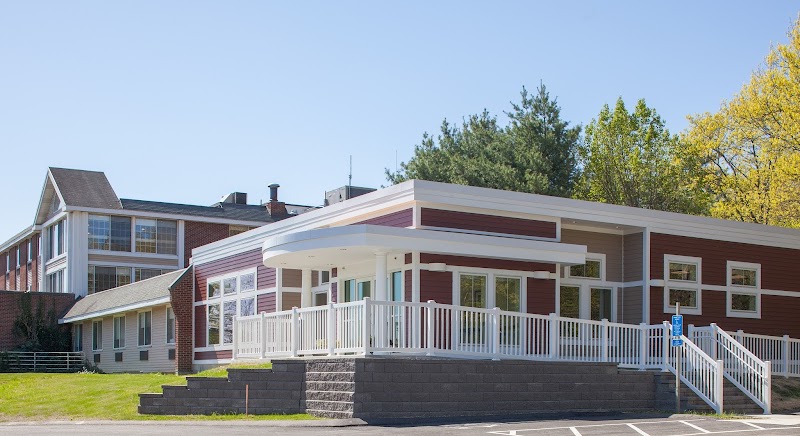
1801 TURNPIKE STREET, NORTH ANDOVER, MA 01845 (978) 688-1212
For profit - Corporation 142 Beds STERN CONSULTANTS Data: November 2025 1 Immediate Jeopardy citation
Trust Grade
8/100
#197 of 338 in MA
Last Inspection: March 2025

Within standard 12-15 month inspection cycle. Federal law requires annual inspections.

Overview

Andover Forest Post Acute Care Center has received an F Trust Grade, indicating significant concerns about the quality of care provided. It ranks #197 out of 338 facilities in Massachusetts, placing it in the bottom half, and #27 out of 44 in Essex County, meaning only 16 local options are better. While the facility is improving, with the number of issues decreasing from 18 to 12 in the past year, it still faces critical concerns, including a serious incident where a resident choked on food served incorrectly and required the Heimlich maneuver. Staffing is average, with a 3/5 rating, but the turnover rate is 45%, which is concerning. Additionally, the facility has been fined $54,015, indicating ongoing compliance issues, and it has less RN coverage than 76% of state facilities, which could impact the quality of care.

Trust Score
F
8/100
In Massachusetts
#197/338
Bottom 42%
Safety Record
High Risk
Review needed
Inspections
Getting Better
18 → 12 violations
Staff Stability
⚠ Watch
45% turnover. Above average. Higher turnover means staff may not know residents' routines.
Penalties
○ Average
$54,015 in fines. Higher than 67% of Massachusetts facilities. Some compliance issues.
Skilled Nurses
⚠ Watch
Each resident gets only 28 minutes of Registered Nurse (RN) attention daily — below average for Massachusetts. Fewer RN minutes means fewer trained eyes watching for problems.
Violations
⚠ Watch
44 deficiencies on record. Higher than average. Multiple issues found across inspections.
★★☆☆☆
2.0
Overall Rating
★★★☆☆
3.0
Staff Levels
★★★★☆
4.0
Care Quality
★★☆☆☆
2.0
Inspection Score
Stable
2024: 18 issues
2025: 12 issues

The Good

  • 4-Star Quality Measures · Strong clinical quality outcomes
  • Full Sprinkler Coverage · Fire safety systems throughout facility
  • No fines on record

Facility shows strength in quality measures, fire safety.

The Bad

2-Star Overall Rating

Below Massachusetts average (2.9)

Below average - review inspection findings carefully

Staff Turnover: 45%

Near Massachusetts avg (46%)

Higher turnover may affect care consistency

Federal Fines: $54,015

Above median ($33,413)

Moderate penalties - review what triggered them

Chain: STERN CONSULTANTS

Part of a multi-facility chain

Ask about local staffing decisions and management

The Ugly 44 deficiencies on record

1 life-threatening 4 actual harm
Mar 2025 12 deficiencies
CONCERN (D)

Potential for Harm - no one hurt, but risky conditions existed

Deficiency F0578 (Tag F0578)

Could have caused harm · This affected 1 resident

**NOTE- TERMS IN BRACKETS HAVE BEEN EDITED TO PROTECT CONFIDENTIALITY** Based on record review and interview, the facility failed to ensure advanced directives for one Resident (#94), out of total sam...

Read full inspector narrative →
**NOTE- TERMS IN BRACKETS HAVE BEEN EDITED TO PROTECT CONFIDENTIALITY** Based on record review and interview, the facility failed to ensure advanced directives for one Resident (#94), out of total sample of 27, were executed in accordance with standards of practice. Specifically, the facility failed to ensure Resident #94 signed his/her own MOLST (Medical Orders for Life Sustaining Treatment). Findings include: Review of the Facility's policy, titled Advanced Directive, dated as revised October 2024 indicated, Policy: It is the policy, of this facility to ensure residents 'right to request, refuse, and/or discontinue treatment to participate and refuse to participate in experimental research, and formulate an advice directive'. Definitions: Medical Orders for Life-Sustaining Treatment (MOLST) paradigm form is a form designed to improve patient care by creating a portable medical order form that records patients' treatment wishes so that emergency personnel know what treatments the patient wants in the event of a medical emergency, taking the patient's current medical condition into consideration. 12. To be legally binding, the advanced directive must be signed by the resident or legal guardian as recognized by the state. If utilizing a MOLST form, the order will take affect after signatures of the resident/resident representative AND is signed by the Provider, or two nurses receive the order and place the order on the form. Resident #94 was admitted to the facility in November 2024 and has diagnoses that include but are not limited to hemiplegia, unspecified affecting left nondominant side, type 2 diabetes mellitus, and end stage renal disease. Review of the Minimum Data Set (MDS) assessment dated [DATE] indicated Resident #94 scored a 15 out of 15, on the Brief Interview for Mental Status exam which indicated he/she as having intact cognition. Further review at Section S of the MDS indicated Resident #94 did not have an invoked Health Care Proxy, (an invoked Health Proxy is a person designated to make informed health care decisions, after a Physician/Nurse Practitioner/Physician Assistant determines and documents a person does not have the capacity to make informed health care decisions). Review of Resident #94's medical record included a MOLST indicating the following: Page 1 was filled out, signed and dated 11/27/24 by someone other than Resident #94. Page 2 of the MOLST, was filled out, signed and dated 11/27/24 and the box indicating who is signing the MOLST was checked as the Health Care Agent. The MOLST was dated and signed 12/4/24 by the Physician Assistant. Review of Resident #94's medical record failed to indicate the Health Care Proxy was invoked and that the Health Care Agent had the authority to make health care decisions. During an interview on 03/25/25 at 3:54 P.M., the Social Worker said Resident #94 speaks Spanish, presents alert and oriented and his/her Health Care Proxy is not invoked. The Social Worker reviewed the MOLST and said she was unsure who signed Resident #94's MOLST. The Social Worker said a MOLST can only be signed by a resident or an invoked Health Care Agent.
CONCERN (D)

Potential for Harm - no one hurt, but risky conditions existed

Safe Environment (Tag F0584)

Could have caused harm · This affected 1 resident

Based on observations, interviews, and record review, the facility failed to ensure a safe and homelike environment for one Resident (#405), out of 27 total sampled residents. Specifically, the facili...

Read full inspector narrative →
Based on observations, interviews, and record review, the facility failed to ensure a safe and homelike environment for one Resident (#405), out of 27 total sampled residents. Specifically, the facility failed to ensure Resident #405's nightstand was functional, safe, and in good repair. Findings include: Review of the facility policy titled 'Equipment and Supplies', revised 11/5/24, indicated: - Equipment in disrepair will be removed from service until in safe and proper working condition. Resident #405 was admitted to the facility in March 2020 with diagnoses including dementia and cataract. Review of the most recent Minimum Data Set (MDS) assessment, dated 2/26/25, indicated Resident #405 was rarely/never understood and had severe cognitive impairment based on a Staff Assessment for Mental Status. This MDS also indicated Resident #405 required supervision or touching assistance to walk up to 150 feet and supervision or touching assistance to eat. On 3/24/25 at 8:07 A.M., the surveyor observed Resident #405 in bed. There was a nightstand directly next to the right side of the Resident's bed, which was within his/her reach. The drawer was ajar about six inches with a large crack through the entire left side of the drawer, which was the side closest to the Resident. This crack had a jagged edge that physically blocked the drawer from being able to be closed. The exterior surface of the nightstand was covered in many scratches and the paint was peeling on a majority of the front exterior surface. Multiple personal belongings were observed in this drawer including a telephone, a small purse, and bagged nebulizer mask. During an interview on 3/24/25 at 8:37 A.M., Resident #405's family member said they were concerned about the Resident's bedside table being broken. They said they had told staff about it and are worried that the jagged edge could cut the Resident's arm when he/she reaches inside of it. During an interview on 3/26/25 at 7:33 A.M., Certified Nurse Assistant (CNA) #3 said Resident #405's nightstand had been broken since at least December 2024. CNA #3 said the jagged edge could cause injury to the Resident or others. CNA #3 said she is afraid she might cut herself on the jagged edge. CNA #3 said she did not report the broken nightstand to maintenance, and she was not aware if anyone else had reported it. CNA #3 said the facility expectation is that broken furniture should be reported to maintenance but was not. During an interview on 3/26/25 at 7:39 A.M., Unit Manager #1 said she was aware that Resident #405's nightstand had been broken since approximately December 2024. Unit Manager #1 said she was not aware of anyone reporting this to maintenance. Unit Manager #1 and the surveyor observed Resident #405's nightstand together, which was within the Resident's reach at time of observation. The drawer was ajar about six inches with a large crack through the entire left side of the drawer, which was the side closest to the Resident. Unit Manager #1 was unable to open and close the drawer until the drawer was emptied of the Residents belongings. Unit Manager #1 said the drawer is not functional and the jagged edge could cause injury. Unit Manager #1 said this nightstand should have been removed from the room and maintenance should have been notified but was not. During an interview on 3/26/25 at 7:54 A.M., the Maintenance Director and surveyor observed Resident #405's nightstand. The Maintenance Director said the inside of the drawer was completely destroyed and that it should have been reported but was not. The Maintenance Director reviewed the TELS system (an electronic system used to report and manage maintenance requests in the facility) and said there was not request/report for Resident #405's nightstand in the TELS history and he was never notified in another way. During an interview on 3/26/25 at 9:01 A.M., the Director of Nursing (DON) said the facility expectation is that maintenance should be notified promptly of any broken resident furniture to request repair/replacement. The DON said any staff member can and should report maintenance requests through the TELS system. The DON said staff had been educated on this in the past and Resident #405's nightstand should have been reported to maintenance.
CONCERN (D)

Potential for Harm - no one hurt, but risky conditions existed

Comprehensive Care Plan (Tag F0656)

Could have caused harm · This affected 1 resident

**NOTE- TERMS IN BRACKETS HAVE BEEN EDITED TO PROTECT CONFIDENTIALITY** Based on record review and interview, the facility failed to document the communication needs of one Resident (#97), out of a sa...

Read full inspector narrative →
**NOTE- TERMS IN BRACKETS HAVE BEEN EDITED TO PROTECT CONFIDENTIALITY** Based on record review and interview, the facility failed to document the communication needs of one Resident (#97), out of a sample of 27 residents. Specifically, the facility failed to develop a care plan identifying Resident #97's preferred language of communication. Findings include: A review of the facility policy titled 'Residents and Families with Limited English Proficiency' revised 10/16/24 indicated the following: -The facility offers language services at no charge to the individuals with limited English proficiency. -The language and communication needs of the individual are documented in the electronic medical record. Resident #97 was admitted to the facility in February 2025 with diagnoses including dementia. A review of the Minimum Data Set (MDS) dated [DATE] indicated a Brief Interview for Mental Status (BIMS) score of 15 out of a possible 15 indicating Resident #97 had intact cognition. Further review of the MDS indicated that Resident #97's preferred language is Spanish and he/she wants an interpreter to communicate with a doctor or health care staff. A review of Resident #97's care plan failed to indicate a communication care plan specific to the Resident's preferred language. During an interview on 3/25/25 at 10:47 A.M., Resident #97 said he/she does not speak English. During an interview on 3/25/25 at 10:48 A.M., Nurse #3 said she administered medication to the Resident today. Nurse #3 said the Resident speaks Spanish only. Nurse #3 said she is not fluent in Spanish. Nurse #3 said while administering medication to the Resident, she is only able to identify and speak specific words in Spanish such as water, medicine and sugar. Nurse #3 said she is not able to fluently have a conversation with the Resident in Spanish while administering medication. During an interview on 3/25/25 at 10:58 A.M., the Assistant Director of Nurses (ADON) said Resident #97 speaks Spanish only. She said the Resident should be able to fluently have a conversation with staff to ensure all his/her needs are all met. The ADON said a person-centered care plan should be put in place so that staff have directions on how to communicate fluently with the Resident. During an interview on 3/25/25 at 1:15 P.M., the Social Worker said a person-centered communication care plan identifying Resident #97's preferred language of communication should be in place.
CONCERN (D)

Potential for Harm - no one hurt, but risky conditions existed

Quality of Care (Tag F0684)

Could have caused harm · This affected 1 resident

**NOTE- TERMS IN BRACKETS HAVE BEEN EDITED TO PROTECT CONFIDENTIALITY** Based on observation, record review, and interview, the facility failed to provide care and treatment in accordance with profess...

Read full inspector narrative →
**NOTE- TERMS IN BRACKETS HAVE BEEN EDITED TO PROTECT CONFIDENTIALITY** Based on observation, record review, and interview, the facility failed to provide care and treatment in accordance with professional standards of practice for one Resident (#62) out of a total sample of 27 Residents. Specifically, for Resident #62, the facility failed to: 1a. ensure there was an active physician's order for the use of an air mattress and 1b. ensure weekly skin checks were being performed and documented as ordered by the physician. Findings include: Resident #62 was admitted to the facility in September 2024 with diagnoses including bipolar disorder, type 2 diabetes and dementia. Review of Resident #62's most recent Minimum Data Set Assessment (MDS) dated [DATE] indicated that the Resident had a Brief Interview for Mental score of 12 out of 15 indicating moderate cognitive impairment. Further review of the MDS indicated that the Resident requires assistance from staff with all activities of daily living and is at risk of developing pressure ulcers. 1a. The surveyor made the following observations: - On 3/24/25 at 8:00 A.M., 3/25/25 at 6:48 A.M. and 3/26/25 at 7:09 A.M., Resident #62 was sleeping in his/her bed which was an air mattress set to 240 pounds. Review of Resident #62's active and discontinued physician's orders did not indicate the use of an air mattress. Further review of Resident #62's medical record including care plans did not indicate the use of an air mattress. Review of Resident #62's most recent weight obtained on 3/10/25 indicated a weight of 145 lbs. (pounds). During an interview on 3/26/25 at 9:23 A.M., Certified Nursing Assistant (CNA) #1 said Resident #62 was transferred from the first floor about one month ago and she thinks that he/she came up with the air mattress. During an interview on 3/26/25 at 9:42 A.M., Nurse #1 said Resident #62 came from the first floor with an air mattress. Nurse #1 said all residents need to have an active physician's order if they are using an air mattress. Nurse #1 said air mattress settings are set to the Resident's weight. During an interview on 3/26/25 at 11:52 A.M., the Director of Nursing (DON) said Resident #62 should have a physician's order for the use of an air mattress if he/she is using one. 1b. Review of Resident #62's physician's order dated 9/27/24 indicated the following: Skin Checks Weekly every evening shift every Wednesday for Preventative. Review of Resident #62's medical record on 3/26/25 indicated that the last completed skin check was dated 2/20/25, indicating that five weeks of skin checks were not in the medical record. During an interview on 3/26/25 at 9:23 A.M., CNA #1 said Resident #62 is not resistive to care. During an interview on 3/26/25 at 9:42 A.M., Nurse #1 said skin checks are done weekly for all residents and if a resident refuses it should be documented in the medical record. Nurse #1 and the surveyor reviewed Resident #62's medical record and Nurse #1 said she was not sure why the Resident's last documented skin check was on 2/20/25. Nurse #1 said even if a resident has no skin issues it still needs to be documented in the medical record. During an interview on 3/26/25 at 11:52 A.M., the DON said skin checks should be done weekly or as ordered by the physician. The DON said whether there are findings or not in the skin checks, they need to be uploaded and documented into the medical record. During a follow up interview on 3/26/25 at approximately 2:00 P.M., the DON said Nurse #1 did not upload and document the skin checks in real time but had just completed them now. The surveyor asked the DON if she would expect the skin checks to be documented once completed and the DON said she would.
CONCERN (D)

Potential for Harm - no one hurt, but risky conditions existed

Pressure Ulcer Prevention (Tag F0686)

Could have caused harm · This affected 1 resident

Based on observations, interviews and record review, the facility failed to provide necessary treatment, services, interventions to promote healing and prevent new ulcers from developing for one Resid...

Read full inspector narrative →
Based on observations, interviews and record review, the facility failed to provide necessary treatment, services, interventions to promote healing and prevent new ulcers from developing for one Resident (#101), who had a pressure ulcer, out of 27 total sampled residents. Specifically, the facility failed to obtain a physician order for the use of an air mattress for pressure ulcer management and failed to ensure the air mattress was at an appropriate setting. Findings include: Review of the facility policy titled 'Skin Prevention, Assessment and Treatment', revised October 2024, indicated: - Purpose: To promote healing of existing pressure ulcers. - Treatment guidelines: Interventions for prevention or active skin alterations may include but are not limited to: provide pressure relieving device or cushion on surfaces as indicated. Resident #101 was admitted to the facility in March 2025 with diagnoses including a sacral pressure ulcer, C4 compression (pressure on the fourth cervical disc spinal cord segment), and spinal cord injury. Review of the most recent Minimum Data Set (MDS) assessment, dated 3/11/25, indicated Resident #101 was cognitively intact as evidenced by a Brief Interview for Mental Status (BIMS) score of 15 out of 15. This MDS also indicated Resident #101 was dependent on staff for bed mobility and had a stage three pressure ulcer. Review of Resident #101's wound consultant 'Initial Wound Evaluation and Management Summary', dated 3/11/25, indicated: - Stage 3 Pressure Wound Coccyx: Recommendations: Low Air Loss Mattress. Review of Resident #101's physician orders on 3/25/25 at 2:10 P.M., failed to indicate any physician orders for the use of an air mattress. Review of Resident #101's active care plan, revised 3/20/25, indicated the Resident was admitted with a pressure ulcer. This care plan failed to indicate the use of an air mattress. On 3/24/25 at 8:24 A.M. and 12:32 P.M., and 3/25/25 at 7:02 A.M. and 2:09 P.M., the surveyor observed Resident #101 in bed on a Medline Supra APL air mattress. The pump was set to 240 pounds (lbs.). Review of Manufacturer's guidelines for Medline Supra APL Mattress System indicated: - To set the Medline Supra APL, first connect the pump and mattress, then power it on and inflate. Adjust the mattress based on the patient's weight. Review of Resident #101's weight summary indicated: - 3/5/25: 166 lbs. - 3/15/25: 152 lbs. - 3/22/25: 153 lbs. During an interview on 3/25/25 at 2:18 P.M., Nurse #1 said air mattresses require physician's orders for use. Nurse #1 said nurses are responsible for checking air mattress settings each shift. Nurse #1 said Resident #101 is on an air mattress to treat his/her coccyx pressure ulcer. Nurse #1 said a physician order should have been obtained when the air mattress was first applied. Nurse #1 said Resident #101's air mattress should have been set according to his/her weight. Nurse #1 said if the setting for weight was not comfortable and needed to be adjusted, the physician should have been notified to obtain new setting orders. During an interview on 3/25/25 at 3:13 P.M., the Director of Nursing (DON) said air mattresses require physician's orders for use. The DON said nurses are responsible for checking air mattress settings daily. The DON said the nurses should have clarified with the physician and obtained a physician order if when checking the settings there was no physicians order in place. During an interview on 3/26/25 at 11:51 A.M., the DON said the facility does not have a written policy for air mattresses, but it is their expectation that manufacturer guidelines are followed for the air mattress system.
CONCERN (D)

Potential for Harm - no one hurt, but risky conditions existed

Incontinence Care (Tag F0690)

Could have caused harm · This affected 1 resident

Based on observation, record review and interview, the facility failed to ensure professional standards of practice for the care of an indwelling urinary catheter (a tube placed through the urethra in...

Read full inspector narrative →
Based on observation, record review and interview, the facility failed to ensure professional standards of practice for the care of an indwelling urinary catheter (a tube placed through the urethra into the bladder to drain urine) for one Resident (#46) out of a total sample of 27 residents. Specifically, the facility failed to ensure they obtained physician's orders for the use and care of Resident #46's indwelling urinary catheter. Findings include: Review of the facility policy titled 'Indwelling Catheter', revised 12/10/24, indicated, but was not limited to: - Insertion: Verify physician's order for procedure noting the size, bulb inflation, frequency of change, and frequency of catheter bag change. - Irrigation: Verify physician order for frequency, solution and amount to irrigate. Resident #46 was admitted to the facility in February 2025 with diagnoses including benign prostrate hyperplasia (enlarged prostate) and use of a chronic indwelling urinary catheter. Review of the most recent Minimum Data Set (MDS) assessment, dated 2/13/25, indicated Resident #46 had severe cognitive impairment as evidenced by a Brief Interview for Mental Status (BIMS) score of 6 out of 15. This MDS also indicated Resident #46 had an indwelling urinary catheter. On 3/24/25 at 8:44 A.M. and 12:21 P.M., and 3/25/25 at 6:58 A.M., the surveyor observed Resident #46 with a urinary catheter drainage bag filled with yellow urine. During an interview on 3/25/25 at 8:07 A.M., the surveyor and Unit Manager #1 observed Resident #46's indwelling urinary catheter system. There was no anchoring system in place to prevent it from accidentally being pulled out or dislodged. Unit Manager #1 said indwelling urinary catheters require a physician's orders for its use and care. Unit Manager #1 said the order should include the catheter size, bulb size, frequency of catheter and/or catheter bag change, irrigation of catheter system, and all necessary catheter care. Unit Manager #1 said Resident #46 should have a physician's orders for his/her indwelling urinary catheter and it's care but did not. Review of Resident #46's physician order, initiated 2/13/25, indicated: - Foley (indwelling urinary catheter) output every shift. Review of physician's orders on 3/25/25 at 8:00 A.M., failed to indicate any physician orders relating to catheter size, bulb size, frequency of catheter and/or catheter bag change, irrigation of catheter system, and other necessary catheter care. Review of Resident #46's nurse progress note, dated 3/7/25, indicated the Resident's indwelling urinary catheter was changed. There was no physician order for urinary catheter change on this date. Review of Resident #46's nurse progress notes, dated 3/21/25, 3/22/25, and 3/23/25, indicated the Resident's indwelling urinary catheter was flushed (irrigated) with sterile water. There was no physician order for irrigation of catheter system on these dates. During an interview on 3/25/25 at 12:59 P.M., the Director of Nursing (DON) said all indwelling urinary catheters require physician orders. The DON said nursing should have obtained physician orders for all necessary care for Resident #101's indwelling urinary catheter upon admission. The DON further said the nurses should have obtained physician orders prior to irrigating or changing Resident #46's indwelling urinary catheter.
CONCERN (D)

Potential for Harm - no one hurt, but risky conditions existed

Deficiency F0740 (Tag F0740)

Could have caused harm · This affected 1 resident

**NOTE- TERMS IN BRACKETS HAVE BEEN EDITED TO PROTECT CONFIDENTIALITY** Based on record review and interview, the facility failed to provide behavioral health care and services to attain or maintain t...

Read full inspector narrative →
**NOTE- TERMS IN BRACKETS HAVE BEEN EDITED TO PROTECT CONFIDENTIALITY** Based on record review and interview, the facility failed to provide behavioral health care and services to attain or maintain the highest practicable physical, mental, and psychosocial well-being, in accordance with the comprehensive assessment and plan of care for two Residents (#96 and #88), out of a total of 27 sampled residents. Specifically: 1. For Resident #96, the facility failed to offer behavioral health services related to substance abuse timely. 2. For Resident #88, the facility failed to implement recommendations made by the Behavioral Health Nurse Practitioner related to labs. Findings include: Review of the facility's Social Services - Behavioral Health Services - Including Substance Abuse policy, dated as revised 2/5/24 indicated: Purpose: Behavioral health encompasses a resident's whole emotional and well-being which includes, but is not limited to, the prevention and treatment of mental and substance use disorders (SUDs). Each resident is entitled to care and services provided by the facility, to assist him/her to reach and maintain the highest level of mental and psychosocial functioning. 4. Behavioral health care and services shall be provided in an environment that is conducive to mental and psychosocial wellbeing. 6. The facility utilizes the comprehensive assessment process for identifying and assessing a resident's mental and psychosocial status and providing person-centered care. This process includes, but is not limited to: b. obtaining history from medical records, the resident and as appropriate, the resident's family and friends, regarding mental, psychosocial and emotional health. d. Ongoing monitoring of mood and behavior. e. Care plan development and implementation. f. Evaluation. 10. Facility staff will implement person-centered care approaches designed to meet the individual goals and needs of each resident, which includes non-pharmacological interventions. Examples of individualized non-pharmacological interventions to help meet behavioral health needs of all ages may include but are not limited to: o. Assisting residents with SUDs to access counseling (e.g. individual or group counseling services, 12 step programs and support groups) to the fullest degree possible. 1. Resident #96 was admitted to the facility in February 2025 with diagnoses including alcohol abuse with withdrawal and alcoholic polyneuropathy. Review of the Minimum Data Set Assessment (MDS) dated [DATE] indicated Resident #96 was cognitively intact evidenced by a score of 15 out of a possible 15 on the Brief Interview for Mental Status exam. Review of the Physiatry note dated 2/17/25 indicated: Patient was noted to have seizures secondary to withdrawal. He/she was treated with phenobarbital. He/she is off of this therapy at this time. Reports that he/she is motivated for sobriety. He/she was continued on folate and thiamine at the outside hospital. We will discuss with medical team regarding reinitiating this. He/she would also benefit from social work consultation for resources out in the community since he/she has just moved back to Massachusetts. We will monitor closely for any barriers this may pose to rehab. Review of the clinical record failed to indicate Resident #96's substance use support services were offered to Resident #96 upon admission. Review of Resident #96's care plans indicated a substance use care plan was not implemented until 2/27/25; 17 days after he/she was admitted to the facility and after he/she was found with alcohol in the facility. Review of the nurse progress note dated 2/27/25 indicated: DON (Director of Nursing) was notified by ADON (Assistant Director of Nursing) that a CNA (Certified Nursing Aid) had observed the patient wheeling himself/herself in the WC (wheelchair) down the hall when an empty bottle of 750mLs of [NAME] vodka fell off of his/her lap. The patient gave the empty bottle to the CNA. The DON and Admin went and spoke with the patient regarding the incident. He/she reported that he/she has been getting deliveries to the facility by services like Door Dash. Explained and educated on the importance of not drinking alcohol with the medications he/she is on and how there could be adverse reactions.DON was made aware of another delivery this morning and when asked if he/she had any other alcohol, the patient at first, denied it but then did tell me that he/she did, in fact, have another bottle delivered this morning. The bottle was a 200ML bottle and the patient confirmed he/she had drank about 100MLs of it already. He/she confirmed he/she had taken his/her morning medications. DON and Admin spoke to him/her about psych services, sud counseling and speaking with the social worker for support around his/her alcoholism. During an interview on 3/24/25 at 10:14 A.M., Resident #96 said he/she has a history of substance use and trauma and was not offered psych services initially upon admission but would have been interested. Resident #96 did not say if the facility had offered substance support services. During an interview on 3/26/25 at 7:57 A.M., the Social Worker said that for resident's admitted to the facility with a known history of substance use, they should be assessed for their use, a care plan should be implemented, and they should be offered support services within the first week of admission. The Social Worker said she did not speak with Resident #96 about his/her substance use or offer supportive services regarding substance abuse until last Friday (3/21/25). The Social Worker said that she placed a referral for behavioral health therapy after Resident #96 was found with alcohol because of Resident #96's self-reported history of trauma. The Social Worker said she was focused on building rapport and discharge planning with Resident #96 and she should have discussed services with him/her sooner. During an interview on 3/26/25 at 9:18 A.M., the Administrator said that for residents admitted to the facility with a known history of substance use disorder, they should be assessed for supports like virtual AA, psych services and other support systems upon admission. The Administrator said she was present with the DON when she offered substance abuse supports to Resident #96 on 2/27/25; 17 days after his/her admission. 2. Resident #88 was admitted to the facility in January 2025 with diagnoses including cerebral infarction, dysphagia (difficulty swallowing) and muscle weakness. Review of Resident #88's most recent Minimum Data Set Assessment (MDS) dated [DATE] indicated that the Resident had a Brief Interview for Mental Status score of 0 out of 15 indicating severe cognitive impairment. Further review of the MDS indicated that the Resident has exhibited verbal behavior symptoms towards others. Review of Resident #88's physician's orders dated 2/2/25: - Depakote Sprinkles Oral Capsule Delayed Release Sprinkle 125 MG (milligram) Give 2 capsules by mouth one time a day for depression - Depakote Sprinkles Oral Capsule Delayed Release Sprinkle 125 MG Give 4 capsule by mouth two times a day for depression Review of Resident #88's Behavioral Health evaluation dated 1/24/25 conducted by the Nurse Practitioner indicated the following: Plan/Recommendations: Depakote level. Lipid Profile, and EKG (electrocardiogram) may be done. Discharge paperwork was evaluated in depth. Recommended Lab Tests: Depakote level, Lipid profile, EKG. Review of Resident #88's Pharmacist's Medication Regimen Review dated 3/18/25 indicated the following recommendation made by the pharmacist: - Resident receives Depakote 250 mg QD and 500 mg BID. Drug level past due, suggest ordering next lab day and adding order for lab schedule every 6 months. Suggest also adding Depakote monitoring order. Review of Resident #88's medical record failed to indicate that a Depakote level, lipid profile or EKG was ever obtained despite the recommendations being made on 1/24/25. The surveyor asked the facility for all completed labs for Resident #88 and none were provided. During an interview on 3/25/25 at 10:51 A.M., the Director of Nursing (DON) said when behavioral health services comes to the facility they will upload their recommendations into the electronic medical record and get sent to the Unit Manager. The DON said the third-floor unit (where Resident #88 resides) does not have a Unit Manager at this time so the Assistant Director of Nursing would handle it. The DON and surveyor reviewed Resident #88's behavioral health recommendations and pharmacy medication review and she said the Depakote level, lipid profile and EKG should have been obtained shortly after they were recommended.
CONCERN (D)

Potential for Harm - no one hurt, but risky conditions existed

Medical Records (Tag F0842)

Could have caused harm · This affected 1 resident

**NOTE- TERMS IN BRACKETS HAVE BEEN EDITED TO PROTECT CONFIDENTIALITY** Based on observations, record review and interview, the facility failed to ensure staff maintained an accurate medical record fo...

Read full inspector narrative →
**NOTE- TERMS IN BRACKETS HAVE BEEN EDITED TO PROTECT CONFIDENTIALITY** Based on observations, record review and interview, the facility failed to ensure staff maintained an accurate medical record for two Residents, (#42 and #62), out of a sample of 27 residents. Specifically: 1. For Resident #42, the facility documented that he/she was wearing a fracture boot to his/her right leg when he/she was not. 2. For Resident #62, the facility documented that weekly checks were completed when they were not in the Resident's medical record. Findings include: 1. Resident #42 was admitted to the facility in April 2022 with diagnoses including unspecified dementia, unspecified fracture of right toes and muscle weakness. Review of Resident #42's most recent Minimum Data Set Assessment (MDS) dated [DATE] indicated that the Resident had a Brief Interview for Mental Status score of 15 out of 15 indicating intact cognition. Further review of the MDS indicated that the Resident does not exhibit any behaviors. Review of Resident #42's physician's order dated 2/18/25 indicated the following: Fracture Boot to Right leg at all times when ambulating. During the survey period from 3/24/25 through 3/26/25, the surveyor observed Resident #42 ambulating throughout the third-floor unit without wearing a fracture boot on his/her right foot. Review of Resident #42's hospital discharge paperwork dated 2/17/25 indicated that Resident #42 had fractured his/her right metatarsal (the bones in a foot). Review of Resident #42's discharge plan indicated the following: Continue with right foot immobilizer. Review of a nursing progress note written on 2/18/25 at 9:48 P.M., indicated the following: Resident readmitted back to the facility at 2:40pm via a wheelchair transport van. Resident has metatarsal fracture on the right foot, bruising on the right great toe and second left toe. Resident to wear right FX (fracture) boot while ambulating at all times. During an interview on 3/25/25 at 7:55 A.M., Resident #42 said he/she leaned over his/her bed and fell on his/her foot and knee and he/she requested to go to the hospital. The Resident then said the hospital provided him/her with a boot to wear on his/her right foot but he/she threw it away on his/her first day into the facility because he/she did not want to wear it. Review of Resident #42's Treatment Administration Record for March 2025 indicated that staff signed off that Resident #42 was wearing his/her fracture boot on 3/25/25 and 3/26/25 even though he/she was not and the boot was no longer accessible. During an interview on 3/26/25 at 9:33 A.M., Nurse #2 said Resident #42 came back from the hospital with a boot to wear since he/she fractured his/her right foot. Nurse #2 said the Resident threw away the boot on his/her first day back. Nurse #2 said staff should be accurately documenting in the medical record and not saying the Resident was wearing his/her boot when he/she was not. During an interview on 3/26/25 at 9:53 A.M., Certified Nursing Assistant (CNA) #1 said Resident #42 came back from the hospital with a boot but she has not seen him/her wearing it. During an interview on 3/26/25 at 11:52 A.M., the Director of Nursing (DON) said Resident #42 had a boot for his/her fractured foot, but he threw it away the day after he/she came back from the hospital. The DON said staff should not be documenting that Resident #42 was wearing his/her boot when he/she was not. 2. Resident #62 was admitted to the facility in September 2024 with diagnoses including bipolar disorder, type 2 diabetes and dementia. Review of Resident #62's most recent Minimum Data Set Assessment (MDS) dated [DATE] indicated that the Resident had a Brief Interview for Mental score of 12 out of 15 indicating moderate cognitive impairment. Further review of the MDS indicated that the Resident requires assistance from staff with all activities of daily living and is at risk of developing pressure ulcers. Review of Resident #62's physician's order dated 9/27/24 indicated the following: Skin Checks Weekly every evening shift every Wednesday for Preventative. Review of Resident #62's Treatment Administration Record (TAR) for February and March 2025 indicated that staff completed a weekly skin check for the Resident on 2/26/25, 3/5/25, 3/12/25, 3/19/25. During the survey period, review of Resident #62's medical record indicated that the last completed skin check was dated 2/20/25 indicating that five weeks of skin checks were not in the medical record. During an interview on 3/26/25 at 9:42 A.M., Nurse #1 said skin checks are done weekly for all residents and if a resident refuses it should be documented in the medical record. Nurse #1 and the surveyor reviewed Resident #62's medical record and Nurse #1 said she was not sure why the Resident's last documented skin check was on 2/20/25. Nurse #1 said even if a resident has no skin issues it still needs to be documented in the medical record. During an interview on 3/26/25 at 11:52 A.M., the Director of Nursing (DON) said skin checks should be done weekly or as ordered by the physician. The DON said whether there are findings or not in the skin checks, they need to be uploaded and documented into the medical record. The DON continued to say skin checks should not be documented as being complete if there is no documented skin check in the medical record.
CONCERN (D)

Potential for Harm - no one hurt, but risky conditions existed

Infection Control (Tag F0880)

Could have caused harm · This affected 1 resident

**NOTE- TERMS IN BRACKETS HAVE BEEN EDITED TO PROTECT CONFIDENTIALITY** Based on observation, record review and interviews, the facility failed to ensure for one Resident (#27), out of a total sample ...

Read full inspector narrative →
**NOTE- TERMS IN BRACKETS HAVE BEEN EDITED TO PROTECT CONFIDENTIALITY** Based on observation, record review and interviews, the facility failed to ensure for one Resident (#27), out of a total sample of 27 residents, that enhanced barrier precautions were implemented in accordance with infection control standards of care. Findings include: Review of the facility's titled Policy and Procedure, Enhanced Barrier Precautions, dated as revised October 28, 2024, indicated the following: Policy: It is this Facilities policy that Enhanced Barrier Precautions (EBH) are used to prevent the transmission of infectious organisms spread by direct or indirect contact with the patient or the patient's environment. They are strategies in nursing homes to decrease transmission of CDC (Centers of Disease Control)-targeted and epidemiologically important MDRO (multidrug-resistant organism) when contact precautions do not apply. EBP is used during high-contact care activities for residents with chronic wounds, or indwelling medical devise, regardless of MDRO status, in addition to resident who have an infection or colonization with a CDC-targeted or other epidemiologically important MDRO when contact precautions do not apply. Facilities will have some discretion when implementing EBH and balancing the need to maintain a homelike environment for residents. Definition Indwelling medical device-Examples include but are not limited to, central lines . Resident #27 was readmitted to the facility in July 2024 and has diagnoses that include but are not limited to resistance to multiple antimicrobial drugs, and dependence on renal dialysis. Review of the Minimum Data Set assessment dated [DATE] indicated Resident #27 scored 14 out of 15 on the Brief Interview for Mental Status exam indicating he/she as having intact cognition. Further review of the MDS indicated Resident #27 has dialysis treatments. During an observation and interview on 3/24/25 at 8:22 A.M., Resident #27 was standing in his/her room. Resident #27 had gauze covering an area on his/her right chest. Resident #27 said he/she goes to dialysis and pointed to his/her right chest and said it is used for dialysis. Review of Resident #27's medical record indicated the following: -A physician's order dated 7/23/24 Dialysis days: Tuesday Thursday Saturday. Transport to dialysis center. -A care plan dated as initiated 3/12/2024, I have a central line IJ (Internal Jugular) Catheter and am at risk for opportunistic infection to enter my body. Interventions included but were not limited to Enhanced Barrier Precautions during personal CARE During an interview on 3/25/25 at 8:28 A.M., Nurse #5 said Resident #27 has access for dialysis through a chest port (a medical device placed under the skin in the chest, allowing access to a vein). On 3/25/25 11:38 A.M., Resident #27 was observed in his/her room, his/her hair was wrapped in a towel, consistent as just having a shower. There was no enhanced precaution sign on the door. On 3/26/25 at 8:30 A.M., Resident #27 was observed in his/her room. There was no personal protection equipment near the door, nor an 'enhanced precaution' sign, notifying staff of the need for enhanced barrier precautions. During an interview on 3/26/25 at 9:21 A.M., Nurse #7 said Resident #27 goes out to dialysis and has a chest port which is used for dialysis access. Nurse #7 said Resident #27 is not on any infection control precautions other than standard precautions. Nurse #7 reviewed the physician's orders for Resident #27 and said he/she does have an order for enhanced barrier precautions. Nurse #7 said enhanced barrier precautions require staff to put on personal protection equipment (PPE) during high-contact care, that a cart with PPE supplies would be outside the room and a sign identifying the precautions would be on the door to alert staff and others of the need for enhanced barrier precautions. During an interview on 3/26/25 at 10:08 A.M., the Infection Control Preventionist Nurse said the need for enhanced barrier precautions for Resident #27 was discussed, that he/she does have an indwelling medical device, and that the orders should be followed for enhanced barrier precautions including identifying the room with an enhanced barrier precaution sign.
CONCERN (E)

Potential for Harm - no one hurt, but risky conditions existed

Deficiency F0658 (Tag F0658)

Could have caused harm · This affected multiple residents

**NOTE- TERMS IN BRACKETS HAVE BEEN EDITED TO PROTECT CONFIDENTIALITY** 3. Review of the facility's policy titled PICC/Central Line/Port-a-Cath Maintenance dated as revised 10/5/24 indicated: Policy:...

Read full inspector narrative →
**NOTE- TERMS IN BRACKETS HAVE BEEN EDITED TO PROTECT CONFIDENTIALITY** 3. Review of the facility's policy titled PICC/Central Line/Port-a-Cath Maintenance dated as revised 10/5/24 indicated: Policy: A nurse will perform maintenance on a PICC/Central Line/Port-a-Cath as regulations allow. All PICCS/Central lines shall be reviewed daily for line necessity. Maintenance and Care: Dressing change day one after insertion with day of insertion being day zero. Dressing change every seven days and as needed. Measure the length of the lumen from the insertion to the end site. Measure the circumference of the upper arm and document. This is to be done upon admission/dressing change/PRN (as needed). Review of the American Nursing Journal article regarding PICC Line monitoring indicated: Catheter-tip migration: Signs and symptoms of catheter-tip migration include changes in catheter patency or loss of blood return; discomfort in the upper arm, shoulder, jaw, chest, or ear during infusions; and an external catheter length that differs from the length at the time of insertion. For example, if the external length of a PICC was 1 cm at insertion but is now 20 cm, assume the PICC is no longer in the superior vena cava. Resident #206 was re-admitted to the facility in March 2025 with diagnoses including Klebsiella Pneumoniae and cognitive communication deficit. Review of the Minimum Data Set Assessment (MDS) dated [DATE] indicated Resident #206 was cognitively intact evidenced by a score of 15 out of a possible 15 on the Brief Interview for Mental Status Exam. The MDS also indicated Resident #206 required assistance with bathing, dressing and bed mobility. Review of the hospital discharge paperwork dated 3/12/25 indicated Resident #206 had a PICC line placed during his/her hospitalization. The hospital discharge paperwork failed to indicate a measurement of the external length of the PICC or Resident #206's arm circumference. Review of the Nursing admission assessment dated [DATE] indicated: IV access: PICC. IV Location: Right upper arm. Last changed date 3/13/25. The Nursing admission Assessment notes failed to indicate any measurements of Resident #206's arms circumference or external length. Review of the physician's orders indicated: Change PICC/Central Line Dressing Change: Dressing change q (every) 7 days (PICC Line) & PRN Measure the length of the Lumen from the insertion to the end site. Measure the circumference of the upper arm and Document. THIS IS TO BE DONE UPON EVERY ADMISSION/DRESSING CHANGE/PRN. every evening shift every 7 day(s) for Infection Control initiated 3/13/25. Review of the March 2025 Treatment Administration Record and Medication Administration Record failed to indicate the external length or Resident #206's arm circumference were documented. Review of Resident #206's care plans, nurse progress notes and practitioner notes failed to indicate the external length of the PICC or Resident #206's arm circumference was documented at any time. During an interview on 3/25/25 at 8:39 A.M., Nurse #6 said that he believed Resident #206 was admitted with a PICC line recently. Nurse #6 said that staff are expected to measure the external length of the PICC line and arm circumference but he wasn't sure if it's been completed. During an interview on 3/25/25 at 8:48 A.M., the Assistant Director of Nursing (ADON), said that when residents are admitted to the facility with a PICC line, the expectation would be for staff to measure arm circumference and external length the monitor for possible migration. The ADON said that she would expect staff to contact the hospital to obtain initial measurements if they were not included in the discharge paperwork. The ADON said she was not sure of the policy regarding the frequency of measuring resident PICC lines and would have to look into it. Based on observation, record review and interview, the facility failed to ensure four Residents (#101, #94, #210, and #206) received care in accordance with professional standards of practice, out of a total sample of 27 residents. Specifically, 1. For Resident #101, the facility failed to ensure nursing obtained physician's orders for a cervical collar (a neck brace which is used to support and immobilize a person's neck.) 2a. For Resident #210, the facility failed to ensure the nurse documented acetaminophen as administered timely. 2b. For Resident #94, the facility failed to ensure the nurse documented acetaminophen as administered timely. 3. For Resident #206, the facility failed to obtain and monitor external measurements of a peripherally inserted central catheter (also known as a PICC line, is a long, flexible tube (catheter) that is inserted into a vein in your upper arm. After insertion, the catheter is threaded to a central vein near the heart. The PICC line can be used to deliver fluids and medications, draw blood, or perform blood transfusions.) Findings include: Review of the Massachusetts Board of Registration in Nursing Advisory Ruling on Nursing Practice, dated as revised April 11, 2018, indicated the following: - Nurse's Responsibility and Accountability: Licensed nurses accept, verify, transcribe, and implement orders from duly authorized prescriber that are received by a variety of methods (i.e., written, verbal/telephone, standing orders/protocols, pre-printed order sets, electronic) in emergent and non-emergent situations. Licensed nurses in a management role must ensure an infrastructure is in place, consistent with current standards of care, to minimize error. Review of the facility policy titled 'Physician Orders', revised November 2024, indicated, but was not limited to the following: - Purpose: To provide guidance to ensure physician orders are transcribed and implemented in accordance with professional standards. - Orders must be recorded in the medical record by licensed nurses authorized to transcribe such orders. - Physician's orders must be documented clearly in the medical record including the required components of a complete order: date and time of receipt of order; name of practitioner providing the order; name of product; specific duration; frequency of administration. 1. Resident #101 was admitted to the facility in March 2025 with diagnoses including C4 compression (pressure on the fourth cervical disc spinal cord segment) and spinal cord injury. Review of the most recent Minimum Data Set (MDS) assessment, dated 3/11/25, indicated Resident #101 was cognitively intact as evidenced by a Brief Interview for Mental Status (BIMS) score of 15 out of 15. This MDS also indicated Resident #101 was dependent on staff for dressing, eating, and bed mobility. Review of Resident #101's hospital Discharge summary, dated [DATE], indicated: - Assessment/plan: Aspen collar (cervical collar) in place until at least neurosurgery appointment. Review of Resident #101's physician admission progress note, dated 3/7/25, indicated: - Neurosurgery recommended that he/she wear an Aspen collar at all times. Review of Resident #101's physician assistant progress note, dated 3/24/25, indicated: - His/her neurology appointment had to be rescheduled. - At this time he/she continues to be wearing the cervical collar at all times except for hygiene while in bed. Patients neurology appointment has been scheduled [sic] until next week. We will follow up on their recommendations when available. Review of Resident #101's physician's order on 3/24/25 at 2:55 P.M., failed to indicate any physician orders for a cervical collar since his/her admission. Review of Resident #101's plan of care on 3/24/25 at 2:55 P.M., failed to indicate the use of or any instructions for use of a cervical collar. Review of Resident #101's Kardex (a summary of a patient's plan of care) dated 3/26/25 at 10:12 A.M., failed to indicate the use of or any instructions for use of a cervical collar. On 3/24/25 at 8:24 A.M., the surveyor observed Resident #101 in bed wearing a cervical collar. Resident #101 said he/she has worn the cervical collar since he/she fell in December and must wear this cervical collar until his/her neck surgery. On 3/24/25 at 12:32 A.M., the surveyor observed Resident #101 in bed without the front of the cervical collar in place. Resident #101 said he/she takes it off because he/she thinks he/she's supposed to. On 3/25/25 at 7:02 A.M., and 2:09 P.M., the surveyor observed Resident #101 in bed wearing a cervical collar. During an interview on 3/26/25 at 10:04 A.M., Certified Nurse Assistant (CNA) #5 said CNAs find out information about patient care through nurse report or the Kardex. CNA #5 said there was no information available in the Kardex or in report about Resident #101's cervical collar. CNA #5 said he/she often doesn't wear the collar, but she had never told the nurse. During an interview on 3/25/25 at 2:18 P.M., Nurse #1 said cervical collars require physician's orders. Nurse #1 said Resident #101 should have had a physician order for the cervical collar including any instructions for when to wear but did not. Nurse #1 said Resident #101 needs to wear the cervical collar at all times, except during hygiene and to check skin integrity. Nurse #1 said if Resident #101 was noncompliant with wearing the cervical collar that should have been reported to and addressed by the provider and documented but was not. During an interview on 3/25/25 at 3:13, the Director of Nursing (DON) said cervical collars require physician's orders. The DON said Resident #101 should have had physician's orders for the cervical collar including any instructions for when to wear. The DON said if Resident #101 was noncompliant with wearing the cervical collar that should have been reported to and addressed by the provider and documented. 2. Review of the Massachusetts Board of Registration in Nursing Standards of Conduct, dated 6/11/21, indicated the following: - Documentation: A nurse licensed by the Board shall make complete, accurate, and legible entries in all records required by federal and state laws and regulations and accepted standards of nursing practice. On all documentation requiring a nurse's signature, the nurse shall sign his or her name as it appears on his or her license. Review of the facility policy titled 'Administering Medications', revised 10/1/24, indicated: - The individual administering the medication shall sign off on the Electronic Medical Administration Record (eMAR) date for the specific day before administering the medication. 2a. Resident #94 was admitted to the facility in November 2024 with diagnoses including failure to thrive and cervicalgia (neck pain). Review of the most recent Minimum Data Set (MDS) assessment, dated 3/5/25, indicated Resident #94 was cognitively intact as evidenced by a Brief Interview for Mental Status (BIMS) score of 15 out of 15. On 3/25/25 at 9:04 A.M., the surveyor observed Nurse #4 prepare and administer the follow medication to Resident #94: - Acetaminophen 325 milligrams (mg), two tablets. Review of Resident #94's physician order, initiated 11/23/24, indicated: - Acetaminophen 325 mg, give two tablets every 6 hours as needed for pain/fever. Review of Resident #94's Electronic Medication Administration Record (eMAR) on 3/25/25 2:59 P.M., five hours and 55 minutes after administration of acetaminophen, failed to indicate it was documented as administered. During an interview on 3/25/25 at 12:59 P.M., the Director of Nursing (DON) said administration of as needed acetaminophen should be documented at the time of administration unless there is an emergent situation. During an interview on 3/25/25 at 2:28 P.M., Nurse #4 said she forgot to document that she administered acetaminophen to Resident #94, but she should have documented it immediately. Nurse #4 said there was not an emergent situation, she just forgot. 2b. Resident #210 was admitted to the facility in March 2025 with diagnoses including hypertension and heart attack. Review of Resident #210's Brief Interview for Mental Status (BIMS), dated 3/17/25, indicated the Resident had moderate cognitive impairment as evidenced by a score of 9 out of 15. On 3/25/25 at 9:59 A.M., the surveyor observed Nurse #3 prepare and administer the follow medication to Resident #210: - Acetaminophen 325 milligrams (mg), two tablets. Review of Resident #210's physician order, initiated 3/16/25, indicated: - Acetaminophen 325 mg, give two tablets every 6 hours as needed for pain/fever. Review of Resident #210's Electronic Medication Administration Record (eMAR) on 3/25/25 2:59 P.M., five hours after administration of acetaminophen, failed to indicate it was documented as administered. During an interview on 3/25/25 at 12:59 P.M., the Director of Nursing (DON) said administration of as needed acetaminophen should be documented at the time of administration unless there is an emergent situation. During an interview on 3/26/25 at 9:48 A.M., Nurse #3 said she got distracted and forgot to document that she administered acetaminophen to Resident #210, but she should have documented it immediately. Nurse #3 said there wasn't an emergent situation, but she got distracted because it was a busy morning.
CONCERN (E)

Potential for Harm - no one hurt, but risky conditions existed

ADL Care (Tag F0677)

Could have caused harm · This affected multiple residents

**NOTE- TERMS IN BRACKETS HAVE BEEN EDITED TO PROTECT CONFIDENTIALITY** Based on observations, record reviews and interviews, the facility failed to provide assistance with Activities of Daily Living ...

Read full inspector narrative →
**NOTE- TERMS IN BRACKETS HAVE BEEN EDITED TO PROTECT CONFIDENTIALITY** Based on observations, record reviews and interviews, the facility failed to provide assistance with Activities of Daily Living (ADLs) for dependent residents for three Residents (#98, #88, #49) out of a total sample of 27 residents. Specifically, the facility failed to: 1. For Resident #98, the facility failed to provide assistance with bathing. 2. For Resident #88, the facility failed to provide supervision while eating during mealtimes. 3. For Resident #49, the facility failed to ensure staff provided assistance with managing denture care and ensuring dentures were available for meals. Findings include: Review of the facility policy titled 'Activities of Daily Living (ADL)', dated 1/23/24, indicated, but was not limited to the following: - Residents who are unable to carry out activities of daily living independently will receive the services necessary to maintain good nutrition, grooming, and personal and oral hygiene. - Appropriate care and services will be provided for residents who are unable to carry out ADLs independently, with the consent of the resident and in accordance with the plan of care, including appropriate support and assistance with: a. Hygiene (bathing dressing, grooming, and oral care); d. Dining (meals and snacks). 1. Resident #98 was admitted to the facility in February 2025 with diagnoses including acquired absence of right leg below knee and type two diabetes. Review of the Minimum Data Set Assessment (MDS) dated [DATE] indicated Resident #98 was cognitively intact as evidenced by a score of 15 out of a possible 15 on the Brief Interview for Mental Status Exam. The MDS also indicated Resident #98 required substantial/maximal assistance with bathing. During an interview on 3/24/25 at 8:38 A.M., Resident #98 said he/she needs assistance with bathing and he/she was not washed up at all during the weekend (3/22/25 and 3/23/25.). Review of Resident #98's Activities of Daily Living (ADL) care plan dated 3/6/25 indicated: Focus: Resident currently have (sic) an alteration to my ability to care for self and need assistance d/t muscoskeletal impairment. Interventions: Bathing/Showering: [Resident #98] requires extensive assistance on (sic) one staff to provide shower 2 X wk and as necessary. Provide sponge bath when a full bath or shower cannot be tolerated. Personal Hygiene/Oral Care Routine: [Resident #98] is limited on one staff for personal hygiene and oral care. Review of Resident #98's ADL documentation report indicated bathing was not provided to Resident #98 on 3/22/25 and 3/23/25. During an interview on 3/25/25 at 10:39 A.M. the Administrator said she was not aware Resident #98 reported he/she was not bathed over the past weekend. Review of the Grievance Form completed by the Administrator and dated 3/25/25 indicated: [Administrator made aware of grievance from weekend. Resident stated he/she was not washed. [Administrator] asked did you ask to be washed he/she said no. During an interview on 3/26/25 at 9:18 A.M., the Administrator said that Residents should not have to ask staff to be washed. 2. Resident #88 was admitted to the facility in January 2025 with diagnoses including cerebral infarction, dysphagia (difficulty swallowing) and muscle weakness. Review of Resident #88's most recent Minimum Data Set Assessment (MDS) dated [DATE] indicated that the Resident had a Brief Interview for Mental Status score of 0 out of 15 indicating severe cognitive impairment. Further review of the MDS indicated that the Resident required supervision or touching assistance with eating. The surveyor made the following observations: - On 3/24/25 at 8:44 A.M., Resident #88 was eating his/her breakfast while sitting up in his/her bed in his/her room. There were no staff present in the Resident's room while he/she was eating. Resident #88's privacy curtain was drawn, and he/she could not be seen from the hallway. Staff did not check in with Resident #88 while he/she was eating. - On 3/24/25 at 12:34 P.M., Resident #88 was eating his/her lunch while sitting up in his/her bed in his/her room. There were no staff present in the Resident's room while he/she was eating. Resident #88's privacy curtain was drawn, and he/she could not be seen from the hallway. Staff did not check in with Resident #88 while he/she was eating. - On 3/25/25 at 8:30 A.M., Resident #88 was eating his/her breakfast while sitting up in his/her bed in his/her room. There were no staff present in the Resident's room while he/she was eating. Resident #88's privacy curtain was drawn, and he/she could not be seen from the hallway. Staff did not check in with Resident #88 while he/she was eating. - On 3/25/25 from 12:41 P.M. through 12:54 P.M., Resident #88 was eating his/her lunch while sitting up in his/her bed in his/her room. There were no staff present in the Resident's room while he/she was eating. Resident #88's privacy curtain was drawn, and he/she could not be seen from the hallway. Staff did not check in with Resident #88 while he/she was eating. - On 3/26/25 at 8:39 A.M., Resident #88 was eating his/her breakfast while sitting up in his/her bed in his/her room. There were no staff present in the Resident's room while he/she was eating. Resident #88's privacy curtain was drawn, and he/she could not be seen from the hallway. Staff did not check in with Resident #88 while he/she was eating. Review of Resident #88's physician's order dated 1/2/25 indicated the following: Regular diet, pureed texture regular/thin consistency. Review of Resident #88's Kardex (a care card describing the needs of a resident) indicated the following under the Eating/Dietary/Nutrition section: EATING: Supervision with meals Review of Resident #88's care plan dated 1/6/25 indicated the following: Focus: The resident has a swallowing problem related to CVA (Cerebrovascular Accident), dysphagia a/e (as evidenced) by need for puree diet Intervention: Monitor/document/report to nurse/dietitian and MD (medical doctor) PRN (as needed) for difficulty swallowing, holding food in mouth, prolonged swallowing time, repeated swallows per bite, coughing, throat clearing, drooling, pocketing food in mouth. Review of Resident #88's alteration to care for self and assistance care plan dated 1/2/25 did not indicate the Resident's level of assistance required for eating during the survey period. Review of Resident #88's Speech Therapy Discharge summary dated from 1/3/25 through 2/25/25 indicated the following recommendation: Supervision for Oral Intake = Distant supervision. Review of Resident #88's Certified Nursing Assistant (CNA) documentation for Eating indicated that Resident #88 did not receive supervision with meals 69 times out of 72 documented meal opportunities from the last 31 days. During an interview on 3/26/25 at 9:21 A.M., CNA #1 said Resident #88 is set-up only for eating and he/she sometimes will need verbal encouragement while eating but he/she does not require supervision. During an interview on 3/26/25 at 9:49 A.M., Nurse #1 said Resident #88 is independent for eating but the Resident used to pocket his/her food in his/her mouth. Nurse #1 reviewed Resident #88's medical record with the surveyor and said she was not aware he/she required supervision with meals. Nurse #1 said supervision with meals means a Resident needs to be observed while they are eating and frequent checks should be done. Nurse #1 said Resident #88's privacy curtain should not be drawn while he/she is eating so staff can see him/her from the hallway. During an interview on 3/26/25 at 11:52 A.M., the Director of Nursing (DON) said when a resident requires supervision with meals staff are rounding around the unit and keeping an eye on residents from at least the hallway. The DON said Resident #88 should have been receiving supervision while eating if the Speech Therapy notes indicated that he/she should be. 3. Resident #49 was admitted to the facility in January 2022 with diagnoses including dementia and glaucoma. Review of the most recent Minimum Data Set (MDS) assessment, dated 2/12/25, indicated Resident #49 had moderate cognitive impairment as evidenced by a Brief Interview for Mental Status (BIMS) score of 9 out of 15. This MDS also indicated Resident #49 required partial/moderate assistance with oral hygiene and denture management/cleaning. On 3/24/25 at 8:04 A.M., the surveyor observed Resident #49 in bed, appearing to be asleep. There was a denture under his/her bed directly on the floor. This observation was before the breakfast meal was served. On 3/24/25 at 12:52 A.M., the surveyor observed Certified Nurse Assistant (CNA) #7 deliver lunch to Resident #49. There was a denture under his/her bed directly on the floor, in the same place it was observed before the breakfast meal. Resident #49 was not wearing any dentures. CNA #7 asked Resident #49 if they needed anything else with their lunch meal, but did not ask about his/her dentures, before leaving the room. On 3/25/25 at 8:33 A.M., the surveyor observed Resident #49 putting in his/her upper dentures. Resident #49 said he/she isn't sure where the lower dentures are because they are missing. Resident #49 said staff do not assist with his/her dentures very often and he/she is concerned because he/she always drops and loses them. Resident #49 said he/she didn't have any dentures yesterday during breakfast or lunch and that was hard to eat without them. Resident #49 said he/she would like staff to help with his/her dentures, including keeping them safe and cleaning them. Review of Resident #49's nursing progress notes indicated the following denture concerns: - On 5/20/24, Resident #49 dropped his/her dentures at 4:30 A.M. and broke them in half. - On 12/30/24, was seen by the dentist for missing lower dentures. - On 3/3/25, dentist was consulted for missing dentures and appointment scheduled for 4/8/25. Review of Resident #49's active plan of care, including care plan, physician orders, and Kardex (a summary of a patient's plan of care) on 3/25/25 at 2:00 P.M., failed to indicate use of dentures or any interventions for denture management. During an interview on 3/25/25 at 8:40 A.M., Certified Nurse Assistant (CNA) #3 said Resident #49 always keeps his/her dentures in his/her room and was unable to answer questions about his/her denture care. During an interview on 3/25/25 at 8:43 A.M., CNA #4 said the CNAs get information about any residents who require denture care in the Kardex. The surveyor and CNA #4 review the Kardex together and CNA #4 said it does not include the use of dentures. CNA #4 said Resident #49's Kardex should have information relating to dentures because Resident #49 is confused and unable to manage his/her own dentures. CNA #4 said Resident #49 often gets his/her dentures tangled in the blankets or loses them. CNA #4 said Resident #49's dentures have had to be replaced multiple times in the past year because of being lost or broken by being dropped. CNA #4 said the CNAs are supposed to clean his/her dentures before bed and give them to the nurse to store in the treatment cart but is unsure how that is being communicated to staff, or ensured that it's being done, because it's not in the Kardex. During an interview on 3/25/25 at 2:27 P.M., Nurse #5 said if a resident has dentures, it should be included in the care plan. Nurse #5 said if any resident has difficulty managing their dentures, interventions should be put into place to assist them to manage their dentures effectively. Nurse #5 said these interventions should be included in the Resident's care plan and/or Kardex. Nurse #5 said Resident #49 is confused and requires assistance to manage his/her dentures, so they do not get broken or lost. Nurse #5 said Resident #49 should have had denture care in his/her care plan with individualized interventions to ensure they are managed and available for his/her use. During an interview on 3/25/25 at 3:13 P.M., the Director of Nursing (DON) the staff is responsible to assist with denture management if any residents require assistance. The DON said she would expect Resident #49's care plan, physicians orders, and/or Kardex to include denture management interventions to promote successful denture management.
CONCERN (E)

Potential for Harm - no one hurt, but risky conditions existed

Deficiency F0761 (Tag F0761)

Could have caused harm · This affected multiple residents

3. The surveyor made the following observations on the third-floor unit: - On 3/24/25 from 7:50 A.M. through 8:02 A.M., a treatment cart containing various ointments and biologicals was opened. The su...

Read full inspector narrative →
3. The surveyor made the following observations on the third-floor unit: - On 3/24/25 from 7:50 A.M. through 8:02 A.M., a treatment cart containing various ointments and biologicals was opened. The surveyor was able to access the contents. - On 3/25/25 from 6:44 A.M. through 6:57 A.M., a treatment cart containing various ointments and biologicals was opened. Four staff members and one resident walked by the treatment cart. The surveyor was then able to access the contents. During an interview on 3/25/25 at 6:59 A.M., Nurse #2 said the treatment cart should not be left open if it is unattended. During an interview on 3/25/25 at 12:59 P.M., the Director of Nursing (DON) said treatment carts should always be locked when unattended. Based on observations, interviews and policy review, the facility failed to ensure staff stored drugs and biologicals in accordance with State and Federal laws. Specifically, 1. The facility failed to ensure medications with shortened expiration dates were dated once opened in three out of three medication carts observed. 2. The facility failed to ensure the medication room was locked when unattended. 3. The facility failed to ensure treatment carts were locked when unattended. Findings include: Review of the facility policy titled 'Storage, Labeling of OTC (over the counter) Medication, Destruction and Disposal of Medication', revised 11/9/24, indicated: - No discontinued, outdated, or deteriorated medications should be available for use in the facility. All such medications are destroyed per policy. - Expired medications are to be removed from areas medication carts prior to or at the time of expiration. - Compartments containing medications should be locked when not in use. Trays of carts used to transport such items should be left unattended. (Note: Compartments include, but are not limited to, drawers, cabinets, rooms, refrigerators, carts, and boxes.) - Medications will be stored in accordance with manufacturers guidance and not exceed expiration dates unless a shortened shelf-life once opened. - Eye drops should have resident's record number and date of opening. 1. On 3/25/25 at 9:23 A.M., the surveyor and Nurse #4 observed the following in the second floor A side medication cart: - One novolog insulin pen, dated as opened 2/18/25, available for use 35 days after it was opened. During an interview on 3/25/25 at 9:24 A.M., Nurse #4 said the insulin pen should be discarded 28 days after opening but was not. On 3/25/25 at 9:44 A.M., the surveyor and Nurse #1 observed the following in the third floor B side medication cart: - One basaglar insulin pen, dated as opened 2/6/25, available for use 48 days after it was opened. - One insulin aspart pen, dated as opened 12/23/24, available for use 93 days after it was opened. - One humalog insulin pen, opened and undated. - One bottle timolol eye drops, opened and undated. During an interview on 3/25/25 at 9:45 A.M., Nurse #1 said insulin pens should be dated when opened and should be discarded 28 days after opening. Nurse #1 said timolol eye drops should be dated when opened and discarded 30 days after opening. On 3/25/25 at 10:24 A.M., the surveyor and Nurse #6 observed the following in the first floor A side medication cart: - One symbicort inhaler, opened and undated. - Two breo ellipta inhalers, both opened and undated During an interview on 3/25/25 at 9:46 A.M., Nurse #6 said symbicort inhalers should be dated when opened and discarded 90 days after opening. Nurse #6 said breo ellipta inhalers should be dated when opened and discarded six weeks after opening. During an interview on 3/25/25 at 12:59 P.M., the Director of Nursing (DON) said medications with shortened expiry dates should be dated when opened and discarded according to the manufacturer's guidelines. The DON said this included insulin pens, which should be discarded 28 days after opening. The DON said this also included inhalers and eye drops. 2. On 3/24/25 at 6:52 A.M., the surveyor observed the second floor medication room door was open. The surveyor was able to enter and visualize many bottles of medications. There were no nurses or any staff members within view of this medication room. During an interview on 3/24/25 at 6:55 A.M., Certified Nurse Assistant (CNA) #3 came to the nurse's station where the medication room was located and said the nurse should always keep the medication room locked when unattended. During an interview on 3/25/25 at 12:59 P.M., the Director of Nursing (DON) said medication rooms should always be locked when unattended.
Apr 2024 18 deficiencies 1 IJ
CRITICAL (J)

Immediate Jeopardy (IJ) - the most serious Medicare violation

Deficiency F0805 (Tag F0805)

Someone could have died · This affected 1 resident

**NOTE- TERMS IN BRACKETS HAVE BEEN EDITED TO PROTECT CONFIDENTIALITY** Based on observation, record review and interview, the facility failed to ensure diets as ordered by the physician were served i...

Read full inspector narrative →
**NOTE- TERMS IN BRACKETS HAVE BEEN EDITED TO PROTECT CONFIDENTIALITY** Based on observation, record review and interview, the facility failed to ensure diets as ordered by the physician were served in proper form for one Resident (#68) out of a total of 29 sampled residents. Specifically, on 1/22/24, Resident #68 was served a lunch meal, not in accordance with the diet order, resulting in Resident #68 choking and requiring the Heimlich maneuver (an emergency procedure which involves abdominal thrusts to dislodge foreign bodies or food from the throats of choking victims). Findings include: Review of the facility's Therapeutic Diets Policy, dated November 2022 indicated: Therapeutic diets shall be prescribed by the attending physician. A therapeutic diet must be prescribed by the attending physician and order should match the terminology used by food services. The food services manager will establish and use a tray identification system to ensure that each resident receives his or her diet as ordered. Review of the American Red Cross Resources regarding Adult/Child Choking, undated, indicated: Signs or symptoms: Weak or no cough. High pitched squeaking noises or no sound. Pale or blue skin color. Unable to cough, speak or cry. Panicked, confused or surprised appearance. Holding throat with hand(s). Resident #68 was admitted to the facility in December 2017 with diagnoses including Alzheimer's disease. A diagnosis of dysphagia, (difficulty or discomfort in swallowing), was added to Resident #68's clinical record in July 2019. Review of the Minimum Data Set Assessment (MDS) dated [DATE] indicated Resident #68 scored a 13 out of a possible 15 on the Brief Interview for Mental Status Exam indicating he/she is cognitively intact. The MDS also indicated he/she requires supervision for meals. On 4/10/24, the surveyor attempted to interview Resident #68 who presented as confused and not agreeable to the interview process. On 4/11/24 at 8:43 A.M., the surveyors observed Resident #68 eating his/her breakfast meal in the 2nd floor dining room with other residents. There were no staff in the room to supervise him/her or the other residents for approximately 15 minutes. Review of Resident #68's care plans indicated: Focus: Impaired cognition with fluctuations in reliability and memory dx (diagnosis) Alzheimer's, 2/26/19: Interventions: Break down tasks and provide cuing/assistance as needed. Re-direct/re-orient resident/patient using external cues as needed. Focus: Advanced Directives, HCP (health care proxy) activated, 9/6/22: Interventions: Inform Resident #68 and/or healthcare decision maker of any chance in status or care needs. Promote opportunities for Resident #68/healthcare decision maker to participate in decision regarding care. Additional review of Resident #68's care plans effective 1/1/24 through 4/11/24 failed to indicate the level of assistance or supervision Resident #68's required for eating. Review of Resident #68's Speech Therapy Discharge summary dated [DATE] indicated: Goal: Pt (patient) will tolerate regular texture solids with chopped meats and thin liquids with no other s/s (signs and symptoms) of aspiration, penetration and/or oral stage dysphagia with 90% accuracy in order to maximize pt's ability to tolerate least restrictive liquid/diet texture. discharge: 85-95% on regular texture solids with chopped meats and thin liquids. Pt benefited from education/cues at times for maintained seated upright positioning during PO (by mouth) intake and to not attempt to talk during PO intake in order to decrease risks of aspiration. Education/cues at times for decreased intake rate/size on solids and for alternated solids/liquids to assist in breakdown and clearance. Communication: Treatment results communicated to interdisciplinary team. Review of Resident #68's nutritional care plan dated as initiated 1/11/18, indicated that Resident #68 was at nutritional risk secondary to poor meal response, weight loss with the intervention to provide his/her diet as ordered. The care plan focus was updated on 4/8/24 to include Resident #68 had chewing/swallowing difficulty. Review of the nursing progress note dated 1/22/24 indicated: One PM lunch time patient choked and the nurse was called food noted that wasn't cut up and [family member] present. The nurse performed Heimlich maneuver and 3 pieces of meat was [sic] dislodged and patient verbalized to be ok and he/she was able to drink water. Unit manager was notified, NP (Nurse Practitioner) was notified and speech evaluation to be done and downgraded to ground meat and kitchen was notified. Review of Resident #68's physician's order effective 11/19/19 through 1/22/24 indicated: Regular diet, regular texture, chopped meat. The clinical record indicated that after the choking incident, Resident #68 was seen by speech therapy and his/her diet was downgraded to dysphagia mechanical. Review of Resident #68's clinical record failed to indicate any documentation to support that he/she was non-compliant with his/her physician's ordered diet. Review of the therapeutic diet manual indicated when meatballs are served residents on regular diets would receive whole meatballs and residents on dysphagia diets would receive ground meat. Additional review of the diet manual failed to indicate chopped meats as an therapeutic option, however, Resident #68 had a specific physician's order for chopped meat. Resident #68 received whole meatballs not cut up/chopped per the physician's order. During an interview on 4/11/24 at 3:33 P.M. Family Member #1 said she was present when Resident #68 was eating his/her lunch and began to choke. Family Member #1 said she and Certified Nursing Assistants (CNAs) were in the dining room during the lunch meal. Family Member #1 said that Resident #68 was served Swedish meatballs for lunch that were not cut up. Family Member #1 said that while Resident #68 was eating, he/she began coughing which got worse and looked really bad. Family Member #1 said that she ran for help and a CNA got a nurse who then performed the Heimlich maneuver on Resident #68. Family Member #1 said that Resident #68's food should have been cut up before he/she was served. Family Member #1 said that the nurse who performed the Heimlich maneuver saved Resident #68's life. During an interview on 4/11/24 at 10:31 A.M., Nurse #5 said that before serving meals to residents, the nurses are supposed to check the resident meal tickets to ensure residents are being served the correct meal. Nurse #5 said she was working on 1/22/24 and that she heard a call for help and that another nurse (Nurse #9) gave Resident #68 the Heimlich. Nurse #5 said she did not check the meal trays and she thought the other nurse did. During an interview on 4/12/24 at 8:06 A.M., Nurse #9 said on 1/22/24 someone yelled for help and she entered the dining area. Nurse #9 said that Resident #68 did not look good, he/she was holding his/her throat and could not talk. Nurse #9 said she gave abdominal thrusts to Resident #68 and pieces of meat came out. Nurse #9 said that she did not check the trays and thought the other nurse (Nurse #5) did. Nurse #9 said that Resident #68 was served meatballs that were not cut up correctly. During an interview on 4/12/24 at 7:51 A.M., Unit Manager #2 said that she was working, but was not on the unit when Resident #68 choked. Unit Manager #2 said that the nurses are supposed to check the trays to ensure meals are correct before serving them to residents. Unit Manager #2 said that Resident #68 had orders for chopped meat and the meat should have been served to him/her chopped and not whole. On 4/11/24 at 1:25 P.M., the surveyor observed Speech and Language Pathologist (SLP) #1 evaluating Resident #68 during the lunch meal. SLP #1 and the surveyor reviewed Resident #68's physician's diet order in place at the time of the choking incident (1/22/24) and SLP #1 said that Resident #68's meat should have been delivered to the resident cut up. During an interview on 4/12/24 11:12 A.M. SLP #2 said that the expectation for a regular diet, regular texture chopped meat would be that all items on a resident's plate would not be modified except for his/her meat, including meatballs, would be cut up. SLP #2 said that whole meatballs are not considered ground or modified meat. SLP #2 said that chopped is not the same as a ground diet because of the size differences in the food items (pea size versus bite sized). SLP #2 said that meals with specifications like chopped meats should be delivered to the nursing unit from the kitchen in that form. During a follow up interview on 4/12/24 at 11:35 A.M., SLP #1 said that if the Resident had been on a ground diet, Resident #68 would have been cooked ground beef with gravy, not whole meatballs. Resident #68's physicians order, all meat products on his/her tray, including meatballs, should have been cut/chopped, and it should have been delivered from the kitchen in that form. During an interview on 4/12/24 at 10:25 A.M., the Regional Dietary Director said the facility makes its own meatballs and they measure approximately 2 inches in diameter. She said the kitchen was not made aware of the choking incident so were unable to investigate to determine if Resident #68 choked on meatballs, or some other meat or fluid, or if she was served the wrong meal, or wrong texture. Review of the facility's report submitted to the state agency dated 1/26/24, failed to include Resident #68's active diagnosis of dysphagia and indicated that Resident #68 and received a regular house diet per his/her physician orders. However, the report failed to indicate that Resident #68's diet was regular with chopped meat. During an interview on 4/12/24 at 9:22 A.M., the Director of Nursing (DON) said that when residents have orders for chopped meat, their plate should be delivered from the kitchen in that form. The DON said that although there is no formal policy for ensuring meals are correct, the expectation is for nurses to check the tray tickets to ensure the correct diet is delivered. The DON began her employment at the facility in March 2024 and could not speak on Resident #68's choking incident. During an interview on 4/12/24 at approximately 1:30 P.M., the Infection Preventionist (IP) said that she had reached out to the previous IP and was unable to obtain any documentation supporting that staff had been educated related to Resident #68's choking event. The IP was an employee at the facility during the event and said that she had not received education regarding the event. The facility was unable to provide information related to the investigation of the cause of Resident #68's choking incident, or that education was provided to staff after the event, or that the incident was brought to the facility's Quality Assurance Program. The Administrator was provided with the Immediate Jeopardy Template on 4/12/24 at 3:52 P.M.
CONCERN (D)

Potential for Harm - no one hurt, but risky conditions existed

Assessment Accuracy (Tag F0641)

Could have caused harm · This affected 1 resident

Based on record review and interview, the facility failed to complete a Minimum Data Set (MDS) assessment that accurately reflected the status of one Resident (#59), out of a total sample of 29 reside...

Read full inspector narrative →
Based on record review and interview, the facility failed to complete a Minimum Data Set (MDS) assessment that accurately reflected the status of one Resident (#59), out of a total sample of 29 residents. Specifically, for Resident #59, the MDS Nurse coded a pressure ulcer that was resolved. Findings include: Review of the most recent Minimum Data Set (MDS) 3.0 Resident Assessment Instrument (RAI) Manual, indicated: Coding Instructions, Code based on the presence of any pressure ulcer/injury (regardless of stage) in the past 7 days. - Code 0, no: if the resident did not have a pressure ulcer/injury in the 7-day look-back period. - Code 1, yes: if the resident had any pressure ulcer/injury (Stage 1, 2, 3, 4, or unstageable) in the 7-day look-back period. Proceed to M0300, Current Number of Unhealed Pressure Ulcers/Injuries at Each Stage. M0210: Unhealed Pressure Ulcers/Injuries (cont.) 1. Review the medical record, including skin care flow sheets or other skin tracking forms. 2. Speak with direct care staff and the treatment nurse to confirm conclusions from the medical record review. M0300B: Stage 2 Pressure Ulcers Steps for Assessment 1. Perform head-to-toe assessment. Conduct a full body skin assessment focusing on bony prominences and pressure-bearing areas (sacrum, buttocks, heels, ankles, etc.). 2. For the purposes of coding, determine that the lesion being assessed is primarily related to pressure and that other conditions have been ruled out. If pressure is not the primary cause, do not code here. Resident #59 was admitted to the facility in May 2019 with diagnoses including diabetes, adult failure to thrive, and dysphagia. Review of the MDS assessment, dated 2/28/24, indicated Resident #59 had one stage two pressure ulcer. Review of the plan of care related to actual skin breakdown, dated as revised 11/16/23, indicated stage 2 pressure ulcer on left heel with the following interventions: - Have protective boots at all time. - New treatment: Clean with normal saline, Apply Xerofoam and cover with optifoam gentle on his/her left heel. Review of the physician's order, dated as initiated on 11/16/23 and discontinued on 12/6/23, indicated: clean with normal saline, apply Xerofoam and cover with optifoam gentle on his/her left heel every day shift for DTI [deep tissue injury]. Review of the hospice wound record report, dated 12/6/23, indicated the lateral heel, right pressure ulcer stage two was resolved. On 4/11/24 at 7:30 A.M., the surveyor observed two Certified Nurse Assistants providing direct care to Resident #59. Resident #59 did not have any pressure ulcers. During an interview on 4/11/24 at 1:24 P.M., Nurse #4 said Resident #59 had a pressure ulcer a few months back, but the wound had been healed for a while now. During an interview on 4/12/24 at 8:46 A.M., Unit Manager #1 reviewed the clinical record with the surveyor. Unit Manager #1 said that Resident #59's pressure ulcer was healed back in December 2023. During an interview on 4/12/24 at 11:47 A.M., the MDS Nurse said she coded the pressure ulcer based on a report from December 2023. The surveyor and the MDS Nurse reviewed the Resident Assessment Instrument (RAI) manual together and said she did not interview any direct care staff regarding Resident #59's pressure ulcer and she herself did not assess the wound and did not interview staff about the wound. The MDS nurse said the medical record had weekly skin checks that indicated Resident #59 had a pressure ulcer, but the skin check did not have a stage. During an interview on 4/12/24 at 12:20 P.M., the Director of Nursing (DON) said the MDS Nurse should review (RAI) Manual for completing MDS assessments.
CONCERN (D)

Potential for Harm - no one hurt, but risky conditions existed

Comprehensive Care Plan (Tag F0656)

Could have caused harm · This affected 1 resident

**NOTE- TERMS IN BRACKETS HAVE BEEN EDITED TO PROTECT CONFIDENTIALITY** 2.) Resident #102 was admitted to the facility in February 2023 with diagnoses including restlessness and agitation, and adjustm...

Read full inspector narrative →
**NOTE- TERMS IN BRACKETS HAVE BEEN EDITED TO PROTECT CONFIDENTIALITY** 2.) Resident #102 was admitted to the facility in February 2023 with diagnoses including restlessness and agitation, and adjustment disorder with depressed mood. Review of Resident #102's most recent Minimum Data Set (MDS) dated [DATE], indicated he/she scored a 13 out of a possible score of 15 on the Brief Interview for Mental Status (BIMS) which indicated he/she was cognitively intact. Further review of the MDS indicated tobacco use. Review of Resident #102's care plan, dated 11/9/23, indicated Resident #102 is a smoker. Goal: Resident #102 will comply with smoking policies of this facility through the review date. Interventions: Educate on smoking times as needed. Resident educated that smoking times are two times daily at 1:00 PM and 7:00 PM, smoking material is held at desk, there is no smoking inside the facility. Resident #102 requires SUPERVISION while smoking. Cigarettes (or other smoking materials) and lighter are required to be stored in the smoking cart. Education: Discuss with Resident #102 of the facilities smoking policy, smoking risks and hazards, smoking cessation aids that are available. Advise of facility smoking: locations, times, safety concerns. Advise that there are to be no 02 use/02 tanks in the smoking area prohibited. Notify nursing managers immediately if it is suspected resident has violated facility smoking policy. Observe clothing and skin for signs of cigarette burns. Notify nursing immediately if present. During an interview on 4/10/24 at 8:50 A.M., Resident #102 said he/she is upset that his/her smoking privileges were taken away a few months ago. During an interview on 4/10/24 at 4:35 P.M., the Administrator said that staff no longer feel safe taking Resident #102 out to smoke after an incident in January 2024 where Resident #102 assaulted the staff member assisting with smoking. The Administrator said that family may take Resident #102 out to smoke. During an interview on 4/11/24 at 11:30 A.M., Nurse #1 said Resident #102's smoking privileges were taken away in January 2024, after an incident where Resident #102 assaulted the staff member assisting with smoking and staff no longer felt safe taking Resident #102 out to smoke. Nurse #1 said he was unaware if family takes Resident #102 out to smoke. Review of Resident #102's medical record, including Resident #102's care plan, dated 4/10/24, failed to indicate any assaultive behavior toward staff or any plan for Resident #102 to smoke with family only. During an interview on 4/11/24 at 4:23 P.M., the Director of Nursing said she would expect Resident #102's care plan to be updated after the incident in January 2024 to reflect Resident #102's assaultive behavior toward staff around smoking and the change in the plan of care for Resident #102 to smoke with family only. Based on policy review, observations, interviews, and record review, the facility failed to ensure the plan of care was developed and implemented for two Residents (#10, and #102) out of a total sample of 29 residents. Specifically: 1.) For Resident #10, the facility failed to provide assistance with Activities of Daily Living (ADLs) including continual supervision with meals. 2.) For Resident #102 the facility failed to develop and implement a care plan after newly identified assaultive behavior toward staff and loss of smoking privileges with staff occurred. Findings Include: 1.) Review of the facility policy titled Activities of Daily Living, undated, indicated the following: *Residents will be provided with care, treatment and services as appropriate to maintain or improve their ability to carry out activities of daily living (ADL's). *Residents who are unable to carry out activities of daily living independently will receive the services necessary to maintain good nutrition, grooming and personal hygiene. Policy Interpretation and Implementation: *2. Appropriate care and services will be provided for residents who are unable to carry out ADLs independently, with the consent of the resident and in accordance with the plan of care, including appropriate support and assistance with: a. hygiene (bathing, dressing, grooming, and oral care) d. dining (meals and snacks) Resident #10 was admitted to the facility in October 2022 with diagnoses including Alzheimer's Disease with late onset, Type 2 diabetes mellitus, gastroesophageal reflux without esophagitis, and chronic kidney disease Stage 3A. Review of Resident #10's most recent Minimum Data Set (MDS) assessment dated [DATE] indicated the Resident had Brief Interview for Mental Status score of 2 out of a possible 15 indicating that he/she has severe cognitive impairment. Further review of the MDS indicated that Resident #10 requires supervision and touching assistance of one person for eating. On 4/10/24 at 9:22 A.M. and 9:38 A.M., 4/11/24 at 8:48 A.M., 8:51 A.M., 8:56 A.M. and 9:22 A.M., and 4/12/24 at 8:27 A.M., 8:34 A.M., and 8:40 A.M., Resident #10 was observed eating in his/her room. There were no staff present to provide continual supervision or assistance. During a record review on 4/11/24 at 7:25 A.M., Resident #10's care plan last updated on 10/16/23 indicated the following: Eating: Resident #10 is continuous supervision with eating. Further review of Resident #27's [NAME] (a form indicating level of assistance a resident requires) indicated the following: Eating: Resident #10 is continuous supervision with eating. During an interview on 4/12/24 at 8:49 A.M., Certified Nursing Assistant (CNA) #5 said Resident #10 does require help sometimes but most of the time we set up his/her tray and he/she can eat on his/her own. During an interview on 4/12/24 at 8:52 A.M., Unit Manager #2 said Resident #10 refuses assistance and can eat on his/her own when he/she is hungry. During an interview on 4/12/24 at 9:07 A.M., the Director of Nursing said a resident should be within eye shot if he/she requires continual supervision with all meals.
CONCERN (D)

Potential for Harm - no one hurt, but risky conditions existed

Deficiency F0657 (Tag F0657)

Could have caused harm · This affected 1 resident

Based on record review and interviews, the facility failed to ensure care plans were reviewed with the interdisciplinary team (IDT) as required for one Resident (#59), out of a total sample of 29 resi...

Read full inspector narrative →
Based on record review and interviews, the facility failed to ensure care plans were reviewed with the interdisciplinary team (IDT) as required for one Resident (#59), out of a total sample of 29 residents. Specifically, the facility failed to review and revise Resident #59's skin care plan with the IDT after each Minimum Data Set (MDS) assessment. Findings include: 1. Resident #59 was admitted to the facility in May 2019 with diagnoses including diabetes, adult failure to thrive, and dysphagia. Review of the Minimum Data Set (MDS) assessment, dated 2/28/24, indicated Resident #59 had one stage two pressure ulcer. Review of the physician's, order, dated as initiated on 11/14/23 and discontinued on 11/16/23, indicated: heel protective boots at all times every shift, for pressure relief. Review of the physician's order, dated as initiated on 11/16/23 and discontinued on 12/6/23, indicated: clean with normal saline, apply Xerofoam and cover with optifoam gentle on his/her left heel everyday shift for deep tissue injury (DTI). Review of the plan of care related to actual skin breakdown, dated as revised 11/16/23, indicated stage 2 pressure ulcer on left heel with the following interventions: - Have protective boots at all time. - New treatment: Clean with normal saline, Apply Xerofoam and cover with optifoam gentle on his/her left heel. Review of the hospice wound record report, dated 12/6/23, indicated the lateral heel, right pressure ulcer stage two was resolved. On 4/11/24 at 7:30 A.M., the surveyor observed two Certified Nurse Assistants providing direct care to Resident #59. Resident #59 did not have any pressure ulcers. There were no protective boots and there was no treatment on his/her left heel. During an interview on 4/12/24 at 6:37 A.M., Certified Nurse Assistant #4 said Resident #59 has not worn booties in a long time. During an interview on 4/12/24 at 6:39 A.M., Nurse #3 said Resident #59 has not worn booties in a long time. During an interview on 4/11/24 at 1:24 P.M., Nurse #4 said Resident #59 had a pressure ulcer a few months back, but the wound has been healed for a while now. During an interview on 4/12/24 at 8:46 A.M., Unit Manager #1 reviewed the clinical record with the surveyor. Unit Manager #1 said that Resident #59's pressure ulcer was healed back in December 2023. Unit Manager #1 said the care plan for boots and Xerofoam dressings should have been reviewed and revised during the quarterly care plan review but was not. During an interview on 4/12/24 at 12:21 P.M., the Director of Nursing (DON) said the care plan should been revised with current interventions after the MDS is completed.
CONCERN (D)

Potential for Harm - no one hurt, but risky conditions existed

ADL Care (Tag F0677)

Could have caused harm · This affected 1 resident

**NOTE- TERMS IN BRACKETS HAVE BEEN EDITED TO PROTECT CONFIDENTIALITY** Based on observation, record review and interview the facility failed for one Resident (#87) out of a total sample of 29 residen...

Read full inspector narrative →
**NOTE- TERMS IN BRACKETS HAVE BEEN EDITED TO PROTECT CONFIDENTIALITY** Based on observation, record review and interview the facility failed for one Resident (#87) out of a total sample of 29 residents, to provide activities of daily living (ADL). Specifically, for Resident #87, who is incontinent of bladder and bowel, incontinence care was not provided timely. Findings include: Review of the facility's policy entitled, 'Activities of Daily Living', undated, indicated the following: Residents who are unable to carry out activities of daily living independently will receive the services necessary to maintain good nutrition, grooming and personal and oral hygiene. Review of the facility's policy, entitled, Bowel and Bladder Assessment and Retraining, updated January 12, 2022, indicated the following: Check and Change 1. If a resident does not respond and does not try to toilet, or for those with severe cognitive impairment that they cannot either point to an object or say their own name, staff will use a check and change strategy. 2. A check and change strategy involves checking the resident's continence status at regular intervals and using incontinence devices or garments. The primary goals are to maintain dignity and comfort and to protect the skin. Resident #87 was admitted to the facility in May 2021 and has diagnoses that include Alzheimer's disease, full incontinence of feces and unspecified urinary incontinence. Review of Resident #87's most recent Minimum Data Set assessment dated [DATE] indicated the staff assessment of Resident #87's mental status as severely impaired cognitive skills, is dependent on staff for toileting, is always incontinent of bowel and bladder and is at risk for developing pressure ulcers. Review of Resident #87's Visual/Bedside [NAME], (a document which is used by staff to guide daily care) indicated toileting: *monitor output for odor, color, consistency, and amount, *provide resident with total assist of 2 for toileting, and *use absorbent products as needed. Review of Resident #87's care plan with the focus of ADL care, with a revision date of 6/9/2021 indicated Resident #87 is dependent for ADL care in bathing, grooming, personal hygiene, dressing, eating, bed mobility, transfer, locomotion, and toileting. Intervention/Tasks included *Provide Resident with total assist of 2 for toileting, dated 6/2/2021. A care plan with the focus, Resident is incontinent of urine and bowel and is unable to cognitively participate in a retraining program due to cognitive loss, with a revision date of 12/3/2021. Interventions/Tasks included assist with perineal care as needed, 5/17/2021. On 4/10/24 at 8:22 A.M., Resident #87 was observed in the sitting/dining room, sitting in a Broda chair (a specialized chair that reclines). Resident #87 did not respond to the surveyor's greeting. On 4/10/24 the surveyor made the following observations: -At 9:07 A.M., Resident #87 was sitting in the recliner with his/her eyes closed. -At 9:31 A.M., Resident #87's recliner was in the same area and same position and his/her eyes were opened. -At 9:43 A.M., Resident #87's recliner was in the same position. -At 10:23 A.M., Resident #87's was sitting in the same area. Resident #87 was passively involved in an exercise program going on in the room. -At 11:27 A.M., Resident #87 was in the recliner in the same position, with his/her head raised and briefly looking around. At no time during the observations made was staff observed checking on Resident #87 for incontinence care. During an observation on 4/11/24 at 7:42 A.M., Resident #87 was observed sitting in his/her Broda chair in the sitting/dining room. Further observations on 4/11/24 included: -At 9:28 A.M., Resident #87 was sitting in his/her Broda chair in the same position. -From 10:48 A.M. through 1:30 P.M., continuous observation revealed that Resident #87 was not checked or changed, or provided incontinence care, which was over 2 hours and 42 minutes. During an observation and interview on 4/11/24 at 1:30 P.M., Certified Nursing Assistant (CNA) #2 and CNA #1, brought Resident #87 to his/her room. CNA #2 said Resident #87 needed two staff to transfer him/her with the mechanical lift and provide incontinence care. CNA #2 said she was not assigned to Resident #87 but was helping his/her assigned CNA who was at lunch. CNA #2 removed Resident #87's incontinence brief and said it was felt to have a two to three urinary voiding episodes and would not have been that full if he/she had been changed since the morning. CNA #2 said the Resident needs to be provided incontinence care around 11:00 A.M. The incontinence brief was observed to be deep yellow in color, saturated and had a strong odor of urine. During an interview on 4/11/24 at 1:45 P.M. CNA #6 said she was assigned to care for Resident #87 today during the 7:00 A.M.-3:00 P.M., shift. CNA #6 said she worked the night shift and got Resident #87 up out of bed around 7:00 A.M. after care was provided. CNA #6 said she did not provide incontinence care to Resident #87 since he/she got up and out of bed around 7:00 A.M., resulting in Resident #87 not receiving incontinence care from approximately 7:00 A.M. through 1:30 P.M. which is over five hours. During an interview on 4/11/24 at 3:29 P.M. Nurse #2 said a resident who is incontinent should be provided incontinence care as needed or every few hours. Nurse #2 said not providing incontinence care from 7:00 A.M., through 1:30 P.M. was too long and would put Resident #87 at risk for skin breakdown. During an interview on 4/11/24 at 4:12 P.M., the Director of Nursing said a resident who is incontinent should be changed at least every two-three hours.
CONCERN (D)

Potential for Harm - no one hurt, but risky conditions existed

Deficiency F0685 (Tag F0685)

Could have caused harm · This affected 1 resident

Based on observation, record review and interviews the facility failed to provide services to ensure that proper treatment and assistive devices to maintain vision were provided for one Resident (#12)...

Read full inspector narrative →
Based on observation, record review and interviews the facility failed to provide services to ensure that proper treatment and assistive devices to maintain vision were provided for one Resident (#12) out of a total sample of 29 residents. Specifically for Resident #12, the facility failed to follow up on an optometry recommendation from 9/27/23 for an outside optometrist evaluation. Findings include: Resident #12 was admitted to the facility in October 2022 with diagnoses including macular degeneration, legal blindness, and chronic pain syndrome. Review of the Minimum Data Set (MDS) assessment, dated 3/27/24, indicated Resident #12 had a Brief Interview for Mental Status (BIMS) score of 14 out of a possible 15 which indicated he/she was cognitively intact. The MDS indicated Resident #12's vision is adequate with the use of corrective lenses. During an interview on 4/10/24 at 8:09 A.M., Resident #12 said he/she had glasses but does not like them. Resident #12 said he/she would like to see his/her eye doctor in the community. Review of the physician's order, dated 10/31/22, indicated: Podiatry, Dental and Ophthalmology- obtain as needed, consult and treatment for patient health and comfort. Review of the plan of care related to vision impairment/ legally blind, dated 11/25/22, indicated: Consult with physician for vision evaluation. Review of the consultant request service, dated 2/22/23, indicated Resident #12 requested to be seen by audiology, dental, eye care, and podiatry services. Review of consultant eye care group, dated 9/27/23, indicated: Monitor follow-up, priority comprehensive 7/28/24: I explained to the patient that macular degeneration is the cause of his/her decreased vision and why the glasses are not working well. He/she said in the past he/she went to a local facility, and he/she would like to go there to see if they can help him/her get better vision. During an interview on 4/12/24 at 8:10 A.M., Certified Nurse Assistant #5 said Resident #12 does not like his/her glasses and said he/she will not wear the glasses. During an interview 4/11/24 at 12:25 P.M., Unit Manager #2 said Resident #12 does not like to see the consultant eye doctor and would like to see his/her own eye doctor. Unit Manager #2 reviewed the consultant eye doctor's note from 9/27/23 and said she did not book an eye doctor appointment with Resident #12 community provider but should have. During an interview on 4/12/24 at 12:18 P.M., the Director of Nursing (DON) said nursing should have scheduled Resident #12 to see his/her community provider.
CONCERN (D)

Potential for Harm - no one hurt, but risky conditions existed

Respiratory Care (Tag F0695)

Could have caused harm · This affected 1 resident

**NOTE- TERMS IN BRACKETS HAVE BEEN EDITED TO PROTECT CONFIDENTIALITY** Based on interview, record and policy review and observation, the facility failed to provide weekly cleanings of an oxygen conce...

Read full inspector narrative →
**NOTE- TERMS IN BRACKETS HAVE BEEN EDITED TO PROTECT CONFIDENTIALITY** Based on interview, record and policy review and observation, the facility failed to provide weekly cleanings of an oxygen concentrator filter for one Resident (#49) out of 29 sampled residents. Findings include: Review of the Facility's nursing form titled 11:00 P.M. to 7:00 A.M. nurse duties indicated: - Sunday nights check clean oxygen concentrator filters - record in PCC [electronic medical record]. Resident #49 was admitted to the facility in March 2024, and had active diagnoses which included chronic obstructive pulmonary disease (progressive breathlessness and cough), and emphysema (shortness of breath and coughing due to destruction and dilatation of lung tissue). Review of Resident #49's Minimum Data Set assessment dated [DATE] indicated a Brief Interview for Mental Status score of 8 out of a possible 15, signifying moderate cognitive impairment. Review of Resident #49's active care plans did not reference the use of supplemental oxygen. Review of Resident #49's physician orders dated 3/25/24, indicated to administer oxygen at 1-2 liters per minute via nasal cannula every shift to maintain oxygen saturation greater than 90%. Review of Resident #49's physician orders, treatment administration record and progress notes indicated there was no reference to changing or cleaning the oxygen concentrator filter. Review of the Facility's nursing form titled 11 P.M. to 7:00 A.M. nurse duties indicated: - Sunday nights check clean oxygen concentrator filters - record in PCC. The form indicated the filter was last checked on 3/7/24. The oxygen concentrator filters had not been checked for cleanliness in the past 35 days. On 4/11/24 at 11:10 A.M., the surveyor observed Resident #49 in bed, awake. The oxygen concentrator flowed at approximately two liters per minute and the Resident's nasal cannula was placed on top of his/her head. The oxygen concentrator filter was completely covered in a layer of white dust measuring approximately three millimeters deep. During an interview on 4/11/24 at 12:05 P.M., Nurse #2 said she was unaware of physician orders, or a facility policy, for changing the Resident's oxygen concentrator filter. On 4/11/24 at 12:10 P.M., the surveyor and Nurse #2 entered Resident #49's bedroom and observed the Resident and the oxygen concentrator filter. Nurse #49 said she was unaware the concentrator had a filter. Nurse #49 said the filter was covered in a thick layer of dust. During an interview on 4/12/24 at 7:31 A.M., the Director of Nursing said she was unable to locate an order for Resident #49's oxygen filter inspections, or any documentation in the electronic medical record or physical chart to indicate weekly cleanings had occurred.
CONCERN (D)

Potential for Harm - no one hurt, but risky conditions existed

Deficiency F0699 (Tag F0699)

Could have caused harm · This affected 1 resident

Based on record review and interview for one Resident (#42), who was admitted with the diagnosis of Post-Traumatic Stress Disorder, the facility failed to ensure a person-centered plan of care with in...

Read full inspector narrative →
Based on record review and interview for one Resident (#42), who was admitted with the diagnosis of Post-Traumatic Stress Disorder, the facility failed to ensure a person-centered plan of care with individualized interventions for Trauma-Informed Care was developed, out of a total 29 sampled residents. Findings include: Resident #42 was admitted to the facility in November 2023 with diagnoses including kidney transplant, end stage renal disease with dependence on renal dialysis, and Post Traumatic Stress Disorder (PTSD). Review of the Minimum Data Set (MDS) assessment, dated 3/9/24, indicated Resident #42 had a Brief Interview for Mental Status (BIMS) score of 15 out of a possible 15 which indicated he/she was cognitively intact. During an interview on 4/10/24 9:09 A.M., Family Member #2 said that Resident #42 was having difficulty adjusting to being a long-term care resident at the facility. Review of Resident #42's clinical care plans on 4/10/24 at approximately 1:15 P.M., failed to indicate a trauma informed care plan related to his/her PTSD was developed or implemented. During an interview on 4/11/24 9:45 A.M., Social Worker #1 said she was not aware that Resident #42 had a diagnosis of PTSD and he/she would need a trauma informed care plan.
CONCERN (D)

Potential for Harm - no one hurt, but risky conditions existed

Pharmacy Services (Tag F0755)

Could have caused harm · This affected 1 resident

Based on observation, policy review, record review and interview, the facility failed to ensure pharmaceutical services met the needs of each resident for one Resident (#108) in a total sample of 29 r...

Read full inspector narrative →
Based on observation, policy review, record review and interview, the facility failed to ensure pharmaceutical services met the needs of each resident for one Resident (#108) in a total sample of 29 residents. Specifically, for Resident #108, the facility failed to ensure routine drugs were available for administration. Findings include: Review of the pharmacy policy, dated 1/16/23, indicated: How to approach Med Not Available during a medication pass, what to do if a medication is not available during medication pass. 1. Look throughout the medication carts and neighboring med carts. Review the pharmacy packing slip with each delivery and the delivery status on the pharmacy portal. Did the person recently transfer room/ units? 2. Check the medication room, and confirm all pharmacy deliveries have been checked-in 3. Check the cubex tower for the medication & remove dose for administration. If you need assistance with access to the tower, check with your unit supervisor or call the pharmacy. 4. If the medication is not available in the cubex tower, is there an alternative to administer in the cubex with a prescriber's order? 5. If the medication cannot be found, is not available in the cubex, and there is not an alternative available to prescribe for one dose, call the pharmacy to request a STAT / back-up pharmacy delivery and to request the medication be sent on the next pharmacy delivery. Figure out why the medication is not available. 6. Call/ contact the prescriber to obtain an order to administer the medication once arrives to the building. 7. By following the steps above, will be able to avoid documenting the medication is not available and provide a solution. Resident #108 was admitted to the facility in May 2023 with diagnoses including hyperaldosteronism and heart failure. Review of the Minimum Data Set (MDS) assessment, dated 3/13/24, indicated Resident #108 received a diuretic. On 4/11/24 at 8:58 A.M., during the medication pass the surveyor observed Nurse #2 prepare medications for Resident #108. Nurse #2 said she did not have Resident #108's spironolactone (diuretic medication) yesterday or today but should have. Review of the physician's order, dated 2/16/24, indicated: Spironolactone Oral Tablet 25 milligrams (Spironolactone), give 1 tablet by mouth one time a day for edema. Review of the Orders - Administration note, dated 4/10/24 at 8:44 A.M., indicated the Spironolactone Oral Tablet 25 mg, not available, on order with pharmacy. Review of the Orders - Administration note, dated 4/11/24 at 9:17 A.M., indicated the Spironolactone Oral Tablet 25 mg, not available, on order with pharmacy. Review of the Medication Administration Record, dated April 2024, indicated the spironolactone was not administered on 4/10/24 and 4/11/24. During an interview on 4/11/24 at 4:05 P.M., Nurse #2 said that she did not have the spironolactone for Resident #12, she said that she should have notified the pharmacy and the physician but did not. During an interview on 4/12/24 at 12:24 P.M., the Director of Nursing (DON) said when routine medications are unavailable during the medication pass, nursing should call the physician and call the pharmacy.
CONCERN (D)

Potential for Harm - no one hurt, but risky conditions existed

Deficiency F0761 (Tag F0761)

Could have caused harm · This affected 1 resident

**NOTE- TERMS IN BRACKETS HAVE BEEN EDITED TO PROTECT CONFIDENTIALITY** Based on observation, record review and interview, the facility failed to ensure medications were secured for one Resident (#93)...

Read full inspector narrative →
**NOTE- TERMS IN BRACKETS HAVE BEEN EDITED TO PROTECT CONFIDENTIALITY** Based on observation, record review and interview, the facility failed to ensure medications were secured for one Resident (#93) out of a total of 29 sampled residents. Findings include: Review of the facility's Storage, Labeling of OTC (over the counter) Medication, Destruction and Disposal of Medication Policy, dated November 2021 indicated: Purpose: To ensure that medications and biologicals are stored in a safe, secure storage and safe handling. *Compartments containing medications should be locked when not in use. *Medications will be stored in an orderly manner in cabinets, drawers or carts. Resident #93 was admitted to the facility in June 2021 with a diagnosis including chronic kidney disease. Review of the Minimum Data Set assessment dated [DATE] indicated Resident #93 is cognitively intact and requires assistance with bathing and dressing. During an interview on 4/10/24 9:49 A.M., the surveyor observed a bottle of Naproxen (a non-steroidal anti-inflammatory medication used to treat pain), a bottle of saline nose spray and a bottle of eye drops on Resident #93's nightstand. Resident #93 said his/her son brought in the Naproxen for him/her and picked up the bottle which had some tablets inside. Resident #93 said he/she hadn't taken the medication in a while because he/she felt it made his/her stools darker. Review of the clinical record failed to indicate an assessment or physician's order for Resident #93 to keep medications in his/her room. On 4/11/24 at 1:01 P.M., the surveyor observed a bottle of Naproxen, saline nasal spray and two bottles of eye drops on Resident #93's nightstand. Resident #93 was not in the room. During an interview on 4/11/24 1:13 P.M., Nurse #5 said that she was not aware of any residents on the unit who keep their own medications at bedside or self-administer their own medications. On 4/11/24 at 1:16 P.M., the surveyor and Unit Manager #2 observed the bottle of Naproxen, saline nose spray and eye drops on Resident #93's nightstand. Unit Manager #2 said that she was not aware that Resident #93 had this medication at bedside and removed them.
CONCERN (D)

Potential for Harm - no one hurt, but risky conditions existed

Dental Services (Tag F0791)

Could have caused harm · This affected 1 resident

Based on record review and interview, the facility failed to provide dental services for one Resident (#12) out of a total sample of 29 residents. Specifically for Resident #12, the facility failed to...

Read full inspector narrative →
Based on record review and interview, the facility failed to provide dental services for one Resident (#12) out of a total sample of 29 residents. Specifically for Resident #12, the facility failed to follow up on dental recommendations from 9/18/23 for fabrication of dentures. Findings include: Resident #12 was admitted to the facility in October 2022 with diagnoses including macular degeneration, legal blindness, and chronic pain syndrome. Review of the Minimum Data Set (MDS) assessment, dated 3/27/24, indicated Resident #12 had a Brief Interview for Mental Status (BIMS) score of 14 out of a possible 15 which indicated he/she was cognitively intact. The MDS indicated Resident #12 required substantial/ maximal assistance with oral hygiene which included ability to manage dentures. During an interview on 4/10/24 at 8:09 A.M., Resident #12 said he/she was missing his/her dentures and wanted them replaced. Resident #12 said he/she saw the dentist and was not sure why he/she had not received dentures. Review of the physician's order, dated 10/31/22, indicated: Podiatry, Dental and Ophthalmology- obtain as needed, consult and treatment for patient health and comfort. Review of the plan of care related to oral health upper and lower dentures, dated 10/31/22, indicated: - obtain dental referral as needed. - monitor for change in fit or use of dentures. - brush clean dentures two times a day. Review of the consultant request for service, dated 2/22/23, indicated Resident #12 requested to be seen by audiology, dental, eye care, and podiatry services. Review of the consultant dental group visit form, dated 9/18/23, indicated: - Patient fully edentulous. Patient lost their complete upper denture and complete lower denture. Patient requests replacement to help patient chew. - Recommend fabrication of complete set of dentures to improve chewing ability and quality of life. Reviewed denture fabrication steps with patient. Review of the consultant dentist consent for denture fabrication, dated 9/18/23, was blank and not completed. During an interview on 4/12/24 at 8:08 A.M., Certified Nurse Assistant #5 said Resident #12 had dentures, but he/she doesn't have them anymore. During an interview on 4/11/24 at 3:46 P.M., Nurse #6 said Resident #12 had dentures, but he was not sure what happened to them. During an interview on 4/11/24 at 12:11 P.M., Unit Manager #2 said Resident #12 lost his/her dentures and needed new dentures. Unit Manager #2 said that nursing did not follow up with the request for denture fabrication back on 9/18/23 but should have. During an interview on 4/12/24 at 12:01 P.M., the Director of Nursing (DON) said nursing should have followed up on the denture fabrication in September 2023 but did not.
CONCERN (D)

Potential for Harm - no one hurt, but risky conditions existed

Deficiency F0808 (Tag F0808)

Could have caused harm · This affected 1 resident

Based on observations, record review and interviews, the facility failed to follow a therapeutic diet as prescribed by the attending physician for one Resident (#42) out of a total sample of 29 reside...

Read full inspector narrative →
Based on observations, record review and interviews, the facility failed to follow a therapeutic diet as prescribed by the attending physician for one Resident (#42) out of a total sample of 29 residents. Specifically, for Resident #42, who required a physician's order for a fluid restriction, the facility failed to ensure there was a fluid distribution for dietary and nursing to provide. Review of the facility policy, Therapeutic Diets, dated 11/11/22, indicated therapeutic diets shall be prescribed by the attending physician. 2. The clinical dietician, nursing staff, and attending physician will review, along with other orders, the need for, and resident acceptance of, the prescribed therapeutic diet. Review of the facility policy, Prevention of Dehydration, dated 11/5/19, indicated the following: 4. Physician's orders to limit fluids will take priority over calculated fluid needs. 5. The Dietician will include resident preference in distribution of allowed fluid. 7. Intake will be documented in the medical record for those residents whom have individualized interventions for intake in output. 13. Nursing will monitor and document fluid intake and the Dietician will be kept informed of status. Resident #42 was admitted to the facility in November 2023 with diagnoses including kidney transplant, end stage renal disease with dependence on renal dialysis, heart failure, and obstructive sleep apnea. Review of the Minimum Data Set (MDS) assessment, dated 3/9/24, indicated Resident #42 had a Brief Interview for Mental Status (BIMS) score of 15 out of a possible 15 which indicated he/she was cognitively intact. Review of the plan of care related to nutrition, dated 11/15/23, indicated: - Provide diet as ordered by physician, currently ordered for Renal and 2-liter fluid restriction. Review of the physician's order, dated 3/8/24, indicated: - dialysis regular diet, regular texture, regular/thin (0) consistency, low sodium, renal diet, 2-liter fluid restriction. Review of the diet slips, dated 4/4/24 to 4/10/24, indicated the following fluid breakdowns: -Breakfast: Fluid Restriction 12 ounces (oz), indicated the kitchen provided 8 oz of chocolate milk and 4 oz orange juice. -Lunch: Fluid Restriction 12 oz, indicated the kitchen provided 4 oz of apple juice, further review of the diet slip failed to include an additional 8 oz of fluid. -Dinner: Fluid Restriction 8 oz, indicated the kitchen provided 8 oz of milk and 4 oz cranberry juice, further review indicated that 12 oz was provided by the kitchen, 4 oz greater than the allotted amount. -Total: Kitchen provides 32 oz, however once totaled the kitchen is only providing 28 oz of fluid. During an interview on 4/11/24 at 9:43 A.M., Resident #42 said he/she is on a fluid restriction. Resident #42 had a 16 oz bottle of water and a 12 oz cup of cranberry juice on his/her bedside table. During an interview on 4/11/24 at 3:44 P.M., Nurse #7 said Resident #42 is on a fluid restriction. Nurse #7 reviewed the physician's order and she said she was not sure how much fluid was allowed by nursing and how much fluid was allowed by dietary. During an interview on 4/12/24 at 8:04 A.M., Nurse #8 said Resident #42 is on a fluid restriction. Nurse #8 reviewed the physician's order and he said he was not sure how much fluid was allowed by nursing and how much fluid was allowed by dietary. During an interview on 4/11/24 at 3:56 P.M., Unit Manager #2 said Resident #42 is on a fluid restriction. Unit Manager #2 reviewed the physician's order and she said she was not sure how much fluid was allowed by nursing and how much fluid was allowed by dietary. Unit Manager #2 said they are not tracking the fluids provided by Resident #42 but should. During an interview on 4/11/24 at 2:22 P.M., The Regional Food Service Director said that the meal ticket does not meet the daily fluid allotment for Resident #42 but should. The Regional Food Service Director said she would meet with Resident #42 and nursing and obtain the breakdown for nursing and dietary. During an interview on 4/12/24 at 12:28 P.M., the Director of Nursing (DON) said fluid restriction should be broken down for nursing and dietary.
CONCERN (D)

Potential for Harm - no one hurt, but risky conditions existed

Food Safety (Tag F0812)

Could have caused harm · This affected 1 resident

Based on observation and interview, the facility failed to ensure food was stored in a clean, sanitary, and safe manner to prevent the potential spread of foodborne illness to residents. Findings inc...

Read full inspector narrative →
Based on observation and interview, the facility failed to ensure food was stored in a clean, sanitary, and safe manner to prevent the potential spread of foodborne illness to residents. Findings include: Review of the facility policy Food Storage: Cold Foods dated February 2023, indicated Procedures 5. All foods will be stored wrapped or in covered containers, labeled and dated, and arranged in a manner to prevent cross contamination. During an observation on 4/10/24 at 7:15 A.M., the walk-in refrigerator had six bowls of salad with wilted yellow leaves, covered, not labeled, or dated. Twelve more bowls of salad were covered, but not labeled or dated. There were approximately ten prepared sandwiches, loosely wrapped in unsealed sandwich bags. There was a bucket of hard-boiled eggs with the cover resting loosely on top, not tightly sealed. During an interview on 4/11/24 at 7:26 A.M., the Food Service Director said he would expect all foods to be labeled and dated and he would expect all foods to be properly sealed.
CONCERN (D)

Potential for Harm - no one hurt, but risky conditions existed

Medical Records (Tag F0842)

Could have caused harm · This affected 1 resident

Based on records reviewed and interviews the facility failed to ensure nursing maintained an accurate medical record for one Resident (#42) out of a sample of 29 residents. Specifically, for Resident ...

Read full inspector narrative →
Based on records reviewed and interviews the facility failed to ensure nursing maintained an accurate medical record for one Resident (#42) out of a sample of 29 residents. Specifically, for Resident #42 nursing documented they obtained blood pressure from his/her left arm when they did not. Findings include: Resident #42 was admitted to the facility in November 2023 with diagnoses including kidney transplant, end stage renal disease with dependence on renal dialysis, heart failure, and obstructive sleep apnea. Review of the Minimum Data Set (MDS) assessment, dated 3/9/24, indicated Resident #42 had a Brief Interview for Mental Status (BIMS) score of 15 out of a possible 15 which indicated he/she was cognitively intact. Review of the care plan related to hemodialysis indicated Resident #42 has a left forearm arteriovenous (AV) Fistula and receives hemodialysis three times a week, dated 11/10/23, indicated: - Do not draw blood or take blood pressure in arm with graft. Review of the physician's order, dated 3/14/24, indicated: - NO BLOOD PRESSURE LEFT ARM DUE TO DIALYSIS AV FISTULA, every shift. Review of Resident #42's blood pressures indicated nursing obtained his/her blood pressure on his/her left arm on the following dates: 3/14/24, 3/15/24, 3/19/24, 3/20/24, 3/21/24, 3/23/24, 3/24/24, 3/25/24, 3/26/24, 3/27/24, 3/28/24, 3/29/24, 3/30/24, 4/1/24, 4/3/24, 4/4/24, 4/5/24, 4/6/24, 4/7/24, 4/9/24, and 4/10/24. During an interview on 4/11/24 at 9:43 A.M., Resident #42 said staff do not check his/her blood pressure in his/her left arm and staff only check the blood pressure on the right arm. During an interview on 4/11/24 at 3:41 P.M., Nurse #7 said staff should obtain blood pressure from Resident #42's right arm. During an interview on 4/12/24 at 8:14 A.M., Nurse #8 said staff should obtain blood pressure from Resident #42's right arm. Nurse #8 said he did not accurately document the correct arm he obtained Resident #42's blood pressure from in the medical record but should have. During an interview on 4/11/24 at 3:55 P.M., Unit Manager #2 said that nursing should document the correct arm that the blood pressure is being obtained from. During an interview on 4/12/24 at 12:29 P.M., the Director of Nursing (DON) said nursing should document the correct arm the blood pressure is being obtained from.
CONCERN (D)

Potential for Harm - no one hurt, but risky conditions existed

Infection Control (Tag F0880)

Could have caused harm · This affected 1 resident

Based on observation, record review and interview the facility failed to ensure infection control practices were implemented to prevent the spread of infection, on one out of three resident care units...

Read full inspector narrative →
Based on observation, record review and interview the facility failed to ensure infection control practices were implemented to prevent the spread of infection, on one out of three resident care units. Findings include: Review of the Centers for Disease Control and Prevention, Hand Hygiene Guidance (undated) indicated the following: The Core Infection Prevention and Control Practices for Safe Care Delivery in All Healthcare Settings recommendations of the Healthcare Infection Control Practices Advisory Committee (HICPAC) include the following strong recommendations for hand hygiene in healthcare settings. Healthcare personnel should use an alcohol-based hand rub or wash with soap and water for the following clinical indications: - Immediately before touching a patient. - Before performing an aseptic task (e.g., placing an indwelling device) or handling invasive medical devices. - Before moving from work on a soiled body site to a clean body site on the same patient. - After touching a patient or the patient's immediate environment. - After contact with blood, body fluids, or contaminated surfaces. - Immediately after glove removal. On 4/11/24 at 1:45 P.M., the surveyor observed Nurse #1 wearing gloves on both of his hands in the hall near the nursing desk. Nurse #1 was bent over a resident seated in a wheelchair, touching the resident's lower leg with his gloved hands. Nurse #1 said the leg had drainage. Nurse #1 stood up from the resident, removed his gloves, and with his potentially contaminated hands, picked up multiple bubble packed cards containing medications, from the desk and placed them on the medication cart, and in doing so, potentially contaminated the desk, individual resident's medication cards, and the medication cart. Nurse #1 did not perform hand hygiene after removing his gloves, which were in contact with a resident's draining leg. During an interview on 4/11/24 at 3:30 P.M., Nurse #1 said he was looking at and touching a resident who had fluid weeping from his/her leg. Nurse #1 said he removed his gloves and did not wash or sanitize his hands before touching the medication cards. Nurse #1 said hand hygiene is required after being in contact with a resident and after removing gloves.
CONCERN (E)

Potential for Harm - no one hurt, but risky conditions existed

Deficiency F0883 (Tag F0883)

Could have caused harm · This affected multiple residents

Based on record reviews, policy review, and interviews, the facility failed to assess for eligibility, and offer pneumococcal vaccinations per the Centers for Disease Control and Prevention (CDC) reco...

Read full inspector narrative →
Based on record reviews, policy review, and interviews, the facility failed to assess for eligibility, and offer pneumococcal vaccinations per the Centers for Disease Control and Prevention (CDC) recommendations and facility policy for two Residents (#49 and #87) out of a total of five residents reviewed. Findings include: Review of the CDC website Pneumococcal Vaccine Timing for Adults greater than or equal to 65 years (cdc.gov), dated 3/15/23 indicated but was not limited to the following: - For adults 65 and over who have not had any prior pneumococcal vaccines, then the patient and provider may choose Pneumococcal conjugate vaccine (PCV) 20 or PCV15 followed by Pneumococcal polysaccharide vaccine (PPSV) 23 one year later. -For adults 65 and over who has had Pneumococcal Conjugate Vaccine 13 (PCV13) and Pneumococcal Polysaccharide Vaccine 23 (PPSV23) and it has been 5 years or greater since the last Pneumococcal Vaccination, then the patient and the vaccine provider may choose to administer the 20-Valent Pneumococcal Conjugate Vaccine (PCV20). Review of the facility policy, Pneumococcal Vaccination, dated 10/16/23, indicated it is the policy of the facility to have an infection control program that addresses a need to reduce the overall incidence of pneumococcal pneumonia by immunizing high-risk persons: -To provide immunization against bacterial pneumococcal disease, bacteremia and meningitis caused by strains included each of the vaccine type. All residents will be assessed for appropriateness of receiving the pneumococcal vaccine. 1. The pneumococcal vaccine is ordered upon admission by the attending physician. If the vaccine is not ordered, the physician/nurse must document as to reason why not. 2. The resident or the resident's legal representative shall have the opportunity to refuse the immunization. Obtain and document the resident/guardian's consent or refusal and document reason in the medical record. 3. Prior to administering the pneumococcal vaccine each resident or the resident's legal representative shall receive education regarding the risks, benefits and potential side effects of the immunization. Evidence of education is to be documented on the individual resident's medical record. 4. Consent form must be signed prior to administration by the resident or responsible party after reviewing the vaccine information statement. Resident or responsible party may revoke consent by providing facility with request in writing. 9. Documentation in electronic health record immunization tab regarding the administration, type, time, lot, expiration and location of the pneumonia vaccine administration must be input into the Medication Administration Record, 24 Hour Resident Condition Report and Progress Notes. 1.) Resident #49 was admitted to the facility in March 2024 with diagnosis including diabetes. Review of the Minimum Data Set assessment, dated 3/19/24, indicated: O0300. Pneumococcal Vaccine A. Is the resident's Pneumococcal vaccination up to date? No. B. If pneumococcal vaccination not received, state reason. Not Offered. Review of the medical record on 4/12/24, failed to include documentation that the resident or resident's representative was provided education regarding the benefits and potential side effects of pneumococcal immunization; and that the resident either received the pneumococcal immunization or did not receive the pneumococcal immunization due to medical contraindication or refusal. 2.) Resident #87 was admitted to the facility in March 2021 with diagnoses including dementia and obesity. Review of the MDS assessment, dated 2/21/24, indicated: O0300. Pneumococcal Vaccine A. Is the resident's Pneumococcal vaccination up to date? No. B. If pneumococcal vaccination not received, state reason. Not Offered. Review of the medical record on 4/12/24, failed to include documentation that the resident or resident's representative was provided education regarding the benefits and potential side effects of pneumococcal immunization; and that the resident either received the pneumococcal immunization or did not receive the pneumococcal immunization due to medical contraindication or refusal. During an interview on 4/12/24 at 12:50 P.M., the Infection Preventionist said the admitting nurse determines if a resident requires the pneumococcal vaccines and obtains consent at that time, either from the resident/family, or mails a request to responsible person for signature. Nursing then enters the vaccine data into the electronic health record immunization menu and scans the consent form into electronic health record under miscellaneous. During an interview on 4/12/24 at 12:30 P.M., the Director of Nursing said the facility did not have documentation to support that either Resident #49 or Resident #87 were educated, offered, or received the pneumococcal immunizations but should have.
CONCERN (E)

Potential for Harm - no one hurt, but risky conditions existed

Room Equipment (Tag F0908)

Could have caused harm · This affected multiple residents

Based on observation, record review and interview, the facility failed to ensure mechanical equipment was in safe, operating condition. Specifically, the facility failed to ensure that: 1. Two of two ...

Read full inspector narrative →
Based on observation, record review and interview, the facility failed to ensure mechanical equipment was in safe, operating condition. Specifically, the facility failed to ensure that: 1. Two of two elevators were in a safe operating condition, since December 2023 (approximately four months prior to the date of survey). 2. The heat in the main dining room on the ground floor was in operational condition since December 2023 (approximately four months prior to the date of survey). Findings include: 1. Upon entry to the facility on 4/10/24 at 7:00 A.M., the surveyors observed one of the building's two elevators had a sign indicating it was out of order. During initial interviews, multiple residents from the 1st, 2nd and 3rd floor nursing units reported that the facility had only one working elevator for months. Residents reported that it affected timely food delivery and their ability to attend activities. During an interview on 4/11/24 at 2:22 P.M., the Ombudsman said that the elevator had been out of order for months, which has caused a lot of issues for residents and visitors. The Ombudsman said that in December 2023, there was an entertainment activity taking place on the ground floor and when the activity was over, the one functional elevator had gone out of service. The residents were not able to return to their units and had to be wheeled outside the ground floor, be brought up the driveway to the 1st floor entrance and reside on that unit for two nights. The Ombudsman said that it is an ongoing issue that many residents talk about and are concerned about. Review of the Resident Council Meeting Minutes indicated: - 2/26/24: The elevators continue to be a safety concern. - 3/25/24: The elevators continue to be a safety concern. Please don't crowd the elevators. During the Resident Group meeting on 4/10/24 at 3:30 P.M., participating residents reported that the elevator being out of service has been an ongoing issue and talked about not being able to return to their units when the one functional elevator had stopped working. During an interview on 4/11/24 at 12:03 P.M., the Activities Director said that the elevator being out of service has been an ongoing issue for residents in the facility. During an interview on 4/10/24 at 12:54 P.M., the Maintenance Director said that since he began working at the facility in early December 2023, there had only been one functional elevator. The Maintenance Director said that the residents and staff have been frustrated with having only one functional elevator and how it is troublesome when the functional elevator has gone out of service resulting in residents not being able to leave their unit or the ground floor. He said that there had been ongoing issues with the servicing company, which include concerns related to the cost of fixing the elevator and concerns about breaching the contract with the elevator service company which would result in penalties. Review of the emails provided to the surveyor between the facility and the elevator service company indicated that the non-working elevator had been down since 12/2/23. The email dates ranged between January 2024 and March 2024 and indicated concerns related to the cost and payment for repairs and services and the servicing company not being able to staff or send out employees to assess or provide repairs. During a follow-up interview on 4/11/24 at 12:15 P.M., the Maintenance Director could not speak to why an alternative company had not been utilized to expedite the repairs of the elevator. 2. During observations of the breakfast and lunch meals on 4/10/24 on all three units, the surveyors observed that no residents were eating their meals in the main dining room on the ground floor. Review of the Resident Council meeting minutes indicated: - 2/26/24: Is there a plan to open the main dining room again? The Activities Director again spoke about the continued lack of heat that remains unresolved. - 3/25/24: Is there a plan to open the main dining room again? The Activities Director again spoke about the lack of heat in the dining room. The work has been approved and will hopefully be scheduled soon. During the Resident Group Meeting on 4/10/24 at 3:30 P.M., participating members reported that they have not been able to eat in the main dining room for four months as the heat has been out. The residents reported that they preferred to eat in the main dining room and that the food was served hotter than when eating on the units. During an interview on 4/11/24 at 9:45 A.M., Social Worker #1 said that the last time she saw residents eating in the main dining room was in the Fall of 2023. Social Worker #1 said that she believed it was because there was no working heat. During an interview on 4/11/24 at 12:13 P.M., Nurse #4 said that residents had not been eating in the main dining room because there had been issues with the heat. During an interview on 4/11/24 at 2:22 P.M., the Ombudsman said that residents have not been able to eat their meals in the main dining room due to the heat not working. During an interview on 4/11/24 at 12:15 P.M., the Maintenance Director said that there had been ongoing communication between the facility and the servicing company regarding repairing the heat and the need to either replace parts or completely replace the unit for the main dining area. He could not speak as to why there had been a delay in the repairs taking place. Review of the emails provided to the surveyor between the facility and the service company indicated that the heat was not functioning since 1/15/24 and quotes to replace the system had been given approval by the facility in February 2024 and March 2024. As of 4/12/24, the heat was still not operational in the main dining room.
MINOR (C)

Minor Issue - procedural, no safety impact

Staffing Information (Tag F0732)

Minor procedural issue · This affected most or all residents

Based on observations and interviews, the facility failed to post nursing staff data daily, at the start of each shift, relative to licensed and unlicensed nursing staff directly responsible for resid...

Read full inspector narrative →
Based on observations and interviews, the facility failed to post nursing staff data daily, at the start of each shift, relative to licensed and unlicensed nursing staff directly responsible for resident care per shift. Specifically, the facility failed to post this data, in a prominent place readily accessible to residents and visitors, as required. Findings include: On 4/10/24, 4/11/24, and 4/12/24 the survey team was unable to locate nurse staffing information postings as required. During an interview on 4/12/24 at 9:46 A.M., the Scheduler said she is not posting staffing information as required but should be. During an interview on 4/12/24 at 10:38 A.M., the DON said nurse staffing information should be posted according to federal requirements.
Sept 2023 2 deficiencies 2 Harm
SERIOUS (G) 📢 Someone Reported This

A family member, employee, or ombudsman was alarmed enough to file a formal complaint

Actual Harm - a resident was hurt due to facility failures

Comprehensive Care Plan (Tag F0656)

A resident was harmed · This affected 1 resident

**NOTE- TERMS IN BRACKETS HAVE BEEN EDITED TO PROTECT CONFIDENTIALITY** Based on records reviewed and interviews for one of three sampled residents (Resident #1) who was severely cognitively impaired ...

Read full inspector narrative →
**NOTE- TERMS IN BRACKETS HAVE BEEN EDITED TO PROTECT CONFIDENTIALITY** Based on records reviewed and interviews for one of three sampled residents (Resident #1) who was severely cognitively impaired and was observed by several nursing staff to display exit seeking behaviors, the Facility failed to ensure a comprehensive person-centered care plan was developed and implemented related to his/her risk for elopement. On 09/14/23 Resident #1 exited the unit in his/her wheelchair through a fire door exit into a stair well, fell from his/her wheelchair down several stairs onto a landing and sustained a left ankle fracture. Findings Include: Review of the Facility Policy titled Person-Centered Care Plan, dated as revised 10/24/22, indicated a comprehensive individualized Care Plan will be developed within seven days after completion of the comprehensive assessment. The Policy indicated that for newly admitted patients, the comprehensive Care Plan must be completed within seven days of the completion of the comprehensive assessment and no more than twenty-one days after admission. The Policy indicated the Care Plan must be customized to each individual's preferences and needs. The Policy indicated the Care Plans will be communicated to appropriate staff, patient, patient representative, and family and would be reviewed and revised by the interdisciplinary team after each assessment and as needed to reflect the responses to care and changing needs and goals. Review of the Facility Policy titled Elopement of a Patient, dated as revised 10/24/22, indicated an elopement was defined as any situation in which a patient leaves the premises or a safe area without the Facility's knowledge and supervision if necessary. The Policy indicated patients/residents would be evaluated for elopement risk upon admission, re-admission, quarterly, and with a change in condition as part of the clinical assessment process. The Policy indicated those determined to be at risk would receive appropriate intervention to reduce risk and minimize injury. The Policy indicated that for patients identified as at risk, an interdisciplinary elopement prevention patient-centered care plan will be developed. Review of the Facility's Incident Report, dated 09/14/23, indicated that at approximately 4:50 P.M. two Certified Nurse Aides (CNAs) assisted Resident #1 out of bed and at approximately 5:00 P.M., a nurse heard a CNA calling for help at the end of the hallway next to Resident #1's room. The Report indicated that the nurse immediately responded and observed one CNA holding the (fire exit) door open and another CNA was with Resident #1 who was laying on the floor at the bottom of the stairs with blood on his/her left front shin. The Report indicated blood stains were observed from the third stair down to the tenth and that Resident #1 had a laceration to his/her left lower leg. The Report indicated 911 was called and Resident #1 was transferred to the Hospital Emergency Department. The Report indicated that a predisposing situation factor for the incident was he/she was an active exit seeker. Resident #1 was admitted to the Facility in August 2023, diagnoses included pressure injuries to left and right ankles, protein calorie malnutrition, depression, left sided hemiplegia (paralysis) and hemiparesis (weakness) following a cerebral infarction, wheelchair dependence, and altered mental status. Review of Resident #1's Physician Progress Note to Activate Health Care Proxy/Durable Power of Attorney for Health Care, dated 08/29/23, indicated Resident #1 was incapable of making informed decisions due to dementia and indicated the duration of the incapacity was expected to be indefinite. Review of Resident #1's admission Minimum Data Set (MDS), dated [DATE], indicated he/she was dependent on the assistance of two staff members for transfers, and that he/she was non-ambulatory. The MDS indicated Resident #1's had a Brief Interview for Mental Status (BIMS) score of 00 (scores from 0-7 points suggest severe cognitive impairment). Review of Resident #1's Nurse Progress Note, dated 09/04/23, indicated he/she was self-propelling in his/her wheelchair hovering around the elevator stating he/she needed to go home and that staff re-directed him/her with minimal effect. During an interview on 09/26/23 at 1:22 P.M., Certified Nurse Aide (CNA) #1 said she had provided care for Resident #1 on several occasions, he/she typically self-propelled his/her wheelchair all over the unit and said he/she was always trying to get out of the unit. CNA #1 said Resident #1 would say he/she was getting out of here and would not hide it. CNA #1 said Resident #1 would try to get into the elevator and she would see him/her near exit doors. During an interview on 09/26/23 at 2:22 P.M., Certified Nurse Aide (CNA) #3 said she typically worked the 7:00 A.M. to 3:00 P.M. shift, and had provided care for Resident #1 in the past. CNA #3 said she had observed Resident #1 attempt to get into the elevator to go out to smoke since he/she was admitted to the Facility and that it was normal for him/her to do so. CNA #3 said Resident #1 would press the elevator buttons and try to get into the elevator. During an interview on 09/26/23 at 2:48 P.M., Nurse #1 said he had provided care for Resident #1 on many occasions, that he/she was a smoker and would want to go outside alone to smoke. Nurse #1 said once, at the end of August or beginning or September (exact date unknown), Resident #1 went into the elevator in his/her wheelchair and he had to get him/her out of the elevator. Nurse #1 said he had seen Resident #1 sitting by the elevator and verbalizing wanting to go outside on other occasions. During an interview on 09/26/23 at 4:05 P.M., Nurse #3 said although she had never had Resident #1 on her assignment, said she had observed him/her pressing the elevator button, open the elevator door, and get into the elevator. Nurse #3 said went into the elevator to lock it so it did not move and they had to take Resident #1 in his/her wheelchair out of the elevator. Nurse #3 said Resident #1 verbalized that he/she wanted to go home and that he/she felt like he/she was in jail. Nurse #3 said she felt as if Resident #1 was an elopement risk at the time so she attempted to obtain a wander-guard for him/her but was told she could not put one on him/her because there was no Physician's Order, so she had informed the Unit Manager about her concern. During an interview on 09/26/23 at 2:01 P.M., CNA #2 said she typically worked the 7:00 A.M. to 3:00 P.M. shift and said although she was not at the Facility at the time Resident #1 fell down the stairs, said that prior to the day of the incident, Resident #1 would verbalize that he/she was going to go outside to smoke, and would attempt to get into the elevator. Review of Resident #1's Medical Record indicated there was no documentation to support that the Facility assessed his/her risk for elopement upon admission or when nursing staff observed him/her with exit seeking behaviors. There was no documentation to support that a Care Plan was developed, with goals and interventions established related to his/her exit seeking in an attempt to prevent elopement and potential injury when he/she initially displayed exit seeking behaviors. During an interview on 09/26/23 at 1:22 P.M., CNA #1 said on 09/14/23 she worked from approximately 7:00 A.M. to 9:30 P.M. and said a nurse asked her to assist Resident #1 out of bed sometime between 4:30 P.M. and 5:00 P.M. CNA #1 said Resident #1 did not typically want to get out of bed until between 6:30 P.M. and 7:00 P.M. and said before transferring him/her, she asked him/her why he/she wanted to get up and Resident #1 said he/she said did not know. CNA #1 said she then asked Resident #1 what he/she was going to do and said he/she told her that he/she did not know and that he/she was going away. CNA #1 said that when Resident #1 told her that he was going away after she asked him what he/she was going to do (when he/she was out of bed) she thought he/she was joking. CNA #1 said while she was in another Resident's room, two doors down from Resident #1's room and heard a beeping noise but said it sounded like an oxygen machine. CNA #1 said she left the room approximately one minute after she heard the beeping noise sounding and walked down the hall towards the exit door where the sound was coming from. CNA #1 said Resident #2, who was seated at the end of the hall (next to the fire exit door), said someone went out the door. CNA #1 said that at that same time, CNA #4 had just come out of a room and asked where Resident #1 was and Resident #2 said that's who went out the door. CNA #1 said the alarm was still sounding when she opened the (fire) exit door and said she observed Resident #1's wheelchair tilted on the third or fourth stair down and he/she was on the floor laying on his/her side in a fetal position on the landing at the bottom of the stairs. CNA #1 said there was blood on the stairs and on the landing, Resident #1 was moaning in pain and she went back into the hall and yelled for staff to come help. During an interview on 09/26/23 at 3:21 P.M., Nurse #2 said that on 09/14/23 when she worked a 7:00 A.M. to 11:00 P.M. shift, Resident #1 was on her assignment and at approximately 4:15 P.M. she went to his/her room and he/she requested to get up out of bed. Nurse #2 said she asked a CNA to assist Resident #1 out of bed, returned to the nurse's station, and at approximately 5:00 P.M. she heard the CNA yelling. Nurse #2 said she ran down the hall and observed Resident #1's wheelchair stuck between the second and third stair down in the stairwell and he/she was on the landing at the bottom of the first set of stairs. Nurse #2 said Resident #1 was bleeding from his/her left shin, 911 was called, and he/she was transferred to the Hospital Emergency Department. Review of Resident #1's Hospital Emergency Department Visit Summary, dated 09/15/23, indicated he/she had been transferred to the Hospital Emergency Department (ED) on 09/14/23 after he/she got up out of his/her wheelchair and fell down a staircase in an attempt to leave (the Facility) and after being evaluated at the ED, was cleared and discharged back to the Facility. The Visit Summary further indicated that (after Resident #1 was discharged back to the Facility) the Hospital called the Facility and requested they send Resident #1 back to the ED because they had discovered a left ankle fracture on the x-ray that was done on 09/14/23. Review of Resident #1's Hospital Radiology Report, date of service 09/14/23 and signed by a Physician on 09/15/23 indicated he/she had a non-displaced ankle fracture. During an interview on 09/26/23 at 4:28 P.M., the Unit Manager said Resident #1 was admitted to the Facility two to three weeks prior to the incident (on 09/14/23). The Unit Manager said prior to the day of the incident, she had observed Resident #1 hovering near the elevator a couple of times. The Unit Manager said she could not recall if any nursing staff told her that Resident #1 had gotten into the elevator and needed to be re-directed out because several residents had done that over the years. The Unit Manager could not explain why Resident #1 did not have a Care Plan related to his/her exit seeking behaviors or elopement risk. During an interview on 09/26/23 at 4:50 P.M., the Director of Nursing (DON) said nursing had not made her aware that Resident #1 displayed exit seeking behaviors. The DON said if nursing observed Resident #1 displaying exit seeking behaviors, they should have informed management so an Elopement Risk Assessment could have been completed and a Care Plan developed for him/her.
SERIOUS (G) 📢 Someone Reported This

A family member, employee, or ombudsman was alarmed enough to file a formal complaint

Actual Harm - a resident was hurt due to facility failures

Accident Prevention (Tag F0689)

A resident was harmed · This affected 1 resident

**NOTE- TERMS IN BRACKETS HAVE BEEN EDITED TO PROTECT CONFIDENTIALITY** Based on records reviewed and interviews for one of three sampled residents (Resident #1) who was severely cognitively impaired,...

Read full inspector narrative →
**NOTE- TERMS IN BRACKETS HAVE BEEN EDITED TO PROTECT CONFIDENTIALITY** Based on records reviewed and interviews for one of three sampled residents (Resident #1) who was severely cognitively impaired, was wheelchair bound, and who had been observed since admission to exit seeking behaviors, the Facility failed to ensure he/she was provided with an adequate level of supervision in an effort to maintain his/her safety in an effort to prevent an incident/accident resulting in an injury. On 09/14/23, prior to being transferred out of bed, Resident #1 verbalized to Certified Nurse Aide (CNA) #1 that he/she was going away and shortly afterwards he/she had exited the unit through an alarmed fire exit door and was found on the landing at the bottom of the staircase. Resident #1 was transferred to the Hospital Emergency Department for evaluation and was diagnosed with a left ankle fracture. Findings Include: The Facility Policy titled Elopement of a Patient, dated as revised 10/24/22, indicated an elopement was defined as any situation in which a patient leaves the premises or a safe area without the Facility's knowledge and supervision if necessary. The Policy indicated patients/residents would be evaluated for elopement risk upon admission, re-admission, quarterly, and with a change in condition as part of the clinical assessment process. The Policy indicated those determined to be at risk will receive appropriate intervention to reduce risk and minimize injury. Resident #1 was admitted to the Facility in August 2023, diagnoses included pressure injuries to left and right ankles, protein calorie malnutrition, depression, left sided hemiplegia (paralysis) and hemiparesis (weakness) following a cerebral infarction, wheelchair dependence, and altered mental status. Review of Resident #1's Physician Progress Note to Activate Health Care Proxy/Durable Power of Attorney for Health Care, dated 08/29/23, indicated Resident #1 was incapable of making informed decisions due to dementia and indicated the duration of the incapacity was expected to be indefinite. Review of Resident #1's admission Minimum Data Set (MDS), dated [DATE], indicated he/she was dependent on the assistance of two staff members for transfers, and that he/she was non-ambulatory. The MDS indicated Resident #1's had a Brief Interview for Mental Status (BIMS) score of 00 (scores from 0-7 points suggest severe cognitive impairment). Review of the Facility Incident Report, dated 09/14/23, indicated that at approximately 4:50 P.M. two Certified Nurse Aides (CNAs) assisted Resident #1 out of bed and at approximately 5:00 P.M., a nurse heard a CNA calling for help at the end of the hallway next to Resident #1's room. The Report indicated that the nurse immediately responded and observed one CNA holding the (fire exit) door open and another CNA was with Resident #1 who was laying on the floor at the bottom of the stairs with blood on his/her left front shin. The Report indicated blood stains were observed from the third stair down to the tenth and that Resident #1 had a laceration to his/her left lower leg. The Report indicated 911 was called and Resident #1 was transferred to the Hospital Emergency Department. The Report indicated that a predisposing situation factor for the incident was he/she was an active exit seeker. Review of Resident #1's Hospital Emergency Department Visit Summary, dated 09/15/23, indicated he/she had been transferred to the Hospital Emergency Department (ED) on 09/14/23 after he/she got up out of his/her wheelchair and fell down a staircase in an attempt to leave (the Facility) and after being evaluated at the ED, was cleared and discharged back to the Facility. The Visit Summary indicated that (after Resident #1 was discharged back to the Facility) the Hospital called the Facility and requested they send Resident #1 back to the ED because they had discovered a left ankle fracture on the x-ray that was done on 09/14/23. Review of Resident #1's Hospital Radiology Report, date of service 09/14/23 and signed by a Physician on 09/15/23 indicated he/she had a non-displaced left ankle fracture. During an interview on 09/26/23 at 8:58 A.M., Resident #2 said that on the day he/she observed Resident #1 go out through the fire door (9/14/23), Resident #1 came out of his/her room in his/her wheelchair and appeared to be angry and up to no good. Resident #2 said Resident #1 went over to the fire door and tried to open the door, and that he/she told Resident #1 that he/she could not open the door without a code. Resident #2 said he asked Resident #1 what he/she was doing, told Resident #1 there were stairs there and that he/she could get hurt. Resident #2 said Resident #1 just kept pressing the door handle and after a few seconds the door opened and he/she went out through it. Resident #2 said as he/she was going to get staff and then heard a bump, bump, bump and heard Resident #1 yell. During an interview on 09/26/23 at 1:22 P.M., CNA #1 said she had provided care for Resident #1 on several occasions, he/she typically self-propelled his/her wheelchair all over the unit and said he/she was always trying to get out of the unit. CNA #1 said Resident #1 would say he/she was getting out of here and would not hide it. CNA #1 said Resident #1 would try to get into the elevator and she would see him/her near exit doors. CNA #1 said on 09/14/23 she worked from approximately 7:00 A.M. to 9:30 P.M. and said a nurse asked her to assist Resident #1 out of bed sometime between 4:30 P.M. and 5:00 P.M. CNA #1 said Resident #1 did not typically want to get out of bed until between 6:30 P.M. and 7:00 P.M. and said before transferring him/her, she asked him/her why he/she wanted to get up and Resident #1 said he/she said did not know. CNA #1 said she then asked Resident #1 what he/she was going to do and said he/she told her that he/she did not know and that he/she was going away. CNA #1 said she again asked Resident #1 if he/she was sure he/she wanted to get up, he/she swore at her to get him/her up. CNA #1 said that when Resident #1 told her that he was going away after she asked him what he/she was going to do (when he/she was out of bed) she thought he/she was joking. CNA #1 said while she was in another Resident's room, two doors down from Resident #1's room, she was talking to the resident and heard a beeping noise but said it sounded like an oxygen machine. CNA #1 said she left the room approximately one minute after she heard the beeping noise sounding and walked down the hall towards the exit door where the sound was coming from. CNA #1 said Resident #2, who was seated at the end of the hall (next to the fire exit door), said someone went out the door. CNA #1 said that at that same time, CNA #4 had just come out of a room and asked where Resident #1 was and Resident #2 said that's who went out the door. CNA #1 said the alarm was still sounding when she opened the (fire) exit door and said she observed Resident #1's wheelchair tilted on the third or fourth stair down and he/she was on the floor laying on his/her side in a fetal position on the landing at the bottom of the stairs. CNA #1 said there was blood on the stairs and on the landing, Resident #1 was moaning in pain and she went back into the hall and yelled for staff to come help. During an interview on 09/26/23 at 3:21 P.M., Nurse #2 said that on 09/14/23 when she worked a 7:00 A.M. to 11:00 P.M. shift, Resident #1 was on her assignment and at approximately 4:15 P.M. she went to his/her room and he/she requested to get up out of bed. Nurse #2 said she asked a CNA to assist Resident #1 out of bed, returned to the nurse's station, and at approximately 5:00 P.M. she heard the CNA yelling. Nurse #2 said she ran down the hall and observed Resident #1's wheelchair stuck between the second and third stair down in the stairwell and he/she was on the landing at the bottom of the first set of stairs. Nurse #2 said she observed blood from the third stair down and on the landing and said Resident #1 was bleeding from his/her left shin. Nurse #2 said 911 was called and he/she was transferred to the Hospital Emergency Department. Review of the Incident/Accident Witness Interview Tool, dated 09/14/23 and signed by CNA #4, indicated that at 5:00 P.M., while she was making a bed, she heard alarms sounding and when she left the room, Resident #2 told her that a resident went down the stairs and she then heard a resident ask for help. The Witness Interview Tool indicated CNA #4 opened the door and saw Resident #1 laying on the ground. On 09/26/23 at 5:30 P.M., the Surveyor observed the Director of Nursing (DON) press the fire door handle for fifteen seconds and an alarm which sounded with quick shrill beeps began to sound as she held the door handle down. When the door opened after fifteen seconds, a longer and louder alarm sounded and continued until the DON stopped it. During an interview on 09/26/23 at 4:28 P.M., the Unit Manager said Resident #1 was admitted to the Facility two to three weeks prior to the incident. The Unit Manager said prior to the incident, she had observed Resident #1 hovering near the elevator a couple of times. The Unit Manager said she could not recall if staff told her that Resident #1 had gotten into the elevator and needed to be re-directed. During an interview on 09/26/23 at 4:53 P.M., the Director of Nursing (DON) said nursing staff had not informed her that Resident #1 had displayed exit seeking behaviors (prior to incident on 09/14/23). The DON said Elopement Risk Assessments should be done if residents display signs of risk of elopement and said observations of being near the elevator, verbalizing wanting to go outside to smoke and being able to go smoke on his/her own, getting into the elevator and needed to be removed were signs of being at risk for elopement. The DON said staff should have told the Unit Manager when they observed Resident #1 with exit seeking behaviors so that interventions for the behaviors could have been put into place. On 09/26/23, Facility was found to be in Past Non-Compliance and presented the Surveyor with a plan of correction which addressed the area of concern as evidenced by: A) 09/15/12, Resident #1 was moved to a room closer to the nurse's station. B) 09/15/23, Unit Manager developed an at Risk for Elopement Care Plan for Resident #1. C) 09/15/23, Unit Manager completed an Elopement Risk Assessment for Resident #1. D) 09/18/12, Unit Managers completed audits to determine if any other residents have made attempts to leave their units in order to determine need for picture placement in the elopement book and placement of wanderguards (personal alarms that sound at elevator and front door). E) 09/18/23, Nurse Practice Educator and Nursing Supervisors provided to education to staff on that included a demonstration of the sound of the fire exit alarm door, and keeping door codes private from families and visitors. F) Starting effective 09/15/23, Unit Managers will complete on-going audits on all units to review any further attempts to exit out to stairwell and attempts to leave the units weekly for four weeks and then monthly for two months. G) DON will provide updates on Plan of Correction to Quality Assurance Performance Improvement Committee at next meeting at the end of October 2023. H) The Director of Nursing and/or designee are responsible for overall compliance.
Aug 2023 2 deficiencies 2 Harm
SERIOUS (G) 📢 Someone Reported This

A family member, employee, or ombudsman was alarmed enough to file a formal complaint

Actual Harm - a resident was hurt due to facility failures

Comprehensive Care Plan (Tag F0656)

A resident was harmed · This affected 1 resident

**NOTE- TERMS IN BRACKETS HAVE BEEN EDITED TO PROTECT CONFIDENTIALITY** Based on records reviewed and interviews, for one of three sampled residents (Resident #1), whose Plan of Care indicated he/she ...

Read full inspector narrative →
**NOTE- TERMS IN BRACKETS HAVE BEEN EDITED TO PROTECT CONFIDENTIALITY** Based on records reviewed and interviews, for one of three sampled residents (Resident #1), whose Plan of Care indicated he/she was dependent on two staff members for bed mobility and positioning, and had a known behavior of sliding him/herself off the bed and onto the floor, with an intervention to keep the bed in the lowest position when in bed, the Facility failed to ensure nursing staff consistently implemented and followed interventions from his/her Plan of Care while meeting his/her care needs. On 08/12/23, Certified Nurse Aide (CNA) #1 provided care including turning and repositioning to Resident #1 while he/she was in bed, without another staff member present to assist her. During care CNA #1 left the room to get linens, leaving Resident #1 unattended and unassisted by a staff member, with the bed in the raised position. While CNA #1 was gone, Resident #1 rolled off the bed, hit his/her forehead on the nightstand, and landed on the floor. Resident #1 sustained an injury to his/her left eyebrow area, was transferred to the Hospital Emergency Department, and required five sutures and two staples to close his/her head wound. Findings include: The Facility Policy, titled Person-Centered Care Plan, dated 10/24/22, indicated the Facility would develop and implement a person-centered care plan that included the instructions needed to provide effective person-centered care that met professional standards of quality of care. The Facility Policy, titled Activities of Daily Living (ADLs), dated 05/01/23, indicated ADLs would be provided in accordance with accepted standards of practice, the care plan, the resident's choices and preferences, and the Care Plan would address the resident's ADL needs and goals, including the provision of ADLs if the patient was unable to perform ADLs, and a resident who was unable to carry out ADLs would receive the necessary level of ADL assistance. Resident #1 was admitted to the Facility in July 2020, diagnoses included dementia, muscle weakness, unspecified lack of coordination, and stroke. Review of the Annual Minimal Data Set Assessment, dated 05/10/23, indicated Resident #1 was totally dependent for bed mobility and bathing, and required a minimum of two staff members to help with bed mobility and bathing. Review of Resident #1's ADL Care Plan, dated as revised on 05/25/23, indicated he/she required physical assistance from two staff members for bed mobility and positioning. Review of the Falls Care Plan, dated as revised 05/25/23, indicated Resident #1 had a known behavior of sliding him/herself off the bed and onto the floor, and staff were to position his/her bed in the lowest position to prevent injury. Review of the Lift Transfer Evaluation, dated 08/02/23, indicated Resident #1 required extensive to total physical assistance of two staff members to turn and reposition. Review of the Care [NAME] Report (used as a reference guide by CNAs and updated to reflect the most current Care Plan), dated 08/11/23, indicated Resident #1 required physical assistance from two staff members for bed mobility and positioning, and had a known behavior of sliding him/herself off the bed onto the floor. Review of the Fall Note, dated 08/12/23, indicated Nurse #1 heard a loud bang from Resident #1's room, and heard CNA #1 scream for help. The Fall Note indicated Nurse #1 went to Resident #1's room and saw he/she was lying on the floor, was bleeding from his/her head, and was transferred to the Hospital Emergency Department via 911. The Note indicated CNA #1 said she had stepped out of the room to get linen, and that was when Resident #1 rolled off the bed. Review of the Hospital Discharge summary, dated [DATE], indicated Resident #1 had sustained a fall at the Facility, and was treated in the Emergency Department for a laceration to his/her left forehead. The Discharge Summary indicated Resident #1 required five sutures and two staples to close his/her head wound. During interview on 08/29/23 at 12:53 A.M., Certified Nurse Aide (CNA) #1 said that on 08/12/23 at 6:30 A.M., she was providing care for Resident #1 without assistance from another staff member, while he/she was in bed. CNA #1 said she had raised the height of the bed to a comfortable working level for herself, rolled Resident #1 onto his/her right side, and realized she needed to get some linen from the cart, which was on the opposite side of the hall outside Resident #1's room. CNA #1 said she left Resident #1 on his/her side, in bed, which was raised up high, went to get the linen from the cart, and when she returned to the room, she saw Resident #1's fall off the right side of the bed, which was farthest from the door, hit his/her head on the bedside table, and land on the floor. CNA #1 said Resident #1 was lying on the floor on his/her back and was bleeding from a cut on his/her head. CNA #1 said she knew how to access the Resident Care [NAME] and knew Resident #1 required two staff members to be present and assist with mobility. CNA #1 said she knew Resident #1 had a history of sliding him/herself off his/her bed and onto the floor and said Resident #1 was known to wiggle around in bed when he/she was left alone. During interview on 08/29/23 at 11:49 A.M., Nurse #1 said that on 08/12/23 at 6:30 A.M., he was at the Nurses' Station and heard a loud bang. Nurse #1 said when he looked up, he saw CNA #1 go into Resident #1's room and heard her scream for help. Nurse #1 said he went to Resident #1's room, saw he/she was lying on the floor on the right side of his/her bed, and bleeding from the left side of his/her forehead. Nurse #1 said Resident #1's bed was in a high position. During interview on 08/29/23 at 8:01 A.M., and throughout the survey, the Director of Nurses (DON) said interventions identified in Resident #1's Care Plan and Care [NAME] were that he/she required two staff members to provide physical assistance for bed mobility, and for his/her bed to be in lowest position. The DON said CNA #1 should not have left Resident #1 alone in his/her bed with the height of the bed in the elevated position and should have had another staff member with her to assist with Resident #1's care, but had not, and as a result, Resident #1 sustained a fall and a wound to his/her left forehead.
SERIOUS (G) 📢 Someone Reported This

A family member, employee, or ombudsman was alarmed enough to file a formal complaint

Actual Harm - a resident was hurt due to facility failures

Accident Prevention (Tag F0689)

A resident was harmed · This affected 1 resident

**NOTE- TERMS IN BRACKETS HAVE BEEN EDITED TO PROTECT CONFIDENTIALITY** Based on records reviewed and interviews, for one of three sampled residents (Resident #1), who required physical assistance fro...

Read full inspector narrative →
**NOTE- TERMS IN BRACKETS HAVE BEEN EDITED TO PROTECT CONFIDENTIALITY** Based on records reviewed and interviews, for one of three sampled residents (Resident #1), who required physical assistance from two staff members for bed mobility, the Facility failed to ensure he/she was provided with the necessary level of staff assistance to maintain his/her safety and prevent an incident/accident resulting in injury. On 08/12/23, Certified Nurse Aide #1, provided care to Resident #1, which included repositioning him/her, without another staff member present to assist her. CNA #1 rolled Resident #1 onto his/her side in bed, left him/her like that , and left him/her alone in bed while she went across the hall to get linen. Resident #1 rolled off his/her bed, hit the left side of his/her forehead on the nightstand, and landed on the floor. Resident #1 sustained an injury to his/her left eyebrow area, was transferred to the Hospital Emergency Department for evaluation and treatment and required five sutures and two staples to close his/her head wound. Findings include: The Facility Policy, titled Falls Management, dated 08/07/23, indicated that a fall was defined as unintentionally coming to rest on the ground, floor, or other lower level, but not as a result of an overwhelming exertional force. The Facility Policy, titled Accidents and Incidents, dated 10/24/22, indicated an accident was defined as any unexpected or unintentional incident which could result in injury or illness to a resident, and an incident was defined as any occurrence not consistent with the routine operation of the center or normal care of the resident. The Facility Policy, titled Activities of Daily Living (ADLs), dated 05/01/23, indicated ADLs would be provided in accordance with accepted standards of practice, the care plan, the resident's choices and preferences, and the Care Plan would address the resident's ADL needs and goals, including the provision of ADLs if the patient was unable to perform ADLs, and a resident who was unable to carry out ADLs would receive the necessary level of ADL assistance. Resident #1 was admitted to the Facility in July 2020, diagnoses included dementia, muscle weakness, unspecified lack of coordination, and stroke. Review of the Annual Minimal Data Set Assessment, dated 05/10/23, indicated Resident #1 was totally dependent for bed mobility and bathing, and required a minimum of two staff members to help with bed mobility and bathing. Review of Resident #1's ADL Care Plan, dated as revised on 05/25/23, indicated he/she required physical assistance from two staff members for bed mobility and positioning. Review of the Falls Care Plan, dated as revised 05/25/23, indicated Resident #1 had a known behavior of sliding him/herself off the bed and onto the floor, and staff were to position his/her bed in the lowest position to prevent injury. Review of the Lift Transfer Evaluation, dated 08/02/23, indicated Resident #1 required extensive to total assistance of two staff members to turn and reposition. Review of the Care [NAME] Report (used as a quick reference by CNAs and updated to reflect the most current Care Plan), updated 08/11/23, indicated Resident #1 required assistance from two staff members for bed mobility and positioning, and had a known behavior of sliding him/herself off the bed onto the floor. Review of the Fall Note, dated 08/12/23, indicated Nurse #1 heard a loud bang from Resident #1's room, and heard CNA #1 scream for help. The Note indicated Nurse #1 went to Resident #1's room and saw he/she was lying on the floor, was bleeding from his/her head, and was transferred to the Hospital Emergency Department via 911. The Note indicated CNA #1 said she had stepped out of the room to get linen, and that was when Resident #1 rolled off the bed. Review of the Hospital Discharge summary, dated [DATE], indicated Resident #1 had sustained a fall at the Facility, and was treated in the Emergency Department for a laceration to his/her left forehead. The Discharge Summary indicated Resident #1 required five sutures and two staples to close his/her head wound. During interview on 08/29/23 at 12:53 A.M., Certified Nurse Aid (CNA) #1 said that on 08/12/23 at 6:30 A.M., she was providing care for Resident #1 without assistance from another staff member while he/she was in bed. CNA #1 said she had raised the height of the bed to a comfortable working level for herself, rolled Resident #1 onto his/her right side, and realized she needed to get some linen from the cart, which was on the opposite side of the hall outside Resident #1's room. CNA #1 said she left Resident #1 on his/her side, in bed, which was raised up high, went to get the linen from the cart, and when she returned to the room, she saw Resident #1's fall off the right side of the bed, which was farthest from the door, hit his/her head on the bedside table, and land on the floor. CNA #1 said Resident #1 was lying on the floor on his/her back and was bleeding from a cut on his/her head. CNA #1 said she knew how to access the Resident Care [NAME] and knew Resident #1 required two staff members to be present and assist with mobility. CNA #1 said she knew Resident #1 had a history of sliding him/herself off his/her bed and onto the floor and said Resident #1 was known to wiggle around in bed when he/she was left alone. During interview on 08/29/23 at 11:49 A.M., Nurse #1 said that on 08/12/23 at 6:30 A.M., he was at the Nurses' Station and heard a loud bang. Nurse #1 said when he looked up, he saw CNA #1 go into Resident #1's room and heard her scream for help. Nurse #1 said he went to Resident #1's room, saw he/she was lying on the floor on the right side of his/her bed, and bleeding from the left side of his/her forehead. Nurse #1 said Resident #1's bed was in a high position. During interview on 08/29/23 at 8:01 A.M., and throughout the survey, the Director of Nurses (DON) said interventions identified in Resident #1's Care Plan and Care [NAME] were that he/she required two staff members to provide assistance for bed mobility, and for the bed to be in lowest position. The DON said CNA #1 should not have left Resident #1 alone in his/her bed with the height of the bed in the elevated position and should have had another staff member with her to assist with Resident #1's care, but had not, and as a result, Resident #1 sustained a fall and a wound to his/her left forehead.
Feb 2023 10 deficiencies
CONCERN (D)

Potential for Harm - no one hurt, but risky conditions existed

Comprehensive Care Plan (Tag F0656)

Could have caused harm · This affected 1 resident

**NOTE- TERMS IN BRACKETS HAVE BEEN EDITED TO PROTECT CONFIDENTIALITY** Based on observation, interview and record review the facility failed to obtain a physician order and develop/implement a care p...

Read full inspector narrative →
**NOTE- TERMS IN BRACKETS HAVE BEEN EDITED TO PROTECT CONFIDENTIALITY** Based on observation, interview and record review the facility failed to obtain a physician order and develop/implement a care plan for a resident supplied blood sugar monitoring device for 1 Resident (#22) out of a total sample of 29 residents. Findings include: Resident #22 was admitted to the facility in July 2022 with diagnoses including type I diabetes, heart failure, and chronic kidney disease. Review of the most recent Minimum Data Set Assessment (MDS), dated [DATE], indicated Resident #22 had a Brief Interview for Mental Status score of 14 out of a possible 15 indicating intact cognition. During an observation on 2/21/23 at 8:41 A.M., Resident #22 said he/she was a diabetic and had only received his/her long acting insulin. Review of Resident #22's medical record indicated the following: -A Care Plan initiated 7/29/22 included a diagnosis of insulin dependent diabetes with interventions to access and record blood glucose levels as ordered. -A current Physician order dated 1/23/23 to obtain CBS (Capillary blood sugar) three times a day. -A current Physician order dated 8/9/22 to make sure resident is asking to have blood sugar checked before checking CBS four times a day. During an interview on 2/22/23 at 10:12 A.M., Unit Manager #3 said Resident #22 has a device that monitors glucose and staff does not obtain a CBS. Unit Manager #3 was unsure of the process for a Resident utilizing their own glucose monitoring device. Unit Manager #3 said the order for Resident #22 should be updated. During an interview on 2/22/23 at 2:23 P.M., the Director of Nursing said the expectation for a resident supplied glucose monitor would be to have a physician order and a care plan.
CONCERN (D)

Potential for Harm - no one hurt, but risky conditions existed

ADL Care (Tag F0677)

Could have caused harm · This affected 1 resident

**NOTE- TERMS IN BRACKETS HAVE BEEN EDITED TO PROTECT CONFIDENTIALITY** 2. Resident #74 was admitted to the facility in November 2018 with diagnoses that include hemiplegia and hemiparalysis, feeding ...

Read full inspector narrative →
**NOTE- TERMS IN BRACKETS HAVE BEEN EDITED TO PROTECT CONFIDENTIALITY** 2. Resident #74 was admitted to the facility in November 2018 with diagnoses that include hemiplegia and hemiparalysis, feeding difficulties, aphasia (inability to speak) and generalized anxiety disorders. Review of the Resident's most recent Minimum Data Set (MDS) dated [DATE] indicated that the Resident's cognitive skills for daily decision making were severely impaired. Further review of the MDS indicated that Resident #74 required extensive assistance with all Activities of Daily Living (ADLs) and supervision while eating meals. The surveyor made the following observations: *On 2/21/23 at 8:25 A.M., Resident #74 was observed lying in bed with a towel over his/her chest that had scrambled eggs on it. *On 2/21/23 at 12:20 P.M., Resident #74 was observed lying in bed eating his/her lunch with no staff in the room to provide supervision or assist to the Resident. *On 2/22/23 at 8:07 A.M., Resident #74 was observed lying in bed eating his/her breakfast with no staff in the room to provide supervision or assist to the Resident. *On 2/22/23 at 1:12 P.M., Resident #74 was observed lying in bed eating his/her breakfast with no staff in the room to provide supervision or assist to the Resident. Review of Resident #74's care plans indicate the following: *Dated 7/9/2018 - Focus: Assistance/dependence for ADL care, Interventions: Resident #74 is continuous supervision prefers finger foods. If not finger foods, Resident #74 is ONE assist with eating. *Dated 11/27/2019 - Focus: Nutritional risk: related to history of significant weight loss, Interventions: Supervise/cue/assist as needed with meals *Dated 7/9/2018 - Focus: Risk for impaired swallowing, Interventions: Encourage Resident #74 to be out of bed when swallowing food or drink Review of the facility document titled Occupational Therapy Discharge Summary dated from 11/3/2022-12/2/2022 for Resident #74 indicated that he/she had a Discharge summary dated [DATE] indicating that he/she requires minimal assistance with self-feeding tasks. During an interview on 2/22/23 at 1:29 P.M., Certified Nursing Assistant (CNA) #2 said Resident #74 is totally dependent with activities of daily living and requires supervision with meals. During an interview on 2/22/23 at 1:36 P.M., Nurse #1 said Resident #74 requires supervision with meals and should be getting finger foods. During an interview on 2/22/23 at approximately 2:30 P.M., the Director of Nursing said she would expect Resident #74 to be supervised with meals. She continued to say if the Occupational Therapist recommended minimum assistance with meals, then she would expect supervision with assistance for self-feeding tasks. Based on observations, record reviews and interviews, the facility failed to provide needed assist with Activities of Daily Living (ADLs) to 2 Residents (#43 and #74) out of a total sample of 29 residents. Findings include: Review of the facility policy titled, Activities of Daily Living (ADLS), dated 6/1/21 indicated the following: *Based on the comprehensive assessment of a resident/patient (hereinafter patient) and consistent with the patient's needs and choices, the Center must provide the necessary care and services to ensure that a patient's activities of daily living (ADL) abilities are maintained or improved and do not diminish unless circumstances of the patient's clinical condition demonstrate that a change was unavoidable. *Activities of Daily Living include: Hygiene - bathing, dressing, grooming and oral care. Dining - eating, including meals and snacks *ADL care is documented every shift by the nursing assistant. *A patient who is unable to carry out ADLs will receive the necessary level of ADL assistance to maintain good nutrition, grooming, and personal and oral hygiene. 1. Resident #43 was admitted to the facility in May 2015 with diagnoses including diabetes, heart failure, legal blindness, and muscle weakness. Review of Resident #43's most recent Minimum Data Set (MDS) dated [DATE] indicated the Resident #43 has a Brief Interview for Mental Status (BIMS) score of 8 out of a possible 15 indicating he/she has moderate cognitive impairment. The MDS also indicated Resident #43 is dependent on staff for bathing tasks. During an interview on 2/21/23 at 10:29 A.M., Resident #43 was observed to have significantly greasy hair with white particles similar to dandruff significantly throughout his/her hair. Resident #43 said he/she could not remember the last time he/she was given a shower and would really like to have one. Resident #43 said he/she should be offered a shower at least once a week but has not been offered one in months. Review of Resident #43's activity of daily living plan last revised 1/25/23 indicated the following intervention: *(The Resident) is assist/dependent with dressing, personal hygiene, and bathing. Review of Resident #43's activity preference care plan last revised 1/25/23 indicated the following: *It is important for me to choose between a tub bath, shower, bed bath or sponge bath. Review of the shower schedule indicated Resident #43 is scheduled to receive showers on Mondays and Wednesdays. Review of the document titled, Documentation Survey Report from the months of September 2022 to February 2023 indicated Resident #43 has not been given a shower in the past 6 months. The report failed to indicate Resident #43 ever refused care. During an interview on 2/22/23 at 12:46 P.M., Certified Nursing Assistant (CNA) #1 said all residents in the facility are scheduled to have showers twice a week as part of their care. CNA #1 said Resident #43 requires maximal to dependent assistance with all care secondary to his/her physical limitations as well as the fact that the Resident is both blind and deaf. CNA #1 said Resident #43 is not known to be resistive to care and is able to receive showers. CNA #1 said if a resident were to refuse care it would need to be documented. During an interview on 2/22/23 at 2:30 P.M., the Director of Nursing said all residents in the facility are scheduled to have showers twice a week as part of their ADL care.
CONCERN (D)

Potential for Harm - no one hurt, but risky conditions existed

Deficiency F0685 (Tag F0685)

Could have caused harm · This affected 1 resident

**NOTE- TERMS IN BRACKETS HAVE BEEN EDITED TO PROTECT CONFIDENTIALITY** Based on observations, record reviews and interviews, the facility failed to provide devices to maintain hearing for 1 Resident ...

Read full inspector narrative →
**NOTE- TERMS IN BRACKETS HAVE BEEN EDITED TO PROTECT CONFIDENTIALITY** Based on observations, record reviews and interviews, the facility failed to provide devices to maintain hearing for 1 Resident (#106) out of a total sample of 29 residents. Findings include: Resident #106 was admitted to the facility in April 2022 with diagnoses including hearing loss and stroke. Review of Resident #106's most recent Minimum Data Set, dated [DATE] indicated the Resident has a Brief Interview for Mental Status (BIMS) score of 11 out of a possible 15 which indicates he/she has moderate cognitive impairment. During an interview on 7/21/23 at 8:18 A.M., Resident #106 was having difficulty hearing the surveyor and was observed not to have any hearing aids. Review of a grievance form dated 7/2/22 indicated Resident #106 had lost his/her hearing aids. The grievance form indicated the facility would replace the lost hearing aids and would follow-up with the consulting audiologist to obtain new hearing aids for the resident. The grievance form failed to indicate the audiologist was contacted or a date the Resident would be seen by the audiologist. Review of Resident #106's medical record indicated the Resident had requested to be seen by audiology in April 2022. During an interview on 2/22/23 12:07 P.M., Unit Manager #1 said Resident #106 had lost his/her hearing aids while at the facility and has not had them for quite some time. Unit Manager #1 said the consulting audiologist has kept delaying the Resident's appointment but was unaware of the last time the facility contacted to audiologist to have them come in. During an interview on 2/22/23 at 1:40 P.M., the Medical Record Director said the facility hasn't been able to get an audiologist to come to the building for a while.
CONCERN (D)

Potential for Harm - no one hurt, but risky conditions existed

Deficiency F0692 (Tag F0692)

Could have caused harm · This affected 1 resident

**NOTE- TERMS IN BRACKETS HAVE BEEN EDITED TO PROTECT CONFIDENTIALITY** Based on observation, interview, policy review and record review, the facility failed to identify and address a significant weig...

Read full inspector narrative →
**NOTE- TERMS IN BRACKETS HAVE BEEN EDITED TO PROTECT CONFIDENTIALITY** Based on observation, interview, policy review and record review, the facility failed to identify and address a significant weight loss for 1 Resident (#10) out of a total sample of 29 Residents. Findings include: Review of the facility policy titled Weights and Heights revised 2/1/2023 indicated the following: Obtaining and Documenting Weight: *A licensed nurse or designee will weigh the patient, if the body weight is not as expected, re-weigh the patient. *The weight will be entered into the electronic medical record weights/vital signs module on that shift. The Weights Exception Report will be reviewed by a licensed nurse with follow-up as indicated. Significant Weight Change Management: *Significant weight changes will be reviewed by the licensed nurse for assessment *Significant weight change is defined as: 5% in one month, 10% in 6 months *The licensed nurse will: Notify the physician/APP and Dietitian of significant weight changes *Document notification of physician/APP and Dietitian in the electronic medical records Weight Change Progress Note *The licensed nurse will notify the Physician/APP of the Dietitian recommendations *The interdisciplinary care plan will be updated to reflect individualized goals and approaches for managing the weight change. Resident #10 was admitted to the facility in September 2022 with diagnoses that include diabetes and heart failure. Review of the Resident #10's most recent Minimum Data Set, dated [DATE] indicated that the Resident scored a 00 on the Brief Interview for Mental Status exam indicating that he/she is severely cognitively impaired. Further review of the Resident's MDS indicated that he/she requires supervision with all activities of daily living. Review of Resident #10's care plan indicated the following: *Focus: Resident is at nutritional risk: related to significant weight loss (initiated on 11/25/22) *Goal: Resident will maintain a stabilized weight of 227 lbs. (pounds) +/- 3% (6.81 lbs.) during the next 90 days (initiated on 11/25/22) *Interventions: Weigh as ordered and alert dietitian and physician to any significant weight loss or gain (initiated 11/25/22). Monitor for changes in nutritional status (changes in intake, ability to feed self, unplanned weight loss/gain, abnormal labs) and report to food and nutrition/physician as indicated (initiated 11/25/22). Review of Resident #10's Weight Record indicated the following: 10/4/22: 243.8 lbs. (pounds) 11/3/22: 233.4 lbs. 11/23/22: 277.2 lbs. 12/3/22: 221.0 lbs. - a 5.31% weight loss in 1 month 1/31/23: 218.8 lbs. - a 10.25% weight loss in 5 months 2/20/23: 214.2 lbs. - a 8.23% weight loss in 3.5 months Review of the Nutritional Assessment for Resident #10 dated 11/25/22 revealed that Resident #10 had a significant weight loss of 10.2%, prompting the assessment to be completed. The Evaluation/Nutrition Plan indicates the following: Recommend continue diet as ordered, monitor PO (by mouth) intake and weight. If continued weight loss with good PO intake consider adding Glucerna (nutritional supplement) BID (twice daily) to assist meeting estimated calorie and protein needs. Offer meal alternative if PO intake 50% or less. The assessment continued to indicate there was a nutrition problem of unintended weight loss. Review of Resident #10's meal intake reports indicated that he/she consumed less than 50% of his/her meals on 7 occurrences for the last 30 days. The remaining occurrences indicated that the Resident consumed 75-100% of his/her meals. Review of Resident #10's medical record did not indicate any more current nutrition assessments, nutrition progress notes or weight change progress notes despite having continued significant weight loss after the Nutrition assessment dated [DATE]. Review of Resident #10's physician's orders failed to indicate that any nutritional supplement was ordered despite the Registered Dietitian's evaluation/nutrition plan to consider adding a nutritional supplement if continued weight loss occurs. During an interview on 2/22/23 at 3:29 P.M., the Registered Dietitian (RD) said the electronic medical record runs a report at least weekly to identify anyone with significant weight changes in any point in time which include a 5% weight change in 1 month, 7.5% weight change in 3 months and a 10% weight change in 6 months. The RD said the report generated is reliable and it typically does not miss any significant weight changes. The RD continued to say if a significant weight loss is identified, nursing would notify the physician and the resident's family. The physician would notify the RD and then interventions would be implemented. Examples of interventions the RD mentioned were to monitor what a resident is eating, liberalize their diet, add nutritional supplements (Glucerna for diabetic patients), nourishments or snacks or encouragement to eat. The RD said resident weights are discussed in the facility's risk meetings as well. When asked about Resident #10, the RD was not aware of the significant weight loss since the 11/25/22 nutritional assessment was completed. She continued to say she can input orders and the physician approves them; she was not sure why Resident #10 was not ordered a Glucerna supplement as she recommended. The RD then said residents with significant weight loss would be documented in the Weight Change Progress Notes, she did not know why there was no documentation for Resident #10's significant weight loss. She said if a resident had significant weight loss, she would complete an assessment as soon as she can. During an interview on 2/22/23 at 4:05 P.M., Unit Manager #2 said Certified Nursing Assistants weigh the residents, if there is a difference of 5 pounds from the previous weight a reweigh would be done. If the weight is confirmed, then we would notify the dietitian and nurse practitioner to further assess the resident. When asked about Resident #10, Unit Manager #2 was unaware of the significant weight loss. During an interview on 2/22/23 at 4:35 P.M., the Director of Nursing said if significant weight change is present then the physician and RD would assess the resident and implement interventions. She continued to say if the RD put in recommendations for a supplement, then she would expect an order to be put in as the RD is able to put orders in herself. She further said Resident #10 should have been assessed if a significant weight change was present.
CONCERN (D)

Potential for Harm - no one hurt, but risky conditions existed

Respiratory Care (Tag F0695)

Could have caused harm · This affected 1 resident

**NOTE- TERMS IN BRACKETS HAVE BEEN EDITED TO PROTECT CONFIDENTIALITY** 2. Resident #19 was admitted to the facility in August 2022 with diagnoses including Chronic Obstructive Pulmonary Disease (COPD...

Read full inspector narrative →
**NOTE- TERMS IN BRACKETS HAVE BEEN EDITED TO PROTECT CONFIDENTIALITY** 2. Resident #19 was admitted to the facility in August 2022 with diagnoses including Chronic Obstructive Pulmonary Disease (COPD), acute respiratory failure with hypoxia. Review of Resident #19's most recent Minimum Data Set (MDS) dated [DATE] indicated the Resident has a Brief Interview for Mental Status (BIMS) score of 9 out of a possible 15 which indicates he/she has moderately impaired cognition. On 2/21/23 at 8:18 A.M., Resident #19 was observed sitting on the side of his/her bed wearing a nasal cannula receiving oxygen at a rate of 3L (Liters). The oxygen tubing was dated 2/10/23 and there was no treatment bag for storage in place. On 2/22/23 at 8:06 A.M., Resident #19 was observed in his/her bed wearing a nasal cannula receiving oxygen at a rate of 3L (Liters). The oxygen tubing was dated 2/18/23 and a treatment bag for storage was in place. Review of Resident #19's physician order dated 8/30/22 indicated the following: *Oxygen at 1.5L/Min (Liters/Minute) via nasal cannula continuously every shift. *Oxygen tubing change weekly label each component with date and initials. Every night shift every Friday. Review of Resident #19's COPD care plan last revised 8/31/22 indicated the following intervention: *Oxygen as ordered via nasal cannula During an interview on 2/22/23 at 12:41 P.M., Unit Manager #3 said nurses should be checking residents oxygen to ensure it's as ordered every shift and that oxygen tubing are changed weekly and should have a storage bag. Unit Manager #3 acknowledged the discrepancy of the two different dates observed on the oxygen tubing. During an interview on 2/22/23 at 2:30 P.M., the Director of Nursing said a resident with COPD should have their oxygen monitored closely to assure it is being administered as ordered. The Director of Nursing said Resident #19's oxygen should be administered at 1.5L as ordered. Based on observations, record reviews and interviews, the facility failed to 1) provide oxygen to level as prescribed for 2 Residents (#23 and #19) and 2) failed to maintain oxygen equipment in a way to prevent possible infections for 1 Resident (#19), out of a total sample of 29 residents. Findings include: Review of the policy titled, Oxygen Therapy via Aerosol Mask, dated 12/1/06 indicated the following: *Oxygen therapy via aerosol mask will be administered as ordered by a physician and will include correct flow rate, concentration, mode of delivery, and frequency. *Replace entire set-up every seven days, date, and store in treatment bag when not in use. 1. Resident #23 was admitted to the facility in January 2018 with diagnoses including Chronic Obstructive Pulmonary Disease (COPD). Review of Resident #23's most recent Minimum Data Set, dated [DATE] indicated the Resident has a Brief Interview for Mental Status (BIMS) score of 2 out of a possible 15 which indicates he/she has severe cognitive impairment. On 2/21/23 at 7:52 A.M., Resident #23 was observed sleeping in bed wearing a nasal cannula receiving oxygen at a rate of 5L (Liters)/minute. On 2/21/23 at 12:21 P.M., Resident #23 was observed sleeping in bed wearing a nasal cannula receiving oxygen at a rate of 5L/min. Review of Resident #23's physician orders indicated the following order written on 2/21/20: *Oxygen at 2 L/min via Nasal Cannula to maintain O2 Sat (saturation)> 92% as needed for COPD. Review of Resident #23's COPD care plan last revised on 9/14/22 indicated the following intervention: *Oxygen at 2 L/min via nasal cannula to maintain O2 Sat > 92%. Review of laboratory results from blood work taken on 1/20/23 indicated Resident #23 had carbon monoxide levels of 37 mmol/L (Millimoles per litre) which are higher than the reference range of 22-33 mmol/L. During an interview on 2/22/23 at 2:30 P.M., the Director of Nursing said a resident with COPD should have their oxygen monitored closely to assure it is being administered as ordered. The Director of Nursing said Resident #23's oxygen should be administered at 2L as ordered.
CONCERN (D)

Potential for Harm - no one hurt, but risky conditions existed

Medication Errors (Tag F0758)

Could have caused harm · This affected 1 resident

**NOTE- TERMS IN BRACKETS HAVE BEEN EDITED TO PROTECT CONFIDENTIALITY** Based on record review, policy review and interview the facility failed to complete an Abnormal Involuntary Movement Scale (AIMS...

Read full inspector narrative →
**NOTE- TERMS IN BRACKETS HAVE BEEN EDITED TO PROTECT CONFIDENTIALITY** Based on record review, policy review and interview the facility failed to complete an Abnormal Involuntary Movement Scale (AIMS) assessment and follow physician orders for a Gradual dose reduction (GDR) recommended by the pharmacy consultant for an antipsychotic medication for 1 Resident (#9) out of a total sample of 29 residents. Review of facility policy titled 'Behavior management of symptoms', revised 10/24/22 indicated the following: Practice Standards: *4. When medication is ordered for behavioral symptoms: (4.3)- Complete the Abnormal Involuntary Movement Scale (AIMS) per nursing schedule for patients receiving antipsychotic medications. Review of facility policy titled 'Psychotropic Medication Use', revised 10/24/22 indicated the following: Procedure: *2. Facility should comply with the psychopharmacologic dosage guidelines created by the Centers for Medicare and Medicaid Services (CMS), the State Operations Manual, and all other applicable law relating to the use of psychopharmacologic medications including gradual dose reduction. Resident #9 was admitted to the facility in January 2023 with diagnoses including Depression and Post Traumatic Stress Disorder (PTSD) Anxiety. Review of Resident #9's Minimum Data Set (MDS) assessment dated [DATE] indicated the Resident had a Brief Interview for Mental Status (BIMS) score of 15 out of possible 15 indicating intact cognition. Review of Resident #9's physician orders indicated the following: *Risperidone (an antipsychotic medication) 2 mg by mouth daily Review of Resident #9's medical record failed to indicate an AIMS assessment had been completed. Review of a pharmacy consultation report dated 1/17/23 indicated a recommendation to consider a gradual dose reduction for Risperidone 2 mg due to Resident #9's increased fall risk. A physician's response on the recommendation dated 1/18/23 indicated the physician deferred the gradual dose recommendation to psych (behavioral/ medical management services). Review of Resident #9's medical record failed to indicate that the Resident had been seen by psych services and there was no attempt for the gradual dose reduction. During an interview on 2/22/23 at 12:29 P.M., Unit Manager #3 said AIMS testing is done by nursing and at times by psych services. Unit Manager #3 acknowledged there was no AIMS testing in the medical record as well as the Resident had not been seen by psych services per physician orders. During an interview on 2/22/23 at 2:23 P.M., the Director of Nursing said AIMS testing should be completed every six months and annually, nurses and psych services can complete the testing. She also said the Resident should have been seen by psych services to address the gradual dose reduction per physician orders.
CONCERN (D)

Potential for Harm - no one hurt, but risky conditions existed

Deficiency F0790 (Tag F0790)

Could have caused harm · This affected 1 resident

**NOTE- TERMS IN BRACKETS HAVE BEEN EDITED TO PROTECT CONFIDENTIALITY** Based on observation, record review, policy review and interview, the facility failed to ensure dental services were provided an...

Read full inspector narrative →
**NOTE- TERMS IN BRACKETS HAVE BEEN EDITED TO PROTECT CONFIDENTIALITY** Based on observation, record review, policy review and interview, the facility failed to ensure dental services were provided and implemented for 1 Resident (#39) out of a total sample of 29 residents. Findings include: Review of the facility policy titled Dental Services dated, and revised 9/1/22, indicated the following: *Centers will provide or obtain from an outside resource routine and emergency dental services, including 24-hour emergency dental care, to meet the needs of each patient. *When necessary or if requested, Center staff will assist the patient in making dental appointments and by arranging transportation to and from the dental service location. *Purpose: To ensure that patients obtain needed dental services, including routine dental care. Resident #39 was admitted to the facility in April 2021 with diagnoses that include hemiplegia and hemiparalysis following cerebral infarction (stroke), chronic kidney disease stage 3 and major depressive disorder. Review of Resident #39's most recent Minimum Data Set (MDS) dated [DATE] indicated that the Resident had a Brief Interview for Mental Status score of 13 out of a possible 15 indicating that he/she is cognitively intact. Further review of the MDS indicated that the Resident requires extensive assistance with all activities of daily living. During an interview on 2/21/23 at 12:08 P.M. and 2/22/23 at 12:52 P.M., Resident #39 said he/she broke his/her top teeth before he/she got to the facility and has been wanting to the see the dentist for a long time. The Resident continued to say that he/she has a really hard time eating food since his/her top teeth are all broken. The Resident further said that he/she has told many staff members and they say he/she will be seen by the dentist next time but he/she has never been seen. The surveyor observed multiple of his/her top front teeth to be broken and chipped. Review of Resident #39's medical record indicated that he/she has a signed consent form to be seen by the facility's contracted dental provider. Review of Resident #39's physician's orders indicated the following order dated 5/17/2021: *Podiatry, Dental and Ophthalmology, obtain as needed, consult and treatment for patient health and comfort. Review of Resident #39's care plan dated and initiated on 6/16/2021 indicated the following: *Focus: Resident #39 exhibits or is at risk for oral health or dental care problems as evidenced by broken, loose and carious teeth. *Interventions: obtain dental referral as needed. Further review of Resident #39's medical record indicated that the last time he/she was seen by the contracted dental provider was on 8/18/2021 for an initial exam. The provider's recommended treatment plan indicated an annual exam, preventative treatment every 6 months and a fluoride varnish. The facility failed to provide any other documentation that Resident #39 has been seen by a dentist since this exam. Review of the documented titled Contracted Dental Group Schedule indicates that Resident #39 is scheduled to be seen on 3/1/23 by the dentist, this is beyond the dentist's recommendation of being seen annually and every 6 months. During an interview on 2/22/23 at 1:36 P.M., Nurse #1 said dental services comes to the building routinely to see scheduled residents or residents who have requested to be seen. She was unsure as to why Resident #39 has not been seen since the appointment on 8/21/22. Nurse #1 continued to say she was not aware that Resident #39 has told staff that he/she wants to be seen by the dentist. During an interview on 2/22/23 at 2:30 P.M., the Director of Nursing (DON) and Corporate Nurse #1 said the contracted dental provider comes to the building annually, as needed and if a resident requests to be seen. If a resident requests to be seen by the dentist, they would be seen during the next visit. The DON and Corporate Nurse #1 said they would expect the dentist's recommendations to be followed and were unsure why they were not.
CONCERN (D)

Potential for Harm - no one hurt, but risky conditions existed

Infection Control (Tag F0880)

Could have caused harm · This affected 1 resident

Based on observation, policy review and interview, the facility failed to ensure infection control practices were implemented during medication pass. Findings include: Review of facility policy titled...

Read full inspector narrative →
Based on observation, policy review and interview, the facility failed to ensure infection control practices were implemented during medication pass. Findings include: Review of facility policy titled 'Infection control outcome and process surveillance and reporting', revised 11/28/17 indicated the following: Purpose: *To identify whether the practices comply with established prevention and control procedures and policies based on recognized standards. On 2/22/23 at 8:31 A.M., the surveyor observed the following infection control breaches during Nurse #4's medication pass: -Nurse #4 entered Resident #NS 1's room with an entire bottle of blood sugar checking strips. Nurse #4 proceeded to check Resident # NS 1's blood sugar level. Nurse #4 then returned the bottle of blood sugar check strips to her medication cart. During an interview on 2/22/23 at 10:40 A.M., Nurse #4 said she was not suppose to bring the entire bottle of blood sugar checking strips into the Resident's room.
CONCERN (E)

Potential for Harm - no one hurt, but risky conditions existed

Unnecessary Medications (Tag F0759)

Could have caused harm · This affected multiple residents

Based on observation, record review and interview the facility failed to ensure it was free from a medication error rate of greater than 5 percent. Two out of the four nurses observed made 6 errors in...

Read full inspector narrative →
Based on observation, record review and interview the facility failed to ensure it was free from a medication error rate of greater than 5 percent. Two out of the four nurses observed made 6 errors in 27 opportunities resulting in a medication error rate of 22.22%. These errors impacted 3 Residents (#NS 1, #97 and #106) out of 5 residents observed. Findings include: Review of facility policy titled 'General Dose Preparation and Medication Administration', revised 1/1/22 indicated the following: Procedure: *Facility staff should verify each time a medication is administered that it is the correct medication, at the correct dose, at the correct route, at the correct rate, at the correct time, for the correct resident, as set forth in facility's medication administration schedule. *Facility staff should crush oral medications only in accordance with pharmacy guidelines as set forth in resource oral dosage forms that should not be crushed and/or facility policy. 1. On 2/22/23 at 8:19 A.M., the surveyor observed a medication pass on the 1st floor resident care unit. Nurse #4 prepared and administered medications including the following to Resident #NS 1: *Metformin 500 mg (Milligram) 1 tablet *Metoprolol 50 mg 1 tablet *Losartan potassium 25 mg 1 tablet *Repaglinide 1 mg 1 tablet *Furosemide 20 mg 1 tablet *Acetaminophen 325 mg 2 tablets On 2/22/23 at 8:31 A.M., Nurse #4 administered medications and checked Resident #NS 1's blood glucose level, Resident #NS 1 had consumed about 75 percent of his/her breakfast. Review of the current physician's orders indicated the following: *Repaglinide oral tablet 1 mg give by mouth one time a day administer 30 minutes prior to meal hold if missing meal. *Check blood sugar twice daily, call NP/MD ( Nurse Practitioner/ Medical Doctor) if blood sugar is less than 70 or greater than 300. Check blood sugar prior to breakfast and prior to supper. During an interview on 2/22/23 at 10:38 A.M., Nurse #4 said she did not notice the instructions to administer medication 30 minutes prior to meal, she also said she did not know that Resident #NS 1 required his/her blood sugar level checked prior to breakfast. 2. On 2/22/23 at 8:50 A.M., the surveyor observed a medication pass on the 2nd floor resident care unit. Nurse #5 prepared and administered medications including the following to Resident #106: * Aspirin EC (enteric coated) 81 mg (Milligram) 1 tablet *Preservision areds 2 capsules *Cholestyramine light powder 4 gm(gram)/dose 1 scoop *Citalopram 10 mg 1 tablet Review of the current physician's orders indicated the following medication to be administered at 8:00 A.M: *Ipratropium bromide solution 0.03% spray in both nostrils two times a day for allergies. During an interview on 2/22/23 at 10:45 A.M., Nurse #5 said he forgot to administer the nasal spray as ordered. 3. On 2/22/23 at 9:07 A.M., the surveyor observed a medication pass on the 2nd floor resident care unit. Nurse #5 said Resident #97 takes his/her medications crushed in applesauce. Nurse #5 prepared and administered medications including the following to Resident #97: *Vitamin D3 1000 mcg (micrograms) 1 tablet *Vitamin B12 500 mcg 2 tablets *Multivitamin 1 tablet *Setraline 100 mg 1 tablet *Metoprolol ER (Extended Release) 1 tablet * Aspirin EC (enteric coated) 81 mg 1 tablet Review of the current physician's orders indicated the following medications to be administered in the morning: *Metoprolol Succinate ER tablet Extended Release 24 hour 25 mg give 1 tablet by mouth one time a day for blood pressure- Medication was crushed *Aspirin 81 mg give 1 tablet by mouth one time a day for blood thinner- Not administered ( Enteric coated was administered) *Zyprexa tablet 10 mg (olanzapine) give 1 tablet by mouth one time a day for mood.-Medication not given During an interview on 2/22/23 at 10:53 A.M., Nurse #5 acknowledged that enteric coated and extended release medications should not be crushed as they are formulated to release over a longer period of time. He also said he thought he gave the Zyprexa. During an interview on 2/22/23 at 10:59 A.M., Unit Manager # 1 said enteric coated and extended release medications should not be crushed, she further said for the omission Nurse #5 is a new nurse and may require more training. During an interview on 2/22/23 at 2:29 P.M., the Director of Nursing said there should be no medication errors and that nurses will need education on competency for medication pass.
CONCERN (E)

Potential for Harm - no one hurt, but risky conditions existed

Deficiency F0761 (Tag F0761)

Could have caused harm · This affected multiple residents

Based on observation, policy review and interview the facility failed to: 1) to ensure medications were stored securely on 1 out of 3 resident care units and 2) ensure outdated medications were not av...

Read full inspector narrative →
Based on observation, policy review and interview the facility failed to: 1) to ensure medications were stored securely on 1 out of 3 resident care units and 2) ensure outdated medications were not available for administration and ensure medications with shortened expirations dates after being opened were labeled with open dates, which would indicate the date they would expire, in 3 out of 3 medication carts and 2 out of 2 medication rooms. Findings include: Review of facility policy titled 'Storage and Expiration Dating of Medications, Biologicals, revised July 2022, indicated the following: *Procedure: 3.3. Facility should ensure that all medications and biologicals, including treatment items, are securely stored in a locked cabinet/cart or locked medication room that is inaccessible by residents and visitors. 5. Once any medication or biological package is opened, facility should follow manufacturer/supplier guidelines with respect to expiration dates for opened medications. Facility staff should record the date opened on the primary medication container (vial, bottle, inhaler) when the medication has a shortened expiration date once opened 1) The facility failed to ensure medications were stored securely and unlocked medication carts were not attended. The surveyor made the following observation: *On 2/21/23 at 2:34 P.M., there was an unattended unlocked medication cart on the second floor unit. On 2/21/23 at 2:38 P.M., Unit Manager #1 said she saw the medication cart unlocked and it should have been locked. 2) During an inspection of the 3rd floor side B medication cart on 2/22/23 at 3:37 P.M., the following medications were available for administration: - 1 bottle of lactulose (medication used to reduce the amount of ammonia in the blood) with a date of do not use beyond 2/19/23. -2 bottles of artificial tears dated opened 4/21/22 and 9/8/22 -1 box of ipratropium bromide and albuteral solution 0.5mg/ 3mg (medication to treat breathing conditions) opened and undated with manufacture recommendations of once foil is opened to discard after 30 days. -5 bottles of eye drops opened and undated, thus unable to determine an expiration date. -1 inhaler albuterol sulphate 90mcg (Micrograms) (medication to treat breathing conditions) opened and undated, therefore not able to determine expiration date. - 2 insulin lantus pens (medication to treat diabetes) opened and dated 2/15/23 with expiry dates of 2/15/23 and 2/17/23. During an inspection of the 3rd floor medication room the following medication was available for administration: -Influenza vaccine with an opened date of 12/9/23 thus being out of date for administration. Manufacturer recommends to discard within 28 days of opening. During an interview on 2/22/23 at 4:00 P.M., Nurse #3 said there should be no expired medications available for administration and medications requiring dates when opened should be dated with an open date and discard by date. During an inspection of the 3rd floor side A medication cart on 2/22/23 at 4:05 P.M., the following medications were available for administration: -1 container of Restasis eye drops opened and undated. The manufacture recommendation is to date when opened and discard unused portion after 28 days. -1 bottle of flonase 50mcg (medication to treat allergies and contains steroid) opened and undated, thus unable to determine an expiration date. -1 inhaler fluticason propionate (medication to treat breathing condition) opened and undated, thus unable to determine expiration date. During an interview on 2/22/23 at 4:20 P.M., Nurse #2 said medications should be labeled with dates of when they are opened. During an inspection of the 1st floor medication storage room on 2/22/23 at 4:16 P.M., the following medications were available for administration: -1 box of artificial tears expiration date 10/22 -1 vial of Tuberculin Purified Protein Derivative (TB Solution;Medication used to test for Tuberculosis exposure) in the refrigerator opened and undated. During an inspection of the 1st floor medication cart on 2/22/23 at 4:24 P.M. the following medications were available for administration: -3 albuterol sulfate inhalers without an open date. During an interview on 2/22/23 at 4:24 P.M., Unit Manager #3 said the expired medications should not have been in the medication room and the TB solution should have had an open date. Unit Manager #3 also said she was not aware inhalers should have an open date on them. During an interview on 2/22/23 at 4:35 P.M., the Director of Nursing said, expired, outdated medications should not be available for administration and medications requiring labeling when opened should be labeled.
Understanding Severity Codes (click to expand)
Life-Threatening (Immediate Jeopardy)
J - Isolated K - Pattern L - Widespread
Actual Harm
G - Isolated H - Pattern I - Widespread
Potential for Harm
D - Isolated E - Pattern F - Widespread
No Harm (Minor)
A - Isolated B - Pattern C - Widespread

Questions to Ask on Your Visit

  • "What changes have you made since the serious inspection findings?"
  • "Can I speak with families of current residents?"
  • "What's your RN coverage like on weekends and overnight?"

Our Honest Assessment

Strengths
  • • Licensed and certified facility. Meets minimum state requirements.
Concerns
  • • Multiple safety concerns identified: 1 life-threatening violation(s), 4 harm violation(s), $54,015 in fines. Review inspection reports carefully.
  • • 44 deficiencies on record, including 1 critical (life-threatening) violation. These warrant careful review before choosing this facility.
  • • $54,015 in fines. Extremely high, among the most fined facilities in Massachusetts. Major compliance failures.
  • • Grade F (8/100). Below average facility with significant concerns.
Bottom line: Trust Score of 8/100 indicates significant concerns. Thoroughly evaluate alternatives.

About This Facility

What is Andover Forest Post Acute's CMS Rating?

CMS assigns ANDOVER FOREST POST ACUTE CARE CENTER an overall rating of 2 out of 5 stars, which is considered below average nationally. Within Massachusetts, this rating places the facility higher than 0% of the state's 100 nursing homes. A rating at this level reflects concerns identified through health inspections, staffing assessments, or quality measures that families should carefully consider.

How is Andover Forest Post Acute Staffed?

CMS rates ANDOVER FOREST POST ACUTE CARE CENTER's staffing level at 3 out of 5 stars, which is average compared to other nursing homes. Staff turnover is 45%, compared to the Massachusetts average of 46%. This relatively stable workforce can support continuity of care. RN turnover specifically is 56%, which is notably high. RNs provide skilled clinical oversight, so turnover in this role can affect medical care quality.

What Have Inspectors Found at Andover Forest Post Acute?

State health inspectors documented 44 deficiencies at ANDOVER FOREST POST ACUTE CARE CENTER during 2023 to 2025. These included: 1 Immediate Jeopardy (the most serious level, indicating potential for serious harm or death), 4 that caused actual resident harm, 38 with potential for harm, and 1 minor or isolated issues. Immediate Jeopardy findings are rare and represent the most serious regulatory concerns. They require immediate corrective action.
Who Owns and Operates Andover Forest Post Acute?

ANDOVER FOREST POST ACUTE CARE CENTER is owned by a for-profit company. For-profit facilities operate as businesses with obligations to shareholders or private owners. The facility is operated by STERN CONSULTANTS, a chain that manages multiple nursing homes. With 142 certified beds and approximately 108 residents (about 76% occupancy), it is a mid-sized facility located in NORTH ANDOVER, Massachusetts.

How Does Andover Forest Post Acute Compare to Other Massachusetts Nursing Homes?

Compared to the 100 nursing homes in Massachusetts, ANDOVER FOREST POST ACUTE CARE CENTER's overall rating (2 stars) is below the state average of 2.9, staff turnover (45%) is near the state average of 46%, and health inspection rating (2 stars) is below the national benchmark.

What Should Families Ask When Visiting Andover Forest Post Acute?

Based on this facility's data, families visiting should ask: "What changes have been made since the serious inspection findings, and how are you preventing similar issues?" "Can I visit during a mealtime to observe dining assistance and food quality?" "How do you handle medical emergencies, and what is your hospital transfer rate?" "Can I speak with family members of current residents about their experience?" These questions are particularly relevant given the facility's Immediate Jeopardy citations.

Is Andover Forest Post Acute Safe?

Based on CMS inspection data, ANDOVER FOREST POST ACUTE CARE CENTER has documented safety concerns. Inspectors have issued 1 Immediate Jeopardy citation (the most serious violation level indicating risk of serious injury or death). The facility has a 2-star overall rating and ranks #100 of 100 nursing homes in Massachusetts. Families considering this facility should ask detailed questions about what corrective actions have been taken since these incidents.

Do Nurses at Andover Forest Post Acute Stick Around?

ANDOVER FOREST POST ACUTE CARE CENTER has a staff turnover rate of 45%, which is about average for Massachusetts nursing homes (state average: 46%). Moderate turnover is common in nursing homes, but families should still ask about staff tenure and how the facility maintains care continuity when employees leave.

Was Andover Forest Post Acute Ever Fined?

ANDOVER FOREST POST ACUTE CARE CENTER has been fined $54,015 across 4 penalty actions. This is above the Massachusetts average of $33,619. Fines in this range indicate compliance issues significant enough for CMS to impose meaningful financial consequences. Common causes include delayed correction of deficiencies, repeat violations, or care failures affecting resident safety. Families should ask facility leadership what changes have been made since these penalties.

Is Andover Forest Post Acute on Any Federal Watch List?

ANDOVER FOREST POST ACUTE CARE CENTER is not on any federal watch list. The most significant is the Special Focus Facility (SFF) program, which identifies the bottom 1% of nursing homes nationally based on persistent, serious quality problems. Not being on this list means the facility has avoided the pattern of deficiencies that triggers enhanced federal oversight. This is a positive indicator, though families should still review the facility's inspection history directly.