NEW ENGLAND PEDIATRIC CARE
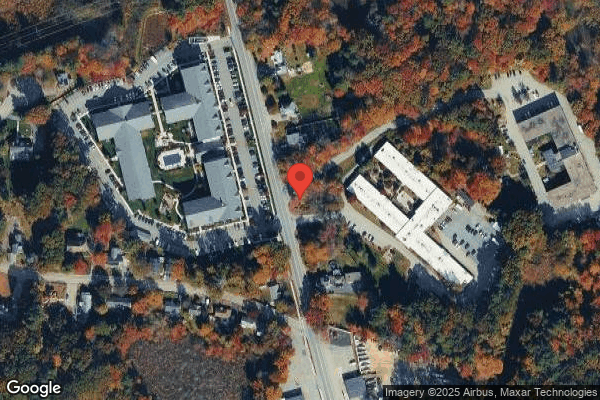
78 BOSTON ROAD, NORTH BILLERICA, MA 01862 (978) 667-5123
Non profit - Corporation 80 Beds Independent Data: November 2025
Trust Grade
90/100
#43 of 338 in MA
Last Inspection: March 2025

Within standard 12-15 month inspection cycle. Federal law requires annual inspections.

Overview

New England Pediatric Care in North Billerica, Massachusetts holds an impressive Trust Grade of A, indicating it is highly recommended and performs excellently compared to other facilities. It ranks #43 out of 338 in the state, placing it in the top half, and #13 of 72 in Middlesex County, which means only a dozen local options are better. The facility's performance trend is stable, with 10 concerns noted in both 2024 and 2025, but no critical or serious issues were reported. Staffing is a weakness, with a rating of 2 out of 5 stars, although the turnover rate is excellent at 0%, which is significantly below the state average. Notably, there were no fines recorded, indicating compliance with regulations, but some areas need attention; for instance, a resident with self-injurious behavior was left unsupervised in a wheelchair and elbow protectors were not provided as ordered for another resident, which could lead to potential harm.

Trust Score
A
90/100
In Massachusetts
#43/338
Top 12%
Safety Record
Low Risk
No red flags
Inspections
Holding Steady
2 → 2 violations
Staff Stability
○ Average
Turnover data not reported for this facility.
Penalties
✓ Good
No fines on record. Clean compliance history, better than most Massachusetts facilities.
Skilled Nurses
✓ Good
Each resident gets 71 minutes of Registered Nurse (RN) attention daily — more than 97% of Massachusetts nursing homes. RNs are the most trained staff who catch health problems before they become serious.
Violations
○ Average
10 deficiencies on record. Average for a facility this size. Mostly minor or procedural issues.
★★★★★
5.0
Overall Rating
★★☆☆☆
2.0
Staff Levels
★★★★★
5.0
Care Quality
★★★★★
5.0
Inspection Score
Stable
2024: 2 issues
2025: 2 issues

The Good

  • 5-Star Quality Measures · Strong clinical quality outcomes
  • No fines on record

Facility shows strength in quality measures.

The Bad

No Significant Concerns Identified

This facility shows no red flags. Among Massachusetts's 100 nursing homes, only 0% achieve this.

The Ugly 10 deficiencies on record

Mar 2025 2 deficiencies
CONCERN (D)

Potential for Harm - no one hurt, but risky conditions existed

Comprehensive Care Plan (Tag F0656)

Could have caused harm · This affected 1 resident

**NOTE- TERMS IN BRACKETS HAVE BEEN EDITED TO PROTECT CONFIDENTIALITY** Based on record review, interview and observation, the facility failed to ensure it followed the physician order for elbow prote...

Read full inspector narrative →
**NOTE- TERMS IN BRACKETS HAVE BEEN EDITED TO PROTECT CONFIDENTIALITY** Based on record review, interview and observation, the facility failed to ensure it followed the physician order for elbow protectors for one Resident (#31) out of 18 sampled residents. Findings: Resident #31 was admitted to the facility in December 2010, and has active diagnoses which include cerebral palsy and neuromuscular scoliosis. Review of Resident #31's Minimum Data Set assessment dated [DATE], indicated severely impaired cognition, dependent on staff for all activities of daily living, and at-risk for the development of pressure ulcers. Review of Resident #31's Maintenance care plan, last revised on 11/19/24, indicated: - Heelbos to elbows at all times. Review of Resident #31's physician orders indicated: - Heelbos to bilateral elbows at all times every shift, dated 10/18/2024. Heelbos are elbow protectors designed to treat and help prevent dermal ulcers on elbows, and to reduce shear and friction. Review of Resident #31's Treatment Administration Record for March 2025 indicated the physician's order for the use of Heelbos was not carried over. On 3/18/25 at 8:38 A.M., the surveyor observed Resident #31 in his/her bedroom awake and sitting in a wheelchair. Resident #31 was not wearing Heelbos on the elbows. On 3/19/25 at 10:12 A.M., the surveyor observed Resident #31 in the A wing classroom, sitting in a wheelchair. Resident #31 was not wearing Heelbos on the elbows. During an interview with a Teacher on 3/19/25 at 10:13 A.M., she said Resident #31 requires the use of elbow protectors. The Teacher said someone must have forgotten to apply the protectors when getting the Resident ready for school. During an interview with the Director of Nurses on 3/9/25 at 11:00 A.M., she said it is expected that staff will follow the physician's orders for the use of Heelbos.
CONCERN (E)

Potential for Harm - no one hurt, but risky conditions existed

Safe Environment (Tag F0584)

Could have caused harm · This affected multiple residents

**NOTE- TERMS IN BRACKETS HAVE BEEN EDITED TO PROTECT CONFIDENTIALITY** During environmental rounds on the first floor A wing unit on 03/19/25 10:00 A.M., the following observations were made: - room ...

Read full inspector narrative →
**NOTE- TERMS IN BRACKETS HAVE BEEN EDITED TO PROTECT CONFIDENTIALITY** During environmental rounds on the first floor A wing unit on 03/19/25 10:00 A.M., the following observations were made: - room [ROOM NUMBER]: The shoulder immobilizer can was rusty. The veneer on both bed A and bed B dressers and side tables were chipped. - room [ROOM NUMBER]: The veneer on both dressers were chipped. - room [ROOM NUMBER]: The veneer on both dressers were chipped. The bed B side rails and headboard were dirty and covered in areas of old tape. - room [ROOM NUMBER]: Both bed A and bed B dressers were chipped. Wallpaper below the bedroom window was torn and peeling. The window shade roller mechanism was broken and the shade was unable to be raised. - room [ROOM NUMBER]: The bed A side rail padding had a 6 inch rip on its edge. Bed A and B dressers had chipped veneer. The laundry hamper was rusty. The window seal hung from the bedroom window. The window shade was torn off the roller mechanism. Based on interview and observations, the facility failed to ensure a homelike environment for two of two resident occupied floors. Specifically, the facility failed to ensure ceilings, walls, and furniture were undamaged and/or clean. Findings Include: Review of facility policy titled Family/ Psychosocial admission Policy Guide, dated as reviewed 3/19/25, indicated the following: -In accordance with the Individuals with Disabilities Education Act (IDEA) [The facility] strives to create the least restrictive environment for our residents that meets their individual needs. Our goal is to provide all residents and their families with a homelike environment while supporting their physical and psychosocial wellbeing. -Procedure: Parents are encouraged to make their child's living area as homelike as possible. The facility provides sheets and blankets, a bureau, TV, and a wardrobe for each room. During environmental rounds on the second floor B wing unit on 3/19/25 at 10:22 A.M., the following observations were made: -room [ROOM NUMBER]: There were gouges in the wall leaving plaster exposed behind the laundry hamper, and there were six brown stained ceiling tiles above the laundry hamper and dresser. -room [ROOM NUMBER]: There were gouges in the wall leaving plaster exposed behind the laundry hamper and dressers. -room [ROOM NUMBER]: There were gouges in the wall leaving plaster exposed behind the laundry hamper and small dresser. -room [ROOM NUMBER]: There was peeling wallpaper behind the laundry hamper. -room [ROOM NUMBER]: There was peeling paint behind the laundry hamper. -room [ROOM NUMBER]: There was one stained ceiling tile above the pictures and laundry hamper. -room [ROOM NUMBER]: There were gouges in the wall and peeling wallpaper leaving plaster exposed behind the laundry hamper and two dressers. And there were seven stained ceiling tiles outside room [ROOM NUMBER]'s entrance. During an interview on 3/20/25 at 8:33 A.M., Nurse #2 said there is a maintenance book on the unit where all the concerns are written, and that the maintenance department checks it daily. Review of the Wing B maintenance log for March failed to indicate any of the above environmental observations. During environmental rounds on the first floor A wing unit on 03/19/25 10:00 A.M., the following observations were made: -room [ROOM NUMBER]: On the B bed side of the room the metal hamper had rusting on the cover. Also, on B bed side of the room the bureau had some of the veneer covering chipped off. -room [ROOM NUMBER]: The B side bureau had some of the veneer covering chipped off. -room [ROOM NUMBER]: The bathroom door had paint chipping off of it. The bureau on the B side of the room had the veneer covering chipped off of it and mismatched drawers. The nightstand on the B side of the room also had veneer chipped off of it. -room [ROOM NUMBER]: A nightstand in the room had veneer chipped off of it. -room [ROOM NUMBER]: The veneer was chipping off the furniture. One of the bedside tables had a missing knob on the door and the hampers were rusty on the covers. -room [ROOM NUMBER]: The padding for the side rails in bed A were ripped in the corners. -room [ROOM NUMBER]: The A bed side rail pads were torn with multiple large holes in them. The bureau on the B side of the room had many areas of chipped veneer and peeling off veneer. The wall behind the hampers was marked up. -room [ROOM NUMBER]: The wallpaper on the wall across from the beds was peeling off. Above the A side bed there is an unpainted, partially patched hole in the wall. There is a nightstand with no knob on the drawer. The bedrail pads on the B side bed were torn. -room [ROOM NUMBER]: A side table in the room was missing a knob on the drawer. There was a broken light switch plate over the B bed. Paint behind the beds was peeling and chipping on the walls. The side rail pads on the B side bed were torn. -room [ROOM NUMBER]: There were unpatched holes on the wall behind bed A. The bedside table door was off the hinge between the two beds and doesn't close. All of the furniture in the room had chipped off veneer. There was an outlet behind B bed that was broken where the plug would go in. During an interview on 3/19/25 at 10:51 A.M., Nurse #1 said that whenever there is a maintenance concern or something needs to be fixed, there is a binder at each nurse's station to write it in. During an interview and observations on 3/20/25 at 8:42 A.M., with the Director of Nurses and Director of Social Services said they are in the process of replacing furniture and recognize the need for it to be replaced. The Director of Nurses said that she would expect that staff are reporting things like broken light switches, torn siderail pads and missing furniture knobs to maintenance so they can be addressed. During observations with the Director of Nursing and the Director of Social services, ceiling tiles on the B wing unit were observed to be stained, six ceiling tiles outside of room [ROOM NUMBER] and seven ceiling tiles outside of room [ROOM NUMBER] were observed with significant staining. Both the Director of Nurses and Director of Social Services said the ceiling tiles should be replaced.
Apr 2024 2 deficiencies
CONCERN (D)

Potential for Harm - no one hurt, but risky conditions existed

Comprehensive Care Plan (Tag F0656)

Could have caused harm · This affected 1 resident

**NOTE- TERMS IN BRACKETS HAVE BEEN EDITED TO PROTECT CONFIDENTIALITY** Based on record review and interview, the facility failed to follow the plan of care for one Resident #44, out of a total sample...

Read full inspector narrative →
**NOTE- TERMS IN BRACKETS HAVE BEEN EDITED TO PROTECT CONFIDENTIALITY** Based on record review and interview, the facility failed to follow the plan of care for one Resident #44, out of a total sample of 21 residents. Specifically, the facility provided Resident #44 with a toy that was not deemed safe, resulting in Resident #44 coughing on a piece of the toy. Findings include: Resident #44 was admitted in November 2012 with diagnoses including PICA (an eating disorder where a person eats non-food items) of infancy and childhood. Review of the Minimum Data Set (MDS), dated [DATE], indicated that Resident #44 is severely impaired and did not score on a Brief Interview for Mental Status (BIMS). Review of the MDS indicates that Resident #44 requires substantial to maximal assist with walking and dependent with wheelchair mobility. Review of the care plan for Resident #44 indicated the following: PICA/SAFETY/RESTRAINTS: He/she exhibits potentially self-injurious behaviors of putting small objects in his/her mouth which puts him/her at risk for aspiration, choking. (initiated 4/22/2013) -Position Resident #44 away from other residents and equipment. Ensure that there are no small objects within his/her reach. Closely supervise Resident #44 in CR and TR when working with objects. (initiated 7/21/2015) Review of the Incident/Accident Report, dated 3/21/24, indicated that Resident #44 returned to his/her unit from education with a foam toy. The report indicates that, unwitnessed, Resident #44 bit off a piece of foam toy and began choking. Resident #44 was able to cough up full piece of said toy. Review of the report did not indicate that any witness statements were obtained from the staff directly involved. Review of the report did not indicate how Resident #44 obtained the foam toy. During an interview on 4/8/24 at 1:18 P.M., Educator #1 said that she did not give Resident #44 the foam toy and that her staff are aware of which toys Resident #44 is supposed to have. Educator #1 said that Resident #44 leaves school at 2:30 P.M. and only leaves with toys that are approved for him/her. Educator #1 said that Resident #44 could have grabbed a toy from another Resident, but doesn't believe that is what occurred because it would have only happened when walking back to the unit with a staff member. Educator #1 said that Resident #44 is brought back to the unit by staff and cannot propel him/herself in the wheelchair. During an interview on 4/8/24 at 2:11 P.M., Certified Nursing Aide (CNA) #1 said that he was walking by Resident #44 in the hallway and saw him/her coughing. CNA #1 said that Resident #44 was not turning blue and was able to breathe okay, but was just coughing on something. CNA #1 said he got the nurse and when the nurse arrived, Resident #44 coughed up the piece of a foam toy with some saliva. CNA #1 said that Resident #44 was not choking, but was coughing on the small piece of toy. CNA #1 said that Resident #44 was able to expel it him/herself. CNA #1 said that staff did not have to perform any sort of heimlich maneuver (an action to help dislodge an item from a person's airway) or help Resident #44 remove the piece of toy. During an interview on 4/8/24 at 10:40 A.M., the Director of Nursing said that Resident #44 had the toy in his/her mouth and gagged and spit it the toy out him/herself. The Director of Nursing said that the staff educator was aware that she should not provide toys like that to Resident #44. Resident #44 has certain toys that are deemed safe that he/she can't bite into. The Director of Nursing said that Resident #44 shouldn't have anything he/she can bite off. See F689.
CONCERN (D)

Potential for Harm - no one hurt, but risky conditions existed

Accident Prevention (Tag F0689)

Could have caused harm · This affected 1 resident

**NOTE- TERMS IN BRACKETS HAVE BEEN EDITED TO PROTECT CONFIDENTIALITY** Based on record review and interview, the facility failed to prevent a choking incident for one Resident (#44), specifically the...

Read full inspector narrative →
**NOTE- TERMS IN BRACKETS HAVE BEEN EDITED TO PROTECT CONFIDENTIALITY** Based on record review and interview, the facility failed to prevent a choking incident for one Resident (#44), specifically the Resident choked on a piece of foam toy, out of a total sample of 21 residents. Findings include: Review of the facility policy titled, Accidents/Incidents, dated 10/2021 indicated the following: -An incident is defined as any occurrence not consistent with the routine operation of the Center of normal care of the resident. An incident can involve a visitor or staff member, malfunctioning equipment, or observation of a situation that poses a threat to safety or security. Resident #44 was admitted in November 2012 with diagnoses including PICA (an eating disorder where a person eats non-food items) of infancy and childhood. Review of the Minimum Data Set (MDS), dated [DATE], indicated that Resident #44 is severely impaired and did not score on a Brief Interview for Mental Status (BIMS). Review of the MDS indicates that Resident #44 requires substantial to maximal assist with walking and dependent with wheelchair mobility. Review of the care plan for Resident #44 indicated the following: PICA/SAFETY/RESTRAINTS: He/she exhibits potentially self-injurious behaviors of putting small objects in his/her mouth which puts him/her at risk for aspiration, choking. (initiated 4/22/2013) -Position Resident #44 away from other residents and equipment. Ensure that there are no small objects within his/her reach. Closely supervise Resident #44 in CR and TR when working with objects. (initiated 7/21/2015) Review of the Incident/Accident Report, dated 3/21/24, indicated that Resident #44 returned to his/her unit from education with a foam toy. The report indicates that, unwitnessed, Resident #44 bit off a piece of foam toy and began choking. Resident #44 was able to cough up full piece of said toy. Review of the report did not indicate that any witness statements were obtained from the staff directly involved. Review of the report did not indicate how Resident #44 obtained the foam toy. During an interview on 4/8/24 at 1:18 P.M., Educator #1 said that she did not give Resident #44 the foam toy and that her staff are aware of which toys Resident #44 is supposed to have. Educator #1 said that Resident #44 leaves school at 2:30 P.M. and only leaves with toys that are approved for him/her. Educator #1 said that Resident #44 could have grabbed a toy from another Resident, but doesn't believe that is what occurred because it would have only happened when walking back to the unit with a staff member. Educator #1 said that Resident #44 is brought back to the unit by staff and cannot propel him/herself in the wheelchair. During an interview on 4/8/24 at 2:11 P.M., Certified Nursing Aide (CNA) #1 said that he was walking by Resident #44 in the hallway and saw him/her coughing. CNA #1 said that Resident #44 was not turning blue and was able to breathe okay, but was just coughing on something. CNA #1 said he got the nurse and when the nurse arrived, Resident #44 coughed up the piece of a foam toy with some saliva. CNA #1 said that Resident #44 was not choking, but was coughing on the small piece of toy. CNA #1 said that Resident #44 was able to expel it him/herself. CNA #1 said that staff did not have to perform any sort of heimlich maneuver (an action to help dislodge an item from a person's airway) or help Resident #44 remove the piece of toy. During an interview on 4/8/24 at 10:40 A.M., the Director of Nursing said that Resident #44 had the toy in his/her mouth and gagged and spit it the toy out him/herself. The Director of Nursing said that the staff educator was aware that she should not provide toys like that to Resident #44. Resident #44 has certain toys that are deemed safe that he/she can't bite into. The Director of Nursing said that Resident #44 shouldn't have anything he/she can bite off.
Sept 2023 1 deficiency
CONCERN (D) 📢 Someone Reported This

A family member, employee, or ombudsman was alarmed enough to file a formal complaint

Potential for Harm - no one hurt, but risky conditions existed

Deficiency F0726 (Tag F0726)

Could have caused harm · This affected 1 resident

**NOTE- TERMS IN BRACKETS HAVE BEEN EDITED TO PROTECT CONFIDENTIALITY** Based on records reviewed and interviews, for three of six sampled employee personnel files, (Nurse #1, Nurse #2 and Nurse #3), ...

Read full inspector narrative →
**NOTE- TERMS IN BRACKETS HAVE BEEN EDITED TO PROTECT CONFIDENTIALITY** Based on records reviewed and interviews, for three of six sampled employee personnel files, (Nurse #1, Nurse #2 and Nurse #3), who consistently worked full time hours at the Facility and were assigned to provide care for residents whose code status' were full code (if a person's heart stopped beating and/or they stopped breathing all resuscitation processes would be provided), the Facility failed to ensure nursing staff had current certifications in Cardiopulmonary Resuscitation (CPR). Findings include: The Facility's Job Description for Registered Nurses (RNs), undated, indicated RNs would be responsible for all licensure requirements in a timely fashion, including CPR certification. The Facility's Job Description for Licensed Practical Nurses (LPNs), undated, indicated LPNs would be responsible for all licensure requirements in a timely fashion, including CPR certification. Review of Nurse #1's CPR certification card indicated her CPR certification expired [DATE]. Review of Nurse #2's CPR certification card indicated her CPR certification expired [DATE]. Review of Nurse #3's CPR certification card indicated her CPR certification expired 08/2023. During interview on [DATE] at 12:55 P.M., the Nurse Practice Educator said nurses were required to have current CPR certifications. During interview on [DATE] at 12:32 P.M., the Director of Nurses (DON) said nurses were required to have current certifications. The DON said Nurse #1, Nurse #2, and Nurse #3 were full time nurses and were currently working full time at the Facility, although their CPR certifications were expired.
Feb 2023 5 deficiencies
CONCERN (D)

Potential for Harm - no one hurt, but risky conditions existed

Resident Rights (Tag F0550)

Could have caused harm · This affected 1 resident

**NOTE- TERMS IN BRACKETS HAVE BEEN EDITED TO PROTECT CONFIDENTIALITY** Based on observation, record review and interview the facility failed to ensure a dignified dining experience for one Resident (...

Read full inspector narrative →
**NOTE- TERMS IN BRACKETS HAVE BEEN EDITED TO PROTECT CONFIDENTIALITY** Based on observation, record review and interview the facility failed to ensure a dignified dining experience for one Resident (#37) out of a total 19 sampled residents. Findings include: The facility policy titled Resident Rights and Dignity, updated 1/2023, indicated New England Pediatric Care is committed to treating its residents with dignity and respect and to protect their rights as residents of this facility which are guaranteed to them by law. Review of the facility's guide titled Feeding/Dining Room Procedures for Orientee's, undated, indicated: *Positioning Don'ts: Never feed a resident /day student when their head is extended back or when they are lying down. These positions are unsafe as they increase the potential for choking and aspiration. Resident #37 was admitted to the facility in 6/2016 and had diagnoses that included intellectual disability and epilepsy. Review of the most recent Minimum Data Set (MDS) assessment dated [DATE], indicated Resident #37 was assessed by staff to have severely impaired cognition and to be totally dependent on staff for eating. During an observation on 2/14/23 at 8:13 A.M., Resident #37 was observed seated in a wheelchair in his/her room. He/she was being fed breakfast by a Certified Nursing Assistant (CNA). The CNA stood throughout the meal, looking down at Resident #37. Resident #37's head was leaned backward to see the CNA while he/she was fed. During Resident #37's record review the following was indicated: * A current feeding care plan indicated Resident #37 was dependently fed. During an observation on 2/15/23 at 8:08 A.M., Resident #37 was observed seated in a wheelchair in his/her room. He/she was being fed breakfast by a CNA. The CNA stood throughout the meal, looking down at Resident #37. Resident #37's head was leaned backward to see the CNA while he/she was fed. During an interview on 2/15/23 at 8:18 A.M., with Resident #37's CNA (#1) she said that Resident #37 was totally dependent on staff for feeding. CNA #1 said that there was not a chair available in Resident #37's room to sit in while feeding him/her. During an interview on 2/15/23 at 9:04 A.M., Unit Manager #2 said that the expectation was that staff sit when feeding residents. The surveyor shared the CNAs report that there was not a chair available to sit in. Unit Manager #2 said that there are plenty of chairs available in the facility and that she would make sure one was placed in Resident #37's room. During an interview on 2/15/23 at 11:05 A.M., the Director of Nursing (DON) said that staff should be seated while feeding the residents.
CONCERN (D)

Potential for Harm - no one hurt, but risky conditions existed

Pressure Ulcer Prevention (Tag F0686)

Could have caused harm · This affected 1 resident

Based on observation, record review and interview the facility failed to ensure air mattresses were set to the appropriate settings for 2 Residents (#325, #70) out of a sample of 19 Residents. Findin...

Read full inspector narrative →
Based on observation, record review and interview the facility failed to ensure air mattresses were set to the appropriate settings for 2 Residents (#325, #70) out of a sample of 19 Residents. Findings include: 1. Resident #325 was admitted to the facility in 11/2016 with diagnoses that included diffuse traumatic brain injury and spasticity. During an observation on 2/14/23 at 8:18 A.M., the surveyor observed Resident #325 lying in bed on an air mattress set to firm 350 pounds. During an observation on 2/15/23 from 8:40 A.M., to 8:54 A.M., the surveyor observed Resident #325 lying in bed on an air mattress set to firm 350 pounds. Review of Resident #325's most recent weight recorded in February, 2023 indicated Resident #325 weighed 121.2 pounds. Review of Resident #325's February, 2023 Physician's Orders, indicated Apply small amount of Vitamin A&D to area on (L) great toe covered with Allevyn dressing two times a day. Review of Resident #325's Skin Integrity Report, dated 1/16/23, indicated a stage 2 pressure ulcer to the left great toe. During an interview on 2/15/23 at 9:40 A.M., Unit Manager #1 said the maintenance department is responsible to set the air mattresses up. Unit Manager #1 said most residents have an air mattress for wound management or prevention and said staff do not adjust the settings. During an interview on 2/15/23 at 10:00 A.M., the Director of Nursing said the expectation is that the air mattress be set to a resident's weight and that nursing monitor the settings for accuracy because if it is set to high it could cause more pressure. During an interview on 2/15/23 at 11:29 A.M., the Maintenance Assistant said that the maintenance department is responsible for putting the air mattresses on the bed and then assumes that nursing sets the air mattresses to the appropriate setting. 2. Resident #70 was admitted in 2/2022 with diagnoses that included spastic quadriplegia cerebral palsy, scoliosis, and an infection following a procedure to a surgical site. During an observation on 2/14/23 at 8:23 A.M., the surveyor observed Resident #70 lying in bed on an air mattress set to firm 350 pounds. During an observation on 2/15/23 from 8:22 A.M. to 8:55 A.M., the surveyor observed Resident #70 lying in bed on an air mattress set to firm 350 pounds. Review of Resident #70's most recent weight taken in 2/2023 indicated Resident #70 weighed 92.6 pounds. During an interview on 2/15/23 at 9:37 A.M., Nurse #1 said the air mattress should have an order, and said she is not sure what they should be set at. Nurse #1 said maintenance sets up the mattress and that the mattress just blows up once plugged in. During an interview on 2/15/23 at 9:40 A.M., Unit Manager #1 acknowledged the air mattress was set to 350 pounds and said the maintenance department is responsible to set the air mattresses up. Unit Manager #1 said most residents have an air mattress for wound management or prevention and said staff do not adjust the settings. During an interview on 2/15/23 at 9:42 A.M., the Staff Development Coordinator said staff should be aware of how to set the air mattresses and said the expectation is to set the air mattresses to the residents' weight. During an interview on 2/15/23 at 11:29 A.M., the Maintenance Assistant said that the maintenance department is responsible for putting the air mattresses on the bed and then assumes that nursing sets the air mattresses to the appropriate setting.
CONCERN (D)

Potential for Harm - no one hurt, but risky conditions existed

Respiratory Care (Tag F0695)

Could have caused harm · This affected 1 resident

Based on observation, record review and interview the facility failed to ensure necessary respiratory care and services in accordance with professional standards of practice for 1 Resident (#57) out o...

Read full inspector narrative →
Based on observation, record review and interview the facility failed to ensure necessary respiratory care and services in accordance with professional standards of practice for 1 Resident (#57) out of a total sample of 19 residents. Specifically, the facility failed to ensure the oxygen concentrator and filter were clean, that the BiPAP was stored when not in use, and the cart to store respiratory equipment was clean and sanitary. Review of the facility's policy titled, Respiratory Equipment Maintenance, dated as revised 8/21 indicated the following: * Objective, to reduce the chance of infection due to prolonged use of equipment. * Procedure, all respiratory masks/nasal pillows will be washed and covered once removed from patient. The open end of all respiratory tubing will be covered when not in use. Bunn compressor filters will be rinsed weekly. Resident #57 was admitted to the facility in November 2019 with diagnoses including epilepsy, chronic respiratory failure, cerebral palsy, and unspecified intellectual disabilities. Review of the Minimum Data Set (MDS) assessment, dated 2/10/23, indicated Resident #57 had severe cognitive impairment and is dependent on staff for all aspects of daily care. During an observation on 2/14/23 at 8:16 A.M., Resident #57 was observed in bed resting on his/her left side. To the right of his/her bed was a cart with respiratory equipment. The cart was observed with uncovered BiPAP (a type of non-invasive positive pressure ventilator) nasal pillow and tubing. The cart was observed to have debris/dust on it and the front of the oxygen concentrator was observed to have splatter and dust on it. Review of Resident #57's medical record indicated the following: -A physician's order, with an original order date of 2/10/22, BIPAP: BIPAP 14, EPAP 6 with rate 10- and 2-liters oxygen via airfit P10 large nasal pillow on 11:00 P.M.-8:00 A.M. and as needed for sleepiness and congestion. During an observation and interview on 2/15/23 at 8:11 A.M., Resident #57 was observed in his/her room by the surveyor and Unit Manager #1. The respiratory equipment cart next to Resident #57's bed was observed with dust and debris and the BiPAP tubing and nasal pillow were uncovered and resting on the cart. Unit Manager #1 said the BiPAP should be stored in a bag when not in use. Unit Manager #1 acknowledged the respiratory equipment cart needed cleaning and said all respiratory carts are to be cleaned with disinfectant weekly. Unit Manager #1 and the surveyor observed the front of oxygen concentrator which had splatter and dust on it, and the filter on the side had a layer of thick gray dust covering a large portion of the filter, and dust was around the perimeter of the filter fitting. Unit Manager #1 said the equipment should not have been observed in that condition.
CONCERN (D)

Potential for Harm - no one hurt, but risky conditions existed

Medical Records (Tag F0842)

Could have caused harm · This affected 1 resident

Based on record review, interview and observation, the facility failed to accurately document physician ordered treatments which included a long sleeve shirt, pants, protective boots, and a neoprene p...

Read full inspector narrative →
Based on record review, interview and observation, the facility failed to accurately document physician ordered treatments which included a long sleeve shirt, pants, protective boots, and a neoprene protective wrap for 2 Residents (#26 and #44) out of 19 sampled residents. Findings include: 1. Resident #26 was admitted to the facility in October 2021, and had active diagnoses which included Retts Syndrome (a neurological and developmental disorder that causes a progressive loss of motor skills and language). Review of Resident #26's Minimum Data Set assessment, dated 12/13/22, indicated severely-impaired cognition (never/rarely made decisions), did not reject care, and total dependence on staff for all activities of daily living. Review of Resident #26's physician's order, dated 6/14/21, indicated Long sleeve shirt/pants when in bed at all times. The orders also indicated Bunny boots [a heel protector cushion] at all times, dated 6/15/21. During an observation on 2/15/23 at 9:01 A.M., (accompanied by Nurse #3) Resident #26 was lying in bed and awake. A [NAME] Board, located on the wall next to Resident #26's bed, indicated he/she was to wear Bunny boots, a long sleeve shirt and pants while in bed. Nurse #3 said he did not know why Resident #26 was not wearing Bunny boots, long sleeve shirt or pants. Review of Resident #26's Treatment Administration Record (TAR) dated 2/14/23 for the 3:00 P.M. to 11:00 P.M. shift and the 2/14/23 for the 11:00 P.M. to 7:00 A.M. shift, indicated staff inaccurately documented the shirt, pants, and Bunny Boots were worn during these times. During an interview with the Director of Nurses on 2/15/23 at approximately 1:30 P.M., the surveyor informed her that nursing staff documented Resident #26 wore a long sleeve shirt, pants, and Bunny boots but that the surveyor and staff observed that he/she was not wearing these treatments. 2. Resident #44 was admitted to the facility in April 2022, and had diagnoses which included non-traumatic brain dysfunction, seizure disorder and cerebral palsy. Review of Resident #44's Minimum Data Set assessment, dated 1/27/23, indicated severely-impaired cognition (never/rarely made decisions), did not reject care, and total dependence on staff for all activities of daily living. Review of Resident #44's physician's order, dated 4/26/22, indicated right elbow orthosis with limited range of motion covered with neoprene wrap at all times due to cerebral palsy, release every 2 hours. May be off with close supervision. During an observation on 2/14/23 at 9:58 A.M., Resident #44 was lying in bed, awake. A [NAME] Board, located on the wall next to Resident #44's bed, indicated to wear a neoprene wrap over the right elbow orthotic. Resident #44 did not have a wrap over the elbow orthotic. There were no staff in the room to provide close supervision of the unwrapped elbow orthotic. On 2/15/23 at 10:23 A.M., Unit Manager (UM) #2 accompanied the surveyor into Resident #44's room and observed that he/she was not wearing a wrap over the elbow orthotic. No other staff were in the bedroom to provide close supervision of the unwrapped orthotic. UM #2 said the purpose of the wrap was to prevent the metal parts of the orthotic from irritating Resident #44's skin. Review of Resident #44's Treatment Administration Record (TAR) dated 2/14/23 for the 7:00 A.M. to 3:00 P.M. shift and the 11:00 P.M. to 7:00 A.M. shift, indicated staff inaccurately documented the elbow orthotic was covered with a neoprene wrap.
CONCERN (E)

Potential for Harm - no one hurt, but risky conditions existed

Comprehensive Care Plan (Tag F0656)

Could have caused harm · This affected multiple residents

5. For Resident #17, with known Self Injurious Behavior (SIB), the staff failed to ensure he/she was not left unsupervised in his/her room while in a wheelchair, as indicated in his/her plan of care. ...

Read full inspector narrative →
5. For Resident #17, with known Self Injurious Behavior (SIB), the staff failed to ensure he/she was not left unsupervised in his/her room while in a wheelchair, as indicated in his/her plan of care. Resident #17 was admitted to the facility in 8/1998 and had diagnoses that included osteoporosis and tracheostomy dependant. Review of the most recent Minimum Data Set (MDS) assessment, dated 12/23/22, indicated Resident #17 was assessed by staff to have severely impaired cognition. The MDS further indicated Resident #17 had behaviors that put him/her at significant risk for physical illness or injury at least 1-3 times a week during the look back period. During an observation on 2/14/23 at 8:43 A.M., the surveyor observed Resident #17 alone in his/her room seated in a wheelchair. Resident #17 was reaching forward, attempting to reach items on a table that was approximately 4 feet out of reach. During Resident #17's record review on 2/14/23 at 10:30 A.M., the following was indicated: * A physician's order, dated as renewed 2/1/23, do not leave in room unsupervised while in wheelchair. * A behavior care plan indicated Resident #17 has long standing self-injurious behaviors of striking head, face and pulling at trachea tube. A current intervention on the plan of care is: Do not leave in room in wheelchair unsupervised. * An osteoporosis care plan indicated Resident #17 is at increased risk for fracture due to osteoporosis. A current intervention on the plan of care is: Do not leave in room unsupervised in wheelchair! During an observation on 2/15/23 at 9:29 A.M., the surveyor observed Resident #17 in his/her room. Resident #17 was seated in a wheelchair next to the window with no staff present in the room. The view of Resident #17 was obstructed by the crib of his/her roommate. The surveyor entered the room and observed Resident #17 pull and forcefully detach the mist humidifier that was connected to his/her trachea tubing. The surveyor exited the room and immediately notified staff. During an observation and interview on 2/15/23 at 9:33 A.M., the surveyor and Unit Manager #2 observed Resident #17 and the mist tube detached from his/her trachea tubing together. Unit Manager #2 said that Resident #17 was not supposed to be left alone in the room due to self injurious behavior, but because of the COVID 19 positive cases presently in the building they started leaving him/her alone in the room. Unit Manager #2 then said Resident #17 looked agitated today and should not be in here alone. During an interview on 2/15/23 at 11:07 A.M., the Director of Nursing said Resident #17 should not be left alone in the room due to self injurious behaviors. Based on observation, record review and interview the facility failed to develop and implement a plan of care for 1 Resident (#51) and failed to implement the care plan for 4 Residents (#57, #26, #44 and #17), out of a total sample of 19 residents. Findings include: 1. For Resident #51 the facility failed to develop and implement a person-centered care plan with individual approaches/interventions, for the risk of placing non-food items in his/her mouth. Resident #51 was admitted to the facility in December 2014 with diagnoses that include unspecified intellectual disabilities and epilepsy. Review of the Minimum Data Set (MDS) Assessment, dated 1/13/2023, indicated Resident #51 has severe cognitive impairment and is dependent on staff for transfers, bathing, dressing and hygiene. Further, the MDS did not indicate Resident #51 exhibited behaviors of rejecting care. During an observation on 2/14/23 at 10:41 A.M., Resident #51 was observed sitting in his/her wheelchair in his/her room. Resident #51 had a few inches of fuzzy blanket in his/her mouth and his/her mouth was moving in a chewing motion. During an observation on 2/15/23 at 8:03 A.M., a Certified Nursing assistant (CNA) #2 exited Resident #51's room with a breakfast tray. Resident #51 pulled a soft fuzzy blanket from his/her bed onto his/her lap. After touching the blanket Resident #51 proceeded to put the blanket in his/her mouth. After a few minutes CNA #2 entered the room and replaced the blanket with a tactile toy. During an interview on 2/15/23 at 8:10 A.M., CNA #2 said Resident #51 likes to touch and play with things. CNA #2 said Resident #51 puts things in his/her mouth including his/her large stuffed animals, and that small things need to be placed out of his/her reach. During an interview on 2/15/23 at 11:50 A.M., Young Adult Instructor #1 said Resident #51 will attempt to put things in his/her mouth and needs monitoring while in the young adult program. She said on the unit, Resident #51 is usually in the doorway of his/her room and needs to be watched to make sure he/she does not place items in his/her mouth. Review of the whiteboard located next Resident #51's bed room, on 2/15/23 at 11:58 A.M., utilized to direct staff on specific care did not indicate any safety precautions or interventions. Review of Resident #51's established care plans failed to indicate a care plan for the risk of placing items in his/her mouth with person-centered interventions was present. During an interview on 2/15/23 at 1:04 P.M., Nurse #1 accompanied the surveyor to Resident #51's room. Nurse #1 said Resident #51 has large items such as a large stuffed animals and should not have small items. Nurse #1 unfolded the fuzzy blanket on Resident #51's bed and observed that a few inches of 3 corners of the blanket were matted and worn down. Nurse #1 acknowledged it was from Resident #51's mouth. 2. For Resident #57 the facility failed to implement the use of a custom foam head positioner. Resident #57 was admitted to the facility in November 2019 with diagnoses including epilepsy, chronic respiratory failure, cerebral palsy, and unspecified intellectual disabilities. Review of the MDS with an assessment reference date of 2/10/23 indicated Resident #57 had severe cognitive impairment and was dependent on staff for all aspects of daily care. During an observation on 2/14/23 at 8:16 A.M., Resident #57 was observed in bed, resting on his/her left side. A towel was rolled and was at the top of his/her head. Observation of the information white board next to Resident #57's bed indicated equipment in bed: custom foam head positioner AATs (At all times.) The custom foam head positioner was not observed. Review of Resident #57's medical record indicated the following: -A physician's order; custom foam head positioner while in bed at all times, original date order 11/15/2019. -A care plan labeled maintenance with the intervention custom head positioner in bed, dated 11/8/19. During an observation on 2/15/23 at 8:11 A.M., Resident #57 was observed in his/her bed, laying on his/her right side with his/her head resting on a towel on top of a pillow. Unit Manager #2 was present and said Resident #57 should have the custom foam head positioner in place. Unit Manger looked around the room and was unable to locate the custom head positioner. During an interview on 2/15/23 at 12:48 P.M., the Occupational Therapist (OT) said she was just made aware that Resident #57's custom head positioner was missing and did not know how long it had been missing. The OT said all equipment should be in place as indicated on the white board and plan of care. 3. Resident #26 was admitted to the facility in October 2021, and had diagnoses which included Retts Syndrome (a neurological and developmental disorder that causes a progressive loss of motor skills and language). Review of Resident #26's Minimum Data Set (MDS) assessment, dated 12/13/22, indicated Resident #26 had severely-impaired cognition (never/rarely made decisions), did not reject care, and total dependence on staff for all activities of daily living. Resident #26's care plan, dated 12/2022, indicated his/her basic physical & psychosocial needs will be met daily as evidenced by a clean and well-groomed appearance. Resident #26 will wear Bunny boots [a heel protector cushion] in bed and bilateral hand gloves when out of bed. Review of Resident #26's Treatment Administration Record (TAR) physician's order, dated 6/14/21, indicated Long sleeve shirt/pants when in bed at all times. The TAR also indicated an order, dated 6/15/21, for Bunny boots at all times. During an observation on 2/15/23 at 9:01 A.M., (accompanied by Nurse #3) Resident #26 was lying in bed and awake. A white board, located on the wall next to Resident #26's bed, indicated he/she was to wear Bunny boots, a long sleeve shirt and pants while in bed, and hand guards while out of bed. Nurse #3 said he did not know why Resident #26 was not wearing Bunny boots, long sleeve shirt or pants. During an observation on 2/15/23 at approximately 9:30 A.M., Resident #26 was out of bed and sitting in a wheelchair, located in his/her room. Resident #26 was not wearing hand gloves. During an interview with the Director of Nurses on 2/15/23 at approximately 1:30 P.M., the surveyor informed her that Resident #26 was not wearing a long sleeve shirt, pants, Bunny boots or gloves, as required by the plan of care. 4. Resident #44 was admitted to the facility in April 2022, and had diagnoses which included non-traumatic brain dysfunction, seizure disorder and cerebral palsy. Review of Resident #44's Minimum Data Set (MDS) assessment, dated 1/27/23, indicated Resident #44 had severely-impaired cognition (never/rarely made decisions), did not reject care, and total dependence on staff for all activities of daily living. Resident #44's care plan, dated 1/2023, indicated the use of an elbow orthotic. Review of Resident #44's Treatment Administration Record physician's order, dated 4/26/22, indicated right elbow orthosis with limited range of motion covered with neoprene wrap at all times due to cerebral palsy, release every 2 hours. May be off with close supervision, dated 4/26/22. During an observation on 2/14/23 at 9:58 A.M., Resident #44 was lying in bed, awake. A [NAME] Board, located on the wall next to Resident #44's bed, indicated to wear a neoprene wrap over the right elbow orthotic. Resident #44 did not have a wrap over the elbow orthotic. There were no staff in the room to provide close supervision of the unwrapped elbow orthotic. On 2/15/23 at 10:23 A.M., Unit Manager (UM) #2 accompanied the surveyor into Resident #44's room and observed that he/she was not wearing a wrap over the elbow orthotic. No other staff were in the bedroom to provide close supervision of the unwrapped orthotic. UM #2 said the purpose of the wrap was to prevent the metal parts of the orthotic from irritating Resident #44's skin.
Understanding Severity Codes (click to expand)
Life-Threatening (Immediate Jeopardy)
J - Isolated K - Pattern L - Widespread
Actual Harm
G - Isolated H - Pattern I - Widespread
Potential for Harm
D - Isolated E - Pattern F - Widespread
No Harm (Minor)
A - Isolated B - Pattern C - Widespread

Questions to Ask on Your Visit

  • "Can I speak with families of current residents?"
  • "What's your RN coverage like on weekends and overnight?"

Our Honest Assessment

Strengths
  • • Grade A (90/100). Above average facility, better than most options in Massachusetts.
  • • No major safety red flags. No abuse findings, life-threatening violations, or SFF status.
  • • No fines on record. Clean compliance history, better than most Massachusetts facilities.
Concerns
  • • No significant concerns identified. This facility shows no red flags across CMS ratings, staff turnover, or federal penalties.
Bottom line: Generally positive indicators. Standard due diligence and a personal visit recommended.

About This Facility

What is New England Pediatric Care's CMS Rating?

CMS assigns NEW ENGLAND PEDIATRIC CARE an overall rating of 5 out of 5 stars, which is considered much above average nationally. Within Massachusetts, this rating places the facility higher than 99% of the state's 100 nursing homes. This rating reflects solid performance across the metrics CMS uses to evaluate nursing home quality.

How is New England Pediatric Care Staffed?

CMS rates NEW ENGLAND PEDIATRIC CARE's staffing level at 2 out of 5 stars, which is below average compared to other nursing homes.

What Have Inspectors Found at New England Pediatric Care?

State health inspectors documented 10 deficiencies at NEW ENGLAND PEDIATRIC CARE during 2023 to 2025. These included: 10 with potential for harm.

Who Owns and Operates New England Pediatric Care?

NEW ENGLAND PEDIATRIC CARE is owned by a non-profit organization. Non-profit facilities reinvest revenue into operations rather than distributing to shareholders. The facility operates independently rather than as part of a larger chain. With 80 certified beds and approximately 74 residents (about 92% occupancy), it is a smaller facility located in NORTH BILLERICA, Massachusetts.

How Does New England Pediatric Care Compare to Other Massachusetts Nursing Homes?

Compared to the 100 nursing homes in Massachusetts, NEW ENGLAND PEDIATRIC CARE's overall rating (5 stars) is above the state average of 2.9 and health inspection rating (5 stars) is much above the national benchmark.

What Should Families Ask When Visiting New England Pediatric Care?

Based on this facility's data, families visiting should ask: "Can you walk me through typical staffing levels on day, evening, and night shifts?" "Can I visit during a mealtime to observe dining assistance and food quality?" "How do you handle medical emergencies, and what is your hospital transfer rate?" "Can I speak with family members of current residents about their experience?" These questions are particularly relevant given the below-average staffing rating.

Is New England Pediatric Care Safe?

Based on CMS inspection data, NEW ENGLAND PEDIATRIC CARE has a clean safety record: no substantiated abuse findings (meaning no confirmed cases of resident harm), no Immediate Jeopardy citations (the most serious violation level indicating risk of serious injury or death), and is not on the Special Focus Facility watch list (a federal program monitoring the lowest-performing 1% of nursing homes). The facility has a 5-star overall rating and ranks #1 of 100 nursing homes in Massachusetts. While no facility is perfect, families should still ask about staff-to-resident ratios and recent inspection results during their visit.

Do Nurses at New England Pediatric Care Stick Around?

NEW ENGLAND PEDIATRIC CARE has not reported staff turnover data to CMS. Staff turnover matters because consistent caregivers learn residents' individual needs, medications, and preferences. When staff frequently change, this institutional knowledge is lost. Families should ask the facility directly about their staff retention rates and average employee tenure.

Was New England Pediatric Care Ever Fined?

NEW ENGLAND PEDIATRIC CARE has no federal fines on record. CMS issues fines when nursing homes fail to meet care standards or don't correct problems found during inspections. The absence of fines suggests the facility has either maintained compliance or corrected any issues before penalties were assessed. This is a positive indicator, though families should still review recent inspection reports for the full picture.

Is New England Pediatric Care on Any Federal Watch List?

NEW ENGLAND PEDIATRIC CARE is not on any federal watch list. The most significant is the Special Focus Facility (SFF) program, which identifies the bottom 1% of nursing homes nationally based on persistent, serious quality problems. Not being on this list means the facility has avoided the pattern of deficiencies that triggers enhanced federal oversight. This is a positive indicator, though families should still review the facility's inspection history directly.