ROYAL MEADOW VIEW CENTER

134 NORTH STREET, NORTH READING, MA 01864 (978) 276-2000
For profit - Corporation 113 Beds ROYAL HEALTH GROUP Data: November 2025
Trust Grade
45/100
#244 of 338 in MA
Last Inspection: January 2025

Within standard 12-15 month inspection cycle. Federal law requires annual inspections.

Overview

Royal Meadow View Center in North Reading, Massachusetts, has received a Trust Grade of D, indicating below-average performance with some concerns. It ranks #244 out of 338 facilities in Massachusetts, placing it in the bottom half of nursing homes statewide, and #46 out of 72 in Middlesex County, meaning only 45 local options are worse. The facility is on an improving trend, with issues decreasing from 20 in 2024 to 13 in 2025, but it still faces significant challenges, such as insufficient staffing levels that have led to complaints about unmet care needs. Staffing has a rating of 2 out of 5 stars, and the turnover rate is high at 61%, which is concerning compared to the state average. No fines have been reported, which is a positive aspect. However, specific incidents of concern include inadequate staffing during a shift, resulting in unmet care requests from residents, and complaints about food quality, where meals were served lukewarm and unappetizing. Overall, while there are some positive trends, families should weigh the facility's staffing challenges and food quality issues against its improving track record.

Trust Score
D
45/100
In Massachusetts
#244/338
Bottom 28%
Safety Record
Low Risk
No red flags
Inspections
Getting Better
20 → 13 violations
Staff Stability
⚠ Watch
61% turnover. Above average. Higher turnover means staff may not know residents' routines.
Penalties
✓ Good
No fines on record. Clean compliance history, better than most Massachusetts facilities.
Skilled Nurses
○ Average
Each resident gets 38 minutes of Registered Nurse (RN) attention daily — about average for Massachusetts. RNs are the most trained staff who monitor for health changes.
Violations
⚠ Watch
44 deficiencies on record. Higher than average. Multiple issues found across inspections.
★★☆☆☆
2.0
Overall Rating
★★☆☆☆
2.0
Staff Levels
★★★★☆
4.0
Care Quality
★★☆☆☆
2.0
Inspection Score
Stable
2024: 20 issues
2025: 13 issues

The Good

  • 4-Star Quality Measures · Strong clinical quality outcomes
  • Full Sprinkler Coverage · Fire safety systems throughout facility
  • No fines on record

Facility shows strength in quality measures, fire safety.

The Bad

2-Star Overall Rating

Below Massachusetts average (2.9)

Below average - review inspection findings carefully

Staff Turnover: 61%

14pts above Massachusetts avg (46%)

Frequent staff changes - ask about care continuity

Chain: ROYAL HEALTH GROUP

Part of a multi-facility chain

Ask about local staffing decisions and management

Staff turnover is elevated (61%)

13 points above Massachusetts average of 48%

The Ugly 44 deficiencies on record

Jan 2025 13 deficiencies
CONCERN (D)

Potential for Harm - no one hurt, but risky conditions existed

Resident Rights (Tag F0550)

Could have caused harm · This affected 1 resident

Based on observation and interview, the facility failed to provide a dignified dining experience for residents residing on the dementia unit. Findings include: 1.) On 1/28/25 at 8:47 A.M., the survey...

Read full inspector narrative →
Based on observation and interview, the facility failed to provide a dignified dining experience for residents residing on the dementia unit. Findings include: 1.) On 1/28/25 at 8:47 A.M., the surveyors observed the breakfast meal on the View Unit (a secured unit where residents with dementia reside). There were four tables where three residents were seated. Two of the three tables had served two residents, and the remaining residents were watching their tablemates eat. The following observations was made: - At 8:52 A.M., one Resident asked a staff person if the tray she was carrying belonged to him/her. The Resident continued to sit and watch his/her tablemates eat. 2.) On 1/29/25 at 8:40 A.M., the surveyors observed 16 total residents in the View Dining room waiting for their breakfast meal. Two residents at a table of four had been served their meals while the rest of the residents waited. The following observations were made: - At 8:42 A.M., staff continued to serve residents at different tables while other residents watched their tablemates eat. - At 8:44 A.M., eight total residents were waiting for their meals and for the 2nd breakfast truck to arrive. Five residents were seated at tables watching their tablemates eat. - At 8:48 A.M., the 2nd breakfast truck arrived and one Resident who had been watching his/her tablemates eat since 8:40 A.M., said mine!? as the staff delivered his/her meal. - At 8:49 A.M., one resident at a table who was waiting for his/her meal reached across and took his/her tablemates' milk and began to drink it. - At 8:50 A.M., four total residents were waiting for their meals to be served, two of which were seated at tables watching their tablemates eat. 3.) On 1/29/25 at 12:40 P.M., the surveyor observed the lunch meal in the View Unit Dining room. The following observations were made: - At 12:46 P.M., the first resident at a table of four was served his/her meal. The last resident at the table was served at 12:52 P.M. - At 12:42 P.M. the first resident at a table of four was served his/her meal. The last resident at the table was served at 12:53 P.M. - At 12:43 P.M., the first resident at a table of four was served his/her meal. The last resident at the table was served at 12:58 P.M. - At 12:45 P.M. two residents were served their meals at a table of three. The last resident was served at 12:53 P.M. 4.) On 1/30/25 at 8:46 A.M., the surveyor observed the Breakfast meal. A total of 17 residents were seated in the dining room. The following observations were made: - At 8:48 A.M., the first resident at a table of four was delivered his/her meal. The last resident at the table was served at 8:56 A.M. - At 8:50 A.M., the first resident at a table of four was served his/her meal. The last resident at the table was served at 9:01 A.M. - At 8:52 A.M., the first resident at a table of three was served his/her meal. The last resident at the table received his/her meal at 8:58 A.M. - At 8:55 A.M., the first resident at a table of four was served his/her meal. The last resident at the table was served at 9:04 A.M. - At 8:59 A.M., the first resident at a table of three was served his/her meal. The last resident at the table was served at 9:04 A.M. During an interview on 1/30/25 at approximately 11:30 A.M., the Director of Nursing said that residents should be served their meals simultaneously and that the View Unit has had difficulty in doing so as the residents can be unpredictable and may not sit at the same tables consistently.
CONCERN (D)

Potential for Harm - no one hurt, but risky conditions existed

Comprehensive Care Plan (Tag F0656)

Could have caused harm · This affected 1 resident

Based on record review and interviews, the facility failed to develop and implement person-centered care plans for one Resident (#28) out of a sample of 21 residents. Specifically, for Resident #28, t...

Read full inspector narrative →
Based on record review and interviews, the facility failed to develop and implement person-centered care plans for one Resident (#28) out of a sample of 21 residents. Specifically, for Resident #28, the facility failed to implement the plan of care for providing supervision/assistance and adaptive equipment to the Resident while eating. Findings include: A review of the facility policy titled 'Comprehensive Person-Centered Care Plan', dated May 2023, indicated the following: - A comprehensive, person-centered care plan that includes measurable objectives and timetables to meet the resident's physical, psychosocial and functional needs is developed and implemented for each resident. - The comprehensive care plan will: - Describe the services that are to be furnished to attain or maintain the resident's highest practicable physical, mental, and psychosocial well-being. - Incorporate identified problem areas. - Incorporate risk factors associated with identified problems. - Aid in preventing or reducing decline of the resident's functional status and or/functional levels. Resident #28 was admitted to the facility in March 2019 with diagnoses including paranoid schizophrenia, legal blindness, and malnutrition. A review of the most recent Minimum Data Set (MDS) assessment, dated 12/4/24, indicated a Brief Interview for Mental Status (BIMS) score of six out of a possible 15 indicating moderate cognitive impairment. The MDS also indicated that Resident #28 received a mechanically altered diet and had severely impaired vision. On 1/28/25 at 9:00 A.M., the surveyor observed Resident #28 seated in a chair in his/her room eating breakfast. The meal was served on a regular plate. There were no staff present in the room. On 1/29/25 at 9:02 A.M. and 9:17 A.M., the surveyor observed Resident #28 sitting up in his/her bed eating breakfast. The meal was served on a regular plate. There were no staff present in the room. A review of Resident #28's physician's orders, dated 10/29/24, indicated: - House diet: dysphagia advanced/ground texture, thin consistency, lip plate (adaptive equipment to allow increased independence for a disabled person to eat). A review of Resident #28's Activities of Daily Living (ADL) care plan, dated 3/27/24, indicated that he/she required supervision/assist for eating. A review of Resident #28's nutritional care plan, dated as revised 12/5/24, indicated that he/she would be monitored for signs and symptoms of dysphagia (difficulty swallowing foods or liquids). The care plan failed to indicate that Resident #28 required an altered diet or that he/she required a lip plate for meals. During an interview and on 1/29/25 at 2:05 P.M., Unit Manger #2 said she was unaware that Resident #28's care plan indicated he/she required supervision/assist for eating and that he/she had an order to have a lip plate for meals. During an interview on 1/30/25 at 11:15 A.M., the Director of Nurses said she would expect a care plan for a Resident to receive supervision/assist with eating to be followed.
CONCERN (D)

Potential for Harm - no one hurt, but risky conditions existed

Deficiency F0657 (Tag F0657)

Could have caused harm · This affected 1 resident

Based on observation, record review and staff interview, the facility failed to ensure the comprehensive care plan was revised by the interdisciplinary team for one Resident (#26) out of a total sampl...

Read full inspector narrative →
Based on observation, record review and staff interview, the facility failed to ensure the comprehensive care plan was revised by the interdisciplinary team for one Resident (#26) out of a total sample of 21 residents. Specifically, the facility failed to revise the comprehensive care plan relating to tube feeding and risk for choking upon the care plan review following the completion of two quarterly assessments. Findings include: Review of the facility policy titled 'Comprehensive Person-Centered Care Plan, dated May 2023, indicated, but was not limited to: - The Interdisciplinary Team (IDT), in conjunction with the resident and his/her family or legal representative, develops and implements a comprehensive, person-centered care plan for each resident. - The IDT includes: b. a licensed nurse who has responsibility for the resident; c. a nurse aide who has responsibility for the resident d. a member of the food and nutrition services staff; f. other appropriate staff or professionals determined by the resident's needs or as requested by the resident. - The comprehensive, person-centered care plan will: h. incorporates identified problem areas; i. incorporate risk factors associated with identified problems; k. reflects the resident's expressed wishes regarding care and treatment goals. - Identifying problem areas and their causes and developing interventions that are targeted and meaningful to the resident, are the endpoint of the interdisciplinary process. - Assessments of residents are ongoing and care plans are revised as information about the residents and the resident's conditions change. - The Interdisciplinary Team must review and update the care plan: b. when the desired outcome is not met; d. at least quarterly, in conjunction with the required quarterly MDS (Minimum Data Set) assessment. Review of the most recent quarterly Minimum Data Set (MDS) assessment, dated 12/27/24, indicated Resident #26 was cognitively intact as evidenced by a Brief Interview for Mental Status (BIMS) score of 14 out of 15. This MDS further indicated Resident #26 required set up assistance with eating and indicated he/she did not receive tube feeding. Review of the quarterly Minimum Data Set (MDS) assessment, dated 9/25/24, indicated Resident #26 required set up assistance with eating and indicated he/she did not receive tube feeding. Review of Care Plan Review History in electronic record indicated Resident #26's comprehensive care plan was reviewed with the IDT on 10/11/24 and 12/30/24. Review of Resident #26's physician's order, initiated 12/17/24, indicated: - House diet, Dysphagia Advanced/Ground texture, Thin consistency, for finger foods. Review of Resident #26's physician's orders, dated 9/15/24 to 1/31/25, failed to indicate any tube feeding orders. Review of Resident #26's plan of care related to altered nutrition and risk for choking, revised 12/30/24, indicated: - Resident Will Be Free of Choking Episodes While Eating. Resident #26 will follow this POC (plan of care) and remain safe while eating. - Intervention: Keep head of bed elevated 45 degrees during meal and thirty minutes after eating. - Intervention: Elevate the Resident HOB (head of bed) 45 degrees during and thirty minutes after tube feeding. - Intervention: Encourage him/her to follow POC with regards to elevating the HOB with all PO (by mouth) intake. On 1/28/25 at 8:42 A.M., the surveyor observed Resident #26 lying completely flat in bed with a plate of food resting on his/her chest. The plate contained toast, scrambled eggs, and a biscuit. Resident #26 was coughing causing bits of scrambled eggs to propel into the air. On 1/29/25 at 8:32 A.M., the surveyor observed Resident #26 lying completely flat in bed with a plate of food resting on his/her chest. The plate contained bread, ground ham, and scrambled eggs. On 1/29/25 at 12:23 A.M., the surveyor observed Medical Records Staff #1 set up Resident #26's lunch tray in his/her room. The surveyor entered the room immediately after the staff member left the room. Resident #26 was lying completely flat with a plate of food resting on his/her chest. The plate contained a sandwich containing ground turkey and gravy, spiral noodles, and cook carrots. Resident #26 said he/she does not like the meal and would like to speak with the Dietitian because he/she would like a diet upgrade from dysphagia advanced to regular texture. Resident #26 said he/she never elevates the head of bed because the pain in his/her bottom from a pressure would increases. Resident #26 said he/she does not want any changes in his/her pain medication, and just wants to lay flat. During a follow up interview on 1/30/25 at 7:49 A.M., Medical Records Staff #1 said she dropped off Resident #26's tray and she didn't let anyone know the Resident was laying flat while eating because it's her norm. Medical Records Staff #1 said she offered to elevate the head of bed, but Resident #26 declined. During an interview on 1/30/25 at 7:33 A.M., Certified Nurse Assistant (CNA) #7 said Resident #26 is physically unable to bend his/her body to elevate the head of bed. CNA #7 said the nurses, therapy, and everybody knows. CNA #7 said because of this they go in frequently to check on him/her to make sure he/she isn't choking. CNA #7 says Resident #26 eats only by mouth. During an interview on 1/20/25 at 7:40 A.M., Unit Manager #3 said Resident #26 has not received tube feeding since she started working at the facility in September and eats by mouth. Unit Manager #3 said Resident #26 always eats lying completely flat in bed because of the pain from arthritis in his/her back when the head of bed is elevated and is working with therapy for this. The surveyor and Unit Manager #3 reviewed Resident #26's care plan for the above interventions of keeping the head of bed elevated during meals and tube feeding. Unit Manager #3 said the care plan should have been revised because the interventions were not applicable but was not. Unit Manager #3 said nursing, along with the IDT, is responsible to revise care plans at least quarterly during the care plan meetings. During an interview on 1/30/25 at 8:37 A.M., the Dietitian said Resident #26 is on a dysphagia advanced diet because he/ is at risk for choking/aspiration because he/she always lays completely flat in bed during meals. The Dietitian said she does not remember when or if Resident #26 ever received tube feeding and only eats by mouth. The surveyor and the Dietitian reviewed Resident #26's care plan for the above interventions of keeping the head of bed elevated during meals and tube feeding. The Dietitian said the entire IDT is responsible to revise care plans at least quarterly during the care plan meetings. The Dietitian said the last care plan meeting was 12/30/24 and she would have expected those interventions to be revised because they are not appropriate for the Resident. During an interview on 1/30/25 at 8:52 A.M., Occupational Therapist (OT) #1 said she was the OT who worked with Resident #26. OT #1 said Resident #26 has been unable to tolerate the head of bed being elevated over 20 degrees for about six months. OT #1 said she does not remember when or if Resident #26 ever received tube feeding and only eats by mouth. OT #1 said a specific goal was to increase flexion so Resident #26 could tolerate the head of bed being elevated to a safe level for his/her diet to be able to be upgraded safely. OT #1 said Resident #26 does not like the current dysphagia advanced diet. The surveyor and OT #1 reviewed Resident #26's care plan for the above interventions of keeping the head of bed elevated during meals and tube feeding. OT #1 said therapy is not involved in the care plan meetings/process, but had communicated the inability to tolerate the head of bed being elevated the nursing and even provided care giver education on how to successfully elevate the head of bed to 20 degrees. OT #1 said she would have expected nursing to revise those interventions because they have not been appropriate interventions for at least six months. During an interview on 1/30/25 at 11:36 A.M., the MDS Coordinator said she does not attend care plan meetings and that nursing, activities, and social services are responsible for revising care plans during the quarterly care plan meetings. During an interview on 1/30/25 at 1:16 P.M., Speech Therapist (ST) #1 said she was the ST who worked with Resident #26. ST #1 said Resident #26's diet cannot be advanced as requested because the Resident is unable to tolerate the head of bed being elevated more than 20 degrees. ST #1 said she does not remember when or if Resident #26 ever received tube feeding and only eats by mouth. The surveyor and ST #1 reviewed Resident #26's care plan for the above interventions of keeping the head of bed elevated during meals and tube feeding. ST #1 said she would have expected nursing to revise those interventions because they have not been appropriate interventions for at least six months. During an interview on 1/30/25 at 1:53 P.M., the Director of Nursing (DON) said care plans should be reviewed at least quarterly following the MDS schedule. The DON said Resident #26 had been known to lay completely flat during meals since at least the end of May 2024. The DON said she would expect Resident #26's care plan to include her noncompliance and should have been revised.
CONCERN (D)

Potential for Harm - no one hurt, but risky conditions existed

Deficiency F0658 (Tag F0658)

Could have caused harm · This affected 1 resident

**NOTE- TERMS IN BRACKETS HAVE BEEN EDITED TO PROTECT CONFIDENTIALITY** Based on observation, record review and interview, the facility failed ensure services provided met professional standards of qu...

Read full inspector narrative →
**NOTE- TERMS IN BRACKETS HAVE BEEN EDITED TO PROTECT CONFIDENTIALITY** Based on observation, record review and interview, the facility failed ensure services provided met professional standards of quality for one Resident (#7) out of a total of 21 sampled residents. Specifically, the facility failed to implement wound treatments initiated by the consultant Wound Physician. Findings include: Review of [NAME], Manual of Nursing Practice 11ed, dated 2019 indicated the following: - The professional nurse's scope of practice is defined and outlined by the State Board of Nursing that governs practice. Review of the Massachusetts Board of Registration in Nursing Advisory Ruling on Nursing Practice, dated as revised April 11, 2018, indicated the following: - Nurse's Responsibility and Accountability: Licensed nurses accept, verify, transcribe, and implement orders from duly authorized prescriber that are received by a variety of methods (i.e., written, verbal/telephone, standing orders/protocols, pre-printed order sets, electronic) in emergent and non-emergent situations. Licensed nurses in a management role must ensure an infrastructure is in place, consistent with current standards of care, to minimize error. Review of the facility policy titled 'Wound Treatment Management', revised January 2025, indicated: - Wound treatments will be provided in accordance with physician orders, including the cleansing method, type of dressing, and frequency of dressing change. Resident #7 was admitted to the facility in April 2010 with diagnoses including Multiple Sclerosis and dementia. Review of the Minimum Data Set Assessment (MDS) assessment, dated 12/4/24, indicated Resident #7 was severely cognitively impaired evidenced by a score of 8 out of a possible 15 on the Brief Interview for Mental Status Exam. The MDS also indicated Resident #7 was dependent on staff for all activities of daily living and had two existing pressure areas. During an interview on 1/29/25 at 7:02 A.M., the surveyor observed Resident #7 resting in bed on an air mattress (a device utilized to reduce pressure on the body). Resident #7 said that he/she had wounds and the staff was taking care of them. Review of Resident #7's care plan related to skin integrity, initiated 1/6/25, indicated: - Focus: Resident has actual impairment to skin integrity r/t (related to) trauma of the L (left) upper shin. - Intervention: Administer treatments as ordered and monitor for effectiveness. Review of the consultant Wound Physician documentation, dated, 9/30/24, 10/7/24, 10/14/24, and 10/21/24 indicated: - Non-Pressure Wound of the left upper shin Full Thickness. - Primary Dressings: Xeroform gauze apply once daily for. - Secondary Dressing: Gauze island with bdr (border) apply once daily. Review of the September and October 2024 treatment administration records indicated: - Left upper shin - Cleanse with NS (normal saline), pat dry, apply xeroform to wound bed f/b (followed by) DPD (dry protective dressing) every day shift for wound care, (active 10/23/2024 through 1/9/2025). The orders indicated no treatments were implemented for Resident #7's shin until 10/23/24; 22 days after he/she was first seen by the Wound Physician. During an interview on 1/30/25 at 11:10 A.M., the Wound Physician said that he rounds once a week at the facility with staff who then input his treatment reccomendations as orders into the electronic health record. The Wound Physician said that he would expect to be notified if the facility was not implementing his orders. During an inteview on 1/30/25 at 11:25 A.M., Wound Nurse #1 said that she or another staff would round with the Wound Physician and then input his treatments as orders into the clinical record.
CONCERN (D)

Potential for Harm - no one hurt, but risky conditions existed

ADL Care (Tag F0677)

Could have caused harm · This affected 1 resident

**NOTE- TERMS IN BRACKETS HAVE BEEN EDITED TO PROTECT CONFIDENTIALITY** Based on observation, interview and record review, the facility failed to provide assistance with activities of daily living (AD...

Read full inspector narrative →
**NOTE- TERMS IN BRACKETS HAVE BEEN EDITED TO PROTECT CONFIDENTIALITY** Based on observation, interview and record review, the facility failed to provide assistance with activities of daily living (ADLs) for one dependent Resident (#55) out of a total sample of 21 residents. Specifically, for Resident #55, the facility failed to: 1a.) Provide set-up assistance and supervision with meals. 1b.) Provide assistance with nail care. Findings Include: Review of the facility policy titled 'Activities of Daily Living (ADLs)', undated, indicated, but was not limited to, the following: - Residents who are unable to carry out activities of daily living independently will receive the services necessary to maintain good nutrition, grooming and personal and oral hygiene. - If residents with cognitive impairment or dementia resist care, staff will attempt to identify the underlying cause of the problem and not just assume the resident is refusing or declining care. Approaching the resident in a different way or at a different time or having another staff member speak with the resident may be appropriate. - A resident's ability to perform ADLs will be measured using clinical tools, including the MDS (minimum data set). Functional decline or improvement will be evaluated in reference to the assessment reference date (ARD) and the following MDS definitions: a. Independent - Resident completed activity with no help or staff oversight at any time during the last 7 days. b. Supervision - Oversight, encouragement or cueing provided 3 or more times during the last 7 days. c. Limited Assistance - Resident highly involved in activity and received physical help in guided maneuvering of limb(s) or other non-weight bearing assistance 3 or more times during the last 7 days. d. Extensive Assistance - While resident performed part of activity over the last 7 days, staff provided weight-bearing support. e. Total Dependence - Full staff performance of an activity with no participation by resident for any aspect of the ADL activity. Resident was unwilling or unable to perform any part of the activity over entire 7-day look-back period. Resident #55 was admitted to the facility in January 2025 with diagnoses of dementia and Parkinson's disease. Review of the most recent Minimum Data Set (MDS) assessment, dated 1/15/25, indicated that Resident #55 scored a 10 out of 15 on the Brief Interview for Mental Status (BIMS) indicating the Resident had moderate cognitive impairment. Further review of the MDS indicated the Resident required supervision or touching assistance for eating and substantial/maximal assistance with personal hygiene. 1a.) Review of Resident #55's ADL care plan indicated that the Resident required substantial assistance with ADL care related to diagnoses of Parkinson's and dementia, with the following intervention: - Eating: set up with supervision, initiated 1/17/25. Review of Resident #55's Occupational Therapy (OT) Evaluation and Plan of Treatment, dated 1/11/25, indicated that the Resident presented with impairments in balance, fine motor coordination, mobility, strength, attention, problem solving, interpersonal habits and interpersonal routines/behavior resulting in limitations and/or participation restrictions in the areas of self-care and that Resident #55 required supervision or touching assistance with eating. On 1/28/25 at 9:31 A.M., the surveyor observed Resident #55 eating in his/her room, there were no staff in the room or within eyesight of the Resident and the Resident was attempting to open his/her milk but was unable to. On 1/28/25 at 12:42 P.M., the surveyor observed Resident #55 eating in his/her room, there were no staff in the room or within eyesight of the Resident and the Resident's milk was not opened. On 1/29/25 at 8:42 A.M., the surveyor observed Resident #55 eating in his/her room, there were no staff in the room or within eyesight of the Resident. The surveyor observed Resident #55 drop a full glass of milk onto his tray spilling it on his/her meal and clothes. On 1/30/25 at 8:31 A.M., the surveyor observed Resident #55 eating in his/her room, there were no staff in the room or within eyesight of the Resident. On 1/30/25 at 8:57 A.M., the surveyor observed Resident #55 eating in his/her room, there were no staff in the room or within eyesight of the Resident. During an interview on 1/30/25 at 9:00 A.M., Certified Nurse Assistant (CNA) #2 said CNAs know the level of assistance residents need from the handover verbally given to them by previous staff. CNA #2 said Resident #55 needs help with everything. During an interview on 1/30/25 at 8:47 A.M., the Director of Rehab (DOR) said Resident #55 was supposed to be supervised with eating and that she would expect a staff member to be in the Resident's room throughout the entire meal to provide cueing. The DOR said that the Resident's need for supervision was communicated with nursing. During interviews on 1/30/25 at 9:06 A.M. and 10:10 A.M., Unit Manager #1 said the level of assistance residents need was outlined in their [NAME] and given verbally in report. Unit Manager #1 was unaware that Resident #55 required supervision with eating. Review of Resident #55's [NAME] failed to indicate what level of assistance the Resident required with eating. During an interview on 1/30/25 at 10:29 A.M., the Director of Nursing (DON) said she would expect residents to receive the level of assistance as determined by the rehabilitation department. 1b.) Review of Resident #55's ADL care plan indicated that the Resident required substantial assistance with ADL care related to diagnoses of Parkinson's and dementia, with the following intervention initiated on 1/17/25: - Hygiene - Oral: moderate assist Personal: Substantial assist Toilet: dependent Review of Resident #55's Occupational Therapy (OT) Evaluation and Plan of Treatment, dated 1/11/25, indicated that the Resident presented with impairments in balance, fine motor coordination, mobility, strength, attention, problem solving, interpersonal habits and interpersonal routines/behavior resulting in limitations and/or participation restrictions in the areas of self-care and that Resident #55 required substantial/maximal assistance with personal hygiene. On 1/28/25 at 9:31 A.M., the surveyor observed that Resident #55's fingernails were elongated and protruding, the surveyor approximated that the nails were between an eighth and a quarter of an inch beyond the Resident's nail bed. On 1/29/25 at 12:33 P.M., the surveyor observed that Resident #55's fingernails were elongated and protruding, the surveyor approximated that the nails were between an eighth and a quarter of an inch beyond the Resident's nail bed. During an interview and observation on 1/29/25 at 1:01 P.M., CNA #1 said CNAs check residents' nails every day during care and that Resident #55 typically allows staff to assist with grooming. CNA #1 observed Resident #55's nails and offered to cut them; the Resident accepted the CNA's offer. On 1/29/25 at 1:03 P.M., the surveyor observed Nurse #1 tell Resident #55 that his/her nails were a little long. During an interview on 1/29/25 at 1:05 P.M., Nurse #1 said that Resident #55 can't trim his/her own nails and needs help from staff to do so. During an interview on 1/29/25 at 4:03 P.M., the Director of Nursing (DON) said staff should be offering assistance with nail care, and that staff should notice what the resident's needs were every time staff provided care. The DON said that if residents refuse care that this should be documented. Review of Resident #55's electronic medical record failed to indicate that the Resident had refused nail care.
CONCERN (D)

Potential for Harm - no one hurt, but risky conditions existed

Incontinence Care (Tag F0690)

Could have caused harm · This affected 1 resident

Based on observations, interviews and record review, the facility failed to maintain professional standards in the managing and caring for urinary catheter devices for one Resident (#76) out of a tota...

Read full inspector narrative →
Based on observations, interviews and record review, the facility failed to maintain professional standards in the managing and caring for urinary catheter devices for one Resident (#76) out of a total sample of 21 residents. Specifically, the facility failed to ensure the urinary catheter drainage bag and tubing was not placed directly on the floor. Findings include: Review of facility policy titled 'Catheter Care, Urinary', undated, indicated: - Infection Control: Be sure the catheter tubing and drainage bag are kept off the floor. Resident #76 was admitted to the facility in October 2024 with diagnoses including Parkinson's disease, enlarged prostate, and retention of urine. Review of the most recent Minimum Data Set (MDS) assessment, dated 1/22/25, indicated that Resident #76 was cognitively intact as evidenced by a Brief Interview for Mental Status (BIMS) score of 15 out of 15. This MDS also indicated Resident #76 had an indwelling catheter and was required partial/moderate assistance for bed mobility, toileting, and transfer tasks. Review of Resident #76's physician's order, initiated 12/18/24, indicated: - Catheter size: 16 Fr 10ml balloon Specify Catheter type: indwelling, as needed for catheter, initiated 12/18/24. - Catheter Care every shift, every shift for catheter, initiated 12/18/24. Review of Resident #76's plan of care related to his/her indwelling catheter, revised 10/25/24, failed to indicate it should not directly touch the floor. This plan of care indicated: - Goal: Resident #76 will show no s/sx of urinary infection through the review date. - Intervention: Monitor/record/report to MD for s/sx UTI: pain, burning, blood tinged urine, cloudiness, no output, deepening of urine color, increased pulse,increased temp, Urinary frequency, foul smelling urine, fever, chills, altered mental status, change in behavior, change in eating patterns. Review of Resident #76's medical record, including progress notes and care plans, failed to indicate Resident #76 manages, touches, or moves catheter drainage bag since admission to the facility in October 2024. On 1/28/25 at 8:51 A.M., the surveyor observed Resident #76 in bed eating breakfast on his/her rolling bedside table. The rolling bedside table wheels were directly on top of the urinary drainage bag which was laying on the floor. The urinary drainage bag and tubing was not attached to the bedframe and was laying directly on the floor below the rolling bedside table. This urinary catheter bag was being compressed on the floor by the rolling bedside table wheels and the tubing was also directly on the floor. The urinary drainage bag was half full of clear, yellow urine. Resident #76 said the urinary drainage bag and tubing was often on the floor. Resident #76 said his/her urinary drainage bag is often broken and leaks sometimes. Resident #76 said he never touches his/her urinary catheter drainage bag or tubing and is dependent on staff for this because he physically cannot reach it. On 1/28/25 at 12:43 P.M., the surveyor observed Resident #76 in his/her wheelchair. There was a urinary catheter drainage bag was hanging underneath his/her wheelchair and approximately one inch of the urinary drainage bag was directly touching the floor. On 1/28/25 at 2:21 P.M., the surveyor observed Resident #76 in his/her wheelchair. There was a urinary catheter drainage bag was hanging underneath his/her wheelchair and approximately one inch of the urinary drainage bag was directly touching the floor. On 1/29/25 at 7:45 A.M., the surveyor observed Resident #76 in bed with his/her urinary catheter drainage bag and tubing not attached to the bed frame and laying directly on the floor. It was half full of clear, yellow urine. During an interview on 1/29/25 at 7:48 A.M., the surveyor and CNA #5 observed Resident #76's urinary catheter drainage bag and tubing laying directly on the floor. CNA #5 said the urinary drainage bag and tubing should never lay on the floor or directly touch the floor because of infection control concerns. During an interview on 1/29/25 at 7:57 A.M., Unit Manager #3 said urinary catheter drainage bags and tubing should never be directly touching the floor. Unit Manager #3 said Resident #76 does not manage his own catheter and is not known to touch or move it. Unit Manager #3 said Resident #76's urinary catheter drainage bag must be replaced because it was contaminated by laying directly on the floor. During an interview on 1/29/24 at 9:53 A.M., the Director of Nursing (DON) said urinary catheter drainage bags and tubing should never be directly touching the floor.
CONCERN (D)

Potential for Harm - no one hurt, but risky conditions existed

Deficiency F0700 (Tag F0700)

Could have caused harm · This affected 1 resident

Based on observation, record review and interviews, the facility failed to ensure correct installation, use, and maintenance of bed rails for one Resident (#55) out of a total sample of 21 residents. ...

Read full inspector narrative →
Based on observation, record review and interviews, the facility failed to ensure correct installation, use, and maintenance of bed rails for one Resident (#55) out of a total sample of 21 residents. Specifically, the facility failed to assess Resident #55 for risk of entrapment from bed rails prior to installation. Findings include: Review of the facility policy titled 'Bed Safety', undated, indicated, but was not limited to, the following: - Our facility shall strive to provide a safe sleeping environment for the resident. 1. The resident's sleeping environment shall be assessed by the interdisciplinary team, considering the resident's safety, medical conditions, comfort, and freedom of movement, as well as input from the resident and family regarding previous sleeping habits and bed environment. 2. To try to prevent deaths/injuries from the beds and related equipment (including the frame, mattress, side rails, headboard, footboard, and bed accessories), the facility shall promote the following approaches: a. Inspection by maintenance staff of all beds and related equipment as part of our regular bed safety program to identify risks and problems including potential entrapment risks; b. Review that gaps within the bed system are within the dimensions established by the FDA (Food and Drug Administration) (Note: The review shall consider situations that could be caused by the resident's weight, movement or bed position Resident #55 was admitted to the facility in January 2025 with diagnoses of dementia and Parkinson's disease. Review of the most recent Minimum Data Set (MDS) assessment, dated 1/15/25, indicated that Resident #55 scored a 10 out of 15 on the Brief Interview for Mental Status (BIMS) indicating the Resident had moderate cognitive impairment. On 1/28/25 at 4:16 P.M., Resident #55 was observed in bed, the Resident's bed was equipped with side rails on both sides. Review of Resident #55's electronic medical record indicated a photograph of Resident #55 in bed, the Resident's head was near his/her bed's side rail. On 1/30/25 at 8:31 A.M., Resident #55 was observed sitting on the side of his/her bed, the Resident's bed was equipped with side rails on both sides. During an interview on 1/29/25 at 3:02 P.M., Nurse #1 said side rails assessments should be completed on admission. During an interview on 1/29/25 at 3:07 P.M., Unit Manager #1 said he would expect a side rail assessment to be completed as soon as side rails were implemented. During a follow-up interview on 1/29/25 at 3:22 P.M., Unit Manager #1 said that an initial side rail assessment for Resident #55 was completed today, after the surveyor brought the concern to his attention and 20 days after admission; Unit Manager #1 said that he would have expected the side rail assessment to have been completed sooner. During an interview on 1/29/25 at 4:01 P.M., the Director of Nursing (DON) said side rails should not be used until a side rail assessment has been completed. During an interview on 1/30/25 at 9:49 A.M., the Director of Maintenance said nursing completes the initial side rail assessment and that the maintenance department assesses all beds for risk of entrapment annually and when there is a new admission. The Director of Maintenance said the maintenance department assessed Resident #55's bed for risk of entrapment prior to Resident #55's admission, but that he could not find evidence that it was inspected after Resident #55's admission so one was completed today, after the surveyor brought the concern to the attention of the facility.
CONCERN (D)

Potential for Harm - no one hurt, but risky conditions existed

Medication Errors (Tag F0758)

Could have caused harm · This affected 1 resident

**NOTE- TERMS IN BRACKETS HAVE BEEN EDITED TO PROTECT CONFIDENTIALITY** Based on record review, policy review, and interview, the facility failed to ensure residents were free of unnecessary medicatio...

Read full inspector narrative →
**NOTE- TERMS IN BRACKETS HAVE BEEN EDITED TO PROTECT CONFIDENTIALITY** Based on record review, policy review, and interview, the facility failed to ensure residents were free of unnecessary medications and were properly assessed for possible adverse reactions to psychotropic medications for two residents (#47 and #22) out of a total of 21 sampled residents. Specifically: 1.) For Resident #47, the facility failed to ensure the use of as needed (PRN) psychotropic medications were limited to 14 days for one Resident (#47). 2). For Resident #22, the facility failed to ensure an Abnormal Involuntary Movement Scale (AIMS, a clinical outcome checklist completed by a healthcare provider to assess the presence and severity of adverse outcomes, such as abnormal movements of the face, limbs, and body in patients) assessment was completed. Findings include: Review of the facility policy titled 'Use of Psychotropic Medication', dated December 2024, indicated: - Residents are not given psychotropic drugs unless the medication is necessary to treat a specific condition, as diagnosed and documented in the clinical record and the medication is beneficial to the resident, as demonstrated by monitoring and documentation of the resident's response to the medication(s). - PRN (as needed) orders for all psychotropic drugs shall be used only when the medication is necessary to treat a diagnosed specific condition that is documented in the clinical record and for a limited duration, (i.e. 14 days). - Residents who receive an antipsychotic medication have an AIMS test performed on admission, quarterly, with a significant change in condition, change in antipsychotic medication, as needed or as per facility policy. 1.) Resident #47 was admitted to the facility in June 2022 with diagnoses including unspecified dementia with agitation and anxiety disorder. Review of the Minimum Data Set Assessment (MDS), dated [DATE], indicated Resident #47 is severely cognitively impaired and requires assistance with bathing, dressing and toileting. The MDS also indicated Resident #47 received psychotropic medications. On 1/28/25 at 7:53. A.M., the surveyor observed Resident #47 in bed continuously calling out Help me! Help me! I'm dead! Review of the physician's orders indicated: - Lorazepam (an anti-anxiety medication) Intensol Oral Concentrate 2 MG/ML (Lorazepam) Give 0.25 ml by mouth every 4 hours as needed for anxiety, initiated 12/30/24, without a stop date. Review of the January 2025 Medication Administration Record (MAR) indicated doses of lorazepam were administered to Resident #47 on 1/15/25 at 10:01 A.M., 1/21/25 at 8:00 A.M., 1/22/25 at 6:31 A.M. and 5:58 P.M., 1/28/25 at 8:00 A.M., and 1/29/24 at 7:39 A.M. During an interview on 1/30/25 at 8:33 A.M., Unit Manager #2 said that as needed psychotropic medications should have a 14 day stop day. Unit Manager #2 and the surveyor then reviewed Resident #47's physicians orders. Unit Manager #2 said that she was going to speak with the physician about scheduling Resident #47's lorazepam. 2.) Resident #22 was admitted to the facility in March 2024 with diagnoses that included heart failure, Alzheimer's Disease, and chronic kidney disease. Review of Resident #22's most recent Minimum Data Set (MDS) assessment, dated 12/24/24, indicated that Resident #22 had a Brief Interview for Mental Status score of two out of 15, indicating that Resident #22 had severe cognitive impairment. The MDS Assessment further indicated that Resident #22 received an antipsychotic medication. Review of Resident #22's active physician's orders indicated: - Seroquel (an antipsychotic medication) extended release 150 milligrams every 24 hours, initiated 3/9/24. - Seroquel 25 milligrams a day, initiated 4/11/24. - Seroquel 25 milligrams in the afternoon, initiated 10/11/24. Review of Resident #22's assessments indicated that the most recent AIMS assessment was completed on 1/23/24. Review of Resident #22's psychotropic medication care plan, dated as revised 9/11/23, indicated that [Resident #22] takes Seroquel for psychotic condition with delusions. On 1/29/25 at 2:16 P.M., the surveyor and Unit Manager #2 reviewed Resident #22's medical record and Unit Manager #2 said the most recent AIMS assessment was completed on 1/23/24. During an interview on 1/30/25 at 11:30 A.M., the Director of Nursing (DON) said that she would expect that an AIMS assessment is completed every 6 months for a resident who is receiving antipsychotic medications.
CONCERN (D)

Potential for Harm - no one hurt, but risky conditions existed

Deficiency F0761 (Tag F0761)

Could have caused harm · This affected 1 resident

Based on observations and interviews, the facility failed to ensure staff stored drugs and biologicals in accordance with State and Federal requirements. Specifically, the facility failed to ensure me...

Read full inspector narrative →
Based on observations and interviews, the facility failed to ensure staff stored drugs and biologicals in accordance with State and Federal requirements. Specifically, the facility failed to ensure medications were dated once opened, according to manufacturer's guidelines, in one out of three medication carts observed. Findings include: Review of the facility policy titled 'Storage of Medications', revised October 2024, indicated: - The facility shall store all drugs and biological in a safe, secure, and orderly manner. - Discontinued, outdated, or deteriorated drugs or biologicals are returned to the dispensing pharmacy or destroyed. On 1/30/25 at 6:50 A.M., the surveyor and Nurse #3 observed the following in the Court unit medication cart: - One vial of heparin sodium (porcine) injection solution 5000 UNIT/ML (milliliter), open and undated. - Two vials of insulin glargine subcutaneous solution 100 UNIT/ML, open and undated. During an interview on 1/30/25 at 7:05 A.M., Nurse #3 said the insulin and heparin should have been dated when opened because they have a shortened expiry date once opened. During an interview on 1/30/25 at 11:28 A.M., the Director of Nursing (DON) said heparin an insulin vials should be dated when opened because they have a shortened expiry date once opened.
CONCERN (D)

Potential for Harm - no one hurt, but risky conditions existed

Medical Records (Tag F0842)

Could have caused harm · This affected 1 resident

Based on observations, interviews, and record review, the facility failed to maintain accurate medical records for two Residents (#26 and #22), out of a total sample of 21 residents. Specifically: 1.)...

Read full inspector narrative →
Based on observations, interviews, and record review, the facility failed to maintain accurate medical records for two Residents (#26 and #22), out of a total sample of 21 residents. Specifically: 1.) For Resident #26, the physician and nurse practitioner inaccurately documented the Resident's code status as do not resuscitate (DNR) when the Resident's code status indicated to attempt resuscitation (full code). 2.) For Resident #22, the facility inaccurately documented the Resident's physician's order as a full code (attempt resuscitation) when the Resident's Medical Orders about Life-sustaining Treatment (MOLST) indicated the Resident was DNR, do not intubate (DNI). Findings include: Review of the most recent Minimum Data Set (MDS) assessment, dated 12/27/24, indicated Resident #26 was cognitively intact as evidenced by a Brief Interview for Mental Status (BIMS) score of 14 out of 15. This MDS further indicated: - Advanced Directions: Do Not Resuscitate: not checked (no). 1.) Review of Resident #26's Medical Orders about Life-Sustaining Treatment (MOLST), dated 5/20/23, indicated: - Cardiopulmonary Resuscitation: Attempt Resuscitation. Review of Resident #26's physician order, initiated 12/8/24, indicated: - Code Status: FULL CODE HCP (healthcare proxy) invoked. Review of Resident #26's resident information banner in electronic medical record, on 1/29/25 at 11:46 A.M., indicated: - Code Status: FULL CODE HCP invoked. Review of Resident #36's plan of care related to advanced directives, revised 9/26/24, indicated: - MOLST form was completed and reflects full code. - MOLST/Advanced Directives will be discussed with HCP as needed to ensure decisions are accurately documented. Review of nurse practitioner progress notes, dated 6/4/24, 6/20/24, 6/27/24, 7/25/24, 8/1/24, 8/6/24, 9/5/24, 10/29/24, 11/7/24, 11/14/24, 11/21/24, 12/3/24, and 1/14/25, indicated: - Code Status: DNR. Review of physician progress notes, dated 8/28/24, 11/27/24, and 12/24/24, indicated: - Code Status: DNR. During an interview on 1/29/25 at 11:28 A.M., Unit Manager #3 and the surveyor reviewed Resident #26's advanced directives in his/her medical record. Unit Manager #3 said Resident #26 is a full code and resuscitation should be attempted if necessary. Unit Manager #3 said the physician and nurse practitioner's documentation for DNR is inaccurate. During an interview on 1/29/25 at 2:55 P.M., the Director of Nursing (DON) said she would expect the physician and nurse practitioner to document the correct code status. 2.) Resident #22 was admitted to the facility in March 2024 with diagnoses that included heart failure, Alzheimer's disease, and chronic kidney disease. Review of Resident #22's Minimum Data Set (MDS) assessment, dated 12/11/24, indicated he/she scored a two out of 15 on the Brief Interview for Mental Status (BIMS) indicating the Resident has severe cognitive impairments. The MDS further indicated the Resident's code status was DNR (Do Not Resuscitate) and DNI (Do Not Intubate). Review of Resident #22's physician order, dated 12/4/23, indicated Full Code, Health Care Proxy activated. Review of Resident #22's MOLST (Medical Orders for Life Sustaining Treatment), dated 3/15/24, indicated the Resident is a DNR, DNI, Transfer to Hospital. During an interview on 1/29/25 at 2:09 P.M., Unit Manager #2 said the MOLST should match the physician order, so the nurses are clear on what the code status is for that Resident. Unit Manager #2 reviewed Resident #22's MOLST with the surveyor and said it does not match the physician order. During an interview on 1/30/25 at 11:47 A.M., the Director of Nurses (DON) said the MOLST should match the physician order.
CONCERN (E)

Potential for Harm - no one hurt, but risky conditions existed

Pressure Ulcer Prevention (Tag F0686)

Could have caused harm · This affected multiple residents

Based on observations, interviews, and record review, the facility failed to provide residents with pressure ulcers necessary treatment and services, consistent with professional standards of practice...

Read full inspector narrative →
Based on observations, interviews, and record review, the facility failed to provide residents with pressure ulcers necessary treatment and services, consistent with professional standards of practice, to promote healing, prevent infection and prevent new ulcers from developing for two Residents (#7 and #26) out of total sample of 21 residents. Specifically: 1.) For Resident #7, the facility failed to implement treatment recommendations by the consultant Wound Physician for a.) a Stage IV pressure wound of the left ischium and b.) an unstageable pressure injury of the lower sacrum. 2.) For Resident #26, the facility failed to implement treatment recommendations by the consultant Wound Physician for a stage IV pressure ulcer of the sacrum. Findings include: Review of the facility policy titled 'Wound Treatment Management', revised January 2025, indicated: - Wound treatments will be provided in accordance with physician orders, including the cleansing method, type of dressing, and frequency of dressing change. 1.) Resident #7 was admitted to the facility in April 2010 with diagnoses including Multiple Sclerosis and dementia. Review of the Minimum Data Set Assessment (MDS) assessment, dated 12/4/24, indicated Resident #7 was severely cognitively impaired as evidenced by a score of eight out of a possible 15 on the Brief Interview for Mental Status Exam. The MDS also indicated Resident #7 is dependent on staff for all activities of daily living and had two existing pressure areas. During an interview on 1/29/25 at 7:02 A.M., the surveyor observed Resident #7 resting in bed on an air mattress (a device utilized to reduce pressure on the body). Resident #7 said that he/she has wounds and the staff is taking care of them. Review of Resident #7's care plan related to pressure ulcers, initiated 8/3/23 and revised 11/13/24, indicated: - Focus: Resident has Stage 4 pressure ulcer on left ischium and lower sacrum and potential for further pressure ulcer development r/t (related to) immobility. (initiated 8/3/23, revised 11/13/24). - Interventions: Administer treatments as ordered and monitor for effectiveness. Assess/record/monitor wound healing daily. Assess and document status of wound perimeter, wound bed and healing progress. Report improvements and declines to the MD (medical doctor). 1a.) Review of the consultant Wound Physician documentation, dated 7/15/24, indicated: - Stage IV pressure wound of the left ischium, full thickness. - Primary Dressings: Mesalt sheet apply once daily. - Secondary Dressing: Superabsorbent gelling fiber with silicone BDR (border dressing) and faced, apply once daily. Review of the July 2024 Treatment Administration Record (TAR), indicated: - Left buttock - cleanse with normal saline, pat dry and apply Santyl and Mupirocin to wound bed f/b (followed by) calcium alginate rope lightly packed into wound bed and covered with DPD (dry protective dressing) every day and evening shift for wound, (active 4/23/24 through 7/22/24). - Santyl External Ointment 250 UNIT/GM (gram): Apply to left buttocks topically every day shift for wound, (active 3/2/24 through 8/20/24). - Mupirocin External Ointment 2%, Apply to left buttock topically every day and evening shift for wound care, (active 3/19/2024 through 10/22/2024). The physician orders failed to include the use of Mesalt, the use of the superabsorbent gelling fiber and included the use of Santyl and Mupirocin, which were not recommended by the wound physician. Review of the Skin/Wound Note, dated 7/15/24, indicated: - Resident seen by wound MD on 7/15/24. New order to pack wound with Mesalt rope in place of calcium alginate rope and d/c (discontinue) ointments. Review of the physician's orders indicated that the Mupirocin Ointment was not ended until 10/22/24 and the Sanyl Ointment was not ended until 8/20/24. Review of the consultant Wound Physician documentation, dated 7/22/24, 7/29/24 and 8/5/24, indicated: - Stage IV pressure wound of the left ischium, full thickness. - Primary Dressings: Plurogel apply once daily; Mesalt sheet apply once daily. - Secondary Dressing: Superabsorbent gelling fiber with silicone BDR and faced apply once daily. Review of the July 2024 and August 2024 TAR indicated: - Left buttock - cleanse with normal saline, pat dry lightly pack Mesalt into wound bed and covered with DPD (dry protective dressing), every day and evening shift for wound care (Active 7//22/224 through 9/11/2024) . - Santyl External Ointment 250 UNIT/GM: Apply to left buttocks topically every day shift for wound -(Active 3/2/24 through 8/20/24). - Mupirocin External Ointment 2%, Apply to left buttock topically every day and evening shift for wound care, (Active 3/19/2024 through 10/22/2024). The orders failed to indicate the use of Pluorgel and the superabsorbent gelling fiber, included the use of Santyl and Mupirocin and indicated treatments to be completed twice daily as opposed to once daily as indicated by the Wound Physician. Review of the consultant Wound Physician documentation, dated 8/12/24, 8/19/24, 8/26/24, 9/2/24 and 9/9/24, indicated: - Stage IV pressure wound of the left ischium, full thickness. - Primary Dressings: Mesalt sheet apply once daily. - Secondary Dressing: Superabsorbent gelling fiber with silicone BDR and faced apply once daily. Review of the August 2024 and September 2024 TAR indicated: - Left buttock - cleanse with normal saline, pat dry lightly pack Mesalt into wound bed and covered with DPD (dry protective dressing), every day and evening shift for wound care, (active 7/22/224 through 9/11/2024). - Santyl External Ointment 250 UNIT/GM: Apply to left buttocks topically every day shift for wound, (active 3/2/24 through 8/20/24). - Mupirocin External Ointment 2%, Apply to left buttock topically every day and evening shift for wound care, (active 3/19/2024 through 10/22/2024). The orders failed to indicate the use of the superabsorbent gelling fiber, included the use of Santyl ointment (through 8/20/24) and mupirocin and indicated treatments to be completed twice daily instead of once daily as indicated by the Wound Physician. Review of the consultant Wound Physician documentation, dated 9/16/24, 9/27/24, 9/30/24, 10/7/24 and 10/14/24, indicated: - Stage IV pressure wound of the left ischium, full thickness. - Primary Dressings: Mesalt sheet apply once daily. - Secondary Dressing: Superabsorbent gelling fiber with silicone BDR and faced apply once daily. Review of the September 2024 and October 2024 TAR indicated: - Left ischium - cleanse with normal saline, pat dry lightly pack Mesalt into wound bed and cover with DPD, skin prep peri wound every day shift for wound care, (active 9/18/2024 through 10/22/2024). - Mupirocin External Ointment 2%, Apply to left buttock topically every day and evening shift for wound care, (active 3/19/2024 through 10/22/2024). The orders failed to include the use of Superabsorbent gelling fiber and included the use of Mupirocin which was not indicated by the Wound Physician. Review of the consultant Wound Physician documentation, dated 10/21/24 and 10/28/24, indicated: - Stage IV pressure wound of the left ischium, full thickness. - Primary Dressings: Mesalt sheet apply once daily. - Secondary Dressing: Superabsorbent gelling fiber with silicone BDR and faced apply once daily. Review of the October 2024 TAR indicated: - Left ischium - Cleanse with NS, pat dry, lightly pack with Mesalt f/b DPD (followed by dry protective dressing), every day shift for wound care, (Active10/23/24 through 11/11/2024). The orders failed to include the use of the super absorbent gelling fiber as indicated by the wound physician. 1b.) Review of the consultant Wound Physician documentation, dated 7/22/24, 7/29/24 and 8/5/24, indicated: - Unstageable DTI (deep tissue injury) of the lower sacrum. - Primary Dressings: Xeroform gauze apply twice daily. - Secondary dressing: Superabsorbent gelling fiber with silicone bdr and faced apply twice daily. Review of the July 2024 and August 2024 TAR indicated: - Lower Sacrum - Cleanse with NS (normal saline) and pat dry, apply Xeroform gauze and cover with DPD twice daily every day and evening shift for wound care, (active 7/24/24 through 8/20/24). The orders failed to indicate the use of Superabsorbent gelling fiber with silicone as indicated by the Wound Physician. Review of the consultant Wound Physician documentation, dated 8/12/24, indicated: - Unstageable DTI of the lower sacrum. - Primary Dressings: Xeroform gauze apply twice daily. Mupirocin 2% topical apply once daily. - Secondary dressing: Superabsorbent gelling fiber with silicone bdr and faced apply twice daily. Review of the August 2024 TAR indicated: - Lower Sacrum - Cleanse with NS and pat dry, apply Xeroform gauze and cover with DPD twice daily, every day and evening shift for wound care, (active 7/24/24 through 8/20/24). The orders failed to indicate the use of Mupirocin and Superabsorbent gelling fiber per the Wound Physician. Review of the consultant Wound Physician documentation, dated 8/19/24, indicated: - Unstageable (due to necrosis) of the lower sacrum. - Primary Dressings: Mupirocin topical 2% apply twice daily, Alginate calcium apply twice daily, Santyl apply twice daily. - Secondary dressing: Superabsorbent gelling fiber with silicone bdr and faced apply twice daily. Review of the August 2024 TAR indicated: - Lower Sacrum - Cleanse with NS and pat dry, apply Mupirocin and Santyl f/b Calcium Alginate and cover with DPD twice daily. every day and evening shift for wound care, (active 8/20/24 through 9/11/24). The orders failed to indicate the use of Superabsorbent gelling fiber per the Wound Physician. Review of the consultant Wound Physician documentation, dated 8/26/24, 9/2/24 and 9/9/24, indicated: - Unstageable (due to necrosis)of the lower sacrum. - Primary Dressings: Mupirocin topical 2% apply twice daily, Alginate calcium apply twice daily. - Secondary dressing: Superabsorbent gelling fiber with silicone bdr and faced apply twice daily. Review of the August and September 2024 TAR indicated: - Lower Sacrum - Cleanse with NS and pat dry, apply Mupirocin and Santyl f/b (followed by) Calcium Alginate and cover with DPD twice daily, every day and evening shift for wound care, (active 8/20/2024 through 9/11/2024). The orders failed to indicate the use of the Superabsorbent gelling fiber and indicated the use of Santyl which was not indicated by the Wound Physician. Review of the consultant Wound Physician documentation, dated 9/16/24 and 9/27/24, indicated: - Unstageable (due to necrosis) of the lower sacrum. - Primary Dressings: Mupirocin topical 2% apply twice daily, Alginate calcium apply twice daily. - Secondary dressing: Superabsorbent gelling fiber with silicone bdr and faced apply twice daily. Review of the September 2024 TAR indicated: - Lower Sacrum - Cleanse with NS and pat dry, apply Mupirocin, f/b Calcium Alginate and cover with superabsorbent gelling fiber border dressing, skin prep peri wound. every day shift for wound care, (active 9/12/2024 through 10/15/2024). The orders indicated that treatments were completed once daily instead of twice daily as indicated by the Wound Physician. Review of the consultant Wound Physician documentation, dated 9/30/24, 10/7/24, and 10/14/24, indicated: - Unstageable (due to necrosis) of the lower sacrum. - Primary Dressings: Mupirocin topical 2% apply twice daily, Alginate calcium apply twice daily, Santyl apply twice daily. - Secondary dressing: Superabsorbent gelling fiber with silicone bdr and faced apply twice daily. Review of the September and October 2024 TAR indicated: - Lower Sacrum - Cleanse with NS and pat dry, apply Mupirocin, f/b Calcium Alginate and cover with superabsorbent gelling fiber border dressing, skin prep peri wound. every day shift for wound care, (active 9/12/24 through 10/15/24). The orders indicated that treatments were only completed once daily and failed to include the use of Santyl as indicated by the Wound Physician. Review of the consultant Wound Physician documentation, dated 10/21/24, 10/28/24, 11/4/24 and 11/11/24, 11/18/24, 11/25/24, and 12/2/24, indicated: - Stage IV of the lower sacrum. - Primary Dressings: Mupirocin topical 2% apply twice daily, Alginate calcium apply twice daily, Santyl apply twice daily. - Secondary dressing: Superabsorbent gelling fiber with silicone bdr and faced apply twice daily. Review of the October and November 2024 TAR indicated: - Lower Sacrum - Cleanse with NS and pat dry, apply Mupirocin and Santyl, f/b calcium alginate and cover with Superabsorbent gelling fiber border dressing, skin prep to peri wound every day shift for wound care, (active 10/16/24 through 10/22/24). - Lower Sacrum -Cleanse with NS, pat dry, apply Mupirocin and Santyl to wound bed f/b calcium alginate, cover with DPD, every day shift for wound care, (active 10/23/2024 through 12/10/2024). The orders indicated that treatments were only completed once daily and failed to include the use of the Superabsorbent gelling fiber as of 10/23/24, as indicated by the Wound Physician. Review of the consultant Wound Physician documentation, dated 12/9/24, 12/16/24, 12/23/24, 12/30/24, 1/13/2,5 indicated: - Stage IV of the lower sacrum. - Primary Dressings: Alginate calcium with silver, apply once daily. - Secondary dressing: Superabsorbent gelling fiber with silicone bdr and faced apply twice daily. Review of the December 2024 and January 2025 TAR indicated: - Lower sacrum - Cleanse with NS, pat dry f/b calcium alginate with silver to wound bed, cover with DPD every day and evening shift for wound care, (active 12/11/24 through 1/9/25). - Lower sacrum - Cleanse with NS, pat dry f/b calcium alginate with silver to wound bed, cover with DPD every day shift for wound care, (active 1/10/25 through 1/22/25). The orders failed to indicate the use of the Superabsorbent gelling fiber and failed to clarify the Wound Physicians recommendation to change the dressing daily instead of twice daily. Review of the consultant Wound Physician documentation, dated 1/20/25 and 1/27/25, indicated: - Stage IV of the lower sacrum. - Primary Dressings: Collagen powder apply once daily. - Secondary dressing: Superabsorbent gelling fiber with silicone bdr and faced apply twice daily. Review of the January 2025 TAR indicated: - Lower sacrum - Cleanse with NS, pat dry f/b collagen powder to wound bed, cover with DPD every day shift for wound care, (active 1/23/25). The orders failed to indicate the use of the super absorbent gelling fiber and failed to clarify the Wound Physicians recommendation to change the dressing daily, or twice daily. During an interview on 1/30/25 at 11:10 A.M., the Wound Physician said he comes into the building weekly and rounds with staff who then input his recommendations into the electronic health record as orders. The Wound Physician said that there is a difference in absorption between a standard dry protective dressing and the super absorbent gelling fiber. The Wound Physician said he was never notified that his treatment orders were not being implemented and he would expect staff to notify him if they were not implementing his treatment recommendations. During an inteview on 1/30/25 at 11:25 A.M., Wound Nurse #1 said that she or another staff rounds with the Wound Physician and inputs his reccomendations into the electronic health records as orders. 2.) Resident #26 was admitted to the facility in April 2020 with diagnoses including multiple sclerosis and failure to thrive. Review of the most recent Minimum Data Set (MDS) assessment, dated 12/27/24, indicated Resident #26 was cognitively intact as evidenced by a Brief Interview for Mental Status (BIMS) score of 14 out of 15. This MDS also indicated Resident #26 had a stage four pressure ulcer. Review of consultant Wound Physician documentation, dated 11/11/24, 11/25/24, 12/2/24, 12/9/24, 12/16/24, 12/23/24, 12/30/24, 1/6/25, 1/13/25, 1/20/25, and 1/27/25, indicated: - DRESSING TREATMENT PLAN - Primary Dressing(s): Mupirocin topical 2% apply twice daily; Alginate calcium apply twice daily: Packing.; Santyl apply twice daily. - Secondary Dressing(s): Superabsorbent gelling fiber w/ silicone bdr (border) & faced apply twice daily and as needed soilage. - Peri Wound Treatment: Skin prep apply twice daily. Review of Resident #26's active physician's orders indicated: - WOUND CARE: Lower sacrum - Cleanse with NS, pat dry, apply Mupirocin and Santyl ointment f/b loosely packing calcium alginate to fit area of wound, cover with DPD, every day and evening shift for wound care AND as needed for loss of dressing integrity, initiated 1/9/25 - May have wound consult/treat PRN, initiated 4/26/22. Review of physician progress notes, dated 11/27/24 and 1/14/25, indicated: - Pressure injury of sacral region, stage 4. - Wound care to continue. Follow up with wound management. Review of Resident #26's physician's orders, dated 11/11/24 to 1/27/25, failed to indicate application of skin prep to the peri-wound of the sacral stage four pressure ulcer. Further review indicated this order included DPD (dry protective dressing), instead of a superabsorbent gelling fiber with silicone border. Review of Resident #26's skin/wound progress notes, dated 12/3/24, 12/10/24, 12/17/24, 12/23/24, 12/30/24, 1/6/25, 1/13/25, 1/27/25, indicated Resident #26's sacral wound was assessed by the wound physician and there were no new orders are recommended. This progress note instructed the reader to refer to wound consultant wound care documentation for full report. On 1/29/25 at 1:19 P.M., the surveyor observed Nurse #10 gather supplies for Resident #26's stage four sacral pressure ulcer wound dressing change. Nurse #10 initially gathered a comfort foam dry protective dressing. Wound Nurse #1 came to double check the dressing supplies and changed the comfort foam dry protective dressing for a superabsorbent gelling fiber with silicone border dressing. Wound Nurse #1 said either dressing could be applied because the physician order was for a dry protective dressing. Wound Nurse #1 said the only reason she was changing the dressing was because it was a different type of dry protective dressing that was covered by the Resident's insurance. On 1/29/25 at 1:29 P.M., the surveyor observed Nurse #10 and Wound Nurse #1 perform wound dressing change on Resident #26's stage four sacral pressure ulcer. Wound Nurse #1 cleansed the sacral pressure ulcer with normal saline, applied mupirocin and santyl ointment, loosely packed the wound with calcium alginate, and covered with a superabsorbent gelling fiber with silicone border dressing. Wound Nurse #1 did not apply skin prep to the peri-wound. During an interview on 1/29/25 at 1:40 P.M., Wound Nurse #1 said she is responsible for transcribing the physician's orders into the electronic medical record. Wound Nurse #1 said she usually transcribes and implements every wound consultant treatment recommendation unless there are concerns. Wound Nurse #1 said every wound consultant treatment recommendation should be addressed by the facility, and if it is not implemented it should be documented. Wound Nurse #1 said put in an order for a dry protective dressing, instead of a superabsorbent gelling fiber with silicone border dressing, because she wanted to make sure if the facility ran out of superabsorbent gelling fiber with silicone border dressings they could put on a different type of dressing. Wound Nurse #1 said she never clarified if they could substitute any dry protective dressing with wound physician or another physician but probably should have. Wound Nurse #1 said she was unaware the wound physician had recommended skin prep twice a day to the peri-wound. Wound Nurse #1 said she didn't know how she missed it because it was clearly in every recent wound consultant treatment plan recommendation. Wound Nurse #1 said this treatment recommendation was never addressed and should have been implemented but was not. During a telephone interview on 1/30/25 at 11:10 A.M., the Wound Physician said he comes in once a week and rounds with Wound Nurse #1. The Wound Physician said he expects Wound Nurse #1 to implement his orders, and if it is not implemented, he would expect to be notified. The Wound Physician said he was never notified the staff are not following/implementing his recommended orders. The Wound Physician said there is a difference between a superabsorbent gelling fiber with silicone border dressing and a dry protective dressing because the superabsorbent gelling fiber with silicone border dressing promotes absorption. The Wound Physician said he would have expected to be notified if the facility was using a dry protective dressing instead of a superabsorbent gelling fiber with silicone border dressing but never had been. During an interview on 1/29/25 at 2:55 P.M., the Director of Nursing (DON) said every wound consultant treatment recommendation should be addressed by the facility, and if it is not implemented it should be documented. The DON said the superabsorbent gelling fiber with silicone border dressing and skin prep should have been implemented as recommended by the Wound Physician. The DON said if there were any concerns with the superabsorbent gelling fiber with silicone border dressing or the skin prep, it should have been addressed and documented in the record.
CONCERN (E)

Potential for Harm - no one hurt, but risky conditions existed

Food Safety (Tag F0812)

Could have caused harm · This affected multiple residents

Based on observation and interview, the facility failed to store and handle food in accordance with professional standards for food service safety. Specifically, the facility failed to ensure that sta...

Read full inspector narrative →
Based on observation and interview, the facility failed to store and handle food in accordance with professional standards for food service safety. Specifically, the facility failed to ensure that staff dated food, that staff did not store personal drinks with resident food and ingredients, and that staff did not serve undercooked unpasteurized eggs. Findings include: Review of the facility's policy titled 'Food Preparation and service', undated, indicated, but was not limited to, the following: - Food and nutrition services employees shall prepare and serve food in a manner that complies with safe food handling practices. - The following internal cooking temperatures/times for specific foods must be reached to kill or sufficiently inactivate pathogenic microorganisms: o Unpasteurized eggs - until all parts of the egg (yolks and whites) are completely firm (160 degrees Fahrenheit). - Only pasteurized shell eggs will be cooked and served when: a. Residents request undercooked, soft-served or sunny side up eggs. Review of the facility's policy titled 'Labeling and Dating Inservice', undated, indicated, but was not limited to, the following: - Proper labeling and dating ensure that all foods are stored, rotated, and utilized in a First in First Out (FIFO) manner. This will minimize waste and ensure that items that are passed their due date are discarded. - All foods should be dated upon receipt before being stored. - Leftovers must be labeled and dated with the date they are prepared and the use-by date. - The manufacturer's expiration date, when available, is the use by for unopened items. Review of the current United States Department of Agriculture (USDA) food safety guidelines indicate that undercooked or raw unpasteurized eggs should not be consumed as they pose a significant risk for Salmonella (a potentially serious bacterial food-borne infection), especially for those who are elderly and/or immuno-compromised (those with a weakened immune systems). The surveyor made the following observations during the initial kitchen walkthrough on 1/28/25 at 7:07 A.M.: - Deli ham partially wrapped but undated in the walk-in refrigerator. - A container labeled plain chicken no salt no spicy but undated in the walk-in refrigerator. - A container of biscuit/dough wrapped but undated in the walk-in refrigerator. - A container labeled corn bread dated 1/21 and 1/23 in the walk-in refrigerator. - A container with an open package of hotdogs inside dated 1/21 and 1/23 in the walk-in refrigerator. - Two open containers of apple juice dated 1/9 and 12/12 in the walk-in refrigerator. - A bottle of kombucha in the walk-in freezer near resident food and ingredients. During an interview on 1/28/25 at 7:14 A.M., Dietary Staff #1 said the kombucha belonged to him. On 1/28/25 at 7:25 A.M., the surveyor made the following observations in the Meadows Unit kitchenette refrigerator: - One bottle of orange juice open but undated. On 1/28/25 at 7:34 A.M., the surveyor made the following observations in the View Unit kitchenette refrigerator: - One bottle of apple juice, open but undated. - One bottle of orange juice open but undated. - A sandwich dated 1/21 with a use-by date of 1/23. On 1/28/25 at 7:34 A.M., the surveyor observed a sign on the outside of the View Unit kitchenette refrigerator which indicated the following: - All items in the fridge and freezer must be dated with the date opened! Opened items are only good for 3 days! Anything without a date will be thrown away. On 1/14/25 at 8:20 A.M., the surveyor made the following observations in the third-floor kitchenette refrigerator: - One bottle of cranberry juice, open and dated 12/31. - One bottle of orange juice open but undated. On 1/28/25 at 8:26 A.M., the surveyor observed a Resident eating breakfast, the Resident had cut into his/her fried egg and the yolk was soft and runny. On 1/28/25 at 8:52 A.M. the surveyor observed a Resident tray on the food truck, the plate had a fried egg on it, the yolk was soft and runny. During an interview and observation on 1/28/25 at 8:20 A.M., Dietary Staff #1 said that this morning multiple residents requested, and were served, fried eggs that were either over-easy or over-medium, meaning the yolk was still runny. The surveyor and Dietary Staff #1 observed the box eggs in the walk-in refrigerator, the box or eggs failed to indicate that the eggs were pasteurized. Dietary Staff #1 said the box did not say whether the eggs were pasteurized or not and that those were the only eggs served today. During an interview on 1/28/25 at 9:04 A.M., the Food Service Director (FSD) said pasteurized eggs will have a P stamped on them and a record of the eggs will be kept in the egg box. The FSD said that unpasteurized eggs should be cooked over-hard meaning the yolk is a pale yellow and there is no viscosity. The FSD said that undercooked unpasteurized eggs pose potential for food borne illness and that four residents ask for over-easy eggs every day. During an interview on 1/28/25 at 9:02 A.M., the Corporate FSD said there was no indication that the eggs in the facility were pasteurized. The Corporate FSD said staff should not be keeping personal drinks in the freezer, that all food items should be labeled and dated when opened, and that juices should be discarded seven days after opening. The corporate FSD said that nurses should date juices when opened and that the juices on the unit should have been dated. During a follow-up interview on 1/20/25 at 11:20 A.M. the Corporate FSD said that the Labeling and Dating Inservice is consistent with the facilities standing policy regarding food labeling.
CONCERN (E)

Potential for Harm - no one hurt, but risky conditions existed

Infection Control (Tag F0880)

Could have caused harm · This affected multiple residents

3.) Review of the CDC (Centers for Disease Control and Prevention) Recommendations for Disinfection and Sterilization in Healthcare Facilities indicated the following: - 4. Selection and Use of Low-Le...

Read full inspector narrative →
3.) Review of the CDC (Centers for Disease Control and Prevention) Recommendations for Disinfection and Sterilization in Healthcare Facilities indicated the following: - 4. Selection and Use of Low-Level Disinfectants for Noncritical Patient-Care Devices - 4.a. Process noncritical patient-care devices using a disinfectant and the concentration of germicide listed in Table 1. - 4.b. Disinfect noncritical medical devices (e.g., blood pressure cuff) with an EPA-registered hospital disinfectant using the label's safety precautions and use directions. - 4.c. Ensure that, at a minimum, noncritical patient-care devices are disinfected when visibly soiled and on a regular basis (such as after use on each patient or once daily or once weekly). On 1/28/25 from 4:22 P.M to 4:46 P.M. the surveyor made the following observations: Nurse #2 entered a resident room with a vitals machine, the nurse then obtained the Resident's vitals using a blood pressure cuff and pulse oximeter. The nurse then left the room without disinfecting the vitals machine and plugged the vitals machine into an outlet in the hallway. Nurse #2 then took the same vitals machine and without disinfecting it brought it into a different resident room. Nurse #2 then, using the same contaminated blood pressure cuff and pulse oximeter, obtained vitals on the other Resident. During an interview on 1/28/25 at 4:54 P.M. Nurse #2 said she should have disinfected the vitals machine between the two residents but did not. During an interview on 1/29/25 at 3:59 P.M., the Director of Nursing (DON) was unaware that shared equipment must be sanitized between use on each resident. Based on observations, interviews and record review, the facility failed to maintain an infection prevention and control program designed to help prevent the development and transmission of communicable diseases and infections. Specifically, 1a.) For Resident #76, the facility failed to implement enhanced barrier precautions. 1b.) For Resident #24, the facility failed to implement enhanced barrier precautions. 2.) For Resident #26, the facility failed to ensure staff performed hand hygiene before applying and after removing gloves during wound care. 3.) The facility failed to sanitize shared resident equipment between resident uses. Findings include: 1.) Review of facility policy titled 'Enhanced Barrier Precautions', undated, indicated: - The facility will provide care and resources as recommended by current guidelines that are needed to protect residents from infection that may be caused by MDRO's (multi-drug resistant organisms). - Enhanced Barrier Precautions are recommended for residents at increased risk for MDRO acquisition (e.g., residents with wounds or indwelling medical devices). - Enhanced Barrier Precautions require the use of gown and gloves only for high-contact resident care activities. Review of sign titled Enhanced Barrier Precautions, which is posted at the room entrance door for residents on enhanced barrier precautions, indicated, but was not limited to: - Providers and staff must also: Wear gloves and a gown for the following high-contact resident care activities: dressing, changing linens, providing hygiene, changing briefs or assisting with toileting, device care/use of urinary catheter. 1a.) Resident #76 was admitted to the facility in October 2024 with diagnoses including Parkinson's disease, enlarged prostate, and retention of urine. Review of the most recent Minimum Data Set (MDS) assessment, dated 1/22/25, indicated that Resident #76 was cognitively intact as evidenced by a Brief Interview for Mental Status (BIMS) score of 15 out of 15. This MDS also indicated Resident #76 had an indwelling catheter. Review of Resident #76's active physician's order, initiated 1/29/25, indicated: - Staff to maintain enhanced barrier precautions related to indwelling catheter, every shift for infection control. Review of Resident #76's plan of care related to enhanced barrier precautions, revised 11/29/24, indicated: - Focus: Staff to maintain enhanced barrier precautions related to indwelling catheter - Intervention: Staff will maintain my enhanced barrier precautions. - Intervention: Use of gown and gloves prior to direct care. On 1/29/25 at 7:48 A.M., the surveyor observed CNA #5 in Resident #76's room. There was a sign posted at his/her doorway titled 'Enhanced Barrier Precautions'. CNA #5 said he was going to wash up Resident #76. The surveyor watched from the door as CNA #5 retrieved a pink basin and towels wearing gloves and no precaution gown. CNA #5 closed the privacy curtain. On 1/29/25 at 7:52 A.M., the surveyor entered Resident #76's room and observed CNA #5 washing the Resident wearing only gloves and no precaution gown. The surveyor also observed CNA #5 remove his/he brief and assisted Resident #76 to roll in bed. During an interview on 1/29/25 at 7:25 A.M., Unit Manager #3 said Resident #76 requires enhanced barrier precautions because he/she has an indwelling urinary catheter. Unit Manager #3 said staff must wear a precaution gown and gloves during high contact resident care activities such as washing up and providing hygiene or incontinence care. Unit Manager #3 then went into the room to observe CNA #5 providing care and tells him he needs to be wearing a precaution gown. Unit Manager came back to the surveyor and said CNA #5 should have been wearing a precaution gown because he was washing up Resident #76 for the morning but was not. During an interview on 1/29/24 at 9:53 A.M., the Director of Nursing (DON) said resident's require enhanced barrier if they have an indwelling urinary catheter. The DON said staff needs to wear a precaution gown, in addition to gloves, while providing hygiene or washing up any resident on enhanced barrier precautions. 1b.) Resident #24 was admitted to the facility in April 2024 with diagnoses including obstructive uropathy and urinary retention. Review of the most recent Minimum Data Set (MDS) assessment, dated 1/22/25, indicated that Resident #24 had severe cognitive impairment as evidenced by a Brief Interview for Mental Status (BIMS) score of 4 out of 15. This MDS also indicated Resident #24 had an indwelling catheter. Review of Resident #24's active physician's order, initiated 5/1/24, indicated: - Staff to maintain enhanced barrier precautions related to urinary catheter, every shift for infection control. Review of Resident #24's plan of care related to enhanced barrier precautions, revised 11/29/24, indicated: - Focus: Staff to maintain enhanced barrier precautions related to indwelling catheter - Intervention: Staff will maintain my enhanced barrier precautions. - Intervention: Use of gown and gloves prior to direct care. On 1/28/25 at 9:36 A.M., the surveyor observed a certified nurse assistant (CNA) in Resident #24's room changing bed linens wearing gloves and no precaution gown. There was a sign posted at his/her doorway titled 'Enhanced Barrier Precautions'. During an interview on 1/29/25 at 7:25 A.M., Unit Manager #3 said residents requires enhanced barrier precautions if they have an indwelling urinary catheter. During an interview on 1/30/25 at 9:49 A.M., CNA #7 said staff are required to wear a precaution gown, in addition to gloves, when changing linens and making beds if a resident is on enhanced barrier precautions. During an interview on 1/30/25 at 11:17 A.M., Unit Manager #3 said staff are required to wear a precaution gown, in addition to gloves, when changing linens and making beds if a resident is on enhanced barrier precautions. During an interview on 1/30/25 at 1:50 P.M., the Director of Nursing (DON) said staff are required to wear a precaution gown, in addition to gloves, when changing linens and making beds if a resident is on enhanced barrier precautions. 2.) Review of facility policy titled 'Hand Hygiene', revised December 2024, indicated: - Hand hygiene is indicated and will be performed under the conditions listed in, but not limited to attached hand hygiene table. - Hand Hygiene Table: Condition: Before applying and after removing personal protective equipment (PPE), including gloves. Resident #26 was admitted to the facility in April 2020 with diagnoses including multiple sclerosis and failure to thrive. Review of the most recent Minimum Data Set (MDS) assessment, dated 12/27/24, indicated Resident #26 was cognitively intact as evidenced by a Brief Interview for Mental Status (BIMS) score of 14 out of 15. This MDS also indicated Resident #26 had a stage four pressure ulcer. On 1/29/25 at 1:29 P.M., the surveyor observed Nurse #10 and Wound Nurse #1 perform wound dressing change on Resident #26's stage four sacral pressure ulcer. Wound Nurse #1 cleanses the wound bed which contained a large amount of drainage wearing gloves. Wound Nurse #1 then removed soiled gloves and applied a new pair of gloves without sanitizing her hands. Wound Nurse #1 continued to cleanse the wound bed again. During an interview on 1/29/25 at 1:40 P.M., Wound Nurse #1 said she should have sanitized her hands after she removed the soiled gloves and before applying new gloves but did not.
Mar 2024 2 deficiencies
CONCERN (D) 📢 Someone Reported This

A family member, employee, or ombudsman was alarmed enough to file a formal complaint

Potential for Harm - no one hurt, but risky conditions existed

Deficiency F0678 (Tag F0678)

Could have caused harm · This affected 1 resident

**NOTE- TERMS IN BRACKETS HAVE BEEN EDITED TO PROTECT CONFIDENTIALITY** Based on records reviewed and interviews, for one of three sampled residents (Resident #1), who was found unresponsive, without ...

Read full inspector narrative →
**NOTE- TERMS IN BRACKETS HAVE BEEN EDITED TO PROTECT CONFIDENTIALITY** Based on records reviewed and interviews, for one of three sampled residents (Resident #1), who was found unresponsive, without a pulse, without respirations, and although his/her advanced directives indicated he/she was a Full Code (in the event of cardiac or respiratory arrest, attempts at resuscitation will be initiated) the Facility failed to ensure nursing staff adequately assessed Resident #1 for signs of irreversible death and followed facility policy, before initiating and attempting to perform cardiopulmonary resuscitation (CPR). Findings include: The Facility Policy, titled Sequential Assessment - MA Facilities Only, dated [DATE], indicated the Sequential Assessment purpose is to guide the decision-making of the Registered Nurse and the Licensed Practical Nurse (the nurse) in initiating or withholding cardiopulmonary resuscitation (CPR) when a patient or resident in a long-term facility with 24-hour skilled nursing staff on duty has experienced a cardiac arrest. The Policy indicated this allows the withholding of CPR with completion of the following nursing assessment: In the event of an unwitnessed patient or resident cardiac arrest, the nurse is expected to immediately conduct a Sequential Assessment of the patient or resident and to initiate CPR without delay unless there is a valid Do Not Resuscitate (DNR - a medical order written by a doctor if a patient's breathing stops or if the patient's heart stops beating indicates not to perform CPR) order or all the following clinical signs are present: No response when the patient or resident is tapped on the shoulder and asked, Are you all right; No respirations as determined by opening the airway using the head tilt-chin lift maneuver and observing for the rise and fall of the chest wall while listening and feeling for breath for at least 30 seconds; No pulse as determined by palpation of the carotid or auscultation of the apical pulse for at least 30 seconds; Dilated bilateral pupils that are unresponsive to bright light; and Dependent lividity - if Rigor Mortis is present, as determined by the presence of hardening of the muscles or rigidity of the jaw, shoulders, elbows or knees, then a finding of dependent lividity is not required. Dependent lividity is defined as a reddish-blue discoloration of the skin resulting from the gravitational pooling of blood in the blood vessels evident in the lower lying parts of the body in the position of death. Also called livor mortis, rigor mortis, a stiffening of the body usually occurs several hours after death. Review of Study.com Academy lesson, dated [DATE], titled Rigor Mortis Stages, Timeline and Causes, indicated Rigor Mortis is a postmortem (occurring after death) phenomenon that causes muscles to become hard and immobile after death. Rigor Mortis starts quickly and progresses gradually but takes about two hours to become noticeable in small muscles. Rigor Mortis moves from the head, down to the trunk areas of the body. Resident #1 was admitted to the Facility with Alzheimer's Disease, hypertension, diabetes, heart disease, gastro-esophageal reflux, anxiety, and substance dependence. During telephone interview on [DATE] at 1:58 P.M., Nurse #1 said on [DATE], approximately at 7:00 A.M. a Certified Nurse Aide (CNA) informed him Resident #1 needed to be assessed. Nurse #1 said he immediately went to Resident #1's room, assessed Resident #1 who was noted to be cold to the touch, that he used a stethoscope to listen to Resident #1's chest/neck area, that there was no pulse present and Resident #1 was not responding to his verbal cuing. Nurse #1 said Nurse #2 (who joined him in assessing Resident #1) turned Resident #1's body, that Resident #1 body was stiff, and it was difficult to turn him/her. Nurse #1 said he was unable to hear breaths sounds. Nurse #1 said he had started CPR and Resident #1's body was stiff when he was administering chest compressions. Nurse #1 said Resident #1 was not responding to the administration of CPR, and even though 911 had been called, Emergency Medical Services (EMS) had not yet arrived to the Facility so he stopped chest compressions, and left Resident #1 alone to inquire where EMS was. Nurse #1 said when he stepped out of Resident #1's room the EMS arrived at the Facility. Nurse #1 said he was unaware of the Facility's Sequential Assessment Policy or when to withhold CPR on a Resident whose status was a Full Code. During telephone interview on [DATE] at 10:01 A.M., Nurse #2 said on [DATE] she had arrived at the Facility for her 7:00 A.M. to 3:00 P.M. shift when she had observed Nurse #1 in Resident #1's room performing chest compressions and was told a Code Blue had already been initiated. Nurse #2 said Nurse #1 informed her Resident #1 was unresponsive and asked her to get the Code Cart. Nurse #2 said she did not assess Resident #1 other than to palpate his/her carotid pulse and assist with administration of chest compressions to Resident #1. Nurse #2 said she did not assess Resident #1 for signs of dependent lividity. Nurse #2 said she was unaware of the Facility's Sequential Assessment Policy or when to withhold CPR on a Resident whose status was a Full Code. During interview on [DATE] at 10:10 A.M., the Unit Manager said on [DATE], sometime after the start of the day shift, she was informed by Nurse #1 that Resident #1 had passed away. The Unit Manager said she went to assess Resident #1 and noted, he/she had no color, that his/her hands, and that the inner aspects of his/her legs and feet were bluish in color. The Unit Manager said Resident #1 was completely stiff and not moving. The Unit Manager said she did not perform any other assessment since Nurse #1 said Resident #1 was deceased , and left his/her room at that time. The Unit Manager said it was sometime later, thinks it was approximately 10 minutes (or less) later (exact time unknown) and she returned to Resident #1's room and observed the code cart and the AED (Automated External Defibrillator) in Resident #1's room had been brought in. The Unit Manager said she entered Resident #1's room and was informed by nursing staff that they ]had tried to revive Resident #1 with CPR without any success. During interview on [DATE] at 10:12 A.M., the Regional Nurse Consultant said she was informed on [DATE] by Emergency Medical Services (EMS) that upon their arrival, no staff members were present in Resident #1's room, and that Resident #1 already had signs of Rigor Mortis and was deceased . The Regional Nurse Consultant said it was her expectation that staff follow the Facility's Code Blue Policy, the Facility's Sequential Assessment Policy and know when to initiate and/or withhold CPR from a resident. Review of the Fire Department Patient Resident Incident Run Sheet Report, dated [DATE] at 7:13 A.M., indicated the Facility called 911, EMS related to resident (later identified as Resident #1) who had been found unresponsive. The Report indicated upon Emergency Medical Technicians (EMTs) arrival to Resident #1's room, Resident #1 was found unresponsive, pulseless and upon examination by EMTs, Resident #1 had Rigor Mortis in his/her jaw and lividity on the posterior portions of his/her arms. The Report indicated a Facility Staff member said Resident #1 had been a Full Code, that he had started CPR for 30 minutes then stopped resuscitation efforts. The Emergency Medical Services (EMS) Report indicated their cardiac monitor confirmed Resident #1 heart rate as asystole (indication that electrical and mechanical activity of the heart stops) and the time of Resident #1's death was called at 7:24 A.M. Review of the Emergency Medical Technician (EMT) #1's written Statement, dated [DATE] at 1:00 P.M., indicated upon assessment of Resident #1, he/she was found to have Rigor Mortis present in his/her mandible (jaw), as well as lividity present on the posterior (back) of his/her arms. The Statement indicated Resident #1 had been pronounced deceased shortly after EMT's assessment due to obvious signs of death. During interview on [DATE] at 5:09 P.M., Certified Nurse Aide (CNA) #1 said on [DATE] that sometime early in the morning, he had provided Activities of Daily Living (ADL) care to Resident #1, although he could not recall the exact time, said it was probably sometime between 5:30 A.M. and 6:00 A.M., without any concerns. During interview on [DATE] at 5:25 P.M., the Administrator said she was informed on [DATE] by EMS that upon their arrival to the Facility a Code Blue was not active, Resident #1 was alone in his/her room. and upon their assessment of Resident #1 he/she had Rigor Mortis to his/her jaw line. The Administrator said EMS informed her that Resident #1 had probably been deceased for approximately an hour and half prior to their arrival. On [DATE], the Facility was found to be in Past Non-Compliance and presented the Surveyor with a plan of correction which addressed the areas of concerns as evidenced by: A. [DATE], Resident #1 was pronounced deceased by EMS at the Facility. B. [DATE], The Facility's Regional Nurse assessed all residents for the potential to be adversely affected by concern area resident's code status, resident records to verify MOLST is accurate, completed, matches resident's Code Status and is kept at the front of resident charts per policy and posting on spine of chart removed and was reviewed by the Director of Nurses. C. Starting [DATE] and going forward, the Unit Manager/Designee will Audit resident charts monthly to verify that a MOLST has been completed and placed in front of the resident's chart. D. [DATE], the Facility's Regional Nurse added Sequential Assessment to staff and agency orientation. E. [DATE] through [DATE], Code Blue and Overhead paging of Code Blue Education provided by Facility's Educator to all staff . F. [DATE] through [DATE], Sequential Assessments (with-holding CPR), Emergency Procedures and MOLST Guidelines Education provided by Facility's Staff Educator for all Licensed Nurses. G. [DATE], [DATE], [DATE], [DATE], [DATE] and [DATE], Mock Code Blue drills were conducted by Regional Nurse and or a Designee, they will continue to be conducted weekly starting [DATE] for four weeks, then monthly times three months, and then quarterly until substantial compliance is achieved. H. Effective February 2024, the Facility's Staff Educator/Designee on a quarterly basis will test Licensed Nurses, both staff and agency to ensure ongoing competence related to Code Blue and CPR. I. [DATE], QAPI Meeting was conducted and concerns were discussed with committee and were shared with the Medical Director. The acting Director of Nurses will bring the results of the audits to the monthly QAPI meetings, for review and discussion until substantial compliance is achieved. J. The Administration and/or Designee are responsible for overall compliance.
CONCERN (D) 📢 Someone Reported This

A family member, employee, or ombudsman was alarmed enough to file a formal complaint

Potential for Harm - no one hurt, but risky conditions existed

Deficiency F0726 (Tag F0726)

Could have caused harm · This affected 1 resident

**NOTE- TERMS IN BRACKETS HAVE BEEN EDITED TO PROTECT CONFIDENTIALITY** Based on records reviewed and interviews, for one of three sampled residents (Resident #1), whose advanced directive indicated h...

Read full inspector narrative →
**NOTE- TERMS IN BRACKETS HAVE BEEN EDITED TO PROTECT CONFIDENTIALITY** Based on records reviewed and interviews, for one of three sampled residents (Resident #1), whose advanced directive indicated he/she was Full Code, (staff to attempt Cardiopulmonary Resuscitation, CPR in the event of cardiac or respiratory arrest) the Facility failed to ensure that nursing staff were competent related to facility policy and procedures in the event of an emergency situation with the need to initiate a Code Blue, which included nursing response, resident assessment and use of necessary life-saving equipment. When on [DATE], at approximately 7:00 A.M., after Nurse #1 found Resident #1 unresponsive, without a pulse or respirations, Nurse #1 did not stay with the resident, Code Blue was not overhead page to alert staff per Facility Policy, and nursing staff were unaware of how to use the Automated External Defibrillator (AED). Findings include: The Facility Policy, titled Code Blue in House Emergency Response Policy and Procedure, dated [DATE], indicated that Code Blue is called for life threatening emergencies, including but not limited to, cardiac arrest and respiratory arrest. The Facility Policy indicates the Nurse will respond immediately and will determine the extent of the emergency. The Policy indicated if the resident is not breathing, and has no heartbeat, the nurse will instruct the other staff member to bring in the emergency cart, page Code Blue along with the location three times. The Policy indicated after determining the resident's Code Status, CPR will be immediately started by the first nurse responding to the emergency. The Policy indicated the nurse in charge will instruct specific staff to call 911 and take notes during the code and note what was done and what time. The Facility Policy, titled Use and Care of an Automatic External Defibrillator, dated [DATE], indicated if a resident is found unresponsive and not breathing normally, a licensed staff member who is certified in CPR shall imitate CPR immediately unless: It is known that a Do Not Resuscitate (DNR) Order that specially prohibits CPR and/or external defibrillation exists for that individual or there are obvious signs of irreversible death (Rigor Mortis). Resident #1 was admitted to the Facility with Alzheimer's Disease, hypertension, diabetes, heart disease, gastro-esophageal reflux, anxiety, and substance dependence. Review of the Emergency Medical Technician (EMT) #1 Written Statement, dated [DATE] at 1:00 P.M., indicated the initial dispatch call to the Facility was for a resident who has passed out or passed on (he was unsure exactly which), that dispatch was unable to determine the facility's chief complaint and was unable to reach the Facility for further information. The Statement indicated upon arrival Facility staff informed him (EMT #1) that Resident #1 was not in cardiac arrest and Resident #1 was in his/her room. The Statement indicated EMT #1 found Resident #1 unresponsive, pulseless and an AED was found at his/her bedside that had been opened, but had not been turned on or applied to Resident #1. The Statement indicated Facility staff informed him (EMT #1) Resident #1 did not have a pulse, that CPR had been initiated by nursing staff for 30 minutes, nursing could not feel a pulse, and that chest compressions had been stopped The Statement indicated staff informed (EMT #1), Resident #1 was a Full Code. During telephone interview on [DATE] at 1:58 P.M., Nurse #1 said after being told by a Certified Nurse Aide that he needed to check on Resident #1, he went to Resident #1's room, determined he/she was unresponsive, had no pulse, was cold to the touch and was not breathing. Nurse #1 said he left Resident #1's room to go to the Nursing Station to call Code Blue but the Facility phone did not work. Nurse #1 said he then tried to call 911 and the 911 dispatcher said they were unable to hear and/or understand him and would call back. Nurse #1 said at this point he informed Nurse #2 to bring the code cart in Resident #1's room. Nurse #1 said during this time there was no staff member with Resident #1. Nurse #1 said the Code Cart along with the AED were brought into Resident #1's room, but the AED would not turn on so he continued administering CPR to Resident #1. Nurse #1 said at one point Nurse #2 left the room to call the Physician and he was alone in Resident #1's room. Nurse #1 said Resident #1 was not responding to CPR, Emergency Medical Services (EMS) had not arrived to the Facility, so he stopped doing chest compressions, left Resident #1's room, leaving him/her alone to inquire where EMS were. Nurse #1 said EMS arrived after he left Resident #1's room. Nurse #1 said he was unaware of the Facility's CPR Policy. During telephone interview on [DATE] at 9:32 A.M., Nurse #2 said on [DATE] she worked the day shift, and when she arrived on the unit at the start of she shift, she had observed Nurse #1 in Resident #1's room performing chest compressions to him/her and that Nurse #1 informed her Resident #1 was unresponsive and had instructed her to get the Code Cart. Nurse #2 said she had gone to look for Resident #1's Medical Chart to confirm Resident #1's Code Status, but was unable to locate it. Nurse #2 said after determining Resident #1 was a Full Code she proceeded to Resident #1's room with the Code Cart and the Automated External Defibrillator (AED). Nurse #2 said the AED was not working when she tried to turn it on. Nurse #2 said Resident #1 did not have a carotid pulse upon assessment and that she performed chest compressions on Resident #1. Nurse #2 said since they were unable to get a pulse on Resident #1, and it seemed like EMS was not coming, herself and Nurse #1 stopped chest compressions. Nurse #2 said she was unaware of the Facility's Code Blue Policy. During interview on [DATE] at 10:10 A.M., the Unit Manager said on [DATE], sometime after the start of the day shift, she was informed by Nurse #1 that Resident #1 passed away. The Unit Manager said when she went to assess Resident #1, she did not see a Code Cart or an AED in Resident #1's room at that time. The Unit Manager said after she assessed him/her, there was a question regarding what Resident #1's Code Status was, so she brought Resident #1's Medical Chart to the Administrators office for them to review. During interview on [DATE] at 10:12 A.M., the Regional Nurse Consultant said she was informed on [DATE] by Emergency Medical Services (EMS) that the call made to 911 by Facility staff was difficult to understand and/or that the connection was disrupted, and it was unclear what their emergency entailed. The Regional Nurse Consultant said when she interviewed Nurse #1 regarding the events of [DATE], Nurse #1 said he had not called for help from other staff after assessing and finding Resident #1 unresponsive, that he left the room leaving Resident #1 alone to call 911, had a difficulty time communicating with 911 and was unable to call a Facility Code Blue since the Facility phone was not working. The Regional Nurse Consultant said Nurse #1 said he started compressions on Resident #1 and then stopped compressions prior to the EMS arrival since he was unable to find signs of life and left the room to inquire where EMS were. The Regional Nurse Consultant said it was her expectation that nursing staff were competent on how to respond in an emergency medical situation, that they implemented and followed Facility's Code Blue Policy, the Facility's Sequential Assessment and know when to initiate and/or withhold CPR. On [DATE], the Facility was found to be in Past Non-Compliance and presented the Surveyor with a plan of correction which addressed the areas of concerns as evidenced by: A. [DATE], Resident #1 was pronounced deceased by EMS at the Facility. B. [DATE], The Facility's Regional Nurse assessed all residents for the potential to be adversely affected by concern area resident's code status, resident records to verify MOLST is accurate, completed, matches resident's Code Status and is kept at the front of resident charts per policy and posting on spine of chart removed and was reviewed by the Director of Nurses. C. Starting [DATE] and going forward, the Unit Manager/Designee will Audit resident charts monthly to verify that a MOLST has been completed and placed in front of the resident's chart. D. [DATE], the Facility's Regional Nurse added Sequential Assessment to staff and agency orientation. E. [DATE] through [DATE], Code Blue and Overhead paging of Code Blue Education provided by Facility's Educator to all staff . F. [DATE] through [DATE], Sequential Assessments (with-holding CPR), Emergency Procedures and MOLST Guidelines Education provided by Facility's Staff Educator for all Licensed Nurses. G. [DATE], [DATE], [DATE], [DATE], [DATE] and [DATE], Mock Code Blue drills were conducted by Regional Nurse and or a Designee, they will continue to be conducted weekly starting [DATE] for four weeks, then monthly times three months, and then quarterly until substantial compliance is achieved. H. Effective February 2024, the Facility's Staff Educator/Designee on a quarterly basis will test Licensed Nurses, both staff and agency to ensure ongoing competence related to Code Blue and CPR. I. [DATE], QAPI Meeting was conducted and concerns were discussed with committee and were shared with the Medical Director. The acting Director of Nurses will bring the results of the audits to the monthly QAPI meetings, for review and discussion until substantial compliance is achieved. J. The Administration and/or Designee are responsible for overall compliance.
Feb 2024 18 deficiencies
CONCERN (D)

Potential for Harm - no one hurt, but risky conditions existed

Resident Rights (Tag F0550)

Could have caused harm · This affected 1 resident

**NOTE- TERMS IN BRACKETS HAVE BEEN EDITED TO PROTECT CONFIDENTIALITY** Based on observation, policy review, and interview the facility failed to provide a dignified dining experience for 2 Residents ...

Read full inspector narrative →
**NOTE- TERMS IN BRACKETS HAVE BEEN EDITED TO PROTECT CONFIDENTIALITY** Based on observation, policy review, and interview the facility failed to provide a dignified dining experience for 2 Residents (#80 and #85) out of a total sample of 27 Residents. Specifically, the facility failed to ensure that staff members were not standing over Residents #80 and #85 while providing feeding assistance. Findings include: Review of the undated facility policy titled Resident Rights indicated the following: -The resident has the right to be treated with respect and dignity. 1. Resident #80 was admitted to the facility in October 2022 with diagnoses including Alzheimer's Disease. Review of the Minimum Data Set (MDS), dated [DATE], indicated that Resident #80 scored a 4 out of 15 on a Brief Interview for Mental Status (BIMS) indicating severe cognitive impairment. Further review of the MDS indicated Resident #80 was dependent on staff for partial/moderate feeding assistance. On 2/27/24 at 9:08 A.M., the surveyor observed a staff member providing feeding assistance to Resident #80 in the dining room of the View unit. The Resident was seated at a table and the staff member was standing over him/her while providing assistance. The staff member and the Resident were not at eye level. 2. Resident #85 was admitted to the facility in January 2024 with diagnoses including stroke and hemiparesis or hemiplegia (weakness or paralysis of one side of the body). Review of the Minimum Data Set (MDS), dated [DATE], indicated that Resident #85 was unable to complete a Brief Interview for Mental Status (BIMS) due to being rarely or never understood. Further review of the MDS indicated Resident #85 was dependent on staff for substantial/maximum feeding assistance. On 2/28/24 at 9:18 A.M. the surveyor observed a staff member providing feeding assistance to Resident #85 in the Resident's room. The staff member was standing over the Resident while providing assistance and not at eye level; the Resident's bed was not raised. During an interview on 2/29/24 at 7:58 A.M., the Director of Nursing (DON) said staff should always be seated and at eye level with a resident while providing feeding assistance. The DON said it would be unacceptable for staff to stand over a resident while providing feeding assistance as this would be a dignity issue.
CONCERN (D)

Potential for Harm - no one hurt, but risky conditions existed

Deficiency F0604 (Tag F0604)

Could have caused harm · This affected 1 resident

**NOTE- TERMS IN BRACKETS HAVE BEEN EDITED TO PROTECT CONFIDENTIALITY** Based on observations, record review, and interview, the facility failed to identify and assess the use of pillows placed undern...

Read full inspector narrative →
**NOTE- TERMS IN BRACKETS HAVE BEEN EDITED TO PROTECT CONFIDENTIALITY** Based on observations, record review, and interview, the facility failed to identify and assess the use of pillows placed underneath a fitted sheet below the side rails on both sides of the bed as a potential restraint for one Resident (#72), out of a total sample of 27 residents. Findings include: Review of the undated facility policy, titled Use of Restraints, indicated the following: -Physical restraints are defined as any manual method or physical or mechanical device, material or equipment attached to or adjacent to the resident's body that the individual cannot remove easily which restricts freedom of movement or restricts access to one's body. -Prior to placing a resident in restraints, there shall be a pre-restraining assessment and review to determine the need for restraints. -Restraints shall only be used upon the written order of a physician and after obtaining consent from the resident and/or representative. Resident #72 was admitted to the facility in February 2024 with diagnoses including stroke with resulting left sided hemiplegia (Paralysis affecting one side of the body). Review of the Minimum Data Set, dated [DATE], indicated Resident #72 scored a 5 out of 15 on the Brief Interview for Mental Status exam, indicating severe cognitive impairment. Further review indicated that Resident #72 was dependent on staff for all aspects of daily living. On 2/27/24 at 7:51 A.M. and 9:56 A.M., the surveyor observed Resident #72 lying in bed with pillows under the fitted sheet on the right side of the bed and a pillow on the left side of the mattress below the side rail. On 2/28/24 at 7:44 A.M., two surveyors observed two pillows under the fitted sheet on the right side of the bed, running the length of the mattress and a pillow on the left side of the mattress. On 2/28/24 at 11:25 A.M. and 12:30 P.M., the surveyor observed Resident #72 lying in bed with his/her right leg draped over the top of the pillow under the fitted sheet and hanging off of the bed. The surveyor observed Resident #72 to be restless in the bed. Review of the medical record failed to indicate an order for a pre-restraining assessment to determine if the use of pillows under the fitted sheet acts as a restraint. Further review failed to indicate a restraint elimination assessment had been completed to determine the least effective restraint for the least amount of time. Review of the nurse's note dated 2/23/24, indicated that Resident #72 was restless and attempted to get out of bed during the night. Review of the care plan failed to indicate an intervention to place pillows under a fitted sheet to prevent falls out of bed. Review of the doctors orders for February 2024 failed to indicate an order for restraints. During an interview on 2/28/24 at 8:09 A.M., Certified Nurse's Aide #1 said that Resident #72 attempts to get out of bed and the pillows are there to prevent him/her from having an accident and falling out of bed. During an interview on 2/28/24 at 8:11 A.M., Nurse #2 said Resident #72 is agitated and attempts to get out of bed, mostly at night, and that the pillows are there so he/she doesn't fall out of bed. During an interview on 2/29/24 at 8:08 A.M., the Director of Nursing said that pillows under a fitted sheet running the length of the mattress would constitute a restraint if the resident was capable of moving in bed. The DON then said that a pre-restraining assessment should have been completed prior to instituting anything that could constitute a restraint, a care plan developed and a restraint elimination assessment completed periodically.
CONCERN (D)

Potential for Harm - no one hurt, but risky conditions existed

Deficiency F0655 (Tag F0655)

Could have caused harm · This affected 1 resident

**NOTE- TERMS IN BRACKETS HAVE BEEN EDITED TO PROTECT CONFIDENTIALITY** Based on interview and record review the facility failed to develop and implement a baseline care plan within 48 hours of admiss...

Read full inspector narrative →
**NOTE- TERMS IN BRACKETS HAVE BEEN EDITED TO PROTECT CONFIDENTIALITY** Based on interview and record review the facility failed to develop and implement a baseline care plan within 48 hours of admission for one Resident (#90), who was at risk for elopement, out of a total sample of 27 residents. Findings include: Review of the facility policy titled Care Plans - Baseline, dated May 2023, indicated the following: -To assure that the resident's immediate care needs are met and maintained, a baseline care plan will be developed within forty-eight (48) hours of the resident's admission. -The interdisciplinary Team will review the healthcare practitioner's orders (e.g., dietary needs, medications, routine treatments, etc.) and implement a baseline care plan to meet the resident's immediate care needs including but not limited to: a. Initial goals based on admission orders; b. Physician orders; c. Dietary orders; d. Therapy Services; e. Social services; and f. PASARR recommendation, if applicable. Resident #90 was admitted to the facility in January 2024 with diagnoses including dementia. Review of the Minimum Data Set (MDS), dated [DATE], indicated that Resident #90 scored an 8 out of 15 on the Brief Interview for Mental Status (BIMS) indicating moderate cognitive impairment. Review of Resident #90's hospital discharge paperwork indicated Resident #90 had multiple instances of exit seeking behavior, and an elopement on 11/2/23. Review of Resident #90's nursing admission summary, dated [DATE], indicated Resident #90 was wandering and at risk for elopement. During an interview on 2/29/24 at 8:22 A.M., Certified Nursing Assistant (CNA) #4 said Resident #90 had a history of wandering. Review of Resident #90's electronic, and physical record indicated that care plans were not initiated until 6 days after admission. Review of the elopement assessment dated [DATE], indicated Resident #90 had not exhibited wandering behaviors in the last 60 days, and that the Resident does not have a history of exiting this facility or previous places of residence. The elopement assessment concluded that the Resident was not at risk for elopement. During an interview on 2/29/24 at 8:28 A.M., Nurse #6 said the elopement assessment conducted on 1/26/24 was inaccurate as the Resident had attempted to elope prior to admission and had an exhibited behavior of wandering which made Resident #90 a known risk for elopement. Nurse #6 said she would expect that a baseline care plan specific to wandering and elopement should be developed within 48 hours of admission for any resident determined to be at risk for elopement. During an interview on 2/29/24 at 8:32 A.M., Unit Manager #1 said Resident #90 is a known risk for elopement as the Resident had attempted to elope prior to admission and had exhibited behaviors of wandering. Unit Manager #1 said the elopement assessment conducted on 1/26/24, was inaccurate, and if it had been completed accurately it would have triggered the nurse to develop an elopement care plan. Unit Manager #1 said since Resident #90 was a known risk of elopement on admission that a baseline care plan to address elopement should have been developed within 48 hours of admission. During an interview on 2/29/24 at 10:32 A.M., the Director of Nursing (DON) said Resident #90 should have been considered at risk for elopement on admission as the Resident had a history of elopement while hospitalized and had exhibited wandering behaviors. The DON said that the elopement assessment conducted on 1/26/24, was inaccurate. The DON said that baseline care plans should be developed within 48 hours of admission, which include all care plans necessary to address any immediate care and/or safety needs. The DON said that a care plan specific to elopement should have been developed as part of Resident #90's baseline care plans. The DON said that baseline care plans are documented in the electronic medical record with the Resident's comprehensive care plan.
CONCERN (D)

Potential for Harm - no one hurt, but risky conditions existed

Comprehensive Care Plan (Tag F0656)

Could have caused harm · This affected 1 resident

**NOTE- TERMS IN BRACKETS HAVE BEEN EDITED TO PROTECT CONFIDENTIALITY** Based on observations, record review, and interview, the facility failed to develop a care plan for the use of pillows under a f...

Read full inspector narrative →
**NOTE- TERMS IN BRACKETS HAVE BEEN EDITED TO PROTECT CONFIDENTIALITY** Based on observations, record review, and interview, the facility failed to develop a care plan for the use of pillows under a fitted sheet as a potential restraint for one Resident (#72), out of a total sample of 27 residents. Findings include: Resident #72 was admitted to the facility in February 2024 with diagnoses including stroke with resulting left sided hemiplegia (Paralysis affecting one side of the body). Review of the Minimum Data Set, dated [DATE], indicated Resident #72 scored a 5 out of 15 on the Brief Interview for Mental Status exam, indicating severe cognitive impairment. Further review indicated that Resident #72 was dependent on staff for all aspects of daily living. On 2/27/24 at 7:51 A.M. and 9:56 A.M., the surveyor observed Resident #72 lying in bed with pillows under the fitted sheet on the right side of the bed and a pillow on the left side of the mattress below the side rail. On 2/28/24 at 7:44 A.M., two surveyors observed two pillows under the fitted sheet on the right side of the bed, running the length of the mattress and a pillow on the left side of the mattress. On 2/28/24 at 11:25 A.M. and 12:30 P.M., the surveyor observed Resident #72 lying in bed with his/her right leg draped over the top of the pillow under the fitted sheet and hanging off of the bed. The surveyor observed Resident #72 to be restless in the bed. Review of the medical record failed to indicate the development of a care plan for the use of pillows under the fitted sheet as a potential restraint. During an interview on 2/29/24 at 8:08 A.M., the Director of Nursing said that pillows under a fitted sheet running the length of the mattress would constitute a restraint if the resident is capable of moving in bed. The Director of Nursing then said that a care plan should have been developed for the use of restraints.
CONCERN (D)

Potential for Harm - no one hurt, but risky conditions existed

Deficiency F0658 (Tag F0658)

Could have caused harm · This affected 1 resident

Based on observations, record review and interviews the facility failed to maintain professional standards of practice for medication administration for one Resident (#54) out of a total sample of 27 ...

Read full inspector narrative →
Based on observations, record review and interviews the facility failed to maintain professional standards of practice for medication administration for one Resident (#54) out of a total sample of 27 residents. Specifically, for Resident #54, who resides on the facility's Dementia Speciality Care Unit, the nurse failed to ensure Resident #54 had swallowed the medication that she administered. Findings include: Review of the facility policy titled Administering Medications, dated August 2023, indicated the following: -Medications shall be administered in a safe and timely manner, and as prescribed. -Residents may self administer their own medications only if the Attending Physician, in conjunction with the Interdisciplinary Care Planning Team, has determined that they have the decision-making capacity to do so safely. Resident #54 was admitted to the facility in July 2023 with diagnoses that include dementia and essential hypertension. Review of the most recent Minimum Data Set (MDS) assessment, dated 1/24/24, indicated that on the Brief Interview for Mental Status exam Resident #54 scored a 3 out of a possible 15, indicating severely impaired cognition. The MDS further indicated Resident #54 had no behavior of refusing care. Review of the medical record failed to indicate Resident #54 was assessed for the ability to safely administer medication independently. On 2/28/24 at 8:35 A.M., the surveyor observed Resident #54 seated on the bed in his/her room and no staff were present. Resident #54 had a pill in his/her left hand and a cup of water in the right hand. Resident #54 placed the pill in his/her mouth and bit down on it. The Surveyor entered the room and upon request, Resident #54 handed the surveyor the cup that he/she was holding that contained 2 additional pills in water. During an interview on 2/28/24 at 8:37 A.M., the surveyor brought the cup of pills to the nurses station and showed it to Nurse Unit Manager #1. Nurse Unit Manager #1 said that Resident #54 is not assessed to take pills independently and that it is the expectation that the nurse's stay with residents until they have swallowed all the pills they have been given. During a interview on 2/28/24 at 8:40 A.M., with Resident #54's Nurse (#1) she said that she had just administered Resident #54's medication and that she thought that the Resident had swallowed the pills During a follow-up interview on 2/28/24 at 9:25 A.M., Nurse #1 identified the 2 medications that Resident #54 had in the cup and said that they were Lisinopril 20 milligrams (mg) (used to treat hypertension) and Amlodipine 10 mg (used to treat hypertension). During an interview on 2/29/24 at 9:03 A.M., the Director of Nursing said that it is the expectation that nurses stay with the residents until they have swallowed all of the medication administered and until they have assessed to ensure the resident hasn't pocketed the medication (in their mouth).
CONCERN (D)

Potential for Harm - no one hurt, but risky conditions existed

Deficiency F0676 (Tag F0676)

Could have caused harm · This affected 1 resident

**NOTE- TERMS IN BRACKETS HAVE BEEN EDITED TO PROTECT CONFIDENTIALITY** Based on record review, observation and interview the facility failed to provide the necessary services to ensure 1 Resident (#8...

Read full inspector narrative →
**NOTE- TERMS IN BRACKETS HAVE BEEN EDITED TO PROTECT CONFIDENTIALITY** Based on record review, observation and interview the facility failed to provide the necessary services to ensure 1 Resident (#85) out of a total sample of 27 residents, was able to effectively communicate his/her needs. Findings include: Review of the undated facility policy, titled Translation and/or interpretation of Facility Services, indicated, but was not limited to, the following: -This facilities language access program will ensure that individuals with limited English proficiency (LEP) shall have meaningful access to information and services provided by the facility. -Competent oral translation of vital information that is not available in written translation, and non-vital information shall be provided in a timely manner and at no cost to the resident through the following means (as available to the facility): a. A staff member who is trained and competent in the skill of interpreting. b. A staff interpreter who is trained and competent in the skill of interpreting; c. Contracted interpreter service; d. Voluntary community interpreters who are trained and competent in the skill of interpreting; and e. Telephone interpretation service. -It is understood that providing meaningful access to services provided by this facility requires also that the LEP resident's needs and questions are accurately communicated to the staff. Oral interpretation services therefore include interpretation from the LEP resident's primary language to English. Resident #85 was admitted to the facility in January 2024 with diagnoses including stroke and hemiparesis or hemiplegia (weakness or paralysis of one side of the body). Review of the Minimum Data Set (MDS), dated [DATE], indicated that Resident #85 was unable to complete a Brief Interview for Mental Status (BIMS) due to being rarely or never understood. Further review of the MDS indicated Resident #85 was dependent on staff for feeding assistance, oral hygiene, toileting, showering/bathing, dressing, personal hygiene, bed mobility, transferring, and ambulating. The MDS also indicated the Resident's preferred language was Russian, and that the Resident required an interpreter. Review of Resident #85's communication care plan indicated the Resident is Russian Speaking only and included the following interventions: -Anticipate and meet Resident #85's needs. -Provide translator as necessary to communicate with the resident. Translator is: Son -Resident #85 is able to communicate by: using communication board and translator: Son During an interview on 2/27/24 at 8:05 A.M., Resident #85 spoke to the surveyor in Russian, the Resident said he/she does not speak or read English. The Resident's son was not present to provide translation if needed, and there was no communication board present in Resident #85's room. There was a scrap piece of paper posted on a bulletin board providing the Russian translation for the words water, drink, and pain. The translation for the words were written out phonetically in English and would not be legible to a Resident who can't read in English. The Resident's TV was on and in English, the Resident had a stack of magazines at his/her bedside which were in English. During an observation and interview on 2/27/24 at 1:08 P.M., the surveyor observed Certified Nursing Assistant (CNA) #4 providing set-up assistance for lunch in the Residents room. The Resident said in Russian that he/she does not want juice because it is too sweet, and that he/she would like water. CNA #4 asked Resident #85 if he/she would like butter in English. CNA #4 said she doesn't speak Russian and that she does not know what Resident #85 is saying. CNA #4 said providing care for Resident #85 can be challenging because of the language barrier. The Resident's son was not in the room to translate, and there was no communication board present in the room. The Resident's TV was on and in English, the Resident had a stack of magazines at his/her bedside which were in English. On 2/28/24 at 9:11 A.M., the surveyor observed a staff member entering Resident #85's room to bring his/her breakfast tray. The staff member greeted the Resident in English, and instructed the Resident to lean forward in English. The Resident's son was not present to provide translation and there was no communication board present in Resident #85's room. The Resident's TV was on and in English, the Resident had a stack of magazines at his/her bedside which were in English. On 2/28/24 at 10:57 A.M. the surveyor observed Resident #85 in his/her room. The Resident's TV was on and in English, the Resident had a stack of magazines at his/her bedside which were in English. The Resident's son was not present to provide translation if needed, and there was no communication board present in Resident #85's room. On 2/28/24 at 12:55 P.M., the surveyor observed a staff member entering Resident #85's room during lunch time. The staff member asked the Resident how his/her lunch was in English, Resident #85 did not reply. The Resident's son was not present to provide translation and there was no communication board present in Resident #85's room. The Resident's TV was on and in English, the Resident had a stack of magazines at his/her bedside which were in English. During a follow up interview on 2/28/24 at 12:57 A.M. CNA #4 said to communicate she could write on paper or a board, but doesn't know if Resident #85 would be able to read in English as she hasn't tried it yet. CNA said there is no communication board in the room or an interpreter other than the son available to her. During an interview on 2/28/24 at 1:04 P.M., CNA #5 said Resident #85 does not speak English. CNA #5 said the Resident's son visits often but has not been in the facility for the last few days, CNA #5 said there is no communication board or interpreter other than the son available to staff. During an interview on 2/28/24 at 1:36 P.M., Nurse #4 said she would expect the interventions listed in a communication care plan to be implemented. Nurse #4 said Resident #85 does not speak English, and that she has never used a translator to communicate with the Resident. Nurse #4 said that a communication board should be comprehensive to facilitate communication regarding all aspects of Resident #85's activities of daily living, and that she would not consider the scrap piece of paper with the words water, drink, and pain to be adequate for communicating all of Resident #85's needs. During an interview on 2/29/24 at 7:58 A.M., the Director of Nursing (DON) said she would expect interventions developed as part of Resident #85's communication care plan to be followed. The DON said a communication board would include, at a minimum, all aspects of Resident #85's activities of daily living, and that she would not consider the scrap piece of paper with the words water, drink, and pain to be adequate for communicating all of Resident #85's needs. The DON said she would expect staff to use a communication board and/or interpreter when communicating with the Resident.
CONCERN (D)

Potential for Harm - no one hurt, but risky conditions existed

ADL Care (Tag F0677)

Could have caused harm · This affected 1 resident

Based on observations, record review and interviews the facility failed to ensure supervision with meals was provided for one Resident (#44) out of a total sample of 27 residents. Findings include: T...

Read full inspector narrative →
Based on observations, record review and interviews the facility failed to ensure supervision with meals was provided for one Resident (#44) out of a total sample of 27 residents. Findings include: The facility policy titled Activities of Daily Living (ADLs), dated as reviewed October 2021, indicated the following: -Appropriate care and services will be provided for residents who are unable to carry out ADLs independently, with the consent of the resident and in accordance with the plan of care, including appropriate support and assistance with: d. Dining (meals and snacks) Resident #44 was admitted to the facility in March 2023 and has diagnoses that include Alzheimer's disease and epilepsy. Review of the most recent Minimum Data Set (MDS) assessment, dated 12/6/23, indicated that on the Brief Interview for Mental Status exam Resident #44 scored a 9 out of a possible 15, indicating moderately impaired cognition. The MDS further indicated that Resident #44 had no behavior of refusing care. Review of the current Activities of Daily Living (ADL) care plan included the following intervention: -Eating-supervision On 2/27/24 at 1:05 P.M., the surveyor was standing at the nurse's station and overheard profuse coughing coming from Resident #44's room. The surveyor walked to Resident #44's room (approximately 30 feet away) and observed Resident #44 seated on the bed, coughing profusely with a lunch tray directly in front of him/her. There were no staff present. The surveyor observed that there were 4 staff in the hall near to Resident #44's room, however none were within eyesight of the Resident. No staff responded to Resident #44's profuse coughing or checked on Resident #44's status, nor did the staff provide the needed supervision. There was a Nurse in the room across the hall, feeding another resident. The nurse turned her head and appeared to listen to the coughing, then went back to the feeding the resident. The surveyor continued to make the following observations: -For the next 5 minutes Resident #44 coughed profusely and at 1:10 P.M., Resident #44 lay back on the bed and began wiping his/her eyes that were tearing as he/she coughed. -At 1:11 P.M., Resident #44 stood up, exited the room and said to the surveyor oh my god, I took a bite of that cake and I almost choked to death. Resident #44 walked toward a staff person and repeated that he/she almost choked to death and said God, that was scary I thought I couldn't breathe. The staff person gave Resident #44 a cup of water and then Resident #44 walked back into his/her bedroom, to the meal, and remained unsupervised. On 2/28/24 at 8:59 A.M., the surveyor observed a Certified Nursing Assistant (CNA) deliver breakfast to Resident #44 in his/her room. The CNA briefly entered, then exited the room, and continued to pass out trays to other residents. Resident #44 was seated alone in the room, in the dark, with a tray of food directly in front of him/her and no staff were present to supervise Resident #44 with the meal. The surveyor continued to make the following observations: -At 9:03 A.M., Resident #44 started coughing. There was one staff person in the hall, nearby to Resident #44's room, but not within eyesight of the Resident. The staff person did not acknowledge the coughing or enter the room to supervise Resident #44. The surveyor entered the room and observed Resident #44 coughing on the bite of biscuit he/she had taken. When Resident #44 stopped coughing he/she said to the surveyor I almost choked to death yesterday. -By 9:16 A.M., Resident #44 remained alone with the breakfast and no staff had supervised the Resident since the meal was served 17 minutes earlier. On 2/28/24 at 12:54 P.M., the Nurse Unit Manager (#1) delivered lunch to Resident #44, then exited the room to continue passing trays to other residents. Resident #44 was alone in his/her room, unsupervised. The surveyor continued to make the following observations: -By 1:05 P.M., Resident #44 remained alone in the room, eating lunch. Resident #44 told the surveyor lunch was good but that he/she almost died yesterday when I choked on my cake at lunch. During an interview on 2/28/24 at 11:23 A.M., Nurse (#3) said that she had been the nurse in the room across the hall the previous day when Resident #44 began choking on his/her meal. Nurse #3 said that it had been her first day working at the facility and that she did not get a good report regarding the resident's needs and status. According to Nurse #3 while feeding a resident across the hall from Resident #44's room the previous day, she heard the coughing. Contrary to direct observation by the surveyor, Nurse #3 said that she stopped feeding and went to Resident #44 and asked if he/she was okay. Nurse #3 said that she did a mouth sweep of Resident #44's mouth to ensure he/she was okay and reported the incident to the other nurse. Nurse #3 was not aware that Resident #44 required supervision with meals. During an interview on 2/28/24 at 2:27 P.M., with Nurse Unit Manager (#1) she said that if a resident requires supervision with meals, and they eat in their room, it is the expectation that staff stay with the resident for the entire meal. During an interview on 2/29/24 at 8:02 A.M., with CNA (#3) she said that she has access to the resident's care plans and that she is aware that Resident #44 requires supervision with meals. CNA #3 said that supervision for residents that eat in their room means that you are supposed to stay with the resident for the entire meal. During a follow-up interview on 2/29/24 at 8:26 A.M., with Nurse Unit Manager #1 she said that Resident #44 should be encouraged to come out of his/her room for meals and if Resident #44 wishes to eat in the room, then staff should stay with Resident #44 to provide the required supervision. During an interview on 2/29/24 at 9:06 A.M., with the Director of Nursing (DON) she said Resident #44 should be supervised with meals and someone should stay in his/her room for meals, if he/she doesn't want to eat in the supervised dining room.
CONCERN (D)

Potential for Harm - no one hurt, but risky conditions existed

Deficiency F0692 (Tag F0692)

Could have caused harm · This affected 1 resident

**NOTE- TERMS IN BRACKETS HAVE BEEN EDITED TO PROTECT CONFIDENTIALITY** Based on policy review, record review and interview the facility failed to maintain acceptable parameters of nutrition status fo...

Read full inspector narrative →
**NOTE- TERMS IN BRACKETS HAVE BEEN EDITED TO PROTECT CONFIDENTIALITY** Based on policy review, record review and interview the facility failed to maintain acceptable parameters of nutrition status for 1 Resident (#13) out of a total sample of 27 residents. Specifically, the facility failed to review or implement the Registered Dietitian's (RD's) recommendation for increasing the frequency of Resident #13's nutritional supplement. Findings Include: Review of the undated facility policy titled Weight Surveillance, indicated, but was not limited to, the following: -Significant weight change is considered if 5% or more gain or loss within one month, 7.5% or more gain or loss in three months, or 10% or more gain or loss in six months. -Dietitian to reassess and document interventions to address significant weight loss or gain. Resident #13 was admitted to the facility in August 2023 with diagnoses including dementia and adult failure to thrive. Review of the Minimum Data Set (MDS), dated [DATE], indicated that a Brief Interview for Mental Status (BIMS) was unable to be completed as Resident #13 was rarely/never understood. Review of Resident #13's care plans indicated Resident #13 was at nutritional risk with a history of weight loss and poor intake. Review of the Weight Report for Resident #13 indicated the following weights: 8/11/2023 154.0 Lbs. (pounds) 8/21/2023 147.4 Lbs. 9/10/2023 145.1 Lbs. 9/19/2023 139.0 Lbs. 9/24/2023 136.0 Lbs. 10/8/2023 134.9 Lbs. 10/22/2023 126.8 Lbs. 11/12/2023 124.4 Lbs. 12/17/2023 127.8 Lbs. 1/31/2024 126.9 Lbs. 2/7/2024 110.0 Lbs. 2/21/2024 110.6 Lbs. Review of the Weight Report indicated that Resident #13 had experienced an 11.4 Lb. weight loss between 8/21/23 and 9/24/23, which is equivalent to a clinically significant and severe 7.7% of Resident #13's total body weight lost in 1 month. Further review of the weight report indicated Resident #13 had an additional 9.2 Lb. weight loss between 9/24/23 and 10/22/23, which is the equivalent to a clinically significant and severe 6.7% of Resident #13's total body weight lost in 1 month. Review of the weight report also indicated Resident #13 had an additional 16.3 Lb. weight loss between 9/24/23 and 10/22/23, which is the equivalent to a clinically significant and severe 12.8% of Resident #13's total body weight lost in 1 month. Review of Resident #13's Dietitian/Nutritional progress note dated 9/21/23 indicated a recommendation to increase Resident #13's nutrition supplement to TID (three times a day). Review of Resident #13's Nutrition Assessment, dated 11/9/23, indicated a recommendation to increase Resident #13's frequency of supplementation from twice a day to three times a day. Review of Resident #13's physician orders indicated the following discontinued order: Ensure (a supplemental shake enriched with calories, protein, vitamins and minerals) two times a day - initiated 8/23/23 and discontinued 9/25/23. Further Review of Resident #13's physician orders indicated the following active order: House supplement 240 milliliters two times per day - initiated 9/26/23. During an interview on 2/29/24 at 8:56 A.M., the RD said recommendations get communicated verbally to nursing staff and in her documentation, nursing then communicated the recommendation to the physician and/or nurse practitioner (NP) so that an order can be placed; the RD said nutritional supplements require a physician order. The RD said the physician and NP have never disagreed with a recommendation she has made. The RD said that she had recommended the frequency of Resident #13's supplementation increase from twice a day to three times a day, and that this should have been implemented when the recommendation was made. The RD said that the Resident was put at risk for further weight loss by not implementing this intervention, as increasing the frequency of supplementation would increase the amount of calories the Resident had access to. The RD said that the house supplement is nutritionally equivalent to Ensure, and that the order was changed when the facility switched from Ensure to another brand of supplement on 9/26/23. During an interview on 2/29/24 at 12:12 P.M., Unit Manager #1 said the RD communicates recommendations to nursing staff who will then notify the physician to place, adjust, or discontinue an order. Unit Manager #1 said the frequency of Resident #13's supplementation should have been increased from twice a day to three times a day per the RD's recommendation, and that the order must have been re-entered as twice instead of three times a day in error on 9/26/23.
CONCERN (D)

Potential for Harm - no one hurt, but risky conditions existed

Deficiency F0699 (Tag F0699)

Could have caused harm · This affected 1 resident

**NOTE- TERMS IN BRACKETS HAVE BEEN EDITED TO PROTECT CONFIDENTIALITY** 2. Resident #24 was admitted to the facility in September 2022 with diagnoses including Post-Traumatic Stress Disorder (PTSD). R...

Read full inspector narrative →
**NOTE- TERMS IN BRACKETS HAVE BEEN EDITED TO PROTECT CONFIDENTIALITY** 2. Resident #24 was admitted to the facility in September 2022 with diagnoses including Post-Traumatic Stress Disorder (PTSD). Review of Resident #24's most recent Minimum Data Set (MDS) dated [DATE], indicated the Resident had a Brief Interview for Mental Status (BIMS) score of 11 out of a possible 15, which indicated he/she had moderate cognitive impairment. Review of Resident #24's PTSD care care plan created 12/6/22 and revised 9/25/23 indicated the following interventions: *I (the Resident) may need staff assistance with modifying my environment if needed to increase my sense of security. *I may require staff assistance with referral to psychiatric services as needed. *I require assistance with monitoring me for signs or symptoms of anxiety, hyper-arousal or panic *I require staff assistance with assessing my behavioral triggers *I require staff assistance with monitoring for signs or symptoms of depression including low self-esteem and trust issues. Review of Resident #24's care plan failed to indicate triggers for retraumatization and how Resident #24 exhibits an activation of PTSD when it occurs. During an interview on 2/28/24 at 1:04 P.M., the Social Worker (SW) said that she tries to find out what the resident's triggers are if they are willing to talk. She then said she asked the resident about their past and will then observe the resident. She said that she makes determinations mostly through conversation with the resident to determine a resident's triggers. The SW then said that a resident's PTSD triggers should be in the care plan, how they exhibit PTSD and how to help the resident during a triggered episode. The SW then said when she sees the PTSD diagnosis she puts a PTSD care plan in the resident's medical record and then her consultant will review the care plans periodically. Based on record review and interview the facility failed to ensure that residents who are trauma survivors receive culturally competent, trauma-informed care in accordance with professional standards of practice and accounting for residents' experiences and preferences in order to eliminate or mitigate triggers that may cause re-traumatization of the resident. Specifically, the facility failed to conduct an assessment for trauma per the facility policy, and develop a comprehensive plan of care for Post Traumatic Stress Disorder (PTSD) including triggers for re-traumatization for two Residents (#67 and #24) who had an active diagnosis of PTSD out of a total sample of 27 Residents. Findings include: Review of the facility policy titled Trauma Informed Care, dated reviewed December 2023, indicated the following: A. an assessment is completed consisting of several questions that are worded to assess past experiences and not trigger an episode. B. If a resident has a history of trauma that is documented . the Social Worker and the Interdisciplinary Team (IDT) need to immediately formulate a plan of care to assist the resident in coping within the facility with whatever issue has been identified. C. The care plan needs to be specific and include anything that has been sheared that can trigger a memory of the incident. 1. For Resident #67 the facility failed to conduct an assessment for trauma per the facility policy, and develop a comprehensive plan of care for Post Traumatic Stress Disorder (PTSD) including triggers for re-traumatization Resident #67 was admitted to the facility in June 2021 with a diagnoses including Post Traumatic Stress Disorder (PTSD) and major depressive disorder, recurrent. Review of the Minimum Data Set (MDS) assessment dated [DATE] indicated Resident #67 had a diagnosis of PTSD. Further review indicated Resident #67 scored a 15 out of 15 on the Brief Interview for Mental Status exam indicating intact cognition. Review of Resident #67's care plan failed to indicate triggers for retraumatization and how Resident #67 exhibits an activation of PTSD when it occurs.
CONCERN (D)

Potential for Harm - no one hurt, but risky conditions existed

Deficiency F0806 (Tag F0806)

Could have caused harm · This affected 1 resident

**NOTE- TERMS IN BRACKETS HAVE BEEN EDITED TO PROTECT CONFIDENTIALITY** Based on observation, interview, and record review the facility failed to accommodate a food intolerance for 1 Resident (#19) ou...

Read full inspector narrative →
**NOTE- TERMS IN BRACKETS HAVE BEEN EDITED TO PROTECT CONFIDENTIALITY** Based on observation, interview, and record review the facility failed to accommodate a food intolerance for 1 Resident (#19) out of a total sample of 27 Residents. Specifically, the facility failed to ensure that gluten-containing food was not served to a Resident with celiac disease (an auto-immune condition triggered by the consumption of gluten, a protein found in wheat, rye, barley, and triticale, which results in inflammation and damage to the lining of the small intestine). Findings include: Review of the facility policy titled Food Allergies and Intolerance's, dated May 2023, indicated the following: -Residents are assessed for a history of food allergies and intolerance's upon admission and as part of the comprehensive assessment. -All resident reported food allergies and intolerance's are documented in the assessment notes and incorporated into the resident's care plan. -Residents with food intolerance's and allergies are offered appropriate substitutions for foods that they cannot eat. Resident #19 was admitted to the facility in November 2023 with diagnosis including celiac disease. Review of the Minimum Data Set (MDS), dated [DATE], indicated that Resident #19 scored a 14 out of 15 on the Brief Interview for Mental Status (BIMS) indicating the Resident was cognitively intact. Review of Resident #19's active allergy list indicated the Resident had a gluten intolerance. Review of Resident #19's Nutritional admission Assessment, dated 11/30/23, indicated Resident #19 followed a gluten free diet, and that the Registered Dietitian (RD) recommended for the Resident to continue to follow a gluten free diet restriction. During an interview on 02/28/24 at 12:37 P.M., Resident #19 said he/she follows a strict gluten free diet. Resident #19 said he/she experiences a negative reaction if he/she eats wheat. During an observation and interview on 2/28/24 at 11:51 A.M., the surveyor observed a kitchen staff member ask the cook for a gluten free meal. The cook plated a beef patty and a gluten free roll and then poured gravy on top of the food. The cook then handed the plate to the kitchen staff who placed the plate on a tray and into the cart to be served to the Resident. The kitchen staff said the meal was for Resident #19. Review of Resident #19's meal ticket indicated the Resident's meal should be free of gluten. The cook said only one variation of gravy was prepared for the meal and it was made by using the classic chicken gravy mix, which is what was served to Resident #19. Review of the ingredient label on the classic chicken gravy mix indicated the product contained enriched bleached flour (made from wheat flour). The Food Service Director (FSD) said residents on a gluten free diet are not allowed products containing wheat and that the wheat-containing gravy should not have been served to Resident #19. During an interview on 2/29/24 at 8:56 A.M., the Registered Dietitian (RD) said residents with a diagnosis of celiac should follow a gluten free diet, and that wheat should not be served to those residents because consuming gluten could lead to intestinal damage. The RD said Resident #19 should not have been served the wheat-containing gravy.
CONCERN (D)

Potential for Harm - no one hurt, but risky conditions existed

Food Safety (Tag F0812)

Could have caused harm · This affected 1 resident

Based on observation, policy review and interview the facility failed to handle food in accordance with professional standards for food service safety. Specifically, the facility failed to ensure that...

Read full inspector narrative →
Based on observation, policy review and interview the facility failed to handle food in accordance with professional standards for food service safety. Specifically, the facility failed to ensure that nursing staff did not touch resident food directly with their bare hands during set-up and feeding assistance in the dining room of the View unit. Findings include: Review of the facility policy titled Food Preparation and Service dated May 2023, indicated the following: -Bare hand contact with food is prohibited. Gloves must be worn when handling food directly. On 2/27/24 the surveyor made the following observations in the View unit dining room during the breakfast meal: -At 8:41 A.M. a staff member picked up a Resident's toast with her bare hands to apply jelly and then served the toast to the Resident. At 8:44 A.M. a staff member picked up a Resident's toast with her bare hands to apply jelly and then served the toast to the Resident. -At 8:47 A.M. a staff member opened a Resident's milk using her bare hands, the staff member stuck her finger into the spout of the milk to open it. The milk was then served to the resident without a glass so that the Resident would have to drink out of the contaminated spout. -At 8:51 A.M. a staff member picked up a Resident's toast with her bare hands to apply jelly and then served the toast to the Resident. -At 8:55 A.M. a staff member picked up a Resident's toast with her bare hands to apply jelly and then served the toast to the Resident. -At 9:16 A.M. a staff member sat with a Resident to provide feeding assistance, the staff member handed the Resident his/her toast using her bare hands. On 2/27/24 the surveyor made the following observations in the View unit dining room during the Lunch meal: -At 12:44 P.M. a staff member handed a Resident his/her sandwich using her bare hands. -At 12:47 P.M. a staff member touched a Resident's sandwich with her bare hands while cutting it. -At 12:50 P.M. a staff member picked up a Resident's hot dog with her bare hands to apply mustard, the staff member then served the hot dog to the Resident. During an interview on 2/28/24 at 11:58 A.M., the Food Service Director said staff should not be touching ready-to-eat food with their bare hands, and that gloves should be used to handle ready-to-eat food. During an interview on 2/29/24 at 7:58 A.M., the Director of Nursing said staff should not be touching ready to eat food with their bare hands.
CONCERN (E)

Potential for Harm - no one hurt, but risky conditions existed

Safe Environment (Tag F0584)

Could have caused harm · This affected multiple residents

**NOTE- TERMS IN BRACKETS HAVE BEEN EDITED TO PROTECT CONFIDENTIALITY** Based on observations and interviews, the facility failed to ensure resident rooms were maintained in good repair, clean and hom...

Read full inspector narrative →
**NOTE- TERMS IN BRACKETS HAVE BEEN EDITED TO PROTECT CONFIDENTIALITY** Based on observations and interviews, the facility failed to ensure resident rooms were maintained in good repair, clean and homelike on 2 of 3 resident care units. Findings include: On 2/27/24 & 2/28/24, the following observations were made on the Meadow unit in the following rooms: room [ROOM NUMBER]- The nightstand had dark scuff marks, chipped paint, and bubbling paint on the pull-out drawer. The bathroom door had dark scuff marks on the bottom right side near the wall. The exterior door to the hallway had gouges in the wood, chipped paint, and chipped lamination with discoloration. room [ROOM NUMBER]- The left armrest of the wheelchair was peeling with yellow foam exposed. The nightstand had scuff marks, and peeling paint throughout. The bottom left side of the exterior bathroom door had chipped paint with scuff marks, bottom right of the bathroom wooden door was chipped and had discoloration. The white dresser bureau had three drawers that would not close, and the middle drawer had a broken hinge. room [ROOM NUMBER] The floor of the bathroom had nine missing tiles and had exposed chipped cement visible on the floor. The toilet seat was stained with brown and yellowing steaks. The exterior bathroom door frame had chipped paint and discoloration along the bottom. The baseboard to the left of the toilet was peeling off the wall, was covered in a thick dark hard substance and was chipped. The right side of the toilet had dark paneling that was not attached to the wall and was sticking out from the wall. The ceiling had dark and light brown water stains above the toilet seat. The light above the bathroom sink was missing a cover leaving the light bulb exposed. The white dresser bureau drawers would not close and had chipped, scuffed paint throughout. The bottom left side of the window had a large crack and was sharp to touch, was disconnected to the top piece and was moveable. The ceiling tile located to the right of the window had a large brown and yellow stain. The baseboard under the window had gray and black scuff marks along the front. room [ROOM NUMBER] The baseboards were scuffed with brown and yellow discoloration and peeling. The closet cabinet door was peeling in four spots and had chipped laminate. The wallpaper was peeling along the baseboards and had visible brown and yellow discoloration. room [ROOM NUMBER] The top of the over bed table had peeling and scratched laminate scattered on the top and edges. The baseboards had scratch marks and cracked paint near the wall. The wall next to bathroom had discolored yellow wallpaper. The baseboard had brown and yellow stains with chipped, cracked paint on the corner of the wall. room [ROOM NUMBER] There was a very large brown and yellow water stain on the interior of the bathroom along the edge of the ceiling vent. The ceiling vent was pulled away from the ceiling tile and was not flushed with the ceiling tile. There were twelve missing floor tiles in the bathroom with exposed cement in front of the toilet creating a divot. The bathroom door had missing chipped and scratched wood along the bottom of the door. There was a large yellow and brown water stain on the ceiling located above the toilet and the ceiling tile was detached from the support beam and was sagging down. There were multiple holes in the wall next to the mirror above the bathroom sink. room [ROOM NUMBER] The wall next to the window had a large hole along the edge of the tiles. There was peeling and chipped paint and cracked plaster throughout the wall. The window had dark green and black spots along the edge and the wallpaper was peeling off the wall. The bathroom window had a crack on the right side and there was peeling wallpaper along the wall tile at the bottom of the window. The dresser bureau had chipped and peeling paint along with three drawers that would not close. The bottom drawer had hardware that was not attached and located inside the dresser drawer. The exterior door had chipped wood, peeling paint, scuffed and chipped laminate with scratches and discolorations. room [ROOM NUMBER] The dresser bureau had chipped peeling paint and scuff marks throughout and the top and middle drawers would not close. The wall near the bathroom had a large area located near the floor that was missing green wallpaper and had chipped plaster and scuff marks along the side corner and up the wall. The baseboard was discolored with brown and yellow matter throughout. The window had a broken clasp in the middle and a missing handle on the bottom left side. There were visible water stains and scratches on the wood near the window. The bathroom had a dark brown, yellow, and black scattered water stain on the ceiling near a light fixture. The stain covers two ceiling tiles and the foam inside the ceiling tile was visibly discolored brown, black and tan. There were two additional water stains near the bathroom ceiling vent that were yellow and brown that extend to three tiles. The bathroom had one wall near the toilet that had large areas of peeling sections of wallpaper that extended across the wall under the grab bar and toilet paper holder. The wallpaper was peeling off and detached from the wall. The wall behind the bathroom door had peeling wallpaper and the baseboard was stained yellow and brown. There was peeling wallpaper above the bathroom door that extended across the top of the door. The toilet was missing a seat and had exposed holes where a toilet seat would be placed on top of the toilet. The bottom right of the outside of the toilet had a one-inch exposed loose screw. Throughout the hallways on the Meadow unit black scuff marks could be seen on the walls. Meadow Unit - Large water stain on the ceiling above the water fountain entering the unit. On 2/27/24 & 2/28/24, following was observation were made on the View unit in the following rooms: On the second floor View unit, a water fountain was attached to the wall with visible cracked plaster and chipped paint located on the back right side. room [ROOM NUMBER] The wooden closet door had five large holes across the middle where the outside doorknob hit the door. There were two small holes located on the top left of the door. To the right of the bathroom window there was missing wallpaper and exposed peeling and chipped plaster. The wall was covered with dark gray and black spots throughout and discoloration along the entire area that was yellow, brown, gray, and black. The area was unpainted and had various peeling and chipped areas. The wallpaper above the bathroom window was peeling and discolored and the frame of the window had light brown and dark spots along all sections. The baseboard under the window was scuffed with chipped paint along the wall. There was a large brown and yellow stain under the bed that expanded to four floor tiles. The white dresser bureau had scuffs and chipped paint throughout, and the top drawer would not close. There were exposed screws and holes visible along the front edges of the top drawer. The second bureau had scuffed areas and missing paint throughout, and the top drawer had a missing left handle. There was a rectangular light fixture attached to the wall behind the bed that was discolored with brown, tan, black stains along the front panel and chipped cracked paint along the bottom. room [ROOM NUMBER] The bedside table drawer was pushed in and was stuck. The table had scattered scuff marks and missing chipped paint throughout. room [ROOM NUMBER] The dresser bureau had broken drawers that would not close, and the middle drawer was off the hinge and was slanted. The bureau had scuffed, chipped areas throughout. The bathroom window had chipped, cracked dark brown and black areas throughout along the right side and the wallpaper was peeling with water stains. The tile along the bathroom window was cracked and chipped. room [ROOM NUMBER] Floor tiles located under the bed are stained dark yellow and brown and extend throughout nine tiles. The paneling along the back of the wall was scuffed and was peeling off the walls. The dark bureau had chipped wood and scratches along the top. The bathroom door had chipped, cracked and peeling laminate along the bottom. During an interview on 2/29/24 at 11:28 A.M., the Director of Maintenance (DOM) said he conducts monthly environmental unit rounds on each unit and addresses areas that need to be fixed himself. The DOM said he notifies the administrator verbally and would make recommendations for outside vendors if he can't fix issues in the building. The DOM then showed the surveyor the maintenance logs for each unit and one out of the three units had a documented maintenance log request last dated 9/17/23. The document failed to indicate a completed date and time. The DOM said he would expect to see any maintenance log request completed and signed at the time of the repair. The DOM said the facility does have access to an online reporting system for tracking and reports building issues but said only a few staff have been training and use the system. The DOM said he would expect staff to report environmental issues and that the issues should be documented and addressed at the time they are reported. The DOM said if he observes any water stains, broken glass, chipped tiles, or broken cabinets he would fix the issues right away and not leave them unattended. The DOM said the facility had five broken windows that were identified in 2023 by the prior director of maintenance and reports one of those windows was located on the dementia unit. The DOM said he did not assess the broken windows for safety, that he would not know how to assess the windows for safety and that a window company was called but did not come out to fix the broken windows. During an interview on 2/29/24 at 12:01 P.M., the Administrator said that she was not aware of the environmental issues and relied on the head of maintenance to let her know of issues within his department. During an interview on 2/29/24 at 12:42 P.M., with the Administrator and Director of Maintenance, the Administrator said the broken windows were identified last year and a window company was called but she did not know if the windows were replaced. The Administrator said she did not visualize the broken windows and that they have made no contact to replace the windows since last year. The Administrator said the windows should have been fixed when the cracks were identified. During an interview on 2/29/24 12:59 P.M., with the Regional Director of Maintenance (RDOM), he said he visualized the broken windows last year, deemed them not safe and notified the Administrator that they needed to be replaced. The RDOM said no immediate safety measures were put into place because it was not necessary unless a resident were to put pressure on the windows as this would push the window outside. The RDOM said he did not follow up with the Administrator or the DOM to ensure the windows were fixed. During an interview on 2/29/24 at 1:24 P.M. the Director of Nurses (DON) said identified broken windows are a safety concern for residents and must be addressed when identified. The DON said she would expect safety measures to be implemented immediately.
CONCERN (E)

Potential for Harm - no one hurt, but risky conditions existed

Unnecessary Medications (Tag F0759)

Could have caused harm · This affected multiple residents

Based on observations, interviews, and records reviewed, the facility failed to ensure it was free from a medication error rate of greater than 5% when two out of two nurses observed made 4 errors out...

Read full inspector narrative →
Based on observations, interviews, and records reviewed, the facility failed to ensure it was free from a medication error rate of greater than 5% when two out of two nurses observed made 4 errors out of 33 opportunities resulting in a medication error rate of 12.12 %. Those errors impacted two Residents (#23, and #28), out of 4 residents observed. Findings include: Review of the facility's policy titled Administering Medication, dated August 2023, indicated the following: 1.) Medications shall be administered in a safe and timely manner, and as prescribed. 2.) Medications must be administered in accordance with the orders, including any required time frame. Medications cannot be given without an order. 3.) Medications must be administered within one (1) hour of their prescribed time, unless otherwise specified (for example, before and after meal orders). 1. For Resident #23, Nurse #5 administered a medication within 30 minutes of eating breakfast. On 2/28/24 at 8:10 A.M., Nurse #5 prepared and administered the following medication for Resident #23: - Glipizide Oral Tablet 5 mg (Milligrams). Give 0.5 tablet by mouth two times a day related to TYPE 2 DIABETES MELLITUS WITHOUT COMPLICATIONS. TAKE 30 Minutes BEFORE MEALS. Medication scheduled daily for 7:30 A.M. and 4:30 P.M. On 2/28/24 at 8:15 A.M. Resident #23 was observed eating breakfast just after medication administration. During an interview on 2/28/24 at 8:18 A.M., Nurse #5 said she should have given the medication prior to the resident eating breakfast and followed the order to wait 30 minutes before meals. 2. For Resident #28, the surveyor observed Nurse #2 prepare and administer the following medications on 2/28/24 at 9:03 A.M.: -Vitamin D 100 mcg (Micrograms). Oral tablet. 1 tablet was administered. -Ferrous Sulfate Oral Tablet 325 (65 Fe) mg. 1 tablet was administered. -Levothyroxine Sodium Oral Tablet 125 mg. 1 tablet was administered. -Vitamin B-12 100 mcg Oral Tablet. 1 tablet was administered. Review of the current physician's orders indicated the following: -Calcium + Vitamin D3 Oral Tablet 600-10 MG-MCG (Calcium Carbonate-Cholecalciferol) Give 1 tablet by mouth one time a day for general health. Medication scheduled daily for 9:00 A.M. -Ferrous Sulfate Oral Tablet 325 (65 Fe) mg. Give 1 tablet by mouth one time a day every Monday, Wednesday, Friday for general health. Medication scheduled for 9:00 A.M. -Levothyroxine Sodium Oral Tablet 125 mcg. (Levothyroxine Sodium) Give 1 tablet by mouth one time a day for Hypothyroidism. Medication scheduled daily for 9:00 A.M. Medication card indicates Administer on an empty stomach preferably before breakfast. Separate by 4 hrs from Iron, Calcium, Magnesium & Aluminum containing products. -Vitamin B-12 Oral Tablet 1000 mcg (Cyanocobalamin). Give 1 tablet by mouth one time a day every Monday, Wednesday, Friday for general health. Medication scheduled for 9:00 A.M. During an interview on 2/28/24 at 10:59 A.M., Nurse #2 said she did not give the correct Vitamin D3 + Calcium tablet and she did not give the correct dose of Vitamin B12. Nurse #2 said she should have looked at the correct dosage on the bottles and followed the physician's order. Nurse #2 said she should not have administered the Levothyroxine with Iron or Calcium, and she should have followed the pharmacy recommendations written on the medication card. During an interview on 2/28/24 at 11:40 A.M., unit manager #3 said physician orders should be followed as written and medications should not have be given with Iron or calcium as indicated on the medication card. During an interview on 2/29/24 at 8:20 A.M., the Director of Nursing (DON) said nursing staff should have administered the medications as ordered and medications should be administered following instructions as indicated. The DON said the nurse should not have administer the medications together and should have checked the correct name and dosage according to the physician's order.
CONCERN (E)

Potential for Harm - no one hurt, but risky conditions existed

Deficiency F0909 (Tag F0909)

Could have caused harm · This affected multiple residents

**NOTE- TERMS IN BRACKETS HAVE BEEN EDITED TO PROTECT CONFIDENTIALITY** Based on interview and record review the facility failed to ensure that a system was developed to conduct comprehensive inspecti...

Read full inspector narrative →
**NOTE- TERMS IN BRACKETS HAVE BEEN EDITED TO PROTECT CONFIDENTIALITY** Based on interview and record review the facility failed to ensure that a system was developed to conduct comprehensive inspections of resident's mattresses in zone 7, to reduce the potential hazard of entrapment for beds in the facility. Specifically, the facility failed to identify a greater than 12 inch bed gap for one Resident (#67) and a 5.5 inch gap for one Resident (#72) out of a total sample of 27 residents. Findings include: According to The Guidance for Industry and FDA Staff Hospital Bed System Dimensional and Assessment Guidance to Reduce Entrapment Document issued on March 10, 2006 by the U.S. Department of Health and Human Services Food and Drug Administration Center for Devices and Radiological Health, The HBSW (Hospital Bed Safety Workgroup) identified 7 potential entrapment zones for hospital beds. Further review indicated that to prevent entrapment a space of no greater that four and 3/4 inches should exist between the bed frame, the mattress and the side rails. Review of the facility policy titled Bed Safety, not dated, failed to indicate adherence to the guidelines for bed safety. Further review indicated that only zones one through four were evaluated for the potential for entrapment. 1. Resident #67 was admitted to the facility in June 2021 with a diagnoses including Post Traumatic Stress Disorder (PTSD) and major depressive disorder, recurrent. On 2/27/24, at 8:00 A.M. and 1:48 P.M. the surveyor observed Resident #67 lying in bed. The surveyor also observed that there was a gap of greater than 12 inches between the headboard and the mattress (zone 7). During an interview on 2/27/24 at 8:00 A.M., Resident #67 said his/her mattress was way to short. 2. Resident #72 was admitted to the facility in February 2024 with diagnoses including stroke with resulting left sided hemiplegia (Paralysis affecting one side of the body). Review of the Minimum Data Set, dated [DATE], indicated Resident #72 scored a 5 out of 15 on the Brief Interview for Mental Status exam, indicating severe cognitive impairment. Further review indicated that Resident #72 was dependent on staff for all aspects of daily living. On 2/27/24, at 7:51 A.M. the surveyor observed Resident #72 lying in bed. The surveyor also observed the mattress on the bed did not extend to the foot board and had a 5.5 inch gap between the mattress and the foot board (zone 7). The surveyor also observed that a gap filler had been placed between the footboard and the mattress but it had fallen below the mattress. During an interview on 2/27/24 at 2:15 P.M., the Maintenance Director said that he doesn't measure the distance from the mattress to the headboard or footboard. He then said that he uses the guidance that was given to him in the facility policy which measures only zones one through four.
CONCERN (F)

Potential for Harm - no one hurt, but risky conditions existed

Deficiency F0725 (Tag F0725)

Could have caused harm · This affected most or all residents

**NOTE- TERMS IN BRACKETS HAVE BEEN EDITED TO PROTECT CONFIDENTIALITY** Based on observations, record review and interview, the facility failed to ensure that; 1. Sufficient staffing levels were maint...

Read full inspector narrative →
**NOTE- TERMS IN BRACKETS HAVE BEEN EDITED TO PROTECT CONFIDENTIALITY** Based on observations, record review and interview, the facility failed to ensure that; 1. Sufficient staffing levels were maintained to adequately meet residents' care needs. 2. For 2 Residents (#50 and #86) the facility failed to provide care when requested out of a total of 27 residents sampled. Findings include: 1. On 2/27/24, at 7:30 A.M., the surveyor observed that there was one Certified Nurse's Aide (CNA) working on the Court Unit. The surveyor also observed there were 18 residents currently residing on the Court Unit. During an interview on 2/27/24 at 9:58 A.M., The Director of Nursing said that staffing the units has been an ongoing challenge. Review of the facility assessment dated as reviewed 10/25/23, indicated that the average daily census in the building is between 80 and 90 residents per day. Further review indicated that the amount of Certified Nurse's Aides (CNA's) needed to care for the residents, at the acuity level of the residents as determined by the facility, is 33 full time equivalents (FTE) per day. Review of the facility document titled Detailed Census Report dated February 2024, indicated that the average daily census ranged between 91 and 97 residents per day. Higher than the Facility Assessment predicted. Review of the actual worked staffing hours for the month of February 2024 indicated that the number of CNA staff daily ranged from 18 to 24, significantly below the 33 the facility assessed was need to adequately care for the residents. During an interview on 2/29/24 at 9:49 A.M., Nurse #7 said that it is very difficult to provide care when there is only one Certified Nurse's Aide (CNA) on the unit. During an interview on 2/29/24 at 9:52 A.M., CNA #1 said that he was the only CNA on the unit and he was not able to do everything that the residents needed on the unit. CNA #1 said that he had 18 residents on the unit and he was responsible for all of their activities of daily living except for a few that could help themselves. 2. Resident #50 was admitted to the facility in November 2023 with diagnoses including anxiety and depression. Review of the most recent Minimum Data Set (MDS) dated [DATE], indicated that Resident #50 scored a 15 out of 15 on the Brief Interview for Mental Status exam, indicating intact cognition. During an interview on 2/29/24 at 9:53 A.M., Resident # 50 said that one CNA is not enough and residents are waiting a long time to get care. Resident #50 said that sometimes it is impossible to get help. 3. Resident #86 was admitted to the facility in September 2023 with diagnoses including cancer and traumatic brain injury. Review of the Minimum Data Set, dated [DATE], indicated that Resident #86 scored a 15 out of 15 on the Brief Interview for Mental Status exam, indicating intact cognition. During an interview on 2/29/24 at 9:55 A.M., Resident #86 said that he/she doesn't get the care he/she needs due to insufficient staffing on the unit. Resident #86 said that he/she doesn't get showers as often as he/she would like, and often has to wait long periods of time before a CNA answers his/her call light. Resident #86 said that he/she has to wheel him/herself out to the hallway to find help. During an interview on 2/29/24 at 10:25 A.M., with the Director of Nursing and the Administrator. The Administrator was unable to say if the staffing levels were adequate to provide care to the residents. The Administrator also said that she did not know what the ratios of direct care staff to residents was or should be according to the facility assessment. The Administrator then said that she reviews the staffing every day and is aware that sometimes staffing is lower than it should be because of call outs. The Administrator said that no new initiative had been put in place to enhance recruitment of CNA staff. The Director of Nursing then said that the acuity levels of the residents had actually increased over the past several months since the Facility Assessment was reviewed.
CONCERN (F)

Potential for Harm - no one hurt, but risky conditions existed

Deficiency F0804 (Tag F0804)

Could have caused harm · This affected most or all residents

Based on observation and interviews, the facility failed to serve food that is palatable, and at a safe and appetizing temperature, on two out of two units. Findings include: A group meeting was held...

Read full inspector narrative →
Based on observation and interviews, the facility failed to serve food that is palatable, and at a safe and appetizing temperature, on two out of two units. Findings include: A group meeting was held on 2/28/24 at 11:00 A.M. During this meeting, 12 out of 12 participants said the food was not hot when it was served to them. A test tray was completed on 2/28/24 on the Meadows Unit at 12:27 P.M. with the following findings using the facility thermometer: *Meatloaf was 90 degrees Fahrenheit and tasted warm. *Green beans were 80 degrees Fahrenheit and tasted luke warm and bland. *Potatoes were 84 degrees Fahrenheit and tasted luke warm and bland and had a grainy/gritty texture. *Apple pie was 60 degrees Fahrenheit and tasted cold with a gummy texture. *Milk was 40 degrees Fahrenheit and tasted cold. *Apple juice was 50 degrees Fahrenheit and tasted cold. A test tray was completed on 2/28/24 on the Dementia Unit at 12:56 P.M. with the following findings: *Meatloaf was 135.1 degrees Fahrenheit and tasted warm. *Green beans were 123.4 degrees Fahrenheit and tasted luke warm and bland. *Potatoes were 132.6 degrees Fahrenheit and tasted warm with a grainy/gritty texture. *Apple pie was 52.3 degrees Fahrenheit and had a gummy, undercooked texture. *Milk was 55 degrees Fahrenheit. *Apple juice was 54.4 The Dietitian provided results of a recent test tray the facility completed on 12/5/23 to the surveyor. The results were: *Hot dog:140 degrees Fahrenheit in the kitchen and 110 degrees Fahrenheit when tasted on the unit. *Roasted potato: 145 degrees Fahrenheit in the kitchen and 91 degrees Fahrenheit when tasted on the unit. *Carrots: 132 degrees Fahrenheit in the kitchen and 91 degrees Fahrenheit when tasted on the unit. *Sliced pears: 67 degrees Fahrenheit in the kitchen and 70 degrees Fahrenheit when tasted on the unit. *Milk: 40 degrees Fahrenheit in the kitchen and 60 degrees Fahrenheit when tasted on the unit. *Cranberry juice: 39 degrees Fahrenheit in the kitchen and 41 degrees Fahrenheit when tasted on the unit. During an interview on 2/29/24 at 8:56 A.M. the Registered Dietitian (RD) said she collaborates with the Food Service Director to conduct test trays periodically. The RD said the metrics used to evaluate test trays are outlined on the test-tray form, and that hot foods should be greater than 120 degrees Fahrenheit and cold foods should be less than 50 degrees Fahrenheit.
CONCERN (F)

Potential for Harm - no one hurt, but risky conditions existed

Deficiency F0865 (Tag F0865)

Could have caused harm · This affected most or all residents

Based on interview and review of the Quality Assurance Performance Improvement (QAPI) meeting minutes for 2023, the facility staff failed to ensure an effective QAPI plan was in place. Findings inclu...

Read full inspector narrative →
Based on interview and review of the Quality Assurance Performance Improvement (QAPI) meeting minutes for 2023, the facility staff failed to ensure an effective QAPI plan was in place. Findings include: Review of the facility policy titled Quality Assurance and Performance Improvement (QAPI) dated June 2023 indicated the following: The QAA (Quality Assessment and Assurance) program committee will prioritize topics for PIPs (Performance Improvement Projects) based on current needs of the residents and our organization. Review of all the 12 months of QAPI meeting minutes for 2023 failed to indicate a prioritizing process was implemented, failed to indicate that a root cause analysis was completed for identified problems and failed to indicate the tracking of outcomes for any interventions put in place to determine their effectiveness. Review of the Quarterly December 2023 QAPI meeting minutes failed to indicate that, for known areas of concern, a performance improvement plan was implemented to ensure the following: 1. Adequate staffing. 2. Food quality. 3. Environmental concerns/needed repairs. 4. Continuation of the water management program. During an interview on 2/27/24 at 1:00 p.m., the Maintenance Director said he could not speak to the water management program. The Maintenance Director was unable to say if the facility had a water management program or how the facility assesses the risk of legionella in the facility. During an interview on 2/27/24 at 2:00 p.m., the Maintenance Director provided the surveyor with a facility risk assessment for legionella. The risk assessment was dated 2/27/24 and the Maintenance Director said he and the Administrator completed the assessment today. During an interview on 2/29/24 at 11:28 A.M., the Director of Maintenance (DOM) he conducts monthly environmental unit rounds on each unit and addresses areas that need to be fixed himself. The DOM said he notifies the administrator verbally and will make recommendations for outside vendors if he can't fix issues in the building. During an interview on 2/29/24 at 12:01 P.M., the Administrator said that she was not aware of the environmental or water management program issues and relied on the head of maintenance to let her know of issues within his department. The Administrator also said that she was aware of the concerns with staffing and food quality but there was no QAPI in place for either.
CONCERN (F)

Potential for Harm - no one hurt, but risky conditions existed

Infection Control (Tag F0880)

Could have caused harm · This affected most or all residents

Based on observations, policy review and interviews the facility failed to ensure infection control standards of practice for the prevention of infections were implemented. Specifically, the facility ...

Read full inspector narrative →
Based on observations, policy review and interviews the facility failed to ensure infection control standards of practice for the prevention of infections were implemented. Specifically, the facility failed to 1) ensure nursing staff performed hand hygiene appropriately during medication administration and follow recommended disinfectant guidelines and 2) complete a risk management assessment for the possible development and spread of legionella. Findings include: 1. Review of the facility policy titled Infection Prevention and Control Program, not dated, indicated An infection prevention and control program is established and maintained to provide a safe, sanitary and comfortable environment and to help prevent the development and transmission of communicable diseases and infections. a. (3) Educating staff and ensuring that they adhere to proper techniques and procedures. Review of the facility policy titled Administering Medications, Dated August 2023, indicated Medications shall be administered in a safe and timely manner, and as prescribed. 19.) Staff shall follow established facility infection control procedures (e.g., handwashing, antiseptic technique, gloves, isolation precautions, etc.) for the administration of medications, as applicable. During medication pass on 2/28/24 at 8:04 A.M., the surveyor observed Nurse #5 don (apply) gloves, then open a container of Sani-Cloth Germicidal Disposable Wipes (wipes used to disinfect equipment), removed a cloth and wiped down a vitals sign machine including the blood pressure cuff. Nurse #5 was then observed to remove her gloves, using her ungloved hand, touching the soiled part of her other gloved hand. Nurse #5 did not perform hand hygiene after touching the soiled glove. Nurse #5 then picked up two medication cups from on top of the medication cart and touched the outside of one medication cups, containing a liquid medication, and placed the cup inside a second medication cup containing medication pills. Nurse #5 then used her ungloved hand to push the vital sign machine close to a resident and placed the wet blood pressure cuff around the resident's arm to obtain a blood pressure. Nurse #5 removed the blood pressure cuff and administered medication to the resident without performing hand hygiene. During an interview on 2/28/24 at 8:18 A.M., Nurse #5 said she should not have touched the outside of her glove with her bare hand and said she should not have used the wet blood pressure cuff on the resident. Nurse #5 then said she should not have stacked the medication cups inside one another because the cups are not clean on the bottom. Nurse #5 said she should use hand sanitizer before and after removing gloves and before administering medication to the resident. During an interview on 2/29/24 at 8:15 A.M., the Director of Nurses (DON) said Nurse #5 should not have used her bare hand to remove the glove and she expects staff to use hand hygiene before and after the use of gloves and when administering medications. The DON said medication cups should not be placed on top of one another. The DON said Nurse #5 should have waited for the disinfectant to dry for two minutes before using the equipment. 2. Review of the facility policy titled, Legionella Surveillance and Detection dated 10/2023 indicated the following: *Our facility is committed to the prevention, detection and control of water-borne contaminants, including Legionella. Legionnaire's disease will be included as part of our infection surveillance activities. Review of the facility policy titled, Water Management Program (WMP), undated indicated: *The facility will develop and adhere to policies and procedures that inhibit microbial growth in building water systems that reduce risk of growth and spread legionella to other opportunistic pathogens in water, *Facility to complete an initial WMP Risk Assessment using the Legionella Water Management Program Risk Assessment. During an interview on 2/27/24 at 1:00 p.m., the Maintenance Director said he could not speak to the water management program. The Maintenance Director was unable to say if the facility had a water management program or how the facility assesses the risk of legionella in the facility. During an interview on 2/27/24 at 2:00 p.m., the Maintenance Director provided the surveyor with a facility risk assessment for legionella. The risk assessment was dated 2/27/24 and the Maintenance Director said he and the Administrator completed the assessment today. During an interview on 2/28/24 at 8:44 A.M., the Administrator said she remembers completing the risk assessment prior but cannot find it so had to complete it again during survey.
Feb 2023 1 deficiency
CONCERN (E)

Potential for Harm - no one hurt, but risky conditions existed

Infection Control (Tag F0880)

Could have caused harm · This affected multiple residents

Based on observation and interview the facility failed to ensure staff wore the required Personal Protective Equipment (PPE) while providing direct care to residents, during a COVID-19 outbreak in the...

Read full inspector narrative →
Based on observation and interview the facility failed to ensure staff wore the required Personal Protective Equipment (PPE) while providing direct care to residents, during a COVID-19 outbreak in the facility. Findings include: The facility policy titled Infection Control Guidelines for Nursing Procedure, undated, indicated: 4. In most situations, the preferred method of hand hygiene is with alcohol based handrub. If hands are not visibly soiled, use am alcohol based hand rub containing 60-95% ethanol or isopropanol for all the following situations: a. Before and after direct contact with residents; b. Before donning sterile gloves. 5. Wear personal protective equipment as necessary to prevent exposure to spills or splashes of blood or body fluids or other potentially infectious materials. 6. In addition to these general guideline, refer to procedures for any specific infection control precautions that may be warranted. During an initial interview with the facility's Infection Preventionist Nurse on 2/8/23 at 8:50 A.M., she indicated that the facility had been in a COVID-19 outbreak since 1/18/23. The Infection Preventionist Nurse said that the most recent COVID-19 positive case for residents was on 2/4/22 and that there remained 2 residents in the facility that were presently COVID-19 positive. Further she indicated that residents in the facility who had not been COVID-19 positive during this outbreak were on Enhanced PPE Precautions. She said outside each of those resident rooms was a blue sign indicating the residents in the room were on Enhanced PPE Precautions and that staff were required to wear eye protection and a mask upon entry to the room, as well as a gown for high contact care. During an observation on the View Unit on 2/8/23 at 9:37 A.M., Surveyor #1 observed a Certified Nursing Assistant (CNA) #1 in a resident room providing Activity of Daily Living (ADL) care. A blue sign at the entryway to the room indicated the residents in the room were on Enhanced PPE Precautions and that staff were required to wear eye protection and a mask upon entry to the room, as well as a gown for high contact care. CNA #1 was not wearing a gown or eye protection. The surveyor continued to make the following observations: * At 9:39 A.M., the facility's Staff Scheduler responded to the call light going off in the same room for the other resident. She entered the room and observed that the resident's entire johnny was wet and the resident was forcefully coughing. The Staff Scheduler assisted the resident to remove the wet johnny and put on a dry one. The Staff Scheduler was not wearing a gown during this entire encounter. * At 9:40 A.M., CNA #2 entered the room and joined the Staff Scheduler. Without performing hand hygiene CNA #2 put on gloves and told the resident she was going to help wash him/her up. During an interview on 2/8/23 at 9:43 A.M., the Staff Scheduler exited the room. Surveyor #1 inquired about the PPE requirements in the resident room. She looked up at the blue Enhanced PPE Precautions sign and said I guess I should have put on a gown before I changed him/her and that she was thrown off because there was not a PPE bin outside the room where staff obtain the required PPE. During an observation on 2/8/23 at 9:46 A.M., the Staff Scheduler returned to the room, entered and was overheard reminding CNA #1 that there was a blue sign outside the room and that she should be wearing a gown while she was washing the resident. CNA #1 continued to provide care and did not retrieve a gown. During an interview on 2/8/23 at 9:47 A.M., CNA #1 stepped out from behind the curtain and was observed not wearing either a gown or eye protection. CNA #1 told Surveyor #1 she had just finished washing and dressing the resident and had forgotten to wear the required PPE. During an observation on the View Unit on 2/8/23 at 9:39 A.M., Surveyor #2 observed a Certified Nursing Assistant (CNA) #3 in a resident room changing the linen on the resident's beds. Two residents were seated at their bedside and at one point CNA #3 adjusted one of the residents in his/her wheelchair. A blue sign at the entry way to the room indicated the residents in the room were on Enhanced PPE Precautions and staff were required to wear eye protection and a mask upon entry to the room, as well as a gown for high contact. Throughout the entire observation CNA #3 failed to wear a gown or eye protection. During an observation and interview on 2/8/23 at 9:41 A.M., Nurse #1 and Surveyor #2 observed CNA #3 in the room, performing the tasks without a gown or eye protection. Nurse #1 said CNA #3 should have a gown and eye protection on while providing care in the room as indicated on the Enhanced PPE Precautions sign at the entryway to the room. During an interview with the Infection Preventionist Nurse and Corporate Nurse on 2/8/23 at 11:40 A.M., the observations were shared with them. The Infection Preventionist Nurse said it was the expectation that staff perform hand hygiene prior to donning gloves and that staff wear eye protection and gowns at all times when providing high contact care.
Jan 2023 10 deficiencies
CONCERN (D)

Potential for Harm - no one hurt, but risky conditions existed

Resident Rights (Tag F0550)

Could have caused harm · This affected 1 resident

**NOTE- TERMS IN BRACKETS HAVE BEEN EDITED TO PROTECT CONFIDENTIALITY** 2) Review of the undated facility policy, titled Quality of Life - Dignity, indicated the following: *Residents shall be treated...

Read full inspector narrative →
**NOTE- TERMS IN BRACKETS HAVE BEEN EDITED TO PROTECT CONFIDENTIALITY** 2) Review of the undated facility policy, titled Quality of Life - Dignity, indicated the following: *Residents shall be treated with dignity and respect at all times. *Residents shall be encouraged and assisted to dress in their own clothes rather than in hospital gowns. Resident #387 was admitted in January 2023 with diagnoses including Alzheimers Disease and cataracts. Review of the Minimum Data Set (MDS), dated [DATE], indicated that Resident #387 scored a 3 out of a possible total score of 15 on the Brief Interview for Mental Status (BIMS), which indicates severe cognitive impairment. Resident #387 depends on the extensive assistance of two staff members for dressing. On 1/17/23, at 10:15 A.M., the Resident's Healthcare Proxy was observed asking Resident #387 whose clothes he/she was wearing and said that these were not his/her clothes. During an interview on 1/18/23 at 12:06 P.M., Resident #387's Health Care Proxy said that the Resident was dressed again this morning in another residents clothing and that the clothing she was dressed in the day prior belonged to his/her roommate. During an interview on 1/18/23 at 1:57 P.M., Nurse #1 said that residents should always be dressed in their own clothing, as each clothing article is labeled with their name. Nurse #1 also said that nurses should be checking that residents are dressed in their own clothing. Based on observation and interview the facility failed to 1) ensure a dignified dining experience on 1 unit, the View (DSCU), out of 3 units, and 2) provide a dignified existence for 1 Resident (#387) out of a total sample of 21 residents. Finding include: Review of the Facility's policy, titled Quality of Life - Dignity, undated, indicated that each resident shall be cared for in a manner that promotes and enhances quality of life, dignity, respect and individuality. During an observation on 1/17/23 at 8:27 A.M., the surveyor observed three residents at a table with two residents eating their breakfast while the third Resident sat and watched without any food. The third Resident without breakfast was noted to say I am hungry. During an observation on 1/17/23 at 8:43 A.M., the surveyor observed the third Resident given their breakfast tray 16 minutes later. During an observation on 1/17/23 at 12:30 P.M., the surveyor observed two residents at a table. One Resident was eating their lunch and the other Resident did not have their meal. During an observation on 1/17/23 at 12:35 P.M., the surveyor observed the lunch tray was given to the second resident. During an observation on 1/17/23 at 12:34 P.M., the surveyor observed three residents with the lunch trays left in front of them not being assisted. During an interview on 1/18/23 at 9:04 A.M., CNA #1 said that each table should be served their meals in order so everyone at the table can eat at the same time. During an interview on 1/18/23 at 12:54 P.M., the Rehab Director said the expectation for dining is that all residents are given their meals at the same time. During an observation on 1/17/23 from 12:38 P.M. to 12:41 P.M., the surveyor observed a nurse standing while feeding/assisting a resident with their lunch. During an observation on 1/18/23 from 8:53 A.M. to 9:01 A.M., the surveyor observed a nurse standing while feeding/assisting a resident with their breakfast. During an observation on 1/18/23 from 12:50 P.M. to 12:54 P.M., the surveyor observed a nurse standing in the dining room while feeding/assisting a resident their lunch. During an interview on 1/18/23 at 9:04 A.M., CNA #1 said the expectation is for staff to sit while feeding the resident. During an interview on 1/18/23 at 12:54 P.M., the Rehab Director acknowledged the nurse was standing while feeding the resident in the dining room as she was present. The Rehab Director said the expectation is that staff sit while assisting residents with meals for dignity reasons.
CONCERN (D)

Potential for Harm - no one hurt, but risky conditions existed

Deficiency F0554 (Tag F0554)

Could have caused harm · This affected 1 resident

Based on record review and interview the facility failed to obtain a doctor's order for the self administration of medication for 1 Resident (#58) out of a total sample of 21 residents. Findings inclu...

Read full inspector narrative →
Based on record review and interview the facility failed to obtain a doctor's order for the self administration of medication for 1 Resident (#58) out of a total sample of 21 residents. Findings include: By the end of the survey the facility had failed to provide a facility policy for the self administration of medications as requested by the surveyor. Resident #58 was admitted to the facility in March 2019 with diagnoses including asthma, borderline personality disorder, and end stage renal disease. On 1/17/23, at 8:45 A.M., the surveyor observed an albuterol inhaler (used to treat asthma) on the over the bed table. On 1/18/23, at 8:02 A.M., the surveyor observed an albuterol inhaler on the over the bed table. During an interview on 1/17/23 at 8:45 A.M., Resident #58 said that she/he got the inhaler from the hospital and keeps it next to her/him in her/his room. Resident #58 then said that there are more medications in her/his dresser drawer that are kept locked. Review of the doctor's orders, dated January 2023, failed to indicate an order for self administration of medication. During an interview on 1/18/23 at 8:35 A.M., Unit Manager #1 said that residents that self administer medications should have a doctor's order to do so.
CONCERN (D)

Potential for Harm - no one hurt, but risky conditions existed

Notification of Changes (Tag F0580)

Could have caused harm · This affected 1 resident

**NOTE- TERMS IN BRACKETS HAVE BEEN EDITED TO PROTECT CONFIDENTIALITY** Based on interview, record review, and policy review, the facility failed to 1) notify the physician of a significant weight gai...

Read full inspector narrative →
**NOTE- TERMS IN BRACKETS HAVE BEEN EDITED TO PROTECT CONFIDENTIALITY** Based on interview, record review, and policy review, the facility failed to 1) notify the physician of a significant weight gain in the setting of heart failure for 1 Resident (#30) and 2) failed to notify the physician and the dietitian of a diet texture change, recommended by hospice, and notify the physician of a change in medication strength, recommended by hospice, for 1 Resident (#44) out of a total sample of 21 residents. Findings include: 1) Review of the undated facility policy, titled Heart Failure - Clinical Protocol, indicated the following: *The Physician will help monitor the progress of individuals with heart failure, including ongoing evaluation and documentation of signs, symptoms, and condition changes. Review of the undated facility policy, titled Weight Surveillance, indicated the following: *Unit Manager will report to the Physician, Dietitian, MDS Coordinator, and Responsible Person, any significant, unplanned weight loss or weight gain. *Significant weight change is considered if 5% or more gain or loss within one month, 7.5% or more gain or loss in 3 months, or 10% or more gain or loss in six months. Resident #30 was admitted in June 2018 with diagnoses including congestive heart failure. Review of the Minimum Data Set (MDS), dated [DATE], indicated that Resident #30 scored a 6 out of a possible total score of 15 on the Brief Interview for Mental Status (BIMS), which indicates severe cognitive impairment. Review of Resident #30's weight record indicates the following: 12/12/22 - 120 lbs. (pounds) 12/20/22 - 120.6 lbs. 12/27/22 - 121 lbs. 01/03/23 - 122.4 lbs. 01/13/23 - 128.6 lbs. 01/16/23 - 127.6 lbs. Review of the weight records indicate that Resident #30 had experienced a significant (7.1% bodyweight) weight gain between 12/12/22 and 1/13/23. Review of the electronic medical record failed to indicate that the significant weight gain had been identified or addressed by the Nurse Practitioner or Registered Dietitian. During an interview on 1/19/22, at 11:23 A.M., Nurse Practitioner (NP) #1 said that if a resident has a diagnosis heart failure she would expect to be notified of a weight gain of 2 lbs. (pounds) overnight, or 5 lbs. in one month. NP #1 said that she was not aware of Resident #30 's significant weight gain and would expect to have been notified. 2. Upon request, the facility failed to produce a policy indicating that a consulting practitioner's recommendations are to be reviewed with a resident's primary physician. Resident #44 was admitted to the facility in September 2022 with diagnoses including major depressive disorder, dementia with severe agitation and anxiety disorder. a.) On 1/17/23, review of the doctor's orders dated January 2023 indicated an order for house diet regular texture. Review of the Hospice recommendation, dated 1/9/22, indicated to downgrade the diet to a ground texture. Review of the medical record failed to indicate that the doctor was notified of the diet change recommendation. Further review failed to indicate that the dietician was notified of the diet change recommendation. Review of the dietician note dated 11/22/2022, indicated that the diet was liberalized to help optimize meal/food choices and texture upgraded to regular per SLP (speech language pathologist). The surveyor and Unit Manager #1 were unable to locate any further dietician notes. During an interview on 1/18/23, at 12:15 P.M., Unit manager #1 was unable to state if Resident #44's primary doctor was aware of the hospice recommendation to downgrade the diet to a ground texture prior to Unit Manager #1 notifying the doctor on the evening of 1/17/23, after the surveyor had questioned staff about Resident #44's diet. b.) Review of the hospice recommendation dated 12/27/22, indicated the following: -discontinue tramadol PRN (as needed) and scheduled. -start Tramadol 50 mg (milligrams) po (by mouth) TID (three times a day) for pain. -start Tramadol 50 mg po Q12H (every 12 hours) PRN for pain. Further review indicated that the healthcare proxy was in agreement with the recommended changes to the Tramadol orders. Review of the doctor's orders dated 12/27/22 through 1/17/23, indicated the following: -Tramadol 50 mg tablet, give 25 mg by mouth two times a day for pain. -Tramadol 50 mg tablet, give 25 mg by mouth every 24 hours as needed for pain 7-10 Review of the physician notes failed to indicate knowledge of the hospice recommendation to change the Tramadol orders. Review of the nurse's notes failed to indicate that the physician had been notified of the hospice recommendation to change the Tramadol orders. During an interview on 1/17/23, at 11:05 A.M., Unit Manager #1 said that he could find no indication in the medical record that the doctor had been notified of the recommended changes in the Tramadol orders. Unit Manager #1 then said he did not know why the doctor was not notified by nursing of the hospice recommendation for a change in the Tramadol orders.
CONCERN (D)

Potential for Harm - no one hurt, but risky conditions existed

Deficiency F0658 (Tag F0658)

Could have caused harm · This affected 1 resident

**NOTE- TERMS IN BRACKETS HAVE BEEN EDITED TO PROTECT CONFIDENTIALITY** Based on interview, record review, and observation the facility failed to follow professional standards of care managing an air ...

Read full inspector narrative →
**NOTE- TERMS IN BRACKETS HAVE BEEN EDITED TO PROTECT CONFIDENTIALITY** Based on interview, record review, and observation the facility failed to follow professional standards of care managing an air mattress for 1 Resident (#37) out of a total sample of 21 residents. Findings include: Resident #37 was admitted in December 2022 with diagnoses including dementia, multiple sclerosis, and an unstageable pressure injury. Review of the Minimum Data Set (MDS), dated [DATE], indicated that Resident #37 scored a 0 out of a possible total score of 15 on the Brief Interview for Mental Status (BIMS), which indicates severe cognitive impairment. Resident #37 requires the extensive assistance of two staff members for bed mobility and transferring. Review of Resident #37's most recent weight reading indicated that the Resident weighed 174 pounds. On 1/17/23, at 8:11 A.M., Resident #37 was observed lying in bed on top of an air mattress, the air mattress was set between 250 and 280 pounds. On 1/18/23, at 8:42 A.M., Resident #37 was observed lying in bed on top of an air mattress, the air mattress was set between 250 and 280 pounds. On 1/18/23, at 11:05 A.M., Resident #37 was observed lying in bed on top of an air mattress, the air mattress was set between 250 and 280 pounds. Review of Resident #37's physician wound evaluation and management summary, dated 1/9/23, indicated that Resident #37 had an unstageable pressure injury of the left coccyx. Review of Resident #37's physician orders indicated the following order: *Air Mattress set to comfort During an interview on 1/18/23, at 8:42 A.M., Resident #37 was unable to verbalize if his mattress was comfortable. During an interview on 1/18/23, at 10:23 A.M., Nurse #3 said that air mattress settings are checked every shift, and the setting should match the Resident's weight. During an interview on 1/18/23, at 11:10 A.M., Nurse #1 said that the level of comfort is assessed visually, if the air mattress is observed to be sunken (too soft) an adjustment will be made. Nurse #1 was unable to explain how to visually assess if an air mattress is too firm. Nurse #1 said the setting of the air mattress should match within 1-2 pounds of the weight of the Resident, if there is more than a 5-10 pound difference between the weight of the Resident and the air mattress the setting needs to be adjusted to match the Resident's current weight. Nurse #1 said Resident #37's air mattress, which was set around 100 pounds higher than the Resident's weight, should be adjusted. During an interview on 1/19/22, at 11:23 A.M., Nurse Practitioner (NP) #1 said that if an air mattress setting was too firm (the weight setting exceeds the Resident's actual body weight) it would not be beneficial for wound healing.
CONCERN (D)

Potential for Harm - no one hurt, but risky conditions existed

Quality of Care (Tag F0684)

Could have caused harm · This affected 1 resident

**NOTE- TERMS IN BRACKETS HAVE BEEN EDITED TO PROTECT CONFIDENTIALITY** Based on observations, record reviews and interviews, the facility failed to implement interventions for the treatment of edema ...

Read full inspector narrative →
**NOTE- TERMS IN BRACKETS HAVE BEEN EDITED TO PROTECT CONFIDENTIALITY** Based on observations, record reviews and interviews, the facility failed to implement interventions for the treatment of edema for 1 Resident (#52) out of a total 21 sampled residents. Findings include: Resident #52 was admitted to the facility in December 2020 with diagnoses including edema. Review of Resident #52's most recent Minimum Data Set (MDS) dated [DATE] indicated the Resident has a Brief Interview for Mental Status score of 10 out of a possible 15 which indicates he/she has moderate cognitive impairment. The MDS also indicated Resident #52 requires extensive assistance for functional tasks. On 1/17/23 at 10:08 A.M., Resident #52 was observed lying in bed with both legs flat on the bed and not elevated. On 1/18/23 at 9:09 A.M. Resident #52 was observed lying in bed with both legs flat on the bed and not elevated. On 1/19/23 8:09 A.M., Resident #52 was observed lying in bed with both legs flat on the bed and not elevated. The bed was bent under Resident #52's knees and his/her feet were lower than his/her hips. Review of Resident #52's physician orders indicated the following: *Elevate both legs on pillow secondary to edema every shift while in bed, initiated on 11/2/22. *Weight: weekly on Friday AM, every shift, every Friday, initiated on 11/11/22. Review of Resident #52's weights indicated a weight was not obtained for the 5 weeks between 12/8/22 and 1/17/23. Review of Resident #52's care plans failed to indicate a care plan to address his/her diagnosis of edema. During an interview on 1/19/23 at 8:16 A.M., Nurse Manager #2 said she would expect an edema management care plan to be in place with anyone with the diagnosis of edema. Nurse Manager #2 said a resident with edema would have their weight monitored and would have specific interventions to follow to reduce risk of increased edema. Unit Manager #2 said she was unaware of Resident #2 missing weights or that his/her legs were not elevated while in bed.
CONCERN (D)

Potential for Harm - no one hurt, but risky conditions existed

Medication Errors (Tag F0758)

Could have caused harm · This affected 1 resident

Based on record review and interview the facility failed to ensure for 1 Resident (#44) that 1) the Resident was diagnosed with an acceptable clinical indication for the use of an antipsychotic medica...

Read full inspector narrative →
Based on record review and interview the facility failed to ensure for 1 Resident (#44) that 1) the Resident was diagnosed with an acceptable clinical indication for the use of an antipsychotic medication and 2) the use of a PRN (as needed) psychotropic medication was limited to 14 days unless otherwise ordered by the physician. Findings include: By the conclusion of the survey on 1/19/23, the facility failed to produce a policy for obtaining an appropriate diagnosis for the use of antipsychotic medication or a policy for the use of an as needed (PRN) psychotropic medication. Resident #44 was admitted to the facility in September 2022 with diagnoses including major depressive disorder, dementia with severe agitation and anxiety disorder. a.) Review of the doctor's order indicated an order for Haloperidol Lactate (an antipsychotic) 2 MG/ML (milligrams/milliliter) Concentrate give 0.5 ML by mouth two times a day for anxiety/agitation. Further review failed to indicate an acceptable clinical indication for the use of an antipsychotic. During an interview on 1/18/23, at 1:14 P.M., Unit Manager #1 acknowledged that Resident #44 did not have a diagnosis to support the use of an antipsychotic. b.) Review of the doctor's orders indicated an order for the following: Lorazepam 0.5 MG, Give 1 tablet by mouth three times a day for agitation for 90 Days AND Give 1 tablet by mouth every 12 hours as needed for agitation. Further review indicated that a stop date had not been ordered for the PRN lorazepam. During an interview on 1/18/23, at 12:20 P.M., Unit Manager #1 acknowledged that the PRN Ativan order was supposed to have a stop date of 14 days unless otherwise directed by the doctor.
CONCERN (D)

Potential for Harm - no one hurt, but risky conditions existed

Menu Adequacy (Tag F0803)

Could have caused harm · This affected 1 resident

**NOTE- TERMS IN BRACKETS HAVE BEEN EDITED TO PROTECT CONFIDENTIALITY** 2) Resident #387 was admitted in January 2023 with diagnoses including Alzheimer 's Disease and cataracts. Review of the Minimu...

Read full inspector narrative →
**NOTE- TERMS IN BRACKETS HAVE BEEN EDITED TO PROTECT CONFIDENTIALITY** 2) Resident #387 was admitted in January 2023 with diagnoses including Alzheimer 's Disease and cataracts. Review of the Minimum Data Set (MDS), dated [DATE], indicated that Resident #387 scored a 3 out of a possible total score of 15 on the Brief Interview for Mental Status (BIMS), which indicates severe cognitive impairment. Resident #387 depends on the extensive assistance of one staff member for eating. Review of Resident #387 's physician orders indicated the following diet order: International Dysphagia Diet Standardization Initiative (IDDSI) Level 5 Dysphagia Mechanical Soft Diet On 1/18/23, at 12:50 P.M., Resident #387 was observed eating a pureed lunch, the meal ticket on the tray matched the Resident 's name and specified Dys Puree. The following items were listed on the meal ticket: *Pureed dinner roll/bread *Garlic mashed potatoes *Pureed honey roasted carrots *Pureed braised beef round roast *pureed brown sugar glazed angel food cake On 1/19/23, at 8:29 A.M., Resident #387 was observed eating a pureed breakfast, the meal ticket on the tray matched the Resident 's name and specified Dys Puree. The following items were listed on the meal ticket: *Pureed oatmeal cereal *Pureed scrambled eggs During an interview on 1/19/23, at 12:24 P.M., the Registered Dietitian said that the International Dysphagia Diet Standardization Initiative (IDDSI) Level 5 Dysphagia Mechanical Soft Diet would be the facility equivalent of a mechanical soft diet, not a pureed diet. Based on interview, observation, policy review, and record review the facility failed to provide the correct diet texture as ordered by the Physician to 2 Residents (#44, and #387) out of a total sample of 21 residents. Findings include: Review of the undated facility policy, titled Therapeutic Diets, indicates the following: *A therapeutic diet must be prescribed by the resident ' s attending Physician (or non Physician provider). *Diet order should match the terminology used by the food and nutrition services department. *If a mechanically altered diet is ordered, the provider will specify the texture modification. Review of the facility document listing diet textures, indicated the following for a Mechanical soft diet: Chopped or Ground meats (pureed if needed), soft fruits, soft well cooked vegetables, well-cooked pasta in sauce, pancakes well moistened with syrup, chunky soups, no bread (unless pureed). 1) Resident #44 was admitted to the facility in September 2022 with diagnoses including dysphagia, dementia with severe agitation and adult failure to thrive. On 1/17/23, review of the current doctor's order indicated an order for house diet, regular texture. On 1/17/23, at 12:05 P.M., the surveyor observed Resident #44 sitting in the hallway with a meal tray, being assisted with eating by a Certified Nurse's Aide (CNA). The surveyor then observed that the food on the plate consisted of pureed potatoes, pureed roasted Brussel sprouts, ground encrusted pork loin with brown gravy and butterscotch pudding parfait. Review of the diet slip, located on the food tray, indicated that Resident #44 received a house-dysphagia mechanical diet. Further review indicated that a pureed dinner roll/bread was to be included with the meal. The surveyor did not observe a pureed dinner roll or bread on the plate. During an interview on 1/17/23, at 12:05 P.M., CNA #3 acknowledged that the meal was for a mechanical soft diet, not a regular texture diet and that there was no dinner roll/bread on the meal tray. On 1/18/23, at 12:15 P.M., the surveyor observed Resident #44 sitting in the hallway with a meal tray on an over the bed table in front of him/her. The surveyor then observed that the food on the plate consisted of pureed potatoes, pureed green food, ground meat and pureed cake. Review of the diet slip, located on the food tray, indicated that Resident #44 received pureed dinner roll/bread, mashed potatoes, honey roasted carrots, ground braised beef and angel food cake. The surveyor did not observe a pureed dinner roll/bread on the plate or honey roasted carrots. During an interview on 1/18/23, at 12:15 P.M., Unit Manager #1 said that Resident #44's diet had changed from regular texture to a mechanical soft texture in the evening yesterday and that Resident #44 should have received a regular texture diet for lunch on 1/17/23, per the doctor's order. Unit Manager #1 then said that Resident #44 did not receive a pureed dinner roll/bread on the meal tray today and the vegetables should not be pureed. During an interview on 1/18/23, at 2:15 P.M., the Food Service Director (FSD) said that the dysphagia mechanical texture diet is to consist of soft well cooked vegetables. The FSD then said that vegetables are to be cooked long enough to accommodate the prescribed diet texture.
CONCERN (E)

Potential for Harm - no one hurt, but risky conditions existed

Comprehensive Care Plan (Tag F0656)

Could have caused harm · This affected multiple residents

**NOTE- TERMS IN BRACKETS HAVE BEEN EDITED TO PROTECT CONFIDENTIALITY** 3. Resident #49 was admitted to the facility in February of 2018 with diagnoses that included need for continuous supervision, d...

Read full inspector narrative →
**NOTE- TERMS IN BRACKETS HAVE BEEN EDITED TO PROTECT CONFIDENTIALITY** 3. Resident #49 was admitted to the facility in February of 2018 with diagnoses that included need for continuous supervision, dementia, dysphagia, and frontotemporal neurocognitive disorder. Review of Resident #49's most recent Minimum Data Set (MDS) dated [DATE], indicated Resident #49 was unable to complete the BIMs score and staff assessed Resident #49 to be severely cognitively impaired. Review of Resident #49's At Risk for Choking Care Plan, dated 9/21, indicated I am at risk for choking since I put non edible things in his mouth. My strength: I do not know that what I put in my mouth is not edible. My goal: is the staff will monitor me for putting things in my mouth. In activities do not give me small items are with in my reach. Do not leave non edible items out in my room. Review of Resident #49's Behavior Care Plan, dated 2/2022, indicated Intervene as necessary to protect the rights and safety of others. Approach/Speak in a calm manner. Divert attention. Remove from situation and take to alternate location as needed. On 1/17/23 the surveyor observed the following: - 7:46 A.M. - Resident #49 was sitting near the elevators and had a sock in his/her mouth chewing on it half in their mouth, dark blue in color and was ripped in spots. - 10:00 AM- Resident #49 had a sock in his/her mouth chewing on it half in their mouth dark blue in color, puts the sock in and out of his/her mouth multiple times chewing over and over in their bedroom. - 10:55 A.M. to 11:20 A.M.- Resident #49 was observed to rip pieces of a magazine in the supervised activity, Resident #49 would ball up pieces then place them in his/her mouth and repeatedly chew over and over while adding more to their mouth. - 11:20 A.M. - Resident #49 continues to chew and then pulled out the magazine insert post card and began to chew on that. The Activity Assistant was walking around the room asking trivia questions but did not acknowledge Resident #49 and what was in his/her mouth. - 12:07 P.M. to 12:39 P.M.- Resident #49 was observed chewing on the corner of a blanket while lying in bed, the corner of the blanket was noted to be twisted multiple times. - 12:39 P.M. to 12:43 P.M.- Resident #49's lunch tray was served and observed to be still chewing on the corner of the blanket. - 2:09 P.M. to 2:12 P.M.- Resident #49 was observed chewing on the corner of a blanket while lying in bed, the corner of the blanket was noted to be twisted multiple times. On 1/18/23 the surveyor observed the following: - 8:39 A.M.- Resident #49 was observed eating alone in his/her room with a butter packet on the breakfast tray with the privacy curtain pulled. - 8:53 A.M. to 9:15 A.M.- Resident #49 was observed chewing on the corner of a blanket while lying in bed, the corner of the blanket was noted to be twisted multiple times, with the privacy curtain pulled. - 12:04 P.M. to 12:32 P.M.- Resident #49 was observed chewing on the corner of a blanket while lying in bed, the corner of the blanket was noted to be twisted multiple times, with the privacy curtain pulled. - 12:28 P.M.- Two staff members walk by Resident #49's room and do not intervene. - 12:44 P.M. to 12:58 P.M. - Lunch tray served with a butter packet and plastic wrap on the tray. Resident #49 was observed to be eating alone. - 1:11 P.M. - Resident #49 was walking down the hall chewing on a crushed plastic cup. During an interview on 1/18/23 at 1:09 P.M., Nurse #1 said Resident #49 needs assistance with meals due to safety reasons as he/she eats anything he/she can get his/her hands on even non edible items. Nurse #1 also said that staff are expected to watch Resident #49 very closely for safety as he/she puts all things in their mouth even non-edible things. During an interview on 1/18/23 at 1:09 P.M., the Director of Rehabilitation said Resident #49 needs assistance with meals due to safety as he/she puts anything in his/her mouth and needs to be watched at all times. The Director of Rehabilitation said it is very important to closely supervise Resident #49 on the unit as he/she can ambulate independently and is able to put anything in their mouth at anytime and is at risk for choking. Based on record review and interview the facility 1) failed to develop a psychotropic medication use plan of care for 1 Resident (#44) and 2) failed to develop a self administration of medication plan of care for 1 Resident (#58), and 3) failed to implement a plan of care for 1 Resident (#49), out of a total sample of 21 residents. Findings include: Review of the facility policy titled Comprehensive Person-Centered Care Plan, dated October 2023 indicated that the interdisciplinary team, in conjunction with the resident and his/her family or legal representative, develops and implements a comprehensive, person-centered care plan for each resident. Further review indicated that the care plan will describe the services that are to be furnished to attain or maintain the resident's highest practicable physical, mental and psychosocial well-being. The care plan will also incorporate risk factors associated with the identified problems. 1. Resident #44 was admitted to the facility in September 2022 with diagnoses including Parkinson's, Lewy body dementia and adult failure to thrive. Review of the doctor's orders dated January 2023 indicated an order for haloperidol lactate (an antipsychotic) concentrate 2 mg/ml give 0.5 ml by mouth two times a day for anxiety/agitation. Further review indicated a doctor's order for lorazepam (an antianxiety) 0.5 mg give 1 tablet by mouth three times a day for agitation for 90 days and lorazepam 0.5 mg give 1 tablet by mouth every 12 hours as needed for agitation. Review of the current care plan failed to indicate a plan of care for the use of antipsychotic and anti-anxiety medication. 2. Resident #58 was admitted to the facility in March 2019 with diagnoses including asthma, borderline personality disorder, and end stage renal disease. On 1/17/23, at 8:45 A.M., the surveyor observed an albuterol inhaler (used to treat asthma) on the over the bed table. During an interview on 1/17/23, at 8:45 A.M., Resident #58 said that she/he got the inhaler from the hospital and keeps it on the over the bed table. Resident #58 then said that she/he also keeps medications in the bedside table drawer locked up. Resident #58 said that the nurses are aware of the medications in the room. On 1/18/23, at 8:02 A.M., the surveyor observed an albuterol inhaler on the over the bed table. Review of the doctor's order failed to indicate an order for the self-administration of medication. Review of the care plan failed to indicate a plan of care for the self-administration of medication. During an interview on 1/17/23, at 11:05 A.M., Unit Manager #1 said that Resident #58 was the only resident on the unit that was allowed to keep medications in her/his room and self administer them. He then said that all interventions that are unique to a resident should have a care plan.
CONCERN (E)

Potential for Harm - no one hurt, but risky conditions existed

ADL Care (Tag F0677)

Could have caused harm · This affected multiple residents

**NOTE- TERMS IN BRACKETS HAVE BEEN EDITED TO PROTECT CONFIDENTIALITY** 4) Resident #30 was admitted in June 2018 with diagnoses including dysphagia and dementia. Review of the Minimum Data Set (MDS)...

Read full inspector narrative →
**NOTE- TERMS IN BRACKETS HAVE BEEN EDITED TO PROTECT CONFIDENTIALITY** 4) Resident #30 was admitted in June 2018 with diagnoses including dysphagia and dementia. Review of the Minimum Data Set (MDS), dated [DATE], indicated that Resident #30 scored a 6 out of a possible total score of 15 on the Brief Interview for Mental Status (BIMS), which indicates severe cognitive impairment. Resident #30 requires the extensive assistance of one person for eating. On 1/18/22, at 8:57 A.M., Resident #30 was observed coughing loudly while eating alone in his/her room. On 1/18/22, at 12:52 A.M., Resident #30 was observed coughing loudly while eating alone in his/her room. The Resident was calling out, repeating I'm choking on my roast beef. Review of Resident #30's care plan indicated the following: *Resident #30 requires complete assistance with feeding due to advance dementia. *Staff will sit with Resident each meal and assist with feeding each meal. Review of a nutrition assessment, dated 11/22/22, indicated that Resident #30 required physical assistance for feeding. Review of Resident #30's care card indicated the following: *Staff will sit with Resident each meal and assist with feeding each meal. During an interview on 1/18/23 at 1:04 P.M., the Director of Rehabilitation said it is the expectation the Certified Nurse Aide's (CNA) to review the care cards to know what assist each resident needs for eating. The Director of Rehabilitation also said that if someone is care planned for supervision or assist with meals then they should be either supervised or assisted at meal time. During an interview on 1/18/23 at 1:05 P.M., CNA #1 said she reviews the CNA care cards or would ask the nurse if she was unsure on what assistance level the resident would need. During an interview on 1/18/23 at 1:07 P.M., CNA #2 said she knows by the care cards or the nurses on what assistance level the residents would need. 5) Resident #34 was admitted in January 2015 with diagnoses including blindness, and feeding difficulties. Review of the Minimum Data Set (MDS), dated [DATE], indicated that Resident #34 scored a 0 out of a possible total score of 15 on the Brief Interview for Mental Status (BIMS), which indicates severe cognitive impairment. Resident #34 requires extensive assistance from one staff member with eating. On 1/17/23, at 8:36 A.M., Resident #34 was observed eating alone in his/her room. The Resident was using their hands to feel for the scrambled eggs on his/her plate. On 1/18/23, at 8:39 A.M., Resident #34 was observed eating alone in his/her room. The Resident was using their hands to feel for the food on his/her plate. On 1/18/23, at 12:34 P.M., Resident #34 was observed eating alone in his/her room. The Resident was using their hands to feel for the food on his/her plate. On 1/19/23, at 8:31 A.M., Resident #34 was observed eating alone in his/her room. The Resident was using their hands to feel for the food on his/her plate. Review of Resident #34's activities of daily living care plan indicated the following: *Eating: Continuous supervision/assist Review of a nutrition assessment, dated 1/5/23, indicated that Resident #34 requires supervision/assist with eating. Review of Resident #34 's Care Card failed to indicate the level of independence with feeding. During an interview on 1/18/23 at 1:04 P.M., the Rehab Director said it is the expectation the Certified Nurse Aide's (CNA) review the care cards to know what assist each resident needs for eating. The Rehab Director also said that if someone is care planed for supervision or assist with meals then they should be either supervised or assisted at meal time. During an interview on 1/18/23 at 1:05 P.M., CNA #1 said she reviews the CNA care cards or would ask the nurse if she was unsure on what assistance level the resident would need. During an interview on 1/18/23 at 1:07 P.M., CNA #2 said she knows by the care cards or the nurses on what assistance level the residents would need. Based on record review, interview and observation the facility failed to ensure they provided supervision and assistance during meal times for 5 Residents (#20, #49, #51, #30 , #34) out of a total sample of 21. Findings include: Review of the facility's policy titled Activities of Daily Living (ADLs), dated 3/2018, indicated residents will provided with care, treatment and services as appropriate to maintain or improve their ability to carry out ADLs. Residents who are unable to carry out activities of daily living independently will receive the services necessary to maintain good nutrition, grooming and personal and oral hygiene. 1. Resident #20 was admitted to the facility in September of 2022 with diagnoses that included dysphagia, Alzheimer's disease, pneumonitis due to inhalation of food, esophageal web, esophageal varices without bleeding and hiatus hernia. Review of Resident #20's most recent Minimum Data Set (MDS) dated [DATE], indicated Resident #20 was unable to complete the BIMs assessment and staff had to complete the assessment which they assessed Resident #20 as severely impaired. On 1/17/23 the surveyor observed the following: - From 8:36 A.M. to 8:44 A.M., Resident #20 was observed to be eating breakfast alone in bed. -From 12:31 A.M. to 12:36 A.M., Resident #20 was observed to be eating lunch alone in bed. On 1/18/23 the surveyor observed the following: - From 8:47 A.M. to 8:53 A.M., Resident #20 was observed to be eating breakfast alone in bed. - From 12:48 P.M. to 12:57 P.M., Resident #20 was observed to be eating lunch alone in bed. Review of Resident #20's ADL Care Plan dated 1/8/23, indicated EATING: Resident requires continual supervision/physical assist. Review of Resident #20's Care Card (a form indicating the level of assist a resident would require) dated 1/18/23, indicated to assist resident to eat in an upright position, to eat slowly, and to chew each bite thoroughly. During an interview on 1/18/23 at 1:05 P.M., Certified Nursing Assistant (CNA) #1 said she reviews the CNA care cards or would ask the nurse if she was unsure on what assistance level the resident would need. CNA #1 acknowledged that Resident #20 needed supervision or assists with meals. During an interview on 1/18/23 at 1:07 P.M., CNA #2 said she knows by the care cards or the nurses on what assistance level the residents would need. 2. Resident #49 was admitted to the facility in February of 2018 with diagnoses that included need for continuous supervision, dementia, dysphagia, and frontotemporal neurocognitive disorder. On 1/17/23 the surveyor observed the following: - From 12:39 P.M. to 12:43 P.M., Resident #49's lunch tray was served and observed to be eating alone. On 1/18/23 the surveyor observed the following: - At 8:39 A.M., Resident #49 was observed eating alone in his/her room with a butter packet on the breakfast tray with the privacy curtain pulled. - From 12:44 P.M. to 12:58 P.M., Resident #49's lunch tray was observed to have a butter packet and plastic wrap on the tray. Resident #49 was observed to be eating alone. Review of Resident #49's Activity of Daily Living Care Plan, revised 4/2022, indicated Eating: Physical Assist. Review of Resident #49's At Risk for Choking Care Plan, dated 9/21, indicated I am at risk for choking since I put non edible things in his mouth. My strength: I do not know that what I put in my mouth is not edible. My goal is the staff will monitor me for putting things in my mouth. Review of Resident #49's Occupational Therapy (OT) Discharge summary, dated [DATE] indicated Resident #49 required substantial/maximal assistance for eating, consistently needing maximum assistance with self-feeding. During an interview on 1/18/23 at 1:09 P.M., Nurse #1 said Resident #49 needs assistance with meals due to safety reasons as he/she eats anything he/she can get his/her hands on even non edible items. During an interview on 1/18/23 at 1:09 P.M., the Rehab Director said Resident #49 needs assistance with meals due to safety as he/she puts anything in his/her mouth and needs to be watched at all times. 3. Resident #51 was admitted to the facility in July of 2017 with diagnoses that included dysphagia, eating disorder, dementia and bipolar disorder. Review of Resident #51's most recent Minimum Data Set (MDS) dated [DATE], indicated that Resident #51 was severely cognitively impaired as they were unable to complete the BIMs assessment. On 1/17/23 the surveyor observed the following: - From 8:36 A.M. to 8:44 A.M., Resident #51 was observed to be eating breakfast alone in bed. - From 12:31 P.M. to 12:36 A.M, Resident #51 was observed to be eating lunch alone in bed. On 1/18/23 the surveyor observed the following: - From 8:40 A.M. to 8:52 A.M., Resident #51 was observed to be eating breakfast alone in bed. and using his/her hands at times to get their food to the mouth, privacy curtain pulled. - From 12:50 P.M. to 12:57 P.M., Resident #51 was observed to be eating lunch alone in bed. Review of Resident #51's Activity of Daily Living Care Plan, dated 8/2022, indicated EATING: Requires Continuous Supervision/assist. Review of Resident #51's Behavior Care Plan, dated 7/2021, indicated I walk around during meals and take food from other's trays and sometimes will rummage in the tray rack. This puts me at risk for choking since I am on a puree diet. The Care Plan also indicated interventions - 1. Please sit and help me to eat during meal times 2. After meals please monitor my where I am so I am not getting into other residents food 3. Please keep doors on the food trucks locked so I will not get into the truck Review of Resident #51's Care Card dated 1/18/23 indicated to monitor for signs and symptoms of dysphagia: pocketing, choking, coughing, drooling, holding food in mouth. Several attempts at swallowing. Refusing to eat. Appears concerned during meal time. During an interview on 1/18/23 at 1:04 P.M., the Rehab Director said it is the expectation the Certified Nurse Aide's (CNA) review the care cards to know what assist each resident needs for ADLs, eating, etc . The Rehab Director also said that if someone is care planed for supervision or assist with meals then they should be either supervised or assisted at meal time. During an interview on 1/18/23 at 1:05 P.M., CNA #1 said she reviews the CNA care cards or would ask the nurse if she was unsure on what assistance level the resident would need. CNA #1 acknowledged that Resident #20, #49, #51 need supervision or assists with meals. During an interview on 1/18/23 at 1:07 P.M., CNA #2 said she knows by the care cards or the nurses on what assistance level the residents would need.
CONCERN (E)

Potential for Harm - no one hurt, but risky conditions existed

Deficiency F0761 (Tag F0761)

Could have caused harm · This affected multiple residents

Based on observation and interview the facility failed to 1. store medications securely for 1 Resident (#58) and 2. label medications appropriately in 1 of 2 medication rooms and 3 of 3 medication car...

Read full inspector narrative →
Based on observation and interview the facility failed to 1. store medications securely for 1 Resident (#58) and 2. label medications appropriately in 1 of 2 medication rooms and 3 of 3 medication carts. Findings include: Review of the facility policy titled Storage of Medications dated October 2022 failed to indicate that medications with shorter expiration times once opened, need to be labeled with the date opened, and failed to indicate that topical medications are to be stored separately from oral medications. Review of the facility policy titled Medication and Treatment Order and Administration Policy, dated November 2020 failed to indicate medications are to be given at the time of preparation/removal from labeled packaging. Further review failed to indicate the procedure for medication management should a resident refuse the medication at the time of administration. 1. Resident #58 was admitted to the facility in March 2019 with diagnoses including asthma, borderline personality disorder, and end stage renal disease. On 1/17/23, at 8:45 A.M., the surveyor observed an albuterol inhaler (used to treat asthma) on the over the bed table. During an interview on 1/17/23, at 8:45 A.M., Resident #58 said that she/he got the inhaler from the hospital and keeps it on the over the bed table. On 1/18/23, at 8:02 A.M., the surveyor observed an albuterol inhaler on the over the bed table. During an interview on 1/18/23, at 8:35 A.M., Unit Manager #1 said that all medications are supposed to be secured at the bedside for residents that are self administering medications. 2. A. On 1/18/23, at 10:54 A.M., in the view unit medication cart the surveyor observed the following: 1 medication cup containing chocolate pudding with crushed medications, without a resident's name or what the medication was. 1 bottle of Pro-Stat protein supplement without a date opened. Review of the manufacturers directions the bottle expires 3 months after opening. 1 Incruse inhaler with a date opened of 11/9/22. Review of the manufacturers directions indicated that the inhaler expires 6 weeks after opening. 1 albuterol inhaler without a date opened. Inhaler was dispensed 12/30/21. Review of the manufacturer's directions indicated that the inhaler expires 1 year after opening. During an interview on 1/18/23, at 10:54 A.M. Nurse #3 said that he had crushed a resident's medications and put it in chocolate pudding and placed the medication cup of crushed medication in the medication cart when the resident refused to take them. He said that he was going to go back to give them to the resident later. Nurse #3 then acknowledged that it is against policy to pre-pour medications. 2.B. On 1/18/23, at 11:28 A.M., in the Court medication room the surveyor observed the following; 1 bottle of Tuberculin derivative open with out a date. During an interview on 1/18/23, at 11:28 A.M., Nurse #4 acknowledged the un-labeled Tuberculin. 2.C. On 01/18/23, at 11:41 A.M., in the Court unit medication cart, the surveyor observed the following; 1 Advair inhaler open and without a date opened. Review of the manufacturer's directions indicated to discard the inhaler 1 month after opening. 1 albuterol inhaler open and without a date opened or dispensed. Review of the manufacturer's directions indicated to discard the inhaler 1 year after opening. During an interview on 1/18/23 11:43 AM Unit Manager #1 acknowledged the un-labeled medication. D. On 1/19/23, at 8:21 A.M., in the Meadows unit medication cart, the surveyor observed the following; 2 tubes of biofreeze topical gel 1 Dulera inhaler open without a date opened 1 bottle of artificial tears open without a date opened 1 bottle of Dorzolamide/Timolol eye drops open without a date opened. During an interview on 1/19/23, at 8:21 A.M., Nurse #2 acknowledged the un-labeled medication and the topical gels stored with oral medication. During an interview on 1/19/23, at 10:20 A.M., Corporate Nurse #1 said that there were no other policies that include medications with shorter expiration times once opened need to be labeled with the date opened, that include that topical medications are to be stored separately from oral medications or that medications are not to be pre-poured.
Understanding Severity Codes (click to expand)
Life-Threatening (Immediate Jeopardy)
J - Isolated K - Pattern L - Widespread
Actual Harm
G - Isolated H - Pattern I - Widespread
Potential for Harm
D - Isolated E - Pattern F - Widespread
No Harm (Minor)
A - Isolated B - Pattern C - Widespread

Questions to Ask on Your Visit

  • "Why is there high staff turnover? How do you retain staff?"
  • "Can I speak with families of current residents?"
  • "What's your RN coverage like on weekends and overnight?"

Our Honest Assessment

Strengths
  • • No major safety red flags. No abuse findings, life-threatening violations, or SFF status.
  • • No fines on record. Clean compliance history, better than most Massachusetts facilities.
Concerns
  • • 44 deficiencies on record. Higher than average. Multiple issues found across inspections.
  • • Grade D (45/100). Below average facility with significant concerns.
  • • 61% turnover. Above average. Higher turnover means staff may not know residents' routines.
Bottom line: Trust Score of 45/100 indicates significant concerns. Thoroughly evaluate alternatives.

About This Facility

What is Royal Meadow View Center's CMS Rating?

CMS assigns ROYAL MEADOW VIEW CENTER an overall rating of 2 out of 5 stars, which is considered below average nationally. Within Massachusetts, this rating places the facility higher than 0% of the state's 100 nursing homes. A rating at this level reflects concerns identified through health inspections, staffing assessments, or quality measures that families should carefully consider.
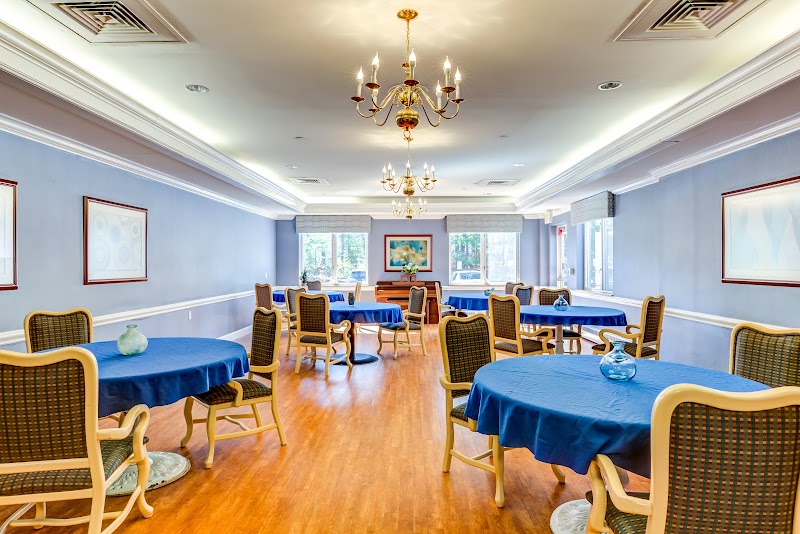
How is Royal Meadow View Center Staffed?

CMS rates ROYAL MEADOW VIEW CENTER's staffing level at 2 out of 5 stars, which is below average compared to other nursing homes. Staff turnover is 61%, which is 14 percentage points above the Massachusetts average of 46%. High turnover can affect care consistency as new staff learn residents' individual needs. RN turnover specifically is 68%, which is notably high. RNs provide skilled clinical oversight, so turnover in this role can affect medical care quality.

What Have Inspectors Found at Royal Meadow View Center?

State health inspectors documented 44 deficiencies at ROYAL MEADOW VIEW CENTER during 2023 to 2025. These included: 44 with potential for harm.
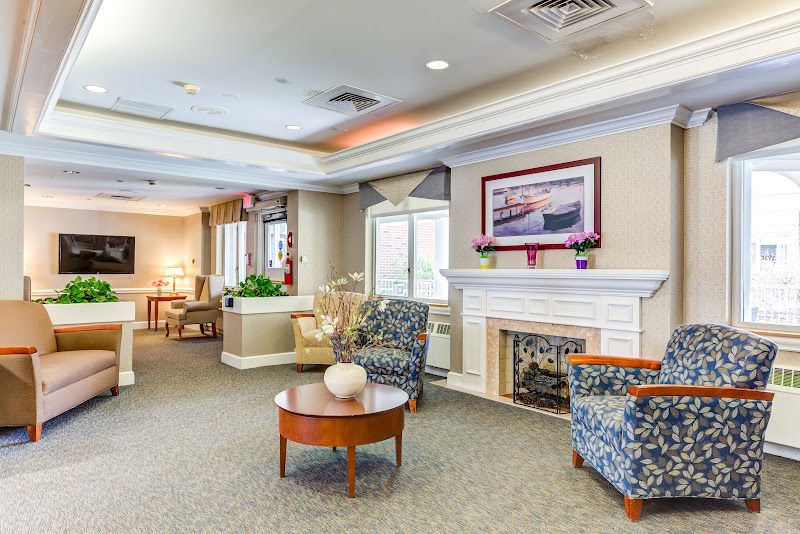
Who Owns and Operates Royal Meadow View Center?

ROYAL MEADOW VIEW CENTER is owned by a for-profit company. For-profit facilities operate as businesses with obligations to shareholders or private owners. The facility is operated by ROYAL HEALTH GROUP, a chain that manages multiple nursing homes. With 113 certified beds and approximately 91 residents (about 81% occupancy), it is a mid-sized facility located in NORTH READING, Massachusetts.
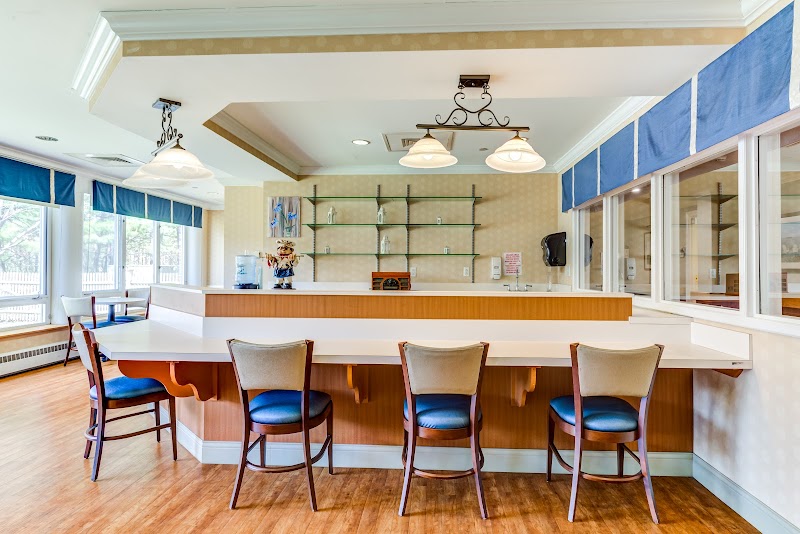
How Does Royal Meadow View Center Compare to Other Massachusetts Nursing Homes?

Compared to the 100 nursing homes in Massachusetts, ROYAL MEADOW VIEW CENTER's overall rating (2 stars) is below the state average of 2.9, staff turnover (61%) is significantly higher than the state average of 46%, and health inspection rating (2 stars) is below the national benchmark.

What Should Families Ask When Visiting Royal Meadow View Center?

Based on this facility's data, families visiting should ask: "How do you ensure continuity of care given staff turnover, and what is your staff retention strategy?" "Can you walk me through typical staffing levels on day, evening, and night shifts?" "Can I visit during a mealtime to observe dining assistance and food quality?" "How do you handle medical emergencies, and what is your hospital transfer rate?" These questions are particularly relevant given the facility's high staff turnover rate and the below-average staffing rating.

Is Royal Meadow View Center Safe?

Based on CMS inspection data, ROYAL MEADOW VIEW CENTER has a clean safety record: no substantiated abuse findings (meaning no confirmed cases of resident harm), no Immediate Jeopardy citations (the most serious violation level indicating risk of serious injury or death), and is not on the Special Focus Facility watch list (a federal program monitoring the lowest-performing 1% of nursing homes). The facility has a 2-star overall rating and ranks #100 of 100 nursing homes in Massachusetts. While no facility is perfect, families should still ask about staff-to-resident ratios and recent inspection results during their visit.

Do Nurses at Royal Meadow View Center Stick Around?

Staff turnover at ROYAL MEADOW VIEW CENTER is high. At 61%, the facility is 14 percentage points above the Massachusetts average of 46%. Registered Nurse turnover is particularly concerning at 68%. RNs handle complex medical decisions and coordinate care — frequent RN changes can directly impact care quality. High turnover means new staff may not know residents' individual needs, medications, or preferences. It can also be disorienting for residents, especially those with dementia who rely on familiar faces. Families should ask: What is causing the turnover? What retention programs are in place? How do you ensure care continuity during staff transitions?

Was Royal Meadow View Center Ever Fined?

ROYAL MEADOW VIEW CENTER has no federal fines on record. CMS issues fines when nursing homes fail to meet care standards or don't correct problems found during inspections. The absence of fines suggests the facility has either maintained compliance or corrected any issues before penalties were assessed. This is a positive indicator, though families should still review recent inspection reports for the full picture.

Is Royal Meadow View Center on Any Federal Watch List?

ROYAL MEADOW VIEW CENTER is not on any federal watch list. The most significant is the Special Focus Facility (SFF) program, which identifies the bottom 1% of nursing homes nationally based on persistent, serious quality problems. Not being on this list means the facility has avoided the pattern of deficiencies that triggers enhanced federal oversight. This is a positive indicator, though families should still review the facility's inspection history directly.