PALMER HEALTHCARE CENTER
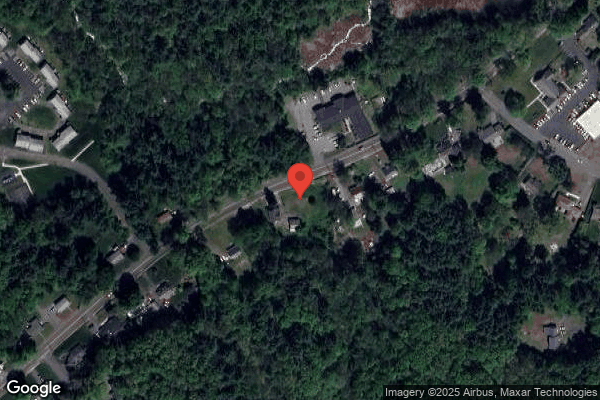

250 SHEARER STREET, PALMER, MA 01069 (413) 283-8361
For profit - Individual 61 Beds Independent Data: November 2025
Trust Grade
55/100
#170 of 338 in MA
Last Inspection: September 2024

Within standard 12-15 month inspection cycle. Federal law requires annual inspections.

Overview

Palmer Healthcare Center has a Trust Grade of C, indicating it is average and sits in the middle of the pack compared to other facilities. It ranks #170 out of 338 in Massachusetts, placing it in the bottom half, and #14 out of 25 in Hampden County, meaning only a few local options are better. The facility is on an improving trend, with issues decreasing from 7 in 2024 to 1 in 2025. However, staffing is a concern, earning only 2 out of 5 stars, with a high turnover rate of 53%, well above the state average of 39%. Notably, there have been serious incidents, including failures to notify a physician about a resident's wound infection and to provide necessary treatment to prevent a pressure ulcer from worsening, which raises concerns about the quality of care. Despite these issues, it is worth noting that the facility has not incurred any fines, which suggests some level of compliance with regulations.

Trust Score
C
55/100
In Massachusetts
#170/338
Top 50%
Safety Record
Moderate
Needs review
Inspections
Getting Better
7 → 1 violations
Staff Stability
⚠ Watch
53% turnover. Above average. Higher turnover means staff may not know residents' routines.
Penalties
✓ Good
No fines on record. Clean compliance history, better than most Massachusetts facilities.
Skilled Nurses
⚠ Watch
Each resident gets only 19 minutes of Registered Nurse (RN) attention daily — below average for Massachusetts. Fewer RN minutes means fewer trained eyes watching for problems.
Violations
⚠ Watch
20 deficiencies on record. Higher than average. Multiple issues found across inspections.
★★★☆☆
3.0
Overall Rating
★★☆☆☆
2.0
Staff Levels
★★★☆☆
3.0
Care Quality
★★★☆☆
3.0
Inspection Score
Stable
2024: 7 issues
2025: 1 issues

The Good

  • Full Sprinkler Coverage · Fire safety systems throughout facility
  • No fines on record

Facility shows strength in fire safety.

The Bad

3-Star Overall Rating

Near Massachusetts average (2.9)

Meets federal standards, typical of most facilities

Staff Turnover: 53%

Near Massachusetts avg (46%)

Higher turnover may affect care consistency

The Ugly 20 deficiencies on record

2 actual harm
Sept 2025 1 deficiency
CONCERN (D) 📢 Someone Reported This

A family member, employee, or ombudsman was alarmed enough to file a formal complaint

Potential for Harm - no one hurt, but risky conditions existed

Abuse Prevention Policies (Tag F0607)

Could have caused harm · This affected 1 resident

Based on records reviewed and interviews, for one of three sampled residents (Resident #1), who had severe cognitive impairment and was dependent on staff to meet his/her care needs, the Facility fail...

Read full inspector narrative →
Based on records reviewed and interviews, for one of three sampled residents (Resident #1), who had severe cognitive impairment and was dependent on staff to meet his/her care needs, the Facility failed to ensure staff implemented and followed their Abuse Policy, when 07/01/25, Certified Nurse Aide (CNA) #1 witnessed an incident of verbal abuse and did not report the incident immediately as required, therefore placing Resident #1 and other residents at risk for abuse. Findings include:Review of the Facility policy titled Abuse Prevention Program, dated as revised March 2022, indicated that all employees are responsible to immediately report any violation or alleged violations. Review of the Report submitted by the Facility via the Health Care Facility Reporting System (HCFRS), dated 07/01/25, indicated that on 07/01/25, CNA #1 reported to the Executive Director that she heard CNA #2 (agency CNA) verbally abuse Resident #1 while assisting him/her during lunch. Review of the report indicated the alleged incident had occurred at 12:50 P.M.Review of the Facility Incident Report, dated 07/01/25 indicated that CNA #1 reported an alleged incident of verbal abuse to the facility Executive Director on 07/01/25 at 2:35 P.M. (one hour and 45 minutes after witnessing the alleged abuse). Resident #1 was admitted to the Facility in January 2025, diagnoses included Down Syndrome, unspecified dementia and seizures.Review of Resident #1's Minimum Data Set (MDS) Assessment, dated 04/17/25, indicated he/she had severe cognitive impairment and was dependent on staff to meet his/her care needs. On 09/02/25 at 11:00 A.M., the surveyor attempted to interview Resident #1, however he/she was unable to respond to the surveyor's questions, due to his/her severe cognitive impairment. During a telephone interview on 09/02/25 at 02:35 P.M., CNA #1 said that on 07/01/25, both she (CNA #1) and CNA #2 were assisting residents with lunch at the same table in the dining room, where four residents were seated. CNA #1 said that Resident #1 was saying no to CNA #2 while she (CNA #2) was feeding Resident #1 carrots. CNA #1 said that she told CNA #2 that Resident #1 did not feel good and that she should stop feeding him/her. CNA #1 said that CNA #2 responded in a loud voice, while Resident #1 and three other residents were seated at the table, that Resident #1 had been (expletive) drinking soda when his/her brother had visited and was now being a spoiled brat. CNA #1 said that she felt uncomfortable that Resident #1, and/or the other residents seated at the table heard what CNA #2 said about Resident #1 and how she (CNA #2) felt he/she was acting. CNA #1 said she was worried about CNA #2's behavior in front of the residents. CNA #1 said that after the meal, she proceeded to provide care to another resident and that it took a while before she reported the incident to the Executive Director. CNA #1 said that she should have reported the incident immediately. During a telephone interview on 09/02/25 at 01:00 P.M., CNA #2 said that on 07/01/25, while she was assisting Resident #1 with lunch, that Resident #1 said no while she was feeding him/her carrots and that CNA #1 told her put Resident #1's tray on the side table and to assist someone else. CNA #2 said that she then assisted a different resident. CNA #2 said that she had not sworn or made any negative comments in front of Resident #1. During an interview on 09/02/25 at 1:50 P.M., Nurse #1 said that she had not witnessed, and CNA #1 had not reported to her that an incident had occurred in the dining room on 07/01/25 during lunch.During an interview on 09/02/25 at 02:50 P.M., the Director of Nurses said allegations of suspected abuse should be reported immediately. On 09/02/25, the Facility was found to be in Past Non-Compliance and presented the Surveyor with a plan of correction, with an effective date of 07/08/25 which addressed the areas of concern as evidenced by:a) Resident #1 was assessed, he/she showed no signs of distress or change in behavior as a result of the incident. b) On 07/02/25 the Director of Nurses completed an initial audit of the past 30 days reportable events for compliance with timeliness of reporting of incidents. c) On 07/07/25, CNA #1 received re-education titled, Reporting Potential Abuse.d) On 07/07/25 the Staff Development Coordinator or designee-initiated education for facility staff titled, Abuse Policy, Dignity, Customer Service, and Residents Rights. Staff education was completed on 07/21/25.e) On 07/11/25 the Director of Nurses initiated ongoing weekly audits of reportable events for compliance with timeliness of reporting of incidents, weekly audits will be continued for three months. f) The concern for immediate reporting of allegations of resident abuse was discussed by the Quality Assurance Performance Improvement (QAPI) Committee on 08/16/25 and 09/16/25. Ongoing audit results will continue to be discussed at the QAPI Committee monthly meeting for three months. Target date of the QAPI plan is 10/01/25.g) The Director of Nurses and/or designee are responsible for overall compliance.
Sept 2024 7 deficiencies
CONCERN (D)

Potential for Harm - no one hurt, but risky conditions existed

Deficiency F0557 (Tag F0557)

Could have caused harm · This affected 1 resident

Based on observation, record and policy review, and interview, the facility failed to ensure respect (regard for the feelings, wishes, rights, and traditions of others) and dignity (the state or quali...

Read full inspector narrative →
Based on observation, record and policy review, and interview, the facility failed to ensure respect (regard for the feelings, wishes, rights, and traditions of others) and dignity (the state or quality of being honored or respected) for one Resident (#3), out of total sample of 17 residents. Specifically, for Resident #3, the facility had video monitoring in the Resident's bedroom without consent (agreement to do something), with video images of the Resident's body visible on a monitor screen in the Unit nursing station placing Resident #3 at risk for an undignified existence. Findings include: Review of facility policy titled Dignity, dated 5/28/21, indicated: -Each resident shall be cared for in a manner that promotes and enhances his/her sense of wellbeing .and feelings of self-worth and self-esteem. -Residents are treated with dignity and respect at all times. -The facility culture supports dignity and respect .by honoring choices, preferences, values, and beliefs. This begins with admission and continues throughout the residents stay. -Individual needs and preferences .are identified though the assessment process. -Residents private space and property are respected at all times. Resident #3 was admitted to the facility in June 2020, with diagnoses including Dementia (a group of conditions characterized by impairment of at least two brain functions, such as memory and loss of judgment). Review of the Minimum Data Set (MDS) Assessment, dated 7/11/24, indicated Resident #3 had severe cognitive impairment as evidenced by a score of zero out of a total score of 15 on the Brief Interview for Mental Status (BIMS) exam. Review of Resident #3's comprehensive medical record indicated appointment of Guardianship (a court appointed person who makes important personal and healthcare decisions for an adult who lacks the capacity to make their own decisions) for incapacitated person, effective 1/12/23. On 9/24/24 at 8:15 A.M., the surveyor observed Resident #3 lying in bed covered by bed sheets/blankets, a dresser at the foot of the bed and a video camera located on top of the dresser that was on and pointed at the Resident's bed. On 9/24/24 at 11:03 A.M., the surveyor observed an image of Resident #3 lying in bed playing on a video monitor screen display located behind the nurses station. On 9/24/24 at 2:19 P.M., the surveyor observed that the privacy curtain of Resident #3 was pulled closed partially around the Resident's bed. The surveyor observed that Resident #3 was lying in bed and was uncovered and undressed from the waist up, exposing his/her chest. The surveyor observed the video camera located on top of the dresser was on and aimed at the Resident's bed. On 9/24/24 at 2:25 P.M., the surveyor observed the video monitor screen display behind the nurses station playing the image of Resident #3 lying in bed with his/her chest exposed. Review of Resident #3's comprehensive medical record did not indicate: -Assessment of need for video monitoring. -Physician order for video monitoring. -Consent for video monitoring. -Comprehensive, person-centered care plan for video monitoring. During an interview on 9/24/24 at 2:34 P.M., Activity Assistant #1 said that the video monitor was in place because Resident #3 sometimes rolls out of bed to put themselves on the floor. Activity Assistant #1 said the video monitor helped the staff watch Resident #3 from the nurses station. Activity Assistant #1 said the video monitor in the Resident's room had been in place for several months, and the monitor did not record. During an interview on 9/24/24 at 3:00 P.M., the Director of Nursing (DON) said she was unaware of how long the video monitor had been in place or why it was being used for Resident #3. The DON said that she was unable to provide evidence that an assessment had been completed, a consent had been obtained from the Resident's Guardian, a Physician order was in place, or that a comprehensive person-centered care plan had been developed for the video monitoring of Resident #3. During a follow-up interview on 9/25/24 at 8:00 A.M., the DON said Resident #3 has had the video monitoring in place since February 2024 per the Nursing Progress Note dated 2/18/24. The DON said Resident #3 did not have the ability to make his/her own choices due to Dementia. The DON further said the facility did not have a policy on video monitoring and the Resident's Guardian was not asked to provide consent for the use of video monitoring of the Resident. The DON said before the video monitor was put into place, the facility should have obtained consent for video monitoring from the Guardian, obtained an order from Resident #3's Physician and developed a comprehensive person-centered care plan related to the video monitoring. The DON said video monitoring without consent was a dignity concern, because video monitoring did not respect Resident #3's private space.
CONCERN (D)

Potential for Harm - no one hurt, but risky conditions existed

Deficiency F0558 (Tag F0558)

Could have caused harm · This affected 1 resident

Based on observation, interview, record and policy review, the facility failed to provide reasonable accommodation of resident needs for one Resident (#207), out of a total sample of 17 residents. Sp...

Read full inspector narrative →
Based on observation, interview, record and policy review, the facility failed to provide reasonable accommodation of resident needs for one Resident (#207), out of a total sample of 17 residents. Specifically, the facility failed to provide Resident #207, who was identified as being at risk for falls, with access to his/her call bell at all times to allow the Resident to call for staff assistance when needed. Findings include: Review of the facility policy titled, Call Bells, dated 5/28/21 indicated the following: -Purpose: to have a communication system to allow residents to call for assistance. -Place call bell/light within reach of resident . Resident #207 was admitted to the facility in September 2024, with diagnoses including Parkinson's Disease (a progressive degenerative disorder of the central nervous system characterized by tremor and impaired muscular coordination), Diabetes Mellitus (DM - disease in which the body's ability to produce or respond to the hormone insulin is impaired resulting in elevated blood glucose [sugar] levels in the blood), and urinary frequency. Review of the Brief Interview for Mental Status (BIMS) Assessment, dated 9/20/24, indicated the Resident was cognitively intact as evidenced by a score of 13 out of a total score of 15. Review of the Rehabilitation Screen, dated 9/20/24, indicated the Resident was able to transfer and ambulate with a walker and the assistance of one staff member. Review of the Fall Risk assessment, dated 9/20/24, indicated the Resident was at risk for falls. Review of the Fall Risk Care Plan, dated 9/21/24, indicated an approach was to keep the call bell in reach of the Resident. On 9/26/24 at 8:42 A.M., the surveyor observed the Resident sitting in his/her room in a wheelchair next to the bed with the overbed table in front of him/her. The surveyor observed that the Resident's call bell was hanging behind the bed and was not within reach. The Resident said he/she was comfortable in the wheelchair and that he/she had stayed in the wheelchair too long the previous day. When the surveyor asked the Resident how staff would be notified if he/she wanted to get out of the wheelchair, the Resident said he/she would press the button. The Resident was observed to look around the room, reach toward the bed, and said that he/she would wheel out to the room door to get help but that it might take him/her a month to do so. On 9/26/24 at 9:12 A.M., the surveyor observed the Resident was sitting in his/her room in a wheelchair and eating their breakfast meal. The surveyor observed that the call bell was still hanging behind the bed, and was not within reach of the Resident if he/she needed to call for staff assistance. During an interview on 9/26/24 at 11:06 A.M., the Director of Nursing (DON) said call bells should always be in reach of the Residents in their rooms.
CONCERN (D)

Potential for Harm - no one hurt, but risky conditions existed

Quality of Care (Tag F0684)

Could have caused harm · This affected 1 resident

Based on observation, interview, record and policy review, the facility failed to provide treatment and care in accordance with professional standards relative to the proper setting of pressure reduci...

Read full inspector narrative →
Based on observation, interview, record and policy review, the facility failed to provide treatment and care in accordance with professional standards relative to the proper setting of pressure reducing and relieving devices for two Residents (#37and #2) who were at risk of skin breakdown. Specifically, the facility failed to: 1. For Resident's #37, maintain the pressure-reducing air mattress settings as ordered by the Physician. 2. For Resident #2, to ensure the Physician's order for an air mattress was implemented for the Resident who was bed bound, identified as being at increased risk for skin breakdown, and had a history of skin breakdown. Findings include: Review of the facility policy titled Support Surface Guideline, dated 5/28/21, indicated the following: -The purpose of this procedure is to provide guidelines for the assessment of appropriate pressure reducing and relieving devices for residents at risk of skin breakdown. -Redistributing support surfaces prevent skin breakdown, promote circulation and provide pressure relief or reduction. -Support surfaces are modifiable. Individual resident needs differ. -Elements of support surfaces that are critical to pressure ulcer prevention and general safety include pressure redistribution, moisture control, shear reduction, heat dissipation/temperature control, friction control, infection control, flammability, and life expectancy. 1. Review of the Panacea Air Ease Mattress Owner's Manual, dated 2022 - 2024, indicated the following: -Firmness dial: Turn the dial to adjust the pressure within the mattress, clockwise to increase pressure; counterclockwise to decrease pressure. -The recommended pressure settings correspond to the user weight values around the dial. Resident #37 was admitted to the facility in August 2021, with diagnoses including Alzheimer's Disease (a progressive disease beginning with mild memory loss and leading to the loss of the ability to carry on a conversation and respond to the environment, involves parts of the brain that control thought, memory, and language) and Epilepsy (also known as seizure disorder - is a brain disorder that causes recurring seizures). Review of the Minimum Data Set (MDS) Assessment, dated 7/25/24, indicated the Resident had the following: -Brief Interview for Mental Status (BIMS) assessment score of zero out of 15, indicating the Resident had severe cognitive impairment. -was dependent on staff for all activities of daily living (personal hygiene, grooming, dressing, toileting, transferring and eating). -was dependent for mobility (the ability to change and control the body position). -weight was 137 pounds (lbs) and had weight gain of five percent or more in the last month or ten percent or more in the last six months. -presence of one, unhealed, stage two pressure ulcer (partial-thickness loss of skin with exposed dermis, presenting as a shallow open ulcer. The wound bed is viable, pink or red, moist, and may also present as an intact or open/ruptured blister). -used a pressure-reducing device in bed and received pressure injury care. Review of the Physician's orders, dated September 2024, indicated the following: -Air mattress set to 135, check for correct setting and function every shift, start date 8/22/24. Review of the Medication Administration Record (MAR), dated September 2024, indicated the following: -Air mattress set to 135 - check for correct setting and function every shift. -checks for correct setting and function was documented as being done every shift for 9/1/24 through 9/25/24. Review of the Care Plan, titled Risk for Alteration in Skin Integrity, revised 8/23/24, indicated the approach was to use an Air Mattress per MD (Physician) order. Review of the Wound Care Consultation, dated 7/26/24, indicated the following: -Follow-up on pressure ulcer to right heel. Left heel is resolved with intact epithelial tissue. -Recommend nursing to apply skin prep to bilateral heels every shift. Keep LAL (air mattress) in place. On 9/24/24 at 9:37 A.M., the Resident was observed lying in bed and a Panacea Air Ease Mattress was in place with the setting dial set to 85 pounds. The surveyor observed a sticker on the air mattress pump indicating to set the dial to 135 pounds. On 9/25/24 at 9:56 A.M., the Resident was observed lying in bed, and an air mattress was in place with the setting dial set to 85 pounds. During an observation and interview on 9/25/24 at 10:29 A.M., the surveyor and Nurse #1 observed the Panacea Air Ease Mattress in place on Resident #37's bed. Nurse #1 said the bed was set wrong and should be set for 135 pounds. Nurse #1 further said that she had only worked at the facility for six weeks and she was not aware the Resident had a history of pressure ulcers. During an interview on 9/25/24 at 10:29 A.M., the Director of Nursing (DON) said Resident #37's air mattress should have been set for 135 pounds and not 85 pounds. The DON further said that when a Resident was prescribed an air mattress, their weight was obtained, and a label is put on the pump indicating what the setting should be. The DON said the Nurses should be checking and correcting the setting if needed every shift. 2. Resident #2 was admitted to the facility in December 2022, with diagnoses including Adult Failure to Thrive (syndrome of weight loss, decreased appetite and poor nutrition, and inactivity,) and Protein-Calorie Malnutrition (insufficient intake of both energy and protein). Review of the Panacea Air Element Mattress Owner's Manual indicated the following under Operations: -The pressure adjustment knob controls the air pressure in the mattress. Turning the know clockwise will increase the pressure; counterclockwise decreases the pressure. -Higher pressures will support heavier residents. -The pressure should be adjusted according to individual comfort levels. -You can generally check if the pressure is suitable for a resident by sliding one hand beneath the air cells at level of the resident's buttocks. The air cells will alternately inflate and deflate. You should feel slight contact with the buttocks when the air cells beneath the buttocks deflate. Review of the Skin Integrity Care Plan, initiated 12/14/22, indicated the Resident was at risk for alteration in his/her skin related to chronic incontinence, cognitive impairment, Moisture Associated Skin Damage (MASD: inflammation or skin erosion caused by prolonged exposure to a source of moisture) and history of venous ulcers (caused by problems with blood flow/circulation). Further review of the Skin Integrity Care Plan included the following intervention: -Air mattress to bed, see the Physician's order for the setting, initiated 12/30/22. Review of the MDS Assessment, dated 8/29/24, indicated Resident #2: -had clear speech, was able to make self understood, understands others. -was dependent on staff for positioning. -was at risk for pressure ulcers (localized skin and soft tissue injuries that develop due to prolonged pressure) and had a pressure reducing device in place for his/her bed. Review of the September 2024 Physician's orders included the following: -Bed bound per patient request, initiated 4/21/23 -Air mattress to be set at 120/150 (pounds or lbs.). See arrow on the device and check for function/setting every shift, initiated 8/22/24 On 9/24/24 at 9:51 A.M., the surveyor observed Resident #2 lying in bed with an air mattress in place and set to 210 lbs. The surveyor observed an arrow sticker on the setting box of the air mattress was pointing at the line between 120 and 150 lbs. On 9/25/24 at 8:28 A.M., the surveyor observed Resident #2 lying upright in bed. The air mattress was observed set at 210 lbs. An arrow sticker was observed on the setting box of the air mattress and was pointing at the line between 120 and 150 lbs. During an interview at the time Resident #2 said the mattress was uncomfortable. Review of the September 2024 Monitoring Administration Record included the following Physician's Order: -Air Mattress to be set at 120/150 (lbs.). See arrow on the device. Check for the function and setting every shift. Further review of the Monitoring Administration Record indicated the nursing staff verified that the air mattress was at the correct setting on 9/24/24 and 9/25/24. During an interview on 9/25/24 at 2:31 P.M., Nurse #2 said Resident #2 had reddened blanchable (skin turns white when pressure is applied and is a sign that the patient's position needs to be changed as there is potential for capillary damage if pressure is not relieved) areas on his/her back and required staff assistance with care and repositioning. Nurse #2 said the Resident had an air mattress in place that the nursing staff check every shift to ensure it was at the correct setting. Nurse #2 said the Nurse would check to ensure the Resident's air mattress was functioning and set at the correct setting. When the surveyor relayed observations from 9/24/24 and 9/25/24, Nurse #2 said she was unaware that the mattress was not at the correct setting. Nurse #2 further said that the Resident's mattress was set to his/her weight, and if it not set appropriately, it could put the Resident at risk for skin breakdown. During an interview on 9/25/24 at 4:19 P.M the DON said she was made aware that Resident #2's air mattress was not set to the Physician's ordered setting.
CONCERN (D)

Potential for Harm - no one hurt, but risky conditions existed

Accident Prevention (Tag F0689)

Could have caused harm · This affected 1 resident

Based on observation, interview, record and policy review, the facility failed to provide supervision and an environment free of accident hazards for one Resident (#1), out of a total sample of 17 res...

Read full inspector narrative →
Based on observation, interview, record and policy review, the facility failed to provide supervision and an environment free of accident hazards for one Resident (#1), out of a total sample of 17 residents. Specifically, the facility failed to ensure that Resident #1 was provided with supervision, when the Resident who was determined as being at risk for elopement was observed outside of the facility in close proximity of a parking lot without staff supervision. Findings include: Review of the the facility policy titled Wandering and Elopement, dated 6/11/21, indicated: -the facility strives to promote resident safety by maintaining a process to screen all residents for risk of elopement and implement preventative strategies for those identified at risk. The policy also included the following: -If identified as at risk for wandering, elopement, or other safety issues, the resident's care plan will include strategies and interventions to maintain the resident's safety. Resident #1 was admitted to the facility in March 2018, with diagnoses including Bipolar Disorder with psychotic features (a mood disorder that features extreme shifts in mood that include emotional highs [mania or hypomania] and lows [depression], during which hallucinations or delusions can occur), Dementia with behavioral disturbance (progressive disease with impairment in memory and functioning that includes symptoms such as Depression, Anxiety, psychosis, agitation, aggression, disinhibition, and sleep disturbances), hearing loss, bilateral Glaucoma (a group of eye diseases that can cause vision loss and blindness by damaging a nerve in the back of the eye called the optic nerve [which sends visual information from the eye to the brain]) and Presbyopia (the gradual loss of the eye's ability to focus on nearby objects). Review of the Activities Care Plan, initiated 6/5/24, indicated the Resident needed a quiet relaxing environment and included the following intervention: -Offer Resident patio time when weather is permitting . can go on the patio without staff supervision (dated 6/5/24) Review of the Elopement Risk Assessment, dated 8/17/24, indicated Resident #1 was identified as at risk for elopement based on the following factors: -Verbally abusive -Psychiatric diagnosis Further review of the Elopement Risk Assessment included the following interventions: -Activities -Redirection -Special Care Unit . secured unit -Identification band on the Resident -Photograph posted Review of the Minimum Data Set (MDS) Assessment, dated 8/22/24, indicated Resident #1: -had moderate difficulty hearing -had severe cognitive impairment as evidenced by a Brief Interview of Mental Status (BIMS) score of 7 out of 15 -utilized a walker -required substantial/maximum assistance of staff with ambulating 50 feet Review of the Elopement Care Plan, initiated 8/27/24, indicated Resident #1 was at risk and included the following interventions, dated 8/27/24: -Complete elopement assessment quarterly and as needed. -Complete Resident elopement sheet and put in the elopement book located at the nurses station. -Provide activities and assist with redirecting the Resident from attempting to leave the building. On 9/24/24 at 10:57 A.M., the surveyor observed Resident #1 seated in a chair on the patio located outside of the facility. The surveyor observed that the Resident's walker was positioned next to him/her and that there were no staff members outside the facility in the Resident's vicinity. The surveyor also observed that there was an open gate from the patio which lead to the sidewalk, a ramp and then a parking lot and the main road located near the facility. During an interview on 9/24/24 at 10:59 A.M., Certified Nurses Aide (CNA) #2 said the facility assesses residents to ensure they were able to go outside. CNA #2 said if Resident #1 wanted to go outside, the staff would use the keypad located inside the facility near the door (which led to the patio) to unlock the door and then open the door to allow the Resident outside. CNA #2 said the Resident ambulates with his/her walker and knows how to ring the doorbell on the outside patio door when he/she wanted to come back into the facility. CNA #2 said the door was locked from the outside of the building, so the doorbell was required in order to alert the staff that the Resident wanted to come back inside the facility. Review of the facility's Elopement Book, located at the nurses station, included a photograph and physical characteristics description of Resident #1 and indicated that he/she was an elopement risk. On 9/25/24 at 11:56 A.M., the surveyor observed Resident #1 seated in a chair outside on the patio with a walker positioned next to him/her. The surveyor did not observe any staff on the patio at the time. On 9/26/24 at 1:02 P.M., the surveyor and the Director of Nursing (DON) observed the facility door that lead to the patio. There were no residents on the patio at the time as it was raining, and the gate that lead from the patio, sidewalk and then ramp to the facility parking lot was observed to be open. The DON said that facility staff, visitors and vendors use this entrance to the facility. The DON said in order to enter the facility, they (person) would need to ring the doorbell located outside the door and staff would unlock the door using the keypad inside of the building to allow entrance. The DON said residents were able to go outside and sit without staff assistance but would need staff to unlock the door to let them back into the facility. The DON further said the patio gate should be closed when residents are outside to ensure the residents safety. During a follow-up interview on 9/26/24 at 3:23 P.M., the DON said the residents used to have scheduled time outside that was supervised by staff, but this had been stopped for quite a while. The DON said although there are staff located in the activity/dining room (which was in view of the patio), there were often a lot of residents in the activity/dining room with activities/events occurring so supervision of the residents who were seated outside may not be occurring. The DON said Resident #1 was considered an elopement risk and should be supervised by staff to ensure his/her safety. The DON said the gate on the patio was also a concern as it was open and could be unlatched by residents when closed.
CONCERN (D)

Potential for Harm - no one hurt, but risky conditions existed

Deficiency F0805 (Tag F0805)

Could have caused harm · This affected 1 resident

**NOTE- TERMS IN BRACKETS HAVE BEEN EDITED TO PROTECT CONFIDENTIALITY** Based on observation, interview, record and policy review, the facility failed to provide food that was designed to meet the ind...

Read full inspector narrative →
**NOTE- TERMS IN BRACKETS HAVE BEEN EDITED TO PROTECT CONFIDENTIALITY** Based on observation, interview, record and policy review, the facility failed to provide food that was designed to meet the individual needs of one Resident (#2) out of a total sample of 17 residents. Specifically, the facility failed to ensure that Resident #2 was provided with the Physician's prescribed diet consistency of mechanical soft consistency (altered diet in which foods difficult to chew are chopped, ground, shredded, cooked or altered in some way to make them easier to chew and swallow) when the Resident was offered regular consistency items not allowed on his/her diet and pureed (texture modified diet where foods have been altered so that they have a smooth, cohesive, pudding-like consistency) meal items that was not ordered or the Resident's preference. Findings include: Review of the facility policy titled Therapeutic Diet Orders, dated 6/15/20, indicated it was the policy of the facility to assure that residents receive and consume foods in the appropriate form .as prescribed by the Physician and/or as assessed by the interdisciplinary team (IDT) to support the resident's treatment, plan of care in accordance with his/her goals and preferences. The policy also included the following: -therapeutic diets will be based on the individual needs of the resident and must be prescribed by the Physcian or delegate . -will be provided to residents in the appropriate form. Review of the facility Diet Manual, titled Diet Manual: A Nutritional Handbook and Training Guide for Long Term Care, dated 2/10/21, included the following under Ground Diet: -for individuals who had difficulty chewing or swallowing regular textured foods -foods that are difficult to chew are chopped, ground, shredded, cooked or altered in some way to make them easier to chew or swallow --Breads and cereals are allowed on this menu -meats should be very tender, finely chopped or ground and well moistened . -regular bread items should be finely chopped into 1/8 inches (in) . -well cooked, moistened, boiled, baked or mashed potatoes, well cooked noodles in sauce (chopped to 1/8 in) . -vegetables should be soft, well cooked, and easily mashed with a fork . -allowed fruits include soft, canned, or cooked fruits or ripe soft bananas, which are finely chopped to 1/8 in . -poached, scrambled eggs and cottage cheese are acceptable -danish pastry, sweet rolls, pancakes, french toast, breads, well moistened with syrup or sauce to form a slurry -avoid: any sticky foods peanut butter . Resident #2 was admitted to the facility in December 2022, with diagnoses including Adult Failure to Thrive (a syndrome of global decline in older adults as a worsening of physical frailty that is frequently compounded by cognitive impairment, weight loss, decreased appetite or poor nutrition and inactivity) and Protein-Calorie Malnutrition (insufficient intake of both energy and protein), and Dysphagia (difficulty swallowing). Review of the Speech Language Pathology (SLP) Discharge summary, dated [DATE], indicated Resident #2 was evaluated for swallowing and analysis of diet texture and made the following recommendation upon discharge from therapy: -Resident unable to follow verbal cues and safety precautions needed to further advance diet for soft salad sandwiches . Review of the Resident Food Preference Assessment Form, dated 6/10/24, indicated Resident #2 did not like the texture consistency of his/her diet . Review of the Minimum Data Set (MDS) Assessment, dated 8/29/24, indicated Resident #2 understands, was able to make self understood, and was on a mechanically altered (altered texture to allow for easier chewing or swallowing) diet. Review of the Nutritional Assessment, dated 8/30/24, indicated Resident #2 was: -on a mechanically altered diet and disliked the diet texture -had weight loss over six months that was not significant -considered a moderate nutritional risk Review of the September 2024 Physician's orders included the following, initiated 5/4/24: -Diet: Regular -Consistency: Dysphagia Mechanical Soft (Level 2) -Liquids: thin liquids with meals On 9/24/24 at 9:51 A.M., the surveyor observed Resident #2 lying in bed. During an interview at the time, the Resident said he/she was on a puree diet and hated it. The Resident said the food was crappy, watery and mixed together and he/she did not like that. On 9/25/24 at 8:28 A.M., the surveyor observed the Resident lying upright in bed. An overbed table was positioned in front of him/her and a breakfast tray that contained a pureed brown colored scoop of food (pureed pancake) and ground sausage. During an interview at the time, the Resident said the food was horrible, was like glue, and that he/she was not even sure what the brown mound of food (while pointing to it) was on his/her plate. Review of the Resident's meal ticket included the following: Regular-Ground diet. On 9/25/24 at 12:18 P.M., the surveyor observed Resident #2 lying in bed. An overbed table was positioned in front of him/her and a lunch tray was present and contained ground meat, a pureed orange substance (sweet potato), cooked scoop of spinach and a cup of pureed pineapple. During an interview at the time, the Resident said he/she was unable to eat the food and had requested a sandwich from the facility staff. The surveyor observed the Staff Development Coordinator (SDC) get a peanut butter and jelly sandwich with no crust for Resident #2 at this time. During an interview on 9/25/24 at 1:46 P.M., Certified Nurse Aide (CNA) #1 said the Resident was on a modified diet and often does not eat his/her food. CNA #1 said other staff bring in special items for him/her like the Vienna sausages and tuna packets for him/her to eat. CNA #1 said when the Resident doesn't eat, he/she will stack the food on his/her plate and return it to the kitchen. On 9/26/24 at 8:54 A.M., the surveyor observed Resident #2 lying in bed with breakfast tray positioned in front of him/her on an overbed table. The Resident's breakfast plate contained a pile of finely ground up pumpkin spice muffin and a small container of finely ground up fruit. During an interview at the time, the Resident said he/she was very upset about the food provided and did not understand why the muffin and fruit were ground up the way it was. On 9/26/24 at 1:22 P.M., the surveyor observed Dietary Aide #1 deliver a lunch tray for Resident #1 at the nurses station. Nurse #2 was present at the nurses station and was observed to check the lunch tray. A small container of egg salad was observed on the plate and a wrapped peanut butter and jelly sandwich with no crust. Nurse #2 said she did not think Resident #1 was able to have the peanut butter and jelly sandwich and removed it from the plate. Dietary Aide #1 said she would provide another small container of egg salad. During an interview on 9/26/24 at 1:23 P.M., Dietary Aide #1 said the cook was responsible for placing the Resident's food on the plate. Dietary Aide #1 said if a staff member requests food items for a resident, she checks with the cook to ensure the food is appropriate prior to sending it to the unit to be given to the resident. During an interview on 9/26/24 at 3:51 P.M., the Food Service Director (FSD) said he was familiar with Resident #2 because he/she would pile uneaten food items on his/her meal plate. The FSD said he was unaware of any diet concerns expressed by the Resident and said his/her current diet was Dysphagia Mechanical Soft which was the Ground Diet in the facility diet manual. The surveyor relayed observations from 9/25/24 and 9/26/24 and the Resident's concerns about the meal items provided. The FSD said the pancake provided on 9/25/24 should have not been pureed, it should been cut up and moistened. The FSD also said that the muffin provided on 9/26/24 should also have been moistened and not ground up on the plate. The FSD said the pureed orange food item for lunch on 9/25/24 was sweet potato. The FSD said he was not sure if the nursing staff are provided education on the diets provided in the facility and that sandwiches were not allowed on the Resident's diet, especially sandwiches which contain peanut butter which was sticky. During an interview on 9/26/24 at 5:15 P.M., the Staff Development Coordinator (SDC) said the nursing staff check meal trays and distribute them to residents. The SDC said she was not aware of any diet education that was provided to nursing staff about the facility used diet consistencies.
CONCERN (D)

Potential for Harm - no one hurt, but risky conditions existed

Deficiency F0909 (Tag F0909)

Could have caused harm · This affected 1 resident

**NOTE- TERMS IN BRACKETS HAVE BEEN EDITED TO PROTECT CONFIDENTIALITY** Based on observation, interview, record and policy review, the facility failed to ensure that one Resident (#3) out of a total s...

Read full inspector narrative →
**NOTE- TERMS IN BRACKETS HAVE BEEN EDITED TO PROTECT CONFIDENTIALITY** Based on observation, interview, record and policy review, the facility failed to ensure that one Resident (#3) out of a total sample of 17 residents was free from accidental risk of injury or entrapment. Specifically, the facility failed to ensure the scoop mattress (a mattress with raised edges on all four sides to prevent accidental rolling out of bed) being used for Resident #3 was compatible with the bed frame when there was a significant gap between the scoop mattress and foot board, placing the Resident at risk for injury or entrapment. Findings include: Review of facility policy titled Bed Safety, dated 5/28/21, indicated: -Our facility shall strive to provide a safe sleeping environment for the resident. -The residents sleeping environment shall be assessed by the interdisciplinary team (IDT), considering resident safety, medical conditions, comfort, freedom of movement, as well as input from the resident's family regarding sleeping habits and bed environment. -The facility shall identify additional safety measures for residents who have been identified as having a higher than usual risk for injury including entrapment (e.g. [exempli gratis (for example)] altered mental status). -The facility shall provide inspection by maintenance staff of all beds . to identify risks and problems including potential entrapment risks. Resident #3 was admitted to the facility in June 2020 with a diagnosis of Dementia (a group of conditions characterized by impairment of at least two brain functions, such as memory and loss of judgment). Review of the Minimum Data Set (MDS) assessment dated [DATE], indicated Resident #3 had severe cognitive impairment as evidenced by a score of zero out of a possible total score of 15 on the Brief Interview for Mental Status (BIMS) exam. Review of Resident #3's comprehensive medical record indicated appointment of Guardianship (a court appointed person who makes important personal and healthcare decisions for an adult who lacks the capacity to make their own decisions) for incapacitated person, effective 1/12/23. On 9/24/24 at 8:15 A.M., the surveyor observed Resident #3 lying in bed on a scoop mattress with a large gap space between the foot board and the end of the mattress. On 9/24/24 at 1:47 P.M., the surveyor observed Resident #3 lying in bed on a scoop mattress with a large gap space present at the foot of bed. On 9/25/24 at 8:37 A.M., the surveyor observed Resident #3 lying in bed on a scoop mattress with a large gap space present at the foot of bed. The surveyor measured the gap space area on the Resident's bed which was nine inches from the edge of mattress to the foot board. During an interview on 9/25/24 at 10:22 A.M., Certified Nurses Aide (CNA) #1 said Resident #3 could move around in bed independently and had fallen out of bed in the past. CNA #1 said the facility took away the air mattress the previous week because Resident #3 did not like it and replaced the air mattress with the scoop mattress instead. CNA #1 said the scoop mattress that was in place was shorter than most other mattresses that were used in the facility. Review of Resident #3's September 2024 Physician's orders indicated that the air mattress had been discontinued from use on 9/24/24. During an interview and observation on 9/25/24 at 11:10 A.M., Maintenance Staff #1 said the maintenance staff were responsible for changing mattresses at the facility and were not notified of the Resident's mattress change from over the weekend. Maintenance Staff #1 said the scoop mattress that was placed on Resident #3's bed was not compatible with the bed frame and was too small. Maintenance Staff #1 said the small scoop mattress had created a big gap at the foot of the bed which was concerning and could place Resident #3 at risk for being hurt or entrapped. During an interview on 9/26/24 at 9:47 A.M., the Director of Nursing (DON) said a weekend staff Nurse had changed out the mattress for Resident #3. The DON could not provide evidence that an audit for safety had been completed at the time of the mattress change. The DON said there was no facility policy for bedframe or mattress audits, but audits did occur quarterly by the maintenance department. The DON said a whole house audit of mattress safety was last completed on 9/3/24, and was not scheduled to occur again until 12/3/24.
CONCERN (F)

Potential for Harm - no one hurt, but risky conditions existed

Food Safety (Tag F0812)

Could have caused harm · This affected most or all residents

Based on observation, interview, and policy review, the facility failed to maintain a clean and sanitary environment in the main facility kitchen to prevent contamination and the spread of foodborne i...

Read full inspector narrative →
Based on observation, interview, and policy review, the facility failed to maintain a clean and sanitary environment in the main facility kitchen to prevent contamination and the spread of foodborne illnesses. Specifically, the facility staff failed to ensure that: 1) equipment in the facility kitchen was clean and free of dust and debris. 2) hair restraints were worn to prevent potential physical contamination of food/fluids. 3) the facility dish machine was appropriately tested for temperature and sanitation requirements by Dietary Staff when the minimum sanitation requirements were not met, putting the facility residents at risk for contamination and foodborne illnesses. Findings include: Review of the facility policy titled Kitchen Sanitation, dated 6/15/20, indicated the food service area is maintained in a clean and sanitary manner. The policy included the following: -All kitchen, kitchen areas and dining areas are kept clean, free from garbage and debris . -All utensils, counters, shelves and equipment are kept clean . -All equipment, food contact services and utensils are cleansed and sanitized using heat or chemical sanitizing solutions. -Dishwashing machines are operated according to manufacturer's instructions. Review of the facility policy titled Hair Restraint, dated 6/15/20, indicated: >compliance to local and federal food service codes requires that anyone within the kitchen, who will have close contact with the preparation or service of food, food storage areas, equipment will keep hair effectively/appropriately restrained to include facial hair. >The purpose of hair restraint is to prevent hair from contacting food and food equipment surfaces, and to deter food service employees from touching their hair. >The policy also included the following: -The Food Service Director (FSD) will provide disposable hair nets and beard guards at all times. -Hair nets will be located just outside, or just inside, of the entrances of the kitchen. Review of the Dish machine Instructions, located on the facility dish machine, included the following: -Testing Parts Per Million (PPM) on Low Temperature Dish Machine: -Run dish machine 3-4 cycles. -Ensure machine is at the appropriate temperatures: Wash 120 or higher degrees Fahrenheit (F), Rinse 120 or higher degrees F. -Use Precision Chlorine test paper directly after machine finishes rinse cycle. -Ensure hands are dry and test strips are not expired. -With dry hands, place test strip against the rinsing arm inside of the dish machine for 1 second. -Match the color of the strip (should turn dark purple color) with the index on the test strip tube. -PPM has to be between 50-150 PPM per manufacturers guidelines. -If the temperature and/or PPM are not within standards, do not run dishes through the machine. Contact FSD or Maintenance immediately . During an initial kitchen tour on 9/24/24 at 7:30 A.M., the surveyor observed the following: -two fans observed in the kitchen that were dust laden -shelf under the portable air conditioner unit was dusty -utensil rack with clean kitchen utensils which was located over the cooks preparation area was dusty -clear stacked storage containers which were not dry inside and had clear evidence of moisture During an interview on 9/24/24 at 7:34 A.M., Dietary Aide #4 said the clear containers that had been stacked and were not thoroughly dried were from the previous night. Dietary Aide #4 said the containers should not have been stacked while wet and there would be a concern for mold and bacterial growth. During a follow-up visit to the facility kitchen on 9/26/24 at 1:42 P.M., the surveyor observed the following: -the [NAME] was preparing food for dinner and did not have a hair restraint in place. During an interview at the time, the [NAME] said she should have put on a hair net prior to working in the kitchen. -utensil rack with clean kitchen utensils which was located over the cooks preparation area remained dusty. -Dietary Aide #2 was observed running the dish machine after lunch. During an interview of the process for checking the temperatures and sanitation requirements, Dietary Aide #2 said the temperature was checked after running 2-3 racks of dishes through the machine. Dietary Aide #2 said the chemical sanitizer should also be checked when using the dish machine but she had not checked it yet. Dietary Aide #2 proceeded to take a test strip and test the water inside the dish machine after a rack of dishes had commenced and compare the color on the strip to the guidance on the test strip tube. The color of the test strip was observed to be black and Dietary Aide #2 said the PPM was reading 200 which was too high. Dietary Aide #2 further said that she was never educated on when to check the chemical sanitizer and had already run two of the three lunch trucks with resident dirty dishes/trays through the machine. At this time, Dietary Aide #1 who was assisting with the dish machine said they should not continue to use the machine and should contact the FSD and maintenance. On 9/26/24 at 2:09 P.M., the surveyor, Maintenance Worker #1, the FSD and Executive Director, re-checked the facility dish machine using the test strips in the kitchen. After checking the water with a test strip in the dish machine, Maintenance Worker #1 showed the results obtained on the test strip which was observed to have no color (indicating there was no chemical sanitizer present). Upon inspection of the test strip tube, the surveyor observed there was no expiration date listed. The FSD said he would check his office to find a new tube of test strips in order to re-check the chemical sanitizer to determine if the dish machine could be used. During a follow-up interview on 9/26/24 at 3:51 P.M., the FSD said he checked the dish machine test strips and they were expired. The FSD said he was able to find additional unopened test strips which were not expired and the dish machine was re-checked and still indicating there was no chemical sanitizer present. The FSD said the dish machine temperatures and chemical sanitizer should be checked prior to running dishes through to ensure it was at the appropriate levels. The FSD further said that hair restraints should be worn by all staff when in the kitchen. The FSD said the fans should be cleaned monthly and were not routinely being cleaned. The FSD said he was currently working on a kitchen cleaning schedule to ensure areas were sanitary and free of dust/debris.
Aug 2023 2 deficiencies
CONCERN (D)

Potential for Harm - no one hurt, but risky conditions existed

Deficiency F0660 (Tag F0660)

Could have caused harm · This affected 1 resident

**NOTE- TERMS IN BRACKETS HAVE BEEN EDITED TO PROTECT CONFIDENTIALITY** Based on record review, policy review and interview, the facility failed to ensure that it provided discharge planning services ...

Read full inspector narrative →
**NOTE- TERMS IN BRACKETS HAVE BEEN EDITED TO PROTECT CONFIDENTIALITY** Based on record review, policy review and interview, the facility failed to ensure that it provided discharge planning services with respect for the wishes of one Resident (#11) out of a total sample of 17 residents. Specifically, -For Resident #11, the facility failed to provide referrals and education based on the activated (made active) Health Care Proxy's (HCP-the legal document you use to tell medical providers who should make decisions about your care if you're not competent to do so) expressed desire to transfer the Resident to another skilled nursing facility closer to their home. Findings include: Resident #11 was admitted to the facility in March 2023 with diagnoses including Dementia (a group of symptoms that affects memory, thinking and interferes with daily life). Review of the facility policy on Discharge Plan, dated 5/8/21, indicated that residents transferring to another skilled nursing facility . will be assisted in selecting a post-acute care provider that is relevant and applicable to the resident's goals of care and treatment preferences. Review of Resident #11's Social Services progress note dated 3/17/23, indicated that the Resident's HCP requested referrals to skilled nursing facilities that were closer to their family home and that Social Services staff would place the referrals during the week of 3/17/23. Further review of the progress notes indicated that no referrals had been made and that a discussion regarding transfer to another facility did not occur until 8/9/23, after the surveyor brought it to the attention of the Social Services Department, which was 145 days after the initial discussion on discharge placement. Review of Resident #11's most recent Minimum Data Set Assessment (MDS) dated [DATE], indicated that he/she was severely cognitively impaired as evidenced by a Brief Interview for Mental Status (BIMS) score of 4 out of 15. Further review of the MDS indicated that Resident #11 and his/her family's overall expectation was for the Resident to be discharged to another facility/institution. During an interview on 8/8/23 at 1:21 P.M., Resident #11's HCP told the surveyor that they had requested referrals to transfer the Resident to a skilled nursing facility closer to their family. The HCP further said that they had informed staff of their wishes and nothing had been done to assist them. During an interview on 8/9/23 at 2:10 P.M., Social Worker (SW) #1 said that the facility staff had not provided education or referrals based on Resident #11's and their family's wishes for a transfer to a facility closer to their family's home.
CONCERN (F)

Potential for Harm - no one hurt, but risky conditions existed

Deficiency F0801 (Tag F0801)

Could have caused harm · This affected most or all residents

Based on record review and interview, the facility failed to ensure the Food Service Director (FSD) held the required qualifications. Specifically, the facility failed to ensure there was a full-time...

Read full inspector narrative →
Based on record review and interview, the facility failed to ensure the Food Service Director (FSD) held the required qualifications. Specifically, the facility failed to ensure there was a full-time Registered Dietitian (RD) when the FSD: - was not a certified dietary manager. - was not a certified food service manager. - did not have a similar national certification in food service management and safety. - did not have an Associate's degree or higher in food service management or in hospitality. - did not have two or more years of experience in the position of director of food and nutrition services in a nursing facility setting. Findings include: Review of the list of key personnel, provided by the facility, indicated a FSD was in place. During an interview on 8/10/23 at 7:41 A.M., the Regional FSD said he was covering for the facility's FSD because she was on vacation. He said the RD for the facility worked part-time. The Regional FSD provided a certificate held by the FSD. Review of the certificate indicated the FSD completed a course that included the safe handling of food. When the surveyor asked if the FSD had completed a Food Service Manager Program or held any other degrees that would meet the regulation, the Regional FSD said he would have to look into it. During an interview on 8/10/23 at 9:10 A.M., the Regional FSD provided the surveyor with the FSD's resume which indicated the FSD had been in the role of facility FSD since October 2022. The Regional FSD was unable to provide any evidence that the facility FSD held the required qualifications - was a certified dietary manager or food service manager, had a national certification in food service management and safety from a national certifying body, held an Associate's degree or higher in food service management or in hospitality, or had two or more years of experience in the position of director of food and nutrition services in a nursing facility setting. During an interview on 8/10/23 at 10:09 A.M., the Regional FSD said that it would be up to his manager to decide if the regulation had been met and that he was unaware if the facility's FSD met the qualifications.
Jun 2023 1 deficiency
CONCERN (D) 📢 Someone Reported This

A family member, employee, or ombudsman was alarmed enough to file a formal complaint

Potential for Harm - no one hurt, but risky conditions existed

Abuse Prevention Policies (Tag F0607)

Could have caused harm · This affected 1 resident

Based on records reviewed and interviews for one of three sampled residents (Resident #1) who was severely cognitively impaired and unable to make his/her needs known, the Facility failed to ensure st...

Read full inspector narrative →
Based on records reviewed and interviews for one of three sampled residents (Resident #1) who was severely cognitively impaired and unable to make his/her needs known, the Facility failed to ensure staff consistently implemented measures related to abuse prevention as identified in their Abuse Policy when 1) on 05/18/23 after being made aware of an allegation of potential physical abuse of Resident #1 by Nurse #1, Nurse #2 did not immediately report the allegation per facility policy, therefore placing other residents at risk for potential abuse, and 2) for two out of three sampled employee personnel files (Nurse #2 and Nurse #3) the Facility failed to ensure a Massachusetts Nurse Aide Registry (NAR) background check was conducted, in accordance with facility policy, before they were allowed to work. Findings include: 1.) Review of the Facility Policy titled Abuse Prevention Program, dated as revised 03/01/22, indicated all staff will be responsible for the proactive identification of any event that may potentially be abuse or would lead a reasonable person to conclude that there was a potential for abuse. The Policy indicated that all staff are responsible for identifying and reporting immediately to their supervisor any witnessed abuse or allegation they are told about by residents, families, visitors, or other staff. Resident #1 was admitted to the Facility in April 2021, diagnoses included Alzheimer's disease and unspecified psychosis. Resident #1's most recent Minimum Data Set (MDS) Assessment, dated 05/18/23, indicated his/her cognitive skills for daily decision making were severely impaired. The Assessment also indicated Resident #1 transferred and ambulated in his/her room and on the unit, independently, without any assistive devices. During an interview on 06/27/23 at 3:20 P.M., Certified Nurse Aide (CNA) #1 (which also included a review of her written witness statement dated 06/13/23) said that on 05/18/23, while she stood at the nurses station and looked down the South Wing, sometime between 7:00 P.M. and 8:00 P.M., she saw Nurse #1 place her hands on Resident #1's chest, and forcefully push him/her away. CNA #1 said she reported the incident to Nurse #2. Review of Nurse #2's written Witness Statement, dated 06/13/23, indicated that on 05/18/23, at approximately 7:30 P.M., she witnessed Nurse #1 place her hands around Resident #1's neck and that it looked like she (Nurse #1) had grabbed or tried to choke him/her, while yelling at him/her. Nurse #2's statement indicated she never reported the incident to the supervisor or facility administration. During an interview on 06/28/23 at 9:20 A.M., Nurse #3 said that on 06/13/23, while she was working at a different facility with Nurse #2, said Nurse #2 told her that when she worked the evening shift [at Resident #1's Facility] on 05/18/23, she witnessed Nurse #1 grab Resident #1, by the neck. Nurse #3 said that Nurse #2 told her that she had gone on vacation without ever reporting the incident to a supervisor or to facility administration. Nurse #3 said the phone number for the on call supervisor was posted on both the clipboard and at the nurses station on the unit at Resident #1's Facility, and that Nurse #2 should have called the supervisor immediately to report the incident. Nurse #3 said she immediately called the Facility's Unit Manager on 06/13/23 and reported what Nurse #2 had alleged. During an interview on 06/27/23 at 2:30 P.M., the Unit Manager said she received a phone call from Nurse #3 on the morning of 06/13/23, about an alleged incident that had occurred on 05/18/23, involving Nurse #1 and Resident #1. The Unit Manager said she immediately reported the incident to the Director of Nurses (DON). During an interview on 06/27/23 at 2:50 P.M., the Administrator said that facility administration had not been notified of the alleged incident involving Nurse #1 and Resident #1, that occurred on 05/18/23, until the morning of 06/13/23, when the Unit Manager reported the abuse allegation (to the former Director of Nurses) after receiving a phone call from Nurse #3. The Administrator said the investigation was initiated on 06/13/23 and the Department of Public Health was notified of the alleged incident within two hours. The Administrator said that Facility policy required staff to immediately report any allegations of suspected abuse to their supervisor, the DON, or the administrator. The Administrator further said that the staffing agency that referred Nurse #2 was notified of her failure to report an allegation of abuse and she no longer worked at the Facility. 2.) Review of the Facility Policy titled Abuse Prevention Program, dated as revised 03/01/22, indicated the following: -All potential employees will be screened to rule out a history of abuse, neglect, or mistreatment of residents. -The Facility does not knowingly hire individuals who have been found guilty of abusing residents by a court of law; had a finding entered in the state nurse aide registry concerning abuse; and/or had disciplinary action taken regarding resident abuse. -The Facility checks state nurse aide registries for all prospective employees (Massachusetts and other states in which the person is known to have worked). -The Facility documents the results of all screening activities including the name of the person who obtained the information and the date the information was obtained. Review of Staffing Agency #1's Contract with the Facility, dated 11/21/19, indicated that the Staffing Agency ensured all healthcare professionals had up to date licenses and background checks. During an interview on 06/27/23 at 8:10 A.M. and 4:00 P.M., the Director of Nurses (DON) said Nurse #2 was an agency staff member and Nurse #3 was employed by the Facility. During the interview, the Surveyor requested that the DON provide personnel information and evidence of background checks for Nurses #2 and #3. Review of Nurse #2's personnel file indicated that she was hired by Agency #1 and worked her first shift at the Facility on 05/18/23. Review of the personnel records provided by the Facility indicated there was no documentation to support the Facility and/or the Agency checked her status on the Massachusetts NAR. Review of Nurse #3's personnel file indicated that she was hired by the Facility on 03/02/23. Review of the personnel records provided by the Facility indicated there was no documentation to support the Facility having checked her status on the Massachusetts NAR. The DON said that Nurse #2 should have had NAR checks completed by the agency, but that the agency was unable to provide any documentation to support that a NAR check had been completed. The DON said the Facility had not checked Nurse #3's status on the Massachusetts NAR, upon hire, because they were not aware the checks had to be performed on Nurses.
Jan 2023 1 deficiency
CONCERN (D)

Potential for Harm - no one hurt, but risky conditions existed

Deficiency F0886 (Tag F0886)

Could have caused harm · This affected 1 resident

**NOTE- TERMS IN BRACKETS HAVE BEEN EDITED TO PROTECT CONFIDENTIALITY** Based on record review and interview, the facility failed to ensure its staff documented each instance of staff COVID-19 testing...

Read full inspector narrative →
**NOTE- TERMS IN BRACKETS HAVE BEEN EDITED TO PROTECT CONFIDENTIALITY** Based on record review and interview, the facility failed to ensure its staff documented each instance of staff COVID-19 testing for three Employees (#1, #2, and #3) out of a total sample of eight Employees, when the facility was experiencing an outbreak of COVID-19. Specifically, the facility failed to ensure its staff documented that testing had been conducted, and the results of the testing recorded, for: 1) two Employees (#1 and #2) prior to their return to work after having tested positive for COVID-19, and 2) one Employee (#3), during outbreak testing. Findings include: Review of the COVID-19 testing policy provided by the facility, dated 9/7/20, included that employees were to conduct testing in accordance with Department of Public Health guidelines and Centers for Medicare and Medicaid Services (CMS) requirements. During an interview on 1/18/23 at 9:00 A.M., the Infection Preventionist (IP) said the facility was experiencing an outbreak of COVID-19 which began 12/28/22. The IP said all employees were required to be tested for COVID-19 every 48 hours, prior to the start of their shift. She also said employees who were out of work due to testing positive for COVID-19 were allowed to return to work on day six after testing positive, as long as they had a negative test on day five. The IP said the dates and results of staff tests were to be recorded on the facility's staff testing log. 1. The facility failed to ensure its staff documented that COVID-19 testing was conducted and results recorded for Employees #1 and #2 prior to allowing them to return to work, after they tested positive for COVID-19. Review of the Commonwealth of Massachusetts Executive Office of Health and Human Services Department of Public Health (DPH) memorandum, titled Guidance for Health Care Personnel with SARS-CoV2 Infection or Exposure, dated 10/13/22, included the following: - An isolating health care personnel (HCP) who had COVID-19 symptoms could return to work: - After 5 days had passed since the first positive test was taken; AND - Symptoms had substantially improved, including being fever-free, for 24 hours; AND - The HCP received a negative test (antigen) on Day 5 or later. Further review of the document also included that an isolating HCP who had been asymptomatic and isolating may return to work after 5 days once the HCP received a negative test on day five or later. a) Review of the facility's Respiratory Surveillance Line List for staff, dated 12/28/22, included that Employee #1 tested positive for COVID-19 on 12/28/22. >Review of Employee #1's timesheet for dates 12/30/22 through 1/12/23 indicated Employee #1 returned to work on 1/4/23 (on day seven after having tested positive for COVID-19). >Review of the facility's employee testing logs did not indicate Employee #1 had been tested, and was negative for COVID-19 prior to his/her return to work on 1/4/23. During an interview on 1/18/23 at 12:15 P.M., the IP said Employee #1 tested negative for COVID-19 at the facility on 1/3/23, but the date and result of the test were not recorded on the facility's testing log as required. b) Review of the facility's employee schedules indicated Employee #2 worked at the facility on the following dates: -1/10/23 -1/11/23 -1/12/23 -1/13/23 -1/14/23 >Review of the facility's employee COVID-19 testing logs did not indicate Employee #2 was ever tested for COVID-19 between 1/10/23 and 1/14/23. During an interview on 1/18/23 at 3:45 P.M., the IP said Employee #2 had not tested for COVID-19 between 1/10/23 and 1/14/23 because he/she had been positive for COVID-19 within the last 30 days. The IP said she could not recall the exact date the Employee tested positive, but she would find out. During an interview on 1/19/23 at 4:10 P.M., with the Administrator and the IP, the Administrator said Employee #2 tested positive for COVID-19 on 1/4/23. The IP said Employee #2 worked on 1/10/23 and that she tested the Employee prior to allowing him/her to return to work. The IP said Employee #2 tested negative, but the date and result of the test were not recorded on the facility's testing log, as required. 2. For Employee #3, the facility failed to ensure its staff documented one instance of COVID-19 testing, and the result of the test, when the facility was experiencing an outbreak of COVID-19 and the Employee worked at the facility. Review of the Commonwealth of Massachusetts Executive Office of Health and Human Services Department of Public Health (DPH) memorandum, titled Update to Caring for Long-Term Care Residents during the COVID-19 Response, Including Visitation Conditions, Communal Dining, and Congregate Activities, dated 10/13/22, indicated that once a new case of COVID-19 was identified, the facility should: - Once the facility has completed the requisite initial outbreak testing, the facility should test staff .every 48 hours on the affected units until the facility goes seven days without a new case or a DPH epidemiologist directs otherwise. Review of Employee #3's timesheet for dates 12/30/22 through 1/12/23 indicated that he/she worked at the facility on the following dates: -1/6/23 -1/9/23 -1/10/23 >Review of the employee COVID-19 testing logs indicated Employee #3 was tested for COVID-19 on 1/6/23, but no other test was documented for the Employee again until 1/10/23 (more than 48 hours from the previous test). During an interview on 1/18/23 at 7:50 A.M., Employee #3 said the facility had been experiencing an outbreak of COVID-19 and that all staff were required to test every 48 hours. Employee #3 said he/she tested every 48 hours at the facility, even on his/her days off. Employee #3 said if employees did not test negative for COVID-19 every 48 hours, they would not be allowed to work. During an interview on 1/18/23 at 12:15 P.M., the IP reviewed the facility's COVID-19 testing logs with the surveyor and said Employee #3 should have been tested on [DATE] (48 hours after his/her previous test on 1/6/23), and prior to the start of his/her shift on 1/9/23, but there was no documented evidence this had been done as required. The IP also said the system used to document and track employee COVID-19 testing needed to be tightened up.
Nov 2022 2 deficiencies
CONCERN (D) 📢 Someone Reported This

A family member, employee, or ombudsman was alarmed enough to file a formal complaint

Potential for Harm - no one hurt, but risky conditions existed

Deficiency F0557 (Tag F0557)

Could have caused harm · This affected 1 resident

Based on records reviewed and interviews, for one of three sampled residents (Resident #1), who has a history of vascular dementia with significant cognitive impairment, the Facility failed to ensure ...

Read full inspector narrative →
Based on records reviewed and interviews, for one of three sampled residents (Resident #1), who has a history of vascular dementia with significant cognitive impairment, the Facility failed to ensure he/she was treated in a dignified and respectful manner, when on 10/26/22, while attempting to transfer Resident #1 by herself, Certified Nurse Aide (CNA) #1 instructed Resident #1 to wrap his/her arms around her back, CNA #1 then grabbed Resident #1 by his/her pants, lifted him/her up, Resident #1 then freaked out and dig his/her fingers/fingernails into CNA #1's back. CNA #1 then proceeded to yell and point her finger at Resident #1, while using profanity. Findings include: Review of the Facility's Residents Rights Policy, dated 05/28/21, indicated that all employees shall treat residents with kindness, respect, and dignity. Resident #1 was admitted to the Facility in June 2022 diagnoses included Wernicke's Encephalopathy (degenerative brain disorder), intracerebral hemorrhage (brain bleed), and vascular dementia. Review of Resident #1's Quarterly Minimum Data Set (MDS) Assessment, dated 09/08/22, indicated Resident #1 had significant cognitive impairment. Review of the Report submitted by the Facility via the Health Care Facility System (HCFRS), dated 10/26/22, indicated that on 10/26/22 at 10:30 A.M., Resident #1 and CNA #1 were involved in a physical and verbal altercation. Review of the Facility's Internal Investigation Summary, undated, indicated that on 10/26/22, CNA #1 was observed by another staff member (later identified as Nurse #1), as she (CNA #1) shook her finger in Resident #1's face and yelled That is not fucking okay; you hurt me. The Summary indicated that during an interview with the Executive Director, CNA #1 said she may have used hand gestures, but did not think she pointed the gestures in Resident #1's face. Review of CNA #1's Written Witness Statement, dated 10/26/22, indicated she (CNA #1) started to transfer Resident #1 from his/her bed to his/her wheelchair, when Resident #1 got nervous and angry, then tightened his/her grip on her until his/her fingernails were in her (CNA #1's) back. The Statement indicated CNA #1 could not complete the transfer to the wheelchair safely, so she returned Resident #1 to his/her bed. The Statement indicated that CNA #1 told Resident #1 that he/she could not do that to her (CNA #1) and that it was not okay. During an interview on 11/08/22 at 11:45 A.M., Certified Nurse Aide (CNA) #1 said she had frequently provided care for Resident #1 and knew him/her well. CNA #1 said Resident #1 got upset when his/her routine was altered. CNA #1 said on 10/26/22, it was a hectic morning and said it was easier for her to transfer Resident #1 by herself instead of getting another staff member to help. CNA #1 said she was rushing which caused Resident #1 to get upset. CNA #1 said as she attempted to transfer Resident #1 from his/her bed to his/her wheelchair, Resident #1 freaked out, yelled, and sunk his/her finger nails into her (CNA #1's) back. CNA #1 said she did not shake her finger in Resident #1's face and said she didn't think she had sworn in his presence, but was not sure. Review of Nurse #1's Written Witness Statement, dated 10/26/22, indicated that she (Nurse #1) entered Resident #1's room when she heard CNA #1 yell. The Statement indicated she saw CNA #1 shaking her finger in Resident #1's face and heard her yelling, That is not fucking okay; you hurt me. During an interview on 11/08/22 at 12:57 P.M., Nurse #1 said on 10/26/22. she was helping CNA #2 in the room next to Resident #1's room and heard yelling. Nurse #1 said she and CNA #2 went into Resident #1's room and saw CNA #1 standing in front of Resident #1 (who was in bed) and that CNA #1 was pointing her finger in Resident #1's face and saying words to the effect of, That's not fucking okay. Review of CNA #2's Written Witness Statement, dated 10/26/22, indicated CNA #2 heard CNA #1 yell at Resident #1 saying, don't fucking grab my skin like that again. The Statement also indicated that CNA #2 saw CNA #1 shake and point her finger in Resident #1's face as she screamed at him/her. During an interview on 11/09/22 at 12:34 P.M., CNA #2 said she and Nurse #2 heard CNA #1 yelling and went into Resident #1's room to see what was going on. CNA #2 said when they entered Resident #1's room, he/she was sitting at the edge of his/her bed, and CNA #1 was shaking and pointing her finger in Resident #1's face and she (CNA #1) was yelling at him/her. CNA #2 said CNA #1 said, words to the effect of, You can't fucking touch me like that. During an interview on 11/09/22 at 12:27 P.M., Housekeeper #1 said that on 10/26/22, she was cleaning Resident #1's bathroom when she heard CNA #1 scream, ouch. Housekeeper #1 said she looked out into Resident #1's room and saw him/her sitting on his/her bed, and CNA #1 was standing in front of him/her. Housekeeper #1 said CNA #1 was very angry and was yelling at Resident #1 telling him/her to calm down. During an interview on 11/18/22 at 9:49 A.M., the Director of Nurses (DON) said that on 10/26/22, Nurse #1 immediately reported to her that she (Nurse #1) had observed CNA #1 shake and point her finger in Resident #1's face, yell at him/her, and swear in his/her presence. The DON said when CNA #1 was interviewed by Administration, CNA #1 said she may have sworn in front of Resident #1, and may have used hand gestures. The DON said CNA #1 was immediately suspended pending an investigation, and was then terminated upon completion of their investigation based on her behavior. During an interview on 11/08/22 at 2:25 P.M., Executive Director (ED) said in response CNA #1's behavior, she had been terminated. The ED said initially there was question of a physical altercation as well because it was reported that CNA #2 saw CNA #1's hand on Resident #1's shoulder during the incident, but it was later determined that CNA #1 had been steadying Resident #1, who was seated at the edge of his/her bed.
CONCERN (D) 📢 Someone Reported This

A family member, employee, or ombudsman was alarmed enough to file a formal complaint

Potential for Harm - no one hurt, but risky conditions existed

Comprehensive Care Plan (Tag F0656)

Could have caused harm · This affected 1 resident

Based on records reviewed and interviews, for one of three sampled residents (Resident #1), who required the use of a walker and physical assistance of two staff members for transfers, the Facility fa...

Read full inspector narrative →
Based on records reviewed and interviews, for one of three sampled residents (Resident #1), who required the use of a walker and physical assistance of two staff members for transfers, the Facility failed to ensure staff consistently implemented and followed interventions from his/her Comprehensive Care Plan, and provided an appropriate level of staff assistance to ensure safety during transfers. On 10/26/22, Certified Nurse Aide (CNA) #1, who admitted to being in a rush that day, attempted to transfer Resident #1 from his/her bed to his/her wheelchair by herself. CNA #1 did not use an assistive device (walker) and did not obtain assistance from another staff member for Resident #1's transfer, per his/her Care Plan. CNA #1 was aware Resident #1 required two staff members for transfers, but transferred him/her alone placing the Resident #1, as well as herself, at risk of injury. Findings include: Review of the Facility's Care Plan Policy, dated 05/28/21, indicated that the care plan is based on the resident's comprehensive assessment. Resident #1 was admitted to the Facility in June 2022 diagnoses included Wernicke's Encephalopathy (degenerative brain disorder), intracerebral hemorrhage (brain bleed), and vascular dementia. Review of Resident #1's Quarterly Minimum Data Set (MDS) Assessment, dated 09/08/22, indicated Resident #1 required extensive physical assistance of two staff members for transfers, and had significant cognitive impairment. Review of Resident #1's Comprehensive Care Plan, dated as edited 05/16/22, indicated Resident #1 required the use of a walker and physical assistance of two staff members for transfers. Review of Resident #1's Resident Profile, dated 02/10/22, (located in the CNA Assignment Book), indicated that he/she required the use of a walker and physical assistance of two staff members for transfers. Review of the Facility's Internal Investigation Report, undated, indicated that on 10/26/22 at approximately 10:30 A.M., a CNA (later identified as CNA #)1 reported that during a transfer from bed to wheelchair, the Resident (#1) began to tighten his/her grip on her until only his/her fingernails were in her (CNA #1's) back. The Report indicated CNA #1 asked Resident #1 to stop because she could not focus on the transfer anymore. The Report indicated that Resident #1 got very upset, and CNA #1 was observed by another staff member (later identified as Nurse #1), as she (CNA #1) shook her finger in Resident #1's face and yelled That is not fucking okay; you hurt me. During an interview on 11/08/22 at 11:45 A.M., CNA #1 said that the level of assistance for all residents is listed on their Resident Profiles in the CNA Assignment Book. CNA #1 said she and Resident #1 were close, she knew him/her well, and said she felt that even though Resident #1 could not use his/her legs during a transfer, and was already a little agitated, that she would transfer him/her by herself, especially since it was such a hectic morning. CNA #1 said she frequently worked with Resident #1 and said he/she got upset when his/her routine was altered. CNA #1 said she had Resident #1 wrap his/her arms around her back, then she grabbed his/her pants and quickly tried to transfer Resident #1 from his/her bed to his/her wheelchair. CNA #1 said Resident #1 got upset, freaked out, and sunk his/her nails into her (CNA #1's) back. During an interview on 11/08/22 at 12:57 P.M., Nurse #1 said the level of assistance a resident requires for transfers was determined by licensed staff, and said it was listed on the Resident Profile, which was kept in the CNA Assignment Book. Nurse #1 said Resident #1 required the use of a walker and physical assistance of two staff members for transfers. Nurse #1 said that on 10/26/22, CNA #1 had not used a walker or two staff members to transfer Resident #1, as his/her Resident Profile indicated. During an interview 11/18/22 at 9:49 A.M., the Director of Nurses (DON) said Resident #1 required the use of a walker and physical assistance of two staff members for transfers. The DON said CNAs use the Resident Profiles located in the CNA Assignment Books to determine the level of assistance required to transfer a resident safely. The DON said Resident #1's Resident Profile indicated he/she required a walker and physical assistance of two staff members for transfers. The DON said CNA #1 transferred Resident #1 alone and without a walker or another staff member to help her, but should not have.
May 2022 6 deficiencies 2 Harm
SERIOUS (G)

Actual Harm - a resident was hurt due to facility failures

Notification of Changes (Tag F0580)

A resident was harmed · This affected 1 resident

Based on observation, record review and interview, the facility failed to ensure staff notified the physician about signs of a wound infection for one Resident (#23) out of two applicable sampled resi...

Read full inspector narrative →
Based on observation, record review and interview, the facility failed to ensure staff notified the physician about signs of a wound infection for one Resident (#23) out of two applicable sampled residents. Findings include: Resident #23 was admitted to the facility in March 2021 with diagnoses including unspecified dementia. Review of a progress note, dated 4/10/22, indicated the Resident had a large blister on the back of the right heel measuring 6 centimeters (cm) x 8 cm with a small opening that was draining serous sanguineous drainage (a thin and watery fluid that is pink in color due to the presence of small amounts of red blood cells). Review of the nurse practitioner's (NP) progress note, dated 5/5/22, indicated the Resident had a right heel deep tissue injury which had yellow slough (yellow/white material in the wound bed; it is usually wet, but can be dry. It generally has a soft texture and consists of dead cells that accumulate in the wound exudate) surrounding edges of black eschar (dry, dead tissue) to the center. Refer to wound clinic for evaluation and treatment, will most likely need debridement (removal of dead tissue) Continue Santyl (used to removed dead tissue) daily and offload the area. Monitor for signs and symptoms of infection. Review of the May 2022 Treatment Administration Record (TAR) indicated the following: Cleanse area to the right heel with normal saline, pat dry, apply a nickel thick layer of Santyl to wound bed, cover with non-adherent gauze and wrap loosely with kling. The treatment was signed off as being administered from 5/6/22 through 5/10/22, each day it was documented that the drainage was foul smelling. On 5/6/22 the drainage was documented as moderate (with no other description), on 5/7/22 it was moderate bloody and serosanguineous, on 5/8/22 through 5/10/22 it was heavy bloody, serosanguineous. Review of a progress note, dated 5/11/22, indicated the right heel wound had 90% slough and 10% granulation, foul odor noted, heavy amounts of purulent (a thick and milky discharge that often indicates infection) drainage. Surrounding tissue macerated (break down from moisture). New order to cover wound with ABD pad rather than non-adherent pad for maximum absorption. Review of the May 2022 TAR indicated the following: Cleanse area to right heel with normal saline, pat dry, apply a nickel layer of Santyl to wound bed, cover with ABD pad and wrap loosely with kling. The treatment was signed off as being administered on 5/11/22, 5/13/22 through 5/19/22. Each day it was documented as the drainage being foul smelling. On 5/14/22 and 5/15/22 the type of drainage was not specified. On 5/11/22, 5/18/22, 5/19/22 the drainage was documented as purulent. Review of the National Library of Medicine, Patient Safety and Quality: An Evidenced Based Handbook for Nurses: Pressure Ulcers, indicated the following: Clinical signs that the pressure ulcer may be infected include malodorous, purulent exudate; excessive draining; bleeding in the ulcer; and pain. On 5/19/22 at 1:06 P.M., the surveyor observed the wound and the dressing change with the infection control nurse, nurse #1 and the nurse practitioner. The infection control nurse removed the right heel dressing and said there was a moderate amount of blood tinged, foul smelling, purulent drainage. The NP said there was an odor to the wound (or drainage) that she had not noticed before. The NP said she would order an antibiotic and an x-ray of the right heel to rule out Osteomyelitis (bone infection). During an interview on 5/19/22 at 1:43 P.M., with the infection control nurse and the NP, the NP said she hadn't seen the wound since 5/5/22 because she was told last week it was getting better and didn't need to see it. She said another practitioner must have given the order for the ABD pad which was started on 5/11/22. She said that the last time she saw the wound there was no odor and while the size of the wound had improved, the odor wasn't there before. She said she wasn't notified personally of the wound drainage and odor but maybe a colleague was. The infection control nurse said that she spoke with the physician to get the order for the ABD pad. She said that at that point she told him about the deterioration of the wound and he didn't want to order anything. Review of the physician's order, dated 5/11/22, indicated the NP gave the following order: Cleanse area to right heel with normal saline, pat dry, apply a nickel thick layer of Santyl to wound bed, cover with ABD pad and wrap loosely with kling. During an interview on 5/19/22 at 1:51 P.M. with the NP and the infection control nurse, the NP said she wasn't updated on 5/11/22 and didn't give the treatment order. The infection control nurse said she must have made an error when she entered it and instead of using the physician's name she used the NP's name. The surveyor asked for evidence that someone had been updated about the status of the wound on that day. The infection control nurse referenced the progress note she entered on 5/11/22 and said there was nothing there to say who she spoke with to obtain the new treatment order or that anyone was updated about the wound drainage and foul odor. The infection control nurse said she thought the wound looked better (on 5/19/22). When the surveyor asked why the NP would be ordering an x-ray and antibiotic if the wound had in fact improved, she had no response. During an interview on 5/20/22 at 7:44 A.M., the physician said he was aware that the infection control nurse wanted to change the treatment to something more absorbent. He said he was not told that there was heavy drainage, only that the dressing was keeping the wound too saturated. He said he didn't remember the last time he saw the resident, but that the NP sees him/her regularly. He said if he had been told there was purulent drainage or increased drainage he would have gone to see the wound himself because those are signs of an infection and would have needed an intervention. He said that it was his understanding there was a problem with the dressing and not the wound itself.
SERIOUS (G)

Actual Harm - a resident was hurt due to facility failures

Pressure Ulcer Prevention (Tag F0686)

A resident was harmed · This affected 1 resident

Based on observation, record review and interview, the facility failed to ensure staff provided treatment and repositioning to prevent a pressure ulcer injury from worsening for one Resident (#23) out...

Read full inspector narrative →
Based on observation, record review and interview, the facility failed to ensure staff provided treatment and repositioning to prevent a pressure ulcer injury from worsening for one Resident (#23) out of 2 applicable sampled residents. Findings include: Resident #23 was admitted to the facility in March 2021 with diagnoses including unspecified dementia. Review of the Minimum Data Set (MDS) assessment, dated 2/24/22, indicated the Resident required extensive assist of two for both bed mobility and transfers and was severely cognitively impaired as evidenced by a Brief Interview for Mental Status (BIMS) score of 0 out of 15. Review of a progress note, dated 4/10/22, indicated the Resident had a large blister on the back of the right heel measuring 6 centimeters (cm) x 8 cm with a small opening that was draining serous sanguineous drainage (a thin and watery fluid that is pink in color due to the presence of small amounts of red blood cells). Review of the nurse practitioner's (NP) progress note, dated 5/5/22, indicated the Resident had a right heel deep tissue injury which had yellow slough (yellow/white material in the wound bed; it is usually wet, but can be dry. It generally has a soft texture and consists of dead cells that accumulate in the wound exudate) surrounding edges of black eschar (dry, dead tissue) to the center. Refer to wound clinic for evaluation and treatment, will most likely need debridement (removal of dead tissue) continue Santyl (used to removed dead tissue) daily and offload the area. Monitor for signs and symptoms of infection. Review of the May 2022 Treatment Administration Record (TAR) indicated the following: Cleanse area to the right heel with normal saline, pat dry, apply a nickel thick layer of Santyl to wound bed, cover with non-adherent gauze and wrap loosely with kling. The treatment was signed off as being administered from 5/6/22 through 5/10/22, each day it was documented that the drainage was foul smelling. On 5/6/22 the drainage was documented as moderate (with no other description), on 5/7/22 it was moderate bloody and serosanguineous, on 5/8/22 through 5/10/22 it was heavy bloody, serosanguineous. Review of a progress note, dated 5/11/22, indicated the right heel wound had 90% slough and 10% granulation, foul odor noted, heavy amounts of purulent (a thick and milky discharge that often indicates infection) drainage. Surrounding tissue macerated (break down from moisture). New order to cover wound with ABD pad rather than non-adherent pad for maximum absorption. Review of the National Library of Medicine, Patient Safety and Quality: An Evidenced Based Handbook for Nurses: Pressure Ulcers, indicated the following: Clinical signs that the pressure ulcer may be infected include malodorous, purulent exudate; excessive draining; bleeding in the ulcer; and pain. Review of the May 2022 TAR indicated the following: Cleanse area to right heel with normal saline, pat dry, apply a nickel layer of Santyl to wound bed, cover with ABD pad and wrap loosely with kling. The treatment was signed off as being administered on 5/11/22 and 5/13/22 through 5/19/22. Each day it was documented as the drainage being foul smelling. On 5/14/22 and 5/15/22 the type of drainage was not specified. On 5/11/22, 5/18/22, 5/19/22 the drainage was documented as purulent. On 5/19/22 at 1:06 P.M., the surveyor observed the wound and dressing change with the infection control nurse, nurse #1 and the nurse practitioner. The infection control nurse removed the right heel dressing and said there was a moderate amount of blood tinged, foul smelling, purulent drainage. The NP said there was an odor to the wound (or drainage) that she had not noticed before. The NP said she would order an antibiotic and an x-ray of the right heel to rule out Osteomyelitis (bone infection). During an interview on 5/19/22 at 1:43 P.M., with the infection control nurse and the NP, the NP said she hadn't seen the wound since 5/5/22 because she was told last week it was getting better and didn't need to see it. She said another practitioner must have given the order for the ABD pad which was started on 5/11/22. She said that the last time she saw the wound there was no odor and while the size of the wound had improved, the odor wasn't there before. She said she wasn't notified personally of the wound drainage and odor but maybe a colleague was. The infection control nurse said that she spoke with the physician to get the order for the ABD pad. She said that at that point she told him about the deterioration of the wound and he didn't want to order anything. Review of the physician's order, dated 5/11/22, indicated the NP gave the following order: Cleanse area to right heel with normal saline, pat dry, apply a nickel thick layer of Santyl to wound bed, cover with ABD pad and wrap loosely with kling. During an interview on 5/19/22 at 1:51 P.M. with the NP and the infection control nurse, the NP said she wasn't updated on 5/11/22 and didn't give the treatment order. The infection control nurse said she must have made an error when she entered it and instead of using the physician's name she used the NP's name. The surveyor asked for evidence that someone had been updated about the status of the wound on that day. The infection control nurse referenced the progress note she entered on 5/11/22 and said there was nothing there to say who she spoke with to obtain the new treatment order or that anyone was updated about the wound drainage and foul odor. The infection control nurse said she thought the the wound looked better (on 5/19/22). When the surveyor asked why the NP would be ordering an x-ray and antibiotic if the wound had in fact improved, she had no response. During an interview on 5/19/22 at 2:35 P.M., the Director of Nurses (DON) said that she knew there were signs of infection with the wound but there were also improvements as far as the type of tissue and the wound size. She said she was under the impression that the NP knew about the foul odor because it was documented before. During an interview on 5/20/22 at 7:44 A.M., the physician said he was aware that the infection control nurse wanted to change the treatment to something more absorbent. He said he was not told that there was heavy drainage, only that the dressing was keeping the wound too saturated. He said he didn't remember the last time he saw the Resident, but the NP sees him/her regularly. He said if he had been told there was purulent drainage or heavy drainage he would have gone to see the wound himself because those are signs of an infection and would have needed an intervention. He said that his understanding was there was a problem with the dressing and not the wound itself. Review of the May 2022 Certified Nurse Aide (CNA) flow sheets indicated the Resident was to be repositioned every two hours and 17 of the 19 days had no repositioning documented for the 11:00 P.M. - 7:00 A.M. shift. Further review indicated 4 out of 19 days had no repositioning documented for the 7:00 A.M.- 3:00 P.M. shift and 5 out of 19 days had no repositioning documented for the 3:00 P.M. -11:00 P.M. shift. Review of both the May 2022 TAR and the May 2022 CNA flow sheets indicated no evidence of off loading pressure to the right heel as the NP had indicated in her 5/5/22 progress note listed above. During an interview on 5/20/22 at 9:17 A.M., the DON reviewed the CNA flow sheets and said the Resident was supposed to be repositioned every 2 hours and it looked like he/she was hardly repositioned in May on the 11:00 P.M. -7:00 A.M. shift. She said that the off loading to the right heel should have been documented on the May 2022 TAR but said she didn't see it on there. She said she thought it was on there and it was her mistake that it wasn't.
CONCERN (D)

Potential for Harm - no one hurt, but risky conditions existed

Assessment Accuracy (Tag F0641)

Could have caused harm · This affected 1 resident

Based on record review, observation and interview, the facility failed to ensure that staff accurately coded a Minimum Data Set (MDS) assessment to reflect one Resident's (#101) status related to wand...

Read full inspector narrative →
Based on record review, observation and interview, the facility failed to ensure that staff accurately coded a Minimum Data Set (MDS) assessment to reflect one Resident's (#101) status related to wandering behavior, out of total sample of 14 residents. Findings include: Resident #101 was admitted to the facility in April 2022 with diagnoses including dementia with behavioral disturbances, restlessness and anxiety. Review of nurses notes, dated 4/21/22, 4/22/22, 4/23/22, 4/24/22 and 4/27/22, indicated the resident was wandering on the unit during various times of the day. Review of the comprehensive MDS assessment, dated 4/27/22, indicated the resident was coded as having had no wandering behavior. On 5/18/22 at 3:19 P.M., the surveyor observed Resident #101 wandering back and forth in the hallways of the unit. On 5/19/22 at 8:39 A.M., the surveyor observed Resident #101 wandering independently on the unit. During an interview on 5/19/22 at 1:01 P.M., Social Worker #1 said, after reviewing the clinical record, that she coded the 4/27/22 MDS assessment inaccurately and should have have coded the wandering behavior for this resident.
CONCERN (D)

Potential for Harm - no one hurt, but risky conditions existed

Deficiency F0657 (Tag F0657)

Could have caused harm · This affected 1 resident

Based on record review and interview, the facility failed to ensure that staff had developed comprehensive care plans within seven days after completing the comprehensive Minimum Data Set (MDS) assess...

Read full inspector narrative →
Based on record review and interview, the facility failed to ensure that staff had developed comprehensive care plans within seven days after completing the comprehensive Minimum Data Set (MDS) assessment for one Resident (#101), out of a total sample of 14 residents. Findings include: Resident #101 was admitted to the facility in April 2022. Review of the clinical record indicated a comprehensive MDS assessment was completed 4/27/22. Review of the clinical record indicated all comprehensive care plans, except one (Activities), had been initiated on 5/18/22 and 5/19/22. During an interview on 5/19/22 at 9:52 A.M., MDS Nurse #1 said the resident's comprehensive care plans were not developed and initiated timely as required.
CONCERN (D)

Potential for Harm - no one hurt, but risky conditions existed

Deficiency F0757 (Tag F0757)

Could have caused harm · This affected 1 resident

Based on record review and interview, the facility failed to ensure that one Resident (#33) was free from an unnecessary dose of an antidepressant medication, out of total sample of 14 residents. Find...

Read full inspector narrative →
Based on record review and interview, the facility failed to ensure that one Resident (#33) was free from an unnecessary dose of an antidepressant medication, out of total sample of 14 residents. Findings include: Resident #33 was admitted to the facility in February of 2022 with diagnoses including dementia with behavioral disturbances, major depressive disorder, post-traumatic stress disorder, Alzheimer's disease and weakness. Review of the clinical record indicated a physician's order, dated 2/1/22, to administer Trazodone (an antidepressant medication) tablet, 50 milligrams (mg) twice daily and 100 mg once daily. Review of a Behavioral Health Consult, dated 2/3/22, indicated a recommendation to decrease the Trazodone doses from 50 mg twice a day to 25 mg twice a day and to decrease the 100 mg once daily to 75 mg once a day. The consult also indicate the resident's family was concerned about daytime sleepiness. Review of the clinical record indicated the recommended decreased Trazodone doses were ordered on 2/4/22. Review of a physician's note, dated 2/4/22, indicated to continue with Depakote (used to treat seizures or certain psychiatric conditions), Trazodone, Seroquel (antipsychotic medication) and Klonopin (used to treat seizures, anxiety or panic disorder) at bedtime and Zoloft (antidepressant medication), and follow with psychology services. Review of the clinical record indicated the Trazodone doses were increased back to 50 mg twice a day and 100 mg once a day on 2/7/22. Review of progress notes and physician notes did not indicate a reason for the increased doses of Trazodone. Review of the clinical record indicated the resident had been seen again on 2/16/22 by a behavioral health consultant. The consult indicated the resident was medically ill, was being treated with an antibiotic for an infection and no medications changes were done. Review of the February 2022 Medication Administration Record (MAR) indicated the resident was administered 50 mg of Trazodone twice daily and 100 mg once daily from 2/8/22 through 2/28/22. Review of the March 2022 MAR indicated the resident was administered 50 mg of Trazodone twice daily and 100 mg once daily from 3/1/22 through 3/31/22 (except on 3/27/22 at 4:00 P.M. and on 3/30/22 at 9:00 P.M, no documented administration). Review of the April 2022 MAR indicated the resident was administered 50 mg of Trazodone twice daily and 100 mg once daily from 4/1/22 through 4/30/22 (except on 4/5/22 at 9:00 P.M., documented as patient sleeping soundly, will not wake and on 4/11/22 at 1:00 P.M., documented as dose held). Review of the May 2022 MAR indicated the resident was administered 50 mg of Trazodone twice daily and 100 mg once daily from 5/1/22 through 5/18/22. During an interview on 5/19/22 at 4:19 P.M., the Director of Nurses (DON) said she was the nurse who notified the physician for an order to decrease the Trazodone doses on 2/4/22 and to increase the Trazodone doses on 2/7/22. She said was unsure why the Trazodone doses were increased on 2/7/22 and that she did not document a reason for the increase in doses. During an interview on 5/20/22 at 9:12 A.M., the DON said she, after reviewing the clinical record, that she could not find any documented reason for why the Trazodone was increased on 2/7/22. She said there was no evidence that another decrease in the medication was attempted again and that behavioral health services had not been in to see the resident since 2/16/22.
CONCERN (E)

Potential for Harm - no one hurt, but risky conditions existed

Food Safety (Tag F0812)

Could have caused harm · This affected multiple residents

Based on document review, observation and interview, the facility failed to ensure that staff maintained professional standards for the storage of food and the operation of the dishmachine, to help mi...

Read full inspector narrative →
Based on document review, observation and interview, the facility failed to ensure that staff maintained professional standards for the storage of food and the operation of the dishmachine, to help minimize the risk of food-borne illnesses. Findings include: Review of the facility's Family/Visitor Provided Food policy, dated 1/9/17, indicated the following: -Nurse, or their designee, will take the food/beverage and label the received product with a general description of the food/beverage, the resident's name, their room number and date the product was received from the visitor. On 5/19/22 at 10:18 A.M., the surveyor observed the refrigerator/freezer appliance in the unit kitchenette. The following items were observed stored in the freezer without a resident's name or date when received; a 13.7 ounce (oz) bottle of ice coffee, a 20 oz bottle of diet coke, a 12.7 oz box of waffles, an open box of freezer pops and an open 4 oz candy bar. In a cabinet in the kitchenette, the survey observed a 16 oz jar of peanuts without a resident's name or date when received. During an interview on 5/19/22 at 11:49 A.M., Nurse #2 said, after observing the unlabeled food items in the kitchenette freezer and cabinet, that the foods and beverages did not have a resident's name and date on them when received as required, but should have. During a tour of the kitchen on 5/19/22 at 1:10 P.M., the surveyor and the Food Service Director (FSD) observed Dietary Staff #1 member loading dirty dishes into the dishmachine. The FSD and Dietary Staff #1 said the wash temperature was required to be 150 degrees Fahrenheit (F) or greater. During consecutive cycles, the surveyor and the FSD, observed the dishmachine wash temperatures to be 137, 138 and 140 degree F. The surveyor observed Dietary Staff #1 continue to run racks of dirty dishes through the dishmachine, and Dietary Staff #2 unload and put the dishes away. The surveyor observed the April 2022 and May 2022 temperatures logs for the dishmachine. The following days and times had documented wash temperatures below the required 150 degrees F: -4/1/22, 4/2/22, 4/3/22, 4/5/22 through 4/9/22, 4/16/22, and 4/19/22 through 4/30/22 at dinner. -4/19/22 through 4/21/22, 4/23/22, and 4/28/22 at lunch. -5/5/22, 5/7/22, 5/8/22 5/10/22, 5/11/22, and 5/16/22 at breakfast. -5/2/22, 5/5/22 through 5/9/22, 5/11/22, 5/13/22, 5/16/22 and 5/17/22 at lunch. -5/1/22 and 5/3/22 through 5/18/22 at supper. During an interview on 5/19/22 at 2:00 P.M., the FSD said the dishmachine had just been serviced and he thought the wash temperature had been corrected. He said the dishmachine was not operating at the correct wash temperature as required and would need to be re-serviced again. He also said food brought in by visitors should always have the resident's name and dated received, when nursing stores it in the unit kitchenette. He said the unlabeled food/beverages would need to be discarded.
Understanding Severity Codes (click to expand)
Life-Threatening (Immediate Jeopardy)
J - Isolated K - Pattern L - Widespread
Actual Harm
G - Isolated H - Pattern I - Widespread
Potential for Harm
D - Isolated E - Pattern F - Widespread
No Harm (Minor)
A - Isolated B - Pattern C - Widespread

Questions to Ask on Your Visit

  • "Can I speak with families of current residents?"
  • "What's your RN coverage like on weekends and overnight?"

Our Honest Assessment

Strengths
  • • No fines on record. Clean compliance history, better than most Massachusetts facilities.
Concerns
  • • 20 deficiencies on record, including 2 serious (caused harm) violations. Ask about corrective actions taken.
  • • Grade C (55/100). Below average facility with significant concerns.
Bottom line: Mixed indicators with Trust Score of 55/100. Visit in person and ask pointed questions.

About This Facility

What is Palmer Healthcare Center's CMS Rating?

CMS assigns PALMER HEALTHCARE CENTER an overall rating of 3 out of 5 stars, which is considered average nationally. Within Massachusetts, this rating places the facility higher than 99% of the state's 100 nursing homes. This mid-range rating indicates the facility meets federal standards but may have areas for improvement.
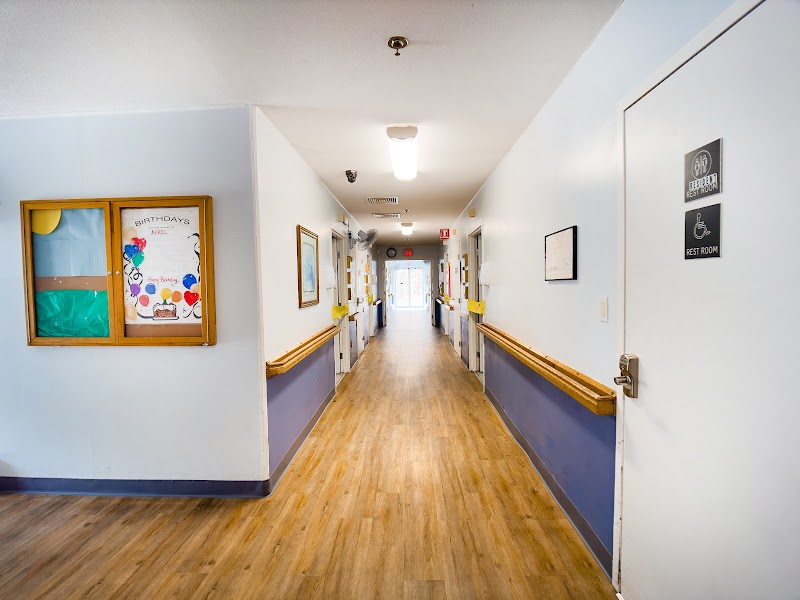
How is Palmer Healthcare Center Staffed?

CMS rates PALMER HEALTHCARE CENTER's staffing level at 2 out of 5 stars, which is below average compared to other nursing homes. Staff turnover is 53%, compared to the Massachusetts average of 46%. RN turnover specifically is 60%, which is notably high. RNs provide skilled clinical oversight, so turnover in this role can affect medical care quality.

What Have Inspectors Found at Palmer Healthcare Center?

State health inspectors documented 20 deficiencies at PALMER HEALTHCARE CENTER during 2022 to 2025. These included: 2 that caused actual resident harm and 18 with potential for harm. Deficiencies causing actual harm indicate documented cases where residents experienced negative health consequences.
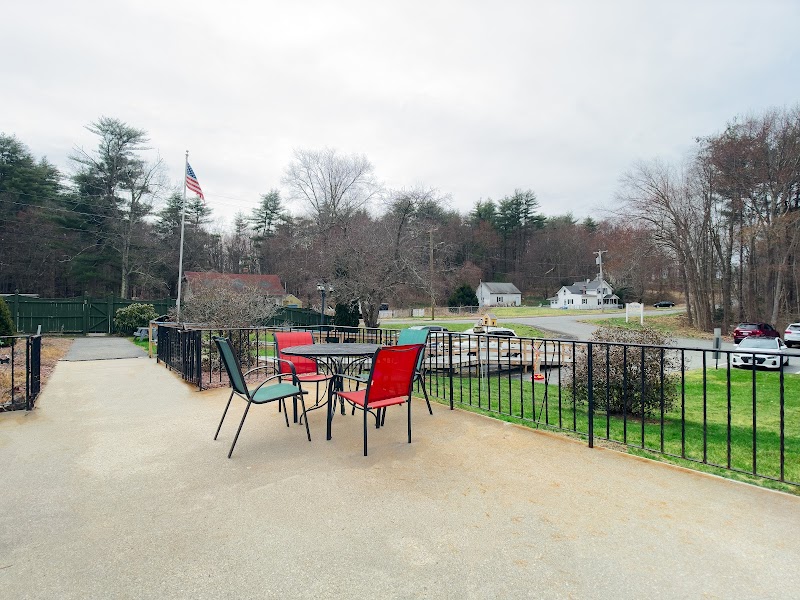
Who Owns and Operates Palmer Healthcare Center?

PALMER HEALTHCARE CENTER is owned by a for-profit company. For-profit facilities operate as businesses with obligations to shareholders or private owners. The facility operates independently rather than as part of a larger chain. With 61 certified beds and approximately 54 residents (about 89% occupancy), it is a smaller facility located in PALMER, Massachusetts.
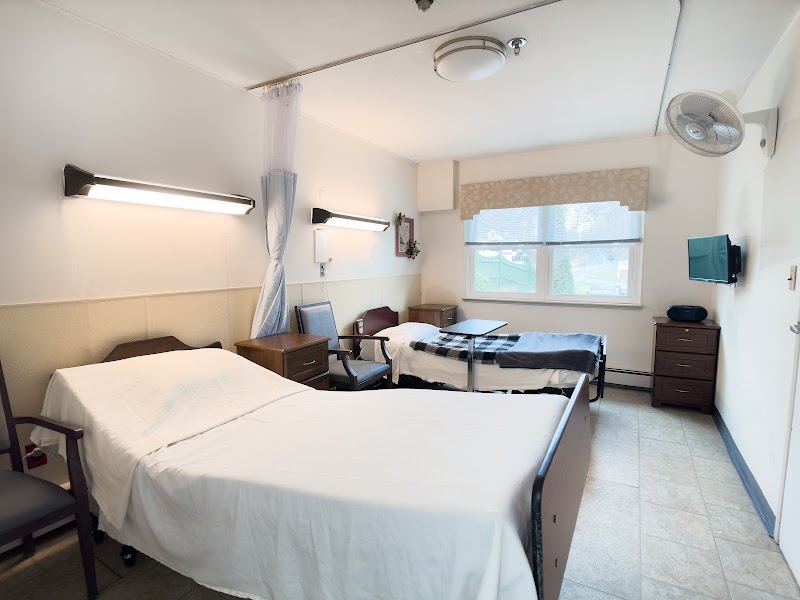
How Does Palmer Healthcare Center Compare to Other Massachusetts Nursing Homes?

Compared to the 100 nursing homes in Massachusetts, PALMER HEALTHCARE CENTER's overall rating (3 stars) is above the state average of 2.9, staff turnover (53%) is near the state average of 46%, and health inspection rating (3 stars) is at the national benchmark.

What Should Families Ask When Visiting Palmer Healthcare Center?

Based on this facility's data, families visiting should ask: "Can you walk me through typical staffing levels on day, evening, and night shifts?" "Can I visit during a mealtime to observe dining assistance and food quality?" "How do you handle medical emergencies, and what is your hospital transfer rate?" "Can I speak with family members of current residents about their experience?" These questions are particularly relevant given the below-average staffing rating.

Is Palmer Healthcare Center Safe?

Based on CMS inspection data, PALMER HEALTHCARE CENTER has a clean safety record: no substantiated abuse findings (meaning no confirmed cases of resident harm), no Immediate Jeopardy citations (the most serious violation level indicating risk of serious injury or death), and is not on the Special Focus Facility watch list (a federal program monitoring the lowest-performing 1% of nursing homes). The facility has a 3-star overall rating and ranks #1 of 100 nursing homes in Massachusetts. While no facility is perfect, families should still ask about staff-to-resident ratios and recent inspection results during their visit.

Do Nurses at Palmer Healthcare Center Stick Around?

PALMER HEALTHCARE CENTER has a staff turnover rate of 53%, which is 7 percentage points above the Massachusetts average of 46%. Moderate turnover is common in nursing homes, but families should still ask about staff tenure and how the facility maintains care continuity when employees leave.

Was Palmer Healthcare Center Ever Fined?

PALMER HEALTHCARE CENTER has no federal fines on record. CMS issues fines when nursing homes fail to meet care standards or don't correct problems found during inspections. The absence of fines suggests the facility has either maintained compliance or corrected any issues before penalties were assessed. This is a positive indicator, though families should still review recent inspection reports for the full picture.

Is Palmer Healthcare Center on Any Federal Watch List?

PALMER HEALTHCARE CENTER is not on any federal watch list. The most significant is the Special Focus Facility (SFF) program, which identifies the bottom 1% of nursing homes nationally based on persistent, serious quality problems. Not being on this list means the facility has avoided the pattern of deficiencies that triggers enhanced federal oversight. This is a positive indicator, though families should still review the facility's inspection history directly.