HILLCREST COMMONS NURSING & REHABILITATION CENTER

169 VALENTINE ROAD, PITTSFIELD, MA 01201 (413) 445-2300
Non profit - Corporation 265 Beds INTEGRITUS HEALTHCARE Data: November 2025
Trust Grade
43/100
#221 of 338 in MA
Last Inspection: March 2025

Within standard 12-15 month inspection cycle. Federal law requires annual inspections.

Overview

Hillcrest Commons Nursing & Rehabilitation Center has a Trust Grade of D, indicating below average performance with significant concerns. It ranks #221 out of 338 facilities in Massachusetts, placing it in the bottom half, and #11 out of 13 in Berkshire County, meaning there are only two facilities in the county that are rated lower. Unfortunately, the facility is worsening, with issues increasing from 8 in 2024 to 21 in 2025. Staffing is a concern as the facility has a 54% turnover rate, which is higher than the Massachusetts average, and it received a 2/5 star rating for staffing overall. There have been specific incidents of concern, including one where a staff member was physically abusive toward a resident who was unable to communicate their needs and another where the kitchen was not maintained in a sanitary manner, risking foodborne illness. While there is average RN coverage, the high turnover and incidents of abuse and sanitation issues highlight significant weaknesses that families should consider.

Trust Score
D
43/100
In Massachusetts
#221/338
Bottom 35%
Safety Record
Moderate
Needs review
Inspections
Getting Worse
8 → 21 violations
Staff Stability
⚠ Watch
54% turnover. Above average. Higher turnover means staff may not know residents' routines.
Penalties
⚠ Watch
$11,629 in fines. Higher than 86% of Massachusetts facilities, suggesting repeated compliance issues.
Skilled Nurses
⚠ Watch
Each resident gets only 27 minutes of Registered Nurse (RN) attention daily — below average for Massachusetts. Fewer RN minutes means fewer trained eyes watching for problems.
Violations
⚠ Watch
55 deficiencies on record. Higher than average. Multiple issues found across inspections.
★★☆☆☆
2.0
Overall Rating
★★☆☆☆
2.0
Staff Levels
☆☆☆☆☆
0.0
Care Quality
★★☆☆☆
2.0
Inspection Score
Stable
2024: 8 issues
2025: 21 issues

The Good

  • Full Sprinkler Coverage · Fire safety systems throughout facility
  • No fines on record

Facility shows strength in fire safety.

The Bad

2-Star Overall Rating

Below Massachusetts average (2.9)

Below average - review inspection findings carefully

Staff Turnover: 54%

Near Massachusetts avg (46%)

Higher turnover may affect care consistency

Federal Fines: $11,629

Below median ($33,413)

Minor penalties assessed

Chain: INTEGRITUS HEALTHCARE

Part of a multi-facility chain

Ask about local staffing decisions and management

The Ugly 55 deficiencies on record

1 actual harm
Mar 2025 21 deficiencies
CONCERN (D)

Potential for Harm - no one hurt, but risky conditions existed

Deficiency F0554 (Tag F0554)

Could have caused harm · This affected 1 resident

Based on record review, observation, and interview, the facility failed to assess self-administration of medication for one Resident (#135), out of a total sample of 36 residents. Specifically, for R...

Read full inspector narrative →
Based on record review, observation, and interview, the facility failed to assess self-administration of medication for one Resident (#135), out of a total sample of 36 residents. Specifically, for Resident #135, the facility failed to: -ensure an IDT (Interdisciplinary Team) assessment was completed for the Resident to self-administer Albuterol Sulfate Inhaler (bronchodilator medication) and Trelegy Ellipta Inhaler (combination beta-agonist/anticholinergic/ corticosteroid medication) medications prior to allowing the Resident to have the inhalers in his/her possession. -ensure that the medication was safely and appropriately stored when the Resident was observed to store an inhaler in their clothing, on his/her bedside table, and in an unlocked bedside drawer. Findings include: Review of the facility's policy titled Self Administration of Medications, revised June 2021, indicated the following: -The Resident will be assessed for cognitive, physical and visual ability to self-administer medications upon admission, quarterly and as needed with significant change in status. -If the Resident wishes to self-administer, the IDT will determine the Resident's ability to safely self-administer. -Ensure Medical Doctor orders are in place. -Provide safe, locked storage if keeping medications at bedside. -Medication nurse will monitor Resident's compliance and record on MAR (Medication Administration Record). Resident #135 was admitted to the facility in May 2022 with diagnoses including Chronic Obstructive Pulmonary Disease (COPD). Review of the Minimum Data Set (MDS) assessment, dated 2/20/25, indicated Resident #135: -was cognitively intact as evidenced by a Brief Interview for Mental Status (BIMS) score of 14 out of 15 -was able to make his/her needs known -understand others -utilized oxygen therapy Review of Resident #135's Comprehensive Person-centered Care Plan, indicated: -alteration in ability to provide self-care/perform ADLs (Activities of Daily Living) related to poor follow through of personal hygiene tasks and occasional weakness related to COPD and depression, initiated 6/15/22. -diagnosis of mild cognitive impairment, initiated 6/1/22, effective 4/29/23. -alteration in respiratory function related to COPD with history of respiratory failure. Shortness of Breath with exertion and when lying flat, initiated 6/23/22, effective date 10/24/23. Care Plan interventions included: >Administer medications as ordered and assess for effectiveness and adverse side effects. Review of Resident #135's March 2025 active Physician orders, indicated: -Albuterol Sulfate 0.09 milligram (mg)/1 Actuation Aerosol Powder, 4 puffs inhalation every 4 hours as needed (PRN) for shortness of breath (SOB), wheezing, initiated 9/29/23. -Trelegy Ellipta 5-25 micrograms (mcg) powder, one puff inhalation daily for COPD, initiated 1/13/25. Review of Resident #135's March 2025 Medication Administration Record (MAR), indicated: -Albuterol 0.09 mg/1 actuation Aerosol Powder Inhaler, 4 puffs inhalation every four hours as needed for shortness of breath/ wheezing - was not administered from 3/1/25 through 3/25/25. -Trelegy Ellipta 5-25 mcg powder, one puff inhalation daily for COPD - documented as administered daily from 3/1/25 - 3/25/25. Review of Resident #135's clinical record failed to indicate any documented evidence that Resident #135 was assessed by the IDT to self-administer medications. On 3/18/25 at 11:42 A.M., Resident #135 showed the surveyor an Albuterol inhaler that was in his/her pants pocket. During an interview at the time, Resident #135 said he/she takes the Albuterol inhaler four to five times per day, usually one or two puffs at a time. Resident #135 said the staff gave him/her the Albuterol inhaler to hold onto. On 3/19/25 at 2:39 P.M., Resident #135 was observed lying in bed and asleep. The surveyor observed the Albuterol inhaler was on the Resident's bedside table. On 3/20/25 at 8:09 A.M., Resident #135 was observed lying in bed and the Albuterol inhaler was on the bedside table within reach of the Resident. On 3/21/25 at 8:10 A.M., Resident #135 was observed with the Albuterol inhaler on the over bed table at his/her bedside. At the time, Resident #135 opened the top drawer of his/her bedside table and showed the surveyor a Trelegy inhaler that was stored in the bedside table drawer. During an interview on 3/21/25 at 10:15 A.M., Nurse #12 said that she often takes care of Resident #135 and when the Resident had SOB, he/she would ask for his/her Albuterol inhaler. Nurse #12 said that she was not aware that Resident #135 had inhalers at the bedside. Nurse #12 said the inhalers should be kept in a locked medication cart. During an interview on 3/21/25 at 10:20 A.M., Unit Manager (UM) #4 said Resident #135 had been keeping the Albuterol Inhaler and Trelegy Inhaler at the bedside for quite some time prior to a Self-Administration Assessment being completed on 3/19/25. UM #4 said the facility completed the Self- Administration Assessment on 3/19/25 because the state surveyors were in the building. UM #4 was unable to provide evidence of any that a Medication Self Administration Assessment was completed for Resident #135 prior to 3/19/25.
CONCERN (D)

Potential for Harm - no one hurt, but risky conditions existed

Deficiency F0559 (Tag F0559)

Could have caused harm · This affected 1 resident

Based on interview, and record review, the facility failed to ensure written notification was provided for two Residents (#40 and #199) out of a total of 36 residents, who experienced room and/or room...

Read full inspector narrative →
Based on interview, and record review, the facility failed to ensure written notification was provided for two Residents (#40 and #199) out of a total of 36 residents, who experienced room and/or roommates changes. Specifically, 1. For Resident #40, the facility failed to provide written notification when the Resident had several roommate changes after his/her roommate/ significant other (SO) passed away. 2. For Resident #199, the facility failed to notify and provide written notification to the Resident when two separate room changes occurred within a timeframe of less than one week. Findings include: Review of the facility policy titled Residents' Rights Policy, revised 10/4/23, indicated residents/resident representatives have rights and protections under federal law ensuring fair care and services are rendered without reprisals. The policy also included the following: -a facility must treat each resident with respect and dignity and care in a manner and in an environment, that promotes maintenance or enhancement of his or her quality of life and recognizing each resident's individuality. -the facility must protect and promote the rights of the resident, -the right to receive written notice, including the reason for the change, before the resident's room or roommate in the facility changed, -the right to refuse to transfer to another room within the facility if it is to another distinct part of the facility or for staff convenience, -the resident shall have the right to appeal to the facilities or institution's medical director a decision to move the resident to a different living quarter or to a different room within the facility or institution. 1. Resident #40 was admitted to the facility in August 2020 with diagnoses including end stage renal disease (ESRD). Review of the Minimum Data Set (MDS) Assessment, dated 12/25/24 indicated Resident #40: -was cognitively intact as evidenced by a Brief Interview of Mental Status (BIMS) score of 15 out of 15 -was dependent on transfers and mobility -utilized a wheel chair -has bilateral lower extremity range of motion deficits -received dialysis during the reference period Review of the clinical record indicated the following: -2/7/25: Social Service Note indicating that the Resident was notified of his/her roommate's (significant other - SO) passing when he/she returned from dialysis. -2/13/25: Social Service Note, indicating the Social Worker (SW) followed up with Resident #40 on 2/10/25 and the Resident was reported to be upset about returning from dialysis (on 2/10/25) to find his/her SO's belongings removed from the room .the Resident was notified that he/she would be receiving a roommate the next day (2/11/25) and that the facility tried to give him/her as much time as possible Further review of the clinical record failed to indicate documented evidence that written notification was provided to Resident #40 when he/she had two separate roommates. During an interview on 3/20/25 at 3:50 P.M., Resident #40 said he/she resided with their SO, and that he/she passed away on Friday 2/7/25. Resident #40 said that he/she had requested to have a week to clean out his/her SO's items from their room, and when he/she returned from dialysis the following Monday (three days later on 2/10/25), his/her SO's items had been removed from their room and he/she was very upset about this. Resident #40 said he/she received a roommate the next day (2/11/25) and did not know until the roommate was moving in. Resident #40 said that particular roommate had issues with the room and items in the room, and was moved to another room shortly after and another person who was actively passing was put into the room. Resident #40 said he/she was not notified that he/she was going to be receiving a change in roommate, and the second roommate passed away shortly after, which affected him/her because he/she was already grieving the loss of his/her significant other. Resident #40 said it felt like the facility staff did not think about how these room changes would have affected him/her after the death of his/her SO. During an interview on 3/24/25 at 1:34 P.M., Social Worker (SW) #1, who had worked in the facility for about a year, said she had never been instructed to and had not been providing written notification to residents when they were receiving a roommate. SW #1 said she was aware of the situation that transpired with Resident #40 and did not agree with how this situation was handled. SW #1 said she did advocate on the Resident's behalf but was not aware of the details on how bed management occurred relative to room changes or roommate changes. SW #1 said she could recall that Resident #40 had a roommate that was actively passing after the death of his/her SO and that this passing resident was put into Resident #40's room after there was an issue with the resident's previous roommate, and that this was not an ideal situation. During an interview on 3/24/25 at 4:27 P.M., Unit Manager (UM) #1 said Resident #40 and his/her SO had been rooming together for over two years. UM #1 said when Resident #40's SO passed away, the Resident was given a couple of days to remove the SO's items out of the room. UM #1 said Resident #40 was out at dialysis when the SO's items were removed from their room by facility staff, and the items were removed because the Resident was to receive a new roommate. During a follow-up interview on 3/25/25 at 11:45 A.M., UM #1 said resident room changes were discussed daily during morning meeting and that the admissions staff drive this process. UM #1 said she was unsure if residents receive notification of new roommates prior to receiving them, and that room changes can be challenging given the complexities on her unit. 2. Resident #199 was admitted to the facility in June 2024 with diagnoses including cerebral infarction (stroke) with left hemiplegia and hemiparesis. Review of the most recent Minimum Data Set (MDS) Assessment, dated 12/4/24, indicated Resident #199: -had clear speech -was usually able to make his/herself understood -usually able to understand others During an interview on 3/18/25 at 4:49 P.M., Resident #199 said he/she had to have his/her room changed multiple times while at the facility. Resident #199 said he/she was very pleased with his/her room previously, but the facility told his/her Guardian that he/she needed to change rooms. Resident#199 said he/she had moved rooms two times recently and it was very frustrating. Review of the Clinical/Charting Snapshot dated 3/20/25, indicated Resident #199 had his/her room changed on 3/12/25 and 3/15/25. Review of the Social Services Progress Note dated 3/4/25, indicated Social Services had let the Resident's Guardian know that Resident #199 was being moved. Further review of the Resident's medical record failed to indicate written documentation that Resident #199 had been updated about the room changes prior to the room changes on 3/12/25 and 3/15/25. During an interview on 3/20/25 at 8:26 A.M., SW #1 said Resident #199 was moved to another unit because he/she no longer needed ventilator care. SW #1 said she had spoken with Resident #199's Guardian prior to the Resident's room changes but she had not spoken with Resident #199 prior to the room changes or provided him/her with any written documentation about the room changes. SW #1 further said she was unaware of any written forms or documentation that was to be used and provided to a Resident prior to a room change.
CONCERN (D)

Potential for Harm - no one hurt, but risky conditions existed

Assessment Accuracy (Tag F0641)

Could have caused harm · This affected 1 resident

**NOTE- TERMS IN BRACKETS HAVE BEEN EDITED TO PROTECT CONFIDENTIALITY** 7) Resident #155 was admitted to the facility in September 2022 with diagnoses including Anoxic Brain Damage and Cardiac Arrest....

Read full inspector narrative →
**NOTE- TERMS IN BRACKETS HAVE BEEN EDITED TO PROTECT CONFIDENTIALITY** 7) Resident #155 was admitted to the facility in September 2022 with diagnoses including Anoxic Brain Damage and Cardiac Arrest. Review of the Occupational Therapy (OT) Evaluation dated 3/19/24, indicated Resident #155 had bilateral hand contractures. Review of the Minimum Data Set (MDS) assessment dated [DATE], indicated Resident #155 had no range of motion (ROM) deficits. During an interview on 3/21/25 at 1:27 P.M., MDS Nurse #1 said that the MDS assessment dated [DATE], was coded inaccurately and should have reflected that Resident #155 had bilateral upper extremity ROM impairments. Based on observation, interview, and record review, the facility failed to accurately code Minimum Data Set (MDS) Assessments for ten Residents (#132, #171, #53, #158, #229, #10, #155, #123, #226 and #47), out of a total sample of 36 residents. Specifically: 1) For Resident #132, the facility failed to accurately code the Resident as having a feeding tube in use. 2) For Resident #171, the facility failed to accurately code medication administration relative to the Resident receiving Insulin medication when the Resident was prescribed and administered a Diabetes medication that was non- Insulin. 3) For Resident #53, the facility failed to ensure that the most recent comprehensive MDS Assessments was coded accurately relative to upper extremity limited range of motion (ROM). 4) For Resident #158, the facility failed to ensure the most recent comprehensive MDS Assessment was coded accurately relative to a vision related diagnosis. 5) For Resident #229, the facility failed to ensure the discharge MDS Assessment was coded accurately relative to discharge destination. 6) For Resident #10, the facility failed to accurately code a MDS Assessment relative to access of a pressure redistribution cushion for the Resident's wheelchair. 7) For Resident #155, the facility failed to accurately code one MDS Assessment to reflect the Resident's limitation in upper extremity range of motion (ROM) when the Resident had bilateral upper extremity contractures. 8) For Resident #123, the facility failed to accurately code one MDS Assessment to reflect the Resident's limitation in upper extremity ROM when the Resident had bilateral upper extremity contractures. 9) For Resident #226, the facility failed to accurately code the Resident's ability to be understood when the MDS was coded as rarely/never understood. 10) For Resident #47, the facility failed to accurately code the MDS Assessment to reflect that the Resident had broken natural teeth and was not absent of natural teeth. Findings include: 1) Resident #132 was admitted to the facility in December 2024 with diagnoses including Amyotrophic Lateral Sclerosis (ALS) and Dysphagia. Review of Resident #132's MDS assessment dated [DATE] failed to indicate that the Resident had a feeding tube as the box for feeding tube was not checked. Review of Resident #132's March 2025 Physician orders indicated: -Peg-Jejunostomy Enteral Tube 12 french (Fr: measurement used to size the tube) to LLQ initiated 12/12/24. -Isosource 1.5 calorie 1000 ml bag via kangaroo pump at 80 milliliters (ML) per hour, please give 100 ML flush pre and post feeding, up at 6:00 P.M., down at 2:00 P.M., total formula volume 1600 ML, total calories 2025 kCal (a type of measurement of calories), total protein 92 grams, free water hourly bolus 50 ML per hour for 20 hours. During an interview on 3/25/25 at 10:03 A.M., MDS Nurse #1 said she had reviewed documentation for Resident #132 and that the Resident had a Feeding Tube in use at the time of the 3/5/25 MDS Assessment period. MDS Nurse #1 further said that the 3/5/25 MDS should have been coded to indicate that the Resident had a Feeding Tube in use but it was not. 2) Resident #171 was admitted to the facility in May 2024 with diagnoses including Type 2 Diabetes. Review of Resident #171's MDS assessment dated [DATE], indicated the Resident had received one day of Insulin medication during the assessment period. Review of Resident #171's February 2025 Physician orders indicated: -Mounjaro (a GLP-1 medication: a non-insulin injectable medication used to treat diabetes) 7.5 mg/0.5 ml injection subcutaneously once a week initiated on 2/3/25 and discontinued 2/14/25. -no Physician orders for Insulin medication. Review of Resident #171's Medication Administration Record (MAR) indicated: -the Resident received the Mounjaro medication as ordered during the assessment period on 2/7/25. -no evidence that the Resident was administered Insulin medication. During an interview on 3/25/25 at 1:34 P.M., MDS Nurse #1 said that the Resident was coded on the 2/12/25 MDS as having received Insulin for 1 day during the assessment period. MDS Nurse #1 further said that she reviewed the Resident's medical record and the Resident had not received any Insulin during the assessment period. MDS Nurse #1 said this was an error in coding. 10) Resident #47 was admitted to the facility in March 2023 with diagnoses including Dysphagia and Dementia. During an interview on 3/18/25 at 10:47 A.M., Resident #47 said this tooth was supposed to come out. The surveyor observed that the Resident pointed at a tooth on the front of the lower oral cavity. The surveyor further observed the Resident's teeth was decayed with broken teeth along the front lower gum line. Review of Resident #47's Dental Group Consult Form dated 7/1/24, indicated the Resident: -had Root Remnants (RR-visible or felt root fragments) on teeth #23, #24 and #25. -had a fractured (broken) tooth #27. Review of the Minimum Data Set (MDS) assessment dated [DATE], indicated that Resident #47: -had no natural teeth or tooth fragment(s). -was edentulous (without teeth). Review of the Resident #47's March 2025 Physician orders indicated: -Prevident 5000 Booster 1/1% Paste (Sodium Fluoride), a pea sized amount, Day shift 7:00 A.M. - 3:00 P.M. for sensitive teeth, effective 1/31/25. On 3/24/25 at 3:41 P.M., the surveyor and MDS Nurse #1 observed Resident #47's teeth and MDS Nurse #1 said that Resident #47 had tooth fragments and a broken tooth. MDS Nurse #1 said that the Resident's MDS dated [DATE], had not been coded correctly. MDS Nurse #1 said that the MDS should have been coded for broken natural teeth because the Resident presented with broken tooth fragments. MDS Nurse #1 said that accurate coding is important for the MDS so that a Residents' assessments accurately reflected current condition for care planning and delivery of care/services. Please Refer to F688. 9) Resident #226 was admitted in March 2025 with diagnoses including unspecified fracture, repeated falls, systolic Congestive Heart Failure (CHF) and Depression. Review of Resident #226's Minimum Data Set (MDS) assessment dated [DATE], indicated the Resident: -had moderate cognitive impairment as evidenced by a Brief Interview for Mental Status (BIMS) score of 11 out of total possible 15. -was rarely/never understood. During an interview on 3/21/25 at 1:25 P.M., MDS Nurse #1 said Resident #226 was coded as rarely/never understood in error. 8) Resident #123 was admitted to the facility in March 2023 with diagnoses including Cerebrovascular Accident (CVA) with hemiparesis and Contracture of Multiple Sites. Review of Resident #123's Activities of Daily Living (ADL) Care Plan dated 3/6/23, indicated the Resident had altered ability to provide self-care due to . left paralysis . Review of the Splint Care Plan dated 11/19/24, indicated Resident #123: -had joint contractures. -required the use of bilateral hand orthotics. Review of Resident #123's MDS assessment dated [DATE], indicated the Resident: -was cognitively intact as evidenced by a Brief Interview for Mental Status (BIMS) score of 13 out of 15 total possible points. -was dependent on staff for ADLs. -had progressive neurological conditions. -had no upper extremity limitations in ROM that interfered with daily functions . On 3/18/25 at 9:05 A.M., the surveyor observed the following in the Unit One Dining Area: -Resident #123 was seated in a reclining wheelchair. -Resident #123 wore orthotic devices on both hands and his/her fingers were flexed around the orthotic devices. During an interview at the time, Resident #123 said that he/she could not open his/her hands. The surveyor observed Resident #123 lift his/her arms up in the air slightly with his/her fingers remaining flexed around the orthotic devices. During an interview on 3/20/25 at 10:02 A.M., Certified Nurses Aide (CNA) #3 said that Resident #123 was dependent on facility staff for ADLs. CNA #3 said that Resident #123 had limitations in ROM of the upper extremities which impacted the Resident's abilities to perform self-care. CNA #3 said that the Resident required staff to provide passive ROM (PROM) to the Resident's upper extremities and orthotics for the Resident's hands in attempt to prevent the contractures from getting worse. During an interview on 3/21/25 at 1:34 P.M., the MDS Nurse said that Resident #123 did have limitations in bilateral upper extremity ROM that were present at the time of the Resident's MDS Assessment, dated 1/7/25. The MDS Nurse said that the MDS assessment dated [DATE] was inaccurate and should have been coded to indicate the Resident had bilateral upper extremity ROM limitations. 3) Resident #53 was admitted to the facility in April 2021 with diagnoses including Alzheimer's Disease. Review of Resident #53's Nursing Progress Note dated 10/1/24, indicated Resident #53 had been diagnosed with a left-hand contracture. The surveyor observed Resident #53 seated in the unit dining room, his/her left hand was visibly contracted, and Resident #53 only had use of his/her left thumb while the remaining fingers remained tightly pressed against his/her palm on the following observations: -3/19/25 at 8:05 A.M. -3/20/25 at 10:02 A.M. During an interview on 3/20/25 at 10:03 A.M., Nurse #2 said Resident #53 had a left-hand contracture and utilized a palm guard daily. Review of the most recent comprehensive MDS assessment dated [DATE], indicated Resident #53 had no limited ROM in his/her upper extremities. During an interview on 3/24/25 at 11:37 A.M., MDS Nurse #1 said the MDS assessment dated [DATE] was coded inaccurately. MDS Nurse #1 said Resident #53 had a limited range of motion in his/her left upper extremity, the MDS should have accurately reflected Resident #53 had a functional limitation on one side of his/her upper extremities, and the MDS Assessment needed to be corrected. 4) Resident #158 was admitted to the facility in September 2022 with diagnoses including Glaucoma. Review of the most recent comprehensive MDS assessment dated [DATE], indicated Resident #158 had no active vision diagnoses. During an interview on 3/24/25 at 11:22 A.M., MDS Nurse #1 said Resident #158 was admitted with a diagnosis of Glaucoma and the MDS assessment dated [DATE] was coded inaccurately. 5) Resident #229 was admitted to the facility in June 2024 with diagnoses including cellulitis. Review of the Nursing Progress Note dated 1/3/25, indicated Resident #229 was discharged from the facility back to the community. Review of the discharge MDS assessment dated [DATE], indicated Resident #229 was discharged from the facility to a short-term general hospital. During an interview on 3/24/25 at 11:21 A.M., MDS Nurse #1 said Resident #229 was discharged back to the community and the MDS assessment dated [DATE], was coded inaccurately and needed to be corrected to reflect that Resident #229 was discharged to the community. 6) Resident #10 was admitted to the facility in April 2013 with diagnoses including Protein-Calorie Malnutrition and End Sage Renal Disease (ESRD). Review of Resident #10's Skin Breakdown Care Plan, initiated on 5/28/21, and updated 3/24/25, indicated the following interventions: -Pressure redistribution cushion in chair/wheelchair. Review of the most recent MDS assessment dated [DATE], failed to indicate a pressure reducing cushion was in place for the Resident's wheelchair, as the pressure reducing cushion box was not selected. On 3/20/25 at 9:38 A.M., Resident #10 was observed in the day room, seated in a wheelchair with a pressure redistribution cushion in place. On 3/25/25 at 8:41 A.M., the surveyor and MDS Nurse #3 observed Resident #10 in the day room, seated in a wheelchair with a pressure redistribution cushion in place. MDS Nurse #3 reviewed Resident #10's Care Plan, the previous MDS dated [DATE], and the most current MDS dated [DATE]. During an interview at the time, MDS Nurse #3 said the Care Plan indicated a pressure reducing device for the chair/wheelchair should be in place as an intervention, the MDS dated [DATE] indicated a pressure reducing device was in place for the wheelchair, and that the MDS completed on 1/2/25 did not indicate that a pressure reducing device for the wheelchair was in place. MDS Nurse #3 said that it was a coding error because the Resident has always had the pressure reducing device for the wheelchair in place and should be coded to reflect that a pressure reducing device was in use.
CONCERN (D)

Potential for Harm - no one hurt, but risky conditions existed

ADL Care (Tag F0677)

Could have caused harm · This affected 1 resident

Based on observation, interview, and record review, the facility failed to provide Activities of Daily Living (ADL) care in accordance with assessed needs, goals for care, preferences, and recognized ...

Read full inspector narrative →
Based on observation, interview, and record review, the facility failed to provide Activities of Daily Living (ADL) care in accordance with assessed needs, goals for care, preferences, and recognized standards of practice for one Resident (#155) out of a total sample of 36 residents. Specifically, for Resident #155, the facility failed to: -provide consistent ADL assistance relative to dressing, nail and hand hygiene care when the Resident had bilateral hand contractures and was dependent on staff for bathing, dressing and personal hygiene increasing the risk for skin breakdown and resulting in development of a fungal infection in his/her left hand that required medical treatment. Findings include: Review of the facility policy titled ADLs: basic skills needed in regular daily life including ambulating, dressing, bathing, eating), dated 11/14/16, indicated: -Each Resident will receive the necessary care and services to attain or maintain the highest practicable physical, mental and psychosocial wellbeing, consistent with the Resident's comprehensive assessment and plan of care. >The care and services for ADL will be based on Resident's ability as identified in the Minimum Data Set (MDS) Assessment, rehab (rehabilitation) evaluation, nursing assessment, and person-centered care plan. >Assistive Devices and adaptive equipment are provided as needed. >Resident's abilities, personal choices and self-image are accounted for during ADLs. Review of the facility policy titled Care of Foot and Nails, dated 2/27/17, indicated but was not limited to the following: -Resident's need special care to prevent infection, odors, and injury to soft tissue. > .To provide nail care to promote optimum health, safety and comfort of the Resident, reduce health risk secondary to existing medical condition, and prevent infection. >Licensed Nurse can delegate to Nursing Assistants the trimming of nails of non-diabetic residents or residents without circulatory impairments. Licensed Nurse can trim the nails of residents with diabetes and circulatory impairments only. Review of the facility policy titled Skin Integrity Management, revised 5/21/21, indicated: -Based on the comprehensive assessment of a resident, the facility must ensure that the resident receives care, consistent with professional standards of practice to prevent pressure ulcer or injury and does not develop pressure ulcer or injury unless the individual's clinical condition demonstrates that they were unavoidable, consistent with CMS requirement and guidance. >maintain the integrity of our resident's skin, the largest organ in the body which plays a significant factor in their overall health. >minimize the risks and prevent the occurrence of skin breakdown through initial comprehensive and regular skin assessments. >develop and implement a comprehensive, person-centered plan of care aimed at maintaining skin integrity, prompt identification, intervention and management of any skin breakdown on accepted clinical standards of practice. Resident # 155 was admitted to the facility in September 2022, with diagnoses including Anoxic Brain Damage and Cardiac Arrest. Review of the Minimum Data Set (MDS) Assessment, dated 1/7/25, indicated Resident #155: -has severe cognitive impairment as evidenced by a Brief Interview of Mental Status (BIMS) score of 3 out of a total possible score of 15. -has no range of motion (ROM) deficits. -was dependent on the assistance of staff with toileting, personal hygiene, bathing, dressing, turning, repositioning and transfers. -has diagnoses including Anoxic Brain injury, wound infection, and malnutrition. -was at risk for pressure ulcers and had one Stage 4 Pressure injury (full thickness tissue loss resulting from pressure) [of the coccyx]. Review of Resident #155's Activities of Daily Living (ADL) Care Plan initiated 9/20/22, effective 1/6/25, indicated: -alteration in the ability to provide self-care/ perform ADLs, with an anoxic brain injury, bedbound and was dependent on staff. The ADL Care Plan included the following interventions: -Provide movement of the extremities during ADL care as tolerated, effective 9/20/22. -Be alert to non-verbal cues of discomfort: grimace, restless, etc. (et cetera) Review of Resident 155's At Risk for Skin Breakdown Care Plan, initiated 9/20/22, effective 1/6/25, indicated: >was at risk for pressure ulcer development related to bedbound status, impaired mobility, incontinence, dependent on staff, and had a Stage 4 wound on the coccyx upon admission to the facility. The At Risk for Skin Breakdown Care Plan included the following interventions: -Observation of skin condition during care - report pink, red or open areas to the Nurse, initiated 9/20/22. -Update Physician of new skin conditions and obtain orders, initiated 9/20/22. -Avoid/limit skin to skin contact. Use pillows/foam wedges to keep body prominences from direct contact with each other, initiated 9/20/22 On 3/18/25 at 9:12 A.M., the surveyor observed Resident #155 was lying in bed wearing a hospital gown. The surveyor observed the Resident's right hand was contracted into a fist position, with long, chipped and misshapen fingernails and brown material under the fingernails. The surveyor further observed Resident #155's fingernails on the left hand were long, jagged, with brown material under the fingernails. Resident #155 was unable to open either his/her right or left hand at the surveyor's request. On 3/19/25 at 2:43 P.M., the surveyor observed that Resident #155 was lying in bed wearing a hospital gown and had a facecloth tucked into the closed fists of both his/her left and right hand. On 3/20/25 at 8:44 A.M., the surveyor observed that Resident #155 was lying in bed wearing a hospital gown with his/her right and left hands contracted into fists. The Resident was unable to open his/her right or left hand at the surveyors request. On 3/20/25 at 9:35 A.M., the surveyor observed CNA #6 and Nurse #12 as they attempted to open Resident #155's left hand. During an interview at the time, Nurse #12 said Resident #155's left hand fingernails were thick, very long, and dirty and that she had a hard time viewing the condition of the Resident's skin because of the hand contracture. Nurse #12 said there was a foul odor when the Resident's left palm was exposed. CNA #6 said he could smell something foul when the Resident's left hand was opened. The surveyor was standing at the foot of the Resident's bed at the time and observed a foul odor when Resident #155's left hand was opened. Resident #155 was observed to allow a facecloth to be placed in his/her left hand but not his/her right hand. During an interview on 3/20/25 at 11:50 A.M., Nurse #12 said the CNA's will often ask a Nurse to help when providing care to the Resident so that a facecloth can be placed into the left and right hands and the Nurse can assess the Resident's skin integrity of both hands. Nurse #12 said that she is not always able to clearly visualize the Resident's palms or between the fingers because of his/her contractures. Nurse #12 said that Resident #155 has had a yeasty odor for a few weeks. During an interview on 3/20/25 at 11:55 A.M., CNA #6 said he has trimmed Resident #155's fingernails in the past but was unable to recall when fingernail trimming was last done. CNA #6 further said that too much time had passed since the Resident's fingernails had been trimmed. During an interview on 3/20/25 at 11:56 A.M., Unit Manager (UM) #4 said the CNAs are responsible for trimming fingernails unless directed otherwise by the Nurses. UM #4 said she observed Resident #155's fingernails today and the Resident's fingernails were very long and dirty and it was evident that Resident #155's fingernails had not been trimmed for a long time. Review of Resident #155's Nurse Practitioner (NP) Progress Note, dated 3/20/25, indicated: -Bilateral hand contractures were present, along with mild swelling and tenderness on left hand. -fungal rash was also observed. Review of Resident #155's Physician orders, dated 3/20/25, indicated: -Lotrimin Antifungal Cream 1% to left hand twice a day for 14 days for alteration in skin integrity. During a follow-up interview with UM #4 on 3/20/25 at 2:32 P.M., UM #4 said Resident #155 was evaluated by the Provider, who ordered an antifungal cream for the Resident's left hand due to a fungal infection. During an interview on 3/21/25 at 7:58 A.M., UM #4 said that CNAs are responsible to perform fingernail care weekly and as needed, but fingernail care had not occurred for Resident #155. UM #4 said that CNAs inform the Nurses if fingernail care was unable to be performed for any reason. On 3/21/25 at 8:04 A.M., the surveyor observed Resident #155 lying in bed wearing a hospital gown with a rolled facecloth tucked in both the right and left hands.
CONCERN (D)

Potential for Harm - no one hurt, but risky conditions existed

Quality of Care (Tag F0684)

Could have caused harm · This affected 1 resident

**NOTE- TERMS IN BRACKETS HAVE BEEN EDITED TO PROTECT CONFIDENTIALITY** Based on observation, interview, and record review, the facility failed to ensure that one Resident (#215) out of a total sample...

Read full inspector narrative →
**NOTE- TERMS IN BRACKETS HAVE BEEN EDITED TO PROTECT CONFIDENTIALITY** Based on observation, interview, and record review, the facility failed to ensure that one Resident (#215) out of a total sample of 36 Residents received quality of care in accordance with professional standards of practice. Specifically, for Resident #215, the facility failed to: -apply ACE bandages on the day shift as ordered to the Resident's bilateral legs to manage swelling and treatment of bilateral leg edema. -provide care and services that reflected the Resident's preference for application of the ACE bandages when the Treatment Administration Record (TAR) indicated the ACE bandages were applied to the Resident's lower extremites and the Resident was observed without the ACE bandages in place. Findings include: Resident #215 was admitted to the facility in December 2024 with diagnoses including Hypertension, Hypothyroidism and lower extremity (leg) edema. Review of the facility policy titled Documentation -Clinical, revised on 10/31/23, indicated the following: -Medication and Treatment: >the Licensed Nurse notes the time and date of all medications and treatments administered on medication administration record or treatment record. >The Nurse who administers the medication and/or treatment must document it on the residence record. >If a scheduled medication is withheld or not given as ordered, the Nurse documents this and lists the reason for the resident not receiving the medication and what was done to attempt to administer the medication. Review of the Minimum Data Set (MDS) assessment dated [DATE] indicated Resident #215 was cognitively intact as evidenced by a Brief Interview for Mental Status (BIMS) score of 15 out of 15. Review of Resident #215's March 2025 Physician orders indicated: -Ace (type of bandage used to control swelling) wraps to bilateral LE (lower extremity) from knee to ankle on day shift. Order date 2/13/25. -Ace wraps to bilateral LE: remove at bedtime. Order date 2/13/25. During an interview on 3/18/25 at 11:53 A.M., Resident #215 said that both of his/her legs are supposed to be wrapped with ACE bandages daily in the morning and then taken off at night, due to leg edema. The surveyor observed Resident #215's legs was not wrapped in ACE bandages at the time. Resident #215 said if the surveyor were to ask the Nurse why the wraps were not on the Resident's legs, the surveyor would be told it was because the Resident went out to an appointment this morning at 9:15 A.M. Resident #215 said that the Nurse did not offer to wrap his/her legs before leaving for the appointment or when he/she returned from the appointment. Resident #215 further said that he/she could not recall the last time his/her legs had been wrapped. During an interview on 3/20/25 at 10:45 A.M., Resident #215 said that his/her leg wraps had not been completed at this point in the morning. The surveyor observed that Resident #215 did not have his/her legs wrapped in ACE bandages at the time. During an interview on 3/24/25 at 2:35 P.M., Nurse #7 said Resident #215 was to have bilateral leg wraps applied daily. Nurse #7 said it was the overnight (11:00 P.M. to 7:00 A.M.) shift's responsibility to put on the leg wraps per the Physician's order. Nurse #7 said the Resident often refused to have the leg wraps put on. Nurse #7 said the Resident did not have the leg wraps on today and she did not know why the leg wraps had not been applied, as she did not receive that information during the shift change over. Review of Resident #215's March 2025 Treatment Administration Record (TAR) indicated the Resident refused the ACE wraps as indicated by an H with a corresponding note stating, held due to Resident refused on the following dates: 3/4/25, 3/7/25, 3/11/25, 3/17/25, and 3/19/25. Further review of Resident #215's March 2025 TAR indicated the ACE wraps had been applied to bilateral LE, as evidenced by a Nurse's signature indicating the order had been followed and completed on the following dates: -3/18/25 (no leg wraps in place - surveyor observation) -3/20/25 (no leg wraps in place - surveyor observation) -3/24/25 (Nurse #7 provided the surveyor notification that the leg wraps were not applied to the Resident's lower extremities) During an interview on 3/24/25 at 2:36 P.M., the surveyor and Unit Manager (UM) #4 reviewed the current Physician orders and the TAR administration history for March 2025. UM #4 said the Physician orders indicated the leg wraps were supposed to be put on the Resident during the day (7:00 A.M.-3:00 P.M.) shift, not the overnight (11:00 P.M.-7:00 A.M.) shift. UM #4 said she purposely did not put a time on the order, only which shift it should be completed on, to allow some leeway as well as to work with Resident #215 when he/she is available. UM #4 said that the wraps should then be removed before bed. UM #4 said the TAR for today was signed off by Nurse #7, indicating that Nurse #7 had put the leg wraps on Resident #215 this morning (3/24/25). UM #4 said that based on the order and the administration history she would have expected to see the leg wraps on the Resident today, but she did not. UM #4 said if the TAR is signed off with a Nurses' initials and no other notation, it was assumed that the order had been completed and that the leg wraps had been applied. UM #4 further said if the Resident refused or was not available, the Nurse should document H (Held) and document a note with a reason as to why the leg wraps were held. On 3/25/25 at 9:38 A.M., the surveyor observed that Resident #215 had bilateral leg wraps on. During an interview at the time, Resident #215 said the leg wraps were only applied this morning because the state was at the facility. Resident #215 further said that he/she was afraid that the leg wraps would not be done daily after the state left the facility.
CONCERN (D)

Potential for Harm - no one hurt, but risky conditions existed

Deficiency F0688 (Tag F0688)

Could have caused harm · This affected 1 resident

**NOTE- TERMS IN BRACKETS HAVE BEEN EDITED TO PROTECT CONFIDENTIALITY** Based on observation, interview, and record review, the facility failed to provide appropriate treatment to prevent further decr...

Read full inspector narrative →
**NOTE- TERMS IN BRACKETS HAVE BEEN EDITED TO PROTECT CONFIDENTIALITY** Based on observation, interview, and record review, the facility failed to provide appropriate treatment to prevent further decrease in range of motion (ROM) for one Resident (#123) with limited ROM, out of a total sample of 36 residents. Specifically, the facility failed to implement a passive ROM (PROM) program to Resident #123's lower extremities when the Resident had bilateral lower extremity contractures and was unable to perform his/her own lower extremity ROM, which increased the Resident's risk for progression of lower extremity contractures and pain. Findings include: Review of the American Stroke Association guidance titled Spasticity, https://www.stroke.org/en/about-stroke/effects-of-stroke/physical-effects/spasticity last reviewed 5/30/23, indicated the following: -Spasticity is a common post-stroke condition that causes stiff or rigid muscles. -When a muscle cannot complete its full ROM, the surrounding tendons and soft tissue can become tight. -This makes stretching the muscle much more difficult. -If left untreated, spasticity can also lead to joints in the arm and leg to be stuck or frozen in an abnormal and possibly painful position. This is called contracture. -Treatment may include: >Physical exercise and stretching: Stretching helps maintain full range of motion and prevents permanent muscle shortening. Resident #123 was admitted to the facility in March 2023 with diagnoses including Cerebrovascular Accident (CVA) with hemiparesis and Contracture of Multiple Sites. Review of Resident #123's Activities of Daily Living Care Plan, dated 3/6/23, indicated: -Alteration in ability to provide self-care . due to Arthritis, Degenerative Joint Disease (DJD), CVA with Left Paralysis, . decreased mobility, and generalized weakness. -Encourage movement of extremities during ADL care if tolerated and applicable as needed. -The Resident was unable to walk. -The Resident required a mechanical lift for transfers. Review of Resident #123's Pressure Ulcer (PU) Risk Care Plan, dated 3/6/23, indicated: -at risk for PU development related to . mobility. -Encourage activity and mobility. -Rehab (Rehabilitation) evaluation as needed. -Use devices the eliminate pressure on the heels: pillows as needed. Review of Resident #123's Cognitive Care Plan, dated 5/29/23, indicated: -compromised insight into his/her physical limitations and care needs. Review of Resident #123's Splint Care Plan, dated 11/19/24, indicated: -ROM with care as appropriate. -Use positioning devices. -PT . evaluation as ordered. Review of Resident #123's Physical Therapy (PT) Evaluation, dated 12/9/24, indicated: -referred to PT for positioning and contracture management. -Presented with: -decreased ROM to bilateral lower extremities. -joint mobility/integrity deficits. -limitations in ROM. -muscle disuse/atrophy. -paralysis/paresis. -inability to stand. -The Resident sat almost criss cross in his/her wheelchair due to lower extremity contractures of the hips and knees. -The Resident's rehabilitation potential was fair due to . supportive caregivers/staff. -The focus of treatment was adaptation. -The Resident was not fully aware of the extent of his/her diagnosis and prognosis due to cognitive deficit and language barrier. Review of Resident #123's PT Progress Note, dated 12/9/24, indicated: -The Resident showed heavy amounts of contracture into hip flexion, knee flexion, hip abduction, and ankle plantar flexion. -PT would attempt to work on lower extremity contracture management and positioning. Review of Resident #123's Minimum Data Set (MDS) Assessment, dated 1/7/25, indicated: -Brief Interview for Mental Status (BIMS) score of 13 out of 15 total possible points indicating the Resident was cognitively intact. -Bilateral lower extremity ROM limitation that interfered with daily function were present. -was dependent for ADLs and was unable to walk. -had received PT services over the previous seven days. Review of Resident #123's PT Note, dated 2/5/25, indicated: -Discontinuation of PT services due to insurance coverage ending, was discussed with the Resident. -Goals met and not met were discussed with the Resident. -Physical Therapist educated Resident #123 to have staff position the Resident better to decrease contractures from forming. Review of Resident #123's PT Discharge summary, dated [DATE], indicated: -lower extremity ROM improved. -to reside long-term in the facility. -was referred for RNP (Restorative Nursing Program)/FMP (Functional Maintenance Program). Further review of Resident #123's PT Discharge Summary indicated: concerned with staff carryover as they have never shown ability to properly position [Resident] even with education and they have no desire to work on contracture management program as there is no carryover. Resident will constantly be a pickup and d/c (discharge) with [Resident] progressively getting more contracted due to no carryover. D/C (Discharge) due to insurance cut and will attempt to pick back up at later date for contracture management program again. On 3/18/25 at 9:05 A.M., the surveyor observed Resident #123 seated in the Unit One Dining Area, reclined position, in a geri chair (chair equipped with a reclining backrest and elevating leg rests), and his/her lower body covered with a sheet. The Resident's legs were both observed to be flexed at the knees and both of the Resident's knees were directed outward toward the armrests of the wheelchair. The surveyor further observed there was one pillow positioned between the Resident's outer knees and the armrests of the wheelchair. On 3/20/25 at 8:29 A.M., the surveyor observed Resident #123 seated, reclined in a geri chair in the Unit One Dining Area. Both of the Resident's lower extremities were observed to be flexed at the knees and hips and rotated out toward the armrests of the chair. The outer aspect of the Resident's right foot was observed positioned on the seat of the geri chair and the Resident's right heel was approximately three inches from his/her buttocks. The outer aspect of the Resident's left foot was observed also positioned on the seat of the geri chair. On 3/20/25 at 9:52 A.M., the surveyor observed that Resident #123 remained in the same position as the previous observation made at 8:29 A.M. During an interview at the time, Resident #123 said that he/she could move his/her left foot a little bit. Resident #123 lifted his/her left foot off of the seat of the geri chair and moved his/her foot slightly with his/her knee and hip still flexed. The Resident was unable to demonstrate movement of his/her right lower extremity when the surveyor asked if he/she was able to move the right leg. During an interview on 3/20/25 at 10:02 A.M., CNA #3 said that PT worked with Resident #123 recently and had instructed him relative to the Resident's positioning in the geri chair and performing some lower extremity ROM. CNA #3 said that when he cared for the Resident, he provided PROM for the resident's lower extremities and that the Resident sometimes reported pain with PROM. CNA #3 said he did not know whether other staff members provided Resident #123 with lower extremity PROM. During an interview on 3/20/25 at 3:55 P.M., the Physical Therapist said that he provided PT services to Resident #123 recently and that the Resident's PT services were discontinued on 2/5/25. The Physical Therapist said that the focus of the PT intervention was on lower extremity ROM and positioning, and that the Resident's contractures were significant. The PT said that he talked with CNA #3 relative to positioning the Resident in the geri chair and also relative to performing PROM to the Resident's lower extremities. The PT said that he discussed this with CNA #3 because he knew CNA #3 would follow through on the interventions for the Resident. The PT said he did not develop a formal or written PROM for Resident #123 for other staff to implement for Resident #123 when the Resident was discharged from PT services on 2/5/25. On 3/21/25 at 8:15 A.M., the surveyor observed the following in Resident #123's room: -Resident #123 was lying in bed, his/her head slightly elevated, with a mechanical lift sling under his/her body. -Resident 123's knees and hips were flexed and rotated outward so that his/her outer legs were flat against the mattress. -Resident 123's right heel was positioned just below his/her buttocks. -Certified Nurses Aides (CNAs) #4 and #5 used the mechanical lift to transfer the Resident from the bed. -While in the air, during transfer, the Resident's right leg was observed fully flexed and was rotated outward with his/her foot positioned up against his/her buttocks inside of the mechanical lift sling. -CNAs #4 and #5 assisted Resident #123 into the geri chair, then removed the mechanical lift device. -CNA #4 then placed a pillow on each side of the Resident's lower extremities, between the Resident's outer knees and armrests of the chair, and one pillow behind the Resident's left heel and under his/her right foot. -CNA #5 then removed Resident #123 from the room and transported the Resident to the Unit One Dining Area. During an interview on 3/21/25 at 8:30 A.M., CNA #5 said that Resident #123's lower extremities were contracted and staff would attempt to position the Resident in the geri chair with pillows to reduce the Resident's risk for developing pressure ulcers. CNA #5 said that (Rehabilitation) therapy usually worked with Resident #123 for lower extremity PROM and that she was not sure if therapy was still working with the Resident. CNA #5 said staff would complete PROM program with Resident #123 if a program had been set up by the Physical Therapist. CNA #5 said there was no PROM program in place for staff to complete with the Resident. CNA #5 further said that if there was a PROM program that staff needed to complete with the Resident, therapy would develop the program and complete an in-service with the staff. CNA #5 said no in-service had been provided to staff relative to lower extremity PROM for Resident #123. During an interview on 3/21/25 at 8:33 A.M., CNA #4 said that she was not aware of any specified lower extremity PROM program in place for staff to complete with Resident #123. CNA #4 said that she did not provide the Resident with lower extremity PROM. On 3/25/25 at 10:44 A.M., the surveyor requested to speak to the Rehabilitation Director, but the Rehabilitation Director was unavailable for interview. During an interview on 3/25/25 at 11:04 A.M., the Director of Nursing (DON) said if a resident could not perform their own ROM, staff would be required to complete PROM with the resident. The DON said that ROM programs carried out for residents by nursing staff would be based on recommendations from Rehab staff. The DON said Rehab staff would use an instruction sheet to educate the staff members responsible for the resident's care, and once education was completed, the instruction sheet would be provided to the Unit Manager (UM). The DON said the UM would then update the resident's [NAME] (document containing information for how to care for each resident) with the specified instructions for the resident to ensure staff caring for the resident had the information needed to effectively carry out the recommendations. The DON said Resident #123's condition warranted individualized instruction for PROM due to the degree of the Resident's contractures. Review of Resident #123's active [NAME] failed to indicate any instructions relative to the Resident's lower extremity contractures or ROM. During a follow-up interview on 3/25/25 at 11:14 A.M., the PT said when he provided PROM to Resident #123, he instructed the Resident on the level of discomfort that may be expected as well as what symptoms would indicate when to stop applying stretch to the Resident's lower extremity contractures. The PTsaid that it was important to know when to stop applying passive stretch to the contractures to avoid causing muscle damage and an inflammatory response. The PT said that some CNAs could be expected to perform PROM properly and some CNAs may need more instruction if they do not know how much stretch to apply to a contracted joint. The PT said that no formal education relative to lower extremity PROM was provided to staff responsible to care for Resident #123. The PT further said that concerns with PROM not being provided by staff included further progression of contractures and pain.
CONCERN (D)

Potential for Harm - no one hurt, but risky conditions existed

Deficiency F0698 (Tag F0698)

Could have caused harm · This affected 1 resident

Based on observation, interview, and record review, the facility failed to ensure one Resident (#40) received dialysis care in accordance with professional standards of practice for three applicable r...

Read full inspector narrative →
Based on observation, interview, and record review, the facility failed to ensure one Resident (#40) received dialysis care in accordance with professional standards of practice for three applicable residents receiving dialysis, out of a total sample of 36 residents. Specifically, the facility failed to ensure nursing assessments, including assessment of the dialysis access site, vital signs and blood sugar levels, were performed when Resident #40 returned from dialysis. Findings include: Review of the facility policy titled Coordination of Care of Dialysis Residents, revised 11/19/18, indicated the nursing facility was responsible for the overall quality of care and services the resident receives and provides the services, consistent with professional standard of practices, to residents receiving dialysis as outlined by their comprehensive person-centered plan of care. The policy also included the following: -a comprehensive person-centered plan of care is developed and implemented based on comprehensive assessment in collaboration with the Dialysis Center, in accordance with professional standards of practice. -the plan of care will be evaluated an revised as indicated based on resident's response to interventions. -care plan will include: >monitoring of vital signs . Resident #40 was admitted to the facility in August 2020 with diagnoses including End Stage Renal Disease (ESRD) and Diabetes. Review of the Renal Dialysis Care Plan initiated 10/20/20, indicated Resident #40 received hemodialysis on Mondays, Wednesdays and Fridays for End Stage Renal Disease. The plan of care included the following interventions: -monitor for complications of dialysis, hypotension, anemia, muscle cramps, and blood loss as indicated. Review of the Minimum Data Set (MDS) Assessment, dated 12/25/24, indicated Resident #40: -was cognitively intact as evidenced by a Brief Interview of Mental Status (BIMS) score of 15 out of 15 -was on dialysis Review of the March 2025 Physician's orders included the following: -Dialysis: Mondays, Wednesdays and Fridays, initiated 2/6/25 Review of the Dialysis Communication Record form, utilized by the facility, indicated three sections labeled as follows: *Section A: to be completed by the facility, which included the following information to be obtained prior to transfer to the dialysis clinic: -location, type and assessment of the dialysis access site, -vitals time, -temperature, -heart rate, -respiratory rate, -oxygen saturation level, -blood pressure, -blood glucose level. *Section B: to be completed by the dialysis center . *Section C: to be completed by the facility on Resident return to facility, which included the following information: -assessment of the dialysis access site -vitals time, -temperature, -heart rate, -respiratory rate, -oxygen saturation level, -blood pressure, -blood glucose level Review of the Dialysis Communication Forms, dated 1/1/25 through 3/24/25, failed to indicate documented evidence that a nursing assessment was completed which included an assessment of the Resident's access site and vitals and blood sugar levels upon return from dialysis treatments, for 26 out of 34 treatments. During an interview on 3/20/25 at 10:04 A.M., Resident #40 said he/she received dialysis yesterday (Wednesday 3/19/25) and was tired today. Resident #40 said he/she has been on dialysis for about five years and it takes a lot out of him/her. Resident #40 said he/she leaves the facility early in the morning and returns to the facility around lunch time. During a follow-up interview on 3/24/25 at 3:44 P.M., Resident #40 said he/she had dialysis treatment today and was very tired. Resident #40 said he/she has a dialysis communication book that was given to the Nurses when he/she returned to the facility from dialysis treatments. Resident #40 said he/she has a fistula and has had no issues with it. Resident #40 said he/she has been having increased episodes of nausea and that he/she took a medication for relief. During an inteview on 3/24/25 at 4:19 P.M., Nurse #11, who worked Per Diem at the facility, said she obtained the Resident's vitals today upon his/her return from dialysis. Nurse #11 said she documented the Resident's vitals in the dialysis communication book and they were stable. Nurse #11 further said the Resident requested medication which was administered for nausea and pain upon return from dialysis. During an interview on 3/24/25 at 4:27 P.M., Unit Manager (UM) #1 said the expectation was for nursing to assess Resident #40 when he/she returned from dialysis and part of that assessment would include obtaining vitals signs upon return. UM #1 said it was important to check the Resident's dialysis site for bleeding and check his/her vitals to assess tolerance to treatment. UM #1 said she reviewed the Resident's clinical record and the Dialysis Communication Forms and noticed that the required information had not been consistently obtained by the nursing staff.
CONCERN (D)

Potential for Harm - no one hurt, but risky conditions existed

Deficiency F0699 (Tag F0699)

Could have caused harm · This affected 1 resident

**NOTE- TERMS IN BRACKETS HAVE BEEN EDITED TO PROTECT CONFIDENTIALITY** Based on interview, and record review, the facility failed to ensure that triggers relative to a past trauma were identified to ...

Read full inspector narrative →
**NOTE- TERMS IN BRACKETS HAVE BEEN EDITED TO PROTECT CONFIDENTIALITY** Based on interview, and record review, the facility failed to ensure that triggers relative to a past trauma were identified to create an individualized trauma care plan for one Resident (#199) out of a total sample of 36 residents. Specifically, for Resident #199, the facility failed to ensure that an individualized care plan addressed Resident #199's triggers so they could be reduced in his/her environment. Findings include: Review of the facility policy titled Trauma Informed Care, revised 6/17/24, indicated the following: -Social service department will develop a person-centered trauma-informed care plan that addresses the assessed emotional and psychosocial needs of the resident. -Interdisciplinary team (IDT) to provide ongoing assessment, evaluation, and revision of care plan. Resident #199 was admitted to the facility in June 2024 with diagnoses including Cerebral Infarction (stroke) with left sided hemiplegia and hemiparesis and Major Depressive Disorder. Review of the most recent Minimum Data Set (MDS) Assessment, dated 12/4/24 indicated Resident #199: -had clear speech -was usually able to make his/herself understood -usually able to understand others During an interview on 3/18/25 at 4:50 P.M., Resident #199 said he/she was having a difficult time adjusting to his/her room since his/her most recent room change. Resident #199 said he/she had a history of trauma and doors slamming, loud noises he/she could not see the source of, dark spaces, and inability to lock his/her door were things that increased his/her anxiety. Resident #199 said pulling the curtain closed between him/her and the roommates' side of the room, having the television or radio playing at night, keeping the door closed (when in the community he/she closed and locked all doors at night) were coping mechanisms to help with periods of increased anxiety. Resident #199 said it was very difficult at night because he/she was not able to close the door to his/her room because of his/her roommate and was unable to have the television on at night to help reduce the sound of loud noises from the hallway. Review of Resident #199's Trauma Informed Care assessment dated [DATE], indicated: -Have you ever had an experience so upsetting that you think it changed you emotionally, spiritually, physically or behaviorally? -Yes -Do you think any of these things bother you now? -Yes -Sexual Assault? -Experienced -Avoided Activities or situation because they reminded you? -Most of the time Further review of the Trauma Informed Care Assessment failed to indicate documentation on what interventions where beneficial for the Resident or what coping skills the Resident utilized relative to his/her past history of trauma. Review of the Resident #199's Trauma Care Plan, dated 7/3/24, indicated the following: -Identify triggers for anxiety, psychosocial decline. Further review of the Trauma Care Plan failed to indicate Resident #199's: -trauma triggers -coping mechanisms During an interview on 3/20/25 at 8:33 A.M., Social Worker (SW) #1 said she was aware Resident #199 had a history of trauma because it was identified on the Trauma Informed Care Assessment completed on 6/20/24 and because the Resident's Guardian had expressed that Resident #199 often became more anxious when he/she heard other people crying out. SW #1 said she had not spoken with Resident #199 about specific triggers or coping strategies he/she used during periods of increased anxiety. SW #1 said a person-centered care plan should be created for any resident with a history of trauma. SW #1 further said the staff should identify what a resident's trauma triggers were and the best interventions/coping mechanisms that the resident could use, or that the staff could use to help the resident through any changes in their psychosocial well-being. The surveyor and SW #1 reviewed Resident #199's Trauma Care Plan and SW #1 said Resident #199's Care Plan was not individualized. SW #1 said there were no specific triggers for staff to watch out for and no specific coping mechanisms that the Resident utilized to reduce his/her anxiety included in the Care Plan. SW #1 said the Resident's Trauma Care Plan should have been updated to include triggers and person-centered interventions.
CONCERN (D)

Potential for Harm - no one hurt, but risky conditions existed

Deficiency F0710 (Tag F0710)

Could have caused harm · This affected 1 resident

**NOTE- TERMS IN BRACKETS HAVE BEEN EDITED TO PROTECT CONFIDENTIALITY** Based on observation, interview, and record review, the facility failed to provide appropriate medical care and supervision for ...

Read full inspector narrative →
**NOTE- TERMS IN BRACKETS HAVE BEEN EDITED TO PROTECT CONFIDENTIALITY** Based on observation, interview, and record review, the facility failed to provide appropriate medical care and supervision for one Resident (#224) out of a total sample of 36 Residents. Specifically, for Resident #224, the facility failed to ensure that the Provider was aware of the Resident's weight loss and oversaw his/her nutritional status. Findings include: Resident #224 was admitted to the facility in February 2025 with diagnoses including Anoxic Brain Damage, posterior reversible Encephalopathy, Aphasia and Gastrostomy Status. Review of Resident #224's Minimum Data Set (MDS) assessment dated [DATE]. indicated: -based on staff assessment the Resident had some difficulty with daily decision making in new situations only. -the Resident received 25 - 50% of his/her caloric intake from Tube Feeding. Review of Resident #224's weights indicated the following: -2/21/25: 196.6 pounds (lbs) -3/4/25: 189 lbs. -3/5/25: 186.6 lbs. (a 5% loss in less than 30 days) Review of Resident #224's medical record failed to indicate any evidence the Provider was aware of the Resident's weight loss and was supervising immediate care for nutritional needs. During an interview on 3/25/25 at 9:52 A.M., the surveyor and Unit Manager (UM) #1 reviewed Resident #224's weights. UM #1 said that the Provider should be made aware of the weight loss and would review the record. During a follow-up interview on 3/25/25 at 10:24 A.M., UM #1 said that 3/5/25 was a re-weight and that was not accepted. UM #1 further said a second re-weight was completed again on 3/13/25, but waiting eight days to complete a re-weight was not an acceptable timeframe as the weight would have the potential to have changed in that time. UM#1 said that if there is a significant weight loss of 5% or more, the Provider should have been notified to oversee the Resident's care but she could find no evidence in the medical record that the Provider was notified.
CONCERN (D)

Potential for Harm - no one hurt, but risky conditions existed

Deficiency F0726 (Tag F0726)

Could have caused harm · This affected 1 resident

Based on interview, and record review, the facility failed to ensure that appropriate competencies related to medication administration was completed for one Licensed Nurse (Nurse #9) out of 5 staff r...

Read full inspector narrative →
Based on interview, and record review, the facility failed to ensure that appropriate competencies related to medication administration was completed for one Licensed Nurse (Nurse #9) out of 5 staff records reviewed. Specifically, the facility failed to provide documentation that Nurse #9 had completed the appropriate nursing competencies for medication administration and controlled substances (a drug or chemical that the government regulates for its manufacture, possession and use, that are classified into schedules based on their potential for abuse) documentation. Findings include: Review of the facility policy titled Management of Controlled Substance in Skilled Nursing Facilities, revised 10/19/2022, indicated: -It is the responsibility of staff to administer or otherwise manage medications to safeguard controlled substances in a manner consistent with Federal and State law, and organizational policy. Purpose: -To provide for proper ordering, storage, disposal, and security of controlled substances. -To minimize the opportunity for abuse or diversion of controlled substances. -To promote occupational and patient safety. -Medication information is logged into the Controlled Substances Register as follows: >One controlled substance per patient page. >Each new patient page shall include: >Patient's name. >Prescriber's name. >Drug name and strength. >Directions for use. >Prescription number and date. Review of the Facility Assessment, revised on 7/26/24, indicated: -It is the policy of the facility to assure all staff are provided education and competency training based on the needs of the resident population that is consistent within their expected role. -Mandatory education and training is required that outlines clinical capabilities and based on resident population. On 3/25/25 at 9:35 A.M., the surveyor reviewed the controlled substance register on the Unit Two, side two medication cart. The surveyor observed that the controlled substance register had no prescription numbers documented and no date of receipt of the controlled substances. Further review of the controlled substance register indicated Nurse #9 had signed as the Nurse on duty, and had received count of the controlled substances that were in her possession. During an interview on 3/25/25 at 9:40 A.M., Nurse #9 said there was no need to document the prescription numbers in the controlled substance register. Nurse #9 also said there was no need to document the date the controlled substances had been received from the pharmacy. During an interview on 3/25/25 at 11:02 A.M., the Staff Development Coordination (SDC) said Nurse #9 was new to the facility and was hired on 3/2/25. The SDC said Nurse #9 was in training and did not complete the competency for medication administration and/or competency for the documentation of controlled substances. During a follow-up interview on 3/25/25 at 1:15 P.M., the SDC said Nurse #9 should not have been in receipt of the controlled substances. The SDC further said Nurse #9 should not have been on the medication cart by herself until the nursing competency for medication administration and the competency for controlled substances had been completed.
CONCERN (D)

Potential for Harm - no one hurt, but risky conditions existed

Pharmacy Services (Tag F0755)

Could have caused harm · This affected 1 resident

Based on record review, and interview, the facility failed to maintain accurate documentation of controlled substance (a drug or chemical that the government regulates for its manufacture, possession ...

Read full inspector narrative →
Based on record review, and interview, the facility failed to maintain accurate documentation of controlled substance (a drug or chemical that the government regulates for its manufacture, possession and use, that are classified into schedules based on their potential for abuse) for two units (Unit 2, side one and Unit 2, side two) out of five units reviewed. Specifically, the facility failed to maintain accurate documentation in the controlled substance register (Narcotic Book Documentation). Findings include: Review of the facility policy titled Management of Controlled Substance in Skilled Nursing Facilities, revised 10/19/22, indicated: -It is the responsibility of staff to administer or otherwise manage medications to safeguard controlled substances in a manner consistent with Federal and State law, and organizational policy. Purpose: -To provide for proper ordering, storage, disposal and security of controlled substances. -To minimize the opportunity for abuse or diversion of controlled substances. -To promote occupational and patient safety. -Medication information is logged into the Controlled Substances Register as follows: >One controlled substance per patient page. >Each new patient page shall include: >Patient's name. >Prescriber's name. >Drug name and strength. >Directions for use. >Prescription number and date. On 3/25/25 at 9:20 A.M., the surveyor and Unit Manager (UM) #5 reviewed the controlled substance register on Unit 2, side one. The surveyor observed that the controlled substance register did not include documentation of prescription numbers for the controlled substance medications and no dates indicating receipt of the controlled substance medications. During an interview at the time, UM #5 said the prescription numbers of the controlled substances should have been documented in the controlled substance register but there were not. On 3/25/25 at 9:35 A.M., the surveyor reviewed the controlled substance register on the Unit 2, side two medication cart. The surveyor observed that the controlled substance register had no prescription numbers documented and no dates of the receipt of the controlled substance medications. On 3/25/25 at 9:57 A.M., the surveyor and Nurse #6 reviewed the controlled substance register on Unit 1, side two. Nurse #6 said 48 pages of the controlled substance register did not have documentation for prescription numbers and dates the controlled substances were received from the pharmacy. On 3/25/24 at 10:06 A.M., the surveyor and Nurse #10 reviewed the controlled substance register on Unit 1, side one. Nurse #10 said 175 pages of the controlled substance register did not have the prescription numbers of the controlled substance medications documented and the dates the controlled substances were received from the pharmacy. During an interview on 3/25/24 at 10:37 A.M., the Director of Nursing (DON) said the prescription numbers for the controlled substance medications and the dates the controlled substances were received should be documented in the controlled substance register, but they were not documented. The DON further said it was important to accurately document the prescription numbers and dates the medications were received to minimize the opportunity for abuse or diversion of controlled substances.
CONCERN (D)

Potential for Harm - no one hurt, but risky conditions existed

Dental Services (Tag F0791)

Could have caused harm · This affected 1 resident

**NOTE- TERMS IN BRACKETS HAVE BEEN EDITED TO PROTECT CONFIDENTIALITY** 2. Resident #186 was admitted to the facility in October 2023 with diagnoses including Obesity and Left Below Knee Amputation (B...

Read full inspector narrative →
**NOTE- TERMS IN BRACKETS HAVE BEEN EDITED TO PROTECT CONFIDENTIALITY** 2. Resident #186 was admitted to the facility in October 2023 with diagnoses including Obesity and Left Below Knee Amputation (BKA). Review of Resident #186's Dental Consult, dated 9/27/24, indicated: -Resident presented for dental evaluation due to a sharp tooth. -Dentist discussed with the Resident that the sharp tooth had caries (tooth decay or cavities, if left untreated can result in pain and infection). -Resident had another tooth that was a root tip (furthest end of a tooth root, located below the gumline). -Resident wanted both of the teeth removed to limit any future discomfort. -Actions required by nursing staff included referral to MD/OS (Oral Surgeon) for extraction of the two teeth. Review of Resident #186's Minimum Data Set (MDS) Assessment, dated 3/4/25, indicated: -was cognitively intact as evidenced by a Brief Interview for Mental Status (BIMS) score of 15 out 15 total possible points. -had no mouth or facial pain. -had no discomfort or difficulty chewing. Review of Resident #186's clinical record failed to indicate evidence the Resident had been referred to the Oral Surgeon (OS) for his/her teeth to be extracted. On 3/18/25 at 11:26 A.M., the surveyor observed Resident #186 positioned in bed in his/her room. The Resident was talking to his/her roommate and the surveyor observed that the Resident had natural teeth. During an interview at the time, Resident #186 said he/she had been seen by a Dentist months prior and had two teeth that needed to be extracted. When Resident #186 spoke to the surveyor, the surveyor observed that the Resident had some natural teeth missing. Resident #186 said that due to his/her physical condition, he/she was not able to tolerate sitting up for lengthy periods of time and that the chair he/she sat in could not be accommodated by the Cabulance [sic] for transport to an OS office. Resident #186 said he/she would need to be transported via stretcher and that a stretcher would not fit in a regular dental treatment room. Resident #186 said facility staff were supposed to assist him/her to locate a dental facility that could accommodate a stretcher and that he/she had not heard anything back from facility staff yet. Resident #186 said that the two teeth needing extracted were not bothering him/her at the time, but he/she had a dental infection in the past from a broken tooth and was afraid that he/she would develop another infection. During an interview on 3/19/25 at 3:45 P.M., Unit Manager (UM) #3 said Resident #186 had not been able to tolerate sitting up in a chair so he/she was not able to go out to see an OS. UM #3 said if the Resident did go to get his/her teeth extracted, he/she would have to go via stretcher. UM #3 said an option for transporting the Resident via stretcher had not been explored. During an interview on 3/20/25 at 10:15 A.M., UM #3 said she spoke with Resident #186 and that Resident #186 said if the facility could locate a dental facility that could accommodate a stretcher, he/she would like to go and have his/her teeth extracted. During an interview on 3/20/25 at 11:58 A.M., Resident #186 said when the Dentist recommended the two tooth extractions, the Resident knew sitting up out of bed in a chair for the procedure was not an option for him/her. Resident #186 said he/she had not asked facility staff whether they had located a dental facility to accommodate him/her by stretcher. Resident #186 said facility staff told him/her they would work on locating a dental facility that could accommodate a stretcher and get back to him/her, so he/she was waiting. Resident #186 said the Unit One [NAME] Clerk had alerted him/her about 30 minutes earlier that the facility located a dental facility that would accommodate the Resident via stretcher and that his/her extractions would be scheduled for May 2025. During an interview on 3/20/25 at 1:46 P.M., the Unit One [NAME] Clerk said she had called local dental facilities in September 2024 for Resident #186 when the Resident was recommended to have tooth extractions. The Unit One [NAME] Clerk said no local dental facilities were able to accommodate a stretcher at that time. The Unit One [NAME] Clerk said she alerted the Resident in September 2024 that she could not locate a dental facility to accommodate a stretcher, and the Resident said, okay. The Unit One [NAME] Clerk said she had not contacted any other dental facilities for Resident #186 since September 2024 until the surveyor's inquiry. The Unit One [NAME] Clerk said she obtained the name of a dental facility that could accommodate residents on stretchers from one of the other [NAME] Clerks in the facility on 3/19/25. The Unit One [NAME] Clerk further said she contacted that dental facility and that the dental facility would accommodate Resident #186 to have his/her teeth extracted. During an interview on 3/20/25 at 2:30 P.M., the Director of Nursing (DON) said he knew the facility contacted a local dental facility and the local hospital's emergency department in September 2024 to inquire whether either facility could accommodate Resident #186 via stretcher for dental extractions. The DON said the local dental office could not accommodate a stretcher and the local hospital's emergency department would not allow a Dental Provider to come in and perform the extractions. The DON said he was not aware of any other dental facilities that had been contacted until 3/19/25, following the surveyor's inquiry. Based on record review, interview, and observation, the facility failed to provide routine dental services for two Residents (#47 and #186) out of a total sample of 36 residents. Specifically, 1. For Resident #47, the facility staff failed to follow through on a Doctor of Medicine in Dentistry (DMD) recommendation to have the Resident seen by an Oral Surgeon for a tooth extraction resulting in delayed dental care and services. 2. For Resident #186, the facility failed to assist the Resident in making an appointment for recommended dental extractions in a timely manner which resulted in a delay in dental care and increased risk for oral pain and infection. Findings include: Review of the facility policy titled Consulting Services Podiatry/Dental/Optometry/Audiology, dated 11/22/16, included but was not limited to the following: -The facility has a contract with credentialed providers for inhouse services of podiatry, dental, optometry and audiology. -Facility will arrange appointments as requested by resident/resident representative. -The facility will arrange transportation as needed, to providers of resident/resident representative's choice. -Resident/Resident Representative provides written consent to treatment prior to services. -Appointment is arranged by facility staff. -Transportation is arranged by facility staff for outside appointments. -Credentialed consultant documents care, and services provided in medical record. -Consultant brings forward to a licensed professional any urgent care needs based on their consultation. 1. Resident #47 was admitted to the facility in March 2023 with diagnoses including Dysphagia and Dementia. Review of the Minimum Data Set (MDS) assessment dated [DATE], indicated that Resident # 47 had severe cognitive impairment as evidenced by a Brief Interview for Mental Status (BIMS) score of three out of a possible total score of 15. Review of Resident #47's Medical Record indicated: -has a legally appointed Guardian, effective 9/11/24. -has a signed consent for Dental services, effective 5/5/23. Review of Resident #47's Comprehensive Person-Centered Care Plan, initiated 3/26/23, indicated: -has a problem for oral/dental health due to poor dentition -interventions including annual oral/dental exams and PRN (as needed) visits for dental issues. Review of Resident #47's Dental Group Consultant Sheet dated 3/12/24, and signed by the DMD indicated: -has teeth in poor condition with heavy soft plaque/food debris build up and heavy hard calculus deposits. -has moderate inflammation/swollen bleeding gums, was at high risk for caries (bone or tooth decay), and has fair periodontal condition. -Resident requested for tooth #27 to be extracted. -Action required by the nursing home staff was for referral to an Oral Surgeon for extraction of tooth #27. During an interview on 3/18/25 at 10:47 A.M., Resident #47 said this tooth was supposed to come out. Resident #47 indicated a tooth on the front of their lower oral cavity. The surveyor observed that the Resident had some broken teeth along the front lower gum line. During an interview on 3/24/25 at 3:10 P.M., the Quality Improvement Coordinator (QIC ) Nurse #1 said that Resident #47 was recommended to have a referral to an Oral Surgeon for tooth extraction during the 3/12/24 DMD visit, but did not have the referral completed. QIC Nurse #1 said that she was unaware of why the Resident was not sent out to an Oral Surgeon as recommended by the DMD on 3/12/24. On 3/25/25 at 8:21 A.M., the surveyor and the Director of Nursing (DON) reviewed the Dental Group recommendation for Resident #47 dated 3/12/24, which indicated a recommendation for an Oral Surgeon referral was needed for extraction of tooth #27. During an interview at the time, the DON said that consult referrals should be made by the unit secretary under the direction of the Unit Manager (UM). The DON said that the recommendation from the Dental Group from 3/12/24, was not addressed but should have been addressed within the week of 3/12/24. During an interview on 3/25/25 at 11:00 A.M., UM #3 said that Resident #47 had not been seen by an Oral Surgeon as recommended by the DMD on 3/21/24. UM #3 said that she was unable to provide evidence that Resident #47's Guardian had been made aware of the need for a referral to an Oral Surgeon. During a follow-up interview at 11:32 A.M., UM #3 said that Resident #47's Guardian had not been made aware by the facility of the DMD recommendations from 3/21/24 for an Oral Surgeon referral but was notified today by UM #3.
CONCERN (D)

Potential for Harm - no one hurt, but risky conditions existed

Deficiency F0804 (Tag F0804)

Could have caused harm · This affected 1 resident

Based on observation, interview, and record review, the facility failed to ensure each resident received food and drink that was palatable and served at an appetizing temperature on two (Unit One and ...

Read full inspector narrative →
Based on observation, interview, and record review, the facility failed to ensure each resident received food and drink that was palatable and served at an appetizing temperature on two (Unit One and Unit Four) out of four units, where test trays were conducted. Specifically, the facility failed to ensure: 1. Pureed (food prepared as a smooth, pudding-like texture) asparagus was served consistent with pureed texture and at an appetizing temperature for Residents requiring pureed food on Unit One. 2. For Unit Four, the facility failed to serve palatable food at an appetizing temperature. Findings include: Review of the facility's Standard Guidance for Food and Liquid Textures for Individuals Requiring Modified Texture Diets, undated, indicated the following: -A pureed diet is food with a very smooth consistency or foods that have been well processed in a food processor or blender to a very smooth consistency or texture. -No solid pieces or parts can be noticed in the food. -Pureed food has no lumps and feels very soft and smooth in the mouth. During an interview on 3/18/25 at 8:25 A.M., Resident #82 said that the food was awful and tasted bad. During an interview on 3/18/25 at 11:34 A.M., Resident #138 said the food at the facility was always served cold. During an interview on 3/18/25 at 9:05 A.M., Resident #105 said the food was like slop. During an interview on 3/18/25 at 9:55 A.M., Resident #52 said the food at the facility was not good and was always served late. During an interview on 3/18/25 at 10:20 A.M., Resident #209 said the food at the facility was horrible and the food was served cold. During an interview on 3/18/25 at 11:41 A.M., Resident #59 said the food at the facility was not good. Resident #59 further said the food had a bad taste and was served cold. During an interview on 3/18/25 at 11:55 A.M., Resident #186 said the food at the facility was terrible. During an interview on 3/18/25 at 2:02 P.M., Resident #133 said the food at the facility was not good. At this time, the surveyor observed a lunch meal tray on the Resident's over-bed table with all meal items intact as no food was consumed by the Resident. 1. On 3/19/25 at 12:47 P.M., the surveyor conducted a lunch meal test tray on Unit One as follows: -The meal tray consisted of pureed food items and thin texture liquids (mashed potato with gravy, creamed chicken with gravy, asparagus, chocolate cake, coffee, and milk) . -All food items were warm, palatable, and of expected smooth texture with the exception of the pureed asparagus. -The pureed asparagus was 98 degrees Fahrenheit (F), cool in the mouth, and contained thin, flat, tough pieces of asparagus that were not smooth in texture. -The pieces of asparagus that were not prepared to be smooth stuck to the surveyor's tongue while eating. During an interview on 3/19/25 at 12:47 P.M., during the the test tray process, Dietary Staff #2 said she used to be the Food Service Supervisor at the facility and was at the facility today to assist the Dietary Department. The surveyor and Dietary Staff #2 observed the pureed asparagus and Dietary Staff #2 said she saw the thin, flat pieces of asparagus that had not been prepared to be smooth. Dietary Staff #2 said there should not be any lumps or whole pieces in pureed food items and that all pureed foods should be prepared to be smooth. Dietary Staff #2 said asparagus was hard to puree due to its outer skin-like texture and that the [NAME] should have substituted with an alternate vegetable, such as green beans, that would blend more smoothly for residents requiring pureed foods. Review of the facility's document titled Order Text Search for Pureed Diets dated 3/25/25, indicated nine residents in the facility had orders for pureed diets when the pureed diet test tray was conducted on 3/19/25. During an interview on 3/25/25 at 10:46 A.M., Dietary Staff #3 said she was a [NAME] at the facility. Dietary Staff #3 said when pureeing food, she uses the emulsion blender and adds liquid to ensure that the food is of pudding-like consistency. Dietary Staff #3 said if food items are not the appropriate consistency, like the pureed asparagus with pieces of the skin remaining, a strainer could be used with additional liquid to strain the asparagus. Dietary Staff #3 said once strained, food thickener could be added to the asparagus to ensure it is the appropriate consistency. 2. On 3/19/25, the surveyor observed the following during lunch meal tray pass on Unit Four: -First tray cart arrived to the unit at 12:01 P.M. and staff began serving from the cart immediately. -Completed serving first tray cart at 12:11 P.M. -Second tray cart arrived to unit at 1:04 P.M. -Staff began serving trays from the second cart at 1:05 P.M. -Third tray cart arrived to the unit at 1:06 P.M. -The last tray was served from the second tray cart at 1:13 P.M., and staff began serving trays from the third tray cart. -At 1:19 P.M. one tray from the third tray cart remained unserved and Minimum Data Set (MDS) Nurse #2 was observed saying to fellow staff that the remaining tray was waiting for a staff member to be able to assist that Resident to eat. -At 1:21 P.M., the last tray from the third tray cart was served 15 minutes after the tray cart arrived to the unit. On 3/19/25 at 1:21 P.M., the surveyor conducted a lunch meal test tray on Unit Four with MDS Nurse #2 testing food temperatures and test tray results as follows: -Carrots: 94 degrees Fahrenheit (F) and was lukewarm to taste -Pasta: 80 degrees F and was cool to taste -Ground Chicken with Gravy: 86 degrees F and lukewarm to taste -Coffee: 118 degrees F and hot to taste -Milk: 48 degrees F and cool to taste During an interview immediately following the test tray completion, MDS Nurse #2 said that food temperatures in the 80s was too cold and that she would expect food to be served hotter to the Residents.
CONCERN (D)

Potential for Harm - no one hurt, but risky conditions existed

Deficiency F0806 (Tag F0806)

Could have caused harm · This affected 1 resident

**NOTE- TERMS IN BRACKETS HAVE BEEN EDITED TO PROTECT CONFIDENTIALITY** 2. Resident #215 was admitted to the facility in December 2024 with diagnoses including Anaphylactic Shock and mild cognitive im...

Read full inspector narrative →
**NOTE- TERMS IN BRACKETS HAVE BEEN EDITED TO PROTECT CONFIDENTIALITY** 2. Resident #215 was admitted to the facility in December 2024 with diagnoses including Anaphylactic Shock and mild cognitive impairment. Review of the Minimum Data Set (MDS) assessment dated [DATE], indicated Resident #215: -was cognitively intact as evidenced by a Brief Interview for Mental Status (BIMS) score of 15 out of 15. Review of Resident #215's current allergy list indicated the following food allergies and the possible outcomes if consumed: -Nuts: Rash -Seafood: Anaphylaxis -Honey Bee Venom Protein: Anaphylaxis -Coconut: Anaphylaxis Review of the March 2025 Physician orders indicated the following: -House regular diet, regular texture, thin liquids with meals and NO food allergies. -Epinephrine 0.3 MG (milligrams)/0.3 ML (milliliters) solution Injection as needed (PRN) once a day for Anaphylactic shock. Review of Resident #215's meal ticket dated 3/24/25, indicated: -Turkey Breast with apple Normandy -Turkey Chef Salad -Corn Bread Stuffing -Buttered Garden Blend Vegetable -Wheat Bread -Margarine -Fresh Whole Banana -2% Lactaid Milk -Hot Coffee -Creamer -1 salt, 1 pepper, 1 sugar ALLERGIES: All Nuts/nut Products; All fish/fish sauce ingredient; All shellfish ingredients; Coconut oil; Coconut On 3/24/25 at 2:09 P.M., Resident #215 asked if he/she could speak with the surveyor stating that he/she was very upset about what happened at lunch. During an interview at the time, Resident #215 said while at lunch today in the first-floor main dining room, he/she was served a custard dessert. Resident #215 said when he/she took a bite he/she could tell the texture was off and quickly realized the dessert was made with coconut, which he/she is allergic to. Resident #215 said that he/she immediately notified Unit Manager (UM) #3, who was in the dining room. Resident #215 said that UM #3 immediately removed the dessert and assessed the Resident. Resident #215 said that he/she was okay, most likely because he/she had only had two small bites. During an interview on 3/24/25 at 2:30 P.M., Nurse #7 said that the Nurse who was in the dining room called immediately to notify her that Resident #215 had eaten a small amount of the dessert containing coconut. Nurse #7 said that Resident #215 arrived on the unit shortly after, at which point Nurse #7 assessed the Resident and offered Benadryl medication, which the Resident declined. During an interview on 3/24/25 at 2:43 P.M., the Food Service Director (FSD) said that he himself went to the main dining room to check on allergies and reminded staff to pay attention to the allergies listed. The FSD said he felt confident that Resident #215 would not get the custard dessert and it was his understanding that the Resident did not get the dessert. During an interview on 3/24/25 at 2:48 P.M., UM #3 said that the Resident had been served the coconut (custard)dessert during lunch, and she was the one who removed the coconut dessert from the table after the Resident asked what was in it due to the texture not feeling right. UM #3 said that she did not see the Resident eat the coconut dessert and could not tell if bites had been taken out of it because the coconut dessert was cut up, but the Resident did have food in his/her mouth. UM #3 said that the meal ticket indicated Resident #215 had a coconut allergy and the allergies were highlighted. UM #3 said that the dessert was not listed on the dietary slip/menu nor was it labeled with what type of custard. UM #3 further said that the coconut dessert never should have been on the tray to begin with but would not have known differently because it was not labeled coconut dessert. Please Refer to F867. Based on observation, interview, and record review, the facility failed to provide safety and awareness related to resident's food allergies for two Residents (#163 and #215) out of a total sample of 36 residents. Specifically, 1. For Resident #163, the facility failed to ensure that the Resident with a chocolate allergy was not provided with food that included the documented allergen. 2. For Resident #215, the facility failed to maintain Resident safety relative to a coconut allergy putting him/her at risk for anaphylaxis (a life-threatening allergic reaction). Findings include: 1. Resident#163 was admitted to the facility in December 2024 with diagnoses including Alzheimer's Disease. Review of the recent comprehensive Minimum Data Set (MDS) assessment dated [DATE], indicated Resident #163: -required substantial to max assist to eat his/her meals -long-term memory and short-term memory were impaired. Review of Resident #163's Nursing/Dietary Communication form dated 10/9/24, indicated the Resident was allergic to chocolate. Review of Resident #163's meal ticket dated 3/19/25, indicated the Resident was allergic to chocolate flavoring, chocolate, and cocoa. On 3/19/25 at 12:44 P.M., the surveyor observed Resident #163 seated in the unit dining room and was actively being assisted with his/her lunch meal. The surveyor observed a round bowl containing a pureed chocolate dessert on the Resident's tray. The surveyor requested that Unit Manager (UM) #2 review the Resident's meal ticket and tray. UM #2 said Resident #163 was allergic to chocolate and should not have been served the chocolate dessert at the lunch meal. During an interview on 3/19/25 at 2:00 P.M., the Food Services Supervisor said Resident #163 had documentation on his/her meal ticket indicating he/she was allergic to chocolate and the pureed chocolate cake should not have been on his/her lunch meal tray. The Food Services Supervisor said food allergens making their way up to the Units on meal trays was an ongoing issue in the facility and was currently being monitored by a Performance Improvement Plan (PIP).
CONCERN (D)

Potential for Harm - no one hurt, but risky conditions existed

Deficiency F0883 (Tag F0883)

Could have caused harm · This affected 1 resident

**NOTE- TERMS IN BRACKETS HAVE BEEN EDITED TO PROTECT CONFIDENTIALITY** Based on record review, and interview, the facility failed to provide a Pneumococcal Immunization to one Resident (#25) of five ...

Read full inspector narrative →
**NOTE- TERMS IN BRACKETS HAVE BEEN EDITED TO PROTECT CONFIDENTIALITY** Based on record review, and interview, the facility failed to provide a Pneumococcal Immunization to one Resident (#25) of five applicable residents, out of a total sample of 36 residents. Specifically, the facility failed to administer an updated Pneumococcal Immunization to Resident #25 within the appropriate timeframe as indicated by CDC (Centers for Disease Control and Prevention) guidelines placing Resident #25 at increased risk for complications associated with Pneumococcal infection. Findings include: Review of CDC guidelines for Pneumococcal immunization at www.cdc.gov indicated that adults who have received the Pneumococcal Polysaccharide Vaccine 23 (PPSV23) Immunization after age [AGE] years should have shared clinical decision making to decide whether to administer Pneumococcal 20-valent Conjugate Vaccine (PCV20) Immunization one year after the PPSV23 had been administered. Review of the facility policy titled Resident Pneumococcal Immunization, dated September 2011, revised 9/1/23, included but was not limited to: -Residents of the facility will be offered immunization to protect them from Pneumococcal disease. -Pneumococcal immunization will be provided as recommended by the CDC. -Residents will be offered immunization to protect them from Pneumococcal disease. -A written consent for immunization is required. Resident #25 was admitted to the facility in June 2024 with diagnoses including Heart Failure and was over the age of 65. Review of the Minimum Data Set (MDS) assessment dated [DATE], indicated that Resident #25 had moderate cognitive impairment as evidenced by a Brief Interview for Mental Status (BIMS) score of 11 out of a possible total score of 15. Review of Resident #25's Medical Record indicated: -received PPSV23 immunization in February 2021. -signed an immunization administration consent form for PCV20 in June 2024. -No evidence that the PCV20 immunization had been administered since the immunization consent form was signed in June 2024. During an interview on 3/24/25 at 11:34 A.M., the Director of Nursing (DON) said that Resident #25 had received the PPSV23 Immunization in February 2021 prior to admission to the facility. The DON said that he was unaware if Resident #25 had been provided/offered additional Pneumococcal immunization since admission to the facility. During an interview on 3/24/25 at 4:16 P.M., the Infection Preventionist (IP) said that she was responsible to obtain resident consent for Pneumococcal immunizations and tracking immunizations in the facility. The IP said that Resident #25 had signed consent for Pneumococcal immunization in June 2024. The IP said that once a Resident had given consent for Pneumococcal immunization an order should be obtained from the Provider and the immunization solution ordered from the pharmacy. The IP said that residents should be immunized within seven days of consent being signed. The IP said that Resident #25 had not yet been immunized with PCV20. The IP said that Pneumococcal immunization was important to stop the transmission of infection within the facility. During an interview on 3/25/25 at 8:37 A.M., the DON said the facility followed the CDC guidelines for Pneumococcal immunization. The DON said that Resident #25 was due for PCV 20 immunization at the time of admission to the facility in June 2024. The DON said that Resident #25 should have been administered the PCV20 in June 2024 when the Resident had signed the consent form but was not administered the vaccine. The DON said that Pneumococcal immunization was important to prevent complications from Pneumococcal disease.
CONCERN (E)

Potential for Harm - no one hurt, but risky conditions existed

Deficiency F0692 (Tag F0692)

Could have caused harm · This affected multiple residents

**NOTE- TERMS IN BRACKETS HAVE BEEN EDITED TO PROTECT CONFIDENTIALITY** 4. Resident #40 was admitted to the facility in August 2020 with diagnoses including End Stage Renal Disease (ESRD) and Pulmonar...

Read full inspector narrative →
**NOTE- TERMS IN BRACKETS HAVE BEEN EDITED TO PROTECT CONFIDENTIALITY** 4. Resident #40 was admitted to the facility in August 2020 with diagnoses including End Stage Renal Disease (ESRD) and Pulmonary Edema. Review of the MDS Assessment, dated 12/25/24, indicated Resident #40: -was cognitively intact as evidenced by a BIMS score of 15 out of 15 -received a therapeutically altered diet -was on dialysis Review of the Renal Dialysis Care Plan, initiated 10/20/20 and revised 1/25/25, indicated Resident #40 had a need for hemodialysis and included the following interventions also initiated 10/20/20: -monitor for signs and symptoms of fluid overload (shortness of breath, increased fatigue, significant weight gain, edema). -Notify Medical Doctor/Nurse Practitioner of significant changes as needed. -fluid restriction as ordered with intake monitoring (see nutritional care plan) Review of the Nutritional Care Plan, initiated 8/19/20 and revised 3/18/25, indicated Resident #40 presented at nutritional risk related to kidney and endocrine dysfunction and end stage renal disease requiring hemodialysis and poor diet compliance, and included the following interventions: -fluid restriction as ordered, dated 3/18/25 -document intake regarding percent (%) of solids and fluids consumed, dated 3/18/25 -educate resident and family on dietary restrictions, dated 3/18/25 Review of the Certified Nurses Aide (CNA) Care Card indicated Resident #40 was on a 1500 ml Fluid Restriction. Review of the March 2025 Physician's Orders included the following orders, initiated 1/23/25: -Day Fluid Restriction 1500 ml, Day shift (7:00 A.M. to 3:00 P.M.): >Dietary: breakfast =240 ml >Dietary: lunch = 240 ml >Nursing Day = 300 ml >add meal intake to total shift intake -Eve [sic] Fluid Restriction 1500 ml, Evening shift (3:00 P.M. to 11:00 P.M.): >Dietary: dinner = 240 ml >Nursing: Eve = 300 ml >add meal intake to total shift intake -Noc [sic] Fluid Restriction 1500 ml, Noc shift (11:00 P.M. to 7:00 A.M.) >Nursing Noc = 180 ml Review of the January 2025 to March 2025 Medication Administration Records (MARs) indicated the total fluid intake amounts recorded on each shift and the total 24- hour total amounts recorded with the following results: January 2025 -24-hour total = 0 mls was documented twice 1/23/25, 1/31/25 -1500 ml restriction was exceeded on 1/23/25, 1/25/25 -24-hour total documented that was different from intake totals on 1/24/25, 1/25/25,1/26/25,1/27/25, 1/29/25, 1/31/25 February 2025 -24-hour total = 0 mls was documented 2/2/25, 2/5/25, 2/7/25, 2/8/25, 2/14/25, 2/17/25, 2/19/25, 2/26/25 -24-hour total documented that was different from intake totals on 2/1/25 - 2/28/25 March 2025 -24-hour total = 0 mls was documented four times on 3/2/25, 3/15/25, 3/21/25, 3/22/25 -1500 ml restriction was exceeded on 3/4/25 -24-hour total documented that was different from intake totals on 3/1/25 - 3/22/25 Review of the CNA Meal Intake by Day Report from January through March 2025 indicated Resident #40 consumed more than the allotted 240 mls with each meal on the following: January 2025 -Breakfast: 1/25/25 - 1/30/25 -Lunch: 1/24/25 -Dinner: 1/23/25, 1/31/25 -No intake documentation for breakfast and lunch - 1/23/25, 1/31/25 February 2025 -Breakfast: 2/1/25, 2/3/25 - 2/6/25, 2/8/25 - 2/11/25, 2/14/25 - 2/16/25, 2/18/25, 2/20/25 - 2/21/25, 2/23/25 - 2/25/25, 2/27/25 - 2/28/25 -Lunch: 2/2/25, 2/17/25 -Dinner: 2/7/25, 2/12/25 March 2025 -Breakfast: 3/1/25 - 3/10/25, 3/13/25 - 3/15/25 - 3/20/25, 3/22/25 - 3/23/25 -Lunch: 3/1/25 - 3/5/25, 3/8/25 - 3/10/25, 3/13/25, 3/15/25, 3/17/25 - 3/18/25, 3/20/25 -3/23/25 -Dinner: 3/1/25, 3/3/25, 3/5/25, 3/8/25 - 3/10/25, 3/11/25, 3/15/25 - 3/23/25 On 3/20/25 at 3:50 P.M., the surveyor observed Resident #40 seated upright in bed and multiple closed individual cups containing apple juice were observed on the Resident's over bed table along with a large reusable covered cup with a straw which were within the Resident's reach. Two open containers of ice cream were observed on the Resident's bed and the surveyor observed him/her eating one. During an interview at the time, Resident #40 said he/she was on a fluid restriction, was unsure how much the fluid restriction was for, but was allowed to have the fluid contained in the large reusable cup daily. Resident #40 said he/she kept the cups of apple juice on his/her overbed table to use when he/she needed to take a medication to lower his/her potassium level because he/she liked to mix the medication in the apple juice. Resident #40 said he/she did not usually consume all of the drinks provided on his/her meal trays but usually consumed the coffee. During an interview on 3/24/25 at 10:13 A.M., CNA # 1 said Resident #40 was on a fluid restriction but he was not sure how much he/she was allowed to have with meals. CNA #1 said Resident #40 usually received an eight ounce (oz) carton of milk and a container of juice (4 oz) with meals. CNA #1 said that he documents the amount the Resident consumes of the food and fluids in the CNA documentation and would report to the Nurse if the Resident didn't eat/drink because that would be a change for him/her. On 3/24/25 at 12:01 P.M., the surveyor requested copies of the Resident #40's meal tickets from the Food Service Supervisor. The meal tickets included the following: -Fluid Rest: (sic) 1500 ml D: 720, which was located on each meal ticket. During an interview at the time, the Food Service Supervisor said Resident #40 was on 1500 ml Fluid Restriction. When the surveyor asked about the 720 indicated on each meal ticket, the Food Service Supervisor said she was not sure, but thought it may be the fluid amount allowed for that meal. The Food Service Supervisor said when she was notified that a Resident was on a fluid restriction, nursing would notify the kitchen of the amounts allowed from meals and then she or the Dietitian would meet with the Resident to review what fluids were requested with meals. On 3/24/25 at 12:13 P.M., the surveyor and the Dietitian reviewed Resident #40's meal tickets. During an interview at the time, the Dietitian said the D: 720 indicated the total amount of fluids allowed from dietary for the day, not for the meal. The Dietitian said there was a breakdown of fluid amounts that were to be provided with each meal from dietary. The Dietitian said that if the Resident was routinely going over his/her fluid restriction amount, she would expect the facility staff to notify her so she could follow-up with the Resident. The Dietitian said if extra fluids were provided to the Resident, it could be taxing on him/her because he/she goes to dialysis, and it would be more fluid that would need to be removed during the dialysis process. The Dietitian said she did not routinely review the 24-hour fluid intakes documented by nursing and after reviewing the 24-hour fluid amounts for Resident #40, she further said that there needed to be more education with the nursing staff about fluid restrictions. The Dietitian reviewed the printout of Resident #40's meal tickets and said some of the information on the Resident's tickets were not accurate. During an interview on 3/24/25 at 3:10 P.M., Nurse #5, who regularly worked the 11:00 P.M. to 7:00 A.M. shift, said fluid restriction amounts for residents were broken up by the three nursing shifts. Nurse #5 said she would document the amount she provided to the resident on her shift and would then total the amounts provided on the other shifts and document total fluid amount on the 24-hour totals. Nurse #5 said sometimes the fluid amounts were not documented on previous shifts, so she would mark not applicable and notify the UM. Nurse #5 said there were some residents who were not good about following their fluid restrictions, and if they went over their fluid amounts allotted for the day, she would provide education to them and document this in the resident's clincal record. Nurse #5 said she also communicated with the CNAs about how much fluid they provided to the resident and this would be documented on the fluid amounts for that shift. During an interview on 3/24/25 at 4:27 P.M., UM #1 said for residents on fluid restriction, the Nurses should be documenting the total fluid intake amounts consumed during their shift which included fluids taken during meals, snacks and what nursing provided. UM #1 said the 11:00 P.M. to 7:00 A.M. shift should total these shift amounts and complete the 24-hour fluid intake totals. UM #1 said the resident's fluid intake amounts should be reviewed every couple of days for trends, and if the resident was over the fluid restriction amount, the Physician and the Dietitian would be notified. UM #1 said the CNAs should know when a resident was on a fluid restriction and there should be communication between the CNAs and the Nurses relative to the fluid amounts the resident consumed during that shift. During an interview on 3/25/25 at 10:46 A.M., Dietary Staff #3 said items like coffee, tea, juices, ice cream, sauces, gravies and soup count as fluids. Dietary Staff #3 said when a resident is on a fluid restriction, the dietary staff would follow what was listed on the resident's meal tickets which indicate what should be put on the meal trays. During a follow-up interview on 3/25/25 at 10:48 A.M., the Food Service Supervisor said she was working with the Dietitian to review the resident meal tickets relative to fluid restrictions. The Food Service Supervisor said any liquid drinks, soups, ice cream and Jello would count as liquids. The Food Service Supervisor said she didn't count sauces, gravies and creamers as fluids but she probably should. The Food Service Supervisor said she reviewed what the D: 720 meant on Resident #40's meal tickets and was told that it was total fluid amount allowed from dietary for the day, not for each meal. Based on interview, and record review, the facility failed to provide therapeutic diets as ordered by the health care Provider for nutrition and hydration management for four Residents (#163, #89, #125, and #40) out of a total sample of 36 residents. Specifically, 1. For Resident #163, the facility failed to ensure a nutritional supplement was administered as ordered by the Physician after the Resident had a significant weight loss potentially resulting in a further weight decline. 2. For Resident #89, the facility staff failed to establish an accurate fluid plan as ordered by the Physician and inconsistently recorded the total daily fluid intake, placing the Resident at risk for fluid volume overload and related complications when more than the fluid restricted limit was consumed. 3. For Resident #125, the facility failed to review the Physician's order and accurately monitor the Resident's fluid intake for the Resident who was on dialysis. 4. For Resident #40, the facility failed to accurately assess 24-hour fluid amounts when a fluid restriction was ordered by the Physician for the Resident who was on dialysis. Findings include: 1. Review of the facility policy titled Nutrition Management, revised 9/30/24, indicated the following: >Policy: --Residents will receive care and services to ensure acceptable parameters of nutrition status are maintained to the extent possible as indicated by the resident's clinical condition. -Residents will receive a therapeutic diet when indicated. -Nutritional assessment and care planning will be completed by the Interdisciplinary team. -Staff will consistently observe and monitor residents for changes and implement revisions to care plan as needed. >Purpose: . --To recognize, evaluate, and address the nutritional needs of every resident, including, but not limited to, the resident at risk or currently experiencing impaired nutrition. -To provide a therapeutic diet that takes into account he resident's clinical condition and preferences, when there is a nutritional indication. >Procedure: - .Review dietician's recommendations. -Obtain orders per recommendations. -If Medical Doctor (MD) does not want to follow recommendations, document explanation in nursing note. Resident#163 was admitted to the facility in December 2024 with diagnoses including Alzheimer's Disease. Review of the recent comprehensive Minimum Data Set (MDS) Assessment, dated 2/14/25, indicated Resident #163: -required substantial to max assist to eat his/her meals. -had severely impaired long term memory and short term memory. -was coded as having a significant weight loss of 5% or more in the last month or of 10% or more in the last six months. Review of the Vital Parameters Report dated 3/24/25, indicated the following weights for Resident #163: -8/2/24: 117.2 pounds (lbs) -9/10/24: 115.6 lbs -10/8/24: 111.8 lbs -11/5/24: 108.9 lbs -12/3/24: 108.2 lbs -1/3/25: 105.6 lbs -1/10/25: 92 lbs -2/1/25: 103 lbs (12.12% weight loss in six months from 8/2/24 to 2/1/25) -3/3/25: 84 lbs -3/4/25: 83 lbs (19.42% weight loss in one month from 2/1/25 to 3/4/25) Review of the Dietary Progress Note dated 1/31/25, indicated Resident #163: -had a significant weight loss of 14.9% in one month and a 17.71% weight loss in three months. -had a Dietician recommendation to provide Boost Very High Calorie (VHC-a nutritional drink) after each meal if intake was less than 50%. Review of the Dietary Progress Note dated 2/12/25, indicated Resident #163: -had significant weight loss. -oral (PO) intake. -continue with current recommendations as ordered. Review of Resident #163's March 2025 Physician's orders indicated: -Supplement: Boost VHC Vanilla 8 ounces (oz) box/can, one box/can as needed (PRN). Provide Boost VHC (vanilla only) after each meal if intake is less than 50%. Start date 2/1/25. Review of Resident #163's Meal Intake Report indicated: -February 2025: the Resident ate less than 50% for 69 out of 84 meals. -March 2025: from 3/1/25 through 3/19/25, the Resident ate less than 50% for 17 out of 27 meals. Review of Resident #163's February 2025 and March 2025 Medication Administration Records (MARs) failed to indicate documentation that Resident #163 was administered Boost VHC after meals when he/she had consumed 50% of less of the meal. Review of the Dietary Progress Note dated 3/13/25, indicated Resident #163: -triggered for significant weight loss (loss of 23% in one month), -was prescribed 4 oz. Boost Breeze (juice based nutritional supplement) twice daily and house supplement 237 milliliters (equivalent to 8 oz) as needed (PRN) for poor PO intake -consumption for this supplement is unknown. During an interview on 3/20/25 at 11:35 A.M., the surveyor and Nurse #2 reviewed Resident #163 Physician's orders and Nurse #2 said Resident #163 had an order for Boost VHC vanilla after meals if the Resident's intake was less than 50% at each meal. Nurse #2 said if there was no documentation on the MAR indicating a Boost VHC vanilla was administered then the Boost VHC vanilla had not been offered. Nurse #2 further said Resident #163 did not like the Boost VHC vanilla and preferred the Boost Breeze. During an interview on 3/20/25 at 11:59 A.M., the Director of Nursing (DON) said if Resident #163 had an order in place for Boost VHC vanilla after meals if he/she did not consume 50% or more of the meal, nursing staff should have been offering the supplement to the Resident as ordered. During an interview on 3/20/25 at 12:21 P.M., Nurse #2 said she had not offered Resident #163 any Boost VHC vanilla when she worked on the unit and was unaware of the order until she reviewed the Resident's chart with the surveyor. Nurse #2 said the process for new dietary orders was that the Dietician would let the Unit Manager (UM) know, the UM would then get the order and update the staff regarding the new dietary order. Nurse #2 said the staff member who assisted Resident #163 during meals, would then provide the Nurse with a meal intake percentage after each meal. Nurse #2 said nursing should have administered the Boost VHC vanilla as ordered, and it did not appear to have been administered as ordered. Nurse #2 said Resident #163 had recently lost weight. During an interview on 3/20/25 at 1:49 P.M., the Dietician said she recommended Resident #163 to be administered Boost VHC as he/she had been losing weight and was comfort care with the goal of trying to stabilize or slow the weight loss. The Dietician said an order was put into place on 2/1/25 for the Resident to receive Boost VHC vanilla after meals if he/she ate less than 50% of the meal. The Dietician said nursing staff should have been administering Boost VHC vanilla as ordered and then document the percentage of the nutritional supplement the Resident consumed but there was no documentation in February 2025 or March 2025 to indicate the Resident had been offered the Boost VHC vanilla. The Dietician said she was unsure if she had followed up regarding why there was no documentation on the days Resident #163 should have been administered the Boost VHC vanilla. During an interview 3/20/25 at 2:13 P.M., the Dietician provided the surveyor with an email from UM #2 indicating Resident #163 did not like the Boost VHC vanilla. The Dietician said nursing staff at that time should have changed the order to provide Resident #163 with Boost Breeze which the Resident preferred and this was not done. During an interview on 3/24/25 at 10:49 A.M., UM #2 said all Nurses working on the unit should review as needed (PRN) orders every shift. UM #2 said the order for Boost VHC vanilla was a PRN order for when Resident #163 ate less than 50% of his/her meal. UM #2 said she was unsure why the order for the Boost VHC vanilla was never implemented as ordered. UM #2 also said staff were aware Resident #163 preferred Boost Breeze over Boost VHC vanilla and nursing staff should have had the order changed to Boost Breeze and this was not done. 3. Resident #125 was admitted to the facility in January 2025 with diagnoses including End Stage Renal Disease (ESRD), Congestive Heart Failure (CHF), Diabetes Mellitus (DM), Hypertension (HTN), and Respiratory Failure with Hypoxia. Review of Resident #125's Minimum Data Set (MDS) assessment dated [DATE], indicated the Resident was cognitively intact as evidenced by a Brief Interview for Mental Status (BIMS) score of 15 out of total possible 15. Review of Resident #125's March 2025 Physician orders, dated 1/28/25, indicated: -Fluid Restriction 1200 milliliters (ml) per day >Dietary Day Shift Breakfast - 240 ml >Lunch - 240 ml >Nursing Day - 600 ml -Add meal intake to total shift Review of Resident #125's Dietician Progress Note dated 1/30/25, indicated: -Resident back from stay in hospital due to CHF and SOB (Shortness of Breath). -Before Dialysis weight in hospital was reported as 186.5 pounds. -After dialysis weight was reported as 166.5 pounds. -Indicates the Resident was retaining more fluids -Current diet order HCC/renal/mech soft/thin -1200 ml fluid restriction. -Continue fluid restriction 1200 ml due to recent hospitalization. On 3/20/25 at 8:43 A.M., the surveyor and Unit Manager (UM) #5 reviewed Resident #125's Physician order and Intake and Output (I&O) documentation and the following were identified: -Physician order for fluid intake did not include supper, evening shift, and night shift. -I&O for January 2025 was not documented for nursing on the MAR. -I&O's for February 2025 were over the 1200 ml every day -I&O's for 3/1/25 - 3/19/25, were over the 1200 ml fluid restriction limit. During an interview at the time, UM #5 said Resident #125's fluid restrictions had not been reviewed by facility staff, and they should have been reviewed. UM #5 further said the Physician's order was inaccurate. During an interview on 3/20/25 at 10:16 A.M., Clinical Nurse Support (CNS) #3 said the Physician order was inaccurate, the facility staff had not reviewed the I&O, and they should have. 2. Resident #89 was admitted to the facility in October 2024 with diagnoses including End Stage Renal Disease (ESRD), Diastolic Congestive Heart Failure and Type Two Diabetes Mellitus with Diabetic Chronic Kidney Disease. Review of Resident #89's March 2025 Physician's orders indicated: -Fluid restriction 1200 ml (milliliter) a day, effective 10/22/24. -May not omit diet restriction on special occasions, effective 10/18/24. -Hemodialysis via shunt Tuesdays, Thursdays and Saturdays. Review of Resident #89's Comprehensive Person-Centered Care Plans indicated: <Hydration, effective 10/31/24: Problem = Resident #89 had a potential alteration in hydration status related to fluid restriction, kidney disease and diuretic use with interventions that included - Establish fluid plan including meals, med pass and nourishments. <End Stage Renal Disease, effective 10/21/24: Problem: Resident #89 has required Hemodialysis with interventions including a fluid restriction as ordered with intake monitoring. Review of Resident #89's Medication Administration Records (MAR) from January 2025, February 2025 and March 2025 indicated the following; Fluid Restriction 1200 ml/day: -Day shift (7:00 A.M.-3:00 P.M.) Dietary: Breakfast 240 ml, Lunch 240 ml. Nursing: Day = 600 ml, effective 10/22/24. -Evening Shift (3:00 P.M.-11:00 P.M.) Dietary: Dinner 120 ml. Nursing Evening = 480 ml, effective 10/22/24. -Night Shift (11:00 P.M.-7:00 A.M.) Nursing NOC (night) =120 ml, effective 10/22/24. On 3/20/25 at 11:40 A.M., the surveyor and UM #3 reviewed Resident #89's MAR's which indicated: -January 2025 MAR: total documented daily intake exceeded the 1200 ml limit for 29 out of 31 days, and was not totaled accurately. -February 2025 MAR: total documented daily intake exceeded the 1200 ml limit for 26 out of 28 days, total was inaccurate. -March 2025 MAR: total documented daily intake exceeded the 1200 ml for 16 out of 19 days, total was inaccurate. During an interview at the time, UM #3 said that Resident #89's fluid intake was not totaled accurately during January 2025, February 2025, and March 2025, but should have been because too much fluid could be dangerous to a hemodialysis resident. UM #3 said that Resident #89's fluid restriction breakdowns by shift on the Resident's MAR was entered incorrectly to equal 1800 ml and should have been 1200 ml. During an interview on 3/20/25 at 8:07 A.M., the Director of Nursing (DON) said that Resident #89 was ordered for a 1200 ml fluid restriction by the Physician. The DON said that the shift-to-shift breakdown on the Resident's MAR for fluids allowed under the current fluid restriction order exceeded the 1200 ml fluid restriction and totaled 1800 ml. The DON said that the Registered Dietitian (RD) made the recommendation for fluid restriction breakdown via email to the DON for dietary and nursing to share. The DON said that the Unit Manager (UM) is then responsible to transcribe the fluid restriction breakdown recommendation to the Resident's MAR so that each shift would know how much fluid should be provided per shift. The DON said that the fluid restriction recommendations were transcribed incorrectly by the UM and the Resident was therefore allotted for 1800 ml of fluids a day, not the ordered 1200 ml/daily. The DON said that daily intakes should be totaled by the night shift (11:00 P.M.-7:00 A.M.) Nurse but they were not. The DON said that accurate totaling of fluid intake was important for Resident #89 so that a fluid imbalance could be identified. The DON said when a Residents' fluid balance was over the prescribed fluid restriction the UM should notify the Residents' Provider because having too much fluid intake could result in fluid volume overload and cause cardiopulmonary distress. During an interview on 3/24/25 at 11:55 A.M., the RD said that she first identified that fluid intake documentation for Resident #89 was a concern last week during survey when questions were raised by the survey team. The RD said that fluid restrictions were a part of a therapeutic diet order and should be followed. The RD said that the fluid intake for Resident #89 was a concern because the fluid restriction had been exceeded and not totaled every day. The RD said that if a Resident exceeds the daily fluid restriction it would be a concern because excess fluids could be more taxing on the resident's system and affect the level of dialysis required as an outpatient. The RD said that if a Resident was regularly going over the fluid restriction the facility nurses should provide notification to the RD and Physician. The RD said she had not been notified by the nursing staff relative to Resident #89 exceeding the fluid restriction regularly but should have been.
CONCERN (E)

Potential for Harm - no one hurt, but risky conditions existed

QAPI Program (Tag F0867)

Could have caused harm · This affected multiple residents

Based on interview, and record review, the facility failed to implement corrective and preventive actions and re-evaluate a performance improvement plan (PIP) when the identified interventions were no...

Read full inspector narrative →
Based on interview, and record review, the facility failed to implement corrective and preventive actions and re-evaluate a performance improvement plan (PIP) when the identified interventions were no longer making progress toward the identified goal for reducing the amount of food allergens that were sent to residents on meal trays. Specifically, the facility failed to ensure that an effective system was maintained for implementing changes and monitoring performance putting residents in the facility at risk for significant harm relative to ingesting a food allergen. Findings include: Review of the facility Quality Assurance and Performance Improvement (QAPI) Plan, undated, indicated the following: -Purpose and Goals -Take a proactive approach to continually improve the way we care for and engage with our residents/clients, caregivers, and other partners . -Guiding Principles: -Uses QAPI to make decisions and guide our day to day operations. -Makes decisions based on data . -Collects and monitors data related to the outcomes of subpopulations .and uses the data to determine QAPI initiatives. -Sets goals for performance using internal and external benchmarks and measures progress towards those goals. -Feedback, Data Systems and Monitoring: -The QAPI Team will meet monthly to review the analysis, trends, and action items from the data compiled within appropriate time frame as indicated. The QAPI team will evaluate and gather data on the system processes to evaluate their effectiveness. -Systemic Analysis and Systemic Action : -Will focus on making changes to systems and processes rather than focusing on addressing individual behaviors to minimize the risk of problem reoccurring. -Root Cause Analysis (RCA) underpins all the performance improvement activities of this organization. The Change team may use any of the following methods: -Barrier exercise-mind, system, information, leader barriers -Swiss cheese model-management, organization, programmatic, or individual barriers -5 Why's-asking why until cause determined -Fishbone diagram During the survey period of 3/18/25 through 3/21/25, and 3/24/25 through 3/25/25, the following occurred: -During the initial screening process on 3/18/25 one Resident reported he/she had concerns as he/she had been served meals that contained food items that he/she had listed as an allergen. -On 3/19/25 at 12:44 P.M., the surveyor observed Resident #163 was actively being assisted with his/her lunch meal and a round bowl containing a pureed chocolate dessert on the Resident's tray. The surveyor requested Unit Manager (UM) #2 intervene and remove the chocolate dessert from the Resident's tray as Resident #163 had a documented allergy on his/her meal ticket of chocolate flavoring, chocolate, and cocoa. -On 3/24/25 at 2:09 P.M., Resident #215 told a surveyor that he/she had received a dessert at lunch that contained coconut, an ingredient that he/she had a listed allergen. Following the incident Nurse #7 said Resident #215 was allergic to coconut, that Nurse #7 had assessed Resident #215 and offered the Resident Benadryl (an antihistamine). -27 Residents who resided in the facility have been identified by the facility as having a food allergy. During an interview on 3/19/25 at 2:00 P.M., the Food Services Supervisor said the facility was currently doing a PIP for QAPI regarding allergens being served on meal trays. The Food Services Supervisor said allergens being served on meal trays had been an ongoing issue within the facility. Review of the PIP documentation indicated the following: September 2024 -the first QAPI meeting the PIP information was provided to the committee about accuracy of meal trays relative to allergies. -Accuracy of allergy trays sent to the units was 95.5% accurate. -The Goal was 100% accuracy. -Plan of correction was to continue with tray audits. -No target date for achieving the 100% accuracy goal was identified in notes that were provided. -No audit tools were provided to correspond with how the facility reached the 95.5% accuracy for the tray audits. October 2024 -Accuracy of allergy trays sent to the units was 91.7% accurate. -The Goal was 100% accuracy. -Plan of correction was to continue with tray audits, and to highlight allergies in different colors on meal tickets. -No target date for achieving the 100% accuracy goal was identified in notes that were provided. -No audit tools were provided to correspond with how the facility reached the 91.7% accuracy for tray audits. -No in-servicing documentation was provided to show what staff members had been in-serviced. November 2024 -Accuracy of allergy trays sent to the units was 90% accurate. -The Goal was 100% accuracy. -Plan of correction was to continue to audit trays, highlighting allergies in different colors, new cart order system to be implemented which was allergy trays to be the first trays placed in carts, and specific food service employees were to be trained for ensuring tray line accuracy. -No target date for achieving the 100% accuracy goal was identified in the notes that were provided. -No audit tools were provided to correspond with how the facility reached the 90% accuracy for tray audits. -No in-servicing documentation was provided to show what staff members had been in-serviced December 2024 -Accuracy of allergy trays sent to the units was 94.7% accurate. -The Goal was 100% accuracy. -Plan of correction was to continue with tray audits, highlighting allergies in different colors, a new cart order system to be implemented with allergy trays to be the first trays placed in the carts, and specific food service employees were to be trained for ensuring tray line accuracy. -No new interventions were implemented at this time. -No target date for achieving the 100% accuracy goal was identified in the notes that were provided. -No audit tools were provided to correspond with how the facility reached the 94.7% accuracy for tray audits. -No in-servicing documentation was provided. January 2025 -Accuracy of allergy trays sent to the units was 96.3% accurate. -The Goal was 100% accuracy -Plan of correction was to continue to with tray audits,, highlighting allergies in different colors, a new cart order system to be implemented with allergy trays to be the first trays placed in carts, and specific food service employees were to be trained for ensuring tray line accuracy. -No new interventions were implemented this month. -No target date for achieving the 100% accuracy goal was identified in the notes that were provided. -No audit tools were provided to correspond with how the facility reached the 96.3% accuracy for tray audits. -No in-servicing documentation was provided. February 2025 -Accuracy of allergy trays sent to the units was 93.6% accurate. -The Goal was 100% accuracy. -Plan of correction was to continue with tray audits, highlighting allergies in different colors, a new cart order system to be implemented with allergy trays to be first trays placed in carts, and specific food service employees were to be trained for checking tray line accuracy. -No new interventions were implemented this month. -No target date for achieving the 100% accuracy goal was identified in the notes that were provided. -No audit tools were provided to correspond with how the facility reached the 93.6% accuracy for tray audits. -No in-servicing documentation was provided. The facility provided documentation to the survey team for one in-service titled Accurate Tray Card Reading and Allergies, that completed with the dietary staff from 3/4/25 through 3/8/25. During an interview on 3/24/25 at 2:29 P.M., the Food Services Supervisor said the dietary department had been doing a PIP since August 2024, relative to ensuring residents received the correct diets on their meal trays, and were not provided with food that contained an allergen. The Food Service Supervisor said she was unable to locate the audit tools used monthly for the PIP and was also unable to locate any in-servicing that had been done as part of the PIP. During a follow-up interview with the Food Service Director (FSD) and the Food Service Supervisor on 3/25/25 at 9:22 A.M., the FSD said the current auditing process was to check ten meal trays randomly during each meal to ensure meal accuracy and ensure allergens were not going to be served to a resident with an allergy. The Food Services Supervisor said staff not only monitored accuracy of trays during the tray line, a senior staff member double checked the trays at the completion of the tray line, and the trays were to be checked by the Nursing Unit Manager once the trays arrived on the units. The Food Services Supervisor said that even with the multi-check system, allergens were still being served on meal trays. The surveyor asked the FSD and the Food Service Supervisor what the concern would be if only checking ten trays randomly when there was a known problem of allergens being served. Both the FSD and Food Services Supervisor said they risked missing a tray of a resident who did have allergies, and they should have been monitoring all allergy trays prior to them leaving the kitchen. The FSD said the PIP was not effective and due to the severity of the concern being addressed in the PIP he would have expected the goal for the project to only have been one month and the fact that it has gone on for many months without resolve was concerning and put residents at risk for having an allergic reaction. During an interview on 3/25/25 at 11:36 P.M., the Administrator said the current PIP relative to food allergens had not been effective and the team needed to take a deeper look into the problem.
CONCERN (E)

Potential for Harm - no one hurt, but risky conditions existed

Infection Control (Tag F0880)

Could have caused harm · This affected multiple residents

**NOTE- TERMS IN BRACKETS HAVE BEEN EDITED TO PROTECT CONFIDENTIALITY** Based on observation, interview, and record review, the facility failed to implement infection control practices in accordance w...

Read full inspector narrative →
**NOTE- TERMS IN BRACKETS HAVE BEEN EDITED TO PROTECT CONFIDENTIALITY** Based on observation, interview, and record review, the facility failed to implement infection control practices in accordance with professional standards of practice to prevent the potential spread of infection for one Resident (#209), out of a total sample of 36 residents, and on four units (Unit 1, Unit 2, Unit 3 and Unit 4) out of five units. Specifically, the facility failed to: -ensure the appropriate precautions were initiated timely when Resident #209 was identified with gastrointestinal symptoms (nausea and vomiting) increasing the risk for the spread of infection to other residents and staff. -initiate norovirus outbreak monitoring timely resulting in the spread of infection to Unit's 1, 2, 3, and 4. Findings include: Review of CDC Guideline for the Prevention and Control of Norovirus Gastroenteritis Outbreaks in Healthcare Settings, revised March 21, 2024, retrieved from, https://www.cdc.gov/infection-control/hcp/norovirus-guidelines/summary-recommendations.html indicated: -Avoid exposure to vomitus or diarrhea. Place patients on Contact Precautions in a single occupancy room if they have symptoms consistent with norovirus gastroenteritis. -When patients with norovirus gastroenteritis cannot be accommodated in single occupancy rooms, efforts should be made to separate them from asymptomatic patients. Dependent upon facility characteristics, approaches for cohorting patients during outbreaks may include placing patients in multi-occupancy rooms, or designating patient care areas or contiguous sections within a facility for patient cohorts. -During outbreaks, place patients with norovirus gastroenteritis on Contact Precautions for a minimum of 48 hours after the resolution of symptoms to prevent further exposure of susceptible patients. -Consider minimizing patient movements within a ward or unit during norovirus gastroenteritis outbreaks. -Consider restricting symptomatic and recovering patients from leaving the patient-care area unless it is for essential care or treatment to reduce the likelihood of environmental contamination and transmission of norovirus in unaffected clinical areas. -Consider suspending group activities (e.g., dining events) for the duration of a norovirus outbreak. -If norovirus infection is suspected, adherence to PPE use according to Contact and Standard Precautions is recommended for individuals entering the patient care area (i.e., gowns and gloves upon entry) to reduce the likelihood of exposure to infectious vomitus or fecal material. -Use a surgical or procedure mask and eye protection or a full-face shield if there is an anticipated risk of splashes to the face during the care of patients, particularly among those who are vomiting. -For those affected areas where it is necessary to have continued visitor privileges during outbreaks, screen and exclude visitors with symptoms consistent with norovirus infection and ensure that they comply with hand hygiene and Contact Precautions. -Provide education to staff, patients, and visitors, including recognition of norovirus symptoms, preventing infection, and modes of transmission upon the recognition and throughout the duration of a norovirus gastroenteritis outbreak. -Begin active case-finding when a cluster of acute gastroenteritis cases is detected in the healthcare facility. Use a specified case definition and implement line lists to track both exposed and symptomatic patients and staff. Collect relevant epidemiological, clinical, and demographic data as well as information on patient location and outcomes. Review of the facility policy titled Outbreak Investigation, initiated September 2011, indicated: -It is the policy of facility that outbreak measures will be instituted whenever there is an incidence of infection above what would normally be expected. -The Infection Preventionist (IP) will have the authority to implement control measures as appropriate, in coordination with facility administration and medical staff. Purpose: a) To establish that an outbreak exists. b) To provide timely, appropriate monitoring of ill residents. c) To prevent the transmission of infection from one resident to others. d) To provide facility employees, medical and administrative staff, and state/local agencies to accurate, organized, and objective information. e) To prevent future outbreaks of similar illness. -The importance of handwashing, compliance with isolation precautions and the benefit to prevent outbreaks. -Get the facts yourself! Confirm that symptoms really exist by chart review, and ask the following questions: -If gastrointestinal illness is reported: a) How many loose stools in a 24-hour period? b) Have any resident experienced loose stools, document the information on a line list. c) Are there other symptoms, example, nausea, vomiting or diarrhea? -Look for new cases. -Keep records of how events transpired. -Educate staff, residents and visitors. 1. Resident #209 was admitted to the facility in October 2024 with diagnoses including Cerebrovascular Accident (CVA), Diabetes, and Hypertension. Review of Resident #209's Minimum Data Set (MDS) assessment dated [DATE], indicated the Resident was cognitively intact as evidenced by a Brief Interview for Mental Status (BIMS) score of 14 out of total possible 15. Review of Resident #209's Nursing Progress Note dated 3/19/25 at 8:18 P.M. indicated the Resident had nausea, vomited, refused dinner, and dinnertime Insulin medication. The Nursing Progress Note further indicated ginger ale was offered to the Resident, but he/she was afraid to consume due to nausea and vomiting. On 3/20/25 at 7:59 A.M., the surveyor observed Resident #209 was lying in bed asleep. The surveyor also observed there was no precaution sign (s) posted at Resident #209's room. During an interview on 3/20/25 at 11:12 A.M., the IP said there were no active infections other than residents that had been placed on Enhanced Barrier Precautions (EBP - targeted infection prevention strategy, focusing on gown and glove use during high-contact resident care activities, to reduce the transmission of multi-drug-resistant organisms [MDROs] in the facility). The IP further said Resident #209 would not be discharged home as planned due to the Resident not feeling well. On 3/20/25 at 2:37 P.M., the surveyor observed Contact Precaution signage was posted on Resident #209's door, that indicated staff should wear gown and gloves before entering the Resident's room. During an interview on 3/20/25 at 3:02 P.M., Unit Secretary #2 said Resident #209 was in the activity room playing bingo. During an interview on 3/20/25 at 3:06 P.M., Nurse #9 said Resident #209's discharge was on hold due to the Resident being sick with nausea and vomiting that began in the evening on 3/19/25. Nurse #9 said the Resident had refused breakfast and lunch on 3/20/25. Nurse #9 said Resident #209 would be in his/her room and if the Resident came out of the room, the Resident would be wearing a mask. On 3/20/25 at 3:12 P.M., the surveyor observed Resident #209 seated in a wheelchair in the activity room with eight other residents playing bingo. The surveyor did not observe Resident #209 wearing a mask. During an interview on 3/20/25 at 3:16 P.M., the Corporate Infection Preventionist (CIP) said it was just brought to his/her attention that three Residents had diarrhea, and that the facility was reviewing these reports. During an interview on 3/20/25 at 3:18 P.M., the IP said she was aware Resident #209 had vomiting and diarrhea in the morning and had placed a Contact Precaution sign at the Resident's door. The IP further said she had been made aware that two other Residents had started with nausea and vomiting on the same unit as Resident #209. During an interview on 3/20/25 at 3:27 P.M., Activity Assistant (AA#1) said she was not aware that any residents had nausea and vomiting at the facility. During an interview on 3/21/25 at 11:14 A.M., the IP provided a line listing that indicated that four Residents including Resident #209 had nausea and vomiting with symptom onset as of 3/20/25. The IP said Resident #209 should not have attended the bingo activity without a mask and proper hand hygiene. The surveyor and the IP reviewed the line listing, and the IP said she was not aware that the GI symptom onset was 3/19/25 and had not reviewed Resident #209's progress notes. The surveyor, IP, and CIP, reviewed Resident #209's progress note dated 3/19/25 at 8:18 P.M., indicating the Resident was experiencing nausea and vomiting. The IP said Resident #209 should have been placed on Contact Precaution as soon as his/her symptoms were identified on 3/19/25 to avoid the spread of the virus but he/she was not placed on precautions. The IP further said Resident #209 should not have attended the bingo activity with other residents. During an interview on 3/25/25 at 10:18 A.M., the IP and CIP provided a line listing that indicated fifteen other residents had developed nausea and vomiting and one resident was hospitalized . The IP further said six out of the total 16 residents on the line listing for the outbreak were on Unit 2, the same unit as Resident #209, seven of the residents resided on Unit 4, one resident resided on Unit 3, and one resident resided on Unit 1.
CONCERN (F)

Potential for Harm - no one hurt, but risky conditions existed

Food Safety (Tag F0812)

Could have caused harm · This affected most or all residents

Based on observation, interview, and record review, the facility failed to ensure that the facility main kitchen was maintained in a clean and sanitary manner to prevent contamination and the spread o...

Read full inspector narrative →
Based on observation, interview, and record review, the facility failed to ensure that the facility main kitchen was maintained in a clean and sanitary manner to prevent contamination and the spread of foodborne illnesses. Specifically, the facility staff failed to ensure: -food for resident consumption was stored appropriately and were labeled and dated. -equipment used for meal preparation were clean and free of debris when not in use. -fans utilized in the kitchen remained dust free preventing potential physical contamination. -an issue with the facility dish machine was identified when the minimum wash temperatures were not obtained, as required. Findings include: Review of the facility policy titled Dietary: Sanitary Conditions, revised 9/21/22, indicated that the facility will follow proper sanitation and food handling practices to prevent the outbreak of foodborne illness. The policy also included the following: -safe food handling for the prevention of foodborne illnesses begins when food is received from the vendor and continues through the facility's food handling process -Types of food contamination include physical contamination -Factors implicated in foodborne illness include contaminated equipment >improper equipment sanitation procedures -Food Receiving and Storage >when food is purchased by the nursing home, inspection for safe transport and quality upon receipt and proper storage helps ensure its safety >Keeping track of when to discard perishable foods and covering, labeling, and dating all foods stored in the refrigerator or freezer is indicated. >practices to maintain safe refrigerator storage include: labeling, use by dating and monitoring refrigerated foods, including but not limited to leftovers, so it is used by it's used by date, frozen (if applicable) or discarded. -Equipment and Utensil Cleaning and Sanitization >potential cause of foodborne outbreaks is improper cleaning (washing and sanitizing) of contaminated equipment. >protecting equipment fro contamination via splash, dust, grease, etc. is indicated >Dishwashing machines, operated according to manufacturers specifications, wash, rinse and sanitize dishes and utensils using either heat or chemical sanitization. >High Temperature Dish machine (heat sanitization) -wash 150- 165 degrees Fahrenheit wash, and -final rinse- 180 degrees Fahrenheit final rinse . -When cleaning fixed equipment (mixers, slicers and other equipment that cannot be readily immersed in water), the removable parts are washed and sanitized and non-removable parts are cleaned with detergent and hot water, rinsed, air dried and sprayed with sanitizing solution (at the effective concentration). On 3/18/25 at 7:20 A.M., the surveyor conducted an initial tour of the facility main kitchen and the following was observed: -walk-in refrigerator had a sheet pan of raw hamburger and clear packages of thawed cut up chicken that were not labeled or dated -the window behind the steam table was open and had no screen -the industrial can opener had built up black thick debris on the blade -the slicer had light colored debris on the blade and surrounding parts of the machine -an unlabeled and undated large bin containing flour. The outside top of the bin was tacky to the touch and was visibly dirty on the outside and on the sliding cover During an interview at the time, Dietary Staff #3, who was the [NAME] said the sheet pan of hamburger and the chicken were pulled yesterday from the freezer to be thawed. Dietary Staff #3 said there should be labels and dates on both items. On 3/25/25 at 10:16 A.M., the surveyor conducted a follow-up walk through of the facility main kitchen with the Food Service Director (FSD) and the following was observed: -the bin containing flour remained dirty on the outside -the slicer had light colored debris on the blade and on the surrounding parts of the machine. During an interview at the time, Dietary Staff #3 said the slicer had not been used since the previous day when slicing turkey and was cleaned after its use. -two fans that were in use (on) and were attached to the walls in the dish room were dust laden. One fan was located where clean dishware was stored. -the dish machine was in use and the wash temperature was 140 degrees Fahrenheit [F] (after running several racks of dishes through the machine) and the final rinse temperature was ranging from 180- 190 degrees F. During an interview with the FSD immediately following the observations, the FSD said: -the inside of the flour bin was cleaned out weekly, but the outside of the bin needed to be cleaned -the slicer was not thoroughly cleaned and needed to be cleaned again -the kitchen windows should not be open if there were no screens because it could allow pests (mice/bugs) to enter the kitchen -both of the fans that were in use in the dish room needed to be cleaned because they were covered in dust -the minimum dish machine wash temperature should be 160 degrees F. The FSD further said he had checked the temperature that morning and it was within range. The FSD said that the dish machine should not be used and he would contact their vendor for further instructions. During an interview on 3/25/25 at 10:46 A.M., Dietary Staff #3 said she keeps instructing staff to keep the window in the kitchen closed because there was no screen. Dietary Staff #3 said she has also been educating the dietary staff about ensuring kitchen equipment, like the can opener and surfaces were cleaned after every use because they could be a cause of potential cross contamination. During a follow-up interview on 3/25/25 at 11:08 A.M., the FSD said he spoke with the vendor relative to the facility dish machine and was instructed to connect the chemical sanitizer and the dish machine would be safe to use until they were able to provide an on-site visit to remedy the wash temperature issue. The FSD said the temperatures were taken in the beginning when the dish machine was used and the wash temperature was 167 degrees F. The FSD said the machine had been running for a while when he and the surveyor observed the wash temperatures of 140 F, and that the staff using the dish machine should be monitoring the temperatures to ensure they are within the acceptable ranges.
MINOR (B)

Minor Issue - procedural, no safety impact

Deficiency F0582 (Tag F0582)

Minor procedural issue · This affected multiple residents

Based on record review, and interview, the facility failed to provide Notice of Medicare Non-Coverage (NOMNC) to two Residents (#531 and #532) out of three residents reviewed, prior to discharge from ...

Read full inspector narrative →
Based on record review, and interview, the facility failed to provide Notice of Medicare Non-Coverage (NOMNC) to two Residents (#531 and #532) out of three residents reviewed, prior to discharge from the facility in accordance with Federal Regulations. Specifically, 1. For Residents #531, the facility discharged the Resident following services provided under a Medicare payor source with days remaining in the benefit period without a NOMNC issued. 2. For Resident #532, the facility discharged the Resident following services provided under a Medicare payor source with days remaining in the benefit period without a NOMNC issued. Findings include: Review of the General Notice Information for the Notice of Medicare Non-Coverage (NOMNC) Centers for Medicare and Medicaid Services (CMS-10123), indicated the following: -SNFs are required to provide a Notice of Medicare Non-Coverage (NOMNC) to beneficiaries when their Medicare covered service(s) are ending. -The NOMNC, Form CMS-10123, is given by the facility to all Medicare beneficiaries at least two days before the end of a Medicare covered Part A stay or when all of Part B therapies are ending. The NOMNC informs the beneficiaries of the right to an expedited review by a Quality Improvement Organization (QIO). -The NOMNC informs beneficiaries on how to request an expedited determination from their Beneficiary and Family Centered Care Quality Improvement Organization (BFCC-QIO) and gives beneficiaries the opportunity to request an expedited determination from a BFCC-QIO. 1. Review of Resident #531's complete medical record indicated: -The Resident was admitted to the facility in August 2024. -The Resident was discharged from the facility in October 2024. -The Resident's care and services had been provided by a Medicare payor source while at the facility. -No evidence that a NOMNC had been provided. Review of the Social Services Progress Note dated 9/26/24, indicated: -An interdisciplinary care plan meeting had occurred on 9/17/24 with Resident #531 and their family, and a tentative discharge date was set for 10/2/24. Review of a Nursing Progress Note dated 10/1/24, indicated: -Resident #531 had signed all discharge paperwork, was provided with discharge medications and was taken home by family in private vehicle. 2. Review of Resident #532's complete medical record indicated: -The Resident was admitted to the facility in July 2024. -The Resident was discharged from the facility in August 2024. -The Resident's care and services had been provided by a Medicare payor source while at the facility. -No evidence that a NOMNC had been provided. Review of Resident #532's Nursing Progress Notes dated 8/26/24, indicated: -At 1:42 P.M., that the Resident anticipates discharge home tomorrow. -At 8:19 P.M., that the Resident was due for discharge tomorrow. Review of the Nursing Progress note dated 8/27/24, indicated: -Resident #532 had signed all discharge paperwork, was provided with discharge paperwork and medications and taken home by Cabulance [sic]. During an interview on 3/20/25 at 1:38 P.M., MDS Nurse #1 said that she was the only person in the facility that could complete NOMNC forms with a resident prior to discharge. MDS Nurse #1 said that Resident's #531 and #532 had received services while at the facility under a Medicare payor source and should have been given a NOMNC but were not. MDS Nurse #1 said that if communication had been better among the departments she may have had more time to complete the NOMNC. During an interview on 3/25/25 at 1:12 P.M., the Regional Nurse said that the facility did not have a policy related to NOMNC but that the facility followed Federal Regulations for issuing NOMNC.
MINOR (B)

Minor Issue - procedural, no safety impact

Staffing Information (Tag F0732)

Minor procedural issue · This affected multiple residents

Based on observation, interview, and record review, the facility failed to post on a daily basis required nurse staffing information that included the actual hours worked by licensed and unlicensed nu...

Read full inspector narrative →
Based on observation, interview, and record review, the facility failed to post on a daily basis required nurse staffing information that included the actual hours worked by licensed and unlicensed nursing staff and the daily census. Findings include: The surveyor observed that nurse staffing information was posted in the entry of the facility on the following days: -3/18/25 -3/19/25 -3/23/25 -3/24/25 Review of the nurse staffing information posted indicated the name of the facility, the date, and the total amount of nursing staff working on each unit for the day and evening shift. The posted nurse staffing information was observed to include (2) 3:00 P.M. - 11:00 P.M. (evening) shift staffing and failed to indicate any 11:00 P.M. - 7:00 A.M. (night) shift staffing. Further review of the nurse staffing information postings failed to indicate the actual hours worked by licensed and unlicensed nursing staff and the daily resident census. During an interview on 3/24/25 at 7:29 A.M., the facility Scheduler said she was the one who posted the daily staffing information and she was unaware of any additional information that was needed on the posted nursing staff information. The Scheduler further said at this time she was not tracking the total hours worked each day by nursing staff. During an interview on 3/24/25 at 3:53 P.M., the Scheduler said the actual working hours were not posted on the daily nurse staffing information and the posting also did not include the daily census. The surveyor and the Scheduler reviewed the daily nurse staffing postings from 3/18/25 through 3/24/25 and the Scheduler said none of the daily postings contained the necessary information pertaining to the actual hours worked by nursing staff or the daily resident census. The Scheduler said she would work with the Director of Nursing (DON) to update the nurse staffing posting to contain all the necessary information.
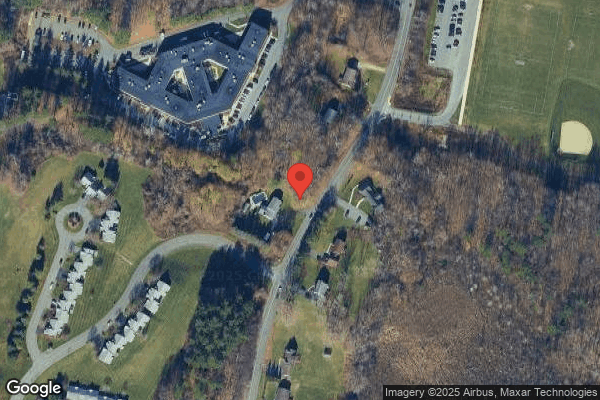
Jan 2024 8 deficiencies
CONCERN (D)

Potential for Harm - no one hurt, but risky conditions existed

Deficiency F0554 (Tag F0554)

Could have caused harm · This affected 1 resident

**NOTE- TERMS IN BRACKETS HAVE BEEN EDITED TO PROTECT CONFIDENTIALITY** Based on observation, interview, record and policy review, the facility failed to ensure that one Resident (#156) out of a total...

Read full inspector narrative →
**NOTE- TERMS IN BRACKETS HAVE BEEN EDITED TO PROTECT CONFIDENTIALITY** Based on observation, interview, record and policy review, the facility failed to ensure that one Resident (#156) out of a total sample of 36 residents was assessed to self-administer medication prior to allowing self-administration of his/her medications. Findings include: Review of the facility policy titled Self Administration of Medication, revised June 30, 2021, indicated the following: -If the resident wishes to self-administer, the Nurse will determine the interdisciplinary team (IDT) will determine the resident's ability to safely self-administer. {sic} -Upon admission the Self-Administration of Medications Informed Consent and Assessment Tool will be completed. Resident #156 was admitted to the facility in May 2022. Review of the Resident's most recent Minimum Data Set (MDS) assessment dated [DATE], indicated the Resident scored a 13 out of 15 on the Brief Interview of Mental Status (BIMS) indicating he/she was cognitively intact. During an observation and interview on 1/2/24 at 10:03 A.M., the surveyor observed Resident #156 in his/her room and on his/her bedside table was a medication cup containing multiple pills. The surveyor observed there to be no Nurse in the room and no Nurse near the Resident's room. Resident #156 said that he/she usually takes the medications by him/herself. Review of the most recent Quarterly Assessment Packet completed by nursing indicated the Resident did not wish to self-administer his/her own medications. On 1/4/24 at 8:30 A.M., the surveyor observed Resident #156 in his/her room and no Nurse was present in the room and/or visible in the hallway. The surveyor also observed a medication cup containing multiple pills on the Resident's bedside table. During an interview on 1/4/24 at 8:34 A.M., Nurse #2 said she had given Resident #156 his/her medications earlier and had left the medication cup with medications at the Resident's bedside. Nurse #2 also said she should not have left medication at the Resident's bedside as she did not believe the Resident had been assessed to be able to independently take his/her medications. She further said there was an assessment that was required before a resident was allowed to independently self-administer medications. During an interview on 1/4/24 at 9:21 A.M., Unit Manager (UM) #1 said when a Resident wishes to self-administer medications there is an assessment that needs to be completed and a self-administration consent form signed, but Resident #156 did not have the self-administration consent done. UM #1 said nursing should not have left any medication with the Resident, and that the Nurse should have remained in the room until all medications had been administered to the Resident.
CONCERN (D)

Potential for Harm - no one hurt, but risky conditions existed

Notification of Changes (Tag F0580)

Could have caused harm · This affected 1 resident

Based on observation, interview, record and policy review, the facility failed to notify the Physician/Non-Physician Practitioner (NPP- Nurse Practitioner) and Dietitian of a severe weight loss of gre...

Read full inspector narrative →
Based on observation, interview, record and policy review, the facility failed to notify the Physician/Non-Physician Practitioner (NPP- Nurse Practitioner) and Dietitian of a severe weight loss of greater than 7.5 percent (%) in less than three months for one Resident (#193) out of a total sample of 36 residents. Specifically, the facility failed to notify the NPP and Dietitian of the Resident's severe weight loss when the Resident had been previously identified as being at nutritional risk. Findings include: Review of the facility's policy titled Nutrition Management, dated 12/5/08 and revised 6/6/22, indicated: -The purpose was to provide nutritional care and services to each resident, consistent with the resident's comprehensive assessment . to recognize, evaluate, and address the nutritional needs of every resident, including, but not limited to, the resident at risk or currently experiencing impaired nutrition . -Staff will consistently observe and monitor residents for changes . -Consult with the Dietitian when .unplanned weight loss or gain (greater than three pounds (lbs) from last recorded weight and/or 5% in one month, 7.5% in three months, and 10% in six months. Review of the facility's policy, titled Physician Notification, dated 11/11/09 and revised September 2011, indicated: -The purpose was to communicate a change in a resident's condition to the Physician and initiate interventions as needed . -Upon identification of a change in condition, the Protocols for Physician Notification may be used as a reference to help determine urgent or routine notification. -Clinician judgment and resident baseline should always be the primary determinate of the timing of Physician notification. -If clinical findings indicate routine notification, notify the Physician as soon as possible during normal business hours. -Document . Physician notification and response . interventions. Resident #193 was admitted to the facility in April 2023 with diagnoses of Type Two Diabetes Mellitus (DM II - condition when high blood sugar levels result due to the body not making enough insulin hormone) and Depression (disorder characterized by loss of interest in activities, causing impairment in daily life). Review of Resident #193's Nutrition Care Plan, initiated 4/7/23, indicated: Notify Physician . if persistent weight loss . occurs. Review of a Physician's Progress Note, dated 8/2/23, indicated Resident #193's appetite had been poor. Review of Resident #193's Dietitian Note, dated 9/28/23, indicated the Resident's weight was 204.5 pounds (lbs). Review of Resident #193's Minimum Data Set (MDS) Assessment, dated 12/13/23, indicated the following: -The Resident was cognitively intact as exhibited by a Brief Interview for Mental Status Score (BIMS) of 14 out of 15 possible points. -The Resident had experienced a weight loss of 5% or more in one month or 10% or more in six months. -The Resident was not on a Physician prescribed weight loss regimen. Review of Resident #193's Dietitian Note dated 12/18/23, indicated the Resident's weight was 172 lbs as of 12/1/23 (15.89% loss). During an interview on 1/2/24 at 2:35 P.M., Resident #193 said he/she had recently experienced unplanned weight loss and that he/she was not able to eat very much. The Resident said he/she had been over 200 lbs a few months before, but now weighed around 176 lbs. On 1/3/24 at 8:45 A.M., the surveyor observed Resident #193 positioned upright in his/her bed with a breakfast meal positioned in front of him/her on a rolling bedside table. The Resident was observed to not be eating. During an interview on 1/3/23 at 3:12 P.M., Unit Manager (UM) #3 said the NPPs worked in the facility daily and staff would notify the NPPs of a resident's change in status needing assessment. UM #3 said if a resident had a significant change in their weight, staff would notify the NPP. UM #3 further said she did not think Resident #193 had any significant loss or gain in weight, but if he/she had, staff were required to notify the NPP. During an interview on 1/3/23 at 3:44 P.M., the NPP said she worked in the facility five days per week and that if she needed to leave the facility, staff were able to contact her by phone and email. The NPP said weight loss was discussed at the facility's daily morning meetings and that she attended those meetings, but weight loss had not been discussed as a concern at these meetings for Resident #193. The NPP said Resident #193 did have a problem with fluid overload which could result in some fluctuations in weight, but she was not aware that the Resident had experienced a change in weight from 204.5 lbs to 172 lbs. The NPP said she was concerned that she was not notified of Resident #193's change in weight and that this was important so she could assess the Resident's needs which may have included a change in treatment to support his/her nutritional status. During and interview on 1/5/24 at 1:25 P.M., the Dietitian said facility staff were supposed to notify her if a resident experienced significant weight loss, but they did not notify her of Resident #193's severe weight loss after a weight of 172 had been obtained and recorded on 12/1/23. The Dietician further said she identified the Resident's weight loss when she saw the Resident on 12/18/23 and reviewed the Resident's record. Please refer to F692.
CONCERN (D)

Potential for Harm - no one hurt, but risky conditions existed

Deficiency F0658 (Tag F0658)

Could have caused harm · This affected 1 resident

**NOTE- TERMS IN BRACKETS HAVE BEEN EDITED TO PROTECT CONFIDENTIALITY** 2. Resident #193 was admitted to the facility in April 2023 with diagnoses including Asthma (chronic lung disease making it hard...

Read full inspector narrative →
**NOTE- TERMS IN BRACKETS HAVE BEEN EDITED TO PROTECT CONFIDENTIALITY** 2. Resident #193 was admitted to the facility in April 2023 with diagnoses including Asthma (chronic lung disease making it harder for one to breathe) and malignant neoplasm (abnormal growth of tissue characteristic for cancer) of the breast. Review of Resident #193's Hospital Discharge summary, dated [DATE] indicated: -Imaging CT (computed tomography: computerized x-ray imaging) C (chest)/A (abdomen)/P (pelvis) was noted for multifocal (more than one) ill-defined (common, non-specific characteristic that suggests a malignant process) nodular lesions in both lungs suspicious for atypical (unusual) Pneumonia however metastasis was another differential. -The Resident needed a Pulmonology follow-up to rule out malignancy. -Please follow-up with Primary Care Physician (PCP) to send referrals to Pulmonologist to look for these lesions much better in outpatient settings. -Resident will follow-up with PCP on the nodular lesions noted on CT. Review of Resident #193's NPP (Non-Physician Practitioner/ Nurse Practitioner) Visit Note, dated 7/21/23, indicated: -The Resident's CT of the C/A/P completed at the hospital was noted for multifocal ill-defined nodular lesions in both lungs suspicious for atypical Pneumonia, possible metastasis. -Will request Pulmonology follow-up to rule out malignancy. Review of Resident #193's July 2023 Physician's orders indicated: -Please send for Pulmonology consult, dated 7/26/23. Review of Resident #193's NPP Visit Note, dated 8/9/23, indicated: -The Resident had CT of the chest, abdomen, and pelvis which noted multifocal ill-defined nodular lesions in both lungs concerning for atypical Pneumonia versus metastatic disease. -The Resident had remote history of breast cancer. -Will refer Resident to Pulmonologist to evaluate lesions found in both lungs. Review of Resident #193's clinical record included no evidence that a Pulmonology consult had been obtained, as ordered. During an interview on 1/3/24 at 3:43 P.M., the NPP said she wrote an order in July 2023 for facility staff to obtain a Pulmonology consult for Resident #193. The NPP accessed her computer and said she did not see anything pending in the system for this Pulmonology consult or that a Pulmonology consult had already been obtained for the Resident, as ordered. During an interview on 1/3/24 at 4:16 P.M., the Respiratory Therapist (RT) said the facility had a Pulmonologist that came in the facility every Friday, but he was not sure if the Pulmonologist had seen Resident #193 or if the Resident was seen outside of the facility by a Pulmonologist after the consult was ordered. The RT said he would check to see whether the Resident had been seen by a Pulmonologist and get back to the surveyor. During a follow-up interview with the RT on 1/3/24 at 5:00 P.M., the RT said he did not locate any evidence that Resident #193 had been seen for a Pulmonology consult. During an interview on 1/5/24 at 11:50 A.M., the NPP said she ordered the Pulmonology consult for Resident #193 in July 2023 based on the Resident's CT results and that given the CT results, she felt it was most appropriate for the Resident to meet with a Pulmonologist. The NPP further said that the Pulmonology consult had not been obtained as ordered. Based on interviews and record reviews the facility failed to provide or arrange for services that accepted standards of practice dictate should have been provided for two Residents (#6 and #193), out of a total sample of 36 residents. Specifically, 1. For Resident #6, the facility staff failed to document where subcutaneous (under the skin) injections of Insulin (medication used to treat Diabetes [chronic, metabolic disease characterized by high blood sugar levels]) was administered on the Resident's body, putting the Resident at risk for lipohypertrophy (a lump of fatty tissue under the skin caused by repeated injections in the same area) development. 2. For Resident #193, the facility staff failed to obtain a Pulmonology consult as ordered when the Resident had a history of malignant (potentially deadly condition that will likely worsen with time) breast cancer, was identified to have nodular (growth of abnormal tissue) lesions (area in an organ or tissue which has been damaged due to disease) in both lungs with potential for metastasis (spreading of cancer cells from one area to another) and a Pulmonology consult was ordered to rule out malignancy. Findings include: 1. Review of the Institute for Safe Medication Practices information sheet titled Lantus (brand name of Insulin Glargine), ©2013, indicated the following: -Change (rotate) the injection site with each dose. Review of the facility policy Insulin, Injectable Administration Protocol, effective 5/18/22, indicated the following: -Rotate the site of injection to avoid lipohypertrophy. -Document site after every injection. -Click on History, prior to administration to determine last injection site used, choose new injection site as specified in the electronic health record (EHR). Resident #6 was admitted to the facility in January 2021, with a diagnoses including Type II Diabetes Mellitus (DM II - when the pancreas does not produce enough insulin to maintain normal blood glucose [sugar] levels). Review of the Resident's January 2024 Physician Active Orders Report, indicated the Resident utilized Insulin Glargine (long-acting Insulin) twice daily via subcutaneous injection. Review of the December 2023 Medication Administration Record (MAR) and January 2024 MAR, indicated the Resident received the twice daily injections of Insulin as ordered. Further review of the December 2023 and January 2024 MARs, did not indicate the injection sites on the Resident's body where the Insulin injection was administered twice daily for the dates documented. During an interview on 1/9/24 at 8:16 A.M., Nurse #2 said the Insulin injection sites are documented on the MAR in the EHR. Nurse #2 said when the Insulin injection is administered, the Nurse should document the injection site. Nurse #2 further said the Resident's injection site history should be reviewed prior to giving the next Insulin injection to make sure the injection site was being rotated. Nurse #2 reviewed the EHR and was unable to show the surveyor where the history of past injections sites should have been in the EHR. Nurse #2 was unable to find any documented injection sites for the Resident. During an interview on 1/9/24 at 10:21 A.M., Unit Manager (UM) #1 said there should be documentation completed each time the Resident received his/her Insulin injections so that the next Nurse would be able to utilize a different part of the Resident's body for the injection. UM #1 further said that the injection sites were important to document to ensure the sites were rotated and since this information was not documented, she would be unable to determine where Resident #6 received his/her Insulin injections for the month of December 2023 and January 2024.
CONCERN (D)

Potential for Harm - no one hurt, but risky conditions existed

Deficiency F0688 (Tag F0688)

Could have caused harm · This affected 1 resident

**NOTE- TERMS IN BRACKETS HAVE BEEN EDITED TO PROTECT CONFIDENTIALITY** Based on observation, interview and record review, the facility failed to provide appropriate treatment and services for one Res...

Read full inspector narrative →
**NOTE- TERMS IN BRACKETS HAVE BEEN EDITED TO PROTECT CONFIDENTIALITY** Based on observation, interview and record review, the facility failed to provide appropriate treatment and services for one Resident (#108) out of a total sample of 36 residents, with limited range of motion (ROM) to prevent further decrease in ROM. Specifically, for Resident #108, the facility staff failed to re-assess the Resident's condition relative to hand contractures upon return from a hospitalization, and resume Occupational Therapy (OT) when the Resident had known bilateral hand contractures (a condition of shortening and hardening of muscles, tendons, or other tissue, often leading to deformity, and rigidity of joints), increasing the risk for further decrease in ROM, impaired skin integrity, and infection. Findings include: Resident #108 was admitted to the facility in February 2023, with diagnoses including Quadriplegia (paralysis that affects all four limbs and body from the neck down) and Respiratory Failure (condition that develops when the lungs cannot get enough oxygen into the blood, and unable to expel carbon dioxide making it difficult for the individual to breathe). Review of the Minimum Data Set (MDS) Assessment, dated 12/13/23, indicated the Resident's Brief Interview for Mental Status (BIMS) Assessment score was 15 out of 15 indicating intact cognitive function. Further review of the MDS Assessment indicated the Resident was dependent for all activities of daily living (ADLs), had impairment of upper and lower extremities, had a tracheostomy (an opening in the trachea [windpipe] from outside the neck) tube and used a ventilator (medical device that replaces or supports normal breathing lung function). Review of the Occupational Therapy (OT) Treatment Encounter Note, dated 8/29/23, indicated the following: -Patient encountered and completed sustained gentle stretch of bilateral wrists and digits (fingers) for application of current orthotics (a support, brace, or splint used to support, align, prevent, or correct the function of movable parts of the body). -Right upper extremity wrist passive ROM within functional limits and digits including thumb able to open for comfort when donning (putting on) orthotic, however patient refused splints this date saying they are uncomfortable and caused pain. -Consulted with Registered Occupational Therapist (OTR) certified in ultrasound who stated we can attempt modalities (a method of treatment) again for comfort and tolerance of orthotics. Patient verbalized understanding. Left wrist noted in flexion (bent) with thumb joint fixed in flexion. -Applied skin protectors (palm guards) to bilateral palms this date for infection control and skin integrity. Review of the Interdisciplinary Progress Notes indicated Resident #108 was transferred to the hospital on 8/30/23 and returned to the facility on 9/5/23. Review of the Occupational Therapy Discharge summary, dated [DATE], indicated the reason for discharge from OT was due to the Resident's discharge to the hospital. On the following dates and times: -1/2/24 at 3:40 P.M. -1/3/24 at 11:22 A.M. -1/4/24 at 8:55 A.M. -1/5/24 at 7:07 a.m. -1/9/24 at 7:58 A.M., the surveyor observed the Resident lying in bed, hands elevated on pillows, and no hand splints or skin protectors (palm guards) were in place (being used). During an interview on 1/9/24 at 8:30 A.M., Certified Nurses Aide (CNA) #3 said the Resident did not wear hand splints or palm guards. During an interview on 1/9/23 at 8:39 A.M., Rehabilitation Services Staff #2 said the Resident was at risk for worsening contractures and impaired skin integrity without hand orthotics. During an interview on 1/9/24 at 9:10 A.M., the Resident said that he/she had tried wearing the palm guards, and would be willing to wear them, but had not seen the palm guards and does not know where they went since he/she went out to the hospital in September. During an interview on 1/9/24 at 9:24 A.M., Rehabilitation Services Staff #1 said every new admission and re-admission to the facility should have been screened by Rehabilitation Therapy but Resident #108 had been missed. Rehabilitation Services Staff #1 said the Resident should have been re-assessed by Rehabilitation Therapy when he/she returned to the facility, and his/her therapy program should have resumed.
CONCERN (D)

Potential for Harm - no one hurt, but risky conditions existed

Accident Prevention (Tag F0689)

Could have caused harm · This affected 1 resident

**NOTE- TERMS IN BRACKETS HAVE BEEN EDITED TO PROTECT CONFIDENTIALITY** Based on observation, interview and record and policy review, the facility failed to notify and solicit the assistance of the ap...

Read full inspector narrative →
**NOTE- TERMS IN BRACKETS HAVE BEEN EDITED TO PROTECT CONFIDENTIALITY** Based on observation, interview and record and policy review, the facility failed to notify and solicit the assistance of the appropriate authorities for one Resident (#283), out of four sampled residents, when the Resident left the facility, did not return as indicated, and was unable to be contacted by facility staff. Specifically, the facility staff failed to notify the Police Department when Resident #283 was considered missing for failing to return to the facility from a leave of absence (LOA), and the facility could not verify the Resident whereabouts, care, or safety. Findings include: Review of the facility policy titled, Elopement Prevention and Response revised April 24, 2023, included but was not limited to: -Elopement: when a resident leaves the premises or a safe area without knowledge (i.e., an order for discharge or leave of absence) -Elopement Response: >At first notice that the resident does not seem to be in his/her usual/immediate living space, the resident is considered missing. >If the facility search is unsuccessful, the individual in charge will carry out the following steps . Step B: Notify the Police Department. Resident #283 was admitted to the facility in December 2023, with the following diagnoses: Osteomyelitis (infection of the bone) and status post amputation (surgical removal) of right great toe, and was admitted to the facility for wound care and intravenous (IV- through the vein) antibiotics to be administered through a peripherally inserted catheter line (PICC line - a long, thin tube inserted through a vein in the arm and passed through to the larger veins near the heart). Review of the Resident's Minimum Data Set (MDS) assessment dated [DATE], indicated the Resident was cognitively intact as evidenced by a Brief Interview for Mental Status (BIMS) score of 15 out of 15. Review of a Nursing Progress Note, dated 12/30/23 at 9:17 P.M., indicated the following: -Resident left the facility at 7:40 A.M., via cab to seek help from friend in the community on filing paperwork. -Staff attempted to contact the Resident at 4:30 P.M. and 8:30 P.M. and left messages on his/her voice mail. -Staff attempted to contact both of the Resident's emergency contacts without response. -As of 9:17 P.M., Resident had not returned to the facility. During an observation and interview on 1/2/24 at 1:57 P.M., the surveyor observed the Resident's name on his/her bedroom door and the Resident's personal belongings on his/her side of the room. During an interview at the time, Certified Nurses Aide (CNA) #8 said the Resident never came back to the facility after leaving to go to an appointment, still had not returned and the facility staff did not know where the Resident was located. During an interview on 1/3/24 at 10:16 A.M., the Director of Nurses (DON) said Resident #283 left the faciity on [DATE] and never returned. The DON said the facility attempted to reach the Resident by telephone multiple times, however they were unable to reach him/her. The DON said the facility staff did not contact the Police because the Resident was young, alert, and oriented, and able to make his/her own decisions. The DON further said the Resident did not indicate that he/she would not be returning to the facility. During an interview on 1/3/24 at 11:08 A.M., the Administrator and the DON spoke with the survey team regarding Resident #283, and said that they were not aware that the Resident was not returning on 12/30/23, did not currently know his/her whereabouts, and indicated that he/she was alert, oriented, and able to make his/her own decisions. The Administrator and the DON said when the Resident did not return to the facility, the facility staff attempted to contact him/her, his/her emergency contacts and notified the Resident's Primary Care Physician (PCP) in the community but did not notify the Police. During an interview on 1/5/24 at 1:58 P.M., Unit Manager (UM) #2 said she had not seen the Resident since 12/28/23, and at that time, the Resident expressed concern about returning to his/her apartment and that he/she planned to remain in the facility until after his/her appointment scheduled with the Wound Clinic on 1/4/24 at 9:00 A.M. UM #2 further said that on 12/28/23, the Resident still had his/her PICC line inserted (in place), in the event he/she needed additional medications. During an interview on 1/5/24 at 2:25 P.M., Nurse #6 said Resident #283 approached her at 7:25 A.M. on 12/30/23, and said he/she needed to go to a friend's house to complete paperwork and that he/she planned to return (to the facility) in a few hours. Nurse #6 said the Resident left with no medications, PICC line was still in place, and his/her wound dressing was scheduled to be changed later on 12/30/23. Nurse #6 said she was familiar with Resident #283 and that he/she had left the faciity on Christmas night for a few hours and returned back to the facility. Nurse #6 said the Resident did not voice at any time that he/she did not plan on returning to the facility on [DATE]. She said she became concerned when the Resident did not return and placed a call to him/her at 4:30 P.M., and again at 8:30 P.M., on 12/30/23, but the phone went directly to voicemail. Nurse #6 said she also called his/her two emergency contacts and left messages but did not receive any return calls from either emergency contact. She said she called the Resident a third time at 11:00 P.M., with no success in reaching him/her. Nurse #6 said she notified the Nursing Supervisor that her attempts to reach the Resident were unsuccessful. Nurse #6 said that the Nursing Supervisor told her she did not consider the Resident an elopement because he/she was self-responsible. Nurse #6 further said that she worked again on 12/31/23, but did not attempt to contact the Resident on 12/31/23. During an interview on 1/9/24 at 12:47 P.M., Nurse #1 said she was working as the Nursing Supervisor in the building on 12/30/23, when Nurse #6 notified her the Resident did not return from his/her LOA. Nurse #1 said she was not familiar with the Resident, so she researched his/her clinical and personal information in the computer and notified the DON. Nurse #1 said she also notified the facility's on-call Provider (Physician) that the Resident had a PICC line in place.
CONCERN (D)

Potential for Harm - no one hurt, but risky conditions existed

Respiratory Care (Tag F0695)

Could have caused harm · This affected 1 resident

**NOTE- TERMS IN BRACKETS HAVE BEEN EDITED TO PROTECT CONFIDENTIALITY** Based on observation, interview, record and policy review, the facility failed to ensure that the Oxygen flow rate (measurement ...

Read full inspector narrative →
**NOTE- TERMS IN BRACKETS HAVE BEEN EDITED TO PROTECT CONFIDENTIALITY** Based on observation, interview, record and policy review, the facility failed to ensure that the Oxygen flow rate (measurement of how much Oxygen is being administered) was set at the correct liters per minute (LPM - the amount of oxygen flow that is being received) for one Resident (#156), out of a total sample of 36 residents. Specifically, the facility staff failed to ensure that the Resident's oxygen flow rate was maintained at 2 LPM as prescribed by the Physician, putting him/her at risk for adverse outcomes like hypercapnia (failure of the body to remove carbon dioxide in the blood) and Respiratory Failure (condition that results when the blood does not have enough oxygen or too much carbon dioxide). Findings include: Review of the facility policy titled Oxygen Administration, Revised November 3, 2016, indicated the following: -Verify Physician's order of Oxygen administration . Updated AARC Clinical Practice Guidelines at https://www.aarc.org/wpcontent/uploads/2014/08/08.07.1063.pdf, titled Precautions and/or Possible Complications indicated the following: -There is a potential in some spontaneously (without assist) breathing hypoxemic (low blood oxygen levels) patients with hypercapnia and Chronic Obstructive Pulmonary Disease (COPD - a group of lung diseases that block airflow and make it difficult to breathe) that oxygen administration may lead to an increase in PaCO2 (carbon dioxide). -Undesirable results or events may result from noncompliance with Physician's orders or inadequate instruction in Oxygen therapy. Resident #156 was admitted to the facility in May 2022 with a diagnosis of COPD. During an observation and interview on 1/2/24 at 10:02 A.M., the surveyor observed the Resident to be lying in bed receiving Oxygen via nasal cannula (tubing that sits just inside the nostrils/nose to deliver Oxygen) set at 4 LPM. Resident #156 said he/she usually had his/her Oxygen flow set to 2 to 2.5 LPM. Review of the Resident's most recent Minimum Data Set (MDS) assessment dated [DATE], indicated the Resident scored a 13 out of 15 on the Brief Interview of Mental Status (BIMS) assessment indicating he/she was cognitively intact. Review of the Resident's January 2024 Active Physician Orders Report indicated the following order: -Continuous Oxygen Administration every shift. -Rate: 2 LPM continuous. -Route: Nasal Cannula with a start date of 6/9/23. During an observation on 1/3/24 at 2:35 P.M., the surveyor observed the Resident to be lying in bed receiving Oxygen via nasal cannula set to 4 LPM. During an observation and interview on 1/4/24 at 8:35 A.M., the surveyor and Nurse #2 observed Resident #156 lying in bed receiving Oxygen via nasal cannula set to 4 LPM. The surveyor and Nurse #2 reviewed the Resident's Physician's orders after the observation, and Nurse #2 said the Resident was ordered for Oxygen at 2 LPM continuous. Nurse #2 said that having the Resident's Oxygen set at 4 LPM put him/her at risk for having an increase of PaCO2 retention (hypercapnia). She further said if the Resident was utilizing a higher Oxygen flow rate, the Physician should have been made aware and an order should have been put into place for the higher Oxygen flow rate.
CONCERN (E)

Potential for Harm - no one hurt, but risky conditions existed

Deficiency F0692 (Tag F0692)

Could have caused harm · This affected multiple residents

2. Resident #60 was admitted to the facility in October 2023 with diagnoses including: Pneumonia (lung infection), Covid-19, Anemia (lower than normal amount of healthy red blood cells), Kidney Failur...

Read full inspector narrative →
2. Resident #60 was admitted to the facility in October 2023 with diagnoses including: Pneumonia (lung infection), Covid-19, Anemia (lower than normal amount of healthy red blood cells), Kidney Failure (status post kidney transplant), Congestive Heart Failure (CHF-condition where the heart's capacity to pump blood cannot keep up with the body's need), HTN (hypertension/ high blood pressure), and Hyperkalemia (too much potassium in the blood). Review of the MDS assessment, dated 10/13/23, indicated the following: -The Resident had moderate cognitive impairment as evidenced by a BIMS score of 10 out of 15 points. -The Resident was independent with eating. -The Resident was on a therapeutic diet. -The Resident's weight was 121 lbs. Review of the Dietitian's Progress Note, dated 11/2/23, indicated the following: -Serum Alb (albumin) = 2.3 (normal range 3.4 to 5.4 g/dL [grams per deciliter]) which indicates depleted visceral protein stores. -Will begin 4 oz. VHC Boost 3 times (x) per day to provide an additional 33 grams protein. Review of the MDS Assessment, dated 12/11/23, indicated the following: -The Resident was cognitively intact as evidenced by a BIMS score of 15 out of 15 total possible points. -The Resident was independent with eating but required staff assistance with setting up his/her meals. -The Resident was on a therapeutic diet. -The Resident's weight was 101 lbs. which indicated a significant weight loss (weight loss of 5% or more in the last month or 10% or more in the last six months) and was not on a prescribed weight loss program. Review of the Resident's Nutrition Care Plan, initiated on 10/16/23 and revised on 12/15/23, included the following: >The Resident was at risk for altered nutrition secondary to CHF, HTN, Kidney Transplant, Sepsis (a life-threatening response to an infection) from Pneumonia, Depression, and cognitive decline. >The Resident utilized a mechanically altered diet (food that is ground, chopped, mashed, or puree so food is easy to chew and swallow) per recommendations of the Speech Therapist (ST) and included the following interventions: -Resident will consume adequate amounts of food to maintain stable weight pattern through next review -Monitor intake at all meals, offer alternate choices as needed -Alert Dietitian and Physician to any decline -Document intake percentages of solids and fluids, offer snacks in between meals if appropriate -Weigh per Physician's order on the same scale, notify Physician and Dietitian if persistent weight loss, gain . Review of the Dietitian's Progress Note, dated 12/15/23, indicated the following: -Weight 10/10/23 = 120.6 lbs. -Weight 12/4/23 = 101 lbs. -A re-weigh has been requested. Review of the January 2024 Physician's orders included the following: -Obtain weight upon admission and monthly, initiated 10/10/23. -VHC Vanilla Boost 8 oz. box twice daily, may substitute flavor, initiated 10/7/23 and discontinued 10/16/23. -VHC Boost 4 oz. three times per day, initiated 11/2/23 Review of the Dietitian's Progress Note, dated 1/2/24, indicated the following: -Current weight 104 lbs. indicated a significant weight loss of 13.8% since 10/7/23. a) Review of the Medication Administration Record (MAR) indicated the following: -October 2023: Resident did not receive his/her VHC Boost five times. The Boost supplement was not administered twice due to not being available, and no documentation indicating why it was not administered the other three times. -November 2023 MAR indicated the Resident did not receive his/her VHC Boost 14 times. The Boost supplement was not administered 13 times due to not being available, and no documentation indicating why it was not administered the other one time. -December 2023 MAR indicated the Resident did not receive his/her VHC Boost five times. The Boost supplement was not administered those five times due to not being available. Further review of the October 2023, November 2023 and December 2023 MARs indicated Nurse #4 was the scheduled Nurse consistently documenting that the VHC Boost supplement was not available to be administered to Resident #60. During an observation and interview on 1/2/24 at 12:04 P.M., the surveyor observed the Resident seated in a wheelchair near the nurses' station. The Resident was very thin in appearance. The Resident said he/she knew that he/she had been losing weight, and was not sure whether he/she received any nutritional supplements that increased his/her caloric intake since he/she had lost weight. During an interview on 1/5/24 at 2:11 P.M., Nurse #4 said there were many times when nursing staff did not have access to the VHC Boost supplement. He said the supplements were kept in locked cabinets near the kitchen and that the VHC Boost supplements were not kept on the nursing unit. Nurse #4 said that he was too busy taking care of the residents to leave the unit or to find someone to unlock the cabinets. During an interview on 1/5/24 at 3:54 P.M., UM #1 said all of the Boost supplements including VHC Boost was brought up to the units from the kitchen, and the dietary staff bring up what was needed. UM #1 further said a supply of the VHC Boost was kept in the medication room on the unit and the dietary staff routinely stock the Boost supplements on the units. During an interview on 1/5/24 at 4:09 P.M., the NPP said that she was unaware that Resident #60 missed multiple doses of VHC Boost supplements. The NPP said if a resident missed multiple doses of any medications she expected to be notified by the facility staff. The NPP said if she had been made aware that a medication was unavailable, she would have been able to order an alternative treatment. During an interview on 1/5/24 at 4:35 P.M., the Food Service Director (FSD) said the Boost supply was kept in a storage room near the kitchen, and if the units needed more they would contact the kitchen to request a delivery. The FSD further said there were no limits to what the units could request, and there was someone available in the kitchen seven days per week from 5:00 A.M. until 8:00 P.M., to bring the Boost supplements to the nursing units when requested. During an interview on 1/9/24 at 12:56 P.M., the DON said there were no issues for any of the nursing units with regards to obtaining VHC Boost. The DON said the process was for staff to call the kitchen for the supplements as needed, and if the supplement was unavailable, the staff would alert the ordering Physician to order something different. b) Review of the vital signs section of the EMR indicated the following recorded weights for Resident #60: -10/10/23 = 120.6 lbs. -11/2/23 = 106 lbs. (found on paper document at the nurses station after surveyor inquiry; represents a 12.% weight loss in one month) -12/4/23 = 101.0 lbs. (16.25% weight loss in just under two months) -1/2/24 = 104.0 lbs. During an interview on 1/4/24 at 11:06 A.M., Nurse #4 said all of the Resident's weights were recorded in the EMR. The surveyor and Nurse #4 reviewed the Resident's weights in the EMR, and he said that the Resident did not have a recorded weight in November 2023. Nurse #4 further said if a Resident refused to be weighed, the Nurse should document the refusal in a progress note. During an interview on 1/4/24 at 1:21 P.M., UM #2 said the goal was to obtain monthly weights for all residents during the first week of each month and have the administrative staff data entry the weights into the EMR and a separate spreadsheet. The surveyor and UM #2 reviewed the Resident's EMR, and she said the Resident's November 2023 weight was never recorded and she was not sure why, as his/her weight did appear on the UM's written report that was given to the administrative assistant. During an interview on 1/4/24 at 3:31 P.M., the Administrative Assistant said she maintained weight spreadsheets for each unit on her computer. The Administrative Assistant said the DON requested for any resident that had a weight change of three pounds or more, to be highlighted and given back to the DON who then disseminates the information to the UMs to obtain re-weights for the residents with variances. During an interview on 1/5/24 at 9:38 A.M., the NPP said she was not notified by nursing staff of the Resident's severe weight loss and was unaware of the Resident's actual weight loss percentage, however she had been treating the Resident for overall symptoms of failure to thrive (a syndrome of weight loss, decreased appetite, poor nutrition, and inactivity, often accompanied by dehydration, depressive symptoms, impaired immune function and low cholesterol). The NPP said that she obtained most of the clinical information required to treat a resident from the EMR, including weights, but there had been circumstances where weights had not been entered into the EMR. During an interview on 1/9/24 at 10:38 A.M., the surveyor and UM #2 reviewed the Dietitian's Progress Note dated 12/15/23, which indicated the Resident's weight on 10/10/23 was 120.6 lbs., his/her weight on 12/4/23 was 101 lbs., and that the Dietitian had requested the facility staff obtain a re-weigh for Resident #60. UM #2 said there was not a re-weigh recorded in the EMR for 12/15/23. UM #2 then located a weight of 103.3 lbs. obtained on 12/15/23, written on a weight sheet in her office. UM #2 further said the weights were obtained by 12/14/23 and given to the Administrative Assistant by 12/15/23 for data entry. Review of the CNA Meal Documentation in the EMR for October 2023, November 2023, December 2023 and to current date of January 2024, indicated that staff was not consistently monitoring and assessing meal intakes to determine what further intervention was needed for the Resident's nutritional needs. During an interview on 1/4/24 at 5:20 P.M., CNA #2 said it was the responsibility of the CNAs to record every resident's meal intake in the EMR. During an interview on 1/9/24 at 9:35 A.M., CNA #4 said CNAs were required to document all of the residents' meal intake in the computer and that it was important that meal intake was completed in order for clinical staff such as Nurses, Doctors, Nurse Practitioners and Dietitians to make treatment decisions as well as to have a record of a person's overall status. The surveyor and CNA #4 reviewed the Resident's meal intake reports and CNA #4 said they were incomplete, and that the clinical staff would be unable to determine the Resident's meal intake if they looked at the information because there was not enough information. Based on observation, interview, record and policy review, the facility failed to provide adequate nutritional care and services for two Residents (#193 and #60), out of a total sample of 36 residents. Specifically, the facility failed to: 1. Re-evaluate Resident #193's nutritional needs, identify a severe weight loss, monitor weights as ordered, and accurately monitor meal intake percentages when the Resident had been identified as having a poor appetite, being at nutritional risk, and had experienced a severe weight loss greater than 7.5 percent (%) in less than three months; and 2. For Resident #60, a) provide nutritional supplements as ordered, and b) maintain an accurate weight record in the Electronic Medical Record (EMR) in order to identify significant weight loss timely and monitor and assess meal intakes consistently when the Resident was identified at nutritional risk and experienced severe weight loss. Findings include: Review of the facility's policy, titled Nutrition Management, dated 12/5/08 and revised 6/6/22, indicated: -The purpose was to provide nutritional care and services to each resident, consistent with the resident's comprehensive assessment . to recognize, evaluate, and address the nutritional needs of every resident, including, but not limited to, the resident at risk or currently experiencing impaired nutrition . -Staff will consistently observe and monitor residents for changes . -Consult with the Dietitian when .unplanned weight loss or gain (greater than three pounds [lbs]) from last recorded weight and/or 5% in one month, 7.5% in three months, and 10% in six months. -Document oral intake routinely through meal observations. -Monitor weights as ordered, at minimum monthly . 1. Resident #193 was admitted to the facility in April 2023 with diagnoses of Type Two Diabetes Mellitus (DM II), Edema (swelling caused by too much fluid trapped in the body's tissues), Hypertension (high blood pressure), Obesity, and Depression. Review of Resident #193's Mood Care Plan, initiated 4/4/23, indicated the Resident had a history of Anxiety and Depression, and to monitor for changes in appetite. Review of Resident #193's Nutrition Care Plan, initiated 4/7/23, indicated: - The Resident was at risk for unmet nutritional needs and that he/she would consume adequate amounts of food to maintain a stable weight pattern. - Notify Physician . if persistent weight loss . occurs. - Weights were to be monitored as ordered. - Intake at all meals was to be monitored and recorded. - The Dietitian and Physician were to be notified of any decline. Review of an active Physician's order, dated 7/20/23, indicated: - Torsemide (diuretic medication used to treat edema) five milligram (mg) tablet at 8:00 A.M. Review of a Physician's Progress Note, dated 8/2/23, indicated Resident #193's appetite had been poor and the Resident had experienced several hospitalizations over the previous few months. Review of two active Physician's orders, dated 8/11/23, indicated: - Two gram (gm - metric unit of mass) sodium, carb (carbohydrate) controlled regular diet with thin liquids. - Obtain weight upon admission and monthly. Review of Resident #193's Dietitian Note, dated 9/28/23, indicated the Resident's weight was 204.5 lbs. and that the Resident's weight fluctuated with fluid status changes. Review of Resident #193's September 2023 Meal Intake Day Report indicated: -No meal intake had been recorded for any meal from 9/23/23 through 9/28/23 and on 9/30/23. -No meal intake had been recorded for the dinner meal on 9/29/23. Review of Resident #193's weight record indicated the Resident weighed 204.5 lbs. on 9/21/23 and 9/25/23.: Further review of the Resident's weight record indicated no evidence weights were obtained in October 2023, or November 2023, as ordered. Review of Resident #193's Meal Intake Day Report indicated for October 2023, November 2023, and December 2023, that staff was not consistently monitoring and assessing meal intakes to determine what further intervention was needed for the Resident's nutritional needs. Review of two Physician's Orders, dated 12/4/23, indicated: -An order initiated 7/20/23 and discontinued 12/4/23 for four ounces (oz) VHC (Very High Calorie) Boost (dietary supplement drink) three times per day. -Four oz VHC Boost three times per day. Review of Resident #193's Weight Record indicated the Resident weighed 172 lbs. on 12/1/23 (15.89% loss since 9/21/23). Review of Resident #193's Minimum Data Set (MDS) Assessment, dated 12/13/23, indicated the following: -The Resident was cognitively intact as exhibited by a Brief Interview for Mental Status (BIMS) score of 14 out of 15 possible points. -The Resident had experienced a weight loss of 5% or more in one month/10% or more in six months. -The Resident was not on a Physician prescribed weight loss regimen. Review of the Dietitian's Weight Report, dated 12/15/23, indicated Resident #193 required a re-weigh due to a weight loss of 32 lbs. Review of Resident #193's Dietitian Note, dated 12/18/23, indicated the Resident's weight was 172 lbs. on 12/1/23 and that a re-weigh was requested. Review of Resident #193's clinical record on 1/2/24 indicated no evidence a re-weigh had been obtained. During an interview on 1/2/24 at 2:35 P.M., Resident #193 said he/she had recently experienced unplanned weight loss and that he/she was not able to eat very much. The Resident said he/she had been over 200 lbs. a few months before, but now thought he/she weighed around 176 lbs. On 1/3/24 at 8:45 A.M., the surveyor observed Resident #193 positioned upright in his/her bed with a breakfast meal positioned in front of him/her on a rolling bedside table. The Resident was not eating. During an interview on 1/3/24 at 2:01 P.M., Certified Nurses Aide (CNA) #5 said residents at the facility were to be weighed monthly unless directed otherwise. CNA #5 said once a resident's weight was obtained, she would alert the Nurse to the weight and that if a re-weigh was needed, the Nurse would alert the CNAs. CNA #5 also said the CNAs were responsible to record meal percentage intakes for all residents, all meals, unless directed otherwise and the meal percentage intakes was recorded in the computer. CNA #5 said she worked at the facility full time, that she cared for Resident #193 often, that the Resident did not refuse being weighed, and that the Resident was supposed to be weighed monthly. CNA #5 further said she did not recall being asked to re-weigh Resident #193 recently. During a follow-up interview on 1/3/24 at 2:49 P.M., CNA #5 said she had just been asked to re-weigh Resident #193 and that the Resident's weight was 179 lbs. During an interview on 1/3/24 at 3:12 P.M., Unit Manager (UM) #3 said it was the CNAs responsibility to obtain the residents' weights and report them to the Nurse. UM #3 said the Nurses then recorded the weights on paper, gave them to the UM, who then gave them to an administrative staff member to record in each resident's EMR. UM #3 said a three pound weight variance from a previous weight would indicate the need for a re-weigh and the administrative staff member would alert the UM if a re-weigh was needed. UM #3 said if a significant change in weight was identified for a resident, staff would notify the Dietitian and the Non-Physician Practitioner (NPP: Nurse Practitioner) so that the resident could be assessed for the weight change and new interventions put in place if indicated. UM #3 said she was not aware of Resident #193 having any significant weight loss and that she thought the Resident's weight had been pretty stable. The surveyor and UM #3 reviewed Resident #193's weight record in the EMR and UM #3 said no weights had been recorded for October 2023 or November 2023, and that the weight variance from 9/21/23 to 12/1/23 may not have been accurate. UM #3 said she thought the weights were recorded somewhere on paper, and went to the nurses' station desk and obtained a folder that included papers with residents' weights. UM #3 located a paper that indicated Resident #193's weight was 177 lbs. in November 2023, she showed the paper to the surveyor and said the weight must not have gotten entered into the Resident's EMR. UM #3 said she was unable to locate evidence that Resident #193's weight was obtained in October 2023, as ordered. The surveyor reviewed the Dietitian's request for re-weigh on 12/18/23 with UM #3, and UM #3 said there was no evidence this re-weigh had been done. UM #3 further said a weight should have been obtained and recorded for Resident #193 in October 2023, that November's weight should have been entered into the EMR, significant weight change should have been identified with the November 2023's weight of 177 lbs, a re-weigh should have been obtained, and if the weight loss was accurate, the Dietitian and NPP should have been consulted to assess the Resident. During an interview on 1/3/24 at 3:44 P.M., the NPP said Resident #193 was at nutritional risk, had a history of fluid overload, and was being treated with a diuretic medication to manage the fluid overload. The NPP also said Resident #193 was being treated for anxiety and Depression and that the Resident was not very motivated to do anything. The NPP said she worked in the facility five days per week and attended morning meetings daily where the interdisciplinary team (IDT) discussed residents with weight loss, but she had not been made aware by facility staff that Resident #193 had experienced a significant weight loss. The surveyor and the NPP reviewed the Resident's weights and the NPP said although she did not feel the weight loss was harmful to the Resident, it was not a planned weight loss. The NPP said she did not know that the Resident's weight had decreased from 204.5 lbs. on 9/21/23 to 172 lbs. on 12/1/23, that if she knew this, she would have assessed the Resident and possibly considered treatment with an appetite stimulant, if appropriate. On 1/4/24 at 8:46 A.M., the surveyor observed Resident #193 positioned upright in his/her bed with a breakfast meal positioned in front of him/her on a rolling bedside table. The surveyor observed the Resident eat a bite of food, put his/her utensils down, and look out the window. During a follow-up interview on 1/4/24 at 2:10 P.M., UM #3 provided copies of Resident #193's Meal Intake Day Reports for September 2023 through December 2023 and reviewed them with the surveyor. UM #3 said all percentages were to be recorded by the CNAs and that recording meal percentages was one of the processes required to monitor a resident's nutrition. UM #3 said recording meal percentages should have been done for Resident #193, as required, but it was not. During an interview on 1/5/24 at 1:25 P.M., the Dietitian said staff at the facility had not been obtaining residents' weights as ordered, re-weights were not consistently reported back to her or recorded in the residents' records, and that meal percentage intakes also had not been consistently recorded. The Dietitian said not having consistent or accurate meal percentages and weights significantly impacted her ability to accurately assess the residents' dietary needs. The Dietitian said she saw Resident #193 on 12/18/23, identified the significant weight loss through reviewing the Resident's recorded weights from 9/25/23 and 12/1/23, and requested the Resident be re-weighed to determine whether the weight loss was accurate, but this was not done. The Dietitian said she expected a re-weigh for a resident would be obtained the same day it was requested, or on the following day. During an interview on 1/5/24 at 2:14 P.M., the Director of Nurses (DON) said re-weighs requested for residents should be obtained within a couple days of the request and entered into the residents' EMRs. The DON said obtaining weights for all the residents in the facility has been a struggle for staff.
MINOR (C)

Minor Issue - procedural, no safety impact

Assessment Accuracy (Tag F0641)

Minor procedural issue · This affected most or all residents

**NOTE- TERMS IN BRACKETS HAVE BEEN EDITED TO PROTECT CONFIDENTIALITY** 6. Resident #93 was admitted to the facility in November 2015. Review of a Quarterly MDS Assessment with an ARD of 11/29/23, in...

Read full inspector narrative →
**NOTE- TERMS IN BRACKETS HAVE BEEN EDITED TO PROTECT CONFIDENTIALITY** 6. Resident #93 was admitted to the facility in November 2015. Review of a Quarterly MDS Assessment with an ARD of 11/29/23, indicated the following: -Section C was dashed out, indicating it had not been completed. -Section D was dashed out, indicating the mood assessment had not been completed. During an interview on 1/4/23 at 2:11 P.M., MDS Nurse #2 said Sections C and D had been dashed out by the MDS Nurse on 12/13/23, because the interviews were not done for Resident #93 during the required interview period. MDS Nurse #2 said that Section C and D should have been completed by the Social Worker. During an interview on 1/4/23 at 2:22 P.M. Social Worker #1 said that Sections C and D had not been completed and the data entered into the electronic system within the required timeframe. 4. Resident #232 was admitted to the facility in September 2023 with a diagnosis of Sepsis (serious condition resulting from complications of an infection). Review of a Nursing Progress Note dated 10/26/23, indicated Resident #232 was discharged from the facility to his/her home on [DATE]. Review of Resident #232's MDS Assessment, dated 10/26/23, indicated the Resident was discharged on 10/26/23, and that the Resident's discharge status indicated discharge to a Short-Term General Hospital. During an interview on 1/8/24 at 12:20 PM, MDS Nurse #2 said Resident #232 was discharged to home from the facility on 10/26/23. MDS Nurse #2 further said the Resident had not been discharged to the hospital and the MDS assessment dated [DATE], was not coded accurately, as required. 5. Resident #167 was admitted to the facility in April 2022. Review of a Quarterly MDS Assessment, with an ARD of 12/1/23, indicated the following: -Section C was blank, indicating it had not been completed. -Section D indicated yes was selected, and that the resident mood interview should be conducted. Further review of Section D indicated the mood assessment had not been completed as evidenced by dash marks. During an interview on 1/3/24 at 1:27 P.M., MDS Nurse #1 said that Sections C and D are dashed out when the interviews with the resident (or staff assessment if the resident was unable to be interviewed) have not been completed within the required time frame. MDS Nurse #1 said that the Social Service Department was responsible for completing Sections C and D interviews and that they had not been completed at the time the MDS Assessment needed to be closed out and locked for Resident #167, therefore they were dashed out and considered incomplete. Based on observation, interviews, records reviewed and policy review, the facility failed to accurately complete Minimum Data Set (MDS) Assessments for two Residents (#114 and #232), and failed to ensure timely completion of Section C (Cognitive Patterns) and Section D (Mood) within the required timeframe for four Residents (#113, #173, #167 and #93), out of a total sample of 40 residents (including 36 active and four closed records). Specifically, 1. For Resident #114, the facility failed to ensure that staff coded the use of Oxygen (O2) therapy on a Quarterly MDS Assessment, as required. 2. For Resident #113, the facility failed to ensure Sections C and D were completed during the assessment reference period, as required. 3. Resident #173, the facility failed to ensure Sections C and D were completed during the assessment reference period, as required. 4. For Resident #232, the facility failed to accurately code the Resident's discharge status on his/her Discharge MDS Assessment when the Resident was discharged home from the facility. 5. For Resident #167, the facility failed to ensure Sections C and D were completed during the assessment reference period, as required. 6. For Resident #93, the facility failed to ensure Sections C and D were completed during the assessment reference period, as required. Findings include: Review of the facility policy titled Care Planning, revised 10/28/22, included the following: -The Resident Assessment Instrument (RAI) process will include direct observation and communication with the resident as well as communication with licensed and non-licensed staff members on all shifts. -each team member is responsible for the timely completion, as well as the accuracy of each of their assigned sections as follows: --Section C . Social Worker or designee --Section D . Social Worker or designee -Residents will be interviewed . unless their ability to make self understood is noted as rarely/never understood . -Interviews will be completed on, or up to 2 days before the Assessment Reference Date (ARD- last day of the seven day timeframe for the assessment period). -The staff member who conducted the interview will document the results in the respective section of the MDS and sign for the completion of the interview in Section Z. Review of the RAI 3.0 User's Manual, dated October 2023 indicated the following: -ARD refers to the specific endpoint for the observation (or look-back) periods in the MDS assessment process. -The facility is required to set the ARD. -Most of the MDS 3.0 items have a 7-day look-back period . If a resident has an ARD of July 1, 2011, then all pertinent information starting at 12:00 A.M. on June 25th and ending on July 1st at 11:59 P.M. should be included for MDS 3.0 coding. 1. Resident #114 was admitted to the facility in June 2021, with diagnoses including hypoxemia (an abnormally low concentration of Oxygen in the blood) and was Oxygen (O2) dependent. Review of the Respiratory Care Plan, dated 12/8/22, indicated Resident #114 was Oxygen dependent and included the following intervention: -administer O2 as ordered. Review of the MDS Assessment, with an ARD of 10/10/23, indicated Resident #114 had moderate cognitive impairment with a Brief Interview for Mental Status (BIMS) score of 11 out of 15 and did not utilize Oxygen during the assessment reference period. Review of the October 2023 Treatment Administration Record (TAR) documentation indicated continuous O2 was administered to Resident #114 daily from 10/1/23 through 10/31/23. On 1/2/24 at 3:11 P.M., the surveyor observed Resident #114 lying in bed. O2 was being administered via a nasal cannula (pronged tube inserted into the nose to allow Oxygen to be administered). During an interview at the time, Resident #114 said he/she had been on O2 since prior to admission to the facility and that the nursing staff at the facility managed the oxygen therapy for him/her. During an interview on 1/5/24 at 4:46 P.M., Nurse #8, who had worked with Resident #114, said that he/she was O2 dependent and required continuous O2 daily. Review of the January 2024 Physician's orders included the following order: -administer continuous O2 . On 1/9/24 at 1:22 P.M., the surveyor and MDS Nurse #2 reviewed Resident #114's medical record. MDS Nurse #2 said Resident #114 was receiving O2 during the assessment reference period of the 10/10/23 MDS Assessment, that O2 was not coded, and it should have been coded. 2. Resident #113 was admitted to the facility in May 2019, with diagnoses including Aphasia (language disorder that affects a person's ability to communicate), Major Depression and Dementia (progressive condition with impairment of memory and intellectual functioning) with Behavioral Disturbance. Review of the MDS Assessment, with an ARD of 9/19/23, indicated Resident #113 had unclear speech, was sometimes able to make self understood and sometimes understands. Further review of the MDS Assessment indicated Sections C and D were crossed out (lines throughout the assessment sections) and were not completed. On 1/3/24 at 12:23 P.M., the surveyor observed Resident #113 seated in the dining room on the unit during the lunch meal. He/she was seated with other residents and smiled and waved to the surveyor during the observation. During an interview on 1/4/24 at 11:55 A.M., MDS Nurse #2 said that Sections C and D were crossed out prior to closing the MDS assessment dated [DATE], for Resident #113, because the sections were not completed within the required ARD timeframe. MDS Nurse #2 further said that Social Services was responsible for completing Sections C and D. 3. Resident #173 was admitted to the facility in November 2022 with diagnoses including Anxiety, Psychosis (mental disorder characterized by a disconnection from reality) and Major Depression. Review of the MDS Assessment, with an ARD of 10/10/23, indicated Resident #173 had unclear speech, was sometimes able to make self understood and sometimes understands. Further review of the MDS Assessment indicated Sections C and D were crossed out and not completed. On 1/3/24 at 3:15 P.M., the surveyor observed Resident #173 lying in bed with his/her eyes open. The Resident said Hi to the surveyor during the observation. During an interview on 1/4/24 at 11:55 A.M., MDS Nurse #2 said that Sections C and D were crossed out prior to closing the MDS Assessment for Resident #173, dated 10/10/23, because the sections were not completed within the required ARD timeframe. During an interview on 1/9/24 at 12:59 P.M., Social Worker (SW) #1 said if the information required on an MDS Assessment was obtained after the ARD timeframe, the Social Workers obtain the information on paper but that it could not be entered into the MDS Assessment. SW #1 said for the Residents with Sections C and D crossed out, the assessment information was not obtained during the assessment reference period, as required.
Aug 2023 1 deficiency 1 Harm
SERIOUS (G) 📢 Someone Reported This

A family member, employee, or ombudsman was alarmed enough to file a formal complaint

Actual Harm - a resident was hurt due to facility failures

Free from Abuse/Neglect (Tag F0600)

A resident was harmed · This affected 1 resident

Based on records reviewed and interviews, for one of three sampled residents (Resident #1), who was severely cognitively impaired and had difficulty making his/her needs known, the Facility failed to ...

Read full inspector narrative →
Based on records reviewed and interviews, for one of three sampled residents (Resident #1), who was severely cognitively impaired and had difficulty making his/her needs known, the Facility failed to ensure he/she was free from abuse by a staff member, when on 08/03/23 Nurse Aide (NA) #1, found Resident #1 in another resident's bed and attempted to remove him/her from that bed, during which NA #1 engaged in an altercation that progressively became physically abusive and only increased Resident #1's agitation. Nurse Aide #1 was witnessed by another staff member as he pulled at, struck out and hit Resident #1, and as NA #1 continued to struggle with Resident #1, they both ended up falling to the floor. Several days after the incident, Resident #1 seemed apprehensive when another staff member approached him/her to assist him/her with care and said words to the effect of you're not going to hit me, are you? Findings include: Review of the Facility's Policy titled Resident Abuse Prevention, Investigation and Reporting, dated as revised 02/17/17, indicated it is the policy of the Facility and the responsibility of all staff to ensure an environment free from abuse, neglect, mistreatment, misappropriation or resident property, and exploitation. The Policy indicated physical abuse includes hitting, slapping, pinching, kicking or attempting to control behavior through corporal punishment, and non-accidental use of physical force that results in bodily injury, pain or impairment (including but not limited to bruising, skin tears or fractures). Resident #1 was admitted to the facility in October 2018, diagnoses included Wernicke's encephalopathy (a degenerative brain disorder), anxiety disorder, dementia with behavioral disturbances and a history of Traumatic Brain Injury (TBI). Review of Resident #1's Medical Record indicated his/her Health Care Proxy (HCP) was activated on 09/18/20. Resident #1's Minimum Data Set (MDS) Assessment, dated 06/29/23, indicated Resident #1 was severely cognitively impaired with a score of 0 out of 15 on the Brief Interview for Mental Status (BIMS, scores indicate: 0-7 severe cognitive impairment, 8-12 moderate cognitive impairment, and 13-15 cognitively intact). Review of Resident #1's Communication Care Plan, dated as reviewed 06/29/23, indicated he/she had compromised verbal skills and understanding due to severe cognitive limitations. Interventions identified for Resident #1 included explaining all procedures clearly. Review of Resident #1's Activities of Daily Living (ADL) Care Plan, dated as reviewed 06/29/23, indicated he/she required continual supervision when ambulating on the unit and required assistance at times when fatigued and for longer distances. Review of Resident #1's Behavior Care Plan, dated as reviewed 6/29/23, indicated he/she was resistant to care as evidenced by becoming verbally and physically aggressive (yelling, cursing, screaming, hitting, swatting, or making threatening gestures). The Care Plan also indicated Resident #1 was intrusive at times. Interventions identified for Resident #1 included the following: -Use a calm, slow approach, greet by name, introduce yourself, smile, explain care step by step. -Redirect the resident in a non-harmful manner. Set realistic limits. -Talk with the resident in a calm manner during the behavior. Review of Resident #1's Psychiatric Evaluation, dated 07/31/23, indicated he/she was unable to fully participate in the visit, given the extent of his/her neurocognitive disorder (NCD). Review of the Evaluation indicated the areas labeled Psychosis and Violent/Angry thoughts were documented as unable to assess. Further review of the Evaluation indicated Resident #1 had abnormal memory, impaired insight, and impaired judgement with everyday activities and social situations. Review of the Facility's Internal Investigation Summary, undated, indicated that on the afternoon of 08/03/23 at approximately 2:30 P.M., Activity Aide #1 witnessed a physical altercation between Nurse Aide (NA) #1 and Resident #1. The Report indicated that NA #1 entered Resident #1's room and found him/her lying on his/her roommate's bed. The Report indicated that when NA #1 tried to move Resident #1 off his/her roommate's bed, he/she struck NA #1 in the chest. The Report indicated that while NA #1 held on to Resident #1 and continued to try to lead him/her to the other side of the room, NA #1 stumbled and fell, pulling Resident #1 down on top of him. The Summary also indicated Resident #1 suffered a 2.5 centimeter (cm) superficial scratch to his/her right inner upper arm. The Summary indicated that Activity Aide #1 alleged NA #1 grabbed Resident #1 without explaining to him/her what was going to happen when he (NA #1) stood him/her (Resident #1) up from the bed. The Summary indicated that during an interview with the Human Resource Manager, Administrator, and Director of Nurses, NA #1 said he pulled Resident #1 up from the bed without asking him/her to get up. During an interview on 08/23/23 at 2:03 P.M., Activity Aide # 1 (which also included a review of her written witness statement dated 08/03/23) said she was going room to room, passing out drinks to residents when she witnessed a physical altercation between NA #1 and Resident #1. Activity Aide #1 said that she witnessed the incident from the hall and said the door to the room and the privacy curtain were both open. Activity Aide #1 said she saw Resident #1 lying in his/her roommate's bed. Activity Aide #1 said she heard NA #1 tell Resident #1 that he/she was in the wrong bed, and then saw as NA #1 forcefully grabbed him/her by both arms and pulled him/her out of the bed, without first explaining to Resident #1 what he was going to do. Activity Aide #1 said that once Resident #1 was up off the bed, she saw both NA #1 and Resident #1 holding on to one another in sort of a struggle. Activity Aide #1 said it appeared as though NA #1 was trying to steer Resident #1 over to his/her own side of the room, while he/she resisted. Activity Aide #1 said that NA #1 appeared frustrated, and he struggled with Resident #1 instead of stepping away and then re-approaching him/her. Activity Aide #1 said she witnessed Resident #1 hit NA #1 in the chest, and NA #1 responded by hitting him/her back, once around the face and head area, and that she heard NA #1 say to Resident #1 Don't you hit me! Activity Aide #1 said she heard a loud slapping sound when NA #1 struck Resident #1 and that Resident #1's facial expression looked like he/she was startled, and that he/she appeared confused and afraid. Activity Aide #1 said she immediately ran to get Nurse #1. Based on the reasonable person concept, it would be more than likely that Resident #1 would have experienced psychosocial harm, recurrent fear, anxiety or anger as a result of the physical abuse since there is an expectation that he/she would not pulled at or struck by a caregiver. Review of Resident #1's Nurse Practitioner Visit Note, dated 08/03/23 indicated Resident #1 had been hit on the left side of his/her head by a caregiver. The Note indicated Resident #1 was not in visible distress and had no visible trauma and he/she was unable to participate in interview due to advanced dementia. The Note indicated when the Nurse Practitioner asked Resident #1 if he/she had any pain or any other bothersome symptoms, he/she replied with nonsensical, unrelated words. Review of Resident #1's Psychiatric Evaluation, dated 08/09/23, indicated a psychiatric evaluation was requested as Resident #1 was struck by a staff member after becoming combative with care. Further review of the Evaluation indicated Resident #1 was asleep in his/her room and was unable to participate in the visit. Review of Nurse Aide (NA) #1's Written Witness Statement, dated 08/03/23, indicated that on that afternoon, he was assigned to provide Resident 1's roommate with one-to-one supervision. The Statement indicated that he (NA #1) entered Resident #1's room and found him/her lying in his/her roommate's bed. The Statement indicated that he (NA #1) struggled to remove [Resident #1] from his/her roommate's bed, while sustaining attacks from him/her. The Statement indicated he (NA) #1 managed to get [Resident #1] up and lead him/her out of the way, when Resident #1 punched him (NA #1) in the center of his chest. The Statement indicated that he (NA) #1 instinctively struck Resident #1 back. The Statement indicated NA #1 had tried to lead Resident #1 to the other side of the room, by holding his/her hands, when he tripped and fell, and Resident #1 landed on top of him. The Surveyor was unable to interview Nurse Aide #1 as he did not respond to the Department of Public Health's request for an interview. During an interview on 08/02/23 at 1:33 P.M., Nurse #1 (which also included a review of her written witness statement dated 08/04/23) said that Activity Aide #1 came to her on 08/03/23 sometime after 2:00 P.M. and told her that she had just witnessed NA #1 being aggressive with a resident down the hall. Nurse #1 said she responded immediately and found Resident #1 on the floor of his/her room and that NA #1 was standing on the opposite side of the room. Nurse #1 said Resident #1 was trying to get up off floor, so she assisted him/her up and over to his/her bed. Nurse #1 said that when she asked NA #1 what had happened, he told her that Resident #1 had fallen when he got him/her out of his/her roommate's bed. Nurse #1 said she directed NA #1 to go downstairs (to a non-resident area) and she reported the incident to the Director of Nurses. Review of the Director of Nurses (DON) Written Summary of Activity Aide #1's re-enactment of the altercation she witnessed, on 08/03/23, between Nurse Aide #1 and Resident #1, dated 08/04/23, indicated that Activity Aide #1 was in the doorway to Resident #1's room when she heard NA #1 tell Resident #1 to get up out of that bed. The Summary indicated that when Resident #1 had not responded to NA #1's command, Activity Aide #1 saw NA #1 place his hands on both of his/her (Resident #1's) forearms and pull him/her very fast, up out of bed. The Summary indicated that Activity Aide #1 witnessed a struggle between NA #1 and Resident #1 at the bedside, and saw him/her (Resident #1) hit NA#1 in the chest. The Summary indicated Activity Aide #1 saw NA #1's arm move, followed by a loud slapping sound, and heard NA #1 say, don't you do that to me. Review of the Assistant Administrator and Director of Nurses Written Summary of their interview with Nurse Aide #1, dated 08/03/23, indicated that Nurse Aide #1 told them that when Resident #1 hit him (NA #1) in the chest, he instinctively swung his own arm up and hit him/her. The Summary indicated that when NA #1 was asked where he hit Resident #1, he said he hit Resident #1 with an open hand and then gestured toward his own face, to demonstrate how he struck Resident #1 in the neck and jaw area. The Summary indicated the Nurse Aide #1 reported that the struggle continued and he pulled Resident #1 away from the bed while he/she tried to sit back down on the bed and that during the struggle, he (NA #1) tumbled backwards, landed on the floor and Resident #1 fell on top of him. The Summary indicated NA #1 said he rolled out from under Resident #1 and stood up, just prior to Nurse #1's arrival to the room. During an interview on 08/22/23 at 2:10 P.M., Certified Nurse Aide (CNA) #2 said that Resident #1 tended to be resistant during care and had a history of being combative with staff. CNA #2 said that if Resident #1 resisted care the protocol was to reapproach and notify the nurse if he/she got combative. CNA #2 said that she worked 7:00 A.M. to 11:00 P.M. on 08/03/23, the day of the altercation between NA #1 and Resident #1. CNA #2 said after the altercation Resident #1 stayed in his/her room that evening. CNA #2 said that when she worked the evening shift on 08/04/23, the day after the altercation, Resident #1 appeared nervous and jumpy when she initially approached him/her. During an interview on 08/22/23 at 1:50 P.M., Certified Nurse Aide (CNA) #3 said that approximately one week after the incident that occurred on 08/03/23, when she approached Resident #1 to provide care, he/she seemed very apprehensive and he/she said words to the effect of, you are not going to hit me, are you? During an interview on 08/22/23 at 3:30 P.M., the Director of Nurses (DON) said that Nurse Aide (NA) #1 had completed his training for certification and had not yet taken the exam to become a Certified Nurse Aide. The DON said NA #1 was immediately removed from the nursing unit following the incident. The DON said the incident was immediately reported to the police, and NA #1 was arrested on the Facility grounds. The DON said Resident #1 could not recall the incident, shortly after it occurred and said he was not aware if Resident #1 demonstrated any signs of distress. During an interview on 08/22/23 at 4:00 P.M., the Administrator said the facility substantiated the allegation of abuse as a result of their internal investigation. The Administrator said that NA #1 was very matter of fact when describing the incident and admitted to hitting Resident #1. The Administrator said NA #1 had not walked back any statements during the interviews and said that although NA #1 stated he had no intention of harming Resident #1, said he was not apologetic either. The Administrator said that Nurse Aide (NA) #1 should have reapproached Resident #1 rather than insist he/she get out of his/her roommate's bed. The Administrator said that NA #1 removed Resident #1 from the bed in a manner that he was not taught at this facility. On 08/22/23, The Facility presented the Surveyor with a plan of correction that addressed the areas of concern identified in this survey, The Plan of Correction is as follows: A) The Facility immediately suspended Nurse Aide #1 on 08/03/23 during the investigation and terminated him on 08/18/23. B) On 08/03/23, nursing immediately assessed Resident #1 for the potential for any injuries sustained during the incident and nursing staff continued to monitor him/her for any changes in behavior or head/neck injuries, for 72 hours after the incident. Resident #1 was seen by the Nurse Practitioner on the day of the incident. C) The Facility implemented a plan for on-going monitoring of Resident #1's mood following the incident and he/she was seen by social services on 08/04/23 and 08/09/23 and behavioral health services on 08/09/23. D) During the Facility internal investigation, the Social Worker interviewed 10 residents that had received care from Nurse Aide #1 and no additional care or abuse concerns were reported. E) On 08/04/23, the Staff Development Coordinator initiated education for all staff on abuse, neglect and mistreatment, and provided the staff on the dementia unit with education on how to care for difficult and/or aggressive residents. The Facility demonstrated sufficient evidence to support substantial compliance effective 08/19/23. F) Starting on 08/04/23 each Resident or their representative were interviewed by members of the leadership team to determine if there were any concerns. G) Members of the leadership team will randomly audit 10 residents weekly for four weeks, then monthly for three months to screen for any concerns not brought forward to the facility by any resident. This is overseen by the Assistant Administrator. H) Results of the audits will be reviewed and evaluated for any issues identified or actions required to ensure there are no abuse, neglect, or mistreatment concerns at the facility. All issues will be addressed in real time by Administration and Reviewed at Quality Assessment and Performance Improvement (QAPI) meetings, monthly for three months, starting on 08/24/23. I) The Administrator and /or his/her designee are responsible for overall compliance.
Jul 2023 2 deficiencies
CONCERN (D) 📢 Someone Reported This

A family member, employee, or ombudsman was alarmed enough to file a formal complaint

Potential for Harm - no one hurt, but risky conditions existed

Deficiency F0660 (Tag F0660)

Could have caused harm · This affected 1 resident

**NOTE- TERMS IN BRACKETS HAVE BEEN EDITED TO PROTECT CONFIDENTIALITY** Based on records reviewed and interviews, for one of three sampled residents (Resident #1), who although he/she was able to make...

Read full inspector narrative →
**NOTE- TERMS IN BRACKETS HAVE BEEN EDITED TO PROTECT CONFIDENTIALITY** Based on records reviewed and interviews, for one of three sampled residents (Resident #1), who although he/she was able to make his/her own healthcare decisions, he/she also had a hearing deficit (was deaf) and had very complex medical care needs, which made him/her dependent on others for care and services once he/she returned to live in the community, the facility failed to ensure they developed an effective discharge plan that addressed and met his/her needs for equipment, caregiver education, and his/her need and availability of services in the community in an effort to develop and implement a safe and effective discharge plan. Findings include: Review of the Facility Policy titled Discharge Planning, dated as revised on 08/03/18, indicated that discharge planning is the process of creating an individualized discharge plan of care which involves identification of each resident's discharge goals and needs, developing and implementing interventions to address them, and continuously evaluating them throughout the resident's stay to ensure a successful discharge. The Policy indicated that Social Services would facilitate meeting with the interdisciplinary team, the resident and/or resident representative in order to discuss interdisciplinary team recommendations, the resident's discharge date and destination, resident and/or caregiver education required for medical needs (educational care plans are required), including medication changes, durable medical equipment, rehabilitation recommendations, transportation recommendations for discharge. The Policy also indicated the social service staff, in concert with the interdisciplinary team, will discuss the resident's discharge needs based on the setting he or she is returning to. Review of the Facility Policy titled Care Planning, dated as revised on 10/28/22, indicated that as soon as the discharge is scheduled: -communicate the date to the team -obtain physician order -schedule primary physician appointment within 7-10 days of discharge -place all teaching materials in packet -order equipment -make home care referral -social services to communicate discharge date to resident and/or responsible party -discharge teaching status determined. Review of the Facility Policy titled Education- Resident/Family, dated 05/02/05, indicated staff will provide appropriate resident/family with appropriate education and training about his/her illness and care needs. The Policy indicated the process includes but is not limited to safe and effective use of medications, safe and effective use of medical equipment, nutrition and hydration interventions, rehabilitation techniques for home adaptation, post-discharge care and discharge instructions. The Policy indicated clinical documentation will reflect progress and completion of the teaching/learning process. Resident #1 was admitted to the facility in April 2023, diagnoses included respiratory failure, gastrostomy status (G-tube, placement of a feeding tube in the abdomen to provide nutrition), dysphagia (swallowing disorder), tracheostomy status (surgical opening in the windpipe for breathing), and deafness. Review of Resident #1's Hospital Discharge summary, dated [DATE], indicated he/she had both a tracheostomy and G-tube placement by the surgical team on 03/02/23. The Summary indicated the tracheostomy tube was later replaced with a longer tube by the surgical team on 03/23/23. Review of Resident #1's most recent Minimum Data Set (MDS) Assessment, dated 04/14/23, indicated he/she had moderate cognitive impairment. The Assessment indicated Resident #1 was dependent for feeding and utilized a feeding tube. The Assessment indicated Resident #1 had a tracheostomy, was non-ambulatory and was dependent on two staff members for assistance with transfers. Review of Resident #1's Medical Record indicated he/she made his/her own health care decisions, and that his/her Health Care Proxy was not activated. Review of Resident #1's Physician's Orders, for May 2023, indicated he/she had the following orders: -Trach #8 Shiley XLT cuffed, oxygen 5 liters/minute via trach mask. -Enteral Feeding Formula, Peptamen 1.5 strength: full at 50 milliliters (ml) per hour, continuous rate 50 ml per hour, every shift, total formula volume 1200 ml. -Free water hourly bolus 45 ml. -NPO (nothing by mouth) every shift. -Discharge home without home health on 05/19/23, dated 05/19/23. Review of Resident #1's Social Service Note, dated 04/11/23, indicated he/she was wheelchair dependent, utilized oxygen prior to his/her recent hospitalization and was cared for at home by his/her family. The Note indicated Resident #1 utilized a white board and lip reading to communicate due to hereditary deafness. The Note indicated that Resident #1's Family Member said that he/she had not had home care services prior to admission, because they were not available in his/her area. The Note indicated Resident #1 had ramp access to his/her home and had an adjustable bed, commode, wheelchair, and shower chair. Review of Resident #1's Discharge Care Plan, dated as last revised 04/11/23, indicated Resident #1's goal was to return home where he/she was cared for by his/her family. Care Plan Interventions identified for Resident #1 included the following: -Education as needed for resident/family on medications, tracheostomy care and G-tube technique. -Home evaluation if indicated. -Collaboration meetings will be scheduled with the Interdisciplinary Team (IDT), family, legal parties and outside agencies as needed. The Care Plan failed to identify that Nursing and Therapy Home Care services were not available to Resident #1 in his/her community. Review of Resident #1's Physical Therapy (PT) Treatment Encounter Notes, dated 04/10/23 through 05/18/23, indicated there was no documentation to support that his/her family members received education on transferring Resident #1 with a mechanical lift in his/her home environment, since he/she had not regained his/her prior level of function. Review of the Physical Therapy Notes also indicated there was no documentation to support that a home exercise plan had been established or that education had been provided to family members for carry over at discharge from therapy, despite it being established by social services upon admission that home therapy services were not available in his/her community. Review of Resident #1's Physical Therapy Discharge summary, dated [DATE], indicated he/she was discharged from PT services because he/she was going home. The Summary indicated that Resident #1's goal for stand-pivot transfers with minimal assistance had been discontinued on 05/05/23, that he/she had not regained his/her prior level of function, and that he/she continued to require a mechanical lift for safe transfers at discharge. Review of the Summary also indicated there was no documentation to support that Resident #1's need for a mechanical lift had been recommended to the Interdisciplinary Team, to ensure safe transfers at home. The Summary indicated Resident #1's discharge recommendations were for 24-hour care and assessment from Home Health PT to ensure safe transition and to complete ongoing training with family as needed. Although the Summary indicated that Resident #1's family members had previously provided him/her with care, it did not address the issue that therapy home services were not available in Resident #1's community. Review of Resident #1's Discharge Checklist, undated, indicated there was no documentation to support that any caregiver education was provided or that educational materials were included in the discharge packet. Review of Resident #1's Post Acute Discharge Transition Summary, dated 05/18/23, indicated the section titled Patient Education was left blank. The Summary indicated that all durable medical equipment and supplies would be in the patient's home by discharge and the packet included a handwritten list of medications and a printout of Resident #1's Physicians Orders. The Summary did not include the contact information for Resident #1 and/or family members to obtain enteral feeding supplies. During an interview on 07/18/23 at 03:25 P.M., Resident #1's Family Member said that Resident #1 was admitted to the Facility in April 2023, because the hospital physicians had advised that he/she would benefit from an inpatient stay at a nursing facility for a few weeks so that family members could get training to meet his/her medical needs at home. Resident #1's Family Member said that after Resident #1 had been at the Facility for several weeks, she reached out to Social Worker #1 several times by phone, but he never returned her calls or responded to her voice mail requests to arrange a discharge meeting. The Family Member said she left Social Worker #1 a message that she would come to the facility on Monday, 05/15/23 at 1:00 P.M. to discuss discharge plans for Resident #1. During an interview on 07/19/23 at 12:57 A.M., Social Worker #1 said that he met with Resident #1's Family Member and Unit Manager #1 to discuss Resident #1's discharge plan. Social Worker #1 said he could not recall the exact date of the discharge meeting but estimated that it occurred one week before Resident #1's discharge. Social Worker #1 said that during the meeting, the Family Member requested that Resident #1 be discharged home on [DATE], but that the Family Member had not indicated a need for equipment at that meeting. Social Worker #1 said Resident #1 was looking forward to returning home. During an interview on 07/19/23 at 1:54 P.M., Unit Manager #1 said that she and Social Worker #1 met with Resident #1's Family Member, about one week prior to discharge, and agreed on a discharge date of 05/19/23 for Resident #1 to return home. Unit Manager #1 said that Resident #1's Family Members planned to care for him/her at home. Unit Manager #1 said that Resident #1 required a mechanical lift for all transfers and required an enteral feeding pump for continuous feeding at 50 ml per hour via his/her G-tube, for his/her nutrition. Unit Manager #1 said she could not recall if the Family Member indicated that Resident #1 needed any equipment, prior to discharge. Resident #1's Family Member said she met with Unit Manager #1 and Social Worker #1 on 05/15/23 at 1:00 P.M., to propose a discharge date for Resident #1 to return home on Friday 05/19/23. The Family Member said she told Social Worker #1 and Unit Manager #1 that Resident #1 would need a suction machine, a feeding pump with supplies, and a mechanical lift, in time for discharge. The Family Member said that Social Worker #1 told her it would be no problem to get the supplies and equipment by 05/19/23. The Family Member said she told Social Worker #1 and Unit Manager #1 that the local home care agencies would not provide services in his/her town. During an interview on 07/21/23 at 8:43 A.M., the Rehabilitation Director said she was not aware that a discharge meeting had been held for Resident #1, because the Rehabilitation Department had not been invited. The Rehabilitation Director said she could not recall how or when she was notified of Resident #1's discharge date of 05/19/23, but recalled hearing about it last minute. Resident #1's Family Member said that when she arrived at the Facility on 05/19/23, to take Resident #1 home, she learned that Social Worker #1 had not obtained a suction machine or a mechanical lift and had not obtained prescriptions for her to order the equipment on her own. During an interview on 07/19/23 at 2:30 P.M., Nurse #1 said she worked the day shift on 05/19/23 and completed Resident #1's discharge paperwork with his/her Family Member. Nurse #1 said she disconnected Resident #1's feeding tube from the enteral feeding pump so that he/she could be transferred into his/her wheelchair. Nurse #1 said she reviewed all of Resident #1's medications with his/her Family Member, before she packaged them along with a case of formula. Nurse #1 said Resident #1's Family Member brought a portable oxygen tank from home for Resident #1 to use during transport. Nurse #1 said she had not discharged Resident #1 with any equipment and had not provided any written instructions for enteral feedings because education should have been completed with his/her family caregivers, prior to the day of discharge. Resident #1's Family Member said that when she got to Resident #1's room, Nurse #1 had disconnected his/her feeding tube so he/she could be transferred into a wheelchair a upon discharge. The Family Member said Resident #1 was given a one-week supply of formula, but he/she was not issued a feeding pump to take home. The Family Member said she was not provided with information on where she could obtain more formula in the community once Resident #1's supply had been depleted. Resident #1's Family Member said that Resident #1 required a suction machine at home due to his/her aspiration risk and said the respiratory therapists had educated her on proper use of the machine. The Family Member said that on 05/19/23, Social Worker #1 told her that he had not obtained a suction machine for Resident #1 prior to discharge because the pharmacy told him that he/she was issued a suction machine in 2022. The Family Member said that she had returned the machine to the pharmacy months ago and that Social Worker #1 had never verified with her if Resident #1 still had a suction machine available at home. Resident #1's Family Member said the nursing staff had not sent an enteral feeding pump home with Resident #1, therefore she had to convert to bolus feedings (giving large doses of formula several times a day by pouring into a syringe attached to the feeding tube) versus continuous feedings (slow, over the course of several hours via an enteral pump). The Family Member said the Facility had not provided education or written instructions on how to provide bolus feedings for Resident #1, so she had to follow the directions on the formula bottle and needed to contact his/her primary physician in the community for additional guidance. The Family Member said she called Social Worker #1 after discharge with her concerns and left messages on 05/22/23 and 05/25/23, but received no reply back from the Social Worker. Resident #1's Family Member said that Resident #1 previously transferred with minimal assistance of one person while at home, but at the time of his/her discharge from the facility on 05/19/23, he/she was dependent on a mechanical lift. The Family Member said that she had not been trained to safely transfer Resident #1 after his/her functional decline and had not been provided with a mechanical lift (or an alternative) prior to his/her discharge from the Facility. Resident #1's Family Member said that Home Rehabilitation Services were not available to Resident #1 in his/her community and the Physical Therapists at the Facility had not established a home exercise plan for Resident #1 to maintain what progress he/she had made. During an interview on 07/19/23 at 3:56 P.M., Physical Therapist (PT) #1 said that Resident #1 often refused to stand or transfer during therapy sessions, and he/she was dependent on a mechanical lift for transfers. PT #1 said she was not sure why Resident #1's treatment plan had not included education for transfers or a home exercise program prior to discharge home. PT #1 said she worked per diem at the Facility and was unsure who handled ordering equipment at discharge. The Rehabilitation Director said that prior to discharge, the therapists usually provided a virtual home assessment for residents who were as functionally dependent such as Resident #1, but a home assessment had not been completed for him/her, due to a breakdown in communication. The Rehabilitation Director said the responsibility of ordering a lift and providing caregiver training required for the use of a mechanical lift, and was the responsibility of the Nursing Department. Unit Manager #1 said there was no documentation in Resident #1's Medical Record to support that his/her family received education on how to safely transfer Resident #1 in his/her home environment, and there was no documentation to support that education had been provided to his/her family members/caregivers related to enteral feedings and the care and services required for his/her G-tube. During an interview on 07/19/23 at 4:23 P.M., the Director of Nurses (DON) said it was rare for a resident to be discharged home at such a high acuity level. The DON said the Interdisciplinary Team should have identified Resident #1's medical needs, equipment, and caregiver education prior to discharge, and they should have communicated and coordinated with each other to ensure that all his/her needs were addressed. The DON said the Unit Managers were responsible for identifying educational needs prior to discharge and for arranging education with residents and their family members. The DON said that anytime education was attempted or provided to residents and/or family members, a description of the education and response to the education should have been documented in the medical record. The DON said the Rehabilitation Department should have identified Resident #1's need for a mechanical lift for transfers and provided the Family Member with education on the use of the lift. The DON said the Rehabilitation Department should have communicated Resident #1's need for a mechanical lift to the social worker so that one could be ordered prior to discharge. The DON said the social worker was responsible for requesting prescriptions from the physician for any discharge equipment needs.
CONCERN (D) 📢 Someone Reported This

A family member, employee, or ombudsman was alarmed enough to file a formal complaint

Potential for Harm - no one hurt, but risky conditions existed

Deficiency F0661 (Tag F0661)

Could have caused harm · This affected 1 resident

**NOTE- TERMS IN BRACKETS HAVE BEEN EDITED TO PROTECT CONFIDENTIALITY** Based on records reviewed and interviews, for one of three sampled residents (Resident #1), who although he/she was able to make...

Read full inspector narrative →
**NOTE- TERMS IN BRACKETS HAVE BEEN EDITED TO PROTECT CONFIDENTIALITY** Based on records reviewed and interviews, for one of three sampled residents (Resident #1), who although he/she was able to make his/her own healthcare decisions, he/she also had a hearing deficit (was deaf) and had very complex medical care needs, which made him/her dependent on others for care and services once he/she returned to live in the community, the Facility failed to ensure that a comprehensive, post-discharge plan of care and written instructions were provided to Resident #1 and/or his/her family member/caregiver upon discharge from the Facility that addressed administration of enteral feedings and durable medical equipment that was necessary to meet his/her medical needs. Findings include: Review of the Facility Policy titled Care Planning, dated as revised on 10/28/22, indicated that as soon as the discharge is scheduled: -communicate the date to the team -obtain physician order -schedule primary physician appointment within 7-10 days of discharge -place all teaching materials in packet -order equipment -make home care referral -social services to communicate discharge date to resident and/or responsible party -discharge teaching status determined. The Policy indicated the following for day of discharge: -review discharge packet and medication list -gather medications/treatments -review packet/medications/treatments with resident and/or responsible party -obtain resident and/or responsible party sign packet and medication list -nurse signs packet and medication lists -fax discharge documents to Primary Care Physician (PCP) office (include physician discharge summary) -fax discharge documents to home care agency (include physician discharge summary) Resident #1 was admitted to the facility in April 2023, diagnoses included respiratory failure, gastrostomy status (G-tube, placement of a feeding tube in the abdomen to provide nutrition), dysphagia (swallowing disorder), tracheostomy status (surgical opening in the windpipe for breathing), and deafness. Review of Resident #1's most recent Minimum Data Set (MDS) Assessment, dated 04/14/23, indicated he/she had moderate cognitive impairment. The Assessment indicated Resident #1 was dependent for feeding and utilized a feeding tube. The Assessment indicated Resident #1 had a tracheostomy, was non-ambulatory and was dependent on two staff members for assistance with transfers. Review of Resident #1's Medical Record indicated he/she made his/her own health care decisions, and that his/her Health Care Proxy was not activated. Review of Resident #1's Discharge Checklist, undated, indicated there was no documentation to support that any family member/ caregiver education was provided or that educational materials were included in the discharge packet. Review of Resident #1's Post Acute Discharge Transition Summary, dated 05/18/23, indicated the section titled Patient Education was left blank. The Summary also indicated that all durable medical equipment and supplies would be in the patient's home by discharge. Review of the Summary indicated that it did not include a post-discharge plan for Resident #1's medical needs that included a suction machine, enteral feeding pump, mechanical lift, and home exercise plan. The Summary also did not include contact information for Resident #1 or family members to obtain additional enteral feeding supplies. Review of Resident #1's Physical Therapy (PT) Discharge summary, dated [DATE], indicated Resident #1 was discharged from PT services because he/she was going home on [DATE]. The Summary indicated that Resident #1's goal for stand-pivot transfers with minimal assistance had been discontinued on 05/05/23, that he/she had not regained his/her prior level of function, and that he/she continued to require a mechanical lift for safe transfers at discharge. Review of the Summary also indicated there was no documentation to support that the need for a mechanical lift had been recommended to the Interdisciplinary Team, to ensure safe transfers at home. The Summary indicated Resident #1's discharge recommendations were for 24-hour care and assessment from Home Health PT to ensure safe transition and to complete ongoing training with family as needed. The Summary indicated the resident's family had previously provided him/her with care. The Summary however, did not address the issue that therapy home services were not available in Resident #1's community and there was no documentation to support that a home exercise plan had been established or that family member education had been provided for carry over at discharge from therapy. During an interview on 07/19/23 at 1:54 P.M., Unit Manager #1 said that she and Social Worker #1 met with Resident #1's Family Member, about one week prior to discharge, and agreed on a discharge date of 05/19/23 for Resident #1 to return home. Unit Manager #1 said that Resident #1's Family Members planned to care for him/her at home. Unit Manager #1 said that Resident #1 required a mechanical lift for all transfers and required an enteral feeding pump for continuous feeding at 50 ml per hour via his/her G-tube, for his/her nutrition. Unit Manager #1 said she could not recall if the Family Member indicated that Resident #1 needed any equipment, prior to discharge. During an interview on 07/18/23 at 03:25 P.M., Resident #1's Family Member said she met with Unit Manager #1 and Social Worker #1 on 05/15/23 at 1:00 P.M., to propose a discharge date for Resident #1 to return home on Friday 05/19/23. The Family Member said she told Social Worker #1 and Unit Manager #1 that Resident #1 would need a suction machine, a feeding pump with supplies, and a mechanical lift, delivered to him/her in time for discharge. The Family Member said that Social Worker #1 told her it would be no problem to get the supplies and equipment by 05/19/23. The Family Member said she also told Social Worker #1 and Unit Manager #1 that the local Home Care Agencies would not provide services in his/her town. During an interview on 07/19/23 at 12:57 A.M., Social Worker #1 said he verified that Home Care Services were not available to Resident #1 where he/she lived. Social Worker #1 further said there was no documentation in Resident #1's Medical Record to indicate when his/her discharge meeting took place, and no documentation to support that all his/her care and equipment needs were identified and discussed with Resident #1's Family Member, to adequately prepare for discharge on [DATE]. During an interview on 07/19/23 at 2:30 P.M., Nurse #1 said she worked the day shift on 05/19/23 and completed Resident #1's discharge paperwork with his/her Family Member. Nurse #1 said she reviewed all of Resident #1's medications with his/her Family Member, before she packaged them along with a case of formula. Nurse #1 said she had not discharged Resident #1 with any equipment and had not provided any written instructions for enteral feedings because education should have been completed with his/her family members/caregivers, prior to the day of discharge. Resident #1's Family Member said the Facility had not provided education or written instructions on how to provide bolus feedings for Resident #1, so she had to follow the directions on the formula bottle and needed to contact his/her primary physician in the community for additional guidance. The Family Member said the discharge paperwork had not included information on where to order additional enteral feeding supplies and she had issues getting the correct prescription to obtain a suction machine. Resident #1's Family Member said she had not been trained to safely transfer Resident #1 after his/her functional decline, had not been provided with a mechanical lift (or an alternative) and had no written instructions on how or where to obtain a mechanical lift, prior to his/her discharge from the Facility. Resident #1's Family Member said the Physical Therapists at the Facility had not established a home exercise plan for Resident #1 to maintain what progress he/she had made. The Family Member said there was no home exercise plan or written instructions for her to provide Resident #1 maintenance exercises at home. During an interview on 07/19/23 at 4:23 P.M., the Director of Nurses (DON) said Resident #1's post-discharge plan should have been clearly documented in his/her Medical Record and that any written instructions or educational materials should have been included in the discharge packet and given to his/her family at the time of discharge.
Jun 2023 3 deficiencies
CONCERN (D)

Potential for Harm - no one hurt, but risky conditions existed

Infection Control (Tag F0880)

Could have caused harm · This affected 1 resident

Based on interview and policy review the facility failed to ensure its staff maintained policies and procedures related to COVID-19 screening that were current and based on national standards. Finding...

Read full inspector narrative →
Based on interview and policy review the facility failed to ensure its staff maintained policies and procedures related to COVID-19 screening that were current and based on national standards. Findings include: Review of the facility policy titled COVID-19 Prevention and Outbreak Management, revision date 5/17/23, indicated the following: -It is the practice of Integritus Healthcare (parent company of the facility) to follow the guidance of government resources including .Massachusetts Department of Public Health (DPH) . -Monitor residents for COVID symptoms once a day on the outbreak unit . Review of the DPH memo titled, Update to Infection Prevention and Control Considerations When Caring for Long-Term Care Residents, including Visitation Conditions, Communal Dining, and Congregate Activities, dated May 10, 2023, indicated the following: -Residents included in outbreak testing or who are being tested following an exposure, should be assessed for symptoms of COVID-19 during each shift (Q-shift). During an interview on 6/7/23 at 7:30 A.M., the Infection Preventionist (IP) said during outbreak testing residents should be monitored for signs and symptoms of COVID-19 Q-shift. During an interview on 6/7/23 at 12:00 P.M., the Director of Nursing (DON) said he believed that residents who were part of outbreak testing should be monitored once daily for signs and symptoms of COVID-19 per the facility policy. He further said he would need to check with the facility's Corporate IP for clarification on where that information came from and why the policy was updated to once a day symptom monitoring on outbreak testing units. During an interview on 6/7/23 at 12:07 P.M., Unit Manager (UM) #1 said during outbreak testing residents should be monitored for signs and symptoms of COVID-19 at least once a day but was unsure if this was accurate and said she would need to follow up with someone to confirm if once daily monitoring was accurate. During a follow up interview on 6/7/23 at 2:03 P.M., the DON said he spoke with the Corporate IP and their policy was incorrect. Per DPH, during outbreak testing residents on the effected unit should be monitored Q-shift. He further said their policy would need to be updated to reflect the current recommendations from DPH.
CONCERN (D)

Potential for Harm - no one hurt, but risky conditions existed

Deficiency F0883 (Tag F0883)

Could have caused harm · This affected 1 resident

**NOTE- TERMS IN BRACKETS HAVE BEEN EDITED TO PROTECT CONFIDENTIALITY** Based on record review and interview, the facility failed to ensure its staff screened for eligibility, provided education, and ...

Read full inspector narrative →
**NOTE- TERMS IN BRACKETS HAVE BEEN EDITED TO PROTECT CONFIDENTIALITY** Based on record review and interview, the facility failed to ensure its staff screened for eligibility, provided education, and offered recommended Pneumococcal Vaccinations for three Residents (#2, #4 and #5) out of a total sample of five residents. Findings include: Review of the facility's policy titled, Resident Pneumococcal Immunization, revised 4/22/22 indicated the following: - Residents will be offered immunizations to protect them from pneumococcal disease unless the vaccine is medically contraindicated, or the resident has already been immunized. Pneumococcal immunizations will be provided as recommended by the CDC (Centers for Disease Control and Prevention) and ACIP (Advisory Committee on Immunization Practices). - Immunization status will be reviewed to determine eligibility for immunizations .Residents with unknown or uncertain immunization status may be immunized, as the benefit of immunization outweighs any risk related to re-immunization. If there is no prior evidence of vaccination, vaccine status is unknown or uncertain, the vaccine will be offered in accordance with CDC and ACIP recommendations. - A written/verbal consent for immunization is required by state regulations. - Before offering the pneumococcal immunization(s) each resident or the resident's representative will receive education regarding the benefits and potential side effects of the immunization. - The resident's representative invoked health care agent or guardian may exercise their right to refuse immunization on the residents' behalf. Review of the CDC guidance titled, Pneumococcal Vaccination, https://www.cdc.gov/pneumococcal/vaccination.html, reviewed 1/20/23 indicated the following: - CDC recommends pneumococcal vaccines for people at increased risk. - Adults who have never received a pneumococcal conjugate vaccination should receive PCV15 or PCV20 if they are age [AGE] years and older or are 19 through [AGE] years old and have certain medical conditions or other risk factors such as diabetes. - If PCV15 is used, it should be followed by a dose of PPSV23. - Adults who received an earlier pneumococcal conjugate vaccine (PCV13 or PCV7) should talk with a vaccine provider to learn about available options to complete their pneumococcal vaccine series. - Adults 65 years or older have the option to get PCV20 if they have already received PCV13 at any age and PPSV23 at or after the age of [AGE] years old. These adults can talk with their doctor and decide, together, whether to get PCV20.1. Resident #2 was admitted to the facility in November 2022 with a diagnosis of Diabetes and was under the age of 65. Review of the Resident's immunization record indicated the Resident had received the Pneumococcal Polysaccharide Vaccine (PPSV23) on 9/14/11. Further review of the Resident's medical record indicated no documentation the Resident had been screened for eligibility, provided education, or was offered any additional recommended Pneumococcal Vaccination. 2. Resident #4 was admitted to the facility in September 2022 and was over the age of 65. Review of the Resident's medical record did not indicate the Resident had ever received any recommended Pneumococcal Vaccinations. Further review of the Resident's record indicated no documentation the Resident had been screened for eligibility, provided education, or was offered any recommended Pneumococcal Vaccination. 3. Resident #5 was admitted to the facility in November 2022 and was over the age of 65. Review of the Resident's medical record did not indicate the Resident had ever received any recommended Pneumococcal Vaccinations. Further review of the Resident's record indicated no documentation the Resident had been screened for eligibility, provided education, or was offered any recommended Pneumococcal Vaccination. During an interview on 6/7/23 at 10:15 A.M., Nurse #2 said acquiring information about immunizations happened at the time a resident was admitted to the facility. Nurse #2 further said the admitting nurse should obtain as much information about the resident's immunization history and then that information was provided to the Infection Preventionist (IP) to further follow up if needed. If a resident requested/consented to an immunization at the time of admission the admitting nurse would request an order from the Nurse Practitioner. Once the order was in place the immunization would be ordered from the pharmacy, and upon delivery would be administered to the resident. During an interview on 6/7/23 at 10:48 A.M., the IP said it was her job to make sure immunizations were up to date and a resident's immunization status should be checked at the time of admission. During a follow up interview on 6/7/23 at 11:45 A.M., the IP said she could find no documentation that Residents #2, #4, and #5 were screened for eligibility, provided education, and offered recommended Pneumococcal Vaccination.
CONCERN (D)

Potential for Harm - no one hurt, but risky conditions existed

Deficiency F0887 (Tag F0887)

Could have caused harm · This affected 1 resident

Based on record review and interview, the facility failed to ensure its staff educated and offered updated COVID-19 vaccinations to three Residents (#3, #2, and #5) out of a total sample of five Resid...

Read full inspector narrative →
Based on record review and interview, the facility failed to ensure its staff educated and offered updated COVID-19 vaccinations to three Residents (#3, #2, and #5) out of a total sample of five Residents. Review of the facility's policy titled, COVID-19 Vaccination Requirements for Residents and Staff, revised 5/17/23 indicated the following: - Residents are strongly encouraged to stay up to date with COVID-19 vaccines which means the individual has received one updated Pfizer-BioNTech or Moderna COVID-19 vaccine recommended for the individual by the Center for Disease Control and Prevention (CDC) and/or the Food and Drug Administration (FDA). Integritus Healthcare (parent company of the facility) educates residents about the vaccines, offers and administers the vaccines, and documents vaccination status according to state and federal guidelines. - COVID-19 vaccinations are offered to all residents or their representatives if they cannot make health care decisions per CDC and/or FDA guidelines. - All personnel and residents/representatives are educated on the COVID-19 vaccine they are offered, in a manner they can understand, including information on the benefits and risks consistent with CDC and/or FDA information. The education will at a minimum include the FDA Emergency Use Authorization (EUA) fact sheet for the vaccine(s) being offered until such time the CDC creates a vaccine information sheet (VIS). - All personnel and residents/representatives are provided the opportunity to refuse the vaccine and/or change their decision about vaccination at any time. - Each facility maintains documentation for all residents on COVID-19 vaccination included in the medical record along with vaccine tracking worksheet as well as on the CDC vaccine card and in the Massachusetts Immunization Information System (MIIS). Review of the CDC guidance titled, COVID-19 Vaccines for Long-Term Care Residents, https://www.cdc.gov/coronavirus//2019 ncov/vaccines/recommendations/LTCF-residents.html, updated 6/7/23 indicated the following: - CDC recommends everyone including people who live and work in long-term care settings stay up to date with COVID-19 vaccines for their age group. - Everyone six years and older should get one updated Pfizer-BioNTech or Moderna COVID-19 vaccine, regardless of whether they have received any original COVID-19 vaccines. - People aged 65 years or older may get one additional dose of COVID-19 four months after the first updated COVID-19 vaccine. - People who are moderately or severely immunocompromised may get one additional dose of updated COVID-19 vaccine two or more months after the last updated COVID-19 vaccine. -Updated (Bivalent) Vaccines - [the updated vaccines are called updated because they protect against both the original virus that causes COVID-19 and the Omicron variant BA.4 and BA.5]. Review of the CDC media release titled, CDC simplifies COVID-19 Vaccine Recommendations, dated 4/19/23 indicated the following: - CDC's new recommendations allow an additional updated (Bivalent) vaccine dose for adults aged 65 years and older and additional doses for people who are immunocompromised. - Monovalent (original) COVID-19 vaccines will no longer be recommended for use in the United States. - CDC recommends that everyone ages six and older receive an updated (Bivalent) mRNA COVID-19 vaccine, regardless of whether they previously completed their monovalent primary series. Findings include: 1. Resident #3 was admitted to the facility in November 2022. Review of Resident #3's immunization record indicated the Resident received a COVID-19 vaccination outside of the facility in May 2021, prior to the availability of the Bivalent vaccine. Further review of the Resident's medical record indicated no documentation the Resident and/or his/her responsible person had been educated or offered the recommended Bivalent COVID-19 vaccination. During an interview on 6/7/23 at 11:10 A.M., the Infection Preventionist (IP) said there was no evidence Resident #3 was educated about and offered the recommended COVID-19 vaccine. 2. Resident #2 was admitted to the facility in November 2022. Review of Resident #2's immunizations indicated he/she had received an initial series of the Pfizer COVID-19 vaccination with a first dose given on 3/25/21 and the 2nd dose given on 4/15/21. He/she had further received one booster dose of the Pfizer COVID-19 vaccination on 10/23/21. Further review of the Resident's medical record indicated no documentation the Resident had been educated or offered the recommended Bivalent COVID-19 vaccination. 3. Resident #5 was admitted to the facility in November 2022. Review of the Resident #5's immunizations indicated he/she had received one dose of the Moderna COVID-19 vaccination on 11/22/21. Further review of the Resident's medical record indicated no documentation the Resident had been educated or offered the recommended Bivalent COVID-19 vaccination. During an interview on 6/7/23 at 11:45 P.M., the Infection Preventionist (IP) said recommended COVID-19 vaccination should have been offered at the time of admission and she was unable to locate any documentation to show Residents #2 and #4 had been educated on and offered the recommended Bivalent COVID-19 vaccination at the time of admission.
Jun 2022 20 deficiencies
CONCERN (D)

Potential for Harm - no one hurt, but risky conditions existed

Resident Rights (Tag F0550)

Could have caused harm · This affected 1 resident

Based on observations and interviews, the facility staff failed to ensure dignity was maintained for four Residents (#66, #114, #115 and #490) out of a total of 37 sampled residents by displaying sign...

Read full inspector narrative →
Based on observations and interviews, the facility staff failed to ensure dignity was maintained for four Residents (#66, #114, #115 and #490) out of a total of 37 sampled residents by displaying signs relative to resident care over two Residents' beds (#490 and #114), and standing over two Residents while feeding them (#66 and #115). Findings include: 1. Resident #66 was admitted to the facility in March 2022. On 6/10/22 at 8:05 A.M., the surveyor observed Unit Manager (UM) #3 standing over Resident #66 while feeding him/her breakfast. UM #3 said she was not aware she should have been seated beside the Resident while feeding him/her. Certified Nursing Assistant (CNA) #2 said UM #3 should have been seated while feeding Resident #66. 2. Resident #115 was admitted to the facility in April 2022. On 6/10/22 at 8:18 A.M., the surveyor observed CNA #1 feeding Resident #115, while standing over his/her bed. UM #3 arrived to assist CNA #1 and told CNA #1 and the surveyor that he should have been seated while feeding the Resident. 3. Resident #490 was admitted to the facility in May 2022 with a diagnosis of a pressure injury (localized damage to the skin as well as underlying soft tissue, usually occurring over a bony prominence or related to medical devices) to the sacral region (triangular bone at the base of the spine). On 6/07/22 at 10:34 A.M., the surveyor observed a sign hanging over the Resident's bed that indicated the following; Attention all CNAs and nurses; Resident should be positioned off his/her back as much as possible. No adult briefs should be used or unnecessary linen between the Resident and the air mattress. 4. For Resident #114, the facility staff failed to ensure dignity and respect was maintained by placing a sign above the Resident's headboard that was visible and contained personal care instructions. Resident #114 was admitted to the facility in April 2022 with a diagnosis of respiratory failure and cervical spine stenosis (a narrowing of the spinal canal in the neck). Review of the Minimum Data Set (MDS) Assessment, dated 4/12/22, indicated the Resident was cognitively intact as evidenced by a score of 15 out of 15 on the Brief Interview for Mental Status (BIMS) Assessment. On 6/8/22 at 7:59 A.M., the surveyor observed Resident #114 resting in bed. There was a sign over the Resident's bed, hanging on the wall, that indicated: ATTENTION: ALL NURSES AND CERTIFIED NURSING ASSISTANTS (CNAs), Stop moisture barrier to buttocks. Keep clean and dry. On 6/9/22 at 8:00 A.M., the surveyor observed the Resident resting in bed. The sign hanging on the wall above the resident's bed containing personal care instructions was visible. On 6/10/22 at 8:10 A.M., the surveyor observed the Resident resting in bed. The sign hanging on the wall above the resident's bed containing personal care instructions was visible. During an interview on 6/10/22 at 111:25 A.M., UM #2 and Nurse #10 said signs relating to resident care should not be on display.
CONCERN (D)

Potential for Harm - no one hurt, but risky conditions existed

Deficiency F0583 (Tag F0583)

Could have caused harm · This affected 1 resident

Based on observation and interview, the facility staff failed to respect the residents' right to privacy of personal information by leaving a document with information for multiple residents in a resi...

Read full inspector narrative →
Based on observation and interview, the facility staff failed to respect the residents' right to privacy of personal information by leaving a document with information for multiple residents in a resident's room on one out of the five units. Findings include: Review of the facility policy titled Resident's Rights Policy, dated January 2017, indicated that residents have a right to personal privacy and confidentiality of their personal information. On 06/13/22 at 8:32 A.M., the surveyor entered Resident #443's room on unit two and observed a paper with the names of the residents on the unit and their diet information lying on the Resident's room table. Resident #443 said that the paper had been on the table for a couple of days and should not have been left in the room. During an interview on 6/13/22 at 8:49 A.M., Nurse #5 said that having the paper in the residents room with other residents names on it was a privacy issue and a violation of the confidentiality of resident information. During an interview on 6/13/22 at 10:29 A.M., the Director of Nurses said that the paper with resident information on it should not have been left in the room.
CONCERN (D)

Potential for Harm - no one hurt, but risky conditions existed

Deficiency F0637 (Tag F0637)

Could have caused harm · This affected 1 resident

Based on record review and interview, the facility staff failed to complete a Minimum Data Set (MDS) Significant Change assessment within the required timeframe when one Resident (#19) was placed on H...

Read full inspector narrative →
Based on record review and interview, the facility staff failed to complete a Minimum Data Set (MDS) Significant Change assessment within the required timeframe when one Resident (#19) was placed on Hospice, out of the 37 residents sampled. Findings include: Resident #19 was admitted to the facility in February 2022. Review of the record indicated that the Resident was placed on Hospice during a hospital admission in May of 2022 and returned to the facility. Review of the MDS assessments indicated that on 5/25/22, an MDS significant change assessment was initiated but never completed. During an interview on 6/14/22 at 12:55 P.M., MDS Nurse #2 said the resident had a significant change MDS assessment due on 6/2/22 and it was not completed as required.
CONCERN (D)

Potential for Harm - no one hurt, but risky conditions existed

Assessment Accuracy (Tag F0641)

Could have caused harm · This affected 1 resident

**NOTE- TERMS IN BRACKETS HAVE BEEN EDITED TO PROTECT CONFIDENTIALITY** Based on record review and interviews, the facility failed to ensure staff accurately coded the Minimum Data Set (MDS) Assessmen...

Read full inspector narrative →
**NOTE- TERMS IN BRACKETS HAVE BEEN EDITED TO PROTECT CONFIDENTIALITY** Based on record review and interviews, the facility failed to ensure staff accurately coded the Minimum Data Set (MDS) Assessment related to presence of a pressure ulcer (damage to the skin and/or underlying tissue as a result of pressure), for one sampled Resident (#169), out of 37 sampled residents. Findings include: Resident #169 was admitted to the facility in October 2021. Review of the Physician Progress Note, dated 3/14/22, indicated the resident had a pressure ulcer located on his/her ankle. Review of the Wound Care Specialist Progress Note, dated 4/13/22, indicated the Resident had pressure ulcers on both his/her right and left ankle. Review of the Nurse Practitioner Progress Note, dated 4/14/22, indicated the resident had a pressure ulcer on his/her ankle. Review of the MDS Assessment, with the reference date of 4/14/22, indicated that Resident #169 did not have a pressure ulcer. During an interview on 6/14/22, at 8:58 A.M., the MDS Coordinator said that the MDS assessment dated [DATE] was not coded accurately.
CONCERN (D)

Potential for Harm - no one hurt, but risky conditions existed

Deficiency F0655 (Tag F0655)

Could have caused harm · This affected 1 resident

Based on record review and interview, the facility failed to ensure its staff developed a Baseline Care Plan for one Resident (#126) out of a total sample of 37 residents. Findings include: Review of...

Read full inspector narrative →
Based on record review and interview, the facility failed to ensure its staff developed a Baseline Care Plan for one Resident (#126) out of a total sample of 37 residents. Findings include: Review of the facility policy titled, Care Planning, revised on 6/21/19, included but was not limited to: - Within 48 hours of admission, members of the interdisciplinary team will meet with the resident/resident representative to identify the resident's needs, strengths, goals, life history and preferences and will initiate the Baseline Care Plan. -The Baseline Care Plan will focus on the primary reasons for admission, and at minimum any: safety issues .activities of daily living needs . Resident #126 was admitted to the facility in October 2021. Review of the clinical record indicated no Baseline Care Plan had been developed upon admission. During an interview on 6/13/22 at 11:44 A.M., Unit Manager #1 said there was no Baseline Care Plan in the clinical record and there should have been, as required.
CONCERN (D)

Potential for Harm - no one hurt, but risky conditions existed

Comprehensive Care Plan (Tag F0656)

Could have caused harm · This affected 1 resident

Based on observation, interview and record review the facility failed to ensure its staff: 1.) implemented a care plan relative to behaviors for one Resident (#120) and, 2.) developed a comprehensive ...

Read full inspector narrative →
Based on observation, interview and record review the facility failed to ensure its staff: 1.) implemented a care plan relative to behaviors for one Resident (#120) and, 2.) developed a comprehensive care plan relative to a hearing deficit for one Resident (#126) out of a total sample of 37 residents. Findings include: 1. For Resident #120 the facility staff failed to implement a care plan relative to intrusive and rummaging behaviors. Resident #120 was admitted to the facility in December 2017 with diagnoses including Wernicke's encephalopathy (a disorder that affects the brain and symptoms may include confusion, loss of mental activity, loss of muscle coordination and vision changes). On 6/07/22 at 4:00 P.M., the surveyor observed Resident #120 remove a plastic drinking cup containing apple juice from the nurse's station counter and begin to drink it. Other resident's sitting in the dayroom began yelling at Resident #120, stating that the drink was not his/hers and to put it down. The Resident continued to drink the apple juice and put the empty cup back onto the counter. On 6/09/22 at 11:15 A.M., the surveyor observed Resident #120 standing in front of the nurse's cart, holding an open Boost drink (a nutritional supplement). Behavioral Health Specialist (BHS) #1 intervened, removing the drink from his/her hand and discarding the container. A review of the behavior care plan indicated the following: -Behaviors include being intrusive by rummaging through the nurse's station, nurses' cart and taking food from other resident trays and countertops, initiated on 6/1/19. -Staff are to keep food items from the countertops, initiated on 10/21/21 During an interview on 6/09/22 at 2:00 P.M., BHS #1 and Nurse #7 both said that Resident #120 had rummaging behaviors. Nurse #7 also said that she had left the Boost drink on the cart but should not have. 2. For Resident #126 the facility staff failed to develop a comprehensive care plan relative to a hearing deficit. Resident #126 was admitted to the facility in October 2021. During an interview on 6/07/22 at 10:16 A.M., Resident #126 continued to say, I can't hear you, while pointing to his/her ear. Review of Minimum Data Set (MDS) Assessment 10/8/21, indicated the following: -Resident had moderate difficulty hearing, requiring the speaker to increase their volume and speak distinctly. -Care Assessment Summary indicated that the care area for communication was triggered and that the area had been addressed in the care plan. A record review did not indicate a care plan had been developed for a hearing deficit. Further review of the clinical record indicated the following progress notes: 10/11/21 .conversation was limited due to hearing loss/memory loss and frustration. 10/29/21 .resident mood was pleasant but with poor hearing, communication was hard. 11/1/21 . able to make wants and needs known but very hard of hearing. 11/7/21 .residents hearing continues to make communication hard with other residents During an interview on 6/13/22 at 11:44 A.M., Unit Manager #1 said there was no comprehensive communication care plan in place that referenced a hearing deficit and that included interventions, and there should have been, as required.
CONCERN (D)

Potential for Harm - no one hurt, but risky conditions existed

Deficiency F0657 (Tag F0657)

Could have caused harm · This affected 1 resident

**NOTE- TERMS IN BRACKETS HAVE BEEN EDITED TO PROTECT CONFIDENTIALITY** Based on observations, interviews and record review, the facility staff failed to revise care plans for three Residents (#43, #9...

Read full inspector narrative →
**NOTE- TERMS IN BRACKETS HAVE BEEN EDITED TO PROTECT CONFIDENTIALITY** Based on observations, interviews and record review, the facility staff failed to revise care plans for three Residents (#43, #94 and #114) out of a total of 37 sampled residents. Findings include: 1. For Resident #94, the facility staff failed to revise the care plan relative to requiring supervision while eating and the removal of his/her nephrostomy tube (a tube inserted into the kidney to drain urine), and discontinuation of a urinary catheter (a tube inserted through the urethra into the bladder to drain urine). Resident #94 was admitted to the facility in May 2018. Review of the Resident's clinical record included the following care plans: - Activities of Daily Living (ADLs): the Resident requires continual supervision of a 1:8 ratio (one staff member to eight residents) while eating, initiated on 12/24/20. The Resident has a urinary catheter in place, initiated on 2/2/22. - Renal: the Resident is at risk for complications related to bilateral nephrostomy tubes. Ensure placement in order to ensure the tubes are not kinked or pulled and stress to the resident to avoid tugging on the catheter. Observe for signs and symptoms of infection and observe skin condition around nephrostomy tube insertion sites, initiated 2/1/22. Review of a Physician's progress note, dated 2/14/22, indicated the Resident was recently hospitalized after nephrostomy tube displacement. After discussion with urology, it was decided to observe the Resident without replacing the nephrostomy. Review of a Speech Therapy Discharge summary, dated [DATE] indicated the Resident had met his/her goals, had improved swallow function and was able to tolerate regular textured food and thin liquids in order to reduce risk of weight loss and aspiration (accidentally inhaling food or liquid into the airway). During an interview on 6/7/22 at 2:54 P.M., the Resident said he/she no longer has a urinary catheter. During an observation and interview on 6/9/22 at 8:06 A.M., the surveyor observed the Resident eating an omelet while seated in a wheelchair at his/her bedside in his/her room with no staff present supervising his/her meal. The Resident said he/she eats in his/her room. During an interview on 6/10/22 at 5:00 P.M., the Staff Development Coordinator (SDC) said the Resident did not have a nephrostomy tube and to her knowledge it had never been replaced after it was dislodged in January 2022. During an interview on 6/14/22 at 9:35 A.M., the SDC said the Resident had received two speech therapy evaluations and was no longer considered to need supervision for meals. She further said the Resident never had his/her nephrostomy tube reinserted and a urinary catheter was inserted in place of the nephrostomy tube that was also discontinued. She said the care plan should have been updated to reflect these changes and it was not, as required. 2. For Resident #43, the facility staff failed to revise the care plan relative to the resolution of two wounds. Resident #43 was admitted to the facility in October 2018. Review of the Resident's clinical record included the following care plans: - I have fragile skin with a wound to the left gluteal fold (area where the buttocks meet the upper thigh). Monitor wound for signs and symptoms of infection, provide treatments as ordered and notify the physician, Resident and/or his/her responsible party with any worsening or change of condition, initiated 10/25/21. - Breakdown: Resident has open area to the umbilicus (the navel) due to fluid retention, initiated 1/4/21. He/she continues with an atypical ulcer to the left intergluteal fold and has been seen by the wound clinic. Further review of the clinical record did not indicate any wound treatments in place for wounds located on the Resident's gluteal fold or umbilicus. During an interview on 6/14/22 at 1:50 P.M., Nurse #11 said the Resident's wound to his/her left gluteal fold had resolved and provided a copy of the Resident's Non-Pressure Ulcer Weekly Skin log that indicated the wound was deemed resolved as of 4/7/22. During an interview on 6/14/22 at 2:05 P.M., the SDC said the Resident's umbilicus wound resolved after he/she began having fluid removed from his/her abdomen and the wound to the Resident's left gluteal fold had also resolved. She further said the care plan should have been updated to reflect these changes. 3. For Resident #114, the facility staff failed to revise the Resident's Smoking Care Plan to indicate the Resident required supervision when smoking. Review of the facility policy titled, Care Planning, dated 10/9/19, included but was not limited to that The Standardized Care Plans must be individualized for the resident by adding Care Needs/Preferences, interventions, and resident specific strategies based on the assessment of a resident's needs, strengths, goals, life history and preferences Resident #114 was admitted to the facility in April 2022 with a diagnosis of respiratory failure and cervical spine stenosis (a narrowing of the spinal canal in the neck). Review of the Minimum Data Set (MDS) Assessment, dated 4/12/22, indicated the Resident was cognitively intact as evidenced by a score of 15 out of 15 on the Brief Interview for Mental Status (BIMS) Assessment. Review of the Smoking Assessment completed on 6/3/22 indicated the Resident required supervision while smoking. Review of the Smoking Care Plan, effective 6/7/22, indicated: Resident expresses desire to smoke, assessed by the Interdisciplinary Team (IDT) to be independent with smoking. During an interview on 6/8/22 at 10:17 A.M., the Quality Improvement Manager ((QIM) said the Smoking Care Plan was not revised to indicate the Resident needs to be supervised when smoking, as indicated on the Smoking Assessment.
CONCERN (D)

Potential for Harm - no one hurt, but risky conditions existed

Quality of Care (Tag F0684)

Could have caused harm · This affected 1 resident

**NOTE- TERMS IN BRACKETS HAVE BEEN EDITED TO PROTECT CONFIDENTIALITY** Based on observations, interviews and record review, the facility staff failed to provide wound care treatment and services in a...

Read full inspector narrative →
**NOTE- TERMS IN BRACKETS HAVE BEEN EDITED TO PROTECT CONFIDENTIALITY** Based on observations, interviews and record review, the facility staff failed to provide wound care treatment and services in accordance with professional standards of care for one sampled Resident (#441), out of a total sample of 37 residents. Findings include: Review of a facility policy titled Skin Integrity Management, revised 3/16/22, indicated the facility will ensure the resident receives the necessary treatment to promote healing and prevent infection. Review of Facility Wound Care Protocols, undated, indicated specific protocols for wounds of any stage, including non-healing /chronic wounds, and all protocols indicated the following: -Document every shift the condition of skin impairment -Documentation must include appearance of the skin surrounding the intact skin, warmth and color of the skin -Document assessment of the wound bed (define), drainage, peri wound (the area surrounding the wound itself), erythema (redness), and pain with every dressing change Resident #441 was admitted to the facility June 2022 with a diagnosis of Diabetes Mellitus with skin complications. Review of hospital records, dated 5/27/22- 5/31/22, indicated the Resident was admitted with worsening left foot cellulitis (infection), ischemically induced diabetic ulcerations (wounds which are the result of an inadequate blood supply to a part of the body secondary to diabetes), and underlying Osteomyelitis (infection that extends through the layers of skin tissue and muscle to the bone). The Resident declined surgical intervention, a hospice referral was made, and the Resident was transferred to the facility on 6/3/22. On 6/07/22 at 10:31 A.M., the surveyor observed Resident #441 lying in bed with eyes closed, positioned on his/her left side. The bed was in a low position close to the floor, and the Resident's left foot was covered with a large dressing and was resting on the floor. The Resident's right foot was not visible under the bed linens. The surveyor observed a strong odor while in the Resident's room. Review of the admission Nursing Assessment, dated 6/3/22, indicated Resident #441 had two necrotic (dead skin cells and tissue) areas on the heel and top of the foot that were identified as unstageable pressure areas (unstageable pressure wounds are wounds caused by pressure to a bony prominence that are covered with dead skin cells which make it impossible to determine the wound depth). The assessment did not indicate if measurements were obtained nor presence of drainage, warmth, redness or an assessment of the peri-wound, but did indicate that there was moist tissue on the Resident's left foot. Review of the Baseline Care Plan, dated 6/3/22 indicated Resident #441 had a wound present on his/her left lower leg, and included the following interventions: - house protocol for skin care, - report any new skin issues, - avoid pressure to boney prominences, - specialty bed in use, - change position every 2 hours. -Hospice Services to evaluate for a specialty mattress. In addition, the Baseline Care Plan also indicated Resident #441 was dependent for all activities of daily living (ADLs- dressing, grooming, toileting, eating). Review of the Interdisciplinary progress notes indicated the following: -a nursing entry on 6/5/22 at 1:59 A.M. (late entry for 6/4/22), that indicated the Resident had been admitted previously and had a challenging night related to discomfort from his/her diabetic foot ulcers -a nursing/skin wound note dated 6/6/22 at 5:58 P.M. that indicated the wound was assessed by the wound nurse and the wound nurse recommended new orders for treatment. -a nursing entry on 6/8/22 at 1:59 P.M. that Resident #441 was actively dying and was admitted to Hospice services. There were no notes regarding the assessment, care, or treatment of the wounds from admission on [DATE] until 6/6/22 when the Wound Nurse assessed the wounds and made treatment recommendations. Review of the Treatment Record for June 2022 indicated there were no wound assessments completed, and no treatments in place until 6/6/22. During an interview on 6/13/22 at 8:59 A.M., Nurse #5 reviewed the Treatment Administration Record with the surveyor and said there were no orders in place for care of the necrotic foot wounds until 6/6/22. During an interview on 6/13/22 at 10:20 A.M., the Director of Nurses said there were admission orders in place for the Resident but not care and services relative to his/her wounds. During an interview on 6/13/22 at 1:23 P.M., Nurse #5 said there were dressings in place but no orders for them when he first assumed care for the Resident on the 6/6/22 day shift. He said he could smell the wounds from the hallway and requested a consult with the wound nurse which was completed on that day. Nurse #5 further said that there were areas of the wounds that were dry and other areas that were soupy but there was not a lot of drainage.
CONCERN (D)

Potential for Harm - no one hurt, but risky conditions existed

Accident Prevention (Tag F0689)

Could have caused harm · This affected 1 resident

Based on interview and record review, the facility failed to ensure its staff adhered to their Falls policy related to the assessment of a fallen resident prior to being moved,and increasing the poten...

Read full inspector narrative →
Based on interview and record review, the facility failed to ensure its staff adhered to their Falls policy related to the assessment of a fallen resident prior to being moved,and increasing the potential for injury, for one Resident (#440) who fell, out of a total sample of 37 residents. Findings include: Review of the facility policy titled Guidelines for Fall Aftercare, revised May 2013, indicated: -The nurse will assess the resident after a fall. -Do not move resident until assessed by the nurse. Resident #440 was admitted to the facility in June 2022 with a diagnosis of Chronic Pain Syndrome. On 6/14/22 at 9:53 A.M. the surveyor observed Resident #440 seated on the side of his/her bed and the Resident told the surveyor that he/she fell a couple days ago. He/she said that he/she was seated on the side of the bed, fell asleep, slid to the floor, and tried to get off the floor when a kid came in and helped him/her off the floor. Resident #440 said that the nurse came in and did a concussion assessment. During an interview on 6/14/22 at 10:00 A.M., Nurse #5 said Resident #440 was assessed after the fall and after the Certified Nursing Assistant got him/her off the floor, the Resident was found to have a small abrasion on his/her forehead but no other injuries and the neurological assessments were stable. In a subsequent interview on 6/14/22 at 10:42 A.M., Nurse #5 said he was called into the room to assess the Resident and the Resident was already sitting back on the side of the bed when he entered the room. He said the Resident should not have been moved and the immediate post fall assessment should have been completed where the Resident was found and was not.
CONCERN (D)

Potential for Harm - no one hurt, but risky conditions existed

Tube Feeding (Tag F0693)

Could have caused harm · This affected 1 resident

**NOTE- TERMS IN BRACKETS HAVE BEEN EDITED TO PROTECT CONFIDENTIALITY** Based on observation, interview and record review, the facility failed to provide appropriate treatment and services, specific t...

Read full inspector narrative →
**NOTE- TERMS IN BRACKETS HAVE BEEN EDITED TO PROTECT CONFIDENTIALITY** Based on observation, interview and record review, the facility failed to provide appropriate treatment and services, specific to care of the site, to one Resident (#443) with a Jejunostomy Tube (a surgically created opening through the stomach wall into the small bowel to provide access for the administration of liquid nutrition and fluids via a tube, J-Tube), out of a total sample of 37 residents. Findings include: Resident #443 was admitted to the facility in May of 2022 with a diagnosis of severe protein and calorie malnutrition and had a J-Tube. On 6/13/22 at 8:32 A.M., the surveyor observed Resident #443 in his/her room. Resident #443 said the J-Tube is fine but the dressing is supposed to be changed every day and had not been changed in three days. The Resident held up his/her shirt to allow the surveyor to observe the dressing which was a stack of loose split gauze sponges which were not secured with tape,or dated and timed. Review of the Minimum Data Set assessment dated [DATE] indicated the Resident #443 scored 15 out of 15 on the Brief Interview of Mental Status (BIMS) assessment and was cognitively intact. Review of the current Physician Orders indicated the following treatments to the J-Tube site: -Routine site care: clean with normal saline or soap and water and apply drainage sponge every shift and as needed (5/18/22) -Mupirocin 2% Ointment 1 application topically every shift for other artificial openings of gastrointestinal tract status (J-Tube) (5/18/22) -Site around J-Tube skin issue: mild excoriation day shift every two days starting 6/1/22, cleanse area with normal saline, then apply barrier cream and only one split sponge every other day, please maintain the internal balloon of the J-tube against inner wall and the circular bumper flush to the abdomen.(6/1/22) During an interview on 6/14/22 at 9:47 A.M., Nurse #5 said the orders for the care of the J-Tube site are conflicting and should have been clarified and one or more should have been discontinued when the new order was written on 6/1/22.
CONCERN (D)

Potential for Harm - no one hurt, but risky conditions existed

Respiratory Care (Tag F0695)

Could have caused harm · This affected 1 resident

Based on observation, interview and record review, the facility staff failed to provide respiratory care that was consistent with professional standards for one Resident (#443) receiving oxygen, out o...

Read full inspector narrative →
Based on observation, interview and record review, the facility staff failed to provide respiratory care that was consistent with professional standards for one Resident (#443) receiving oxygen, out of a total sample of 37 residents. Findings include: Review of a facility policy titled Oxygen Administration, revised 11/16, indicated that oxygen set up should be replaced every seven days and should be dated and stored in a treatment bag when not in use. Review of a facility policy titled Oxygen and Respiratory Equipment, dated 2/27/2013, indicated that it is the policy of the facility to maintain respiratory therapy equipment according to acceptable standards of practice, and that disposable equipment will be changed on a weekly basis and if it becomes contaminated, and should be date/time labeled when changed. Resident #443 was admitted to the facility in May 2022 with a diagnosis of chronic obstructive pulmonary disease (COPD). Review of the Minimum Data Set assessment, dated 5/25/22, indicated Resident #443 had a diagnosis of COPD, received oxygen therapy and scored 15/15 on the Brief Interview of Mental Status (BIMS) and was cognitively intact. Review of the Active Orders June 2022 indicated the following: -Continuous Oxygen administration every shift at 2 Liters (2 L: measurement of oxygen flow) per minute via nasal cannula (tubing with prongs that are inserted into the opening of the nose on both sides) -Replace oxygen tubing weekly on Wednesday night On 6/08/22 at 8:27 A.M., the surveyor observed Resident #443 fully dressed and seated in a wheel chair in the hallway talking with staff. The surveyor observed the Resident's room and noted there was an oxygen concentrator on and running in the room. The oxygen tubing was on the bed and was dated 5/19/22. On 6/13/22 at 8:32 A.M., the surveyor observed Resident #443 seated at the table in his/her room. The surveyor observed an oxygen concentrator in the room with tubing attached that was dated 5/19/22. The tubing was lying on the floor and the concentrator was set at 2 L and was running. Resident #443 said that he/she used the oxygen at night, and when lying down in bed. On 6/14/22 at 6:51 A.M., the surveyor observed Resident #443 lying awake in bed and watching TV. The Resident had oxygen on via nasal cannula at 2 L from concentrator and the tubing was labeled with the date 5/19/22. Nurse #6 was in the room disconnecting the Resident from the tube feeding at the time of the observation. During an interview on 6/14/22 at 6:52 A.M., Nurse #6 said that Resident #443's oxygen tubing was dated 5/19/22 and was supposed to be changed weekly. She said the oxygen tubing had not been changed weekly as ordered.
CONCERN (D)

Potential for Harm - no one hurt, but risky conditions existed

Drug Regimen Review (Tag F0756)

Could have caused harm · This affected 1 resident

Based on observations, interviews and record reviews, the facility failed to ensure the staff responded to pharmacy recommendations/irregularities timely for one sampled Resident (#61) out of a total ...

Read full inspector narrative →
Based on observations, interviews and record reviews, the facility failed to ensure the staff responded to pharmacy recommendations/irregularities timely for one sampled Resident (#61) out of a total of 37 sampled residents. Findings include: Review of the facility policy titled Drug Regimen Review/Medication Regimen Review, revised on 10/17/18, indicated the following: 7. Follow-up on recommendations: a. Urgent recommendation(s) pertaining to a potential or actual clinically significant medication issue shall be resolved by midnight the next calendar day. b. Any non-urgent recommendation(s)/irregularities must be addressed within 30 days of the consultant pharmacist monthly visit. Resident # 61 was admitted to the facility in June 2021, with a diagnosis of other persistent atrial fibrillation (irregular heartbeat). Review of the pharmacy recommendation, dated 8/13/21, indicated the following: Eliquis (a blood thinning medication) is usually administered twice daily (BID). Please address the current once daily (QD) dosing. The recommendation was signed as agreed on 8/18/21. Review of the pharmacy recommendation, dated 3/8/22, indicated the following: Eliquis is usually administered BID. Please clarify the current QD order. The recommendation was signed as agreed on 3/16/22. Review of the physician's order, dated 3/16/22, indicated Eliquis 2.5 milligrams (mg), twice daily. During an interview with Unit Manager #1 on 6/14/22 at 10:39 A.M. she said that the pharmacist recommendation regarding the Eliquis was not completed until 3/16/22, seven months after the original recommendation.
CONCERN (D)

Potential for Harm - no one hurt, but risky conditions existed

Deficiency F0761 (Tag F0761)

Could have caused harm · This affected 1 resident

Based on observations and interviews, the facility staff failed to secure medications when a medication cart was unlocked and unattended on two of three nursing units observed. Findings include: Revie...

Read full inspector narrative →
Based on observations and interviews, the facility staff failed to secure medications when a medication cart was unlocked and unattended on two of three nursing units observed. Findings include: Review of the facility policy titled, Storage of Medications, revised 6/10/22, included but not limited to that only licensed nurses and pharmacy personnel are allowed access to medications. Medication rooms, carts and medications are locked or attended by persons with authorized access. The facility Licensed Nurse Medication Administration Competency Evaluation indicated the licensed staff should demonstrate proper procedure for administering medications which included medication carts are always visible to the nurse or locked. a. On 6/10/22 at 7:50 A.M. on Unit One, the surveyor observed medication Cart C parked against the wall in hallway C. The medication cart was unattended and unlocked. Staff members were observed walking past the cart. During an interview on 6/10/22 at 7:53 A.M., Nurse #9 was observed exiting a closed resident's room. He said he did not lock the medication cart when he left the cart unattended, as required. b. On 6/10/22 at 11:55 A.M., during an observation of a medication administration pass on Unit Four, Nurse #8 entered a resident's room to administer medications and closed the door. She did not lock the unattended medication cart. During an interview on 6/10/22 at 11:58 A.M., Nurse #8 said she did not lock the unattended medication cart, as required.
CONCERN (D)

Potential for Harm - no one hurt, but risky conditions existed

Food Safety (Tag F0812)

Could have caused harm · This affected 1 resident

Based on observations and interviews, the facility failed to ensure that staff stored and prepared food in accordance with professional standards for food service safety, regarding the cleanliness of ...

Read full inspector narrative →
Based on observations and interviews, the facility failed to ensure that staff stored and prepared food in accordance with professional standards for food service safety, regarding the cleanliness of equipment, in two of five kitchenettes. Findings include: Review of the Dietary Department Guidelines Policy, dated May 2018, indicated all food preparation equipment must be maintained in a clean, sanitary and safe manner and used and repaired according to manufacturer's recommendations. On 6/10/22 at 8:05 A.M. of Unit Four Kitchenette, the surveyor observed the interior of the microwave oven to have multiple dark spots covering the top panel of the microwave. A large spot, approximately two inches in diameter was observed as lifted and flaky. The seams connecting the sides and top were observed to be darkened. During an observation of the Unit Four Kitchenette on 6/10/22, at 8:16 A.M., the Director of Nurses said the microwave should be replaced. On 6/10/22 at 8:21 A.M. in the Unit Five Kitchenette, the surveyor observed the bottom drawer of the refrigerator with multiple packets of peanut butter and Italian dressing. The front inside of the drawer was splattered with a dried yellow substance. The bottom of the drawer had a thickened red liquid. On 6/14/22 at 8:15 A.M. in the Unit Five Kitchenette, the surveyor observed the bottom drawer of the refrigerator with multiple packets of peanut butter and Italian dressing splattered with a dried yellow substance. During an observation of the Unit Five Kitchenette on 6/14/22, at 8:17 A.M., Unit Manager #1 said the refrigerator should not be that way.
CONCERN (D)

Potential for Harm - no one hurt, but risky conditions existed

Deficiency F0883 (Tag F0883)

Could have caused harm · This affected 1 resident

Based on interview and record review the facility failed to ensure its staff 1.) documented if the Resident was offered and received an influenza immunization or did not receive the immunization due t...

Read full inspector narrative →
Based on interview and record review the facility failed to ensure its staff 1.) documented if the Resident was offered and received an influenza immunization or did not receive the immunization due to medical contraindication or refusal for one Resident (#62) and 2.) documented if the Resident was offered and received a pneumococcal immunization or did not receive the immunization due to medical contraindication or refusal for one Resident (#174) out of 37 sampled residents. Findings Include: Review of the facility policy titled Resident Influenza (Seasonal Immunization), revised April 8, 2021, indicated the following: -The seasonal influenza vaccine will be offered annually unless the vaccine is unavailable, medically contradicted, the resident/patient refuses immunization or the resident/patient's representative, legal guardian, or healthcare agent refuses immunization on the resident/patient's behalf. -The Immunization Record inside the Electronic Health Record (EHR) will be used to document vaccine administration. - .If the risk of immunization outweighs the benefit, the licensed nurse will document the attending physician's order not to vaccinate and the reason in the Immunization Record . Review of the facility policy titled Resident Pneumococcal Immunization, revised April 22, 2022, indicated the following: -If the resident had PCV13 (a type of Pneumococcal Vaccination) then they are due for their PPSV23 (a type of Pneumococcal Vaccination), and we do have that available from the pharmacy so it should be offered and given. -The Pneumococcal vaccine/s will be documented within the Immunization Record inside the HER, document vaccine administration or declination. 1.) Resident #62 was admitted to the facility March 2022. Review of Resident #62's Immunization Record indicated no documentation that the Resident had been offered, received, declined, or if the influenza immunization was medically contraindicated. During an interview on 6/13/22 at 4:03 P.M. Nurse #3 said there was no documentation in the Resident EHR indicating if the Resident had been offered the influenza vaccination or if it had been offered and declined. She further said this information should have been documented in the Resident's EHR at the time he/she was admitted to the facility, and it was not, as required. 2.) Resident #174 was admitted to the facility February 2022. Review of Resident #174's Immunization Record indicated he/she had received the PCV13 vaccination on January 31, 2018. Further review of the record indicated no documentation that the Resident and/or his/her Resident Representative had been offered, received, and/or declined the PPSV23 vaccination. During an interview on 6/13/22 at 3:58 P.M., Nurse #1 said the Resident and/or his/her Resident Representative should have been offered the PPSV23 vaccination at admission. She further said she was unable to find in the Resident's EHR if the Resident and/or his/her Resident Representative had been offered the PPSV23 vaccination and if it had been consented to or declined. During an interview on 6/14/22 at 12:24 P.M., Consulting Staff #2 (Infection Control Consultant) said she had spoken with the Resident's Representative after the surveyor identified the immunization had not been offered and that he/she wanted the Resident to receive the PPSV23 vaccination.
CONCERN (E)

Potential for Harm - no one hurt, but risky conditions existed

Comprehensive Assessments (Tag F0636)

Could have caused harm · This affected multiple residents

6. Resident #490 was admitted to the facility in May 2022. Review of the clinical record indicated the annual MDS assessment was not completed as required. During an interview and review of the Resid...

Read full inspector narrative →
6. Resident #490 was admitted to the facility in May 2022. Review of the clinical record indicated the annual MDS assessment was not completed as required. During an interview and review of the Residents' (#73, #81, #122, #442, #443 and #490) MDS Assessments on 6/10/22 at 10:22 A.M., the MDS Director said the Assessments were not completed within the required timeframe. 4. Resident #442 was admitted to the facility in May 2022. Review of the record on 6/9/22 indicated the MDS admission assessment had not been completed or locked. 5. Resident #443 was admitted to the facility in May 2022. Review of the MDS assessments on 6/14/22 indicated the comprehensive admission assessment had not been completed or locked. 3. Resident #122 was admitted to the facility in March 2021. Review of the clinical record indicated an annual MDS assessment, with a target/reference date of 2/10/22, was completed on 3/9/22. Based on record review and interview, the facility staff failed to ensure Admission/Annual Minimum Data Set (MDS) Assessments were completed within the required timeframe for six sampled Residents (#73, #81, #122, #442, #443 and #490), out of a total sample of 37 residents. Findings include: Review of the Centers for Medicare and Medicaid Services (CMS) Resident Assessment Instrument (RAI) Version 3.0 Manual indicated the Annual MDS Assessment must be completed no later than 14 calendar days after the Assessment Reference Date (ARD-refers to the last day of the observation period that the assessment covers for the resident). Further review of the CMS RAI Version 3.0 Manual indicated an admission MDS Assessment must be completed no later than 14 calendar days after the ARD. 1. Resident #73 was admitted to the facility in June 2021. Review of the medical record indicated the Annual MDS Assessment, dated 5/24/22, was not completed. 2. Resident #81 was admitted to the facility in June 2021. Review of the medical record indicated the Annual MDS Assessment, dated 5/24/22, was not completed.
CONCERN (E)

Potential for Harm - no one hurt, but risky conditions existed

Medical Records (Tag F0842)

Could have caused harm · This affected multiple residents

4. For Resident #126 the facility staff failed to ensure complete and accurate medical records were maintained relative to advanced directives. Resident #126 was admitted to the facility in October 2...

Read full inspector narrative →
4. For Resident #126 the facility staff failed to ensure complete and accurate medical records were maintained relative to advanced directives. Resident #126 was admitted to the facility in October 2021. Review of the June 2022 Physician Order's indicated an order to attempt resuscitation - see Massachusetts Medical Orders for Life-Sustaining Treatment (MOLST), dated 5/13/22. Review of the clinical record indicated two MOLSTs were filed in the chart. The most recent MOLST, signed by the Health Care Proxy (HCP) on 5/16/22 and not signed by the provider, indicated do not resuscitate. A second MOLST found in the clinical record, signed by the HCP and provider on 10/7/21, indicted do not resuscitate. During an interview on 6/13/22 at 8:42 A.M., the Director of Nursing (DON) said that the MOLST and the Physician's Order should match but did not. Additionally, he said that the most recent MOLST was not signed by the provider and should have been, as required. Based on observations, record reviews, and interviews, the facility staff failed to ensure complete and accurate medical records for four sampled Residents (#7, #126, #147 and #170), out of 37 sampled residents. Findings include: Review of the facility policy titled, Clinical Documentation, revised 5/11/21, included but was not limited to: -Nursing Notes required Daily on skilled resident (ex. Medicare, case managed) to describe pertinent assessments and interventions provided for the resident. -Final Nursing Note describes the condition of the resident at the time of discharge and addresses destination, mode of transportation, medications sent with resident, those who accompanied the resident and what time the resident left the facility. -If the condition of the resident calls for his/her transfer to an acute care facility, the date, time of admission, name of the healthcare facility and the mode of transportation surrounding the transfer will be documented in the nursing notes. -Change of condition/Incidents: complete documentation for change in resident condition or incidents, interventions and resident response. 1. For Resident #7, the facility staff failed to document the disposition of the resident when he/she did not return to the facility after a scheduled medical appointment. Resident #7 was admitted to the facility in January 2022. Review of a Nurse Note, dated 2/8/22, indicated Resident #7 went on a Leave Of Absence (LOA) to a medical appointment. Further review of the medical record did not contain any documentation as to the result/findings at the medical appointment and if the Resident returned to the facility. During an interview on 6/10/22 at 4:12 P.M., the Quality Improvement Manager (QIM) said the Resident did not return from the LOA but went from the medical appointment to the emergency room for further evaluation and was admitted to the hospital. She said there was no documentation found in the medical record to the disposition of the resident after he/she went to a medical appointment and did not return to the facility. 2. For Resident #147, the facility staff failed to ensure accurate documentation concerning Hospice services. Resident #147 was admitted to the facility in December 2020 with a diagnoses of Parkinson's Disease and a history of bladder and prostate cancer. Review of the medical record indicated the Resident was admitted on to Hospice services on 8/13/21. Review of a Social Service note, dated 8/26/21, indicated the Resident had been placed on Hospice services on 8/13/21. This was the initial documentation found in the medical record indicating the Resident was admitted to Hospice services, which was 13 days after admission on to Hospice services. Further review of the medical record indicated the Resident was discharged from Hospice services on 3/9/22. Review of a Social Service note, dated 4/20/22 indicated the Resident was active on Hospice services. During an interview on 6/9/22 at 1:46 P.M. with the Quality Improvement Manager (QIM), she said the medical record did not contain accurate documentation concerning Hospice services as there should have been documentation indicating when the Resident was initially admitted to Hospice services on 8/13/21 and not documented 13 days later. She further said the Social Service note, dated 4/20/22, indicating the Resident was on active Hospice services was inaccurate as the Resident had been off services since 3/9/22. 3. For Resident #170, the facility staff failed to ensure the 6/2022 Medication Administration Record (MAR) and Treatment Administration Record (TAR) contained accurate Advance Directives (a legal document that states a person's wishes about receiving medical care if that person is no longer able to make medical decisions because of a serious illness or injury). Resident #170 was admitted to the facility in November 2021. Review of the Minimum Data Set (MDS) Assessment, dated 4/19/11, indicated the Resident had severe cognitive impairment as evidenced by a score of 6 out of 15 on the Brief Interview for Mental Status (BIMS) Assessment. Review of the Massachusetts Medical Orders for Life-Sustaining Treatment (MOLST-a medical order that relays instructions between health professionals about resident care), signed and dated 11/3/21, indicated that if the Resident was in cardiac or respiratory arrest, to attempt resuscitation and intubate (insertion of a breathing tube into the trachea to assist with breathing) and ventilate (supply oxygen into the lungs). Review of the 6/2022 MAR and TAR indicated the Resident was a Do Not Resuscitate (DNR) and Do Not Intubate (DNI), if in cardiac or respiratory arrest. During an interview on 6/9/22 at 11:20 A.M., the Quality Improvement Manager said the 6/2022 MAR and TAR contained inaccurate documentation as the Resident was not a DNR and DNI.
CONCERN (E)

Potential for Harm - no one hurt, but risky conditions existed

Infection Control (Tag F0880)

Could have caused harm · This affected multiple residents

2 c. For Resident #115 the facility staff failed to utilize personal protective equipment (PPE) and maintain contact precautions putting other residents, staff and visitors at risk for contracting a t...

Read full inspector narrative →
2 c. For Resident #115 the facility staff failed to utilize personal protective equipment (PPE) and maintain contact precautions putting other residents, staff and visitors at risk for contracting a transmissible infection. Resident #115 was admitted to the facility in April 2022. Review of the facility policy titled, Procedure for Isolation: Initiation of Isolation Precautions, revised 4/11/22 indicated the following: - Use contact precautions for residents known or suspected to be infected with microorganisms that can easily be transmitted by direct or indirect contact, such as handling environmental surfaces or resident care items. The above includes epidemiologically important organisms (multi-drug-resistant organisms) such as methicillin-resistant Staphylococcus aureus (MRSA) and vancomycin-resistant Enterococcus (VRE), other highly transmissible infections such as Clostridium difficile(C-diff, a bacteria that causes severe diarrhea and inflammation of the colon which could be life-threatening. In the event of a C-diff outbreak, using soap and water to wash hands is preferable because alcohol based hand sanitizer does not effectively destroy the C-diff bacteria spores) and herpes. - Soap and water hygiene is required following care of a resident or surfaces in the resident's environment if the infection is a spore forming infection, for example C-diff or Norovirus. On 6/07/22 at 10:53 A.M., the surveyor observed signage outside of the Resident's room that indicated the Resident was on Contact Precautions as well as an isolation cart (a cart containing various PPE, such as gowns, gloves and masks) placed next to the door to his/her room. The signage indicated the following information: STOP - Everyone must clean their hands, including before entering and when leaving the room. Providers and staff must also put on gloves before room entry and discard gloves before room exit. Put on gown before room entry, discard gown before room exit. Do not wear the same gown and gloves for the care of more than one person. Use dedicated or disposable equipment. Clean and disinfect reusable equipment before use on another person. In addition, there was a separate sign that indicated to wash hands with soap and water. On 6/09/22 at 9:54 A.M., the surveyor observed Nurse #12 knock on the Resident's door and enter his/her room without applying any PPE. The surveyor observed Nurse #4 adjust the Resident's blankets and room curtain with ungloved hands. Upon exiting the room, Nurse #12 applied alcohol based hand sanitizer to her hands. She said she should have been wearing a gown and gloves upon entering the Resident's room and should have washed her hands with soap and water upon exiting the room because the Resident had C-diff. On 6/10/22 at 8:05 A.M., the surveyor observed CNA #1 in the Resident's room, adjusting his/her bedding to prepare to assist the Resident with breakfast. CNA #1 was not wearing a gown or gloves while in the room caring for the Resident. Nurse #10 saw CNA #1 from the hallway and instructed him to wash his hands and come out of the room and apply a gown and gloves. CNA #1 told the surveyor he should have applied a gown and gloves prior to entering the Resident's room. Based on observations and interviews, the facility staff failed to follow infection control guidelines: 1. during a medication administration pass and, 2. for three sampled Residents (#115, #147 and #170), out of a total sample of 37 residents. Findings include: 1. During an observation of a medication administration pass on 6/10/22 at 7:50 A.M., Nurse #9 removed a Spiriva (a bronchodilator-medication that relaxes the muscles in the lungs to make breathing easier) capsule from a foil wrapper with his ungloved hands and placed it into the specialized inhaler. He then administered the inhaler to the resident. Review of the Licensed Nurse Medication Administration Competency Evaluation indicated to demonstrate proper procedure for administering medication, medication is expelled directly into souffle cups. During an interview on 6/10/22 at 7:55 A.M., Nurse #9 said he did not wear gloves when he removed the Spiriva capsule from the foil wrapper, as required. 2 a. For Resident #147, the facility staff failed to wear gloves appropriately when assisting a resident with a meal. Resident #147 was admitted to the facility in December 2020 with a diagnosis of Parkinson's Disease and history of bladder and prostate cancer. Review of the Centers for Disease Control (CDC), Strategies for Optimizing the Supply of Disposable Gloves, updated (12/23/20), indicated during a glove supply crisis, gloves can remain on but must be sanitized between patients within the cohort to prevent cross transmission of any other pathogens from patient to patient. After removing gloves for any reason, hand hygiene should be performed with alcohol-based hand a sanitizer or soap and water. During the survey process, the staff did not indicate there was a glove shortage in the facility. On 6/14/22 at 9:21 A.M., the surveyor observed Resident #147 in bed with a breakfast tray on an overbed table. Resident #147 asked for assistance with the breakfast tray and Certified Nursing Assistant (CNA) #3 buttered a muffin for the Resident. She was wearing two pairs of gloves. After she had buttered the muffin, she removed one pair of gloves. She proceeded to prepare the rest of the tray for the Resident's consumption by pouring milk into a glass and setting items closer to the Resident. She did not remove her gloves nor did she sanitize her gloved hands after removing one pair of gloves. During an interview on 6/14/22 at 9:24 A.M. with CNA #3, she said she wears two pairs of gloves because the gloves tear easily. During an interview on 6/14/22 at 9:50 A.M., Unit Manager (UM) #2 said CNA #3 should not be wearing two pairs of gloves. She further said at the very least, CNA #3 should have sanitized her gloved hands when she removed one pair of gloves and she did not. 2 b. For Resident #170, the facility staff did not ensure personal care items were appropriately stored. Resident #170 was admitted to the facility in November 2021. On 6/9/22 at 3:20 P.M., the surveyor observed a pink wash basin on the floor in the corner of the Resident's bathroom. There were 6 incontinent pads stored on top of the toilet tank. On 6/10/22 at 8:13 A.M., the surveyor observed a pink wash basin on the floor in the corner of the Resident's bathroom. There were 6 incontinent pads stored on top of the toilet tank. There was an opened box of gloves resting on the floor next to the toilet. During an interview on 6/10/22 at 8:16 A.M., UM #3 said the incontinent pads should not be stored on the toilet tank. She further said the pink wash basin and the box of gloves should not be placed on the floor.
CONCERN (F)

Potential for Harm - no one hurt, but risky conditions existed

Deficiency F0638 (Tag F0638)

Could have caused harm · This affected most or all residents

12. Resident #43 was admitted to the facility in October 2018. Review of the clinical record indicated there was a quarterly MDS assessment initiated with a target date of 5/17/22 with no completion d...

Read full inspector narrative →
12. Resident #43 was admitted to the facility in October 2018. Review of the clinical record indicated there was a quarterly MDS assessment initiated with a target date of 5/17/22 with no completion date. On 6/10/22 at 10:23 A.M., the MDS nurse said the assessment was not completed as required. During an interview and review of Residents (#2, #3, #4, #5, #43, #73, #81, # 122, #123, # 147, #170 and #176) MDS Assessments on 6/10/22 at 10:22 A.M. with the MDS Director, she said the Assessments were not completed within the required timeframe. 8. Resident #5 was admitted to the facility in February 2021. Review of the clinical record indicated a quarterly MDS assessment with a target/reference date of 4/19/22, was completed on 5/31/22. 9. Resident #122 was admitted to the facility in March 2021. Review of the clinical record indicated a quarterly MDS assessment with a target/reference date of 5/5/22, was completed on 6/7/22. 10. Resident #123 was admitted to the facility in August 2021. Review of the clinical record indicated a quarterly MDS assessment with a target/reference date of 2/24/22, was completed on 4/15/22 and a quarterly MDS assessment with a target/reference date of 5/19/22 had not been completed. 11. Resident #176 was admitted to the facility in October 2018. Review of the clinical record indicated a quarterly MDS assessment with a target/reference date of 4/21/22, was completed on 5/25/22. Based on record review and interview, the facility staff failed to ensure Quarterly Minimum Data Set (MDS) Assessments were completed within the required timeframe for 11 sampled Residents (#2, #3, #4, #5, #73, #81, # 122, #123, # 147, #170 and #176), out of a total of 37 sampled residents. Review of the Centers for Medicare and Medicaid Services (CMS) Resident Assessment Instrument (RAI) Version 3.0 Manual indicated the Quarterly MDS Assessment must be completed no later than 14 calendar days after the Assessment Reference Date (ARD-refers to the last day of the observation period that the assessment covers for the resident). Findings include: 1. Resident #2 was admitted to the facility in December 2019. Review of the medical record indicated the 4/14/22 Quarterly MDS Assessment was completed on 5/15/22. 2. Resident #3 was admitted to the facility in January 2022. Review of the medical record indicated the Quarterly MDS Assessment due in April 2022 was not completed. 3. Resident #4 was admitted to the facility in April 2015. Review of the medical record indicated the 4/14/22 Quarterly MDS Assessment was completed on 5/31/22. 4. Resident #73 was admitted to the facility in June 2021. Review of the medical record indicated the 3/1/22 Quarterly MDS Assessment was completed on 4/7/22. 5. Resident #81 was admitted to the facility in June 2021. Review of the medical record indicated the 3/3/22 Quarterly MDS Assessment was completed on 4/7/22. 6. Resident #147 was admitted to the facility in December 2020. Review of the medical record indicated the 2/3/22 Quarterly MDS Assessment was completed on 3/6/22. 7. Resident #170 was admitted to the facility in November 2021. Review of the medical record indicated the 4/19/22 Quarterly MDS Assessment was completed on 5/25/22.
MINOR (B)

Minor Issue - procedural, no safety impact

MDS Data Transmission (Tag F0640)

Minor procedural issue · This affected multiple residents

Based on record review and interview, the facility failed to submit a quarterly assessment within the required time frame for one Resident (#89) out of a total sample of 37 residents. Findings include...

Read full inspector narrative →
Based on record review and interview, the facility failed to submit a quarterly assessment within the required time frame for one Resident (#89) out of a total sample of 37 residents. Findings include: Resident #89 was admitted to the facility January 2021. Review of the most recent Quarterly MDS Assessment for Resident #89 indicated that the target date for the assessment was 3/10/22 and the assessment was submitted on 4/7/22. During an interview on 6/14/22 at 11:28 A.M., MDS Nurse #1 said that the Quarterly Assessment for Resident #89 was submitted late and should have been submitted by 3/24/22, but it was not.
Understanding Severity Codes (click to expand)
Life-Threatening (Immediate Jeopardy)
J - Isolated K - Pattern L - Widespread
Actual Harm
G - Isolated H - Pattern I - Widespread
Potential for Harm
D - Isolated E - Pattern F - Widespread
No Harm (Minor)
A - Isolated B - Pattern C - Widespread

Questions to Ask on Your Visit

  • "Can I speak with families of current residents?"
  • "What's your RN coverage like on weekends and overnight?"

Our Honest Assessment

Strengths
  • • Licensed and certified facility. Meets minimum state requirements.
Concerns
  • • 55 deficiencies on record, including 1 serious (caused harm) violation. Ask about corrective actions taken.
  • • $11,629 in fines. Above average for Massachusetts. Some compliance problems on record.
  • • Grade D (43/100). Below average facility with significant concerns.
Bottom line: Trust Score of 43/100 indicates significant concerns. Thoroughly evaluate alternatives.

About This Facility

What is Hillcrest Commons Nursing & Rehabilitation Center's CMS Rating?

CMS assigns HILLCREST COMMONS NURSING & REHABILITATION CENTER an overall rating of 2 out of 5 stars, which is considered below average nationally. Within Massachusetts, this rating places the facility higher than 0% of the state's 100 nursing homes. A rating at this level reflects concerns identified through health inspections, staffing assessments, or quality measures that families should carefully consider.

How is Hillcrest Commons Nursing & Rehabilitation Center Staffed?

CMS rates HILLCREST COMMONS NURSING & REHABILITATION CENTER's staffing level at 2 out of 5 stars, which is below average compared to other nursing homes. Staff turnover is 54%, compared to the Massachusetts average of 46%.

What Have Inspectors Found at Hillcrest Commons Nursing & Rehabilitation Center?

State health inspectors documented 55 deficiencies at HILLCREST COMMONS NURSING & REHABILITATION CENTER during 2022 to 2025. These included: 1 that caused actual resident harm, 50 with potential for harm, and 4 minor or isolated issues. Deficiencies causing actual harm indicate documented cases where residents experienced negative health consequences.

Who Owns and Operates Hillcrest Commons Nursing & Rehabilitation Center?

HILLCREST COMMONS NURSING & REHABILITATION CENTER is owned by a non-profit organization. Non-profit facilities reinvest revenue into operations rather than distributing to shareholders. The facility is operated by INTEGRITUS HEALTHCARE, a chain that manages multiple nursing homes. With 265 certified beds and approximately 226 residents (about 85% occupancy), it is a large facility located in PITTSFIELD, Massachusetts.

How Does Hillcrest Commons Nursing & Rehabilitation Center Compare to Other Massachusetts Nursing Homes?

Compared to the 100 nursing homes in Massachusetts, HILLCREST COMMONS NURSING & REHABILITATION CENTER's overall rating (2 stars) is below the state average of 2.9, staff turnover (54%) is near the state average of 46%, and health inspection rating (2 stars) is below the national benchmark.

What Should Families Ask When Visiting Hillcrest Commons Nursing & Rehabilitation Center?

Based on this facility's data, families visiting should ask: "Can you walk me through typical staffing levels on day, evening, and night shifts?" "Can I visit during a mealtime to observe dining assistance and food quality?" "How do you handle medical emergencies, and what is your hospital transfer rate?" "Can I speak with family members of current residents about their experience?" These questions are particularly relevant given the below-average staffing rating.

Is Hillcrest Commons Nursing & Rehabilitation Center Safe?

Based on CMS inspection data, HILLCREST COMMONS NURSING & REHABILITATION CENTER has a clean safety record: no substantiated abuse findings (meaning no confirmed cases of resident harm), no Immediate Jeopardy citations (the most serious violation level indicating risk of serious injury or death), and is not on the Special Focus Facility watch list (a federal program monitoring the lowest-performing 1% of nursing homes). The facility has a 2-star overall rating and ranks #100 of 100 nursing homes in Massachusetts. While no facility is perfect, families should still ask about staff-to-resident ratios and recent inspection results during their visit.

Do Nurses at Hillcrest Commons Nursing & Rehabilitation Center Stick Around?

HILLCREST COMMONS NURSING & REHABILITATION CENTER has a staff turnover rate of 54%, which is 8 percentage points above the Massachusetts average of 46%. Moderate turnover is common in nursing homes, but families should still ask about staff tenure and how the facility maintains care continuity when employees leave.

Was Hillcrest Commons Nursing & Rehabilitation Center Ever Fined?

HILLCREST COMMONS NURSING & REHABILITATION CENTER has been fined $11,629 across 1 penalty action. This is below the Massachusetts average of $33,195. While any fine indicates a compliance issue, fines under $50,000 are relatively common and typically reflect isolated problems that were subsequently corrected. Families should ask what specific issues led to these fines and confirm they've been resolved.

Is Hillcrest Commons Nursing & Rehabilitation Center on Any Federal Watch List?

HILLCREST COMMONS NURSING & REHABILITATION CENTER is not on any federal watch list. The most significant is the Special Focus Facility (SFF) program, which identifies the bottom 1% of nursing homes nationally based on persistent, serious quality problems. Not being on this list means the facility has avoided the pattern of deficiencies that triggers enhanced federal oversight. This is a positive indicator, though families should still review the facility's inspection history directly.