MT GREYLOCK EXTENDED CARE FACILITY
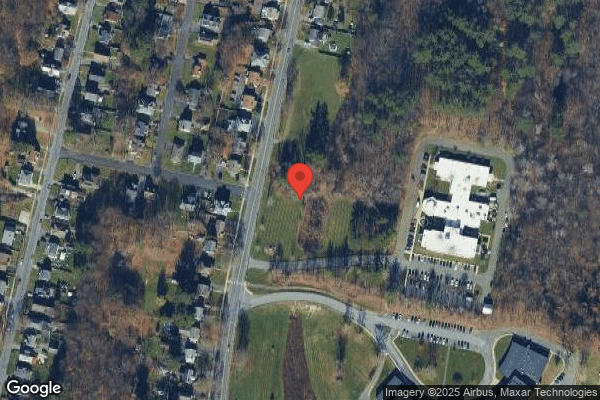

1000 NORTH STREET, PITTSFIELD, MA 01201 (413) 499-7186
Non profit - Corporation 100 Beds INTEGRITUS HEALTHCARE Data: November 2025
Trust Grade
85/100
#42 of 338 in MA
Last Inspection: June 2025

Inspected within the last 6 months. Data reflects current conditions.

Overview

The Mt. Greylock Extended Care Facility has a Trust Grade of B+, which indicates it is recommended and above average in quality. It ranks #42 out of 338 nursing homes in Massachusetts, placing it in the top half of facilities in the state, and #2 out of 13 in Berkshire County, meaning only one local option is better. The facility is improving, having reduced issues from three in 2024 to one in 2025. However, staffing is a concern with a rating of 2/5 stars and a high turnover rate of 55%, significantly above the state average of 39%. On the positive side, there have been no fines recorded, indicating compliance with regulations, and the RN coverage is average, which is crucial for catching problems that less trained staff might miss. While the facility has strengths, there are notable weaknesses as well. Recent inspections revealed specific concerns, such as improper disposal of personal protective equipment, which could lead to contamination, and failure to document residents' consent for pneumococcal immunizations. Additionally, there was an issue with a resident’s urinary catheter care, which was not managed according to professional standards, potentially risking complications. Overall, while the facility shows promise and has some excellent ratings, families should weigh these concerns carefully.

Trust Score
B+
85/100
In Massachusetts
#42/338
Top 12%
Safety Record
Low Risk
No red flags
Inspections
Getting Better
3 → 1 violations
Staff Stability
⚠ Watch
55% turnover. Above average. Higher turnover means staff may not know residents' routines.
Penalties
✓ Good
No fines on record. Clean compliance history, better than most Massachusetts facilities.
Skilled Nurses
○ Average
Each resident gets 31 minutes of Registered Nurse (RN) attention daily — about average for Massachusetts. RNs are the most trained staff who monitor for health changes.
Violations
○ Average
8 deficiencies on record. Average for a facility this size. Mostly minor or procedural issues.
★★★★★
5.0
Overall Rating
★★☆☆☆
2.0
Staff Levels
★★★★★
5.0
Care Quality
★★★★★
5.0
Inspection Score
Stable
2024: 3 issues
2025: 1 issues

The Good

  • 5-Star Quality Measures · Strong clinical quality outcomes
  • Full Sprinkler Coverage · Fire safety systems throughout facility
  • No fines on record

Facility shows strength in quality measures, fire safety.

The Bad

Staff Turnover: 55%

Near Massachusetts avg (46%)

Frequent staff changes - ask about care continuity

Chain: INTEGRITUS HEALTHCARE

Part of a multi-facility chain

Ask about local staffing decisions and management

Staff turnover is elevated (55%)

7 points above Massachusetts average of 48%

The Ugly 8 deficiencies on record

Jun 2025 1 deficiency
CONCERN (D)

Potential for Harm - no one hurt, but risky conditions existed

Incontinence Care (Tag F0690)

Could have caused harm · This affected 1 resident

Based on observation, interview, and record review, the facility failed to provide care consistent with professional standards relative to a urinary catheter for one Resident (#74), of two applicable ...

Read full inspector narrative →
Based on observation, interview, and record review, the facility failed to provide care consistent with professional standards relative to a urinary catheter for one Resident (#74), of two applicable residents, out of a total sample of 20 residents. Specifically for Resident #74, the facility failed to provide care and services consistent with professional standards of practice for a suprapubic catheter (SPC: thin, flexible tube inserted through a small incision made in the lower abdomen directly into the bladder, allowing for urine drainage) when the facility staff failed to obtain Physician orders for irrigation of the SPC, and completed irrigation of the SPC, putting the Resident at risk of urinary catheter complications, contamination of equipment and infection. Findings include: Resident #74 was admitted to the facility in October 2024, with diagnoses including bladder-neck obstruction, obstructive and reflux uropathy, infection and inflammation due to an indwelling catheter, and urinary retention. Review of the Urinary Catheter Care Plan, initiated 10/13/24, indicated Resident #74 had a SPC in place and included the following goals and interventions (initiated 10/13/24): -Goal: Resident will be free from serious complications from urinary catheterization. -Change catheter if closed system is interrupted and as needed (PRN) to maintain patency. -Notify Medical Doctor (MD) of suspected catheter complications, as needed (PRN). -Maintain sterile technique when inserting catheter. -Avoid irrigation of catheter unless specifically ordered by the MD. Review of the Physician's orders from December 2024 through June 2025 included the following: -Suprapubic Catheter change as needed (PRN), may change SPC PRN for occlusion or leakage ., initiated 10/8/24 -Further review of the Physician's orders failed to indicate instructions or orders for irrigation of the Resident's SPC. Review of the Minimum Data Set (MDS) Assessment, dated 4/7/25 indicated Resident #74: -had unclear speech, understands and was understood -was cognitively intact as evidenced by a Brief Interview of Mental Status (BIMS) score of 15 out of 15 -required substantial/maximum assistance of staff with toileting needs -had an indwelling urinary catheter in place Review of the Resident's clinical record indicated the following: -Nursing Note, dated 12/2/24 at 4:34 A.M., Foley [sic] was irrigated with 60 cubic centimeters (cc: unit of measure) of normal saline -Nursing Note, dated 12/10/24 at 12:06 A.M., Resident complained of (SPC) discomfort and after irrigation it (SPC) ran better . -Nursing Note, dated 12/26/24 at 8:02 A.M., SPC clogged, attempted to irrigate with normal saline and was unable to irrigate . -Nursing Note, dated 2/17/25 at 9:44 P.M., Resident complained of SPC not draining .did attempt to flush (irrigate) catheter but was resistant . -Nursing Note, dated 2/20/25 at 10:20 P.M., Resident assessed, stated lots of pressure in abdomen, unable to flush (irrigate) . On 6/8/25 at 10:22 A.M., the surveyor observed Resident #74 dressed and seated in a wheelchair in his/her room. A urinary drainage collection bag and tubing were observed covered and positioned under the Resident's wheelchair. During an interview at the time, Resident #74 said there had been some issues with his/her urinary catheter but was unable to provide specific details to the surveyor. During an interview on 6/10/25 at 11:00 A.M., Unit Manager (UM) #1 said Resident #74's SPC should not be irrigated (flushed) unless there was a specific Physician's order to do so. UM #1 said if the Resident's SPC was blocked or occluded, then the nursing staff should be changing the Resident's catheter. During a follow-up interview on 6/10/25 at 12:01 P.M., UM #1 said she reviewed the Resident's clinical record and there were notations from the nursing staff that the Resident's SPC was irrigated, and the SPC should not have been irrigated. UM #1 said there had been issues with facility staff irrigating resident's catheters in the past, so the nursing staff had been instructed not to irrigate a resident's catheter unless there were Physician's orders to do so. UM #1 said Resident #74 did not have a Physician's order to irrigate his/her SPC, and that by doing this, there could be an increased risk of infection and potential harm to the Resident.
Apr 2024 3 deficiencies
CONCERN (D)

Potential for Harm - no one hurt, but risky conditions existed

Assessment Accuracy (Tag F0641)

Could have caused harm · This affected 1 resident

**NOTE- TERMS IN BRACKETS HAVE BEEN EDITED TO PROTECT CONFIDENTIALITY** 3. Resident #24 was admitted to the facility in July 2022, with diagnoses of aftercare following joint replacement surgery and D...

Read full inspector narrative →
**NOTE- TERMS IN BRACKETS HAVE BEEN EDITED TO PROTECT CONFIDENTIALITY** 3. Resident #24 was admitted to the facility in July 2022, with diagnoses of aftercare following joint replacement surgery and Diabetes Type 2 (DM II - chronic condition in which the body does not produce enough insulin and has trouble controlling blood sugar levels). Review of the MDS assessment dated [DATE], indicated Resident #24 received seven days of Insulin injections, and had seven Physician order changes for Insulin during the assessment reference period. Review of the January 2024 MAR indicated that Resident #24 received seven days of Insulin administration during the review period, 1/16/24 through 1/22/24, and had no new Insulin orders during the assessment reference period. During an interview on 4/5/24 at 11:12 A.M., the MDS Nurse said Resident #24's MDS assessment dated [DATE], was coded incorrectly and should have reflected that the Resident had no Insulin Physician order changes during the assessment reference period.4. Resident #87 was admitted to the facility in February 2024, with a diagnosis of Cerebral Infarction. Review of Resident #87's Nursing Progress Note dated 3/9/24, indicated that the Resident was discharged to home from the facility on 3/9/24. Review of Resident #87's MDS assessment dated [DATE], indicated the Resident was discharged to the hospital. During an interview on 4/5/24 at 11:05 A.M., the MDS Nurse said she reviewed Resident #87's MDS Assessment, dated 3/9/24, and that the MDS Assessment was coded inaccurately relative to the Resident's discharge status. The MDS Nurse further said Resident #87 was not discharged to the hospital, but was discharged to home. Based on observation, interviews and record reviews, the facility failed to ensure that the Minimum Data Set (MDS) Assessments were accurately coded for four Residents (#46, #78, #24 and #87), out of a total sample of 19 residents and three closed records reviewed. Specifically, the facility failed to: 1. For Resident #46, accurately reflect range of motion (ROM) deficits. 2. For Resident #78, accurately reflect ROM deficits and the use of an antipsychotic medication (used to treat mental health problems whose symptoms include psychosis). 3. For Resident #24, accurately code Insulin (medication used to treat Diabetes) orders. 4. For Resident #87, accurately code the discharge location. Findings include: 1. Resident #46 was admitted to the facility in September 2022, with diagnoses including cerebral infarction (stroke- damage to the tissues in the brain caused by blood clots, disrupted blood supply and restricted oxygen supply to the specific area) and hemiplegia (paralysis of one side of the body) affecting the left non-dominant side. Review of the Activity of Daily Living (ADL) Care Plan, initiated 9/15/22, indicated Resident #46 had an alteration in his/her ability to provide self care, and was dependent on ADLs due to left sided hemiplegia. Review of the MDS assessment dated [DATE], indicated Resident #46: -was cognitively intact with a Brief Interview of Mental Status (BIMS) score of 15 out of a total 15 -was dependent for upper/lower body dressing -had no ROM impairments On 4/2/24 at 10:27 A.M., the surveyor observed Resident #46 lying in bed. During an interview at the time, the Resident said he/she required assistance from staff with care because the left side of his/her body was paralyzed. During an interview on 4/5/24 at 11:06 A.M., the MDS Nurse said Resident #46's MDS assessment dated [DATE], was coded incorrectly and should have reflected that the Resident had ROM impairments on one side of the body. 2. Resident #78 was admitted to the facility in September 2023, with diagnoses including Cerebral Infarction, hemiplegia, major depressive disorder (symptoms lasting greater than two weeks of a persistently low or depressed mood and a loss of interest in activities that a person used to enjoy), Dementia (a group of conditions characterized by impairment of at least two brain functions, such as memory and loss of judgment) and anxiety (feeling of unease, such as worry or fear, that can be mild or severe/ intense, excessive, and persistent worry and fear about everyday situations). Review of the Activity of Daily Living (ADL) Care Plan, dated 10/3/23, indicated Resident #78 had alteration in ability to perform ADLs related to stroke with left sided weakness. Review of the MDS assessment dated [DATE], indicated Resident #78: -had severe cognitive impairment as evidenced by a BIMS score of 3 out of a total 15 -was dependent for ADLs -had no ROM deficits -did not receive antipsychotic medication during the assessment reference period Review of the March 2024 Medication Administration Record (MAR) indicated the Resident was administered Risperdal (antipsychotic medication) 0.25 milligrams twice daily from 3/1/24 through 3/31/24. During an interview on 4/5/24 at 11:06 A.M., the MDS Nurse said Resident #78's MDS assessment dated [DATE], should have indicated ROM deficits for upper and lower body on one side due to his/her hemiplegia and also should have indicated antipsychotic medication had been administered during the reference period. The MDS Nurse said the MDS Assessment was coded incorrectly and would need to be modified.
CONCERN (D)

Potential for Harm - no one hurt, but risky conditions existed

Deficiency F0760 (Tag F0760)

Could have caused harm · This affected 1 resident

**NOTE- TERMS IN BRACKETS HAVE BEEN EDITED TO PROTECT CONFIDENTIALITY** Based on interview and record review, the facility failed to administer medication as ordered by the Physician for one Resident ...

Read full inspector narrative →
**NOTE- TERMS IN BRACKETS HAVE BEEN EDITED TO PROTECT CONFIDENTIALITY** Based on interview and record review, the facility failed to administer medication as ordered by the Physician for one Resident (#52) out of a total sample of 19 residents. Specifically, the facility staff failed to ensure that Midodrine (medication to treat low blood pressure [hypotension] by increasing the blood pressure) was administered according to the parameters ordered by the Physician. Findings include: Review of the facility policy titled Administration Procedure for All Medications, effective 9/20/13, included the following: -Purpose: to administer medications in a safe and effective manner. -Check the Medication Administration Record (MAR) for order. -Obtain and record any vital signs or other monitoring parameters ordered or deemed necessary prior to medication administration. Resident #52 was admitted to the facility in December 2023, with diagnoses including Acute Cerebrovascular Insufficiency (obstruction of one or more arteries that supply blood to the brain), Nonrheumatic Mitral Valve Insufficiency (form of heart disease where the mitral valve does not close properly and can leak or flow in the wrong direction), Hypertension (high blood pressure) and Occlusion and Stenosis of the Carotid Artery (blockage of the large artery on either side of the neck). Review of Resident #52's Cardiac Care Plan, initiated 12/12/23, indicated the Resident had a potential for alteration in cardiac function/status related to . hypertension, hypotension. The plan of care included the following interventions: -monitor and document vital signs as indicated. -administer medications as ordered and assess for effectiveness and adverse side effects. Review of the Minimum Data Set (MDS) assessment dated [DATE], indicated Resident #52 was severely cognitively impaired as evidenced by staff interview. Review of the January 2024 Physician's orders included the following: -Midodrine HCL 5 milligram (mg), 2 tablets (for total dose of 10 mg) orally three times daily for hypotension. -Hold (do not administer) for a Systolic Blood Pressure (SBP = pressure in the arteries when the heart beats) > (greater than) 110 [mm Hg] (measurement - millimeters of mercury), initiated 1/2/24 Review of the January 2024 MAR indicated that the Midodrine medication was administered to Resident #52, outside of the Physician's ordered parameters (SBP > 110 mm Hg) on the following dates/times: -1/2/24: SBP was 126 mm Hg at 8:00 P.M. -1/6/24 and 1/21/24: SBP was 118 mm Hg at 8:00 P.M. -1/7/24: SBP was 128 mm Hg at 8:00 P.M. -1/9/24: SBP was 111 mm Hg at 8:00 A.M. -1/20/24: SBP was 114 mm Hg at 8:00 P.M. -1/22/24: SBP was 112 mm Hg at 2:00 P.M. -1/23/24: SBP was 124 mm Hg at 8:00 P.M. Review of the February 2024 Physician's orders included the following: -Midodrine HCL 10 mg, 1 tablet orally three times daily for hypotension. Hold for a SBP > 110 [mm Hg], initiated 2/1/24 Review of the February 2024 MAR indicated Midodrine medication was administered to Resident #52, outside of the Physician's ordered parameters on the following dates/times: -2/1/24: SBP was 116 mm Hg at 8:00 P.M. -2/15/24: SBP was 118 mm Hg at 8:00 P.M. -2/20/24: SBP was 118 mm Hg at 8:00 A.M. -2/22/24: SBP was 125 mm Hg at 8:00 A.M. -2/23/24: SBP was 120 mm Hg at 8:00 P.M. -2/27/24: SBP was 113 mm Hg at 2:00 P.M. Review of the March 2024 MAR indicated Midodrine medication was administered to Resident #52, outside of the Physician's ordered parameters on the following dates/times: -3/4/24 and 3/6/24: SBP was 118 mm Hg at 8:00 P.M. -3/6/24: SBP was 118 mm Hg at 8:00 A.M. -3/9/24: SBP was 122 mm Hg at 8:00 P.M. -3/10/24: SBP was 116 mm Hg at 8:00 P.M. -3/11/24: and 3/23/24: SBP was 118 mm Hg at 8:00 P.M. -3/13/24: SBP was 111 mm Hg at 8:00 A.M. -3/19/24: SBP was 112 mm Hg at 2:00 P.M. -3/24/24: SBP was 123 mm Hg at 2:00 P.M. -3/26/24: SBP was 117 mm Hg at 8:00 A.M. On 4/3/24 at 3:23 P.M., the surveyor reviewed Resident #52's MARs with Unit Manager (UM) #1 relative to the Midodrine medication. When the surveyor UM #1 asked to define what the > symbol within the order meant, UM #1 said it meant greater than or less than. After further prompting from the surveyor, UM #1 said the > symbol meant to hold the medication if the SBP was greater than 110 mm Hg. The surveyor and UM #1 reviewed when the Midodrine was administered to Resident #52 and the documented SBP associated with the administration times, and UM #1 said she would have to look into this matter because it appeared that some of the Nurses might not understand what the > symbol within the Physician order means. During a follow-up interview on 4/3/24 at 3:59 P.M., UM #1 said that she spoke with one of the Nurses who had administered the Midodrine outside of the Physician ordered parameters, and asked what the > symbol meant. UM #1 said the Nurse indicated that the > symbol meant greater than. UM #1 further said that it appears that the Nurses may not be paying attention and/or may not understand the Physician ordered parameters of when to administer or hold the Midodrine medication. UM #1 said the Physician will have to be notified that the Midodrine medication was administered outside of the ordered parameters.
CONCERN (D)

Potential for Harm - no one hurt, but risky conditions existed

Infection Control (Tag F0880)

Could have caused harm · This affected 1 resident

Based on observation, interview, record and policy review, the facility failed to ensure that Enhanced Barrier Precautions (EBP- targeted gown and glove use during high contact resident care activitie...

Read full inspector narrative →
Based on observation, interview, record and policy review, the facility failed to ensure that Enhanced Barrier Precautions (EBP- targeted gown and glove use during high contact resident care activities, designed to reduce transmission of infection) were implemented in order to prevent the potential spread of infection for one Resident (#47), of one applicable resident on EBP, out of a total sample of 19 residents. Specifically, the facility staff failed to ensure that the required personal protective equipment (PPE) was worn when providing high-contact feeding tube care for Resident #47 when he/she was identified as being on EBP. Findings include: Review of the facility policy titled Enhanced Barrier Precautions, January 2023, indicated EBP: -Will be used on all residents on the unit with indwelling medical devices (e.g., . feeding tube). -Require gowns and gloves for all high contact care: .Device care or use: feeding tube. Resident #47 was admitted to the facility in September 2019, with Intracerebral hemorrhage (a type of stroke, with damage to the brain from bleeding within the brain), Apraxia (the inability to execute learned motor tasks due to brain damage or degeneration) and recurrent aspiration (frequently inhaling food and/or liquids into the airway and lungs accidentally which may cause serious health problems such as Pneumonia). On 4/3/24 at 10:30 A.M., the surveyor observed the following: -Signage posted outside the Resident's room indicating: -Stop. Enhanced Barrier Precautions: Everyone must: >Clean their hands, including before entering and when leaving the room. >Providers and Staff must also: Wear gloves and a gown for the following High-Contact Resident Care Activities .Device Care or use: feeding tube. -A cart with PPE (gown, gloves) was located outside the Resident's room. On 4/3/24 at 10:45 A.M., the surveyor observed the medication and tube feeding administration process with Nurse #3 and Nurse #1 that was being provided for Resident #47. The surveyor observed that Nurse #1 entered the room wearing gloves, but no gown, and assisted Nurse #3 to turn and reposition Resident #47 in bed. The surveyor observed that Nurse #3 wore gloves to check the feeding tube placement, administer medications and provide liquid nutrition through the feeding tube. Nurse #3 did not don (put on) a gown before or during the high-contact feeding tube care as required. During an interview on 4/5/24 at 1:00 P.M., Nurse #1 said that the facility's EBP protocol included for staff to wear a gown and gloves when providing high-contact care for any resident with a feeding tube. When the surveyor asked Nurse #1 if they used EBP during the feeding tube care and medication/feeding administration with Nurse #3 on 4/3/24 at 10:45 A.M., Nurse #1 said they did not wear a gown as required.
Oct 2022 4 deficiencies
CONCERN (D)

Potential for Harm - no one hurt, but risky conditions existed

Accident Prevention (Tag F0689)

Could have caused harm · This affected 1 resident

Based on an observation, interview and policy review, the facility and its staff failed to properly secure medications on one unit out of a total of three units. Specifically, the facility staff faile...

Read full inspector narrative →
Based on an observation, interview and policy review, the facility and its staff failed to properly secure medications on one unit out of a total of three units. Specifically, the facility staff failed to ensure an unattended medication cart was locked, putting residents at risk for potential harm. Findings include: Review of the facility policy titled, Medication Storage in the Facility, dated June 2010 indicated the following: - Medications and biologicals are stored safely, securely, and properly accessible only to licensed nursing personnel, pharmacy personnel or staff members lawfully authorized to administer medications. - Medication rooms, carts and medication supplies are locked or attended by persons with authorized access. During an observation and interview on the North 1 Unit on 9/30/22 at 4:18 P.M., the surveyor observed an unattended, unlocked medication cart in the corridor with no staff present in the immediate area and a resident seated approximately 10 feet away from the cart. The surveyor observed Nurse #1 emerge from a resident's room several doors down the hall and return to the medication cart. Nurse #1 said she forgot to lock the cart after obtaining a glucometer (a piece of equipment used to measure blood sugar levels) to obtain a resident's blood sugar reading, and the cart should have been locked.
CONCERN (E)

Potential for Harm - no one hurt, but risky conditions existed

Infection Control (Tag F0880)

Could have caused harm · This affected multiple residents

Based on observation, record review, and interview, the facility failed to ensure its staff: 1) Appropriately disposed of used personal protective equipment (PPE), in a manner that would not contamina...

Read full inspector narrative →
Based on observation, record review, and interview, the facility failed to ensure its staff: 1) Appropriately disposed of used personal protective equipment (PPE), in a manner that would not contaminate clean PPE on one unit (North 1) out of three units observed, and 2) Screened residents for signs and symptoms of COVID-19 every shift on a unit experiencing a COVID-19 outbreak for one Resident (#36) in a sample of three residents. Findings include: 1. On the North 1 Unit, facility staff failed to properly dispose of used PPE from an isolation room in a proper manner to prevent contamination of clean PPE. During an observation on 9/29/22 at 9:26 A.M., the surveyor observed a Certified Nurses Aide (CNA) #1 in an isolation room (a room with a resident that was on precautions due to being positive for COVID-19, that required staff to wear a gown, gloves, N95 mask, and eye protection to enter the room) on the North 1 Unit. The CNA doffed (took off) her gown, gloves, and eye protection and threw them away in a garbage can inside the resident's room. She proceeded to exit the resident's room still wearing her N95 mask. She performed hand hygiene and proceeded to take a clean mask from the clean PPE cart outside the resident's room. She doffed her used N95 mask and laid the used mask on top of a box of clean gloves that was on top of the PPE cart outside of the resident's room. During an interview following the observation CNA #1 said she had just come out of an isolation room and was required to change out her N95 mask upon exiting but there was no garbage can outside the room. She said she was unsure where to put her used N95 mask while she donned (put on) her new mask, so she placed it on the box of clean gloves. She further said that she should not have put the used N95 mask on top of the box of clean gloves on the PPE bin outside the resident's room. 2. For Resident #36, the facility failed to ensure staff screened him/her for signs and symptoms of COVID-19 every shift while the facility was experiencing a COVID-19 outbreak on the unit where the resident resided. Review of the facility policy titled COVID-19 Prevention and Outbreak Management, Revised 6/25/22, indicated the following: Residents on a unit that is undergoing quarantine must be screened for COVID-19 symptoms each shift as opposed to just once a day. Resident #36 was admitted to the facility in May 2020. Review of the Mt. Greylock COVID-19 positive residents list provided to the surveyor during the survey indicated the Unit that Resident #36 resided on started outbreak testing on 9/30/22. Review of the October 2022 Physicians Orders indicated the following: Corona (COVID-19): Assess for respiratory symptoms every shift (Q shift) .with a start date of 10/3/22. Review of the September 2022 and October 2022 Medication Administration Records (MAR) indicated from 9/30/22 through 10/2/22, Resident #36 was only being screened one time daily for symptoms of COVID-19. During an interview on 10/4/22 at 1:36 P.M., Unit Manager #1 said residents on the unit should be monitored Q shift for symptoms of COVID-19 and Q shift monitoring should have started on 9/30/22, when the outbreak on the unit was identified. She further said Resident #36 was not monitored Q shift for symptoms of COVID-19 until 10/3/22. During an interview on 10/4/22 at 1:52 P.M., the Staff Development Coordinator (SDC) said the Unit that Resident #36 resided on was under quarantine as they were currently conducting outbreak testing on that unit.
CONCERN (E)

Potential for Harm - no one hurt, but risky conditions existed

Deficiency F0883 (Tag F0883)

Could have caused harm · This affected multiple residents

**NOTE- TERMS IN BRACKETS HAVE BEEN EDITED TO PROTECT CONFIDENTIALITY** Based on record review, and interview, the facility and its staff failed to ensure that the medical record included documentatio...

Read full inspector narrative →
**NOTE- TERMS IN BRACKETS HAVE BEEN EDITED TO PROTECT CONFIDENTIALITY** Based on record review, and interview, the facility and its staff failed to ensure that the medical record included documentation that education and the opportunity to consent to, receive, or decline pneumococcal immunization (a vaccine to prevent pneumonia: a potentially life threatening lung infection) was present for three Residents (#63, #64, and #74),out of five residents sampled for immunization review. Findings include: Review of the facility policy titled Resident Pneumococcal Immunization, revised October 2022, indicated that: - Residents will be offered immunization to protect them from pneumococcal disease unless medically contraindicated or the residents have already been immunized. -Pneumococcal immunizations will be provided as recommended by the Center for Disease Control and Prevention (CDC) Advisory Committee for Immunization Practices (ACIP). Review of the CDC document titled Pneumococcal Vaccine Timing for Adults, dated 4/22/22, indicated that: - adults who have never received a pneumococcal vaccine should receive a dose of PCV20 or PCV15 vaccination (pneumococcal conjugate vaccines that target the most common strains of pneumonia). -adults who previously received PPSV23 but who have not received PCV15 or PCV20, should receive a dose of either PCV 15 or PCV20 at least a year after the PPSV23 vaccine. 1. Resident #63 was admitted to the facility in May 2022. Review of the medical record indicated no documented evidence that the resident and/or his/her representative received education regarding the risks and benefits of the pneumococcal vaccine, nor was there evidence the vaccine was offered, received or declined. Review of the Minimum Data Set Assessment, dated 6/1/22, indicated the Resident was up to date with his/her pneumococcal vaccination. 2. Resident #64 was admitted to the facility in August 2022. Review of Resident #64's medical record indicated no documented evidence that the resident and/or his/her representative received education regarding the risks and benefits of the pneumococcal vaccine, nor was there evidence the vaccine was offered, received or declined. Review of the MDS assessment dated [DATE] indicated the pneumococcal vaccine was not up to date and the vaccine had not been offered to the resident and/or his/her representative. 3. Resident #74 was admitted to the facility in August 2022. Review of Resident #74's medical record indicated no documented evidence that the resident and/or his/her representative had received education regarding the risks and benefits of the pneumococcal vaccine, nor was there evidence the vaccine was offered, received or declined. During an interview on 10/04/22 at 2:09 P.M., Unit Manager (UM) #1 said that she reviews influenza and pneumococcal vaccines with residents and/or their representatives during flu season and she had not gotten to the pneumococcal vaccine review as yet this year. She said that the Management Minutes Questionnaire (MMQ) Nurse would review vaccination information prior to a resident being admitted , but usually only receive information about COVID-19 vaccinations. She further said that the Administrator had access to the Massachusetts Immunization Information System and looked up immunization information for the UMs, but that she was not here. She also said that if a resident comes from New York State, their immunization information is not in the Massachusetts system. During an interview on 10/04/22 at 2:31 P.M., The Minimum Data Set (MDS) Nurse said she reviewed the medical records of Residents #63, #64 and #74 and said there was no evidence of pneumococcal vaccination in the clinical or hospital records. She said that the Infection Control Nurse used to track immunization information, but she had left the facility. During a subsequent interview on 10/04/22 at 2:52 P.M., the MDS Nurse said she had located a pneumococcal vaccine record for Resident #63 that indicated he/she had received a PPSV-23 vaccination on 11/5/2012, but there was nothing to reflect that he/she had received any type of pneumococcal vaccine immunization after that date. During an interview on 10/4/22 at 3:35 P.M., with the Corporate Nurse Consultant (CNC) and the Director of Nurses (DON), the DON said that there was no evidence that Residents #63, #64 and #74 had been educated, offered, consented and received or declined the pneumococcal vaccine as required. The CNC said that Resident #63 was eligible for and should have been offered a PCV15 or PCV20 per CDC guidance, as required.
MINOR (C)

Minor Issue - procedural, no safety impact

Staffing Information (Tag F0732)

Minor procedural issue · This affected most or all residents

Based on observation and interview the facility and its staff failed to ensure the posting of the daily staffing information reflected the current date. Findings include: On 9/29/22 the surveyor obser...

Read full inspector narrative →
Based on observation and interview the facility and its staff failed to ensure the posting of the daily staffing information reflected the current date. Findings include: On 9/29/22 the surveyor observed the posted nurse staffing information with a date of 9/20/22, that did not provide current, accurate date and information for residents and visitors. During an interview on 10/04/22 at 8:25 A.M., the facility scheduler and surveyor reviewed a photo taken on 9/29/22 of the staffing information dated 9/20/22. The scheduler said that the nurse staffing sheet should be updated daily, and it was not done as required.
Understanding Severity Codes (click to expand)
Life-Threatening (Immediate Jeopardy)
J - Isolated K - Pattern L - Widespread
Actual Harm
G - Isolated H - Pattern I - Widespread
Potential for Harm
D - Isolated E - Pattern F - Widespread
No Harm (Minor)
A - Isolated B - Pattern C - Widespread

Questions to Ask on Your Visit

  • "Why is there high staff turnover? How do you retain staff?"
  • "Can I speak with families of current residents?"
  • "What's your RN coverage like on weekends and overnight?"

Our Honest Assessment

Strengths
  • • Grade B+ (85/100). Above average facility, better than most options in Massachusetts.
  • • No major safety red flags. No abuse findings, life-threatening violations, or SFF status.
  • • No fines on record. Clean compliance history, better than most Massachusetts facilities.
Concerns
  • • 55% turnover. Above average. Higher turnover means staff may not know residents' routines.
Bottom line: Generally positive indicators. Standard due diligence and a personal visit recommended.

About This Facility

What is Mt Greylock Extended Care Facility's CMS Rating?

CMS assigns MT GREYLOCK EXTENDED CARE FACILITY an overall rating of 5 out of 5 stars, which is considered much above average nationally. Within Massachusetts, this rating places the facility higher than 99% of the state's 100 nursing homes. This rating reflects solid performance across the metrics CMS uses to evaluate nursing home quality.

How is Mt Greylock Extended Care Facility Staffed?

CMS rates MT GREYLOCK EXTENDED CARE FACILITY's staffing level at 2 out of 5 stars, which is below average compared to other nursing homes. Staff turnover is 55%, which is 9 percentage points above the Massachusetts average of 46%. High turnover can affect care consistency as new staff learn residents' individual needs.

What Have Inspectors Found at Mt Greylock Extended Care Facility?

State health inspectors documented 8 deficiencies at MT GREYLOCK EXTENDED CARE FACILITY during 2022 to 2025. These included: 7 with potential for harm and 1 minor or isolated issues.

Who Owns and Operates Mt Greylock Extended Care Facility?

MT GREYLOCK EXTENDED CARE FACILITY is owned by a non-profit organization. Non-profit facilities reinvest revenue into operations rather than distributing to shareholders. The facility is operated by INTEGRITUS HEALTHCARE, a chain that manages multiple nursing homes. With 100 certified beds and approximately 95 residents (about 95% occupancy), it is a mid-sized facility located in PITTSFIELD, Massachusetts.

How Does Mt Greylock Extended Care Facility Compare to Other Massachusetts Nursing Homes?

Compared to the 100 nursing homes in Massachusetts, MT GREYLOCK EXTENDED CARE FACILITY's overall rating (5 stars) is above the state average of 2.9, staff turnover (55%) is near the state average of 46%, and health inspection rating (5 stars) is much above the national benchmark.

What Should Families Ask When Visiting Mt Greylock Extended Care Facility?

Based on this facility's data, families visiting should ask: "How do you ensure continuity of care given staff turnover, and what is your staff retention strategy?" "Can you walk me through typical staffing levels on day, evening, and night shifts?" "Can I visit during a mealtime to observe dining assistance and food quality?" "How do you handle medical emergencies, and what is your hospital transfer rate?" These questions are particularly relevant given the facility's high staff turnover rate and the below-average staffing rating.

Is Mt Greylock Extended Care Facility Safe?

Based on CMS inspection data, MT GREYLOCK EXTENDED CARE FACILITY has a clean safety record: no substantiated abuse findings (meaning no confirmed cases of resident harm), no Immediate Jeopardy citations (the most serious violation level indicating risk of serious injury or death), and is not on the Special Focus Facility watch list (a federal program monitoring the lowest-performing 1% of nursing homes). The facility has a 5-star overall rating and ranks #1 of 100 nursing homes in Massachusetts. While no facility is perfect, families should still ask about staff-to-resident ratios and recent inspection results during their visit.

Do Nurses at Mt Greylock Extended Care Facility Stick Around?

Staff turnover at MT GREYLOCK EXTENDED CARE FACILITY is high. At 55%, the facility is 9 percentage points above the Massachusetts average of 46%. High turnover means new staff may not know residents' individual needs, medications, or preferences. It can also be disorienting for residents, especially those with dementia who rely on familiar faces. Families should ask: What is causing the turnover? What retention programs are in place? How do you ensure care continuity during staff transitions?

Was Mt Greylock Extended Care Facility Ever Fined?

MT GREYLOCK EXTENDED CARE FACILITY has no federal fines on record. CMS issues fines when nursing homes fail to meet care standards or don't correct problems found during inspections. The absence of fines suggests the facility has either maintained compliance or corrected any issues before penalties were assessed. This is a positive indicator, though families should still review recent inspection reports for the full picture.

Is Mt Greylock Extended Care Facility on Any Federal Watch List?

MT GREYLOCK EXTENDED CARE FACILITY is not on any federal watch list. The most significant is the Special Focus Facility (SFF) program, which identifies the bottom 1% of nursing homes nationally based on persistent, serious quality problems. Not being on this list means the facility has avoided the pattern of deficiencies that triggers enhanced federal oversight. This is a positive indicator, though families should still review the facility's inspection history directly.