SPRINGSIDE REHABILITATION AND SKILLED CARE CENTER
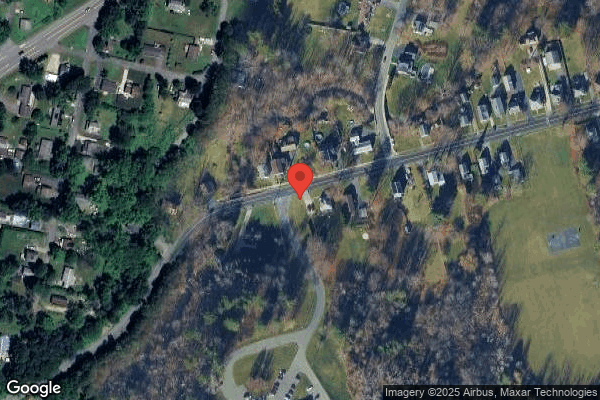
255 LEBANON AVENUE, PITTSFIELD, MA 01201 (413) 499-2334
For profit - Corporation 135 Beds BANECARE MANAGEMENT Data: November 2025
Trust Grade
38/100
#249 of 338 in MA
Last Inspection: July 2024

Within standard 12-15 month inspection cycle. Federal law requires annual inspections.

Overview

Springside Rehabilitation and Skilled Care Center has received a Trust Grade of F, indicating significant concerns about the facility's management and care quality. With a state rank of #249 out of 338 in Massachusetts and a county rank of #13 out of 13 in Berkshire County, this facility falls within the bottom half of all nursing homes in the area. While the facility's trend is improving, with the number of issues declining from 12 in 2023 to 6 in 2024, the staffing rating is poor at 1 out of 5 stars, and the turnover rate is concerning at 63%, much higher than the state average of 39%. There have been specific incidents, such as a resident being improperly transferred by a single staff member when their care plan required two, resulting in a fall, and a failure to offer COVID-19 vaccinations to eligible residents, which raises further questions about the quality of care provided. Overall, while there are some signs of improvement, the facility has significant weaknesses that families should consider.

Trust Score
F
38/100
In Massachusetts
#249/338
Bottom 27%
Safety Record
Moderate
Needs review
Inspections
Getting Better
12 → 6 violations
Staff Stability
⚠ Watch
63% turnover. Above average. Higher turnover means staff may not know residents' routines.
Penalties
✓ Good
$9,770 in fines. Lower than most Massachusetts facilities. Relatively clean record.
Skilled Nurses
⚠ Watch
Each resident gets only 19 minutes of Registered Nurse (RN) attention daily — below average for Massachusetts. Fewer RN minutes means fewer trained eyes watching for problems.
Violations
⚠ Watch
29 deficiencies on record. Higher than average. Multiple issues found across inspections.
★★☆☆☆
2.0
Overall Rating
★☆☆☆☆
1.0
Staff Levels
★★★☆☆
3.0
Care Quality
★★★☆☆
3.0
Inspection Score
Stable
2023: 12 issues
2024: 6 issues

The Good

  • Full Sprinkler Coverage · Fire safety systems throughout facility
  • No fines on record

Facility shows strength in fire safety.

The Bad

2-Star Overall Rating

Below Massachusetts average (2.9)

Below average - review inspection findings carefully

Staff Turnover: 63%

17pts above Massachusetts avg (46%)

Frequent staff changes - ask about care continuity

Federal Fines: $9,770

Below median ($33,413)

Minor penalties assessed

Chain: BANECARE MANAGEMENT

Part of a multi-facility chain

Ask about local staffing decisions and management

Staff turnover is elevated (63%)

15 points above Massachusetts average of 48%

The Ugly 29 deficiencies on record

1 actual harm
Jul 2024 6 deficiencies
CONCERN (D)

Potential for Harm - no one hurt, but risky conditions existed

Pharmacy Services (Tag F0755)

Could have caused harm · This affected 1 resident

**NOTE- TERMS IN BRACKETS HAVE BEEN EDITED TO PROTECT CONFIDENTIALITY** Based on observation, interview, policy and record review, the facility failed to ensure that the accuracy and safety of adminis...

Read full inspector narrative →
**NOTE- TERMS IN BRACKETS HAVE BEEN EDITED TO PROTECT CONFIDENTIALITY** Based on observation, interview, policy and record review, the facility failed to ensure that the accuracy and safety of administered routine medications and pharmaceutical services were provided to meet the needs of each facility resident for one Resident (#30) out of a total sample of 18 residents, and one medication cart (Unit A-side one) out of four medication carts observed. Specifically, the facility staff failed to ensure that expired Insulin (a hormone used to control high blood sugar) medications for Resident #30 was removed from the Unit A- side one medication cart, so that they could not be administered to the Resident thus increasing his/her risk for high blood sugar levels (hyperglycemia) due to the decreased effectiveness of the expired medication. Findings include: Review of the facility policy titled, Storage of Medications, dated 9/2023 indicated the following: -The nursing staff shall be responsible for maintaining medication storage and preparation areas in a clean, safe, and sanitary manner. -The facility shall not use discontinued, outdated, or deteriorated drugs or biologicals. Review of the facility policy titled Administering Medications, dated 12/2012 indicated the following: -The expiration/beyond use date on the medication label must be checked prior to administering. -When opening a multidose container, the date open [sic] shall be recorded on the container. Resident #30 was admitted to the facility in [DATE], with diagnoses including Diabetes Mellitus (DM - disease in which the body's ability to produce or respond to the hormone insulin is impaired, resulting in elevated blood glucose [sugar] levels in the blood). Review of the [DATE] Physician's orders indicated the following: -Humalog Kwikpen (a prefilled device containing fast acting insulin). Inject as per sliding scale: >if blood sugar 150-199 mg/dL (milligrams per deciliter): give one unit >200-249 mg/dL: give two units >250-299 mg/dL: give three units >300-399 mg/dL: give six units >above 400 mg/dL: call MD, subcutaneously (under the skin), with meals -Lantus Insulin (long-acting insulin)- inject 28 units subcutaneously in the evening. Review of the Medication Administration Record (MAR), dated [DATE], indicated the following medication administration for Resident #30: >Humalog Kwikpen Insulin: -[DATE]: three units given at 8:00 A.M., 12:00 P.M., and 5:00 P.M. -[DATE]: two units given at 12:00 P.M., 5:00 P.M. -[DATE]: three units given at 12:00 P.M. -[DATE]: two units given at 8:00 A.M., three units and 12:00 P.M. and 5:00 P.M. -7/10 24: two units given at 8:00 A.M., 12:00 P.M., and 5:00 P.M. -[DATE]: two units at 12:00 P.M. >Lantus Insulin 28 units was administered on [DATE] and [DATE] at 8:00 P.M. On [DATE] at 3:15 P.M., during a medication cart inspection on Unit A-side one, the surveyor observed the following Insulin medication for Resident #30: -Humalog Insulin Kwik Pen - labeled with date opened [DATE], date vial expired [DATE]. -Lantus Insulin vial - labeled with date opened [DATE], date expired [DATE]. During an interview on [DATE] at 3:15 P.M., Nurse #2 said the Insulin medications were expired and should not be used. Nurse #2 said there was no other Insulin in the medication cart for Resident #30 and that the medications had most likely been used after the expiration date. During an interview on [DATE] at 3:41 P.M., the Director of Nursing (DON) said Resident #30's Humalog Insulin Kwik Pen and Lantus Insulin vial are expired, should not have been used, and should have been discarded.
CONCERN (D)

Potential for Harm - no one hurt, but risky conditions existed

Drug Regimen Review (Tag F0756)

Could have caused harm · This affected 1 resident

Based on interview, record and policy review, the facility failed to ensure that the Physician documented the rationale for disagreeing with the Consultant Pharmacist recommendation from the Monthly M...

Read full inspector narrative →
Based on interview, record and policy review, the facility failed to ensure that the Physician documented the rationale for disagreeing with the Consultant Pharmacist recommendation from the Monthly Medication Review for one Resident (#34) out of a total sample of 18 residents. Specifically, for Resident #34, the Physician failed to document why he/she disagreed with the Consultant Pharmacist medication recommendation to change the Vitamin D3 (D3 - fat-soluble vitamin that helps the body to absorb calcium and phosphorus) medication to a monthly dose from a daily/weekly dose. Findings include: Review of the facility policy titled Timely Response to Pharmacist Comment, undated, indicated the following: -Physicians shall respond timely to the Pharmacist comment directed to Physicians on the Pharmacist/Physician Progress Note, sign, and date. Review of the facility policy titled Essential Guidelines for Licensed Independent Practitioners, dated 9/23, indicated the following: -Pharmacy recommendations require a written response within the medical record. Resident #34 was admitted to the facility in February 2021, with a diagnosis of Type 2 Diabetes (long-term condition where the pancreas is unable to produce enough insulin to regulate blood glucose [sugar] levels resulting in higher than normal blood sugar levels). Review of the May 2024 Physician's orders indicated the following: -Vitamin D (D3) Oral Capsule 1.25 milligram (mg) 50,000 International Unit (IU). -Give 1 capsule by mouth every 1 month .with a start date of 4/30/24 and end date of 5/7/24. Review of the May 2024 Medication Administration Record (MAR) indicated the following: -5/1/24 - 5/2/24: the Resident was administered Vitamin D3 once each day. -5/3/24 - 5/5/24: the Resident was administered Vitamin D3 twice each day. -5/6/24 - 5/7/24: the Resident was administered Vitamin D3 once each day. Review of the Monthly Medication Review conducted by the Consultant Pharmacist, dated 6/6/24, indicated the following recommendation: -Please review the following med error or clarify dose. -Vitamin D (D3) 50,000 IU should be a monthly dose . Further review of the 6/6/24 Monthly Medication Review indicated no documentation that the Physician had reviewed and signed the recommendation from the Consultant Pharmacist, agreed to the recommendation, or disagreed with the recommendation. Review of the June 2024 Physician's orders indicated the following: -Vitamin D3 Oral Capsule 1.25 mg (50,000 IU). -Give 1 capsule by mouth one time a day every 1 month .with a start date of 5/31/24 and end date of 6/6/24. Further Review of the June 2024 Physician's orders indicated that on 6/18/24, a new order was put into place for the following: -Vitamin D3 Oral Capsule 1.25 mg (50,000 IU) . -Give 1 capsule by mouth one time a day every 7 days, .with a start date of 6/13/24 Review of the June 2024 MAR indicated the following: -6/2/24 - 6/4/24: the Resident was administered Vitamin D3 once each day. -6/12/24 and 6/26/24: the Resident was administered Vitamin D3 once each day. During an interview on 7/16/24 at 9:33 A.M., the Director of Nursing (DON) said the Physician had reviewed the June 2024 Monthly Medication Review. The DON said she and the Physician had reviewed the Consultant Pharmacist's recommendation and the Physician disagreed with the recommendation (that the Vitamin B3 should be a monthly dose) and changed the order to a weekly dose of Vitamin D3. The DON said a rationale should have been documented somewhere in the Resident's medical record as to why the Physician disagreed with the Pharmacist's recommendation, and a rationale was not documented by the Physician.
CONCERN (D)

Potential for Harm - no one hurt, but risky conditions existed

Deficiency F0757 (Tag F0757)

Could have caused harm · This affected 1 resident

Based on interview, record and policy review, the facility failed to provide a medication regimen that was free from unnecessary medications for one Resident (#296) out of a total sample of 18 residen...

Read full inspector narrative →
Based on interview, record and policy review, the facility failed to provide a medication regimen that was free from unnecessary medications for one Resident (#296) out of a total sample of 18 residents. Specifically, the facility staff failed to ensure that a Physician's order for Torsemide (a potent loop diuretic [water pills that act on the kidneys to increase the flow of urine] medication used to treat fluid retention) medication was accurately transcribed resulting in Resident #296 receiving extra doses of medication and putting him/her at risk for dehydration, electrolyte imbalance, hypotension (low blood pressure) and sudden cardiac arrhythmias (irregular heartbeats). Findings include: Review of the facility policy titled Medication Reconciliation dated 9/2023, indicated the following: -Purpose: to prevent or reduce medication errors which occur when patients/residents transition from one healthcare setting to another. Review of the facility policy titled Administering Medications, dated 12/2012 indicated the following: -Medications must be administered in accordance with the orders, including required time frame. Resident #296 was admitted to the facility in July 2024 with diagnoses including Non-ST elevation Myocardial Infarction (NSTEMI - a type of heart attack that occurs when an artery is partially blocked, reducing blood flow and oxygen to the heart muscle). Review of the July 2024 Physician's orders indicated the following: -Torsemide 20 mg (milligrams), give by mouth one time a day, date initiated 7/11/24. -Torsemide 20 mg, give by mouth two times a day, date initiated 7/11/24. Review of the Medication Administration Record (MAR), indicated the following: -Torsemide 20 mg, give by mouth one time a day, scheduled for 6:00 A.M. -Torsemide 20 mg, give 20 mg by mouth in the afternoon, scheduled time 2:00 P.M. -Torsemide 20 mg, give 20 mg by mouth two times a day, scheduled for 7:30 A.M., and 4:30 P.M. Review of the MAR dated 7/11/24, indicated that Torsemide 20 mg was administered at 6:00 A.M., 7:30 A.M., 2:00 P.M., and 4:30 P.M. (4 doses total for the day). During an interview on 7/12/24 at 9:28 A.M., the Director of Nursing (DON) said the Physician's orders were inaccurate and that the order for Torsemide 20 mg once a day should have been discontinued when the order for twice a day was entered into the electronic medical record (EMR). The DON said the correct order was Torsemide 20 mg twice a day. The DON further said that the order for Torsemide twice a day had been entered into the EMR twice, with different times for administration which resulted in the Resident getting two extra doses. The DON said the process for transcribing orders is that one Nurse enters the orders and the second Nurse checks that the order is entered correctly but in this situation the checks and balances failed, and the Resident received two extra doses of Torsemide medication.
CONCERN (D)

Potential for Harm - no one hurt, but risky conditions existed

Dental Services (Tag F0791)

Could have caused harm · This affected 1 resident

**NOTE- TERMS IN BRACKETS HAVE BEEN EDITED TO PROTECT CONFIDENTIALITY** Based on record review and interview, the facility failed to ensure that routine dental services were provided for one Resident ...

Read full inspector narrative →
**NOTE- TERMS IN BRACKETS HAVE BEEN EDITED TO PROTECT CONFIDENTIALITY** Based on record review and interview, the facility failed to ensure that routine dental services were provided for one Resident (#18) out of a total sample of 18 residents. Specifically, the facility staff failed to assist Resident #18 in arranging for and obtaining routine dental services when the Resident consented to receive dental services while residing in the facility. Findings include: Review of the facility policy titled Dental Services, reviewed 9/2022, indicated the following: -The facility must provide or obtain from an outside resource, routine, and emergency dental services to meet the needs of each resident. -The facility is responsible for assisting residents in obtaining needed dental services, including routine and emergency dental services. Resident #18 was admitted to the facility in May 2023, with diagnoses including obstructive and reflux uropathy (occurs when urine cannot flow normally through the urinary tract due to obstructed urinary flow which can cause back-up of urine into the kidneys). Review of the Minimum Data Set (MDS) assessment dated [DATE], indicated the following: -Resident had obvious or likely cavity or broken natural teeth. -Resident is at risk for mouth discomfort. Review of the form titled Request For Services, signed by Resident #18 on 5/5/23, indicated the Resident wished to receive dental services through the company contracted with the facility to provide onsite dental services. Further review of the Resident's medical record indicated no documented evidence that the Resident had been seen by a Dentist since his/her admission in May 2023 (14 months). During an interview on 7/15/24 at 2:46 P.M., Unit Manager (UM) #1 said that the Dentist came to the facility in January 2024 but the Resident had not been seen by the Dentist at that time. During an interview on 7/15/24 at 3:04 P.M., the Director of Nursing (DON) provided an email correspondence with the contracted Dentist Provider that indicated the Resident was not currently enrolled in their dental services. During a follow-up interview on 7/15/24 at 3:15 P.M., the DON said that she could not speak to the process prior to her becoming the DON but she would expect that if a Resident signed off that they would like to receive dental services, the Resident would then be placed on the list to be seen. The DON said that Resident #18 was not on the list to be seen for dental services and should be as he/she had been identified through an audit/email correspondence in October 2023 with the contracted company, as someone who requested to be seen by a Dentist and as someone who had not yet received services.
CONCERN (D)

Potential for Harm - no one hurt, but risky conditions existed

Medical Records (Tag F0842)

Could have caused harm · This affected 1 resident

Based on record review and interview, the facility failed to ensure that complete and accurate information was maintained for one Resident (#18) out of a total sample of 18 residents. Specifically, t...

Read full inspector narrative →
Based on record review and interview, the facility failed to ensure that complete and accurate information was maintained for one Resident (#18) out of a total sample of 18 residents. Specifically, the facility staff failed to document urinary output each shift per the Physician orders for a Resident with urinary retention (condition that occurs when a person is unable to empty their bladder completely or partially of urine) placing him/her at an increased risk of further retention, urinary tract infections, and compromised bladder and kidney function. Findings include: Resident #18 was admitted to the facility in May 2023, with diagnoses including obstructive and reflux uropathy (occurs when urine cannot flow normally through the urinary tract due to obstructed urinary flow which can cause back-up of urine into the kidneys). Review of the facility policy titled Intake and Output, reviewed 9/2023 indicated the following: -All residents/patients with a Foley (urinary) catheter will have output recorded for the duration of their therapy. On 7/11/24 at 11:49 A.M., the surveyor observed Resident #18 lying in bed with a urinary catheter located on the right side of the bed. Review of the Catheter Care Plan initiated on 6/21/24, indicated the following: -Resident has a catheter related to inability to void and urinary retention, failed voiding trials 6/28/24 replaced catheter[sic] -Monitor and document intake and output as per facility policy Review of July 2024 Physician orders indicated the following order: -Monitor urine output each shift (start date 7/3/24) Review of the July 2024 Treatment Administration Record (TAR) indicated no evidence that the urinary output had been documented 6 out of 24 times on the following shifts: -Day Shifts: 7/7/24, 7/9/24 -7/11/24, and 7/14/24 -Evening Shift: 7/10/24. During an interview on 7/16/24 at 9:50 A.M., Nurse #3 said that Resident #18 has a urinary catheter in place and that the staff are documenting the Resident's urinary output. Nurse #3 said the urinary output is being monitored once a shift due to his/her recent episode of urinary retention. Nurse #3 said that the urinary output should be documented on the TAR and if it is not documented there it might be in a Nurses note. Nurse #3 said that if it is not documented in either the TAR or Nurses notes, then it is assumed that the urinary monitoring had not been completed as ordered. During an interview on 7/16/24 at 11:14 A.M., Unit Manager (UM) #1 reviewed the July 2024 TAR and the July 2024 Nurses notes. UM #1 said that she did not find any documented evidence that the urinary output had been monitored on 7/7/24, 7/9/24 - 7/11/24 and 7/14/24 day shifts, and on the evening shift on 7/10/24, as the TAR boxes were blank and there were no Nurses notes indicating the urinary output had been monitored per the Physician orders.
CONCERN (E)

Potential for Harm - no one hurt, but risky conditions existed

Deficiency F0887 (Tag F0887)

Could have caused harm · This affected multiple residents

**NOTE- TERMS IN BRACKETS HAVE BEEN EDITED TO PROTECT CONFIDENTIALITY** Based on interview, record and policy review, the facility failed to ensure that staff assessed and offered COVID-19 vaccination...

Read full inspector narrative →
**NOTE- TERMS IN BRACKETS HAVE BEEN EDITED TO PROTECT CONFIDENTIALITY** Based on interview, record and policy review, the facility failed to ensure that staff assessed and offered COVID-19 vaccination as recommended by the Centers for Disease Control and Prevention (CDC) for three Residents (#13, #45, and #53) out of a total sample of five residents. Specifically, for Residents #13, #45, #53 the facility failed to offer a second dose of the current COVID-19 2023 - 2024 vaccination as recommended to by the CDC when a person is over the age of 65. Findings include: Review of the facility policy titled COVID-19 Vaccine Policy and Procedure, dated 11/21/23, indicated the following: -COVID-19 vaccinations will be offered to all staff and residents (or their representatives if they cannot make health care decisions) per CDC and/or Food and Drug Administration (FD) guidelines . Review of the CDC website Clinical Guidance for COVID-19 Vaccination | CDC, last reviewed 4/4/24, indicated the following: -Special situation for people ages 65 years and older: >People ages 65 years and older should receive 1 additional dose of any updated (2023-2024 Formula-current COVID-19 vaccine being offered) COVID-19 vaccine (i.e., Moderna, Novavax, Pfizer-BioNTech - manufacturers of the current available COVID-19 vaccine) at least 4 months following the previous dose of updated (2023-2024 Formula) COVID-19 vaccine. Review of the CDC Vaccine Schedule titled Updated (2023-2024 Formula) COVID-19 Vaccine, dated 4/3/24, indicated the following: -People [AGE] years of age and older: Administer 1 additional dose at least 4 months following the last recommended dose of 2023-24 COVID-19 Vaccine. 1. Resident #13 was admitted to the facility in June 2023, and was over the age of 65. Review of the Resident Immunization history indicated that he/she received his/her first dose of the COVID-19 2023-2024 Formula on 12/15/23. Review of the Vaccine Consent/Declination form dated 6/21/23, indicated the Resident and/or Resident Representative consented to receive COVID-19 vaccinations. Review of the COVID Vaccine Consent Questionnaire dated 6/7/24, indicated no documentation that the Resident had been assessed for, or if the Resident and/or Resident's Representative had been offered a second dose of the COVID-19 2023-2024 Formula. 2. Resident #45 was admitted to the facility in March 2023, and was over the age of 65. Review of the Resident Immunization history indicated that he/she received his/her first dose of the COVID-19 2023-2024 Formula on 1/5/24. Review of the Vaccine Consent/Declination form dated 3/1/23, indicated the Resident and/or Resident Representative consented to receive COVID-19 vaccinations. Review of the COVID Vaccine Consent Questionnaire dated 5/20/24, indicated no documentation that the Resident was assessed for, or if the Resident and/or Resident's Representative had been offered a second dose of the COVID-19 2023-2024 Formula. 3. Resident #53 was admitted to the facility in April 2024, and was over the age of 65. Review of the Resident Immunization history indicated that he/she reviewed his/her first dose of the COVID-19 2023-2024 Formula on 10/11/23. Review of the Vaccine Consent/Declination form dated 4/24/24, indicated the Resident and/or Resident Representative consented to receive COVID-19 vaccinations. Review of the COVID Vaccine Consent Questionnaire dated 6/1/24, indicated no documentation that the Resident was assessed for, or if the Resident and/or Resident's Representative had been offered a second dose of the COVID-19 2023-2024 Formula. During an interview on 7/16/24 at 3:36 P.M., Unit Manager (UM) #1 said she was the UM for the unit that Resident's #13, #45, and #53 resided on. UM #1 said she monitors vaccination information including who is up to date on vaccinations for residents that resided on her unit. UM #1 said she was unaware that it was recommended residents over the age of 65 have a second dose of the COVID-19 2023-2024 Formula to be considered up to date on their COVID-19 vaccinations. UM #1 further said she could not recall if any education had been provided regarding the CDC recommendation for offering a second dose of the 2023-2024 Formula to those residents who were over the age of 65. UM #1 said she had not been tracking when Resident's became eligible for a second dose of the COVID-19 2023-2024 Formula, and had not assessed the need for, or offered a second dose of the COVID-19 2023-2024 Formula to Resident's #13, #45, and #53. During an interview and review of the facility's document titled COVID Vaccine Consent Questionnaire on 7/16/24 at 3:46 P.M., the Director of Nursing (DON) said education should have been completed with staff when new guidance comes out that the facility needs to implement. The DON was unable to provide documentation that staff had been educated on the CDC guidance for those over [AGE] years of age to offer a second dose of the COVID-19 2023-2024 Formula. The surveyor and the DON reviewed the facilities COVID Vaccine Consent Questionnaire, dated March 2024, which indicated the following: Everyone aged 65 years and older-You are up to date when you have received two updated 2023-2024 COVID-19 vaccine doses. After reviewing the COVID Vaccine Consent Questionnaire used by the facility, the DON said she could not speak to whether or not Residents #13, #45, and #53 should have been offered a second dose of the COVID-19 2023-2024 Formula. During an interview on 7/16/24 at 4:21 P.M., the Infection Preventionist (IP) said she could not speak to whether Residents who needed a second dose of the COVID-19 2023-2024 Formula were being tracked as this information was being tracked by the Unit Managers from each unit. The IP said she was unsure how the UM's were tracking which Residents needed a second dose of the COVID-19 2023-2024 Formula.
Sept 2023 1 deficiency
CONCERN (D) 📢 Someone Reported This

A family member, employee, or ombudsman was alarmed enough to file a formal complaint

Potential for Harm - no one hurt, but risky conditions existed

Deficiency F0557 (Tag F0557)

Could have caused harm · This affected 1 resident

Based on records reviewed and interviews, for one of three sampled residents (Resident #2) who had moderate cognitive impairment, but could make his/her needs known, the Facility failed to ensure he/s...

Read full inspector narrative →
Based on records reviewed and interviews, for one of three sampled residents (Resident #2) who had moderate cognitive impairment, but could make his/her needs known, the Facility failed to ensure he/she was treated in a dignified and respectful manner, when at 5:00 A.M. on 09/02/23 and witnessed by Nurse #1, Certified Nurse Aide (CNA) #1 directed profanities at Resident #2 and unplugged his/her television (TV) after threatening to do so, if he/she would not be quiet. Findings include: Review of the Facility's Code of Conduct, dated as revised 03/28/23, indicated that staff must ensure that its residents are treated with dignity and respect, and that residents are never subject, at any time, to any verbal, mental or physical abuse, corporal punishment, or involuntary seclusion. Resident #2 was admitted to the Facility in April 2023 with diagnoses including muscle weakness and partial intestinal obstruction. Review of Resident #2's Quarterly Minimum Data Set (MDS) Assessment, dated 07/19/23, indicated he/she was moderately cognitively impaired with a score of 11 out of 15 on the Brief Interview for Mental Status (BIMS). (0-7 severe cognitive impairment, 8-12 moderate cognitive impairment, and 13-15 cognitively intact). Review of the Facility's Investigation Summary, undated, indicated that at 5:00 A.M. on 09/02/23, CNA #1 and Nurse #1 responded to Resident #1 having rolled out of bed. The Summary indicated that Nurse #1 said that CNA #1 loudly told Resident #1, you are going to break my back, in response to him/her rolling out of bed. The Summary indicated that Nurse #1 alleged that CNA#1 swore and spoke in a very loud voice when Resident #2 intervened in the situation with Resident #1. The Summary indicated that Nurse #1 heard CNA #1 tell Resident #2 to mind his (expletive) business. The Report also indicated that Nurse #1 said that CNA #1 threatened to turn off Resident #2's television and then witnessed CNA #1 unplug the TV because he (CNA #1) had been telling Resident #2 to keep quiet. The Summary also indicated Resident #1 was unable to participate in an interview due to severe cognitive deficits. Review of Resident #2's statement, written by the Administrator, undated, indicated that when he/she tried to tell the nurse that Resident #1 needed to go to the bathroom, CNA #1 used the F-word. The statement indicated Resident #2 was watching a movie when CNA #1 unplugged his/her TV because CNA #1 had been trying to get him/her to be quiet. During an interview on 09/27/23 at 10:30 A.M., Resident #2 said he recalled an altercation that occurred a few weeks ago with CNA #1 (identified him by name). Resident #2 said that his/her roommate at the time (Resident #1) was on the floor and CNA #1 had come to help him/her up. Resident #2 said that Resident #1 had been on the floor a few times that night. Resident #2 said he/she had tried to watch a movie on his/her TV, but CNA #1 and Resident #1 were swearing back and forth. Resident #2 said that Nurse #1 was present during the altercation when he/she (Resident #2) interjected and told them that maybe Resident #1 was getting out of bed because he/she needed to use the bathroom. Resident #2 said that CNA #1 responded by telling him/her, mind your own fucking business. Resident #2 said that CNA #1 threatened to unplug his/her TV while he/she was watching a movie and then proceeded to unplug the TV. During an interview on 09/28/23 at 3:39 P.M., Nurse #1 said she had worked from 11:00 P.M. to 7:00 A.M. on the morning of the altercation between CNA #1 and Resident #2, but could not recall the date. Nurse #1 said she was getting the medication cart ready at 4:00 A.M. when CNA #1 called for her help because Resident #1 had rolled out of bed onto the floor mat, for the third time that night. Nurse #1 said CNA #1 stood in the doorway to the room and said, Resident #1 is on the fucking floor again. Nurse #1 said the curtain was drawn between Resident #1 and Resident #2, so she peeked around the curtain and asked if Resident #2 was okay and observed he/she was watching a movie. Nurse #1 said that Resident #2 suggested that maybe Resident #1 was getting out of bed because he/she needed to use the bathroom and CNA #1 responded by telling Resident #2 to mind his own fucking business. Nurse #2 said that Resident #2 responded to CNA #1 by yelling, Don't talk to me like that! Nurse #1 said that CNA #1 threatened to turn off Resident #2's TV if he/she would not be quiet. Nurse #1 said that Resident #2 told CNA #1 to stop using F-words, and as Resident #2 continued talking, CNA #1 unplugged the TV from the wall. Nurse #1 said that CNA #1 stormed out of the room and banged the door shut, while she stayed behind and calmed Resident #2. Nurse #1 said CNA #1 was sent home after the incident. During an interview on 10/03/23 at 11:05 A.M., Certified Nurse Aide (CNA) #1 said he discovered Resident #1 was on the floor mat next to his/her bed, on 09/02/23 at around 5:30 A.M., and asked Nurse #1 for help. CNA #1 said Nurse #1 stuck her head around the curtain and got Resident #2 involved when she asked how he/she was doing. CNA #1 said he was annoyed at Resident #2 for interjecting but denied swearing at him/her. CNA #1 said he unplugged Resident #2's TV without him/her knowing. During an interview on 09/27/23 at 2:08 P.M., the Administrator said that Resident #2 told her that he/she liked CNA #1, but he/she did not like it when he swore. The Administrator said that CNA #1 admitted to her that he may have possibly sworn at Resident #2 and admitted to unplugging Resident #2's TV. On 09/27/23, the Facility presented the Surveyor with a plan of correction that addressed the areas of concern identified in this survey with an alleged date of compliance of 09/05/23. The Plan of Correction provided is as follows: A) On 09/02/23, Resident #1 and Resident #2 were immediately assessed by Nursing for any injuries. B) On 09/2/23, CNA #1 was suspended during the Facility's internal investigation and was terminated on 09/14/23. C) On 09/03/23, daily behavioral health monitoring visits for Residents #1 and #2 were initiated by the Administrator and social services. D) On 09/03/23, other residents on CNA #1's assignment were interviewed by the Unit Manager, to identify any additional issues. E) On 09/03/23, Resident #2's Care Plan was updated by the MDS Nurse to monitor for psychosocial harm. F) On 09/03/23, Abuse Prohibition and Resident Rights education was initiated for all staff, by the Administrator. Education included a post test. Staff were not allowed to work until education was completed. G) On 09/03/23, select nurses were assigned to perform random observations of staff and resident interactions, for 14 days. H) On 09/04/23 and 09/05/23, an ad hoc Quality Assurance and Performance Improvement (QAPI) Committee meeting was held to develop and implement a plan of correction. I) On 09/05/23, Resident #1 and Resident #2 were assessed by Behavioral Health Services. J) Residents will continue to be interviewed by Unit Managers, to identify any concerns, as part of the Guardian Angel Program and the Ambassador Program. Results will be shared with the Administrator at morning meetings. K) The QAPI committee will review the effectiveness of the plan of correction weekly for four weeks, then monthly. The Administrator is responsible for bringing the results to QAPI. L) The Administrator is responsible for overall compliance.
Jun 2023 2 deficiencies 1 Harm
SERIOUS (G) 📢 Someone Reported This

A family member, employee, or ombudsman was alarmed enough to file a formal complaint

Actual Harm - a resident was hurt due to facility failures

Accident Prevention (Tag F0689)

A resident was harmed · This affected 1 resident

**NOTE- TERMS IN BRACKETS HAVE BEEN EDITED TO PROTECT CONFIDENTIALITY** Based on records reviewed and interviews, for one of three sampled residents (Resident #1), who required extensive assistance of...

Read full inspector narrative →
**NOTE- TERMS IN BRACKETS HAVE BEEN EDITED TO PROTECT CONFIDENTIALITY** Based on records reviewed and interviews, for one of three sampled residents (Resident #1), who required extensive assistance of two staff members and the use of a mechanical lift for all transfers, the Facility failed to ensure he/she was provided with the necessary level of staff assistance and that assistive equipment (lift pad) was positioned correctly, in an effort to maintain Resident #1's safety during a mechanical lift transfer to prevent incidents/accidents resulting in an injury. On 05/16/23, Certified Nurse Aide (CNA) #1, without another staff member present to assist her, attempted to transfer Resident #1 with a mechanical lift. Per the facility's investigation they also determined that CNA #1 had not positioned the mechanical lift pad properly under Resident #1, so when she (CNA #1) raised Resident #1 up in the lift, his/her body tipped forward, his/her head hit the lift, and he/she toppled out of the lift pad onto the floor. Resident #1 was transferred to the Hospital Emergency Department (ED), where he/she was diagnosed with a right frontal scalp laceration, an acute nondisplaced fracture of the acetabulum (hip socket), an acute nondisplaced type II odontoid (C2, cervical neck) fracture, and an acute nondisplaced fracture of the anterior nasal bones and the anterior nasal septum (nose). Findings include: Review of the Facility Policy titled 2-Mechanical lift, dated as reviewed 09/2022, indicated at least two nursing staff members were needed to safely move a resident with a mechanical lift. The Policy also indicated to lift the resident from the surface to check the stability of the attachments, fit of the lift pad and weight distribution. Review of the Manufacturer Guidelines for the mechanical lift pads, indicated an illustration of the divided leg pad when in use. The Guidelines show the leg straps crossed and flat against the resident's inner thighs when the pad is properly placed and connected to the mechanical lift. Resident #1 was admitted to the Facility in June 2018, diagnoses included dementia with mood disturbance, anxiety disorder and abnormal posture. Review of Resident #1's Minimum Data Set (MDS) Assessment, dated 03/29/22, indicated his/her cognitive skills were severely impaired. The Assessment indicated he/she was dependent for his/her care needs and required the assistance of two staff members for transfers. Review of Resident #1's Care Card (Certified Nurse Aide, reference guide, identifies residents specific care needs, including number of staff required to provide assistance during tasks), in effect at the time of the fall, indicated he/she was non-ambulatory and required the assistance of two staff members for transfers with a mechanical lift. Review of the Report submitted by the Facility via the Health Care Facility Reporting System (HCFRS), dated 05/22/23, indicated that on 05/16/23 at 5:00 A.M., Resident #1 fell to the floor while being transferred out of bed with a mechanical lift, by Certified Nurse Aide #1. The Report indicated CNA #1 transferred Resident #1 with a mechanical lift, by herself, and didn't cross the leg straps (to secure his/her legs in the mechanical lift pad) when she positioned Resident #1 in the lift. The Report indicated that when CNA #1, raised Resident #1 up in the lift, and pulled the lift from away from the bed (while he/she was suspended three feet above the floor), Resident #1 tipped forward out of the sling, and struck his/her head on the lift and landed on the floor. The Report indicated that CNA #1 had not asked a second staff member for assistance, despite there being a nurse available at the nursing station, and two additional CNAs available upon request, at the time of the fall. The Report indicated that the Facility's investigation concluded that CNA #1 had not followed safe practices when utilizing a mechanical lift for transfers and that staff were available to assist CNA #1, but she did not seek assistance. Review of CNA #1's Witness Statement, dated 05/16/23, indicated that she transferred Resident #1 alone, with the mechanical lift and had not crisscrossed the straps, on the lower half of the lift pad. Resident #1 fell from the mechanical lift, onto the floor during a mechanical lift transfer. During an interview on 06/07/23 at 3:27 P.M., Certified Nurse Aide (CNA) #1 said she worked the 11:00 P.M. to 7:00 A.M. shift on 05/16/23, and Resident #1 was on her assignment. CNA #1 said that around 5:00 A.M., she transferred Resident #1 out of bed, alone, using a mechanical lift, when he/she tipped forward out of the lift pad, hit his/her head on the lift, and landed on the floor. CNA #1 said she had not crossed the straps of the divided leg style lift pad when she fastened them to the lift, prior to initiating the transfer. CNA #1 said she knew that mechanical lift transfers required the assistance of two staff members, per Facility policy, and that she should have asked for help. CNA #1 further said she had not asked anyone else for assistance because she thought they were busy doing their rounds. Review of the Assistant Director of Nurses (ADON's) Written Summary of her interview with CNA #1, dated 05/16/23, indicated that CNA #1 told her she was working alone and did not have the split leg style lift pad donned (put on or placed) properly when she transferred Resident #1. The Summary indicated that CNA #1 said she knew that she was supposed to have a second staff member to assist with the mechanical lift transfer but there was no one around. The Summary also indicated CNA #1 said she had not crossed the legs straps when donning the lift pad. Review of Nurse #1's Written Witness Statement, dated 05/16/23, indicated that when she responded to Resident #1's fall, she found him/her on the floor and noticed the lift was still positioned about three feet above the floor, the mechanical lift pad was still hanging from the lift, and it was not crisscrossed. The Statement also indicated Nurse #1 was available at the desk for approximately 30 minutes prior to the fall. The Statement indicated Nurse #1 assessed Resident #1 immediately after the fall and sent him/her to the Hospital ED for evaluation. During an interview on 06/07/23 at 2:50 P.M., the Assistant Director of Nurses (ADON) said she arrived at the Facility around 6:30 A.M. on 05/16/23 and was notified by Nurse #1 that Resident #1 had been sent to the ED after a fall during a mechanical lift transfer with CNA #1. The ADON said she immediately interviewed CNA #1, and CNA #1 told her that she had performed the transfer alone and had not crisscrossed the leg straps of the lift pad. Review of Resident #1's Hospital Discharge summary, dated [DATE], indicated that he/she was transferred to the Hospital ED after a fall from a mechanical lift at the Facility. The Summary indicated Resident #1 was diagnosed with a right frontal scalp laceration, an acute nondisplaced fracture of the acetabulum, an acute nondisplaced type II odontoid fracture, an acute nondisplaced fracture of the anterior nasal bones and the anterior nasal septum (nose). Resident #1 was discharged back to the facility on [DATE] with an Aspen cervical collar (rigid collar for neck stabilization) and a five-staple repair of the right forehead laceration. During an interview on 05/07/23 at 3:19 P.M., the Director of Nurses (DON) said that per Facility policy, two staff members were required to be present when performing a mechanical lift transfer, for safety. The DON said Facility policy also indicated the resident should be partially raised up while in the lift pad, to check placement and weight distribution before completing the mechanical lift transfer. The DON further said that Resident #1's Care Card, in place at the time of the fall, also indicated the requirement for two staff members to be present for the mechanical lift transfers. The DON said that the Facility investigation concluded that CNA #1 had not followed Facility policy when she performed the mechanical lift transfer without assistance from a second staff member, and when she had not positioned the lift pad correctly and had not checked the lift pad placement prior to performing the transfer (both required by Facility policy), resulting in Resident #1's fall from the lift and subsequent injury. On 06/07/23, the Facility presented the Surveyor with a plan of correction that addressed the areas of concern identified in this survey, the Plan of Correction provided is as follows: A) On 05/16/23, Resident #1 was immediately assessed by Nursing for any injuries sustained during the fall and sent to the Hospital ED for evaluation and treatment. B) On 05/16/23, CNA #1 was placed on administrative leave pending the investigation. Her contract was terminated with the facility and the agency was notified of the incident. C) On 05/16/23 an Emergency Quality Assurance Performance Improvement (QAPI) meeting was held to determine a plan of correction. Additional meetings were held on 05/22/23 and 05/31/23. D) On 05/16/23 through 05/19/23, the DON and Unit Managers completed mechanical lift competencies with return demonstration, including proper application of divided leg lift pads, for all nurses, CNAs and rehabilitation therapists. Staff will not return to work until they have completed the mechanical lift competency. E) Random observations of mechanical lift transfers were initiated on 05/17/23 and completed each shift for 14 days by the DON and/or designee. F) Random mechanical lift transfer quizzes were initiated on 05/17/23 and completed each shift for 14 days by the DON and/or designee. G) On 05/19/23, the DON and Clinical Nurse Consultant completed a facility wide audit of all residents requiring a mechanical lift transfer and updated the Care Plan and [NAME] for lift pad size and type as indicated. H) On 05/19/23, the DON compiled a binder containing a list of residents requiring mechanical lift transfers including name, room number, mechanical lift with the assistance of two staff members, lift pad color/type/size. The binder will be kept on the units. I) On 05/19/23, mechanical lift assessments were completed by the Unit Managers or designee, on residents who required mechanical lifts, and were reviewed for accuracy to ensure correct lift pad type/color are noted and correct. J) On 05/19/23, the DON and Unit Managers reached substantial compliance with completing mechanical lift education on the mechanical lift and care plan policy for all nursing and rehabilitation staff. K) The QAPI committee will review the effectiveness of the plan of correction for four weeks, then monthly. L) The Administrator and DON are responsible for overall compliance.
CONCERN (D) 📢 Someone Reported This

A family member, employee, or ombudsman was alarmed enough to file a formal complaint

Potential for Harm - no one hurt, but risky conditions existed

Deficiency F0726 (Tag F0726)

Could have caused harm · This affected 1 resident

Based on records reviewed and interviews, for one of three sampled residents (Resident #1), the Facility failed to ensure that Certified Nurse Aide (CNA) #1 had the appropriate competency and skill se...

Read full inspector narrative →
Based on records reviewed and interviews, for one of three sampled residents (Resident #1), the Facility failed to ensure that Certified Nurse Aide (CNA) #1 had the appropriate competency and skill set related to providing safe mechanical lift transfers. On 05/16/23, CNA #1 placed the mechanical lift pad under Resident #1 (per facility investigation the pad was not positioned properly) and when CNA #1 raised Resident #1 up in the lift, without the assist of a second staff member, his/her body tipped forward, his/her head hit the lift, and he/she toppled out of the lift onto the floor. Findings include: Review of the Facility Policy titled 2-Mechanical lift, dated as reviewed 09/2022, indicated at least two nursing staff members were needed to safely move a resident with a mechanical lift. The Policy indicated staff should ensure the lift pad is securely attached to the clips and it is properly balanced, the resident's head, neck and back are properly supported, and before the resident is lifted, double check the security of the lift pad attachment. The Policy also indicated that staff should lift the resident from the surface to check the stability of the attachments, fit of the lift pad and weight distribution. Review of the Manufacturer Guidelines for the mechanical lift pads, indicated an illustration of the divided leg pad when in use. The Guidelines show the leg straps crossed, and flat against the resident's inner thighs, when the pad is properly placed and connected to the mechanical lift. Resident #1 was admitted to the Facility in June 2018, diagnoses included dementia with mood disturbance, anxiety disorder and abnormal posture. Review of Resident #1's Care Card (Certified Nurse Aide, reference guide, identifies residents specific care needs, including number of staff required to provide assistance during tasks), in effect at the time of the fall, indicated he/she was non-ambulatory and required the assistance of two staff members for transfers with a mechanical lift. Review of the Report submitted by the Facility via the Health Care Facility Reporting System (HCFRS), dated 05/22/23, indicated that on 05/16/23 at 5:00 A.M., Resident #1 fell to the floor while being transferred out of bed with a mechanical lift, by CNA #1. The Report indicated CNA #1 transferred Resident #1 with a mechanical lift, by herself, and didn't cross the leg straps (to secure his/her legs in the mechanical lift pad) when she positioned Resident #1 in the lift. The Report indicated that when CNA #1 raised Resident #1 up in the lift, and pulled the lift from away from the bed (while he/she was suspended three feet above the floor), Resident #1 tipped forward out of the sling and struck his/her head on the lift, and landed on the floor. The Report indicated that the Facility's investigation concluded that CNA #1 had not followed safe practices when utilizing a mechanical lift for transfers and that staff were available to assist CNA #1 but she did not seek assistance. Review of CNA #1's Witness Statement, dated 05/16/23, indicated that CNA #1 transferred Resident #1 alone, with the mechanical lift and did not crisscross the straps, on the lower half of the lift pad. Resident #1 fell from the mechanical lift, onto the floor during a mechanical lift transfer. Review of the Facility's Agency Binder Checklist, that included the Mechanical Lift Policy, indicated CNA #1 signed on 05/10/23, acknowledging review of the policies in the binder. During an interview on 06/07/23 at 3:27 P.M., Certified Nurse Aide (CNA) #1 said she worked the 11:00 P.M. to 7:00 A.M. shift on 05/16/23, and Resident #1 was on her assignment. CNA #1 said that around 5:00 A.M., she transferred Resident #1 out of bed, alone, using a mechanical lift, when he/she tipped forward out of the lift pad, hit his/her head on the lift, and landed on the floor. CNA #1 said she did not cross the straps of the divided leg style lift pad when she fastened them to the lift, prior to initiating the transfer. CNA #1 further said she had started working at the Facility a few nights before the incident, on 05/10/23, as a traveling CNA and said she had not received orientation on the use of the mechanical lift. CNA #1 said she did not recall signing off on the Mechanical Lift policy. During an interview on 05/07/23 at 3:19 P.M., the Director of Nurses (DON) said that although CNA #1 had signed off on the Mechanical Lift policy, said she had no documentation to support that CNA #1 had demonstrated competency to safely operate a mechanical lift, prior to providing care to residents at the Facility. The DON said it was the Facility's expectation that the contracted staffing agencies maintain current competencies on the staff they refer to the Facility. The DON said that when she requested a copy of CNA #1's mechanical lift competency, after the incident on 05/16/23, from the Agency that employed and referred CNA #1, they were unable to provide any documented evidence that CNA #1 had been provided education or testing of her competency for safely using a mechanical lift for resident transfers. On 06/07/23, the Facility presented the Surveyor with a plan of correction that addressed the areas of concern identified in this survey, the Plan of Correction provided is as follows: A) On 05/16/23, Resident #1 was immediately assessed by Nursing for any injuries sustained during the fall and sent to the Hospital ED for evaluation and treatment. B) On 05/16/23, CNA #1 was placed on administrative leave pending the investigation. Her contract was terminated with the facility and the agency was notified of the incident. C) On 05/16/23 an Emergency Quality Assurance Performance Improvement (QAPI) meeting was held to determine a plan of correction. Additional meetings were held on 05/22/23 and 05/31/23. D) On 05/16/23 through 05/19/23, the DON and Unit Managers completed mechanical lift competencies with return demonstration, including proper application of divided leg lift pads, for all nurses, CNAs and rehabilitation therapists (including agency staff). Staff will not return to work until they have completed the mechanical lift competency. All new hires and new agency staff will complete a mechanical lift competency with return demonstration, upon orientation. E) Random observation of mechanical lift transfers were initiated on 05/17/23 and completed each shift for 14 days by the DON and/or designee. F) Random mechanical lift transfer quizzes were initiated on 05/17/23 and completed each shift for 14 days by the DON and/or designee. G) On 05/19/23 the DON compiled a binder containing a list of residents requiring mechanical lift transfers including name, room number, mechanical lift with assistance from two staff members, lift pad color/type/size. Binder kept on the units. H) On 05/19/23, mechanical lift assessments were completed on residents who required mechanical lifts to review for accuracy and ensure the correct sling type/color are noted and correct. I) On 05/19/23, the DON and Unit Managers reached substantial compliance with completing mechanical lift education on the mechanical lift and care plan policy for all nursing and rehabilitation staff. J) Mechanical Lift Pad guides were posted at the nursing stations on 05/19/23, by the Unit Managers, including an illustration of the proper application of the leg straps on the divided leg mechanical lift pads. K) The QAPI committee will review the effectiveness of the plan of correction for 4 weeks, then monthly. L) The Administrator and DON are responsible for overall compliance.
Mar 2023 9 deficiencies
CONCERN (D)

Potential for Harm - no one hurt, but risky conditions existed

Resident Rights (Tag F0550)

Could have caused harm · This affected 1 resident

Based on observations and interviews, the facility failed to ensure its staff afforded dignity and privacy for one Resident (#34), out of a sample of 20 residents. Specifically, posted personal infor...

Read full inspector narrative →
Based on observations and interviews, the facility failed to ensure its staff afforded dignity and privacy for one Resident (#34), out of a sample of 20 residents. Specifically, posted personal information related to the Resident's care and condition was viewable from his/her bedroom doorway. Findings include: Resident #34 was admitted to the facility in April 2022 with a colostomy (an artificial opening in the large intestine/colon to the outside of the body (stoma) created if one could not pass stool through the anus due to illness, injury, or a problem with the digestive system). During an observation and interview on 3/1/23 at 9:40 A.M., the surveyor stood in the hallway outside the Resident's room and observed a sign on the wall that indicated: When changing colostomy bag (a pouch that collects stool from the stoma), please do not throw away the clip to the bag. During an interview at this time, the Resident said he/she did not like the sign there and was afraid people would laugh at him/her. During an observation and interview on 3/1/23 at 4:05 P.M., the surveyor observed the sign was still visible from the hallway. The Resident was seated in his/her wheelchair in the hallway with his/her colostomy bag containing evidence of stool, visible from beneath the Resident's shirt. At this time, Unit Manager (UM) #1 was observed approaching the Resident attempting to cover the colostomy bag with his/her shirt and told the Resident that she had been meaning to find a cover for the bag. The surveyor then brought UM #1 to the Resident's room to observe the sign. UM#1 said that the sign was a violation of the Resident's privacy and should not have been there.
CONCERN (D)

Potential for Harm - no one hurt, but risky conditions existed

Safe Environment (Tag F0584)

Could have caused harm · This affected 1 resident

Based on observation, interview and policy/procedure review the facility and its staff failed to maintain a safe, clean, comfortable, and homelike environment for one Resident (#74) out of 20 total re...

Read full inspector narrative →
Based on observation, interview and policy/procedure review the facility and its staff failed to maintain a safe, clean, comfortable, and homelike environment for one Resident (#74) out of 20 total residents sampled. Specifically, the facility staff failed to: 1. clean soiled walls, curtains and floors of the resident's room, 2. address infestation of fruit flies, and 3. provide repairs where needed. Findings include: Review of the Professional Health Care (PHS) (company the facility contracts with for housekeeping services) Cleaning Procedure guide indicated in part the following steps (for daily cleaning of resident rooms): -Dry mop the floor in the entire room and bathroom, under beds, behind doors, closets, and corners -Clean sink, mirror, and shelf (in the bathroom) -Toilet both inside and out -Wet mop the floor in the entire room and bathroom, under beds, behind doors, closets and corners Review of the February PHS Light Housekeeper cleaning checklist, provided by the housekeeping staff indicated no documented evidence that Resident #74's room had been cleaned during the month of February. On 3/1/23 at 11:08 A.M., the surveyor observed the following in Resident #74's room, while he/she laid sleeping in bed: -Fruit flies on floor, directly under the Resident's bed -The floor to be sticky directly upon entering the room and all throughout, including the bathroom -Dry, yellow stains on the toilet seat -Brown colored debris on the wall and the privacy curtain located directly next to the Resident's bed -Peeling wallpaper near the closet -Top dresser drawer in disrepair During an interview and observation on 3/1/23 at 11:12 A.M., Certified Nursing Assistant (CNA) #1 entered the Resident's room with the surveyor and said that there was food on the floor, the overbed table was sticky, the floors were sticky, there were fruit flies in the room, the bathroom was not clean, the walls had things dripping down them and that the privacy curtain was dirty. During an interview on 3/2/23 at 9:16 A.M., the Director of Nursing (DON) said that the facility recently started using a new company and they are still in transition working through some bumps in the road. She further indicated the room should have been cleaned prior to the surveyor's observation on 3/1/23.
CONCERN (D)

Potential for Harm - no one hurt, but risky conditions existed

Comprehensive Assessments (Tag F0636)

Could have caused harm · This affected 1 resident

Based on interview and record review the facility failed to ensure its staff completed a Comprehensive Minimum Data Set (MDS) Assessment within the required 14 days of admission to the facility for on...

Read full inspector narrative →
Based on interview and record review the facility failed to ensure its staff completed a Comprehensive Minimum Data Set (MDS) Assessment within the required 14 days of admission to the facility for one Resident (#18), out of a sample of 20 residents. Findings include: Resident #18 was admitted to the facility in January 2023. Review of Resident #18's MDS Assessments indicated that as of 3/2/23, an admission MDS Assessment had not been completed for Resident #18. During an interview on 3/2/23 at 1:51 P.M., the Director of Nursing (DON) said the Resident's admission MDS Assessment should have been completed for 1/28/23, it was not realized the Assessment was missed until 2/26/23, and at the time of survey the Assessment had not been completed and submitted yet, as required.
CONCERN (D)

Potential for Harm - no one hurt, but risky conditions existed

Respiratory Care (Tag F0695)

Could have caused harm · This affected 1 resident

Based on observation, policy review, record review, and interview, the facility failed to ensure staff provided care consistent with professional standards and facility policy, related to replacing an...

Read full inspector narrative →
Based on observation, policy review, record review, and interview, the facility failed to ensure staff provided care consistent with professional standards and facility policy, related to replacing and dating oxygen tubing and providing oxygen humidification as ordered by the Physician for one Resident (#86), out of a total sample of 20 residents. Specifically, the facility staff failed to: a) change oxygen tubing as ordered to prevent possible airway infection, and b) monitor and maintain humidification bottles to prevent airway dryness and infection. Findings include: Review of the facility policy titled, Use of Oxygen, dated January 2023, indicated: -Be sure there is water in the humidifying jar and that the water level is high enough that the water bubbles as oxygen flows through. -Periodically re-check water level in humidifying jar. -All oxygen administration should adhere to specified infection control policies, including changing nasal cannulas weekly. -All oxygen delivery devices and bottles should be dated and changed every 7 days and PRN (as needed). Resident #86 was admitted to the facility December 2022 with the diagnosis of Chronic Obstructive Pulmonary Disease (COPD-condition blocking airflow in the airways and causing difficulty and/or discomfort in breathing). Review of the Physician's Orders dated 3/2/23, indicated the following orders: -Oxygen via nasal cannula at 1 to 4 liters to maintain oxygen saturation greater than 91%. -Utilize humidified oxygen while connected to room concentrator, every shift, dated initiated 1/29/23. -Change oxygen tubing, water bottle and rinse (oxygen concentrator) filter weekly on Fridays, dated initiated 1/6/23. On 3/1/23 at 11:31 A.M., the surveyor observed Resident #86 lying in bed wearing Oxygen at 3 liters per minute (LPM) via nasal cannula attached to an oxygen concentrator. The oxygen tubing was labeled 2/17/23, and the humidification bottle attachment was empty. On 3/2/23 at 10:00 A.M., the surveyor observed Resident #86 sitting in bed wearing Oxygen at 3 LPM via nasal cannula attached to an oxygen concentrator. The oxygen tubing was labeled 2/17/23, and the humidification bottle was still empty. During an interview on 3/2/23 at 10:00 A.M., Nurse #1 said that she could see that the tubing was labeled 2/17/23, but she was not sure of the facility policy for changing oxygen tubing. She said that the humidification bottle was empty and should have water in it. She said she was not sure how long the humidification bottle had been empty. During an interview on 3/2/23 at 10:44 A.M., the Director of Nursing (DON) said the oxygen tubing should have been changed on 2/24/23, as ordered by the Physician and as indicated on Treatment Administration Record.
CONCERN (D)

Potential for Harm - no one hurt, but risky conditions existed

Medical Records (Tag F0842)

Could have caused harm · This affected 1 resident

**NOTE- TERMS IN BRACKETS HAVE BEEN EDITED TO PROTECT CONFIDENTIALITY** Based on observation, record review, and interview, the facility failed to ensure staff maintained medical records that were acc...

Read full inspector narrative →
**NOTE- TERMS IN BRACKETS HAVE BEEN EDITED TO PROTECT CONFIDENTIALITY** Based on observation, record review, and interview, the facility failed to ensure staff maintained medical records that were accurate for three Residents (#86, #18, and #39) out of a sample of 20 residents. Specifically, the facility staff failed: 1. For Resident #86, documented oxygen tubing changes and oxygen humidification maintenance. 2. For Resident #18, recorded meal percentages (the amount of each meal eaten) as requested by the dietitian. 3. For Resident #39, documented catheter (tubing inserted into the bladder that allows urine to be drained) care and urine output every shift. Findings include: 1. Resident #86 was admitted to the facility December 2022 with the diagnosis of Chronic Obstructive Pulmonary Disease (COPD-condition blocking airflow in the airways and causing difficulty and/or discomfort in breathing). Review of the Physician's orders dated March 2, 2023, indicated the following orders: -Oxygen via nasal cannula at 1- 4 liters. Utilize humidified oxygen while connected to room concentrator, every shift, date initiated 1/29/23. -Change oxygen tubing, water bottle and rinse filter 9oxygen concentrator) weekly on Fridays, initiated 1/6/23. Review of the Treatment Administration Record (TAR) dated February 2023, indicated the oxygen tubing had been changed on 2/3/23, 2/10/23, 2/17/23 and 2/24/23. Review of the TAR dated March 2023, indicated the Resident was provided humidified oxygen while connected to the room oxygen concentrator on March 1, 2023, on the day, evening, and night shifts. On 3/1/23 at 11:31 A.M., the surveyor observed Resident #86 lying in bed wearing Oxygen at 3 liters per minute (LPM) via nasal cannula attached to an oxygen concentrator. The oxygen tubing was labeled 2/17/23 and the humidification bottle was empty. On 3/2/23 at 10 A.M., the surveyor observed Resident #86 sitting in bed wearing Oxygen at 3 LPM via nasal cannula attached to an oxygen concentrator. The oxygen tubing was still labeled 2/17/23 and the humidification bottle was empty. During an interview on 3/2/23 at 10:00 A.M., Nurse #1 said she could see that the tubing was labeled 2/17/23, but she was not sure of the facility policy for changing oxygen tubing. She also said that the humidification bottle was empty and should have water in it. She said she was not sure how long the humidification bottle had been empty. During an interview on 3/2/23 at 10:44 A.M., the Director of Nursing (DON) said the oxygen tubing should have been changed on 2/24/23, as was documented on the TAR. The DON further said the oxygen humidification should have been provided as was documented on the TAR, and this was not being done as ordered. She said the documentation on the TAR was not accurate. 2. Resident #18 was admitted to the facility in January 2023 with diagnoses including Type 2 Diabetes, Chronic Obstructive Pulmonary Disease (COPD), and recent weight loss of 37 pounds. Review of Resident #18's Nutrition Care Plan initiated 1/12/23 indicated the following goal: -Resident will maintain adequate nutritional status as evidenced by .consuming 75% of at least three meals daily . Review of the Nutritional assessment dated [DATE] indicated the following recommendation made by the facility's Dietitian: -Monitor PO (Per Orally-by mouth) intake Review of the February 2023 TAR indicated an order to document the percent of meal intake every shift. Further review of the TAR indicated the percentages of meal intake was left blank for 25 out of 84 shifts. During an interview on 3/6/23 at 11:49 A.M., Nurse #3 said meal intake percentages are documented for Resident #18 after each meal and it should be recorded on the TAR. During an interview on 3/6/23 at 12:24 P.M., the Contracted Dietitian Supervisor said meal intakes should be recorded in the medical record every shift for Resident #18 as recommended by the facility Dietitian. She further said lack of documentation regarding meal percentages would not be helpful when the Dietitian went to calculate the number of calories the Resident needed to maintain his/her current weight, as the amount the Resident ate on average is factored into how the Dietitian prescribed the Resident's diet. During an interview on 3/6/23 at 1:33 P.M., the DON said meal percentage intakes should be documented every shift for Resident #18 per the order on the TAR and this was not being done, as required. 3. Resident #39 was admitted to the facility in October 2018 with diagnoses including Urinary Retention, Benign Prostatic Hyperplasia (BPH) with lower urinary tract symptoms (enlargement of the prostate that can cause obstructive uropathy-difficulty urinating), and had a urinary catheter in place. Review of the Catheter Care Plan .initiated 11/4/18 indicated the following interventions: -Catheter care every shift, initiated 3/3/20 -Empty catheter and record output every shift, initiated 11/4/18 Review of the March 2023 Physician's orders indicated the following orders: -Provide catheter care every shift with a start date of 4/7/21 Review of the February 2023 TARs indicated the following: -For 10 out of 84 shifts, there was no documentation to show catheter care had been provided -For 18 out of 84 shifts, there was no documentation to show total catheter output had been recorded During an interview on 3/2/23 at 10:20 A.M., Nurse #1 said nursing staff should be providing and documenting catheter care every shift as well as documenting any urine output every shift on the TAR for residents who had a catheter. She further said she would be unable to tell if catheter care had been provided during the shifts where there was no documentation on the TAR and would not know how much urine output the Resident had on those shifts where the documentation was blank. She also said if a resident refused catheter care there should be documentation to indicate the resident refused care, the documentation should never just be left blank. During an interview on 3/2/23 at 11:18 A.M., the DON said documentation for catheter care and urine output should be documented on the TAR every shift. She further said on the days where there was no documentation, she was not able to tell if catheter care had been completed and what the Resident's urine output had been.
CONCERN (D)

Potential for Harm - no one hurt, but risky conditions existed

Deficiency F0849 (Tag F0849)

Could have caused harm · This affected 1 resident

**NOTE- TERMS IN BRACKETS HAVE BEEN EDITED TO PROTECT CONFIDENTIALITY** Based on record review and interview, the facility failed to ensure its staff maintained a record that contained a plan of care ...

Read full inspector narrative →
**NOTE- TERMS IN BRACKETS HAVE BEEN EDITED TO PROTECT CONFIDENTIALITY** Based on record review and interview, the facility failed to ensure its staff maintained a record that contained a plan of care including what individualized services Hospice will provide for one Resident (#47), out of a total sample of 20 residents. Findings include: Review of the facility manual titled Care and Treatment, End of Life, Hospice Program, reviewed 9/2022, indicated the following: -Coordinated care plans for residents receiving hospice services will include the most recent hospice plan of care . -The coordinated care plan shall be revised and updated as necessary to reflect the resident's current status. -Hospice shall establish and maintain a written plan of care for each Hospice patient . Resident #47 was admitted to the facility in September 2020. Review of the Comprehensive Minimum Data Set (MDS) assessment dated [DATE] indicated Resident #47 was receiving Hospice services. Record review indicated no documented evidence of a Hospice plan of care or an assessment/evaluation identifying services that the Hospice would provide to Resident #47 based on his/her level of care and needs. During an interview on 3/2/23 at 1:16 P.M., Unit Manager (UM) #1 said that there was no schedule or plan of care in Resident #47's medical record. UM #1 was not able to identify what services Hospice was providing for the Resident.
CONCERN (D)

Potential for Harm - no one hurt, but risky conditions existed

Deficiency F0919 (Tag F0919)

Could have caused harm · This affected 1 resident

**NOTE- TERMS IN BRACKETS HAVE BEEN EDITED TO PROTECT CONFIDENTIALITY** Based on observation, record review, and interview, the facility failed to ensure its staff provided access to a call light/bell...

Read full inspector narrative →
**NOTE- TERMS IN BRACKETS HAVE BEEN EDITED TO PROTECT CONFIDENTIALITY** Based on observation, record review, and interview, the facility failed to ensure its staff provided access to a call light/bell (a button tethered to the wall in a resident's room, indicating in the hallway and at the nurses station that a resident required assistance) for two Resident's (#72 and #141), out of a total sample of 20 residents. Specifically, the call light/bell was not located within easy reach for the residents to summon assistance when needed. Findings include: Review of the facility procedure for Call Bells, reviewed on 12/2022 indicated when the resident is in bed or confined to a chair, be sure the call light is within easy reach of the resident. 1) Resident #72 was admitted to the facility in January 2023. Review of the Minimum Data Set (MDS) assessment dated [DATE], indicated a Brief Interview of Mental Status (BIMS) score of 10 out of 15, indicating Resident #72 had moderately impaired cognition. During an interview and observation on 3/1/23 at 10:01 A.M., Resident #72 requested the surveyor turn on the call light because he/she could not find it and he/she wanted coffee with his/her breakfast that had just been delivered. The surveyor located the call light on the floor behind the Resident who was seated in a wheelchair next to his/her bed. The surveyor stepped out of the room and requested assistance. Nurse #3 entered the room and found the call light to be on the floor, out of the Resident's reach. She placed it near the Resident and said that the call light did not have a clip on it which helps it to stay in place. 2) Resident #141 was admitted to the facility in February 2023. On 3/1/23 at 10:40 A.M., the surveyor observed Resident #141's door to be closed. Upon entering the Resident's room, the following was observed: -Resident #141 was in bed -A wheelchair was on one side of the bed and a walker on the other -Call light located on the floor behind the head of the bed During this observation, the surveyor asked the Resident how he/she asked for assistance from the staff when he/she needed help. The Resident began to look around the bed but was unsure where the call light was located. During an interview on 3/1/23 at 10:47 A.M., Certified Nurse Assistant (CNA) #1 said that the Resident was new to the facility, was alert and oriented to him/herself, and could transfer him/herself but required staff supervision to do so. She further said that the call light was in fact on the floor out of the Resident's reach, inhibiting him/her from calling for assistance.
CONCERN (E)

Potential for Harm - no one hurt, but risky conditions existed

Incontinence Care (Tag F0690)

Could have caused harm · This affected multiple residents

**NOTE- TERMS IN BRACKETS HAVE BEEN EDITED TO PROTECT CONFIDENTIALITY** Based on interview and record review, the facility failed to ensure its staff obtained labs timely for a possible urinary tract ...

Read full inspector narrative →
**NOTE- TERMS IN BRACKETS HAVE BEEN EDITED TO PROTECT CONFIDENTIALITY** Based on interview and record review, the facility failed to ensure its staff obtained labs timely for a possible urinary tract infection (UTI), resulting in a delay of treatment of an active infection for one Resident (#43), out of a sample of 20 residents. Findings Include: Review of the facility policy titled Urinary Tract Infection (UTI) Protocol, reviewed 9/22, indicated the following: -Start resident on UTI Protocol in PCC (the electronic medical record-EMR that the facility utilized) if showing signs of potential UTI such as (elevated temperature, dysuria (pain/difficulty when urinating), frequency, etc). -Nurse to assess resident daily - monitor for improvement or worsening of symptoms, can assist in identifying when or if a urine sample should be obtained for testing. Resident #43 was admitted to the facility in April 2021 with a diagnosis of Urinary Retention. Review of the Resident's Minimum Data Set (MDS) assessment dated [DATE] indicated the Resident scored a 15 out of 15 on the Brief Interview for Mental Status (BIMS) indicating the Resident was cognitively intact. During an interview on 3/1/23 at 9:19 A.M., Resident #43 said he/she thought they had a UTI and had recently had a urine sample obtained by staff so that labs for a UTI could be done but he/she had not heard about the results of the lab yet. Review of the Physician's Office Note dated 2/25/23 indicated the Resident was seen by the Physician due to a history of UTIs and was complaining of dysuria. Further review of the Physician's note indicated the Physician requested a urinalysis (urine test to check for bacteria or other germs in a urine sample) for leukocytes esterase test (increase in white blood cells in the urine that may suggest a UTI). Review of the Lab slip dated 2/25/23, indicated a lab order for a Urine Culture (a lab test for specific bacteria or other germs in a urine sample). Further review of the chart indicated no lab results that would correspond with the 2/25/23 lab order. Review of the nursing progress note dated 3/1/23, indicated the Resident's urine was cloudy and bloody and the facility was awaiting test results. Review of the nursing progress note dated 3/3/23, indicated the Resident had urine collected and sent to the lab for a urine culture. The urine sample was collected six days after the Physician had ordered the labs. Review of the Resident's Lab Report dated 3/5/23 (results from the urine culture) indicated the Resident was positive for a UTI. Review of the March 2023 Physician's Orders indicated on 3/6/23, the Resident was started on Bactrim (an antibiotic used to treat UTIs). Antibiotic treatment for the UTI began nine days after the Physician initially saw the Resident and ordered labs. During an interview on 3/6/23 at 8:26 A.M., the Infection Preventionist (IP) said the Physician requested a urinalysis on 2/25/23 and the urine was obtained and was set to be picked up on 2/28/23 when the lab staff routinely came into the facility. The IP said the Resident's name was never put on the lab draw sheet, therefore the lab staff were unaware of the urine sample and did not take the sample to the lab. During a subsequent interview on 3/6/23 at 8:53 A.M., the IP said a delay in having a urine analysis or urine culture completed timely put the Resident at risk for a delay in treatment and/or exacerbation in symptoms. During an interview on 3/6/23 at 9:23 A.M., the Director of Nursing (DON) said it was not realized until 3/3/23 that the lab staff did not pick up the urine sample, causing a delay in treatment.
CONCERN (F)

Potential for Harm - no one hurt, but risky conditions existed

Deficiency F0801 (Tag F0801)

Could have caused harm · This affected most or all residents

Based on record review and interview, the facility and its staff failed to provide a designated person that met regulatory requirements, to serve as the Director of Food and Nutrition Services when a ...

Read full inspector narrative →
Based on record review and interview, the facility and its staff failed to provide a designated person that met regulatory requirements, to serve as the Director of Food and Nutrition Services when a full-time Dietitian was not employed. Findings include: During an interview on 3/3/23 at 1:01 P.M., the Food Service Director (FSD) said that she had worked as the FSD at the facility for about one week. The FSD said she was not a Certified Dietary Manager (CDM), or Certified Food Service Manager (CFSM), did not have an associate degree or higher in food service management, and did not have two years' experience in the position of Director of Food and Nutrition Services in a nursing facility setting. During an interview on 3/3/23 at 1:44 P.M., the Administrator said the Dietitian worked part-time at the facility. She said that the FSD was not a CDM or CFSM and did not have a qualifying degree or experience as required.
Jul 2021 11 deficiencies
CONCERN (D)

Potential for Harm - no one hurt, but risky conditions existed

Deficiency F0583 (Tag F0583)

Could have caused harm · This affected 1 resident

Based on policy review, record review, observation and interview, the facility failed to ensure privacy was maintained during 1.) The checking of a blood glucose (sugar) level and 2.) During an insuli...

Read full inspector narrative →
Based on policy review, record review, observation and interview, the facility failed to ensure privacy was maintained during 1.) The checking of a blood glucose (sugar) level and 2.) During an insulin administration, for one sampled Resident (#14), out of a total sample of 23 residents. Findings include: Review of the facility's Quality of Life-Dignity Policy, revised 4/21/17, included: -The staff shall promote, maintain and protect resident privacy, including bodily privacy during assistance of personal care and during treatment procedures. Resident #14 was admitted to the facility in October of 2020 with a diagnosis of Diabetes Mellitus (DM). Review of the Quarterly Minimum Data Set (MDS) Assessment, dated 4/15/21, indicated the Resident was cognitively intact as evidenced by a score of 15 out of 15 on the Brief Interview for Mental Status (BIMS) Assessment. Review of the July 2021 Monthly Physician Orders indicated an order for blood glucose testing before meals and call the Medical Doctor (MD) if the result is <50 or > 500 and an order for Homology (fast-acting) Insulin and inject as per sliding scale subcutaneously (under the skin) before meals for diabetes. 1.) On 7/14/21 at 11:30 A.M., the surveyor observed Nurse #2 approach Resident #14, who was sitting in a chair at the bedside. Nurse #2 pricked his/her finger with a lancet, obtained a drop of blood and checked the Resident's blood glucose level with a glucometer (a portable machine used to measure the blood glucose level). Nurse #2 obtained the result and informed Resident #14 of the result. There was a visitor in the room visiting Resident #14 roommate and he/she was standing and facing in the direction of Resident #14. The privacy curtain was not drawn and the visitor had full view of Resident #14. During an interview on 7/14/21 at 11:33 A.M., Nurse #2 said she did not pull the privacy curtain when she checked Resident #14 blood glucose level, as required. 2. On 7/14/21 at 11:35 A.M., the surveyor observed Nurse #2 approach Resident #14 who was sitting in a chair at the bedside. She explained that she needed to administer insulin and lifted the Resident's top, exposing Resident #14 right lower abdomen and injected the Humalog Insulin. There was a visitor in the room visiting Resident #14's roommate and he/she was standing and facing in the direction of Resident #14 during the injection. The privacy curtain was not drawn and the visitor had full view of Resident #14 having insulin administered into his/her right lower abdomen. During an interview on 7/14/21 at 11:40 A.M., Nurse #2 said privacy was not provided when she administered the insulin to Resident #14, as required.
CONCERN (D)

Potential for Harm - no one hurt, but risky conditions existed

Deficiency F0655 (Tag F0655)

Could have caused harm · This affected 1 resident

Based on policy review, record review, observations and interviews, the facility failed to ensure that a baseline plan of care was developed relative to skin impairment for one sampled Resident (#172)...

Read full inspector narrative →
Based on policy review, record review, observations and interviews, the facility failed to ensure that a baseline plan of care was developed relative to skin impairment for one sampled Resident (#172), out of a total sample of 23 residents. Findings include: Review of the facility policy entitled Baseline Care Plan, revised August 2020, indicated that the facility will develop and implement a baseline care plan for each resident that includes the instructions needed to provide effective and person centered care of the resident that meet professional standards of quality care. The policy also included the following: -the baseline care plan must be developed within 48 hours of a resident's admission -include at a minimum healthcare information necessary to properly care for the resident immediately upon admission, which would address resident specific health and safety concerns . Resident #172 was admitted to the facility in July of 2021 with diagnoses including surgical aftercare following surgery on the digestive system, and acute peptic ulcer with perforation (a condition in which an untreated ulcer has burned through the mucosal wall/lining in the gastrointestinal tract (stomach or intestine) allowing gastric contents to leak into the abdominal cavity/space). On 7/13/21 at 8:54 A.M., the surveyor observed the outside of Resident #172's room indicate Contact Precautions were to be maintained and instructed all persons to utilize a gown, glove prior to entering the room. A bin was placed outside of the Resident's room with the required Personal Protective Equipment (PPE). Upon entry into the room, the surveyor observed Resident #172 lying in bed on an air mattress set at 100, dressed in a hospital gown. He/she said that they were recently admitted to the facility after having abdominal surgery and had previously been in the hospital for four months. During an interview with Staff Development Coordinator, immediately after leaving Resident's room, she said Resident #172 was on contact precautions for a C-Diff infection (clostridium difficile colitis- inflammation of the colon caused by the bacteria Clostridium difficile causing diarrhea, belly pain and/or fever). Review of a nurse's note, dated 7/12/21, indicated Resident #172's skin was clean, dry and intact except for his/her abdomen/groin area. The note indicated that the Resident had 25 staples in his/her abdomen from recent surgery for a perforated bowel. Review of the Admission/readmission Nursing Assessment, dated 7/12/21, indicated Resident #172 had a surgical incision with 25 staples in his/her abdomen and pressure areas in his/her groin. The assessment did not indicate the number or size of the pressure areas located in the Resident's groin. Review of the Norton Plus Risk Assessment (a scale used to predict likelihood that a patient will develop pressure ulcers) indicated that Resident #172 was at high risk for developing pressure due to chronic problems that are uncontrolled, inability to ambulate, restriction in mobility and incontinence. Review of baseline care plan, undated, did not indicate Resident #172 had any skin conditions/impairments including wounds or surgical incisions. The area labeled Skin Conditions which had check boxes for: skin intact, current pressure ulcer and other skin concern or wounds were left blank and were unchecked. Review of the Daily Skilled Documentation note, dated 7/13/21, indicated an observation/assessment of Resident #172 was conducted by the nurse. The assessment indicated that Resident #172 had no alterations in skin integrity as the areas for pressure injuries/ulcers, surgical incision/wound were blank/left unchecked. During an interview on 7/15/21 at 8:26 A.M., Unit Manager (UM) #1 said that Resident #172 had numerous areas on his/her groin that were blisters that had popped. She further said that the Certified Nursing Aides (CNAs) were applying barrier cream to the areas. UM #1 said that there should be a Physician's Order to monitor the areas including the abdominal incision and the numerous areas to his/her groin. Review of the July 2021 Physician's Orders, did not indicate any orders for treatment or monitoring of Resident #172's abdominal incision nor groin areas. During an interview on 7/15/21 at 8:40 A.M., the Director of Nurses (DON) said that there should have been Physician's Orders in place for the monitoring of the skin relative to the Resident's impaired areas.
CONCERN (D)

Potential for Harm - no one hurt, but risky conditions existed

Deficiency F0658 (Tag F0658)

Could have caused harm · This affected 1 resident

Based on document review, record review, observation and interview, the facility failed to follow Professional Standards of Quality relative to the administration of a steroid inhaler for one Resident...

Read full inspector narrative →
Based on document review, record review, observation and interview, the facility failed to follow Professional Standards of Quality relative to the administration of a steroid inhaler for one Resident (#60), out of four applicable residents, in a total sample of 23 residents. Findings include: Review of the Nursing 2016 Drug Handbook indicated to instruct the patient to rinse mouth after inhalation of a steroid inhaler to prevent oral candidiasis (a fungal infection). Resident #60 was admitted to the facility in June of 2021 with a diagnosis of Chronic Obstructive Pulmonary Disease (COPD-a group of lung diseases that block airflow and make it difficult to breathe). Review of the Minimum Data Set (MDS) Assessment, dated 6/14/21, indicated the Resident was cognitively intact as evidenced by a score of 15 out of 15 on the Brief Interview for Mental Status (BIMS) Assessment. On 7/14/21 at 8:15 A.M., the surveyor observed the medication administration and observed Nurse #1 hand Resident #60 an Advair-Diskus Aerosol Powder Breath Activated 250-50 Microgram per dose Inhaler. Resident #60 self-administered one puff of the inhaler and handed back the inhaler to Nurse #1. Nurse #1 did not instruct the Resident to rinse his/her mouth with water and spit out, as required. Review of the July 2021 Monthly Physician Orders indicated an order for Advair-Diskus Aerosol Powder Breath Activated 250-50 mcg/dose, one puff inhale orally every 12 hours and rinse and spit with water after administration. During an interview on 7/14/21 at 10:57 A.M., Nurse #1 said she did not instruct the Resident to rinse his/her mouth with water and spit out after the Advair inhaler puff administration, as required.
CONCERN (D)

Potential for Harm - no one hurt, but risky conditions existed

ADL Care (Tag F0677)

Could have caused harm · This affected 1 resident

Based on record review, observation and interview, the facility failed to ensure nail care was provided to one sampled Resident (#37), out of a total sample of 23 residents. Findings include: Residen...

Read full inspector narrative →
Based on record review, observation and interview, the facility failed to ensure nail care was provided to one sampled Resident (#37), out of a total sample of 23 residents. Findings include: Resident #37 was admitted to the facility in May of 2018 with a diagnosis of schizophrenia. Review of the Minimum Data Set (MDS) Assessment, dated 5/26/21, indicated Resident #37 was cognitively intact as evidenced by a score of 14 out of 15 on the Brief Interview for Mental Status (BIMS) Assessment. The MDS further indicated the Resident required supervision with personal hygiene care. On 7/13/21 at 10:28 A.M., the surveyor observed Resident #37 lying in bed. The Resident's fingernails were observed to be long with a brownish substance under the nails. During an interview with the Resident, he/she said his/her fingernails were long and they needed to be cut, but he/she did not know who was responsible for cutting and cleaning them. On 7/15/21 at 9:48 A.M., the surveyor observed Resident #37 participating in an outdoor smoking session. The Resident's fingernails were observed to be long with a brownish substance under the nails. During an interview on 7/15/21 at 10:55 A.M., Unit Manager (UM) #2 and the surveyor observed Resident #37 resting in bed. The Resident's fingernails were observed to be long and with a brownish substance under the nails. UM #1 said the Resident's fingernails were long and needed to be cleaned. She further said the Certified Nursing Assistant (CNA) or the licensed nurse is responsible to trim and clean a resident's fingernails and this had not been done for Resident #37.
CONCERN (D)

Potential for Harm - no one hurt, but risky conditions existed

Deficiency F0760 (Tag F0760)

Could have caused harm · This affected 1 resident

Based on document review, record review and interview, facility failed to ensure that one Resident (#270) was free from significant medication errors, out of 23 sampled residents. Findings include: R...

Read full inspector narrative →
Based on document review, record review and interview, facility failed to ensure that one Resident (#270) was free from significant medication errors, out of 23 sampled residents. Findings include: Review of Lippincott's 8 Rights of Medication Administration, dated May 2016, indicated the following: 1. Right patient 2. Right medication 3. Right dose 4. Right route 5. Right time: double-check that you are giving the ordered dose at the correct time . 6. Right documentation: document administration after giving the ordered medication, chart time, route and other specific information as necessary . 7. Right reason 8. Right response Resident #270 was admitted to the facility in May of 2021, with diagnoses of chronic kidney disease stage 3, and an intracerebral hemorrhage. Review of the Minimum Data Set Assessment, dated 5/24/21, indicated that the Resident was alert and oriented as evidenced by a score of 14 out of a possible 15 on the Brief Interview for Mental Status (BIMS). Review of the medication incident report, dated 6/1/21, indicated that the Resident was given the following medications, which were prescribed to another resident, in error: -Flomax (urinary retention medication) 0.4 milligrams (mg) 1 Tab -Bumex (used to treat fluid retention) 2 mg 1 tab -Osteoflex (supplement used for joint health) 2 tabs -Tums (antacid) 500 mg, 2 tabs -Lactaid (used for lactose intolerance) 2 tabs -Multivitamin (supplement) 1 tab -Vitamin C (supplement) 500 mg 1 tab -Iron (supplement) 325 mg 1 tab -Cranberry (supplement) 1 tab -Metoprolol tartrate (used to treat hypertension) 50 mg -Lansprozole (reduces stomach acid) 30 mg -Ezerimibe (used to treat high cholesterol) 10 mg -Apixaban (anticoagulant) 5 mg -Bifobacterium (probiotic) 1 cap -Gabapentin (used to treat nerve pain) 300 mg -Finasteride (used to treat enlarged prostate) 5 mg -Aspirin (nonsteroidal anti-inflammatory) 81 mg Review of the nurse's note, dated 6/1/21, indicated that the Resident left the facility and went to the emergency room. During an interview on 7/13/21 04:45 P.M., the Director of Nursing (DON) said that the 17 medications were administered to the Resident, in error. The medications administered to the Resident were prescribed to another resident.
CONCERN (D)

Potential for Harm - no one hurt, but risky conditions existed

Deficiency F0761 (Tag F0761)

Could have caused harm · This affected 1 resident

Based on document review, observation and interview, the facility failed to ensure a stored medication was of current date prior to administration, on one of two units observed. Findings include: Revi...

Read full inspector narrative →
Based on document review, observation and interview, the facility failed to ensure a stored medication was of current date prior to administration, on one of two units observed. Findings include: Review of the Federal Drug Administration (FDA) article, Don't Be Tempted to Use Expired Medications, dated 2/08/21, indicated the expiration date is a critical part of deciding if the product is safe to use and will work as intended. The article further indicated that expired medical products can be less effective or risky due to a change in chemical composition or a decrease in strength. On 7/14/21 at 9:05 A.M., the surveyor observed Nurse #3 preparing medications for administration. Nurse #3 opened an Aspirin (ASA) 81 milligram (mg) container and poured one tablet into a medication cup. There was no expiration date documented on the container. During an interview on 7/14/21 at 9:06 A.M., Nurse #3 said there was no documented expiration date on the ASA container, as required.
CONCERN (D)

Potential for Harm - no one hurt, but risky conditions existed

Deficiency F0773 (Tag F0773)

Could have caused harm · This affected 1 resident

Based on record review and interview, the facility failed to ensure a Physician's ordered lab work was obtained for one sampled Resident (#16), out of a total sample of 23 residents. Findings include...

Read full inspector narrative →
Based on record review and interview, the facility failed to ensure a Physician's ordered lab work was obtained for one sampled Resident (#16), out of a total sample of 23 residents. Findings include: Resident #16 was admitted to the facility in November of 2018. Review of the clinical record indicated a consultant pharmacist recommendation, dated 5/12/21, for a Vitamin D level to be drawn due to the Resident receiving Vitamin D 50,000 IU (International Units) every 14 days and 10,000 IU daily. The recommendation form was initialed and indicated that a Vitamin D level was ordered. Review of the Physician's Orders, dated 5/22/21, indicated an order to obtain a Vitamin D level on 5/24/21. Review of Resident #16's clinical record did not indicate that a Vitamin D level was obtained since 5/24/21. During an interview on 7/15/21 at 11:57 A.M., the Director of Nurses (DON) said that the facility is contacting laboratory services relative to the Vitamin D level ordered on 5/24/21 to ensure that the lab was ordered and completed. The DON said that the Physician's office and the facility should receive the lab work when obtained. She further said that she cannot explain why the lab work was not in the Resident's record. During a follow up interview on 7/15/21 at 3:19 P.M., the DON said the facility had not received the lab results for the Vitamin D level that was requested. She further said that a copy of the Resident's lab work should be in his/her medical record when obtained.
CONCERN (E)

Potential for Harm - no one hurt, but risky conditions existed

Unnecessary Medications (Tag F0759)

Could have caused harm · This affected multiple residents

Based on document review, record review, observation and interview, the facility failed to ensure a medication pass error rate of less than five percent (%). The error rate was observed to be 11.54% f...

Read full inspector narrative →
Based on document review, record review, observation and interview, the facility failed to ensure a medication pass error rate of less than five percent (%). The error rate was observed to be 11.54% for three medications, for two Residents (#60 and #32), out of four applicable residents, in 26 opportunities. Findings include: Review of Lippincott's 8 Rights of Medication Administration, dated May 2016, indicated the following: 1. Right patient 2. Right medication 3. Right dose 4. Right route 5. Right time: double-check that you are giving the ordered dose at the correct time . 6. Right documentation: document administration after giving the ordered medication, chart time, route and other specific information as necessary . 7. Right reason 8. Right response 1. Resident #60 was admitted to the facility in June of 2021 with diagnoses including Chronic Obstructive Pulmonary Disease (COPD-lung disease that blocks airflow and makes it difficult to breathe). Review of the July 2021 Monthly Physician Orders indicated an order for a Lidocaine (an analgesic) Patch 4%, apply to back topically one time a day for pain scheduled to be administered at 9:00 A.M., and an order for Cromolyn Sodium Aerosol Solution (used to treat allergy symptoms) 5.2 microgram (mcg) per actuation, one spray in both nostrils four times a day for nasal congestion, scheduled for 8:00 A.M., 12:00 P.M., 4:00 P.M., and 8:00 P.M On 7/14/21 at 8:15 A.M., the surveyor observed Nurse #1 during a medication pass. Nurse #1 did not administer the Lidocaine Patch and the Cromolyn Sodium Aerosol Solution resulting in two medication errors. During an interview on 7/14/21 at 10:57 A.M., Nurse #2 said she did not administer the Lidocaine Patch and the Cromolyn Sodium Aerosol Solution during the observation of the medication administration pass, as ordered. 2. Resident #32 was admitted to the facility in November of 2020 with a diagnosis of hypertension. Review of the Monthly July 2021 Physician Orders indicated and order for Aspirin (ASA) 81 mg by mouth once per day, On 7/14/21 at 9:05 A.M., the surveyor observed Nurse #3 prepare medications for administration to Resident #32. She opened an ASA 81 milligram (mg) container and poured one tablet into the medication cup. She did not verify the expiration date on the container. The surveyor did not visualize a documented expiration date on the ASA container and informed Nurse #3 of this. Nurse #3 then discarded the ASA tablet. A medication error occurred as the surveyor had to stop Nurse #3 from administering the ASA medication. During an interview on 7/14/21 at 9:06 A.M., Nurse #3 said the ASA tablet should not have been prepared for administration as there was no documented expiration date on the container, as required.
CONCERN (E)

Potential for Harm - no one hurt, but risky conditions existed

Medical Records (Tag F0842)

Could have caused harm · This affected multiple residents

3. For Resident #18, the facility failed to document correctly on the 1. Weekly Skin Check form and on the 2. Weekly Observation Tool form. Resident #18 was admitted to the d\facility in November of 2...

Read full inspector narrative →
3. For Resident #18, the facility failed to document correctly on the 1. Weekly Skin Check form and on the 2. Weekly Observation Tool form. Resident #18 was admitted to the d\facility in November of 2015 with a diagnosis of Arnold Chiari Syndrome (a condition present at birth in which brain tissue extends into the spinal canal) with spina bifida ( a birth defect in which there is incomplete closing of the spine and the membranes around the spinal cord). Review of the Quarterly Minimum Data Set (MDS) Assessment, dated 4/26/21, indicated the Resident had an unhealed Stage 2 (a sore that extends into deeper layers of skin) and an unhealed Stage 4 (a sore that extends into the deep tissue like muscle, tendons and ligaments) pressure ulcers. The Quarterly MDS Assessment further indicated Resident #18 was cognitively intact as evidenced by a score of 15 out of 15 on the Brief Interview for Mental Status (BIMS) Assessment. On 7/13/21 at 9:10 A.M., the surveyor observed Resident #18 resting in bed on a Low Air Loss (LAL-pressure reducing) mattress. Resident #18 said he/she has had an open area on his/bottom presently for a few weeks. Review of the medical record indicated a weekly Skin Check form, dated 6/21/21, indicated there were no skin conditions or changes, ulcers or injuries observed. Review of the Wound-Weekly Observation Tool form, dated 6/23/21, indicated Resident #18 had acquired a mid-sacral Stage 2 pressure ulcer. The date the Stage 2 pressure ulcer was acquired indicated 9/09/9999. During an interview on 7/15/21 at 10:02 A.M., Unit Manager (UM) #2 said the Weekly Skin Check form, dated 6/21/21, was inaccurate as it did not indicate that the sacral area wound had reopened on 6/21/21. She further said the Wound-Weekly Observation Tool, dated 6/23/21, which is completed when an area reopens or a new area is found, was inaccurate as it indicated the area was found on 9/09/9999, and not on 6/21/21. 4. For Resident #30, the facility failed to resolve an Impaired Skin Integrity Care Plan that indicated the presence of a pressure ulcer (localized damage to the skin and/or underlying tissue that occurs over a bony prominence) and a venous ulcer (a wound caused by abnormal or damaged veins). Resident #30 was admitted to the facility in February of 2013 with diagnoses including Multiple Sclerosis (MS) and Rheumatoid Arthritis (RA). Review of the Quarterly MDS Assessment, dated 6/30/21, indicated Resident #30 had Moisture- Associated Skin Damage (MASD). Review of an Impaired Skin Integrity Care Plan, dated 9/1/17, indicated Resident #30 had a left posterior lower leg venous wound ulcer and a left posterior thigh pressure ulcer. During an interview on 7/15/21 at 8:48 A.M., UM #2 said Resident #30 has MASD to the left and right posterior thigh areas. She further said the Impaired Skin Integrity Care Plan, dated 9/1/17, should have been resolved due to the Resident did not presently have a left posterior lower leg venous wound ulcer and a left posterior thigh pressure ulcer. Based on record review, interviews and observations, the facility failed to ensure complete and/or accurate medical records for four sampled Residents (#10, #172, #18 and #30), out of a total of 23 sampled residents. Findings include: 1. For Resident #10, the facility failed to ensure physician's ordered lab work was in the clinical record. Resident #10 was admitted to the facility in April of 2021. Review of the clinical record indicated a Physician's Order to obtain lab work on 6/1/21, which included a Hemoglobin A1c level (helps determine glucose concentration level in the blood and determines the average blood glucose level over the prior 6 to 8 weeks) and a General Health Panel (GHP- panel of tests to assess immune system, heart/cardiovascular system, liver, kidney and sugar metabolism). Further review of the clinical record did not indicate the results of the ordered labs from 6/1/21. During an interview on 7/14/21 at 4:14 P.M., Unit Manager (UM) #1 said that the ordered lab work from 6/1/21 was requested from the laboratory as they were unable to locate the results in the Resident's medical record. During a follow up interview, UM #1 provided the surveyor with the requested lab work to review and said that the labs were faxed over to the facility on this date. During an interview 7/15/21 at 11:53 A.M., the Director of Nurses (DON) said that she cannot speak to what happens with lab work results and why they were not filed in the clinical record as they should have been. 2. For Resident #172, the facility failed to accurately document skin conditions and precaution status. Resident #172 was admitted to the facility in July of 2021 with diagnoses including surgical aftercare following surgery on the digestive system, and acute peptic ulcer with perforation (a condition in which an untreated ulcer has burned through the mucosal wall/lining in the gastrointestinal tract (stomach or intestine) allowing gastric contents to leak into the abdominal cavity/space). On 7/13/21 at 8:54 A.M., the surveyor observed the outside of Resident #172's room indicate that Contact Precautions were to be maintained and instructed all persons to utilize a gown, glove prior to entering the room. A bin was placed outside of the Resident's room with the required Personal Protective Equipment. Upon entry into the room, the surveyor observed Resident #172 lying in bed on an air mattress set at 100, dressed in a hospital gown. He/she said that they were recently admitted to the facility after having abdominal surgery and had previously been in the hospital for four months. During an interview with Staff Development Coordinator, immediately after exiting Resident's room, she said Resident #172 was on contact precautions for a C-Diff infection (clostridium difficile colitis- inflammation of the colon caused by the bacteria Clostridium difficile causing diarrhea, belly pain and/or fever). Review of a nurse's note, dated 7/12/21, indicated Resident #172's skin was clean, dry and intact except for his/her abdomen/groin area. The note indicated that the Resident had 25 staples in his/her abdomen from recent surgery for a perforated bowel. Review of the Admission/readmission Nursing Assessment, dated 7/12/21, indicated Resident #172 had a surgical incision with 25 staples in his/her abdomen and pressure areas in his/her groin. The assessment did not indicate the number or size of the pressure areas located in the Resident's groin. Review of the Daily Skilled Documentation Note, dated 7/13/21, indicated an observation/assessment of Resident #172 was conducted by the nurse. The assessment indicated that Resident #172 was not on any precautions requiring isolation for an active infection nor did it indicate that there were alterations in skin integrity. The areas to indicate presence of pressure injuries/ulcers, surgical incision/wound were blank/left unchecked. During an interview on 7/15/21 at 9:57 A.M., the Director of Nursing said that the Daily Skilled Documentation Note dated 7/13/21 was not accurate.
MINOR (B)

Minor Issue - procedural, no safety impact

Transfer Requirements (Tag F0622)

Minor procedural issue · This affected multiple residents

Based on record review and interview, the facility failed to complete the required documentation prior to transferring a resident to the emergency room (ER) for one Resident (#51) out of a total sampl...

Read full inspector narrative →
Based on record review and interview, the facility failed to complete the required documentation prior to transferring a resident to the emergency room (ER) for one Resident (#51) out of a total sample of 23 residents. Findings include: Resident #51 was readmitted to the facility in April of 2021 with diagnoses including Diabetes Mellitus (DM) and Peripheral Vascular Disease (PVD). Review of the medical record indicated Resident #51 was sent to the hospital on 5/20/21 and admitted with a diagnosis of pneumonia. Further review of the medical record did not contain documentation that a transfer form was completed prior to the transfer to the ER and a thirty (30) written notice of an impending transfer or discharge was given to the Resident and/or Resident Representative. During an interview on 7/15/21 at 3:00 P.M., Unit Manager (UM) #2 said a copy of the transfer form and 30 day written notice of an impending transfer or discharge were not found in the medical record to indicate they had been completed, as required.
MINOR (B)

Minor Issue - procedural, no safety impact

Deficiency F0625 (Tag F0625)

Minor procedural issue · This affected multiple residents

2. Resident #51 was readmitted to the facility in April of 2021 with diagnoses including Diabetes Mellitus (DM) and Peripheral Vascular Disease (PVD). Review of the medical record indicated Resident #...

Read full inspector narrative →
2. Resident #51 was readmitted to the facility in April of 2021 with diagnoses including Diabetes Mellitus (DM) and Peripheral Vascular Disease (PVD). Review of the medical record indicated Resident #51 was sent to the hospital on 5/20/21 and admitted with a diagnosis of pneumonia. Review of the medical record did not contain documentation that the Notice of the Bed Hold Policy was provided to the resident and/or resident representative. During an interview on 7/15/21 at 3:00 P.M., Unit Manager (UM) #2 said she could not provide evidence that the Notice of the Bed Hold Policy had been provided to the Resident and/or Resident Representative, as required. Based on policy review, interviews and record reviews, the facility failed to ensure required documentation relative to the facility Bed Hold Policy was provided to the resident and/or resident representative during facility initiated transfers for two sampled Residents (#16 and #51), out of a total of 23 sampled residents. Findings include: Review of the facility policy entitled Transfer or Discharge Notice, revised 8/1/20, indicated the resident and/or resident representative will be notified in writing of the following information: -the reason for transfer or discharge, -the effective date to which the resident is being transferred or discharged , -the location to which the resident is being transferred or discharged . -a statement of the resident's right to appeal the transfer or discharge, including: the name, address, email and telephone number of the entity which received such requests and information about how to obtain, complete and submit an appeal form and how to get assistance completing the appeal process -the facility Bed Hold Policy -the name, address and telephone number of the state health department agency that has been designated to handle appeals of transfer and discharge notice . 1. Resident #16 was admitted to the facility in November of 2018. Review of the clinical record indicated Resident #16 was transferred to the hospital for evaluation on 4/9/21. Further review of the clinical record did not indicate a copy of the facility bed hold policy was provided to Resident #16 upon transfer to the hospital. During an interview on 7/15/21 at 3:16 P.M., the Director of Nurses (DON) said that the facility was unable to locate transfer information including evidence of notification of the bed hold policy for Resident #16 upon transfer on 4/9/21.
Understanding Severity Codes (click to expand)
Life-Threatening (Immediate Jeopardy)
J - Isolated K - Pattern L - Widespread
Actual Harm
G - Isolated H - Pattern I - Widespread
Potential for Harm
D - Isolated E - Pattern F - Widespread
No Harm (Minor)
A - Isolated B - Pattern C - Widespread

Questions to Ask on Your Visit

  • "Why is there high staff turnover? How do you retain staff?"
  • "Can I speak with families of current residents?"
  • "What's your RN coverage like on weekends and overnight?"

Our Honest Assessment

Strengths
  • • Licensed and certified facility. Meets minimum state requirements.
Concerns
  • • 29 deficiencies on record, including 1 serious (caused harm) violation. Ask about corrective actions taken.
  • • Grade F (38/100). Below average facility with significant concerns.
  • • 63% turnover. Above average. Higher turnover means staff may not know residents' routines.
Bottom line: Trust Score of 38/100 indicates significant concerns. Thoroughly evaluate alternatives.

About This Facility

What is Springside Rehabilitation And Skilled's CMS Rating?

CMS assigns SPRINGSIDE REHABILITATION AND SKILLED CARE CENTER an overall rating of 2 out of 5 stars, which is considered below average nationally. Within Massachusetts, this rating places the facility higher than 0% of the state's 100 nursing homes. A rating at this level reflects concerns identified through health inspections, staffing assessments, or quality measures that families should carefully consider.
How is Springside Rehabilitation And Skilled Staffed?

CMS rates SPRINGSIDE REHABILITATION AND SKILLED CARE CENTER's staffing level at 1 out of 5 stars, which is much below average compared to other nursing homes. Staff turnover is 63%, which is 17 percentage points above the Massachusetts average of 46%. High turnover can affect care consistency as new staff learn residents' individual needs. RN turnover specifically is 78%, which is notably high. RNs provide skilled clinical oversight, so turnover in this role can affect medical care quality.

What Have Inspectors Found at Springside Rehabilitation And Skilled?

State health inspectors documented 29 deficiencies at SPRINGSIDE REHABILITATION AND SKILLED CARE CENTER during 2021 to 2024. These included: 1 that caused actual resident harm, 26 with potential for harm, and 2 minor or isolated issues. Deficiencies causing actual harm indicate documented cases where residents experienced negative health consequences.
Who Owns and Operates Springside Rehabilitation And Skilled?

SPRINGSIDE REHABILITATION AND SKILLED CARE CENTER is owned by a for-profit company. For-profit facilities operate as businesses with obligations to shareholders or private owners. The facility is operated by BANECARE MANAGEMENT, a chain that manages multiple nursing homes. With 135 certified beds and approximately 94 residents (about 70% occupancy), it is a mid-sized facility located in PITTSFIELD, Massachusetts.

How Does Springside Rehabilitation And Skilled Compare to Other Massachusetts Nursing Homes?

Compared to the 100 nursing homes in Massachusetts, SPRINGSIDE REHABILITATION AND SKILLED CARE CENTER's overall rating (2 stars) is below the state average of 2.9, staff turnover (63%) is significantly higher than the state average of 46%, and health inspection rating (3 stars) is at the national benchmark.

What Should Families Ask When Visiting Springside Rehabilitation And Skilled?

Based on this facility's data, families visiting should ask: "How do you ensure continuity of care given staff turnover, and what is your staff retention strategy?" "Can you walk me through typical staffing levels on day, evening, and night shifts?" "Can I visit during a mealtime to observe dining assistance and food quality?" "How do you handle medical emergencies, and what is your hospital transfer rate?" These questions are particularly relevant given the facility's high staff turnover rate and the below-average staffing rating.

Is Springside Rehabilitation And Skilled Safe?

Based on CMS inspection data, SPRINGSIDE REHABILITATION AND SKILLED CARE CENTER has a clean safety record: no substantiated abuse findings (meaning no confirmed cases of resident harm), no Immediate Jeopardy citations (the most serious violation level indicating risk of serious injury or death), and is not on the Special Focus Facility watch list (a federal program monitoring the lowest-performing 1% of nursing homes). The facility has a 2-star overall rating and ranks #100 of 100 nursing homes in Massachusetts. While no facility is perfect, families should still ask about staff-to-resident ratios and recent inspection results during their visit.

Do Nurses at Springside Rehabilitation And Skilled Stick Around?

Staff turnover at SPRINGSIDE REHABILITATION AND SKILLED CARE CENTER is high. At 63%, the facility is 17 percentage points above the Massachusetts average of 46%. Registered Nurse turnover is particularly concerning at 78%. RNs handle complex medical decisions and coordinate care — frequent RN changes can directly impact care quality. High turnover means new staff may not know residents' individual needs, medications, or preferences. It can also be disorienting for residents, especially those with dementia who rely on familiar faces. Families should ask: What is causing the turnover? What retention programs are in place? How do you ensure care continuity during staff transitions?

Was Springside Rehabilitation And Skilled Ever Fined?

SPRINGSIDE REHABILITATION AND SKILLED CARE CENTER has been fined $9,770 across 1 penalty action. This is below the Massachusetts average of $33,177. While any fine indicates a compliance issue, fines under $50,000 are relatively common and typically reflect isolated problems that were subsequently corrected. Families should ask what specific issues led to these fines and confirm they've been resolved.

Is Springside Rehabilitation And Skilled on Any Federal Watch List?

SPRINGSIDE REHABILITATION AND SKILLED CARE CENTER is not on any federal watch list. The most significant is the Special Focus Facility (SFF) program, which identifies the bottom 1% of nursing homes nationally based on persistent, serious quality problems. Not being on this list means the facility has avoided the pattern of deficiencies that triggers enhanced federal oversight. This is a positive indicator, though families should still review the facility's inspection history directly.