BEAR MOUNTAIN AT READING

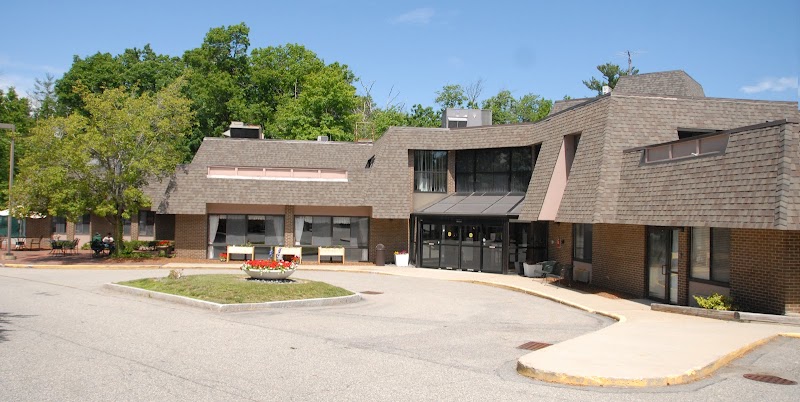
1364 MAIN STREET, READING, MA 01867 (781) 942-1210
For profit - Limited Liability company 123 Beds BEAR MOUNTAIN HEALTHCARE Data: November 2025 2 Immediate Jeopardy citations
Trust Grade
0/100
#268 of 338 in MA
Last Inspection: November 2024

Within standard 12-15 month inspection cycle. Federal law requires annual inspections.

Overview

Bear Mountain at Reading has received a Trust Grade of F, indicating significant concerns about the facility's overall care and management. Ranking #268 out of 338 in Massachusetts places it in the bottom half of nursing homes in the state, and #56 out of 72 in Middlesex County suggests only a few local options are better. Although the facility shows an improving trend in addressing issues, dropping from 22 complaints in 2024 to just 2 in 2025, it still has a concerning staffing turnover rate of 51%, which is higher than the state average. The facility has faced $54,360 in fines, which exceeds 77% of similar facilities, hinting at ongoing compliance issues. Additionally, there were critical incidents where a resident with suicidal ideation did not receive the necessary behavioral health services, leading to a suicide attempt, and another resident's incontinence care plan was never developed, resulting in significant discomfort. While staffing is rated as average, with 3 out of 5 stars, the overall care quality remains a serious concern.

Trust Score
F
0/100
In Massachusetts
#268/338
Bottom 21%
Safety Record
High Risk
Review needed
Inspections
Getting Better
22 → 2 violations
Staff Stability
⚠ Watch
51% turnover. Above average. Higher turnover means staff may not know residents' routines.
Penalties
✓ Good
$54,360 in fines. Lower than most Massachusetts facilities. Relatively clean record.
Skilled Nurses
⚠ Watch
Each resident gets only 22 minutes of Registered Nurse (RN) attention daily — below average for Massachusetts. Fewer RN minutes means fewer trained eyes watching for problems.
Violations
⚠ Watch
55 deficiencies on record. Higher than average. Multiple issues found across inspections.
★☆☆☆☆
1.0
Overall Rating
★★★☆☆
3.0
Staff Levels
★☆☆☆☆
1.0
Care Quality
★☆☆☆☆
1.0
Inspection Score
Stable
2024: 22 issues
2025: 2 issues

The Good

  • Full Sprinkler Coverage · Fire safety systems throughout facility
  • No fines on record

Facility shows strength in fire safety.

The Bad

1-Star Overall Rating

Below Massachusetts average (2.9)

Significant quality concerns identified by CMS

Staff Turnover: 51%

Near Massachusetts avg (46%)

Higher turnover may affect care consistency

Federal Fines: $54,360

Above median ($33,413)

Moderate penalties - review what triggered them

Chain: BEAR MOUNTAIN HEALTHCARE

Part of a multi-facility chain

Ask about local staffing decisions and management

The Ugly 55 deficiencies on record

2 life-threatening 2 actual harm
Jul 2025 2 deficiencies
CONCERN (D) 📢 Someone Reported This

A family member, employee, or ombudsman was alarmed enough to file a formal complaint

Potential for Harm - no one hurt, but risky conditions existed

Deficiency F0678 (Tag F0678)

Could have caused harm · This affected 1 resident

**NOTE- TERMS IN BRACKETS HAVE BEEN EDITED TO PROTECT CONFIDENTIALITY** Based on records reviewed and interviews, for one of three sampled residents (Resident #1), who was found unresponsive by staff,...

Read full inspector narrative →
**NOTE- TERMS IN BRACKETS HAVE BEEN EDITED TO PROTECT CONFIDENTIALITY** Based on records reviewed and interviews, for one of three sampled residents (Resident #1), who was found unresponsive by staff, the Facility failed to ensure that Licensed Nursing Staff had adequate training, and the necessary skill set needed to initiate life saving measures in an effective and efficient manner when responding during an emergency situation.Findings include:The Facility Policy, Emergency Procedure - Cardiopulmonary Resuscitation (CPR), dated February 2018, indicated the chances of surviving a sudden cardiac arrest may be increased if CPR is initiated immediately upon collapse and early delivery of a shock with a defibrillator plus CPR within 3-5 minutes of collapse can further increase chances of survival.The Policy indicated if an individual is found unresponsive, briefly assess for abnormal or absence of breathing. If sudden cardiac arrest is likely, begin CPR and do the following:-Instruct a staff member to activate the emergency response system (Code).-Instruct a staff member to retrieve the automatic external defibrillator (AED).-Initiate the basic life support (BLS) sequence, C-A-B (chest compressions, airway, breathing).-When the AED arrives, assess for need and follow AED protocol as indicated.-Continue with CPR/BLS until Emergency Medical Services (EMS) arrive.Review of the Facility's Internal Investigation's Final Report, dated [DATE], indicated around 2:00 A.M., Nurse #1 found Resident #1 without wearing his/her Bilevel Positive Airway Pressure (BiPAP, helps people to breathe by providing pressurized air through a mask), and Nurse #1 provided education to Resident #1 to leave the BiPAP on. The Report indicated around 4:00 A.M. Resident #1 was found unresponsive, cardiopulmonary resuscitation (CPR) initiated, 911 was called and CPR continued until 4:55 A.M. The Report indicated EMS took over and pronounced Resident #1 dead, while still at the Facility.The Report indicated, per Nurse Practitioner (NP) Resident #1 was hospitalized 25 times since [DATE], Resident #1's death was unavoidable, and NP said the cause of death was Respiratory Failure (lungs cannot properly exchange gases, causing abnormal levels of Carbon Dioxide and/or Oxygen in the arteries) with contributing factor of nonadherence to BiPAP. Resident #1 was admitted to the Facility in [DATE], diagnoses included but was not limited to the following: Chronic Obstructive Pulmonary Disease (a group of lung diseases that block airflow and make it difficult to breathe), Congestive Heart Failure (the heart does not pump blood as well as it should), Pulmonary Hypertension (high blood pressure that affects arteries in the lungs and in the heart), Atrial Fibrillation (an irregular, often rapid heart rate that commonly causes poor blood flow), and Obstructive Sleep Apnea (intermittent airflow blockage during sleep).Resident #1's Advanced Directives indicated he/she was a Full Code (patients has opted for all available life-saving measures to be used if their heart stops beating and/or they stop breathing).During interview on [DATE] at 1:24 P.M. and 4:30 P.M., Nurse #1 said on [DATE], sometime around 4:00 A.M. - 4:30 A.M. (unable to recall exact time), she walked into Resident #1's room, observed Resident #1's head in an upward position, his/her facial skin color was bluish, his/her eyes and mouth were wide open, and his/her skin was warm to touch. Nurse #1 said she also noted that Resident #1, who required the use of a BiPAP (Bilevel Positive Airway Pressure machine), that the BiPAP, was not on his/her face. Nurse #1 said she called Resident #1's name several times and tried shaking him/her, without getting any response. Nurse #1 said she screamed for Certified Nurse Aide (CNA) #1 to retrieve the Code Cart, said she started chest compressions immediately on Resident #1, could not recall how many sets of chest compressions or cycles she completed before leaving Resident #1 to go to the Nursing station to inform Nurse #2, who worked on another unit, that she needed help.Nurse #1 said she called the other Nursing Unit via telephone, spoke to CNA #2 and informed her to tell Nurse #2 immediately that she needed help. Nurse #1 said she ran back to Resident #1's room, started chest compressions again. Nurse #1 said Nurse #2 and CNA #1 arrived, helped place the back board under Resident #1 and then she continued with chest compressions. Nurse #1 said Nurse #2 assisted with performing chest compression, CNA #1 assisted with the Ambu bag, but she was unaware of how many cycles were completed. Nurse #1 said the automatic external defibrillator (AED) was not applied to Resident #1 and said she could not recall if the AED was in Resident #1's room.Nurse #1 said while Nurse #2 and CNA #1 continued performing CPR on Resident #1, she left to call 911 and then returned to Resident #1's room. Nurse #1 said shortly thereafter Emergency Medical Services (EMS) arrived at Resident #1's room and took over the code.During a telephone interview on [DATE] at 3:19 P.M., Certified Nurse Aide (CNA) #1 said on [DATE] she observed Resident #1 sleeping around 3:00 A.M. with his/her BiPAP on his/her face and he/she did not look like he/she was having problems at that time. CNA #1 said she started her safety rounds around 4:00 A.M. and shortly thereafter Nurse #1 called her to get the Code Cart because she (Nurse #1) found Resident #1 unresponsive. CNA #1 said she obtained the Code Cart but did not bring the AED to Resident #1's room. CNA #1 said she was not sure where the AED was located on the unit, and that this had been her first Code Blue.During a telephone interview on [DATE] at 8:24 A.M., CNA #2 said on [DATE] sometime during the overnight shift (exact time unknown), Nurse #1 telephoned the unit looking for Nurse #2 (in an urgent voice), saying she needed Nurse #2's help on her unit and hung up the phone. CNA #2 said Nurse #1 did not tell her what the emergency was.During a telephone interview on [DATE] at 8:19 A.M., Nurse #2 said on [DATE], she was administering medications, had been informed by CNA #2, that Nurse #1 called on the telephone to inform her that she had an emergency. Nurse #2 said she had not heard the phone ring, did not know where Nurse #1 was located on the third floor and when she had arrived at the unit, she had to call out her name to find her location.Nurse #2 said when she got to the room, CNA #1 had already arrived with the Code Cart, Nurse #1 was performing chest compressions on Resident #1 and Nurse #1 stopped briefly while they placed the back board under Resident #1. Nurse #2 said she then applied the Ambu bag (located on the Code Cart) to Resident #1's face. Nurse #2 said Nurse #1 then stopped administering chest compressions briefly, and said she was going to call 911.Nurse #2 said she continued performing the Ambu bag on Resident #1 until EMS arrived. Nurse #2 said she did not perform any chest compressions on Resident #1, including while Nurse #1 was calling 911. Nurse #2 said Resident #1 did not have the AED applied to him/her and said she was unaware if the AED was in Resident #1's room at the time of the Code Blue. Nurse #2 said she was unaware of how many cycles of CPR were completed prior to EMS arrival. Nurse #2 said when Nurse #1 returned to Resident #1's room she started chest compressions again. Nurse #2 said the EMS came shortly after Nurse #1 called 911 and took over the code.During interview on [DATE] at 3:48 P.M., the Unit Manager said it is her expectation when a Nurse finds an unresponsive resident, who is a Full Code Status to complete the following:-Never leave the resident alone.-Staff member should yell for help.-A Staff member calls Code Blue via Facility's overhead page, including location three times.-A Staff member call 911. -A Staff member to retrieve the Code Cart and AED. -The Nurse to assess the resident, obtaining vital signs and initiating CPR immediately.-The Staff to apply the AED to the resident when available and follow directions that are provided. The Unit Manager said once chest compressions are started, they do not stop chest compressions until EMS takes over.During interview on [DATE] at 6:12 P.M., the Administrator and Director of Nursing (DON) said they were not affiliated with the Facility when this incident occurred. However, the Administrator and DON said the expectation is that Staff are to follow the Facilities Policy and Procedures relating to Emergency Procedure - Cardiopulmonary Resuscitation (CPR).
CONCERN (D) 📢 Someone Reported This

A family member, employee, or ombudsman was alarmed enough to file a formal complaint

Potential for Harm - no one hurt, but risky conditions existed

Deficiency F0726 (Tag F0726)

Could have caused harm · This affected 1 resident

**NOTE- TERMS IN BRACKETS HAVE BEEN EDITED TO PROTECT CONFIDENTIALITY** Based on records reviewed and interviews, for one of three sampled residents (Resident #1), who was found unresponsive by staff,...

Read full inspector narrative →
**NOTE- TERMS IN BRACKETS HAVE BEEN EDITED TO PROTECT CONFIDENTIALITY** Based on records reviewed and interviews, for one of three sampled residents (Resident #1), who was found unresponsive by staff, and required staff to initiate a Code Blue, the Facility failed to ensure that Licensed Nursing Staff were competent in process of calling and responding in the event of a Code Blue situation.Findings include:According to the Board of Registration in Nursing, 244 CMR9.00: Standards of Conduct, competency is defined as the application of knowledge and the use of affective, cognitive, and psychomotor skills required for the role of a Nurse Licensed by the Board and for the delivery of safe Nursing care in accordance with accepted Standards of Practice.Competency is a measurable pattern of knowledge, skills, abilities, behaviors, and other characteristics that an individual needs to perform work roles or occupational functions successfully.Resident #1 was admitted to the Facility in [DATE], diagnoses included Chronic Obstructive Pulmonary Disease (a group of lung diseases that block airflow and make it difficult to breathe), Congestive Heart Failure (the heart does not pump blood as well as it should), Pulmonary Hypertension (high blood pressure that affects arteries in the lungs and in the heart), Atrial Fibrillation (an irregular, often rapid heart rate that commonly causes poor blood flow), and Obstructive Sleep Apnea (intermittent airflow blockage during sleep).During interview on [DATE] at 1:24 P.M. and 4:30 P.M., Nurse #1 said on [DATE], sometime around 4:00 A.M.- 4:30 A.M., she walked into Resident #1's room, observed Resident #1's head in an upward position, his/her facial skin color was bluish, his/her eyes and mouth were wide open, and his/her skin was warm to touch. Nurse #1 said Resident #1's BiPAP was not on his/her face. Nurse #1 said she called Resident #1's name several times and shaking him/her without getting a response.Nurse #1 said that she was unaware of the Facility's Emergency Procedure-Cardiopulmonary Resuscitation Procedure and Policy. Nurse #1 said she has never seen the Facility's Emergency Documentation Record (located on the Code Cart) to be completed during a Code Blue. Nurse #1 said she has not participated in a Code Blue or any Mock Code Blue Drills, since she has worked at the Facility (approximately 3 years).Nurse #1 said she has never used the Facility's overhead paging system and therefore did not know how to use it, so she called the other Nursing Unit via telephone (located at the Nursing Station) spoke to CNA #2 and told CNA #2 to let Nurse #2 she needed help.Nurse #1 said she could not recall if the Facility's automatic external defibrillator (AED) was in Resident #1's room during the Code Blue. Nurse #1 said the AED was not applied to Resident #1 and said she was unaware if it was part of the Facility's Policy to bring the AED to a Code Blue along with the Code Cart. Nurse #1 said once cardiopulmonary resuscitation (CPR) was initiated, she left to call for help and left again once the other nurse arrived to call 911.During a telephone interview on [DATE] at 8:19 A.M., Nurse #2 said there has not been any staff development personnel at the Facility for a while. Nurse #2 said the Facility has not provided any Mock Code Blue Drills or trainings since she has worked at the Facility (approximately 6 months). Nurse #2 said there has been no education provided to staff regarding Policy and Procedures related to Emergent Events, Code Blue, CPR, the AED and the Code Carts. Nurse #2 said she was unaware her CPR certification had expired on 01/2025, until the Facility called her on [DATE] (the day of the survey) to inform her she needed to renew it. Nurse #2 said the Facility does not provide CPR classes and that she immediately completed a CPR course on [DATE] after receiving Facility's phone call.During interview on [DATE] at 3:48 P.M., the Unit Manager said she could not recall any Facility education provided to staff relating to Policy and Procedures for Emergent Events, Code Blue, CPR, and AED. The Unit Manager said there has not been any Mock Code Blue Drills or trainings conducted since she has worked at the Facility (approximately 1 year). The Unit Manager said employees are only provided information during their orientation.The Unit Manager said if a Code Blue is initiated, Nursing will document the event in the residents' Progress Note and said staff do not use the Facility's Emergency Documentation Record form (located on the Code Cart) which indicates it needs to be completed during the Code Blue.The Unit Manger said on [DATE], she was informed of the Resident #1's Code Blue but said she had not reviewed the Code Blue event and did not speak to the nursing staff who had responded, regarding the incident. The Unit Manger said that she usually speaks with the nursing staff and reviews the documentation but said she had not. The Unit Manager said when she arrived at the Facility on [DATE], Resident #1 had already been transported to the Funeral Home.During interview on [DATE] at 11:53 A.M., the Director of Nursing (DON) said the Facility Staff on 11:00 P.M. to 7:00 A.M. shift are responsible daily to check the Code Cart to ensure all the required Code equipment is on the Code Cart, locked and to ensure on the 15th of every month the Code Cart is opened to ensure all of the Code equipment is located in the drawers.The DON said since she has been at the Facility the Code Carts located on the second and third floor have been found unlocked or at times they were found locked with a twist tie. The DON said it was the responsibility of the Unit Manager to oversee that the Code Carts are being properly maintained.During a tour on [DATE] at 1:04 P.M., the DON, accompanied by the Surveyor, observed and said the following: The DON said the Code Cart and the AED that staff would use during an emergency situation (Code Blue) were located on the second and third floors. The DON said the Oxygen tank attached to the Code Carts should always be full and ready for use. The DON, and the Surveyor, observed that the Oxygen tanks on the code carts, were empty on both the second and third floor. carts. The Code Cart located on the second floor was unlocked, needed to be organized, labeled and there were missing items. The Code Cart located on the third floor was locked and observed missing staff signatures on the Emergency Crash Cart Checklist. The DON said nursing staff needed to ensure they completed the Code Cart check and documentation accurately daily. The DON said the staff were educated to not take items off the Code Cart and not to use the Oxygen tank if it is not an emergency. The DON said staff were educated to obtain medical supplies and oxygen that are needed from the Facility's supplies. The DON said there are plenty of supplies and Oxygen tanks, and that staff do not need to use the Code Cart supplies.During interview on [DATE] at 3:30 P.M., the Director of Nursing (DON) said she was unable to find any Facility documentation to support that Nursing Staff were provided education and/or training related to Emergent Events, Code Blue, CPR, the AED and the maintenance of the Code Cart.The DON said the Facility does not have a Staff Educator / Staff Development Coordinator at this time and that she was currently providing staff education and training.
Nov 2024 21 deficiencies 2 IJ
CRITICAL (J)

Immediate Jeopardy (IJ) - the most serious Medicare violation

Deficiency F0740 (Tag F0740)

Someone could have died · This affected 1 resident

**NOTE- TERMS IN BRACKETS HAVE BEEN EDITED TO PROTECT CONFIDENTIALITY** Based on record review and interview, the facility failed to maintain the highest practicable physical, mental, and psychosocial...

Read full inspector narrative →
**NOTE- TERMS IN BRACKETS HAVE BEEN EDITED TO PROTECT CONFIDENTIALITY** Based on record review and interview, the facility failed to maintain the highest practicable physical, mental, and psychosocial well being for one Resident's (#55) with a history of suicidal ideation (SI) and depression, out of a total sample of 27 residents. Specifically, Resident #55 was not provided with appropriate behavioral health services following verbalization of SI, and attempted to kill him/herself at the facility. Findings include: Review of the facility policy titled Suicidal Ideation/Risk for Harming Self, dated 10/2016, indicated but is not limited to the following: PURPOSE: To act as a guideline for residents who express/exhibits suicidal ideation or risk to harm self during their stay at the facility in assuring their safety. 2. Care plan initiated and communicated to relevant staff and family member. (sic) Review of the facility policy titled Behavioral Health Services, revised 12/7/21, indicated the following: PURPOSE: To provide our residents with the necessary Behavioral Health Services to attain or maintain the highest practicable physical, mental and psychosocial well-being, in accordance with the comprehensive assessment and plan of care. POLICY: It is the policy of the facility to provide Behavioral Health Services in accordance with State and Federal regulations. PROCEDURE: 1. The facility will ensure that a resident who displays or is diagnosed with mental disorder or psychosocial adjustment difficulty, or who has a history of trauma and/or post traumatic stress disorder, receives appropriate treatment and services. 2. The resident will receive, and the facility will provide the necessary behavioral health care and services to attain or maintain the highest practicable physical, mental, and psychosocial well-being, in accordance with the comprehensive assessment and plan of care. 3. Behavioral health encompasses a resident's emotional and mental well-being, which includes, but is not limited to, the prevention and treatment of mental and substance abuse disorders. 4. The facility will initiate referrals to psychiatric services, having the resident or responsible party sign consent, as behavioral concerns are identified. Review of the facility assessment, dated as reviewed 7/25/24, indicated the facility is able to manage the medical conditions and medication-related issues causing psychiatric symptoms and behavior and identify and implement interventions, including non-pharmalogical interventions, to help support individuals with issues such as dealing with anxiety, cognitive impairment, depression, trauma/PTSD, and other psychiatric diagnoses. According to the facility assessment, the facility manages 40-65 residents with behavioral health needs at a time. Resident #55 was admitted to the facility in February 2023 and had diagnoses that include depression and dementia. Review of the admission Minimum Data Set (MDS) assessment, dated 2/23/23, indicated Resident #55 scored a 13 out of a possible 15 on the Brief Interview for Mental Status exam, indicating intact cognition. Review of the Resident's hospital discharge paperwork, dated February 2023, given to the facility upon admission, indicated Resident #55 was admitted to the facility after vocalization of passive SI without a plan. Review of the psych Discharge summary, dated [DATE], recommended the facility obtain a psych consult and med recommendations Review of the progress note, dated 8/5/23, indicated: Resident sent out at 7pm for suicidal ideations w/ active plan. Reported to this writer that today was going to be his/her last day here I'm going out one way or another. Resident reported that he/she wants to end his/her life today and has a plan to do so. Resident declined to tell this writer what the plan is but repeatedly stated Anyway I can I'm getting it done tonight, there's lots of ways to do it. This writer stayed with resident and discussed further, Resident #55 voiced frustration with being in a LTC (long term care) facility and that at his/her age he/she should be able to end his/her life if he/she wants. Resident #55 further voiced being alone pertaining to his/her children and that they lied to get him/her here and now he/she is stuck. This writer was able to talk with Resident #55 and he/she agreed to a hospital evaluation this evening d/t (due to) his/her current thoughts. He/she remained adamant about ending his/her life t/o (throughout) the conversation and was placed on a 1:1 until EMT's arrived for transport Review of the medical record failed to indicate a care plan was implemented for SI after Resident #55 returned from the hospital on 8/5/23. Further, the medical record failed to indicate a referral was made, or that Resident #55 was assessed by the behavioral health team for psychotherapy to address his/her feelings of SI. Review of the Behavioral Health Group note for medication management, dated 9/20/23, 34 days after his/her return from the hospitalization, indicated Resident #55 was alert and oriented and reports periods of anxiety, sadness and frustration around aspects of institutional living. The report indicates patient can benefit from behavior management, however; fails to indicate that a referral was made for talk therapy or that the plan of care was updated with specific behavioral management interventions. Review of the Social Work progress note dated 10/16/23 indicated the Social Worker met with Resident #55 after the death of his/her friend. Review of the medical record failed to indicate the care plan was reviewed, updated, or any interventions, to monitor Resident #55 for SI, were developed. Review of the Behavioral Health Group note for medication management, dated 10/18/23, indicated Resident #55 was seen by the Psych NP (Nurse Practitioner) due to increased anxiety and paranoia with recommendation to increase Buspar from 5mg to 10 mg BID for anxiety/agitation. The Psych NP recommended the following goals for nursing to monitor: - Short Term Goals: client/staff will report no more than 1-2 episode of anxiety per day - Long Term Goals: client/staff will report no more than 2-3 episode of anxiety per week. Review of the record failed to indicate that the Psych NP's 10/18/23 recommended treatment plan was communicated to staff, implemented or tracked or that the plan of care was updated with specific behavioral management interventions to achieve these goals. On 12/18/23, Resident #55 attempted to commit suicide at the facility by attempting to jump over the second floor balcony, which was intervened by the Maintenance Director and Resident #55 was pulled to safety and sent to the hospital. Review of the clinical record indicated Resident #55 was psychiatrically hospitalized [DATE]-[DATE]. Review of the clinical record failed to indicate that upon readmission to the facility, Resident #55's plan of care was reviewed or updated, despite Resident #55's suicide attempt on 12/18/23. Review of the Behavioral Health Group note for Therapy, dated 1/23/24, 15 days after his/her return from the hospital, indicates a LICSW initial assessment note : Requested by nursing home SW to assess resident because of recent suicide attempt. According to the note Resident #55 declined services and the LICSW will only see the resident again if requested by the facility. During an interview on 10/30/24 at 12:19 P.M., with the facility Social Worker (SW) #1 she said that she has worked at the facility for 2 months. SW #1 said that the facility has psych services for both med management and talk therapy and for a resident that verbalizes SI she would refer them to be evaluated for talk therapy. SW #1 said that she is the only social worker in the building and that she does not know Resident #55 and that she was not aware that he/she had attempted to commit suicide while residing at the facility/ SW #1 said that she would expect to have been told because that is a resident she would have followed to provide nonpharmacological types of interventions such as regular visits and encouraging him/her to spend time them out of his/her room at activities. During an interview on 10/30/24 at 12:35 P.M., with the Nurse Unit Manager #1 said Resident #55 had a history of verbalizing SI and should have been evaluated by psych therapy for talk therapy and she is not sure why that did not happen, as they are in the building once a week and a referral can be made at any time. During an interview on 10/31/24 at 9:02 A.M., with the facility's current Psych Nurse Practitioner (NP) #2 she said that she provides the medication management at the facility and that if the facility wants someone seen by psych services they place a referral in the book on the unit which she checks weekly. Psych NP #2 said she relies on the referrals in the green book rather than asking staff if they have new referrals because most of the time there is agency staff. NP #2 said that she was not the NP at the time of the incidents and that possibly Resident #55 would have benefited from supportive talk therapy services because of his/her history, but that those services are provided by another provider. The Psych NP said that she can directly refer residents for talk therapy and that if she feels a resident would benefit from those services she communicates this directly to the Behavioral Health Group's LICSW that provides that service. During an interview on 10/31/24 at 12:34 P.M., with Resident #55's Physician, he said that it is his expectation that residents admitted with a history of SI be seen by both the psych services NP as well as be assessed for psychotherapy services. The physician said that he was under the impression that Resident #55 was being followed closely by the facility's Social Worker and was surprised to hear that the Social Worker learned only the day prior from the surveyor that Resident #55 had both a history of verbalizing SI and of an actual suicide attempt at the facility. During an interview on 10/31/24 at 1:01 P.M., the Director of Nursing said when a resident is admitted with a history of suicidal ideation, they should be assessed upon admission by psych services for both medication management and psychotherapy. As well, she said that she would expect the resident to be followed closely by social service and that the visit notes would be documented in the medical record. The DON was surprised to learn that the current facility social worker was unaware that Resident #55 had a history of SI and actual suicide attempt at the facility, and would have expected that to have been important information for her to receive when she was trained 2 months prior.
CRITICAL (J)

Immediate Jeopardy (IJ) - the most serious Medicare violation

Deficiency F0742 (Tag F0742)

Someone could have died · This affected 1 resident

**NOTE- TERMS IN BRACKETS HAVE BEEN EDITED TO PROTECT CONFIDENTIALITY** Based on record review and interview, the facility failed to provide the appropriate treatment and services for one Resident (#5...

Read full inspector narrative →
**NOTE- TERMS IN BRACKETS HAVE BEEN EDITED TO PROTECT CONFIDENTIALITY** Based on record review and interview, the facility failed to provide the appropriate treatment and services for one Resident (#55), with a known history of depression, suicidal ideation, and adjustment difficulty, out of a total sample of 27 residents. Specifically, the facility failed to develop, implement, and update the plan of care, resulting in an attempted suicide after the vocalization of suicidal ideation (SI). Findings include: Review of the facility policy titled Suicidal Ideation/Risk for Harming Self, dated 10/2016, indicated but is not limited to the following: PURPOSE: To act as a guideline for residents who express/exhibits suicidal ideation or risk to harm self during their stay at the facility in assuring their safety. 2. Care plan initiated and communicated to relevant staff and family member. Review of the facility policy titled Behavioral Health Services, revised 12/7/21, indicated the following: PURPOSE: To provide our residents with the necessary Behavioral Health Services to attain or maintain the highest practicable physical, mental and psychosocial well-being, in accordance with the comprehensive assessment and plan of care. POLICY: It is the policy of the facility to provide Behavioral Health Services in accordance with State and Federal regulations. PROCEDURE: 1. The facility will ensure that a resident who displays or is diagnosed with mental disorder or psychosocial adjustment difficulty, or who has a history of trauma and/or post traumatic stress disorder, receives appropriate treatment and services. 2. The resident will receive, and the facility will provide the necessary behavioral health care and services to attain or maintain the highest practicable physical, mental, and psychosocial well-being, in accordance with the comprehensive assessment and plan of care. 3. Behavioral health encompasses a resident's emotional and mental well-being, which includes, but is not limited to, the prevention and treatment of mental and substance abuse disorders. 4. The facility will initiate referrals to psychiatric services, having the resident or responsible party sign consent, as behavioral concerns are identified. Review of the facility assessment, dated as reviewed 7/25/24, indicated the facility is able to manage the medical conditions and medication-related issues causing psychiatric symptoms and behavior and identify and implement interventions, including non-pharmalogical interventions, to help support individuals with issues such as dealing with anxiety, cognitive impairment, depression, trauma/PTSD, and other psychiatric diagnoses. According to the facility assessment, the facility manages 40-65 residents with behavioral health needs at a time. Resident #55 was admitted to the facility in February 2023 and had diagnoses that include depression and dementia. Review of the admission Minimum Data Set (MDS) assessment, dated 2/23/23, indicated Resident #55 scored a 13 out of a possible 15 on the Brief Interview for Mental Status exam, indicating intact cognition. Review of the Resident's hospital discharge paperwork, dated February 2023, given to the facility upon admission, indicated Resident #55 was admitted to the facility after vocalization of passive SI without a plan. Review of the psych Discharge summary, dated [DATE], recommended the facility obtain a psych consult and med recommendations Review of the progress note, dated 8/5/23, indicated: Resident sent out at 7pm for suicidal ideations w/ active plan. Reported to this writer that today was going to be his/her last day here I'm going out one way or another. Resident reported that he/she wants to end his/her life today and has a plan to do so. Resident declined to tell this writer what the plan is but repeatedly stated Anyway I can I'm getting it done tonight, there's lots of ways to do it. This writer stayed with resident and discussed further, Resident #55 voiced frustration with being in a LTC (long term care) facility and that at his/her age he/she should be able to end his/her life if he/she wants. Resident #55 further voiced being alone pertaining to his/her children and that they lied to get him/her here and now he/she is stuck. This writer was able to talk with Resident #55 and he/she agreed to a hospital evaluation this evening d/t (due to) his/her current thoughts. He/she remained adamant about ending his/her life t/o (throughout) the conversation and was placed on a 1:1 until EMT's arrived for transport Review of the medical record failed to indicate a care plan was implemented for SI after Resident #55 returned from the hospital on 8/5/23 Review of the Behavioral Health Group note for medication management, dated 9/20/23, 34 days after his/her return from the hospitalization, indicated Resident #55 was alert and oriented and reports periods of anxiety, sadness and frustration around aspects of institutional living. The report indicates patient can benefit from behavior management, however; fails to indicate that a referral was made for talk therapy or that the plan of care was updated with specific behavioral management interventions. Review of the Social Work progress note dated 10/16/23 indicated the Social Worker met with Resident #55 after the death of his/her friend. Review of the medical record failed to indicate the care plan was reviewed, updated, or any interventions, to monitor Resident #55 for SI, were developed. Review of the Behavioral Health Group note for medication management, dated 10/18/23, indicated Resident #55 was seen by the Psych NP (Nurse Practitioner) due to increased anxiety and paranoia with recommendation to increase Buspar from 5mg to 10 mg BID for anxiety/agitation. The Psych NP recommended the following goals for nursing to monitor: - Short Term Goals: client/staff will report no more than 1-2 episode of anxiety per day - Long Term Goals: client/staff will report no more than 2-3 episode of anxiety per week. Review of the record failed to indicate that the Psych NP's 10/18/23 recommended treatment plan was communicated to staff, implemented or tracked or that the plan of care was updated with specific behavioral management interventions to achieve these goals. On 12/18/23, Resident #55 attempted to commit suicide at the facility by attempting to jump over the second floor balcony , which was intervened by the Maintenance Director and Resident #55 was pulled to safety and sent to the hospital. Review of the clinical record indicated Resident #55 was psychiatrically hospitalized [DATE]-[DATE]. Review of the clinical record failed to indicate that upon readmission to the facility, Resident #55's plan of care was reviewed or updated, despite Resident #55's suicide attempt on 12/18/23. The medical record indicated that an SI care plan was developed on 1/9/24, 4 days after readmission to the facility. The SI care plan developed on 1/9/24 indicated the following: Review of the Behavioral Health Group note for Therapy, dated 1/23/24, 15 days after his/her return from the hospital, indicates a LICSW initial assessment note : Requested by nursing home SW to assess resident because of recent suicide attempt. According to the note Resident #55 declined services and the LICSW will only see the resident again if requested by the facility. During an interview on 10/30/24 at 12:19 P.M., with the facility Social Worker (SW) #1 she said that she has worked at the facility for 2 months. She said that if a resident admits to the facility with a history of verbalizing SI, whether remote or recent, she would meet with the resident upon admission and determine the history in order to develop a person centered care plan. SW #1 said that for any resident that voices SI while at the facility or if they are hospitalized for SI while at the facility, she would review the care plan and update it when this occurs. SW #1 said that the facility has psych services for both med management and talk therapy and for a resident that verbalizes SI she would refer them to be evaluated for talk therapy. SW #1 said that she is the only social worker in the building and that she does not know Resident #55 and that she was not aware that he/she had attempted to commit suicide while residing at the facility. SW #1 said that she would expect to have been told because that is a Resident she would have followed to provide nonpharmacological types of interventions such as regular visits and encouraging him/her to spend time them out of his/her room at activities. During an interview on 10/30/24 at 12:35 P.M., with the Nurse Unit Manager #1 she said that she has been a nurse unit manager for 7 years and knows Resident #55 well. According to Nurse Unit Manager #1 a baseline care plan, and then a comprehensive care plan, regarding Resident #55's SI should have been developed at admission and she is not sure why it was not. She said that it is the expectation that the team continuously update all SI care plans with any changes in SI status. She said that while she could not recall the SI in August 2023, that at that time an SI care plan should have already been in place and would have been reviewed and updated. As well, Nurse Unit Manager #1 said Resident #55 should have been evaluated by psych therapy for talk therapy and she is not sure why that did not happen, as they are in the building once a week and a referral can be made at any time. During an interview on 10/31/24 at 9:02 A.M., with the facility's current Psych Nurse Practitioner (NP) #2 she said that she provides the medication management at the facility and that if the facility wants someone seen by psych services they place a referral in the book on the unit which she checks weekly. Psych NP #2 said she relies on the referrals in the green book rather than asking staff if they have new referrals because most of the time there is agency staff. NP #2 said that she was not the NP at the time of the incidents and that possibly Resident #55 would have benefited from supportive talk therapy services because of his/her history, but that those services are provided by another provider. The Psych NP said that she can directly refer residents for talk therapy and that if she feels a resident would benefit from those services she communicates this directly to the LICSW that provides that service. During an interview on 10/31/24 at 12:34 P.M., with Resident #55's Physician he said that it is his expectation that residents admitted with a history of SI be seen by both the psych services NP as well as be assessed for psychotherapy services. Additionally, it is his expectation that the facility would develop and implement a care plan, that includes nonpharmacological interventions, for all residents with a history of SI. The physician said that he was under the impression that Resident #55 was being followed closely by the facility's Social Worker and was surprised to hear that the Social Worker learned only the day prior from the surveyor that Resident #55 had both a history of verbalizing SI and of an actual suicide attempt at the facility. During an interview on 10/31/24 at 1:01 P.M., the Director of Nursing said when a resident is admitted with a history of suicidal ideation, they should be assessed upon admission, or shortly thereafter, by psych services for both medication management and psychotherapy and that a care plan should be developed that includes nonpharmacological interventions to keep the Resident safe. The DON said that the care plan should be followed and updated any time the resident voices SI or requires intervention related to SI. As well, she said that she would expect the resident to be followed closely by social service and that the visit notes would be documented in the medical record. The DON was surprised to learn that the current facility social worker was unaware that Resident #55 had a history of SI and actual suicide attempt at the facility, and would have expected that to have been important information for her to receive when she was trained 2 months prior.
SERIOUS (G)

Actual Harm - a resident was hurt due to facility failures

Comprehensive Care Plan (Tag F0656)

A resident was harmed · This affected 1 resident

**NOTE- TERMS IN BRACKETS HAVE BEEN EDITED TO PROTECT CONFIDENTIALITY** 2. Resident #13 was admitted to the facility in June 2024 with diagnoses including diabetes and heart failure. Review of the mo...

Read full inspector narrative →
**NOTE- TERMS IN BRACKETS HAVE BEEN EDITED TO PROTECT CONFIDENTIALITY** 2. Resident #13 was admitted to the facility in June 2024 with diagnoses including diabetes and heart failure. Review of the most recent Minimum Data Set (MDS) assessment, dated 9/11/24, indicated Resident #13 was cognitively intact as evidenced by a Brief Interview for Mental Status exam score of 15 out of 15. The MDS further indicated Resident #13 was always incontinent of bowel and bladder. Review of the most recent comprehensive MDS assessment, dated 6/13/24, indicated Resident #13 triggered for incontinence and the care area assessment indicated a need to develop an incontinence care plan. Review of Resident #13's medical record failed to indicate a care plan had been developed for incontinence care. Review of Resident #13's Documentation Survey Report, dated 10/24/24 to 10/30/24, indicated Resident #13 was incontinent six out of the seven days. On 10/29/24 at 9:21 A.M., the surveyor observed Resident #13 in bed and the room smelled strongly of stool. Resident #13 said he/she was incontinent, and that staff were aware. Resident #13 said he/she had told staff many times over the last few months that he/she would like to have incontinence care before meals, but staff said they were unable to. Resident #13 said that the staff change him/her after breakfast. On 10/30/24 at 7:45 A.M., the surveyor observed Resident #13 in bed and the room smelled strongly of stool. Resident #13 expressed being very upset because he/she had no choice but to sit in feces for the breakfast meal. Resident #13 said he/she had told staff but was told they could not provide incontinence care because it was during mealtime. Resident #13 said he/she had not had any incontinence care this shift and asked the surveyor to ask staff for assistance with incontinence care stating please, I don't want to eat breakfast in my own feces again. During an interview on 10/30/24 at 9:45 A.M., the surveyor observed Resident #13 tell Nurse #3 that she was tired of not having incontinence care provided before meals and during the night and that she had asked for many times before. Resident #13 asked Nurse #3 to change the rule that residents were not allowed to have incontinence care during meals. Nurse #3 said she didn't think staff was allowed to provide incontinence care during meals, but that she would make sure staff assisted Resident #13 with incontinence care before meals. On 10/31/24 at 7:51 A.M., the surveyor observed Resident #13 in bed with breakfast tray. Resident #13 said that she was incontinent of urine and waiting for incontinence care to be provided. Resident #13 said that he/she had asked for the care before the breakfast tray arrived, but that it had not occurred. During an interview on 10/31/24 at 9:15 A.M., Certified Nurse Assistant (CNA) #5 said Resident #13 requires assistance with incontinence care and toileting needs and never refuses care. CNA #5 said that although Resident #13 did not have any specific incontinence care interventions that she was aware of, that it was the facility expectation to provide incontinence care promptly when necessary. During an interview on 10/31/24 at 12:24 P.M., the Director of Nursing (DON) said the MDS Nurse was responsible for developing incontinence care plans that triggered on an MDS, but that nurses on the floor can also create and update care plans when needed. The DON said she was surprised there was no incontinence care plan or interventions in Resident #13's medical record as the Resident had been incessant about incontinence care not being provided. The DON said because of the Resident's past concerns with incontinence care she had told staff Resident #13 should have incontinence care before each meal, and that this is an intervention that should be on an incontinence care plan. During an interview on 11/1/24 at 8:42 A.M., the MDS Nurse said Resident #13's comprehensive MDS triggered for incontinence and that an incontinence care plan should have been developed but never was. Based on observation, record review, and interview, the facility failed to develop a comprehensive person centered care plan and implement the plan of care for two Residents (#55 and #13) out of a total sample of 27 residents. Specifically: 1. for Resident #55, the facility failed to develop a Suicidal Ideation (SI) care plan, after vocalization of suicidal ideation, which resulted in the Resident attempted to commit suicide at the facility and; 2. for Resident #13, the facility failed to develop and implement a plan of care for incontinence. Findings include: The facility policy titled Comprehensive Care Plan, undated, indicated the following: - Policy Statement: An individualized comprehensive care plan that includes measurable objectives and timetables to meet the resident's medical, nursing, mental and psychological needs is developed for each resident. - Areas of concern that are triggered during the resident assessment are evaluated using specific assessment tools (including Care Area Assessments) before interventions are added to the care plan. - The resident's comprehensive care plan is developed within seven (7) days of completion of the resident's comprehensive assessment (MDS) and no more than twenty-one (21) days after admission. 1. For Resident #55, the facility failed to develop a comprehensive person centered care plan for a Resident who admitted with a recent history of verbalizing Suicidal Ideation (SI). Resident #55 had another incidence of verbalizing SI and the facility failed to develop a plan of care related to SI, which resulted in an attempted suicide in December 2023. The facility policy titled Suicide Threats, dated 12/6/21, indicated the following: PURPOSE: To ensure residents that make suicide threats have timely intervention to ensure safety. POLICY: Resident suicide threats shall be taken seriously and addressed appropriately. PROCEDURE: - If the resident remains in the facility, the resident will remain on 1:1 observation. Staff will monitor the resident's mood and behavior and update care plans accordingly, until a physician has determined and documented that a risk of suicide does not appear to be present. Review of the facility assessment, reviewed 7/25/24, indicated the facility is able to manage the medical conditions and medication-related issues causing psychiatric symptoms and behavior, identify and implement interventions to help support individuals with issues such as dealing with anxiety, care for someone with cognitive impairment, care for individuals with depression, trauma/PTSD, other psychiatric diagnoses, and intellectual or developmental disabilities. The facility is able to care for and implement nonpharmacological interventions. On average, the facility manages about 40-65 residents with behavioral health needs at a time. Resident #55 was admitted to the facility in February 2023 and had diagnoses that include depression and dementia. Review of the Nurse Practitioner's admission note indicated that Resident #55 had a question of some passive suicidal ideation, reporting that he/she feels useless and cannot do much. Review of the admission Minimum Data Set (MDS) assessment, dated 2/23/23, indicated Resident #55 scored a 13 out of a possible 15 on the Brief Interview for Mental Status exam, indicating intact cognition. Review of the Mood Interview indicated Resident #55 self-reported a PHQ9 score of 5, which indicates mild depression (score of 0-4=minimal depression, 5-9=mild depression). Review of the Resident's hospital discharge paperwork, given to the facility upon admission, indicated: -Resident's daughter states that her father/mother has been dosing [sic] some passive suicidal ideations, without any plans. I had asked patient about this as well, he/she does not have any active plans. He/she states that he/she feels 'useless and that he/she cannot do much'. He/she states that when it is time to go just let him/her go. He/she does not have any active plans, especially in the hospital. He/she states that he/she has been seeing things that other people may not see. DC instructions included: Patient does not have active SI and will not act upon thoughts. Therefore, I don't think he needs a 1:1 or safety tray at this time. Again, it may be reasonable to obtain psych consult for med recommendations for some of patient's hallucinations. At the time of admission to the facility, a psychosocial well-being care plan was developed for Resident #55 and indicated the following: Focus: Resident #55 has a potential for psychosocial well-being problem r/t Inability to meet role expectations, Recent admission and current COVID status (initiated 2/15/23). Interventions: -Consult with: Pastoral care, Social services, Psych services, Other: (initiated 2/15/23) -Increase communication between resident/family/caregivers about care and living environment: Explain all procedures and Treatments, Medications, Results of labs/tests, Condition, All changes, Rules, Options. (initiated 2/15/23) -Initiate referrals as needed or increase social relationships: Invite and encourage Resident #55 to participate in activities. (initiated 2/15/23) -Monitor/document residents feelings relative to (isolation, unhappiness, loss). (initiated 2/15/23) -Provide opportunities for I and family to participate in care. (initiated 2/15/23) -Provide support to Resident #55 in setting realistic goals. (initiated 2/15/23) -When conflict arises, remove residents to a calm safe environment and allow to vent/share feelings. (initiated 2/15/23) Review of Resident #55's other comprehensive care plans failed to indicate a care plan was developed for the Resident's history of suicidal ideation (SI), interventions related to the safety of Resident #55, or nonpharmacological interventions to manage thoughts of suicidal ideation. Review of the progress note, dated 8/5/23, indicated: Resident sent out at 7 PM for suicidal ideations w/ active plan. Reported to this writer that today was going to be his/her last day here i'm going out one way or another. Resident reported that he/she wants to end his/her life today and has a plan to do so. Resident declined to tell this writer what the plan is but repeatedly stated Anyway I can I'm getting it done tonight, there's lots of ways to do it. This writer stayed with resident and discussed further, Resident #55 voiced frustration with being in a LTC (long term care) facility and that at his/her age he/she should be able to end his/her life if he/she wants. Resident #55 further voiced being alone pertaining to his/her children and that they lied to get him/her here and now he/she is stuck. Resident #55 was teary eyed when discussing and also voiced concerns about his/her financial status and he/she feels his/her daughter lied to him/her and took over his/her money after agreeing placement here was only going to be temporary. This writer was able to talk with Resident #55 and he/she agreed to a hospital evaluation this evening d/t (due to) his/her current thoughts. He/she remained adamant about ending his/her life t/o (throughout) the conversation and was placed on a 1:1 (one to one supervision) until EMT's arrived for transport. Left in stable condition via stretcher accompanied by 2 EMT's, 2 police officers and local fire department. MD aware. HCP aware. (sic) Review of the hospital progress note, dated 8/5/23, indicated a Behavioral Health Crisis Consult-Initial Assessment: Reason for Consult: Patient made suicidal statement. According to the assessment presented to the hospital on 8/5/23, for Psychiatric evaluation. Behavioral health is consulted after he/she made suicidal statement, per staff from nursing home (Nurse named) patient told her that he/she is going to kill him/herself and did not share any specific plan, but patient denies making this specific statement. The trigger includes that the patient doesn't want to stay at the nursing program and he/she said that he/she wants to stay at his/her home. According to the assessment Resident #55 denied SI and then said that if he/she could get his/her hands on a gun then he/she would kill him/herself. Resident did not meet inpatient criteria and was to send back to the nursing facility with no new orders. Review of the clinical record failed to indicate that, upon readmission to the facility, Resident #55's plan of care was reviewed or updated, despite Resident #55's vocalization of suicidal ideation in the hospital and a section 12. The facility failed to develop a care plan related to suicidal ideation, that included nonpharmacological interventions, and interventions related to resident safety. Review of the Behavioral Health Group note for medication management, dated 8/9/23, indicated: Patient can benefit from: Behavior mgmt; Psychiatric meds. Review of the record failed to indicate any changes were made to the plan of care at that time to include behavioral management interventions. Review of the social service progress note, dated 10/16/23 indicated: On this date, SS met with resident and offered emotional support as resident is grieving the death of his friend. SS provided active listening and validated resident's feelings. SS reminded the resident to reach out with any additional support needed. SS to remain in place for continued support and advocacy. Review of the record fails to indicate any changes were made to the plan of care at that time to address this loss, psychosocial stressors, or potential for SI. Review of the Behavioral Health Group note for medication management, dated 10/18/23, indicated Resident #55 was seen by the Psych NP due to increased anxiety and paranoia with recommendation to increase Buspar from 5mg to 10 mg BID for anxiety/agitation. Treatment Plan (completed today): Treatment Goal / Personal Family Vision: rt will remain stable with mood/behaviors Goals: 1. Problem: anxiety - Short Term Goals: client/staff will report no more than 1-2 episode of anxiety per day - Long Term Goals: client/staff will report no more than 2-3 episode of anxiety per week. Client unable to review treatment plan due to cognitive deficit. Review of the record failed to indicate that the recommended treatment plan was communicated to staff, implemented or tracked. Review of the behavior monitoring sheets since admission failed to indicate that the facility was monitoring for any change in Resident #55's daily mood and depression. Review of the progress note dated 12/18/23 indicated: During dinner this evening patient ambulated out to the second floor balcony, climbed up on a chair and attempted to jump off the balcony. Maintenance manager witnessed patient during this attempt and pulled him/her to safety. Patient became extremely agitated screaming at manager for stopping him/her. Patient returned to his/her room with a sitter . Patient continued making suicidal ideations stating I will try and try until I succeed .FD (fire department) transported patient to hospital .etc. Review of the clinical record indicated Resident #55 was psychiatrically hospitalized [DATE]-[DATE]. Review of the clinical record failed to indicate that upon readmission to the facility, Resident #55's plan of care was reviewed or updated, despite Resident #55's suicide attempt on 12/18/23. The record indicates that an SI care plan was developed on 1/9/24, 4 days after readmission to the facility. The SI care plan developed on 1/9/24 indicated the following: FOCUS: Resident #55 has a mood problem r/t dx's (diagnoses) of Depression and Anxiety d/o (disorder), as well as recent re-admission. He/she has also had a recent suicide attempt, more specifically on 12/18/23 where he attempted to jump off the facility balcony. INTERVENTIONS: -Start 1/9/24: Administer medications as ordered. Monitor/document for side effects and effectiveness. -Start 1/9/24: Assist I (individual) in developing /Provide I with a program of activities that is meaningful and of interest. Encourage and provide opportunities for exercise, physical activity. -Start 1/9/24: Assist I, family, caregivers to identify strengths, positive coping skills and reinforce these. -Start 1/9/24: Behavioral health consults as needed (psycho-geriatric team, psychiatrist etc.) -Start 1/9/24: Educate I/family/caregivers regarding expectations of treatment, concerns with side effects and potential adverse effects, evaluation, maintenance. -Start 1/9/24: Resident #55 needs encouragement to maintain as much independence and control as possible. Resident #55's strength's are: (he/she is. strong advocate for him/herself, he/she can ask for help, can express feelings etc.) -Start 1/9/24: Monitor/document/report PRN any risk for harm to self: suicidal plan, past attempt at suicide, risky actions (stockpiling pills, saying goodbye to family, giving away possessions or writing a note), intentionally harmed or tried to harm self, refusing to eat or drink, refusing med or therapies, sense of hopelessness or helplessness, impaired judgment or safety awareness. -Start 1/9/24: Monitor/record mood to determine if problems seem to be related to external causes, i.e. medications, treatments, concern over diagnosis. -Start 1/9/24: Monitor/record/report to MD (physician) prn (as needed) acute episode feelings or sadness; loss of pleasure and interest in activities; feelings of worthlessness or guilt; change in appetite/ eating habits; change in sleep patterns; diminished ability to concentrate; change in psychomotor skills -Start 1/9/24: Monitor/record/report to MD prn mood patterns s/sx of depression, anxiety, sad mood as per facility behavior monitoring protocols. -Start 1/9/24: Monitor/record/report to MD prn risk for harming others: increased anger, labile mood or agitation, feels threatened by others or thoughts of harming someone, possession of weapons or objects that could be used as weapons -Start 1/9/24: Observe for signs and symptoms of mania or hypomania racing thoughts or euphoria; increased irritability; frequent mood changes; pressured speech; flight of ideas; marked change in need for sleep; agitation or hyperactivity. Review of a progress note dated 3/17/24: Receptionist informed nurse that she delivered a package to resident and offered to open package for resident. Resident said yes. Package was a plastic and when receptionist offered to throw it away resident stated no, I'm [NAME] to put it over my head.Resident refuse to give the plastic, was adamant but not aggressive. This nurse approached resident and sat on the bed beside resident and gently asked for the bag. Resident laughed and stated I was joking; I want to use it for trash This nurse explained to resident why the bag needed to be taken resident laughed and stated you don't want to go to my funeral? this nurse stated No sir Resident apologized stating the joke was in poor taste and handed the bag over to this nurse. Resident was pleasant, kind, and calm. Night shift staff made aware to keep an eye of resident for any further remarks or behaviors. Review of the record failed to indicate any changes had been made to Resident #55's plan of care, care plan, or that notification to the Physician, NP or family occurred after the Resident verbalized SI. Further review failed to indicate that the facility's policy regarding SI was implemented. Review of the record failed to indicate that the physician was aware or addressed Resident #55's suicidal ideation in March 2024. During an interview on 10/30/24 at 12:19 P.M., with the facility Social Worker (SW) #1 she said that she has worked at the facility for 2 months. She said that if a resident admits to the facility with a history of verbalizing SI, whether remote or recent, she would meet with the resident upon admission and determine the history in order to develop a person centered care plan. SW #1 said that for any resident that voices SI while at the facility, or if they are hospitalized for SI while at the facility, she would review the care plan and update it when this occurs. SW #1 said that she is the only social worker in the building and that she does not know Resident #55 and that she was not aware that he/she had attempted to commit suicide while residing at the facility. SW #1 said that she would expect to have been told thus so that she could have ensured a plan of care, including nonpharmacological interventions, was in place for Resident #55. During an interview on 10/30/24 at 12:35 P.M., with the Nurse Unit Manager #1 she said that she has been the nurse unit manager for 7 years and knows Resident #55 well. According to Nurse Unit Manager #1, a comprehensive care plan regarding Resident #55's SI should have been developed at admission and she is not sure why it was not. She said that it is the expectation that the team continuously update all SI care plans with any changes in SI status. Nurse Unit Manager #1 said that while she could not recall the SI in August 2023, that at that time an SI care plan should have already been in place and would have been reviewed and updated. During an interview on 10/31/24 at 12:34 P.M., with Resident #55's Physician he said that it is his expectation that the facility would develop and implement a care plan, that includes nonpharmacological interventions, for all residents with a history of SI. The physician said that he was under the impression that Resident #55 was being followed closely by the facility's Social Worker and was surprised to hear that the Social Worker learned only the day prior from the surveyor that Resident #55 had both a history of verbalizing SI and of an actual suicide attempt at the facility. During an interview on 10/31/24 at 1:01 P.M., the Director of Nursing said when a resident is admitted with a history of suicidal ideation, they should be assessed upon admission, and a care plan should be developed that includes nonpharmacological interventions to keep the Resident safe. The DON said that the care plan should be followed and updated any time the resident voices SI or requires intervention related to SI. The DON was surprised to learn that the current facility social worker was unaware that Resident #55 had a history of SI and actual suicide attempt at the facility, and would have expected that to have been important information for her to receive when she was trained 2 months prior.
SERIOUS (G)

Actual Harm - a resident was hurt due to facility failures

Pressure Ulcer Prevention (Tag F0686)

A resident was harmed · This affected 1 resident

**NOTE- TERMS IN BRACKETS HAVE BEEN EDITED TO PROTECT CONFIDENTIALITY** Based on observations, interviews and record review, the facility failed to provide necessary treatment, services, interventions...

Read full inspector narrative →
**NOTE- TERMS IN BRACKETS HAVE BEEN EDITED TO PROTECT CONFIDENTIALITY** Based on observations, interviews and record review, the facility failed to provide necessary treatment, services, interventions to promote healing and prevent new ulcers from developing for one Resident (#4), who was assessed to be at risk for pressure ulcer development, out of 27 total sampled residents. Specifically, for Resident #4: a.) the facility failed to implement physician ordered pressure ulcer prevention interventions to offload heels and ensure correct air mattress settings were implemented consistently resulting in new skin breakdown including the re-opening of a previously healed pressure ulcer on the left upper Achilles heel; b.) the facility failed to obtain wound care orders for the newly re-developed pressure ulcer on the left upper Achilles heel; c.) the facility failed to ensure a right heel pressure related deep tissue injury (DTI) was assessed and measured weekly; and d.) the facility failed to ensure the weekly skin assessments were completed and documented. Findings include: Review of the facility policy titled Pressure Ulcer Prevention, revised 12/22/22, indicated: - The facility will implement interventions to minimize and/or eliminate contributing factors for pressure ulcer development on patients/residents at risk. - A weekly body audit will be completed on residents. - Wounds will have weekly assessments and documentation of each area until healed. Review of the facility policy titled Skin Body Audit, revised 3/12/13, indicated: - Purpose: To identify changes in skin integrity through weekly skin audits (head to toe) on all residents. - Licensed nurses will perform skin body audits on a weekly basis. - Any significant abnormal findings are reported to the resident's physician. Resident #4 was admitted to the facility in December 2023 with diagnoses including end stage renal disease and diabetes. Review of the most recent Minimum Data Set (MDS) assessment, dated 9/11/24, indicated Resident #4 was cognitively intact as evidenced by a Brief Interview for Mental Status exam score of 15 out of 15. This MDS indicated Resident #4 required partial/moderate assistance with transferring from bed to chair, moving from a sitting to a standing position, and with lower body dressing. This MDS also indicated the Resident had one deep tissue pressure injury (DTI) and was at risk for developing pressure ulcers. During an interview on 10/31/24 at 12:35 P.M., The MDS Nurse said the DTI on the MDS, dated [DATE], was for Resident #4's right heel. Review of Resident #4's assessment titled Norton Scale for Predicting Risk of Pressure Ulcer, dated 9/20/24, indicated the Resident was at high risk for pressure ulcer development as evidenced by a score of 10. Review of Resident #4's assessment titled Weekly Skin Checks, dated 10/18/24, failed to indicate a pressure related wound on his/her left upper Achilles heel. Review of Resident #4's plan of care related to potential for new skin breakdown, revised 9/19/24, indicated: - Resident #4 has the potential for new skin breakdown due to impaired mobility, episodes of incontinence, and diagnosis of type 2 diabetes. - Assist with turning/ redistributing weight per facility protocol. - Complete skin checks weekly per facility protocol. Pay particular attention to the bony prominences. - Notify MD if any skin breakdown occurs. a.) The facility failed to implement physician ordered pressure ulcer prevention interventions to offload heels and ensure correct air mattress settings were implemented consistently, resulting in new skin breakdown including the re-opening of a previously healed pressure ulcer on the left upper Achilles heel, as evidenced by the following: Review of Resident #4's physician's orders indicated: - Offload both heels at all times, every shift, initiated 8/13/24. - Offload right heel with 2-3 pillows under calf or apply offloading boots at all times while in bed, every shift, initiated 8/13/24. - Low air loss mattress - settings at 250 lbs. (pounds) alternating pressure. Check function and setting each shift, initiated 8/13/24. Review of Resident #4's medical record failed to indicate any refusal or rationale for his/her heels not being offloaded or the air mattress being set at 200 lbs. (instead of 250 lbs.) alternating pressure. On 10/29/24 at 9:01 A.M. and 10:34 A.M., 10/30/24 at 7:37 A.M., 9:16 A.M., and 10:01 A.M., and 10/31/24 at 8:09 A.M. and 10:18 A.M., the surveyor observed Resident #4 in bed with his/her heels directly on the mattress without any pillows or offloading boots. Resident #4 was on an air mattress which was set at 200 lbs. alternating pressure (instead of 250 lbs.). During an interview on 10/31/24 at 8:09 A.M., Resident #4 said staff used to help offload his/her heels with pillows and offloading boots, but they haven't in a long time. Resident #4 said he/she isn't sure why staff doesn't help offload his/her heels anymore because he/she has a new left heel wound. Resident #4 said he/she would like to have his/her heels offloaded and would never decline because he/she thinks it would make his/her sore heels feel better. Resident #4 said his/her air mattress is often not comfortable. During an interview on 10/31/24 at 8:23 A.M., CNA (Certified Nurse Assistant) #6 said she was currently assigned to care for Resident #4 and was unaware his/her heels should be offloaded. CNA #6 said the CNAs are made aware of specific interventions through report from nurses and the care card. CNA #6 said the nurse never reported that Resident #4 needed to have heels offloaded and his/her care card had no interventions to offload heels. During an interview on 10/31/24 at 8:28 A.M., CNA #7 said he was previously assigned to care for Resident #4 recently and was unaware his/her heels should be offloaded. CNA #7 said the CNAs are made aware of specific interventions to prevent skin breakdown through report from nurses and the care card. CNA #7 said the nurse never reported that Resident #4 needed to have heels offloaded. CNA #7 reviewed Resident #4's care card with the surveyor and said there were no interventions listed to offload heels. During an interview on 10/31/24 at 8:33 AM, Nurse #2 said she was a consistently assigned day shift nurse for Resident #4 during the last two weeks. Nurse #2 said she was unaware his/her heels should be offloaded. Nurse #2 observed Resident #4's heels with the surveyor and said the right heel is dark red and probably had pressure related damage and there is an unstageable pressure ulcer on his/her left upper Achilles heel that had been there since she started two weeks ago. Nurse #2 said there is no treatment in place for the pressure ulcer on left upper Achilles heel. Nurse #2 said she applies skin prep (a topical medication used to prevent skin breakdown) to the medial aspect of the heel only and never applies to the pressure ulcer on left upper Achilles heel because there is no order for it to be applied to that anatomical location. During an interview on 10/31/24 at 10:48 A.M., Nurse Unit Manager #1 said Resident #4 needed to have his/her heels offloaded to prevent skin breakdown because he/she was at high risk for skin breakdown relating to a history of pressure wounds on both heels. Nurse Unit Manager #1 said Resident #4 has a DTI on the right heel and a history of a healed pressure ulcer on the left upper Achilles heel, which in spring 2024. Nurse Unit Manager #1 also said Resident #4 is on an air mattress to prevent the development of pressure ulcers and nurses should check to ensure the correct air mattress settings are in place each shift. Nurse Unit Manager #1 observed Resident #4's heels with the surveyor. Nurse Unit Manager #1 said Resident #4's right heel is a pressure related DTI and the left Achilles is a new unstageable pressure ulcer where a past pressure ulcer had previously healed in spring 2024. Nurse Unit Manager #1 said she was unaware the pressure ulcer had re-developed, and this is exactly why his/her heels needed to be offloaded. During an interview on 10/31/24 at 12:30 P.M., the Director of Nursing (DON) said Resident #4's heels should have been offloaded and the air mattress should have been set to correct settings, and if he/she refused it should be documented. The DON said the nurses are responsible for check air mattress settings each shift and if found not at the physician ordered setting then should be adjusted and/or clarified. b.) The facility failed to obtain wound care orders for a new pressure ulcer, as evidenced by the following: Review of Resident #4's physician's orders indicated: - Wound: left medial heel, apply skin prep to area daily, imitated 8/13/24. Review of Resident #4's current physician's orders failed to indicate any wound orders for the left upper Achilles heel. During an interview on 10/31/24 at 8:33 AM, Nurse #2 said she was a consistently assigned day shift nurse for Resident #4 during the last two weeks. Nurse #2 observed Resident #4's heels with the surveyor and said there is an unstageable pressure ulcer on his/her left upper Achilles heel that has been there since she started two weeks ago. Nurse #2 said there is no treatment in place for the pressure ulcer on left upper Achilles heel. Nurse #2 said she applies skin prep (a topical medication used to prevent skin breakdown) to the medial aspect of the heel only and never applies to the pressure ulcer on left upper Achilles heel because there is no order for it to be applied to that anatomical location. During an interview on 10/31/24 at 10:48 A.M., Nurse Unit Manager #1 said Resident #4 had a history of a healed pressure ulcer on the left upper Achilles heel, which healed in spring 2024. Nurse Unit Manager #1 observed Resident #4's left upper Achilles heel and said there is now an unstageable pressure ulcer that she was unaware of. Nurse Unit Manager #1 said the order for skin prep to the left medial heel does not cover the left upper Achilles heel, and the provider should have been notified to obtain wound orders but had not been. During an interview on 10/31/24 at 12:30 P.M., the Director of Nursing (DON) said the provider should have been notified to obtain wound orders for the pressure ulcer on Resident #4's left upper Achilles heel. c.) The facility failed to ensure a pressure related deep tissue injury (DTI) was assessed and measured weekly, as evidenced by the following: Review of Resident #4's medical record failed to indicate any wound assessments or measurements for his/her right heel DTI in the past three months. During an interview on 10/31/24 at 10:48 A.M., Nurse Unit Manager #1 said Resident #4 had a DTI on his/her right heel. Nurse Unit Manager #1 observed Resident #4's right heel and said it currently is a pressure related DTI. Nurse Unit Manager #1 said the Resident had this DTI since at least August 2024 and it should have been assessed and measured weekly. Nurse Unit Manager #1 said the consultant wound physician should do this but is unsure why the consultant wound physician had not been following this Resident. Nurse Unit Manager #1 reviewed the record and said that since the consultant wound physician was not following Resident #4 then nursing should have been completing weekly wound assessments with measurements but had not been. During an interview on 10/31/24 at 12:30 P.M., the Director of Nursing (DON) said it was the expectation that if the consultant wound physician was not following Resident #4's right heel DTI, then Nurse Unit Manager #1 should have assessed and measured the heel weekly. d.) The facility failed to ensure weekly skin assessments were being completed, as evidenced by the following: Review of Resident #4's physician's orders indicated: - Weekly skin checks, initiated 8/16/24 and discontinued 10/15/24. - Weekly skin checks on Fridays, initiated 10/18/24 and discontinued 10/18/24. - Weekly skin checks on Fridays, initiated on 10/25/24. Review of Resident #4's medical record, dated 8/13/24 to 10/31/24, indicated skin assessments were only documented on 9/27/24, 10/4/24, and 10/18/24. Skin assessments were not completed eight out of the eleven weeks. During an interview on 10/31/24 at 10:48 A.M., Nurse Unit Manager #1 said skin assessments should be completed and documented every week. During an interview on 10/31/24 at 12:30 P.M., the Director of Nursing (DON) said skin assessments should be completed and documented every week. The DON said weekly skin assessments not being completed was an ongoing concern in the facility.
CONCERN (D)

Potential for Harm - no one hurt, but risky conditions existed

Resident Rights (Tag F0550)

Could have caused harm · This affected 1 resident

Based on observation, record review and interview the facility failed to provide a dignified existence for one Resident (#13) out of a total sample of 27 residents. Specifically, the facility failed t...

Read full inspector narrative →
Based on observation, record review and interview the facility failed to provide a dignified existence for one Resident (#13) out of a total sample of 27 residents. Specifically, the facility failed to provide requested incontinence care before meals resulting in Resident #13 repeatedly eating breakfast while sitting in a soiled brief, on multiple days of survey, in a room that smelled strongly of feces. Findings include: Review of the facility policy titled Dignity/Quality of Life, revised 12/6/21, indicated: - Each resident shall be cared for in a manner that promotes and enhances quality of life, dignity, respect, and individuality. - Demeaning practices and standards of care that compromise dignity is prohibited. Staff shall promote dignity and assist residents as needed by: promptly responding to the resident's request for toileting assistance. Resident #13 was admitted to the facility in June 2024 with diagnoses including diabetes and heart failure. Review of the most recent Minimum Data Set (MDS) assessment, dated 9/11/24, indicated Resident #13 was cognitively intact as evidenced by a Brief Interview for Mental Status exam score of 15 out of 15. The MDS further indicated Resident #13 was always incontinent of bowel and bladder. Review of the most recent comprehensive MDS assessment, dated 6/13/24, indicated Resident #13 triggered for incontinence and the care area assessment indicated a need to develop an incontinence care plan. Review of Resident #13's medical record failed to indicate a care plan had been developed for incontinence care. Review of Resident #13's Documentation Survey Report, dated 10/24/24 to 10/30/24, indicated Resident #13 was incontinent six out of the seven days. On 10/29/24 at 9:21 A.M., the surveyor observed Resident #13 in bed and the room smelled strongly of feces. Resident #13 said he/she was very upset because he/she had no choice but to sit in feces for the breakfast meal, which he/she had finished eating. Resident #13 said that staff were aware as he/she had told them before his/her breakfast tray came that he/she had a bowel movement and needed incontinence care. Resident #13 said that staff said they couldn't assist him/her because they were passing meal trays to other residents. Resident #13 said he/she had told staff many times over the last few months that he/she would like to have incontinence care before meals, but staff said they were unable to. On 10/30/24 at 7:45 A.M., the surveyor observed Resident #13 in bed and the room smelled strongly of feces . Resident #13 expressed being very upset because he/she had no choice but to sit in feces for the breakfast meal. Resident #13 said he/she had told staff but was told they could not provide incontinence care because it was during mealtime. Resident #13 said he/she had not had any incontinence care this shift and asked the surveyor to ask staff for assistance with incontinence care stating please, I don't want to eat breakfast in my own feces again. During an interview on 10/30/24 at 9:45 A.M., the surveyor observed Resident #13 tell Nurse #3 that he/she was tired of not having incontinence care provided before meals and during the night and that he/she had asked for it many times before. Resident #13 asked Nurse #3 to change the rule that residents were not allowed to have incontinence care during meals. Nurse #3 said she didn't think staff was allowed to provide incontinence care during meals, but that she would make sure staff assisted Resident #13 with incontinence care before meals. On 10/31/24 at 7:51 A.M., the surveyor observed Resident #13 in bed with breakfast tray. Resident #13 said he/she was upset and said he/she did not have a bowel movement yet this morning but was incontinent of urine and waiting for incontinence care to be provided that he/she had asked for before his/her breakfast tray arrived. During an interview on 10/31/24 at 9:15 A.M., CNA #5 said Resident #13 requires assistance with incontinence care and toileting needs and never refuses care. During an interview on 10/31/24 at 12:24 P.M., the Director of Nursing (DON) said that no resident should have to sit in a soiled brief for meals. Further, the DON said that she was aware that Resident #13 was upset about this exact concern in the past and had addressed the need for this Resident to have incontinence care provided promptly and before meals with staff, so this should not be happening to Resident #13.
CONCERN (D)

Potential for Harm - no one hurt, but risky conditions existed

Notification of Changes (Tag F0580)

Could have caused harm · This affected 1 resident

**NOTE- TERMS IN BRACKETS HAVE BEEN EDITED TO PROTECT CONFIDENTIALITY** Based on observations, interviews and record review, the facility failed to notify the physician of a significant change in the ...

Read full inspector narrative →
**NOTE- TERMS IN BRACKETS HAVE BEEN EDITED TO PROTECT CONFIDENTIALITY** Based on observations, interviews and record review, the facility failed to notify the physician of a significant change in the resident's skin condition and obtain wound treatment orders for two Residents (#4 and #269) out of a total sample of 27 residents. Specifically; 1a.) for Resident #4, the facility failed to notify the provider and obtain wound care orders for the newly re-developed pressure ulcer on the left upper Achilles heel; 1b.) for Resident #4, the facility failed to notify the provider and obtain wound care orders for a skin tear on his/her left hand; and 2.) for Resident #269, the facility failed to notify the provider and obtain wound care orders for a skin condition on his/her buttocks. Findings include: Review of the facility policy titled Skin Body Audit, revised 3/12/13, indicated: - Any significant abnormal findings are reported to the resident's physician. 1.) Resident #4 was admitted to the facility in December 2023 with diagnoses including end stage renal disease and diabetes. Review of the most recent Minimum Data Set (MDS) assessment, dated 9/11/24, indicated Resident #4 was cognitively intact as evidenced by a Brief Interview for Mental Status exam score of 15 out of 15. This MDS indicated Resident #4 required partial/moderate assistance with transferring from bed to chair, moving from a sitting to a standing position, and with lower body dressing. This MDS also indicated the Resident had one deep tissue pressure injury (DTI) and was at risk for developing pressure ulcers. Review of Resident #4's plan of care related to potential for new skin breakdown, revised 9/19/24, indicated: - Resident #4 has the potential for new skin breakdown due to impaired mobility, episodes of incontinence, and diagnosis of type 2 diabetes. - Assist with turning/ redistributing weight per facility protocol. - Complete skin checks weekly per facility protocol. Pay particular attention to the bony prominences. - Notify MD if any skin breakdown occurs. a.) Review of Resident #4's assessment titled Weekly Skin Checks, dated 10/18/24, failed to indicate a pressure related wound on his/her left upper Achilles heel. Review of Resident #4's current physician's orders indicated: - Wound: left medial heel (the inner side of the heel below the Achilles heel), apply skin prep to area daily. Review of Resident #4's medical record failed to indicate the provider had been notified or that wound orders were obtained for his/her left upper Achilles heel unstageable pressure ulcer within the last three months. During an interview on 10/31/24 at 8:09 A.M., Resident #4 said he/she likes his/her heels elevated because of the wound on his/her left heel. During an interview on 10/31/24 at 8:33 A.M., Nurse #2 said she was a consistently assigned day shift nurse for Resident #4 during the last two weeks. Nurse #2 observed Resident #4's heels with the surveyor and said there was an unstageable pressure ulcer on his/her left upper Achilles heel that had been there since she started two weeks ago. Nurse #2 said there is no treatment in place for the pressure ulcer on left upper Achilles heel. Nurse #2 said she applies skin prep (a topical medication used to prevent skin breakdown) to the medial aspect of the heel only and never applies to the pressure ulcer on left upper Achilles heel because there is no order for it to be applied to that anatomical location. Nurse #2 said she never notified the provider or obtained wound orders because it had been there since she started. During an interview on 10/31/24 at 10:48 A.M., Nurse Unit Manager #1 said Resident #4 had a history of a having a healed pressure ulcer on the left upper Achilles heel, which healed in the Spring of 2024. Nurse Unit Manager #1 observed Resident #4's left upper Achilles heel and said there is now an unstageable pressure ulcer that she was unaware of. Nurse Unit Manager #1 said the order for skin prep to the left medial heel does not cover the left upper Achilles heel, and the provider should have been notified to obtain wound treatment orders, but had not been. During an interview on 10/31/24 at 12:30 P.M., the Director of Nursing (DON) said the provider should have been notified of the newly re-developed left upper Achilles heel unstageable pressure ulcer and wound orders should have been obtained. b.) Review of Resident #4's progress notes, assessments, and physician notes fail to indicate the presence of wound on his/her left hand. Review of Resident #4's medical record failed to indicate the provider had been notified or that wound orders were obtained for his/her left hand wound in the last month. On 10/29/24 at 9:01 A.M., and 10:34 A.M., 10/30/24 at 7:37 A.M., 9:16 A.M., and 10:01 A.M., and 10/31/24 at 8:09 A.M., the surveyor observed Resident #4 in bed with a white undated dressing on his/her left hand. There was dark brown drainage visible through the dressing in the same location during each observation. During an interview on 10/31/24 at 8:09 A.M., Resident #4 said staff applied the dressing to his/her hand because he/she bumped the left hand on a door last week. Resident #4 said he/she was still wearing the original dressing from when the incident occurred. During an interview on 10/31/24 at 8:28 A.M., Certified Nurse Assistant (CNA) #7 said Resident #4 had a dressing on his/her right hand since at least Monday (10/28/24). During an interview on 10/31/24 at 8:33 A.M., Nurse #2 said all wound dressings require orders from the physician. Nurse #2 reviewed Resident #4's physician's order and said there was no physician's order for the dressing on his/her left hand but there should be. On 10/31/24 at 10:48 A.M., the surveyor observed Resident #4's left hand with Nurse Unit Manager #1. There was a new dressing in place, dated 10/31/24. Nurse Unit Manager #1 said she had just changed the dressing because she realized Resident #4 did not have an order in place. Nurse Unit Manager #1 said the physician had not been notified to obtain wound orders but should have been. During an interview on 10/31/24 at 12:21 P.M., the Director of Nursing (DON) said the provider should have been notified to obtain wound orders at the time the wound was identified, as all treatments require a physician's order. 2.) Resident #269 was admitted to the facility in October 2024 with diagnoses including diabetes and a right arm fracture. Review of the most recent Minimum Data Set (MDS) assessment, dated 10/27/24, indicated Resident #269 was cognitively intact as evidenced by a Brief Interview for Mental Status exam score of 14 out of 15. The MDS indicated that Resident #269 did not have any wounds. Review of Resident #269's Admission/ readmission Nursing Assessment, dated 10/21/24, indicated the Resident had a pressure wound on his/her buttocks upon admission. Review of Resident #269's assessments titled Weekly Skin Checks, dated 10/22/24 and 10/28/24, indicated - Right and left buttock pressure wounds. Review of Resident #269's assessment titled Weekly Skin Checks, dated 10/30/24, indicated: - Reddish, darkened discoloration of inner right and left buttock and perianal area. Areas non-blanchable and non-painful. Review of Resident #269's medical record failed to indicate the provider had been notified of the wounds or that wound orders were obtained for his/her right and left buttocks and/or perianal area. During an interview on 10/30/24 at 9:38 A.M., Nurse Unit Manager #1 said the nurse told her on 10/28/24 that upon admission on [DATE] Resident #269 had two pressure areas on his/her buttocks. Nurse Unit Manager #1 said she had not had a chance to investigate yet and that there were no wound orders in place for the buttocks. On 10/30/24 at 9:48 A.M., the surveyor observed Resident #269's buttocks and perianal area with Nurse Unit Manager #1 and the MDS Nurse. The buttocks and perianal area were discolored deep purple/red. Nurse Unit Manager #1 and MDS Nurse said they did not believe it was pressure related because the discoloration extended throughout the entire perianal area and were unsure what they would describe this wound to be. During a follow-up interview on 10/30/24 at 10:05 A.M., Nurse Unit Manager #1 said she was not sure what type of wound this was but that the physician should have been notified of the skin condition on admission and wound orders should have been obtained, such as a topical cream or offloading, but were not. During an interview on 10/31/24 at 12:21 P.M., the Director of Nursing (DON) said the provider should have been notified of Resident's buttocks/perianal wound and wound orders should have been obtained. Refer to F686.
CONCERN (D)

Potential for Harm - no one hurt, but risky conditions existed

Grievances (Tag F0585)

Could have caused harm · This affected 1 resident

Based on interview, record review, and policy review, the facility failed to ensure one Resident's (#31) grievances were addressed, out of 27 total sampled residents. Specifically, the facility failed...

Read full inspector narrative →
Based on interview, record review, and policy review, the facility failed to ensure one Resident's (#31) grievances were addressed, out of 27 total sampled residents. Specifically, the facility failed to follow their grievance policy when Resident #31 expressed concern multiple times about the staff behavior of sleeping while on duty. Findings include: Review of the facility policy titled Grievances/Concerns, revised 12/6/21, indicated: - Residents or their representatives may file a grievance or complaint concerning treatment, medical care, behavior of other residents, or staff members. Employees of the facility will assist residents and their representatives in the grievance/complaint process when such requests are made. - Grievances/concerns may be submitted orally or in writing. The person/staff receiving an oral grievance/concern will fill out the Grievance/Concern Form for submission to leadership. - The grievance/concern investigation will be initiated upon receipt and a written report/resolution will be made available to the Administrator within five (5) days. - Grievances/Concerns will be recorded in the Grievance Log. Grievance/Concern forms will be kept for a minimum of three (3) years. Resident #31 was admitted to the facility in September 2023 with diagnoses including end stage renal disease and hypotension. Review of the most recent Minimum Data Set (MDS) assessment, dated 9/24/24, indicated Resident #31 was cognitively intact as evidenced by a Brief Interview for Mental Status exam score of 15 out of 15. On 10/29/24 at 8:03 A.M., Resident #31 told the surveyor that there is an ongoing problem with staff sleeping during the night shift. Resident #31 said he/she has complained to the Director of Nursing (DON), a social worker who is no longer employed at the facility, many nurses, and Certified Nursing Assistants (CNAs) for close to a year. Resident #31 said when he/she continued to see staff sleeping instead of working over the summer he/she took a picture of the staff member sleeping. Resident #31 said after he/she complained to administration and showed them the picture, the social worker at the time, came to his/her room and asked him/her to delete the photograph. Resident #31 said that the staff member continued to be employed and sleep on the unit during the night. Resident #31 said he/she saw the staff member, who he/she had taken the picture of sleeping, again asleep in a chair in the hallway as recently as two weeks ago. Resident #31 said he/she again complained to the nurses on the floor about observing staff sleeping on the unit when it happened two weeks ago, but he/she feels like no matter how many times he/she complains it never gets resolved. Review of the facility's Grievance Log failed to indicate any grievances had been filed in the past year regarding Resident #31's complaints of staff sleeping on the unit instead of working. During the Resident Group interview on 10/30/24 at 10:03 P.M., six out of twelve residents were in attendance and reported that recently staff were sleeping when they were supposed to be working on the night shift. They said call lights do not get answered at night. Two of these residents had seen staff sleeping recently. - One resident said he/she came back from the hospital at night recently and two CNAs were sleeping on the unit. - Another resident said on Sunday morning he/she saw staff sleeping at 4:45 A.M. in the day room. During an interview on 11/1/24 at 6:32 A.M., CNA #9 said if a resident had a concern about staff behavior, such as sleeping, they would let the nurse know so they could follow up. CNA #9 said grievance forms are filled out by nurses. During an interview on 11/1/24 at 6:40 A.M., Nurse #4 said if a resident had a concern about staff behavior, such as sleeping, they would fill out a grievance form, which is kept at the nurse's station. During an interview on 10/30/24 at 1:28 P.M., the Director of Nursing (DON) said grievances forms should be completed when residents have complaints about inappropriate staff behavior, such as sleeping. The DON said she knew about the concerns Resident #31 had with staff sleeping and had spoken to him/her about his/her concerns. The DON said she had fired a few staff for sleeping at the time and thought the issue was resolved. The DON could not locate any grievance forms or investigations related to Resident #31's repeated concerns regarding a specific staff person sleeping. During an interview on 10/30/24 at 2:04 P.M., the Administrator said he would expect a grievance to have been completed for Resident #31 if he/she voiced concerns about staff sleeping.
CONCERN (D)

Potential for Harm - no one hurt, but risky conditions existed

Abuse Prevention Policies (Tag F0607)

Could have caused harm · This affected 1 resident

Based on record review and interview, the facility failed to follow their abuse policy for one Resident (#38) out of a total sample of 27 residents. Specifically, the facility did not implement the co...

Read full inspector narrative →
Based on record review and interview, the facility failed to follow their abuse policy for one Resident (#38) out of a total sample of 27 residents. Specifically, the facility did not implement the corrective actions after an abuse investigation was conducted. Findings include: Review of the facility policy titled Abuse Prohibition, dated 2/20/23, indicated the following: - Policy: Allegations of abuse will be reported promptly and thoroughly investigated. - The Administrator and Director of Nursing are responsible for investigating and reporting. They are also ultimately responsible for the following as they relate to abuse, neglect, and/or misappropriation of property standards and procedures: - Implementation - Ongoing monitoring - Implementation of corrective actions and measures to prevent recurrence. Resident #38 was admitted to the facility in August 2022 with diagnoses including depression and unsteadiness on feet. Review of the most recent Minimum Data Set (MDS) assessment, dated 9/4/24, indicated that Resident #38 had severe cognitive impairment. Review of the MDS indicated Resident #38 required substantial to maximal assist with transfers. Review of the incident report for Resident #38, dated 10/18/24, indicated a staff member alleged physical abuse by another nurse on Resident #38 when the staff member incorrectly transferred Resident #38. Review of the corrective measures for the allegation of abuse included updating the resident's care plan and follow up from the Social Worker for Resident #38. Review of the clinical record failed to indicate the care plan was updated or that the social worker assessed Resident #38 after an allegation of physical abuse. During an interview on 10/31/24 at 12:53 P.M., the Director of Nursing said that it was her fault for not updating the care plan, but that she provided education to staff. The Director of Nursing said she was not sure if the Social Worker followed up, but would find out. Review of the Social Worker's notes failed to indicate that a follow up occurred for Resident #38.
CONCERN (D)

Potential for Harm - no one hurt, but risky conditions existed

Investigate Abuse (Tag F0610)

Could have caused harm · This affected 1 resident

**NOTE- TERMS IN BRACKETS HAVE BEEN EDITED TO PROTECT CONFIDENTIALITY** Based on record review and interviews, the facility failed to investigate allegations of neglect for two Residents (1a. discharg...

Read full inspector narrative →
**NOTE- TERMS IN BRACKETS HAVE BEEN EDITED TO PROTECT CONFIDENTIALITY** Based on record review and interviews, the facility failed to investigate allegations of neglect for two Residents (1a. discharged Resident #1 and 1b. discharged Resident #2) out of a total sample of 27 residents. Findings include: Review of the facility policy titled, Abuse Prohibition, dated as last revised 7/13/22, indicated the following: -Neglect - any failure to provide goods or services necessary to avoid physical harm, mental anguish, or mental illness. -Allegations of abuse will be promptly and thoroughly investigated. -The Administrator and Director of Nursing are responsible for investigation and reporting. -The investigation will begin immediately after reporting the actual or suspected incident. -Initiate the investigation using factual data. The investigation should be thorough with witness statements from staff, residents, visitors, and family members who may be interviewable and have information regarding the allegation. -The results of the investigation will be documented. -Conclusion must include whether the allegation was substantiated or not and what information supported the decision. The conclusion/summary must take into account an objective overview of the facts and a reason or basis for the decision, to substantiate or not substantiate the allegation. 1a. discharged Resident #1 was admitted to the facility in March 2024 with diagnoses including quadriplegia. Review of discharged Resident #1's most recent Minimum Data Set (MDS) dated [DATE], had a Brief Interview for Mental Status (BIMS) score of 15 out of a possible 15, which indicated he/she was cognitively intact. The MDS also indicated discharged Resident #1 was dependent on staff for toileting tasks. Review of the Grievance/Concern Form, dated 3/25/24 indicated the following: -Incontinence request for change. When (he/she) asked the aid (name) to change (him/her) that (he/she) was wet, (he/she) was told that they would change (him/her) when they go around and do everyone else later. -The Action Taken section of the grievance form was left blank. -Summary of Findings or Conclusions section of the grievance from said Incident was a miscommunication between the CNA (Certified Nursing Assistant) and the resident. 1b. discharged Resident #2 was admitted to the facility in September 2023 with diagnoses including congestive heart failure. Review of discharged Resident 2's most recent Minimum Data Set (MDS) dated [DATE], had a Brief Interview for Mental Status (BIMS) score of 15 out of a possible 15, which indicated he/she was cognitively intact. The MDS also indicated discharged Resident #2 required substantial/dependent. Review of the Grievance/Concern Form, dated 1/23/24 indicated the following: -Left without assistance to be put back to bed. I requested to be put back to bed more than 3 times each time I was told that I had to wait. I was in the chair for 9 hours. This is not the first time I was left in the chair for a long period of time. -Action Taken - spoke with CNAs on the unit - reviewed expectations. If issue arise that they are delayed, it needs to be communicated to the resident. Review of the Grievance/Concern Form, dated 3/29/24 indicated the following: -(he/she) did not get back to bed until PM. The 7-7 aid said (he/she) could get back to bed once the 2nd aid came. That did not happen and (he/she) is upset. -Action Taken - only listed the CNAs on duty. -Follow-Up - Educated staff regarding hoyer return to bed. Ask for help if necessary. -Additional steps - CNAs to be educated on customer service and patient care. Ask for assistance if necessary. During an interview on 10/30/24 at 1:27 P.M., the Director of Nursing (DON) said she has been responsible for handling the grievance in the building since the facility had been without a social worker for some months. The DON said she reads all grievances and if there is something she feels rises above the level of a grievance she would report this incident to the State Agency. The DON said she would consider it neglect if a resident was told to wait for incontinence care such as discharged Resident #1's grievance indicated. The DON also said it is not acceptable for any residents to wait for the next shift to be assisted back to bed. The DON said discharged Resident #2 was a bariatric resident and required up to three staff members at times to get back into bed. The DON said there may not have been enough staff at that time to assist the Resident. The DON said she looked at these grievances as more of a customer service concern. The DON said she may have paperwork on the follow-up she did with staff and would bring it to the surveyor. The DON was unable to provide any investigations for any of the three grievances listed.
CONCERN (D)

Potential for Harm - no one hurt, but risky conditions existed

Deficiency F0658 (Tag F0658)

Could have caused harm · This affected 1 resident

Based on observations, interviews, and record review, the facility to ensure that services provided met professional standards for two Residents (#14 and #16), out of 27 total sampled residents. Speci...

Read full inspector narrative →
Based on observations, interviews, and record review, the facility to ensure that services provided met professional standards for two Residents (#14 and #16), out of 27 total sampled residents. Specifically, 1a.) for Resident #14, the facility failed to transcribe and implement a daily wound dressing according to the physician's order for ten days. 1b.) for Resident #14, the facility failed to implement a daily wound dressing according to the physician's order for two days. 2.) for Resident #16, the facility failed to implement physician orders for heel protection booties. Findings include: Review of the Massachusetts Board of Registration in Nursing Advisory Ruling on Nursing Practice, dated as revised April 11, 2018, indicated the following: - Nurse's Responsibility and Accountability: Licensed nurses accept, verify, transcribe, and implement orders from duly authorized prescriber that are received by a variety of methods (i.e., written, verbal/telephone, standing orders/protocols, pre-printed order sets, electronic) in emergent and non-emergent situations. Licensed nurses in a management role must ensure an infrastructure is in place, consistent with current standards of care, to minimize error. Review of the facility policy titled Wound Care, dated 2001, indicated: - Verify there is a physician's order for this procedure. 1.) Resident #14 was admitted to the facility in June 2024 with diagnoses including diabetes and venous ulcers. Review of the most recent Minimum Data Set (MDS) assessment, dated 9/18/24, indicated Resident #14 was cognitively intact as evidenced by a Brief Interview for Mental Status (BIMS) score of 15 out of 15. 1a.) Review of wound consultant physician progress notes, dated 10/21/24 and 10/28/24, indicated Resident #14's non-pressure wound of the right, upper, lateral buttock had a dressing treatment plan for: - Xeroform (a type of wound dressing) gauze apply once daily. - Tape (retention) apply once daily. - ABD pad (a type of wound dressing) apply once daily. Review of Resident #14's medical record failed to indicate any wound treatment orders were implemented for the right upper lateral buttock. On 10/29/24 at 8:27 A.M., the surveyor observed Resident #14 in bed wearing only incontinence brief. There was a large wound with multiple scabbed, oozing ulcerations surrounded by a discolored rash-like area. Resident #14 said he/she has had that wound for a long time and there is supposed to be a dressing on it, but the nurses never apply one. During an interview on 10/31/24 at 8:16 A.M., Certified Nurse Assistant (CNA) #5 said Resident #14 has a wound on his/her right upper buttock that does not have a dressing. During an interview on 10/31/24 at 8:58 A.M., CNA #6 and CNA #8 showed the surveyor Resident #14's right upper lateral buttock wound and said sometimes the nurse sometimes puts a dressing on. During an interview on 10/31/24 at 12:49 P.M., Nurse #1 said there is no physician's order for a treatment to Resident #14's right upper lateral buttock wound. During an interview on 10/31/24 at 1:29 P.M., Nurse Unit Manager #1 said Resident #14 is followed by the consultant wound physician for his/her right upper lateral buttock wound. Nurse Unit Manager #1 said the physician expects the nurses to accept, transcribe, and implement all consultant wound physician orders for treatment of wounds. Nurse Unit Manager #1 said she printed the wound treatment orders, dated 10/21/24 and 10/28/24, for Resident #14's right upper lateral buttock wounds, but didn't get a chance to transcribe the orders to apply xeroform, tape, and ABD pad but should have. During an interview on 11/1/24 at 8:52 A.M., the Director of Nursing (DON) said the nurses should accept, transcribe, and implement all consultant wound physician orders for treatment of wounds because the facility physicians defer all wound care treatment to the consultant wound physician. The DON said Resident #14's right upper lateral buttock wound should have been transcribed and implemented but was not. 1b.) Review of Resident #14's physicians order, initiated 7/30/24, indicated: - Cleanse BLE (bilateral lower extremities) with Ns (normal saline, a sterile saltwater solution used to cleanse wounds), pat dry, apply xeroform and kling daily and as needed, every day shift for venous stasis ulcers. On 10/29/24 at 8:27 A.M., the surveyor observed Resident #14 in bed with no dressing on his/her right lower extremity and a dressing, which was dated 10/28/24, on his/her left lower extremity. Resident #14 said the nurses often don't offer to change his/her dressings. On 10/31/24 at 12:49 P.M., the surveyor observed Nurse #1 perform wound care for Resident #14's left calf. Nurse #1 said his/her right calf was not weeping so it did not require a dressing, but the nurse would apply as if necessary. Nurse #1 confirmed that the dressing on Resident #14's left calf was dated 10/28/24, which meant the dressing had not been changed the last two days on 10/29/24 or 10/30/24. Nurse #1 said the left calf dressing should have been changed daily as ordered but had not been. Nurse #1 said if Resident #14 had refused it should have been documented as refused, but she had not heard that he/she had refused any dressings in report. Review of Resident #14's Treatment Administration Record (TAR), dated 10/29/24 and 10/30/24, indicated the wound treatment order for his/her bilateral lower extremity had been implemented. Review of Resident #14's medical record, dated 10/29/24 and 10/20/24, failed to indicate any refusal or rationale for bilateral lower extremity treatment orders not being implemented. During an interview on 11/1/24 at 8:52 A.M., the Director of Nursing (DON) said if a wound dressing is ordered to be changed daily, it should have been changed daily. The DON said if Resident #14 had refused the dressing change it should have been documented as refused and should never have been documented as implemented if it was not. 2. Resident #16 was admitted to the facility in May 2018 with diagnoses including dementia. Review of the most recent Minimum Data Set (MDS) assessment, dated 10/2/24, indicated Resident #16 scored a 15 out of a possible 15 on the Brief Interview for Mental Status exam, indicating intact cognition. Review of the MDS indicated Resident #16 was dependent on staff for lower body dressing and hygiene. Review of Resident #16's current physician orders indicated the following: - Please apply foot protection booties while in bed, remove for skin checks and patient care. (initiated 4/10/2023) During an observation on 10/29/24 at 9:26 A.M., Resident #16 was in bed without heel protection booties on. His/her heels were touching the bed. During an observation on 10/30/24 at 9:36 A.M., Resident #16 was in bed without heel protection booties on. His/her heels were touching the bed. During an observation on 10/31/24 at 8:19 A.M., Resident #16 was in bed without heel protection booties on. His/her heels were touching the bed. During an interview on 10/31/24 at 8:22 A.M., Nurse Unit Manager #1 said that the staff should be following the physician's orders and applying the foot protection booties when Resident #16 is in bed. AS well, she said that if a Resident refuses to wear the booties, then the refusal should be documented in the medical record. Nurse Unit Manager #1 said Resident #16 does refuse the booties sometimes, but staff should document that. Review of the clinical record failed to indicate Resident #16 refused his/her booties.
CONCERN (D)

Potential for Harm - no one hurt, but risky conditions existed

ADL Care (Tag F0677)

Could have caused harm · This affected 1 resident

Based on observations, record review and interviews, the facility failed to provide Activity of Daily Living (ADL) care to three Residents (#44, #14 and #54), by failing to provide weekly showers, out...

Read full inspector narrative →
Based on observations, record review and interviews, the facility failed to provide Activity of Daily Living (ADL) care to three Residents (#44, #14 and #54), by failing to provide weekly showers, out of a total sample of 27 residents. Findings include: During resident group meeting on 10/30/24 at 10:03 A.M., 6 of the 10 participating members said the facility does not provide weekly showers and it has been a persistent problem at the facility. Of the six residents, Resident #44, #14 and #6 were very vocal about their desires to have a shower to feel better. 1. Resident #44 was admitted to the facility in March 2024 with diagnoses of acute respiratory failure. Review of the most recent Minimum Data Set (MDS) assessment, dated 9/4/24, indicated Resident #44 had a Brief Interview of Mental Status exam score of 15 out of a possible 15, which indicated he/she was cognitively intact. The MDS also indicated Resident #44 was dependent on staff for shower/bathing tasks. During an interview on 10/31/24 at 8:02 A.M., Resident #44 said taking a shower is difficult because of his/her medical and mobility issues, however he/she would love a shower because it makes me feel good. Review of the shower schedule on the floor indicated Resident #44 is scheduled to have showers on Saturdays. Review of the Documentation Survey Report, indicated Resident #44 has had only one shower in the months of August, September and October 2024. Review of Resident #44's ADL care plan indicated the following intervention: -Staff will continue to provide support/assist needed for mobility/ADL completion. During an interview on 10/31/24 at 8:10 A.M., Certified Nursing Assistant (CNA) #2 said all residents are offered weekly showers. CNA #2 said Resident #44 is able to tell you when he/she wants a shower and the staff provide the shower upon Resident #44's request. CNA #2 said if a resident refuses a shower, the CNAs tell the nurse and the nurse will write a note of refusal. During an interview on 10/31/24 at 8:25 A.M., the Director of Nursing (DON) said all residents are showered 1-2 times a week or as requested/needed. The DON said she was aware residents had not been receiving regular showers months ago, however thought the issue was resolved. The DON said Resident #44 will often refuse showers, however if a refusal occurs the nurse is expected to document the refusal. Review of Resident #44's medical record failed to indicate the Resident refused showers. 2. Resident #14 was admitted to the facility in June 2024 with diagnoses which included chronic respiratory failure. Review of Resident #14's most recent Minimum Data Set (MDS) assessment, dated 9/18/24, indicated Resident #14 had a Brief Interview for Mental Status exam score of 15 out of a possible 15, which indicated he/she was cognitively intact. The MDS also indicated Resident required substantial assistance for bathing/showering tasks. During an interview on 10/31/24 at 7:59 A.M., Resident #14 said he/she has not had a shower in a very long time and would like to have one because it would make me feel human. Review of the shower schedule indicated Resident #14 is scheduled for showers on Tuesdays. Review of the Documentation Survey Report, indicated Resident #14 has not had any showers in the months of August, September and October 2024. Review of Resident #14's ADL care plan failed to indicate an intervention that addressed the Resident's shower needs or level of assistance. During an interview on 10/31/24 at 7:51 A.M., Certified Nursing Assistant (CNA) #1 said Resident #14 requires full assistance from staff for all bathing needs and he/she typically gets washed up in bed and then hoyered out of bed into his/her chair. CNA #1 said Resident #14 requires a bariatric shower chair and a lot of people to shower so he/she usually just gets a bed bath. CNA #1 was unable to say when Resident #14 last had a shower. During an interview on 10/31/24 at 8:23 A.M., Nurse Unit Manager #1 said all residents are offered 1-2 showers a week. Nurse Unit Manager #1 said nurses will document any refusals of showers. During an interview on 10/31/24 at 8:25 A.M., the Director of Nursing (DON) said all residents are showered 1-2 times a week or as requested/needed. The DON said she was aware residents had not been receiving regular showers months ago, however though the issue was resolved. The DON said Resident #14 will often refuse showers, however if a refusal occurs the nurse is expected to document the refusal. Review of Resident #14's medical record failed to indicate the Resident refused showers. 3. Resident #54 was admitted in October 2022 with diagnoses including cerebral palsy and muscle weakness. Review of the most recent Minimum Data Set (MDS) assessment, dated 9/25/24, indicated Resident #54 scored a 15 out of a possible 15 on the Brief Interview for Mental Status exam, indicating intact cognition. Review of the MDS indicated Resident #54 was dependent on staff for activities of daily living. During observation and interview on 10/29/24 at 9:15 A.M., Resident #54 said he/she hasn't had a shower in 2 years and would like to be showered. Resident #54 was in bed with greasy hair that looked unwashed. During an interview on 10/31/24 at 7:51 A.M., the Minimum Data Set (MDS) Nurse said showers are documented in the electronic medical record. Review of the Documentation Survey Report for October 2024 indicated Resident #54 did not receive a shower for the month of October 2024. Review of the Documentation Survey Report for September 2024 indicated Resident #54 received a shower only once, on September 18th. Review of the assignment sheets for the unit indicated Resident #54 was supposed to have a shower on Mondays and Thursdays every week. During an observation on 10/31/24 at 8:08 A.M., the day after Resident #54's scheduled shower day, Resident #54 said he/she had never received a shower for the week. During an interview on 10/31/24 at 8:25 A.M., the Director of Nursing (DON) said all residents are showered 1-2 times a week or as requested/needed. The DON said she was aware residents had not been receiving regular showers months ago, however though the issue was resolved. Review of Resident #54's medical record failed to indicate the Resident refused showers.
CONCERN (D)

Potential for Harm - no one hurt, but risky conditions existed

Deficiency F0685 (Tag F0685)

Could have caused harm · This affected 1 resident

**NOTE- TERMS IN BRACKETS HAVE BEEN EDITED TO PROTECT CONFIDENTIALITY** Based on observation, record review, and interviews, the facility failed to ensure services to maintain hearing were implemented...

Read full inspector narrative →
**NOTE- TERMS IN BRACKETS HAVE BEEN EDITED TO PROTECT CONFIDENTIALITY** Based on observation, record review, and interviews, the facility failed to ensure services to maintain hearing were implemented for one Resident (29), out of a total sample of 27 residents. Specifically, the facility failed to implement the treatment for ear wax removal timely resulting in a delay in the process of obtaining hearing aids. Findings include: Resident #29 was admitted to the facility in February 2022 with diagnoses including essential tremor, epilepsy, and cognitive communication deficit. Review of the Minimum Data Set assessment dated [DATE] indicated Resident #28 scored a 15 out of 15 on the Brief Interview for Mental Status exam, indicating he/she as having intact cognition, and has minimal difficulty hearing-difficulty in some environments and does not use a hearing appliance or hearing aid. During an interview on 10/29/24 at 8:51 A.M., Resident #29 said he/she had not seen the audiologist and has been fighting for the past year for hearing aids, and staff say they are working on it. On 10/31/24 at 10:56 A.M., Resident #29 was observed resting on his/her bed and did not respond to the surveyor's greeting. On 10/31/24 at 1:30 P.M., Resident #29 was in his/her room. Resident #29 responded to the surveyor's louder tone. During an interview on 10/31/24 at 12:12 P.M., Nurse #5 said the Resident can communicate with staff okay. Nurse #5 said if the audiologist recommends ear wax removal an order is obtained for Debrox (a product used to remove ear wax). Review of Resident #29's medical record indicated the following: -A physician's order dated 2/17/22 Podiatry, audiology, dental, ophthalmology consult as needed. -A facility fax cover sheet dated 4/29/24 with a consent dated 3/25/22 for audiology services and a note signed by the facility social worker; Resident has requested hearing aids. Review of the facility's consulting audiologist document with an exam date of 12/21/24 and signed by an audiologist indicated the following: Recommendations for attending M.D. (medical doctor)/Nursing Staff; Wax needs removal left ear; Wax needs removal right ear; Continue with Current Means of Communication: HealthDrive should be notified when the canals are cleaned so impressions can be taken for new hearing aids. Resident #29's medical record had no further audiology consultant documentation. Review of Resident #29's physician's active and completed orders indicated: A physician's order Carbamide Peroxide Solution 6.5 % Instill 5 drops in both ears two times a day for wax removal for 4 days, start date 9/20/24 end date 9/24/24. Resident #29's ear wax removal, so he/she could have impressions taken for hearing aids was implemented nearly nine months after the recommendation was made. During an interview on 10/31/24 at 12:39 P.M., the Medical Records staff person said audiology comes in once a year or if a resident has a problem. During a subsequent interview on 10/31/24 at 1:21 P.M., the Medical Records staff person said a request was made in April for the Resident to have an audiology consult and were called recently after the Resident had ear wax removal. During an interview on 10/31/24 at 1:57 P.M., the Director of Nursing said if there is a recommendation made by the audiologist for ear wax removal the order should be obtained that day or the next day or so. The DON reviewed Resident #29's orders and said she did not see any order for ear wax removal prior to the September.
CONCERN (D)

Potential for Harm - no one hurt, but risky conditions existed

Accident Prevention (Tag F0689)

Could have caused harm · This affected 1 resident

Based on record review and interview, the facility failed to update the plan of care or complete a falls assessment after falls for two Residents (#38 and #27) out of a total sample of 27 residents. S...

Read full inspector narrative →
Based on record review and interview, the facility failed to update the plan of care or complete a falls assessment after falls for two Residents (#38 and #27) out of a total sample of 27 residents. Specifically, 1. for Resident #38, the facility failed to review and revise the plan of care after multiple falls resulting in a fall with a fracture; and 2. for Resident #27, the facility failed to update the plan of care following a fall with fracture. Findings include: Review of the facility policy titled Fall Reduction, dated 6/22/22, indicated the following: - The facility will identify residents at risk for falls through the use of a falls assessment tool. - The facility will implement interventions to minimize and/or eliminate contributing factors for falls for residents at risk based on the individual resident's needs. - The facility will provide education on fall prevention to caregivers, residents, and family. - In the event that a fall occurs, the facility will investigate the factors contributing to the fall and develop a plan of action to minimize further falls. 1. Resident #38 was admitted in August 2022 with diagnoses including depression and unsteadiness on feet. Review of the most recent Minimum Data Set (MDS) assessment, dated 9/4/24, indicated that Resident #38 had severe cognitive impairment. The MDS further indicated Resident #38 required substantial to maximal assist with transfers. Review of Resident #38's care plan indicated the following: Focus: Resident #38 has had an actual fall(s) or is at risk for falls related to deconditioning and weakness, cognitive impairment and poor safety awareness. Interventions: - Bed in low position (initiated 1/26/23) - Resident #38 will stay in day room/common area or in activities while away (initiated 11/22/23) - Encourage use of proper footwear when out of bed and slipper socks. Keep items in reach. Encourage use of bilateral 1/4 side rails for bed mobility. PT (physical therapy)/OT (occupational therapy) evaluation and treat as indicated (initiated 12/20/22) - Medication review (initiated 7/2/24) - Offer toileting/change frequently (initiated 7/2/24) - Fall mats on floor next to bed when resident is in bed (initiated 7/5/24) Focus: Risk for Harm/injury r/t behavior of intentionally sliding out of wheelchair/bed and placing self on floor. (initiated 7/5/24) Review of the fall incident, dated 12/2023, indicated Resident #38 had an unwitnessed fall in his/her room. The incident report indicated Resident #38 put him/herself on the floor after getting out of bed. The intervention on the incident report was to move the Resident close to the nursing station for supervision in his/her wheelchair at the time of the fall. Review of the care plan did not indicate that it was reviewed or updated with interventions to prevent further falls. Review of the fall incident report, dated 1/25/24, indicated Resident #38 had an unwitnessed fall with no injury. The fall investigation did not include witness statements or any interventions to prevent future falls. Review of the fall incident report, dated 5/3/24, indicated Resident #38 slid from his/her wheelchair 5 times in a 30 minute time frame. Review of the fall incident report failed to indicate any witness statements or interventions to prevent further falls. Review of the incident report, dated 6/22/24, indicated Resident #38 had a witnessed fall from leaning forward in his/her wheelchair. Resident #38 sustained a skin tear on the bridge of his/her nose from the wheelchair foot rest. Review of Resident #38's hospital discharge paperwork, dated 6/26/24, indicated Resident #38 presented to the hospital with ecchymosis (bruising) on his/her nasal bridge due to a fall he/she had the week prior. Review of the discharge paperwork indicated Resident #38 had a fracture of the tip of the nasal bone. During an interview on 10/31/24 at 12:55 P.M., the Director of Nursing said Resident #38 has a habit of sliding out of his/her wheelchair. The Director of Nursing said when a fall occurs she expects the nurse to document if the resident had sustained an injury and obtain witness statements. The Director of Nursing said she expects the unit manager and the team to develop interventions that are appropriate and the care plan should be reviewed and updated when a new fall occurs. Review of the care plan for Resident #38 failed to indicate any interventions or revisions were implemented after the falls that occurred in 12/2023, and on 1/25/24 and 5/3/24. 2. Resident #27 was admitted in December 2018 with diagnoses including muscle weakness, difficulty walking, and abnormalities of gait. Review of the Minimum Data Set (MDS) assessment, dated 9/25/24, indicated Resident #27 scored a 9 out of a possible 15 on the Brief Interview for Mental Status exam, indicating moderate cognitive impairment. The MDS further indicated Resident #27 required supervision to touching assistance with transfers. Review of the falls care plan for Resident #27 indicated the following: Focus: Resident #27 is at risk for falls related to CVA (cerebrovascular accident) with right hemi, fall risk assessment score, vision problems, decreased safety awareness, psychotropic med use. Interventions: - Anticipate and meet needs (revised 3/15/22) - Assess risk for falls . (revised 3/15/22) - Be sure the call light is within reach and encourage use for assistance as needed (revised 3/15/22) - Ensure a safe environment with even floors . (revised 3/15/22) - Follow facility fall protocol (initiated 4/17/20) - Monitor closely for side effects after vaccinations (revised 3/15/22) - Monitor medication for side effects that may increase risk for falls. Notify physician as appropriate. (initiated 4/17/20) - Provide non-skid footwear (initiated 4/17/20) - Re-evaluate on readmission from hospital (revised 3/15/22) - Refer to physical therapy and/or occupational and/or mental health therapy consult as needed (initiated 4/17/20) Review of the fall incident reports indicated Resident #27 had a fall on 1/28/24 while attempting to use his/her own bathroom without assistance, which resulted in a fracture of the right femur. Review of the falls care plan failed to indicate that the care plan was reviewed or revised after the fall on 1/28/24. During an interview on 10/31/24 at 12:55 P.M., the Director of Nursing said when a fall occurs she expects the nurse to document if the resident had sustained an injury and obtain witness statements. The Director of Nursing said she expects the unit manager and the team to develop interventions that are appropriate and the care plan should be reviewed and updated when a new fall occurs. The Director of Nursing said she was unaware of the Resident's fall that happened in May, but the care plan should have been updated after 2022.
CONCERN (D)

Potential for Harm - no one hurt, but risky conditions existed

Deficiency F0698 (Tag F0698)

Could have caused harm · This affected 1 resident

Based on interviews and record review, the facility failed to provide care and services consistent with professional standards including ongoing communication and collaboration with the dialysis facil...

Read full inspector narrative →
Based on interviews and record review, the facility failed to provide care and services consistent with professional standards including ongoing communication and collaboration with the dialysis facility for one Resident (#31), who required renal dialysis (a procedure to remove waste products and excess fluid from the body when the kidneys stop working), out of 27 total sampled residents. Specifically, the facility failed to ensure complete and accurate communication with the dialysis facility for Resident #31's dialysis appointments. Findings include: Review of the facility policy titled End-Stage Renal Disease, Care of a Resident with, undated, indicated: - Residents with end-stage renal disease (ESRD) will be cared for according to currently recognized standards of care. Resident #31 was admitted to the facility in September 2023 with diagnoses including end stage renal disease and hypotension (low blood pressure). Review of the most recent Minimum Data Set (MDS) assessment, dated 9/24/24, indicated Resident #31 was cognitively intact as evidenced by a Brief Interview for Mental Status (BIMS) score of 15 out of 15. This MDS also indicated Resident #31 received dialysis. On 10/31/24 at 8:12 A.M., Resident #31 said he/she often must remind the staff to send his/her dialysis communication book to the dialysis center because they forget. Resident #31 said he/she does not look at the information inside of it because the communication book is for the dialysis center to communicate with the nurses at the facility. Review of Resident #31's physician's orders indicated: - Resident to have Dialysis on days: Tuesday - Thursday - Saturday, initiated 6/13/24. Review of Resident #31's plan of care related to dialysis, revised 9/19/24, indicated: - Send communication book to each dialysis treatment. Review of Resident #31's Medication Administration Record (MAR), dated 10/1/24 to 11/1/24, indicated the nurse documented the Resident went to his/her dialysis treatment on the 14 days it was scheduled. Review of Resident #31's dialysis communication book, dated 10/1/24 to 11/1/24, indicated on the dialysis communication sheet that post-dialysis weights must be obtained. Resident #31's dialysis communication book failed to indicate dialysis communication sheets, which contained the post-dialysis weights, were completed for 11 out of 14 scheduled dialysis treatment days. Review of Resident #31's medical record, dated 10/1/24 to 11/1/24, failed to indicate any follow up on 11 missing dialysis communication sheets or post-dialysis weights. During an interview on 11/1/24 at 10:21 A.M., Nurse #2 said the nurse is responsible for ensuring post-dialysis weights were obtained and documented after every dialysis treatment because it is part of the dialysis plan of care. Nurse #2 said all residents who receive dialysis require post-dialysis weights after each treatment to monitor for complications. Nurse #2 said if a resident comes back from a dialysis treatment without a dialysis communication sheet filled out with a post dialysis weight the nurse is responsible for communicating with the dialysis center to request the post-dialysis weight. Nurse #2 said if they are unable to contact the dialysis center, the nurse should obtain and document a weight promptly in the resident's medical record. During an interview on 11/1/24 at 10:30 A.M., Nurse Unit Manager #1 said communication with Resident #31's dialysis center has been difficult and they have had trouble with them returning calls or clarifying information. Nurse Unit Manager #1 said the dialysis center's plan of care is to monitor post-dialysis weights after each treatment, but that the facility is not concerned with the post-dialysis weights because the dialysis center manages all aspects of Resident #31's end stage renal diseases and dialysis care. Nurse Unit Manager #1 said the facility is not responsible for managing Resident #31's end stage renal disease or dialysis care and would expect dialysis to notify them only if there was a concern that they needed the facility to follow up on. During an interview on 11/1/24 at 10:38 A.M., Nurse Practitioner (NP) #1 said Resident #31 needed to be weighed after every dialysis treatment to monitor for complications and she expects nurses to be monitoring the post-dialysis weights for any significant changes. NP #1 said that since the communication has not been good with Resident #31's dialysis center she would have expected the nurses to obtain any post-dialysis weights if not available through the dialysis communication sheets and report any changes to her. During an interview on 11/1/24 at 11:11 A.M., the Dietitian said communication with Resident #31's dialysis center had been tough. The Dietitian said the facility should have been monitoring his/her post-dialysis weights more closely because not monitoring post-dialysis weights three times a week puts the resident at risk for not recognizing complications such as fluid overload. The Dietitian said the facility should be ensuring post-dialysis weights are monitored after every dialysis treatment because that is the dialysis center's plan of care. During an interview on 10/31/24 at 12:41 P.M., the Director of Nursing (DON) said residents who receive dialysis need to be weighed after each dialysis treatment. The DON said if the dialysis communication sheet comes back not complete then the nurse should call and attempt to obtain their post-dialysis weight. The DON said if the nurse was unable to obtain this information from the dialysis center, it is expected that staff obtain a weight promptly and document in the Resident's medical record.
CONCERN (D)

Potential for Harm - no one hurt, but risky conditions existed

Drug Regimen Review (Tag F0756)

Could have caused harm · This affected 1 resident

Based on record review and interview, the facility failed to review and address pharmacy recommendations for one Resident (#38) out of a total sample of 27 residents. Findings include: Resident #38 ...

Read full inspector narrative →
Based on record review and interview, the facility failed to review and address pharmacy recommendations for one Resident (#38) out of a total sample of 27 residents. Findings include: Resident #38 was admitted in August 2022 with diagnoses including depression and unsteadiness on feet. Review of the most recent Minimum Data Set (MDS) assessment, dated 9/4/24, indicated that Resident #38 had severe cognitive impairment. Review of the MDS indicated Resident #38 required substantial to maximal assist with transfers. Review of the pharmacist note, dated 9/4/24, indicated the following: - MD (physician) REC (recommendation): Please evaluated [sic] continued need and add stop dated to Enoxaparin - Nursing REC: Atorvastatin order says at bedtime, please change to bedtime (now 1700) Review of the pharmacist note, dated 10/3/24, indicated the following: -MD REC: Please evaluated [sic] continued need and add stop dated to Enoxaparin - Nursing REC: Atorvastatin order says at bedtime, please change to bedtime (now 1700) Review of the physician's orders failed to indicate that the recommendations were reviewed or implemented. During an interview on 10/31/24 at 8:31 A.M., Nurse Unit Manager #1 said she was out for some time in September 2024 and therefore the pharmacy recommendations never got to the physician. Nurse Unit Manager #1 said that a few days ago, the physician signed the recommendations and they were to be implemented. Nurse Unit Manager #1 said the pharmacy recommendations should have been addressed within a couple of days, but were not.
CONCERN (D)

Potential for Harm - no one hurt, but risky conditions existed

Unnecessary Medications (Tag F0759)

Could have caused harm · This affected 1 resident

Based on observations, interviews, and record review for one Resident (#9) out of four residents observed, the facility failed to ensure it was free from a medication error rate of greater than 5%. On...

Read full inspector narrative →
Based on observations, interviews, and record review for one Resident (#9) out of four residents observed, the facility failed to ensure it was free from a medication error rate of greater than 5%. One out of three nurses observed made two errors out of 31 opportunities resulting in a medication error rate of 6.45%. Specifically, Nurse #3 administered the incorrect calcium carbonate without clarifying a missing dosage and administered ferrous sulfate without clarifying a missing dosage. Findings include: Review of the facility policy titled Administering Medications, revised April 2019, indicated: - Medications are administered in accordance with prescriber orders. - The individual administering the medication checks the label THREE (3) times to verify the right dosage before giving the medication. Resident #9 was admitted to the facility in August 2024 with diagnoses including diabetes and hypertension. Review of the most recent Minimum Data Set (MDS) assessment, dated 6/13/24, indicated Resident #9 had severe cognitive impairment as evidenced by a Brief Interview for Mental Status exam score of 6 out of 15, indicating severe cognitive impairment. During the medication pass observation on 10/30/24 at 8:06 A.M., the surveyor observed Nurse #3 prepare and administer the following medications to Resident #9: - One calcium carbonate 500 mg (milligram) chewable tablet. - One ferrous sulfate 325 mg tablet. Review of Resident #9's current physician orders indicated: - Calcium carbonate - vitamin d w/ (with) minerals, give one tablet by mouth two times a day, initiated 8/12/24. - Ferrous sulfate oral tablet, give one tablet by mouth one time a day, initiated 8/13/24. During an interview on 10/30/24 at 9:54 A.M., Nurse #3 said she was unaware that these medications required a dosage. Nurse #3 said she gave the calcium carbonate, even though it did not have vitamin d with minerals, because it was the only calcium carbonate available. Nurse #3 said she was unaware if there was expectation to clarify the order if medications are unavailable. During an interview on 10/30/24 at 9:59 A.M., Nurse Unit Manager #1 said medications, such as ferrous sulfate and calcium carbonate with vitamin d and minerals, require dosages for administration. Nurse Unit Manager #1 said these orders should have been clarified before being administered. Nurse Unit Manager #1 further said Nurse #3 administered the incorrect type of calcium carbonate and that should have been clarified because that type of calcium carbonate with vitamin d and minerals is not available in the facility. During an interview on 10/30/24 at 1:28 P.M., the Director of Nursing (DON) said medications, even supplements, require dosages to administer. The DON said Nurse #3 should have clarified the orders when it was noted to not have a dosage and when the type of calcium carbonate was not available in the facility.
CONCERN (D)

Potential for Harm - no one hurt, but risky conditions existed

Deficiency F0761 (Tag F0761)

Could have caused harm · This affected 1 resident

Based on observation and interviews, the facility failed to ensure staff stored drugs and biologicals in accordance with State and Federal laws. Specifically, the facility failed to ensure medications...

Read full inspector narrative →
Based on observation and interviews, the facility failed to ensure staff stored drugs and biologicals in accordance with State and Federal laws. Specifically, the facility failed to ensure medications were stored in the original, labeled containers. Findings include: Review of the facility policy titled Storage of Medications, undated, indicated: - All medications dispensed by the pharmacy are stored in the container with the pharmacy label. On 10/30/24 at 12:34 P.M., the surveyor and Nurse #2 observed two uncovered medication cups filled with unlabeled pills in the 2nd floor back hallway medication cart. In one medication cup there were two white pills. In the other medication cup there were two white pills and one blue pill. During an interview on 10/30/24 at 12:36 P.M., Nurse #2 said she had poured the medications a few hours prior but had not given them to the residents because they were unavailable. Nurse #2 said the medication should have been discarded at that time but that she was planning to go back to administer the medication to the residents later. During an interview on 10/30/24 at 1:28 P.M., the Director of Nursing (DON) said pills should never be stored in a medication cup in the medication cart. The DON said if a resident is unavailable or refuses the pills, then the pills should be discarded at that time, instead of stored in the medication cart.
CONCERN (D)

Potential for Harm - no one hurt, but risky conditions existed

Medical Records (Tag F0842)

Could have caused harm · This affected 1 resident

**NOTE- TERMS IN BRACKETS HAVE BEEN EDITED TO PROTECT CONFIDENTIALITY** Based on observations, interviews, and record review, the facility failed to maintain accurate medical records for three Residen...

Read full inspector narrative →
**NOTE- TERMS IN BRACKETS HAVE BEEN EDITED TO PROTECT CONFIDENTIALITY** Based on observations, interviews, and record review, the facility failed to maintain accurate medical records for three Residents (#14, #6, and #44), out of a total sample of 27 residents. Specifically, 1. for Resident #14, the nurses documented a physician's order for his/her bilateral lower extremity wounds as implemented when it was not; 2. for Residents #14, #6 and #44 the facility failed to complete daily documentation; Findings Include: 1. Resident #14 was admitted to the facility in June 2024 with diagnoses including diabetes, venous ulcers, and chronic respiratory failure. Review of the most recent Minimum Data Set (MDS) assessment, dated 9/18/24, indicated Resident #14 was cognitively intact as evidenced by a Brief Interview for Mental Status exam score of 15 out of 15. The MDS further indicated Resident required substantial assistance for bathing/showering tasks. Review of Resident #14's physician's order, initiated 7/30/24, indicated: - Cleanse BLE (bilateral lower extremities) with Ns (normal saline, a sterile saltwater solution used to cleanse wounds), pat dry, apply xeroform and kling daily and as needed, every day shift for venous stasis ulcers. Review of Resident #14's Treatment Administration Record (TAR) indicated the physician's order to cleanse BLE with Ns, pat dry, apply xeroform and kling daily and as needed was documented as implemented on 10/29/24 and 10/30/24. Review of Resident #14's medical record, dated 10/29/24 and 10/30/24, failed to indicate any refusal or rationale for bilateral lower extremity treatment orders not being implemented. On 10/29/24 at 8:27 A.M., the surveyor observed Resident #14 in bed with no dressing on his/her right lower extremity and a dressing, which was dated 10/28/24, on his/her left lower extremity. Resident #14 said the nurses often don't offer to change his/her dressings. On 10/31/24 at 12:49 P.M., the surveyor observed Nurse #1 perform wound care for Resident #14's left calf. Nurse #1 said his/her right calf was not weeping so it did not require a dressing, but the nurse would apply as if necessary. Nurse #1 confirmed that the dressing on Resident #14's left calf was dated 10/28/24, which meant the dressing had not been changed the last two days on 10/29/24 or 10/30/24. Nurse #1 said the left calf dressing should have been changed daily as ordered but had not been. Nurse #1 said if Resident #14 had refused it should have been documented as refused, but she had not heard that he/she had refused any dressings in report. Nurse #1 said the wound treatment orders for Resident #14's bilateral lower extremities should not have been documented as implemented since it was not. During an interview on 11/1/24 at 8:52 A.M., the Director of Nursing (DON) said if a wound dressing is ordered to be changed daily, it should have been changed daily. The DON said if Resident #14 had refused the dressing change it should have been documented as refused and should never have been documented as implemented if it was not. 2a. Resident #14 was admitted to the facility in June 2024 with diagnoses including diabetes, venous ulcers, and chronic respiratory failure. Review of the most recent Minimum Data Set (MDS) assessment, dated 9/18/24, indicated Resident #14 was cognitively intact as evidenced by a Brief Interview for Mental Status exam score of 15 out of 15. The MDS further indicated Resident required substantial assistance for bathing/showering tasks. Review of the Documentation Survey Report (a report which displays daily documentation of certified nursing assistants) indicated the following: -Bathing documentation was only completed for 3 shifts out of a possible 93 shifts in August 2024. -Bathing documentation was only completed for 9 shifts out of a possible 90 shifts in September 2024. -Bathing documentation was only completed for 4 shifts out of a possible 93 shifts in October 2024. During an interview on 10/31/24 at 7:51 A.M., Certified Nursing Assistant (CNA) #1 said all CNAs should be documenting all care provided on all shifts. During an interview on 10/31/24 at 8:25 A.M., the Director of Nursing said she expects the CNAs to document all care provided on all shifts. The Director of Nursing said she is aware of significant missing documentation. 2b. Resident #6 was admitted to the facility in November 2019 with diagnoses including dementia. Review of Resident #6's most recent Minimum Data Set (MDS) dated [DATE], indicated the Resident had a Brief Interview for Mental Status (BIMS) score of 10 out of a possible 15, which indicated he/she had moderate cognitive impairment. The MDS also indicated the Resident required moderate assistance for bathing tasks. Review of the Documentation Survey Report (a report which displays daily documentation of certified nursing assistants) indicated the following: -Bathing documentation was only completed for 20 shifts out of a possible 93 shifts in August 2024. -Bathing documentation was only completed for 10 shifts out of a possible 90 shifts in September 2024. -Bathing documentation was only completed for 6 shifts out of a possible 93 shifts in October 2024. During an interview on 10/31/24 at 7:51 A.M., Certified Nursing Assistant (CNA) #1 said all CNAs should be documenting all care provided on all shifts. During an interview on 10/31/24 at 8:25 A.M., the Director of Nursing said she expects the CNAs to document all care provided on all shifts. The Director of Nursing said she is aware of significant missing documentation. 2c. Resident #44 was admitted to the facility in March 2024 with diagnoses of acute respiratory failure. Review of the most recent Minimum Data Set (MDS) dated [DATE], indicated the Resident had a Brief Interview of Mental Status score of 15 out of a possible 15, which indicated he/she was cognitively intact. The MDS also indicated Resident #44 was dependent on staff for shower/bathing tasks. Review of the Documentation Survey Report (a report which displays daily documentation of certified nursing assistants) indicated the following: -Bathing documentation was only completed for 15 shifts out of a possible 93 shifts in August 2024. -Bathing documentation was only completed for 7 shifts out of a possible 90 shifts in September 2024. -Bathing documentation was only completed for 10 shifts out of a possible 93 shifts in October 2024. During an interview on 10/31/24 at 7:51 A.M., Certified Nursing Assistant (CNA) #1 said all CNAs should be documenting all care provided on all shifts. During an interview on 10/31/24 at 8:25 A.M., the Director of Nursing said she expects the CNAs to document all care provided on all shifts. The Director of Nursing said she is aware of significant missing documentation.
CONCERN (D)

Potential for Harm - no one hurt, but risky conditions existed

Deficiency F0865 (Tag F0865)

Could have caused harm · This affected 1 resident

Based on interview and record review, the facility failed to develop a Quality Assurance and Performance Improvement (QAPI) plan related to resident's concerns of not receiving showers. Findings incl...

Read full inspector narrative →
Based on interview and record review, the facility failed to develop a Quality Assurance and Performance Improvement (QAPI) plan related to resident's concerns of not receiving showers. Findings include: Review of the Resident Council minutes, dated 6/26/24, indicated that Residents in attendance stated showers were not happening in the facility. Review of the Resident Council minutes, dated 9/25/24, indicated that Residents in attendance stated showers were not happening as scheduled. During the Resident Group meeting on 10/30/24 at 10:03 A.M., 7 out of 12 participants said they haven't had a shower in a long time and do not feel clean. During an interview on 11/1/24 at 9:35 A.M., the Director of Nursing said if something is becoming an increased issue of concern or has been brought up multiple times by the residents, then the issue will be brought to QAPI. The Director of Nursing said the Activities Director, who runs the resident council meetings, has not been providing her with the minutes so she was unaware that there was an issue with showers not being received. The Director of Nursing said that going forward she will start to collect the resident council minutes. The Director of Nursing said a QAPI was not completed for showers not being done in the facility.
CONCERN (D)

Potential for Harm - no one hurt, but risky conditions existed

Infection Control (Tag F0880)

Could have caused harm · This affected 1 resident

Based on observations and interviews, the facility failed to implement the infection prevention and control program. Specifically, 1.) the facility failed to ensure a nurse performed appropriate hand...

Read full inspector narrative →
Based on observations and interviews, the facility failed to implement the infection prevention and control program. Specifically, 1.) the facility failed to ensure a nurse performed appropriate hand hygiene after removing gloves during wound care; and 2.) the facility failed to ensure a nurse performed appropriate hand hygiene after contact with body fluids during tracheotomy (a surgically created opening in the neck that provides an alternative airway for breathing) care. Findings include: Review of the facility policy titled Hand Hygiene, revised 2/22/22, indicated: - Perform hand hygiene before putting on gloves and immediately after removing gloves. - Use an alcohol-based hand rub after contact with blood, body fluids or contaminated surfaces. 1.) On 10/31/24 at 12:49 P.M., the surveyor observed Nurse #1 perform wound care. Nurse #1 wore gloves to remove a soiled dressing from a resident's lower leg and cleansed the wound. Nurse #1 removed her gloves and put on new gloves without performing hand hygiene. Nurse #1 applied a new dressing to the lower leg wound. Nurse #1 removed her gloves and put on new gloves without performing hand hygiene. Nurse #1 then cleansed a different surgical abdominal wound. Nurse #1 removed her gloves and put on new gloves without performing hand hygiene. Nurse #1 applied a new dressing to the surgical abdominal wound. Nurse #1 said she was done with wound care, removed her gloves, and began to gather supplies and organize the resident's bedside table without performing hand hygiene. During an interview on 10/31/24 at 1:20 P.M., Nurse #1 said she should have performed hand hygiene every time she removed her gloves, but did not. During an interview on 11/1/24 at 8:52 A.M., the Director of Nursing (DON) said Nurse #1 should have performed hand hygiene every time she removed her gloves. 2.) On 10/31/24 at 12:49 P.M., the surveyor observed Nurse #1 perform tracheotomy care. Nurse #1 wore sterile gloves to remove and cleanse the tracheotomy tube. Nurse #1 re-inserted the tracheotomy tube and then cleansed the tracheotomy of secretions (which is a body fluid). Nurse #1 then removed soiled tracheotomy ties (which are used to secure the tracheotomy tube). Nurse #1 did not change her gloves before applying new, clean tracheotomy ties using soiled gloves. During an interview on 10/31/24 at 1:20 P.M., Nurse #1 said she was unaware she needed to remove soiled gloves, perform hand hygiene, and use clean gloves to apply clean tracheotomy ties. During an interview on 11/1/24 at 8:52 A.M., the Director of Nursing (DON) said gloves should be removed and hand hygiene performed immediately after cleansing tracheotomy secretions. The DON said new, clean gloves should have been worn to apply clean tracheotomy ties, since the gloves had contact with body fluids, to prevent the tracheotomy ties from being contaminated by secretions.
CONCERN (E)

Potential for Harm - no one hurt, but risky conditions existed

Deficiency F0726 (Tag F0726)

Could have caused harm · This affected multiple residents

Based on interviews, record review, staff education review, and facility assessment review, the facility failed to ensure the nursing staff were trained and demonstrated the competencies and skill set...

Read full inspector narrative →
Based on interviews, record review, staff education review, and facility assessment review, the facility failed to ensure the nursing staff were trained and demonstrated the competencies and skill sets necessary to provide the level and types of care and services needed as outlined in the Facility Assessment. Specifically, the facility failed to ensure licensed nursing staff were trained and demonstrated competency related to wound care. Findings include: According to the Board of Registration in Nursing, 244 CMR 9.00: Standards of Conduct, a competency is defined as the application of knowledge and the use of affective, cognitive, and psychomotor skills required for the role of a nurse licensed by the Board and for the delivery of safe nursing care in accordance with accepted standards of practice. Competency is a measurable pattern of knowledge, skills, abilities, behaviors, and other characteristics that an individual needs to perform work roles or occupational functions successfully. Review of the Facility Assessment Tool, dated 7/25/24, included but was not limited to the following: - The facility accepts residents who may develop the following common diseases, conditions, physical and cognitive disabilities or combinations of conditions that require complex medical care and management, including, but not limited to the following: integumentary system: skin ulcers, injuries. - They type of care for residents that the facility provides includes the following: Skin Integrity: Pressure injury prevention and care, skin care, wound care (surgical, other skin wounds). - Staff training/education and competencies: Consider the following competencies: wound care/dressings. Review of the facility document titled Competency Assessment, dated 2/18/22, indicated the following required competencies must be completed by licensed nurses during initial orientation, 30/60/90 days after hire, and annually thereafter: - Knowledge and understanding of physical assessment as follows: Wound assessment and dressing techniques. - Identifies and utilizes the following Documentation Tools: Wound documentation, Skin and wound care protocols. Throughout the recertification survey (10/29/24 through 11/1/24 and 11/5/24) the surveyors identified multiple concerns regarding wound care including: - failure to implement pressure ulcer prevention interventions. - failure to assess and measure wounds weekly. - failure to perform hand hygiene during wound care. - failure to obtain treatment orders for wounds. - failure to notify provider of new wounds. - failure to transcribe new wound care orders. - failure to complete weekly skin checks. The surveyor reviewed staff education files for wound competencies for three licensed nurses with identified concerns relating to wound care during the recertification survey. - 0 out of 3 had wound competencies completed within the last year. During an interview on 11/1/24 at 11:30 A.M., the Director of Nursing (DON) said the document titled Competency Assessment is the policy the facility follows. The DON said the wound competencies should have been completed annually, but there was not a staff development nurse employed from November 2023 to April 2024, and then again from August 2024 to present.
Sept 2024 1 deficiency
CONCERN (E) 📢 Someone Reported This

A family member, employee, or ombudsman was alarmed enough to file a formal complaint

Potential for Harm - no one hurt, but risky conditions existed

Deficiency F0559 (Tag F0559)

Could have caused harm · This affected multiple residents

Based on records reviewed and interviews, for 21 of 21 sampled Residents who were alert, orient, and able to communicate with staff, (Resident's #1, #2, #3, #4, #5, #6, #7, #8, #9, #10, #11, #12, #13,...

Read full inspector narrative →
Based on records reviewed and interviews, for 21 of 21 sampled Residents who were alert, orient, and able to communicate with staff, (Resident's #1, #2, #3, #4, #5, #6, #7, #8, #9, #10, #11, #12, #13, #14, #15, #16, #17, #18, #19, #20, and #21) the Facility failed to ensure they were issued and provided with a written notice of a room change and/or the receipt of a new roommate prior to making the changes. Findings include: Review of the Facility's Resident Room Change Policy, revised on 12/06/21, indicated when a resident bed change is occurring, the resident being moved will be informed of the move verbally and in writing and the receiving resident will also be informed verbally and in writing of the pending admission of the resident by the Social Worker or designee. The Policy indicated when the resident receives a roommate as a new admission to the facility the resident receiving the roommate will be informed in writing by the Social Worker or designee. Review of the Facility's Daily Census Reports, dated 08/27/24, 08/28/24 and 08/29/24, indicated there were multiple resident rooms changes and/or residents who received a new roommate, as follows: - 08/28/24- Resident #1, #2, #3, #4, #5, #6, #7, #8, #9, #10, and #11 were transferred from their rooms on the Short Term Rehabilitation (STR) Unit to rooms on the facility's Long Term Care (LTC) Unit(s). - 08/29/24- Resident #12 moved from his/her room on the STR Unit to a room on the LTC Unit. - 08/29/24-Resident #13 moved from his/her private room on the STR Unit to a private room on the LTC Unit. - 8/28/24- multiple Residents received new roommates as a result of room changes as follows: - Resident #14 received Resident #2 - Resident #15 received Resident #3 - Resident #16 received Resident #5 - Resident #17 received Resident #8 - Resident #18 received Resident #10 - Resident #19 received Resident #11 - Resident #20 received Resident #9 - 08/28/24-Resident #1 and Resident #4 were moved out of their individual rooms into a room together, and Resident #6 and Resident #7 (spouses) who resided in different rooms, were moved out of those rooms and moved into a room together. - 08/29/24- Resident #21 received Resident #12 as a new roommate as a result of room changes. Review of Resident #1, #2, #3, #4, #5, #6, #7, #8, #9, #10, and #11's clinical records indicated there was no documentation to support that written notices were issued and provided by the Facility prior to their room change on 08/28/24. Review of Resident #12 and Resident #13's clinical records indicated there was no documentation to support that written notices were provided by the Facility prior to their room change on 08/29/24. Review of Resident #14, #15, #16, #17, #18, #19, and #20 clinical records indicated there was no documentation to support that written notices were issued and provided by the Facility prior to them receiving a new roommate on 08/28/24. Review of Resident #21's clinical record indicated there was no documentation to support that a written notice was issued and provided by the Facility prior to Resident #21 receiving a new roommate on 08/29/24. During resident interviews conducted on 09/11/24 starting at 10:55 A.M. through 4:30 P.M., the Surveyor spoke with 15 of the affected residents, they were alert, oriented and able to clearly communicate during the interviews. Resident #2, #3, #4, #5, #6, #7, #8, #9, #12, #13, #14, #15, #16, #18, and #19 said they did not receive written notice prior their to room changes and/or receive written notice of receiving a new roommate. During a telephone interview on 09/10/24 at 2:10 P.M., Resident #1's Representative said she did not receive a written notice prior to Resident #1 being moved to another room on another unit on 08/28/24. Resident #1's Representative said Resident #1 told her someone just moved him/her and that he/she did not know what was happening. During an interview on 09/11/24 at 3:10 P.M., the Medical Records Coordinator confirmed that there were no written notices located in the medical records for sampled Residents (Resident #1 through Resident #20) as it related to a room change or change of roommate. Interviews with the Administrator and the Director of Nurses (DON) were conducted as follows: - 09/11/24 at 9:15 A.M., in person interviews with the Administrator and DON - 09/13/24 at 9:55 A.M., telephone interviews with the Administrator and DON - 09/17/24 at 12:00 P.M., follow-up telephone interviews with the Administrator and DON During interviews the Administrator and DON said they confirmed with the Medical Records Coordinator that there was no written notice located in Resident #21's medical record as it related to a change in roommate on 08/29/24. During the interviews the Administrator and DON said they received a corporate directive on 08/28/24 to relocate all of the Residents residing on the STR Unit, that same day, to rooms on the LTC Unit(s). The Administrator and DON said the moves could have been postponed long enough to allow the Facility to follow their Resident Room Change Policy. The Administrator and DON said prior to the room changes that were made on 08/28/24 and on 08/29/24, Residents were not shown the room he/she was moved into and/or were also not introduced to who would be their new roommate. The Administrator and DON said most of the room changes occurred within two hours on 08/28/24 and the remaining two residents (Resident #12 and Resident #13) changed rooms on 08/29/24. The Administrator and DON said per the Facility Policy, the Residents would have received notice at least 24 hours in advance of the moves with an opportunity for both the residents changing rooms and the roommates receiving the residents to become oriented with the upcoming change, but that none of that occurred prior to the moves. The Administrator and DON said the affected residents should have also had the opportunity to discuss the upcoming change with their family and/or resident representative, but had not. The Administrator and DON said on 08/28/24 and on 08/29/24, written notices were not issued and provided to the affected residents, to their family and/or to resident representative(s) prior to or when the rooms were being changed and/or when a resident received a change of roommate.
Oct 2023 18 deficiencies
CONCERN (D)

Potential for Harm - no one hurt, but risky conditions existed

Resident Rights (Tag F0550)

Could have caused harm · This affected 1 resident

**NOTE- TERMS IN BRACKETS HAVE BEEN EDITED TO PROTECT CONFIDENTIALITY** Based on observations, record review and interviews, the facility failed to provide a dignified dining experience for 1 Resident...

Read full inspector narrative →
**NOTE- TERMS IN BRACKETS HAVE BEEN EDITED TO PROTECT CONFIDENTIALITY** Based on observations, record review and interviews, the facility failed to provide a dignified dining experience for 1 Resident (#14) out of a sample of 27 Residents. Finding include: A review of the facility policy titled 'Dignity/Quality of Life' with a revision date of 12/6/21 indicated the following: *Residents shall always be treated with dignity and respect. *'Treated with dignity means the resident will be assisted in maintaining and enhancing his/her self-esteem and self-worth. Resident #14 was admitted to the facility in November 2016 with diagnoses including dysphagia. A review of the most recent Minimum Data Set (MDS), dated [DATE], indicated a Brief interview for Mental Status (BIMS) score of 4 out of a possible 15 indicating severe cognitive impairment. Further review of the MDS indicated Resident #14 requires extensive assistance during meals. During an observation on 10/12/13 at 8:11 A.M., Certified Nurse's Assistant (CNA) #4 was observed assisting the Resident with breakfast. CNA #4 was standing and hovering over the Resident while assisting him/her. During an observation on 10/12/23 at 12:10 P.M., CNA #4 was observed assisting Resident #14 with lunch, she was standing and hovering over the Resident while assisting him/her. During an observation on 10/13/23 at 8:08 A.M., CNA #5 was observed assisting Resident #14 with breakfast, she was standing and hovering over the Resident while assisting him/her. During an interview with CNA #5 on 10/13/23 at 8:12 A.M., she said she should be at eye level while assisting the Resident with meals and she should not be standing and hovering over the Resident. During an interview with the Unit Manager #1 on 10/13/23 at 8:36 A.M., she said while assisting Residents with meals, staff are expected to be at eye level and not standing and hovering over Residents.
CONCERN (D)

Potential for Harm - no one hurt, but risky conditions existed

Deficiency F0554 (Tag F0554)

Could have caused harm · This affected 1 resident

Based on observation, record review, and interview, the facility failed to ensure one Resident (#18) was assessed for the ability to self-administer medications, out of a total sample of 27 residents....

Read full inspector narrative →
Based on observation, record review, and interview, the facility failed to ensure one Resident (#18) was assessed for the ability to self-administer medications, out of a total sample of 27 residents. Findings include: Review of the facility's policy titled Self-Administration of Medications/Treatments revision date 12/22/21 included the following: Purpose: -To respect the wishes of competent residents to self-administer prescribed medications or treatments, as allowed by Federal Regulations, -To maintain safety and accuracy of medication administration Residents who wish to self-administer medications/treatments will be assessed for ability and allowed to self-administer if deemed capable. Resident #18 was admitted to the facility in August 2023 with diagnoses including heart failure, gastro-esophageal reflux disease and chronic kidney disease stage 3. Review of the Minimum Data Set (MDS) assessment, dated 8/16/23, indicated Resident #18 had a Brief Interview for Mental Status (BIMS) score of 15 out of 15, indicating intact cognition. On 10/11/23 at 9:53 A.M., the surveyor observed a bottle of Calcium Carbonate (a medication used to prevent calcium deficiency) chewable 750 milligrams on Resident #18's overbed table. On 10/11/23 at 3:18 P.M., the surveyor observed the same bottle of Calcium Carbonate on Resident #18's bedside. Resident #18 said he/she takes them for calcium and takes three of them daily. Additional observations were made of the Calcium Carbonate on the Resident's overbed table on 10/12/23 at 7:50 A.M. and 12:08 P.M., and on 10/13/23 at 7:47 A.M. Review of Resident #18's medical record failed to indicate an active order for Calcium Carbonate chewable. A blank copy of Self-Administration of Medication Informed Consent and Assessment was found within the medical record. During an interview on 10/13/23 at 8:30 A.M., Nurse #4 said the expectation for Self-Administration of medications is for the Resident to be assessed appropriately. Nurse #4 was unable to say if Resident #18 was able to have the Calcium Carbonate at the bedside and had not been aware of it. Nurse #4 went to Resident #18's room and observed the bottle of Calcium Carbonate. During an interview on 10/13/23 at 10:22 A.M., the Director of Nursing said the policy for Self-Administration of Medication is for an assessment and a physician order to be in place for the medication.
CONCERN (D)

Potential for Harm - no one hurt, but risky conditions existed

Deficiency F0578 (Tag F0578)

Could have caused harm · This affected 1 resident

**NOTE- TERMS IN BRACKETS HAVE BEEN EDITED TO PROTECT CONFIDENTIALITY** Based on observations, record review and interviews, the facility failed to obtain psychotropic consents from the legal represen...

Read full inspector narrative →
**NOTE- TERMS IN BRACKETS HAVE BEEN EDITED TO PROTECT CONFIDENTIALITY** Based on observations, record review and interviews, the facility failed to obtain psychotropic consents from the legal representative for 1 Resident (#54) out of a sample of 27 Residents. Findings include: A review of the facility policy titled 'Psychotropic medication treatment in long term care centers' dated January 2021 indicated the following: *In order to complete the informed consent for psychotropic administration form, the drug's prescriber must discuss the purpose of administering the psychotropic drug, the prescribed dosage, and any known side effects with the resident or the resident's legal representative. A review of the facility policy titled 'Massachusetts Advance Directives' revised August 2022 indicated the following: *Guardian-A person who is appointed by the court to make decisions for an incapacitated person, in a long-term care setting, a guardianship should be pursued if a resident is incapacitated and does not have a health care proxy or DPOA for health on file. Resident #54 was admitted to the facility in March 2021 with diagnoses including Parkinson's, psychosis and major depressive disorder. A review of the most recent Minimum Data Set (MDS) dated [DATE] indicated a Brief Interview for Mental Status (BIMS) score of 15 out of a possible 15, indicating intact cognition. Further review of the medical record indicated a medical certificate for Guardianship and Conservatorship completed by the psychiatric Nurse Practioner #1 on 2/14/23 indicating the following: 2. Due to his/her major depressive disorder and Parkinson's disease associated psychosis, he/she has mid moderate impairments in memory, cognitive functioning and moderate impairments in emotional and psychiatric functioning resulting in impaired insight and judgement, he/she presents with significant impairment in attention, concentration and executive functioning leading to impaired insight and judgement rendering him/her unable to accurately process and evaluate information and make informed decisions. 9. A Montreal Cognitive Assessment (MOCA) test dated 2/14/23 was listed to further support the Resident's issues of incapacity. A review of the Guardianship decree with authority to treat with antipsychotics indicated an order for appointment of a Guardian was filed on 3/10/23. A review of Resident #54's October physician's orders indicated the following prescribed psychotropic medications: *Seroquel 25 milligrams, 3 tablet by mouth once a day, related to hallucinations *Seroquel 25 milligrams, 4 tablet by mouth at bedtime for hallucinations *Sertraline 100 milligrams at bedtime related to major depressive disorder *Nuplazid 34 milligrams, 1 capsule by mouth once a day related to hallucinations A review of the June, July, August, September and October Medication Administration Record (MAR) indicated that the psychotropic medications were administered. A review of the informed consent for psychotropic administration form indicated that the Resident signed and dated the form on 6/22/23 for Nuplazid, Seroquel and Setraline. During an interview with the Unit Manager #1 on 10/13/23 at 8:29 A.M., she said she should not have asked the Resident to sign the psychotropic consents even though he/she presents with clarity at times. Unit Manager #1 said she is not qualified to assess competency and she said his/her appointed Guardian should have signed the psychotropic consents. During an interview with the Social Worker on 10/13/23 at 10:37 A.M., she said the court appointed Guardian and [NAME] monitor should have signed the Resident's psychotropic consents. She said the Resident scores very well on his/her BIMS score, but he/she has a Guardian in place because he/she has no insight to make any health care or financial decisions.
CONCERN (D)

Potential for Harm - no one hurt, but risky conditions existed

Comprehensive Care Plan (Tag F0656)

Could have caused harm · This affected 1 resident

Based on record review, interview and policy review, the facility failed to develop and implement a comprehensive person-centered care plan for Covid 19 infection for one Resident (#225) out of a tota...

Read full inspector narrative →
Based on record review, interview and policy review, the facility failed to develop and implement a comprehensive person-centered care plan for Covid 19 infection for one Resident (#225) out of a total sample of 27 residents. Specifically, for Resident #225 the facility failed to implement Covid-19 monitoring until 5 days after admission Findings include: Review of the facility policy titled, Covid-19 Plan Resident Monitor updated date 5/11/23, included the following: -Residents who test positive for Covid-19 will be assessed every 4 hours. Monitoring will include: -Temperature -Oxygen Saturation -Presence or absence of Covid-19 symptoms. -For residents who are confirmed with Covid-19 monitoring will continue until the resident is no longer in isolation and then will be discontinued. -Resident monitoring will be reflected in each resident clinical record. Resident #225 was admitted to the facility in October 2023 with diagnoses including Covid-19, femur fracture and chronic kidney disease stage 3. Review of Resident #225's medial record indicated the following: - A physician's order dated 10/11/23 to Monitor for Fever, Cough, Sore Throat, SOB, Headache, Lethargy, GI Disturbance, Loss of Taste or Smell, Drop in O2 Sat Every 4 hours. (Not ordered until 5 days after admission). -Oxygen saturation (reading of oxygen level) documented on 10/6/23 and not again until 10/11/23. -The medical record failed to indicate a Temperature and Oxygen saturation was assessed every 4 hours. During an interview on 10/13/23 at 8:29 A.M., Nurse #4 said for Covid positive residents the expectation is to check vital signs every shift. During an interview on 10/13/23 at 10:21 A.M., the Director of Nursing said the expectation for someone with Covid-19 is to check vital signs every four hours.
CONCERN (D)

Potential for Harm - no one hurt, but risky conditions existed

Deficiency F0658 (Tag F0658)

Could have caused harm · This affected 1 resident

**NOTE- TERMS IN BRACKETS HAVE BEEN EDITED TO PROTECT CONFIDENTIALITY** 2. Resident #10 was admitted to the facility in July 2023 with diagnoses including acute osteomyelitis of right ankle and foot (...

Read full inspector narrative →
**NOTE- TERMS IN BRACKETS HAVE BEEN EDITED TO PROTECT CONFIDENTIALITY** 2. Resident #10 was admitted to the facility in July 2023 with diagnoses including acute osteomyelitis of right ankle and foot (bone infection). Review of Resident #10's most recent Minimum Data Set (MDS) dated [DATE], indicated the Resident had a Brief Interview for Mental Status (BIMS) score of 14 out of possible 15 indicating intact cognition. The MDS further indicated the Resident required extensive assistance with bed mobility and was at risk for pressure ulcer. Review of Resident #10's medical record indicated the following: *Wound evaluation and management summary report dated 10/9/23 indicated the following: *Site 6 Unstageable DTI (Deep Tissue Injury) of the right heel- initial evaluation partial thickness. Procedure: This wound has previously undergone autolytic debridement. Dressing Treatment Plan: *Skin prep, hydrocolloid sheet (thin) every two days for 30 days. Review of Resident #10's physicians orders date initiated 10/9/23 indicated the following: *Right heel:Clean with normal saline apply skin prep and hydrocolloid dressing twice a week. One time a day every Monday and Thursday for deep tissue injury right heel. During an interview on 10/12/23 at 11:25 A.M., Unit Manager #1 said the order was incorrectly transcribed and should state every two days and not two times a week. During an interview on 10/13/23 at 10:38 A.M., the Director of Nursing said the order should have been transcribed correctly per facility policy. Based on record review and interview, the facility failed to 1) address and implement recommendations made by the behavioral health Nurse Practitioner for one Resident (#8) and 2) transcribe wound treatment correctly, as recommended by the wound physician, for one Resident (#10) out of a total sample of 27 residents. Findings include: 1) Resident #8 was admitted to the facility in May 2023 with diagnoses including unspecified dementia and generalized anxiety disorder. Review of Resident #8's most recent Minimum Data Set (MDS) assessment indicated that the resident had a Brief Interview for Mental Status score of 4 out of a possible 15, indicating that he/she has severe cognitive impairment. Further review of the Resident's MDS indicates that he/she requires extensive assistance with all activities of daily living and both physical and verbal behaviors have been documented. Review of Resident #8's medical record indicated that he/she saw the Behavioral Health Nurse Practitioner (NP) on August 2, 2023, and September 20, 2023. Review of Resident #8's physician's orders indicate the following: *Quetiapine Fumarate Oral Tablet (Seroquel) (an antipsychotic medication used for balancing the hormone levels in the brain) Give 12.5 mg (milligrams) by mouth at bedtime for agitation, re-evaluate PRN (as needed) 8/31/23 AND give 12.5 mg by mouth as needed for agitation three times daily with a start date of 7/20/23. Review of Resident #8's Medication Administration Record (MAR) for the months of August, September and October 2023 indicated that the Resident has been receiving Seroquel 12.5mg. Review of the August 2, 2023 behavioral health visit indicated the following Plan/Recommendation: *Recommend discontinuing PRN (as needed) Seroquel; resident has not been requiring it *Continue to monitor/document changes in mood/behaviors *Contact Behavioral Health with any questions/concerns. Review of the September 20, 2023 behavioral health visit indicated the following Plan/Recommendation: *Recommend discontinuing Seroquel 12.5mg; on very low dose and without psychosis *Recommend Busapar (an anti-anxiety medication) 5mg TID (three times daily) for anxiety *Continue to monitor/document changes in mood/behaviors *Contact Behavioral Health with any questions/concerns Resident #8's medical record did not indicate that the Seroquel 12.5 mg was re-evaluated on 8/31/23 and did not indicate that the behavioral Health NP's recommendations were acknowledged or implemented. During an interview on 10/12/23 at 12:39 P.M., Nurse #2 said Behavioral Health services are provided as needed by the Nurse Practitioner. The NP will provide recommendations and they should be reviewed by the physician for approval/denial. She continued to say the NP's recommendations should be reviewed and implemented right away. During a phone interview on 10/13/23 at 9:19 A.M., the Behavioral Health Nurse Practitioner #1 said Resident #8 has anxiety and dementia. She continued to say she wanted to discontinue Seroquel because Resident #8 does not have psychosis and it is not appropriate at this time, instead she recommended Busapar because it is not an antipsychotic medication. The NP continued to say her recommendations get sent to the facility and they will either approve or deny them, sometimes this does not get documented as it should. The NP was not aware the facility had not acknowledged her recommendations. During an interview on 10/13/23 at 10:35 A.M., the Director of Nursing said the NP's recommendations should go to the doctor to be reviewed and this should be documented. She continued to say the NP's recommendations should have been acknowledged and implemented in a timely manner.
CONCERN (D)

Potential for Harm - no one hurt, but risky conditions existed

Deficiency F0676 (Tag F0676)

Could have caused harm · This affected 1 resident

**NOTE- TERMS IN BRACKETS HAVE BEEN EDITED TO PROTECT CONFIDENTIALITY** Based on observation, record review, and interview, the facility failed to provide activities of daily living, specifically remo...

Read full inspector narrative →
**NOTE- TERMS IN BRACKETS HAVE BEEN EDITED TO PROTECT CONFIDENTIALITY** Based on observation, record review, and interview, the facility failed to provide activities of daily living, specifically removing chin hair, for 1 Resident (#9) out of a total sample of 27 residents. Findings include: Resident #9 was admitted in 05/2018 with diagnoses including heart failure and chronic respiratory failure. Review of the Minimum Data Set (MDS), dated [DATE], indicated that Resident #9 scored a 15 out of a possible 15 on the Brief Interview for Mental Status (BIMS), indicating intact cognition. Review of the MDS indicated that Resident #9 extensive assist with personal hygiene. During an observation on 10/11/23 at 8:15 A.M., Resident #9 had long chin hair. Resident #9 said that he/she wanted it removed and that the certified nursing aides (CNA's) were responsible for removing his/her chin hair. During an observation on 10/12/23 at 10:50 A.M., Resident #9 had long chin hair. Resident #9 said that he/she wanted it removed and that the certified nursing aides (CNA's) were responsible for removing his/her chin hair. During an observation on 10/13/23 at 7:55 A.M., Resident #9 had long chin hair. Resident #9 said that he/she wanted it removed. During an interview on 10/13/23 at 8:53 A.M., CNA #3 said that she doesn't usually work on the floor, but her responsibility is to ask the Resident if they want their chin hair removed and if the Resident refuses then she notifies the nurse on duty and documents the refusal. Review of the clinical record did not indicated that Resident #9 had refused having his/her chin hair removed at any time.
CONCERN (D)

Potential for Harm - no one hurt, but risky conditions existed

Quality of Care (Tag F0684)

Could have caused harm · This affected 1 resident

**NOTE- TERMS IN BRACKETS HAVE BEEN EDITED TO PROTECT CONFIDENTIALITY** Based on observation, record review, and interview, the facility failed to 1. document a bruise on a skin check and complete a s...

Read full inspector narrative →
**NOTE- TERMS IN BRACKETS HAVE BEEN EDITED TO PROTECT CONFIDENTIALITY** Based on observation, record review, and interview, the facility failed to 1. document a bruise on a skin check and complete a skin incident report for 1 Resident (#47) and 2. failed to review and implement hospice recommendations for 1 Resident (#53) out of a total sample of 27 residents. Findings include: 1. Resident #47 was admitted in 03/2023 with diagnoses including end stage renal disease and hypertension. Review of the Minimum Data Set (MDS), dated [DATE], indicated that Resident #47 scored a 15 out of 15 on the Brief Interview for Mental Status (BIMS), indicating intact cognition. Review of the MDS indicated that Resident #47 requires extensive assist with all activities of daily living and is independent for eating. During an observation on 10/11/23 at 9:34 A.M., Resident #47 had noticeable purple bruising on the top of his/her right hand. Resident #47 said that he/she has had the bruising and is obtaining it from either the grab bar in the bathroom or the transportation bus. Review of the skin check report, dated 10/10/23, did not indicate that Resident #47 had any bruising. Review of the clinical record did not indicate that Resident #47's bruise was documented anywhere. During an interview on 10/13/23 at 8:19 A.M., Nurse #1 said that she forgot to document the bruise on the skin assessment and usually fills out a skin investigation report, but did not. Nurse #1 said that after she fills out the skin report she gives the report to the Director of Nursing. 2. Resident #53 was admitted in 06/2023 with diagnoses including dementia. Review of the Minimum Data Set (MDS), dated [DATE], indicated that Resident #53 is severely cognitively impaired and could not participate in the Brief Interview for Mental Status. Review of the last physical therapy Discharge summary, dated [DATE], indicated that Resident #53 is dependent for all activities of daily living. During an observation on 10/11/23 at 10:20 A.M., Resident #53's clinical record had a flagged hospice recommendation, dated 9/22/23, for the following: - Morphine (a medication for pain) 20 mg/ml. 5 mg every 4 hours as needed for pain/shortness of breath - Ativan 0.5 mg every 4 hours for anxiety - Levsin (a medication used to treat stomach problems) give 0.125 ml every 4 hours as needed for secretions - Please review ? of discontinue po (by mouth) meds due to constant refusal. Dtr (daughter) in agreement. Review of the progress note, dated 9/26/23, indicated the following: - The Resident is on hospice care and is beginning to refuse medications, there are hospice recommendations to discontinue by mouth medications for refusal, as well as morphine, ativan, levsin prn orders. Called NP (nurse practitioner) and she will review the morphine, ativan and levsin orders on 9/27/23 when she comes in to see the patient as he/she does not require these medications at this time and has prn ativan orders in place, but has approved to discontinue his/her by mouth medications. Review of the clinical record did not indicate that the Nurse Practitioner had reviewed the recommendations on 9/27/23. During an interview on 10/12/23 at 12:01 P.M., Nurse #2 said that she called the Nurse Practitioner and the NP said that she approved the orders, but they must not have been transcribed to the physician's orders. Nurse #2 said she would update the orders now.
CONCERN (D)

Potential for Harm - no one hurt, but risky conditions existed

Deficiency F0685 (Tag F0685)

Could have caused harm · This affected 1 resident

Based on record review and interview, the facility failed to implement recommendations made by the eye doctor for 1 Resident (#63) out of a total sample of 27 residents. Findings include: Review of t...

Read full inspector narrative →
Based on record review and interview, the facility failed to implement recommendations made by the eye doctor for 1 Resident (#63) out of a total sample of 27 residents. Findings include: Review of the facility policy titled Vision and Hearing dated 12/21/21 indicate the following: *Purpose: To ensure residents are assessed and treated for visual and hearing impairments. Resident #63 was admitted to the facility in December 2022 with diagnoses including anxiety disorder, muscle weakness and urinary tract infection. Review of Resident #63's most recent Minimum Data Set (MDS) assessment indicated that the Resident had a Brief Interview for Mental Status score of 10 out of a possible 15 indicating that he/she has moderate cognitive impairment. Further review of the MDS indicated that the Resident requires extensive assistance with all activities of daily living. Review of Resident #63's examination results from the eye doctor dated 4/19/23 indicated the following: *Complaint of occasional dryness/irritation, here for initial exam *Plan: New Medication Order: Artificial Tears Solution, apply 1 drop, both eyes, three times daily for 90 days, Follow-Up: 3-4 months. Review of Resident #63's examination results from the eye doctor dated 7/25/23 indicated the following: *Follow up for dry eye, states drops help *Plan: New Medication Order: Artificial Tears Solution, apply 1 drop, both eyes, twice daily for indefinitely. Review of Resident #63's Medication Administration Record indicated that the Resident stopped receiving Artificial Tears Solution on July 20, 2023 and has not received them since. Review of Resident #63's active physician's orders do not indicate that the Resident is receiving Artificial Tears solution as recommended by the eye doctor. During an interview on 10/12/23 at 12:52 P.M., Nurse #2 does not recall Resident #63 requiring eye drops. The surveyor reviewed the eye doctor's recommendation with Nurse #2, she said she would have expected that Resident #63 would have received his/her Artificial Tears solution and it must have gotten missed. During an interview on 10/13/23 at 10:16 A.M., the Director of Nursing said Resident #63's recommendation by the eye doctor should have been implemented when it was recommended in July.
CONCERN (D)

Potential for Harm - no one hurt, but risky conditions existed

Pressure Ulcer Prevention (Tag F0686)

Could have caused harm · This affected 1 resident

**NOTE- TERMS IN BRACKETS HAVE BEEN EDITED TO PROTECT CONFIDENTIALITY** Based on observations, record review and interviews the facility failed to follow a wound physician's recommendations for preven...

Read full inspector narrative →
**NOTE- TERMS IN BRACKETS HAVE BEEN EDITED TO PROTECT CONFIDENTIALITY** Based on observations, record review and interviews the facility failed to follow a wound physician's recommendations for prevention of a pressure ulcer for one Resident (#10) out of a total sample of 27 residents. Findings Include: Review of facility policy titled 'Pressure Ulcer Prevention' last revised December 2022, indicated the following but not limited to: Policy: *The facility will implement interventions to minimize and/ or eliminate contributing factors for pressure ulcer development on patients/residents at risk. *Use pillows or specialty devices and support surfaces to float or off-load heels. Resident #10 was admitted to the facility in July 2023 with diagnoses including acute osteomyelitis of right ankle and foot (bone infection). Review of Resident #10's most recent Minimum Data Set (MDS) dated [DATE], indicated the Resident had a Brief Interview for Mental Status (BIMS) score of 14 out of possible 15 indicating intact cognition. The MDS further indicated the Resident required extensive assistance with bed mobility and was at risk for pressure ulcer. On 10/11/23 at 8:18 A.M., the surveyor observed Resident #10 lying in bed with his/her heels directly on the mattress. On 10/11/23 at 8:34 A.M., the surveyor observed Resident #10 lying in bed with his/her heels directly on the mattress. On 10/12/23 at 7:06 A.M., the surveyor observed Resident #10 lying in bed with his/her heels directly on the mattress. Review of Resident #10's medical record indicated the following: *Wound evaluation and management summary report dated 10/9/23 indicated the following: *Site 6 Unstageable DTI (Deep Tissue Injury) of the right heel- initial evaluation partial thickness. Procedure: This wound has previously undergone autolytic debridement. Recommendations: *Elevate leg(s); Float heels in bed; Pressure Off-Loading boot. Review of Resident #10's physicians orders failed to indicate the recommendations were put in place. During an interview on 10/12/23 at 11:25 A.M., Unit Manager #1 said the Resident has a pressure ulcer on his/her right heel, she further said the wound physician's recommendations to off-load heels should have been put in place. During an interview on 10/13/23 at 10:38 A.M., the Director of Nursing said the recommendations should have been followed.
CONCERN (D)

Potential for Harm - no one hurt, but risky conditions existed

Accident Prevention (Tag F0689)

Could have caused harm · This affected 1 resident

**NOTE- TERMS IN BRACKETS HAVE BEEN EDITED TO PROTECT CONFIDENTIALITY** Based on record review and interview, the facility failed to complete a fall risk assessment before and after a fall, according ...

Read full inspector narrative →
**NOTE- TERMS IN BRACKETS HAVE BEEN EDITED TO PROTECT CONFIDENTIALITY** Based on record review and interview, the facility failed to complete a fall risk assessment before and after a fall, according to facility policy, for 1 Resident (#53) out of a total sample of 27 residents. Findings include: Resident #53 was admitted in 06/2023 with diagnoses including dementia. Review of the Minimum Data Set (MDS), dated [DATE], indicated that Resident #53 is severely cognitively impaired and could not participate in the Brief Interview for Mental Status. Review of the last physical therapy Discharge summary, dated [DATE], indicated that Resident #53 is dependent for all activities of daily living. Review of the facility policy titled Fall Reduction, dated 4/20/12, indicated the following: - Upon admission, readmission, quarterly, annually and with a change in condition and or after a fall has occurred, residents will be evaluated for risk of potential falls by completing a Fall Risk Assessment. Review of the care plan indicated the following: * I am at risk for falls related to balance/unsteady gait, potential side effects of medications, pain, history of falls, incontinence (initiated on 6/28/23) Review of the clinical record did not indicate that any falls assessment had been completed upon admission despite Resident #53 being a high risk for falls. Review of the fall incident reports indicated that Resident #53 had a fall on 7/24/23 and fractured his/her hip. Review of the clinical record did not indicate that there was any falls assessment completed after the fall on 7/24/23. During an interview on 10/13/23 at 10:30 A.M., the Director of Nursing said that it is facility policy to obtain a fall assessment on admission and after a fall if a Resident is a fall risk.
CONCERN (D)

Potential for Harm - no one hurt, but risky conditions existed

Deficiency F0692 (Tag F0692)

Could have caused harm · This affected 1 resident

Based on record review, interview and policy review, the facility failed to identify and address a significant weight change and provide weekly weights as ordered for one Resident (#63) out of a total...

Read full inspector narrative →
Based on record review, interview and policy review, the facility failed to identify and address a significant weight change and provide weekly weights as ordered for one Resident (#63) out of a total sample of 27 Residents. Findings include: Review of the facility policy titled Weight Monitoring dated 12/22/21 indicated the following: *Purpose: To ensure that residents maintain acceptable parameter of nutritional status. *Policy: The multidisciplinary team will strive to prevent, monitor, and intervene for undesirable weight loss/gain for our residents. *Any weight change of 5% or more since the last weight assessment will be retaken within 24 hours for confirmation. If the weight is verified, nursing will notify the Dietitian, Physician and he resident/responsible party. *The Dietitian will review the Weights monthly to follow individual weight trends over time. Negative trends will be evaluated by the treatment team whether or not the criteria for significant weight change has been met. The plan of care will be updated as needed. *The threshold for significant unplanned and undesired weight loss will be based on the following criteria: * 1 month - 5% weight loss is significant Resident #63 was admitted to the facility in December 2022 with diagnoses including anxiety disorder, muscle weakness and urinary tract infection. Review of Resident #63's most recent Minimum Data Set (MDS) assessment indicated that the Resident had a Brief Interview for Mental Status score of 10 out of a possible 15 indicating that he/she has moderate cognitive impairment. Further review of the MDS indicated that the Resident requires extensive assistance with all activities of daily living. Review of Resident #63's physician's orders indicated the following: *Weekly weight due to noted loss every day shift Monday - Start date: 1/23/23 Review of Resident #63's weight history indicated the following: *1/30/23: 119.6 lbs. (pounds) *2/3/23: 119.8 lbs. *2/4/23: 119.8 lbs. *3/1/23: 117.8 lbs. *4/1/23: 121.8 lbs. *5/1/23: 118.2 lbs. *5/8/23: 118.5 lbs. *5/22/23: 120 lbs. *5/29/23: 121.1 lbs. *6/2/23: 121.8 lbs. *6/4/23: 121 lbs. *6/5/23: 121 lbs. *6/19/23: 119.6 lbs. *6/26/23: 122.4 lbs. *7/12/23: 123.2 lbs. *7/17/23: 122 lbs. *7/31/23: 122.4 lbs. *8/23/23: 125.6 lbs. *9/7/23: 123.5 lbs. *9/25/23: 131.4 lbs. (a 6.40% weight gain in about two weeks) *10/9/23: 125 lbs. (a 5.12% weight loss in two weeks) Resident #63's weight trends indicated that the resident was not consistently weighed weekly as ordered by the physician and had documented significant weight changes. Review of Resident #63's medical record did not indicate that any progress notes or assessments were documented mentioning the significant weight changes. During an interview on 10/12/23 at 1:26 P.M., the Registered Dietitian (RD) said she works in the building four days per week. She continued to say residents are weighed monthly unless an order is in place for more frequent weights. She further said weights are inputted into the electronic medical record by nursing and she will notice significant weight changes as they come in. She said the resident will get reweighed if a significant weight change is identified and then an assessment and/or interventions will typically be implemented. The RD continued to say she was not aware of Resident #63's documented significant weight change or that the Resident had orders for weekly weights. On 10/12/23 at 3:35 P.M., the RD documented 17 days later that the weight obtained on 9/25/23 was incorrect documentation.
CONCERN (D)

Potential for Harm - no one hurt, but risky conditions existed

Respiratory Care (Tag F0695)

Could have caused harm · This affected 1 resident

**NOTE- TERMS IN BRACKETS HAVE BEEN EDITED TO PROTECT CONFIDENTIALITY** 2. Resident #58 was admitted to the facility in May 2023, with diagnoses including Acute and chronic respiratory failure with hy...

Read full inspector narrative →
**NOTE- TERMS IN BRACKETS HAVE BEEN EDITED TO PROTECT CONFIDENTIALITY** 2. Resident #58 was admitted to the facility in May 2023, with diagnoses including Acute and chronic respiratory failure with hypoxia and chronic obstructive pulmonary disorder Review of Resident #58's most recent Minimum Data Set (MDS) dated [DATE] indicated the Resident has a Brief Interview for Mental Status (BIMS) score of 15 out of possible 15 indicating he/she is cognitively intact. On 10/11/23 at 10:48 A.M., the surveyor observed Resident #58 lying in bed wearing a bilevel positive airway pressure (BiPap) (a type of ventilator a device that helps with breathing), connected to oxygen concentrator at 4L ( Liters). On 10/11/23 at 11:13 A.M., the surveyor observed Resident #58 lying in bed wearing a nasal cannula receiving oxygen at 4L (Liters)/Minute. On 10/12/23 at 7:05 A.M., the surveyor observed Resident #58 lying in bed wearing a bilevel positive airway pressure (BiPap) (a type of ventilator a device that helps with breathing), connected to oxygen concentrator at 4L (Liters). On 10/12/23 at 11:00 A.M., the surveyor observed Resident #58 lying in bed wearing a nasal cannula receiving oxygen at 4L (Liters)/Minute. Review of Resident #58's physician orders failed to indicate an order for the use of oxygen. During an interview on 10/12/23 at 11:31 A.M., Unit Manager #1 said Resident #58 requires oxygen and a physician order is required for residents to have oxygen. During an interview on 10/13/23 at 10:20 A.M., the Director of Nursing said physician order is required to administer oxygen per facility policy. Based on observation, record review, and interview, the facility failed to 1. follow physician's orders for oxygen management for 1 Resident (#9) and 2. failed to obtain an order for oxygen for 1 Resident (#58), out of a total sample of 27 residents. Findings include: Review of the facility policy titled Oxygen Administration Policy and Procedure, dated 12/6/22, indicated the following: - Orders should specify the oxygen equipment and flow rate or concentration required as routine or PRN (as needed). - Procedure: * Check the physician order. If it is unclear, clarification must be obtained. 1. Resident #9 was admitted in 05/2018 with diagnoses including heart failure and chronic respiratory failure. Review of the Minimum Data Set (MDS), dated [DATE], indicated that Resident #9 scored a 15 out of a possible 15 on the Brief Interview for Mental Status (BIMS), indicating intact cognition. Review of the MDS indicated that Resident #9 extensive assist with personal hygiene. During an observation on 10/11/23 at 10:15 A.M., Resident #9 was lying in bed with his/her oxygen running at 2.5 L (liters). During an observation on 10/12/23 at 8:11 A.M., Resident #9 was lying in bed with his/her oxygen running at 2.5 L (liters). During an observation on 10/13/23 at 8:57 A.M., Resident #9 was lying in bed with his/her oxygen running at 2.5 L (liters). Review of the physician's orders indicated that Resident #9 had the following orders in place: - 3 Liters of oxygen in place to maintain O2 sat above 90% (initiated 8/14/23) - Oxygen at 2 L/min via nasal cannula as needed to maintain O2 saturation of 92% or greater During an interview on 10/13/23 at 8:57 A.M., Nurse #1 said that she was not sure why there were two oxygen orders in place, but would find out the correct order and update it in the medical record and adjust Resident #9's oxygen to the correct setting.
CONCERN (D)

Potential for Harm - no one hurt, but risky conditions existed

Deficiency F0740 (Tag F0740)

Could have caused harm · This affected 1 resident

Based on record review and interviews, the facility failed to provide behavioral services in a timely manner to 1 Resident (#2) out of a total sample of 27 residents. Findings include: Facility polic...

Read full inspector narrative →
Based on record review and interviews, the facility failed to provide behavioral services in a timely manner to 1 Resident (#2) out of a total sample of 27 residents. Findings include: Facility policy titled, Behavioral Health Services, revision date 12/6/21 included the following: -To provide our residents with the necessary Behavior Health Services to attain or maintain the highest practicable physical, mental, and psychosocial well-being, in accordance with the comprehensive assessment and plan of care. -The facility will ensure that a resident who displays or is diagnosed with mental disorder or psychosocial adjustment difficulty, or who has a history of trauma receives appropriate treatment. -The facility will initiate referrals to a psychiatric service, having the resident or responsible party signed consent, as behavioral health concerns are identified. Resident #2 was admitted to the facility in September 2023 with diagnoses including traumatic brain injury, anxiety disorder, bipolar disorder, and schizophrenia. Review of the Minimum Data Set (MDS) assessment, dated 9/18/23, indicated Resident #2 had a Brief Interview for Mental Status (BIMS) score of 15 out of 15 indicating intact cognition. Review of Resident #2's medical record indicated the following: -Review of discharge paperwork dated 9/11/23 indicated the following: Patient to be followed up by in-house psychiatry at SNF (skilled nursing facility) within 1 week of admission. -A physician's note on 9/12/23 indicated a request for a Psych consult. - A progress note dated 9/12/23 indicated spoke with HCP in regard to consent for vaccinations. -admission packet check list indicated Resident #2's Guardian had received the admission packet and signed on 9/13/23. -Progress note dated 9/18/23 indicated an Interdisciplinary Care Plan meeting was had and the guardian was on the phone participating. No concerns regarding missing consents were identified in this note. -Progress Note dated 9/20/23 indicated family visited Resident #2 today. -Consent for admission and treatment was signed by guardian on 9/20/23. Review of the clinical record indicated the following: - Behavior Note dated 9/23/23, Resident attempted to throw a glass of water at staff. Appeared easily agitated for no apparent reason. -Behavior Note dated 9/24/23, Resident punching air in frustration and grabbing items on bedside table when staff approaching. During an interview on 10/12/23 at 12:59 P.M., Nurse #3 said she would have expected Resident #2 to have been seen by psych by now. Nurse #3 says Psych comes to the facility every Wednesday. During an interview on 10/12/23 at 1:18 P.M., the Director of Nursing (DON) said Resident #2 had been seen by psych yesterday and was seen prior to yesterday. The DON said she would get the Psych notes for Resident #2. During an interview on 10/12/23 at 2:30 P.M., the Director of Nursing (DON) said Resident #2 had just been seen by psych for the first time on 10/11/23. The DON said Resident #2 has an active guardian that did not sign the consent to be seen by psych services. During an interview on 10/13/23 at 10:23 A.M., the DON said Resident #2's Guardian has been hard to get in contact with. The DON said if staff was having difficulty getting consents it should be documented.
CONCERN (D)

Potential for Harm - no one hurt, but risky conditions existed

Medication Errors (Tag F0758)

Could have caused harm · This affected 1 resident

Based on record review, policy review and interview, the facility failed ensure that PRN (as needed) psychotropic medication was limited to 14 days, and that the physician evaluated the appropriatenes...

Read full inspector narrative →
Based on record review, policy review and interview, the facility failed ensure that PRN (as needed) psychotropic medication was limited to 14 days, and that the physician evaluated the appropriateness to extend the use and document the rationale and the duration for the PRN medication for one Resident (#51) out of a total sample of 27 residents. Findings include: Resident #51 was admitted to the facility in June 2020 with diagnoses including polyneuropathy, unspecified psychosis, and dementia. Review of Resident #51's most recent Minimum Data Set (MDS) Assessment indicated that the Resident had a Brief Interview for Mental Status score of 4 out of a possible 15 indicating that he/she has severe cognitive impairment. Further review of the MDS indicated that the Resident requires extensive assistance with all activities of daily living. Review of Resident #51's physician's orders indicated the following: *Trazodone HCl (an anti-depressant psychotropic medication) Oral Tablet 50 MG (milligrams) Give 50 mg by mouth every 8 hours as needed for antianxiety re-evaluate 7/1/23 Review of Resident #51's medical record indicated the following recommendations written by the pharmacist in the Resident's progress notes on 8/29/23 and 9/27/23: *New Recommendations today: Stop Date PRN Trazodone Review of Resident #51's Medication Administration Records for the months of September and October 2023 indicated that he/she received PRN Trazodone on 9/1/23, 9/4/23, 9/27/23 and 10/8/23. During an interview on 10/12/23 at 12:44 P.M., Nurse #2 said residents on PRN psychotropic medications should be reassessed after 2 weeks if a stop date is not indicated. Nurse #2 and the surveyor did not identify that the physician acknowledged the pharmacist's recommendation for a stop date for the PRN Trazodone. During an interview on 10/13/23 at 10:20 A.M., the Director of Nursing said residents taking PRN psychotropic medications should have a stop date and Resident #51 should have been reassessed after 14 days. She continued to say the facility's response time was not in a timely manner as the physician just reviewed the pharmacist's recommendation to discontinue the order as Resident #51 has been taking PRN Trazodone past the 14 day mark with no stop date.
CONCERN (D)

Potential for Harm - no one hurt, but risky conditions existed

Unnecessary Medications (Tag F0759)

Could have caused harm · This affected 1 resident

Based on observations, record reviews, policy review, and interviews, the facility failed to ensure it was free from a medication error rate of greater than 5 percent. Two out of three nurses observed...

Read full inspector narrative →
Based on observations, record reviews, policy review, and interviews, the facility failed to ensure it was free from a medication error rate of greater than 5 percent. Two out of three nurses observed made five errors in 31 opportunities on two of three units resulting in a medication error rate of 16.13%. These errors impacted two Residents (#42 and #35), out of 4 residents observed. Findings Include: Review of the facility policy titled ' Medication Administration-General Guideline' dated 10/1/2019 indicated the following but not limited to: Policy: Medications are administered and prescribed in accordance with good nursing principles and practices and only by persons legally authorized to do so. Procedures: *Five rights- Right resident, right drug, right dose, right route and right time, are applied for each medication being administered. 1.During a medication pass on 10/12/23 at 8:29 A.M., the surveyor observed Nurse #6 prepare and administer the following medications to Resident #42: *Dairy tablet one tablet by mouth *B Complex with B12 one tablet by mouth *Vitamin D3 400 units one tablet by mouth *Omeprazole 20 mg (milligram) Delayed Release one tablet by mouth. Review of the current physician's orders indicated the following medications were to be administered at 7:30 A.M., before meals, and 9:00 A.M. *Omeprazole tablet delayed release 20 mg, give by mouth two times a day for heartburn give 30-60 minutes before meals. *Lactaid tablet (lactase) give one tablet by mouth before meals. *B-Complex -C give one caplet by mouth one time a day for vitamin deficiency *Cholecalciferol tablet (Vitamin D) 1000 unit give one tablet by mouth one time a day for vitamin deficiency. During an interview on 10/12/23 at 12:11 P.M., Nurse #6 said medications ordered for before meals should be administered as per the directions. She also said medications should be administered as ordered. 2. During a medication pass on 10/12/23 at 9:10 A.M., the surveyor observed Nurse #5 prepare and administer the following medication to Resident #35: * Salon pas patch to lower back. Review of the current physician's orders indicated the following: *Lidoderm patch (Lidocaine) Apply to lower back topically one time a day for pain 12 hours on and 12 hours off and remove per schedule. During an interview on 10/12/23 at 11:41 A.M., Nurse #5 said the Resident should have received a Lidoderm patch as ordered and not salon pas. During an interview on 10/13/23 at 10:38 A.M., the Director of Nursing said medication should be administered according to the facility's policy
CONCERN (D)

Potential for Harm - no one hurt, but risky conditions existed

Deficiency F0808 (Tag F0808)

Could have caused harm · This affected 1 resident

**NOTE- TERMS IN BRACKETS HAVE BEEN EDITED TO PROTECT CONFIDENTIALITY** Based on observation, record review, and interview, the facility failed to follow a fluid restriction for a 1 Resident (#47) out...

Read full inspector narrative →
**NOTE- TERMS IN BRACKETS HAVE BEEN EDITED TO PROTECT CONFIDENTIALITY** Based on observation, record review, and interview, the facility failed to follow a fluid restriction for a 1 Resident (#47) out of a total sample of 27 residents. Findings include: Resident #47 was admitted in 03/2023 with diagnoses including end stage renal disease and hypertension. Review of the Minimum Data Set (MDS), dated [DATE], indicated that Resident #47 scored a 15 out of 15 on the Brief Interview for Mental Status (BIMS), indicating intact cognition. Review of the MDS indicated that Resident #47 requires extensive assist with all activities of daily living and is independent for eating. Review of the facility policy titled Therapeutic Diet Orders, dated 6/15/20, indicated the following: - Therapeutic diets will be based on the individual needs of the resident and must be prescribed by the attending physician or his delegate of a registered or licensed dietitian to the extent allowed by State law. - All therapeutic diet orders will be documented in the resident's medical record and communicated to dietary. Review of the current physician's orders indicated the following: - 1500 cc (milliliters) Fluid restriction. Dietary to give 1200 cc and nursing to give up to 300 cc/24 hours - Nepro (a renal nutritional supplement) Give 3 times a day every Tue, Thu, Sat, Sun - Nepro Three times a day every Mon, Wed, Fri for dialysis supplement 240 ml During an observation on 10/12/23 at 8:11 A.M., Resident #47 had 240 ml or whole milk and 240 ml of hot tea on his/her breakfast tray. Resident #47 also had 240 ml and 120 ml of water sitting next to hi/her; approximately 840 ml of liquid total. Resident #47 said the he/she receives the Nepro supplement. Resident #47 said that he/she sometimes refuses, but does get the supplement regularly. During an observation on 10/12/23 at 11:54 A.M., Resident #47 had 240 ml of whole milk and 240 ml of coffee on his/her tray; approximately 480 ml of fluid. Resident #47 also had a large cup of noodle bowl on his/her tray. Resident #47 said that he/she only prefers soup for lunch and dinner. Review of the clinical record indicated that a Nepro supplement three times a day (720 ml), in addition to Resident #47's breakfast and lunch intake, would provide Resident #47 with over 2000 ml of fluid; 500 ml over Resident #47's fluid restriction. During an interview on 10/12/23 at 1:26 P.M., the Dietitian said that if there is an order for a fluid restriction then the expectation is that the order is followed. The dietitian said that water should not be at Resident #47's bedside and that the Resident is getting too much fluid.
CONCERN (E)

Potential for Harm - no one hurt, but risky conditions existed

Deficiency F0761 (Tag F0761)

Could have caused harm · This affected multiple residents

Based on observation, interview, and policy review, the facility failed to ensure medications such as topical and treatment items were not stored with oral medications on 3 out of 3 medication carts. ...

Read full inspector narrative →
Based on observation, interview, and policy review, the facility failed to ensure medications such as topical and treatment items were not stored with oral medications on 3 out of 3 medication carts. Findings include: Review of the facility policy titled Storage of Medications undated included the following: Medications and biologicals are stored safely, securely, and properly, following manufacturer's recommendations or those of supplier. -Orally administered medications are kept separate from externally used medications and treatments such as suppositories, ointments, creams, vaginal products, etc. Eye medications are stored separately per facility policy. On 10/12/23 at 10:01 A.M., the surveyor observed the following on the 3rd floor medication cart: -Clindamycin topical ointment stored with, oral medication pouches and eye drops. On 10/12/23 at 10:18 A.M., the surveyor observed the following on the 2nd floor medication cart: -clotrimazole diproprion topic cream stored with oral medications. -Ammonium lactate lotion, flonase nasal spray, insulin pens/vials and oral medication all stored together in medication cart. -Lidocaine cream, insulin pen and oral medication. -Lantanaprost eye drops stored with oral medications. -Nystop topical powder stored with oral medications. - Santyl wound gel, nystatin cream, insulin and oral medications stored together in the medication cart. On 10/12/23 at 1:25 P.M., the surveyor observed the following on the 1st floor medication cart: -Fluticasone nasal spray, enoxaparin injections, hydrocortisone cream, Travoprost eye drops and oral medications stored together in the medication cart. -Clotrimazole cream, insulin vials and oral medication stored together in the medication cart. -Calcitonin Salmon (nasal spray), insulin vial and oral medications all stored together in the medication cart. During an interview on 10/12/23 at 1:25 P.M., Nurse #3 said topical medications should not be in the medication cart with the oral medications. During an interview on 10/13/23 at 10:29 A.M., the Director of Nursing said she would expect nursing staff to follow the facility policy on how to store medications.
MINOR (B)

Minor Issue - procedural, no safety impact

Deficiency F0582 (Tag F0582)

Minor procedural issue · This affected multiple residents

Based on record review and interview, the facility failed to inform 2 out of 3 Residents, or their representatives of potential liability for payment for non-covered services including estimated cost ...

Read full inspector narrative →
Based on record review and interview, the facility failed to inform 2 out of 3 Residents, or their representatives of potential liability for payment for non-covered services including estimated cost of services. Findings include: The Advanced Beneficiary Notice (SNF/ABN) is a form which provides information to Residents and/or their beneficiaries so that they can decide if they wish to continue receiving the skilled services they are receiving at the facility that may not be paid for by Medicare and assume financial responsibility. A record review of three Residents who had been taken off their Medicare Part A benefit indicated that the facility failed to provide information to 2 out 3 Residents regarding potential liability on the SNF/ABN form. During an interview with the Administrator on 10/13/23 at 8:00 A.M., he said the ABNs were never provided to the 2 Residents who remained in the facility after being discharged from skilled services. He said the facility is expected to provide the ABN notices with an estimated cost so that the Residents or their representatives can determine whether or not to assume financial responsibility for continued skilled services.
Jul 2023 2 deficiencies
CONCERN (D)

Potential for Harm - no one hurt, but risky conditions existed

Deficiency F0883 (Tag F0883)

Could have caused harm · This affected 1 resident

**NOTE- TERMS IN BRACKETS HAVE BEEN EDITED TO PROTECT CONFIDENTIALITY** Based on record review and interview, the facility failed to offer the pneumococcal vaccine for one Resident (#2) out of a total...

Read full inspector narrative →
**NOTE- TERMS IN BRACKETS HAVE BEEN EDITED TO PROTECT CONFIDENTIALITY** Based on record review and interview, the facility failed to offer the pneumococcal vaccine for one Resident (#2) out of a total of 5 sampled Residents. Findings include: Review of the facility's Pneumococcal Vaccine policy, dated 11/21/22, indicated: It is the policy of this facility to offer and administer pneumococcal vaccination to eligible individuals who consent for vaccination. Resident #2 was admitted to the facility in May 2018 with diagnoses including dementia and anxiety. Review of Resident #2's Minimum Data Set assessment dated [DATE] indicated Resident #2 had not been offered the pneumococcal vaccine. Review of Resident #2's clinical record failed to indicate Resident #2 or his/her activated health care proxy had been offered the pneumococcal vaccine. Review of the facility's Pneumococcal Audit given to the surveyor by the Infection Preventionist indicated that Resident #2 was eligible for the vaccine, but had not been vaccinated. During an interview on 7/17/23 at 9:12 A.M., the Infection Preventionist (IP) said that immunization information should be in the Resident record. The IP said that Resident #2 has refused vaccinations in the past, but he was unable to find any information related to Resident #2 or his/her health care proxy being offered the pneumococcal vaccine.
CONCERN (D)

Potential for Harm - no one hurt, but risky conditions existed

Deficiency F0887 (Tag F0887)

Could have caused harm · This affected 1 resident

Based on record review and interview, the facility failed to obtain the vaccination status of one Resident (#5), out of a total of 5 sampled Residents. Findings include: Review of the facility's Polic...

Read full inspector narrative →
Based on record review and interview, the facility failed to obtain the vaccination status of one Resident (#5), out of a total of 5 sampled Residents. Findings include: Review of the facility's Policy and Procedure: Resident Vaccination policy, dated 4/25/23 indicated: Resident vaccination status will be documented as part of the admission screening process. Resident #5 was admitted to the facility in June 2023 with diagnoses including dementia and anemia. Review of Resident #5's clinical record failed to indicate if Resident #5 had received the COVID-19 vaccination or if he/she or his/her health care proxy had declined. During an interview with the Director of Nursing on 7/17/23 at 9:30 A.M., she said that the hospital had not sent information regarding Resident #5's vaccination status upon his/her admission. The DON said that the facility would reach out to the family to obtain Resident #5's immunization history.
Sept 2022 11 deficiencies
CONCERN (D)

Potential for Harm - no one hurt, but risky conditions existed

Resident Rights (Tag F0550)

Could have caused harm · This affected 1 resident

**NOTE- TERMS IN BRACKETS HAVE BEEN EDITED TO PROTECT CONFIDENTIALITY** Based on observation, record review and interview the facility failed to provide a dignified existence for 1 Resident (#37) out ...

Read full inspector narrative →
**NOTE- TERMS IN BRACKETS HAVE BEEN EDITED TO PROTECT CONFIDENTIALITY** Based on observation, record review and interview the facility failed to provide a dignified existence for 1 Resident (#37) out of a total sample of 19 residents. Findings include: 1. Resident #37 was admitted to the facility in June 2019, with diagnoses including Alzheimer's disease, and hemiplegia and hemiparesis following a stroke. Review of the Minimum Data Set, dated [DATE], indicated that Resident #37 scored a 3 out of 15 on the Brief Interview for Mental Status exam, indicating severe cognitive impairment. Further review indicated that Resident #37 was an extensive assist to totally dependant for activities of daily living. On 8/31/22, at 7:45 A.M. the surveyor observed Resident #37 lying in bed with inch long chin hair. During an interview on 8/31/22, at 7:45 A.M. Resident #37 said that he/she does not want the chin hair and would like it removed. Resident #37 then said that the staff does not offer to remove the hair. On 8/31/22, at 12:50 P.M. the surveyor observed Resident #37 lying in bed with inch long chin hair. On 9/1/22, at 11:10 P.M. the surveyor observed Resident #37 lying in bed with inch long chin hair. During an interview on 9/1/22, at 11:10 A.M. Resident #37 said that nobody has come to take the chin hair off yet. During an interview on 9/1/22, at 12:10 P.M. the Certified Nurse's Aide #1 said that she had not had time to provide care yet for Resident #37. She then said that chin hair should have been removed daily with care. Review of the medical record failed to indicate that Resident #37 had refused to have his/her chin hair removed.
CONCERN (D)

Potential for Harm - no one hurt, but risky conditions existed

Deficiency F0565 (Tag F0565)

Could have caused harm · This affected 1 resident

Based on record review and interview, the facility failed to file and resolve grievances brought to the resident council group for three months. Findings include: Review of the facility policy title...

Read full inspector narrative →
Based on record review and interview, the facility failed to file and resolve grievances brought to the resident council group for three months. Findings include: Review of the facility policy titled Grievances/Concerns, dated 12/6/21, indicated the following: Policy- Residents or their representatives may file a grievance or complaint concerning treatment, medical care, behavior of other residents, staff members, theft of property, lost clothing, etc. Employees of the facility will assist residents and or their representatives in the grievance/complaint process when such request are made. -Grievances/concerns may be submitted orally or in writing. The person/staff receiving an oral grievance will fill out the Grievance form for submission to leadership. -The Administrator or an Administrator appointed designee will have the responsibility of investigating grievances. -The grievance investigation will be initiated upon receipt and a written report/resolution will be made available to the Administrator within 5 days. - The resident or person filing the grievance on behalf of the resident will be informed verbally of the findings of the investigation and the actions take to correct any identified problems within 10 working days of the filing of the grievance. - Grievances will be recorded in the grievance log and kept for a minimum of 3 years. Review of the Resident Council minutes for the month of May 2022, June 2022, and July 2022, indicated the following: - May 2022 : 3 residents complained of missing clothing. - June 2022: 3 residents complained of missing clothing. - July 2022: 4 residents complained of missing clothing. Review of the Grievance log for 2022 did not indicated that any grievances had been filed for missing clothing for any of those months. During an interview on 9/1/2022 at 8:20 A.M., the Activities Director said that she attends resident council meeting to take minutes. When told about the missing clothing, the Activities Director said that she takes a list to the director of laundry. She said that missing laundry has been a problem for a couple of months, but they could not find the missing items. The Activities Director said that it did not go any further than that, that she is unsure if the residents have been reimbursed for any clothing and that no grievance was filed for the missing items.
CONCERN (D)

Potential for Harm - no one hurt, but risky conditions existed

Free from Abuse/Neglect (Tag F0600)

Could have caused harm · This affected 1 resident

**NOTE- TERMS IN BRACKETS HAVE BEEN EDITED TO PROTECT CONFIDENTIALITY** Based on observation, interview, policy and record review, the facility failed to ensure that one Resident (#37), out of a total...

Read full inspector narrative →
**NOTE- TERMS IN BRACKETS HAVE BEEN EDITED TO PROTECT CONFIDENTIALITY** Based on observation, interview, policy and record review, the facility failed to ensure that one Resident (#37), out of a total sample of 19 residents, was free from neglect. Specifically, the facility failed to ensure staff provided Activities of Daily Living (ADL) care in a timely manner to Resident #37 resulting in the Resident lying in his/her own urine and feces for an extended period of time. Findings include: The facility policy titled Abuse Prohibition and dated as revised 12/1/18, indicated that the definition of neglect is any failure to provide goods or services necessary to avoid physical harm,mental anguish or mental illness. Review of the facility policy titled Activities of Daily Living dated 12/22/2, indicated that a resident who is unable to carry out activities of daily living will receive the necessary services to maintain food nutrition, grooming and personal and oral hygiene. Resident #37 was admitted to the facility in June 2019, with diagnoses including Alzheimer's disease, muscle weakness and hemiplegia and hemiparesis following a stroke. Review of the Minimum Data Set, dated [DATE], revealed that Resident #37 scored a 3 out of 15 on the Brief Interview for Mental Status exam, indicating severe cognitive impairment. Further review indicated that Resident #37 required extensive assistance to totally dependence for activities of daily living. During an observation on 9/1/22, at 7:45 A.M. the surveyor observed Resident #37 lying in bed on his/her back. During an observation on 9/1/22, at 8:10 A.M. the surveyor observed Resident #37 lying in bed on his/her back. During an observation on 9/1/22, at 9:45 A.M. the surveyor observed Resident #37 lying in bed on his/her back. During an observation on 9/1/22, at 11:09 A.M. the surveyor observed Resident #37 lying in bed on his/her back. During an interview on 9/1/22, at 11:10 A.M., Certified Nurse's Aides (CNA) #1 and CNA #3 said that they are the only 2 CNAs on the unit and neither one of them have provided care to Resident #37, since they arrived on the shift at 6:45 A.M. CNA #1 and CNA #3 said that since Resident #37 was wearing a dress in bed they thought that the 11 P.M. to 7:00 A.M. shift had completed Resident #37's care but were not sure about it. Neither CNA #1 or CNA #3 had offered incontinence care since the shift started 4.5 hours earlier. During an interview on 9/1/22, at 12:09 P.M. the Director of Nursing said that she would expect that all residents requiring repositioning and incontinence care would have had the care needed provided at least every 2 hours. During an observation on 9/1/22, at 12:10 P.M. the surveyor observed Resident #37 lying in bed on his/her back. During an interview on 9/1/22, at 12:10 P.M. CNA #1 said that she had not had time to provide care to Resident #37 yet today. She then said that she had not repositioned or provided incontinent care to Resident #37. During an interview on 9/1/22, at 12:13 P.M. CNA #3 said that she still had not had time to provide care to Resident #37 that day, that she had not repositioned or provided incontinent care to Resident #37, since starting the shift 5.5 hours earlier. During an observation on 9/1/22, at 12:14 P.M., the surveyor and CNA #3 observed Resident #37 to be in bed. The surveyor then observed Resident #37's incontinence brief to be soiled with feces and wet.
CONCERN (D)

Potential for Harm - no one hurt, but risky conditions existed

Report Alleged Abuse (Tag F0609)

Could have caused harm · This affected 1 resident

**NOTE- TERMS IN BRACKETS HAVE BEEN EDITED TO PROTECT CONFIDENTIALITY** 2. Resident #57 was admitted in February 2022, with diagnoses including traumatic brain injury (TBI), and stroke. Review of the...

Read full inspector narrative →
**NOTE- TERMS IN BRACKETS HAVE BEEN EDITED TO PROTECT CONFIDENTIALITY** 2. Resident #57 was admitted in February 2022, with diagnoses including traumatic brain injury (TBI), and stroke. Review of the Minimum Data Set (MDS), dated [DATE], revealed that Resident #57 scored a 9 out of 15 on the Brief Interview for Mental Status (BIMS) exam, indicating moderate cognitive impairment. Further review indicated that Resident #57 required extensive assist from one staff with dressing, toileting, and bed mobility. During an interview on 8/31/22, at 9:20 A.M., Resident #57 said that a few days ago he/she had an incident with nursing staff regarding his/her meal tray, and informed the surveyor that the nurse responded by beingyelling, and bitchy. During an interview on 8/31/22, at 9:40 A.M., the surveyor informed Nurse #4 of the allegation voiced by Resident #57. Nurse #4 said that this Resident considers all nurses bitchy, when he/she gets like that I just ignore him/her. During an interview on 8/31/22, at 12:37 P.M., the Director of Nursing said that the allegation had not been reported to her and therefore an investigation has not been started. She then said that she would have expected the nurse to report what was said and that an investigation would then have been initiated and reported to the State agency. Based on observation, record review and interview the facility failed to report one incidence of neglect to the Department of Public Health (DPH) Health Care Facility Reporting System (HCFRS) as required, for two Residents (#37 and #57) out of a total 19 sampled residents. Findings include: Review of the facility policy titled Abuse Prohibition, last revised 12/1/18, indicated the following: -Allegations of abuse will be reported promptly and thoroughly investigated. -Instruct staff, resident/ patient, family, visitor etc. to report immediately, without fear of reprisal, any knowledge or suspicion of suspected abuse, neglect, mistreatment, and/ or misappropriation of property. Review of the federal regulation regarding abuse reporting indicates the following: - Ensure that all alleged violations involving abuse, neglect, exploitation or mistreatment, including injuries of unknown source and misappropriation of resident property, are reported immediately, but no later than 2 hours after the allegation was made. 1. Resident #37 was admitted to the facility in June 2019, with diagnoses including Alzheimer's disease, muscle weakness and hemiplegia and hemiparesis following a stroke. Review of the Minimum Data Set, dated [DATE], revealed that Resident #37 scored a 3 out of 15 on the Brief Interview for Mental Status exam, indicating severe cognitive impairment. Further review indicated that Resident #37 required extensive assistance to totally dependence for activities of daily living. During an observation on 9/1/22, at 7:45 A.M. the surveyor observed Resident #37 lying in bed on his/her back. During an observation on 9/1/22, at 8:10 A.M. the surveyor observed Resident #37 lying in bed on his/her back. During an observation on 9/1/22, at 9:45 A.M. the surveyor observed Resident #37 lying in bed on his/her back. During an observation on 9/1/22, at 11:09 A.M. the surveyor observed Resident #37 lying in bed on his/her back. During an interview on 9/1/22, at 11:10 A.M., Certified Nurse's Aides (CNA) #1 and CNA #3 said that they are the only 2 CNAs on the unit and neither one of them have provided care to Resident #37, since they arrived on the shift at 6:45 A.M. CNA #1 and CNA #3 said that since Resident #37 was wearing a dress in bed they thought that the 11 P.M. to 7:00 A.M. shift had completed Resident #37's care but were not sure about it. Neither CNA #1 or CNA #3 had offered incontinence care since the shift started 4.5 hours earlier. During an interview on 9/1/22, at 12:09 P.M. the Director of Nursing said that she would expect that all residents requiring repositioning and incontinence care would have had the care needed provided at least every 2 hours. During an observation on 9/1/22, at 12:10 P.M. the surveyor observed Resident #37 lying in bed on his/her back. During an interview on 9/1/22, at 12:10 P.M. CNA #1 said that she had not had time to provide care to Resident #37 yet today. She then said that she had not repositioned or provided incontinent care to Resident #37. During an interview on 9/1/22, at 12:13 P.M. CNA #3 said that she still had not had time to provide care to Resident #37 that day, that she had not repositioned or provided incontinent care to Resident #37, since starting the shift 5.5 hours earlier. During an observation on 9/1/22, at 12:14 P.M., the surveyor and CNA #3 observed Resident #37 to be in bed. The surveyor then observed Resident #37's incontinence brief to be soiled with feces and wet. During an interview on 9/1/22, at 2:50 P.M., the Director of Nursing said that the incident of potential neglect had not been reported to DPH as required.
CONCERN (D)

Potential for Harm - no one hurt, but risky conditions existed

ADL Care (Tag F0677)

Could have caused harm · This affected 1 resident

**NOTE- TERMS IN BRACKETS HAVE BEEN EDITED TO PROTECT CONFIDENTIALITY** Based on observation, record review and interview the facility failed to ensure staff provided assistance with Activities of Dai...

Read full inspector narrative →
**NOTE- TERMS IN BRACKETS HAVE BEEN EDITED TO PROTECT CONFIDENTIALITY** Based on observation, record review and interview the facility failed to ensure staff provided assistance with Activities of Daily Living to two Residents (#21 and #37) in a total of 19 sampled Residents. Findings include: 1.) For Resident #21 the facility failed to ensure weekly showers were provided as scheduled. Resident #21 was admitted to the facility in May 2018, and had diagnoses that included hemiplegia and hemiparesis following a cerebral infarction. Review of the most recent Minimum Data Set (MDS) assessment, dated 6/1/22, indicated that on the Brief Interview for Mental Status exam, Resident #21 scored a 15 out of a possible 15, indicating intact cognition. The MDS further indicated Resident #21 did not resist care and required extensive two person physical assistance for activities of daily living. During a record review on 8/31/22 at 9:36 A.M., the following was indicated: * An Activities of Daily Living (ADL) care plan, with an intervention dated 3/25/22, Resident #21 is dependent for bathing with assist of one. * [NAME] (instructions for Certified Nursing Assistants regarding each resident's specific care needs), linked to the ADL care plan indicated that Resident #21 is dependant for bathing with assist of one. * A nursing assessment, dated 8/16/22, indicated Resident #21 needed 2 or more staff for dependent bathing. * The Task: Rejection of care, indicated that for August 2022, Resident #21 had no refusals of care. * The clinical progress notes for July 2022 and August 2022, failed to indicate Resident #21 had refused showers. * Review of the shower schedule posted on the unit indicated Resident #21 was scheduled for showers weekly, on Wednesdays. During an interview with Resident #21 on 8/31/22 at 10:49 A.M., Resident #21 said that aside from a shower the previous Friday, he/she had not been showered in at least 2 months. Resident #21 said that he/she requires 2 staff for care and that he/she thinks they are short staffed which is why they don't get him out of bed. Resident #21 said that at times the staff tell him/her they are running short of staff and other times he/she just assumes they are short staffed. During an interview with Resident #21's Certified Nursing Assistant (CNA) #1 on 9/01/22 at 9:26 A.M., she said that Resident #21 does not refuse care, that they give Resident #21 bed bathes and that he/she doesn't get showers because they are usually working short staffed and Resident #21 needs two people with him/her. During an interview with Resident #21's Certified Nursing Assistant (CNA) #2 on 9/02/22 at 8:03 A.M., he said that Wednesday 8/31/22 was Resident #21's scheduled shower day but that they did not give him/her a shower because he/she needed two staff. CNA #2 said we give him/her bed bathes because it is easier. CNA said he had never asked the Resident if he/she preferred to have a shower because the bed bath was just easier. 2) Resident #37 was admitted to the facility in June 2019, with diagnoses including Alzheimer's disease, muscle weakness and hemiplegia and hemiparesis following a stroke. Review of the Minimum Data Set, dated [DATE], revealed that Resident #37 scored a 3 out of 15 on the Brief Interview for Mental Status exam, indicating severe cognitive impairment. Further review indicated that Resident #37 required extensive assistance to totally dependence for activities of daily living. During an observation on 8/31/22, at 7:45 AM. the surveyor observed Resident #37 lying in bed with inch long chin hair. During an interview on 8/31/22, at 7:45 A.M. Resident #37 said that he/she does not want the chin hair and would like it removed. Resident #37 then said that the staff does not offer to remove the hair. During an observation on 8/31/22, at 12:50 P.M. the surveyor observed Resident #37 lying in bed with inch long chin hair. During an observation on 9/1/22, at 11:10 P.M. the surveyor observed Resident #37 lying in bed with inch long chin hair. During an interview on 9/1/22, at 11:10 P.M., Resident #37 said that nobody has come to take the chin hair off yet. During an interview on 9/1/22, at 11:10 A.M., Certified Nurse's Aides (CNA) #1 and CNA #3 said that they are the only 2 CNAs on the unit and neither one of them have provided care to Resident #37, since they arrived on the shift at 6:45 A.M. CNA #1 and CNA #3 said that since Resident #37 was wearing a dress in bed they thought that the 11 P.M. to 7:00 A.M. shift had completed Resident #37's care but were not sure about it. During an interview on 9/1/22, at 12:10 P.M. CNA #1 said that she had not had time to provide care to Resident #37 yet today. During an interview on 9/1/22, at 12:13 P.M. CNA #3 said that she had not had time to provide care to Resident #37 yet today. During an observation on 9/1/22, at 12:14 P.M., the surveyor observed Resident #37 to be in bed and Resident #37 had not had her/his chin hair removed.
CONCERN (D)

Potential for Harm - no one hurt, but risky conditions existed

Medication Errors (Tag F0758)

Could have caused harm · This affected 1 resident

**NOTE- TERMS IN BRACKETS HAVE BEEN EDITED TO PROTECT CONFIDENTIALITY** Based on record review and interview, the facility failed to ensure that PRN (as needed) orders for psychotropic medications wer...

Read full inspector narrative →
**NOTE- TERMS IN BRACKETS HAVE BEEN EDITED TO PROTECT CONFIDENTIALITY** Based on record review and interview, the facility failed to ensure that PRN (as needed) orders for psychotropic medications were limited to 14 days and were not renewed unless the attending physician or prescribing practitioner evaluated the resident for the appropriateness of that medication for 1 Resident (#27) in a sample of 19 residents. Findings include: During an interview on 9/1/22, at 1:30 P.M., the Director of Nursing said that she could not find a facility policy regarding the use of PRN (as needed) psychotropic medication. Resident #27 was admitted to the facility in December 2018, with diagnoses including stroke, muscle weakness and mild cognitive impairment. Review of the Minimum Data Set, dated [DATE], revealed that Resident #27 scored a 10 out of 15 on the Brief Interview for Mental Status exam, indicating moderate cognitive impairment. Review of the doctor's orders dated August 2022, indicated an order with a start date of 5/19/22, for Ativan (used to treat anxiety) 0.5 milligrams (mg) sublingually every 4 hours PRN. Further review failed to indicate a stop date and listed the end date as indefinite. Review of the medical record failed to indicate the physician/designee had evaluated the continued use of the anti-anxiety medication as appropriate. Review of the pharmacy note dated 7/29/22, indicated that the PRN Ativan had a stop date but failed to indicate what that stop date was.
CONCERN (D)

Potential for Harm - no one hurt, but risky conditions existed

Deficiency F0761 (Tag F0761)

Could have caused harm · This affected 1 resident

Based on observation and interview the facility failed to ensure medications were stored securely on 1 out of 2 units. Findings include: Review of the facility policy titled Medication Storage in the...

Read full inspector narrative →
Based on observation and interview the facility failed to ensure medications were stored securely on 1 out of 2 units. Findings include: Review of the facility policy titled Medication Storage in the Facility dated 10/1/19, indicated that all medications requiring refrigeration are kept in a refrigerator at temperatures between 36 degrees Fahrenheit (F) and 46 degrees F. Further review indicated that medication would be stored in accordance with both state and federal guidelines. 1. On 9/1/22, at 8:16 A.M. the surveyor observed the following on a resident's over the bed table; 1. A medication cup filled with applesauce and a white tablet. 2. 3 green TUMS tablets in a medication cup. During an interview on 9/1/22, at 8:27 A.M. Nurse #2 said that the cup with applesauce contained a prescription tablet of potassium chloride. Nurse #2 then said that the green tablets in the medication cup were TUMS. Nurse #2 acknowledged that she should not have left the medications at the resident's bedside and that medications were supposed to be kept locked up. 2. Review of the first floor medication cart on 9/01/22, at 1:39 P.M. the surveyor observed a bottle of Lantus insulin un-opened, warm and in it's container marked refrigerate. Review of the manufacturers directions indicated that Lantus insulin is to be kept refrigerated at between 36 degrees Fahrenheit (F) and 46 degrees F. During an interview on 9/01/22, at 1:39 P.M. Nurse #1 said that the insulin should have been refrigerated.
CONCERN (D)

Potential for Harm - no one hurt, but risky conditions existed

Deficiency F0790 (Tag F0790)

Could have caused harm · This affected 1 resident

**NOTE- TERMS IN BRACKETS HAVE BEEN EDITED TO PROTECT CONFIDENTIALITY** Based on interview and record review, the facility failed to provide dental services for 1 Resident (#2) out of a sample of 19 r...

Read full inspector narrative →
**NOTE- TERMS IN BRACKETS HAVE BEEN EDITED TO PROTECT CONFIDENTIALITY** Based on interview and record review, the facility failed to provide dental services for 1 Resident (#2) out of a sample of 19 residents. Findings include: The facility policy titled Dental Services & Denture Services, dated 11/30/21, indicated the following: -Routine and emergency dental services are available to meet the resident's oral health services in accordance with the resident's assessment and plan of care. -The facility is responsible for assisting the resident/family in making dental appointments and transportation arrangements. Resident #2 was admitted to the facility in February 2022, with diagnoses including Parkinson's disease and adult failure to thrive. Review of the Minimum Data Set (MDS), dated [DATE], revealed that Resident #2 scored a 14 out of 15 on the Brief Interview for Mental Status (BIMS), indicating intact cognition. The MDS further indicated Resident #2 requires limited assistance with personal hygiene. During an interview on 8/31/22 at 11:03 A.M., Resident #2 said that he/she had seen a community dentist regarding her poor dentition who had recommended oral surgery, but Resident #2's insurance would not cover it. Resident #2 complained of difficulty chewing, feels his/her face looks more sunken due to missing teeth, and apologized repeatedly for talking funny with a lisp throughout the interview. Resident #2 said that he/she was not approached by the facility following the appointment to discuss dental options, but remained interested in dental services/procedures. Review of Resident #2's medical record indicated the following: * A Dietary/Nutrition progress note, dated 7/12/22, indicated that Resident #2 had complaints of chewing difficulty. *Review of Resident #2's dental services consent form indicated that he/she had consented to having dental services provided by the facility's contracted services. * A nurses progress note dated 7/19/22, indicated Resident went with niece to dental appointment, that was made by niece, this A.M., however, when they got to the dental appointment they did not take resident's insurance and was not seen. During an interview on 9/1/22 at 8:55 A.M., Unit Manager #1 said that she had not offered Resident #2 dental services following her community dental appointment after insurance declined Resident #2's oral surgery referral from his/her private dental visit. During an interview on 9/1/22 at 8:44 A.M., the Social Service Director said that she had spoken with the health care proxy earlier that day who agreed to use the contracted services.
CONCERN (D)

Potential for Harm - no one hurt, but risky conditions existed

Infection Control (Tag F0880)

Could have caused harm · This affected 1 resident

Based on observation, interview and policy review, the facility failed to ensure that appropriate infection control was performed to reduce the risk of spread of infection during observation of medica...

Read full inspector narrative →
Based on observation, interview and policy review, the facility failed to ensure that appropriate infection control was performed to reduce the risk of spread of infection during observation of medication administration with 2 of 3 nurses on 1 of 2 nursing units. Findings include: The facility failed to provide a medication administration policy upon request by the surveyor. 1. During medication pass on 9/1/22, at 7:50 A.M., the surveyor observed Nurse #1 take the blood pressure (BP) of a resident without cleaning the BP cuff beforehand. Nurse #1 said that the BP cuff was not functioning and then obtained a different BP cuff from her backpack. Nurse #1 then took the BP of the resident without cleaning the BP cuff beforehand. During an interview on 9/1/22, at 8:05 A.M., Nurse #1 acknowledged that she had not cleaned the BP cuff before applying it to the resident. 2. During medication pass on 9/1/22, at 8:53 A.M., the surveyor observed Nurse #3 pour 2 calcium carbonate pills into a medication cup, potentially contaminating them. The surveyor then observed Nurse #3 pour one of the pills back into the container, potentially contaminating the contents.
CONCERN (E)

Potential for Harm - no one hurt, but risky conditions existed

Safe Environment (Tag F0584)

Could have caused harm · This affected multiple residents

**NOTE- TERMS IN BRACKETS HAVE BEEN EDITED TO PROTECT CONFIDENTIALITY** Based on observation and interview the facility failed to ensure a clean, homelike environment for 2 out of 2 units. Finding Inc...

Read full inspector narrative →
**NOTE- TERMS IN BRACKETS HAVE BEEN EDITED TO PROTECT CONFIDENTIALITY** Based on observation and interview the facility failed to ensure a clean, homelike environment for 2 out of 2 units. Finding Included: During a tour of the 1st floor unit on 09/02/22 at 8:30 A.M., the following observations were made: *room [ROOM NUMBER]- There were gouges in the radiator and the exterior bathroom door. * room [ROOM NUMBER]-The were gouges above the baseboard behind bed B exposing plaster, and gouges in the exterior bathroom door. *room [ROOM NUMBER]-There were gouges in the wall behind bed B exposing plaster. *room [ROOM NUMBER]-There were gouges in the wall behind bed A. *room [ROOM NUMBER]-There were gouges in the radiator. *room [ROOM NUMBER]-There were gouges in the wall behind bed A and B exposing plaster. *room [ROOM NUMBER]-There were gouges in the wall behind bed B exposing plaster, gauges behind A above the baseboard exposing plaster, and gouges in the exterior bathroom door and radiator. *room [ROOM NUMBER]-There were gouges in the wall behind bed A and B exposing plaster. *room [ROOM NUMBER]-There were gouges in the wall behind bed B exposing plaster. *room [ROOM NUMBER]-There were gouges in entryway corner wall. *room [ROOM NUMBER]-There were gouges in the radiator, and the exterior bathroom door frame. *room [ROOM NUMBER]-There were gouges in the wall behind bed A exposing plaster, and gouges in the radiator. *room [ROOM NUMBER]-There were gouges in the wall behind bed A exposing plaster. *room [ROOM NUMBER]-There were gouges in the wall behind bed A. *room [ROOM NUMBER]-There were holes in the wall and gouges above baseboard behind bed A exposing plaster, and gouges in the wall behind bed B. *room [ROOM NUMBER]-There were gouges in the wall behind bed A and B, and on the exterior bathroom door. *There were stains on the unit hallway carpets. During a tour of the 3rd floor unit on 09/02/22, at 9:15 A.M., the surveyor observed the following: *room [ROOM NUMBER]-There were gouges in the wall behind bed A, and gouges above the entryway baseboard exposing plaster. *room [ROOM NUMBER]-There were gouges in the wall behind bed B exposing plaster, and in the radiator. *room [ROOM NUMBER]-There were gouges behind bed A, on the exterior bathroom door frame, and in the entryway corner wall. *room [ROOM NUMBER]-The baseboard is peeling in the room entryway corner. *room [ROOM NUMBER]-There were gouges in the wall behind bed B above the baseboard. *room [ROOM NUMBER]-There were gouges in the wall behind bed B above the baseboard, and a hole in the wall below phone jack plate exposing plaster. *room [ROOM NUMBER]-There were gouges in the wall behind bed A and B. *room [ROOM NUMBER]-The baseboard is peeling behind bed B, gouges in the wall behind bed B, and gouges in the exterior bathroom door and radiator. *room [ROOM NUMBER]-There were gouges in the wall behind bed A and B. *room [ROOM NUMBER]-There were gouges in the radiator. *room [ROOM NUMBER]-There were gouges in the wall behind bed B. *room [ROOM NUMBER]-There were gouges in the wall behind bed A and B. *room [ROOM NUMBER]-There were gouges in the exterior bathroom door. *There were stains on the unit hallway carpets. During an interview with the Administrator on 09/02/22 at 9:41 A.M., she said that the facility has been without a maintenance director since mid-July.
CONCERN (E)

Potential for Harm - no one hurt, but risky conditions existed

Comprehensive Care Plan (Tag F0656)

Could have caused harm · This affected multiple residents

**NOTE- TERMS IN BRACKETS HAVE BEEN EDITED TO PROTECT CONFIDENTIALITY** Based on observation, record review and interview the facility failed to implement the plan of care for 4 Residents (#21, #26, #...

Read full inspector narrative →
**NOTE- TERMS IN BRACKETS HAVE BEEN EDITED TO PROTECT CONFIDENTIALITY** Based on observation, record review and interview the facility failed to implement the plan of care for 4 Residents (#21, #26, #37, and #51) out of a total sample of 19 residents. Findings include: 1) For Resident #21 the facility failed to ensure (a) supervision was provided with eating meals; (b) weekly skin assessments were performed and (c) weekly showers were provided as scheduled. Resident #21 was admitted to the facility in May 2018, and had diagnoses that included dysphagia (difficulty with chewing and swallowing) and cerebral infarction. Review of the most recent Minimum Data Set (MDS) assessment, dated 6/1/22, indicated that on the Brief Interview for Mental Status exam, Resident #21 scored a 15 out of a possible 15, indicating intact cognition. The MDS further indicated Resident #21 required supervision and one person physical assist with eating, extensive two person physical assistance for activities of daily living, and that he/she had no resistance to care. During an observation on 8/31/22 at 8:25 A.M., Resident #21 was observed in his/her room, in bed, attempting to feed him/her self breakfast. Resident #21 had food on his/her chest and food running down his/her chin. No staff were present to supervise or assist Resident #21. During a record review on 8/31/22 at 9:36 A.M., the following was indicated: * An Activities of Daily Living (ADL) care plan, with an interventions dated 3/25/22, Resident #21 is supervision to assist after set up with eating, keep call bell within reach at all times and dependent for bathing. * [NAME] (instructions for Certified Nursing Assistants regarding each resident's specific care needs), linked to the ADL care plan indicated that Resident #21 required supervision to assist after set up with eating and is dependent for bathing with assist of one * A Swallowing difficulty care plan, with an intervention revised 3/15/22 provide safe swallow strategies per SL: alternating solids and liquids, offer small bites and sips. * A nursing assessment, dated 8/16/22, indicated Resident #21 needed continual supervision with meals and two or more staff for dependent bathing care. * A Skin Integrity care plan with an intervention revised 3/15/22, to assess skin weekly and prn (as needed) skin areas on left arm and leg; * The record failed to indicate a weekly skin assessment had been completed since 8/8/22; * Review of the shower schedule posted on the unit indicated Resident #21 was scheduled for showers on Wednesdays. During an interview with Resident #21 on 8/31/22 at 10:49 A.M., he/she was seated in his/her electric wheel chair. Resident #21 said that staff do not supervise or assist him/her with meals. Resident #21 said that aside from a shower the previous Friday, he/she had not been showered in at least 2 months. Resident #21 said that he/she requires 2 staff for care and that he/she thinks they are short staffed which is why they don't get him/her out of bed. During an observation on 9/01/22, at 8:18 A.M., the surveyor observed a nurse deliver Resident #21 a breakfast tray and exit the room. Resident #21 was left unsupervised and unassisted. During an interview with Resident #21's Certified Nursing Assistant (CNA) #1 on 9/01/22 at 9:26 A.M., she said that Resident #21 does not refuse care and that Resident #21 feeds him/herself, usually in bed, and no one ever told her he/she needed to be supervised. CNA #1 said that they usually give Resident #21 a bed bath and that he/she doesn't get showers because they are usually working short staffed and Resident #21 needs two people with him/her. During an observation on 9/01/22, at 12:13 P.M., Resident #21 was observed in bed, attempting to eat lunch however he/she had items spilled all over the lunch tray. There were no staff present to supervise or assist with the meal. During an interview with Resident #21's Nurse (#1) on 9/01/22, at 1:14 P.M., she said the following: * She completed the nursing assessment 8/16/22, documenting that Resident #21 needed continual supervision with meals which that means that staff should stay with the Resident for the entire meal. * She reviewed the medical record and could not say why the required weekly skin checks had not been done since 8/8/22. During an interview with Resident #21's Certified Nursing Assistant (CNA) #2 on 9/02/22 at 8:03 A.M., he said that Wednesday 8/31/22 was Resident #21's scheduled shower day but that they did not give him/her a shower because he/she needed two staff. CNA #2 said we give him/her bed bathes because it is easier, he/she needs two people. CNA #2 said he had never asked the Resident if he/she preferred to have a shower because the bed bath was just easier. During an observation on 9/02/22 at 8:36 A.M., Resident #21 was observed in bed, with no staff present, attempting to feed self breakfast, despite Nurse #1 stating to the surveyor the previous day that Resident #21 needed continual supervision for meals. The [NAME] remained unchanged and indicated Resident #21 requires supervision to assist after set up with meals. During an interview with the Director of Nursing (DON) on 9/02/22 at 8:45 A.M., she said the expectation was that residents requiring continual supervision with meals, receive the supervision and that skin checks be done weekly. Further she said that she was not aware that staff were choosing to provide bathes rather than the scheduled weekly showers to Resident #21. 2) For Resident #26, the facility failed to implement an Activities of Daily Living (ADL) Self Care Performance Deficit Care Plan for continuous supervision with meals. Resident #26 was admitted to the facility in 9/2013, with diagnoses that include hemiplegia and hemiparesis, cerebral infarction, muscle weakness and dysphagia (difficulty chewing and swallowing). Review of Resident #26's most recent Minimum Data Set (MDS) dated [DATE], revealed that the Resident had a Brief Interview for Mental Status exam score of 3 out of 15, indicating severe cognitive impairment. The MDS further indicated that Resident #26 required limited assistance with eating, extensive assistance with bed mobility and total dependence with transfers. Review of Resident #26's care plans indicated the following: *He/she has an ADL Self Care Performance Deficit and requires continual supervision with meals and needs assistance occasionally. *He/she has dysphagia and to monitor/document/report any signs/symptoms of dysphagia including pocketing, choking, coughing, drooling, holding food in mouth, several attempts at swallowing, refusing to eat, appearing concerned during meals. The Surveyor made the following observations: *On 8/31/22 at 9:09 A.M., Resident #26 was observed eating breakfast in bed, unsupervised with cereal on his/her chest while having difficulty using utensils. *On 9/1/22 at 8:15 A.M., Resident #26 was observed eating breakfast in bed, unsupervised. The Resident was observed having difficulty keeping food on his/her utensil and having scrambled eggs on his/her chest and attempting to drink from an unopened milk container 3 times. *On 9/1/22 at 11:36 A.M., Resident #26 was observed eating in bed, unsupervised while having food on his/her chest. *On 9/2/22 at 8:53 A.M., Resident #26 was observed eating breakfast in bed, unsupervised. During an interview on 9/1/22 at 11:51 A.M., Nurse #2 said Resident #26 does not need help with meals and she just sets up his/her meal tray. During an interview on 9/1/22 at 12:40 P.M., the Speech Language Pathologist stated that Resident #26 was last assessed to be able to feed himself/herself without supervision. She further stated that if she observed the Resident with food on his/her chest it would prompt a new evaluation for Occupational Therapy and herself. During an interview on 9/2/22 at 8:57 A.M., Nurse #1 was not aware that Resident #26 had a care plan for continual supervision with meals and she was made aware of the Surveyor's observations. 3) Resident #37 was admitted to the facility in June 2019, with diagnoses including Alzheimer's disease, muscle weakness and hemiplegia and hemiparesis following a stroke. Review of the Minimum Data Set, dated [DATE], revealed that Resident #37 scored a 3 out of 15 on the Brief Interview for Mental Status exam, indicating severe cognitive impairment. Further review indicated that Resident #37 was an extensive assist to totally dependant for activities of daily living. Review of the care plan dated revised 6/15/22, indicated that Resident 37 is dependent for personal hygiene/grooming. During an observation on 8/31/22, at 7:45 AM. the surveyor observed Resident #37 lying in bed with inch long chin hair. During an interview on 8/31/22, at 7:45 A.M. Resident #37 said that she/he does not want the chin hair and would like it removed. Resident #37 then said that the staff does not offer her/him to remove the hair. During an observation on 8/31/22, at 12:50 P.M. the surveyor observed Resident #37 lying in bed with inch long chin hair. During an observation on 9/1/22, at 11:10 P.M. the surveyor observed Resident #37 lying in bed with inch long chin hair. During an interview on 9/1/22, at 11:10 P.M. Resident #37 said that nobody has come to take the chin hair off yet. During an interview on 9/1/22, at 11:10 A.M., Certified Nurse's Aides (CNA) #1 and CNA #3 said that they are the only 2 CNAs on the unit and neither one of them have provided care to Resident #37, since they arrived on the shift at 6:45 A.M. CNA #1 and CNA #3 said that since Resident #37 was wearing a dress in bed they thought that the 11 P.M. to 7:00 A.M. shift had completed Resident #37's care but were not sure about it. During an interview on 9/1/22, at 12:10 P.M. CNA #1 said that she had not had time to provide care to Resident #37 yet today. During an interview on 9/1/22, at 12:13 P.M. CNA #3 said that she had not had time to provide care to Resident #37 yet today. Review of the medical record failed to indicate that Resident #37 had refused to have her/his chin hair removed. During an observation on 9/1/22, at 12:14 P.M., the surveyor observed Resident #37 to be in bed with her/his chin hair still in place. 4) Resident #51 was admitted to the facility in June 2022, with diagnoses including osteomyelitis of the right foot/ankle, heart disease and depression. Review of the Minimum Data Set, dated [DATE], indicated that Resident #51 scored a 14 out of 15 on the Brief Interview for Mental Status exam indicating that Resident #51 is cognitively intact. During an observation on 8/31/22, at 8:33 A.M., the surveyor observed a midline inserted in the left arm. The surveyor then observed the midline dressing to be dated 8/12/22. Review of the doctor's orders indicated an order dated 6/17/22, for Change Midline dressing on admission, weekly and as needed, every Friday day shift. Review of the Treatment Record dated August 2022 indicated that on Friday 8/19/22, and Friday 8/26/22, the midline dressing had been changed. During an interview on 8/31/22, at 1:00 P.M., Nurse #2 said the dressing was dated 8/12/22. Nurse #2 then said that she didn't know why the dressing had not been changed.
Understanding Severity Codes (click to expand)
Life-Threatening (Immediate Jeopardy)
J - Isolated K - Pattern L - Widespread
Actual Harm
G - Isolated H - Pattern I - Widespread
Potential for Harm
D - Isolated E - Pattern F - Widespread
No Harm (Minor)
A - Isolated B - Pattern C - Widespread

Questions to Ask on Your Visit

  • "What changes have you made since the serious inspection findings?"
  • "Can I speak with families of current residents?"
  • "What's your RN coverage like on weekends and overnight?"

Our Honest Assessment

Strengths
  • • Licensed and certified facility. Meets minimum state requirements.
Concerns
  • • Multiple safety concerns identified: 2 life-threatening violation(s), 2 harm violation(s), $54,360 in fines. Review inspection reports carefully.
  • • 55 deficiencies on record, including 2 critical (life-threatening) violations. These warrant careful review before choosing this facility.
  • • $54,360 in fines. Extremely high, among the most fined facilities in Massachusetts. Major compliance failures.
  • • Grade F (0/100). Below average facility with significant concerns.
Bottom line: Trust Score of 0/100 indicates significant concerns. Thoroughly evaluate alternatives.

About This Facility

What is Bear Mountain At Reading's CMS Rating?

CMS assigns BEAR MOUNTAIN AT READING an overall rating of 1 out of 5 stars, which is considered much below average nationally. Within Massachusetts, this rating places the facility higher than 0% of the state's 100 nursing homes. A rating at this level reflects concerns identified through health inspections, staffing assessments, or quality measures that families should carefully consider.

How is Bear Mountain At Reading Staffed?

CMS rates BEAR MOUNTAIN AT READING's staffing level at 3 out of 5 stars, which is average compared to other nursing homes. Staff turnover is 51%, compared to the Massachusetts average of 46%. RN turnover specifically is 93%, which is notably high. RNs provide skilled clinical oversight, so turnover in this role can affect medical care quality.

What Have Inspectors Found at Bear Mountain At Reading?

State health inspectors documented 55 deficiencies at BEAR MOUNTAIN AT READING during 2022 to 2025. These included: 2 Immediate Jeopardy (the most serious level, indicating potential for serious harm or death), 2 that caused actual resident harm, 50 with potential for harm, and 1 minor or isolated issues. Immediate Jeopardy findings are rare and represent the most serious regulatory concerns. They require immediate corrective action.

Who Owns and Operates Bear Mountain At Reading?

BEAR MOUNTAIN AT READING is owned by a for-profit company. For-profit facilities operate as businesses with obligations to shareholders or private owners. The facility is operated by BEAR MOUNTAIN HEALTHCARE, a chain that manages multiple nursing homes. With 123 certified beds and approximately 65 residents (about 53% occupancy), it is a mid-sized facility located in READING, Massachusetts.

How Does Bear Mountain At Reading Compare to Other Massachusetts Nursing Homes?

Compared to the 100 nursing homes in Massachusetts, BEAR MOUNTAIN AT READING's overall rating (1 stars) is below the state average of 2.9, staff turnover (51%) is near the state average of 46%, and health inspection rating (1 stars) is much below the national benchmark.

What Should Families Ask When Visiting Bear Mountain At Reading?

Based on this facility's data, families visiting should ask: "What changes have been made since the serious inspection findings, and how are you preventing similar issues?" "Can I visit during a mealtime to observe dining assistance and food quality?" "How do you handle medical emergencies, and what is your hospital transfer rate?" "Can I speak with family members of current residents about their experience?" These questions are particularly relevant given the facility's Immediate Jeopardy citations.

Is Bear Mountain At Reading Safe?

Based on CMS inspection data, BEAR MOUNTAIN AT READING has documented safety concerns. Inspectors have issued 2 Immediate Jeopardy citations (the most serious violation level indicating risk of serious injury or death). The facility has a 1-star overall rating and ranks #100 of 100 nursing homes in Massachusetts. Families considering this facility should ask detailed questions about what corrective actions have been taken since these incidents.

Do Nurses at Bear Mountain At Reading Stick Around?

BEAR MOUNTAIN AT READING has a staff turnover rate of 51%, which is about average for Massachusetts nursing homes (state average: 46%). Moderate turnover is common in nursing homes, but families should still ask about staff tenure and how the facility maintains care continuity when employees leave.

Was Bear Mountain At Reading Ever Fined?

BEAR MOUNTAIN AT READING has been fined $54,360 across 1 penalty action. This is above the Massachusetts average of $33,622. Fines in this range indicate compliance issues significant enough for CMS to impose meaningful financial consequences. Common causes include delayed correction of deficiencies, repeat violations, or care failures affecting resident safety. Families should ask facility leadership what changes have been made since these penalties.

Is Bear Mountain At Reading on Any Federal Watch List?

BEAR MOUNTAIN AT READING is not on any federal watch list. The most significant is the Special Focus Facility (SFF) program, which identifies the bottom 1% of nursing homes nationally based on persistent, serious quality problems. Not being on this list means the facility has avoided the pattern of deficiencies that triggers enhanced federal oversight. This is a positive indicator, though families should still review the facility's inspection history directly.