OCEANSIDE REHABILITATION AND NURSING CENTER
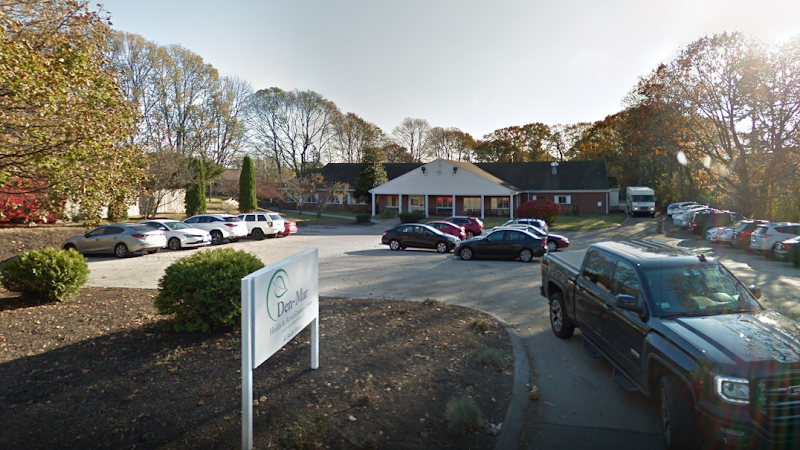
44 SOUTH STREET, ROCKPORT, MA 01966 (978) 546-6311
For profit - Limited Liability company 76 Beds Independent Data: November 2025
Trust Grade
55/100
#169 of 338 in MA
Last Inspection: June 2025

Inspected within the last 6 months. Data reflects current conditions.

Overview

Oceanside Rehabilitation and Nursing Center has a Trust Grade of C, indicating that it is average-right in the middle of the pack for nursing homes. It ranks #169 out of 338 facilities in Massachusetts, placing it in the top half, and #24 out of 44 in Essex County, meaning only a few local options are better. The facility is improving, having reduced its issues from 11 in 2024 to 5 in 2025, but staffing remains a concern with a poor rating of 1 out of 5 stars and a turnover rate of 64%, significantly higher than the state average. Although there have been no fines, which is a positive sign, there have been specific concerns, such as the failure to implement an Antibiotic Stewardship Program and complaints from residents about food not being served at the correct temperatures or not matching the menu. Overall, while there are strengths, particularly in RN coverage, families should be aware of the ongoing staffing challenges and food quality issues.

Trust Score
C
55/100
In Massachusetts
#169/338
Top 50%
Safety Record
Low Risk
No red flags
Inspections
Getting Better
11 → 5 violations
Staff Stability
⚠ Watch
64% turnover. Above average. Higher turnover means staff may not know residents' routines.
Penalties
✓ Good
No fines on record. Clean compliance history, better than most Massachusetts facilities.
Skilled Nurses
○ Average
Each resident gets 36 minutes of Registered Nurse (RN) attention daily — about average for Massachusetts. RNs are the most trained staff who monitor for health changes.
Violations
⚠ Watch
30 deficiencies on record. Higher than average. Multiple issues found across inspections.
★★★☆☆
3.0
Overall Rating
★☆☆☆☆
1.0
Staff Levels
★★★☆☆
3.0
Care Quality
★★★★☆
4.0
Inspection Score
Stable
2024: 11 issues
2025: 5 issues

The Good

  • Full Sprinkler Coverage · Fire safety systems throughout facility
  • No fines on record

Facility shows strength in fire safety.

The Bad

3-Star Overall Rating

Near Massachusetts average (2.9)

Meets federal standards, typical of most facilities

Staff Turnover: 64%

18pts above Massachusetts avg (46%)

Frequent staff changes - ask about care continuity

Staff turnover is elevated (64%)

16 points above Massachusetts average of 48%

The Ugly 30 deficiencies on record

Jun 2025 5 deficiencies
CONCERN (D)

Potential for Harm - no one hurt, but risky conditions existed

Deficiency F0554 (Tag F0554)

Could have caused harm · This affected 1 resident

Based on record review, observation and interviews, the facility failed to ensure one Resident (#36) out of a total sample of 18 residents did not self-administer medication without an assessment or p...

Read full inspector narrative →
Based on record review, observation and interviews, the facility failed to ensure one Resident (#36) out of a total sample of 18 residents did not self-administer medication without an assessment or physician's order. Findings include: Review of the facility policy titled Self-Administration of Medications dated as revised February 2021 indicated that as part of the evaluation comprehensive assessment, the interdisciplinary team (IDT) assesses each resident's cognitive and physical abilities to determine whether self-administering medications is safe and clinically appropriate for the resident. Further review indicated that if it is deemed safe and appropriate for a resident to self-administer medications, this is documented in the medical record and the care plan. Resident #36 was admitted to the facility with diagnoses including asthma, amputation of toe multiple sites and depression. Review of the Minimum Data Set assessment, dated 5/5/25, indicated that Resident #36 is cognitively intact as evidence by a score of 15 out of 15 on the Brief Interview for Mental Status exam. Further review indicated that Resident #36 requires set up assistance to substantial assistance for activities of daily living. On 6/8/25 at 7:55 A.M. and 1:41 P.M., the surveyor observed a Primatene mist inhaler (used for asthma), a bottle of calcium carbonate tablets (an antacid) and a tube of triamcinolone cream (a topical steroid) on the over the bed table, in full view. During an interview on 6/8/25 at 7:55 A.M., Resident #36 said nursing was not aware of the inhaler but that he/she has had the inhaler, and the antacid and the cream on the over the bed table for a while now. Review of the Resident's active care plan failed to indicate a plan of care for the self-administration of medications. Review of the physician's orders dated June 2025 failed to indicate an order for the self-administration of medication. Further review failed to indicate either an order for the inhaler or the calcium carbonate. Review of the medical record failed to indicate that Resident #36 has been assessed for the ability to self-administer medications. During an interview on 6/8/25 at 1:48 P.M., Resident #36 said that he/she had had two meals delivered to him/her by staff so far today and had just had staff provide morning care. Resident #36 said the medications were visible at all times to staff and no one said anything about them. During an interview on 6/8/25 at 1:48 P.M., Nurse #1 said that Resident #36 should not have medications at the bedside. Nurse #1 said residents should be assessed for the ability to self-administer medications before the medications can be left with the resident. During an interview on 6/9/25 at 8:10 A.M., the Director of Nursing (DON) said that residents are to be assessed for self-administration of medication prior to having medications left at bedside. The DON then said that Resident #36 was not assessed for the ability to self-administer medications. During an interview on 6/9/25 at 12:20 P.M., Certified Nurse's Aide #5 said that he is Resident 36's regular CNA, but he didn't notice any medications on the Resident's over the bed table. CNA #5 then said that Resident #36 should not have medications at bedside, and he would have removed them if he had noticed them.
CONCERN (D)

Potential for Harm - no one hurt, but risky conditions existed

Respiratory Care (Tag F0695)

Could have caused harm · This affected 1 resident

Based on observations, record review, and interviews, the facility failed to ensure that respiratory care and services, consistent with professional standards of practice, were provided for one Reside...

Read full inspector narrative →
Based on observations, record review, and interviews, the facility failed to ensure that respiratory care and services, consistent with professional standards of practice, were provided for one Resident (#27) out of sample of 18 residents. Specifically, for Resident #27, the facility failed to change oxygen tubing as indicated in the physician's orders and the facility failed to ensure staff consistently stored oxygen tubing in a sanitary manner when not in use. Findings include: Review of the facility policy titled, Oxygen Administration, dated as revised October 2010, indicated the purpose of this procedure is to provide guidelines for safe oxygen administration. Preparation 1. Verify that there is a physician's order for this procedure. Review the physician's orders or facility protocol for oxygen administration. Resident #27 was admitted to the facility in April 2024 with diagnoses including chronic respiratory failure, chronic obstructive pulmonary disease (COPD), and dyspnea (difficulty breathing). Review of the most recent Minimum Data Set (MDS) assessment, dated 3/28/25, indicated that Resident #27 was cognitively intact as evidenced by a Brief Interview for Mental Status (BIMS) score of 15 out of 15. This MDS indicated Resident #27 required oxygen therapy. On 6/8/25 at 7:23 A.M., the surveyor observed Resident #27 receiving oxygen from a nasal canula from an oxygen concentrator. The oxygen tubing was undated. There was a bag attached to the concentrator dated 5/23/25. There was a portable oxygen concentrator resting on top of a pile of books, on top of a plastic storage unit, this oxygen tubing was undated, and the tubing was resting on books and a container of bird seed (not stored in a sanitary manner). Resident #27 said that nursing staff are supposed to change his/her oxygen tubing weekly and they (nursing staff) have not changed his/her oxygen tubing in a few weeks, and this is not that first time that they haven't changed his/her tubing weekly. On 6/8/25 at 12:22 P.M. and on 6/9/25 at 8:15 A.M., the surveyor observed Resident #27 receiving oxygen via a nasal canula from a concentrator and tubing was undated, the bag on the concentrator was dated 5/23/25. Resident #27's portable oxygen concentrator oxygen tubing was resting on top of a pile of books, on top of a plastic storage unit, this oxygen tubing was undated, and the tubing was resting on books and a container of bird seed. On 6/9/25 at 10:33 A.M., the surveyor observed Resident #27's receiving oxygen and the tubing was dated as 6/4/25, the bag on the oxygen concentrator was dated 5/23/25. The oxygen tubing for the portable oxygen concentrator was unlabeled and not stored in a bag and the tubing was resting on top of a pile of books on a plastic storage unit. Resident #27 said that staff did not change his/her oxygen tubing today nor did they change the tubing on 6/4/25 and said the tubing has not been changed in a few weeks. On 6/9/25 at 2:27 P.M., the surveyor along with the Director of Nursing (DON) observed Resident #27's portable oxygen tubing stored on top of a pile of books on a plastic storage unit, the tubing was undated, and the tubing was not stored in a plastic bag and the nasal cannula was up against the wall. Review of Resident #27's grievance form, dated 4/11/25, indicated: Section 1 - Nature of the Concern: that the facility had received a fax from the Nurse Practitioner who did a visit with the Resident and that Resident stated the oxygen tubing was not changed. Section 2 - Department Head Review: Physician order to change oxygen tubing weekly on Wednesday when regular staff is working. Review of Resident #27's physician's order, dated 4/1/24, indicated: - Oxygen (O2) via nasal cannula (NC) continuously at 2 liters per minute (LPM) to maintain saturation (SAT) at or above 94%, every shift. Review of Resident #27's physician's order, dated 5/13/25, indicated: - Change oxygen (O2) tubing weekly, every night shift on every Wednesday for infection control, label with date and initial, provide respiratory bag for storage when not in use. Review of Resident #27's Treatment Administration Record (TAR), dated 5/28/25 and 6/4/25, indicated nursing implemented the physician's order indicating Nurse #3 changed, labelled, and dated the oxygen tubing and provided a respiratory bag, as ordered by the physician. During an interview on 6/9/25 at 3:41 P.M., Certified Nursing Assistant #4 said she used Resident #27's portable oxygen concentrator during the Resident's shower on 6/8/25. During an interview on 6/9/25 at 3:35 P.M., Nurse #2 said that oxygen tubing should be changed weekly on the night shift, the oxygen tubing should be dated, and the tubing should be stored in a bag when not in use. During an interview on 6/9/25 at 2:27 P.M. the DON said she was aware of Resident #27's oxygen tubing concerns, and she had filed a grievance in the past for staff not changing Resident #27's oxygen tubing. The DON said that on 6/9/25 she noticed that Resident #27's oxygen tubing was not labelled with the date and the DON said that she looked at the TAR and she put a piece of tape on the oxygen tubing with the date the tubing was last supposed to be changed (6/4/25) and she dated the tubing that Resident #27 was currently using. The DON said that nursing should implement the physician's order and change the tubing and date the tubing in accordance with the physician's order. The DON said that oxygen tubing should be stored in a sanitary manner when not in use. On 6/9/25, 6/10/25, and 6/11/25, the surveyor attempted to interview Nurse #3 but she was unable to be reached.
CONCERN (D)

Potential for Harm - no one hurt, but risky conditions existed

Deficiency F0806 (Tag F0806)

Could have caused harm · This affected 1 resident

Based on observation, record review and interview, the facility failed to consistently accommodate resident food allergies for one Resident (#26) out of a total sample of 18 residents. Specifically, f...

Read full inspector narrative →
Based on observation, record review and interview, the facility failed to consistently accommodate resident food allergies for one Resident (#26) out of a total sample of 18 residents. Specifically, for Resident #26 a. the facility failed to ensure the kitchen did not serve the Resident eggs which were listed as an allergy on his/her diet ticket, and eggs are served/offered 17 times during a 28 day menu cycle and b. the facility failed to consistently document food allergies in the medical record and on the diet ticket, including an allergy to peaches on his/her diet ticket which is offered as a dessert five times during a 28 day menu cycle. Findings include: Review of the facility policy titled, Food Allergies, undated, indicated during hours of food service operation, the kitchen will make reasonable accommodations for patients with life threatening allergies and all other food allergies. 1. Obtain copy of diet prescription order form with specific food allergies from nursing services. 2. Dietary services will list food allergies on tray card. 3. Dietary services will make modifications, under the directions of the Food and Nutrition Services Director and/or Dietitian, to meals and snacks. Resident #26 was admitted to the facility in June 2023 with diagnoses including diabetes, hypertension, and dementia. Review of the most recent Minimum Data Set (MDS) assessment, dated 5/15/25, indicated that Resident #26 had moderate cognitive impairment as evidenced by a Brief Interview for Mental Status (BIMS) score of 10 out of 15. This MDS indicated Resident #26 required setup or clean-up assistance with eating. Review of Resident #26's plan of care related to eating, dated as 6/20/23, indicated the following: - EATING: Resident is independent after set up. a. On 6/8/25 at 8:21 A.M., the surveyor observed Resident #26's breakfast tray. There was a hard-boiled egg cut in half on his/her plate. Resident #26's food ticket indicated the following: Allergy - Eggs. Resident #26 said that he/she is allergic to eggs, and he/she experiences belly upset and diarrhea, Resident #26 said he/she would not eat the eggs on his/her plate. Review of Resident #26's diet ticket indicated the following allergies: - Eggs, fish, nuts, pork, shellfish, raisin, pork, peanut butter, **see report**. The medical record failed to include documentation to support Resident #26 has an allergy to eggs. b. Review of Resident #26's current allergies listed in the electronic health record included the following allergies and allergic response: - Peach / severity: unknown - Peanut butter / severity: unknown - Pork / severity: unknown - Raisin / severity: unknown Review of Resident #26's physician's order, dated 6/17/23, indicated: - Regular diet, Regular texture, thin consistency, allergic to nuts, peanut butter flavor, peanut oil, pork/porcine products, shellfish. Further review of the physician's order failed to indicate an allergy to eggs or peaches. Review of Resident #26's most recent assessment titled, Nutritional Risk Evaluation Quarterly - V2, dated 11/20/24, indicated: B. Relevant Medical History 3. Food Allergies: RAISIN, PORK, PEANUT BUTTER, PEACH, SHRIMP 4. Nutrition Plan: Provide preferred foods. Further review of the nutrition assessment failed to indicate an allergy to eggs. Review of the facility's four-week menu plan, dated 2025, indicated that the kitchen serves peaches as dessert on five occasions during the 28-day menu cycle and the kitchen serves eggs 17 times during the 28-day menu cycle. During a follow-up interview on 6/10/25 at 3:33 P.M., Resident #26's said he/she is allergic to peaches and that peaches cause stomach upset. During an interview on 6/9/25 at 10:43 A.M., Certified Nursing Assistant (CNA) #1 said that Resident #26 does not like eggs and that nurses will always check the trays to ensure the trays are correct before the CNAs can deliver the trays to residents. During an interview on 6/9/25 at 2:44 P.M., the MDS nurse said that nursing routinely checks the diet ticket for diet textures and allergies before staff pass out the trays. During an interview on 6/9/25 at 2:26 P.M., the Director of Nursing (DON) said allergies should be followed by the kitchen and checked by nursing prior to delivering the tray to the resident. The DON referenced the diet ticket and the Resident's allergies listed in the electronic health record and the DON said that there were discrepancies, and the allergies would need to be reviewed by the Dietitian. During an interview on 6/9/25 at 2:30 P.M., the Food Service Director said the allergies should be checked by the kitchen staff and then again by nursing staff to ensure that Resident's do not receive foods they are allergic to, the FSD said that Resident #26's dining ticket doesn't list peaches on the diet ticket, and she wasn't aware of Resident #26's allergy to peaches. The FSD said the **see report** on the diet ticket does not have a report but it is an error on the diet ticket. During an interview on 6/10/25 at 9:42 A.M., the Dietitian said that there are a lot of eyes on trays before they get to the resident, and staff need to check allergies prior to providing trays. The Dietitian said she would review the inconsistencies during her next visit, and she said she does not refer to diet ticket allergies to those listed in the electronic health record during her assessments, but she should. During an interview on 6/10/25 at 8:33 A.M., the Administrator said the kitchen is responsible for checking allergies first and then when the food truck arrives at the unit the nurse who is checking the truck should check prior to delivering tray to the resident.
CONCERN (E)

Potential for Harm - no one hurt, but risky conditions existed

Menu Adequacy (Tag F0803)

Could have caused harm · This affected multiple residents

Based on observation, record review, and interview, the facility failed to serve what was listed on the menu or provide a substitution for two lunch meals. Specifically, on 6/8/25 the facility failed ...

Read full inspector narrative →
Based on observation, record review, and interview, the facility failed to serve what was listed on the menu or provide a substitution for two lunch meals. Specifically, on 6/8/25 the facility failed to serve sour cream with the baked potato during the lunch meal and on 6/9/25 the facility failed to add meat to the baked ziti according to the facility's recipe during the lunch meal. Findings include: Review of the policy titled, Food Presentation, undated, indicated the following: - Foods are prepared according to standard recipes. During the resident group meeting on 6/8/25 at 1:30 P.M. the surveyor met with Residents and the following complaints were made by four residents: - Menus were not always followed. - Should have condiments like sour cream with a baked potato. On 6/8/25 at 12:10 P.M., the surveyor observed lunch being delivered to residents' rooms. The main lunch meal consisted of a slice of pork, brussels sprouts, a baked potato, margarine, and watermelon. Review of the recipe for lunch, 6/8/25, indicated the baked potato was to be served with sour cream. During an observation of lunch on 6/8/25 12:13 P.M., two residents reported wanting sour cream with their baked potatoes and did not receive it. On 6/9/25 at 11:45 A.M., the Food Service Director (FSD)/cook was observed plating baked ziti with plain tomato sauce (without meat), a tossed salad, garlic toast, and a fruit cup. Review of the recipe for lunch, 6/9/25, indicated the baked ziti was to be served with meat sauce, breadsticks, and gelatin. On 6/9/25 at 12:39 P.M. through 12:49 P.M., the surveyor interviewed two Residents who were eating their lunch, and the Residents told the surveyor the following: - Usually I love pasta, but this pasta has no flavor and no meat. - Lunch was lousy, the ziti with the sauce was plain. During an interview on 6/9/25 at 2:57 P.M., the Food Service Director said she was not in the facility on Sunday, but the menu should have been followed, and sour cream should have been provided to the residents with the baked potato. The Food Service director said there was no meat sauce served with the baked ziti today because the meat was not thawed out in time and she did not have a substitute protein to provide to the residents for lunch. During an interview on 6/10/25 at 8:28 A.M., the Administrator said that food should be prepared according to the recipe, and she was unaware the kitchen did not have beef for the pasta for lunch on 6/9/25 until after lunch had concluded. The Administrator said that the FSD should have notified her so they could have come up with an alternate protein or they could have gone to the store to get some beef for the lunch meal. During an interview on 6/10/25 at 9:38 A.M., the Dietitian said following the menu is extremely important, the beef is an important part of the recipe because it adds a combination of protein, fat, and iron to the Residents diet. The Dietitian said she was not aware of the change to the meal prior to lunch being prepared and served and said there should have been a substitute for the lack of beef. The Dietitian also said that sour cream should have been served with the baked potato for Sunday lunch.
CONCERN (E)

Potential for Harm - no one hurt, but risky conditions existed

Deficiency F0804 (Tag F0804)

Could have caused harm · This affected multiple residents

**NOTE- TERMS IN BRACKETS HAVE BEEN EDITED TO PROTECT CONFIDENTIALITY** Based on observations and interviews, the facility failed to serve food that was palatable, and at a safe and appetizing tempera...

Read full inspector narrative →
**NOTE- TERMS IN BRACKETS HAVE BEEN EDITED TO PROTECT CONFIDENTIALITY** Based on observations and interviews, the facility failed to serve food that was palatable, and at a safe and appetizing temperature, on two of two units. Findings include: Review of the facility policy titled, Food Serving Temperatures, not dated, indicated that foods will be maintained at proper holding temperatures to ensure food safety. The temperature of potentially hazardous cold foods will not be greater than 45 F (degrees Fahrenheit) when served to the resident. Review of the facility policy titled, Food Presentation, not dated, indicated that foods will be served at proper temperatures. Hot foods hot and cold foods cold. During the initial tour of the facility on 6/8/25 the surveyors met with residents. Thirteen residents voiced dissatisfaction with the temperature and/or taste of the food served at the facility. During the resident group meeting on 6/8/25 at 1:30 P.M. the surveyor met with Residents and the following complaints were made by four residents: - The foods that were cold were not always served cold. - The foods that were hot were not always served hot. - Menus were not always followed. - They should be served condiments like cranberry sauce with hot turkey sandwiches or sour cream with a baked potato. Review of the sign titled, Monday Lunch Menu, indicated the following: - Ziti Baked - Tossed Salad with Dressing - Garlic Bread - Gelatin On 6/9/25 at 12:47 P.M., the surveyor completed a test tray on the [NAME] Unit to determine palatability and temperature of the food served, the results were as follows: - Pasta in tomato sauce- 142 degrees Fahrenheit and hot, bland taste - Mixed green salad- 98 degrees Fahrenheit, warm to taste and the cucumber was bitter, served on the same plate as the pasta. - Garlic toast- hard and unable to chew. - Milk- 65 degrees Fahrenheit, warm to taste. - Fruit cup- 72 degrees Fahrenheit and warm to taste. - Coffee- 140 degrees Fahrenheit and hot. On 6/9/25 at 12:24 P.M., the food truck arrived at the Seaside Unit at 12:29 P.M. and the surveyor completed a test tray to determine palatability and temperature of the food served, the results were as follows: - Pasta in a tomato sauce- 138 degrees Fahrenheit, bland taste. - Mixed green salad- 98 degrees Fahrenheit, warm to taste, wilted, and the cucumber was bitter, and served on the same plate as the pasta in tomato sauce. - One piece of garlic toast, too hard to chew, crouton texture. - One piece of white toast, too hard to chew, crouton texture. - Cranberry juice 58 degrees Fahrenheit, lukewarm taste. - Canned fruit 60 degrees Fahrenheit, lukewarm taste. During an interview on 6/9/25 at 12:38 P.M., several staff members at the Seaside Unit said that the kitchen usually serves cold salad on the plate with the hot pasta. The staff said that this meal usually has meat mixed in the pasta. On 6/9/25 between 12:39 P.M. through 12:49 P.M., the surveyor interviewed six Residents who were eating their lunch, and the Residents told the surveyor the following: - I didn't like the vegetables (salad), they were too bitter and warm - Usually, I love pasta, but this pasta has no flavor and no meat, we shouldn't have a cold salad on a plate with hot pasta, it makes the salad warm, the cucumbers are bitter when warm and the cucumber skin is bitter warmed up - I didn't like the warm salad - Lunch was lousy, got a bunch of salad that was warm, the ziti with the sauce was plain - I got one piece of garlic bread, and I got one piece of dry white bread, it was hard as rock and difficult to chew - I couldn't eat the salad, it was warm During an interview on 6/9/25 at 1:25 P.M., the Administrator said that the salad should be served in a separate bowl/container to prevent the temperature from going above 42 degrees. The administrator also said that the milk and fruit cup should be kept at no more than 42 degrees. During an interview on 6/9/25 at 1:25 P.M., the Corporate Nursing Director said that the salad should be served in a separate bowl/container, not on a hot plate, to prevent the salad from becoming too hot. During an interview on 6/9/25 at 1:27 P.M., the Food Service Director (FSD) said that there was no meat to add to the pasta today. The FSD said she did not thaw out meat to use with the meal, so she just served the pasta as it is without a meat substitution. During an interview on 6/10/25 at 9:34 A.M., the Dietitian said the cold salad should have been served separately in a bowl and not on a plate containing hot foods. During a follow up interview on 6/10/25 at 8:27 A.M., the Administrator said temperature safety and palatability is important for the residents and for the kitchen to serve food at the correct temperatures. The Administrator said the salad should have been stored separately to keep it at the correct temperature and the cook should have followed the recipe for the baked ziti.
Jul 2024 10 deficiencies
CONCERN (D)

Potential for Harm - no one hurt, but risky conditions existed

Comprehensive Care Plan (Tag F0656)

Could have caused harm · This affected 1 resident

**NOTE- TERMS IN BRACKETS HAVE BEEN EDITED TO PROTECT CONFIDENTIALITY** Based on record review, interview and policy review, the facility failed to develop an individualized, comprehensive care plan f...

Read full inspector narrative →
**NOTE- TERMS IN BRACKETS HAVE BEEN EDITED TO PROTECT CONFIDENTIALITY** Based on record review, interview and policy review, the facility failed to develop an individualized, comprehensive care plan for one Resident (#43) out of a total sample of 18 residents. Specifically, the facility failed to develop a comprehensive care plan for Resident #43 related to Type 2 Diabetes Mellitus . Findings include: Review of the facility policy titled Care Plans, Comprehensive Person-Centered, dated March 2022, indicted the following: - A comprehensive, person-centered care plan that includes measurable objectives and timetables to meet the resident's physical, psychosocial and functional needs is developed and implemented for each resident. - The interdisciplinary team (IDT), in conjunction with the resident and his/her family or legal representative, develops and implements a comprehensive, person-centered care plan for each resident. - The comprehensive, person-centered care plan is developed within seven (7) days of the completion of the required MDS assessment and no more than 21 days after admission. - The comprehensive, person-centered care plan includes: measurable objectives and timeframes, describes the services that are to be furnished to attain or maintain the resident's highest practicable physical, mental and psychosocial well-being, includes the resident's stated goals upon admission and desired outcomes. Resident #43 was admitted to the facility in December 2023 with diagnoses including Type 2 Diabetes Mellitus, muscle wasting and atrophy, and anxiety disorder. Review of Resident #43's most recent Minimum Data Set Assessment (MDS) dated [DATE], indicated that the Resident had a Brief Interview for Mental Status score of 5 out of a possible 15 indicating severe cognitive impairment. Further review of the MDS indicated that the resident has Type 2 Diabetes (T2DM). Review of Resident #43's physician's orders indicated the following: - Dated 7/10/23: Novolog Injection Solution 100 UNIT/ML (milliliters) (Insulin Aspart) - Inject as per sliding scale: if 0 - 299 = 0 no coverage; 300 - 500 = 6 units 6 units; 501+ = 10 units Call MD, subcutaneously three times a day related to Type 2 Diabetes Mellitus. - Dated 7/3/24: HGB A1C (a blood test to show what your average blood sugar level over time) now and every 3 months for Diabetes. Review of Resident #43's active care plans failed to indicate an individualized, person-centered care plan for T2DM. During an interview on 7/17/24 at 10:03 A.M., Nurse #3 said any resident with a diagnosis of T2DM should have a care plan for it. Nurse #3 and the surveyor looked through Resident #43's active care plans together and did not identify a T2DM care plan. During an interview on 7/17/24 at 10:19 A.M., the Director of Nursing said Resident #43 should have a person-centered care plan related to T2DM as he/she has T2DM with fluctuating blood sugars.
CONCERN (D)

Potential for Harm - no one hurt, but risky conditions existed

Deficiency F0658 (Tag F0658)

Could have caused harm · This affected 1 resident

**NOTE- TERMS IN BRACKETS HAVE BEEN EDITED TO PROTECT CONFIDENTIALITY** Based on observation, record review, and interview, the facility failed to follow professional standards of nursing practice for...

Read full inspector narrative →
**NOTE- TERMS IN BRACKETS HAVE BEEN EDITED TO PROTECT CONFIDENTIALITY** Based on observation, record review, and interview, the facility failed to follow professional standards of nursing practice for one Resident (#10) out of a total sample of 18 residents. Specifically, the facility failed to obtain a physician order for an air mattress prior to the resident using one. Findings include: Resident #10 was admitted to the facility in June 2023 with diagnoses including unspecified dementia, moderate protein-calorie malnutrition and polyosteoarthritis. Review of Resident #10's most recent Minimum Data Set Assessment (MDS) dated [DATE], indicated that the Resident had a Brief Interview for Mental Status (BIMS) score of 5 out of a possible 15 indicated severe cognitive impairment. Further review of Resident #10's MDS indicated that he/she requires assistance with all activities of daily living. The surveyor made the following observations: - On 7/16/24 at 7:34 A.M. and 11:58 A.M., Resident #10 was observed laying in his/her bed which was an air mattress set to 80 pounds. - On 7/17/24 at 9:24 A.M. and 10:01 A.M., Resident #10 was observed laying in his/her bed which was an air mattress set to 80 pounds. Review of Resident #10's physician's order dated 7/5/23, indicated that the Resident was currently receiving hospice services. Review of Resident #10's active physician's orders care plans or [NAME] (nursing care card) failed to indicate the Resident is using an air mattress. Review of Resident #10's skin integrity risk care related to fragile skin dated 6/20/23 indicated the following interventions: - Educate resident/family/caregivers of causative factors and measures to prevent skin injury. Review of Resident #10's hospice care plan dated initiated 7/5/23 and revised 6/21/24 indicated the following interventions: - Keep comfortable, observe for facial grimacing, restlessness, moaning. Review of Resident #10's document titled Norton Scale for Predicting Risk of Pressure Ulcer, dated 7/13/23 indicated that the Resident scored a 10 which indicated he/she is at a high risk for developing pressure ulcers. Review of Resident #10's hospice visitation binder failed to indicate the use of an air mattress. During an interview on 7/17/24 at 10:03 A.M., Nurse #3 said when hospice services make recommendations for orders or interventions, they will write them down and then the facility Nurse Practitioner will review them, write the physician order and then they get implemented at the facility. Nurse #3 and the surveyor reviewed Resident #10's physician's orders and hospice binder and did not identify any mention of using an air mattress. During an interview on 7/17/24 at 10:19 A.M., the Director of Nursing (DON) said hospice services will recommend orders or interventions and then the facility Nurse Practitioner will approve them and implement them at the facility. The DON said Resident #10 should have a physician's order for an air mattress since he/she has been using one.
CONCERN (D)

Potential for Harm - no one hurt, but risky conditions existed

ADL Care (Tag F0677)

Could have caused harm · This affected 1 resident

**NOTE- TERMS IN BRACKETS HAVE BEEN EDITED TO PROTECT CONFIDENTIALITY** 2. Resident #32 was admitted to the facility in February 2024 with diagnoses that included dysarthria (poor articulation of word...

Read full inspector narrative →
**NOTE- TERMS IN BRACKETS HAVE BEEN EDITED TO PROTECT CONFIDENTIALITY** 2. Resident #32 was admitted to the facility in February 2024 with diagnoses that included dysarthria (poor articulation of words) following other cerebral vascular disease and dysphagia (difficulty swallowing). Review of Resident #32's most recent Minimum Data Set (MDS) dated [DATE], indicated the Resident had a Brief Interview for Mental Status (BIMS) score of 3 out of a possible 15, which indicated he/she had severe cognitive impairment. Further review of the MDS indicated Resident #32 is on a mechanically altered diet, require change in texture of food or liquids (e.g., pureed food, thickened liquids). On 7/16/24 at 8:25 A.M.,12:19 P.M. and 12:32 P.M., and 7/17/24 at 8:25 A.M. and 8:33 A.M., Resident #32 was observed eating in his/her room. There were no staff present to provide one-to-one assistance or supervision. Review of Resident #32's physician order dated 2/17/24 indicated the following: - Aspiration Precautions, Resident must be sitting upright at 90 degrees for all meals and stay in the upright position for 30 minutes after waiting ,1;1 assist with all meals, offer small bites/sips and ensure that the resident eats/drinks slowly. every shift. During a record review on 7/17/24 at 6:47 A.M., Resident #32's care plan last updated on 4/26/24 indicated the following: - Eating: Resident requires cueing and supervision assistance to eat. Review of Resident #32's [NAME] (a form indicating level of assistance a resident requires) indicated the following: - Eating: Resident requires cueing and distant supervision to eat. During an interview on 7/17/24 at 8:44 A.M., the Assistant Director of Nursing said Resident #32's physician order should be followed, and the resident should be supervised during all meals. During an interview on 7/17/24 at 10:39 A.M., the Director of Nursing said Resident #32 should be supervised by staff during meals per the physician's order. Based on observation, record review and interview the facility failed to ensure nursing staff provided assistance with Activities of Daily Living (ADLs) for two dependent Residents (#44 and #32) out of a total sample of 18 residents. Specifically: 1. For Resident #44, the facility failed to ensure assistance was provided with bed mobility and eating as indicated in the plan of care. 2. For Resident #32, the facility failed to ensure supervision with meals was provided as indicated in the plan of care. Findings include: The facility policy titled Activities of Daily Living (ADL), Supporting, revised March 2018, indicated the following: -Appropriate care and services will be provided for residents who are unable to carry out ADLs independently, with the consent of the resident and in accordance with the plan of care, including appropriate support and assistance with: d. dining (meals ad snacks). 1. Resident #44 was admitted to the facility in February 2024 with diagnoses that included stage 4 pressure ulcer of sacral region and dysphagia (difficulty chewing and swallowing). Review of the most recent Minimum Data Set (MDS) dated [DATE], indicated that on the Brief Interview for Mental Status exam, Resident #44 scored a 2 out of a possible 15, indicating severely impaired cognition. The MDS further indicated Resident #44 had no behavior of rejecting care. Review of the current Activities of Daily Living (ADL) care plan indicated the following interventions: -Eating: Resident #44 requires cueing & occasionally assistance to eat. Review of the [NAME] (resident specific care instructions for the caregivers to follow) indicated: -Eating: Resident #44 requires cueing & occasionally assistance to eat. Review of the clinical record failed to indicate Resident #44 refused care. Review of the most recent Speech Therapy Discharge summary, dated [DATE], indicated the following: -Min risk of choking with mechanical soft. Pt (patient) is responding better to family cueing him/her to swallow before taking another bite of food. Family and caregivers are sitting pt upright and cutting (sic) food to small bite size pieces. -Functional Skills/Outcomes: swallowing abilities=min/close supervision. On 7/16/24 at 8:00 A.M., the surveyor observed a staff person deliver breakfast to Resident #44 who was in his/her room in bed. The staff person set up the breakfast on a tray table directly in front of Resident #44 then exited the room leaving Resident #44 without cueing or assistance. The surveyor continued to observe Resident #44 who was slumped sideways in bed, with the head of the bed at a 45 degree angle. Resident #44 was struggling to self feed, kept dropping the food, and appeared to have a difficult time reaching the food due to the position that he/she was in in the bed. On 7/17/24 at 8:00 A.M., the surveyor observed a staff person deliver breakfast to Resident #44 who was in his/her room in bed asleep. The staff person set up the tray, woke Resident #44 up and exited the room to continue passing trays to other residents. Resident #44 was left alone in the room without cueing or supervision. The surveyor continued to make the following observations. -At 8:05 A.M., Resident #44 was in bed, with the head of the bed at a 45 degree angle, attempting to self feed. He/she appeared to be having difficulty reaching the items on the tray due to the position of the head of the bed and was using one hand to spin the tray around to reach items on the the far side of the tray. -At 8:07 A.M., Resident #44 picked up an unpeeled banana that was on his/her tray, looked at it for a period and then placed it back down. -At 8:10 A.M., Resident #44 remained alone without cueing or assistance, there was milk and juice spilled all over his/her tray, as well as multiple pieces of egg dropped on the tray and in his/her lap. During an interview with Resident #44's Certified Nursing Assistant (CNA) #1 on 7/17/24 at 9:16 A.M., he said that Resident #44 requires one person assistance for bed mobility when he is taking care of the Resident and 2 person assistance when the girls are providing care. CNA #1 said that Resident feeds self breakfast in his/her room and does okay aside from sometimes shaking and spilling drinks. He said that Resident #44's mother is present to assist as needed with lunch and dinner every day. CNA #1 said that he does not know what cueing with meals means and does not know what the [NAME] is. During an interview with Resident #44's Nurse (#2) on 7/17/24 on 9:28 A.M., she said that cueing and assistance means the staff must stay with the resident for the meal and provide cues and as needed assistance depending on how the Resident is doing that day. During an interview with the Director of Nursing on 7/17/24 at 1:37 P.M., she said that if a resident requires cues and supervision with meals then staff should pop in and out and check on them.
CONCERN (D)

Potential for Harm - no one hurt, but risky conditions existed

Quality of Care (Tag F0684)

Could have caused harm · This affected 1 resident

**NOTE- TERMS IN BRACKETS HAVE BEEN EDITED TO PROTECT CONFIDENTIALITY** Based on observations, record reviews and interviews, the facility failed to ensure that one Resident (#13) received treatment a...

Read full inspector narrative →
**NOTE- TERMS IN BRACKETS HAVE BEEN EDITED TO PROTECT CONFIDENTIALITY** Based on observations, record reviews and interviews, the facility failed to ensure that one Resident (#13) received treatment and care in accordance with professional standards of practice out of a total sample of 18 residents. Specifically, for Resident #13 the facility failed to: 1a. Change the Residents' PICC (A peripherally inserted central catheter (PICC), is a long, thin tube that's inserted through a vein in your arm and passed through to the larger veins near your heart) line dressing when the insertion site was unable to be visualized, 1b. Measure the PICC line on admission and with the dressing change on 7/10/24 as ordered, 2. Transcribe a new treatment order from the hospital discharge paperwork. Findings Include: Review of the facility's policy titled Central Venous Catheter Care and Dressing Changes, dated 3/22, indicated The purpose of this procedure is to prevent complications associated with intravenous therapy, including catheter related infections that are associated with contaminated, loosened, soiled, or wet dressings. Change the dressing if it becomes damp, loosened or visibly soiled. Resident #13 was readmitted to the facility in July 2024 with diagnoses that included osteomyelitis of the right big toe, type 2 diabetes, and cellulitis. Review of Resident #13's Minimum Data Set (MDS), dated [DATE], indicated he/she scored a 15 out of a possible 15 on the Brief Interview for Mental Status (BIMS) indicating the Resident is cognitively intact. 1a. On 7/16/24 at 8:23 A.M. and 7/17/24 at 8:36 A.M., the surveyor observed Resident #13's PICC line in his/her right arm dated 7/10/24, the insertion site was unable to be seen due to the site being covered in blood. Review of Resident #13's physician order, dated 7/9/24, indicated IV-PICC - change transparent dressing on admission, then weekly and PRN thereafter. During an interview on 7/17/24 at 8:42 A.M., Nurse #1 said a PICC line dressing should be changed as needed if the insertion site is not able to be visualized. During an interview on 7/17/24 at 8:44 A.M., the Director of Nurses (DON) said the expectation is nursing would change the PICC line dressing if the insertion site is not able to be seen. 1b. On 7/16/24 at 8:23 A.M. and 7/17/24 at 8:36 A.M., the surveyor observed Resident #13's PICC line in his/her right arm dated 7/10/24. Review of Resident #13's physician order, dated 7/9/24, indicated IV-PICC - Measure catheter length on admission and with each dressing change thereafter. Review of Resident #13's medical record did not indicate that nursing measured his/her PICC line on admission 7/7/24 or on 7/10/24 with the PICC line dressing change. During an interview on 7/17/24 at 8:42 A.M., Nurse #1 said when a resident is admitted with a PICC line nursing should change the PICC line dressing and obtain baseline measurements of the PICC line. Nurse #1 said she changed Resident #13's PICC line dressing on 7/10/24 and if she measured the PICC line it would be in a nursing progress note. Review of Resident #13's nursing progress notes from 7/7/24 to 7/16/24 did not indicate PICC line measurements were obtained. During an interview on 7/17/24 at 8:44 A.M., the Director of Nurses (DON) said the expectation is that nursing follow physician orders. The DON said the admitting nurse should have measured the PICC line upon admission and with each dressing change as ordered. 2. Review of Resident #13's hospital Discharge summary, dated [DATE], indicated Wash wounds to bilateral feet with warm soapy water. Pat Dry. Apply Aqauacel AG Advantage (primary dressings for infected or at-risk wounds) to the wound beds. Cover with bordered foam. Change daily. Review of Resident #13's physician order, dated 6/13/24, indicated Treatment to callous plantar aspect Right great toe: Wash area with wound cleanser, pat dry, apply small amount bacitracin (medication is used to prevent minor skin infections caused by small cuts, scrapes, or burns) and cover with DPD (dry protective dressing) daily. During an interview on 7/17/24 at 8:42 A.M., Nurse #1 said the admitting nurse goes over all discharge instructions on the day of admission which was 7/7/24 with either the NP or MD and said the treatment orders for Resident #13's right foot should have been ordered but were not. Nurse #1 said Resident #13 has wounds on both of his/her feet that receive a treatment of bacitracin and a DPD daily. Nurse #1 said the Resident was sent out to the hospital from this facility due to his/her wounds. During an interview on 7/17/24 at 8:44 A.M., the Director of Nurses (DON) and Regional Nurse #1 said the expectation when a resident returns from the hospital is that the admitting nurse would relay all discharge instructions to the provider and the nurse would then write the new physician orders on the day of admission. The Director of Nurses (DON) and Regional Nurse #1 said the hospital wound treatment for Resident #13 should have been ordered the day of admission but was not.
CONCERN (D)

Potential for Harm - no one hurt, but risky conditions existed

Pressure Ulcer Prevention (Tag F0686)

Could have caused harm · This affected 1 resident

**NOTE- TERMS IN BRACKETS HAVE BEEN EDITED TO PROTECT CONFIDENTIALITY** Based on observation, record review and interview the facility failed to ensure the air mattress was set at the appropriate sett...

Read full inspector narrative →
**NOTE- TERMS IN BRACKETS HAVE BEEN EDITED TO PROTECT CONFIDENTIALITY** Based on observation, record review and interview the facility failed to ensure the air mattress was set at the appropriate setting for one Resident (#44) with a stage 4 pressure ulcer out of a total sample of 18 residents. Findings include: The facility policy titled Prevention of Pressure Injuries, revised April 2020, indicated the following: -1. Select appropriate support surfaces based on the resident's risk factors, in accordance with current clinical practice. Set according to manufacturer guidance. Review of the manufacturers guidance for the air mattress that Resident #44 utilizes indicated: -Determine the patient's weight and set the control to that weight setting on the control unit. Resident #44 was admitted to the facility in February 2024 with diagnoses that included stage 4 pressure ulcer of sacral region and dysphagia (difficulty chewing and swallowing). Review of the most recent Minimum Data Set (MDS) , dated 5/2/24, indicated that on the Brief Interview for Mental Status, Resident #44 scored a 2 out of a possible 15, indicating severely impaired cognition. The MDS further indicated Resident #44 had no behavior of rejecting care. Review of the current Activities of Daily Living (ADL) care plan indicated the following interventions: - BED MOBILITY: Resident #44 requires 2 staff participation to reposition and turn in bed. - BED MOBILITY: Resident #44 is totally dependent on staff for repositioning and turning in bed. Review of the current Stage 4 pressure ulcer care plan indicated the following interventions: - Air mattress for pressure relief check function q (each) shift. - Pressure reduction mattress to prevent skin breakdown as ordered. Review of the clinical record indicated the following assessments: - A Weekly Skin Review assessment, dated 7/11/24, indicated Resident #44 continued to have a pressure ulcer on his/her coccyx. - A Weekly Wound assessment, dated 7/11/24, indicated Resident #44 had an unstageable pressure area on his/her coccyx. Interventions included pressure redistribution mattress. - A Quarterly Nursing Evaluation with [NAME], dated 5/14/24, indicated on the Norton Plus Scale for Predicting Pressure Ulcers Resident #44 scored a 10, indicating Resident #44 was high risk. The assessment further indicated Resident #44 required total assist with transfers and mobility. Review of the current weight report, dated 7/1/24, indicated Resident #44 weighs 164.0 pounds (lbs). On 7/16/24 at 7:28 A.M., Resident #44 was observed in bed asleep and the air mattress was set at 280 lbs. On 7/17/24 at 7:58 A.M., Resident #44 was observed in bed asleep and the air mattress was set at 300 lbs. During an interview with Resident #44's Certified Nursing Assistant (CNA) #1 on 7/17/24 at 9:16 A.M., he said that the air mattress setting are set by the company that provides the air mattress. CNA #1 said that the air mattress should be set to a resident's weight and that he never changes the settings for Resident #44's air mattresses. As well, CNA #1 said that Resident #44 requires one to two person assistance with bed mobility and could not change the setting him/herself. During an interview with Resident #44's Nurse (#2) on 7/17/24 on 9:28 A.M., she said that the air mattress's are set to a resident's weight and that the risk if a bed is too firm (greater than the resident's actual weight by approximately 150 lbs.) for a Resident with a stage 4 pressure ulcer on the coccyx would be that it could potentially effect the ability to heal the wound. During an interview with the Director of Nursing on 7/17/24 at 1:37 P.M., she said air mattress's should be set per resident comfort. The DON said that she would provide the manufacturer's guidelines as per the facility policy they defer to the guidelines for settings. During a follow-up interview with the DON on 7/17/24 at 2:04 P.M., the DON provided the surveyor with the manufacturer's guidance for Resident #44's air mattress and it was reviewed together. The DON said that if the facility was not going to follow the facility's policy regarding air mattresses for a Resident who has a stage 4 pressure ulcer, then the facility should have taken the next step and discussed this with the Resident's responsible party.
CONCERN (D)

Potential for Harm - no one hurt, but risky conditions existed

Medical Records (Tag F0842)

Could have caused harm · This affected 1 resident

**NOTE- TERMS IN BRACKETS HAVE BEEN EDITED TO PROTECT CONFIDENTIALITY** Based on observations, record reviews and interviews, the facility failed to ensure accurate medical records for one Resident (#...

Read full inspector narrative →
**NOTE- TERMS IN BRACKETS HAVE BEEN EDITED TO PROTECT CONFIDENTIALITY** Based on observations, record reviews and interviews, the facility failed to ensure accurate medical records for one Resident (#32) out of a total sample of 18 residents. Specifically, for Resident #32, the facility failed to accurately document the level of supervision received during meals. Findings Included: Resident #32 was admitted to the facility in February 2024 with diagnoses including dysarthria (poor articulation of words) following other cerebral vascular disease and dysphagia (difficulty swallowing). Review of Resident #32's most recent Minimum Data Set (MDS) dated [DATE], indicated the Resident had a Brief Interview for Mental Status (BIMS) score of 3 out of a possible 15, which indicated he/she had severe cognitive impairment. Further review of the MDS indicated Resident #32 is on a mechanically altered diet, require change in texture of food or liquids (e.g., pureed food, thickened liquids). On 7/16/24 at 8:25 A.M.,12:19 P.M. and 12:32 P.M., and 7/17/24 at 8:25 A.M. and 8:33 A.M., Resident #32 was observed eating in his/her room. There were no staff present to provide one-to-one assistance, or to offer small bites/sips to ensure the resident eats and drinks slowly. Review of Resident #32's physician order dated 2/17/24 indicated the following: - Aspiration Precautions, Resident must be sitting upright at 90 degrees for all meals and stay in the upright position for 30 minutes after waiting ,1;1 assist with all meals, offer small bites/sips and ensure that the resident eats/drinks slowly every shift. Review of Resident #32's Treatment Administration Record (TAR) for June and July 2024 indicated staff had signed off that he/she received one to one supervision during his/her meals. During an interview on 7/17/24 at 8:44 A.M., the Assistant Director of Nursing said Resident #32's physician order should be followed and documented on the TAR correctly. During an interview on 7/17/24 at 10:39 A.M., the Director of Nursing said the nurses should be following physician's orders and should not document in the TAR if the one-to-one supervision is not being provided to Resident #32.
CONCERN (D)

Potential for Harm - no one hurt, but risky conditions existed

Infection Control (Tag F0880)

Could have caused harm · This affected 1 resident

Based on observations, policy review and interviews the facility failed to ensure nursing staff performed hand hygiene appropriately during the medication administration task. Findings include: Review...

Read full inspector narrative →
Based on observations, policy review and interviews the facility failed to ensure nursing staff performed hand hygiene appropriately during the medication administration task. Findings include: Review of the facility policy titled Handwashing/Hand Hygiene, dated as revised August 2019, indicated This facility considers hand hygiene the primary means to prevent the spread of infections. 2. All personnel shall follow the handwashing/hand hygiene procedures to help prevent the spread of infections to other personnel, residents, and visitors. 7. Use an alcohol-based hand rub containing at least 62% alcohol; or , alternatively , soap (antimicrobial or non-antimicrobial)and water for the following situations: b. Before and after direct contact with residents c. Before preparing or handling medications i. After contact with residents' skin k. After handling used dressings, contaminated equipment, etc. l. After contact with objects (e.g., medical equipment) in the immediate vicinity of the resident m. After removing gloves. 9. The use of gloves does not replace hand washing/hand hygiene. Integration of glove use along with routing hand hygiene is recognized as the best practice for preventing healthcare-associated infections. Procedure: Applying and Removing Gloves 1. Perform hand hygiene before applying non-sterile gloves. 2. When applying, remove one glove from the dispensing box at a time, touching only the top of the cuff. 3. When removing gloves, pinch the glove at the wrist and peel away from the hand, turning the glove inside out. 4. Hold the removed glove in the gloved hand and remove the other glove by rolling it down the hand and folding it into the first glove. 5. Perform hand hygiene. On 7/17/24 at 8:15 A.M., the surveyor observed Nurse #3 don (apply) gloves without performing hand hygiene prior, and then administer eyedrop medication to a Resident. Nurse #3 was then observed to remove her gloves, touching the contaminated glove with her bare hand, and without performing hand hygiene after discarding the contaminated gloves. Nurse #3 then touched the Residents bed linens, returned to the medication cart located in the hallway and placed the eyedrop medication into the medication cart. Nurse #3 did not perform hand hygiene at any time during this observation. On 7/17/24 at 8:22 A.M., Nurse #3 was observed to enter a resident room and administered medications in applesauce with a spoon then exited the resident room without performing hand hygiene. Nurse #3 did not don gloves or perform hand hygiene during the observation. On 7/17/24 at 9:31 A.M., Nurse #3 was observed to don another pair of gloves and administer an insulin injection with out performing hand hygiene. Nurse #3 then touched the Residents clothing covering up the injection area and carried the insulin pen into the hallway with her gloves on. Nurse #3 placed the insulin pen on top of the medication cart and removed her gloves touching the contaminated glove with her bare hand, and without performing hand hygiene after discarding the contaminated gloves. Nurse #3 did not perform hand hygiene at any time during this observation. During an interview on 7/17/24 at 9:41 A.M., Nurse #3 said she should not touch the contaminated glove with her bare hand and said the expectation is that she would use hand sanitizer or soap and water before and after glove use and when entering and after exiting a resident room. During an interview on 7/17/24 at 2:09 P.M., the Assistant Director of Nursing (ADON) said the expectation for staff is to perform hang hygiene before entering a resident's room and prior to leaving the resident's room. The ADON said staff should not touch the outside contaminated glove and should remove the gloves correctly and perform hand hygiene after glove removal. During an interview on 7/17/24 at 2:27 P.M., the Director of Nursing said she expects staff to follow infection control guidelines, perform proper glove removal and perform hand hygiene before and after glove use. The DON said staff should not be wearing gloves in the hall or placing contaminated items on top of the medication cart.
CONCERN (E)

Potential for Harm - no one hurt, but risky conditions existed

Food Safety (Tag F0812)

Could have caused harm · This affected multiple residents

Based on observations, interviews and policy review, the facility failed to properly store food items to prevent the risk of foodborne illness and in accordance with professional standards for food se...

Read full inspector narrative →
Based on observations, interviews and policy review, the facility failed to properly store food items to prevent the risk of foodborne illness and in accordance with professional standards for food service safety. Findings include: Review of the facility policy titled Preventing Foodborne Illness - Food Handling, revised July 2014, indicated the following: - Food will be stored, prepared, handled and served so that the risk of foodborne illness is minimalized. - Functioning of the refrigeration and food temperatures will be monitored at designated intervals throughout the day and documented according to state-specific requirements. Federal standards require that refrigerated food be stored below 41 degrees F (Fahrenheit). The surveyor made the following observations during the initial kitchen walkthrough on 7/16/24 at 7:15 A.M.: In the reach-in refrigerator: - A hanging thermometer displaying a temperature of 50 degrees Fahrenheit. Resident food was stored in the refrigerator and the refrigerator felt warm and had a musty smell to it. - A container containing what resembled red sauce with no identification label and a dated label of 7/7 - A container containing what resembled cooked chicken with no identification label and a dated label of 7/12 - A container with no identification label containing pinto beans covered in a thick, white, milky substance with a dated label of 7/12 - A container with no identification label containing what resembled chocolate pudding with a faded dated label of 6/26. On the substance was an area of a white, fuzzy substance and a black fuzzy substance resembling mold. - Two gallons of milk with an expiration date of 7/15/24. In the dry storage room: - A box of potatoes containing potatoes with dark, soft spots as well as potatoes with green spores sticking out of them. - Three piles of boxes containing food product directly on the floor. During the revisit to the kitchen on 7/17/24 at 7:45 A.M., the surveyor made the following observations: - In the reach in refrigerator, a hanging thermometer displayed the temperature of 58 degrees Fahrenheit. The surveyor put a second thermometer in the refrigerator. Resident food was stored in the refrigerator and the refrigerator felt warm and had a musty smell to it. During an observation on 7/17/24 at 9:31 A.M., the surveyor observed both hanging thermometers displaying the temperature of 60 degrees Fahrenheit. Resident food was stored in the refrigerator and the refrigerator felt warm and had a musty smell to it. During an interview on 7/16/23 at 7:25 A.M., the Foodservice Director (FSD) said his expectations are that all food should either be used or thrown out within three days of the date on the product. He continued to say the date written on the products represents the expiration date of the product. The FSD continued to say they do not write what the product is because the labels are too small, and he wants to update the system at some point. The FSD continued to say the expired food products should have been thrown away. During an interview on 7/17/24 at 9:31 A.M., the FSD said the reach in refrigerator has been running warm for two days. When asked why the food was not put in a different refrigerator once the warm temperature was identified, the FSD said the food should have been moved to a different refrigerator. The FSD said the ideal temperature range for the refrigerator is between 32-40 degrees Fahrenheit. During an interview on 7/17/24 at 10:19 A.M., the Director of Nursing and Regional Nurse said any expired food should have been thrown away and all food should have been moved out of the warm refrigerator when it was identified as not maintaining proper temperature. During an interview on 7/17/24 at 10:42 A.M., the FSD was unable to provide temperatures of the food in the reach in refrigerator showing they were within a safe temperature range.
CONCERN (E)

Potential for Harm - no one hurt, but risky conditions existed

Antibiotic Stewardship (Tag F0881)

Could have caused harm · This affected multiple residents

Based on record review, policy review and interview, the facility failed to implement an Antibiotic Stewardship Program to promote and monitor the appropriate use of antibiotics which are used to guid...

Read full inspector narrative →
Based on record review, policy review and interview, the facility failed to implement an Antibiotic Stewardship Program to promote and monitor the appropriate use of antibiotics which are used to guide decisions for evaluating antibiotic prescribing patterns in accordance with the Antibiotic Stewardship Program. Findings include: Review of the Centers for Disease Control and Prevention (CDC) guidance titled: The Core Elements of Antibiotic Stewardship for Nursing Homes, undated, indicated but was not limited to the following: - The purpose of an antibiotic stewardship program is to improve the use of antibiotics in healthcare to protect patients and reduce the threat of antibiotic resistance. - Antibiotic stewardship refers to a set of commitments and actions designed to optimize the treatment of infections while reducing the adverse events associated with antibiotic use. - The CDC recommends that all nursing homes take steps to improve antibiotic prescribing practices and reduce inappropriate use. - Any action taken to improve antibiotic use is expected to reduce adverse events, prevent emergence of resistance, and lead to better outcomes for residents in this setting. Review of the facility policy titled, Antibiotic Stewardship, dates as revised December 2016, indicated the following: -Antibiotics will be prescribed and administered to residents under the guidance of the facility's Antibiotic Stewardship Program. -The purpose of our Antibiotic Stewardship Program is to monitor the use of antibiotics in our residents. - Orientation, training and education of staff will emphasize the importance of antibiotic stewardship and will include how inappropriate use of antibiotics affects individual residents and overall community. - When antibiotics are prescribed over the phone, the primary care practitioner should access the resident within 72 hours of the telephone order. During an interview on 7/17/24 at 2:05 P.M., the surveyor asked the Assistant Director of Nurses (ADON) who is also the infection preventionist in the building, to provide her with the facility's line listing and antibiotic usage audit tool. The ADON said she has line listings that she reviews at the end of the month, and she will review the clinical dashboard for new antibiotics, but the facility does not meet regularly to discuss tracking or trending of infections because the building has not implemented an antibiotic stewardship program. The ADON said infections are only discussed at QAPI quarterly if there is an outbreak. The ADON said she did not have quarterly reports from the lab on antibiotic use in the facility because they have been unable to gather consistent data monthly and are looking for new processes on tracking and getting reports. During an interview on 7/17/24 at 2:28 P.M. the Director of Nurses (DON) said she is new to the facility and is in the process of implementing the Antibiotic Stewardship Program and that the steps are in place for tracking line listings, but the facility needs to gather and track the program better. The DON said she was not aware of the infection control rates currently in the facility and was unable to provide the surveyor with any documentation related to the antibiotic stewardship program.
CONCERN (E)

Potential for Harm - no one hurt, but risky conditions existed

Room Equipment (Tag F0908)

Could have caused harm · This affected multiple residents

Based on observations, interview and policy review, the facility failed to ensure that equipment in the kitchen was functioning properly. Specifically, the facility failed to ensure that a reach-in re...

Read full inspector narrative →
Based on observations, interview and policy review, the facility failed to ensure that equipment in the kitchen was functioning properly. Specifically, the facility failed to ensure that a reach-in refrigerator was operating at the proper temperature while resident food was being stored inside of it. Findings include: Review of the facility policy titled Preventing Foodborne Illness - Food Handling, dated and revised July 2014, indicated the following: - Functioning of the refrigeration and food temperatures will be monitored at designated intervals throughout the day and documented according to state-specific requirements. Federal standards require that refrigerated food be stored below 41 degrees F (Fahrenheit). The surveyor made the following observations during the initial kitchen walkthrough on 7/16/24 at 7:15 A.M.: In the reach-in refrigerator: - A hanging thermometer displaying a temperature of 50 degrees Fahrenheit. Resident food was stored in the refrigerator and the refrigerator felt warm and had a musty smell to it. During the revisit to the kitchen on 7/17/24 at 7:45 A.M., the surveyor made the following observations: - In the reach in refrigerator, a hanging thermometer displayed the temperature of 58 degrees Fahrenheit. The surveyor put a second thermometer in the refrigerator. Resident food was stored in the refrigerator and the refrigerator felt warm and had a musty smell to it. During an observation on 7/17/24 at 9:31 A.M., the surveyor observed both hanging thermometers in the reach-in refrigerator both displaying the temperature of 60 degrees Fahrenheit. Food was stored in the refrigerator and the refrigerator felt warm and had a musty smell to it. During an interview on 7/17/24 at 9:31 A.M., the Food Service Director (FSD) said the reach in refrigerator has been running warm for two days. When asked why the food was not put in a different refrigerator once the warm temperature was identified, the FSD said the food should have been moved to a different refrigerator but was not. The FSD said the ideal temperature range for the refrigerator is between 32-40 degrees Fahrenheit. During an interview on 7/17/24 at 10:19 A.M., the Director of Nursing and Regional Nurse said any expired food should have been thrown away and all food should have been moved out of the warm refrigerator when it was identified as not maintaining proper temperature. During an interview on 7/17/24 at 10:42 A.M., the FSD was unable to provide temperatures of the food in the reach in refrigerator showing they were within a safe temperature range.
Mar 2024 1 deficiency
CONCERN (D) 📢 Someone Reported This

A family member, employee, or ombudsman was alarmed enough to file a formal complaint

Potential for Harm - no one hurt, but risky conditions existed

Accident Prevention (Tag F0689)

Could have caused harm · This affected 1 resident

Based on records reviewed and interviews, for one of three sampled residents (Resident #1), who had dementia and was known by staff to wander the hallways and had exhibited exit seeking behaviors, the...

Read full inspector narrative →
Based on records reviewed and interviews, for one of three sampled residents (Resident #1), who had dementia and was known by staff to wander the hallways and had exhibited exit seeking behaviors, the Facility failed to ensure that Resident #1 was provided with an adequate level of supervision in an effort to maintain his/her safety to prevent an elopement. On 02/15/24, at some point during the evening shift, unbeknownst to staff, Resident #1 exited the Facility, staff only became aware of the elopement after he/she was found outside by a staff member who was returning to the facility from a break, and saw him/her sitting on the pavement in the front parking lot. Resident #1 was brought back onto the facility, he/she was noted to be shivering as it was cold outside and was assessed to have abrasions on his/her toes. Findings include: The Facility policy titled Wandering and Elopements, dated 03/2019, indicated the Facility would identify residents who were at risk of unsafe wandering and strive to prevent harm while maintaining the least restrictive environment. Resident #1 was admitted to the Facility in November 2022, diagnoses included anxiety and dementia. Review of Resident #1's Quarterly Minimum Data Set (MDS) assessment, dated 11/30/23, indicated he/she was severely cognitively impaired with a Brief Interview for Mental Status (BIMS) score of 3, (0-7 indicates severe cognitive impairment, 8-12 indicates moderate cognitive impairment, 13-15 indicates cognitively intact). Review of Resident #1's Nurse Progress Notes, dated 12/14/23 through 02/15/24 indicated he/she frequently wandered throughout the Facility, required frequent redirection, and was unaware for his/her own safety. Review of the Facility's Incident Report, dated 02/20/24, indicated Resident #1 was considered at risk for elopement based on his/her diagnosis and independent ambulation status. The Incident Report indicated that on 02/15/24 at 8:00 P.M., (later clarified as just after 8:00 P.M.) Resident #1 was found outside the Facility, alone, seated on the pavement in the parking lot by a Certified Nurse Aide who was returning from her break. Resident #1 was assessed by nursing as having new abrasions on the tops his/her toes. Review of Resident #1's Skin Assessment, dated 02/15/24, indicated he/she had new abrasions on the tops of his/her left second and third toes and right second toe. During an interview on 03/12/24 at 8:39 A.M., Nurse #1 said Resident #1 was known to wander and was known for his/her exit seeking behavior. Nurse #1 said sometimes, if Resident #1 was near the front outside door, he/she would follow visitors or staff who were leaving out the door, and he/she needed to be watched very carefully. During an interview on 03/12/24 at 10:29 A.M., Certified Nurse Aide (CNA) #3 said Resident #1 was known to wander, and at times would wander over near the front outside door. CNA #3 said he had seen Resident #1 try to open doors including the front outside door. CNA #3 said that on 02/15/24, he believes he provided care for Resident #1 sometime around 8:00 P.M., (exact time unknown) and left him/her in bed at that time. CNA #3 said he did not hear any door alarms sound or see Resident #1 again until CNA #4 brought him/her back into the Facility from outside. CNA #3 said Resident #1 was shivering, and his/her toes were bleeding. During a telephone interview on 03/12/24 at 10:29 A.M., Certified Nurse Aide (CNA) #4 said that Resident #1 was confused, was known to wander, and walked independently throughout the Facility. CNA #4 said that on 02/15/24 she was returning from her meal break around 8:10 P.M., and as she was driving through the Facility's parking lot she saw Resident #1 sitting in the dark on the pavement. CNA #4 said Resident #1 was sitting with his/her legs bent under and off to the side of his/her buttocks, and his/her shoes were on the ground next to him/her. CNA #4 said Resident #1 was upset, was cold, and kept saying help me. CNA #4 said she helped Resident #1 to his/her feet, walked him/her back into the Facility, and called for help. CNA #4 said when she found Resident #1, he/she was wearing a nightgown, pajama pants, a housecoat, and had ACE bandages on his/her legs and feet. During a telephone interview on 03/12/24 at 11:11 A.M., Nurse #3 said that on 02/15/24 at 8:20 P.M., CNA #4 brought Resident #1 to him and told him that he/she was found outside. Nurse #3 said Resident #1 was cold and had new abrasions on the tops of his/her toes. Nurse #3 said he had not heard the door alarm sounding prior to the discovery of Resident #1's elopement, and said it was a busy night with a lot of families visiting. Nurse #1, CNA #3, and CNA #4 said that the front door to the Facility was alarmed and there was a numbered keypad which required a code to be entered, or for a button behind the nurses' station to be pressed in order to disarm the alarm. Nurse #1, CNA #3, and CNA #4 said there were some family members of residents and some vendors who knew the code, it was possible they could have shared the code with others, and possible a non staff member opened the door and Resident #1 followed them out. During an interview on 03/11/24 at 10:55 A.M., the Assistant Director of Nurses (ADON) said Resident #1 was confused, known to wander, at times would stand near the front outside door and was known to try to follow visitors or staff who were leaving the Facility. The ADON said nursing staff should have supervised Resident #1 to prevent the elopement on 02/15/24.
Jun 2023 14 deficiencies
CONCERN (D)

Potential for Harm - no one hurt, but risky conditions existed

Report Alleged Abuse (Tag F0609)

Could have caused harm · This affected 1 resident

Based on record review, policy review and interview, the facility failed to report a sexual abuse allegation to the state agency within 2 hours as required, after finding 2 Residents (#3, #19) in bed ...

Read full inspector narrative →
Based on record review, policy review and interview, the facility failed to report a sexual abuse allegation to the state agency within 2 hours as required, after finding 2 Residents (#3, #19) in bed together out of a total of 21 sampled Residents. Findings include: Review of the facility's Abuse Investigating and Reporting Policy, dated July 2017, indicated: *All alleged violation of abuse, neglect, exploitation or mistreatment will be reported immediately, but not later than two hours if the alleged violation involves abuse or has resulted in serious bodily injury. Resident #19 was admitted to the facility in November 2022 with diagnoses including vascular dementia and delirium. Review of his/her most recent Minimum Data Set assessment, dated 11/16/22, indicated he/she was severely cognitively impaired and he/she requires assistance with bathing and dressing. Review of his/her clinical record indicated his/her health care proxy was activated, meaning he/she cannot make his/her own decisions. Resident #3 was admitted to the facility in June 2014 with diagnoses including stroke and hemiplegia. Review of his/her most recent Minimum Data Set assessment, dated 11/17/22, indicated he/she is moderately cognitively impaired and requires assistance with transfers. Review of Resident #3's clinical record indicated he/she had a guardianship in place, indicating his/her guardian is Resident #3's decision maker. Review of the facility's internal investigation dated 1/9/23 indicated the following: *On 1/8/23 Resident #19 was found naked in bed with Resident #3 by staff. Resident #19 initially did not want to leave the room. *On 1/9/23 Resident #3 said he/she had invited Resident #19 to his/her room to make love. Resident #19 had no recollection of the incident. *Neither Resident #19 or Resident #3 have the ability to consent. During an interview with the Director of Nursing (DON) and Assistant Director of Nursing (ADON) on 1/29/23 at 1:36 P.M. the surveyor reviewed a fax cover sheet attached to the incident report indicating the incident was faxed to the state agency on 1/11/23; 3 days after the incident. The ADON acknowledged the delay and acknowledged that there was no confirmation that the state agency received the report. On 1/29/23 the facility provided the survey team with a fax confirmation sheet indicating the facility faxed the incident report to the state agency on 1/17/23; 8 days after the incident took place. Review of the state agency's HCFRS report listing failed to indicate the facility filed any incident reports regarding Resident #3 or Resident #19 for January 2023. Further investigation revealed the facility did submit the report 1/17/23, as evidenced by a fax confirmation sheet provided to the surveyor, however, used an incorrect fax number to file the report with DPH.
CONCERN (D)

Potential for Harm - no one hurt, but risky conditions existed

Assessment Accuracy (Tag F0641)

Could have caused harm · This affected 1 resident

**NOTE- TERMS IN BRACKETS HAVE BEEN EDITED TO PROTECT CONFIDENTIALITY** Based on observation, record review and interview the facility failed to accurately complete a Minimum Data Set (MDS) assessment...

Read full inspector narrative →
**NOTE- TERMS IN BRACKETS HAVE BEEN EDITED TO PROTECT CONFIDENTIALITY** Based on observation, record review and interview the facility failed to accurately complete a Minimum Data Set (MDS) assessment for 1 Resident (#8) out of a total sample of 21 residents. Findings include: Resident #8 was admitted to the facility in October 2017 with diagnoses including Autism, lymphedema and depression. Review of the MDS dated [DATE], indicated that Resident #8 does not wear glasses and is able to see fine detail and regular print in newspapers and books. On 1/29/23, at 8:10 A.M., the surveyor observed Resident #8 wearing a pair of glasses with tape on the left lens and frame. The surveyor also observed another pair of glasses on the bedside table that was broken. Review of the medical record indicated that Resident #8 was last seen by the eye doctor on 12/21/18. Further review indicated that the ophthalmology group assessment, dated 12/21/18, indicated Resident #8 required glasses for reading. Further review indicated that the eye doctor recommended that Resident #8 be re-evaluated in 12 to 15 months. During an interview on 1/29/23, at 8:10 A.M., Resident #8 said that the glasses were taped to hold the glass onto the frame. Resident #8 then said that he/she would like new glasses because all of the ones he/she currently has are broken. Resident # 8 also said that it is difficult to read and watch television with the current condition of his/her glasses and said that those are broken, pointing to a pair with broken sides on the bedside table. During an interview on 1/29/23, at 2:16 P.M., the Social Services Director (SSD) said that Resident #8 doesn't come out his/her room but about once a month so they wouldn't necessarily see him/her wearing glasses. The SSD then said that the staff was not aware of why Resident #8 wore glasses but it was probably for reading.
CONCERN (D)

Potential for Harm - no one hurt, but risky conditions existed

Deficiency F0658 (Tag F0658)

Could have caused harm · This affected 1 resident

**NOTE- TERMS IN BRACKETS HAVE BEEN EDITED TO PROTECT CONFIDENTIALITY** Based on observation, interview and record review, the facility failed to meet professional standards of practice for 1 Resident...

Read full inspector narrative →
**NOTE- TERMS IN BRACKETS HAVE BEEN EDITED TO PROTECT CONFIDENTIALITY** Based on observation, interview and record review, the facility failed to meet professional standards of practice for 1 Resident (#1) in a total sample of 21 Residents. Specifically, for Resident #1, the facility failed to properly assess his/her ability to operate his/her power wheelchair. Findings include: Review of the American Nursing Associations Scope and Standards of Nursing Practice, 2010, pg 32, indicated the following: Standard 1. Assessment: The Registered Nurse (RN) collects comprehensive data pertinent to the consumer's health and/or the situation. Competencies: Collects comprehensive data including but not limited to physical functional, psychosocial, emotional, cognitive, age related, environmental, spiritual/transpersonal and economic assessments in a systemic and ongoing process while honoring the uniqueness of the person. Resident #1 was admitted to the facility in March 2021 with diagnoses including hemiplegia and hemiparesis following unspecific cerebrovascular disease effecting left non-dominant side, and spastic hemiplegia affecting left non dominant side. Review of Resident #1's quarterly Minimum Data Set assessment dated [DATE] indicated Resident #15 scored 15 out of 15 on the Brief Interview for Mental Status exam, indicating intact cognitive skills and extensive assist of 2 people for daily care. During an interview with Resident #1 on 1/29/23 at 8:08 A.M., Resident #1 said that he/she is not allowed to use his/her power wheelchair since he/she ran into a door at a doctor's appointment. Resident #1 was asked if he/she was assessed on his/her ability to operate the power wheelchair or were any adjustments made to his/her personal wheelchair to allow him/her to continue to use the power wheelchair and Resident #1 said no assessment or chair adjustments were made. Resident #1 said that he/she would prefer to utilize his/her electric chair and it was more comfortable. During an interview on 1/30/23 at 9:22 A.M., the Rehab Director said the change to Resident #1's chair was done prior to his employment. The Rehab Director was asked what the expectation would be for continued use of the power chair after the incident at the resident's doctor's appointment. He said the expectation would be that the Resident would be assessed for continued use of a motorized wheelchair and adjustments would be made if appropriate. During an interview on 1/30/23 at 10:30 A.M., the Director of Nursing (DON) said she was not aware if a formal assessment was completed to downgrade Resident #1 from his/her power wheelchair to the current manual wheelchair. The DON said she would review his/her record and provide any additional documentation if an assessment had been completed. The facility was unable to provide any documentation that Resident #1 was assessed by staff to determine whether he/she could continue the use of his/her electric wheelchair safely.
CONCERN (D)

Potential for Harm - no one hurt, but risky conditions existed

Deficiency F0685 (Tag F0685)

Could have caused harm · This affected 1 resident

Based on interview and record review, the facility failed to provide routine vision services for 1 Resident (#8) out of a total sample of 21 residents. Findings include: Review of the facility policy...

Read full inspector narrative →
Based on interview and record review, the facility failed to provide routine vision services for 1 Resident (#8) out of a total sample of 21 residents. Findings include: Review of the facility policy titled Sensory Impairments-Clinical Protocol dated as revised March 2018 failed to indicate that residents will be provided with routine vision services. Resident #8 was admitted to the facility in October 2017 with diagnoses including Autism, lymphedema and depression. On 1/29/23, at 8:10 A.M., the surveyor observed Resident #8 wearing a pair of glasses with tape on the left lens and frame. The surveyor also observed another pair of glasses on the bedside table with one side disconnected (broken). Review of the doctor's orders dated 1/23/22, indicated an order for opthomology consults as needed. Review of the medical record indicated that Resident #8 had a signed consent for vision services dated October 2017. Further review indicated Resident #8 was last seen by the eye doctor on 12/21/18. Further review indicated that the ophthalmology group assessment, dated 12/21/18, diagnosed Resident #8 with requiring glasses for reading. and indicated that the eye doctor recommended that Resident #8 be re-evaluated in 12 to 15 months. Further review failed to indicate that Resident #8 had received vision services since 2018. Review of the care plan dated as last reviewed 12/8/22, indicated that Resident #8's preferred activities are reading newspapers/magazines and online. Further review failed to indicate a plan of care for the use of glasses. During an interview on 1/29/23, at 2:16 P.M., the Social Services Director (SSD) said that Resident #8 doesn't come out his room but about once a month so they wouldn't necessarily see him/her wearing glasses. The SSD then said that the staff was not aware of why Resident #8 wore glasses but it was probably for reading. The SDC also said that she kept a list of residents who required vision services but Resident #8's name was not on the list because no one knew he/she wore glasses.
CONCERN (D)

Potential for Harm - no one hurt, but risky conditions existed

Unnecessary Medications (Tag F0759)

Could have caused harm · This affected 1 resident

Based on observation, interview and record review, the facility failed to ensure it was free from a medication error rate of greater than 5 percent. Two of 3 nurses observed made 5 errors in 27 opport...

Read full inspector narrative →
Based on observation, interview and record review, the facility failed to ensure it was free from a medication error rate of greater than 5 percent. Two of 3 nurses observed made 5 errors in 27 opportunities resulting in a medication error rate of 18.52%. These errors impacted 2 Residents (#1 and #49) out of 3 residents observed. Findings include: Review of the facility policy titled Administering Oral Medications and dated as revised October 2010 failed to indicate that medications are to be administered within the professionally accepted standard of within 1 hour of ordered time. 1. For Resident #1 the facility failed to administer medications within the professionally accepted standard of within 1 hour of the ordered time. Review of the current doctor's orders indicated an order for the following: A. Divalproax 250 mg (milligrams) 2 times a day at 8:00 A.M. and 10:00 P.M. B. Valacylovir 500 mg 1 tablet at 9:00 A.M. and 5:00 P.M. C. Baclofen 10 mg 1/2 tablet at 9:00 A.M. and 20 mg at bedtime D. Tylenol 500 mg 2 tablets two times a day at 9:00 A.M. and 5:00 P.M. During medication pass on 1/29/23, at 10:37 A.M. the surveyor observed Nurse #1 prepare and administer the following medications: A. Divalproax 250 mg (milligrams) 1 tablet (1 hour and 37 minutes late) B. Valacylovir 500 mg 1 tablet (37 minutes late) C. Baclofen 10 mg 1/2 tablet (37 minutes late) D. Tylenol 500 mg 2 tablets (37 minutes late) 2. For Resident #49 the facility failed to administer a medication at the right dose. Review of the current doctor's orders indicated: Trazodone 25 mg, 1 tablet by mouth at 9:00 A.M. During medication pass on 1/30/23, at 8:40 A.M., the surveyor observed Nurse #3 prepare and administer the following medication: Trazodone 50 mg, 1 tablet During an interview on 01/30/23 09:07 AM Nurse #3 said she had given the wrong dose. Nurse #3 was unable to locate a medication card with 25 mg tabs of Trazodone.
CONCERN (D)

Potential for Harm - no one hurt, but risky conditions existed

Deficiency F0761 (Tag F0761)

Could have caused harm · This affected 1 resident

Based on observation and interview the facility failed to store medications in a safe manner in 1 out of 1 medication carts and 1 of 1 treatment carts. Findings include: Review of the facility policy ...

Read full inspector narrative →
Based on observation and interview the facility failed to store medications in a safe manner in 1 out of 1 medication carts and 1 of 1 treatment carts. Findings include: Review of the facility policy titled Storage of Medications and dated as revised November 2020 indicated that drugs and biological's used in the facility are stored in locked compartments . only persons authorized to prepare and administer medications have access to locked medications. Further review indicated that unlocked medication carts are not left unattended and that medications requiring refrigeration are stored in a refrigerator. 1. On 1/29/23, at 7:02 A.M. the surveyors observed a treatment cart on the Seaside unit unlocked. The surveyors observed that there were no nursing staff in the area and were able to open the treatment cart and have access to its' contents. On 1/30/23 at 6:53 A.M., the surveyor observed a treatment cart on the Seaside unit unlocked. The surveyor observed that there was no nursing staff in the area and were able to open the treatment cart and have access to its' contents During an interview on 1/30/23 at 6:55 A.M., Nurse #2 said the treatment cart should have been locked. 2. On 1/30/23, at 8:00 A.M. the surveyor asked Nurse #1 to let the surveyor examine the contents of the medication cart. Nurse #1 opened the medication cart and then left the surveyor with unsupervised access to the medication cart until the surveyor contacted the Director of Nursing and asked for her to have Nurse #1 return to the medication cart at 8:20 A.M. 3. On 1/30/23, at 8:00 A.M. the surveyor observed the following in the Seaside unit medication cart: 5 milliliters of a red liquid in a medication cup unlabeled and without a name. 5 milliliters of a clear liquid in a medication cup unlabeled and without a name. 1 bottle of Humulin insulin not open. Review of the manufacturer's directions indicated to refrigerate until opened. The bottle was warm to the touch. During an interview on 1/30/23, at 8:20 A.M. Nurse #1 said that she should not have left the surveyor alone with access to the medication cart. Nurse #1 then acknowledged the un-refrigerated insulin and said that she had no idea what the liquids were in the medication cups.
CONCERN (D)

Potential for Harm - no one hurt, but risky conditions existed

Medical Records (Tag F0842)

Could have caused harm · This affected 1 resident

Based on record review and interviews, the facility failed to ensure its staff maintained complete and accurate medical records for 1 Resident (#10 ) out of 21 sampled residents. Specifically, the fac...

Read full inspector narrative →
Based on record review and interviews, the facility failed to ensure its staff maintained complete and accurate medical records for 1 Resident (#10 ) out of 21 sampled residents. Specifically, the facility failed to ensure that staff documented complete and accurate skin checks. Findings include: Review of the facility policy titled, Prevention of Pressure Injuries, dated as revised April 2020, indicated to complete a comprehensive assessment weekly and upon any changes in condition. The policy indicated to document and evaluate changes in the skin. Resident #10 was admitted to the facility in September 2022 with diagnosis including muscle wasting, dehydration and cognitive communication deficit. Review of Resident #10's quarterly Minimum Data Set assessment, dated 12/1/22, indicated he/she could make self understood and he/she could usually understand others. Review of physician's order dated, 9/15/22, Weekly skin assessment every evening shift on Thursday. Review of the Treatment Administration Record (TAR), dated January 2023, indicated the skin check was completed on 1/5/23, 1/12/23, 1/19/23 and 1/26/23. Review of the medical record under the form section indicated there was no documentation to support that nursing had completed an evaluation of his/her skin. Review of the Nurse Practitioner Note, dated 1/20/23, indicated Resident #10 had a stage one (a non-blanchable erythema of intact skin, skin may appear redder, warmer or firmer than usual) pressure ulcer on his/her coccyx (also known as the tailbone, is a small, triangular bone resembling a shortened tail located at the bottom of the spine). During an interview on 1/30/23 at 9:03 A.M., Certified Nurse Aide (CNA) #2 said Resident #10 is red on his/her buttocks. During an interview on 1/30/23 at 9:13 A.M., CNA #3 said Resident #10 is red on his/her buttocks. During an interview on 1/30/23 at 9:24 A.M., Nurse #1 said Resident #10 has a red area on his/her buttocks During an interview on 1/31/23 at 9:19 A.M., Nurse #4 said that skin checks are completed on admission. However, review of the TAR indicated that Nurse #4 documented she completed skin checks on 1/5/23, 1/12/23 and 1/19/23. Nurse #4 said that if she completes a skin check she would document a comprehensive assessment under the form tab and could not recall completing a skin check for Resident #10. During an interview on 1/30/23 at 9:38 A.M., the Regional Nurse said that nursing should have completed a comprehensive skin check under the form tab. During an interview on 1/30/23 at 1:37 P.M., the Assistant Director of Nursing said that a weekly skin assessment should have been triggered under the form section but had not.
CONCERN (E)

Potential for Harm - no one hurt, but risky conditions existed

Deficiency F0638 (Tag F0638)

Could have caused harm · This affected multiple residents

Based on records review and interview, the facility failed to ensure Quarterly Minimum Data Set assessments (MDS) were completed per the Centers for Medicare and Medicaid Services (CMS) required timef...

Read full inspector narrative →
Based on records review and interview, the facility failed to ensure Quarterly Minimum Data Set assessments (MDS) were completed per the Centers for Medicare and Medicaid Services (CMS) required timeframe for 7 Residents (#1, #8, #10, #11, #26, #35, and #49) out of a total sample of 21 residents. Findings include: Review of the Centers for Medicare and Medicaid Services (CMS) Resident Assessment Instrument (RAI) Version 3.0 Manual indicated the Quarterly MDS Assessment must be completed no later than 14 calendar days after the Assessment Reference Date (ARD-refers to the last day of the observation period that the assessment covers for the resident). 1. Resident #1 was admitted in March 2021. Review of the MDS significant change assessment with an assessment reference date (ARD) of 12/29/23, was completed 17 days late on 1/29/23, and had not been exported yet to CMS. 2. Resident #8 was admitted to the facility in October 2017. Review of the Quarterly MDS with an ARD of 11/23/22, was completed 32 days late on 1/8/23. 3. Resident #10 was admitted to the facility in September 2022. Review of the Quarterly MDS with an ARD of 12/1/22, was completed 28 days late on 1/11/23. 4. Resident #11 was admitted to the facility in September of 2016. Review of the Quarterly MDS with an ARD of 11/23/22, was completed 23 days late on 12/29/22 . 5. Resident #26 was admitted to the facility in November 2014. Review of the Quarterly MDS with an ARD of 11/3/22, was completed 10 days late on 11/27/22 . 6. Resident #35 was admitted to the facility in September of 2022. Review of the Quarterly MDS with an ARD of 12/27/22, was completed 19 days late on 1/29/23. 7. Resident #49 was admitted to the facility in December 2022. Review of the significant change MDS with an ARD of 1/9/23, was still in progress 20 days later on 1/29/23. During an interview on 1/30/23 at 10:25 A.M., the Director of Nursing (DON) said that she is responsible for completing the Minimum Data Set (MDS) assessments. The DON then said that she has been to busy to complete the MDS's timely.
CONCERN (E)

Potential for Harm - no one hurt, but risky conditions existed

Comprehensive Care Plan (Tag F0656)

Could have caused harm · This affected multiple residents

**NOTE- TERMS IN BRACKETS HAVE BEEN EDITED TO PROTECT CONFIDENTIALITY** 8.) For Resident #1, the facility failed to apply orthotic splints per his/her plan of care. Resident #1 was admitted to the fac...

Read full inspector narrative →
**NOTE- TERMS IN BRACKETS HAVE BEEN EDITED TO PROTECT CONFIDENTIALITY** 8.) For Resident #1, the facility failed to apply orthotic splints per his/her plan of care. Resident #1 was admitted to the facility in March 2021 with diagnoses including hemiplegia and hemiparesis following unspecific cerebrovascular disease effecting left non-dominant side, and spastic hemiplegia affecting left non dominant side. Review of Resident #1's quarterly Minimum Data Set assessment dated [DATE] indicated Resident #1 scored 15 out of 15 on the Brief Interview for Mental Status exam, indicating intact cognitive skills and extensive assist of 2 people for daily care. On 1/29/23 at 8:08 A.M., and on 1/30/23 at 6:54 A.M., Resident #1 was observed lying in bed with his/her left foot plantar flexed (toes pointed down) and turned out to the side without he/she's bilateral lower extremity splints. Resident #1's splints were observed on the recliner chair in his/her room. Review of Resident #1's physician order indicated the following order initiated on 1/19/23: *BLE (bilateral (both) lower extremity) apply splints at bedtime and remove in the morning, every day and evening shift. During an interview on 1/30/23 at 8:33 A.M., Resident #1 said that he/she is supposed to wear his/her foot splints every night when he/she goes to bed and staff are required to take them off in the morning. Resident #1 was asked if staff put on his/her splints last night, he/she said no. Resident #1 was asked if they were put on over the weekend, he/she said no. Resident #1 said the staff didn't know how to put them on. Resident #1's splints were observed on the recliner chair in his/her room. During and interview on 1/30/23 at 9:30 A.M., Nurse #1 was asked about Resident #1's splint schedule. She said we remove his/her splints if they're on when we do morning care. Asked if Resident #1's splints were on this morning, she said no. During an interview on 1/30/23 at 12:29 P.M., the Rehab Director was asked if education was provided to staff on donning (putting on) and doffing(removal) of resident's splints/braces. He said yes and that education would be covered under the resident's functional maintenance program. The Rehab Director was informed that Resident #1 is reporting the evening staff did not know how to don he/she's lower extremity splints. He said he would check the functional maintenance program staff education records and get back to the surveyor. On 1/30/23 at 1:00 P.M., the Rehab Director provided a staff list that were trained on Resident #1's lower extremity splints. The list provided indicated most of the staff trained were the day shift (7:00 A.M. to 3:00 P.M.), not the evening shift (3:00 P.M. to 11:00 P.M.). 5.) For Resident #10 the facility failed to ensure they implemented physician's orders for a) elevating his/her head of bed and b) application of compression stocking (TEDS). Resident #10 was admitted to the facility in September 2022 with diagnosis including muscle wasting, dehydration, cognitive communication deficit and hypotension. Review of Resident #10's quarterly Minimum Data Set (MDS) assessment, dated 12/1/22, indicated he/she could make self understood and he/she could usually understand others. The MDS indicated he/she required extensive assistance of one staff member for dressing which included applying and removing TED hose. a) Facility failed to ensure they implemented a physician's order for elevating his/her head of bed. Review of the physician's order dated, 9/21/22, indicated for Resident #10's head of bed to be elevated greater than 30 degrees at all times every shift for hypotension. During observations on 1/29/23 at 7:39 A.M., 1/29/23 at 1:15 P.M., 1/29/23 at 2:17 P.M., 1/30/23 at 6:51 A.M., 1/30/23 8:06 A.M. and 1/30/23 8:16 A.M., Resident #10 was in his/her bed with the head of the bed flat. On 1/30/23 at 8:16 A.M., the scheduler was bringing Resident #10's breakfast tray and said that Resident #10's head of bed was flat. During an interview on 1/30/23 at 10:58 A.M., Nurse #1 said that Resident #10's bed should be elevated because he/she has a diagnosis of hypotension. b) Facility failed to ensure they implemented a physician's order for application of compression stockings (TEDs). Review of Resident #10's physician's orders, dated 11/17/22, indicated for compression stockings (TEDS) to be applied daily at 6:00 A.M., for hypotension Review of the Treatment Administration Record dated, January 2023, indicated on 1/29/23 and 1/30/23 nursing applied his/her TED stockings at 6:00 A.M. During observations on 1/29/23 at 7:39 A.M. and on 1/29/23 at 9:12 A.M., Resident #10 was not wearing his/her TED stockings. The TEDs were sitting in his/her wheel chair. During observation on 1/30/23 at 8:06 A.M. and on 1/30/23 at 9:38 A.M., Resident #10 was not wearing his/her TED stockings. The TEDs were in his/her dresser drawer. During an interview on 1/30/23 at 10:58 A.M., Nurse #1 said Resident #10 should be wearing his/her TEDs. She said the night nurse applies the TEDs daily at 6:00 A.M. 6.) For Resident #11 the facility failed to provide continuous supervision during meals per his/her plan of care and a cup with a spout during meals. Resident #11 was admitted the the facility in August 2016 with diagnosis of dementia, dysphagia, macular degeneration, cataracts and glaucoma. Review of Resident #11's quarterly Minimum Data Set assessment, dated 11/23/22, indicated he/she makes self understood and he/she understands others. Review of the physician's order, dated 2/8/22, indicated Resident #11 required a covered cup with spout. Review of Resident #11's plan of care related to eating, dated as reviewed 12/15/22, indicated: -eating provide continual supervision with a 1:8 (1 staff member to 8 residents) to assist with weight loss. During an observation on 1/29/23 at 9:14 A.M., Resident #11 was in his/her bed eating breakfast alone without staff assistance. He/she was not using a covered cup with a spout. During an observation on 1/29/23 at 1:00 P.M., Resident #11 was in the dining room eating. He/she was not using a covered cup with a spout. During an observation on 1/30/23 at 8:23 A.M., Resident #11 was in his/her bed eating breakfast alone without staff assistance. He/she was not using a covered cup with a spout. During an interview on 1/30/23 at 9:06 A.M., Certified Nurse Aide (CNA) #2 said she was not aware that Resident #11 required continual supervision for meals and said he/she required occasional cues to remember to eat. She said she did not know he/she required a covered cup with a spout. During an interview on 1/30/23 at 9:17 A.M., CNA #3 said that she was not aware Resident #11 required continual supervision for meals and said he/she required occasional cues to remember to eat. She said she did not know he/she required a covered cup with a spout. During an interview on 1/30/23 at 11:02 A.M., Nurse #1 said that she was not aware that Resident #11 required continual supervision for meals. She said she did not know he/she required a covered cup with a spout. During an interview on 1/30/23 at 9:38 A.M., the Regional Nurse said nursing should be using the cup with the spout. During an interview on 1/30/23 at 1:37 P.M., the Assistant Director of Nursing said that if the care plan says continual supervision staff should provide continual supervision. 7.) For Resident #26 the facility failed to provide continual supervision in small groups with a 1:8 (1 staff to 8 Residents) ratio to complete meals per his/her plan of care. Resident #26 was admitted to the facility in November 2014 with diagnosis including diabetes, neurocognitive disorder and dysphagia. Review of Resident #26's quarterly Minimum Data Set, dated [DATE], indicated he/she makes self understood and that he/she can usually understand others. Review of Resident #26's plan of care related to eating, dated as revised 7/12/22 and reviewed 11/17/22, indicated for nursing to provide continual supervision in small groups with a 1:8 ratio to complete meals During an observation on 1/29/23 at 10:05 A.M., Resident #26 was in his/her bed eating alone. During an observation on 1/29/23 at 12:26 P.M., Resident #26 was in his/her bed eating alone. During an observation on 1/30/23 at 8:17 A.M., Resident #26 was in his/her bed eating alone. During an interview on 1/30/23 at 9:08 A.M., CNA #2 said that she was not aware that Resident #26 requires continual supervision with meals. During an interview on 1/30/23 at 9:20 A.M., CNA #3 said that she was not aware that Resident #26 requires continual supervision with meals. During an interview on 1/30/23 at 11:08 A.M., Nurse #1 said that Resident #26 she was not aware that Resident #26 requires continual supervision with meals. Nurse #1 said Resident #26 requires set-up for meals. During an interview on 1/30/23 at 1:37 P.M., the Assistant Director of Nursing said that if the care plan indicates continual supervision staff should provide continual supervision. Based on observations, records reviewed and interviews, the facility failed to develop and implement the plan of care for 8 sampled Residents (#1, #5, #8, #10, #11, #26, #42, #44, ) out of a total of 21 sampled Residents. Findings include: 1.) For Resident #5, the facility failed to provide continuous supervision during meals per his/her plan of care. Resident #5 was admitted to the facility in October 2016 with diagnoses including dementia and dysphagia (difficulty swallowing). Review of Resident #5's most recent Minimum Data Set Assessment, dated 10/27/22, indicated he/she is severely cognitively impaired and requires physical assistance with bathing, dressing and eating. On 1/20/23 at 8:29 A.M., the surveyor observed Resident #5 eating alone in the hallway. There were no staff in the area to supervise him/her. Resident #5 was observed picking up his/her plate of food and pouring the contents into his/her cup of coffee. Review of Resident #5's Activities of Daily Living care plan, dated 11/29/17, indicated the following intervention: Eating: Set up with continual supervision of 1:8 ration, physical assist, following COVID-19 guidelines impaired cognition, forgets to eat and forgets that he/she has eaten. (1/28/22) On 1/29/23 at 12:38 P.M., the surveyor observed Resident #5 seated in the hallway with half of a sandwich and a bag of chips in front of him/her on a tray table. There were no staff in the area providing supervision per his/her care plan. On 1/30/23 at 8:07 A.M., the surveyor observed Resident #5 served his/her breakfast in the hallway. There were no staff in the area to supervise him/her per his/her care plan. During an interview with CNA #1 on 1/30/23 at 8:36 A.M., she said that Resident #5 usually eats his/her meals in the hallway and that it is his/her spot. On 1/30/23 at 12:10 P.M., the surveyor observed Resident #5 eating his/her lunch meal in the hallway without staff supervision. During an interview with Nurse #1 on 1/30/23 at 12:12 P.M., she said that Resident #5 always eats in the hallway. Nurse #1 said she was not aware that Resident #5 had a care plan indicating he/she required continuous supervision with meals. 2.) For Resident #42, the facility failed to provide him/her with a wander guard device per his/her care plan and physician's order. Resident #42 was admitted to the facility in November 2022 with diagnoses including dementia and psychotic disorder. Review of his/her most recent Minimum Data Set Assessment, dated November 11/7/22, indicated he/she is severely cognitively impaired and requires assistance with bathing, dressing and toileting. On 1/29/23 at 7:52 A.M. the surveyor observed Resident #42 wandering up and down hallways of the nursing unit with no visible wander guard on his/her ankles. Review of Resident #42's care plans indicated the following: Focus: Resident #42 is an elopement risk/wanderer. 1/1/22 Interventions: Wander guard placed on Resident. 11/10/22. Review of Resident #42's physician's order indicated the following: Apply wander guard device to lower extremity, 11/14/22. Wander guard every night shift check for proper function, 11/14/22. On 1/30/23 at 8:47 A.M. the surveyor and the Director of Nursing (DON) observed Resident #42 and the DON acknowledged that Resident #42 was not wearing a wander guard. 3.) For Resident #44 the facility failed to monitor the Resident during meals per his/her plan of care. Resident #44 was admitted to the facility in March 2022 with diagnoses including dementia and dysphagia. Review of Resident #44's most recent Minimum Data Set assessment dated [DATE] indicated he/she is moderately cognitively impaired and requires continuous supervision for cueing and encouragement for eating. Review of the care plan dated as revised on 1/11/23, indicated a nutrition problem with interventions including to monitor the Resident for signs/symptoms of dysphagia: pocketing, choking, coughing, drooling, holding food in mouth, several attempts at swallowing, and refusing to eat. On 1/29/23, at 12:20 P.M., the surveyor observed Resident #44 in the dining room with a meal in front of her/him and not eating. The surveyor observed that no staff were in the dining room monitoring Resident #44 for signs/symptoms of dysphagia or cueing or encouraging her/him to eat. On 1/29/23, at 12:31 P.M., Nurse #1 entered the dining room and removed the meal, with the exception of the ice cream and milk. Nurse #1 did not monitor the Resident while eating or provide encouragement to eat. On 1/29/23, at 12:35 P.M. Nurse #1 re-entered the dining room and pulled up chair to feed Resident #44 ice cream, no assistance or encouragement was given to drink the milk. Resident #44 was offered and ate 1 spoon of ice cream, after which Nurse #1 removed the milk and ice cream from the table. 4.) For Resident #8, the facility failed to develop a plan of care for the use of glasses. Resident #8 was admitted to the facility in October 2017 with diagnoses including Autism, lymphedema and depression. On 1/29/23, at 8:10 A.M., the surveyor observed Resident #8 wearing a pair of glasses with tape on the left lens and frame. The surveyor also observed another pair of glasses on the bedside table with one side broken. Review of the medical record indicated that Resident #8 was last seen by the eye doctor on 12/21/18. Further review indicated that the ophthalmology group assessment, dated 12/21/18, diagnosed Resident #8 with requiring glasses for reading. Further review indicated that the eye doctor recommended that Resident #8 be re-evaluated in 12 to 15 months. During an interview on 1/29/23, at 8:10 A.M. Resident #8 said that the glasses were taped to hold the glass onto the frame. Resident #8 then said that he/she would like new glasses because all of the ones he/she currently has are broken. Resident # 8 also said that it is difficult to read and watch television with the current condition of his/her glasses and said that those are broken, pointing to a pair with broken sides on the bedside table. Review of the care plan dated as last reviewed 12/8/22, indicated that Resident #8's preferred activities are reading newspapers/magazines and online. Further review failed to indicate a plan of care for the use of glasses. During an interview on 1/29/23 at 2:16 P.M., the Social Services Director (SSD) said that Resident #8 doesn't come out his/her room but about once a month so they wouldn't necessarily see him/her wearing glasses. The SSD then said that the staff was not aware of why Resident #8 wore glasses but it was probably for reading.
CONCERN (E)

Potential for Harm - no one hurt, but risky conditions existed

Deficiency F0692 (Tag F0692)

Could have caused harm · This affected multiple residents

**NOTE- TERMS IN BRACKETS HAVE BEEN EDITED TO PROTECT CONFIDENTIALITY** Based on observations, record reviewed and interviews, the facility failed to implement dietary preferences, a plan of care for ...

Read full inspector narrative →
**NOTE- TERMS IN BRACKETS HAVE BEEN EDITED TO PROTECT CONFIDENTIALITY** Based on observations, record reviewed and interviews, the facility failed to implement dietary preferences, a plan of care for supervision during meals, failed to implement the weight policy and failed to identify and address significant weight losses for 2 Residents (#26 and #11) out of a total sample of 21 Residents. Finding include: Review of the facility policy titled, Weight Assessment and Intervention, dated as revised March 2022, indicated that Resident weights are monitored for weight loss. *any weight change of 5% or more since the last weight assessment is retaken the next day for confirmation. -the threshold for significant unplanned weight loss will be based on the following criteria, 1 month 5% loss is significant; greater than 5% is severe. -care planning for weight loss includes the physician, nursing staff, the dietician, the resident and or his/her legal surrogate (health care agent). 1.) For Resident #26 the facility failed to implement dietary preferences, a plan of care of care for supervision during meals, failed to implement the weight policy and failed to identify and address significant weight loss of 7.98 % loss of his/her total body weight in 1 month. Resident #26 was admitted to the facility in November 2014 with diagnosis including diabetes, neurocognitive disorder and dysphagia. Review of Resident #26's quarterly Minimum Data Set assessment, dated 11/3/22, he/she makes self understood and that he/she can usually understand others. Review of Resident #26's plan of care related to nutrition, dated as initiated 8/15/17, last reviewed on 11/17/22, and last revised dated 1/29/23, indicated that he/she required a triple decker peanut butter sandwich daily with lunch. Review of Resident #26's plan of care related to eating, dated as revised 7/12/22 and reviewed 11/17/22, indicated for nursing to provide continual supervision in small groups with a 1:8 ratio to complete meals Review of Resident #26's weight record indicated: On 12/2/22, the resident weighed 228 lbs (pounds) On 1/3/23, the resident weighed 209.8 lbs which is a -7.98 % loss of his/her total body weight in one month. Review of the Nurse Practitioner Note, dated 1/17/23, indicated Resident #26's weight reports are inconsistent. However, review of the medical record indicated that there was no documentation to support the Nurse Practitioner requested a re-weigh. Review of Resident #26's daily food preferences, undated, indicated for dietary to provide 2 yogurts and fried eggs with breakfast and a triple decker peanut butter sandwich with each meal. Review of the Bedside [NAME] Report (form used to communicate specific needs with staff), dated current 1/30/23, indicated: -eating: continual supervision in small groups with a 1:8 ratio to complete meals -peanut butter sandwich daily at lunch During an observation of the breakfast meal on 1/29/23 at 10:05 A.M., Resident #26 was in his/her bed eating alone. There was no yogurt, no fried eggs and no triple decker peanut butter sandwich on his/her tray. Resident #26 said he/she likes yogurt, fried eggs and his/her triple decker peanut butter sandwich and wasn't sure why he/she didn't get it. During an observation of the lunch meal on 1/29/23 at 12:26 P.M., Resident #26 was in his/her bed eating alone. There was no triple decker peanut butter sandwich on his/her lunch tray. During an observation on of the breakfast meal 1/30/23 at 8:17 A.M., Resident #26 was in his/her bed eating alone. Resident #26 was served scrambled eggs and not the fried eggs that was indicated on his/her meal tray ticket. There was only one yogurt and not two yogurts as indicated on his/her tray ticket. Resident #26 said he/she prefers fried eggs and would like two yogurts for breakfast. During an interview on 1/30/23 at 9:08 A.M., Certified Nurse Aide (CNA) #2 said that Resident #26 has lost weight. CNA #2 said she will just set-up Resident #26's tray and he/she will eat alone in his/her room. During an interview on 1/30/23 at 9:20 A.M., CNA #3 said that Resident #26 has lost weight. CNA #3 said if a Resident needs a re-weigh the nurse will ask for the weight. During an interview on 1/30/23 at 11:08 A.M. Nurse #1 said that Resident #26 has lost weight. Nurse #1 said the he/she likes fried eggs for breakfast. The surveyor and Nurse #1 reviewed the weight record for Resident #26 and she said that she did not request a re-weigh for Resident #26. She said she could not recall if she notified Resident #26's physician, dietician or health care agent of the weight loss and said if she did she would have documented the notification in the medical record. During an interview on 1/30/23 at 10:30 A.M., the Regional Nurse said dietary should have provided Resident #26 with his/her preference and said that nursing should have obtained a re-weigh. During an interview on 1/30/23 at 1:37 P.M., the Assistant Director of Nursing said that if the care plan indicates continual supervision staff should provide continual supervision. During an interview on 1/31/23 at 11:47 A.M., the Dietician said that she was made aware of the weight loss sometime around the the time that the weight loss was identified. The Dietician said she was not aware if nursing obtained a re-weigh. The Dietician said she implemented new interventions for Resident #26 including a triple decker peanut butter sandwich. The Dietician said she was not aware that this intervention was already in place. The Dietician said she did not make any revision to his/her medical record until 1/30/23 and is contracted to work 8 hours a week and she said she had been focusing more of her time on the influx to admissions. During an interview on 1/31/23 at 12:31 P.M., the Assistant Director of Nursing said that the peanut butter sandwich was an intervention during the last care plan review date of 11/17/22. 2.) For Resident #11 the facility failed to implement dietary preferences, a plan of care for supervision during meals, failed to implement the weight policy and failed to identify and address significant weight loss of 5.89 % loss of his/her total body weight in one month. Resident #11 was admitted the the facility in August 2016 with diagnosis of dementia, glaucoma (vision impairment) and dysphagia (difficulty swallowing). Review of Resident #11 quarterly Minimum Data Set assessment, dated 11/23/22 indicated he/she makes self understood and he/she understands others. Review of the physician's order, dated 2/8/22, indicated Resident #11 required a covered cup with spout. Review of Resident #11's plan of care related to nutrition, dated as initiated 9/19/17 and last reviewed on 12/15/22, indicated: -ice cream at lunch and dinner -fortified cereal at breakfast -fortified potatoes Review of Resident #11's plan of care related to eating, dated as reviewed 12/15/22, indicated: -eating: provide continual supervision with a 1:8 (1 staff member to 8 residents) to assist with weight loss. Review of Resident #11's daily food preferences, undated, indicated for dietary to provide ice cream with each meal, cold cereal at breakfast and mashed potatoes at lunch. Review of Resident #11's weight record indicated: On 12/7/22, the resident weighed 105.2 lbs (pounds) On 1/3/23, the resident weighed 99 lbs which is a -5.89 % loss of his/her total body weight. Review of Resident #11's medical record indicated there was no documentation to support staff obtained a re-weigh, notified his/her provider or his/her health care agent of the -5.89 % weight loss. Review of the Bedside [NAME] Report (form used to communicate specific needs with staff), dated current 1/30/23, indicated: -spill proof cup (covered cup with spout) with meals -eating: provide continual supervision with a 1:8 (1 staff member to 8 residents) to assist with weight loss. During an observation of the breakfast meal on 1/29/23 at 9:14 A.M., Resident #11 was in his/her bed eating breakfast without staff assistance. There was no ice cream on his/her tray. He/she had cold cereal (not fortified) and there was no covered cup with spout. During an observation of the lunch meal on 1/29/23 at 1:00 P.M., Resident #11 was provided diced potatoes and not mashed potatoes according to his/her meal preferences or fortified potatoes according to his/her plan of care. There was no covered cup with spout. During an observation of the breakfast meal on 1/30/23 at 8:23 A.M., Resident #11 was in his/her bed eating breakfast without staff assistance. There was no ice cream on his/her tray. He/she had cold cereal (not fortified) and there was no covered cup with spout. During an interview on 1/30/23 at 9:06 A.M., Certified Nurse Aide (CNA) #2 said that Resident #11 has lost weight and that Resident #11 likes ice cream. CNA #2 was not aware that Resident #11 required continual supervision for meals and said he/she required occasional cues to remember to eat. She said she did not know he/she required a covered cup with a spout. During an interview on 1/30/23 at 9:17 A.M., CNA #3 said that Resident #11 has lost weight and that Resident #11 likes ice cream. CNA #3 said if a Resident needs a re-weigh the nurse will ask for the weight. During an interview on 1/30/23 at 11:02 A.M., Nurse #1 that Resident #11 has lost weight and that Resident #11 likes ice cream. The surveyor and Nurse #1 reviewed the weight record for Resident #11 and she said that she did not request a re-weigh for Resident #11 but she should have. She said she could not recall if she notified Resident #11's physician, dietician or health care agent and said if she did she would have documented the notification in the medical record During an interview on 1/30/23 at 10:30 A.M., the Regional Nurse said dietary should have provided Resident #11 with his/her meal preferences and said that nursing should have obtained a re-weigh. During an interview on 1/30/23 at 1:37 P.M., the Assistant Director of Nursing said that if the care plan indicates continual supervision staff should provide continual supervision. During an interview on 1/31/23 at 11:47 A.M., the Dietician said that she was made aware of the weight loss sometime around the the time that the weight loss was identified. The Dietician said she was not aware if nursing obtained a re-weigh. The Dietician said she implemented new interventions for Resident #10 including ice cream for lunch and dinner and fortified cereal. The Dietician said she was not aware that these interventions were already in place.
CONCERN (E)

Potential for Harm - no one hurt, but risky conditions existed

Food Safety (Tag F0812)

Could have caused harm · This affected multiple residents

Based on observation and interview, the facility failed to perform hand hygiene to prevent cross contamination during observations of the lunch meal in the main kitchen. Findings include: During obser...

Read full inspector narrative →
Based on observation and interview, the facility failed to perform hand hygiene to prevent cross contamination during observations of the lunch meal in the main kitchen. Findings include: During observations of the lunch meal on 1/30/23 at 11:43 A.M. the surveyor observed the following: *A dietary aide changed his gloves without washing his hands. *At 11:50 A.M. the Food Service Director (FSD) entered the kitchen pushing a truck. Without performing hand hygiene, he went to a box of gloves to put on a pair. The FSD dropped one on floor, bent to pick it up, retrieved a new one, and put on the pair of gloves without washing his hands and joined the tray line. *At 11:52 A.M., the cook stopped to prepare a grilled cheese sandwich. Without removing the gloves he was wearing or performing hand hygiene, he proceeded to prepare the stove and slices of bread from a loaf. The cook then walked over to the refrigerator and opened the door. The [NAME] then obtained pieces of cheese and began preparing the grilled cheese sandwich all wearing the same gloves without removing them or performing hand hygiene. During an interview with the FSD on 1/30/23 at approximately 1:00 P.M., he the concerns agreed the observations regarding hand hygiene during the meal service were accurate.
CONCERN (E)

Potential for Harm - no one hurt, but risky conditions existed

Infection Control (Tag F0880)

Could have caused harm · This affected multiple residents

**NOTE- TERMS IN BRACKETS HAVE BEEN EDITED TO PROTECT CONFIDENTIALITY** Based on observation, record review and interview the facility failed to maintain an infection control program designed to help ...

Read full inspector narrative →
**NOTE- TERMS IN BRACKETS HAVE BEEN EDITED TO PROTECT CONFIDENTIALITY** Based on observation, record review and interview the facility failed to maintain an infection control program designed to help prevent and identify the development and transmission of disease and infection and failed to ensure infection control measures were implemented to prevent the spread of infection on 2 of 2 units. Findings include: Review of the facility policy titled Infection prevention and Control Program indicated that surveillance tools are used for recognizing the occurrence of infections, recording their number and frequency, detecting outbreaks and epidemics, and detecting unusual pathogens with infection control implications. 1. Review of the infection control program failed to indicate the monitoring, tracking and analyzing of infections in the facility for the months of November and December of 2022. During an interview on 1/30/23, at 1:00 P.M., the Assistant Director of Nursing (ADON) said that she did not have a complete line listing of infections in the facility for the months of November and December of 2022. 2. On 1/29/23, at 7:10 A.M. the surveyor observed Certified Nurse's Aide (CNA) #4 standing at the nurse's station on the [NAME] unit with her mask below her nose. 3. On 1/29/23, at 12:19 P.M. the surveyor observed CNA #4, on the [NAME] unit, standing at a dining room table, cutting a resident's sandwich holding the bread with her bare hands and with her face mask pulled down below her nose and mouth. CNA #4 then pulled her face mask up and without performing hand hygiene continued to cut the sandwich. 4. On 1/30/23, at 11:00 A.M. the surveyor observed the Occupational Therapist in the hallway, on the Seaside unit, pull down her mask below her mouth to speak to a resident and a family member.
CONCERN (F)

Potential for Harm - no one hurt, but risky conditions existed

Antibiotic Stewardship (Tag F0881)

Could have caused harm · This affected most or all residents

Based on record review, policy review and interview, the facility failed to implement their Antibiotic Stewardship Program to promote and monitor the appropriate use of antibiotics and failed to compl...

Read full inspector narrative →
Based on record review, policy review and interview, the facility failed to implement their Antibiotic Stewardship Program to promote and monitor the appropriate use of antibiotics and failed to complete Antibiotic usage audit tools (Line Listings), which are used to guide decisions for evaluating antibiotic prescribing patterns in accordance with the Antibiotic Stewardship Program. Findings include: Review of the facility policy titled Antibiotic Stewardship, dated as revised December 2016 failed to indicate that the facility will track and trend the use of antibiotics in order to determine their appropriate use. During an interview on 1/30/23, at 1:00 P.M., the Assistant Director of Nursing (ADON) said that she had not implemented an antibiotic stewardship program that analyzed the use of antibiotics for the appropriate antibiotic for the organism, dose, duration or route.
MINOR (C)

Minor Issue - procedural, no safety impact

Deficiency F0582 (Tag F0582)

Minor procedural issue · This affected most or all residents

Based on record review and interview the facility staff failed to inform 3 out of 3 Residents or their representatives with potential liability for payment for non-covered services including estimated...

Read full inspector narrative →
Based on record review and interview the facility staff failed to inform 3 out of 3 Residents or their representatives with potential liability for payment for non-covered services including estimated cost of services. Findings include: The Advanced Beneficiary Notice (SNFABN) is a form which provides information to Residents and/or their beneficiaries so that they can decide if they wish to continue receiving the skilled services they are receiving at the facility that may not be paid for by Medicare and assume financial responsibility. During review of 3 Residents who had been taken off of their Medicare Part A benefit the facility failed to provide the required SNFABN form. During an interview with Corporate Nurse #1 at approximately 2:00 P.M., she said the facility was unable to provide evidence that the forms were provided to the Residents as required.
Understanding Severity Codes (click to expand)
Life-Threatening (Immediate Jeopardy)
J - Isolated K - Pattern L - Widespread
Actual Harm
G - Isolated H - Pattern I - Widespread
Potential for Harm
D - Isolated E - Pattern F - Widespread
No Harm (Minor)
A - Isolated B - Pattern C - Widespread

Questions to Ask on Your Visit

  • "Why is there high staff turnover? How do you retain staff?"
  • "Can I speak with families of current residents?"
  • "What's your RN coverage like on weekends and overnight?"

Our Honest Assessment

Strengths
  • • No major safety red flags. No abuse findings, life-threatening violations, or SFF status.
  • • No fines on record. Clean compliance history, better than most Massachusetts facilities.
Concerns
  • • 30 deficiencies on record. Higher than average. Multiple issues found across inspections.
  • • Grade C (55/100). Below average facility with significant concerns.
  • • 64% turnover. Above average. Higher turnover means staff may not know residents' routines.
Bottom line: Mixed indicators with Trust Score of 55/100. Visit in person and ask pointed questions.

About This Facility

What is Oceanside Rehabilitation And Nursing Center's CMS Rating?

CMS assigns OCEANSIDE REHABILITATION AND NURSING CENTER an overall rating of 3 out of 5 stars, which is considered average nationally. Within Massachusetts, this rating places the facility higher than 99% of the state's 100 nursing homes. This mid-range rating indicates the facility meets federal standards but may have areas for improvement.
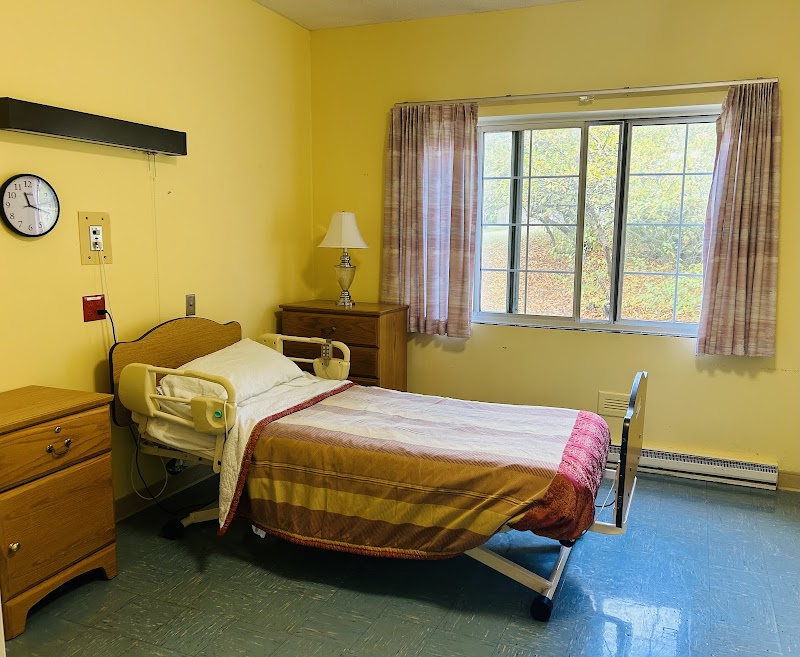
How is Oceanside Rehabilitation And Nursing Center Staffed?

CMS rates OCEANSIDE REHABILITATION AND NURSING CENTER's staffing level at 1 out of 5 stars, which is much below average compared to other nursing homes. Staff turnover is 64%, which is 18 percentage points above the Massachusetts average of 46%. High turnover can affect care consistency as new staff learn residents' individual needs. RN turnover specifically is 67%, which is notably high. RNs provide skilled clinical oversight, so turnover in this role can affect medical care quality.

What Have Inspectors Found at Oceanside Rehabilitation And Nursing Center?

State health inspectors documented 30 deficiencies at OCEANSIDE REHABILITATION AND NURSING CENTER during 2023 to 2025. These included: 29 with potential for harm and 1 minor or isolated issues.
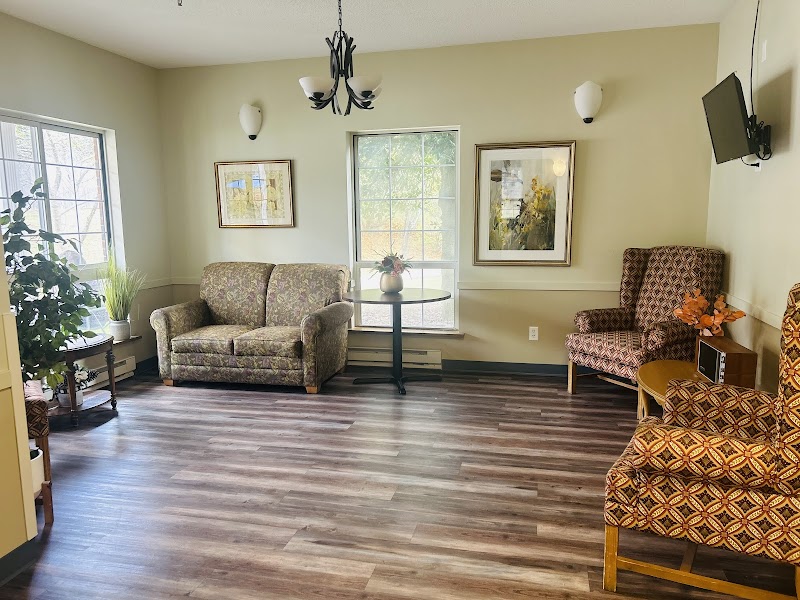
Who Owns and Operates Oceanside Rehabilitation And Nursing Center?

OCEANSIDE REHABILITATION AND NURSING CENTER is owned by a for-profit company. For-profit facilities operate as businesses with obligations to shareholders or private owners. The facility operates independently rather than as part of a larger chain. With 76 certified beds and approximately 59 residents (about 78% occupancy), it is a smaller facility located in ROCKPORT, Massachusetts.
How Does Oceanside Rehabilitation And Nursing Center Compare to Other Massachusetts Nursing Homes?

Compared to the 100 nursing homes in Massachusetts, OCEANSIDE REHABILITATION AND NURSING CENTER's overall rating (3 stars) is above the state average of 2.9, staff turnover (64%) is significantly higher than the state average of 46%, and health inspection rating (4 stars) is above the national benchmark.

What Should Families Ask When Visiting Oceanside Rehabilitation And Nursing Center?

Based on this facility's data, families visiting should ask: "How do you ensure continuity of care given staff turnover, and what is your staff retention strategy?" "Can you walk me through typical staffing levels on day, evening, and night shifts?" "Can I visit during a mealtime to observe dining assistance and food quality?" "How do you handle medical emergencies, and what is your hospital transfer rate?" These questions are particularly relevant given the facility's high staff turnover rate and the below-average staffing rating.

Is Oceanside Rehabilitation And Nursing Center Safe?

Based on CMS inspection data, OCEANSIDE REHABILITATION AND NURSING CENTER has a clean safety record: no substantiated abuse findings (meaning no confirmed cases of resident harm), no Immediate Jeopardy citations (the most serious violation level indicating risk of serious injury or death), and is not on the Special Focus Facility watch list (a federal program monitoring the lowest-performing 1% of nursing homes). The facility has a 3-star overall rating and ranks #1 of 100 nursing homes in Massachusetts. While no facility is perfect, families should still ask about staff-to-resident ratios and recent inspection results during their visit.

Do Nurses at Oceanside Rehabilitation And Nursing Center Stick Around?

Staff turnover at OCEANSIDE REHABILITATION AND NURSING CENTER is high. At 64%, the facility is 18 percentage points above the Massachusetts average of 46%. Registered Nurse turnover is particularly concerning at 67%. RNs handle complex medical decisions and coordinate care — frequent RN changes can directly impact care quality. High turnover means new staff may not know residents' individual needs, medications, or preferences. It can also be disorienting for residents, especially those with dementia who rely on familiar faces. Families should ask: What is causing the turnover? What retention programs are in place? How do you ensure care continuity during staff transitions?

Was Oceanside Rehabilitation And Nursing Center Ever Fined?

OCEANSIDE REHABILITATION AND NURSING CENTER has no federal fines on record. CMS issues fines when nursing homes fail to meet care standards or don't correct problems found during inspections. The absence of fines suggests the facility has either maintained compliance or corrected any issues before penalties were assessed. This is a positive indicator, though families should still review recent inspection reports for the full picture.

Is Oceanside Rehabilitation And Nursing Center on Any Federal Watch List?

OCEANSIDE REHABILITATION AND NURSING CENTER is not on any federal watch list. The most significant is the Special Focus Facility (SFF) program, which identifies the bottom 1% of nursing homes nationally based on persistent, serious quality problems. Not being on this list means the facility has avoided the pattern of deficiencies that triggers enhanced federal oversight. This is a positive indicator, though families should still review the facility's inspection history directly.