RIVERBEND OF SOUTH NATICK

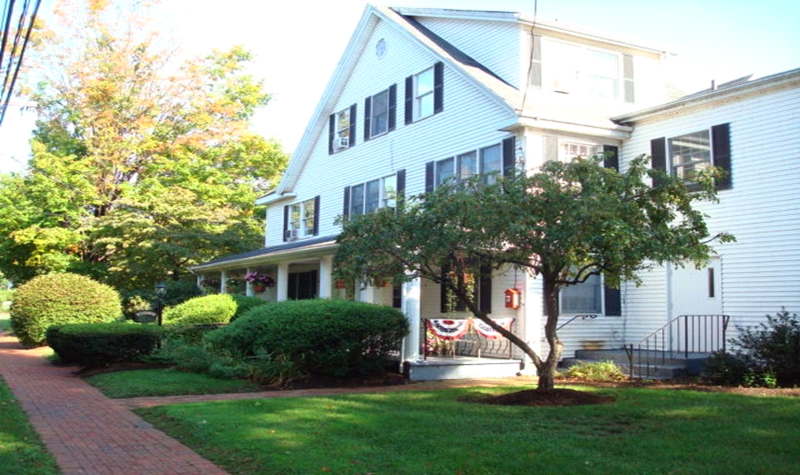
34 SOUTH LINCOLN STREET, S NATICK, MA 01760 (508) 653-8330
For profit - Corporation 55 Beds REHABILITATION ASSOCIATES Data: November 2025
Trust Grade
50/100
#243 of 338 in MA
Last Inspection: June 2024

Within standard 12-15 month inspection cycle. Federal law requires annual inspections.

Overview

Riverbend of South Natick has a Trust Grade of C, which means it is average and positioned in the middle of the pack among nursing homes, but not particularly impressive. In Massachusetts, it ranks #243 out of 338 facilities, placing it in the bottom half, and #45 out of 72 in Middlesex County, indicating that only a few local options are better. Unfortunately, the facility is currently worsening, with issues increasing from 6 in 2023 to 11 in 2024. Staffing is a concern here, receiving only 1 out of 5 stars, with a turnover rate of 49%, which is higher than the state average. While there have been no fines, which is a positive sign, the facility has faced significant issues including improper infection control practices and a high medication error rate of 18.52%, meaning that staff did not administer medications correctly for several residents. Additionally, there was a failure to notify a physician about a resident's significant weight loss, which could impact their care. Overall, while there are strengths such as the absence of fines, the facility has notable weaknesses that should be carefully considered by families.

Trust Score
C
50/100
In Massachusetts
#243/338
Bottom 29%
Safety Record
Low Risk
No red flags
Inspections
Getting Worse
6 → 11 violations
Staff Stability
⚠ Watch
49% turnover. Above average. Higher turnover means staff may not know residents' routines.
Penalties
✓ Good
No fines on record. Clean compliance history, better than most Massachusetts facilities.
Skilled Nurses
✓ Good
Each resident gets 45 minutes of Registered Nurse (RN) attention daily — more than average for Massachusetts. RNs are trained to catch health problems early.
Violations
⚠ Watch
23 deficiencies on record. Higher than average. Multiple issues found across inspections.
★★☆☆☆
2.0
Overall Rating
★☆☆☆☆
1.0
Staff Levels
★★★★☆
4.0
Care Quality
★★★☆☆
3.0
Inspection Score
Stable
2023: 6 issues
2024: 11 issues

The Good

  • 4-Star Quality Measures · Strong clinical quality outcomes
  • Full Sprinkler Coverage · Fire safety systems throughout facility
  • No fines on record

Facility shows strength in quality measures, fire safety.

The Bad

2-Star Overall Rating

Below Massachusetts average (2.9)

Below average - review inspection findings carefully

Staff Turnover: 49%

Near Massachusetts avg (46%)

Higher turnover may affect care consistency

Chain: REHABILITATION ASSOCIATES

Part of a multi-facility chain

Ask about local staffing decisions and management

The Ugly 23 deficiencies on record

Jun 2024 11 deficiencies
CONCERN (D)

Potential for Harm - no one hurt, but risky conditions existed

Notification of Changes (Tag F0580)

Could have caused harm · This affected 1 resident

Based on record review and interview, the facility failed to notify the Physician of a significant change in condition for one Resident (#3) out of a total sample of 13 Residents. Specifically, the f...

Read full inspector narrative →
Based on record review and interview, the facility failed to notify the Physician of a significant change in condition for one Resident (#3) out of a total sample of 13 Residents. Specifically, the facility staff failed to notify the Physician/ Nurse Practitioner (NP) so treatment could be altered when Resident #3 was identified with significant weight loss by the Registered Dietician. Findings include: Review of the facility policy titled Weight Assessment and Intervention, undated, indicated: -The threshold for significant unplanned and undesired weight loss will be based on the following criteria: >1 month - 5% weight loss is significant, greater than 5% is severe >3 months - 7.5% weight loss is significant, greater than 7.5% is severe >6 months - 10% weight loss is significant, greater than 10% is severe -The Physician and multidisciplinary team will identify conditions and medications that may be causing anorexia (eating disorder defined by restriction of energy intake relative to requirements, leading to a significantly low body weight), weight loss, or increasing weight loss. Resident #3 was admitted to the facility in April 2023 with diagnoses including Dementia (progressive disease with impairment in memory and loss of judgement), Dysphagia (difficulty swallowing), Other Feeding Difficulties, Anemia (condition that develops when the blood produces a lower than normal amount of red blood cells and/or hemoglobin [protein in red blood cells that carries oxygen from the lungs to other organs/tissues] to carry oxygen to the body's tissues) and Celiac Disease (chronic digestive and immune disorder that damages the small intestine when the body has a reaction to gluten). Review of Resident #3's Weights and Vitals report provided by the facility on 6/5/24 indicated: -12/12/23: 150.0 lbs (pounds) -1/9/24: 154.0 lbs -2/13/24: 154.1 lbs -3/12/24: 156.4 lbs -4/9/24: 140 lbs (-10.49% change from 3/12/24) -5/14/24: 138.3 lbs (-1.2% change from 4/9/24 and -11.5% from 3/12/24) Review of the May 2024 Physician's orders indicated: -Weights Monthly, initiated 5/16/23 -Diet: >Puree with Thin Liquids gluten free, >lip plate with all meals, >slow pace cues 1 bite, 1 sip at a time, >1:1 supervision, initiated 3/18/24 -Ensure Original Liquid, give 237 ml (milliliters) by mouth twice daily at 8:00 A.M. and 5:00 P.M., initiated 4/24/24 Review of the Nutrition Progress notes indicated the following: >3/3/24: -Resident was able to eat his/her meal with minimal assistance. -Weight remains stable at 154# (lbs), continues with gluten free (therapeutic diet) and puree (mechanically altered texture) diet. -Intake is excellent, eating 100% of most meals. -Will continue to monitor weight, intake, and skin. >4/16/24 (recorded as late entry note on 4/22/24): -A reweight has been requested due to a 16-lb. weight change over the course of one month [3/12/24 - 4/9/24], despite the Resident maintaining excellent intake -We scheduled him/her to be weighed the following day. -Will follow up regarding accuracy. >4/23/24: -The recent weight measurement shows a further decline, now at 133 lbs. compared to 154 lbs. during the annual check-up indicating a -21 lbs. weight change and -7 lbs. since the beginning of April 2024. -The Resident's IBW (Ideal Body Weight) is 130 lbs. +/- 10% (117-143 lbs.), and he/she is currently within ideals, and therefore weight loss is not warranted at this time. -Nursing is aware of the weight loss and will notify the Nurse Practitioner/Medical Doctor. - Recommend initiating Ensure twice daily to help prevent further weight loss and obtain labs. -Will remain involved and reassess. Review of the Nursing Progress Note dated 4/24/24 indicated: -Following recent weight loss, NP (Nurse Practitioner) called with the Dietician's recommendations. -New orders for Ensure (nutritional supplement) twice daily to prevent further weight loss. -Family notified. -Plan of care ongoing. Review of the Physician Progress Notes indicated: -4/11/24: Resident #3 had diagnoses of adult failure to thrive (FTT: syndrome of weight loss, decreased appetite and poor nutrition, and inactivity, often accompanied by dehydration, depressive symptoms and impaired immune function) and moderately advanced Dementia requiring support for ADLs (activities of daily living such as bathing, dressing, eating). Further review of the Physician Progress Notes failed to indicate any concerns, discussion, or intervention regarding the Resident's recent weight loss on 4/9/24. -5/16/24: The Physician Progress Notes failed to indicate any concerns, discussion, or intervention regarding the Resident's recent weight loss or nutritional status. Further review of the medical record failed to indicate that the NP or the Physician evaluated the Resident for nutritional risk or impaired nutrition after the significant weight loss was identified on 4/9/24. During an interview on 6/5/24 at 9:16 A.M., the Nurse Practitioner (NP) said typically the DON (Director of Nurses), or nursing staff communicate any weight loss to her. The surveyor and NP reviewed Resident #3's medical record and the NP said the Resident's weight loss from 3/12/24 to 4/9/24 was concerning and that she was not made aware of the weight loss, only the recommendation by the Dietician to add twice daily Ensure supplement on 4/24/24. Please Refer to F692
CONCERN (D)

Potential for Harm - no one hurt, but risky conditions existed

Deficiency F0604 (Tag F0604)

Could have caused harm · This affected 1 resident

**NOTE- TERMS IN BRACKETS HAVE BEEN EDITED TO PROTECT CONFIDENTIALITY** Based on observation, record review and interview the facility failed to ensure one Resident (#27) was free from a potential res...

Read full inspector narrative →
**NOTE- TERMS IN BRACKETS HAVE BEEN EDITED TO PROTECT CONFIDENTIALITY** Based on observation, record review and interview the facility failed to ensure one Resident (#27) was free from a potential restraint, out of a total sample of 13 residents. Specifically, the facility failed to assess the use of the right side of the bed positioned flush against the wall, preventing Resident #27 from exiting the right side of bed, being used as a potential restraint. Findings include: Review of the facility policy titled Restraints, undated, indicated the following: -The intent of this policy is for each person to reach his or her practicable wellbeing in an environment that prohibits the use of restraints for discipline or convenience and limits restraint use to circumstances in which the resident has medical symptoms that warrant the use of restraints. -A restraint used for any reason other than medical symptoms, violates the rights of the residents, reduces their quality of life, and presents significant physical and psychological risks. -Physical Restraints are defined as any method, physical or mechanical device, material, or equipment attached to or adjacent to the resident's body, that the individual cannot remove easily which restricts freedom of movement or normal access to one's body. Resident #27 was admitted to the facility in December 2023 with diagnoses including Alzheimer's Disease (a progressive disease beginning with mild memory loss and leading to the loss of the ability to carry on a conversation and respond to the environment, involves parts of the brain that control thought, memory, and language) and Intraductal Carcinoma of the breast (a non-invasive or pre-invasive breast cancer). Review of the Minimum Data Set (MDS) assessment dated [DATE], indicated Resident #27 was severely cognitively impaired as evidenced by a Brief Interview for Mental Status (BIMS) score of one out of a total score of 15. On 5/30/24 at 9:33 A.M., the surveyor observed Resident #27 asleep in bed with the right side of the bed positioned flush against the wall. On 6/4/24 at 8:50 A.M., the surveyor observed Resident #27 lying in bed, with the right side of the bed positioned flush against the wall. The surveyor also observed that the head of the bed was elevated. Review of Resident #27's Physician's orders dated 5/1/24 through 6/30/24, did not indicate any orders for the Resident to have the bed positioned flush against the wall on the right side of the bed. Review of Resident #27's clinical record did not provide any evidence that an assessment relative to positioning the right side of Resident #27's bed flush against the wall, had been completed as a potential restraint. Further review of Resident #27's clinical record did not provide any evidence documented in the progress notes relative to positioning Resident #27's bed flush against the wall to the right side of the bed. Review of Resident #27's current care plan last revised 5/29/24, did not provide any evidence of care planning relative to positioning the right side of Resident #27's bed flush against the wall. During an interview and observation on 6/4/24 at 12:41 P.M., of Resident #27 lying in bed, Unit Manager (UM) #1 said that she did not know why Resident #27's bed was against the wall. UM #1 further said she was not sure if an assessment as a potential restraint had been completed relative to positioning the right side of Resident #27's bed flush against the wall. During an interview on 6/4/24 at 1:09 P.M., Certified Nurses Aide (CNA) #1 said he worked full-time on the 2nd floor unit and often provided care to Resident #27. CNA #1 said Resident #27's bed was flush against the wall because the space in the room was small. CNA #1 said that Resident #27 sits up in the chair sometimes but prefers to be in bed with the head of the bed elevated. During an interview on 6/4/24 at 2:23 P.M., UM #1 said that she could not provide any evidence that positioning the bed flush against the wall to the right side of the bed had been assessed as a potential restraint for the Resident. UM #1 also said that there was no Physician's order or care plan in place for the positioning of Resident #27's bed flush against the wall to the right side of the bed. UM #1 said that there should have been a restraint assessment performed, a Physician's order obtained, and a care plan put into place for the positioning of the right side of Resident #27's bed flush against the wall.
CONCERN (D)

Potential for Harm - no one hurt, but risky conditions existed

Deficiency F0645 (Tag F0645)

Could have caused harm · This affected 1 resident

Based on policy, record review and interview, the facility failed to refer one Resident (#17) out of a total sample of 13 residents, for a Preadmission Screening and Resident Review (PASRR- a federal ...

Read full inspector narrative →
Based on policy, record review and interview, the facility failed to refer one Resident (#17) out of a total sample of 13 residents, for a Preadmission Screening and Resident Review (PASRR- a federal requirement to help ensure individuals are not inappropriately placed in long term care) Level II evaluation (an in-depth evaluation of a person who has a positive Level I screen (a pre-admission screening process used to determine if a person has a diagnosis or suspected diagnosis of developmental disabilities/related conditions or mental illness) for mental illness (MI), intellectual disability, or related condition to determine if they require specialized services). Specifically, the facility failed to refer Resident (#17) for a Level II evaluation when the Resident had documented diagnoses of mental illness (MI) and the Level I screen completed in the hospital prior to the facility admission was inaccurate. Findings include: Review of the facility policy titled Pre-admission Screen, undated, indicated the following: -Upon receipt of the referral the Director of Social Services will request and/or initiate the need for an onsite or telephonic completion of the pre-admission screen. -If an onsite medical record/patient review is necessary the social service/designee will complete the pre-admission screen after receiving the referral. -The original copy of the pre-admission screen will be placed in the patient's chart. Resident #17 was admitted to the facility in May 2024 with diagnoses including Depression (a mental health disorder characterized by persistently depressed mood or loss of interest in activities, causing significant impairment in daily life) and Unspecified Psychosis (a mental disorder characterized by a disconnection from reality). Review of the PASRR Level I Screening Form dated 5/8/24, indicated the Resident did not have a documented diagnosis of a mental illness or mental disorder and had not experienced any major life activity or functional impairments within the past six months, resulting in a negative PASRR Level I screen. Review of the Hospital Patient Care Referral Form dated 5/8/24, indicated Resident #17: -had a prior medical history of Mood Disorder-Depression. -was prescribed Sertraline (an anti-depressant medication). -had a Psychiatric Consult with recommendation to continue nightly Seroquel (an antipsychotic medication) with Haldol (an antipsychotic medication) through an IV (Intravenously) access as needed for agitation. Review of the facility's Initial Nurse Practitioner (NP) Visit Note dated 5/9/24, indicated that Resident #17: -had a history of Depression and Anxiety, and had medication changes to his/her antidepressant medications during his/her hospitalization. -was started on Seroquel for agitation/psychosis and received IV Haldol during his/her hospitalization. -had Psychosis and continues on Seroquel at night. During an interview on 5/31/24 at 11:39 A.M., the facility Social Worker (SW) said she was responsible for reviewing the hospital documentation provided by the admissions department and then completing the PASRR Level I screen. The surveyor and the SW reviewed the Hospital's Patient Care Referral Form dated 5/8/24, and the SW said that the PASRR Level I screen was not accurate and a Level II evaluation was needed.
CONCERN (D)

Potential for Harm - no one hurt, but risky conditions existed

Deficiency F0657 (Tag F0657)

Could have caused harm · This affected 1 resident

**NOTE- TERMS IN BRACKETS HAVE BEEN EDITED TO PROTECT CONFIDENTIALITY** Based on observation, interview, record review and policy review, the facility failed to ensure the plan of care was revised for...

Read full inspector narrative →
**NOTE- TERMS IN BRACKETS HAVE BEEN EDITED TO PROTECT CONFIDENTIALITY** Based on observation, interview, record review and policy review, the facility failed to ensure the plan of care was revised for three Residents (#8, #18 and #10), out of a total sample of 13 residents. Specifically, the facility staff failed to: 1. For Resident #8, revise the Resident's Incontinence Care Plan to reflect the current suprapubic catheter size. 2. For Resident #18, revise a Fall Care Plan after the Resident sustained a fall. 3. For Resident #10, ensure that the Resident and/or the Resident Representative were invited to participate in the Care Plan Conference Meetings. Findings include: Review of the facility policy titled Care Plan, Comprehensive Person-Centered revised 12/2016, indicated the comprehensive care plan will: -Include assessment of the resident's strengths and needs and incorporate the resident's personal and cultural preferences in developing the goals of care -Measurable objectives and timeframes -Incorporate identified problems areas, risk factors associated with identified problems -Aid in preventing or reducing decline in the resident's functional status and/or functional levels -Enhance optimal functioning of the resident by focusing on a rehabilitative program Review of the facility policy titled Care Planning-Interdisciplinary Team, undated, indicated the following: -The care plan is based on the Resident's comprehensive assessment and is developed by a Care Planning/Interdisciplinary Team which includes, but is not necessarily limited to the following personnel: -Physician -Registered Nurse who has responsibility for the Resident -Dietician -Social Worker -Activity Director -Nursing Assistants responsible for the Resident's care -Charge Nurse responsible for the Resident's care -Others as appropriate or necessary to meet the needs of the Resident -The Resident, the Resident's family and/or the Resident's legal representative/guardian (a person appointed by the court to make decisions on behalf of someone else) or surrogate (an adult who has shown special care and concern for the individual, who is familiar with the individuals' personal values, is reasonably available, and is willing to serve as the surrogate) are encouraged to participate in the development of and revisions to the Resident's care plan. 1. Resident #8 was admitted to the facility in November 2022, with diagnoses including neurocognitive disorder (a group of conditions that cause a decline in mental function due to medical disease other than a psychiatric illness), retention of urine (inability to completely empty bladder of urine), and neuromuscular dysfunction of the bladder (lack of bladder control due to brain, spinal cord, or nervous system problems). Review of the Minimum Data Set (MDS) assessment dated [DATE], indicated that Resident #8 had severe cognitive impairment as evidenced by a Brief Interview of Mental Status (BIMS) score of 2 out of a total 15 and had an indwelling urinary catheter (a thin, flexible tube inserted into the bladder to drain urine outside the body). Review of the Urinary Incontinence Care Plan initiated 12/19/22, indicated that Resident #8 had an indwelling Foley catheter, Size 22 French (Fr) and 30 milliliters (ml) balloon (retention balloon- a tiny balloon at the end of the indwelling urinary catheter that is inflated with water to prevent the indwelling urinary catheter from sliding out of the body). Review of Resident #8's May 2024 Physician's orders included the following: -Suprapubic catheter, Size 20 Fr and 5 ml balloon, dated 1/8/24. On 6/4/24 at 10:19 A.M., during an observation with Unit Manager (UM) #1, UM #1 said Resident #8's suprapubic catheter was Size 18 Fr with 5 ml balloon. During an interview on 6/4/24 at 1:44 P.M., the Director of Nursing (DON) said Resident #8's suprapubic catheter was Size 18 Fr and 5 ml balloon. The DON further said a Physician's order should have been obtained and the Resident's Urinary Incontinence Care Plan should have been revised for the correct catheter size but was not. 2. Resident #18 was admitted to the facility in July 2023, with diagnoses including Rhabdomyolysis (a breakdown of muscle tissue that releases a damaging protein into the blood), repeated falls, insomnia (sleep disorder with trouble falling asleep and/or staying asleep), and Psychosis (severe mental condition in which thought and emotions are so affected that contact is lost with external reality). Review of the Minimum Data Set (MDS) assessment dated [DATE], indicated that Resident #18 had severe cognitive impairment as evidenced by a Brief Interview of Mental Status (BIMS) score of 5 out of a total 15 and had a history of falls. Review of the Nursing Progress Note dated 12/26/23 indicated that Resident #18 was found on the floor in his/her room leaning against the wall. The Nursing Progress Note further indicated the Resident said that he/she was getting out of bed and the chair was not locked and he/she slid onto the floor. Review of the Impaired Mobility Care Plan initiated 8/3/23 and revised 4/4/24, did not include any interventions for falls. During an interview on 5/31/24 at 10:40 A.M., the DON said the Interdisciplinary Team (IDT) reviews any Resident falls, and new interventions to prevent falls would be updated in the Resident's plan of care after review with the IDT. During a follow-up interview on 5/31/25 at 12:44 P.M., the DON said Resident #18's incident report for falls in 12/26/23 had not been reviewed by the IDT and no falls interventions had been put in place. 3. Resident #10 was admitted to the facility in January 2023 with diagnoses including Diabetes Mellitus II (a long term condition in which the body has difficulty controlling sugar in the blood), left femur fracture (fracture of the thigh bone), Depression (a mental disorder characterized by a pervasive low mood, low self-esteem, and loss of interest or pleasure in normally enjoyable activities), and Chronic Kidney Disease (CKD: a condition in which the kidneys are damaged and can no longer filter waste from the blood). Review of the Minimum Data Set (MDS) assessment dated [DATE], indicated that Resident #10 was severely cognitively impaired as evidenced by a Brief Interview for Mental Status (BIMS) score of seven out of a total score of 15. During an interview on 5/30/24 at 9:21 A.M., Resident #10 said he/she was not sure if he/she had gone to any care plan meetings. Resident #10 also said that he had broken his leg and now uses a walker because he/she is unsteady on his/her feet. Review of Resident #10's record indicated Care Plan Conference Summary Notes dated 10/19/23, 1/4/24 and 3/21/24. Further review of the Care Plan Conference Summary Notes indicated that Social Worker (SW) #1 and the Activities Director (AD) attended the care plan conferences but did not indicate that the Resident and/or the Resident Representative (RR) or any other member of the Care Planning/Interdisciplinary Team attended the care plan conferences. Review of the Social Work Progress Notes written by SW #1, dated from 10/10/23 to 5/29/24, did not provide any evidence that the Resident and/or the RR had been invited to attend the care plan conferences dated 10/19/23, 1/4/24, and 3/21/24. Further review of the Social Work Progress Notes did not indicate that the Resident and/or the RR had declined to attend the care plan conferences dated 10/19/23, 1/4/24, and 3/21/24. During an interview on 6/5/24 at 9:37 A.M., SW #1 said that she had worked at the facility for nine years and was responsible for the implementation of the care plan conference process. SW #1 said she received information from the MDS Coordinator that indicated which residents were due for a care planning conferences and then sent an email or letter to the Resident and/or the RR/family informing them of the date of the care plan conference. SW #1 said that a Certified Nurses Aide (CNA), a Nurse, the Physician, the Social Worker, the Activities Director and any other discipline involved in the Resident's care were required to attend the care plan conference. SW #1 said the Care Plan Conference Summary Notes, kept in the Resident's record, contained all documentation regarding the care plan conference and included which disciplines attended the conference and if the Resident and/or the RR/family had attended or declined to attend the conference. The surveyor and SW #1 reviewed Resident #10's Care Plan Conference Summary Notes dated 10/19/24, 1/4/24 and 3/21/24, and SW #1 said that there was no documentation that indicated Resident #10 and/or RR/family had been invited to attend or had declined to attend the care plan conference. SW #1 said if there was no documentation then that meant the Resident and/or the RR/family had not been invited to the conference. SW #1 also said that there was no documentation that reflected the required disciplines had attended Resident #10's care plan conference and there should have been documentation.
CONCERN (D)

Potential for Harm - no one hurt, but risky conditions existed

Deficiency F0692 (Tag F0692)

Could have caused harm · This affected 1 resident

Based on record review, policy review, and interview, the facility failed to recognize and address nutritional needs timely when weight loss of greater than 10% was identified for one Resident (#3), o...

Read full inspector narrative →
Based on record review, policy review, and interview, the facility failed to recognize and address nutritional needs timely when weight loss of greater than 10% was identified for one Resident (#3), out of a total sample of 13 residents. Specifically, the facility failed to: -notify the Registered Dietician (RD) and Physician/ Nurse Practitioner (NP) timely when the significant weight loss occurred, -implement a recommendation from the RD to obtain labs for Resident #3, -obtain a re-weigh and implement nutritional interventions timely, resulting in a two week delay of care. Findings include: Review of the facility policy titled Weight Assessment and Intervention, undated, indicated: -Any weight change of 5% or more since the last weight assessment will be retaken the next day for confirmation. If the weight is verified, nursing will immediately notify the Registered Dietitian (RD) in writing. Verbal notification must be confirmed in writing. -The RD will review the unit Weight Record by the 15th of the month to follow individual weight trends over time. Negative trends will be evaluated by the treatment team whether or not the criteria for significant weight change has been met. -The threshold for significant unplanned and undesired weight loss will be based on the following criteria: >1 month- 5% weight loss is significant, greater than 5% is severe >3 months- 7.5% weight loss is significant, greater than 7.5% is severe >6 months- 10% weight loss is significant, greater than 10% is severe -Assessment information shall be analyzed by the multidisciplinary team and conclusions shall be made regarding: >Resident's target weight range >Approximate calorie, protein, and other nutrient needs compared with the Resident's current intake. >The relationship between current medical condition or clinical situation and recent fluctuations in weight; and > Whether and to what extent weight stabilization or improvement can be anticipated. -The Physician and multidisciplinary team will identify conditions and medications that may be causing Anorexia (eating disorder defined by restriction of energy intake relative to requirements, leading to a significantly low body weight), weight loss, or increasing weight loss. For example: >Cognitive or functional decline >Chewing or swallowing abnormalities >Pain >Medication-related adverse consequences >Environmental factors >Increased need for calories and/or protein >Poor digestion or absorption Resident #3 admitted to the facility in April 2023 with diagnoses including Dementia (a group of conditions characterized by impairment of at least two brain functions, such as memory and loss of judgment), Dysphagia (difficulty swallowing), Other Feeding Difficulties, Anemia (condition that develops when the blood produces a lower than normal amount of red blood cells and/or hemoglobin [protein in red blood cells that carries oxygen from the lungs to other organs/tissues] to carry oxygen to the body's tissues), and Celiac Disease (chronic digestive and immune disorder that damages the small intestine when the body has a reaction to gluten). Review of the Resident's Care Plan for Risk of GI (Gastro-Intestinal) Distress related to Celiac Disease, initiated 4/6/23, indicated the following interventions: -Labs as ordered, initiated 4/6/23 -Monitor for signs and symptoms of nausea, vomiting, diarrhea, bloated stomach, weight loss, constipation, gas, initiated 4/6/23 Review of the Resident's Care Plan for Nutritional Status, initiated 6/19/23, indicated the following: -The Resident had an inability to tolerate regular texture meals as evidenced by the need for altered texture diet and increased risk of aspiration (when something such as food or liquid enters your airway or lungs by accident which may cause serious health problems such as pneumonia) related to dysphagia. -1:1 (one staff to be with the Resident) for all oral intake, initiated 6/19/23 -Diet as ordered, initiated 6/19/23 -Maintain adequate intake greater than 50% of most meals, initiated 6/19/23 -Continue to provide supervision for all meals, initiated 6/23/23 Review of the MDS (Minimum Data Set) Assessment, dated 5/24/24, indicated the Resident: -Had severe cognitive impairment as evidenced by a Brief Interview for Mental Status (BIMS) score of 1 out of a total 15 -Required setup assistance with eating tasks -Had no indicators of swallowing difficulties -Last weight was 138 lbs -Had a weight loss of 5% or more in the past month and greater than 10% in the last 6 months -Had a mechanically altered diet (a type of texture-modified diet for people who have difficulty chewing and swallowing) -Had a therapeutically altered diet (a meal plan where foods and/or nutrients are adjusted to assist with controlling medical conditions or symptoms) Review of the May 2024 Physician's orders for Resident #3 indicated: -Weights Monthly, initiated 5/16/23 -Diet: >Puree with Thin Liquids Gluten Free, >lip plate (a rimmed plate) with all meals, >slow pace cues 1 bite, 1 sip at a time, >1:1 supervision, initiated 3/18/24 -Ensure Original Liquid (a liquid nutritional supplement), give 237 milliliters (mls) by mouth twice daily at 8:00 A.M. and 5:00 P.M., initiated 4/24/24 Review of Resident #3's Weights and Vitals Report provided by the facility on 6/5/24 indicated: -12/12/23: 150.0 lbs (pounds) -1/9/24: 154.0 lbs -2/13/24: 154.1 lbs -3/12/24: 156.4 lbs -4/9/24: 140 lbs (-10.49% change from 3/12/24) -5/14/24: 138.3 lbs (-1.2% change from 4/9/24 and -11.5% since 3/12/24) Review of the RD's Nutrition Progress Notes indicated the following: -3/3/24: Resident was able to eat his/her meal with minimal assistance. A few months ago, he/she needed more feeding assistance but lately, he/she initiated self-feeding. Weight remains stable at 154# (lbs), continues with gluten free (therapeutic diet) and puree (mechanically altered texture) diet. Intake is excellent, eating 100% of most meals. Will continue to monitor weight, intake, and skin. -4/16/24: (recorded as late entry note on 4/22/24) - A re-weight has been requested due to a 16-lb. weight change over the course of one month, despite the Resident maintaining excellent intake We scheduled him/her to be weighed the following day. Will follow up regarding accuracy. -4/23/24: The recent weight measurement shows a further decline, now at 133 lbs compared to 154 lbs during the annual check-up (3/12/24) indicating a -21 lbs. weight change and -7 lbs. since the beginning of April 2024. The Resident's IBW (Ideal Body Weight) is 130 lbs. +/- 10% (117-143 lbs.), and he/she is currently within ideals, and therefore weight loss is not warranted at this time. Nursing is aware of the weight loss and will notify the Nurse Practitioner/Medical Doctor. Despite being on a gluten-free puree diet, the Resident's meal intake ranges from 60-80%. He/she .requires assistance with feeding on occasion. Recommend initiating Ensure twice daily to help prevent further weight loss and obtain labs. Will remain involved and reassess. -6/2/24: His/her recent weight is 138 pounds, with no significant change over the past month. Staff report good intake of his/her supplement, Ensure [supplement] 237 mls twice daily. The last labs obtained on 1/3/24 were reviewed and were within normal limits which was improved since 10/18/23. The plan indicated to continue to monitor weight, intake, and skin. Further review of the Nutrition Progress Notes did not indicate that labwork was obtained and/or referenced per the previous RD recommendation on 4/23/24. Review of the Nursing Progress Notes dated 4/24/24, indicated: -Following recent weight loss, NP (Nurse Practitioner) [was] called with the Dietician's recommendations. -New orders for Ensure twice daily to prevent further weight loss. -Family notified. -Plan of care ongoing. Review of the Medical Record failed to indicate documentation of the weight of 133 lbs. referenced in the Nutrition Note on 4/23/24 and that labwork was obtained per the RD recommendations when the Resident's weight loss was verified. Further review of Resident #3's Medical Record failed to indicate: -that a re-weight was obtained for verification the day after the 4/9/24 weight, which indicated a significant weight loss of 16.4 lbs. in one month (10.49% loss). -that the NP or the Medical Doctor (MD) was notified. -that the NP or Medical Doctor evaluated the Resident for nutritional risk and/or impaired nutrition when the significant weight loss was identified after the re-weight was obtained on 4/23/24. During an interview on 6/4/24 at 2:43 P.M. the RD said that she prints a weight report on her weekly visits and reviews the report to see if there are any changes or discrepancies. The RD said she was not notified by Nursing of Resident #3's weight loss on 4/9/24 but discovered the weight change when reviewing the weekly weight report. The RD said that she notified Nursing of Resident #3's weight loss and recommended that labs be obtained. The RD further said that she was unable to confirm if more frequent weights were obtained between 4/9/24 and 5/14/24 as none were documented in the Weights and Vitals Report. The RD said that her recommendation for labs on 4/23/24 was verbally communicated to the nursing staff for follow-up with the MD or NP. The RD said that she would want a normal panel of labs such as a TSH (Thyroid Stimulating Hormone - measurement of thyroid levels in the blood), Albumin Levels (measurement of liver protein in the blood. Low levels would indicate kidney or liver issues) and H and H (Hematocrit and Hemoglobin - measurements of protein and red blood cells. Low levels could indicate Anemia [lower than normal amount of red blood cells]). The RD said Resident #3 did not have any labwork obtained since the RD's 4/23/24 recommendation, and that she did not recommend additional labs in her 6/2/24 note. The RD said that she did not have any direct communication regarding Resident #3's weight loss/nutritional status with the NP or MD, and that she relied on Nursing to communicate any dietary recommendations to the MD or NP. During an interview on 6/5/24 at 9:16 A.M., the NP said that when a Resident experiences a weight loss, the facility would typically re-weigh the Resident to verify the weight loss, do weekly weights for 4 weeks to see if the Resident's weight was stable, would add nutritional supplements, review the Resident's intake and appetite, perform a KUB (Kidney Ureter Bladder scan) to determine if there was constipation, obtain updated labwork, and do a medication review for concerns for sedation (the calming of mental excitement or abatement of physiological function, especially by the administration of a drug). The NP said that typically the Director of Nursing (DON) or Nursing staff communicate to her any weight loss. The NP said she was available Monday through Friday 8:00 A.M. to 5:00 P.M. and that her office has on-call staff that are available afterhours. The NP said that she had not communicated with the RD directly. The surveyor and the NP reviewed Resident #3's record and the NP said that labwork for Resident #3 had not been obtained since 1/3/24. The NP further said Resident #3's weight loss from 3/12/24 to 4/9/24 was concerning and that she was not notified of the Resident's weight loss but was notified of the recommendation to add the Ensure supplement twice daily on 4/24/24. During an interview on 6/5/24 at 9:45 A.M., the Unit Manager (UM) said the CNA's (Certified Nurses Aides) were to obtain weights as ordered by the MD and document them in the medical record. The UM said that if a resident had an identified weight loss, the Nursing staff would contact the RD, the MD or NP, and the resident's family to discuss the weight loss. The UM said she would expect to be notified of the weight loss to begin an assessment which would include ordering labwork, review of the Resident's ability to eat, bowel regimen, review of any issues with pain, mouth or dental needs, and medications. The UM said that she had not participated in any multidisciplinary meetings relative to residents at risk or experiencing weight loss. During an interview on 6/5/24 at 10:08 A.M, the DON said that the process regarding weight assessment for Resident #3 was not followed and should have been.
CONCERN (D)

Potential for Harm - no one hurt, but risky conditions existed

Deficiency F0727 (Tag F0727)

Could have caused harm · This affected 1 resident

Based on review and interview, the facility failed to provide evidence that the services of a Registered Nurse (RN) were used for at least eight consecutive hours a day, seven days a week. Specificall...

Read full inspector narrative →
Based on review and interview, the facility failed to provide evidence that the services of a Registered Nurse (RN) were used for at least eight consecutive hours a day, seven days a week. Specifically, the facility failed to provide evidence that at least eight consecutive hours of RN coverage was provided on 5/4/24 and 5/11/24, when no Nurse staff waivers were in place, and there was no Director of Nursing (DON) serving as a charge nurse placing all residents at risk for not having their clinical needs met either directly by the RN or indirectly by the Licensed Practical Nurse (LPN) or Certified Nurses' Aides (CNA) that the RN was responsible for overseeing with provision of resident care. Findings include: Review of the Daily Nurse Staff Schedule provided by the facility for 5/1/24 through 5/31/24 indicated no evidence that the required eight consecutive hours of RN covered was provided on Saturday 5/4/24 and Saturday 5/11/24. During an interview on 5/30/24 at 4:58 P.M., the facility Scheduler said the facility was not able to have RN coverage for 5/4/24 and 5/11/24. During an interview on 5/31/24 at 2:21 P.M., the Director of Nursing (DON) said she was not employed in the facility at the time and could not have covered Saturday 5/4/24 or Saturday 5/11/24 as a charge nurse. During an interview on 5/30/24 at 5:09 P.M., the facility Administrator said the facility had no RN coverage for 5/4/24 and 5/11/24.
CONCERN (D)

Potential for Harm - no one hurt, but risky conditions existed

Unnecessary Medications (Tag F0759)

Could have caused harm · This affected 1 resident

Based on observation, record review, policy review, and interview, the facility failed to ensure that the medication error rate was not five percent (5%) or greater when Nurse #1 made four errors out ...

Read full inspector narrative →
Based on observation, record review, policy review, and interview, the facility failed to ensure that the medication error rate was not five percent (5%) or greater when Nurse #1 made four errors out of 25 opportunities, resulting in a medication error rate of 16% for two Residents (#9 and #4). Specifically, Nurse #1 failed to: 1. For Resident #9, a. administer the correct dose of Cholecalciferol (Vitamin D3 - drug class vitamin used to treat Vitamin D deficiency) medication. b. observe and encourage the Resident to completely take all of his/her MiraLAX (used to treat constipation) medication. 2. For Resident #4, a. accurately check the Resident's blood pressure and heart rate as ordered prior to administering Metoprolol (used to lower blood pressure) medication. b. offer and encourage the Resident to rinse his/her mouth after administering orally inhaled medication to prevent fungal infections. c. administer the correct dose of Vitamin B12 medication per Physician's Orders. Findings include: Review of the facility policy titled Administering medications, revised 2012, indicated the following: -Vital signs must be checked/verified for each resident prior to administering medications, if necessary. -The individual administering the medication must check the label three times to verify the right resident, right medication, right dosage, right time and right method of administration before giving the medication. -Medication must be administered in accordance with the orders, including any required time frame. 1. Resident #9 was admitted to the facility in February 2024, with diagnoses including CVA (cerebrovascular accident or stroke: [damage to tissues in the brain caused by blood clots, disrupted blood supply and restricted oxygen supply to the specific area]), Anxiety (feeling of unease, such as worry or fear, that can be mild or severe/ intense, excessive, and persistent worry and fear about everyday situations), Depression (a mental health disorder characterized by persistently depressed mood or loss of interest in activities, causing significant impairment in daily life), and Diabetes (disease in which the body's ability to produce or respond to the hormone insulin is impaired resulting in elevated blood glucose [sugar] levels in the blood). On 5/31/24 at 7:36 A.M., during a medication pass procedure, the surveyor observed Nurse #1 prepare and administer the following medications to Resident #9: -Cholecalciferol (Vitamin D3) 25 micrograms (mcg) - 1 tablet (not two tablets as ordered) -Buspirone (used to treat general anxiety disorder) 15 milligram (mg) - 1 tablet -Metformin (used to control blood sugar) 500 mg - 1 tablet -MiraLAX 17 grams (g) (used to soften stool) - 1 scoop -Atorvastatin (used to control cholesterol in the blood) 20 mg - 1 tablet -Escitalopram (used to control Depression) 10 mg - 1 tablet The surveyor observed Nurse #1 pour the MiraLAX powder 17 grams into a cup with water, entered Resident #9's room and handed Resident #9 the previously prepared medications in a cup. The surveyor observed that the Resident swallowed the medications with a sip of the water that contained the MiraLAX powder which had settled at the bottom of the water in the cup. The Resident was observed to place the remaining water with the MiraLAX powder on the table. The surveyor observed that the Nurse exited the room without ensuring that the Resident drank all the MiraLAX medication. Review of Resident #9's May 2024 Medication Administration Records (MAR) indicated: -8:00 A.M., Vitamin D3 25 mcg - 2 tablets -8:00 A.M., Buspirone 15 mg - 1 tablet -8:00 A.M., Metformin 500 mg - 1 tablet -8:00 A.M., MiraLAX 17 gm - 1 scoop, mix in 6 ounces fluid of choice -8:00 A.M., Atorvastatin 20 mg - 1 tablet -8:00 A.M., Escitalopram 10 mg - 1 tablet 2. Resident #4 was admitted to the facility in February 2024, with diagnoses including Hypertension (high blood pressure), Heart Failure (HF: when the heart is unable to pump blood as it should resulting in fluid buildup in the feet, arms, lungs and other organs), Coronary Artery Disease (CAD: heart condition that occurs when fatty deposits of plaque build up in the coronary arteries causing them to narrow and restrict blood flow to the heart) and Depression. On 5/31/24 at 7:50 A.M., the surveyor observed Nurse #1 prepare and administer the following medications to Resident #4: -Vitamin B12 (used to strengthen the immune system) 100 mcg, 1 tablet -GERI KOT (used to soften stool) 8.6 mg, 2 tablets -Magnesium Oxide 400 mg, 1 tablet -Fluticasone furoate/Vilanterol Ellipta Inhalation powder (Breo Ellipta)100 mcg/25 mcg -Buspirone (used to treat depression) 15 mg, 1 tablet -Sertraline (used to treat depression)100 mg, 1 tablet -Sertraline 25 mg, 3 tablets -Famotidine (used to treat acid reflux) 20 mg, 1 tablet -Metoprolol (used to control blood pressure) 50 mg, 1 tablet -Creon 6 (helps to digest food) 6000 international unit (IU), 1 capsule -Refresh eye drops a. The surveyor observed Nurse #1 enter Resident #4's room with a blood pressure cuff and the previously prepared medications in a medication cup. Nurse #1 wrapped the blood pressure cuff on Resident #4's right lower arm, (closest to the wrist), inflated the cuff, then deflated the cuff and removed the cuff from the Resident's arm. The surveyor did not observe Nurse #1 use a stethoscope while obtaining the blood pressure measurement. b. The surveyor further observed Nurse #1 remove a tissue from her pocket, instilled one drop of the Refresh eye drop into each of Resident #4's eyes and then wiped both of the Resident's eyes with the same tissue. Nurse #1 then gave Resident #4 the Breo Ellipta inhaler and the Resident inhaled one puff of the medication orally. The surveyor observed Nurse #1 exit the Resident's room and placed the Breo Ellipta inhaler medication, and the Refresh eye drop together with the blood pressure cuff back into the medication cart. The surveyor observed that Nurse #1 entered Resident #4's blood pressure reading into the electronic medical record (EMR) as 127/68 mmHg (millimeters of mercury). When the surveyor asked Nurse #1 how the blood pressure reading was obtained, Nurse #1 said she forgot her stethoscope. Nurse #1 then said she needed to obtain Resident #4's heart rate. The surveyor observed Nurse #1 re-enter Resident #4's room and held his/her hand, then said she needed to look for a watch. Nurse #1 was observed walking around the unit asking the other staff members if anyone had a watch. At 8:27 A.M., Certified Nurses Aide (CNA) #1 brought Nurse #1 a wall clock. Nurse #1 took the wall clock from CNA #1, entered Resident #4's room, held the Resident's hand while watching the clock for about 30 seconds, then exited the room and documented a heart rate of 76 bpm (beats per minute). During an interview on 5/31/24 at 8:41 A.M., the Director of Nursing (DON) said a blood pressure measurement cannot be obtained with just a blood pressure cuff and without a stethoscope. The DON said that the blood pressure reading of 127/68 mmHg for Resident #4 documented by Nurse #1 was an error. On 5/31/24 at 8:45 A.M., Unit Manager (UM) #1 came to the unit and assumed responsibility of the medication cart from Nurse #1 and UM #1 continued with the medication administration procedure to the unit residents. Review of Resident #4's May 2024 Physician Orders indicated: -Artificial Tears one drop into each eye ordered 2/15/24 -Breo Ellipta 100-25 mcg one puff inhale into lungs once daily, rinse mouth after each use ordered 2/20/24 -Buspirone 15 mg tablet, ordered 2/20/24 -Creon 6,000-unit capsule, ordered 2/20/24 -Famotidine 29 mg tablet, ordered 4/24/24 -Furosemide 40 mg tablet, ordered 2/20/24 -Magnesium Oxide 400 mg tablet, ordered 2/15/24 -Metoprolol 50 mg tablet, ordered 4/24/24 -Senna 8.6 mg (2) tablets, ordered 2/15/24 -Sertraline 100 mg tablet, ordered 2/20/24 -Sertraline 25 mg (3) tablets, ordered 2/20/24 -Vitamin B12 500 mcg tablet, ordered 2/15/24 Review of Resident #4's May 2024 MAR indicated: -8:00 A.M., Artificial Tears 1 drop into each eye -8:00 A.M., Breo Ellipta 100-25 mcg inhaler, one puff into lungs once daily, rinse mouth after each use. -8:00 A.M., Buspirone 15 mg, 1 tablet -8:00 A.M, Creon 6,000 IU, 1 capsule -8:00 A.M., Famotidine 20 mg, 1 tablet -8:00 A.M., Furosemide 40 mg, 1 tablet -8:00 A.M., Magnesium 400 mg, 1 tablet -8:00 A.M., Metoprolol 50 mg, 1 tablet, hold for systolic blood pressure less than 100 and heart rate less than 50 -8:00 A.M., Senna 8.6 mg, 2 tablets -8:00 A.M., Sertraline 100 mg, 1 tablet -8:00 A.M., Sertraline 25 mg, 3 tablets -8:00 A.M., Vitamin B12 500 mcg, 1 tablet During an interview on 5/31/24 at 11:03 A.M., UM #1 said Resident #9 should have received two tablets of Vitamin D3 and Nurse #1 should have observed Resident #9 drink the entire cup of water mixed with the MiraLAX medication as ordered by the Physician. UM #1 also said that a blood pressure and heart rate measurements should have been obtained before Nurse #1 administered the Metoprolol medication to Resident #4. UM #1 further said that Nurse #1 should have given Vitamin B12 500 mcg, not 100 mcg to Resident #4 and that Resident #4 should have rinsed his/her mouth after using the oral inhaler. During an interview on 5/31/24 at 11:47 A.M., the DON said she would report to the Medical Doctor (MD) about Resident #9 receiving 1 tablet of Vitamin D3 instead of 2 tablets and that it was an error. The DON further said she would report to the MD about Resident #4 receiving Metoprolol without a blood pressure and heart rate reading, that the Resident #4 received Vitamin B12 100 mcg instead of 500 mcg and the Resident did not rinse his/her mouth after orally inhaling Breo Ellipta Medication and that these are medication errors. Please Refer to F760 and F880
CONCERN (D)

Potential for Harm - no one hurt, but risky conditions existed

Deficiency F0760 (Tag F0760)

Could have caused harm · This affected 1 resident

Based on observation, interview, record and policy review, the facility failed to ensure that the facility residents were free of significant medication errors for one Resident (#4) out of five reside...

Read full inspector narrative →
Based on observation, interview, record and policy review, the facility failed to ensure that the facility residents were free of significant medication errors for one Resident (#4) out of five residents observed, out of a total sample of 13 residents, during the medication pass process. Specifically, for Resident #4, the facility staff failed to assess blood pressure and heart rate parameters as ordered prior to administering Metoprolol (used to treat high blood pressure) medication. Findings include: Review of the facility policy titled Administering medications, revised 2012, indicated the following: -Vital signs must be checked/verified for each resident prior to administering medications, if necessary. -The individual administering the medication must check the label three times to verify the right resident, right medication, right dosage, right time, and right method of administration before giving the medication. -Medication must be administered in accordance with the orders, including any required time frame. Resident #4 was admitted to the facility in February 2024 with a diagnosis including Hypertension (high blood pressure), Heart Failure (HF: when the heart is unable to pump blood as it should resulting in fluid buildup in the feet, arms, lungs and other organs), and Coronary Artery Disease (CAD: heart condition that occurs when fatty deposits of plaque build up in the coronary arteries causing them to narrow and restrict blood flow to the heart). Review of Resident #4's May 2024 Physician's orders indicated: -Artificial Tears: one drop into each eye, ordered 2/15/24 -Breo Ellipta: 100-25 mcg one puff inhale into lungs once daily, rinse mouth after each use, ordered 2/20/24 -Buspirone: 15 mg tablet, ordered 2/20/24 -Creon: 6,000-unit capsule, ordered 2/20/24 -Famotidine: 29 mg tablet, ordered 4/24/24 -Furosemide: 40 mg tablet, ordered 2/20/24 -Magnesium Oxide: 400 mg tablet, ordered 2/15/24 -Metoprolol: 50 mg tablet, ordered 4/24/24 -Senna: 8.6 mg (2) tablets, ordered 2/15/24 -Sertraline: 100 mg tablet, ordered 2/20/24 -Sertraline: 25 mg (3) tablets, ordered 2/20/24 -Vitamin B12: 500 mcg tablet, ordered 2/15/24 Review of Resident #4's May 2024 Medication Administration Record indicated: -8:00 A.M., Artificial Tears 1 drop into each eye -8:00 A.M., Breo Ellipta 100-25 mcg inhaler, one puff into lungs once daily, rinse mouth after each use. -8:00 A.M., Buspirone 15 mg, 1 tablet -8:00 A.M., Creon 6,000 IU, 1 capsule -8:00 A.M., Famotidine 20 mg, 1 tablet -8:00 A.M., Furosemide 40 mg, 1 tablet -8:00 A.M., Magnesium 400 mg, 1 tablet -8:00 A.M., Metoprolol 50 mg, 1 tablet, hold for systolic blood pressure less than 100 and heart rate less than 50 -8:00 A.M., Senna 8.6 mg, 2 tablets -8:00 A.M., Sertraline 100 mg, 1 tablet -8:00 A.M., Sertraline 25 mg, 3 tablets -8:00 A.M., Vitamin B12 500 mcg, 1 tablet On 5/31/24 at 7:50 A.M., the surveyor observed Nurse #1 prepare and administer the following medications to Resident #4: -Vitamin B12 (used to strengthen immune system)100 mcg, 1 tablet -GERI KOT (used to soften stool) 8.6 mg, 2 tablets -Magnesium Oxide 400 mg, 1 tablet -Fluticasone furoate/Vilanterol Ellipta Inhalation powder (Breo Ellipta) 100 mcg/25 mcg -Buspirone (used to treat depression) 15 mg, 1 tablet -Sertraline (used to treat depression )100 mg, 1 tablet -Sertraline 25 mg, 3 tablets -Famotidine (used to treat acid reflux) 20 mg, 1 tablet -Metoprolol (used to control blood pressure) 50 mg, 1 tablet -Creon 6 (helps to digest food) 6000 international unit (IU), 1 capsule -Refresh eye drops The surveyor did not observe Nurse #1 obtaining an appropriate blood pressure measurement or heart rate parameters before administering the Metoprolol medication to Resident #4. During an interview on 5/31/24 at 11:03 A.M., Unit Manager (UM) #1 said Nurse #1 should have obtained Resident #4's blood pressure and heart rate before she administered the Metoprolol medication to the Resident. During an interview on 5/31/24 at 11:47 a.m., the Director of Nursing (DON) said she would report to the Medical Doctor (MD) about Resident #4 receiving the Metoprolol medication without the blood pressure and heart rate measurements. The DON further said that Nurse #1 had been sent home.
CONCERN (D)

Potential for Harm - no one hurt, but risky conditions existed

Infection Control (Tag F0880)

Could have caused harm · This affected 1 resident

Based on observation, interview and policy review, the facility failed to ensure that infection control standards of practice were followed by Nurse #1 to prevent the spread of infections during the m...

Read full inspector narrative →
Based on observation, interview and policy review, the facility failed to ensure that infection control standards of practice were followed by Nurse #1 to prevent the spread of infections during the medication administration process for two Residents (#9 and #4) out of five residents observed, out of a total sample of 13 residents. Specifically, the facility failed to ensure that Nurse #1 performed appropriate hand hygiene before and after the medication administration process for Resident #9 and before and after the administration of eye drops for Resident #4. Findings include: Review of the Centers for Disease Control (CDC) Core Infection Prevention and Control Practices for Safe Healthcare Delivery in All Settings, revised April 12, 2024 (reference CDC's Core Infection Prevention and Control Practices for Safe Healthcare Delivery in All Settings | Infection Control | CDC) indicated the following: -Use Standard Precautions to care for all patients in all settings. -Standard Precautions include: hand hygiene -Standard Precautions are the basic practices that apply to all patient care, regardless of the patient's suspected or confirmed infectious state, and apply to all settings where care is delivered. -These practices protect healthcare personnel and prevent healthcare personnel or the environment from transmitting infections to other patients. Review of the facility policy titled Employees' Responsibilities for Infection Prevent and Control, not dated, indicated All employees of this facility are responsible for practicing good infection prevention and control measures and for carrying out the policies and procedures instituted by the facility, such as hand hygiene and personal hygiene. Review of the facility policy titled Be Involved in [Resident] Care, undated, indicated: -Be aware that germs can spread on the hands of healthcare workers. -Practicing good hand washing can reduce [Resident] risk of infection. -Know that all healthcare workers are expected to use hand hygiene before they touch [a Resident], [Resident's] surroundings, and afterwards. Review of the facility policy titled, Administering Medications, revised December 2012 indicated: -Staff shall follow established facility infection control procedures for the administration of medications including eye drops . Resident #9 was admitted to the facility in February 2024, with diagnoses including CVA (cerebrovascular accident or stroke: [damage to tissues in the brain caused by blood clots, disrupted blood supply and restricted oxygen supply to the specific area]), Anxiety (feeling of unease, such as worry or fear, that can be mild or severe/ intense, excessive, and persistent worry and fear about everyday situations), Depression (a mental health disorder characterized by persistently depressed mood or loss of interest in activities, causing significant impairment in daily life), and Diabetes (disease in which the body's ability to produce or respond to the hormone insulin is impaired resulting in elevated blood glucose [sugar] levels in the blood). On 5/31/24 at 7:36 A.M., the surveyor observed Nurse #1 prepare and administer medications to Resident #9. The surveyor did not observe Nurse #1 performing hand hygiene before or after the medication administration process. Resident #4 was admitted to the facility in February 2024, with diagnoses including Hypertension (high blood pressure), Heart Failure (HF: when the heart is unable to pump blood as it should resulting in fluid buildup in the feet, arms, lungs and other organs), Coronary Artery Disease (CAD: heart condition that occurs when fatty deposits of plaque build up in the coronary arteries causing them to narrow and restrict blood flow to the heart) and Depression. On 5/31/24 at 7:50 A.M., the surveyor observed Nurse #1 prepare and administer medications including eye drops to Resident #4. The surveyor observed that Nurse #1 did not perform hand hygiene before and after the eye drop administration. The surveyor further observed that Nurse #1 removed a tissue from her pocket, instill one drop of the eye drop medication to each eye of the Resident, then wiped both of the Resident's eyes with the same tissue, and discarded the tissue. During an interview on 5/31/24 at 8:40 A.M., Nurse #1 said she had been very busy and forgot to perform hand hygiene during the medication administration process. During an interview on 5/31/24 at 12:44 P.M., the Director of Nursing (DON) said Nurse #1 had been sent home. The DON said Nurse #1 should have washed and/or sanitized her hands before and after administering the eye drop medication for Resident #4.
CONCERN (D)

Potential for Harm - no one hurt, but risky conditions existed

Deficiency F0883 (Tag F0883)

Could have caused harm · This affected 1 resident

Based on interview, record review, and policy review, the facility failed to offer the Pneumococcal Vaccination as recommended for three Residents (#5, 10, and #18) out of five applicable Residents, i...

Read full inspector narrative →
Based on interview, record review, and policy review, the facility failed to offer the Pneumococcal Vaccination as recommended for three Residents (#5, 10, and #18) out of five applicable Residents, in a total sample of 13 Residents, putting the residents at risk for developing facility acquired Pneumonia. Specifically, the facility failed to ensure that: 1. Resident #5's immunization consent form was complete and accurate, and the Resident was offered any eligible Pneumococcal Vaccination after admission to the facility. 2. Resident #10 was offered, received or declined any eligible Pneumococcal Vaccination after admission to the facility. 3. Resident #18 was offered, received, or declined any Pneumococcal Vaccination after admission to the facility. Findings include: Review of the CDC (Centers for Disease Control) website: Pneumococcal Vaccine Timing for Adults greater than or equal to 65 years (cdc.gov), dated 3/15/23 indicated but was not limited to the following: -For adults 65 and over who have not had any prior Pneumococcal Vaccines, then the patient and provider may choose Pneumococcal Conjugate Vaccine (PCV) 20 or PCV15 followed by Pneumococcal Polysaccharide Vaccine (PPSV) 23 one year later. -For adults 65 and over who has had Pneumococcal Conjugate Vaccine 13 (PCV13) and Pneumococcal Polysaccharide Vaccine 23 (PPSV23), and it has been 5 years or greater since the last Pneumococcal Vaccination, then the patient and the vaccine provider may choose to administer the 20-Valent Pneumococcal Conjugate Vaccine (PCV20). Review of the facility policy titled Pneumococcal Vaccination of Residents last revised 9/2022, indicated the following: -Each Resident or their responsible party will be asked on admission if they have previously received either the Prevnar 13/15 or the Polysaccharide 23 or the Prevnar 20 Pneumococcal vaccine. -The records that accompany the Resident will be used to determine immunization status. -The facility will contact the Resident's PCP to obtain all previous vaccination records on file. -If there is no evidence of vaccination, the Resident will be offered the appropriate vaccine at that time. -The Resident and/or their responsible party will be educated on the risks and benefits of the pneumococcal vaccine. -Pneumococcal candidates for vaccination: >65 years or older >Serious long term health problems >Resistance to Infection -Procedure: >Obtain consent >Educate Resident and/or responsible party >Document vaccination in IMAR (Medication Administration Record) 1. Resident #5 was admitted to the facility in September 2023, and was over the age of 65. Review of the MIIS (Massachusetts Immunization Information System) record provided by the facility indicated that Resident #5 had his/her last Pneumococcal Vaccination (PCV13) in July 2018. Review of the Consent for Immunization Form, dated 10/10/23, indicated the Pneumococcal (PPV23) Vaccine was already received this season, but the form failed to indicate the date the Resident received the PPV23 Vaccine. Review of the Consent for Immunization Form, dated 5/31/24, indicated a verbal consent was obtained from the Responsible Party consenting to the PCV13 Pneumococcal Vaccination. Review of the CDC Pneumovax Advisor tool indicated the following recommendation for Resident #5 based on his/her history of Pneumococcal vaccination: -Based on shared clinical decision-making, decide whether to administer one dose of PCV20 at least 5 years after the last pneumococcal vaccine dose. Review of the Medical Record failed to indicate Resident #5 had a medical contraindication to or had been offered, received, or declined the appropriate Pneumococcal Vaccination on admission to the facility when the Resident was eligible for an updated dose prior to 5/31/24. 2. Resident #10 was admitted to the facility in January 2023, and was over the age of 65. Review of the MIIS record provided by the facility indicated Resident #10 had his/her last Pneumococcal Vaccination (PCV13) in June 2015. Review of the Consent for Immunization Form, dated 5/31/24, indicated a verbal consent was obtained from the Responsible Party consenting to the PCV13 Pneumococcal Vaccination. Review of the CDC Pneumovax Advisor tool indicated the following recommendation for Resident #10 based on his/her history of Pneumococcal vaccination: -Give one dose of PCV20 at least 1 year after PCV13 or give one dose of PPSV23 at least 8 weeks after PCV13. Review of the Medical Record failed to indicate Resident #10 had a medical contraindication to or had been offered, received, or declined a Pneumococcal Vaccination on admission to the facility when the Resident was eligible for an updated dose prior to 5/31/24. 3. Resident #18 was admitted to the facility in July 2023 and was over the age of 65. Review of the MIIS record provided by the facility indicated that Resident #18 had his/her last Pneumococcal Vaccination (PPSV23) in December 2008. Review of the Consent for Immunization Form, dated 6/3/24, indicated a verbal consent was obtained from the Responsible Party consenting to PCV13 Pneumococcal Vaccination. Review of the CDC Pneumovax Advisor tool indicated the following recommendation for Resident #18 based on his/her history of Pneumococcal Vaccination: -Give one dose of PCV15 or PCV20 at least 1 year after the last dose of PPSV23. Review of the Medical Record failed to indicate Resident #18 had a medical contraindication to or had been offered, received, or declined a Pneumococcal Vaccination on admission to the facility when the Resident was eligible for an updated dose prior to 6/3/24. During an interview on 6/4/24 at 1:36 P.M., the Director of Nursing (DON), who also served as the facility Infection Preventionist (IP), said that the facility should have offered Pneumococcal Vaccinations to Residents #5 and #10 prior to 5/31/24, and to Resident #18 prior to 6/3/24 and had not, as required.
MINOR (B)

Minor Issue - procedural, no safety impact

Assessment Accuracy (Tag F0641)

Minor procedural issue · This affected multiple residents

Based on interview and record review, the facility failed to accurately code Minimum Data Set (MDS) assessments for one Resident (#27) out of a total sample of 13 residents. Specifically, for Residen...

Read full inspector narrative →
Based on interview and record review, the facility failed to accurately code Minimum Data Set (MDS) assessments for one Resident (#27) out of a total sample of 13 residents. Specifically, for Resident #27, the facility staff failed to accurately code two consecutive MDS assessments relative to Hospice services. Findings include: Resident #27 was admitted to the facility in December 2023 with diagnoses including Alzheimer's Disease (a progressive disease beginning with mild memory loss and leading to the loss of the ability to carry on a conversation and respond to the environment, involves parts of the brain that control thought, memory, and language) and Intraductal Carcinoma of the breast (a non-invasive or pre-invasive breast cancer). Review of Resident #27's clinical record indicated a Skilled Nursing Facility Notification Form that reflected the Resident had been started on Hospice services effective 9/8/23. Review of the admission Progress Notes dated 12/27/23, indicated Resident #27 was admitted to the facility on Hospice services. Further review of the Resident's clinical record included a Nutrition Progress Note dated 5/30/24, that indicated Resident #27 continued under the care of Hospice services. Review of Resident #27's MDS assessments dated 12/26/24 and 3/8/24, did not indicate that the Resident was receiving Hospice services. During an interview on 6/5/24 at 7:58 A.M., the MDS Coordinator said that she had worked at the facility since the end of December 2023 and was responsible for coding MDS information for all residents in the facility. The MDS Coordinator said the MDS assessments dated 12/26/23 and 3/8/24, were coded incorrectly because the assessments did not reflect that Resident #27 was receiving Hospice services.
Jan 2023 6 deficiencies
CONCERN (D)

Potential for Harm - no one hurt, but risky conditions existed

Deficiency F0578 (Tag F0578)

Could have caused harm · This affected 1 resident

**NOTE- TERMS IN BRACKETS HAVE BEEN EDITED TO PROTECT CONFIDENTIALITY** Based on record review and interview, the facility failed to ensure that its staff accurately executed advance directives (a wri...

Read full inspector narrative →
**NOTE- TERMS IN BRACKETS HAVE BEEN EDITED TO PROTECT CONFIDENTIALITY** Based on record review and interview, the facility failed to ensure that its staff accurately executed advance directives (a written statement about a resident's wishes regarding medical treatment) for two Residents (#24 and #26) out of a total sample of 12 Residents. Specifically, 1) the facility failed to offer the opportunity to formulate an advanced directive for one Resident (#24), and 2) the facility failed to have an advanced directive reviewed and signed by a Physician for validation for one Resident (#26). Findings include: 1. Resident #24 was admitted to the facility in [DATE]. Review of the clinical record indicated the Massachusetts Order for Life Sustaining Treatment (MOLST) form was blank. Review of the [DATE] Physician's Orders indicated no order for Advanced Directives. During an interview on [DATE] at 7:30 A.M., Nurse #2 said that when there was an emergency, the nurses were supposed to refer to the clinical record and follow the directives on the MOLST. She said the MOLST for Resident #24 was blank and it should have been filled out to determine the Resident's code status. Nurse #2 said if the MOLST was not filled out, they would treat the Resident as a full code (initiate Cardio-Pulmonary Resuscitation-CPR). 2. Resident #26 was admitted to the facility in [DATE]. Review of the clinical record indicated the MOLST was completed by the Resident's Health Care Proxy (HCP) and indicated Do Not Resuscitate (DNR), Do Not Intubate (DNI) and Do Not Transfer to the Hospital. Further review indicated the MOLST was not signed by the Physician. Review of the [DATE] Physician's Orders indicated no order for Advanced Directives. During an interview on [DATE] at 9:58 A.M., the Social Worker reviewed the MOLST and said it should have been signed by the Physician to implement the Advanced Directives.
CONCERN (D)

Potential for Harm - no one hurt, but risky conditions existed

Incontinence Care (Tag F0690)

Could have caused harm · This affected 1 resident

Based on observation, interview, and record review, the facility failed to provide appropriate care and services for the care of a urinary catheter (a tube placed through the urethra into the bladder ...

Read full inspector narrative →
Based on observation, interview, and record review, the facility failed to provide appropriate care and services for the care of a urinary catheter (a tube placed through the urethra into the bladder to drain urine) for one Resident (#19) out of one applicable sampled resident, in a total of 12 sampled residents. Specifically, the facility failed to ensure the catheter tubing was securely placed to prevent possible dislodgement and trauma. Findings include: Review of the facility's undated policy, titled Indwelling Urinary Catheter Care, indicated the following: -Be sure the catheter is properly anchored to prevent accidental tears of the urinary meatus. -Be sure the catheter, drainage system, and bag are properly positioned to maintain urine flow. -Exercise caution with mobility and positioning of the resident to prevent accidental removal. Resident #19 was admitted to the facility in January 2021 with diagnoses including, Benign Prostatic Hyperplasia (prostate enlargement that can interrupt the flow of urine), flaccid neuropathic bladder (can cause urinary retention) and urinary retention. Review of a Minimum Data Set (MDS) assessment, dated 10/31/22, indicated the Resident had moderate cognitive impairment as evidenced by a score of 10 out of 15 on the Brief Interview for Mental Status (BIMS). During an observation on 1/4/23 at 8:09 A.M., the surveyor observed Resident #19 seated in a wheelchair in his/her room. The Resident had shorts on and the catheter secure device (a device used to anchor the tubing) was in place on the right upper leg but the catheter tubing was not in the device. The catheter tubing came out from the Resident's shorts and was attached to a bed side drainage bag (used to collect the urine). The tubing was loose and not in the secure device. Review of a Urology Consult, dated 11/22/22, indicated a recommendation to ensure the catheter is always in place and not pulling or causing tension and to use a leg bag (a bag used to collect urine which is attached to the Resident's leg instead of a bed side drainage bag) during the day and an overnight drainage (bed side drainage) bag at night. During an observation on 1/4/23 at 1:26 P.M., the surveyor observed the Resident seated in a wheelchair in his/her room. The Resident had shorts on and the catheter secure device was in place on the right upper leg but the catheter tubing was not in the device. During an observation on 1/5/23 at 7:20 A.M., the surveyor observed the Resident asleep in bed with his/her walker next to the bed. The catheter tubing went from the Resident, to the drainage bag, which was hooked on the bottom bar of the walker (not to the bed where the Resident was lying). During an observation on 1/5/23 at 8:32 A.M., the surveyor observed the Resident seated in bed, finishing breakfast. The catheter tubing was placed in the catheter secure device and then drained to the drainage bag, which was hooked on the bottom bar of the walker (not to the bed where the Resident was seated). During an observation on 1/5/23 at 11:18 A.M., the surveyor observed the Resident being wheeled in the wheelchair to attend an activity group. The Resident was holding the catheter tubing up in his/her hand, (higher than bladder level, which could interrupt urine flow) and the drainage bag was attached to the back of the wheelchair. During an interview on 1/5/23 at 1:15 P.M., Certified Nurse Aide (CNA) #2 said he took care of the Resident. He said that sometimes they used a leg bag during the day but he understood they had not used one that day or the day before. CNA #2 said the Resident often moved the catheter drainage bag on their own. During an interview on 1/5/23 at 1:26 P.M., Nurse #1 said that the Resident usually wore a leg bag but she knew he/she had not worn one in the past two days. She said if the bed side drainage bag was in use, it should be close to the Resident.
CONCERN (D)

Potential for Harm - no one hurt, but risky conditions existed

Medication Errors (Tag F0758)

Could have caused harm · This affected 1 resident

Based on record review, and staff interview, the facility and its staff failed to ensure that each Resident's medication regimen was modified in conjunction with residents, their families, and/or repr...

Read full inspector narrative →
Based on record review, and staff interview, the facility and its staff failed to ensure that each Resident's medication regimen was modified in conjunction with residents, their families, and/or representative(s). Specifically, the facility staff failed to ensure Resident (#4's) psychotropic consent form was signed by the Resident or Resident's Legal Representative, reflecting the current dose of medication being administered for one out of a total sample of 12 residents. Findings include: Resident #4 was admitted to the facility in September 2022 with diagnoses which included Dementia, Mood Disturbance, Unspecified Psychosis and Anxiety. Review of the Minimum Data Set (MDS) assessment, dated 12/20/22, indicated Resident #4 had a Brief Interview for Mental Status (BIMS) score of 3 out of 15, indicating he/she had severely impaired cognition. Review of the Physician's Orders for Resident #4, dated January 2023, indicated: -Risperidone (Anti-psychotic medication that is used to treat certain mental/mood disorders) 0.25 milligrams (mg) by mouth daily 8:00 A.M., date ordered 11/22/22. -Risperidone 0.25 (mg) by mouth (two tabs at bedtime), date ordered 11/22/22. Review of Resident #4's Medication Administration Record (MAR) for January 2023, indicated he/she was receiving psychotropic medications per Physician's order. Review of the Informed Consent for Psychotropic Administration form, dated 9/27/22, indicated Risperidone 0.25 (mg) daily at 8:00 A.M and Risperidone 0.25 (mg) at bedtime The consent form had been signed by Resident #4's Legal Representative. During an interview and record review on 1/6/23 at 10: 24 A.M., Nurse #2 indicated that the Risperidone informed consent for Resident #4 did not reflect the current dosage being administered and said that a new consent should have been signed with the increased dose of medication.
CONCERN (D)

Potential for Harm - no one hurt, but risky conditions existed

Dental Services (Tag F0791)

Could have caused harm · This affected 1 resident

Based on observation, interview, and record review, the facility failed to ensure routine dental services were provided for one Resident (#24) out of a sample of 12 residents. Findings include: Resid...

Read full inspector narrative →
Based on observation, interview, and record review, the facility failed to ensure routine dental services were provided for one Resident (#24) out of a sample of 12 residents. Findings include: Resident #24 was admitted to the facility in March 2022. During an observation on 1/4/23 at 8:23 A.M., the surveyor observed the Resident in his/her room. He/she had several missing teeth and no dentures or partial dentures were in place. The Resident told the surveyor that he/she had not been seen by a Dentist in some time, but would like to be. Review of the clinical record indicated the consent form for dental services was blank. Further review indicated no evidence the Resident had been seen by a Dentist since admission to the facility. During an interview on 1/5/23 at 9:50 A.M., the Social Worker said they try to obtain consents for dental services upon admission to the facility, but that didn't always happen. She reviewed the clinical record with the surveyor and said the dental consent was left blank and services were not addressed for this Resident as they should have been.
CONCERN (E)

Potential for Harm - no one hurt, but risky conditions existed

Unnecessary Medications (Tag F0759)

Could have caused harm · This affected multiple residents

Based on record review, observation, and interview, the facility and its staff failed to ensure that the medication pass had an error rate of less than 5%. One of two nurses observed failed to adminis...

Read full inspector narrative →
Based on record review, observation, and interview, the facility and its staff failed to ensure that the medication pass had an error rate of less than 5%. One of two nurses observed failed to administer medications, as ordered, for four of seven Residents (#16, #3, #6, #20) observed. The medication error rate was calculated at 18.52% with 27 opportunities for error. Findings include: 1. During an observation on 1/5/23 at 8:51 A.M., the surveyor observed Nurse #2 administer the following medications (along with other prescribed medications) to Resident #16: -Multivitamin one tablet by mouth. -Polyethylene Glycol (laxative) 3350 17 grams (gm) in 4 ounces of water. Review of the January 2023 Physician's Orders for Resident #16 indicated the following: -Multivitamin with minerals one tablet by mouth daily. -Polyethylene Glycol 3350 17gm in 8 ounces of water. 2. During an observation on 1/5/23 at 9:07 A.M., the surveyor observed Nurse #2 administer the following medication (along with other prescribed medications) to Resident #3: -Calcium 600 milligrams (mg) with Vitamin D3 400 international units (iu) one tablet by mouth. Review of the January 2023 Physician's Orders for Resident #3 indicated the following: -Calcium 600 mg one tablet by mouth daily. 3. During an observation on 1/5/23 at 9:15 A.M., the surveyor observed Nurse #2 administer the following medications (along with other prescribed medications) to Resident #6: -Calcium 600 mg with Vitamin D3 400 iu one tablet by mouth. -Metoprolol (used to treat blood pressure) 25 mg one tablet by mouth. Review of the January 2023 Physician's Orders for Resident #6 indicated the following: -Calcium 600 mg by mouth once a day. - Metoprolol 25 mg Extended Release (ER-formulated to keep dosage at a steady level) one tablet by mouth daily. 4. During an observation on 1/5/23 at 9:34 A.M., the surveyor observed Nurse #2 prepare medications to administer to Resident #20. Nurse #2 placed the following medications in a bag and crushed them: -one Docusate Sodium 100 mg tab -one Vitamin D 1,000 iu tablet -one Metoprolol Succinate ER 50 mg tablet The surveyor intervened and asked Nurse #2 if she should crush the Metoprolol since it's an extended release medication. Nurse #2 said she should not have crushed an extended release tablet. Review of the January 2023 Physician's Orders for Resident #20 indicated the following: -Docusate Sodium 100 mg by mouth daily. -Vitamin D 1,000 iu tablet by mouth daily. -Metoprolol Succinate ER 50 mg tablet by mouth daily. During an interview on 1/5/23 at 10:20 A.M., Nurse #2 took the bottle of Multivitamins out of the medication cart and reviewed it with the surveyor. She said she did not realize that it did not include minerals, as ordered. She then took the bottle of Calcium out and said they had told the Physician that they only had Calcium with Vitamin D, but they never changed the orders to reflect that. Nurse #2 said the Polyethylene Glycol should have been administered in 8 ounces of water and not 4 ounces of water. She said the Metoprolol she administered to Resident #6 was taken from the emergency kit and was not Extended Release, as was ordered by the Physician.
CONCERN (F)

Potential for Harm - no one hurt, but risky conditions existed

Infection Control (Tag F0880)

Could have caused harm · This affected most or all residents

**NOTE- TERMS IN BRACKETS HAVE BEEN EDITED TO PROTECT CONFIDENTIALITY** Based on observation, policy review, interview, and record review, the facility failed to ensure its staff implemented appropria...

Read full inspector narrative →
**NOTE- TERMS IN BRACKETS HAVE BEEN EDITED TO PROTECT CONFIDENTIALITY** Based on observation, policy review, interview, and record review, the facility failed to ensure its staff implemented appropriate infection control practices related to the use of Personal Protective Equipment (PPE) on two out of two units and also failed to implement a surveillance plan for the presence of Legionella. Specifically, the facility failed to: 1) ensure the proper use of wearing face masks while on the unit, 2) ensure the proper removal of face masks and cleaning of eye protection when exiting a resident room with a known COVID-19 infection, 3) provide trash receptacles inside of resident rooms who were on transmission based precautions, to allow for the removal of contaminated PPE prior to exiting the room on one of two units, 4) ensure staff wore the appropriate PPE to enter a resident room with a known COVID-19 infection, and 5) implement a surveillance plan to identify the potential presence of Legionella (a bacteria that can grow and multiply in moist areas of a building water system and cause lung infections) within the facility. Findings include: Review of the facility policy titled Use of Personal Protective Equipment (PPE), undated, indicated: -All long-term care facility personnel should wear a face mask while on nursing units. -Full PPE should be worn before entering the room of any resident with known or suspected COVID-19 per Centers for Disease Control (CDC) guidance. Upon exiting room Full PPE (including mask) should be removed, hands washed and a new mask put on. (Eye (protection) can be wiped down with provided wipes). Review of the Massachusetts Department of Public Health (DPH) Memorandum titled: Update to Caring for Long-Term Care Residents during the COVID-19 Response, including Visitation Conditions, Communal Dining, and Congregate Activities, dated 10/13/22, indicated that - All long-term care facility personnel should wear a face mask while they are in the facility. 1) The facility failed to ensure that its staff followed the facility protocol relative to the use of Personal Protective Equipment (PPE). Specifically, the proper wearing of face masks while on the resident care unit. During an obseravtion on 1/5/23 at 7:52 A.M., the surveyor observed Nurse #1 wearing her face mask below her chin while checking resident food trays. When the surveyor approached, Nurse #1 adjusted her face mask to cover her nose and mouth, and did not perform hand hygiene after touching the mask. When asked Nurse #1 said that she gets hot sometimes and just puts the face mask down for a bit. Nurse #1 said that she has had training on the proper way to wear a face mask and was aware that she should always have her face mask covering her nose and mouth, also that if she touches her face mask she should replace it and wash her hands, but she had not done either today as she should have. During an observation on 1/5/23 at 8:36 A.M., the surveyor observed Nurse #1 standing at the medication cart continuing to wear her mask below her nose. Nurse #1 was also observed touching her face mask repeatedly without performing hand hygiene afterward. During an interview on 1/5/23 at 9:46 A.M., the Director of Nursing (DON) said there was an expectation that staff face masks should always cover the nose and the mouth, and if the staff member touches their mask they should perform hand hygiene. 2) The facility failed to ensure that it's staff followed the facility protocol relative to the use of Personal Protective Equipment (PPE). Specifically, the doffing (removal) of face mask and cleaning of eye protection when exiting a resident bedroom with known COVID-19 infection. During an observation and interview on 1/5/23 at 7:47 A.M., the surveyor observed Certified Nursing Assistant (CNA) #1 exiting room [ROOM NUMBER] on the second floor of the facility. There was an isolation precaution sign posted outside the bedroom door of room [ROOM NUMBER]. CNA #1 removed his gown and gloves just inside the door, and performed hand hygiene. CNA #1 did not remove/replace his mask and sanitize/replace his face shield upon exiting the bedroom and proceeding down the second floor hallway. When asked what the process was for doffing PPE upon exiting a resident bedroom that was designated as an isolation precaution bedroom, CNA #1 explained that when he exits a precaution room, he takes off his gloves and gown, washes his hands, but does not clean his face shield until he goes to another room and that he keeps the same mask on throughout the day. During an interview on 1/5/23 at 9:46 A.M., the DON said that if a CNA was exiting a COVID-19 positive resident room that was designated with isolation precautions and then going to another COVID-19 positive isolation precaution resident bedroom, they did not need to change their mask or sanitize their face shield. She said that the only time the staff are directed to change their face mask and cleanse their face shield was when they were going from a precaution room to a room without precautions. The DON said that she would actually need to check on the policy for PPE use in reference to the doffing upon exiting an isolation precaution bedroom. 3. The facility failed to ensure trash receptacles on Unit One were placed inside of resident rooms who were on transmission based precautions related to an active COVID-19 infection, to allow for the removal of contaminated PPE prior to exiting the room. -During an observation on 1/4/23 at 7:57 A.M., the surveyor observed two Certified Nurse Aides (CNAs) come out of two different resident rooms who were on Isolation Precautions due to active COVID-19 infections. They both had full PPE on (mask, eye protection, gowns, and gloves) and proceeded down the hallway to one of the trash receptacles to remove their PPE. -During an observation on 1/4/23 at 10:30 A.M., the surveyor observed multiple staff coming out of resident rooms on Unit One with full PPE on, who proceeded down the hallway to use one of the trash receptacles to remove their PPE. -During an observation on 1/5/23 at 7:39 A.M., the surveyor observed Nurse #1 exit a resident room that had an Isolation Precaution sign on the door due to an active COVID-19 infection. Nurse #1 exited the room with full PPE on, and proceeded down the hallway. Nurse #1 said that she was the nurse on the upstairs unit and she was headed back upstairs. Nurse #1 said the room was COVID-19 positive and that the sign indicated she was supposed to remove her PPE prior to exiting the room and she did not. During an interview on 1/6/23 at 8:52 A.M., the Director of Nurses (DON) said it was her expectation that the staff remove their PPE prior to exiting an isolation room. She said the staff should not come out of a room with contaminated PPE on. The DON said they had been instructed to remove their contaminated PPE in the room and then bring it to one of the trash receptacles and she didn't know why the staff did otherwise. 4. The facility failed to ensure staff wore the appropriate PPE to enter a resident room with a known COVID-19 infection. During an observation on 1/4/23 at 8:49 A.M., the surveyor observed an Isolation Precaution sign on the door of Resident #26's room that indicated a mask, gown, gloves and eye protection should be worn to enter the room. -During an observation on 1/4/23 at 8:53 A.M., the surveyor observed the Social Worker (SW) in Resident #26's room, setting up drinks for the Resident. The SW had a mask and eye protection on but did not have gloves and a gown on as the Isolation Precaution sign indicated. During an interview on 1/4/23 at 8:55 A.M., the SW said that she thought she only needed to wear a gown and gloves for high contact care and that giving the Resident a straw was not high contact. The SW said the Resident was currently active for COVID-19. 5. The facility failed to implement a surveillance plan to identify the presence of Legionella in the facility. Review of the facility's undated policy, titled Legionella Water Management Program, indicated the following: The water management program includes the following elements: -A detailed description and diagram of the water system in the facility -The identification of areas in the water system that could encourage the growth and spread of Legionella or other waterborne bacteria. -Specific measure used to control the introduction and/or spread of Legionella -The control limits or parameters that are acceptable and that are monitored -A diagram of where control measures are applied -A system to monitor control limits and the effectiveness of control measures During an interview on 1/5/23 at 2:50 P.M., the Regional Maintenance Director said that he oversaw several buildings but the last Maintenance Director for this facility left sometime around early November. He said he would have to see what he could find from what the previous Maintenance Director left and would get back to the surveyor with the information. During an interview on 1/6/23 at 10:06 A.M., the Regional Maintenance Director said he could not find anything specific to show the management of Legionella surveillance in the building (no diagrams of the water system or control measures were provided). He said they reached out to a company in December 2022 to assist with Legionella management but had not yet signed a contract with them.
Dec 2019 6 deficiencies
CONCERN (D)

Potential for Harm - no one hurt, but risky conditions existed

Safe Environment (Tag F0584)

Could have caused harm · This affected 1 resident

**NOTE- TERMS IN BRACKETS HAVE BEEN EDITED TO PROTECT CONFIDENTIALITY** Based on observation and interview, the facility failed to provide a comfortable environment for two residents (#29 and #8) and ...

Read full inspector narrative →
**NOTE- TERMS IN BRACKETS HAVE BEEN EDITED TO PROTECT CONFIDENTIALITY** Based on observation and interview, the facility failed to provide a comfortable environment for two residents (#29 and #8) and maintain equipment for one resident (#26) out of a total sample of 12 residents. Findings include: 1. On 12/12/19 at 10:15 A.M., the surveyor walked down the 1st floor resident hallway and felt a notable decrease in temperature at the end of the hallway and in room [ROOM NUMBER]. During an observation and interview on 12/12/19 at 10:16 A.M., the surveyor observed Resident #8 standing in his/her room dressed in a sweater with a bulky bathrobe over it. Resident #8 said he/she was cold. The surveyor then observed Resident #29 lying in bed with blankets on; he/she was unable to answer the surveyor's questions. During an observation and interview on 12/12/19 at 10:22 A.M., the surveyor asked the Interim Director of Maintenance to check the temperature in room [ROOM NUMBER]. He said the temperature in room [ROOM NUMBER] was 60 degrees. He said he monitors resident room temperatures every day, but did not keep a log. He also said the temperature in resident rooms should be at least 65 degrees. 2. For Resident #26 the facility staff failed to ensure resident equipment was clean and in good repair. Resident #26 was admitted to the facility in September of 2016. Review of the Annual Minimum Data Set Assessment, dated 11/12/19, indicated Resident #26 was non-ambulatory and was dependent for locomotion both on and off the unit. During an observation on 12/12/19 at 9:28 A.M., Resident #26's Geri Chair had exposed foam along the entire length of the bilateral chair arms. During an observation and interview on 12/18/19 at 10:47 A.M., with the Director of Nurses (DON), the DON stated the equipment was monitored by the rehabilitation department and she would talk to the Administrator about getting the chair replaced.
CONCERN (D)

Potential for Harm - no one hurt, but risky conditions existed

Comprehensive Care Plan (Tag F0656)

Could have caused harm · This affected 1 resident

Based on observation, interview, and record review, the facility failed to develop a care plan for skin protection for one resident (#19) out of a total sample of 12 residents. Findings include: Resi...

Read full inspector narrative →
Based on observation, interview, and record review, the facility failed to develop a care plan for skin protection for one resident (#19) out of a total sample of 12 residents. Findings include: Resident #19 was admitted to the facility in October of 2019. Review of the resident's care plan, dated 10/25/19, did not indicate any problems, goals, or interventions related to skin protection. Review of an incident report, dated 11/11/19, indicated a bruise was noted on Resident #19's right inner thigh measuring 5.0 centimeters (cm) by 5.0 cm. The Interventions/Recommendations portion of the report suggested the resident bumped his/her leg, but did not include any interventions or recommendations. During an observation and interview on 12/12/19 at 10:11 A.M., the surveyor observed multiple bruises on the resident's arms. Resident #19 said he/she always has bruises from banging his/her arms. During an observation and interview on 12/13/19 at 9:11 AM., the surveyor observed the resident lying on his/her bed, wearing a pair of shorts. A large bruise was observed on the resident's right inner thigh. Resident #19 said he/she did not know how he/she got the bruise. During an interview on 12/13/19 at 11:05 A.M., Nurse #1 said Resident #19 is on a medication that may cause bruising and/or bleeding. She said the resident refused to wear protective sleeves, but she did not have documentation that the resident refused this intervention. She further said that she was unsure if any other interventions were offered to the resident. She said there were no interventions on resident's care plan for skin protection. During an interview on 12/13/19 at 11:17 A.M., Resident #19 said he/she had never been offered protective sleeves, but wished he/she had.
CONCERN (D)

Potential for Harm - no one hurt, but risky conditions existed

Deficiency F0658 (Tag F0658)

Could have caused harm · This affected 1 resident

Based on observation, interview and record review, the facility failed to meet professional standards of quality related to administration of an extended release (ER) medication for one resident (#12)...

Read full inspector narrative →
Based on observation, interview and record review, the facility failed to meet professional standards of quality related to administration of an extended release (ER) medication for one resident (#12) out of four applicable residents. Findings include: Review of the www.Accessdata.fda.gov website indicated that potassium chloride extended release tablets contained a film coating that is intended to slow the release of potassium so that the likelihood of a high localized concentration of potassium chloride within the gastrointestinal tract is reduced .the tablets are to be swallowed whole without crushing, chewing, or sucking the tablets. Resident #12 was admitted to the facility in July of 2019. Review of the December of 2019 physician's orders indicated the following: -May crush medications according to crushing guidelines, initiated 7/9/19. -Potassium chloride ER 20 Milliequivalent tablets- give one tablet by mouth daily, initiated 7/1/19. During an observation and interview on 12/13/19 at 8:33 A.M., Nurse #2 prepared Resident #12's morning medications, placed all of them in a plastic bag and then proceeded to put the bag in the medication crushing device when the surveyor intervened. Nurse #2 said the resident always took all of his/her medications crushed. Nurse #2 was unsure which medication wasn't supposed to be crushed. After review of the standard of practice for extended release medications, Nurse #2 removed the potassium chloride tablet and said she would call the resident's doctor for further instruction.
CONCERN (D)

Potential for Harm - no one hurt, but risky conditions existed

ADL Care (Tag F0677)

Could have caused harm · This affected 1 resident

Based on observation, interview and record review the facility failed to provide the necessary services to maintain grooming for two residents (#7 and #28) out of a total sample of 12 residents. Findi...

Read full inspector narrative →
Based on observation, interview and record review the facility failed to provide the necessary services to maintain grooming for two residents (#7 and #28) out of a total sample of 12 residents. Findings include: 1. For Resident #7 the facility failed to provide fingernail care. Resident #7 was admitted to the facility in September of 2016. During an observation and interview on 12/12/19 at 9:21 A.M., Resident #7 was laying in bed with long jagged fingernails with visible chunks of debris underneath them. Resident #7 showed his/her fingernails to the surveyor and said he/she needed to have them cut. Resident #7 asked the surveyor to please get someone to do it. Review of the care plan for activities of daily living, with goal date of 4/25/20, indicated Resident #7 required extensive assist of one for grooming. During an interview on 12/18/19 at 11:11 A.M., the Minimum Data Set (MDS) Nurse said the care should have been provided for cleaning of fingernails. 2. For Resident #28 the facility failed to shave the resident's facial hair. Resident #28 was admitted to the facility in February of 2019. During an observation on 12/12/19 at 9:43 A.M., Resident #28 was seated in a Geri Chair in the dining room. Long upper lip hair, and chin hair, was visible. During an observation on 12/18/19 at 8:57 A.M., Resident #28 was in the dining room on the unit having breakfast. Long upper lip hair, and chin hair, was visible. Review of Resident #28's care plan, with goal date of 02/20/20, indicated the resident was dependent for grooming. During an interview on 12/18/19 at 9:22 A.M., Certified Nurse's Aide (CNA) #1 said Resident #28 wasn't on her assignment that day, but he/she was supposed to be shaved daily. During an interview on 12/18/19 at 9:23 A.M., CNA #2 said he usually took care of Resident #28 and that the resident was shaved last week, but CNA #2 was off over the weekend, so the resident hadn't been shaved. CNA #2 said the resident was totally dependent for all care.
CONCERN (D)

Potential for Harm - no one hurt, but risky conditions existed

Deficiency F0679 (Tag F0679)

Could have caused harm · This affected 1 resident

Based on observation, interview, and record review, the facility failed to provide ongoing activities of preference for one resident (#29), out of a total sample of 12 residents. Findings include: Re...

Read full inspector narrative →
Based on observation, interview, and record review, the facility failed to provide ongoing activities of preference for one resident (#29), out of a total sample of 12 residents. Findings include: Resident #29 was admitted to the facility in May of 2016 with a diagnosis of dementia. Review of the Annual Minimum Data Set (MDS) assessment, dated 5/28/19, indicated Resident #29 had severe cognitive impairment, evidenced by a Brief Interview for Mental Status (BIMS) score of 0 out of 15. The MDS also indicated the resident's family/representative said listening to music was very important to the resident. Review of Resident #29's activity care plan, dated 5/28/16, indicated activities staff would provide materials of interest, including music CDs to use in the resident's CD player in his/her room. Review of the activities quarterly note, dated 11/25/19, indicated Resident #29 was able to answer simple questions, but unable to initiate activities. Further review indicated activities staff planned to assist the resident and provide any needed materials. -On 12/12/19 at 10:07 A.M., Resident #29 was observed lying in bed; no music on. -On 12/12/19 at 1:02 P.M., Resident #29 was observed lying in bed; no music on. -On 12/13/19 at 8:10 A.M., Resident #29 was observed eating breakfast in the dining room. -On 12/13/19 at 10:10 A.M., Resident #29 was observed sitting, staring at the table in the dining room; no leisure material in front of him/her. -On 12/13/19 at 11:02 A.M., Resident #29 was observed sitting, staring at the table in the dining room; no leisure material in front of him/her. -On 12/13/19 at 11:27 A.M., Resident #29 was observed sitting in the dining room with his/her forehead on the table. -On 12/13/19 at 11:47 A.M., Resident #29 was observed sitting in the dining room with his/her forehead on the table. During an interview on 12/16/19 at 2:54 P.M., the Activities Director said she had not consistently documented attendance. She was able to provide the surveyor with participation logs for 7 out of 30 days in November, and for 16 out of 16 days in December; neither of which indicated Resident #29 was offered music in his/her room. She said she did not have participation logs for the month of October. She further said Resident #29 had a CD player in his/her room, but she had not assisted the resident with listening to CDs on a regular basis, but should have. She further said the resident is unable to actively participate in many of the activities, so he/she should at least have his/her music on.
CONCERN (D)

Potential for Harm - no one hurt, but risky conditions existed

Deficiency F0761 (Tag F0761)

Could have caused harm · This affected 1 resident

**NOTE- TERMS IN BRACKETS HAVE BEEN EDITED TO PROTECT CONFIDENTIALITY** Based on observation and interview, the facility failed to ensure expired glucometer (meter used to test blood sugar levels) tes...

Read full inspector narrative →
**NOTE- TERMS IN BRACKETS HAVE BEEN EDITED TO PROTECT CONFIDENTIALITY** Based on observation and interview, the facility failed to ensure expired glucometer (meter used to test blood sugar levels) testing solutions were discarded in one out of two medication carts. Findings include: During an observation of the second floor medication cart on [DATE] at 8:53 A.M. with Nurse #2, both the high and low glucometer test solutions were dated as opened on [DATE]. Review of the manufacturer's guidelines for glucometer testing solutions indicated that a control solution test should be done to ensure that the meter and test strips are working together as a system and that the meter is giving accurate results. Review of the instructions on the boxes of both solutions indicated to discard after 90 days from open date. During an interview on [DATE] at 8:55 A.M., Nurse #2 stated the 11:00 P.M. - 7:00 A.M. shift was responsible for testing the glucometer and discarding the test strips.
Understanding Severity Codes (click to expand)
Life-Threatening (Immediate Jeopardy)
J - Isolated K - Pattern L - Widespread
Actual Harm
G - Isolated H - Pattern I - Widespread
Potential for Harm
D - Isolated E - Pattern F - Widespread
No Harm (Minor)
A - Isolated B - Pattern C - Widespread

Questions to Ask on Your Visit

  • "Can I speak with families of current residents?"
  • "What's your RN coverage like on weekends and overnight?"

Our Honest Assessment

Strengths
  • • No major safety red flags. No abuse findings, life-threatening violations, or SFF status.
  • • No fines on record. Clean compliance history, better than most Massachusetts facilities.
Concerns
  • • 23 deficiencies on record. Higher than average. Multiple issues found across inspections.
  • • Grade C (50/100). Below average facility with significant concerns.
Bottom line: Mixed indicators with Trust Score of 50/100. Visit in person and ask pointed questions.

About This Facility

What is Riverbend Of South Natick's CMS Rating?

CMS assigns RIVERBEND OF SOUTH NATICK an overall rating of 2 out of 5 stars, which is considered below average nationally. Within Massachusetts, this rating places the facility higher than 0% of the state's 100 nursing homes. A rating at this level reflects concerns identified through health inspections, staffing assessments, or quality measures that families should carefully consider.

How is Riverbend Of South Natick Staffed?

CMS rates RIVERBEND OF SOUTH NATICK's staffing level at 1 out of 5 stars, which is much below average compared to other nursing homes. Staff turnover is 49%, compared to the Massachusetts average of 46%. RN turnover specifically is 77%, which is notably high. RNs provide skilled clinical oversight, so turnover in this role can affect medical care quality.

What Have Inspectors Found at Riverbend Of South Natick?

State health inspectors documented 23 deficiencies at RIVERBEND OF SOUTH NATICK during 2019 to 2024. These included: 22 with potential for harm and 1 minor or isolated issues.

Who Owns and Operates Riverbend Of South Natick?

RIVERBEND OF SOUTH NATICK is owned by a for-profit company. For-profit facilities operate as businesses with obligations to shareholders or private owners. The facility is operated by REHABILITATION ASSOCIATES, a chain that manages multiple nursing homes. With 55 certified beds and approximately 27 residents (about 49% occupancy), it is a smaller facility located in S NATICK, Massachusetts.
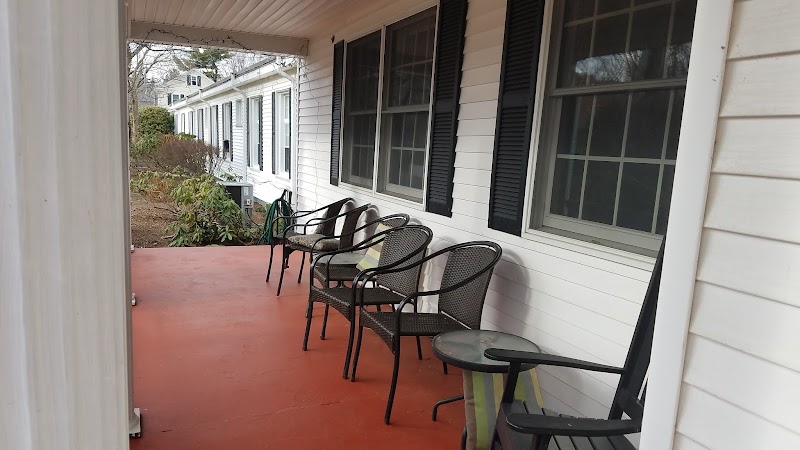
How Does Riverbend Of South Natick Compare to Other Massachusetts Nursing Homes?

Compared to the 100 nursing homes in Massachusetts, RIVERBEND OF SOUTH NATICK's overall rating (2 stars) is below the state average of 2.9, staff turnover (49%) is near the state average of 46%, and health inspection rating (3 stars) is at the national benchmark.

What Should Families Ask When Visiting Riverbend Of South Natick?

Based on this facility's data, families visiting should ask: "Can you walk me through typical staffing levels on day, evening, and night shifts?" "Can I visit during a mealtime to observe dining assistance and food quality?" "How do you handle medical emergencies, and what is your hospital transfer rate?" "Can I speak with family members of current residents about their experience?" These questions are particularly relevant given the below-average staffing rating.

Is Riverbend Of South Natick Safe?

Based on CMS inspection data, RIVERBEND OF SOUTH NATICK has a clean safety record: no substantiated abuse findings (meaning no confirmed cases of resident harm), no Immediate Jeopardy citations (the most serious violation level indicating risk of serious injury or death), and is not on the Special Focus Facility watch list (a federal program monitoring the lowest-performing 1% of nursing homes). The facility has a 2-star overall rating and ranks #100 of 100 nursing homes in Massachusetts. While no facility is perfect, families should still ask about staff-to-resident ratios and recent inspection results during their visit.

Do Nurses at Riverbend Of South Natick Stick Around?

RIVERBEND OF SOUTH NATICK has a staff turnover rate of 49%, which is about average for Massachusetts nursing homes (state average: 46%). Moderate turnover is common in nursing homes, but families should still ask about staff tenure and how the facility maintains care continuity when employees leave.

Was Riverbend Of South Natick Ever Fined?

RIVERBEND OF SOUTH NATICK has no federal fines on record. CMS issues fines when nursing homes fail to meet care standards or don't correct problems found during inspections. The absence of fines suggests the facility has either maintained compliance or corrected any issues before penalties were assessed. This is a positive indicator, though families should still review recent inspection reports for the full picture.

Is Riverbend Of South Natick on Any Federal Watch List?

RIVERBEND OF SOUTH NATICK is not on any federal watch list. The most significant is the Special Focus Facility (SFF) program, which identifies the bottom 1% of nursing homes nationally based on persistent, serious quality problems. Not being on this list means the facility has avoided the pattern of deficiencies that triggers enhanced federal oversight. This is a positive indicator, though families should still review the facility's inspection history directly.