CHESTNUT WOODS REHABILITATION AND HEALTHCARE CTR
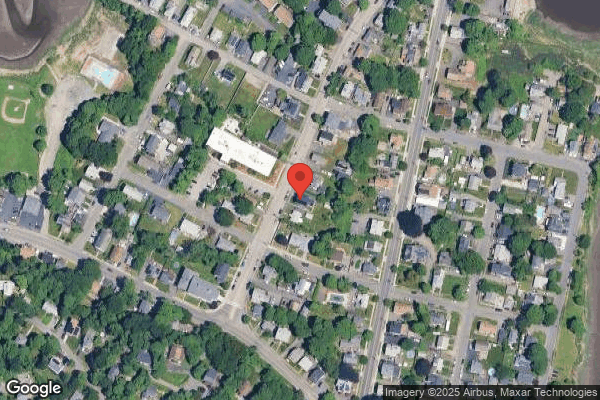

73 CHESTNUT STREET, SAUGUS, MA 01906 (781) 233-8123
For profit - Limited Liability company 88 Beds MARQUIS HEALTH SERVICES Data: November 2025
Trust Grade
70/100
#80 of 338 in MA
Last Inspection: September 2024

Within standard 12-15 month inspection cycle. Federal law requires annual inspections.

Overview

Chestnut Woods Rehabilitation and Healthcare Center has a Trust Grade of B, indicating it is a good option for families seeking care, though not without its flaws. It ranks #80 out of 338 facilities in Massachusetts, placing it in the top half, and #10 out of 44 in Essex County, meaning only nine local facilities are better. However, the facility's trend is worsening, with the number of issues increasing from 9 in 2023 to 14 in 2024. Staffing is a concern, as it has a below-average rating of 2 out of 5 stars, despite a relatively low turnover rate of 33%, which is better than the state average. While it has no fines on record, which is positive, there were specific incidents where residents did not receive required care, such as a resident not being assisted with grooming and another not having a prescribed splint applied, highlighting areas that need improvement.

Trust Score
B
70/100
In Massachusetts
#80/338
Top 23%
Safety Record
Low Risk
No red flags
Inspections
Getting Worse
9 → 14 violations
Staff Stability
○ Average
33% turnover. Near Massachusetts's 48% average. Typical for the industry.
Penalties
✓ Good
No fines on record. Clean compliance history, better than most Massachusetts facilities.
Skilled Nurses
○ Average
Each resident gets 34 minutes of Registered Nurse (RN) attention daily — about average for Massachusetts. RNs are the most trained staff who monitor for health changes.
Violations
⚠ Watch
34 deficiencies on record. Higher than average. Multiple issues found across inspections.
★★★★☆
4.0
Overall Rating
★★☆☆☆
2.0
Staff Levels
★★★★★
5.0
Care Quality
★★★☆☆
3.0
Inspection Score
Stable
2023: 9 issues
2024: 14 issues

The Good

  • 5-Star Quality Measures · Strong clinical quality outcomes
  • Full Sprinkler Coverage · Fire safety systems throughout facility
  • No fines on record
  • Staff turnover below average (33%)

    15 points below Massachusetts average of 48%

Facility shows strength in quality measures, fire safety.

The Bad

Staff Turnover: 33%

13pts below Massachusetts avg (46%)

Typical for the industry

Chain: MARQUIS HEALTH SERVICES

Part of a multi-facility chain

Ask about local staffing decisions and management

The Ugly 34 deficiencies on record

Sept 2024 11 deficiencies
CONCERN (D)

Potential for Harm - no one hurt, but risky conditions existed

Comprehensive Care Plan (Tag F0656)

Could have caused harm · This affected 1 resident

**NOTE- TERMS IN BRACKETS HAVE BEEN EDITED TO PROTECT CONFIDENTIALITY** Based on observation, record review and interview, the facility failed to implement the plan of care related to assistance with ...

Read full inspector narrative →
**NOTE- TERMS IN BRACKETS HAVE BEEN EDITED TO PROTECT CONFIDENTIALITY** Based on observation, record review and interview, the facility failed to implement the plan of care related to assistance with meals for one Resident, (#36), out of a total sample of 21 residents. Findings include: Review of the facility's Care Plans, Comprehensive Person Centered policy, dated March 2022 indicated: Policy statement: A comprehensive person-centered care plan that includes measurable objectives and timetables to meet the resident's physical, psychosocial and functional needs is developed and implemented for each resident. 7. The comprehensive, person centered care plan: includes measurable objectives and timeframes; describes the services that are to be furnished to attain or maintain the resident's highest practicable physical, mental and psychosocial well being. Resident #36 was admitted to the facility in June of 2022 with diagnoses including dementia and weakness. Review of the Minimum Data Set Assessment (MDS) dated [DATE] indicated Resident #36 scored 5 out of a possible 15 on the Brief Interview for Mental Status Exam (BIMS) indicating severe cognitive impairment. The MDS also indicated Resident #36 required supervision/touching assistance with eating. On 9/10/24 at 7:58 A.M., the surveyor observed Resident #36 eating breakfast alone in his/her room. The Resident was served a waffle that was not cut and he/she was attempting to open a container of maple syrup with his/her hands. At 8:21 A.M., Resident #36 was eating with his/her hands and also still attempting to open the container of maple syrup. There were no staff in the area providing supervision and Resident #36 was not observable from the hallway. Review of Resident #33's care plans indicated: Focus: I have an ADL (activities of daily living) Self Care Performance Deficit r/t (related to) Dementia, Impaired Mobility, Pain, Date Initiated: 06/30/2024 Interventions: Eating: I require set-up assistance [i.e., opening packages, cutting meat, arranging plate, etc] supervision with eating and drinking. Offer bedtime snack. On 9/11/24 at 7:59 A.M. and 8:10 A.M., the surveyor observed Resident #36 in bed, eating alone in his/her room. There were no staff providing supervision as indicated in his/her plan of care and Resident #36 was not observable from the hallway. During an interview on 9/11/24 11:44 A.M., Certified Nursing Aide (CNA) #1 said she was assigned to care for Resident #36. CNA #1 said that Resident #36 often eats in his/her room as he/she refuses to get out of bed. CNA #1 said that Resident #36 was independent with eating after his/her tray is set up. CNA #1 said that Resident #36 did not need to be supervised or physically assisted during meals. On 9/12/24 at 8:10 A.M., the surveyor observed Resident #12 eating his/her breakfast meal alone without staff supervision per the plan of care. Resident #36 was not observable from the hallway. Review of the CNA documentation from 8/1/24 through 9/10/24 indicated that Resident #36 received supervision or physical assistance with 41 out of 121 documented meals. During an interview on 9/12/24 at 9:51 A.M., the Director of Nursing (DON) said that care plans should be followed.
CONCERN (D)

Potential for Harm - no one hurt, but risky conditions existed

Deficiency F0658 (Tag F0658)

Could have caused harm · This affected 1 resident

**NOTE- TERMS IN BRACKETS HAVE BEEN EDITED TO PROTECT CONFIDENTIALITY** 4. Review of the facility policy titled Weight Assessment and Intervention dated March 2022, indicated the following: -Resident ...

Read full inspector narrative →
**NOTE- TERMS IN BRACKETS HAVE BEEN EDITED TO PROTECT CONFIDENTIALITY** 4. Review of the facility policy titled Weight Assessment and Intervention dated March 2022, indicated the following: -Resident weights are monitored for undesirable or unintended weight loss or gain. -Residents are weighed upon admission and at intervals established by the interdisciplinary team and/or as ordered by the physician. -Weights are recorded in each unit's weight record chart and in the individual's medical record. Resident #17 was admitted to the facility in July 2024 with diagnoses including epilepsy, dysphagia, gastrostomy status, and malnutrition. Review of the most recent Minimum Data Set (MDS) assessment, dated 7/24/24, indicated that Resident #17 was rarely/never understood and a staff assessment for Brief Interview for Mental Status (BIMS) indicated severe cognitive impairment. This MDS indicated Resident #17 was dependent on a feeding tube to administer his/her nutrition and hydration related to difficulty swallowing and malnutrition. Review of this MDS also indicated Resident #17 had unplanned weight loss. On 9/10/24 at 8:30 A.M., the surveyor observed Resident #17 in his/her room receiving enteral feeding (nutrition delivered through a feeding tube) via electronic pump. Review of Resident #17's active physician's order indicated the following orders: -NPO (nothing by mouth) initiated 7/19/24. -Enteral feed order in the evening down at 10 am Enteral: Jevity 1.5 Cal liquid (a nutritionally fortified formula) via feeding tube every shift, feeding pump set at 95 ml/hour for 16 hours, total volume 1520 ml initiated 7/19/24. -Free water flushes of 150 ml every four hours initiated 7/19/24. Review of Resident #17's active physician's orders indicated the following order: -Weights weekly every Thursday, initiated 7/18/24. Review of Resident #17's plan of care related to nutrition, dated 7/18/24, indicated the Resident required enteral tube feeding related to malnutrition and dysphagia with the following interventions: -Weights at ordered intervals. -Obtain and monitor lab/diagnostic work as ordered. -Dietitian to evaluate nutritional status and make recommendations as applicable PRN (as needed). Review of Resident #17's August and September 2024 Medication Administration Record (MAR) indicated weekly weights one time a day every Thursday with the following recorded: 8/2/24- left blank. 8/8/24- left blank. 8/15/24- refused. There was no further documentation that Resident #17 refused to be weighed. 8/22/24- left blank. 8/29/24- left blank. 9/5/24- left blank. Review of Resident #17's nursing progress notes, dated 8/2, 8/8, 8/22, 8/29 and 9/5 failed to indicate Resident #17 had refused to be weighed or that the physician had been notified that the Resident had not been weighed. Review of Resident #17's nursing progress note, dated August 15, 2024, indicated patient was off floor and outside with family, unable to obtain weight, physician aware. Review of Resident #17's weight summary, indicated recorded weights: 7/18/24- 106.4 pounds. 8/19/24- 107.0 pounds. 9/12/24- 105.8 pounds. Review of Resident #17's nutritional risk assessment, dated 7/25/24, indicated the Resident's estimated ideal body weight (IBW) was 130 pounds and that the most recent recorded weight dated 7/18/24 was 106.4 pounds. Further review of the nutritional risk assessment indicated that the dietitian had recommended to continue with the current nutritional regimen and to monitor weights weekly. Review of Resident #17's nutrition note, dated 9/10/24, indicated that the Resident continued weekly weight checks, dietitian will continue to monitor and reassess as needed. During an interview on 9/11/24 at 12:25 P.M., Unit Manager #2 said all residents were discussed during weekly rounds with the clinical team and that the physician reviews all residents. Unit Manager #2 was not aware that Resident #17 did not have a weight recorded since 8/19/24. During an interview on 9/12/24 at 1:22 P.M., the dietitian said the clinical team meet weekly to discuss weights. Her expectation is for the physician order to be followed. The dietitian said up to date weights are needed to calculate appropriate caloric needs and enteral orders. During an interview on 9/12/24 at 12:33 P.M., Nurse Practitioner #1 said she would expect a resident receiving enteral nutrition to be weighed at least weekly and that it was important for weights to be obtained correctly so that orders for jevity can be determined. During an interview on 9/12/24 at 1:04 P.M., the Director of Nursing (DON) said he would expect physician orders to be followed. The DON said if a weight was not obtained that a note should have been written and it was not. 2. Resident #15 was admitted to the facility in December 2020 with diagnoses including Dementia and Parkinson's disease. Review of Resident #15's Minimum Data Set (MDS) assessment, dated 6/19/24, indicated the Resident scored a 3 out of a possible 15 on the Brief Interview for Mental Status indicating he/she was severely cognitively impaired. The MDS further indicated the Resident is dependent of staff for activities of daily living. Review of the current physician orders indicated the following: -Skin checks weekly on Thursday 3-11 every evening shift. Every Thursday for monitoring. Review of the clinical record indicated a skin assessment evaluation had not been completed since 8/8/24. During an interview on 9/11/24 at 12:25 P.M., Nurse #3 said a weekly skin assessment should be completed as ordered, the nurses document in the treatment administration record and also complete a skin evaluation assessment. During an interview on 9/12/24 at 8:37 A.M., Unit Manager #2 said weekly skin checks should be completed as ordered and if refusal the nurse would document in the nurse progress notes. During an interview on 9/12/24 at 9:49 A.M., the Director of Nursing said weekly skin checks should be completed weekly and a skin evaluation assessment completed 3. Resident #42 was admitted to the facility in July 2023 with diagnosis including unspecified abnormalities of gait and mobility. Review of Resident #42 Minimum Data Set (MDS) dated [DATE] indicated the Resident scored a 15 out of a possible 15 on the Brief Interview for Mental Status indicating he/she was cognitively intact. Review of Resident #42's current physician order indicated the following: -Air mattress on bed check function and placement set according to weight every shift. Review of Resident #42's active Activity of daily living (ADL) care plan indicated an intervention dated 10/16/23 'Resident requires air mattress on bed check inflation set according to weight'. On 9/10/24 at 8:55 A.M., the surveyor observed Resident #42 lying in his/her bed the air mattress was set to 350 lbs (pounds). On 9/10/24 at 4:02 P.M., the surveyor observed Resident #42 lying in his/her bed the air mattress was set at 350 lbs. On 9/11/24 at 7:00 A.M., the surveyor observed Resident #42 lying in his/her bed the air mattress was set at 350 lbs. Review of Resident #42's most recent weight dated 8/5/24 indicated the following: -140.4 lbs. During an interview and an observation on 9/11/24 at 9:26 A.M., the surveyor and Nurse #3 observed Resident #42 lying in bed. His/her air mattress was set at 350 lbs. Nurse #3 said the mattress should be set according to the resident's weight. During an interview on 9/12/24 at 8:38 A.M., Unit Manager #2 said the air mattress setting is based on the resident's weight. She said Resident #42 prefers a firm surface and the orders should reflect that. During an interview on 9/12/24 at 9:08 A.M., the Director of Nursing said the air mattress should be set per resident's weight. The physician order should be followed as ordered. Based on observation, record review and interview, the facility failed to meet professional standards of quality for four Residents (#49, #15, #42 and #17), out of a total sample of 21 residents. Specifically: 1) For Resident #49 the facility failed to follow physician orders for weekly skin checks. 2) For Resident #15 the facility failed to complete skin checks as ordered. 3) For Resident #42 the facility failed to implement air mattress setting as indicated in the physician order. 4) For Resident #17 the facility failed to to obtain weekly weights according to physician's order. Findings Include: Review of the facility policy, titled Assessment of Skin Condition and Integrity, adopted March 2021, indicated, but was not limited to, the following: Skin Assessment: 1) Conduct a comprehensive head-to-toe skin assessment upon admission, weekly, prior to discharge and as needed. a.) During the skin assessment, inspect for: i. Presence of skin impairment(s); ii. Type of skin impairment(s); and iii. Location of skin impairment(s); 2) Inspect the skin daily when performing or assisting with personal care or ADL's (activities of daily living). Documentation: 1. The type of skin assessment(s) conducted. 2. The date and time and type of skin care provided, if appropriate. 3. The name and title of the individual who conducted the assessment. 4. The condition of the resident's skin. 5. Any new change(s) in the resident's skin condition, if identified. a. If a new skin alteration is noted, initiate a weekly wound progress report. b. Reassess the alteration weekly until the area is healed or the resident is discharged . 6. Develop, review and/or update the resident-centered care plan and interventions, as needed. 7. If the resident refused the skin assessment, document the reason for refusal and the resident's response to the explanation of the risks for refusing the procedure, the benefits of accepting and available alternatives. 1. Resident #49 was admitted to the facility in June 2024 with a diagnosis of diabetes. Review of the Minimum Data Set (MDS), dated [DATE], indicated that Resident #49 scored a 9 out of a possible 15 on a Brief Interview for Mental Status (BIMS), indicating the Resident had moderate cognitive impairment. Review of Resident #49's Follow-Up Wound Clinic Note, dated 2/13/24, indicated the Resident was seen by an outpatient wound clinic on 2/13/24 and that the Resident had a chronic diabetic ulcer on his/her right foot. Review of a Nurse Practitioner Progress Note, dated 8/27/24, indicated Resident #49 had an ulcer on his/her right foot. Review of Resident #49's active physician orders indicated the following order: - Skin Checks weekly on Friday 7-3 (shift), initiated 7/12/24. Review of Resident #49's care plans indicated the Resident had skin breakdown and/or potential for skin breakdown r/t (related to) neck collar, and decreased functional status with the following intervention: Document skin checks weekly and PRN (as needed), initiated 7/3/24. Review of Resident #49's medical record failed to indicate that a skin check was completed on 8/30/24 or 9/6/24 as ordered; indicating a skin check had not been completed in over two weeks. Review of Resident #49's medical record failed to indicate the Resident had refused skin checks. During an interview on 9/12/24 at 8:46 A.M., Nurse #4 said skin checks were done weekly and documented in the evaluation section of the electronic medical record. During an interview on 9/12/24 at 9:05 A.M., Unit Manager #2 said skin checks were done weekly and documented in the evaluation section of the electronic medical record. During an interview and observation on 9/12/24 at 9:07 A.M., Resident #49 said he/she had a chronic wound on his/her right foot. Unit Manager #2 and the surveyor observed Resident #49's right foot wound. During an interview on 9/12/24 at 12:32 P.M., Nurse Practitioner #1 said she would expect nurses to follow physician orders. During an interview on 9/12/24 at 1:59 P.M., the Director of Nursing (DON) said nurses complete skin checks weekly, and that if a resident refuses a skin check that this would be documented. During a follow-up interview on 9/12/24 at 2:44 P.M., the DON said that he would expect nurses to complete and document a full skin evaluation when completing the physician-ordered weekly skin check.
CONCERN (D)

Potential for Harm - no one hurt, but risky conditions existed

Quality of Care (Tag F0684)

Could have caused harm · This affected 1 resident

**NOTE- TERMS IN BRACKETS HAVE BEEN EDITED TO PROTECT CONFIDENTIALITY** Based on observation record review and interview, the facility failed to provide necessary treatment and care for one Resident (...

Read full inspector narrative →
**NOTE- TERMS IN BRACKETS HAVE BEEN EDITED TO PROTECT CONFIDENTIALITY** Based on observation record review and interview, the facility failed to provide necessary treatment and care for one Resident (#33) out of a total of 21 sampled residents. Specifically, the facility failed to ensure treatment orders were initiated for Resident #33's skin tears. Findings include: Review of the Wound Treatment policy, dated April 2024, indicated: The purpose of this procedure is to provide guidelines for the care of wounds to promote healing. Verify that there is a physician's order for this procedure. Resident #33 was re-admitted to the facility in September 2024 with diagnoses including chronic obstructive pulmonary disease, dysphagia and venous insufficiency. Review of the Minimum Data Set Assessment (MDS) dated [DATE], indicated Resident #33 scored 15 out of a possible 15 on the Brief Interview for Mental Status exam (MDS) indicating intact cognition. The MDS also indicated Resident #33 requires assistance with bathing and dressing. During an interview on 9/10/24 at 8:57 A.M., the surveyor observed Resident #33 in bed. Resident #33's right arm was resting on his/her lap and had a dressing dated 9/7/24 on the forearm. Resident #33 said he/she could not recall what happened to his/her arm or why he/she had a dressing. The surveyor was unable to observe Resident #33's left arm. Review of the physicians orders on 9/10/24 at 11:30 A.M., failed to indicate any active treatment orders were in place for Resident #33. Review of Resident #33's care plans failed to indicate he/she had any wounds requiring treatment. Review of the Weekly Skin Check dated 9/3/24 indicated Resident #93 had open areas on both his/her arms. The skin check did not indicate measurements or descriptions of the wounds Review of the hospital discharge paperwork dated 9/3/24 indicated Resident #33 had skin tears on his/her right and left forearm requiring dressings. Review of the hospice note dated 9/4/24 indicated the following: Some bruising noted to upper extremities, bandages to both arms perhaps from IV placements. Pt (patient) declines further assessment of the skin. Review of the Nurse Practitioner Note dated 9/5/24: Skin: No rash, warm and dry; left forearm dressing clean dry and intact. On 9/11/24 at 7:31 A.M., the surveyor observed Resident #33 asleep in bed with a bandage on his/her right arm dated 9/10/24. The surveyor was unable to observe Resident #33's left arm. During an interview on 9/11/24 at 7:43 A.M., Unit Manager #1 said that Resident #33 was admitted with wounds from the hospital that needed daily dressings. Unit Manager #1 said orders for treatment were not in place until yesterday, (9/10/24). Review of Resident #33's physicians orders on 9/11/24 at 7:44 A.M., indicated: -Wound Description for Site: RIGHT ARM: Normal Saline Wash, Pat dry and apply Xeroform followed by an Island dressing. Ordered 9/10/24 -Wound Description for Site: LEFT ARM; Normal Saline Wash, Pat dry and apply Xeroform followed by an Island dressing. Ordered 9/10/24 Further review of Resident #33's physicians orders indicated that the treatments for the Resident's wounds were implemented seven days after they were first identified by the facility. On 9/11/24 at 12:59 P.M. the surveyors observed Resident #33's dressing changes. Nurse #1 removed the dressings and the surveyors observed Resident #33 had skin tears on his/her bilateral forearms with some drainage and swelling. During an interview on 9/11/24 at 1:33 P.M., the Director of Nursing said that when residents are admitted from the hospital with wounds it is expected that orders to treat the wounds would implemented.
CONCERN (D)

Potential for Harm - no one hurt, but risky conditions existed

Incontinence Care (Tag F0690)

Could have caused harm · This affected 1 resident

Based on observation, record review and interview, the facility failed to ensure physicians orders and care plans related to the use of a catheter were implemented for one Resident (#33) out of a tota...

Read full inspector narrative →
Based on observation, record review and interview, the facility failed to ensure physicians orders and care plans related to the use of a catheter were implemented for one Resident (#33) out of a total of 21 sampled residents. Findings include: Review of the Urinary Incontinence - Clinical Protocol policy dated April 2018 indicated: Assessment and Recognition: As part of the initial assessment, the physician will help identify individuals with impaired urinary continence. For example, review of a hospital discharge summary may reveal that the individual was incontinent with or without catheter placement during a recent hospitalization. Resident #33 was initially admitted to the facility in August 2024 with diagnoses including chronic obstructive pulmonary disease, dysphagia and venous insufficiency. Review of the Minimum Data Set Assessment (MDS) 8/26/24 indicated Resident #33 scored 15 out of a possible 15 on the Brief Interview for Mental Status exam (MDS) indicating intact cognition. The MDS also indicated Resident #33 requires assistance toileting and did not have an indwelling catheter. Review of Resident #33's physicians orders failed to indicate any orders in place regarding the use or care of a catheter. Review of Resident #33's care plans indicated: Focus: I have urinary incontinence r/t (related to) physical limitations. 8/13/24 Interventions: Provide incontinence care and apply moisture barrier as needed. Observe buttocks, peri-area and groin during care for possible skin problems. Offer/encourage toileting prior to bedtime. Check resident approximately every two hours and provide incontinence care as needed. Focus: I have an ADL (activities of daily living) self care performance deficit r/t deconditioned s/p hospitalization, impaired mobility, weakness. Interventions: Toileting: I require one staff assist with toileting. On 9/11/24 at 12:59 P.M., the surveyors observed Resident #33 resting in bed with a catheter bag hanging off the side of the bed. On 9/12/24 at approximately 7:45 A.M., the surveyor observed Resident #33 in bed with a catheter bag hanging off the side of the bed. During an interview on 9/12/24 at 7:49 A.M., Nurse #2 said that Resident #33 had a catheter. During an interview on 9/12/24 at 8:00 A.M., Unit Manager #1 said that Resident #33 had previously resided on a different unit then was hospitalized . Unit Manager #1 said that he believed the catheter was implemented during Resident #33's hospitalization. During an interview on 9/12/24 at 8:05 A.M., Certified Nursing Aide (CNA) #3 said that Resident #33 has had a catheter since he/she was admitted to the unit (9/3/24). During an interview on 9/12/24 at 9:51 A.M., the Director of Nursing (DON) said that residents should have physicians orders and care plans in place for catheter care, management and monitoring. During an interview on 9/12/24 at 12:20 P.M., the Nurse Practitioner said that nurses have to put in orders for catheters and she was not aware that Resident #33 had no orders related to his/her catheter use or care.
CONCERN (D)

Potential for Harm - no one hurt, but risky conditions existed

Deficiency F0694 (Tag F0694)

Could have caused harm · This affected 1 resident

**NOTE- TERMS IN BRACKETS HAVE BEEN EDITED TO PROTECT CONFIDENTIALITY** Based on observation, policy review and interviews, the facility failed to provide care and maintenance of a peripheral inserted...

Read full inspector narrative →
**NOTE- TERMS IN BRACKETS HAVE BEEN EDITED TO PROTECT CONFIDENTIALITY** Based on observation, policy review and interviews, the facility failed to provide care and maintenance of a peripheral inserted central catheter (PICC), consistent with professional standards of practice for one Resident (#237), out of a total sample of 21 residents. Specifically, the facility failed to implement dressing changes routinely as required. Findings include: Review of the facility policy titled 'Central Venous Catheter Care and Dressing Changes' dated March 2022, indicated the following but not limited to: -Perform site care and dressing change at established intervals or immediately if the integrity of the dressing is compromised (e.g, damp, loosened or visibly soiled). -Maintain sterile dressing ( transparent semi-permeable membrane (TSM) dressing or sterile gauze for all central vascular access devices. The type of dressing is based on the condition of then resident and his or her preference. -Change the dressing if it becomes damp loosened or visibly soiled and: a. Every seven days for TSM dressing -measure the length of the external central vascular access device with each dressing change or if catheter dislodgement is suspected. Compare with the length documented at insertion. Resident #237 was admitted to the facility in August 2024 with diagnoses including dependent on parenteral nutrition. Review of Resident #237 Minimum Data Set (MDS) dated [DATE] indicated the Resident scored a 12 out of possible 15 on the Brief Interview for Mental Status (BIMS) indicating he/she was moderately cognitively impaired. The MDS further indicated the Resident had an intravenous access line. On 9/10/24 at 8:50 A.M., the surveyor observed Resident #237 lying in his/her bed with a PICC line to his/her right upper arm. The dressing on the insertion site was transparent and dated 8/25. Review of the physician orders dated 8/29/24 indicated the following: -IV (midline, PICC, CVAD) change transparent dressing on admission and then every 7 days. Caps to be changed during dressing change. Every day shift every 7 days. Review of Resident #237's medication administration record (MAR), dated 8/30/24, indicated nursing implemented the PICC dressing change as ordered. During an interview on 9/11/24 at 12:29 P.M., Nurse #3 said PICC line dressing changes are done upon admission and then weekly. During an interview on 9/11/24 at 12:35 P.M., Unit Manager #2 said dressing changes should be done weekly. When asked if the date on the dressing should have been different from 8/25/24 she said yes. During an interview on 9/11/24 at 12:40 P.M., the Director of Nursing said PICC line dressing should be changed upon admission and every 7 days.
CONCERN (D)

Potential for Harm - no one hurt, but risky conditions existed

Deficiency F0699 (Tag F0699)

Could have caused harm · This affected 1 resident

Based on record review, policy review and interview the facility failed to ensure a plan of care was developed for Trauma Informed Care, with individualized interventions, for one Resident (#7) who ha...

Read full inspector narrative →
Based on record review, policy review and interview the facility failed to ensure a plan of care was developed for Trauma Informed Care, with individualized interventions, for one Resident (#7) who had a history of trauma out of a total sample of 21 residents. Specifically, for Resident #7, the facility failed to develop a comprehensive trauma care plan, with individualized triggers. Findings include: Review of the facility policy titled Trauma Informed and Culturally Competent Care, dated 8/2022, indicated the following: Purpose: -To guide staff in providing care that is culturally competent and trauma-informed in accordance with professional standards of practice. -To address the needs of trauma survivors by minimizing triggers and/or re-traumatization. Definitions: - Trigger is a psychological stimulus and prompts recall of a previous traumatic event, even if the stimuli itself is not traumatic or frightening. Resident Care Planning: -Develop and individualized care plan that addresses past trauma in collaboration with the resident and family, as appropriate. -Identify and decrease exposure to triggers that may re-traumatize the resident. -Recognize the relationship between past trauma and current health concerns (e.g. substance abuse, eating disorders, anxiety, and depression). Resident #7 was admitted to the facility in March 2019, with diagnoses including traumatic Post-Traumatic Stress Disorder (PTSD), major depressive disorder and anxiety. Review of Resident #7's most recent Minimum Data Set (MDS) assessment, dated 6/19/24, indicated that Resident #7 had a Brief Interview for Mental Status (BIMS) exam score of 15 out of 15 indicating he/she is cognitively intact. Further review of the MDS indicated Resident #7 has an active diagnosis of PTSD and requires partial/moderate to dependent assistance for daily activities. Review of the care plan on 9/11/24 at 2:02 P.M., last revised 3/31/20, indicated Resident #7 has a diagnosis of PTSD. Further review indicated interventions including the following: -Accept my current level of function, be consistent, positive, honest and nonjudgmental while working with me. -After every outburst, discuss with me how my anger escalates. -Allow me to use displacement when angry by providing things that I can manipulate or destroy (example: clay). -Encourage me to accept forgiveness from myself and others. -Encourage me to express my anger verbally rather than physically. -Help me to regain control and identify sources of emotions so that I may manage outbursts. -Offer me medications for prevention or treatment of post-traumatic stress disorder as needed; Evaluate responses to these medications. -Provide me a safe comfortable space when I am overwhelmed or stressed. -Remind me that setbacks on the process of treatment are not failures but an expected part of therapy. -When Stress/Anxiety arises allow me to vent/share feelings. Review of Resident #7's care plan failed to indicate the development of a comprehensive trauma informed care plan with identified triggers and interventions for his/her diagnosis of PTSD. During an interview on 9/12/24 at 8:45 A.M., Unit Manager #1 said if a resident is identified with a PTSD diagnosis, there should be a care plan developed with specific triggers for staff to better care for the resident. During an interview on 9/12/24 at 9:34 A.M., Social Worker #1 said residents with PTSD should be formally assessed and a care plan developed with his/her strengths and weaknesses as well as identified triggers. During an interview on 9/12/24 at 9:55 A.M., the Director of Nursing said if PTSD is identified following a trauma informed assessment, a patient centered care plan will be developed with triggers identified.
CONCERN (D)

Potential for Harm - no one hurt, but risky conditions existed

Deficiency F0760 (Tag F0760)

Could have caused harm · This affected 1 resident

**NOTE- TERMS IN BRACKETS HAVE BEEN EDITED TO PROTECT CONFIDENTIALITY** Based on observation, record review and interviews, the facility failed to ensure that one Resident (#64) was free from signific...

Read full inspector narrative →
**NOTE- TERMS IN BRACKETS HAVE BEEN EDITED TO PROTECT CONFIDENTIALITY** Based on observation, record review and interviews, the facility failed to ensure that one Resident (#64) was free from significant medication errors out of a total sample of 21 residents. Specifically, the nurses did not administer the wrong dispensed dosage of Trazadone (an antidepressant). Findings include: Review of the facility policy titled 'Administering Medications' revised April 2019, indicated the following but not limited to: -If a dosage is believed to be inappropriate or excessive for a resident or a medication has been identified as having potential adverse consequences for the resident or is suspected of being associated with adverse consequences the person preparing or administering the medication will contact the prescriber the residents attending physician or the facilities medical director to discuss the concerns. -The individual administering the medication checks the label three times to verify the right resident right medication right dosage right time right method route of administration before giving the medication. Resident #64 was admitted to the facility in July 2024 with diagnoses including dementia and psychotic disorder. Review of Resident #64's Minimum Data Set (MDS) dated [DATE], indicated the Resident had impaired short term and long term memory on the Brief Interview for Mental Status (BIMS). During a medication observation pass on 9/11/24 at 9:41 A.M., Nurse #4 said to the surveyor the medication card containing Trazadone (an antidepressant) 50 milligram tablet half tablets was not the correct dosage per the physician orders. Nurse #4 said she was going to call the pharmacy for clarification and did not administer the half tablets. Review of the medication blister pack, the following was observed two missing pills out of 30 tablets that had been dispensed by the pharmacy. The label read as following: -Trazadone HCl tab 50 milligrams. Give one quarter tablet (12.5mg) by mouth two times a day for anxiety. Review of the medical record failed to indicate that the physician had been notified of the wrong medication that had been dispensed to the facility. Review of Resident #64's current Medication Administration Record (MAR) indicated the medication trazadone had been administered the last two days. During an interview on 9/11/24 at 9:45 A.M., Nurse #4 said the two missing medications from the blister pack would be an indication that the medication had been administered. During an interview on 9/12/24 at 9:44 A.M., the Director of Nursing (DON) said the pharmacy had acknowledged the medication that had been dispensed to the facility was the wrong dosage. The DON said that the nurses should use their judgment during medication pass to prevent administering wrong dosages.
CONCERN (D)

Potential for Harm - no one hurt, but risky conditions existed

Deficiency F0761 (Tag F0761)

Could have caused harm · This affected 1 resident

**NOTE- TERMS IN BRACKETS HAVE BEEN EDITED TO PROTECT CONFIDENTIALITY** Based on observations, policy review, and interview the facility failed to ensure medications with short expirations dates were ...

Read full inspector narrative →
**NOTE- TERMS IN BRACKETS HAVE BEEN EDITED TO PROTECT CONFIDENTIALITY** Based on observations, policy review, and interview the facility failed to ensure medications with short expirations dates were dated when opened. Findings include: Review of the facility policy titled 'Medication Labeling and Storage' revised February 2023, indicated the following but not limited to: *Multi-dose vials that have been opened or accessed (e.g., needle punctured) are dated and discarded within 28 days unless the manufacturer specifies a shorter or longer date for the open vial. *Multi-dose vials that are not opened or accessed are discarded according to the manufacturer's expiration date. 1. During an inspection of the [NAME] unit on 9/12/24 at 6:35 A.M., the following medications were available for administration: - Two incruse Ellipta inhalers 62.5 (mcg) microgram inhalation powder opened and undated. - One Advair 100/50 mcg opened and undated. - One Advair 250/50 mcg opened and undated. - One albuterol sulfate 90 mcg opened and undated. - One Symbicort inhaler 80-4.5mcg opened and undated. - One fluticasone nasal spray 50 mcg opened and undated. During an interview on 9/12/24 at 6:45 A.M., Nurse #5 said the inhalers should be dated when opened and indicate a date to discard. During an interview on 9/12/24 at 9:47 A.M., the Director of Nursing said the inhalers are to be dated with an open date and an expiration date.
CONCERN (D)

Potential for Harm - no one hurt, but risky conditions existed

Medical Records (Tag F0842)

Could have caused harm · This affected 1 resident

**NOTE- TERMS IN BRACKETS HAVE BEEN EDITED TO PROTECT CONFIDENTIALITY** 2. Resident #37 was admitted to the facility in September 2023 with a diagnosis of end stage renal disease. Review of the most ...

Read full inspector narrative →
**NOTE- TERMS IN BRACKETS HAVE BEEN EDITED TO PROTECT CONFIDENTIALITY** 2. Resident #37 was admitted to the facility in September 2023 with a diagnosis of end stage renal disease. Review of the most recent Minimum Data Set (MDS) assessment, dated 8/14/24, indicated that Resident #37 scored a 12 out of 15 on the Brief Interview for Mental Status exam indicating Resident #37 had moderate cognitive impairment. The MDS further indicated Resident #37 received dialysis treatment. Review of Resident #37's active physician's orders indicated the following: - No blood draws, IV, BPs (blood pressure) on left arm (shunt/dialysis access arm), every shift related to end stage renal disease. Date initiated 9/11/23. Review of Resident #37's blood pressure readings indicated nursing obtained his/her blood pressure using his/her left arm on the following dates: 7/5/24, 7/12/24, 7/13/24, 8/10/24, 8/11/24, 8/16/24, 8/17/24, 8/18/24, 8/19/24, 8/20/24, 8/22/24, 8/26/24, 9/3/24, 9/5/24, 9/6/24, 9/7/24, and 9/8/24. During an interview on 9/11/24 at 9:25 A.M., Resident #37 said staff never take blood pressure readings from his/her left arm, and that staff only use his/her right arm for blood pressure readings. During an interview on 9/12/24 at 8:40 A.M., Nurse #2 said Resident #37's left arm should not be used to take his/her blood pressure and it should be documented correctly in the medical record. Nurse #2 said it must have been documented in the left arm in error. During an interview on 9/12/24 at 10:07 A.M., The Director of Nursing (DON) said his expectation was that nurses accurately document which arm the blood pressure was taken from, and that documentation should reflect exactly what was completed by nursing. Based on record review and interview, the facility failed to: 1. ensure medication administration was accurately documented for two Residents (#33 and #35) and 2. failed to accurately document blood pressure readings for one Resident (#37) out of a total of 21 sampled Residents. Findings include: 1a. Resident #33 was re-admitted to the facility in September 2024 with diagnoses including chronic obstructive pulmonary disease, dysphagia and venous insufficiency. Review of the Minimum Data Set Assessment (MDS) 8/26/24 indicated Resident #33 scored 15 out of a possible 15 on the Brief Interview for Mental Status exam (MDS) indicating intact cognition. The MDS also indicated Resident #33 requires assistance with bathing, dressing and toileting. Review of the September 2024 Medication Administrative Record (MAR) indicated the following medication were not documented as administered on the 7:00 A.M. - 3:00 P.M. shift on 9/8/24: Aripiprazole (an antipsychotic medication) Oral Tablet 5 MG: Give one tablet by mouth one time a day, 9/4/24. Aspirin Oral Tablet Chewable 81 MG: Give one tablet by mouth one time daily, 8/14/24 Fenofibrate Micronized (a medication used to lower cholesterol) Oral Capsule 200 MG: Give one tablet by mouth in one time a day, 9/4/24 Fexofenadine HCL (an antihistamine) 180 MG Tablet: Give one tablet by mouth daily, 8/14/24 Furosemide (a diuretic) Oral Tablet 20 MG: Give two tablets by mouth one time a day, 9/4/24 Duloxetine (an antidepressant) HCL Oral Capsule Delayed Release 60 MG: Give one capsule by mouth two times a day, 9/4/24 Fluticasone-Salmeterol Inhalation (an inhaler) 500-50 MCG/ACT: One puff inhale orally every morning and at bedtime, 9/3/24 Levetiracetam (an anticonvulsant) Oral Tablet 250 MG: Give two tablet by mouth, 9/4/24 Gabapentin (a pain medication) Oral Capsule 100 MG: Give two tablets by mouth three times a day related to pain. Humalog Kwikpen (insulin) Subcutaneous Solution 100 UNIT/ML: inject per sliding scale with meals, 9/4/24 Metformin (a medication used to treat diabetes) HCL Oral Tablet 500 MG: Give one tablet by mouth with meals, 9/4/24 1b. Resident #35 was admitted to the facility in October 2021 with diagnoses including, dementia, cerebral infarction, and diabetes. Review of the Minimum Data Set Assessment (MDS) dated [DATE] indicated Resident #35 scored three out of a possible 15 indicating severe cognitively impairment. The MDS also indicated Resident #35 is dependent on staff for activities of daily living. Review of the September 2024 Medication Administrative Record (MAR) indicated the following medication were not documented as administered on the 7:00 A.M. - 3:00 P.M. shift on 9/8/24: Amlodipine Besylate tablet 10 MG (a medication used to treat hypertension): give one tablet via G-tube, 12/14/22 Aspirin Tablet Chewable: Give 81 mg via G-tube one time a day, 6/14/24 Clopidogrel Bisulfate (a medication used to lower risk of a stroke) tablet 75 MG: give one tablet via G-tube one time a day, 12/14/22 Escitalopram Oxalate Tablet (an antidepressant): Give 20 mg via G-tube one time a day, 8/28/24 Ezetimibe (a medication used to lower cholesterol) 10 MG tablet: Give one tablet via G-tube one time a day; 12/14/22 Pantoprazole Sodium Packet (a medication used to treat acid reflux) 40 MG: Give one packet via G-tube one time a day, 12/14/22 Polyethylene Glycol 3350 Kit (a medication used to treat constipation): Give 17 gram via G-tube one time a day; 12/14/22 Venlafaxine (an antidepressant) HCL Oral Tablet 75 MG Give .5 tablet via G-tube one time a day Carvedilol (a medication used to treat hypertension) Tablet 25 MG: Give one tablet via G-tube every morning and at bedtime; 12/14/22 Ferrous Sulfate (used to treat low iron): Give 325 MG via G-tube two times a day; 10/10/22 Sennosides (a laxative) Tablet 8.6 MG: Give 2 tablets via G-tube two times a day; 12/14/22 Humalog Injection Solution (insulin) 100 unit/ml: Inject six unit subcutaneously with meals, 8/13/24 Novolog Flexpen Subcutaneous Solution (insulin) 100 unit/ml: Inject per sliding scale subcutaneously before meals, 7/18/23 During an interview on 9/11/24 at 1:33 P.M., the Director of Nursing said that blank spaces on the MAR could be the result of the nurse forgetting to document the administration of the medication.
CONCERN (D)

Potential for Harm - no one hurt, but risky conditions existed

Infection Control (Tag F0880)

Could have caused harm · This affected 1 resident

2. The facility failed to sanitize shared medical equipment after entering a precaution room. Review of facility policy titled 'Cleaning and disinfecting of Resident-Care Items and Equipment' revised ...

Read full inspector narrative →
2. The facility failed to sanitize shared medical equipment after entering a precaution room. Review of facility policy titled 'Cleaning and disinfecting of Resident-Care Items and Equipment' revised September 2022 indicated the following but not limited to: -Reusable items are cleaned and disinfected or sterilized between residents. During a medication observation pass on 9/11/24 at 9:56 A.M., the surveyor observed Nurse #4 remove a blood pressure cuff from the medication cart and brought it into Resident #64's room. The signage on the doorway indicated that the Resident was on enhanced barrier precaution indicating he/she could have the potential for infections. Nurse #4 was then observed bringing back the blood pressure cuff and placed it back in the medication cart without disinfecting it. On 9/11/24 at 9:59 A.M., the surveyor observed Nurse #4 bring into Resident #64's room a blood pressure tower, Nurse #4 proceeded to check the Resident's blood pressure, she then brought the blood pressure tower machine and left it in the hallway without disinfecting it. During an interview on 9/11/24 at 12:43 P.M., Nurse #4 said she should have sanitized the blood pressure equipment after using them in the enhanced barrier precaution room. During an interview on 9/12/24 at 9:44 A.M., the Director of Nursing said shared medical equipment should be sanitized after each use. Based on observation, record review and interview, the facility failed to 1. ensure staff initiated and followed Enhanced Barrier Precautions for one Resident (#33) out of a total of 21 sampled residents, and 2. failed to ensure shared medical equipment was properly cleaned between the use of residents during the medication pass. Findings include: Review of the Enhanced Barrier Precautions policy, dated August 2022 indicated: 1. Enhanced Barrier Precautions (EBPs) are used as an infection prevention and control intervention to reduce the spread of multi-drug resistant organisms (MDROs) to residents. 2. EBPs employ targeted gown and glove use during high contact resident care activities when contact precautions do not apply otherwise. Gloves and gown are applied prior to performing high contact resident care activity (as opposed to entering the room). 3. Examples of high contact resident care activities requiring the use of gown and gloves for EBP's include: dressing, transferring, device care or use (central line, urinary catheter, feeding tube, etc); wound care. 6. EBPs remain in place for the duration of the resident's stay or until resolution of the wound or discontinuation of the indwelling medical device that places them at increased risk. 10. Signs are posted including the type of precautions and PPE (personal protective equipment) required. 11. PPE is readily available. 1. Resident #33 was initially admitted to the facility in August 2024 with diagnoses including chronic obstructive pulmonary disease, dysphagia and venous insufficiency. Review of the Minimum Data Set Assessment (MDS) 8/26/24 indicated Resident #33 scored 15 out of a possible 15 on the Brief Interview for Mental Status exam (MDS) indicating intact cognition. The MDS also indicated Resident #33 requires assistance toileting and did not have an indwelling catheter. During routine observations on 9/10/24 and 9/11/24, the surveyor observed signs on various doors on the 2nd floor unit indicating the residents in the room were on EBP. There was no sign on Resident #33's door. On 9/11/24 at 12:59 P.M., the surveyors observed Resident #33 resting in bed with a catheter bag hanging off the side of the bed. The surveyors observed Nurse #1 prepare and complete dressing changes on Resident #33's arms without donning a gown. Review of Resident #33's clinical record failed to indicate physicians orders or care plans were initiated for EBP. During an interview on 9/12/24 at 7:49 A.M., Nurse #2 said that Resident #33 had a catheter and should be on EBP. Nurse #2 said residents on EBP have signs posted on their doors to alert staff. Nurse #2 then joined the surveyor and observed there was no signage or cart of PPE outside of Resident #33's room. On 9/12/24 at 7:55 A.M. the surveyor observed Certified Nursing Aide (CNA) #1 and CNA #2 reposition Resident #33 in bed without wearing gowns. During an interview on 9/12/24 at 8:05 A.M., CNA #3 said that Resident #33 has had a catheter since he/she was admitted to the unit (on 9/3/24). During an interview on 9/12/24 at 9:51 A.M., the Director of Nursing (DON) said that residents with catheters should be on EBP.
MINOR (B)

Minor Issue - procedural, no safety impact

Assessment Accuracy (Tag F0641)

Minor procedural issue · This affected multiple residents

**NOTE- TERMS IN BRACKETS HAVE BEEN EDITED TO PROTECT CONFIDENTIALITY** 3. Resident #27 was admitted to the facility in April 2024 with diagnoses including acute respiratory failure with hypoxia (low ...

Read full inspector narrative →
**NOTE- TERMS IN BRACKETS HAVE BEEN EDITED TO PROTECT CONFIDENTIALITY** 3. Resident #27 was admitted to the facility in April 2024 with diagnoses including acute respiratory failure with hypoxia (low levels of oxygen in body tissues), chronic obstructive pulmonary disease (COPD) (disease that restricts breathing), anxiety, and congestive heart failure (CHF) (heart does not pump blood as well as it should). Review of the most recent Minimum Data Set (MDS) assessment, dated 7/24/24, indicated that Resident #27 was cognitively intact as evidenced by a Brief Interview for Mental Status (BIMS) score of 15 out of 15. The MDS indicated Resident #27 did not require oxygen therapy. On 9/10/24 at 8:44 A.M., the surveyor observed Resident #27 in his/her bed, his/her oxygen was being administered at three liters per minute via nasal cannula (a device that delivers extra oxygen through a tube and into your nose). Resident #27 said he/she always uses oxygen. On 9/11/24 at 7:06 A.M., the surveyor observed Resident #27 in his/her bed, his/her oxygen was being administered at four liters per minute via nasal cannula. Review of Resident #27's active physician's order indicated the following order: -Oxygen at four liters per minute via nasal cannula every shift initiated 5/9/24. Review of Resident #27's plan of care related to oxygen therapy, dated 4/9/24, indicated the Resident required supplemental oxygen related to chronic obstructive pulmonary disease, respiratory failure, pneumonia. Review of Resident #27's nursing progress note, dated 7/19/24, indicated the Resident received oxygen via nasal cannula. Review of Resident #27 Medication Administration Record (MAR), dated July 2024, indicated oxygen at four liters per minute was administered via nasal cannula. During an interview on 9/11/24 at 8:20 A.M., Unit Manager (UM) #2 said Resident #27 uses oxygen therapy. During an interview on 9/11/24 at 12:23 P.M., Director of Nurses (DON) said he would expect the MDS to be documented accurately. During an interview on 9/11/24 at 12:48 P.M., the MDS nurse said Resident 27's MDS should be coded as using oxygen therapy, but it was not. 2. Resident #237 was admitted to the facility in August 2024 with diagnoses including acute gastric ulcer with perforations, dependent on parenteral nutrition. Review of Minimum Data Set (MDS), dated [DATE], indicated that Resident #237 had a midline intravenous line. On 9/10/24 at 8:51 A.M., the surveyor observed Resident #237 lying in his/her bed with a dual lumen PICC line to his/her right upper arm. Review of the medical record indicated the Resident had a (PICC) peripheral inserted central catheter to his/her right upper arm. During an interview on 9/12/24 at 9:44 A.M., the Director of Nursing said the Resident had a PICC and that should be accurately documented in the MDS. Based on interviews and record review the facility failed to ensure a Minimum Data Set (MDS) assessment was accurately completed to reflect the status for three Residents (#80, #237, and # 27), in a total sample of 21 residents. Specifically: 1) For Resident #80, the facility failed to ensure the MDS accurately reflected the Resident's discharge destination. 2) For Resident #237, the facility failed to ensure the MDS accurately reflected the Resident's type of intravenous line. 3) For Resident #27, the facility failed to ensure MDS accurately reflected the Resident's Special Treatments. Findings Include: Review of the facility policy titled Resident Assessments, revised October 2023, indicated, but was not limited to, the following: - Information in the MDS assessments will consistently reflect information in the progress notes, plans of care and resident observations/interviews. 1. Resident #80 was admitted to the facility in July 2024 with a diagnosis of cancer. Review of the Discharge Assessment - Return not Anticipated Minimum Data Set (MDS), dated [DATE], indicated that Resident #80 scored an 11 out of a possible 15 on a Brief Interview for Mental Status (BIMS), indicating the Resident had moderate cognitive impairment. Further review of the MDS indicated that Resident #80 was being discharged to a short-term general hospital. Review of the Care Navigation-Week in Advance Reporting progress note, authored by Social Worker (SW) #1, indicated Resident #80 was discharging from the facility to his/her son's home. During an interview on 9/11/24 at 11:23 A.M., SW #1 said Resident #80 discharged home with family. During an interview on 9/11/24 at 12:19 P.M., Consulting MDS staff #1 said that Resident #80 was discharged home and that the discharge MDS was not completed accurately. During an interview on 9/11/24 at 12:22 P.M., the Director of Nursing (DON) said that Resident #80 discharged home and that he would expect the MDS to be completed accurately.
Mar 2024 3 deficiencies
CONCERN (D) 📢 Someone Reported This

A family member, employee, or ombudsman was alarmed enough to file a formal complaint

Potential for Harm - no one hurt, but risky conditions existed

Notification of Changes (Tag F0580)

Could have caused harm · This affected 1 resident

Based on records reviewed and interviews for one for three sampled residents (Resident #1), whose Physician's Orders included the administration of an injectable medication used to treat schizophrenia...

Read full inspector narrative →
Based on records reviewed and interviews for one for three sampled residents (Resident #1), whose Physician's Orders included the administration of an injectable medication used to treat schizophrenia, the Facility failed to ensure the Physician was promptly notified when Resident #1's medication was not administered as ordered. Findings Include: The Facility Policy titled Change in a Resident's Condition or Status, undated, indicated that the nurse will notify the resident's attending Physician when there has been a need to alter the resident's medical treatment significantly. The Policy indicated that regardless of the resident's current mental or physical condition, a nurse or healthcare provider will inform the resident of any changes in his/her medical care or nursing treatments. Resident #1 was admitted to the Facility in July 2015, diagnoses included major depressive disorder, adult failure to thrive, auditory hallucinations, anxiety, and paranoid schizophrenia. Review of Resident #1's Physician's Orders, dated 10/05/23, indicated he/she was to be administered Invega Sustenna (anti-psychotic) intramuscular suspension 156 milligrams/milliliter (mg/ml), inject 156 mg intramuscularly one time a day (every twenty-eight days) for schizophrenia. Review of the Drugs.com article related to Invega Sustenna injections, dated August 2023, indicated the following: The medication is an extended release (long acting) medication given by intramuscular injection and used to treat schizophrenia. The article indicated when starting the medication one dose is administered, the second dose a week later, and there after, only one dose each month is required. The article indicated that it was important to stay on schedule for Invega treatments and indicated that if a dosage is missed, to contact the Physician to reschedule as soon as possible. Resident #1's Medication Administration Record (MAR), for December 2023, indicated that on 12/02/23 he/she was due for his/her Invega injection at 9:00 A.M. however his/her MAR was coded, by Nurse #3, as medication not administered. Resident #1's MAR, for January 2024, indicated that, on 01/27/24, he/she was due for his/her Invega injection at 9:00 A.M. however the MAR was not signed off by nursing to indicate his/her Invega had been administered and was left blank. Review of the Quality Assurance Report, dated 01/27/24, indicated that there was a medication incident involving a missed dose of Resident #1's Invega injection. The Report indicated that the medication had been inadvertently not administered to Resident #1 by Nurse #1 and indicated that his/her Physician had not been notified that his/her Invega had not been administered on 01/27/24 until 02/22/24. The Surveyor was unable to interview Nurse #3 as he did not respond to the Department of Public Health's telephone calls or letter request for an interview. During an interview on 03/12/24 at 1:29 P.M., Nurse #1 said that, on 01/27/24, she did not administer Resident #1's Invega to him/her and said she did not call and notify his/her Physician that the medication had not been administered as ordered. During an interview on 03/20/24 at 1:26 P.M., Resident #1's Physician said that he had not been notified by nursing on the days that Resident #1's Invega injections were due but had not been administered. The Physician said nursing should have notified him at the time the medication was not given as ordered. During an interview on 03/12/24 at 3:10 P.M., the Director of Nursing (DON) said that if nursing did not administered Resident #1's Invega as ordered by his/her Physician, they should have called the Physician to notify him that the medication was not administered when it was due. On 03/12/24, the Facility was found to be in Past Non-Compliance and presented the Surveyor with a plan of correction which addressed the area of concern as evidenced by: A) 02/26/24, DON completed initial audits for all residents with anti-psychotic medication orders to ensure physicians were notified if the medications were not administered as ordered. B) 03/04/24, Assistant Director of Nursing educated nursing staff regarding administering medications as ordered and notifying the Physician if the medication was not administered. C) DON will continue follow-up audits daily for two weeks, and then monthly, to ensure Physician's were notified if anti-psychotics were not administered as ordered. D) DON will present Plan of Correction updates and audit results at Quality Assurance Performance Improvement Meeting for one month. E) DON and/or Designee are responsible for overall compliance.
CONCERN (D) 📢 Someone Reported This

A family member, employee, or ombudsman was alarmed enough to file a formal complaint

Potential for Harm - no one hurt, but risky conditions existed

Deficiency F0760 (Tag F0760)

Could have caused harm · This affected 1 resident

Based on records reviewed and interviews for one of three sampled residents (Resident #1), who had a Physician's Order for administration of an anti-psychotic medication once every twenty-eight days, ...

Read full inspector narrative →
Based on records reviewed and interviews for one of three sampled residents (Resident #1), who had a Physician's Order for administration of an anti-psychotic medication once every twenty-eight days, the Facility failed to ensure he/she was free from a significant medication error when he/she was not administered two doses of his/her anti-psychotic medication, placing him/her at risk for an adverse reaction related to a sudden stop in the medication. Findings Include: The Facility Policy titled Administering Medications, dated as revised April 2019, indicated that medications are administered in a safe and timely manner and in accordance with prescriber orders, including any required time frame. Review of the Drugs.com article related to Invega Sustenna injections, dated August 2023, indicated the following: The medication is an extended release (long acting) medication given by intramuscular injection and used to treat schizophrenia. The article indicated when starting the medication one dose is administered, the second dose a week later, and there after, only one dose each month is required. The article indicated that it was important to stay on schedule for Invega treatments and indicated that if a dosage is missed, to contact the Physician to reschedule as soon as possible. Suddenly stopping Invega is not recommended (except if medically necessary) as it can result in the re-emergence of symptoms such a tardive dyskinesia (repetitive, involuntary movements such as grimacing or eye blinking) a condition that could become permanent. Resident #1 was admitted to the Facility in July 2015, diagnoses included major depressive disorder, adult failure to thrive, auditory hallucinations, anxiety, and paranoid schizophrenia. Review of Resident #1's Physician's Orders, dated 10/05/23, indicated he/she was to be administered Invega Sustenna intramuscular suspension (anti-psychotic), 156 milligrams/milliliter (mg/ml), inject 156 mg intramuscularly one time a day (every twenty-eight days) for schizophrenia. Review of Resident #1's Medication Administration Record (MAR), for December 2023, indicated that his/her Invega injection was due for administration at 9:00 A.M. on 12/02/23. The MAR indicated that on 12/02/23, Resident #1's Invega was signed by Nurse #3 and coded as not administered. Review of Resident #1's MAR, for January 2024, indicated that his/her Invega injection was due for administration on 01/27/24 at 9:00 A.M. The MAR indicated that on 01/27/24, Resident #1's Invega was not signed as administered by nursing and was left blank. Review of Resident #1's Medical Record indicated there was no documentation to support why his/her Invega had not been administered on 12/02/23 or not signed as administered on 01/27/24. There was no documentation to support that his/her Physician's Order for Invega had changed or that the medication was to be held and not administered on either 12/02/23 or 01/27/24. Review of the Quality Assurance Report, dated 01/27/24, indicated that there was a medication incident involving a missed dose of Resident #1's Invega injection. The Report indicated that the medication had been inadvertently not administered by Nurse #1. The Surveyor was unable to interview Nurse #3 as he did not respond to the Department of Public Health's telephone calls or letter request for an interview. During an interview on 03/12/24 at 1:29 P.M., Nurse #1 said that, on 01/27/24, Resident #1 she did not administer Resident #1's Invega injection to him/her because the Facility did not have the medication. During an interview on 03/12/24 at 3:10 P.M., the Director of Nursing (DON) said on 12/02/23 Resident #1's MAR was coded that his/her Invega had not been administered and said his/her Invega was also not administered on 01/27/24. The DON said Resident #1 should have been administered his/her Invega according to his/her Physician's Orders. On 03/12/24, the Facility was found to be in Past Non-Compliance and presented the Surveyor with a plan of correction which addressed the area of concern as evidenced by: A) 02/26/24, DON completed initial audits for all residents with anti-psychotic medication orders to ensure the medications were administered as ordered. B) 03/04/24, Assistant Director of Nursing educated nursing staff administering medications as ordered and procedure if a medication is not available. C) DON will continue follow-up audits daily for two weeks, and monthly for one month, to ensure anti-psychotic medications were administered as ordered. D) DON will present Plan of Correction updates and audit results at Quality Assurance Performance Improvement Meeting for one month. E) DON and/or Designee are responsible for overall compliance.
CONCERN (D) 📢 Someone Reported This

A family member, employee, or ombudsman was alarmed enough to file a formal complaint

Potential for Harm - no one hurt, but risky conditions existed

Medical Records (Tag F0842)

Could have caused harm · This affected 1 resident

Based on records reviewed and interviews for one of two sampled residents (Resident #1), the Facility failed to ensure they maintained complete and accurate Medical Records when Resident #1's Medicati...

Read full inspector narrative →
Based on records reviewed and interviews for one of two sampled residents (Resident #1), the Facility failed to ensure they maintained complete and accurate Medical Records when Resident #1's Medication Administration Record (MAR) was not consistently completed during the month of December 2023. Findings Include: The Facility Policy titled Charting and Documentation, dated as revised 07/2017, indicated all services provided to the resident, progress toward the care plan goals, or any changes in the resident's medical, physical, functional, or psychosocial condition, shall be documented in the resident's medical record. The Policy indicated that medications administered and treatments or services performed were to be documented in the resident medical record. The Policy indicated documentation of procedures and treatments would include care specific details such as the date and time the procedure/treatment was provided, whether the resident refused the procedure/treatment, and signature and title of the individual documenting. Resident #1 was admitted to the Facility in July 2015, diagnoses included major depressive disorder, adult failure to thrive, auditory hallucinations, anxiety, and paranoid schizophrenia. Review of Resident #1's Nurse Progress Note, dated 12/30/23, indicated he/she was readmitted to the Facility from the Hospital at 2:00 P.M., however a subsequent Nurse Progress Note, dated 12/30/23, indicated he/she was readmitted to the Facility from the Hospital at 3:00 P.M. Review of Resident #1's MAR, for the month of December 2023, indicated that he/she was to be administered the following medications during the 3:00 P.M.-11:00 P.M. shift on 12/30/23 at the following times, however the medications were not signed off as administered and were left blank: 4:00 P.M. 6:00 P.M. Valproic Acid (anticonvulsant) (Oral Solution 250 milligram/milliliter mg/ml, give 5 ml via J-Tube 5:00 P.M. Erythromycin Ointment (anti-infective) 5 mg/gram (gm), instill 0.5 inch in right eye 6:00 P.M. Rivaroxaban (blood thinner) Tablet 20 milligrams (mg) one tablet via J-Tube 9:00 P.M. Benztropine Mesylate (anti-tremor) Tablet 0.5 mg one tablet via J-Tube 9:00 P.M. Rivaroxaban Tablet 20 mg one tablet via J-Tube 9:00 P.M. Carnitor (dietary supplement) Solution 1 gram/10 milliliters gm/ml, give 10 ml via J-Tube 9:00 P.M. Lactulose (laxative) Solution 20 gm/ml, give 30 ml via J-Tube 9:00 P.M. Baclofen (muscle relaxant) Tablet 5 mg, give one table via J-Tube 9:00 P.M. Midodrine HCL (treats low blood pressure) Tablet 10 mg, give one tablet via J-Tube 9:00 P.M. Erythromycin Ointment 5 mg/gram (gm), instill 0.5 inch in right eye Review of Resident #1's MAR, for the month of January 2024, indicated he/she was to be administered Invega Sustenna (anti-psychotic) intramuscular suspension 156 milligrams/milliliter (mg/ml), inject 156 mg intramuscularly at 9:00 A.M. on 01/27/24, however the medication was not signed as administered and the MAR was left blank. Review of Resident #1's Medical Record indicated there was no documentation to support if he/she had been administered his/her medications during the 3:00 P.M. to 11:00 P.M. shift on 12/30/23 or if he/she had been administered his/her Invega injection on 01/27/24. Further review of Resident #1's Medical Record indicated there was no documentation to support that there were any reasons documented why his/her medications were not signed off as administered or if they had been held for some reason. The Surveyor was unable to interview Nurse #3 as he did not respond to the Department of Public Health's telephone calls or letter request for an interview. During an interview on 03/12/24 at 1:29 P.M., Nurse #1 said that, on 01/27/24, Resident #1 was supposed to be administered his/her Invega injection but the medication was not available at the Facility so she did not administer it to him/her. Nurse #1 said she did not sign Resident #1's MAR for the Invega that day and left it blank. During an interview on 03/20/24 at 12:46 and 2:05 P.M., the Director of Nursing (DON) said Resident #1 was readmitted to the Facility between 2:00 P.M.-3:00 P.M. on 12/30/23 and said Nurse #3 was assigned to him/her on the 3:00 P.M.-11:00 P.M. shift that evening. The DON said Resident #1's medications were not signed off on his/her MAR during the 3:00 P.M.-11:00 P.M. shift on 12/30/23 and said because of that, it could not be determined if the medications had been administered to him/her or not. The DON said Resident #1's MAR was supposed to be signed whenever medications were administered and said if the medications were not administered, the MAR should have been signed and coded as to why the medications were not administered as ordered.
Sept 2023 9 deficiencies
CONCERN (D)

Potential for Harm - no one hurt, but risky conditions existed

ADL Care (Tag F0677)

Could have caused harm · This affected 1 resident

**NOTE- TERMS IN BRACKETS HAVE BEEN EDITED TO PROTECT CONFIDENTIALITY** Based on policy review, observations, interviews and record review, the facility failed to provide assistance with Activities of...

Read full inspector narrative →
**NOTE- TERMS IN BRACKETS HAVE BEEN EDITED TO PROTECT CONFIDENTIALITY** Based on policy review, observations, interviews and record review, the facility failed to provide assistance with Activities of Daily Living (ADLs) for one Resident (#2) out of a total sample of 24 residents. Findings Include: Review of the facility policy titled Activities of Daily Living (ADL's), Supporting, last revised 3/18, indicated the following: Policy Statement: *Residents will be provided with care, treatment and services as appropriate to maintain or improve their ability to carry out activities of daily living (ADL's). *Residents who are unable to carry out activities of daily living independently will receive the services necessary to maintain good nutrition, grooming and personal hygiene. Policy Interpretation and Implementation: *2. Appropriate care and services will be provided for residents who are unable to carry out ADLs independently, with the consent of the resident and in accordance with the plan of care, including appropriate support and assistance with: D. dining (meals and snack) Resident #2 was admitted to the facility in August 2018 with diagnoses including dysphagia (difficulty swallowing), unspecified asthma, and unspecified dementia moderate, with other behavioral disturbances. Review of Resident #2's most recent Minimum Data Set (MDS) dated [DATE] indicated the Resident had Brief Interview for Mental Status score of 3 out of a possible 15 indicating that he/she has severe cognitive impairment. Further review of the MDS indicated that Resident #2 currently requires supervision and physical assistance of one person for eating. On 9/26/23 at 8:48 A.M., 9/26/23 at 12:38 P.M., 9/27/23 at 8:15 A.M., and 9/28/23 at 8:14 A.M., Resident #2 was observed eating meals alone with food spilled on his/her shirt. There was no staff present to provide supervision or assistance. Review of Resident #2's medical record on 9/26/23 1:15 P.M., indicated a care plan initiated on 12/23/22 indicating the following: Eating: I require continual supervision with eating and drinking, assist when fatigued. Further review of Resident #2's medical record indicated a Speech Language Pathologist evaluation completed on 9/15/23 recommending close supervision for oral intake. During an interview on 9/27/23 08:15 A.M., Resident #2 was asked if he/she receives any assistance or supervision during his/her meals. He/she said no. During an interview on 9/28/23 at 8:44 A.M., Nurse Supervisor #1 said Resident #2 can eat on his/her own, but we check on him/her to encourage them to eat and drink. During an interview on 9/28/23 at 9:38 A.M., Unit Manager #2 said if a resident requires continual supervision, staff should be in the room with the resident during meals and provide supervision and assistance. During an interview on 9/28/23 10:00 A.M., The Director of Nursing said if a resident is on continual supervision for meals, staff should be with the resident when he/she is eating. During an interview on 9/28/23 at 12:39 P.M., The Administrator said the expectation is a staff member would be in the room with the resident during meals and will provide supervision and/or assistance.
CONCERN (D)

Potential for Harm - no one hurt, but risky conditions existed

Pressure Ulcer Prevention (Tag F0686)

Could have caused harm · This affected 1 resident

**NOTE- TERMS IN BRACKETS HAVE BEEN EDITED TO PROTECT CONFIDENTIALITY** Based on observation, record review and interviews, the facility failed to provide the necessary treatment and services to preve...

Read full inspector narrative →
**NOTE- TERMS IN BRACKETS HAVE BEEN EDITED TO PROTECT CONFIDENTIALITY** Based on observation, record review and interviews, the facility failed to provide the necessary treatment and services to prevent the development and promote healing of pressure ulcers for one Residents (#49) out of a total of 24 sampled residents. Resident #49 was admitted to the facility in August 2023 with diagnoses unsteadiness on feet, unstageable pressure ulcer of left buttock, unspecified protein calorie malnutrition and gastrostomy. Review of Resident #49's most recent Minimum Data Set Assessment (MDS) dated [DATE], indicated a Brief Interview for Mental Status score of 10 out of possible 15 indicating moderate cognitive impairment. The MDS further indicated Resident #49 had one of more unhealed pressure ulcers at stage one or higher. On 9/26/23 at 9:14 A.M., the surveyor observed Resident #49 sitting up in bed, a dressing wrapped the left foot and no Prevalon boots (a pressure relieving device for the heels) were observed. Additional observations were made by the surveyor on 9/26/23 at 4:03 P.M., 9/27/23 at 12:50 P.M., and 9/28/23 at 7:12 A.M., Resident #49 was observed in bed with no Prevalon boots applied to feet. Review of Resident #49's medical record indicated the following: -A Physician order dated 8/30/23, indicated Prevalon boots to bilateral feet every shift. -A Care plan dated 8/3/23, for impaired skin integrity related to pressure wounds, with interventions to administer treatments as ordered and monitor effectiveness. -A physician progress note dated 9/15/23 indicated Resident #49 had a left stage 2 heel ulcer. During an interview on 9/28/23 at 10:23 A.M., Certified Nursing Assistant (CNA) #4 said she was unsure if Resident #49 had Prevalon boots. CNA #4 accompanied the surveyor to Resident #49's room observed Resident #49 not wearing Prevalon boots and was unable to locate them in the Residents room. During an interview on 9/28/23 at 10:36 A.M., Nurse #4 said nursing was responsible for the prevalon boots. Nurse #4 said it was the expectation to follow physician orders. Nurse #4 said she took the booties off in the morning and thought the order was at night time.
CONCERN (D)

Potential for Harm - no one hurt, but risky conditions existed

Deficiency F0740 (Tag F0740)

Could have caused harm · This affected 1 resident

**NOTE- TERMS IN BRACKETS HAVE BEEN EDITED TO PROTECT CONFIDENTIALITY** Based on observation, record review and interview the facility failed to provide behavioral health services as recommended by th...

Read full inspector narrative →
**NOTE- TERMS IN BRACKETS HAVE BEEN EDITED TO PROTECT CONFIDENTIALITY** Based on observation, record review and interview the facility failed to provide behavioral health services as recommended by the behavioral health service Nurse Practitioner for one Resident (#20) out of a total sample of 24 residents. Findings include: Resident #20 was admitted to the facility in December 2022 with diagnoses including sepsis, anxiety disorder, major depressive disorder with severe psychotic features. Review of Resident #20's most recent Minimum Data Set (MDS) dated [DATE], indicated the Resident had a Brief Interview for Mental Status (BIMS) score of 15 out of a possible 15 indicating intact cognition. Further review of the MDS indicated Resident #20 had no behaviors. During an observation on 9/26/23 at 9:17 A.M., Resident #20 was observed lying in bed. Resident #20 told the surveyor the course of events requiring him/her to be in the facility. Resident #20 began crying while talking with the surveyor and expressed being sad. Resident #20 said he/she used to have someone that would come into the facility to talk to him/her but has not come in to talk in about 6 months. During an observation/interview on 9/27/23 at 12:46 P.M., Resident #20 said his/her emotions were so-so today. During an observation/interview on 9/28/23 at 8:57 A.M., Resident #20 was visibly crying when the surveyor entered the room. Resident #20 said he/she missed an appointment yesterday due to diarrhea and just wanted to get out of this place. Review of Resident #20's medical record indicated the following: -A care plan dated 12/19/22 indicated Resident #20 has major depressive disorder with interventions to arrange for pysch consult and follow up as indicated. -An initial psychological evaluation was completed on 2/24/23, the clinician indicated Resident #20 had a history of depression and alcohol abuse and was currently very weepy. The clinician indicated a plan for individual psychotherapy to focus on symptoms of depression. -A psych Nurse Practitioner (NP) initial evaluation was completed on 3/3/23 with a plan to follow up and monitor moods and behaviors. - A psych NP progress note dated 4/18/23 with a plan to continue to monitor moods/behaviors and to follow up. -A psych NP progress note dated 5/16/23 indicated recommendations for starting Resident #20 on celexa (an antidepressant medication) and referred the resident to therapy. -A NP progress note dated, 7/27/23 indicated Resident #20's healthcare proxy was concerned about depression. The NP note further said she had written an order for psych consult in one of the previous visits but had not received any recommendations. The NP started Resident #20 on Zoloft (an antidepressant medication) 50 milligrams daily. -A Nursing progress note dated 9/13/23 indicated Resident reported feeling sad regarding his/her infection. During an interview on 9/28/23 at 10:23 A.M., Certified Nursing Assistant (CNA) #4 said she was familiar with Resident #20. CNA #4 said Resident #20 was crying today and seemed upset normally he/she seems angry. During an interview on 9/28/23 at 1:36 P.M., the Director of Nursing was unaware that Resident #20 had not been seen by the talk therapist as recommended. During a phone interview on 9/29/23 at 12:56 P.M., the Psych NP said she was calling to clarify the therapy recommendation for Resident #20. The Psych NP said she was unaware that Resident #20 was not being seen by the talk therapist and that it had been approximately 6 months since Resident #20 had been seen. The Psych NP said recommendations for Resident #20 to continue being seen by the talk therapist.
CONCERN (D)

Potential for Harm - no one hurt, but risky conditions existed

Drug Regimen Review (Tag F0756)

Could have caused harm · This affected 1 resident

Based on record review and interview, the facility failed to ensure recommendations from the Monthly Medication Review conducted by the pharmacist were addressed and acknowledged by the physician in a...

Read full inspector narrative →
Based on record review and interview, the facility failed to ensure recommendations from the Monthly Medication Review conducted by the pharmacist were addressed and acknowledged by the physician in a timely manner for one Resident (#30) out of a total sample of 24 Residents. Findings include: Review of the facility policy titled Medication Regimen Reviews, undated, indicated the following: *The consultant pharmacist performs a medication regimen review (MRR) for every resident in the facility receiving medication at least monthly. *Within 24 hours of the MRR, the consultant pharmacist provides a written report to the attending physicians for each resident, the report contains: the resident's name, the name of the medication, the identified irregularity and the pharmacist's recommendation. *If the physician does not provide a timely response or adequate response, the consultant pharmacist identifies that no action has been taken, he/she contacts the medical director or administrator. *The attending physician documents in the medical record that the irregularity has been reviewed and what (if any) action was taken to address it. Resident #30 was admitted to the facility in April 2014 with diagnoses including cerebral palsy, hemiplegia and hemiparesis and type 2 diabetes mellitus. Review of Resident #30's most recent Minimum Data Set Assessment (MDS) indicated that the Resident had a Brief Interview for Mental Status score of 13 out of a possible 15 indicating intact cognition. The MDS further indicated that the Resident required total dependence with all activities of daily living and exhibited no refusal behaviors. Review of progress notes written by the Pharmacy Consultant indicated the following: *Written 6/22/23: Medication regimen reviewed. Please see pharmacist report for further detail. *Written 7/15/23: Pharmacist note: Medications reviewed. Please see the Consultant Pharmacist Report for the recommendations. Review of Resident #30's document titled Consultant Pharmacist Recommendations to Physician dated 6/22/23 indicated the following: *Resident #30 is taking Metoclopramide (Reglan). This may lower the threshold for seizures and may also result in several CNS (Central Nervous System) and movement side effects, it should be administered cautiously to patients with a pre-existing seizure disorder. The chronic use of metoclopramide therapy should be avoided in all but rare cases where the benefit is believed to outweigh the risk. The response to the recommendation provided was left blank and the physician did not acknowledge the recommendation. Review of the documented titled Consultant Pharmacist Recommendations Summary indicated the following: *Dated 7/15/23 for Resident #30: Resident has been receiving Reglan chronically. Please re-evaluate continued need/efficacy of this medication and consider D/C (discontinue) at this time? Review of Resident #30's medical records indicated that the medication metoclopramide (Reglan) was discontinued on 8/8/23, over six weeks after the initial pharmacist recommendation. During an interview on 9/27/23 at 12:33 P.M., Corporate Nurse #1 said the facility should have reviewed the pharmacy recommendations more timely and the physician should have acknowledged it. She said the expectation is for the facility to review the pharmacist's recommendations. During an interview on 9/28/23 at 11:51 A.M., the Director of Nursing said pharmacy recommendations should be reviewed and signed off by the physician if they agree with them or not. Corporate Nurse #1 said pharmacy recommendations should be reviewed by the physician within 30 days.
CONCERN (D)

Potential for Harm - no one hurt, but risky conditions existed

Unnecessary Medications (Tag F0759)

Could have caused harm · This affected 1 resident

Based on observations, record reviews, policy review, and interviews, the facility failed to ensure it was free from a medication error rate of greater than 5 percent. Two out of two nurses observed m...

Read full inspector narrative →
Based on observations, record reviews, policy review, and interviews, the facility failed to ensure it was free from a medication error rate of greater than 5 percent. Two out of two nurses observed made three errors in 31 opportunities on one of two units resulting in a medication error rate of 9.68%. These errors impacted two Residents (#74 and #27), out of five residents observed. Findings include: Review of the facility policy titled 'Administering Medications' revised April 2019, indicated the following but not limited to: Policy Statement: Medications are administered in a safe and timely manner, and as prescribed. Policy Interpretation and Implementation *Medications must be administered in accordance with the orders, including any required time frame. * The individual administering the medication must check the label three times to verify the right resident, right medication, right dosage, right time, and right method (route) of administration before giving the medication. 1. During a medication pass on 9/27/23 at 9:16 A.M., the surveyor observed Nurse #1 prepare and administered the following medications to Resident #74: *MiraLAX powder (polythene Glycol 3350) half capful mixed in eight ounces of water. *Vitamin B1 100 mg one tablet by mouth. Review of current physician's orders indicated the following: *Polyethylene Glycol 3350 powder, give 17 grams by mouth one time a day for constipation. *Thiamine HCL (hydrochloride) ( Vitamin B1) oral tablet 250 mg (milligram), give one tablet by mouth one time a day. During an interview on 9/27/23 at 11:29 A.M., Nurse #1 said she gave the wrong dosage by giving Resident #74 100mg of thiamine instead of the ordered 250 mg. She also said she did not know the measuring cup for polyethylene glycol had measurements for 17 grams and should have filled it to the measuring line. 2. During a medication pass on ACU resident care unit on 9/27/23 at 9:53 A.M., the surveyor observed Nurse #2 prepare and administered the following medications to Resident #27. *MiraLAX powder (Polyethylene Glycol 3350) half capful mixed in eight ounces of water. Review of current physician's orders indicated the following: *Polyethylene Glycol powder (Polyethylene Glycol 1450) Give 17 gram by mouth two times a day for bowel regimen mix in 120 milliliter beverage choices. During an interview on 9/27/23 at 11:23 A.M., Nurse #2 said not filling the powder to the 17-gram line is the wrong dosage as well as giving 3350 instead of the ordered 1450. During an interview on 9/28/23 at 11:41 A.M., the Director of Nursing said nurses should follow the five rights of medication administration and follow the physician's orders.
CONCERN (D)

Potential for Harm - no one hurt, but risky conditions existed

Deficiency F0761 (Tag F0761)

Could have caused harm · This affected 1 resident

Based on observations, policy review, and interview the facility failed to ensure medications with short expirations dates, were dated when opened, on two out of four medication carts. Findings includ...

Read full inspector narrative →
Based on observations, policy review, and interview the facility failed to ensure medications with short expirations dates, were dated when opened, on two out of four medication carts. Findings include: Review of the facility policy titled 'Medication Labeling and Storage' revised February 2023, indicated the following but not limited to: *Multi-dose vials that have been opened or accessed (e.g., needle punctured) are dated and discarded within 28 days unless the manufacturer specifies a shorter or longer date for the open vial. *Multi-dose vials that are not opened or accessed are discarded according to the manufacturer's expiration date. 1. During an inspection of SCU medication cart on 9/27/23 at 9:40 A.M., the following medications were available for administration: -3 Fluticasone furoate/vilanterol elipta inhalation powder 100 mcg (micrograms)/ 25 mcg, opened and undated hence unable to determine the expiration date. -1 Fluticasone propionate nasal spray 50 mcg opened and undated. During an interview on 9/27/23 at 9:43 A.M., Nurse #1 said inhalers and nasal sprays should be labeled and dated when opened they should be good for 28 days. 2. During an inspection of ACU medication cart on 9/27/23 at 10:05 A.M., the following medications were available for administration. -2 Fluticasone propionate 50 mcg nasal sprays opened and undated. -1 Fluticasone propionate and salmeterol powder 100 mcg/50 mcg opened and undated. - 1 Timolol maleate ophthalmic solution 0.5% opened and undated. During an interview on 9/27/23 at 10:11 A.M., Nurse #2 said inhalers, nasal sprays and eye drops should be labeled when opened. During an interview on 9/28/23 at 11:43 A.M., the Director of Nursing said medications like eye drops, inhalers and nasal sprays should be dated when opened.
CONCERN (D)

Potential for Harm - no one hurt, but risky conditions existed

Deficiency F0790 (Tag F0790)

Could have caused harm · This affected 1 resident

**NOTE- TERMS IN BRACKETS HAVE BEEN EDITED TO PROTECT CONFIDENTIALITY** 2. For Resident #30, the facility failed to provide consent for dental services resulting in the Resident not seeing dental serv...

Read full inspector narrative →
**NOTE- TERMS IN BRACKETS HAVE BEEN EDITED TO PROTECT CONFIDENTIALITY** 2. For Resident #30, the facility failed to provide consent for dental services resulting in the Resident not seeing dental services since admission. Resident #30 was admitted to the facility in April 2014 with diagnoses including cerebral palsy, hemiplegia and hemiparesis and type 2 diabetes mellitus. Review of Resident #30's most recent Minimum Data Set Assessment (MDS) indicated that the Resident had a Brief Interview for Mental Status score of 13 out of a possible 15 indicating intact cognition. The MDS further indicated that the Resident required total dependence with all activities of daily living and exhibited no refusal behaviors. The surveyor made the following observation: *During an interview on 9/26/23 at 11:38 A.M., Resident #30 was observed missing many teeth and had yellow staining on the visible teeth. The Resident said he/she has many missing teeth and he/she would like to get more removed. During an interview on 9/27/23 at 8:17 A.M., Resident #30 said he/she has broken teeth and it can be hard to chew food sometimes. He/she said he/she has not been to the dentist in years and would like to see one. Review of Resident #30's physician's orders does not indicate an order to be seen by dental services. Review of Resident #30's medical record did not indicate any evidence that the Resident was seen by the dentist. Review of Resident #30's care plan dated 9/7/23 indicated the following: Focus: I have a nutritional problem or potential nutritional problem r/t (related to) lacking teeth. Review of the document titled Request for Services/Consultation dated 10/15/18 from the contracted dental company the facility uses was left blank under the section for dental services. Review of the facility's admission Packet indicated the following option for dental services: *Dentist: The Resident consents to participate in the Facility's dental program unless the Resident designates, as provided below, a dentist of the Resident's choosing Review of the Facility Assessment indicated that the facility provides dental services through a contracted or outside service. During an interview on 9/27/23 at 12:34 P.M., Corporate Nurse #1 said the facility never obtained consent for dental services for Resident #30 upon admission and he/she has not been seen. She continued to say he/she should have received consent and if any resident requests to be seen by a dentist the facility would honor that request. During an interview on 9/28/23 at 9:55 A.M., Unit Manager #1 said Residents should be offered consent for dental services upon admission and he is currently working on obtaining consents for all residents. He continued to say Resident #30 should have been offered a consent form to be seen by a dentist when he/she was admitted to the facility. During an interview on 9/28/23 at 9:56 A.M., the Director of Nursing said Resident #30 should have been offered a consent form to be seen by dental services. Based on observation, interview and record review, the facility failed to provide dental services for two Residents (#6 and #30) out of a total sample of 24 residents. 1. Resident #6 has had multiple admissions, most recently admitted to the facility in September 2022, with diagnoses including dysphagia (difficulty swallowing), and cerebral infarct. Review of Resident #6's most recent Minimum Data Set (MDS) dated [DATE], revealed the Resident had a Brief Interview for Mental Status (BIMS) score of 10 out of a possible 15, indicating he/she has moderate cognitive impairments. The MDS also indicated Resident #6 requires extensive assistance of one person for all self-care activities. During an interview on 9/26/23 at 9:07 A.M., Resident #6 said his/her dentures had been missing for a few months. Resident #6 was asked if he/she told staff, he/she said yes. Review of Resident #6's medical record indicated he/she has an oral/dental health care plan initiated on 6/15/23 indicating the following: *Focus: I am at risk for oral/dental health problem r/t generalized breakdown. *Interventions: -Coordinate arrangements for dental care, transportation as needed/as ordered -Monitor/document/report to physician s/sx (signs and symptoms) of oral/dental problems needing attention: Pain (gums, toothache, palate, Abscess, Debris in mouth, Lips cracked or bleeding, Teeth missing, lose, broken, eroded, decayed, Tongue (black, coated, inflamed, white, smooth, Ulcers in mouth, Lesions. -Provide mouth care (i.e: brush teeth, denture care, gum care) as per ADL personal hygiene. Further review of Resident #6's medical record failed to indicate he/she had been seen by a dentist and indicated he/she was without his/her dentures during Nutrition Risk Assessments completed on 6/15/23 and 9/19/23. During an interview on 9/27/23 at 2:00 P.M., the Corporate Nurse said Resident #6 had not been seen by the dentist and provided the surveyor with a signed consent form for dental services dated 9/20/21. During an interview on 9/28/23 at 8:34 A.M., Resident #6 said some foods are more difficult to eat and it takes him/her a much longer time to eat his/her meals. During an interview on 9/28/23 at 8:42 A.M., Certified Nursing Assistant (CNA) #3 said she was familiar with Resident #6 and said he/she wore dentures. CNA #3 said she was not aware Resident #6's dentures were missing. During an interview on 9/28/23 at 9:46 A.M., Unit Manager #1 said he was not aware Resident #6's dentures were missing. Unit Manager #1 said if dentures are lost, he will inform the Administrator to start the process of getting the resident new dentures. During an interview on 9/28/23 at 10:03 A.m., The Director of Nursing said he was not aware Resident #6's dentures were missing, and he would set up an appointment to start the process for Resident #6 to get new dentures. During an interview om 9/28/23 at 12:41 P.M., The Administrator said she was not aware Resident #6's dentures were missing, and the expectation would be a dental appointment would be set up for the resident to start the process of getting new dentures.
CONCERN (D)

Potential for Harm - no one hurt, but risky conditions existed

Food Safety (Tag F0812)

Could have caused harm · This affected 1 resident

Based on observations and interview, the facility failed to properly store food items to prevent the risk of foodborne illness. Specifically, the facility failed to separate personal food items from r...

Read full inspector narrative →
Based on observations and interview, the facility failed to properly store food items to prevent the risk of foodborne illness. Specifically, the facility failed to separate personal food items from resident food items in the walk-in refrigerator. Findings include: During the revisit to the kitchen on 9/27/23 at 11:38 A.M., the surveyor observed three cups of iced coffee with straws sticking out from the top stored in the walk-in refrigerator in the same area where resident food is stored. During an interview on 9/27/23 at 12:10 P.M., the Foodservice Director said personal food items should not be stored with resident food.
CONCERN (D)

Potential for Harm - no one hurt, but risky conditions existed

Medical Records (Tag F0842)

Could have caused harm · This affected 1 resident

**NOTE- TERMS IN BRACKETS HAVE BEEN EDITED TO PROTECT CONFIDENTIALITY** 2. Resident #30 was admitted to the facility in April 2014 with diagnoses including cerebral palsy, hemiplegia and hemiparesis a...

Read full inspector narrative →
**NOTE- TERMS IN BRACKETS HAVE BEEN EDITED TO PROTECT CONFIDENTIALITY** 2. Resident #30 was admitted to the facility in April 2014 with diagnoses including cerebral palsy, hemiplegia and hemiparesis and type 2 diabetes mellitus. Review of Resident #30's most recent Minimum Data Set Assessment (MDS) indicated that the Resident had a Brief Interview for Mental Status score of 13 out of a possible 15 indicating intact cognition. The MDS further indicated that the Resident required total dependence with all activities of daily living and exhibited no refusal behaviors. The surveyor made the following observations: *On 9/26/23 at 11:38 A.M., Resident #30 was observed in his/her room, he/she was not wearing a hand splint. *On 9/26/23 at 2:15 P.M., Resident #30 was observed in an activity in the common room, he/she was not wearing a hand splint. *On 9/27/23 at 8:18 A.M., Resident #30 was observed eating breakfast in bed, he/she was not wearing a hand splint. Review of Resident #30's physician's orders indicated the following: *Dated 9/22/21: Left resting hand splint on in AM (morning) and off in PM (night) every day and evening shift Review of Resident #30's treatment administration record for September 2023 indicated that nursing had been documenting that he/she has been wearing his/her hand splint daily. During an interview on 9/28/23 at 8:28 A.M., Resident #30 said he/she has not worn his/her hand splint in weeks and does not know where it is. During an interview on 9/28/23 at 8:55 A.M., Certified Nursing Assistants (CNA) #1 and #2 said Resident #30 should be wearing his/her hand splint when awake daily. The surveyor and CNA #1 went into Resident #30's bedroom and could not find the hand splint. CNA #1 said the Occupational Therapist might be ordering a new one. During an interview on 9/28/23 at 9:05 A.M., the Occupational Therapist said nursing told her they could not find Resident #30's hand splint for a few days and asked her to order a new one. During an interview on 9/28/23 at 9:30 A.M., Unit Manager #1 said nursing should not be documenting that Resident #30 is wearing a hand splint if he/she is not wearing one and they lost it. He continued to say he spoke to therapy a few days ago that it is missing. During an interview on 9/28/23 at 11:52 A.M., the Director of Nursing said nursing should be documenting medical records accurately. Based on observations, record reviews and interviews, the facility failed to maintain accurate medical records for two Residents ( #49 and #30) out of a total sample of 24 Residents. Specifically, 1) For Resident #49 the facility failed to (a) accurately document the application of prevalon boots and (b) accurately document the implementation of contact precautions. 2) For Resident #30, staff signed off on the Medication Administration Record (MAR) that the Resident was wearing a hand splint while the facility reported it missing and was not being worn by Resident #30. Findings include: 1 a. Resident #49 was admitted to the facility in August 2023 with diagnoses including unsteadiness on feet, unstageable pressure ulcer of left buttock, unspecified protein calorie malnutrition and gastrostomy. Review of Resident #49's most recent Minimum Data Set Assessment (MDS) dated [DATE], indicated a Brief Interview for Mental Status score of 10 out of possible 15 indicating moderate cognitive impairment. The MDS further indicated Resident #49 had one of more unhealed pressure ulcers at stage one or higher. On 9/26/23 at 9:14 A.M., the surveyor observed Resident #49 sitting up in bed a dressing wrapped the left foot and no prevalon boots were observed. Additional observations were made by the surveyor on 9/26/23 at 4:03 P.M., 9/27/23 at 12:50 P.M., and 9/28/23 at 7:12 A.M., Resident #49 was observed in bed with no prevalon boots applied to feet. Review of Resident #49's September 2023 Medication Administration Record indicated the following: -Order for prevalon boots to bilateral feet every shift start date 8/30/23, indicated they were applied on 9/26/23 on day, evening, and night shift. Documentation also indicated they were applied on 9/27/23 on day and night shift. During an interview on 9/28/23 at 10:36 A.M., Nurse #4 said the documentation is inaccurate for applying prevalon boots. 1 b. On 9/26/23 at 9:14 A.M., the surveyor observed and interviewed Resident #49 and there were no Contact Precautions at the time being implemented. Additional observations were made by the surveyor on 9/26/23 at 4:03 P.M. and no Contact Precautions were being implemented. Review of Resident #49's medical record indicated the following: -Physician Order dated 9/5/23 for Contact Precautions for C-diff (a Multi drug resistant organism that causes diarrhea) to start 9/5/23 and stop on 9/27/23. -Medication Administration Record for September 2023 documentation indicated precautions were implemented on September 26th, day, evening and night shift. During an interview on 9/27/23 at 3:39 P.M., Nurse #4 said Resident #49 was no longer on contact precautions for c-diff and the documentation was not accurate. During an interview on 9/28/23 at 11:46 A.M., the Director of Nurses said documentation should be accurate.
Sept 2022 11 deficiencies
CONCERN (D)

Potential for Harm - no one hurt, but risky conditions existed

Deficiency F0554 (Tag F0554)

Could have caused harm · This affected 1 resident

**NOTE- TERMS IN BRACKETS HAVE BEEN EDITED TO PROTECT CONFIDENTIALITY** Based on observation, record review and interview, the facility failed to ensure 1 Resident (#5) was properly assessed for self-...

Read full inspector narrative →
**NOTE- TERMS IN BRACKETS HAVE BEEN EDITED TO PROTECT CONFIDENTIALITY** Based on observation, record review and interview, the facility failed to ensure 1 Resident (#5) was properly assessed for self-administration of medications out of a total of 29 sampled Residents. Findings include: Review of facility policy titled Self-Administration of Medications, undated, included: -Residents have the right to self-administer medications if the interdisciplinary team has determined that it is clinically appropriate and safe for the resident to do so. -The Interdisciplinary Team (IDT) considers the following factors when determining whether self-administration of medications is safe and appropriate for the residents to do so. a. The medication is appropriate for self-administration. b. The resident is able to read and understand medication labels. c. The resident can follow directions and tell time to know when to take the medication. d. The resident comprehends the medication's purpose, proper dosage, timing, signs of side effects and when to report to staff. e. The resident has the physical capacity to open medication bottles, remove medications from a container and to ingest and swallow the medication. f. The resident is able to safely and securely store the medication. -If it is deemed safe and appropriate for a resident to self-administer medications, this is documented in the medical record and the care plan. -Self-administered medications are stored in a safe and secure place, which is not accessible by other residents. -Any medications found at the bedside that are not authorized for self-administration are turned over to the nurse in charge for return to the family or responsible party. Resident #5 was admitted to the facility in December 2021 with diagnoses including hypertension, chronic obstructive pulmonary disorder, and gastroesophageal reflux disease. Review of Resident #5's most recent Minimum Data Set Assessment (MDS) dated [DATE], indicated a Brief Interview for Mental Status Assessment (BIMS) score of 12 out of a possible 15 indicating moderate cognitive impairment. The MDS also indicated Resident #5 required limited assistance for personal hygiene. During observations on 9/27/22 at 8:04 A.M. and 1:51 P.M., Resident #5 was sitting on his/her bed. The bedside table drawer was open and multiple plastic medicine cups with white circular tablets, later confirmed to be calcium carbonate (antacid tablet) were observed as well as an albuterol inhaler (medication used to treat difficulty breathing). Resident #5 said he/she was not supposed to have them in the drawer. During a review of Resident #5's medical record included: -A medication Self-Administration safety screen dated 9/27/22 at 2:55 P.M., which indicated an assessment was completed for self-administration of Albuterol Sulfate Aerosol Solution. There were no additional medications assessed. During an interview on 9/28/22 at 9:16 A.M., the Administrator in Training (AIT) said Resident #5 was assessed for self-administration of the inhaler and educated. The AIT also said Resident #5 should be taking medications given by nursing staff in front of nursing staff. The AIT was unsure of the policy for self-administering the calcium carbonate tabs that were found at the bedside. During an interview on 9/29/22 at 11:36 A.M., the Director of Nursing (DON) said an assessment should be completed for any resident who self-administers medications. The DON said there should be no loose medication(tablets) at the Resident's bedside.
CONCERN (D)

Potential for Harm - no one hurt, but risky conditions existed

Deficiency F0658 (Tag F0658)

Could have caused harm · This affected 1 resident

**NOTE- TERMS IN BRACKETS HAVE BEEN EDITED TO PROTECT CONFIDENTIALITY** 3. The facility failed to ensure that 1 of 1 staff (Nurse #4) observed, provided professional standards of quality care during a...

Read full inspector narrative →
**NOTE- TERMS IN BRACKETS HAVE BEEN EDITED TO PROTECT CONFIDENTIALITY** 3. The facility failed to ensure that 1 of 1 staff (Nurse #4) observed, provided professional standards of quality care during a medication pass by failure to disinfect the top of a vial of heparin (medication used to thin the blood) prior to drawing the medication up into a syringe. Review of the Centers for Disease Control and Prevention website titled, Injection Safety review date 6/20/19 indicated: Parenteral medications should be accessed in an aseptic manner. This includes using a new sterile syringe and sterile needle to draw up medications while preventing contact between the injection materials and the non-sterile environment. Proper hand hygiene should be performed before handling medications and the rubber septum should be disinfected with alcohol prior to piercing it. During an observation of a medication pass on 9/28/22 at 9:31 A.M., Nurse #4 was observed drawing up heparin out of a vial with a syringe. Nurse #4 was observed not cleansing the rubber top of the medication vial prior to inserting the needle into the vial, increasing the risk of contamination. During an interview on 9/28/22 at 9:40 A.M., Nurse #4 said she did not clean the rubber top of the vial before drawing up medication. Based on observations, record reviews, interviews and policy reviews, the facility failed to 1) ensure an air mattress was placed on the correct setting for 1 Resident (#20) and 2) obtain a physicians order for a Registered Nurse pronouncement and proper documentation following a death in the facility for 1 Resident (#77) and 3) ensure proper medication preparation occurred, out of a total sample of 29 residents. Findings include: 1) For Resident #20 the facility failed to ensure an air mattress was placed on the correct setting. Review of the undated facility policy titled Support Surface Guidelines indicates the following: *Redistribution support surfaces are to promote the comfort for all bed- or chairbound residents, prevent skin breakdown, promote circulation and provide pressure relief or reduction. *Support surfaces are modifiable. Individual needs differ. Resident #20 was admitted in January, 2022 with diagnoses including cerebral infarction, and Alzheimer's Disease. Review of the Minimum Data Set (MDS), dated [DATE], revealed the Resident scored a 7 out of 15 on the Brief Interview for Mental Status (BIMS) which indicates severe cognitive impairment. Resident #20 requires the extensive physical assistance of 2 staff members for toileting and transferring, and the extensive physical assistance of one staff member with feeding. On 9/27/22 at 11:18 A.M. Resident #20's air mattress was observed to be set to 130 lbs. On 9/28/22 at 8:58 A.M. Resident #20's air mattress was observed to be set to 130 lbs. Review of Resident #20's Physician orders indicated the following order: *Air mattress on bed, check inflation (set by weight 152 pounds) every shift for prevention Review of Resident #20's careplan titled I have a right sacral shear related to impaired mobility and incontinence indicated the following: *Air mattress on bed, check inflation set at 152 pounds for comfort every shift. Review of Resident #20's weights indicate that he/she weighs 152 pounds. During an interview on 9/28/22 at 10:40 A.M., Nurse #1 said that air mattress settings are checked daily, and Resident #20's air mattress should be set to 152 lbs. in accordance with the physicians order. Nurse #1 said that even if the Resident is not in his/her bed that he would adjust the settings if it was not set to the correct weight. Nurse #1 observed the air mattress set to 130 pounds at this time, confirmed that this was incorrect, and adjusted to 152 pounds. 2) For Resident #77 the facility failed to obtain a physicians order for a Registered Nurse (RN) pronouncement and proper documentation following his/her death at the facility. Review of the undated facility policy titled Death of a Resident, Documenting indicates the following: *A resident may be declared dead by a licensed physician or registered nurse with physician authorization in accordance with state law *All information pertaining to a resident's death (i.e., date, time of death, the name and title of the individual pronouncing the resident dead, etc.) must be recorded on the nurses' notes. Resident #77 was admitted in June, 2022 with diagnoses including dysphagia, and adult failure to thrive congestive heart failure, and malignant neoplasm of laryngeal cartilage. Review of the Minimum Data Set (MDS), dated [DATE], revealed that a Brief Interview for Mental Status (BIMS) had not been conducted. Resident #77 required the extensive physical assistance of 1 staff member for bed mobility, transfers, and toilet use. Review of Resident #77's progress notes failed to indicate that a nurses note had been written in accordance with facility policy following his/her death; the most recent nursing documentation, composed on 7/20/22 indicated that the Resident was still alive. Review of Resident #77's physician orders failed to reveal an order for a RN pronouncement of death; review of Resident #77's pronouncement of death indicated that it was completed by a RN. During an interview on 9/28/22 at 1:46 P.M., the Unit Manager (UM) said that she would expect to see a nurses progress note outlining time, and details regarding funeral arrangements. The UM said she would expect to see a physician order for the RN pronouncement of death. The UM was unable to locate a physicians order for the RN pronouncement of death, or nursing documentation following the death of Resident #77.
CONCERN (D)

Potential for Harm - no one hurt, but risky conditions existed

Deficiency F0685 (Tag F0685)

Could have caused harm · This affected 1 resident

**NOTE- TERMS IN BRACKETS HAVE BEEN EDITED TO PROTECT CONFIDENTIALITY** Based on interview and record review the facility failed to follow physician recommendations for follow up vision appointment an...

Read full inspector narrative →
**NOTE- TERMS IN BRACKETS HAVE BEEN EDITED TO PROTECT CONFIDENTIALITY** Based on interview and record review the facility failed to follow physician recommendations for follow up vision appointment and medication. Resident #9 was admitted to the facility in April 2014 with diagnoses including cerebral palsy, hemiplegia, and paralytic syndrome. Review of the most recent Minimum Data Set Assessment (MDS) dated [DATE] indicated a Brief Interview for Mental Status Assessment (BIMS) score of 13 out of a possible 15 indicating intact cognition. The MDS also indicated Resident #9 was totally dependent on personal hygiene care. Review of Resident #9's medical record included: -An Eye Care Group exam dated 4/21/22 which indicated a plan for follow up 6/7/22. There was also a new medication order for: Artificial Tears Solution 1 drop both eyes three times a day for 90 days. During an interview on 9/28/22 at 1:30 P.M. Nurse # 2 said recommendations from outside providers are relayed to the resident's nurse who checks with the nurse practitioner. Nurse #2 said a note gets written in the chart. Nurse #2 was not able to say if the order for eye drops was addressed by the Nurse Practitioner. During an interview on 9/29/22 10:03 A.M., the Medical Records Director said Resident #9 was not seen as requested on 6/7/22 and was not sure why the appointment did not occur. During an interview on 9/29/22 at 11:30 A.M. The Director of Nurses (DON) said Resident #9's ophthalmology recommendations were not reviewed. The DON said all staff involved needs more education on the process for recommendations by outside providers.
CONCERN (D)

Potential for Harm - no one hurt, but risky conditions existed

Deficiency F0692 (Tag F0692)

Could have caused harm · This affected 1 resident

**NOTE- TERMS IN BRACKETS HAVE BEEN EDITED TO PROTECT CONFIDENTIALITY** Based on observations, record reviews, policy reviews and interviews, the facility failed to 1) address a significant change in ...

Read full inspector narrative →
**NOTE- TERMS IN BRACKETS HAVE BEEN EDITED TO PROTECT CONFIDENTIALITY** Based on observations, record reviews, policy reviews and interviews, the facility failed to 1) address a significant change in weight for 2 Residents (#28 and #20) and 2) failed to follow the facility policy to confirm a significant weight change by obtaining a reweight for 1 Residents (#19) out of a total sample of 29 residents. Findings include: 1. For Resident #28. The facility failed to address a significant weight loss. Review of the facility policy titled Weight Assessment and Intervention, undated indicated the following: *Resident weights are monitored for undesirable or unintended weight loss or gain. *Any weight change of 5% or more since the last weight assessment is retaken for confirmation. If the weight is verified, nursing will immediately notify the dietitian in writing. *The threshold for significant unplanned or undesired weight loss will be based on the following criteria: a. 1 month - 5% weight loss is significant, greater than 5% is severe b. 3 months - 7.5% weight loss is significant, greater than 7.5% is sever c. 6 months - 10% weight loss is significant, greater than 10% is severe Resident #28 was admitted to the facility in April 2020 with diagnoses including stroke with hemiplegia (paralysis of one side), dysphagia (difficulty swallowing), muscle weakness and anxiety. Review of Resident #28's most recent Minimum Data Set (MDS) dated [DATE], revealed the Resident had a Brief Interview for Mental Status score of 5 out of a possible 15 which indicated he/she has severe cognitive impairment. Review of Resident #28's weight log indicated the following: *On 6/2/22, Resident #28 weighed 215.1 pounds. *There was no weight taken in July 2022 *On 8/1/11, Resident #28 weighed 208.5 pounds. *On 09/06/2022, the Resident weighed 197.3 pounds which is a -5.37 % significant weight loss in one month. During an interview on 9/28/22 at 11:05 A.M., Resident #28's spouse said he was aware the Resident had lost weight. He said the Physician had spoken to him about the weight loss but the Dietitian had not yet been in to assess the Resident. Resident #28's spouse said he would not like the Resident to lose any more weight. Review of the physician progress note written 9/6/22 indicated the physician was aware of the weight loss. Review of Resident #28's physician orders and medical record indicated the following: *An order written on 9/14/22 for nutritional consult due to worsening appetite and weight loss. *Nutritional interventions for Ensure 3x/day as of 7/8/22. *The physician orders failed to indicate a new intervention put into place after 9/6/22 when the significant weight loss occurred. *The Dietitian did not enter a nutritional assessment until 9/28/22, 22 days after the significant weight loss. Review of Resident #28's nutritional assessments indicated the last assessment completed by a Dietitian was on 7/28/22 and last note written by the Dietitian was 10/6/21. Review of Resident #28's nutritional care plan failed to indicate new interventions were put into place after his/her significant weight loss. During an interview on 9/29/22 at 10:06 A.M., the Dietitian said she works in the facility two days a week and monitors all residents' weights in the building on these two days. The Dietitian said nurses are also expected to report any significant weight changes to her as they occur. She said a significant change in weight would be assessed and a new intervention put into place with 24-48 hours of the significant change. The Dietitian said she was made aware of Resident #28's weight loss by the Director of Nursing on 9/28/22, 22 days after the significant weight loss, and did an offsite (remote) assessment of the Resident but had not yet seen the Resident, and no new interventions had been put in place at the time of the significant weight loss. During an interview on 9/29/22 at approximately 10:45 A.M., the Director of Nursing confirmed he asked the Dietitian to enter a dietary assessment remotely without the Dietitian seeing the Resident. 2. For Resident #20, the facility failed to address a significant weight gain. Review of the facility policy titled Weight Assessment and Intervention, undated indicated the following: *Resident weights are monitored for undesirable or unintended weight loss or gain. *Any weight change of 5% or more since the last weight assessment is retaken for confirmation. If the weight is verified, nursing will immediately notify the dietitian in writing. Resident #20 was admitted in January, 2022 with diagnoses including cerebral infarction, and Alzheimer's Disease. Review of the Minimum Data Set (MDS), dated [DATE], revealed that the Resident scored a 7 out of 15 on a Brief Interview for Mental Status (BIMS), which indicates severe cognitive impairment. Review of Resident #20's weight records indicated the following weight readings: 09/28/22 - 152 pounds (lbs.) using a mechanical lift 09/19/22 - 152 lbs. sitting 09/13/22 - 152 lbs. in a wheelchair 09/11/22 - 117.1 lbs. in a wheelchair 09/09/22 - 121 lbs. sitting 09/05/22 - 152.2 lbs. using a mechanical lift 08/15/22 - 155.1 lbs. using a mechanical lift 08/08/22 - 115.8 lbs. in a wheelchair 05/16/22 - 124.3 lbs. in a wheelchair 05/02/22 - 126.8 lbs. in a wheelchair 04/11/22 - 124 lbs. in a wheelchair Review of the weight records indicated that: 1) Resident #20 had experienced a clinically significant weight gain of 39.3 pounds, or 34% body weight from 8/8/22 - 8/15/22. 2) Resident #20 had experienced a clinically significant weight loss of 31.2 pounds, or 20% body weight from 9/5/22 - 9/9/22. 3) Resident #20 had experienced a clinically significant weight gain of 34.9 lbs., or 30% body weight from 9/11/22 - 9/13/22 Review of the most recent Dietitian progress note dated 8/30/22, 15 days after the significant weight gain was identified, indicated significant weight gain noted, reweigh requested. During an interview on 9/29/22 at 9:21 A.M., the Registered Dietitian (RD) said that if a significant weight change is identified the weight will be confirmed with a re-weight and once the significant weight loss or weight gain is confirmed the RD would follow up immediately to assess and address the change. The RD said Resident #20 had several reweights using various methods and all weights were within a 1-2 pound range, confirming the significant weight gain. The RD said that she had not reassessed the Resident again once the weight gain was confirmed and had not initiated or adjusted any interventions for Resident #20. The RD is unaware if the physician was notified of Resident #20's weight gain. During an interview on 9/29/22 at 10:42 A.M. Unit Manager (UM) #1 said that nurses typically enter the weight readings, if there is a significant change a reweigh will occur on the same day; if the significant change is confirmed by a reweigh the physician will be notified. The UM believed the initial weight reading showing weight gain was an error and had completed a reweigh, but had not followed up afterwards. The UM is unaware if the physician was notified. Review of Resident #20's physician progress notes failed to indicate he was notified of the Resident's significant weight gain. 3. For Resident #19, the facility failed to obtain a reweight to confirm a significant weight change. Review of the facility policy titled Weight Assessment and Intervention, undated indicated the following: *Any weight change of 5% or more since the last weight assessment is retaken for confirmation. If the weight is verified, nursing will immediately notify the dietitian in writing. Resident #19 was admitted to the facility in July 2022 with diagnoses that include unspecified dementia, chronic obstructive pulmonary disease, hypertensive heart disease and major depressive disorder. Review of Resident #19's most recent Minimum Data Set (MDS) dated [DATE] indicated that the resident had a Brief Interview for Mental Status score of 11 out of a possible 15 indicating that the resident had moderate cognitive impairment. The MDS further indicated that the resident requires extensive assistance with all activities of daily living. Review of Resident #19's weights indicated the following: *On 7/18/22: 195 lbs. (pounds) *On 8/19/22: 182 lbs. (6.67% weight loss in 1 month) *On 8/26/22: 187 lbs. Review of Resident #19's weight summary indicates that a reweigh was not documented after a significant weight loss of 6.67% in 1 month was determined. Review of Resident #19's medical records failed to indicate that a reweigh was requested due to the significant weight loss. During an interview on 9/29/22 at 10:08 A.M., the Registered Dietitian said if a change in weight status is identified it should be documented and nursing should notify the Registered Dietitian if a significant weight change is identified to perform a reweigh on the resident and implement nutrition interventions if appropriate. During an interview on 9/29/22 at 10:37 A.M., Nurse #5 said resident weights are either entered by nursing or the unit manager. If a significant weight change is identified then the physician is notified and nursing will ask for a nutrition consultation.
CONCERN (D)

Potential for Harm - no one hurt, but risky conditions existed

Deficiency F0694 (Tag F0694)

Could have caused harm · This affected 1 resident

**NOTE- TERMS IN BRACKETS HAVE BEEN EDITED TO PROTECT CONFIDENTIALITY** Based on record review, observation and interview, the facility failed to ensure that the management of peripherally inserted ce...

Read full inspector narrative →
**NOTE- TERMS IN BRACKETS HAVE BEEN EDITED TO PROTECT CONFIDENTIALITY** Based on record review, observation and interview, the facility failed to ensure that the management of peripherally inserted central catheters (PICC) was followed in regard to PICC line dressing changes, in accordance with the physicians' order, for 1 of 1 residents (#177) with PICC lines, out of a total sample of 29 residents. Findings include: 1. For Resident #177, facility staff failed to change the Resident's PICC line dressing on admission per the physician's order. Resident #177 was admitted to the facility in September 2022, with diagnoses which included bacteremia (blood infection), surgical site infection to the right leg and diabetes. Review of a physician's order, dated 9/22/22, indicated that the PICC line transparent dressing is to be changed on admission and then every seven days. On 9/27/22 at 8:00 A.M., during observation on the [NAME] One unit, the surveyor observed Resident #177 sitting in his/her bed. The surveyor observed a transparent dressing covering 3 PICC line catheters on Resident #177's left upper arm. The dressing was labeled in red pen with a date of 9/19/22. During an interview on 9/27/22 at 2:24 P.M., Nurse #3 said that he recalled measuring the length of the catheter on admission but he did not change the dressing as ordered.
CONCERN (D)

Potential for Harm - no one hurt, but risky conditions existed

Respiratory Care (Tag F0695)

Could have caused harm · This affected 1 resident

Based on observation, interview and record review, the facility failed to properly implement a physician's order relative to the use of oxygen therapy for one Resident (#177), out of a total of 29 sam...

Read full inspector narrative →
Based on observation, interview and record review, the facility failed to properly implement a physician's order relative to the use of oxygen therapy for one Resident (#177), out of a total of 29 sampled residents. Findings include: Resident #177 was admitted to the facility in September 2022 with diagnoses which included chronic obstructive pulmonary disease, congestive heart failure and diabetes. Review of a Physician's Order, dated 9/27/22, indicated that Resident #177 was to receive oxygen at 4 liters per minute (lpm) via nasal cannula continuously at night. Place back to 2 lpm during the day. During an observation on 9/28/22 at 8:17 A.M., the surveyor observed Resident #177 sitting up in bed with oxygen nasal prongs in place. The oxygen concentrator indicated the oxygen flow rate was set at 4 lpm, not 2 lpm per the physician's order. During an observation on 9/28/22 at 12:11 P.M., the surveyor observed Resident #177 sitting up in a chair with oxygen nasal prongs in place. The oxygen concentrator indicated the the oxygen flow rate was set at 4 lpm, not 2 lpm per the physician's order. During an observation on 9/28/22 at 3:44 P.M., the surveyor observed Resident #177 sitting up in bed with oxygen nasal prongs in place. The oxygen concentrator indicated the oxygen flow rate was set at 4 lpm, not 2 lpm per the physician's order. During an interview on 9/28/22 at 3:59 P.M., Nurse #3 said he checked on Resident #177 and the oxygen level was set at 4 lpm. Nurse #3 said that he thought it was supposed to be set at 3 lpm but when he checked the orders he realized it was supposed to be 2 lpm during the day.
CONCERN (D)

Potential for Harm - no one hurt, but risky conditions existed

Dental Services (Tag F0791)

Could have caused harm · This affected 1 resident

**NOTE- TERMS IN BRACKETS HAVE BEEN EDITED TO PROTECT CONFIDENTIALITY** Based on observations, record reviews and interviews, the facility failed to 1) provide emergency dental services for 2 Resident...

Read full inspector narrative →
**NOTE- TERMS IN BRACKETS HAVE BEEN EDITED TO PROTECT CONFIDENTIALITY** Based on observations, record reviews and interviews, the facility failed to 1) provide emergency dental services for 2 Residents (#6 and #28) and 2) failed to replace a partial denture for 1 Resident (#28) out of a total sample of 29 residents. Findings include: 1. Resident #6 was admitted to the facility in July 2021 with diagnoses including dementia and depression. Review of Resident #6's most recent Minimum Data Set (MDS) dated [DATE] revealed the Resident had a Brief Interview for Mental Status (BIMS) score of 4 out of a possible 15 which indicated he/she has severe cognitive impairment. Resident #6 was unable to be interviewed during the survey. Review of Resident #6's physician orders indicated an order for the Resident to be seen by the dentist due to a lost piece of tooth. The order was written on 4/27/22. During an interview on 9/28/22 at 11:14 A.M., Nurse #2 said the facility used Health Drive (a consultant company) for all dental services. Nurse #2 said residents sign a consent to be seen by Health Drive upon admission and are seen by the dentist 1-2 times a year. Nurse #2 said the Medical Record Director keeps track of which residents need to be seen and when. Nurse #2 said if a resident was having a dental emergency they would be seen right away and not wait for a routine visit. During an interview on 9/28/22 at 1:49 P.M., Nurse #5 said missing or broken teeth are considered a dental emergency and residents should be seen right away. Review of Resident #6's medical records failed to indicate he/she was ever seen by the dentist as ordered. There were no notes in the medical record to indicate an attempt had been made to schedule a dental appointment or that it had been refused by the Resident or his/her health care proxy. During an interview on 9/29/22 at 9:55 A.M. the Medical Record Director said Resident #6 had not been seen by the dentist. The Medical Records Director said the routine dentist had been out of the facility due to a broken leg so residents who required special attention for their teeth had been getting scheduled at an outside dentist in the community. The Medical Records Director said he was never made aware of the order for Resident #6 to been seen by the dentist and therefore never went to a community dentist. 2. Resident #28 was admitted to the facility in April 2020 with diagnoses including stroke with hemiplegia (paralysis of one side), dysphagia (difficulty swallowing), muscle weakness and anxiety. Review of Resident #28's most recent Minimum Data Set (MDS) dated [DATE], revealed the Resident had a Brief Interview for Mental Status exam of 5 out of a possible 15 which indicated he/she has severe cognitive impairment. During an interview on 9/29/22 at 8:24 A.M., Resident #28 was observed to be missing several teeth. Resident #28 said he/she has been missing his/her partial dentures for a while and has told staff about this. Resident #28 said he/she has also lost a couple of natural teeth in the past month and staff are also aware of this. During an interview on 9/28/22 at 11:05 A.M., Resident #28's spouse said the Resident had lost his/her partial denture about 4-5 months ago and that staff are aware. Resident #28's spouse said he had told several nurses and the Administrator about the lost partial denture. Resident #28's spouse said that since the partial denture had gone missing, the Resident has lost 2 other teeth and has not seen a dentist and he would like the Resident to be seen by one. Review of Resident #28's medical record indicated the following: *A dental visit summary dated 8/5/21 which indicated Resident #28 had partial upper and lower dentures. *Oral assessments completed 11/16/20 and 11/16/21 which indicated Resident #28 had partial upper and lower dentures present. *An oral assessment completed 7/6/22 which indicated Resident #28 does not have any full or partial dentures. Subsequent notes in the medical record failed to indicate a note regarding a change in denture status or effort made to replace the lost partial denture. *A physician order written on 9/14/22 for Resident #28 to have a dental consult. Further review of Resident #28's medical record failed to indicate an attempt to replace Resident #28's dentures had been made or that an appointment to the dentist had been scheduled. During an interview on 9/28/22 at 11:14 A.M., Nurse #2 said the facility used a consultant company for all dental services. Nurse #2 said residents sign a consent to be seen by the consultant company upon admission and are seen by the dentist 1-2 times a year. Nurse #2 said the Medical Record Director keeps track of which residents need to be seen and when. Nurse #2 said if a resident was having a dental emergency they would be seen right away and not wait for a routine visit. During an interview on 9/28/22 at 1:49 P.M., Nurse #5 said missing or broken teeth are considered a dental emergency and residents should be seen right away. Nurse #5 said Resident #28 had lost a tooth a few weeks ago and a physician order had been written for him/her to see the dentist. Nurse #5 said she was unsure if the dental appointment had been booked or not. Nurse #5 said she was unsure if Resident #28 had a partial denture and was not able to say how often the facility completes oral assessments for the residents. During an interview on 9/29/22 at 9:55 A.M. the Medical Record Director said Resident #28 had not been seen by the dentist. The Medical Records Director said the routine dentist had been out of the facility due to a broken leg so residents who required special attention for their teeth had been getting scheduled at an outside dentist in the community. The Medical Records Director said he was never made aware of the order for Resident #28 to been seen by the dentist and therefore never went to a community dentist. The Medical Records Director also said he was unaware of Resident #28's missing dentures so an appointment to be fitted for new dentures had not taken place.
CONCERN (E)

Potential for Harm - no one hurt, but risky conditions existed

Comprehensive Care Plan (Tag F0656)

Could have caused harm · This affected multiple residents

**NOTE- TERMS IN BRACKETS HAVE BEEN EDITED TO PROTECT CONFIDENTIALITY** 7. For Resident #9, the facility failed to implement physician orders for left lateral arm support. Resident #9 was admitted to ...

Read full inspector narrative →
**NOTE- TERMS IN BRACKETS HAVE BEEN EDITED TO PROTECT CONFIDENTIALITY** 7. For Resident #9, the facility failed to implement physician orders for left lateral arm support. Resident #9 was admitted to the facility in April 2014 with diagnoses including cerebral palsy, hemiplegia, and paralytic syndrome. Review of the most recent (MDS) dated [DATE], indicated a Brief Interview for Mental Status Assessment (BIMS) score of 13 out of a possible 15 indicating intact cognition. The MDS also indicated Resident #9 was totally dependent on personal hygiene care. During an observation on 9/27/22 8:09 A.M., Resident #9 was lying in bed and the fingers on his/her left hand appeared flexed towards the ceiling and stiff. Resident #9 said he/she used a splint for the left upper extremity. Review of Resident #9's medical record indicated a Physician order as follows: - 7/19/22, please put-on left-hand splint with finger separators every morning with morning Activities of Daily Living (ADLS) and remove splint with P.M. care. Refer to photos on wall as well for reference, every day and evening shift. - 7/19/22, keep left blue lateral arm support on broda chair daily for Left arm support and place one strap diagonally across wrist for support. Resident able to fasten strap and remove strap independently as needed during the day. During observations on 9/27/22 at 1:57 P.M., 9/28/22 at 1:28 P.M. and 9/29/22 at 10:52 P.M., Resident #9 was observed in common areas in his/her broda chair with the left-hand splint. There were no observations of Resident #9 with the left arm support with a strap across the wrist. During an interview on 9/29/22 at 8:26 A.M., Nurse #1 said Resident #9 had orders for a splint to be put on in the A.M. and off in the P.M. Nurse #1 said there were no other orders for devices for Resident #9. During an interview on 9/29/22 at 10:59 A.M., Rehabilitation Services Staff #1 said Resident #9 had orders for a splint and the blue lateral arm support. Rehabilitation Services Staff #1 said she expected devices to be utilized as ordered. 4. For Resident #46, the facility failed to implement the plan of care to A) use adaptive feeding equipment during meals and B) to offload heels on pillows while in bed. Resident #46 was admitted to the facility in April 2022 with diagnoses that include osteoporosis, muscle weakness, osteomyelitis, and a stage 4 pressure ulcer to the sacrum region (lower back). Review of Resident #46's most recent Minimum Data Set (MDS) assessment dated [DATE], revealed that he/she had a Brief Interview for Mental Status score of 12 out of a possible 15 indicating Resident #46 had moderate cognitive impairment. The MDS further indicated that Resident #46 required extensive assistance for all activities of daily living. A) Review of Resident #46's Physician's orders indicated the following order dated 5/19/22: *For all meals: use lightweight, built-up red or yellow foam utensils (located in bedroom drawer), blue dycem underneath all plates (located in bedroom drawer), sippy cup (comes with tray) for all meals. On 9/27/22 at 12:16 PM and 9/28/22 at 8:17 A.M., Resident #46 was observed eating meals with no built-up utensils or blue dycem underneath his/her plate. The Resident was observed having difficulty holding the utensils and getting food into his/her mouth. During an interview on 9/28/22 at 10:18 A.M., Certified Nursing Assistant (CNA) #1 said that Resident #46 should be using built-up utensils while eating his/her meals. During an interview on 9/28/22 at 10:26 A.M., Nurse #5 said that Resident #46 uses adaptive feeding equipment during meals because she/he has difficulty with her/his hands and that she would speak with Occupational Therapy about getting more adaptive feeding equipment. B) Review of Resident #46's Physician's orders indicated the following order dated 7/18/22: *Float/offload heels on pillows or heel floating boots. Remove for skin care and skin checks. On 9/27/22 at 12:24 P.M., 9/27/22 at 2:13 P.M., 9/28/22 at 8:19 A.M. and 9/28/22 at 10:04 A.M., Resident #46's heels were observed to be not offloaded or in heel floating boots while lying in bed. During an interview on 9/28/22 at 10:29 A.M., Nurse #5 said she was unsure of the status of Resident #46's heels or what interventions were in place for them. 5. For Resident #15, the facility failed to develop a plan of care for communication methods. Resident #15 was admitted to the facility in July 2022 with diagnoses that include unspecified dementia, encephalopathy, sepsis, and dysphagia (difficulty swallowing). Review of Resident #15's most recent Minimum Data Set (MDS) dated [DATE] indicated that the Resident was unable to complete the Brief Interview for Mental Status and staff had assess him/her to have severe cognitive impairment. The MDS further indicated that the Resident required extensive assistance with all activities of daily living. Review of the facility policy titled Care Plans, Comprehensive Person-Centered, undated indicated the following: *The interdisciplinary team (IDT), in conjunction with the resident and his/her family or legal representative, develops and implements a comprehensive, person-centered care plan for each resident. *The care plan interventions are derived from a thorough analysis of the information gathered as part of the comprehensive assessment. Review of Resident #15's care plans failed to indicate a communication care plan detailing how the Resident communicates with the staff to ensure his/her needs are met. During an interview on 9/27/22 at 2:28 P.M., CNA #4 said it is hard at times to figure out what he/she is asking for, after a few days I was able to understand what he/she needs. She continued to say that the Resident does not have a communication board. During an interview on 9/28/22 at 10:20 A.M., Nurse #5 said he/she uses hand gestures for simple tasks and an interpreter for more complex tasks. She said she would expect a communication care plan to be in place so other staff members would know how to communicate with the Resident. 6. For Resident #19, the facility failed to develop a plan of care for a dementia diagnosis. Resident #19 was admitted to the facility in July 2022 with diagnoses that include unspecified dementia. Review of Resident #19's most recent Minimum Data Set (MDS) dated [DATE] indicated that the Resident had a Brief Interview for Mental Status score of 11 out of a possible 15 indicating that the Resident had moderate cognitive impairment. The MDS further indicated that the Resident requires extensive assistance with all activities of daily living. Review of the facility policy titled Care Plans, Comprehensive Person-Centered, undated indicated the following: *The interdisciplinary team (IDT), in conjunction with the resident and his/her family or legal representative, develops and implements a comprehensive, person-centered care plan for each resident. *The care plan interventions are derived from a thorough analysis of the information gathered as part of the comprehensive assessment. Review of Resident #19's medical records revealed that there was no care plan present for dementia care. During an interview on 9/29/22 at 8:28 A.M., Nurse #5 said that she would expect a dementia care plan to be present for Resident #19 for staff to know how to provide individualized care to Resident #19 based on his/her cognitive abilities. Based on observations, record review and interview, the facility failed to develop and/or implement the plan of care for 7 Residents (#126, #133, #31, #46, #15, #19 and #9) of 29 sampled residents. Findings include: The Facility's policy and procedure for Weight Assessment and Interventions (undated), indicated Residents are weighed upon admission and at intervals established by the interdisciplinary team and/or as ordered by the physician. 1. Resident #126 was admitted to the facility in July 2022, and had diagnoses which included malnutrition or at risk for malnutrition, and non-traumatic brain dysfunction. Resident #126's physician order, dated 7/27/22, indicated Weights weekly one time a day every Wed for Monitoring. Resident #126's most recent Minimum Data Set (MDS) assessment, dated 9/12/22, indicated history of significant weight loss. The MDS indicated Resident #126 did not exhibit resistance or refusal of care, and had experienced an unplanned weight loss. Review of Resident #126's medical record on 9/28/22 at 9:05 A.M., indicated the following weights were obtained: 9/21/022 No documented weight 9/13/2022 14:39 146.0 Lbs 9/7/2022 No documented weight 8/31/2022 12:50 148.0 Lbs 8/24/2022 12:26 158.3 Lbs 8/17/2022 13:54 160.0 Lbs 8/10/2022 11:39 161.2 Lbs 8/2/2022 12:46 161.0 Lbs 7/27/2022 14:19 164.0 Lbs 7/20/2022 16:45 163.4 Lbs The medical record indicated staff did not obtain Resident #126's weight on 9/7/22 and 9/21/22. During an interview with Unit Manager (UM) #1 on 9/28/22 at 9:05 A.M., she said Resident #126 may have refused to allow staff to take his/her weight. UM #1 said that when a resident refuses to have their weight taken staff will either document the refusal in the Treatment Administration Record (TAR) or progress notes. Review of Resident #126's medical record, including progress notes, care plan, and Treatment Administration Records, did not indicate he/she refused or was unavailable to obtain monthly weights. 2. Resident #133 was admitted to the facility in September 2022, and had diagnoses which included malnutrition or at risk for malnutrition, traumatic spinal cord dysfunction, and pressure ulcer on the sacral area. Resident #133's physician order, dated 9/16/22, indicated Weights for 4 weeks every day shift every Fri for 4 Weeks. Resident #133's most recent MDS assessment, dated 9/22/22, indicated he/she did not resist or refuse care. Review of Resident #133's medical record on 9/28/22 at 9:10 A.M., indicated the following weights were obtained: 9/23/2022 No documented weight 9/16/2022 23:03 120.2 Lbs The medical record indicated staff did not obtain Resident #126's weight since 9/16/22 (next scheduled weight was on 9/23/22). Review of Resident #133's medical record, including progress notes, care plan, and Treatment Administration Records, did not indicate he/she refused or was unavailable to obtain weekly weights. 3. Resident #31 was admitted to the facility in February 2019, and had diagnoses which included dementia, cerebral vascular accident (stroke) and depression. Resident #31's physician order, dated 12/3/19, indicated to obtain monthly weights every evening shift starting on the 3rd and ending on the 3rd every month. Resident #31's physician progress notes, dated 8/30/22 and 9/8/22, indicated Monitor patient for any signs of weight loss or dehydration. Continue supportive care. Resident #31's most recent MDS assessment, dated 8/2/22, indicated he/she did not resist or refuse care. Review of Resident #31's medical record on 9/28/22 at 11:43 A.M., indicated the following weights were obtained: September 2022 No documented weight (through 9/28/22) 8/1/2022 16:05 175.3 Lbs 7/5/2022 17:02 173.4 Lbs 6/7/2022 16:10 173.8 Lbs 5/3/2022 22:43 172.5 Lbs April 2022 No documented weight The medical record indicated staff did not obtain Resident #131's weight for April 2022 and September 2022. Review of Resident #31's medical record, including progress notes, care plan, and Treatment Administration Records, did not indicate he/she refused or was unavailable to obtain monthly weights.
CONCERN (E)

Potential for Harm - no one hurt, but risky conditions existed

ADL Care (Tag F0677)

Could have caused harm · This affected multiple residents

**NOTE- TERMS IN BRACKETS HAVE BEEN EDITED TO PROTECT CONFIDENTIALITY** 2. For Resident #63, who was unable to shave him/herself, the facility failed to provide grooming assistance. Resident #63 was a...

Read full inspector narrative →
**NOTE- TERMS IN BRACKETS HAVE BEEN EDITED TO PROTECT CONFIDENTIALITY** 2. For Resident #63, who was unable to shave him/herself, the facility failed to provide grooming assistance. Resident #63 was admitted to the facility in August 2022 with diagnoses which included adult failure to thrive, spinal stenosis and chronic kidney disease. Review of the admission MDS assessment, dated 9/7/22, indicated that the Resident scored a 13 out of 15 on the BIMS exam, indicating that the Resident was cognitively intact. The MDS also indicated that the Resident required extensive assistance for grooming which included shaving, with the physical assistance of one staff member. The MDS also indicated that the Resident did not reject care. Review of the comprehensive care plan, dated 8/17/22, indicated that Resident #63 had an ADL Self Care Performance Deficit related to activity intolerance, fatigue and impaired balance. Interventions indicated that the Resident required one person assist with grooming task. Review of the CNA Personal Hygiene Self-Performance (how Resident maintains personal hygiene, including combing hair, brushing teeth, shaving .) documentation tool from 9/16/22 through 9/29/22 indicated that the Resident did not refuse or reject care. On 9/27/22 at 10:33 A.M., while making observation on the [NAME] One Unit, the surveyor observed Resident #63 in his/her room, sitting up in bed. Resident #63 had dark brown and gray hair growth on his/her face. During an interview on 9/27/22 at 10:40 A.M., the surveyor asked Resident #63 if he/she had received personal care (bathing and grooming) yet. Resident #63 said the staff washed him/her up already but they skipped the shave. He/she said they often skip the shave. Resident #63 said he/she would like to be shaved. On 9/28/22 at 11:15 A.M., the surveyor observed Resident #63 in his/her room, sitting up in his/her wheelchair, dressed, and the facial hair growth was still present. During an interview on 9/28/22 at 11:20 A.M., Resident #63 said the staff skipped the shave again today. He/she said that he/she could not do it and needed staff to do it for him/her. During an interview on 9/28/22 at 11:53 A.M., CNA #2 said that she was caring for Resident #63. CNA #2 said she provided Resident #63 with a bed bath this morning but did not shave him/her. CNA #2 said that Resident #63 can not shave him/herself and she should have shaved him/her as he/she had facial hair growth.Based on observations, record reviews, interviews and policy review, the facility failed to 1) provide assistance with self-feeding tasks for 3 Residents (#16, #28, and #20) and 2) failed to provide assistance with grooming tasks for 1 Resident (#63) out of a total sample of 29 residents. Findings include: Review of the facility policy titled, Activities of Daily Living (ADLs), Supporting, undated indicated the following: *Residents will be provided with care, treatment and services as appropriate to maintain or improve their ability to carry out activities of daily living (ADLs). *Residents who are unable to carry out activities of daily living independently will receive the services necessary to maintain good nutrition, grooming and personal and oral hygiene. *Appropriate care and services will be provided for residents who are unable to carry out ADLs independently, with the consent of the resident and in accordance with the plan of care, including appropriate support and assistance with: a. Hygiene (bathing, dressing, grooming and oral care) d. Dining (meals and snacks) 1a. For Residents #16, the facility failed to provide assistance with self-feedings tasks. Resident #16 was admitted to the facility in June 2018 with diagnoses including Alzheimer's Disease and gastro-esophageal reflux disease (GERD). Review of Resident #16's most recent Minimum Data Set (MDS) assessment dated [DATE] revealed the Resident had a 0 out of 15 total score on the Brief Interview for Mental Status exam indicating he/she has severe cognitive impairment. The MDS also indicated Resident #16 requires supervision with feeding tasks. On 9/27/22 at 8:13 A.M., Resident #16 was observed sitting on the edge of his/her bed eating breakfast alone without staff providing supervision. On 9/28/22 at 8:00 A.M. Resident #16 was lying in bed eating breakfast alone without staff providing supervision. On 9/28/22 at 12:26 P.M., Resident #16 was observed sitting on the edge of his/her bed eating lunch alone without staff providing supervision. Review of Resident #16's Activity of Daily Living last revised 1/13/22 had the following intervention: *I (the Resident) requires set up, continual supervision for eating. Review of Resident #16's [NAME] (a form indicating a resident's level of care for all Activities of Daily Living) indicated the following: *I (the Resident) requires setup, continual supervision for eating. During an interview on 9/28/22 at 11:10 A.M., Certified Nursing Assistant (CNA) #3 said all information regarding resident care is either verbal, or on the assignment sheet. CNA #3 was unaware of the [NAME]. During an interview on 9/29/22 at 7:48 A.M., CNA #4 said all information regarding how to care for a resident is on the assignment sheet or shared verbally by the nurse to the CNAs during morning rounding. CNA #4 said the information received from nursing is based on the care plans in the computer. During an interview on 9/28/22 at 11:09 A.M., Certified Nursing Assistant #1 said Resident #16 is independent with all meals and does not require supervision. 1b. For Residents #28, the facility failed to provide assistance with self-feedings tasks. Resident #28 was admitted to the facility in April 2020 with diagnoses including stroke with hemiplegia (paralysis of one side), dysphagia (difficulty swallowing), muscle weakness and anxiety. Review of Resident #28's most recent Minimum Data Set (MDS) dated [DATE], revealed the Resident had a Brief Interview for Mental Status exam of 5 out of a possible 15 which indicated he/she has severe cognitive impairment. On 9/27/22 at 8:25 A.M., Resident #28 was observed eating breakfast while lying in bed at a 45-degree angle. Resident #28 was alone in his/her room without staff present to supervise or assist. The Resident was not able to scoop his/her sausage onto his/her spoon and there was a significant amount of food both on the bedside table and the Resident's torso. On 9/28/22 at 8:27 A.M., Resident #28 was observed eating breakfast while lying in bed without staff present to supervise or assist. The Resident had a significant amount of food on his/her torso and neck. The Resident was observed to have a tremor while attempting to feed him/herself. On 9/29/22 at 8:24 A.M., Resident #28 was observed eating breakfast while lying in bed without staff present to supervise or assist. The privacy curtain was drawn next to his/her bed and the Resident was not visible from the hallway. The Resident had a significant amount of food on his/her torso and neck. During an interview at this time, Resident #28 said that he/she does not ever have assistance with feeding him/herself by staff. During an interview on 9/28/22 at 11:05 A.M., Resident #28's spouse said Resident #28 requires assistance with all meals and has asked staff repeatedly to provide more assistance at mealtimes. Resident #28's spouse said he visits the Resident every day at lunchtime to assist the Resident. Review of Resident #28's Activity of Daily Living care plan last revised 2/14/22 indicated the following intervention: *I (the Resident) requires meal set-up, continual supervision, assist when fatigued. Review of the Occupational Therapy Discharge summary dated [DATE] indicated Resident #28 requires moderate assistance for meals. Review of Resident #28's [NAME] (a form indicating a resident's level of care for all Activities of Daily Living) indicated the following: * I (the Resident) requires meal set-up, continual supervision, assist when fatigued. During an interview on 9/28/22 at 11:10 A.M., Certified Nursing Assistant (CNA) #3 said all information regarding resident care is either verbal, or on the assignment sheet. CNA #3 was unaware of the [NAME]. During an interview on 9/29/22 at 7:48 A.M., CNA #4 said all information regarding how to care for a resident is on the assignment sheet or shared verbally by the nurse to the CNAs during morning rounding. CNA #4 said the information received from nursing is based on the care plans in the computer. During an interview on 9/28/22 at 11:09 A.M., Certified Nursing Assistant #1 said Resident #28 requires assistance from staff for self-feeding tasks. 1c. For Resident #20, the facility failed to provide supervision with meals. Resident #20 was admitted in January, 2022 with diagnoses including dysphagia (difficulty swallowing), cerebral infarction, and Alzheimer's Disease. Review of the Minimum Data Set (MDS), dated [DATE], revealed the Resident scored a 7 out of 15 on the Brief Interview for Mental Status (BIMS) which indicates severe cognitive impairment. Resident #20 requires the extensive physical assistance of 2 staff members for toileting and transferring, and the extensive physical assistance of one staff member with feeding. During an observation on 9/27/22 at 8:15 A.M. Resident #20 was observed coughing while eating in his/her room without staff present to supervise. During a continuous observation on 9/28/22 from 8:25 A.M. until 9:11 A.M. Resident #20 was eating in his/her room without staff present to supervise. During an observation on 9/29/22 at 8:36 A.M. Resident #20 was observed eating in his/her room without staff present to supervise. Review of Resident #20 ' s careplan titled I have an activities of daily living self care performance deficit related to dementia, impaired balance, and stroke, initiated 2/11/22, indicates the following: *I (the Resident) requires supervision and prn (as needed) set up with meals; assist prn (as needed). Review of most recent speech language pathologist discharge summary indicated the following: *Discharge recommendations: Distant supervision in order to provide cues for patient to use safe swallowing strategies. Review of the assignment sheets dated 9/27/22, 9/28/22, and 9/29/22 failed to indicate the level of feeding assistance that Resident #20 required. During an interview on 9/28/22 at 11:10 A.M., Certified Nursing Assistant (CNA) #3 said that all information regarding Resident care is either verbal, or on the assignment sheet. CNA #3 said that Resident #20 needs supervision. During an interview on 9/29/22 at 7:48 A.M., CNA #4 said that information regarding Resident care is either on the assignment sheet, or is verbalized by the nurse based on the careplan in the electronic medical record. CNA #4 said that Resident #20 needs supervision during mealtimes.
CONCERN (E)

Potential for Harm - no one hurt, but risky conditions existed

Medication Errors (Tag F0758)

Could have caused harm · This affected multiple residents

**NOTE- TERMS IN BRACKETS HAVE BEEN EDITED TO PROTECT CONFIDENTIALITY** Based on record review, policy review and interview the facility failed to 1) ensure that PRN (as needed) psychotropic medicatio...

Read full inspector narrative →
**NOTE- TERMS IN BRACKETS HAVE BEEN EDITED TO PROTECT CONFIDENTIALITY** Based on record review, policy review and interview the facility failed to 1) ensure that PRN (as needed) psychotropic medication was limited to 14 days, and that the physician evaluated the appropriateness to extend the use and document the rationale and the duration for the PRN medication, for 2 Residents (#4 and #6) and 2) failed to complete the AIMS (Abnormal Involuntary Movement Scale) assessment for 2 Residents (#19 and #57) taking psychotropic medications out of a total sample of 29 residents. Findings include: Review of the facility policy titled, Antipsychotic Medication Use, undated, indicated the following: *Residents will not receive PRN doses of psychotropic medications unless that medication is necessary to treat a specific condition that is documented in the clinical record. *The need to continue PRN orders for psychotropic medications beyond 14 days requires that the practitioner document the rationale for the extended order. The duration of the PRN order will be indicated in the order. *PRN orders for antipsychotic medications will not be renewed beyond 14 days unless the health care practitioner has evaluated the Resident for the appropriateness of that medication. 1a. Resident #4 was admitted to the facility in June 2022 with diagnoses including dementia, anxiety, and depression. Review of Resident #4's most recent Minimum Data Set (MDS) dated [DATE], revealed the Resident had a Brief Interview for Mental Status score of 3 out of a possible 15 which indicates he/she has severe cognitive impairment. The MDS also indicated Resident #4 requires extensive assistance from staff for all functional tasks. Review of Resident #4's physician orders indicated the following: *An order for Ativan (an anti-anxiety psychotropic medication) tablet .5 milligrams every 6 hours as needed for anxiety/agitation, written on 8/24/22 without an end date. *An order for Trazadone (an anti-depressant psychotropic medication) tablet 25 milligrams every 12 hours as needed for agitation/anxiety, written on 8/19/22 without an end date. Review of Resident #4's Medication Administration Record indicated the following: *Resident #4 had utilized the PRN dose of Ativan 1 time in August 2022 and 11 times in September 2022. *Resident #4 had utilized the PRN dose of Trazadone 3 times in August 2022 and 4 times in September 2022. Review of the pharmacy recommendations from July and August and September 2022 all indicated the pharmacy had recommended that Resident #4's physician needed to re-evaluate the Resident's PRN medications and add a rationale for the use of medications if the order was greater than 14 days. Resident #4's medical chart failed to indicate the physician reassessed the use of the PRN Ativan and Trazadone. During an interview on 9/27/22 at 2:05 P.M., Nurse #1 said all psychotropic medications would need to be reassessed by the physician for continued use after 14 days. Nurse #1 said after the reassessment, any PRN psychotropic medication can be given for any amount of time without an additional reassessment or end date. 1b. Resident #6 was admitted to the facility in July 2021 with diagnoses including dementia and depression. Review of Resident #6's most recent Minimum Data Set (MDS) dated [DATE] revealed the Resident had a Brief Interview for Mental Status (BIMS) score of 4 out of a possible 15 which indicated he/she has severe cognitive impairment. Review of Resident #6's physician orders indicated the following orders: *Ativan (an anti-anxiety psychotropic medication) tablet 0.5mg (milligrams) every 6 hours as needed for Anxiety/agitation written 7/11/22 without an end date. Review of Resident #6's Medication Administration Record indicated the following: *Resident #6 had utilized the PRN dose of Ativan 9 times in July, 10 times in August 2022 and 8 times in September 2022. Review of the pharmacy recommendations from July, August and September 2022 all indicated the pharmacy had recommended that Resident #6's physician needed to re-evaluate the Resident's PRN medication and add a rationale for the use of medications if the order was greater than 14 days. Resident #6's medical chart failed to indicate the physician reassessed the use of the PRN Ativan and Trazadone. During an interview on 9/27/22 at 2:05 P.M., Nurse #1 said all psychotropic medications would need to be reassessed by the physician for continued use after 14 days. Nurse #1 said after the reassessment, any PRN psychotropic medication can be given for any amount of time without an additional reassessment or end date. 2a. Resident #19 was admitted to the facility in July 2022 with diagnoses that include unspecified dementia and major depressive disorder. Review of Resident #19's most recent Minimum Data Set (MDS) dated [DATE] indicated that the Resident had a Brief Interview for Mental Status score of 11 out of a possible 15 indicating that the Resident had moderate cognitive impairment. The MDS further indicated that the Resident requires extensive assistance with all activities of daily living. Review of the facility policy titled, Abnormal Involuntary Movement Scale (AIMS), undated, indicated the following: *The AIMS examination procedure may be used as an adjunct to periodically evaluate patients for signs of tardive dyskinesia (TD), to evaluate the effectiveness of treatment for TD, and to follow the severity of TD over time. *Conduct the AIMS examination procedure at least every six months or as ordered by the physician. Review of Resident #19's Physician orders indicated the following orders: *Olanzapine (an antipsychotic medication) tablet, 2.5 milligrams daily by mouth, ordered 7/15/22. Review of Resident #19's medical record failed to indicate that an AIMS assessment had been completed. Review of Resident #19's Consult Pharmacist's Medication Regimen Review Recommendations indicates the following: *An AIMS assessment should be done within 30 days from the initiation of Antipsychotic medication and every 6 months thereafter. 2.b For Resident #57, who was receiving antipsychotic medication, the facility failed to ensure AIMS testing was conducted to assess for adverse side effects. Resident #57 was admitted to the facility during August 2022, with diagnoses which included encephalopathy, hallucinations, multiple wounds and atrial fibrillation. Review of the physician orders, dated 8/31/22, indicated an order for olanzapine (an atypical antipsychotic medication) 5 milligrams, give one by mouth in the evening for anxiety. Review of the clinical record did not indicate that an AIMS test was completed. During an interview on 9/28/22 at 12:10 P.M., the Director of Nursing said the facility had a change in psych services and some of the AIMs testing did not get done.
CONCERN (E)

Potential for Harm - no one hurt, but risky conditions existed

Infection Control (Tag F0880)

Could have caused harm · This affected multiple residents

2. Review of facility policy titled, Handwashing/Hand Hygiene undated, included: -The facility considers hand hygiene the primary means to prevent the spread of infections. - Use an alcohol-based hand...

Read full inspector narrative →
2. Review of facility policy titled, Handwashing/Hand Hygiene undated, included: -The facility considers hand hygiene the primary means to prevent the spread of infections. - Use an alcohol-based hand rub containing at least 62% alcohol; or alternatively soap and water for the following situations: *Before and after direct contact with residents *Before preparing or handling medications *Before performing any non-surgical invasive procedures *After contact with a resident's intact skin *After removing gloves -The use of gloves does not replace hand washing/hand hygiene. Integration of glove use along with routine hand hygiene is recognized as the best practice for preventing healthcare-associated infections. -Single-use disposable gloves should be used: *aseptic procedures *When anticipating contact with blood or body fluids During an observation of a medication pass on 9/28/22 at 9:36 A.M., Nurse #4 administered medications to a resident. Nurse #4 then donned a pair of gloves and did not perform hand hygiene. Nurse #4 then administered an injection to the resident, removed her gloves and did not perform hand hygiene. Nurse #4 exited the resident's room, then began putting medications back into the medication cart with potentially contaminated hands. During an interview on 9/28/22 at 9:40 A.M., Nurse #4 said she did not perform hand hygiene after glove use or on exiting the resident's room. During an interview on 9/29/22 11:43 A.M., the Assistant Director of Nurses (ADON) said hand hygiene should be performed on entering and exiting a resident's room and before and after glove use. Based on observation, policy review and interview, the facility failed to ensure staff followed proper infection control practices in regard to 1.) disposal of a soiled/contaminated wound care dressing for 1 of 1 Resident (#63) observed, out of a total sample of 29 residents and 2.) hand hygiene during medication administration to prevent the spread of infection for 2 of 2 Residents (#37 and #102) observed, out of a a total sample 29 residents. Findings include: 1. For Resident #63, the facility failed to ensure all soiled dressing materials were promptly removed from the side of his/her overbed table to decrease the risk of spread of infection. Review of the facility policy entitled, Dressings, Soiled/Contaminated, not dated, indicated that disposable items such as bandages, applicators, gauze pads etc, that are soiled or contaminated with infective material, blood, or body fluids must be placed in a plastic bag and removed from the resident's room upon completion of any procedure. On 9/28/22 at 11:21 A.M., during a wound dressing change, the surveyor observed Nurse #3 as he prepared supplies and completed the wound dressing change to Resident #63's right lower leg. Nurse #3 tied a plastic bag to the resident's overbed table. During the wound dressing change, Nurse #3 removed a gauze wrap dressing and a 3 centimeter(cm) by 4 cm alginate dressing that was moist with slough (dead tissue) and serous(clear fluid) drainage from Resident #63's right leg wound. Nurse #3 placed the soiled/contaminated dressing into the plastic bag. Once Nurse #3 completed the wound dressing change he gathered up the supplies and left the room, leaving the plastic bag with the soiled/contaminated dressing materials attached to Resident #63's overbed table. On 9/28/22 at 11:57 A.M., a staff member brought in Resident #63's lunch tray and prepared the food tray for Resident #63. The staff member left the room. The plastic bag, with the soiled/contaminated dressing materials, was still attached to Resident #63's overbed table and the resident began to eat his/her lunch. During an interview on 9/28/22 at 12:00 P.M., Nurse #3 said that he thought the other staff member in the room took the bag away. Nurse #3 said that the bag should have been disposed of properly and not left attached to Resident #63's overbed table.
Understanding Severity Codes (click to expand)
Life-Threatening (Immediate Jeopardy)
J - Isolated K - Pattern L - Widespread
Actual Harm
G - Isolated H - Pattern I - Widespread
Potential for Harm
D - Isolated E - Pattern F - Widespread
No Harm (Minor)
A - Isolated B - Pattern C - Widespread

Questions to Ask on Your Visit

  • "Can I speak with families of current residents?"
  • "What's your RN coverage like on weekends and overnight?"

Our Honest Assessment

Strengths
  • • No major safety red flags. No abuse findings, life-threatening violations, or SFF status.
  • • No fines on record. Clean compliance history, better than most Massachusetts facilities.
  • • 33% turnover. Below Massachusetts's 48% average. Good staff retention means consistent care.
Concerns
  • • 34 deficiencies on record. Higher than average. Multiple issues found across inspections.
Bottom line: Mixed indicators with Trust Score of 70/100. Visit in person and ask pointed questions.

About This Facility

What is Chestnut Woods Rehabilitation And Healthcare Ctr's CMS Rating?

CMS assigns CHESTNUT WOODS REHABILITATION AND HEALTHCARE CTR an overall rating of 4 out of 5 stars, which is considered above average nationally. Within Massachusetts, this rating places the facility higher than 99% of the state's 100 nursing homes. This rating reflects solid performance across the metrics CMS uses to evaluate nursing home quality.
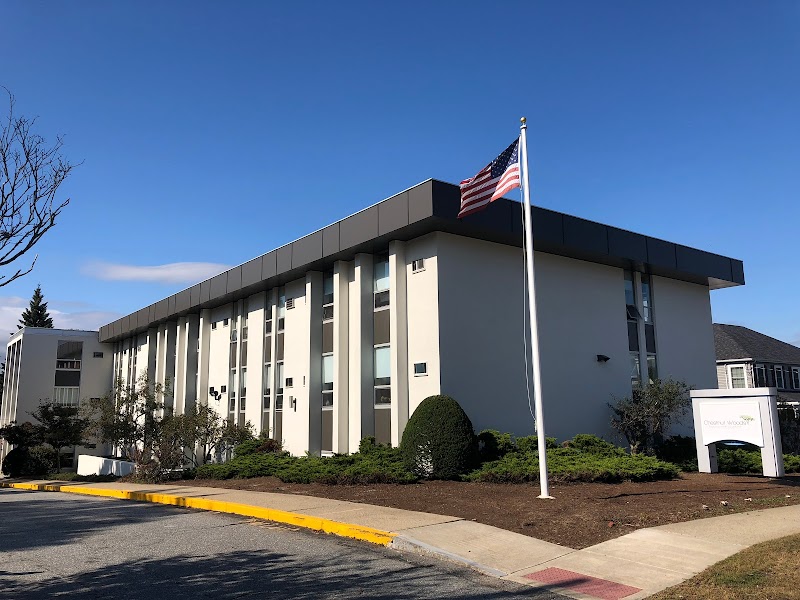
How is Chestnut Woods Rehabilitation And Healthcare Ctr Staffed?

CMS rates CHESTNUT WOODS REHABILITATION AND HEALTHCARE CTR's staffing level at 2 out of 5 stars, which is below average compared to other nursing homes. Staff turnover is 33%, compared to the Massachusetts average of 46%. This relatively stable workforce can support continuity of care. RN turnover specifically is 67%, which is notably high. RNs provide skilled clinical oversight, so turnover in this role can affect medical care quality.

What Have Inspectors Found at Chestnut Woods Rehabilitation And Healthcare Ctr?

State health inspectors documented 34 deficiencies at CHESTNUT WOODS REHABILITATION AND HEALTHCARE CTR during 2022 to 2024. These included: 33 with potential for harm and 1 minor or isolated issues.
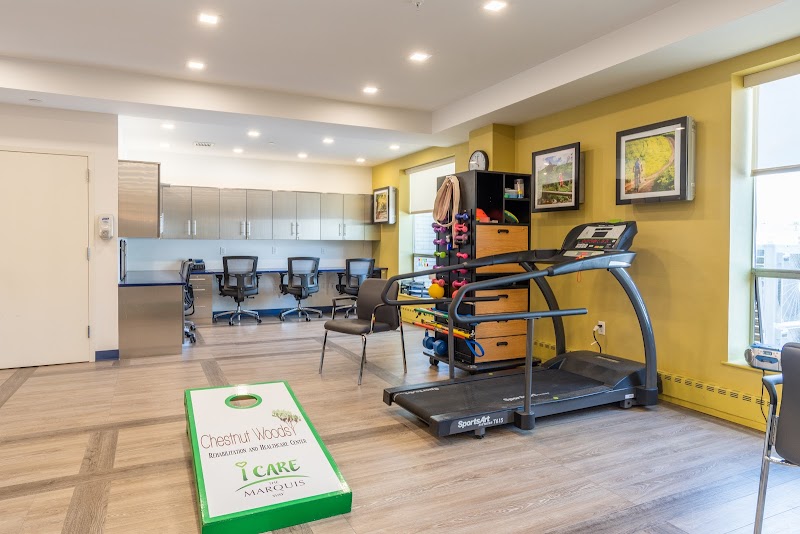
Who Owns and Operates Chestnut Woods Rehabilitation And Healthcare Ctr?

CHESTNUT WOODS REHABILITATION AND HEALTHCARE CTR is owned by a for-profit company. For-profit facilities operate as businesses with obligations to shareholders or private owners. The facility is operated by MARQUIS HEALTH SERVICES, a chain that manages multiple nursing homes. With 88 certified beds and approximately 78 residents (about 89% occupancy), it is a smaller facility located in SAUGUS, Massachusetts.
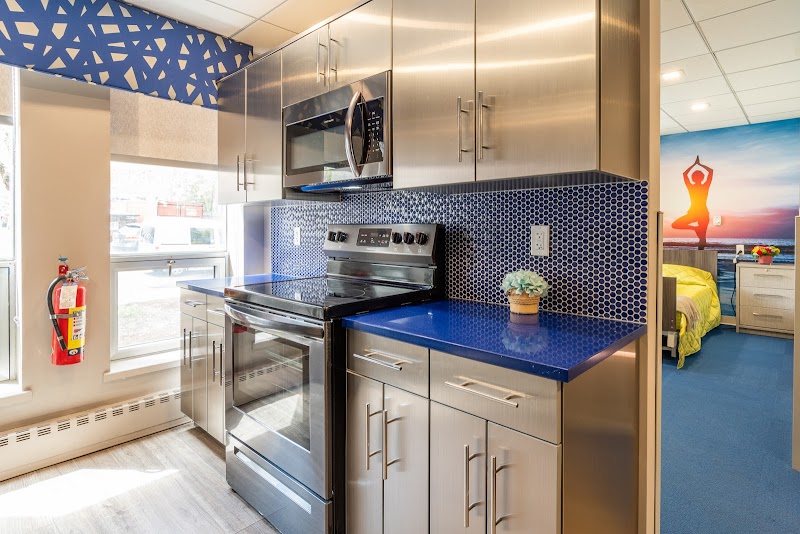
How Does Chestnut Woods Rehabilitation And Healthcare Ctr Compare to Other Massachusetts Nursing Homes?

Compared to the 100 nursing homes in Massachusetts, CHESTNUT WOODS REHABILITATION AND HEALTHCARE CTR's overall rating (4 stars) is above the state average of 2.9, staff turnover (33%) is significantly lower than the state average of 46%, and health inspection rating (3 stars) is at the national benchmark.

What Should Families Ask When Visiting Chestnut Woods Rehabilitation And Healthcare Ctr?

Based on this facility's data, families visiting should ask: "Can you walk me through typical staffing levels on day, evening, and night shifts?" "Can I visit during a mealtime to observe dining assistance and food quality?" "How do you handle medical emergencies, and what is your hospital transfer rate?" "Can I speak with family members of current residents about their experience?" These questions are particularly relevant given the below-average staffing rating.

Is Chestnut Woods Rehabilitation And Healthcare Ctr Safe?

Based on CMS inspection data, CHESTNUT WOODS REHABILITATION AND HEALTHCARE CTR has a clean safety record: no substantiated abuse findings (meaning no confirmed cases of resident harm), no Immediate Jeopardy citations (the most serious violation level indicating risk of serious injury or death), and is not on the Special Focus Facility watch list (a federal program monitoring the lowest-performing 1% of nursing homes). The facility has a 4-star overall rating and ranks #1 of 100 nursing homes in Massachusetts. While no facility is perfect, families should still ask about staff-to-resident ratios and recent inspection results during their visit.

Do Nurses at Chestnut Woods Rehabilitation And Healthcare Ctr Stick Around?

CHESTNUT WOODS REHABILITATION AND HEALTHCARE CTR has a staff turnover rate of 33%, which is about average for Massachusetts nursing homes (state average: 46%). Moderate turnover is common in nursing homes, but families should still ask about staff tenure and how the facility maintains care continuity when employees leave.

Was Chestnut Woods Rehabilitation And Healthcare Ctr Ever Fined?

CHESTNUT WOODS REHABILITATION AND HEALTHCARE CTR has no federal fines on record. CMS issues fines when nursing homes fail to meet care standards or don't correct problems found during inspections. The absence of fines suggests the facility has either maintained compliance or corrected any issues before penalties were assessed. This is a positive indicator, though families should still review recent inspection reports for the full picture.

Is Chestnut Woods Rehabilitation And Healthcare Ctr on Any Federal Watch List?

CHESTNUT WOODS REHABILITATION AND HEALTHCARE CTR is not on any federal watch list. The most significant is the Special Focus Facility (SFF) program, which identifies the bottom 1% of nursing homes nationally based on persistent, serious quality problems. Not being on this list means the facility has avoided the pattern of deficiencies that triggers enhanced federal oversight. This is a positive indicator, though families should still review the facility's inspection history directly.