WINDSOR NURSING & RETIREMENT HOME
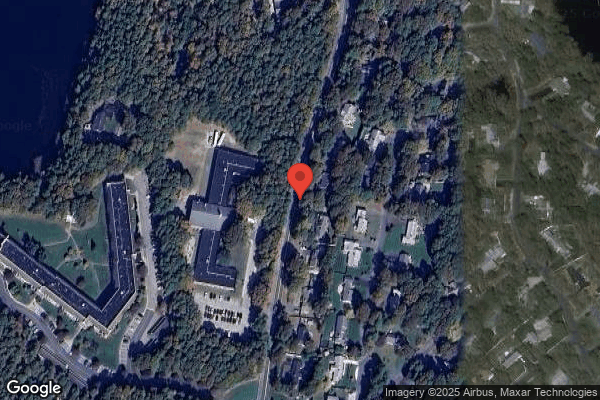
265 N MAIN ST, SOUTH YARMOUTH, MA 02664 (508) 394-3514
Non profit - Corporation 120 Beds INTEGRITUS HEALTHCARE Data: November 2025
Trust Grade
23/100
#337 of 338 in MA
Last Inspection: January 2025

Within standard 12-15 month inspection cycle. Federal law requires annual inspections.

Overview

Windsor Nursing & Retirement Home has received a Trust Grade of F, indicating significant concerns about its quality of care. It ranks #337 out of 338 facilities in Massachusetts, placing it in the bottom tier of nursing homes in the state, and #15 out of 15 in Barnstable County, meaning there are no better local options. While the facility's trend shows improvement, moving from 13 issues in 2023 to 8 in 2025, it still struggles with serious staffing challenges, having a high turnover rate of 56%, which is above the state average of 39%. Additionally, the home has faced some concerning incidents, such as a resident developing pressure ulcers due to inadequate care and two residents being hospitalized for infected wounds with maggots. On a positive note, the nursing home has average RN coverage, which can help catch potential issues early. However, the combination of weaknesses and serious incidents makes it crucial for families to consider other options carefully.

Trust Score
F
23/100
In Massachusetts
#337/338
Bottom 1%
Safety Record
Moderate
Needs review
Inspections
Getting Better
13 → 8 violations
Staff Stability
⚠ Watch
56% turnover. Above average. Higher turnover means staff may not know residents' routines.
Penalties
✓ Good
$15,636 in fines. Lower than most Massachusetts facilities. Relatively clean record.
Skilled Nurses
○ Average
Each resident gets 38 minutes of Registered Nurse (RN) attention daily — about average for Massachusetts. RNs are the most trained staff who monitor for health changes.
Violations
⚠ Watch
42 deficiencies on record. Higher than average. Multiple issues found across inspections.
★☆☆☆☆
1.0
Overall Rating
★★☆☆☆
2.0
Staff Levels
★☆☆☆☆
1.0
Care Quality
★★☆☆☆
2.0
Inspection Score
Stable
2023: 13 issues
2025: 8 issues

The Good

  • Full Sprinkler Coverage · Fire safety systems throughout facility
  • No fines on record

Facility shows strength in fire safety.

The Bad

1-Star Overall Rating

Below Massachusetts average (2.9)

Significant quality concerns identified by CMS

Staff Turnover: 56%

Near Massachusetts avg (46%)

Frequent staff changes - ask about care continuity

Federal Fines: $15,636

Below median ($33,413)

Minor penalties assessed

Chain: INTEGRITUS HEALTHCARE

Part of a multi-facility chain

Ask about local staffing decisions and management

Staff turnover is elevated (56%)

8 points above Massachusetts average of 48%

The Ugly 42 deficiencies on record

2 actual harm
Jan 2025 8 deficiencies
CONCERN (D)

Potential for Harm - no one hurt, but risky conditions existed

Grievances (Tag F0585)

Could have caused harm · This affected 1 resident

Based on observation, record review, and interview, the facility failed to initiate the grievance process on behalf of one Resident (#76), out of a total sample of 19 residents. Specifically, for Resi...

Read full inspector narrative →
Based on observation, record review, and interview, the facility failed to initiate the grievance process on behalf of one Resident (#76), out of a total sample of 19 residents. Specifically, for Resident #76, the facility failed to initiate an investigation when his/her hearing aids were determined to be missing, file a grievance for the missing hearing aids, and follow the grievance process, resulting in a 98-day delay in offering and/or providing alternative audiology services. Findings include: Review of the facility's policy titled Resident/Patient Belongings Policy, dated 1/20/17, indicated but was not limited to the following: -Staff will respond in a timely manner to concerns about a missing item. -An investigation will be initiated to assist in locating missing belongings. -The results of the investigation will be reviewed with the resident and/or responsible party. Review of the facility's policy titled Grievance Policy, dated as last revised 9/20/19, indicated but was not limited to the following: -All residents and/or their representatives may voice grievances/complaints and recommendations for change. -Social service will serve as the resident advocate in the grievance/complaint process. -Our facility will assist residents or their representative in filing grievances or complaints. -Affiliate leadership will investigate, document, and follow up on all formal concerns and grievances registered by any resident or resident representative. Resident #76 was admitted to the facility in April 2024 with diagnoses which included Alzheimer's dementia. Review of the Minimum Data Set (MDS) assessment, dated 10/11/24, indicated Resident #76 scored 3 out of 15 on the Brief Interview for Mental Status (BIMS), indicating he/she had severe cognitive impairment. Additionally, he/she was hard of hearing and wore hearing aids. During an interview on 1/2/25 at 9:30 A.M., Resident #76 had difficulty hearing and understanding the surveyor. He/she expressed frustration with the inability to hear and converse with the surveyor. Observations throughout the survey indicated Resident #76 was alert and confused, able to make his/her needs known, and staff needed to speak loud and slow for him/her to understand them without requesting they repeat themselves multiple times. Review of the medical record, including physician's orders, indicated the following: -Bilateral Hearing Aids information only. Hearing aids charging in the med room or by the nursing station. Put on resident in the morning. Remove and place to charge in the evening. (4/14/24) Review of the Medication Administration Record (MAR) indicated the following: -September 2024: hearing aids were documented as put in the morning and removed/charging from 9/1/24-9/22/24. On 9/23/24 hearing aids were documented as put in the morning and documented as missing on 9/23/24 at 7:39 P.M., and five of the next seven days they were documented as missing/not available/not located. -October 2024: 25 of 31 days the hearing aids were documented as missing/misplaced/not available. -November 2024: 24 of 30 days the hearing aids were documented as missing/not available/not located. -December 2024: 15 of 31 days the hearing aids were documented as missing/not available/not located. Review of the progress notes failed to indicate the facility had searched for the hearing aids, notified management, notified the family, or filed a grievance for the missing hearing aids at the time they were documented as missing (9/23/24). Further review of the medical record indicated on 12/30/24 the Director of Social Services filed a grievance after Resident #76's family reported the hearing aids missing. Review of the grievance book indicated a grievance for the missing hearing aids was not filed until his/her family reported the hearing aids missing on 12/30/24. During an interview on 1/7/25 at 1:20 P.M., Nurse #1 said Resident #76's hearing aids have been missing for a few months. Additionally, she said usually if an item is missing, we would tell the supervisor, and they deal with it. Additionally, she said she was not aware of any formal process for missing items or if they are logged on a grievance. During an interview on 1/7/25 at 1:35 P.M., Desk Nurse #1 said when items are discovered to be missing, first we would search the room, laundry, and dining room, then notify administration. There is not a form to fill out, it is usually verbal communication, then we should notify families if applicable, and it should be documented in the progress notes. He said Resident #76 has misplaced hearing aids before and we found them in the pocket of the walker, he said he was aware the hearing aids were missing, but did not know for how long, and said there is not a progress note indicating the process was followed between September and when the Social Worker documented the missing items on 12/30/24 and there should have been a note. During an interview on 1/9/25 at 10:35 A.M., Social Worker #1 said she was not made aware the hearing aids were missing until 12/30/24 when she filed the grievance. She said when staff noted the hearing aids to be missing back in September, the grievance should have been initiated then. She said she was unsure why the grievance process was not followed. During an interview on 1/9/25 at 12:05 P.M., the DON said she was not part of the investigation into the missing hearing aids and directed further questions to the Social Worker and Administrator. Additionally, she said when an item such as glasses, hearing aids, dentures are missing, staff should be searching the area immediately and notifying supervisor, the family, myself and the Administrator. A grievance would be filed if the item was not located for follow up. She said she was not made aware the hearing aids had been missing since September 2024 and only found out last week when the family reported it to the Social Worker. During an interview on 1/9/25 at 1:01 P.M., the Administrator said he was not made aware of the missing hearing aids until last week when the Social Worker filed the grievance. He said standard procedure would be when an item like hearing aids are missing, the areas are searched, departments are notified, management is notified, and the family if applicable. He said if the search is unsuccessful, a grievance would be filed. He said staff need education on the process because they identified the hearing aids were missing, but the progress notes do not indicate anything was done about it, and we were not made aware they were missing until last week. Refer to F685
CONCERN (D)

Potential for Harm - no one hurt, but risky conditions existed

Deficiency F0658 (Tag F0658)

Could have caused harm · This affected 1 resident

Based on record review, interview, and observation, the facility failed to follow professional standards of practice for one Resident (#197), out of a total sample of 19 residents. Specifically, the f...

Read full inspector narrative →
Based on record review, interview, and observation, the facility failed to follow professional standards of practice for one Resident (#197), out of a total sample of 19 residents. Specifically, the facility failed to follow and provide care in accordance with the physician's order for management of the Resident's right upper extremity Peripherally Inserted Central Catheter (PICC-a thin flexible tube inserted into a vein in the upper arm and guided into a large vein above the right side of the heart called the superior vena cava) which included dressing changes, measurement of the external length of the catheter and upper arm, and monitoring of the insertion site for signs/symptoms of infection. Findings include: 1. Review of the Massachusetts Board of Registration in Nursing Advisory Ruling on Nursing Practice, Advisory Ruling Number 9324, dated as revised July 10, 2002, indicated: -Nurse's Responsibility and Accountability: Licensed nurses accept, verify, transcribe, and implement orders from duly authorized prescriber's that are received by a variety of methods (i.e., written, verbal/telephone, standing orders/protocols, pre-printed order sets, electronic) in emergent and non-emergent situations. -Licensed nurses in a management role must ensure an infrastructure is in place, consistent with current standards of care, to minimize error. Review of the facility's policy titled Vascular Access Device (VAD) Insertion Care and Removal, dated 7/1/2018, indicated but was not limited to the following: -Central vascular access device (CVAD): Dressing changes -CVADs require a sterile transparent semipermeable membrane dressing and shall be changed with a practitioner order: a. Upon admission or 24-hour post-insertion; b. Every seven days; c. As needed (PRN) if compromised. -PICC Lines require measurements which include: a. Total catheter length: i. Upon admission or insertion; ii. Obtained from insertion nurse or discharge facility. b. External catheter length-measured from insertion site to beginning of WING HUB OR other location as determined by insertion nurse or admission nurse; compared to previous measurement; i. Upon admission or insertion; ii. Every dressing change and PRN. c. Upper arm circumference- three inches above insertion site or other location as determined by the insertion nurse or admission nurse; compare to previous measurement: i. Upon admission or insertion; ii. Every dressing change and PRN. Resident #197 was admitted to the facility in December 2024 with diagnoses which included osteomyelitis (infection of the bone) of the right foot, right great toe amputation, and peripheral neuropathy. Review of the Physician's Orders indicated but were not limited to the following: -Change PICC line transparent dressing every evening shift, weekly on Wednesday. -Measure external length on admission and each dressing change. -Measure arm circumference on admission and with each dressing change. -Monitor intravenous (IV) site every shift, assess IV right PICC for signs and symptoms of infection, dressing clean dry and intact. On 01/2/25 at 10:01 A.M., the surveyor observed Resident #197 lying in bed and with the Resident's permission observed his/her right arm PICC line. The surveyor observed the transparent dressing to be dated 12/25/24, and observed a small amount of dried blood around the insertion site. Review of Resident #197's Treatment Administration Record (TAR) indicated but was not limited to the following: -12/18/24: PICC line dressing was changed, no documentation of external catheter length or arm circumference. -12/25/24: PICC line dressing was changed, no documentation of external catheter length or arm circumference. -1/1/25: Nurse #8 signed off PICC line dressing was changed; no documentation of external catheter length or arm circumference (On 1/2/25 and 1/3/25 the PICC line dressing was observed dated 12/25/24). Review of nursing notes on 12/18/24, 12/25/24, and 1/1/25 indicated there was no documentation the PICC line dressing was changed and no documentation of the external catheter length or arm circumference. During an interview on 1/3/25 at 4:50 P.M., Nurse #9 observed Resident #197's PICC line dressing and said it was dated 12/25/24. Nurse #9 returned to the medication cart and reviewed Resident #197's physician's orders and TAR and said the PICC line dressing was signed off that it was changed on 1/1/25 and it was not. Nurse #9 said when checking the PICC line everyday you inspect the dressing, look for drainage, and signs and symptoms of infection. During an interview on 1/3/25 at 5:01 P.M., the Director of Nurses (DON) said she would expect the nurses to change the dressing within 24 hours of admission and then weekly. She said the nurses should be inspecting the site daily for signs and symptoms of infection and drainage. The surveyor and DON viewed Resident #197's PICC dressing and it was dated 12/25/24. The DON said she will have to review Resident #197's orders. During an interview on 1/7/25 at 8:57 A.M., the DON said when the nurses do a PICC line dressing change they should be recording the catheter length and arm circumference on the TAR. She said that's the way the orders should be written and the nurses should be recording the information right on the TAR. The DON said she will look for additional documentation. During an interview on 1/9/25 at 11:25 A.M., the DON said she could not find nursing documentation of the external length or arm circumference in Resident #197's medical record. She said she spoke to Nurse #8 and Nurse #8 told her she did not get to change the PICC line on 1/1/25. The DON said Nurse #8 should not have marked the PICC line changed if she did not complete it.
CONCERN (D)

Potential for Harm - no one hurt, but risky conditions existed

Accident Prevention (Tag F0689)

Could have caused harm · This affected 1 resident

**NOTE- TERMS IN BRACKETS HAVE BEEN EDITED TO PROTECT CONFIDENTIALITY** Based on observations, record review, and interview, the facility failed to ensure post-fall interventions were developed and im...

Read full inspector narrative →
**NOTE- TERMS IN BRACKETS HAVE BEEN EDITED TO PROTECT CONFIDENTIALITY** Based on observations, record review, and interview, the facility failed to ensure post-fall interventions were developed and implemented to mitigate the risk of future falls resulting in two falls in three months, one of which resulted in a head strike causing bruising for one Resident (#78), out of a total sample of 19 residents. Findings include: Review of the facility's policy titled Fall Risk Reduction, dated as last revised 11/2/23, indicated but was not limited to the following: -All residents will be assessed for fall risk factors. Those determined to have risk factors will receive individualized interventions based on the risk factors to reduce risk for falls and minimize the actual occurrence of falls. -Complete a Resident Fall Risk Assessment on admission, readmission, change in condition. -Develop individualized plan of care. -Include fall interventions on [NAME] and Care Plan. -Review and revise Care Plan/[NAME] regular to ensure individualized. -Review resident new admit/new fall weekly for four weeks to determine effectiveness of interventions. Review of the facility's policy titled Accidents and Incidents-Investigating and Reporting, dated as last revised 12/29/11, indicated but was not limited to the following: -The nurse supervisor/charge nurse and/or the department director or supervisor must conduct an immediate investigation of the accident or incident. -If Incident/Accident Report is completed for a fall, corresponding post fall investigation shall also be completed. Review of the facility's policy titled Falls Management: Post Fall, dated as last revised 9/30/24, indicated but was not limited to the following: -All residents experiencing a fall will receive appropriate care and investigation of the cause. -Review resident's medical record and assessments to identify any causes that may have contributed to the fall. -Complete an Incident Report/Post Fall Investigation/5 Whys analysis after the fall. -Update the Care Plan/[NAME] to reflect new interventions. -Conduct interdisciplinary falls team meeting at the subsequent clinical morning meeting, review the 5 Whys Analysis, Determine need for additional actions/interventions based on team evaluation of root cause, and communicate information to staff. -Review resident at interdisciplinary morning meeting to determine effectiveness of interventions. Revise care plan accordingly. -Remove any causes of fall and implement preventive measures to prevent recurrence. Resident #78 was admitted to the facility in October 2022 with diagnoses which included muscle weakness, unspecified abnormalities of gait and mobility, and dementia. Review of the Minimum DataSet (MDS) assessment, dated 10/18/24, indicated that Resident #78 scored 3 out of 15 on the Brief Interview for Mental Status (BIMS) indicating cognitive impairment. Additionally, he/she was dependent on staff with transfers and had a history of falls. Review of the Comprehensive Care Plan indicated the following: PROBLEMS/STRENGTHS: At risk for falls. The following risk factors have been identified. Change in mobility/gait, confused/forgetful, exhibits unsafe behavior. Recent witnessed fall. GOALS: Resident will be free from injury related to falls through review period. INTERVENTIONS: -Fall risk assessment upon admission, re-admission, significant change in condition (11/1/22) -Ask resident to sit back when noted to be sitting forward in wheelchair (11/2/23) -Offer to get out of bed before dinner if in bed for nap (11/2/23) -Check to see if wishes to get out of bed at change of shift (11/2/23) -Offer the option to get out of bed early am 11-7 shift if awake (11/2/23) -Likes safely sitting on the floor attempt to determine reason and attempt to mitigate risks preemptively, monitor for changes in frequency (11/2/23) -Monitor for proper positioning in wheelchair (11/2/23) -Rehab to review for alternate wheelchair seating (11/2/23) -Bed will be positioned low when she is in bed to prevent falls (3/12/24) -To be reclined in Broda (wheelchair that can tilt or recline) chair after meals (9/24/24) Review of the Fall Risk Evaluation from admission indicated the following: -10/22/22 Score 8 (Fall risk score was not defined on evaluation), History of falls in the past 2-6 months, moving from seated to standing position not steady, only able to stabilize with assist During an interview on 1/7/25 at 2:28 P.M., the Director of Nurses (DON) said the facility only completes fall risk assessments upon admission, re-admission, or with a significant change in condition. She said when a resident has a fall it is not considered a change of condition. Review of the medical record indicated Resident #78 had two falls since June 2024, both falls were related to slipping out of the wheelchair. Review of the facility Incident Reports, nursing progress notes for the falls indicated the following: FALL 6/1//24: -Observed sitting on the floor in front of Broda chair in dayroom. -Report indicated Resident #78 attempted to stand -Back of Broda chair was at a 90-degree angle may have contributed to the fall -No additional predisposing factors were identified. -No witness statements were provided. -No injury was noted. -New intervention identified to recline back of wheelchair short time after meals. Intervention had a line drawn through it and written below the crossed out intervention read would not necessarily have prevented fall -No intervention added to the care plan or [NAME] to prevent future falls/mitigate the risk of future falls. FALL 9/20/24: -Observed on floor in dayroom, fell out of wheelchair -Predisposing factors indicated the wheelchair was not reclined -No additional predisposing factors were identified. -No witness statements were provided. -Sustained bruising to right side of forehead, ice pack applied, and neurological checks completed -New intervention identified to recline wheelchair after meals -Intervention, care plan and [NAME] were updated as follows: Resident is to be reclined in his/her Broda chair after meals (9/24/24) The facility identified that Resident #78 fell on 6/1/24 from Broda/wheelchair. The facility failed to develop and implement additional interventions to prevent future falls/mitigate the risk of falls resulting in an additional fall from Broda/wheelchair sustaining a bruise to the right side of his/her forehead. The surveyor made the following observations: -1/6/25 at 11:28 A.M., Resident #78 sitting in Broda chair in activity room with back of chair in upright position, not reclined. -1/7/25 at 12:30 P.M., Resident #78 sitting in Broda chair in dayroom after lunch, back of chair in upright position, not reclined. During an interview on 1/6/25 at 2:48 P.M., Nurse #4 said she completes an incident report packet and updates the care plan with a new intervention to prevent the fall from occurring again. She said the incident report packet is then given to the DON for review. During an interview on 1/9/24 at 7:51 A.M., the DON said when a fall occurs, the nurse completes an incident report packet. She said the packet consists of a root cause analysis to help the nurses determine a new intervention to reduce the risk of the fall occurring again. She said the nurse updates the interventions, care plans and updates the [NAME] with information for the Certified Nursing Assistants (CNA) after the fall. The DON reviewed the incident report packet dated 6/1/24 and said the incident report is incomplete; there was no intervention put into place and the care plan was not updated as it should have been. She said the nurse identified an intervention, but does not know why it was crossed out and not implemented. She said she is new to the facility, and was not present at the time of this fall. The DON said all falls are reviewed the next morning and weekly for four weeks by the Interdisciplinary Team (IDT), and is unsure why it was not identified by the IDT that this fall report was incomplete.
CONCERN (E)

Potential for Harm - no one hurt, but risky conditions existed

Safe Environment (Tag F0584)

Could have caused harm · This affected multiple residents

Based on observation and interview, the facility failed to ensure residents in two of three dining rooms had a comfortable and homelike dining experience. Findings include: During dining observations...

Read full inspector narrative →
Based on observation and interview, the facility failed to ensure residents in two of three dining rooms had a comfortable and homelike dining experience. Findings include: During dining observations throughout survey on 1/2/25, 1/3/25, 1/6/25, and 1/7/25, surveyors observed the following: On 1/2/25 at 9:14 A.M., the surveyor observed seven residents in the A Unit dining room. There were no tablecloths or placemats observed in the dining room. All residents were served their meal from the food truck to the table. All meal plates remained on the heating elements and residents were observed to eat breakfast off the serving trays. Meal covers were stacked on the table. On 1/2/25 at 12:15 P.M., the surveyor observed 13 residents in the Main Dining room. The tables were observed to have white tablecloths, cloth napkins, flower centerpieces, water glasses, porcelain coffee cups and silverware. Staff were observed to serve juices/water and coffee prior to meals being served from the adjacent kitchen. Residents were observed to eat lunch from plates which were removed from heating elements and placed on the table. On 1/2/25 at 12:23 P.M., the surveyor observed 11 residents in the B Unit dining room. There were no tablecloths or placemats observed in the dining room. The television was tuned into the noon time news. All residents were served their meal from the food truck to the table. All meal plates remained on the heating elements and residents were observed to eat lunch off the serving trays. Meal covers were stacked in the middle of the tables. One resident was observed seated alone on the side of the dining room with the meal placed on an overbed table. The meal plate remained on the heating element and the resident was observed to eat lunch off the serving tray with the meal cover left on the corner of the tray table. One staff member was observed to stand throughout the meal as he fed another resident lunch. On 1/2/25 at 12:36 P.M., the surveyor observed seven residents in the A Unit dining room. There were no tablecloths or placemats observed in the dining room. Water glasses and coffee cups were observed to be made of a plastic type of material. The television was tuned into a home show. All meal plates remained on the heating elements and residents were observed to eat lunch off the serving trays. Meal covers and trash (i.e., milk cartons/dirty paper napkins/cup covers) were stacked in the middle of the tables. One resident was seated alone at a table and observed to eat lunch off the serving tray. There was a large plastic container on the table filled with puzzles/activity books which overflowed onto the table. The meal cover was left on the table. On 1/3/25 at 8:45 A.M., the surveyor observed six residents seated in the A Unit dining room. There were no tablecloths or placemats observed in the dining room. All residents were served their meal from the food truck to the table. All meal plates remained on the heating elements and residents were observed to eat breakfast off the serving trays. Meal covers and trash (i.e., milk cartons/dirty paper napkins/cup covers) were stacked on the tables. On 1/3/25 at 12:20 P.M., the surveyor observed nine residents seated in the B Unit dining room. There were no tablecloths or placemats observed in the dining room. All residents were served their meal from the food truck to the table. All meal plates remained on the heating elements and residents were observed to eat lunch off the serving trays. Meal covers were stacked on the tables. On 1/3/25 at 12:26 P.M., the surveyor observed 16 residents seated in the Main Dining room. The tables were observed to have white tablecloths, cloth napkins, flower centerpieces, water glasses, porcelain coffee cups and silverware. Staff were observed to serve juices/water and coffee prior to meals being served from the adjacent kitchen. Residents were observed to eat lunch from plates which were removed from heating elements and placed on the table. On 1/3/25 at 12:31 P.M., the surveyor observed six residents seated in the A Unit dining room. There were no tablecloths or placemats observed in the dining room. All residents were served their meal from the food truck to the table. All meal plates remained on the heating elements and residents were observed to eat lunch off the serving trays. Meal covers were stacked on the tables. One resident was seated alone at a table and observed to eat breakfast off the serving tray. There was a large plastic container on the table filled with puzzles/activity books which overflowed onto the table. The meal cover was left on the table. On 1/6/25 at 8:45 A.M., the surveyor observed six residents seated in the A Unit dining room. There were no tablecloths or placemats observed in the dining room. All residents were served their meal from the food truck to the table. All meal plates remained on the heating elements and residents were observed to eat breakfast off the serving trays. Meal covers and trash (i.e., milk cartons/dirty paper napkins/cup covers) were stacked on the tables. On 1/7/25 at 12:15 P.M., the surveyor observed six residents seated in the A Unit dining room. There were no tablecloths or placemats observed in the dining room. All residents were served their meal from the food truck to the table. All meal plates remained on the heating elements and residents were observed to eat lunch off the serving trays. Meal covers and trash (i.e., milk cartons/dirty paper napkins/cup covers) were stacked on the tables. One resident was seated alone at a table and observed to eat breakfast off the serving tray. There was a large plastic container on the table filled with puzzles/activity books which overflowed onto the table. The meal cover was left on the table. On 1/7/25 at 12:22 P.M., the surveyor observed nine residents seated in the B Unit dining room. There were no tablecloths or placemats observed in the dining room. All residents were served their meal from the food truck to the table. All meal plates remained on the heating elements and residents were observed to eat lunch off the serving trays. Meal covers and trash (i.e., milk cartons/dirty paper napkins/cup covers) were stacked on the tables. During an interview on 1/9/25 at 1:44 P.M., the Administrator was made aware of the surveyor's observations. The Administrator said all residents in the facility should have the same homelike dining experience.
CONCERN (E)

Potential for Harm - no one hurt, but risky conditions existed

Deficiency F0685 (Tag F0685)

Could have caused harm · This affected multiple residents

Based on observation, record review, and interview, the facility failed to ensure audiology services were offered to ensure the highest practicable level of care for one Resident (#76), out of a total...

Read full inspector narrative →
Based on observation, record review, and interview, the facility failed to ensure audiology services were offered to ensure the highest practicable level of care for one Resident (#76), out of a total sample of 19 residents. Specifically, for Resident #76, when their hearing aids went missing, the facility failed to offer/provide alternative treatment, and/or to assist in arranging audiology services to obtain new hearing aids, resulting in a 98-day delay in services. Findings include: Review of the facility's policy titled Resident/Patient Belongings Policy, dated 1/20/17, indicated but was not limited to the following: -Staff will respond in a timely manner to concerns about a missing item. -An investigation will be initiated to assist in locating missing belongings. -The results of the investigation will be reviewed with the resident and/or responsible party. Review of the facility's policy titled Consulting Services; Podiatry/Dental/Optometry/Audiology, dated 11/22/16, indicated but was not limited to the following: -Services are offered to all residents as a means of providing highest practicable level of functioning and care. -Resident/resident representatives are provided information about consulting services upon admission and at any time when the need arises. Resident #76 was admitted to the facility in April 2024 with diagnoses which included Alzheimer's dementia. Review of the Minimum Data Set (MDS) assessment, dated 10/11/24, indicated Resident #76 scored 3 out of 15 on the Brief Interview for Mental Status (BIMS), indicating he/she had severe cognitive impairment. Additionally, he/she was hard of hearing and wore hearing aids. During an interview on 1/2/25 at 9:30 A.M., Resident #76 had difficulty hearing and understanding the surveyor. He/she expressed frustration with the inability to hear and converse with the surveyor. Observations throughout the survey indicated Resident #76 was alert and confused, able to make his/her needs known, and staff needed to speak loud and slow for him/her to understand them without requesting they repeat themselves multiple times. Review of the medical record, including physician's orders, indicated the following: -Bilateral Hearing Aids information only. Hearing aids charging in the med room or by the nursing station. Put on resident in the morning. Remove and place to charge in the evening. (4/14/24) Review of the Medication Administration Record (MAR) indicated the following: -September 2024: hearing aids were documented as put in the morning and removed/charging from 9/1/24-9/22/24. On 9/23/24 hearing aids were documented as put in the morning and documented as missing on 9/23/24 at 7:39 P.M., and five of the next seven days they were documented as missing/not available/not located. -October 2024: 25 of 31 days the hearing aids were documented as missing/misplaced/not available. -November 2024: 24 of 30 days the hearing aids were documented as missing/not available/not located. -December 2024: 15 of 31 days the hearing aids were documented as missing/not available/not located. Review of the progress notes failed to indicate the facility had searched for the hearing aids, notified management, notified the family, filed a grievance for a missing item, offered him/her alternative hearing devices, or attempted to arrange an appointment with an audiologist at the time they were documented as missing (9/23/24). Review of the medical record indicated on 12/30/24 the Director of Social Services filed a grievance after Resident #76's family reported the hearing aids missing. (98 days after they were documented as missing.) During an interview on 1/7/25 at 1:20 P.M., Nurse #1 said Resident #76's hearing aids have been missing for a few months. Additionally, she said usually if an item is missing, we would tell the supervisor, and they deal with it. During an interview on 1/7/25 at 1:35 P.M., Desk Nurse #1 said he was aware the hearing aids were missing, but did not know for how long. He said alternate services should have been offered to Resident #76 sooner. During an interview on 1/7/25 at 2:16 P.M., Certified Nursing Assistant #2 said they usually charge the hearing aids at the nurses' station, and she was not sure how long they have been missing this time, but it had been a while. During an interview on 1/9/25 at 10:35 A.M., Social Worker #1 said she was not made aware the hearing aids were missing until 12/30/24 when the Resident's family reported it to her. Additionally, she said when staff noted the hearing aids to be missing back in September an appointment for audiology should have been made. She said she was unsure why the process was not followed. During an interview on 1/9/25 at 12:05 P.M., the DON said she was not made aware the hearing aids had been missing since September 2024 and only found out last week when the family reported it to the Social Worker. During an interview on 1/9/25 at 1:01 P.M., the Administrator said he was not made aware of the missing hearing aids until last week when the Resident's family notified the Social Worker. He said when an item like hearing aids are missing the facility should offer something like an amplifier pending an audiology appointment for replacement hearing aids. He said at that time they offered Resident #76 an amplifier and he/she declined it; his/her family was going to take the Resident to see an audiologist for replacement hearing aids. He said staff need education on the process because they identified the hearing aids were missing, but the progress notes do not indicate anything was done about it, and we were not made aware they were missing until last week.
CONCERN (E)

Potential for Harm - no one hurt, but risky conditions existed

Deficiency F0761 (Tag F0761)

Could have caused harm · This affected multiple residents

Based on observation, interview, and document review, the facility failed to ensure all medications used in the facility were stored and labeled in accordance with currently accepted professional stan...

Read full inspector narrative →
Based on observation, interview, and document review, the facility failed to ensure all medications used in the facility were stored and labeled in accordance with currently accepted professional standards in two of two medication carts reviewed. Findings include: Review of the facility's policy titled Storage of Medications, dated as revised 6/10/22, indicated but was not limited to the following: -Orally administered medications are kept separate from externally used medications, such as lotions -Outdated, contaminated or deteriorated medications and those in containers without secure closures are immediately removed from stock, and disposed -Medication storage areas are kept clean Review of the facility's policy titled Administration Procedures for all Medications, dated 9/20/13, indicated but was not limited to the following: -Check expiration date on package/container before administering any medication. When opening a multidose container, place the date on the container. -Once removed from the package or container, unused or partial doses should be disposed of. Review of the facility's policy titled Equipment and Supplies for Administering Medications, dated 6/1/10, indicated but was not limited to the following: -Charge nurse on duty ensure that equipment and supplies relating to medication administration are clean and orderly. On 1/3/25 at 2:29 P.M., the surveyor completed a review of the medication cart on Unit A, low side, with Nurse #1, and made the following observations: - In the top drawer on the right-hand side: two small clear plastic medication cups, uncovered and not labeled. One contained a thick creamy white substance with a spoon placed inside, and one contained approximately 15 milliliters (ml) of a clear liquid. -On the bottom of the top drawer on the right-hand side: yellowish crusted substance stuck to the bottom of the drawer, multiple loose pills, yellowish-white powdery substance on the bottom of the drawer. Nurse #1 said the cup with the white substance was Eucerin cream (moisturizer) that she needed to apply to a resident, and the other cup contained normal saline (a mixture of sodium chloride and water). She said she was going to do treatments, and got called away, so she placed the two cups in the top of the medication cart. -Two bottles of artificial tears, seal broken indicating it was in use, not labeled with an open or discard date. -Multiple single dose prescription medications, not labeled with a resident name, scattered under the over-the-counter medication bottles. -On the bottom of the second drawer on right-hand side, dried yellowish crusted substance, multiple loose pills and a powdery substance on the bottom of the drawer. -One bottle of Timolol eye drops (used to treat high pressure in the eye), seal broken indicating it was in use, not labeled with an open or discard date. -One bottle of Dorzolomide eye drops (used to treat high pressure in the eye), seal broken indicating it was in use, not labeled with an open or discard date. -One Advair diskus inhaler (used to treat symptoms of asthma), foil packaging removed, indicating it was in use, not labeled with an open or discard date. Nurse #1 said the eye drops and inhalers are in use but do not have a shortened expiration date upon opening. She said she goes by the expiration date on the outside of the container. Nurse #1 said the single dose prescription medications came from the omni cell (automated dispensing cabinet) and are supposed to remove only what you are going to administer at that time. She said the medications should not be stored in the cart without a resident name. Nurse #1 said she is not sure who is responsible for cleaning the cart. On 1/3/25 at 3:04 P.M., the surveyor completed a review of the medication cart on Unit B high side with Nurse #3, and made the following observations: -Two bottles of Prednisolone eye drops (used to treat inflammation in the eyes), seal broken indicating it was in use, not labeled with an open date. -Three bottles of artificial tears eye drops, seal broken indicating it was in use, not labeled with an open date. -Two bottles of Maxifloxin eye drops (used to treat infections of the eye), seal broken indicating it was in use, not labeled with an open date. Nurse #3 said eye drops should be labeled upon opening with an open date because they have a shortened expiration date once opened. She said if they do not have an open date they cannot be used. During an interview on 1/6/25 at 2:59 P.M., Desk Nurse #1 said the 11:00 P.M. - 7:00 A.M. shift nurse is responsible for cleaning and maintaining the medication carts. He said when a nurse notices loose medications in the cart, they should be removing and destroying the medication. During an interview on 1/9/25 at 8:17 A.M., the Director of Nursing (DON) said no medications should be stored in the cart once prepared for administration, uncovered and not labeled. She said the 11:00 P.M. - 7:00 A.M. staff is supposed to remove all expired medications, clean and stock the medication carts nightly, and housekeeping is responsible for thoroughly cleaning the carts monthly. The DON said she is unsure of expiration dates on specific eye drops; however, they are stored in a multi-use vial, and multi-use vials have shortened expiration dates, and must be labeled upon opening.
CONCERN (E)

Potential for Harm - no one hurt, but risky conditions existed

Food Safety (Tag F0812)

Could have caused harm · This affected multiple residents

Based on observation and interview, the facility failed to follow professional standards of practice for food safety and sanitation to prevent the potential spread of foodborne illness to residents wh...

Read full inspector narrative →
Based on observation and interview, the facility failed to follow professional standards of practice for food safety and sanitation to prevent the potential spread of foodborne illness to residents who are at high risk. Specifically, the facility failed to handle ready-to-eat food (food which does not require cooking or further preparation prior to consumption) utilizing proper hand hygiene to prevent cross contamination (transfer of pathogens from one surface to another). In addition, to ensure the use of gloves was limited to a single use task. Findings include: Review of the 2022 Food Code by the U.S. Food and Drug Administration (FDA), revised 1/2023, indicated but was not limited to the following: - 3-301.11 Preventing Contamination from Hands. (A) FOOD EMPLOYEES shall wash their hands as specified under § 2-301.12. (B) Except when washing fruits and vegetables as specified under §3-302.15 or as specified in (D) and (E) of this section, FOOD EMPLOYEES may not contact exposed, READY-TO-EAT FOOD with their bare hands and shall use suitable UTENSILS such as deli tissue, spatulas, tongs, single-use gloves, or dispensing EQUIPMENT. - 3-304.15 Gloves, Use Limitation. (A) If used, single-use gloves shall be used for only one task such as working with ready-to-eat food or with raw animal food, used for no other purpose, and discarded when damaged or soiled, or when interruptions occur in the operation. Review of the facility's policy titled Dietary: Sanitary Conditions, dated 10/27/22, indicated but was not limited to the following: -The facility will obtain food from sources approved or considered satisfactory by the federal, state or local authorities; and follow proper sanitation and food handling practices to prevent the outbreak of foodborne illness. -Safe food handling for prevention of foodborne illnesses begins when food is received from a vendor and continues throughout the facility food handling processes. -Cross contamination: refers to transfer of harmful substances or disease-causing microorganisms to food by hands, food contact surfaces, sponges, cloth towels or utensils which were not cleaned after touching raw food and then touch ready-to-eat foods. Hand Washing, Glove Use, and use of alcohol-based hand sanitizers: -Since the skin carries microorganisms, it's critical that staff involved in food preparation consistently utilize good hygienic practices and techniques for hand hygiene. -The appropriate use of utensils such as gloves, tongs, deli paper and spatulas are essential in preventing foodborne illness. Gloved hands are considered a food contact surface that can be contaminated or soiled. -Failure to change gloves between tasks can contribute to cross contamination. -Disposable gloves are a single use item and should be discarded after each use. NOTE: The use of disposable gloves is not a substitute for proper hand washing with soap and water. On 1/2/25 at 8:30 A.M., the surveyor observed the breakfast tray line service in the main kitchen and made the following observations: -Cook #1 was plating breakfast plates wearing a disposable glove handling the pancakes, toast, and bacon with her gloved hands. [NAME] #1 used the scoop to plate the scrambled eggs and then arranged them on the plates with her gloved hands. -Cook #1 was observed leaving the steam table to cook pancakes on the griddle, touching multiple surfaces with her gloved hands. [NAME] #1 returned to the steam table continuing to plate breakfast as described above wearing the same gloved hands as above. -Cook #1 left the steam table for a second time, cracked three eggs on the griddle and handled the spatula cooking the eggs. [NAME] #1 discarded one egg, cracked a fourth egg on the griddle and continued cooking. [NAME] #1 returned to the steam table continuing to plate breakfast as described above wearing the same pair of gloves. [NAME] #1 was not observed changing her gloves or performing hand hygiene at any time. During an interview on 1/2/25 at 8:35 A.M., the Food Service Manager (FSM) said [NAME] #1 should be serving food from the steam table using utensils and not her gloved hands. He said she should be removing her gloves and performing hand hygiene in-between tasks like cracking raw eggs before returning to the steam table to serve food. On 1/3/25 at 11:42 P.M., the surveyor observed lunch tray line service in the Main kitchen and made the following observations: -Cook #2 was observed wearing two pairs of gloves while plating lunch plates. -Cook #2 was observed leaving the tray line to obtain supplies and returning to the tray line, removing one pair of gloves and continuing to plate lunch service. -Cook #2 was observed leaving the tray line a second time, handling a kitchen towel/potholder to remove meatloaf from the oven to replace a pan on the steam table. [NAME] #2 was observed removing the second pair of gloves and his hands were visible dripping a water like substance. [NAME] #2 obtained a new pair of gloves, entered the walk-in freezer (touching the door handle) and held his hands up to the fan in a waving motion. [NAME] #2 put on the new pair of gloves and returned to the lunch tray service line to continue plating meals. During an interview on 1/03/25 at 11:51 A.M., the FSM said [NAME] #2 should not be wearing two pairs of gloves, he should not be drying his hands in the walk-in and [NAME] #2 should be performing hand hygiene every time he changes his gloves.
CONCERN (E)

Potential for Harm - no one hurt, but risky conditions existed

Medical Records (Tag F0842)

Could have caused harm · This affected multiple residents

Based on record review and interview, the facility failed to ensure an accurate medical record for one Resident (#84), out of a total sample of 19 residents. Specifically, the facility failed to ensur...

Read full inspector narrative →
Based on record review and interview, the facility failed to ensure an accurate medical record for one Resident (#84), out of a total sample of 19 residents. Specifically, the facility failed to ensure the medical record indicated the dietary recommendation for Mirtazapine (antidepressant used for an appetite stimulant) had been reviewed by the provider timely. Findings include: Resident #84 was admitted to the facility in September 2024 with diagnoses including dementia, anxiety, depression, obsessive-compulsive disorder (OCD), and had a history of falls with traumatic subdural hematoma. Review of the Minimum Data Set (MDS) assessment, dated 9/23/24, indicated he/she scored 11 out of 15 on the Brief Interview for Mental Status (BIMS) indicating he/she had moderate cognitive impairment. Review of the weights documented in the medical record indicated the following: 9/18/24: 155.8 pounds (lbs.) 9/28/24: 130.4 lbs. 10/12/24: 124.2 lbs. 10/28/24: 124.8 lbs. 12/16/24: 112.8 lbs. Review of the Dietitian's progress note, dated 10/17/24, indicated Resident #84 continues to present with variable and often inadequate intake of meals. Resident denies need for supplemental foods or oral supplements, which have been offered several times since admission. Weight change: unclear on accuracy of prior weights but would suggest severe weight loss. Resident presents with moderate signs of muscle wasting and moderate fat wasting and meets criteria for severe chronic disease related to malnutrition. Per discussion with team, plan will be to start on Mirtazapine (pending resident agreement) in effort to increase appetite as resident continues to refuse any oral supplements to halt weight loss. Review of the medical record failed to indicate the recommendation had been reviewed with the physician and he/she approved/declined it or that the Resident declined the recommendation. Further review of the progress notes indicated Resident #84 was accepting only ice cream as a supplemental food and he/she was being provided ice cream on trays and whenever he/she asked for it. Review of the medical record indicated he/she was taking multiple psychotropic medications to manage disease process and symptoms and was followed by the Psych Nurse Practitioner (NP) and had recent medication changes. Review of the Dietitian's progress note, dated 12/17/24, indicated he discussed with the NP trialing Mirtazapine to assist with appetite, which will be passed on to psych. Review of the Physician's progress note, dated 12/17/24, indicated he/she had severe malnutrition, to continue Magic Cup (nutrient enhanced ice cream), plan to discuss Mirtazapine as an appetite enhancer with Psych NP. Additionally, noting his/her mental health is likely playing a role. Further review of the medical record failed to indicate the recommendation for the Mirtazapine made in October had been addressed prior to December. During an interview on 1/7/25 at 1:20 P.M., Nurse #1 said she was not aware of the dietary recommendation or the process on how they get addressed. She said Resident #84 will only take ice cream and the Magic Cups as supplements. During an interview on 1/7/25 at 1:35 P.M., Desk Nurse #1 said when the dietitian has recommendations he reviews them with the NP. He said he was aware of the weight loss but not of a pending recommendation for Mirtazapine. Additionally, he said management does risk meetings and they discuss weight loss, but I only get report on the out of the ordinary stuff. He reviewed the medical record and was unsure if the recommendation had been addressed between 10/17/24 and 12/17/24 because there were not any notes indicating such. During an interview on 1/9/25 at 9:12 A.M., NP #1 said initially she did not want to add another medication given recent medication changes and his/her extensive psych history. She said she could not recall if she documented that initially but should have. She said she wanted to watch his/her weights and intakes, when he/she continued to lose weight, it was discussed again, and the decision was to defer the recommendation to the Psych NP. She said the Psych NP was going to review Resident #84's medical record and advise at her next visit, which was yesterday, and she was waiting on the written progress note to review the Psych NP's recommendations today. She said the staff have continued to give him/her ice cream and Magic Cups and monitor his/her weights when he/she will allow them to. The facility failed to ensure NP #1's review and decline of the recommendation was documented in the medical record for two months until the same recommendation was reconsidered in December 2024. During an interview on 1/9/25 at 12:05 P.M., the Director of Nurses (DON) said the recommendation for Mirtazapine was discussed in the weekly risk meeting on 10/17/24 and they should have ensured the follow up was documented in the medical record. She said they need to have a better system in place to ensure recommendations are reviewed and documented timely. Additionally, she said Resident #84 is a hard one because he/she will not take any supplements except ice cream and Magic Cups. She said they talk about him/her frequently, give him/her all the ice cream he/she wants and monitor weights when he/she will get weighed. She said they do as much as they can for him/her, but they need to improve the documentation in the medical record.
Oct 2023 10 deficiencies 1 Harm
SERIOUS (G)

Actual Harm - a resident was hurt due to facility failures

Pressure Ulcer Prevention (Tag F0686)

A resident was harmed · This affected 1 resident

**NOTE- TERMS IN BRACKETS HAVE BEEN EDITED TO PROTECT CONFIDENTIALITY** Based on record review, policy review, observation, and interview, the facility failed for one Resident (#88), out of a total sa...

Read full inspector narrative →
**NOTE- TERMS IN BRACKETS HAVE BEEN EDITED TO PROTECT CONFIDENTIALITY** Based on record review, policy review, observation, and interview, the facility failed for one Resident (#88), out of a total sample of 19 residents, to provide care and implement pressure prevention interventions resulting in the development of facility acquired pressure ulcers (injuries to the skin and underlying tissue resulting from prolonged pressure exerted over areas of the body) on both the left and right buttocks and right heel of Resident #88. Findings include: Review of the facility's policy titled Skin Integrity Management, dated as revised on 3/16/22, indicated but was not limited to the following: - Based on assessment the facility will ensure that residents receive the necessary treatment and services consistent with professional standards of practice to prevent the occurrence of pressure ulcers - Refer to pressure ulcer prevention protocol Review of the facility's policy titled Pressure Ulcer Prevention Protocol, dated as revised December 2015, indicated but was not limited to the following: - Prevention interventions for residents at risk, as defined by risk assessment, [NAME] plus score of 15 or less - Turning and positioning program to include all residents in the facility will be turned in bed every two hours - Reposition residents in bed and chair every two hours - Use devices that float heels. For short term use with cooperative residents place pillows under the calves to raise the heels off the bed. Place heel suspension boot or use heels-up device for long term use. This should be done even if an alternating air mattress is in use. - Monitor and assist with hygiene - For incontinence individualized toileting or change schedule based on assessment - Encourage the use of toilets, commodes, bedpans and urinals to promote dry skin - Apply skin protectant after cleansing incontinence (the loss of bowel and bladder control) Resident #88 was re-admitted to the facility in September 2023 following a brief hospital stay with diagnoses including COVID-19, urinary tract infection, and hypertension (high blood pressure). The Brief Interview for Mental Status (BIMS) score was 7 out of 15 on the re-admission nursing assessment indicating severe cognitive impairment. The Resident's healthcare proxy was not activated, indicating the Resident was competent to make his/her own decisions. During an interview on 10/10/23 at 9:55 A.M., the Nurse Practitioner (NP) said she has not activated the Resident's healthcare proxy and Resident #88 is making their own decisions at this time. Review of the admission Nursing Assessment for Resident #88, following his/her brief hospitalization in September 2023, indicated but was not limited to the following: - Resident was incontinent of bowel and bladder and used disposable incontinence products - The skin was free of pressure ulcers and there were no identified open areas or areas of discoloration on the buttocks - The right heel had a red blanchable (indicates normal blood flow to the area) area that was 4 centimeters (cm) in length (L) by (x) 4cm in width (W) size and was not an area of pressure - The left heel had a red blanchable area that was 4cm L x 4cm W and was not an area of pressure - Resident #88 required assist for transfers, dressing, toileting and hygiene/bathing - Mobility limitations included the need for substantial/maximal assist to move from lying to sitting position in the bed and was dependent on others for transfers out of the bed or to stand - [NAME] plus score of 6 - with an indication to refer to pressure ulcer prevention protocol for care plan suggestions, and an indication that a score of 10 or less was high risk - Speech was clear and Resident readily answered questions and was oriented to person and place Review of the Minimum Data Set (MDS) assessment for Resident #88, dated 9/21/23, indicated but was not limited to the following: - Section GG (functional abilities): Roll left and right while lying on the back in bed and moving from a lying to sitting position in the bed: Moderate assistance required Sitting to lying, sitting to standing, chair to bed & bed to chair transfers: Maximal assistance required - Section H (bladder and bowel): No trial or toileting program to manage incontinence; always incontinent of bowel and bladder - Section M (skin conditions): Resident is at risk for developing pressure ulcers and does not have any pressure ulcers or injuries Skin treatments: pressure reducing surface for bed, turning and repositioning program, applications of ointments/medications other than to feet During an observation with interview on 10/5/23 at 11:03 A.M., Family Member #1 and Family Member #2 were at the bedside of Resident #88. The Resident was out of bed and sitting in a Broda chair (positioning wheelchair) with a gel cushion pad and mechanical lift sling underneath them. Both family members said they had concerns with the care of Resident #88 and said they did not feel he/she was being repositioned or gotten out of bed consistently, or being changed and cleansed following episodes of incontinence, and as a result developed new open areas on his/her skin. They said they had reported their concerns to the facility. Review of the medical record indicated Resident #88 developed two facility acquired Stage 2 pressure ulcers one on his/her left buttocks and another on the right buttocks first identified on 9/27/23 and a right heel deep tissue pressure injury first identified on 10/3/23. Review of the Certified Nurse Assistant (CNA) Care [NAME] (summary of resident's care and preferences), undated, indicated but was not limited to the following: - Bowel and bladder incontinent - Toileting, hygiene and bathing - Dependent for care with one assist - Bed mobility - Dependent for care with two assist - Transfers - Dependent for care with two assist and Hoyer (mechanical lift device) - Quarter size bilateral side rails, air mattress to bed setting two - Skin interventions: house protocol; bed cradle when in bed; off-load heels when in bed and encourage to keep off-loaded; gel cushion to Broda chair Review of the CNA Activities of Daily Living (ADL) documentation and positioning for Resident #88 indicated but was not limited to the following: September 2023: Resident bed mobility, transfers, toileting, hygiene and bathing documentation was incomplete (blank) on the following days: - 9/19/23, 9/23/23, 9/29/23, and 9/30/23. Review of September 2023 CNA positioning sheet for Resident #88: From 9/10/23 - 9/30/23 indicated 23 of the 63 shifts for positioning opportunities were either blank or documented as the Resident positioning being not applicable. Review of October 2023 CNA ADL sheets (reviewed on 10/10/23) indicated: Resident bed mobility, transfers, toileting, hygiene and bathing: documentation was incomplete (blank) on the following days: - 10/1/23: night shift, 10/3/23, 10/4/23, 10/5/23, 10/6/23, 10/7/23, 10/8/23, 10/9/23. Review of October 2023 CNA functional ability documentation (reviewed on 10/10/23) titled Roll right / roll left (this indicates positioning per the Director of Nurses) from 10/1/23 - 10/9/223 indicated 7 of the 27 shifts for positioning opportunities were either blank or documented as the Resident positioning was not attempted/not applicable. Review of the CNA documentation indicated the facility failed to ensure a consistent repositioning and turning schedule was in place as well as consistent incontinence care was being provided or any off-loading of the Resident's heels. Review of the current care plans for Resident #88 indicated but was not limited to the following: (9/5/23) Breakdown: Resident is at risk for skin breakdown related to five or more medications, diagnosis of hypertension (HTN), mobility and physical condition. Goal: Resident will be free of skin breakdown x 90 days through next review date Interventions (all dated 9/5/23): encourage activity and mobility; weekly skin check by licensed nurses; encourage repositioning every one to two hours or reposition resident every two hours in bed and every one hour in the chair; ensure resident/family participation by providing education on prevention and treatment while a resident at the facility as well as after discharge (9/28/23) Stage 2: pressure ulcers on the left (Lt) and right (Rt) buttocks related to decreased mobility; (10/3/23 revised) right heel deep tissue injury (DTI) Goals: Stage 2 pressure areas will show signs and symptoms of healing as evidenced by decrease in size and depth (9/28/23); Stage 2 pressure areas will be free of infection (9/28/23) DTI on Rt heel will resolve with current treatment by next review (10/3/23) Interventions: Minimize or eliminate contributing factors by low air loss mattress (9/28/23); pressure redistribution cushion to chair when out of bed (9/28/23); refer to at risk skin care plan (9/28/23) treatment to areas per physician orders (9/28/23) follow skin and wound care protocols (9/28/23) weekly documentation of wound site, treatment response and progression (9/28/23) incontinence plan - refer to incontinence care plan (9/28/23) treatment to Rt heel as ordered (10/3/23) bed cradle applied to bed (10/3/23) off-load heels and encourage resident to keep off-loaded (10/3/23) Further review of the care plans failed to identify a care plan for incontinence care and management or refusal/resistance to care. Throughout the survey the surveyor made the following observations of Resident #88: - 10/5/23 at 9:18 A.M., Resident in bed lying on their back on an air mattress, his/her heels were flat against the mattress and not off-loaded with pillows or any special devices. - 10/10/23 at 9:44 A.M., Resident in bed lying on his/her back on an air mattress, his/her heels were not elevated off the mattress with any pillows or an off-loading device. - 10/10/23 at 10:11 A.M., Resident lying in bed on his/her back on an air mattress, bilateral heels are flat against the mattress and no pillows or off-loading devices are observed in the area of the foot of the bed. - 10/10/23 at 10:27 A.M., Resident lying in bed on his/her back on an air mattress, bilateral heels are flat against the mattress and no pillows or off-loading devices are observed by the foot of the bed or in the vicinity. - 10/10/23 at 11:31 A.M., Resident lying in bed on his/her back on an air mattress, his/her heels were not elevated off the mattress with pillows or any off-loading devices. - 10/10/23 at 12:08 P.M., Resident in bed on his/her back with head of bed elevated to approximately 90 degrees, eating lunch, his/her heels are not elevated off the mattress with pillows or any off-loading devices. - 10/11/23 at 8:48 A.M., Resident is out of bed in Broda chair on a gel cushion with socks and shoes in place. During an interview on 10/10/23 at 9:44 A.M., Resident #88 said he/she feels that there are times the staff do not come in to help him/her and he/she has to wait a long time to be changed when he/she is wet or dirty. The Resident said he/she does not usually have a pillow under their legs, feet or heels but once in a while one is put there when he/she complains their legs hurt. The Resident said they lie on their back most of the time and no one tries to position him/her on their side unless they are washing or changing them. The Resident was observed to be on their back, without any off-loading devices or pillows under their legs to elevate their heels off the bed, and their heels were directly touching the mattress. The Resident was agreeable to the surveyor observing his/her buttocks wounds but did not wish for the surveyor to view his/her heels as they did not wish to remove their socks. Review of the initial skin record for Resident #88's Lt buttock wound, dated 9/28/23, indicated but was not limited to the following: - Left buttock stage 2 (partial thickness skin loss wound with exposed underlying tissue) pressure ulcer, not present on admission, first identified on 9/27/23 - wound assessment: 2cm L x 1cm W x 0.1cm depth (D) with a scant (minimal) serous (thin clear to yellow fluid) drainage, and the surrounding skin normal in color Review of the weekly assessment for Resident #88 Lt buttock wound, dated 10/6/23, indicated but was not limited to the following: - Lt buttock wound had not resolved - wound assessment: 2.5cm L x 7cm W x 0.1cm D with no drainage and bright red surrounding skin - wound progress was documented as unchanged Review of the initial skin record for Resident #88's Rt buttock wound, dated 9/28/23, indicated but was not limited to the following: - Right buttock stage 2 pressure ulcer, not present on admission, first identified on 9/27/23 - wound assessment: 0.8cm L x 0.8cm W x 0.1cm D with a small amount of serous drainage, and the surrounding skin normal in color Review of the weekly assessment for Resident #88's Rt buttock wound, dated 10/6/23, indicated but was not limited to the following: - Rt buttock wound had not resolved - wound assessment: 0.7cm L x 0.7cm W x 0.7 with a small amount of serous drainage and pink surrounding skin - wound progress was documented as improved Review of the initial skin record for Resident #88's Rt heel, dated 10/6/23, indicated but was not limited to the following: - Rt heel DTI (a local area of purple or dark maroon intact skin or blood-filled blister due to damage of underlying soft tissue from pressure or sheering) pressure wound, not present on admission, first identified on 10/3/23 - wound assessment: 1.2 cm L x 1cm W - no depth and no drainage with pink surrounding skin During an interview on 10/10/23 at 10:23 A.M., Nurse #1 said she completed the 10/6/23 weekly assessment on Resident #88's Lt and Rt buttock wounds. She reviewed the information and said she should have documented the wound as deteriorated, as the Lt buttock pressure ulcer had grown in size from 1cm W to 7cm W and the Rt buttock pressure wound had an increased depth from 0.1cm to 0.7cm. She said prior to the development of both the Lt and Rt stage 2 pressure ulcers to the Resident's buttocks the intervention in place was turning and repositioning, but the areas had developed despite the CNAs repositioning the Resident. She said since the wounds were discovered the staff were applying Triad cream (a thick white cream used to coat and protect open areas of skin from incontinence) to the buttocks wounds as a treatment. She said for the Resident's heels the nurses were applying skin prep and the CNAs were supposed to be off-loading the Resident's heels with pillows, but the information on off-loading the heels does not get documented anywhere. She said the nurses are currently treating the heels with skin prep and that is documented on the treatment administration record (TAR). On 10/10/23 at 10:27 A.M., the surveyor entered the Resident's room with Nurse #1 and Nurse #2 to view the Resident's bilateral buttocks wounds. The Resident was rolled to his/her right side by the two staff members. The buttocks appeared to have dark red/purple discoloration on both the right and left upper buttocks, but the open areas could not be visualized well related to a thick layer of white cream over the area. The staff replaced the Resident's brief and straightened the draw sheet underneath the Resident and left the Resident lying on his/her back. The Resident was not observed to have any pillows under his/her legs, heels, or feet during this time and no off-loading device was in place for the heels. The two staff nurses were not observed to correct the situation or off-load the Resident's heels prior to leaving the room and did not ask the Resident if they declined having pillows placed under his/her legs to off-load the heels. Review of the TAR and treatment orders for Resident #88 from 9/15/23 through 10/10/23 indicated but was not limited to the following: - Air mattress every shift; Resident on low air loss mattress set at 2, check settings every shift (initiated: 9/28/23) - Site: bilateral heels, red and blanchable day and evening shift apply skin prep to heels (discontinued: 10/6/23) - Right heel DTI treatment day and evening apply skin prep to heels (initiated: 10/6/23) - Apply triad cream to coccyx with incontinence care every shift (initiated: 9/28/23) During an interview on 10/10/23 at 11:48 A.M., CNA #1 said she is familiar with Resident #88's care. She said the Resident is incontinent and requires full assistance with care. She said the Resident is now on an air mattress and has some skin issues and is to be repositioned every two hours. She said she does not know why the Resident's heels are not off-loaded on pillows today but she did not provide his/her care today. She said the Resident or his/her family will notify the staff if they need anything and the Resident does not have any behaviors but does prefer to stay in bed most days. During an interview on 10/10/23 at 12:17 P.M., CNA #2 said he is familiar with the Resident's care and provided care to the Resident today (10/10/23). He said the Resident can be uncomfortable at times and that is when he/she is repositioned. He said the Resident did not want to get out of bed today so he would reapproach the Resident after lunch. He said the Resident should have pillows under his/her feet for off-loading but he did not do that today. He said he has not repositioned the Resident yet today, but he will do that and use pillows to do so after the Resident has his/her lunch. He said the Resident is incontinent and wears a brief and he checks to see if incontinence care is necessary about two or three times a shift or if the Resident or family requests it. He said they are using a thick cream on the Resident's buttocks because there are some skin areas. During an interview on 10/10/23 at 2:56 P.M., Family Member #4 said she was visiting the Resident on 10/2/23 and was unhappy with the lack of care the Resident received on this day. She said the Resident was not approached by any staff during her visit that lasted over six hours and no repositioning, incontinence care or checks were completed on the Resident. She said she placed a complaint on that day because she was aware that the Resident had already developed skin issues at the facility and felt the lack of care she witnessed was likely a contributing factor. During an interview on 10/11/23 at 8:52 A.M., CNA #2 reviewed the CNA documentation for Resident #88 for September and October with the surveyor and said the Resident should have been repositioned every two hours. CNA #2 said that documentation would be made on paper for the month of September and could not explain the missing documentation on the positioning sheet or why it would be marked does not apply since the Resident requires assistance with bed mobility. During an interview on 10/11/23 at 8:58 A.M., CNA #1 said in September of 2023 they documented repositioning on paper every two hours but starting on 10/1/23 they started a new system that simply asks them if they provided repositioning. She said all residents should be repositioned and checked for incontinence about every two hours. She said the CNAs are supposed to document all care provided to their assigned residents every day to prove it was completed. She could not explain why Resident #88 had so many episodes of missing documentation. She said there is nowhere in the CNA documentation that the CNAs can document that they off-loaded the Resident's heels or that they applied any creams; that would likely be in the nurses' paperwork. During an interview on 10/11/23 at 9:14 A.M., Nurse #2 reviewed the medical record of Resident #88. He said when the Resident returned from the hospital the risk for skin breakdown care plan should have been updated since the skin risk Norton Score had changed and the Resident had moved from what he would consider moderate risk to high risk. He said upon reviewing the care plan that there were no interventions in place to prevent the breakdown of the Resident's buttocks or heels except for repositioning. He reviewed the Resident ADL documentation and repositioning sheets for both September and October of 2023 and said that if the documentation was not complete you would have to go by if it's not documented, it's not done. He said having the Residents' repositioning be coded as not applicable or does not apply does not make any sense since the Resident requires assistance with all ADLs and repositioning. He said it does not appear that there was any documentation available to support the premise that prevention for pressure ulcers was in place for this Resident prior to the areas developing on his/her left and right buttocks and right heel. He said the Resident did not have a care plan for incontinence to show any interventions on managing incontinence or any evidence of a care plan that indicated the Resident would be resistive to care. Review of the facility incident report and investigation packet for Resident #88's Lt and Rt buttocks stage 2 pressure ulcers, indicated but was not limited to the following: - Areas were identified on 9/27/23 - [NAME] plus skin risk assessment score = 12, indicating moderate risk (completed on 9/28/23) - Clinical risk factors: immobility; no lab values available for review or evidence Resident has refused preventative measures during the past month - Facility interventions: preventative skin care, consistent turning and repositioning, pressure reduction support surfaces, weekly skin checks, incontinence management program; preventative measures on care plan, preventative measures on CNA care plan - Summary: all preventative measures were not in place, but investigation reveals the area is unavoidable related to: Resident recovering from COVID-19 and very fatigued with limited mobility. Further review of the investigation packet indicated: Page two of the investigation and witness statements were blank and incomplete. During an interview on 10/11/23 at 10:05 A.M., the Director of Nurses (DON) said that the Resident's care plan for skin breakdown prevention should have been updated when he/she returned from their hospitalization and their Norton risk score had changed, making them high risk. She said repositioning should have been appropriate for the Resident but upon reviewing the repositioning sheets said the documentation was not completed as it should have been and it appeared the Resident was not repositioned as he/she should have been to prevent the development of pressure areas. On review of the provided incident report for the pressure areas on the Resident's left and right buttock, she could not explain why the investigation concluded all preventative measures were not in place but the areas were unavoidable. She said she did not complete the investigation and would check with the Nurse consultant. An incident report for the right heel DTI was requested by the survey team. During an interview on 10/11/23 at 10:14 A.M., the Nurse Consultant said she felt the facility was doing a good job and must have checked off that all prevention was not in place in error, as she believed all preventative measures were in place. She reviewed the repositioning documentation and lack of evidence that repositioning occurred for Resident #88 on numerous days prior to the development of the areas and following. She said she did not review the documentation when she completed the investigation and asked the staff if the Resident was being repositioned and they confirmed that he/she was. During an interview on 10/12/23 at 8:07 A.M., the NP said although Resident #88 is not in good health that with prevention in place the pressure areas on Resident #88's right and left buttocks and right heel should not have developed. She said although there are times the Resident declines to get out of bed, the Resident shouldn't have developed pressure areas if he/she was consistently repositioned or had consistent preventative measures in place. During an interview on 10/12/23 at 9:31 A.M., the DON said the incident report and investigation for the Rt heel DTI for Resident #88 had not yet been completed and was not available. She said there was minimal documentation she could find to show any prevention was in place for the Resident prior to the pressure areas developing on 9/27/23 to the buttocks and 10/3/23 to the right heel. She said there is no documentation that the Resident's heels were being off-loaded or that repositioning was occurring consistently. She said it appears the facility did not consistently implement pressure prevention measures consistently for Resident #88 and the protocols were not in place as they should have been resulting in the Resident developing pressure areas that he/she should not have developed.
CONCERN (D)

Potential for Harm - no one hurt, but risky conditions existed

Comprehensive Care Plan (Tag F0656)

Could have caused harm · This affected 1 resident

Based on record review and interview, the facility failed to ensure that individualized, resident-centered, comprehensive care plans were developed and consistently implemented for one Resident (#32),...

Read full inspector narrative →
Based on record review and interview, the facility failed to ensure that individualized, resident-centered, comprehensive care plans were developed and consistently implemented for one Resident (#32), out of a total sample of 23 residents. Specifically, the facility failed to ensure a care plan was developed for the use of psychotropic medications that included individualized, resident-centered, targeted signs/symptoms or behaviors. Findings include: Review of the facility's policy titled Care Planning, last revised 10/28/22, included but was not limited to: -The facility will develop and implement a comprehensive person-centered care plan for each resident, consistent with the resident rights that include measurable objectives and timeframes to meet the resident's medical, nursing, and mental and psychosocial needs that are identified in the comprehensive assessment. -The purpose is to provide effective and person-centered care to the resident. -The Standardized Care Plans, MUST be individualized for the resident by adding Care Needs/Preferences, interventions, and resident specific strategies based on the assessment of a resident's needs, strengths, goals, life history, and preferences. Resident #32 was admitted to the facility in September 2023 with diagnoses including bipolar disorder, major depression, and anxiety. Review of the 9/20/23 Minimum Data Set assessment indicated Resident #32 is cognitively intact as evidenced by a Brief Interview for Mental Status score of 15 out of 15 and received antipsychotic and antidepressant medication daily. Review of the October 2023 Physician's Orders included but was not limited to: -Benztropine (used to treat side effects of antipsychotic medication) 0.5 milligrams (mg) twice daily (9/14/23) -Topiramate (anticonvulsant used for bipolar disorder) 25 mg at 9:00 A.M. (9/20/23) -Bupropion HCL (antidepressant) 100 mg at 9:00 A.M. (9/14/23) -Celexa (antianxiety) 5 mg at 9:00 A.M. (9/15/23) -Zyprexa (antipsychotic) 5 mg at 9:00 P.M. (9/14/23) Review of September 2023 and October 2023 Medication Administration Records indicated Resident #32 was administered psychotropic medication as ordered by the Physician. Review of comprehensive care plans included but was not limited to: -Problem: Psychotropic Medication-Resident requires psychotropic medications secondary to bipolar, depression, anxiety (9/19/23) -Interventions: Administer medications as ordered; monitor for effectiveness of drug use; monitor for side effects and report; dose reductions as indicated; psych consult as needed; encourage involvement in appropriate activities (9/19/23) -Goal: Will have smallest, most effective dose without side effects X 90 days (9/19/23) Further review of the care plan failed to identify Resident specific targeted signs/symptoms or behaviors for the use of Benztropine, Topiramate, Bupropion, Celexa and Zyprexa and any specific non-pharmacological approaches and measurable goals to meet the Resident's needs. During an interview on 10/11/23 at 8:40 A.M., Nurse #1 reviewed Resident #32's medical record. She said the care plans don't include resident specific targeted signs/symptoms or behaviors, non-pharmacological interventions and measurable goals for the use of psychotropic medication but should. During an interview on 10/12/23 at 8:40 A.M., the Director of Social Services said she was not aware that care plans for the use of psychotropic medications should include resident specific targeted signs/symptoms or behaviors, non-pharmacological interventions and measurable goals.
CONCERN (D)

Potential for Harm - no one hurt, but risky conditions existed

Respiratory Care (Tag F0695)

Could have caused harm · This affected 1 resident

Based on observation, interview, and policy review, the facility failed for two Residents (#82 and #302) to ensure respiratory equipment and tubing was managed and stored in a sanitary way to prevent ...

Read full inspector narrative →
Based on observation, interview, and policy review, the facility failed for two Residents (#82 and #302) to ensure respiratory equipment and tubing was managed and stored in a sanitary way to prevent the potential of contamination from environmental debris and germs. Findings include: Review of the facility's policy titled Oxygen and Respiratory Equipment, dated 2/27/13, indicated but was not limited to the following: - Respiratory equipment used on an as needed basis should be contained in a closable plastic bag when not in use to prevent contamination 1. Resident #82 was admitted to the facility in September 2021 with diagnoses including chronic obstructive pulmonary disease (COPD). The most recent Brief Interview for Mental Status (BIMS) was a score of 15 out of 15 which indicated the Resident was cognitively intact. During an observation with interview on 10/5/23 at 2:12 P.M., the surveyor observed a nebulizer machine (a machine used to turn liquid medications into a fine mist for inhalation) and tubing sitting on the window ledge with the mouthpiece touching the wall and not secured from potential contamination of germs. Resident #82 said he/she has a nebulizer machine he/she uses as needed for shortness of breath and he/she has never seen the tubing stored in a plastic bag; it is always left on the window ledge. The surveyor observed Resident #82's nebulizer equipment and tubing, not in use by the Resident, on the following days/times: - 10/5/23 at 3:30 P.M.: Tubing connected to machine, left open to air and environmental debris and possible contamination from germs on the window ledge, no plastic storage bag in the vicinity - 10/6/23 at 7:33 A.M.: Nebulizer set up and tubing sitting open to the air on the window ledge not secured in a plastic storage bag - 10/6/23 at 12:22 P.M.: Machine and tubing on the window ledge open to air with the mouthpiece touching the wall, there was no storage bag observed in the room During an interview on 10/6/23 at 12:25 P.M., Nurse #3 observed the nebulizer equipment for Resident #82 and said the equipment should be stored in a more sanitary manner to protect it from germs and the process for storing respiratory equipment was not being followed. 2. Resident #302 was admitted to the facility in September 2023 with diagnoses including COPD. Review of the Nursing admission assessment for Resident #302 indicated he/she was alert and oriented to person, place and time. During an observation with interview on 10/5/23 at 11:37 A.M., the surveyor observed Resident #302's bilevel positive airway pressure (BIPAP) (a non-invasive ventilator used to assist with breathing) mask touching the bedside table directly and nebulizer tubing and set up sitting on the bedside table, not secured in a storage bag or device to protect it from germs or environmental debris. Resident #302 said that is how his/her equipment is usually kept. The surveyor observed Resident #302's BIPAP mask and nebulizer equipment and tubing, not in use by the Resident, left open to air and environmental debris on the on the following days/times: - 10/5/23 at 3:30 P.M - 10/6/23 at 7:30 A.M. and 12:20 P.M. During an interview on 10/6/23 at 12:25 P.M., Nurse #3 observed the BIPAP and nebulizer equipment of Resident #302 and said the equipment should be stored in a more sanitary manner to protect it from germs and the process for storing respiratory equipment was not being followed. During an interview on 10/6/23 at 2:28 P.M., the Director of Nurses said respiratory equipment and tubing should be stored in a plastic storage bag when not in use by the residents. She said the policy for respiratory equipment was not met as it should have been.
CONCERN (D)

Potential for Harm - no one hurt, but risky conditions existed

Deficiency F0698 (Tag F0698)

Could have caused harm · This affected 1 resident

Based on policy review, interview, and record review, the facility failed to ensure for one Resident (#17), of one resident receiving hemodialysis, that treatment, care and services were consistent wi...

Read full inspector narrative →
Based on policy review, interview, and record review, the facility failed to ensure for one Resident (#17), of one resident receiving hemodialysis, that treatment, care and services were consistent with professional standards of practice. Specifically, the facility failed to ensure the medical record reflected ongoing communication and collaboration with the Dialysis Center regarding the exchange of pertinent information before and after dialysis treatment. Findings include: Review of the facility's policy titled Dialysis Residents, Coordination of Care of, revised 11/19/18, indicated but was not limited to the following: -The Dialysis Center and the nursing facility shall maintain ongoing communication and coordination between the nursing facility and dialysis center to ensure the provision of continuity of care as outlined in the resident's comprehensive care plan. - A communication book that travels with the resident to and from the dialysis clinic. The clinic and the facility communicate in writing and/or orally, the status of the resident's condition and recommendation for the resident's treatment plan. -The Dialysis Center shall document a brief summary of the resident's condition while receiving dialysis as appropriate/needed and may include the resident's overall condition during the treatment and any additional information that may be necessary to maintain the resident's physical, medical, and emotional well-being. -The Dialysis Center shall document any recommendations including but not limited to, changes in lab tests, medications, fluid restrictions, or dietary needs. Resident #17 was admitted to the facility in November 2010 with diagnoses including chronic kidney disease, stage 4, and was dependent on renal dialysis. Review of the current Physician's Orders indicated the following: Hemodialysis via shunt day shift Monday, Wednesday, and Friday pick up time 11:30 A.M. (1/4/23) During an interview on 10/05/23 at 8:20 A.M., Resident #17 said he/she was now receiving Dialysis Monday, Wednesday, and Friday. The Resident said when the driver picks him/her for dialysis the facility gives a book to him/her to give to the dialysis center. Review of Resident #17's dialysis book indicated the dialysis communication record sheet to be filled out by the skilled nursing care facility was not completed for 13 out of 26 opportunities (dialysis days) from 8/14/23 through 10/11/23 as follows: 8/14/23, 8/18/23, 8/27/23, 8/30/23, 9/6/23, 9/8/23, 9/13/23, 9/20/23, 9/25/23, 9/26/23, 9/27/23, 9/29/23, and 10/11/23 to include the time of the last meal, last weight, any problems since the last treatment, and any other pertinent information. The dialysis uses an individual form to communicate with the skilled nursing facility that will return with the Resident in the communication book, three of the post dialysis form were not completed out of 26 opportunities (dialysis days) as follows: 9/11/23, 9/12/23, and 10/9/23. Review of Resident #17's medical record failed to reflect evidence of ongoing nursing clinical notes/oral reports provided to the Dialysis Center by the skilled nursing care facility for the above 13 dialysis treatment dates. The medical record failed to reflect communication from the Dialysis Center to the nursing facility for the above three dialysis treatment dates that were missing in the Resident's dialysis communication book. During an interview on 10/12/23 at 11:04 A.M., Nurse #1 said upon returning from dialysis the nursing staff are to review the dialysis communication book to ensure accuracy.
CONCERN (D)

Potential for Harm - no one hurt, but risky conditions existed

Deficiency F0849 (Tag F0849)

Could have caused harm · This affected 1 resident

Based on record review, hospice contract review, and staff interview, the facility failed to ensure for one Resident (#44), out of a total sample of 19 residents, that hospice services were provided i...

Read full inspector narrative →
Based on record review, hospice contract review, and staff interview, the facility failed to ensure for one Resident (#44), out of a total sample of 19 residents, that hospice services were provided in accordance with the agreement between the hospice and the facility. Specifically, the facility failed to ensure a current signed recertification statement for hospice eligibility and ongoing documentation of hospice staff visits were available in the medical record to ensure prompt and effective communication and continuity of care for the Resident. Findings include: Review of the facility Hospice Agreement, dated March 2023, indicated but was not limited to the following: - all members of the hospice team will document their care and services provided at each visit to the hospice patient and the documentation will be placed in the nursing facility medical record Review of the medical record for Resident #44 on 10/10/23 indicated the following: - the Resident signed a consent for hospice services on 6/5/23, and had a current physician order for hospice services in place - a recertification statement, indicating the Resident was still eligible for hospice services for the current certification period of 9/3/23 - 12/1/23 was unsigned by either the hospice medical director or the attending physician (incomplete) - the last skilled nursing note by the hospice services was documented on 9/11/23 (almost 1 month prior to the review) During an interview on 10/10/23 at 12:09 P.M., Nurse #2 said the hospice recertification statement was in the record but incomplete. He said there were no notes available from skilled nursing or the hospice aides who provided care since 9/11/23. He said that the facility staff do not have access to those notes or that information if hospice does not bring in their printed notes and place them in the medical record. During an interview on 10/10/23 at 1:14 P.M., the Hospice Clinical Director said the process is for the hospice liaison to drop off all printed documentation and place it in the medical record about every two weeks. She said there has been a change in their staff which has likely contributed to the documentation not being available in the medical record and the expectation for the ongoing documentation to be part of the medical record was not met as it should have been. During an interview on 10/10/23 at 1:20 P.M., the Director of Nurses said the process is for the hospice staff to print out and provide the facility with updated documentation and ongoing communication about every two weeks. She was made aware of the observations made by the surveyor of Residents #44's medical record and said the collaborative communication and documentation expectation for a complete medical record was not met as it should have been.
CONCERN (E)

Potential for Harm - no one hurt, but risky conditions existed

Deficiency F0565 (Tag F0565)

Could have caused harm · This affected multiple residents

Based on interviews, policy review, and review of Resident Council Minutes, the facility failed to ensure that grievances brought forward through Resident Council from 4/27/23 through 9/26/23 were add...

Read full inspector narrative →
Based on interviews, policy review, and review of Resident Council Minutes, the facility failed to ensure that grievances brought forward through Resident Council from 4/27/23 through 9/26/23 were addressed and promptly resolved as required. Findings include: Review of the facility's Grievance Policy, last revised 9/20/19, indicated but was not limited to: -The resident has the right to voice grievances to the facility such as grievances with respect to care and treatment which has been furnished as well as that which has not been furnished, the behavior of staff and other residents; and other concerns regarding their stay. -Affiliate leadership will investigate, document, and follow up on all formal concerns and grievances registered by any resident or resident representative. -The facility Administrator will serve as the Grievance Official who is responsible for overseeing the grievance process including receiving and tracking grievances through to their conclusion, leading any necessary investigations by the facility, issuing written grievance decisions to the resident. -Upon verbal receipt of the grievance/concern, the Grievance/Concern Form will be initiated by the staff member receiving the concern and documented on the Grievance/Concern Log. -The Grievance Official and/or department manager will contact the person filing the grievance within 72 hours to acknowledge receipt and provide an initial response, -Investigate and report on the grievance, take corrective actions as needed, and notify the person filing the grievance of the findings within seven working days of the grievance filing. -All written grievance decisions will include the date the grievance was received, a summary statement of the resident grievance, the steps taken to investigate the grievance, a summary of the pertinent findings or conclusions regarding the residents' concerns, a statement as to whether the grievance was confirmed or not confirmed, any corrective action taken by the facility and the date the written decision was issued. 1. Review of the 4/27/23 Resident Council Minutes, signed by the facility Administrator, indicated 14 residents participated in the meeting, and brought forward the following grievances: -Residents feel as if grievances are not being followed through. -Residents said that when they file grievances, they feel staff are blaming them with certain comments that are made. -Residents voiced that their laundry is taking extended amounts of time to be returned to their room (3-4 days). -Residents voiced that the nursing staff is still slow to turn off door alarms on B-Wing. Specifically, staff on the 3:00 P.M. to 11:00 P.M. shift are slowest to decode the alarm. -Certified Nursing Assistants (CNA) are still not introducing themselves and letting the residents know what their goals/tasks are for the day (ex., showers, appointments, etc.) -Residents state that since the day rooms have been closed, nursing staff are now hiding within their rooms and by the bathrooms located on the units. -Residents state they feel as if the nursing staff have a lack of concern for residents needing help and would rather sit at the desk and converse. -Residents are still upset by how long it takes nursing staff to answer call bells and then end up having an accident while nursing staff is conversing amongst each other. -Residents are upset at the lack of privacy the nursing staff gives them as they just barge into the residents' rooms without knocking and asking if it's okay to enter first. Review of the 5/4/23 Resident Council Minutes failed to indicate how many residents participated in the meeting. The minutes indicated the Administrator and Director of Nursing were in attendance, and the following grievances were brought forward: -Staff walk into rooms without knocking or announcing who they are and what they are there to do. -Staff are not kind/polite-residents are met with an attitude from staff members on the floor. -Residents feel as if they bother staff and/or are an inconvenience when asking for help. -Staff tell residents they are not my patient and not my assignment; staff state they will inform their aide, but there is infrequent follow through. -Alarms are not responded to timely during all shifts, frequently disrupting residents' sleep. -Staff are constantly on their phones and/or have ear buds in while on the floor. -Staff are conversing with other staff in languages other than English; residents voiced this concern and the possibility that staff are talking about them. -Food comes to the rooms cold, warm food on cold plates. -Residents feel staff do not listen when they say they don't feel well. Review of a 5/18/23 follow up document to the 5/11/23 Resident Council meeting indicated, but was not limited to: -Call light audits to be completed to track call light response. -Staff have been educated on phone utilization (in the moment education) when a staff member is identified as having their phone and/or headphone in. Review of the 6/21/23 Resident Council Minutes failed to indicate how many residents participated in the meeting. The minutes were signed by the Administrator and the following grievances were brought forward: -Call light-delay in response to call lights: call light audits to be completed 10 X per day for three months (effective 6/28/23) -Staff not announcing who they are when entering room. -Appointments not being communicated to residents and/or families. Review of the 7/25/23 Resident Council Minutes, signed by the facility Administrator, indicated 24 residents participated in the meeting, and brought forward the following grievances: -Residents stated that staff are still not knocking and announcing who they are before they enter the residents' rooms. -Staff are still not explaining to the residents the reason for being there (medication, care, 1:1 activities, housekeeping, etc.). -Staff are still not wearing their name tags. -Residents stated they would like staff to have a more respectful approach toward residents. -Resident stated they are still not being informed about their scheduled appointments outside of the facility. -Resident stated call light response is slightly improving, but still slow (specifically 3:00 P.M. to 11:00 P.M.). -Residents said when the CNAs tell a resident that they will address one of their concerns with the nurse on duty, the residents would like a quick follow-up conversation with the CNA to acknowledge the CNA brought their concern up to the nurse and didn't forget. Review of the 8/16/23 Resident Council Minutes, signed by the facility Administrator, failed to indicate how many residents were in attendance. The following grievances were brought forward: -Staff still not consistently wearing name tags. -Staff on units are using their cell phones. Review of the 8/28/23 Resident Council Minutes, signed by the facility Administrator, indicated 14 residents participated in the meeting, and brought forward the following grievances: -Residents stated staff are still not knocking and announcing themselves prior to entering resident rooms. -Staff are rude when coming into rooms to answer call bells. -Staff are entering resident rooms and turning lights on/off and TVs on/off, volume up and down without consent from residents. -Residents state they are still not being informed of their appointments until the day of the appointment. -Residents state CNAs and nurses are not informing residents who their assigned CNA/Nurses are and their goals for the day (showers, weights, appointments, etc.) -Call light response is still slow, especially on the 3:00 P.M. to 11:00 P.M. shift. Review of the 9/26/23 Resident Council minutes, signed by the facility Administrator, indicated 10 residents participated in the meeting, and brought forward the following grievances: -Nursing provided no response to August Resident Council Minutes -Staff are still not effectively communicating their scheduled appointements. -They would like clarification from the CNAs that they passed requests/concerns to the nurses. On 10/6/23 at 11:00 A.M., the surveyor held a resident group meeting with 18 residents in attendance. The surveyor reviewed grievances identified in the 4/27/23 through 9/26/23 Resident Council Minutes as listed above. The residents said they are frustrated and feel unheard. They said these issues have been raised repeatedly during monthly Resident Council meetings, are unresolved, and continue to be a problem. During an interview on 10/6/23 at 12:59 P.M., the Administrator reviewed the 4/27/23 through 9/26/23 Resident Council minutes with the surveyor. He said the grievances voiced by the residents during the Resident Council meetings have not been addressed through the grievance process and are unresolved. During an interview on 10/12/23 at 9:30 A.M., the Activity Director (AD) said that she sets up and facilitates monthly Resident Council meetings and records the meeting minutes. The AD said she does not complete a grievance form for any issues raised during the Resident Council meetings.
CONCERN (E)

Potential for Harm - no one hurt, but risky conditions existed

Grievances (Tag F0585)

Could have caused harm · This affected multiple residents

2. Resident #88 was admitted to the facility in September 2023 with diagnoses including: COVID-19, urinary tract infection, and hypertension (high blood pressure). During an interview on 10/5/23 at 11...

Read full inspector narrative →
2. Resident #88 was admitted to the facility in September 2023 with diagnoses including: COVID-19, urinary tract infection, and hypertension (high blood pressure). During an interview on 10/5/23 at 11:03 A.M., Family Member #1 and Family Member #2 were in the Residents' room and said they had care concerns. They said they feel the Resident is not being changed following incontinent episodes or being repositioned and now has open areas on his/her skin. They informed the facility of their concerns on 10/2/23. During an interview on 10/10/23 at 11:31 A.M., Family Member #1 was in the Residents' room and said she is there daily and feels the staff are not encouraging the Resident to get out of bed, repositioning him/her in the bed, providing incontinence care, or keeping the pillows under his/her legs to off-load his/her heels. She said she has not heard back from the facility on a plan to correct the issues and feels the concerns are ongoing. During an interview on 10/10/23 at 1:53 P.M., the Ombudsman said Resident #88's family had care concerns and informed the facility but is still waiting for follow up from the facility on the issues. Review of the facility's Grievance Book and Log failed to indicate a grievance was initiated for Resident #88. During an interview on 10/10/23 at 2:38 P.M., the Director of Nurses (DON) said she was aware of the concerns on 10/2/23 and thought she addressed them on the spot and therefore did not complete a grievance form. She said she was unaware the concerns were unresolved. During an interview on 10/10/23 at 2:48 P.M., Family Member #1 said she comes to the facility daily to make sure the Resident is getting the care he/she needs because she feels unless she is there to tell them when the Resident needs something they do not come in and take care of him/her. She said she feels the situation should have been improved since the family put in a complaint but it has not yet been resolved. During an interview on 10/10/23 at 2:56 P.M., Family Member #4 said she was at the facility on 10/2/23 and felt the facility did not provide the Resident with any care for the six hours she was at the bedside. She said she lodged a complaint and the DON came up to speak with her and assured her things would improve, but she feels the issues have not been resolved at this time and she has not heard back from the facility regarding a plan to ensure the concerns do not continue moving forward. The facility failed to investigate and report back on the grievance or provide any follow up with the family of Resident #88 regarding their voiced concerns in the seven-day time frame as delineated by the facility grievance policy. During an interview on 10/11/23 at 10:47 A.M., the Social Worker said she was not aware Resident #88's family had voiced concerns and said a grievance should have been completed to ensure the process was followed and issues were resolved timely. During an interview on 10/11/23 at 12:05 P.M., the Administrator said the concerns brought forth on 10/2/23 by Resident #88's family should have been placed on a grievance form to ensure the facility followed the process and resolved the concerns in a timely manner but it wasn't and the process for grievance resolution was not followed. Based on policy review, review of Resident Council Minutes, grievance review, and resident and staff interviews, the facility failed to ensure that staff: 1. Addressed and promptly resolved several grievances brought forward during Resident Council Meetings held on 4/27/23 through 9/26/23; and 2. For Resident #88, the facility failed to ensure the grievance process was implemented and concerns resolved in a timely manner. Findings include: Review of the facility's Grievance Policy, last revised 9/20/19, indicated, but was not limited to: -The resident has the right to voice grievances to the facility such as grievances with respect to care and treatment which has been furnished as well as that which has not been furnished, the behavior of staff and other residents; and other concerns regarding their stay. -Affiliate leadership will investigate, document, and follow up on all formal concerns and grievances registered by any resident or resident representative. -The facility Administrator will serve as the Grievance Official who is responsible for overseeing the grievance process including receiving and tracking grievances through to their conclusion, leading any necessary investigations by the facility, issuing written grievance decisions to the resident. -Upon verbal receipt of the grievance/concern, the Grievance/Concern Form will be initiated by the staff member receiving the concern and documented on the Grievance/Concern Log. -The Grievance Official and/or department manager will contact the person filing the grievance within 72 hours to acknowledge receipt and provide an initial response, -Investigate and report on the grievance, take corrective actions as needed, and notify the person filing the grievance of the findings within seven working days of the grievance filing. -All written grievance decisions will include the date the grievance was received, a summary statement of the resident grievance, the steps taken to investigate the grievance, a summary of the pertinent findings or conclusions regarding the residents' concerns, a statement as to whether the grievance was confirmed or not confirmed, any corrective action taken by the facility and the date the written decision was issued. 1. Review of the 4/27/23 Resident Council Minutes, signed by the facility Administrator, indicated 14 residents participated in the meeting, and brought forward the following grievances: -Residents feel as if grievances are not being followed through. -Residents said that when they file grievances, they feel staff are blaming them with certain comments that are made. -Residents voiced that their laundry is taking extended amounts of time to be returned to their room (3-4 days). -Residents voiced that the nursing staff is still slow to turn off door alarms on B-Wing. Specifically, staff on the 3:00 P.M. to 11:00 P.M. shift are slowest to decode the alarm. -Certified Nursing Assistants (CNA) are still not introducing themselves and letting the residents know what their goals/tasks are for the day (ex., showers, appointments, etc.) -Residents state that since the day rooms have been closed, nursing staff are now hiding within their rooms and by the bathrooms located on the units. -Residents state they feel as if the nursing staff have a lack of concern for residents needing help and would rather sit at the desk and converse. -Residents are still upset by how long it takes nursing staff to answer call bells and then end up having an accident while nursing staff is conversing amongst each other. -Residents are upset at the lack of privacy the nursing staff gives them as they just barge into the residents' rooms without knocking and asking if it's okay to enter first. Review of the 5/4/23 Resident Council Minutes failed to indicate how many residents participated in the meeting. The minutes indicated the Administrator and Director of Nursing were in attendance, and the following grievances were brought forward: -Staff walk into rooms without knocking or announcing who they are and what they are there to do. -Staff are not kind/polite-residents are met with an attitude from staff members on the floor. -Residents feel as if they bother staff and/or are an inconvenience when asking for help. -Staff tell residents they are not my patient and not my assignment; staff state they will inform their aide, but there is infrequent follow through. -Alarms are not responded to timely during all shifts, frequently disrupting residents' sleep. -Staff are constantly on their phones and/or have ear buds in while on the floor. -Staff are conversing with other staff in languages other than English; residents voiced this concern and the possibility that staff are talking about them. -Food comes to the rooms cold, warm food on cold plates. -Residents feel staff do not listen when they say they don't feel well. Review of a 5/18/23 follow up document to the 5/11/23 Resident Council meeting indicated but was not limited to: -Call light audits to be completed to track call light response. -Staff have been educated on phone utilization (in the moment education) when a staff member is identified as having their phone and/or headphone in. Review of the 6/21/23 Resident Council Minutes failed to indicate how many residents participated in the meeting. The minutes were signed by the Administrator and the following grievances were brought forward: -Call light-delay in response to call lights: call light audits to be completed 10 X per day for three months (effective 6/28/23) -Staff not announcing who they are when entering room. -Appointments not being communicated to residents and/or families. Review of the 7/25/23 Resident Council Minutes, signed by the facility Administrator, indicated 24 residents participated in the meeting, and brought forward the following grievances: -Residents stated that staff are still not knocking and announcing who they are before they enter the residents' rooms. -Staff are still not explaining to the residents the reason for being there (medication, care, 1:1 activities, housekeeping, etc.). -Staff are still not wearing their name tags. -Residents stated they would like staff to have a more respectful approach toward residents. -Resident stated they are still not being informed about their scheduled appointments outside of the facility. -Resident stated call light response is slightly improving, but still slow (specifically 3:00 P.M. to 11:00 P.M.). -Residents said when the CNA tells a resident that they will address one of their concerns with the nurse on duty, the residents would like a quick follow-up conversation with the CNA to acknowledge the CNA brought their concern up to the nurse and didn't forget. Review of the 8/16/23 Resident Council Minutes, signed by the facility Administrator, failed to indicate how many residents were in attendance. The following grievances were brought forward: -Staff still not consistently wearing name tags. -Staff on units are using their cell phones. Review of the 8/28/23 Resident Council Minutes, signed by the facility Administrator, indicated 14 residents participated in the meeting, and brought forward the following grievances: -Residents stated staff are still not knocking and announcing themselves prior to entering resident rooms. -Staff are rude when coming into rooms to answer call bells. -Staff are entering resident rooms and turning lights on/off and TVs on/off, volume up and down without consent from residents. -Residents state they are still not being informed of their appointments until the day of the appointment. -Residents state CNAs and nurses are not informing residents who their assigned CNA/Nurses are and their goals for the day (showers, weights, appointments, etc.) -Call light response is still slow, especially on the 3:00 P.M. to 11:00 P.M. shift. Review of the 9/26/23 Resident Council Minutes, signed by the facility Administrator, indicated 10 residents participated in the meeting, and brought forward the following grievances: -Nursing provided no response to August Resident Council minutes -Staff are still not effectively communicating their scheduled appointments. -They would like clarification from the CNAs that they passed requests/concerns to the nurses. On 10/6/23 at 11:00 A.M., the surveyor held a resident group meeting with 18 residents in attendance. The surveyor reviewed grievances identified in the 4/27/23 through 9/26/23 Resident Council minutes as listed above. The residents said they are frustrated and feel unheard. They said these issues have been raised repeatedly during monthly Resident Council meetings, are unresolved, and continue to be a problem. Review of the Grievance Log failed to indicate any grievances brought forward during Resident Council Meetings from 4/27/23 to 9/26/23 were documented on the Grievance/Concern Log according to facility policy. During an interview on 10/6/23 at 12:59 P.M., the Administrator reviewed the 4/27/23 through 9/26/23 Resident Council minutes with the surveyor. He said the grievances voiced by the residents during the Resident Council meetings have not been addressed through the grievance process as required. He said the grievances are supposed to be documented and kept in the Grievance Log and resolved within seven working days and were not. The Administrator and surveyor reviewed call bell response audits conducted July 2023 through September 2023 in an attempt to assess residents' complaints of long call bell times. However, the audits were ineffective because the auditor was answering the call bells and not auditing staffs' response time to call bells. During an interview on 10/12/23 at 9:30 A.M., the Activity Director (AD) said she does not complete a grievance form for any issues raised during the Resident Council meetings.
CONCERN (E)

Potential for Harm - no one hurt, but risky conditions existed

Deficiency F0685 (Tag F0685)

Could have caused harm · This affected multiple residents

Based on record review, observations, policy review, and interviews, the facility failed to assist one Resident (#43) and their family, out of a total sample of 19 residents, in sourcing a replacement...

Read full inspector narrative →
Based on record review, observations, policy review, and interviews, the facility failed to assist one Resident (#43) and their family, out of a total sample of 19 residents, in sourcing a replacement hearing device after the loss of the Resident's hearing aids. Findings include: Review of the facility's policy titled Overcoming Communication barriers, dated as revised 10/27/22, indicated but was not limited to the following: - it is the facility policy to reduce communication barriers and provide methods to ensure adequate communication between residents and staff and enable residents to maintain social interaction to the extent possible - the interdisciplinary team will assess the resident for communication barriers upon admission, annually and whenever a potential communication problem becomes evident - adaptive tools for communication will be maintained in a location accessible to the resident and staff providing care - the resident's care plan will identify methods instituted to assist in communicating needs Resident #43 was admitted to the facility in August 2022 with diagnoses including dementia, anxiety, and mood disturbance. On 10/5/23 at 10:28 A.M., the surveyor observed Resident #43 in his/her room. When the surveyor attempted to speak with the Resident, the Resident said he/she could not hear anything and doesn't have hearing aids, but would like them, and requested the surveyor speak with their family. Review of the medical record for Resident #43 indicated the Resident was severely cognitively impaired with an activated healthcare proxy (HCP). Review of the current care plans for Resident #43 indicated but were not limited to the following: Communication device in use: hearing aids (3/14/23) Goal: communication will be at optimal level (3/14/23) Interventions: (all dated 3/14/23) - announce yourself when entering the Resident's space - Face Resident directly and speak clearly and distinctly - Ask yes or no questions and allow nodding or shaking of the head - Explain all activities and procedures clearly - Establish daily routines: keep call bell and personal items in reach During an interview on 10/5/23 at 3:52 P.M., Resident #43's HCP said the Resident lost their hearing aids at the facility about six months ago. He said he requested a larger hearing device or alternative device because he believes the Resident may have accidentally thrown the devices away in their confused state. He said the Resident still has not been given an alternative device or had their hearing aids replaced and is very hard of hearing (HOH). He said the facility has not followed up with him on a plan and that when he visits, he sometimes has to write down what he wants to say to the Resident because the Resident gets frustrated with the situation since they cannot hear well. Review of the progress notes for Resident #43 indicated the following: - 3/9/23 Nursing note: HCP informed the Resident's hearing aids are missing - 3/10/23 Nursing note: HCP is aware of missing hearing aids and is looking for information on where the hearing aids were made - 5/8/23 Nurse Practitioner note: Resident is hearing impaired and was seen by an ears, nose and throat specialist (ENT) on 2/10/23 with cerumen (ear wax) removal but hearing not improved - 5/23/23 Quarterly activity note: Resident is very HOH and becomes easily agitated when he/she cannot hear others speaking to him/her - 9/12/23 Social service note: Resident has been seen by audiology, will follow up as needed, no specific concerns Review of the notes indicated the Resident lost their hearing aids in March of 2023 and has been without an assistive hearing device since that time, seven months prior. During an interview on 10/10/23 at 10:35 A.M., the Social Worker said she is newer to the facility and was unaware the Resident lost his/her hearing aids at the facility. She said the Resident does get frustrated when he/she cannot hear but the Resident's requests for hearing aids are unreliable since the Resident is demented and she believed the Resident did not want any hearing devices. During an interview on 10/10/23 at 10:39 A.M., Nurse #2 said the Resident lost their hearing aids at the facility and he believes the investigation determined the Resident may have thrown them away in error. He said he is unaware of any alternative hearing devices being offered to the Resident or his/her HCP to assist the Resident with hearing. He said it was a previous social worker managing the issue and he has not heard any follow up on it since they left. He said the Resident does get frustrated at times and will repeatedly say I can't hear you and then will stop communicating. Review of the care plan meeting notes indicated but were not limited to the following: - 3/14/23: HCP was at meeting and the lost hearing aids were discussed; there is a notation that the unit manager was going to look into an amplifier for the Resident to use to hear better and the HCP was in agreement with the plan. - 6/13/23: HCP attended the meeting by telephone and voiced concerns that the Resident repeats the same things over and over and doesn't hear anything. Another notation of determining if an amplifier for hearing would be beneficial. On 10/10/23 at 3:43 P.M., the surveyor observed Resident #43 sitting in their room and waving to them. Resident #43 said, I wish we could have a nice conversation but I can't hear anything. The Resident said that they wished they had some hearing aids but doesn't know where they went and then said, I'm sorry I can't hear, I guess I don't have hearing aids. During an interview on 10/11/23 at 12:00 P.M., the Administrator said he first learned the Resident had lost their hearing aids sometime in June and that the HCP had requested an alternative device such as an amplifier to assist the Resident with hearing since it was larger than hearing aids and wouldn't be as easily lost. He said he believed the facility case manager was following up on the issue and he was unaware of any further follow up at this point and there was no grievance completed. During an interview on 10/11/23 at 1:04 P.M., the Case Manager said she believes she first heard about the missing hearing aids sometime in June and her plan was to help the Resident's HCP obtain some type of replacement device at that time. She said she has not followed up with the HCP at this time and she dropped the ball in ensuring a replacement device was given to the Resident so they could hear better and the Resident does not have a replacement device for hearing at this time. During an interview on 10/11/23 at 2:50 P.M., the Administrator said the expectation is that the facility would have replaced the hearing aids of Resident #43 or provided the Resident with an alternative device to assist the Resident in hearing to the best of their ability, but at this time that expectation had still not been met.
MINOR (B)

Minor Issue - procedural, no safety impact

Transfer Notice (Tag F0623)

Minor procedural issue · This affected multiple residents

Based on record review, policy review, and interview, the facility failed to ensure written notice for transfer and discharge was provided to Residents and/or Resident Representatives prior to hospita...

Read full inspector narrative →
Based on record review, policy review, and interview, the facility failed to ensure written notice for transfer and discharge was provided to Residents and/or Resident Representatives prior to hospital transfers for one Resident (#17), out of a total sample of 19 residents, and one Resident (#100), out of a total of three closed records. Findings include: Review of the facility's policy titled Admission/Transfer/Discharge Rights, revision date 11/10/17, indicated but was not limited to: -Normally all transfers and discharges require 30 days' notice to the resident except in the case of these four specific exceptions: -The health or safety of the individuals in the nursing facility would be endangered and this is documented in the resident's record by a physician. -The resident's health improves sufficiently to allow a more immediate transfer of discharge and the resident's attending physician documents this in the resident's record. -An immediate transfer or discharge is required by the resident's urgent medical needs, and this is documented in the resident's medical record by the resident's attending physician. -The resident has not resided in the facility for 30 days immediately before the receipt of the notice. -If one or more of these four specific expectations above are met, less than 30 days' notice is allowed and the following forms can be used: -Discharge Transfer Form- Discharge Less Than 30 Days -Discharge Transfer Form- Transfer Less Than 30 Days 1. Resident #100 was admitted to the facility in July 2023 with diagnoses including clostridioides difficile (a germ that causes diarrhea and inflammation in the colon), syncope (fainting), and hypertension (high blood pressure). Review of the discharge medical record indicated that Resident #100 was transferred to the hospital on 7/12/23, 7/20/23, and 7/24/23. Further review of the paper and electronic medical records failed to indicate the transfer or discharge was provided to Resident #100 or their representatives before/upon transfer to the hospital on all three occasions. During an interview on 10/12/23 at 10:57 A.M., the Director of Nurses (DON), after reviewing Resident #100's medical record, said that she did not see a notice for transfer to the hospital for all three hospital transfers. The DON said that she would ask the Nurse Practitioner (NP) to look in a different electronic record to see if the Resident was sent to the hospital with the form and the hospital scanned it into the Resident's electronic medical record at the hospital. During an interview on 10/12/23 at 11:50 A.M., the DON said that Resident #100 does not have a notice for transfer form for all three hospitalizations in July of 2023. 2. Resident #17 was admitted to the facility in November 2010. Review of the medical record indicated Resident #17 was transferred to the hospital on 9/22/23 for a change in condition. Review of the medical record indicated Resident #17's family was made aware of the transfer to the hospital. However, a written transfer notice was not given to the Resident or the Resident Representative. During an interview on 10/11/23 at 12:46 P.M., the Unit Secretary said the transfer notice was not done. She said she usually keeps them in a folder before filing them in the medical record. She reviewed the folder and said she did not retrieve it (meaning it was not done). During an interview on 10/11/23 at 1:00 P.M., Nurse #9 said the nurse that did the transfer did not provide the notice of transfer to the Resident/ representative and fax a copy to the Ombudsman.
MINOR (B)

Minor Issue - procedural, no safety impact

Deficiency F0625 (Tag F0625)

Minor procedural issue · This affected multiple residents

Based on policy review, record review, and interview, the facility failed to provide written notification of the bed hold policy to the Resident or Resident Representative prior to discharge to the ho...

Read full inspector narrative →
Based on policy review, record review, and interview, the facility failed to provide written notification of the bed hold policy to the Resident or Resident Representative prior to discharge to the hospital for two Residents (#91 and #17), in a total sample of 19 residents and one Resident (#100), out of a total of three closed records. Findings include: Review of the facility's policy titled Bed Hold Policy, dated 2/2017, indicated but was not limited to: -Policy: It is the policy to provide a written bed hold notice to the resident and/or resident's representative before the facility transfers a resident to the hospital or goes on a therapeutic leave. -Procedure: -Upon transfer to the hospital or therapeutic leave, the facility will provide the resident and/or resident representative a written bed hold notice. -The written behold notice will include the following: -The duration of the state bed hold policy. -The reserve bed payment policy. -When a resident is permitted to return. -This notice will also be provided at the time of transfer. Review of the Facility Acute Care Transfer Document Checklist, not dated, indicated but was not limited to: -Copies sent with resident (check all that apply in the transfer report dropdown): These documents should ALWAYS accompany the resident: -Bed Hold Notification (1 copy to chart, 1 copy with Resident) -Licensed Staff- Please make a copy of this form and place in the resident's record. 1. Resident #91 was admitted to the facility in May 2023 with diagnoses including major depressive disorder, lupus (autoimmune disease), and polyneuropathy (multiple peripheral nerves become damaged). Review of the medical record indicated that Resident #91 was transferred to the hospital on 9/1/23 for a change in medical condition. Further review of the paper and electronic records failed to indicate the bed hold policy was provided to Resident #91 or their representative before/upon transfer to the hospital on 9/1/23. During an interview on 10/10/23 at 2:36 P.M., Nurse #2 said, after reviewing the Resident's chart, that there is not a Bed Hold Notification in the Resident's medical record. Nurse #2 said it was the responsibility of the nurse sending the resident to the hospital to provide him/her with bed hold notification. During an interview on 10/10/23 at 2:45 P.M., Resident #91 said that the night he/she was transferred to the hospital he/she was not given any paperwork, and no one mentioned anything about a bed hold. 2. Resident #100 was admitted to the facility in July 2023, with diagnoses including clostridioides difficile (a germ that causes diarrhea and inflammation in the colon), syncope (fainting), and hypertension (high blood pressure). Review of the medical record indicated that Resident #100 was transferred to the hospital on 7/12/23, 7/20/23, and 7/24/23 for a change in medical condition. Further review of the paper and electronic records failed to indicate the bed hold policy was provided to Resident #100 or their representative before/upon transfer to the hospital on 7/12/23, 7/20/23, and 7/24/23. During an interview on 10/12/23 at 10:57 A.M., the Director of Nurses (DON), after reviewing Resident #100's medical record, said that she did not see a bed hold notifications for all three of the Resident's hospitalizations. The DON said that she would ask the Nurse Practitioner (NP) to look in a different electronic record to see if the Resident was sent to the hospital with the form and the hospital scanned it into the Resident's electronic medical record at the hospital. During an interview on 10/12/23 at 11:50 A.M., the DON said that Resident #100 did not have the bed hold notifications for all three hospitalizations in July of 2023. 3. Resident #17 was admitted to the facility in November 2010 and had an Activated Health Care Proxy. Review of the medical record indicated Resident #17 was transferred to the hospital on 9/22/23 for a change in medical condition. Further review of the medical record failed to indicate a facility bed-hold notice was issued to the Resident Representative as required for the September 2023 transfer. During an interview on 10/11/23 at 12:46 P.M., the Unit Secretary said the bed hold notice was not done. She said she usually keeps them in a folder before filing them in the medical record. She reviewed the folder and said she did not retrieve it, and affirmed it was not done. During an interview on 10/11/23 at 01:00 P.M., Nurse #9 said the nurse that did the transfer did not provide the bed hold notice and the policy to the Resident/representative.
Jun 2023 1 deficiency
CONCERN (D) 📢 Someone Reported This

A family member, employee, or ombudsman was alarmed enough to file a formal complaint

Potential for Harm - no one hurt, but risky conditions existed

Abuse Prevention Policies (Tag F0607)

Could have caused harm · This affected 1 resident

Based on records reviewed and interviews for two of three sampled Employee Personnel Records (Nurse #1 and Certified Nurse Aide # 2), the Facility failed to ensure they implemented and followed their ...

Read full inspector narrative →
Based on records reviewed and interviews for two of three sampled Employee Personnel Records (Nurse #1 and Certified Nurse Aide # 2), the Facility failed to ensure they implemented and followed their Abuse policy related to hiring practices, when neither the facility or the Staffing Agency (#1) they contracted with, conducted Massachusetts Nurse Aide Registry (NAR) checks, Criminal Offender Record Information (CORI) checks and that orientation included abuse training upon hire, in accordance with the Facility Policy. Findings include: Review of the Facility's Abuse Policy, dated as revised 02/17/17, indicated that abuse is prevented by pre-employment screening and thorough orientation of employees relative to understanding what constitutes abuse and facility procedures for reporting it. The Policy also indicated that to ensure sound hiring practices, the Facility checks state nurse aide registry for all prospective employees, and uses the CORI system for criminal background checks. Review of Nurse #1's Personnel File, who started working at the Facility on 09/07/22, through Facility contracted Staffing Agency #1, indicated there was no documentation to support Staffing Agency #1 or the Facility conducted a CORI, or a State Nurse Aide Registry check, upon hire. The File also indicated there was no documentation to support Nurse #1 had completed Abuse Training upon hire through Agency #1 or the Facility. Review of CNA #2's Personnel File, who started working at the Facility on 04/21/23, through Facility contracted Staffing Agency #1, indicated there was no documentation to support Staffing Agency #1 or the Facility conducted a CORI, or a State Nurse Aide Registry check, upon hire. The File also indicated there was no documentation to support CNA #2 had completed Abuse Training upon hire through Agency #1 or the Facility. During an interview on 06/08/23 at 10:26 A.M., the Administrator said he was unable to provide documentation to support that a CORI, an NAR check, and abuse training had been completed for Nurse #1 and CNA #2 upon hire. The Administrator said according to the contract between the Facility and Staffing Agency #1, the Agency should have completed the CORI's, the NAR checks and abuse training upon hire. The Administrator said he could not provide documents to support they were done for Nurse #1 or CNA #2, and said Agency #1's contract included that they would completed them.
Mar 2023 2 deficiencies
CONCERN (D)

Potential for Harm - no one hurt, but risky conditions existed

Infection Control (Tag F0880)

Could have caused harm · This affected 1 resident

Based on observation, interview, and policy review, the facility failed to establish and maintain an infection prevention and control program designed to provide a safe, sanitary, and comfortable envi...

Read full inspector narrative →
Based on observation, interview, and policy review, the facility failed to establish and maintain an infection prevention and control program designed to provide a safe, sanitary, and comfortable environment to help prevent the development and potential transmission of communicable diseases and infections. Specifically, the facility failed to: 1. Ensure staff properly doffed (to take off) personal protective equipment (PPE) prior to exiting a COVID-19 positive resident's room and performed proper hand hygiene; and 2. Minimize the potential for cross-contamination of COVID-19 BinaxNOW antigen testing cards during the processing time. Findings include: 1. Review of the Centers for Disease Control and Prevention (CDC) fact sheet titled, Use Personal Protective Equipment (PPE) When Caring for Patients with Confirmed or Suspected COVID-19, dated June 2020, indicated but was not limited to the following: Doffing: 1. Remove gloves. Ensure glove removal does not cause additional contamination of hands. 2. Remove gown. Dispose in trash receptacle. 3. HCP (Health Care Personnel) may now exit patient room. 4. Perform hand hygiene. 5. Remove face shield or goggles. Carefully remove face shield or goggles by grabbing the strap and pulling upwards and away from head. Do not touch the front of face shield or goggles. 6. Remove and discard respirator (or facemask if used instead of respirator). Facemask: Carefully untie (or unhook from the ears) and pull away from face without touching the front. 7. Perform hand hygiene after removing the respirator/facemask and before putting it on again if your workplace is practicing reuse. Review of the facility's policy titled COVID-19 Prevention and Outbreak Management, revised November 2022, indicated but was not limited to the following: - perform hand hygiene with alcohol-based hand rub (ABHR) before putting on and upon removal of PPE, including gloves On 3/13/23 at 8:50 A.M., the surveyors observed Certified Nursing Assistant (CNA) #1 doffing her PPE just inside the doorway of a COVID-19 positive resident's room. CNA #1 doffed her gown, her gloves, then her face shield and exited the room without performing hand hygiene. CNA #1 entered the hallway and stood in front of a PPE cart located just outside the room. She doffed her N95 facemask and placed it on top of the PPE cart. CNA #1 obtained a new N95 face mask and face shield from the cart and donned (put on) them without performing hand hygiene first. CNA #1 picked up her worn N95 mask from the top of the PPE cart and carried it along with a plastic bag that was holding her newly applied face shield down the hall and disposed of them in the trash. She performed hand hygiene and did not return to disinfect the top of the PPE cart. During an interview on 3/13/23 at 8:54 A.M., CNA #1 said the doffing order was gown, gloves, change her mask and face shield, and perform hand hygiene. She said she didn't know if she should be placing a used N95 on top of a PPE cart. CNA #1 said she should have performed hand hygiene in between changing her N95 face mask and was not sure of the PPE doffing order. During an interview on 3/13/23 at 4:31 P.M., the Infection Preventionist (IP) said CNA #1 should have doffed her N95 face mask in the room and not place it on the PPE cart. The IP further said she should have performed hand hygiene after doffing and before donning a new N95 and not carry it down the hall to dispose of it. 2. On 3/13/23 at 6:58 A.M., 7:00 A.M., and 7:10 A.M., while observing staff BinaxNOW antigen self-testing, the surveyors observed Staff #1, Staff #2, and Staff #3 place their sealed testing cards on top of an adjacent bureau while awaiting the results. The staff members and receptionist overseeing the staff testing process did not place a protective barrier underneath each of the testing cards or disinfect the surface area after each use to help minimize the potential for cross-contamination. During an interview on 3/13/23 at 4:34 P.M., the Infection Preventionist (IP) said staff should have been wiping down the surface after the cards were placed.
CONCERN (F)

Potential for Harm - no one hurt, but risky conditions existed

Deficiency F0886 (Tag F0886)

Could have caused harm · This affected most or all residents

**NOTE- TERMS IN BRACKETS HAVE BEEN EDITED TO PROTECT CONFIDENTIALITY** Based on observation, interview, and document review, the facility failed to ensure staff conducted testing and specimen collect...

Read full inspector narrative →
**NOTE- TERMS IN BRACKETS HAVE BEEN EDITED TO PROTECT CONFIDENTIALITY** Based on observation, interview, and document review, the facility failed to ensure staff conducted testing and specimen collection in a manner that was consistent with current standards of practice for conducting COVID-19 tests and per manufacturer's instructions. Specifically, the facility failed to properly perform BinaxNOW COVID-19 Ag Card self-testing for four out of four staff members observed. Findings include: Review of the facility's policy titled, COVID-19 Testing, revised November 2022, indicated but was not limited to the following: -Facilities must conduct testing according to nationally recognized guidelines, outlined by the Centers for Disease Control and Prevention (CDC) and for point of care (POC) testing per the manufacturer's package inserts. Review of Centers for Disease Control and Prevention (CDC) guidance titled, Specimen Collection, updated May 2022, indicated but was not limited to the following: -Proper specimen collection is the most important step in the laboratory diagnosis of infectious diseases. A specimen that is not collected correctly may lead to false or inconclusive test results. -Follow the manufacturer's instructions for specimen collection. The BinaxNOW COVID-19 Ag Card is a type of test called an antigen test. Antigen tests are designed to detect proteins from the virus that causes Covid-19 in respiratory specimens, for example nasal swabs. This is considered a form of rapid testing as the results are displayed in 15 minutes. Review of the BinaxNOW COVID-19 Ag Card product insert, revised January 2022, indicated but was not limited to the following: Instructions: -Hold dropper bottle straight over top hole. Put six drops into top hole. -Swab both nostrils. Each nostril must be swabbed for about 15 seconds. Note: False negative result may occur if the nasal swab is not properly collected. -[NAME] adhesive liner off and seal -Wait 15 minutes. Read the result at 15 minutes. Do not read the result before 15 minutes. Note: A control line may appear in the result window in a few minutes, but a sample line may take as long as 15 minutes to appear. Precautions: -Proper sample collection and handling are essential for correct results. -Invalid results can occur when an insufficient volume of extraction reagent is added to the test card. Review of a COVID-19 Outbreak Information document provided by the Administrator indicated the facility was currently experiencing a COVID-19 outbreak which began on 2/21/23, with the last positive resident case being on 3/10/23 and last positive staff case being on 3/8/23. During the entrance conference interview on 3/13/23 at 7:37 A.M., the Administrator said all staff who were not COVID-19 recovered in the past 30 days were required to complete daily BinaxNOW testing prior to their shift and wait 15 minutes for the results prior to reporting to their department. The Administrator said the receptionist, or a manager, oversees the testing process which is performed in a designated area in the main lobby. a. On 3/13/23 at 6:58 A.M., the surveyors observed Staff #1 perform BinaxNOW antigen self-testing. Staff #1 wrote just her name on the sealed testing card then placed it on top of an adjacent bureau. Seven minutes later, at 7:05 A.M., the receptionist looked at Staff #1's testing card then told her she was all set. Staff #1 did not question the processing time and reported to her assigned unit. During an interview on 3/13/23 at 10:05 A.M., Staff #1 said she should have waited 15 minutes for her test result, but today it was too busy and too crowded. She said she did not write down the time the card was sealed so didn't not know it had been less than 15 minutes. Staff #1 said it may not have been enough processing time to show a positive result. b. On 3/13/23 at 7:00 A.M., the surveyors observed Staff #2 perform BinaxNOW antigen self-testing and swab only the right nostril. Staff #2 wrote just her name on the sealed testing card then placed it on top of an adjacent bureau. Six minutes later, at 7:06 A.M., the receptionist looked at Staff #2's testing card then told her she was all set. Staff #2 did not question the processing time and reported to her assigned unit. During an interview on 3/13/23 at 9:40 A.M., Staff #2 said she didn't even pay attention to the short processing time and said it should have been read at 15 minutes. She said she should have swabbed both nostrils. c. On 3/13/23 at 7:10 A.M., the surveyors attempted to observe Staff #3 perform BinaxNOW antigen self-testing, however, Staff #3 refused turning his back to the surveyors and said, we've been doing this for years. The surveyors observed Staff #3 place his sealed testing card on top of an adjacent bureau. Five minutes later, at 7:15 A.M., the receptionist looked at Staff #3's testing card and told him he was done. Staff #3 did not question the processing time and reported to his assigned work location. d. On 3/13/23 at 7:10 A.M., the surveyors observed Staff #4 perform BinaxNOW antigen self-testing and quickly add seven drops of the reagent. Staff #4 wrote just her name on the sealed testing card then placed in on an adjacent bureau. One minute later, at 7:11 A.M., the receptionist looked at Staff #4's testing card and told her she was all set. Staff #4 did not question the processing time and reported to her assigned work location. During an interview on 3/13/23 at 9:50 A.M., Staff #4 said she should have added six drops of the reagent, not seven, which could have affected the results. She said she should have waited 15 minutes for the test to process. During an interview on 3/13/23 at 9:30 A.M., the receptionist said she oversees staff testing when working in reception. She said the process is for staff to write their name on the card then she has them sit down to wait. She said, I check, and I send to the floor. She said today everyone came at the same time and was too busy. She said she just looks at the clock and does not write down testing start times. When asked how she kept track of multiple staff times she said, they all know, and if there's a line there you don't have to wait the 15 minutes. The receptionist further said there are no issues with false results if read before 15 minutes. During an interview on 3/13/23 at 4:34 P.M., the Infection Preventionist (IP) said staff should have used six drops of the reagent, should have swabbed both nostrils, and the test cards should have processed for at least 15 minutes and up to 30 minutes. She said there is a possibility for false testing if staff were not following the process. The IP said if it was less than 15 minutes, then it was not a valid test and staff should have been putting the time on the testing card and been aware of the processing time.
Apr 2021 21 deficiencies 1 Harm
SERIOUS (G)

Actual Harm - a resident was hurt due to facility failures

Deficiency F0658 (Tag F0658)

A resident was harmed · This affected 1 resident

Based on record review and staff interview, the facility failed to ensure that for two Residents (#16, #45), from a total sample of 31 residents, that staff provided care and treatment in accordance w...

Read full inspector narrative →
Based on record review and staff interview, the facility failed to ensure that for two Residents (#16, #45), from a total sample of 31 residents, that staff provided care and treatment in accordance with Professional Standards of Practice, resulting in: Residents #16 and #45 being transferred to the hospital for assessment and treatment of infected wounds with maggots in them. Findings include: The Practice Principles, Wound Care Essentials, copyright 2020, indicates that: * wound assessment-an appraisal of a patient's condition based on clinical signs and symptoms, laboratory data, and medical history-is an integral part of wound management. *wound documentation essentials .documentation is an essential component of wound assessment. Every wound assessment should be documented thoroughly, accurately, and legibly, with an accompanying signature as well as the date and time of the assessment. Wounds should be documented on the patient's admission, weekly, with each dressing change, upon any significant change in the wound, and upon discharge. 1) For Residents #16 and #45, the facility staff failed to ensure that: -the Residents' skin was thoroughly assessed and monitored and the Residents' skin status was documented. -treatments were provided according to the physician's orders, resulting in the hospitalization of both Residents for infected wounds with maggots in them. A. Review of Resident #16's Minimum Data Set assessment, dated 1/6/21, indicated that Resident #16 was cognitively intact as evidenced by a Brief Interview for Mental Status score of 15 out of 15, and required assistance of staff for all activities of daily living. During an interview on 4/6/21 at 10:00 A.M., Resident #16 said that at the end of last summer, he/she developed a wound area on his/her foot that was very painful. The Resident said that he/she saw that large maggots were on his/her foot, and told the former Unit Manager. Resident #16 said that when the Unit Manager came to look at his/her foot and saw the maggots, the Unit Manager tried to cover it up so no one else would see it. Resident #16 said that a few maggots fell on the floor. The Resident said that the pain was so bad they sent him/her out to the hospital, and he/she was diagnosed with sepsis ( a serious condition resulting from the presence of harmful microorganisms in the blood or other tissues and the body's response to their presence, potentially leading to the malfunctioning of various organs, shock,and death). Resident #16 said that while in the emergency room, they soaked his/her feet in Betadine (a topical antiseptic that provides infection protection against a variety of germs) to kill the maggots. Review of nursing progress notes indicated that on 6/2/20, the Resident complained of right lower extremity burning pain. The Resident was assessed by the nurse and was found to have +3 pitting edema (after pressing on a swollen area your body has an indentation or dimple that takes 30 seconds to go away), with a small amount of purulent (having a milky look and texture) discharge oozing off the skin. The physician was notified, and the Resident was started on the antibiotic Doxycycline 100 milligrams (mg), twice a day for 10 days. Review of the interdisciplinary care plan for cellulitis (serious bacterial infection of the skin), developed on 6/2/20, indicated that Resident #16 had a bacterial infection involving the dermis (inner layer of the two main layers of the skin) and subcutaneous tissue (layer of tissue that underlies the skin). Interventions included: -notify physician if the temperature was 100 degrees or greater regardless of other symptoms -administer antibiotics as ordered -monitor symptoms such as pain, tenderness, swelling, warmth, redness spreading to surrounding tissues -notify physician of new or worsening symptoms The care plan failed to identify the specific location of Resident #16's infection. Further review of the medical record failed to indicate that weekly skin assessments were being conducted and documented as per the facility's policy and standards of practice. Review of a nursing progress note, dated 7/5/20, indicated that Resident #16 was readmitted to the facility following a brief hospitalization for cellulitis and sepsis on 7/4/20. The note indicated that the Resident's right leg was edematous (fluid filled), inflamed, and aggressively red with an open area on the right lower leg. The medical record failed to indicate that a wound assessment was conducted and documented weekly thereafter. Review of Resident #16's July 2020 nursing progress notes indicated: -7/6/20 Cellulitis on right leg continues to be aggressively red, edematous. -7/12/20 Right leg reddened, small opening with Optifoam in place (there was no physician's order in place for treatment of the open area with Optifoam). -7/14/20 Small amount of serous drainage noted on old dressing. There was no other information in the medical record that addressed Resident #16's skin integrity during July 2020. Review of wound management documentation and At Risk documentation, failed to indicate that Resident #16's open area on his/her right leg was identified, assessed, or was monitored. Review of a nursing progress note, dated 8/1/20, indicated that the nurse was asked to see Resident #16 for a complaint of leg pain. On assessment, both lower extremities were noted to be dark red, +3 swelling, right more so than left. The right leg was draining black and thick exudate (mass of cells and fluid that has seeped out of blood vessels, especially in inflammation). Toes with +4 swelling, weeping clear fluid. Left leg with copious amounts of clear fluid draining. The Nurse Practitioner was updated, and gave an order for Resident #16 to be sent to the emergency room for evaluation. Review of hospital documentation indicated that Resident #16 presented to the hospital emergency room on 8/1/20 with bilateral leg swelling and erythema (superficial reddening of the skin, usually in patches, as a result of injury or irritation causing dilatation of the blood capillaries). The Resident was found to have maggots between his/her toes (right second, third, and fourth toes, and between left fourth and fifth toes). The Resident was admitted and treated with intravenous antibiotics, Zosyn and Vancomycin, and was discharged back to the facility on 8/5/20. During an interview on 4/12/21 at 10:00 A.M., Unit Manager #1 reviewed Resident #16's medical record and was unable to find orders for treatment to the Resident's legs in July 2020 (as documented in nursing progress notes), unable to find skin assessments or weekly documentation of skin issues prior to the Resident's return from the hospital on 8/5/20, and confirmed that the interdisciplinary care plan had not been updated to reflect the open area on the Resident's leg. B. Review of Resident #45's Minimum Data Set (MDS) assessment, dated 2/17/21, indicated that Resident #45 was cognitively intact as evidenced by a Brief Interview for Mental Status (BIMS) score of 15 out of 15, required extensive assistance of two or more staff for activities of daily living, and had functional limitations in range of motion in both lower extremities. Review of nursing progress notes, dated 7/22/20, indicated that Resident #45 complained of right dorsal (area of the foot facing upward while standing) foot burning pain, with +2 edema (after pressing on an area which leaves a pit, it takes fewer than 15 seconds to go away) with a small amount of drainage. The physician was notified, and ordered the antibiotic Keflex 500 milligrams (mg) 4 times daily for 10 days, and the diuretic Lasix 20 mg daily for 3 days for the treatment of cellulitis. Review of the interdisciplinary care plans failed to indicate that the care plan for skin risk had been updated to reflect the Resident's new skin infection, and treatment. Further review of the medical record failed to indicate that weekly skin assessments were being conducted and documented as per the facility's policy, and that the change to the Resident's skin integrity, that was identified on 7/22/20, had been thoroughly assessed and documented. A thorough assessment would include, but not limited to, location of the wound, exudate (drainage)-amount, color, odor- surrounding tissue, shape of wound, sepsis, maceration (occurs when is in contact with moisture too long). Review of July 2020 physician's orders indicated that Resident #45 was to have a Unna-Z stretch zinc paste bandage applied to bilateral lower extremities at 6:00 A.M., every 3 days (initiated 12/2/19). Review of the July 2020 Treatment Administration Records (TAR) and accompanying treatment notes indicated that the treatment was provided on 2 out of 11 occasions as indicated by staff's initials in the box corresponding to the date and time of the treatment: -7/2/20: staff initials -7/5/20: H (treatment held due to sleeping) -7/8/20: staff initials -7/11/20: M (no notation) -7/14/20: M (no notation) -7/17/20: M (no notation) -7/20/20: M (held due to not documented on previous shift) -7/23/20: M (held due to legs left open to air) -7/26/20: M (held due to sleeping) -7/29/20: M (no notation) During an interview on 4/9/21 at 10:33 A.M., the Director of Nursing said that the letter H documented on the TAR indicated that the treatment was held, and that she did not know what the letter M indicated. During an interview on 4/13/21 at 10:55 A.M., Nurse #4 and Unit Manager #1 confirmed that the letter H documented on the TAR indicated that the treatment was held. They did not know what the letter M indicated, and said that it may indicate missed. Review of two nursing progress notes, dated 8/1/20, indicated that Resident #45 complained of left foot pain, and was assessed by the nurse. The nurse documented that the Resident's left foot was noted to have a grapefruit sized abscess (tender mass filled with pus) on the dorsal aspect of the foot that was draining thick, purulent exudate. The abscess was described as dark red and hot to the touch. The Nurse Practitioner was updated, and ordered the Resident to be sent to the hospital for evaluation. Review of hospital documentation indicated that Resident #45 was evaluated in the emergency room on 8/1/20. emergency room triage notes indicated that the facility called the emergency department to report that Resident #45 had a large wound on the dorsal aspect of the left foot that they think is full of maggots. Upon evaluation, the Resident was found to have extensive infection to the left foot with + 4 edema, evidence of wet gangrene (death of body tissue due to lack of blood flow), and maggots were in the wound. The wound was debrided (removal of damaged tissue and foreign objects) and the maggots were removed from the wound. Resident #45 was admitted to the hospital and treated with intravenous Vancomycin (antibiotic). The Resident was discharged back to the facility on 8/3/20. During an interview on 4/9/21 at 9:31 A.M., Nurse #5 said that on 8/1/20, that she went into Resident #45's room to remove the wrapping on the Resident's feet. She said she immediately noted that the wrappings on the Resident's feet, were saturated so much that the socks and shoes got wet as well. The Resident had an orange sized area on top of the foot that was grayish white in color, raisin like in texture, and had a candida smell (yeast). Nurse #5 said that she did not know how long the wrappings had been on the Resident's foot. Nurse #5 said that she saw maggots in-between the Resident's toes and crawling all over his/her foot. Nurse #5 said that she did not document her observations of the maggots in the medical record. During interviews on 4/9/21 at 10:33 A.M. and 4/14/21 at 1:30 P.M., the Director of Nursing (DON) said that there was no process in place for documentation of skin assessments, weekly skin assessments were not being done and documented, skin rounds were not being done, care plans weren't being developed and updated, there was no follow up with physician's orders, and nursing staff were doing skin treatments without physician's orders. 2. For Resident #69, the facility failed to follow the physician's orders for a) medication administration of Depakote (used to treat manic phase of bipolar disorder) and Review of the Medication Administration Record (MAR) for the month of March 2021 indicated: -the facility staff transcribed to start Depakote 125 mg on 3/27/21 twice daily at 6:00 A.M. and 11:00 P.M. -The MAR indicated that the facility staff failed to administer two doses of Depakote (125 mg) that were due at 11:00 P.M. on 3/27/21 and 6:00 A.M. on 3/28/21 to Resident #69. -Resident #69 did not receive his/her first dose of Depakote until 11:00 P.M. on 3/28/21, when it should have been a standard order effective 3/27/21. Review of the facility's policy titled Medication Ordering and Receiving from Pharmacy, dated 11/1/03, indicated: The dispensing pharmacy is called if an emergency arises requiring immediate pharmacist consultation concerning appropriateness of therapy, drug information, etc. If the required information is unavailable from the dispensing pharmacy, the pharmacy will determine the appropriate method for obtaining it, including speaking with the facility's consultant pharmacist. Medications are not borrowed from other residents. The ordered medication is obtained either from the emergency box or from the provider pharmacy. The emergency supply is maintained in the Pyxis machines or medication room at the nursing station along with a list of supply contents; expiration dates are noted on the packaging of each individual drug. During an interview on 4/13/21 at 11:17 A.M., Nurse #3 said that the Resident was to receive the first dose of Depakote 125 mg at 11:00 P.M. Nurse #3 said, because the order was written after 09:00 A.M. and the Depakote was not available, the nurse changed the time. There was no verbal order to verify that the physician was made aware. Nurse #3 said it was held because it was not available. Nurse #3 said if the medication was not available they would check the Pyxis, and if it not in there, they would call the physician to inform him. Nurse #3 said medication should not be held without communicating with the physician. During an interview on 4/13/21 at 12:30 P.M., the Director of Nursing Services (DNS) said she was not aware of the medication omission error.
CONCERN (D)

Potential for Harm - no one hurt, but risky conditions existed

Deficiency F0552 (Tag F0552)

Could have caused harm · This affected 1 resident

Based on record review and interview, the facility failed to ensure that residents and/or their representatives were fully informed in advance, and given information necessary to make health care deci...

Read full inspector narrative →
Based on record review and interview, the facility failed to ensure that residents and/or their representatives were fully informed in advance, and given information necessary to make health care decisions regarding consent for residents to self administer medications prior to its implementation for one Resident (#10) from a total sample of 15 residents. Findings include: Resident #10 was admitted to the facility in January 2016 with diagnoses including alcohol induced psychotic disorder with delusions and Korsakoff dementia. Court documents in the medical record indicated that the Resident was appointed a legal guardian in 2016. Review of the Minimum Data Set (MDS) assessment, dated 3/19/21, indicated that Resident #10 had moderate cognitive impairment as evidenced by a Brief Interview for Mental Status (BIMS) score of 10 out of 15, and had a legal guardian. Review of the medical record indicated an assessment titled Medication Self Administration: Assessment and Informed Consent-New Onset, dated 4/29/21. The assessment indicated that Resident #10 had demonstrated the ability to safely administer medication. The informed consent signature section for Responsible Party was blank. Further review of the medical record indicated a Self Administration of Medications: admission Assessment and Informed Consent document was, signed and dated 1/29/16, and indicated that the Resident wanted to have medications administered by the nurse. Review of June 2021 physician's orders indicated an order dated 4/29/21 for Resident #10 to self administer medications at his/her own pace once prepared and passed to him/her by nursing. On 6/8/21 at 11:25 A.M., the surveyor observed Resident #10 seated in a chair in his/her room. An overbed table was positioned parallel to the resident's chair, and on it was one clear plastic medication cup with measurement markings in milliliters (ml). The cup contained 30 ml of a yellowish transparent liquid. The surveyor asked the Resident what was in the cup, and Resident #10 said, Oh, my medicine, then reached for the cup and ingested most of its contents. On 6/8/21 at 11:30 A.M., Nurse #4 said that he leaves medications at the bedside for Resident #10 to take at his/her own pace, because the resident gets overwhelmed with taking too many medications at one time. Review of the medical record failed to indicate that the resident's legal guardian had been contacted, and informed consent obtained prior to implementing medication self- administration for Resident #10. On 6/8/21 at 2:13 P.M., Nurse #4 and the Corporate Nurse reviewed Resident #10's medical record. They said that there was no documentation to indicate that the legal guardian was contacted, and informed consent obtained prior to initiating self-administration of medications as required.
CONCERN (D)

Potential for Harm - no one hurt, but risky conditions existed

Deficiency F0554 (Tag F0554)

Could have caused harm · This affected 1 resident

Based on policy review, observation, record review, and resident and staff interviews, the facility failed to ensure that the interdisciplinary team assessed residents for safe self-administration of ...

Read full inspector narrative →
Based on policy review, observation, record review, and resident and staff interviews, the facility failed to ensure that the interdisciplinary team assessed residents for safe self-administration of medications prior to leaving them with the residents, for three Residents (#16, #10, and #52), out of a total sample of 31 residents. Findings include: Review of the facility's policies titled Self-Administration of Medications, dated 10/11/13, and Bedside Medication Storage, dated 6/1/10, indicated the following: -The interdisciplinary team is to conduct an assessment for the resident's ability to self-administer and whether or not those medications can be kept safely at the bedside. -Self-administration assessment is to be conducted on a quarterly basis. -Bedside medication storage is permitted for residents who are able to self-administer medications, upon written order of the prescriber, and once self-administration skills have been assessed and deemed appropriate in the judgement of the facility's interdisciplinary resident assessment team. -At least once during each shift, the nursing staff check for usage of the medications by the resident and records such as self-administration on the Medication Administration Record (MAR). 1. For Resident #16, the facility staff failed to: a) conduct an assessment to determine the cognitive, physical, and visual ability of the Resident to safely self-administer medications, b) obtain consent, and c) obtain physician's orders for self-administration of a Spiriva inhaler. Resident #16 was admitted to the facility with diagnoses including chronic obstructive pulmonary disease (lung disease that blocks airflow and makes it difficult to breathe). Review of the most recent quarterly Minimum Data Set (MDS) assessment, dated 1/6/21, indicated that Resident #16 was cognitively intact as evidenced by a Brief Interview for Mental Status (BIMS) score of 15 out of 15, and required assistance of staff for all activities of daily living. During an interview on 4/6/21 at 10:00 A.M., Resident #16 said that he/she takes Flonase nasal spray, Spiriva inhaler, Azelastine nasal spray, and keeps them in the bottom drawer of his/her bureau. The Resident said that he/she also has Biotene mouthwash, but keeps that in the shared bathroom. Review of the medical record indicated a Self Administration of Medications: admission Assessment and Informed Consent document was unsigned and dated 4/3/18, and a box was checked which indicated that the Resident wanted to have medications administered by the nurse. Review of the medical record failed to indicate that a Medication Self Administration Assessment had been conducted to determine if Resident #16 was safely able to self-administer medications and store them at the bedside. Review of the current physician's orders indicated an order for Spiriva Respimat 2.5 micrograms (mcg)/ 1 actuation spray, 1 puff inhalation at 6:00 A.M., for shortness of breath (initiated 5/7/20). The order failed to indicate that Resident #16 could self-administer this medication or store it at the bedside. The following medications ordered by the physician indicated that the Resident could self-administer them, but did not include an order for storage at the bedside as required: -Biotene mouthwash, 15 milliliters (ml) oral, three times a day at 6:00 A.M., 12:00 P.M., and 8:00 P.M. (initiated 9/27/19) -Flonase 50 mcg, spray nasally twice a day at 6:00 A.M. and 8:00 P.M. (initiated 9/27/19) -Azelastine HCL 0.15% spray, 2 sprays nasal twice daily at 6:00 A.M. and 8:00 P.M. (initiated 9/27/19) During an interview on 4/8/21 at 1:40 P.M., Resident #16 showed the surveyor the prescription medications Flonase nasal spray, Spiriva inhaler, and Azelastine nasal spray in the bottom drawer of his/her bureau. The surveyor asked the Resident if nursing staff asked him/her if each of the medications were taken as ordered, and he/she responded, No, they don't have time for that. Resident #16 and the surveyor showed Unit Manager (UM) #1 the prescription medications stored in the bottom drawer of the bureau. UM #1 said that all of the medications should have an order for self-administration. 2. For Resident #10, the facility staff failed to: a) conduct an assessment to determine the cognitive, physical, and visual ability of the Resident to safely self-administer medications, b) obtain consent, and c) obtain physician's orders for the Resident to self-administer medications. Resident #10 was admitted to the facility with diagnoses including hypertension and depression. Review of the annual Minimum Data Set (MDS) assessment, dated 12/22/20, indicated that Resident #10 had moderate cognitive impairment as evidenced by a Brief Interview for Mental Status (BIMS) score of 9 out of 15, and required extensive assistance from staff for bathing and dressing. On 4/6/21 at 11:00 A.M., the surveyor observed Resident #10 seated in a chair in his/her room. An overbed table was positioned in front of the Resident and on it were two clear plastic medication cups with measurement markings in milliliters (ml). One cup contained 30 ml of a yellowish transparent liquid. The second cup contained a capsule that was colored half dark blue and half teal. On 4/7/21 at 10:15 A.M., the surveyor observed Resident #10 seated in a chair in his/her room. An overbed table was positioned in front of the Resident and on it were two clear plastic medication cups with measurement markings in milliliters (ml). One cup contained 30 ml of a yellowish transparent liquid. The second cup contained three pills: one large white pill, one small white pill, and one small light pink pill. Review of the medical record indicated a Self Administration of Medications: admission Assessment and Informed Consent document was, signed and dated 1/29/16, and indicated that the Resident wanted to have medications administered by the nurse. Review of the current physician orders and the interdisciplinary care plan failed to indicate that Resident #10 was to self-administer any medications. During an interview on 4/8/21 at 1:50 P.M., Unit Manager #1 said that Resident #10 does not self-administer medications and no medications should have been left at the bedside. 3. Resident #52 was admitted to the facility with diagnoses including peripheral vascular disease, diabetes mellitus and anxiety. Review of the Minimum Data Set (MDS) assessment, dated 2/25/21, indicated that Resident #52 needed limited assistance with activities of daily living, and was cognitively intact as evidenced by a Brief Interview for Mental Status (BIMS) score of 15 out of 15. Review of the medical record failed to indicate that Resident #52 had a Self Administration of Medications form on file. On 4/7/21 at 4:30 P.M., the surveyor observed Nurse #7 hand Resident #52 a container of normal saline nasal spray and asked that he/she administer this medication to him/herself. The Resident had some difficulty as he/she was also receiving oxygen via a nasal cannula. The Resident needed some assistance from the nurse to take the prongs out from his/her nares prior to administering the dosage. During an interview on 4/8/21 at 10:45 A.M., the Nurse Manager on the B Unit said she was unaware if Resident #52 had been assessed for self-administration of the nasal spray that was prescribed.
CONCERN (D)

Potential for Harm - no one hurt, but risky conditions existed

Abuse Prevention Policies (Tag F0607)

Could have caused harm · This affected 1 resident

Based on policy review, grievance log review, employee record review, and resident and staff interviews, the facility failed to ensure that staff: 1) implemented written policies and procedures for al...

Read full inspector narrative →
Based on policy review, grievance log review, employee record review, and resident and staff interviews, the facility failed to ensure that staff: 1) implemented written policies and procedures for allegations of neglect for two Residents (A and B) of 15 grievances reviewed; 2) implemented written policies and procedures for annual abuse training for one staff member (Certified Nursing Assistant (CNA) #3); and 3) developed the facility's abuse policy to indicate accurate timeframes for reporting results of all investigations to the State Survey Agency. Findings include: Review of the facility's policy titled Resident Abuse Prevention, Investigating and Reporting Policy, last revised 2/17/17, and indicated: -Neglect includes a failure of the facility, its employees or a service provider of goods and services to a resident that are necessary to avoid physical harm, pain, mental anguish, or emotional distress. -Mental abuse includes humiliation, harassment, threats of punishment or deprivation. -Verbal abuse is the use of oral, written, or gestured language that willfully includes disparaging and derogatory terms to residents or their families, or within their hearing distance, regardless of their age, ability to comprehend, or degree of disability. Verbal abuse includes, but is not limited to, threats of harm and/or making statements to frighten a resident. -All employees receive abuse training during orientation; such training is mandatory yearly for all staff. -All suspected cases of abuse must be promptly and accurately reported to the Department of Public Health (DPH). - Following completion of a formal investigation, the Administrator or designee shall prepare a written report for submission to DPH within 7 days from the initial event. 1. The facility failed to ensure that an allegation of neglect was reported to DPH and investigated as required, for two Residents (A and B). A. For Resident A, he/she was admitted to the facility in January 2020 with diagnoses including cancer and depression. The Resident was discharged to the hospital in October 2020 and did not return to the facility. Review of the Minimum Data Set (MDS) assessment, dated 10/8/20, indicated that Resident A required extensive assistance from two or more staff for toileting, and was always incontinent of urine. Review of a grievance form, dated 2/25/20, indicated a grievance was filed by Resident A's family member: On several occasions, I have come to visit with my [family member] to find [him/her] soaking wet in [his/her] brief and with remnants of feces in [his/her peri area], as if whoever changed [his/her] brief after [he/she] had a bowel movement, did not clean [him/her] adequately. I spoke to both the LPN [Licensed Practical Nurse] on duty at the time, and the supervisor. I don't know if there was any specific action taken or not. The grievance form was noted to have been received by the Director of Social Services on 2/27/20 at 4:30 P.M., and forwarded to the Administrator, who is the Grievance Official, and the Nurse Manager on 2/27/20, two days after the grievance was filed with nursing staff. The grievance findings report indicated that the Administrator provided verbal acknowledgement to Resident A's family member that the grievance was received on 2/28/20, three days after the grievance was filed with nursing staff. Further review of the grievance indicated it was blank and that the allegation of neglect was not investigated, and not reported to DPH as required. B. For Resident B, he/she was admitted to the facility in March 2021 with diagnoses including hemiparesis and depression. The Resident was discharged home in March 2021 and did not return to the facility. Review of the Minimum Data Set (MDS) assessment, dated 3/11/21, indicated that Resident B was cognitively intact as evidenced by a Brief Interview for Mental Status (BIMS) score of 15 out of 15, required extensive physical assistance from two or more staff for toileting, and was always incontinent of urine. Review of a grievance form filed by Resident B, dated 3/17/21, indicated that he/she was incontinent and was sitting in a soaked brief and that care was so poor that he/she could take better care of him/herself at home. The grievance form was noted to have been received by the Director of Social Services on 3/17/21 at 12:00 P.M. and forwarded to the Administrator, who is the Grievance Official, and the Director of Nursing on 3/17/21. Further review of the grievance form indicated it was blank and that the allegation of neglect was not investigated, and not reported to DPH as required. During an interview on 4/14/21 at 3:25 P.M., the Administrator said that he was not aware of the grievances and that they should have been investigated and reported to DPH. 2. The facility failed to ensure that CNA #3, whom Resident #5 accused of abuse, received annual abuse training as required. During the resident group meeting on 4/8/21 at 10:00 A.M., Resident #5 said that a CNA yelled at him/her the previous day after responding to the Resident's call light. Resident #5 said that he/she wasn't feeling well, and pressed the call light. CNA #3 answered the call light, and the Resident asked her for a drink of ginger ale. Resident #5 said that the CNA yelled and told the Resident to get up and get it him/herself, then left the room and did not return. During an interview on 4/8/21 at 11:32 A.M., Resident #5 told the surveyor again about what happened with CNA #3 and said that he/she felt bad and rejected when the CNA yelled at him/her. Resident #5 asked the surveyor to inform the Administrator about what happened. On 4/8/21 at 11:56 A.M., the surveyor informed the Administrator of Resident #5's allegation. On 4/14/21 at 1:25 P.M., the surveyor reviewed CNA #3's educational records with the Corporate Educator. The Corporate Educator confirmed that CNA #3 had not completed Abuse training in 2020 as required, and had not yet completed it for 2021. 3. Review of the facility's abuse policy, section G, Reporting to DPH, indicated that following completion of a formal investigation, the Administrator or designee shall prepare a written report for submission to DPH within 7 days from the initial event, and not 5 days as required.
CONCERN (D)

Potential for Harm - no one hurt, but risky conditions existed

Report Alleged Abuse (Tag F0609)

Could have caused harm · This affected 1 resident

Based on policy review, grievance review, and interviews, the facility failed to ensure that staff reported to the Department of Public Health (DPH) immediately, but not later than 24 hours, allegatio...

Read full inspector narrative →
Based on policy review, grievance review, and interviews, the facility failed to ensure that staff reported to the Department of Public Health (DPH) immediately, but not later than 24 hours, allegations of neglect reported in grievances from two Residents (A and B), from a total sample of 15 grievances reviewed. Findings include: Review of the facility's policy titled Resident Abuse Prevention, Investigating and Reporting Policy, last revised 2/17/17, and indicated: -Neglect includes a failure of the facility, its employees or a service provider of goods and services to a resident that are necessary to avoid physical harm, pain, mental anguish, or emotional distress. -In cases where there is reasonable cause to believe that abuse, neglect, exploitation or mistreatment, including injuries of unknown source and misappropriation of resident property of a resident has occurred, federal regulation requires reporting to the Department by the person in charge of the facility. -The following guidelines set forth by the Department will be used to determine reporting timeframe: Neglect must be reported within 24 hours. A) Resident A was admitted to the facility in January 2020 with diagnoses including cancer and depression. The Resident was discharged to the hospital in October 2020 and did not return to the facility. Review of the Minimum Data Set assessment, dated 10/8/20, indicated that Resident A required extensive assistance from two or more staff for toileting and was always incontinent of urine. Review of a grievance form, dated 2/25/20, indicated a grievance was filed by Resident A's family member: On several occasions, I have come to visit with my [family member] to find [him/her] soaking wet in [his/her] brief and with remnants of feces in [his/her peri area], as if whoever changed [his/her] brief after [he/she] had a bowel movement did not clean [him/her] adequately. The family member indicated that she spoke to the nurse and supervisor about the concern, but had not heard back from anyone. The grievance form was noted to have been received by the Director of Social Services and forwarded to the Administrator, who was the Grievance Official, on 2/27/20. Further review of the grievance documentation indicated that the allegation of neglect was not reported to DPH as required. B) Resident B was admitted to the facility in March 2021 with diagnoses including hemiparesis and depression. The Resident was discharged home in March 2021 and did not return to the facility. Review of the Minimum Data Set assessment, dated 3/11/21, indicated that Resident B was cognitively intact as evidenced by a Brief Interview for Mental Status score of 15 out of 15, required extensive physical assistance from two or more staff for toileting, and was always incontinent of urine. Review of a grievance form filed by Resident B, dated 3/17/21, indicated that he/she was incontinent and was sitting in a soaked brief and that care was so poor that he/she could take better care of him/herself at home. The grievance form was noted to have been received by the Director of Social Services and forwarded to the Administrator, who is the Grievance Official. Further review of the grievance documentation indicated that the allegation of neglect was not reported to DPH as required. Review of the Health Care Facility Reporting System (HCFRS) on 4/9/21 at 10:20 A.M., indicated that neither Resident A's,nor Resident B's allegations of neglect were reported by the facility to DPH as required. During an interview on 4/14/21 at 3:25 P.M., the Administrator said that he did not report the allegations of neglect to DPH as required.
CONCERN (D)

Potential for Harm - no one hurt, but risky conditions existed

Investigate Abuse (Tag F0610)

Could have caused harm · This affected 1 resident

Based on policy review, grievance documentation review, and staff interview, the facility failed to ensure that staff thoroughly investigated and reported to the Department of Public Health (DPH) alle...

Read full inspector narrative →
Based on policy review, grievance documentation review, and staff interview, the facility failed to ensure that staff thoroughly investigated and reported to the Department of Public Health (DPH) allegations of neglect, reported in grievances from two Residents (A and B), from a total sample of 15 grievances reviewed. Findings include: Review of the facility's policy titled Resident Abuse Prevention, Investigating and Reporting Policy, last revised 2/17/17, indicated: -Neglect includes any failure of the facility, its employees or a service provider of goods and services to a resident that are necessary to avoid physical harm, pain, mental anguish, or emotional distress. -When an employee believes that he or she has reasonable cause to believe that a resident has been neglected, he or she shall immediately report that suspicion to his or her supervisor. -The Administrator or specific designees shall, as promptly as possible after report of an incident (a) remove the accused to prevent further harm, (b) examine and speak with the resident, (c) identify and preliminary interview key witnesses, (d) identify and preliminary review key documents and any involved instrumentally in order to determine with reasonable certainty what occurred. A) Resident A was admitted to the facility in January 2020 with diagnoses including cancer and depression. The Resident was discharged to the hospital in October 2020 and did not return to the facility. Review of the Minimum Data Set (MDS) assessment, dated 10/8/20, indicated that Resident A required extensive assistance from two or more staff for toileting, and was always incontinent of urine. Review of a grievance form, dated 2/25/20, indicated a grievance was filed by Resident A's family member: On several occasions, I have come to visit with my [family member] to find [him/her] soaking wet in [his/her] brief and with remnants of feces in [his/her peri area] as if whoever changed [his/her] brief after [he/she] had a bowel movement, did not clean [him/her] adequately. I spoke to both the LPN [Licensed Practical Nurse] on duty at the time, and the supervisor. I don't know if there was any specific action taken or not. The grievance form was noted to have been received by the Director of Social Services and forwarded to the Administrator, who is the Grievance Official, and Nurse Manager on 2/27/20. Further review of the grievance indicated that the form was blank, and that the allegation of neglect was not investigated as required. B) Resident B was admitted to the facility in March 2021 with diagnoses including hemiparesis and depression. The Resident was discharged home in March 2021 and did not return to the facility. Review of the Minimum Data Set (MDS) assessment, dated 3/11/21, indicated that Resident B was cognitively intact as evidenced by a Brief Interview for Mental Status (BIMS) score of 15 out of 15, required extensive physical assistance from two or more staff for toileting, and was always incontinent of urine. Review of a grievance form filed by Resident B, dated 3/17/21, indicated that he/she was incontinent and was sitting in a soaked brief and that care was so poor, that he/she could take better care of him/herself at home. The grievance form was noted to have been received by the Director of Social Services and forwarded to the Administrator, who is the Grievance Official, on 3/17/21. Further review of the grievance indicated that the form was blank and that the allegation of neglect was not investigated as required. During an interview on 4/14/21 at 3:25 P.M., the Administrator confirmed that the grievances were incomplete, were not thoroughly investigated, and were not reported as required.
CONCERN (D)

Potential for Harm - no one hurt, but risky conditions existed

Deficiency F0655 (Tag F0655)

Could have caused harm · This affected 1 resident

2) Resident #185 was admitted to the facility in March 2021 with diagnoses including diabetes mellitus type II, epilepsy with recurrent seizures, muscle contractures, and dysphagia (difficulty swallow...

Read full inspector narrative →
2) Resident #185 was admitted to the facility in March 2021 with diagnoses including diabetes mellitus type II, epilepsy with recurrent seizures, muscle contractures, and dysphagia (difficulty swallowing). Review of the Minimum Data Set (MDS) assessment, dated 4/2/21, indicated Resident #185 required a nutrition feeding tube and was a total assist. Review of the medical record failed to indicate that a baseline care plan or a comprehensive care plan had been developed within 48 hours of the Resident #185's admission to the facility. During an interview on 4/13/21 at 2:43 P.M., the Director of Nurses and Regional Nurse said a baseline care plan or a comprehensive care plan should have been completed within 48 hours of Resident #185's admission, but was not. Based on policy review, record review, and interview, the facility failed to ensure that staff developed and provided to residents, a baseline care plan within 48 hours of the resident's admission, that included but was not limited to the initial goals of the resident, summary of the resident's medications and dietary instructions, and services and treatments to be administered by the facility, for two Residents (#48, #185), from a total sample of 31 residents. Findings include: Review of the facility's policy titled Care Planning, last revised 10/9/19, indicated the following: -The facility will develop and implement a baseline admission care plan for each resident that includes the instructions needed to provide effective and person-centered care of the resident that meet professional standards of quality care. -The baseline care plan will be developed within 48 hours of a resident's admission and will remain in place until the initial Interdisciplinary Team Care Plan Meeting. -The baseline care plan will focus on the primary reasons for admission, and at a minimum any safety issues, nutritional needs, activity of daily living needs, pain management issues, and discharge planning. 1) Resident #48 was admitted to the facility in February 2021 with diagnoses including diabetes mellitus, severe protein calorie malnutrition, and acute respiratory failure. Review of the Minimum Data Set (MDS) assessment, dated 2/27/21, indicated that Resident #48 had severe cognitive impairment as evidenced by a Brief Interview for Mental Status (BIMS) score of 5 out of 15, required extensive assistance from staff for eating, was admitted with two stage three pressure ulcers, received insulin seven days during the assessment period, and had a tracheostomy. Review of the medical record failed to indicate that a baseline care plan or a comprehensive care plan had been developed within 48 hours of the Resident's admission to the facility. During an interview on 4/12/21 at 9:00 A.M., Unit Manager #1 reviewed Resident #48's medical record and confirmed that neither a baseline care plan nor a comprehensive care plan had been developed within 48 hours of the Resident's admission.
CONCERN (D)

Potential for Harm - no one hurt, but risky conditions existed

Comprehensive Care Plan (Tag F0656)

Could have caused harm · This affected 1 resident

Based on policy review, observation, resident and staff interview, and record review, the facility failed to ensure that staff developed and implemented a comprehensive person-centered care plan for t...

Read full inspector narrative →
Based on policy review, observation, resident and staff interview, and record review, the facility failed to ensure that staff developed and implemented a comprehensive person-centered care plan for three Residents (#47, #26, #48), out of a total sample of 31 residents. Specifically, the staff failed to develop care plans for: 1) Resident #47's sleep apnea (sleep disorder in which breathing repeatedly stops and starts); 2) Resident #26's intrathecal pump (device used to administer medication through a catheter into the spinal canal to treat muscle stiffness and tightness), and Botox injections (medication injected into the skin to treat muscle stiffness); and 3) Resident #48's two Stage 3 pressure ulcers. Findings include: Review of the facility's policy titled Care Planning, revised October 2019, indicated, but was not limited to: -BHCS will develop and implement a comprehensive person-centered care plan for each resident, consistent with the resident rights that include measurable objectives and timeframes to meet a resident's medical, nursing, and mental and psychosocial needs that are identified in the comprehensive assessment. This will be developed within 7 days after Minimum Data Set (MDS) and care area assessment (CAA) completion. 1. For Resident #47, the facility failed to ensure staff developed and implemented a comprehensive, person-centered care plan for sleep apnea. Resident #47 was admitted to the facility with diagnoses including morbid obesity and chronic obstructive pulmonary disease (COPD) (a lung disease that blocks airflow and makes it difficult to breathe). The respiratory Nursing Assessment, dated 2/23/21, indicated Resident #47's lung assessment was within normal limits and the Resident did not have a history of sleep apnea or require the use of oxygen. Review of the Comprehensive Minimum Data Set (MDS) Assessment, with a reference date of 2/28/21, failed to indicate that Resident #47 had a diagnosis of sleep apnea and required a Continuous Positive Airway Pressure (CPAP) machine (treatment method for sleep apnea). Review of physician progress notes, with a date range of 2/24/21 through 4/12/21, indicated that Resident #47 had untreated sleep apnea, used a CPAP machine religiously at home, and would benefit from using his/her own CPAP machine as he/she could not tolerate the full-face CPAP machine provided by the facility. Review of interdisciplinary care plans failed to indicate that a care plan had been developed for the Resident's sleep apnea, and failed to indicate sleep apnea as a diagnosis in Resident #47's medical record. On 4/6/21 at 3:20 P.M., the surveyor observed Resident #47 lying in bed without obvious signs of respiratory distress wearing a nasal cannula (lightweight tube split into two prongs at the end and placed in the nostrils) that was delivering 1 Liter (L) of supplemental oxygen. No CPAP machine was observed in the Resident's room. On 4/7/21 at 2:41 P.M., the surveyor observed Resident #47 lying down in bed without obvious signs of respiratory distress wearing a nasal cannula that was delivering 2L of supplemental oxygen. No CPAP machine was observed in the Resident's room. During an interview on 4/7/21 at 2:41 P.M., Resident #47 said he/she was receiving oxygen, but didn't know why, and used a CPAP machine at home for sleep apnea, but didn't have it at the facility with him/her. Resident #47 said the facility provided a machine when he/she was first admitted , but it was different than his/hers at home and he/she was unable to tolerate it. During an interview on 4/13/21 at 11:27 A.M., Resident #47 said no one had followed up with him/her regarding CPAP machine options since the admission date. He/she said the first machine provided had a full-face mask, different tubing, and had more straps than his/hers at home. It was alien to him/her and wasn't comfortable. A second CPAP machine was provided the same day, per the Resident, which did have nasal pillows (plastic inserts that slip directly into the nostrils) like he/she used at home, but it still had too many straps around the head and was uncomfortable. He/she said if it had two bands instead of three or more then he/she would like to try again, but no one has followed up with him/her since admission to offer any other options or assist in obtaining his/her own CPAP machine from home. During an interview on 4/13/21 at 1:03 P.M., Unit Manager #1 said there was no diagnosis for sleep apnea in Resident #47's medical record, but there should have been, and confirmed that an interdisciplinary care plan had not been developed for Resident #47's sleep apnea, but should have been. During an interview on 4/13/21 at 2:53 P.M., the Director of Nurses and Regional Nurse said there was no diagnosis for sleep apnea in Resident #47's medical record, but should have been, and it was not included in the Resident's care plan, but should have been. They also said a respiratory therapist had not been in to reevaluate the Resident since admission. 2. For Resident #26, the staff failed to develop a plan of care to address the presence and management of the Resident's intrathecal Baclofen pump and Botox (a muscle relaxant medicine) injections. Resident #26 was admitted to the facility in October 2012 with diagnoses including quadriplegia (paralysis of all four limbs) and contracture (shortening and hardening of tissues leading to rigidity of joints). Review of the most recent Minimum Data Set (MDS) assessment, dated 1/20/21, indicated that Resident #26 was cognitively intact as evidenced by a Brief Interview for Mental Status (BIMS) score of 15 out of 15, was dependent on staff for all activities of daily living, and had functional limitations of both the upper and lower body. Review of Resident #26's medical record indicated treatment notes from visits to a community physiatrist (a physician with special training in physical medicine and rehabilitation) for intrathecal Baclofen pump refills and Botox injections to treat hand contractures, and marked bilateral toe flexion: -On 7/28/20, Resident #26's intrathecal Baclofen pump was refilled, and dosing was increased to 825 micrograms per day. -On 10/6/20, Resident #26's intrathecal Baclofen pump was refilled. -On 11/17/20, Resident #26 received Botox injections: -left flexor carpi radialis: 100 units -left flexor digitorum superficialis: 75 units -left flexor digitorum profundus: 75 units -bilateral flexor digitorum longus: 75 units each -On 3/2/21, Resident #26's intrathecal Baclofen pump was refilled. -On 3/30/21, Resident #26 received Botox injections: -left flexor carpi radialis: 75 units -left flexor digitorum superficialis: 75 units -left flexor digitorum profundus: 100 units -bilateral flexor digitorum longus: 75 units each Review of Resident #26's interdisciplinary care plans failed to indicate that a care plan had been developed for the Resident's intrathecal Baclofen pump, ongoing management of the pump and Botox injections to treat contractures and bilateral toe flexion. During an interview on 4/13/21 at 10:55 A.M., Unit Manager #1 confirmed that an interdisciplinary care plan had not been developed for Resident #26's Baclofen pump and Botox treatments. He said that he did not know how frequently Resident #26 went out to the physiatrist, how much medication the pump delivered to the Resident per day, or if it was helping the Resident. 3. For Resident #48, the staff failed to develop a plan of care to address the Resident's pressure ulcers. Resident #48 was admitted to the facility in February 2021 with diagnoses including diabetes mellitus and severe protein calorie malnutrition. The Resident was admitted with two Stage 3 pressure ulcers on his/her buttocks. Stage 3 ulcers involve the full thickness of the skin and may extend into the subcutaneous tissue layer (innermost layer of the skin). Review of the Minimum Data Set (MDS) assessment, dated 2/27/21, indicated that Resident #48 had severe cognitive impairment as evidenced by a Brief Interview for Mental Status (BIMS) score of 5 out of 15, required extensive assistance from staff for activities of daily living, and had two Stage 3 pressure ulcers. Review of Resident #48's medical record failed to indicate that a comprehensive care plan was developed for the Resident's two Stage 3 pressure ulcers. During an interview on 4/12 /21 at 9:00 A.M., Unit Manager #1 reviewed Resident #48's medical record and confirmed that a comprehensive care plan had not been developed to address the Resident's pressure ulcers.
CONCERN (D)

Potential for Harm - no one hurt, but risky conditions existed

Deficiency F0687 (Tag F0687)

Could have caused harm · This affected 1 resident

Based on policy review, record review, observation, and resident and staff interview, the facility failed to ensure that for one Resident (#47), of a total sample of 31 residents, that foot care and a...

Read full inspector narrative →
Based on policy review, record review, observation, and resident and staff interview, the facility failed to ensure that for one Resident (#47), of a total sample of 31 residents, that foot care and an assessment of the Resident's individualized foot care needs were provided. Findings include: Review of the facility's policy titled, Skin Integrity Management, dated December 2016, included but was not limited to: -A comprehensive nursing assessment of the resident is initiated upon admission and completed. The assessment includes a head to toe physical assessment of resident's clinical and skin condition. -Resident's skin integrity status and need for prevention intervention or treatment modalities is identified through review of assessment information. -Perform skin inspection on admission and weekly. -Adjust care plan as change in prevention measures or skin integrity occurs. Resident #47 was admitted to the facility in February 2021 with a diagnoses including diabetes. During record review on 4/13/21 at 9:44 A.M., the Resident's Nursing Assessment, completed on 2/23/21, did not indicate there were any toenail concerns or any other foot issues nor did the weekly skin evaluation, dated 4/13/21, and completed by Unit Manager (UM) #1. The medical record did not indicate that Resident #47 had been seen by the podiatrist or had been provided any toenail care. No physician's order for podiatry services was found in Resident #47's medical record. Review of physician progress notes, dated 4/7/21 and 4/12/21, indicated that the Resident #47 would benefit from debriding toenails and calluses and needed podiatry services. On 4/6/21 at 3:18 P.M., the surveyor observed Resident #47 lying in bed. The blankets were not covering the Resident #47's lower extremities. The skin on both feet appeared dry and flaky with calluses and his/her toenails were yellow, thick, and elongated. During an interview on 4/6/21 at 3:47 P.M., Resident #47 expressed the desire to see a podiatrist to have his/her skin/toenails cared for. The Resident said that he/she had not seen one yet, but had asked to. During an interview on 4/12/21 at 8:59 A.M., Resident #47 said his/her feet were getting worse and needed to see a podiatrist. During an interview on 4/13/21 at 12:54 P.M., UM #1 said he did not include Resident #47's bilateral foot/skin issues on the 4/13/21 weekly skin assessment, but should have, and said the Resident had not been seen by podiatry services.
CONCERN (D)

Potential for Harm - no one hurt, but risky conditions existed

Respiratory Care (Tag F0695)

Could have caused harm · This affected 1 resident

Based on observation, record review, resident and staff interview, the facility failed to ensure staff provided the necessary respiratory care and services for one Resident (#47), out of a total sampl...

Read full inspector narrative →
Based on observation, record review, resident and staff interview, the facility failed to ensure staff provided the necessary respiratory care and services for one Resident (#47), out of a total sample of 31 residents. Specifically, the staff failed to: 1) document a diagnosis of sleep apnea in Resident's medical record upon admission; 2) identify the Resident's history of sleep apnea (sleep disorder in which breathing repeatedly stops and starts) and need for a Continuous Positive Airway Pressure (CPAP) machine (treatment method for sleep apnea), when conducting the respiratory admission Nursing Assessment; 3) develop care plan interventions for sleep apnea; 4) provide the Resident with a CPAP machine that he/she could tolerate; and 5) provide the Resident supplemental oxygen per the physician's orders. Findings include: Resident #47 was admitted to the facility in February 2021 with diagnoses including morbid obesity and chronic obstructive pulmonary disease (COPD) (a lung disease that blocks airflow and makes it difficult to breathe). Review of the respiratory Nursing Assessment, dated 2/23/21, indicated Resident #47's lung assessment was within normal limits and the Resident did not have a history of sleep apnea or require the use of oxygen. Review of the Minimum Data Set (MDS) Assessment, with a reference date of 2/28/21, failed to indicate that Resident #47 had a diagnosis of sleep apnea or required the use of a CPAP machine. Record review indicated that Resident #47 had a physician's order, dated 4/7/21, to administer oxygen as needed and titrate 2-4 liters per minute (LPM) to maintain an oxygen saturation level greater than 88% and to check the oxygen saturation rate on room air weekly on Sundays. Review of physician progress notes, with a date range of 2/24/21-4/12/21, indicated Resident #47 had untreated sleep apnea, used a CPAP machine religiously at home, and would benefit from using his/her own CPAP machine as he/she could not tolerate the full-face CPAP machine provided by the facility. Oxygen was not needed if the Resident's oxygen saturation levels were in the 90's. The surveyor was unable to locate a diagnosis of sleep apnea in the Resident's medical record or any care planned interventions. The Vitals Parameters record, dated 4/7/21-4/13/21, indicated Resident #47's oxygen levels ranged from 92-98% while on oxygen and 93-98% when checked without oxygen (room air), none of which would indicate the use of supplemental oxygen per physician orders. The surveyor was unable to locate any documentation in the corresponding nursing progress notes as to why Resident #47 required supplemental oxygen during the date range. On 4/6/21 at 3:20 P.M., the surveyor observed Resident #47 lying in bed without obvious signs of respiratory distress wearing a nasal cannula (lightweight tube split into two prongs at the end and placed in the nostrils) that was delivering 1 Liter (L) of supplemental oxygen. No CPAP machine was observed in the Resident's room. The oxygen saturation vital sign record for 4/6/21 included the following: 12:07 A.M. - 95% (not documented if on oxygen or room air) 7:11 A.M. - 96 % room air 8:18 A.M. - 96% room air 4:41 P.M. - 92% on oxygen On 4/7/21 at 2:41 P.M., the surveyor observed Resident #47 lying in bed without obvious signs of respiratory distress wearing a nasal cannula that was delivering 2L of supplemental oxygen. The oxygen saturation vital sign record for 4/7/21 included the following: 12:34 A.M. - 94% on oxygen 9:10 A.M. - 97% on oxygen 3:49 P.M. - 92% on oxygen 11:24 P.M. - 93% on oxygen During an interview on 4/7/21 at 2:41 P.M., Resident #47 said he/she was receiving oxygen, but didn't know why. The Resident said he/she uses a CPAP machine at home for sleep apnea, but didn't have it at the facility with him/her. He/she said the facility provided a machine when he/she was first admitted , but it was different than his/hers at home and he/she was unable to tolerate it. On 4/12/21 at 8:59 A.M., the surveyor observed Resident #47 lying down in bed without obvious signs of respiratory distress wearing a nasal cannula that was delivering 2L of supplemental oxygen. The oxygen saturation vital sign record for 4/12/21 included the following: 1:08 A.M. - 96% room air 11:00 A.M. - 93% on oxygen 5:43 P.M. - 93% on oxygen During an interview on 4/12/21 at 8:59 A.M., Resident #47 denied any respiratory symptoms, but said he/she is still using oxygen and doesn't like having to wear it all day and night. He/she said it's the psychological aspect. During an interview on 4/13/21 at 11:27 A.M., Resident #47 said the facility staff had not tried to take him/her off the oxygen and that no one has followed up with him/her regarding CPAP machine options since the admission date. He/she said the first machine provided had a full-face mask, different tubing, and had more straps than his/hers at home. It was alien to him/her and wasn't comfortable. A second CPAP machine was provided the same day, per the Resident, which did have nasal pillows (plastic inserts that slip directly into the nostrils) like he/she used at home, but it still had too many straps around the head and was uncomfortable. He/she said if it had two bands instead of three or more then he/she would like to try again, but no one has followed up with him/her since his/her admission to offer any other options or assist in obtaining his/her own CPAP machine from home. During an interview on 4/13/21 at 1:03 P.M., Unit Manager (UM) #1 said Resident #47's oxygen levels had decreased two weeks prior, which was new for the Resident, so he/she was started on oxygen. He verified the current physician's order and said he was not sure why the Resident had been receiving continuous oxygen, but shouldn't be as his/her oxygen saturation levels have been in the 90's on room air checks. UM #1 said staff discussed alternatives for CPAP with Resident #47, but it was verbal only and was unable to provide any documentation. He also verified Resident #47 had a diagnosis of sleep apnea, but it was not entered into the medical record nor was it included in the Resident's care plan, but should have been. During an interview on 4/13/21 at 2:53 P.M., the Director of Nurses and Regional Nurse said there was no diagnosis for sleep apnea located in Resident #47's medical record, but should have been, and it was not included on the Resident's care plan, but should have been. They went on to verify the current physician's oxygen order and said they did not know why the Resident was on continuous oxygen and that a respiratory therapist had not been in to reevaluate the Resident since admission. No facility respiratory care/services policies or procedures were provided to the surveyor per request other than for CPAP, which the Resident did not have.
CONCERN (D)

Potential for Harm - no one hurt, but risky conditions existed

Deficiency F0698 (Tag F0698)

Could have caused harm · This affected 1 resident

Based on record review and interview, the facility failed to ensure staff adhered to standards of practice for a Resident receiving dialysis services, including physician's orders for the provision of...

Read full inspector narrative →
Based on record review and interview, the facility failed to ensure staff adhered to standards of practice for a Resident receiving dialysis services, including physician's orders for the provision of dialysis treatment, for one of two Residents on dialysis (#43), from a total sample of 31 residents. Findings include: Resident #43 was admitted to the facility in February 2018 with diagnoses including End Stage Renal Disease (ESRD). Review of the Minimum Data Set assessment, dated 2/18/21, indicated that Resident #43 received dialysis services. Review of the dialysis communication log indicated that Resident #43 started dialysis treatments at an outside dialysis clinic three days a week in January 2021. Review of the medical record failed to indicate any physician's orders for Resident #43 to receive dialysis at an outside dialysis clinic. During an interview on 4/13/21 at 10:55 A.M., Unit Manager #1 confirmed that Resident #43 began dialysis treatments at an outside dialysis clinic three days a week on 1/14/21, and that no physician's order had been obtained for dialysis treatments.
CONCERN (D)

Potential for Harm - no one hurt, but risky conditions existed

Medication Errors (Tag F0758)

Could have caused harm · This affected 1 resident

2. Resident #69 was admitted to the facility in November 2019 with medical diagnoses including Bipolar disorder, post-traumatic stress disorder, anxiety disorder unspecified, restlessness, and agitati...

Read full inspector narrative →
2. Resident #69 was admitted to the facility in November 2019 with medical diagnoses including Bipolar disorder, post-traumatic stress disorder, anxiety disorder unspecified, restlessness, and agitation. Review of the Minimum Data Set (MDS) assessment, dated 11/21/20, indicated that Resident #69 had severe cognitive impairment, as evidenced by a Brief Interview for Mental Status (BIMS) score of 1 out of 15; and was administered antipsychotic medication daily. Review of the physician's orders indicated that Resident #69 had the following medications: Depakote 125 milligram (mg) tablets: Give 125 mg PO (by mouth) twice daily for Bipolar disorder and insomnia, for a total daily dose of 250 mg; Trazodone 50 mg tablets: Give two tablets PO at 8:00 P.M. for Bipolar disorder and insomnia for a total daily dose 100 mg; Trazodone 50 mg tablets: Give one half tablet (25 mg) PO at 6:00 A.M. for Bipolar disorder and two 1/4 (12.5 mg) tablets at 12:00 Noon for Bipolar disorder, for a total daily dose of 75 mg; Perphenazine 2 mg tablets, Give one tablet PO twice daily, 06:00 A.M. and 12:00 Noon for Bipolar disorder, for a total dose of 4 mg daily; Perphenazine 5 mg tablets: Give two tablets to equal to 10 mg PO three times daily for anxiety disorder, for a total daily dose of 30 mg; Buspirone 5 mg tablets: Give two tablets to equal 10 mg orally three times daily for anxiety disorder, for a total daily dose of 30 mg; Fluoxetine HCL 40 mg capsules: Give one capsule (40 mg) with one 10 mg capsule at 06:00 A.M. for anxiety disorder, for a total daily dose of 50 mg; and Vraylar 1.5 mg capsule: Give one capsule at 6:00 A.M. once daily for Bipolar disorder, for a total daily dose of 1.5 mg. Review of the medical record failed to indicate that an AIMS assessment was completed for Resident #69. An AIMS assessment is typically administered every 3 to 6 months to monitor patients at risk for TD, or more frequently as indicated. (Merck Manual) Review of the psychiatric consultant's progress notes indicated that an AIMS assessment was conducted on 10/3/20. The progress notes failed to indicate the AIMS assessment results, and were not available for review. During an interview on 4/13/21 at 8:55 A.M., Nurse #1 said that she did not know where the AIMS assessments were kept. She said, If you don't find it in the medical record, then we do not have it. During an interview on 4/14/21 at 12:30 P.M., the Director of Nursing Services said that she was not sure if the consultant psychiatric clinician performed the AIMS assessments on residents who were on antipsychotic medication. She said that she did not know where the AIMS assessments were kept. She confirmed that Resident #69's AIMS assessment was not available for review. Based on observation and staff interview, the facility failed to ensure that each resident's drug medication regimen review was managed and monitored for movement disorders to promote the resident's highest practicable mental, physical, and psychosocial well-being for two Residents (#76, #69), of a total sample of 31 residents, on antipsychotic medications. Specifically, staff failed to: 1) consider previous neurological side effects, Abnormal Involuntary Movement Scale (AIMS) test scores, or other alternatives prior to increasing the daily Abilify dosage for Resident #76; and 2) make available the AIMS assessment results in the medical record for Resident #69. Findings include: 1. Resident #76 was admitted in June 2020 with diagnoses including coronary artery disease, hypertension, depression and post-traumatic stress disorder. Review of the Minimum Data Set (MDS) assessment, dated 3/9/2021, indicated that the Resident required extensive assistance with bathing, dressing, locomotion and supervision with eating. Resident #76 was cognitively intact, as evidenced by a Brief Interview for Mental Status (BIMS) score of 15 out of 15. On 4/6/21 at 11:55 A.M., the surveyor observed Resident #76's lip puckering while sitting up in the wheelchair preparing to eat lunch. Lip puckering is an indication of Tardive Dyskinesia (TD) (a serious side effect that may occur with certain medications used to treat mental illness). TD may appear as repetitive, jerking movements that occur in the face, neck, and tongue. Because of this risk, patients receiving long-term maintenance therapy should be evaluated at least every six months. Rating instruments, such as the AIMS, may be used to more precisely track changes over time. (Merck Manual) Review of the medical record indicated that the Resident #76's psychotropic medication regimen was changed on 3/25/2021. The Abilify (psychotropic medication used to treat psychotic symptoms) dosage was increased from 5 milligrams (mg) to 10 mg. The most recent Abnormal Involuntary Movement Scale (AIMS) testing was done in September 2020. The score on this evaluation was noted to be a 5, which was an indication that Extrapyramidal symptoms (EPS), neurological side effects, were present. An updated AIMS test was not done to reassess the Resident to consider these symptoms or whether the Resident would benefit from an increase or a decrease of the medication. The nurse manager was asked if the facility had done a recent AIMS test prior or after the antipsychotic medication dosage was changed. She was unable to provide an AIMS test, other than the test that was done on 9/25/20.
CONCERN (D)

Potential for Harm - no one hurt, but risky conditions existed

Laboratory Services (Tag F0770)

Could have caused harm · This affected 1 resident

Based on record review and observation, the facility failed to ensure that staff ordered a laboratory draw for a Valproic Acid level for Resident #69 as ordered. Valproic Acid levels are taken to meas...

Read full inspector narrative →
Based on record review and observation, the facility failed to ensure that staff ordered a laboratory draw for a Valproic Acid level for Resident #69 as ordered. Valproic Acid levels are taken to measure and monitor the amount of Valproic acid present in the blood sample. The tests results can identify subtherapeutic levels or toxicity and guide proper dosage of the medication. Review of the physician's orders for Resident #69, dated 3/27/21, indicated: -administer Depakote 125 milligrams (mg) twice daily at 6:00 A.M. and at 11:00 P.M., and -draw a Valproic acid level in two weeks. Review of the Laboratory slips report from March 2021 through April 13, 2021 failed to indicate that there was a slip for the laboratory specimen to be obtained for Resident #69. Per the physician's orders, the Valproic acid level should have been obtained on 4/10/21. During an interview on 4/14/21 at 09:15 A.M., Nurse #3 said she was not aware that the Resident needed a laboratory specimen for a Valproic acid level. On 4/14/21 at 11:20 A.M., Nurse #3 said she could not locate any indication that a lab was drawn on 4/10/21 for Resident #69. Nurse #3 said if there is no slip for specimen collection, then the laboratory specimen was not obtained. During an interview on 4/14/21 at 11:40 A.M., the Director of Nursing Services (DNS) said that she was not aware of the Valproic acid level needed for Resident #69. At 12:50 P.M., the DNS confirmed that the Valproic acid level was not obtained.
CONCERN (E)

Potential for Harm - no one hurt, but risky conditions existed

Grievances (Tag F0585)

Could have caused harm · This affected multiple residents

Based on policy review, grievance book review, and resident and staff interview, the facility failed to ensure that: a) staff addressed and promptly resolved 13 of 15 resident grievances, and b) staf...

Read full inspector narrative →
Based on policy review, grievance book review, and resident and staff interview, the facility failed to ensure that: a) staff addressed and promptly resolved 13 of 15 resident grievances, and b) staff reported two of 15 grievances to the Department of Public Health (DPH), as allegations of neglect, as required. Findings include: Review of the facility's Grievance policy, last revised 9/20/19, indicated that: -All residents and/or their representatives may voice grievances/complaints and recommendations for changes. Affiliate leadership will investigate, document, and follow up on all formal concerns and grievances registered by any resident or resident representative. -The facility administrator will serve as the Grievance Official who is responsible for overseeing the grievance process, including civil rights grievances/concerns, receiving and tracking grievances through their conclusion, leading any necessary investigations by the facility, issuing written grievance decisions to the resident, and coordinating with state and federal agencies as necessary in light of specific allegations. -Upon verbal receipt of the grievance/concern, the Grievance/Concern Form will be initiated by the staff member receiving the concern and documented on the Grievance/Concern Log. -Investigate and report on the grievance; a. The date and time of the grievance b. The circumstances surrounding the grievance/complaint c. The names and statements of any individuals interviewed during the investigative process d. The resident or resident representative statement e. The employees statement (if applicable) f. Recommendations for corrective action -Notify the person filing the grievance of the findings within 7 working days of the grievance filing. During a resident group meeting on 4/8/21 at 10:00 A.M., nine of eleven residents in attendance said: -Certified Nursing Assistants (CNA) and nurses are on their cell phones while in the hallways on the units; -it takes a long time for staff to answer call bells; and -staff speak a different language in resident areas. They said they have brought these issues to administration on several occasions, but the issues continue to occur. The group said that the continued behavior of the CNAs makes them feel disrespected, and they don't know if staff are talking about them. Review of the grievance book indicated the following grievances: 1. A 1/7/20 grievance brought forward by several residents during Resident Council indicated that CNAs are using cell phones and speaking a foreign language in the unit hallway. The CNAs were in-serviced on not speaking loudly, not using cell phones while on the floor, and only speaking English in front of residents. The grievance was documented as resolved on 1/22/20; 11 working days after the grievance was filed, and not seven working days according to facility policy. 2. A 1/31/20 grievance brought forward by a resident indicated that call bells were not being answered in a timely manner. The CNAs were in-serviced on answering call bells timely. The grievance was documented as resolved on 2/11/20. 3. A 2/10/20 grievance brought forward by a resident's family member indicated that call bells were not being answered in a timely manner. There was no action taken to address the grievance of call bells not being answered timely. The grievance was documented as resolved on 2/21/20; nine working days after the grievance was filed, and not seven working days according to facility policy. 4. A 2/25/20 grievance brought forward by a resident's family member indicated that on several occasions, the resident was found soaking wet in a brief with remnants of feces in his/her peri area. The family member indicated that it was as if whoever changed his/her brief after having had a bowel movement, did not clean him/her adequately. The grievance was not brought forward to the Grievance Official until 2/27/20. Sections of the grievance form that the Grievance Official is to document, actions taken, recommendations for corrective action, staff interviews, when the grievance was resolved, and signatures of the department head, director of social work, and Administrator/Grievance Officer, were blank. The grievance was not reported to the DPH, as an allegation of neglect, as required. 5. A 2/28/20 grievance brought forward by three residents indicated that CNAs are using cell phones and speaking a foreign language in the unit hallways. The Administrator addressed the issue at a staff meeting. The grievance was documented as resolved on 3/4/20. 6. A 8/21/20 grievance brought forward by a resident during the Resident Council Meeting indicated that call lights are not being answered in a timely manner. The grievance was not brought forward to the Grievance Official until 8/27/20. In-service education was not provided to staff until 9/17/20; 19 working days after the grievance was filed, and 14 days after the resident was discharged from the facility, and not seven working days according to facility policy. 7. A 10/5/20 grievance brought forward by a resident's family indicated long call bell response times. CNAs were in-serviced on call lights. The grievance was documented as resolved on 11/9/20; 25 days after the grievance was filed, and not seven working days according to facility policy. 8. A 2/1/21 grievance brought forward by a resident indicated a long wait for call bells to be answered (one and a half hours). Staff was in-serviced on answering call bells timely. The grievance was documented as resolved on 2/25/21; 18 days after the grievance was filed, and not seven working days according to facility policy. 9. A 2/17/21 grievance brought forward by a resident indicated that when he/she puts on the call light, staff come into the room, shut it off, leave and don't return. Staff was in-serviced on answering call bells timely. The grievance was documented as resolved on 2/25/21. 10. A 2/19/21 grievance brought forward by a resident indicated that when he/she puts on the call light, staff come into the room, shut it off, leave the room, and don't return. Staff was in-serviced on answering call bells timely. The grievance was documented as resolved on 2/25/21. 11. A 3/17/21 grievance brought forward by a resident indicated that call bells were not being answered timely, the resident was incontinent and sitting in a soaked brief, and that care was so poor, he/she can take better care of [him/herself] at home. The grievance was forwarded to the Grievance Officer on 3/17/21. Sections of the grievance form that the Grievance Official is to document, such as actions taken, recommendations for corrective action, when the grievance was resolved, staff interviews, and signatures of the department head, director of social work, and Administrator/Grievance Officer, were blank. The grievance was not reported to DPH, as an allegation of neglect, as required. 12. A 3/17/21 grievance brought forward by a resident indicated that call bells were not being answered for an extremely long period of time. The staff was in-serviced on answering call bells timely. The grievance was documented as resolved on 3/26/21. 13. A 3/17/21 grievance brought forward by a resident indicated that call bells were not being answered timely. Staff was instructed to check on the resident regularly. The grievance was documented as resolved on 3/24/21. 14. A 3/19/21 grievance brought forward by a resident in the Resident Council meeting indicated that call bells were not being answered timely and nursing staff were using their cell phones on the floor. The grievance was forwarded to the Grievance Officer on 3/24/21. Staff was in-serviced on answering call bells and not using cell phones on the floor. The grievance was documented as resolved on 4/2/21; 10 days after the grievance was filed, and not seven working days according to facility policy. 15. A 3/19/21 grievance brought forward by a resident in the Resident Council meeting indicated that staff are speaking their second language in resident areas. The grievance was forwarded to the Grievance Officer on 3/24/21. Staff was in-serviced on speaking English in resident areas. The grievance was documented as resolved on 4/2/21; 10 days after the grievance was filed, and not seven working days according to facility policy. During interviews on 4/14/21 at 1:30 P.M. and 3:25 P.M., the surveyor reviewed the grievances with the Administrator. He confirmed that the 2/25/20 and 3/17/21 grievances indicated allegations of neglect, and should have been investigated and reported to DPH. The Administrator said that he is aware of the persistent issues of long call bell wait times, cell phone use by staff in resident areas, and staff not speaking English in resident areas, despite staff in-servicing.
CONCERN (E)

Potential for Harm - no one hurt, but risky conditions existed

Accident Prevention (Tag F0689)

Could have caused harm · This affected multiple residents

Based on observation and interviews, the facility failed to ensure that residents were provided an environment that was free from accident hazards on two of two units, and for two Residents (#10, #16)...

Read full inspector narrative →
Based on observation and interviews, the facility failed to ensure that residents were provided an environment that was free from accident hazards on two of two units, and for two Residents (#10, #16), from a total sample of 31 residents. Specifically, the facility failed to ensure that on 1) Unit A, Resident #16's prescription medications were secured in a locked drawer in the Resident's room; and Resident #10's medications were not left at the bedside; and on 2) Unit B, lancets (blades with a sharp point) and fingerstick kits containing sharp objects were left not unattended on the medication cart. Findings include: Unit A: On 4/6/21 at 10:00 A.M., Resident #16 said that he/she takes Flonase nasal spray, Spiriva inhaler, and Azelastine nasal spray, and keeps them in the bottom drawer of his/her bureau. The surveyor observed all of these prescription items in the unsecured bottom drawer of the Resident's bureau. The Resident said that he/she also has Biotene mouthwash, but keeps that in the shared bathroom. On 4/6/21 at 11:00 A.M., the surveyor observed Resident #10 seated in a chair at the side of the bed in his/her room. An overbed table was positioned in front of the Resident and on it, were two clear plastic medication cups with measurement markings in milliliters (ml). One cup contained 30 ml of a yellowish transparent liquid. The second cup contained a capsule that was half dark blue and half teal. On 4/7/21 at 10:15 A.M., the surveyor observed Resident #10 seated in a chair in his/her room. An overbed table was positioned in front of the Resident and on it were two clear plastic medication cups with measurement markings in milliliters (ml). One cup contained 30 ml of a yellowish transparent liquid. The second cup contained three pills: one large white pill, one small white pill, and one small light pink pill. On 4/8/21 at 1:40 P.M., Resident #16 again showed the surveyor the prescription medications Flonase nasal spray, Spiriva inhaler, and Azelastine nasal spray in the unsecured bottom drawer of his/her bureau. During an interview on 4/8/21 at 1:50 P.M., Unit Manager #1 said that he was unaware that the medication nurse left prescribed medications at Resident #10's bedside, and that Resident #16 had prescribed medications in an unsecured drawer in his/her bureau. Unit B: On 4/7/21 at 4:30 P.M., the surveyor observed Nurse #7 leave a box of blood lancets along with the fingerstick kit unattended on top of the medication cart. Nurse # 7 walked to the end of the unit corridor and entered Resident #52's room to deliver a medication. During an interview on 4/7/21 at 4:35 P.M., Nurse #7 said she should have secured the lancets along with the blood fingerstick kit before she walked away from the medication cart.
CONCERN (E)

Potential for Harm - no one hurt, but risky conditions existed

Pharmacy Services (Tag F0755)

Could have caused harm · This affected multiple residents

Based on observation, policy review, and staff interview, the facility failed to provide pharmaceutical services to meets the needs of its residents by ensuring emergency insulin (regulates the amount...

Read full inspector narrative →
Based on observation, policy review, and staff interview, the facility failed to provide pharmaceutical services to meets the needs of its residents by ensuring emergency insulin (regulates the amount of glucose in the blood) medication kits included all the required types of insulins and were replenished in a timely manner in two of two medication storage rooms. Findings include: Review of the facility's policy titled Provider Pharmacy Requirements, dated October 2013, indicated, but was not limited to: -Providing, maintaining, and replenishing an emergency medication supply kit in a sealed and properly labeled container in a timely manner. On 4/12/21 at 10:28 A.M., the surveyor reviewed the B-Wing medication storage room with Licensed Practical Nurse (LPN) #7 and observed only one type of insulin, Humulin R (short-acting type of insulin), as part of the facility's insulin emergency medication supply kit. On 4/12/21 at 11:06 A.M., the surveyor reviewed the A-Wing medication storage room with Unit Manager (UM) #1. The surveyor observed only one type of insulin, Humulin N (intermediate-acting type of insulin), as part of the facility's insulin emergency medication supply kit. An emergency supply insulin kit inventory checklist was posted on the front of the medication refrigerator which stated that each emergency insulin kit included a colored emergency use form for each type of insulin (Insulin Glargine, Humalog, Humulin 70/30, Humulin N, and Humulin R) to make sure the facility always had one of each of the insulins so there would be no interruption in patient care. During an interview on 4/12/21 at 12:33 P.M., the Director of Nurses said it was like the checklist indicated, each medication storage room should have contained all the different types of emergency supply kit insulins, but did not. She also said the insulins should have been labeled and stored in individual bags, and whoever opened them should have called the pharmacy to replace them, but did not.
CONCERN (E)

Potential for Harm - no one hurt, but risky conditions existed

Deficiency F0761 (Tag F0761)

Could have caused harm · This affected multiple residents

Based on policy review, observation, and staff interview, the facility failed to ensure staff properly stored and secured medications, including a Schedule II drug (high potential for abuse) for one R...

Read full inspector narrative →
Based on policy review, observation, and staff interview, the facility failed to ensure staff properly stored and secured medications, including a Schedule II drug (high potential for abuse) for one Resident (#76), of a total sample of 31 residents. Findings include: Review of the facility's policy titled Storage of Medications, dated June 2010, indicated, but was not limited to: -Medication rooms, carts, and medication supplies are locked. Review of the facility's policy titled Controlled Substance Storage, dated June 2010, indicated, but was not limited to: -Schedule (II-V) medications and other medications subject to abuse or diversion are stored in a permanently affixed, (double-locked) compartment separate from all other medications. On 4/12/21 at 10:28 A.M., the surveyor reviewed the B-Wing medication storage room with Licensed Practical Nurse (LPN) #7. A large black and yellow medication storage container was resting on top of the counter with a coded padlock that was unlocked and open. Inside the container were 15 various prescription medications for Resident #76 including Trazadone and Amphetamine Salts (Schedule II drug to treat attention-deficit hyperactivity disorder) as well as a medication cup with multiple loose unidentified pills. During an interview on 4/12/21 at 10:38 A.M., LPN #7 said Resident #76 came into the facility with all the medications that were observed in the unsecured medication storage container. He said the container should have been locked and picked up by the Director of Nurses (DON), but wasn't; and said family members are usually called to come and take the medications home, but did not. He went on to say Resident #76 had been at the facility for over a year now. During an interview on 4/12/21 at 12:04 P.M., the DON said Resident #76's medications should have been brought down to her office and locked in a file cabinet until the family could come to pick them up, but were not. She said the Resident was admitted in June 2020, and could not answer why the medications were still at the facility.
CONCERN (F)

Potential for Harm - no one hurt, but risky conditions existed

Deficiency F0565 (Tag F0565)

Could have caused harm · This affected most or all residents

Based on resident and staff interviews, policy review, and review of Resident Council Minutes and the grievance book, the facility failed to ensure that grievances brought forward through Resident Cou...

Read full inspector narrative →
Based on resident and staff interviews, policy review, and review of Resident Council Minutes and the grievance book, the facility failed to ensure that grievances brought forward through Resident Council, regarding long call bell response times, staff cell phone use in unit hallways, and staff speaking a language other than English in resident areas, were acted upon promptly and resolved within seven working days of the grievance filing date, per the facility policy. Findings include: During a resident group meeting on 4/8/21 at 10:00 A.M., nine of eleven residents in attendance said: -Certified Nursing Assistants (CNA) and nurses are on their cell phones while in the hallways on the units; -it takes a long time for staff to answer call bells; and -staff speak a language other than English in resident areas. They said they have brought these issues to administration on several occasions, but the issues continue to occur every day. The group said that the continued behavior of the CNAs makes them feel disrespected, and they don't know if they are talking about them. During an interview on 4/9/21 at 10:33 A.M., the Director of Nursing said that issues identified during Resident Council are addressed according to the grievance policy. Review of the Facility's Grievance policy, last revised 9/20/19, indicated that: -All residents and/or their representatives may voice grievances/complaints and recommendations for changes. Affiliate leadership will investigate, document, and follow up on all formal concerns and grievances registered by any resident or resident representative. -The facility administrator will serve as the Grievance Official who is responsible for overseeing the grievance process, including civil rights grievances/concerns, receiving and tracking grievances through their conclusion, leading any necessary investigations by the facility, issuing written grievance decisions to the resident, and coordinating with state and federal agencies as necessary in light of specific allegations. -Notify the person filing the grievance of the findings within 7 working days of the grievance filing. Review of the 7/17/20 through 3/19/21 Resident Council Minutes, and the facility's grievance book, indicated grievances of long call bell response times, staff cell phone use in the unit hallway areas, and staff speaking a language other than English in resident areas. The grievances were as follows: On 1/7/20 a grievance was brought forward by several residents during Resident Council and indicated that CNAs are using cell phones and speaking a foreign language in the unit hallway. The CNAs were in-serviced on not speaking loudly, not using cell phones while on the floor, and only speaking English in front of residents. The grievance was documented as resolved on 1/22/20; 11 working days after the grievance was filed, and not seven working days according to facility policy. On 8/21/20 a grievance was brought forward by a resident during the Resident Council Meeting and indicated that call lights are not being answered in a timely manner. The grievance was not brought forward to the grievance official until 8/27/20; In-service education was not provided to staff until 9/17/20, 19 working days after the grievance was filed, and 14 days after the resident was discharged from the facility, and not seven working days according to facility policy. On 3/19/21 a grievance was brought forward by a resident in the Resident Council meeting and indicated that call bells were not being answered timely, and nursing staff are using their cell phones on the floor. The grievance was forwarded to the Grievance Officer on 3/24/21. Staff was in-serviced on answering call bells and not using cell phones on the floor. The grievance was documented as resolved on 4/2/21; 10 days after the grievance was filed, and not seven working days according to facility policy. During interviews on 4/14/21 at 1:30 P.M. and 3:25 P.M., the Administrator said that he is aware of the complaints brought forward by the Resident Council of long call bell wait times, cell phone use by staff in resident areas, and staff not speaking English in resident areas. He confirmed that despite staff in-servicing, the issues persist.
CONCERN (F)

Potential for Harm - no one hurt, but risky conditions existed

Deficiency F0838 (Tag F0838)

Could have caused harm · This affected most or all residents

Based on documentation review and staff interview, the facility failed to ensure staff accurately assessed the facility resources needed to provide competent support and care for their resident popula...

Read full inspector narrative →
Based on documentation review and staff interview, the facility failed to ensure staff accurately assessed the facility resources needed to provide competent support and care for their resident population. Specifically, the staff failed to: 1) accurately conduct and document a Facility-wide assessment to determine what resources are necessary to care for its residents and to plan for resources needed for both day-to-day operations and emergencies; and 2) ensure the Facility Assessment tool was updated annually with accurate information. Findings include: The Facility Assessment indicated that the facility had 120 licensed beds and the average daily census was 92. During an interview on 4/14/21 at 3:25 P.M., the surveyor and the Administrator reviewed the Facility Assessment which indicated that it was last updated/reviewed on 3/22/21. The Administrator said that no changes to the Facility Assessment were made on that date. Further review of the Facility Assessment tool indicated the following inaccurate/missing information: 1. A copy of a letter from the facility's governing body to the Department of Public Health, dated 3/26/21, was provided to the surveyor. The letter indicated that 22 beds were permanently taken out of service effective 2/28/21, and that all three bedded rooms were now semi-private rooms. The facility capacity was 98 and not 120 as indicated on the Assessment Tool. 2. The Assessment had no information of the ethnic, cultural, or religious factors or personal resident preferences that may potentially affect the care provided to residents by the facility. 3. The Assessment Tool had no information under the preventative maintenance needed for the installation of siderails, tracking and/or monitoring and maintenance of these devices. There was no specified information related to the monitoring of the water system for water-borne pathogens (a bacteria or virus that can cause disease). 4. The Facility Assessment Tool had no specific information on the Infection Control program, infection prevention and control risk, and the Antibiotic Stewardship program. The assessment did not list any infection control education with specific information detailing an outline of the program. The assessment did not address resources needed to maintain an ongoing infection program. During an interview on 4/1/21 at 3:25 P.M., the Administrator confirmed that the Facility Assessment was not accurate, and was not updated annually with pertinent changes to accurately reflect the status of the facility.
CONCERN (F)

Potential for Harm - no one hurt, but risky conditions existed

Infection Control (Tag F0880)

Could have caused harm · This affected most or all residents

**NOTE- TERMS IN BRACKETS HAVE BEEN EDITED TO PROTECT CONFIDENTIALITY** 4. The facility failed to ensure staff implemented a system of surveillance that included a dated facility risk assessment, test...

Read full inspector narrative →
**NOTE- TERMS IN BRACKETS HAVE BEEN EDITED TO PROTECT CONFIDENTIALITY** 4. The facility failed to ensure staff implemented a system of surveillance that included a dated facility risk assessment, testing protocols, monitoring of control measure locations, and water testing for legionella bacteria as part of an ongoing water management program. Review of Centers for Medicare and Medicaid Services (CMS) Bulletin titled Requirement to Reduce Legionella Risk in Healthcare Facility Water Systems to Prevent Cases and Outbreaks of Legionnaire's Disease (LD), dated [DATE], included, but was not limited to: -Conduct a risk assessment to identify where Legionella and other opportunistic waterborne pathogens could grow and spread in the facility water system. -Implement a water management program that considers the ASHRAE industry standard and the CDC toolkit, and includes control measures, and document the results of testing. Review of Centers for Disease Control and Prevention (CDC) packet titled, Developing a Water Management Program to Reduce Legionella Growth and Spread in Buildings, undated, included, but was not limited to: Identify Areas Where Legionella Could Grow and Spread -Identify where potentially hazardous conditions could occur in your building water systems. Each potentially hazardous condition should be addressed individually with a control point, measure, and limit. Decide Where Control Measures Should Be Applied -Control measures and limits should be established for each control point. You will need to monitor to ensure your control measures are performing as designed. -Water heaters should be maintained at appropriate temperatures (Reference ASHRAE 188: Legionellosis: Risk Management for Building Water Systems [DATE]. ASHRAE: Atlanta) Review of the facility's policy titled Water Management Policy and Procedure to Reduce the Risk of Growth and Spread of Legionella and Other Opportunistic Pathogens in Building Water Systems, dated [DATE], included, but was not limited to: -The management of the risk of legionella bacteria will be a process including establishment of a risk assessment including annual and periodic review. Objectives: -Conduct a WMP risk assessment -The facility surveys for Legionella Disease on a semiannual basis in different locations of the center using a testing kit. The results are then documented in WMP manual including a picture of the actual test strip. -Hot and cold water temps are done weekly and logged in the WMP manual. -Appropriate training is provided for personnel involved in the management of water systems to ensure that they have the basic knowledge and competence to carry out the tasks to which they have been assigned. On [DATE] at 10:20 A.M., the surveyor performed a visual inspection of the boiler room and water heaters with the Administrator and Maintenance Director. The hot water storage temperature was observed at 175 degrees Fahrenheit (F) and the hot water tanks had an outgoing temperature of 120 degrees F. During record review on [DATE] at 10:45 A.M., a water management program (WMP) risk assessment for potential areas of growth and spread was found, but undated. Temperature logs did not include hot water storage temperatures and the facility's water management policy did not indicate acceptable ranges for control measures. The surveyor was unable to locate any facility testing logs for Legionnaires' disease (LD) in the facility's WMP manual. During an interview on [DATE] at 10:45 A.M., the Maintenance Director said he did not know what the acceptable range was for control measures for the hot water storage temperatures in order to take action when control limits were not maintained. He said the policy did not indicate what the proper temperatures should be. He also said there was no surveillance or documentation log for the hot water storage temperatures. He later provided the surveyor a single piece of paper he said was the LD testing log for [DATE] and [DATE] which both indicated negative results. The locations for the testing were not documented and there were no corresponding pictures of dated test strips attached per facility policy. No other information or previous logs were provided to the surveyor upon request. He said, I didn't save them. He went on to say that he's only checked for LD at one location in the facility, an external outdoor spigot, and not any other location inside the facility because he thought that was the best place to do it. He said there was no date on the WMP facility risk assessment and didn't know when it was done or last reviewed, but said it should have been. No other risk assessments were provided to the surveyor. During an interview on [DATE] at 11:52 A.M., the Administrator provided a picture of a test strip from his computer that he said was used to previously test for LD in the facility, however, there was no date on the picture indicating when the test strip was used. The Administrator verified this and said he did not know the date. No further pictures of dated test strips were provided to the surveyor upon request. The Administrator said he did not know what the acceptable ranges were for control measures of safe hot water storage temperatures, and was not sure when the WMP risk assessment had been completed as it was undated. Based on observations, documentation review, and resident and staff interviews, the facility failed to develop and implement an infection prevention and control program (IPCP) designed to provide a safe, sanitary, and comfortable environment to help prevent the development and potential transmission of communicable diseases and infections, including Covid-19. Specifically, the facility staff failed to: 1) ensure respiratory tubing was maintained safely when not in use; 2) store clean linen in a sanitary manner; 3) ensure an effective on-going IPCP was in place; and 4) implement a system of surveillance that included a dated facility risk assessment, testing protocols, monitoring of control measure locations, and water testing for legionella bacteria as part of an ongoing water management program. Findings include: 1.) For Resident #44, the facility failed to ensure that respiratory tubing was maintained safely when not in use. Review of Resident #44's medical record indicated that the Resident was admitted to the facility with medical diagnoses including chronic obstructive pulmonary disease (COPD). On [DATE] at 9:44 A.M., the surveyor observed Resident #44 in his/her room. On the right side of the Resident's bed there was an oxygen concentrator running at two liters per minute. The oxygen tubing was not applied to the Resident and was observed on the floor. Review of the physician's orders, dated [DATE], to administer oxygen at two liters per minute as needed, may titrate two liters per minute to maintain oxygen saturation greater than 88 percent, and notify physician if goal is not achieved. On [DATE] at 2:10 P.M., the surveyor observed Resident #44 pick up the oxygen tubing from the floor and apply it to his/her nostrils. The surveyor knocked on the door and entered the room to speak with the Resident, then observed the resident removing the tubing from his/her nostrils to speak to the surveyor. Resident #44 said the concentrator was continuously running to facilitate him/her when he/she was having difficulty breathing. During an interview on [DATE] at 2:20 P.M., Nurse#1 said that Resident #44 was receiving oxygen at two liters per minute as needed for COPD. Nurse #1 said the tubing should have been maintained in one of the plastic respiratory bags when not in use. Nurse #1 confirmed that this was a breach of infection control. 2.) The facility failed to ensure that clean clothing, blankets, and bed spreads in the laundry department were kept separate from dirty linens and were maintained in a clean and sanitary manner. During observation of the laundry department on [DATE] at 11:05 A.M. with laundry personnel #1, the surveyor observed the following: a.) A coat rack that contained clean personal laundry on the top of the rack and two bags of clean clothing on the bottom of the rack which were located in close proximity to soiled and dirty linen. b.) Potentially infectious linens were observed delivered mixed with general house laundry and were kept uncovered in the same room with the clean laundry. c.) Clean privacy curtains were stored on the dirty side of the laundry room. d.) The laundry room did not have a blood spill kit. Review of the facility's infection control policy, revised [DATE], indicated that maintaining a supply of clean linen for the facility is very important. It also includes: - All laundry will be handled as if it is potentially infectious and capable of transmitting infectious disease and will be bagged in use (point of care). - All soiled or contaminated laundry will be handled as little as possible to contain and minimize aerosolizing and exposure to waste products. During an interview on [DATE] at 11:15 A.M., laundry personnel #1 said they didn't have enough room to store the clean laundry. She said it would be helpful if there was enough space in the laundry room to keep everything separate and said laundry carts were used to transport dirty linens to be washed. The Laundry Supervisor said the dirty clothes and soiled linens are placed in a plastic bag prior to placing them in the laundry carts. She said she did not know why the soiled linens were directly inside the carts. Laundry personnel #1 said she had a blood spill kit that she kept in her office. The surveyor, along with laundry personnel #1, walked to the office and laundry personnel #1 looked around and told the surveyor that she had a blood spill kit that expired and said I don't have one, and that it was disposed of. 3.) During an interview on [DATE] at 11:45 A.M., the surveyor met with the Infection Preventionist (IP) and the Director of Nursing Services (DNS), to review the facility's infection prevention and control program (IPCP). Review of the facility's policy for infection prevention and control surveillance indicated: It is the practice of this facility to closely monitor all residents who exhibit signs/symptoms of infection. The nurse will notify the Infection Preventionist of suspected infections and record the information on the infection prevention and control surveillance report. If this is an unusual suspected infection, or if the resident's condition is considered critical, the IP will be notified immediately, as will the DNS, attending physician, and the resident's responsible party. The Policy indicated the following procedure for infection surveillance: When a resident exhibits signs/symptoms of suspected infection, based on McGeer's definitions the unit nurse will: - Record the resident's name on the Infection Prevention and Control Surveillance form, unit, room number, admission date, date of symptom onset, where symptoms began (facility elsewhere), site, type and presenting McGeer's criteria symptoms. In the summary section note: date culture obtained, antibiotic ordered and start date. - Follow procedure for notifying the attending physician, IP and family, and begin close monitoring of vital signs and intake and output. - Document in the narrative nurses' notes presence or absence of symptoms (e.g., no cough noted this shift or resident complained of (c/o) burning on voiding times 3 this shift). If an antibiotic is started, include time started site and type of infection and resident response/tolerance to therapy. Review of the infection line listing report from [DATE] through [DATE], indicated that the facility failed to follow their own policy and procedure that identifies the onset, category, and symptoms of susceptible organisms or infections. The infection report included inconsistencies on documenting symptoms, culture date, site, and results. The facility infection control history revealed that certain residents were treated for urinary tract infection, streptococcus pneumonia, Extended Spectrum Beta-Lactamase (ESBL), Methicillin-resistant Staphylococcus aureus (MRSA), and skin issues, however, the facility did not document laboratory results prior to the start of an antibiotic, as per their policy. During an interview on [DATE] at 12:20 P.M., the DNS said they did not have an IP to maintain the infection prevention and control program (IPCP) as it should. She said their last IP consultant left the facility two weeks prior to the survey. The DNS confirmed that the facility staff did not have their IPCP maintained due to lack of resources.
CONCERN (F)

Potential for Harm - no one hurt, but risky conditions existed

Antibiotic Stewardship (Tag F0881)

Could have caused harm · This affected most or all residents

Based on record review and staff interview, the facility failed to develop an antibiotic stewardship program that promoted the appropriate use of antibiotics and included a system of monitoring to imp...

Read full inspector narrative →
Based on record review and staff interview, the facility failed to develop an antibiotic stewardship program that promoted the appropriate use of antibiotics and included a system of monitoring to improve resident outcomes and ensure the proper monitoring and use of the antibiotics for the residents. Findings include: The facility did not have an antibiotic stewardship policy statement readily available for review indicating how: Antibiotics will be prescribed and administered to residents under their guidance. The Director of Nursing Services (DNS) could not provide a report indicating that accurate monitoring of the antibiotic stewardship was in place. During an interview on 4/8/21 at 11:45 A.M., the surveyor met with the Infection Preventionist (IP) and the Director of Nursing Services (DNS). The DNS said the facility did not have an Antibiotic Stewardship Program.
Understanding Severity Codes (click to expand)
Life-Threatening (Immediate Jeopardy)
J - Isolated K - Pattern L - Widespread
Actual Harm
G - Isolated H - Pattern I - Widespread
Potential for Harm
D - Isolated E - Pattern F - Widespread
No Harm (Minor)
A - Isolated B - Pattern C - Widespread

Questions to Ask on Your Visit

  • "Why is there high staff turnover? How do you retain staff?"
  • "Can I speak with families of current residents?"
  • "What's your RN coverage like on weekends and overnight?"

Our Honest Assessment

Strengths
  • • Licensed and certified facility. Meets minimum state requirements.
Concerns
  • • 42 deficiencies on record, including 2 serious (caused harm) violations. Ask about corrective actions taken.
  • • $15,636 in fines. Above average for Massachusetts. Some compliance problems on record.
  • • Grade F (23/100). Below average facility with significant concerns.
  • • 56% turnover. Above average. Higher turnover means staff may not know residents' routines.
Bottom line: Trust Score of 23/100 indicates significant concerns. Thoroughly evaluate alternatives.

About This Facility

What is Windsor Nursing & Retirement Home's CMS Rating?

CMS assigns WINDSOR NURSING & RETIREMENT HOME an overall rating of 1 out of 5 stars, which is considered much below average nationally. Within Massachusetts, this rating places the facility higher than 0% of the state's 100 nursing homes. A rating at this level reflects concerns identified through health inspections, staffing assessments, or quality measures that families should carefully consider.

How is Windsor Nursing & Retirement Home Staffed?

CMS rates WINDSOR NURSING & RETIREMENT HOME's staffing level at 2 out of 5 stars, which is below average compared to other nursing homes. Staff turnover is 56%, which is 10 percentage points above the Massachusetts average of 46%. High turnover can affect care consistency as new staff learn residents' individual needs. RN turnover specifically is 57%, which is notably high. RNs provide skilled clinical oversight, so turnover in this role can affect medical care quality.

What Have Inspectors Found at Windsor Nursing & Retirement Home?

State health inspectors documented 42 deficiencies at WINDSOR NURSING & RETIREMENT HOME during 2021 to 2025. These included: 2 that caused actual resident harm, 38 with potential for harm, and 2 minor or isolated issues. Deficiencies causing actual harm indicate documented cases where residents experienced negative health consequences.

Who Owns and Operates Windsor Nursing & Retirement Home?

WINDSOR NURSING & RETIREMENT HOME is owned by a non-profit organization. Non-profit facilities reinvest revenue into operations rather than distributing to shareholders. The facility is operated by INTEGRITUS HEALTHCARE, a chain that manages multiple nursing homes. With 120 certified beds and approximately 92 residents (about 77% occupancy), it is a mid-sized facility located in SOUTH YARMOUTH, Massachusetts.

How Does Windsor Nursing & Retirement Home Compare to Other Massachusetts Nursing Homes?

Compared to the 100 nursing homes in Massachusetts, WINDSOR NURSING & RETIREMENT HOME's overall rating (1 stars) is below the state average of 2.9, staff turnover (56%) is near the state average of 46%, and health inspection rating (2 stars) is below the national benchmark.

What Should Families Ask When Visiting Windsor Nursing & Retirement Home?

Based on this facility's data, families visiting should ask: "How do you ensure continuity of care given staff turnover, and what is your staff retention strategy?" "Can you walk me through typical staffing levels on day, evening, and night shifts?" "Can I visit during a mealtime to observe dining assistance and food quality?" "How do you handle medical emergencies, and what is your hospital transfer rate?" These questions are particularly relevant given the facility's high staff turnover rate and the below-average staffing rating.

Is Windsor Nursing & Retirement Home Safe?

Based on CMS inspection data, WINDSOR NURSING & RETIREMENT HOME has a clean safety record: no substantiated abuse findings (meaning no confirmed cases of resident harm), no Immediate Jeopardy citations (the most serious violation level indicating risk of serious injury or death), and is not on the Special Focus Facility watch list (a federal program monitoring the lowest-performing 1% of nursing homes). The facility has a 1-star overall rating and ranks #100 of 100 nursing homes in Massachusetts. While no facility is perfect, families should still ask about staff-to-resident ratios and recent inspection results during their visit.

Do Nurses at Windsor Nursing & Retirement Home Stick Around?

Staff turnover at WINDSOR NURSING & RETIREMENT HOME is high. At 56%, the facility is 10 percentage points above the Massachusetts average of 46%. Registered Nurse turnover is particularly concerning at 57%. RNs handle complex medical decisions and coordinate care — frequent RN changes can directly impact care quality. High turnover means new staff may not know residents' individual needs, medications, or preferences. It can also be disorienting for residents, especially those with dementia who rely on familiar faces. Families should ask: What is causing the turnover? What retention programs are in place? How do you ensure care continuity during staff transitions?

Was Windsor Nursing & Retirement Home Ever Fined?

WINDSOR NURSING & RETIREMENT HOME has been fined $15,636 across 2 penalty actions. This is below the Massachusetts average of $33,235. While any fine indicates a compliance issue, fines under $50,000 are relatively common and typically reflect isolated problems that were subsequently corrected. Families should ask what specific issues led to these fines and confirm they've been resolved.

Is Windsor Nursing & Retirement Home on Any Federal Watch List?

WINDSOR NURSING & RETIREMENT HOME is not on any federal watch list. The most significant is the Special Focus Facility (SFF) program, which identifies the bottom 1% of nursing homes nationally based on persistent, serious quality problems. Not being on this list means the facility has avoided the pattern of deficiencies that triggers enhanced federal oversight. This is a positive indicator, though families should still review the facility's inspection history directly.