SIXTEEN ACRES HEALTHCARE CENTER
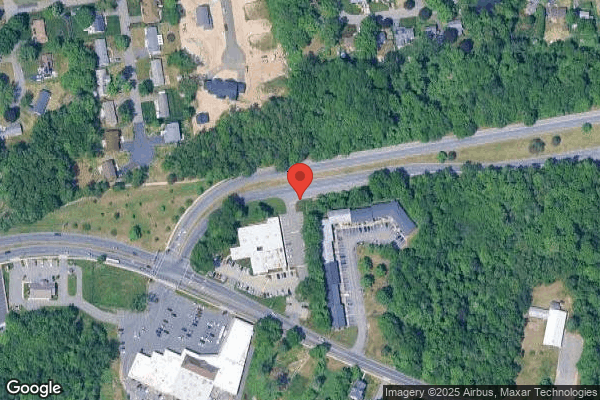

215 BICENTENNIAL HIGHWAY, SPRINGFIELD, MA 01118 (413) 796-7511
For profit - Corporation 120 Beds BEAR MOUNTAIN HEALTHCARE Data: November 2025
Trust Grade
50/100
#182 of 338 in MA
Last Inspection: August 2024

Within standard 12-15 month inspection cycle. Federal law requires annual inspections.

Overview

Sixteen Acres Healthcare Center in Springfield, Massachusetts has a Trust Grade of C, which means it is average and ranks in the middle of the pack among nursing homes. It is ranked #182 out of 338 facilities in the state, placing it in the bottom half, and #15 out of 25 in Hampden County, indicating that only a few local options are better. The facility is improving, as the number of issues reported decreased from 15 in 2023 to 5 in 2024. Staffing is rated average with a turnover rate of 39%, which is on par with the state average, but the facility has lower RN coverage than 98% of Massachusetts facilities, meaning residents may not receive adequate nursing oversight. While there have been no fines, there have been serious concerns such as a failure to prevent a resident's pressure ulcer from worsening and inadequate supervision for a resident at risk of wandering, highlighting some significant weaknesses alongside its strengths.

Trust Score
C
50/100
In Massachusetts
#182/338
Bottom 47%
Safety Record
Moderate
Needs review
Inspections
Getting Better
15 → 5 violations
Staff Stability
○ Average
39% turnover. Near Massachusetts's 48% average. Typical for the industry.
Penalties
✓ Good
No fines on record. Clean compliance history, better than most Massachusetts facilities.
Skilled Nurses
⚠ Watch
Each resident gets only 14 minutes of Registered Nurse (RN) attention daily — below average for Massachusetts. Fewer RN minutes means fewer trained eyes watching for problems.
Violations
⚠ Watch
43 deficiencies on record. Higher than average. Multiple issues found across inspections.
★★★☆☆
3.0
Overall Rating
★★★☆☆
3.0
Staff Levels
★★★☆☆
3.0
Care Quality
★★★☆☆
3.0
Inspection Score
Stable
2023: 15 issues
2024: 5 issues

The Good

  • Full Sprinkler Coverage · Fire safety systems throughout facility
  • No fines on record
  • Staff turnover below average (39%)

    9 points below Massachusetts average of 48%

Facility shows strength in fire safety.

The Bad

3-Star Overall Rating

Near Massachusetts average (2.9)

Meets federal standards, typical of most facilities

Staff Turnover: 39%

Near Massachusetts avg (46%)

Typical for the industry

Chain: BEAR MOUNTAIN HEALTHCARE

Part of a multi-facility chain

Ask about local staffing decisions and management

The Ugly 43 deficiencies on record

2 actual harm
Aug 2024 5 deficiencies
CONCERN (D)

Potential for Harm - no one hurt, but risky conditions existed

Safe Environment (Tag F0584)

Could have caused harm · This affected 1 resident

Based on observation and interview, the facility staff failed to maintain a clean, orderly, homelike environment on one unit (Unit Four) out of three units. Specifically, the facility failed to ensur...

Read full inspector narrative →
Based on observation and interview, the facility staff failed to maintain a clean, orderly, homelike environment on one unit (Unit Four) out of three units. Specifically, the facility failed to ensure that the air conditioning (AC) vent located on the ceiling, and the ceiling tiles surrounding the vent in the hallway outside of the resident rooms were maintained in good repair and a clean, homelike environment. Findings include: On 8/20/24 at 9:58 A.M., the surveyor observed the following on Unit Four: -A blue and white disposable incontinence pad (used to absorb urine on the resident's beds) was placed on the floor in the middle of the resident's hallway, topped with a yellow caution sign, indicating a water/slip hazard. -Directly above the disposable incontinence pad and hazard sign was a leaking AC vent with water droplets dripping from the left side of the vent. -The ceiling tiles around the AC vent were dark water-stained, with larger water-stained markings on the right side of the vent, some darker in color and spanning three tiles around the vent. During an interview immediately following the observation, Maintenance Staff #1 and #2 said that the AC vent had looked like this for a while, and they were unsure if anyone had been in to fix the leaking AC vent. The surveyor observed that the disposable incontinence pad, yellow sign and stained ceiling tiles remained in the same condition for the duration of the survey from the initial observation on 8/20/24 through 8/22/24. During an interview on 8/22/24 at 11:23 A.M., the Director of Maintenance (DOM) said that the ceiling vent for the air-conditioner on the fourth floor does leak due to condensation when the weather is warmer and that it is an ongoing issue. The DOM said that because of this, the ceiling tiles do become stained and require him to frequently change them out, sometimes monthly. The DOM said that the pipes are wrapped to try and reduce the condensation, but it does not stop them from leaking on hot days. The DOM said that it is not homelike having the disposable pad and yellow hazard sign in the hallway as well as the stained tiles and leaking AC vent.
CONCERN (D)

Potential for Harm - no one hurt, but risky conditions existed

Transfer Requirements (Tag F0622)

Could have caused harm · This affected 1 resident

Based on record and policy review, and interview, the facility failed to ensure that the required transfer documentation was completed and the transfer documentation communicated the appropriate infor...

Read full inspector narrative →
Based on record and policy review, and interview, the facility failed to ensure that the required transfer documentation was completed and the transfer documentation communicated the appropriate information to the receiving health care institution for one Resident (#13), out of a total sample of 22 residents. Specifically, the facility failed to ensure Resident #13 was transferred to the emergency room with a form that included important information relative to the Resident's medical history and the reason for transfer, putting the Resident at risk for complications and adverse events upon transfer to the hospital. Findings include: Review of the facility policy titled Transfer/Discharge Notifications, revised on September 2022, indicated the following: -Documentation by the physician must be in the medical record and include the following information: A. The basis for the transfer B. The specific resident need(s) that cannot be met, facility attempts to meet the residents needs, and the service available at the receiving facility to meet the need(s) -Information provided to the receiving provider must include a minimum of the following: A. Contact information of the Practitioner responsible for the care of the resident. B. Resident Representative information including contact information. C. Advanced Directive Information. D. All special instructions or precautions for ongoing care, as appropriate. E. Comprehensive care plan goals. F. All other necessary information, including a copy of the resident's discharge summary, consistent with state and federal regulations as applicable, to ensure a safe and effective transition of care. Resident #13 was admitted to the facility in December 2021, with diagnoses including Schizoaffective Disorder (mental health condition marked by a mix of schizophrenia symptoms like hallucinations [seeing things or hearing voices] and delusions [believing things that are not real or not true], and mood disorder symptoms such as depression, mania and hypomania), Conversion Disorder (also known as functional neurological symptom disorder {FND} is a condition where mental health issues disrupt how your brain works) with seizures or convulsions, Major Depressive Disorder (symptoms lasting greater than two weeks of a persistently low or depressed mood and a loss of interest in activities that a person used to enjoy), Post-Traumatic Stress Disorder (PTSD: a mental and behavioral disorder that develops from having experienced a traumatic event, causing flashbacks, nightmares and severe anxiety), Anxiety (feeling of unease, such as worry or fear, that can be mild or severe/ intense, excessive, and persistent worry and fear about everyday situations) and Borderline Personality Disorder (mental illness that can cause a person to have long-term difficulty managing their emotions). Review of the Resident Census indicted the Resident was sent to the hospital on 7/12/24 and 7/30/24. Review of the Resident's medical record indicated no documented evidence of any discharge paperwork that included the Resident's Advanced Directives (legal documents that provide instructions for medical care and only go into effect if you are unable to communicate your own wishes), any specific instructions or precautions for ongoing care, and/or Provider (Physician/ Medical Doctor) information for the hospital transfers on 7/12/24 and 7/30/24. During an interview on 8/22/24 at 11:56 A.M., the Director of Nursing (DON) said when Resident #13 was sent to the hospital on 7/12/24 and 7/30/24, at minimum the E-interact transfer form (a form used by the facility when a resident is transferred out of the facility) and/or a Nurse's note should have been completed. The DON said that the facility has a transfer packet that is usually sent out with the Resident that would include Physician's orders, the Advanced Directives, pertinent labs, and the most recent progress note from the Provider. The DON said at the time of this interview there was no documented evidence that the receiving facility/hospital received the appropriate documentation when the Resident was transferred to the hospital on 7/12/24 and 7/30/24 and there should have been as required.
CONCERN (D)

Potential for Harm - no one hurt, but risky conditions existed

Deficiency F0700 (Tag F0700)

Could have caused harm · This affected 1 resident

Based on interview, record and policy review, the facility failed to ensure the risks and benefits of bed rails was reviewed with the Resident and/or Resident Representative and informed written conse...

Read full inspector narrative →
Based on interview, record and policy review, the facility failed to ensure the risks and benefits of bed rails was reviewed with the Resident and/or Resident Representative and informed written consent was obtained prior to the use of bed rails for one Resident (#15) out of a total sample of 22 residents. Specifically, for Resident #15, the facility failed to ensure the risks and benefits of bed rails was reviewed with Resident #15's Guardian (a court appointed person who makes important personal and healthcare decisions for an adult who lacks the capacity to make their own decisions) and written consent was obtained from the Guardian prior to the installation and use of bed rails. Findings include: Review of the facility policy titled Use of Side Rails, undated, indicated the following: -Consent for side rail use will be obtained from the resident or legal representative, after presenting potential benefits and risks. Resident #15 was admitted to the facility in February 2024, with a diagnosis of Paranoid Schizophrenia (type of Schizophrenia characterized by paranoia [distrust, suspicious, and fearful without any good reason], delusions and hallucinations). Review of the Resident's Permanent Decree of Guardianship, signed by the Justice of Probate and Family Court Department on 3/8/00, indicated Resident #15 was appointed a Permanent Guardian on 3/8/00. Review of the side rail care plan indicated the use of side rails for Resident #15 was initiated on 2/23/24 and resolved on 7/5/24. Review of the Physician's orders dated 4/10/24, indicated Resident #15 had quarter (¼) side rails (rail/bar approximately one-quarter of the length of the bed, that attaches to the side of the bed and can be used to help patients get in and out of bed) to both sides of his/her bed. Review of the Nursing Progress Note dated 7/5/24, indicated Resident #15 had his/her side rails removed from his/her bed. Review of the Informed Consent for the Use of Side Rails Form, indicated Resident #15 had consented to his/her use of side rails. Further review of the medical record did not indicate that Resident #15's Guardian had been provided with the risk and benefits of side rail use or that the Guardian had provided consent for the facility to use side rails on Resident #15's bed. During an interview on 8/22/24 at 12:05 P.M., the Director of Nursing (DON) said she was unable to locate any documentation that staff at the facility had attempted to reach out to Resident #15's Guardian to acquire consent for the use of side rails. The DON said that staff should have reached out to the Guardian to obtain consent and documented in the Resident's medical record that attempts were made to obtain a signed consent for the use of side rails, but this was not done.
CONCERN (D)

Potential for Harm - no one hurt, but risky conditions existed

Medical Records (Tag F0842)

Could have caused harm · This affected 1 resident

Based on record review and interview, the facility failed to maintain complete and accurate medical records for one Resident (#15) out of a total sample of 22 residents. Specifically, for Resident #15...

Read full inspector narrative →
Based on record review and interview, the facility failed to maintain complete and accurate medical records for one Resident (#15) out of a total sample of 22 residents. Specifically, for Resident #15, the facility failed to contact the Resident's Guardian (a court appointed person who makes important personal and healthcare decisions for an adult who lacks the capacity to make their own decisions) and ensure that the Massachusetts Medical Orders for Life-Sustaining Treatment (MOLST- form that indicates what types of medical treatment a resident wishes to have concerning life-sustaining treatment) form was signed by the Guardian and not by the Resident. Findings include: Review of the facility's policy titled Massachusetts Advanced Directives, last revised 8/3/22, indicated the following: -Guardian: A person who is appointed by the court to make decisions for an incapacitated person. A Guardian's authority varies based on the type of guardianship and grants specifically permitted by a Judge. -The Nursing Home Administrator is responsible for appointing staff who will initiate conversation to identify residents' responsible parties. Elected staff will confirm that information is appropriately documented in the medical record. Resident #15 was admitted to the facility in February 2024 with a diagnosis of Paranoid Schizophrenia (type of Schizophrenia characterized by paranoia [distrust, suspicious, and fearful without any good reason], delusions and hallucinations). Review of the Resident's Permanent Decree of Guardianship, signed by the Justice of Probate and Family Court Department on 3/8/00, indicated Resident #15 was appointed a Permanent Guardian on 3/8/00. Further review of the Resident's Guardianship paperwork indicated no documentation where the court indicated the Resident retained the ability to sign a MOLST Form. Review of Resident #15's MOLST Form on file indicated that the MOLST was completed and signed by the Resident on 2/24/24 after his/her admission to the facility and signed by the Physician/Nurse Practitioner/Physician Assistant on 2/26/24. Further review of the Resident's medical record indicated no documentation that the facility staff had contacted Resident #15's Guardian regarding completing a MOLST Form. During an interview on 8/22/24 at 9:46 A.M., the Director of Nursing (DON) said Resident #15 should not have completed his/her own MOLST Form and the facility staff should have consulted with the Resident's Guardian on what capacity the Guardian had to make advanced directive decisions, and this was not done.
MINOR (B)

Minor Issue - procedural, no safety impact

Assessment Accuracy (Tag F0641)

Minor procedural issue · This affected multiple residents

**NOTE- TERMS IN BRACKETS HAVE BEEN EDITED TO PROTECT CONFIDENTIALITY** Based on record review and interview, the facility failed to ensure that a Minimum Data Set (MDS) Assessment was accurately code...

Read full inspector narrative →
**NOTE- TERMS IN BRACKETS HAVE BEEN EDITED TO PROTECT CONFIDENTIALITY** Based on record review and interview, the facility failed to ensure that a Minimum Data Set (MDS) Assessment was accurately coded for one Resident (#39) out of a total sample of 22 residents. Specifically, for Resident #39, the facility staff failed to accurately code that the Resident had falls on the most recent Quarterly MDS Assessment. Findings include: Resident #39 was admitted to the facility in August 2020, with diagnoses including Central Cord Syndrome (a cervical spinal cord injury that can cause loss of power and sensation in the arm and hands) and Unspecified Dementia (a mental disorder that occurs when someone has Dementia but does not have a specific diagnosis). Review of the Quarterly MDS assessment dated [DATE], indicated the Resident had no falls during the look back period (the time frame during which a resident's condition is captured by the MDS Assessment). Review of the Resident's Nursing Progress Notes indicated the Resident had documented falls on 3/30/24, 4/5/24 and 4/23/24, during the look back period for the most recent Quarterly MDS Assessment. During an interview on 8/22/24 at 10:47 A.M., the MDS Nurse said Resident #39 did have falls during the look back period and the 4/23/24 MDS assessment was coded inaccurately and needed to be modified.
May 2023 15 deficiencies
CONCERN (D)

Potential for Harm - no one hurt, but risky conditions existed

Deficiency F0637 (Tag F0637)

Could have caused harm · This affected 1 resident

Based on interview and record review, the facility failed to ensure its staff completed the necessary comprehensive Significant Change in Status Minimum Data Set assessment (SCSA MDS) for one Resident...

Read full inspector narrative →
Based on interview and record review, the facility failed to ensure its staff completed the necessary comprehensive Significant Change in Status Minimum Data Set assessment (SCSA MDS) for one Resident (#13) out of a total of 22 sampled residents. Findings include: Review of the MDS 3.0 Resident Assessment Instrument (RAI) Manual, dated October 2019, indicated a SCSA comprehensive assessment must be completed by the end of the 14th calendar day following determination that a significant change has occurred. Resident #13 was admitted to the facility in May 2021. Review of the Resident's medical record indicated a SCSA assessment with an assessment reference date (ARD) of 3/5/23 was initiated, but never completed. During an interview on 5/4/23 at 9:55 A.M., the MDS Nurse said the MDS assessment in question had not been completed within the required timeframe, as required
CONCERN (D)

Potential for Harm - no one hurt, but risky conditions existed

Deficiency F0645 (Tag F0645)

Could have caused harm · This affected 1 resident

Based on interview and record review, the facility failed to ensure its staff completed a Level II Preadmission Screening and Resident Review (PASRR-evaluation done if it was determined by the Level I...

Read full inspector narrative →
Based on interview and record review, the facility failed to ensure its staff completed a Level II Preadmission Screening and Resident Review (PASRR-evaluation done if it was determined by the Level I screen that a resident had an intellectual or developmental disability and/or serious mental illness and if resident was in need of additional support services at the facility) for one Resident 2 (#2) out of a total sample of 22 residents. Specifically, For Resident #2, facility staff failed to request a Level II PASRR evaluation when the Resident exceeded their 30-day convalescent care stay (time frame certified by a doctor indicating the Resident's stay will not exceed 30 days at the facility). Findings include: Resident #2 was admitted to the facility in July 2022 with diagnoses including Post Traumatic Stress Disorder and Major Depressive Disorder. Review of Resident #2's Level 1 PASRR dated 7/17/22 indicated he/she was convalescent care as certified by a Physician, not to exceed 30 days directly following an acute inpatient hospital stay. Further review of the Resident's medical record indicated the Resident remained at the facility for long term care (past the 30-day convalescent care exemption). Additional review of the Resident's medical record indicated that a Level II PASRR was requested on 9/13/22. On 5/2/23 at 4:44 P.M., the Director of Social Services said a Level II PASRR should have been requested prior to the Resident's 30-day convalescent care stay ending and it appeared that the Level II PASRR had not been requested until almost 60 days after the initial 30-day convalescent care period.
CONCERN (D)

Potential for Harm - no one hurt, but risky conditions existed

Deficiency F0657 (Tag F0657)

Could have caused harm · This affected 1 resident

**NOTE- TERMS IN BRACKETS HAVE BEEN EDITED TO PROTECT CONFIDENTIALITY** Based on interview and record review, the facility failed to ensure its staff included two Residents (#29 and #191) and/or their...

Read full inspector narrative →
**NOTE- TERMS IN BRACKETS HAVE BEEN EDITED TO PROTECT CONFIDENTIALITY** Based on interview and record review, the facility failed to ensure its staff included two Residents (#29 and #191) and/or their representatives out of 22 sampled residents in the care planning process. Findings include: Review of the facility policy titled, Care Planning- Resident Participation, revised 12/6/21 indicated the following: -Purpose: to ensure the Resident and/or resident representative are informed of his/her right to participate in his/her care planning and treatment. -The facility will discuss the plan of care with the Resident and/or his/her representative and allow them to see the care plan initially, at routine intervals, and after significant changes. The facility will obtain a signature from the Resident and/or his/her representative after discussion or viewing of the care plan. -If the participation of the Resident and/or his/her representative is determined not practicable for the development of the Resident's care plan, an explanation will be documented in the Resident's medical record. 1. Resident #29 was admitted to the facility in January 2023. During an interview on 5/2/23 at 3:35 P.M., the Resident's Representative said she did not recall any meeting to discuss the Resident's overall plan of care. During an interview on 5/3/23 at 2:08 P.M., the Director of Social Services (DSS) said care plan meetings were scheduled around the Minimum Data Set (MDS) assessment schedule, and at the very least, Resident #29 should have had an initial care plan meeting in January to discuss the Resident's current status and what their goals would be moving forward. Review of the medical record indicated an admission MDS dated [DATE]. Further review of the medical record indicated no evidence of a care plan meeting around the MDS assessment submitted in January. During an interview on 5/3/23 at 2:22 P.M., the DSS said there was no evidence an initial care plan meeting occurred, as required. 2. For Resident #191 the facility failed to ensure its staff held a care plan meeting to develop a comprehensive care plan upon admission. Resident #191 was admitted to the facility in February of 2023. Review of the MDS Assessment on 5/3/2023 indicated that the Comprehensive Assessment, dated 3/7/2023, had not been completed. Review of the record indicated no documented evidence that a care plan meeting had been conducted. During an interview on 5/03/23 at 2:59 P.M., the DSS said that she reviewed the Resident's record and there was no evidence that a care plan meeting had been conducted as required.
CONCERN (D)

Potential for Harm - no one hurt, but risky conditions existed

Deficiency F0679 (Tag F0679)

Could have caused harm · This affected 1 resident

**NOTE- TERMS IN BRACKETS HAVE BEEN EDITED TO PROTECT CONFIDENTIALITY** Based on observation, interview and record review, the facility failed to ensure its staff provided activities designed to suppo...

Read full inspector narrative →
**NOTE- TERMS IN BRACKETS HAVE BEEN EDITED TO PROTECT CONFIDENTIALITY** Based on observation, interview and record review, the facility failed to ensure its staff provided activities designed to support the physical, mental, and psychosocial well-being for two Residents (#29 and#24) out of 22 sampled residents. Findings include: Review of the facility policy titled, Activities, revised 12/6/21 indicated the following: -Purpose: to ensure the residents are provided with activities to meet their interest. -Policy: to provide an ongoing program of activities designed to meet the interest choice and preferences as well as to meet the interests of, and support the physical, mental and psychosocial well-being of each resident . -Each resident's interests and needs will be assessed on a routine basis .included in assessment will be the Minimum Data Set assessment (MDS), Activity Assessment to include the resident's interest, preferences and needed adaptations, social history and discharge information when applicable. -Activities will be designed with intent to enhance the resident's sense of well-being, promote or enhance physical activity, promote or enhance cognition and emotional health, promote self-esteem, dignity, pleasure, comfort, education, creativity, success, and independence. -Activities may be conducted in different ways including one-to-one programs, person appropriate (relative to specific needs, interests, culture, background, etc. for the resident they are developed for), and to include a combination of large and small groups, one-to-one, and self-directed as the resident desires to attend. 1. For Resident #29 the facility failed to ensure its staff completed a comprehensive assessment, developed an individualized care plan, and provided individualized activities that met the interests of the Resident. Resident #29 was admitted to the facility in January 2023 with a diagnosis of unspecified dementia. Review of the MDS assessment dated [DATE] indicated the Resident was severely cognitively impaired as evidenced by a Brief Interview for Mental Status (BIMS) score of zero out of 15. Further review of the MDS assessment indicated it was somewhat important to the Resident to listen to music he/she liked, be around animals such as pets, keep up with the news and do his/her favorite activities. In addition, it was very important to the Resident to go outside to get fresh air when the weather was good and to participate in religious services or practices. Review of the medical record indicated an unsigned Resident Activity assessment dated [DATE] with several incomplete areas (demographics, the spiritual cultural assessment and activity/hobby assessment), contained no goals for activity, and indicated that the Resident provided a limited response and did not indicate that any information was obtained from others close to the Resident Review of the Resident's Activity care plan, dated 2/20/23 indicated the following: -Activities staff will deliver a monthly calendar and encourage participation as tolerated. -Activities staff will offer independent activities to Resident as desired and tolerated. -Activities staff will visit one on one with Resident. On 5/2/23 at 7:48 A.M., the surveyor observed the Resident lying in a recliner chair in the hallway, reaching out to people passing by, attempting to engage with them. On 5/2/23 at 10:07 A.M., the surveyor observed the Resident lying in a recliner chair in the hallway. During an interview on 5/2/23 at 11:51 A.M., Nurse #4 said there was only one Activity Assistant for the entire building and the Activity Director (AD) was new. She further said that the activity staff do not do much for the residents who are dependent on others and for those who cannot go to scheduled group activities. On 5/2/23 at 11:56 A.M., the surveyor observed the Resident remained in a recliner chair in the hallway, with no activity staff present on the unit. On 5/2/23 at 2:40 P.M., the surveyor observed the Resident still in a recliner chair in the hallway, agitated, trying to remove foam boots from his/her feet while two Certified Nursing Assistants (CNAs) attempted to redirect and assist the Resident. The surveyor also observed 17 other residents seated in wheelchairs in the hallway with nothing to do, nothing in their hands with some asleep in their chairs. During an interview on 5/2/23 at 2:45 P.M., CNA #3 said the activity staff do not engage much with the residents on the unit if they cannot attend group activities. During an interview on 5/2/23 at 3:37 P.M., the Resident's Representative said when the Resident was admitted she told somebody from the Activity department what the Resident's interests were and was given some sort of packet to complete but said she forgot to complete it. She further said the Resident's religion was very important to him/her and was certain the Resident would have enjoyed a visit from clergy while at the facility. She said the Resident used to crochet and enjoyed reading and playing bingo, however she would now need assistance with these activities. She said the Resident enjoyed having books, newspapers and magazines read to him/her, enjoyed having his/her nails manicured and enjoyed playing card games such as war (with help). During an interview on 5/3/23 at 10:06 A.M., the AD said she just started 4/10/23 and only has one assistant right now to provide activities for the entire facility. She further said she is aware there is a problem with the activity program, especially for dependent residents. She said since she was new, she did not know any of the residents, there was limited information in their care plans as to what each resident required which made it difficult for her to do her job. In addition, the AD said every resident should have a comprehensive recreation assessment and she did not think they were being completed in a timely fashion. Together the surveyor and AD reviewed Resident #29's Activity assessment dated [DATE]. The AD said it was incomplete. She further said family members should not be required to fill out a packet of information and if a resident was unable to specify their own preferences, it was up to her to reach out to the resident's representative to obtain information. The surveyor requested the AD provide activity participation documentation for Resident #29. On 5/3/23 at 10:43 A.M., the AD provided the activity participation records for Resident #29 for January, February, March, April and May 2023. -Review of the January participation record indicated no activity involvement with the Resident. -Review of the February participation record indicated the Resident participated in an activity in the hall on 2/1-2/10, however the rest of the participation log was blank. -There was no evidence of a handwritten participation log for March 2023. -Review of the March 2023 (3/26-3/31/23) electronic participation log indicated no activity involvement with the Resident. -Review of the April 2023 participation log indicated no activity involvement with the Resident from 4/1-4/17, 4/19-4/26, 4/28-4/30. -Review of the May 2023 participation log indicated no activity involvement with the Resident from 5/1-5/3. 2. For Resident #24 the facility failed to ensure its staff provided individualized activities that met the interests of the Resident. Resident #24 was admitted to the facility in June of 2016 with the diagnosis of dementia. On 5/01/23 at 9:49 A.M., the surveyor observed Resident #24 awake, in bed and appeared to be watching the roommate's television (TV). The Resident's TV was off and staff indicated that it was broken. On 5/02/23 at 8:00 A.M., the surveyor observed the Resident lying in bed with his/her eyes open. The room lights were off and the TV was off. On 5/02/23 at 11:27 A.M., the surveyor observed the Resident lying in bed with eyes open staring at ceiling. The room was softly lit and the roommate's TV was on but resident was not able to see the screen as the privacy curtain was pulled between the beds and obstructed the Resident's view. During an interview on 5/02/23 at 11:31 A.M., CNA #3 said that she has never seen activities in Resident #24's room. She said that the only activities that she had seen on the unit were those performed with the independent residents. During an interview on 5/02/23 at 11:51 A.M., Nurse #4 said the Resident sometimes interacted with staff and other times would just lie there and stare. She said the Resident did not watch TV and he/she did not want it on. She said for dependent residents there was no activities program. She said currently the facility did not have an activities person assigned to this unit. Review of the MDS dated [DATE] indicated the Resident could not participate in the BIMS, had unclear speech, was sometimes understood and sometimes able to understand others, and had dementia. Review of the MDS dated [DATE] indicated that Resident #24's family identified the Resident's activities preferences were to listen to music, keep up with news, do things with groups of people, get fresh air, go outside when weather was good, and participate in religious services. Review of the Activities Care Plan revised on 1/9/2023 indicated that the Resident should be provided in-room activity supplies, 1:1 activities and social visits with staff, and liked listening to music. During an interview on 5/03/23 at 9:52 A.M., Hospice Aide #1 said she works with the Resident and provided his/her care three times a week. She said Resident #24 can be conversant and interactive. She further said that she did not see any activities being provided for the Resident. During an interview on 5/03/23 at 11:27 A.M., the AD said that she started at the facility a month ago, that the department was not fully staffed, and that the 1:1 activities for dependent residents had not occurred due to staffing. During a subsequent interview on 5/03/23 at 11:52 A.M., the AD provided Resident #24's Activity Participation Forms dated January 2023 through April 2023. She said the participation forms indicated that no 1:1 activity had been provided to the Resident as care planned.
CONCERN (D)

Potential for Harm - no one hurt, but risky conditions existed

Respiratory Care (Tag F0695)

Could have caused harm · This affected 1 resident

Based on observation, interview, and record review the facility failed to provide care and services for a BiPAP (Bi-level positive airway pressure machine capable of generating two adjustable pressure...

Read full inspector narrative →
Based on observation, interview, and record review the facility failed to provide care and services for a BiPAP (Bi-level positive airway pressure machine capable of generating two adjustable pressure levels used for obstructive sleep apnea (OSA) and other breathing disorders to provide a person with continuous positive airway pressure) machine for one Resident (#241) out of 22 residents sampled. Findings include: Review of the facility policy titled CPAP and BiPAP, effective May 1, 2022, indicated the following: -Medical Doctor orders will be obtained and include the following: -Orders for cleaning the machine -Orders for cleaning the mask and replacement of the hoses Resident #241 was admitted to the facility in February 2023 with diagnoses of acute respiratory failure with hypoxia, chronic respiratory failure, and obstructive sleep apnea (OSA). During an interview and observation 5/1/23 at 11:26 A.M., the surveyor observed a BiPAP machine at the Resident's bedside. The mask for the BiPAP mask laying facedown on top of his/her bedside dresser not bagged. Resident #241 said he/she wore the BiPAP at night and he/she was unsure when staff cleaned his/her BiPAP last. Review of the May 2023 Physicians orders indicated no orders for the care of the Resident's BiPAP machine. On 5/2/23 at 9:08 A.M., the surveyor observed the Resident's BiPAP mask laying facedown on top of his/her bedside dresser not bagged. During an interview and observation on 5/2/23 at 9:48 A.M., Nurse #1 reviewed the Resident's Physcian's orders and said there were not orders in place for the cleaning of Resident #241's BiPAP and there should be orders in place. She was further unable to provide any evidence of when the machine was cleaned last. The surveyor then invited Nurse #1 to observe the Resident's BiPAP machine and Nurse #1 said the Resident's BiPAP mask was laying facedown on the Resident's bedside dresser. She further said that when it is not in use the mask should be bagged to help keep it clean, and this was not done, as required.
CONCERN (D)

Potential for Harm - no one hurt, but risky conditions existed

Deficiency F0699 (Tag F0699)

Could have caused harm · This affected 1 resident

Based on observation, interview, and record review the facility failed to ensure its staff completed a Trauma-Informed Care screening at the time of admission or after it was identified one Resident (...

Read full inspector narrative →
Based on observation, interview, and record review the facility failed to ensure its staff completed a Trauma-Informed Care screening at the time of admission or after it was identified one Resident (#2) who had a diagnosis of Post-Traumatic Stress Disorder (PTSD-a disorder in which a person has difficulty recovering after experiencing or witnessing a terrifying event) out of 22 sampled residents. Findings include: Review of the facility policy titled Trauma Informed Care, reviewed 12/21/22, indicated the following: -Upon admission residents will be screened for a history of trauma or PTSD. -Current, in-house residents will be assessed during their next quarterly or annual assessment until all residents have been screened. Resident #2 was admitted to the facility in July 2022 with diagnoses including PTSD and Major Depressive Disorder. During an observation and interview on 5/1/23 at 9:37 A.M., the surveyor visited with Resident #2 during the initial resident screening. The Resident had a flat affect and immediately asked the surveyor What did I do wrong when the surveyor approached the Resident. Review of the Discharge/Transfer Note from the Hospital signed by the hospital Medical Doctor on July 17, 2022, indicated the Resident had a diagnosis of PTSD, anxiety, and depression and had a history of needing psychiatric hospitalization. Review of the Behavioral Health Care Licensed Independent Social Worker (LICSW) note dated 3/24/23, indicated the resident had Chronic PTSD. Further review of the Resident's medical record indicated no documentation the Resident had been assessed at the time of admission or after, using the facility's trauma informed care assessment. Additional review of the Resident's medical record indicated no care plan had been created to address the Resident's diagnosis of PTSD, triggers, and approaches for staff to utilize if the Resident's PTSD was triggered. On 5/2/23 at 1:55 P.M., the Director of Social Services (DSS) said a trauma informed care assessment should be completed for all residents at the time of admission or at the time it was identified they had a history of PTSD. If the resident had a history of PTSD then a care plan should have been created and a referral should have been made to the Behavioral Health team. On 5/2/23 at 4:33 P.M., during a follow up interview the DSS said she was unable to find Resident' #2 trauma informed care assessment. She further said the Resident did have a diagnosis of PTSD and a trauma informed care assessment should have been completed and a care plan addressing the Resident's PTSD should have also been created.
CONCERN (D)

Potential for Harm - no one hurt, but risky conditions existed

Deficiency F0883 (Tag F0883)

Could have caused harm · This affected 1 resident

Based on interview and record review the facility failed to ensure staff documented if Resident's had consented to and received pneumococcal immunization or had received pneumococcal immunization due ...

Read full inspector narrative →
Based on interview and record review the facility failed to ensure staff documented if Resident's had consented to and received pneumococcal immunization or had received pneumococcal immunization due to medical contraindication or refusal for two Residents (#76 and #190) out of 5 sampled residents. Findings include: Review of the facility policy titled Pneumococcal Vaccine, effective 3/8/20, indicated the following: -It is the policy of this facility to offer and administer pneumococcal polysaccharide vaccination (PPSV23) to eligible individuals who consent for vaccination. 1. Resident #76 was admitted to the facility in December 2022. Review of the Resident's medical record indicated the Resident and/or Resident's Representative wished for the Resident to receive PPSV23 vaccination. Further review of the medical record indicated no documentation on if the PPSV23 vaccination had been administered. On 5/4/23 at 9:42 A.M., the Infection Preventionist (IP) said there was no documentation in the Resident's chart to show if he/she had received the PPSV23 vaccination as requested. She further said at the time the Resident and/or Resident Representative had requested the PPSV23 vaccination it should have been ordered from the pharmacy and administered within a few days of the consent being given, and this had not been done, as required. 2. Resident #190 was admitted to the facility in April 2023. Review of the Resident's medical record indicated no documentation whether or not the Resident and/or the Resident's Representative had been offered the PPSV23 vaccination or had refused/declined the PPSV23 vaccination. On 5/4/23 at 9:39 A.M., the IP said she had no documentation on whether or not the Resident and/or the Resident's Representative had been offered and accepted or refused/declined the PPSV23 vaccination at the time he/she was admitted to the facility. The IP also said after the surveyor had asked for pneumococcal documentation, she had spoken to the Resident's Representative and he/she wanted the Resident to receive the PPSV23 vaccination. The IP further said the Resident and/or Resident's Representative should have been offered the opportunity to receive the PPSV23 vaccination at the time of his/her admission and she could not be sure that this had happened, as required.
CONCERN (D)

Potential for Harm - no one hurt, but risky conditions existed

Smoking Policies (Tag F0926)

Could have caused harm · This affected 1 resident

Based on policy review, observation and interviews, the facility failed to ensure its staff implemented the facility smoking policy for one Resident (#142) out of a total of 22 residents sampled. Spe...

Read full inspector narrative →
Based on policy review, observation and interviews, the facility failed to ensure its staff implemented the facility smoking policy for one Resident (#142) out of a total of 22 residents sampled. Specifically, the facility staff failed to 1. obtain a Physician's Order allowing Resident #143 to smoke, and 2. maintain a safe smoking environment by ensuring a fire blanket was available in the smoking area. Findings include: Review of the facility policy, last reviewed on 5/26/22, indicated the following: -It is the policy of this facility to maintain a safe resident smoking/nicotine environment. -To provide a structured framework to ensure safety and wellbeing of residents who choose to smoke, as well as the safety and well-being of others. -Have a fire-retardant smoker's apron and a fire blanket available in the smoking area Review of the Bear Mountain Smoking Contract, undated, indicated the following: -The Physician writes an order allowing smoking Review of the Resident Smoking list indicated there were four residents who wished to smoke, including Resident #143. Resident #143 was admitted to the facility in February 2023 Review of Resident #143's current Order Summary Report indicated no order was in place allowing the Resident to smoke. During an interview on 5/03/23 at 3:28 P.M., the Director of Nurses (DON) said that it was the facility policy to ensure there a Physician order was in place that allowed the residents to smoke. She further said that there was not one in place for Resident #143 as required. On 5/03/23 at 2:57 P.M., the surveyor observed there to be no fire blanket in the smoking area. During an interview on 5/03/23 at 3:12 P.M., the Administrator said that he was unaware where the smoking blanket or a fire extinguisher were located. He said that he would reach out to the Maintenance Director for additional information. During an interview and observation on 5/03/23 at 3:40 P.M., the Maintenance Director entered the conference room where the surveyor was located and held up a fire blanket. He explained that this was what the facility used in addition to the fire-retardant smoking aprons as safety precautions. When the surveyor asked where the fire blanket was located, he said that it was supposed to be behind the receptionist desk, however it was not there as it should have been. He further said that he was not sure why it was not stored in the proper location or how long it had been missing. Additionally, when asked if the fire blanket was in the smoking area, he said that it was close by, inside of the building, but not necessarily in the smoking area.
CONCERN (E)

Potential for Harm - no one hurt, but risky conditions existed

Transfer Notice (Tag F0623)

Could have caused harm · This affected multiple residents

**NOTE- TERMS IN BRACKETS HAVE BEEN EDITED TO PROTECT CONFIDENTIALITY** 4. For Resident #61, the facility failed to ensure its staff provided the required notification to the Office of the State Long ...

Read full inspector narrative →
**NOTE- TERMS IN BRACKETS HAVE BEEN EDITED TO PROTECT CONFIDENTIALITY** 4. For Resident #61, the facility failed to ensure its staff provided the required notification to the Office of the State Long Term Care Ombudsman when the Resident was transferred to the hospital. Resident #61 was admitted to the facility in July 2022. Review of the Nursing progress notes indicated the Resident was transferred and admitted to the on hospital on 2/26/23 and 3/15/23. Review of the Resident's medical record showed no documented evidence that the Office of the State Long-Term Care Ombudsman was notified of the Resident's transfer to the hospital, as required. 5. For Resident #70, the facility failed to ensure its staff provided the required notification to the Office of the State Long Term Care Ombudsman when the Resident was transferred to the hospital. Resident # 70 was admitted to the facility in April 2021. Review of the Nursing progress notes indicated the Resident was transferred and admitted to the hospital on [DATE]. Review of the Resident's medical record showed no documented evidence that the Office of the State Long-Term Care Ombudsman was notified of the Resident's transfer to the hospital, as required. 2. For Resident #13, the facility failed to ensure its staff provided the required notification to the Office of the State Long Term Care Ombudsman when the Resident was transferred to the hospital. Resident #13 was admitted to the facility in May 2021. Review of the medical record indicated the Resident was transferred to the hospital on 2/26/23. Further review of the medical record indicated no evidence the facility notified the Office of the State Long Term Care Ombudsman of the transfer to the hospital. 3. For Resident #29, the facility failed to ensure its staff provided the required notification to the Office of the State Long Term Care Ombudsman when the Resident was transferred to the hospital. Resident #29 was admitted to the facility in January 2023. Review of the medical record indicated the Resident was transferred to the hospital on 3/25/23. Further review of the medical record indicated no evidence the facility notified the Office of the State Long Term Care Ombudsman of the transfer to the hospital. During an interview on 5/3/23 at 2:53 P.M., the DSS said there was no evidence the facility notified the Office of the State Long Term Care Ombudsman that Residents #13 and #29 were transferred to the hospital, as required. Based on record review and interview, the facility failed to ensure its staff: 1. provided a written Notice of Transfer and Discharge to the resident and/or residents representative at the time of discharge and 2. failed to notify a representative in the Office of the State Long Term Care Ombudsman when a resident was transferred from the facility for six Residents (#241, #13, #29, #85, #61, and #70) out of a total of 22 residents sampled. Findings include: Review of the facility policy titled Transfer/Discharge Notification, revised September 2022, indicated the following: -In accordance with 42 CFR 483.15, all Bear Mountain Healthcare Centers will issue residents with appropriate transfer discharge notification . -Notify the resident and the resident's representative(s) of the transfer or discharge and the reasons for the move in writing and in a language and manner they understand -Send a copy of the notice to a representative of the Office of the State Long-Term Care Ombudsman in accordance with state and federal regulation 1. For Resident #241 the facility failed to ensure staff provided the Resident and/or Resident's Representative with a copy of the notice of transfer and discharge and failed to notify the State Long Term Care Ombudsman of the transfer. Resident #241 was admitted to the facility in February 2023. Review of the Nursing Progress Note dated 3/30/23 indicated the Resident was transferred to the hospital and remained there until they returned to the facility on 4/10/23. Further review of the Resident's medical record indicated no documentation that the Resident and/or the Resident's Representative was provided with a copy of the notice of transfer and discharge nor was the State Long Term Care Ombudsman notified of the transfer. On 5/3/23 at 2:45 P.M., the Director Of Social Services (DSS) said the Social Work Department sends the notice of transfer and discharge and updates the State Long Term Care Ombudsman of transfers. She further said for Resident #241 she had no documentation to show that the Resident and/or the Resident's Representative was provided with a written copy of the notice of transfer or discharge nor was there any documentation that the State Long Term Care Ombudsman had been notified of the Resident's transfer, as required. 6. Resident #85 was admitted to the facility in August of 2022. Review of a nursing progress note entered on 3/28/23 at 11:35 A.M., indicated that Resident #85 was sent to the emergency room for evaluation. Review of the clinical record indicated no documented evidence that the Resident or Resident Representative had received a copy of the transfer/discharge notice at the time of transfer. During an interview on 5/03/23 at 2:45 P.M., the DSS said there was no evidence that the transfer/discharge notice was done for the Resident's 3/28/23 hospitalization as required.
CONCERN (E)

Potential for Harm - no one hurt, but risky conditions existed

Deficiency F0625 (Tag F0625)

Could have caused harm · This affected multiple residents

**NOTE- TERMS IN BRACKETS HAVE BEEN EDITED TO PROTECT CONFIDENTIALITY** Based on record review and interview, the facility failed to ensure its staff provided written notification of the Bed-Hold poli...

Read full inspector narrative →
**NOTE- TERMS IN BRACKETS HAVE BEEN EDITED TO PROTECT CONFIDENTIALITY** Based on record review and interview, the facility failed to ensure its staff provided written notification of the Bed-Hold policy to the Resident and/or the Resident's Representative for four Residents (#61, #70, #241 and #85) who were transferred to the hospital, out of a total sample of 22 residents. Findings include: Review of the facility policy titled Bed-Hold Policy, dated 12/6/21, indicated the following: -Upon admission and when a resident is transferred for hospitalization or for therapeutic leave, a representative of the business office or designee will provide information concerning our bed-hold policy. -When emergency transfers are necessary, the facility will provide the resident or representative (sponsor) with information concerning our bed-hold policy within 24 hours of such transfer. -A copy of the resident's bed-hold or release record will be filed in the resident's medical record. 1.Resident #61 was admitted to the facility in July 2022. Review of the Nursing progress notes indicated the Resident was transferred and admitted to the hospital on [DATE] and 3/15/23. Review of the Resident's medical record showed no evidence that a written copy of the Bed Hold Policy was provided to the Resident and/or the Resident Representative. 2.Resident # 70 was admitted to the facility in April 2021. Review of the Nursing progress notes indicated the Resident was transferred and admitted to the hospital on [DATE]. Review of the Resident's medical record showed no evidence that a written copy of the Bed Hold Policy was provided to the Resident and/or Resident Representative. During an interview on 5/2/23, at 3:27 P.M., the Director of Social Services (DSS) said that she had worked at the facility since April 10, 2023. She said that when residents were transferred, the families were usually called by the nurses and the social work department sent out written notifications including the Bed-Hold notification. She said that she had a binder in her office where she kept a copy of the written notifications. She said she had no evidence that the Bed-Hold policy was provided to Resident #61 and/or Resident Representative for transfers on 2/26/23 and 3/15/23, or for Resident #70 and/or Resident Representative for transfer on 4/4/23, as required.3.Resident #241 was admitted to the facility in February 2023. Review of the Nursing Progress Note dated 3/30/23 indicated the Resident was transferred to the hospital and remained there until he/she returned to the facility on 4/10/23. Further review of the Resident's medical record indicated no documentation the Resident and/or the Resident's Representative was provided with a copy of the facility's Bed Hold Policy.4. Resident #85 was admitted to the facility in August of 2022. Review of a nursing progress note entered on 3/28/23 at 11:35 A.M., indicated that Resident #85 was sent to the emergency room for evaluation. Review of the clinical record indicated no documented evidence that the Resident or Resident Representative had received a copy of the Bed Hold Policy at the time of transfer. On 5/3/23 at 2:45 P.M., the DSS said the Social Work Department sends the Bed Hold Policy to the Resident and/or Resident's Representative when a resident was transferred from the facility. She further said for Resident #241 and #85 she had no documentation to indicate the Resident and/or the Resident's Representative was provided with a written copy of the Bed Hold Policy, as required.
CONCERN (E)

Potential for Harm - no one hurt, but risky conditions existed

MDS Data Transmission (Tag F0640)

Could have caused harm · This affected multiple residents

Based on record review and interview, the facility failed to ensure its staff completed and/or transmitted discharge information for five Residents (#13, #29, #60, and #241) out of 38 sampled resident...

Read full inspector narrative →
Based on record review and interview, the facility failed to ensure its staff completed and/or transmitted discharge information for five Residents (#13, #29, #60, and #241) out of 38 sampled residents. Findings include: Review of the Minimum Data Set (MDS) 3.0 Resident Assessment Instrument (RAI) Manual, dated October 2019, indicated a discharge assessment must be submitted no later than fourteen days after the date of discharge. 1. Resident #13 was admitted to the facility in May 2021. Review of the medical record indicated the Resident was transferred to the hospital on 2/26/23. Further review of the medical record indicated no evidence a discharge assessment was transmitted, as required. 2. Resident #29 was admitted to the facility in January 2023. Review of the medical record indicated the Resident was transferred to the hospital on 3/25/23. Further review of the medical record indicated no evidence a discharge assessment was completed, as required. 3. Resident #60 was admitted to the facility in September 2022. Review of the medical record indicated the Resident was transferred to the hospital on 3/23/23. Further review of the medical record indicated no evidence a discharge assessment was completed, as required. 4. Resident #67 was admitted to the facility in September 2022. Review of the medical record indicated the Resident was transferred to the hospital on 4/12/23. Further review of the medical record indicated no evidence a discharge assessment was completed, as required. 5. Resident #241 was admitted to the facility in February 2023. Review of the medical record indicated the Resident was transferred to the hospital on 3/30/23. Further review of the medical record indicated no evidence a discharge assessment was completed, as required. During an interview on 5/4/23 at 9:55 A.M., the MDS nurse said the discharge assessments were not transmitted and/or completed for Residents #13, #29, #60, #67 and #241, as required.
CONCERN (E)

Potential for Harm - no one hurt, but risky conditions existed

Comprehensive Care Plan (Tag F0656)

Could have caused harm · This affected multiple residents

**NOTE- TERMS IN BRACKETS HAVE BEEN EDITED TO PROTECT CONFIDENTIALITY** 4. For Resident #29, the facility failed to ensure its staff developed a comprehensive, person-centered, and culturally competen...

Read full inspector narrative →
**NOTE- TERMS IN BRACKETS HAVE BEEN EDITED TO PROTECT CONFIDENTIALITY** 4. For Resident #29, the facility failed to ensure its staff developed a comprehensive, person-centered, and culturally competent care plan. Resident #29 was admitted to the facility in January 2023 with a diagnosis of unspecified dementia. Review of the MDS assessment dated [DATE] indicated the Resident had severely impaired cognition as evidenced by a BIMS score of zero out of 15. Review of the Resident's Psychotropic Medication (medication that affects mood and behavior) Care Plan indicated the Resident utilized psychotropic medication relative to behaviors due to his/her dementia, however there was no evidence of an individualized behavioral care plan. Review of the Resident's Dementia Care Plan, dated 1/29/23, indicated the following: -Administer medications as ordered. -Engage Resident in simple, structured activities that avoid overly demanding tasks. -Resident needs assistance with all decision making. -Resident requires approach that maximizes involvement in daily decision making and activity (did not specify approaches individualized to the Resident's cognitive status) Review of the Resident's Activity Care Plan, dated 2/20/23, indicated the following: -Activities staff will deliver a monthly calendar and encourage participation as tolerated. -Activities staff will offer independent activities to Resident as desired and tolerated. -Activities staff will visit one on one with Resident. Further review of the Resident's care plan did not include the Resident's preference and potential for future discharge, or if he/she were to remain in the facility, did not include a care plan for adjustment to long-term care. During an interview on 5/2/23 at 3:35 P.M., the Resident's Representative said the Resident's religion and dietary restrictions related to his/her religion were very important to him/her, could be combative and difficult to care for, and was to remain in the facility for long-term care. She further said she did not recall being included in a care plan conference; however, she did remember telling staff of the Resident's dietary restrictions when he/she was admitted . During an interview on 5/2/23 at 4:28 P.M., the Food Service Director (FSD) said he was not aware the Resident had dietary restrictions related to his/her religion. During an interview on 5/3/23 at 10:06 A.M., the Activity Director said the Resident's Activity care plan was not created timely, was neither personalized nor comprehensive, was too vague, and not up to her standards. During an interview on 5/3/23 at 1:47 P.M., DON said a Mood/Behavior care plan should have been initiated upon admission and there were no personalized interventions related to managing the Resident's specific behaviors. In addition, she said the Resident's Dementia care plan was not personalized and should have included specific items such as what the Resident's limitations and abilities were along with personalized interventions. 1. For Resident #2 the facility failed to ensure its staff completed skin assessments as ordered by the Physician. Resident #2 was admitted to the facility in July 2022. Review of the facility policy titled Skin Body Audit, revised 5/9/22, indicated the following: -Licensed nurses will perform skin body audits on a weekly basis . Review of the Resident's May 2023 Order Summary Report indicated the following: -Weekly skin checks Mondays 3 to 11 shift. Please complete skin assessment underneath Assessments in Point Click Care (PCC-the electronic medical record the facility utilized) .with a start date of 1/3/23 Further review of the Resident's medical record indicated the last skin assessment that was completed for the Resident was on 1/4/23. On 5/2/23 at 10:49 A.M., Nurse #2 said skin assessments should be done weekly by a Nurse. Documentation should be completed and the Nurse should sign off that the skin assessment was done on either the MAR or Treatment Administration Record (TAR). Nurse #2 reviewed Resident #2's chart and said the Resident should have had his/her skin assessed on Mondays during the 3 to 11 shift per the Physician's Orders but she was unable to find any documentation that the Resident had had any recent skin assessments completed. On 5/2/23 at 2:44 P.M., the Director of Nursing (DON) said she had reviewed the Resident's medical record and she was unable to find any skin check assessments for the Resident from 1/4/23 until present and she was unable to tell if skin assessments had been completed, as required, because there was no documentation. Based on interview and record review, the facility failed to ensure its staff developed and/or implemented a comprehensive care plan in consultation with the Resident/Resident representative for four Residents (#2, #60, #145, and #29) out of a total sample of 22 residents. Findings include: 2. For Resident #60 the facility failed to ensure its staff developed a comprehensive, individualized, person-centered care plan relative to the Resident's psychosocial well-being. Resident #60 was admitted to the facility in September 2022 with diagnoses including anxiety and adjustment disorder with depressed mood. Review of the medical record indicated no documented evidence that a psychosocial assessment was completed upon admission or anytime thereafter. PCC indicated that a Psychosocial History and Assessment was 211 days overdue. Additionally, the medical record indicated no documented evidence that an individualized, person-centered care plan had been developed relative to psychosocial well-being, that included mood or Adjustment Disorder. During an interview on 5/01/23 at 11:03 A.M., Resident #60 became visibly upset during the conversation as evidenced by tears in his/her eyes and a increase in volume of speech. He/she said that all he/she wanted to do was to leave but everyone kept saying that he/she cannot go home. The Resident said that he/she had been at the facility for almost eight months and felt like a prisoner. The Resident said that his/her spouse visits daily but can leave to go home, while he/she cannot and that was upsetting. The Resident said that no one would help him/her and began to cry. During an interview on 5/03/23 at 12:42 P.M., the Director of Social Services (DSS) said that she did not see that a personalized care with interventions relative to adjustment disorder, mood, depression or anxiety had been developed. She continued to review the Resident's medical record and said that he/she did have a psychosocial assessment dated [DATE], however it was incomplete. She additionally said that the interdisciplinary team (IDT) will meet with the resident within 48 hours of their admission. She said that shortly thereafter the social workers completed a mood and psychosocial assessment as well as completed those same assessments quarterly. She continued to say that the assessment was never completed for Resident #60 and the appropriate care plans had never been developed as required. 3. For Resident #145 the facility failed to ensure its staff developed a comprehensive, individualized, person-centered care plan relative to activities. Resident #145 was admitted to the facility in April 2023. Review of the medical record indicated no documented evidence that an individualized, person-centered care plan had been developed relative to activities. Further review of the medical record indicated an Activity Interview for Daily and Activity Preferences had been completed on 4/19/23 and indicated the following: -Yes - the interview should be conducted with the Resident >>The Resident indicated it was very important to him/her to participate in the following areas: -To listen to music -To be around animals such as pets -To keep up with the news -To go outside and get fresh air whenever possible -To participate in religious services or practices >>The Resident indicated it was somewhat important to him/her to participate in the following areas: -To have books, newspapers, and magazines to read -To do things with groups of people -To do favorite activities On 5/01/23 at 1:39 P.M., the surveyor observed Resident #145 to be seated in a geriatric chair (a specialized chair that also reclines), with an overbed table placed in front of him/her, in the hallway near the nurse's station. The surveyor noted the Resident had been seated in the same location since first observed during breakfast that morning. The surveyor did not note any activities provided to him/her throughout this observation period. On 5/01/23 at 3:23 P.M., the surveyor observed the Resident to be in the same location, sleeping, with nothing on the overbed table in front of him/her. On 5/03/23 at 10:45 A.M., the surveyor observed the Resident sleeping in the geriatric chair located in the corridor near the nurse's station. During an interview on 5/03/23 at 12:49 P.M., the Activities Director (AD) said that the Resident was placed in the hallway for safety purposes. She additionally said that he/she was social with staff but we do not have a care plan for him/her identifying interventions and/or activity preferences. The AD said that a comprehensive care plan was usually completed within three to five days of a resident's admission. She said that a comprehensive care plan related to activities had not been developed for Resident #145 and should have been as required.
CONCERN (F)

Potential for Harm - no one hurt, but risky conditions existed

Comprehensive Assessments (Tag F0636)

Could have caused harm · This affected most or all residents

**NOTE- TERMS IN BRACKETS HAVE BEEN EDITED TO PROTECT CONFIDENTIALITY** Based on interview and record review the facility failed to ensure its staff completed a Comprehensive Minimum Data Set (MDS) As...

Read full inspector narrative →
**NOTE- TERMS IN BRACKETS HAVE BEEN EDITED TO PROTECT CONFIDENTIALITY** Based on interview and record review the facility failed to ensure its staff completed a Comprehensive Minimum Data Set (MDS) Assessment within the required time frames for eleven Residents (#141, #142, #145. #190, #191, #14, #18, #24, #30, #36, and #59) out of 38 sampled residents. Specifically, 1. for Residents #141, #142, #145, #190, and #191 the facility failed to ensure its staff completed admission MDS Assessments within the required 14 days of admission to the facility and 2. For Residents #14, #18, #30 #36, and #59 the facility failed to ensure its staff completed an Annual MDS Assessment at least every 12 months. 1. For Residents #141, #142, #145, #190, and #191 the facility failed to complete an admission MDS Assessment within 14 days of Admission a. Resident #141 was admitted to the facility 3/22/23. Review of the Resident's MDS Assessments indicated the Resident should have had an admission MDS completed with an Assessment Review Date (ARD) of 3/29/23. Review of the MDS dated [DATE] indicated it had not been completed. b. Resident #142 was admitted to the facility 4/3/23. Review of the Resident's MDS Assessments indicated the Resident should have had an admission MDS completed with an ARD of 4/10/23. Review of the MDS dated [DATE] indicated it had not been completed. c. Resident #145 was admitted to the facility 4/1/23. Review of the Resident's MDS Assessments indicated the Resident should have had an admission MDS completed with an ARD of 4/8/23. Review of the MDS dated [DATE] indicated it had not been completed. d. Resident #190 was admitted to the facility 4/5/23. Review of the Resident's MDS Assessments indicated the Resident should have had an admission MDS completed with an ARD of 4/12/23. Review of the MDS dated [DATE] indicated it had not been completed. e. Resident #191 was admitted to the facility 2/28/23. Review of the Resident's MDS Assessments indicated the Resident should have had an admission MDS completed with an ARD of 3/7/23. Review of the MDS dated [DATE] indicated it had not been completed. 2. For Residents #14, #18, #24 #30 #36, and #59 the facility failed to ensure its staff completed an Annual MDS Assessment at least every 12 months. a. Resident #14 was admitted to the facility in March 2019. Review of the Resident's MDS Assessments indicated the Resident should have had an Annual MDS completed with an ARD of 3/8/23. Review of the MDS dated [DATE] indicated it had not been completed until 4/30/23. b. Resident #18 was admitted to the facility in February 2021 Review of the Resident's MDS Assessments indicated the Resident should have had an Annual MDS completed with an ARD of 2/24/23. Review of the MDS dated [DATE] indicated it had not been completed until 4/26/23. c. Resident #24 was admitted to the facility in October 2013. Review of the Resident's MDS Assessments indicated the Resident should have had an Annual MDS completed with an ARD of 4/21/23. Review of the MDS dated [DATE] indicated it had not been completed. d. Resident #30 was admitted to the facility in August 2018. Review of the Resident's MDS Assessments indicated the Resident should have had an Annual MDS completed with an ARD of 2/24/23. Review of the MDS dated [DATE] indicated it had not been completed until 4/26/23. e. Resident #36 was admitted to the facility in March 2015. Review of the Resident's MDS Assessments indicated the Resident should have had an Annual MDS completed with an ARD of 3/8/23. Review of the MDS dated [DATE] indicated it had not been completed until 4/26/23. f. Resident #59 was admitted to the facility in March 2020. Review of the Resident's MDS Assessments indicated the Resident should have had an Annual MDS completed with an ARD of 2/22/23. Review of the MDS dated [DATE] indicated it had not been completed until 4/26/23. On 5/4/23 at 9:55 A.M., the MDS Nurse said there had been some turnover in staffing in the MDS department and she was aware there were significant problems with the MDS Assessments. She further said admission MDS Assessment for Resident's #141, #142, #145, #190, and #191 were incomplete and should have been completed within 14 days of the Residents' admissions to the facility and the Annual MDS Assessments for Residents #14, #18, #30 #36, and #59 had not been completed at least every 12 months as, required.
CONCERN (F)

Potential for Harm - no one hurt, but risky conditions existed

Deficiency F0638 (Tag F0638)

Could have caused harm · This affected most or all residents

Based on record review and interview the facility failed to ensure its staff completed quarterly review Minimum Data Set (MDS) Assessments for 22 Residents (#3, #4, #6, #10, #16, #20, #25, #34, #37, #...

Read full inspector narrative →
Based on record review and interview the facility failed to ensure its staff completed quarterly review Minimum Data Set (MDS) Assessments for 22 Residents (#3, #4, #6, #10, #16, #20, #25, #34, #37, #39, #42, #53, #55, #57, #60, #68, #71, #79, #81, #82, #83, and #84) out of a total of 38 sampled residents. Review of the Centers for Medicare and Medicaid Services (CMS) Resident Assessment Instrument (RAI) Version 3.0 Manual indicated the Quarterly MDS Assessment must be completed no later than 14 calendar days after the Assessment Reference Date (ARD-refers to the last day of the observation period that the assessment covers for the resident). 1. Resident #3 was admitted to the facility in July 2016. Review of the Quarterly MDS Assessment with an Assessment Reference Date (ARD) of 3/22/23 indicated it had not been completed within 14 days of the ARD. 2. Resident #4 was admitted to the facility in December 2016. Review of the Quarterly MDS Assessment with an ARD of 2/10/23 indicated it had not been completed within 14 days of the ARD. 3. Resident #6 was admitted to the facility in September 2004. Review of the Quarterly MDS Assessment with an ARD of 2/9/23 indicated it had not been completed within 14 days of the ARD. 4. Resident #10 was admitted to the facility in November 2021. Review of the Quarterly MDS Assessment with an ARD of 3/14/23 indicated it had not been completed within 14 days of the ARD. 5. Resident #16 was admitted to the facility in March 2017. Review of the Quarterly MDS Assessment with an ARD of 3/22/23 indicated it had not been completed within 14 days of the ARD. 6. Resident #20 was admitted to the facility in September 2018. Review of the Quarterly MDS Assessment with an ARD of 3/1/23 indicated it had not been completed within 14 days of the ARD. 7. Resident #25 was admitted to the facility in June 2019. Review of the Quarterly MDS Assessment with an ARD of 3/15/23 indicated it had not been completed within 14 days of the ARD. 8. Resident #34 was admitted to the facility in May 2021. Review of the Quarterly MDS Assessment with an ARD of 3/22/23 indicated it had not been completed within 14 days of the ARD. 9. Resident #37 was admitted to the facility in October 2020. Review of the Quarterly MDS Assessment with an ARD of 3/21/23 indicated it had not been completed within 14 days of the ARD. 10. Resident #39 was admitted to the facility in November 2019. Review of the Quarterly MDS Assessment with an ARD of 3/24/23 indicated it had not been completed within 14 days of the ARD. 11. Resident #42 was admitted to the facility in December 2019. Review of the Quarterly MDS Assessment with an ARD of 3/8/23 indicated it had not been completed within 14 days of the ARD. 12. Resident #53 was admitted to the facility in December 2021. Review of the Quarterly MDS Assessment with an ARD of 3/15/23 indicated it had not been completed within 14 days of the ARD. 13. Resident #55 was admitted to the facility in December 2022. Review of the Quarterly MDS Assessment with an ARD of 3/12/23 indicated it had not been completed within 14 days of the ARD. 14. Resident #57 was admitted to the facility in January 2020. Review of the Quarterly MDS Assessment with an ARD of 3/1/23 indicated it had not been completed within 14 days of the ARD. 15. Resident #60 was admitted to the facility in September 2022. Review of the Quarterly MDS Assessment with an ARD of 4/15/23 indicated it had not been completed within 14 days of the ARD. 16. Resident #68 was admitted to the facility in March 2021. Review of the Quarterly MDS Assessment with an ARD of 3/14/23 indicated it had not been completed within 14 days of the ARD. 17. Resident #71 was admitted to the facility in May 2021. Review of the Quarterly MDS Assessment with an ARD of 3/1/23 indicated it had not been completed within 14 days of the ARD. 18. Resident #79 was admitted to the facility in August 2021. Review of the Quarterly MDS Assessment with an ARD of 2/22/23 indicated it had not been completed within 14 days of the ARD. 19. Resident #81 was admitted to the facility in May 2022. Review of the Quarterly MDS Assessment with an ARD of 2/17/23 indicated it had not been completed within 14 days of the ARD. 20. Resident #82 was admitted to the facility in July 2022. Review of the Quarterly MDS Assessment with an ARD of 4/8/23 indicated it had not been completed within 14 days of the ARD. 21. Resident #83 was admitted to the facility in January 2023. Review of the Quarterly MDS Assessment with an ARD of 4/16/23 indicated it had not been completed within 14 days of the ARD. 22. Resident #84 was admitted to the facility in August 2012. Review of the Quarterly MDS Assessment with an ARD of 2/16/23 indicated it had not been completed within 14 days of the ARD. On 5/4/23 at 9:55 A.M., the MDS Nurse said there had been some turnover in staffing in the MDS department and she was aware there were significant problems with the MDS Assessments. She further said the Quarterly Assessments for the Resident's in question were not completed within the required timeframes.
CONCERN (F)

Potential for Harm - no one hurt, but risky conditions existed

Deficiency F0804 (Tag F0804)

Could have caused harm · This affected most or all residents

Based on observations and interviews, the facility failed to ensure its staff provided meals that were palatable, and of appropriate temperatures on three (Second Floor, Third Floor, and Fourth Floor)...

Read full inspector narrative →
Based on observations and interviews, the facility failed to ensure its staff provided meals that were palatable, and of appropriate temperatures on three (Second Floor, Third Floor, and Fourth Floor) out of three Units observed. Findings include: During the initial pool process conducted by the survey team on 5/1/23, the following food concerns were identified by Residents/Resident Representatives: -Numerous concerns that hot meals were served cold -Food did not taste good -Sausage was too spicy -Requests for staff to reheat food regularly -Non preferred food items routinely delivered on food trays, despite written documentation/requests not to receive specific items On 5/2/23 at 11:16 A.M., the surveyor requested test trays and calibrated thermometers to be sent to all three units and the following was observed: The following temperatures were obtained in the kitchen prior to food being delivered to the units: Roasted Pork: 180 degrees Fahrenheit (F) Roasted Pork minced: 180 degrees F Roast Pork pureed: 163 degrees F Rice pilaf: 175 degrees F Gravy: 179 degrees F Broccoli: 172 degrees F Broccoli pureed: 164 degrees F Mashed potatoes: 167 degrees F Quiche: 162 degrees F Milk 40: degrees F Hot beverage: 172 degrees F At 11:55 A.M., The surveyor observed the kitchen staff to begin to plate the food. 1. On 5/2/23 at 12:33 P.M., the second meal cart was delivered to Second Floor. At 12:40 P.M., the last meal tray was delivered, and the following temperatures were obtained with Certified Nurses Aide (CNA) #5. Roasted Pork: 104 degrees F, lukewarm to taste Roasted Pork ground: 98 degrees F, lukewarm to taste Rice: 118 degrees F, lukewarm to taste Potatoes: 90 degrees F, lukewarm to taste Pineapple: 70 degrees F, cool to taste 2. On 5/02/23 at 12:57 the second cart was delivered to Third Floor. At 1:13 P.M., after the last tray was delivered the following food temperatures were obtained with Unit Manager (UM) #1: Mashed potatoes: 100 degrees F, lukewarm to taste Rice pilaf: 92 degrees F, room temperature to taste Roasted pork minced: 79 degrees F, room temperature to taste. UM #1 said that the temperature was below what it should be. Roasted pork: 78 degrees F, room temperature to taste. UM #1 said that she would not eat that because it was too cold. Broccoli: 78 degrees F, room temperature to taste. UM #1 said that the broccoli was also below temperature Pineapple: 65 degrees F 3. On 5/2/23 at 12:44 P.M., the second meal cart was delivered to Fourth Floor At 12:54 P.M., the last meal tray was delivered, and the following temperatures were obtained with Nurse #1: Pureed [NAME] Beans: 72 degrees F, cool to taste. Pureed Pork: 80 degrees F, lukewarm to taste. Ground Pork: 80 degrees F, lukewarm to taste. Broccoli: 76 degrees F, warm to taste. Pork: 73 degrees F, cool to taste. Ice Cream: 36 degrees F, already melting, center was still frozen, but the majority of ice cream was liquid. Following the temperatures being taken Nurse #1 said she was unaware of what temperature the food should be served to the Residents. During an interview on 5/02/23 at 1:58 P.M., with the Food Service Director (FSD) and the Administrator, the food temperatures were reviewed. Both the FSD and the Administrator said that the food should have been served to the Residents warmer than what they were receiving. The administrator said that the facility had been reviewing this issue for some time and was aware of the concerns of cold food. During a follow up interview on 5/02/23 at 2:51 P.M., the FSD said that the meals were delivered late for breakfast yesterday (5/1/23), this morning and for lunch today. He said that it is due to being short staffed/call outs.
Jan 2022 23 deficiencies 2 Harm
SERIOUS (G)

Actual Harm - a resident was hurt due to facility failures

Pressure Ulcer Prevention (Tag F0686)

A resident was harmed · This affected 1 resident

Based on observations, interviews and record review, the facility failed to ensure treatment and services were provided to prevent an identified pressure ulcer (injury to the skin and underlying tissu...

Read full inspector narrative →
Based on observations, interviews and record review, the facility failed to ensure treatment and services were provided to prevent an identified pressure ulcer (injury to the skin and underlying tissue resulting from prolonged pressure to the area) from worsening for one sampled Resident (#70), out of a total sample of 23 residents. Findings include: Review of the facility policy titled Wound Care Protocols, dated 3/11/13, indicated the intent was to promote the prevention of pressure ulcer development as well as the healing of existing pressure ulcers. The policy included but was not limited to: - residents/patients will be evaluated by the nurse for risk of skin break down - a weekly body audit will be completed on all patients/residents - wounds will have weekly assessments and documentation on each area until healed - wound dressings will be verified each shift for placement - the facility will designate an interdisciplinary team to review all wounds and make recommendations on a routine basis Review of the facility policy titled Wound Documentation, dated 3/11/13, indicated the goal was to ensure appropriate wound documentation is recorded in the patient/resident medical record. The policy also included the following but was not limited to: - at the onset of a new wound or the deterioration of an existing wound, the nurse will notify the physician, patient/resident and/or responsible party and document the notification in the medical record - at the onset of a new wound, the nurse will initiate a weekly wound flow sheet (pressure or non-pressure) for each wound. Weekly wound assessments will be performed and documented until healed. - the criteria for weekly wound care documentation will include the following: - type of wound - staging or classification of the wound - correct anatomical position - measurements in centimeters (cm) including depth, wound base tissue - drainage - odor - tunneling/undermining - wound edges and area around the wound (periwound) - pain assessment - treatment and response to treatment Review of the facility policy titled Wound Measurement, dated 3/11/13, indicated the facility will obtain measurements at the onset of a new wound and track and measure the progression of healing from week to week. Resident #70 was admitted to the facility in July 2018 with diagnoses including Type 2 Diabetes and chronic kidney disease. Review of the Alteration in Skin Integrity Care Plan, initiated 2/12/20, indicated to complete the pressure ulcer risk assessment as scheduled, monitor the skin and notify the nurse of abnormal findings/changes, and conduct weekly skin checks. Review of the Physicians Order, initiated 8/31/20, indicated to conduct weekly skin checks on the 11:00 P.M. to 7:00 A.M. shift. Review of the Norton Scale for Predicting Risk of Pressure Ulcers, dated 6/10/21, indicated Resident #70 was at a moderate risk for pressure ulcers. Review of the Weekly Skin Check form, dated 8/12/21, indicated Resident #70 did not have any areas present on his/her skin. Further review of the form indicated a small area on the Resident's coccyx (tailbone) was identified and Triad cream (type of wound cream) was applied. There was no documented evidence that a clinical assessment of the of the area was obtained relative to the measurement or the presence of drainage or odor. Review of a Nurses's Note, dated 8/13/21, indicated Resident #70 complained of buttock pain, and the Nurse documented the Resident had shearing (skin injury which is generated when skin is moved against a fixed surface) on his/her bilateral gluteal folds (area on the back of the upper thigh that meets the lower area of the buttock), and Triad cream was applied. The Nurse indicated in the note that the Resident was encouraged to get out of bed to relieve pressure off of his/her buttocks and that a Rehabilitation Services request was submitted. There was no documented evidence that a clinical assessment of the area was obtained relative to measurement, drainage and odor. Review of a Nurse's Note, dated 8/18/21, indicated narcotic pain medication was administered for the Resident's complaints of hip/buttock pain. A subsequent Nurse's Note indicated a circular area was observed on the Resident's upper buttock. The Nurse indicated in the progress note that the wound bed was red in color and had purplish tissue surrounding the wound, had small amounts of drainage, yellow colored eschar (dead tissue), and that an order was obtained to apply Santyl (ointment that removes dead tissue from wounds so that they can start to heal), and that a request was submitted for rehabilitation therapy to evaluate Resident #70. There was no documented evidence that a clinical assessment of the of the area was obtained relative to the measurement of the wound, nor evidence that Rehabilitation Services evaluated him/her. Review of a Nurse's Notes, dated 8/21/21 indicated the treatment was administered to the Resident's buttock wound. The area was documented as circular in shape, had eschar present which was purplish, black in color, and had moderate amounts of purulent (foul smelling) drainage on the old dressing. The Resident was administered narcotic pain medication for complaints of buttock pain. There was no documented evidence that a clinical assessment of the of the area was obtained relative to the measurement of the wound, nor any indication that the Physician was notified of the clinical changes relative to the status of the wound. Review of a Nurse's Note, dated 8/24/21, indicated the Resident was medicated for buttock pain, the treatment was changed to his/her upper buttocks and the area was observed to have moderate amounts of eschar and slough (yellow white dead skin tissue in a wound bed), moderate amounts of purulent drainage and that the facility requested the Wound Physician to evaluate the wound. Review of the Wound Physician Note, dated 8/24/21, indicated Resident #70 was evaluated for a left buttock wound. The Wound Physician indicated the Resident presented with an unstageable full thickness skin and tissue pressure ulceration to his/her left iliac crest. The area had slough, had a foul odor and measured 3.0 centimeters (cm) by 9 cm (length) by 4.5 cm (width) by 0.01 cm (depth). The Wound Physician recommended that Rehabilitation Services evaluate Resident #70 for a specialized cushion, an out of bed schedule to be initiated and an X-ray of the area to rule out an infection. Review of the Minimum Data Set Assessment, dated 9/9/21, indicated Resident #70 was cognitively intact as evidenced by a Brief Interview of Mental Status (BIMS) Assessment score of 14 out of 15, was at risk for pressure ulcers and had one Unstageable Pressure Ulcer due to coverage of the wound bed by slough and/or eschar. On 1/18/22 at 10:12 A.M., the surveyor observed Resident #70 positioned in the recliner in his/her room. During an interview at this time, the Resident said that the Wound Physician evaluated his/her wounds weekly. During an interview on 1/19/22 at 11:18 A.M., the Director of Nurses (DON) said that when an area on a resident's skin was identified, the Physician would be notified and a description of the area would be completed either on an assessment form or in the progress notes which would include the location of the area, the size, odor if any, description of any drainage if applicable, and an assessment of the area surrounding the wound. The DON further said an assessment would be completed relative to nutrition, turning and repositioning, wound/skin interventions (i.e air mattress, specialized cushions), and the wound consultant would be notified so that the area could be assessed. The DON said that there should be a clinical assessment and documentation on Resident #70's pressure ulcer when it was first identified. During a follow up interview on 1/19/22 at 3:45 P.M., the DON said that she was unable to locate evidence that a wound assessment was conducted for Resident #70 when the area on first identified on 8/13/21. She further said that the wound should have been measured when identified and then weekly. The DON said that the pressure ulcer should be assessed daily when treatment (dressing) changes were completed, and if there were changes to the area, the Physician should be alerted. She further said that she could not find documented evidence that this occurred for Resident #70.
SERIOUS (G)

Actual Harm - a resident was hurt due to facility failures

Accident Prevention (Tag F0689)

A resident was harmed · This affected 1 resident

5. For Resident #31, the facility failed to ensure the environment remained free of accident hazards and provide adequate supervision. Resident #31 was admitted to the facility in October 2021 with d...

Read full inspector narrative →
5. For Resident #31, the facility failed to ensure the environment remained free of accident hazards and provide adequate supervision. Resident #31 was admitted to the facility in October 2021 with diagnosis including dementia, hemiplegia and hemiparesis following a cerebrovascular disease (one sided weakness following a stroke), unsteadiness on feet, aphasic (a disorder that affect one's speech) and lack of coordination. Review of the clinical record indicated Resident #31 was at risk for wandering as evidenced by the following documentation: - An Exit Seeking/Elopement Evaluation/Wandering note, dated 11/14/2021, which was completed due to the Resident attempting to exit through the stairwell door. The assessment indicated the following: *Resident is self - mobile via wheelchair *Risk factor includes his/her desire to return home *Exit seeking behavior *Resident attempted to elope through the stairwell. *Behavior has occurred for 1-3 days *Wandering behavior places the Resident at significant risk of getting to a potentially dangerous place *Behavior has gotten worse since last assessment *Resident understands verbal content *Summary and plan indicated the Resident was considered to NOT be at risk at the time of this assessment. - A Nurse's Note, dated 11/30/21, indicated the Resident continued to wander out of bed and without assistance. - A Nurse's Note, dated 1/3/22, indicated the Resident is alert but confused at baseline, is at risk for elopement and alarms are in place. On 1/18/22 at 8:12 A.M., the surveyor observed Resident #31 attempting to exit the unit through the stairwell located near the nurse's station. He/she was observed with his/her left hand outreached pressing the red, door release button. The Resident's right hand had pushed the door to the stairwell slightly open, before the surveyor intervened. At this time, the Resident was unsupervised. The surveyor did not observe any signage or magnetic stop sign across the door. During an interview on 1/18/22 at 8:30 A.M., the Director of Nurses (DON) said that Resident #81 had previously attempted to exit through the stairwell (at the end of the hallway), back in November 2021. She said the staff placed a magnetic stop sign across the doorway to deter him/her from trying to exit but did not place the magnetic stop signs on the other stairwell doors, including the door in which Resident #81 attempted to exit from at the time of the surveyor's observation. 2. The facility failed to ensure medications were secured at an unattended medication cart. Review of the facility Medication Administration-General Guidelines Policy, dated 10/01/19, indicated, but is not limited to: During administration of medications, the medication cart is kept closed and locked when out of sight of the medication nurse or aide. No medications are kept on top of the cart. The cart must be clearly visible to the personnel administering medications, and all outward sides must be inaccessible to residents or others passing by. In addition, privacy is maintained always for all resident information, example: Medication Administration Record (MAR) (by closing the MAR book/covering the MAR sheet or computer screen) when not in use. On 1/18/22 at 7:55 A.M., the surveyor observed on the Fourth Floor, the South Hall Medication cart parked outside a resident's room. The cart was unattended, unlocked and a medication cup containing three pills, was on top of the cart. Staff were observed passing by the medication cart. During an interview on 1/18/22 at 7:58 A.M., Nurse #3 said she should not have left the medication cart unlocked and a medication cup containing medications, on the top of the cart, when she left the cart unattended. 3. For Resident #69, the facility failed to ensure fall prevention interventions were implemented. Resident #69 was admitted to the facility in December 2021 with diagnoses including dementia and muscle weakness. Review of the Fall Risk Assessment, dated 12/18/21, indicated the Resident was a high risk for falls with a score of 17 (score above 10 represents a high risk for falls). Review of the Event/Incident Report, dated 12/22/21, indicated the Resident had an unwitnessed fall in the hallway. The Resident fell out of the wheelchair and onto his/her face. The Resident sustained a hematoma (an injury that causes blood to collect and pool under the skin) on the forehead and a lump on his/her nose. Review of two Certified Nursing Assistant statements indicated a thump was heard when Resident #69 fell. The statements did not indicate a chair alarm was activated. Further review of the report indicated the Resident's alarm was on the chair and did not function when the fall occurred. Resident #69 was transferred to the emergency room for further evaluation and returned to the facility. Review of the 12/24/21 MDS Assessment indicated the Resident had severe cognitive impairment as evidenced by a score of one out of 15 on the Brief Interview for Mental Status (BIMS) Assessment. On 1/11/22 at 1:27 P.M., the surveyor observed the Resident ambulating in his/her room. The resident's wheelchair was positioned inside the resident's doorway, facing the hallway. There was a chair alarm hanging on the backrest of the wheelchair and was not sounding. During an interview on 1/11/22 at 1:30 P.M., Nurse #4 said the chair alarm did not activate when the Resident got out of the wheelchair. 4. For Resident #70, the facility failed to ensure medications were kept secured when not administered. Resident #70 was admitted to the facility in July 2018. Review of the MDS Assessment, dated 12/9/21, indicated Resident #70 was cognitively intact as evidenced by a BIMS Assessment score of 15 out of 15. On 1/14/22 at 8:16 A.M., the surveyor observed Resident #70 seated in a recliner in his/her room. A medication cup containing two pills was observed on the over bed table which was positioned next to the Resident. When the surveyor asked the Resident what was present in the medication cup, he/she said don't ask me and proceed to take the medication in the surveyors presence. There was no nursing staff present during this observation. Review of the 1/2022 Medication Administration Record (MAR), indicated the following medications were to be administered at 6:00 A.M.: - Bumex (medication to treat fluid retention and high blood pressure), 2.0 milligrams (mg) - Pepcid (medication to reduce stomach acid), 20 mg Further review of the MAR indicated these medications were signed off by the nurse as administered at 6:00 A.M. on 1/14/22. During an interview on 1/19/22 at 10:45 A.M., Nurse #12 said she usually worked the 11:00 P.M. to 7:00 A.M. shift., and if a resident was sleeping when she went to administer his/her medications, she would not leave the medications unattended at the resident's bedside. She said she would dispose of the medications and re-administer them when the resident was awake. Nurse #12 said that when medications are administered to residents, the nurse needs to verify that the resident took the medications. She further said that if the medications were left at the bedside, they could be dropped or thrown away and not taken by the resident. She also said that if would be possible that someone else could take the medications if the nurse was not present to verify that they were taken, as prescribed. During an interview on 1/19/22 at 11:37 A.M., the Director of Nurses (DON) said that there were no residents in the facility that were able to self administer medications. She said that when nurses administer medications, they were required to stay with the resident to ensure that the resident had taken them, even if the resident was alert and oriented. The DON said it was the standard for the facility to not leave medications at the resident's bedside for them to self administer. Based on observations, record reviews and interviews, the facility failed to provide adequate supervision and/or assistance to prevent accident hazards for 4 sampled Residents (# 31, # 47, # 69 and # 70) , out of a total sample of 23 residents and failed to secure a medication cart. Findings include: 1. For Resident #47, the facility staff failed to immediately assess the resident after a fall. The Resident sustained a fracture of the left hip. Review of the Fall Reduction Policy, dated 1/10/17 indicated that in the event a resident falls, conduct a physical assessment to determine if there are any injuries. Notify the nursing supervisor immediately. Resident #47 was admitted to the facility in October 2020, with diagnoses including ataxia. Review of the Minimum Data Set (MDS) Assessment, dated 7/8/21, indicated that the resident was cognitively intact, as evidenced by a score of 15 out of 15 on the Brief Interview for Mental Status Assessment (BIMS), required extensive assistance with ambulation and transfers and had no falls since the last MDS Assessment. Review of the Nurse's Note, dated 9/29/21 at 1:54 P.M., indicated that the Resident was found on the floor in his/her room. The note further indicated that the staff assisted the Resident to the wheelchair and to the toilet, prior to an assessment by the nurse. The nurse assessed the Resident while the Resident was seated on the toilet. The Resident complained of left hip pain but was able to transfer to the wheelchair. Review of the nurse's note, dated 9/29/21 at 6:11 P.M., indicated that the nurse administered Tylenol for left side pain. Review of the Nurse's Note, dated 9/29/21 at 8:07 P.M. indicated that the Resident was still exhibiting pain and the Nurse Practitioner ordered a STAT (immediate) x-ray of the left hip and pelvis. Review of the nurse's note, dated 9/29/21 11:38 P.M., indicated that x-ray results showed the resident had a fracture to the left femoral neck. The Resident was transferred to the hospital. During an interview with Certified Nurse Aide (CNA) # 8 on 1/18/22 at 2:37 P.M. she said that prior to the fall, he/she was able to do a stand/pivot transfer. On 1/18/22 at 2:47 P.M. the surveyor observed the Resident lying in bed sleeping on his/her back. The bed was raised to a 30 degree angle. 2 half side rails were raised. During an interview with Nurse #3 on 1/18/22 at 2:52 P.M. she said that the protocol was to assess a resident after a fall for pain, bleeding and evidence of a possible fracture, prior to transferring the resident. During an interview with the Assistant Director of Nursing (ADON) on 1/18/22 at 3:57 P.M. she said that the CNAs should not have transferred the Resident prior to the nurse assessing him/her.
CONCERN (D)

Potential for Harm - no one hurt, but risky conditions existed

Resident Rights (Tag F0550)

Could have caused harm · This affected 1 resident

Based on observations, record review and interviews, the facility failed to ensure that staff maintained resident dignity A. while being assisted with a meal, B. while seated in a wheelchair and C....

Read full inspector narrative →
Based on observations, record review and interviews, the facility failed to ensure that staff maintained resident dignity A. while being assisted with a meal, B. while seated in a wheelchair and C. for glasses being readily available for one sampled Resident (#23), out of 23 sampled residents. Findings include: Resident #23 was admitted to the facility in January 2020 with a diagnosis of Alzheimer's Disease. Review of the 1/5/22 Minimum Data Set (MDS) Assessment indicated the Resident was severely impaired for daily decision making skills, had highly impaired vision and utilized glasses. A. The facility failed to ensure Resident #23 was treated with dignity while being assisted with a meal. On 1/18/22 at 9:09 A.M., Resident #23 was being fed by Certified Nursing Assistant (CNA) #7. Resident #23 was seated in a wheelchair that was parked in the hallway. CNA #7 was wearing gloves, was standing to the resident's right side, was nonverbal and was feeding the resident. Resident #23 was seated in the wheelchair, with his/her hands folded and had to lift and turn his/her head to the the right side in order to be able to consume food that was spoon fed to the Resident. During an interview on 1/18/22 at 9:12 A.M., CNA #7 said she doesn't sit when feeding Resident #23 as the Resident will grab at staff. She further said she was wearing gloves because that is what I thought we had to do with everything going on around here. B. The facility failed to ensure the Resident was seated in a clean wheelchair. On 1/11/22 at 12:48 P.M., the surveyor observed Resident #23 sitting in a wheelchair in the hallway. The wheelchair was parked next to a wall. Nurse #4 said Resident #23 needs to be assisted with meals as he/she spills food all over him/herself and the wheelchair. Nurse #4 showed the surveyor the dried food stains that were visible on the armrests, on the left side inside the wheelchair and on the wheelchair cushion. On 1/12/22 at 9:58 A.M., the surveyor observed Resident #23 sitting in the wheelchair and dried food stains were visible on the armrests, on the left side inside of the wheelchair and on the wheelchair cushion. On 1/13/22 at 9:35 A.M., the surveyor observed Resident #23 sitting in the wheelchair and dried food stains were visible on the armrests, on the left side inside of the wheelchair and on the wheelchair cushion. During an interview and observation with the Therapy Director on 1/13/22 at 12:00 P.M., she said Resident #23's wheelchair needed to be power washed due to many dried food stains on the armrests, cushion and inside the wheelchair. During an interview on 1/13/22 at 3:10 P.M., the Assistant Director of Nurses (ADON) said the wheelchairs are on a schedule to be washed monthly and more frequently if needed as long as the staff reports that a wheelchair is in need of cleaning. She further said she did not have a list of scheduled wheelchair cleanings. C. The facility failed to ensure eyeglasses were readily available for Resident #23. Review of the facility Vision and Hearing Policy, dated 8/17/19, indicated, but is not limited to: that in situations where the resident has lost their device, the facility will assist in making appointments and arranging transportation. Review of the medical record indicated the Resident/Resident Representative consented for ancillary services including eye care on admission to the facility. Review of the Eye Care Group consult, dated 4/14/21, indicated Resident #23 should be encouraged to wear glasses part time for distance. Review of the CNA Care Card for Resident #23 indicated the Resident required glasses. During an observation on 01/11/22 at 12:48 P.M., the surveyor observed Resident #23 seated in a wheelchair and not wearing glasses. During an observation on 01/12/22 at 9:58 A.M., the surveyor observed Resident #23 seated in a wheelchair and not wearing glasses. During an observation on 01/13/22 at 9:35 A.M., the surveyor observed Resident #23 seated in a wheelchair and not wearing glasses. During an interview on 01/18/22 at 8:35 A.M. CNA #4 and Nurse #5, both said Resident #23's glasses were broken, had not been located and the Resident has not worn the glasses.
CONCERN (D)

Potential for Harm - no one hurt, but risky conditions existed

Employment Screening (Tag F0606)

Could have caused harm · This affected 1 resident

Based on record reviews and interview, the facility failed to complete the required screenings prior to hire, for two out of five newly hired employees. Findings include: Review of the facility Abus...

Read full inspector narrative →
Based on record reviews and interview, the facility failed to complete the required screenings prior to hire, for two out of five newly hired employees. Findings include: Review of the facility Abuse Prohibition Policy, revised 12/01/18, indicated, but is not limited to: All potential employees are screened for a history of abuse, neglect, or mistreating resident/patients during the hiring process. Screening will consist of, but not limited to: - Inquiries into State licensing authorities, - Inquiries into State Nurse Aide Registry, - Reference checks from previous and/or current employers, - Criminal background checks, - Drug testing per facility policy, - Fingerprinting as required per state law. Record the results of the screening. 1. Review of the personnel file for a Licensed Practical Nurse (LPN) hired on 11/10/21, indicated the facility completed a Massachusetts Nursing license check on 11/21/21. The file also contained the results of an undated Connecticut Nursing license inquiry. 2. Review of the personnel file for an Activities Director hired on 9/15/21, indicated the facility did not do a Nurse Aide Registry check. During an interview on 1/28/22 at 2:31 P.M., the Human Resources (HR) Director said the Massachusetts Nursing license inquiry for the LPN was not completed prior to hire and she could not verify if the undated Connecticut Nursing license inquiry was completed prior to hire. She further said the required Nurse Aide Registry check was not completed prior to hire for the Activities Director, as required.
CONCERN (D)

Potential for Harm - no one hurt, but risky conditions existed

Report Alleged Abuse (Tag F0609)

Could have caused harm · This affected 1 resident

Based on record review and interview, the facility failed to report an allegation of physical abuse to the Department of Public Health (DPH) within the required two hour timeframe after the allegation...

Read full inspector narrative →
Based on record review and interview, the facility failed to report an allegation of physical abuse to the Department of Public Health (DPH) within the required two hour timeframe after the allegation was made, for one sampled Resident (#20), out of a total sample of 23 residents. Findings include: Review of the facility Abuse Prohibition Policy, revised 12/01/18, indicated, but is not limited to: For Reporting allegations of abuse: -Notify the Shift Supervisor/Charge Nurse/Manager immediately in person if suspected abuse, neglect, mistreatment or misappropriation of property occurs. -Notify the local law enforcement and appropriate State agency(s) immediately (within 2 hours). Initiate process according to the Elder Justice Act and State-specific regulations. Resident #20 was admitted to the facility in June 2006 with diagnoses including vascular dementia. Review of the 10/20/21 Minimum Data Set (MDS) Assessment indicated the Resident had severe cognitive impairment as evidenced by a score of 3 out of 15 on the Brief Interview for Mental Status (BIMS) Assessment. Review of an Event/Incident Report, dated 11/22/21, indicated that Resident #20 was found with a small pink bruise on the right side of his/her face near the upper right eye. Further review of the report indicated the Resident reported to a Certified Nursing Assistant (CNA) that he/she was not good because someone had hit him/her. Review of the DPH Incident Report Form indicated the facility reported the incident as Abuse by Staff/Physical on 11/23/21. During an interview on 1/19/22 at 1:30 P.M. with the Administrator, she said she was employed at the facility during the incident but she did not know why the incident was not reported to DPH within the required two hour timeframe.
CONCERN (D)

Potential for Harm - no one hurt, but risky conditions existed

Investigate Abuse (Tag F0610)

Could have caused harm · This affected 1 resident

Based on record review and interviews, the facility failed to ensure an employee was removed from the schedule pending an investigation of physical abuse for one sampled Resident (#20), out of a total...

Read full inspector narrative →
Based on record review and interviews, the facility failed to ensure an employee was removed from the schedule pending an investigation of physical abuse for one sampled Resident (#20), out of a total sample of 23 residents. Findings include: Review of the facility Abuse Prohibition Policy, revised 12/01/18, indicated, but is not limited to: For Employee Suspension from Duty: 1. Any time an allegation is made involving abuse, neglect or mistreatment of a resident/patient, which names a specific employee, the employee is suspended until the completion of the investigation. 2. The employee is not to remain on duty and is not to be assigned to any other area of the facility. 3. The employee is relieved of his/her duties without pay, until the investigation is complete. If the allegation is substantiated, the employee will be terminated immediately. 4. If the result of the investigation is in favor of the employee or is inconclusive, the employee will be paid regular wages during the time he/she was relieved from duty. Resident #20 was admitted to the facility in June 2006 with diagnoses including vascular dementia. Review of the 10/20/21 Minimum Data Set (MDS) Assessment indicated the Resident had severe cognitive impairment as evidenced by a score of 3 out of 15 on the Brief Interview for Mental Status (BIMS) Assessment. Review of an Event/Incident Report, dated 11/22/21, indicated that Resident #20 was found with a small pink bruise on the right side of his/her face near the upper right eye. Further review of the report indicated the Resident reported to a Certified Nursing Assistant (CNA) that he/she was not good because someone had hit him/her. A CNA entered the Resident room while he/she was reporting to a staff member that he/she had been hit and indicated that the CNA entering the room was the alleged abuser. Per the report, the pink bruise on 11/23/21 was now purple and measured 2.5 centimeters (cm) by 2.5 cm. Review of the alleged abuser's timecard, indicated the CNA worked the following day, on 11/23/21, for 13 hours and 38 minutes. The CNA was not suspended pending an investigation. Review of the Event/Incident Report indicated no conclusion or final summary of the investigation. During an interview on 1/19/22 at 1:16 P.M., the Director of Nurses (DON) said she was the Unit Manager on the unit that the alleged abuse occurred. She said she reported the incident to the DON immediately after she was made aware of it and was surprised to see the alleged abuser working in the facility the following day. During an interview on 1/19/22 at 1:30 P.M. with the Administrator, she said she left the facility early on the day the incident was reported. She said the investigation must have been completed. She said she signs incident reports upon completion. She further said she did not sign the Event/Incident Report because she did not see it.
CONCERN (D)

Potential for Harm - no one hurt, but risky conditions existed

Deficiency F0655 (Tag F0655)

Could have caused harm · This affected 1 resident

Based on interviews and record reviews, the facility failed to ensure a baseline care plan was developed to provide person-centered care for needs identified on admission, for two Residents (#69 and #...

Read full inspector narrative →
Based on interviews and record reviews, the facility failed to ensure a baseline care plan was developed to provide person-centered care for needs identified on admission, for two Residents (#69 and #81), out of 23 sampled residents. Findings include: 1. For Resident #81, the facility failed to develop a person-centered baseline care plan within 48 hours of admission relative to Activities of Daily Living (ADL's). Resident #81 was admitted to the facility in December 2021 with diagnoses including lack of coordination, history of falls, intervertebral disc degeneration of lumbar (lower) region and weakness. Review of the Certified Nurse Aide (CNA) documentation, last updated on 12/28/21, indicated a Care Card (an individualized document to inform the care giver how to provide adequate assistance for each resident) was incomplete. Review of the 1/4/22 Minimum Data Set (MDS) Assessment, indicated the Resident was cognitively intact as evidenced by a score of 15 out of 15 on the Brief Interview for Mental Status (BIMS) Assessment. Review of the document titled, 48 Hour Care Plan Meeting and Discharge Review, dated 1/4/22, indicated an initial interdisciplinary team (IDT) meeting to develop a baseline care plan had not occurred within 48 hours of admission. Further review of the clinical record indicated an ADL Care Plan had been initiated on 1/5/22, not within 48 hours of admission. The care plan indicated that Resident #81 had ADL self care performance deficits and required staff assistance with bathing, grooming, dressing, hygiene and toileting tasks. The care plan did not indicate the level of care required to provide adequate assistance for the Resident. During an interview on 1/11/22 at 12:46 P.M., Resident #81 said that the he/she required a lot of assistance with activities like toileting, personal hygiene, transfers and getting dressed. During an interview on 1/13/22 at 11:33 A.M., Social Worker #1 said that it is the facility's goal to hold a Care Plan meeting within 48 hours of a residents' admission, to gather information about a resident, review the plan of care and an initial discharge plan for the resident. She further said this meeting did not occur within the first 48 hours of Resident #81's admission, as required. During an interview on 1/13/22 at 2:30 P.M., the Assistant Director of Nursing (ADON) said that the CNAs use the Care Card to reference how to take care of a resident. She further said that the CNAs would not know how to provide care for Resident #81 by reviewing the Residents' Care Card, as it is blank. 2. For Resident #69, the facility staff failed to initiate a Baseline Care Plan. Resident #69 was admitted to the facility in December 2021 with diagnoses including dementia and muscle weakness. Review of the medical record did not contain documentation that a Baseline Care Plan had been initiated and a summary provided to the Resident/Resident Representative within 48 hours after admission to the facility. During an interview on 1/14/22 at 3:30 P.M., the Social Worker (SW) said the medical record did not contain documentation that a Baseline Care Plan had been initiated or reviewed with the Resident/Resident Representative within 48 hours of admission, as required.
CONCERN (D)

Potential for Harm - no one hurt, but risky conditions existed

Comprehensive Care Plan (Tag F0656)

Could have caused harm · This affected 1 resident

**NOTE- TERMS IN BRACKETS HAVE BEEN EDITED TO PROTECT CONFIDENTIALITY** Based on observations, interviews and record reviews, the facility failed to ensure a comprehensive plan of care was developed a...

Read full inspector narrative →
**NOTE- TERMS IN BRACKETS HAVE BEEN EDITED TO PROTECT CONFIDENTIALITY** Based on observations, interviews and record reviews, the facility failed to ensure a comprehensive plan of care was developed and/or implemented for three sampled Residents ( #31, #44, and #69), out of a total sample of 23 residents. Findings include: Review of the facility policy titled, Resident Elopement/Prevention, last reviewed on 10/14/20, included but not limited to: -Upon admission, the Elopement Assessment Form is completed by the Social Service Department for reach resident and is maintained in the resident's medical record. 1. For Resident #31 the facility failed to develop a plan of care relative to exit seeking behaviors. Resident #31 was admitted to the facility in October 2021 with diagnoses including dementia, hemiplegia and hemiparesis, following a cerebrovascular disease (one sided weakness following a stroke) unsteadiness on feet, aphasic (a disorder affecting one's speech) and lack of coordination. Review of the clinical record indicated Resident #31 was at risk for wandering as evidenced by the following documentation: -Exit Seeking/Elopement Evaluation/Wandering note, dated 11/14/21, indicated the Resident is unable to state his/her reason for opening the stairwell door. -Nurses note, dated 11/30/21, indicated the Resident continues to wander out of bed and without assistance. -Nurses note, dated 1/3/22, indicated the Resident is alert but confused at baseline, is at risk for elopement and alarms are in place. Further review of the clinical record did not provide evidence that a care plan had been developed relative to wandering, or risk for elopement. During an interview on 1/18/22 at 8:30 A.M., the Director of Nurses (DON) said that she was unable to provide documentation indicating a care plan had been developed relative to wandering and elopement. She further said that Resident #31 should have had a written care plan in place to address this concern. Refer to F689 2. For Resident #44, the facility failed to implement the plan of care relative to nutrition and obtaining the Residents weight as ordered. Review of the facility Weight Monitoring Policy, revised 12/22/21, indicated, but not limited to : -The nursing staff will measure resident weights on admission, and weekly for three weeks thereafter. If no weight concerns are noted at this point, weights will be measured monthly thereafter. -The Dietician will review the weights monthly to follow individual weight trends over time. Negative weights will be evaluated by the treatment team whether or not the criteria for significant weight change has been met. The plan of care will be updated as needed. Resident #44 was admitted to the facility in November 2021 with diagnoses including [NAME]-Pick Disease ( a disease that affects the body's ability to metabolize fat (cholesterol and lipids) within cells) and has a Gastric tube (G-Tube: inserted through the abdomen to administer medications and nutrition directly into the stomach). Review of the Physician's Orders, initiated 11/23/21, indicated an order to obtain Resident #44's weight twice a week for weight monitoring. Review of the Weights and Vitals Summary indicted the Resident's weight had only been obtained on the following dates: -12/2/21 -12/6/21 -12/9/21 -12/20/21 -12/27/21 During an interview on 1/18/22 at 1:30 P.M. the Dietician said that she verbally requested and documented in the dietary progress notes, to obtain weights as ordered, and was frustrated that the weights had not been completed, as required. 3. For Resident #69, the facility failed to ensure weekly weights were completed, as ordered. Resident #69 was admitted to the facility in December 2021 with diagnoses including dementia and muscle weakness. Review of the 12/24/21 Minimum Data Set (MDS) Assessment indicated the Resident had severe cognitive impairment as evidenced by a score of 1 out of 15 on the Brief Interview for Mental Status (BIMS) Assessment. Review of the medical record indicated a Dietary Note, dated 12/23/21, that a hospital weight was recorded as 98 pounds (lbs). and the Resident was to be weighed weekly for four weeks, and then monthly. Review of a Physician Order, dated 12/24/21, indicated for weekly weights every Monday on day shift for four weeks. Review of the medical record indicated there were no weekly weights recorded for four weeks, as ordered. During an interview on 1/13/22 at 11:17 A.M., Nurse #6 said the weekly weights for Resident #69 were not completed, as ordered. During an interview on 1/13/22 at 1:00 P.M., the Dietician said obtaining the weekly weights of the residents was a problem in the facility. She further said the weekly weights for Resident #69 were not obtained, as ordered.
CONCERN (D)

Potential for Harm - no one hurt, but risky conditions existed

Deficiency F0657 (Tag F0657)

Could have caused harm · This affected 1 resident

Based on observation, record reviews and interviews, the facility failed : A. to ensure the plan of care was revised for three sampled Residents (#47, #61 and #70), and B. failed to conduct quarterly...

Read full inspector narrative →
Based on observation, record reviews and interviews, the facility failed : A. to ensure the plan of care was revised for three sampled Residents (#47, #61 and #70), and B. failed to conduct quarterly care plan meetings with the resident and/or resident representative for three sampled Residents (#61, #70 and #342), out of a total sample of 23 residents. Findings include: Review of the facility policy titled Care Plan Conference, revised 12/13/2016, indicated the facility will strive to ensure the resident/patient and/or family representatives are part of the interdisciplinary team and participate in the development and ongoing review of the person-centered Interdisciplinary Plan of Care (IPOC). The policy also included the following: - the conferences will be scheduled with the appropriate interdisciplinary team members and scheduled based on the identified needs and regulatory standards - the interdisciplinary team includes the Resident and/or designated representative, Nursing Unit Manager or designee, social services, dietary, activities and rehabilitation staff (occupational therapy, physical therapy and speech therapy) - notify the resident/patient and family/legal representative of the next scheduled Resident/Patient/Family Care Plan Conference - document notification and method (phone or email) in the medical record - resident/family/legal representative have the right to request meetings and the right to request revisions to the plan of care . - review the IPOC and the anticipated goals and interventions - summarize the outcome of the meeting and document attendance. Allow the resident/family/legal representative to review the care plan and sign any changes made to the care plan. - if the resident and representative(s) do not participate in the development of plan, an explanation will be included in the resident's medical record A. The facility failed to ensure the plan of care was revised for Residents (#47, #61 and #70). 1. For Resident #61, the facility failed to revise the IPOC relative to his/her gastrostomy (G-tube - a surgical external opening into the stomach for nutritional support). Resident #61 was admitted to the facility in May 2021 with diagnoses including stroke with paralysis and dysphagia (difficulty swallowing). Review of the Tube Feeding Care Plan, initiated on 6/25/21, indicated to check the G-tube residual (procedure in which the amount of fluid in the stomach is aspirated or taken out by a syringe through the G-tube to assess tolerance) volume per facility protocol, record the amount and hold the feeding if the residual is greater than 150 milliliters (mls) or cubic centimeters (ccs). Review of the Interdisciplinary Care Plan Conference form, dated 12/22/21, indicated a Quarterly Meeting was conducted with the Interdisciplinary Team (IDT), which included Activities, Nursing, and Social Services. Review of the January 2022 Physician's Orders indicated an order, initiated (11/05/21), for the following: - check the G-tube residual every shift and record the amount. - hold if the residual is greater than 250 mls . During an interview on 1/19/22 at 11:45 A.M., the Director of Nurses (DON), while reviewing the medical record, said that Resident #61's Tube Feeding Care Plan and the Physician's Orders relative to G-tube feeding residuals did not match, as required. 2. For Resident #70, the facility failed to revise the plan of care relative to oxygen therapy. Resident #70 was admitted to the facility in July 2018 with diagnoses including emphysema (a condition in which the lungs are damaged causing breathlessness) and pneumonia. Review of the 12/9/21 Minimum Data Set (MDS) Assessment indicated Resident #70 was cognitively intact as evidenced by a Brief Interview of Mental Status (BIMS) Assessment score of 15 out of 15 and received oxygen therapy while a resident in the facility. Review of the January 2022 Physician's Orders indicated an order, initiated (9/17/21), to administer oxygen at 1-2 Liters Per Minute (LPM) to maintain the Resident's oxygen saturation level (measures the amount of oxygen in the blood with normal levels between 95 to 100 percent (%) greater than 92%, as needed. Review of the Oxygen Care Plan, initiated 1/6/22, indicated to administer oxygen via the nasal cannula set at 2 LPM continuous. On 1/11/21 at 9:00 A.M., the surveyor observed Resident #70 seated in his/her room during breakfast. Oxygen was being administered via a nasal cannula (tube slightly inserted within the nose) which was connected to a concentrator set at 2 LPM. Resident #70 said that the oxygen was new to him/her within the last few months and he/she was hoping to get off of the oxygen therapy in the future. During an interview on 1/19/22 at 11:37 A.M., the DON said that the care plan for oxygen therapy did not match the Physician's Orders. 3. For Resident #47, the facility failed to update the care plan relative to advance directives. Resident #47 was admitted to the facility in October 2020. Review of the Resident's care plan, updated on 1/11/21, indicated the Resident's code status was a Full Code (Resuscitate in the event of a cardiac or respiratory arrest). Review of the Massachusetts Medical Orders for Life Sustaining Treatment (MOLST) Form, dated 12/29/21, indicated that the resident's code status was a Do Not Resuscitate/Do Not Intubate (DNR/DNI). Review of the January 2022 Physician Orders indicated the Resident's code status was DNR/DNI. During an interview on 1/18/22 at 3:56 P.M., the Assistant Director of Nurses (ADON) said the Advance Directive care plan should have been updated to reflect the current advance directives, as required. B. The facility failed to conduct quarterly care plan meetings with the resident and/or resident representative for Residents (#61, #70 and #342). 1. For Resident #61, the facility failed to conduct a quarterly care plan meeting. Review of the clinical record indicated the facility conducted a Minimum Data Set (MDS) Assessment on 9/2/21. Further review of the clinical record did not indicate documented evidence that a scheduled care plan meeting with the IDT was held after the completion of the 9/2/21 MDS Assessment. Review of the MDS schedule for August 2021 through January 2022 provided by the facility did not indicate a care plan meeting was scheduled for Resident #61 in September or October. . During an interview on 1/19/22 at 4:05 P.M., the DON said she was unable to find documented evidence that a care plan meeting was held after the 9/2/21 MDS Assessment, as required. 2. For Resident #70, the facility failed to conduct a quarterly care plan meeting. Review of the clinical record indicated the facility conducted an MDS Assessment on 6/10/21. Further review of the clinical record did not indicate documented evidence that a scheduled care plan meeting was held with the IDT after the completion of the MDS Assessment. On 1/19/22 at 3:56 P.M., the DON said that she was unable to provide evidence that a scheduled care plan meeting was held after the 6/10/21 MDS Assessment, as required. 3. For Resident #342, the facility failed to conduct a quarterly care plan meeting. Resident #342 was admitted to the facility in September 2021. Review of the clinical record indicated an MDS Assessment was conducted on 9/29/21. Further review of the clinical record did not indicate documented evidence that a care plan meeting was held with the IDT after the completion of the Assessment. On 1/19/22 at 3:34 P.M., the DON said the facility was unable to provide documented evidence that a care plan meeting was held after the 9/29/21 MDS Assessment, as required.
CONCERN (D)

Potential for Harm - no one hurt, but risky conditions existed

Deficiency F0658 (Tag F0658)

Could have caused harm · This affected 1 resident

Based on record review and interview, the facility failed to follow Professional Standards of Practice relative to the administration of insulin for one Resident (#17), out of six residents observed d...

Read full inspector narrative →
Based on record review and interview, the facility failed to follow Professional Standards of Practice relative to the administration of insulin for one Resident (#17), out of six residents observed during the medication administration pass. Findings include: Resident #17 was admitted to the facility in May 2020 with a diagnosis of Diabetes Mellitus (DM). Review of the January, 2022 Monthly Physician Orders indicated an order for Lispro (a rapid- acting) Insulin, inject as per sliding scale: if 150-200 give 2 units, 201-250 give 4 units, 251-300 give 6 units, 301-350 give 8 units, 351-400 give 10 units, give subcutaneously (under the skin) before meals and inform Medical Doctor if result greater than 400 or under 100. On 1/14/22 at 8:29 A.M., the surveyor observed Resident #17 sitting in a wheelchair and waiting for a breakfast tray to be served to him/her. On 1/14/22 at 8:40 A.M., the surveyor observed Resident #17 consuming his/her breakfast with assistance from a staff member. On 1/14/22 at 8:50 A.M., the surveyor observed Nurse #5 medicate Resident #17 with Lispro 4 units subcutaneously for coverage of a fingerstick blood sugar result of 215. Review of the Nursing (2016) Drug Handbook indicated that Lispro Insulin should be administered within 15 minutes before a meal or immediately after a meal. During an interview on 1/14/22 at 9:00 A.M., Nurse #5 said she did not administer the Lispro Insulin at the appropriate timeframe, as required.
CONCERN (D)

Potential for Harm - no one hurt, but risky conditions existed

ADL Care (Tag F0677)

Could have caused harm · This affected 1 resident

Based on interviews and record review, the facility failed to provide assistance with Activities of Daily Living (ADLs) relative to toileting, for one sampled Resident (#81), out of a total of 23 samp...

Read full inspector narrative →
Based on interviews and record review, the facility failed to provide assistance with Activities of Daily Living (ADLs) relative to toileting, for one sampled Resident (#81), out of a total of 23 sampled residents. Findings include: Review of the facility policy titled, Activities of Daily Living/Supporting, last revised in March 2018, indicated the following: -Appropriate care and services will be provided for residents who are unable to carry out ADLs independently .including, elimination (toileting). Resident #81 was admitted to the facility in December 2021 with diagnoses including lack of coordination, history of falling, intervertebral disc degeneration of lumbar (lower) region and weakness. Review of the Nursing Assessment, dated 12/28/21, indicated the Resident was totally dependent for toileting use. Review of the Minimum Data Set (MDS) Assessment, dated 1/4/22, indicated the Resident was cognitively intact as evidenced by a score of 15 out of 15 on the Brief Interview for Mental Status (BIMS) Assessment. Further review of the clinical record indicated an ADL care plan had been initiated on 1/5/22, and indicated the following : -Resident #81 had ADL self care performance deficits and required staff assistance with bathing, grooming, dressing, hygiene, and toileting tasks. During an interview on 1/11/22 at 12:46 P.M., Resident #81 said that the facility is short staffed, primarily on the overnight shift. He/she said often times only one Certified Nurse Aide (CNA) is assigned per hallway, with one nurse for the entire unit (two hallways). He/she said because of having only three staff scheduled on the overnight shift, he/she has, on more than one occasion, been left in his/her own feces because no one was available to help. During an interview on 1/13/22 at 10:09 A.M., Resident #81 said that he/she rang for assistance around 7:00 A.M. as he/she had a bowel movement and required changing. The Resident said that CNA #9 was working alone and was not able to provide care at the time of his/her request. Resident #81 further said that no one had come in to clean him/her up until after 8:00 A.M. and he/she had to sit in his/her own poop for over an hour. During an interview 1/13/22 at 10:37 A.M., CNA #9 said that when she came on to her assigned unit around 6:30 A.M., many residents required assistance. She then said she had to prioritize those residents who are were considered a high fall risk and were getting out of bed. CNA #9 further said that by the time she was able to provide care to Resident #81, it was closer to 8:30 A.M. and he/she was highly soiled with urine and feces.
CONCERN (D)

Potential for Harm - no one hurt, but risky conditions existed

Quality of Care (Tag F0684)

Could have caused harm · This affected 1 resident

Based on observations, record review and interviews, the facility failed to ensure quality of care was provided relative to proper positioning in a wheelchair for one sampled Resident (#23), out of 23...

Read full inspector narrative →
Based on observations, record review and interviews, the facility failed to ensure quality of care was provided relative to proper positioning in a wheelchair for one sampled Resident (#23), out of 23 sampled residents. Findings include: Resident #23 was admitted to the facility in January 2020 with a diagnosis of Alzheimer's Disease. Review of the medical record indicated a Rehabilitation Quarterly Screen, dated 10/4/21, for the Resident to utilize a tilt in space wheelchair (a specialized chair that allows the seat to be tilted backwards) when out of bed, secondary to the Resident leaning forward in a regular wheelchair. Review of the 1/05/22 Minimum Data Set (MDS) Assessment indicated the Resident was severely impaired for daily decision making skills. On 01/11/22 at 9:05 A.M., the surveyor observed Resident #23 sitting in a tilt in space wheelchair. The Resident was leaning forward on a bedside table that was positioned in front of him/her. The back of the wheelchair was slanted backwards and there was a large space between the Resident's back and the back of the chair. During an interview on 1/11/22 at 9:07 A.M., Nurse #4 said the seating for Resident #23 was incorrect as the Resident was leaning too far forward. She further said the back of the wheelchair could not be adjusted and brought forward to correct the Resident's posture/positioning. The tilt in space wheelchair had push handles for lowering or raising the back of the wheelchair. On 1/11/22 at 11:00 A.M., the surveyor observed the Resident sleeping in the tilt in space wheelchair with his/her head bent down and resting on an overhead table positioned in front of him/her. The back of the tilt in space wheelchair was slanted backwards and there was a large space between the Resident's back and the back of the chair. On 1/12/22 at 9:56 A.M., the surveyor observed Resident #23 awake and sitting upright in the tilt in space chair with the back of the wheelchair slanted backwards and there was a large space between the Resident's back and the back of the chair. On 1/12/22 at 11:30 A.M., the surveyor observed Resident #23 sleeping in the tilt in space wheelchair. The wheelchair was parked near the nursing station. The Resident's left side of his/her head was resting on the handrail located on the wall. The Resident's hips were twisted to the left. The surveyor observed the Resident sitting on two cushions stacked on the wheelchair. During an interview and observation on 1/22/22 at 12:00 P.M. with the Therapy Director, Resident #23 was sleeping in the same position as observed at 11:30 A.M. The Therapy Director said Resident #23 should not be seated on two wheelchair cushions. She further said Resident #23 was incorrectly positioned in the tilt in space wheelchair.
CONCERN (D)

Potential for Harm - no one hurt, but risky conditions existed

Deficiency F0740 (Tag F0740)

Could have caused harm · This affected 1 resident

2. For Resident #23, the facility failed to ensure behavioral health services were provided to maintain the highest practicable physical, mental and psychosocial well-being. Resident #23 was admitted ...

Read full inspector narrative →
2. For Resident #23, the facility failed to ensure behavioral health services were provided to maintain the highest practicable physical, mental and psychosocial well-being. Resident #23 was admitted to the facility in January 2020 with diagnoses of Alzheimer's Disease, panic disorder and dementia. Review of the 1/5/22 Minimum Data Set (MDS) Assessment indicated the Resident was severely impaired for daily decision making skills. Review of the medical record indicated a consent form to utilize the contracted behavioral health services was signed by the Resident's Responsible Party on 1/08/20. Review of the Resident Care Plan for the use of antidepressant medication related to depression and insomnia related to advancing dementia indicated an intervention, date initiated 3/11/21, for Psychiatric/Psychological Consult, as ordered. Review of the 1/2022 Monthly Physician Orders indicated the Resident had orders for psychotropic medications (Mirtazapine and Trazodone -antidepressants) and Consult Services: Evaluate and Treat, since admission to the facility. Review of the medical record did not contain documentation that Resident #23 had received behavioral health services since admission to the facility. During an interview on 1/13/22 at 2:00 P.M. Nurse #4 said Resident #23 could benefit from behavioral health services services as he/she exhibits combative behavior at times and can be difficult to provide care for. Nurse #4 further said she has not seen anyone from Behavioral Health Services addressing Resident #23. During an interview on 1/13/22 at 3:00 P.M., Social Worker #2 said Resident #23 has not received any behavioral health services since admission to the facility. Based on observations, interviews and record reviews, the facility failed to ensure behavioral health services were provided timely for two sampled Residents (#23 and #342), out of a total sample of 23 residents. Findings include: 1. Resident #342 was admitted to the facility in September 2021 with a diagnosis of Alzheimer's Dementia. Review of the Request for Services Form, signed by Resident #342's Responsible Party and dated 9/23/21, indicated consent was obtained for Resident #342 to receive behavioral health services. Review of a Physician's Order, dated 12/6/21, indicated an order to obtain a Behavioral Health Consult for Resident #342 due to agitation. Review of a Physician's Assistant Progress Note, dated 1/3/22, indicated Resident #342 was not sleeping at night and was often having angry outbursts. The Practitioner indicated that there were changes made to the Resident's medication regimen and a Behavioral Health Consult was needed. Review of a Physician's Order, dated 1/3/22, indicated another order to obtain a Behavioral Health Consult for Resident #342. Review of the clinical record did not indicate documented evidence that Resident #342 was evaluated by Behavioral Health Services. On 1/11/22 at 10:00 A.M. through 10:30 A.M., the surveyor observed Resident #342 seated in a geriatric chair in the hallway. The Resident was observed yelling at staff while they attempted to assist him/her after breakfast. After a short period of time, the Surveyor observed a staff member assist Resident #342 into the shower room. While transporting him/her in the hallway, the Resident was loudly yelling Stop it and What are you doing? in an angry tone. The surveyor who was positioned in the hallway near the nursing station continued to hear Resident #342 scream loudly and with an angry tone while he/she was assisted by staff in the shower room. Review of a Nurse's Note, dated 1/15/22, indicated Resident #342 repeatedly attempted to punch the nurse when a blood pressure reading was attempted. The nurse indicated that the Resident was yelling in pain, was persuaded to take medication but refused to have his/her vitals taken stating he/she would hit staff. During an interview on 1/19/22 at 3:15 P.M., the Director of Nurses (DON) said she was unable to find evidence that Behavioral Health Services evaluated Resident #342 when the 12/6/21 consult was ordered, but was able to provide the surveyor with a Behavioral Health Consult Note dated 1/6/22. She said that the consult note dated 1/6/22 had not been addressed by the Physician. Review of the Behavioral Health Consult Note, dated 1/6/22, indicated a recommendation to start Trazodone (an antidepressant medication) 25 milligrams (mg) twice daily as needed for agitation and combativeness. During a follow up interview on 1/19/22 at 3:50 P.M., the DON said that when a Behavioral Health Consult was ordered by the Physician, the nurse receiving the order would make sure there was a signed consent for the resident to receive the services and then would inform the consultant behavioral group that a consult was requested. The DON further said that the Behavioral Health Consult Note,dated 1/6/22, was misfiled and was not given to the Physician to review and address. She further said that the recommendation was not addressed earlier, as required.
CONCERN (D)

Potential for Harm - no one hurt, but risky conditions existed

Pharmacy Services (Tag F0755)

Could have caused harm · This affected 1 resident

Based on observation and interview, the facility failed to ensure a medication was available for administration during a medication pass for one Resident (#29), out of six residents observed. Finding...

Read full inspector narrative →
Based on observation and interview, the facility failed to ensure a medication was available for administration during a medication pass for one Resident (#29), out of six residents observed. Findings include: Review of the facility Medication Administration-General Guidelines Policy, dated 10/01/19, indicated, but is not limited to: If a medication with a current, active order cannot be located in the medication cart/drawer, other areas of the medication cart, medication room, and facility (example: other units) are searched, if possible. If the medication cannot be located after further investigation, the pharmacy is contacted, or medication removed from the night box/emergency kit. Resident #29 was admitted to the facility in July 2020 with a diagnosis of dependence on renal dialysis (procedure to remove waste products and excess fluid from the blood). Review of 1/2022 Monthly Physician Orders indicated an order for Dailyvite 800/Ultra D Tablet ( a multi-vitamin specifically formulated for dialysis patients that contains a combination of B vitamins and Vitamin D). Give one tablet by mouth one time a day related to end stage renal disease. During an observation of a medication administration pass on 1/13/22 at 8:40 A.M., Nurse #1 could not locate the Dailyvite 800/Ultra D tablet and did not administer the medication. She said the Medication Administration Record indicated the medication was on order. She further said the medication was specific for dialysis patients.
CONCERN (D)

Potential for Harm - no one hurt, but risky conditions existed

Drug Regimen Review (Tag F0756)

Could have caused harm · This affected 1 resident

Based on record review, policy review and interview, the facility failed to ensure a pharmacist recommendation was reviewed and responded to by the physician for one sampled Resident (#89), out of a t...

Read full inspector narrative →
Based on record review, policy review and interview, the facility failed to ensure a pharmacist recommendation was reviewed and responded to by the physician for one sampled Resident (#89), out of a total sample of 23 residents. Findings include: Review of the facility Medication Regimen Review Policy,dated 10/02/19, indicated, but was not limited to: Recommendations are acted upon and documented by the facility staff and/or the prescriber. -Prescriber accepts and acts upon suggestion or rejects and provides an explanation of disagreeing. Resident #89 was admitted to the facility in June 2021 with diagnoses including dementia and depression. Review of the 1/2022 Monthly Physician Orders indicated an order for Trazodone (an antidepressant) give 25 milligram (mg) by mouth every 24 hours as needed for agitation. The order was initially prescribed on 10/27/21. Review of a Consultant Pharmacist Recommendation to Prescriber, dated 12/31/21, indicated: Resident is receiving as needed (PRN) psychotropic medication. These medications are required to be re-evaluated after 14 days. If therapy is to continue beyond 14 days, please note medical justification for continued use in Progress Note and specify the number of days the PRN order is to continue. The note further indicated Trazodone was the medication that needed to be re-evaluated. The Physician was to respond on the form by indicting if he/she was in agreement, in disagreement or other for the recommendation. The form was signed by the Physician and dated, 1/3/22. The form did not contain any response by the Physician. During an interview on 1/18/22 at 4:25 P.M., the Assistant Director of Nurses (ADON) said the Physician did not address the Consultant Pharmacist Recommendation to Prescriber form, as required.
CONCERN (D)

Potential for Harm - no one hurt, but risky conditions existed

Medication Errors (Tag F0758)

Could have caused harm · This affected 1 resident

Based on interview and record review, the facility failed to: A. address a Gradual Dose Reduction (GDR) for Resident (#23) and B. ensure a stop date was in place for an as needed (PRN) antidepressant...

Read full inspector narrative →
Based on interview and record review, the facility failed to: A. address a Gradual Dose Reduction (GDR) for Resident (#23) and B. ensure a stop date was in place for an as needed (PRN) antidepressant for Resident (#89), out of a total sample of 23 residents. Findings include: A. For Resident #23, the facility failed to address a GDR for the use of two antidepressants. Resident #23 was admitted to the facility in January 2020 with a diagnosis of Alzheimer's Disease and panic disorder. Review of the 1/5/22 Minimum Data Set (MDS) Assessment indicated the resident was severely impaired for daily decision making skills. Review of the 1/2022 Monthly Physician Orders indicated an order for Trazodone (an antidepressant) 50 milligram (mg), give 0.5 tablet by mouth one time a day related to panic disorder and Mirtazapine (an antidepressant) 7.5 mg, give one tablet by mouth at bedtime for depression. Both medications were initially ordered on 1/08/20. Review of the medical record did not contain any documentation that a Gradual Dose Reduction (GDR) for Mirtazapine had been addressed since the medication was initially ordered. Further review of the medical record indicated a GDR was recommended by the Pharmacist for the use of Trazodone on (9/21/20) and the Physician declined. There was no other GDR addressed for the use of Trazodone. During an interview on 1/13/22 at 3:30 P.M., Social Worker #2 said there was no documentation found in the medical record that a GDR was attempted or contraindicated for the use of Mirtazapine. She further said there was no GDR attempted or contraindicated for the use of Trazodone since the 9/21/20 GDR recommendation. B. For Resident #89, the facility failed to ensure a stop date was in place for an antidepressant PRN order. Resident #89 was admitted to the facility in June 2021 with diagnoses including dementia and depression. Review of the January, 2022 Monthly Physician Orders indicated an order for Trazodone (an antidepressant) give 25 milligram (mg) by mouth every 24 hours as needed for agitation. The order was initially prescribed on 10/27/21. There was no stop date or documentation found to continue the PRN Trazodone order. Review of the medical record indicated the Trazodone PRN dose was administered on 11/22/21 and 12/2/21, beyond the 14 day regulatory limitation. During an interview on 1/18/22 at 4:25 P.M., the Assistant Director of Nurses (ADON) said the Trazodone PRN order did not have a stop date or documentation of rationale to continue the order. She further said two PRN doses of Trazodone were administered beyond the 14 day requirement.
CONCERN (D)

Potential for Harm - no one hurt, but risky conditions existed

Deficiency F0761 (Tag F0761)

Could have caused harm · This affected 1 resident

**NOTE- TERMS IN BRACKETS HAVE BEEN EDITED TO PROTECT CONFIDENTIALITY** Based on observations, policy review and interviews, the facility failed to ensure medications were stored properly on three of ...

Read full inspector narrative →
**NOTE- TERMS IN BRACKETS HAVE BEEN EDITED TO PROTECT CONFIDENTIALITY** Based on observations, policy review and interviews, the facility failed to ensure medications were stored properly on three of three units observed. Findings include: Review of the facility Storage of Medications Policy, dated [DATE], included but was not limited to: -Only licensed nurses, pharmacy personnel and those lawfully authorized to administer medications (such as medication aides) permitted to access medications. Medication rooms, carts, and medication supplies are locked when not attended by persons with authorized access. -Potentially harmful substances are clearly identified and stored in a locked area separately from medications. -Medication storage areas are kept clean, well-lit, and free of clutter and extreme temperatures and humidity. -All medications are maintained within the temperature ranges noted in the United States Pharmacopeia (USP) and by the Centers for Disease Control (CDC). 1.) Room Temperature 59 degree Fahrenheit (F) to 77 degree F. 2.) Controlled Room Temperature (the temperature maintained thermostatically) 68 degrees F to 77 degrees F. 3.) Frozen in the freezer at 14 degrees F to 20 degrees F. -Medications requiring refrigeration are kept in a refrigerator at temperatures between 36 and 46 degrees F with a thermometer to allow temperature monitoring. Medications requiring storage in a cool place are refrigerated unless otherwise directed on the label. Controlled-substances that require refrigeration are stored within a locked box within the refrigerator. This box must be attached to the inside of the refrigerator. 1. During an observation on [DATE] at 3:30 P.M. of the Second Floor Nurse Station, the surveyor observed two large brown paper bags behind the nursing station. The bags were on the floor in front of the chart rack. One bag contained two white colored bottles that were labeled for a specific resident. The other paper bag contained many rolls of packaged medications that were labeled for specific residents. A licensed staff member placed the bag containing rolls of packaged medications on top of the chart rack and walked away. The medications were left unattended for ten minutes. During an observation and interview on [DATE] at 3:40 P.M., Nurse #8 approached the nursing station and the surveyor inquired about the two brown paper bags that contained medications. Nurse #8 said one bag contained two bottles of liquid Keppra (medication to treat seizures) that were for a specific resident. She said the other bag contained numerous medications that were resident specific. She further said the two brown paper bags had been delivered from the pharmacy and should have been placed in the medication carts and not left unattended at the nursing station. 2. During an inspection on [DATE] at 8:45 A.M. of the Second Floor Unit Medication Room with Nurse #11, one clear white spray bottle filled with a clear liquid was found. On the medication counter was a brown box filled with used BinaxNow (a test of the nares for COVID-19, a contagious viral infection) test cards. The sink in the medication room had a large rust perimeter and brown spots in the sink. A Heparin (an anticoagulant) filled syringe with an expiration date of [DATE] was found in the medication cabinet. During an interview on [DATE] at 8:40 A.M., Nurse # 11 said she did not know what was in the clear plastic bottle. She said the sink needed to be cleaned due to the brown rust perimeter and brown spots in the sink. She said the Heparin syringe was expired and the box containing the used BianxNow test cards should not have stored in the Medication Room. 3. During an inspection on [DATE] at 8:55 A.M. of the Third Floor Unit Medication Room with Nurse #10, the medication refrigerator temperature was 32 degrees. The refrigerator contained medications., including insulin. There was ice build up in the freezer section. There was a large brown paper bag in the sink that contained five empty Pyxis (an automated medication dispensing system) cartridges, one cartridge was labeled Cephalexin (an intravenous antibiotic), dated [DATE], and contained two vials. One cartridge was labeled Cefazolin (an intravenous antibiotic), dated [DATE] and contained 2 vials. One cartridge was labeled Gabapentin (an anticonvulsant and nerve pain medication), was dated [DATE] and contained capsules. One cartridge was labeled Atorvastatin (used to treat high cholesterol), was dated [DATE] and contained tablets. There were 2 plastic bags with medications that were labeled for a resident that had been discharged . During an interview on [DATE] at 9:05 A.M., Nurse #10 said she did not know who was responsible to defrost the refrigerator. She did not know why the filled and empty Pyxis cartridges were on the counter and who was responsible to replenish the Pyxis cartridges. She said she did not why the medications for a discharged resident were stored on the counter. She said the medication refrigerator was too high and should be at 36 to 46 degree range. She said the 11:00 P.M.-7:00 A.M. shift is responsible to check the refrigerator temperature and complete a log sheet. In reviewing the [DATE] Medication Refrigeration Temperature Log sheet with Nurse #10, she said there was no documentation found for [DATE] and [DATE]. 4. During an inspection on [DATE] at 9:10 A.M. of the Fourth Floor Medication Room with Nurse #12, there was ice build up in the freezer. The medication refrigerator door was not secured and opened easily. The refrigerator contained a locked, unaffixed box that contained an opened bottle of Ativan Intensol (a sedative) for a specific resident. The Ativan Intensol did not have a documented date when the bottle was opened. Documentation on the Ativan Intensol packaging indicated Ativan Intensol should be discarded 90 days after opening. During an interview on [DATE] at 9:15 A.M., Nurse#12 said the there was ice build up in the freezer. She said the medication refrigerator was not secured with a lock and it contained a controlled medication. She further said the box containing the Ativan Intensol was not affixed to the refrigerator, as required and the opened Ativan Intensol bottle did not have documentation indicating when the bottle was opened or an expiration date.
CONCERN (D)

Potential for Harm - no one hurt, but risky conditions existed

Medical Records (Tag F0842)

Could have caused harm · This affected 1 resident

3. For Resident #81, the facility failed to ensure that the medical record was complete and accurate. Resident #81 was admitted to the facility in December 2021 with diagnoses including lack of coordi...

Read full inspector narrative →
3. For Resident #81, the facility failed to ensure that the medical record was complete and accurate. Resident #81 was admitted to the facility in December 2021 with diagnoses including lack of coordination, history of falling, intervertebral disc degeneration of lumbar (lower) region and weakness. Review of the Certified Nurse Aide (CNA) documentation, last updated on 12/28/21, indicated a Care Card (an individualized document to inform the care giver how to provide adequate assistance for each resident) was incomplete. During an interview on 1/13/22 at 2:30 P.M., the Assistant Director of Nursing (ADON) said that the CNAs use the Care Cards to reference how to take care of a resident. She further said that the CNAs would not know how to provide care for Resident #81 by reviewing the Residents' Care Card, as it is blank. Based on interviews and record reviews, the facility failed to ensure accurate and/or complete medical records for three sampled Residents (#70, #81 and #342), out of a total sample of 23 residents. Findings include: 1. For Resident #70, the facility failed to ensure an accurate clinical record relative to his/her advanced directives. Resident #70 was admitted to the facility in July 2018. Review of the Medical Orders for Life Sustaining Treatment (MOLST) form, signed on 7/20/18, indicated Resident #70 was a Do Not Resuscitate (DNR), Do Not Intubate (DNI), transfer to the hospital, no artificial nutrition, use artificial hydration. Review of the 1/2022 Physician's Orders indicated the Resident's advanced directives indicated the following: -DNR, DNI, transfer to the hospital, no artificial nutrition and use artificial hydration During an interview and a review of the clinical record on 1/19/22 at 10:31 A.M., Nurse #3 said the Resident's code status/advanced directives located in the electronic medical record did not match the MOLST form that had been completed, as required. 2. For Resident #342, the facility failed to ensure an accurate clinical record relative to his/her advanced directives. Review of the MOLST form, signed by the Resident #342's Responsible Party on 9/23/21, indicated the following advanced directives: DNR, DNI, use non-invasive ventilation, transfer to the hospital, no dialysis, no artificial nutrition and no artificial hydration. Review of the 1/2022 Physician's Orders indicated Resident #342 was a DNR. During an interview and review of the clinical record on 1/19/22 at 10:31 A.M., Nurse #3 said the Resident's code status/advanced directives located in the electronic medical record did not match the MOLST form that had been completed for Resident #342, as required.
CONCERN (D)

Potential for Harm - no one hurt, but risky conditions existed

Deficiency F0883 (Tag F0883)

Could have caused harm · This affected 1 resident

Based on record review and interview, the facility failed to offer and/or administer a Pneumococcal vaccine and/or an Influenza vaccine for three eligible Residents (#42, #84, and #342), out of a tota...

Read full inspector narrative →
Based on record review and interview, the facility failed to offer and/or administer a Pneumococcal vaccine and/or an Influenza vaccine for three eligible Residents (#42, #84, and #342), out of a total sample of five applicable residents. Findings include: Review of the facility's policy titled, Influenza Vaccine, dated 3/8/20, indicated the following: - It is the policy of this facility to offer and administer the Influenza Vaccine during the period designated by the Center for Disease Control and Prevention (CDC) (from October through the following March) . - The facility will maintain a log documenting how many people (residents, staff and volunteers) received the vaccine as well the numbers who refused or did not get vaccinated. - Vaccination status will be recorded in the residents clinical record - Informed consent including a discussion of risks verses benefits of vaccination will be documented in the residents medical record. Review of the facility's policy titled, Pneumococcal Vaccine, dated 3/8/20, indicated the following: - It is the policy of this facility to offer and administer the PPSV 23 (Pneumococcal vaccine) to eligible individuals who consent for vaccination. - Residents deemed appropriate will be offered the vaccine. 1. For Resident #42, the facility failed to offer the Influenza and Pneumococcal vaccinations to the Resident. Resident #42 was admitted to the facility in November 2021. Review of the clinical record indicated no evidence that Resident #42 had been offered the opportunity to decline or receive both the Influenza and Pneumococcal vaccination. Review of the Certificate of Immunization, obtained from the Massachusetts Immunization Information System, provided by the DON, indicated Resident #42 received the Influenza vaccine (1/17/2011), with no additional dates documented. Further review of this document did not indicate a history that the Resident had received the Pneumococcal vaccine. During an interview on 1/18/22 at 3:49 P.M., the Director of Nurses (DON) said that she was unable to find evidence that either vaccination had been offered to the Resident. She also said that she was unable to obtain any additional information that indicated whether or not the Resident had a history of having received the Pneumococcal vaccine. She further explained that this information was not obtained upon admission, as required. 2. For Resident #84, the facility failed to offer the Pneumococcal vaccination to the Resident. Resident #84 was admitted to the facility in December 2021. Review of the clinical record indicated no evidence that Resident #84 was offered the opportunity to decline or receive the Pneumococcal vaccination. Review of the Certificate of Immunization, obtained from the Massachusetts Immunization Information System, provided by the DON, indicated no evidence that Resident #84 had a history of having received the Pneumococcal vaccination. During an interview on 1/18/22 at 3:49 P.M., the DON said that she was unable to find evidence that the vaccination had been offered to the Resident. She said that she was unable to obtain any additional information that indicated whether or not the Resident had a history of receiving the Pneumococcal vaccine. She further explained that this information was not obtained upon admission, as required. 3. For Resident #342, the facility failed to offer the influenza and pneumococcal vaccinations upon admission as requested by the Responsible Party. Resident #342 was admitted to the facility in September 2021. Review of the clinical record indicated the Resident's Responsible Party consented to Resident #342 receiving the annual influenza vaccination and pneumococcal vaccination on 9/23/21. Review of the Minimum Data Set (MDS) Assessments dated 9/29/21 and 12/30/21 indicated Resident #342 had not received the influenza nor the pneumococcal vaccinations administered. Further review of the clinical record did not indicate that the influenza nor pneumococcal vaccination were administered to Resident #342 since admission. During an interview on 1/19/22 at 3:13 P.M., the DON said there was a signed consent for Resident #342 to receive both the influenza and the pneumococcal vaccinations in the medical record but she was unable to find any documented evidence that the requested immunizations had been administered, as requested.
CONCERN (E)

Potential for Harm - no one hurt, but risky conditions existed

Unnecessary Medications (Tag F0759)

Could have caused harm · This affected multiple residents

Based on observations, record reviews and interviews, the facility failed to ensure a medication pass error rate of less than 5 percent (%). The medication error rate was observed to be 7.69% for two ...

Read full inspector narrative →
Based on observations, record reviews and interviews, the facility failed to ensure a medication pass error rate of less than 5 percent (%). The medication error rate was observed to be 7.69% for two Residents (#17 and #29), out of 6 applicable residents, in 26 opportunities. Findings include: Review of Lippincott's 8 Rights of Medication Administration, dated 5/27/11, included the following: 1. Right patient 2. Right medication 3. Right dose 4. Right route 5. Right time: double-check that you are giving the ordered dose at the correct time . 6. Right documentation: document administration after giving the ordered medication, chart time, route and and other specific information as necessary . 7. Right reason 8. Right response 1. For Resident #29, the facility failed to administer an ordered medication. Resident #29 was admitted to the facility in July 2020 with a diagnosis of dependence on renal dialysis (procedure to remove waste products and excess fluid from the blood). Review of 1/2022 Monthly Physician Orders indicated an order for DailyVite 800/Ultra D Tablet (a multi-vitamin specifically formulated for dialysis patients that contains a combination of B vitamins and Vitamin D). Give one tablet by mouth one time a day related to end stage renal disease. During an observation of a medication administration pass on 1/13/22 at 8:40 A.M., Nurse #1 said the DailyVite 800/Ultra D tablet could not be administered as it was not available. This was an error as ordered medication was not administered. 2. For Resident #17, the facility failed to administer insulin within the required timeframe. Resident #17 was admitted to the facility in May 2020 with a diagnosis of Diabetes Mellitus (DM). Review of the 1/2022 Monthly Physician Orders indicated an order for Lispro Insulin, inject as per sliding scale: if 150-200 give 2 units, 201-250 give 4 units, 251-300 give 6 units, 301-350 give 8 units, 351-400 give 10 units, give subcutaneously (under the skin) before meals and inform Medical Doctor if result greater than 400 or under 100. Review of the Nursing (2016) Drug Handbook indicated that Lispro Insulin should be administered within 15 minutes before a meal or immediately after a meal. On 1/13/22 at 8:29 A.M., the surveyor observed Resident #17 sitting in a wheelchair and waiting for a breakfast tray to be served to him/her. On 1/13/22 at 8:40 A.M., the surveyor observed Resident #17 consuming his/her breakfast with assistance from a staff member. On 1/13/22 at 8:50 A.M., the surveyor observed Nurse #5 medicate Resident #17 with Lispro 4 units subcutaneously. During an interview on 1/13/22 at 8:52 A.M., Nurse #5 said she did not administer the Lispro Insulin within the required timeframe. Lispro Insulin administered after consumption of breakfast was an error as the insulin was not administered within the scheduled time.
CONCERN (E)

Potential for Harm - no one hurt, but risky conditions existed

Food Safety (Tag F0812)

Could have caused harm · This affected multiple residents

Based on observations, interviews and record review, the facility failed to ensure a clean and sanitary environment where resident food was prepared/served, and failed to ensure that food items for re...

Read full inspector narrative →
Based on observations, interviews and record review, the facility failed to ensure a clean and sanitary environment where resident food was prepared/served, and failed to ensure that food items for resident consumption were labeled and dated, in the main kitchen and on three of three kitchenettes observed. Findings include: Review of the facility policy titled Cleaning Schedule, dated 6/10/20, indicated the Dietary Department was responsible to maintain all areas of the facility's kitchen and related areas, in a clean and sanitary manner. Review of the facility policy titled Date Marking, undated, indicated that the purpose of the policy was to ensure proper rotation of ready to eat foods and potentially hazardous foods to prevent or reduce foodborne illness. The policy also indicated that foods would be properly labeled with the name of the product and the date of production. Review of the facility policy titled Family/Visitor Provided Food, revised 1/9/17, indicated to provide strict framework for the safe and sanitary handling, storage and consumption of food brought in by families and visitors. The policy also included the following: - food/beverage to be consumed at a later time will be stored by the nurse, or their designee - the nurse/designee will take the food/beverage and label the received product with the general description of the product, the resident's name and their room number During a tour of the facility's kitchen on 1/11/22 at 8:01 A.M., the surveyor observed: - shelving located near the tray line was dust laden and tacky to the touch - the knife holder had visible dust present - the can opener had black sticky/tarry food residue on the blade - the walk in refrigerator had a bowl of ham salad, dated 12/9/21 During a follow up visit to the facility's kitchen on 1/19/22 at 1:47 P.M. with the Food Service Director (FSD), the following was observed: - lower shelving below the preparation areas and steam table that housed clean bowls and pans were dusty, dirty and tacky to the touch. Clean stored pans had dried visible food residue present. - an open bag of shredded cheese product without a label nor date in the refrigerator - a white disposable container marked D with no date in the reach in refrigerator During an interview at this time, the FSD said that the white plastic container should not be there and will be thrown out. He said the shredded cheese had an expiration date but should be labeled when it was first opened. The FSD said the shelving in the kitchen needed to be wiped down and cleaned. During an observation of the Second Floor Nourishment Kitchen on 1/19/22 at 2:14 P.M., the surveyor observed the following: - two large opened boxes of cereal, dated 1/8/22 (with a best if used by date of 11/18/21) and another dated 1/7/22 (best if used by date of 8/1/21), with no resident name identified. - unlabeled, undated bottle of water in the freezer - one opened carton of milk,with an expiration date of 1/18/22, open bottle of waters with no name/date, a plastic container with a half of a sandwich with no label/date/resident name in the refrigerator. During an observation and interview on 1/19/22 at 2:41 P.M., the FSD said the unlabeled opened boxes of cereal, expired carton of milk and the half of sandwich should be thrown away. He said there should be no staff items (bottles of water) in the kitchenettes. During an observation of the Third Floor Nourishment Kitchen on 1/19/22 at 2:24 P.M., the surveyor observed the following: - a drawer that had dirt, dust, debris housing plastic disposable spoons. The spoons were not in a bag/protected from the dust/dirty that was present in the drawer During an observation and interview on 1/19/22 at 2:43 P.M., the FSD said that central supply stocks the nourishment kitchen with spoons. He further said that the drawer was dirty and the spoons inside the drawer have been exposed to the dust/dirt. During an observation of the Fourth Floor Nourishment Kitchen on 1/19/22 at 2:28 P.M., the surveyor observed the following: - a microwave oven with brown dried residue on and underneath the heating plate. The inside walls of the microwave were visibly dirty. - the cabinet above the microwave had an unlabeled and undated ceramic covered container with ice and beverage, a clear container with visible pinkish residue labeled magic bullet with no name/date - numerous opened bottles of water with no name/date were located in the freezer and refrigerator. - a plastic wrapped hot pocket in the lower refrigerator drawer with no label/date During an observation and interview on 1/19/22 at 2:48 P.M., the FSD said that staff's personal food/beverage items should not be stored in the resident kitchenettes. He said that the hot pocket should be discarded and that the microwave needed to be cleaned.
CONCERN (F)

Potential for Harm - no one hurt, but risky conditions existed

Infection Control (Tag F0880)

Could have caused harm · This affected most or all residents

**NOTE- TERMS IN BRACKETS HAVE BEEN EDITED TO PROTECT CONFIDENTIALITY** 4. For Resident #44, the facility failed to ensure that staff wore proper PPE during a suctioning procedure (a procedure to draw...

Read full inspector narrative →
**NOTE- TERMS IN BRACKETS HAVE BEEN EDITED TO PROTECT CONFIDENTIALITY** 4. For Resident #44, the facility failed to ensure that staff wore proper PPE during a suctioning procedure (a procedure to draw out pulmonary secretions). Resident #44 was admitted to the facility in November 2021 with diagnosis including [NAME]-Pick Disease (a disease that affects the lungs), pneumonia and respiratory failure. On 1/18/22 at 11:00 A.M., the surveyor observed the following: - Signage outside of Resident #44's room indicated General PPE Precautions, Unit With COVID Cases in the Last 14 Days, and indicated the following: PPE be worn; goggles, facemask, (N-95 for aerosol-generating procedures), gown for high contact care and gloves - Two staff members (Nurse #10, and a CNA) in the Resident's room providing respiratory care (direct are) not donning (wearing) gowns During an interview immediately following the observation, Nurse #10 said she was in the middle of suctioning the Resident. Nurse #10 declined to answer the question regarding what the required PPE was when providing direct care. During an interview on 1/18/22 at 11:20 A.M., the DON said that when staff are providing direct care they should be wearing full PPE, including a gown. Based on observations, record reviews and interviews, the facility failed to follow infection control guidelines: 1. during an observation of a medication pass, 2. during an observation of a wound change dressing for sampled Resident (#70), 3. during observations of staff providing resident care to four residents, 4. relative to wearing proper Personal Protective Equipment (PPE) during a procedure for Resident (#44), 5. proper cleaning of a room for Resident (#54) and, 6. observations of two staff members not wearing proper PPE. Findings include: 1. Infection control relative to hand hygiene was not maintained during an observation of medication pass, on one of three units observed. Review of the facility Medication Administration-General Guidelines Policy, dated 10/01/19, indicated, but was not limited to: Handwashing and Hand Sanitation. The person administering medications adheres to good hand hygiene, which includes washing hands thoroughly: -before beginning a medication pass, -prior to handling any medication, -after coming into direct contact with a resident, -before and after administration of ophthalmic,topical, vaginal, rectal and parenteral preparations, and -before and after administration of medications-via enteral (feeding) tubes. Hand sanitation is done with an approved sanitizer. -between hand washings, when returning to the medication cart or preparation area (assuming hands have not touched a resident or potentially contaminated surface). -at regular intervals during During an observation of a medication administration pass on 1/13/22 at 8:40 A.M., Nurse #1 removed medication tablets from an opened package with her ungloved hands and placed them in a medication cup. She them picked up a capsule, opened it and poured the capsule contents into a medication cup with her ungloved hands. She also did not sanitize her hands in between medicating two residents. During an interview on 1/13/22 at 8:45 A.M., Nurse #1 said she did not wear gloves when she handled the medications and she did not sanitize in between medication two residents, as required. 2. For Resident #70, the facility did not follow infection control guidelines during a dressing change. Resident #70 was admitted to the facility in July 2018. Review of the 1/2022 Monthly Physician Orders indicated an order to cleanse left buttock and right posterior (back) thigh with normal saline and apply silver alginate (dressing used for heavy wound drainage) followed by a dressing, every day shift. During an observation of a dressing change on 1/18/22 at 1:20 P.M. with Nurse #9, she did not don (put on) a PPE gown prior to the procedure. She prepared her clean field on the bedside table by placing a clean towel. She then placed her wound supplies on the clean field and an opened clear plastic bag that would be used to discard soiled wound supplies items obtained during the dressing change, next to the clean field. She placed a box of disposable gloves next to the clean field. During the dressing change procedure Nurse #9 removed the old dressing on the left buttock, disposed of it into the clear plastic bag that was on the clean field, removed her gloves and sanitized her scissors with hand sanitizer and gauze and donned gloves. She did not sanitize her hands after she removed the old dressing, before she cleansed the scissors and before she donned new gloves. She removed her gloves again and did not sanitize her hands before donning new gloves. She completed the dressing change, removed her gloves and did not sanitize her hands and donned new gloves. She then assisted the resident to turn to the other side by physically touching the resident and guiding his/her body, then readjusted the bed linen, removed her gloves and did not sanitize her hands prior to donning new gloves. During an interview on 1/18/22 at 1:40 P.M., Nurse #9 said she did not sanitize her hands after removing soiled gloves and prior to donning new gloves, as required. During an interview on 1/18/22 at 3:22 P.M., the Director of Nurses (DON) said Nurse #9 should have worn a PPE gown during the dressing change procedure, as required. 3. The facility failed to ensure staff adhered to infection control guidelines during resident care during four observations. a. During an observation on 1/11/22 at 12:12 P.M., Certified Nursing Assistant (CNA) #8 was observed feeding a resident the lunch meal. She was not wearing a PPE gown and her goggles (eye protection) were on top of her head. When she finished feeding a resident, she was then distributing lunch trays into resident rooms. Her goggles remained on top of her head. During an interview on 01/11/22 at 12:30 P.M., CNA #8 said the protocol for staff was to wear goggles, facemask and PPE gown when assisting with feeding. She further said she did not wear her goggles correctly and did not wear a PPE gown when she was feeding a resident. b. During an observation on 1/12/22 at 2:58 P.M., Nurse #13 came onto the unit to start her shift. She was wearing a surgical mask and no eye protection as she ambulated up and down the resident hall with the nurse going off shift. During an interview on 1/12/22 at 3:00 P.M., Nurse #13 said she was not wearing the required PPE of a particle filtering respirator mask (N95) and eye protection. c. During an observation on 1/13/22 at 9:48 A.M., CNA #10 was observed going into resident rooms and passing residents in the hallway. Her eye protection was hanging around her neck. During an interview on 1/13/22 at 9:52 A.M., CNA #10 said she was wearing her eye protection only when she was providing direct care to the residents and not continuous, as required. d. During an observation on 1/13/22 at 4:10 P.M., while the surveyor was speaking to a staff member, CNA #6 exited a resident's room and was wearing a surgical mask and no eye protection. During an interview on 1/13/22 at 4:12 P.M., CNA #6 said there were no N95 masks available at the facility entrance and she had not donned her eye protection. During an observation on 1/13/22 at 4:15 P.M., the surveyor noted a large supply of N95 masks at the entrance to the facility for staff and visitor use. During an interview on 1/13/22 at 4:20 P.M., with the Administrator and Assistant Director of Nurses (ADON), both said CNA #6 was not wearing the required PPE when providing care to residents. 5. For Resident #54, the facility failed to ensure enhanced cleaning/terminal cleaning was completed for COVID-19 ( a contagious viral respiratory infection) prior to a room transfer. Review of the facility policy titled Enhanced Cleaning/Terminal Cleaning during the Pandemic of COVID-19, dated 5/3/2020, indicated that terminal cleaning is the thorough cleaning/disinfection of all surfaces including the floors and reusable equipment of an identified area (resident room, dining room, communal room, etc). The process is then followed by a spraying hard surface (not floors) with Envirocleanse-A (recommended cleaning agent) and allowing this to dry (never wipe off). Terminal cleaning is required in the following circumstances: - daily in all rooms of residents who are positive for COVID-19 or presumed positive for COVID-19 - following a discharge, transfer, or death of any resident . Resident #54 was admitted to the facility in December 2021. Review of a Minimum Data Set (MDS) Assessment, dated 12/10/21, indicated Resident #54 was cognitively intact as evidenced by a Brief Interview of Mental Status (BIMS) Assessment score of 15 out of 15. During an interview on 1/14/22 at 11:45 A.M., Nurse #2 said that Resident #54 was transferred to the unit from another unit due to the positive COVID-19 cases identified in the facility. Nurse #2 said the room that Resident #54 was transferred into previously belonged to two residents who were identified as COVID-19 positive, and their belongings including dentures and other personal effects were still present in the room. Nurse #2 said that the room should have been thoroughly cleaned prior to transferring Resident #54 into the room. During an observation and interview on 1/14/22 at 12:27 P.M., Resident #54 said that he/she was recently transferred to this room and that there were several items that did not belong to him/her. The Resident proceeded to show the surveyor the items that were present in the room upon transferring there earlier that day, and said that he/she was concerned because of COVID-19 infections. The Resident further said that he/she wanted to be sure that the room was thoroughly cleaned and disinfected prior to staying in the room. The surveyor observed in the bathroom two denture cups, one located on the shelving by the sink and another on the sink, which Resident #54 said did not belong to him/her. The three drawer side table located on Resident #54's side had personal effects in each drawer that Resident #54 said did not belong to him/her. The closet positioned in the middle of the room had clothes and other personal items present. In addition, the shared space adjacent to Resident #54's designated space was observed to have numerous boxes on the bed, the chair and on the floor with personal effects, and also included a four wheeled walker that Resident #54 said did not belong to him/her. During an observation and interview on 1/14/22 at 12:30 P.M. and 1:04 P.M., the Regional Infection Preventionist said that there should be no personal items in the room that Resident #54 transferred into. She said that housekeeping needs to follow up immediately, move all of the items that do not belong to Resident #54 out of the room and thoroughly clean and disinfect the room prior to Resident #54 moving in there. 6. a. During an observation on 1/12/22 2:57 P.M., the surveyor observed a Dietary Aide enter Unit Four from the service elevator and walk onto the nursing unit, past the nursing station and enter the nourishment kitchenette. The Dietary Aide had a surgical mask only in place, but the mask was not covering his nose, as required. The surveyor also observed that the Dietary Aide did not have eye protection in place. b. On 1/14/22 at 12:44 P.M., the surveyor observed a CNA assisted a resident outside to smoke and return to the facility. The CNA had a surgical mask only in place. During an interview with CNA #11 upon return to the facility, the surveyor asked about the PPE requirements while assisting residents. CNA #11 said she was supposed to wear an N95 mask, and eye protection when on the unit and also don a gown and gloves with direct resident care. She further said that she did not think she had to wear the N95 mask and eye protection when assisting the resident outside to smoke. During an interview on 1/14/22 at 1:04 P.M., the Regional Infection Preventionist said that upon entering the facility, all staff are to don an N95 mask and eye protection when on the clinical units and when assisting residents. She further said that if a resident was being assisted by staff outside to smoke, they should also don an N95 mask and eye protection because there are residents with COVID-19 infections in the facility.
MINOR (B)

Minor Issue - procedural, no safety impact

Assessment Accuracy (Tag F0641)

Minor procedural issue · This affected multiple residents

Based on record review and interview, the facility failed to accurately code a Minimum Data Set (MDS) Assessment for one sampled Resident (#69), out of a total sample of 23 residents. Findings include...

Read full inspector narrative →
Based on record review and interview, the facility failed to accurately code a Minimum Data Set (MDS) Assessment for one sampled Resident (#69), out of a total sample of 23 residents. Findings include: Resident #69 was admitted to the facility in December 2021. Review of the medical record indicated Resident #69 sustained a fall on 12/22/21 and a chair alarm was put in place as an intervention after the fall. Review of the 12/24/21 MDS Assessment did not indicate in Section P0200 that a chair alarm was in use. During an interview on 1/13/22 at 1:02 P.M., the MDS Director said the 12/22/21 MDS Assessment was miscoded and did not indicate a chair alarm was in use.
Understanding Severity Codes (click to expand)
Life-Threatening (Immediate Jeopardy)
J - Isolated K - Pattern L - Widespread
Actual Harm
G - Isolated H - Pattern I - Widespread
Potential for Harm
D - Isolated E - Pattern F - Widespread
No Harm (Minor)
A - Isolated B - Pattern C - Widespread

Questions to Ask on Your Visit

  • "Can I speak with families of current residents?"
  • "What's your RN coverage like on weekends and overnight?"

Our Honest Assessment

Strengths
  • • No fines on record. Clean compliance history, better than most Massachusetts facilities.
  • • 39% turnover. Below Massachusetts's 48% average. Good staff retention means consistent care.
Concerns
  • • 43 deficiencies on record, including 2 serious (caused harm) violations. Ask about corrective actions taken.
  • • Grade C (50/100). Below average facility with significant concerns.
Bottom line: Mixed indicators with Trust Score of 50/100. Visit in person and ask pointed questions.

About This Facility

What is Sixteen Acres Healthcare Center's CMS Rating?

CMS assigns SIXTEEN ACRES HEALTHCARE CENTER an overall rating of 3 out of 5 stars, which is considered average nationally. Within Massachusetts, this rating places the facility higher than 99% of the state's 100 nursing homes. This mid-range rating indicates the facility meets federal standards but may have areas for improvement.

How is Sixteen Acres Healthcare Center Staffed?

CMS rates SIXTEEN ACRES HEALTHCARE CENTER's staffing level at 3 out of 5 stars, which is average compared to other nursing homes. Staff turnover is 39%, compared to the Massachusetts average of 46%. This relatively stable workforce can support continuity of care.

What Have Inspectors Found at Sixteen Acres Healthcare Center?

State health inspectors documented 43 deficiencies at SIXTEEN ACRES HEALTHCARE CENTER during 2022 to 2024. These included: 2 that caused actual resident harm, 39 with potential for harm, and 2 minor or isolated issues. Deficiencies causing actual harm indicate documented cases where residents experienced negative health consequences.

Who Owns and Operates Sixteen Acres Healthcare Center?

SIXTEEN ACRES HEALTHCARE CENTER is owned by a for-profit company. For-profit facilities operate as businesses with obligations to shareholders or private owners. The facility is operated by BEAR MOUNTAIN HEALTHCARE, a chain that manages multiple nursing homes. With 120 certified beds and approximately 109 residents (about 91% occupancy), it is a mid-sized facility located in SPRINGFIELD, Massachusetts.

How Does Sixteen Acres Healthcare Center Compare to Other Massachusetts Nursing Homes?

Compared to the 100 nursing homes in Massachusetts, SIXTEEN ACRES HEALTHCARE CENTER's overall rating (3 stars) is above the state average of 2.9, staff turnover (39%) is near the state average of 46%, and health inspection rating (3 stars) is at the national benchmark.

What Should Families Ask When Visiting Sixteen Acres Healthcare Center?

Based on this facility's data, families visiting should ask: "Can I visit during a mealtime to observe dining assistance and food quality?" "How do you handle medical emergencies, and what is your hospital transfer rate?" "Can I speak with family members of current residents about their experience?"

Is Sixteen Acres Healthcare Center Safe?

Based on CMS inspection data, SIXTEEN ACRES HEALTHCARE CENTER has a clean safety record: no substantiated abuse findings (meaning no confirmed cases of resident harm), no Immediate Jeopardy citations (the most serious violation level indicating risk of serious injury or death), and is not on the Special Focus Facility watch list (a federal program monitoring the lowest-performing 1% of nursing homes). The facility has a 3-star overall rating and ranks #1 of 100 nursing homes in Massachusetts. While no facility is perfect, families should still ask about staff-to-resident ratios and recent inspection results during their visit.

Do Nurses at Sixteen Acres Healthcare Center Stick Around?

SIXTEEN ACRES HEALTHCARE CENTER has a staff turnover rate of 39%, which is about average for Massachusetts nursing homes (state average: 46%). Moderate turnover is common in nursing homes, but families should still ask about staff tenure and how the facility maintains care continuity when employees leave.

Was Sixteen Acres Healthcare Center Ever Fined?

SIXTEEN ACRES HEALTHCARE CENTER has no federal fines on record. CMS issues fines when nursing homes fail to meet care standards or don't correct problems found during inspections. The absence of fines suggests the facility has either maintained compliance or corrected any issues before penalties were assessed. This is a positive indicator, though families should still review recent inspection reports for the full picture.

Is Sixteen Acres Healthcare Center on Any Federal Watch List?

SIXTEEN ACRES HEALTHCARE CENTER is not on any federal watch list. The most significant is the Special Focus Facility (SFF) program, which identifies the bottom 1% of nursing homes nationally based on persistent, serious quality problems. Not being on this list means the facility has avoided the pattern of deficiencies that triggers enhanced federal oversight. This is a positive indicator, though families should still review the facility's inspection history directly.