BEAR HILL HEALTHCARE AND REHABILITATION CENTER
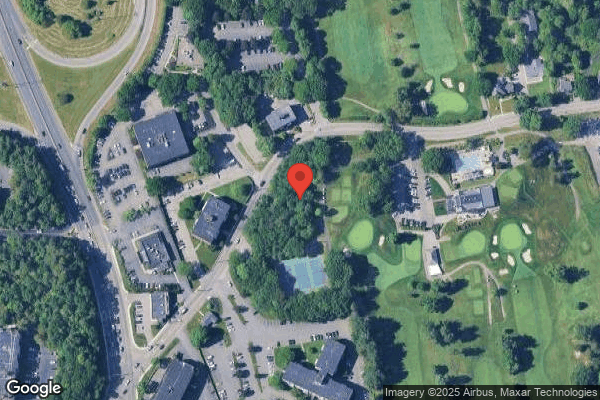
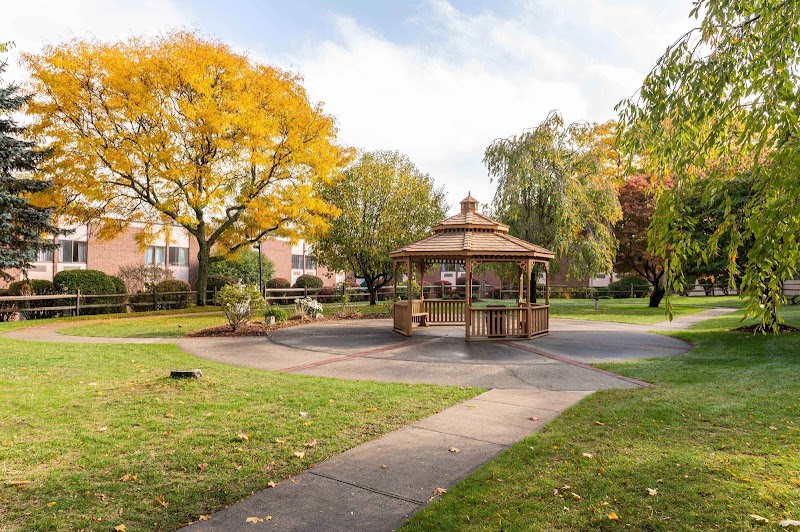
11 NORTH STREET, STONEHAM, MA 02180 (781) 438-8515
For profit - Partnership 169 Beds COLEV GESTETNER Data: November 2025
Trust Grade
48/100
#132 of 338 in MA
Last Inspection: December 2024

Within standard 12-15 month inspection cycle. Federal law requires annual inspections.

Overview

Bear Hill Healthcare and Rehabilitation Center has a Trust Grade of D, which means it is below average and has some concerning issues. It ranks #132 out of 338 facilities in Massachusetts, placing it in the top half, and #28 out of 72 in Middlesex County, indicating that only a few local options are better. The facility is improving, with the number of issues decreasing from 16 in 2023 to just 4 in 2024. However, staffing is a concern, with a below-average rating of 2 out of 5 stars and a high turnover rate of 50%, which is above the state average of 39%. While they have had some fines totaling $16,146, which is average for the state, the facility also has less RN coverage than 83% of Massachusetts facilities, which may impact the quality of care. Notable incidents include a resident who fell and required hospitalization due to a failure to follow their fall prevention plan and another resident who developed a serious Stage IV pressure ulcer because preventive measures were not implemented. Additionally, a resident needing substantial assistance was observed struggling to eat without staff support. Overall, while there are strengths in some areas, families should be aware of the significant weaknesses and recent incidents that could affect care quality.

Trust Score
D
48/100
In Massachusetts
#132/338
Top 39%
Safety Record
Moderate
Needs review
Inspections
Getting Better
16 → 4 violations
Staff Stability
⚠ Watch
50% turnover. Above average. Higher turnover means staff may not know residents' routines.
Penalties
✓ Good
$16,146 in fines. Lower than most Massachusetts facilities. Relatively clean record.
Skilled Nurses
⚠ Watch
Each resident gets only 28 minutes of Registered Nurse (RN) attention daily — below average for Massachusetts. Fewer RN minutes means fewer trained eyes watching for problems.
Violations
⚠ Watch
34 deficiencies on record. Higher than average. Multiple issues found across inspections.
★★★☆☆
3.0
Overall Rating
★★☆☆☆
2.0
Staff Levels
★★★★☆
4.0
Care Quality
★★★☆☆
3.0
Inspection Score
Stable
2023: 16 issues
2024: 4 issues

The Good

  • 4-Star Quality Measures · Strong clinical quality outcomes
  • Full Sprinkler Coverage · Fire safety systems throughout facility
  • No fines on record

Facility shows strength in quality measures, fire safety.

The Bad

3-Star Overall Rating

Near Massachusetts average (2.9)

Meets federal standards, typical of most facilities

Staff Turnover: 50%

Near Massachusetts avg (46%)

Higher turnover may affect care consistency

Federal Fines: $16,146

Below median ($33,413)

Minor penalties assessed

Chain: COLEV GESTETNER

Part of a multi-facility chain

Ask about local staffing decisions and management

The Ugly 34 deficiencies on record

2 actual harm
Dec 2024 4 deficiencies
CONCERN (D)

Potential for Harm - no one hurt, but risky conditions existed

Comprehensive Care Plan (Tag F0656)

Could have caused harm · This affected 1 resident

**NOTE- TERMS IN BRACKETS HAVE BEEN EDITED TO PROTECT CONFIDENTIALITY** Based on record review and interview the facility failed to develop a plan of care for two Residents (#43 and #241) out of a tot...

Read full inspector narrative →
**NOTE- TERMS IN BRACKETS HAVE BEEN EDITED TO PROTECT CONFIDENTIALITY** Based on record review and interview the facility failed to develop a plan of care for two Residents (#43 and #241) out of a total sample of 30 residents. Specifically; 1. For Resident #43 the facility failed to develop a plan of care for suicidal ideation's. 2. For Resident #241 the facility failed to ensure a call light was accessible. Findings include: Review of the facility policy titled Suicide Threats, dated December 2007 indicated that staff will monitor the resident's mood and behavior and update the care plans accordingly until a physician has determined that a risk of suicide does not appear to be present. 1. Resident #43 was admitted to the facility in June 2024 with diagnoses including suicidal ideation, depression with psychotic features, and dementia. Review of the Minimum Data Set assessment dated [DATE] indicated that Resident #43 is severely cognitively impaired and scored a 5 out of 15 on the Brief Interview for Mental Status exam. Further review indicated that Resident #43 requires substantial/maximal assist with activities of daily living. Review of the psychiatry note dated 12/13/24, indicated that Resident #43 has a history of suicidal ideation's and to continue to monitor for symptoms. Review of the care plan failed to indicate a focus, goal or interventions for the history of suicidal ideation's or to continue to monitor for symptoms. During an interview on 12/17/24 at 1:35 P.M., the Director of Nursing said that a suicidal ideation's care plan should have been developed for Resident #43. 2. Resident #241 was admitted to the facility in December 2024 with diagnoses including multiple sclerosis, malnutrition, and ulcer of the right lower extremity. On 12/17/24 at 8:25 A.M., the surveyor observed the Resident's call light on floor. During an interview on 12/17/24 at 8:25 A.M., Resident #241 said that he/she was very upset because staff had not provided incontinence care, or morning and evening care, since the 7:00 A.M. to 3:00 P.M. shift on 12/15/24. Resident #241 said that a Certified Nurse Aide (CNA) came into the room on the morning of 12/16/24, then left without providing any care, and never came back. Resident #241 then said that another CNA came into the room at around 8:00 P.M. on 12/16/24 to empty the urinary catheter bag and another CNA came into the room sometime on the 11:00 P.M. to 7:00 A.M. shift, but neither provided care. Resident #241 said that he/she would have asked staff to provide care, but he/she could not find the call light. During an interview on 12/17/24 at 8:30 A.M., Unit Manager #2 observed the call light on the floor and said that call lights should be accessible to the residents at all times.
CONCERN (D)

Potential for Harm - no one hurt, but risky conditions existed

Respiratory Care (Tag F0695)

Could have caused harm · This affected 1 resident

**NOTE- TERMS IN BRACKETS HAVE BEEN EDITED TO PROTECT CONFIDENTIALITY** Based on observation, record review and interviews, the facility failed to provide respiratory care services in accordance with ...

Read full inspector narrative →
**NOTE- TERMS IN BRACKETS HAVE BEEN EDITED TO PROTECT CONFIDENTIALITY** Based on observation, record review and interviews, the facility failed to provide respiratory care services in accordance with professional standards of practice for one Resident (#18) out of a total sample of 30 residents. Findings include: Review of the facility policy titled Oxygen therapy, not dated, indicated that humidifiers and nasal cannulas, mask and tubing are changed every 7 days. Resident #18 was admitted to the facility in January 2023 with diagnoses including chronic obstructive pulmonary disease, dementia and heart disease. Review of the Minimum Data Set (MDS) assessment dated [DATE] indicated that Resident #18 scored a 7 out of 15 on the Brief Interview for Mental Status exam indicating severe cognitive impairment. Further review indicated that Resident #18 is dependent on staff for activities of daily living. Further review indicated that Resident #18 received oxygen therapy while a resident. On 12/17/24, at 8:35 A.M., and 11:59 A.M. 12/18/24 at approximately 11:00 A.M. the surveyor observed Resident #18 receiving oxygen via nasal cannula. The surveyor also observed that the oxygen tubing and the oxygen humidifier bottle were dated 12/9/24. Review of the doctor's orders dated December 2024 indicated an order to change oxygen tubing every week on Sunday 11 P.M. to 7 A.M. Review of the Treatment Administration Record (TAR) dated December 2024 indicated that the oxygen tubing was documented as changed on 12/15/24. During an interview on 12/18/24, at approximately 11:00 A.M. MDS Nurse #1 said that the tubing and humidification bottle are supposed to be changed every seven days to prevent infection.
CONCERN (E)

Potential for Harm - no one hurt, but risky conditions existed

ADL Care (Tag F0677)

Could have caused harm · This affected multiple residents

**NOTE- TERMS IN BRACKETS HAVE BEEN EDITED TO PROTECT CONFIDENTIALITY** 2. Resident #61 was admitted to the facility in September 2024 with diagnoses that included cerebral infarction, altered mental ...

Read full inspector narrative →
**NOTE- TERMS IN BRACKETS HAVE BEEN EDITED TO PROTECT CONFIDENTIALITY** 2. Resident #61 was admitted to the facility in September 2024 with diagnoses that included cerebral infarction, altered mental status and dementia. Review of the most recent Minimum Data Set (MDS) assessment, dated 9/26/24, indicated the Resident was assessed by staff to have severely impaired cognition. The MDS further indicated Resident #61 requires substantial to maximal assistance for all self-care activities. On 12/17/24 at 9:26 A.M., Resident #61 was observed sitting alone in his/her room with his/her breakfast tray. Resident #61 said he/she was having difficulty reaching his/her fork and was observed to have oatmeal on his/her right cheek. On 12/17/24 at 12:56 P.M., Resident #61 was observed eating lunch in his/her room. There was no staff observed providing supervision or assistance with self-feeding. On 12/18/24 at 8:53 A.M., 8:59 A.M., 9:05 A.M.,12:50 P.M., and 12:58 P.M., Resident #61 was observed eating his/her meals in his/her room. There was no staff observed providing supervision or assistance with self-feeding. On 12/19/24 at 9:15 A.M., Resident #61 was observed sitting alone with his/her breakfast tray. Resident #61 was observed sleeping holding a fork in his/her right hand. There was no staff providing supervision or assistance with self-feeding. Review of Resident #61's care plans indicated the following: Eating: Resident requires supervision to assistance, requires food to be cut up. Effective date 10/3/24. Nutrition: Monitor for s/sx (signs/symptoms) of dysphagia (difficulty swallowing): Pocketing, choking, coughing, drooling, several attempts at swallowing. Effective date 9/25/24. Further review of Resident #61''s [NAME] (a form indicating level of assistance a resident requires) dated as of 12/17/24 indicated the following: - Eating: Resident requires supervision to assistance, requires food to be cut up. Needs help cutting food. Review of Resident #61's medical record failed to indicate Resident #61 refused assistance with meals. During an interview on 12/19/24 at 9:06 A.M., Unit Manager #3 said staff setup Resident #677's meal and he/she can eat on his/her own. Unit Manager #3 said staff will assist if he/she is having difficulties eating. During an interview on 12/19/24 at 9:20 A.M., the Administrator said she would expect Resident #61 would be provided the level of assistance indicated on his/her care plan for self-feeding. Based on observations, record review, and interviews, the facility failed to provide assistance with Activities of Daily Living (ADLs), for two Residents (#61 and #241) out of a total sample of 30 residents. specifically 1. For Resident #61 the facility failed to provide supervision with meals. 2. For Resident #241 the facility failed to provide incontinent care or hygiene care. Findings Include: Review of the facility policy titled Activities of Daily Living (ADL's), Supporting, undated, indicated the following: Residents who are unable to carry out activities of daily living independently will receive the services necessary to maintain good nutrition, grooming and personal and oral hygiene. Policy Interpretation and Implementation 1(c). The refusal and information are documented in the resident's clinical record. 2. Appropriate care and services will be provided for residents who are unable to carry out ADL's independently, with the consent of the resident and in accordance with the plan of care, including appropriate support and assistance with: d. Dining (meals and snacks). 1. Resident #241 was admitted to the facility in December 2024 with diagnoses including multiple sclerosis (MS), malnutrition and ulcer of the right lower extremity. Review of the care plan dated 12/4/24, indicated a focus for decreased ability to perform ADL (activities of daily living) due to MS, FTT (failure to thrive), dysphagia, anxiety, and reflux uropathy. Further review indicated interventions for toileting assistance, and incontinent of bowel with maximum staff assistance for toilet hygiene. Review of the care plan dated 12/4/24, with a focus for falls, indicated an intervention for a call light in place at all times. Review of the care plan dated 12/4/24, with a focus for bowel incontinence indicated interventions to check Resident every 2 hours and assist with toileting as needed and provide pericare after each incontinent episode. Review of the care plan dated 12/4/24 failed to indicate a care plan with a focus/goal/interventions for refusal of care had been developed. During an interview on 12/17/24 at 8:25 A.M., Resident #241 said that he/she was very upset because staff had not provided incontinence care, or morning and evening care, since the 7:00 A.M. to 3:00 P.M. shift on 12/15/24. Resident #241 said that a Certified Nurse Aide (CNA) came into the room on the morning of 12/16/24, then left without providing any care, and never came back. Resident #241 then said that another CNA came into the room at around 8:00 P.M. on 12/16/24 to empty the urinary catheter bag and another CNA came into the room sometime on the 11:00 P.M. to 7:00 A.M. shift, but neither provided care. Resident #241 said that he/she would have asked staff to provide care, but he/she could not find the call light. Resident #241 said he/she had recently left another nursing facility because staff had not provided adequate care and was now afraid that the same was happening at this facility. On 12/17/24 at 8:25 A.M., the surveyor observed the call light on floor. During an interview on 12/17/24 at 8:30 A.M., Unit Manager #2 observed the call light on the floor and said that call lights should be accessible to the residents at all times. Resident #241 then told Unit Manager #2 that staff had not provided care to him/her since the morning of 12/15/24. Unit Manager #2 said that she would inform the CNA responsible for Resident #241's assignment. On 12/17/24, between 8:30 A.M., and 11:12 A.M. the surveyor observed Resident #241 lying in bed without morning care having been provided. On 12/17/24 at 11:12 A.M., the surveyor informed Unit Manager #2 that Resident #241 still had not been provided morning/incontinent care. During an interview on 12/17/24 at 11:12 A.M., CNA #1 said that a CNA on the schedule had left the unit, and they were now short-staffed. CNA #1 said that she had to get her residents, as well as the residents assigned to the other CNA, fed or out of bed for safety reasons. CNA #1 said that Resident #241 can eat safely in bed and that is why she had not provided care to him/her yet. At 11:20 A.M., Unit Manager #2 and CNA #1 entered Resident #241's room and began to provide incontinence care. The surveyor observed CNA #1 and Unit Manager #2 assisting Resident #241 with incontinent care. Resident #241 had been incontinent of bowel. CNA #1 attempted to clean Resident #241 with incontinent wipes only to discover that the feces had dried on and below Resident #241's genitalia. While attempting to remove the dried feces Resident #241 yelled out in pain several times. CNA #1 then obtained a towel with soap and water and continued to clean the dried feces from the genitalia. Resident #241 said several times that it hurt. Unit Manager #2 apologized to Resident #241 and explained to him/her that the feces had dried, and CNA #1 had to rub hard to remove it. After CNA #1 completed incontinence care the surveyor observed Resident #241's genitalia to be red and excoriated. Review of Resident #241's facility document titled Documentation Survey Report V2 dated December 2024, indicated that on 12/16/24 the 7:00 A.M. to 3:00 P.M. and the 11:00 P.M.-7A.M. shifts all activities of daily living tasks were left blank, indicating care was not provided, including incontinence care. Review of the facility document titled Behavior Monitoring and Interventions indicated that Resident #241 had not refused care on 12/15/24 or 12/16/24. Review of the progress notes for December 2024 failed to indicate Resident #241 refused care. Review of CNA #2's written statement (undated) indicated that on 12/16/24 Resident #241 told CNA #2 that he/she wanted to be changed. CNA #2 told Resident #241 that she could not provide the care because Resident #241 required two people to provide all care. CNA #2 indicated that she had requested staff to help her with Resident #241's care and everyone refused to help. CNA #2 said she told the nurse on the unit who then told her that the Unit Manager #2 will handle the issue after lunch. CNA #2 indicated that care had not been provided by the time her shift ended at 3:00 P.M., and she left the facility. During an interview on 12/17/24 at 12:56 P.M., the Director of Nursing (DON) said she heard about the care issues regarding (Resident #241) at about noon from Unit Manager #2. The DON then said that Unit Manager #2 told her that Resident #241 didn't get care yesterday but that the situation was resolved. The DON then said that CNA #2 told her that Resident #241 had refused care yesterday. The DON said that the CNA or nurse is supposed to document all refusals of care.
CONCERN (E)

Potential for Harm - no one hurt, but risky conditions existed

Medical Records (Tag F0842)

Could have caused harm · This affected multiple residents

**NOTE- TERMS IN BRACKETS HAVE BEEN EDITED TO PROTECT CONFIDENTIALITY** 4. Resident #110 was admitted to the facility in September 2024 with diagnoses including Alzheimer's Disease and diabetes. Revi...

Read full inspector narrative →
**NOTE- TERMS IN BRACKETS HAVE BEEN EDITED TO PROTECT CONFIDENTIALITY** 4. Resident #110 was admitted to the facility in September 2024 with diagnoses including Alzheimer's Disease and diabetes. Review of the Minimum Data Set Assessment (MDS) dated [DATE] indicated Resident #110 was moderately cognitively impaired evidenced by a score of 11 out of a possible 15 on the Brief Interview for Mental Status Exam (BIMS). The MDS also indicated Resident #110 required assistance with bathing, dressing and toileting and was at risk for the development of pressure ulcers. Review of the physician's orders dated 12/11/24 indicated: *Pressure injury to Right hip. Wash area with normal saline. Pat dry. Apply triad cream, cover with border foam dressing. Change daily and PRN (as needed) *Stage 1 to Right buttocks. Wash area with soap and water. Pat dry. cover with border foam dressing. Change every other day and PRN. *Wound assessment to be completed with each treatment application/dressing change. (Specify: stage 1 pressure are Right buttocks) every day shift for wound evaluation document the following: odor, pain, drainage amount, peri-wound, drainage type and wound bed. *Wound assessment to be completed with each treatment application/dressing change. (Specify: stage 2 pressure area to Right hip) every day shift for wound evaluation document the following: odor, pain, drainage amount, peri-wound, drainage type and wound bed. During an interview on 12/18/24 at approximately 9:50 A.M., the surveyor requested to observe Resident #110's dressing changes. Unit Manager #1 said she had already completed the dressing changes. Review of the Treatment Administration Record on 12/18/24 at 1:00 P.M., indicated Resident #110's treatment to his/her right hip and wound assessment was documented as completed by Nurse #1, not Unit Manager #1. During an interview on 12/18/24 at 1:10 P.M. Nurse #1 said he came in later this morning and had not done the treatments yet for Resident #110 and wanted to do them after the lunch meal. When asked if he had documented the treatments were completed, Nurse #1 repeated he was hoping to do the treatments after the lunch meal. Nurse #1 said he shouldn't sign off on treatments that had not been completed yet. During an interview on 12/18/24 at 1:18 P.M., Unit Manager #1 said that she had completed the treatment, and that Nurse #1 had not. Based on record review and interview, the facility failed to accurately document in the clinical record for 4 Residents (#18, #43, #241 and #110) out of a total sample of 30 residents. Specifically: 1. for Resident #18 the facility failed to accurately document the changing of the oxygen tubing. 2. For Resident #43 the facility failed to accurately document the sex of the Resident. 3. For Resident #241 the facility failed to accurately document the Activities of Daily Living (ADL) care provided. 4. For Resident #110, the facility failed to ensure staff accurately documented the completion of wound treatments provided. Findings include: Review of the facility policy titled 'Charting and Documentation', dated revised July 2017 indicated that Documentation in the medical record will be objective (not opinionated or speculative), complete and accurate. 1. Resident #18 was admitted to the facility in January 2023 with diagnoses including chronic obstructive pulmonary disease, dementia and heart disease. Review of the Minimum Data Set (MDS) assessment dated [DATE] indicated that Resident #18 scored a 7 out of 15 on the Brief Interview for Mental Status exam indicating severe cognitive impairment. Further review indicated that Resident #18 is dependent on staff for activities of daily living. Further review indicated that Resident #18 received oxygen therapy while a resident. On 12/17/24, at 8:35 A.M., and 11:59 A.M., and on 12/18/24 at approximately 11:00 A.M., the surveyor observed Resident #18 receiving oxygen via a nasal cannula. The surveyor also observed that the oxygen tubing and the oxygen humidifier bottle were dated 12/9/24. Review of the physician's orders dated December 2024 indicated an order to change oxygen tubing every week on Sunday 11 P.M.-7 A.M. Review of the Treatment Administration Record (TAR) dated December 2024 indicated that the oxygen tubing was documented as changed on 12/15/24. During an interview on 12/18/24, at approximately 11:00 A.M., MDS Nurse #1 said that the tubing and humidification bottle are supposed to be changed every seven days to prevent infection. She then said that the medical record should indicate only what has been done. 2. Resident #43 was admitted to the facility in June 2024 with diagnoses including depression with psychotic features, suicidal ideations and dementia. Review of the psychiatry notes dated 10/4/24, 11/6/24, 12/13/24, indicated that the sex of Resident #43 is not accurate. 3. Resident #241 was admitted to the facility in December 2024 with diagnoses including multiple sclerosis, malnutrition and dysphagia (difficulty swallowing). Further review failed to indicate a diagnosis of cognitive impairment. Review of the facility documents titled Documentation Survey Report V2, dated December 2024, (where the Certified Nurse's Aides (CNA) document on the care provided each shift to residents), indicated that Resident #241 was provided incontinent care on 12/15/24 on the 7 A.M.-3 P.M., 3 P.M.-11 P.M. and 11 P.M.-7 A.M. shifts. Further review indicated that on the 3 P.M.-11 P.M. shift Resident #241 was provided incontinent care. During an interview on 12/17/24, at 8:25 A.M. Resident #241 said that he/she was very upset because he/she had not been provided incontinent care nor had staff provided morning or evening care since 3-11 shift on 12/15/24. Resident #241 then said that a CNA had come into the room in the morning of 12/16/24, said that she needed two CNAs to provide Resident #241 care, then left the room and never came back. Resident #241 then said that another CNA came in at around 8 P.M. on 12/16/24 to empty the urinary catheter bag and another CNA came in sometime on the 11 P.M.-7 A.M. shift to empty the urinary catheter bag but could not be sure of the exact time. During an interview on 12/18/24 11:09 A.M., the Director of Nursing said that the facility should accurately document in the medical record.
Dec 2023 16 deficiencies 1 Harm
SERIOUS (G)

Actual Harm - a resident was hurt due to facility failures

Accident Prevention (Tag F0689)

A resident was harmed · This affected 1 resident

**NOTE- TERMS IN BRACKETS HAVE BEEN EDITED TO PROTECT CONFIDENTIALITY** Based on observation, record review and interview, the facility failed to follow the fall plan of care for 1 Resident (#124) out...

Read full inspector narrative →
**NOTE- TERMS IN BRACKETS HAVE BEEN EDITED TO PROTECT CONFIDENTIALITY** Based on observation, record review and interview, the facility failed to follow the fall plan of care for 1 Resident (#124) out of a total of 36 sampled Residents. Subsequently, Resident #124 sustained a fall requiring hospitalization and was diagnosed with subdural hematoma, (bleeding that occurs within the skull but outside the actual brain tissue). Findings include: Review of the facility's Fall Prevention and Fall Committee Policy and Procedure, dated 6/7/22 indicated: *All residents who on admission, readmission or after an actual fall score at high risk for falls will have immediate interventions implemented for prevention of falls. *Any falls prevention interventions should minimize the resident's risk for falling and maintain functional independence and mobility. Various interventions should be used as appropriate for resident risk *Interventions may include but are not limited to: reinforcing use of the call bell, adjusting the bed to its lowest position, education of resident and family, use of chair and/or bed alarms. Resident #124 was admitted to the facility in October 2022 with diagnoses including dementia and legal blindness. Review of the Minimum Data Set Assessment (MDS) dated [DATE], indicated Resident #124 is severely cognitively impaired and requires assistance with bathing and dressing. On 12/11/23 at 10:23 A.M., the surveyor observed Resident #124 seated in a high-back wheelchair behind the nursing station. Resident #124 was pleasantly confused and a chair alarm visible on the back of his/her chair. Review of Resident #124's fall risk evaluation dated 10/20/23 indicated he/she is at high risk for falls. Review of Resident #124's fall care plan dated as revised 10/20/23 indicated the following interventions: *Bed alarm and chair alarms as ordered, 10/20/23 *Monitor for toileting needs, 10/17/22 *Anticipate resident's needs and ensure room is free of clutter, 5/29/23. *Assist resident getting in and out of bed with Hoyer, 10/17/22. Review of fall incident report dated 10/28/23 indicated that at 7:40 A.M., Nurse #1 heard a loud bang coming from Resident #124's room and observed him/her on the floor with a puddle of blood coming from his/her head. The incident report indicated Resident #124's ordered bed alarm and chair alarm were not in place. The incident report failed to indicate the facility investigated why Resident #124's alarms were not in place at the time of the fall. Review of the nurse progress note dated 10/28/23 indicated: At around 7:30 [A.M.], this writer left another room and heard a loud noise coming from another room. This writer immediately ran to find the source of the noise. Upon entering [Resident #124's room], resident was found laying on his/her right side, in between the bed and the bathroom with blood coming from his/her head. Bed and chair alarm ordered, not in place and not sounding, call light not on. Resident showed signs of altered mental status; appeared unconscious around 20 seconds. 11-7 nurse called immediately for help. Upon awakening, resident was alert, confused at his/her mental baseline status . Resident was found incontinent of urine, floor was dry and free of obstacles. Resident had slipper socks on 911 called. Review of the hospital paperwork dated 10/28/29 indicated Resident #124 was diagnosed as having residual parafalcine subdural hematoma and a right parietal subdural hematoma. During an interview on 12/12/23 at 1:19 P.M., Nurse #1 said she had found Resident #124 on floor of his/her room on 10/28/23 and he/she was bleeding and appeared unconscious. Nurse #1 said she immediately called for assistance. Nurse #1 said Resident #124 was sent to the hospital and she alerted the supervisor that Resident #124's bed and chair alarm were not in place at the time of the fall.
CONCERN (D)

Potential for Harm - no one hurt, but risky conditions existed

Notification of Changes (Tag F0580)

Could have caused harm · This affected 1 resident

**NOTE- TERMS IN BRACKETS HAVE BEEN EDITED TO PROTECT CONFIDENTIALITY** Based on observation, record review and interview, the facility failed to alert the physician of changes in condition for 1 Resi...

Read full inspector narrative →
**NOTE- TERMS IN BRACKETS HAVE BEEN EDITED TO PROTECT CONFIDENTIALITY** Based on observation, record review and interview, the facility failed to alert the physician of changes in condition for 1 Resident (#94) and failed to notify the responsible party of a change in condition for 1 Resident (#40) out of a total of 36 sampled Residents. Specifically, the facility failed to: 1.) Alert the physician of a newly developed gangrenous wound for Resident #94 and, 2.) failed to notify the responsible party of a change in condition, resulting in the needs for medical attention. Review of the facility's policy entitled Change is Resident's Condition, undated, indicated the following: *The facility is required to notify a resident's physician when there is a significant change in the resident's health status. The facility is required to make any pertinent information available and provide it to the resident's physician upon request. *The facility is also required to notify resident's next of kin/responsible party with any and all changes in a resident's condition. 1. Resident #94 was admitted to the facility in June 2023 with diagnoses including dementia, arthrosclerosis and dysphagia. Review of the Minimum Data Set Assessment (MDS) dated [DATE], indicated Resident #94 scored 4 out of a possible 15 on the Brief Interview for Mental Status Exam (BIMS) indicating he/she is severely cognitively impaired. The MDS also indicated he/she requires assistance with bathing, dressing, and transfers. On 12/12/23 at 8:22 A.M., the surveyor observed Resident #94 in bed resting on an air mattress. Family Member #1 was also present. The surveyor observed Resident #94 had a darkened circular area approximately the size of a quarter on his/her left toe. Family Member #1 said that Resident #94 usually wears socks and did not know when the skin injury began. Review of Resident #94's Wound Physician's note dated 12/5/23 indicated that Resident #94 had a lower stage II ulcer in the midline pressure injuries two stage III on the right buttocks and an unstageable coccyx wound. The note also indicated that Resident #94 had a pressure ulcer on his/her left great toe which had healed weeks prior. Review of the Podiatry note dated 12/5/23, (the same day of the most recent Wound Physician visit) indicated: Dry gangrene on distal tip of left great toe, please keep the area dry and clean, monitor for any sign of infection or converting to wet gangrene, consult wound care team for appropriate treatment. The note did not indicate any measurements of the area. Review of the nurse progress notes, weekly wound checks, physician and nurse practitioner notes, and physician orders failed to indicate Resident #94's physician was alerted to Resident #94's gangrenous toe injury. Review of the weekly skin check dated 12/8/23 failed to indicate Resident #94 had any areas on his/her feet. Review of the nurse progress note dated 12/12/23 indicated: At around 7:49 A.M. [Family Member #1] called this writer to [Resident #94's room] and stated his/her toe is black. Upon entering the room, the resident was in his/her bed with the blankets pulled off of his/her feet. This writer noticed an area, unstageable, with eschar present on his/her left hallux (toe) measuring 3 CM (centimeters) X 2.5 CM. NP (Nurse Practitioner) notified. On 12/12/23 at 11:23 A.M. the surveyor and Nurse Practitioner #1 observed Resident #94's left great toe. Nurse Practitioner #1 said that Resident #94 was seen by podiatry on 12/5/23 and the note indicated that Resident #94 had a gangrenous skin injury on his/her left toe. Nurse Practitioner #1 said staff was not aware and she was alerted that morning by Nurse #1. During an interview on 12/12/23 at 11:45 A.M., Nurse #1 said she was first made aware of Resident #94's skin injury when Family Member #1 alerted her. During an interview on 12/12/23 at 11:16 A.M., Nurse #2 said that if Certified Nursing Aids (CNAs) are providing care to Residents and observe new skin injuries, they are expected to alert nursing staff for an assessment and interventions. Nurse #2 said she had worked on 12/11/23 and no staff alerted her of any new skin injuries for Resident #94. Nurse #2 said she was only made aware this morning that Resident #94 had a gangrenous skin area on his/her toe. During an interview on 12/12/23 at 11:21 A.M., CNA #2 said he took care of Resident #94 earlier in the morning. CNA #2 said Resident #94 had no skin issues on his/her feet. On 12/14/23 at 9:21 A.M. the Wound Physician and the surveyor observed Resident #94's left great toe. The Wound Physician said that that Resident #94's was gangrenous and most likely was related to vascular issues. The Wound Physician said she could not recall if she had examined Resident #94's feet during his/her last visit (12/5/23) and it would have taken one to two weeks for the wound to have developed to its current size. During an interview on 12/14/23 at 11:26 A.M. the Wound Physician said that Resident #94's wound measured 2.3 CM X 2.7 CM with dry gangrene. The Wound Physician said that she initiated orders for betadyine paint and to leave the toe open to air. The Wound Physician said she was made aware of Resident #94's gangrenous area yesterday, 12/13/23. The Wound Physician said she was not aware that the Podiatrist had seen Resident #94 on 12/5/23 and indicated he/she had developed a gangrenous area on his/her toe with recommendations for a wound consult. The Wound Physician said she would expect staff to have notified her of the Podiatrists findings. During an interview on 12/14/23 at 11:18 A.M. the Podiatrist said that on 12/5/23 she observed a very small small circular gangrenous area on Resident #94's left great toe. The Podiatrist said it was about the half the size of a penny and she alerted staff. The Podiatrist said she could not recall the name of the nurse she spoke with but had made recommendations for staff to keep the area clean, monitor for signs of infection and consult the wound team. During an interview on 12/14/23 at 12:00 P.M., the Director of Nursing (DON) said that staff are expected to complete wound assessment, notify the physician and wound physician when there is a new skin injury found on a Resident. The DON said she was not aware that Resident #94 had a gangrenous area on his/her toe until the surveyor brought it to her attention during the interview. The DON said she was not aware of the Podiatrists' findings of a gangrenous area on Resident #94's great toe on 12/5/23. The DON said she completed the skin check on 12/8/23 because she saw it had not been done. The DON said Resident #94 refused to let him/her look at his/her feet during the skin check, but she did not document it and did not return or ask staff to return to complete the skin check. The DON could not say why staff were not aware of the gangrenous area on Resident #94's toe until 12/12/23 when Family Member #1 alerted the staff; seven days after it was identified by the Podiatrist. 2. Resident #40 was admitted to the facility in 12/2022 and has diagnoses that include but not limited to heart failure, gout, hearing loss, seizure disorder and unspecified dementia. Review of Resident #40's most recent MDS, dated [DATE] indicated Resident #40 scored 13 out of 15 on the Brief Interview for Mental Status exam, which indicated intact cognition. Review of Resident #40's care plan with the focus decrease ability to perform ADLS (activities of daily living), dated as revised 10/14/23, indicated walking/ambulation: the Resident uses a walker and one assist with ambulation to destinations outside his/her room. On 12/11/23 at 11:00 A.M., Resident #40 was observed resting in bed. He/she did not respond to the surveyor. Resident #40 was observed to be small and frail in stature. A family member, who was present said this is a change for the Resident. The family member said the Resident is usually up, dressed and will use his/her walker to go to the dining room. The family member said she just went to the nursing desk to find out what was going on with the Resident and was told he/she had a test recently that was negative, and that the Resident is pending blood work and has swelling in his/her left arm. The family member said she visited last Monday, and that she was not notified by staff of the changes until she inquired herself today. Review of Resident #40's medical record indicated the following: -An order dated 12/7/23 ultrasound of hand and apply ice. -A note with the effective date 12/8/23 entered by the Nurse Practitioner. A/P (Assessment and Plan) 1.Gout, increase and restart prednisone taper 2. Cellulitis doxycycline 100 mg p BID x 7 days and probiotic 1 po bid x 14 days, monitor, labs prn. -A nurses note dated 12/8/23 indicating Resident left hand still swollen very red sore to touch move ice applied with little effect encourage to keep elevated in bed on pillow still waiting for ultrasound to be done. (sic) Review of Resident #40's medical record including progress notes from 12/3/23 through 12/11/23 failed to indicate Resident #40 's activated Health Care Proxy(HCP)/Family member was notified and informed of the change in condition that required medication changes, laboratory and ultrasound tests and diagnoses of gout and cellulitis and swelling to his/her left hand/arm. During an interview on 12/13/23 at 10:58 A.M., Certified Nursing Assistant (CNA) #6 said Resident #40 has been not feeling well the past few days, that his/her left hand has swelling, and he/she now needs more assistance with daily care. CNA#6 said Resident #40 would be up daily and would walk to the downstairs dining room for meals but has not gone in about a week. CNA #6 said this is a change in him/her. During an interview on 12/13/23 at 4:02 P.M., the Director of Nursing said the nursing staff should notify and inform a resident's responsible party and/or HCP of any changes including new medications or tests, new diagnoses, and changes in condition. The DON said she was not aware that Resident #40's HCP was not notified.
CONCERN (D)

Potential for Harm - no one hurt, but risky conditions existed

Deficiency F0658 (Tag F0658)

Could have caused harm · This affected 1 resident

**NOTE- TERMS IN BRACKETS HAVE BEEN EDITED TO PROTECT CONFIDENTIALITY** Based on observations, record review and interviews, the facility failed to ensure that services provided met professional stand...

Read full inspector narrative →
**NOTE- TERMS IN BRACKETS HAVE BEEN EDITED TO PROTECT CONFIDENTIALITY** Based on observations, record review and interviews, the facility failed to ensure that services provided met professional standards of quality, for three Residents (#48, #405 and #130) out of a total sample of 36 residents. Specifically, the facility 1. failed to follow physician's orders for maintaining and documenting fluid restriction for Resident #48 and #405 and 2. failed to provide fortified mashed potatoes in accordance with the medical orders. Findings include: Review of facility policy titled 'Fluid Restriction' revised September 2017, indicated the following but not limited to: *The nursing services will be responsible for tracking and documenting the total volume consumed in accordance with facility policy. 1. Resident #48 was admitted to the facility in November 2023 with diagnoses including renal insufficiency, hypo-osmolality, and hyponatremia. Review of Resident #48's Minimum Data Set Assessment (MDS) dated [DATE] indicated the Resident scored a 14 out of 15 on the Brief Interview for Mental Status (BIMS) score indicating he/she was cognitively intact. Review of the physician's order dated August 2023 indicated the following: *Fluid restriction 1120 ml (milliliter) total day shift, 240 ml night shift and 640 ml in the evening shift. Total of 2000 ml/day. Review of the care plan titled potential for fluid imbalance and activity intolerance related to congestive heart failure: Intervention initiated 11/24/23 indicated the following: Fluid restriction as ordered. Review of the Medication Administration Record (MAR) for December 2023 failed to indicate the total amount of fluids the Resident consumed per day. During an interview on 12/13/23 at 8:56 A.M., Nurse #10 said nurses are responsible to ensure the total fluid amount is calculated at the end of the day. She further said without accurate documentation and monitoring the resident could go into fluid overload and other complications. During an interview on 12/13/23 at 9:25 A.M., Charge Nurse #1 said nursing should document at the end of each shift how much the resident has consumed and if over the limit notify the physician. During an interview on 12/13/23 at 3:46 P.M., the Director of Nursing said that 11-7 PM shift nurses are responsible for tallying the fluid intake and if any concerns the day shift nurses would report to the physician. 2. Resident #405 was admitted to the facility in December 2023 with diagnoses including heart failure and acute respiratory failure with hypoxia. Review of the current physician's order dated 12/6/23 indicated the following: *2 liters fluid restriction per day, 1040 ml from nursing and 960 ml from dietary. Review of the care plan titled potential for fluid imbalance and activity intolerance related to congestive heart failure: Intervention initiated 12/1/23 indicated the following: Provide diet (specify) and educate resident about dietary restrictions. Review of the current Medication Administration Record (MAR) failed to indicate the total amount of fluids the Resident consumed per day. During an interview on 12/13/23 at 8:56 A.M., Nurse #10 said nurses are responsible to ensure the total fluid amount is calculated at the end of the day. She further said without accurate documentation and monitoring the resident could go into fluid overload and other complications. During an interview on 12/13/23 at 9:25 A.M., Charge Nurse #1 said nursing should document at the end of each shift how much the resident has consumed and if over the limit notify the physician. During an interview on 12/13/23 at 3:46 P.M., the Director of Nursing said that 11-7 PM shift nurses are responsible for tallying the fluid intake and if any concerns the day shift nurses would report to the physician.2. For Resident #130 the facility failed to ensure fortified mashed potatoes were provided in accordance with the medical orders. Resident #130 was admitted to the facility in 2/2023 with diagnoses that include by not limited to chronic kidney disease, adult failure to thrive and retention of urine. Review of Resident #130's Minimum Data Set (MDS) assessment dated [DATE] indicated Resident #102 scored an 11 out of 15 on the Brief Interview for Mental Status exam indicating he/she has moderately intact cognition, is 51 inches in length and weighs 87 pounds. On 12/11/23 at 10:08 A.M., Resident #30 was observed resting in bed. He/she was observed to be frail and small in stature. Review of Resident #130's physician's orders indicated the following: -Fortified mashed potatoes with lunch, one time a day for weight loss, dated 9/15/23. On 12/12/23 at 12:22 P.M., Resident #130 was eating his/her lunch in his/her room. There were no fortified mashed potatoes on his/her plate. Review of the lunch menu for 12/11/23 indicated lunch was chicken pot pie with biscuit, 12/12/23 lunch was sweet and sour meatballs, and 12/13/23 open faced roast pork sandwich, brown gravy, herbed green beans, and mashed potatoes. On 12/13/23 at 12:35 P.M., Resident #130 was observed in the dining room. He/she had the roast pork sandwich and mashed potatoes on his/her plate. On 12/13/23 at 1:01 P.M. the Food Service Director said they have a recipe for fortified mashed potatoes which makes them higher in calories. The Food Service Director said Resident #130 does not have fortified mashed potatoes on her meal ticket. [NAME] #1 showed the surveyor the two different mashed potatoes and said she has not been serving Resident #130 fortified mashed potatoes. During an interview on 12/13/23 at 1:17 P.M., the Registered Dietician (RD) said the Nurse Practitioner entered the order for the fortified mashed potatoes on 9/15/23 for weight loss. The RD said she did a quarterly assessment on 11/21/23 and recommended the fortified mashed potatoes to continue. The RD said she did not verify that the fortified mashed potatoes were on the meal ticket which resulted in Resident #130 not being served fortified mashed potatoes per the physician order.
CONCERN (D)

Potential for Harm - no one hurt, but risky conditions existed

Quality of Care (Tag F0684)

Could have caused harm · This affected 1 resident

**NOTE- TERMS IN BRACKETS HAVE BEEN EDITED TO PROTECT CONFIDENTIALITY** Based on observation, record review and interview, the facility failed to ensure staff provided treatment and care in accordance...

Read full inspector narrative →
**NOTE- TERMS IN BRACKETS HAVE BEEN EDITED TO PROTECT CONFIDENTIALITY** Based on observation, record review and interview, the facility failed to ensure staff provided treatment and care in accordance with professional standards of practice for two Residents (#94, #40) out of a total of 36 sampled Residents. Specifically the facility failed to: 1. Identify and address a newly developed gangrenous (dead tissue) skin injury for Resident #94. 2. Implement an antibiotic treatment for cellulitis and implement monitoring of the diagnosis for Resident #40. 1. Review of the facility's Prevention of Pressure Ulcer policy, undated, indicated: *Any resident who has a pressure or stasis ulcer (an skin ulcer related to poor circulation) as well as residents with weight loss/gain are reviewed weekly. *Residents will additionally be re-assessed minimally quarterly and with any chance in condition thereafter. *Resident's will receive necessary service to promote healing. *All direct care staff are educated on skin care prevention, identification and communication of issues and documentation of risk factors during orientation, annually and more frequently as needed. Resident #94 was admitted to the facility in June 2023 with diagnoses including dementia, arthrosclerosis and dysphagia. Review of the Minimum Data Set Assessment (MDS) dated [DATE] indicated Resident #94 scored 4 out of a possible 15 on the Brief Interview for Mental Status Exam (BIMS) indicating he/she is severely cognitively impaired. The MDS also indicated he/she requires assistance with bathing, dressing, and transfers. Review of Resident #94's Wound Physician's note dated 12/5/23 indicated that Resident #94 had a lower stage II ulcer in the midline pressure injuries two stage III on the right buttocks and an unstageable coccyx wound. The note also indicated that Resident #94 had a pressure ulcer on his/her left great toe which had healed weeks prior. On 12/12/23 at 8:22 A.M., the surveyor observed Resident #94 in bed resting on an air mattress. Family Member #1 was also present. The surveyor observed Resident #94 had a darkened circular area approximately the size of a quarter on his/her left toe. Family Member #1 said that Resident #94 usually wears socks and did not know when the skin injury began. Review of the Podiatry note dated 12/5/23, (the same day of the most recent Wound Physician visit) indicated: Dry gangrene on distal tip of left great toe, please keep the area dry and clean, monitor for any sign of infection or converting to wet gangrene, consult wound care team for appropriate treatment. The note did not indicate any measurements of the area. Review of the nurse progress notes, weekly wound checks, physician and nurse practitioner notes, and physician orders failed to indicate Resident #94 had developed a new skin injury, or implemented interventions to address the skin injury until 12/12/23; when Family Member #1 alerted staff of her observations. Review of the weekly skin check dated 12/8/23 failed to indicate Resident #94 had any areas on his/her feet. Review of the nurse progress note dated 12/12/23 indicated: At around 7:49 A.M. [Family Member #1] called this writer to [Resident #94's room] and stated his/her toe is black. Upon entering the room, the resident was in his/her bed with the blankets pulled off of his/her feet. This writer noticed an area, unstageable, with eschar present on his/her left hallux (toe) measuring 3 CM (centimeters) X 2.5 CM. NP (Nurse Practitioner) notified. On 12/12/23 at 11:23 A.M. the surveyor and the NP #1 observed Resident #94's left great toe. NP #1 said that she had found Resident #94's podiatry note on 12/5/23 and the note indicated that Resident #94 had a gangrenous skin injury on his/her left toe. NP #1 said she was first made aware of the gangrenous area earlier this morning (12/12/23) by Nurse #1. During an interview on 12/12/23 at 11:45 A.M., Nurse #1 said she was first made aware of Resident #94's skin injury when Family Member #1 alerted her. During an interview on 12/12/23 at 11:16 A.M., Nurse #2 said that if Certified Nursing Aids (CNAs) are providing care to Residents and observe new skin injuries, they are expected to alert nursing staff for an assessment and interventions. Nurse #2 said she had worked on 12/11/23 and no staff alerted her of any new skin injuries for Resident #94. Nurse #2 said she was only made aware this morning. During an interview on 12/12/23 at 11:21 A.M., CNA #2 said he took care of Resident #94 earlier in the morning. CNA #2 said Resident #94 had no skin issues on his/her feet. On 12/14/23 at 9:21 A.M. the Wound Physician and the surveyor observed Resident #94's left great toe. The Wound Physician said that that Resident #94's was gangrenous and most likely was related to vascular issues. The Wound Physician said she could not recall if she had examined Resident #94's feet during his/her last visit (12/5/23) and it would have taken one to two weeks for the wound to have developed to its current size. During an interview on 12/14/23 at 11:26 A.M. the Wound Physician said that Resident #94's wound measured 2.3 CM X 2.7 CM with dry gangrene. The Wound Physician said that she initiated orders for betadyine paint and to leave the toe open to air. The Wound Physician said she was made aware of Resident #94's gangrenous area yesterday, 12/13/23. The Wound Physician said she was not aware that the Podiatrist had seen Resident #94 on 12/5/23 and indicated he/she had developed a gangrenous area on his/her toe with recommendations for a wound consult. The Wound Physician said she would expect staff to have notified her of the Podiatrists findings. During an interview on 12/14/23 at 11:18 A.M. the Podiatrist said that on 12/5/23 she observed a very small small circular gangrenous area on Resident #94's left great toe. The Podiatrist said it was about the half the size of a penny and she alerted a nurse. The Podiatrist said she could not recall the name of the nurse she spoke with but had made recommendations for staff to keep the area clean, monitor for signs of infection and consult the wound team. During an interview on 12/14/23 at 12:00 P.M., the Director of Nursing (DON) said that staff are expected to complete wound assessment, notify the physician and wound physician when there is a new skin injury found on a Resident. The DON said she was not aware that Resident #94 had a gangrenous area on his/her toe until the surveyor brought it to her attention during the interview. The DON said she was not aware of the Podiatrists' findings of a gangrenous area on Resident #94's great toe on 12/5/23. The DON said she completed the skin check on 12/8/23 because she saw it had not been done. The DON said Resident #94 refused to let him/her look at his/her feet during the skin check, but she did not document it and did not return or ask staff to return to complete the skin check. The DON could not say why staff were not aware of the gangrenous area on Resident #94's toe until 12/12/23 when Family Member #1 alerted the staff; seven days after it was identified by the Podiatrist and she had informed a staff nurse. 2. Resident #40 was admitted to the facility in 12/2022 and has diagnoses that include but not limited to heart failure, gout, hearing loss, seizure disorder and unspecified dementia. Review of Resident #40's most recent Minimum Data Set assessment dated [DATE] indicated Resident #40 scored 13 out of 15 on the Brief Interview for Mental Status exam, which indicated intact cognition. On 12/11/23 at 11:00 A.M., Resident #40 was observed resting in bed. He/she did not respond to the surveyor. Resident #40 was observed to be small and frail in stature. A family member who was present said the Resident is usually up, dressed and will use his/her walker to go to the dining room. The family member said she went to the nursing desk to find out what was going on with the Resident and was told he/she had a test recently that was negative, and that the Resident is pending blood work and has swelling in his/her left arm. On 12/11/23 at 4:00 P.M., Resident # 40 observed resting in bed, his/her left arm and fingers were puffy/swollen. On 12/13/23 at 10:28 A.M., Resident #40 observed in bed resting on his/her left side. Left arm, elbow puffy, fingers puffy in comparison to his/her right hand. Review of Resident #40's medical record indicated the following: -A Nurse Practitioner Note, dated 12/8/23, left hand, joints with positive swelling/erythema and troph at joints, bil (bilateral) feet with positive swelling and troph, tender with palpation. A/P (Assessment and Plan) 2. Cellulitis-doxycycline (an antibiotic) 100 mg po (by mouth) bid (twice a day) x 14 days, monitor, labs prn (as needed) -A Nurse Practitioner Note, dated 12/11/23 2. Cellulitis-improved-cont. (continue) doxycycline 100 mg po bid x 14 days and probiotic 1 po bid x 14 days, monitor, labs prn. Review of the Medication Administration Record (MAR) failed to indicate Resident #40 was administered doxycycline as indicated in the assessment and plan dated 12/8/23. Further, the medical record failed to indicate nursing staff monitored Resident #40 for the diagnosis of cellulitis. During an interview on 12/13/23 at 11:04 A.M., Nurse #6 said Resident #40 has had a change in his/her daily routine and is being treated with an antibiotic for cellulitis on his/her left hand. Nurse #6 said the antibiotic started yesterday 12/12/23. During an interview on 12/13/23 at 11:13 A.M. Nurse Practitioner #3 said she assessed Resident #40 on 12/8/23, and Resident #40 had a red, swollen painful hand, gout flare up and possible cellulitis. Nurse Practitioner #3 said she intended for the Resident to start the antibiotic doxycycline for seven days. Nurse Practitioner #3 said she wrote many orders for the Resident but missed writing the order for the doxycycline. Nurse Practitioner #3 said she wrote a note on 12/11/23 continue doxycycline because she thought Resident #40 was being administered the antibiotic. Nurse Practitioner #3 acknowledged that Resident #40 missed 5 doses of the antibiotic had it started on 12/8/23 as part of the treatment plan. Further, Nurse Practitioner #3 said she would expect the nursing staff to monitor and assess the Resident for any changes and response to the treatment plan. During an interview on 12/13/23 at 4:02 P.M., the Director of Nursing (DON) said the nurses read report, can review the medical record for residents who are having clinical changes. The DON said the treatment with antibiotics for Resident #40 did not get addressed until 12/12/23. The DON said the nurses should be writing daily notes and have specific monitoring of the cellulitis.
CONCERN (D)

Potential for Harm - no one hurt, but risky conditions existed

Respiratory Care (Tag F0695)

Could have caused harm · This affected 1 resident

**NOTE- TERMS IN BRACKETS HAVE BEEN EDITED TO PROTECT CONFIDENTIALITY** Based on observations, record reviews and interviews, the facility failed to provide respiratory care services in accordance wit...

Read full inspector narrative →
**NOTE- TERMS IN BRACKETS HAVE BEEN EDITED TO PROTECT CONFIDENTIALITY** Based on observations, record reviews and interviews, the facility failed to provide respiratory care services in accordance with professional standards of practice. Specifically, the facility failed to 1. have physician orders to administer continuous oxygen for one Resident (#98), and 2. failed to ensure oxygen administration was in accordance with the medical plan of care for one resident (#134) out of a total sample of 36 residents. Findings include: Review of facility policy titled 'Oxygen Therapy' undated indicated the following but not limited to: *To administer oxygen in conditions in which insufficient oxygen is carried by the blood to the tissues. 1. Resident #98 was admitted to the facility in September 2023 with diagnoses including acute respiratory failure with hypoxia. Review of Resident #98's Minimum Data Set (MDS) dated [DATE] indicated the Resident scored a 14 out of a possible 15 on the Brief Interview for Mental Status (BIMS) score indicating he/she was cognitively intact. On 12/11/23 at 9:31 A.M., the surveyor observed Resident #98 lying in his/her bed wearing oxygen tubing in his/her nostrils, the oxygen concentrator was set as 2 liters/minute. Review of Resident #98's Nursing Admission/ readmission Evaluation- BH-V3 dated 12/4/23 indicated the Resident was readmitted to the facility on 3 liters/minute of oxygen. Review of a nursing progress note dated 12/4/23 16:06 indicated the following: Resident admitted here at 2 p via ambulance accompanied by 2 EMTS V/S 92% on 3 liters via NC. Alert and oriented and able to express needs and wants. (sic) Further review of medical records failed to indicate a physician order for the continuous use of oxygen therapy. During an interview on 12/12/23 at 11:15 A.M., Nurse #9 said there should be a physician order to administer oxygen. During an interview on 12/12/23 at 2:11 P.M., Charge Nurse #1 said residents on oxygen therapy require a physician order, she further said nurses can apply oxygen under emergency circumstance and then follow up with the physician for further orders and treatment. During an interview on 12/12/23 at 3:23 P.M., the Director of Nursing said Resident #98 should have had oxygen orders in place since his/her readmission on [DATE]. 2. Resident #134 was admitted in November 2023 with diagnoses that include but not limited to chronic kidney disease, type 2 diabetes mellitus, heart failure and chronic kidney disease. Review of the Minimum Data Set assessment dated [DATE] indicated Resident #134's has moderate cognition for daily decisions and is administered oxygen therapy. On 12/11/23 at 12:27 P.M., Resident #134 was observed resting in bed wearing a nasal cannula administering 2 liters of oxygen. On 12/12/23 at 12:16 A.M., Resident #134 was observed resting in bed with a nasal cannula in his/her nose. The oxygen concentrator was administering 2 liters of oxygen. Review of Resident #134's physician's orders indicated the following: -An order dated 12/14/23, Administer O2 (oxygen) at 1 liter/minute via nc (nasal cannula) During an interview on 12/12/23 at 1:02 P.M., Nurse #8 said Resident #134 returned from dialysis and he assisted in transferring him/her from the portable oxygen to the oxygen concentrator and it is running at 2 liters. Nurse #8 reviewed the orders and said the order is to administer 1 liter of oxygen. Nurse #8 and the surveyor then went to Resident #134's room and Nurse #8 said the oxygen was running at 2 liters. During an interview on 12/12/23 at approximately 1:10 P.M., Unit Manager #2 said Resident #134's order is for 1 liter of oxygen and should be monitored to be on the correct setting.
CONCERN (D)

Potential for Harm - no one hurt, but risky conditions existed

Deficiency F0698 (Tag F0698)

Could have caused harm · This affected 1 resident

**NOTE- TERMS IN BRACKETS HAVE BEEN EDITED TO PROTECT CONFIDENTIALITY** Based on observation, record review and interview the facility failed to ensure care and services for the provision for hemodial...

Read full inspector narrative →
**NOTE- TERMS IN BRACKETS HAVE BEEN EDITED TO PROTECT CONFIDENTIALITY** Based on observation, record review and interview the facility failed to ensure care and services for the provision for hemodialysis was in accordance with professional standards of practice for one out of one applicable resident (#134), out of a total sample of 36 residents. Specifically, the facility failed to 1.) ensure ongoing appropriate assessment of the resident's hemodialysis access site, and 2.) failed to provide equipment and supplies necessary to manage a medical emergency for those. Review of the facility's policy and procedure dated as revised 2/2019, titled Dialysis indicated the following: *Purpose: to ensure that residents receiving outpatient dialysis will have a comprehensive treatment plan. Policy: communication regarding treatment delivery or problems will be comprehensive and ongoing between the dialysis delivery company and the facility's nursing staff. *Procedure: 1. Each resident receiving dialysis must have an order on their physician order sheet for HD (hemodialysis). 2. Each dialysis resident must also have a dialysis care plan that will include this same information. 3. Each dialysis resident must have their dialysis access site checked per physician orders for sign or symptoms of infection and/or bruit and thrill checks on an arterial/venous graft site. -A bruit is an audible vascular sound associated with turbulent blood flow. -A thrill is a palpable vibratory sensation over a vessel in which a bruit is heard. 1. Resident #134 was admitted in November 2023 with diagnoses that include but not limited to chronic kidney disease, type 2 diabetes mellitus and heart failure. Review of the Minimum Data Set assessment dated [DATE] indicated Resident #134's has moderate cognition for daily decisions and is on hemodialysis. During an interview on 12/11/23 at 12:27 P.M., Resident #134 said he/she goes out three times a week for dialysis. He/she said his/her schedule recently changed to Tuesday, Thursday, Saturdays. When asked about the dialysis access site, he/she pulled up his/her shirt which revealed a white gauze dressing. Resident #134 said the nursing staff at the facility do not touch the dressing. On 12/12/23 at 3:18 P.M., Resident #134 showed the surveyor his/her right chest access site which revealed a white gauze dressing with approximately three to four inches of an external catheter below the dressing, wrapped in gauze. Review of Resident #134's physician's orders indicated the following: -HD (hemodialysis) location Tues, Thursday, Saturday pick up time 5:15 A.M., will need breakfast prior to pick up, dated 12/1/23. -Assess dialysis site to right upper chest for presence of bruit and thrill every shift. If absent, notify the MD (medical doctor), dated 11/15/23. The presence of an external catheter on Resident #134's right chest is not an arterial/venous graft site and therefore cannot be checked for bruit and thrill. Review of the Medication Administration Record dated November 2023 and December 2023 indicated the following: -Assess dialysis access site to right upper chest for presence of bruit and thrill every shift, if absent notify M.D. was signed off as administered from 11/15/23 through 11/29 (dated 11/30 and 11/31, were cut off) and from 12/1/23 through 12/11/23. During an interview on 12/12/23 at 1:02 P.M., Nurse #8 said when Resident #134 returns from dialysis he checks in with him/her. Nurse #8 said he did not know what kind of access site Resident #134 had but that it was up on his/her right chest. Nurse #8 said he was not clear how the bruit and thrill can be checked on the chest catheter, that he was a new nurse and had limited experience with dialysis patients. Nurse #8 said you feel for thrill and demonstrated on his inner wrist. During an interview on 12/12/23 at 1:16 P.M., Unit Manager #2 said she did not know what kind of chest access catheter Resident #134 has for dialysis. Unit Manger #2 said the nurses are to check for bruit and thrill each shift. Unit Manger #2 said she has never done bruit and thrill on an eternal catheter and would need to check into it. During an interview on 12/12/23 at 2:39 P.M., the Director of Nursing (DON) said Resident #134 was admitted on dialysis and currently he/she is the only resident receiving dialysis services and that they have had residents requiring dialysis in the past. The DON said the nursing staff should know what kind of access a resident has for dialysis and acknowledged there are different types of access. The DON said normally you see an A/V (arterial/venous) access. The DON said bruit and thrill cannot be performed on an external catheter and the nursing staff should have known and questioned the order. B. The facility failed to ensure a plan for the provision of emergency care and treatment for an external catheter used for dialysis. During observations and interviews on 12/11/23 at 12:27 P.M., and 12/12/23 at 3:17 P.M., Resident #134's room did not reveal any supplies related to possible emergency treatment. During an interview on 12/12/23 at 3:18 P.M., Nurse #8 said he was not made aware and was not told of any need for supplies related to emergency care for Resident #134. During an interview on 12/12/23 at 1:29 P.M. Unit Manager #2 said if Resident #134 experienced bleeding from the dialysis access site, pressure would be applied, the doctor would be notified and 911 called. During an interview on 12/12/12/23 at 2:39 P.M., DON said if a dialysis access site was bleeding 911 and the MD would be called and she would expect that dressing supplies, including tape and a [NAME] clamp be readily available to staff to apply a pressure dressing.
CONCERN (D)

Potential for Harm - no one hurt, but risky conditions existed

Deficiency F0699 (Tag F0699)

Could have caused harm · This affected 1 resident

**NOTE- TERMS IN BRACKETS HAVE BEEN EDITED TO PROTECT CONFIDENTIALITY** Based on record review and interview, the facility failed to ensure a plan of care was developed for Trauma-Informed Care for on...

Read full inspector narrative →
**NOTE- TERMS IN BRACKETS HAVE BEEN EDITED TO PROTECT CONFIDENTIALITY** Based on record review and interview, the facility failed to ensure a plan of care was developed for Trauma-Informed Care for one Resident (#136), who was admitted with the diagnosis of Post-Traumatic Stress Disorder (PTSD), out of a total sample of 36 residents. Findings include: Review of facility policy titled 'Trauma-Informed Care' revised August 2022, indicated the following but not limited to: *To guide staff in providing care that is trauma-informed in accordance with professional standards of practice. *To address the needs of trauma survivors by minimizing triggers and/or re-traumatization. *Develop individualized care plans that address past trauma in collaboration with the resident and family, as appropriate. Resident #136 was admitted to the facility in November 2023 with diagnoses including post-traumatic stress disorder (PTSD). Review of Resident #136's most recent Minimum Data Set (MDS) dated [DATE] indicated the Resident scored a 15 out of possible 15 on the Brief Interview for Mental Status (BIMS) score. The MDS further indicated the Resident had an active diagnosis of PTSD. Review of Resident #136's medical record failed to indicate a trauma informed care plan had been developed or implemented. During an interview on 12/12/23 at 3:26 PM., the Director of Nursing (DON) said residents with diagnosis of PTSD should have a trauma informed care plan in place.
CONCERN (D)

Potential for Harm - no one hurt, but risky conditions existed

Deficiency F0726 (Tag F0726)

Could have caused harm · This affected 1 resident

**NOTE- TERMS IN BRACKETS HAVE BEEN EDITED TO PROTECT CONFIDENTIALITY** Based on observation, record review and interview the facility failed to ensure licensed nursing staff possessed the appropriate...

Read full inspector narrative →
**NOTE- TERMS IN BRACKETS HAVE BEEN EDITED TO PROTECT CONFIDENTIALITY** Based on observation, record review and interview the facility failed to ensure licensed nursing staff possessed the appropriate competency and skills to care for one resident (#134) out of one applicable resident, requiring dialysis, out of a total sample of 36 residents. Specifically, 1. nursing staff did not provide appropriate assessment of the dialysis access site and did not know how to implement an emergency plan related to dialysis care and 2. facility staff failed to ensure newly hired licensed nursing staff had a complete orientation including medication pass competency. Findings include: Review of the Facility's Facility assessment dated reviewed 6/30/23 indicated at Part 1: Our Resident Profile, Category: Genitourinary System Common diagnoses: renal failure, ends stage renal disease. Example 2 Special Treatments and Conditions, other: dialysis. Resident #134 was admitted in November 2023 with diagnoses that include but not limited to chronic kidney disease. Review of the Minimum Data Set assessment dated [DATE] indicated Resident #134's has moderate cognition for daily decisions and is on hemodialysis treatment. During an interview on 12/11/23 at 12:27 P.M., Resident #134 said he/she goes out three times a week for dialysis. He/she said his/her schedule recently changed to Tuesday, Thursday, Saturdays. When asked about the dialysis access site, he/she pulled up his/her shirt which revealed a white gauze dressing. Resident #134 said the nursing staff at the facility do not touch the dressing. On 12/12/23 at 3:18 P.M., Resident #134 showed the surveyor his/her right chest access site which revealed a white gauze dressing with approximately three to four inches of an external catheter below the dressing, wrapped in gauze. Review of Resident #134's physician's orders indicated the following: -HD (hemodialysis) location Tues, Thursday, Saturday pick up time 5:15 A.M., by MART will need breakfast prior to pick up, dated 12/1/23. -Assess dialysis site to right upper chest for presence of bruit and thrill every shift. If absent, notify the MD (medical doctor), dated 11/15/23. The presence of an external catheter on Resident #134's right chest is not an arterial/venous graft site and therefore cannot be checked for bruit and thrill. Review of the Medication Administration Record (MAR) dated November 2023 and December 2023 indicated the following: -Assess dialysis access site to right upper chest for presence of bruit and thrill every shift, if absent notify M.D., and was signed off as administered from 11/15/23 through 11/29/23, (dates 11/30/23 and 11/31/23 were cut off) and from 12/1/23 through 12/11/23. The licensed nursing staff signed off on an order that is not possible for 78 shifts. Review of the MAR indicated approximately 14 nursing staff initialed the MAR. During observations and interviews on 12/11/23 at 12:27 P.M., and 12/12/23 at 3:17 P.M., Resident #134's room did not reveal any supplies related to possible emergency treatment. During interviews on 12/12/23 at 1:00 P.M., and at 3:18 P.M., Nurse #8 said he was a new nurse and has only worked 3 to 4 shifts. He said when Resident #134 comes back from dialysis he checks in on him/her. Nurse #8 said he did not know what kind of access site Resident #134 had but that it was up on his/her right chest. Nurse #8 said he was not clear how the bruit and thrill can be checked on the chest catheter, that he was a new nurse and had limited experience with dialysis patients. Further, Nurse #8 said he was not told or educated on any emergency care for Resident #134. During an interview on 12/12/23 at 1:16 P.M., Unit Manager #2 said she did not know what kind of chest access catheter Resident #134 has for dialysis treatment. Unit Manger #2 said the nurses are to check for bruit and thrill each shift. Unit Manger #2 said she has never done bruit and thrill on an eternal catheter and would need to check into it. Further, Unit Manager #2 said she has not cared for a resident requiring dialysis for nearly two years. Unit Manager said she was never provided education on dialysis care at the facility but was elsewhere. Unit Manager #2 said she did not have any experience in emergency care but would call the MD, call 911 and apply pressure on the site. During an interview on 12/12/23 at 2:39 P.M., the Director of Nursing (DON) said Resident #134 was admitted on dialysis and currently he/she is the only resident receiving dialysis services and that they have had residents requiring dialysis in the past on a different unit. The DON said the nursing staff should know what kind of access a resident has for dialysis and acknowledged there are different types of access. The DON said normally you see an A/V (arterial/venous) access. The DON said bruit and thrill cannot be performed on an external catheter and the nursing staff should have known and questioned the order. Further, the DON said if a dialysis access site was bleeding 911 and the MD would be called and she would expect that dressing supplies, including tape and a [NAME] clamp be readily available to staff to apply a pressure dressing. During an interview on 12/14/23 at 11:19 A.M. the Staff Developer said nursing staff should know through standard nursing practice routine care and emergency care. The Staff Developer said she has not done any specific education on dialysis care and that the nursing staff should be competent and that if they are signing off that they assess bruit and thrill on an external catheter they need education. 2. Review of a list provided by the facility indicated nine nurses were hired since 8/2/23. Review of the education files for the nine newly hired nurses indicated the following: Nurse #8, who has a hire date of 11/6/23 had an incomplete file with limited clinical competencies, including no Medication Pass Observation. Nurse #11, who has a hire date of 11/27/23 had an incomplete file and no Medication Pass Observation. During an interview on 12/14/23 at 11:02 A.M. the Staff Development Coordinator (SDC) said all employees have an orientation to the facility. For licensed nursing staff the SDC said they receive general orientation, on day two a medication pass observation is completed for medication administration competency. The SDC said she did not provide orientation to Nurse #8 or Nurse #11 as she was on a leave of absence. The SDC said Nurse #8 did not have a medication pass observation/return demonstration completed, and that Nurse #11 did not have a completed job description/performance evaluation and no medication pass observation/return demonstration.
CONCERN (D)

Potential for Harm - no one hurt, but risky conditions existed

Pharmacy Services (Tag F0755)

Could have caused harm · This affected 1 resident

Based on observation and staff interview, the facility failed to ensure pharmaceutical services met the needs of each resident. Specifically, the facility failed to ensure an antibiotic kit, an emerge...

Read full inspector narrative →
Based on observation and staff interview, the facility failed to ensure pharmaceutical services met the needs of each resident. Specifically, the facility failed to ensure an antibiotic kit, an emergency kit and an insulin kit were replaced by the pharmacy after being opened. Findings include: On 12/12/23 at 12:38 P.M., during an inspection of the medication room on Birch hill unit, the following was observed: -An emergency kit and an antibiotic kit opened with several items missing, the surveyor was unable to determine when the kits were opened and if they were reordered from the pharmacy. During an interview on 12/12/23 at 12:44 P.M., Nurse #2 said she did not know when the kits were opened and there should be a manifest in the kit indicating when items were removed and when they were reordered. On 12/12/23 at 1:09 P.M., during an inspection of the medication room on Cherry hill unit, the following was observed: -In the refrigerator an insulin kit that was opened, the manifest inside the kit did not indicate if the kit had been reordered. During an interview on 12/12/23 at 1:19 P.M., Unit Manager #1 said the kits should be replaced as soon as they are opened. During an interview on 12/12/23 at 3:15 P.M., the Director of Nursing said the nurses should fax the kits manifest to the pharmacy as soon as they open them and date and time stamp when they were faxed.
CONCERN (D)

Potential for Harm - no one hurt, but risky conditions existed

Unnecessary Medications (Tag F0759)

Could have caused harm · This affected 1 resident

Based on observations, record reviews and interviews, the facility failed to ensure it was free from medication error rate of greater than 5 percent. Two out of three nurses observed made two errors o...

Read full inspector narrative →
Based on observations, record reviews and interviews, the facility failed to ensure it was free from medication error rate of greater than 5 percent. Two out of three nurses observed made two errors out of 27 opportunities on two of two units resulting in a medication error rate of 7.41%. These errors impacted two Residents (#72 and #38), out of four residents observed. Findings include: Review of the facility policy titled 'Medication Administration - General Guidelines', dated 2017 indicated the following but not limited to: *Medications are administered as prescribed in accordance with good nursing principles and practices and only by persons legally authorized to do so. Personnel authorized to administer medications do so only after they have been properly oriented to the facilities medication distribution system procurement storage handling and administration. The facility has sufficient staff and a medication distribution system to ensure safe administration of medications without unnecessary interruptions. *Five rights right resident, right drag right dose right route and write time, are applied for each medication being administered. A triple check of these five rights is recommended at three steps in the process of preparation of a medication for administration. 1 when medication is selected 2 when the dose is removed from the container and finally three just after the dose is prepared and the medication put away. *Medications are administered in accordance with the written orders of the prescriber. 1. During a medication pass on 12/12/23 at 8:05 A.M., the surveyor observed Nurse # 9 prepare and administer the following medications to Resident #72: *Vitamin D 400 units two tablets by mouth. Review of current physician's orders indicated the following: *Cholecalciferol tablet 1000 unit, Give two tablets by mouth one time a day for supplement. During an interview on 12/12/23 at 12:14 A.M., Nurse #9 said she gave the wrong dosage as the order was for 1000 units and not 400 units. 2. During a medication pass on 12/12/23 at 9:27 A.M., the surveyor observed Nurse #8 prepare and administered the following medications to Resident #38: *Aspirin 81 mg (milligram) chew one tablet *Acetaminophen 325 mg two tablets *Amlodipine 10 mg one tablet *Glimepiride 1 mg one tablet *Glimepiride 2 mg one tablet *Metoprolol 50 mg ER on e tablet *Refresh eye drops one drop to each eye. *Vitamin B 12 500 mg two tablets *Vitamin D3 1000 units two tablets. Review of the current physician's orders indicated the following medication should have been administered with the morning medications: *Metamucil oral packet, give one packet by mouth one time a day for diarrhea in eight ounces of water. During an interview on 12/12/23 at 1:30 P.M., Nurse #8 said he should have given the medication and not giving the medication was an omission. During an interview on 12/12/23 at 3:06 P.M., the Director of Nursing said the nurses are supposed to follow the five rights of medication administration and do their triple checks to avoid medication errors.
CONCERN (D)

Potential for Harm - no one hurt, but risky conditions existed

Deficiency F0883 (Tag F0883)

Could have caused harm · This affected 1 resident

**NOTE- TERMS IN BRACKETS HAVE BEEN EDITED TO PROTECT CONFIDENTIALITY** Based on record review and interview the facility failed to ensure for one resident (#130), out of five applicable residents, wa...

Read full inspector narrative →
**NOTE- TERMS IN BRACKETS HAVE BEEN EDITED TO PROTECT CONFIDENTIALITY** Based on record review and interview the facility failed to ensure for one resident (#130), out of five applicable residents, was assessed for the eligibility, received, or declined the pneumonia vaccine, and was provided education of the risk benefits of the pneumonia vaccine timely. Findings include: Review of the facility's Pneumococcal Vaccine Policy, dated as revised March 2022 indicated the following: All residents are offered the Pneumococcal vaccines to aid in preventing pneumonia/Pneumococcal infections. Policy Interpretation and Implementation: 1. Prior to or upon admission residents are assessed for eligibility to receive the pneumococcal vaccine series, and when indicated, are off ere the vaccine within 30 days of admission to the facility unless medically contraindicated or the resident has already been vaccinated. 2. Assessments of pneumococcal vaccination status are conducted within 5 working days of the resident's admission if not conducted prior to admission. 3. Before receiving a pneumococcal vaccine the resident or legal representative receives information and education regarding the benefits and potential side effects of the pneumococcal vaccine. Provision of such education as documented in the resident's medical record. 4. Pneumococcal vaccines are administered to residents unless medically contraindicated already given or refuse per our facilities physician approved pneumococcal vaccination protocol. 5. Residents/representatives have a right to refuse vaccination. If refused, appropriate information is documented in the resident's medical record indicating the date of the refusal of the pneumococcal vaccine. 6. For each resident who receives the vaccine, the date of the vaccine, lot number, expiration date, person administering, and the site of vaccination are documented in the resident's medical record. 7. Administration of the pneumococcal vaccines are made in accordance with current Centers for Disease control and prevention recommendations at the time of the vaccination. Resident #130 was admitted to the facility in February 2023 with diagnoses that include by not limited to chronic kidney disease, adult failure to thrive and retention of urine. Review of Resident #130's Minimum Data Set (MDS) assessment dated [DATE] indicated Resident #102 scored an 11 out of 15 on the Brief Interview for Mental Status exam indicating he/she has moderately intact cognition. Review of Resident #130's medical record indicated the following: 'A Consent for immunizations' ('To be obtained upon admission') The area for pneumococcal Polysaccharide 23 Valent (PPV 23) Vaccine was not checked off as either giving consent for the PPV 23 vaccine, have already had the pneumococcal (PPV 23) vaccine and date, or refusing the pneumococcal (PPV 23) vaccine. The consent form was blank apart from Resident #130's initials and date of 2/14/23. Review of the immunization tab on the electronic medical record indicated pneumococcal vaccine was refused but failed to have a date. Review of the medical record failed to indicate evidence to support education was provided including the risk benefits of the pneumococcal vaccine. During an interview on 12/14/23 at 11:30 P.M. the Infection Preventionist (IP) Nurse said that at the time of a resident's admission the nursing staff are to review and have the immunization consent form filled out in it's entirely. She said she follows up on the consent forms as often they are not filled out or parts are blank. The IP Nurse provided a consent dated 10/20/23; over seven months since Resident #130 was admitted that indicated he/she refused the pneumococcal vaccine.
CONCERN (E)

Potential for Harm - no one hurt, but risky conditions existed

Comprehensive Care Plan (Tag F0656)

Could have caused harm · This affected multiple residents

**NOTE- TERMS IN BRACKETS HAVE BEEN EDITED TO PROTECT CONFIDENTIALITY** Based on observations, record reviews and interviews, the facility 1) failed to implement personalized care plans for 3 Resident...

Read full inspector narrative →
**NOTE- TERMS IN BRACKETS HAVE BEEN EDITED TO PROTECT CONFIDENTIALITY** Based on observations, record reviews and interviews, the facility 1) failed to implement personalized care plans for 3 Residents (#128, #52, and #94) and 2) failed to develop a behavior care plan for 1 Resident (#81) out of a total sample of 36 residents. Findings include: 1a) Resident #128 was admitted to the facility in March 2023 with diagnoses including stroke and hemiplegia. Review of Resident #128's most recent Minimum Data Set (MDS) dated [DATE] indicated the Resident had a Brief Interview of Mental Status (BIMS) score of 0 out of a possible 10, which indicated he/she had severe cognitive impairment. The MDS also indicated Resident #128 required extensive assistance from staff for all bed mobility tasks. On 12/11/23 at 7:58 A.M., Resident #128 was observed lying in bed. A floor mat was standing upright, not flat on the floor on the left side of the bed. There was no floor mat on the right side of the bed and no other mat was visible in the room. On 12/14/23 at 7:05 A.M., Resident #128 was observed lying in bed. There was a fall mat on the left side of the bed and no fall mat on the right side of the bed. Throughout survey, there was only 1 fall mat observed in Resident #128's room. Review of Resident #128's medial record indicate the Resident has previously fallen out of bed. A Nursing note dated 6/13/2023 indicated the following: *Around 2:15 am, this writer was called by the CNA that resident was on lying on his/her back on the floor. Upon getting to the resident's room, resident was lying next to her bed. Upon assessment, resident was moving all extremities, no noted injuries. Neuro checks within normal limit. Resident was brought out of his/her room to the nurses' station for supervision. NP was notified and daughter was updated. Review of Resident #128's physician orders indicated the following order: *Ensure floor mat is located next to the resident's both side of bed when occupied. Ensure mat is placed under resident's bed when bed is unoccupied, initiated 6/13/23, after the Resident had fallen out of bed. Review of Resident #128's fall care plan indicated the following intervention: *fall mat on both side as ordered. Review of Resident #128's [NAME] (a form indicating the amount of assistance and equipment required) indicated: *fall mat as ordered. During an interview on 12/12/23 at 1:42 P.M., Certified Nursing Assistant (CNA) #3 said Resident #128 has not had any recent falls and does not need fall mats next to his/her bed. During an interview on 12/14/23 at 7:55 A.M., CNA #4 said she had just finished providing care to Resident #128 and he/she had only one fall mat next to his/her bed. During an interview on 12/14/23 at 7:50 A.M., Nurse #4 said Resident #128 has a physician order to have a fall mat on either side of his/her bed and was unaware the Resident only had 1 fall mat. During an interview on 12/14/23 at 7:56 A.M., Unit Manager #1 said Resident #128 should have a fall mat on either side of his/her bed. Unit Manager #1 said each resident has a [NAME] and staff are expected to review the [NAME] for each resident to ensure the correct assistance and equipment is provided. 1b) Resident #52 was admitted to the facility in August 2023 with diagnoses including stroke and syncope and collapse. Review of Resident #52's most recent Minimum Data Set (MDS) dated [DATE] indicated the Resident had a Brief interview for Mental Status score of 11 out of a possible 15 which indicated he/she had moderate cognitive impairment. The MDS also indicated Resident #52 is dependent on staff for transfers. On 12/11/23 at 8:35 A.M., and 12:35 P.M., Resident #52 was observed sitting in his/her wheelchair in the dining room. There was no alarm on the wheelchair. On 12/12/23 at 8:30 A.M., Resident #52 was observed sitting in his/her wheelchair in the dining room. There was no alarm on the wheelchair. On 12/14/23 at 7:54 A.M., Resident #52 was observed sitting in his/her wheelchair in the dining room. There was no alarm on the wheelchair. Review of Resident #52's medical record indicated the Resident has previously fallen out of his/her wheelchair. A Nursing note dated 9/25/2023 indicated the following: *Note Text: Around 3:17 pm, writer heard chair alarm, went to answer with another CNA, patient found lying on the floor by his/her bed. Patient crying and yelling she is not sure of what happened, reported that she wanted to transfer herself from chair to bed. Upon assessment patient was alert and talkative, reported hitting the left side of his/her head,- denied headache or dizziness, able to move upper and lower extremities, no apparent skin injury noted, assisted patient back to w/c with [two extra] CNAs. NP and HCP daughter made aware. Patient is now sitting on the hallway for safety watching TV, he/she denied any discomfort, VSS, ongoing neuro checks in place and stable as of now. Review of Resident #52's physician orders indicated the following: *Chair alarm check for placement and function, every shift for safety, initiated 9/26/23, after the Resident had fallen out of his/her chair. Review of Resident #52's fall care plan indicated the following intervention: *chair alarm as ordered. Review of Resident #52's [NAME] (a form indicating the amount of assistance and equipment required) indicated the following: *chair alarm as ordered. During an interview on 12/12/23 at 1:42 P.M., Certified Nursing Assistant (CNA) #3 said Resident #52 fell a couple of months ago and requires a bed alarm but not a chair alarm. During an interview on 12/14/23 at 7:56 A.M., Unit Manager #1 said Resident #52 has an order for a chair alarm. Unit Manager #1 said each resident has a [NAME] and staff are expected to review the [NAME] for each resident to ensure the correct assistance and equipment is provided. 1c . Resident #94 was admitted to the facility in June 2023 with diagnoses including dementia, arthrosclerosis and dysphagia. Review of the Minimum Data Set Assessment (MDS) dated [DATE] indicated Resident #94 scored 4 out of a possible 15 on the Brief Interview for Mental Status Exam (BIMS) which indicated he/she is severely cognitively impaired. The MDS also indicated he/she requires assistance with bathing, dressing, and transfers. On 12/11/23 at 8:42 A.M., Resident #94 was observed resting in bed on an air mattress (a specialty mattress used to redistribute pressure to the body). Family Member #1 said that Resident #94 had developed a pressure ulcer on his/her back. Review of Resident #94's admission assessment indicated he/she was at high risk for developing pressure ulcers. Review of Resident #94's physicians orders indicated the following: *Skin tear to left lower extremity; cleanse with NS (normal saline) followed by DPD (dry protective dressing) initiated 11/9/23. *Lower back open area, cleanse with NS, Collagen followed by DPD daily, until healed every day shift, 11/30/23. *Apply skin prep to bony prominence on back twice daily every day and evening shift. Apply to lower spine, mid spine, right shoulder blade, 11/1/23. *Left back reddened area; Apply skin prep twice daily every day and evening shift, 10/24/23 *Apply bag balm to bilateral buttocks twice daily every day and evening shift, 11/15/23 *Apply heel boot to left heel at all times, removed during care or to assess skin integrity, every shift for protection, 7/22/23. Review of the Treatment Administration Record for December 2023 indicated the above treatments were not completed as ordered on 12/3/23 and 12/4/23. Review of the document titled Notice/Record of Warning to Employee indicated Nurse #1 did not complete a treatment as ordered on 12/10/23. During an interview on 12/14/23 at 8:56 A.M., the Director of Nursing said he/she was doing rounds on 12/10/23 and noted that Resident #94's skin tear treatment was not completed as ordered as the bandage was dated 12/9/23. 2. Resident #81 was admitted to the facility in May 2023 with diagnoses including dementia and obstructive uropathy. Review of the Minimum Data Set Assessment (MDS) dated [DATE] indicated Resident #81 is severely cognitively impaired and requires assistance with bathing and dressing. On 12/11/23 at 8:33 A.M., Resident #81 was observed asleep in bed with his/her foley catheter visible and attached to the side of the bed. Review of the clinical record indicated the following nurse progress notes: *10/20/23: Patient is alert and [confused]. He/she had a family visit and returned around approximately 7:30 P.M .After awhile patient started being restless and agitated and stating I want to use the bathroom and am in a lot of pain. Upon assessment .patient didn't have Foley. Got patient ready for reinsertion with no success. Other nurse on the floor also tried . Obtained order to send patient out to hospital for insertion. *11/17/23: Resident was demonstrating signs of agitation, screaming out, non compliant with safety, and attempting to tug hat his/her foley. Review of Resident #81's care plans failed to indicate Resident #81 had any behaviors related pulling at or removing his/her catheter, or methods or means for staff to monitor and intervene as needed. During an interview on 12/13/23 at 9:12 A.M. Certified Nursing Assistant (CNA) #1 said Resident #81 does have some behaviors at times of pulling at his/her foley catheter. During interviews on 12/13/23 at 9:36 A.M. and 9:54 A.M., Nurse #1 said that Resident #81 has behaviors at times of pulling on his/her catheter. Nurse #1 said that she would expect these behaviors to be documented Resident #81's care plan. During an interview on 12/13/23 at 9:50 A.M., Social Worker #1 said that Resident #81's behaviors related to pulling on his/her catheter should be indicated in his/her care plan.
CONCERN (E)

Potential for Harm - no one hurt, but risky conditions existed

Deficiency F0761 (Tag F0761)

Could have caused harm · This affected multiple residents

Based on observations, policy review and interviews, the facility failed to 1. ensure medications with short expirations dates were dated when opened, expired medications were not available for admini...

Read full inspector narrative →
Based on observations, policy review and interviews, the facility failed to 1. ensure medications with short expirations dates were dated when opened, expired medications were not available for administration, failed to ensure medication carts were kept clean and 2. failed to ensure medication and treatment carts were locked when unattended on three out of four units. Findings include: Review of the facility policy titled 'Storage of Medications', revised April 2019, indicated the following but not limited to: *The facility stores all drugs and biologicals in a safe, secure, and orderly manner. *The nursing staff is responsible for maintaining medication storage, and preparation area clean, safe, and sanitary manner. *Discontinued, outdated, or deteriorated drugs or biologicals are returned to the dispensing pharmacy or destroyed. *Compartments (including, but not limited to, drawers, cabinets, rooms, refrigerators, carts, and boxes) containing drugs and biologicals are locked when not in use. *Unlocked medication carts are not left unattended. *Medications requiring refrigeration are stored in a refrigerator located in the drug room at the nurses' station or other secured location. 1a. During an inspection of the Arbor unit cart two medication cart on 12/12/23 at 8:14 A.M., the following were observed: -29 loose pills in the medication drawer -One incruse elipta (an inhaler) opened and undated -One flonase 50 mcg (microgram) opened and undated -Four bottles of eye drops opened and undated -One estradiol vaginal cream in with by mouth medications -One tube of ketoconazole cream with mouth medications During an interview on 12/12/23 at 8:30 A.M., Nurse #9 said medications like inhalers, eyedrops and nose drops needs to be dated when opened, topicals should be kept separately in the treatment cart and 11-7 nurses are responsible to make sure the medication carts are cleaned with no loose pills. 1b. During an inspection of the D-unit medication cart 1 on 12/12/23 at 8:52 A.M., the following were observed: -Three boxes of Spiriva inhaler opened and undated -One Advair diskus inhaler opened and undated -One bottle of alphagan eye drop opened and undated During an interview on 12/12/23 at 9:01 A.M., Nurse #5 said inhalers and eye drops should be dated when opened. 1c. During an inspection of the Birch hill unit medication cart 2 on 12/12/23 at 12:28 P.M., the following was observed: -One bottle of latanoprost eye drop with directions keep refrigerated until opened. During an interview on 12/12/23 at 12:36 P.M., Nurse #2 said the directions on the bag should be followed and store the eye drop in the refrigerator until ready to use. 1d. During an inspection of the Birch hill unit medication room on 12/12/23 at 12:38 P.M., the following was observed: -One bottle of tuberculin test solution opened and undated. During an interview on 12/12/23 at 12:44 P.M., Nurse #2 said the solution should be dated when opened. 1e. During an inspection of Cherry hill unit medication cart 2 on 12/12/23 at 12:55 P.M., the following were observed: -26 loose pills in the medication drawer. -One bottle of vitamin B12 100 mcg expired 10/23 -Three Spiriva inhalers opened and were undated. During an interview on 12/12/23 at 1:07 P.M., Nurse #7 said all nurses are responsible for ensuring the medication cart is clean and with no loose pills, he also said expired medications should not be in the medication carts, and inhalers need to be dated when opened. 1f. During an inspection of the Cherry hill medication room on 12/12/23 at 1:09 P.M., the following were observed: -One bottle of magnesium citrate expired 11/2022 -One bottle of vitamin B12 100 mcg expired 10/23 During an interview on 12/12/23 at 1:18 P.M., Nurse #7 said expired medications should be removed from the medication room and destroyed. During an interview on 12/12/23 at 3:15 P.M., the Director of Nursing said all inhalers, nasal sprays and eye drops are to be dated when opened, expired medications should not be in the medications carts or medication room they should be removed and destroyed. She further said it is the responsibility of 11-7 PM nurses to clean the medication carts and back up is the unit managers. 2a. During an observation on 12/11/23 at 7:40 A.M., on the D unit, a medication cart parked in the hallway and unlocked and unattended, resulting in the surveyor having access to the medication cart contents. At 7:44 A.M., a nurse approached the unlocked cart. During an interview at this time, Nurse #5 said the medication cart should be always locked. 2b. During an observation on 12/13/23 at 4:30 P.M., on the Arbor Unit a treatment cart was unlocked and unattended. A nurse exited a room at approximately 4:33 P.M. and during an interview at this time said the treatment cart holds medicated treatments and should be locked when unattended. 2c. On 12/11/23 at 10:26 A.M., the surveyor observed a treatment cart on the Birchill unit unlocked and unattended. The surveyor was able to access the treatments and scissors inside the cart. Upon seeing the surveyor looking at the contents of the cart, a staff person then locked the cart. 3d. On 12/14/23 the surveyor observed a treatment cart unlocked and unattended on the Birchill unit from 8:48 A.M. through 9:17 A.M. Multiple staff walked by during the observation and did not secure the cart.
CONCERN (E)

Potential for Harm - no one hurt, but risky conditions existed

Infection Control (Tag F0880)

Could have caused harm · This affected multiple residents

**NOTE- TERMS IN BRACKETS HAVE BEEN EDITED TO PROTECT CONFIDENTIALITY** Based on observation, record review and interview the facility failed to ensure practices to prevent the spread of infection wer...

Read full inspector narrative →
**NOTE- TERMS IN BRACKETS HAVE BEEN EDITED TO PROTECT CONFIDENTIALITY** Based on observation, record review and interview the facility failed to ensure practices to prevent the spread of infection were implemented. Specifically, the facility failed to 1. ensure for two residents (#130 and #134) that staff implemented and adhered to enhanced infection precautions, 2. failed provide urinary catheter care in adherence to infection control standards for two residents (#130 and #102), 3. failed to handle clean linen to prevent possible contamination, 4. failed to ensure infection control practices were adhered to with multi-use medical equipment and 5. failed to ensure hand hygiene was preformed after glove use potentially contaminating the resident's environment and 6. failed to ensure a risk assessment was present as part of the overall water management program to prevent the risk of Legionella and other opportunistic pathogens. Findings include: 1. Review of the facility's policy, entitled Enhanced Barrier Precaution Policy, updated July 12, 2022, indicated the following: *Policy Statement Enhanced Barrier Precautions expand the use of PPE (personal protection equipment) and refer to the use of gown and gloves during high contact resident care activities that provide opportunities for transfer of MDRO's (multi drug resistant organisms) to staff hands and clothing. MDROs may be indirectly transferred from resident-to-resident during these high contact care activities. Nursing home residents with wounds and indwelling medical devices are at especially high risk of both acquisition of and colonization with MDROs. *1. All residents with any of the following will be placed on enhanced barrier precautions: a. an infection or colonization with an MDRO when contact precautions do not apply. b. wounds (non-healing or chronic) and and/or indwelling medical devices (central line, urinary catheter, feeding tube, tracheostomy) regardless of MDRO colonization status. *2. The following are examples of high contact care of a resident on enhanced barrier precautions a. dressing b. bathing/showering c. transferring, d. providing hygiene e. changing linens, f. changing briefs or assisting with toileting. g. device care or use (central line, urinary catheter, feeding tube, tracheostomy) h. wound care (chronic-non-healing). 1a. Resident #130 was admitted to the facility in February 2023 with diagnoses that include by not limited to chronic kidney disease, adult failure to thrive and retention of urine. Review of Resident #130's Minimum Data Set (MDS) assessment dated [DATE] indicated Resident #102 scored an 11 out of 15 on the Brief Interview for Mental Status exam indicating he/she has moderately intact cognition, is dependent on staff for personal hygiene and has an indwelling catheter. Review of Resident #130's physician's orders indicated the following: -Enhanced barrier precautions due to Foley catheter, every shift dated 6/26/23. During an observation on 12/11/23 at 10:23 A.M., Resident #130 was observed resting in bed, his/her urinary collection bag was resting on the floor, uncovered. A sign on the door indicated Enhanced Barrier Precautions and a cart containing PPE was located outside the door. During an observation on 12/13/23 at approximately 7:50 A.M., Certified Nursing Assistant (CNA #5) was observed providing morning care to Resident #130. CNA #5 was observed to be without PPE, while providing high-contact care. During an interview on 12/13/23 at 8:05 A.M., CNA #5 said she provided a bed bath for Resident #130 and changed his/her catheter to a leg bag and helped him/her get dressed. CNA #5 said she did not use a gown for care and said she was not aware that Resident #130 was on enhanced precautions. During an interview on 12/13/23 at 8:09 A.M. Unit Manager #2 said residents with wounds, or catheters requires enhanced barrier precautions for infection control. Unit Manger #2 was aware that CNA #5 provided care to Resident #130 without wearing a gown. During an observation on 12/14/23 at 7:48 A.M. Resident #130 was observed being provided morning care by a CNA that failed to use a gown during the care. The Enhanced Barrier Precaution sign was located on the Resident's room door along with a cart containing PPE. Nurse #6 who was outside Resident #130's room said enhanced precautions are required for care due to Resident #130 having a Foley catheter. 1b. Resident #134 was admitted to the facility in November 2023 with diagnoses that include but not limited to chronic kidney disease, type 2 diabetes mellitus and heart failure. Review of the Minimum Data Set assessment dated [DATE] indicated Resident #134's has moderate cognition for daily decisions and is on hemodialysis. During an interview on 12/11/23 at 12:27 P.M., Resident #134 said he/she goes out three times a week for dialysis. When asked about the dialysis access site, he/she pulled up his/her shirt which revealed a white gauze dressing. Resident #134 said the nursing staff at the facility do not touch the dressing. Observation on Resident #134's room failed to have an Enhanced Barrier Precaution sign, nor a PPE cart. On 12/12/23 at 3:18 P.M., Resident #134 showed the surveyor his/her right chest access site which revealed a white gauze dressing with approximately three to four inches of an external catheter below the dressing, wrapped in gauze. Review of Resident #134's physician's orders failed to indicate an order for enhanced barrier precautions related to the presence of an implanted medical access device. Observations made on 12/11/23, 12/12/23, and 12/13/23 of Resident #134's room failed to indicate the need for enhanced precautions for a Resident with a known chest external catheter used for dialysis. During an interview on 12/13/23 at 7:39 A.M., Nurse #5 said a resident who has wounds and catheters are on enhanced barrier precautions. During an interview on 12/13/23 at 4:58 P.M. the Infection Preventionist Nurse (IP nurse) said enhanced barrier precautions are in place and to be followed for high contact care. The IP nurse said Resident #134 should have had a physician's order for enhanced barrier precautions and a sign outside his/her door. The IP nurse said she would expect staff to don proper PPE for high contact care. 2. For Resident #130 and Resident #102 the facility failed to ensure urinary collection bags were not on the floor. Review of the facility's policy titled indwelling Catheter Policy, not dated, indicated the following: *It is the intent of the facility to ensure that all residents who require indwelling catheters receive appropriate care and are monitored for infection. 2a. Resident #130 was admitted to the facility in February 2023 with diagnoses that include by not limited to chronic kidney disease, adult failure to thrive and retention of urine. Review of Resident #130's Minimum Data Set (MDS) assessment dated [DATE] indicated Resident #102 scored an 11 out of 15 on the Brief Interview for Mental Status exam indicating he/she has moderately intact cognition, is dependent on staff for personal hygiene and has an indwelling catheter. Review of Resident #130's physician's orders indicated the following: -Enhanced barrier precautions due to Foley catheter, every shift dated 6/26/23. During an observation on 12/11/23 at 10:23 A.M., Resident #130 was observed resting in bed, his/her urinary collection bag was resting on the floor, uncovered. On 12/13/23 at 7:45 A.M., Resident #130's urinary collection bag was observed uncovered and in contact with the legs of the tray table, which was observed to be unclean. During an interview on 12/13/23 at 10:49 A.M., Unit Manager #2 said the urinary collection bag should be kept clean and not in contact with the floor or other unclean areas. Unit Manager #2 observed Resident #130's tray table and said it needed to be cleaned. 2b. Resident #102 was admitted to the facility in June 2023 with diagnoses that include but not limited to retention of urine and chronic kidney disease. Review of Resident #102's MDS dated [DATE] indicated Resident #103 scored a 13 out of 15 on the Brief Interview for Mental Status exam, indicating intact cognition, has indwelling urinary catheter and requires moderate assistance with daily care. During the survey the following observations were made: On 12/12/23 at 7:54 A.M., Resident #102's urinary collection bag was uncovered and resting on the floor. On 12/13/23 at 7:42 A.M. Resident #102 observed resting in bed, his/her urinary collection bag had a collection of urine, and the bag was in contact with the floor. During an interview on 12/13/23 at 7:33 A.M., Nurse #5 said Foley catheters are monitored by nursing staff and orders are followed. Nurse #5 and the surveyor observed Resident #102's urinary collection bag was resting on the floor. Nurse #5 said it should not be in contact with the floor for infection control purposes. 3. The facility failed to handle clean linen and briefs to prevent possible contamination. Review of the facility's policy entitled Laundry and Bedding, soiled dated [DATE] indicated: Transport: clean linens are protected from dust and soiling during transport and storage to ensure cleanliness. 3a. During an observation of the laundry room on 12/13/23 at 3:33 P.M., a laundry staff member was folding sheets, four of the six sheets folded were in contact with the floor. During an interview at 4:42 P.M. the Housekeeping Director said the sheets should not be on the floor during the folding process. 3b. On 12/12/23 at 9:06 A.M., Certified Nursing Assistant (CNA) #6 was observed moving a small linen cart on unit D. The CNA dropped adult briefs on the floor, turned around and picked them up and placed them in the linen cart and continued to use the linen cart. During an interview on 12/12/23 at 9:52 A.M., CNA #6 said he was not supposed to put back into the linen cart the items that had dropped on the floor due to infection issues. 4. The facility failed to ensure infection control prevention was adhered to during a blood glucose check for one resident (#102) and failed to ensure the multi-use medical equipment was maintained and sanitized to prevent contamination. Review of facility's policy titled Cleaning and Disinfecting of Resident- Care items and Equipment' revised 9/2022, indicated the following but not limited to: *Reusable items are cleaned and disinfected or sterilized between residents (e.g., stethoscopes, durable medical equipment). *Reusable resident care equipment is decontaminated and/ or sterilized between residents according to manufacturers' instructions. 4a. On 12/11/23 at 8:13 A.M., during an observation of the D unit, Nurse #11 exited a resident room carrying an emesis basin containing a glucometer. Nurse #11 entered Resident #102's room and proceeded to don gloves and check Resident #102 blood sugar. Nurse #11 was unable to get a reading and removed her gloves and without performing hygiene donned gloves and proceeded to obtain Resident #102's blood sugar, by using a lancet to draw blood. After obtaining the blood sugar, Nurse #11 removed her gloves and without hand hygiene exited the room and without disinfecting the glucometer placed the emesis basin on the cart unlocked the cart and placed the contaminated glucometer into the cart. During an interview on 12/14/23 at 8:02 A.M., Nurse #5 said the blood glucometer is cleaned between resident use with a disinfecting wipe. Nurse #5 said the glucometer should not put be back in the medication cart before disinfecting. 4b. During a medication pass observation on 12/12/23 at 9:38 A.M., on the D unit side one. Nurse #8 was observed using blood pressure equipment between two residents without sanitizing. During an interview on 12/12/23 at 3:38 P.M., the Director of Nursing said shared medical equipment is to be disinfected between each resident use. 5. During an observation on the C-unit on 12/11/23 at 3:14 P.M., A housekeeper was observed in the hall wearing gloves on both hands and breaking down cardboard and putting it in the trash bin. The housekeeper moved between one area and another near the nursing medication cart and nursing desk. The housekeeper then used his gloved hands to push the cart in the hall. When a resident was in his way, he used his contaminated gloves to touch the resident's wheelchair and moved the resident out of the way, then proceeded to the elevator. During an interview on 12/14/23 11:33 A.M., the Infection Preventionist said she does rounds to ensure staff are following infection control practices. The Infection Perfectionist was informed of the infection control breach and said she would expect that staff did not wear gloves in the hall and not touch resident's environment and equipment. 6. The facility failed to ensure a risk assessment was present as part of the overall water management program to prevent the risk of Legionella and other opportunistic pathogens. Legionella can cause a serious type of pneumonia in persons at risk. Review of the facility's policy titled, Legionella Water Management Program dated 11/17 indicated: *Facility is committed to the prevention and detection and control of water-borne contaminants, including Legionella. 3. The purposes of the water management program is to identify areas in the water system where Legionella bacteria can grow and spread, and to reduce the risk of Legionnaires' disease. 5. The water management program includes the following elements: A detailed description and diagram of the water system in the facility, including the following: receiving, cold water distribution heating, hot water distribution and waste. Review of the facility's water management binder on 12/14/23 failed to indicate a specific risk assessment or detailed description and diagram of the water system in the facility. During an interview on 12/14/23 at 9:02 A.M., the Maintenance Director said he is aware of the facility risks for Legionella. He said there are no fountains, no roof vents and he checks water temperatures weekly and the facility has a looping system. He said he changed shower heads as part of the program but was unable to provide a facility detailed risk assessment for Legionella or other opportunistic pathogens. During an interview on 12/14/23 at 9:17 A.M., the Administrator said she was not involved in the water management risk assessment and that she would look for it.
MINOR (C)

Minor Issue - procedural, no safety impact

Transfer Notice (Tag F0623)

Minor procedural issue · This affected most or all residents

**NOTE- TERMS IN BRACKETS HAVE BEEN EDITED TO PROTECT CONFIDENTIALITY** Based on record reviews and interviews, the facility failed to provide a written notice of intent to discharge prior to transfer...

Read full inspector narrative →
**NOTE- TERMS IN BRACKETS HAVE BEEN EDITED TO PROTECT CONFIDENTIALITY** Based on record reviews and interviews, the facility failed to provide a written notice of intent to discharge prior to transferring 3 Residents (#37, #98 and #127) to the hospital, out of a total sample of 36 residents. Findings include: Review of facility policy titled Discharge Policy and Procedure, revised 2/6/08 indicated the following but not limited to: *Social services will complete the Discharge/Transfer form for each resident who has a planned discharge. The social service department will ensure a copy of the discharge/transfer form is given to the resident upon discharge; a copy sent to state ombudsman; and the original document placed on the residence chart for the permanent record. * Nursing staff will be responsible for the completion of any discharge/transfer form for residents who leave the facility on an emergency discharge to the hospital. 1. Resident #37 was admitted to the facility in October 2023 with diagnoses including acute respiratory failure with hypoxia and the infarction of spleen. Review of medical record for resident #37 indicated he/ she was transferred to the hospital on [DATE] and 11/4/23. Review of the paper and electronic medical records failed to indicate evidence that a notice of intent to transfer resident was completed on 10/21/23 and 11/4/23. 2. Resident number 98 was admitted to the facility in September 2023 with diagnoses including acute respiratory failure with hypoxia. Review of medical record for resident #98 indicated he/she was transferred to the hospital on [DATE]. Review of the paper and electronic medical records failed to indicate evidence that a notice of intent to transfer resident was completed on 11/16/23. 3. Resident #127 was admitted to the facility in November 2022 and has diagnoses that include but not limited to chronic obstructive pulmonary disease and atrial fibrillation. During an interview on 12/11/23 at 10:32 A.M., Resident #127 said he/she was in the hospital recently because he/she was gasping for air. Review of the Minimum Data Set Assessment (MDS) tab in Resident #127's electronic medical record indicated Resident #127 was transferred to the hospital on [DATE]. Review of Resident #127's paper and electronic medical records failed to indicate evidence to support that a notice of intent to transfer/discharge was completed as required. During an interview on 12/12/23 at 4:26 P.M., Social Worker #1 said the nurses are responsible for providing the notice of intent to transfer/discharge and social work is the second layer, and a copy of the notice should be in the medical record. During an interview on 12/12/23 at 11:34 A.M., Charge Nurse #1 said notice of intent to discharge is completed by admissions. The nurses are only responsible for calling the physician and transferring residents to the hospital using the interact paperwork. She further said if the form is not in the medical record, then it was not completed. During an interview on 12/12/23 at 3:24 P.M., the Director of Nursing said nurses are supposed to complete the notice of intent to discharge paperwork and file a copy in the medical records. She further said if the form was not in the medical records, it was in a pile of to be filed. During an interview on 12/12/23 at 3:30 P.M., Charge Nurse #1 said there were no piles of to be filed on her unit as all documents are mostly filed immediately.
MINOR (C)

Minor Issue - procedural, no safety impact

Deficiency F0625 (Tag F0625)

Minor procedural issue · This affected most or all residents

**NOTE- TERMS IN BRACKETS HAVE BEEN EDITED TO PROTECT CONFIDENTIALITY** Based on record reviews and interviews, the facility failed to provide a bed-hold notice upon transferring three Residents (#12,...

Read full inspector narrative →
**NOTE- TERMS IN BRACKETS HAVE BEEN EDITED TO PROTECT CONFIDENTIALITY** Based on record reviews and interviews, the facility failed to provide a bed-hold notice upon transferring three Residents (#12, #37, and #98) to the hospital, out of a total sample of 36 residents. Findings include: Review of facility policy titled 'Bed Hold Policy And Procedure' undated, indicated the following but not limited to: *At the time of transfer of a resident for hospitalization, Bear Hill must provide a written notice of the bed hold policy to the resident and his/her legal representative. * Off hour transfers 5:00 PM to 8:30 AM the licensed nurse is responsible to give the resident the notice and call the family. Social services will follow up with the family by sending written notice of bed hold by certified return receipt mail. In case of emergency transfer or the resident is unable to understand his/ her rights a copy of the notice must be sent with the resident. * Social service and nursing must document that the procedure was followed in their progress notes. During the off shifts, the licensed nurse must put a copy of the notice given into the binder labeled bed hold notices. (These binders are on each unit). 1. Resident #12 was admitted to the facility in December 2022 with diagnoses including atrial fibrillation, asthma and fracture of the right lower leg. Review of medical record for Resident #12 indicated he/she was transferred to the hospital on 5/3/23. Review of the paper and electronic medical records failed to indicate evidence that a bed hold notice was completed on 5/3/23. 2. Resident #37 was admitted to the facility in October 2023 with diagnoses including acute respiratory failure with hypoxia and the infarction of spleen. Review of medical record for resident #37 indicated he/ she was transferred to the hospital on [DATE] and 11/4/23. Review of the paper and electronic medical records failed to indicate evidence that a bed hold notice was completed on 10/21/23 and 11/4/23. 3. Resident #98 was admitted to the facility in September 2023 with diagnoses including acute respiratory failure with hypoxia. Review of medical record for resident #98 indicated he/she was transferred to the hospital on [DATE]. Review of the paper and electronic medical records failed to indicate evidence that a bed hold notice was completed on 11/16/23. During an interview on 12/12/23 at 11:34 A.M., Charge Nurse #1 said the bed hold notice is completed by admissions. The nurses are only responsible for calling the physician and transferring residents to the hospital using the interact paperwork. She further said if the form is not in the medical record, then it was not completed. During an interview on 12/12/23 at 3:24 P.M., the Director of Nursing said nurses are supposed to complete the bed hold notice paperwork and file a copy in the medical records. She further said if the form was not in the medical records, it was in a pile of to be filed. During an interview on 12/12/23 at 3:30 P.M., Charge Nurse #1 said there were no piles of to be filed on her unit as all documents are mostly filed immediately.
Oct 2022 14 deficiencies 1 Harm
SERIOUS (G)

Actual Harm - a resident was hurt due to facility failures

Pressure Ulcer Prevention (Tag F0686)

A resident was harmed · This affected 1 resident

**NOTE- TERMS IN BRACKETS HAVE BEEN EDITED TO PROTECT CONFIDENTIALITY** Based on observation, record review and interview the facility failed to ensure interventions to prevent the development of a pr...

Read full inspector narrative →
**NOTE- TERMS IN BRACKETS HAVE BEEN EDITED TO PROTECT CONFIDENTIALITY** Based on observation, record review and interview the facility failed to ensure interventions to prevent the development of a pressure ulcer were developed and implemented for 1 Resident (#82), which resulted in the development of a Stage IV pressure ulcer, out of a total sample of 29 residents. Findings include: Review of the Facility's policy, entitled 'Weekly Skin Assessment' dated as revised 6/8/22, included the following: Purpose: Early identification of alterations in skin integrity and ongoing assessment to intervene and prevent changed in resident skin condition. Policy: All residents will have a full body assessment on day of admission and weekly thereafter. Procedure: The nurse will perform a full body skin assessment on admission and weekly as assigned Special observations of bony prominences, such as elbows, heels, and coccyx areas. The nurse will document on weekly skin assessment in point click care. Codes as follows: *#1 No new skin changes *#2 Pre-existing skin condition as noted on skin assessment for or nursing notes. *#3 New skin condition. The nurse will review current treatment and preventative measure for #1 and #2, if #3 is identified, the nurse will follow procedure of assessing, reporting, recording, and obtaining and implementing appropriate treatment orders and nursing intervention. Review of the Facility policy, entitled Prevention of Pressure Ulcers not dated, included the following: Policy: It is the policy of the facility to prevent pressure ulcers unless clinically unavoidable and to provide care and services to promote: the prevention of pressure ulcer development, the healing of pressure ulcers that are present (including preventions of infection to the extent possible) and prevent development of additional pressure ulcers. Further review of the policy indicated a stage IV pressure ulcer as: Full thickness loss with extensive destruction, tissue necrosis, or damage to muscle, bones or supporting structures (example: tendon, joint capsule). Undermining and sinus tracts also may be associated with Stage IV pressure ulcers. Resident #82 was admitted to the facility in March of 2015 with diagnoses which included type 2 diabetes mellitus, anxiety disorder, acquired absence of right leg below the knee, acquired absence of left leg below the knee and peripheral vascular disease. Review of the quarterly Minimum Data Set Assessment (MDS) dated [DATE], indicated Resident #82 scored 15 out of 15 on the Brief Interview for Mental Status Exam, indicating he/she had intact cognition, required supervision for bed mobility, limited assistance with dressing, physical assist for bathing and supervision for hygiene. Further review of the MDS indicated that Resident #82 had impairment in range of motion in both lower extremities, used a wheelchair and limb prosthesis. The MDS indicated that Resident #82 was at risk for developing pressure ulcers, had no current pressure ulcers and was not coded as exhibiting behaviors. Review of the most recent Norton Scale of Predicting Pressure ulcers indicated that Resident #82 had a score of 11, indicating a moderate risk for developing pressure ulcers. During an interview on 10/19/22 at 1:42 P.M., Resident #82 said he/she has a wound on the back of his/her right leg, caused by chaffing from his/her prosthesis. He/she said he/she had a wound before (on his/her right leg) and it had been doing good. Review of Resident #82's medical record indicated the following: -A potential for skin breakdown care plan, dated 6/15/22, with the goal that Resident #82 will have no new skin breakdown in the next 90 days, target date 11/4/22. Interventions dated 9/20/22 included: *Weekly skin assessment on shower days. *Assess skin during activities of daily living care and report changes to medical doctor, registered dietician. *Barrier cream to all bony areas every shift. *Weekly skin checks as ordered. -A care plan with the focus for peripheral vascular disease due to diabetes, heart disease, dated 8/3/22. Interventions, dated 8/3/22, indicated: *Keep skin on extremities well lubricated with lotion in order to prevent dry skin and cracking of the skin. -A care plan, dated 8/3/22, with the focus of insulin dependent diabetes. Interventions dated 8/3/22 indicated: *Assess skin integrity daily with care-report abnormalities. *Conduct a comprehensive skin inspection weekly. -A care plan, dated 10/14/22, with the focus of behaviors, resident refuses care, takes food from others, is verbally abusive, fabricates stories. Interventions dated 10/14/22 indicated: *During care use a calm slow approach, greet by name, introduce yourself and smile. *Explain care step by step before proceeding. *If resident becomes combative or resistive, stop task and /or leave the room, allowing time to calm. *Log incidents of target behaviors in progress notes and notify the social worker and medical doctor of significant increases of behaviors. * Psych eval as needed. *Reassure resident of his/her safety and of your purpose. *Assess for possible contributors (pain, physical unmet need, temperature, need to void, etc.) through simple questioning, gestures and cures and assist with the same. During an interview on 10/19/22 at 5:06 P.M., Resident #82 said he/she was putting a dressing/pad on his/her knee and then put on the right leg prostheses. Resident #82 said he/she ran out of the thick pads and began using thinner pads and that is why the chaffing happened. Resident #82 said they (nursing staff) used to look at his/her knee, but he/she told them it was okay, and they did not look at it anymore. Resident #82 would not say how he/she got the protective covering pads. He/she showed the surveyor the packaged dressings. The surveyor observed the package as Comfort Foam Border, bordered foam wound dressing with soft silicone adhesive, for the management of exuding wounds and Bordered gauze, 6 inches by 6 inches dressing, a roll of dressing gauze was also observed. Resident #82 said he/she obtained the supplies by scrounging around. Review of Resident #82's medical record did not indicate an order for the use of pads (wound supplies) with the use of the right prosthesis. On 10/20/22 at 10:18 A.M., Certified Nursing Assistant (CNA #2) said Resident #82 did a lot of his/her own care and would not always allow staff to assist him/her and would use foul words. CNA #2 said she would help apply cream on his/her back and backside and would notify nursing staff if any new skin areas were present. Review of the physician's orders, dated 10/2022, indicated the following: *Diabetic foot care, dated 9/8/22 (Resident #82 is a person with the absence of both legs). The physician's orders failed to indicate an order in place for weekly skin checks. Further review of Resident #82's medical record Skin Evaluations indicated the following: *8/28/22, Is the resident's skin intact? checked off as 'yes'. *9/4/22, Is the resident's skin intact? checked off as 'yes' *9/11/22, Is the resident's skin intact? checked off as 'yes' Comments skin intact, pt. (patient) refused to eval his/her coccyx area. *9/18/22, Is resident's skin intact? Checked off as 'yes' *9/25/22, Is resident's skin intact? Checked off as 'yes' *10/2/22, Is resident's skin intact? Checked of as 'No' No comments or documentation as to where the Resident's skin was not intact, including location on the body diagram, site, type, length, width, depth, or stage. *10/9/22, Is resident's skin intact? Checked off as 'No'. Does resident have any preexisting area/areas? Checked off as 'yes Site: Right knee below the knee amputation, left knee below the knee amputation. Right knee (front) skin tear. Additional comments: calazime and DPD (dry protective dressing) applied. Wound consult in place. There was no order for calazmine or dpd in the physician's current orders. During an interview on 10/20/22 at 2:17 P.M., Nurse #5 who completed the 10/2/22 'Skin Evaluation on Resident #82, said Resident #82 was wearing a right leg prosthesis. Nurse #5 said she did not evaluate the Resident's skin under the right leg prosthesis. During an interview on 10/20/22 at 8:01 A.M., Nurse #1 said a skin evaluation is a head-to-toe assessment and all areas of a resident's skin should be observed including under dressings or devices used by residents. Nurse #1 said Certified Nurses Aides (CNAs) are to report any skin changes to the nurse as part of daily care. Nurse #1 said she did the skin evaluation on Resident #82 dated 10/9/22 and documented a skin tear on the front of the resident's right knee. Nurse #1 said Resident #82 was a challenge and would not let nursing staff see his/her skin and would say don't worry about it. Nurse #1 said on 10/11/22 Resident #82 complained of pain and she assessed his/her skin and observed an open area on the back of Resident #82's right knee. Nurse #1 said Resident #82 had an area there before and that it must have reopened. Nurse #1 said she got the facility wound nurse to look at the area. Nurse #1 said Resident #82 can put on his/her own right prosthesis and there was no order for the Resident to apply a pad between the knee and the prosthesis. Nurse #1 said Resident #82 does take supplies and gets into things without staff seeing. On 10/11/22 a wound note entered into the medical record two days after the 10/9/22 skin evaluation, indicated the following: Pressure ulcers, Site: right knee, type; pressure, length 4.2, width 5.5, depth 1 (unit of measure in centimeters), stage IV. Wound shape: irregular, undermining. Surrounding tissue: excoriated. Drainage: serosanguinous (drainage composed of serum and blood) minimal/moderate amount. Pain: with movement, with dressing change. Narrative Note/Treatment and Response: Resident (#82) has a history of right knee ulcers caused by prosthesis which healed a few months ago. Resident noted today to have a stage 4 under right knee, Resident admits that the areas started a couple of weeks ago, I was using the bandages in my room and didn't tell anyone Wound has purple edges with exposed muscle and tendon, moderate amount of purulent drainage noted. Treatment will be iodosorb, calcium alginate and dpd (dry protective dressing) daily. The facility wound nurse was not available for interview. During an interview on 10/20/22 at 3:20 P.M., the Director of Nursing (DON) said the expectation is for staff to follow through on weekly skin evaluations to identify any skin changes. The DON said until today she was not aware of the extent of Resident #82's Stage IV pressure ulcer. She said interventions to work to connect with Resident #82 to allow staff to observe his/her skin could have been implemented to prevent the area from becoming Stage IV pressure ulcer.
CONCERN (D)

Potential for Harm - no one hurt, but risky conditions existed

Deficiency F0558 (Tag F0558)

Could have caused harm · This affected 1 resident

**NOTE- TERMS IN BRACKETS HAVE BEEN EDITED TO PROTECT CONFIDENTIALITY** Based on observation, interview and record review, the facility failed to accommodate the physical environment needs of 1 Reside...

Read full inspector narrative →
**NOTE- TERMS IN BRACKETS HAVE BEEN EDITED TO PROTECT CONFIDENTIALITY** Based on observation, interview and record review, the facility failed to accommodate the physical environment needs of 1 Resident (#11) with a vision impairment, out of a total sample of 29 residents. Findings include: Resident #11 was admitted to the facility in March of 2021 with diagnoses which included ocular hypertension, bilateral and difficulty in walking. Review of the most recent Minimum Data Set (MDS), dated [DATE], indicated that Resident #11 scored a 15 out of 15 on the Brief Interview for Mental Status, indicating that he/she was cognitively intact. The MDS also indicated that Resident #11 was visually impaired, had no behaviors and needed supervision for transfers and ambulation in room and on unit. During initial screening on 10/18/22, the surveyor observed Resident #11 using a walker to ambulate in his/her room. While moving from the dresser to the chair, his/her walker got stuck on the corner of a safety pad sticking out from the roommates side of the room. There was a bedside table on top of the fall matt. There was no resident in the bed next to the fall mat. During an interview on 10/18/22 at approximately 11:00 A.M., Resident #11 said that he/she can see shapes, but not details. Resident #11 said he/she has a difficult time moving in the room due to the safety pads in place for his/her roommate. Resident #11 said that he/she had told the staff, but the pads are still in the way and he/she is afraid of tripping and falling. Resident #11 said his/her roommate is out of the room all day and he/she does not understand why the staff cannot move the pads when the roommate is not in bed. Review of Resident #11's impaired vision related to glaucoma and macular degeneration care plan, initiated 7/30/22, included an intervention that the resident prefers to have his/her room and things arranged in order to promote independence. Review of Resident #11's potential for falls related to a history of falls and poor safety awareness care plan, initiated 7/30/22, included an intervention to ensure proper lighting when resident is still up at night prior to bed, and ensure safety pads are not sticking out too far from under bedside, provide a safe environment with (floors free from spills and or clutter), and resident care giver education on keeping night light on and placing fall matt out of the way. During an interview on 10/20/22 at 7:50 A.M., Unit Manager #2 said that she has been aware that Resident #11 was having a hard time moving around the room due to the safety pads since they were placed in July of 2022. She said she educated the staff to move the pads out of the way when the roommate is not in the room because Resident #11 is blind. She said the pads closest to the bathroom are folded and stored for the day, but the pads on the side next to the bed are left in place, but secured so not sticking out into Resident #11's side of the room. During an interview on 10/20/22 at 1:44 P.M., Certified Nursing Assistant (CNA) #11 said that the roommate of Resident #11 is out of the room all day. She said that because Resident #11 cannot see well they have to move the safety pads on the side of the bed closest to the bathroom, but they do not move the pad on the side of the bed closest to Resident #11's side of the room. On 10/20/22 at 1:47 P.M., the Surveyor, Unit Manager #2, and Resident #11 observed the safety pad of Resident #11's roommate sticking out into Resident #11's side of the room, held down by the bedside table so it could not be easily moved. Unit Manager #2 said it was a tight fit to get to his/her chair, but if Resident #11 moved the chair forward a few feet his/her walker would no longer get caught on the corner of the roommates safety pad. Resident #11 said she felt like she was wasting his/her time discussing it because he/she had already told staff multiple times he/she could not move the chair and still trips over the pad.
CONCERN (D)

Potential for Harm - no one hurt, but risky conditions existed

Investigate Abuse (Tag F0610)

Could have caused harm · This affected 1 resident

**NOTE- TERMS IN BRACKETS HAVE BEEN EDITED TO PROTECT CONFIDENTIALITY** Based on observation, record review, policy review and interview, the facility failed to investigate potential incidents of abus...

Read full inspector narrative →
**NOTE- TERMS IN BRACKETS HAVE BEEN EDITED TO PROTECT CONFIDENTIALITY** Based on observation, record review, policy review and interview, the facility failed to investigate potential incidents of abuse for 2 Residents (#32, and #37) out of a total sample of 28 residents. 1. For Resident #32 the facility failed to investigate a bruise of unknown origin. 2. For Resident #37, the facility failed to fully investigate a new onset of bruising. Findings include: Review of the facility policy titled, Patient Abuse, Neglect, Mistreatment Policy and Procedure, dated 6/2022, indicated the following: *It is the policy of (the facility) that reports of abuse be promptly reported and thoroughly investigated. *It is the policy of (the facility) to identify events such as suspicious bruising of residents occurrences, patterns and trends that may constitute abuse and determine the direction of the investigation. *It is the policy of (the facility) to investigate different types of incidents and to identify the staff member responsibility for the initial reporting, investigation of alleged violations and reporting of results to the proper authorities. Review of the facility policy titled, Incidents, undated, indicated the following: *All bruises of unknown etiology should be investigated and reported to the Director of Nursing and Assistant Director of Nursing who will investigate and report to all necessary parties as deemed appropriate. 1. Resident #32 was admitted to the facility in January 2022 with diagnoses including dementia. Review of Resident #32's most recent Minimum Data Set (MDS) dated [DATE], indicated the Resident had a Brief interview for Mental Status (BIMS) score of 15 out of a possible 15 indicating he/she is cognitively intact. The MDS also indicated the Resident requires extensive assistance from staff for all functional daily activities. During an interview on 10/20/22 at 2:10 P.M., the surveyor observed a quarter size purple area on the Resident #32's left thigh while he/she was lying in bed. The Resident said he/she was unaware of the area. On 10/20/22 at 2:13 P.M., the surveyor and Unit Manager #1 observed the purple area on Resident #32's left thigh together. Unit Manager #1 said she was unaware of this area and had not been notified about it. Unit Manager #1 said she assisted with care for the Resident this morning and had not previously seen the purple area. Unit Manager #1 said she was unsure if it was a bruise. Review of the nursing progress note written by Unit Manager #1, dated 10/20/22, indicated the following: * Patient is alert and oriented, able to make needs known, No c/o pain or discomfort. Yesterday I was called in by a surveyor to question an unknown mark on a patient left thigh. When we both interviewed the patient, [the resident] said he/she's unaware of what happened. Nurse Practitioner (NP) [NAME] notified, and daughter notified of newly found bruise. During interviews on 10/20/22 at 8:49 A.M. and 12:25 P.M., Unit Manager #1 said the purple area on Resident #32's left thigh was a new bruise. Unit Manager #1 said all bruises of unknown origin need to be reported to the Director of Nursing immediately and an investigation should be initiated immediately. Unit Manager #1 said she did not verbally report the new area to the Director of Nursing and she did not start an investigation on 10/19/22 when the bruise was first identified. During an interview on 10/20/22 at 9:52 A.M., the Director of Nursing said an investigation into a bruise of unknown origin needs to be initiated immediately. The Director of Nursing said she had not been notified of the new bruise on the day it was first observed and she was only told of it this morning. 2. Resident #37 was admitted to the facility in February 2022 with diagnoses including Alzheimer's Disease. Review of Resident #37's most recent Minimum Data Set (MDS) dated [DATE], revealed the Resident had a Brief Interview for Mental Status (BIMS) score of 13 out of a possible 15, which indicated the Resident is cognitively intact. Review of a grievance form, dated 5/23/22, indicated the following: *Patient potentially acquired bruising on rt. (right) forearm as a result of direct care; DON (Director of Nursing) to follow-up with staff for further follow-up. During an interview on 10/21/22 at 10:09 A.M., the Director of Nursing and Administrator said a new bruise should be investigated immediately. The Director of Nursing said an investigation would include an interview with the resident as well as the last 72 hours of staff who worked. The Administrator and Director of Nursing said a full investigation needs to be conducted regardless if abuse is confirmed or not. The Administrator said there was no investigation completed for this bruise.
CONCERN (D)

Potential for Harm - no one hurt, but risky conditions existed

Deficiency F0658 (Tag F0658)

Could have caused harm · This affected 1 resident

**NOTE- TERMS IN BRACKETS HAVE BEEN EDITED TO PROTECT CONFIDENTIALITY** Based on observation, record review and interview, the facility 1. ) failed to implement a physician's order for 1 Resident (#51...

Read full inspector narrative →
**NOTE- TERMS IN BRACKETS HAVE BEEN EDITED TO PROTECT CONFIDENTIALITY** Based on observation, record review and interview, the facility 1. ) failed to implement a physician's order for 1 Resident (#51) and 2.) failed to ensure that 1 staff member (Unit Manager #2) did not present falsified behavior sheets in an attempt to justify the use of antipsychotic medication for 1 resident (#112) out of a total sample of 29 residents. Findings include: 1. For Resident #51 the facility failed to implement a physicians order for blood pressure medication. Resident #51 was readmitted into the facility in 08/2020 with diagnoses that include unspecified dementia, unspecified major depressive disorder, congestive heart failure and hypertension (high blood pressure). Review of Resident #51's most recent Minimum Data Set (MDS) dated [DATE] revealed the Resident has a Brief Interview for Mental Status Score of 15 out of a possible 15 which indicated that he/she is cognitively intact. The MDS also indicated the Resident requires extensive assistance with all activities of daily living. The surveyor made the following observations: *On 10/18/22 at 11:38 A.M., Resident #51 was observed having a white patch on his/her chest with the date 10/4/22 written on it. *On 10/19/22 at 7:05 A.M., Resident #51 was observed having a white patch on his/her chest with the date 10/4/22 written on it. Review of the Resident's physician's orders indicates the following: *Catapres-TTS-2 Patch Weekly 0.2 MG/24 HR (clonidine) - Apply 1 patch transdermally one time a day every Wednesday for high bp (blood pressure) and remove per schedule. Review of Resident #51's Weights and Vitals Summary indicated the following abnormal (values greater than 120/80 or lower than 120/80) blood pressure readings: *On 10/07/22 at 7:43 A.M., 187/76 mm/Hg (systolic High of 139 exceeded) *On 10/07/22 at 9:00 P.M., 157/75 mm/Hg (systolic High of 139 exceeded) *On 10/13/22 at 7:25 A.M., 175/89 mm/Hg (systolic High of 139 exceeded) *On 10/14/22 at 7:49 A.M., 173/94 mm/Hg (systolic High of 139 exceeded, diastolic High of 89 exceeded) *On 10/19/22 at 7:36 A.M., 142/65 mm/Hg (systolic High of 139 exceeded) During an interview on 10/19/22 at 1:32 P.M., Unit Manager #1 said the date written on a transdermal (on the skin) patch indicates when it was applied to a resident, and it should be changed every 3 days unless it is specified in the physician's orders. The Surveyor and Unit Manager #1 then looked at Resident #51's chest and observed a transdermal patch on his/her chest with the date 10/4/22 written on it. Upon looking at Resident #51's orders, Unit Manager #1 confirmed it was for the above listed physician's order. She said the patch should have been changed on 10/5/22 and 10/12/22 and missing scheduled doses would cause Resident #51's blood pressure to increase. The surveyor and Unit Manager observed the Medical Cart and determined that Resident #51 had medication in stock and could have received his/her scheduled doses. 2. The facility failed to ensure that 1 staff member (Unit Manger #2) did not present falsified behavior sheets in an attempt to justify the use of an antipsychotic medication for Resident #112. Review of the facilities, undated, Antipsychotic Mediations Policy and Procedures policy included the following: * When antipsychotic medication is ordered for a resident, staff will obtain an approved diagnosis and specific behavior for its use. * A plan of care will be implemented with both non pharmacological and pharmacological interventions. * Staff will initiate a behavior sheet with specific behaviors for which the antipsychotic medication was prescribed. The behavior sheet will include specific non pharmacological interventions for the resident. Behavior sheets will be filled out by licensed staff at the end of each shift. Resident #112 was admitted to the facility in September of 2022 with a diagnosis of Alzheimer's Disease, dementia (without behavioral disturbance, psychotic disturbance, mood disturbance and anxiety). Review of the most recent MDS, dated [DATE], indicated Resident #112 scored a 12 out of 15 on the Brief Interview for Mental Status, indicating moderate cognitive impairment. The MDS also indicated that he/she required extensive assistance with activities of daily living, including bathing, dressing and grooming and had no behaviors. Review of Resident #112's medication administration record for October 2022 included a physicians order for Seroquel (antipsychotic) 25 milligrams, give 1/2 tablet at bedtime for insomnia. Further review of the clinical record failed to include an appropriate diagnosis for the use of an antipsychotic medication. During an interview on 10/20/22 at 8:05 A.M., Unit Manager #2 said that if a patient is on an antipsychotic medication staff should be monitoring behaviors. She said she the floor nurses document behaviors but was not sure where. She found some behavior sheets from March but was unable to located any current documentation. During an interview on 10/20/22 at 10:11 A.M., Nurse #5 said the facility used to use paper behavior sheets, but she has not seen them in the past few months. She further said she was not aware of Resident #112 having any behaviors which would require documentation. During an interview on 10/20/22 at 10:50 A.M., the Director of Nursing, Administrator and Assistant Director of Nursing said that the behavior sheets for October had been located. Review of the behavior sheets provided by Unit Manager #2 failed to include a resident name or month of documentation. Documentation was completed multiple occurrences for poor safety awareness on 17 of 19 days and multiple occurrences of increased agitation and combativeness for 17 of 19 days between October 1-19, 2022. All 17 of 19 days were initialed by Unit Manager #2. During an interview on 10/20/22 at approximately 11:00 A.M., Unit Manager #2 said she was the one who completed the behavior sheets for 17 of 19 days between October 1-19, 2022 despite previously telling the surveyor that the floor nurses complete them. Review of the census indicated that Resident #112 did not transfer to Unit Manager #2's unit until 10/12/22. On 10/20/22 at 4:30 P.M., the surveyor was unable to interview Unit Manager #2. During an interview on 10/20/22 at 5:00 P.M., the Director of Nursing and Administrator said that they were not sure if Unit Manager #2 was able to observe Resident #112 from October 1-12, 2022 while residing on another unit. During an interview on 10/21/22 at 7:12 A.M., the Director of Nursing said that Unit Manager #2 admitted to falsifying the behavior document and had been placed on suspension as a result.
CONCERN (D)

Potential for Harm - no one hurt, but risky conditions existed

ADL Care (Tag F0677)

Could have caused harm · This affected 1 resident

**NOTE- TERMS IN BRACKETS HAVE BEEN EDITED TO PROTECT CONFIDENTIALITY** 2.) For Resident #24, the facility failed to ensure supervision was provided while eating. Resident #24 was admitted to the fac...

Read full inspector narrative →
**NOTE- TERMS IN BRACKETS HAVE BEEN EDITED TO PROTECT CONFIDENTIALITY** 2.) For Resident #24, the facility failed to ensure supervision was provided while eating. Resident #24 was admitted to the facility in April 2022 with diagnoses which included Alzheimer's disease and hypertension. Review of Resident #24's most recent Minimum Data Set Assessment (MDS), dated [DATE], included a Brief Interview for Mental Status (BIMS) score of 8 out of 15, indicating moderate cognitive impairment. Further review of the MDS indicated Resident #24 required supervision with eating. Review of Resident #24's current physician orders included an order dated 5/31/22, for 1:1 supervision with meals every day and evening shift. Review of Resident #24's current high risk for aspiration due to dysphagia care plan included an intervention for supervision at all meals. On 10/18/22 at 9:08 A.M., the surveyor observed Resident #24 sitting in a chair with a bedside table that contained a breakfast tray. Resident #24 was eating quickly and had food contents in both hands feeding him/herself. There was no staff supervision. On 10/20/22 at 12:53 P.M., the surveyor observed Resident #24 eating without staff supervision. On 10/21/22 at 8:49 A.M., the surveyor observed Resident #24 eating without staff supervision. During an interview on 10/21/22 at 10:31 A.M., Certified Nursing Assistant #9 said Resident #24 was independent with feeding. During an interview on 10/21/22 at 10:38 A.M., Nurse #4 said Resident #24 should be supervised when eating. Based on observation, record review and interview, the facility failed to provide assistance with Activities of Daily Living to 2 Residents (#106 and #24) out of a total sample of 29 residents. Findings include: 1. Resident #106 was admitted to the facility in March 2022 with diagnoses including dysphagia (difficulty swallowing). Review of Resident #106's most recent Minimum Data Set (MDS) dated [DATE], revealed the Resident had a Brief Interview for Mental Status (BIMS) score of 12 out of a possible 15, which indicated he/she has moderate cognitive impairment. a. On 10/19/22 at 12:38 P.M., Resident #106 was observed eating lunch in his/her room alone, without staff present to supervise. On 10/20/22 at 8:44 A.M., Resident #106 was observed eating breakfast in his/her room alone, without staff present to supervise. The Resident had a significant amount of eggs spilled on his/her chest. Review of Resident #106's Activity of Daily Loving (ADL) deficit care plan last revised 7/7/22, indicated the following intervention: *Provide CS (close supervision) for feeding. During an interview on 10/20/22 at 8:49 A.M., Unit Manager #1 said close supervision means a resident would need to have direct supervision at all times. Unit Manager #1 said a resident eating in their room alone would not be getting close supervision. b. During an interview on 10/20/22 at 8:44 A.M., Resident #106 said he/she would like his/her fingernails cut and cleaned. Resident #106's fingernails were observed to be approximately 1/2 inches long with a brown substance underneath the nails. Review of Resident #106's Activity of Daily Living (ADL) deficit care plan last revised 7/7/22, indicated the following intervention: *Provide extensive assist for bed mobility, transfers, locomotion, dressing and hygiene. During an interview on 10/20/22 at 9:11 A.M., Certified Nursing Assistant (#7) said nail care is provided daily and nails should be cleaned and trimmed whenever dirty and/or long.
CONCERN (D)

Potential for Harm - no one hurt, but risky conditions existed

Quality of Care (Tag F0684)

Could have caused harm · This affected 1 resident

**NOTE- TERMS IN BRACKETS HAVE BEEN EDITED TO PROTECT CONFIDENTIALITY** 2. The facility failed to ensure that a physicians order was obtained to treat a skin tear for Resident #112. Review of the faci...

Read full inspector narrative →
**NOTE- TERMS IN BRACKETS HAVE BEEN EDITED TO PROTECT CONFIDENTIALITY** 2. The facility failed to ensure that a physicians order was obtained to treat a skin tear for Resident #112. Review of the facility's undated skin tear protocol included the following: When a skin tear occurs you should promptly wash the site with normal saline, apply a clean dry dressing to the site and change daily, discontinue the dressing when the site is healed, monitor the skin tear every shift, if symptoms of infection become apparent, a bacitracin dressing should be utilized. Change the dressing daily, carefully monitor the site and document your observations and notify the physician of your findings. Resident #112 was admitted to the facility in September of 2022 with diagnoses which included Alzheimer's Disease and repeated falls. Review of the most recent MDS, dated [DATE], indicated Resident #112 scored a 12 out of 15 on the Brief Interview for Mental Status, indicating mild cognitive impairment. The MDS also indicated that he/she required extensive assistance with activities of daily living, including bathing, dressing and grooming and had no behaviors. Review of a nurses note, dated 10/17/22, indicated that Resident #112 had fallen and sustained a skin tear to the left lower extremity. Further review failed to indicate there was a physicians order to treat the skin tear. On 10/18/22 at 1:31 P.M., the surveyor observed Resident #112 sitting in his/her wheelchair by the nurses station. Bruises and a undated bandaid were noted on the left knee. On 10/21/22 at 8:32 A.M., the surveyor and Nurse #7 observed a crumbled, undated bandaid on the left knee of Resident #112. She removed the bandaid and said there was dried blood from a skin tear. She said there was no treatment order so she was not aware that she needed to monitor or change the dressing. She said there should have been. Based on observation, record review and interview the facility 1.) failed to ensure quality of care by failing to identify alterations in skin for 2 Residents (#86 and #54) and 2.) failed to obtain a physician order to treat a skin tear for 1 Resident (#112) out of total sample of 29 residents. Findings include: 1. The facility failed to identify alterations in skin for 2 Residents (#86 and #54). Review of the Facility's policy, entitled 'Weekly Skin Assessment' dated as revised 6/8/22, indicated the following: Purpose: Early identification of alterations in skin integrity and ongoing assessment to intervene and prevent changes in resident skin condition. Policy: All residents will have a full body assessment on day of admission and weekly thereafter. Procedure: The nurse will perform a full body skin assessment on admission and weekly as assigned Special observations of bony prominences, such as elbows, heels, and coccyx areas. The nurse will document on weekly skin assessment in point click care. Codes as follows: *#1 No new skin changes. *#2 Pre-existing skin condition as noted on skin assessment for or nursing notes. *#3 New skin condition. The nurse will review current treatment and preventative measure for #1 and #2, if #3 is identified, the nurse will follow procedure of assessing, reporting, recording, and obtaining and implementing appropriate treatment orders and nursing intervention. A. For Resident #86 the facility failed to ensure a bruise was identified. Resident #86 was admitted to the facility in March of 2022 with diagnoses which included atrial fibrillation, anxiety disorder and heart disease. Review of the quarterly Minimum Data Set Assessment (MDS) dated [DATE], indicated that Resident #86 scored 15 out of 15 on the Brief Interview for Mental Status Exam which indicates intact cognition, requires extensive assistance from staff for bed mobility, bathing, dressing, hygiene, and is administered an anticoagulant medication (a medication that thins the blood.) On 10/18/22 at 9:49 A.M., Resident #86 was observed in his/her bed. His/her left arm was observed to have a large purple discoloration on his/her forearm and smaller purple areas further up on the forearm. Resident #86 said staff grabbed his/her arm during care and that staff did not intend to hurt him/her. Resident #86 said he/she did not know if staff know or have seen the area on his/her forearm. On 10/18/22 at 10:21 A.M., Resident #86 was observed sitting up in his/her wheelchair after his/her morning care. Resident #86 said the staff that provided care for him/her did not say or ask anything about the discolored areas on his/her left forearm. During an interview on 10/19/22 at 1:58 P.M., Resident #86 was observed with a large purple area on his/her left forearm and smaller areas further up on his/her arm. Resident #86 said he/she forgot to show the nurse and that no staff have asked him/her about the areas. During an interview on 10/19/22 at 1:59 P.M., Nurse #1, who said she was working as the charge nurse, said that all residents have orders for weekly skin evaluations. Review of Resident #86's medical record indicated the following: -A physician's order, dated 7/22/22, for weekly skin evaluation on the first shower day of the week. Nurse to proceed to assessments and complete skin evaluation every day shift every Friday for monitoring. -A weekly skin evaluation dated 10/14/22, did not indicate any discoloration or bruises on Resident #86. During an interview on 10/19/22 at 2:08 P.M., Certified Nursing Assistant (CNA) #1 said any changes in a resident including skin changes needs to be reported to the nurse. CNA #1 said she cared for Resident #86 yesterday (10/18/22 and 10/19/22) and today and did not notice any skin areas or bruises. CNA #1 and the surveyor went to Resident #86's room. CNA #1 acknowledged the areas observed on Resident #86's left forearm. During an interview on 10/19/22 at 2:09 P.M., Nurse #2 said she was not aware of any bruise or skin concerns for Resident #86. Nurse #2 reviewed the last weekly skin evaluation dated 10/14/22 and said there were no skin issues present. On 10/19/22 at 2:30 P.M., the surveyor and Nurse #2 when to see Resident #86. Nurse #2 observed the areas on Resident #86 and said that is a big bruise on the Resident's left forearm and should have been reported to the nurse. Nurse #2 also acknowledged that bruises were present further up on Resident #86's forearm. Resident #86 said it hurt to touch. B. For Resident #54 the facility failed to identify an alteration in his/her skin condition on his/her left second toe. Resident #54 was admitted to the facility in September of 2021 with diagnoses which included osteoarthritis and heart failure. Review of the quarterly Minimum Data Set Assessment (MDS), dated [DATE], indicated Resident #54 scored a 15 out of 15 on the Brief Interview for Mental Status Exam which indicated intact cognition, required extensive assistance from staff for bed mobility, transfers, hygiene and was at high risk for developing pressure ulcers. During an interview on 10/18/22 at 11:06 A.M., Resident #54 was observed in his/her room sitting up in his/her wheelchair. Resident #54 said he/she had a toe infection on his/her left great toe that was doing much better but that he/she was concerned because he/she recently noticed a new area on the part of the toe that sticks up on his/her second toe on his/her left foot. Resident #54 removed his/her sock, and the surveyor observed a pink area approximately dime sized with a small dark pinpoint center on his/her left second toe on a boney prominence. Review of Resident #54's medical record indicated the following: -A physician's order, skin prep applied to bilateral heels every night, dated 5/25/22, monitor skin integrity. -A physician's order, weekly skin evaluation on the first shower day of the week. Nurse to proceed to assessments and complete skin evaluation in the evening every Monday for monitoring, dated 7/22/22. -A care plan with the focus of potential for further skin break down related to decreased functional mobility, depression, neuropathy, altered cardiac status, dated 6/22/22. Goal -skin will remain intact, free from erythema, breakdown, excoriation through next review, target date 11/4/22. Interventions: assess skin condition with Activities of Daily living care daily; report abnormalities, dated 6/14/22. -A care plan with the focus of decreased ability to perform activities of daily living due to disease process dated 8/23/22. Interventions dated 8/23/22 indicated: apply barrier cream to bony prominences every shift and as needed. Review of the (weekly) skin evaluation dated 10/17/22 indicated: Is the resident's skin intact? was checked as 'yes.' Review of the medical record failed to indicate an order or treatment related to the area observed on Resident #54's left second toe. During an interview on 10/19/22 at 12:18 P.M., Resident #54 was observed in his/her room, his/her left toes were exposed, and an area was observed on the second toe as a round pink area, with a dark pinpoint center. Resident #54 said he/she cut a hole in his/her sock to keep the area uncovered. Resident #54 said he/she applied barrier cream on the toe. A tube of barrier cream was observed on his/her bed next to where the Resident was sitting. Resident #54 said the nursing staff have not looked at his/her toe. Resident said he/she is very concerned because he/she had problems with his/her toes before. Resident #54 said staff does not apply cream to his/her heels at night and said, I am not worried about my heels I am worried about my toes. On 10/20/22 at 9:04 A.M., Resident #54 was observed resting in bed. Resident #54 said nursing staff has not looked at his/her toe and he/she remains concerned. The nurse caring for Resident #54 was preparing medication and was not available to observe Resident #54 with the surveyor. The surveyor and Nurse #1, who was acting as charge nurse went to Resident #54's room. Nurse #1 said the area on Resident #54's second left toes was flaming red and could be infected. Nurse #1 touched the area and said it was not blanchable (does not fade when the skin is pressed.) Resident #54 looked at his/her toe and said it looked worse today. Resident #54 said it started last week but was not as red as it is today and that he/she is very concerned. During an interview on 10/20/22 at 9:11 A.M., Nurse #1 said that staff providing care are to report any changes in a resident's skin. Nurse #1 said Resident #54 has a history of skin concerns. Nurse #1 acknowledged Resident #54 has an order for daily treatment to his/her heels and staff did not identify the area that developed on Resident #54's left second toe.
CONCERN (D)

Potential for Harm - no one hurt, but risky conditions existed

Deficiency F0688 (Tag F0688)

Could have caused harm · This affected 1 resident

**NOTE- TERMS IN BRACKETS HAVE BEEN EDITED TO PROTECT CONFIDENTIALITY** Based on observation, interview and record review, the facility failed to to follow a physicians order related to a hand splint,...

Read full inspector narrative →
**NOTE- TERMS IN BRACKETS HAVE BEEN EDITED TO PROTECT CONFIDENTIALITY** Based on observation, interview and record review, the facility failed to to follow a physicians order related to a hand splint, to reduce the risk of further decreased range of motion and decrease the potential for skin breakdown, for 1 Resident (#97) out of a total sample of 29 residents. Findings include: Resident #97 was admitted to the facility in September, 2021 with diagnoses which included dementia and muscle weakness. Review of the most recent Minimum Data Set, dated [DATE], indicated that Resident #97 was unable to complete the Brief Interview for Mental Status and required extensive assistance with activities of daily living, including bathing, dressing and grooming. Review of the Occupational Therapy evaluation and plan of care, signed 7/19/22, indicated that Resident #97 was being treated for a left hand contracture with a goal that the patient would tolerate the hand splint daily to decrease the potential for skin breakdown and caregivers will be independent in donning and doffing left hand orthotic to decrease further contracture or skin breakdown. Review of an active physician order summary report for October 2022 included a physicians order, dated 8/4/22, for left hand roll splint on during day with morning care and remove at bedtime. Remove for hygiene and skin checks. On 10/19/22 at 2:13 P.M. and 10/19/22 at 4:21 P.M., the surveyor observed Resident #97 sitting in a gerichair in his/her room with left hand in a closed fist, no splint in place. On 10/20/22 at 10:39 A.M., the surveyor and Certified Nursing Assistant (CNA) #12 observed Resident #97 not wearing a left hand splint. She said Resident #97 is totally dependent on staff for all aspects of care. She said Resident #97 used to wear a splint on the left hand, but she hasn't seen it in a long time so she didn't think Resident #97 still used it. She looked around the bedroom in the closet and drawers and was unable to find a splint. During an interview on 10/20/22 at 10:43 A.M., Nurse #5 said she was unaware that Resident #97 had an order for a left hand splint because the way it was transcribed it did not show on the treatment administration record for documentation. During an interview on 10/20/22 at 11:05 A.M., Rehabilitation Services Staff #1 said that Resident #97 was discharged from therapy with a splint and staff were educated to continue using the splint as ordered.
CONCERN (D)

Potential for Harm - no one hurt, but risky conditions existed

Respiratory Care (Tag F0695)

Could have caused harm · This affected 1 resident

**NOTE- TERMS IN BRACKETS HAVE BEEN EDITED TO PROTECT CONFIDENTIALITY** Based on observation, interview and record review, the facility failed to implement a physician's order relative to the use of o...

Read full inspector narrative →
**NOTE- TERMS IN BRACKETS HAVE BEEN EDITED TO PROTECT CONFIDENTIALITY** Based on observation, interview and record review, the facility failed to implement a physician's order relative to the use of oxygen therapy for one Resident (#9), out of a total sample of 29 residents. Findings include: Resident #9 was admitted to the facility in April 2020 with diagnoses which included respiratory failure with hypoxia, chronic obstructive pulmonary disease, heart failure and Alzheimer's disease. Review of Resident #9's most recent Minimum Data Set Assessment (MDS), dated [DATE], included a Brief Interview for Mental Status score of 4 out of 15, indicating severe cognitive impairment. Review of Resident #9's current physician orders included an order, dated 6/5/22, Administer O2 (Oxygen) at 4 L(liters) via continuous nasal cannula. Review of Resident #9's current altered cardiac function, dated 8/2/22, included an intervention of oxygen as ordered. On 10/18/22 at 8:45 A.M., the surveyor observed Resident #9 sitting in his/her room with a nasal cannula (thin plastic tubes that administer oxygen to assist with breathing) applied to nose and an oxygen concentrator set at 2 liters. On 10/19/22 at 12:15 P.M., the surveyor observed Resident #9 with nasal cannula in his/her nose, sitting up in wheelchair in his/her room with oxygen set to 2 liters. On 10/20/22 at 8:20 A.M., the surveyor observed Resident #9 with the nasal cannula in his/her nose with a portable oxygen tank set to 2 liters. Resident #9 said he/she does not adjust the oxygen settings. On 10/20/22 at 9:16 A.M., the surveyor and Nurse #3 observed Resident #9 to be short of breath. Nurse #3 checked Resident #9's oxygen saturation which resulted in 84% (low) on 2 liters nasal cannula. Nurse #3 increased Resident #9's oxygen up to 3 liters and checked an oxygen saturation which increased to 90%. Nurse #3 said she got report that Resident #9 was on 2 liters of oxygen this morning. During an additional interview on 10/20/22 at 9:27 A.M., Nurse #3 said she checked the orders for Resident #9 and he/she should have been on 4 liters of oxygen via nasal cannula.
CONCERN (D)

Potential for Harm - no one hurt, but risky conditions existed

Deficiency F0757 (Tag F0757)

Could have caused harm · This affected 1 resident

Based on interview and record review, the facility failed to develop and implement a plan of care related to the indications of use of an antipsychotic medication for 1 Resident (#112) out of a total ...

Read full inspector narrative →
Based on interview and record review, the facility failed to develop and implement a plan of care related to the indications of use of an antipsychotic medication for 1 Resident (#112) out of a total sample of 29 residents. Findings include: Review of the facilities undated Antipsychotic Medications Policy and Procedures policy included the following: * When antipsychotic medication is ordered for a resident, staff will obtain an approved diagnosis and specific behavior for its use. * A plan of care will be implemented with both non pharmacological and pharmacological interventions. * Staff will initiate a behavior sheet with specific behaviors for which the antipsychotic medication was prescribed. The behavior sheet will include specific non pharmacological interventions for the resident. Behavior sheets will be filled out by licensed staff at the end of each shift. Resident #112 was admitted to the facility in September, 2022 with diagnoses which included Alzheimer's Disease, dementia (without behavioral disturbance, psychotic disturbance, mood disturbance and anxiety). Review of the most recent Minimum Data Set (MDS) assessment, dated 10/2/22, indicated Resident #112 scored a 12 out of 15 on the Brief Interview for Mental Status, indicating moderate cognitive impairment. The MDS also indicated that he/she required extensive assistance with activities of daily living, including bathing, dressing and grooming and had no behaviors. Review of Resident #112's medication administration record for October 2022 included a physicians order for Seroquel (antipsychotic) 25 milligrams, give 1/2 tablet at bedtime for insomnia. Further review of the clinical record failed to include an appropriate diagnosis for the use of an antipsychotic medication. Review of Resident #112's psychotropic drugs secondary to anxiety care plan failed to include non pharmacological interventions and did not include the use of antipsychotic medications. Further review failed to include a plan of care for the use of antipsychotic medications. Review of Resident #112's psychiatric evaluation and consultation, dated 9/29/22, included a diagnosis of anxiety disorder and current medications Buspar twice daily for anxiety. The evaluation failed to include the antipsychotic medication or an appropriate diagnosis for the use of an antipsychotic medication. During an interview on 10/20/22 at 8:05 A.M., Unit Manager #2 said that when a patient is admitted with an order for an antipsychotic medication the plan of care would include psychiatric services to determine if it was appropriate or not, if the medication was continued nursing should monitor for behaviors and signs and symptoms of adverse reaction. She said she was unable to find an appropriate diagnosis to support the use of an antipsychotic medication in the medical record. She said the nurse practitioner from psychiatric services did not address the use of the antipsychotic medication in her assessment and she was not able to locate a plan of care or behavior sheets for Resident #112.
CONCERN (D)

Potential for Harm - no one hurt, but risky conditions existed

Medication Errors (Tag F0758)

Could have caused harm · This affected 1 resident

Based on interview and record review, the facility failed to evaluate the continued appropriateness of an as needed antipsychotic medication for 1 Resident (#112) out of a total sample of 29 Residents...

Read full inspector narrative →
Based on interview and record review, the facility failed to evaluate the continued appropriateness of an as needed antipsychotic medication for 1 Resident (#112) out of a total sample of 29 Residents. Findings include: Review of the facilities undated Antipsychotic Medications Policy and Procedures policy failed to include the use of as needed antipsychotic medications. Resident #112 was admitted to the facility in September of 2022 with diagnoses which included Alzheimer's Disease, dementia (without behavioral disturbance, psychotic disturbance, mood disturbance and anxiety). Review of the most recent Minimum Data Set (MDS) assessment, dated 10/2/22, indicated Resident #112 scored a 12 out of 15 on the Brief Interview for Mental Status, indicating moderate cognitive impairment. The MDS also indicated that he/she required extensive assistance with activities of daily living, including bathing, dressing and grooming and had no behaviors. Review of Resident #112's medication administration record for October 2022 included a physicians order for Seroquel (antipsychotic) 25 milligrams, give 1/2 tablet every 24 hours as needed for agitation/restlessness with a start date 9/28/22 and no end date. Review of the medical record failed to indicate the attending physician or prescribing practitioner evaluated the Resident for the appropriateness of the antipsychotic medication as required. During an interview on 10/20/22 at 8:05 A.M., Unit Manager #2 said that as needed antipsychotic medication orders should be reevaluated every 14 days.
CONCERN (D)

Potential for Harm - no one hurt, but risky conditions existed

Deficiency F0804 (Tag F0804)

Could have caused harm · This affected 1 resident

Based on resident interview and test tray results, the facility failed to ensure meals were served at palatable and appetizing temperatures. Findings include: During a Resident Group Meeting on 10/20...

Read full inspector narrative →
Based on resident interview and test tray results, the facility failed to ensure meals were served at palatable and appetizing temperatures. Findings include: During a Resident Group Meeting on 10/20/22 at 10:30 A.M., the surveyor met with 8 residents. All residents in attendance said the food was not appetizing and often not hot. On 10/20/22 at 12:13 P.M., the surveyor conducted a test tray on the Arborhill Unit with the following results: *Baked chicken thigh registered at 124 degrees Fahrenheit (F) and was warm, not hot to taste. *Mashed potatoes with gravy registered at 120 degrees F salty in flavor and were warm, not hot to taste. *Brussel Sprouts registered at 122 degrees F, bland and watery to taste and were warm, not hot to taste. *Apple Juice registered at 50 degrees F and was cool, not cold to taste. *Milk registered at 48 degrees F and was cool, not cold to taste. On 10/20/22 at 12:20 P.M., the surveyor conducted a test tray on the Cherryhill Unit with the following results: *Baked chicken thigh registered at 95 degrees Fahrenheit (F) and was warm, not hot to taste. *Mashed potatoes with gravy registered at 110 degrees F bland in flavor and were warm, not hot to taste. *Brussel Sprouts registered at 100 degrees F, bland and watery to taste and were warm, not hot to taste. *Apple Cake dessert registered at 55 degrees F and was warm to taste. *Milk registered at 60 degrees F and was cool not cold to taste. On 10/20/22 at 12:52 P.M., the surveyor conducted a test tray on the Birchhill Unit with the following results: *Baked chicken thigh registered at 108 degrees Fahrenheit (F) and was warm, not hot to taste. *Mashed potatoes with gravy registered at 130 degrees F bland in flavor and were warm, not hot to taste. *Brussel Sprouts registered at 110 degrees F, bland and watery to taste and were warm, not hot to taste. *Apple Cake dessert registered at 60 degrees F and was warm and dry to taste. *Milk registered at 58 degrees F and was warm to taste. *Apple Juice registered at 50 degrees F and was warm to taste. All food and drinks for the meals were not at an appetizing temperature. During an interview on 10/20/22 at 1:42 P.M., the Food Service Director said that these temperatures were not adequate.
CONCERN (D)

Potential for Harm - no one hurt, but risky conditions existed

Medical Records (Tag F0842)

Could have caused harm · This affected 1 resident

**NOTE- TERMS IN BRACKETS HAVE BEEN EDITED TO PROTECT CONFIDENTIALITY** Based on observation, record review and interview, the facility failed to maintain accurate medical records for 1 Resident (#51)...

Read full inspector narrative →
**NOTE- TERMS IN BRACKETS HAVE BEEN EDITED TO PROTECT CONFIDENTIALITY** Based on observation, record review and interview, the facility failed to maintain accurate medical records for 1 Resident (#51) out of a total sample of 29 residents. Findings include: Resident #51 was readmitted into the facility in August, 2020 with diagnoses which included unspecified dementia, unspecified major depressive disorder, congestive heart failure and hypertension (high blood pressure). Review of Resident #51's most recent Minimum Data Set (MDS), dated [DATE], included a Brief Interview for Mental Status Score of 15 out of 15, which indicated that he/she is cognitively intact. The MDS also indicated that the Resident requires extensive assistance with all activities of daily living. Review of the Resident's physician's orders included an order for Catapres-TTS-2 Patch Weekly 0.2 MG/24 HR (clonidine) - Apply 1 patch transdermally one time a day every Wednesday for high bp (blood pressure) and remove per schedule. On 10/18/22 at 11:38 A.M., the surveyor observed Resident #51 with a white patch affixed on his/her chest with the date 10/4/22 written on it. On 10/19/22 at 7:05 A.M., the surveyor observed Resident #51 with a white patch affixed on his/her chest with the date 10/4/22 written on it. Review of the Medication Administration Record indicated that Resident #51 had a new Catapres-TTS-2 patch applied on 10/5/22 and 10/12/22. During an interview on 10/19/22 at 1:32 P.M., Unit Manager #1 said the date written on a transdermal (on the skin) patch indicates when it was applied to a resident, and it should be changed every 3 days unless it is specified in the physician's orders. The Surveyor and Unit Manager #1 then looked at Resident #51's chest and observed a transdermal patch on his/her chest with 10/4/22 written on it. Upon looking at Resident #51's orders, Unit Manager #1 confirmed it was for the above listed physician's order. She continued to say the patch should have been changed on 10/5/22 and 10/12/22 and missing scheduled doses would cause Resident #51's blood pressure to increase. The surveyor and Unit Manager observed the medication cart and determined that Resident #51 had medication in stock and could have received his/her scheduled doses.
CONCERN (E)

Potential for Harm - no one hurt, but risky conditions existed

Comprehensive Care Plan (Tag F0656)

Could have caused harm · This affected multiple residents

**NOTE- TERMS IN BRACKETS HAVE BEEN EDITED TO PROTECT CONFIDENTIALITY** 4. For Resident #14, the facility failed to notify the physician of a low blood sugar reading. Resident #14 was admitted to the ...

Read full inspector narrative →
**NOTE- TERMS IN BRACKETS HAVE BEEN EDITED TO PROTECT CONFIDENTIALITY** 4. For Resident #14, the facility failed to notify the physician of a low blood sugar reading. Resident #14 was admitted to the facility in April 2022 with diagnoses including diabetes mellitus and major depressive disorder. Review of Resident #14's Minimum Data Set Assessment (MDS) dated [DATE] indicated the Resident was moderately cognitively impaired and scored an 11 out of 15 on the Brief Interview for Mental Status (BIMS). Further review of the MDS indicated the Resident had no behaviors, did not reject care, required limited assistance with care activities and received insulin 7 out of 7 days. Review of Resident #14's physician orders indicated the following: -A physician's order 8/2/22- 10/11/22 for Tresiba (an injectable medication to treat diabetes- inject 40 unit subcutaneously in the morning for diabetes. Call Medical Doctor (MD)for blood sugar less than 70 or greater than 400. -A physician's order 10/12/22-10/17/22 for Tresiba- inject 38 unit subcutaneously in the morning for diabetes. Call MD for blood sugar less than 70 or greater than 400. -A current physician's order dated for Tresiba- inject 25 units subcutaneously in the morning for diabetes. Call MD for blood sugar less than 70 or greater than 400. Review of Resident #14's medical record indicated the following: -A nursing progress note, dated 10/8/22 at 7:47 A.M.: pre breakfast blood glucose reading 64; asymptomatic. Resident remains alert & verbal without diaphoresis. Crackers with juice provided. Re check glucose reading improved to 102. Nursing continue to monitor blood glucose readings and for any s/s hypo/hyperglycemia. -A nursing progress note dated, 10/9/22 at 9:41 A.M.: Resident was symptomatic low blood sugar at 3:25 A.M. 58 stated being shaky, ate a snack, then recheck later 173. -A nursing progress note dated 10/16/22 at 8:06 A.M.: At 4:45 A.M. patient presented with blood sugar of 62; 6 ounces of orange juice given with good effect. Further review of Resident #14's medical record failed to indicate the physician was notified of the Resident blood sugars under 70 on 10/8/22, 10/9/22 and 10/16/22. During an interview on 10/21/22 at 9:42 A.M., the Director of Nursing said for any change in condition the provider should be notified, even if there is no specific order to do so. The Director of Nursing said it's nursing judgement if a resident has low or high blood sugar to notify the physician or Nurse Practitioner. The Director of Nursing said that there was not documentation of the provider being notified and said the expectation is that nurses will document if they reach out to provider for low blood sugar readings. Based on observation, record review and interview the facility 1. failed to ensure a plan of care was developed and implemented for the use of an air mattress for 2 Residents (#86 and #93), 2. failed to implement the medical plan of care for one Resident (#101), 3. failed to develop a person-centered care plan with individualized goal and interventions for one Resident (#82) who uses a prosthesis and, 4. failed to notify the physician of a low blood sugar reading for one Resident (#14), out of a total sample of 29 residents. Findings Include: 1. a. For Resident #86, the facility failed to ensure there was a physician order to ensure an air mattress was set correctly and monitored appropriately. Review of the facility policy, entitled 'Air Mattress Use', dated as revised 2016, indicated the following: Air mattress(s) may be considered for residents with impaired skin integrity or with risk factors for impaired skin integrity. Further review indicated: *Air mattress is placed per physician's order. *Air mattress in place will be monitored each shift for placement and functioning. *Documentation of placement and functioning of the air mattress will be completed on the Medication Administration Record (MAR)/Treatment Administration Record (TAR) of the resident. Resident #86 was admitted to the facility in March of 2022 and has diagnoses that include atrial fibrillation, anxiety disorder and heart disease. Review of the quarterly Minimum Data Set Assessment (MDS), dated [DATE], indicated that Resident #86 scored 15 out of 15 on the Brief Interview for Mental Status Exam which indicates intact cognition, requires extensive assistance from staff for bed mobility, bathing, dressing, hygiene, and is at risk for developing pressure ulcers. On 10/18/22 at 9:49 A.M., Resident #86 was observed resting in his/her bed, equipped with an air mattress. The air mattress was observed to be set at 400 pounds. Resident #86 said the air mattress sagged in the middle. On 10/19/22 at 1:55 P.M., Resident #86 was up in his/her chair. The air mattress was observed to be set at 320 pounds. Resident #86 said he/she thought the mattress needed more air. On 10/20/22 at 9:20 A.M., Resident #86 was observed resting in bed. The air mattress was observed to be set at 320 pounds. Resident #86 said he/she weighed about 170 pounds. Review of Resident #86's medical record indicated the following: -On 10/12/22 Resident #86 weighed 172.0 -No physician's order for the use of an air mattress. -No order to check placement or function of the air mattress. -No person-centered care plan for the use of the air mattress. During an interview on 10/20/22 at 9:20 A.M., Nurse #2 said residents who use an air mattress need to have the mattress checked for placement and function each shift. Nurse #2 said she uses her hand to check to see if the air mattress is inflated. Nurse #2 reviewed the physician's orders for Resident #86 and said that there was no physician's order for the air mattress and no order to check placement and function of the air mattress on the TAR. During an interview on 10/20/22 at 9:55 A.M., Nurse #1 said that there was no physician's order for the use of the air mattress, no care plan for interventions to check placement and function of the air mattress. Nurse #1 said the mattress should have been set to the resident's weight. 1.b. For Resident #93, the facility failed to implement a physicians order related to an air mattress. Resident #93 admitted to the facility in September of 2020 with diagnoses which included dementia, generalized muscle weakness and neuromuscular dysfunction of the bladder. Review of the most recent MDS, dated [DATE], indicated that Resident #93 scored a 15 out of 15 on the Brief Interview for Mental Status Exam, indicating that he/she was cognitively intact. The MDS also indicated that Resident #93 required extensive assistance with activities of daily living, including bathing, dressing and grooming. Review of the October 2022 Treatment Administration Record included a physicians order to ensure placement and function of air mattress at a setting of 5 and alternate every shift. On 10/18/22 at 12:08 P.M., the surveyor observed Resident #93 sitting in a wheelchair next to his/her bed. The air mattress was set to 4 and sagging in the middle. Resident #93 said staff is aware that the bed is uncomfortable. He/she said someone came in to inflate the mattress a few days ago, but it is low again. On 10/19/22 at 12:11 P.M., the surveyor observed the air mattress set to 4 and sagging in the middle. Resident #93 was not in the room. On 10/19/22 at 4:21 P.M., the surveyor observed the air mattress set to 4 and sagging in middle. Resident #93 was sitting in his/her wheelchair and said no one had fixed the air mattress yet. On 10/19/22 at 7:25 A.M., the surveyor observed Resident #93 lying in bed with the air mattress set to 4 and sagging in middle. On 10/20/22 at 7:59 A.M., the surveyor and Unit Manager #2 observed Resident #93 lying in bed with the air mattress set to 4 and sagging in the middle. Unit Manager #2 said that the air mattress should have been set to 5 as ordered but was sagging in the middle because it was turned off. She turned the air mattress on and it began to inflate. 2. For Resident #101 the facility failed to implement ace wraps in accordance with the physician order. Resident #101 was admitted to the facility in 10/2019 and has diagnoses that include cerebral infarction affecting left non-dominant side, hypertension, atrial fibrillation, and heart failure. Review of the annual Minimum Data Set Assessment (MDS), dated [DATE], indicated that Resident #101 scored 14 out of 15 on the Brief Interview for Mental Status Exam indicating intact cognition, is dependent on staff for bathing, hygiene, dressing and is administered a diuretic (a medication that pulls fluid out of the body.) Review of Resident #101 medical record indicated the following: -A physician's order, dated 5/25/22, apply ace wraps to left lower extremity in the A.M., and remove in the P.M., Monitor skin integrity and edema. Every day shift and evening shift. -A care plan, dated 8/9/22, with the focus of alteration in cardiac status due to hypertension, atrial fibrillation, and hyperlipidemia. Intervention: ace wraps as ordered dated 8/9/22. The surveyor made the following observations of Resident #101: *On 10/19/22 at 12:10 P.M., Resident #101 was sitting up in his/her chair and his/her legs were exposed and he/she was wearing short socks and slippers. Resident #101 said no' when asked if his/her left leg is ever wrapped with an ace wrap. *On 10/20/22 at 10:23 A.M., Resident #101 was sitting up in his/her chair and his/her legs were exposed and he/she was wearing socks. His/her left leg was not wrapped with an ace wrap. *On 10/20/22 at 12:13 P.M., Resident #101 was sitting up in his/her wheelchair and his/her legs were exposed and no ace wrapped was on his/her left lower extremity as indicated by the physician orders. During an interview on 10/20/22 at 12:57 P.M., Nurse #2 said Resident #101 has an order for ace wraps for his/her left lower extremity for the treatment of edema. Nurse #2 said she was unable to get to treatments and just finished the medication administration pass. She acknowledged that the order was to administer the ace wrap in the morning. During an interview on 10/20/22 at 1:46 P.M., the Director of Nursing (DON) was informed of the surveyor's observations of Resident #101 without the ace wrap on his/her left lower extremity. The DON said all physician's order are to be followed and implemented. 3. For Resident #82 the facility failed to develop and implement a person-centered plan with individualized interventions to support the use of a right leg prosthesis. Resident #82 was admitted to the facility in March of 2015 and has diagnoses that include type 2 diabetes mellitus, anxiety disorder, acquired absence of right leg below the knee, acquired absence of left leg below the knee and peripheral vascular disease. Review of the quarterly Minimum Data Set Assessment (MDS), dated [DATE], indicated Resident #82 scored 15 out of 15 on the Brief Interview for Mental Status Exam, indicating he/she had intact cognition, required supervision for bed mobility, limited assistance with dressing, physical assist for bathing and supervision for hygiene. Further review of the MDS indicated that Resident #82 had impairment in range of motion in both lower extremities, used a wheelchair and limb prosthesis. During an interview on 10/19/22 at 1:42 P.M., Resident #82 said he/she has a wound on the back of his/her right leg, caused by chaffing from his/her prosthesis. Resident #82 said he/she had a wound before (on his/her right leg) and it had been doing good. During further interview on 10/19/22 at 5:06 P.M., Resident #82 said he/she was putting a dressing/pad on his/her knee and then would put on the right leg prostheses him/herself without assistance. Resident #82 said he/she ran out of the thick pads and began using thinner pads and he/she developed chaffing. Resident #82 would not say how he/she got the protective covering pads. The Resident showed the surveyor the packaged dressings. The surveyor observed the package as Comfort Foam Border, bordered foam wound dressing with soft silicone adhesive, for the management of exuding wounds and 'Bordered gauze', 6 inches by 6 inches dressing, a roll of dressing gauze was also observed. Resident #82 said he/she obtained the supplies by scrounging around. Review of Resident #82's medical record failed to indicate Resident #82 had a medical plan of care for the use of wound dressing supplies between his/her leg and prosthesis. Further review of Resident #82's medical record indicated the following: -A care plan with the focus that Resident #82 has bilateral (right and left) below the knee amputations. Goal: Resident will be supported to return to prior level of independence and mobility with necessary adaptations. Interventions failed to include the use of wounds supplies or pads between his/her leg and right leg prosthesis or any other individualized interventions to support Resident #82 in maintaining independence and using appropriate interventions for the use of the right leg prosthesis. On 10/20/22 at 10:18 A.M., Certified Nursing Assistant (CNA #2) said Resident #82 did a lot of his/her own care including putting on his/her right leg prosthesis and would not always allow staff to assist him/her and would use foul words. During an interview on 10/20/22 at 8:01 A.M., Nurse #1 said Resident #82 can put on his/her own right prosthesis him/herself and there was no order for Resident #82 to apply a pad between the knee and the prosthesis. Nurse #1 said Resident #82 does take supplies and gets into things without staff seeing. During an interview on 10/20/22 at 8:19 A.M., and at 10:40 A.M., the Director of Rehabilitation (DOR) said Resident #82 has had the right leg prosthesis for approximately two years and at the time he/she was assessed to be independent with donning (putting on) and doffing (taking off) the prosthesis. The DOR said Resident #82 is seen annually by rehab services for review and was last seen in 3/2022 and was donning his/her right prosthesis independently using a shrinker and liner, then the prosthesis. Resident #82 declined a new shrinker and liner at the time as well as physical therapy. The DOR said she was not aware that Resident #82 was using additional supplies not ordered for the donning of the right leg prosthesis and said Resident #82 does what he/she wants and is very challenging. During an interview on 10/20/22 at 3:28 P.M., the Director of Nursing (DON) said she was not aware that Resident #82 was using wound supplies under his right leg prosthesis until recently. The DON said that if staff was aware of this (use of wound supplies) a better plan of care based on assessment, abilities, limitations that included the resident could be developed.
CONCERN (E)

Potential for Harm - no one hurt, but risky conditions existed

Accident Prevention (Tag F0689)

Could have caused harm · This affected multiple residents

**NOTE- TERMS IN BRACKETS HAVE BEEN EDITED TO PROTECT CONFIDENTIALITY** 2. For Resident #164 the facility failed to ensure interventions intended to prevent and alert staff of a potential fall were im...

Read full inspector narrative →
**NOTE- TERMS IN BRACKETS HAVE BEEN EDITED TO PROTECT CONFIDENTIALITY** 2. For Resident #164 the facility failed to ensure interventions intended to prevent and alert staff of a potential fall were implemented. Resident #164 was admitted to the facility in July of 2017 and has diagnoses that include vascular dementia, transient ischemic attack (TIA), type 2 diabetes mellitus with diabetic neuropathy, difficulty in walking. Resident #164 was not coded as exhibiting behaviors. Review of the quarterly Minimum Data Set Assessment (MDS) dated [DATE] indicated Resident #164 scored a 12 out of 15 on the Brief Interview for Mental Status Exam, which indicates moderate cognitive impairment and required extensive assistance from staff for dressing hygiene and transfers. Review of incident reports indicated the following: -A fall dated 1/24/22, Resident #164 slid off the toilet, put him/herself on the floor believes he/she hit his/her head off the laundry bin in front of him/her at 7:30 A.M., -A fall dated 7/8/22 Resident #164 found on floor in front of toilet in his/her room at 6:45 A.M. -A fall dated 8/9/22 Resident #164 found lying on the bathroom floor around 5:20 A.M., in a pool of blood. Bleeding from the right frontal head. Pressure was applied to stop the bleeding and Resident sent to emergency room. No chair alarm. Resident had on gripper socks. -A fall dated 8/18/22 at 10:00 P.M., Resident #164 found lying on the bathroom floor. -A fall dated 8/19/22 at 1:00 P.M., Resident #164 was self-attempting to transfer him/herself from the wheelchair to toilet. No injury. Review of Resident #164's medical record indicated the following: -A falls assessment dated [DATE] with a score of 16, high fall risk -A fall assessment dated [DATE] with a score of 16, high risk. -A fall assessment dated [DATE] with a score of 10, high fall risk. -A fall assessment dated [DATE] with a score of 12, high fall risk. -A physician's order dated 5/26/22; maintain fall precautions; ensure placement and functioning of sensor alarm while in the wheelchair, every sift. -A care plan dated as initiated on 7/13/22 with the focus; potential for falls due to decreased mobility, history of falls, poor safety awareness, history of TIA/cerebrovascular accident with hemi, had an actual mechanical fall on 8/18/22. Interventions/tasks indicated the following: ensure wheelchair alarm in place in functioning, dated 7/13/22 maintain fall precautions ensure placement and functioning of sensor alarm while in the wheelchair. On 10/19/22 at 9:42 A.M., Resident #164 was in his/her bathroom with the bathroom light sounding for 2 minutes and 22 seconds. No staff responded. When Resident #164 exited the bathroom in his/her wheelchair, no sensor alarm was on the wheelchair. On 10/20/22 the surveyor made the following observations: -At 7/20/22 A.M., Resident #164 was in the hall sitting in his/her wheelchair without a sensor alarm. An alarm box was observed on his/her bedside table -At 12:06 P.M., Resident #164 observed sitting in his/her wheelchair without a sensor alarm, outside his/her room. During an interview 10/20/22 at 10:04 A.M., CNA #10 said she helps Resident #164 with his/her walking program. CNA #10 said Resident #164 is a fall risk and is encouraged to use his/her call light, and a gait belt is used for transfers. CNA #10 failed to say the use of the sensor alarm on his/her wheelchair as a safety intervention. During an interview on 10/20/22 at 10:28 A.M., CNA #1 said Resident #164 requires two staff for transfers, and a gait belt is used. CNA #1 said she routinely takes care of Resident #164 and was not told by nursing to use a sensor alarm on Resident #164's wheelchair. CNA #1 said the Resident had a chair alarm before and she could not recall how long ago. During an interview on 10/20/22 at 12:24 P.M., Nurse #1 said the Resident is a fall risk and will often try to self-transfer. Nurse #1 said Resident #164 will rip off the chair alarm. The surveyor and Nurse #1 went to Resident #164's room. Nurse #1 found the sensor alarm box on the bedside table but was unable to find the sensor pad that goes with it. Based on observation, record review, policy review and interview, the facility failed to ensure that interventions to prevent falls were implemented per the physician orders and/or plan of care for 3 Residents (#57, #164, #363) out a total sample of 29 residents. Findings include: Review of the facility policy titled, Fall Prevention and Fall Committee, dated 6/7/22, indicated the following: * All residents who on admission, readmission or after an actual fall score at high risk for falls will have immediate interventions implemented for prevention of falls. * Once the resident is identified as being at risk for falls, it is noted in the comprehensive care plan that there is a potential or actual fall risk, including history of falls if applicable and appropriate interventions, starting with the least restrictive, are documented. * Interventions may include but are not limited to: use of chair and/or bed alarms. 1. For Resident #57, the facility failed to ensure that the bed or chair alarm was in place and/or functioning properly to decrease the risk of falling. Resident #57 was admitted to the facility in October 2021 with diagnoses which included dementia, anxiety, depression and arthritis. Review of the most recent Quarterly Minimum Data Set Assessment, dated 8/24/22, Resident #57 scored a 00 out of 15 on the Brief Interview for Mental Status exam, which indicated severe cognitive impairment. Resident #57 required extensive assist with physical assist of 2 staff members for bed mobility, transfer, locomotion on and off the unit and dressing, Review of facility Fall Incident Reports, indicated that the Resident experienced 5 falls between 4/29/22 - 7/24/22. Review of a Fall Risk Evaluation, dated 7/31/22, the Resident scored 13, which indicated a high risk for falling. Review of Resident #57's Risk for Falls Plan of Care, dated 6/7/22, included the following: * Bed alarm while in bed. * Chair alarm to chair. Review of the clinical record, indicated physician orders, dated 7/19/22, which included the following: * Ensure chair alarm is in place. Check for functioning and placement every shift. Every shift for alarm safety. * Ensure bed alarm is in place. Check for functioning and placement every shift. Every shift for alarm safety. During an observation on the Arborwood Unit, on 10/19/22 at 1:47 P.M., the surveyor observed Resident #57 sitting in his/her wheelchair- there was no alarm box attached to the wheelchair. During an observation on the Arborwood Unit, on 10/19/22 at 5:11 P.M., the surveyor observed Resident #57 sitting in his/her wheelchair- there was no alarm box attached to the wheelchair. During an interview on 10/19/22 at 5:11 P.M., Certified Nursing Assistant (CNA) #4 said there is no alarm attached to Resident #57's wheelchair. CNA #4 said she doesn't work on this unit all the time and doesn't know if Resident #57 needs a chair alarm. During an observation on 10/20/22 at 7:54 A.M., the surveyor observed 2 staff members as they transferred Resident #57 from the bed to a sit to stand device. The bed alarm did not sound when Resident #57 was out of the bed. During an interview on 10/20/22 at 7:57 A.M., Nurse #6 said the bed alarm was not working and she said the bed alarm either needed a new battery or it is broken. During an interview on 10/20/22 at 10:21 A.M., Unit Manager (UM) #2 said that the nurses should communicate to the CNA staff as to which residents need a bed or chair alarm. UM #2 said it is not written on the CNA assignments. UM #2 also said that the staff will change the alarm battery when it gets softer in sound. UM #2 said that Resident #57 has had a chair and bed alarm since the beginning of the year (2022) because of his/her frequent falls. 2. For Resident #164 the facility failed to ensure interventions intended to prevent and alert staff of a potential fall were implemented. Resident #164 was admitted to the facility in July of 2017 with diagnoses which included vascular dementia, transient ischemic attack (TIA), type 2 diabetes mellitus with diabetic neuropathy and difficulty in walking. Review of the quarterly Minimum Data Set Assessment (MDS), dated [DATE], indicated Resident #164 scored a 12 out of 15 on the Brief Interview for Mental Status Exam, which indicated moderate cognitive impairment and required extensive assistance from staff for dressing hygiene and transfers. Resident #164 was not coded as exhibiting behaviors. Review of incident reports indicated the following: -A fall dated 1/24/22, Resident #164 slid off the toilet, put her/himself on the floor believes he/she hit his/her head off the laundry bin in front of him/her at 7:30 A.M. -A fall dated 7/8/22, Resident #164 found on floor in front of toilet in his/her room at 6:45 A.M. -A fall dated 8/9/22, Resident #164 found lying on the bathroom floor around 5:20 A.M., in a pool of blood. Bleeding from the right frontal head. Pressure was applied to stop the bleeding and Resident sent to emergency room. No chair alarm. Resident had on gripper socks. -A fall dated 8/18/22 at 10:00 P.M., Resident #164 found lying on the bathroom floor. -A fall dated 8/19/22 at 1:00 P.M., Resident #164 was self-attempting to transfer him/herself from the wheelchair to toilet. No injury. Review of Resident #164's medical record indicated the following: -A falls assessment dated [DATE] with a score of 16, high fall risk -A fall assessment dated [DATE] with a score of 16, high fall risk. -A fall assessment dated [DATE] with a score of 10, high fall risk. -A fall assessment dated [DATE] with a score of 12, high fall risk. -A physician's order dated 5/26/22; maintain fall precautions; ensure placement and functioning of sensor alarm while in the wheelchair, every sift. -A care plan dated as initiated on 7/13/22 with the focus; potential for falls due to decreased mobility, history of falls, poor safety awareness, history of TIA/cerebrovascular accident with hemi, had an actual mechanical fall on 8/18/22. Interventions/tasks indicated the following: ensure wheelchair alarm in place in functioning, dated 7/13/22. Maintain fall precautions ensure placement and functioning of sensor alarm while in the wheelchair. On 10/19/22 at 9:42 A.M., Resident #164 was in his/her bathroom with the bathroom call light sounding for 2 minutes and 22 seconds. No staff responded. When Resident #164 exited the bathroom in his/her wheelchair, no sensor alarm was on the wheelchair. On 10/20/22 the surveyor made the following observations: -At 7:20 A.M., Resident #164 was in the hall sitting in his/her wheelchair without a sensor alarm. An alarm box was observed on his/her bedside table. -At 12:06 P.M., Resident #164 observed sitting in his/her wheelchair without a sensor alarm, outside his/her room. During an interview 10/20/22 at 10:04 A.M., Certified Nursing Assistant (CNA) #10 said she helps Resident #164 with his/her walking program. CNA #10 said Resident #164 is a fall risk and is encouraged to use his/her call light, and a gait belt is used for transfers. CNA #10 failed to say the use of the sensor alarm on his/her wheelchair as a safety intervention. During an interview on 10/20/22 at 10:28 A.M., CNA #1 said Resident #164 requires two staff for transfers, and a gait belt is used. CNA said she routinely takes care of Resident #164 and was not told by nursing to use a sensor alarm on Resident #164's wheelchair. CNA #1 said the resident had a chair alarm before and she could not recall how long ago. During an interview on 10/20/22 at 12:24 P.M., Nurse #1 said Resident is a fall risk and will often try to self-transfer. Nurse #1 said Resident #164 will rip off the chair alarm. The surveyor and Nurse #1 went to Resident #164's room. Nurse #1 found the sensor alarm box on the bedside table but was unable to find the sensor pass that goes with it. 3. For Resident #363, the facility failed to implement a care plan intervention to use a bed and chair alarm to aid in the prevention of falls. Resident #363 was admitted into the facility in 10/2022 with diagnoses which included unspecified dementia, retrograde amnesia, unspecified vision loss and muscle weakness. Review of Resident #363's most recent Minimum Data Set (MDS), dated [DATE], revealed that the Resident had a Brief Interview for Mental Status Score of 10 out of a possible score of 15 which indicated that he/she had moderate cognitive impairment. The MDS also indicted that the Resident required supervision with locomotion on the unit, when walking in the corridor/room, during transfers and during toilet use. Review of the Nursing Evaluation dated 10/17/22 at 12:02 P.M., indicated that Resident #363 had a fall risk score of 10 which indicated that he/she is a high risk for potential falls. Review of Resident #363's falls care plan, created 10/17/22, indicated the following intervention: *Bed alarm while in bed, chair alarm to chair. Review of an incident report, dated 10/19/22 at approximately 4:00 A.M., indicated that Resident #363 sustained a fall in his/her room while walking to the bathroom, which resulted in facial bruising and skin tears. The Resident was found sitting on his/her bed. The incident report further says that a bed alarm and chair alarm will be used to prevent a recurrence. Review of Resident #363's Order Summary Report indicates the following: *Ensure sensor alarm to bed in place and functioning at all times, dated 10/19/22, 2 days after the Resident's care plan was developed During an interview on 10/20/22 at 9:31 A.M., the Director of Nursing said that a resident's care plan should be followed once it is created. She continued to say that Resident #363's care plan for the use of a bed and chair alarm should have been implemented and it would have helped prevent the resident from having a fall.
Understanding Severity Codes (click to expand)
Life-Threatening (Immediate Jeopardy)
J - Isolated K - Pattern L - Widespread
Actual Harm
G - Isolated H - Pattern I - Widespread
Potential for Harm
D - Isolated E - Pattern F - Widespread
No Harm (Minor)
A - Isolated B - Pattern C - Widespread

Questions to Ask on Your Visit

  • "Can I speak with families of current residents?"
  • "What's your RN coverage like on weekends and overnight?"

Our Honest Assessment

Strengths
  • • Licensed and certified facility. Meets minimum state requirements.
Concerns
  • • 34 deficiencies on record, including 2 serious (caused harm) violations. Ask about corrective actions taken.
  • • $16,146 in fines. Above average for Massachusetts. Some compliance problems on record.
  • • Grade D (48/100). Below average facility with significant concerns.
Bottom line: Trust Score of 48/100 indicates significant concerns. Thoroughly evaluate alternatives.

About This Facility

What is Bear Hill Healthcare And Rehabilitation Center's CMS Rating?

CMS assigns BEAR HILL HEALTHCARE AND REHABILITATION CENTER an overall rating of 3 out of 5 stars, which is considered average nationally. Within Massachusetts, this rating places the facility higher than 99% of the state's 100 nursing homes. This mid-range rating indicates the facility meets federal standards but may have areas for improvement.
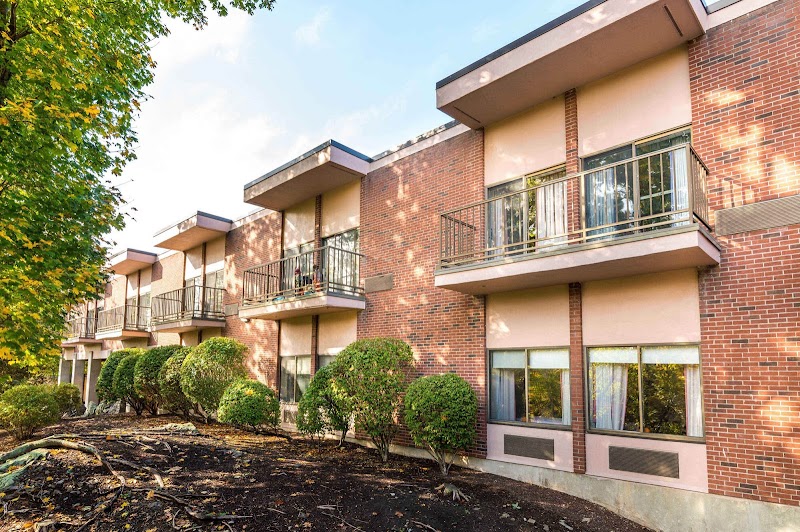
How is Bear Hill Healthcare And Rehabilitation Center Staffed?

CMS rates BEAR HILL HEALTHCARE AND REHABILITATION CENTER's staffing level at 2 out of 5 stars, which is below average compared to other nursing homes. Staff turnover is 50%, compared to the Massachusetts average of 46%. RN turnover specifically is 55%, which is notably high. RNs provide skilled clinical oversight, so turnover in this role can affect medical care quality.

What Have Inspectors Found at Bear Hill Healthcare And Rehabilitation Center?

State health inspectors documented 34 deficiencies at BEAR HILL HEALTHCARE AND REHABILITATION CENTER during 2022 to 2024. These included: 2 that caused actual resident harm, 30 with potential for harm, and 2 minor or isolated issues. Deficiencies causing actual harm indicate documented cases where residents experienced negative health consequences.
Who Owns and Operates Bear Hill Healthcare And Rehabilitation Center?

BEAR HILL HEALTHCARE AND REHABILITATION CENTER is owned by a for-profit company. For-profit facilities operate as businesses with obligations to shareholders or private owners. The facility is operated by COLEV GESTETNER, a chain that manages multiple nursing homes. With 169 certified beds and approximately 140 residents (about 83% occupancy), it is a mid-sized facility located in STONEHAM, Massachusetts.
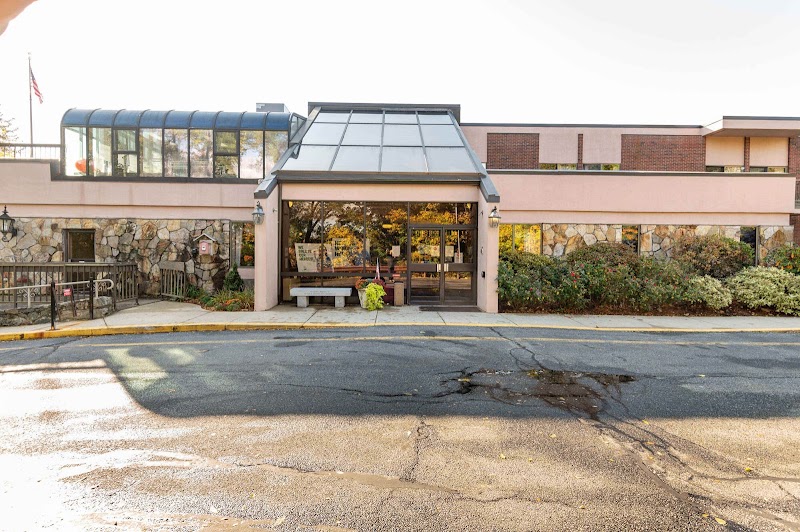
How Does Bear Hill Healthcare And Rehabilitation Center Compare to Other Massachusetts Nursing Homes?

Compared to the 100 nursing homes in Massachusetts, BEAR HILL HEALTHCARE AND REHABILITATION CENTER's overall rating (3 stars) is above the state average of 2.9, staff turnover (50%) is near the state average of 46%, and health inspection rating (3 stars) is at the national benchmark.

What Should Families Ask When Visiting Bear Hill Healthcare And Rehabilitation Center?

Based on this facility's data, families visiting should ask: "Can you walk me through typical staffing levels on day, evening, and night shifts?" "Can I visit during a mealtime to observe dining assistance and food quality?" "How do you handle medical emergencies, and what is your hospital transfer rate?" "Can I speak with family members of current residents about their experience?" These questions are particularly relevant given the below-average staffing rating.

Is Bear Hill Healthcare And Rehabilitation Center Safe?

Based on CMS inspection data, BEAR HILL HEALTHCARE AND REHABILITATION CENTER has a clean safety record: no substantiated abuse findings (meaning no confirmed cases of resident harm), no Immediate Jeopardy citations (the most serious violation level indicating risk of serious injury or death), and is not on the Special Focus Facility watch list (a federal program monitoring the lowest-performing 1% of nursing homes). The facility has a 3-star overall rating and ranks #1 of 100 nursing homes in Massachusetts. While no facility is perfect, families should still ask about staff-to-resident ratios and recent inspection results during their visit.

Do Nurses at Bear Hill Healthcare And Rehabilitation Center Stick Around?

BEAR HILL HEALTHCARE AND REHABILITATION CENTER has a staff turnover rate of 50%, which is about average for Massachusetts nursing homes (state average: 46%). Moderate turnover is common in nursing homes, but families should still ask about staff tenure and how the facility maintains care continuity when employees leave.

Was Bear Hill Healthcare And Rehabilitation Center Ever Fined?

BEAR HILL HEALTHCARE AND REHABILITATION CENTER has been fined $16,146 across 1 penalty action. This is below the Massachusetts average of $33,240. While any fine indicates a compliance issue, fines under $50,000 are relatively common and typically reflect isolated problems that were subsequently corrected. Families should ask what specific issues led to these fines and confirm they've been resolved.

Is Bear Hill Healthcare And Rehabilitation Center on Any Federal Watch List?

BEAR HILL HEALTHCARE AND REHABILITATION CENTER is not on any federal watch list. The most significant is the Special Focus Facility (SFF) program, which identifies the bottom 1% of nursing homes nationally based on persistent, serious quality problems. Not being on this list means the facility has avoided the pattern of deficiencies that triggers enhanced federal oversight. This is a positive indicator, though families should still review the facility's inspection history directly.