BEAR MOUNTAIN AT SUDBURY

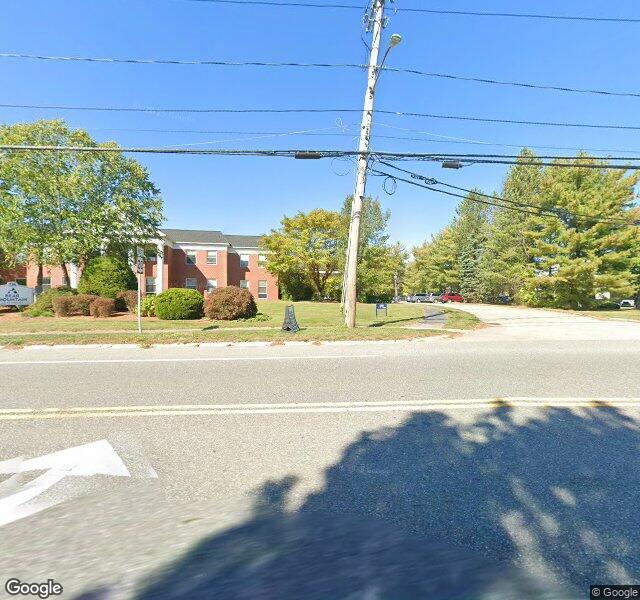
136 BOSTON POST ROAD, SUDBURY, MA 01776 (978) 443-2722
For profit - Limited Liability company 142 Beds BEAR MOUNTAIN HEALTHCARE Data: November 2025
Trust Grade
43/100
#200 of 338 in MA
Last Inspection: November 2024

Within standard 12-15 month inspection cycle. Federal law requires annual inspections.

Overview

Bear Mountain at Sudbury has a Trust Grade of D, which indicates below-average performance and raises some concerns for families considering this facility. It ranks #200 out of 338 nursing homes in Massachusetts, placing it in the bottom half, and #41 out of 72 in Middlesex County, suggesting limited options for better care nearby. The facility is showing improvement, with issues decreasing from 12 in 2024 to just 1 in 2025. Staffing is a relative strength, with a rating of 4 out of 5 stars and a turnover rate of 40%, which is slightly better than the state average, indicating that staff tend to stay longer and build relationships with residents. However, there are notable weaknesses, such as the serious failure to properly monitor the nutritional status of a resident with significant weight loss, as well as concerns about food safety due to inadequate temperature logs for food storage, which could lead to health risks.

Trust Score
D
43/100
In Massachusetts
#200/338
Bottom 41%
Safety Record
Moderate
Needs review
Inspections
Getting Better
12 → 1 violations
Staff Stability
○ Average
40% turnover. Near Massachusetts's 48% average. Typical for the industry.
Penalties
⚠ Watch
$15,672 in fines. Higher than 88% of Massachusetts facilities, suggesting repeated compliance issues.
Skilled Nurses
✓ Good
Each resident gets 48 minutes of Registered Nurse (RN) attention daily — more than average for Massachusetts. RNs are trained to catch health problems early.
Violations
⚠ Watch
48 deficiencies on record. Higher than average. Multiple issues found across inspections.
★★☆☆☆
2.0
Overall Rating
★★★★☆
4.0
Staff Levels
★☆☆☆☆
1.0
Care Quality
★★★☆☆
3.0
Inspection Score
Stable
2024: 12 issues
2025: 1 issues

The Good

  • 4-Star Staffing Rating · Above-average nurse staffing levels
  • Full Sprinkler Coverage · Fire safety systems throughout facility
  • No fines on record
  • Staff turnover below average (40%)

    8 points below Massachusetts average of 48%

Facility shows strength in staffing levels, fire safety.

The Bad

2-Star Overall Rating

Below Massachusetts average (2.9)

Below average - review inspection findings carefully

Staff Turnover: 40%

Near Massachusetts avg (46%)

Typical for the industry

Federal Fines: $15,672

Below median ($33,413)

Minor penalties assessed

Chain: BEAR MOUNTAIN HEALTHCARE

Part of a multi-facility chain

Ask about local staffing decisions and management

The Ugly 48 deficiencies on record

1 actual harm
Jan 2025 1 deficiency
CONCERN (D) 📢 Someone Reported This

A family member, employee, or ombudsman was alarmed enough to file a formal complaint

Potential for Harm - no one hurt, but risky conditions existed

Deficiency F0692 (Tag F0692)

Could have caused harm · This affected 1 resident

Based on record reviews and interviews, for one of three sampled residents, (Resident #3), who upon admission had been assessed by nursing as being at risk for weight loss, the Facility failed to ensu...

Read full inspector narrative →
Based on record reviews and interviews, for one of three sampled residents, (Resident #3), who upon admission had been assessed by nursing as being at risk for weight loss, the Facility failed to ensure that he/she maintained acceptable parameters of nutritional status regarding usual body weight and desirable weight range, when he/she experienced an unplanned, undesired significant weight loss and after the weight loss was identified, no additional weight monitoring occurred for two (2) months. Findings include: Review of the Facility Policy titled Weight Monitoring, dated as last revised 12/22/21, indicated that the multidisciplinary team will strive to prevent, monitor, and intervene for undesirable weight loss/gain for all residents. The Policy further indicated the following; -The nursing staff will measure resident weights on admission, and weekly for three weeks thereafter. If no weight concerns are noted at this point, weights will be measured monthly; -Weights will be recorded in the resident's medical record; -Any weight change of five (5) percent (%) or more since the last weight assessment will be retaken within 24 hours for confirmation. If the weight is verified, nursing will notify the dietician, physician, and the resident/responsible party. -The threshold for significant unplanned and undesired weight loss/gain will be based on the following criteria; a. One (1) month-5 % weight loss is significant; b. Three (3) months-7.5 % weight loss is significant; c. Six (6) months- 10 % weight loss is significant; and -The Plan of Care is updated as needed. Resident #3 was admitted to the Facility in August 2024, diagnoses include anemia, chronic obstructive pulmonary disease, depression, and dementia. Review of Resident #3's Physician Orders, dated 08/08/24, indicated to obtain his/her weight weekly times four (4), then continue monthly weights. Review of Resident #3's Care Plan titled Potential Nutritional Risk, dated 08/12/24, indicated he/she would maintain adequate nutritional status as evidence by (AEB) maintaining weight within 3 % of 115 pounds. Review of Resident #3's Notice of Determination of Resident Incapacity, dated 08/13/24, indicated his/her Health Care Proxy (HCP) was activated. Review of Resident #3's Quarterly Minimum, Data Set (MDS) assessment, dated 11/13/24, indicated he/she had moderate cognitive impairment. Review of Resident #3's Weight Summary Log, indicated the following: -08/08/24, 115.0 pounds; -08/15/24, 111.6 pounds; -08/22/24, 112.2 pounds; -09/05/25, 112.6 pounds; -10/07/24, 102.4 pounds; -10/08/24, 105.2 (6.6% loss in 30 days) -there was no weight documented for the month of November 2024. Further review of the Nutrition Care Plan indicated that on 11/14/24, his/her goals had been revised indicating, Resident #3 will maintain adequate nutritional status AEB maintaining weight within 3% of 105 pounds. Review of Resident #3's Weight Summary Log, indicated the following: -12/22/24, 103.0 pounds; and -01/17/25, 101.6 pounds (which was just over a 3% weight loss since 11/2024, and a 12.1 % weight loss in 60 days). Review of Resident #3's Physician Orders, dated 01/15/25, indicated there was no documentation to support he/she had an active order to obtain his/her weight's. Review of Resident #3's medical record, including but limited to, nurse progress notes, physician notes and dietician notes indicated that there was no documentation to support nursing staff notified the physician, dietician, or his/her activated HCA of a significant weight loss in a timely manner. Further review of the medical record, indicated there was no documentation to support that once discovered, no monitoring of his/her weights had been conducted. During a telephone interview on 01/22/25 at 3:12 P.M., the Registered Dietician (RD) said that she does not remember being notified about a significant weight loss for Resident #3. The RD said she reviewed a physician's note dated 10/14/24 noting his/her weight and said she thought that documentation was sufficient considering they spoke about Resident #3's plan. During a telephone interview on 01/23/25, the Assistant Director of Nurse (ADON) said that she was unaware that Resident #3 had a significant weight loss. The ADON said that the Facility's expectation for monitoring any weight loss/gain is once a weight is obtained, the nursing staff will enter the weight into the Point Click Care (PCC, electronic medical record system). The ADON said that if a weight loss/gain is identified, the resident is to be re-weighed within 24 hours to ensure accuracy and once confirmed being accurate nursing staff will promptly notify the physician, dietician, the resident, and/or HCA. During an interview on 01/15/25 at 4:19 P.M., the Director of Nurses (DON) said that she was unaware that Resident #3 had a significant weight loss. The DON said that the Facility's expectation on identifying weight loss/gain is once the weight loss is identified and confirmed, the nursing staff must inform the resident's physician, HCA, and the dietician.
Nov 2024 10 deficiencies
CONCERN (D)

Potential for Harm - no one hurt, but risky conditions existed

Resident Rights (Tag F0550)

Could have caused harm · This affected 1 resident

**NOTE- TERMS IN BRACKETS HAVE BEEN EDITED TO PROTECT CONFIDENTIALITY** Based on observation, interview, and policy review, the facility failed to provide a dignified dining experience for one Residen...

Read full inspector narrative →
**NOTE- TERMS IN BRACKETS HAVE BEEN EDITED TO PROTECT CONFIDENTIALITY** Based on observation, interview, and policy review, the facility failed to provide a dignified dining experience for one Resident (#2), out of a total sample of 19 residents. Specifically, the facility staff stood over and remained standing while assisting Resident #2 during a breakfast meal. Findings include: Resident #2 was admitted to the facility in November 2021, with diagnoses including Multiple Sclerosis (MS: a chronic autoimmune disorder of the central nervous system marked by numbness, weakness, loss of muscle coordination, and problems with vision, speech, and bladder control). Review of the Minimum Data Set (MDS) assessment dated [DATE] indicated Resident #2: -was moderately cognitively impaired as evidenced by a Brief Interview for Mental Status (BIMS) score of nine out of a total possible score of 15. -required substantial/maximum assist with feeding. Review of the facility policy titled Assistance with Meals last revised July 2017, indicated the following: -Residents who cannot feed themselves will be fed with attention to safety, comfort and dignity, for example: not standing over residents while assisting them with meals . On 11/4/24 at 8:48 A.M., the surveyor observed Resident #2 lying in bed with the head of the bed elevated. The surveyor also observed Certified Nurses Aide (CNA) #3 standing over Resident #2 while assisting him/her with the breakfast meal. During an interview and observation at the same time, Additional Staff (Nursing Supervisor) #1 said that CNA #3 should be seated next to the Resident and not standing over him/her while assisting with the breakfast meal. Additional Staff #1 also said that standing over the Resident while assisting him/her to eat is not homelike and undignified.
CONCERN (D)

Potential for Harm - no one hurt, but risky conditions existed

Deficiency F0552 (Tag F0552)

Could have caused harm · This affected 1 resident

**NOTE- TERMS IN BRACKETS HAVE BEEN EDITED TO PROTECT CONFIDENTIALITY** 2. Resident #4 was admitted to the facility in November 2021, with diagnoses including Alzheimer's Disease unspecified (a progre...

Read full inspector narrative →
**NOTE- TERMS IN BRACKETS HAVE BEEN EDITED TO PROTECT CONFIDENTIALITY** 2. Resident #4 was admitted to the facility in November 2021, with diagnoses including Alzheimer's Disease unspecified (a progressive disease beginning with mild memory loss and leading to the loss of the ability to carry on a conversation and respond to the environment, involves parts of the brain that control thought, memory, and language), Major Depressive Disorder Recurrent Severe with Psychotic Symptoms (symptoms lasting greater than two weeks of a persistently low or depressed mood and a loss of interest in activities that a person used to enjoy), Generalized Anxiety Disorder (an excessive, ongoing anxiety and worry that are difficult to control and interfere with day-to-day activities) and Delusional Disorder (is a type of mental health condition in which a person can not tell what is real from what is imagined). Review of the Resident's clinical record indicated that the Resident had appointed a designated Health Care Proxy (HCP: the person chosen as the healthcare decision maker when the individual is unable to do so for themself). The HCP was invoked (made active) on 5/10/18. Review of the Resident's Minimum Data Set (MDS) assessment dated [DATE], indicated that Resident #4 was severely cognitively impaired as evidenced by a score of 4 out of a total score of 15 on the Brief Interview for Mental Status (BIMS) exam. Review of the Resident's clinical record included a Behavioral Health Progress Note dated 10/14/24, that recommended to add Topamax 25 milligrams (mg) orally once at bedtime. Review of the Resident's Physician's Progress Note dated 10/14/24, indicated a new medication order for Topamax 25 mg at bedtime would be ordered as recommended by the Behavioral Health Consultant. Review of the Resident's October 2024, Physician's orders included: -Topamax Oral Tablet 25 mg (Topiramate). Give 1 tablet by mouth at bedtime for Behaviors, initiated 10/22/24 and start date of 10/23/24. Review of the Resident's 10/23/24 - 11/3/24 Medication Administration Record (MAR) indicated that the Topamax medication was administered to Resident #4 daily as ordered. Review of Resident #4's clinical record did not include a written informed consent for the administration of psychotropic medication, related to the administration of Topamax (Topiramate) for behavioral symptoms. During an interview on 11/4/24 at 1:08 P.M., the ADON said that Resident #4 should have had an informed written consent for the use of Topamax because the medication was being administered for behavioral symptoms. During an interview on 11/4/24 at 4:13 P.M., the ADON said she was not able to find a written informed consent signed by the HCP for the administration of Topamax for Resident #4. The ADON said that an informed consent for the use of psychotropic medication should have been reviewed with and signed by the HCP before the administration of the Topamax medication, but it had not been done. Based on interview, and record and policy review, the facility failed to inform three Residents (#5, #4, and #58) and or their Representatives in advance of changes to the plan of care relative to the use of psychotropic (medication that affects how the brain works and causes changes in mood, awareness, thoughts, feelings or behavior) medications, out of a total sample of 19 residents. Specifically, the facility failed to obtain written consent for the use of psychotropic medications before administering: 1. Seroquel and Zyprexa (antipsychotic - medication that treats psychosis (a collection of symptoms that affects one's ability to tell what's real and what is not) medications to Resident #5 for Bipolar Disorder (a mental health condition that causes extreme mood swings that include emotional highs [mania or hypomania] and lows [depression]) and Psychotic Disorder (a mental illness that causes abnormal thinking and perceptions. Psychotic illnesses alter a person's ability to think clearly, make good judgments, respond emotionally, communicate effectively, understand reality, and behave appropriately). 2. Topamax (Topiramate - anti-seizure/mood stabilizer) medication to Resident #4 for Behaviors. 3. Hydroxyzine (Atarax - anti-anxiety) medication to Resident #58 for Generalized Anxiety Disorder (a mental health condition that causes fear, worry and a constant feeling of being overwhelmed). Findings include: Review of the facility policy titled Psychotropic Medication Treatment in Long Term Care Centers, dated January 2021 indicated: -Prior to administering psychotropic medication .a facility will obtain the informed written consent of the resident, the resident's health care proxy (HCP- the person chosen as the healthcare decision maker when the individual is unable to do so for themself) or the resident's Guardian (a court appointed person who makes important personal and healthcare decisions for an adult who lacks the capacity to make their own decisions). -certain controlled substances . used in the treatment of psychiatric diagnosis, symptom or behavior. This includes, but is not limited to, certain medications used to treat seizure disorders, certain beta-blockers, and other controlled substances. -When any of these controlled substances or any other medication is used to treat a psychiatric diagnosis, symptom or behavior, the facility shall obtain informed written consent prior to administering the medication to a resident. -In order to determine whether a facility must obtain written consent prior to administering a controlled substance .the facility should consider the circumstances that led to the order, including the resident's symptoms and any behaviors, and refer to the prescriber's order to determine the indication for use of the controlled substance. 1. Resident #5 was admitted to the facility in September 2024, with diagnoses including Bipolar Disorder with psychotic features (a mood disorder that features extreme shifts in mood that include emotional highs [mania or hypomania] and lows [depression], during which hallucinations or delusions can occur). Review of Resident #5's Minimum Data Set (MDS) Assessment completed on 9/30/24, indicated: -the Resident was cognitively intact as evidenced by a Brief Interview for Mental Status (BIMS) score of 15 out of a possible 15 points. -the Resident had diagnoses of Bipolar Disorder (a mental health condition that causes extreme mood swings that include emotional highs [mania or hypomania] and lows [depression]) and Psychosis (severe mental condition in which thought and emotions are so affected that contact is lost with external reality) and was taking antipsychotic medications. Review of Resident #5's Clinical Record indicated a Physician's order dated 9/11/24, for the following medications: -Olanzapine (Zyprexa) tablet 2.5 milligrams (mg), give 3 tablets by mouth two times a day for psychotic features. -Quetiapine Fumerate (Seroquel) oral tablet 50 mg, give 1 tablet by mouth at bedtime for antipsychotic/antimanic agents. Review of the Medication Administration Records (MAR) for September 2024, October 2024, and November 2024, indicated the Zyprexa and Seroquel medications were administered to Resident #5 as ordered by the Physician. Further review of the clinical record indicated no evidence of signed consents for the Zyprexa or Seroquel medications. During an interview on 11/5/24 at 11:10 A.M., the Assistant Director of Nursing (ADON) said the Nurse who documents the Physician's order was responsible for completing the consent for psychotropic medication. The ADON said the facility should have had a signed consent in place for the Seroquel and Zyprexa medications before the medications were administered to Resident #5, but the ADON was unable to provide evidence that the staff had done so. 3. Resident #58 was admitted to the facility in July 2024, with diagnoses including Major Depressive Disorder and Generalized Anxiety Disorder. Review of Resident #58's Minimum Data Set Assessment (MDS) completed on 10/28/24, indicated: -a Brief Interview for Mental Status (BIMS) exam indicating that the Resident was cognitively intact as evidenced by a score of 13 out of a possible total score of 15. -the Resident had Depression and Anxiety. -was prescribed an antidepressant and an anti-anxiety medication. Review of Resident #58's November 2024 Physician's orders indicated: -Hydroxyzine HCl (hydrochloride) Oral Tablet 25 milligrams (mg). Give 0.5 tablet by mouth every 8 hours as needed for anxiety related to Generalized Anxiety, start date of 8/9/24 Review of Resident #58's Medication Administration Record (MAR) for August 2024, September 2024 and October 2024, indicated the Hydroxyzine medication was administered once daily on the following dates: -8/5/24 -8/11/24 -9/7/24 -9/14/24 -9/17/24 -10/3/24 -10/30/24 Further review of Resident #58's Clinical Record indicated no evidence of a signed consent for the Hydroxyzine medication. During an interview on 11/4/24 at 9:02 A.M., the ADON said that a psychotropic medication consent form should have been completed for the administration of the Hydroxyzine and it had not been.
CONCERN (D)

Potential for Harm - no one hurt, but risky conditions existed

Deficiency F0578 (Tag F0578)

Could have caused harm · This affected 1 resident

Based on record and policy review, and interview, the facility failed to appropriately review and accurately execute Advance Directives (legal documents that provide instructions for medical care and ...

Read full inspector narrative →
Based on record and policy review, and interview, the facility failed to appropriately review and accurately execute Advance Directives (legal documents that provide instructions for medical care and only go into effect if you are unable to communicate your own wishes) for one Resident (#26) out of a total sample of 19 residents. Specifically, the facility failed to ensure that the correct Resident's name was entered on Resident #26's MOLST (Massachusetts Medical Order for Life-Sustaining Treatment) form, when another individual's name and Resident #26's date of birth were included on the form placing the Resident at risk for not having his/her final wishes upheld. Findings include: Review of the facility policy titled Massachusetts Advanced Directives, revised 8/3/22, indicated the following: -to maximize the rights of each resident, ensuring that their wish(es) regarding medical decision making is upheld and the safety of each individual is met - . Elected staff will confirm that information is appropriately documented in the medical record . Resident #26 was admitted to the facility in November 2021 with diagnoses including Dementia (a group of conditions characterized by impairment of at least two brain functions, such as memory and loss of judgment). Review of Resident #26's clinical record indicated a MOLST form, reflecting the Resident's wishes to forgo any life sustaining treatment, signed on 6/20/19, by Resident #26's invoked (put into effect by order of a Physician) Health Care Proxy (the legally appointed person chosen as the healthcare decision maker when the individual is unable to do so for themself). The MOLST form also indicated Resident #26's date of birth and the facility medical record number were entered accurately on the form. Further review of the MOLST form indicated that Resident #26's name had been inaccurately entered on the MOLST form. During an interview on 11/4/24 at 1:17 P.M., Additional Staff (Nursing Supervisor) #1 said that the name entered on the MOLST form was not Resident #26's name and the form was inaccurate. Additional Staff (Nursing Supervisor) #1 said that because the MOLST form was inaccurate it was considered invalid, and any life sustaining treatment wishes documented on the form would not be honored in the event that Resident #26 required emergency treatment in the facility or upon transfer to another facility.
CONCERN (D)

Potential for Harm - no one hurt, but risky conditions existed

Notification of Changes (Tag F0580)

Could have caused harm · This affected 1 resident

**NOTE- TERMS IN BRACKETS HAVE BEEN EDITED TO PROTECT CONFIDENTIALITY** Based on interview, record and policy review, the facility failed to notify the Physician/Non-Physician (NPP) of a significant c...

Read full inspector narrative →
**NOTE- TERMS IN BRACKETS HAVE BEEN EDITED TO PROTECT CONFIDENTIALITY** Based on interview, record and policy review, the facility failed to notify the Physician/Non-Physician (NPP) of a significant change in condition for one Resident (#19) out of a total of 19 total residents. Specifically, the facility failed to notify the Physician/NPP of a recommended change in treatment for Candida Glabrata (yeast infection) made by the Consulting Physician/NPP and obtain treatment orders for Resident #19, resulting in unmanaged itching and discomfort of the Resident's genital (external reproductive organ) area. Findings include: Review of the facility's policy titled Change in Resident's condition or Status and Notification, revised 1/1/20, indicated: -The Registered Nurse (RN) Nurse Supervisor/Charge Nurse will notify the resident's Attending Physician or On-Call Physician when there has been a significant change in the resident medical/mental conditions and/or status including but not limited to a need to alter the resident's medical treatment. -Regardless of the resident's current mental or physical condition, the RN Nursing Supervisor/Charge Nurse will inform the resident of any changes in his/her medical care or nursing treatments. -The RN Nurse Supervisor/Charge Nurse will record in the resident's medical record information relative to changes in the resident's medical condition or status. Resident #19 was admitted to the facility in August 2024, with diagnoses including Unspecified Disease of the Anus and Rectum and Diabetes Mellitus (DM - disease in which the body's ability to produce or respond to the hormone insulin is impaired resulting in variable blood glucose [sugar] levels in the blood). Review of the Minimum Data Set (MDS) assessment dated [DATE], indicated Resident #19 was cognitively intact as evidenced by a Brief Interview of Mental Status (BIM) score of 15 out of 15. During an observation and interview on 11/3/24 at 3:21 P.M., Resident #19 said that he/she has and continue to experience consistent itching of his/her genital area which gave him/her extreme discomfort, but the facility staff had not followed up with a medication recommended by the Consultant Physician. Review of Resident #19's clinical record indicated the Resident had a consult with the Consultant Specialty Physician on 10/16/24, and the Specialty Physician recommended Boric Acid (medication used to treat yeast infection) application to the genital area once a day for 30 days, with a diagnosis of Candida Glabrata. Review of Resident #19's October 2024 and November 2024 clinical record indicated no documented evidence that the Consulting Physician recommended Boric Acid medication had been reported to, reviewed, and/or addressed by the facility Physician/NPP. During an interview on 11/4/24 at 8:29 A.M., Nurse #2 said the Boric Acid medication had not been ordered by the facility Physician/NPP. During an interview on 11/4/24 at 8:33 A.M., the Director of Nursing (DON) and the Administrator said they were not aware of the Consulting Physician recommended medication and that they would investigate. During a follow-up interview on 11/4/24 at 8:51 A.M., the DON said there was no evidence in the clinical record that the Boric Acid medication had been reported to the facility Physician/NPP. The DON and the Administrator both said they had notified the facility Physician after the surveyor inquiry today and the Physician had approved the Boric Acid medication to be ordered for Resident #19 (19 days after the Consulting Physician assessment and Boric Acid medication recommendation).
CONCERN (D)

Potential for Harm - no one hurt, but risky conditions existed

ADL Care (Tag F0677)

Could have caused harm · This affected 1 resident

**NOTE- TERMS IN BRACKETS HAVE BEEN EDITED TO PROTECT CONFIDENTIALITY** Based on observation, interview, record and policy review, the facility failed to provide the necessary activities of daily livi...

Read full inspector narrative →
**NOTE- TERMS IN BRACKETS HAVE BEEN EDITED TO PROTECT CONFIDENTIALITY** Based on observation, interview, record and policy review, the facility failed to provide the necessary activities of daily living (ADLs - personal care activities including but not limited to, eating, grooming, and personal hygiene) care and services for one Resident (#4) out of a total sample of 19 residents. Specifically, for Resident #4, the facility failed to provide continual supervision by staff during mealtimes when the Resident required ADL assistance and supervision while eating. Findings include: Review of the facility policy titled Activities of Daily Living, dated 12/22/21, with revision date of December 2022, included: -A resident who is unable to carry out activities of daily living (ADLs) will receive the necessary services to maintain good nutrition, grooming, and personal and oral hygiene. -The facility will provide care and services for the following activities of daily living Dining-eating, including meals and snacks. Resident #4 was admitted to the facility in November 2021, with diagnoses including Alzheimer's Disease unspecified (a progressive disease beginning with mild memory loss and leading to the loss of the ability to carry on a conversation and respond to the environment, involves parts of the brain that control thought, memory, and language), Major Depressive Disorder Recurrent Severe with Psychotic Symptoms (a mental health disorder in which a person has Depression along with loss of touch with reality. [Depression- a mental health disorder characterized by persistently depressed mood or loss of interest in activities, causing significant impairment in daily life]), Adult Failure to Thrive (a syndrome of global decline in older adults as a worsening of physical frailty that is frequently compounded by cognitive impairment, weight loss, decreased appetite or poor nutrition and inactivity) and Dysphagia Oropharyngeal Phase (difficulty swallowing foods or liquids, arising from the throat or esophagus, ranging from mild difficulty to complete and painful blockage). Review of the Resident's Minimum Data Set (MDS) assessment dated [DATE], indicated that Resident #4: -was severely cognitively impaired as evidenced by a score of 4 out of a total score of 15 on the Brief Interview for Mental Status (BIMS) exam. -required continual supervision from staff while eating. Review the Resident's Care Plan, last revised 10/30/24, indicated that Resident #4 had an ADL self-care performance deficit related to Dementia, Major Depression and Adult Failure to Thrive and required an intervention of continual supervision while eating. Review of the Resident's Certified Nurses Aides (CNA) [NAME] (communication system that gives a brief overview of each Resident and is updated every shift), dated 11/4/24, indicated that Resident #4 required continual supervision while eating. On 11/3/24 at 9:16 A.M., the surveyor observed Resident #4 lying in bed with eyes closed, the head of the bed elevated, and a breakfast tray set up on the overbed table, directly in front of the Resident. The surveyor observed that the breakfast food was cut up into bite sized pieces but there was no staff member present in the Resident's room. On 11/5/24 at 8:35 A.M., the surveyor observed Resident #4 lying in bed with the head of the bed elevated. The surveyor observed that the Resident had not yet been served a breakfast tray. On 11/5/24 at 8:41 A.M., the surveyor observed a CNA walk into the Resident's room, and place a breakfast tray on the overbed table, directly in front of the Resident. The surveyor observed the CNA cut up the food into bite sized pieces and then exited the room. The surveyor observed that no staff member re-entered the Resident's room to assist or supervise the Resident with the breakfast meal. On 11/5/24 at 8:48 A.M., the surveyor entered the Resident's room and observed the Resident feeding him/herself breakfast with no staff present in the room. During an interview at the time, the Resident said he/she could not hold his/her milk and there was no staff member present in the room to provide assistance and supervision to the Resident. On 11/5/24 at 8:51 A.M., the surveyor observed CNA #3 walk into the Resident's room and place a warm beverage on the Resident's breakfast tray. CNA #3 then exited the Resident's room without providing assistance or supervision to the Resident. During an observation and interview on 11/5/24 at 8:55 A.M., the surveyor and the Assistant Director of Nursing (ADON) observed the Resident lying in bed, head of the bed elevated, feeding him/herself breakfast with no staff member present to provide supervision. The ADON said that they were unaware of the level of assistance that the Resident required during mealtime, and would look into it. The ADON left the room to review the Resident's care plan and the surveyor continued to observe the Resident during the breakfast meal. On 11/5/24 at 9:01 A.M., the surveyor observed that several staff members walked by the Resident's room without checking on the Resident. At 9:04 A.M., the surveyor observed two staff members enter the Resident's room, provide physical repositioning assistance in bed to the Resident, and then both staff members exited the room. The surveyor observed the Resident's breakfast tray was still in front of him/her and the Resident continued to feed him/herself the breakfast meal. During an interview on 11/5/24 at 9:15 A.M., the ADON said that the Resident was care planned for continual supervision at mealtime. The ADON also said that continual supervision meant that a staff member should stay with the Resident continually and supervise during the entire meal. The ADON said that the Resident had not been continually supervised during the breakfast meal served this morning, but should have been continually supervised. During an interview on 11/5/24 at 10:13 A.M., the MDS Director and Dietitian said that the Resident was care planned for continual supervision during meals. The MDS Director and Dietitian both said that the expectation was that staff would continually supervise the Resident when he/she was eating, as related to his/her diagnosis of Dysphagia and per recommendations made by the Speech Language Therapist [sic].
CONCERN (D)

Potential for Harm - no one hurt, but risky conditions existed

Incontinence Care (Tag F0690)

Could have caused harm · This affected 1 resident

**NOTE- TERMS IN BRACKETS HAVE BEEN EDITED TO PROTECT CONFIDENTIALITY** Based on observation, interview, record and policy review, the facility failed to provide care and services as required for an i...

Read full inspector narrative →
**NOTE- TERMS IN BRACKETS HAVE BEEN EDITED TO PROTECT CONFIDENTIALITY** Based on observation, interview, record and policy review, the facility failed to provide care and services as required for an indwelling urinary/Foley catheter (a flexible tube that passes through the urethra and into the bladder to drain urine outside the body) for one Resident (#35) out of a total sample of 19 residents. Specifically, for Resident #35, the facility failed to verify and assess that the correct size indwelling urinary/Foley catheter as ordered by the Physician was re-inserted when the Resident required replacement of a urinary catheter after a failed voiding trial (a medical assessment used to determine if a patient can spontaneously urinate after urinary catheter removal). Findings include: Review of the facility policy for Foley Catheter Care, dated 5/1/22, indicated: -it is the policy of this facility to maintain Physician's orders for the care and maintenance of a Foley catheter. -the Physician's orders will include when the Foley is to be inserted, the size of the Foley lumen (catheter size), the size of the Foley balloon (retention balloon- a tiny balloon at the end of the indwelling urinary catheter that is inflated with water to prevent the indwelling urinary catheter from sliding out of the body). Resident #35 was admitted to the facility in June 2023, with diagnoses including benign prostatic hyperplasia (BPH- enlarged prostate gland, which blocks the flow of urine) and lower urinary tract symptoms. Review of the Minimum Data Set (MDS) assessment dated [DATE], indicated that Resident #35 was cognitively intact as evidenced by a Brief Interview for Mental Status (BIMS) score of 15 out of 15. Further review of the MDS assessment indicated that the Resident was dependent for toileting. Review of Resident #35's September 2024 Medication Administration Record (MAR) indicated that the Foley catheter had been discontinued on 9/26/24 for a voiding trial. Review of Resident #35's clinical record indicated a Nursing Progress Note dated 9/27/24, that indicated: -the Resident's Foley catheter had been discontinued for the Resident to participate in a voiding trial. -the voiding trial failed, and the Foley catheter had been re-inserted on 9/27/24. Further review of Resident #35's clinical record did not indicate that the Foley catheter had been replaced since 9/27/24 or that a care plan had been in place for an indwelling urinary catheter. Review of Resident #35's Treatment Administration Record (TAR) for September 2024 and October 2024 indicated the following pertaining to the Foley catheter placement: -Foley catheter size 0 and [NAME] size 0, had been checked every shift from 9/18/24 to 9/30/24 -Foley catheter size 0 and [NAME] size 0, had been checked every shift from 10/1/24 to 10/31/24 Review of Resident #35's November 2024 Physician's orders indicated: -Insert Foley catheter size 18 [Fr] with 10 cc (cubic centimeter or milliliter [ml]) balloon, start date 9/18/24 -Insert Foley catheter size 0 with size 0 balloon size, start date 9/18/24 On 11/3/24 at 9:26 A.M., the surveyor observed that Resident #35 had a Foley catheter in place, which was a size 16 Fr (French scale or system used to size catheters) Foley catheter with 30 ml balloon. During an interview at the time, Resident #35 said that he/she found the Foley catheter uncomfortable and wanted it taken out. On 11/4/24 at 12:02 P.M., the surveyor and the Assistant Director of Nursing (ADON) observed Resident #35's Foley catheter, and the ADON verified that the current Foley catheter that was in place was a size 16 Fr/30 ml balloon and not the size 18 Fr/10 ml balloon on the current Physician's orders. During an interview at the time, the ADON said that the incorrect size urinary catheter had been put into place after the Resident's voiding trial. The ADON also said that placing the incorrect size urinary catheter can lead to dislodgement, pain, and damage to the Resident's body.
CONCERN (D)

Potential for Harm - no one hurt, but risky conditions existed

Deficiency F0698 (Tag F0698)

Could have caused harm · This affected 1 resident

Based on record and policy review, and interview, the facility failed to ensure that Physician's orders were correctly administered relative to dialysis care for one Resident (#5) out of a total sampl...

Read full inspector narrative →
Based on record and policy review, and interview, the facility failed to ensure that Physician's orders were correctly administered relative to dialysis care for one Resident (#5) out of a total sample of 19 residents. Specifically, for Resident #5, the facility failed to assess a complete set of vital signs (medical signs such as temperature, pulse rate, blood pressure, and respiratory rate, that indicate the status of the body's vital functions) prior to dialysis (a treatment in which a machine filters wastes, salts and fluids from your blood when your kidneys are no longer healthy enough to do the work) as ordered by the Physician putting the Resident at risk for dialysis related complications. Findings include: Review of the facility policy Titled End Stage Renal Disease(undated), Care of a Resident with, indicated: -Education and training of staff includes specifically: >The type of assessment data that is to be gathered about the resident's condition on a daily or per shift basis. Resident #5 was admitted to the facility in September 2024, with diagnoses including end stage renal disease (ESRD a medical condition where the kidneys cease functioning on a permanent basis leading to the need for a regular course of long-term dialysis [a procedure to remove waste products and fluid from the body when the kidneys stop working] or a kidney transplant to maintain life), and dependence on renal dialysis. Review of the Physician's orders dated 9/11/24, indicated the following: -Dialysis on Tuesday, Thursday and Saturday, pick up at 10:00 A.M. -Vital signs before departing facility to dialysis center every day shift Tuesday, Thursday and Saturday Review of Resident #5's Medication Administration Record (MAR) for September 2024, October 2024 and November 2024 indicated the vital signs to be documented should include blood pressure, temperature, pulse, respiration rate, and oxygen saturation (SpO2 - measure of Oxygen in the blood as a percentage of the maximum Oxygen the blood could carry). Review of Resident #5's medical record indicated no evidence that temperature, pulse, respiration rate or oxygen saturation rate vital signs were assessed on the following dialysis treatment days: -9/19/24 -10/3/24 -10/17/24 -10/31/24 Further review of the Resident's medical record indicated no documentation in the progress notes as to why the vital signs before dialysis order was not completed. During an interview on 11/4/24 at 2:58 P.M., the Assistant Director of Nursing (ADON) said vital signs should have been documented as the Physician had ordered them. The ADON said if the Nurse on duty was unable to obtain the information the Nurse should write a progress note to address why the vital signs were not completed. The ADON said it is important to have this information to make sure the Resident remains medically stable and has no complications related to dialysis or ESRD diagnosis. During an interview on 11/5/24 at 7:56 A.M., Nurse #5 said she was not the Nurse working on the dates of the incomplete vital signs entries. Nurse #5 said if she was unable to obtain any of the information needed to complete the Physician's orders for vital signs, she would notify the Director of Nursing (DON) and the Doctor if needed and write a progress note on the reason the information was not assessed.
CONCERN (D)

Potential for Harm - no one hurt, but risky conditions existed

Food Safety (Tag F0812)

Could have caused harm · This affected 1 resident

**NOTE- TERMS IN BRACKETS HAVE BEEN EDITED TO PROTECT CONFIDENTIALITY** Based on observation, interview and policy review, the facility failed to follow safe and sanitary food service practices in acc...

Read full inspector narrative →
**NOTE- TERMS IN BRACKETS HAVE BEEN EDITED TO PROTECT CONFIDENTIALITY** Based on observation, interview and policy review, the facility failed to follow safe and sanitary food service practices in accordance with professional standards for food service safety to prevent the risk of foodborne illnesses for one Resident (#66), on the [NAME] Nursing Unit during a meal service observation. Specifically, the facility failed to ensure that staff training on food service safety was implemented when Certified Nurses Aide (CNA) #3 replaced a domed lid from a breakfast meal, that had fallen onto the floor in the [NAME] Unit hallway, over a meal plate on a breakfast tray and served the breakfast tray with the contaminated dome lid to Resident #66. Findings include: Review of the facility policy titled Assistance with Meals revised July 2017 indicated the following: -All employees who provide resident assistance with meals will be trained and shall demonstrate competency in the prevention of food borne illness, including personal hygiene practices and safe food handling. Resident #66 was admitted to the facility in December 2021, with diagnoses including Cerebral Vascular Accident (CVA: when blood flow to a part of the brain is stopped either by a blockage or a rupture of a blood vessel). Review of Resident #66's Minimum Data Set (MDS) assessment dated [DATE], indicated the Resident was severely cognitively impaired as evidenced by a Brief Interview for Mental Status (BIMS) score of seven out of a total possible score of 15. On 11/4/24 at 8:21 A.M., the surveyor observed CNA #3 and Nurse #7 passing breakfast meal trays on the [NAME] Nursing Unit. The surveyor observed CNA #3 remove a meal tray from the cart, place it on a table outside Resident #66's room, and remove the domed lid from the plate. The surveyor observed the domed lid fall on the floor while CNA #3 continued to cut up food on the meal plate. The surveyor observed CNA #3 then picked up the domed lid off the floor, placed it over the food plate on the breakfast tray, entered Resident #66's room, and set the meal tray in front of the Resident and removed the domed lid. During an interview at the time Nurse #7 said that CNA #3 should not have picked up the domed lid off the floor and placed it over the Resident's breakfast plate. The surveyor observed Nurse #7 then remove the breakfast tray from the Resident's access and ordered another breakfast meal for the Resident.
CONCERN (D)

Potential for Harm - no one hurt, but risky conditions existed

Infection Control (Tag F0880)

Could have caused harm · This affected 1 resident

Based on observation, interview, policy and record review, the facility failed to adhere to infection control standards of practice for two Residents (#34 and #56) out of a total sample size of 19 res...

Read full inspector narrative →
Based on observation, interview, policy and record review, the facility failed to adhere to infection control standards of practice for two Residents (#34 and #56) out of a total sample size of 19 residents. Specifically, the facility failed to: 1. For Resident #34, follow Physician orders for Enhanced Barrier Precautions (EBP's - the use of protective gowns and gloves during high contact care activities that may provide opportunity for transmission of medication resistant organisms through staff hands and/or clothing), increasing the risk of organism transmission to the Resident and other Residents within the facility. 2. For Resident #56, perform hand washing procedure as required between glove changes while providing wound care to the Resident and appropriately disinfecting equipment to prevent contamination and the spread of infections. Findings include: 1. Review of the facility policy titled Enhanced Barrier Precautions, dated December 2022 with revision date February 2024 indicated: -EBP's are indicated for residents with any of the following: >Chronic wounds (a wound that has failed to heal within three months). -EBP's require gown and gloves to be put on prior to high contact care. -Examples of high contact care include: >Wound care Resident #34 was admitted to the facility in November 2021, with diagnoses including Pressure Ulcer (localized damage to the skin and/or underlying tissue that occurs as a result of long-term pressure) of the Sacral (triangular bone at the base of the spine) area, Stage 4 (a pressure ulcer that extends below the fat layer and into the deep tissues, including muscle, tendons, and ligaments, can extend to cartilage or bone). Review of Resident #34's Comprehensive Person-Centered Care Plan indicated: >Pressure ulcer, Stage 4 to the sacrum, effective December 2021. >EBP all shifts. >Administer treatments as ordered. Review of Resident #34's November 2024 Physician's orders indicated: >Maintain EBP every shift for precautions, effective 3/21/23. >Stage 4 Pressure wound of the sacrum: -Wash wound with wound cleanser, pat dry. -Apply Collagen (structural protein) dressing then apply Alginate (absorbent dressing made from seaweed) and cover with foam dressing. Change daily and as needed. -Skin prep (fast drying liquid skin protectant) to the peri-wound (surrounding area of the wound edge) daily as needed for wound. On 11/5/24 at 8:15 A.M., the surveyor observed Nurse #3, and the Nursing Supervisor provide the following wound care for Resident #34's sacral wound: -Nurse #3 and the Nursing Supervisor knocked on the Resident's door and entered the room without donning (putting on) gown or gloves. -Nursing Supervisor closed the room door and then pulled the privacy curtain closed without donning gown and gloves. -Nursing Supervisor and Nurse #3 then cleansed their hands with alcohol-based sanitizer and donned clean gloves. -The surveyor did not observe either the Nursing Supervisor or Nurse #3 don gowns. -Resident #34 was assisted by Nurse #3 and the Nursing Supervisor to a left side lying position in bed. -Nurse #3 then doffed (removed) his gloves, disposed of the gloves in the trash bag, and performed hand hygiene with alcohol-based sanitizer. -Nurse #3 then set up dressing supplies on the over the bed table which was lined with a clean towel. -Nurse #3 then performed hand hygiene with alcohol-based sanitizer and donned clean gloves but no gown. -Nurse #3 removed the old dressing from Resident 34's sacrum and placed the old dressing into the trash bag. -Nurse #3 then cleansed the sacral wound with wound cleanser and gauze using proper technique of spiral circle. -Nurse #3 doffed his gloves and placed the gloves into the trash bag, performed hand hygiene using alcohol-based sanitizer and donned clean gloves. -Nurse #3 then dressed the Resident's sacral wound with a Collagen dressing, followed by Alginate dressing, and followed by a foam dressing. -Nurse #3 doffed his gloves and placed the gloves into the trash bag, performed hand hygiene with alcohol-based sanitizer and donned clean gloves. -Nurse #3 dated the Resident's sacral dressing with a pen. -The Nursing Supervisor and Nurse #3 then repositioned Resident #34 in bed for comfort. -The Nursing Supervisor and Nurse #3 then doffed their gloves and put the gloves into the trash bag, performed hand hygiene with alcohol-based sanitizer, and left the Resident's room. During an interview with the Nursing Supervisor and Nurse #3 on 11/5/24 at 8:32 A.M., both Nurse #3 and the Nursing Supervisor said there were gowns and gloves available inside the Resident's doorway for use, but they forgot to put the gowns on. Nurse #3 said he forgot to put on a gown for EBP but he should have. The Nursing Supervisor said that all Residents with wounds should have EBP followed. During a follow-up interview on 11/5/24 at 8:37 A.M., the Nursing Supervisor said gowns and gloves should have been worn with the wound care provided for Resident #34. The Nursing Supervisor said gowns and gloves should be worn to protect the Resident from infection transmission to the wound as the wound was a portal of entry for bacteria. Durning an interview on 11/5/24 at 10:00 A.M., the Infection Preventionist (IP) said EBP is required for all Residents with chronic wounds. The IP said that Resident #34 has a chronic wound and was ordered to have EBP by the Physician. The IP said staff should wear gown and gloves when providing direct care with Residents on EBP because gowns and gloves were an important part of infection control. The IP said gowns and gloves should be used to prevent the Resident's wound from getting infected and also would prevent the staff members clothing from becoming contaminated with bacteria from the wound and spreading it to other Residents in the facility. 2. Resident #56 was admitted to the facility in March 2024, with diagnoses including Methicillin Resistant Staphylococcus Aureus (MRSA - strain of gram-positive bacteria resistant to several antibiotics, making it difficult to treat, which spreads through contact with infected individuals) infection of wounds. Review of Resident #56's November Physician's orders indicated the following: -Maintain Enhanced Barrier Precautions (EBP) every shift, effective 10/2/24. -Maintain wound vac (Vacuum Assisted Closure - negative pressure wound therapy that involves a suction pump, tubing and a foam dressing to aid in wound healing) pressure setting at 125 mmHg (millimeters of mercury) on continuous suction every shift, effective 10/24/24. -To Left Hip Wound, cleanse with wound cleanser, pat dry, apply cut out foam and wound vac via Y CONNECTOR every Monday, Wednesday Friday and as needed, effective 10/28/24. -To wound on lower and mid abdomen, cleanse with wound cleanser, pat dry, apply cut out foam and wound vac via Y CONNECTOR every Monday, Wednesday, Friday and as needed, effective 10/28/24. On 11/4/24 at 8:56 A.M., the surveyor observed the following during wound care treatment for Resident #56: -Nurse #2 and Nurse #4 donned gloves, mask and gown at the entrance of Resident #56's room. -Nurse #2 pushed the treatment cart into Resident #56's room, removed the wound care supplies from the treatment cart and placed them on top of the treatment cart. -Nurse #2 and Nurse #4 repositioned Resident #56 on his/her right side in bed. -Nurse #2 removed the old dressing from Resident #56's left hip wound, cleansed the wound with wound cleanser, then doffed his gloves and donned new gloves without performing hand washing. -Nurse #2 covered the wound with foam dressing and sealed the wound with tape. -Nurse #2 doffed his gloves then donned new gloves without performing hand washing, then cut the edge of the tape with scissors and applied the wound vac dressing. -Nurse #2 gathered all the trash and placed them in a trash bag, then doffed his gloves. -Nurse #2 doffed his gown in the Resident's bathroom, did not perform hand washing, then pushed the treatment cart out of Resident #56's room and placed the treatment cart in the hallway. During an interview on 11/4/24 at 9:20 A.M., Nurse #2 and Nurse #4 said they did not wash or sanitize their hands before donning and doffing their gloves, and they should have. Nurse #2 said they should have sanitized their hands when they removed the gloves before wearing new gloves. Nurse #2 said they should have washed their hands after they discarded the trash in the Resident's bathroom. Nurse #2 also said they should have disinfected the treatment cart before bringing it out of the Resident's room, but this was not done.
MINOR (B)

Minor Issue - procedural, no safety impact

Assessment Accuracy (Tag F0641)

Minor procedural issue · This affected multiple residents

**NOTE- TERMS IN BRACKETS HAVE BEEN EDITED TO PROTECT CONFIDENTIALITY** Based on record review, and interview, the facility failed to ensure that the Minimum Data Set (MDS) Assessment was coded accura...

Read full inspector narrative →
**NOTE- TERMS IN BRACKETS HAVE BEEN EDITED TO PROTECT CONFIDENTIALITY** Based on record review, and interview, the facility failed to ensure that the Minimum Data Set (MDS) Assessment was coded accurately for one Resident (#5) out of a total sample of 19 residents. Specifically, the facility failed to ensure that Hemodialysis (a procedure that filters the wastes, salts and fluid from your blood when your kidneys are no longer healthy enough to do the work) was coded correctly on Resident #5's most recent MDS assessment. Findings include: Review of The Centers for Medicare and Medicaid (CMS) MDS 3.0 Resident Assessment Instrument (RAI) Manual dated October 2024, indicated: -Code peritoneal or renal dialysis which occurs at the nursing home or at another facility. Resident #5 was admitted to the facility in September 2024, with diagnoses including end stage renal disease (ESRD: a medical condition where the kidneys cease functioning on a permanent basis leading to the need for a regular course of renal dialysis (requiring a machine that filters wastes salts and fluids from your blood when your kidneys are on longer healthy enough to do the work). Review of Resident #5's Physician's orders dated 9/11/24, indicated the Resident had orders for dialysis on Tuesdays, Thursdays, and Saturdays at 10:00 A.M. Review of Resident #5's 2024 Medication Administration Record (MAR) for September 2024, October 2024, and November 2024, indicated Resident #5 received dialysis treatments from 9/12/24 through 11/3/24 every Tuesday, Thursday and Saturday as ordered by the Physician. Review of the Resident's most recent MDS assessment dated [DATE], indicated the Resident was not receiving dialysis. During an interview on 11/4/24 at 10:52 A.M., the MDS Director said the MDS assessment completed on 9/30/24 for Resident #5 was coded incorrectly and should have been coded yes for dialysis. During a follow-up interview on 11/5/24 at 8:11 A.M., the MDS Director said there is no specific policy for MDS completion and that the facility uses the RAI manual to complete the assessments.
Jun 2024 2 deficiencies
CONCERN (D) 📢 Someone Reported This

A family member, employee, or ombudsman was alarmed enough to file a formal complaint

Potential for Harm - no one hurt, but risky conditions existed

Deficiency F0624 (Tag F0624)

Could have caused harm · This affected 1 resident

Based on interviews and records reviewed, for one of three sampled residents (Resident #1), who had a physicians order, dated 5/12/24, for discharge to his/her Assisted Living Facility (ALF) with Hosp...

Read full inspector narrative →
Based on interviews and records reviewed, for one of three sampled residents (Resident #1), who had a physicians order, dated 5/12/24, for discharge to his/her Assisted Living Facility (ALF) with Hospice services, when family members arrived at the facility on 5/12/24, the day they anticipated him/her to be discharged , facility staff told them them Resident #1 was not scheduled to be discharged until the following day (5/13/24). Family members said the discharge plan all along was for Resident #1 to be discharged home by Mother's Day and that the facility needed to make it happen, and although Resident #1 was discharged to his/her ALF that day, the Facility failed to ensure Resident #1's (unplanned) transfer/discharge was safe and orderly, when his/her necessary medical information including physicians orders with his/her list of medications, (either in the form of discharge paperwork or discharge instructions), were not sent to or communicated to nursing staff at the receiving facility (ALF) so that his/her medical and personal care needs could be met. Findings include: The Facility Discharge Planning Process Policy, dated as revised 12/06/21, indicated the following; -discharge planning is a process that begins on admission -the facility would provide the necessary assistance with discharge. - all relevant information would be provided in a discharge summary to avoid unnecessary delays in the resident's discharge or transfer, and to assist the resident in adjustment to his/her new living environment. Review of Resident #1's medical record indicated that he/she was admitted to the Facility during April 2024, diagnoses included left femur fracture, status post hemiarthroplasty (surgical fixation of the fracture), and urinary retention. During a telephone interview on 6/17/24 at 11:16 A.M., Family Member #1 said that the family had communicated to facility staff from the day of Resident #1's admission to facility, that the plan was to have Resident #1 discharged home in time for Mother's Day. Family Member #1 said the facility was not prepared to discharge Resident #1 on 5/12/24, and said they did not send any discharge paperwork to the Assisted Living Facility. Family Member #1 said the facility should have sent Resident #1's medication list or communicated Resident #1's care needs to the receiving facility. During a telephone interview on 6/25/24 at 11:37 A.M., the Hospice Social Worker said she had communicated with the on-call Nursing Supervisor at the facility on 5/11/24 about Resident #1's family's discharge plans for 5/12/24. The Hospice Social Worker said she notified the on-call Nursing Supervisor at the facility on Sunday 5/12/24 in the morning that an ambulance would be coming at 2:00 P.M. to transport Resident #1 to his/her Assisted Living Facility. During an interview on 6/18/24, at 1:23 P.M., Nurse #1 said the facility's protocol for unplanned discharges is to send a face sheet and medication list to the receiving facility. During a telephone interview on 6/18/24 at 2:35 P.M., the Unit Manager said Resident #1's discharge was unplanned, and the facility offered to send the discharge paperwork with Resident #1's HCA, who declined to wait. The Unit Manager said she did not fax the discharge paperwork to Resident #1's Assisted Living Facility on the date of his/her discharge. During a telephone interview on 6/18/24 at 9:40 A.M., and a follow-up telephone interview on 6/24/24 at 1:19 P.M., the Resident Care Director at the Assisted Living Facility said there was no discharge paperwork sent with Resident #1 or faxed to their facility on the day he/she arrived, and said there was no telephone call received from the discharging facility that day either. During an interview on 6/18/24 at 2:05 P.M., the Director of Nursing (DON) said the protocol for an unplanned discharge is to send at a minimum, a face sheet and medication list to the receiving facility. The DON said that was not done in this case.
CONCERN (D) 📢 Someone Reported This

A family member, employee, or ombudsman was alarmed enough to file a formal complaint

Potential for Harm - no one hurt, but risky conditions existed

Medical Records (Tag F0842)

Could have caused harm · This affected 1 resident

Based on records reviewed and interviews, for one of three sampled residents (Resident #1), who had a physicians order for discharge home with Hospice Services to the Assisted Living Facility on 5/12/...

Read full inspector narrative →
Based on records reviewed and interviews, for one of three sampled residents (Resident #1), who had a physicians order for discharge home with Hospice Services to the Assisted Living Facility on 5/12/24, the Facility failed to ensure they maintained a complete and accurate medical record when nursing staff and the provider, failed to document his/her discharge in the medical record. Findings include: Review of the Facility's policy, titled Charting and Documentation, undated, indicated the following: -all services provided to the resident, progress toward the care plan goals, or changes in the resident's physical, functional or psychosocial condition, shall be documented in the resident's medical record; -objective observations, treatments and changes in the resident's condition shall be documented in the resident medical record. Review of the Facility's policy, titled Discharge Planning Process, dated as revised 12/06/21, indicated the following; -evaluation of the resident's discharge needs and discharge plan would be completely documented on a timely basis in the clinical record. Resident #1 was admitted to the Facility in April 2024, diagnoses include left femur fracture, status post hemiarthroplasty (surgical fixation of the fracture), and urinary retention. Review of Resident #1's Physician Orders, dated 5/12/24, indicated he/she had an order for discharge to an Assisted Living Facility with Hospice Services. Review of Resident #1's Nurse Progress Notes dated 5/12/24, indicated that there was no documentation to support that he/she had been discharged from the facility to an Assisted Living Facility. Further review of Resident #1's medical record indicated there was no documentation to support that a discharge summary had been completed by his/her provider, and when requested, facility staff were unable locate a discharge summary. During an interview on 06/18/24 at 2:05 P.M., the Director of Nurses (DON) said that it was her expectation that nursing document on a resident's discharge to another facility and that was not done in this case.
Nov 2023 20 deficiencies 1 Harm
SERIOUS (G)

Actual Harm - a resident was hurt due to facility failures

Deficiency F0692 (Tag F0692)

A resident was harmed · This affected 1 resident

**NOTE- TERMS IN BRACKETS HAVE BEEN EDITED TO PROTECT CONFIDENTIALITY** Based on observations, interviews, record and policies reviewed, the facility failed to ensure that one Resident (#12) of seven ...

Read full inspector narrative →
**NOTE- TERMS IN BRACKETS HAVE BEEN EDITED TO PROTECT CONFIDENTIALITY** Based on observations, interviews, record and policies reviewed, the facility failed to ensure that one Resident (#12) of seven applicable residents who experienced significant weight changes, in a total sample of 18 residents, maintained acceptable parameters of nutritional status. Specifically, the facility failed to ensure that Resident #12: -was provided with nutritional interventions as recommended by the Registered Dietitian (RD) and as ordered by the Physician to prevent further weight decline, -weight was monitored per facility policy when a weight change had occurred and the Resident experienced a significant weight loss. Findings include: Review of the facility policy titled Weight Monitoring, dated 12/22/21 and reviewed 12/21/22, indicated the multidisciplinary team will strive to prevent, monitor, and intervene for undesirable weight loss/gain for residents. The policy also included the following: -The nursing staff will measure the resident's weights on admission, and weekly for three weeks thereafter. If no weight concerns are noted at this point, weights will be measured monthly thereafter. -Weights will be recorded in the individual's medical record. -Any weight change of 5 percent (%) or more since the last weight assessment will be retaken within 24 hours for confirmation. If the weight is verified, Nursing will notify the Dietitian, Physician and the resident/resident responsible party. -The Dietitian will review the weights monthly to follow individual weight trends over time. Negative trends will be evaluated by the treatment team whether or not the criteria for significant weight change has been met. The plan of care will be updated as needed. -The threshold for significant unplanned and undesired weight loss will be based on the following criteria: a. 1 month - 5% weight loss is significant b. 3 months - 7.5% weight loss is significant c. 6 months - 10% weight loss is significant If weight change is desirable, this will be documented and no change in the care plan will be necessary. Resident #12 was admitted to the facility in November 2021 with diagnoses including Adjustment Disorder (emotional or behavioral reaction to a stressful event or change in one's personal life) with mixed anxiety (feelings of worry, nervousness or unease) and Depressed Mood (loss of interest in activities causing significant impairment in daily life), Protein-Calorie Malnutrition (nutritional status in which reduced availability of nutrients leads to changes in body composition/function), Irritable Bowel Syndrome (IBS - intestinal disorder causing pain in the belly, gas, diarrhea, and constipation), and Adult Failure To Thrive (FTT - syndrome of weight loss, decreased appetite and poor nutrition, and inactivity, often accompanied by dehydration, depressive symptoms, and impaired immune function). Review of the Minimum Data Set (MDS) assessment dated [DATE], indicated Resident #12 was cognitively intact as evidenced by a Brief Interview of Mental Status (BIMS) score of 14 out of 15, had no behaviors, required supervision of one staff with meals, had no significant weight changes and was on a mechanically (texture modification) and therapeutically (meal plan that controls the intake of certain foods/nutrients) altered diet. On 10/31/23 at 10:27 A.M., the surveyor observed Resident #12 in his/her room, seated on the edge of the bed. He/she was observed to be very thin in appearance. Review of the RD Assessment, dated 10/2/23, indicated the following: -The Resident's weight on 10/1/23 was 86 lbs., with a goal weight of 100 lbs. -Diet: regular, mechanical soft, lactose free. -Significant weight loss and low Body Mass Index (BMI - a person's weight divided by the square of height, screens for categories that may lead to health problems. Healthy range is 18.5-24.9) less then 18. -Provide lactaid (lactose free) ice cream with lunch and dinner and prescribed snacks- offered in between meals and at bedtime. -Recommend: continue with diet, adhere to food requests as able, continue with lactaid ice cream and fortified (foods/fluids that have extra calories/protein added) foods as directed (super cereal at breakfast, super mashed potatoes at lunch/dinner). -Recommend Ensure Plus (nutritional supplement high in calories and protein) 237 milliliters (mls) twice daily for additional calories/protein. Review of an RD Progress Note dated 10/20/23, indicated Resident #12 had a weight of 80.8 lbs (obtained on 10/19/23) which indicated a significant weight loss of 6% over a one month period. A previous weight of 86.0 lbs was obtained on 10/7/23, and the RD recommended a re-weigh for accuracy at the time. Review of the clinical record did not indicate that a re-weight was obtained for Resident #12 after 10/19/23, as requested by the RD. Review of the Physician Progress Note dated 10/26/23, indicated Resident #12's weight loss to 80.8 lbs. remained a concern, that protein/calorie malnutrition was present, and that nutritional supplements were added. Review of a RD Progress Note dated 11/1/2023, indicated Resident #12 continued on a regular, mechanical soft, lactose free diet. The RD indicated in the progress note that the Resident was 80.8 lbs with a BMI of 15.8, had a non-significant, slow, gradual loss from 89.0 lbs on 4/13/23, and that he/she was provided with fortified cereal at breakfast, fortified mashed potatoes, and lactaid ice cream at lunch and dinner daily to enhance calories and protein. The RD recommended an interdisciplinary team (IDT) meeting to discuss the Resident's advanced directives and ongoing plan of care with use of enteral nutrition (delivery of nutrition via a feeding tube) for nutrition and hydration in order to promote a gradual weight gain closer to a healthier BMI. Review of the Nutrition Care Plan, revised 11/1/23, indicated Resident #12 at was at nutritional risk due to suboptimal oral intake. The following interventions were included in the plan of care: -Provide diet and supplements as ordered, initiated 11/1/23. -Monitor/record/report to the Physician as needed signs/symptoms of malnutrition: emaciation (state of being abnormally thin/weak), cachexia (wasting/weakness of the body due to severe chronic illness), muscle wasting, significant weight loss (3 pounds or lbs. in one week, greater then 5% in one month, greater then 7.5% in three months, greater then 10% in six months), initiated 12/14/21. -Provide, serve diet as ordered. Monitor intake and record every meal, initiated 12/14/21. -Dietitian to evaluate and make diet change recommendations as needed, initiated 12/14/21. -Weigh per facility protocol, revised 9/30/22. Review of the October and November 2023 Physician's orders, included the following: -Regular Diet, Mechanical Soft texture, thin liquids, Lactose free, initiated 11/23/21 -Lactaid ice cream to lunch and dinner twice daily, initiated 2/10/23 Further review of the October and November 2023 Physician orders did not indicate orders relative to the RD recommendation from 10/2/23 to add Ensure Plus supplement 237 mls. twice daily. During an interview on 11/2/23 at 11:54 A.M., RD #2 said that she was recently hired (on 10/17/23) and assessed Resident #12 on 11/1/23. RD #2 said that if there were recommendations for residents relative to obtaining weights, weight frequency, addition of nutrition interventions like supplements, she would email the Director of Nurses (DON) and Unit Manager (UM) #1. She said if there was a weight change for a resident, she would expect the facility staff to re-check the weight within 24 hours and that this information would be entered into the clinical record. RD #2 said if there was a diet or supplement recommendation, she would submit the order recommendation in the electronic health record (EHR) which immediately goes to the Physician for review and approval. On 11/2/23 at 12:40 P.M., the surveyor observed Resident #12 lying in bed prior to the lunch meal. During an interview at the time, Resident #12 said that he/she had lost weight and was surprised when the facility staff last weighed him/her and the weight was 80 lbs. The Resident said he/she did not want to lose weight, that his/her clothes no longer fit, but was unsure what his/her usual weight was. When the surveyor asked the Resident if he/she had spoken with the RD about his/her weight loss, the Resident said no. Resident #12 said that he/she has medications which make him/her not hungry, and that he/she would be receptive to taking nutritional supplements if they were offered to him/her. A lunch tray was provided by Certified Nurse Aide (CNA) #5 while the surveyor was still talking to Resident #12. The lunch meal consisted of ground meat with sauce, super mashed potatoes and cooked vegetables, 4 ounces of apple juice and a cup of cut-up fruit. The surveyor did not observe any lactaid milk, or lactaid ice cream as indicated on the Resident's meal ticket. Resident #12 said he/she gets ice cream once in a while but not all the time when asked by the surveyor. During an interview on 11/2/23 at 12:51 P.M., RD #1 reviewed Resident #12's clinical record with the surveyor via telephone. She said that since she worked remotely, a system had to be put into place relative to resident recommendations/communication. RD #1 said that a list of recommendations for each resident would be sent via email to the DON, Administrator and the Infection Preventionist (IP), and periodically she would follow up with the recommendations to ensure they were implemented. RD #1 said that she was unsure what happened relative to the previous recommendations from 10/2/23 and 10/20/23. She said that she sent her recommendations for Resident #12 via email to the DON, Administrator and the Infection Preventionist (IP) for follow-up and upon reviewing the sent emails said that she had sent one on 10/2/23 requesting the Ensure Plus 237 mls twice daily, but was unsure if an email was sent relative to her request for the Resident to be re-weighed on 10/20/23. When the surveyor relayed the observation of Resident #12's lunch meal from 11/2/23, RD #1 said that she had previous concerns about the lactaid ice cream getting on the Resident's tray, had expressed this to the Administrator who said that lactaid ice cream was always something available in the facility. RD #1 further said that if a Physician ordered supplement/meal addition was not available, the facility had her contact information so that they could come up with an alternative plan. During an interview on 11/2/23 at 2:24 P.M., the Corporate Director of Infection Control said that the RD recommendations for Resident #12 should have been followed-up on, and if there was a weight change when obtaining the Resident's weight, a follow-up weight should have been obtained. During an interview on 11/2/23 at 2:40 P.M., the Food Service Director (FSD) said that there was no lactaid ice cream in the building and was not aware of any residents who had it ordered as part of their meals. During an interview on 11/2/23 at 2:46 P.M., the Physician said he was unaware of the RD recommendations from 10/2/23 to add Ensure Plus 247 mls twice daily. He further said that if he was aware of the recommendation, he would have agreed to it as he thinks Resident #12 would benefit from the supplement. During an interview on 11/2/23 at 2:56 P.M., the Administrator said he was aware that Resident #12 had an order for lactaid ice cream but was not aware that there was no lactaid ice cream in the facility. He further said that if he had known, he would have contacted their food vendor. During a subsequent interview on 11/2/23 at 3:09 P.M., the FSD said she located a box of lactaid ice cream in the freezer, but that she was still not aware of any specific resident that was supposed to receive it. The surveyor provided the FSD with Resident #12's name and requested that she follow-up relative to the Physician's orders.
CONCERN (D)

Potential for Harm - no one hurt, but risky conditions existed

Deficiency F0552 (Tag F0552)

Could have caused harm · This affected 1 resident

**NOTE- TERMS IN BRACKETS HAVE BEEN EDITED TO PROTECT CONFIDENTIALITY** Based on record review and interview the facility failed to ensure that residents and/or their representatives were informed and...

Read full inspector narrative →
**NOTE- TERMS IN BRACKETS HAVE BEEN EDITED TO PROTECT CONFIDENTIALITY** Based on record review and interview the facility failed to ensure that residents and/or their representatives were informed and given necessary information to make health care decisions including the risks and benefits of psychotropic (any drug that affects behavior, mood, thoughts, or perception) medications prior to their use for one Resident (#57) out of a total sample of 18 residents. Specifically, for Resident #57, the facility failed to: -provide the Resident's invoked (made active) Health Care Proxy (HCP- a legal document that allows you to appoint someone you trust to make medical decisions on your behalf if you are unable to do so) notification of the risks and benefits of the use of antipsychotic and antidepressant medications. -obtain informed consent to administer psychotropic medication as required. Findings include: Review of the facility's policy titled Psychotropic Medication Treatment in Long Term Care Centers, dated January 2021, included: -it is (the facility)'s policy to abide by state and federal regulations when requesting consent and administering psychotropic medication. -prior to administering psychotropic medication a facility shall obtain the informed written consent of the resident, the resident's health care proxy or the resident's guardian .which shall include, at a minimum the following information: (i) the purpose for administering the listed psychotropic drug; (ii) the prescribed dosage; and (iii) any known effect or side effect of the psychotropic medication. -informed written consent must be obtained prior to administration. Resident #57 was admitted to the facility in June 2023 with diagnoses including Dementia (a decline in cognitive abilities that impacts a person's ability to perform every day activities) and unspecified psychosis (a mental disorder characterized by a disconnection from reality). Review of the Resident's clinical record provided evidence of HCP dated 12/16/2022, and HCP invocation form dated 5/5/23 making the HCP active due to Resident confusion, psychosis, and cognitive impairment. Review of the Minimum Data Set (MDS) assessment dated [DATE], indicated the Resident was severely cognitively impaired as evidenced by a score of 00 out of 15 on the Brief Interview of Mental Status, and had a diagnosis of Dementia. Review of the current Physician's orders included: -Olanzapine (an antipsychotic psychotropic medication) oral tablet 5 milligrams (mg), give 1 (one) tablet by mouth every 12 hours as needed for antipsychotic/antimanic agents. Start date 6/14/23. -Olanzapine oral tablet 5mg, give 2 (two) tablets by mouth at bedtime for antipsychotic/antimanic agents. Start date 6/14/23. -Mirtazapine (an antidepressant psychotropic medication) oral tablet 15mg, give 1 (one) tablet by mouth one time a day for antidepressants, chemicals. Start date 6/14/23. Review of the Medication Administration Records (MAR) for June 2023, July 2023, August 2023, September 2023, and October 2023 indicated that the Resident was administered the Olanzapine and the Mirtazapine daily as ordered. Review of the Resident's clinical record did not provide any evidence that the risks and/or benefits of psychotropic medications and the informed consent to administer psychotropic medication were ever discussed with the Resident's HCP. During an interview on 11/2/23 at 11:30 A.M., the Director of Nurses (DON) said that if staff were unable to confirm informed consent for the use of psychotropic medication administration from the Resident and/or their Representative either by phone or in writing then they would not be able to administer the psychotropic medication. The DON said that Resident #57 should not have received the Olanzapine and Mirtazapine because the staff had no record of any informed consent from the HCP.
CONCERN (D)

Potential for Harm - no one hurt, but risky conditions existed

Deficiency F0578 (Tag F0578)

Could have caused harm · This affected 1 resident

Based on record review and interview, the facility failed to accurately execute Advance Directives (written documents that tells your health care providers who should speak for you and what medical de...

Read full inspector narrative →
Based on record review and interview, the facility failed to accurately execute Advance Directives (written documents that tells your health care providers who should speak for you and what medical decisions should be made, if you become unable to speak for yourself) for one Resident (#60) out of a total sample of 18 residents. Specifically, the facility failed to ensure that the MOLST (Massachusetts Medical Order for Life-Sustaining Treatment) decisions were made by the designated and invoked [made active] Health Care Proxy (HCP-a legal document that allows you to appoint someone you trust to make medical decisions on your behalf if you are unable to do so) for Resident #60, who had been deemed as lacking the capacity for informed decision making by the facility's Physician. Findings include: Review of the facility policy for Advance Directives, last revised 8/3/2022, indicated that the Physician, Nurse Practitioner (NP) or Physician Assistant (PA) will identify, review, and offer to complete a MOLST form with residents/responsible parties who they deem appropriate. Resident #60 admitted to the facility in February 2022. Review of the clinical record indicated that the Physician had invoked Resident #60's Health Care Proxy (HCP) on 11/29/22, for an indefinite duration. Review of the clinical record revealed a MOLST form that was signed by someone other than the person designated by Resident #60 as their Health Care Proxy (HCP). During an interview on 11/1/23 at 9:11 A.M., the Director of Nurses (DON) said that the MOLST form should have been signed by Resident #60's HCP and it was not.
CONCERN (D)

Potential for Harm - no one hurt, but risky conditions existed

Notification of Changes (Tag F0580)

Could have caused harm · This affected 1 resident

Based on record review, policy review and interview, the facility failed to notify the Physician in a timely manner, that an ordered medication was not available for one Resident (#6) out of a total s...

Read full inspector narrative →
Based on record review, policy review and interview, the facility failed to notify the Physician in a timely manner, that an ordered medication was not available for one Resident (#6) out of a total sample of 18 residents. Specifically, the facility failed to notify the Physician that the medication Ingrezza (medication used to treat involuntary movements) was expensive, was not covered by insurance and was not available to be administered to Resident #6. Findings include: Review of the facility's policy titled, Change in Resident's Condition or Status and Notification, revised June 2021, indicated the following: -The Registered Nurse (RN) will notify the resident's attending Physician when there has been a significant change in the residents medical/mental conditions and/or status. -Regardless of the resident's current mental or physical condition, the RN nursing supervisor/charge Nurse will inform the resident of any changes in his/her medical care or nursing treatments. Resident #6 was admitted in November 2021 with diagnoses of major depressive disorder (low mood), psychotic symptoms (condition of the mind that results in difficulties determining what is real and what is not real). Review of the Physician's order dated 10/9/23, indicated Ingrezza oral capsule 40 milligram (mg), give by mouth one time a day (Daily) for Tardive Dyskinesia (tremors). During a medication pass observation on 11/1/23 at 9:30 A.M., Nurse #1 did not administer Ingrezza 40 mg by mouth as ordered. Review of the Medication Administration Record (MAR) dated October 2023, indicated: -Ingrezza 40 mg by mouth had been signed off as administered from 10/10/23 to 10/31/23 when the medication was not available and the Physician had not been notified to make a determination on whether to order an alternative medication. During an interview on 11/1/23 at 10:30 A.M., Nurse #1 said Ingrezza 40 mg had not been delivered from the Pharmacy. During an interview on 11/1/23 at 12:30 A.M., the Director of Nursing (DON) said Ingrezza 40 mg had not been delivered from the Pharmacy because of the insurance cost and that the Nurses should not have signed the MAR that the medication was being administered as ordered. The DON further said that the Physician should have been notified as required that the medication was not covered by insurance and unavailable for the Resident, but the Physician was not notified. During an interview on 11/1/23 at 1:30 P.M., Nurse Practitioner (NP) #1 said that she had not been notified that the medication was not available for Resident #6.
CONCERN (D)

Potential for Harm - no one hurt, but risky conditions existed

Deficiency F0604 (Tag F0604)

Could have caused harm · This affected 1 resident

Based on observation, interviews, and record and policy review, the facility failed to ensure that a device utilized for one Resident (#77), was assessed and consent was obtained by the Resident Repre...

Read full inspector narrative →
Based on observation, interviews, and record and policy review, the facility failed to ensure that a device utilized for one Resident (#77), was assessed and consent was obtained by the Resident Representative, when used as a physical restraint (defined as any manual method, physical or mechanical device, equipment, or material that meets all of the following criteria: is attached or adjacent to the resident's body, cannot be removed easily by the resident; and restricts the resident's freedom of movement or normal access to his/her body), out of one applicable Resident who had a gastrostomy tube (G-tube: tube inserted through the stomach that delivers nutrition/hydration), in a total sample of 18 residents. Specifically, the facility applied an abdominal binder (wide compression belt that velcros and encircles the abdomen) to cover Resident #77's G-tube site in order to prevent him/her from pulling the tube out. Findings include: Review of the facility policy titled Physical Restraints, reviewed December 2022, indicated the facility recognizes the necessity of maintaining a systemic method for evaluating and monitoring restraint use, and includes an interdisciplinary process of assessment and reassessment in order to ensure that when a restraint is necessary to treat a resident's medical condition, the least restrictive is utilized for the least amount of time to treat the resident's medical condition with a plan for continued assessment and reduction. The policy included the following components of restraint use: -Interdisciplinary assessment -Physician Order -Consent -Care Planning -Certified Nurse Aide (CNA) card -Reduction Plan -Reassessment -Any resident who is utilizing a device that could constitute a restraint will be evaluated to determine if the device is a restraint. The Device Evaluation will be completed and reviewed. If the evaluation determines that the device meets the definition of a restraint, a restraint evaluation will be completed. -All residents who are utilizing a device that meets the definition of a restraint will be evaluated at the time the device is implemented, quarterly, annually, at the time of any condition change, admission or readmission. -All restraints require consent from the resident or his/her representative . Resident #77 was admitted to the facility in February 2023 with diagnoses including Hemiplegia (paralysis on one side of the body) and Hemiparesis (muscle weakness or partial paralysis on one side of the body that affects the arms, legs and facial muscles) following a stroke which affected the left side, Dysphagia (difficulty swallowing), Cognitive Communication Deficit (difficulty with thinking and using language), and Gastrostomy use. Review of the Minimum Data Set (MDS) Assessment, dated 8/23/23, indicated Resident #77 had severe cognitive impairment as obtained through staff interview, had no behaviors, required extensive assistance of staff with bed mobility, dressing, personal hygiene and eating, had upper and lower range of motion impairments on one side, was receiving enteral feeding (nutrition and fluids received via tube feeding) and had no restraints that were used when in bed or in a chair. Review of the October and November 2023 Physician's orders included the following: -Abdominal Binder at all times to prevent G-tube pulling, every shift, remove and reapply for medication administration and care, initiated 8/2/23 -Glucerna 1.0 Calorie/CarbSteady Oral Liquid (Nutritional Supplement used for enteral feeding), give 90 milliliters (ml: unit of measure for liquids) via G-tube in the afternoon for 20 hours, up at 18:00 (6:00 P.M.) and down at 14:00 (2:00 P.M.), initiated on 9/11/23 Review of the Tube Feeding Care Plan initiated on 3/13/23, indicated Resident #77 required tube feeding due to aspiration (inhaling food/fluids into the airway), a swallowing problem, and refusal to eat. The interventions on the care plan included the following: may use abdominal binder to prevent G-tube pulling (initiated on 8/3/23). Review of Resident #77's clinical record did not include documented evidence that an assessment was completed for the use of the abdominal binder. Further review of the Resident's record did not indicate that consent for the use of the abdominal binder was obtained. On 11/1/23 at 7:23 A.M., the surveyor observed Resident #77 lying in bed and Glucerna 1.0 was being administered at 90 ml/hour. During an interview on 11/1/23 at 12:01 P.M., Nurse #3 said that Resident #77 had an abdominal binder in place which was supposed to keep him/her from removing the G-tube. She further said on the days that she has worked, the Resident has not removed the abdominal binder. During a subsequent interview on 11/1/23 at 2:05 P.M., Nurse #3 said she just assessed Resident #77 and the abdominal binder was slightly off. Nurse #3 went to re-apply the binder, the Resident was yelling no, no, but she said that she was finally able to re-velcro it around the Resident's waist and that he/she seemed fine with the re-application. On 11/2/23 at 11:23 A.M., the surveyor observed Resident #77 lying in bed with eyes closed. The Resident's abdomen was exposed and the abdominal binder was observed around his/her mid-section. During an interview on 11/2/23 at 1:58 P.M., Unit Manager (UM) #1 said that the Resident's abdominal binder was put in place to prevent him/her from accessing and pulling out the G-tube. She further said that the abdominal binder was considered a restraint because it prevented the Resident from accessing a part of his/her body, that a restraint assessment should have been completed and it was not. She further said that the Resident's Representative should also have been notified of the use of the abdominal binder and a consent would need to be obtained for its use.
CONCERN (D)

Potential for Harm - no one hurt, but risky conditions existed

Deficiency F0645 (Tag F0645)

Could have caused harm · This affected 1 resident

Based on interview and records reviewed, the facility failed to refer one Resident (#43) out of a total sample of 18 residents, for a Preadmission Screening and Resident Review (PASARR- a federal requ...

Read full inspector narrative →
Based on interview and records reviewed, the facility failed to refer one Resident (#43) out of a total sample of 18 residents, for a Preadmission Screening and Resident Review (PASARR- a federal requirement to help ensure individuals are not inappropriately placed in long term care ) Level II evaluation (an in-depth evaluation of a person who has a positive Level I screen (a preadmission screening used to determine if a person has a diagnosis or suspected diagnosis of developmental disabilities/related conditions or mental illness) for Mental Illness (MI), intellectual disability, or related condition to determine if they require specialized services). Specifically, the facility failed to refer Resident #43 for a Level II evaluation when the Resident had documented diagnoses of mental illness and had experienced limitations in major life activities within the six months prior to the facility admission (A positive Level I screen necessitates an in-depth evaluation of the individual, by the state-designated authority, known as Level II PASARR, which must be conducted prior to admission to the facility). Findings include: Review of the facility policy for PASRR last revised 2/3/22, indicated that: -the facility social work representative/designee shall review the completed Level I PASRR promptly confirming the placement in the nursing facility is supported. -If the Level I PASRR suggests/suspects that the prospective resident may have a serious mental illness/intellectual disability/developmental disability, the social work representative/designee will prepare and submit the necessary documents needed to obtain a Level II Evaluation and Determination. -Do not admit a prospective resident until a Level II Evaluation and Determination has been completed. Resident #43 admitted to the facility in July 2021 with the following diagnoses: Schizoaffective Disorder (a combination of psychotic symptoms and a mood disorder), personality disorder (a mental health condition where people have a lifelong pattern of seeing themselves and reacting to others in ways that cause problems), and severe anxiety/panic. Review of Resident #43's Level I PASRR indicated the following documented diagnosis of mental illness: Mood Disorder, Severe Anxiety/Panic, Schizoaffective Disorder and Personality Disorder. Review of the Resident's hospital discharge paperwork dated 7/18/21, indicated that the resident had been diagnosed with mental illness and experienced limitations in major life activities (i.e., interpersonal functioning-serious difficulty interacting and/or communicating effectively with others, illogical comments, fear of strangers, frequently isolating or avoiding others, excessive irritability, easily upset or anxious, hallucinations, concentration and adaptation to change). Further review of the Discharge Summary indicated that Resident #43 had a history of violence and wandering and that his family had become unable to manage him at home. During an interview on 11/2/23 at 8:32 A.M., the Admissions Coordinator said that a Level II should have been completed after reviewing the Resident's discharge summary and it had not been as required.
CONCERN (D)

Potential for Harm - no one hurt, but risky conditions existed

Comprehensive Care Plan (Tag F0656)

Could have caused harm · This affected 1 resident

**NOTE- TERMS IN BRACKETS HAVE BEEN EDITED TO PROTECT CONFIDENTIALITY** 2) Resident #79 was admitted to the facility in September 2023, with diagnoses including acute myocardial infarction (heart atta...

Read full inspector narrative →
**NOTE- TERMS IN BRACKETS HAVE BEEN EDITED TO PROTECT CONFIDENTIALITY** 2) Resident #79 was admitted to the facility in September 2023, with diagnoses including acute myocardial infarction (heart attack that occurs when one or more areas of the heart does not get enough oxygen), chronic obstructive pulmonary disease (a group of lung diseases that block airflow and make it difficult to breathe), unspecified hearing loss, muscle weakness, and difficulty walking. Review of the MDS dated [DATE] indicated the following: -The Resident scored 0 out of 15 during the Brief Interview for Mental Status (BIMS) and a staff assessment for cognition was not conducted. -The Resident's hearing was highly impaired and he/she did not use hearing aids. -The Resident's speech was clear and he/she was able to make themselves understood and usually understood others. Review of the medical record and Resident's care plan indicated the following: -Activities care plan initiated 10/17/23, included the goal for Resident #79 to come out of his/her room and engage in group activities. -The activities care plan included interventions to encourage the Resident to participate and how activities staff can communicate with him/her. -Review of the comprehensive care plan failed to address how other staff would communicate with the Resident regarding his/her care needs. During an interview on 10/31/23 at 10:29 A.M., Resident #79 was observed to be alert and able to engage in conversation with the surveyor. The Resident said that he/she was extremely hard of hearing, was unable to read or write, and did not have any hearing aids or other communication devices. The Resident was able to understand non-verbal cues and some lip reading from the surveyor. During an interview on 11/1/23 at 8:39 A.M., Nurse #2 stated that the Resident was very hard of hearing, had no hearing aids, and did not use any assistive hearing devices. Nurse #2 further said that the Resident was able to understand physical communication and gestures, and he/she was able to make his/her needs known. During an interview on 11/1/23 at 12:54 P.M., Rehabilitation Staff #1 stated that Speech Therapy (ST) services were unable to complete additional cognitive evaluations on Resident #79 due to severe hearing impairments. She further stated that Occupational Therapy (OT) staff attempted to provide a hearing amplifier device but the Resident said he/she did not like it and that it did not work for him/her. Rehabilitation Staff #1 further stated the Resident was able to make his/her needs known, could understand physical gestures, and read lips. During an interview on 11/2/23 at 3:03 P.M., Unit Manager (UM) #1 said the facility had updated Resident #79's plan of care to reflect hearing impairments and use of a pictograph board for communication. Further review of the medical record indicated that a communication care plan was not developed timely, based on the Resident's comprehensive MDS assessment completed on 9/21/23. Based on observations, record and policy review, and interview, the facility failed to develop and implement a plan of care for two Residents (#60 and #79) out of a total sample of 18 residents. Specifically: 1) For Resident #60 the facility failed to implement a plan of care for a nutritional supplement three times daily. 2) For Resident #79, the facility failed to develop a comprehensive care plan timely for communication related to severe hearing loss and the Resident's inability to read or write. Findings Include: Review of the facility policy titled Comprehensive Care Plan, revision date unknown, indicated the following: -The facility care planning and interdisciplinary team .develops and maintains a comprehensive care plan for each resident that identifies the highest level of function the resident may be expected to attain -The comprehensive care plan is based on a thorough assessment that includes, but is not limited to, the MDS (Minimum Data Set assessment). -The resident's comprehensive care plan will be developed within seven days of the completion of the resident's comprehensive assessment (MDS) and no more than twenty-one days after admission. 1) Resident #60 was admitted to the facility in March 2022 with diagnoses including: failure to thrive (FTT - syndrome of weight loss, decreased appetite and poor nutrition, and inactivity), malnutrition (lack of proper nutrition), and Dementia (a decline in cognitive abilities that impacts a person's ability to perform everyday activities). Review of the Resident's Minimum Data Set (MDS) assessment dated [DATE], indicated the following: -the Resident scored a 9 out of 15 on the Brief Interview for Mental Status (BIMS) assessment indicating moderate cognitive impairment. -the Resident endorsed trouble with appetite during the Mood interview. -the Resident required setup for eating meals. Review of Resident #60's nutrition care plan, last revised 9/26/23, indicated an intervention to provide, serve diet and supplement as ordered. During an interview on 10/31/23 at 12:02 P.M., Resident #60's invoked (made active) Health Care Proxy (HCP- legal document that allows you to appoint someone you trust to make medical decisions on your behalf if you are unable to do so) expressed concern that their relative had not been receiving his/her scheduled nutritional supplements and that they had been told by the facility that the supplement was on back order. Review of Resident #60's Physician's orders for November 2023 indicated an order for Enlive (nutritional supplement) three times a day 237 milliliters (mls)/serving with a start date of 3/25/22. Further review of the Physician's orders did not indicate that an alternative nutritional supplement had been ordered for the Resident. Review of Resident #60's Medication Administration Records (MAR) for October 2023 and November 2023 indicated that the Resident had not received the nutritional supplement as ordered and had missed 9 servings on the following dates and times: -10/27/23 at 20:16 -10/28/23 at 21:21 -10/29/23 at 20:08 -10/29/23 at 23:33 -10/30/23 at 10:04 -10/30/23 at 13:39 -10/30/23 at 20:15 -10/31/23 at 10:15 -10/31/23 at 20:07 During an interview on 11/1/23 at 12:43 P.M., Nurse #1 said when a resident misses a supplement the nursing staff should provide an alternative supplement and that Resident #60 had not been provided with an alternative. She also said that if a resident continues to miss doses that the Nutritionist and Physician should have been notified of the missed servings as well, so that they could order the alternative supplement but they were not notified, as required.
CONCERN (D)

Potential for Harm - no one hurt, but risky conditions existed

Deficiency F0660 (Tag F0660)

Could have caused harm · This affected 1 resident

**NOTE- TERMS IN BRACKETS HAVE BEEN EDITED TO PROTECT CONFIDENTIALITY** Based on interview, policy and record review, the facility failed to develop a discharge plan for one Resident (#79) out of a to...

Read full inspector narrative →
**NOTE- TERMS IN BRACKETS HAVE BEEN EDITED TO PROTECT CONFIDENTIALITY** Based on interview, policy and record review, the facility failed to develop a discharge plan for one Resident (#79) out of a total sample of 18 residents. Findings include: Review of the facility policy titled Discharge Planning Process, revised 12/6/21, indicated the following: -The facility will support each resident in the exercise of their right to participate in his or her care and treatment, including planning for discharge. -The facility will determine the resident's expected goals and outcomes regarding discharge upon admission, routinely in accordance with the MDS assessment cycle, and as needed. -Discharge goals will be included in the Resident's baseline care plan and comprehensive plan of care. -In cases where resident wishes to be discharged to a setting that does not appear to meet his or her post discharge needs, or appears unsafe, the interdisciplinary team will .discuss with the resident (and/or their representative, if applicable), and document the implications and/or risks of being discharged to a location that is not equipped to meet his/her needs and attempt to ascertain why the resident is choosing that option. -Offer other, more suitable, options of locations that are equipped to meet the needs of the resident. Document any discussions related to the options presented. -Document refusals of other options that could meet the resident's needs. -The facility will document any referrals to local contact agencies made for the purpose of the resident's interest in returning to the community. Resident #79 was admitted to the facility in September 2023, with diagnoses including acute myocardial infarction (heart attack that occurs when one or more areas of the heart does not get enough oxygen), chronic obstructive pulmonary disease (a group of lung diseases that block airflow and make it difficult to breathe), unspecified hearing loss, muscle weakness, and difficulty walking. Review of the MDS dated [DATE] indicated the following: -The Resident scored 0 out of 15 during the Brief Interview for Mental Status (BIMS) and a staff assessment for cognition was not conducted -The Resident's hearing was highly impaired and he/she did not use hearing aids -The Resident speech was clear and he/she was able to make themselves understood and usually understood others -The Resident was able to dress his/her upper and lower body with partial to moderate assistance, perform bed mobility with supervision, transfer onto the toilet with supervision, and walk with supervision. -The Resident participated in the assessment and expected to be discharged to the community. There was no active discharge planning occurring and no referral had been made to the local contact agency but a referral may be needed. Review of the Psychosocial History and assessment dated [DATE] indicated that the Resident's goal was to return home as soon as possible, he/she had previously lived with a relative, and staff had reached out to the Resident's daughter to discuss a feasible discharge plan. During an observation and interview on 10/31/23 at 10:29 A.M., Resident #79 stated that he/she wanted to go home as soon as possible and thought that he/she could take care of him/herself. Review of the Medical Record indicated the following: -Occupational Therapy notes that the Resident expressed a desire to return home on 9/27/23, 9/28/23, 9/29/23, 10/2/23, and 10/6/23 and had multiple instances of refusing to participate in treatment as he/she wanted to return home. -Physician's Note on 10/2/23 that the Resident wanted to return home -Nursing notes on 10/10/23, 10/19/23, 10/23/23, 10/24/23, 10/28/23, and 10/29/23 that the Resident expressed a desire to return home Further review of the medical record showed on 10/5/23, MDS Coordinator attempted to issue a Notice of Medicare Non-Coverage (NOMNC - a letter stating Medicare coverage for services are ending) to the Resident and was unable to due to the Resident's severe hearing impairment. The MDS coordinator contacted the Resident's daughter to issue the NOMNC and discuss discharge planning. The Resident's daughter indicated that she was unable to take care of him/her, that he/she cannot come home, and that she will be discussing with other family members what to do. Further review of the medical record indicated that no discharge planning care plan had been initiated to address any of the Resident's discharge needs. During an interview on 11/1/23 at 10:22 A.M., Rehabilitation Staff #1 reported that the Resident's expectation on admission was for short term care as the Resident had been living in the community with his/her daughter. Rehabilitation Staff #1 further stated that she attempted to get in touch with the Resident's daughter multiple times to discuss discharge planning options without success. The Resident began refusing medications and therapy services and was only willing to cooperate if he/she would be going home. During an interview on 11/1/23 at 9:51 A.M., Unit Manager (UM) #1 said that the facility Social Work position was vacant and that she, the Infection Control Nurse, Rehabilitation Staff #1, and the MDS Coordinator were currently assisting with the discharge planning process. During an interview on 11/2/23 at 11:01 A.M., the MDS coordinator said that the facility had made multiple attempts to contact the Resident's daughter without success. The MDS coordinator said that she did not discuss or offer any alternate options for placement or referrals to community to the daughter during the conversation on 10/5/23. The MDS coordinator further stated that discharge planning was the responsibility of the Social Worker, but the facility did not currently have a Social Worker employed. Further review of the medical record indicated no additional documentation of discussion with the Resident's daughter regarding the possibility of the Resident's return to community, post discharge needs, alternative options, or referrals to any supportive services for return to the community.
CONCERN (D)

Potential for Harm - no one hurt, but risky conditions existed

Quality of Care (Tag F0684)

Could have caused harm · This affected 1 resident

**NOTE- TERMS IN BRACKETS HAVE BEEN EDITED TO PROTECT CONFIDENTIALITY** Based on record review and interview, the facility failed to provide treatment and care in accordance with professional standard...

Read full inspector narrative →
**NOTE- TERMS IN BRACKETS HAVE BEEN EDITED TO PROTECT CONFIDENTIALITY** Based on record review and interview, the facility failed to provide treatment and care in accordance with professional standards of practice for one Resident (#38), out of a total sample of 18 residents. Specifically, the facility staff failed to recognize that stool softeners (medications that increase the amount of water absorbed by stool in the intestines, to make it softer and easier to pass) and laxatives (work by softening hard stools or stimulating the bowels to get stool moving) continued to be administered to a Resident undergoing medical treatment for diarrhea (a condition in which stool is discharged from the bowels frequently and in a liquid form). Findings include: Review of the [NAME] Drug Guide for Nurses-18th edition, (2023) indicated the following: -Docusate (stool softener medication) - Adverse reactions/side effects: abdominal cramps, nausea, vomiting and diarrhea. -Senna (stool softener medication)- Adverse reactions/side effects: abdominal cramps, nausea, vomiting and diarrhea. -Polyethylene Glycol (laxative) -Adverse reactions/side effects: abdominal bloating, cramping, flatulence, and nausea -Immodium (anti-diarrheal medication) -Adverse reactions/side effects: constipation, abdominal pain/distention/discomfort, dry mouth, nausea and vomiting Review of the [NAME] Nurses Pocket Guide: Diagnoses, Prioritized Interventions, and Rationales-16th edition (2022), Chapter 2, Diarrhea, indicated the following: -Review medication, noting side effects and possible interaction. -Change client's routine medications as appropriate. Resident #38 was admitted to the facility in November 2021 with diagnoses including pressure induced deep tissue injury (injury to the soft tissue under the skin due to pressure, usually over bony prominence) of the right buttock, weakness and obesity (disorder of excessive body fat that increases the risk of health problems). Review of the Minimum Data Set (MDS) assessment dated [DATE], indicated Resident #38: -was cognitively intact as evidenced by a Brief Interview of Mental Status (BIMS) score of 15 out of 15, -required total assistance from staff with toileting hygiene, -had a Stage 3 Pressure Ulcer (full thickness tissue loss) and Moisture Associated Skin Damage (MASD: inflammation and erosion of the skin, result from prolonged exposure to different sources of moisture such as feces, urine .) Review of the Nurse's Note dated 10/26/2023, indicated that Resident #38 had diarrhea five times, the Physician was updated and ordered bloodwork. The Physician also ordered one dose of Immodium 2 milligrams (mg), and a stool culture and Clostridium Difficile Colitis (C. Diff Colitis: inflammation of the colon caused by bacteria which results in episodes of diarrhea) culture. Review of a Nurse's Note, dated 10/27/23, indicated a stool specimen was unable to be obtained due the Resident's stools being too watery and was absorbed into his/her disposable briefs. Review of the Electronic Medication Administration Record (EMAR) Note dated 10/29/23, indicated the scheduled stool softener was held (not given) due to the Resident reporting that he/she was experiencing loose stools On 10/31/23 at 10:50 A.M., the surveyor observed Resident #38 lying in bed, dressed in a hospital gown. During an interview at the time, Resident #38 said that he/she had episodes of diarrhea constantly and that his/her buttocks hurt because of the frequency of the loose stools. The Resident further said that he/she had some tests that were ordered due to the episodes of diarrhea but he/she was not aware of the results. During an interview on 10/31/23 at 10:52 A.M., Nurse #1 said Resident #38 had some loose stools the previous week, but she was unaware that he/she continued with the loose stools. Review of the October 2023 Physician's orders included the following: -Immodium A-D Oral Capsule (anti-diarrhea medication), 2 milligram (mg), give 2 mg by mouth one time for diarrhea, ordered 10/26/23. -Polyethylene Glycol powder 3350 NF (medication used to treat symptoms of constipation) give 17 grams (gms) orally at bedtime for constipation, ordered 11/30/21 -Stool Softener capsule 100 mg, give one capsule orally twice daily for constipation, ordered 11/30/21 Review of the October 2023 MAR indicated the following medications were administered as ordered: -Immodium A-D Oral Capsule 2 mg on 10/26/23 -Polyethylene Glycol Powder 3350 NF 17 gms orally at bedtime from 10/26/23 through 10/31/23 -Stool Softener capsule 100 mg twice daily from 10/26/23 through 10/28/23, was held on 10/29/23, and was administered on 10/30/23 and 10/31/23 Review of the October 2023 Treatment Administration Record (TAR), indicated an order for C. Diff and stool culture every shift for diarrhea, initiated on 10/26/2023. The TAR further indicated the order was checked off as administered every shift from 10/26/23 through 10/31/23, except on evening shifts (3:00 P.M. to 11:00 P.M.) on 10/27/23 and 10/30/23 where 9(see nurses notes) was documented. Review of the EMAR Notes dated 10/27/23 and 10/30/23, indicated Resident #38 had no loose stools. Review of Resident #38's clinical record did not indicate documented evidence that a stool culture was obtained. Review of the Certified Nurses Aides (CNA) documentation for October 2023, indicated Resident #38 had episodes of loose stools on 10/27/23, 10/28/23, 10/29/23 and 10/30/23. There was no documentation on 10/31/23. During an interview on 11/2/23 at 8:49 A.M., Unit Manager (UM) #1 said she was not aware that a C. Diff specimen was ordered and pending for Resident #38. She further said that it should have been canceled when it was determined the Resident did not continue to have loose stools. During an interview on 11/2/23 at 11:20 A.M., CNA #2 said she had worked often with Resident #38 and that he/she was not having any issues with moving his/her bowels. CNA #2 further said that she was not aware of Resident #38 having loose stools, and that when she had provided care, the Resident's stools have been formed. During a subsequent interview on 11/2/23 at 1:47 P.M., UM #1 reviewed the October 2023 MAR with the surveyor. UM #1 said that Resident #38 was receiving scheduled Stool Softener and Polyethylene Glycol Powder during the time period of the reported episodes of loose stools. UM #1 said that the nurses should have held the scheduled bowel medication as part of the facility's bowel regimen and the medications should have been reviewed as part of the clinical nursing practice, but they were not.
CONCERN (D)

Potential for Harm - no one hurt, but risky conditions existed

Pressure Ulcer Prevention (Tag F0686)

Could have caused harm · This affected 1 resident

**NOTE- TERMS IN BRACKETS HAVE BEEN EDITED TO PROTECT CONFIDENTIALITY** Based on observations, interviews, record and policy review, the facility failed to ensure that one Resident (#38) out of one ap...

Read full inspector narrative →
**NOTE- TERMS IN BRACKETS HAVE BEEN EDITED TO PROTECT CONFIDENTIALITY** Based on observations, interviews, record and policy review, the facility failed to ensure that one Resident (#38) out of one applicable resident with wounds, in a total sample of 18 residents, received the care/services as recommended by the Wound Care Practitioner, for treatment of a Stage 3 Pressure Ulcer (Full-thickness loss of skin, in which subcutaneous fat may be visible in the ulcer and granulation tissue [pink healthy tissue] and epibole [rolled wound edges] are often present. Slough [yellow/white material in a wound bed] and/or eschar [dead tissue] may be visible but does not obscure the depth of tissue loss) which had been assessed to have increased drainage. Specifically, the facility failed to follow the Wound Care Practitioner's recommendations to change the frequency of the wound treatments from daily to twice daily for Resident #38's sacral pressure ulcer which had an increase in the amount of wound drainage. The Resident's sacral wound became bigger in size (length and width) and was assessed to be not improved by the Wound Care Practitioner at the subsequent wound observation. Findings include: Review of the facility policy titled Wound Care, undated, indicated the purpose of the procedure was to provide guidelines to promote wound healing. Resident #38 was admitted to the facility in November 2021 with diagnoses including pressure induced Deep Tissue Injury (injury to the soft tissue under the skin due to pressure and is usually over bony prominence) of the right buttock, weakness and obesity (disorder of excessive body fat that increases the risk of health problems). Review of the Minimum Data Set (MDS) assessment dated [DATE], indicated Resident #38: -was cognitively intact as evidenced by a Brief Interview of Mental Status (BIMS) score of 15 out of 15 -required total assistance from staff with toileting hygiene and transfers out of bed to the chair -was maximum assistance of staff from lying to sitting position -was frequently incontinent of bowel -was always incontinent of urine -and had a Stage 3 Pressure Ulcer and Moisture Associated Skin Damage (MASD: inflammation and erosion of the skin, result from prolonged exposure to different sources of moisture such as feces, urine .) Review of the active Pressure Ulcer Care Plan, initiated 12/14/21 and revised on 10/26/23, indicated Resident #38 had a Stage 3 Pressure Ulcer to his/her sacrum (triangular shaped bone at the base of the spine and tailbone) and MASD to his/her upper sacrum. The plan of care included the following recommendations: -administer treatments as ordered and monitor for effectiveness, initiated 12/14/21 -assess/record/monitor wound healing. -Measure length, width, and depth where possible. -Report improvements and declines to the Physician, initiated 12/14/21 Review of the October 2023 Physician's orders included the following: -air mattress set at 200 at all times, check placement and function every shift, revised on 8/29/22 -cleanse sacral wound with wound cleanser, pat dry, lightly pack wound with Alginate (wound treatment that is able to absorb excess wound fluid, maintain moist environment and minimize bacterial infections), skin prep (barrier or skin protectant cream) to peri-wound (area surrounding the wound) then cover with foam dressing daily on the day shift for wound care and PRN (as needed), initiated 5/12/23 Review of the Wound Care Note, dated 10/19/23, indicated Resident #38 was evaluated by the Certified Wound Physician Assistant (PA-C) and the Stage 3 Pressure Ulcer to his/her sacrum was assessed. The PA-C indicated the wound was 1.8 centimeters (cm) in length by(x) 0.9 cm in width x 0.4 cm in depth, had moderate amount of serous (pale yellow or transparent) exudate (drainage) and was improved. The recommendation at this time was to continue with the wound dressing daily and PRN. Review of the Wound Care Note, dated 10/26/23, indicated the PA-C evaluated Resident #38's sacral wound which was now 1.8 cm in length x 0.8 cm in width x 0.4 cm in depth (smaller in width), had a large amount of serous exudate, was improved and recommended to increase the frequency of the wound dressings to twice daily and PRN. Review of the October 2023 Treatment Administration Record (TAR) indicated no change in the Resident's sacral wound treatment from 10/26/23 through 10/31/23. Further review of the TAR did not indicate that the sacral wound dressing was changed PRN. On 10/31/23 at 10:50 A.M., the surveyor observed Resident #38 lying flat in bed, dressed in a hospital gown. An air mattress was in place and set at 200. During an interview at the time, Resident #38 said that his/her buttocks hurt due to frequent diarrhea. During an interview on 10/31/23 at 10:52 A.M., Nurse #1 said that Resident #38 had a cream applied to his/her buttocks and that there was a dressing in place. On 11/1/23 at 4:17 P.M., the surveyor conducted a wound observation with Nurse #3. Nurse #3 removed the dressing that was dated 10/31/23, and said the sacral wound bed had yellow slough, had medium drainage present and the peri-wound had pink tissue. On 11/2/23 at 9:19 A.M., the surveyor observed Resident #38 lying in bed, dressed in a hospital gown. The head of the bed was slightly elevated, and the air mattress was set to 200. During an interview at the time, Resident #38 said that he/she had buttocks pain which made it difficult to sit up in bed for long periods of time. The Resident further said that the Physician had looked at his/her buttocks and was worried that it may be worse. Review of the Wound Care Note, dated 11/2/23, indicated the PA-C had evaluated Resident #38's sacral wound which was now 2.8 cm in length (larger) x 1.3 cm width (larger) x 0.5 cm depth. The PA-C indicated in the assessment that there was a DTI to the peri-wound and the sacral wound had a large amount of serous exudate, and the wound was not improved. The recommendation was to change the sacral wound dressings twice daily and PRN. During an interview on 11/2/23 at 10:10 A.M., the Infection Preventionist (IP), who conducts wound assessments with the Wound Care Practitioner, said that wound rounds were completed in the facility that morning and Resident #38's wounds were assessed. The IP provided the surveyor with the Wound Care Note dated 11/2/23 and said that the treatment to the Resident's sacrum was to be completed twice daily and as needed. The surveyor reviewed the Wound Care Note dated 10/26/23 with the IP, who further said that the Wound Practitioner said that the Resident's wound had increased drainage during the 10/26/23 wound evaluation and wanted the Resident's dressings to be increased from once daily to twice daily and as needed (PRN). The IP said when the Wound Practitioner evaluated the Resident's wounds on 11/2/23, the sacral wound had worsened from the previous week. She further said that the sacral wound dressing changes should have been increased on 10/26/23 per the Wound Care Practitioner recommendations, but they were not.
CONCERN (D)

Potential for Harm - no one hurt, but risky conditions existed

Accident Prevention (Tag F0689)

Could have caused harm · This affected 1 resident

Based on observations, interviews, record and policy review, the facility failed to provide adequate supervision/assistance and implemented interventions in order to reduce/prevent falls for one sampl...

Read full inspector narrative →
Based on observations, interviews, record and policy review, the facility failed to provide adequate supervision/assistance and implemented interventions in order to reduce/prevent falls for one sampled Resident (#65), out of a total sample of 18 residents. Specifically, the facility failed to provide assistance when the Resident was observed ambulating unassisted, failed to implement interventions to prevent falls as addressed in his/her plan of care, failed to investigate fall incidents, determine the root cause, and provide effective interventions to prevent further falls. Findings include: Review of the facility policy titled Fall Reduction, revised 6/22/22, indicated the following: -The facility will implement interventions to minimize and/or eliminate contributing factors for falls for residents at risk based on the individual resident's needs -In the event that a fall occurs, the facility will investigate the factors contributing to the fall and develop a plan of action to minimize further falls -In the event a resident falls, the following measures will be instituted: --Conduct a physical assessment to determine if there are any injuries. Notify the nursing supervisor/Director of Nurses (DON) immediately and administer appropriate first aid. --Notify the Physician and family/responsible party regarding the fall --If the fall was unwitnessed or if a head injury is suspected, monitor neurological signs --Nursing staff will monitor for delayed complications after an observed or suspected fall --Evaluate why the resident may have fallen, clarify the details of the fall --Implement intervention(s) as appropriate to prevent reoccurrence --Document in the medical record --Complete an incident report Resident #65 was admitted to the facility in November 2021 with diagnoses including Neurocognitive Disorder with Lewy Bodies (type of progressive Dementia that can cause muscle stiffness, shuffling walk, balance problems and loss of coordination), Chronic Kidney Disease (longstanding disease of the kidney where they are unable to filter waste effectively), Ischemic Cardiomyopathy (decreased ability for the heart to pump blood properly due to damage), tremors and weakness. Review of the Minimum Data Set (MDS) Assessment, dated 8/15/23, indicated Resident #65 had severe cognitive impairment as determined by staff interview, required assistance of staff with bed mobility, transfers, and ambulation, was unsteady and required staff assistance to stabilize, and utilized a walker. Review of Activity of Daily Living (ADL) Care Plan, initiated 12/14/21, indicated Resident #65 had a deficit related to Alzheimer's/Dementia (progressive disease that destroys memory and other important mental functions), confusion and poor coordination. The plan of care included the following: -ambulate with assist of one staff with the rolling walker, revised 9/30/22 -transfers/mobility: continual supervision to assist of one staff, revised 6/9/23 Review of the Falls Care Plan, initiated on 12/14/21, indicated Resident #65 was identified as a high fall risk related to confusion, deconditioning, decreased safety awareness and gait/balance problems. The plan of care included the following interventions: -Educate and remind the Resident to request assistance prior to transfers/ambulation, initiated 5/31/22 and revised 9/30/22 -Staff to be aware if Resident attempts to ambulate, provide assistance to destination, initiated 12/23/22 -Wheelchair provided for locomotion, initiated 10/17/23 Review of the Resident's clinical record indicated he/she had falls on the following dates: -Witnessed fall on 8/8/23 -Witnessed fall on 9/27/23 -Unwitnessed fall on 10/17/23 On 11/1/23 at 7:19 A.M., the surveyor observed Resident #65 lying in a low positioned bed. Both of the Resident's feet were observed off the bed and hanging towards the floor, and he/she was moving around in the bed close to the bed's edge. The surveyor left the Resident's room and alerted a facility staff person who was standing at the nurses' station. The staff person entered the Resident's room with the surveyor and the Resident was now observed with both of his/her knees on the floor and his/her body facing the side of the bed. The staff person immediately left the room and was observed to ask another staff member to assist while stating that he/she always does this. On 11/1/23 at 7:43 A.M., the surveyor observed Resident #65 ambulating out of his/her room unassisted. The Nurse who was standing near the medication cart across from the Resident's room was observed to instruct the Resident to sit down, while pointing to a stationary chair outside of his/her room. On 11/1/23 at 11:16 A.M., Resident #65 was observed ambulating out of his/her room while holding onto the chair rail. Facility staff were observed to be present in the hallway and did not provide re-direction or assistance to the Resident. He/she was observed to turn around and walk back into his/her room. On 11/2/23 at 9:50 A.M., the surveyor observed Resident #65 dressed and seated near the nursing station near Nurse #1. He/she stood up from the chair, ambulated to the nursing station, and started to walk back to the chair where he/she was originally seated. Nurse #1 who was present, told Resident #65 to ask for assistance if he/she needed to get up and walk, while he/she was still ambulating, but did not provide assistance. On 11/2/23 at 10:00 A.M., Unit Manager (UM) #1 said that any change in level is considered a fall. She said that if a fall occurred, the resident's responsible party and Physician would be notified, and an investigation would be completed. When the surveyor reported the observation from 11/1/23 with Resident #65 in bed and then after observed with both knees at the side of the bed, UM #1 said that would be considered a change in level and therefore a fall. UM #1 said that she reviewed the Resident's clinical record, and the fall was not documented in his/her progress notes, no care plan updates had occurred and there was no fall investigation started and there should have been. The surveyor requested the investigations for the previous falls from 8/8/23, 9/27/23 and 10/17/23 at this time. On 11/2/23 at 11:01 A.M., the surveyor observed Resident #65 seated in a stationary chair in the hallway. He/she was observed to get up from the chair and ambulate into his/her room. Nurse #4 was observed to watch Resident #65 ambulate unassisted and did not assist him/her. Shortly after, Resident #65 ambulated out of his/her room and into the hallway where Nurse #1 and Nurse #4 were located. The Resident approached Nurse #4 who verbally addressed him/her by saying yes?, and then the Resident was observed to continue to ambulate down the hallway away from his/her room where numerous residents were ambulated/positioned. An X-Ray technician was observed to approach the nurses' station with a wheeled machine near Resident #65 who continued to ambulate, gait unsteady. At this time, Nurse #4 approached Resident #65 and provided assistance back to his/her chair. On 11/2/23 at 2:39 P.M., the Director of Nurse (DON) provided the fall investigations for Resident #65. She said that she was unable to find a fall investigation for 11/1/23, as required. She said that the 11/1/23 fall incident was not reported to the Nurse by the two Certified Nurses Aides (CNAs) who assisted Resident #65 off the floor and should have been. On 11/2/23 at 3:26 P.M., the surveyor observed Resident #65 lying in bed in his/her room with eyes closed. There was no assistive devices (walker/wheelchair) observed within the room. During an interview on 11/2/23 at 3:52 P.M., the Rehabilitation Director said that she had worked with Resident #65, that he/she had been in/out of therapy and was not safe due to his/her cognition. She said that Resident #65 attempts to ambulate unassisted, was not safe to do so, and should be assisted by one person with all ambulation. She said Resident #65 was provided with a wheelchair which should be in his/her room. The Director of Rehabilitation said that if staff observe the Resident ambulating unassisted, they should physically assist him/her to a chair and report any concerns they have to the Rehabilitation department. During an interview on 11/2/23 at 3:38 P.M., CNA#4 said that he has worked with Resident #65 frequently, and that he/she is not good with ambulating and shuffles his/her feet. CNA #4 said Resident #65 did not have any assistive devices like a walker or a wheelchair, has had a decline over the last couple of months and was unsure if he/she had fallen. He further said that if the Resident was observed ambulating, staff needed to assist him/her to a chair because of his/her unsafe leaning while walking. During an interview on 11/2/23 at 3:45 P.M., Nurse #5 said that she was very familiar with Resident #65. She said that the Resident was a fall risk and needed to be watched by staff because he/she gets up and ambulates without assistance. Nurse #5 said the nurses or CNAs should be monitoring the hallway where the residents who are fall risk sit and those who are increased risk of falls should be supervised. She further said that if Resident #65 was ambulating unassisted, staff should approach him/her and provide hands on assistance to direct him/her to a chair or to the bed to lay down. Nurse #5 said that Resident #65 should have a wheelchair accessible to him/her but she was not aware if there was one provided. During an interview on 11/2/23 at 4:07 P.M., the DON said all resident falls should be reported to the Nurse, statements obtained, and a fall investigation started. She said that when a resident has a fall, the Nurse should evaluate the resident, obtain vitals, and document the incident in the clinical record. The DON further said that the family and the Physician would be updated about the fall and interventions would be added to prevent the resident from falling again. The DON said relative to Resident #65, there was no interventions added after the 8/8/23 and 9/27/23 falls and that there was no fall investigation completed for the 11/1/23 fall, as required. She further said that the Resident was provided with a walker and a wheelchair and that those interventions should be available to him/her. The DON said when staff observe the Resident ambulating unassisted, they should provide assistance to him/him, offer the Resident to sit in a wheelchair so he/she can wheel around or seat him/her in a stationary chair. She said that hands on assistance needed to be provided with all ambulation because of his/her increased risk of falls.
CONCERN (D)

Potential for Harm - no one hurt, but risky conditions existed

Tube Feeding (Tag F0693)

Could have caused harm · This affected 1 resident

Based on observations, interviews, record and policy review, the facility failed to ensure one Resident (#77) out of a total sample of 18 residents who received enteral (delivery of nutrients via a fe...

Read full inspector narrative →
Based on observations, interviews, record and policy review, the facility failed to ensure one Resident (#77) out of a total sample of 18 residents who received enteral (delivery of nutrients via a feeding tube) nutrition via a gastrostomy tube (G-tube: opening into the stomach made surgically for enteral nutrition/tube feeding), received appropriate care and services to reduce the risk of dehydration. Specifically the facility failed to provide the bolus fluids (rapid infusion of fluids over a short period of time) as ordered by the Physician for Resident #77 who had a history of abnormal labs and Acute Kidney Failure (a condition in which the kidneys suddenly cannot filter waste from the blood). Findings include: Review of the facility policy titled Enteral Feedings, undated, indicated all personnel responsible for preparing, storing, and administering enteral nutrition formulas will be trained, qualified and competent in his or her responsibilities. The policy also included the following: -Check the enteral nutrition label against the order before administration. -Rate of administration (milliliters per hour (mls/hr)). Resident #77 was admitted to the facility in February 2023 with diagnoses of Type 2 Diabetes (chronic condition that affects the way the body processes blood sugar/glucose), Cerebrovascular Accident (CVA: stroke, damage to the brain from interruption of its blood supply), cognitive communication deficit, presence of gastrostomy, and Acute Kidney Failure. Review of the Minimum Data Set (MDS) Assessment, dated 8/23/23 indicated Resident #77 had severe cognitive impairment as evidenced by staff interview, had a significant weight loss, was on G-tube feeding, and received a mechanically altered diet. Review of the Nutritional Care Plan, initiated 9/28/23, indicated Resident #77 presented at nutritional risk due to his/her inability to consume sufficient energy, required tube feeding as the sole means of nutritional support and had significant weight loss. The plan of care included the following interventions: -Provide tube feeding and water flushes (boluses) as ordered, initiated 2/19/2023. -Obtain and monitor lab/diagnostic work as ordered. Report results to the Physician and follow up as needed, initiated 2/19/23. -Registered Dietitian (RD) to evaluate and make diet change recommendations as needed, initiated 2/19/23. Review of the Tube Feeding Care Plan, revised 9/21/23, indicated Resident #77 required tube feeding due to aspiration (accidentally inhaling food/liquid through vocal cords and into the airway), swallowing problem, and refusal to eat by mouth. The plan of care included the following intervention: -Resident is dependent with tube feeding and water flushes. See the Physician orders for current feeding orders, initiated on 3/13/2023. Review of the Dehydration Care Plan, initiated 3/13/23, indicated the Resident has dehydration or potential fluid deficit related to poor intake and included the following interventions: -Monitor/document/report to the Physician as needed for signs/symptoms of dehydration: decreased or no urine output, concentrated urine, strong odor, tenting skin, cracked lips, furrowed tongue, new onset confusion, recent/sudden weight loss, dry/sunken eyes , initiated 3/13/23. -Notify the Physician . abnormal labs, initiated 3/13/23. Review of the October 2023 Physician's orders included the following: -Glucerna 1.0 Calorie (Diabetic tube feeding formula), give 90 mls via Gastrostomy tube over 20 hrs from 6:00 P.M. to 2:00 P.M., initiated 9/11/23 -Flush tube with 30 mls water before and after administering tube feeding, initiated 10/16/23 -Water flushes 300 mls four times daily (total of 1200 mls water) from 6:00 P.M. to 2:00 P.M. via pump while on feeding, initiated 10/26/23 On 10/31/23 at 9:50 A.M., the surveyor observed Resident #77 lying in bed with his/her eyes slightly open. Glucerna 1.0 and a bag labeled water, both dated 10/31/23, was observed on the tube feeding pole. The tube feeding pump indicated the feeding was being administered at 90 ml/hour and the water flushes were set to 150 mls every four hours while on the tube feeding (total of 750 mls water flushes, not the 1200 mls as ordered). On 11/1/23 at 7:23 A.M. and 10:53 A.M., the surveyor observed Resident #77 lying in bed. The tube feeding formula and water were dated 11/1/23, and tube feeding was programmed to infuse at 90 ml/hr with water flushes of 150 mls every four hours. On 11/1/23 at 12:01 P.M., the surveyor and Nurse #3 observed Resident #77's tube feeding pump with the surveyor. She said the pump was set to infuse the tube feeding formula at 90 mls/hour and the water flushes were set at 150 mls every four hours. When the surveyor inquired what the water flushes should be, Nurse #3 said the amount set on the pump was the correct amount. The surveyor requested that Nurse #3 check the Physician's orders to verify the water flushes. Review of the October and November 2023 Medication Administration Record (MARs) indicated that Nursing signed off as administering the 300 mls of water flushes every four hours from 10/26/23 through 11/1/23. During a subsequent interview on 11/1/23 at 12:13 P.M., Nurse #3 said Resident #77's water flushes should be set at 300 mls every four hours while on the tube feeding, which was updated on 10/26/23. During an interview on 11/1/23 at 1:45 P.M., the Nurse Practitioner (NP) #1 said she contacted the facility on 10/26/23 and gave an order to increase the Resident's water flushes due to the Resident's elevated renal labs and acute kidney injury but the order was not implemented as it should have been. NP #1 further said that the Nurses should have ensured the water flushes were increased from 150 mls to 300 mls per the Physician's orders and should not have signed off in the MAR that the water flushes were administered without verifying that the flushes were set at the correct rate.
CONCERN (D)

Potential for Harm - no one hurt, but risky conditions existed

Drug Regimen Review (Tag F0756)

Could have caused harm · This affected 1 resident

Based on record review and interview the facility failed to ensure recommendations made by the Consultant Pharmacist during a monthly Medication Regime Review (MRR) were reviewed by the Physician and ...

Read full inspector narrative →
Based on record review and interview the facility failed to ensure recommendations made by the Consultant Pharmacist during a monthly Medication Regime Review (MRR) were reviewed by the Physician and responded to as required, for one Resident (#57) out of a total sample of 18 residents. Specifically, for Resident #57, the facility failed to respond to the Pharmacist Consultant's request to limit the use of an as needed (PRN) antipsychotic medication to 14 days or less. Findings include: Review of the facility policy titled Documentation and Communication of Consultant Pharmacist recommendations, dated 1/1/21, indicated: -Comments and recommendations concerning medication therapy are communicated in a timely fashion. The timing of these recommendations should enable a timely response prior to the next medication regime review. -Recommendations are acted upon and documented by the facility staff and/or the prescriber. If the prescriber does not respond to recommendation directed to him/her within 30 days, the Director of Nursing and/or the Consultant Pharmacist may contact the Medical Director. Resident #57 was admitted to the facility in June 2023 with diagnoses including Dementia (a decline in cognitive abilities that impacts a person's ability to perform everyday activities) and unspecified psychosis (a mental disorder characterized by a disconnection from reality). Review of the Resident's current Physician's orders included Olanzapine (an antipsychotic medication) 5 milligram (mg) Oral Tablet, Give 1 (one) tablet by mouth every 12 hours as needed for antipsychotic/antimanic agents. Start date 6/14/23. Review of the Pharmacist MRR Consultant Reports for 7/21/23, 9/19/23, and 10/19/23, all recommended the following: -this resident has an order for Olanzapine PRN -treatment period is limited to 14 days -if continuing the medication, a new order must be written every 14 days Review of the Resident's Medication Administration Record (MAR) for the month of July 2023 indicated that the Olanzapine 5 mg tablet give PRN, was administered to the Resident on 7/16/23. Review of the clinical record did not show any evidence that the Physician responded to the Pharmacist Consultant's recommendations or updated the Resident's PRN Olanzapine order to include a stop or evaluation date at any time since the original order on 6/14/23. During an interview on 11/2/23 at 11:28 A.M., the Director of Nurses (DON) said the Pharmacist Consultant MRR should have been reviewed and acted upon, but had not been. The DON was unable to provide any evidence that the Physician agreed/disagreed or acted upon the recommendations made by the Pharmacist Consultant in July 2023, September 2023, and October 2023.
CONCERN (D)

Potential for Harm - no one hurt, but risky conditions existed

Medication Errors (Tag F0758)

Could have caused harm · This affected 1 resident

Based on record review and interview, the facility failed to include a duration for an as needed (PRN) psychotropic medication (a medication that affects brain activities associated with mental proces...

Read full inspector narrative →
Based on record review and interview, the facility failed to include a duration for an as needed (PRN) psychotropic medication (a medication that affects brain activities associated with mental processes and behavior) for one Resident (#57) out of a total sample of 18 residents. Specifically, the facility staff failed to add a stop date of 14 days or less as required for a PRN Olanzapine (an antipsychotic medication) order for Resident #57. Findings include: Resident #57 was admitted to the facility in June 2023 with diagnoses including Dementia (a decline in cognitive abilities that impacts a person's ability to perform everyday activities) and unspecified psychosis (a mental disorder characterized by a disconnection from reality). Review of the Resident's current Physician's orders included Olanzapine (an antipsychotic medication) 5 milligram (mg) Oral Tablet, Give 1 (one) tablet by mouth every 12 hours as needed for antipsychotic/antimanic agents. Start date 6/14/23. Review of the Resident's Medication Administration Record (MAR) for the month of July 2023 indicated that the Olanzapine 5 mg tablet give PRN, was administered to the Resident on 7/16/2023. Review of the clinical record did not show any evidence that the Physician updated the Resident's PRN Olanzapine order to include a stop and/or evaluation date at any time since the original Physician's order on 6/14/23. During an interview on 11/2/23 at 11:28 A.M., the Director of Nurses (DON) said that PRN antipsychotic medication orders need to have a 14-day stop order and then a re-evaluation. The DON said that Resident #57's PRN Olanzapine order should have a 14-day stop date as part of the order but it did not.
CONCERN (D)

Potential for Harm - no one hurt, but risky conditions existed

Unnecessary Medications (Tag F0759)

Could have caused harm · This affected 1 resident

**NOTE- TERMS IN BRACKETS HAVE BEEN EDITED TO PROTECT CONFIDENTIALITY** Based on observations, interviews and records reviewed, the facility failed to maintain a medication pass error rate of less tha...

Read full inspector narrative →
**NOTE- TERMS IN BRACKETS HAVE BEEN EDITED TO PROTECT CONFIDENTIALITY** Based on observations, interviews and records reviewed, the facility failed to maintain a medication pass error rate of less than five percent (%) for two Residents (#6 and #54), out of five applicable residents, out of 36 opportunities of medication administration observation. Specifically, the medication error rate was observed to be 11.11%: 1. For Resident #6, relative to the administration of eye drops and two (Ingrezza and Metoprolol) oral medications that were not given as ordered. 2. For Resident #54, relative to Trelegy Ellipta Aerosol Powder Breath inhaler (an inhaled medication used to relieve bronchial congestion) which was not administered as ordered. Findings include: Review of the Facility's policy, titled Medication Administration-General Guidelines, undated, indicated: -If a medication with a current, active order cannot be located in the medication cart/drawer, other areas of the medication, medication room, and facility (e.g., other units) are searched, if possible. If the medication cannot be located after further investigation, the pharmacy is contacted, or medication removed from the night box/emergency kit. -Medications are administered in accordance with written orders of the Prescriber. 1. Resident #6 was admitted to the facility in November 2021 with diagnoses including Tardive Dyskinesia (a disorder that results in involuntary repetitive body movements), Sinus Tachycardia (increased heart rate) related to Essential Hypertension (increased blood pressure), Major Depressive Disorder (a disorder that causes sadness, loss of interest and other symptoms). On 11/1/23 at 10:17 A.M., during a medication pass administration, the surveyor observed Nurse #1 prepare and administer medications to Resident #6. The surveyor did not observe the following ordered medications being administered to the Resident: Metoprolol Tartrate, Isopto Tear Solution, and Ingrezza Oral Capsule. Review of the Physician's orders indicated the following: -Metoprolol Tartrate (used to decrease blood pressure and slow heart rate) oral tablet 25 milligram (mg), give 12.5 mg by mouth two times a day (BID), date initiated 10/30/23. -Isopto (used for dry, irritated eyes) Tear Solution 0.5% instill one drop in both eyes two times a day, date initiated 11/24/21. -Ingrezza (medication used to treat symptoms of involuntary movements) Oral Capsule 40mg give by mouth one time a day for Tardive Dyskinesia, date initiated 10/9/23. During an interview on 11/1/23 at 10:45 A.M., Nurse #1 said the Metoprolol Tartrate, Isopto Tear Solution, and Ingrezza Oral Capsule medication were not available to be administered, and that those three medications had not been administered as ordered. Nurse #1 further said she had to call the Pharmacy to have the medications delivered. 2. Resident #54 was admitted to the facility in November 2021 with a diagnosis of Chronic Obstructive Pulmonary Disease (COPD - a group of lung diseases that block airflow and make it difficult to breathe). On 11/1/23 at 9:28 A.M., during the medication pass procedure, the surveyor observed Nurse #1 administer Resident #54's medications. The surveyor did not observe Nurse #1 administer the Trelegy (combination inhaler that includes corticosteroid [used to treat inflammation], long-acting beta agonist [[NAME]-bronchodilator that relaxes the airways], long-acting muscarinic antagonist [[NAME]-bronchodilator that prevents tightening of airway smooth muscle]) Ellipta Aerosol Powder Breath Activation inhaler to the Resident. Review of the Physician's order dated 4/18/2022, indicated Trelegy Ellipta Aerosol Powder Breath Activation, inhale one puff orally one time a day (Daily) for Pneumonia (PNA- an infection that inflammates the lung), rinse mouth after use, scheduled for 9:00 A.M. During an interview on 11/1/23 at 10:45 A.M., Nurse #1 said the Trelegy Ellipta Aerosol Powder Breath Activation inhaler was not available to be administered and that the administration of the medication had been missed. Nurse #1 further said she would follow-up with the Pharmacy for delivery. During an interview on 11/1/23 at 12:20 P.M., the Director of Nurses (DON) said Nurse #1 should have called the Pharmacy and notify the Physician but she did not, as required.
CONCERN (D)

Potential for Harm - no one hurt, but risky conditions existed

Deficiency F0760 (Tag F0760)

Could have caused harm · This affected 1 resident

Based on observation, record review and interview, the facility failed to ensure a significant medication error did not occur for one Resident (#6), out of five applicable residents, out of 36 opportu...

Read full inspector narrative →
Based on observation, record review and interview, the facility failed to ensure a significant medication error did not occur for one Resident (#6), out of five applicable residents, out of 36 opportunities. Specifically, the facility failed to ensure Ingrezza (a medication used to treat symptoms of involuntary movements) was available for administration before discontinuing Benztropine (a medication used to treat movement disorders) as ordered by the Prescriber. Findings include: Review of the Facility's policy, titled Medication Administration-General Guidelines, dated January 1, 2021, indicated: -If a medication with a current, active order cannot be in the medication cart/drawer, other areas of the medication, medication room, and facility (e.g., other units) are searched, if possible. If the medication cannot be located after further investigation, the pharmacy is contacted, or medication removed from the night box/emergency kit. -Medications are administered in accordance with written orders of the prescriber. -Select the medication - label, container and contents are checked for integrity and compared against the medication administration record (MAR) by reviewing the 5 Rights (right patient, right drug, right time, right dose, right route). -Check #1: prepare the dose - the dose is removed from the container and verified against the label and the MAR by reviewing the 5 rights. -Check #3: complete the preparation of the dose and re-verify the label against the MAR by reviewing the 5 rights. Resident #6 was admitted to the facility in November 2021 with diagnoses of Tardive Dyskinesia (a disorder that results in involuntary repetitive body movements), Sinus Tachycardia (increased heart rate) related to Essential Hypertension (increased blood pressure), Major Depressive Disorder (a disorder that causes sadness, loss of interest and other symptoms). Review of the Physician's order dated 10/9/23 indicated Ingrezza Oral Capsule 40 mg (Valbenazine Tosylate), give 40 mg by mouth one time a day (Daily) for Tardive Dyskinesia. Review of the medical record indicated on 10/4/23, Behavioral Health Group had recommended to start Ingrezza 40 milligram (mg) for persistent Tardive Dyskinesia and discontinue Benztropine when Ingrezza medication was available. Review of the Physician's orders dated October 2023, indicated Benztropine was discontinued on 10/8/23, even though Ingrezza had not arrived from the Pharmacy and available for Resident #6. During an interview on 11/1/23 at 12:30 P.M., the Director of Nurses (DON) said the Nurse Practitioner (NP) had approved the Behavioral Health Group recommendation and indicated that Benztropine should only be discontinued if Ingrezza was delivered from the Pharmacy. During an interview on 11/2/23 at 10:02 A.M., NP/PA (Physician Assistant) #1 said Benztropine medication should not have been discontinued until the Ingrezza had arrived from the Pharmacy. NP/PA #1 said this is a significant medication error as Resident #6 needed to be on the medication for his/her involuntary tremors of the tongue that impacted his/her speech. During an interview on 11/2/23 at 3:44 P.M., Additional Staff (Admissions Coordinator) #3 said the Ingrezza medication had never been dispensed from the Pharmacy due to insurance issues and the cost of the medication and that the Benztropine was discontinued in error.
CONCERN (E)

Potential for Harm - no one hurt, but risky conditions existed

Resident Rights (Tag F0550)

Could have caused harm · This affected multiple residents

**NOTE- TERMS IN BRACKETS HAVE BEEN EDITED TO PROTECT CONFIDENTIALITY** Based on observations, interviews and policies reviewed, the facility failed to ensure that residents were treated with dignity ...

Read full inspector narrative →
**NOTE- TERMS IN BRACKETS HAVE BEEN EDITED TO PROTECT CONFIDENTIALITY** Based on observations, interviews and policies reviewed, the facility failed to ensure that residents were treated with dignity during communal dining on one unit ([NAME]) out of three units observed. Specifically, the facility staff failed to ensure that residents: -were provided their meals off meal trays -were served at the same time when seated with others -were offered timely assistance with meals, if required -were provided with non-disposable cups while dining Findings include: Review of the facility policy titled Dignity/Quality of Life, dated 12/6/21, indicated each resident shall be cared for in a manner that promotes and enhances quality of life, dignity, respect, and individuality. The policy indicated that all residents will be treated with dignity and respect which means the resident will be assisted in maintaining and enhancing his/her self-esteem and self-worth. Review of the facility policy titled Activities of Daily Living (ADLs), reviewed December 2022, indicated that a resident who is unable to carry out ADLs will receive the necessary services to maintain good nutrition, grooming, and personal and oral hygiene. The policy also included that the facility will provide care and services for dining and eating, which includes meals and snacks. On 10/31/23 8:42 A.M. through 9:25 A.M., the surveyor observed the following during the breakfast meal in the Dining Room on the [NAME] Unit: -At 8:42 A.M.: >seven residents were present and seated at five different tables. >Two of the seven residents, who were seated at different tables, were provided with their breakfast trays, the remaining five residents did not have their meals. >A resident meal tray was observed placed on an overbed table and had not been delivered. -At 8:55 A.M.: >the remaining five residents were provided their breakfast meal trays. >Two residents had the meal trays placed uncovered in front of them and were seated next to other residents who were able to eat independently. The two residents were observed not to attempt to feed themselves. >Several of the resident meal trays did not have cups provided and the staff were observed to get disposable cups from the kitchenette located off the Dining Room. >The breakfast meal was served to the residents on the trays that were placed on the tables. -At 9:03 A.M.: >Certified Nurse Aide (CNA) #1 assisted one resident, who previously had an uncovered tray placed in front of him/her, and was not eating. >The second resident who also had an uncovered meal tray remained seated at a table with other residents who were eating and was observed not to eat or attempt to feed him/herself. -At 9:13 A.M.: >CNA #1 finished assisting the one resident with his/her meal and left the dining room. >The second resident who was observed seated, and not eating remained in the dining room. Most of the other residents had finished their meals at this time. - At 9:20 A.M.: >CNA #2 entered the Dining Room and assisted the resident who was not eating and had not been assisted since 8:55 A.M. >Other facility staff were observed collecting the finished trays from other tables in the dining room. During an interview on 10/31/23 at 9:21 A.M., with CNA #2, she said this was ridiculous. CNA #2 further said she had other residents to assist and just had time to assist this resident with his/her breakfast meal. -At 9:25 A.M., a CNA was observed sitting on the arm of a stationary chair assisting another resident still seated in the Dining Room with his/her breakfast meal. On 10/31/23 from 1:01 P.M. through 1:18 P.M., the surveyor observed the following during the lunch meal on the [NAME] Unit: -At 1:01 P.M. through 1:12 P.M.: >the meal trays arrived and the staff began to deliver the meals to the residents seated in the Dining Room. >Residents were observed not to be served their meals at the same time while seated at the same table. >Some residents were observed to be eating while others did not have their meal trays. >The lunch meal was served to residents on meal trays. -At 1:12 P.M. through 1:16 P.M.: >another cart with meal trays arrived and the residents without their lunches were provided their meal trays. >One resident was observed with a meal tray placed in front of him/her and was not eating. At 1:18 P.M., a staff member entered the Dining Room and assisted the Resident with his/her meal. On 11/1/23 from 8:27 A.M. through 8:53 A.M., the surveyor observed the following during the breakfast meal on the [NAME] Unit: -At 8:27 A.M.: >Ten residents were seated at five different tables. -At 8:36 A.M.: >breakfast meal trays arrived. >The meals are provided off of the meal trays. >Many of the resident meal trays did not have cups provided (milk provided in cartons and juice provided in covered plastic containers). The staff were observed to get some disposable cups from the kitchenette and provide them to some of the residents. >Two of the residents did not have their meals provided and were seated at tables where their tablemates were eating. -At 8:41 A.M.: >the Director of Nurses (DON), who was assisting a resident with their breakfast meal, was asking if the second meal cart had arrived as yet as there were residents in the dining room who did not have their meals and were seated with other residents who were eating. >One resident was seated at a table with other residents who were eating, had a covered plate placed in front of him/her and was not eating. No staff were observed to assist this resident until 8:43 A.M. -At 8:47 A.M.: >the second cart arrived and a meal was provided to one of the two residents who still did not have a meal. The meal was left covered and the resident was not observed to attempt to eat. No assistance was provided to the resident and the surveyor observed other residents eating or being assisted by staff at the same table. >The remaining resident (out of the two residents who were not served their meal at 8:36 A.M.) was seated with other residents who were eating and was still not provided a meal. -At 8:48 A.M.: >the last breakfast meal was provided to the remaining resident who had not been served. >The DON was observed to request that staff get a cup for one of the residents who was observed drinking out of the milk carton. The resident was provided with a disposable cup. -At 8:53 A.M.: >a staff member was observed to sit next to the resident with the covered meal plate, uncover and began to assist him/her with the meal. The other residents seated at the resident's table had been eating or were being assisted. On 11/1/23 from 12:18 P.M. through 12:47 P.M., the surveyor observed the following during the lunch meal on the [NAME] Unit: -At 12:18 P.M.: >Eleven residents were seated at five dining tables. >Four residents did not have a lunch meal provided and three of the four were seated at tables where other residents had already been served their lunch and were eating. >One resident was observed with a covered meal tray placed next to him/her and was not eating. >There were no staff observed in the Dining Room at this time as they left after distributing the meal trays. -At 12:27 P.M.: >Nurse #3 entered the Dining Room. At this time, the surveyor asked Nurse #3 for her observations. Nurse #3 said that a staff member should be in the Dining Room supervising the residents while they were eating. She further said the meals should be served off the trays and hot plates. Nurse #3 said that there were some residents who were provided meals and were eating at tables where some residents had yet to receive their meal. Nurse #3 said they should be served their meals at the same time. She said that two of the four residents who did not have meals were able to eat independently, while the other two of four residents without their meals required assistance from staff. -At 12:30 P.M.: >the second meal cart arrived and the lunch meals were provided to the remaining four residents. >Nurse #3 re-entered the Dining Room after passing trays and the surveyor again asked for her observations. Nurse #3 said that the hot plates should be removed from the resident plates, that a staff person should be supervising the Dining room while the residents were eating, and that residents who are seated at the same table should be served at the same time. -At 12:39 P.M., three staff began to assist three residents with their lunch meals. One had been provided at 12:18 P.M. and the other two provided at 12:30 P.M. During an interview on 11/1/23 at 1:45 P.M., the DON said she was aware that there were concerns about the dining experience on the [NAME] Unit. She further said that residents need to be served their meals at the same time if seated together at a table. The surveyor requested facility policies relative to the dining experience and meal service from the DON. During an interview on 11/2/23 at 2:08 P.M., the surveyor relayed the [NAME] Unit dining observations with Unit Manager (UM) #1. UM #1 said that residents should be served their meals at the same time and that residents who need assistance should be seated at a table together and assisted at the same time. She further said that staff should be seated next to the residents while assisting them and that resident meals should be taken off of the meal trays when provided to the residents. UM #1 said that there should be a Nurse in the Dining Room during the meals to supervise the residents and assist as needed, and that there should be enough staff to feed the residents who need assistance. UM #1 said that she would not want to have residents watching others eat while they are not able to eat (because they do not have a meal or did not have the assistance needed to eat). During an interview on 11/2/23 at 2:40 P.M., the Food Service Director (FSD) said that residents should not be given disposable cups to use with their meals, and that the kitchen has reusable cups available.
MINOR (B)

Minor Issue - procedural, no safety impact

Transfer Notice (Tag F0623)

Minor procedural issue · This affected multiple residents

Based on record review and interview the facility failed to issue notices of transfer paperwork to the Resident, Resident Representative, and the Office of the Long-Term Care Ombudsman for two Residen...

Read full inspector narrative →
Based on record review and interview the facility failed to issue notices of transfer paperwork to the Resident, Resident Representative, and the Office of the Long-Term Care Ombudsman for two Residents (#19, and #77) out of a total sample of 18 residents, as required. Findings include: Review of the facility policy for Transfer/Discharge Notifications, last revised September 2022, indicated that before a facility transfers or discharges a resident, the facility must: -notify the resident and the resident's representative of the transfer or discharge and the reasons for the move in writing and in a language and manner they understand. -send a copy of the notice to a representative of the Office of the State Long-Term Care Ombudsman in accordance with the state and federal regulation. 1. Resident #19 admitted to the facility in October 2022. Review of the clinical record indicated that Resident #19 was transferred to the hospital on 9/6/23. Further review of the clinical record did not indicate any evidence that the notice of transfer paperwork was provided to the Resident, Resident Representative and Long-Term Care Ombudsman, as required. 2. Resident #77 admitted to the facility in February 2023. Review of the clinical record indicated that Resident #77 was transferred to the hospital on 7/28/23 and 8/26/23. Further review of the clinical record did not indicate any evidence that the notice of transfer paperwork was provided to the Resident, Resident Representative and Long-Term Care Ombudsman, as required. During an interview on 11/2/23 at 1:16 P.M., the Corporate Director of Infection Control said that she was unable to provide documentation that Resident #19 and Resident #77 and/or their Representatives had been issued transfer notices and that the Ombudsman had not been notified of the Resident's transfers and that they should have been.
MINOR (B)

Minor Issue - procedural, no safety impact

Deficiency F0625 (Tag F0625)

Minor procedural issue · This affected multiple residents

**NOTE- TERMS IN BRACKETS HAVE BEEN EDITED TO PROTECT CONFIDENTIALITY** Based on record review and interview the facility failed to provide notice of Bed Hold Policy prior to transfer to the Resident ...

Read full inspector narrative →
**NOTE- TERMS IN BRACKETS HAVE BEEN EDITED TO PROTECT CONFIDENTIALITY** Based on record review and interview the facility failed to provide notice of Bed Hold Policy prior to transfer to the Resident and/or their Representative for two Residents (#19 and #77) out of a total sample of 18 residents, as required. Findings include: 1. Resident #19 was admitted to the facility in October 2022. Review of the clinical record indicated that Resident #19 was transferred to the hospital and subsequently admitted on [DATE]. Further review of the clinical record did not indicate any evidence that the Bed Hold Policy was provided to the Resident and/or Resident Representative, prior to hospital transfer as required. 2. Resident #77 admitted to the facility in February 2023. Review of the clinical record indicated that Resident #77 was transferred to the hospital and subsequently admitted on [DATE] and 8/26/23. Further review of the clinical record did not indicate any evidence that the Bed Hold Policy was provided to the Resident and/or Resident Representative, prior to hospital transfer as required. During an interview on 11/2/23 at 1:16 P.M., the Corporate Director of Infection Control said that she was unable to provide documentation that Resident #19 and Resident #77 and/or their Representatives had been issued Bed Hold Policies, and they should have been.
MINOR (B)

Minor Issue - procedural, no safety impact

Assessment Accuracy (Tag F0641)

Minor procedural issue · This affected multiple residents

**NOTE- TERMS IN BRACKETS HAVE BEEN EDITED TO PROTECT CONFIDENTIALITY** Based on record review and interview, the facility failed to accurately code a Minimum Data Set (MDS) assessment for one Residen...

Read full inspector narrative →
**NOTE- TERMS IN BRACKETS HAVE BEEN EDITED TO PROTECT CONFIDENTIALITY** Based on record review and interview, the facility failed to accurately code a Minimum Data Set (MDS) assessment for one Resident (#9) out of a total sample of 18 residents. Specifically, for Resident #9, the facility staff failed to correctly code a fall with injury on the MDS assessment. Findings include: Resident #9 was admitted to the facility in August 2023 with diagnoses including Cerebral Palsy unspecified (a group of movement disorders that include poor coordination, stiff muscles, weak muscles, and tremors), unsteadiness on feet, and a history of falling. Review of the Resident's clinical record progress note dated 10/7/23, indicated that the Resident sustained an unwitnessed fall on 10/7/23 and during the Nurse's assessment the Resident was able to move all extremities without difficulty except for the right upper extremity. The Resident was then sent to the hospital for evaluation. Review of the Resident's discharge paperwork from the hospital dated 10/7/23 indicated that the Resident had sustained a right wrist sprain due to the fall. Review of the MDS assessment dated [DATE], section J indicated that the Resident had sustained a fall without injury. During an interview on 11/2/23 at 9:56 A.M., the MDS Nurse said the observation period for the MDS dated [DATE] included the date of 10/7/23 on which the Resident fell. The MDS Nurse further said the fall indicated in section J should have indicated a fall with injury, not a fall without injury. The MDS Nurse said that this was an MDS coding error.
Aug 2023 1 deficiency
CONCERN (D) 📢 Someone Reported This

A family member, employee, or ombudsman was alarmed enough to file a formal complaint

Potential for Harm - no one hurt, but risky conditions existed

Deficiency F0943 (Tag F0943)

Could have caused harm · This affected 1 resident

Based on record review and interview, for one of three sampled employee personnel files (Certified Nurse Aide #1), the Facility failed to ensure CNA #1 received Abuse training as required, and in acco...

Read full inspector narrative →
Based on record review and interview, for one of three sampled employee personnel files (Certified Nurse Aide #1), the Facility failed to ensure CNA #1 received Abuse training as required, and in accordance with Facility Policy. Findings include: Review of the Facility's Abuse Prohibition Policy, updated on 02/20/23, indicated resident abuse education is required on hire for all employees as part of the employee orientation process and annually thereafter. Review of Certified Nurse Aide (CNA) #1 personnel file indicated that CNA #1 was hired on 04/28/23. Further review of the indicated that since CNA #1's date of hire, there was no documenation to support she had received education on abuse, in accordance with the Facility's Abuse Prohibition Policy. During an interview on 08/24/23 at 10:40 A.M., the Administrator said that CNA #1 had not received education on Abuse, in accordance with the Facility's Policy.
Jun 2023 2 deficiencies
CONCERN (D) 📢 Someone Reported This

A family member, employee, or ombudsman was alarmed enough to file a formal complaint

Potential for Harm - no one hurt, but risky conditions existed

Deficiency F0583 (Tag F0583)

Could have caused harm · This affected 1 resident

Based on interviews and records reviewed, for one of four sampled residents (Resident #3), the Facility failed to ensure that staff respected Resident #3's right to personal privacy when, on 5/12/23 a...

Read full inspector narrative →
Based on interviews and records reviewed, for one of four sampled residents (Resident #3), the Facility failed to ensure that staff respected Resident #3's right to personal privacy when, on 5/12/23 around 9:00 A.M., the Physical Therapy Assistant took an photograph of Resident #3 with her personal cell phone without his/her consent, which showed Resident #3 (who was identifiable in the photograph) in the dayroom seated in his/her wheelchair. Findings include: Review of the Facility's Prohibition of Photographs and Audio/Video Recordings by Nursing Home Staff Policy, revised 8/23/16, indicated that taking unauthorized photographs of a resident in any state of dress or undress using any type of equipment was violation of the resident's right to privacy and confidentiality. Review of Resident #3's most recent admission Minimum Data Set (MDS) Assessment, dated 4/24/23, indicated that Resident #3's cognitive patterns were severely impaired. Review of Resident #3's medical record indicated that Resident #3 had not signed the Facility's Consent to Photograph/Publish Form which authorized the Facility to take photographs for the purpose of identification or to monitor treatment progress. During an interview on 6/12/23 at 2:20 P.M., the Physical Therapy Assistant said that on 5/12/23 at around 9:00 A.M., she took a photograph of Resident #3 in the dayroom with her personal cell phone. The Physical Therapy Assistant said that the photograph depicted Resident #3 seated in his/her wheelchair with the back hem of his/her shirt wrapped around the handle of his/her wheelchair. The Physical Therapy Assistant said that she did not ask Resident #3 for his/her consent to take the photograph with her personal cell phone. During interviews on: - 6/12/23 at 10:30 A.M. with the Director of Nursing, - 6/12/23 at 1:40 P.M. with the Director of Rehabilitation and, - 6/13/23 at 4:40 P.M. with the Administrator, they said that on 5/12/23 the Physical Therapy Assistant showed them a photograph of Resident #3 seated in the dayroom which the Physical Therapy Assistant had taken with her personal cell phone. The Administrator, the Director of Nursing and the Director of Rehabilitation said that the Physical Therapy Assistant was disciplined for having taken the photograph of Resident #3 without his/her consent with her personal cell phone.
CONCERN (E) 📢 Someone Reported This

A family member, employee, or ombudsman was alarmed enough to file a formal complaint

Potential for Harm - no one hurt, but risky conditions existed

Deficiency F0675 (Tag F0675)

Could have caused harm · This affected multiple residents

Based on interviews and records reviewed, for residents on the Assabet Unit, the Facility failed to ensure that staff treated and cared for residents in a manner that maintained their quality of life ...

Read full inspector narrative →
Based on interviews and records reviewed, for residents on the Assabet Unit, the Facility failed to ensure that staff treated and cared for residents in a manner that maintained their quality of life when, on 5/12/23 around 3:00 P.M., Certified Nurse Aide (CNA) #2 yelled, swore, made obscene gestures and inappropriate comments in the units' common area hallway that was seen and heard by several residents. Findings include: Review of the Unit Assignment, dated 5/12/23, indicated 33 residents resided on the Assabet Unit. During interviews on: - 6/13/23 at 1:50 P.M. with the Medical Records Coordinator, - 6/12/23 at 1:40 P.M. with the Director of Rehabilitation, - 6/14/23 at 1:24 P.M. with Certified Nurse Aide (CNA) #7, and - 6/21/23 at 12:35 P.M. with the Speech Therapist, the staff members said the following; The Medical Record Coordinator, the Director of Rehabilitation, CNA #7 and the Speech Therapist said that on 5/12/23, they heard and saw CNA #2 yelling and swearing (in the common area hallway) on the Assabet Unit. The Medical Records Coordinator, the Director of Rehabilitation, CNA #7 and the Speech Therapist said that CNA #2 stated words to the effect of Fuck you, Fuck your apology and/or kiss my ass. The Medical Records Coordinator and the Director of Rehabilitation said that CNA #2 also made a gesture by bending over at the waist to show the Director of Rehabilitation her buttocks and stated words to the effect of, take a picture of this. The Medical Records Coordinator, the Director of Rehabilitation, CNA #7 and the Speech Therapist said that there were multiple residents present in common areas of the Assabet Unit when CNA #2 yelled, swore and made obscene gestures. During an interview on 6/13/23 at 10:30 A.M., Certified Nurse Aide (CNA) #2 said that when the Director of Rehabilitation approached her on the Assabet Unit on 5/12/23, said she told the Director of Rehabilitation to make sure that she was wearing her lipstick before taking her picture. Although CNA #2 denied swearing, yelling or making an obscene gesture, her statement seems suspect given the consistent and corroborating statements of the Medical Record Coordinator, the Director of Rehabilitation, CNA #7 and the Speech Therapist. Although the residents of the Assabet Unit were not interviewed about the incident on 5/12/23 due to their impaired mental status, an unimpaired individual would feel dehumanized and disrespected by staff members loudly yelling, cursing and making absence gestures toward each other on the unit (within view and earshot) where the residents lived.
Apr 2022 12 deficiencies
CONCERN (D)

Potential for Harm - no one hurt, but risky conditions existed

Deficiency F0552 (Tag F0552)

Could have caused harm · This affected 1 resident

Based on record review and interview the facility failed to ensure that the Resident/Resident Representative was provided education in advance of the risks and benefits of psychotropic medication (med...

Read full inspector narrative →
Based on record review and interview the facility failed to ensure that the Resident/Resident Representative was provided education in advance of the risks and benefits of psychotropic medication (medication used to affect mood, behavior, or thoughts), and that the Resident/Resident Representative consented to the administration of the psychotropic medication for one Resident (#23) out of a total sample of 18 residents. Findings include: Review of the facility policy titled Psychotropic Medication Management, effective 10/14/2017, indicated: -Notify resident or responsible party of initiation of psychoactive medications. -Educations on the side effects must be done with the resident/resident representative/Health Care Proxy (HCP) (someone you trust as your proxy, or agent, to express your wishes and make health care decisions for you if you are unable to speak for yourself). Benefits vs. Risks must be discussed and documented in the clinical record. Resident #23 was admitted to the facility in November 2021 with diagnoses including dementia with behavioral disturbance, major depressive disorder, Alzheimer's disease, delusional disorders, and anxiety disorder. Review of the Resident's HCP form, dated 6/5/2020, indicated that the Resident's daughter would serve as the HCP. Further review of the Resident's clinical record showed evidence that the HCP was invoked (made active) by the physician on 11/9/2020. Review of the Resident's physician's orders as of 4/14/2022 included: -Duloxetine (a medication to treat depression and anxiety) 30 milligrams, Give one capsule orally (by mouth) one time a day for antidepressants, initiated 11/19/2021. Review of the Resident's Medication Administration Record, dated April 2022, indicated: -Duloxetine 30 mg was administered daily at 8:00 A.M. from 4/1/22 through 4/13/22. Review of the Resident's clinical record did not show any evidence that the Resident/Resident's Representative/HCP was provided education in advance of the risks and benefits of Duloxetine, or that the Resident/Resident Representative/HCP consented to the administration of Duloxetine. During an interview on 4/14/22 at 9:19 A.M., the Director of Nurses said that there was no written consent in place for the administration of Duloxetine, and she was unable to provide any evidence that the Resident/HCP were provided with any education regarding the use of Duloxetine.
CONCERN (D)

Potential for Harm - no one hurt, but risky conditions existed

Deficiency F0657 (Tag F0657)

Could have caused harm · This affected 1 resident

Based on record review and interview, the facility failed to ensure a care plan was updated when there was a change in the nutritional status for one Resident (#58), out of a total sample of 18 reside...

Read full inspector narrative →
Based on record review and interview, the facility failed to ensure a care plan was updated when there was a change in the nutritional status for one Resident (#58), out of a total sample of 18 residents. Findings include: Resident #58 was admitted to the facility in November 2021 with diagnoses including anemia, heart failure, gastroesophageal reflux disease, and cognitive impairment. Review of the clinical record indicated the Resident weighed 137.4 pounds (lbs) 11/26/21. Review of a Minimum Data Set (MDS) Assessment, dated 11/30/21, indicated a weight of 138 lbs, a significant weight loss of 5% or greater in one month or a loss of 10% or greater in six months, was not on a physician-prescribed weight loss regimen, nutrition was triggered care area, and nutrition would be addressed in a care plan. Review of the clinical record indicated the Resident's weight was 137.2 lbs on 2/2/22. Review of a nutritional care plan, updated 2/21/22, indicated the following goals: -Resident will consume adequate energy to maintain a weight of 153 lbs +/- three pounds. -Resident will consume an average of greater than/equal to 75% of food/beverages at meals. Review of the March 2022 and April 2022 Medication Administration Records (MARs) indicated the Resident was eating between 25 and 50% at meals, occasionally 75%. Review of the clinical record indicated the Resident's current weight was 135 lbs on 4/1/22. On 4/12/22 at 9:17 A.M., the surveyor observed Resident #55 lying in bed with a bedside table in front of him/her. The Resident had eaten a banana and drank some orange juice, the remainder of the meal was untouched. The Resident told the surveyor that was all he/she wanted and had experienced some weight loss, but drank Ensure (a nutritional supplemental drink). During an interview on 4/14/22 at 2:08 P.M., the Registered Dietitian said she should have updated the nutritional care plan with goals that were reflective of the Resident's decreased intake and current weight trends.
CONCERN (D)

Potential for Harm - no one hurt, but risky conditions existed

Quality of Care (Tag F0684)

Could have caused harm · This affected 1 resident

**NOTE- TERMS IN BRACKETS HAVE BEEN EDITED TO PROTECT CONFIDENTIALITY** Based on record review and interview, the facility failed to ensure that treatment and care was provided in accordance with prof...

Read full inspector narrative →
**NOTE- TERMS IN BRACKETS HAVE BEEN EDITED TO PROTECT CONFIDENTIALITY** Based on record review and interview, the facility failed to ensure that treatment and care was provided in accordance with professional standards of practice, relative to the use of an anticoagulant (medication to prevent clotting) medication, for three Residents (#7, #177 and #178), out of total sample of 18 residents. Findings include: Review of the [NAME] Drug Guide for Nurses-17th Edition, 2021, indicated the following relative to the use of anticoagulants: Nursing Assessment: -Assess patient taking anticoagulants for signs of bleeding and hemorrhage (bleeding gums; nosebleed; unusual bruising; tarry, black stools; hematuria (blood in urine); fall in hematocrit or blood pressure; guaiac (blood)-positive stools; urine; or nasogastric (nose through stomach) aspirate). -Assess patient for evidence of additional or increased thrombosis (blood clot in veins or arteries). Symptoms will depend on area of involvement. 1. Resident #7 was admitted to the facility in February 2022 with diagnoses of peripheral vascular disease and orthopedic care after an amputation. Review of a physician's order, dated 2/17/22, indicated Heparin Sodium Solution (to prevent clotting) 5000 unit/milliliter, inject 5000 unit subcutaneously two times at day for prevention. Review of the February, March, and April 2022 Medication Administration Records (MARs) indicated the medication was administered twice daily as ordered. Review of the clinical record indicated no interventions and/or documentation for monitoring for signs of bleeding and hemorrhage. 2. Resident #177 was admitted to the facility in April 2022 with diagnoses of pulmonary embolism (blood clot in a lung) and malignant neoplasm (cancer) of unspecified site. Review a physician's order, dated 4/7/22, indicated Eliquis (to prevent blood clots) Tablet 5 milligrams (mg), give two tablets every 12 hours until 4/13/22. Review of a physician's order, dated 4/14/22, indicated Eliquis Tablet 5 mg, give one tablet by mouth every 12 hours. Review of the April 2022 MAR indicated the Eliquis was administered twice daily as ordered. Review of the clinical record indicated no interventions and/or documentation for monitoring for signs of bleeding and hemorrhage. 3. Resident #178 was admitted to the facility in April 2022 with diagnoses including Atrial Fibrillation (irregular heart beat) and Arteriosclerotic Heart Disease (build-up of cholesterol plaque in the walls of the arteries causing obstruction of blood flow). Review of a physician's order, dated 4/6/22, indicated Eliquis Tablet 5 mg, give one tablet two times a day. Review of the April 2022 MAR indicated the medication was administer twice daily as ordered. Review of the clinical record indicated no interventions and/or documentation for monitoring for signs of bleeding and hemorrhage. During an interview on 4/13/22 at 1:35 P.M., the Director of Nurses (DON) said if a resident had an order for an anticoagulant medication then nursing should be monitoring on each shift for signs and symptoms of excess bleeding. She said after reviewing the clinical records of Resident #7, #177 and #178 that there was no documentation in the clinical record relative nursing monitoring for bleeding or hemorrhages but there should have been.
CONCERN (D)

Potential for Harm - no one hurt, but risky conditions existed

Accident Prevention (Tag F0689)

Could have caused harm · This affected 1 resident

Based on observation, interview, and record review the facility failed to provide adequate supervision during medication administration for one Resident (#60) out of a total sample of 18 residents. Fi...

Read full inspector narrative →
Based on observation, interview, and record review the facility failed to provide adequate supervision during medication administration for one Resident (#60) out of a total sample of 18 residents. Findings include: Resident #60 was admitted to the facility in April 2019 with diagnoses including bipolar disorder (a disorder of episodes of mood swings ranging from depressive lows to manic highs), major depression and dementia with behavioral disturbances. Review of the current physician orders indicated an order for Acetaminophen (Tylenol) 650 mg (milligrams) by mouth at bedtime for pain, initiated on 11/22/21. Review of the Medication Administration Record (MAR) indicated that Acetaminophen 650 mg was signed off as being administered to the Resident at bedtime as ordered. During an observation on 4/12/22 at 9:39 A.M., the surveyor observed ten white pills in a medicine cup located on the Resident's bedside table. During an observation and interview on 4/12/22 at 9:56 A.M., Nurse #3 and the surveyor observed ten white pills in a medicine cup located on the Resident's bedside table. The Resident told Nurse #3 and the surveyor that the pills were Tylenol. He/She said at nighttime he/she receives two Tylenol with his/her other medications but that he/she saves the Tylenol in case he/she needs it later. During an interview on 4/12/22 at 9:45 A.M., Nurse #3 said that the Resident shouldn't have any Tylenol left at the bedside. She said that if medications are not taken at the scheduled administration times they should be returned to the medication cart.
CONCERN (D)

Potential for Harm - no one hurt, but risky conditions existed

Incontinence Care (Tag F0690)

Could have caused harm · This affected 1 resident

Based on observation, interview and record review, the facility failed to provide care and services for an indwelling urinary catheter (a tube in the bladder to remove urine) for one Resident (#71) ou...

Read full inspector narrative →
Based on observation, interview and record review, the facility failed to provide care and services for an indwelling urinary catheter (a tube in the bladder to remove urine) for one Resident (#71) out of 18 sampled residents. Findings include: Resident #71 was admitted to the facility in March 2022 with diagnosis including urinary tract infection (UTI). Review of a physician's progress note, dated 3/11/22, indicated the Resident had recurrent UTIs. Further review indicated the Resident had a positive urine culture and was started on an antibiotic for 7 days. Review of a physician's order, dated 4/11/22, indicated to insert foley catheter 16 french/10 cubic centimeter balloon (used to keep the catheter in place). On 4/12/22 at 9:57 A.M., the surveyor observed the Resident in bed with an indwelling urinary catheter draining into a privacy bag. On 4/13/22 at 10:42 A.M., the surveyor observed the Resident in bed with an indwelling urinary catheter draining into a privacy bag. Review of the April 2022 physician's orders and Treatment Administration Record, indicated no orders for the care and services of the indwelling urinary catheter. During an interview on 4/13/22 at 2:45 P.M., Certified Nurse Aide (CNA) #1 said she took care of this Resident. She said she emptied the catheter bag in the morning and at the end of the shift. CNA #1 said she gave the output totals to the nurse for him to record. During an interview on 4/13/22 at 3:03 P.M., Nurse #3 said he usually documented the output in the nurses notes but there wasn't a central place for all shifts to document the outputs. He said there should have been orders for standard catheter care in place; including daily care, changing the catheter bag, flushing if needed, etc., and there weren't. Review of the undated facility policy for Catheter Care indicated the following: -Purpose of this procedure is to prevent catheter associated UTIs. -maintain an accurate record of the resident's daily output, per facility policy and procedure. -empty the collection bag at least every 8 hours -change catheter and drainage bag based on clinical indications such as infections, obstruction, or when a closed system is compromised -ensure that the catheter remains secured with a leg strap to reduce friction and movement at the insertion site. -document in the medical record the date and time catheter care was given, the name of the individual giving the care, all assessment data obtained during catheter care.
CONCERN (D)

Potential for Harm - no one hurt, but risky conditions existed

Deficiency F0694 (Tag F0694)

Could have caused harm · This affected 1 resident

Based on observation, record review and interview, the facility failed to follow professional standards of practice for a peripherally inserted central catheter (PICC), specifically relative to monito...

Read full inspector narrative →
Based on observation, record review and interview, the facility failed to follow professional standards of practice for a peripherally inserted central catheter (PICC), specifically relative to monitoring the catheter length and PICC line flushes, for one Resident (#178), out of total sample of 18 residents. Findings include: Review of the Lippincott Nursing Procedures-8th Edition, 2019, indicated the following relative to PICC care: -Performing a PICC Dressing Change: Inspect the integrity of the catheter and hub to detect any defects such as cracks and splits. Use a sterile tape measure to measure the external length of the catheter from hub to skin entrance to make sure that the catheter hasn't migrated. -Special Considerations: For catheters that aren't being used routinely, flush non-valved catheters at least every 24 hours and valved catheters at least weekly. Flush the catheter with preservative-free normal saline solution; lock with heparin (medication used to prevent clots) (10 units/milliliter), if applicable. Resident #178 was admitted to the facility in April 2022 with diagnoses including acute and subacute infective endocarditis and pneumonia. Review of physician's orders indicated the following orders, dated 4/6/22: -Change injection cap every seven days with dressing change, every evening shift. -Change right arm PICC dressing every seven days as well as needed for soiling and/or dislodgement. -Measure upper arm circumference with dressing charge, notify physician of any changes. -Cefazolin Sodium (antibiotic) solution reconstituted one gram; use two grams intravenously every eight hours for bacteremia until 4/17/22, via right arm PICC. -Normal saline flush solution (sodium chloride flush), use 10 milliliters (ml) intravenously every eight hours for intravenous (IV) protocol before and after IV administration. Review of the April 2022 Medication Administration Record (MAR) indicated Cefazolin Sodium Solution and normal saline flushes were administered every eight hours since admission as ordered. Further review of the April 2022 MAR indicated 4/7/22, 4/14/22, 4/21/22 and 4/28/22 were days for PICC dressing change, injection cap change and measurement of upper arm circumference. On 4/7/22 and 4/14/22 there was no documentation by nursing of the required treatments. On 4/12/22 at 9:31 A.M., the surveyor observed Resident #178 lying in bed. The surveyor observed a PICC with three lines in the Resident's right upper, inner arm, covered with a clear dressing. The surveyor observed one line with a gray clamp, one with a white clamp and one with a red clamp. The Resident told the surveyor that nursing gives him/her antibiotics a few times a day. On 4/14/22 at 11:04 A.M., the surveyor and Nurse #4 observed the Resident lying in bed in his/her room. Nurse #4 said that when he administered the antibiotic, he used either the white or gray clamped lines. He said he flushed whatever line he used to administer the antibiotic, with normal saline before and after administering the medication. He said the PICC dressing was changed every seven days and he measured the arm circumference as ordered. He said nursing should also be measuring the PICC from insertion point to the beginning of the hubs, but there was not an order for that. He said, after reviewing the April 2022 MAR, that nothing was documented on 4/7/22, but there should have been. He also said nursing was not documenting which line was being used for the administration of the antibiotic and what lines were being flushed. During an interview on 4/14/22 at 11:46 A.M., the Director of Nurses said, after reviewing the physician's orders for Resident #178, that the orders for the care and services of the PICC were incomplete and needed to be clarified.
CONCERN (D)

Potential for Harm - no one hurt, but risky conditions existed

Respiratory Care (Tag F0695)

Could have caused harm · This affected 1 resident

Based on observation, interview, and record review, the facility failed to provide care and services related to the use of Continuous Positive Airway Pressure (CPAP-machine with a hose connected to a ...

Read full inspector narrative →
Based on observation, interview, and record review, the facility failed to provide care and services related to the use of Continuous Positive Airway Pressure (CPAP-machine with a hose connected to a mask or nosepiece, to deliver constant and steady air pressure to help you breathe while you sleep) for one Resident (#227) out of 18 sampled residents. Findings include: Resident #227 was admitted to the facility in March 2022 with diagnosis including obstructive sleep apnea (breathing repeatedly starts and stops). Review of the Minimum Data Set assessment, dated 4/5/22, indicated the Resident was cognitively intact as evidenced by a Brief Interview for Mental Status score of 15 out of 15. Review of the April 2022 physician's orders indicated the following: CPAP apply at bedtime and remove in the morning, (the line in the order to fill in the centimeter of water pressure (cm H20) was left blank). On 04/12/22 at 8:28 A.M., the surveyor observed the Resident laying in bed with a CPAP mask on. During an interview on 4/12/22 at 9:06 A.M., the Resident said he/she used the CPAP every night because he/she had a lot of apnea. Resident #227 said the staff filled the water chamber but no one cleaned the tubing or mask. The Resident said that he/she cleaned the hose and replaced the mask regularly when he/she was at home. During an interview on 04/13/22 at 10:00 A.M., nurse #1 reviewed the physician orders with the surveyor and said they should have included the rate (cm H20) and there should have been orders in place for the care of the CPAP including how to and how often to wash the tubing, care of the mask, and filling the chamber with distilled water. During an interview on 4/13/22 at 1:18 P.M., the Director of Nurses said they didn't have a policy for CPAP use. She said she had asked everyone, including corporate, and they didn't have a CPAP policy even though residents used them.
CONCERN (D)

Potential for Harm - no one hurt, but risky conditions existed

Drug Regimen Review (Tag F0756)

Could have caused harm · This affected 1 resident

Based on record review, document review, and interview, the facility failed to ensure pharmacy recommendations were reviewed and acted upon by the Physician for one Resident (#68), out of a total samp...

Read full inspector narrative →
Based on record review, document review, and interview, the facility failed to ensure pharmacy recommendations were reviewed and acted upon by the Physician for one Resident (#68), out of a total sample of 18 residents. Findings include: Review of the facility's Consultant Pharmacist Report policy, dated 10/1/19, indicated the following: -The pharmacist reviews the medication regimen of each resident at least monthly. -Recommendations are acted upon and documented by the facility staff and/or prescriber. The prescriber accepts and acts upon suggestions or rejects and provides an explanation for disagreeing. Resident #68 was admitted to the facility in November 2021 with diagnoses including non-pressure chronic ulcers of the right ankle and left heel, anemia, Diabetes Mellitus, and atopic dermatitis. Review of two physician's orders, both dated 11/24/21, indicated; Lactobacillus (probiotic-good bacteria), administer one capsule by mouth two times a day, and Omeprazole (a proton pump inhibitor to reduce acid produced in the stomach) Tablet Delayed Release, administer 20 milligrams by mouth once a day. Review of the pharmacy consultant note, dated 1/18/22, indicated the following recommendation; need for Lactobacillus. Review of the pharmacy consultant notes, dated 2/21/22 and 3/23/22, indicated the following recommendations; need for Lactobacillus and an administration time for the Omeprazole. Review of the January 2022, February 2022, and March 2020 Medication Administration Records (MARs) indicated Lactobacillus was administered twice a day for all days of each month. Review of the April 2022 MAR indicated Lactobacillus was administered twice a day from 4/1/22 through 4/12/22. Review of the April 2022 Physician Medication Orders indicated the order for the Omeprazole did not include a time to administer it. Review of the April 2022 MAR indicated nursing was administering the medication at 9:00 A.M. (after breakfast meal, medication is recommended to be administered before meals). During an interview on 4/13/22 at 9:35 A.M., Nurse #1 said the pharmacist's recommendations are in the clinical record for the physician to review and address. She said, after reviewing all the physician's documentation from January 2022 through present, that the pharmacy recommendations had not been addressed by the physician.
CONCERN (D)

Potential for Harm - no one hurt, but risky conditions existed

Medication Errors (Tag F0758)

Could have caused harm · This affected 1 resident

Based on record review and interview, the facility failed to ensure that an as needed (PRN) psychotropic medication included a documented stop date for one Resident (#178), out of a total sample of 18...

Read full inspector narrative →
Based on record review and interview, the facility failed to ensure that an as needed (PRN) psychotropic medication included a documented stop date for one Resident (#178), out of a total sample of 18 residents. Findings include: Review of the facility's Psychotropic Medication Management policy, dated 10/14/17, indicated the following: -PRN orders for psychotropic drugs are limited to 14 days. If the prescribing physician believes it is appropriate for the PRN order to extend beyond 14 days, the physician will document the rationale in the resident's medical record and indicate the duration for the PRN order. Resident #178 was admitted to the facility with a diagnosis of anxiety disorder. Review of a physician's order, dated 4/6/22, indicated; Lorazepam (antianxiety medication) 0.5 milligrams, administer one tablet by mouth for anxiety, twice daily PRN. Review of the April 2022 Medication Administration Record indicated the PRN Lorazepam had not been administered. Review of the clinical record and physician notes did not indicate a rationale or stop date for the PRN Lorazepam. During an interview on 4/14/22 at 11:48 A.M., the Director of Nurses said, after reviewing the physician's orders for Resident #178, that the PRN Lorazepam order did not include a 14 day stop date as required.
CONCERN (E)

Potential for Harm - no one hurt, but risky conditions existed

Deficiency F0773 (Tag F0773)

Could have caused harm · This affected multiple residents

Based on record review and interview the facility failed to obtain a physician's order to perform COVID-19 testing, as required, for four Residents (#50, #57, #68, and #69) out of a total sample of 5 ...

Read full inspector narrative →
Based on record review and interview the facility failed to obtain a physician's order to perform COVID-19 testing, as required, for four Residents (#50, #57, #68, and #69) out of a total sample of 5 residents. Findings include: Review of the facility policy titled COVID-19 Surveillance and Outbreak Response, revised January 28,2022, indicated: -An MD order will be obtained for each resident test. 1. Resident #50 was admitted to the facility in November 2021. Review of the Resident's clinical record indicated that a test for COVID-19 infection was performed by the facility on 2/16/22. Review of the Resident's physician's orders effective 2/16/22 did not show any evidence of a physician's order for COVID-19 testing. 2. Resident #57 was admitted to the facility in November 2021. Review of the Resident's clinical record indicated that a test for COVID-19 infection was performed by the facility on 2/23/22. Review of the Resident's physician's orders effective 2/23/22 did not show any evidence of a physician's order for COVID-19 testing. 3. Resident #68 was admitted to the facility in November 2021. Review of the Resident's clinical record indicated that a test for COVID-19 infection was performed by the facility on 2/23/22. Review of the Resident's physician's orders effective 2/23/22 did not show any evidence of a physician's order for COVID-19 testing. 4. Resident #69 was admitted to the facility in November 2021. Review of the Resident's clinical record indicated that a test for COVID-19 infection was performed by the facility on 2/11/22. Review of the Resident's physician's orders effective 2/11/22 did not show any evidence of a physician's order for COVID-19 testing. During an interview on 4/13/22 at 4:35 P.M., the Assistant Director of Nurses said that there were no physician's orders in place for the facility testing of residents for COVID-19 infection.
CONCERN (F)

Potential for Harm - no one hurt, but risky conditions existed

Food Safety (Tag F0812)

Could have caused harm · This affected most or all residents

**NOTE- TERMS IN BRACKETS HAVE BEEN EDITED TO PROTECT CONFIDENTIALITY** 2. During an observation on 4/14/22 at 11:07 A.M., no temperature log was observed for the kitchenette refrigerator on the [NAME...

Read full inspector narrative →
**NOTE- TERMS IN BRACKETS HAVE BEEN EDITED TO PROTECT CONFIDENTIALITY** 2. During an observation on 4/14/22 at 11:07 A.M., no temperature log was observed for the kitchenette refrigerator on the [NAME] Unit. During an interview on 4/14/22 at 11:10 A.M., Nurse #5 said dietary staff come up to the floor with the log and check the refrigerator temperature. She said they keep the logs downstairs in the kitchen. During an interview on 4/14/22 at 11:50 A.M., the Food Service Director said he could not provide evidence of a current temperature monitoring log for the refrigerator in the [NAME] Unit kitchenette. He said there should be a temperature monitoring log in place but there is not a log in place. Based on observation, document review, and interview, the facility failed to ensure proper food storage, food handling and operation of the dishmachine, in accordance with professional standards for food service safety, to help minimize the risk of food borne illnesses. Findings include: 1. Review of the facility's Food Storage Policy, dated 4/29/20, indicated the following: -Required forms-Single Refrigerator/Freezer Temperature Log. -Cold foods shall be maintained at temperatures of 41 degrees Fahrenheit (F). -Dry storage items will be required to have a date (including the month/date/year) in which the product was delivered or a manufacturer's printed Best By/Use By date. -Facility uses the date marking policy in conjunction with the food storage policy ensuring ready-to-eat, closed or opened foods maintain an expiration or use-by dating system. -The temperatures of all refrigerators and freezers within the dietary department will be recorded a minimum of two times a day, in the morning and in the evening. Review of the facility Dietary Education Informational Sheet, undated, indicated the following: -Disposable gloves are a single use item and should be discarded between and after each use. -The use of disposable gloves is a not a substitute for proper hand washing. Hands must be washed before putting on gloves and after removing gloves. Failure to change gloves and wash hands between tasks can contribute to cross-contamination. -Food handlers must change gloves before beginning a different task and after an interruption. During a tour of the kitchen on 4/12/22 at 7:32 A.M., the surveyor observed: -In the dry storeroom the surveyor observed the following items that were undated when opened; two five pound (lb) bags of vanilla cake mix, one 49.8 ounce (oz) bag of stuffing mix, a large bag of Orzo pasta, a 25 lb bag of brown rice and a gallon of balsamic vinegar. The surveyor also observed a one gallon container of mustard with an expiration date of 2/27/22. -In the walk-in freezer, the surveyor observed two 25 bags of frozen vegetables open to the air and undated when opened. -In the main kitchen, the surveyor observed two large bins, one labeled bread crumbs and the other oatmeal, that were undated when the food items were placed in the bins. -In a refrigerator, the surveyor observed the following items that were undated when opened; a one gallon container of mayonnaise, a one gallon container of Lite ranch dressing with an expiration date of 1/20/22, a one gallon creamy Caesar dressing with an expiration date of 9/29/21 and a one gallon of ginger sauce. -On a lower shelf of a food preparation table, the surveyor observed the following items that were undated when opened; a one gallon container of [NAME] cooking wine, a one gallon container of balsamic vinegar, a one gallon container of cooking oil, and a one gallon container of distilled vinegar. -On an upper shelf of a food preparation table, the surveyor observed the following items that were undated when opened and these items were left open to the air: a 16 oz box of cornstarch, a 16 oz box of brown sugar, a 12 oz box of gluten free pasta. On the same preparation table the surveyor observed a large bin of instant potatoes, undated when opened and it had a measuring cup stored directly in the product. During a second tour of the kitchen and observation of the breakfast meals service on 4/14/22 at 7:35 A.M., the surveyor observed: -The breakfast meal was already being served. The surveyor observed the temperature log for the breakfast food and beverages and no temperatures had been documented. -The surveyor observed Dietary Staff #3 serving the meal. He was observed wearing gloves and using his gloved hands to pick up and plate toast. The surveyor observed him leaving the service area and touching non-food item with the same gloved hands. He did not doff the dirty gloves, wash his hand and/or don clean gloves before returning to serving the meal and directly handling the toast. -The surveyor observed Dietary Staff #1 wash her hands several times. She was observed using her clean hands to turn off water faucets. -The surveyor observed Dietary Staff #2 use a cleaning rag to wipe down a counter near the toaster while wearing gloves. She was observed toasting and handling bagels with the same dirty gloves. -In the dry storeroom the same food items remained undated when opened. The surveyor observed two additional 10 lb bags of pasta that were undated when opened. -In the one door refrigerator the same food items remained undated and/or expired. -On the shelves of the food preparation table, all the same food items remained undated when opened. The surveyor also observed an opened, undated 16 oz box of Farina. The bins of instant mashed potatoes, bread crumbs and oatmeal remained undated when opened. -The surveyor observed an oven rack resting directly on the kitchen floor. -The surveyor observed a packet of seven cold, hard boiled eggs on a table near the meal service area without being kept cold. The packet remained on the counter throughout the entire breakfast meal service. During a third tour of the kitchen on 4/14/22 at 9:55 A.M., the surveyor observed Dietary Staff #1 and Dietary Staff #4 loading the dishmachine with dirty dishes used at breakfast. The surveyor observed consecutive cycles of the dishmachine. The wash temperatures observed were 144 degree F, 140 degrees F, 138 degree F, 136 degrees F, 138 degrees F and 140 degrees F. The required wash temperature indicated on the machine was 150 degrees F. The final rinse temperatures observed were 92 degrees F, 92 degrees F, 94 degrees F, 94 degrees F, 94 degrees F and 94 degrees F. The required final rinse temperature indicated on the machine was 180 degrees F. At this time the surveyor requested the Food Service Director (FSD) observe the dishmachine temperature during operation. He said the wash and final rinse temperatures were not at the required levels. He said the machine's booster had been repaired on 4/11/22 and temperatures were at the required temperatures since then. He said prior to the repair the machine was being operated at as a low temperature machine (wash 120 degrees F) and the sanitizing solution was tested for each shift. The surveyor requested the FSD test the sanitizing solution at this time and the test strip did not indicate any sanitizing solution. Dietary Staff #1 and #4 continued to run dishes through the machine. The FSD told the dietary staff that paper and plastic would be used to serve resident meals at lunch. During an interview on 4/14/22 at 10:30 A.M., the FSD said all food should be labeled and dated when opened, all expired food should have been discarded, the staff should change their gloves and perform hand hygiene between tasks, and staff should use clean paper towels to turn off the water faucet after washing their hands. During an interview on 4/14/22 at 2:12 P.M., the FSD said the staff ran all the breakfast dishes in the dishmachine because they did not want to leave them, but he did not indicate these dishes had been sanitized at all. During an interview and observation of the dishmachine on 4/14/22 at 2:37 P.M., the Registered Dietitian (RD) said the dishmachine had been serviced today and temperatures were now correct. Dietary Staff #1 ran the dishmachine to verify correct temperature levels. The surveyor asked where the breakfast dishware that were run through the machine earlier were, Dietary Staff #1 said they had been put away. At this time, the surveyor asked the RD why these dishes had not been rewashed in the dishmachine after it was repaired, and she said there was no soap in the dishmachine. Dietary Staff #1 said there was no soap used in the machine during the morning when the dirty breakfast dishes were run through the machine. At this time, the surveyor expressed concerns about dirty dishes put away after going through the machine that had no soap and improper temperatures. During an interview on 4/14/22 at 2:45 P.M., the surveyor conveyed the concerns to the Administrator. He said he would ensure all of the dishware was rewashed and sanitized, and all other dietary findings would be addressed.
CONCERN (F)

Potential for Harm - no one hurt, but risky conditions existed

Infection Control (Tag F0880)

Could have caused harm · This affected most or all residents

Based on record review and interview the facility failed to conduct an annual review of its infection prevention and control program, as required. Findings include: Review of the facility policy title...

Read full inspector narrative →
Based on record review and interview the facility failed to conduct an annual review of its infection prevention and control program, as required. Findings include: Review of the facility policy titled Infection Prevention and Control Program, undated, indicated: -The facility will perform an annual review of the Facility Infection Control Program Review of the facility policy titled Pneumococcal Vaccine, indicated an effective date of 3/8/20, with no revision date evident. Review of the facility policy titled Influenza Vaccine Program, indicated an effective date of 9/14/20, with no revision date evident. During an interview on 4/13/22 at 4:35 P.M., the Assistant Director of Nurses said that he was unable to provide any evidence that the infection prevention and control policies were reviewed annually.
Understanding Severity Codes (click to expand)
Life-Threatening (Immediate Jeopardy)
J - Isolated K - Pattern L - Widespread
Actual Harm
G - Isolated H - Pattern I - Widespread
Potential for Harm
D - Isolated E - Pattern F - Widespread
No Harm (Minor)
A - Isolated B - Pattern C - Widespread

Questions to Ask on Your Visit

  • "Can I speak with families of current residents?"
  • "What's your RN coverage like on weekends and overnight?"

Our Honest Assessment

Strengths
  • • 40% turnover. Below Massachusetts's 48% average. Good staff retention means consistent care.
Concerns
  • • 48 deficiencies on record, including 1 serious (caused harm) violation. Ask about corrective actions taken.
  • • $15,672 in fines. Above average for Massachusetts. Some compliance problems on record.
  • • Grade D (43/100). Below average facility with significant concerns.
Bottom line: Trust Score of 43/100 indicates significant concerns. Thoroughly evaluate alternatives.

About This Facility

What is Bear Mountain At Sudbury's CMS Rating?

CMS assigns BEAR MOUNTAIN AT SUDBURY an overall rating of 2 out of 5 stars, which is considered below average nationally. Within Massachusetts, this rating places the facility higher than 0% of the state's 100 nursing homes. A rating at this level reflects concerns identified through health inspections, staffing assessments, or quality measures that families should carefully consider.

How is Bear Mountain At Sudbury Staffed?

CMS rates BEAR MOUNTAIN AT SUDBURY's staffing level at 4 out of 5 stars, which is above average compared to other nursing homes. Staff turnover is 40%, compared to the Massachusetts average of 46%. This relatively stable workforce can support continuity of care. RN turnover specifically is 60%, which is notably high. RNs provide skilled clinical oversight, so turnover in this role can affect medical care quality.

What Have Inspectors Found at Bear Mountain At Sudbury?

State health inspectors documented 48 deficiencies at BEAR MOUNTAIN AT SUDBURY during 2022 to 2025. These included: 1 that caused actual resident harm, 43 with potential for harm, and 4 minor or isolated issues. Deficiencies causing actual harm indicate documented cases where residents experienced negative health consequences.

Who Owns and Operates Bear Mountain At Sudbury?

BEAR MOUNTAIN AT SUDBURY is owned by a for-profit company. For-profit facilities operate as businesses with obligations to shareholders or private owners. The facility is operated by BEAR MOUNTAIN HEALTHCARE, a chain that manages multiple nursing homes. With 142 certified beds and approximately 80 residents (about 56% occupancy), it is a mid-sized facility located in SUDBURY, Massachusetts.

How Does Bear Mountain At Sudbury Compare to Other Massachusetts Nursing Homes?

Compared to the 100 nursing homes in Massachusetts, BEAR MOUNTAIN AT SUDBURY's overall rating (2 stars) is below the state average of 2.9, staff turnover (40%) is near the state average of 46%, and health inspection rating (3 stars) is at the national benchmark.

What Should Families Ask When Visiting Bear Mountain At Sudbury?

Based on this facility's data, families visiting should ask: "Can I visit during a mealtime to observe dining assistance and food quality?" "How do you handle medical emergencies, and what is your hospital transfer rate?" "Can I speak with family members of current residents about their experience?"

Is Bear Mountain At Sudbury Safe?

Based on CMS inspection data, BEAR MOUNTAIN AT SUDBURY has a clean safety record: no substantiated abuse findings (meaning no confirmed cases of resident harm), no Immediate Jeopardy citations (the most serious violation level indicating risk of serious injury or death), and is not on the Special Focus Facility watch list (a federal program monitoring the lowest-performing 1% of nursing homes). The facility has a 2-star overall rating and ranks #100 of 100 nursing homes in Massachusetts. While no facility is perfect, families should still ask about staff-to-resident ratios and recent inspection results during their visit.

Do Nurses at Bear Mountain At Sudbury Stick Around?

BEAR MOUNTAIN AT SUDBURY has a staff turnover rate of 40%, which is about average for Massachusetts nursing homes (state average: 46%). Moderate turnover is common in nursing homes, but families should still ask about staff tenure and how the facility maintains care continuity when employees leave.

Was Bear Mountain At Sudbury Ever Fined?

BEAR MOUNTAIN AT SUDBURY has been fined $15,672 across 1 penalty action. This is below the Massachusetts average of $33,236. While any fine indicates a compliance issue, fines under $50,000 are relatively common and typically reflect isolated problems that were subsequently corrected. Families should ask what specific issues led to these fines and confirm they've been resolved.

Is Bear Mountain At Sudbury on Any Federal Watch List?

BEAR MOUNTAIN AT SUDBURY is not on any federal watch list. The most significant is the Special Focus Facility (SFF) program, which identifies the bottom 1% of nursing homes nationally based on persistent, serious quality problems. Not being on this list means the facility has avoided the pattern of deficiencies that triggers enhanced federal oversight. This is a positive indicator, though families should still review the facility's inspection history directly.