BLAIRE HOUSE OF TEWKSBURY
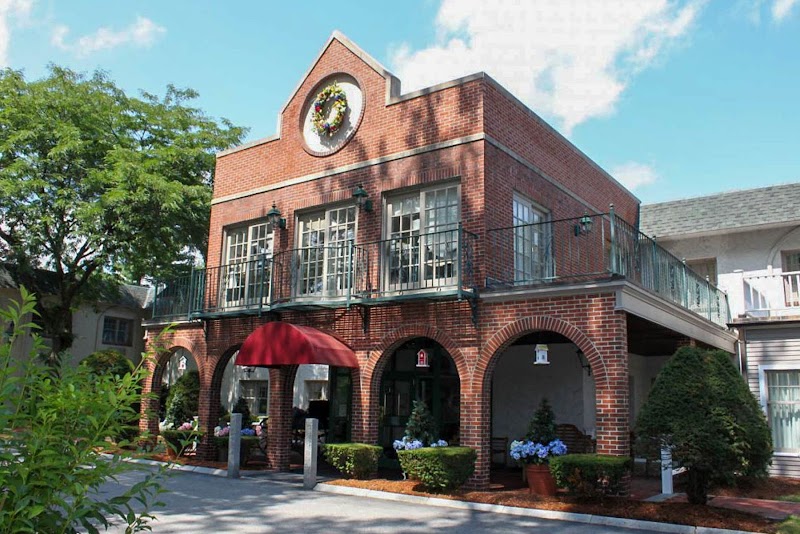
10 ERLIN TERRACE, TEWKSBURY, MA 01876 (978) 851-3121
For profit - Corporation 131 Beds ELDER SERVICES Data: November 2025
Trust Grade
38/100
#271 of 338 in MA
Last Inspection: October 2024

Within standard 12-15 month inspection cycle. Federal law requires annual inspections.

Overview

Blaire House of Tewksbury has a Trust Grade of F, indicating significant concerns about the facility's overall quality and care. It ranks #271 out of 338 nursing homes in Massachusetts, placing it in the bottom half, and #57 out of 72 in Middlesex County, meaning there are many better options nearby. Although the facility's trend is improving-reducing issues from 16 in 2024 to just 2 in 2025-staffing remains a strong point with a rating of 4 out of 5 stars and a turnover rate of 44%. However, the facility has faced some troubling incidents, such as not providing necessary incontinence care for a resident and failing to implement fall prevention measures for multiple residents. It's important for families to weigh these strengths against the weaknesses when considering this nursing home.

Trust Score
F
38/100
In Massachusetts
#271/338
Bottom 20%
Safety Record
Low Risk
No red flags
Inspections
Getting Better
16 → 2 violations
Staff Stability
○ Average
44% turnover. Near Massachusetts's 48% average. Typical for the industry.
Penalties
○ Average
$3,387 in fines. Higher than 72% of Massachusetts facilities. Some compliance issues.
Skilled Nurses
○ Average
Each resident gets 36 minutes of Registered Nurse (RN) attention daily — about average for Massachusetts. RNs are the most trained staff who monitor for health changes.
Violations
⚠ Watch
54 deficiencies on record. Higher than average. Multiple issues found across inspections.
★☆☆☆☆
1.0
Overall Rating
★★★★☆
4.0
Staff Levels
★☆☆☆☆
1.0
Care Quality
★☆☆☆☆
1.0
Inspection Score
Stable
2024: 16 issues
2025: 2 issues

The Good

  • 4-Star Staffing Rating · Above-average nurse staffing levels
  • Full Sprinkler Coverage · Fire safety systems throughout facility
  • No fines on record
  • Staff turnover below average (44%)

    4 points below Massachusetts average of 48%

Facility shows strength in staffing levels, fire safety.

The Bad

1-Star Overall Rating

Below Massachusetts average (2.9)

Significant quality concerns identified by CMS

Staff Turnover: 44%

Near Massachusetts avg (46%)

Typical for the industry

Federal Fines: $3,387

Below median ($33,413)

Minor penalties assessed

Chain: ELDER SERVICES

Part of a multi-facility chain

Ask about local staffing decisions and management

The Ugly 54 deficiencies on record

Jan 2025 2 deficiencies
CONCERN (D) 📢 Someone Reported This

A family member, employee, or ombudsman was alarmed enough to file a formal complaint

Potential for Harm - no one hurt, but risky conditions existed

Comprehensive Care Plan (Tag F0656)

Could have caused harm · This affected 1 resident

**NOTE- TERMS IN BRACKETS HAVE BEEN EDITED TO PROTECT CONFIDENTIALITY** Based on records reviewed and interviews, for one of three sampled residents (Resident #1), who had a permanent Guardianship in ...

Read full inspector narrative →
**NOTE- TERMS IN BRACKETS HAVE BEEN EDITED TO PROTECT CONFIDENTIALITY** Based on records reviewed and interviews, for one of three sampled residents (Resident #1), who had a permanent Guardianship in place, the Facility to ensure staff consistently implemented interventions identified in his/her plan of care, which clearly indicated prior to going out on a social leave, that nurses must obtain identification information of the person taking him/her out, when on 12/08/24, although Resident #1 had told his/her nurse he/she was going out with friends no identifying or contact information was obtained. Findings Include: The Facility's Policy, titled, Care Plans, Comprehensive Person-Centered, has no date, indicated a comprehensive, person-centered care plan that includes measurable, objective and timetables to meet the resident's physical, psychosocial and functional needs is developed and implemented for each resident. Review of the Facility's Internal Investigation, dated 12/09/24, indicated that at approximately 3:00 P.M. (on 12/08/24), Resident #1 told Nurse #1 that he/she was going out with a friend and signed out without friends providing their contact information. Resident #1 left the Facility without following proper protocol. Resident #1 was admitted to the Facility in June 2021; diagnoses included morbid obesity, cognitive heart failure, alcoholic cirrhosis of the liver with ascites, osteoarthritis of the knee, major depressive disorder, anxiety, and bipolar disorder. Review of Resident #1's Quarterly Minimum Data Set Assessment (MDS), dated [DATE], indicated that his/her Brief Interview for Mental Status (BIMS) score was 14/15, (0-7 suggests severe cognitive impairment, 8-12 suggests moderately impaired cognition, and 12-15 suggests a resident is cognitively intact). However, further review of the medical record indicated Resident #1 had a Court Order for Legal Guardianship in place, which went into effect on 11/23/20, and the Court Order remains current. Review of Resident #1's Care Plan titled: Disposition Resident will remain in LTC at the Facility, reviewed and renewed with his/her December 2024 MDS, indicated interventions included that Resident #1 will provide a phone number and a copy of the license of each individual [for Social leaves of Absence] before designated individual taking him/her out, per the Guardian's request. During an interview on 01/29/25 at 11:44 A.M., the Director of Social Services (DSS) said that staff were educated and aware of the plan of care put in place for Resident #1's when going out for Social Leaves of Absence (SLOA). The DSS said Resident #1 was also educated about not leaving without being accompanied by a friend(s), completing information in the sign-out book, and providing contact information of person he/she leaves with. During a telephone interview on 02/03/25 at 2:15 P.M., Nurse #1 said that at approximately 2:00 P.M. on 12/08/24, Resident #1 told her that he/she would be going shopping with his/her friend later in the day. Nurse #1 said that at approximately 6:00 P.M., she went to Resident #1's room to administer him/her medications, and Resident #1 was not in his/her room. Nurse #1 said that Resident #1 had signed out in the sign out book. Nurse #1 said she was not aware of the interventions in Resident #1 plan of care for the need to obtain specific information about the person(s) taking Resident #1 out for SLOA's. During an interview on 01/29/25 at 11:00 A.M., the Director of Nursing (DON) said that Resident #1 had a plan of care and protocol in place for social leaves, that staff were aware of the protocol that Resident #1's friend(s) needed to sign him/her out and provide contact information.
CONCERN (D) 📢 Someone Reported This

A family member, employee, or ombudsman was alarmed enough to file a formal complaint

Potential for Harm - no one hurt, but risky conditions existed

Accident Prevention (Tag F0689)

Could have caused harm · This affected 1 resident

**NOTE- TERMS IN BRACKETS HAVE BEEN EDITED TO PROTECT CONFIDENTIALITY** Based on records reviewed and interviews, for one of three sampled residents (Resident #1), who had a Court Ordered Legal Guardi...

Read full inspector narrative →
**NOTE- TERMS IN BRACKETS HAVE BEEN EDITED TO PROTECT CONFIDENTIALITY** Based on records reviewed and interviews, for one of three sampled residents (Resident #1), who had a Court Ordered Legal Guardianship in place and could go out on social leaves only if accompanied by a friend, the Facility failed to ensure he/she was provided with an adequate level of staff supervision to prevent an elopement, when on 12/08/24 during the day shift, Resident #1 told his/her nurse that he/she would be going out shopping with friends, and around 3:00 P.M., he/she left the unit, hung around the facility by going in/out of the lobby and activity room until approximately 5:00 P.M., when the Receptionist left, he/she then exited the facility undetected by staff and unaccompanied by anyone. Approximately seven hours later when staff realized he/she was not on the unit or anywhere in the facility, staff checked the Unit Sign Out Book which showed that Resident #1 had signed him/herself out at 3:00 P.M., and there was no name or contact information indicating who he/she left with, as required (per his/her plan of care) The facility notified the Guardian and police to report him/her missing. The facility was notified around 11:00 P.M., by local Police that Resident #1 was located and being evaluated in a local Emergency Department due to intoxication. Findings Include: The Facility's Policy, titled Procedural and Investigational Guide: Elopement, dated 12/2024, indicated elopement to a situation where a patient or resident who is cognitively, physically, mentally, emotionally, and/or chemically impaired wanders/walks/runs away, escapes, or otherwise leaves a caregiving institution or setting unsupervised, unnoticed, and/or prior to their scheduled discharge. Review of the Facility's Internal Investigation, dated 12/09/24, indicated that at approximately 3:00 P.M. (on 12/08/24), Resident #1 told Nurse #1 that he/she was going out with a friend and signed out without providing friend's contact information. The Investigation indicated Resident #1 left the Facility without following proper protocol. The Investigation indicated that around 10:40 P.M., staff noticed that Resident #1 was not in his/her room, so they began a search of the unit, the facility, and the grounds. The Investigation indicated staff called the Guardian and the Police to assist in locating Resident #1. The Police arrived at the Facility within 15 minutes and reported to staff that Resident #1 was in the local Hospital Emergency Department, unharmed but intoxicated. Resident #1 was admitted to the Facility in June 2021; diagnoses included morbid obesity, cognitive heart failure, alcoholic cirrhosis of the liver with ascites, osteoarthritis of the knee, major depressive disorder, anxiety, and bipolar disorder. Review of Resident #1's Quarterly Minimum Data Set Assessment (MDS), dated [DATE], indicated that his/her Brief Interview for Mental Status (BIMS) score was 14/15, (0-7 suggests severe cognitive impairment, 8-12 suggests moderately impaired cognition, and 12-15 suggests a resident is cognitively intact). However, further review of the medical record indicated Resident #1 had a Court Order for Legal Guardianship in place, which went into effect on 11/23/20, and the Court Order remains current. During an interview on 01/29/25 at 11:44 A.M., the Director of Social Services (DSS) said that Resident #1 had permission from his/her Guardian to go out with his/her friends, if the friends signed him/her out and provided their contact information. The DSS said staff were educated and aware of the interventions in Resident #1's plan of care related to Social Leave of Absence (SLOA). The DSS said Resident #1 was also educated about not leaving without friends, completing the sign-out book, and providing contact information. During a telephone interview on 02/03/25 at 2:15 P.M., Nurse #1 said that, at approximately 2:00 P.M. on 12/08/24, Resident #1 told her that he/she would be going shopping with his/her friend later in the day. Nurse #1 said that at approximately 6:00 P.M., she went to Resident #1's room to administer his/her medications, and Resident #1 was not in his/her room. During a telephone interview on 02/03/25 at 11:46 A.M., Nurse #2 said she received the report at the beginning of her shift at 7:00 P.M. from Nurse #1 that Resident #1 was out with his/her friends. Nurse #2 said she assumed his/her friends had signed Resident #1 out with their contact information. Nurse #2 said that, at approximately 10:45 P.M. on 12/08/24, she could not find Resident #1 to administer his/her medications. Nurse #2 said she had immediately checked the sign-out book and noticed there was no contact information for the person who took Resident #1 out. Nurse #2 said she alerted all the staff that Resident #1's missing, staff began a search of the unit, the facility, and the grounds. Nurse #2 said the Guardian was notified, and the Police were called to assist in locating Resident #1. Nurse #2 said the Police arrived at the Facility within 15 minutes and reported that Resident #1 was in the local Hospital Emergency Department (ED), unharmed and intoxicated. Nurse #2 said the Police indicated that while Resident #1 was at his/her friend's house, he/she became intoxicated, fell, needed EMS to assist him/her off the floor and had taken him/her to the ED. During an interview on 01/29/25 at 11:00 A.M., the Director of Nursing (DON) said that during their investigation they determined that on 12/08/24 around 3:00 P.M., Resident #1 signed out in the Sign Out Book on the unit, stayed around in the lobby or activity room until the Receptionist left at 5:00 P.M. and then Resident #1 left the facility. DON said during the investigation they also determined that Resident #1 knew all the security codes to the doors and to the elevator. The DON said that staff were aware of the Resident #1 plan of care for SLOA's and that once Resident #1 informed nursing that he/she was going out with friend, staff failed to ask for or obtain the identity and contact information of the friend(s) he/she was going to be with.
Oct 2024 16 deficiencies
CONCERN (D)

Potential for Harm - no one hurt, but risky conditions existed

Resident Rights (Tag F0550)

Could have caused harm · This affected 1 resident

Based on observations and interviews, the facility failed to provide a dignified dining experience for the residents on the 2 East unit. Specifically, the facility failed to serve all residents seated...

Read full inspector narrative →
Based on observations and interviews, the facility failed to provide a dignified dining experience for the residents on the 2 East unit. Specifically, the facility failed to serve all residents seated at the same table at the same time. Findings Include: Review of the facility policy titled, Quality of Life - Dignity, dated August 2009, indicated the following: -Each resident shall be cared for in a manner that promotes and enhances quality of life, dignity, respect and individuality. During the breakfast meal on the 2 East unit on 10/21/24, the following was observed: -Two residents were seated at a table. The first resident was served breakfast at 8:30 A.M. The second resident was served breakfast at 8:54 A.M., 24 minutes later. -Three residents were seated at a table. The first resident was served breakfast at 8:11 A.M. The third resident was served breakfast at 8:34 A.M., 23 minutes later. During the lunch meal on the 2 East unit on 10/21/24, the following was observed: -Four residents were seated at a table. The first resident was served lunch at 12:18 P.M. The fourth resident was served lunch at 12:36 P.M., 16 minutes later. -Four residents were seated at a table. The first resident was served lunch at 12:14 P.M. The fourth resident was served lunch at 12:41 P.M., 27 minutes later. -Three residents were seated at a table. The first resident was served lunch at 12:21 P.M. The fourth resident was served lunch at 12:48 P.M., 27 minutes later. -Six residents were seated at a table. The first resident was served lunch at 12:21 P.M. The fourth resident was served lunch at 12:42 P.M., 21 minutes later. -Four residents were seated at a table. The first resident was served lunch at 12:16 P.M. At 12:21 P.M. a resident who had not yet been served, attempted to reach towards the tray of the resident already served. This resident was not served her meal until 12:34, 18 minutes later. The last resident at the table was not served lunch until 12:43. -A nurse entered the dining room and began to administer insulin to a resident. The nurse did not ask the resident if it was okay to have the medicine administered while in the dining room. During the breakfast meal on the 2 East unit on 10/22/24, the following was observed: -Three residents were seated at a table. The first resident was served breakfast at 8:14 A.M. The third resident was served breakfast at 8:23 A.M., 9 minutes later. - Three residents were seated at a table. The first resident was served breakfast at 8:10 A.M. The third resident was served breakfast at 8:21 A.M., 11 minutes later. During the lunch meal on the 2 East unit on 10/22/24, the following was observed: -Five residents were seated at a table. The first resident was served lunch at 12:14 P.M. The fifth resident was served lunch at 12:20 P.M., however, the meal sat in front of him/her and he/she was not assisted with his/her lunch until 12:30, 10 minutes later. During the breakfast meal on the 2 East unit on 10/23/24, the following was observed: -Five residents were seated at a table. The first resident was served breakfast at 8:13 A.M. The third resident was served breakfast at 8:37 A.M., 24 minutes later. -Four residents were seated at a table. The first resident was served breakfast at 8:18 A.M. The third resident was served breakfast at 8:28 A.M., 10 minutes later. During an interview on 10/23/24 at 9:41 A.M., the Director of Nursing said all residents seated at a table should be served meals at the same time. The Director of Nursing said the unit should have a dining plan with appropriate meal truck ordering so the meal trays come to the floor correctly. The Director of Nursing also said nurses should not be giving medication in the dining room during a meal, and if it is necessary, the nurse should ask the resident if it is okay to do so.
CONCERN (D)

Potential for Harm - no one hurt, but risky conditions existed

Deficiency F0552 (Tag F0552)

Could have caused harm · This affected 1 resident

**NOTE- TERMS IN BRACKETS HAVE BEEN EDITED TO PROTECT CONFIDENTIALITY** Based on record review and interviews, the facility failed to inform one Resident (#94) out of a sample of 30 residents in advan...

Read full inspector narrative →
**NOTE- TERMS IN BRACKETS HAVE BEEN EDITED TO PROTECT CONFIDENTIALITY** Based on record review and interviews, the facility failed to inform one Resident (#94) out of a sample of 30 residents in advance of the risks and benefits of proposed treatment. Specifically, the facility failed to obtain a psychotropic consent prior to administering a psychotropic medication. Findings include: A review of the facility policy titled 'Psychoactive medication informed consent procedure' with a review date of January 2024 indicated the following: 1. When a physician orders any psychoactive medication, i.e.: antianxiety medication, the licensed nurse must complete the Psychoactive Medication Informed Consent Form, the form must indicate the resident's name, the physician, the date, diagnosis, the reason for medication and expected benefits to the resident. 2. The nurse must indicate what type of psychoactive medication are ordered by checking the appropriate box. This form is to be reviewed with the resident or legal responsible party including each specific medication side effects. Resident # 94 was admitted to the facility in April 2024 with diagnoses including anxiety, depression and Post Traumatic Stress Disorder (PTSD). A review of the most recent Minimum Data Set (MDS) dated [DATE] indicated a Brief Interview for Mental status (BIMS) score of 9 out of a possible 15 indicating moderate cognitive impairment. During an interview on 10/22/24 at 9:24 A.M., Resident #94 said his/her son recently passed away. A review of Resident #94's September 2024 Medication Administration Record (MAR) indicated the following: -8/24/24 Ativan 0.5 milligrams tablet (Lorazepam) one tablet every 6 hours as needed. Stop Date 9/7/24. A review of Resident #94's October 2024 physician's orders indicated the following: -Ativan 0.5 milligrams tablet (Lorazepam) one tablet by mouth every 6 hours as needed. Order date 9/7/24, discontinued 10/23/24. A review of the September and October 2024 (Medication Administration Record), documentation and PRN (as needed) results report indicated that the Ativan 0.5 milligrams was utilized on the following days. -9/1/24, 9/3/24, 9/4/24, 9/5/24, 9/6/24, 9/7/24, 9/8/24, 9/14/24, 9/15/24, 9/16/24, 9/27/24, 9/28/24, 9/30/24, 10/1/24 and 10/3/24. During an interview and record review on 10/22/24 at 9:05 A.M., Unit Manager #2 said Resident #94's son passed away this past September, the Ativan was prescribed to help with his/her grief. She said a consent to administer the psychotropic medication should have been obtained from the responsible party prior to administering the medication. The Unit Manager reviewed the record and said there was no indication that a verbal consent was obtained or that a written consent was mailed out to the responsible party. During an interview on 10/23/24 at 9:14 A.M., the Social Worker said the Resident has an activated health care proxy, she said she did not mail out any written consents or obtain verbal consent prior to the psychotropic medication being administered. She said written or verbal consents should be obtained from responsible parties prior to the administering psychotropic medication.
CONCERN (D)

Potential for Harm - no one hurt, but risky conditions existed

Deficiency F0578 (Tag F0578)

Could have caused harm · This affected 1 resident

**NOTE- TERMS IN BRACKETS HAVE BEEN EDITED TO PROTECT CONFIDENTIALITY** Based on record review, policy review, and interview, the facility failed to ensure Advance Directives (written documents that i...

Read full inspector narrative →
**NOTE- TERMS IN BRACKETS HAVE BEEN EDITED TO PROTECT CONFIDENTIALITY** Based on record review, policy review, and interview, the facility failed to ensure Advance Directives (written documents that instructs health care providers of the decisions for specific medical treatment if a person was unable to speak or lacked the capacity to make decisions for themselves) were consistently documented in the medical record for one Resident (#105), out of a total sample of 30 residents. Findings include: Review of the facility policy titled Advanced Directives, revised 12/16, indicated, Prior to or upon admission of a resident, the Social Services Director or designee will inquire of the resident, his/her family members and/or his or her legal representative, about the existence of any written advance directives. Information about whether or not the resident has executed an advanced directive shall be displayed prominently in the medical record. The plan of care for each resident will be consistent with his or her documented treatment preferences and/or advance directive. Resident #105 was admitted to the facility in September 2024 with diagnoses that included end stage renal disease, diastolic congestive heart failure, acute respiratory failure, and type 2 diabetes. Review of Resident #105's most recent Minimum Data Set (MDS), dated [DATE], indicated he/she scored a 15 out of a possible 15 on the Brief Interview for Mental Status (BIMS) indicating intact cognition. Review of Resident #105's physician order, dated 9/16/24, indicated MOLST (Medical Orders for Life-Sustaining Treatment): Do Not Intubate and Ventilate. Review of Resident #105's advanced directives care plan, dated 9/18/24, indicated Resident is a Full Code. Review of Resident #105's nursing progress note, dated 9/29/24, indicated Dialysis is questioning code status for patient. Per nursing chart does not have a MOLST on file or any other form of advanced directives. During an interview on 10/22/24 at 1:45 P.M., the Director of Nurses (DON) and and the surveyor reviewed Resident #105's medical record and were unable to locate a MOLST form. The DON said the Resident's physician order should be full code. During an interview on 10/22/24 at 1:51 P.M., Nurse #1 said Resident #105 should have MOLST form in place if their order reads as Do Not Intubate and Ventilate.
CONCERN (D)

Potential for Harm - no one hurt, but risky conditions existed

Free from Abuse/Neglect (Tag F0600)

Could have caused harm · This affected 1 resident

**NOTE- TERMS IN BRACKETS HAVE BEEN EDITED TO PROTECT CONFIDENTIALITY** Based on observations, record review and interviews, the facility failed to keep one Resident (#20) free from abuse and neglect ...

Read full inspector narrative →
**NOTE- TERMS IN BRACKETS HAVE BEEN EDITED TO PROTECT CONFIDENTIALITY** Based on observations, record review and interviews, the facility failed to keep one Resident (#20) free from abuse and neglect out of a total sample of 30 Residents. Specifically, the facility failed to prevent abuse by neglecting to complete incontinence care for Resident #20. Findings include: Review of the facility policy titled, Abuse Prevention Policies and Procedures, dated 4/2017 indicated the following: -To promote prevention, protection, prompt reporting and interventions in response to alleged, suspected or witnessed abuse/neglect/exploitation of any resident. Resident #20 was admitted to the facility in August 2022 with diagnoses including unspecified dementia, severe, with other behavioral disturbances and major depression disorder. Review of Resident #20 most recent Minimum Data Set (MDS) dated [DATE] indicated the Resident had a Brief Interview for Mental Status (BIMS) score of 3 out of a possible 15, which indicated Resident #20 had severe cognitive impairment. The MDS also indicated Resident #20 was dependent on staff for all toileting tasks. On 10/21/24 at approximately 11:38 A.M., a family member approached staff and asked if Resident #20 could be changed, as he/she appeared to have an incontinence episode. Unit Manager #1 responded by placing a towel over the Resident's lap and was not taken to the bathroom or changed. At 12:22 P.M., 44 minutes later, the family member again approached the nursing staff stating Resident #20 was drenched and needed to be changed. The staff did not attempt to take the Resident to the bathroom and offer incontinence care. The Resident was taken to the bathroom after 1:00 P.M., an hour and a half after the first report of him/her needing incontinence care. During an interview on 10/21/24 at approximately 12:30 P.M., Unit Manager #1 said staff was never told Resident #20 needed incontinence care. During interviews on 10/21/24 at approximately 12:35 P.M., and on 10/22/24 at 11:28 A.M., the Family Member said she did in fact tell the staff that Resident #20 needed to be changed and Unit Manager #1 said she would put a towel over Resident #20's lap to cover it. The Family Member said the staff have told her residents are not allowed to go to the bathroom or have incontinence care during the lunch hour and residents are often eating lunch with wet briefs. Review of Resident #20's last incontinence assessment dated [DATE] indicated the Resident has total incontinence for more than a year, has no control of his/her bladder and is incontinent multiple times in a 24-hour period. Review of Resident #20's skin integrity care plan indicated the following: -Provide incontinent care every two hours and as needed. -Toilet every two hours and as needed. Review of Resident #20's self-care care plan indicated the following: -Provide maximum assistance with 1 helper for toilet use (includes incontinent care) During an interview on 10/21/24 at 2:10 P.M., the Director of Nursing said if a resident has known incontinence the staff should change them immediately, even if a meal was taking place on the unit. The Director of Nursing said a resident should not have to sit for any length of time with a wet brief. During an interview on 10/23/24 at 9:59 A.M., the Administrator said neglect is a type of abuse and would need to be a purposeful refusal of care for it to be neglect. During an interview on 10/23/24 at 1:25 P.M., both the Administrator and Director of Nursing said staff not changing a resident's incontinence brief when asked is a purposeful act and could be classified as neglect.
CONCERN (D)

Potential for Harm - no one hurt, but risky conditions existed

Deficiency F0604 (Tag F0604)

Could have caused harm · This affected 1 resident

**NOTE- TERMS IN BRACKETS HAVE BEEN EDITED TO PROTECT CONFIDENTIALITY** Based on observations, record review and interviews, the facility failed to keep one Resident (#3) free from restraints, out of ...

Read full inspector narrative →
**NOTE- TERMS IN BRACKETS HAVE BEEN EDITED TO PROTECT CONFIDENTIALITY** Based on observations, record review and interviews, the facility failed to keep one Resident (#3) free from restraints, out of a total sample of 30 residents. Findings include: A physical restraint, as defined in the State Operations Manual, Appendix PP - Guidance to surveyors for Long Term Care Facilities, is any manual method, physical or mechanical device, equipment or material that limits a resident's freedom of movement and cannot be removed by the resident in the same manner as it was applied by staff. Review of the facility policy titled, Device/Restraints Policy & Procedure, dated 10/10/2000, indicated the following: -Purpose: to ensure each resident attains/maintains the highest practicable well-being in an environment that improves functional status and ability. The resident has the right to be free from any physical and chemical restraints imposed for purpose of discipline or convenience and not required to treat the resident medical symptoms. When the use of restraints is indicated, the facility must use the least restrictive alternative for the least amount of time. -Physical Restraints are defined as any manual method or physical or mechanical device material, or equipment attached or adjacent to the resident's body that the individual cannot remove easily which restricts freedom of movement or normal access to one's body. -physical restraints include, but are not limited to leg restraints, arm restraints, hand mitts, soft ties or vest, lap cushions, and lap trays the resident cannot remove easily. Also included as restraints or facility practices that meet the definition of a restraint such as: placing a chair or bed so close to a wall that the wall prevents the resident from rising out of the chair or voluntarily getting out of bed. -The Device/Physical Restraint Assessment will include the medical justification, risk factor and potential complication. This form is forwarded to the licensed nursing staff to review with the resident and next of kin or responsible party. The restrained policy is reviewed and authorization is obtained. In the event the resident is confused and unable to sign the authorization, a verbal authorization will be obtained from the next of kin or legal guardian until written authorization is obtained. -The team will assure the process is complete and the restraint will be added on to the residence care plan and ADL guide/[NAME]. The Device/Physical Restraint Assessment form is then filed in the residence chart. -There must be written, signed, and dated physicians orders for devices/physical restraints, and all orders must be reviewed and signed with each required physician visit. Resident #3 was admitted to the facility in December 2018 with diagnoses including dementia. Review of Resident #83's most recent Minimum Data Set (MDS) dated [DATE], indicated the Resident had a Brief Interview for Mental Status (BIMS) score of 4 out of a possible 15, which indicated he/she had severe cognitive impairment. The MDS also indicated Resident #3 requires assistance with all mobility tasks. Throughout all days of survey, Resident #3's bed was observed to be against the wall, inhibiting the Resident's ability to get out of bed on the left side of the bed. Review of Resident #3's medical record indicated the Resident has had several falls out of bed. Review of Resident #3's fall care plan indicated a fall intervention to have the bed the long way against the wall, implemented in June 2024. Review of Resident #3's medical record failed to indicate a restraint assessment had been completed. During an interview on 10/22/24 at 9:37 A.M., Unit Manager #1 said the Resident was just transferred to this unit a month ago and the Resident's bed was put against the wall because the other unit had positioned the bed that way. During an interview on 10/22/24 at 10:06 A.M., the Director of Nursing said Resident #3's bed was positioned against the wall because he/she had sustained numerous falls in the facility. The Director of Nursing said she did not think of that as a restraint however said it would limit the Resident's ability in one direction and get out of bed on that side of the bed. The Director of Nursing said a restraint assessment had never been completed for Resident #3's bed positioning.
CONCERN (D)

Potential for Harm - no one hurt, but risky conditions existed

Assessment Accuracy (Tag F0641)

Could have caused harm · This affected 1 resident

**NOTE- TERMS IN BRACKETS HAVE BEEN EDITED TO PROTECT CONFIDENTIALITY** Based on record review and interview, the facility failed to ensure Minimum Data Set (MDS) Assessments were accurately completed...

Read full inspector narrative →
**NOTE- TERMS IN BRACKETS HAVE BEEN EDITED TO PROTECT CONFIDENTIALITY** Based on record review and interview, the facility failed to ensure Minimum Data Set (MDS) Assessments were accurately completed to reflect the status of one Resident (#106) out of a total sample of 30 residents. Specifically, the facility failed to document Resident #106 discharged home. Findings Include: Resident #106 was admitted the facility in August 2024 with diagnoses that included chronic kidney disease, hypertension, anxiety, and arthritis. Review of Resident #106's most recent Minimum Data Set (MDS), dated [DATE], indicated he/she was discharged to a short term general hospital. Review of Resident #106's social services note, dated 9/6/24, indicated Resident discharged as planned this day accompanied by his/her friend. He/she has declined VNA (visiting nursing) services. During an interview on 10/23/24 at 8:11 A.M., Social Services said Resident #106 discharged home. During an interview on 10/23/24 at 9:22 A.M., the MDS Nurse said Resident #106 discharged home and the MDS is coded as he/she discharged to a hospital which is a mistake.
CONCERN (D)

Potential for Harm - no one hurt, but risky conditions existed

Comprehensive Care Plan (Tag F0656)

Could have caused harm · This affected 1 resident

**NOTE- TERMS IN BRACKETS HAVE BEEN EDITED TO PROTECT CONFIDENTIALITY** Based on observations, record review and interview the facility failed to develop a comprehensive resident centered care plan fo...

Read full inspector narrative →
**NOTE- TERMS IN BRACKETS HAVE BEEN EDITED TO PROTECT CONFIDENTIALITY** Based on observations, record review and interview the facility failed to develop a comprehensive resident centered care plan for two Residents (#48, #94) out of a total sample of 30 residents. Specifically, 1. For Resident #48, the facility failed to develop a comprehensive pacemaker care plan, 2. For Resident #94, the facility failed to develop a comprehensive person centered history of Opioid abuse care plan. Findings include: Resident #48 was admitted to the facility in December 2021 with diagnoses that included hypertensive heart and chronic kidney disease with heart failure, paroxysmal atrial fibrillation, and presence if cardiac pacemaker. Review of Resident #48's most recent Minimum Data Set (MDS), dated [DATE], he/she scored a 15 out of 15 of the Brief Interview for Mental Status (BIMS) indicating the Resident is cognitively intact. Review of Resident #48's nursing progress note, dated 7/24/24, indicated Pt (patient) readmitted from the hospital where he/she had a pacemaker placed. Review of Resident #48's pacemaker care plan, dated 7/25/24, indicated make and model, date of insertion, site of insertion, rate set, cardiologist and phone number were left blank. During an interview on 10/23/24 at 8:34 A.M., Nurse #4 said she is unsure if the Resident has a pacemaker. During an interview on 10/23/24 at 10:10 A.M., the Director of Nurses said the pacemaker care plan should have specifics on how the pacemaker is monitored and what the paced rate is of the pacemaker. 2. Resident # 94 was admitted to the facility in April 2024 with diagnoses including a history of opioid dependence, anxiety, depression and Post Traumatic Stress Disorder (PTSD). A review of the most recent Minimum Data Set (MDS) dated [DATE] indicated a Brief Interview for Mental status (BIMS) score of 9 out of a possible 15 indicating moderate cognitive impairment. During an interview on 10/22/24 at 9:24 A.M., Resident #94 said he/she recently lost his/her son to a drug overdose. A review of the social history version 2 dated 2/13/23 indicated the following psychosocial assessment: -history of substance abuse-opioid. A review of Resident #94's care plan failed to indicate a personalized history of opioid dependence care plan. During and interview and medical review on 10/23/24 at 9:04 A.M., the Social Worker reviewed Resident #94's care plan and said a personalized history of opioid dependence care plan should be developed.
CONCERN (D)

Potential for Harm - no one hurt, but risky conditions existed

Deficiency F0688 (Tag F0688)

Could have caused harm · This affected 1 resident

**NOTE- TERMS IN BRACKETS HAVE BEEN EDITED TO PROTECT CONFIDENTIALITY** Based on observations, record review and interviews, the facility failed to ensure one Resident (#54) was utilizing a left hand ...

Read full inspector narrative →
**NOTE- TERMS IN BRACKETS HAVE BEEN EDITED TO PROTECT CONFIDENTIALITY** Based on observations, record review and interviews, the facility failed to ensure one Resident (#54) was utilizing a left hand orthotic to prevent a worsening contracture, out of a total sample of 30 residents. Findings include: Resident #54 was admitted to the facility in October 2023 with diagnoses including dementia and left-hand contracture. Review of Resident #54's most recent Minimum Data Set (MDS) dated [DATE], indicated the Resident had a Brief Interview for Mental Status (BIMS) score of 6 out of a possible 15, which indicated he/she had severe cognitive impairment. The MDS also indicated Resident #54 is dependent on staff for all functional tasks. On 10/21/24 at 11:48 A.M., Resident #54 was observed sitting in the dining room with his/her left hand in a closed, fisted position. The Resident was not wearing a splint. During an interview on 10/21/24 at 11:53, Resident #54's son-in-law said the Resident has a left-hand contracture and has a left-hand splint he/she is supposed to wear daily, however, it has been awhile since he has seen the Resident wear the splint. On 10/22/24 at 9:00 A.M. and approximately 1:15 P.M., Resident #54 was observed out of bed in his/her reclining chair. The Resident's left hand was in a closed, fisted position and he/she was not wearing a splint. On 10/23/24 at 10:23 A.M., Resident #54 was observed sitting in the dining room with his/her left hand in a closed, fisted position. The Resident was not wearing a splint. Review of Resident #54's physician orders indicated the following order: -Pt (patient) to wear easy care comfort splint left hand day shift. check skin before and after application. initiated 4/12/24. Review of the problem area/strength section of Resident #54's skin integrity care plan indicated the Resident had a left had splint to the left hand that he/she should wear at all times except for when care is being provided. During an interview on 10/23/24 at 8:53 A.M., the Occupational Therapist said Resident #54 has a left-hand contracture and was given a left-handed splint and is to wear it daily. During an interview on 10/23/24 at 10:56 A.M., Certified Nursing Assistant (CNA) #4 said she was unaware if Resident #54 had an order to wear a splint and if it should be put on when morning care was completed. CNA #4 said equipment like splints are usually listed on a resident's [NAME] (a form indicating all the needs of a resident) so staff know of any special needs. CNA #4 and the surveyor observed Resident #54's [NAME] together and the splint was not listed as a need for the Resident. During an interview on 10/23/24 at 10:57 A.M., Unit Manager #1 said Resident #54 has an order for a left-hand splint and the splint should be worn during the day time hours. Unit Manager #1 was unaware Resident #54 had not worn his/her splint for the past three days. During an interview on 10/23/24 at 11:48 A.M., the Director of Nursing said all orders need to be followed as written.
CONCERN (D)

Potential for Harm - no one hurt, but risky conditions existed

Incontinence Care (Tag F0690)

Could have caused harm · This affected 1 resident

**NOTE- TERMS IN BRACKETS HAVE BEEN EDITED TO PROTECT CONFIDENTIALITY** Based on record review and interview, the facility failed to provide appropriate treatment and services for an indwelling Foley ...

Read full inspector narrative →
**NOTE- TERMS IN BRACKETS HAVE BEEN EDITED TO PROTECT CONFIDENTIALITY** Based on record review and interview, the facility failed to provide appropriate treatment and services for an indwelling Foley catheter (urinary catheter which remains in the bladder to provide continuous urine drainage. A balloon inflated at the catheter's distal end prevents it from slipping out of the bladder after insertion) for one Resident (#50), out of a total sample of 30 residents. Specifically, for Resident #50, the facility failed to ensure a physician's order was obtained for the Foley catheter to be in place and changing/inserting the Foley catheter included catheter size/type and balloon size. Findings include: Resident #50 was readmitted to the facility in October 2024 with diagnoses that included sepsis due to methicillin resistant staphylococcus aureus, pressure ulcer of sacral region stage 4, acute kidney failure, and major depressive disorder. Review of Resident #50's Minimum Data Set (MDS), dated [DATE], indicated he/she scored a 15 out of 15 on the Brief Interview for Mental Status (BIMS) indicating intact cognition. The MDS further indicated the Resident had an indwelling catheter. On 10/22/24 at 7:29 A.M., the surveyor observed Resident #50 in bed with a Foley catheter in place. Review of Resident #50's physician orders failed to indicate an order for the Foley catheter to be in place and the size of the catheter and the balloon. Further review of the orders failed to indicate an order to change the Foley catheter. Review of Resident #50's indwelling catheter care plan, dated 9/18/24, failed to indicate the size of the catheter and the balloon. Review of Resident #50's nursing progress note, dated 10/21/24, indicated Foley replaced with 16 FR (french), 10 CC balloon. During an interview on 10/23/24 ay 8:15 A.M., Nurse #3 said Resident #50 does have a Foley catheter in place and said a physician order should be in place with the size of the catheter and balloon. Nurse #50 said there should also be an order in place to change the Foley. During an interview on 10/23/24 at 8:33 A.M., Nurse #4 said she changed Resident #50's Foley catheter yesterday but did not have an order to do so. Nurse #4 said she made her best judgement call on picking what size catheter she should insert into the Resident. During an interview on 10/23/24 at 10:41 A.M., the Director of Nurses (DON) said if a resident has a Foley catheter then there should be orders for the Foley to be in place with a catheter size and balloon size. The DON said there should also be a physician order to change the Foley catheter as needed with the Foley size and balloon size.
CONCERN (D)

Potential for Harm - no one hurt, but risky conditions existed

Deficiency F0694 (Tag F0694)

Could have caused harm · This affected 1 resident

**NOTE- TERMS IN BRACKETS HAVE BEEN EDITED TO PROTECT CONFIDENTIALITY** Based on observation, interview, and record review, the facility failed to provide care and maintenance of a Peripherally Insert...

Read full inspector narrative →
**NOTE- TERMS IN BRACKETS HAVE BEEN EDITED TO PROTECT CONFIDENTIALITY** Based on observation, interview, and record review, the facility failed to provide care and maintenance of a Peripherally Inserted Central Catheter (PICC: a flexible tube inserted through a vein in one's arm and passed through to the larger veins near the heart, used to deliver medications intravenously [IV] ), consistent with professional standards of practice for one Resident (#50), out of a total sample of 30 residents. Specifically, for Resident #50, the facility failed to obtain a baseline measurement for the external length of Resident #50's PICC from when it was placed to ensure the PICC had not migrated (moved from the heart to another area, which could have a significant impact on treatment, or cause serious harm) per facility policy. Findings include: Review of the facility policy titled Central Vascular Access Device Dressing Change, dated 2024, indicated The Nurse is responsible and accountable for obtaining and maintaining competence with infusion therapy within his or her scope of practice. Upper arm circumference with PICC, and external catheter length measurements must still be completed as part of the initial assessment. Length of external catheter us obtained upon admission, during dressing changes. Review of the Lippincott Manual of Nursing Practice, 11th Edition, dated 2021, included the following for documentation relative to PICC line migration and dressing changes: -Use a sterile measuring tape or incremental markings on the catheter to measure the external length of the catheter from hub to skin entry to make sure that the catheter hasn't migrated. Resident #50 was readmitted to the facility in October 2024 with diagnoses that included sepsis due to methicillin resistant staphylococcus aureus, pressure ulcer of sacral region stage 4, acute kidney failure, and major depressive disorder. Review of Resident #50's Minimum Data Set (MDS), dated [DATE], indicated he/she scored a 15 out of 15 on the Brief Interview for Mental Status (BIMS) indicating intact cognition. On 10/22/24 and 10/23/24 Resident #50 was observed to have a PICC line in his/her left arm, the PICC line dressing was not dated. Review of Resident #50's nursing admission assessment and nursing admission note, dated 10/16/24, failed to indicate that the Resident returned with a PICC Line or any measurements for the PICC line. Review of Resident #50's nursing progress notes from 10/16/24 to 10/23/24 failed to indicate measurements for his/her PICC Line. Review of Resident #50's physician order, dated 10/20/24, indicated change PICC Line dressing to left upper arm every day on 3 to 11 shift weekly on Wednesdays. Review of Resident #50's nursing progress note, dated 10/22/24, indicated this am (A.M.) resident iv dressing was changed for left arm. During an interview on 10/22/24 at 7:45 A.M., Nurse #1 said she changed the Residents PICC line dressing earlier today because the dressing was lifting off. During an interview and observation on 10/23/24 at 8:14 A.M., the surveyor and Nurse #3 observed Resident #50 in bed with a PICC line in his/her left arm, the PICC line dressing was not dated. Nurse #3 said the dressing should be dated and said that PICC line measurements should be obtained upon admission and with each dressing change and written in a nursing progress note. During an interview on 10/23/24 at 11:45 A.M., the Director of Nurses (DON) said a PICC line dressing should always be dated. The DON said when a resident admits with a PICC line baseline measurements are suppose to be obtained and written in a nurses note and should be measured with each dressing change.
CONCERN (D)

Potential for Harm - no one hurt, but risky conditions existed

Deficiency F0740 (Tag F0740)

Could have caused harm · This affected 1 resident

**NOTE- TERMS IN BRACKETS HAVE BEEN EDITED TO PROTECT CONFIDENTIALITY** Based on record reviews, policy reviews and interviews, the facility failed to provide the necessary behavioral health care and ...

Read full inspector narrative →
**NOTE- TERMS IN BRACKETS HAVE BEEN EDITED TO PROTECT CONFIDENTIALITY** Based on record reviews, policy reviews and interviews, the facility failed to provide the necessary behavioral health care and services to attain or maintain the highest practicable mental, and psychosocial well-being for two Residents (#105, #20) out of a total sample of 30 residents. Specifically, 1. For Resident #105, the facility failed to ensure a psychiatric consult was completed as ordered. 2. For Resident #20, the facility failed to follow a behavioral health recommendation. Findings include: 1. Resident #105 was admitted to the facility in September 2024 with diagnoses that included end stage renal disease, diastolic congestive heart failure, acute respiratory failure, and type 2 diabetes. Review of Resident #105's most recent Minimum Data Set (MDS), dated [DATE], indicated he/she scored a 15 out of a possible 15 on the Brief Interview for Mental Status (BIMS) indicating intact cognition. Review of Resident #105's physician order dated 9/21/24, indicated a psychiatric consult related to depression. Review of Resident #105's physician progress note, dated 9/20/24, indicated 12. Major depression. The patient does believe that he/she has some level of depression . I will obtain a psychiatric consult. During a medical record review with Nurse #1 on 10/22/24 at 8:32 A.M., Nurse #1 said there are no psychiatric notes in Resident #105's chart and said that she thinks because he/she is a short term resident they were not signed up for psychiatric services. During an interview on 10/22/24 at 8:33 A.M., Social Services said the Psychiatric Nurse Practitioner (NP) comes in weekly and if her notes are not in the chart then the Resident hasn't been seen. During an interview on 10/22/24 8:58 A.M., the Director of Nurses said Resident #105's psychiatric consult should have completed by now and was not. 2. Resident #20 was admitted to the facility in August 2022 with diagnoses including unspecified Dementia, severe, with other behavioral disturbances and major depression disorder. Review of Resident #20 most recent Minimum Data Set (MDS) dated [DATE] indicated the Resident had a Brief Interview for Mental Status (BIMS) score of 3 out of a possible 15, which indicated Resident #20 had severe cognitive impairment. The MDS also indicated Resident #20 was dependent on staff for all functional tasks. On the morning of 10/21/24 at 7:42 A.M., Resident #20 was observed sitting in the hallway and was heard screaming. Review of Resident #20's nursing notes indicated the following: -On 8/24/24: Resident with increased behaviors this AM, yelling out, throwing food and fluids. -On 9/18/24: (The Resident) will often yell out repeatedly and this annoys other residents. -On 10/7/24: Increased restlessness/agitation/yelling out 3-7pm. -On 10/8/24: Threw tray on ground both yesterday lunch and this AM breakfast ten threw (his/her) juice at another resident. Redirection not effective started yelling and swearing. -On 10/8/24: Resident behavior at dinner. Threw tray which broke glass dish. Verbally abusive to resident sitting across from (him/her). Multiple attempts to give medication, however only took small amount, attempted to [NAME] in ice cream juice and dinner with no success. Talking with resident did not help. -On 10/10/24: Pushed breakfast tray away refuses to eat. -On 10/15/24: Resident has poor appetite and is refusing medication. (He/she) has frequent calling out and is redirected with little effect. Resident was resistive with incontinent care and pm care. Review of the behavioral health note dated 10/16/24 indicated the following: -Chief Complaint: Medication evaluation for management of anxiety and depression. -HPI (History of Present Illness): Per staff, pt (patient) has anxiety, verbal and physical aggression, yelling behavior, and throws things. Per staff, pt has delusions and agitation. -Clinical Assessment: Would consider tapering down Zoloft (an antidepressant) dose, as patient is currently on high dose and some patient with dementia might develop agitation in high dose of SSRI (selective serotonin reuptake inhibitors) or SSRI itself. It also appeared, Zoloft has not been effective for this patient, would consider a slow taper off the Zoloft, likely consider increasing Trazodone (an antidepressant) in the future. -Plan/Recommendations: With PCP (Primary Care Physician) approval: Recommend stopping Zoloft 200 mg (milligrams) po (by mouth) daily and start Zoloft 175 mg po daily. Review of Resident #20's medical record failed to indicate the physician was notified of this recommendation and that the recommendation was implemented. Review of the behavioral notes since the recommendation was made and not implemented, indicated Resident #20 continued to demonstrate daily behaviors including verbal and physical behaviors towards others and rejection of care During an interview on 10/23/24 at 11:01 A.M., Unit Manager #1 said the Psychiatric Nurse Practitioner comes to the building weekly to see any resident who is exhibiting behaviors or needs psychiatric care. Unit Manager #1 said the recommendations made by the Psychiatric Nurse Practitioner are read by both the Director of Nursing and herself and are expected to be put in place immediately. Unit Manager #1 said she was unaware of the recommendation by the Psychiatric Nurse Practitioner for medication changes and the recommendation had not yet been relayed to the physician or put in place. During an interview on 10/23/24 at approximately 11:30 A.M., the Director of Nursing said the Unit Managers are expected to relay all behavioral health recommendations to the physician so the recommendation can be implemented immediately. The Director of Nursing was unaware of Resident #20's medication change recommendation or that it was never relayed to the physician so that it could be implemented.
CONCERN (D)

Potential for Harm - no one hurt, but risky conditions existed

Medical Records (Tag F0842)

Could have caused harm · This affected 1 resident

**NOTE- TERMS IN BRACKETS HAVE BEEN EDITED TO PROTECT CONFIDENTIALITY** Based on observations, record review and interviews, the facility failed to ensure accurate medical record were kept for two Res...

Read full inspector narrative →
**NOTE- TERMS IN BRACKETS HAVE BEEN EDITED TO PROTECT CONFIDENTIALITY** Based on observations, record review and interviews, the facility failed to ensure accurate medical record were kept for two Residents (#53 and #3), out of a total sample of 30 residents. Findings include: 1. Resident #54 was admitted to the facility in October 2023 with diagnoses including dementia and left-hand contracture. Review of Resident #54's most recent Minimum Data Set (MDS) dated [DATE], indicated the Resident had a Brief Interview for Mental Status (BIMS) score of 6 out of a possible 15, which indicated he/she had severe cognitive impairment. The MDS also indicated Resident #54 is dependent on staff for all functional tasks. Review of Resident #54's physician orders indicated the following order: -Pt (patient) to wear easy care comfort splint left hand day shift. check skin before and after application. initiated 4/12/24. On 10/21/24 at 11:48 A.M., Resident #54 was observed sitting in the dining room with his/her left hand in a closed, fisted position. The Resident was not wearing a splint. During an interview on 10/21/24 at 11:53, Resident #54's son-in-law said the Resident has a left-hand contracture and has a left-hand splint he/she is supposed to wear daily, however, it has been awhile since he has seen the Resident wear the splint. On 10/22/24 at 9:00 A.M. and approximately 1:15 P.M., Resident #54 was observed out of bed in his/her reclining chair. The Resident's left hand was in a closed, fisted position and he/she was not wearing a splint. On 10/23/24 at 10:23 A.M., Resident #54 was observed sitting in the dining room with his/her left hand in a closed, fisted position. The Resident was not wearing a splint. Review of the Treatment Administration Record indicated nursing had marked the order as complete, indicating Resident #54 wore his/her left-hand splint on 10/21/24, 10/22/24 and 10/23/24. During an interview on 10/23/24 at 10:57 A.M., Unit Manager #1 said Resident #54 has an order for a left-hand splint and the splint should be worn during the daytime hours. Unit Manager #1 was unaware Resident #54 had not worn his/her splint for the past three days. Unit Manager #1 said orders should not be signed off as complete if not done. During an interview on 10/23/24 at 11:48 A.M., the Director of Nursing said orders should not be marked as complete if not done. 2. Resident #3 was admitted to the facility in December 2018 with diagnoses including dementia. Review of Resident #3's most recent Minimum Data Set (MDS) dated [DATE], indicated the Resident had a Brief Interview for Mental Status (BIMS) score of 4 out of a possible 15, which indicated he/she had severe cognitive impairment. The MDS also indicated Resident #3 requires assistance with all mobility tasks. Review of Resident #3's physician orders indicated the following order: - Bed sensor alarm to bed every shift. Check placement and functioning. On 10/21/24 at 10:11 A.M., Resident #3 was observed lying in bed without a bed alarm. On 10/22/24 at 9:00 A.M., Resident #3 was observed lying in bed without a bed alarm. On 10/23/24 at 9:22 A.M., Resident #3 was observed lying in bed without a bed alarm. Review of the Treatment Administration Record indicated the nurses had checked the order as completed for 10/21/24 and 10/22/24 indicating the bed alarm was in place. During an interview on 10/22/24 at 9:32 A.M., Nurse #5 looked at Resident #3's physician orders and said the Resident had an order for a bed alarm. Nurse #5 then entered Resident #3's room and observed the bed without a bed alarm. During an interview on 10/22/24 at 9:33 A.M., Unit Manager #1 said she was not aware Resident #3 had an order for a bed alarm. Unit Manager #1 said orders should not be signed off as complete if not done. During an interview on 10/23/24 at 11:48 A.M., the Director of Nursing said orders should not be marked as complete if not done.
CONCERN (E)

Potential for Harm - no one hurt, but risky conditions existed

ADL Care (Tag F0677)

Could have caused harm · This affected multiple residents

**NOTE- TERMS IN BRACKETS HAVE BEEN EDITED TO PROTECT CONFIDENTIALITY** 1 d. Resident #95 admitted to the facility in August 2023 with diagnoses that included dysphagia (difficulty swallowing), gastro...

Read full inspector narrative →
**NOTE- TERMS IN BRACKETS HAVE BEEN EDITED TO PROTECT CONFIDENTIALITY** 1 d. Resident #95 admitted to the facility in August 2023 with diagnoses that included dysphagia (difficulty swallowing), gastro reflux, Parkinson's, and dementia. Review of the most recent Minimum Data Set (MDS) assessment, dated 8/31/24, indicated the Resident was assessed by staff to have severely impaired cognition. The MDS further indicated Resident #95 is dependent for toileting and is frequently incontinent of bowel and bladder, is not on a urinary or bowel toileting program, and at risk for developing pressure ulcers. On 10/22/24 from approximately 8:00 A.M. to 1:15 P.M., Resident #95 was observed in the dining room and was not provided incontinence care. Review of Resident #95's care plan indicated the following: -Bowel and Bladder Incontinence, Alteration in Elimination, With No potential for Retraining, effective date 7/19/23. Interventions dated 7/19/23 included: Toilet every two hours and PRN (containment program). Provide incontinent care with toileting. Observe for red/open areas when providing incontinent care. Adult briefs when out of bed. -Skin Breakdown, At Risk for, related to impaired bed mobility and B&B (bowel and bladder) incontinence, effective date 9/12/23. Interventions dated 9/12/23 included: Weekly skin checks. Provide skin care per facility protocol [NAME] a day and as needed. Provide incontinent care every two hours and as needed. During an interview on 10/22/24 at 1:01 P.M., CNA #1 said Resident # 95 is unable to report when he/she needs to use the bathroom, that the Resident was toileted when we got him/her up for breakfast, and that there is no set toileting schedule on the unit. CNA #1 said she was ready to start afternoon rounds and provide continence care for those who need it. During an interview on 10/22/24 at 2:08 P.M., the director of nursing said residents should be toileted every 2 hours or as needed. 1 e. Resident #60 admitted to the facility in August 2019 with diagnoses that included traumatic subdural hematoma and dementia. Review of the most recent Minimum Data Set (MDS) assessment, dated 10/11/24, indicated the Resident was assessed by staff to have severely impaired cognition. The MDS further indicated Resident #60 is dependent for toileting and is frequently incontinent of bowel and bladder, is not on a urinary or bowel toileting program, and at risk for developing pressure ulcers. On 10/22/24 from approximately 8:00 A.M. to 1:15 P.M., Resident #60 was observed in the dining room and was not provided incontinence care. Review of Resident #60's care plan indicated the following: -Bladder and Bowel Incontinence, Alteration in Elimination, Resident is incontinent and toileted, effective date 6/28/22. Interventions dated 6/28/22 included: Provide incontinence care with toileting. Observe for re/open areas when providing incontinence care. Adult briefs when out of bed. -Skin breakdown, at risk for, related to incontinence of bowel and bladder, effective date 9/12/23 and interventions that include: Observe skin daily for red and open areas. Weekly skin assessments. Provide skin care per facility protocol twice daily and as needed. Encourage fluids with meals and nourishment pass. Encourage high protein foods. Dietician consults PRN. Dietary supplements as ordered. Apply moisture barrier to arms and legs daily. During an interview on 10/22/24 at 1:01 P.M., CNA #1 said Resident # 60 is able to report when he/she needs to use the bathroom and that there is no set toileting schedule on the unit. CNA #1 said she was ready to start afternoon rounds and provide continence care for those who need it. During an interview on 10/22/24 at 2:08 P.M., the director of nursing said residents should be toileted every 2 hours or as needed. 1 f. Resident #104 admitted to the facility in September 2023 with diagnoses that included dementia, psychosis, and anxiety disorder. Review of the most recent Minimum Data Set (MDS) assessment, dated 9/24/24, indicated the Resident was assessed by staff to have severely impaired cognition. The MDS further indicated Resident #104 is dependent for toileting and is frequently incontinent of bladder and always incontinent of bowel, is not on a urinary or bowel toileting program, and at risk for developing pressure ulcers. On 10/22/24 from approximately 8:00 A.M. to 1:15 P.M., Resident #104 was observed in the dining room and was not provided incontinence care. Review of Resident #104's Care plan indicated the following: Bladder and Bowel Incontinence Alteration in Elimination with No potential for Retraining, effective date 9/20/24, and interventions that include: Resident will be free for s/sx (signs/symptoms) UTI r/t (related to) incontinence daily through next review. Toilet every two hours and PRN (containment program). Provide incontinent care with toileting. Observe for re/open areas when providing incontinent care. Adult briefs when out of bed. -At risk for skin breakdown d/t (due to) bowel and bladder incontinence, effective date 9/13/24, and interventions that include: Apply house lotion after each incontinence. Notify MD/NP any changes in skin. Wear adult attends. Weekly skin checks. During an interview on 10/22/24 at 1:01 P.M., CNA #1 said Resident # 104 is unable to report when he/she needs to use the bathroom, that the Resident was toileted when we got him/her up for breakfast, and that there is no set toileting schedule on the unit. CNA #1 said she was ready to start afternoon rounds and provide continence care for those who need it. During an interview on 10/22/24 at 2:08 P.M., the director of nursing said residents should be toileted every 2 hours or as needed. 2. Resident #95 admitted to the facility in August 2023 with diagnoses that included dysphagia (difficulty swallowing), gastro reflux, Parkinson's and dementia. Review of the most recent Minimum Data Set (MDS) assessment, dated 8/31/24, indicated the Resident was assessed by staff to have severely impaired cognition. The MDS further indicated Resident #95 is dependent for all self-care activities and requires supervision/touching assistance for self-feeding. On 10/21/24 at 12:26 P.M., 1:06 P.M., and 1:10 P.M., 10/22/24 at 8:22 A.M., 8:33 A.M., and 8:43 A.M., 12:31 P.M., and 12:42 P.M., and 10/23/24 at 8:25 A.M., 8:35 A.M., 8:48 A.M., and 8:55 A.M., Resident #95 was observed sitting in the dining room eating his/her meals, with multiple episodes of coughing. There was no staff observed providing assistance or cueing with self-feeding and no beverages provided during his/her meal. During a record review on 10/21/24 at 4:30 P.M., Resident #95's care plan indicated the following: -Eating: Resident will feed with minimum assistance and setup only and no assistive device. Effective date 7/19/23. -Nutrition: Encourage fluid intake. Effective date 7/19/23. Further review of Resident #95''s [NAME] (a form indicating level of assistance a resident requires) indicated the following: Eating: Resident requires supervision for eating with reminders to alternate liquids and solids. Review of Resident #95's Speech Language Pathology Discharge summary dated [DATE] indicated the following supervision level: How often does the patient require supervision/assistance at mealtime d/t (due to) swallow safety? 91-100% of the time. During an interview on 10/23/24 at 9:00 A.M., CNA #3 said we normally help when we see him/her struggling. CNA #3 was asked why Resident #95 does not receive a drink during his/her meals, he said we don't provide him/her with a drink until after he/she is done eating because he/she pours his/her drink on their food. During an interview on 10/23/24 at 9:08 A.M., Unit Manager #1 said we setup his/her meal and he/she can feed himself, and we will assist if he/she is having difficulties eating. Unit Manager #1 said Resident #95 is not provided a drink during his/her meal because he/she pours their drink on their food. During an interview on 10/23/24 at 9:50 A.M., the Director of Nursing said she would expect Resident #95 would be provided the level of assistance indicated on his/her care plan for self-feeding. 3. Resident #97 admitted to the facility in September 2023 with diagnoses that included Post-traumatic Stress Disorder, Type 2 Diabetes, asthma, and dementia. Review of the most recent Minimum Data Set (MDS) assessment, dated 8/23/24, indicated the Resident was assessed by staff to have severely impaired cognition. The MDS further indicated Resident #97 is dependent for all self-care activities and does not display any behaviors impacting daily care. On 10/21/24 at 7:56 A.M., Resident #97 was observed in the dining room unshaven with greasy matted hair. On 10/22/24 at 8:59 A.M., Resident #97 was observed lying in bed eating breakfast. Resident #97 was dressed, unshaven with greasy matted hair. On 10/22/24 at 10:54 A.M., Resident #97 was observed in the dining room, unshaven with greasy matted hair. On 10/23/24 at 8:51 A.M., Resident #97 was observed lying in bed dressed, unshaven with greasy matted hair. Review of Resident #97's ADL care plan indicated the following: -Bathing: one-person dependent, effective date 11/17/23. Review of the shower schedule for the unit indicated Resident #97 is scheduled to have a weekly shower on Tuesdays on the 3 P.M. to 11 P.M. shift, and on Saturdays 7 A.M. to 3 P.M. shift. During an interview on 10/23/24 at 9:11 A.M., Unit Manager #1 said if Resident #97 refuses care she is notified, and it will be documented in a nursing note. Unit Manager #1 said she was not aware that Resident #97 had refused care. Unit Manager #1 said Resident #97 can be combative at times and if he/she refuses care it should be documented. During an interview on 10/23/24 at 9:50 A.M., the Director of Nursing said if a resident is refusing care staff should reapproach the resident later, and if the resident continues to refuse care the nurse should be notified. The Director of Nursing said she would expect the nurse to document a resident's refusal of care. Review of Resident #97's medical record failed to indicate Resident #97 refused care. Based on observation, interview and record review, the facility failed to provide assistance with activities of daily living (ADLs) for seven dependent Residents (#73, #83, #20, #95, #60, #104, and #97) out of a total sample of 30 Residents. Specifically, the facility failed to: 1) Provide incontinence care timely and in accordance with the plan of care for Resident #73, #83, #20, #95, #60, #104. 2) Provide supervision/assistance while eating for Resident #95. 3) Provide showers for Resident #97. Finding Included: Review of the facility policy titled, Activities of Daily Living (ADLs), Supporting, last revised 3/18, indicated: Policy Statement: -Residents will be provided with care, treatment, and services as appropriate to maintain or improve their ability to carry out activities of daily living (ADLs). -Residents who are unable to carry out activities of daily living independently will receive the services necessary to maintain good nutrition, grooming and personal and oral hygiene. Policy Interpretation and Implementation: 2. Appropriate care and services will be provided for residents who are unable to carry out ADL's independently, with the consent of the resident and in accordance with the plan of care, including appropriate support and assistance with: a. Hygiene (bathing, dressing, grooming, and oral care. c. Elimination (toileting). d. Dining (meals and snacks). 1 a. Resident #73 was admitted to the facility in July 2021 with diagnoses including dementia. Review of Resident #73's most recent Minimum Data Set (MDS) dated [DATE], indicated the Resident was unable to complete the Brief Interview for Mental Status (BIMS) and staff assessed him/her to have severe cognitive impairment. The MDS also indicated Resident #73 was dependent on staff for all toileting tasks. On 10/22/24 from approximately 8:00 A.M. to 1:18 P.M., Resident #73 was observed in a reclining chair and was not provided incontinence care. On 10/22/24 at 1:18, Resident #73 was provided incontinence care with the surveyor present. The surveyor observed Resident #73's peri area to be reddened and the incontinence brief that had been removed was wet with urine. During an interview on 10/22/24 at 1:10 P.M., Certified Nursing Assistant (CNA) #2 said Resident #83 is completely incontinent of bowel and bladder and would not him/herself know if he/she needed to be changed/provided care. CNA #2 said she had not yet provided any incontinent care to Resident #83 since he/she had gotten out of bed this morning prior to breakfast, approximately 5 hours ago. Review of Resident #73's latest bowel and bladder assessment dated [DATE], indicated the Resident has been incontinent for over a year, has no control of his/her bladder and is incontinent multiple times in a 24-hour period. Review of Resident #73's incontinence care plan indicated the following: -Check and change every two hours. During an interview on 10/22/24 at 2:08 P.M., the Director of Nursing (DON) said the policy of the facility is to provide incontinence care to residents every two hours or as needed. The DON said Resident #83 occasionally has a reddened peri area and that sitting in a wet brief could be a cause of reddened skin. 1 b. Resident #83 was admitted to the facility in February 2022 with diagnoses including dementia. Review of Resident #83's most recent Minimum Data Set (MDS) dated [DATE], indicated the Resident had a Brief Interview for Mental Status (BIMS) score of 3 out of a possible 15, which indicated he/she had severe cognitive impairment. The MDS also indicated Resident #83 is dependent for all toileting tasks. On 10/22/24 from approximately 8:00 A.M. to 1:15 P.M., Resident #83 was observed in the dining room and was not provided incontinence care. Review of Resident #83's latest bowel and bladder assessment dated [DATE], indicated the Resident has been incontinent for over a year and is incontinent multiple times in a 24-hour period. Review of Resident #83's skin integrity care plan indicated the following: -Check and change every two hours. During an interview on 10/22/24 at 1:18, Certified Nursing Assistant (CNA) #5 said Resident #83 is incontinent throughout the day. CNA #5 said Resident #83 had not been checked or changed yet since he/she had gotten up for breakfast, over 5 hours ago. During an interview on 10/22/24 at 2:08 P.M., the Director of Nursing (DON) said the policy of the facility is to provide incontinence care to residents every two hours or as needed. 1 c. Resident #20 was admitted to the facility in August 2022 with diagnoses including unspecified dementia, severe, with other behavioral disturbances and major depression disorder. Review of Resident #20 most recent Minimum Data Set (MDS) dated [DATE] indicated the Resident had a Brief Interview for Mental Status (BIMS) score of 3 out of a possible 15, which indicated Resident #20 had severe cognitive impairment. The MDS also indicated Resident #20 was dependent on staff for all toileting tasks. On 10/22/24 from approximately 8:00 A.M. to 1:15 P.M., Resident #20 was observed sitting in the hallway of the unit and was not provided incontinence care. Review of Resident #20's last incontinence assessment dated [DATE] indicated the Resident has total incontinence for more than a year, has no control of his/her bladder and is incontinent multiple times in a 24-hour period. Review of Resident #83's incontinence care plan indicated the following: -Toilet every two hours and PRN (as needed). During an interview on 10/22/24 at 1:25 P.M., Certified Nursing Assistant #2 said she had not yet provided incontinence care to Resident #20 since he/she had gotten out of bed prior to breakfast, approximately five hours earlier. During an interview on 10/22/24 at 2:08 P.M., the Director of Nursing (DON) said the policy of the facility is to provide incontinence care to residents every two hours or as needed.
CONCERN (E)

Potential for Harm - no one hurt, but risky conditions existed

Accident Prevention (Tag F0689)

Could have caused harm · This affected multiple residents

**NOTE- TERMS IN BRACKETS HAVE BEEN EDITED TO PROTECT CONFIDENTIALITY** Based on observations, record review and interviews, the facility failed to ensure fall prevention interventions were in place f...

Read full inspector narrative →
**NOTE- TERMS IN BRACKETS HAVE BEEN EDITED TO PROTECT CONFIDENTIALITY** Based on observations, record review and interviews, the facility failed to ensure fall prevention interventions were in place for three Residents (#83, #43 and #3) out of a total sample of 30 residents. Specifically, 1) For Resident #83, the facility failed to follow fall prevention interventions which may have prevented a fall, 2) For Resident #43, the facility failed to have a fall mat in place and 3) For Resident #3, the facility failed to have a bed alarm in place. Findings include: Review of the facility policy titled, Quality Assurance & Performance Improvement Falls Policy & Procedures, dated 12/2023, indicated the following: -Purpose: To promote resident safety and an environment free from falls to the extent possible in consideration of the resident's right to maintain autonomy and make individual choices. -The licensed nurse must implement interventions to promote resident safety based on the resident's risk factors. If identified as high risk, the resident may be placed on the falling star program. 1. Resident #83 was admitted to the facility in February 2022 with diagnoses including dementia. Review of Resident #83's most recent Minimum Data Set (MDS) dated [DATE], indicated the Resident had a Brief Interview for Mental Status (BIMS) score of 3 out of a possible 15, which indicated he/she had severe cognitive impairment. The MDS also indicated Resident #83 needs assistance with all mobility tasks. On 10/21/24 at 8:00 A.M., Resident #83 was observed with significant bruising to his/her face. Resident #83 said he/she fell but was unable to remember any details from the fall. Review of Resident #83's fall investigations and fall risk care plans indicated the following: -On 2/17/24, Resident #83 was found to be on the floor next to his/her bed. A new care plan intervention for a bed alarm was implanted on 2/17/24. -On 5/27/24, Resident #83 fell while sitting in his/her wheelchair and the wheelchair tipped over. At the time of this fall, Resident #83 had a care plan intervention of a chair alarm, initiated on 11/6/24. The fall investigation report indicated the Resident did not have an alarm in his/her chair at the time of this fall. A new care plan intervention for the Resident to sit in a regular chair, not a wheelchair when in the dining room was implemented on 5/27/24. -Throughout all days of survey, Resident #83 was observed sitting in his/her wheelchair and not in a regular dining room chair. -On 7/29/24, Resident #83 fell while attempting to ambulate by him/herself. The falls investigation indicated there was no alarm in place at time of the fall. -On 10/16/24, Resident #83 fell while trying to transfer by him/herself. The fall investigation indicated the Resident's wheelchair alarm was not plugged in at the time of the fall. The Resident was found to have a large bump on his head, a hand abrasion and significant pain leading to the need to be sent out to the hospital. During an interview on 10/23/24 at 1:50 P.M., the Director of Nursing (DON) said Resident #83 has had multiple falls while at the facility. The DON said the nursing staff complete a fall investigation which includes an assessment after each fall to find the root cause of the fall. The DON said the nursing staff implements a new fall intervention after each fall in order to prevent falls and these interventions should always be in place and followed. 2. Resident #43 was admitted to the facility in December 2023 with diagnoses including Alzheimer's Disease. Review of Resident #43's most recent Minimum Data Set (MDS) dated [DATE], indicated the Resident had a Brief Interview for Mental Status (BIMS) score of 3 out of a possible 15, which indicated the Resident had severe cognitive impairment. The MDS also indicated the Resident required assistance for all mobility tasks. On 10/21/24 at 7:44 A.M., Resident #43 was observed lying in bed with both legs off the right side of the bed with both feet inches from touching the floor. There was no fall mat on the floor next to the right side of the bed. Review of Resident #43's medical record indicated he/she had sustained multiple falls at the facility. Specifically, Resident #43 had falls out of bed on 1/2/24, 2/1/24, and 4/9/24. Review of Resident #43's fall risk care plan indicated the following intervention: -Fall mat to right side of bed. Throughout all days of survey, a fall mat was never observed on the right side of Resident #43's bed. During an interview on 10/23/24 at 8:08 A.M., Nurse #7 and Unit Manager #1 were both unaware Resident #43 had a care plan intervention for a fall mat on the right side of his/her bed. During an interview on 10/23/24 at 9:10 A.M., the Director of Nursing said Resident #43 has had multiple falls out of bed and is supposed to have a fall mat to the right side of the bed. The Director of Nursing was unaware Resident #43 did not have his/her fall mat in place. 3. Resident #3 was admitted to the facility in December 2018 with diagnoses including dementia. Review of Resident #3's most recent Minimum Data Set (MDS) dated [DATE], indicated the Resident had a Brief Interview for Mental Status (BIMS) score of 4 out of a possible 15, which indicated he/she had severe cognitive impairment. The MDS also indicated Resident #3 requires assistance with all mobility tasks. Review of Resident #3's medical record indicated he/she had sustained multiple falls at the facility. Specifically, Resident #3 had falls out of bed or when attempting to get out of bed on 4/5/24, 5/6/24, 5/19/24, 7/25/24 and 9/22/24. Review of Resident #3's fall risk care plan indicated the following intervention: -Bed sensor alarm, initiated on 5/28/24. Review of Resident #3's physician orders indicated the following order: - Bed sensor alarm to bed every shift. Check placement and functioning. On 10/21/24 at 10:11 A.M., Resident #3 was observed lying in bed without a bed alarm. On 10/22/24 at 9:00 A.M., Resident #3 was observed lying in bed without a bed alarm. On 10/23/24 at 9:22 A.M., Resident #3 was observed lying in bed without a bed alarm. During an interview on 10/22/24 at 9:32 A.M., Nurse #5 looked at Resident #3's physician orders and said the Resident had an order for a bed alarm. Nurse #5 then entered Resident #3's room and observed the bed without a bed alarm. During an interview on 10/22/24 at 9:33 A.M., Unit Manager #1 said she was not aware Resident #3 had an order for a bed alarm and that the bed alarm was not in place. During an interview on 10/23/24 at 11:48 A.M., the Director of Nursing said Resident #3 had a history of falling at the facility. The Director of Nursing said Resident #3 was ordered a bed alarm as a fall prevention intervention. The Director of Nursing was unaware Resident #3 did not have the ordered bed alarm on his/her bed.
CONCERN (E)

Potential for Harm - no one hurt, but risky conditions existed

Deficiency F0699 (Tag F0699)

Could have caused harm · This affected multiple residents

**NOTE- TERMS IN BRACKETS HAVE BEEN EDITED TO PROTECT CONFIDENTIALITY** 4. Resident #97 admitted to the facility in September 2023 with diagnoses that included Post-traumatic Stress Disorder, Type 2 D...

Read full inspector narrative →
**NOTE- TERMS IN BRACKETS HAVE BEEN EDITED TO PROTECT CONFIDENTIALITY** 4. Resident #97 admitted to the facility in September 2023 with diagnoses that included Post-traumatic Stress Disorder, Type 2 Diabetes, and dementia. Review of the most recent Minimum Data Set (MDS) assessment, dated 8/23/24, indicated the Resident was assessed by staff to have severely impaired cognition. The MDS further indicated Resident #97 has an active diagnosis of PTSD. Review of Resident #97's medical record failed to indicate a plan of care for PTSD or an assessment for PTSD. During an interview on 10/23/24 at 11:40 A.M., Unit Manager #1 said she was unsure who assesses residents for PTSD, and she assumed social work. She said all residents are discussed by the interdisciplinary team during our care plan meeting, and if it was deemed necessary a care plan would be developed with triggers. During an interview on 10/23/24 at 9:19 A.M., the Social Worker said a personalized PTSD care plan should be developed for a Resident who has PTSD. During an interview on 10/23/24 at 11:43 A.M., the Director of Nurses said a PTSD assessment should be completed on admission with a mood interview and then build a plan of care with triggers from the assessment. Based on record review and interview, the facility failed to ensure a person-centered plan of care was developed for Trauma-Informed Care for four Residents (#12, #94, #82, #97), who were admitted with the diagnosis of Post-Traumatic Stress Disorder (PTSD), out of a total sample of 30 residents. Findings include: Review of the facility policy titled Post Traumatic Stress Disorder Screen Assessment Procedure, dated 1/24, indicated The PTSD screen is a 5-item screen designed to identify individuals with probable PTSD. Those screening positive require further assessment, preferably with a structured interview, and care planning. To be completed by Social Services or clinical designee on admission and annually thereafter. 1. Resident #12 admitted to the facility in June 2024 with diagnoses that included Post-traumatic Stress Disorder, heart failure, acute respiratory failure with hypoxia, and chronic kidney disease. Review of Resident #12's most recent Minimum Data Set (MDS), dated [DATE], indicated he/she scored a 14 out of a possible 15 on the Brief Interview for Mental Status (BIMS) indicating intact cognition. The MDS further indicated the Resident has a diagnosis of PTSD. Review of Resident #12's medical record failed to indicate a plan of care for PTSD or an assessment for PTSD. During an interview on 10/23/24 at 9:19 A.M., the Social Worker said a personalized PTSD care plan should be developed for a Resident who has PTSD. During an interview on 10/23/24 at 11:43 A.M., the Director of Nurses said a PTSD assessment should be completed on admission with a mood interview and then build a plan of care with triggers from the assessment. 2. Resident # 94 was admitted to the facility in April 2024 with diagnoses including anxiety, depression and a history of Post Traumatic Stress Disorder (PTSD). A review of the most recent Minimum Data Set (MDS) dated [DATE] indicated a Brief Interview for Mental status (BIMS) score of 9 out of a possible 15 indicating moderate cognitive impairment. Further review of the MDS indicated Resident #94 has a diagnosis of PTSD. During an interview on 10/22/24 at 9:24 A.M., Resident #94 said he/she recently lost his/her son to a drug overdose, and he/she is a veteran who served in the Vietnam war. A review of the Social history version 2 dated 2/13/23 indicated a psychosocial assessment that stated Resident #94 has a history of PTSD. A review of the medication management behavioral health progress notes dated 9/26/24 indicated the following: Chief complaint/History of present illness: medical evaluation for management of depression and PTSD (recent loss of his/her son). A review of Resident #94's care plan indicated the following non-personalized PTSD care plans initiated 4/9/24 and 6/4/24 respectively. -Psychotropic medication, resident requires the use of, secondary to the diagnosis of depression and PTSD. -Resident is at risk for psychological decline as evidenced by diagnosis of PTSD. During an interview and record review on 10/23/24 at 9:04 A.M., the Social Worker reviewed the Resident's PTSD care plan and said it should be personalized with the Resident's history of serving in the Vietnam war and the recent loss of his/her son. 3. Resident #82 was admitted to the facility August 2023 with diagnoses including depression. A review of the most recent Minimum Data Set (MDS) dated [DATE] indicated a Brief Interview for Mental Status (BIMS) score of 15 out of a possible 15 indicating intact cognition. Further review of the MDS indicated Resident #82 has a PTSD diagnosis. A review of the Primary Care PTSD Screen dated 9/25/24 indicated Resident #82 answered yes to exposure to traumatic events and having nightmares. A review of the occupational therapy medical history progress notes with dates of service 12/12/23-2/8/24 indicated the following: Prior medical history, multiple war injuries from Vietnam war including shot near chest and stabbed in the abdomen by bayonet, with titanium sternum, PTSD. [sic] A review of Resident #82's care plan failed to indicate a personalized PTSD care plan. During an interview and record review on 10/23/24 at 9:19 A.M., the Social Worker reviewed the Resident's care plan and said a personalized PTSD care plan should be developed.
CONCERN (E)

Potential for Harm - no one hurt, but risky conditions existed

Deficiency F0804 (Tag F0804)

Could have caused harm · This affected multiple residents

Based on observations and interviews, the facility failed to provide a palatable meal to the residents on the 2 East and 2 [NAME] Units. Findings include: Based on the facility policy titled, Daily F...

Read full inspector narrative →
Based on observations and interviews, the facility failed to provide a palatable meal to the residents on the 2 East and 2 [NAME] Units. Findings include: Based on the facility policy titled, Daily Food Temperature Check - Adult Day Health, dated 2/2016, indicated the following: -The temperatures will be monitored daily and recorded weekly to assure that all meals be served to the participants within the proper temperature range (41 degrees to 140 degrees). On 10/21/24 at 8:55 A.M., a test tray was conducted on the 2 East Unit with the following findings: -Pureed pancakes: 105 degrees Fahrenheit, tasted luke warm, not hot and were bland in taste. The pancakes were a thick, gummy consistency which became stuck on the surveyors teeth and the surveyor needed to chew them. -Pureed eggs: 98 degrees Fahrenheit, tasted cool not hot and were powdery, watery and bland in taste. -Oatmeal - 100 degrees Fahrenheit, tasted luke warm not hot and bland in taste. -Coffee - 110 degrees Fahrenheit, tasted warm not hot. During an interview on 10/21/24 at 9:00 A.M., Unit Manager #1 looked at the food the surveyor was testing and when asked, said the pureed food did not look appetizing and she wouldn't dare eat it. Unit Manager #1 said the pureed food is supposed to be smooth and easy to swallow and at times does not appear so. On 10/23/24 at 8:37 A.M., a test tray was conducted on the 2 East Unit with the following findings: -Pancake: 104 degrees Fahrenheit, tasted cool not hot and had a gummy consistency. -Coffee - 141 degrees Fahrenheit, tasted hot. On 10/23/24 at 8:33 A.M., a test tray was conducted on the 2 [NAME] Unit with the following findings: -Sausages-115 degrees Fahrenheit, tasted warm and not hot. -Waffles-46 degrees Fahrenheit, tasted cool and not hot. -Coffee-61 degrees Fahrenheit, tasted warm and not hot. -Oatmeal-64 degrees Fahrenheit, tasted warm and not hot. During an interview on 10/23/24 at 3:24 P.M., the Food Services Director said hot food should be served at above 150 degrees Fahrenheit, and cold food should be served at below 50 degrees Fahrenheit.
Oct 2023 25 deficiencies
CONCERN (D)

Potential for Harm - no one hurt, but risky conditions existed

Notification of Changes (Tag F0580)

Could have caused harm · This affected 1 resident

Based on observations, record review and interviews for one Resident (#90) of 26 sampled residents, the facility failed to notify the physician of a significant weight loss. Findings include: Review ...

Read full inspector narrative →
Based on observations, record review and interviews for one Resident (#90) of 26 sampled residents, the facility failed to notify the physician of a significant weight loss. Findings include: Review of the facility policy titled 'Weight Assessment and Intervention', revised September 2008, indicated but was not limited to the following: · Any weight change of 5% or more since the last weight assessment will be retaken the next day for confirmation. If the weight is verified, nursing will immediately notify the Dietician in writing. Verbal notification must be confirmed in writing. · The Dietician will respond within 24 hours of receipt of written notification. · The Dietician will review the unit Weight Record by the 15th of the month to follow individual weight trends over time. Negative trends will be evaluated by the treatment team whether or not the criteria for significant weight change has been met. · The threshold for significant unplanned and undesired weight loss will be based on the following criteria: * 1 month - 5% weight loss is significant, greater than 5% is severe. * 3 months - 7.5% weight loss is significant, greater than 7.5% is severe. * 6 months - 10% weight loss is significant, greater than 10% is severe. Resident #90 was admitted to the facility in May 2022 with diagnoses including a stroke with right sided hemiparesis (weakness) and dysphagia (difficulty swallowing). Review of the Minimum Data Set (MDS) assessment, dated 7/21/23, indicates Resident #90 had a Brief Interview for Mental Status (BIMS) score of 12 out of a possible 15 indicating he/she had moderate cognitive impairment. It indicated Resident #90 required supervision with eating. During an interview on 10/13/23 at 11:38 A.M., Unit Manager (UM) #2 said Resident #90 is weighed monthly. Review of physician orders failed to indicate an order for monthly weights. Review of Resident #90's weight variance report, dated 10/13/23, indicated a weight of 173.4 pounds on 9/13/23 and a weight of 123 pounds on 10/6/23, which indicated a 29.07% weight loss in 30 days. During an interview on 10/13/23 at 11:38 A.M., UM #2 said Resident #90 was not immediately reweighed following the 9/13/23 and 10/6/23 weights. She said the UM normally runs a weight variance report after all the monthly weights on the floor are obtained. This report is then reviewed at the risk meeting that is scheduled every Wednesday. UM #2 said this weight was probably inaccurate and Resident #90 would have been reweighed after the risk meeting. UM #2 said she input Resident #90's weight on 10/6/23. She said the risk meeting did not happen on Wednesday, 10/11/23, because the day became too busy, and the Resident was never reweighed. During an interview on 10/13/23 at 12:22 P.M., the Director of Nursing (DON) said Resident #90's documented weight was probably incorrect and a reweigh should be obtained. During an interview on 10/13/23 at 1:10 P.M., the DON said a reweigh was done and Resident #90 weighed 156.4 pounds. During a record review of Resident #90's weight history, the weight loss difference between the 9/13/23 weight of 173.4 and the 10/13/23 reweigh of 156.4 indicates a weight loss of 9.8% which meets the threshold for significant and severe weight loss. During an interview on 10/16/23 at 10:40 A.M., UM #2 said she did not notify the physician/NP of the 10/6/23 weight of 123 lbs or of the 10/13/23 156.4 lbs. During an interview on 10/17/23 at 9:43 A.M., the DON said she would have expected Resident #90's weight loss to be reported to the provider. During an interview on 10/16/23 at 8:55 A.M., UM #2 said Resident #90 never refuses to be weighed and he/she is weighed using the mechanical lift scale during transfers. During an interview on 10/16/23 at 1:39 P.M., UM #2 said she found no evidence of anyone notifying the physician/NP and she called today to report Resident #90's significant weight loss. UM #2 said there were new orders to check Resident #90's weight weekly for the next four weeks. Review of Physician Progress notes, dated 9/26/23 and 10/10/23, indicated a severe weight loss of 19.2 pounds with a diagnosis of protein-calorie malnutrition. During an interview on 10/16/23 at 2:19 P.M., Nurse Practitioner (NP) #2 said that if a resident had experienced a significant weight change she would expect to be notified within 48 hours. NP #2 said that if the weight taken was significantly different from the previous weight that a re-weight would be obtained within 24 hours to confirm the weight change. NP #2 said she was not notified of Resident #90's weight loss, was unaware of the Resident's current weight, and would have expected to have been notified when the significant weight loss was confirmed on 10/13/23. NP #2 said that in her documentation from 9/26/23 and 10/10/23 she was referring to a previous weight loss that had occurred earlier in the year as her documentation system had pulled information from prior encounters. NP #2 said she was unaware, and has not addressed, the most recent weight loss identified on 10/6/23, and confirmed on 10/13/23.
CONCERN (D)

Potential for Harm - no one hurt, but risky conditions existed

Deficiency F0583 (Tag F0583)

Could have caused harm · This affected 1 resident

Based on observations, interviews and policy review, the facility failed to ensure resident Protected Health Information (PHI) was secure on 2 of 3 units. Specifically, 1.) a nurse on the 2 [NAME] uni...

Read full inspector narrative →
Based on observations, interviews and policy review, the facility failed to ensure resident Protected Health Information (PHI) was secure on 2 of 3 units. Specifically, 1.) a nurse on the 2 [NAME] unit failed to ensure PHI on a computer was not visible and accessible on a nursing unit. and 2.) Physician (#1) dictated resident care visit notes loudly, at the nurses station on the 2 East and 2 [NAME] units. Findings include: The facility Corporate Compliance Policy, undated, indicated the following: -The Facility is dedicated to protecting the privacy and confidentiality of our residents' health information. The Facility will ensure that it is compliant with all applicable provisions of the Health Insurance Portability and Accountability Act (HIPAA) Privacy and Security Rules and the Health Information Technology for Economic and Clinical Health (HITECH) Act. 1.) On 10/17/23 at 9:11 A.M., the surveyor exited the elevator onto the 2 [NAME] unit and observed an unattended medication cart with a computer screen open on top of the cart. The screen was open to a Resident screen that included the Residents picture, name and medications listed. At 9:13 A.M., Nurse #3 walked around the corner at the opposite end of the hall, and walked the entire corridor to return to the computer atop the medication cart During an interview on 10/17/23 at 9:14 A.M., Nurse #3 said that he was supposed to close the computer when unattended to protect confidential resident information. During an interview on 10/17/23 at 10:01 A.M., with the Director of Nursing she said that Physician #1 should not be loudly dictating resident visit notes at the nurses station and when nurses walk away from the medication cart the computer screen on the cart should be shut down or minimized to protect resident information. 2a.) On 10/16/23 from 10:42 A.M., till 10:51 A.M., the surveyor observed the Physician #) seated at the nurses station on the Dementia Special Care Unit loudly dictating an entire resident visit and assessment progress note. Physician #1 stated the resident's name, diagnoses and medical history and plan. The following was observed as well: -There were 5 residents seated across from the nurses station listening to Physician #1 as he dictated the note. Two of the residents began repeating what Physician #1 was dictating; -Throughout the entire dictation the Unit Manager #1 stood at the nurses station and several housekeeping, nurses and Certified Nurse Aides were in the vicinity. None of the staff intervened or reminded Physician #1 that his dictating at the nurses station was a HIPAA violation. During an interview on 10/16/23 at 10:52 A.M., Physician #1 said he and every other clinician dictate the resident visit notes at the nurses station because there is no other place to work. During an interview on 10/16/23 at 10:58 A.M., with Unit Manager #1, she said that Physician #1 always dictates very loudly at the nurses station and added but I'm certainly not going to tell him not to. Unit Manager #1 then pointed to a cubby behind the nurses station and said he certainly could sit back there. 2b.) On 10/16/23 at 9:47 A.M., the surveyor observed Physician #1 sitting at the 2 [NAME] nursing station, approximately two feet from the hallway and facing the hallway. Physician #1 was dictating, loudly, a progress note from a resident visit, which included medical history, past hospitalizations, diagnoses, treatments and current medical status. Residents and staff were within earshot of Physician #1. The surveyor at this time was speaking to Unit Manager (UM) #2, at the nursing station, approximately two feet behind Physician #1. UM #2, nor any other staff, intervened to tell Physician #1 to dictate elsewhere or to lower his voice. During an interview on 10/16/23 at 12:00 P.M. the Director of Nurses (DON) said staff had told her that Physician #1 breached resident confidentiality by loudly dictating resident progress notes at the nursing stations on 2 [NAME] and 2 East units. The DON said it was her expectation that confidential resident information is not discussed in public areas.
CONCERN (D)

Potential for Harm - no one hurt, but risky conditions existed

Grievances (Tag F0585)

Could have caused harm · This affected 1 resident

Based on interviews, observations, and records reviewed for one Resident (#90) of 26 sampled residents, the facility failed to file a grievance. Specifically, for Resident #90 the facility failed to f...

Read full inspector narrative →
Based on interviews, observations, and records reviewed for one Resident (#90) of 26 sampled residents, the facility failed to file a grievance. Specifically, for Resident #90 the facility failed to file a grievance of missing personal property resulting in this loss not being addressed. Findings include: Review of the facility policy titled 'Grievance and Missing Items', revised April 2017, indicated, but was not limited to: * The Grievance Officer is the Executive Director or Director of Nursing, in their absence. * Communication of a grievance or missing items may be reported to any and all staff. There [sic] concern will be documented on a Grievance and Missing Items Form by the staff member receiving the concern or directly by a resident, family member, or visitor. * The Grievance and Missing Items Form will be immediately given to the Grievance Officer to review and disseminate to the appropriate Department head for investigation of the issue. Resident #90 was admitted to the facility in May 2022 with diagnoses including a stroke with right-sided hemiplegia (weakness) and anemia. On 10/12/23 at 11:43 A.M., this surveyor attempted to interview Resident #90. He/she was observed to have a hearing aid in his/her right ear and no hearing aid in his/her left ear. This surveyor spoke at an increased volume directing speech into the right ear. Resident #90 said he could not hear anything in his/her right ear and to speak loudly into the left ear. Resident #90 said his/her left hearing aid was lost six months ago. Resident #90 said he/she told staff it was lost and that he/she wanted a new hearing aid. This interview required many repeated questions due to hearing deficit even with increased volume of speech directed into right and left ears. Review of the admission Assessment, dated 5/17/22, indicated Resident #90 had left and right hearing aids. During an interview on 10/12/23 at 12:53 P.M., Unit Manager #2 and CNA #2 said Resident #90 did not have a left hearing aid and that he/she had only a right hearing aid. During an interview on 10/12/23 at 3:03 P.M., Nurse #4 said he knew Resident #90's left hearing aid was missing and thought it was being investigated by someone else. During an interview on 10/13/23 at 9:37 A.M., Nurse #5 said she was aware Resident #90's left hearing aid was missing. She said it was missing for a long time and she did not know if anyone filed a grievance form. During an interview on 10/13/23 at 9:37 A.M., Social Worker #1 said she thinks the Administrator has a grievance filed for Resident #90's left hearing aid. Review of grievance log failed to indicate a grievance was completed for Resident #90's missing left hearing aid.
CONCERN (D)

Potential for Harm - no one hurt, but risky conditions existed

Deficiency F0604 (Tag F0604)

Could have caused harm · This affected 1 resident

Based on observation, record review and interview, the facility failed to ensure one Resident (#63) was free from physical restraints out of a total sample of 19 residents. Findings include: The facil...

Read full inspector narrative →
Based on observation, record review and interview, the facility failed to ensure one Resident (#63) was free from physical restraints out of a total sample of 19 residents. Findings include: The facility policy titled Device/Restraints Policy & Procedure, dated as revised 4/2017, indicated the following: 1. Physical restraints include but are not limited to leg restraints, arm restraints, hand mitts, soft ties or vest, lap cushions, and lap trays the resident cannot easily remove. Also included as restraints are facility practices that meet the definition of restraint such as: * Placing a chair or bed so close to a wall that the wall prevents the resident from rising out of the chair or voluntarily getting out of bed. Resident #63 was admitted to the facility in September 2019 and had diagnosis that includes dementia with behavioral disturbance and repeated falls. Review of the most recent Minimum Data Set (MDS) assessment, dated 11/10/23, indicated that on the Brief Interview for Mental Status exam Resident #63 scored a 5 out of a possible 15, indicating severely impaired cognition. Review of the medical record failed to indicate a physician's order for a restraint, consent for the use of a restraint, or a care plan for the use of a restraint. Review of the falls care plan indicated Resident #63 was at risk for falls related to a history of falls. An intervention on the care plan indicated floor bed with mats on both sides. The care plan failed to indicate the mats should be placed upright creating a wall on the left side of the bed. During an observation of the 2 [NAME] Unit on 12/6/23 at 8:08 A.M., the following was observed: -From the hallway the surveyor observed into Resident #63's room. Resident #63 was at first not visible as 2 fall mats were placed upright, rather than flat on the floor creating a 2 foot wall along the entire left side of Resident #63's bed. -Upon entering the room, Resident #63 was observed in what appeared to be a corral. Resident #63 was laying on a fall mat on the right side of the bed, that was pushed up flush to the wall and radiator. To his/her left side was a bed that was at the same level as the right side fall mat and then on the other side was the 2 foot high barrier wall. At the foot of the bed a wheelchair was pushed to obstruct exit from the foot of the right sided fall mat. On 12/6/23 at 8:13 A.M., the surveyor observed the facility's MDS Nurse briefly enter Resident #63's room to check if he/she was in the room and then exit the room to continue passing breakfast trays. The MDS nurse did not notify the Nurse Unit Manager or any staff that Resident #63 was barricaded in a corral-like space in his/her room. During an interview with Resident #63's Certified Nursing Assistant (CNA) #3 on 12/6/23 at 8:19 A.M., she said that Resident #63 often leans to the right side of the bed and has had many falls. CNA #3 and the surveyor observed Resident #63 together and she said that she thinks that the fall mat on the left side of the bed should be laying flat, not standing beside the bed, obstructing the entire left side. CNA #3 explained For Resident #63 they try to keep him/her safe because if the mattress isn't blocking him/her, then he/she will be on the floor. CNA #3 said that she finds Resident #63's room like this every morning. During an interview with the Nurse Unit Manager #1 on 12/6/23 at 8:26 A.M., she and the surveyor observed Resident #63 together. Nurse Unit Manager #1 explained that the fall mats are standing because otherwise he/she will crawl out of the bed and fall. Nurse Unit Manager #1 added I look at it as it's for safety. She then pointed to the placement of the wheelchair and said we even have to block that space or he/she will crawl out there and he/she's had so many falls and we need to keep him/her safe. Nurse Unit Manager #1 said that Resident #63 has not been assessed for the use of a restraint. She pointed to an opening, approximately 1.5 feet wide at the bottom left corner of the bed, and said because he/she can crawl out of the corner opening if he/she really wants to get out. During an interview with the Infection Control Nurse on 12/6/23 at 8:30 A.M., she and the surveyor observed Resident #63 together and she said yes he/she should be assessed for the use of a restraint, and added that the left sided fall mat should be laying flat on the floor.
CONCERN (D)

Potential for Harm - no one hurt, but risky conditions existed

Abuse Prevention Policies (Tag F0607)

Could have caused harm · This affected 1 resident

**NOTE- TERMS IN BRACKETS HAVE BEEN EDITED TO PROTECT CONFIDENTIALITY** Based on interviews, observations, and records reviewed for one Resident (#80) of 26 sampled residents, the facility failed to i...

Read full inspector narrative →
**NOTE- TERMS IN BRACKETS HAVE BEEN EDITED TO PROTECT CONFIDENTIALITY** Based on interviews, observations, and records reviewed for one Resident (#80) of 26 sampled residents, the facility failed to implement written policies and procedures for allegations of abuse. Specifically, the facility failed to ensure an allegation that a staff member roughly handled Resident #80, which caused a bruise on his/her right wrist, was investigated. Findings include: Review of the facility's policy titled 'Reporting Resident Neglect/Abuse', revised 04/2017, indicated but was not limited to: * The Executive Director/Director of Nursing must investigate any suspicion of resident neglect/abuse. * In the event that any staff member believes that a resident of the facility has been abused, mistreated or neglected, the individual is required to notify their direct supervisor who will notify the Executive Director/Director of Nursing. Resident #80 was admitted to the facility in July 2023 with diagnoses including dementia and atrial fibrillation. Review of the Minimum Data Set (MDS) assessment dated [DATE], indicated a Brief Interview for Mental Status (BIMS) examination score of 9 out of 15, which indicated Resident #80 had moderately impaired cognition. During an interview on 10/11/23 at 9:11 A.M., Resident #80 said he/she was bruised from staff handling her roughly during care. The surveyor observed a bruise on his/her right wrist that is approximately 3 inches by 2 inches in size. Resident #80 said it happened over a week ago and he/she reported it to a nurse. Resident #80 was not able to identify who she reported the incident to or when. During an interview on 10/11/23 at 10:03 A.M., Certified Nurse Aide (CNA) #3 said he was assigned to Resident #80 today. CNA #3 said he was not aware of the bruise. The surveyor told CNA #3 that Resident #80 said the bruise was caused by rough handling by staff. During an interview on 10/11/23 at 2:02 P.M., the Director of Nursing (DON) said no one had made her aware of Resident #80's bruise or allegation of rough handling. The DON said she expected staff to document the bruise and allegation, write up an incident report, and notify the provider. The DON said she would begin an investigation.
CONCERN (D)

Potential for Harm - no one hurt, but risky conditions existed

Report Alleged Abuse (Tag F0609)

Could have caused harm · This affected 1 resident

Based on interview and policy review for one resident (Resident #32) of 26 sampled residents, the facility failed to report an allegation of abuse within 2 hours as required. Findings include: Review...

Read full inspector narrative →
Based on interview and policy review for one resident (Resident #32) of 26 sampled residents, the facility failed to report an allegation of abuse within 2 hours as required. Findings include: Review of the facility policy, titled Reporting Resident Neglect/Abuse, revised April 2017, indicated the following: - The Executive Director/Director of Nursing must investigate any suspicion of resident neglect/abuse. - It is the policy of the facility to ensure that all alleged violations involving abuse, neglect, exploitation, or mistreatment, including injuries of unknown source and misappropriation of resident property, are reported immediately, but no later than 2 hours after the allegation is made, if the events that cause the allegation involve abuse or result in serious bodily injury, or no later than 24 hours if the events that cause the allegation do not involve abuse and do not result in serious bodily injury, to the Executive Director and to officials (including to the State Survey Agency) in accordance with state law. Resident #32 was admitted to the facility in March 2023 with diagnoses including dementia, anxiety, and depression. Review of the Minimum Data Set (MDS) assessment, dated 9/8/23, indicated Resident #32 scored a 3 out of 15 on the Brief Interview for Mental Status (BIMS) indicating severe cognitive impairment. Review of a nursing progress note, dated 9/17/23, indicated Resident #32 had reported that another resident had entered his/her room in the middle of the night and kissed him/her on the forehead, and that the same resident had kissed him/her on the forehead a few more times during the day. The note indicated Resident #32 reported the incidents to his/her Certified Nursing Assistant (CNA) . The progress note further indicated that the CNA had reported this allegation to the nurse and nursing supervisor, and that actions were being taken to keep the Resident safe in the future. During an interview on 10/12/23 at 12:55 P.M., the Director of Nursing (DON) said she would have expected an investigation to rule out sexual abuse to have been initiated immediately, especially if the incident was unwitnessed, but does not recall if one was initiated. During an interview on 10/12/23 at 2:17 P.M., the Administrator said the nursing supervisor contacted her on the date of the allegation, was informed of Resident #32's allegation, and that the incident was unwitnessed. The administrator said that the allegation was not investigated or reported to state agencies. The Administrator said any unwanted touch should be investigated to rule out sexual abuse especially as Resident #32 does not have the capacity to consent. The Administrator said a formal investigation should have been initiated as soon as her staff received the allegation from the Resident, and that the allegation should have been reported immediately to state agencies as she would be unable to rule out sexual abuse before the investigation was completed. Review of the Health Care Facility Reporting System indicated the incident was reported on 10/12/23, 25 days after the allegation was made.
CONCERN (D)

Potential for Harm - no one hurt, but risky conditions existed

Investigate Abuse (Tag F0610)

Could have caused harm · This affected 1 resident

Based on interviews and policy review for one Resident (#32) of 26 sampled residents, the facility failed to investigate an allegation of abuse, as required. Findings include: Review of the facility ...

Read full inspector narrative →
Based on interviews and policy review for one Resident (#32) of 26 sampled residents, the facility failed to investigate an allegation of abuse, as required. Findings include: Review of the facility policy, titled Reporting Resident Neglect/Abuse, revised April 2017, indicated the following: - The Executive Director/Director of Nursing must investigate any suspicion of resident neglect/abuse. - It is the policy of the facility to ensure that all alleged violations involving abuse, neglect, exploitation, or mistreatment, including injuries of unknown source and misappropriation of resident property, are reported immediately, but no later than 2 hours after the allegation is made, if the events that cause the allegation involve abuse or result in serious bodily injury, or no later than 24 hours if the events that cause the allegation do not involve abuse and do not result in serious bodily injury, to the Executive Director and to officials (including to the State Survey Agency) in accordance with state law. Resident #32 was admitted to the facility in March, 2023 with diagnoses including dementia, anxiety, and depression. Review of the Minimum Data Set (MDS) assessment, dated 9/8/23, indicated Resident #32 scored a 3 out of 15 on the Brief Interview for Mental Status (BIMS) indicating severe cognitive impairment. Review of a nursing progress note, dated 9/17/23, indicated Resident #32 reported to his/her Certified Nursing Assistant (CNA) that another resident had entered his/her room in the middle of the night and kissed him/her on the forehead, and that the same resident had kissed him/her on the forehead a few more times during the day. The progress note further indicated that the CNA had reported this allegation to the nurse and nursing supervisor, and that actions were being taken to keep the Resident safe in the future. During an interview on 10/12/23 at 12:55 P.M., the Director of Nursing (DON) said she would have expected an investigation to rule out sexual abuse to have been initiated immediately, especially if the incident was unwitnessed, but does not recall if one was initiated. During an interview on 10/12/23 at 2:17 P.M., the Administrator said the nursing supervisor contacted her on the date of the allegation and was informed of Resident #32's allegation, and that the incident was unwitnessed. The Administrator said the allegation was not investigated or reported to state agencies. The Administrator said any unwanted touch should be investigated to rule out sexual abuse especially as Resident #32 does not have the capacity to consent. The Administrator said a formal investigation should have been initiated as soon as her staff received the allegation from the Resident, and that the allegation should have been reported immediately to state agencies as she would be unable to rule out sexual abuse before the investigation was completed. The Administrator said she was unable to provide any written evidence of an investigation because an investigation was not initiated.
CONCERN (D)

Potential for Harm - no one hurt, but risky conditions existed

Transfer Notice (Tag F0623)

Could have caused harm · This affected 1 resident

**NOTE- TERMS IN BRACKETS HAVE BEEN EDITED TO PROTECT CONFIDENTIALITY** Based on record review, interview and policy review for two Residents (#2 and #22) of 26 sampled residents the facility failed t...

Read full inspector narrative →
**NOTE- TERMS IN BRACKETS HAVE BEEN EDITED TO PROTECT CONFIDENTIALITY** Based on record review, interview and policy review for two Residents (#2 and #22) of 26 sampled residents the facility failed to provide the required transfer/discharge notice. Findings include: Review of the facility policy titled Notification of Transfer/Discharge and Bedhold, dated as revised 4/11/23, indicated: -At the time of any transfer of a resident from the facility, the nursing staff is responsible to issue the following documents to the resident: A. A 2-part nursing Transfer to Hospital, form located in the Interact Packets, order from [NAME]. Packets includes Acute Care Transfer Document Checklist located on the envelope. SNF/NF to Hospital Transfer Form, 3 pages, SBAR Communication Form, 4 pages. B. The Facility's Bedhold Policy (procedure #0438). 1.) Resident #2 was admitted to the facility in July 2014 and had diagnoses that included acute and chronic respiratory failure with hypoxia. Review of the most recent Minimum Data Set assessment, dated 8/18/23, indicated that on the Brief Interview for Mental Status Resident #2 scored a 14 out of a possible 15, indicating intact cognition. Review of the medical record indicated Resident #2 was transferred and admitted to the hospital. During an interview on 10/13/23 at 9:33 A.M., with the Director of Nursing she said that she reviewed the medical record and there is no evidence that the transfer/discharge notice was provided to Resident #2 or his/her representative, as a copy would be maintained in Resident #2's paper record. She added that this transfer happened on a weekend so that is probably why it didn't happen. During an interview on 10/17/23 at 10:29 A.M., with the Administrator she said the facility needed to initiate a Quality Improvement Performance Improvement (QAPI ) plan regarding transfer/discharge notices and why they are not being consistently done. 2.) Resident #22 was admitted to the facility in August 2022 and had diagnoses that included acute respiratory failure with hypoxia and Alzheimer's disease. Review of the most recent comprehensive Minimum Data Set (MDS) assessment, dated 7/28/23, indicated that on the Brief Interview for Mental Status exam Resident #22 scored a 13 out of a possible 15, indicating intact cognition Review of the medical record indicated Resident #22 had three recent hospitalizations. The medical record failed to indicate transfer/discharge notices were completed or had been provided to Resident #22 or his/her representative. During an interview with the Director of Nursing on 10/16/23 at 2:41 P.M., she said that she reviewed the record and there is no evidence that the transfer/discharge notice was provided to Resident #22 or his/her representative, as a copy would be maintained in his/her paper record During an interview on 10/17/23 at 10:29 A.M., with the Administrator she said the facility needed to initiate a Quality Improvement Performance Improvement (QAPI ) plan regarding transfer/discharge notices and why they are not being consistently done.
CONCERN (D)

Potential for Harm - no one hurt, but risky conditions existed

Deficiency F0625 (Tag F0625)

Could have caused harm · This affected 1 resident

**NOTE- TERMS IN BRACKETS HAVE BEEN EDITED TO PROTECT CONFIDENTIALITY** Based on records reviewed, interviews and policy review for two Residents (#2, #22) of 26 sampled residents the facility failed ...

Read full inspector narrative →
**NOTE- TERMS IN BRACKETS HAVE BEEN EDITED TO PROTECT CONFIDENTIALITY** Based on records reviewed, interviews and policy review for two Residents (#2, #22) of 26 sampled residents the facility failed to provide the required bedhold notice. Findings include: Review of the facility policy titled Notification of Transfer/Discharge and Bedhold, dated as revised 4/11/23, -At the time of any transfer of a resident from the facility, the nursing staff is responsible to issue the following documents to the resident: A. A 2-part nursing Transfer to Hospital, form located in the Interact Packets, order from [NAME]. Packets includes Acute Care Transfer Document Checklist located on the envelope. SNF/NF to Hospital Transfer Form, 3 pages, SBAR Communication Form, 4 pages. B. The Facility's Bedhold Policy (procedure #0438). 1.) Resident #2 was admitted to the facility in July 2014 and had diagnoses that included acute and chronic respiratory failure with hypoxia. Review of the most recent Minimum Data Set assessment, dated 8/18/23, indicated that on the Brief Interview for Mental Status Resident #2 scored a 14 out of a possible 15, indicating intact cognition Review of the medical record indicated Resident #2 was hospitalized and placed on a bedhold status. During an interview on 10/13/23 at 9:33 A.M., the Director of Nursing (DON) said that she reviewed the medical record and there is no evidence that the bedhold notice was provided Resident #2 or his/her representative, as a copy would be maintained in his/her paper record. The DON said this transfer happened on a weekend so that is probably why it did not happen. During an interview on 10/17/23 at 10:29 A.M., with the Administrator she said that the facility needed to initiate a Quality Improvement Performance Improvement (QAPI ) plan regarding bedhold notices and why they are not consistently being done. 2.) Resident #22 was admitted to the facility in August 2022 and had diagnoses that included acute respiratory failure with hypoxia and Alzheimer's disease. Review of the most recent comprehensive Minimum Data Set (MDS) assessment, dated 7/28/23, indicated that on the Brief Interview for Mental Status exam Resident #22 scored a 13 out of a possible 15, indicating intact cognition Review of the medical record indicated Resident #22 had three recent hospitalizations. The record failed to indicate bedhold notices had been completed or provided to Resident #22 or his/her representative. During an interview with the Director of Nursing on 10/16/23 at 2:41 P.M., she said that she reviewed the record and there is no evidence that the bedhold notice was provided to Resident #22 or his/her representative, as a copy would be maintained in Resident #22's paper record. During an interview on 10/17/23 at 10:29 A.M., with the Administrator she said that the facility needed to initiate a Quality Improvement Performance Improvement (QAPI ) plan regarding bedhold notices and why they are not consistently being done.
CONCERN (D)

Potential for Harm - no one hurt, but risky conditions existed

Comprehensive Care Plan (Tag F0656)

Could have caused harm · This affected 1 resident

**NOTE- TERMS IN BRACKETS HAVE BEEN EDITED TO PROTECT CONFIDENTIALITY** 3. For Resident #31, a Resident with pressure injuries to his/her feet, the facility failed to implement Physician orders for of...

Read full inspector narrative →
**NOTE- TERMS IN BRACKETS HAVE BEEN EDITED TO PROTECT CONFIDENTIALITY** 3. For Resident #31, a Resident with pressure injuries to his/her feet, the facility failed to implement Physician orders for off-loading heels and heel protectors while in bed. The facility policy titled Pressure Injury Policy, dated as revised 04/2018, indicated that the purpose of the policy was To provide guidance on the provision of treatment and services, consistent with professional standards of practice, to promote healing, prevent infection and prevent new pressure injuries from developing in residents with pressure injuries. Resident #31 was admitted to the facility in November 2021 and had diagnoses that included severe vascular dementia with mood disturbance and diabetes type 2 with renal and circulatory complications. Review of the current Physician orders indicated the following: - Physician order, started 10/16/22, Offload the heels and skin prep both heels and both great toes; - Physician order, started 11/7/22, May apply heel protectors while in bed for increased bilateral redness. Review of the October 2023 Treatment Administration Record (TAR) indicated nurses documented on 10/11/23, 10/12/23, 10/13/23, 10/14/23 and 10/15/23 that Resident #31 had his/her heels offloaded and wore heel protectors. Review of the current [NAME] (resident-specific care instructions) indicated the following skin interventions: Hydroguard, off load heal (sic) in bed. The [NAME] failed to indicate Resident #31 had any behaviors of refusing to offload his/her heels or refusing to wear heel protectors. Review of the current care plan had a problem area Potential for alteration in skin Integrity secondary to reddened bilateral heels and bilateral great toes. An intervention on the care plan included: Off load heal (sic) in bed. Review of the care plan and clinical progress notes failed to indicate Resident #31 did not have his/her heels offloaded or did not wear heel protectors while in bed. Review of the current [NAME] + Pressure Ulcer Scale assessment, dated 9/21/23, indicated Resident #31 scored a 7 which indicates High Risk for developing pressure ulcers. On 10/11/23 at 7:54 A.M., the surveyor observed Resident #31 in bed with his/her feet flat on the mattress. A hand written sign at the head of bed read to elevate both feet on pillows and put on boots. On 10/11/23 at 4:49 P.M., the surveyor observed Resident #31 in bed with his/her feet flat on the mattress. Resident #31 was not wearing heel protectors and none were observed in the vicinity. On 10/11/23 at 8:33 A.M., the surveyor observed Resident #31 in bed with his/her feet flat on the mattress. Resident #31 was not wearing heel protectors and none were observed in the vicinity. ON 10/11/23 at 4:49 P.M., the surveyor observed Resident #31 in bed with his/her feet flat on the mattress. Resident #31 was not wearing heel protectors and none were observed in the vicinity. On 10/12/23 at 7:11 A.M., the surveyor observed Resident #31 in bed with his/her feet flat on the mattress. Resident #31 was not wearing heel protectors and none were observed in the vicinity. On 10/12/23 at 8:24 A.M., the surveyor observed Resident #31 in bed with his/her feet flat on the mattress. Resident #31 was not wearing heel protectors and none were observed in the vicinity. On 10/12/23 at 12:52 P.M., the surveyor observed Resident #31 in bed with his/her feet flat on the mattress. Resident #31 was not wearing heel protectors and none were observed in the vicinity. 10/13/23 at 8:32 A.M., the surveyor observed Resident #31 in bed with his/her feet flat on the mattress. At 8:39 A.M., a CNA briefly entered the room to reposition the resident HOB, then exited, leaving his/her feet flat on the mattress. Resident #31 was not wearing heel protectors and none were observed in the vicinity. On 10/16/23 at 8:40 A.M., the surveyor observed Resident #31 in bed with his/her feet flat on the mattress. Resident #31 was not wearing heel protectors and none were observed in the vicinity. On 10/16/23 at 10:37 AM the surveyor observed Resident #31 in bed with his/her feet flat on the mattress. Resident #31 was not wearing heel protectors and none were observed in the vicinity. During an interview and observation on 10/16/23 at 11:01 A.M., with Resident #31's Certified Nursing Assistant (CNA) #4 she said Resident #31's skin is sensitive and very thin, and that he/she requires extensive assistance with all care. CNA #4 and the surveyor entered Resident #31's room together, and CNA #4 asked Resident #31 if she could check his/her feet, to which he/she agreed. Resident #31 was wearing only socks, not heel protectors and his/her feet were flat on the mattress. CNA #4 removed the socks, and observed both heels with quarter size redness, and bright red, scabbed areas on the great right and great left toes. CNA #4 said Resident #31 has booties to wear but that she had not seen them in a long time. During an interview and observation on 10/16/23 at 11:16 A.M., with Resident #31's Nurse (#7), she said Resident #31 has an order for offloading his/her heels. Nurse #7 and the surveyor entered Resident #31's room together, and Nurse #7 asked Resident #31 if she could check his/her feet, to which he/she agreed. Nurse #7 said that the two red heels were pink and blanchable, and should be offloaded. She said that the great right and great left toes had stage I pressure areas and she thinks he/she should have on booties and not wear the socks which can cause friction to the toes. During an interview on 10/16/23 at 12:26 P.M., the Director of Nursing said that Resident #31 should have his/her heels offloaded when in bed and that he/she should be wearing heel protectors as ordered by the physician. Based on observations, interviews and records reviewed for three Residents (#87, #31,and #90) of 26 sampled residents, the facility failed to develop and implement plans of care. Specifically: 1. for Resident #87, the facility failed to obtain physician orders for changing the gastrostomy tube (G-tube) sponges, resulting in an increased risk for infection. 2. for Resident #90, the facility failed to develop a plan of care for skin breakdown or implement physician orders to wear heel protectors resulting in an increased risk for skin breakdown. 3. for Resident #31, the facility failed to implement physician orders for off-loading heels and wearing heel protectors resulting in an increased risk for skin breakdown. Findings include: 1. The facility policy titled Gastrostomy Feeding dated 2/29/12, did not refer to the changing of G-tube sponges. A gastrostomy tube (G-tube) is a tube inserted through the abdomen that brings nutrition directly to the stomach. A G-tube sponge, sometimes called a split sponge, is placed around the tube at the insertion site to absorb fluids that may secrete between the stomach opening and the outside of the G-tube to minimize the risk for infection and skin breakdown. Resident #87 was admitted to the facility in July 2023 and had diagnoses which included malnutrition or at risk for malnutrition. Review of Resident #87's Minimum Data Set assessment dated [DATE], indicated he/she had moderately impaired cognitive skills for daily decision making, was totally dependent on staff for all activities of daily living tasks, and used a G-tube for feeding. Review of Resident #87's medical record indicated there was no reference to the use of G-tube sponges. Specifically, the care plan for a feeding tube dated 7/19/23, did not reference the use of a G-tube sponge, and the Treatment Administration Record had no order for the use of, or changing, a G-tube sponge. Nursing, physician and dietary notes did not reference the use of a G-tube sponge. On 10/17/23 at 10:10 A.M., the surveyor, accompanied by Nurse #8, observed Resident #87 lying supine in bed. Nurse #8 lifted up Resident #87's shirt to expose the G-tube and insertion site. The G-tube was intact and the skin around the insertion site was clean. A sponge was placed around the tube at the insertion site. Nurse #8 said the sponge is to be placed around the tube to absorb secretions and for it to be changed every shift. Nurse #8 said it was facility policy and standard practice to have an admitting physician's order for a G-Tube sponge and for it to be changed every shift. Nurse #8 said that because the nursing unit has been without a Unit Manager for a long time and sometimes Agency nurses admit residents to the facility, that standard admitting orders are sometime missed. During an interview with the Director of Nursing (DON) on 10/17/23 at 10:39 A.M., she said it was facility policy that when a resident is admitted to the facility with a G-tube, admitting orders should include a G-tube sponge and that it should be changed every shift. The DON said Resident #87's Treatment Administration Record should include this order. 2. Resident #90 was admitted to the facility in May 2022 with diagnoses that included a stroke with right sided hemiparesis (weakness), functional urinary incontinence, and chronic kidney disease. Review of Resident #90's Wound Care Physician note dated 12/14/22, indicated a history of a stage 4 pressure ulcer on his/her left heel. Review of Resident #90's most recent comprehensive Minimum Data Set (MDS) assessment dated [DATE], indicated a Care Assessment Area (CAA) for pressure ulcers was triggered. It indicated the Resident was at a high risk for skin breakdown due to double incontinence, decreased mobility, and weight loss. The CAA indicated a decision to continue to care plan for pressure ulcers. Review of Resident #90's most recent MDS assessment, dated 7/21/23, indicated Resident #90 requires extensive assistance with bed mobility, dressing, toileting, hygiene and total assistance with transfers and bathing. The MDS also indicated he/she was at risk of developing pressure ulcers/injuries. Review of Resident #90's Weekly Skin Assessment, dated 9/22/23, indicated excoriated buttocks and a red left heel. Review of Resident #90's most recent [NAME] Skin Assessment, dated 9/26/23, indicated a score of 11, which indicates a high risk for skin breakdown. Review of Resident #90's Physician Orders, dated September 2023 and October 2023, indicated a soft protective boot to be worn at all times to left foot. Review of Resident #90's plan of care with revision dates since 9/1/22 to 10/13/23, failed to indicate a care plan was developed for the risk for skin breakdown. During an interview on 10/16/23 at 9:40 A.M., MDS Nurse #1 said if a comprehensive MDS triggers for pressure ulcers, a care plan should be developed for potential skin breakdown. MDS Nurse #1 reviewed Resident #90's electronic medical record with the surveyor and said he/she triggered for pressure ulcers and to continue with a care plan for potential skin breakdown. MDS Nurse #1 said staff had not developed a skin breakdown care plan. During an interview on 10/16/23 at 10:53 A.M., MDS Nurse #1 said Resident #90 did have a care plan for skin breakdown but it was accidentally deleted on 5/22/23. MDS Nurse #1 said staff should have reinitiated the care plan, but it was not done. MDS Nurse #1 said staff also missed the need for a skin breakdown care plan on the last comprehensive MDS, dated [DATE].
CONCERN (D)

Potential for Harm - no one hurt, but risky conditions existed

ADL Care (Tag F0677)

Could have caused harm · This affected 1 resident

**NOTE- TERMS IN BRACKETS HAVE BEEN EDITED TO PROTECT CONFIDENTIALITY** 2) Resident #63 was admitted to the facility in March, 2021 with diagnosis including dementia. Review of the Minimum Data Set (M...

Read full inspector narrative →
**NOTE- TERMS IN BRACKETS HAVE BEEN EDITED TO PROTECT CONFIDENTIALITY** 2) Resident #63 was admitted to the facility in March, 2021 with diagnosis including dementia. Review of the Minimum Data Set (MDS) assessment, dated 8/18/23, indicated Resident #63 scored a 7 out of 15 on the Brief Interview for Mental Status (BIMS) indicating severe cognitive impairment. Further review of the MDS indicated Resident #63 requires one person physical assistance with eating. On 10/11/23 at 08:25 AM, the surveyor observed Resident #63 eating, unassisted, in the main dining room. On 10/11/23 at 12:32 P.M., the surveyor observed Resident #63 eating, unassisted, in the main dining room. On 10/12/23 at 08:25 A.M., the surveyor observed Resident #63 eating, unassisted in the main dining room. The Resident had spilled his/her drink on the tray, and was struggling to bring food to his/her mouth. The Resident's hands were shaking and he/she had dropped food on his/her lap multiple times. The Resident then attempted to use his/her hands to eat the food he/she dropped off his/her lap. The Resident was within eyesight of staff members, but no cueing or assistance was offered or provided. On 10/12/23 at 12:25 P.M. the surveyor observed Resident #63 eating, unassisted, in the main dining room. The Resident was spilling food on his/her lap and food tray. On 10/12/23 at 12:30 P.M. a Certified Nursing Assistant (CNA) came over and watched the Resident drop food on his/her lap but did not offer or provide assistance or cueing. The CNA then walked away from the Resident. On 10/13/23 08:58 A.M., the surveyor observed Resident #63 eating, unassisted, in the main dining room. The Resident was struggling with his/her meal and was dropping food on him/herself. A CNA was sitting at the same table directly across from Resident #63 providing assistance to another Resident. The CNA offered no cueing or assistance to Resident #63. Review of Resident #63's most recent occupational therapy Discharge summary, dated [DATE], indicated the following: -Eating = Supervision or touching assistance. Review of Resident #63's most recent speech therapy Discharge summary, dated [DATE] indicated Resident #63 required supervision/assistance 91-100% of the time and benefited from supervision for intermittent assistance with feeding in order to increase intake. Review of Resident #63's activities of daily care plan indicated the following: -Eating: Resident is a total feed, implemented 9/12/23. Review of Resident #63's [NAME] indicated Resident #63 is dependent on the assistance of one staff for eating. During an interview on 10/13/23 at 11:24 A.M., CNA #4 said staff refer to the [NAME], and to verbal report, to determine the level of feeding assistance a resident needs. CNA #4 said Resident #63 requires limited assistance to eat. CNA #4 said occasionally the Resident does well with just cueing, but he/she sometimes gets shaky and struggles to eat independently with most of his/her meals. CNA #4 said if staff see Resident #63 struggling/dropping food they should offer cueing and/or assistance. During an interview on 10/13/23 at 11:30 A.M., Nurse #6 said she would refer to the chart/care plan to determine the level of assistance a resident would need with feeding. Nurse #6 said Resident #63 needs to have a staff member next to him/her to provide cueing/assistance. During an interview on 10/13/23 at 11:32 A.M., Unit Manager (UM) #1 said the staff should refer to the [NAME] when determining the level of assistance a resident requires for eating. UM #1 said that if a the [NAME] indicates a resident needs assistance, that a staff member should be sitting directly next to the resident to either provide physical assistance or verbal cueing throughout the entire meal period. UM #1 said Resident #63's ability to eat varies, but the Resident will often require verbal cueing and/or physical assistance. UM #1 said she would expect staff to offer assistance and/or verbal cueing if they observe Resident #63 struggling to eat/dropping food. During an interview on 1013/23 at 11:43 A.M. the Occupational Therapist (OT) said Resident #63 has a neurologic condition that affects his/her hands. The OT said sometimes the Resident is able to eat independently, but at other times he/she needs physical assistance and for this reason she would expect staff to provide supervision and offer cueing and/or physical assistance if staff observe Resident #63 struggling with his/her meals/dropping food. During an interview on 10/13/23 at 1:24 P.M., the Speech Language Pathologist (SLP) said Resident #63's required level of feeding assistance can vary from supervision to requiring physical assistance. The SLP said she would expect staff to provide close supervision and for staff to provide physical assistance and/or cueing if they observe the Resident struggling/dropping food while attempting to self-feed. During an interview on 10/13/23 at 2:06 P.M., the Director of Nursing said she would expect staff to offer assistance and/or provide cueing if they observed Resident #63 struggling with self-feeding or dropping his/her food. Based on observations, records review, policy review and interviews, for two Residents (#62 and #63) the facility failed to provide needed assistance for activities of daily living. Specifically: 1) providing assistance with showers,, resulting in increased risk for poor hygiene 2) providing assistance with meals, resulting in potential risk of malnutrition. Findings Include: Review of the facility policy titled, Activities of Daily Living (ADLs), Supporting, last revised March 2018, indicated: Policy Statement: *Residents will be provided with care, treatment and services as appropriate to maintain or improve their ability to carry out activities of daily living (ADLs). *Residents who are unable to carry out activities of daily living independently will receive the services necessary to maintain good nutrition, grooming and personal and oral hygiene. Policy Interpretation and Implementation: 2. Appropriate care and services will be provided for residents who are unable to carry out ADL's independently, with the consent of the resident and in accordance with the plan of care, including appropriate support and assistance with: a. Hygiene (bathing, dressing, grooming, and oral care. d. Dining (meals and snacks). 1. Resident #62 was admitted to the facility in August 2023, with diagnoses including cellulitis of left lower extremity, atrial fibrillation, chronic obstructive pulmonary disease, spinal stenosis (narrowing of the spinal canal), and polyneuropathy (the simultaneous malfunction of many peripheral nerves throughout the body). Review of Resident #62's most recent Minimum Data Set (MDS) assessment dated [DATE], indicated the Resident had a Brief Interview for Mental Status (BIMS) score of 13 out of a possible 15, indicating intact cognition The MDS also indicated Resident #62 requires extensive assistance of 2 people for all self-care activities. During an interview on 10/11/23 at 9:30 A.M., Resident #62 said he/she does not get a regular weekly shower. Resident #62 said he/she could not remember the last time he/she received a shower. Resident #62 was asked if he/she would like a weekly shower and he/she said yes. Review of the shower schedule for the unit indicated Resident #62 is scheduled to have a weekly shower on Tuesdays and Saturdays on the 7:00 A.M. to 3:00 P.M. shift. Review of Resident #62's care card (a form that shows all resident care needs) indicated he/she required physical assistance from staff for bathing tasks. During an interview on 10/12/23 at 1:48 P.M., Nurse #1 said Resident #62 is scheduled to receive his/her showers on Tuesdays and Saturdays and provided the surveyor with shower/bath documentation for the past 7 days. The documentation failed to indicate Resident #62 received a shower in the past week and indicated one refusal of care on 10/7/23. Nurse #1 said if a resident refuses care after 3 attempts by the Certified Nursing Assistant (CNA), the nurse is notified and will document the refusal. Review of Resident #62's nursing documentation failed to indicate he/she refused showers During an interview on 10/12/23 at 11:06 A.M., and on 10/13/23 at 10:35 A.M., Resident #62 was asked if she had received a shower or was offered a shower, he/she said no. During an interview of 10/13/23 at 9:28 A.M., Nurse #2 said Resident #62 does refuse care on occasion. Nurse #2 said it would be expected that the nurse would document if a resident refuses care once being notified by the Certified Nursing Assistant (CNA). During an interview on 10/13/23 at 10:00 A.M., the Director of Nursing said the shower schedule should be followed and if a resident refuses care it should be documented once the nurse is notified by the CNA. During an interview on 10/13/23 at 11:55 A.M., the Administrator said there is a shower schedule on the daily assignment sheet and if a resident refuses care, the nurse should be notified, and it should be documented.
CONCERN (D)

Potential for Harm - no one hurt, but risky conditions existed

Pressure Ulcer Prevention (Tag F0686)

Could have caused harm · This affected 1 resident

Based on observations, record reviews, and interviews for one Resident (#90) of 26 sampled residents, the facility failed to implement a physician's order. Specifically, the facility failed to ensure ...

Read full inspector narrative →
Based on observations, record reviews, and interviews for one Resident (#90) of 26 sampled residents, the facility failed to implement a physician's order. Specifically, the facility failed to ensure Resident #90 was given a soft protective boot, resulting in an increased risk for skin breakdown. Findings include: Resident #90 was admitted to the facility in May 2022 with diagnoses including a stroke with right sided hemiparesis (weakness), anemia, and chronic kidney disease. Review of most recent Minimum Data Set (MDS) assessment, dated 7/21/23, indicated Resident #90 required extensive assistance with bed mobility, dressing, toileting, hygiene and total assistance with transfers and bathing. Review of Resident #90's physician orders dated 9/22/23, indicated he/she required a soft protective boot at all times to left foot, every shift. On 10/11/23 at 9:02 A.M., the surveyor observed Resident #90 lying in bed not wearing a protective boot on his/her left foot. On 10/12/23 at 8:16 A.M., the surveyor observed Resident #90 lying in bed not wearing a protective boot on his/her left foot. On 10/12/23 at 11:54 A.M., the surveyor observed Resident #90 lying in bed not wearing a protective boot on his/her left foot. On 10/12/23 at 2:48 P.M., the surveyor observed Resident #90 sitting up in a wheelchair not wearing a protective boot on his/her left foot. During an interview on 10/12/23 at 2:49 P.M., Certified Nurse Aide (CNA) #2 said Resident #90 usually wears a boot on his/her left foot when in bed. She said the Resident requires assistance to put the boot on. She said the Resident usually accepts the boot, but sometimes does not want to wear it. She said the Resident did not refuse them on 10/12/23, but that she did not offer to put the boot on his/her left foot. During an interview on 10/13/23 at 11:23 A.M., Nurse #5 said sometimes Resident #90 refuses to wear the protective boot. She said if it was put on, it would be marked as complete in the Treatment Administration Record (TAR). She said if Resident #90 refused to wear the boot there is an option on the TAR to document refusal. Review of Resident #90's TAR and nursing notes failed to indicate refusal of the soft protective boot on left foot on 10/11/23 and 10/12/23.
CONCERN (D)

Potential for Harm - no one hurt, but risky conditions existed

Deficiency F0688 (Tag F0688)

Could have caused harm · This affected 1 resident

**NOTE- TERMS IN BRACKETS HAVE BEEN EDITED TO PROTECT CONFIDENTIALITY** Based on observations, records reviewed and interviews for one Resident (#13) of 26 sampled residents, the facility failed to en...

Read full inspector narrative →
**NOTE- TERMS IN BRACKETS HAVE BEEN EDITED TO PROTECT CONFIDENTIALITY** Based on observations, records reviewed and interviews for one Resident (#13) of 26 sampled residents, the facility failed to ensure Resident #13 wore a right-hand splint properly and wore the right-hand splint in accordance with the physician's orders. Findings include: Review of the facility's policy, entitled Resident Mobility and Range of Motion, revised July 2017, indicated the following: Policy Statement: 1. Residents will not experience an avoidable reduction in range of motion (ROM), 2. Residents with limited range of motion will receive treatment and services to increase and or prevent a further decrease in ROM, 3. Residents with limited mobility will receive appropriate services, equipment, and assistance to maintain or improve mobility unless reduction in mobility is unavoidable. Resident #13 was admitted to the facility in April 2019 and has diagnoses that include but not limited to abnormal posture, muscle weakness, and dementia. Review of the Minimum Data Set assessment with an Assessment Reference Date of 9/15/23 indicated Resident #13 had severely impaired cognitive skills for daily decision making and required extensive assistance from staff for dressing. Review of Resident #13's physician's orders indicated the following: -An order dated 9/26/23: Patient to wear right hand splint at all times. Remove every shift for skin checks, hygiene and gentle ROM (range of motion). -Review of the Occupational Therapy Discharge summary dated [DATE] indicated pt [patient] tolerating right resting hand splint for contracture management all times with skin checks q [every] shift. -Functional Maintenance: splint and brace program established Trained all pt/caregivers ed completed re splinting and positioning. The surveyor made the following observations: -On 10/11/23 at 10:48 A.M. Resident #13 sat in a Broda chair in the dining/sitting room. Resident #13's fingers on his/her right hand were curled in toward his/her palm and not extended on the right-hand splint that he/she was wearing. -On 10/11/23 at 4:56 P.M. Resident #13 was in the sitting room. His/her fingers on his/her right-hand were bent in toward his/her palm and beyond the end of the right-hand splint. During both observations on 10/11/23 staff were present in the sitting/dining room. On 10/12/23 at 8:47 A.M., the surveyor observed Resident #13 sitting in the dining room. Resident #13 was not wearing the right-hand splint and his/her right fingers were bent towards his/her palm. A nurse sat down with Resident #13 to assist him/her to eat breakfast. On 10/12/23 at 12:20 P.M., the surveyor observed Resident #13 in the sitting/dining room and was not wearing the right-hand splint. On 10/12/23 at 3:33 P.M. the surveyor observed Resident #13 in the sitting/dining room. Resident #13 was not wearing the right-hand splint and his/her fingers were folded in towards his/her palm. During an interview at this time with Certified Nursing Assistant (CNA) #3 he said he did not put the hand splint on today because he did not know where it was located. A few minutes later, CNA #3 came back with the right-hand splint and placed it on Resident #13. CNA #3 said he was instructed to place Resident #13's fingers extended on the splint and not to have his/her fingers curled inward. CNA #3 said CNAs should put the splint on as ordered and the nurse is to check to make sure it is on. During an interview on 10/12/23 at 3:38 P.M. Nurse #9 said CNAs will put on devices such as splints and that the nurse is responsible for making sure it is on as ordered. During an interview on 10/12/23 at 3:41 P.M., Unit Manager #1 said she was not sure but did not think Resident #13 could move the device him/herself but would expect staff to put on the device properly and make sure it remained on as ordered and was on as ordered.
CONCERN (D)

Potential for Harm - no one hurt, but risky conditions existed

Respiratory Care (Tag F0695)

Could have caused harm · This affected 1 resident

**NOTE- TERMS IN BRACKETS HAVE BEEN EDITED TO PROTECT CONFIDENTIALITY** Based on observations, policy review, record review, and interviews for one Resident (#55) of 26 sampled residents the facility ...

Read full inspector narrative →
**NOTE- TERMS IN BRACKETS HAVE BEEN EDITED TO PROTECT CONFIDENTIALITY** Based on observations, policy review, record review, and interviews for one Resident (#55) of 26 sampled residents the facility failed to ensure staff provided care consistent with professional standards, related to replacing and dating oxygen tubing. Findings include: Review of the facility policy titled, Departmental (Respiratory Therapy)-Prevention of Infection, last revised 11/11, indicated: Policy: *The purpose of this procedure is to guide prevention of infection associated with respiratory therapy tasks and equipment, including ventilators, among residents and staff. Steps in Procedure: Infection Control Considerations Related to Oxygen Administration: *Change the oxygen cannula and tubing every seven (7) days, or as needed. Resident #55 was admitted to the facility in July 2023, and diagnoses included respiratory failure with hypoxia (low levels of oxygen in body tissues), chronic obstructive pulmonary disease (COPD), and dependence on oxygen. Review of Resident #55's physician's order, dated 8/12/23, indicated the following: Change O2 tubing every week, weekly, on Saturdays. Review of Resident #55's most recent Minimum Data Set (MDS) assessment dated [DATE], indicated the Resident had a Brief Interview for Mental Status (BIMS) score of 15 out of a possible 15, indicating intact cognition. The MDS also indicated Resident #55 requires extensive assistance of one person for daily activities. During an observation on 10/11/23 at 10:01 A.M., Resident #55 was in bed and wearing oxygen at 4 liters per minute via nasal cannula. The oxygen tubing was labeled and dated 8/26/23. During an observation on 10/11/23 at 3:15 P.M., Resident #55 was in bed and wearing oxygen at 4 liters per minute via nasal cannula. The oxygen tubing was labeled and dated 8/26/23. During an observation on 10/12/23 at 9:50 A.M., Resident #55 was in bed and wearing oxygen at 4 liters per minute via nasal cannula. The oxygen tubing was labeled and dated 8/26/23. During an interview on 10/13/23 at 9:25 A.M., Certified Nursing Assistant (CNA) #1 said the nurses are responsible for the changing of oxygen tubing and each resident is on a weekly schedule when the tubing should be changed. During an interview on 10/13/23 at 9:31 A.M., Nurse #2 said the oxygen tubing should be changed on the 11:00 P.M. to 7:00 A.M. shift, labeled and dated. During an interview on 10/13/23 at 10:00 A.M., the Director of Nursing said oxygen tubing should be changed weekly on the 11:00 P.M. to 7:00 A.M. shift, labeled and dated. During an interview on 10/13/23 at 11:55 A.M., the Administrator said the expectation is a resident's oxygen tubing should be changed weekly, labeled and dated.
CONCERN (D)

Potential for Harm - no one hurt, but risky conditions existed

Drug Regimen Review (Tag F0756)

Could have caused harm · This affected 1 resident

**NOTE- TERMS IN BRACKETS HAVE BEEN EDITED TO PROTECT CONFIDENTIALITY** Based on interviews and records reviewed for one Resident (#3) of 26 sampled residents, the facility failed to ensure pharmacy r...

Read full inspector narrative →
**NOTE- TERMS IN BRACKETS HAVE BEEN EDITED TO PROTECT CONFIDENTIALITY** Based on interviews and records reviewed for one Resident (#3) of 26 sampled residents, the facility failed to ensure pharmacy recommendations were submitted to the physician for review. Specifically, for Resident #3 the facility failed to submit the pharmacist's medication report dated 9/5/23 to the physician for approval or disapproval, resulting in a risk for potential drug irregularities. Findings include: Review of the facility policy titled Pharmacy Recommendation Procedure dated 2/29/12, indicated the nurse is responsible for ensuring that each recommendation is reviewed with the resident's attending physician. The policy also indicated the Director of Nurses will assign staff every month to complete an audit of all recommendations to ensure they have all been correctly followed up on a timely basis. Resident #3 was admitted to the facility in December 2018, and had diagnoses which included dementia and delusional disorder. Review of Resident #3's Minimum Data Set (MDS) assessment dated [DATE], indicated a Brief Interview for Mental Status score of 4, indicating significant cognitive deficits, and that he/she was prescribed psychotropic medications. Review of Resident #3's Monthly Medication Reviews (MMR) dated 9/5/23, indicated See report for any noted irregularities and/or recommendations. Neither Resident #3's electronic medical record or the paper medical record included the pharmacist's 9/5/23 consultation report. Review of the physician's progress notes dated September 2023 and October 2023, indicated there was no reference to the pharmacist's 9/5/23 consultation report. During an interview with the Director of Nursing (DON) on 10/16/23 at 8:15 A.M., she said she was unable to locate Resident #3's pharmacist's consultation report dated 9/5/23, or a response from the physician or nurse practitioner regarding the report. The DON said the normal MMR process includes nursing staff sending pharmacy consultation reports, which includes recommendations, to the physician or nurse practitioner for their review. The physician or nurse practitioner is required to either approve or disapprove of the recommendation and return the document for filing into the medical record. During an interview with Unit Manager #2 on 10/16/23 at 10:10 A.M., she said she was unable to locate a pharmacist's consultation report dated 9/5/23, or a response from the physician regarding a report.
CONCERN (D)

Potential for Harm - no one hurt, but risky conditions existed

Deficiency F0808 (Tag F0808)

Could have caused harm · This affected 1 resident

Based on observations, record review and interviews the facility failed to ensure one Resident (#37) out of a total sample of 26 residents, was provided the therapeutic diet in accordance with physici...

Read full inspector narrative →
Based on observations, record review and interviews the facility failed to ensure one Resident (#37) out of a total sample of 26 residents, was provided the therapeutic diet in accordance with physician orders. Specifically, Resident #37 was not provided with the consistency of honey thick liquids during his/her meals, resulting in placing the Resident at risk for aspiration (choking). Findings include: Resident #37 was admitted to the facility in September of 2015 and has diagnoses that include dementia, adult failure to thrive and dysphagia (difficulty in swallowing.) Review of the Minimum Data Set assessment with an Assessment Reference Date of 8/4/23 indicated Resident #37 was assessed by staff as having severely impaired cognitive skills for daily decision making and is dependent on staff for eating. On 10/11/23 at 3:29 P.M., the surveyor observed Resident #37 to be thin and frail, and had food staining under his/her mouth. Resident #37 was sitting in a recliner chair in the dining/sitting area. Review of Resident #37's medical record indicated the following physician's order: -9/23/2023 Diet: House Breakfast, Lunch, Supper puree honey (liquids). On 10/11/23 at 5:38 P.M., the surveyor observed staff giving Resident #37 his/her supper tray. Unit Manager (UM) #1 said to a Certified Nursing Assistant (CNA) to pour nectar (thick) orange juice for Resident #37. The CNA poured nectar thick orange juice into a regular cup, which UM #1 used to provide Resident #37 with his/her orange juice. On 10/12/23 at 8:29 A.M., the surveyor observed a staff member pouring nectar thick orange juice into a regular cup and placed it in front Resident #37'. At 8:39 A.M., Resident #37 coughed after eating bites of food and staff used a regular cup to assist him/her to drink nectar thick orange juice. Review of Resident #37's meal ticket located on his/her tray, dated 10/12/23 and labeled 'Breakfast, indicated Puree/Nectar/Mild. On 10/12/23 at 12:43 P.M., the surveyor observed staff feeding Resident #37. At 12:57 P.M., staff assisted Resident #37 to drink nectar thick orange juice in a regular cup. Review of the meal ticket dated 10/12/23 labeled 'Lunch on Resident #37's tray indicated Puree/Nectar/Mild. During an interview on 10/12/23 at 12:17 and at 3:45 P.M., Unit Manger (UM) #1 said Resident #37 would cough during meals and speech therapy has been involved. UM #1 reviewed Resident #37's medical record and said there was an order written and dated 8/17/23 for Resident #37 to have honey thick liquids. UM #1 said she gave Resident #37 nectar thick liquid when she fed him/her supper last night. UM #1 said Resident #37 was being provided nectar thick liquids during his/her meals and it should have been honey thick. During an interview on 10/12/23 at 4:15 P.M., the Food Service Director said the current dietary slip for Resident #37 is written for nectar thick liquids and that is what staff would pour for him/her.
CONCERN (D)

Potential for Harm - no one hurt, but risky conditions existed

Medical Records (Tag F0842)

Could have caused harm · This affected 1 resident

**NOTE- TERMS IN BRACKETS HAVE BEEN EDITED TO PROTECT CONFIDENTIALITY** Based on observations, record reviewed and interviews, the facility failed to maintain an accurate medical record for two Reside...

Read full inspector narrative →
**NOTE- TERMS IN BRACKETS HAVE BEEN EDITED TO PROTECT CONFIDENTIALITY** Based on observations, record reviewed and interviews, the facility failed to maintain an accurate medical record for two Residents (#31, #90 and #3) out of a total sample of 26 residents. Specifically, 1. For Resident #31 nursing failed to accurately document in the Treatment Administration Record (TAR) and on a weekly skin assessment. 2. For Resident #90 nursing failed to accurately document in the TAR. 3. For Resident #3 nursing failed to locate and file a pharmacy consultation report in the medical record. Findings include: 1.) For Resident #31, nursing failed to a.) accurately document in the TAR and b.) failed to accurately document on a weekly skin assessment. Resident #31 was admitted to the facility in November 2021 and had diagnoses that included severe vascular dementia with mood disturbance and diabetes type 2 with renal and circulatory complications. a.) Review of the current Physician orders indicated the following orders: -Physician order, started 10/16/22, Offload the heels and skin prep both heels and both great toes; -Physician order, started 11/7/22, May apply heel protectors while in bed for increased bilateral redness; Review of the October 2023 TAR indicated the nurses had documented on 10/11/23, 10/12/23, 10/13/23, 10/14/23 and 10/15/23 that Resident #31 had his/her heels offloaded and wore heel protectors. On 10/11/23 at 7:54 A.M., Resident #31 was observed in bed with his/her feet flat on the mattress. A hand written sign at the head of bed said to elevate both feet on pillows and put on boots. On 10/11/23 at 4:49 P.M., Resident #31 was observed in bed with his/her feet flat on the mattress. He/she was not wearing heel protectors and none were observed in the vicinity. On 10/11/23 at 8:33 A.M., Resident #31 was observed in bed with his/her feet flat on the mattress. He/she was not wearing heel protectors and none were observed in the vicinity. On 10/12/23 at 7:11 A.M., Resident #31 was observed in bed with his/her feet flat on the mattress. He/she was not wearing heel protectors and none were observed in the vicinity. On 10/12/23 at 8:24 A.M., Resident #31 was observed in bed with his/her feet flat on the mattress. He/she was not wearing heel protectors and none were observed in the vicinity. 10/13/23 at 8:32 A.M., Resident #31 was observed in bed with his/her feet flat on the mattress. At 8:39 A.M., a CNA briefly entered the room to reposition the resident HOB, then exited, leaving his/her feet flat on the mattress. He/she was not wearing heel protectors and none were observed in the vicinity. On 10/16/23 at 8:40 A.M., Resident #31 was observed in bed with his/her feet flat on the mattress. He/she was not wearing heel protectors and none were observed in the vicinity. On 10/16/23 at 10:37 AM Resident #31 was observed in bed with his/her feet flat on the mattress. He/she was not wearing heel protectors and none were observed in the vicinity. During an interview and observation on 10/16/23 at 11:01 A.M., with Resident #31's Certified Nursing Assistant (CNA) #4, she and the surveyor observed Resident #31 in bed with his/her feet flat on the mattress and not wearing heel protectors. CNA #4 said Resident #31 has booties to wear but that she hadn't seen them in a long time During an interview and observation on 10/16/23 at 11:16 A.M., with Resident #31's Nurse (#7), she said that if it is signed off in the TAR that Resident #31's feet are offloaded that would mean that there is a pillow under the lower legs allowing the feet to not touch the mattress. As well, Nurse #7 said that if it is signed off on the TAR that Resident #31 is wearing heel protectors then he/she should be. Nurse #7 said she had not yet cared for Resident #31 that day and had not yet checked that the feet were offloaded or heel protectors were in place. The surveyor and Nurse #7 then observed Resident #31 in bed with his/her feet flat on the mattress and not wearing heel protectors. During an interview on 10/16/23 at 12:26 P.M., the Director of Nursing said that nursing should not document in the TAR that Resident #31's heels are offloaded when in bed and that he/she is wearing heel protectors, when he/she is not. b.) Review of the current Physician orders indicated the following orders: -Physician order, started 5/2/22, Weekly skin assessment-document findings in Assessment (UDA) weekly on Wednesday. -Physician order, started 10/16/22, Offload the heels and skin prep both heels and both great toes. Review of the most recent Skin Assessment, dated 10/11/23, failed to indicate Resident #31 had any pressure areas on his/her left and right great toes. During an interview and observation on 10/16/23 at 11:01 A.M., with Resident #31's Certified Nursing Assistant (CNA) #4 she said Resident #31's skin is sensitive and very thin, and that he/she requires extensive assistance with all care. CNA #4 and the surveyor entered Resident #31's room together, and CNA #4 asked Resident #31 if she could check his/her feet, to which he/she agreed. Resident #31's heels had quarter size redness, and bright red, scabbed areas on the great right and great left toes. During an interview and observation on 10/16/23 at 11:16 A.M., with Resident #31's Nurse (#7), she and the surveyor observed Resident #31's feet. Nurse #7 said that the great right and great left toes had stage I pressure areas and that they should be documented on the skin assessment. During an interview on 10/16/23 at 12:26 P.M., the Director of Nursing said that Resident #31 had two longstanding stage I pressure ulcers on the left and right great toes, dating back to when a treatment was put in place in October 2022, and that they should be documented on the weekly skin assessment in the section describing pre-existing skin problems. 2. For Resident #90, the facility failed to ensure the Treatment Administration Record (TAR) was completed accurately for the use of protective boots. Resident #90 was admitted to the facility in May 2022 with diagnoses including a stroke with right sided weakness, anemia, and chronic kidney disease. Review of Resident #90's most recent Minimum Data Set (MDS) assessment, dated 7/21/23, indicated Resident #90 had a Brief Interview for Mental Status (BIMS) score of 12 out of a possible 15 indicating he/she had moderate cognitive impairment. Review of Resident #90's physician orders indicated soft protective boot at all times to left foot, every shift, initiated on 9/22/23. On 10/11/23 at 9:02 A.M., the surveyor observed Resident #90 lying in bed and not wearing a protective boot on his/her left foot. On 10/12/23 at 8:16 A.M., the surveyor observed Resident #90 lying in bed and not wearing a protective boot on his/her left foot. On 10/12/23 at 11:54 A.M., the surveyor observed Resident #90 lying in bed and not wearing a protective boot on his/her left foot. On 10/12/23 at 2:48 P.M., the surveyor observed Resident #90 sitting up in wheelchair and not wearing a protective boot on his/her left foot. Review of the Treatment Administration Record (TAR) for the month of October 2023 indicated the nurse marked the order for protective boots as complete on 10/11/23 and 10/12/23, despite the observations of the protective boot not being worn. During an interview on 10/12/23 at 2:49 P.M., CNA #2 said Resident #90 usually wears a boot on his/her left foot when in bed. CNA #2 said he/she requires assistance to put it on. CNA #2 said he/she usually accepts the boot, but sometimes does not want to wear it. CNA #2 said he/she did not refuse them on 10/12/23, but that she did not offer to put the boot on his/her left foot. During an interview on 10/13/23 at 11:23 A.M., Nurse #5 said sometimes Resident #90 refuses to wear the protective boot. Nurse #5 said if it was put on, it would be marked as complete in the TAR. Nurse #5 said if Resident #90 refused to wear the boot there is an option to indicate refusal on the TAR. Review of the TAR and nursing notes failed to indicate Resident #90 refused the soft protective boot on his/her left foot on 10/11/23 and 10/12/23. During an interview on 10/16/23, the Director of Nursing said if the boot was not on Resident #90, it should not be signed off as complete in the electronic medical record. 3. Review of the facility policy titled Pharmacy Recommendation Procedure dated 2/29/12, indicated the nurse is responsible for ensuring that each recommendation is reviewed with the resident's attending physician. The policy also indicated the Director of Nurses will assign staff every month to complete an audit of all recommendations to ensure that they have all been correctly followed up on a timely basis. For Resident #3, the facility failed to include a pharmacy report or the physician's response to the report, in the medical record. Resident #3 was admitted to the facility in December 2018, and had diagnoses which included dementia and delusional disorder. Review of Resident #3's Minimum Data Set (MDS) assessment dated [DATE], indicated a Brief Interview for Mental Status score of 4, indicating significant cognitive deficits, and that he/she was prescribed psychotropic medications. Review of Resident #3's Monthly Medication Review (MMR) dated 9/5/23, indicated See report for any noted irregularities and/or recommendations. Neither Resident #3's electronic medical record or the paper medical record included the pharmacist's consultation report, dated 9/5/23. Resident #3's medical record did not include a response to the pharmacist's 9/5/23 report from nursing staff or the physician. During an interview with the Director of Nursing (DON) on 10/16/23 at 8:15 A.M., she said she was unable to locate Resident #3's pharmacist's consultation report dated 9/5/23, or a response from the physician or nurse practitioner regarding the report. The DON said the physician or nurse practitioner is required to either approve or disapprove of the recommendation and return the document for filing into the medical record. During an interview with Unit Manager #2 on 10/16/23 at 10:10 A.M., she said she was unable to locate a pharmacist's consultation report dated 9/5/23, or a response from the physician regarding the report.
CONCERN (D)

Potential for Harm - no one hurt, but risky conditions existed

Infection Control (Tag F0880)

Could have caused harm · This affected 1 resident

Based on observations, policy review and interviews the facility failed to implement infection control procedures to reduce the possible transmission of communicable diseases, including COVID-19, by f...

Read full inspector narrative →
Based on observations, policy review and interviews the facility failed to implement infection control procedures to reduce the possible transmission of communicable diseases, including COVID-19, by failing to properly wear Personal Protective Equipment (PPE) on 1 of 3 resident units during a COVID-19 outbreak. Findings include: The facility policy titled Coronavirus COVID-19 Pandemic Event Policy, dated as revised 9/27/23, indicated the following: -All facility personnel are wearing a facemask while in the facility On 10/16/23 at 7:01 A.M., upon entering the building several staff were observed wearing N95 masks and being tested for COVID-19 at the reception desk at the facility entry point. A staff person said that the facility currently had a COVID-19 outbreak on the Dementia Special Care Unit (DSCU). During an interview on 10/16/23 at 7:52 A.M., the Director of Nursing (DON) confirmed 10 residents and 4 staff had tested positive for COVID-19 over the weekend and through this morning. The DON said staff were required to wear an N95 mask on the DSCU during the outbreak. On 10/16/23 at 10:34 A.M., the surveyor observed Unit Manager #1 seated at the nurses station on the DSCU and working on her computer. Unit Manager #1 wore her N95 mask below her mouth. During an interview on 10/16/23 at 10:35 A.M., Unit Manager #1 said that the unit was presently in a COVID-19 outbreak and that she was supposed to be wearing an N95 mask covering her mouth and nose. On 10/16/23 from 10:42 A.M., till 10:51 A.M., the surveyor observed Physician #1 seated at the nurses station on the DSCU dictating a resident visit note. Physician #1 was wearing an N95 mask below his chin. At one point in the dictation Physician #1 coughed several times, without covering his mouth -Throughout the entire dictation the Unit Manager stood at the nurses station and several housekeeping, nurses and CNAs were in the vicinity. None of the staff intervened or reminded Physician #1 to wear his face mask properly, while on a unit in a COVID-19 outbreak. During an interview on 10/17/23 at 10:01 A.M., the DON said that all staff are required to wear face masks while the facility during a COVID-19 outbreak, and that the mask should cover the nose and mouth, not be placed under their mouth or chin.
CONCERN (E)

Potential for Harm - no one hurt, but risky conditions existed

Resident Rights (Tag F0550)

Could have caused harm · This affected multiple residents

4) During an observation of the breakfast time meal distribution on the Dementia Special Care Unit on 10/11/23 the following was observed: - At 8:18 A.M., the first Resident of a table of five reside...

Read full inspector narrative →
4) During an observation of the breakfast time meal distribution on the Dementia Special Care Unit on 10/11/23 the following was observed: - At 8:18 A.M., the first Resident of a table of five residents received their breakfast tray. A meal was brought to another Resident at the table at 8:32 A.M., the tray was uncovered and left in front of the Resident. At 8:39 A.M., 7 minutes after the tray had been left uncovered in front of the Resident, a staff member came over and began assisting the Resident with eating. The last Resident at this table was observed saying I'm hungry, and was served at 8:37 A.M., 19 minutes after the first Resident was served. - Two of the three residents sitting together at a table were served their breakfast meal at 8:20 A.M., the third Resident, who required physical assistance to eat, was served at 8:41 A.M., 21 minutes after his/her tablemates. On 10/11/23 at 12:31 P.M., the lunch meal was observed on the dementia unit. A nurse was observed seated on the arm rest of a chair, beside a Resident, looking down at him/her and feeding the Resident lunch. During observation of the breakfast time meal distribution on the Dementia Special Care Unit on 10/12/23 the following was observed: - At 8:20 A.M., two of four residents at a table had been served their meals. One of these residents was almost finished eating while the second Resident was sleeping with his/her meal uncovered in front of him/her. The sleeping Resident was awoken at 8:45 A.M., and began eating. The third Resident received his/her tray at 8:25 A.M. At 8:35 A.M., a Certified Nursing Assistant (CNA) dropped a tray in front of the last Resident, who was sleeping, without waking him/her. The CNA then immediately removed the tray. At 8:55 A.M., the last Resident was served his/her meal and provided feeding assistance, 35 minutes after the first Resident had been observed with a mostly finished tray. 25 residents of 27 residents in the dining room had already finished eating before the last Resident received his/her tray. - A staff member referred to a Resident who was dependent on staff for feeding assistance as a feeder in the main dining room within earshot of other residents. During observation of the lunch time meal distribution on the Dementia Special Care Unit on 10/12/23 the following was observed: - At 12:21 P.M., two of five residents sitting together at a table had received their meals. The last Resident received his/her tray at 12:43 P.M., 22 minutes after the first residents were served. - A staff member said the rest of them are feeders in the main dining room within earshot of residents. During observation of the breakfast meal on the Dementia Special Care Unit on 10/13/23 the following was observed: - A CNA was in a Resident room standing over, and looking down on, the Resident while providing feeding assistance. The Resident's bed was not raised, and the CNA was not at eye level with the Resident. During observation of the breakfast time meal distribution on the Dementia Special Care Unit on 10/16/23 the following was observed: - A staff member referred to a Resident dependent on staff for feeding assistance as a feeder in the main dining room within earshot of other residents. On 10/13/23 at 2:06 P.M., the Director of Nursing (DON) said staff should not be referring to residents as feeders. The DON also said all residents sitting at a table should be served at once, and that a list should be provided to the kitchen to ensure that trays come up in an order to facilitate this. The DON said that if a Resident does not receive their tray at the same time as their tablemates that she would expect staff to offer the Resident something to eat while the Resident waits for his/her tray. The DON also said that staff should not be standing or sitting on the arms of chairs while providing feeding assistance to residents, and that staff should be at eye level with residents while providing feeding assistance. 2. During an observation of the supper time meal distribution on the Dementia Special Care Unit on 10/11/23 at 5:15 P.M., the following was observed: -At 5:15 P.M., the first food cart arrived at the Dementia Special Care unit. Staff began distributing the meal trays to residents in the sitting/dining room. -At one table four of the six residents were served their supper meal. One resident without his/her tray started reaching for his/her neighbor's food and was able to reach and touch the resident's bread. -Four residents were in a line with tray tables in front of them and were watching the other residents being served their meals. -At another table with four residents sitting together, two had trays and were eating and two were watching the others eat. One of the residents at the table finished his meal and left before the other two residents were served their supper meal. -At a table with six residents, five had their supper trays and one was watching and waiting for his/her meal. -At a table with three residents, one out of the three had his/her supper tray. -At 5:32 P.M., 17 minutes after the first food cart was delivered the second food cart was delivered. During an interview on 10/11/23 at 5:39 P.M., Certified Nursing Assistant #3 said there are not enough tables and that is why Residents are sitting with overbed trays and that they may not prefer to sit with others. Based on interviews and observations, the facility failed to ensure staff treated residents in a dignified manner during the dining experience. Specifically: 1) staff referred to residents dependent on staff for feeding assistance feeders, 2) staff served residents in the dining room on overbed tables 3) staff fed residents, who were dependent on assistance, while standing over them 4) staff failed to serve all residents seated at the same table at the same time. Findings include: 1. On 10/12/23 at 7:50 A.M., the surveyor observed the breakfast meal arrive from the kitchen to the unit, and staff began to serve residents. At 8:00 A.M., the surveyor observed Unit Manager (UM) #2 in the hallway, located between the dining room (which was occupied by approximately 12 residents) and a bedroom, talking with other staff. The surveyor asked UM #2 about the order of serving and UM #2 said feeders (residents who are dependent on staff for eating) are given their breakfast trays after those residents who require only assistance with setting up the meal. UM #2 used the word feeders within earshot of residents. On 10/12/23 at 7:52 A.M., the surveyor observed a Certified Nurse Aide (CNA), who was also located in the hallway between the dining room and a bedroom, ask UM #2 who was taking care of the feeders?. The CNA used the word feeders within earshot of residents. During an interview with the Director of Nurses on 10/12/23 at approximately 2:00 P.M., she said staff should not be calling residents feeders because the term was undignified.
CONCERN (E)

Potential for Harm - no one hurt, but risky conditions existed

Deficiency F0692 (Tag F0692)

Could have caused harm · This affected multiple residents

**NOTE- TERMS IN BRACKETS HAVE BEEN EDITED TO PROTECT CONFIDENTIALITY** 3. For Resident #87, a Resident who relies on enteral nutrition support, the facility failed to monitor the weight as outlined i...

Read full inspector narrative →
**NOTE- TERMS IN BRACKETS HAVE BEEN EDITED TO PROTECT CONFIDENTIALITY** 3. For Resident #87, a Resident who relies on enteral nutrition support, the facility failed to monitor the weight as outlined in the facility policy. Resident #87 was admitted to the facility in October, 2023 with diagnoses including Parkinson's Disease, and moderate protein calorie malnutrition. Review of Resident #87's physician orders indicated the Resident does not eat by mouth, and relies completely on enteral nutrition support to meet nutrition needs. Further review of the physician's orders failed to indicate an order to weigh the Resident. Review of Resident #87's Feeding Tube care plan indicated the following: -monitor weights as ordered Review of Resident #87's weight variance report indicated the Resident had not been weighed on admission, or thereafter throughout his/her two-week admission. During an interview on 10/17/23 at 10:10 A.M., Nurse #8 said there should be an admitting order for weights as this is a standard admission order. Nurse #8 said there is no reason a weight could not have been taken as a Hoyer lift is utilized for Resident #87. Nurse #8 said that because there is no unit manager or supervisor standard admission orders are sometimes missed. During an interview on 10/17/23 at 9:36 A.M., the Director of Nursing (DON) said that Residents should have their weight measured on the day of admission, and then weekly thereafter. The DON said ideally a weight order is entered so that staff know to take the Resident's weight. The DON said nursing should take a new weight on admission as they cannot rely on the weight documented in the hospital discharge paperwork. The DON said that sometimes weights are recorded on paper on the unit, but that after looking she could not find evidence that Resident #87's weight was ever measured or recorded. The DON said that if the Resident had refused having his/her weight measured that this would be documented. Review of Resident #87's progress notes failed to indicate the Resident refused to have his/her weight measured. Based on observation, record review and interview for three Residents (#37, #90 and #87) of 26 sampled residents, the facility failed to ensure professional standards of practice were implemented to ensure acceptable parameters of nutritional status. Specifically: 1. for Resident #37, the facility failed to ensure a significant weight loss was verified and assessed resulting in a risk of malnutrition. 2. for Resident #90, the facility failed to implement his/her nutritional care plan resulting in a significant weight loss. 3. for Resident #87, the facility failed to monitor weights resulting in inability to determine if a significant weight loss/gain occurred. Findings include: Review of the facility policy, titled Weight Assessment and Intervention, revised September 2008, indicated the following: * The multidisciplinary team will strive to prevent, monitor, and intervene for undesirable weight loss for our residents. * The Dietician will respond within 24 hours of receipt of written notification. * The nursing staff will measure resident weights on admission, the next day, and weekly for two weeks thereafter. If no concerns are noted at this point, weights will be measured monthly thereafter. *Weights will be recorded in each unit's Weight Record chart or notebook and in the individual's medical record. * Any weight change of 5% or more since the last weight assessment will be retaken the next day for confirmation. If the weight is verified, nursing will immediately notify the Dietician in writing. Verbal notification must be confirmed in writing. * The Dietician will respond within 24 hours of receipt of written notification. * The Dietician will review the unit Weight Record by the 15th of the month to follow individual weight trends over time. Negative trends will be evaluated by the treatment team whether or not the criteria for significant weight change has been met. * The threshold for significant unplanned and undesired weight loss will be based on the following criteria: 1 month - 5% weight loss is significant, greater than 5% is severe. 3 months - 7.5% weight loss is significant, greater than 7.5% is severe. 6 months - 10% weight loss is significant, greater than 10% is severe. 1. For Resident #37 the facility failed to ensure a significant weight loss was verified through a re-weigh. Review of the facility's Resident Nutritional Policy and Procedure, dated as revised on 09/2023, indicated the following: Purpose: to promote optimal nutrition and provide a mechanism to identify significant weight changes and implement corrective action as well as providing nutritional interventions for residents with pressure ulcers. Scope: to be followed by nursing, the Nutritional Coordinator, the Food Service Supervisor, and Dietician. Further, the policy indicated: each resident has to be weighed upon admission and, thereafter, a minimum of once a month, or more frequently as medically necessary or as per physician order, by The Nutritional Coordinator (or other individual as designated by nursing) *. If a significant weight loss occurs, defined as five percent (5%) in one month, seven and a half (7.5%) in three months, or ten percent (10%) in six months, the Nutritional Coordinator (or designee) is to notify the Director of Nursing. A list of residents with significant weight loss will also be provided to the unit manager, Minimum Data Set coordinator, and Dietician. -The multidisciplinary team will strive to prevent, monitor, and intervene for undesirable weight loss for our residents. Any weight change of 5% or more since the last weight assessment will be retaken the next day for confirmation. If the weight is verified, nursing will immediately notify the dietician in writing. Verbal notification must be confirmed in writing. The Dietician will respond within 24 hours of receipt of written notification. 1. Resident #37 was admitted to the facility in September of 2015 and has diagnoses that include dementia, adult failure to thrive and dysphagia (difficulty in swallowing.) Review of the Minimum Data Set assessment with an Assessment Reference Date of 8/4/23 indicated Resident #37 was assessed by staff as having severely impaired cognitive skills for daily decision making and is dependent on staff for eating. Further, the MDS indicated resident signs and symptoms of possible swallowing disorder indicated: C. coughing or choking during meals or when swallowing medications and was 59 inches in height and weighed 131 pounds. On 10/11/23 at 3:29 P.M., Resident #37 was observed to be thin and frail, and had food staining under his/her mouth. He/she was sitting in a recliner chair in the dining/sitting area. Review of Resident #37's physician's orders indicated the following: -9/23/2023 Diet, House Breakfast, Lunch, Supper puree honey thick, add extra gravy and sauce, super cereal at breakfast, super mashed potatoes at lunch and dinner. -Pt (patient) to use nosey cup all meals to increase coord. And PO (by mouth) intake. -6/30/2021, Aspiration precautions at all times. Review of Resident #37's care plan indicated the following: -Resident at risk for weight loss as r/t (related to) dementia and dysphagia dated 11/8/17, with the goal Resident will be free from significant weight change, dated 11/19/17. Review of the care plan interventions included: -Provide diet as ordered, dated 11/08/17 -Aspiration precautions, 6/30/21 -Provide caloric dense foods such as fortified foods, 10/4/21 -Medicate as ordered, 11/8/17. -Monitor weights, 11/8/17 -Labs as ordered, 11/8/17 -Resident must be fed at all meals, 11/8/17 Speech eval as ordered, 11/8/17. -Dieticians consult prn (as needed), 11/8/17. Review of Resident #37's recorded weight in the medical record indicated the following: -5/2/23 125.6 pounds -8/2/23 130.8 pounds -8/8/23 130.8 pounds -8/22/23 119. 4 pounds (which is an 8.72 percent weight loss, since the 8/8/23 recorded weight and meets the definition of a significant weight loss). -9/15/23 127 pounds. The medical record failed to indicate a re-weigh was recorded after the 8/22/23 significant weight loss. Review of Resident #37's medical record indicated the following: -No dietician notes or assessments in the hard/paper chart. -An assessment by the dietician in the electronic medical record, dated 2/17/23. -No further assessments or progress notes for Resident #37's nutritional status including acknowledgement of the significant weight loss documented on 8/22/23. During an interview on 10/12/23 at 12:17 P.M., Unit Manager #1 said residents are weighed typically monthly and a variation of weight would require notifying the MD (Medical doctor) or Nurse Practitioner and family. When asked if the dietician would be notified UM #1 said the facility has been without a dietician since May 2023. Unit Manager #1 said typically if there is a weight loss a supplement is implemented. UM #1 reviewed Resident #37's recorded weights and said there should have been a re-weigh the day after the 8/22/23 weight to validate if there was a weight loss. UM #1 said she was not made aware of the recorded weight of 119.4 which is significant. UM #1 said speech saw Resident #37 around that time because she was coughing during meals and staff would need to stop feeding him/her, so he/she was not always getting a full feeding. 2. For Resident #90, the facility failed to implement his/her nutritional care plan resulting in a significant weight loss. Review of the Minimum Data Set (MDS), dated [DATE], indicates Resident #90 had a Brief Interview for Mental Status (BIMS) score of 12 out of a possible 15 indicating he/she had moderate cognitive impairment. It indicated Resident # 90 required supervision with eating. Resident #90 was admitted to the facility in May 2022 with diagnoses including a stroke with right sided hemiparesis (weakness) and dysphagia (difficulty swallowing). Review of physician orders indicated orders for a ground diet with pureed vegetables and Two-Cal High Nitrogen supplement 120 milliliters (ml) ordered twice a day. Review of physician orders failed to indicate an order for monthly weights. Review of Resident #90's care plan, dated 2/6/2023, indicated a goal that the Resident's weight will remain stable without significant change. Resident # 90's care plan indicated an intervention to monitor weights monthly. Resident # 90's care plan indicated adaptive feeding equipment and supplements are to be provided as ordered. Review of Resident record indicated Resident #90 was recently readmitted to the facility after a hospital admission for aspiration pneumonia 9/18/23 to 9/22/23. On readmission 9/22/23, Resident #90's readmission assessment. Dated 9/22/23, indicated a weight of 175 pounds. Review of Nurse Practitioner (NP)#2 progress note, dated 9/26/23, indicated a severe weight loss with a diagnosis of protein-calorie malnutrition. This note indicated Resident #90's most recent weight being 173 pounds. During an interview on 10/13/23 at 11:38 A.M., Unit Manager #2 said Resident #90 is weighed monthly. Review of Resident #90's weight variance report, dated 10/13/23, indicated a weight of 173.4 pounds on 9/13/23 and a weight of 123 pounds on 10/6/23, which indicated a 29.07% weight loss in 30 days. During an interview on 10/13/23 at 11:38 A.M., Unit Manager (UM) #2 said Resident #90 was not immediately reweighed following the 10/6/23 weight of 123 pounds. She said the unit manager normally runs a weight variance report after all the monthly weights on the floor are obtained. This report is then reviewed at the risk meeting that is scheduled every Wednesday. UM #2 said this weight was probably inaccurate and Resident #90 would have been reweighed after the risk meeting. UM #2 said she input Resident #90's weight on 10/6/23. She said the risk meeting did not happen on Wednesday, 10/11/23, because the day became too busy, and the Resident was never reweighed. During an interview on 10/13/23 at 12:22 P.M., the Director of Nursing (DON) said Resident #90's documented weight was probably incorrect and a reweigh should be obtained. During an interview on 10/13/23 at 1:10 P.M., the DON said a reweigh was done and Resident #90 weighed 156.4 pounds. During a record review of Resident #90's weight history, the weight loss difference between the 9/13/23 weight of 173.4 pounds and the 10/13/23 reweigh of 156.4 pounds indicates a weight loss of 9.8% which meets the threshold for significant weight loss. During an interview on 10/16/23 at 10:40 A.M., UM #2 said she did not notify the physician/NP of the 10/6/23 weight of 123 pounds or of the 10/13/23 weight of 156.4 pounds. During an interview on 10/17/23 at 9:43 A.M., the DON said she would have expected Resident #90's weight loss to be reported to the provider. During an interview on 10/16/23 at 8:55 A.M., UM #2 said Resident #90 never refuses to be weighed and he/she is weighed using the mechanical lift scale during transfers. During an interview on 10/16/23 at 1:39 P.M., UM #2 said she found no evidence of anyone notifying the physician/NP and she called today to report Resident #90 ' s significant weight loss. UM #2 said NP #2 ordered to check Resident #90 ' s weight weekly for the next four weeks. Review of NP Progress notes, dated 9/26/23 and 10/10/23, indicated a severe weight loss of 19.2 pounds with a diagnosis of malnutrition. It indicated that Resident #90 is receiving nutritional interventions including TwoCal High Nitrogen supplementation at 120 ml twice daily and Ensure Plus supplements 237 ml twice daily. Review of Physician Orders fail to indicate an order for Ensure 237 ml supplement since readmission 9/22/23 noted in Physician Progress note dated 9/26/23 and 10/10/23. During an interview on 10/16/23 at 2:19 P.M., the Nurse Practitioner (NP) #2 said that if a resident had experienced a significant weight change, she would expect to be notified within 48 hours. The NP #2 said that if the weight taken was significantly different from the previous weight that a re-weight would be obtained within 24 hours to confirm the weight change. NP #2 said she was not notified of Resident #90's weight loss, was unaware of the Resident's current weight, and would have expected to have been notified when the significant weight loss was confirmed on 10/13/23. NP #2 said that in her documentation from 9/26/23 and 10/10/23 she was referring to a previous weight loss that had occurred earlier in the year as her documentation system had pulled information from prior encounters. NP #2 said she was unaware, and has not addressed, the most recent weight loss identified on 10/6/23, and confirmed on 10/13/23.
CONCERN (E)

Potential for Harm - no one hurt, but risky conditions existed

Deficiency F0761 (Tag F0761)

Could have caused harm · This affected multiple residents

Based on observation and interviews and policy review the facility failed to ensure a medication cart was locked on 1 of 3 nursing units. Findings include: The facility policy titled Storage of Medica...

Read full inspector narrative →
Based on observation and interviews and policy review the facility failed to ensure a medication cart was locked on 1 of 3 nursing units. Findings include: The facility policy titled Storage of Medications, dated as revised April 2007, indicated the following: -The facility shall store all drugs and biologicals in a safe, secure and orderly manner. On 10/17/23 at 9:11 A.M., the surveyor exited the elevator onto the 2 [NAME] unit and observed an unlocked/unattended medication cart. The surveyor was able to open and access the medication cart. At 9:13 A.M., a Nurse #3 walked around the corner at the opposite end of the hall, and walked the entire corridor to return to the medication cart. During an interview on 10/17/23 at 9:14 A.M., Nurse #3 said the medication cart was supposed to be locked when unattended. During an interview on 10/17/23 at 10:01 A.M., the Director of Nursing said the medication cart should always be locked when unattended.
CONCERN (E)

Potential for Harm - no one hurt, but risky conditions existed

Deficiency F0804 (Tag F0804)

Could have caused harm · This affected multiple residents

Based on observations, interview, resident group meeting, and test tray results, the facility failed to ensure foods provided to residents were prepared by methods that conserve nutritional value, fla...

Read full inspector narrative →
Based on observations, interview, resident group meeting, and test tray results, the facility failed to ensure foods provided to residents were prepared by methods that conserve nutritional value, flavor, were palatable and at appetizing temperatures on 3 out of 3 units. Findings include: During the resident group meeting on 10/12/23 at 2:31 P.M., 7 out of 13 residents said that the coffee is served cold and one resident said food is delivered cold. Review of the Resident Council Meeting notes, dated August 2023, indicated that food is often cold due to meal trays on the units not being served in a timely manner. Review of the Resident Council Meeting notes, dated September 2023, indicated that food is often cold, especially soups. On 10/12/23 at 8:20 A.M., the 2 East Unit food truck arrived at the resident care unit. After all resident trays were served the surveyor received the test tray at 8:58 A.M., 38 minutes after the food truck arrived to the unit. The following was recorded: -Pureed bread, 113 degrees Fahrenheit, lukewarm and slightly acidic to taste. The pureed bread had developed a film on the outside. -Heated pureed fruit cocktail, 114 degrees, warm to taste. On 10/12/23 at 7:50 A.M., the 2 [NAME] Unit food truck arrived at the resident care unit. After all resident trays were served the surveyor received the test tray at 8:24 A.M., 34 minutes after the food truck arrived to the unit. The following was recorded: -Coffee, 117 degrees Fahrenheit, lukewarm not hot. On 10/16/23 at 8:01 A.M., the 1 [NAME] Unit food truck arrived at the resident care unit. After all resident trays were served the surveyor received the test tray at 8:31 A.M., 30 minutes after the food truck arrived to the unit. The following was recorded: -Oatmeal, 136 degrees Fahrenheit, lukewarm and flavorless -Fried Eggs, 105 degrees Fahrenheit, lukewarm and a rubbery texture -Coffee, 123 degrees Fahrenheit, lukewarm, not hot. On 10/16/23 at 8:39 A.M., the 2 East Unit food truck arrived at the resident care unit. After all resident trays were served the surveyor received the test tray at 9:06 A.M., 27 minutes after the food truck arrived to the unit. The following was recorded: -Eggs, 98 degrees Fahrenheit, tasted room temperature, not hot -Toast, 87 degrees Fahrenheit, tasted room temperature, soggy and not hot -Oatmeal, 135 degrees Fahrenheit, tasted warm not hot -Coffee, 117 degrees Fahrenheit, tasted lukewarm, not hot. During an interview on 10/16/23 at 11:48 A.M., the Food Service Director (FSD) said food should not be served below 135-140 degrees Fahrenheit, and coffee should not be served below 140 degrees Fahrenheit. A temperature of 131 degrees Fahrenheit was taken of the coffee being poured in the kitchen. The FSD said the breakfast was cold this morning because she forgot to turn on the heating plate pellets, and that she was unaware of the resident complaints regarding the coffee temperature.
CONCERN (E)

Potential for Harm - no one hurt, but risky conditions existed

Deficiency F0810 (Tag F0810)

Could have caused harm · This affected multiple residents

Based on observations, record review and interviews for one Resident (#37) out of a total sample of 26 residents, the facility failed to provide adaptive equipment in accordance with the medical plan ...

Read full inspector narrative →
Based on observations, record review and interviews for one Resident (#37) out of a total sample of 26 residents, the facility failed to provide adaptive equipment in accordance with the medical plan of care. Specifically, the facility failed to ensure Resident #37 was provided a nosy cup for use during his/her meals resulting in an increased risk for aspiration (choking). Findings include: Resident #37 was admitted to the facility in September of 2015 and has diagnoses that include dementia, adult failure to thrive and dysphagia (difficulty in swallowing). Review of the Minimum Data Set assessment with an Assessment Reference Date of 8/4/23 indicated Resident #37 was assessed by staff as having severely impaired cognitive skills for daily decision making and is dependent on staff for eating. On 10/11/23 at 3:29 P.M., the surveyor observed Resident #37 to be thin and frail, and had food staining under his/her mouth. The Resident was sitting in a recliner chair in the dining/sitting area. Review of Resident #37's medical record indicated the following physician's order: -9/23/2023, PT (patient) to use nosey cup at all meals to increase coord. and PO (by mouth) intake when fed. (A nosey cup is an adaptive cup with a nose cut out and allows drinking with proper head and neck positioning, helpful for safe swallowing). On 10/11/23 at 5:38 P.M., Resident #37 received his/her supper tray. There was no nosey cup on the tray. Unit Manager (UM) #1 said to a Certified Nursing Assistant (CNA) to get nectar (thick) orange juice for Resident #37. The CNA poured nectar thick orange juice into a regular cup, which UM #1 used to provide Resident #37 with his/her orange juice. On 10/12/23 at 8:29 A.M., the surveyor observed that Resident #37 did not have a nosey cup on his/her breakfast tray. Staff poured nectar thick orange juice in a regular cup. At 8:39 A.M., Resident #37 coughed after bites of food and staff used a regular cup to assist him/her to drink thickened orange juice. On 10/12/23 at 12:43 P.M., Resident #37 was observed being fed by staff. There was no nosey cup on his/her lunch tray. At 12:57 P.M., staff assisted Resident #37 to drink orange juice in a regular cup, not in a nosey cup as per the medical order. During an interview on 10/12/23 at 3:45 P.M., UM #1 said she usually feeds Resident #37 and said she has never seen the nosey cup on his/her tray. UM #1 reviewed the order and said a diet change slip would be sent to the kitchen to inform the kitchen staff of the need for the adaptive device. During an interview on 10/12/23 at 4:10 P.M., the Food Service Director said the current dietary order she had for Resident #37 did not indicate the need for the nosey cup.
CONCERN (E)

Potential for Harm - no one hurt, but risky conditions existed

Food Safety (Tag F0812)

Could have caused harm · This affected multiple residents

Based on observations, policy review, and interviews, the facility failed to store and prepare food in accordance with professional standards for food service safety. Specifically, the facility failed...

Read full inspector narrative →
Based on observations, policy review, and interviews, the facility failed to store and prepare food in accordance with professional standards for food service safety. Specifically, the facility failed to ensure food items were not stored on the floor, unpasteurized eggs were cooked thoroughly, that ready to eat food was not handled using contaminated gloves, and that nursing staff providing feeding assistance used proper hand hygiene and glove use\ resulting in an increased risk for contamination and foodborne illness. Findings include: Review of the facility policy, titled Preventing Foodborne Illness - Food Handling, revised July 2014, indicated the following: -This facility recognizes that the critical factors implicated in foodborne illness are: a. Poor personal hygiene of food service employees; b. Inadequate cooking and improper holding temperatures; -With these factors as the primary focus of preventative measures, this facility strives to minimize the risk of foodborne illness to our residents. -Potentially hazardous food will be cooked to the appropriate internal temperatures and held at those temperatures for the appropriate length of time. Review of the facility policy, titled Food Rotation Policy, dated March 2021, indicated the following: -Label and date food items on food delivery day -Store deliveries after being inspected. Review of the current United States Department of Agriculture (USDA) food safety guidelines indicate that undercooked or raw unpasteurized eggs should not be consumed as they pose a significant risk for Salmonella (a potentially serious bacterial food-borne infection), especially for those who are elderly and/or immuno-compromised (those with a weakened immune systems). On 10/11/23 at 7:11 A.M., the surveyor observed during the initial walkthrough of the kitchen: -Four stacks of boxes containing food items stored directly on the floor in the walk-in freezer, four boxes containing food items were in direct contact with the floor. -Three stacks of boxes containing food items stored directly on the floor in the dry-storage area, three boxes containing food items were in direct contact with the floor. On 10/12/23 at 7:40 A.M. through 8:15 A.M., the surveyor observed the tray line during breakfast service: -A pan on the breakfast service line containing undercooked fried eggs, the egg's yolks were runny, indicating the eggs had not reached a safe cooking temperature of 160 degrees Fahrenheit. No pasteurized eggs were observed in the food storage areas, and review of the box of eggs that had been used to prepare the eggs being served failed to indicate the eggs were pasteurized. -The cook contaminated her gloves by touching the outside of the packages of pancakes, by reaching under the table to grab a Styrofoam container stored on the bottom shelf of the preparation table, and by touching the handles of serving utensils. The cook then, with the same contaminated gloves, grabbed ready to eat French toast, and toast and placed the ready to eat food on plates to be served to multiple residents. -The kitchen staff responsible for placing plates into the truck contaminated her gloves by touching the outside of the food trucks, the bottom of plates, and by donning and doffing an oven mitt on top of her glove without then subsequently changing the glove. The same staff member then, using the same contaminated gloves, grabbed ready to eat orange slices and placed them directly on resident plates to be served. During an interview on 10/12/23 at 8:16 A.M., the Food Service Director (FSD) said that the eggs were cooked sunny side up, and not cooked all the way through so that the yolks were still runny. The FSD said she did not know if her eggs were pasteurized or not, so they should not be served to the residents as it is unsafe to serve unpasteurized eggs that have been undercooked. The FSD said the boxes that were stored on the floor are from an order that came in the previous day, and that the boxes should have been put away/removed from the floor. The FSD also said that all foodservice staff should change their gloves when contaminated, and wash their hands before donning new gloves. The FSD said that ready-to-eat food items should not be served with contaminated gloves. On 10/12/23 at 8:47 A.M., the surveyor observed a Certified Nursing Assistant (CNA) in the 2 East common dining area contaminating her hands by moving a chair, and touching a meal tray. The CNA fed a resident a slice of french toast by holding the ready-to-eat food directly with the same contaminated, bare, hands. On 10/12/23 at 12:28 A.M. the surveyor observed a Certified Nursing Assistant (CNA) in the 2 East common dining area feeding a resident a sandwich by holding the ready-to-eat food directly with her bare hands. During an interview on 10/13/23 at 2:06 P.M., the Director of Nursing said staff members providing feeding assistance should conduct hand hygiene and don gloves prior to feeding a resident, and that staff should not use their bare hands to touch ready-to-eat food to be fed to a resident.
CONCERN (F)

Potential for Harm - no one hurt, but risky conditions existed

Deficiency F0801 (Tag F0801)

Could have caused harm · This affected most or all residents

Based on record review and interviews the facility failed to employ a Registered Dietician to assess the nutrition needs of all residents on all units as required resulting in risk for malnutrition. ...

Read full inspector narrative →
Based on record review and interviews the facility failed to employ a Registered Dietician to assess the nutrition needs of all residents on all units as required resulting in risk for malnutrition. , Findings include: 1. Review of the Registered Dietician Job Description (sic.) indicated the following responsibilities of the Registered Dietician (RD): -Provide consultation and education to facilities staff regarding resident dietary needs and requirements. -Provide routine and periodic assessment of the facilities total dietary program -Participate in resident care planning, MDS (minimum data sets), assessments, monitoring, evaluating or any other required documentation in accordance with facilities policies -Meet with the residents to determine individual likes or dislikes -Participate in the Facilities Quality Assessment and Performance Improvement Program (QAPI) During an interview on 10/16/23 at 1:49 P.M., the MDS Nurse said the facility has been without a Registered Dietician (RD) for months, and that nobody has been completing resident nutrition assessments. The MDS Nurse said the expectation is that a RD completes nutrition assessments, and that none have been completed for any resident in the building since the last RD resigned. During an interview on 10/17/23 at 7:30 A.M., the Director of Nursing (DON) said the facility has been without a RD for many months. The DON said nursing staff has been coordinating with the physician to monitor weights and implement interventions, however, nobody has been assessing the nutritional needs of residents. The DON said she would expect a comprehensive nutrition assessment to be completed on each resident quarterly, annually, when there is a significant change, and/or at the time of admission. The DON said that she had ran a report which indicated the last nutrition assessment was completed in May 2023. The DON also said there has been no part time, or consulting RD coverage throughout this time period. During an interview on 10/17/23 at 7:35 A.M., the Administrator said the previous RD's last day in her role was 5/26/2023 and that during the interim there have been no covering part-time or consulting RD's. The Administrator also said she would expect an RD to attend Risk meetings regularly, and that no RD has participated in a Risk meeting since May of 2023. During an interview on 10/17/23 at 7:49 A.M., the Food Service Director (FSD) said she has not been in regular contact with a RD since the previous RD resigned, and that she does not complete nutrition assessments. Review of MDS data submitted by the facility indicated that all current residents have been due for either a quarterly assessment, annual assessment, or admission assessment between the previous RD's resignation, on 05/26/23, and the date of the survey. Review of the facility matrix dated 10/10/23 indicated 12 new admissions to the facility in the last 30 days, and none of these residents had received a nutritional assessment.2. For Resident #37, the facility failed to ensure a qualified dietician who has skills and competencies provide services to one resident who is at risk for weight loss related to dementia and dysphagia. Review of the facility's Resident Nutritional Policy and Procedure, dated as revised on 09/2023, indicated the following: Purpose: to promote optimal nutrition and provide a mechanism to identify significant weight changes and implement corrective action as well as providing nutritional interventions for residents with pressure ulcers. Scope: to be followed by nursing, the Nutritional Coordinator, the Food Service Supervisor, and Dietician. Further, the policy indicated: each resident has to be weighed upon admission and, thereafter, a minimum of once a month, or more frequently as medically necessary or as per physician order, by the Nutritional Coordinator (or other individual as designated by nursing). If a significant weight loss occurs, defined as five percent (5%) in one month, seven and a half (7.5%) in three months, or ten percent (10%) in six months, the Nutritional Coordinator (or designee) is to notify the Director of Nursing. A list of residents with significant weight loss will also be provided to the unit manager, Minimum Data Set coordinator, and Dietician. Review of the facility's Weight Assessment and Intervention Policy, dated as revised September 2008 indicated: The multidisciplinary team will strive to prevent, monitor, and intervene for undesirable weight loss for our residents. Any weight change of 5% or more since the last weight assessment will be retaken the next day for confirmation. If the weight is verified, nursing will immediately notify the dietician in writing. Verbal notification must be confirmed in writing. The Dietician will respond within 24 hours of receipt of written notification. Resident #37 was admitted to the facility in September of 2015 and has diagnoses that include dementia, adult failure to thrive and dysphagia (difficulty in swallowing.) Review of Resident #37's Minimum Data Set (MDS) assessment with an Assessment Reference Date of 8/4/23 indicated severely impaired cognitive skills for daily decision making and is dependent on staff for eating. Further, the MDS indicated signs and symptoms of possible swallowing disorder indicated: C. coughing or choking during meals or when swallowing medications and was 59 inches in height and weighed 131 pounds. On 10/11/23 at 3:29 P.M., the surveyor observed Resident #37 to be thin and frail, and had food staining under his/her mouth. The Resident was sitting in a recliner chair in the dining/sitting area. Review of Resident #37's care plan indicated the following: -Resident at risk for weight loss as r/t (related to) dementia and dysphagia dated 11/8/17, with the goal Resident will be free from significant weight change, dated 11/19/17. Review of the care plan interventions included: -Provide diet as ordered, dated 11/08/17 -Aspiration precautions, 6/30/21 -Provide caloric dense foods such as fortified foods, 10/4/21 -Medicate as ordered, 11/8/17. -Monitor weights, 11/8/17 -Labs as ordered, 11/8/17 -Resident must be fed at all meals, 11/8/17 Speech eval as ordered, 11/8/17. -Dietician's consult prn (as needed), 11/8/17. Review of Resident #37's recorded weight in the medical record indicated the following: -5/2/23 125.6 pounds -8/2/23 130.8 pounds -8/8/23 130.8 pounds -8/22/23 119. 4 pounds (which is 8.72 percent weight loss, since the 8/8/23 recorded weight and meets the definition of a significant weight loss. -9/15/23 127 pounds. The medical record failed to indicate a re-weigh was recorded after the 8/22/23 significant weight loss. Review of Resident #37's medical record indicated the following: -An assessment by the dietician in the electronic medical record, dated 2/17/23. -No dietician notes or assessments in the hard/paper chart. No further assessments or progress notes regarding Resident #37's nutritional status was provided by a dietician since 2/17/23. During an interview on 10/12/23 at 12:17 P.M., Unit Manager #1 said a variation of weight would require notifying the MD (Medical doctor) or Nurse Practitioner and family. When asked if the dietician would be notified UM #1 said the facility has been without a dietician since May 2023.
Sept 2023 1 deficiency
CONCERN (D) 📢 Someone Reported This

A family member, employee, or ombudsman was alarmed enough to file a formal complaint

Potential for Harm - no one hurt, but risky conditions existed

Abuse Prevention Policies (Tag F0607)

Could have caused harm · This affected 1 resident

Based on records reviewed and interviews for one of three sampled Employee Personnel Records (Certified Nurse Aide #1), the Facility failed to implement their policy and ensure that they or the Staffi...

Read full inspector narrative →
Based on records reviewed and interviews for one of three sampled Employee Personnel Records (Certified Nurse Aide #1), the Facility failed to implement their policy and ensure that they or the Staffing Agency they contracted with, conducted a Massachusetts Nurse Aide Registry background check before hire, in accordance with the Facility Policy and Staffing Agency Agreement. Findings include: Review of the Facility's Policy and Procedure titled Abuse Prevention, dated April 2017, indicated the Facility's Hiring and Screening practices included that the Facility will conduct for all applicants for employment, screenings as required, including the Nurse Aide Registry. Review of the Staffing Agency Agreement, dated 02/21/23, indicated the Agency shall be responsible for conducting all pre-employment screenings, as required by law and regulation. During the onsite investigation, the Facility, in communication with their Staffing Agency, was unable to provide documentation to support that a Massachusetts Nurse Aide Registry background check was conducted before Certified Nurse Aide (CNA) #1 was hired on 05/18/23. During an interview on 10/12/23 at 8:55 A.M., the Administrator said a Massachusetts Nurse Aide Registry could not be located for CNA #1 to indicate it was conducted prior to hire.
Sept 2022 10 deficiencies
CONCERN (D)

Potential for Harm - no one hurt, but risky conditions existed

Investigate Abuse (Tag F0610)

Could have caused harm · This affected 1 resident

**NOTE- TERMS IN BRACKETS HAVE BEEN EDITED TO PROTECT CONFIDENTIALITY** Based on observation, record review and interview, the facility failed to investigate bruises of unknown origin for one Resident...

Read full inspector narrative →
**NOTE- TERMS IN BRACKETS HAVE BEEN EDITED TO PROTECT CONFIDENTIALITY** Based on observation, record review and interview, the facility failed to investigate bruises of unknown origin for one Resident (#72) out of a total of 22 sampled residents. Findings include: Review of the facility's Abuse Prevention Policies and Procedures dated April 2017 indicated: *It is the responsibility of all staff to monitor/supervise the care and treatment of residents of the facility to identify abuse and/or inappropriate care and treatment practices and to promote an environment where no resident is subject to abuse, neglect, mistreatment, exploitation, involuntary seclusion or misappropriation of property. *The facility utilizes procedures to identify events, such as suspicious bruising of residents, occurrences, patterns and trends that may constitute abuse; and to determine the direction of the investigation. *Upon the observation/allegation/formed suspicion of resident abuse, the supervising staff ensures the safety of all residents, and then initiates the investigation through recording known information on the Quality Assessment and Assurance Incident Report, and if an injury of unknown origin is identified, the Injury of Unknown Origin Investigation form. Resident #72 was admitted to the facility in December 2017 with diagnoses including Alzheimer's disease and dysphasia. Review of Resident #72's most recent Minimum Data Set assessment dated [DATE] indicated that Resident #72 was severely cognitively impaired and totally dependent on staff for all activities of daily living. On 8/30/22 at 8:50 A.M., the surveyor observed Resident #72 resting in his/her chair in the dining room. The surveyor observed bruising on his/her left forearm. The surveyor then alerted Nurse #2 who observed the bruises and she said that she did not know if the bruises were new or not and she did not work the day before. Review of Resident #72's weekly skin assessments from July 2022 through August 2022 failed to identify bruising on his/her left forearm. On 8/31/22 the Director of Nursing approached the surveyor and said that she was unable to locate an investigation into the bruising on Resident #72's arm and she provided education to the nursing staff as the expectation is to investigate new bruises.
CONCERN (D)

Potential for Harm - no one hurt, but risky conditions existed

Comprehensive Care Plan (Tag F0656)

Could have caused harm · This affected 1 resident

**NOTE- TERMS IN BRACKETS HAVE BEEN EDITED TO PROTECT CONFIDENTIALITY** Based on observation, record review and interview, the facility failed to develop and implement a behavioral care plan regarding...

Read full inspector narrative →
**NOTE- TERMS IN BRACKETS HAVE BEEN EDITED TO PROTECT CONFIDENTIALITY** Based on observation, record review and interview, the facility failed to develop and implement a behavioral care plan regarding sexually inappropriate behaviors for one Resident (#88) out of a total of 22 sampled residents. Findings include: Resident #88 was admitted to the facility in August 2021 with diagnoses including dementia, lack of coordination and repeated falls. Review of his/her most recent Minimum Data Set (MDS) assessment dated [DATE] indicated he/she scored 3 out of a possible 15 on the Brief Interview for Mental Status indicating he/she was severely cognitively impaired. The MDS also indicated that Resident #88 required assistance with ambulation, transfers and dressing. On 8/30/22 and 8/31/22, the surveyor made multiple observations of Resident #88 seated next to female residents in the activity area on the dementia unit. At times staff in the area had their backs to him/her and did not have him/her in their field of vision to monitor or observe the Resident. Review of the facility's incident report dated 6/10/22 indicated that Resident #88 was observed by staff grabbing the hand of a female resident and putting her hand on his/her genitals in a sexual manner. Review of Resident #88's Behavior Care plan, initiated 7/27/22, (over a month after he/she had put a female Resident's hands on his/her genitals) indicated: Resident #88 has diagnosis of Dementia, he/she wanders on the unit in his/her wheelchair. He/she will take his/her shirt off in hallway. Goals: Resident will be effectively redirected from wandering and removing shirt behavior with each episode daily Interventions: Monitor behavioral episodes every shift. Offer drink or snack. Assist to a diversion activity. Observe resident for intrusive behavior while wandering, intervene as necessary. Medicate as ordered. Psychiatric services as ordered. The behavioral care plan failed to identify and address his/her past behavior of placing a resident's hand on his/her genitals and failed to identify a means for monitoring for potential ongoing behaviors, how to intervene appropriately should continued sexually inappropriate behaviors continue, or methods to keep other residents on the dementia unit safe. During an interview with Social Worker #1 on 8/31/22 at 1:08 P.M., she said that after Resident #88 had put another resident's hand on his/her genitals the facility moved him/her off of the unit. Social Worker #1 said that Resident #88 was then moved back onto the dementia unit after he/she sustained a number of falls. Social Worker #1 said there should have been updates to Resident #88's plan of care regarding his/her sexualized behavior and a plan for increased monitoring of behaviors after the incident on 6/10/22. Social Worker #1 said that there had been no other known instances of Resident #88 touching or having other residents touch him/her inappropriately.
CONCERN (D)

Potential for Harm - no one hurt, but risky conditions existed

Deficiency F0657 (Tag F0657)

Could have caused harm · This affected 1 resident

**NOTE- TERMS IN BRACKETS HAVE BEEN EDITED TO PROTECT CONFIDENTIALITY** Based on record review and interview, the facility failed to revise care plans for two Residents (#23 and #78), out of a sample ...

Read full inspector narrative →
**NOTE- TERMS IN BRACKETS HAVE BEEN EDITED TO PROTECT CONFIDENTIALITY** Based on record review and interview, the facility failed to revise care plans for two Residents (#23 and #78), out of a sample of 22 Residents. Findings include: Review of the facility's policy titled Care Planning-Interdisciplinary Team revised 9/13 indicated the following: *Our facility's care planning/interdisciplinary team is responsible for the development of an individualized comprehensive care plan for each resident. *The resident, the resident's family and/or the resident's legal representative/guardian or surrogate are encouraged to participate in the development of and revisions to the resident's care plan. 1.) Resident #23 was admitted to the facility in February 2022 with the following diagnoses: anxiety disorder, depression, history of electroconvulsive therapy (ECT), history of suicidal ideation and attempt, and seizure disorder(epilepsy). Review of the Minimum Data Set (MDS) assessment dated [DATE] indicated Resident #23 scored 14 out of 15 on the Brief Interview for Mental Status (BIMS), indicating intact cognition. Further review of the MDS indicated that Resident #23 uses an electric wheelchair for mobility. Review of the medical record indicated an application for an authorization of temporary involuntary hospitalization (section 12 (a) and (b) ) dated 1/28/21, indicating Resident #23 was expressing suicidal ideation with a plan of using items in his/her room to harm him/herself that staff did not know about. Resident #23 was also racing up and down the hallways in his/her electric wheelchair and putting him/herself and other residents at risk of harm. Review of the care plan initiated on 2/18/20 did not indicate a revised individualized behavior care plan addressing Resident #23 using the electric wheelchair to try and harm himself/herself and other Residents on the unit on 1/28/21. During an interview on 8/31/22 at 1:24 P.M., Social worker (SW#1) said the specific behavior of using the electric wheelchair to harm himself/herself and other residents on the unit should have been added to his/her behavior care plan. 2.) Resident #78 was admitted the facility on August 2021 with the following diagnoses: dementia, anxiety disorder, depression and psychotic disorder. Review of the Minimum Data Set (MDS) assessment dated [DATE], indicated a Brief interview for Mental Status (BIMS) score of 11 out of a possible 15 indicating moderate cognitive impairment. Review of an incident report dated 1/3/22 indicated staff witnessed Resident #78 sexually inappropriately touching another Resident on the unit. Review of Resident #78's care plan initiated 3/28/19 indicated a history of sexually inappropriate behavior towards staff. The care plan had not been revised following the 1/3/22 incident. During an interview on 8/31/22 at 1:18 P.M., Social Worker (SW#1) said Resident #78's care plan should have been updated after the 1/3/22 sexually inappropriate incident with another Resident on the unit.
CONCERN (D)

Potential for Harm - no one hurt, but risky conditions existed

Pressure Ulcer Prevention (Tag F0686)

Could have caused harm · This affected 1 resident

**NOTE- TERMS IN BRACKETS HAVE BEEN EDITED TO PROTECT CONFIDENTIALITY** Based on observation, interview and record review, the facility failed to ensure pressure relieving devices were in place in acc...

Read full inspector narrative →
**NOTE- TERMS IN BRACKETS HAVE BEEN EDITED TO PROTECT CONFIDENTIALITY** Based on observation, interview and record review, the facility failed to ensure pressure relieving devices were in place in accordance with physician orders for one Resident (#77) out of a total sample of 22 residents. Findings include: Resident #77 was admitted to the facility in July 2022 with diagnoses including multiple sclerosis, paraplegia and muscle weakness. Review of Resident #77's Minimum Data Set Assessment (MDS) dated [DATE] indicated he/she was cognitively intact and scored a 13 out of 15 on the Brief Interview for Mental Status (BIMS), indicating intact cognition. The MDS further indicated Resident #77 had no behaviors and did not reject care, required assistance with care activities, had a urinary catheter and was incontinent of bowel. The MDS further indicated he/she was at risk for developing pressure ulcers/injuries and had one Stage 2 pressure ulcer present on admission. On 8/30/22 at 10:28 A.M., the surveyor observed Resident #77 in bed with his/her heels directly on the mattress. The surveyor observed a heel protector on Resident #77's chair. Resident #77 said he/she was supposed to be wearing it. Review of Resident #77's medical record indicated the following: -A physician order dated 8/18/2022: heel bootie to be worn on left foot at all times when in bed and chair. -A care plan initiated 8/18/22 for alteration in skin integrity related to Stage 3 left lateral ankle with interventions to provide treatment per physician orders. -A weekly skin assessment dated [DATE] which indicated left ankle with an open area. On 8/31/22 at 11:26 A.M., the surveyor observed Resident #77 laying in bed with his/her heels directly on the mattress. During an interview on 8/31/22 at 1:24 P.M., the Staff Development Coordinator said she was familiar with Resident #77. She said Resident #77 is not resistive to care. During an interview on 9/01/22 at 12:58 P.M., the Director of Nursing said Resident #77 had orders for a bootie and should have been wearing it and that the nursing staff should be putting it on.
CONCERN (D)

Potential for Harm - no one hurt, but risky conditions existed

Accident Prevention (Tag F0689)

Could have caused harm · This affected 1 resident

**NOTE- TERMS IN BRACKETS HAVE BEEN EDITED TO PROTECT CONFIDENTIALITY** Based on observation, record review and interview, the facility failed to provide adequate supervision and review and revise a f...

Read full inspector narrative →
**NOTE- TERMS IN BRACKETS HAVE BEEN EDITED TO PROTECT CONFIDENTIALITY** Based on observation, record review and interview, the facility failed to provide adequate supervision and review and revise a falls care plan to prevent falls for one Resident (#88) out of a total of 22 sampled residents. Findings include: Resident #88 was admitted to the facility in August 2021 with diagnoses including dementia, lack of coordination and repeated falls. Review of the facility's Resident Incident Reporting Procedure policy, dated March 2017, indicated: *Resident Incident: An incident is defined as any episode that does not cause visible signs of injury. *Resident to be monitored and observation recorded in nurses' notes for 48 hours. *Update care plan and Activity of Daily Living (ADL) card (if applicable). Review of his/her most recent Minimum Data Set (MDS) assessment dated [DATE] indicated he/she scored 3 out of a possible 15 on the Brief Interview for Mental Status indicating he/she was severely cognitively impaired. The MDS also indicated that Resident #88 required assistance with ambulation, transfers and dressing. The surveyor made multiple observations of Resident #88 seated in his/her wheelchair in the activity area on the dementia unit on 8/30/22 and 8/31/22. Resident #88 wore a tab alarm (an alarm clipped to his/her shirt that would sound if he/she stood up). Review of Resident #88's care plans indicated: Alteration in Activities of Daily Living Care Plan, dated 8/13/21: Resident is an assist of one with rolling walker. He/she is able to self propel, (revised on 8/22/22) Resident is an assist of one for toileting and incontinence. Resident is an assist of two for transfers, stand and step with RW for transfers, (revised on 9/15/21) Falls Care Plan, dated 6/3/21: Risk for fall secondary to history of recent falls (reviewed on 8/19/22) Interventions: Tab alarm will be placed on resident out of reach of grasp or sight due to resident's removal of alarm (revised on 10/6/21) Encourage use of call light for assistance (revised on 6/3/21) Ambulate with moderate assist and 1 assist with rolling walker (revised on 8/10/21) Supervised area when out of bed (revised on 9/10/21) Concave mattress (revised on 10/7/21) Replace defective alarm (revised on 6/5/22) Review of Resident #88's incident reports indicated: Fall 1/6/22: 9:45 A.M. Resident found on floor in doorway to room by therapist. Witness statement indicated that Resident tab alarm was not sounding. Interventions instituted to prevent further falls: New alarm changed out with old alarm Fall 3/6/22: 9:45 P.M. Resident attempted to get out of bed to wheelchair and found on floor in his/her room. Interventions implemented to prevent further falls: Get out of bed when restless. Fall 4/6/22: 5:00 A.M. Resident was in wheelchair and asked to go to bed. Assisted to bed and 5 minutes later Resident fell out of bed. Resident had disconnected the alarm from his/her clothing. (Resident #88's care plan indicated for the alarm to be placed on his/her body that he/she cannot reach or see to remove it). Interventions implemented to prevent further falls: Rehab screen and fall mats. Fall 4/15/22 5:50 P.M. Clip alarm sounding, resident found in front of his/her wheelchair on the floor in his/her room. (Resident #88's care plan indicated he/she should be in a supervised area when out of bed). There were no interventions implemented to prevent further falls and no updates to his/her care plan. Fall 5/5/22 10:45 A.M. Patient was sitting in hallway. Was found on floor by nurses station, unable to say how he/she fell. Tab alarm too long, might have come off patient. Interventions instituted to prevent further falls: Shorten string on tab alarm. Fall 5/8/22 2:00 A.M. Resident attempted to transfer himself/herself out of bed and fell. Interventions instituted to prevent further falls: Rehab evaluation and sensor alarm. Fall 5/22/22 7:30 A.M. Resident found on the floor in the hallway and was not wearing tab alarm. Resident was assisted by staff back to his/her wheelchair (Resident #88's care plan indicated he/she was to be in a supervised area when out of bed and to wear a tab alarm). Interventions instituted to prevent further falls: Re-education to staff that alarm should be placed on Resident when he/she gets up for the day. Witnessed Fall 6/5/22 6:00 P.M., Resident stood up from wheelchair and fell in hallway near dining room. Staff was unable to make it to him/her in time. The tab alarm was not sounding. Interventions instituted to prevent further falls: Care plan appropriate and followed. Replace defective alarm. Fall 7/15/22 5:50 A.M. Resident sitting in wheelchair outside of room and he/she had unclipped tab alarm from his/her clothing and fell after reaching for something in front of him/her (Resident #88's care plan indicated his/her tab alarm should be placed on a part of his/her body that he/she cannot reach or see so he/she cannot remove it). Interventions instituted to prevent further falls: Medical workup to rule out UTI [urinary tract infection]- (Negative) not an intervention to prevent falls. Fall 7/24/22 3:30 P.M., Resident found on floor next to his/her bed. Resident attempted to get into bed and fell (Resident #88's care plan indicated he/she was to be in a supervised area when out of bed). Interventions instituted to prevent further falls: Assess wheelchair for antirolllback breaks. Fall 8/5/22 8:20 P.M., Resident found on the floor by the shower room entrance next to his/her wheelchair (Resident #88's care plan indicated he/she was to be in a supervised area when out of bed). Interventions instituted to prevent further falls: Re-direct resident away from shower room. Fall 8/13/22 4:20 P.M., Resident was found sitting on the floor in his/her room next to the bathroom and staff helped him/her back into his/her wheelchair (Resident #88's care plan indicated he/she was to be in a supervised area when out of bed). Interventions instituted to prevent further falls: Staff re-educated to observe for resident at all times when he/she is out of bed. During an interview with the Assistant Director of Nursing and the Administrator on 8/31/22 at approximately 2:00 P.M. the surveyor reviewed the above concerns.
CONCERN (D)

Potential for Harm - no one hurt, but risky conditions existed

Respiratory Care (Tag F0695)

Could have caused harm · This affected 1 resident

Based on observation, record review, and interview the facility failed to ensure staff provided care consistent with professional standards, related to replacing and dating oxygen tubing for one Resid...

Read full inspector narrative →
Based on observation, record review, and interview the facility failed to ensure staff provided care consistent with professional standards, related to replacing and dating oxygen tubing for one Resident (#3), replacing, dating, and storage oxygen tubing for one Resident (#50), and the storage of nebulizer tubing for one Resident (#513), out of a total sample of 22 residents. Findings include: Review of the facility policy titled, Departmental Respiratory Therapy - Prevention of Infection, dated as revised November 2011, indicated: -Nasal cannulas- replace tubing weekly -Nasal cannulas- keep the tubing in a plastic bag when not in use -Nebulizers- store in a plastic bag, mark with the Resident's name and date 1. Resident #3 was admitted to the facility in May 2022, and diagnoses included anemia, atrial fibrillation, and interstitial pulmonary disease (lung condition that causes the inability to get enough oxygen into the blood stream). Review of Resident #3's admission Minimum Data Set (MDS) assessment, dated 5/21/22, indicated he/she was understood and he/she understands others. The MDS indicated he/she required oxygen administration. During an observation on 8/30/22 at 9:41 A.M., Resident #3 was observed in bed and wearing oxygen at 2 liters per minute (L/min) via nasal cannula. The oxygen tubing was not labeled and not dated. During an interview on 8/30/22 at 9:41 A.M., Resident #3 said the tubing had been changed once during his/her admission and it had been about 6 weeks since the tubing was last changed. 2. Resident #50 was admitted to the facility in June 2022, and diagnoses included acute respiratory failure with hypoxia and chronic pulmonary edema. Review of Resident #50's admission Minimum Data Set (MDS) assessment, dated 6/30/22, indicated he/she was understood and that he/she understands others. The MDS indicated he/she required oxygen administration. During an observation on 8/30/22 at 8:47 A.M., Resident #50 was observed in bed and his/her oxygen tubing was placed in the bedside table drawer. The oxygen tubing was not labeled, or dated, and not in a plastic bag. During an interview with Resident #50 on 8/30/22 at 8:47 A.M., he/she said he/she was not sure when the oxygen tubing was last changed. During an observation on 8/31/22 at 10:00 A.M., Resident #50's oxygen tubing was observed placed in his/her bedside table not in a plastic bag. During an observation on 9/01/22 at 8:22 A.M., Resident #50's oxygen tubing was observed placed in his/her bedside table without being placed in a plastic bag. During an interview on 9/01/22 at 9:06 A.M., Nurse #2 said that Resident #50's oxygen tubing should be placed in a plastic bag. Nurse #2 said she would obtain new oxygen tubing for Resident #50 and place it in a plastic bag. 3. Resident #513 was admitted to the facility in August 2022, and diagnoses included cystic fibrosis (a disorder that affects the lungs that can lead to difficulty breathing) and pneumonia. Review of Resident #513's admission Minimum Data Set (MDS) assessment, dated 8/30/22, indicated he/she was understood and he/she understands others. During an observation on 8/30/22 at 10:08 A.M., Resident #513's nebulizer tubing, including the mouth piece, was observed placed on his/her bedside table. The tubing was undated and not placed in a plastic bag. During an observation on 8/31/22 at 9:57 A.M., Resident #513's nebulizer tubing, including the mouth piece, was observed placed on his/her bedside table. The tubing was undated and not placed in a plastic bag. During an observation on 9/1/22 at 8:19 A.M., Resident #513 was in bed receiving a nebulizer treatment. During an observation on 9/1/22 at 08:59 A.M., Resident #513's nebulizer tubing, including the mouth piece, was observed placed on his/her bedside table and the tubing was undated and not placed in a plastic bag. During an interview on 9/1/22 at 9:01 A.M., Nurse #2 said the nebulizer tubing should be dated and placed in a plastic bag. Nurse #2 said she would obtain new nebulizer tubing and mouth piece for Resident #513 and place them in a plastic bag.
CONCERN (D)

Potential for Harm - no one hurt, but risky conditions existed

Deficiency F0740 (Tag F0740)

Could have caused harm · This affected 1 resident

**NOTE- TERMS IN BRACKETS HAVE BEEN EDITED TO PROTECT CONFIDENTIALITY** Based on record review, interviews and observation, the facility failed to implement behavioral services (individualized psychot...

Read full inspector narrative →
**NOTE- TERMS IN BRACKETS HAVE BEEN EDITED TO PROTECT CONFIDENTIALITY** Based on record review, interviews and observation, the facility failed to implement behavioral services (individualized psychotherapy) as recommended for 1 Resident (#23) out of a sample of 22 Residents. Findings include: Review of the facility policy titled Behavioral management and response guidelines, dated January 2000, indicated the following: *Suicide is the planned taking of one's life and can happen for many reasons and take a range of behaviors, our residents are at significantly higher risk than others due to their age, their isolation from family, friends, and former lifestyle, and their mental illness, any indication should be taken seriously. *Residents at risk for self-harm will be identified and monitored for this behavior. *Residents who present an active risk for self-harm shall be monitored, and appropriate levels of intervention shall be provided to ensure safety. *For any resident admitted with a history of attempted suicide, a referral shall be made to psychiatric services on or prior to day of admission to assess the resident's mental status and his/her level of risk and known potential warning signs shall be listed in the resident's chart. Resident #23 was admitted to the facility in February 2020 with the following diagnoses: anxiety disorder, depression, history of Electroconvulsive therapy (ECT), history of suicidal ideation and attempt, and seizure disorder (epilepsy). Review of the Minimum Data Set (MDS) assessment dated [DATE] indicated Resident #23 scored 14 out of 15 on the Brief Interview for Mental Status (BIMS), indicating intact cognition. Further review of the MDS indicated that Resident #23 used an electric wheelchair for mobility. On 8/31/22 at 7:54 A.M., Resident #23 was observed in his/her room. Resident #23 appeared to have a flat affect and he/she declined an interview with the surveyor. According to another Resident interview, Resident #23 had asked him/her to commit suicide with him/her a few months ago. During an interview with the Director of Nurses (DON) on 8/30/22 at 9:00 A.M., the surveyor notified her about Resident #23 asking another Resident if he/she would commit suicide with him/her. The DON said this was the first time she heard that Resident #23 had approached another Resident with a suicidal statement. She said Resident #23 had a history of suicidal ideation. During an interview with the Unit Manager on 8/31/22 at 10:54 A.M., she said she was just informed today of the above allegation. The Unit Manager said she knows that Resident #23 receives psychiatric services, both medication management and therapy services at least biweekly from the psychiatric consulting group. Review of the physician's orders, dated August 2022, indicated Resident #23 could have psychiatric consults and treatment as needed. Review of the care plan dated 2/18/20, indicated Resident #23 had a history of making passive suicidal statements and interventions included for staff to refer Resident #23 to the medical doctor or psychiatric consulting group as needed, meet with the social worker as needed and meet with the psychiatric consulting group as needed for supportive visits. During an interview with the Psychiatric Nurse Practitioner (NP #1) on 9/6/22 at 10:22 A.M., she said no one at the facility notified her of the statement that Resident #23 had voiced suicidal ideation to another Resident. NP #1 said it was the facility policy to notify the psychiatric consulting group so she could then follow up with Resident #23 as needed and assess for risk of suicidal ideation. During an interview with the Social Worker (SW #1) on 9/6/22 at 10:33 A.M., she said she followed up with Resident #23 after staff notified her of the alleged statement Resident #23 made to the other Resident. SW #1 said she completed a suicide risk assessment dated [DATE]. SW #1 said she is not licensed as a clinical social worker and she should have followed up with the psychiatric group to make a final determination if there was any suicide risk. Further review of the psychiatric consulting group visits with Resident #23 indicated the following: *On 9/15/20 (8 months after admission), Resident #23 was seen for medication management. *On 12/1/20, Resident #23 was seen for medication management, and a progress note was written indicating psychotherapy would be beneficial. The note indicated Resident #23 said he/she would think about participating in psychotherapy. *On 12/8/20, Resident #23 was seen for medication management. The note indicated Resident #23 agreed to participate in psychotherapy. *On 1/5/21, Resident #23 was seen for medication management. The note indicated he/she was having increased behavioral disturbances and depression surrounding the holidays and that he/she would benefit from psychotherapy. *On 1/19/21, Resident #23 was seen for medication management. The note indicated he/she was grieving the loss of his/her mother, and he/she could benefit from psychotherapy. *On 1/28/21, Resident #23 was placed on an involuntary hospitalization (Sections 12 (a) and 12(b) ) and exhibited suicidal ideation with a plan of using items in his/her room to harm him/herself. The form indicated Resident #23 raced up and down the hallways in his/her electric wheelchair and putting him/herself and others at risk of harm. *On 2/3/21, Resident #23 was seen for medication management. The note indicated he/she was sent out for further psychiatric evaluation on 1/28/21 on a Section 12. The note indicated Resident #23 currently did not exhibit suicidal or homicidal ideation. The note indicated he/she had not been able to engage in psychotherapy and continued to grieve the loss of his/her mother. *On 2/9/21, Resident #23 was seen for medication management. The note indicated he/she had not been able to engage in psychotherapy and continued to grieve the loss of his/her mother. *On 3/22/21, Resident #23 was seen for medication management. *On 4/5/21, Resident #23 was seen for medication management. The note indicated, again, that Resident #23 could benefit from psychotherapy. *On 4/26/21, Resident #23 was seen for medication management. The note indicated he/she could benefit from psychotherapy. *On 5/3/21, Resident #23 was seen for medication management. The note indicated he/she could benefit from psychotherapy. *On 6/29/21, Resident #23 was seen for medication management. The note indicated he/she was psychologically stable and there were no new recommendations. *On 8/17/21, Resident #23 was seen for medication management. The note indicated he/she was psychologically stable and there were no new recommendations. *On 11/16/21, Resident #23 was seen by medication management. The note indicated he/she was psychologically stable and there were no new recommendations. *On 12/15/21, Resident #23 was seen for medication management. The note indicated he/she was psychologically stable and there were no new recommendations. *On 4/11/22, Resident #23 was seen by psychotherapy for the first time since the initial recommendation made by the psychiatric consulting service on 12/1/20 (a year and six month later). During an interview with the Social Worker on 9/1/22 at 11:38 A.M., she said Resident #23's psychiatric consulting group recommendations should have been followed up on promptly to make sure that he/she had a psychotherapist in addition to medication management services. During an interview with the Psychiatric Nurse Practitioner (NP #1) on 9/6/22 at 10:33 A.M., she said she had worked with Resident #23 for more than a year and that he/she required a lot of emotional support. NP #1 said that psychotherapy would have been of great benefit to Resident #23.
CONCERN (D)

Potential for Harm - no one hurt, but risky conditions existed

Medical Records (Tag F0842)

Could have caused harm · This affected 1 resident

Based on observation, record review, and interview the facility failed to ensure it maintained an accurate medical record related to oxygen administration for one Resident (#50), out of a total sample...

Read full inspector narrative →
Based on observation, record review, and interview the facility failed to ensure it maintained an accurate medical record related to oxygen administration for one Resident (#50), out of a total sample of 22 residents. Findings include: Resident #50 was admitted to the Facility in June 2022, diagnoses included acute respiratory failure with hypoxia (low oxygen) and chronic pulmonary edema. Review of Resident #50's admission Minimum Data Set (MDS) assessment, dated 6/30/22, indicated he/she was cognitively intact, was understood, and that he/she understands others. Review of Resident #50's physician's order, dated 6/24/22, indicated Resident #2 required continuous oxygen via nasal cannula at 2 liters per minute. Review of Resident #50's Treatment Administration Record, dated August 2022, indicated that on 8/30/22, 8/31/22, and 9/1/22, he/she was administered continuous oxygen via nasal cannula at 2 liters per minute. During an observation on 8/30/22 at 8:47 A.M., Resident #50 was observed in bed and not receiving his/her physician's ordered oxygen. During an observation on 8/31/22 at 10:00 A.M., Resident #50 was observed in bed and not receiving his/her physician's ordered oxygen. During an observation on 9/01/22 at 9:05 A.M., Resident #50 was observed in bed and not receiving his/her physician's ordered oxygen. Resident #50 said that he/she wears oxygen as needed and he/she has not required oxygen. During an interview on 9/01/22 at 9:55 A.M., the Staff Development Coordinator said that Resident #50 does not require continuous oxygen and the physician's order for continuous oxygen should have been discontinued. The Staff Development Coordinator said that nursing staff should not have been documenting that Resident #50 was receiving oxygen continuously.
CONCERN (D)

Potential for Harm - no one hurt, but risky conditions existed

Infection Control (Tag F0880)

Could have caused harm · This affected 1 resident

Based on observation, policy review and interview, the facility failed to ensure that 1 of 2 staff (Nurse #1) observed, was knowledgeable and practiced proper disinfection of a shared point of care gl...

Read full inspector narrative →
Based on observation, policy review and interview, the facility failed to ensure that 1 of 2 staff (Nurse #1) observed, was knowledgeable and practiced proper disinfection of a shared point of care glucometer (blood glucose testing device) between residents, placing residents at risk for contracting potential blood borne diseases such as hepatitis B and C and Human Immunodeficiency Virus (HIV). Findings include: Review of the Centers for Disease Control (CDC), entitled, Infection Prevention during Blood Glucose Monitoring and Insulin Administration, dated 3/2/11, included the following: Recommended Practices for Preventing Bloodborne Pathogen Transmission during Blood Glucose Monitoring and Insulin Administration in Healthcare Settings: - Whenever possible, blood glucose meters should be assigned to an individual person and not be shared. - If blood glucose meters must be shared, the device should be cleaned and disinfected after every use, per manufacturer's instructions, to prevent carry-over of blood and infectious agents. Review of the facility's policy titled, Obtaining a Fingerstick Glucose Level, dated, 10/2011, indicated to clean and disinfect reusable equipment between uses according to the manufacturer's instructions and current infection control standards of practice. Review of the Blood Glucose Meter manufacturer's directions for use, not dated, listed 4 germicidal products to use for cleaning and disinfecting the blood glucose meter, all four contained bleach as the germicide. On 9/1/22 at 7:38 A.M., during observation of medication administration on the One [NAME] unit, Nurse #1 was observed preparing to obtain a finger stick blood sugar reading for a resident. Nurse #1 took the blood glucose meter (a meter used for multiple residents) out of the medication cart and brought the meter and testing supplies into the resident's room. Nurse #1 performed hand hygiene and donned gloves. She placed a new testing strip in the blood glucose meter and proceeded to perform the blood glucose test. After obtaining the resident's blood sugar, Nurse #1 disposed of the contaminated lancet, removed her gloves and performed hand hygiene. Nurse #1 wiped the blood glucose meter with an alcohol wipe pad, not a product that contained bleach, per the manufacturer's directions for use. Nurse #1 placed the meter into a plastic case and placed the plastic case into the medication cart. During an interview on 9/1/22 at 7:45 A.M., Nurse #1 said the facility policy was to clean the blood glucose meter after use with the bleach wipes that were on top of her medication cart. Nurse #1 said she used the alcohol wipe instead. Nurse #1 said she forgot to use the bleach wipe.
CONCERN (E)

Potential for Harm - no one hurt, but risky conditions existed

Food Safety (Tag F0812)

Could have caused harm · This affected multiple residents

Based on observation, policy review and interview, the facility failed to dispose of expired foods in the kitchen and in 3 of 3 nursing unit nourishment kitchens. Findings include: Review of Facilit...

Read full inspector narrative →
Based on observation, policy review and interview, the facility failed to dispose of expired foods in the kitchen and in 3 of 3 nursing unit nourishment kitchens. Findings include: Review of Facility Policy titled, Food Rotation Policy, dated March 2021, indicated to label and date items on food delivery day. During the tour of the kitchen on 8/30/22 at 7:32 A.M., the surveyors observed the following: In the double door refrigerator: -One package of cheddar cheese, dated 8/16/22, with green mold In the walk in refrigerator: -One box of oranges, undated, mold was visible on oranges -One watermelon cut in half, unlabeled and undated -One box of potatoes, undated, mold was visible on 10 of 23 potatoes -One box of peanut butter cookies open to air, undated -Five cases of 9 individual half gallon bottles of 1% milk, dated use by 8/25/22 -Four cases of 9 individual half gallon bottles of whole milk, dated as use by 8/28/22 -Four packages of cole slaw mix, dated use by 8/27/22 In the dry storage room: -One package of wheat bread, dated use by 8/21/22 -One package of hot dog rolls, dated use by 8/24/22 -Four packages of wheat bread, dated use by 8/24/22 -Five packages of wheat bread, dated use by 8/29/22 During the tour of the kitchen on 9/1/22 at 11:17 A.M., the surveyors observed the following: In the walk in refrigerator: -One watermelon cut in half, unlabeled and undated -One package of cole slaw mix, dated use by 8/27/22 During an interview on 9/1/22 at 12:00 P.M., the Food Service Director (FSD) said that food should be dated and labeled. The FSD said that expired foods should be discarded. During observations of 3 of 3 unit nourishment kitchens: On 9/1/22 at 12:14 P.M., on the 1 [NAME] Unit nourishment kitchen, the surveyors observed the following: -One package of wheat bread, dated use by 8/28/22 On 9/1/22 at 12:23 P.M., on the 2 [NAME] Unit nourishment kitchen, the surveyors observed the following: -One package of wheat bread, dated use by 8/28/22 -One package of white bread, dated use by 8/31/22 On 09/01/22 at 12:26 P.M., on the 2 East Unit nourishment kitchens, the surveyors observed the following: -Two packages of wheat bread, dated use by 8/28/22 -One package of white bread, undated During an interview on 9/1/22 at 1:15 P.M., the surveyors reviewed with the FSD the expired bread found in the unit nourishment kitchens. The FSD said that someone had just checked the unit nourishment kitchens and the FSD was not sure why there was expired bread and said there should not be.
Understanding Severity Codes (click to expand)
Life-Threatening (Immediate Jeopardy)
J - Isolated K - Pattern L - Widespread
Actual Harm
G - Isolated H - Pattern I - Widespread
Potential for Harm
D - Isolated E - Pattern F - Widespread
No Harm (Minor)
A - Isolated B - Pattern C - Widespread

Questions to Ask on Your Visit

  • "Can I speak with families of current residents?"
  • "What's your RN coverage like on weekends and overnight?"

Our Honest Assessment

Strengths
  • • No major safety red flags. No abuse findings, life-threatening violations, or SFF status.
  • • $3,387 in fines. Lower than most Massachusetts facilities. Relatively clean record.
  • • 44% turnover. Below Massachusetts's 48% average. Good staff retention means consistent care.
Concerns
  • • 54 deficiencies on record. Higher than average. Multiple issues found across inspections.
  • • Grade F (38/100). Below average facility with significant concerns.
Bottom line: Trust Score of 38/100 indicates significant concerns. Thoroughly evaluate alternatives.

About This Facility

What is Blaire House Of Tewksbury's CMS Rating?

CMS assigns BLAIRE HOUSE OF TEWKSBURY an overall rating of 1 out of 5 stars, which is considered much below average nationally. Within Massachusetts, this rating places the facility higher than 0% of the state's 100 nursing homes. A rating at this level reflects concerns identified through health inspections, staffing assessments, or quality measures that families should carefully consider.

How is Blaire House Of Tewksbury Staffed?

CMS rates BLAIRE HOUSE OF TEWKSBURY's staffing level at 4 out of 5 stars, which is above average compared to other nursing homes. Staff turnover is 44%, compared to the Massachusetts average of 46%. This relatively stable workforce can support continuity of care.

What Have Inspectors Found at Blaire House Of Tewksbury?

State health inspectors documented 54 deficiencies at BLAIRE HOUSE OF TEWKSBURY during 2022 to 2025. These included: 54 with potential for harm. While no single deficiency reached the most serious levels, the total volume warrants attention from prospective families.
Who Owns and Operates Blaire House Of Tewksbury?

BLAIRE HOUSE OF TEWKSBURY is owned by a for-profit company. For-profit facilities operate as businesses with obligations to shareholders or private owners. The facility is operated by ELDER SERVICES, a chain that manages multiple nursing homes. With 131 certified beds and approximately 108 residents (about 82% occupancy), it is a mid-sized facility located in TEWKSBURY, Massachusetts.

How Does Blaire House Of Tewksbury Compare to Other Massachusetts Nursing Homes?

Compared to the 100 nursing homes in Massachusetts, BLAIRE HOUSE OF TEWKSBURY's overall rating (1 stars) is below the state average of 2.9, staff turnover (44%) is near the state average of 46%, and health inspection rating (1 stars) is much below the national benchmark.

What Should Families Ask When Visiting Blaire House Of Tewksbury?

Based on this facility's data, families visiting should ask: "Can I visit during a mealtime to observe dining assistance and food quality?" "How do you handle medical emergencies, and what is your hospital transfer rate?" "Can I speak with family members of current residents about their experience?"

Is Blaire House Of Tewksbury Safe?

Based on CMS inspection data, BLAIRE HOUSE OF TEWKSBURY has a clean safety record: no substantiated abuse findings (meaning no confirmed cases of resident harm), no Immediate Jeopardy citations (the most serious violation level indicating risk of serious injury or death), and is not on the Special Focus Facility watch list (a federal program monitoring the lowest-performing 1% of nursing homes). The facility has a 1-star overall rating and ranks #100 of 100 nursing homes in Massachusetts. While no facility is perfect, families should still ask about staff-to-resident ratios and recent inspection results during their visit.

Do Nurses at Blaire House Of Tewksbury Stick Around?

BLAIRE HOUSE OF TEWKSBURY has a staff turnover rate of 44%, which is about average for Massachusetts nursing homes (state average: 46%). Moderate turnover is common in nursing homes, but families should still ask about staff tenure and how the facility maintains care continuity when employees leave.

Was Blaire House Of Tewksbury Ever Fined?

BLAIRE HOUSE OF TEWKSBURY has been fined $3,387 across 1 penalty action. This is below the Massachusetts average of $33,113. While any fine indicates a compliance issue, fines under $50,000 are relatively common and typically reflect isolated problems that were subsequently corrected. Families should ask what specific issues led to these fines and confirm they've been resolved.

Is Blaire House Of Tewksbury on Any Federal Watch List?

BLAIRE HOUSE OF TEWKSBURY is not on any federal watch list. The most significant is the Special Focus Facility (SFF) program, which identifies the bottom 1% of nursing homes nationally based on persistent, serious quality problems. Not being on this list means the facility has avoided the pattern of deficiencies that triggers enhanced federal oversight. This is a positive indicator, though families should still review the facility's inspection history directly.