CARE ONE AT CONCORD

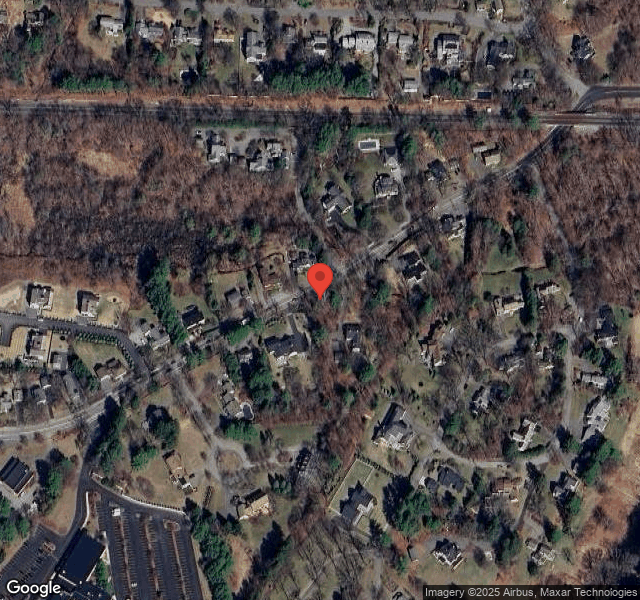
57 OLD ROAD TO NINE ACRE CORNER, W CONCORD, MA 01742 (978) 371-3400
For profit - Limited Liability company 135 Beds CAREONE Data: November 2025
Trust Grade
88/100
#12 of 338 in MA
Last Inspection: January 2025

Within standard 12-15 month inspection cycle. Federal law requires annual inspections.

Overview

Care One at Concord has a Trust Grade of B+, which means it is recommended and performs above average in comparison to other facilities. It ranks #12 out of 338 nursing homes in Massachusetts, placing it in the top half of the state, and #6 out of 72 in Middlesex County, indicating there are only five local facilities with better ratings. The facility's trend is concerning as it has worsened from 1 issue in 2023 to 3 issues in 2025, signaling a decline in quality. Staffing is generally good with a 4 out of 5-star rating and a turnover rate of 20%, significantly lower than the Massachusetts average of 39%, but RN coverage is only average. However, there are some troubling incidents reported, including a serious situation where a resident fell during a transfer due to improper use of a mechanical lift, resulting in a head injury. Additionally, staff failed to appropriately address an incident of alleged physical abuse by not separating the involved parties immediately, and there were shortcomings in creating personalized care plans for some residents based on their individual needs. While Care One at Concord has strengths in staffing stability and overall ratings, these recent incidents highlight important areas for improvement.

Trust Score
B+
88/100
In Massachusetts
#12/338
Top 3%
Safety Record
Moderate
Needs review
Inspections
Getting Worse
1 → 3 violations
Staff Stability
✓ Good
20% annual turnover. Excellent stability, 28 points below Massachusetts's 48% average. Staff who stay learn residents' needs.
Penalties
⚠ Watch
$7,901 in fines. Higher than 84% of Massachusetts facilities, suggesting repeated compliance issues.
Skilled Nurses
⚠ Watch
Each resident gets only 28 minutes of Registered Nurse (RN) attention daily — below average for Massachusetts. Fewer RN minutes means fewer trained eyes watching for problems.
Violations
✓ Good
Only 4 deficiencies on record. Cleaner than most facilities. Minor issues only.
★★★★★
5.0
Overall Rating
★★★★☆
4.0
Staff Levels
★★★★☆
4.0
Care Quality
★★★★★
5.0
Inspection Score
Stable
2023: 1 issues
2025: 3 issues

The Good

  • 4-Star Staffing Rating · Above-average nurse staffing levels
  • 4-Star Quality Measures · Strong clinical quality outcomes
  • Low Staff Turnover (20%) · Staff stability means consistent care
  • Full Sprinkler Coverage · Fire safety systems throughout facility
  • No fines on record
  • Staff turnover is low (20%)

    28 points below Massachusetts average of 48%

Facility shows strength in staffing levels, quality measures, staff retention, fire safety.

The Bad

Federal Fines: $7,901

Below median ($33,413)

Minor penalties assessed

Chain: CAREONE

Part of a multi-facility chain

Ask about local staffing decisions and management

The Ugly 4 deficiencies on record

1 actual harm
May 2025 1 deficiency
CONCERN (D) 📢 Someone Reported This

A family member, employee, or ombudsman was alarmed enough to file a formal complaint

Potential for Harm - no one hurt, but risky conditions existed

Abuse Prevention Policies (Tag F0607)

Could have caused harm · This affected 1 resident

Based on records reviewed and interviews, for one of three sampled residents (Resident #1), who had severe cognitive impairment, the Facility failed to ensure staff implemented and followed their Abus...

Read full inspector narrative →
Based on records reviewed and interviews, for one of three sampled residents (Resident #1), who had severe cognitive impairment, the Facility failed to ensure staff implemented and followed their Abuse Policy when on 04/08/25, after Nurse #1 witnessed an incident of alleged physical abuse of the resident by staff member, Nurse #1 left Resident #1 and the accused staff member (Certified Nurse Aide (CNA) #1) alone together and did not immediately separate them. Findings include: Review of the Facility's Abuse Policy titled Recognizing Signs and Symptoms of Abuse, dated as revised April 2021, indicated all types of resident abuse are strictly prohibited and personnel are expected to report any signs and symptoms of abuse/neglect to their supervisor or to the director of nursing services immediately. Review of the Facility's Policy titled Protection of Residents During Abuse Investigations, dated as revised April 2021, indicated residents are protected from harm, retaliation, reprisal, discrimination or coercion during investigations of abuse, neglect, exploitation and misappropriation of resident property. The Policy indicated that if the alleged perpetrator is an employee or staff member, the individual is immediately reassigned to duties that do not involve resident contact or are suspended until the findings of the investigation are reviewed by the administrator. Review of the Report submitted by the Facility via the Health Care Facility Reporting System (HCFRS), dated 04/08/25, indicated that on 4/08/25 at approximately 11:15 A.M., the Nurse Manager reported to the Director of Nursing that Nurse #1 perceived that CNA #1 slapped the left side of Resident #1's face with an open hand. Review of the Facility's Internal Investigation Summary Report, undated, indicated that after witnessing CNA #1 slap Resident #1, Nurse #1 left Resident #1's room without saying anything. During a telephone interview on 05/05/25 at 2:05 P.M., Nurse #1 said that on 04/08/25 at approximately 11:15 A.M., she entered Resident #1's room looking for his/her roommate and when she opened the door, she saw CNA #1 slap the left side of Resident #1's face with her right hand. Nurse #1 said she was shocked and immediately exited the room leaving Resident #1 and CNA #1 alone in the room. Nurse #1 said she went to the Nurse Manager and reported the incident that she witnessed. Nurse #1 said that when she and the Nurse Manager returned to Resident #1's bedroom door, Resident #1 was already ambulating out of the room on his/her own. During an interview on 05/05/25 at 11:30 A.M., the Director of Nursing (DON) said that on 4/08/25, Nurse #1 reported that she saw CNA #1 slap Resident #1 and initiated an internal investigation. The DON said when interviewing Nurse #1 about the incident she witnessed, Nurse #1 told her that she left CNA #1 alone in the room with Resident #1 after she witnessed the slap in order to go and speak with the Nurse Manager. The DON said Nurse #1 should have intervened, stayed with Resident #1 and asked CNA #1 to leave Resident #1's room after witnessing abuse. The Director of Nursing said that Nurse #1 was suspended as a result of her failure to intervene and received education before returning to work. On 5/05/25 the Facility was found to be in past non-compliance. The Facility provided the Surveyor with a plan of correction which addressed the concern as evidenced by: A. On 4/08/25, Nurse #1 and CNA #1 were suspended pending the outcome of the Facility's Internal Investigation of the allegation. B. The Director of Nursing conducted Skin and Pain Assessments for Resident #1 on 4/08/25 and reviewed and updated interventions on his/her ADL deficit care plan. C. The Social Worker met with Resident #1 on 4/09/25 to offer support and assess for change in mood/behavior. D. Starting on 4/08/25 and on-going, the Facility Director of Education or designee trained all staff on the expectations of when to report abuse and steps to assure resident safety. E. On 4/09/25, the Facility Social Worker/designee initiated interviews of all Facility residents regarding staff treatment and comfort/safety in the Facility. F. On 4/11/25, the Director of Nursing/designee initiated interviews of all staff members regarding observations of staff treatment of residents, including response to incidents/allegations. G. Starting 4/11/25, the Director of Nursing/designee conducted audits with ten staff members weekly for three weeks and subsequently monthly for two additional months, of their understanding of the Facility Abuse Policies and Procedures. H. The Quality Assurance Committee reviewed the Facility Performance Improvement Plan on 4/08/25 and will review progress during the July 2025 meeting. I. The Administrator and/or designee are responsible for overall compliance.
Jan 2025 2 deficiencies
CONCERN (D)

Potential for Harm - no one hurt, but risky conditions existed

Comprehensive Care Plan (Tag F0656)

Could have caused harm · This affected 1 resident

**NOTE- TERMS IN BRACKETS HAVE BEEN EDITED TO PROTECT CONFIDENTIALITY** Based on record review and interviews, the facility failed to develop personalized care plans for two Residents (#87 and #92) ou...

Read full inspector narrative →
**NOTE- TERMS IN BRACKETS HAVE BEEN EDITED TO PROTECT CONFIDENTIALITY** Based on record review and interviews, the facility failed to develop personalized care plans for two Residents (#87 and #92) out of a sample of 26 residents. Specifically: 1. For Resident #87, the facility failed to develop personalized care plans after the Speech Therapist made recommendations after two speech evaluations. 2. For Resident #92, the facility failed to develop a personalized history of substance abuse care plan. Findings include: A review of the facility policy titled, 'Care Plans, Comprehensive Person-Centered' with a revision date of December 2016 indicated the following: -A comprehensive, person-centered care plan that includes measurable objectives and timetables to meet the resident's physical, psychosocial and functional needs is developed and implemented for each resident. -The comprehensive care plan will: -Describe the services that are to be furnished to attain or maintain the resident's highest practicable physical, mental, and psychosocial well-being. -Incorporate identified problem areas. -Incorporate risk factors associated with identified problems. -Aid in preventing or reducing decline of the resident's functional status and or/functional levels. 1.) Resident #87 was admitted to the facility in October 2023 with diagnoses including dementia and dysphagia (difficulty swallowing). A review of the most recent Minimum Data Set (MDS) dated [DATE] indicated a Brief Interview for Mental Status (BIMS) score of 9 out of a possible 15 indicating moderate cognitive impairment. A review of the Situation, Background, Assessment, and Recommendation (SBAR) dated 2/10/24 indicated the following: -Change in condition noted related to Around 1:35 pm, patient was in the hallway between his/her room and dining when staff notice his/her briefly unresponsive, mouth cyanotic (bluish coloring) and eyes fixed while trying to hand over a bottle of drink to that staff. While assessing him/her further, we notice he/she had something in his/her mouth which looks like smuchy blueberry muffins. Apparently, his/her family brought donuts to him/her and he/she must have eating it too fast and it did not go down the digestive track easily. This change in condition started on 2/10/24. Since this started, it has stayed the same. Other relevant information: Patient has a history of eating too fast [sic] A review of a speech evaluation dated 2/15/24 indicated the following: -Patient noted one time pocketing (holding food in one's mouth without swallowing it) and patient independently cleared with liquids. Discussed with nursing, continue to assist with cutting into small bites, encourage slow rate of intake and alternating with liquids and checking oral cavity at the end of PO (by mouth) intake. Suspected that a diet change will not make a difference with behaviors/pocketing, and patient appears to tolerate regulars with no overt signs and symptoms of aspiration. They (nursing) expressed understanding, agreement with the plan. Discussed to continue with regular thin, if they (family) are here during lunch, encourage washing all food down with liquids at the end of the meal, if they want to bring outside food from home, have the nurses store it in the kitchen for patient and then supervise when eating. [sic] A review of the SBAR dated 12/2/24 indicated the following: - Change in condition noted related to Resident was observed coughing/choking on a piece of waffle, residents' mouth was cleared of any food, but food was still lodged in throat, Heimlich maneuver (abdominal thrusts used as a first aid technique used to dislodge foreign objects that obstruct the upper airway) was performed with good effect. Residents 02 (oxygen) after incident was 86, but went up to 92% RA (Room Air) after a few minutes. This change in condition started on 12/2/24. Since this started, it has gotten better. Treatment for the last episode: resident sent out.[sic] A review of a speech evaluation dated 12/2/24 indicated the following: -Patient seen in the dining room today, speech therapist was initially sitting with a different patient at his/her table. Speech therapist noted patient with an overstuffed oral cavity of waffles. Speech therapist instructed patient to remove the waffles, which he/she followed, he/she then started pointing at his/her throat. When asked if he/she felt food was stuck in his/her throat, he/she nodded yes. Speech therapist called for help, Heimlich maneuver completed. At this time, downgraded diet, discussed diet change and incident with Nursing. [sic] During an interview on 1/23/25 at 9:28 A.M., the Speech Therapist said she completed a speech evaluation with Resident #87 on 2/15/24 after the Resident pocketed a muffin that was brought in by family. She said she met with the Resident's family and provided education, she said she made a verbal recommendation to the Unit Manager #1 that food brought in from family should be stored in the kitchen and the Resident should only eat it with staff supervision. The Speech therapist also said she verbally explained the following to Unit Manager #1, the Resident has a history of fast paced eating, and his/her mouth should always be checked for pocketing prior to exiting the dining area after meals. The Speech Therapist said she completed another speech evaluation with Resident #87 on 12/2/24 after he/she choked and received the Heimlich maneuver. She said she met with the Unit Manager #1 and made the following verbal recommendations, check for pocketing prior to leaving the dining area after meals, change the Resident's seating in the dining room so that the Resident is visible to all staff, and Resident #87 has a history of fast-paced eating. The Speech Therapist said she makes verbal recommendations to the Unit Manager and expects her to develop a personalized care plan, so all staff are aware of Resident #87's needs during meals. A review of Resident #87's care plan failed to indicate that the Speech Therapist's recommendations were developed and implemented into Resident #87's care plan after the evaluations on 2/15/24 and 12/2/24. During an interview and record review on 1/23/25 at 9:42 A.M., Unit Manger #1 said she was aware of the verbal recommendations made by the Speech Therapist on 2/15/24 and 12/2/24. She said she did not develop personalized care plans based on the recommendations but should have. Unit Manger #1 added that Resident #87 gets very anxious on Fridays before his/her family member visits and tends to eat in a very fast paced manner. She said the fast-paced eating could be triggered by anxiety. Unit Manager #1 said this information should also be added and personalized in Resident #87's care plan. During an interview on 1/23/25 at 1:20 P.M., the Director of Nurses said she expects all verbal recommendations from the Speech Therapist to be addressed by the Unit Manager and added in the care plan. The DON said the verbal recommendations and information provided by the Speech Therapist on 2/15/24 and 12/2/24 should have been care planned. 2.) A review of the facility policy titled, 'Substance Use Disorder' dated November 2022 indicated the following: -Residents who are admitted to the facility with substance use disorder (SUD) will receive the necessary behavioral health care and services to attain and maintain the highest practicable physical, mental and psychosocial well-being, provided by the facility and in accordance with the comprehensive assessment and care plan. -The resident's history of substance use disorder and risk for using substances which could lead to an overdose while in the facility are identified to the extent possible and documented in the medical record. Resident #92 was admitted to the facility in August 2024 with diagnoses including alcohol abuse and schizoaffective disorder. A review of the most recent Minimum Data Set (MDS) dated [DATE] indicated a Brief Interview for Mental Status (BIMS) score of 4 out of a possible 15 indicating cognitive impairment. A review of Resident #92's Nutritional care plan initiated 8/28/24 indicated the following: -Diagnosis of encephalopathy and ETOH (alcohol) abuse. A review of the behavioral medication management progress notes dated 12/30/24 indicated the following: -Substance Use/Addiction History-History of ETOH (Alcohol) use disorder. During an interview and medical review on 1/23/25 at 10:30 A.M., the Social Worker reviewed the medical record and said a history of ETOH abuse care plan should be added even though Nutrition has addressed the ETOH abuse in the care plan. The Social Worker said a personalized ETOH abuse care plan should be developed and address the interventions from a mood and behavior perspective. During an interview on 1/23/25 at 1:20 P.M., the Director of Nurses said Resident #92 should have a personalized history of substance use care plan.
CONCERN (D)

Potential for Harm - no one hurt, but risky conditions existed

Medical Records (Tag F0842)

Could have caused harm · This affected 1 resident

Based on record review and interview, the facility failed to ensure accurate documentation in the medical record for one Resident (#88) out of a total sample of 26 residents. Specifically, for Residen...

Read full inspector narrative →
Based on record review and interview, the facility failed to ensure accurate documentation in the medical record for one Resident (#88) out of a total sample of 26 residents. Specifically, for Resident #88, nursing documentation in the Medication Administration Record (MAR) regarding the Resident's wanderguard was inaccurate. Findings include: Review of the facility policy titled Charting and Documentation, dated as revised July 2017, indicated the following: -Documentation in the medical record will be objective (not opinionated or speculative), complete and accurate. Resident #88 was admitted to the facility in September 2023 and has diagnoses that include dementia and Parkinson's disease. Review of the most recent Minimum Data Set (MDS) assessment, dated 11/22/24, indicated that on the Brief Interview for Mental Status exam Resident #88 scored a 4 out of a possible 15, indicating severely impaired cognition. The MDS further indicated Resident #88 had behavior of wandering 4-6 days in the previous 7 days. Review of Resident #88's current care plan indicated the following: Focus: Elopement/wandering risk related to cognitive impairment, initiated 1/2/24. Interventions include: -Check for placement and function of security bracelet as indicated, initiated 1/2/24. -Wanderguard to left ankle, initiate 1/2/24. Review of Resident #88's current Physician's orders indicated the following order: -Wanderguard, Expiration Date 5/26, every shift Wanderguard to left ankle. Check placement and function every shift. Start date of 11/13/24. Review of the January 2025 Medication Administration Record (MAR) indicated that in January 2025 nursing had documented 19 times no that Resident #88's wanderguard was not in place or functioning. During an interview on 1/23/25 at 10:00 A.M., with Nurse #2 she said that she is Resident #88's nurse on a regular basis. Nurse #2 said that Resident #88 wears a wanderguard due to behavior of trying to elope. She said that the Resident has no behavior of removing the wanderguard and that she should be documenting yes in the MAR, to indicate that the wanderguard is in place and functioning. Nurse #2 and the surveyor reviewed the MAR where Nurse #2 documented 15 of the 19 no entries that were in the MAR and she said that needed to be fixed. During an interview on 1/23/25 at 11:02 A.M., with the Director of Nursing she said that it is her expectation that the documentation in the MAR be accurate
Nov 2023 1 deficiency 1 Harm
SERIOUS (G) 📢 Someone Reported This

A family member, employee, or ombudsman was alarmed enough to file a formal complaint

Actual Harm - a resident was hurt due to facility failures

Accident Prevention (Tag F0689)

A resident was harmed · This affected 1 resident

**NOTE- TERMS IN BRACKETS HAVE BEEN EDITED TO PROTECT CONFIDENTIALITY** Based on records reviewed and interviews for one of three sampled residents (Resident #1) who required the use of a mechanical l...

Read full inspector narrative →
**NOTE- TERMS IN BRACKETS HAVE BEEN EDITED TO PROTECT CONFIDENTIALITY** Based on records reviewed and interviews for one of three sampled residents (Resident #1) who required the use of a mechanical lift with the assistance of two staff members for transfers later during the day or when he/she was fatigued or in pain, the Facility failed to ensure he/she was provided with an adequate level of safety from staff while being transferred via the mechanical in an effort to maintain his/her safety to prevent an incident/accident resulting in an injury. On 09/29/23, two Certified Nurse Aides (CNA's) attempted to transfer Resident #1 from a shower chair into his/her bed with the use of a mechanical lift, after positioning him/her in the mechanical lift sling required for use with a mechanical lift, as the CNA's raised him/her up, one of the straps (looped end of sling pad that staff manually connect to the lift) lifted up (slipped off) and became detached from the mechanical lift causing Resident #1 to fall backwards and hit his/her head on the floor. Resident #1 was transferred to the Hospital Emergency Department (ED) for evaluation, returned the same day, however, several days later he/she experienced a change in condition, was transferred back to the Hospital ED for further evaluation and was diagnosed with a concussion (brain injury caused by a blow to the head) related to the fall. Finding Include: The Facility Policy titled Mechanical Lift Use, dated as edited 08/24/22, indicated the purpose of the procedure was to establish the general principles of safe lifting using a mechanical lifting device and that it was not a substitute for manufacturer's training or instructions. The Policy indicated that step three in the procedure in use of a mechanical lift included measuring the resident for proper sling size and purpose, according to manufacturer's instructions. The Policy indicated that step twelve in the procedure in use of a mechanical lift included: -Make sure the sling is securely attached to the clips and that it is properly balanced. -Check to make sure the resident's head, neck, and back are supported. -Before resident is lifted, double check the security of the sling attachment. -Examine all hooks, clips, or fasteners. -Check the stability of the straps. Resident #1 was admitted to the Facility in April 2023, diagnoses included hemiparesis (partial paralysis on one side of body) following a cerebral infarction (stroke) affecting the left non-dominant side, diabetes mellitus, hypertension, dementia, anxiety and depression. Review of Resident #1's Quarterly Minimum Data Set (MDS), dated [DATE], indicated that he/she had a Brief Interview for Mental Status score of 15 (13-15 indicates intact cognition), and was able to make his/her needs known. Review of Resident #1's Risk for Falls Care Plan, dated as revised 05/04/23, indicated that interdisciplinary staff may use a mechanical lift with the assistance of two staff members for transfers later in the day or when he/she was fatigued or in pain. Review of the Facility Incident Report, dated 09/29/23, indicated that Resident #1 fell from the mechanical lift when two Certified Nurse Aides (CNAs) were transferring him/her. The Report indicated Resident #1 hit his/her head, complained of pain to the back of his/her head and lower back, and that 911 was called. Review of the Hospital discharge instructions, dated [DATE], indicated Resident #1 was diagnosed with a head and back injury, and indicated to return to the Hospital for worsening headache, or unexplained nausea, vomiting, or mental status change. Review of the Facility to Hospital Transfer Form, dated 10/05/23, indicated Resident #1 was being transferred to the Hospital ED for complaints of nausea, vomiting and headache, and that he/she had a fall on 09/29/23 and had hit his/her head. Review of the Hospital ED Clinical Chart Document, dated 10/05/23, indicated Resident #1 had a fall from a mechanical lift on Friday (09/29/23) with a head strike and indicated that the Facility reported new onset of headache, nausea and vomiting. Review of the Hospital discharge instructions, dated [DATE], indicated that Resident #1's final diagnosis was a concussion. During an interview on 11/07/23 at 8:44 A.M., Resident #1 said that on the day he/she fell when staff attempted to transfer him/her with the mechanical lift, he/she had just taken a shower and said before the staff members attempted to transfer him back into bed that day, said it seemed to take them longer than it usually took other staff to hook up the straps to the hooks of the mechanical lift. Resident #1 said typically in the past, when staff had hooked him/her up to the mechanical lift while he/she was in the sling, one of the staff members would check to make sure that everything was alright. Resident #1 said that on the day he/she fell, he/she did not remember seeing staff do any checks on the straps. Resident #1 said as soon as they started to lift him/her up from the shower chair with the mechanical lift, he/she observed one of the straps start moving, and then things happened so fast, he/she fell and landed on his/her head. Review of Certified Nurse Aide (CNA) #1's written Witness Statement, dated 09/29/23, indicated that at approximately 2:00 P.M., another CNA called for his (CNA #1's) assistance with transferring Resident #1 back to bed from a shower chair with the use of a mechanical lift. The Statement indicated that during the middle of the transfer, the mechanical lift pad (also known as sling, which suspends resident in the mechanical lift during transfer) snapped out (slipped off) on one side and Resident #1 slid on the floor. During an interview on 11/07/23 at 10:54 A.M., CNA #1 said that on 09/29/23, CNA #2 asked him to assist her with transferring Resident #1 back into bed. CNA #1 said Resident #1 was seated in a shower chair at the end of his/her bed with the sling for the mechanical lift under him/her. CNA #1 said he helped hook up the two bottom straps (loops) of the sling to the hooks on the lower part of mechanical lift. CNA #1 said CNA #2 hooked the two upper straps of the sling to the hooks on the upper part of the mechanical lift, then he used the remote and began to lift Resident #1 with the mechanical lift. CNA #1 said he had not checked the two upper straps connections that CNA #2 had connected and put in place, because CNA #2 was not a new CNA. CNA #1 said as the mechanical lift slowly raised Resident #1 up off the chair, and he started to move the mechanical lift, with Resident #1 still suspended over the shower chair in the sling, the portion of the strap that was looped over and attached to one of the lift hooks on the upper part of the lift near Resident #1's shoulder snapped (slipped) off the hook. CNA #1 said it all happened so fast, that when the sling strap came off, Resident #1's body went to the side, he/she slid down and hit his/her head on the floor. Review of CNA #2's written Witness Statement, dated 09/29/23, indicated that after she (CNA #2) gave Resident #1 a shower, and called another CNA to assist with transferring him/her back to bed. The Statement indicated that while in the middle of transferring Resident #1, a strap of the sling, snapped (slipped) off the mechanical lift which caused him/her to hit his/her head on the floor. During an interview on 11/07/23 at 11:25 A.M., CNA #2 said that on 09/29/23 Resident #1 had been on her assignment and that after she gave him/her a shower, she asked CNA #1 to help her transfer him/her back into bed. CNA #2 said while Resident #1 was suspended above the shower chair in the sling attached to the mechanical lift, as CNA #1 started to move the lift, all of a sudden said she heard what sounded like a pop and observed Resident #1's legs go up, he/she fell backwards, his/her head went backwards, and he/she hit his/her head on the floor. CNA #2 said she observed that part of the sling, one of the straps had come off one of the hooks of the mechanical lift. CNA #2 said she did not know how or why the strap disconnected while they transferred Resident #1. CNA #2 said that the sling they used to transfer Resident #1 was wet and dripping at the time of the transfer and said that maybe that was the reason. During an interview on 11/07/23 at 11:51 A.M., the Unit Manager said that on 09/29/23, she was called by CNA #2 to come assist with Resident #1 and said when she went to Resident #1's room, she observed that he/she was on the floor by his/her bed. The Unit Manager said she assessed Resident #1, that he/she had a bump on his/her head, and 911 was called. During interview on 11/07/23 at 2:07 P.M., the Director of Nursing (DON) said she was notified by the Unit Manager of Resident #1's incident on 09/29/23 and said when she arrived at Resident #1's room she observed him/her lying on his/her back on the floor. The DON said she left the room to call 911. The DON said that after she investigated the incident, the only conclusion she could come to was that the strap (on the mechanical lift sling) was not positioned all the way down over the hook on the lift. On 11/07/23, the Facility was found to be in Past Non-Compliance and presented the Surveyor with a plan of correction which addressed the area of concern as evidenced by: A) 10/03/23, Maintenance and Central Supply Coordinator completed audits (which included visual inspections of slings and straps) on all of the facility's mechanical lift slings to ensure they were in good condition. B) 10/04/23, DON and Central Supply Coordinator completed audits for all residents who required mechanical lift transfers to ensure the correct sling type was in use, that the appropriate sling size had been determined, and to ensure Care Plans were updated. C) 10/05/23, DON presented the area of concern and Plan of Correction at a Quality Assurance Performance Improvement Meeting. D) 10/06/23, Facility Educator completed education to Nursing Staff regarding: -Two care givers must assist with the use of a mechanical lift transfers. -Two care givers must inspect that the sling and hooks to ensure they are properly secured before any resident is moved. -Mechanical lift competencies were completed for nursing staff. E) 10/06/23, Maintenance Director and Central Supply Coordinator completed audit to ensure proper function of Facility mechanical lifts. F) 10/09/23, DON conducted follow-up observations of five mechanical lift transfers to ensure nursing staff compliance. G) Ongoing, DON will conducted weekly observations, then monthly follow-up observations of five mechanical lift transfers for continued compliance. H) November-December 2023, DON will present Plan of Correction, results of audits, follow-up Observations at the Quality Assurance Performance Improvement Meetings. I) DON and/or designee are responsible for overall compliance.
Understanding Severity Codes (click to expand)
Life-Threatening (Immediate Jeopardy)
J - Isolated K - Pattern L - Widespread
Actual Harm
G - Isolated H - Pattern I - Widespread
Potential for Harm
D - Isolated E - Pattern F - Widespread
No Harm (Minor)
A - Isolated B - Pattern C - Widespread

Questions to Ask on Your Visit

  • "Can I speak with families of current residents?"
  • "What's your RN coverage like on weekends and overnight?"

Our Honest Assessment

Strengths
  • • Grade B+ (88/100). Above average facility, better than most options in Massachusetts.
  • • 20% annual turnover. Excellent stability, 28 points below Massachusetts's 48% average. Staff who stay learn residents' needs.
Concerns
  • • 4 deficiencies on record, including 1 serious (caused harm) violation. Ask about corrective actions taken.
Bottom line: Generally positive indicators. Standard due diligence and a personal visit recommended.

About This Facility

What is Care One At Concord's CMS Rating?

CMS assigns CARE ONE AT CONCORD an overall rating of 5 out of 5 stars, which is considered much above average nationally. Within Massachusetts, this rating places the facility higher than 99% of the state's 100 nursing homes. This rating reflects solid performance across the metrics CMS uses to evaluate nursing home quality.

How is Care One At Concord Staffed?

CMS rates CARE ONE AT CONCORD's staffing level at 4 out of 5 stars, which is above average compared to other nursing homes. Staff turnover is 20%, compared to the Massachusetts average of 46%. This relatively stable workforce can support continuity of care.

What Have Inspectors Found at Care One At Concord?

State health inspectors documented 4 deficiencies at CARE ONE AT CONCORD during 2023 to 2025. These included: 1 that caused actual resident harm and 3 with potential for harm. Deficiencies causing actual harm indicate documented cases where residents experienced negative health consequences.

Who Owns and Operates Care One At Concord?

CARE ONE AT CONCORD is owned by a for-profit company. For-profit facilities operate as businesses with obligations to shareholders or private owners. The facility is operated by CAREONE, a chain that manages multiple nursing homes. With 135 certified beds and approximately 119 residents (about 88% occupancy), it is a mid-sized facility located in W CONCORD, Massachusetts.

How Does Care One At Concord Compare to Other Massachusetts Nursing Homes?

Compared to the 100 nursing homes in Massachusetts, CARE ONE AT CONCORD's overall rating (5 stars) is above the state average of 2.9, staff turnover (20%) is significantly lower than the state average of 46%, and health inspection rating (5 stars) is much above the national benchmark.

What Should Families Ask When Visiting Care One At Concord?

Based on this facility's data, families visiting should ask: "Can I visit during a mealtime to observe dining assistance and food quality?" "How do you handle medical emergencies, and what is your hospital transfer rate?" "Can I speak with family members of current residents about their experience?"

Is Care One At Concord Safe?

Based on CMS inspection data, CARE ONE AT CONCORD has a clean safety record: no substantiated abuse findings (meaning no confirmed cases of resident harm), no Immediate Jeopardy citations (the most serious violation level indicating risk of serious injury or death), and is not on the Special Focus Facility watch list (a federal program monitoring the lowest-performing 1% of nursing homes). The facility has a 5-star overall rating and ranks #1 of 100 nursing homes in Massachusetts. While no facility is perfect, families should still ask about staff-to-resident ratios and recent inspection results during their visit.

Do Nurses at Care One At Concord Stick Around?

Staff at CARE ONE AT CONCORD tend to stick around. With a turnover rate of 20%, the facility is 26 percentage points below the Massachusetts average of 46%. Low turnover is a positive sign. It means caregivers have time to learn each resident's needs, medications, and personal preferences. Consistent staff also notice subtle changes in a resident's condition more quickly.

Was Care One At Concord Ever Fined?

CARE ONE AT CONCORD has been fined $7,901 across 1 penalty action. This is below the Massachusetts average of $33,158. While any fine indicates a compliance issue, fines under $50,000 are relatively common and typically reflect isolated problems that were subsequently corrected. Families should ask what specific issues led to these fines and confirm they've been resolved.

Is Care One At Concord on Any Federal Watch List?

CARE ONE AT CONCORD is not on any federal watch list. The most significant is the Special Focus Facility (SFF) program, which identifies the bottom 1% of nursing homes nationally based on persistent, serious quality problems. Not being on this list means the facility has avoided the pattern of deficiencies that triggers enhanced federal oversight. This is a positive indicator, though families should still review the facility's inspection history directly.