WATERTOWN REHABILITATION AND NURSING CENTER
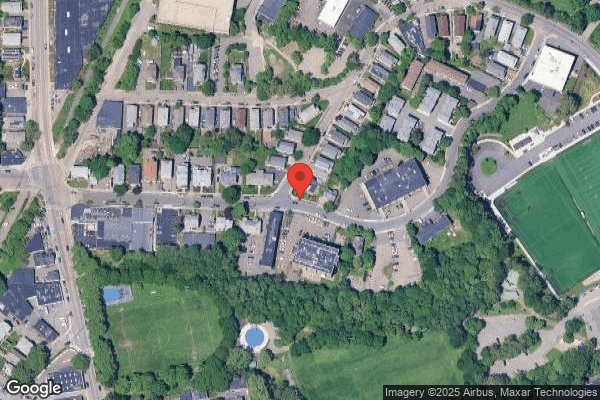
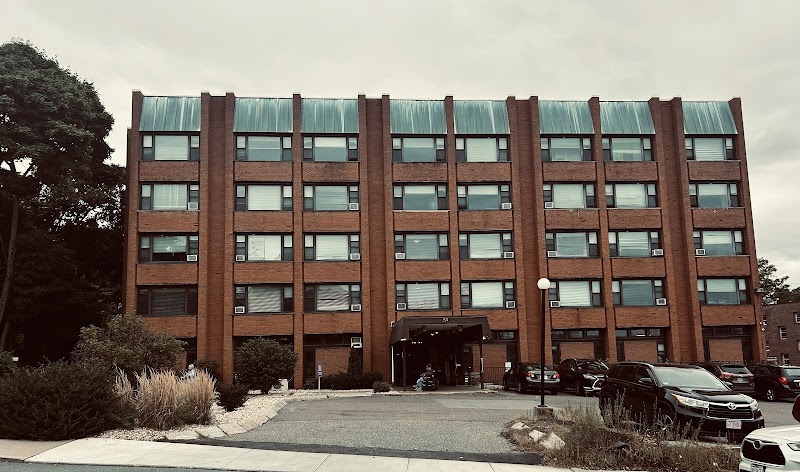
59 COOLIDGE HILL ROAD, WATERTOWN, MA 02472 (617) 924-1130
For profit - Limited Liability company 163 Beds EPHRAM LAHASKY Data: November 2025
Trust Grade
35/100
#257 of 338 in MA
Last Inspection: May 2025

Inspected within the last 6 months. Data reflects current conditions.

Overview

Watertown Rehabilitation and Nursing Center has a Trust Grade of F, indicating significant concerns about the quality of care provided. It ranks #257 out of 338 facilities in Massachusetts, placing it in the bottom half, and #51 out of 72 in Middlesex County, suggesting limited options for better care nearby. The facility is currently improving, with a decrease in reported issues from 23 in 2024 to 17 in 2025. Staffing is a relative strength, with a turnover rate of 34%, which is below the state average, but the overall staffing rating is only 2 out of 5 stars. However, $69,440 in fines raises concerns about compliance problems, and incidents such as a resident developing a severe pressure injury due to delays in care and a nurse feeding a resident with a contaminated spoon highlight serious issues that families should consider.

Trust Score
F
35/100
In Massachusetts
#257/338
Bottom 24%
Safety Record
Moderate
Needs review
Inspections
Getting Better
23 → 17 violations
Staff Stability
○ Average
34% turnover. Near Massachusetts's 48% average. Typical for the industry.
Penalties
✓ Good
$69,440 in fines. Lower than most Massachusetts facilities. Relatively clean record.
Skilled Nurses
○ Average
Each resident gets 34 minutes of Registered Nurse (RN) attention daily — about average for Massachusetts. RNs are the most trained staff who monitor for health changes.
Violations
⚠ Watch
62 deficiencies on record. Higher than average. Multiple issues found across inspections.
★★☆☆☆
2.0
Overall Rating
★★☆☆☆
2.0
Staff Levels
★★☆☆☆
2.0
Care Quality
★★☆☆☆
2.0
Inspection Score
Stable
2024: 23 issues
2025: 17 issues

The Good

  • Full Sprinkler Coverage · Fire safety systems throughout facility
  • No fines on record
  • Staff turnover below average (34%)

    14 points below Massachusetts average of 48%

Facility shows strength in fire safety.

The Bad

2-Star Overall Rating

Below Massachusetts average (2.9)

Below average - review inspection findings carefully

Staff Turnover: 34%

11pts below Massachusetts avg (46%)

Typical for the industry

Federal Fines: $69,440

Well above median ($33,413)

Moderate penalties - review what triggered them

Chain: EPHRAM LAHASKY

Part of a multi-facility chain

Ask about local staffing decisions and management

The Ugly 62 deficiencies on record

1 actual harm
Aug 2025 1 deficiency
CONCERN (D) 📢 Someone Reported This

A family member, employee, or ombudsman was alarmed enough to file a formal complaint

Potential for Harm - no one hurt, but risky conditions existed

Notification of Changes (Tag F0580)

Could have caused harm · This affected 1 resident

Based on records reviewed and interviews, for one of three sampled residents (Resident #1), who had an activated Health Care Proxy (HCP), the facility failed to ensure that on 08/11/25, his/her Health...

Read full inspector narrative →
Based on records reviewed and interviews, for one of three sampled residents (Resident #1), who had an activated Health Care Proxy (HCP), the facility failed to ensure that on 08/11/25, his/her Health Care Agent (HCA) was notified of his/her transfer to another Skilled Nursing Facility (SNF).Findings include:Review of the Facility Policy titled, Change in a Resident's Condition or Status, dated as last revised 02/2021, indicated that the Facility will promptly notify the resident, his/her attending physician, and the resident representative of changes in the resident's medical/mental condition and/or status.The Policy further indicated that the Nurse will notify the residents representative when a decision has been made to discharge the resident from the Facility.Resident #1 was admitted to the Facility in November 2023 diagnoses include progressive dementia, diabetes mellitus, and chronic renal insufficiency.Review of Resident #1's Physician's Orders, dated as of 08/11/25, indicated that his/her HCP had been invoked since 11/15/23.Review of Resident #1's Quarterly Minimum Data Set (MDS) Assessment, dated 08/08/25, indicated he/she had significantly impaired cognition, only sometimes understood what was being said, only sometimes could make his/herself understood, and indicated that his/her primary language spoken/understood was Hattian Creole.Review of Resident #1's Social Service Progress Note, dated 08/01/25, indicated that the social worker sent a referral to the SNF at his/her HCA request. Review of Resident #1's Nurse Progress Note, dated 08/11/25, indicated that he/she had been transferred to another SNF. During a telephone interview on 08/11/25 at 11:44 A.M., Resident #1's Health Care Agent (HCA) said although she had requested that Resident #1 be transferred to another SNF, the Facility did not communicate an actual transfer date or time at which Resident #1 was to be transferred to another SNF.The HCA said on 08/11/25 she received a phone call from the accepting SNF informing her that Resident #1 had arrived, that they said they were unaware that Resident #1 was being transferred that day (08/11/25) to their facility and they did not have the appropriate information required.During a telephone interview on 08/14/25 at 3:50 P.M., the Director of Social Services said that on 08/01/25, Resident #1's transfer had been initiated via e-mail, at the request of his/her HCA.The Director said that all e-mails regarding his/her discharge had been Carbon Copied (cc'd) to the HCA. The Director said that Resident #1's HCA never responded to any of the e-mails. The Director said that she called and left a voice mail for the HCA, but the HCA never responded. The Director said because she never spoke to the HCA, that she could only assume that the HCA knew about the date and time of transfer. During a telephone interview on 08/20/25 at 2:03 P.M., the Director of Admissions from the accepting SNF said that Resident #1's transfer had been tentatively planned for 08/11/25, however she also said that the facility never confirmed the transfer date, provided a transfer time or completed a nurse-to-nurse clinical report. During an interview on 08/12/25 at 2:09 P.M., the Nurse Supervisor said that on 08/01/25, she was informed that Resident #1 was to be transferred to another SNF soon and she had been asked to fax the requested information to the appropriate parties.The Supervisor said she never contacted Resident #1`'s HCA about the transfer because it was the HCA who initiated the transfer, and that the Social Service staff were responsible for the discharge/transfer process.During an interview on 08/12/25 at 3:39 P.M., the Director of Nurses (DON) said that she was not aware that Resident #1's HCA was not aware of the details of his/her transfer to the other facility. The DON said that she thought the Director of Social Services communicated with the HCA prior to the transfer.The DON said that it is the Facility's expectation to fully inform residents and their responsible party of all details of a discharge/transfer from the Facility and the discharging nurse is to call the accepting Facility and provide the accepting nurse with a report of the incoming resident.
May 2025 16 deficiencies
CONCERN (D)

Potential for Harm - no one hurt, but risky conditions existed

Resident Rights (Tag F0550)

Could have caused harm · This affected 1 resident

Based on observations, interviews and records reviewed, the facility failed to ensure staff treated residents in a dignified manner during the dining experience for two Residents, (#44, and #71), out ...

Read full inspector narrative →
Based on observations, interviews and records reviewed, the facility failed to ensure staff treated residents in a dignified manner during the dining experience for two Residents, (#44, and #71), out of a total sample of 32 Residents. Specifically: 1. For Resident #44, the facility failed to acknowledge a resident's request for assistance in the day room. 2. For Resident #71, facility failed to provide a dignified dining experience evidenced by staff not communicating with him/her for the duration of the meal. Findings include: Review of the facility policy titled Quality of Life-Dignity, dated as revised February 2020, indicated -Each resident shall be cared for in a manner that promotes and enhances his or her sense of well-being, level of satisfaction with life, feeling of self-worth and self-esteem. -Residents are treated with dignity and respect at all times. 1. Resident #44 was admitted to the facility in January 2023 with diagnoses including dysphagia (difficulty swallowing), feeding difficulties, muscle weakness and lack of coordination. Review of Resident #44's most recent Minimum Data Set (MDS) assessment, dated 1/24/25, indicated the Resident did not have a Brief Interview for Mental Status exam completed. The MDS also indicated Resident #44 requires set-up assistance for self-feeding tasks. On 5/5/25 from approximately 8:57 A.M. to 9:11 A.M., Resident #44 was observed sitting in the day room after the breakfast meal. A breakfast tray was observed on the table in front of Resident #44. Resident #44 attempted to take a sip from an empty coffee cup and could be heard repeatedly saying Hey over here! as he/she held up the empty coffee cup waving it in the air, attempting to signal staff members who were walking in and out of the day room. A staff member walked over to the table where Resident #44 was sitting and picked up an empty juice cup from the breakfast tray and walked out of the day room. A staff member was observed walking into the day room, past Resident #44 and turned on the television. Resident #44 could be heard repeatedly saying More, no-good, no-good empty, hey, hey! as the staff member continued to remove breakfast trays from the day room. Staff that were in the day room removing trays and did not acknowledge Resident #44. Review of Resident #44's communication care plan last revised 2/3/25, indicated the following: - Encourage resident to continue to make needs known and to call for assistance to ensure safety. - Staff will anticipate and meet needs. During an interview on 5/6/25 at 9:11 A.M., CNA #6 said Resident #44 is behavioral and said he/she does this all the time. During an interview on 5/6/25 at 10:49 A.M., the Director of Nursing said she expects staff provide supervision and communicate with residents during the meals and provide care as needed for each Resident. 2. Resident #71 was admitted to the facility in November 2023 with diagnoses including dysphagia (difficulty swallowing), dementia, diabetes mellitus, and mild cognitive impairment. Review of Resident #71's most recent Minimum Data Set (MDS) assessment, dated 2/6/25, indicated Resident #16 had severe cognitive impairment as evidenced by a Brief Interview for Mental Status score of 1 out of 15. Further review of the MDS indicated Resident #71 speaks Haitian/Creole and is dependent on staff for feeding tasks. On 5/5/25 at 8:34 A.M., Resident #71 was observed sitting in the day room facing a window, with his/her back facing the entry door. The Resident was alone at the table with his/her breakfast tray within reach not set up for consumption. No staff were present in the room to assist the Resident with their meal. At 8:47 A.M., the surveyor observed Certified Nursing Assistant (CNA) #5 enter the dining room and sat down next to Resident #71. CNA #5 began to feed Resident #71 the breakfast meal. CNA #5 did not attempt to communicate with the Resident. At 9:01 A.M., CNA #5 said Done? Try your milk as he brought a cup containing coffee and not milk, up to the Residents lips. The Resident did not respond and did not drink the coffee. At 9:03 A.M., the surveyor observed CNA #5 open a carton of milk and pour it into a dirty juice cup. CNA #5 held up the cup of milk and said you want to Resident #71. The Resident did not respond and did not drink the milk. CNA #5 proceeded to pick up the breakfast tray and exited the day room. CNA #5 only spoke to Resident #71 in English and made no attempt to communicate with him/her throughout the meal in his/her own language. On 5/6/25 at 8:33 A.M., Resident #71 was observed sitting in the day room facing a window, with his/her back facing the entry door. The Resident was alone at the table with his/her breakfast tray within reach not set up for consumption. No staff were present in the room to assist the Resident with their meal. At 8:40 A.M., Nurse #8 was observed walking into the day room and sat down next to Resident #71 and began to feed him/her the breakfast meal. Nurse #8 did not attempt to communicate with the Resident. At 9:03 A.M., Nurse #8 said you don't like egg? as she attempted to feed eggs to Resident #71. Resident #71 did not respond. Nurse #8 only spoke to Resident #71 in English and made no attempt to communicate with him/her throughout the meal in his/her own language. Review of Resident #71's socialization care plan last revised 11/27/24, indicated the following intervention: Exhibit patience when directing conversation or questions to Resident- Resident is French Creole speaking. Review of Resident #71's dementia care plan last revised 11/7/24, indicated the following interventions: - Allow adequeate [SIC] time for response. - Ask simple questions which require yes and no answers when possible. Review of Resident #71's Kardex (a form indicating the level of assistance needed for resident care) indicated the following: -Eating/Nutrition: requires supervision with meals. Communication: Ask simple questions which require yes and no answers when possible. -Face to face communication, repeat if necessary. - Ask simple questions which require yes and no answers when possible. During an interview on 5/6/25 at 8:51 A.M., Certified Nursing Assistant (CNA) #5 said Resident #71 needs help with feeding because he/she can't do it alone because he/she has dementia. CNA #5 said the Resident speaks Haitian/Creole and said a lot of the staff working speak that language. CNA #5 said he speaks Haitian/Creole but did not speak to him/her because he knows what the Resident likes. During an interview on 5/6/25 at 9:13 A.M., CNA #6 said the Resident speaks Creole but does not communicate with staff. CNA #6 said he/she does not have cue cards or use a language line and does not know if the facility has those things. During an interview on 5/6/25 at 10:47 A.M., the Director of Nursing said she expects staff to communicate with residents in his/her preferred language.
CONCERN (D)

Potential for Harm - no one hurt, but risky conditions existed

Deficiency F0552 (Tag F0552)

Could have caused harm · This affected 1 resident

Based on record review and interviews, the facility failed to obtain consent for the use of psychotropic medication for one Resident (#82), out of a total sample of 32 residents. Findings include: Rev...

Read full inspector narrative →
Based on record review and interviews, the facility failed to obtain consent for the use of psychotropic medication for one Resident (#82), out of a total sample of 32 residents. Findings include: Review of the facility policy titled Psychotropic Medication Use, dated July 2022, indicated the following: -Residents, families and/or the representative are involved in the medication management process. Psychotropic medication management includes: -Indication for use -Dose (including duplicate therapy) -Duration -Adequate monitoring for efficacy and adverse consequences -Preventing, identifying and responding to adverse consequences. Resident #82 was admitted to the facility in February 2023 with diagnoses including generalized anxiety disorder. Review of Resident #82's most recent Minimum Data Set (MDS) assessment, dated 4/4/25, indicated the Resident scored a 15 out of a 15 on the Brief Interview for Mental Status exam, indicating intact cognition. Review of Resident #82's physician orders indicated the following order with a start date of 4/10/25: Ativan (an antianxiety medication) give 0.5 milligram (mg) by mouth as needed for pre-med before appointments. Review of Resident #82's care plan date, initiated 10/11/21, indicated the following: I am taking antidepressant, antianxiety and antipsychotic related to bipolar disorder. Intervention: My psychotropic medication consent can be found in my medical records under consents. Review of Resident #82's medical record indicated the following: -Resident #82 had an invoked healthcare proxy in place, indicating he/she did not make his/her own medical decisions. -Review of the Medication Administration Record dated May 2025 indicated the Resident received Ativan on 5/1/25 prior to a medical appointment. -The medical record failed to indicate Resident #82's healthcare proxy was informed of the new order for Ativan and the risks/benefits of the medication in advance of administration of the medication. During an interview on 5/5/25 at 12:04 P.M., Nurse #8 said a consent is required before administering a psychotropic medication. During an interview on 5/5/25 at 12:06 P.M., the Director of Nursing said a psychotropic consent is required for Ativan and before its administered to a resident.
CONCERN (D)

Potential for Harm - no one hurt, but risky conditions existed

Deficiency F0605 (Tag F0605)

Could have caused harm · This affected 1 resident

Based on record review and interviews, the facility failed to ensure one Resident, (#82) was free from an unnecessary psychotropic medication, out of a total sample of 32 residents. Findings include: ...

Read full inspector narrative →
Based on record review and interviews, the facility failed to ensure one Resident, (#82) was free from an unnecessary psychotropic medication, out of a total sample of 32 residents. Findings include: Review of the facility policy titled Psychotropic Medication Use, dated July 2022, indicated the following: -Psychotropic medications are not prescribed or given on an as needed (PRN) basis unless that medication is necessary to treat a diagnosed specific condition that is documented in the clinical record. -As needed medication for psychotropic medications are limited to 14 days. -For psychotropic medications that are not antipsychotic: if the prescriber or attending physician believes it is appropriate to extend the PRN order beyond 14 days, he or she will document the rationale for extending the use and include the duration for the PRN order. Resident #82 was admitted to the facility in February 2023 with diagnoses including generalized anxiety disorder. Review of Resident #82's most recent Minimum Data Set (MDS) assessment, dated 4/4/25, indicated the Resident scored a 15 out of a 15 on the Brief Interview for Mental Status exam, indicating intact cognition. The MDS further indicated that the Resident was taking an antianxiety medication. Review of Resident #82's physician orders indicated the following order with a start date of 4/10/25: -Ativan (an antianxiety medication) give 0.5 milligram (mg) by mouth as needed for pre-med before appointments. The medical record failed to indicate a 14 day stop date had been initiated for the PRN ativan. Review of the Medication Administration Record, dated May 2025, indicated the Resident received Ativan on 5/1/25 prior to a medical appointment. During an interview on 5/5/25 at 12:04 P.M., Nurse #8 said a PRN psychotropic requires a 14 day stop date and then must be re-evaluated by the physician. During an interview on 5/6/25 at 10:48 A.M., the Director of Nursing said a PRN psychotropic should have a 14 day stop date unless the physician documents a reason to extend the medication use.
CONCERN (D)

Potential for Harm - no one hurt, but risky conditions existed

Comprehensive Care Plan (Tag F0656)

Could have caused harm · This affected 1 resident

Based on observation, interviews, and records reviewed, the facility failed to implement a communication care plan for one Resident (#71) out of a total sample of 32 Residents. Findings include: Revi...

Read full inspector narrative →
Based on observation, interviews, and records reviewed, the facility failed to implement a communication care plan for one Resident (#71) out of a total sample of 32 Residents. Findings include: Review of the facility policy titled Translation and/or Interpretation of Facility Services, dated, November 2020, indicated: This facilities language access program will ensure that individuals with Limited English Proficiency (LEP) shall have meaningful access to information and services provided by the facility. Resident #71 was admitted to the facility in November 2023 with diagnoses including dysphagia (difficulty swallowing), dementia, diabetes mellitus, and mild cognitive impairment. Review of Resident #71's most recent Minimum Data Set (MDS) assessment, dated 2/6/25, indicated Resident #16 had severe cognitive impairment as evidenced by a Brief Interview for Mental Status score of one out of 15. The MDS indicated Resident #71 is dependent on staff for self-care needs and required supervision or touching assistance with eating. Further review of the MDS indicated Resident #71 speaks Haitian - Creole. Review of Resident #71's socialization care plan last revised 11/27/24, indicated the following intervention: Exhibit patience when directing conversation or questions to Resident- Resident is French Creole speaking. Review of Resident #71's communication care plan last revised 11/27/24, indicated the following intervention: Face resident and speak clearly when communicating. Review of Resident #71's dementia care plan last revised 11/7/24, indicated the following intervention: Allow adequeate [SIC] time for response. Ask simple questions which require yes and no answers when possible. Review of Resident #71's Kardex (a form indicating the level of assistance needed for resident care) indicated the following: Communication: Ask simple questions which require yes and no answers when possible. -Face to face communication, repeat if necessary. -Ask simple questions which require yes and no answers when possible. On 5/5/25 at 8:47 A.M., the surveyor observed Resident #71 sitting in the day room during the breakfast meal. CNA #5 began to feed Resident #71 the breakfast meal. CNA #5 did not attempt to communicate with the Resident. At 9:01 A.M., CNA #5 said Done? Try your milk as he brought a cup containing coffee and not milk, up to the Residents lips. The Resident did not respond and did not drink the coffee. At 9:03 A.M., the surveyor observed CNA #5 pour juice out into a cereal bowl and proceeded to open a carton of milk and pour the milk into the now empty cup that contained the juice. CNA #5 held up the cup of milk and said you want to Resident #71. The Resident did not respond and did not drink the milk. CNA #5 proceeded to pick up the breakfast tray and exited the day room. CNA #5 spoke to Resident #71 only in English and did not attempt to communicate with Resident #71 in his/her language. On 5/6/25 at 9:03 A.M., Resident #71 was observed sitting in the day room during the breakfast meal. At 8:40 A.M., Nurse #8 began to feed him/her the breakfast meal. Nurse #8 did not attempt to communicate with Resident #71. At 9:03 A.M., Nurse #8 said you don't like egg? as she attempted to feed eggs to Resident #71. Resident #71 did not respond. Nurse #8 spoke to Resident #71 only in English did not attempt to communicate with Resident #71 in his/her language. The surveyor did not observe staff utilize communication boards or attempt to utilize an language line for interpreter services while engaging with Resident #71. During an interview on 5/6/25 at 8:41 A.M., Nurse #8 said the care plan should be followed when providing care and staff should speak to the Resident in his/her preferred language. During an interview on 5/6/25 at 8:53 A.M., Certified Nursing Assistant, (CNA) #5 said Resident #71 needs help with feeding because he/she can't do it alone because he/she has dementia. CNA #5 said the Resident speaks Haitian-Creole and said a lot of the staff working speak that language and should communicate with the Resident in a language they understand. During an interview on 5/6/25 at 9:13 A.M., CNA #6 said Resident #71 speaks Creole but rarely communicates with staff. CNA #6 said he/she does not have communication cards or use a language line and does not know if the facility has those things. During an interview on 5/6/25 at 10:47 A.M., the Director of Nursing said she expects staff to provide the level of care that is needed, and she expects staff to communicate with residents in his/her preferred language when providing care and when assisting with meals.
CONCERN (D)

Potential for Harm - no one hurt, but risky conditions existed

Deficiency F0658 (Tag F0658)

Could have caused harm · This affected 1 resident

Based on observations, interviews, and record review the facility failed to provide services that meet professional standards of quality evidenced by failing to implement physicians orders for one Res...

Read full inspector narrative →
Based on observations, interviews, and record review the facility failed to provide services that meet professional standards of quality evidenced by failing to implement physicians orders for one Resident, (#20), out of a total sample of 32 residents. Specifically: For Resident #20, the facility failed to implement a physician's order to obtain vital signs prior to administering metoprolol (a medication that lowers blood pressure). Findings include: Review of the Massachusetts Board of Registration in Nursing Advisory Ruling on Nursing Practice, dated as revised April 11, 2018, indicated: -Nurse's Responsibility and Accountability: Licensed nurses accept, verify, transcribe, and implement orders from duly authorized prescriber's that are received by a variety of methods (i.e., written, verbal/telephone, standing orders/protocols, pre-printed order sets, electronic) in emergent and non-emergent situations. Licensed nurses in a management role must ensure an infrastructure is in place, consistent with current standards of care, to minimize error. Review of the facility policy titled 'Administering Medications', revised April 2019, indicated: - The following information is checked/verified for each resident prior to administering medications: vital signs, if necessary. 1. Resident #20 was admitted to the facility in April, 2008 with diagnoses including hypertension (high blood pressure). Review of the most recent Minimum Data Set (MDS) assessment, dated 3/4/25, indicated Resident #20 had severe cognitive impairment as evidenced by a Brief Interview for Mental Status (BIMS) score of 7 out of 15. Review of Resident #20's physician's order, initiated 6/16/18, indicated: - Metoprolol succ (succinate) ER (extended release) 25 milligram (mg) tab (tablet), give one tablet in morning, hold if SBP (systolic blood pressure) is less than 100 or pulse less than 60, scheduled at 8:00 A.M. On 5/6/25 at 8:59 A.M., the surveyor observed Nurse #7 prepare and administer the following medication to Resident #20: - One Metoprolol succinate ER 25 mg tablet. During a follow up interview on 5/6/25 at 9:05 A.M., Nurse #7 said she did not know what Resident #95's blood pressure or pulse was because she did not obtain vital signs prior to administering the metoprolol. Nurse #7 said she should have obtained vital signs because the physician's order included parameters to hold if blood pressure or pulse were below certain levels. During an interview on 5/6/25 at 12:06 P.M., the Director of Nursing (DON) said nurses should always follow the physician's orders. The DON said if the physician's order included parameters to hold the medication if blood pressure or pulse is below a certain level, then the nurse should have obtained vital signs before administering the medication because that is part of the physician's order.
CONCERN (D)

Potential for Harm - no one hurt, but risky conditions existed

Quality of Care (Tag F0684)

Could have caused harm · This affected 1 resident

Based on observation, record review and interview the facility failed to provide quality care for one Resident (#105) out of a total sample of 32 residents. Specifically, for Resident #105 a new bruis...

Read full inspector narrative →
Based on observation, record review and interview the facility failed to provide quality care for one Resident (#105) out of a total sample of 32 residents. Specifically, for Resident #105 a new bruise was not identified during daily care. Findings include: Resident #105 was admitted to the facility in November 2023 and has diagnoses that include morbid obesity and type II diabetes mellitus. Review of the most recent Minimum Data Set (MDS) assessment, dated 2/12/25, indicated that on the Brief Interview for Mental Status exam Resident #105 scored a 15 out of a possible 15 indicating intact cognition. The MDS further indicated that Resident #105 had no behaviors and required substantial to maximal assistance with upper body dressing. Review of Resident #105's active Physician's orders indicate an order for Weekly skin assessment every Thursday, with a start date of 11/16/23. During an observation and interview on 5/4/25 at 8:26 A.M., the surveyor observed a fading bruise, the size a half dollar/quarter on Resident #105's left forearm. Resident #105 said that he/she was unsure how he/she sustained the bruise and said I must have bumped it on something, but said that it doesn't hurt. Review of the most recent skin assessments for Resident #105 indicate the following skin assessments: - An assessment, dated 4/28/25, that failed to indicate Resident #105 had any bruises. - An assessment, dated 5/5/25, that failed to indicate Resident #105 had any bruises. Review of Resident #105's active care plans indicated the following: - An Activities of Daily Living (ADL) care plan with interventions that include: * Monitor skin integrity and observe for redness, open areas, scratches, cuts, bruises and report changes to Nurse, start date 11/14/24. * SKIN INSPECTION: Observe for redness, open areas, scratches, cuts, bruises and report changes to the Nurse, start date 11/14/24. * DRESSING: The resident requires staff participation to dress, start date 11/17/23. During an interview on 5/6/25 at 9:32 A.M., Certified Nursing Assistant (CNA) #3 said that Resident #105 requires total assistance with ADL care and does not have any behaviors of resisting care. CNA #3 said that she observes Resident #105's skin during care and if there are new areas or bruises she would report it to the nurse. CNA #3 was not aware that Resident #105 has any bruises at this time but said that she had not yet cared for the Resident today and last cared for him/her on Saturday (5/3/25) at which time the Resident had no bruises on his/her forearm. CNA #3 and the surveyor observed Resident #105's arm together and the CNA said that the bruise should have already been reported to a nurse by whomever had cared for the Resident since 5/3/25. During an interview on 5/6/25 at 9:45 A.M., Nurse #7 said that it is the expectation that CNA's observe all resident's skin with care and that if any new areas or bruises are noted that they be reported to the nurse, who will then assess the bruise, notify the physician of the bruise and investigate to determine a root cause of how the bruise was sustained. Nurse #7 said that this should be documented in the medical record and the bruise would be monitored for changes by nursing. The surveyor and Nurse #7 observed Resident #105's left forearm together and she said that no one had made her aware of the bruise. Additionally, no one had noted it on the skin assessment the previous day. During an interview on 5/6/25 at 11:02 A.M., the Director of Nursing said that it is the expectation that CNA's observe skin daily with care and notify the nurse's of any changes. The Director of Nursing said that nursing should have observed the bruise when conducting a skin assessment on 5/5/25 and that the bruise should be documented on the weekly skin assessment form.
CONCERN (D)

Potential for Harm - no one hurt, but risky conditions existed

Pressure Ulcer Prevention (Tag F0686)

Could have caused harm · This affected 1 resident

**NOTE- TERMS IN BRACKETS HAVE BEEN EDITED TO PROTECT CONFIDENTIALITY** Based on record review, interview and observation, the facility failed to ensure physicians orders for the care of pressure ulce...

Read full inspector narrative →
**NOTE- TERMS IN BRACKETS HAVE BEEN EDITED TO PROTECT CONFIDENTIALITY** Based on record review, interview and observation, the facility failed to ensure physicians orders for the care of pressure ulcers were implemented for one Resident (#69 and #110) out of a total sample of 32 residents. Specifically, For Resident #69, the facility failed to ensure the wound physicians orders were completed. Findings include: Review of the facility policy titled Pressure Injury Risk Assessment, dated as revised March 2020, indicated the following: The purpose of this procedure is to provide guidelines for the structured assessment and identification of residents at risk for developing new pressure injuries or worsening of existing injuries (PIs) (pressure injuries). Resident #69 was admitted to the facility in August 2020 with diagnoses including paraplegia, pressure ulcer of sacral region (base of the spine) stage four, pressure ulcer of unspecified buttocks, and acquired absence of left leg below knee. Review of Resident #69 most recent Minimum Data Set (MDS) dated [DATE] indicated the Resident had a Brief Interview for Mental Status (BIMS) score of 12 out of a possible 15, which indicated Resident #69 had moderately impaired cognition. Review of Resident #69's most recent Norton risk Assessment, dated 4/12/25, indicated the Resident was at high risk for skin breakdown. Review of Resident #69's pressure ulcer care plan last revised on 4/21/25, indicated: -Stage 4 Pressure Ulcer Left Ischium. -Stage 4 Pressure Ulcer Right Ischium. -Stage 4 Pressure Ulcer Sacrum. -Stage 4 Pressure Ulcer right lateral superior calf. -Stage 4 - Right lower lateral calf. -Stage 4 - Right lateral foot. -Right lateral thigh wound (non-pressure) right heel wound. - Please complete skin checks by a licensed nurse weekly as ordered. - Provide treatment as ordered. - Wound doctor visits as ordered. - Please check my dressings and if soiled or falling off replace as needed. Review of Resident #69's weekly wound assessment tool, dated 4/8/25, indicated the Resident had acquired a pressure ulcer on his/her sacrum, Length 1.9 cm (centimeters), Width 2.5 cm., Depth 0.4 cm. Additional description: See wound physician notes. Review of Resident #69's active physician orders indicated the following: -Measure wounds weekly and complete weekly wound assessment for each wound every day shift every Thursday. Start date 2/1/24. -Weekly Skin Check every day shift every Friday for monitoring. Start Date 2/02/24. - Barrier cream to coccyx, buttocks and hips every shift. Start Date 1/31/24. Review of the wound physician's note dated 4/15/25, indicated Resident #69 has a sacral wound measuring 2.4 cm (centimeters) in length by 2.6 cm in width by 0.6 cm in depth. Wound progress exacerbated due to infection. Wound with increased smell and drainage concerning for infection. Recommend antibiotics. Review of the Nursing Progress note dated 4/15/25, indicated, sacrum wound smell appeared to be infected. New recommendation for antibiotic from wound doctor and approved by NP (Nurse Practitioner) for doxycycline (oral antibiotic) 100mg bid (twice daily) x14 days and flagyl 500mg crushed and apply to sacral wound daily x 14 day. Review of the Nurse Practitioner Note dated 4/15/25 indicated, Acute chronic condition wound infection reviewed wound MD visit summary agreed with recommendation. Sacral decubitus ulcer, stage 4. Continue to follow with wound MD and daily treatment. Review of Resident #69's active physician orders indicated the following: -Doxycycline Hyclate Oral Tablet 100 MG (Doxycycline Hyclate) Give 1 tablet by mouth two times a day for wound infection for 14 Days. Start Date 4/14/25. -Cleanse with normal saline, pat dry, apply flagyl then hydrofera blue foam, apply gauze f/b (followed by) ABD pad and retention every day shift for sacrum wound for 14 Days. Start Date 4/15/25. Review of the Nurse Practitioner Note dated 4/22/25 indicated, Acute chronic condition wound infection reviewed wound MD visit summary agreed with recommendation. Sacral decubitus ulcer, stage 4. Continue to follow with wound MD and daily treatment. Review of the Wound Physician's notes dated 4/21/25 and 4/28/25, indicated Resident #69 had a sacral wound with signs of infection. The notes indicated the following treatment recommendations: Methylene blue foam apply once daily; Metronidazole (an antibiotic medication used to treat infections) sprinkled. Apply once daily and as needed: if saturated, soiled, or dislodged. Gauze sponge non-sterile apply once daily; ABD pad apply once daily; Tape (retention) apply once daily. Review of the infection control progress note dated 4/29/25, indicated: Continues on ABX(s) (antibiotics) Doxycycline Hyclate Oral Tablet100 MG (Doxycycline Hyclate). Give 1 tablet by mouth two times a day for wound infection for 14 Days. Flagyl Oral Tablet 500MG (Metronidazole). Give 1 tablet enterally in the morning, apply to wound on sacrum for 14 Days. Review of Resident #69's medical record failed to indicate new treatment orders were implemented to the sacrum wound as recommended by the Wound physician and the NP on 4/28/25. The following orders were discontinued on 4/28/25: -Doxycycline Hyclate Oral Tablet100 MG (Doxycycline Hyclate). Give 1 tablet by mouth two times a day for wound infection for 14 Days. Initiated on 4/14/25 and discontinued on 4/28/25. -Cleanse with normal saline, pat dry, apply flagyl then hydrofera blue foam, apply gauze f/b (followed by) ABD pad and retention every day shift for sacrum wound for 14 Days. Initiated on 4/15/25 and discontinued on 4/28/25. On 5/4/25 at 9:14 A.M., Resident #69 was observed lying in bed. Resident #69 said he/she has a wound to his coccyx area that is sore and said he/she is seen by the wound doctor every Monday. During an interview on 5/6/25 at 12:03 P.M., the Wound Physician said Resident #69 developed more drainage and odor to the sacrum wound and required the use of crushed flagyl to be applied and said she continued the medications for an additional 14 days and expected the orders to be implemented to decrease the risk of the infection worsening. During an interview on 5/6/25 at 12:28 P.M., Nurse #8 said the Wound Physician comes weekly to assess residents with wounds and provides written recommendations. Nurse #8 said she would expect the Wound Physician's recommendations to be implemented immediately. Nurse #8 said she completed the dressing change to Resident #69's sacrum and applied Santyl, DermaBlue Foam, and an ABD pad, (not the Wound Physician's treatment recommendations). Nurse #8 said the Resident had an infection to the area with an odor and was on antibiotics. Nurse #8 reviewed the active physician treatment orders with the surveyor and Nurse #8 said she does not see any documentation related to wound care for Resident #69's sacrum since the order was discontinued, (on 4/28/25). On 5/6/25 at 1:56 P.M., the Director of Nurses (DON), Nurse #8, and two surveyors observed Resident #69's wounds. The DON said she was not aware of the recommendations not being implemented and said Resident #69 should have treatment orders in place for the sacrum wound. The DON said the Wound Physician comes weekly to assess residents with wounds and provides recommendations. The DON said the nurses and supervisors communicate the recommendations to the NP (Nurse Practitioner) to obtain new orders and must ensure the orders are implemented. The DON said the orders should have been implemented after the NP was notified but they were not. During an interview on 5/9/25 at 3:29 P.M., Nurse Practitioner (NP) #1 said she spoke with the Wound Physician about the treatment recommendations made on 4/28/25, and said it is her expectation that staff implemented the wound treatment orders for dressing changes with Metronidazole for another 14 days. The NP said she also spoke with the Nurses regarding the orders and said she extended Doxycycline to be given twice daily along with the Metronidazole to be applied to the wound daily. The NP said the orders for wound treatment with antibiotics were extended to treat the infected wound and said treatment and antibiotics should have been ordered and implemented on 4/28/25.
CONCERN (D)

Potential for Harm - no one hurt, but risky conditions existed

Deficiency F0760 (Tag F0760)

Could have caused harm · This affected 1 resident

Based on observation, interviews, and record review, the facility failed to ensure three Residents (#80, #95, and #76) were free from significant medication errors, out of a total sample of 32 residen...

Read full inspector narrative →
Based on observation, interviews, and record review, the facility failed to ensure three Residents (#80, #95, and #76) were free from significant medication errors, out of a total sample of 32 residents. Specifically, 1.) For Resident #80, the facility failed to ensure insulin (an injectable hormone that lowers the level sugar in the blood) was administered before meals as ordered by the physician. 2.) For Resident #95, the facility failed to ensure the nurse administered xarelto (a blood thinner that treats or prevents blood clots). 3.) For Resident #76, the facility failed to ensure insulin was administered timely in accordance with physician orders. Findings include: Review of the facility policy titled 'Administering Medications', revised April 2019, indicated: - Medications are administered in accordance with prescriber orders, including any required time frame. - Medications are administered within one (1) hour of their prescribed time, unless otherwise specified (for example, before and after meal orders). During initial screening on 5/4/25 beginning at approximately 8:00 A.M., multiple residents expressed concerns about late medication administration including: - One resident said in the evening the nurses are always forgetting his/her medications and giving them late. He/she said he/she often has to ask for them and that it is late at night before he/she receives them. - Another resident said their medications are late because there are not enough nurses. - Resident #80 expressed concerns about medications being administered late, including late insulin. 1.) Resident #80 was admitted to the facility July 2024 with diagnoses including diabetes, diabetic neuropathy (nerve damage caused by diabetes), and renal impairment from stage four chronic kidney disease. Review of the most recent Minimum Data Set (MDS) assessment, dated 4/28/25, indicated Resident #80 was cognitively intact as evidenced by a Brief Interview for Mental Status (BIMS) score of 13 out of 15. This MDS also indicated Resident #80 required insulin injections every day during the look back period of seven days. Review of Resident #80's physician's order, initiated 2/27/25, indicated: - Humalog KwikPen Subcutaneous (under the skin) Solution Pen-Injector 100 unit/milliliter (ml) (Insulin Lispro), Inject as per sliding scale: if 151-200 = 2 unit; 201-250 = 4 unit; 251-300 = 6 unit; 301-350 = 8 unit; 351-400 = 10 unit; 401-500 = 10 unit call MD (physician) subcutaneously before meals, scheduled at 7:00 A.M., 11:00 A.M., and 4:00 P.M. According to the U.S. Food and Drug Administration prescribing information for insulin lispro, dated 1/6/17, indicated: - Insulin lispro is a rapid-acting human insulin. - Insulin lispro should be administered within 15 minutes before a meal or immediately after a meal. - Warnings and Precautions: Hypoglycemia: May be life-threatening. Monitor blood glucose and increase monitoring frequency with changes to insulin dosage, use of glucose lowering medications, meal pattern, physical activity; in patients with renal or hepatic impairment. On 5/4/25 at 8:09 A.M, Resident #80 said his/her insulin is frequently late. Resident #80 said this was very concerning to him/her because it needs to be given timely, but the nurses can't get to it because they are too busy. On 5/6/25 at 9:23 A.M., the surveyor observed Resident #80 eating breakfast. Resident #80 said he/she had not received his/her insulin injection yet. Review of Resident #80's Medication Administration Audit Report, dated as run at 11:24 A.M., failed to indicate the following order had been documented as administered: - Humalog KwikPen Subcutaneous Solution Pen-Injector 100 unit/ml (Insulin Lispro), Inject as per sliding scale: if 151-200 = 2 unit; 201-250 = 4 unit; 251-300 = 6 unit; 301-350 = 8 unit; 351-400 = 10 unit; 401-500 = 10 unit call MD subcutaneously before meals, scheduled for 5/6/24 at 7:00 A.M. During an interview on 5/6/25 at 12:27 P.M., Nurse #9 said she always documents insulin at the time of administration, and if the Resident declined the insulin, she would have indicated this in the Residents medical record. Nurse #9 said she documented the insulin at the time she administered it this morning. Review of Resident #80's Medication Administration Record (MAR) on 5/6/25 at 12:40 P.M., indicated the following order was documented as administered by Nurse #9 at 11:38 A.M., which was 2 hours and 15 minutes after the surveyor observed Resident #80 eating his/her breakfast meal, and 4 hours and 38 minutes after scheduled administration time. Review facility document titled 'Truck Delivery Report, located in the survey binder, indicated: - Breakfast truck, 2nd floor, scheduled to be delivered at 8:20 A.M. - Lunch truck, 2nd floor, scheduled to be delivered at 12:30 P.M. - Dinner truck, 2nd floor, scheduled to be delivered at 6:10 P.M. Further review of Resident #80's Medication Administration Audit Report indicated to following late administration times for the physician order Humalog KwikPen Subcutaneous Solution Pen-Injector 100 unit/ml (Insulin Lispro), Inject as per sliding scale: if 151-200 = 2 unit; 201-250 = 4 unit; 251-300 = 6 unit; 301-350 = 8 unit; 351-400 = 10 unit; 401-500 = 10 unit call MD (physician) subcutaneously before meals: - Scheduled Date/Time: 5/1/25 4:00 P.M., Administration documented at 7:07 P.M., which was 3 hours and 7 minutes after scheduled administration time and/or 57 minutes after scheduled meal delivery. - Scheduled Date/Time: 5/1/25 7:00 A.M., Administration documented at 2:37 P.M., which was 7 hours and 37 minutes after scheduled administration time and/or 6 hours and 17 minutes after scheduled meal delivery. - Scheduled Date/Time: 5/2/25 11:00 A.M., never documented as administered. - Scheduled Date/Time: 5/2/25 4:00 P.M., Administration documented at 10:13 P.M., which was 6 hours and 13 minutes after scheduled administration time and/or 4 hours and 3 minutes after scheduled meal delivery. - Scheduled Date/Time: 5/3/25 11:00 A.M., Administration documented at 3:12 P.M., which was 4 hours and 12 minutes after scheduled administration time and/or 2 hours and 42 minutes after scheduled meal delivery. - Scheduled Date/Time 5/3/25 4:00 P.M., Administration documented at 7:25 P.M., which was 3 hours and 25 minutes after scheduled administration time and/or 1 hour and 15 minutes after scheduled meal delivery. - Scheduled Date/Time 5/5/25 11:00 A.M., Administration documented at 2:35 P.M., which was 3 hours and 35 minutes after scheduled administration time and/or 2 hours and 5 minutes after scheduled meal delivery. - Scheduled Date/Time 5/5/25 at 4:00 P.M., Administration documented at 9:42 P.M., which was 5 hours and 42 minutes after scheduled administration time and/or 3 hours and 32 minutes after scheduled meal delivery. Review of Resident #80's medical record, dated 5/1/25 to 5/6/25, failed to indicate any rationale for late insulin administration. During an interview on 5/6/25 at 8:36 A.M., Nurse #9 said nurses are expected to administer all medications within one hour before or after scheduled administration time. Nurse #9 said if a physician order states medications should be given before meals, then they should always be given before meals. During an interview on 5/6/25 at 12:06 P.M., the Director of Nursing (DON) said all medications should be given within one hour before or after scheduled administration time. The DON said if medications are refused, that should be documented in the medical record. The DON further said if the physician's order indicates that insulin should be given before meals, it should always be given before meals. 2.) Resident #95 was admitted to the facility in July 2022 with diagnoses including a history of stroke with residual hemiparesis (weakness on one side of the body). Review of the most recent Minimum Data Set (MDS) assessment, dated 3/24/25, indicated Resident #95 was cognitively intact as evidenced by a Brief Interview for Mental Status (BIMS) score of 13 out of 15. Review of Resident #95's active physician's orders, initiated 8/24/22, indicated: - Xarelto tablet 10 mg, give one tablet one time a day, scheduled at 9:00 A.M. On 5/6/25 at 8:36 A.M., the surveyor observed Nurse #9 prepare and administer morning medications to Resident #95. Nurse #9 said all Resident #95's medications due to be administered that morning had been administered. Nurse #9 failed to prepare and administer Xarelto 10 mg tablet as ordered by the physician. During an interview on 5/6/25 at 12:06 P.M., the Director of Nursing (DON) said all medications should be given as ordered. During a follow-up interview on 5/6/25 at 12:27 P.M., Nurse #9 said she was unaware she had not administered the xarelto 10 mg tablet to Resident #95. Nurse #9 said Resident #95 had not declined or received the xarelto 10 mg tablet after the surveyor observed the medication administration this morning. Nurse #9 said the xarelto should have been administered. During a follow-up interview on 5/6/25 at approximately 2:00 P.M., the DON inquired about the xarelto being omitted during Resident #95's medication administration that morning. The DON said this was a significant medication error and she needed to be certain it was not given. 3. Resident #76 was admitted to the facility in December 2024 with diagnoses including spinal stenosis, diabetes mellitus, Chronic Obstructive Pulmonary Disease, Bipolar Disorder and suicidal ideations. Review of the most recent MDS assessment, dated 4/21/25, indicated a Brief Interview for Mental Status score of 12 out of 15, indicating moderate cognitive impairment. On 5/5/25 at 8:45 A.M., The surveyor observed Resident #76 in his/her room eating breakfast, almost all of the food was gone. Resident #76 said that the nurse did not check his blood sugar this morning. On 5/5/25 at 8:46 A.M., the surveyor observed the nurse walk by Resident #76. The Resident told the nurse, You never checked my blood sugar this morning. Review of Resident's blood sugars in the Electronic Medical Record (EMR) indicated a blood sugar of 103 on 5/5/25 at 8:47 A.M. Review of Resident #76's physician's orders indicated the following: -Fiasp Solution (a fast acting insulin, and a newer formulation of NovoLog with niacinamide (vitamin B3) added. Niacinamide helps to increase the speed of the initial absorption of insulin, resulting in an onset of appearance in the blood approximately 2.5 minutes after administration) 100 unit/ml (milliliter) (Insulin Aspart (w/Niacinamide)) Inject as per sliding scale 101-150= 8 units; 151-200 = 10 units; 201-250 = 12 units; 251-300 = 14 units; 301-350 = 16 units; 351+ = 20 units, subcutaneously (under the skin) three times a day related to diabetes (scheduled to be administered at 7:30 A.M., 11:30 A.M., and 4:30 P.M.), dated 1/31/24. -Fiasp Solution 100 unit/ml (milliliter) (Insulin Aspart (w/Niacinamide)) Inject as per sliding scale: 0-200 = 0; 201-250 = 2 units; 251-300 = 4 units; 301-350 = 6 units; 351-400 = 8 units; 401-450 = 10 units; 451+ = 12 units and call MD, subcutaneously (under the skin) at bed time related to diabetes (scheduled to be administered at 9:00 P.M.), dated 1/31/24. Review of the Medication Administration Record indicated that eight units of Fiasp Solution (Insulin Aspart w/ Niacinamide) were administered for the 7:00 A.M. dose on 5/5/25. Review of the Medication Admin Audit Report for schedule date 5/5/25 indicated the following: -The Fiasp solution scheduled for administration at 7:30 A.M. was administered at 8:47 A.M., 1 hour and 17 minutes after the scheduled administration time. -The Fiasp solution scheduled for administration at 11:30 A.M. was administered at 1:24 P.M., 1 hour and 56 minutes after the scheduled administration time. -The Fiasp solution scheduled for administration at 4:30 P.M. was administered at 7:20 P.M., 2 hours and 50 minutes after the scheduled administration time. On 5/4/25 at 8:02 A.M., Resident #76 said that in the evening the nurses are always forgetting his/her medications and giving them late. He/she said he/she often has to ask for them late at night before he/she receives them. During an interview on 5/6/25 at 12:09 P.M., the Director of Nurses said that medications should be given an hour before or an hour after the scheduled time, and insulin should be given with meals if that is how it is ordered to be given.
CONCERN (D)

Potential for Harm - no one hurt, but risky conditions existed

Dental Services (Tag F0791)

Could have caused harm · This affected 1 resident

Based on observation, record review and interview the facility failed to ensure dental services were provided for one Resident (#105) out of a total sample of 32 residents. Findings include: Resident ...

Read full inspector narrative →
Based on observation, record review and interview the facility failed to ensure dental services were provided for one Resident (#105) out of a total sample of 32 residents. Findings include: Resident #105 was admitted to the facility in November 2023 with diagnoses that include morbid obesity and type II diabetes mellitus. Review of the most recent Minimum Data Set (MDS) assessment, dated 2/12/25, indicated that on the Brief Interview for Mental Status exam Resident #105 scored a 15 out of a possible 15 indicating intact cognition. The MDS further indicated that Resident #105 had no behaviors and no dental issues. During an interview on 5/4/25 at 8:26 A.M., Resident #105 said that he/she would like to see the dentist because he/she has pain in his/her left lower molar and has told staff that he/she needs to see the dentist. Resident #105 showed the surveyor the molar which was black in appearance. Review of Resident #105's active Physician's orders indicated the following order: Consults: Podiatry, Dental, Audiology, Optometry or Ophthalmology, dated 11/9/23. Review of the record indicated that there was a consent form in Resident #105's record to see the dentist that was blank and had not been completed. Review of Resident #105's active care plans indicated the following: - An Nutrition care plan with interventions that include: * Dental consults prn (as needed), start date 11/13/23. - An Activities of Daily Living (ADL) care plan with interventions that include: * Mouth care q (each) am (morning) and hs (at night), start date 11/14/24. * PERSONAL HYGIENE/ORAL CARE: The resident requires staff participation with personal hygiene and oral care, start date 11/17/23. During a follow-up interview on 5/06/25 at 8:08 A.M., Resident #105 said that he/she had not seen a dentist since before COVID and that he/she needed to be seen by the dentist that comes to the facility, but had not. Resident #105 said that he/she is not sure if he/she has told staff that he/she needed to be seen but did mention it to the Ombudsman. Resident #105 said that his/her teeth are starting to rot and that at times small pieces fall off while he/she is eating. Resident #105 said that he/she has developed sensitivity to cold beverages and experiences pain on and off in his/her mouth. During an interview on 5/6/25 at 9:32 A.M., Certified Nursing Assistant (CNA) #3 said that Resident #105 requires total assistance with ADL care but brushes his/her own teeth. CNA #3 said that Resident #105 does not have any behaviors of resisting care and that she was unaware that Resident #105 had dental pain. During an interview on 5/6/25 at 9:45 A.M., Nurse #7 said that dental consents are obtained upon admission, that the dentist comes in every few months and that the Medical Records Director coordinates who gets seen. Nurse #7 was unaware that Resident #105 had not been seen by the dentist since admission. During an interview on 5/6/25 at 11:07 A.M., the Director of Nursing (DON) said that consents to be seen by the facility's dental provider are obtained upon admission, are then sent to the provider and the Medical Records Director requests the residents get added to the list to be seen. She said that the dentist and dental hygienist are in the facility sometimes twice month and if a resident refused to be seen it would be documented in the medical record. The DON said that it is her expectation that residents such as Resident #105, who has resided in the facility for over a year, be seen by the dentist. The DON said she and the Ombudsman talk about this (Resident #105 needing to be seen by the dentist) all the time and that she was unaware that the consent to be seen by the dentist was not completed. During an interview on 5/6/25 at 11:52 A.M., the Medical Records Director said that she was not aware until yesterday, (5/5/25), that Resident #105 did not have a dental consent and she would obtain it today (5/6/35), and then Resident #105 could be seen by the dentist during their next visit in June 2025.
CONCERN (D)

Potential for Harm - no one hurt, but risky conditions existed

Medical Records (Tag F0842)

Could have caused harm · This affected 1 resident

Based on observation, record review and interview, the facility failed to ensure resident records were complete and accurate for two Residents (#105 and #95) out of a total of 32 sampled residents. Sp...

Read full inspector narrative →
Based on observation, record review and interview, the facility failed to ensure resident records were complete and accurate for two Residents (#105 and #95) out of a total of 32 sampled residents. Specifically: 1. For Resident #105, the facility failed to accurately document a weekly skin assessment. 2. For Resident #95, the nurse inaccurately documented miralax (a laxative) as administered when it was not. Findings include: The facility policy titled Charting and Documentation dated as revised July 2017, indicated the following: 3. Documentation in the medical record will be objective (not opinionated or speculative), complete and accurate. 1. Resident #105 was admitted to the facility in November 2023 with diagnoses including morbid obesity and type II diabetes mellitus. Review of the most recent Minimum Data Set (MDS) assessment, dated 2/12/25, indicated that on the Brief Interview for Mental Status exam, Resident #105 scored a 15 out of a possible 15 indicating intact cognition. The MDS further indicated that Resident #105 had no behaviors and required substantial to maximal assistance with upper body dressing. Review of Resident #105's active Physician's orders indicated an order for Weekly skin assessment every Thursday, with a start date of 11/16/23. During an observation and interview on 5/4/25 8:26 A.M., the surveyor observed a fading bruise the size a half dollar/quarter on Resident #105's left forearm. Resident #105 said that he/she was unsure how he/she sustained the bruise and said, I must have bumped it on something. Review of the most recent skin assessments for Resident #105 indicate the following assessments: - An assessment, dated 4/28/25, that failed to indicate Resident #105 had any bruises. - An assessment, dated 5/05/25, that failed to indicate Resident #105 had any bruises. Review of Resident #105's active care plans indicated the following: - An Activities of Daily Living (ADL care plan with interventions that include: * Monitor skin integrity and observe for redness, open areas, scratches, cuts, bruises and report changes to Nurse, start date 11/14/24. * SKIN INSPECTION: Observe for redness, open areas, scratches, cuts, bruises and report changes to the Nurse, start date 11/14/24. * DRESSING: The resident requires staff participation to dress, start date 11/17/23. During an interview on 5/6/25 at 9:32 A.M., Certified Nursing Assistant (CNA) #3 said that Resident #105 requires total assistance with ADL care and does not have any behaviors of resisting care. CNA #3 said that she observes Resident #105's skin during care and if there are new areas or bruises she would report it to the nurse. CNA #3 is not aware that Resident #105 has any bruises at this time but said that she had not yet cared for the Resident today and last cared for him/her on Saturday (5/3/25) at which time the Resident had no bruises on his/her forearm. During an interview on 5/6/25 at 9:45 A.M., Nurse #7 said that it is the expectation that CNA's observe resident's skin with care and that if any new areas or bruises are noted that they be reported to the nurse. Nurse #7 said that it is the expectation that weekly skin checks be accurate and any bruises should be noted on the weekly skin assessment document. The surveyor and Nurse #7 observed Resident #105's left forearm together and she said that the bruise should have been noted on yesterday's skin assessment. During an interview on 5/6/25 at 11:02 A.M., the Director of Nursing said that it is the expectation that skin assessments be accurate and that bruises be documented on the weekly skin assessment form. 2. Resident #95 was admitted to the facility in July 2022 with diagnoses including a history of stroke with residual hemiparesis (weakness on one side of the body). Review of the most recent Minimum Data Set (MDS) assessment, dated 3/24/25, indicated Resident #95 was cognitively intact as evidenced by a Brief Interview for Mental Status (BIMS) score of 13 out of 15. Review of Resident #95's active physician's orders, initiated 1/31/24, indicated: Miralax Oral Packet 17 gm (gram), give one packet one time a day, scheduled for 9:00 A.M. On 5/6/25 at 8:36 A.M., the surveyor observed Nurse #9 prepare and administer scheduled morning medication to Resident #95. Resident declined scheduled miralax during this observation and it was not administered. Review of Resident #95's Medication Administration Record (MAR), dated 5/6/25, indicated the following physician order was documented as administered: - Miralax Oral Packet 17 gm (gram), give one packet one time a day, scheduled for 9:00 A.M. During an on 5/6/25 at 12:27 P.M., Nurse #9 said she did not administer miralax to Resident #95 because he/she had declined it. Nurse #9 said she should have documented it as not administered or refused on the MAR but did not. During an interview on 5/6/25 at 12:06 P.M., the Director of Nursing (DON) said the miralax should not have been documented as administered if it was not. The DON said if miralax was declined then it should have been documented as not administered or refused on the MAR.
CONCERN (D)

Potential for Harm - no one hurt, but risky conditions existed

Deficiency F0849 (Tag F0849)

Could have caused harm · This affected 1 resident

Based on record review and interviews, the facility failed to ensure a current hospice plan of care was present in the medical record and coordinated with facility staff for one Resident (#48) out of ...

Read full inspector narrative →
Based on record review and interviews, the facility failed to ensure a current hospice plan of care was present in the medical record and coordinated with facility staff for one Resident (#48) out of a total sample of 32 residents. Findings include: Review of the facility policy titled Hospice Program revised July 2017, indicated the following but not limited to: Hospice services are available to residents at the end of life. 5. Hospice providers who contract with this facility: a. Must have a written agreement with the facility outlining (in detail) the responsibilities of the facility and the hospice agency. 6. The agreement with the hospice provider will be signed by the facility representative and a representative from the hospice agency before hospice services are furnished to any resident. Resident #48 was admitted to the facility in June 2015 with diagnoses including Cerebrovascular Disease. Review of Resident #48 Minimum Data Set (MDS) assessment, dated 1/29/25, indicated the Resident scored a 0 out of possible 15 on the Brief Interview for Mental Status, indicating he/she had severe cognitive impairment. Review of Resident #48's medical record indicated the following: -A physician's order dated 1/27/25: Admit to hospice on 1/23/25. -A facility care plan: I require hospice services d/t (due to) end stage disease process, dated 1/28/25. Review of the medical record failed to indicate the hospice agency's plan of care was available to the staff at the facility. During an interview on 05/6/25 at 10:48 A.M., the Director of Nursing said she cannot give an exact timeline for when the hospice plan of care is provided to the facility, but it's usually given right away. During an interview on 05/6/25 at 11:13 A.M., Social Worker #1 said she does not know how soon the hospice should provide the plan of care.
CONCERN (D)

Potential for Harm - no one hurt, but risky conditions existed

Smoking Policies (Tag F0926)

Could have caused harm · This affected 1 resident

Based on observation, record review and interviews, the facility failed to ensure its staff implemented the facility smoking policy for one Resident (#64) out of a total sample of 32 resident. Specifi...

Read full inspector narrative →
Based on observation, record review and interviews, the facility failed to ensure its staff implemented the facility smoking policy for one Resident (#64) out of a total sample of 32 resident. Specifically, the facility failed to ensure staff stored Resident #64's smoking materials in a locked area. Findings include: Review of facility policy, untitled, but provided to the surveyors when the smoking policy was requested, dated 2024, indicated the following: -To ensure compliance with regulatory guidelines and safety protocols, the Facility prohibits smoking except for in specifically designated areas. -Residents are not permitted to have any smoking paraphernalia in their room or on their person. All smoking paraphernalia should be given to the nursing staff for safekeeping. Nursing staff should maintain records of residents' property and distribute it accordingly. Nursing staff are required to confirm the resident's status in the smoking log before distributing smoking materials to the resident. Resident #64 was admitted to the facility in April 2025 with diagnoses that include chronic kidney disease stage 4 and chronic obstructive pulmonary disease. Review of the most recent Minimum Data Set (MDS) Assessment, dated 4/14/25, indicated a Brief Interview for Mental Status (BIMS) score of 15 out of a possible 15, indicating that the resident was cognitively intact. The MDS further indicated current tobacco use. On 5/4/25 at 8:23 A.M., the surveyor observed Resident #64 in bed, awake. There was a pack of cigarettes on his/her bedside table. On 5/4/25 at 11:26 P.M., the surveyor observed Resident #64 sitting on the side of the bed. On the Resident's nightstand was a package of cigarettes and a lighter. The Resident said that he/she is allowed to smoke independently. On 5/4/25 at 1:33 P.M., the surveyor observed Resident #64 coming off the elevator, onto the third floor unit, with a pack of cigarettes and a lighter in his/her hand. The Resident went past the nurses station where two nurses were. The surveyor did not observe any staff request to store the Resident's smoking materials, and the Resident returned to his/her room with smoking materials. Review of Resident #64's most recent Smoking Evaluation, dated 4/7/25, failed to indicate whether or not the Resident can smoke independently or requires staff supervision or assistance. Review of Resident #64's active care plan indicated that the Resident likes to smoke related to smoking history. The care plan further indicated that the Resident can smoke independently with interventions that indicated, Resident will comply with the facility smoking policy, and Smoking materials to be kept by facility staff. During an interview on 5/6/25 at 7:28 A.M., Nurse #2 said that residents are not allowed to keep smoking materials in their rooms, and they are stored downstairs with security. During an interview on 5/6/25 at 11:51 A.M., Certified Nursing Assistant #1 said that some residents are allowed to keep smoking materials, including cigarettes and lighters in their room, but not all residents. During an interview on 5/6/25 at 12:31 P.M., the Director of Nurses said that no residents are allowed to have smoking materials, including cigarettes or a lighter in there room. She said she would expect staff are storing supplies for residents when they come back in from smoking to prevent accidents from occuring in the facility.
CONCERN (E)

Potential for Harm - no one hurt, but risky conditions existed

ADL Care (Tag F0677)

Could have caused harm · This affected multiple residents

Based on observations, record review and interviews, the facility failed to provide assistance with meals for five Residents (#33, #44, #67, #2 and #48) out of a total sample of 32 residents. Finding...

Read full inspector narrative →
Based on observations, record review and interviews, the facility failed to provide assistance with meals for five Residents (#33, #44, #67, #2 and #48) out of a total sample of 32 residents. Findings include: Review of the facility policy titled, Activities of Daily Living (ADL), Supporting, indicated the following: -Residents will be provided with care, treatment and services as appropriate to maintain or improve their ability to carry out activities of daily living (ADLs). -Residents will be provided with care, treatment and services to ensure that their activities of daily living (ADLs) do not diminish unless the circumstances of their condition(s) demonstrate that diminishing ADLs are unavoidable. -Appropriate care and services will be provided for residents who are unable to carry out ADLs independently, with the consent of treatment and in accordance with the plan of care, including appropriate support and assistance with: -d. dining (meals and snacks). 1. Resident #33 was admitted to the facility in October 2017 with diagnoses including dysphagia (difficulty swallowing), muscle weakness and lack of coordination. Review of Resident #33's most recent Minimum Data Set (MDS) assessment, dated 4/14/25, indicated the Resident had a Brief Interview for Mental Status exam score of 9 out of a possible 15, indicating he/she had moderate cognitive impairment. The MDS also indicated Resident #33 required set-up assistance for self-feeding tasks. On 5/4/25 at 1:34 P.M., Resident #33 was observed eating lunch in his/her room with no staff present to supervise and was not visible from the hallway. Resident #33 was eating with his/her hands and had a significant amount of food that had fallen onto his/her chest. On 5/5/25 at 8:42 A.M., Resident #33 was given his/her breakfast while lying in bed. Once set-up, the staff member left the room. At 8:51 A.M., Resident #33 was observed eating alone without supervision, and had a significant amount of food that had fallen onto his/her chest. On 5/6/25 at 8:57 A.M., Resident #33 was given his/her breakfast while lying in bed. Once set-up, the staff member left the room. At 9:04 A.M., Resident #33 remained alone, without supervision from staff and was observed with a significant amount of eggs that had fallen onto his/her chest. The Resident had only eaten the eggs, and had not had anything to drink and did not eat the other food on his/her tray. Review of Resident #33's Activity of Daily Living care plan, last revised 11/4/24, indicated the following intervention: -Eating: Continual Supervision/Assist, prefers to eat with hands, utensils encouraged. Review of Resident #33's nutritional care plan, last revised 11/4/24, indicated the following: -Provide prescribed diet and supervise meals/safe swallow strategies a/o (as ordered) -Provide house, regular diet with cut meats a/o; monitor intakes and weights; honor food preferences; assist at meals as needed and provide close supervision; SLP screen as needed. Review of Resident #33's Kardex (a form indicating the level of assistance needed for resident care) indicated the following: Eating: Continual Supervision / Assist prefers to eat with hands, utensils encouraged. During an interview on 5/6/25 at 10:51 A.M., Certified Nursing Assistant (CNA) #2 said she relies on nursing to report a resident's level of care needed and can also look up the Kardex on the computer. CNA #2 said Resident #33 requires supervision and cueing throughout his/her meals. During an interview on 5/6/25 at 10:56 A.M., Nurse #5 said she expects staff to follow the Kardex and care plans of the residents in order to provide the level of care needed. Nurse #5 said Resident #33 is independent with meals after set-up. During an interview on 5/6/25 at 11:00 A.M., the Director of Nursing said she expects residents to receive ADL care at the level of care required and care planned. 2. Resident #44 was admitted to the facility in January 2023 with diagnoses including dysphagia (difficulty swallowing), feeding difficulties, muscle weakness and lack of coordination. Review of Resident #44's most recent Minimum Data Set (MDS) assessment, dated 1/24/25, indicated the Resident did not have a Brief Interview for Mental Status exam completed. The MDS further indicated Resident #44 requires set-up assistance for self-feeding tasks. On 5/5/25 at 8:34 A.M., Resident #44 was observed eating breakfast in the day room with no staff present to supervise and was not visible from the hallway. Resident #44 was eating with his/her hands and had a significant amount of food that had fallen onto his/her chest. Resident #44 was observed holding an empty coffee cup and could be heard saying Hey over here! as he/she held up the empty coffee cup. On 5/6/25 at 8:28 A.M., Resident #44 observed eating breakfast in the day room with no staff present to supervise and was not visible from the hallway. Resident #44 was observed eating alone without supervision and had a significant amount of food that had fallen onto his/her chest. Review of Resident #44's Activity of Daily Living care plan last revised 11/15/24, indicated the following intervention: Resident requires supervision from staff for all meals. Uses lip plate for meals Review of Resident #44's nutritional care plan last revised 8/3/24, indicated the following: -Provide, serve diet as ordered. Monitor intake and record q (every) meal. -OT (occupational therapy) to screen and provide adaptive equipment for feeding as needed. Review of Resident #44's Kardex (a form indicating the level of assistance needed for resident care) indicated the following: Eating/Nutrition: Resident requires supervision from staff for all meals. Uses lip plate for meals. During an interview on 5/6/25 at 8:52 A.M., Certified Nursing Assistant (CNA) #5 said Resident #44 needs supervision during meals and will sometimes need help. During an interview on 5/6/25 at 9:02 A.M., Nurse #8 said Resident #44 needs supervision and said the Resident likes to do most of it but needs help sometimes. Nurse #8 said staff follow the Kardex and care plans in order to provide the level of care needed. During an interview on 5/6/25 at 10:49 A.M., the Director of Nursing said she expects staff to not leave residents that require supervision with meals unsupervised and expects residents to receive ADL care at the level of care required and care planned. 3. Resident #67 was admitted to the facility in January 2023 with diagnoses including dementia, diabetes mellitus, and anxiety. Review of Resident #67's most recent Minimum Data Set (MDS) assessment, dated 2/25/25, indicated the Resident was unable to complete a Brief Interview for Mental Status exam. The MDS further indicated Resident #67 requires set-up assistance for self-feeding tasks and requires a mechanically altered diet (change in texture of food or liquids). On 5/4/25 at 8:54 A.M., Resident #67 was given his/her breakfast while lying in bed. Once set-up, the staff member left the room. At 8:56 A.M., Resident #67 was observed eating alone without supervision, and had a significant amount of food that had fallen onto his/her chest. A cup of orange juice was observed spilled on to the breakfast tray and on the Residents shirt. On 5/5/25 at 8:39 A.M., Resident #67 was given his/her breakfast while sitting in the day room. Once set-up, the staff member left the day room. A container of milk was left unopened on the table. The surveyor observed Resident #67 picking up the closed container of milk, bringing it to his/her lips and attempting to drink from the closed milk container. The Resident began shaking the milk container and again attempted to drink from the milk container. Resident #67 was observed eating alone without assistance or supervision and had a significant amount of food that had fallen onto his/her chest. On 5/6/25 at 8:36 A.M., Resident #67 was given his/her breakfast while lying in bed. Once set-up, the staff member left the room. At 8:44 A.M., Resident #67 remained alone, without supervision from staff and was observed with a significant amount of food that had fallen onto his/her chest. Review of Resident #67's Activity of Daily Living care plan last revised 3/25/24, indicated the following intervention: Eating: The resident requires (1) staff participation to eat. Review of Resident #67's nutritional care plan last revised 8/31/24, indicated the following: Provide Diet as ordered. Review of Resident #67's Kardex (a form indicating the level of assistance needed for resident care) indicated the following: Eating/Nutrition: The resident requires (1) staff participation to eat. During an interview on 5/6/25 at 8:45 A.M., Certified Nursing Assistant (CNA) #3 said Resident #67 does not need supervision or assistance and can eat alone in his/her room. During an interview on 5/6/25 at 9:04 A.M., Nurse #8 said Resident #67 needs assistance because he/she has dementia and needs help with eating. Nurse #8 said staff must follow the Kardex and care plan in order to provide the level of care needed. During an interview on 5/6/25 at 10:50 A.M., the Director of Nursing said she expects staff to provide ADL care at the level of care required and that which they are care planned for and said Resident #67 should not be eating alone and without assistance. 4.) Resident #2 was admitted to the facility in April 2023 with diagnoses including dysphagia (difficulty swallowing), failure to thrive, and malnutrition. Review of the most recent Minimum Data Set (MDS) assessment, dated 2/4/25, indicated Resident #2 was cognitively intact as evidenced by a Brief Interview for Mental Status (BIMS) score of 15 out of 15. This MDS also indicated Resident #2 required supervision or touching assistance with eating. Review of Resident #2's active physician's order, initiated 2/18/25, indicated: - Regular diet, mechanical soft texture, thin consistency, for sitting up at a 90 degree angle, small sips and bites, 1:1 f (feed). Review of Resident #2's active plan of care related to activities of daily living deficit, revised 4/20/25, indicated: - EATING: Resident #2 is supervised after set-up. Review of Resident #2's kardex (a form indicating the level of assistance needed for resident care), dated 5/6/25, indicated the following: - EATING: Resident #2 is supervised after set-up. Review of Resident #2's dietary progress note, dated 3/11/25, indicated - Spoke with Resident who reports that ongoing cough is interfering with intake as he/she often feels like he/she is going to choke during meals. Advised Resident to eat slowly and chew food thoroughly. On 5/4/25 at 9:28 A.M., the surveyor observed Resident #2 eating breakfast alone in his/her room. Resident #2 says that his/her food is chopped up because he/she is at risk for choking. Resident #2 coughed twice during this observation. Resident #2 said he/she has had this cough for months, but it recently had been getting worse and would like to see the doctor again about it. During an observation on 5/4/25 from 1:36 P.M. to 1:43 P.M., Resident #2 was eating alone in his/her room. There were no staff in the adjacent hallway or within view of the Resident. During an observation on 5/5/25 at 8:51 A.M. to 9:01 A.M., Resident #2 was eating alone in his/her room. There were no staff in the adjacent hallway or within view of the Resident. Resident #2 coughed four times during this observation. At 8:53 A.M., the Resident said sometimes he/she feels like he/she might choke when eating because of the cough. Resident #2 said staff never supervises him/her with meals. During an interview on 5/5/25 at 9:15 A.M., Certified Nurse Assistant (CNA) #8 said Resident #2 does not require supervision with meals and is never supervised with meals. CNA #8 said Resident #2 has had a cough for a long time. CNA #8 said it is expected that staff provide the level of assistance or supervision that is indicated on the Resident's care plan and kardex. CNA #8 said supervision with meals means staff must be in the room with the Resident for the entire meal, not in the hallway. During an interview on 5/5/25 at 9:25 A.M., Nurse #10 said Resident #2 does not require supervision with meals. Nurse #10 said Resident #2 has had a cough for a long time. Nurse #10 said it is expected that staff provide the level of assistance or supervision that is indicated on the Resident's care plan and kardex. During an interview on 5/6/25 at 10:54 A.M., the Director of Nursing (DON) said it is expected that staff provide the level of assistance or supervision that is indicated on the Resident's care plan and kardex. The DON said supervision with meals means staff must be sitting in the room with the Resident for the entire meal, not in the hallway. The DON visualized Resident #2's active care plan, kardex, and physician's order with the surveyor and said staff should have provided supervision with meals for Resident #2. 5. Resident #48 was admitted to the facility in June 2018 with diagnoses that included muscle wasting and atrophy, dysphagia following cerebral infarct and epilepsy. Review of Resident #48's most recent Minimum Data Set (MDS) Assessment, dated 4/28/25, indicated a Brief Interview for Mental Status (BIMS) score of 0 out of 15, indicating that the Resident had severe cognitive impairment. The MDS further indicated that the Resident was dependent on staff for eating. On 5/5/25 at 8:24 A.M., the surveyor observed the Certified Nurses Aide (CNA) bring the breakfast tray into the Resident's room, set up the breakfast, and leave the room. The Resident was observed behind a closed curtain and not visible from the hallway. The surveyor entered the Resident's room and observed the Resident sitting up in bed with breakfast set up in front of the Resident on the bedside table. The Resident was not initiating eating and was observed looking at the tray. On 5/5/25 at 8:40 A.M., Resident #48 remained alone in room behind a curtain not visible from the hallway. The surveyor entered the room to observe the Resident. The Resident had not initiated eating any of his/her breakfast. On 5/5/25 at 8:51 A.M., 27 minutes after the Resident received his/her tray, a CNA went in to check on the resident and was encouraging him/her to eat. On 5/5/25 at 12:32 P.M., Resident #48 was observed in bed with a curtain pulled around the bed. There were no staff present and Resident #48 was observed eating mashed potatoes with his/her hands. On 5/6/25 at 8:45 A.M., the surveyor observed the CNA bring in Resident #48's breakfast tray and set up the tray. The CNA left the room. The surveyor observed the Resident sitting up in bed with the breakfast tray in front of him/her. The Resident had eggs in his/her mouth but was not chewing. The curtain was pulled around the bed, and the Resident was not visible from the hallway. During an observation on 5/6/25 from 8:51 A.M. to 9:06 A.M., Resident #48 remained alone in his/her room eating, not visible to staff. At 9:06 A.M., a CNA went to remove the Resident's tray, 21 minutes after initially setting up the tray for the Resident. Review of Resident #48's active Activities of Daily Living care plan, updated 12/11/23 indicated, the Resident has ADL Self-Care Deficit as evidenced by: Needs assistance with ADLs complicated by CVA (cerebrovascular accident) with left hemiparesis, Degenerative joint disease, with interventions that include, Eating: extensive assist of one. [sic] Review of Resident #48's Kardex (a form that lets staff know how much assistance a resident requires) in the Electronic Medical Record indicated: Eating: extensive assist of one. During an interview 5/6/25 at 9:06 A.M., CNA #1 said that staff utilize the Kardex from the computer that is accessible through the CNA charting. CNA #1 said that Resident #48 does not require assistance with meals and can feed him/herself. CNA #1 said that when he went into the Resident's room to take the tray out from breakfast he tried to help him/her eat, but said that he/she was coughing on the food and couldn't eat it. During an interview on 5/6/25 at 12:25 P.M., the Director of Nurses said that Resident #48 requires assistance with meals and she would expect that staff are assisting residents per the care plan and Kardex instructions.
CONCERN (E)

Potential for Harm - no one hurt, but risky conditions existed

Respiratory Care (Tag F0695)

Could have caused harm · This affected multiple residents

Based on observations, record review and interviews, the facility failed to ensure respiratory care was provided consistent with professional standards of care for one Resident (#42) out of a sample o...

Read full inspector narrative →
Based on observations, record review and interviews, the facility failed to ensure respiratory care was provided consistent with professional standards of care for one Resident (#42) out of a sample of 32 residents. Specifically for Resident #42, the facility failed to ensure oxygen was administered in accordance with the physician's orders and the oxygen equipment was kept clean. Findings include: Review of the facility policy titled Oxygen Administration, dated 2001, indicated the following: -Verify that there is a physician's order for this procedure. Review the physician's orders or facility protocol for oxygen administration. -Observe the resident upon setup and periodically thereafter to be sure oxygen is being tolerated. Resident #42 was admitted to the facility in April 2024 with diagnoses including Chronic Obstructive Pulmonary Disease (COPD) and shortness of breath. Review of Resident #42's most recent Minimum Data Set (MDS) assessment, dated 4/24/25, indicated the Resident has a Brief Interview for Mental Status exam score of 15 out of a possible 15, indicating he/she is cognitively intact. The MDS also indicated Resident #42 is dependent on staff for self-care and mobility tasks. On 5/4/25 at 8:21 A.M. and 1:42 P.M., Resident #42 was observed lying in bed wearing an oxygen nasal canula. The oxygen concentrator was set to 4 liters per minute. The concentrator filter was filled with dust. On 5/5/25 at 5:38 A.M., 8:29 A.M. and 11:08 A.M., Resident #42 was observed lying in bed wearing an oxygen nasal canula. The oxygen concentrator was set to 4 liters per minute. The concentrator filter was filled with dust. On 5/6/25 at 6:33 A.M., Resident #42 was observed lying in bed wearing an oxygen nasal canula. The oxygen concentrator was set to 4 liters per minute. The concentrator filter was filled with dust. Review of Resident #42's physician orders indicated the following order: Oxygen at 0-2 Liters/Minute via Nasal Cannula as needed, every shift for shortness of breath, low sats (saturation). Review of Resident #42's COPD care plan, last revised 7/27/24, indicated the following intervention: Provide Oxygen therapy as needed to maintain SpO2 (oxygen saturation levels) within parameters. During an interview on 5/6/25 at 6:41 A.M., Nurse #4 said nursing should be checking oxygen levels every two hours to ensure the oxygen is on and at the right level. Nurse #4 said Resident #42 has a diagnosis of COPD, wears oxygen and is ordered to use two liters as needed. Nurse #4 said a resident with a diagnosis of COPD should not have oxygen levels more than ordered secondary to a risk of carbon dioxide retention. Nurse #4 said she did not check Resident #42's oxygen level during the overnight shift. Nurse #4 said she does not believe the Resident would change the oxygen level on his/her own. Nurse #4 said it is the responsibility of the nursing staff to ensure oxygen filters are clean and was unaware of Resident #42's dirty filter. During an interview on 5/6/25 at 11:00 A.M., the Director of Nursing said oxygen orders should be followed as prescribed by the physician and a resident should not receive more oxygen than ordered. The Director of Nursing said the oxygen concentrators are expected to be clean and the nursing or housekeeping staff are responsible for this.
CONCERN (E)

Potential for Harm - no one hurt, but risky conditions existed

Unnecessary Medications (Tag F0759)

Could have caused harm · This affected multiple residents

Based on observations, interviews, and record reviews for three Residents (#95, #20, and #53) out of four residents observed, the facility failed to ensure it was free from a medication error rate of ...

Read full inspector narrative →
Based on observations, interviews, and record reviews for three Residents (#95, #20, and #53) out of four residents observed, the facility failed to ensure it was free from a medication error rate of greater than 5%. Three out of three nurses observed made 4 errors out of 32 opportunities resulting in a medication error rate of 12.5%. Specifically, 1.) For Resident #95, the nurse administered the incorrect dose of vitamin B6 and failed to administer scheduled xarelto (a blood thinner). 2.) For Resident #20, the nurse failed to ensure the correct dose of metoprolol (a blood pressure lowering medication) was administered when she did not ensure blood pressure and pulse were within acceptable parameters as indicated in the physician's order. 3.) For Resident #53, the nurse administered the incorrect dose of polyethylene glycol (a laxative medication). Findings include: Review of the facility policy titled 'Administering Medications', revised April 2019, indicated: - Medications are administered in accordance with prescriber orders, including any required time frame. - The following information is checked/verified for each resident prior to administering medications: vital signs, if necessary. 1. Resident #95 was admitted to the facility in July 2022 with diagnoses including a history of stroke with residual hemiparesis (weakness on one side of the body). Review of the most recent Minimum Data Set (MDS) assessment, dated 3/24/25, indicated Resident #95 was cognitively intact as evidenced by a Brief Interview for Mental Status (BIMS) score of 13 out of 15. Review of Resident #95's active physician's orders indicated: - Vitamin B6 tablet 100 milligram (mg), give one tablet one time a day, initiated 1/31/24, scheduled at 9:00 A.M. - Xarelto tablet 10 mg, give one tablet one time a day, initiated 8/24/22, scheduled at 9:00 A.M. On 5/6/25 at 8:36 A.M., the surveyor observed Nurse #9 prepare and administer the following medication to Resident #95. Nurse #9 said all Resident #95's medications due to be administered that morning had been administered. - One vitamin B6 50 mg tablet, instead of 100 mg as ordered by the physician. - Nurse #9 failed to prepare and administer Xarelto 10 mg tablet as ordered by the physician. During an interview on 5/6/25 at 12:06 P.M., the Director of Nursing (DON) said all medications should be given as ordered. During a follow-up interview on 5/6/25 at 12:27 P.M., Nurse #9 said she was unaware she had not administered the xarelto 10 mg tablet to Resident #95. Nurse #9 said Resident #95 had not declined or received the xarelto 10 mg tablet after the surveyor observed the medication administration this morning. Nurse #9 said the xarelto should have been administered. Nurse #9 further said she should have administered two tablets of vitamin B6, instead of one tablet, because the tablets in the medication cart are only 50 mg. 2.) Resident #20 was admitted to the facility in April 2008 with diagnoses including hypertension (high blood pressure). Review of the most recent Minimum Data Set (MDS) assessment, dated 3/4/25, indicated Resident #20 had severe cognitive impairment as evidenced by a Brief Interview for Mental Status (BIMS) score of 7 out of 15. Review of Resident #20's physician's order, initiated 6/16/18, indicated: - Metoprolol succ (succinate) ER (extended release) 25 milligram (mg) tab (tablet), give one tablet in morning, hold if SBP (systolic blood pressure) is less than 100 or pulse less than 60, scheduled at 8:00 A.M. On 5/6/25 at 8:59 A.M., the surveyor observed Nurse #7 prepare and administer the following medication to Resident #20: - One Metoprolol succinate ER 25 mg tablet. During a follow up interview on 5/6/25 at 9:05 A.M., Nurse #7 said she did not know what Resident #95's blood pressure or pulse was because she did not obtain vital signs prior to administering the metoprolol. Nurse #7 said she should have obtained vital signs because there were parameters to hold if blood pressure or pulse were below certain levels. During an interview on 5/6/25 at 12:06 P.M., the Director of Nursing (DON) said if there was a physician's order that included parameters to hold the medication if blood pressure or pulse is below a certain level, then the nurse should have obtained vital signs before administering the medication to ensure the correct dose was given. 3.) Resident #53 was admitted to the facility in January 2016 with diagnoses including an intestinal obstruction and failure to thrive. Review of the most recent Minimum Data Set (MDS) assessment, dated 2/25/25, indicated Resident #53 had moderate cognitive impairment as evidenced by a Brief Interview for Mental Status (BIMS) score of 8 out of 15. On 5/6/25 at 10:15 A.M., the surveyor observed the Assistant Director of Nursing (ADON) prepare and administer the following medication to Resident #53: - Polyethylene glycol 3350 powder, filled approximately halfway to 17 gram (gm) indicator line in the bottle cap (which is used to measure the dose). Instructions on the polyethylene glycol bottle indicate instructions that 17g (cap filled to line). Review of Resident #53's physician order, initiated 4/25/24, indicated: - Miralax powder (Polyethylene glycol 3350), give 17 gram one time a day, scheduled for 9:00 A.M. During a follow up interview on 5/6/25 at 10:20 A.M., the ADON said he was unaware that the 17 gram line on the polyethylene glycol bottle cap was where it was. The ADON showed the surveyor he filled in an area in the cap below the 17 gm indicator line, which appeared to be a cap thread used to close the bottle. The ADON inspected the bottle closely and said he now sees the 17 gm indicator line is higher than what he administered. The ADON said he only gave an insufficient dose of polyethylene glycol. During an interview on 5/6/25 at 12:06 P.M., the Director of Nursing (DON) said all medications should be given as ordered. The DON said the nurse should have filled the polyethylene glycol to the 17 gm indicator line in order to administer the correct dose. Refer to F760.
CONCERN (E)

Potential for Harm - no one hurt, but risky conditions existed

Deficiency F0761 (Tag F0761)

Could have caused harm · This affected multiple residents

**NOTE- TERMS IN BRACKETS HAVE BEEN EDITED TO PROTECT CONFIDENTIALITY** 2. Resident #92 was admitted to the facility in February 2022 with diagnoses including dysphagia and hemipelgia. Review of the ...

Read full inspector narrative →
**NOTE- TERMS IN BRACKETS HAVE BEEN EDITED TO PROTECT CONFIDENTIALITY** 2. Resident #92 was admitted to the facility in February 2022 with diagnoses including dysphagia and hemipelgia. Review of the Minimum Data Set Assessment (MDS) dated [DATE] indicated Resident #92 is cognitively intact as evidenced by a score of 14 out of a possible 15 on the Brief Interview for Mental Status Exam (MDS). On [DATE] at 7:09 A.M., the surveyor observed an open container of Nicotine lozenges on the over bed table. There were two new lozenges and two half dissolved lozenges on top of the table. Resident #92 said that staff give him/her a hard time about his/her nicotine lozenges. Review of Resident #92 clinical record indicated the following: -A self administration of medication evaluation, dated [DATE], indicating Resident #92 is unable to self-administer his/her medications. -A physician's order indicating: Nicotine Mini Mouth/Throat Lozenge, 4 MG. One Lozenge in the cheek every four hours as needed for smoking AND one lozenge in the cheek every hour for quit (sic) smoking. Hold if Resident is asleep. During an interview on [DATE] at 8:51 A.M., Nurse #2 said that Resident #92 cannot self administer medications. Nurse #2 said that Resident #92's nicotine lozenges are kept in the medication cart and nursing staff deliver them to him/her per the physicians order. During an interview on [DATE] at 9:07 A.M., Regional Nurse #1 said medications should not be left at bedside. Based on observation and interviews, the facility failed to ensure staff stored drugs and biologicals in accordance with State and Federal laws. Specifically: 1.) The facility failed to ensure medications and biologicals were labeled and stored according to manufacturer's guidelines in four of four medication carts observed. 2.) The facility failed to ensure nicotine lozenges were not left unsecured at the residents bedside, for one Resident (#92) out of a total sample of 32 residents. Findings include: Review of the facility policy titled 'Medication Labeling and Storage', revised February 2023, indicated: - Medications and biologicals are stored in the packaging, containers or other dispensing systems in which they are received. - The nursing staff is responsible for maintaining medication storage and preparation areas in a clean, safe, and sanitary manner. - If the facility has discontinued, outdated, or deteriorated medication or biologicals, the dispensing pharmacy is contacted for instructions regarding returning or destroying these items. 1. On [DATE] at 8:35 A.M., the surveyor and Nurse #9 observed the following in the 2nd floor low side medication cart: - One open and undated bottle of proheal liquid protein. This bottle was three quarters full and had sticky, hardened residue around the opening. The proheal bottle label indicated to discard 60 days after opening date. During a follow up interview on [DATE] at 8:37 A.M., Nurse #9 said proheal has a shortened expiry date once opened and should have been dated when it was opened. On [DATE] at 9:27 A.M., the surveyor and Nurse #7 observed the following in the 4th floor low side medication cart: - 32 loose pills in drawers of medication cart. - One open and undated bottle of prostat liquid protein. The prostat bottle label indicated to discard 3 months after opening. During a follow up interview on [DATE] at 9:29 A.M., Nurse #7 said there should not be loose pills in the medication cart. Nurse #7 also said prostat has a shortened expiry date once opened and should have been dated when it was opened. On [DATE] at 9:36 A.M., the surveyor and Nurse #5 observed the following in the 3rd floor high side medication cart: - 48 loose pills in the drawers of medication cart. During a follow up interview on [DATE] at 9:38 A.M., Nurse #5 said there should not be loose pills in the medication cart. On [DATE] at 10:20 A.M., the surveyor and the Assistant Director of Nursing (ADON) observed the following in the 3rd floor low side medication cart: - 15 loose pills in drawers of medication cart. - One open and undated bottle of prostat liquid protein. The prostat bottle label indicated to discard 3 months after opening. - One insulin glargine-yfgn insulin pen, dated as opened [DATE] and date as expired [DATE]. - One unlabeled and undated injection syringe filled with clear liquid stored loosely in a drawer of medication cart. During a follow up interview on [DATE] at 10:22 A.M., the ADON said there should not be loose pills in the medication cart. The ADON said prostat has a shortened expiry date once opened and should have been dated when it was opened. The ADON said insulin should be discarded when expired and not be available in the medication cart. The ADON said the syringe was filled with insulin he had drawn up for a resident earlier in the shift but had not given it to him/her yet. The ADON said it should not have been stored in the medication cart that way. During an interview on [DATE] at 12:06 P.M., the Director of Nursing (DON) said prostat and proheal should have been dated when they were opened because they have shortened expiry date once opened. The DON said there should not be loose pills in the medication cart. The DON said insulin should be discarded 28 days after opening, or when dated as expired. The DON said insulin should not be prefilled and stored loosely in the medication cart unlabeled and undated.
Nov 2024 1 deficiency
CONCERN (D) 📢 Someone Reported This

A family member, employee, or ombudsman was alarmed enough to file a formal complaint

Potential for Harm - no one hurt, but risky conditions existed

Comprehensive Care Plan (Tag F0656)

Could have caused harm · This affected 1 resident

Based on records reviewed and interviews, for one of three sampled residents (Resident #1), who was assessed by nursing to be at increased risk for skin breakdown and developed both pressure and non-p...

Read full inspector narrative →
Based on records reviewed and interviews, for one of three sampled residents (Resident #1), who was assessed by nursing to be at increased risk for skin breakdown and developed both pressure and non-pressure related wounds, the Facility failed to ensure nursing developed and implemented a comprehensive care plan that included interventions, goals and outcomes that addressed his/her risk for skin breakdown and actual alteration in skin integrity. Findings include: Review of the Facility's Policy, titled Care Plans, Comprehensive Person-Centered, dated as revised September 2023, indicated a comprehensive, person-centered care plan that includes measurable objectives and timetables to meet the resident's physical, psychosocial and functional needs is developed and implemented for each resident. The Policy indicated assessments of residents are ongoing and care plans are revised as information about the residents and the residents' conditions change. Review of the Facility's Policy, titled Prevention of Pressure Injuries, dated as revised April 2020, indicated that the purpose of this procedure is to provide information regarding identification of pressure injury risk factors and interventions for specific risk factors. The Policy indicated review the resident's care plan and identify the risk factors as well as the interventions designed to reduce or eliminate those considered modifiable. Resident #1 was admitted to the Facility in August 2023, diagnoses included Alzheimer's disease, Dementia, difficulty in walking, abnormal posture, and hypertension. Review of Resident #1's Quarterly Minimum Data Set (MDS) Assessment, dated 05/21/24, indicated he/she was at risk for developing pressure injuries. Review of Resident #1's medical record indicated that although Resident #1 was assessed by nursing to be at increased risk for skin breakdown, there was no documentation to support that a plan of care related skin integrity concerns was developed and implemented at that time. Review of Resident #1's Nurse Progress Note, dated 7/17/24 (written by Nurse #2), indicated Resident #1 had a scrapped open red area on his/her coccyx and a new treatment order for normal saline wash (NSW) apply alginate twice a day until healed. Review of Resident #1's Initial Wound Evaluation and Management Note, dated 07/19/24 (written by the Wound Physician), indicated he/she had a stage 3 full thickness wound due to pressure, to his/her coccyx measuring 2.3 centimeters (cm) by 2.6 cm by 0.05 cm. The Note indicated to apply alginate calcium, gauze sponge non-sterile apply and gauze island with border apply once daily for 30 days and recommended to off-load wound and reposition per Facility protocol. The Note further indicated Resident #1 had a non-pressure full thickness wound to his/her right buttock measuring 1.1 cm by 0.8 cm by 0.05 cm. and to apply hydrogel, gauze sponge non-sterile apply and gauze island with border apply once daily for 30 days. Further Review of Resident #1's Care Plans indicated that although he/she was being seen by the wound MD for the wounds on his/her coccyx and buttocks, both of which required daily treatments to be completed by nursing, there was no documentation to support that his/her individualized Care Plan included preventative skin care measures or the need for treatments to the pressure injury to his/her coccyx and a non-pressure wound to his/her right buttock. During an interview on 11/12/24 at 10:46 A.M., Nurse #2 said on 07/17/24 she notified the Former Director of Nursing (DON) that Resident #1 had an open area on his/her coccyx. Nurse #2 said she had not updated Resident #1's care plan because she (Nurse #2) was an agency nurse and said she was not responsible to update the care plans because the Facility had other nurses who were responsible to update residents care plans. During an interview on 11/05/24 at 1:37 P.M., the Assistant Director of Nursing (ADON) said Resident #1 had developed a wound on his/her coccyx and said she could not recall if his/her care plan had been updated. The ADON said that all nurses are responsible to update a resident's care plan to reflect any new change in condition. During an interview on 11/06/24 at 1: 57 P.M., the Director of Nursing (DON) said Resident #1's care plan was not updated when his/her wound was found and said the nurses did not follow Facility Policy. The DON said it was her expectation that residents should have a skin integrity care plan in place whether there is a potential or actual problem, and care plans should be updated with any change in a resident's condition.
Aug 2024 9 deficiencies 1 Harm
SERIOUS (G) 📢 Someone Reported This

A family member, employee, or ombudsman was alarmed enough to file a formal complaint

Actual Harm - a resident was hurt due to facility failures

Pressure Ulcer Prevention (Tag F0686)

A resident was harmed · This affected 1 resident

Based on records reviewed and interviews for one of seven sampled residents (Resident #3), who upon admission was assessed as being at high risk for skin breakdown and was documented by nursing to hav...

Read full inspector narrative →
Based on records reviewed and interviews for one of seven sampled residents (Resident #3), who upon admission was assessed as being at high risk for skin breakdown and was documented by nursing to have intact skin, the Facility failed to ensure Resident #3 received adequate care and services related to the prevention of the development and/or worsening of a pressure injury. On 8/02/24, Resident #3's weekly skin assessment indicated he/she had an area of impaired skin integrity on his/her buttocks that was un-measurable, however physician's orders for treatment were not obtained until 8/14/24, almost two weeks later. Upon his/her discharge from the facility, Resident #3's pressure injury was documented as having worsened into an unstageable pressure injury due to necrosis. Finding include: Review of the Facility Policy titled, Pressure Ulcer/Skin Breakdown-Clinical Protocol, dated as last revised 12/2023, indicated the nursing staff will assess and document an individual's significant risk factors for developing pressure ulcers. The Policy also indicated that the nurse shall describe and document the following, a full assessment of the pressure injury, including location, stage, length, width, and depth, presence of exudates or necrotic tissue and current treatments. During an interview on 08/28/24 at 3:57 P.M., the Director of Nurses (DON) said the Facility's expectation is that when a pressure injury is identified by a nurse, that the nurse begin an investigation, notify the physician, obtain physician orders for treatments and make recommendations to be seen by Wound Physician (MD), who does weekly rounds in the facility. The DON said that the Day Supervisor accompanies the Wound MD on weekly rounds, that the Day Supervisor follows-up on and communicates any recommendations given by the Wound MD to the residents physician, but said that the Day Supervisor was on vacation when Resident #3's pressure areas were observed, and was not aware he/she needed to be seen by the Wound MD. Resident #3 was admitted to the Facility in July 2024, diagnoses included, metabolic encephalopathy (problem in the brain caused by a chemical imbalance), urinary tract infection, dementia with agitation, peripheral vascular disease, and hypertension. Review of Resident #3's physician's orders, dated 07/31/24, indicated his/her Health Care Agent (HCA) was responsible for his/her medical care needs. During a telephone interview on 08/26/24 at 10:36 A.M., Family Member #2 said that her biggest concern regarding Resident #3 was his/her risk for skin breakdown. Review of Resident #3's admission Skin Assessment, dated 07/26/24, indicated that the nurse documented that his/her sacrum was pink and blanchable. Review of Resident #3's admission Nursing Evaluation, dated 07/26/24, indicated he/she had an immediate care need related to risk for an alteration in skin integrity. Review of Resident #'3's Medical Record indicated there was no documentation to support that a Baseline Care Plan and/or a Comprehensive Care Plan had been developed and implemented related to skin breakdown. Review of Resident #3's Norton Scale for Predicting Risk of Pressure Injury, dated 08/02/24, indicated he/she had a score of 9, placing him/her at high risk for developing pressure injuries (Low risk 16-20, Moderate Risk 11-15, and High Risk 0-10). Review of Resident #3's Weekly Skin Assessment, dated 08/02/24, completed by Nurse #4, indicated the nurse identified an area of altered skin integrity, that Resident #3 had an un-measurable area of skin breakdown on his/her buttock area. Review of Resident #3's physicians orders and Treatment Administration Records (TAR), dated 8/02/24, indicated there was no documentation to support physician's orders were obtained for treatment. Review of Resident #3's Weekly Skin Assessment, dated 08/09/24, completed by Nurse #4, indicated Resident #3 had altered skin integrity, and the nurse identified an impaired un-measurable open area (pressure injury) on his/her buttock area. Review of Resident #3's Initial Wound Evaluation and Management Progress Note, dated 08/09/24 (written by the Wound Physician), indicated he/she had a full thickness wound to his/her sacrum measuring 1.3 centimeters (cm) by 1.4 cm by 0.05 cm. and recommended treatment with a Hydrogel dressing covered with a gauze sponge, to be completed once daily for 30 days. Review of Resident #3's Physicians Orders and Treatment Administration Records (TAR), dated 8/09/24, indicated there was no documentation to support physician's orders were obtained by nursing for treatment. Review of Resident #3's Wound Evaluation and Management Progress Note, dated 08/12/24 (written by the Wound Physician), indicated he/she had an unstageable full thickness wound, due to necrosis, to his/her sacrum measuring 2.0 cm x 2.1 cm by 0.1 cm. and recommended the continuation of treatment with a Hydrogel dressing covered with a gauze sponge, to be completed once daily for 27 days. Review of Resident #3's Physician and/or Nurse Practitioner progress notes, indicated there was no documentation to support they were made aware of his/her skin breakdown, until physician's orders for treatment were obtained on 8/14/24, almost two weeks after his/her skin breakdown was first documented by nursing. Review of Resident #3's Medical Record, Nurse Progress Notes, Physician's Orders, Medication Administration Records (MAR) and his/her Treatment Administration Record (TAR), indicated there was no documentation to support nursing staff notified the physician and obtained orders for treatments for his/her facility acquired pressure injury until 08/14/24, which was also the day Resident #3 was discharged home from the facility. During a telephone interview on 08/29/24 at 12:38 P.M., Nurse #4 said when he had completed Resident #3's weekly skin assessments, on 08/02/24 and 08/09/24, that he had identified stage two (partial loss of dermis) pressure injuries and said he thought Resident #3 had already been referred to the Wound Physician (who visits weekly). Nurse #4 said he could not recall if he contacted Resident #3's physician for treatment orders, and said he does not know why physician's order had not been obtained for treatments or dressing changes for his/her buttocks. During an interview on 08/28/24 at 11:55 A.M., Nurse #1 said that if a nurse observes an alteration in skin integrity while performing a resident skin assessment, that nurse should call the physician and obtain an order for treatment to the area, notify the resident's responsible party, refer the resident to the Wound Physician, write a progress note, and add the resident to skin risk rounds. During an interview on 08/28/24 at 3:57 P.M., the Director of Nurses (DON) said that she had been unaware of Resident #3's pressure injury. The DON said that it is the Facility's expectation that when a pressure injury is identified by a nurse, that the nurse begin an investigation, notify the physician and HCA as applicable, obtain physician orders for treatments, make recommendation for evaluation by Wound Physician and document accordingly.
CONCERN (D) 📢 Someone Reported This

A family member, employee, or ombudsman was alarmed enough to file a formal complaint

Potential for Harm - no one hurt, but risky conditions existed

Deficiency F0558 (Tag F0558)

Could have caused harm · This affected 1 resident

**NOTE- TERMS IN BRACKETS HAVE BEEN EDITED TO PROTECT CONFIDENTIALITY** Based on observations, records reviewed, and interviews, for three of seven sampled residents (Resident #4, Resident #6 and Resi...

Read full inspector narrative →
**NOTE- TERMS IN BRACKETS HAVE BEEN EDITED TO PROTECT CONFIDENTIALITY** Based on observations, records reviewed, and interviews, for three of seven sampled residents (Resident #4, Resident #6 and Resident #7) and three non-sampled residents (NS RT #A, #B and #C), the facility failed to ensure the call bell system button was accessible and within reach for residents to call for assistance, per facility policy. Findings include: The Facility Policy, titled Call Bell, undated, indicated the following: -providing timely response to residents in need of assistance is essential to ensuring high quality resident outcomes --consistent with the goal of improving resident clinical outcomes this process monitors and periodically evaluates the response time by clinical nursing staff of residents requesting assistance -be sure that the call light is plugged in at all times -when the resident is in bed or confined to a chair be sure the call light is within easy reach of the resident During a tour of the facility on 08/27/24, Surveyor #1 and Surveyor #2 observed the following: -8:55 A.M., room [ROOM NUMBER]-A, Resident #7 was in bed, the call bell was hanging on the wall, out of his/her reach -9:03 A.M., room [ROOM NUMBER]-A, NS RT #A was in bed, the call bell was on the floor, out of his/her reach -11:52 A.M., room [ROOM NUMBER]-B, Resident #4 was in bed, the call bell was wedged behind the bed, out of his/her reach -12:54 P.M., room [ROOM NUMBER]-B, Resident #6 was in bed, the call bell was hanging behind the bed, out of his/her reach -1:35 P.M., room [ROOM NUMBER]-A and B, NS RT #B and NS RT #C, there were no call bell cords plugged into the wall outlets above the beds or handheld call bells at their bedside, -1:42 P.M., room [ROOM NUMBER]-A, NS RT #A was in bed, the call bell was on the floor, out of his/her reach Resident #7 was admitted to the Facility in January 2024, diagnoses included rheumatoid arthritis, low back pain, muscle weakness, abnormal posture, and type 2 diabetes. During an interview on 08/27/24 at 8:55 A.M., Resident #7 (who resided in room [ROOM NUMBER]-A) said he/she could not reach the call bell all the time and said that he/she would yell loud for help. Resident #7 said sometimes it takes up to two hours for staff to show up. Resident #4 was admitted to the Facility in April 2024, diagnoses included asthma, obstructive sleep apnea, morbid obesity, and shortness of breath. During an interview on 08/27/24 at 11:52 A.M., Resident #4 (who resided in room [ROOM NUMBER]-B) said he/she could not reach his/her call bell and said that he/she has to get up out of bed to tell staff when he/she needs care. During an interview on 08/27/24 at 1:50 P.M., CNA #2 said she was assigned to care for the resident in room [ROOM NUMBER]-A and said all call bells are supposed to be right next to the resident so they can reach it to call staff if they need help. CNA #2 said call bells should not be behind the beds or on the floor. During an interview on 08/28/24 at 11:45 A.M., CNA #4 said call bells should be next to the resident. During an interview on 08/28/24 at 3:57 P.M., the Director of Nurses (DON) said all call bells should be left at the resident's bedside and within their reach.
CONCERN (D) 📢 Someone Reported This

A family member, employee, or ombudsman was alarmed enough to file a formal complaint

Potential for Harm - no one hurt, but risky conditions existed

Notification of Changes (Tag F0580)

Could have caused harm · This affected 1 resident

Based on records reviewed and interviews for one of seven sampled residents (Resident #3), who had an activated Health Care Proxy (HCP) and had experienced a significant decline in medical status, the...

Read full inspector narrative →
Based on records reviewed and interviews for one of seven sampled residents (Resident #3), who had an activated Health Care Proxy (HCP) and had experienced a significant decline in medical status, the Facility failed to ensure Resident #3's Health Care Agent (HCA) had been notified of the change in condition which included the development of an unstageable pressure (unable to stage due to necrosis) injury to his/her sacrum. Findings include: Review of the Facility Policy titled, Change in a Resident's Condition or Status, dated as last revised 12/2023, indicated that the staff will promptly notify the resident's attending physician, and representative of changes in the resident's medical/mental condition and or status. The Policy further indicated the nurse will notify the resident's physician when there has been an accident or injury, discovery of injuries of an unknown cause, significant change in resident's physical condition, and the need to alter his/her plan of care. Resident #3 was admitted to the Facility in July 2024, diagnoses included, metabolic encephalopathy (a problem in the brain caused by a chemical condition), urinary tract infection, dementia with agitation, peripheral vascular disease, and hypertension. Review of Resident #3's admission Skin Assessment, dated 07/26/24, indicated that the nurse documented that his/her sacrum was pink and blanchable. Review of Resident #3's Physician Orders, dated 07/31/24, indicated his/her HCA was responsible for his/her medical care needs. Review of Resident #3's Weekly Skin Assessment, dated 08/02/24, completed by Nurse #4, indicated he/she had impaired skin integrity with an un-measurable area [of skin breakdown] on his/her buttock area. Review of Resident #3's admission Minimum Date Set (MDS) Assessment, dated 08/02/24, indicated he/she was severely cognitively impaired and was dependent on staff to meet his/her care needs. Review of Resident #3's Weekly Skin Assessment, dated 08/09/24, completed by Nurse #4, indicated that he/she had impaired skin integrity with an un-measurable open area on his/her buttocks area. Review of Resident #3's Wound Evaluation and Management Progress Note, dated 08/09/24 (written by the Wound Physician), indicated he/she had a full thickness wound to his/her sacrum measuring 1.3 centimeters (cm) by 1.4 cm by 0.05 cm. and recommended treatment with Hydrogel dressing covered with a gauze sponge completed once daily for 30 days. Review of Resident #3's Wound Evaluation and Management Progress Note, dated 08/12/24 (written by the Wound Physician), indicated he/she had an unstageable area of breakdown due to necrosis full thickness wound to his/her sacrum measuring 2.0 cm x 2.1 cm by 0.1 cm. and recommended the continuation of the treatment with Hydrogel dressing covered with a gauze sponge completed once daily for 27 days. During a telephone interview on 08/26/24 at 10:36 A.M., Family Member #2 said that her biggest concern regarding Resident #3 was his/her risk for skin breakdown. Family Member #3 said she received a phone call from Resident #3's physician on 08/12/24, notifying her that he/she had an unstageable pressure injury on his/her buttocks and that the area had been identified by the nursing staff earlier that week. Review of Resident #3's Medical Record, indicated there was no documentation to support Nursing staff informed his/her HCA of the new unstageable pressure injury to his/her sacrum. During a telephone interview on 08/29/24 at 12:38 P.M., Nurse #4 said when he completed Resident #3's weekly skin assessment, dated 08/02/24 (signed as completed 08/04/24), which identified a stage two (partial loss of dermis) pressure injury, said he could not recall notifying Resident #3's HCA of his/her impaired skin but said he followed Facility Protocol. During an interview on 08/28/24 at 11:55 A.M., Nurse #1 said that if a nurse observes an alteration in skin while performing a skin assessment, the nurse must initiate an incident report. Nurse #1 said the nurse that identifies the area should notify the resident's responsible party, refer the resident to the Wound Physician, write a note, and add the resident to risk rounds. During an interview on 08/28/24 at 3:57 P.M., the Director of Nurses (DON) that it is the Facility's expectation that when a pressure injury is identified, the nurse is to initiate a Risk Assessment, begin an investigation and notify the HCA if activated.
CONCERN (D) 📢 Someone Reported This

A family member, employee, or ombudsman was alarmed enough to file a formal complaint

Potential for Harm - no one hurt, but risky conditions existed

Deficiency F0655 (Tag F0655)

Could have caused harm · This affected 1 resident

Based on records reviewed and interviews for one of seven sampled residents, (Resident #3), the facility failed to ensure that upon admission, nursing developed and implemented baseline care plans wit...

Read full inspector narrative →
Based on records reviewed and interviews for one of seven sampled residents, (Resident #3), the facility failed to ensure that upon admission, nursing developed and implemented baseline care plans with interventions, treatments, goals, and outcomes that addressed the residents overall immediate care needs. Findings include: Review of the Facility Policy titled, Care Plans-Baseline, dated as last revised 03/2022, indicated that a baseline plan of care to meet the resident's immediate health and safety needs will be developed for each resident within forty-eight hours of admission. The Policy indicated the following; -The baseline care plan is used until the staff can conduct the comprehensive assessment and develop an interdisciplinary person-centered care plan (no later than 21 days after admission); -The Comprehensive care plan may be used in place of the baseline care plan providing the comprehensive care plan is developed within 48-hours of the resident's admission and meets the requirements of the comprehensive assessment; -The resident and/or representative are provided a written summary of the baseline care plan that includes stated goals and objectives of the resident, a summary of resident's medications or dietary instructions, any services and treatments to be administered by the facility; and -Provision of the summary to the resident and/or representative is documented in the medical record. Resident #3 was admitted to the Facility in July 2024, diagnoses included, metabolic encephalopathy (problem in the brain caused by a chemical reaction), urinary tract infection, dementia with agitation, peripheral vascular disease, and hypertension. Review of Resident #3's admission Nursing Evaluation, dated 07/26/24, indicated his/her immediate care needs were identified as follows; -impaired cognition with agitation; -risk for an alteration in skin integrity; -new antidepressant medication; and -occupational/physical therapy. Review of Resident #'3's Medical Record indicated there was no documentation to support that Baseline Care Plans were developed and implemented, or that Comprehensive Care Plans that addressed these areas of concern, were in place within 48 hours of his/her admission. During a telephone interview on 09/06/24 at 2:38 P.M., the Director of Social Services said she was not certain how the resident's baseline care plans were done and said she enters the residents social service care plans when needed. The Director of Social Services said that the Interdisciplinary Team (IDT, nursing, social services, and therapy) does not go over or discuss any actual care plans at the initial meeting [typically held within 72-hours after admission]. During a telephone interview on 09/06/24 at 3:48 P.M., the Director of Nurses said that Resident #3's care plans were initiated on 07/31/24 and said they were not completed within the 48-hour period. The DON said that is the Facility's expectation that the nurse completing the admission of a resident must initiate the baseline care plans and said it is a check off system within the nursing admission paperwork in the Point Click Care (PCC, facility's electronic) system.
CONCERN (D) 📢 Someone Reported This

A family member, employee, or ombudsman was alarmed enough to file a formal complaint

Potential for Harm - no one hurt, but risky conditions existed

Deficiency F0660 (Tag F0660)

Could have caused harm · This affected 1 resident

Based on records reviewed and interviews for one of seven sampled residents (Resident #3), who had a planned discharge and required services be in place upon discharge home, the Facility failed to ens...

Read full inspector narrative →
Based on records reviewed and interviews for one of seven sampled residents (Resident #3), who had a planned discharge and required services be in place upon discharge home, the Facility failed to ensure their discharge process included that services required upon discharge were confirmed and had accepted the resident on their service, when Visiting Nurse Association (VNA) services were not in place and he/she did not receive VNA services for approximately one week after his/her discharge. Findings include: Review of the Facility Policy titled, Discharge Summary and Plan, dated as last revised December 2016, indicated that when a resident's discharge is anticipated, a discharge summary and post-discharge plan will be developed to assist the resident to adjust to his/her new living environment. The Policy indicated that the discharge summary will include a replication of the resident's stay and to include the following; -Course of illness, treatment and/or therapy since entering the Facility; and -Special treatments or procedures (that are not part of the basic services provided). The Policy indicated the post-discharge plan will include the following; -To be developed by the Interdisciplinary Team (IDT) with the assistance of the resident and his/her family; -Arrangements that have been made for follow-up care and services; -A description of the resident's stated discharge goals; -The degree of caregiver/support person availability, capacity, and capability to perform required care; and -A copy of the evaluation of the resident's discharge needs, post-discharge plan, and the discharge summary should be provided to the resident and or representative and a copy is to be maintained in the resident's medical record. Resident #3 was admitted to the Facility in July 2024, diagnoses included, metabolic encephalopathy (problem in the brain caused by a chemical reaction), urinary tract infection, dementia with agitation, peripheral vascular disease, and hypertension. Review of Resident #3's Physician Orders, dated 07/31/24, indicated his/her HCA had been responsible for his/her medical care needed. Review of Resident #3's Care Plan titled, Discharge Planning, dated 07/30/24, indicated he/she had been expected to discharge to his/her Assisted Living Facility (ALF) after his/her completion of care. The Care Plan indicated that Resident #3's goal was to be discharged safely to his/her ALF by assisting to explore resources in the community, request home therapies as needed, and to review with family and resident all discharge plans that were arranged for him/her. Review of Resident #3's Physician's Order, dated 08/14/24, indicated to discharge him/her with services. Review of Resident #3's Discharge summary, dated as completed 08/14/24, indicated that a referral was needed for Home Health, physical, occupational therapy and VNA services. Review of Resident #3's medical record, including but not limited to social services notes and nurse progress notes, indicated there was no documentation to support that the facility staff confirmed that VNA services had been set-up and that nursing services would begin after Resident #3's discharge. During a telephone interview on 09/06/24, the Resident Care Director (RCD) at Resident #3's ALF said that on 08/12/24 she had gone to the Facility to assess Resident #3 and that the nursing staff had not reported to her that he/she had any skin impairment. The RCD said that she had informed the Facility that Resident #3 would not have been able to return because the ALF could not accept a resident with an open wound. The RCD said the ALF did not receive any discharge paperwork for Resident #3 until Friday 08/16/24 (two days after he/she returned to the ALF). Review of the Facility Fax Cover Sheet to the VNA, dated 08/15/24, indicated that Resident #3's discharge paperwork had been sent on 08/15/24 at 7:37 A.M., the day after Resident #3 had been discharged back to his/her ALF. During a telephone interview on 08/26/24 at 10:36 A.M., Family Member #2 said that on 08/15/24, she called who she had thought was Resident #3's VNA, that had been set up by the discharging facility. Family Member #2 said that the VNA denied having Resident #3 as a client and said that she was told by the service that they had informed the facility they were unable to accommodate him/her at the time due to the level of care he/she required. Family Member #2 said it was six days before the newly set-up VNA service, came which had been facilitated by the ALF, was able to come out and assist with Resident #3's wound care needs. During an interview on 08/29/24 at 2:47 P.M., the Regional Director of Operations (RDO) for the VNA (that the facility contracted with) said that they use an electronic portal system to communicate with the Facility. The RDO said that they had received a fax from the Facility on 08/15/24 and that at 8:19 A.M., she had personally made the facility aware that they had to Deny Acceptance of Resident #3 due to having no staff available to meet the level of care required by Resident #3. During an interview on 08/29/24 at 11:53 A.M., the Facility's Case Manager (CM) said that she called the VNA (however does not recall which one) and said that the VNA already had Resident #3 as an active client. The CM said that she had not documented the acceptance or denial by the VNA regarding their determination of Resident #3 as a client and said she just assumed they had accepted him/her. During an interview on 08/28/24 at 11:14 A.M., the Director of Social Services said that Family Member #2 had been concerned about Resident #3's wound and setting up the VNA services upon discharge. The Director of Social Services said that she should have documented what VNA she had set-up upon discharge for Resident #3 and that they were accepting the resident. During a telephone interview on 09/04/24 at 2:11 P.M., the Director of Nurses (DON) said that she was unaware that Resident #3's VNA services had not been set-up until approximately one week after his/her discharge from the facility and said Social Service should have documented in their progress note who the VNA was and that Resident #3 had been accepted as a client. The DON said it is the Facility's expectation to ensure that VNA services are confirmed and documented on prior to the resident being discharge by the Facility.
CONCERN (D) 📢 Someone Reported This

A family member, employee, or ombudsman was alarmed enough to file a formal complaint

Potential for Harm - no one hurt, but risky conditions existed

Respiratory Care (Tag F0695)

Could have caused harm · This affected 1 resident

Based on records reviewed, interviews and observations for three of seven sampled residents (Resident #2, #6 and #7), who had physician's orders for the continuous administration of oxygen, the facili...

Read full inspector narrative →
Based on records reviewed, interviews and observations for three of seven sampled residents (Resident #2, #6 and #7), who had physician's orders for the continuous administration of oxygen, the facility failed to ensure that 1) Resident #2's oxygen equipment was continuously plugged in and/or functioning properly, and 2) Resident #6 and #7's oxygen therapy liter flow rates were administered per physician's orders. Findings include: Review of the Facility Policy titled, Oxygen Administration, dated as last revised October 2010, indicated to verify a physician's order of facility protocol for oxygen administration. The Facility further indicated while the resident is receiving oxygen therapy, asses for the following; -Signs and symptoms of cyanosis (i.e., blue tone to skin and mucus membranes); -Signs and symptoms of hypoxia (i.e., rapid breathing, rapid pulse rate, restlessness, confusion); -Vital signs; -Lung sounds; and -Oxygen saturation levels. 1) Resident #2 was admitted to the Facility in May 2024, diagnoses included, Chronic Obstructive Pulmonary Disease (COPD), hypoxemia (low oxygen in blood), Obstructive Sleep Apnea (intermittent airflow blockage during sleep), morbid obesity and anxiety. Review of Resident #2's Physician's Orders dated, 05/31/24, indicated to administer oxygen (O2) via a nasal cannula continuously at 3 liters (L). Review of Resident #2's Care Plan titled Alteration in Respiratory Status, dated 06/01/24, indicated to monitor for signs and symptoms of respiratory distress and report to the physician and to provide oxygen as ordered by the physician. During a telephone interview on 08/26/24 at 9:55 A.M., Family Member #1 said that on more than on occasion Resident #2's oxygen concentrator had either been turned off, unplugged, or lost power causing him/her to be transported to the Hospital Emergency Department for signs of respiratory distress. During a telephone interview on 08/29/24 at 3:00 P.M., Family Member #3 said that on 07/22/24 while she was visiting Resident #2, he/she began having trouble breathing, his/her face was turning red and then his/her lips started to turn blue. Family Member #3 said she went out to the nurse's station and asked for a nurse to go and check on Resident #3 that staff ignored her, that the staff told her that there were only 2 staff members working and they could not help her at that time. Family Member #3 said no nurse, or any staff member went into Resident #2's room until after EMS arrived and no nurse on the unit assessed him/her. Review of Resident #2's Nurse Progress Note, (written by Nurse #9), indicated that his/her daughter called 911, the oxygen tank was on and the residents' oxygen saturation level went down, resident was taken to the Hospital Emergency Department (ED) for evaluation. Review of Resident #2's Medical Record, including but not limited to vital sign report, Medication Administration Record (MAR), Treatment Administration Records (TAR), and Nurse Progress notes, indicated that on 7/22/24, his/her oxygen saturation level obtained from Facility staff was 93 percent (%) on 2 L (at 8:50 P.M.) however, this level was noted after EMS had already applied supplemental oxygen. Further review of Resident #2's Medical Record, indicated that on 7/22/24, there was no documentation to support Nurse #9 assessed him/her prior to EMS arriving and transporting Resident #3 to the ED. Review of Resident #2's Fire Department Incident Report, dated 07/29/24, indicated on 07/22/24, a call was placed, (later identified as being placed by Family Member #3) related to Resident #2 had been complaining about being short of breath and complaining of nausea. The Report indicated that the oxygen concentrator had been turned off for a minimum of one hour (Resident #2 diagnosis include COPD, he/she required oxygen at 2 liters (L), his/her O2 sat was 60% upon arrival (8:37 P.M.), he/she had been tachypneic, and the nasal cannula had been unplugged from the concentrator for an uncertain amount of time. During an interview on 09/03/24 at 9:21 A.M., Nurse #9 said that Family Member #3 had been in visiting and reported that Resident #2 was having difficulty breathing and said by the time he got to his/her room Emergency Medical Services (EMS) had already arrived. Nurse #9 said that he had not noticed if Resident #2's oxygen concentrator had been unplugged and said EMS staff were the ones who noticed that Resident #3's oxygen concentrator had been unplugged. During an interview on 09/04/24 at 2:11 P.M., the Director of Nurses (DON) said that Nurse #9 told her that a Family Member had unplugged Resident #3's oxygen while charging a cellular phone and that the Family Member called 911 when they noticed he/she was having difficulty breathing. The DON said that it is the Facility's expectation for nursing to monitor emergency equipment, that nursing should monitor residents on oxygen for signs and symptoms of respiratory distress and report findings to the physician. 2) Resident #6 was admitted to the Facility in May 2024, diagnoses included COPD, chronic respiratory failure, congestive heart failure and anxiety. Review of Resident # 6's Physician's Order, dated 05/21/24, indicated to administer oxygen continuously via a nasal cannula at 2 liters (L) continuously. During an observation of Resident #6 at 12:54 P.M. Surveyor #1 observed his/her oxygen was continuously administered via a nasal cannula with a flow rate of 5 L, which was not consistent with his/her physician's orders. During an interview on 08/27/24 at 12:38 P.M., Nurse #6 said that when she checked Resident #6's oxygen it had been on 4 L and said she decreased it to 2 L, per his/her physician's order. Resident #7 was admitted to the Facility in January 2024, diagnoses included chronic respiratory failure, COPD, congestive heart failure, and anxiety. Review of Resident # 7's Physician's Order, dated as of 08/27/24, indicated to administer oxygen continuously via a nasal cannula at 2 L continuously. During an observation of Resident #7 at 9:08 A.M., surveyor #1 observed his/her oxygen was continuously being administered via a nasal cannula with a flow rate of 0.5 L, which was not consistent with his/her physician's orders. During an interview on 08/27/24 at 9:25 A.M., Nurse #10 said that Resident #7's oxygen was set low (0.5 L) and said that she adjusted it to 2 L according to his/her physician's orders. During an interview on 08/28/24 at 3:57 P.M., the Director of Nurses (DON) said that it is the Facility's expectation to follow Physician's Orders at all times. Resident's requiring oxygen should be maintained at the flow rate according to the resident's physician's order.
CONCERN (D) 📢 Someone Reported This

A family member, employee, or ombudsman was alarmed enough to file a formal complaint

Potential for Harm - no one hurt, but risky conditions existed

Deficiency F0761 (Tag F0761)

Could have caused harm · This affected 1 resident

Based on records reviewed, interview, and observations for one of seven sampled residents (Resident #7) and one of four resident care units (Unit #4), the Facility failed to ensure nursing staff prope...

Read full inspector narrative →
Based on records reviewed, interview, and observations for one of seven sampled residents (Resident #7) and one of four resident care units (Unit #4), the Facility failed to ensure nursing staff properly secured prescription medications, when 1) on 08/27/24 a prescription topical powder medication had been found at the bedside of Resident #7 and 2) on 08/27/24 and 08/28/24, Unit #4's medication room door was observed to be unlocked, and therefore medications were not secured. Findings include: Review of the Facility Policy titled, Storage of Medication, dated as last revised April 2019, indicated that all drugs and biologics will be stored in a safe, secure, and orderly manner. The Policy indicated the following; -Drugs and biologics used in the facility are stored in locked compartments, containers, or other dispensing systems under proper temperature, light, and humidity controls; -The nursing staff is responsible for maintaining medication storage and preparation areas; and -Compartments, including but not limited to, drawers, cabinets, rooms, refrigerators, carts, and boxes, containing drugs and biologics are locked when not in use. 1) Resident #7 was admitted to the Facility in January 2024, diagnoses included diabetes mellitus, respiratory failure requiring continuous oxygen, bilateral below the knee amputations, and depression. During an observation on 8/27/24 at 9:07 A.M., the surveyor observed a bottle of Nystatin (antifungal) Powder on the tray table in Resident #7's room. Review of Resident #7's Physician's Orders, dated 08/27/24, indicated there was no documentation to support Nystatin Powder had been prescribed by his/her physician as a current treatment. During an interview on 08/27/24 at 8:55 P.M., Resident #7 said that he/she recently returned from the hospital, and the hospital had provided him/her with Nystatin Powder to be use under his/her breasts. Resident #7 said he/she applies it when he/she feels that he/she needs it. Review of Resident #7's Medical Record, indicated that there was no document to support he/she had been assessed for and had physician's order to self-administer any medications. During an interview on 08/27/24 at 9:25 A.M., Nurse #10 said that no medications were to be left by the resident's bedside unless they had been assessed as being able to self-administer medications. Nurse #10 said that Resident #7 had not been assessed to self-administer any medications at that time. 2) During an observation on 08/27/24 at 2:18 P.M., Surveyor #1 observed the medication room door on Unit #4 was unlocked and that access to medications had not been secured. During an interview on 08/27/24 at 2:30 P.M., Nurse #8 said she was unaware that the medication room door had been unlocked and said medication room doors should always be locked and secure. During an observation on 08/28/24 at 7:53 A.M., Surveyor #1 again observed the medication room door on Unit #4 was unlocked and access to the medication room had not been secured. During an interview on 08/28/24 at 7:55 A.M., Nurse #11 said she had not noticed that the Medication room door had been left unlocked and said that medication room doors should always be locked. During an interview on 8/28/24 at 3:57 P.M., the Director of Nurses (DON) said if any residents are found with medications at their bedside, that nursing should be obtaining a physician's order, and a self-administration of medications evaluation form should be filled out. The DON said it is expected that all required documentation should be completed prior to any resident self-administrating any of their own medication and should be kept locked in the resident's room. The DON said that all medications room doors should be locked and always secured.
CONCERN (D) 📢 Someone Reported This

A family member, employee, or ombudsman was alarmed enough to file a formal complaint

Potential for Harm - no one hurt, but risky conditions existed

Deficiency F0919 (Tag F0919)

Could have caused harm · This affected 1 resident

**NOTE- TERMS IN BRACKETS HAVE BEEN EDITED TO PROTECT CONFIDENTIALITY** Based on observations, records reviewed, and interviews, for one of four resident care units (Unit 5), the Facility failed to en...

Read full inspector narrative →
**NOTE- TERMS IN BRACKETS HAVE BEEN EDITED TO PROTECT CONFIDENTIALITY** Based on observations, records reviewed, and interviews, for one of four resident care units (Unit 5), the Facility failed to ensure they 1) maintained a functioning call bell system that allows residents to call for staff assistance through a communication system which relays to a centralized staff work area from resident's bedside and 2) for one of seven sampled residents (Resident #4), the facility failed to ensure the call bell system was functioning properly in his/her room. Findings include: The Facility Policy, titled Call Bell, undated, indicated the following: -providing timely response to residents in need of assistance is essential to ensuring high quality resident outcomes -consistent with the goal of improving resident clinical outcomes this process monitors and periodically evaluates the response time by clinical nursing staff of residents requesting assistance -be sure that the call light is plugged in at all times -report all defective call lights to the Nurse Supervisor promptly During a tour on 08/27/24 on Unit #5, at 1:35 P.M., Surveyor #1 and Surveyor #2 observed there were no call bell cords plugged into the wall outlets above the beds in room [ROOM NUMBER]-A and B. During an interview on 08/27/24 at 1:35 P.M., Nurse #1 said call bell lights are not used on Unit #5 for resident's safety because there are a lot of residents with behaviors and the noise of the call bell lights also bothers the residents. During a telephone interview on 09/04/24 at 10:51 A.M., the Director of Maintenance said Unit #5 had been closed for about ten months and said when the unit was reopened, he was told to remove all call bell system cords from all residents' rooms. The Surveyors also observed both beds had long over the bed light pull strings and electric control cords for their beds. When Nurse #1 was asked, if the concerns about the call light pull cords was resident safety related to behaviors, why the resident rooms still had strings on the lights and bed cords were accessible, Nurse #1 said she did not know why, and said that she just knew that call bell cords were not being used. During an in-person interview on 08/28/24 at 3:57 P.M. and a telephone interview on 09/04/24 at 11:08 A.M., the Director of Nurses (DON) said there are no long call bell cords in any resident rooms on Unit #5 for safety purposes because a lot of the residents have behaviors. The DON said that Unit #5 has the ability for a functioning electronic call bell system, but it was not being used. The DON said Unit #5 opened as a behavioral unit in October 2023 and per the [NAME] President of Clinical Services all call bell cords were removed for residents' safety and all residents were given handheld bells to call for assistance. 2) During an observation and interview on 08/27/24 at 11:52 A.M., Surveyor #1 observed Resident #4 lying in bed, the call bell was hanging on the wall and out of reach of his/her reach. Resident #4 said he/she could not reach his/her call bell and said that he/she has to get up and tells staff when he/she needs help The Surveyor put Resident #4's call bell on at approximately 12:00 P.M. (with his/her permission) and there was no response from staff for 20 minutes. The Surveyor then observed the light outside of Resident #4's room (209-B) did not light up and went to the Nurse's station to inquire about it. At the Nurse's station the Surveyor observed there was no visible light on the call bell board for Resident #4's room (209-B) and informed Nurse #7 that the call bell was not working. On 08/27/24 at 2:00 P.M., Surveyor #1 tested Resident #4's call bell again and it was still not working. The Surveyor reviewed the maintenance logbook and there was no recording that the call bell was not working in Resident #4's room or that maintenance was notified. During an interview on 08/27/24 at 8:55 A.M. and on 08/28/24 at 3:10 P.M., the Director of Maintenance said no one had reported to him that the call bell light in room [ROOM NUMBER]-B was broken and said that it is something staff should call him right away for, because it could be an emergency.
CONCERN (E) 📢 Someone Reported This

A family member, employee, or ombudsman was alarmed enough to file a formal complaint

Potential for Harm - no one hurt, but risky conditions existed

Safe Environment (Tag F0584)

Could have caused harm · This affected multiple residents

Based on records reviewed, interviews and observations for three of seven sampled residents (Resident #4, #5, and #7), the Facility failed to ensure they provided the residents with a safe, clean, com...

Read full inspector narrative →
Based on records reviewed, interviews and observations for three of seven sampled residents (Resident #4, #5, and #7), the Facility failed to ensure they provided the residents with a safe, clean, comfortable, and homelike environment. When during the survey, there were bugs noted in the resident rooms, insect spray on a resident's side table, old water pitchers, and an open perishable food package stored in a nightstand drawer. Finding include: Based on the Facility Policy titled, Homelike Environment, dated as last revised February 2021, indicated that residents are provided with a safe, clean, comfortable and homelike environment and to use their personal belongings to the extent possible. The Policy indicated the Facility will provide a clean, sanitary and orderly environment. 1) Resident #4 was admitted to the Facility in April 2024, diagnosis included asthma, major depression, obstructive sleep apnea (intermittent airflow blockage during sleep), and morbid obesity. During an observation on 08/27/24 at 11:50 A.M., Surveyor #1 observed numerous fruit flies hovering over Resident #4's headboard and tray table, piles of dirty clothing on his/her floor and chair, a toaster sitting on top of his/her walker, and multiple old water pitchers on the floor next to his/her bed with trash in them. During an interview on 08/27/24 at 11:52 A.M., Resident #4 said that there have been a lot of fruit flies around here. Resident #4 said he/she never sees the laundry person to give them his/her laundry and said he/she doesn't know when they pick up the residents' personal laundry. Resident #4 said that his/her sister brought in a toaster because the breakfast toast is never hot. During an interview on 08/27/24 at 12:30 P.M., Nurse #7 said that that the Facility has been working on pest control for some time and no resident should have a toaster in their room. During an interview on 08/27/24 at 2:14 P.M., the Director of Maintenance said that no one had informed him that Resident #4 had a toaster in his/her room. 2) Resident #5 was admitted to the Facility in November 2023, diagnoses included congestive heart failure, diabetes mellitus, anemia, and post-traumatic stress disorder. During an observation on 08/27/24 at 12:37 P.M., Surveyor #1 observed a clear plastic water pitcher on Resident #5's tray table and the label on the pitcher was dated 07/19/24. During an interview on 08/27/24, Resident #5 said that he/she loves ice and that the staff bring him/her ice in that water pitcher daily. During an interview on 08/27/24 at 12:38 P.M., Nurse #6 said that Resident #5 likes the staff to fill up the pitcher with ice everyday. When asked about the date on the water pitcher, Nurse #6 confirmed it was dated 07/19/24, and immediately removed it from Resident #5's room. Nurse #6 said a new pitcher should be provided daily and nursing should be putting a new dated sticker on the pitcher before giving it to him/her. During an observation on 08/28/24 at 2:50 P.M., Surveyor #1 observed a plastic package of open salami (deli meat) in Resident #5's bedside table drawer. The deli meat was observed to be dark brown in color with a layer of slime covering each piece and had a strong odor. During an interview on 08/28/24 at 2:52 P.M., Resident #5 said that his/her family bring food into him/her all the time. During an interview on 08/28/24 at 2:54 P.M., Nurse # 7 said that Resident #5 always has open food in his/her room. During an interview on 08/27/24 at 3:32 P.M., the Director of Social Services said she was unaware of the condition of Resident #5's room and said she does not know how to handle rooms like his/her while maintaining their resident rights. During an interview on 08/28/24 at 3:26 P.M., the Maintenance Director said that there are multiple rooms that are overly cluttered with food, trash, clothes and said some rooms are dangerous. 3) Resident #7 was admitted to the Facility in January 2024, diagnoses included chronic respiratory failure, chronic obstructive pulmonary disease, obstructive sleep apnea (intermittent airflow blockage during sleep), and anxiety. During an observation on 08/27/24 at 8:55 A.M., Surveyor #1 observed a bottle of Raid Bug Spray on Resident #7's bedside table. During an interview on 08/27/24 at 08/27/24 at 8:55 P.M., Resident #7 said that he/she keeps the bug spray for the fruit flies and bugs that are around in his/her room. During an interview on 08/27/24 at 9:25 A.M., Nurse # 10 said that no residents should have any pesticides by their bedside. During an interview on 08/28/24 at 3:26 P.M., the Maintenance Director said that there are multiple rooms that are overly cluttered with food, trash, clothes and said some rooms can be dangerous for the residents. The Maintenance Director said he brings these rooms to the Administrator's attention during his safety rounds but says he has not seen a difference. During an interview on 08/27/24 at 3:03 P.M., the Administrator said it is very difficult to manage cluttered rooms and it may contribute to the pest issues.
Jul 2024 1 deficiency
CONCERN (D) 📢 Someone Reported This

A family member, employee, or ombudsman was alarmed enough to file a formal complaint

Potential for Harm - no one hurt, but risky conditions existed

Accident Prevention (Tag F0689)

Could have caused harm · This affected 1 resident

**NOTE- TERMS IN BRACKETS HAVE BEEN EDITED TO PROTECT CONFIDENTIALITY** Based on records reviewed and interviews for one of three sampled residents (Resident #1), who was cognitively impaired, had a g...

Read full inspector narrative →
**NOTE- TERMS IN BRACKETS HAVE BEEN EDITED TO PROTECT CONFIDENTIALITY** Based on records reviewed and interviews for one of three sampled residents (Resident #1), who was cognitively impaired, had a guardianship in place, and had been assessed by nursing to be at increased risk for elopement, the Facility failed to ensure he/she was provided an adequate level of staff supervision to prevent an incident of elopement, when on 06/20/24, Resident #1 was transported to a medical appointment, unsupervised by staff or a guardian/responsible party, upon completion of the medical appointment, he/she eloped from the medical facility, and was not found until the next day, when he/she showed up at his/her home in the community. Findings include: Review of the Facility Policy titled, Safety and Supervision of Residents, dated as last revised July 2017, indicated that the Facility strives to make the environment as free from accident hazards as possible and resident safety, supervision and assistance to prevent accidents are facility-wide priorities. The Policy further indicated the following; -Individualized, resident-centered approach to safety address safety and accidents hazards for individual residents; -The Interdisciplinary care Team (IDT) shall analyze information obtained from assessments and observations to identify any specific accident hazards or risks for individual residents; -The IDT shall target interventions to reduce individual's risks related to hazards in the environment, including adequate supervision and assistive devices; -Resident supervision is a core component of the systems approach to safety; and -The type and frequency of resident supervision is determined by the individual resident's assessed needs and identified hazards. Review of the Report submitted by the facility via the Health Care Facility Reporting System (HCFRS), dated 06/26/24, indicated Resident #1 had gone to a neurology appointment and eloped from that medical facility after the appointment had been completed. Review of the Facility Investigation indicated Resident #1's Timeline Report of Events, dated 06/20/24, the Director of Nurses (DON) said that the medical facility had called the facility at approximately 11:20 A.M. and reported that Resident #1 had asked to use the restroom and then had walked out of the clinic. The DON notified the Guardian, the Local Police Department and the Boston Police Department promptly and checked in multiple times throughout the day. On 06/21/24 at approximately 8:00 A.M., the DON called Resident #1's Guardian and the Guardian informed the DON that he/she (Resident #1) had arrived at her (the Guardian's) home at approximately 7:00 A.M. Resident #1 was admitted to the Facility in May 2024, diagnoses include epilepsy (disorder in which nerve cell activity in the brain is disturbed and causes seizures), Wernicke's encephalopathy (the presence of neurological symptoms caused by biochemical lesions of the central nervous system), alcohol and substance use disorders, anemia, and dementia with severe agitation. Review of Resident #1's Order Appointing Temporary Guardian for an Incapacitated Person, dated 05/15/24, indicated a temporary guardian had been court appointed to oversee his/her medical care. Review of Resident #1's Hospital Discharge summary, dated [DATE], indicated he/she expressed the desire to leave the hospital against medical advice (AMA) multiple times during his/her admission. The Summary indicated he/she was intermittently agitated/frustrated, continued to not have the capacity related to decision making and cannot leave AMA. The Summary indicated Resident #1 did require a security sitter throughout his/her admission secondary to his/her attempts to leave AMA. Review of Resident #1's admission Nursing Evaluation/Elopement Assessment, dated 05/30/24, indicated he/she was assessed to be at risk for elopement and required an Elopement/Wandering Care Plan. Review of Resident #1's Care Plan, dated 05/30/24, indicated nursing staff had developed baseline care plans secondary to adjustment issues to the facility admission, that he/she had been identified as a wanderer and an elopement risk. Review of Resident #1's admission Minimum Data Set (MDS) Assessment, dated 06/06/24, indicated he/she scored a 10 out of 15 on his/her Brief Interview for Mental Status (BIMS) Assessment (0-7 suggests severe cognitive impairment, 8-12 suggests moderately impaired cognition, and 12-15 suggests a resident is cognitively intact). The MDS, Section GG (baseline mobility) indicated Resident #1 required supervision or touch assist from one staff member for transfers and ambulation. During a telephone interview on 07/02/24 at 12:37 P.M., the admission Clinical Liaison, said that she had informed the Director of Nurses (DON) of Resident #1's behaviors of wandering and that he/she had required a one-on-one sitter for attempting to elope from the hospital, prior to his/her admission to the Facility. The Liaison said that she and the Director of Nurses discussed the use of a wander guard for Resident #1 and that they felt that his/her admission would be appropriate and manageable at that time. During an interview on 07/02/24 at 1:21 P.M., the Scheduler said that she typically makes the resident's appointments for the nursing staff and said she had asked the DON if Resident #1 could go to his/her appointment unattended and that the DON had said yes. The Scheduler said that she had booked a stretcher for Resident #1's appointment and said she was under the impression that typically the ambulance company employee stays with the resident and then will escort the resident back to the Facility. During an interview on 07/02/24 at 11:14 A.M., Nurse #2 said that she had heard that Resident #1 was at risk for elopement and said she attempted multiple times to place a wander guard on him/her for safety, however he/she continued to refuse. Nurse #2 said she was aware that Resident #1 had a guardianship in place and said he/she should not have been sent out to an appointment without an escort. Nurse #2 said she was not aware of who makes the decision if a resident requires an escort to go with them to an appointment. During an interview on 07/02/24 at 1:27 P.M., the Nurse Supervisor said Resident #1's Guardian informed her that he/she would probably try to leave the facility, and said nursing had attempted multiple times to place a wander guard on him/her, however he/she continued to refuse the device. The Supervisor said that the transport company (they had used in the past) usually stayed with the resident so she had assumed he/she could go to the appointment alone. During an interview on 07/02/24 at 12:47 P.M., the Assistant Director of Nurses (ADON) said that she had not been involved with Resident #1's admission and had been unaware of any underlying behaviors he/she had, such as wandering and/or trying to elope. The ADON said that the previous transport company that the Facility had been using was very good about staying with the resident while at an appointment and said that the new transport company does not do that. The ADON said that Resident #1 had a guardianship in place and that they should have either asked the guardian to attend the appointment or sent a Certified Nurse Aide (CNA) with Resident #1 to his/her appointment. During an interview on 07/02/24 at 1:54 P.M., the Director of Nurses (DON) said that she had been aware of Resident #1 requiring a sitter while he/she was in the hospital for wandering behaviors and that the sitter had been since discontinued. The DON said she had been under the impression that if a resident went to a medical appointment via a stretcher, that the driver's were staying with the resident during the appointment and then transporting them back to the Facility and that had been why they did not think Resident #1 required an escort to his/her medical appointment. The DON said that is the Facility's expectation that any resident with an activated health care proxy or guardianship in place, either a responsible party or a staff member will escort them to any medical appointments. .
May 2024 11 deficiencies
CONCERN (D)

Potential for Harm - no one hurt, but risky conditions existed

Report Alleged Abuse (Tag F0609)

Could have caused harm · This affected 1 resident

**NOTE- TERMS IN BRACKETS HAVE BEEN EDITED TO PROTECT CONFIDENTIALITY** Based on record review and interview, the facility failed to report an allegation of abuse within the required time frame for on...

Read full inspector narrative →
**NOTE- TERMS IN BRACKETS HAVE BEEN EDITED TO PROTECT CONFIDENTIALITY** Based on record review and interview, the facility failed to report an allegation of abuse within the required time frame for one Resident (#26) out of a total of 29 sampled residents. Findings include: Review of the facility's Abuse Neglect Exploitation and Misappropriation - Reporting and Investigation policy, dated September 2022 indicated that allegations of abuse are to be reported within two hours to the state agency. Resident #26 was admitted to the facility in January 2024 with diagnoses including anxiety disorder and seizure disorder. Review of the Minimum Data Set assessment dated [DATE] indicated Resident #26 scored an 11 out of a possible 15 on the Brief Interview for Mental Status Exam indicating he/she is moderately cognitively impaired. Review of Resident #26 clinical record indicated he/she is his/her own decision maker. During an interview on 5/9/24 at 2:28 P.M., Resident #26 said that the previous night (5/8/24) while he/she was in the unit kitchenette, a Certified Nursing Assistant (CNA) grabbed him/her by the genitals and left. Resident #26 said he/she reported the incident to Social Worker and Director of Nursing. Review of the facility reports filed to the state agency on 5/10/24 at 8:30 A.M., failed to indicate Resident #26's allegation of abuse was reported to the state agency. During an interview on 5/10/24 at 10:11 A.M., the Director of Nursing (DON) said that there had been multiple reportable events on 5/9/24 and staff had been assisting with filing the reports. The DON said that she thought the allegation had been reported as required.
CONCERN (D)

Potential for Harm - no one hurt, but risky conditions existed

Safe Transfer (Tag F0626)

Could have caused harm · This affected 1 resident

**NOTE- TERMS IN BRACKETS HAVE BEEN EDITED TO PROTECT CONFIDENTIALITY** Based on observation, record review and interview, the facility failed to ensure one Resident (#10) returned to his/her original...

Read full inspector narrative →
**NOTE- TERMS IN BRACKETS HAVE BEEN EDITED TO PROTECT CONFIDENTIALITY** Based on observation, record review and interview, the facility failed to ensure one Resident (#10) returned to his/her original bed upon returning from a hospitalization out of a total of 29 sampled residents. Findings include: Review of the facility's Bed-hold and Returns policy, dated March 2017, indicated: The current bed-hold and return policy established by the state (if applicable) will apply to Medicaid residents in the facility. Review of the Commonwealth of Massachusetts MassHealth Provider Nursing Facility Manual, dated 10/1/23 indicated: 456.426: Medical Leave of Absence: Conditions of Payment. (A) When a member is transferred from a nursing facility to a hospital, the nursing facility must: (4) automatically reserve the same bed and room occupied by the member at the time the absence began for the member until the close of business on the second working day of the member's hospital stay; (6) if the estimated length of stay is 20 consecutive days or fewer, reserve the same bed and room occupied by the member at the time the absence began for the balance of the actual length of stay not to exceed 20 consecutive days from the date of admission to the hospital. Resident #10 was admitted to the facility in May 2020 with diagnoses including diabetes and cerebral vascular accident (stroke). Review of the Minimum Data Set assessment dated [DATE] indicated he/she scored 14 out of a possible 15 on the Brief Interview for Mental Status Exam (BIMS) indicating he/she is cognitively intact. Review of Resident #10's clinical record indicated his/her health care proxy was not activated and he/she is his/her own decision maker. The clinical record also indicated that Resident #10 was hospitalized on [DATE] and returned to the facility on 4/24/24. Upon Resident #10's return to the facility, he/she was moved into a new room on a different floor. During an interview on 5/9/24 at 9:27 A.M., Nurse #2 said that Resident #10 was sent to the hospital for evaluation after he/she had a fall and when he/she was brought back, staff moved him/her to a room on the 3rd floor to be closer to the nurses station. Nurse #2 said that Resident #10 would not call for assistance and is a fall risk. During an interview on 5/9/24 at 9:35 A.M., Resident #10 said that after he/she was hospitalized , he/she was brought to his/her current room on the 3rd floor. Resident #10 said that he/she did not want to change rooms from his/her previous room on the 4th floor, was not notified that he/she was being moved to another room and that he/she wants to return to his/her old room on the 4th floor. During an interview on 5/9/24 at 10:33 A.M., the Social Worker said that it was her understanding that residents on MassHealth and who are hospitalized have a 20 day bed hold in place to ensure they have a bed available. The Social Worker said that she believed that the decision to move Resident #10 to the 3rd floor was to be closer to the nurses station as he/she is a fall risk. The Social Worker said that she did not know if Resident #10 was notified prior to his/her return to the facility and was not aware that Resident #10 did not want to have his/her room changed. During an interview on 5/10/24 at 10:08 A.M., the Director of Nursing (DON) said that the decision to have Resident #10 return to the facility in a different room on a different unit, was based on safety and she met with Resident #10 to discuss his/her return to a different room when Resident #10 returned from the hospital.
CONCERN (D)

Potential for Harm - no one hurt, but risky conditions existed

Deficiency F0655 (Tag F0655)

Could have caused harm · This affected 1 resident

Based on record review and interview, the facility failed to ensure baseline care plans indicated the level of assistance related to Activities of Daily Living (ADLs) and mobility for one Resident (#2...

Read full inspector narrative →
Based on record review and interview, the facility failed to ensure baseline care plans indicated the level of assistance related to Activities of Daily Living (ADLs) and mobility for one Resident (#273) out of a total of 29 sampled residents. Findings include: Resident #273 was admitted to the facility in April 2024 with diagnoses including cerebral palsy and disorder of kidney and ureter. There was no Minimum Data Set Assessment (MDS) available regarding Resident #273 at the time of survey. Review of Resident #273's current baseline care plans indicated: Focus: The resident has an ADL self care performance deficit r/t (related to) chronic back pain and limited mobility, dated 4/30/24 Interventions: Toilet Use: The resident required (X) staff participation to use the toilet. Transfer: The resident requires (X) staff participation with transfers. Bathing: The resident requires (X) staff participation with bathing/showers. Personal hygiene: The resident requires (specify assistance; cueing with short simple instructions such as hold your brush, wash your hands, over hand guidance; physical assistance; (complete help) with personal hygiene care. Dressing: The resident requires (X) staff participation to dress. Focus: The resident has limited physical mobility, dated 4/30/24. Interventions: Mobility: The resident required (X) staff participation. The care plans failed to indicate the level of assistance from staff that Resident #273 required for mobility and activities of daily living. During an interview on 5/9/24 at 1:38 P.M., the Director of Nursing said that she would expect resident baseline care plans to include information related to ADL care. The surveyor and the DON reviewed Resident #273's ADL and mobility care plans and she was not aware that the care plans failed to indicate the level of assistance Resident #273 requires for care.
CONCERN (D)

Potential for Harm - no one hurt, but risky conditions existed

Quality of Care (Tag F0684)

Could have caused harm · This affected 1 resident

**NOTE- TERMS IN BRACKETS HAVE BEEN EDITED TO PROTECT CONFIDENTIALITY** Based on observations, record reviews and interviews, the facility failed to ensure that one Resident (#25) received treatment a...

Read full inspector narrative →
**NOTE- TERMS IN BRACKETS HAVE BEEN EDITED TO PROTECT CONFIDENTIALITY** Based on observations, record reviews and interviews, the facility failed to ensure that one Resident (#25) received treatment and care in accordance with professional standards of practice out of a total sample of 29 residents. Specifically, for Resident #25, the facility failed to complete a dressing change in accordance with physician's orders. Findings Include: Resident #25 was admitted to the facility August 2011 dysphagia, traumatic brain injury, hemiplegia and hemiparesis, and dementia. Review of Resident #25's most recent Minimum Data Set (MDS), dated [DATE], indicated he/she scored a 15 out of 15 on the Brief Interview for Mental Status (BIMS) indicating the Resident is cognitively intact. On 5/8/24 at 8:17 A.M., the surveyor observed the Resident in bed without a dressing on his/her nose. On 5/9/24 at 7:42 A.M., the surveyor observed the Resident in bed without a dressing on his/her nose. On 5/9/24 at 8:30 A.M. and 10:40 A.M., the surveyor observed the Resident in bed without a dressing on his/her nose. On 5/10/24 at 8:30 A.M., the surveyor observed the Resident in bed without a dressing on his/her nose. Review of Resident #25's actual skin alteration left side of nasal care plan, dated 10/20/2023, indicated treatment as ordered. Review of Resident #25's physician order, dated 4/18/24, indicated L (left) Nose: Cleanse with NS (normal saline), apply bacitracin and cover with DSD (dry sterile dressing) every day shift for wound care and as needed for soiled dressing. Review of Resident #25's wound physician's wound evaluation and management summary, dated 5/8/24, indicated the Resident has a full thickness wound to the left side of his/her nose. The wound evaluation summary further indicated that the wound physician surgically debrided the area on 5/8/24 to remove necrotic tissue and to continue to treatment of apply Bacitracin to the wound and cover with a gauze sponge daily. Review of Resident #25's nursing progress note, dated 5/8/24, indicated Note Text: alert and verbally responsive, nasal biopsy site dry, tx (treatment) a/o (as ordered). Further review of the nursing progress notes did not indicate that the Resident refused his/her nasal wound treatment or had behaviors of removing the dressing. During an interview on 5/10/24 at 10:00 A.M., Nurse #4 said when she came in today for her shift Resident #25 did not have a dressing on his/her nose as ordered. Nurse #4 said there should be a dressing in place at all times and said nurses should write notes if there was any issues with the Resident and their dressing. During an interview on 5/10/24 at 11:46 A.M., the Director of Nurses (DON) said the Resident should have a dressing on his/her nose at all times. The DON said that if the Resident had taken it off or the dressing could not be completed then it should be documented in a nursing progress note.
CONCERN (D)

Potential for Harm - no one hurt, but risky conditions existed

Deficiency F0692 (Tag F0692)

Could have caused harm · This affected 1 resident

**NOTE- TERMS IN BRACKETS HAVE BEEN EDITED TO PROTECT CONFIDENTIALITY** Based on observation, record review and interview, the facility failed to address the nutrition status of one Resident (#422) ou...

Read full inspector narrative →
**NOTE- TERMS IN BRACKETS HAVE BEEN EDITED TO PROTECT CONFIDENTIALITY** Based on observation, record review and interview, the facility failed to address the nutrition status of one Resident (#422) out of a total sample of 29 residents. Specifically, for Resident #422, the facility failed to provide the ordered diet of double protein with meals to help promote wound healing. Findings include: 1) Review of the facility policy titled Therapeutic Diets, dated and revised October 2017, indicated the following: - Diet will be determined in accordance with the resident's informed choices, preferences, treatment goals and wishes. - A therapeutic diet is considered a diet ordered by a physician, practitioner or dietitian as part of treatment for a disease or clinical condition, to modify nutrients in the diet, or to alter the texture of a diet. Resident #422 was admitted to the facility in April 2024 with diagnoses including osteomyelitis, Diabetes Mellitus and sepsis. Review of Resident #422's most recent Minimum Data Set Assessment (MDS) dated [DATE] indicated that the Resident had a Brief Interview for Mental Status score of 15 out of a possible 15 indicating intact cognition. During an interview on 5/8/24 at 7:43 A.M., Resident #422 said he/she wanted double protein with his/her breakfast, and he/she has not been getting it. Review of Resident #422's physician's orders indicated the following: - Dated 4/25/24: No concentrated sweets diet (NCS), regular texture, thin consistency, double protein. - Dated 5/4/24: Right lower extremity wounds: (right plantar medial foot, right third toe) - Dated 5/4/24: Left lower extremity wounds: (left plantar first toe, left lateral fifth toe, left distal plantar medical foot) Review of Resident #422's [NAME] (a nursing care card) indicated the following under the Eating section: - Provide diet as ordered: NCS (double protein) Review of Resident #422's pressure ulcer care plan dated 4/25/24 indicated the following intervention: - Monitor nutritional status. Serve diet as ordered, monitor intake and record. Review of Resident #422's nutritionally at-risk care plan dated 4/26/24 indicated the following interventions: - Honor food preferences - Provide diet as ordered: NCS (double protein) Review of Resident #422's Nutritional Risk Evaluation documented by the Registered Dietitian (RD) on 4/26/24 indicated the following: - On visit he/she reports a strong appetite (wants double protein) - Recs (Recommendations): add double protein to diet order Review of the Physician's progress note dated 4/26/24 at 11:20 A.M., indicated the following: - At risk for malnutrition due to multiple medical comorbidities and variable oral intake. Follow Dietitian recommendations and monitor nutritional status, weight trend. Review of the RD's progress note dated 5/3/24 at 6:55 P.M., indicated the following: - Resident #422 has recently reported that he/she is not receiving enough food on tray. He/she is ordered for double protein r/t (related to) wound healing and history of T2DM (type 2 diabetes). During an observation on 5/9/24 at 8:15 A.M., the surveyor observed Resident #422's breakfast meal. There was only one serving of scrambled eggs and no double portion of protein. Review of the meal ticket failed to indicate Resident #422 should be getting double protein with meals. During an observation on 5/9/24 at 12:25 P.M., the surveyor observed Resident #422's lunch meal containing cheese lasagna and a dinner roll. The meal contained very little protein and no double portion of protein. Review of the meal ticket failed to indicate Resident #422 should be getting double protein with meals. During an observation on 5/10/24 at 8:29 A.M., the surveyor observed Resident #422's breakfast meal. There was only one serving of an egg bake and no double portion of protein. Review of the meal ticket failed to indicate Resident #422 should be getting double protein with meals. During an observation on 5/10/24 at 7:53 A.M., Nurse #5 said to Nurse #2 that Resident #422 needs his double protein. Nurse #2 said it is not in Resident #422's diet orders or on his/her meal ticket and the RD needs to put it in. Nurse #5 proceeded to cancel the request with the kitchen for double protein. During an observation on 5/10/24 8:31 A.M., Resident #422 asked Nurse #5 for double protein with his/her breakfast as he/she did not receive it on his/her breakfast tray. During an interview on 5/10/24 at 7:31 A.M., the Food service Director said the RD puts each resident's diet on the meal ticket and the kitchen prints them and the kitchen staff will follow what the meal ticket says. During an interview on 5/10/24 at 9:51 A.M., the Registered Dietitian said she has been working in the facility for three weeks and sees all residents on a routine schedule. She said if a resident requires a special diet or supplement, she would let the kitchen know and they would put the request on the resident's meal ticket to make sure the kitchen staff provides it. The RD said one of Resident #422's biggest complaints is that he/she has not been getting his/her double protein with his/her meals. The RD said he/she should be getting the extra protein to help with his/her wounds healing. The RD and surveyor reviewed the photos taken of Resident #422's meal and meal tickets and she the RD said he/she has not been getting double protein portions and she was not aware it was not listed on his/her meal tickets. During an interview on 5/10/24 at 10:27 A.M., Nurse #2 said if the double protein was listed on Resident #422's meal ticket we could make sure he/she was getting it with all his/her meals. During an interview on 5/10/24 at 11:20 A.M., the Regional Nurse and the Director of Nursing said Resident #422's diet should be on his/her meal ticket so he/she is served the correct diet.
CONCERN (D)

Potential for Harm - no one hurt, but risky conditions existed

Deficiency F0698 (Tag F0698)

Could have caused harm · This affected 1 resident

Based on record review and interview, the facility failed to ensure the ongoing communication and collaboration with the dialysis facility regarding dialysis care and services for one Resident (#273) ...

Read full inspector narrative →
Based on record review and interview, the facility failed to ensure the ongoing communication and collaboration with the dialysis facility regarding dialysis care and services for one Resident (#273) out of a total of 29 sampled residents. Findings include: Resident #273 was admitted to the facility in April 2024 with diagnoses including cerebral palsy and disorder of kidney and ureter. There was no available Minimum Data Set Assessment (MDS) available regarding Resident #273 at the time of survey. Review of the facility's policy titled 'Care of a Resident with End-Stage Renal Disease', dated June 2023, indicated: Communication sheet to be sent with resident to dialysis filled out of by SNF (skilled nursing facility) to include medication administration-meds held or discontinued, advanced directives, nutrition/fluid management, including compliance with fluid restriction. Upon return, the facility will review the dialysis communication for tolerance of treatment, and recommendations made by the dialysis center to be reviewed with the primary physician. Signs and symptoms of depression or mental status, changes, decline in conditions and any adverse events which may have occurred at the external dialysis center. During an interview on 5/8/24 at 9:10 A.M., Resident #273 said he/she goes to dialysis three days a week. Review of Resident #273 clinical record indicated he/she receives dialysis treatments three days a week Mondays, Wednesdays and Fridays and the facility coordinates transportation to and from the dialysis center. Review of Resident #273's dialysis communication binder and clinical progress notes failed to indicate any ongoing communication occurred between the facility and the dialysis treatment center. During an interview on 5/9/24 at 8:07 A.M., Nurse #1 said that when residents are on dialysis, the expectation is for staff to send a communication binder with the resident and to review any information sent back from the dialysis center regarding the resident. Nurse #1 reviewed the communication book with the surveyor and there was one pre-dialysis entry for 5/3/24. There were no other entries in the communication book. Nurse #1 said that sometimes the dialysis center does provide or complete the communication form. Nurse #1 said she was not sure if any staff nurses have called to follow up to obtain updates or information regarding Resident #273's status during his/her treatments. During an interview on 5/9/24 at 1:36 P.M., the Director of Nursing (DON) said that it is expected for ongoing communication between the facility and the dialysis center to take place while residents are on dialysis and that the facility utilizes a communication book for Resident #273. The DON said that she would expect staff to contact the dialysis center and document a progress note if the communication book is blank after a dialysis appointment. The DON was not aware that Resident #273's dialysis communication book did not include information related to his/her post dialysis treatments or that there were progress notes indicating ongoing communication between the facility and the dialysis clinic.
CONCERN (D)

Potential for Harm - no one hurt, but risky conditions existed

Deficiency F0761 (Tag F0761)

Could have caused harm · This affected 1 resident

Based on observation, policy review and interview the facility failed to ensure medications and biological's were stored in a safe and secure manner in two of four medication carts and two of four uni...

Read full inspector narrative →
Based on observation, policy review and interview the facility failed to ensure medications and biological's were stored in a safe and secure manner in two of four medication carts and two of four units. Findings include: Review of the facility policy titled Storage of Medications and dated revised November 2020, indicated that the facility stores all drugs and biological's in a safe, secure, and orderly manner. Further review indicated that drugs and biological's are stored in locked compartments and only persons authorized to prepare and administer medications have access to locked medications. Further review indicated that medications requiring refrigeration are stored in a refrigerator located in the drug room at the nurse's station. On 5/9/24, at 8:15 A.M. the surveyor observed Nurse #6 on the fourth floor, open the medication cart for the surveyor and leave the surveyor alone with the open medication cart. On 5/9/24, at 8:19 A.M. the surveyor observed the following in the 4th floor medication cart. A) 1 bottle of Moxifloxacin opthalmic solution. (used to treat eye infections) B) 1 Glargine-yfgn insulin pen unopened and not refrigerated. (used to treat diabetes) During an interview on 5/9/24, at 8:26 A.M. Nurse #6 said that the insulin pen was supposed to be refrigerated. Nurse #6 also said that the eye drops should be dated when opened. Nurse #6 then said that he thought that if the narcotic box in the medication cart was locked that he could leave the surveyor alone with the medication cart. On 5/9/24, at 8:54 A.M., the surveyor observed the following in the third floor medication cart. 1 tube Santyl (used to treat wounds) 1 Anoro inhaler open and without a date opened. (used to treat asthma) On 5/9/24, at 9:08 A.M., the surveyor observed Nurse #4 give a resident a cup full of medication. Nurse #4 then left the room without observing the resident take the medication, to get more medication from the medication cart in the hallway. Nurse #4 then reentered the resident's room and the cup full of medication was gone. During an interview on 05/9/24 at 9:18 A.M., Nurse #4 said the inhaler should be dated. Nurse #4 also said that she knows that treatments are not supposed to be stored in the medication cart. Nurse #4 then said that she should not have left the resident's room without observing the resident taking the medication.
CONCERN (D)

Potential for Harm - no one hurt, but risky conditions existed

Infection Control (Tag F0880)

Could have caused harm · This affected 1 resident

**NOTE- TERMS IN BRACKETS HAVE BEEN EDITED TO PROTECT CONFIDENTIALITY** Based on observation and interview, the facility failed to follow infection control protocols to prevent the possible spread of ...

Read full inspector narrative →
**NOTE- TERMS IN BRACKETS HAVE BEEN EDITED TO PROTECT CONFIDENTIALITY** Based on observation and interview, the facility failed to follow infection control protocols to prevent the possible spread of infection by failing to follow proper hand hygiene protocols and the use of Personal Protective Equipment (PPE) for an Enhanced PPE Precaution room. Review of the facility policy titled Isolation - Categories of Transmission-Based Precautions, dated and revised September 2022, indicated the following: -Standard precautions are used when caring for residents at all times regardless of their suspected or confirmed infection status. -Transmission-based precautions are additional measures that protect staff, visitors and other residents from becoming infected. -When a resident is placed on transmission-based precautions, appropriate notification is placed on the room entrance door. - The signage informs the staff of the type of CDC precaution(s), instructions for use of PPE. 1. Outside of room [ROOM NUMBER], a Contact Precautions sign was hanging beside the door indicating the following: - Everyone must clean their hands, including before entering and when leaving the room. -Providers and staff must also: put on gloves before room entry. Discard gloves before room exit. Put on gown before room entry. Discard gown before room exit. The surveyor made the following observations: -On 5/9/24 at 8:22 A.M., a Certified Nursing Assistant (CNA) was observed delivering a breakfast tray to a resident in room [ROOM NUMBER]. The CNA entered the room without performing hand hygiene and not wearing gloves or a gown. The CNA then exited the room without performing hand hygiene, grabbed a different resident's breakfast tray from the meal cart and delivered it to a different room. The same CNA then went back into room [ROOM NUMBER] to deliver another breakfast tray without gloves or a gown. The CNA was observed leaving room [ROOM NUMBER] without performing hang hygiene and grabbed another resident's meal tray from the meal cart and delivered it to another room without performing hand hygiene. 2. Outside of room [ROOM NUMBER] was a sign indicating Enhanced PPE Precautions stating the following: - Clean hands when entering and exiting, high contact care * gown - change between each resident, mask, eye protection, high contact care * gloves during high contact care. - Examples of high contact care include: Changing linens. The surveyor made the following observation: - On 5/9/24 at 12:06 P.M., a housekeeper was observed changing bed linens for both beds in room [ROOM NUMBER]. The housekeeper was observed not wearing a gown. During an interview on 5/10/24 at 11:20 A.M., the Regional Nurse and Director of Nursing said all staff should be following hand hygiene and PPE precautions when indicated by signage outside of each resident's room.
CONCERN (E)

Potential for Harm - no one hurt, but risky conditions existed

Deficiency F0568 (Tag F0568)

Could have caused harm · This affected multiple residents

Based on record review and interview the facility failed to ensure residents who have their personal needs accounts maintained by the facility received quarterly statements as required. Specifically, ...

Read full inspector narrative →
Based on record review and interview the facility failed to ensure residents who have their personal needs accounts maintained by the facility received quarterly statements as required. Specifically, the facility failed for 56 residents who have personal needs accounts held by the facility, to provide quarterly statements of the personal needs account balances for over one year. Findings include: During an interview during the initial tour on 5/7/24 at 9:56 A.M., a resident said he/she had questions about his/her finances and did not know his/her balance or even if he/she had a personal needs account. Review of the facility's document titled, Trial Balance, dated as of 5/9/24 indicated 56 residents have a personal needs account maintained by the facility. During an interview on 5/9/24 at 4:22 P.M., the Business Office Manager (BOM), said he has been working at the facility for about three months. The BOM said he was unable to locate any quarterly statements that were provided to residents or resident representatives since March 2023. The BOM said he did not send out the last quarterly personal needs statements. Review of a binder provided by the BOM, indicated statements were provided the first quarter of 2023. The BOM was unable to provide any further documentation since March 2023 that personal needs statements were provided for the last four quarters.
CONCERN (E)

Potential for Harm - no one hurt, but risky conditions existed

Deficiency F0658 (Tag F0658)

Could have caused harm · This affected multiple residents

**NOTE- TERMS IN BRACKETS HAVE BEEN EDITED TO PROTECT CONFIDENTIALITY** Based on observation, record review, and interview, the facility failed to follow professional standards of nursing practice for...

Read full inspector narrative →
**NOTE- TERMS IN BRACKETS HAVE BEEN EDITED TO PROTECT CONFIDENTIALITY** Based on observation, record review, and interview, the facility failed to follow professional standards of nursing practice for three Residents (#422, #29, #24) out of a total sample of 29 residents. Specifically, 1) for Residents #422 and #29, the facility failed to measure the external measurement of the Peripherally Inserted Central Catheter (PICC) line as ordered by the physician, and 2) for Resident #24, the facility failed to identify and treat oral thrush (a fungal infection of the mouth). Findings include: 1. a) Review of the facility policy titled Central Venous Catheter Care and Dressing Changes, dated and revised March 2022 indicated the following: - The purpose of this procedure is to prevent complications associated with intravenous therapy, including catheter-related infections that are associated with contaminated, loosened, soiled, or wet changes. - General Guidelines: Measure the length of the external central vascular access device with each dressing change or if catheter dislodgement is suspected. Compare with the length documented at insertion. Review of the facility policy titled Central Venous Catheter Care and Dressing Changes, dated and revised March 2022 indicated the following: - The purpose of this procedure is to prevent complications associated with intravenous therapy, including catheter-related infections that are associated with contaminated, loosened, soiled, or wet changes. - General Guidelines: Measure the length of the external central vascular access device with each dressing change or if catheter dislodgement is suspected. Compare with the length documented at insertion. Resident #422 was admitted to the facility in April 2024 with diagnoses including osteomyelitis, Diabetes Mellitus, and sepsis. Review of Resident #422's most recent Minimum Data Set Assessment (MDS) dated [DATE] indicated that the Resident had a Brief Interview for Mental Status score of 15 out of a possible 15 indicating intact cognition. During an observation on 5/8/24 at 7:43 A.M., the surveyor observed Resident #422 having a Peripherally Inserted Central Catheter (PICC) (a tube that is inserted into a vein in the upper arm and guided into a large vein above the right side of the heart to provide medication) in his/her left upper arm. Review of Resident #422's physician's orders indicated the following: - Dated 4/25/24: IV-Central Line-(all types): measure external catheter length on admission, with each dressing change and PRN (as needed). - Dated 5/2/24: IV-Central Line-(all types): change transparent dressing on admission, weekly and PRN. Review of Resident #422's hospital discharge documentation dated 4/9/24 failed to indicate the external length of the PICC line upon insertion. Review of Resident #422's Medication Administration Records (MAR) for the months of April and May 2024 failed to indicate that measurements of the external PICC line were obtained as ordered. Review of Resident #422's nursing progress notes failed to indicate that measurements of the external PICC line were documented. During an interview on 5/9/24 at 10:09 A.M., Nurse #2 said PICC line measurements should be in Resident #422's medical record since they need to be done with each dressing change. Nurse #2 and the surveyor reviewed Resident #422's medical record and were unable to locate measurements, Nurse #2 said she was not sure why they were not documented on admission or with the Resident's last dressing change. During an interview on 5/9/24 at 11:18 A.M., the Director of Nursing (DON) said PICC line measurements should be obtained on admission and weekly with dressing changes and they should be documented in the medical record. During an interview on 5/9/24 at 1:39 P.M., the DON said Resident #422's PICC line measurements are not in his/her medical record, but they should have been. 1. b) Review of the facility policy titled Central Venous Catheter Care and Dressing Changes, dated and revised March 2022 indicated the following: - The purpose of this procedure is to prevent complications associated with intravenous therapy, including catheter-related infections that are associated with contaminated, loosened, soiled, or wet changes. - General Guidelines: Measure the length of the external central vascular access device with each dressing change or if catheter dislodgement is suspected. Compare with the length documented at insertion. Review of the facility policy titled Central Venous Catheter Care and Dressing Changes, dated and revised March 2022 indicated the following: - The purpose of this procedure is to prevent complications associated with intravenous therapy, including catheter-related infections that are associated with contaminated, loosened, soiled, or wet changes. - General Guidelines: Measure the length of the external central vascular access device with each dressing change or if catheter dislodgement is suspected. Compare with the length documented at insertion. Resident #29 was admitted to the facility in January 2024 with diagnoses including Parkinson's Disease, ulcerative colitis, and sepsis. Review of Resident #29's most recent Minimum Data Set Assessment (MDS) dated [DATE] indicated that the resident had a Brief Interview for Mental Status score of 12 out of a possible 15 indicating moderate cognitive impairment. Further review of the MDS indicated that Resident #29 is dependent on staff for all Activities of Daily Living. During an observation on 5/8/24 at 7:47 A.M., the surveyor observed Resident #29 having a Peripherally Inserted Central Catheter (PICC) (a tube that is inserted into a vein in the upper arm and guided into a large vein above the right side of the heart to provide medication) line in his/her left upper arm. Review of Resident #29's Physician's orders dated 5/1/24 indicated the following: - IV-Central Line- (all types): measure external catheter length on admission, with each dressing change and PRN (as needed). - IV-Central Line- (all types): change transparent dressing on admission, weekly and PRN. Review of Resident #29's hospital discharge documentation dated 3/29/24 failed to indicate the external length of the PICC line upon insertion. Review of Resident #29's Medication Administration Records (MAR) for the months of March, April and May 2024 failed to indicate that measurements of the external PICC line were obtained as ordered. Review of Resident #29's nursing progress notes failed to indicate that measurements of the external PICC line were documented. During an interview on 5/9/24 at 10:09 A.M., Nurse #2 said PICC line measurements should be in Resident #29's medical record since they need to be done with each dressing change. Nurse #2 and the surveyor reviewed Resident #29's medical record and were unable to locate measurements, Nurse #2 said she was not sure why they were not documented on admission or with the Resident's last dressing change. During an interview on 5/9/24 at 11:18 A.M., the Director of Nursing (DON) said PICC line measurements should be obtained on admission and weekly with dressing changes and they should be documented in the medical record. During an interview on 5/9/24 at 1:39 P.M., the DON said Resident #29's PICC line measurements are not in his/her medical record, but they should have been. 2. Review of the facility policy titled Mouth Care, dated and revised February 2018, indicated the following: - The purposes of this procedure are to keep the resident's lips and oral tissues moist, to cleanse and freshen the resident's mouth, and to prevent oral infection. - Documentation: The date and time the mouth care was provided. The name and title of the individual(s) who provided the mouth care. All assessment data obtained concerning the resident's mouth. The certified nursing assistant should report to the licensed nurse to record in the medical record. - Reporting: Report other information in accordance with facility policy and professional standards of practice. Resident #24 was admitted to the facility in July 2021 with diagnoses including traumatic subdural hemorrhage, dysphagia, and convulsions. Review of Resident #24's most recent Minimum Data Set Assessment (MDS) dated [DATE] indicated that the Resident had a Brief Interview for Mental Status score of 00 indicating that the Resident has severe cognitive impairment. Further review of the MDS indicated that Resident #24 is dependent on all Activities of Daily Living and requires a feeding tube for eating. During an observation on 5/8/24 at 8:05 A.M., 5/9/24 at 7:28 A.M., and 5/9/24 at 12:08 P.M., Resident #24 was observed having a thick, white coating on his/her tongue and lips. Review of Resident #24's physician's orders indicated the following: - Dated 7/12/23: NPO (nothing by mouth) diet - Dated 11/1/22: Oral care/mouth care every shift. Review of Resident #24's dependent on ADL's care plan indicated the following interventions: - Dated 8/24/23: daily oral care - Dated 5/18/23: I am dependent on 1 staff to provide my enteral feed (tube feeding). I am NPO. Review of Resident #24's Treatment Administration Record (TAR) indicated that staff have performed oral care every day on every shift. During an interview on 5/9/23 at 7:34 A.M., Certified Nursing Assistant (CNA) #3 said we perform oral care daily for Resident #24 with brushes or sponges. She continued to say the white layer on his/her tongue does not go away and it has always been there since she could remember. CNA #3 said nursing should be aware of it. During an interview on 5/9/24 at 12:30 P.M., Nurse #2 said the Nurse Practitioner and doctor were aware of the oral thrush and tried something in past, but nothing seemed to work. She continued to say that Resident #24 has had oral thrush for a long time. During an interview on 5/9/24 at 2:48 P.M., the Nurse Practitioner (NP) said she was not aware that Resident #24 currently had oral thrush and that no one has told her. She continued to say she tried a medication in 2022 but it did not work. The NP continued to say she has not seen Resident #24 in a while but if she knew about the oral thrush, she would have implemented an intervention. She then said there are ways to administer medication to Resident #24's mouth despite him/her being NPO. The NP said it is concerning to her that no one told her about the oral thrush. During an interview on 5/10/24 at 8:06 A.M., Nurse #2 said Resident #24 has had oral thrush for a long time and she thought someone knew about it and it was taken care of. She said she did not know the NP was not aware of it since Resident #24 has had it for so long. Nurse #2 said they have just been doing daily oral care and they assumed nothing could be done to fix it. During an interview on 5/10/24 at 7:07 A.M., the Director of Nursing (DON) said if staff knew about Resident #24's oral thrush they should have told someone so interventions could have been implemented.
CONCERN (E)

Potential for Harm - no one hurt, but risky conditions existed

ADL Care (Tag F0677)

Could have caused harm · This affected multiple residents

**NOTE- TERMS IN BRACKETS HAVE BEEN EDITED TO PROTECT CONFIDENTIALITY** 2) Resident #69 was admitted to the facility in June 2023 with diagnoses including dementia and anxiety disorder. Review of Res...

Read full inspector narrative →
**NOTE- TERMS IN BRACKETS HAVE BEEN EDITED TO PROTECT CONFIDENTIALITY** 2) Resident #69 was admitted to the facility in June 2023 with diagnoses including dementia and anxiety disorder. Review of Resident #69's most recent Minimum Data Set Assessment (MDS) dated [DATE] indicated that the Resident had a Brief Interview for Mental Status score of 00 indicating severe cognitive impairment. Further review of the MDS indicated that Resident #69 is dependent on staff for all Activities of Daily Living, including eating. The surveyor made the following observations: - On 5/8/24 at 7:42 A.M., Resident #69 was observed sitting in a chair in his/her room eating breakfast with no assistance from staff. - On 5/9/24 from 8:13 A.M. to 8:40 A.M., Resident #69 was observed sitting in a chair eating breakfast in his/her room with no assistance from staff. - On 5/9/24 at 12:26 P.M., Resident #69 was observed sitting in a chair in his/her room eating lunch with no assistance from staff. - On 5/10/24 from 8:26 A.M. to 8:39 A.M., Resident #69 was observed sitting in a chair in his/her room eating breakfast with no assistance from staff. Review of Resident #69's [NAME] (a nursing care card), indicated the following under the eating section: - EATING: The resident requires (1) staff participation to eat. Review of Resident #69's ADL self-care performance deficit related to dementia care plan dated 6/13/23 indicated the following intervention: - EATING: The resident requires (1) staff participation to eat. During an interview on 5/10/24 at 9:46 A.M., Certified Nursing Assistant (CNA) #3 said Resident #69 is very confused and he/she only requires set up assistance with feeding and does not need help from staff. During an interview on 5/10/24 at 10:27 A.M., Nurse #2 said Resident #69 can feed him/herself. Nurse #2 and the surveyor reviewed Resident #69's chart and she was not aware it said the Resident was dependent on one staff for feeding. During an interview on 5/10/24 at 11:20 A.M., the Regional Nurse and Director of Nursing said Resident #69's MDS, [NAME] and care plans should be followed and he/she should be receiving assistance from one staff member while eating meals. 1 b) Resident #92 was admitted to the facility in June 2023 with diagnoses including hemiplegia and hemiparesis following a cerebral infarct affecting left non-dominant side, dysphagia (difficulty swallowing), and pneumonitis due to inhalation of other solids and liquids. Review of Resident #92's most recent Minimum Data Set (MDS) assessment dated [DATE] indicated the Resident had Brief Interview for Mental Status score of 12 out of a possible 15 indicating that he/she is moderately cognitively impaired. Further review of the MDS indicated Resident #92 currently requires dependent assistance for activities of daily living. On 5/9/24 at 8:15 A.M., 8:22 A.M., 8:41 A.M., 12:15 P.M., and 12:22 P.M., and 5/10/24 at 8:09 A.M., and 8:22 A.M., Resident #92 was observed eating in his/her room. There were no staff present to provide supervision. During a record review on 5/9/24 at 8:18 A.M., Resident #92's care plan last updated on 6/7/23 indicated the following: Eating: Resident requires supervision for all meals by staff. Further review of Resident #92's [NAME] (a form indicating level of assistance a resident requires) indicated the following: Eating: Resident requires supervision for all meals by staff. During an interview on 5/10/24 at 8:20 A.M., Nurse #3 said Resident #92 does require supervision but most of the time we set up his/her tray and he/she will eat on his/her own. During an interview on 5/10/24 at 8:47 A.M., the Director of Nursing said Resident #92 should be supervised by staff for the entire meal per their care plan. Based on observations, record review, policy review and interviews, the facility failed to provide supervision and assistance with Activities of Daily Living (ADLs), for three Residents (#25, #92 and #69) out of a total sample of 29 residents. Specifically, the facility failed to 1.) provide supervision with meals for two Residents (#25, #92) and 2.) provide assistance with meals for one Resident (#69). Findings include: Review of the facility policy titled Activities of Daily Living (ADL) Supporting, dated March 2018, indicated Residents who are unable to carry out activities of daily living independently will receive the services necessary to maintain good nutrition, grooming, and personal and oral hygiene. Appropriate care and services will be provided for residents who are unable to carry out ADLs independently, with the consent of the resident and in accordance with the plan of care, including appropriate support and assistance with: D. dining (meals and snacks). 1. a) Resident #25 was admitted to the facility August 2011 dysphagia, traumatic brain injury, hemiplegia and hemiparesis, and dementia. Review of Resident #25's most recent Minimum Data Set (MDS), dated [DATE], indicated he/she scored a 15 out of 15 on the Brief Interview for Mental Status (BIMS) indicating the Resident is cognitively intact. On 5/8/24 at 8:55 A.M., the surveyor observed Resident #25 in bed with their privacy curtain pulled to the foot of the bed with his/her breakfast meal. The Resident was unable to be seen from the hallway, no staff were present in the room. On 5/9/24 from 8:37 A.M. to 8:47 A.M., the surveyor observed Resident #25 in bed with their privacy curtain pulled to the foot of the bed with his/her breakfast meal not initiating to eat the meal. The Resident was unable to be seen from the hallway, no staff were present in the room. On 5/9/24 from 12:26 P.M. to 12:35 P.M., the surveyor observed Resident #25 in bed with their privacy curtain pulled to the foot of the bed with his/her lunch meal not initiating to eat the meal. The Resident was unable to be seen from the hallway, no staff were present in the room. On 5/10/24 from 8:30 A.M. to 8:38 A.M., the surveyor observed Resident #25 in bed with their privacy curtain pulled to the foot of the bed with his/her breakfast meal not initiating to eat the meal. The Resident was unable to be seen from the hallway, no staff were present in the room. Review of Resident #25's Activity of Daily Living (ADL) care plan, dated 4/25/23, indicated Eating: Continual supervision. Review of Resident #25's Certified Nurse Aide (CNA) [NAME], dated 5/9/24, indicated Eating: Continual supervision. During an interview on 5/10/24 at 9:59 A.M., CNA #2 said each resident has a [NAME] that staff follow. CNA #2 said that if a Resident should be supervised then staff should be in the room supervising them at meal times. During an interview on 5/10/24 at 10:01 A.M., Nurse #4 said each resident has a [NAME] and care plan that explains how each resident should be cared for and said it should be followed.
Apr 2024 1 deficiency
CONCERN (F) 📢 Someone Reported This

A family member, employee, or ombudsman was alarmed enough to file a formal complaint

Potential for Harm - no one hurt, but risky conditions existed

Deficiency F0553 (Tag F0553)

Could have caused harm · This affected most or all residents

Based on records reviewed and interviews for three of three sampled residents (Resident #1, Resident #2, and Resident #3), the Facility failed to ensure the residents and/or their family members or le...

Read full inspector narrative →
Based on records reviewed and interviews for three of three sampled residents (Resident #1, Resident #2, and Resident #3), the Facility failed to ensure the residents and/or their family members or legal representatives participated in the development and implementation of their person-center care plans, which included conducting and inviting residents and/or their legal representatives to an interdisciplinary care plan meeting following the completion of any Comprehensive Minimum Data Set (MDS) Assessments, including the Quarterly and Annual MDS Assessments. Findings include: Review of the Facility Policy titled, Care Plans, Comprehensive Person-Centered, dated as last revised 09/2023, indicated that the Interdisciplinary Team (IDT), in conjunction with the resident and his/her family or legal representative, develops and implements a comprehensive, person-centered care plan for each resident. The Policy further included the following for the resident and or their family/legal representatives; -the resident is informed of his/her right to participate in his/her treatment, and provide advanced notice of care planning conferences, when there is a significant change and at least quarterly in conjunction with the required quarterly MDS assessment; and -if the participation of the resident and his/her resident representative in developing the resident's care plan is determined to not be practicable, an explanation is documented in the resident's medical record, including what steps have been taken to include the resident or representative 1) Resident #1 was admitted to the facility in March 2018, diagnoses include dementia with behavioral disturbances, malnutrition, anxiety, depression, legal blindness, and significant for a history of cancer including brain and salivary gland. Review of Resident #1's Quarterly MDS assessment, dated 01/20/24, indicated he/she was alert and had a Brief Interview Mental Status (BIMS) score of 11 (score of 8-12 indicates moderate cognitive impairment). Review of Resident #1's Physician's Orders dated February 2024, indicated his/her Health Care Proxy (HCP) had been activated secondary to a vascular neurocognitive disorder with behavioral disturbances. Review of Resident #1's Comprehensive MDS Assessment Schedule, dated September 2023 through January 2024, indicated MDS Assessments were completed as follows: -09/20/23 was a quarterly MDS assessment; -12/14/23 was an annual MDS assessment; and -01/20/24 was a quarterly MDS assessment. Review of Resident #1's Medical Record, indicated that there was no documentation to support he/she had a comprehensive care plan meeting after each comprehensive MDS assessment had been completed. 2) Resident #2 was admitted to the facility in December 2023, diagnoses include congestive heart failure, diabetes mellitus, chronic obstructive pulmonary disease, and schizoaffective disorder. Review of Resident #2's Quarterly MDS assessment, dated 04/04/24, indicated he/she was alert and oriented with a BIMS score of 15 (score of 13-15 indicates cognitively intact). Review of Resident #2's Comprehensive MDS Assessment Schedule, dated January 2024 through April 2024, indicated MDS Assessments were completed as follows: -01/10/24 was a quarterly MDS assessment; and -04/04/24 was a quarterly MDS assessment. Review of Resident #2's Medical Record, indicated that there was no documentation to support he/she had a comprehensive care plan meeting after each comprehensive MDS assessment that had been completed. 3) Resident #3 was admitted to the facility in June 2016, diagnoses include diabetes mellitus, depression, malnutrition, and history of alcohol abuse with cirrhosis (permanent scarring that damages the liver and interferes with its functioning). Review of Resident #3's Quarterly MDS assessment, dated 04/04/24, indicated his/her BIMS had not been assessed. Review of Resident #3's Quarterly MDS assessment, dated 01/17/24, indicated he/she was alert and had a BIMS score of 12 (score of 8-12 indicates moderate cognitive impairment). Review of Resident #3's Comprehensive MDS Schedule, dated July 2023 through April 2024, indicated MDS Assessments were completed as follows: -07/26/23 was an annual MDS assessment; -10/26/23 was a quarterly MDS assessment; -01/17/24 was a quarterly MDS assessment; and -04/04/24 was a quarterly MDS assessment. Review of Resident #3's Medical Record, indicated that there was no documentation to support he/she had a comprehensive care plan meeting after each comprehensive MDS assessment that had been completed. During a telephone interview on 05/01/24 at 12:37 P.M., the Social Worker said that she had no idea if care plan meetings were being held and said she had not paid attention to whether or not care plan meeting were being held. During an interview on 04/30/24 at 3:23 P.M., the Director of Nurses said that to the best of her knowledge, although care plans were being completed, care plan meetings with the resident and or their families/legal representatives had not been held in some time. The DON said it the Facility's expectation that all residents and their families/legal representatives have the right to attend and participate in the resident plan of care with each care plan meeting. During an interview on 05/01/24 at 12:23 P.M., the Regional Nurse/MDS Coordinator said he was not aware that care plan meeting were not being held as regulations require. The Regional Nurse said that it is the Facility's expectation that all resident's and their families/legal representatives will be invited to and may participate in the comprehensive care plan meetings process quarterly and on an as needed basis.
Oct 2023 1 deficiency
CONCERN (D) 📢 Someone Reported This

A family member, employee, or ombudsman was alarmed enough to file a formal complaint

Potential for Harm - no one hurt, but risky conditions existed

Medical Records (Tag F0842)

Could have caused harm · This affected 1 resident

**NOTE- TERMS IN BRACKETS HAVE BEEN EDITED TO PROTECT CONFIDENTIALITY** Based on record review and interviews for one of three sampled residents (Resident #1) who was severely cognitively impaired and...

Read full inspector narrative →
**NOTE- TERMS IN BRACKETS HAVE BEEN EDITED TO PROTECT CONFIDENTIALITY** Based on record review and interviews for one of three sampled residents (Resident #1) who was severely cognitively impaired and who had an activated Health Care Proxy, the facility failed to ensure they maintained a complete and accurate medical record, which included having an actual signed copy of his/her Massachusetts Medical Order for Life-saving Treatment (MOLST) Form as part of the medical record. Findings include: Review of the Facility's Policy titled, Advance Directives, dated as reviewed 9/2022, indicated that prior to or upon admission of a resident, the social services director or designee inquires of the resident, his/her family members and/or his/her legal representative, about the existence of any written advance directives. Upon admission the interdisciplinary team assesses the resident's decision making capacity and identifies the primary decision maker if the resident is determined not to have decision making capacity. The Policy indicated Resident's advanced directives are to be maintained in the medical record and readily retrievable by facility staff. Review of Resident #1's medical record indicated he/she was admitted to the facility in September 2023, diagnoses included schizophrenia, alcoholic Kosakoff syndrome (serious brain condition), anxiety, hyperlipidemia (high cholesterol), seizure disorder and severe protein-calorie malnutrition after a lengthy hospital stay. Review of the Minimum Data Set (MDS) dated [DATE], indicated Resident #1 had severe cognitive impairment and was unable to make his/her own health care decisions. During interview on 10/25/23, at 10:04 A.M., Nurse #1 said on 10/16/23, he arrived for the day shift and was doing rounds when he assessed Resident #1, who was experiencing a change in condition. Nurse #1 said Resident #1 had labored breathing with an oxygen saturation of 88% on room air (normal range 90-95% on room air). Nurse #1 said he notified the Nurse Practitioner (NP) of Resident #1's change in condition, and that the NP gave him an ordered for oxygen to be administered via nasal cannula at 2 liters for comfort. Nurse #1 said he reviewed Resident #1's MOLST and although it indicated he/she was a DNR, DNI, and DNH, said the form was not signed. Review of the Massachusetts Medical Orders for Life-Sustaining Treatment (MOLST) form for Resident #1 that was provided to the facility by the Hospital upon his/her transfer and admission to the facility (in September 2023) , indicated that is was dated 10/11/2022, (almost a year prior to his/her transfer to facility) and indicated that he/she was a Do Not Resuscitate (DNR), Do Not Intubate (DNI) and Do Not Ventilate (DNV), Do Not Transfer to Hospital (DNH), No Dialysis, No Artificial Nutrition, and No Artificial Hydration. However, further review of the (10/11/22) MOLST Form indicated it was not signed by Resident #1 and/or his/her designated Health Care Agent (HCA), and that there was just a notation on the bottom of the form that indicated verbal consent for the MOLST given by the residents' son. However the son noted as having provided verbal consent, was neither Resident #1's primary or alternate Health Care Agent. During telephone interview on 11/2/23 at 3:56 P.M., Resident #1's HCA said on 10/16/23, she received a call from the facility that Resident #1 had experienced a change in condition and needed to be sent to the Hospital. The HCA said she had not completed or signed a MOLST Form for Resident #1, and said the son that gave the Hospital verbal consent as noted on the MOLST form the facility was provided, was not Resident #1's HCA. The HCA said she had informed the DON that Resident #1 signed an Advance Directive form back in April of 2017 (while he/she was living in the community) that indicated he/she did not want to prolong his/her was not life. The HCA said the DON told her that because the facility had not been provided with and did not have a copy of that document in the resident's medical record, that they could not honored it. The HCA said although she agreed with having Resident #1 sent to the hospital for further evaluation due to his/her change, said that on the way the hospital in the ambulance, he/she required resuscitation by the paramedics and knows Resident #1 would not have wanted that done. During telephone interview on 11/2/23, at 11:37 A.M., Officer #1 said he responded to the facility's emergency call for Resident #1 on 10/16/23, and said although his/her medical record indicated he/she had advanced directives (MOLST form) for a DNR, DNI, DNH, said the information on the advanced directive (MOLST) form had been obtained via the telephone from a person that was not the resident's Health Care Proxy, it was not signed, and was therefore invalid. Officer #1 said paramedics arrived and agreed the advanced directive form was invalid, and that they would not be able to honor it. During interview on 10/25/23 at 1:05 P.M., the facility's Social Worker (SW) said during a resident's initial care plan meeting she reviews advanced directives, MOLST, and HCP documents for accuracy and completion. The SW said she reviewed the MOLST form provided by the Hospital for Resident #1 during his/her transfer and admission in September 2023, saw that only a verbal consent via a telephone call had been obtained by Hospital, and said she notified the Regional Nurse that it needed to be follow up on. During telephone interview on 11/8/23 at 1:15 P.M., the Regional Nurse said that she had reviewed the MOLST for Resident #1 and had many conversations with his/her HCA, but said the MOLST Form or Resident #1's wishes were not mentioned or discussed. The Regional Nurse said she failed to ensure that a completed signed/dated MOLST Form for Resident #1 was addressed timely per facility policy. During interview on 10/25/23, at 1:34 P.M., the Director of Nursing (DON) said on 10/16/23, she arrived on the unit and reviewed the MOLST form for Resident #1. The DON said she informed the HCA that Resident #1 required emergency hospital evaluation, that paramedics were on the way, and that the HCA was in agreement with his/her transfer. The DON said Resident #1's HCA was also informed that the MOLST form the facility was provided not signed, and only had a notation of verbal consent by a son. The DON said the HCA said she was not aware there was a MOLST Form for Resident #1 and that the HCA told her that resident's son (who is noted on the form as giving verbal consent) was not Resident #1's HCA.
Mar 2023 19 deficiencies
CONCERN (D)

Potential for Harm - no one hurt, but risky conditions existed

Deficiency F0578 (Tag F0578)

Could have caused harm · This affected 1 resident

**NOTE- TERMS IN BRACKETS HAVE BEEN EDITED TO PROTECT CONFIDENTIALITY** Based on record review and interview of the facility failed to ensure a Massachusetts Medical Orders for Life-Sustaining Treatme...

Read full inspector narrative →
**NOTE- TERMS IN BRACKETS HAVE BEEN EDITED TO PROTECT CONFIDENTIALITY** Based on record review and interview of the facility failed to ensure a Massachusetts Medical Orders for Life-Sustaining Treatment (MOLST) form was completed for 1 Resident (#84) out of a total sample of 33 residents. Findings include: Resident #84 was admitted to the facility in February 2023, with diagnoses including depression, anxiety and hypertension. Review of Resident #84's most recent Minimum Data Set (MDS) assessment dated [DATE], indicated Resident #84 scored a 3 out of a possible 15 on the Brief Interview for Mental Status exam, indicating severe cognitively impairment. Review of Resident #84's March 2023 Physician Orders dated as 2/14/23, indicated Do Not Resuscitate (DNR), Do Not Intubate (DNI,) and Do Not Hospitalize (DNH). Review of Resident #84's Advanced Directives Care Plan dated 2/14/23, indicated DNR, DNI, and DNH. Review of Resident #84's Social Services Note dated 2/15/23, indicated His/her advance directives are DNR/DNI/DNH, with HCP activated. Review of Resident #84's Medical Record indicated a blank Massachusetts Medical Orders for Life-Sustaining Treatment (MOLST) form. During an interview on 3/17/23 at 8:10 A.M., the Director of Nursing (DON) said the order should reflect the MOLST and acknowledged the MOLST in the medical record was not filled out and blank. The DON said if the Resident had a current MOLST it should be in the chart. During an interview on 3/17/23 at 8:11 A.M., the Staff Development Coordinator said with a blank MOLST the Resident would be considered a Full Code and not a DNR as the order reads for Resident #84. During an interview on 3/17/23 at 11:44 A.M., Social Worker #1 said the MOLST form should have accompanied Resident #84 on admission but did not as the transition did not go smoothly.
CONCERN (D)

Potential for Harm - no one hurt, but risky conditions existed

Deficiency F0685 (Tag F0685)

Could have caused harm · This affected 1 resident

Based on interviews and record review, the facility failed to provide vision services (recommended follow-up visit) for 1 Resident (#59) out of a total sample of 33 residents. Findings include: Resid...

Read full inspector narrative →
Based on interviews and record review, the facility failed to provide vision services (recommended follow-up visit) for 1 Resident (#59) out of a total sample of 33 residents. Findings include: Resident #59 was admitted to the facility in July 2020 with diagnoses including dementia, stroke and Parkinson's disease. Review of the facility document titled Eye Care Group, dated 8/18/22, indicated that glaucoma is suspect, open angle with borderline findings, low risk; Both eyes; borderline IOP (intra ocular pressure) both eyes, monitor IOP; Follow-Up: Priority Comprehensive 11/18/2022; Borderline IOP puts patient at risk for converting to glaucoma. Review of the care plan failed to indicate a problem for vision or corresponding interventions. Review of the doctor's orders indicated an order for may have ophthalmology consults as needed. Review of the progress notes failed to indicate Resident #59 had a follow-up ophthalmology consult. During an interview on 3/20/23, at 9:33 A.M., the Director of Nursing said that she would have expected for the follow-up ophthalmology visit to have occurred.
CONCERN (D)

Potential for Harm - no one hurt, but risky conditions existed

Accident Prevention (Tag F0689)

Could have caused harm · This affected 1 resident

**NOTE- TERMS IN BRACKETS HAVE BEEN EDITED TO PROTECT CONFIDENTIALITY** 2. For Resident #6, the facility failed to ensure adequate supervision and monitoring was provided while smoking. Resident #6 w...

Read full inspector narrative →
**NOTE- TERMS IN BRACKETS HAVE BEEN EDITED TO PROTECT CONFIDENTIALITY** 2. For Resident #6, the facility failed to ensure adequate supervision and monitoring was provided while smoking. Resident #6 was admitted to the facility in April 2022, with diagnoses including muscle weakness. Review of the Minimum Data Set (MDS) dated [DATE], indicated that Resident #6 requires staff supervision/set-up assist with bed mobility, transfer, toilet use and personal hygiene. During a record review the following was indicated: -The most recent smoking evaluation dated 3/3/22, indicated Resident #6 must be supervised by staff, a family member, or volunteer at all times when smoking. -A smoking care plan revised 8/8/21, indicated Resident #6 requires supervision with smoking. During an observation on 3/17/23 at 2:05 P.M., Resident #6 was smoking in front of the main entrance to the building unsupervised. No staff, volunteers, or family members were outside within eyesight of the Resident. During an observation on 3/20/23 at 8:26 A.M., Resident #6 was observed smoking in front of the main entrance to the building unsupervised. No staff, volunteers, or family members were outside within eyesight of the Resident. During an interview on 3/20/23 at 8:46 A.M., the Director of Nursing (DON) said if a resident is determined to need supervision with smoking based on their smoking evaluation and careplan, that a staff member must be outside with the resident providing continuous, uninterrupted supervision while the resident is smoking. Based on observation, interview and record review the facility failed to ensure adequate supervision was provided to prevent potential accidents for 2 Residents (#108 and #6) out of a total 33 sampled residents. Findings include: Review of the facility policy titled, Watertown Rehabilitation and Nursing Resident Smoking and Procedure, indicated Residents are not permitted to have any smoking paraphernalia in their room or on their person. 1. For Resident #108 the facility failed to ensure adequate supervision and monitoring was provided for a Resident with known smoking policy violations. Specifically, Resident #108's smoking materials were not locked and secured when not being used. Resident #108 was admitted to the facility in August 2022 and had diagnoses that included Wernicke's encephalopathy, multiple sclerosis and muscle weakness. Review of the most recent Minimum Data Set (MDS) assessment, dated 2/8/23, indicated that on the Brief Interview for Mental Status exam Resident #108 scored a 15 out of a possible 15, indicating intact cognition. The MDS further indicated Resident #108 had no behaviors. During an observation and interview on 3/15/23 at 9:15 A.M., Resident #108 was observed in bed. There was a pack of cigarettes on the pillow behind Resident #108's head and the roommate in the room was utilizing oxygen. Resident #108 said he/she always keeps the cigarettes in his/her room. During a record review the following was indicated: -The most recent smoking assessment, dated 2/10/23, indicated Resident #108 was permitted to smoke in designated smoking areas and had been informed of the smoking policies and procedures. -A current smoking care plan for Resident #108, indicated the following interventions: * Offer smoking cessation information * Ensure resident is aware of facility smoking policy. * Show resident where smoking is allowed and how to access. -A current behavior care plan for Resident #108 indicated: * Focus: The Resident has a behavior problem: verbally aggressive, non compliant with smoking policy, intrusive. * Goal: The Resident will have fewer episodes of behavior by review date. * Interventions: -Administer medications as ordered. Observe for/document side effects and effectiveness. -Monitor behavior episodes and attempt to determine underlying cause. Consider location, time of day, persons involved, and situations. Document behavior and potential causes. -Provide a program of activities that is of interest and accommodates residents status * The Certified Nursing Assistant (CNA) task documentation for the past 14 days indicated Resident #108 had no behaviors. During an observation on 3/16/23 at 8:14 A.M., Resident #108 was observed in bed. There was a package of cigarette's on the bedside table and a strong smell of cigarettes permeating the room. During an interview on 3/16/23 at 12:10 P.M., with Resident #108's CNA (#3) she said Resident #108 is a smoker, has no behaviors and she has never seen cigarettes in Resident #108's room. CNA #3 said cigarettes are not be permitted to be kept in any resident's room and that they are to be locked up by staff. CNA #3 indicated she had not yet been in Resident #108's room, since arriving on her shift 5 hours earlier and therefore was unaware if Resident #108 had cigarettes in the room on that day. During an interview on 3/16/23 at 12:51 P.M., the Director of Nursing (DON) said it is the facility policy that smoking materials be locked up and that residents are not permitted to keep them in their room. Further, the DON said she would expect the staff to observe the resident's environment when in to see residents during rounds every two hours.
CONCERN (D)

Potential for Harm - no one hurt, but risky conditions existed

Incontinence Care (Tag F0690)

Could have caused harm · This affected 1 resident

**NOTE- TERMS IN BRACKETS HAVE BEEN EDITED TO PROTECT CONFIDENTIALITY** Based on observation, record review and interview the facility failed to ensure that 1 Resident (#64) who admitted to the facili...

Read full inspector narrative →
**NOTE- TERMS IN BRACKETS HAVE BEEN EDITED TO PROTECT CONFIDENTIALITY** Based on observation, record review and interview the facility failed to ensure that 1 Resident (#64) who admitted to the facility with an indwelling catheter was assessed for removal of the catheter as soon as possible out of a total sample of 33 residents. Findings include: Review of the facility policy titled, Catheter Care, Urinary, revised August 2022 (given to the surveyor upon request for a policy regarding the use of urinary catheters) failed to indicate when urinary catheters are to be used or when and how to initiate voiding trials. Resident #64 was admitted to the facility in April 2018, with diagnoses including dementia, over active bladder and diabetes. Review of Resident #64's Minimum Data Set (MDS) dated [DATE], indicated he/she scored an 8 out of 15 on the Brief Interview for Mental Status exam, indicating moderate cognitive impairment. Further review indicated that Resident #64 has a urinary catheter. Review of Resident #64's medical record failed to indicate a diagnoses to justify the use of a urinary catheter. Further review failed to indicate voiding trials had been attempted. During an interview on 3/20/23 at 8:44 A.M., the Director of Nursing said she could not locate any voiding trials or appropriate diagnoses to support the use of a urinary catheter, in Resident #64's medical record
CONCERN (D)

Potential for Harm - no one hurt, but risky conditions existed

Respiratory Care (Tag F0695)

Could have caused harm · This affected 1 resident

**NOTE- TERMS IN BRACKETS HAVE BEEN EDITED TO PROTECT CONFIDENTIALITY** 2. Resident #265 was admitted to the facility in March 2023 with diagnoses including end stage renal disease, chronic obstructiv...

Read full inspector narrative →
**NOTE- TERMS IN BRACKETS HAVE BEEN EDITED TO PROTECT CONFIDENTIALITY** 2. Resident #265 was admitted to the facility in March 2023 with diagnoses including end stage renal disease, chronic obstructive pulmonary disease (COPD) and sarcoidosis (a disease characterized by the growth of inflammatory cells in any part of the body, most commonly the lungs and lymph nodes.) Review of Resident #265's March 2023 Physician Orders, indicated an order Budesonide Inhalation Suspension 1 MG/2ML (Budesonide Inhalation), 2 ml inhale orally two times a day related to (COPD). The orders further indicated Albuterol Sulfate Nebulization Solution 0.083%, give 3 ml by mouth every 6 hours as needed for COPD. On 3/15/23, from 8:34 A.M. to 9:15 A.M., the surveyor observed Resident #265's nebulizer mask was on top of the Resident's tray table on top of personal items. The tubing was observed to not have a label and date. On 3/17/23, at 8:32 A.M., the Staff Development Coordinator (SDC) and the surveyor observed Resident #265's nebulizer mask was on top of the Resident's tray table on top of personal items. During an interview on 3/17/23, at 8:30 A.M., the Staff Development Coordinator (SDC) said nebulizer tubing is changed weekly and should be labeled. The SDC also said the expectation is that the nebulizer mask should be placed into an oxygen bag once the nebulizer treatment is finished for infection control purposes. Based on observation, policy review, record review, and interview the facility failed to ensure staff provided care consistent with professional standards, related to replacing, dating oxygen tubing and proper placement of nebulizer mask for 2 Residents (#66 and #265) out of a total sample of 33 residents. Findings include: Review of the facility policy titled, Oxygen Administration, revised October 2010, failed to indicate how often respiratory tubing is to be changed and whether the tubing is to be dated. Resident #66 was admitted to the facility in January 2022 with diagnosis including anoxic brain injury, persistent vegetative state and chronic respiratory failure. Review of Resident #66's Minimum Data Set assessment dated [DATE], indicated that Resident #66 is totally dependant for all Activities of Daily Living (ADL's). Review of Resident #66's current care plan failed to indicate care of respiratory tubing. Review of Resident #66's doctor's orders dated March 2023, indicated an order for change and date oxygen concentrator tubing, nebulizer tubing and suction machine tubing every night shift every Tues for infection control. Further review indicated an order to change nebulizer tubing weekly on Wednesday 11-7 shift. Label, date and place in a dated bag every night shift every Wednesday. Further review indicated an order for the respiratory department to change Airvo 2 ( a high airflow humidified oxygen system) tubing every 2 weeks. On 3/15/23, at 8:39 A.M., the surveyor observed Resident #66's oxygen tubing to not have a date. The surveyor also observed the nebulizer tubing to have a date of 1/15/23, and the suction machine tubing to have a date of 2/16/23. The surveyor also observed a water bag, for humidification of oxygen administered via a tracheotomy, with a date of 1/31/23, on the connected cap. The surveyor then observed Nurse #2 open the dated cap of the water bag, fill the bag with water and replace the cap. On 3/15/23, at 3:40 P.M., the surveyor observed Resident #66's oxygen tubing to not have a date. The surveyor also observed the nebulizer tubing to have a date of 1/15/23, and the suction machine tubing to have a date of 2/16/23. On 3/16/23, at 8:10 A.M. the surveyor observed a water bag, for humidification of the oxygen administered via a tracheotomy, with a date of 1/31/23, on the connected cap. During an interview on 3/16/23, at 8:10 A.M. Nurse #1 said that she fills the water bag but that the respiratory department is supposed to change the water bag every week. Nurse #1 then said that the suction machine tubing, the nebulizer tubing and the oxygen tubing should be changed weekly and dated.
CONCERN (D)

Potential for Harm - no one hurt, but risky conditions existed

Deficiency F0697 (Tag F0697)

Could have caused harm · This affected 1 resident

**NOTE- TERMS IN BRACKETS HAVE BEEN EDITED TO PROTECT CONFIDENTIALITY** Based on observation, interview, and record review, the facility failed to assess pain for effective pain management for 1 Resid...

Read full inspector narrative →
**NOTE- TERMS IN BRACKETS HAVE BEEN EDITED TO PROTECT CONFIDENTIALITY** Based on observation, interview, and record review, the facility failed to assess pain for effective pain management for 1 Resident (#35) out of a total sample of 33 residents. Findings include: Review of the undated facility policy, titled Pain - Clinical Protocol, indicated the following: *The staff will reassess the individual's pain and related consequences at regular intervals; at least each shift for acute pain or significant changes in level of chronic pain and at least weekly in stable chronic pain. Resident #35 was admitted to the facility in September 2022, with diagnoses including cancer. Review of the Minimum Data Set (MDS) dated [DATE], indicated that Resident #35 scored a 15 out of 15 on the Brief Interview for Mental Status (BIMS), indicating the Resident is cognitively intact. During an interview on 3/15/23 at 8:00 A.M., Resident #35 said he/she was currently experiencing pain secondary to his/her medical condition, and that the pain was not well controlled. Resident #35 said he/she does not receive medication to alleviate the pain. During an interview on 3/16/23 at 11:16 A.M., Resident #35 said he/she remains in pain, and that the staff do not ask him/her about pain. Review of Resident #35's physician orders indicated the following: *Oxycodone (an opioid) 5 milligrams (mg) - give 1 tablet by mouth every 6 hours as needed for pain, initiated 2/28/23 *Acetaminophen (a medication used for pain relief) 325 mg - give 2 tablets by mouth as needed for pain, initiated 2/28/23 *Monitor for pain every shift using standard pain scale 0-10 every shift for pain monitoring, initiated 2/28/23 Review of Resident #35's medication administration record (MAR) indicated that the Resident had not been administered as-needed pain-relieving medication throughout the month of March. Further review of the MAR failed to indicate that the Resident's pain was assessed using the standard 0-10 pain scale as ordered. During an interview on 3/16/23 at 10:48 A.M., Nurse #2 said that staff will evaluate a resident's pain using a 0-10 pain scale before and after regularly scheduled pain medication, but not for as-needed pain medication. During an interview on 3/16/23 at 11:18 A.M., the Director of Nursing (DON) said Resident #35 should have been assessed for pain using a 0-10 pain scale every shift, and this should have been documented. The DON acknowledged that no documentation existed to show that Resident #35's pain was being assessed every shift, and said the order for pain assessment was entered incorrectly as it did not prompt the nurses to document a value for pain assessment.
CONCERN (D)

Potential for Harm - no one hurt, but risky conditions existed

Deficiency F0699 (Tag F0699)

Could have caused harm · This affected 1 resident

Based on record review and interview the facility failed to ensure a plan of care was developed for Trauma-Informed Care for one Resident (#98), who was admitted to the facility with the diagnosis of ...

Read full inspector narrative →
Based on record review and interview the facility failed to ensure a plan of care was developed for Trauma-Informed Care for one Resident (#98), who was admitted to the facility with the diagnosis of Post-Traumatic Stress Disorder (PTSD), out of a total 33 sampled residents. Findings include: Review of the facility policy titled, Trauma Informed Care and Culturally Competent Care, revised August 2022, indicated the facility would assess the resident with a diagnoses of PTSD, involving an in-depth process of evaluating the presence of symptoms, its relationship to trauma as well as the identification of triggers. Further review of the policy indicated that an individualized care plan would be developed that addresses past trauma in collaboration with the resident and family as appropriate. The care plan would identify and decrease exposure to triggers that may retraumatize the resident. Resident #98 was admitted to the facility April 2022, with diagnoses including Post Traumatic Stress Disorder (PTSD), schizophrenia and bipolar disorder. Review of the current care plan dated as initiated 4/18/22, failed to indicate a care plan for PTSD. During an interview on 3/20/23 at 9:33 A.M., the Director of Nursing said that she would have expected for a PTSD care plan to have been developed for Resident #98.
CONCERN (D)

Potential for Harm - no one hurt, but risky conditions existed

Deficiency F0757 (Tag F0757)

Could have caused harm · This affected 1 resident

Based on record review and interview, the facility failed to ensure an Abnormal Involuntary Movement Scale (AIMS) assessment was completed for anti-psychotic medication for 1 Resident (#84) out of a t...

Read full inspector narrative →
Based on record review and interview, the facility failed to ensure an Abnormal Involuntary Movement Scale (AIMS) assessment was completed for anti-psychotic medication for 1 Resident (#84) out of a total sample of 33 Residents. Findings Include: Resident #84 was admitted to the facility in February 2023, with diagnoses including depression, anxiety and hypertension. Review of Resident #84's March 2023 Physician Orders, indicated Zyprexa (anti-psychotic medication) 7.5 mg give one tab once daily. Review of Resident #84's medical record failed to indicate that an AIMS was complete or that Resident #84 was seen by behavioral health services. During an interview on 3/17/23 at 8:12 A.M., the Staff Development Coordinator said AIMS should be completed on admission when a resident admits on an anti-psychotic medication and said that the Psych Nurse Practitioner would normally complete them. During an interview on 3/17/23 at 11:37 A.M., the Director of Nursing said her expectation is that nursing would do an AIMS assessment on admission to the facility. The DON said she is going to start a new process whereby nurses will complete the AIMS assessments as they have not being doing so and there is not a system in place.
CONCERN (D)

Potential for Harm - no one hurt, but risky conditions existed

Deficiency F0761 (Tag F0761)

Could have caused harm · This affected 1 resident

2.) During an observation on 3/16/23 at 10:20 A.M., the surveyor observed a medication cart unlocked and unattended on the 4th floor unit. The surveyor was able to access the cart. A short while later...

Read full inspector narrative →
2.) During an observation on 3/16/23 at 10:20 A.M., the surveyor observed a medication cart unlocked and unattended on the 4th floor unit. The surveyor was able to access the cart. A short while later a nurse approached the cart and observed the surveyor and the open cart and immediately locked the cart. During an interview on 3/16/23 at 10:22 A.M., Nurse #2 said that the medication cart should always be locked when unattended. Based on observation and interview the facility failed to 1. store medications securely for 2 Residents (#50 and #71) and 2. secure medications in one of six medication carts. Findings include: Review of the facility policy titled, Storage of Medications , revised April 2019, indicated that the facility stores all drugs and biological's in a safe, secure and orderly manner. Further review indicated that unlocked medication carts are not left unattended. 1. Resident # 50 was admitted to the facility in September 2021 with diagnoses including end stage kidney failure requiring dialysis, depression and anxiety. On 3/15/23, at 8:35 A.M., the surveyor observed the following on the over the bed table in Resident #50's room: A) 1 tube of betamethosone cream B) 2 bottles of CBD oil C) 1 bottle of GOLO supplements D) 1 bottle of hair and nails vitamin supplements During an interview on 3/15/23, at 8:35 A.M., Resident #50 said that he/she doesn't have a locked drawer to secure the medications in. 2. Resident #71 was admitted to the facility in October 2021 with diagnoses including traumatic brain injury, depression and seizure disorder. On 3/15/23, at 8:22 A.M. the surveyor observed Nurse #2 hand Resident #71 four cards of prescription medications from the pharmacy and leave the room. The surveyor then observed Resident #71 to put the medications in a backpack on the bed. During an interview on 3/15/23, 8:22 A.M., Resident #71 said he/she is able to administer his/her own medications. Resident #71 then said he/she keeps the medication in the backpack because he/she lost the key to the locked drawer in the night stand. Resident #71 then said that he/she would use the locked drawer if there was a key. During an interview on 3/15/23, 8:22 A.M., Nurse #2 said that Resident #71 keeps his/her medication in his/her backpack.
CONCERN (D)

Potential for Harm - no one hurt, but risky conditions existed

Dental Services (Tag F0791)

Could have caused harm · This affected 1 resident

**NOTE- TERMS IN BRACKETS HAVE BEEN EDITED TO PROTECT CONFIDENTIALITY** Based on record review, interview and observation, the facility failed to address dental recommendations for one Resident (#107)...

Read full inspector narrative →
**NOTE- TERMS IN BRACKETS HAVE BEEN EDITED TO PROTECT CONFIDENTIALITY** Based on record review, interview and observation, the facility failed to address dental recommendations for one Resident (#107) out of a total 33 sampled residents. Findings include: Review of the facility's policy for dental services, undated, indicated Once a resident has enrolled in dental services they are seen for an initial evaluation by a contracted dental provider. Based on that assessment or future needs, they are scheduled as necessary. Resident #107 was admitted to the facility in September 2022, with diagnoses including coronary artery disease and diabetes. Review of Resident #107's physician order dated 9/14/22, indicated approval for a dental consult. Review of Resident #107's Minimum Data Set (MDS) assessment dated [DATE], indicated he/she had mild cognitive impairment and was cooperative with care. MDS Section L Oral/Dental Status was incomplete. Review of Resident #107's dental care plan dated 9/20/23, indicated he/she had broken teeth. The care plan did not reference the use of dentures. Review of Resident #107's dental evaluation dated 2/1/23, indicated his/her teeth were in poor condition. The evaluation further indicated there were no dentures present and, according to Resident #107, were lost. The evaluation indicated Resident #107 had difficulty chewing food, and he/she requested replacement dentures. The evaluation indicated the Dentist consulted with nursing staff, and they said Resident #107 needed dentures for nutrition. The evaluation indicated Resident #107 would benefit from fixed partial dentures and recommended denture fabrication to restore his/her chewing and improve quality of life. The evaluation further indicated the Dentist informed nursing staff of the recommendation for dentures. Review of Resident #107's nursing note, dated 2/1/23, indicated the Dentist evaluated him/her on this date and there were no new orders. Review of Resident #107's medical record failed to indicate the Physician was made aware of the Dentist's recommendation for replacement dentures. During an interview on 3/16/23 at 10:05 A.M., Resident #107 said he/she had dentures once, but these were lost. Resident #107 said he/she would like replacement dentures so that it would be more comfortable to eat. The surveyor observed that Resident #107 was missing most of his/her upper and lower teeth. During an interview on 3/20/23 at 8:35 A.M., the Director of Nursing (DON) said nursing staff are working on obtaining conservatorship for Resident #107 because insurance will not pay for replacement dentures. The DON said the facility is willing to pay for new dentures and will request fabrication as soon as possible.
CONCERN (D)

Potential for Harm - no one hurt, but risky conditions existed

Medical Records (Tag F0842)

Could have caused harm · This affected 1 resident

Based on observation, record review and interview the facility failed to ensure staff maintained medical records that were accurate for one Resident (#66) out of a total sample of 33 residents. Specif...

Read full inspector narrative →
Based on observation, record review and interview the facility failed to ensure staff maintained medical records that were accurate for one Resident (#66) out of a total sample of 33 residents. Specifically the facility documented that oxygen tubing, nebulizer tubing and suction machine tubing had been replaced, mattress settings were accurate and hand rolls were in place. Findings include: 1. Resident #66 was admitted to the facility in January 2022, with diagnosis including anoxic brain injury, persistent vegetative state and chronic respiratory failure. Review of Resident #66's doctor's orders dated March 2023, indicated an order for change and date oxygen concentrator tubing, nebulizer tubing and suction machine tubing every night shift every Tuesday for infection control. Further review indicated another order to change nebulizer tubing weekly on Wednesday 11-7 shift, Label, date and place in a dated bag every night shift every Wednesday. Further review indicated an order for the respiratory department to change Airvo 2 ( a high airflow humidified oxygen system) tubing every 2 weeks. Further review indicated an order to keep mattress setting at 150 lbs. and to place clean face towel rolls in both hands daily, every day shift, for contracture management. On 3/15/23, at 8:39 A.M., the surveyor observed Resident #66's oxygen tubing to not have a date. The surveyor also observed the nebulizer tubing to have a date of 1/15/23, and the suction machine tubing to have a date of 2/16/23. The surveyor also observed a water bag, for humidification of oxygen administered via a tracheotomy, with a date of 1/31/23, on the connected cap. The surveyor also observed the air mattress setting at 325 lbs. The surveyor also observed Resident #66 to have no face towel rolls placed in either hand On 3/15/23, at 3:40 P.M., the surveyor observed Resident #66's oxygen tubing to not have a date. The surveyor also observed the nebulizer tubing to have a date of 1/15/23, and the suction machine tubing to have a date of 2/16/23. The surveyor also observed the air mattress setting at 325 lbs. The surveyor also observed Resident #66 to have no face towel rolls placed in either hand. On 3/16/23, at 8:10 A.M. The surveyor observed Resident #66's nebulizer tubing to have a date of 1/15/23, and the suction machine tubing to have a date of 2/16/23. The surveyor also observed the air mattress setting at 325 lbs. and a water bag, for humidification of the oxygen administered via a tracheotomy, with a date of 1/31/23, on the connected cap. The surveyor also observed Resident #66 to have no face towel rolls placed in either hand. Review of Resident #66's Medication Administration record dated March 2023, indicated that the oxygen, nebulizer, and suction machine tubing's were changed and dated on 3/7/23 and 3/14/23. Further review indicated that the nebulizer tubing was changed and dated on 3/1/23 and 3/8/23. Further review indicated that bilateral hand rolls were in place on 3/15/23 and that the mattress setting was at 150 lbs. During an interview on 3/16/23, at 8:10 A.M. Nurse #1 said that she fills the water bag but that the respiratory department is supposed to change the water bag every week. Nurse #1 then said that the suction machine tubing, the nebulizer tubing and the oxygen tubing should be changed weekly and dated. Nurse #1 then said that she did not know why the nurses were documenting that the orders were followed when they were not.
CONCERN (D)

Potential for Harm - no one hurt, but risky conditions existed

Deficiency F0888 (Tag F0888)

Could have caused harm · This affected 1 resident

Based on record review and interview, the facility failed to ensure its staff were fully vaccinated for COVID-19, to prevent the spread of infection. One contracted staff member (Dietary Aide) out of ...

Read full inspector narrative →
Based on record review and interview, the facility failed to ensure its staff were fully vaccinated for COVID-19, to prevent the spread of infection. One contracted staff member (Dietary Aide) out of a total of 4 sampled staff, was not vaccinated for COVID-19 before the facility allowed him to enter and work at the facility. Findings include: The facility's policy titled, Infection Control, undated, indicated all staff must be fully vaccinated before working in the building, unless a staff member has a documented exemption to the vaccination. Review of the facility's COVID-19 vaccination log for employees and contracted staff indicated the Dietary Aide's vaccination status was not listed. Review of the Dietary Aide's personnel file indicated he began work in the facility's kitchen on 1/16/23. The personnel file did not indicate the Dietary Aide was exempted from the COVID-19 vaccine. Review of the Dietary Aide's COVID-19 vaccination card indicated he was administered the first COVID-19 vaccine on 2/9/23. Review of the staffing schedule indicated the Dietary Aide most recently worked in the kitchen 3/11/23 through 3/15/23. During an interview with the Infection Preventionist on 3/17/23 at 10:14 A.M., she said the Dietary Aide began working in the kitchen on 1/16/23 and as of that date had not yet received his first COVID-19 vaccination. The Infection Preventionist said the Dietary Aide was administered his first COVID-19 vaccine on 2/9/23 and his second shot in the primary series was pending. The Infection Preventionist said it was facility policy for staff to be fully vaccinated before working in the building. During an interview on 3/17/23 at approximately 11:00 A.M., the Food Services Director said the Dietary Aide had worked full-time in the kitchen since his date of employment, on 1/16/23. The Food Services Director said the Dietary Aide works primarily in the kitchen, placing food and utensils on the meal trays, and brings meal trucks to the resident floors.
CONCERN (E)

Potential for Harm - no one hurt, but risky conditions existed

Resident Rights (Tag F0550)

Could have caused harm · This affected multiple residents

**NOTE- TERMS IN BRACKETS HAVE BEEN EDITED TO PROTECT CONFIDENTIALITY** 4. Resident #39 was admitted to the facility in February 2023, with diagnoses including dysphagia, aphasia following cerebral in...

Read full inspector narrative →
**NOTE- TERMS IN BRACKETS HAVE BEEN EDITED TO PROTECT CONFIDENTIALITY** 4. Resident #39 was admitted to the facility in February 2023, with diagnoses including dysphagia, aphasia following cerebral infarct and dementia. Review of Resident #39's most recent Minimum Data Set, dated [DATE], indicated he/she was assessed to be severely cognitively impaired. On 3/15/23, in the second floor dining room, the following was observed: - From 8:28 A.M. to 8:38 A.M., Resident #39's breakfast tray was left next to him/her on the table not set up to eat, while other residents were observed to be eating. - From 12:46 P.M. to 12:54 P.M., Resident #39's lunch tray was kept out of reach and not set up to eat, while staff were observed to be assisting other residents. Review of Resident #39's Activity of Daily Living Care Plan dated 2/5/23, indicated Eating: The resident requires total assistance to eat. Review of Resident #39's [NAME] dated 3/16/23, indicated Eating: The resident requires total assistance to eat. On 3/17/23 at 8:47 A.M., the surveyor observed with the Staff Development Coordinator, Resident #39's breakfast tray on a table in view of the resident. The tray was not set up to eat. During an interview on 3/17/23 at 8:47 A.M., the Staff Development Coordinator acknowledged Resident #39's breakfast tray was left on a table without set-up and said this is normal practice until a staff member is ready to assist the resident. During an interview on 3/17/23 at 11:35 A.M., the Director of Nursing (DON) said her expectation is that once the food tray is taken from the food truck it would be served directly to the resident. The DON said that if a resident needed assist then they should get it right away and not have to wait. 3. Resident #20 was admitted to the facility in June 2013, and had diagnoses that included dementia without behavioral disturbance and dysphagia (difficulty chewing and swallowing). Review of the most recent Minimum Data Set (MDS) assessment, dated 1/4/23, indicated that on the Brief Interview for Mental Status exam Resident #20 scored a 0 out of a possible 15, indicating severely impaired cognition. The MDS further indicated Resident #20 had no behaviors and required supervision with eating. During an observation on 3/15/23 at 12:32 P.M., Resident #20 was observed in bed. A Nurse (#5) entered Resident #20's room, stood at the bedside over Resident #20, and began feeding him/her lunch. During an observation on 3/16/23 at 8:10 A.M., Resident #20 was observed in bed. The Nurse Unit Manager (#1) was observed standing at the bedside over Resident #20, wearing blue plastic gloves, feeding him/her breakfast. During an interview on 3/16/23 at 12:13 P.M., with Resident #20's Certified Nursing Assistant (CNA) #3 and Nurse #5, they said staff should always be seated at eye level when feeding residents and gloves should not be worn. During an interview on 3/20/23 at 8:46 A.M., the Director of Nursing (DON) said that while feeding a resident staff should be seated at eye level and should not be wearing gloves, so to provide a dignified dining experience. Based on observations, interviews and record review, the facility failed to provide a dignified dining experience for 4 Residents (#64, #67, #39 and #20) out of a total sample of 33 residents. Findings include: The facility policy titled Quality of Life-Dignity, dated as revised February 2020, indicated Residents are treated with dignity and respect at all times. 1. Resident #64 was admitted to the facility in April 2018, with diagnoses including dementia, dysphagia and diabetes. Review of the Minimum Data Set (MDS) assessment dated [DATE], indicated Resident #64 scored an 8 out of a possible 15 on the Brief Interview for Mental Status exam, indicating moderate cognitive impairment. Review of the care plan last dated as revised 2/13/23, indicated that Resident #64 requires continual supervision/assist with all meals. On 3/15/23 at 7:50 A.M., and 12:25 P.M., the surveyor observed Resident #64 eating alone in her/his room, using his/her hands to pick up the food. Resident #64 attempted to use a fork but after several unsuccessful attempts put the fork down and proceeded to eat with his/her fingers again. On 3/16/23 at 8:25 A.M., the surveyor observed Resident #64 eating alone in her/his room, using his/her hands to pick up the food. 2. Resident #67 was admitted to the facility in November 2021, with diagnoses including Hepatitis C, traumatic brain injury and paraplegia. Review of the care plan intervention dated as revised 12/13/21, indicated that Resident #67 requires to be supervised/assisted with eating. Review of the Minimum Data Set (MDS) assessment dated [DATE], indicated that Resident #67 scored a 6 out of a possible 15 on the Brief Interview for Mental Status exam, indicating Resident #67 is severely cognitively impaired. On 3/16/23 at 12:50 P.M., the surveyor observed Nurse #1 feeding a resident in his/her room. Nurse #1 was standing in front of the resident who was sitting on the side of the bed. Nurse #1 used a spoon to feed the resident a spoonful of macaroni and cheese and then she ate a piece of pie from Resident #67's plate using the same spoon. During an interview on 3/16/23, at 12:50 A.M., Nurse #1 acknowledged that she had eaten a piece of the Resident #67's pumpkin pie and was standing during feeding Resident #67. Nurse #1 then said that she should have been sitting while feeding a resident.
CONCERN (E)

Potential for Harm - no one hurt, but risky conditions existed

Comprehensive Care Plan (Tag F0656)

Could have caused harm · This affected multiple residents

**NOTE- TERMS IN BRACKETS HAVE BEEN EDITED TO PROTECT CONFIDENTIALITY** 10. Resident #90 was admitted to the facility in June, 2022 with diagnoses including anoxic brain injury. Review of the Minimum...

Read full inspector narrative →
**NOTE- TERMS IN BRACKETS HAVE BEEN EDITED TO PROTECT CONFIDENTIALITY** 10. Resident #90 was admitted to the facility in June, 2022 with diagnoses including anoxic brain injury. Review of the Minimum Data Set (MDS) dated [DATE], indicated that Resident #90 is totally dependent on two staff physical assist with bed mobility and transferring. Review of Resident #90's medical record indicated the following care plan: *My skin is at risk for breakdown related to incontinent of bladder and bowel. -Low air loss mattress: set at 100 alternating. Review of Resident #90's physician orders indicated: *Air mattress set at 100, initiated 7/6/22 During an observation on 3/15/23 at 8:05 A.M., Resident #90 was in bed and the air mattress was set to 150 pounds (lbs). During an observation on 3/16/23 at 10:00 A.M., Resident #90 was in bed and the air mattress was set to 150 lbs. During an interview on 3/16/23 at 11:00 A.M., Nurse #5 said the air mattresses setting should be checked each shift, and adjusted as needed to reflect the physician's order. Nurse #5 also said if an air mattress is set above the prescribed weight setting that it puts a resident at risk for pressure injuries as it would be too firm. Nurse #5 said that Resident #90's air mattress should be set to 100 lbs, and acknowledged that the air mattress was currently at 150 lbs. Nurse #5 said she must have overlooked the air mattress setting during her morning rounds, and adjusted the air mattress to 100 lbs. 7. Resident #44 was admitted to the facility in June 2016, with diagnoses including Type 1 Diabetes, Major Depressive Disorder and Metabolic Encephalopathy. During an observation on 3/15/23 at 10:33 A.M., Resident #44 was observed in his/her wheelchair self propelling to the elevator and was observed to not have TED stockings on. During an observation on 3/16/23 at 10:27 A.M., Resident #44 was observed in his/her wheelchair self propelling to the elevator and was observed to not have TED stockings on. Review of Resident #44's Activity of Daily Living care plan, revised 8/17/2020, indicated TEDS - dependent on staff to don and doff daily. Review of Resident #44's [NAME], dated 3/17/23, indicated TEDS - dependent on staff to don and doff daily. Review of Resident #44's March 2023 Physician Orders, indicated TED stocking on during day and off at night. Review of Resident #44's March 2023 Treatment Administration Record (TAR), indicated TED stocking on during day and timed for 6:30 A.M. The TAR further indicated on 3/15/23, the order was not checked off as administered for the TED stocking order and on 3/16/23 the order was checked off as administered. Review of Resident #44's Nursing Progress Notes did not indicate that Resident #44 refused any care or treatments from 3/10/23 to 3/16/23. During an interview on 3/16/23 at 10:08 A.M., Nurse #4 said Resident #44 never refuses care or treatments and said the Resident should have TED stockings on as ordered. During an interview on 3/17/23 at 11:35 A.M., the Director of Nursing said the expectation is that nursing would follow the Physician order and apply the TED stockings. 8. Resident #102 was admitted to the facility December 2021, with diagnoses including cerebral infarction, dysphagia and aphasia. Review of the most recent Minimum Data Set (MDS), dated [DATE], indicated he/she was assessed to be severely cognitively impaired. Review of Resident #102's Activity of Daily Living (ADL) Care Plan, dated 1/7/22, indicated he/she is dependent on 2 staff to get dressed and undressed. I am dependent on 2 to provide me with my bathing needs. I am dependent on 2 staff to provide me with my grooming. I depend on 2 staff to transfer and reposition me. I depend on 2 staff to check and change my briefs approximately every two hours. Review of Resident #102's [NAME], dated 3/16/23, failed to indicate what level assistance he/she required for ADL's. During an observation made on 3/15/23 at 9:15 A.M., one Certified Nurse Aide (CNA #2) was observed entering Resident #102's room alone with towels in hand. CNA #2 then exited the room and told staff that Resident #102 is all clean and ready to get out of bed and needs to get assistance to hoyer lift the Resident out of bed. During an observation made on 3/16/23 at 10:24 A.M., CNA #2 was observed entering Resident #102's room alone with towels in hand. The surveyor entered the room and the CNA had Resident #102 undressed with a wash basin next to the Resident. During an interview on 3/16/23 at 10:26 A.M., CNA #2 said she always provides care to Resident #102 alone. CNA #2 said she can roll him/her in the bed, change him/her and dress him/her alone. CNA #2 said she only gets assistance with transferring Resident #102. CNA #2 said she knows what assistance level residents require by checking the Resident's [NAME] or by asking the nurse. During an interview on 3/16/23 at 10:26 A.M., Nurse #3 said that the CNAs follow the [NAME] and care plan and said the expectation is for the CNA to follow what the [NAME] or care plan says. During an interview on 3/17/23 at 11:35 A.M., the Director of Nursing (DON) said her expectation is that staff follow the plan of care for the resident and if the resident is care planed for a two person assist then the Certified Nurses Aide should follow that. 9. For Resident #9, the facility failed to ensure supervision, meal set-up, weighted/built-up utensils, and 2 double-handled cups with a spout lid were provided with meals, as required by the plan of care. Resident #9 was admitted to the facility in March 2011, and had diagnoses that included Parkinson's disease, dysphagia (difficulty chewing and swallowing) and Alzheimer's disease. Review of the most recent Minimum Data Set (MDS) assessment dated [DATE], indicated on the Brief Interview for Mental Status (BIMS) exam Resident #9 scored a 13 out of a possible 15, indicating intact cognition. The MDS further indicated Resident #9 required supervision and set-up with meals and had functional limitations in range of motion on both sides of his/her upper extremities (shoulder, elbow, wrist, hand). During an observation on 3/15/23 between 7:50 A.M., and 8:10 A.M., Resident #9 was observed in bed with an untouched breakfast on a tray table in front of him/her. Both of Resident #9's hands appeared to be contracted and he/she demonstrated for the surveyor he/she could only partially open his/her hands. On Resident #9's breakfast tray were regular utensils and a regular cup. Review of Resident #9's record indicated the following: * A current Activities of Daily Living (ADLs) care plan with interventions that included: -Continual supervision/assist with all meals -Make sure resident meal trays have weighted utensils -Two double handled cups with spout lid on each meal tray. * The care plan failed to indicate Resident #9 refused the adaptive equipment or supervision and assist with meals. * The current functional maintenance plan in the record, undated, indicated built up utensils and 2 handled cup on trays. During an observation and interview on 3/16/23 at 7:51 A.M., Resident #9 was observed in bed. A Certified Nursing Assistant (CNA) delivered Resident #9's breakfast. On the tray were regular utensils and 1 two-handed cup instead of the required two cups. The CNA placed the tray on a tray table and exited the room, leaving Resident #9 without supervision or assistance. The surveyor continued to make the following observations: * By 8:03 A.M., Resident #9 remained alone without supervision or assist and was eating uncut sausage with his/her hands. Resident #9 said sometimes they do and sometimes they don't (give the built up utensils) and said it's easier to eat when they do. * By 8:11 A.M., Resident #9 remained alone without supervision or assistance and continued to struggle to feed self. During an observation on 3/17/23 at 8:01 A.M., Resident #9 was observed in bed. A CNA delivered Resident #9's breakfast. On the tray were regular utensils and 1 two-handed cup rather than 2 cups. The CNA placed the tray on a tray table and exited the room, leaving Resident #9 without supervision or assistance. The surveyor continued to make the following observations: * By 8:08 A.M., Resident #9 remained alone without supervision or assist and was making no attempt to eat the uncut omelet on his/her tray. During an interview on 3/17/23 at 8:38 A.M., with Resident #9's CNA (#4) she said Resident #9 requires built up utensils with all meals and that she doesn't know what happened today but they didn't come from the kitchen. CNA #4 added that Resident #9 has declined so much in the past few months and usually needs to be fed now. During an interview on 3/17/23 at 9:57 A.M., the Food Service Director (FSD) said that if a resident requires adaptive equipment, nursing fills out a slip, submits it to the kitchen and the needs are added to each meal ticket. The FSD reviewed Resident #9's meal ticket which failed to indicate the need for built up utensils. The ticket indicated the need for 2 double-handed cups. During an observation on 3/17/23 at 12:18 P.M., Resident #9 was observed in bed with a lunch on the tray table directly in front of him/her. On the tray were regular utensils,1 two-handed cup rather than 2 cups, and the food was not cut up. There were no staff present to supervise or assist with the meal. During an interview on 3/20/23 at 8:43 A.M., the Director of Nursing (DON) said Resident #9 requires supervision and adaptive equipment for all meals. The DON added the adaptive equipment needs should be on the meal ticket and that there was a breakdown in the process between nursing and the kitchen. Based on observation, record review and interview the facility failed to implement the plan of care for 10 Residents (#44, #59, #61, #64, #66, #71, #82, #98, #102 and #90) out of a total sample of 33 residents. Specifically; 1) For Resident #59, the facility failed to follow the doctor's orders for an ophthalmology consult. 2) For Resident #61, the facility failed to ensure that nursing implemented a physician's order for air mattress settings and Geri-sleeves. 3) For Resident #64, the facility failed to continually supervise at meals per his/her plan of care. 4) For Resident #66, the facility failed to provide mouth care, failed to implement mattress settings per doctor's order and failed to implement hand rolls per her/his plan of care. 5) For Resident #82, the facility failed to ensure that nursing implemented a physician's order for air mattress settings. 6) For Resident #98, the facility failed to develop a plan of care for Post Traumatic Stress Disorder (PTSD). 7) For Resident #44, the facility failed to ensure that nursing implemented a physician's order to apply TED stockings. 8) For Resident #102, the facility failed to ensure that nursing implemented the proper assistance level for Activity of Daily Living care. 9) For Resident #9, the facility failed to provide required eating assistance. 10) for Resident #90 the facility failed to ensure that nursing implemented a physician's order for air mattress settings. Findings include: Review of the facility policy, titled Activities of Daily Living (ADL) Supporting, dated March 2018, indicated appropriate care and services will be provided for residents who are unable to carry out ADLs independently, with the consent of the resident and in accordance with the plan of care, including appropriate support assistance with: a. hygiene (bathing, dressing, grooming, and oral care); b. mobility c. elimination d. communication 1. Resident #59 was admitted to the facility in July 2020, with diagnoses including dementia, stroke and Parkinson's disease. Review of the facility document titled Eye Care Group, dated 8/18/22, indicated that if glaucoma is suspect, open angle with borderline findings, low risk; Both eyes; borderline IOP (intra ocular pressure) both eyes, monitor IOP; Follow-Up: Priority Comprehensive 11/18/2022; Borderline IOP puts patient (Resident #59) at risk for converting to glaucoma. Review of the care plan failed to indicate a problem for vision or corresponding interventions. Review of the doctor's orders indicated an order for an ophthalmology consult, as needed. Review of the progress notes failed to indicate Resident #59 had a follow-up ophthalmology consult. During an interview on 3/20/23, at 9:33 A.M., the Director of Nursing said that she would have expected for the follow-up ophthalmology visit to have occurred. 2. Resident #61 was admitted to the facility in November 2018, with diagnoses including Alzheimer's disease, delusional disorder and diabetes. Review of the current care plan dated as revised 3/22/22, indicated an intervention of pressure redistribution mattress to bed at 150 lb (pounds) setting. Further review indicated an intervention for Geri Sleeves - Dependent of staff to don and doff. Review of the doctor's orders dated March 2023, indicated an order for air mattress setting at 150 lbs, check function q (every) shift. Further review indicated an order dated as initiated 7/14/22, for Geri sleeves to bilateral upper extremities, remove for care every shift for skin protection. On 3/15/23, at 9:07 A.M., the surveyor observed Resident #61 lying in bed on an air mattress set at 250 lbs. The surveyor then observed that the air mattress compressor had a label indicating that it was to be set at 150 lbs. The surveyor also observed that Resident #61 did not have Geri-sleeves (protective arm coverings) on either arm. On 3/15/23 at 2:56 P.M., the surveyor observed Resident #61 lying in bed on an air mattress set at 250 lbs. The surveyor then observed that the air mattress compressor had a label indicating that it was to be set at 150 lbs. The surveyor also observed that Resident #61 did not have Geri-sleeves on either arm. On 3/16/23 at 8:15 A.M., the surveyor observed Resident #61 lying in bed on an air mattress set at 250 lbs. The surveyor then observed that the air mattress compressor had a label indicating that it was to be set at 150 lbs. The surveyor also observed that Resident #61 did not have Geri-sleeves on either arm. During an interview on 3/16/23, at 10:05 A.M., Certified Nurse's Aide (CNA) #1 said that she floats floor-to-floor and does not know the residents care needs very well. When asked how she would know whether a resident has special care items that need to be put on, CNA #1 said that she expects the nurses would let her know or she would see the items in the room and know to put them on. CNA #1 then said that she did not see Geri-sleeves in the room and the nurse did not tell her that Resident #61 needed Geri-sleeves, so she did not put any on the Resident. 3. Resident #64 was admitted to the facility in April 2018, with diagnoses including dementia, dysphagia and diabetes. Review of the Minimum Data Set (MDS) dated [DATE], indicated Resident #64 scored a 8 out of 15 on the Brief Interview for Mental Status exam, indicating moderate cognitive impairment. Review of the care plan last dated as revised 2/13/23, indicated that Resident #64 requires continual supervision/assist with all meals. On 3/15/23, at 7:50 A.M. and 12:25 P.M., the surveyor observed Resident #64 eating alone in her/his room. On 3/16/23, at 8:25 A.M., the surveyor observed Resident #64 eating alone in her/his room. 4. Resident #66 was admitted to the facility in January 2022, with diagnosis including anoxic brain injury, persistent vegetative state and chronic respiratory failure. Review of the Minimum Data Set assessment dated [DATE], indicated that Resident #66 is totally dependant for all Activities of Daily Living (ADL). Review of the care plan intervention dated as last revised 5/27/22, indicated an air mattress setting at 150 lbs. Further review indicated an intervention dated as last revised on 7/28/21, that indicated to provide mouth care every shift and as needed. Review of the doctor's orders dated March 2023, indicated an order to require staff to place clean face towel rolls in both hands daily, every day shift, for contracture management. Further review indicated an order to keep mattress setting at 150 lbs. On 3/15/23, at 8:39 A.M. the surveyor observed Resident #66 to have her/his teeth, tongue and lips coated with a thick green substance and thick skin peeling from lips. The surveyor also observed Resident #66 to have no face towel rolls placed in either hand and the air mattress setting at 325 lbs. On 3/15/23 at 3:40 P.M. the surveyor observed Resident #66 to have her/his teeth, tongue and lips coated with a thick green substance and thick skin peeling from lips. The surveyor also observed Resident #66 to have no face towel rolls placed in either hand and the air mattress setting at 325 lbs. On 3/16/23, at 8:10 A.M., the surveyor observed Resident #66 to have her/his teeth, tongue and lips coated with a thick green substance and thick skin peeling from lips. The surveyor also observed Resident #66 to have no face towel rolls placed in either hand and the air mattress setting at 325 lbs. During an interview on 3/16/23, at 10:00 A.M., Nurse #1 said that Resident #66 is supposed to have hand rolls in both hands at all times and was not able to say why the hand rolls were not in place. Nurse #1 then said that Resident #66 is supposed to have her/his teeth brushed 2 times a day. Nurse #1 then said that she noticed that Resident #66's mouth needed cleaning so she used a sponge swab to wipe the mouth out with water, but was not sure when Resident #66 would have her/his teeth brushed. Nurse #1 also said that the nurses are supposed to be checking the air mattress settings. Nurse #1 then acknowledged that the mattress setting was at 325 lbs. Nurse #1 then said that she did not know how to operate the air compressor unit and change the weight to correct it. 5. Resident #82 was admitted to the facility in April 2021, with diagnoses including paraplegia, quadriplegia and dysphagia. Review the doctor's orders dated March 2023, indicated an order for air mattress for pressure relief to prevent pressure ulcers and promote healing, Check for functioning every shift, setting at 150 lbs. Review of the care plan intervention dated as last revised 8/30/21, indicated air mattress for pressure relief to prevent pressure ulcers and promote healing, Check for functioning every shift, setting at 150 lbs. On 3/15/23 at 8:55 A.M., the surveyor observed the air mattress to be set at 250 lbs and a label on the air mattress compressor indicating that the air mattress is to be set at 150 lbs. On 3/16/23, at 8:25 A.M., the surveyor observed the air mattress set at 250 lbs. The surveyor also observed that the compressor was labeled to be set at 150 lbs. 6. Resident #98 was admitted to the facility April 2022, with diagnoses including Post Traumatic Stress Disorder (PTSD), schizophrenia and bipolar disorder. Review of the current care plan dated as initiated 4/18/22, failed to indicate a care plan for PTSD.
CONCERN (E)

Potential for Harm - no one hurt, but risky conditions existed

Deficiency F0658 (Tag F0658)

Could have caused harm · This affected multiple residents

**NOTE- TERMS IN BRACKETS HAVE BEEN EDITED TO PROTECT CONFIDENTIALITY** Based on record review, observation and interview the facility failed to ensure professional standards were met for 1. Invoking ...

Read full inspector narrative →
**NOTE- TERMS IN BRACKETS HAVE BEEN EDITED TO PROTECT CONFIDENTIALITY** Based on record review, observation and interview the facility failed to ensure professional standards were met for 1. Invoking a Health Care Proxy with out a Health Care Proxy Form in place for 1 Resident (#84) 2. failed to ensure weekly weights were obtained as ordered for 1 Resident (#102) 3. failed to label the contents of bag of water used for the humidification of oxygen via tracheostomy for 1 Resident (#66) 4. failed to label and date bags of water for infusion during enteral feedings for 2 Residents (#66 and #104). 5. failed to administer Fiasp insulin (a fast acting insulin that controls blood sugar around meal times for both type 1 and type 2 diabetes) in a timely manner as ordered by the physician for 1 resident (#315) out of a total sample of 33 residents. Findings Include: 1. Resident #84 was admitted to the facility in February 2023 with diagnoses including depression, anxiety and hypertension. Review of Resident #84's most recent Minimum Data Set (MDS), dated [DATE], indicated he/she was assessed to be severely cognitively impaired. Review of Resident #84's March 2023 Physician Orders, indicated an order dated 2/14/23 for Health Care Proxy (HCP) invoked. Review of Resident #84's Medical Record failed to indicate a Health Care Proxy form for Resident #84 was in the medical record. Further review of Resident #84's medical record indicated a blank Physician Progress Note Activation of Health Care Proxy form. During an interview on 03/17/23 at 8:10 A.M., the Director of Nurses (DON) acknowledged the Informed Consent for admission and Treatment Form was not filled out and blank. The DON said her expectation is that the Informed Consent Form is signed upon admission. During an interview on 3/17/23 at 11:44 A.M., Social Worker #1 said her expectation when a resident is admitted is that they would have a health care proxy form so that it can be activated if needed. The Social Worker said the forms should have came with the resident from the last facility and said she will be getting the forms. 2. Resident #102 was admitted to the facility in December, 2021 with diagnoses including cerebral infarction, dysphagia and aphasia. Review of the most recent Minimum Data Set (MDS), dated [DATE], indicated he/she was assessed to be severely cognitively impaired. Review of Resident #102's March 2023 Physician Orders, dated 1/18/23, indicated an order for weights weekly every Wednesday. Review of Resident #102's weights indicated, weights taken on 1/24/23, 1/25/23, 2/1/23 and 3/1/23 no further weights were documented in the medical record. During an interview on 03/17/23 at 9:03 A.M., the Director of Nursing said the expectation is to obtain a weekly weight as ordered and that if a weight was obtained it would be documented in the medical record under the weight tab. 5. Resident #315 was admitted to the facility in February 2020 with diagnoses including diabetes mellitus. Standards of Practice for medication administration are as follows: -Nurses are responsible for administering medications within their scope of practice. -Nurses are knowledgeable about the effects, side effects and interactions of medications and take action as necessary. -Nurses adhere to seven rights of medication administration: 1. Right medication 2. Right patient 3. Right dose 4. Right time 5. Right route 6. Right reason 7. Right documentation Review of the facility policy titled Administering Medications indicated the following: -medications are administered in accordance with prescriber orders, including required time frame. -medication administration times are determined by resident need and benefit, not staff convenient. (enhancing optimal therapeutic effect of the medications). On 3/17/23 at 9:45 A.M., a medication administration observation was conducted on the 3rd floor nursing unit with Nurse #6. Nurse #6 told the surveyor that she is going to check Resident #315's blood glucose and give insulin coverage if needed. Nurse #6 administer 14 units of Fiasp insulin to Resident #315 at 9:50 A.M. for a blood glucose reading of 273 milligram's per Deciliter (mg/dL). Review of the physician order indicated the following: -an order dated 5/10/22 for blood sugar finger stick 4 times a day at 7:30 A.M., 11:30 A.M., 4:30 P.M., and 9:00 P.M. -an order for Fiasp solution 100 ml/unit inject as per sliding scale: Blood glucose of 101-150 (give 8 units), blood glucose of 151-200 (give 10 units), blood glucose of 210-250 (give 12 units), blood glucose of 251-300 (give 14 units), blood glucose of 301-350 (give 16 units), blood glucose of 351 and higher (give 20 units) at 7:30 A.M., 11:30 A.M., 4:30 P.M., and 9:00 P.M. During an interview on 3/17/23 at 10:00 A.M., Nurse #6 said that she came in late this morning and she was not aware Resident #315 has an order for blood sugar finger stick and insulin coverage at 7:30 A.M. Nurse #6 acknowledged that Resident #315's blood glucose was checked and insulin coverage was given 2 hours and 20 minutes late. Review of the facility policy titled Enteral Nutrition and dated as revised November 2018 failed to indicate that the bags of water infusing directly into the stomach are to be labeled and dated when hung. 3. Resident #66 was admitted to the facility in January 2022 with diagnosis including anoxic brain injury, persistent vegetative state and chronic respiratory failure. Review of the Minimum Data Set assessment dated [DATE], indicated that Resident #66 is fed via G(gastric)tube. Review of the doctor's orders indicated an order to flush Gtube with 250 ml (milliliters) sterile water every 6 hours. On 3/15/23, at 8:39 A.M., and 3:40 P.M., the surveyor observed the refillable water bag, infusing with the Enteral feeding, was not labeled with the contents and date. On 3/16/23, at 8:10 A.M., the surveyor observed the refillable water bag, infusing with the Enteral feeding, was not labeled with the contents and date. 4. Resident #104 was admitted to the facility in January 2023 with diagnoses including stroke, dementia and malnutrition. Review of the Minimum Data Set assessment dated [DATE], indicated that Resident #104 is fed via G(gastric)tube. On 3/15/23, at 9:07 A.M., the surveyor observed a refillable bag of clear liquid hanging and infusing to the Enteral feeding pump unlabeled with contents and date. On 3/16/23, at 8:22 A.M. the surveyor observed a refillable bag of clear liquid hanging and infusing to the Enteral feeding pump unlabeled with contents and date. During an interview on 3/16/23, at 10:00 A.M., Nurse #1 said that all Enteral water bags should be properly labeled with the contents and date hung.
CONCERN (E)

Potential for Harm - no one hurt, but risky conditions existed

ADL Care (Tag F0677)

Could have caused harm · This affected multiple residents

**NOTE- TERMS IN BRACKETS HAVE BEEN EDITED TO PROTECT CONFIDENTIALITY** 4.) For Resident #107 the facility failed to ensure the required assistance with nail care was provided. Resident #107 was admit...

Read full inspector narrative →
**NOTE- TERMS IN BRACKETS HAVE BEEN EDITED TO PROTECT CONFIDENTIALITY** 4.) For Resident #107 the facility failed to ensure the required assistance with nail care was provided. Resident #107 was admitted in September 2022, with diagnoses including traumatic brain injury and stroke. Review of the Minimum Data Set (MDS) dated [DATE], indicated that Resident #107 is dependent on staff for grooming. Review of Resident #107's Activities of Daily Living (ADL) care plan indicated the following: *The resident has an ADL self care performance deficit due to recent stroke. -Grooming: dependent During an observation on 3/15/23 at 8:15 A.M., Resident #107 was observed with elongated fingernails protruding half an inch with visible dark substance underneath the nails. During an observation and interview on 3/20/23 at 7:45 A.M., Resident #107 was observed with elongated fingernails protruding half an inch with visible dark substance underneath the nails. Resident #107 said his/her nails are too long, and that over the weekend he/she had requested staff to cut them. During an interview on 3/20/23 at 7:51 A.M., Certified Nursing Assistant (CNA) #4 said the CNA's complete daily rounds during which time they will check all residents for grooming needs, and should be offering assistance if they see nails that are too long. CNA #4 acknowledged that Resident #107's nails were too long, and that she would offer assistance with nail grooming if she saw nails that long. When CNA #4 asked Resident #107 for permission to cut his/her nails the Resident was amenable. 2.) For Resident #85 the facility failed to ensure the needed supervision and assistance was provided with meals. Resident #85 was admitted to the facility in May 2021 and had diagnoses that included dementia and dysphagia (difficulty chewing and swallowing). Review of the most recent Minimum Data Set (MDS) assessment, dated 3/1/23, indicated that on the Brief Interview for Mental Status (BIMS) exam Resident #85 scored a 3 out of a possible 15, indicating severely impaired cognition. The MDS further indicated Resident #85 had no behaviors and required extensive two person physical assistance for bed mobility and supervision/setup with eating. During an observation on 3/15/23 at 7:57 A.M., Resident #85 was observed in bed asleep. There was an untouched breakfast tray on the tray table at the foot of Resident #85's bed, out of reach. The surveyor continued to make the following observations: * At 8:26 A.M., Resident #85 remained in bed asleep with an untouched breakfast tray on the tray table at the foot of the bed, out of reach. * At 8:36 A.M., a Certified Nursing Assistant (CNA) entered Resident #85's room, put the head of the bed up, woke Resident #85 and began feeding him/her, 39 minutes after the meal had been left in the room. During a record review on 3/18/23 the following was indicated: * The current Activities of Daily Living (ADL) care plan for Resident #85 had an intervention Please assist me with eating. I need ext. assist with one staff to assist me. [CNA] H Shows on [NAME]. * The current [NAME] (resident specific care instructions for the staff to follow) indicated Please assist me with eating. I need ext. assist with one staff to assist me. * The current care plan failed to indicate Resident #85 had behaviors of refusing care or assistance. * The CNA task documentation for the past 14 days indicated Resident #85 was provided with continual supervision with meals and had no behaviors. During an observation on 3/16/23 at 8:08 A.M., Resident #85 was observed in a wheelchair in his/her room with breakfast on a tray table placed to the right side of his/her wheelchair. Resident #85 was eating corn flakes with his/her hand. There were no staff present to supervise or assist Resident #85. During an interview on 3/16/23 at 12:15 P.M., with Resident #85's Certified Nursing Assistant (CNA) #3 she said Resident #85 requires total care, and can usually feed self but needs to be supervised. CNA #3 said that if Resident #85 is eating in his/her room, someone needs to stay with him/her for the entire meal. During an observation on 3/17/23 at 8:05 A.M., Resident #85 was observed in bed. A CNA placed breakfast on the tray table directly in front of Resident #85 and exited the room, leaving Resident #85 unsupervised and unassisted. The surveyor continued to make the following observations: * At 8:10 A.M., Resident #85 remained without supervision or assistance, appeared to be struggling to feed self and stuck his/her hands in his/her oatmeal. * At 8:17 A.M., Resident #85 began eating the scrambled eggs with his/her hands. During an interview on 3/17/23 at 8:24 A.M., with the Nurse Unit Manager (#1) she said that the CNAs should follow the resident specific care instructions on the [NAME], which they have access to and should be present with Resident #85 to supervise and assist with his/her entire meal. 3.) For Resident #101, a dependent Resident, the facility failed to ensure the required assistance with meals, nail care and teeth brushing was provided. Resident #101 was admitted to the facility in July 2022 and had diagnoses that included muscle wasting and atrophy and chronic pain. Review of the most recent Minimum Data Set (MDS) assessment, dated 1/11/23, indicated that on the Brief Interview for Mental Status exam Resident #101 scored an 11 out of a possible 15, indicating moderately impaired cognition. The MDS further indicated Resident #101 had no behaviors, is totally dependent on staff for bed mobility and personal hygiene and required supervision with meals. During an observation on 3/15/23 at 8:31 A.M., Resident #101 was observed in bed, slumped to his/her left side and appeared to be struggling to feed self breakfast. No staff were present to supervise or assist Resident #101 with positioning or his/her meal. During an observation and interview on 3/15/23 at 8:38 A.M., Resident #101 was observed to have 1/4 inch long fingernails with thick brown substance underneath all the nails and his/her teeth coated in a thick furry layer. Resident #101 said that the staff rarely brush his/her teeth and that they feel leathery. Further he/she said that the staff rarely cut and clean under his/her fingernails. Resident #101 explained that he/she often will use a straw to try to scrape the gunk out. During a record review on 3/15/23 at 10:46 A.M., the following was indicated: * A current Activities of Daily Living (ADL) care plan with interventions: -The resident requires continual supervision with eating. -I require total assistance with personal hygiene care. * The current [NAME] (resident specific care instructions for the staff to follow) indicated -EATING: The resident requires continual supervision with eating. -PERSONAL HYGIENE: I require total assistance with personal hygiene care. * The current care plan failed to indicate Resident #101 had behaviors of refusing care. * The Certified Nursing Assistant (CNA) task documentation for the past 14 days indicated Resident #101 was provided with physical assistance with personal hygiene and intermittently was provided with the continual supervision with meals that he/she is care planned to require. The documentation further indicated Resident #101 had no behaviors in the previous 14 days. * The most recent dental consult, dated 2/1/23, indicated due to poor oral hygiene pt will benefit from adult adult prophylaxis every 3 months. RN was informed. During an observation and interview on 3/16/23 at 8:07 A.M., Resident #101 was observed in bed with the head of the bed at approximately a 30 degree angle. Resident #101 was attempting to reach the food on the tray table placed across his/her bed, however appeared to be struggling due to the positioning of the Resident in the bed. There were no staff present to supervise or assist Resident #101 with the meal or to properly position him/her in bed. Resident #101's nails remained long with a brown substance underneath. He/she said staff had not offered to wash or cut the nails and had not brushed his/her teeth since he/she had met with the surveyor the previous day. During an interview on 3/17/23 at 8:48 A.M., with Resident #101's Certified Nursing Assistant (CNA) #4 she said Resident #101 requires total care including nail care, teeth brushing and with meals. CNA #4 said Resident #101 can be difficult with care at times but can usually be coaxed into it. CNA #4 said if a resident refuses care it would be documented in the CNA tasks documentation. Together the surveyor and CNA #4 looked at Resident #101's nails and said those need to be cleaned and cut During an interview on 3/20/23 at 8:38 A.M., with the Director of Nursing (DON) she said it was the expectation that staff follow the [NAME] instructions for care for Resident #101. Based on observation, record review, and interview, the facility failed to provide assistance with activities of daily living (ADL's) for 4 Residents (#66, #85, #101,and #107 )out of a total sample of 33 residents. Findings include: The facility policy titled Activities of Daily Living (ADL), Supporting, dated as revised March 2018, indicated Residents who are unable to carry out activities of daily living independently will receive the services necessary to maintain good nutrition, grooming and personal and oral hygiene. 1. Resident #66 was admitted to the facility in January 2022 with diagnosis including anoxic brain injury, persistent vegetative state and chronic respiratory failure. Review of the Minimum Data Set assessment dated [DATE], indicated that Resident #66 is totally dependant for all Activities of Daily Living (ADL's). Review of the care plan indicated an intervention dated as last revised on 7/28/21, to provide mouth care every shift and as needed. On 3/15/23, at 8:39 A.M. the surveyor observed Resident #66 to have his/her teeth, tongue and lips coated with a thick green substance and thick skin peeling from his/her lips. On 3/15/23 at 3:40 P.M. the surveyor observed Resident #66 to have his/her teeth, tongue and lips coated with a thick green substance and thick skin peeling from his/her lips. On 3/16/23, at 8:10 A.M., the surveyor observed Resident #66 to have his/her teeth, tongue and lips coated with a thick green substance and thick skin peeling from his/her lips. During an interview on 3/16/23, at 10:00 A.M., Nurse #1 said that Resident #66 is supposed to have her/his teeth brushed 2 times a day. Nurse #1 then said that she just noticed that Resident #66's mouth needed cleaning so she used a sponge swab to wipe the mouth out with water, but wasn't sure when Resident #66 would have her/his teeth brushed. Nurse #1 also said that she was not able to remove all of the substance in her/his mouth with just a swab.
CONCERN (E)

Potential for Harm - no one hurt, but risky conditions existed

Food Safety (Tag F0812)

Could have caused harm · This affected multiple residents

Based on observation and interview the facility failed to properly store food items to prevent the risk of food borne illness in the facility's main kitchen. Findings include: During the initial main ...

Read full inspector narrative →
Based on observation and interview the facility failed to properly store food items to prevent the risk of food borne illness in the facility's main kitchen. Findings include: During the initial main kitchen walk through on 3/15/23, at 7:15 A.M., the surveyor observed the following, un-labeled and not dated, in the main kitchen refrigerator: *14 cups of butter scotch pudding *1 bottle of thickened orange juice *1 package of shredded cheese *3 plates of salad *3 bowls of salad *1 tub of Ricotta cheese During an interview on 3/15/23 at 7:19 A.M., [NAME] #1 said that all of the open food should be labeled and dated.
CONCERN (F)

Potential for Harm - no one hurt, but risky conditions existed

Infection Control (Tag F0880)

Could have caused harm · This affected most or all residents

2. On 3/16/23, at 12:50 P.M. the surveyor observed Nurse #1 feeding a resident in his/her room. Nurse #1 was standing in front of the Resident who was sitting on the side of the bed. Nurse #1 used a s...

Read full inspector narrative →
2. On 3/16/23, at 12:50 P.M. the surveyor observed Nurse #1 feeding a resident in his/her room. Nurse #1 was standing in front of the Resident who was sitting on the side of the bed. Nurse #1 used a spoon to feed the Resident a spoon full of macaroni and cheese and then, using the same spoon that the Resident was being fed from, scooped out some pumpkin pie from the Resident's dessert plate and ate it. Nurse #1, then using the same contaminated spoon she had eaten from, fed the Resident another mouthful of macaroni and cheese. The surveyor also observed Nurse #1 to have her mask below her nose and mouth during the observation. During an interview on 3/16/23, at 12:50 A.M., Nurse #1 acknowledged that she had eaten a piece of the Resident's pumpkin pie using the same spoon she was feeding the Resident with and had her mask below her nose and mouth. Based on interview and record review, the facility failed to 1. develop a water management infection control program, 2. feed a resident with a clean utensil. Findings include: 1. Review of the facility's policy titled, Infection Prevention and Control Program, undated, indicated it was required to have a comprehensive water management program to address the risk of waterborne pathogens. During an interview on 3/16/23, at 1:32 P.M., the Administrator said he was unable to locate a risk assessment, or water management policy and procedures. The Administrator said the facility did not have a water management team. The Administrator said staff recently tested the water for Legionella and would provide the results. During an interview on 3/17/23, at 10:14 A.M., the Infection Preventionist said she was unable to locate any Legionella testing results conducted at the facility, and did not know if the facility had a water management program.
MINOR (B)

Minor Issue - procedural, no safety impact

Deficiency F0582 (Tag F0582)

Minor procedural issue · This affected multiple residents

Based on record review and interview, the facility failed to provide 3 out of 3 residents, who had been taken off of their Medicare Part-A benefit, with the appropriate Skilled Nursing Facility Advanc...

Read full inspector narrative →
Based on record review and interview, the facility failed to provide 3 out of 3 residents, who had been taken off of their Medicare Part-A benefit, with the appropriate Skilled Nursing Facility Advanced Beneficiary Notice (SNFABN). Findings include: The SNFABN provides information to residents/beneficiaries so they can decide if they wish to continue receiving the skilled services that may not be paid for by Medicare and assume financial responsibility. If the skilled nursing facility provides the beneficiary with SNFABN, the facility has met its obligation to inform the beneficiary of his or her potential liability for payment and related standard claim appeal rights. During review of 3 residents' records who had been taken off of their Medicare Part-A benefit and either discharged or remained at the facility, it was found that all 3 residents were not provided with complete Advanced Beneficiary Notices to inform the Resident or their representative in writing of their potential financial liability for payment for the non-covered services prior to coming off of their benefit. During an interview on 3/17/23 at 11:30 A.M., the Director of Social Services (DSS) said that she was responsible for the Advanced Beneficiary Notices (ABN). The DSS acknowledged that the section for including financial liability for payment was left blank on all ABNs, and said that she knows she should be including a specific dollar amount on all ABNs but has not been as she is unsure of the dollar amounts.
Nov 2022 2 deficiencies
CONCERN (D) 📢 Someone Reported This

A family member, employee, or ombudsman was alarmed enough to file a formal complaint

Potential for Harm - no one hurt, but risky conditions existed

Deficiency F0761 (Tag F0761)

Could have caused harm · This affected 1 resident

Based on observations, interviews and record reviews for one of three sampled residents (Resident #2), the Facility failed to ensure that medications administered during a medication pass, were kept u...

Read full inspector narrative →
Based on observations, interviews and record reviews for one of three sampled residents (Resident #2), the Facility failed to ensure that medications administered during a medication pass, were kept under the direct supervision by the nurse. On 11/10/22 at 11:50 A.M., upon entering Resident #2's room the Surveyor observed in a medication cup containing various pills on his/her bedside table, and Resident #2 was noted to asleep. Upon further observation, the Surveyor noted that medication cup contained multiple medications including a controlled substance, cardiac, psychotropic, diuretic medications and several over the counter medications. At the time of the observation there was no nurse in Resident #2's room or in the immediate area, therefore leaving the medications unattended and unsecured. Findings Include: Review of the Facility's Policy titled, Administering Medications, dated revised April 2019, indicated the purpose of the Administering Medication Policy was to ensure medications are administered in a safe and timely manner and as prescribed. The Policy indicated medications are administered within one hour of their prescribed time, unless otherwise specified. The Policy indicated resident's may self-administer their own medications only if the attending Physician, in conjunction with the Interdisciplinary Care Planning Team, has determined that they have decision-making capacity to do so safely. Review of the Facility's Policy titled, Storage of Medications, dated revised April 2019, indicated the purpose of the Storage of Medications Policy was to ensure the facility stores all drugs and biological's in a safe, secure, and orderly manner. The Policy indicated the nursing staff is responsible for maintaining medication storage and preparation areas in a clean, safe, and sanitary manner. The Policy indicated access to controlled medications is limited to authorized personnel. On 11/10/22, at approximately 11:50 A.M., this Surveyor entered Resident #2's room to interview him/her and the Surveyor observed on his/her bedside table a medication cup with multiple pills inside it. Resident #2 said that Nurse #1 had left the medications with him/her this morning sometime around 9:00 A.M. or 10:00 A.M. Resident #2 said he/she told Nurse #1 that it was too early to take his/her medications, and that Nurse #1 left the medication cup with him/her to take later. Resident #2 said he/she did not know what kinds or how many medications were in the medication cup. Review of Resident #2's medical record indicated there was no documentation to support he/she had a physician's order for or had been assessed by nursing for the ability to self administer his/her medications. While the Surveyor was in Resident #2's room, Nurse #1 entered Resident #2's room, and the Surveyor brought the unattended, unsecured cup of medications to Nurse #1's attention at that time. Nurse #1 said Resident #2's morning medications including a narcotic (controlled substance) were in the medication cup. Resident #2 then proceeded to take the medications while Nurse #1 and the Surveyor were in the room. Review of Resident #2's Medication Administration Record (MAR), dated 11/10/22, indicated his/her physician's orders related to medications to be administered at 8:00 A.M., 9:00 A.M. and 10:00 A.M., were signed out as administered by Nurse #1, including the controlled substance. The medications left unattended in a medication cup at Resident #2's bedside by Nurse #1 for him/her to take later included the following: - Acetaminophen Tablet 500 milligrams (mg) two tablets (analgesic, for pain). - Allegra Allergy Tablet 180 milligrams (mg), one tablet (antihistamine, to treat Sinusitis). - Amlodipine Besylate 2.5 milligrams (mg), two tablets (calcium channel blocker, for Heart Failure). - Aspirin Delayed Release 81 milligrams (mg), one tablet (anti-inflammatory and blood thinner, for Heart Failure). - Ativan Tablet 0.5 milligrams (mg), one tablet (anti-anxiolytic, controlled substance). - Guaifenesin Tablet 600 milligrams (mg) one tablet (thins mucus, relieves chest congestion). - Linzess Capsule 290 microgram (mcg), one Capsule (treat symptoms of irritable bowel). - Oxybutynin Chloride ER Tablet Extended Release 24 Hour 15 milligram (mg), one tablet (treats overactive bladder). - Probiotic Capsule 250 milligram (mg), one capsule (live bacteria, yeast, for digestive issues) - Senna Tablet 8.6 milligrams (gm), two tablets (for laxative). - Sertraline HCL tablet 50 milligram (mg), one tablet (anti-depressant). - Torsemide Tablet 20 milligram (mg), one tablet (diuretic). - Ibuprofen 600 milligrams (mg), one tablet (non-steriodal anti-inflammatory). During an interview on 11/10/22 at 12:01 P.M., Nurse #1 said Resident #2 was awake when she went to administer his/her medication in the morning. Nurse #1 said that Resident #2 said he/she would take the medications later so she left medications with him/her. Nurse #1 said that she was going to go back and see Resident #2, but she got distracted by another resident. Nurse #1 said Resident #2's medication cup contained a medication that was a controlled substance, but that Resident #2's door was closed and his/her roommate was not in the room so she did not think it would be a problem to leave the medication with him/her. During an interview on 11/10/22 at 1:18 P.M., Director of Nursing (DON) said Nurse #1 did not follow the Facility's Administrating Medication/Storage of Medication Policy and Procedures. The DON said it was her expectation that Nurse #1 administer and observe Resident #2 taking his/her medication and to not leave any unattended medications in the room, including a controlled substance. The DON said Resident #2 did not have a Physician's Order to self-administer his/her own medications. The DON said if Resident #2 requested to have his/her medications given later, Nurse #1 needed to remove the medications from Resident #2's room, waste his/her medications and notify the Physician.
CONCERN (D) 📢 Someone Reported This

A family member, employee, or ombudsman was alarmed enough to file a formal complaint

Potential for Harm - no one hurt, but risky conditions existed

Medical Records (Tag F0842)

Could have caused harm · This affected 1 resident

Based on records reviewed and interviews for one of three sampled residents (Resident #2), the Facility failed to ensure they maintained a complete and accurate medical record related to medication ad...

Read full inspector narrative →
Based on records reviewed and interviews for one of three sampled residents (Resident #2), the Facility failed to ensure they maintained a complete and accurate medical record related to medication administration and nursing documentation in his/her Medication Administration Record (MAR). Findings Include: Review of the Facility's Policy titled, Administering Medications, dated revised April 2019, indicated the purpose of the Administering Medication Policy was to ensure medications are administered in a safe and timely manner and as prescribed. The Policy indicated the individual administering the medication initials the resident's Medication Administration Record (MAR) on the appropriate line after giving each medication and before administering the next ones. The Policy indicated if a drug is withheld, refused, or given at a time other than the scheduled time, the individual administering the medication shall initial and circle the MAR space provided for that drug and dose. Resident #2 was admitted to the Facility in October 2021, diagnoses included Chronic Obstructive Pulmonary Disease, shortness of breath, Hypertension, Heart Failure, Anxiety, Major Depressive Disorder and muscle weakness. Review of Resident #2's Medication Administration Record (MAR), dated 11/10/22, indicated he/she had physician's orders for and Nurse #1 documented in the MAR that she administered Resident #2's the following medications: - Advair Diskus Aerosol Powder Breath Activated 250-50 microgram (mcg)/Dose (Fluticasone-Salmeterol), one puff inhale orally every 12 hours (bronchodilator; relaxes muscles in airway to improve breathing). - Budesonide-Formoterol Fumarate Aerosol 80-4.5 microgram/activated clotting time (mcg/act), two puff inhale orally, two times a day (steroid; prevents inflammation (swelling) in the lungs). - Ipratroplum Bromide HFA Aerosol Solution 17 microgram/activated clotting time (mcg/act), two puff inhale orally, four times a day (anticholinergic; opens airways in the lungs). - Lactulose Solution 20 milligrams (gm)/30 milliliter (ml) a 60 ml dose, two times a day (laxative; for constipation). - Probiotic Capsule 250 milligram (mg), one capsule by mouth, two times a day (live bacteria, yeast; for digestive issues). During an interview on 11/10/22 at 12:17 P.M, with Nurse #1, the Surveyor reviewed Resident #2's MAR with her. Nurse #1 said she documented that Resident #2 was administered his/her three inhalers, but he/she had actually not received them. Nurse #1 said that she had planned to return to Resident #2 to administer them, but got distracted by another resident, and had not gone back to administer the inhalers. Nurse #1 also said that Resident #2 refused his/her Lactulose and Probiotic medications. Nurse #1 said she did not go back and amend her documentation in the MAR to accurately indicate that Resident #2 had not been administered and/or refused the following medications: - Advair Diskus Aerosol Powder Breath Activated 250-50 microgram (mcg) - Budesonide-Formoterol Fumarate Aerosol 80-4.5 microgram/activated clotting time (mcg/act) - Ipratroplum Bromide HFA Aerosol Solution 17 microgram/activated clotting time (mcg/act) - Lactulose Solution 60 milliliters (ml), - Probiotic Capsule 250 milligram (mg) and did not receive the following medications; During an interview on 11/10/22 at 1:18 P.M., Director of Nursing (DON) said Nurse #1 did not follow the Facility's Administrating Medication Policy and Procedures. The DON said it was her expectation that Nurse #1 administer Resident #2's medication according to the Physician Orders, document the accurate time Resident #2 received his/her medications, document the reason why he/she may of not receive a medication and notify the Physician of any miss medications.
Understanding Severity Codes (click to expand)
Life-Threatening (Immediate Jeopardy)
J - Isolated K - Pattern L - Widespread
Actual Harm
G - Isolated H - Pattern I - Widespread
Potential for Harm
D - Isolated E - Pattern F - Widespread
No Harm (Minor)
A - Isolated B - Pattern C - Widespread

Questions to Ask on Your Visit

  • "Can I speak with families of current residents?"
  • "What's your RN coverage like on weekends and overnight?"

Our Honest Assessment

Strengths
  • • 34% turnover. Below Massachusetts's 48% average. Good staff retention means consistent care.
Concerns
  • • 62 deficiencies on record, including 1 serious (caused harm) violation. Ask about corrective actions taken.
  • • $69,440 in fines. Extremely high, among the most fined facilities in Massachusetts. Major compliance failures.
  • • Grade F (35/100). Below average facility with significant concerns.
Bottom line: Trust Score of 35/100 indicates significant concerns. Thoroughly evaluate alternatives.

About This Facility

What is Watertown Rehabilitation And Nursing Center's CMS Rating?

CMS assigns WATERTOWN REHABILITATION AND NURSING CENTER an overall rating of 2 out of 5 stars, which is considered below average nationally. Within Massachusetts, this rating places the facility higher than 0% of the state's 100 nursing homes. A rating at this level reflects concerns identified through health inspections, staffing assessments, or quality measures that families should carefully consider.
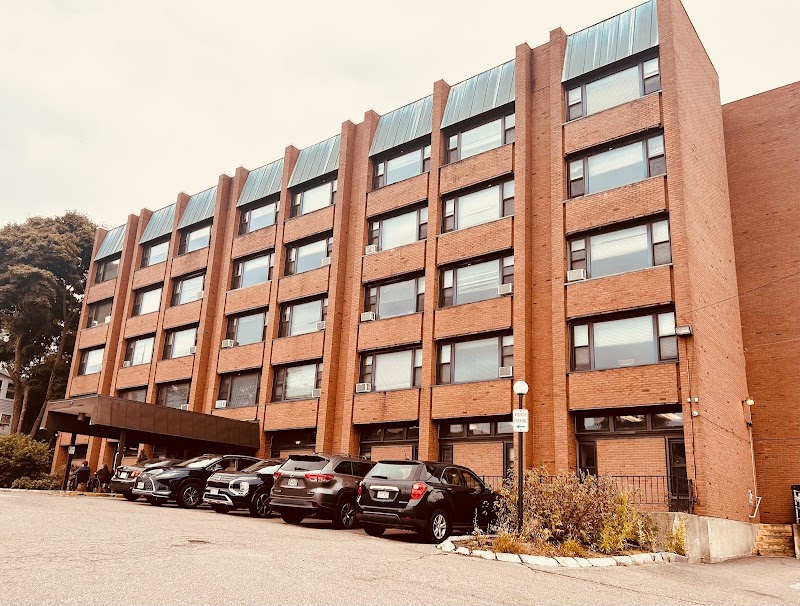
How is Watertown Rehabilitation And Nursing Center Staffed?

CMS rates WATERTOWN REHABILITATION AND NURSING CENTER's staffing level at 2 out of 5 stars, which is below average compared to other nursing homes. Staff turnover is 34%, compared to the Massachusetts average of 46%. This relatively stable workforce can support continuity of care.

What Have Inspectors Found at Watertown Rehabilitation And Nursing Center?

State health inspectors documented 62 deficiencies at WATERTOWN REHABILITATION AND NURSING CENTER during 2022 to 2025. These included: 1 that caused actual resident harm, 60 with potential for harm, and 1 minor or isolated issues. Deficiencies causing actual harm indicate documented cases where residents experienced negative health consequences.
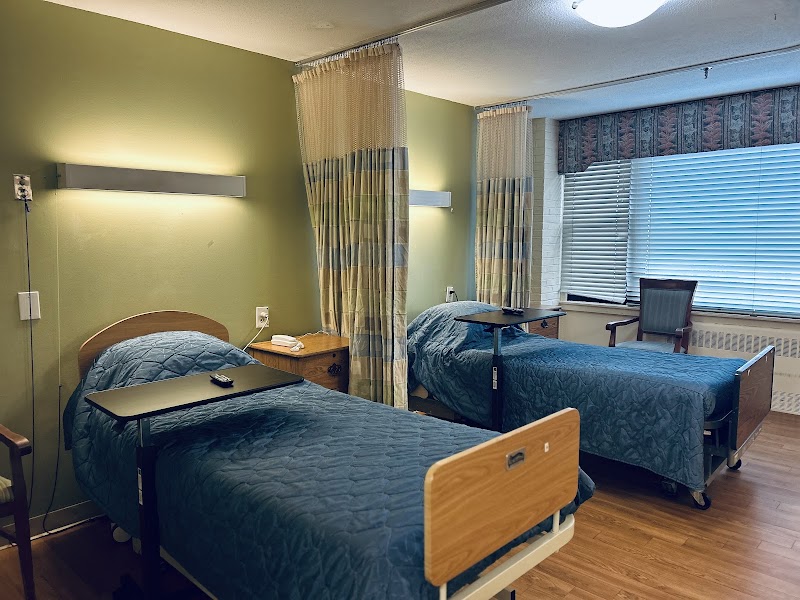
Who Owns and Operates Watertown Rehabilitation And Nursing Center?

WATERTOWN REHABILITATION AND NURSING CENTER is owned by a for-profit company. For-profit facilities operate as businesses with obligations to shareholders or private owners. The facility is operated by EPHRAM LAHASKY, a chain that manages multiple nursing homes. With 163 certified beds and approximately 123 residents (about 75% occupancy), it is a mid-sized facility located in WATERTOWN, Massachusetts.
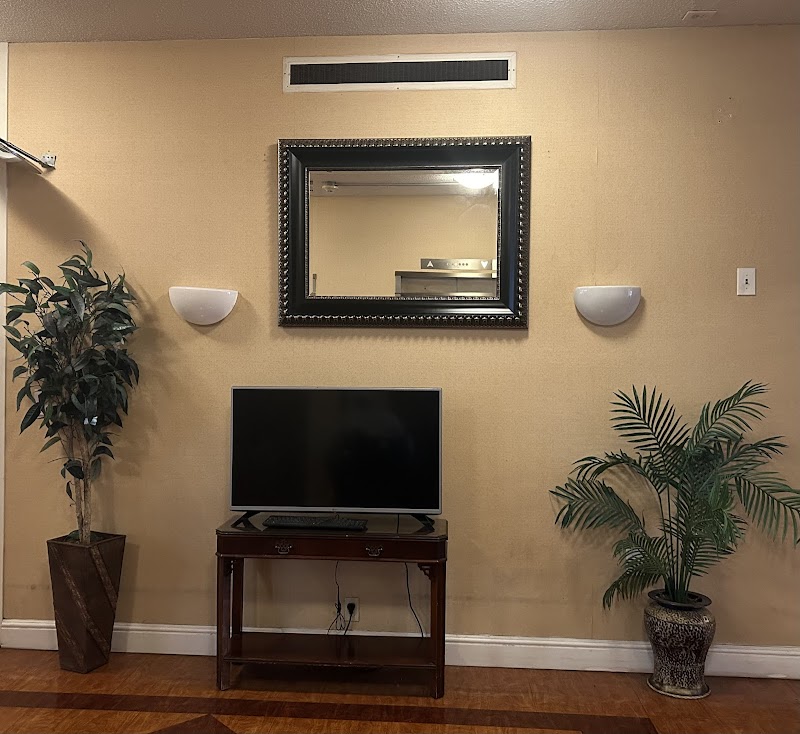
How Does Watertown Rehabilitation And Nursing Center Compare to Other Massachusetts Nursing Homes?

Compared to the 100 nursing homes in Massachusetts, WATERTOWN REHABILITATION AND NURSING CENTER's overall rating (2 stars) is below the state average of 2.9, staff turnover (34%) is significantly lower than the state average of 46%, and health inspection rating (2 stars) is below the national benchmark.

What Should Families Ask When Visiting Watertown Rehabilitation And Nursing Center?

Based on this facility's data, families visiting should ask: "Can you walk me through typical staffing levels on day, evening, and night shifts?" "Can I visit during a mealtime to observe dining assistance and food quality?" "How do you handle medical emergencies, and what is your hospital transfer rate?" "Can I speak with family members of current residents about their experience?" These questions are particularly relevant given the below-average staffing rating.

Is Watertown Rehabilitation And Nursing Center Safe?

Based on CMS inspection data, WATERTOWN REHABILITATION AND NURSING CENTER has a clean safety record: no substantiated abuse findings (meaning no confirmed cases of resident harm), no Immediate Jeopardy citations (the most serious violation level indicating risk of serious injury or death), and is not on the Special Focus Facility watch list (a federal program monitoring the lowest-performing 1% of nursing homes). The facility has a 2-star overall rating and ranks #100 of 100 nursing homes in Massachusetts. While no facility is perfect, families should still ask about staff-to-resident ratios and recent inspection results during their visit.

Do Nurses at Watertown Rehabilitation And Nursing Center Stick Around?

WATERTOWN REHABILITATION AND NURSING CENTER has a staff turnover rate of 34%, which is about average for Massachusetts nursing homes (state average: 46%). Moderate turnover is common in nursing homes, but families should still ask about staff tenure and how the facility maintains care continuity when employees leave.

Was Watertown Rehabilitation And Nursing Center Ever Fined?

WATERTOWN REHABILITATION AND NURSING CENTER has been fined $69,440 across 2 penalty actions. This is above the Massachusetts average of $33,773. Fines in this range indicate compliance issues significant enough for CMS to impose meaningful financial consequences. Common causes include delayed correction of deficiencies, repeat violations, or care failures affecting resident safety. Families should ask facility leadership what changes have been made since these penalties.

Is Watertown Rehabilitation And Nursing Center on Any Federal Watch List?

WATERTOWN REHABILITATION AND NURSING CENTER is not on any federal watch list. The most significant is the Special Focus Facility (SFF) program, which identifies the bottom 1% of nursing homes nationally based on persistent, serious quality problems. Not being on this list means the facility has avoided the pattern of deficiencies that triggers enhanced federal oversight. This is a positive indicator, though families should still review the facility's inspection history directly.