ROYAL WAYLAND REHABILITATION AND NURSING CENTER
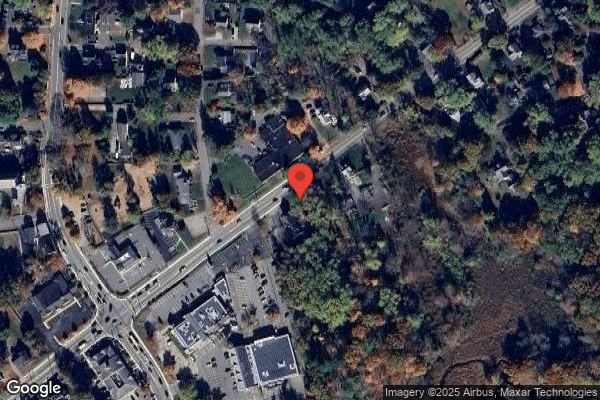
188 COMMONWEALTH ROAD, WAYLAND, MA 01778 (508) 653-8500
For profit - Limited Liability company 40 Beds ROYAL HEALTH GROUP Data: November 2025
Trust Grade
73/100
#51 of 338 in MA
Last Inspection: May 2025

Inspected within the last 6 months. Data reflects current conditions.

Overview

Royal Wayland Rehabilitation and Nursing Center has a Trust Grade of B, which means it is considered a good choice for care, though there are areas for improvement. It ranks #51 out of 338 facilities in Massachusetts, placing it in the top half, and #15 out of 72 in Middlesex County, indicating only a few local options are better. The facility is currently improving, having reduced its reported issues from five in 2024 to zero in 2025. However, staffing is a concern, with a rating of 2 out of 5 stars and a turnover rate of 67%, significantly higher than the state average, which suggests challenges in retaining staff. While the facility has more RN coverage than 93% of state facilities, there have been specific incidents, such as a resident developing a serious pressure ulcer due to delayed treatment and concerns about maintaining a clean and homelike environment, including broken radiators and food safety issues that could lead to foodborne illness. Overall, while there are strengths in care quality and RN coverage, the facility faces notable challenges in staffing and maintaining standards of cleanliness and safety.

Trust Score
B
73/100
In Massachusetts
#51/338
Top 15%
Safety Record
Moderate
Needs review
Inspections
Getting Better
5 → 0 violations
Staff Stability
⚠ Watch
67% turnover. Above average. Higher turnover means staff may not know residents' routines.
Penalties
⚠ Watch
$10,725 in fines. Higher than 77% of Massachusetts facilities, suggesting repeated compliance issues.
Skilled Nurses
✓ Good
Each resident gets 51 minutes of Registered Nurse (RN) attention daily — more than average for Massachusetts. RNs are trained to catch health problems early.
Violations
⚠ Watch
19 deficiencies on record. Higher than average. Multiple issues found across inspections.
★★★★★
5.0
Overall Rating
★★☆☆☆
2.0
Staff Levels
★★★★☆
4.0
Care Quality
★★★★★
5.0
Inspection Score
Stable
2024: 5 issues
2025: 0 issues

The Good

  • 4-Star Quality Measures · Strong clinical quality outcomes
  • Full Sprinkler Coverage · Fire safety systems throughout facility
  • No fines on record

Facility shows strength in quality measures, fire safety.

The Bad

Staff Turnover: 67%

20pts above Massachusetts avg (46%)

Frequent staff changes - ask about care continuity

Federal Fines: $10,725

Below median ($33,413)

Minor penalties assessed

Chain: ROYAL HEALTH GROUP

Part of a multi-facility chain

Ask about local staffing decisions and management

Staff turnover is elevated (67%)

19 points above Massachusetts average of 48%

The Ugly 19 deficiencies on record

1 actual harm
Jul 2024 5 deficiencies 1 Harm
SERIOUS (G)

Actual Harm - a resident was hurt due to facility failures

Pressure Ulcer Prevention (Tag F0686)

A resident was harmed · This affected 1 resident

**NOTE- TERMS IN BRACKETS HAVE BEEN EDITED TO PROTECT CONFIDENTIALITY** Based on record review and interview, the facility failed to ensure one Resident (#17), out of a total sample of 16 residents, r...

Read full inspector narrative →
**NOTE- TERMS IN BRACKETS HAVE BEEN EDITED TO PROTECT CONFIDENTIALITY** Based on record review and interview, the facility failed to ensure one Resident (#17), out of a total sample of 16 residents, received care and treatment to prevent worsening of a pressure injury. Specifically, the facility failed to implement a wound treatment timely resulting in a delay in treatment and deterioration of the wound to a stage 3 pressure ulcer (partial-thickness loss of skin with exposed dermis, presenting as a shallow open ulcer) to the Resident's sacrum (an area at the base of the spine). Findings include: Resident #17 was admitted to the facility in December 2023 with diagnoses including dementia and a history of a traumatic brain injury. Review of the Minimum Data Set (MDS) dated [DATE], indicated Resident #17 could not participate in the Brief Interview for Mental Status due to severe cognitive impairment. Review of the MDS indicated Resident #17 was dependent for mobility and care. Review of the policy titled Skin Integrity Management, dated December 2023, indicated the following: - Resident's skin integrity status and need for prevention intervention or treatment modalities is identified through review of assessment information. * care plan for residents at high risk for skin breakdown * perform and document skin inspection on admission and weekly * perform wound assessment upon initial identification or altered skin integrity and weekly thereafter - Comprehensive care plan developed to include prevention and wound treatments as indicated * evaluate need for support surfaces * Refer to wound MD/wound clinic as appropriate. Implement wound care modalities - Products for skin and wound care will be selected based on RHG guidelines - Document all treatments per facility policy Review of the skin integrity care plan for Resident #17 indicated the following interventions: -Impaired Skin Integrity Risk: I have the potential for pressure ulcer development r/t impaired mobility, double incontinence, and comorbidities (initiated 12/29/23) Interventions: -Air Mattress (initiated 4/25/24) -Monitor/document/report to MD (doctor) PRN (as needed) changes in skin status: appearance, color, wound healing, s/sx (signs/symptoms) of infection, wound size, stage (initiated 12/29/23) -Educate the resident/family/caregivers as to cause of skin breakdown; including: transfer/positioning requirements; importance of taking care during ambulating/mobility, good nutrition and frequent repositioning (initiated 12/29/23) Review of the skin check, dated 4/18/24, indicated Resident #17 presented with a pressure ulcer on the coccyx. Further review of the skin check failed to indicate a description of the wound. Review of the Medication Administration Record for April 2024 indicated, on 4/18/24, Resident #17 had an alteration in skin integrity, which was warm and dry. Review of the clinical record failed to indicate that the physician or nurse practitioner (NP) was notified of the change in skin condition on 4/18/24. Review of the progress note, dated 4/22/24, indicated Resident #17's wound had opened and needed a protective dressing. Review of the skin check, dated 4/22/24, indicated the following Pressure ulcer to the sacrum is open to a stage II. awaiting appropriate dressing. Review of the clinical record did not indicate that any treatment measures had been put in place for the open wound on 4/22/24 and failed to indicate that the physician or NP was notified of the open wound. Review of the progress note, dated 4/25/24, indicated the following: Note Text: NP reported to this writer on 4/24/24 that resident had area on sacrum. Wound MD in on 4/24/24 and was able to see resident. New Dx of stage 3 pressure wound (full-thickness loss of skin, in which subcutaneous fat may be visible in the ulcer and granulation tissue) on sacrum. New order to apply Silver Sulfadiazine (a medication cream used to treat open wounds) daily followed with a silicone bordered foam dressing. New order for Vit C bid (twice a day), Zinc for 14 days. Review of the wound physician note, dated 4/24/24, indicated Resident #17 had a stage 3 pressure wound to the sacrum that measured 1.4 centimeters in length, 0.5 centimeters in width, and 0.1 centimeters in depth. Review of the physician orders indicated that the Silver Sulfadiazine was ordered on 4/24/24, 6 days after the initial change in condition of Resident #17's skin. During an interview on 7/24/24 at 8:18 A.M., the Director of Nursing said that if a nurse identifies a new area on a Resident then it needs to be reported to the doctor and a treatment would be put in place right away. The Director of Nursing said that barrier cream was being used per house protocol when the skin alteration was first identified and that it is put on bony prominences to prevent skin breakdown and a dressing was put in place, but that the Silvadene was ordered on 4/24/24. The Director of Nursing said that the barrier cream had been in place prior to the skin alteration discovered on 4/18/24 since that was standard protocol.
CONCERN (D)

Potential for Harm - no one hurt, but risky conditions existed

Deficiency F0658 (Tag F0658)

Could have caused harm · This affected 1 resident

**NOTE- TERMS IN BRACKETS HAVE BEEN EDITED TO PROTECT CONFIDENTIALITY** Based on record reviews and interviews, the facility failed to follow the physician order to obtain weekly weights for 1 Residen...

Read full inspector narrative →
**NOTE- TERMS IN BRACKETS HAVE BEEN EDITED TO PROTECT CONFIDENTIALITY** Based on record reviews and interviews, the facility failed to follow the physician order to obtain weekly weights for 1 Resident (#35) out of a total sample of 16 residents. Findings include: Resident #35 was admitted to the facility in March 2024 with diagnoses including dementia and unspecified severe protein-calorie malnutrition. Review of Resident #35's most recent Minimum Data Set (MDS) dated [DATE], indicated the Resident was unable to complete the Brief Interview for Mental Status exam and staff had assessed him/her to have severe cognition. The MDS also indicated Resident #35 required substantial assistance from staff for functional daily tasks. Review of Resident #35's physician orders indicated the following order: -Weekly Weights, initiated on 4/25/24. Review of Resident #35's weight log indicated the Resident had not been weighed weekly since 5/31/24. Review of the nutritional assessments dated 3/12/24 and 6/4/24 indicated the recommendation to weigh the Resident as ordered. During an interview on 7/23/24 at 11:41 A.M., Nurse #1 said Resident #35 has an order to have weights taken weekly. Nurse #1 reviewed Resident #35's weight log and said this order has not been followed in the past two months. During an interview on 7/23/24 at 12:07 P.M., the Director of Nursing said orders should be followed as written.
CONCERN (D)

Potential for Harm - no one hurt, but risky conditions existed

Quality of Care (Tag F0684)

Could have caused harm · This affected 1 resident

**NOTE- TERMS IN BRACKETS HAVE BEEN EDITED TO PROTECT CONFIDENTIALITY** Based on observations, record reviews and interviews, the facility failed to ensure quality of care was provided according to fa...

Read full inspector narrative →
**NOTE- TERMS IN BRACKETS HAVE BEEN EDITED TO PROTECT CONFIDENTIALITY** Based on observations, record reviews and interviews, the facility failed to ensure quality of care was provided according to facility protocols and professional standards of practice for one Resident (#6) , out of a total sample of 16 residents. Specifically, the facility failed to identify a skin alteration on Resident #6's foot and document accordingly. Findings include: Review of the facility's policy titled 'Skin Integrity Management' indicated the following but not limited to: -Resident's skin integrity status and need for prevention intervention or treatment modalities is identified through review of assessment information. -Perform and document skin inspection on admission and weekly. Resident #6 was admitted to the facility in October 2017 with diagnoses including type 2 diabetes mellitus with diabetic neuropathy and dementia. Review of Resident #6's Minimum Data Set (MDS) dated [DATE], indicated the Resident scored a 10 out of 15 on the Brief Interview for Mental Status (BIMS) indicating he/she was moderately cognitively impaired. The MDS further indicated that the Resident was dependent on staff for activities of daily living (ADL) care. On 7/23/24 at 9:43 A.M., the surveyor observed Resident #6 lying in his/her bed with feet not covered. The surveyor observed a dark calloused area on the Resident's right foot 3rd toe. Review of the medical record indicated the following physician orders: -Diabetic foot care every evening shift -Complete weekly skin check every day shift every Monday note skin alteration. Review of the care plan titled Resident has diabetes mellitus with the following interventions: -Inspect feet daily for open areas, sores, pressure areas, blisters, edema or redness. -Check all of body for breaks in skin and treat promptly as ordered by doctor -Wash feet daily with mild soap and water, dry thoroughly, may use a light dusting powder or lotion. Review of the Treatment Administration Record (TAR) for July indicated a weekly skin check and daily diabetic foot care had been completed and no skin alteration had been documented. During an interview on 7/24/24 at 7:59 A.M., Nurse #1 said she would describe the area on Resident #6's right foot 3rd toe as black dark toe, she said that area should be noted on the weekly skin check or during the diabetic foot care. During an interview on 7/24/24 at 10:23 A.M., the Director of Nursing (DON) said that she and the physician assistant went and observed the area on Resident #6's right foot 3rd toe and the physician assistant said it's not a soft tissue concern and to follow up with podiatry. The DON further said it was her expectation that any skin alteration noted on the Residents skin would have been documented.
CONCERN (D)

Potential for Harm - no one hurt, but risky conditions existed

Accident Prevention (Tag F0689)

Could have caused harm · This affected 1 resident

**NOTE- TERMS IN BRACKETS HAVE BEEN EDITED TO PROTECT CONFIDENTIALITY** Based on observations, record review and interview the facility failed to implement a physician's order for the use of a bed ala...

Read full inspector narrative →
**NOTE- TERMS IN BRACKETS HAVE BEEN EDITED TO PROTECT CONFIDENTIALITY** Based on observations, record review and interview the facility failed to implement a physician's order for the use of a bed alarm for one Resident (#1) out of a total sample of 16 residents. Findings include: Review of the facility's policy titled 'Managing Falls and Fall Risk, dated December 2023 indicated; Based on previous evaluations and current data, the staff will identify interventions related to the resident's specific risks and causes to try to prevent the resident from falling and to try to minimize complications from falling. Resident-Centered Approaches to Managing Falls and Fall Risk, 8. Position-change alarms will not be used as the primary or sole interventions to prevent falls, but rather will be used to assist staff in identifying patterns and routines of the resident. The use of alarms will be monitored for efficacy and staff will respond to alarms in a timely manner. Resident #1 was admitted to the facility in September 2018 with diagnoses that include but are not limited to unspecified dementia, neuropathy, pain, and depression. Review of the Minimum Data Set assessment dated [DATE] indicated Resident #1 was assessed by staff as having severely impaired cognitive skills and is dependent on staff for bathing and bed mobility. Review of a facility reported incident report dated 2/8/24 indicating Resident #1 had a fall out of bed on 2/7/24, resulting in a displaced condyle fracture of the lower right femur and a displaced fracture of the medial condyle of left tibia. Review of Resident #1's medical record indicated the following: -Fall risk assessments dated 7/31/23, 2/11/24 and 6/11/24 indicate Resident #1 is 'At risk' for falls. -A current physician's order dated 2/12/24 alarms: bed-check function and placement every shift for safety/fall risk. -A fall risk care plan dated as initiated 9/28/2018, revised 8/19/2021, I am at high risk for fall and injury r/t (related to) decreased mobility, impaired safety awareness, use of antidepressant medications, chronic pain, and comorbidities, history of fall. Interventions * bed alarm at all times in bed date initiated 2/19/2024. -A [NAME] (a guide for resident care and interventions used by staff) report, dated as of 7/24/24 Safety: bed alarm at all times in bed. During the survey the following observations were made: On 7/23/24 at 4:55 P.M., Resident #1 was resting in bed with the head of the bed elevated. The bed alarm box was affixed to his/her left side of the bed, a light on the box was blinking red and the alarm box was not attached to anything. The sensor pad was behind the bed resting on top of the bed frame and not attached to the bed alarm box. On 7/24/24 at 8:08 A.M. Resident #1 was in bed, eating is/her breakfast. The bed alarm box was affixed to the left side of his/her bed, was blinking red and was not attached to anything. The sensor pad was behind the bed resting on top of the bed frame. On 7/24/24 at 8:47 A.M., staff exited Resident #1's room with his/her breakfast tray. Resident #1's bed was in a lower position and the bed alarm box was affixed to the left side of the bed, blinking red, and was not attached to the sensor pad. The sensor pad was behind the bed on top of the bed frame. During an interview and observation on 7/24/24 at 9:26 A.M., Nurse #1 said the nurses are responsible for documenting on the Treatment Administration Record the use of a bed alarm to ensure it is in place and functioning. Nurse #1 said Resident #1 makes her needs known and chooses to stay in bed most of the time. Nurse #1 said Resident #1 did have a fall a few months back and has a bed alarm to alert staff. Nurse #1 went to Resident #1's room, said the blinking light means it (the bed alarm) is not working and needs to be attached to the sensor pad. Nurse #1 located the sensor pad behind the bed and attempted to attach the cord to the alarm box but was unable to do so and said the part that plugs into the box is broken. Nurse #1 said the bed alarm should be plugged in and always working. Nurse #1 said she was not made aware that the bed alarm was not in place and working and that staff have been in and out of the room.
CONCERN (D)

Potential for Harm - no one hurt, but risky conditions existed

Deficiency F0757 (Tag F0757)

Could have caused harm · This affected 1 resident

**NOTE- TERMS IN BRACKETS HAVE BEEN EDITED TO PROTECT CONFIDENTIALITY** Based on record review and interview, the facility failed to prevent unnecessary medication after the recommendation of a gradua...

Read full inspector narrative →
**NOTE- TERMS IN BRACKETS HAVE BEEN EDITED TO PROTECT CONFIDENTIALITY** Based on record review and interview, the facility failed to prevent unnecessary medication after the recommendation of a gradual dose reduction for one Resident (#30) out of a total sample of 16 residents. Findings include: Resident #30 was admitted in February 2023 with diagnoses including dementia with agitation and major depressive disorder. Review of the Minimum Data Set (MDS), dated [DATE], indicated Resident #30 is severely cognitively impaired and could not participate in the Brief Interview for Mental Status (BIMS). Review of the physician's orders indicated Resident #30 was taking 150 milligrams of Seroquel at night in June 2023. Review of the Psychiatric Evaluation and Consultation, dated 6/27/23, indicated Resident #30 had had increased lethargy (a feeling of fatigue) and a recommendation was made to decrease Resident #30's Seroquel (a medication used to treat mood disorders) dose to 125 milligrams at night in an attempt to reduce the lethargy. Review of the Medication Administration Record failed to indicate the change in medication until 8/30/23, over a month after the initial recommendation. Review of the physician notes did not indicate that the recommendation was reviewed or addressed after 6/27/23. During an interview on 7/24/24 at 10:23 A.M., the Director of Nursing said that it is facility protocol to present the recommendation to the doctor and it would get approved or denied. The Director of Nursing could not say why the medication reduction was put in on 8/30/23 and not when the recommendation was made.
Jun 2023 14 deficiencies
CONCERN (D)

Potential for Harm - no one hurt, but risky conditions existed

Comprehensive Care Plan (Tag F0656)

Could have caused harm · This affected 1 resident

**NOTE- TERMS IN BRACKETS HAVE BEEN EDITED TO PROTECT CONFIDENTIALITY** 2. Resident #24 was admitted to the facility in July 2020 with diagnoses that include unspecified dementia and psychosis. Revie...

Read full inspector narrative →
**NOTE- TERMS IN BRACKETS HAVE BEEN EDITED TO PROTECT CONFIDENTIALITY** 2. Resident #24 was admitted to the facility in July 2020 with diagnoses that include unspecified dementia and psychosis. Review of Resident #24's most recent Minimum Data Set (MDS) dated [DATE], indicated that the resident scored a 3 out of a possible 15 on the Brief Interview for Mental Status exam which indicated that he/she has severe cognitive impairment. Further review of Resident #24's MDS revealed that he/she requires total dependence with all activities of daily living. The MDS also indicated that the resident has a history of a stage 4 pressure ulcer of the left heel and is at risk of developing pressure ulcers/injuries. During observations on 6/28/23 at 10:03 A.M., 6/28/23 at 12:57 P.M., 6/29/23 at 7:14 A.M., and 6/29/23 at 10:41 A.M., Resident #24 was observed sleeping in bed with his/her air mattress set to the setting of 180 pounds. Review of Resident #24's physician's orders dated 3/22/2023 indicated the following: *Air Mattress - Check placement and function every shift - set for optimal comfort weight setting currently 155 lbs. (pounds) upright mode max infiltrate off bolsters bilateral edge defining every shift Review of Resident #24's Weight and Vitals Summary indicated that the Resident's weight was 154.2 lbs. on 3/21/2023, one day before the physician's order was created. Review of Resident #24's care plan for pressure ulcer/injury risk indicated the following intervention dated and revised 2/28/2022: *Resident with air mattress in place. Check function every shift. Set for comfort. Review of Resident #24's assessment titled RHG Norton Scale for Predicting Risk of Pressure Ulcer (an assessment to assess the risk of developing pressure ulcers) dated 6/2/23 revealed that the Resident had a Norton Score of 6 which indicates a high risk for developing pressure ulcers. During an interview on 6/29/23 at 11:16 A.M., Certified Nursing Assistant (CNA) #1 said maintenance is responsible for checking the settings of air mattresses. During an interview on 6/29/23 at 2:26 P.M., the Director of Nursing said it is the nurse's responsibility to follow orders and she expects them to be followed. She continued to say that Resident #24's air mattress should be set to 155 pounds. Based on record review, interview and observation, the facility failed to implement the plan of care for air mattresses for 2 Residents (#21 and #24) out of a total sample of 13 Residents. Findings Include: Review of the facility policy titled, Maintaining Skin Integrity, dated 11/2021, indicated It is the practice of the facility to take those steps necessary to maintain skin integrity. Care plan is initiated to address the pressure ulcer prevention and treatment. 1. Resident #21 was admitted to the facility in October 2021 with diagnoses including vascular dementia, dysphagia and depression. Review of Resident #21's most recent Minimum Data Set (MDS), dated [DATE], indicated he/she was assessed by staff to have severe cognitive impairment. During an observation on 6/28/23 at 7:50 A.M.,11:31 A.M., and 1:27 P.M., Resident #21 was observed lying in bed on a regular mattress. During an observation on 6/29/23 at 7:08 A.M., 8:00 A.M., and 2:02 P.M., Resident #21 was observed lying in bed on a regular mattress. Review of Resident #21's pressure injury risk care plan, dated 10/27/2022, indicated an intervention for Air mattress in place. Review of Resident #21's June 2023 Physician Orders, dated 1/5/2022, indicated and order for Air Mattress - check placement and function every shift - set for optimal comfort. Review of Resident #21's most recent Norton Score, dated 5/31/23, indicated a Norton Score of 8 which indicated that he/she was at high risk for skin breakdown. During an interview and observation on 6/29/23 at 11:30 A.M., Nurse #3 said Resident #21 does have an order for an air mattress to be in place and said he/she should have one on his/her bed but does not. During an interview on 6/29/23 at 11:51 A.M., the Director of Nursing (DON) said Resident #21 does not have an air mattress and said if he/she does have an order for one then the Resident should have one.
CONCERN (D)

Potential for Harm - no one hurt, but risky conditions existed

Deficiency F0658 (Tag F0658)

Could have caused harm · This affected 1 resident

**NOTE- TERMS IN BRACKETS HAVE BEEN EDITED TO PROTECT CONFIDENTIALITY** Based on observations, record review and interview, the facility failed to identify and treat a skin tear for 1 Resident (#31) o...

Read full inspector narrative →
**NOTE- TERMS IN BRACKETS HAVE BEEN EDITED TO PROTECT CONFIDENTIALITY** Based on observations, record review and interview, the facility failed to identify and treat a skin tear for 1 Resident (#31) out of a total sample of 13 residents. Findings include: Resident #31 was admitted to the facility in October 2022 with diagnoses including dementia, lack of coordination and muscle weakness. Review of Resident #31's most recent Minimum Data Set (MDS) dated [DATE] indicated the Resident has a Brief Interview for Mental Status (BIMS) score of 11 out of a possible 15, indicating he/she has moderate cognitive impairment. The MDS also indicates Resident #31 requires supervision for ambulation and extensive assistance for activities of daily living. On 6/28/23 at 8:15 A.M., Resident #31 was observed lying in bed. The Resident had a dime sized open area on his/her left hand with a red substance similar to dried blood. The Resident was unable to answer any questions about the origin of the open area. On 6/29/23 at approximately 8:45 A.M., and again at 1:25 P.M., Resident #31 was observed lying in bed sleeping. The same open area was observed on the Resident's left hand. There was no bandage or treatment to the area. Review of Resident number 31's medical record indicated he/she sustained a fall on 6/23/23 resulting in a skin tear on his/her left hand. The following physician order was initiated on 6/24/23: *Skin tear left hand proximal to 2nd finger. Steri strips. House wound cleanser, pat dry F/B small amount of bacitracin and cover with gauze, wrap daily until healed. Every day shift for skin tear daily until healed. Review of the Treatment Administration Record for June 2023, indicated the following: *A skin assessment was completed on 6/26/23 and Resident #31's skin was documented as having no skin alteration. *The treatment for the skin tear was discontinued as of 6/26/23, indicating the area was healed. During an interview on 6/29/23 at 1:30 P.M., the Corporate Nurse #1 said Resident #31 had sustained a fall a week ago that resulted in a skin tear. Corporate Nurse #1 said the skin tear had healed so all treatments had been discontinued. Corporate Nurse #1 said the skin tear must have somehow reopened and would need a new treatment. When asked if a skin tear on the hand would be something staff would have seen while providing care over the past two days, Corporate Nurse #1 said yes. Corporate Nurse #1 said the nursing assistants providing care should have identified the reopened area and brought it to the attention of the nurse.
CONCERN (D)

Potential for Harm - no one hurt, but risky conditions existed

Quality of Care (Tag F0684)

Could have caused harm · This affected 1 resident

**NOTE- TERMS IN BRACKETS HAVE BEEN EDITED TO PROTECT CONFIDENTIALITY** Based on observations, record review and interviews, the facility failed to provide comprehensive treatment for edema for 1 Resi...

Read full inspector narrative →
**NOTE- TERMS IN BRACKETS HAVE BEEN EDITED TO PROTECT CONFIDENTIALITY** Based on observations, record review and interviews, the facility failed to provide comprehensive treatment for edema for 1 Resident (#13) out of a total sample of 13 residents. Findings include: Resident #13 was admitted to the facility in December 2022 with diagnoses including dementia with other behavioral disturbance, hyperlipidemia, dysphagia and type 2 diabetes. Review of Resident #13's most recent Minimum Data Set (MDS) dated [DATE], indicated he/she scored a 7 out of possible score of 15 on the Brief Interview for Mental Status exam which indicated he/she had a severe cognitive impairment. Further review of the MDS indicated he/she required extensive assist of a staff member for dressing. Review of Resident #13's physician orders indicated the following: *Spanda Sleeve (a compression sleeve): Apply to Left hand/arm daily in the morning and remove at HS (at night) every morning and at bedtime for dependent edema left arm. Initiated on 3/24/23. *Apply compression socks to BLE (bilateral lower extremities), on in AM (morning), off at HS, initiated on 12/22/22. *Furosemide tablet 20 MG (milligrams) give 1 tablet by mouth one time a day for HTN (hypertension). On 06/28/23 at 10:03 A.M., and 11:37 A.M., Resident #13 was observed in his/her room. The Resident did not have compression socks on or a compression sleeve on his/her left arm. On 6/29/23 at 8:28 A.M., Resident #13 was observed eating breakfast in the dining room. The Resident did not have compression socks on or a compression sleeve on his/her left arm. The Resident was observed to be wearing a bracelet on his/her left arm and the bracelet was tight around his/her wrist. The Resident moved the bracelet when the surveyor asked, and the Resident was observed to have an indentation mark on his/her arm where the bracelet was. On 06/29/23 at 12:48 P.M., Resident #13 was observed walking in the front lobby. The Resident did not have compression socks on or a compression sleeve on his/her left arm. Review of Resident #13's care plan failed to include an edema management care plan. Review of the Treatment Administration Record for June 2023 failed to indicate Resident #13 refused the compression sleeve or stockings. Review of Resident #13's physician orders dated 12/9/22, indicated furosemide tablet 20 mg. Give one tablet by mouth one time a day for hypertension. Review of Resident #13's June 2023 medication administration record indicated furosemide 20 mg was administered every day 6/15/23 through 6/29/23. During the medication administration pass on 6/29/23 at 9:30 A.M., Nurse #1 said Resident #13 did not have furosemide 20 mg available in the medication cart or medication room and that she needed to open the emergency medication kit to obtain and administer the medication. Nurse #1 said she would administer the medication to Resident #13 later this morning. During an interview with Nurse #5 on 6/30/23 at 9:30 A.M., she said furosemide 20 mg was not administered on 6/29/23 because it was not in the medication cart and it required a refill prescription from the physician. Nurse #5 said she needed to open the emergency kit to obtain and administer the furosemide. Nurse #5 said there was no documentation to indicate that on 6/29/23 Nurse #1, or any other staff, had opened the emergency kit, administered the furosemide or contacted the physician to request a refill. During an interview with the Pharmacy Representative on 6/29/23 at 10:30 A.M., she said a 14 day supply of furosemide 20 mg for Resident #13 was delivered to the facility on 6/1/23, and the next available refill date was scheduled for 6/12/23. The Pharmacy Representative said the facility did not request a refill and none had been delivered to the facility. During an interview with the Director of Nurses (DON) on 6/30/23 at 10:00 A.M., she said she did not know how staff were able to administer furosemide 20 mg to Resident #13 if the supply had run out by 6/15/23. The DON said she did not have documentation to show that furosemide was refilled for Resident #13 to cover the period from 6/15/23 through 6/29/23. During interviews on 6/29/23 at 1:51 P.M., and 6/30/23 at approximately 10:30 A.M., the DON said Resident #13 has edema in his/her left arm when he/she sleeps on it and that this happens frequently. The DON said a care plan should have been developed to address the edema. The DON said the order should be followed to apply compression stockings and the sleeve. The DON said furosemide is a medication used for fluid retention and Resident #13 should be taking it as ordered.
CONCERN (D)

Potential for Harm - no one hurt, but risky conditions existed

Deficiency F0685 (Tag F0685)

Could have caused harm · This affected 1 resident

**NOTE- TERMS IN BRACKETS HAVE BEEN EDITED TO PROTECT CONFIDENTIALITY** Based on record reviews and interviews, the facility failed to follow the recommendations of the eye doctor to obtain an appoint...

Read full inspector narrative →
**NOTE- TERMS IN BRACKETS HAVE BEEN EDITED TO PROTECT CONFIDENTIALITY** Based on record reviews and interviews, the facility failed to follow the recommendations of the eye doctor to obtain an appointment with a glaucoma specialist for 1 Resident (#18) out of a total sample of 13 residents. Findings include: Resident #18 was admitted to the facility in July 2019 with diagnoses including dementia. Review of Resident #18's most recent Minimum Data Set (MDS) dated [DATE], indicated the Resident had a Brief Interview for Mental Status (BIMS) score of 11 out of a possible 15, indicating he/she has moderate cognitive impairment. The MDS also indicated Resident #18 requires minimal assistance from staff for oral hygiene. During an interview on 6/30/23 at 9:30 A.M., Resident #18 said he/she had glasses in the past and he/she would like to wear them again. He/she would like to see the glaucoma specialist for new glasses because he/she likes to knit, do puzzles, and can't see well without them. Review of Resident #18's medical record indicated a consent for vision services by the consulting ophthalmologist signed by Resident #18's legal guardian dated 10/19/22. Review of Resident #18's visual care plan last revised 6/30/23 indicated the following: *Arrange consultation with eye care practitioner as required. Review of Resident #18's eye appointment dated 7/19/22 indicated the following: *Recommend consult with glaucoma specialist. Patient educated on findings and need for referral to glaucoma specialist. Untreated glaucoma can lead to irreversible vision loss and potential blindness. Review of Resident #18's eye appointment dated 11/18/22 indicated the following: *Assessment: 1. Glaucoma suspect, open angle with borderline findings, high risk; Both eyes; mildly elevated IOP OU with large stable cupping OU. 2. Cataract, mixed; Both eyes. 3. Myopia and presbyopia; Both eyes *Plan: 1. Monitor IOP; Follow-Up: 4-5 Months. 1. Recommend consult w/glaucoma specialist; Follow-Up: 3-4 Months; Referral: Ophthalmology Consult (Glaucoma Specialist); Spoke with patient and RN on findings. Discussed pros and cons of being managed with glaucoma specialist for condition or being managed by the NH optometrist for glaucoma. Patient wishes to be managed by glaucoma specialist. RN states NH will arrange transportation and scheduling for patient. **No glaucoma consult has been made for patient despite 2 referrals. Please schedule patient for glaucoma evaluation** Review of Resident #18's eye appointment dated 6/5/23 indicated the following: *Recommended consult with glaucoma specialist, Follow-up: Priority comprehensive 11/18/23, Referral: Ophthalmology consult (glaucoma specialist); patient as started on glaucoma drop on March 2023, but patient and RN does not remember patient going for glaucoma consult. No record of consult in patient's record either. If patient went to glaucoma specialist, please attend follow ups as scheduled. If no glaucoma consult was made, recommend glaucoma evaluation. During an interview on 6/30/23 at 8:01 A.M., the Director of Nursing (DON) said she looks through all after visit summaries to ensure all recommendations are implemented. The DON said she was unsure if Resident #18 had been out to see a glaucoma specialist. During an interview on 6/30/23 at 9:12 A.M., Regional Nurse #2 said the recommendation for Resident #18 was never completed and he/she had not been out to see a glaucoma specialist.
CONCERN (D)

Potential for Harm - no one hurt, but risky conditions existed

Pressure Ulcer Prevention (Tag F0686)

Could have caused harm · This affected 1 resident

**NOTE- TERMS IN BRACKETS HAVE BEEN EDITED TO PROTECT CONFIDENTIALITY** Based on observations, record reviews and interviews, the facility failed to follow the plan of care for prevention of a pressur...

Read full inspector narrative →
**NOTE- TERMS IN BRACKETS HAVE BEEN EDITED TO PROTECT CONFIDENTIALITY** Based on observations, record reviews and interviews, the facility failed to follow the plan of care for prevention of a pressure ulcer for 1 Resident (#3) out of a total sample of 13 residents. Findings include: Resident #3 was admitted to the facility in October 2022 with diagnoses including Alzheimer's Disease. Review of Resident #3's most recent Minimum Data Set (MDS) dated [DATE] indicates Resident #3 is unable to complete the Brief Interview for Mental Status (BIMS) exam and the staff assessed him/her to have severely impaired cognition. The MDS also indicates Resident #3 is dependent on staff for all functional daily tasks. On 6/28/23 at 8:00 A.M. 8:42 A.M., 10:53 A.M. and 1:42 P.M., Resident #3 was observed lying in bed on an air mattress. The air mattress was set on the highest setting firmness. The Resident's feet were directly on the bed. There were no protective booties in the bed, on the bed side table or in the Resident's closet. On 6/29/23 at 7:30 A.M., and 11:16 A.M., Resident #3 was observed lying in bed on an air mattress. The air mattress was set on the highest firmness. The Resident's feet were directly on the bed. There were no protective booties in the bed, on the bed side table or in the Resident's closet. Review of Resident #3's physician orders indicated the following orders: *Air mattress - check placement and function every shift - set for optimal comfort setting is ½ on setting dial like indicates on dial, intermittent, normal pressure light on every shift, initiated on 3/22/23. *Bilateral feet apply soft boots for pressure relief every shift check for placement and position every shift, initiated on 6/15/23. Review of Resident #3's pressure injury risk care plan last revised 2/21/23 indicated the following interventions: *Air mattress as ordered *Monitor/document/report to MD PRN (as needed) changes in skin status: appearance, color, wound healing, s/sx (signs and symptoms) of infection, wound size (length x width x depth), stage. During an interview on 6/29/23 at 11:16 A.M., Nurse #2 said Resident #3's air mattress should not be on the firmest setting, and he/she should be wearing protective heel booties while in bed. During an interview on 6/29/23 at 11:23 A.M., the Physician Assistant (PA) said Resident #3 requires an air mattress and protective heel booties for skin protection. The PA said Resident #3 is prone to pressure injuries on both the sacrum and feet and because of this, the air mattress should not be at the firmest setting, and he/she should be wearing protective heel booties. During an observation on 6/29/23 at 1:20 P.M., Nurse #2 and the surveyor observed Resident #3's coccyx area. The area was observed to have a 2 cm x 2 cm reddened fragile area. Nurse #2 said this area looks concerning and is an area that would need to be monitored for potential breakdown. Review of Resident #3's medical record failed to indicate Nurse #2 wrote a note about Resident #3's skin or completed a skin assessment. During an interview on 6/29/23 at 2:27 P.M., the Director of Nursing said the nurse is responsible for ensuring all orders are followed as ordered.
CONCERN (D)

Potential for Harm - no one hurt, but risky conditions existed

Accident Prevention (Tag F0689)

Could have caused harm · This affected 1 resident

**NOTE- TERMS IN BRACKETS HAVE BEEN EDITED TO PROTECT CONFIDENTIALITY** 3. Resident #9 was admitted to the facility in August 2022 with diagnoses including unspecified dementia, Alzheimer's disease an...

Read full inspector narrative →
**NOTE- TERMS IN BRACKETS HAVE BEEN EDITED TO PROTECT CONFIDENTIALITY** 3. Resident #9 was admitted to the facility in August 2022 with diagnoses including unspecified dementia, Alzheimer's disease and unspecified fall subsequent encounter. Review of Resident #9's most recent minimum data set (MDS) dated [DATE] indicated that the Resident scored a 10 out of 15 on the Brief Interview for Mental Status exam indicating that he/she has moderate cognitive impairment. Further review of the MDS revealed that Resident #9 requires extensive assistance with all activities of daily living and that a bed alarm is used daily. During observations on 6/29/23 at 2:13 P.M. and 6/30/23 at 6:39 A.M., Resident #9 was observed sleeping in his/her bed, there were fall mats folded in the corner of the room, not on the floor beside the bed. There was also no bed alarm plugged into the bed alarm pad. Review of the incident report dated 2/22/23 indicated the following: *Heard resident yelling that he/she fell. We went into his/her room and he/she was on the floor. Review of Resident #9's physician's orders dated 1/17/23 indicated the following: *Alarms: bed alarm - check function and placement every shift Review of Resident #9's high risk for falls care plan indicated the following interventions: *Dated 1/17/23: Bed alarm on at all times when in bed *Dated and revised 3/6/23: Floor mats on either side of bed when in bed *Dated and revised 2/28/23: Floor mats to floor when in bed Review of Resident #9's Fall Risk evaluation dated 2/2/23 indicated that the Resident scored an 11 on the evaluation indicating that he/she is at risk for falling. Review of Resident #9's [NAME] (a resident's care card) indicated the following under the safety section: *Floor mats on either side of bed when in bed *Floor mats to floor when in bed During an interview on 6/30/23 at 7:05 A.M., Certified Nursing Assistant (CNA) #1 said Resident #9 has had falls in the past. She continued to say when a resident has a fall, nurses will put in interventions including bed mats and alarms. During an interview on 6/30/23 at 7:18 A.M., Nurse #4 said when a resident has falls, interventions will be put in place which includes fall mats on sides of bed and sometimes bed alarms. The surveyor and Nurse #4 observed Resident #9 sleeping in bed with no fall mats in place or bed alarm plugged in. She said she was not sure why these were not being used. During an interview on 6/30/23 at 7:24 A.M., the Director of Nursing (DON) said interventions for Resident #9 include a low bed, bed alarms and floor mats. The surveyor and the DON entered Resident #9's room and observed him/her sleeping in bed, the fall mats were folded in the corner in the room, not beside the bed and there was no bed alarm plugged in. The DON located the bed alarm in the bedside table and said staff likely unplugged it because it kept going off. The DON further said the interventions should be in place since he/she is care planned for them and he/she is at risk of injury with the interventions not being used. Based on observations, record review, policy review and interviews, the facility failed to implement fall prevention interventions and prevent falls for 3 Residents (#31, #3 and #9) out of a total sample of 13 residents. Findings include: Review of the facility policy titled, Managing Falls and Fall Risk Policy Statement, undated, indicated the following: *The staff, with the input of the attending physician, will implement a resident-centered fall prevention plan to reduce the specific risk factor(s) of falls for each resident at risk or with a history of falls. *The staff will monitor and document each resident's response to interventions intended to reduce falling or the risks of falling. 1. Resident #31 was admitted to the facility in October 2022 with diagnoses including dementia, lack of coordination and muscle weakness. Review of Resident #31's most recent Minimum Data Set (MDS) dated [DATE] indicated the Resident has a Brief Interview for Mental Status (BIMS) score of 11 out of a possible 15, indicating he/she has moderate cognitive impairment. The MDS also indicates Resident #31 requires supervision for ambulation and extensive assistance for toileting tasks. Review of the incident report dated 4/29/23 indicated the following: *Resident #31 was entering the bathroom near the social worker office, and he/she bent down to pick up a paper and lost his/her footing and was found on his/her knees. The Resident also bumped his/her forehead on the handle of the toilet seat railing. *The fall was unwitnessed. Review of Resident #31's activity of daily living care plan indicated that at the time of the fall the following interventions were in place: *Toileting: Assist of 1 *Mobility: walks with continual supervision Review of the incident report dated 6/23/23 indicated the following: *Resident #31 was found on the floor in the hallway. There were no witnesses to the fall. Review of Resident #31's activity of daily living care plan indicated that at the time of the fall the following interventions were in place: *Mobility: walks with continual supervision Review of Resident #31's medical record failed to indicate a fall assessment was completed after the fall on 6/23/23. During an interview on 6/29/23 at 12:54 P.M., the Director of Nursing (DON) said fall assessments are completed after each fall with new interventions put into place to prevent further falls. The DON said she expects all fall interventions to be followed. The DON said Resident #31 requires supervision with ambulation and said he/she was not being supervised when either fall occurred. The DON said it would be impossible to have continual supervision for Resident #31 and said it may not be an affective or appropriate intervention. 2. Resident #3 was admitted to the facility in October 2022 with diagnoses including Alzheimer's Disease. Review of Resident #3's most recent Minimum Data Set (MDS) dated [DATE] indicates Resident #3 is unable to complete the Brief Interview for Mental Status (BIMS) exam and the staff assessed him/her to have severely impaired cognition. The MDS also indicates Resident #3 is dependent on staff for all functional daily tasks. On 6/29/23 at 8:15 A.M. and on 6/30/23 at 9:00 A.M., Resident #3 was observed lying in bed. His/her bed not not have a bed alarm in place. Review of the incident report dated 6/1/23 indicated the following: *Resident #3 was observed on the floor next to his/her bed at 10:30 P.M. There were no witnesses to the fall out of bed. Review of Resident #3's fall prevention care plan indicated that at the time of the fall the following interventions were in place: *Bed alarm when in bed to alert staff that resident may need positioning or at risk for falling out of bed. Review of Resident #3's physician orders indicated the following active order at the time of the fall: *Bed alarm when in bed every shift for falls risk. During an interview on 6/29/23 at 12:54 P.M., the Director of Nursing said she expects all fall interventions to be implemented to prevent falls as much as possible. When told of the observations of Resident #3's bed, the DON said she was not aware the Resident did not currently have a bed alarm in place. The DON said she was not sure if Resident #3 had an alarm on his/her bed at the time of the fall. During a follow-up interview on 6/29/23 at 2:29 P.M., the DON said she spoke with the staff member that found Resident #3 on the floor after he/she fell. The DON said the alarm was not in place at the time of the fall.
CONCERN (D)

Potential for Harm - no one hurt, but risky conditions existed

Respiratory Care (Tag F0695)

Could have caused harm · This affected 1 resident

**NOTE- TERMS IN BRACKETS HAVE BEEN EDITED TO PROTECT CONFIDENTIALITY** Based on observation, record review and interview the facility failed to maintain respiratory equipment according to professiona...

Read full inspector narrative →
**NOTE- TERMS IN BRACKETS HAVE BEEN EDITED TO PROTECT CONFIDENTIALITY** Based on observation, record review and interview the facility failed to maintain respiratory equipment according to professional standards of practice for 1 Resident (#29) out of a total sample of 13 Residents. Findings Include: Review of the facility's policy titled, Nebulizer/Care and Use of, dated 9/19, indicated Cleaning: Single Resident Use, 1. Nursing will replace tubing, mask/mouthpiece weekly. 2. Tubing will be dated and replacement documented in resident record. 3. Equipment will be stored in a loosely covered plastic bag. Resident #29 was admitted to the facility in February 2022 with diagnoses including dementia, major depressive disorder and asthma. Review of Resident #29's most recent Minimum Data Set (MDS) dated [DATE], indicated he/she scored a 12 out of a possible 15 on the Brief Interview for Mental Status exam which indicated he/she had a moderate cognitive deficit. During an observation on 6/28/23 at 7:22 A.M., the surveyor observed Resident #29's nebulizer mask and machine on top of personal items on the night stand. The nebulizer tubing was not dated or labeled. During an interview on 6/28/23 at 7:23 A.M., Resident #29 said he/she had a bad cold and uses the nebulizer many times a day and said that staff never put the mask in a bag. During an observation on 6/28/23 at 7:50 A.M., 8:32 A.M., 11:36 A.M., 12:28 PM., 12:38 P.M., 2:18 P.M., the surveyor observed Resident #29's nebulizer mask and machine on top of personal items on the night stand. The nebulizer tubing was not dated or labeled. Review of Resident #29's June 2023 Physician Orders, indicated Ipratropium-Albuterol Solution 0.5-2.5, 3 MG/3 ML, 1 unit inhale orally every 6 hours for respiratory infection. Review of Resident #29's June 2023 Medication Administration Record (MAR), indicated he/she received the Ipratropium-Albuterol nebulizer treatment four times a day on 6/25/23, 6/26/23 and three times daily on 6/27/23 and 6/28/23. During an interview on 6/29/23 at 7:55 A.M., Nurse #2 said that nebulizer tubing should be dated and labeled weekly. Nurse #2 said that the nebulizer mask should always be in a bag when it is not in use. During an interview on 6/29/23 at 1:49 PM, The Director of Nursing (DON) said that when the nebulizer is not in use the mask should be in an oxygen bag and said the tubing should be labeled when the tubing was put into place and then weekly.
CONCERN (D)

Potential for Harm - no one hurt, but risky conditions existed

Unnecessary Medications (Tag F0759)

Could have caused harm · This affected 1 resident

Based on observation, interview and record review, the facility failed to ensure it was free from a medication error rate of greater than 5 percent. One of two nurses observed made 3 errors in 31 oppo...

Read full inspector narrative →
Based on observation, interview and record review, the facility failed to ensure it was free from a medication error rate of greater than 5 percent. One of two nurses observed made 3 errors in 31 opportunities, resulting in an error rate of 9.68%. These errors impacted 3 Residents (#30, #10 and #13) out of 5 residents observed. Findings include: Review of the facility policy titled Administering Medications (undated) indicated medications are to be administered according to the physician's orders within the professionally accepted standard of within 1 hour of ordered time. 1. For Resident #30, the facility failed to administer a medication at the right dose. Review of the current physician's orders (June 2023) indicated an order for the following: A. Zinc give 220 mg (milligrams) by mouth one time a day for wound healing at 8:00 A.M. During medication pass on 6/29/23 at 7:44 A.M., the surveyor observed Nurse #1 prepare and administer the following medication: A. Zinc 200 mg 1 tablet. Nurse #1 did not attempt to contact Resident #30's physician to determine if a dose of zinc 200 mg was acceptable and could be administered. During an interview at 7:50 A.M., Nurse #1 said the medication dosage was acceptable because it approximated the physician's order and zinc tablets for 220 mg were not available in the medication cart. 2. For Resident #10, the facility failed to administer a medication at the right dose. Review of the current physician's orders (June 2023) indicated an order for the following: A. Calcium carbonate-vitamin D3 tablet 600-400 mg-unit (calcium carb-cholecalciferol give 625 mg by mouth two times a day for minerals and electrolytes. During medication pass on 6/29/23 at 7:44 A.M., the surveyor observed Nurse #1 prepare and administer the following medication: A. Calcium carbonate 600 plus D3, 5 mcg 1 tablet. 3. For Resident #13, the facility failed to administer a medication at the right dose. Review of the current physician's orders (June 2023) indicated an order for the following: A. Escitalopram oxalate 10 mg tablet. Give 30 mg by mouth one time a day for anxiety related to dementia in other diseases classified elsewhere, (unspecified severity), with anxiety. During medication pass on 6/29/23 at 10:16 A.M., the surveyor observed Nurse #1 prepare and administer the following medication: A. Escitalopram oxalate 10 mg 2 tablets (a total of 20 mg). Nurse #1 was unavailable for an interview following the administration of the calcium carbonate and escitalopram oxalate. During an interview with the Director of Nurses on 6/29/23 at 10:41 A.M., she said it was facility policy and a professional standard to administer medications according to the physician's orders.
CONCERN (D)

Potential for Harm - no one hurt, but risky conditions existed

Dental Services (Tag F0791)

Could have caused harm · This affected 1 resident

**NOTE- TERMS IN BRACKETS HAVE BEEN EDITED TO PROTECT CONFIDENTIALITY** Based on observations, record reviews and interviews, the facility failed to obtain dental services for 2 Residents (#18 and #3)...

Read full inspector narrative →
**NOTE- TERMS IN BRACKETS HAVE BEEN EDITED TO PROTECT CONFIDENTIALITY** Based on observations, record reviews and interviews, the facility failed to obtain dental services for 2 Residents (#18 and #3) out of a total sample of 13 residents. Findings include: 1. Resident #18 was admitted to the facility in July 2019 with diagnoses including dementia. Review of Resident #18's most recent Minimum Data Set (MDS) dated [DATE], indicated the Resident had a Brief Interview for Mental Status (BIMS) score of 11 out of a possible 15, indicating he/she has moderate cognitive impairment. The MDS also indicated Resident #18 requires minimal assistance from staff for oral hygiene. During interviews on 6/28/23 at 8:41 A.M., and 6/30/23 at approximately 9:00 A.M., Resident #18 was observed to have discolored teeth and a built-up substance on his/her teeth. Resident #18 said he/she would like to be seen by the dentist for a routine visit. Review of Resident #18's medical record indicated the Resident's legal guardian requested dental services on 10/22/19. Further review of Resident #18's medical record failed to indicate the Resident had ever been seen by a dentist. During an interview on 6/30/23 at 7:48 A.M., Nurse #4 said she was unaware of how residents receive dental services. During an interview on 6/30/23 at 8:01 A.M., the Director of Nurses (DON) said the consulting dental service maintains a list of individuals needing to be seen by the dentist. The DON said she was unaware if Resident #18 was ever seen by the dentist and would check. During an interview on 6/30/23 at 9:12 A.M., Regional Nurse #2 said Resident #18 was never seen by the dentist as requested and would be making an appointment for him/her to go. 2. Resident #3 was admitted to the facility in October 2022 with diagnoses including Alzheimer's Disease. Review of Resident #3's most recent Minimum Data Set (MDS) dated [DATE] indicates Resident #3 is unable to complete the Brief Interview for Mental Status (BIMS) exam and the staff assessed him/her to have severely impaired cognition. The MDS also indicates Resident #3 is dependent on staff for all functional daily tasks. During an observation on 6/28/23 at 8:20 A.M., Resident #3 was observed lying in bed. He/she was observed to have several missing teeth. Resident #3 was unable to be interviewed about his/her oral status. Review of Resident #3's medical record indicated the Resident's legal guardian requested the Resident to obtain dental services. Review of Resident #3's physician orders indicated the following order: *May have dentist, podiatrist and ophthalmologist eval and treat as indicated, initiated 10/8/22. Further review of Resident #3's medical record failed to indicate the Resident had ever been seen by a dentist. During an interview on 6/30/23 at 7:48 A.M., Nurse #4 said she was unaware of how residents receive dental services. During an interview on 6/30/23 at 8:01 A.M., the Director of Nurses (DON) said the consulting dental service maintains a list of individuals needing to be seen by the dentist. The DON said she was unaware if Resident #3 was ever seen by the dentist and would check. During an interview on 6/30/23 at 9:12 A.M., Regional Nurse #2 said Resident #3 was never seen by the dentist as requested and would be making an appointment for him/her to go.
CONCERN (D)

Potential for Harm - no one hurt, but risky conditions existed

Deficiency F0806 (Tag F0806)

Could have caused harm · This affected 1 resident

**NOTE- TERMS IN BRACKETS HAVE BEEN EDITED TO PROTECT CONFIDENTIALITY** Based on observations, record reviews and interviews, the facility failed to provide a diet of personal preferences to 1 Residen...

Read full inspector narrative →
**NOTE- TERMS IN BRACKETS HAVE BEEN EDITED TO PROTECT CONFIDENTIALITY** Based on observations, record reviews and interviews, the facility failed to provide a diet of personal preferences to 1 Resident (#3) out of a total sample of 13 residents. Findings include: Resident #3 was admitted to the facility in October 2022 with diagnoses including Alzheimer's Disease. Review of Resident #3's most recent Minimum Data Set (MDS) dated [DATE] indicates Resident #3 is unable to complete the Brief Interview for Mental Status (BIMS) exam and the staff assessed him/her to have severely impaired cognition. The MDS also indicates Resident #3 is dependent on staff for all meals. On 6/28/23 at 9:00 A.M. and on 6/29/23 at 8:45 A.M., Resident #3 was observed eating eggs for breakfast. Review of Resident #3's admission paperwork indicated he/she had an allergy to fish, eggs, and pork. Review of Resident #3's initial nutritional assessment indicated Resident #3 did not have an allergy to eggs, however strongly disliked eggs and would prefer not to eat them. Review of Resident #3's meal tickets provided by the kitchen failed to indicate Resident #3's food dislikes/preferences were listed for the kitchen staff when plating the Resident's meals. During an interview on 6/29/23 at 9:43 A.M., the Registered Dietitian (RD) said she knows Resident #3 from both this facility and the facility the Resident resided at prior. The RD said Resident #3 has a very strong dislike of eggs and chooses to avoid those foods. The RD was unaware Resident #3 had been receiving eggs. The RD said all food preferences should be honored by the facility and Resident #3's meal ticket should list his/her dislike of eggs and he/she should not receive eggs for any meal. During an interview on 6/29/23 at 12:54 P.M., the Director of Nursing said all resident food preferences should be obtained upon admission and honored by the facility. During an interview on 6/30/23 at 10:57 A.M., the Food Service Associate said all resident requests and dislikes are supposed to be on the meal ticket to ensure the kitchen serves the appropriate menu to the residents. The Food Service Associate said he was aware Resident #3 did not like eggs and should not be served eggs.
CONCERN (E)

Potential for Harm - no one hurt, but risky conditions existed

Safe Environment (Tag F0584)

Could have caused harm · This affected multiple residents

**NOTE- TERMS IN BRACKETS HAVE BEEN EDITED TO PROTECT CONFIDENTIALITY** Based on observations and interviews, the facility failed to maintain a homelike environment on 1 of 1 resident units. Findings ...

Read full inspector narrative →
**NOTE- TERMS IN BRACKETS HAVE BEEN EDITED TO PROTECT CONFIDENTIALITY** Based on observations and interviews, the facility failed to maintain a homelike environment on 1 of 1 resident units. Findings include: *In room [ROOM NUMBER], the radiator was broken and significantly rusty. Wallpaper was missing on the wall below the window. There was wallpaper peeling on the wall by the television. The ceiling tiles had yellow stain marks near the window. *In room [ROOM NUMBER], the radiator was bent and had a broken piece. On the wall next to the closet, there was wallpaper peeling. The bathroom had a dirty towel on the floor surrounding the toilet. The wall across from the toilet had missing paint on a large rectangular piece of the wall. There was also a tile missing on the wall above the paper towel holder. *In room [ROOM NUMBER], the window blinds were broken in numerous places. On the wall next to Bed A and Bed D's closet there was wallpaper peeling. *In room [ROOM NUMBER], there was peeling wallpaper next to the bathroom door and next to the window. *In room [ROOM NUMBER], the window blinds were broken. *In room [ROOM NUMBER], the leather of the armrest for a chair for Bed A was peeling off. There was wallpaper peeling next to Bed A and next to the window. The window blinds were bent and broken. A ceiling tile next to the window had yellow stain marks. *In room [ROOM NUMBER], there was scraped paint next to the closet. The window blinds were broken. A ceiling tile in the bathroom had yellow stain marks and had spider webs hanging from it. During an interview on 6/29/23 at 1:28 P.M., the Maintenance Director and his trainee said when something is broken and needs to be fixed, the staff will leave a note on his desk. He also said he completes daily rounds for broken things. He further said that some blinds need to be replaced and wallpaper needs to be repaired and they are ongoing issues.
CONCERN (E)

Potential for Harm - no one hurt, but risky conditions existed

Food Safety (Tag F0812)

Could have caused harm · This affected multiple residents

Based on observation, interview and record review, the facility failed to 1) properly store food items to prevent the risk of foodborne illness in accordance with professional standards for food servi...

Read full inspector narrative →
Based on observation, interview and record review, the facility failed to 1) properly store food items to prevent the risk of foodborne illness in accordance with professional standards for food service safety and 2) failed to ensure staff followed proper sanitation and food handling during meal service to prevent the potential outbreak of foodborne illness. Findings include: 1. Review of the facility policy titled, Food Storage: Cold Foods, dated 4/2018, indicated the following: *All foods will be stored, wrapped or in covered containers, labeled and dated, and arranged in a manner to prevent cross contamination. During the initial walk through of the kitchen on 6/28/23 at 7:00 A.M., the surveyor made the following observations in refrigerator: *Bin containing multiple peppers visible with black and white mold spots sitting in wet juice. Peppers were mushy and soft. *Sliced watermelon dated 6/24/23 sitting in juice with discoloration. *Bin of tomatoes undated sitting in juice, visible mold spots, mushy and wet. *Container of chicken salad dated 6/24/23. *Breakfast tray of pre-poured skim milk with an expiration date of 6/14/23 on the container of skim milk. *Pre-Frozen ham covered in frost and not dated. During an interview on 6/28/23 at 07:28 A.M., the cook said food is stored for up to 3 days before it gets thrown out and all food items should be labeled with the date the item was opened. He also said he did not check the expiration date prior to pouring the milk into cups for breakfast. He then observed the skim milk expired on 6/14/23 and stated that staff must check expiration dates prior to use. During a follow-up visit to the kitchen on 6/29/23 at 07:48 A.M., the surveyor made the following observations: *A container labeled as beef paste dated 7/6/22 in the walk-in refrigerator. *A container labeled potato salad dated 6/6/23 in the walk-in refrigerator. *A container labeled Caesar salad dressing dated 6/26/23 with a manufacturer's expiration date of 5/23/23. *A bottle of sweet and sour dressing dated 5/15/23. *A jar of chopped garlic in oil dated 3/23/23 * A bottle of lemon pepper seasoning dated 7/20/21. * A bottle of ground ginger dated 11/2022. *A box of Raisin Bran cereal dated 6/1/23. *A container of potato salad dated 6/23/23. *Pre-Frozen Ham defrosted, soft, undated in refrigerator. The surveyor observed personal food items of the kitchen staff stored in the resident refrigerator. During an interview on 6/29/23 at 08:01 A.M., Regional Food Service Director said all opened items must be used within 3 days and then discarded. Food items should be labeled with the date the item was opened. Previously frozen foods must be dated and discarded within three days if not used. He continued to say staff's personal food items should not be stored with resident food and should be stored in the staff break room in a designated refrigerator. He then proceeded to remove the staff items from the Resident refrigerator. 2. Review of the facility polity titled, Food: Preparation, dated 9/17, indicated the following: *All staff will practice proper hand washing techniques and glove use. Dining Services staff will be responsible for food preparation procedures that avoid contamination by potentially harmful physical, biological, and chemical contamination. On 6/28/23 at 7:38 A.M., the following was observed in the facility kitchen during the breakfast meal line: *The cook put on a pair of gloves without first washing his hands. He then opened a package of bread and touched the outside bag and twist tie with his gloved hands, potentially contaminating his gloves. The cook then touched the bread with his gloved hands and placed bread into the toaster with his hands. He then served the toast onto the plates using his gloved hands. The cook then picked up an oven mitt with his gloved hand and opened the oven door. He then used his gloved hand to pick up the food thermometer to check food temps. The cook then picked up bowls placing his thumb and fingers on the inside of the bowls. The cook picked up omelets with his gloved hands and placed them on plates. He proceeded to touch plates, serving utensils, trays, and bowls, with his gloved hands. The cook touched bread, toast, omelets and corn bread and placed items on a plate to be served to residents. The cook did not remove his gloves or perform hand hygiene during the breakfast meal line. During an interview on 6/29/23 at 9:37 A.M., the cook said all staff need to wash hands prior to putting on gloves and then if gloves become contaminated by touching items other than food, the gloves must be changed, and hands washed again. Gloves should not be worn when touching utensils and then touching food. During an interview on 6/29/23 at 1:35 P.M., the cook said all staff need to wash hands prior to putting on gloves and then if gloves become contaminated by touching items other than food, the gloves must be changed, and hands washed again. The cook said he must use utensils when picking up food items and not his contaminated hands.
CONCERN (E)

Potential for Harm - no one hurt, but risky conditions existed

Medical Records (Tag F0842)

Could have caused harm · This affected multiple residents

**NOTE- TERMS IN BRACKETS HAVE BEEN EDITED TO PROTECT CONFIDENTIALITY** 2. Resident #21 was admitted to the facility in October 2021 with diagnoses including vascular dementia, dysphagia and depressio...

Read full inspector narrative →
**NOTE- TERMS IN BRACKETS HAVE BEEN EDITED TO PROTECT CONFIDENTIALITY** 2. Resident #21 was admitted to the facility in October 2021 with diagnoses including vascular dementia, dysphagia and depression. Review of Resident #21's most recent Minimum Data Set (MDS), dated [DATE], indicated he/she was assessed by staff to have severe cognitive impairment. Review of Resident #21's June 2023 Physician Orders, dated 1/5/2022, indicated Air Mattress - check placement and function every shift - set for optimal comfort. During an observation on 6/28/23 at 7:50 A.M.,11:31 A.M., and 1:27 P.M., Resident #21 was observed lying in bed on a regular mattress. During an observation on 6/29/23 at 7:08 A.M., 8:00 A.M., and 2:02 P.M., Resident #21 was observed lying in bed on a regular mattress. Review of Resident #21's June 2023 Treatment Administration Record (TAR), indicated that nursing staff signed off the air mattress check placement and function every shift as administered from 6/1/23 to 6/28/23. During an interview and observation on 6/29/23 at 11:30 A.M., Nurse #3 said Resident #21 does have an order for an air mattress to be in place and said if a nurse signs off an order it should be in place. During an interview on 6/29/23 at 11:51 A.M., the Director of Nursing (DON) said she expects nursing to follow the doctors orders and said nurses should only sign the order off if it is completed. The DON said Resident #21 does not have an air mattress on his/her bed. Based on observations, record reviews and interviews, the facility failed to maintain accurate medical records for 3 Residents (#3, #21 and #13) out of a total sample of 13 residents. Findings include: 1. Resident #3 was admitted to the facility in October 2022 with diagnoses including Alzheimer's Disease. Review of Resident #3's most recent Minimum Data Set (MDS) dated [DATE] indicates Resident #3 is unable to complete the Brief Interview for Mental Status (BIMS) exam and the staff assessed him/her to have severely impaired cognition. The MDS also indicates Resident #3 is dependent on staff for all functional daily tasks. On 6/29/23 at 9:00 A.M., Resident #3 was observed lying in bed. The Resident was lying on an air mattress set all the way to the firmest setting. In addition, the Resident's bed did not have a bed alarm in place. Review of Resident #3's physician orders indicated the following orders: *Alarms: bed - check function and placement every shift. *Air Mattress - check placement and function every shift - set for optimal comfort setting is ½ on setting dial line indication on dial, intermittent, normal pressure light on, every shift. *Bed alarm while in bed. Every shift for falls risk. Review of Resident #3's Treatment Administration Report (TAR) indicated the nurse had marked the above orders as completed. During an interview on 6/29/23 at 11:16 A.M., Nurse #3 and the surveyor observed Resident #3 together. Nurse #3 said the air mattress was not on the correct setting and said there were no bed alarms on the Resident's bed. When asked why she had already checked the order as complete, Nurse #3 said the TAR was inaccurate and that she intended to go back to finish the orders later but marked them as complete even though the orders were not completed. During an interview on 6/29/23 at 12:54 P.M., the Director of Nursing said she expects nurses to only mark orders complete if they have actually been completed. 3. Resident #13 was admitted to the facility in April 2023, and had diagnoses which included hypertension and dementia. Review of Resident #13's physician orders dated 12/9/22, indicated furosemide tablet 20 mg. Give one tablet by mouth one time a day for hypertension. Review of Resident #13's June 2023 medication administration record indicated staff documented that furosemide 20 mg was administered every day from 6/15/23 through 6/29/23. During the medication administration pass on 6/29/23 at 9:30 A.M., Nurse #1 said Resident #13 did not have furosemide 20 mg in the medication cart and that she needed to open the emergency medication kit to administer the medication. Nurse #1 said she would administer the medication later this morning. Nurse #1 then documented that his/her furosemide was not given on 6/29/23 and was on hold. During an interview with the Pharmacy Representative on 6/29/23 at 10:30 A.M., she said a 14-day supply of furosemide 20 mg for Resident #13 was delivered to the facility on 6/1/23, and the next available refill date was scheduled for 6/12/23. The Pharmacy Representative said the facility did not request a refill and none had been delivered to the facility. During an interview with Nurse #5 on 6/30/23 at 9:30 A.M., she said furosemide 20 mg was not administered on 6/29/23 because it was not in the medication cart and it required a refill prescription from the physician. Nurse #5 said there was no documented communication from the physician to indicate the furosemide was on hold, and instead it was unavailable. Nurse #5 said she needed to open the emergency kit to obtain and administer the furosemide. Nurse #5 said there was no documentation to indicate that on 6/29/23 Nurse #1 had opened the emergency kit, administered the furosemide or contacted the physician to request a refill. During an interview with the Director of Nurses (DON) on 6/30/23 at 10:00 A.M., she said she did not know how staff were able to administer furosemide 20 mg to Resident #13 if the supply had run out by 6/15/23. The DON said she did not have documentation to show that furosemide was refilled for Resident #13 to cover the period from 6/15/23 through 6/29/23. The DON said staff documented on the medication administration record that furosemide 20 mg was administered between 6/15/23 to 6/29/23, but that this was inaccurate and she did not know how this was possible since Resident #13's furosemide supply had run out by 6/15/23.
MINOR (C)

Minor Issue - procedural, no safety impact

Deficiency F0582 (Tag F0582)

Minor procedural issue · This affected most or all residents

Based on record review and interview, the facility failed to meet the obligation to issue to residents who received services under Medicare Part A, a Skilled Nursing Facility Advanced Beneficiary Noti...

Read full inspector narrative →
Based on record review and interview, the facility failed to meet the obligation to issue to residents who received services under Medicare Part A, a Skilled Nursing Facility Advanced Beneficiary Notice (SNFABN), which informs a resident of his/her potential liability for payment and related standard claim appeal rights, for 3 of 3 records reviewed. The SNFABN provides information to resident/beneficiaries so that they can decide if they wish to continue receiving the skilled services that may not be paid for by Medicare and assume financial responsibility. If the SNF provides the beneficiary with the SNFABN, the facility had met its obligation to inform the beneficiary of his/her potential liability for payment and related standard claim appear rights. Of the 3 records reviewed, 3 of 3 residents failed to receive an advanced beneficiary notice and 1 of 3 residents failed to receive a notice of Medicare non coverage. During an interview on 6/29/23 at 11:35 A.M., the Administrator and Director of Nursing said the social worker who was in charge of completing the SNFABN paperwork left the facility, and they were not aware that the advance beneficiary notice needed to be completed. They also said they were not sure why one of the Medicare non-coverage forms was left blank.
Understanding Severity Codes (click to expand)
Life-Threatening (Immediate Jeopardy)
J - Isolated K - Pattern L - Widespread
Actual Harm
G - Isolated H - Pattern I - Widespread
Potential for Harm
D - Isolated E - Pattern F - Widespread
No Harm (Minor)
A - Isolated B - Pattern C - Widespread

Questions to Ask on Your Visit

  • "Why is there high staff turnover? How do you retain staff?"
  • "Can I speak with families of current residents?"
  • "What's your RN coverage like on weekends and overnight?"

Our Honest Assessment

Strengths
  • • Licensed and certified facility. Meets minimum state requirements.
Concerns
  • • 19 deficiencies on record, including 1 serious (caused harm) violation. Ask about corrective actions taken.
  • • $10,725 in fines. Above average for Massachusetts. Some compliance problems on record.
  • • 67% turnover. Above average. Higher turnover means staff may not know residents' routines.
Bottom line: Mixed indicators with Trust Score of 73/100. Visit in person and ask pointed questions.

About This Facility

What is Royal Wayland Rehabilitation And Nursing Center's CMS Rating?

CMS assigns ROYAL WAYLAND REHABILITATION AND NURSING CENTER an overall rating of 5 out of 5 stars, which is considered much above average nationally. Within Massachusetts, this rating places the facility higher than 99% of the state's 100 nursing homes. This rating reflects solid performance across the metrics CMS uses to evaluate nursing home quality.

How is Royal Wayland Rehabilitation And Nursing Center Staffed?

CMS rates ROYAL WAYLAND REHABILITATION AND NURSING CENTER's staffing level at 2 out of 5 stars, which is below average compared to other nursing homes. Staff turnover is 67%, which is 20 percentage points above the Massachusetts average of 46%. High turnover can affect care consistency as new staff learn residents' individual needs. RN turnover specifically is 86%, which is notably high. RNs provide skilled clinical oversight, so turnover in this role can affect medical care quality.

What Have Inspectors Found at Royal Wayland Rehabilitation And Nursing Center?

State health inspectors documented 19 deficiencies at ROYAL WAYLAND REHABILITATION AND NURSING CENTER during 2023 to 2024. These included: 1 that caused actual resident harm, 17 with potential for harm, and 1 minor or isolated issues. Deficiencies causing actual harm indicate documented cases where residents experienced negative health consequences.

Who Owns and Operates Royal Wayland Rehabilitation And Nursing Center?

ROYAL WAYLAND REHABILITATION AND NURSING CENTER is owned by a for-profit company. For-profit facilities operate as businesses with obligations to shareholders or private owners. The facility is operated by ROYAL HEALTH GROUP, a chain that manages multiple nursing homes. With 40 certified beds and approximately 34 residents (about 85% occupancy), it is a smaller facility located in WAYLAND, Massachusetts.

How Does Royal Wayland Rehabilitation And Nursing Center Compare to Other Massachusetts Nursing Homes?

Compared to the 100 nursing homes in Massachusetts, ROYAL WAYLAND REHABILITATION AND NURSING CENTER's overall rating (5 stars) is above the state average of 2.9, staff turnover (67%) is significantly higher than the state average of 46%, and health inspection rating (5 stars) is much above the national benchmark.

What Should Families Ask When Visiting Royal Wayland Rehabilitation And Nursing Center?

Based on this facility's data, families visiting should ask: "How do you ensure continuity of care given staff turnover, and what is your staff retention strategy?" "Can you walk me through typical staffing levels on day, evening, and night shifts?" "Can I visit during a mealtime to observe dining assistance and food quality?" "How do you handle medical emergencies, and what is your hospital transfer rate?" These questions are particularly relevant given the facility's high staff turnover rate and the below-average staffing rating.

Is Royal Wayland Rehabilitation And Nursing Center Safe?

Based on CMS inspection data, ROYAL WAYLAND REHABILITATION AND NURSING CENTER has a clean safety record: no substantiated abuse findings (meaning no confirmed cases of resident harm), no Immediate Jeopardy citations (the most serious violation level indicating risk of serious injury or death), and is not on the Special Focus Facility watch list (a federal program monitoring the lowest-performing 1% of nursing homes). The facility has a 5-star overall rating and ranks #1 of 100 nursing homes in Massachusetts. While no facility is perfect, families should still ask about staff-to-resident ratios and recent inspection results during their visit.

Do Nurses at Royal Wayland Rehabilitation And Nursing Center Stick Around?

Staff turnover at ROYAL WAYLAND REHABILITATION AND NURSING CENTER is high. At 67%, the facility is 20 percentage points above the Massachusetts average of 46%. Registered Nurse turnover is particularly concerning at 86%. RNs handle complex medical decisions and coordinate care — frequent RN changes can directly impact care quality. High turnover means new staff may not know residents' individual needs, medications, or preferences. It can also be disorienting for residents, especially those with dementia who rely on familiar faces. Families should ask: What is causing the turnover? What retention programs are in place? How do you ensure care continuity during staff transitions?

Was Royal Wayland Rehabilitation And Nursing Center Ever Fined?

ROYAL WAYLAND REHABILITATION AND NURSING CENTER has been fined $10,725 across 1 penalty action. This is below the Massachusetts average of $33,186. While any fine indicates a compliance issue, fines under $50,000 are relatively common and typically reflect isolated problems that were subsequently corrected. Families should ask what specific issues led to these fines and confirm they've been resolved.

Is Royal Wayland Rehabilitation And Nursing Center on Any Federal Watch List?

ROYAL WAYLAND REHABILITATION AND NURSING CENTER is not on any federal watch list. The most significant is the Special Focus Facility (SFF) program, which identifies the bottom 1% of nursing homes nationally based on persistent, serious quality problems. Not being on this list means the facility has avoided the pattern of deficiencies that triggers enhanced federal oversight. This is a positive indicator, though families should still review the facility's inspection history directly.