WEST NEWTON HEALTHCARE
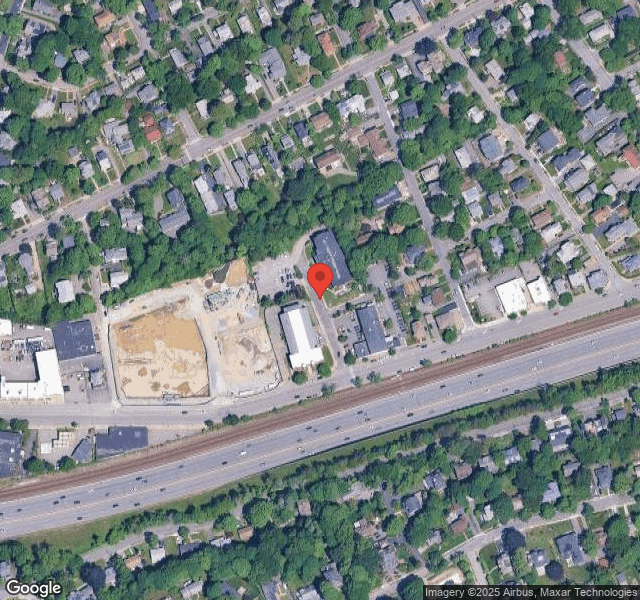

25 ARMORY STREET, WEST NEWTON, MA 02465 (617) 969-2300
For profit - Limited Liability company 123 Beds NEXT STEP HEALTHCARE Data: November 2025
Trust Grade
0/100
#334 of 338 in MA
Last Inspection: January 2025

Within standard 12-15 month inspection cycle. Federal law requires annual inspections.

Overview

West Newton Healthcare has received a Trust Grade of F, indicating significant concerns and poor quality care. It ranks #334 out of 338 facilities in Massachusetts, placing it in the bottom half of nursing homes in the state, and #71 out of 72 in Middlesex County, meaning there is only one local option that performs worse. Despite an improving trend in issues reported, dropping from 43 in 2024 to 24 in 2025, the facility still faces serious challenges, including a concerning staffing turnover rate of 70%, which is well above the state average. Additionally, the facility has incurred fines totaling $227,924, which is higher than 94% of Massachusetts facilities, suggesting ongoing compliance issues. Specific incidents include failing to follow physician orders for pressure ulcer prevention, resulting in serious injuries for a resident, and not alerting a physician in time about a resident's serious health changes, leading to hospitalization. Overall, while there is some improvement in the number of issues, the facility has significant weaknesses that families should consider carefully.

Trust Score
F
0/100
In Massachusetts
#334/338
Bottom 2%
Safety Record
High Risk
Review needed
Inspections
Getting Better
43 → 24 violations
Staff Stability
⚠ Watch
70% turnover. Very high, 22 points above average. Constant new faces learning your loved one's needs.
Penalties
✓ Good
$227,924 in fines. Lower than most Massachusetts facilities. Relatively clean record.
Skilled Nurses
✓ Good
Each resident gets 48 minutes of Registered Nurse (RN) attention daily — more than average for Massachusetts. RNs are trained to catch health problems early.
Violations
⚠ Watch
91 deficiencies on record. Higher than average. Multiple issues found across inspections.
★☆☆☆☆
1.0
Overall Rating
★★☆☆☆
2.0
Staff Levels
★★☆☆☆
2.0
Care Quality
★☆☆☆☆
1.0
Inspection Score
Stable
2024: 43 issues
2025: 24 issues

The Good

  • Full Sprinkler Coverage · Fire safety systems throughout facility
  • No fines on record

Facility shows strength in fire safety.

The Bad

1-Star Overall Rating

Below Massachusetts average (2.9)

Significant quality concerns identified by CMS

Staff Turnover: 70%

24pts above Massachusetts avg (46%)

Frequent staff changes - ask about care continuity

Federal Fines: $227,924

Well above median ($33,413)

Significant penalties indicating serious issues

Chain: NEXT STEP HEALTHCARE

Part of a multi-facility chain

Ask about local staffing decisions and management

Staff turnover is very high (70%)

22 points above Massachusetts average of 48%

The Ugly 91 deficiencies on record

4 actual harm
Jan 2025 24 deficiencies
CONCERN (D)

Potential for Harm - no one hurt, but risky conditions existed

Grievances (Tag F0585)

Could have caused harm · This affected 1 resident

Based on observation, record review and interview, the facility failed file a grievance for one Resident (#7), out of a total sample of 24 residents. Specifically, the facility staff failed to ensure...

Read full inspector narrative →
Based on observation, record review and interview, the facility failed file a grievance for one Resident (#7), out of a total sample of 24 residents. Specifically, the facility staff failed to ensure the Social Worker (SW) filed a grievance on behalf of Resident #7's Guardian who expressed care concerns. Findings include: Review of the facility policy titled Grievances, dated 2/2024, indicated that it is the policy of this facility to make information about how to file a grievance available to residents and/or residents representatives. The contact information of the grievance official (Administrator or designee), as well as contact information of independent entities, with whom a complaint can be filed are posted and available to residents. -Guidelines 4. Any resident, and/or health care representative, family member, employee, or appointed advocate may file a grievance without fear of discrimination or reprisal in any form. -Procedure 1. If a resident, and/or health care representative, or another interested family member of a resident has a complaint, a staff member will inform the person of the grievance process and assist the resident, or person acting on the resident's behalf, to file a written grievance with the facility using the Grievance form as needed. 2. Grievances may be submitted orally or in writing. The resident, and/or health care representative, or the person filing the grievance on behalf of the resident, should be encouraged to sign written grievances. If the person filing the grievance is anonymous or wishes to remain anonymous, confidentiality will be maintained, to the extent possible. Note: If a grievance is submitted orally, the facility employee taking the grievance must write it up on the grievance report form. 3. Immediate reporting of alleged violations involving neglect, abuse, including injuries of unknown source, and /or misappropriation of resident property are to be reported as required by state law. 4. Upon receipt of a written grievance the Administrator will refer it to the appropriate department head for investigation. The department head will submit a response of findings to the Administrator. 5. The Administrator will review the findings with the person investigating the grievance to determine what corrective actions need to be made. 6. The Administrator will document receipt of all grievances on the Grievance Log. The grievance log will be used for tracking and trending as part of the facility's Quality Assurance Performance Improvement Committee as warranted. Resident #7 was admitted to the facility in July 2024 with diagnoses including dementia, tracheostomy, diabetes, and seizures. Review of the most recent Minimum Data Set (MDS) assessment, dated 10/4/24, indicated that Resident #7 was comatose. Resident #7 was dependent on staff for activities of daily living. Review of Resident #7's social services progress note, dated 1/3/25, indicated: - Social Services (SS) called and spoke with the resident's guardian. He/she reports during his/her last visit, he/she found Resident appearing uncared for - in unclean bedding, etc. SS to follow up as needed. On 1/6/25 at 7:45 A.M., and at 3:08 P.M., the surveyor observed Resident #7 in his/her bed he/she had facial hair around 5 millimeters in length. Resident #7's bed linens were unclean and had tube feeding formula on them. There were used paper towels on his/her nightstand. The tube feeding pole had dried tube feeding on the base of the tube feeding pole. The windowsill had various care items not stored in a homelike manner. On 1/7/25 at 6:52 A.M., and at 1:10 P.M., the surveyor observed Resident #7 in his/her bed he/she had facial hair around 5 millimeters in length. Review of the grievance log on 1/7/25 failed to include documentation to support the Social Worker filed a grievance on behalf of Resident #7's Guardian's concerns. Review of Resident #7's plan of care related to activities of daily living, dated as revised 9/11/24, indicated: - Grooming, dependent two assist. During an interview on 1/7/25 at 1:37 P.M., Certified Nurse Assistant (CNA) #1 said that Resident #7 should be shaved once a week and she needs the nurse to assist with shaving needs. CNA #1 said CNAs are responsible for room tidiness and cleaning dirty linens during care. During an interview on 1/7/25 at 1:56 P.M., Nurse #2 said CNAs should shave Resident #7 during care. Nurse #2 said that Resident #7 has facial hair that is long, and the facial hair should have been shaved during care. Nurse #2 said the nurses are responsible for changing bed linens if tube feeding is spilled on the linens. During an interview on 1/8/25 at 3:32 P.M., the Social Worker said she had been asked to call Resident #7's Guardian because the Guardian called the Ombudsman who then called the Administrator about care concerns. The Social Worker reviewed her note from 1/3/25 and said she had received concerns about care and unclean bedding. The SW said she did not file a grievance on behalf of Resident #7's Guardian, and she did not let nursing know about the concerns expressed on 1/3/25. The SW said she had a family meeting on 1/8/25 with the Guardian and she did not file a grievance related to Resident #7's Guardian's care concerns. During an interview on 1/9/25 at 9:05 A.M., Director of Clinical Operations #2 reviewed the social work note from 1/3/25 and said that the Social Worker should have filed a grievance related to care concerns and made nursing aware so that nursing could have addressed the concerns immediately with education. During an interview on 1/9/25 at 9:47 A.M., the Administrator said the Ombudsman reached out to him regarding care concerns from Resident #7's Guardian. The Administrator said that when the Social Worker called the Guardian on 1/3/25 and received care concerns the Social Worker should have filed a grievance on behalf of Resident #7's guardian. On 1/9/25 at 10:30 A.M., the Administrator provided the surveyor with a grievance for Resident #7. Review of the grievance form, dated 1/8/25, indicated the following: Ombudsman contacted the center regarding care concerns family meeting set up. Concerns include lack of rehabilitation services, dirty tracheostomy, and poor hygiene. see F677
CONCERN (D)

Potential for Harm - no one hurt, but risky conditions existed

Deficiency F0604 (Tag F0604)

Could have caused harm · This affected 1 resident

Based on observations, interviews, and record review, the facility failed to identify and assess the use of an abdominal binder as a potential restraint for one Resident (#74) out of a total sample of...

Read full inspector narrative →
Based on observations, interviews, and record review, the facility failed to identify and assess the use of an abdominal binder as a potential restraint for one Resident (#74) out of a total sample of 24 residents. Findings include: Review of the facility policy titled, Use of Restraints, dated as revised 1/24, indicated that restraints shall only be used for the safety and well-being of the residents) and only after other alternatives have been tried unsuccessfully. Restraints shall only be used to treat the resident's medical symptoms) and never for discipline or staff convenience, or for the prevention of falls. -Guidelines 1. Physical Restraints are defined as any manual method, physical or mechanical device, material or equipment attached or adjacent to the resident's body that the individual cannot remove easily, which restricts freedom of movement or restricts normal access to one's body. 2. The definition of a restraint is based on the functional status of the resident and not the device. If the resident cannot remove a device in the same manner in which the staff applied it given that resident's physical condition and this restricts his/her typical ability to change position or place, that device may be considered a restraint. 3. Restraints may be used if/when the resident has a specific medical symptom that cannot be addressed by another less restrictive intervention and a restraint maybe required to: a. Treat the medical symptom; b. Ensure the resident's safety; and/or c. Assist the resident attain the highest level of his/her physical or psychological well-being 4. Prior to placing a resident in restraints, there shall be a pre-restraining evaluation and review to determine the need for restraints. The evaluation shall be used to determine possible underlying causes of the problematic medical symptom and to determine if there are less restrictive interventions (programs, devices, referrals, etc.) that may improve the symptoms. 6. Restraints shall only be used upon the written order of a physician and after obtaining consent from the resident and/or representative. 7. Residents and/or HCP shall be informed about the potential risks and benefits of the use of the restraint 8. Restrained individuals shall be reviewed regularly (at least quarterly) to determine whether they are candidates for restraint reduction, less restrictive methods of restraints, or total restraint elimination. Resident #74 was admitted to the facility in January 2023 with diagnoses including traumatic brain injury, history of falling, and muscle weakness. Review of the most recent Minimum Data Set (MDS) assessment, dated 10/18/24, indicated that Resident #74 was rarely/ never understood. The MDS further indicated Resident #74 rejected care, was dependent on staff for activities of daily living and had a feeding tube. The MDS indicated Resident #74 did not require physical restraints. Review of Resident #74's current physician's order, with a start date of 5/25/23, indicated: -May order and apply abdominal binder to secure PEG (feeding tube inserted into the stomach) tube. Apply and secure binder when PEG tube is not in use. Monitor for skin breakdown and notify MD, NP, or PA. Patient at high risk for accidental self-removal of PEG tube, please secure when not in use to reduce risk of trauma and infection to PEG site. -When PEG tube is not in use, please secure PEG tube using skin safe tape and gauze. Patient high risk of accidental self-removal of PEG tube, please secure when not in use to reduce risk of trauma. Review of Resident #74's NSH Nursing Evaluation - V 18, dated 4/23/24, 7/19/24, 10/12/24 and 1/4/25, indicated: -Section M. Restraints instructions: Restraints = Any manual method or physical or mechanical device, material or equipment attached or adjacent to the resident's body that the individual cannot remove easily which restricts the freedom of movement or normal access to one's body. 1. Is the resident currently using a restraint? Coded as no. Review of Resident #74's plan of care on 1/6/25 failed to include documentation to support the use of the abdominal binder. Review of Resident #74's medical record on 1/6/25 failed to include a consent from the Resident's health care agent consenting to the use of the abdominal binder. On 1/8/25 at 12:51 P.M., the surveyor observed the abdominal binder across Resident #74's abdomen. Nurse #4 said that Resident #74 was wearing an abdominal binder so he/she cannot pull out the g-tube. Resident #74 was unable to self-release the abdominal binder on command. During an interview on 1/9/25 at 7:36 A.M., Certified Nursing Assistant (CNA) #2 said Resident #74 is totally dependent for care and Resident #74 is supposed to wear an abdominal binder at all times so he/she doesn't pull the tube out. During an interview on 1/9/25 at 9:23 A.M., the Director of Clinical Operations #2 said the use of restraints requires quarterly assessments. She reviewed the regulatory requirements for restraint use and said that Resident #74 should be able to self-release the abdominal binder. On 1/9/25 at 11:08 A.M., the surveyor observed the Director of Clinical Operations #2 assess Resident #74's abdominal binder. Resident #74 was unable to remove the abdominal binder on command.
CONCERN (D)

Potential for Harm - no one hurt, but risky conditions existed

Assessment Accuracy (Tag F0641)

Could have caused harm · This affected 1 resident

Based on record review and interview, the facility failed to ensure that Minimum Data Set (MDS) assessments were coded accurately for one Resident (#26) out of a total sample of 24 Residents. Specific...

Read full inspector narrative →
Based on record review and interview, the facility failed to ensure that Minimum Data Set (MDS) assessments were coded accurately for one Resident (#26) out of a total sample of 24 Residents. Specifically, for Resident #26 the facility failed to code oxygen use on the MDS assessment. Findings include: Resident #26 was admitted to the facility in October 2022 with diagnoses including emphysema, chronic obstructive pulmonary disease (COPD), and anxiety. Review of the most recent Minimum Data Set (MDS) assessment, dated 11/8/24, indicated that Resident #26 was cognitively intact as evidenced by a Brief Interview for Mental Status exam score of 14 out of 15. The MDS further indicated Resident #26 required assistance with activities of daily living and did not require oxygen administration. Review of Resident #26's physician's progress note, dated 11/1/24, indicated Resident has a history of severe COPD with chronic oxygen use at 2 liters per minute. Review of Resident #26's current physician's order, with a start date of 11/11/23, indicated: -Obtain oxygen saturation every shift and administer oxygen at 2 liters per minute (LPM). Review of Resident #26's Treatment Administration Record (TAR), dated November 2024, indicated between 11/1/24 and 11/8/24 Resident #26 received oxygen at 2 LPM every shift. Review of Resident #26's plan of care related to respiratory status, dated as revised 11/21/24, indicated: -Oxygen settings: oxygen via nasal cannula as ordered. During an interview on 1/7/25 at 1:32 P.M., the Director of Clinical Operations #2 said she reviewed the MDS for 11/8/24 and the MDS Nurse should have coded the oxygen use but did not.
CONCERN (D)

Potential for Harm - no one hurt, but risky conditions existed

Comprehensive Care Plan (Tag F0656)

Could have caused harm · This affected 1 resident

3. For Resident #24 the facility failed to develop a care plan for the use of antidepressant and anti-anxiety medication. Resident #24 was admitted to the facility in November 2023 with diagnoses incl...

Read full inspector narrative →
3. For Resident #24 the facility failed to develop a care plan for the use of antidepressant and anti-anxiety medication. Resident #24 was admitted to the facility in November 2023 with diagnoses including dementia, depression and psychosis. Review of the physician orders dated January 2025 indicated the following orders: -Ativan oral tablet 1 MG (milligram). Give 1 mg by mouth at bedtime related to unspecified dementia, unspecified severity, with other behavioral disturbance. - Trazodone HCL oral tablet 50 MG, give 25 MG by mouth at bedtime related to unspecified dementia, unspecified severity, with other behavioral disturbance. Review of the current care plan for Resident #24 failed to indicate a focus, goals and interventions for the use of the anti anxiety medication Ativan and the antidepressant medication Trazodone. During an interview on 1/7/25 at 2:01 P.M., Unit Manager #1 said that she assumes that care plans should be in place for the use of both anti-anxiety and antidepressant medications. Based on observation, record review and interview the facility failed to ensure they developed and implemented a comprehensive person-centered care plan for four Residents (#90, #73, #24, #74) out of a total sample of 24 residents. Specifically: 1. For Resident #90 the facility failed to ensure the bed was in the lowest position and floor mats were in place when the resident was in bed, as ordered by the physician. 2. For Resident #73 the facility failed to develop a person-centered comprehensive care plan for a diagnosis of history of suicidal ideation. 3. For Resident #24 the facility failed to develop a care plan for the use of psychotropic medications. 4. For Resident #74 the facility failed to implement padded side rails. Findings include: 1. Resident #90 was admitted to the facility in May 2024 and has diagnoses that include dementia without behavioral disturbance and muscle weakness. Review of the most recent Minimum Data Set (MDS) assessment, dated 9/30/24, indicated that Resident #90 was assessed by staff to have severe cognitive impairment, The MDS further indicated Resident #90 required substantial to maximal assist with bed mobility. Review of the most Nursing Evaluation, dated 12/23/24, indicated Resident #90 had sustained 1-2 falls within the last six months. Review of the current physician's orders indicated the following order: -Make sure the bed is in the lowest position and floor mats are in place when resident is in bed, start date 8/1/24. On 1/6/25 at 8:51 A.M., Resident #90 was observed asleep in bed. The bed was at a regular height and there was a fall mat on the left side of the bed, but none on the right side. A second fall mat was not observed in the room. On 1/7/25 at 6:54 A.M., Resident #90 was observed asleep in bed. The bed was in the lowest position, however there was no fall mat on the right side of the bed, only on the left. A second fall mat was not observed in the room. On 1/7/25 at 7:54 A.M., Resident #90 was observed asleep in bed. The bed was in the lowest position, however there was no fall mat on the right side of the bed, and the fall mat on the left side of the bed was now 2-3 feet away from the bed, exposing Resident #90 directly to the floor should he/she fall. A second fall mat was not observed in the room. On 1/7/25 at 9:56 A.M., Resident #90 was observed asleep in bed. The bed was in the lowest position, however there was no fall mat on the right side of the bed, and the fall mat on the left side of the bed was now 2-3 feet away from the bed, exposing Resident #90 directly to the floor should he/she fall. A second fall mat was not observed in the room. On 1/9/25 at 7:25 A.M., Resident #90 was observed asleep in bed. The bed was at a regular height and there was a fall mat on the left side of the bed, but none on the right side. A second fall mat was not observed in the room. On 1/9/25 at 8:13 A.M., Resident #90 was observed asleep in bed. The bed was at a regular height and there was a fall mat on the left side of the bed, but none on the right side. A second fall mat was not observed in the room. During an interview on 1/9/25 at 11:31 A.M., with Resident #90's Certified Nursing Assistant (CNA) #4 she said that she was not aware that Resident #90's bed was supposed to be in the lowest position with fall mats in place. CNA #90 said that she usually gets report at the start of a shift on a resident's care needs but because she was moved to the floor at 10:30 A.M., that morning she had not. During an interview on 1/9/25 at 11:39 A.M., Nurse #6 said she is Resident #90's nurse. She said that it was the expectation that nursing staff follow Physician orders. Nurse #6 said that staff should maintain Resident #90's bed in the lowest position with fall mats in place if there was an order for that. Nurse #6 said that she was unaware that there were supposed to be fall mats in place on both sides of Resident #90's bed. During an interview on 1/9/25 at 12:37 P.M., the Director of Clinical Operations #2 on said that it is her expectation that nursing staff follow Physician's orders. She said that when an order is in place for a bed to be in lowest position with fall mats in place when in bed, that is what should be occurring. 4. Resident #74 was admitted to the facility in January 2023 with diagnoses including traumatic brain injury, history of falling, and muscle weakness. Review of the most recent Minimum Data Set (MDS) assessment, dated 10/18/24, indicated that Resident #74 was rarely/ never understood. This MDS further indicted Resident #74 rejected care and was dependent on staff for activities of daily living. On 1/6/25 at 7:36 A.M., 1/7/25 at 6:39 A.M., and 1/9/25 at 6:44 A.M., the surveyor observed Resident #74 in his/her bed, the side rails were in the middle of the bed, and they were not padded. Review of Resident #74's plan of care related to activities of daily living, dated as revised 1/25/23, indicated: -Bed mobility-dependent of two. Review of Resident #74's plan of care related to side rails, dated 1/25/23, indicated: -Resident's side rails are padded to assist in skin integrity in skin integrity and limbs sliding through side. Review of Resident #74's plan of care related to potential for skin, dated as revised 3/26/23, indicated: -Residents side rails are padded to assist in skin integrity and limbs sliding through the side bar. During an interview on 1/9/25 at 7:37 A.M., Certified Nursing Assistant (CNA) #2 said Resident #74 does not have padded side rails on his/her bed. During an interview on 1/9/25 at 9:25 A.M., the Director of Clinical Operations #2 said nursing should implement the plan of care related to padding the side rails. 2. Resident #73 was admitted to the facility in July 2024 with diagnoses that include personal history of suicidal ideation, schizoaffective disorder, bipolar type, personal history of adult physical and sexual abuse. Review of the most recent Minimum Data Set (MDS) assessment, dated 10/11/24, indicated a Brief Interview for Mental Status exam score was not able to be obtained and Resident #73 was assessed by staff to have severely impaired cognition. The MDS further indicated 12-14 days of the look back period (nearly every day) the resident had little interest or pleasure in doing things and felt tired or had little energy. Review of Resident #73's active plan of care failed to indicate a plan of care for a diagnosis of personal history of suicidal ideation. During an interview on 1/9/25 at 12:20 P.M., the Social Worker (SW) said that when a resident has a diagnosis of history of suicidal ideation a plan of care should be developed so that direct care staff are aware of the history, regardless of how recent or distant the suicidal ideation is. The SW said when residents are admitted with this diagnosis, even if they deny suicidal ideation on admission, the process should still be followed so that their plan of care is person centered and tailored to their needs. During an interview on 1/9/25 at 12:47 P.M., the Director of Clinical Operations #2 said that regardless of how long ago the history of suicidal ideation was, and regardless of if the resident denies it on admission, a plan of care should be in place. She said that if it is present on admission, all staff should be evaluating the hospital discharge summary and gathering information to develop a plan of care.
CONCERN (D)

Potential for Harm - no one hurt, but risky conditions existed

Deficiency F0657 (Tag F0657)

Could have caused harm · This affected 1 resident

Based on observations, interviews, and record review the facility failed to ensure care plans were reviewed with the interdisciplinary team (IDT) as required for two Residents (#35 and #61) out of a t...

Read full inspector narrative →
Based on observations, interviews, and record review the facility failed to ensure care plans were reviewed with the interdisciplinary team (IDT) as required for two Residents (#35 and #61) out of a total sample of 24 residents. Specifically, 1. For Resident #35 the facility failed to review and revise the care plan related to the oxygen flow rate for a tracheostomy (surgical incision in the neck to the windpipe to create an airway). 2. For Resident #61 the facility failed to review and revise the care plan related to protective equipment used for smoking (smoking apron). Findings include: Review of the facility policy titled, Care Plans, Comprehensive Person- Centered, dated as revised 1/24, indicated a comprehensive, person-centered care plan will be developed for each resident. The care plan will include objectives that meet the resident's physical, psychosocial and functional needs is developed for each resident. 1. The Interdisciplinary Team (IDT) in conjunction with the resident and his/her family or legal representative, may assist with the development of a comprehensive, care plan for each resident. 7. Evaluation of residents is ongoing and care plans are revised as information about the resident and the resident conditions change. 8. The IDT team reviews and updates the care plan when there has been a significant change in the resident's conditions, when there is a change and at least quarterly, in conjunction with the required quarterly MDS assessment. Review of the facility policy titled, Comprehensive Assessment and the Care Delivery Process, dated as revised 8/19, indicated comprehensive assessment will be conducted to assist in developing person-centered care plans. g. Completed assessments (baseline, comprehensive, MDS, etc.) are maintained in the resident's active record for a minimum of up to 15 months. These assessments are used to develop, review and revise the resident's comprehensive care plan. 1. Resident #35 was admitted to the facility in October 2022 with diagnoses including anoxic brain damage, chronic respiratory failure, and tracheostomy status. Review of the most recent Minimum Data Set (MDS) assessment, dated 11/8/24, indicated that Resident #35 was rarely/never understood. This MDS indicated Resident #35 was dependent on staff for activities of daily living. The MDS indicated Resident #35 received oxygen therapy and tracheostomy care. On 1/6/25 at 7:49 A.M., and at 3:07 P.M., 1/7/25 at 6:52 A.M., and at 1:41 P.M. and on 1/8/25 at 1:06 P.M., the surveyor observed Resident #35 receiving oxygen at 4 liters per minute via tracheostomy mask. Review of Resident #35's plan of care related to tracheostomy related to anoxic brain injury, dated as revised 2/14/23, indicated: - Oxygen Settings: Tracheostomy mask at 28% humidified oxygen continuously on 2 liters, dated as revised 6/10/24. Review of Resident #35's physician's order, dated 7/15/24, indicated: - Administer oxygen at 4 liters per minute via tracheostomy mask continuously with 28% humidification. Review of Resident #35's physician progress note, dated 11/1/24, indicated: -Tracheostomy at 4 liters per minute. During an interview on 1/7/25 at 1:42 P.M., Nurse #2 said that Resident #35 is receiving oxygen at 4 liters per minute. During an interview on 1/9/25 at 9:01 A.M., the Director of Clinical Operations #2 said that the care plan should reviewed and revised by the interdisciplinary team after each assessment, including both the comprehensive and quarterly review assessments to match the current oxygen flow rate, but that it had not been. 2. Review of the facility policy titled, Smoking- Policy Residents, dated as revised 3/24, indicated that this facility shall establish and maintain safe resident smoking practices. 1. Prior to, and upon admission if the facility is a smoking facility, residents shall be informed of the facility smoking policy, including designated smoking areas, and smoking times. 5. The resident will be evaluated upon admission and/or when a resident chooses to smoke, to determine if the resident's ability to smoke safely. 6. A resident's ability to smoke safely will be re-evaluated quarterly, upon a significant change (physical or cognitive) and as determined by the staff. 7. Any smoking-related concerns will be noted in the resident care plan. 9. Resident who are supervised for smoking will be monitored by a staff member or designee during the allowed smoking times Resident #61 was admitted to the facility in September 2023 with diagnoses including diabetes, depression, and failure to thrive. Review of the most recent Minimum Data Set (MDS) assessment, dated 12/20/24, indicated that Resident #61 was cognitively intact as evidenced by a Brief Interview for Mental Status exam score of 13 out of 15. This MDS further indicated Resident #61 required assistance with activities of daily living. Review of Resident #61's NSH Smoking Evaluation, dated 8/31/24 and 9/25/24, indicated: -Resident is safety to smoke with supervision and protective smoking equipment. Review of Resident #61's NSH Smoking Evaluation, dated 12/5/24, indicated: -Resident is able to smoke with supervision without protective smoking equipment. Review of Resident #61's current plan of care related to smoking, dated as revised 12/5/24, indicated: -Supervised, Apron while smoking, initiated on 9/26/23. During an interview on 1/7/25 at 11:43 A.M., Resident #61 said he/she smokes three times a day. Resident #61 said he/she does not wear a smoking apron and never has worn an apron. On 1/8/25 between 1:26 P.M., through 1:34 P.M., the surveyor observed Resident #61 outside smoking without a smoking apron. During an interview on 1/8/25 at 3:40 P.M., Activities Assistant #1 said Resident #61 does not use a smoking apron and he/she has never used a smoking apron. During an interview on 1/8/25 at 3:42 P.M., Activities Assistant #2 said Resident #61 does not use a smoking apron and he/she has never used a smoking apron. During an interview on 1/9/25 at 9:30 A.M., the Director of Clinical Operations #2 said Resident #61's smoking care plan should reflect the most recent assessment completed by the IDT team.
CONCERN (D)

Potential for Harm - no one hurt, but risky conditions existed

Deficiency F0685 (Tag F0685)

Could have caused harm · This affected 1 resident

Based on observation, record review and interview the facility failed to ensure vision services were provided for one Resident (#6) out of a total sample of 24 residents. Specifically, the facility fa...

Read full inspector narrative →
Based on observation, record review and interview the facility failed to ensure vision services were provided for one Resident (#6) out of a total sample of 24 residents. Specifically, the facility failed to ensure arrangements were made to repair eyeglasses for Resident #6. Findings include: Resident #6 was admitted to the facility in March 2022 and has diagnoses that include absolute glaucoma and artificial left eye. Review of Resident #6's most recent Minimum Data Set (MDS) assessment, dated 12/6/24, indicates that Resident #6 has moderately impaired vision and wears corrective lenses. On the Brief Interview for Mental Status exam Resident #6 scored a 6 out of a possible 15, indicating severely impaired cognition. The MDS further indicated Resident #6 has no behavior of rejecting care. Review of the current communication care plan for Resident #6 includes the following intervention: -Ensure hearing amplifier aid/glasses or other assistive devices are in place, start date 4/19/22. Review of the clinical progress notes indicates a note written by nursing, dated 8/25/24: -Social work needs to buy resident a new pair of glass (sic). Resident was wearing a broken glass (sic) which has potential risk to damage his/her R (right) eye which is his/her only functioned (sic) eye. Review of the most recent Social Service Evaluation, dated 12/17/24, indicated Resident #6's vision was adequate and made no mention of the missing eyeglasses. Review of Resident #6's most recent Nursing Evaluation, dated 12/1/24, indicates that Resident #6 has moderately impaired vision, wears corrective lenses, and wears a left prosthetic eye. Review of the Physician's Encounter progress note, dated 12/27/24, indicated that the Resident was recently seen at the hospital due to a bleed of his/her prosthetic eye and would need to follow-up with ophthalmology. There was no mention of Resident #6's eyeglasses being in disrepair. Review of the clinical progress notes failed to indicate a referral was made to have the eyeglasses repaired. During an observation and interview on 1/6/25 at 8:14 A.M., Resident #6 was observed in bed wearing broken, smudged glasses. Resident #6 said the glasses need to be cleaned and that they broke a long time ago, but no one has assisted him/her to get them repaired. The right-side arm of the glasses is broken off. On 1/7/25 at 11:43 A.M., Resident #6 was observed in bed wearing broken glasses. On 1/10/25 at 7:58 A.M., Resident #6 was observed in bed, holding his/her broken glasses. During an interview on 1/10/25 at 7:58 A.M., with Resident #6's Certified Nursing Assistant (CNA) #3 she said that she was aware that Resident #6's glasses are broken and added they have been broken for some time now. CNA #3 said that she does not know what's being done about the broken glasses. During an interview on 1/10/25 at 8:52 A.M., with Resident #6's Social Worker (SW) she said that it is the expectation that if a resident breaks their eyeglasses that a referral be made to the contracted ophthalmology services to arrange a visit with the eye doctor to facilitate the repair of the glasses. She said that she was unaware that Resident #6's glasses were broken. During a follow-up interview on 1/10/25 at 10:08 A.M., the SW said that she learned that the Physician's Assistant saw Resident #6 on 12/16/24 regarding the broken glasses and that Resident #6 will be seen by the eye doctor in February to address the issue. SW #1 said that there is no information in the record to indicate what occurred between August and December 2024 to address the broken eyeglasses. During an interview on 1/10/25 at 9:45 A.M., with the Director of Clinical Operations #2 she said that when a resident breaks their glasses, the ophthalmologist should be contacted to issue a new pair of glasses, or a plan determined with the family about how they will be replaced. She said that the plan should be documented in the record.
CONCERN (D)

Potential for Harm - no one hurt, but risky conditions existed

Pressure Ulcer Prevention (Tag F0686)

Could have caused harm · This affected 1 resident

Based on observation, interview, and record review, the facility failed to ensure nursing implemented interventions for pressure ulcer care for one Resident (#61) out of a total sample of 24 Residents...

Read full inspector narrative →
Based on observation, interview, and record review, the facility failed to ensure nursing implemented interventions for pressure ulcer care for one Resident (#61) out of a total sample of 24 Residents. Specifically for Resident #61 the facility failed to ensure that nursing implemented physician's ordered Prevalon boots and failed to consistently elevate his/her heels off the bed. Findings include: Review of the facility policy titled, Prevention and management of Pressure Ulcers/ Injuries, dated as revised 11/24, indicated the purpose of this policy is to ensure a resident receives care consistent with professional standard of practice to prevent pressure ulcers and/or residents with pressure ulcer receive necessary treatment and services consistent with professional standards of practice to promote healing, prevent infection and prevent new ulcers from developing. -Definitions: Pressure Ulcer/Injury (PU/PI) refers to localized damage to the skin and/or underlying soft tissue usually over a bony prominence or related to a medical or other device. *Stage 3 Pressure Injury: Full-thickness tissue loss -The Stage 3 PI appears as full-thickness loss of skin and tissue, in which subcutaneous fat may be visible in the ulcer and granulation tissue and epibole (rolled wound edges) are often present. - Slough and/or eschar may be visible but does not obscure the depth of tissue loss. - The depth of tissue damage varies by anatomical location; areas of significant adiposity can develop deep wounds. - Undermining and tunneling may occur. - Fascia, muscle, tendon, ligament, cartilage and/or bone are NOT exposed. - If slough or eschar obscures the wound bed, it is an Unstageable PI. *Stage 4 Pressure Injury: Full-thickness skin and tissue loss with exposed -The Stage 4 Pl appears as full-thickness skin and tissue loss with exposed or directly palpable fascia, muscle, tendon, ligament, cartilage or bone in the ulcer. - Slough and/or eschar may be visible on some parts of the wound bed. - Epibole (rolled edges), Undermining and/or Tunneling often occur. - Depth varies by anatomical location. *Risk Assessment 5. Develop the resident-centered care plan and interventions based on the risk factors identified, the condition of the skin, the resident's overall clinical condition. Resident #61 was admitted to the facility in September 2023 with diagnoses including diabetes, depression, and failure to thrive. Review of the most recent Minimum Data Set (MDS) assessment, dated 12/20/24, indicated that Resident #61 was cognitively intact as evidenced by a Brief Interview for Mental Status exam score of 13 out of 15. The MDS further indicated Resident #61 required assistance with activities of daily living, has one Stage 3 pressure ulcer and two Stage 4 pressure ulcers. Review of Resident #61's plan of care related to activities of daily living, dated as revised 11/1/23, indicated: -bed mobility: limited to extensive assistance of one, revised 10/3/23. Review of Resident #61's current physician's order, with a start date of 8/31/24, indicated: -Prevalon boots and elevate lower legs to reduce pressure. Review of Resident #61's plan of care related to actual alteration in skin integrity, dated as revised 1/3/25, indicated: -Consult and treatment by Certified Wound Physician, dated as initiated 9/26/23. -Heels, offloaded when in bed, dated as initiated 11/19/24. Review of the physician's order, dated 12/18/24, indicated: -Right Lateral Heel, Stage 3. Review of Resident #61's physician's order, dated 1/1/25, indicated: -Pressure wound right lateral foot. On 1/6/25 at 8:13 A.M., 1/6/25 at 9:02 A.M., 1/6/25 at 12:39 P.M., 1/6/25 at 3:04 P.M., 1/6/25 at 4:30 P.M., 1/7/25 at 6:50 A.M., 1/7/25 a 11:43 A.M., 1/9/25 at 6:47 A.M., and 1/9/25 at 7:37 A.M., the surveyor observed Resident #61's right heel directly on the bed extender and not elevated. There were no Prevalon boots as ordered by the physician. During an interview on 1/7/25 at 1:10 P.M., Resident #61 said he/she was not provided with any boots by the facility. During an interview on 1/9/25 at 2:00 P.M., Certified Nursing Assistant (CNA) #2 said Resident #61 does not wear boots, and Resident #61 has wounds on his/her feet. During an interview on 1/9/25 at 9:33 A.M., the Director of Clinical Operations #2 said nursing should implement care plan interventions and physician's orders to promote wound healing.
CONCERN (D)

Potential for Harm - no one hurt, but risky conditions existed

Deficiency F0688 (Tag F0688)

Could have caused harm · This affected 1 resident

**NOTE- TERMS IN BRACKETS HAVE BEEN EDITED TO PROTECT CONFIDENTIALITY** Based on observation, interview, and record review, the facility failed to consistently provide range of motion (ROM) care and t...

Read full inspector narrative →
**NOTE- TERMS IN BRACKETS HAVE BEEN EDITED TO PROTECT CONFIDENTIALITY** Based on observation, interview, and record review, the facility failed to consistently provide range of motion (ROM) care and treatment in accordance with professional standards of practice for one Resident (#35) out of a total sample of 24 residents. Specifically, the facility failed to ensure staff obtained physician's orders for bilateral hand splints (a device to properly position and protect hand joints) use based on the Occupational Therapist's recommendation. Findings include: Review of the facility policy titled, Care Plans, Comprehensive Person- Centered, dated as revised 1/24, indicated a comprehensive, person- centered care plan will be developed for each resident. The care plan will include objectives that meet the resident's physical, psychosocial and functional needs is developed for each resident. 1. The Interdisciplinary Team (IDT) in conjunction with the resident and his/her family or legal representative, may assist with the development of a comprehensive, care plan for each resident. 2. The care plan interventions are derived from information gathered as part of the comprehensive assessment. 3. The resident comprehensive care plan will identify problem areas and their causes as warranted and develop interventions that are targeted and meaningful to the resident. Resident #35 was admitted to the facility in October 2022 with diagnoses including anoxic brain damage, chronic respiratory failure, and tracheostomy status. Review of the most recent Minimum Data Set (MDS) assessment, dated 11/8/24, indicated that Resident #35 was rarely/never understood. This MDS further indicated Resident #35 was dependent on staff for activities of daily living and Resident #35 had functional limitation in range of monition on both sides of the upper extremities and lower extremities. On 1/6/25 at 7:49 A.M., and at 3:07 P.M., 1/7/25 at 6:52 A.M., and at 1:41 P.M. and on 1/8/25 at 1:06 P.M., the surveyor observed Resident #35 in his/her bed wearing bilateral hand splints. Review of Resident #35's physician's order, dated 12/31/24, indicated: -Occupational Therapy Services discontinued on 12/31/24. Review of Resident #35's Occupational Therapy (OT) Discharge summary, dated [DATE], indicated: -Discharge Recommendations: It is recommended that bilateral upper extremities orthoses to be donned every day for as long as possible with no signs of discomfort/redness. Orthotics should be checked at every shift change to ensure skin is intact. Review of Resident #35's physician's orders on 1/6/25, failed to include documentation to support a splint wearing schedule. Review of Resident #35's plan of care on 1/6/25, failed to include documentation to support a splint wearing schedule. During an interview on 1/7/25 at 1:38 P.M., Certified Nurse Assistant (CNA) #1 said that splits should be removed while providing care and she was not sure how long Resident #35 should wear his/her hand splints. During an interview on 1/7/25 at 1:41 P.M., Nurse #2 said she was not sure when Resident #35 was supposed to wear his/her hand splints. Nurse #2 said she thought that Resident #35 must have his/her splints applied on the evening and night shifts. Nurse #2 reviewed Resident #35's medical record and said she did not have any instructions for splint use or care, but that she should. During an interview on 1/8/25 at 1:06 P.M., Nurse #3 said that Resident #35 has hand splints on and Nurse #3 said that splint care is provided based on the physician's orders. Nurse #3 reviewed the electronic health record and Nurse #3 said she was not sure what Resident #35's splint wearing schedule was. During an interview on 1/8/25 at 2:49 P.M., the Director of Clinical Operations #2 said that splint use should be care planned to include a schedule of when to wear and when to remove the hand splints. As well, she said that there were no orders for splints in the electronic health record but that there should be.
CONCERN (D)

Potential for Harm - no one hurt, but risky conditions existed

Deficiency F0692 (Tag F0692)

Could have caused harm · This affected 1 resident

Based on record review and interview, the facility failed to maintain acceptable parameters of nutritional status for one Resident (#88) out of a total sample of 24 residents. Specifically, for Reside...

Read full inspector narrative →
Based on record review and interview, the facility failed to maintain acceptable parameters of nutritional status for one Resident (#88) out of a total sample of 24 residents. Specifically, for Resident #88 the facility failed to obtain weights as ordered and identify and address potential significant weight changes by not reviewing post dialysis weights and reweighing the resident in a timely manner to confirm a significant weight change. Findings Include: Review of facility policy titled Weight Management, dated as revised 4/4/19 indicated the following: -Weights will be obtained weekly x 4 after admission. Subsequent weights will be monthly unless physician's orders or the resident's condition warrants more frequent as determined by the Interdisciplinary Team (IDT). -All residents with significant weight changes will have verification of weight measurement for accuracy and documentation purposes. -If the resident refuses weighing or circumstances prevent weighing the resident, the IDT will document the reason in the resident's medical record and care plan. Make attempt to weigh resident at another time. Resident #88 was admitted to the facility in November 2024 with diagnoses that include end stage renal disease and dependence on renal dialysis. Review of Resident #88's most recent Minimum Data Set (MDS) Assessment, dated 11/26/24, indicated a Brief Interview for Mental Status exam score of 15 out of 15, indicating intact cognition. Review of Resident #88's active care plan indicated the following: -A nutrition care plan that indicated the Resident is underweight related to suspected poor PO (oral) intake as exhibited by low BMI (body mass index) Review of Resident #88's current physician's orders indicated the following order: -Check weight once weekly on Tuesdays in the morning, dated 12/17/24. Review of Resident #88's electronic medical record indicated the following weights: -11/20/24 100.6 pounds (lbs.) The record failed to indicate any further weights were obtained. Review of the Nutrition Assessment, dated 11/21/24, indicated the following: -The need for increased nutrient needs due to the resident being underweight. -Noted a current weight of 100.6 with observed clavicle and temporal wasting. Review of Resident #88's Dialysis Communication Book indicated the following documented weights from the dialysis center: 12/9/24 communication sheet indicated a pre dialysis weight of 62.7 kilograms (kg) or 137.94 lbs., and a post dialysis weight of 60.4 kg or 132.88 lbs. 12/27/24 communication sheet indicated a pre dialysis weight of 61.3 kg or 134.86 lbs., and a post dialysis weight of 59.7 kg or 131.34 lbs. 12/31/24 communication sheet indicated a pre dialysis weight of 63.1 kg or 138.82 lbs. but did not indicate a post dialysis weight. 1/8/24 dialysis communication sheet indicated a post dialysis weight of 50.3 kg or 110.66 lbs. -On 11/20/24, the Resident weighed 100.6 lbs., and on 12/9/24, the Resident weighed 132.88 lbs. which is a 32.09 % gain in 19 days. -On 12/31/24, the Resident weighed 138.82 lbs., and on 1/8/25, the Resident weighed 110.66 pounds which is a -20.29 % loss in 8 days. Review of the medical record failed to indicate that post dialysis weights were reviewed and evaluated for potential significant gain or loss. Review of the December 2024 Medication Administration Record (MAR) indicated the following: -Failed to indicate that a weight was obtained on 12/24/24 as indicated and was signed as obtained on 12/31/24 but was not documented in the medical record. Review of the January 2025 MAR indicated the following: -Indicated the Resident refused to be weighed on 1/7/24 and a progress note that indicated, patient refused to take weight, prefers to do it at 8 am (sic). Review of Resident #88's medical record failed to indicate the plan of care was adjusted to an 8:00 A.M. weight or that any follow up weight was obtained after the 1/7/24 refusal. During an interview on 1/9/25 at 9:48 A.M., the Dietitian said Resident #88 is a newer resident in the facility. The Dietitian reviewed the electronic medical record and said only one weight had been recorded for the Resident, but there should be more by this time. She said all weights should be documented in the electronic medical record. She said that if a resident is refusing to be weighed, she would expect to be notified, but she was not aware that Resident #88 had been refusing some weights. The Dietitian said when a resident refuses to be weighed the staff should reoffer and continue to attempt to obtain the weight. She said she has not reviewed the dialysis communication book and said that if there are weights in there, she is not aware of them. She said that she has not had communication with the Registered Dietitian at the dialysis center. During an interview on 1/9/25 at 11:10 A.M., Nurse #7 said that the nurses are responsible for checking for post dialysis weights in the dialysis communication book for changes and checking for recommendations regarding medication changes. She said she was not sure if Resident #88 had any changes or irregularities in his/her weight. She said that the weights or vital signs documented at dialysis are not entered into the electronic medical record. Nurse #7 also said that she is not sure what the process is if a resident refuses a weight but if there was a concern with the weight, she would let the provider know the resident had a gain or loss. During an interview on 1/9/25 at 12:37 P.M., Director of Clinical Operations #2 said upon return from dialysis, nurses should be checking the dialysis communication book for the post dialysis weights and vital signs, and those readings should be entered into the electronic medical record. She said she would expect that any weights obtained in the center or at dialysis are evaluated and compared to previous weights. Further, she said at the center weights should be obtained as ordered, and if the resident is refusing a provider should be notified and it should be added to the resident's plan of care. She also said that the post dialysis weights in Resident #88's communication book should have been evaluated and assessed for a potential significant change, but they were not. During a follow up interview on 1/9/25 at 1:17 P.M., the Dietitian said that she reviewed the weights in Resident #88's dialysis communication book and that the significant change in the weight noted on 12/9/24 should have been evaluated and addressed for a potential significant change, but was not.
CONCERN (D)

Potential for Harm - no one hurt, but risky conditions existed

Respiratory Care (Tag F0695)

Could have caused harm · This affected 1 resident

Based on observations, interview, and record review, the facility failed to ensure that respiratory care and services consistent with professional standards of practice, were provided for one Resident...

Read full inspector narrative →
Based on observations, interview, and record review, the facility failed to ensure that respiratory care and services consistent with professional standards of practice, were provided for one Resident (#26), out of a total sample of 24 Residents. Specifically for Resident #26 the facility failed to ensure nursing a.) consistently set his/her oxygen flow rate as ordered by the physician and b.) nursing changed nebulizer machine tubing as ordered by the physician. Findings include: Resident #26 was admitted to the facility in October 2022 with diagnoses including emphysema, chronic obstructive pulmonary disease (COPD), and anxiety. Review of the most recent Minimum Data Set (MDS) assessment, dated 11/8/24, indicated that Resident #26 was cognitively intact as evidenced by a Brief Interview for Mental Status (BIMS) score of 14 out of 15. This MDS further indicated Resident #26 required assistance with activities of daily living. a.) Review of the policy, Oxygen Administration, dated as revised 1/24, indicated the purpose of this procedure is to provide guidelines for safe oxygen administration. Preparation 1. Verify that there is a physician's order in place. Review the physician's orders or facility protocol for oxygen administration. On 1/6/25 at 7:40 A.M., and at 4:00 P.M., 1/8/25 at 3:53 P.M., and 1/9/24 at 7:45 A.M., the surveyor observed Resident #26 receiving oxygen via nasal cannula at 3 liters per minute. Review of Resident #26's physician's progress note, dated 11/1/24, indicated Resident has a history of severe COPD with chronic oxygen use at 2 liters per minute. Review of Resident #26's current physician's order, with a start date of 11/11/23, indicated: -Obtain oxygen saturation every shift and administer oxygen at 2 liters per minute. Review of Resident #26's plan of care related to respiratory status, dated as revised 11/21/24, indicated: -Oxygen settings: oxygen via nasal cannula as ordered. During an interview on 1/6/25 at 3:00 P.M., Nurse #5 said that Resident #26 receives oxygen based on the physician's order. During an interview on 1/9/25 at 8:56 A.M., the Director of Clinical Operations #2 said oxygen settings should be set according to the physician's order. b.) During an interview on 1/6/25 at 8:08 A.M., Resident #26 said I think I have pneumonia (infection of the lungs), I have not been feeling good all weekend, they have been giving me nebulizer treatments and I don't think the nebulizer is working because the mist wasn't coming up The surveyor observed the nebulizer tubing dated as 12/24/24, and there was still a clear liquid in the cup (part that holds the liquid medicine). On 1/6/25 at 9:04 A.M., the surveyor observed Resident #26 receiving a nebulizer treatment. Review of Resident #26's physician's order, dated 2/28/24, indicated: -Change nebulizer and oxygen tubing and bottle weekly. Initial tubing at the time of the change. Review of Resident #26's Treatment Administration Record (TAR), dated January 2025, indicated on 1/1/25 nursing did not change the tubing as ordered and coded the record as sleeping. During an interview on 1/6/25 at 3:00 P.M., Nurse #5 said that Resident #26 was administered a nebulizer treatment based on the physician's order. During an interview on 1/7/25 at 1:31 P.M., the Director of Clinical Operations #2 said nebulizer changes are completed based on the physician's orders and the nurse should not have coded the tubing change as sleeping and should have changed the nebulizer tubing as ordered.
CONCERN (D)

Potential for Harm - no one hurt, but risky conditions existed

Deficiency F0699 (Tag F0699)

Could have caused harm · This affected 1 resident

3. Resident #78 was admitted to the facility in December 2024 with diagnoses that include assault by unspecified means, post traumatic stress disorder (PTSD) and anxiety disorder. Review of the most r...

Read full inspector narrative →
3. Resident #78 was admitted to the facility in December 2024 with diagnoses that include assault by unspecified means, post traumatic stress disorder (PTSD) and anxiety disorder. Review of the most recent Minimum Data Set (MDS) assessment, dated 10/25/24, indicated a Brief Interview for Mental Status exam score was not able to be obtained and Resident #78 was assessed by staff to have severely impaired cognition. Review of Resident #78's medical record failed to indicate a trauma assessment had been completed. Review of Resident #78's active plan of care failed to indicate a PTSD care plan with resident specific triggers and interventions. During an interview on 1/7/25 at 2:21 P.M., the Director of Clinical Operations #1 said that any resident with PTSD should have a resident specific care plan in plan with specific triggers and interventions. Based on record review and interview the facility failed to ensure a care plan was developed for Trauma Informed Care, with resident specific triggers and interventions, for three Residents (#2, #73, and #78) out of a total sample of 24 residents. Findings include: The facility policy titled Trauma Informed Care, dates as revised 10/19, indicated the following: Preparation: 1. Staff are provided in-service training about trauma, its impact on health, and post-traumatic stress disorder in the context of the healthcare setting. 2. Nursing staff are trained on screening tools, trauma assessment and how to identify triggers associated with re-traumatization. 3. Staff are guided in evidence-based organizational and interpersonal strategies that support trauma informed care. General guidelines: 1. The facility supports a culture of emotional well-being and physical safety for staff, residents, and visitors. 2. Trauma-informed care is culturally sensitive, and person centered 3. Caregivers are taught strategies to help eliminate, mitigate, or sensitively address a residents' triggers. 1. Resident #2 was admitted to the facility in June 2024 and has diagnoses that include Adult Sexual Abuse and Dementia. Review of the most recent Minimum Data Set (MDS) assessment, dated 12/20/24, indicated that on the Brief Interview for Mental Status exam Resident #2 scored a 12 out of a possible 15, indicating moderately impaired cognition. Review of the record failed to indicate a trauma assessment had been completed. Review of the record failed to indicate a trauma care plan was in place. Review of the hospital discharge paperwork provided to the facility in June 2024 indicated a new diagnosis of Adult Sexual Abuse due to the potential rape of Resident #2 at the prior facility he/she resided in. During an interview on 1/9/25 at 12:20 P.M., with the facility Social Worker (SW) she said that a a trauma assessment and a trauma care plan should have been developed for Resident #2. The SW said that it is the expectation that the SW follows up with the Resident, makes sure staff is aware of the situation and educate the staff regarding potential triggers for re-traumatization. During an interview on 1/9/25 at 12:47 P.M., with the Director of Clinical Operations #2 she said that when a Resident admits to the facility with a recent rape allegation, that the SW should follow up with the resident, assess the resident and develop a trauma care plan with resident specific interventions and triggers.2. Resident #73 was admitted to the facility in July 2024 with diagnoses that include personal history of suicidal ideation, schizoaffective disorder, bipolar type, personal history of adult physical and sexual abuse Review of the most recent Minimum Data Set (MDS) Assessment, dated 10/11/24, indicated a Brief Interview for Mental Status exam score was not able to be obtained and Resident #73 was assessed by staff to have severely impaired cognition. The MDS further indicated 12-14 days of the look back period (nearly every day) the resident had little interest or pleasure in doing things and felt tired or had little energy. Review of Resident #73's medical record failed to indicate a trauma assessment had been completed. Review of Resident #73's active plan of care failed to indicate a trauma care plan was in place. During an interview on 1/9/25 at 12:20 P.M. Social Worker #1 said that a diagnosis of adult physical and sexual abuse would warrant a trauma assessment to be completed and a care plan be developed. She said social services would make follow up visits with the resident and make sure that everyone is aware of the trauma and potential triggers. She said a resident with this diagnosis should have a trauma care plan in place, should be referred to psych services and ensure that the physician is aware of the diagnosis and trauma. During an interview on 1/9/25 at 12:47 A.M., Director of Clinical Operations #2 said that with a history of physical and or sexual abuse a trauma assessment and care plan should be completed. Staff should review the hospital discharge summary to gather all information when the resident is admitted to the facility.
CONCERN (D)

Potential for Harm - no one hurt, but risky conditions existed

Deficiency F0700 (Tag F0700)

Could have caused harm · This affected 1 resident

Based on observation, record review and interview the facility failed to ensure that bilateral side rails were implemented in accordance with the care plan, for one Resident (#74) out of a total sampl...

Read full inspector narrative →
Based on observation, record review and interview the facility failed to ensure that bilateral side rails were implemented in accordance with the care plan, for one Resident (#74) out of a total sample of 24 residents. Findings include: Resident #74 was admitted to the facility in January 2023 with diagnoses including traumatic brain injury, history of falling, and muscle weakness. Review of the most recent Minimum Data Set (MDS) assessment, dated 10/18/24, indicated that Resident #74 was rarely/ never understood. The MDS further indicated Resident #74 was dependent on staff for activities of daily living. On 1/6/25 at 7:36 A.M., 1/7/25 at 6:39 A.M., and on 1/9/25 at 6:44 A.M., the surveyor observed Resident #74 in his/her bed. The bilateral side rails were in the middle of the bed. There was 31 inches from the headboard to the top of the side rail, the side rail measured 25 inches, and then there was 27 inches between the bottom of the side rail and the foot of the bed. Review of Resident #74's plan of care related to activities of daily living, dated as revised 1/25/23, indicated: -Bed mobility-dependent of two. Review of Resident #74's form titled, Side Rail Consent Form, undated, indicated that this consent is for the use of side rails on this resident's bed for bed mobility only. Date of Discussion: left blank. Last Reviewed by facility: left blank. Risks/ Benefits: left blank. Entrapment/ Enabler ( ) By Checking here and by my signature below, I give consent for side rails to be used for bed mobility only. My signature also indicates that I understand the risk and benefits of side rails. Signed by the Resident's representative on 1/18/23. (not checked off as consenting) Review of Resident #74's plan of care related to side rails, dated 1/25/23, indicated: -Resident or Resident health representative has consented to the use of assertive device. -Grab bars to be used as an enabler for bed mobility. Review of Resident #74's physician's order failed to include the type and size of the side rail. Review of Resident #74's the NSH Nursing Evaluation - V 18, dated 1/4/25, indicated: Section B. Musculoskeletal. m. Type of Rail Needed: -Bilateral During an interview on 1/9/25 at 7:37 A.M., Certified Nursing Assistant (CNA) #2 said Resident #74 is totally dependent for care. CNA #2 said that Resident #2 has two side rails in the middle of his/her bed to keep him/her in bed. During an interview on 1/9/25 at 9:28 A.M., the Director of Clinical Operations #2 said Resident #74 should have his/her side rails based on the side rail assessment and the care plan. On 1/9/25 at 10:58 A.M., the surveyor observed the Maintenance Director measure Resident #74's bilateral side rails. There was 31 inches from the headboard to the top of the side rail, the side rail measured 25 inches, and there was 27 inches between the bottom of the side rail and the foot of the bed. On 1/9/25 at 11:07 A.M., the surveyor and the Director of Clinical Operations #2 observed Resident #27 in bed. The Director of Clinical Operations #2 said that the side rails on Resident #74's bed are not grab bars. During an interview on 1/9/25 at 12:33 P.M., the Administrator said the facility did not have a policy for side rails.
CONCERN (D)

Potential for Harm - no one hurt, but risky conditions existed

Unnecessary Medications (Tag F0759)

Could have caused harm · This affected 1 resident

Based on observations, record review, and interviews, the facility failed to ensure it was free from a medication error rate of greater than 5% when one out of four nurses observed made 10 errors out ...

Read full inspector narrative →
Based on observations, record review, and interviews, the facility failed to ensure it was free from a medication error rate of greater than 5% when one out of four nurses observed made 10 errors out of 43 opportunities, resulting in a medication error rate of 20.93%. Those errors impacted two Residents (#34 and #77). Findings include: Review of the facility policy titled Administering Medications, dated as revised 9/2024, indicated that medications are administered in a safe and timely manner and as prescribed. Further review indicated that medications may be administered one hour before or after the prescribed time, unless otherwise specified. 1. Resident #34 was admitted to the facility in March 2015 with diagnoses including diabetes, Alzheimer's and high blood pressure. On 1/7/25, at 8:25 A.M. the surveyor observed Nurse #10 administer the following medications to Resident #34: -Aspirin Enteric Coated 81 mg. (milligrams) one tablet; -Metformin 500 mg. one tablet; and -Vitamin D 10 mg one tablet. Review of Resident #34's physician's orders dated January 2025, indicated the following medications to be administered at 8:00 A.M., and 9:00 A.M. -Aspirin Enteric Coated 81 mg. (milligrams) one tablet at 8:00 A.M. -Metformin 500 mg. one tablet at 8:00 A.M. -Vitamin D 10 mg one tablet at 8:00 A.M. -Glipizide 5 mg one tablet at 8:00 A.M. (did not give) -Lokelma oral packet 10 GM (grams) one packet by mouth at 8:00 A.M. (did not give) -Miralax Powder 17 GM at 8:00 A.M. (did not give) -Atenolol 25 mg one tablet at 8:00 A.M. (did not give) -Namanda 5 mg one tablet at 8:00 A.M. (did not give) -B-12 100 mcg (micrograms) at 9:00 A.M. (did not give) -Ferrous Sulfate 325 mg one tablet at 9:00 A.M. (did not give) 2. Resident #77 was admitted to the facility in March 2024 with diagnoses including heart disease, adult failure to thrive and high blood pressure. On 1/7/25, at 8:30 A.M. the surveyor observed Nurse #10 administer the following medications to Resident #77: -Atorvastatin 80 mg one tablet; -Omeprazole 20 mg one tablet; -Aspirin 81 mg one tablet; and -Ferrous Sulfate 324 mg one tablet. Review of Resident #77's physician's orders dated January 2025, indicated the following medications to be administered at 8:00 A.M., and 9:00 A.M. -Atorvastatin 80 mg one tablet at 8:00 A.M. -Omeprazole 20 mg one tablet at 8:00 A.M. -Aspirin 81 mg one tablet at 8:00 A.M. -Ferrous Sulfate 324 mg one tablet at 8:00 A.M. -Amlodipine Besylate 10 mg one tablet at 8:00 A.M. (did not give) -Metoprolol Succinate Extended Release 12.5 mg one tablet at 8:00 A.M. (did not give) During an interview on 1/7/25 at 2:21 P.M., the Director of Clinical Operations #1 said that all scheduled medications should be given at the time ordered.
CONCERN (D)

Potential for Harm - no one hurt, but risky conditions existed

Deficiency F0761 (Tag F0761)

Could have caused harm · This affected 1 resident

Based on observation and interview the facility failed to ensure drugs and biologicals were stored in accordance with accepted professional standards of practice. Specifically: 1. A medication nurse g...

Read full inspector narrative →
Based on observation and interview the facility failed to ensure drugs and biologicals were stored in accordance with accepted professional standards of practice. Specifically: 1. A medication nurse gave the keys, including narcotic keys to an unassigned staff nurse, providing that nurse access to their medication cart; and 2. Nursing failed to secure the medication cart on 1 of 3 nursing units. Findings include: 1. On 1/6/25 at 8:26 A.M., a nurse entered the 3rd floor dining room, asked Nurse #1 for the keys to his medication cart. The nurse then walked across the room to Nurse #1's medication cart, unlocked the cart, briefly accessed the cart, then locked it and returned the keys to Nurse #1. While the nurse was in Nurse #1's cart, Nurse #1 had his back to the cart and was assisting a resident. During an interview with the Director of Clinical Operations #1 on 1/7/25 at 2:22 P.M., she said that it is her expectation that nurses maintain the keys to their own medication cart and not allow other nurses to access the cart. She said the nurse that has the keys to a cart is responsible for the medication in the cart, including narcotics. 2. On 1/6/25 at 12:10 P.M., the surveyor observed, opened, and accessed an unlocked medication cart in the 3rd floor unit dining room. There were five residents on the side of the room where the cart was located. Nurse #1 was observed across the room sanitizing the hands of residents in the room and was unaware that the surveyor was able to access the medication cart. During an interview on 1/6/25 at 12:11 P.M., Nurse #1 said that the medication cart should always be locked when not attended. On 1/7/25 at 8:06 A.M., the surveyors observed, opened, and accessed an unlocked medication cart in the 3rd floor unit dining room. There were three residents on the side of the room where the cart was located. Nurse #1 was observed across the room serving a resident breakfast and was unaware that the surveyor was able to access the medication cart. During an interview on 1/7/25 at 8:07 A.M., Nurse #1 said that the medication cart should always be locked when not attended. During an interview with the Director of Clinical Operations #1 on 1/7/25 at 2:22 P.M., she said that it is her expectation that medication carts be locked when unattended.
CONCERN (D)

Potential for Harm - no one hurt, but risky conditions existed

Dental Services (Tag F0791)

Could have caused harm · This affected 1 resident

Based on observations, interviews and record reviews, the facility failed to provide dental services for one Resident (#85) out of a total sample of 24 residents. Findings include: Review of the poli...

Read full inspector narrative →
Based on observations, interviews and record reviews, the facility failed to provide dental services for one Resident (#85) out of a total sample of 24 residents. Findings include: Review of the policy titled Dental Services, dated as revised 11/2017, indicated: -Routine and emergency dental services are available to meet the resident's oral health services in accordance with the resident's assessment and plan of care. -All dental services provided are recorded in the resident's medical record. Resident #85 was admitted to the facility in January 2024 with diagnoses including kidney disease, heart disease and alcohol use. Review of the January 2025 Physician's orders for Resident #85 indicated an order dated 1/19/24: may have dental consults. Review of the progress note, dated 12/6/24, indicated that right before dinner the Resident stated that (he/she) was having mouth discomfort. Upon examination, this writer noted some redness/inflammation on the gums around the base of one of the Resident's front teeth. PA (physician's assistant) notified and ordered 500 mg of Amoxicillin three times a day for seven days. Resident will also be added to (dental services) to be seen by the dentist when they arrive to the facility on December 10th. Review of the medical record failed to indicate that Resident #85 was seen by the dentist on 12/10/24 or any time since then. During an interview on 1/7/25 at 2:21 P.M., the Director of Clinical Operations #1 said that if a resident has swelling of the gums and pain in the mouth the expectation that a dental consult would be obtained.
CONCERN (D)

Potential for Harm - no one hurt, but risky conditions existed

Medical Records (Tag F0842)

Could have caused harm · This affected 1 resident

Based on observation, record review and interview the facility failed to ensure accuracy of the medical record for two Residents (#90 and #88) out of a total sample of 24 residents. Specifically: 1. F...

Read full inspector narrative →
Based on observation, record review and interview the facility failed to ensure accuracy of the medical record for two Residents (#90 and #88) out of a total sample of 24 residents. Specifically: 1. For Resident #90 nursing documented in the Treatment Administration Record (TAR) that a bed was in the lowest position and that fall mats were in place when they were not; and 2. for Resident #88 the facility failed to accurately document in the Medication Administration Record (MAR) when medications were administered. Findings include: 1. Resident #90 was admitted to the facility in May 2024 and has diagnoses that include dementia without behavioral disturbance and muscle weakness. Review of the most recent Minimum Data Set (MDS) assessment, dated 9/30/24, indicated that Resident #90 was assessed by staff to have severe cognitive impairment. The MDS further indicated Resident #90 required substantial to maximal assist with bed mobility. Review of the most recent Nursing Evaluation, dated 12/23/24, indicated Resident #90 had sustained 1-2 falls within the last six months. Review of the current physician's orders indicated the following order: -Make sure the bed is in the lowest position and floor mats are in place when resident is in bed, start date 8/1/24. Review of the January 2025 TAR indicated the following: -Nursing documented that Resident #90's bed was in the lowest positions with floor mats in place daily on all three shifts. On 1/6/25 at 8:51 A.M., Resident #90 was observed asleep in bed. The bed was at a regular height and there was a fall mat on the left side of the bed, but none on the right side. A second fall mat was not observed in the room. On 1/7/25 at 6:54 A.M., Resident #90 was observed asleep in bed. The bed was in the lowest position, however there was no fall mat on the right side of the bed, only on the left. A second fall mat was not observed in the room. On 1/7/25 at 7:54 A.M., Resident #90 was observed asleep in bed. The bed was in the lowest position, however there was no fall mat on the right side of the bed, and the fall mat on the left side of the bed was now 2-3 feet away from the bed, exposing Resident #90 directly to the floor should he/she fall. A second fall mat was not observed in the room. On 1/7/25 at 9:56 A.M., Resident #90 was observed asleep in bed. The bed was in the lowest position, however there was no fall mat on the right side of the bed, and the fall mat on the left side of the bed remained 2-3 feet away from the bed, exposing Resident #90 directly to the floor should he/she fall. A second fall mat was not observed in the room. On 1/9/25 at 7:25 A.M., Resident #90 was observed asleep in bed. The bed was at a regular height and there was a fall mat on the left side of the bed, but none on the right side. A second fall mat was not observed in the room. On 1/9/25 at 8:13 A.M., Resident #90 was observed asleep in bed. The bed was at a regular height and there was a fall mat on the left side of the bed, but none on the right side. A second fall mat was not observed in the room. During an interview on 1/9/25 at 11:31 A.M., with Resident #90's Certified Nursing Assistant (CNA) #4 she said that she was not aware that Resident #90's bed was supposed to be in the lowest position with fall mats in place. CNA #90 said that she usually gets report at the start of a shift on a resident's care needs but because she was moved to the floor at 10:30 A.M., that morning she had not. During an interview on 1/9/25 at 11:39 A.M., with Resident #90's Nurse #6 she said that it was the expectation that the documentation in the TAR be accurate, therefore if the TAR indicates that the bed was in the lowest position with fall mats in place, that is what she would expect had occurred. During an interview with the Director of Clinical Operations #2 on 1/9/25 at 12:37 P.M., she said that it is her expectation that the TAR be accurate and accurately reflect what has been done.2. Resident #88 was admitted to the facility in November 2024 with diagnoses that include end stage renal disease and dependence on renal dialysis. Review of Resident #88's most recent Minimum Data Set (MDS) Assessment, dated 11/26/24, indicated a Brief Interview for Mental Status exam score of 15 out of 15, indicating intact cognition. Review of Resident #88's current physician's orders indicated the following medications ordered with administration times of 6:00 A.M.: -Aspirin 81 milligrams (mg) EC (enteric Coated) once daily, dated 11/22/24. -B Complex- Vitamin C capsule once daily, dated 11/21/24. -Clopidogrel Bisulfate Tablet 75 mg once daily for blood clot prevention, dated 11/21/24. -Isosorbide Mononitrate ER (extended release) tablet 60 mg, once daily for blood pressure, dated 11/30/24. -Losartan Potassium 100 mg once daily for blood pressure, dated 11/21/24. -Nifedipine ER 60 mg once daily for hypertension, dated 11/21/24. -Carvedilol 25 mg, give 1.5 tablets twice daily for hypertension, dated 12/4/24. Review of Resident #88's December 2024 Medication Administration Record (MAR) indicated the following: -6:00 A.M. medications are not signed off as administered on 12/8/24, 12/10/24, 12/16/24, 12/20/24, 12/23/24, 12/28/24, 12/30/35. The MAR and clinical progress notes failed to indicate a reason why the medications were not signed off. Review of the January 2025 MAR indicated the following: -6:00 A.M. medications are not signed off as administered on 1/1/25 and 1/5/25. The MAR and clinical progress notes failed to indicate a reason why the medications were not signed off. During an interview on 1/10/25 at 10:06 A.M., Nurse #8 said that she worked overnight on some of these occasions and the medications were administered. She said she forgot to sign them off because sometimes the Resident likes to wait until he/she has something to eat to take medications with. She said the medical record is inaccurate and should have been signed off as administered. During an interview on 1/10/25 at 10:16 A.M., the Director of Clinical Operations #2 said that she would expect the medical record to be accurate and reflect the medications that are administered to a resident.
CONCERN (E)

Potential for Harm - no one hurt, but risky conditions existed

Resident Rights (Tag F0550)

Could have caused harm · This affected multiple residents

3b. On 1/7/25 at 12:22 P.M., the surveyor observed a Certified Nursing Assistant (CNA) sitting on the arm of a chair while assisting a resident to eat in the second floor dining room. During an interv...

Read full inspector narrative →
3b. On 1/7/25 at 12:22 P.M., the surveyor observed a Certified Nursing Assistant (CNA) sitting on the arm of a chair while assisting a resident to eat in the second floor dining room. During an interview on 1/7/25 at 12:22 P.M., Nurse #9 said that it was not appropriate for the CNA to be sitting on the arm of a chair while assisting a resident to eat. During an interview on 1/7/25 at 2:38 P.M., Director of Clinical Operations #2 said that it was not appropriate for the CNA to be sitting on the arm of a chair while assisting a resident to eat. Based on observations and interviews the facility failed to ensure a dignified dining experience for two Residents (#23, #50) out of a total sample of 24 residents and on 2 of 3 nursing units. Specifically: 1. For Resident #23, who is dependent on staff for feeding, the staff failed to ensure the resident was positioned properly to eat and was provided with the assist he/she needed, resulting in the resident eating with his/her hands and staring at meals without assistance. 2. For Resident #50, who is dependent on staff for feeding, the staff failed to ensure assistance with feeding was promptly provided when meals were served, resulting in the Resident watching others eat while he/she waited for long periods for assistance. 3a. In the 3rd floor unit dining room staff failed to provide a dignified dining experience and referred to residents as feeders, rather than by their name. 3b. In the 2nd floor unit dining room a Certified Nursing Assistant (CNA) sat on the arm of a chair in the dining room while feeding a resident lunch, rather than seated at eye level. Findings include: The facility policy titled Resident Rights, dated as revised 1/2024, indicated the following: -Employees shall treat all residents with kindness, respect, and dignity. 1. Resident #23 was admitted to the facility in November 2022 and has diagnoses that include Alzheimer's dementia and anxiety disorder. Review of the most recent Minimum Data Set (MDS) assessment, dated 11/1/24, indicated that Resident #23 was assessed by staff to have severely impaired cognition. The MDS further indicated that Resident #23 is dependent on staff for eating and bed mobility. Review of the current ADL care plan, last revised 11/19/24, indicates the following: -Eating: assist to dependent. -Bed mobility-Ext (extensive) to Dep (dependent)-2 assist. -ADL performance ability fluctuates due to a decline in cognitive status and episodes of fatigue and weakness. Review of the Functional Abilities and Goals Assessment, dated 11/1/24, indicated Resident #23 is dependent on staff for eating and mobility. Review of the Medical Nutrition Therapy Assessment, dated 10/30/24, indicated need for assistance w/eating (sic). On 1/6/25 at 8:52 A.M., the surveyor observed Resident #23 laying flat in bed. A staff person delivered breakfast to the Resident's room, placed the tray on a tray table out of reach and exited the room to continue passing trays to other residents. The surveyor continued to make the following observation: -At 8:54 A.M., the surveyor entered Resident #23's room and observed Resident #23 laying awake in a flat bed, awake, able to see the breakfast tray, however unable to reach it. On 1/6/25 at 12:21 P.M., the surveyor observed Resident #23 in a recliner chair in the unit dining room. There was a lunch plate directly in front of him/her and Resident #23 was eating mac and cheese with his/her hands. The Resident then picked up a cup of milk, looked at it then placed it in the middle of his/her plate on top of the mac and cheese. The surveyor continued to make the following observations: -At 12:25 P.M., Resident #23 sat with the cup of milk in his/her food and watched other residents eating. -At 12:31 P.M., a Certified Nursing Assistant (CNA) asked Resident #23 are you not going to eat, then without offering assistance or waiting for a response sat down with her back to Resident #23 and began assisting a peer with their meal. Resident #23's hands had cheese on them, and his/her milk cup remained on top of the food. On 1/7/25 at 12:14 P.M., the surveyor observed Resident #23 in a recliner chair in the unit dining room. A CNA set up lunch on the tray table in front of Resident #23 and walked away. The surveyor continued to make the following observations: -At 12:19 P.M., Resident #23 started crying, and Nurse #1 walked over, told Resident #23 start feeding yourself and I will help you finish, I have to finish helping someone else first. Nurse #1 did not console Resident #23 who was visibly upset, but rather left him/her to sit and look at the meal in front of him/her. During an interview on 1/10/25 at 8:55 A.M., with Resident #23's Certified Nursing Assistant (CNA) #1 she said that Resident #23 is totally dependent for assistance including with feeding. CNA #1 said that the tray should stay in the cart for residents who require assistance with feeding until staff are ready to sit down and feed the resident. During an interview on 1/10/25 at 9:37 A.M., with Director of Clinical Operations #2 she said trays should remain in the food truck until staff are ready to feed dependent residents. As well, she said that if staff see a resident resorting to eating with their hands, they should intervene, call for a new tray and assist the resident with the meal. The Director of Clinical Operations #2 said it really makes me sad to hear this, if staff see Resident #23 crying, they should reassure and comfort him/her, apologize for not providing the assist and sit down and assist the Resident. 2. Resident #50 was admitted to the facility in August 2018 and has diagnoses that include dementia and dysphagia (difficulty chewing and swallowing). Review of the most recent Minimum Data Set (MDS) assessment, dated 10/18/24, indicated Resident #50 was assessed by staff to have severely impaired cognition. The MDS further indicated Resident #50 requires partial to moderate assistance with eating. Review of the Nutrition Therapy Assessment, dated 10/15/24, indicated Resident #50 was at risk for nutritional decline due to a decreased self-feeding ability. The assessment further indicated in the summary: Resident #50 typically needs assistance at mealtime. Review of the Functional Abilities and Goals assessment, dated 10/19/24, indicated Resident #50 requires partial to moderate assistance with eating. Review of the current Activities of Daily Living (ADL) care plan indicated: -EATING: Limited assist-1. On 1/6/25 at 8:39 A.M., the surveyor observed Nurse #1 place a breakfast tray in front of Resident #50, leaving the cover over the food. Nurse #1 said to Resident #50 someone is coming to help you and walked away. Resident #50 sat looking at the tray of food in front of him/her and watched his/her tablemates eat their breakfast. The surveyor continued to make the following observation: -On 1/06/25 at 8:46 A.M., Nurse #1 sat down beside Resident #50, set up the breakfast in front of Resident #50, then stood up and walked away, leaving Resident #50 to look at the food. On 1/6/25 at 12:22 P.M., the surveyor observed Nurse #1 place a lunch tray in front of Resident #50, leaving the cover over the food and walk away to continue passing trays to other residents. Resident #50 sat at the table, looking at his/her lunch and watched his/her tablemates eat their lunch. The surveyor continued to make the following observations: -At 12:26 P.M., one of Resident #50's tablemates encouraged him/her to eat and said Aren't you hungry? to which Resident #50 responded yes. -By 12:30 P.M., no staff had offered Resident #50 assist, his/her table mate continued to encourage him/her to eat and Resident #50 watched the other residents present eating their meals. On 1/7/25 at 8:11 A.M., the surveyor observed a staff person place a breakfast tray in front of Resident #50, leaving the cover over the food and walk away to continue passing trays to other residents. Resident #50 was offered no assistance and sat looking at the covered breakfast tray. The surveyor continued to make the following observations. - At 8:17 A.M., Resident #50 leaned forward looking at the covered tray of food. -At 8:21 A.M., a Nurse uncovered Resident #50's food and walked out of the dining room, leaving Resident #50 to stare at the plate of food. On 1/9/25 at 8:45 A.M., a staff member delivered breakfast to Resident #50 and sat down to assist him. The surveyor continued to make the following observations: -At 8:49 A.M., while feeding Resident #50, the staff person was texting on her phone. During an interview on 1/9/25 at 11:42 A.M., with Nurse #6 she said that Resident #50 requires total care, including for eating. She said that it is the expectation that food remain in the truck until staff are ready to assist with feeding and that residents should not have to sit at a table looking at their tray while waiting for assist to be available. As well, Nurse #6 said that staff should never be on their phone while providing care. During an interview on 1/9/25 at 12:50 P.M., with the Director of Clinical Operations #2 she said that it is the expectation that food remain in the truck until staff are ready to assist with feeding because residents should not have to sit at a table looking at their tray while waiting for assist to be available. As well, Nurse #6 said that staff should never be on their phone while providing care. 3a. During an observation of the breakfast meal in the 3rd floor unit dining room on 1/6/25 beginning at 8:24 A.M., the following observations were made: There were 5 residents seated together at a table: -At 8:24 A.M., a Nurse placed a breakfast tray in front of a resident who was asleep. The nurse set up the breakfast in front of him/her and then walked away to continue passing trays to other residents. -By 8:32 A.M., 4 of 5 residents at the table had been served. The one resident without food watched the others eat while staff continued passing trays throughout the dining room. During an observation of the breakfast meal in the 3rd floor unit dining room on 1/07/25 the following observations were made: -At 8:09 A.M., a nurse placed a meal on a table for a resident who had not yet arrived at the dining room. -At 8:20 A.M., the resident arrived in the dining and sat down to eat the meal that had been served 11 minutes earlier. During an observation of the lunch meal in the 3rd floor unit dining room on 1/7/25 the surveyor made the following observation: -At 12:14 P.M., a Certified Nursing Assistant (CNA) walked into the dining room, gestured at a resident across the room and asked Nurse #1 if the resident was a feeder. Nurse #1 responded yes and failed to inform the CNA that residents should be referred to by their name, not as feeders. During an interview on 1/9/25 at 12:50 P.M., with the Clinical Director of Operations #2 she said that it is the expectation that food remain in the truck until residents are present and are ready to eat and that to it is a dignity issue to refer to residents as feeders.
CONCERN (E)

Potential for Harm - no one hurt, but risky conditions existed

Deficiency F0658 (Tag F0658)

Could have caused harm · This affected multiple residents

Based on observation, record review and interview, the facility failed to meet professional standards of practice for three Residents (#14, #35 and #74) out of a total of sample of 24 residents. Speci...

Read full inspector narrative →
Based on observation, record review and interview, the facility failed to meet professional standards of practice for three Residents (#14, #35 and #74) out of a total of sample of 24 residents. Specifically: 1. For Resident #14 the facility failed to follow-up on rising abnormal PSA (prostate surface antigen). A potential indicator of cancer levels. 2. For Resident #35 the facility failed to ensure nursing clarified a physician's order for medications that were ordered orally and Resident #35 received medications via g-tube (tube inserted into the stomach). 3. For Resident #74 the facility failed to ensure nursing clarified a physician's order for g-tube flushes (two different frequencies in one order). Findings include: 1. Resident #14 was admitted to the facility in October 2022 with diagnoses including schizophrenia, stroke and diabetes. Review of the facility document titled Lab Results Report, dated 6/18/24, indicated a PSA level of 12.280. (Normal is below 5.4) Review of the facility document titled Consultation/Clinic Referral Urology, dated 10/16/24, indicated Resident #14 seems to have obstructive symptoms. The report further indicated for Resident #14 to have a PSA level obtained and for Resident #14 to return in one month. Review of the facility document titled Lab Results Report, dated 10/17/24, indicated a PSA level of 15.36. Review of the clinical progress notes indicated the following: 10/3/24- Elevated PSA await urology follow-up 10/16/24- Out for urology appointment. Resident returned from urology appointment, labs PSA free and total, NP (nurse practitioner) aware. 10/17/24-Lab result in PSA result, CH 15.36, NP aware, no new order. 10/24/24- Had recent PSA testing which was elevated at 15. 11/7/24- Had recent PSA testing which was elevated at 15. Urology consult scheduled. 11/20/24- Attempted to schedule urology consult. (Hospital) social worker will call back with appointment in 5 to 7 days. 11/21/24- Had recent PSA testing which was elevated at 15. 12/5/24- Had recent PSA testing which was elevated at 15. 12/12/24- Had recent PSA testing which was elevated at 15. 12/13/24- Had recent PSA testing which was elevated at 15. 12/24/24- Had recent PSA testing which was elevated at 15. 12/26/24- Had recent PSA testing which was elevated at 15. 12/29/24- Urology consult scheduled, await follow-up. (The appointment was not scheduled). 12/31/24- Had recent PSA testing which was elevated at 15. 1/1/24- Had recent PSA testing which was elevated at 15. 1/7/24-clarification for urology consult that was pending. Urology consult scheduled for 11/14/24, was canceled due to lack of communication with facility; Resident requiring labs 2 weeks prior to appointment. Appointment now re-scheduled. During an interview on 1/7/25 at 11:07 A.M., Unit Manager #1 said that she would have expected that a follow-up appointment would have been scheduled. Unit Manager #1 then said that treatment options regarding the PSA level of 15 should have been discussed with Resident #14's responsible party. 2. Review of the facility policy titled, Administering Medications, dated as revised 9/24, indicated that medications are administered in a safe and timely manner, and as prescribed. b. Medications are administered in accordance with prescriber orders, including any required time frame. e. The individual administering the medication checks the label to verify the right resident, right medication, right dosage, right time and right method (route) of administration before giving the medication. Resident #35 was admitted to the facility in October 2022 with diagnoses including anoxic brain damage, chronic respiratory failure, and tracheostomy status. Review of the most recent Minimum Data Set (MDS) assessment, dated 11/8/24, indicated that Resident #35 was rarely/never understood and required a feeding tube. Review of Resident #35's current physician's orders, with a start date of 8/23/23, indicated: -NPO (nothing by mouth) Review of Resident #35's active physician's orders on 1/6/25, indicated the following were ordered to be administered by mouth: -aspirin 81 milligrams (mg) by mouth daily, initiated on 11/23/24. -atorvastatin 40 mg by mouth at bedtime, initiated on 11/14/24. -fenofibrate 145 mg by mouth at bedtime, initiated on 11/14/24. During an interview on 1/8/25 at 1:03 P.M., Nurse #3 said Resident #35 takes his/her medications via g-tube. Nurse #3 said she administers medications in accordance with the physician's orders. Nurse #3 reviewed Resident #3's physician's order for aspirin and Nurse #3 said that she administered the medication by g-tube today. During an interview on 1/9/25 at 9:00 A.M., the Director of Clinical Operations #2 said medications should be administered as ordered and that nursing should have clarified Resident #35's orders and administered medications via g-tube. 3. Review of the facility policy titled, Enteral Nutrition, dated as revised 9/18, indicated that enteral nutrition is provided to residents when deemed to be medically necessary and consented by the resident or durable power of attorney (DPOA) for healthcare using evidence-based practice and procedures to minimize complications and maintain or improve nutritional status to the extent possible. Gastrostomy tube (G-tube) is a tube that is placed directly into the stomach through an abdominal wall incision for administration of food, fluids, and medications. The most common type is a percutaneous endoscopic gastrostomy (PEG) tube. 9. When the resident is fed by tube: iv. flushing with water at appropriate intervals. Resident #74 was admitted to the facility in January 2023 with diagnoses including traumatic brain injury, history of falling, and muscle weakness. Review of the most recent Minimum Data Set (MDS) assessment, dated 10/18/24, indicated that Resident #74 was rarely/ never understood. The MDS further indicated that Resident #74 rejected care, was dependent on staff for activities of daily living and had a feeding tube. Review of Resident #74's nutrition progress note, dated 9/5/24, indicated: -Adjust water flushes to 250 milliliters (mL) four times daily. Review of Resident #74's current physician's order, with a start date of 10/13/24, indicated: -Enteral Feed, every 4 hours 250 milliliters (mL) flush 4 times daily. Scheduled every 4 hours at 12:00 A.M., 4:00 A.M., 8:00 A.M., 12:00 P.M., 4:00 P.M., and 8:00 P.M. (6 times daily) Review of Resident #74's Medication Administration Record (MAR), dated January 2025, indicated nursing administered the physician's order and documented by nursing as administered every 4 hours (6 times daily). During an interview on 1/8/25 at 12:52 P.M., Nurse #4 said Resident #74's feeding tube is flushed according to the physician's orders. During an interview on 1/9/25 at 9:52 A.M., the Dietitian said that Resident #74 should receive water flushes of 250 mL four times daily. During an interview on 1/9/25 9:11 A.M., the Director of Clinical Operations #2 reviewed Resident #74's flush orders in the electronic health record and said that the order was not clear and should have been clarified.
CONCERN (E)

Potential for Harm - no one hurt, but risky conditions existed

ADL Care (Tag F0677)

Could have caused harm · This affected multiple residents

Based on observation, record review and interview the facility failed to ensure assistance with Activities of Daily Living (ADLs) were provided to three Residents (#23, #5, and #7) out of a total samp...

Read full inspector narrative →
Based on observation, record review and interview the facility failed to ensure assistance with Activities of Daily Living (ADLs) were provided to three Residents (#23, #5, and #7) out of a total sample of 24 residents. Specifically: 1. For Resident #23 the facility failed to ensure assistance with bed mobility and dining was provided as needed. 2. For Resident #5 the facility failed to ensure assistance with positioning and feeding was provided as needed. 3. For Resident #7 the facility failed to ensure assistance with grooming was provided as needed. Findings include: Review of the facility policy titled Activities of Daily Living (ADLs), Supporting, dated as revised 11/2024, indicated the following: -Appropriate care and services will be provided for residents who are unable to carry out ADLs independently, with the consent of the resident and in accordance with the plan of care, including appropriate support and assistance with: a. Hygiene (bathing, dressing, grooming, and oral care); b. Mobility (transfers and ambulation, including walking); c. Elimination (toileting); d. Dining (meals and snacks); and e. Communication (speech, language, and any functional communication systems). 1. Resident #23 was admitted to the facility in November 2022 and has diagnoses that include Alzheimer's dementia and anxiety disorder. Review of the most recent Minimum Data Set (MDS) assessment, dated 11/1/24, indicated that Resident #23 was assessed by staff to have severely impaired cognition. The MDS further indicated that Resident #23 is dependent on staff for eating and bed mobility. Review of the current ADL care plan, last revised 11/19/24, indicates the following: -Eating: assist to dependent. -Bed mobility-Ext (extensive) to Dep (dependent)-2 assist. -ADL performance ability fluctuates due to a decline in cognitive status and episodes of fatigue and weakness. Review of the Functional Abilities and Goals Assessment, dated 11/1/24, indicated Resident #23 is dependent on staff for eating and mobility. Review of the Medical Nutrition Therapy Assessment, dated 10/30/24, indicated need for assistance w/eating (sic). On 1/6/25 at 8:52 A.M., the surveyor observed Resident #23 laying flat in bed. A staff person delivered breakfast to the Resident's room, placed the tray on a tray table out of reach and exited the room to continue passing trays to other residents. The surveyor continued to make the following observation: -At 8:54 A.M., the surveyor entered Resident #23's room and observed Resident #23 laying awake in a flat bed, awake, able to see the breakfast tray, however unable to reach it. On 1/6/25 at 12:21 P.M., the surveyor observed Resident #23 in a recliner chair in the unit dining room. There was a lunch plate directly in front of him/her and Resident #23 was eating mac and cheese with his/her hands. The resident then picked up a cup of milk, looked at it then placed it in the middle of his/her plate on top of the mac and cheese. The surveyor continued to make the following observations: -At 12:25 P.M., Resident #23 sat with the cup of milk in his/her food and watched other residents eating and a Nurse walked past him/her and out of the dining room without offering any assist with the meal. -At 12:31 P.M., a Certified Nursing Assistant (CNA) asked Resident #23 are you not going to eat, then without offering assistance or waiting for a response sat down with her back to Resident #23 and began assisting a peer with their meal. On 1/7/25 at 12:14 P.M., the surveyor observed Resident #23 in a recliner chair in the unit dining room. A CNA set up lunch on the tray table in front of Resident #23 and walked away without offering assist with the meal. The surveyor continued to make the following observations: -At 12:19 P.M., Resident #23 started crying, and Nurse #1 walked over, told Resident #677 start feeding yourself and I will help you finish, I have to finish helping someone else first. Nurse #1 did not assist the Resident with the meal in front of him/her. During an interview on 1/10/25 at 8:55 A.M., with Resident #23's CNA #1 she said that Resident #23 is totally dependent for care, including with feeding. During an interview on 1/10/25 at 9:37 A.M., with the Director of Clinical Operations #2 she said meal trays should remain in the cart until staff are ready to sit down and assist a resident who is dependent for feeding. She said that it is her expectation that dependent residents be fed their meals. 2. Resident #5 was admitted to the facility in November 2022 and has diagnoses that include dysphagia (difficulty chewing and swallowing) and contracture of the left and right hand. Review of the most recent Minimum Data Set (MDS) assessment, dated 11/1/24, indicated staff did not assess Resident #5's cognition however that he/she is rarely or never understood. The MDS further indicated that Resident #5 has no behavior of rejecting care, has impairment on both sides of upper extremities, and requires supervision or touching assistance with eating. Review of the current Nutrition care plan indicates the following: -NUTRITION: at risk for decline r/t (related to) limited mobility, difficulty feeding self, dysphagia, h/o (history of) dysphagia, hypertensive HF (heart failure), hypothyroidism, etoh (Alcohol) dependence. Review of the Medical Nutrition Therapy Assessment, dated 10/30/24, indicated at risk for decline r/t limited mobility, difficulty feeding self, dysphagia. Review of the current Activities of Daily Living care plan indicates: Resident has ADL self-care deficit as evidenced by: needs assistance with all ADL care. Review of the Functional Abilities Assessment, dated 11/19/24, indicates that Resident #5 requires supervision or touching assistance with meals. On 1/7/25 at 8:08 A.M., a Certified Nursing Assistant (CNA) delivered a breakfast tray to Resident #5 who was seated in a recliner chair, tucked in a corner of the room out of eyesight of all others. The CNA set up the tray and walked away offering no supervision or assistance with the meal. The surveyor continued to make the following observations: -At 8:10 A.M., Resident #5 attempted to use a two-handle cup to drinking orange juice, however his/her hands were shaking, and Resident #5 was unsuccessful at drinking the beverage, but rather it spilled on his/her chest. -At 8:11 A.M., Resident #5 picked up another liquid, but his/her hands were shaking so much the liquid spilled all over the food on the tray. -By 8:15 A.M., Resident #5 had made no attempts to self-feed. The surveyor approached the Resident and asked how the meal was. Resident #5 appeared confused and smiled and nodded at the surveyor. On 1/7/25 at 12:12 P.M., a CNA set up Resident #5's lunch in front of him/her then walked away to continue passing meals to other residents without positioning Resident #5 in an upright position in the recliner and without offering assistance with the meal. Resident #5's recliner back was at a 45-degree angle and he/she had slid down in the chair, unable to reach the food. The surveyor continued to make the following observations: -At 12:16 P.M., Resident #5 said to Nurse #1 can you pick me up a little as he/she had slid down in the recliner chair and poorly positioned to reach the food. Nurse #1 and a CNA boosted Resident #5 then walked away offering no assist with the meal. -By 12:19 P.M., no staff had offered touching assistance with the meal and Resident #5 had made no attempts to self-feed. On 1/10/25 at 8:35 A.M., Resident #5 was observed in a recliner chair in the dining room with the head of the recliner at a 45-degree angle. Nurse #1 set up Resident #5's meal on a tray table in front of him/her and walked away without positioning him/her upright or offering assistance with the meal. Resident #5 shakily reached for his/her double handled cup and as he/she tried to drink the beverage it spilled on his/her chest. No staff were present in the room to supervise or assist the resident. During an interview on 1/10/25 at 10:14 A.M., with Certified Nursing Assistant (CNA) #3 she said that Resident #5 requires total assistance with care and when he/she cannot feed him/herself we help him/her. CNA #3 said that whenever a resident is struggling to feed themselves, assistance should be offered. During an interview on 1/10/25 at 10:26 A.M., with Nurse #6 she said that Resident #5 shakes when he/she eats which is why he/she has special cups and utensils. Nurse #6 said that Resident #5's chair should be put upright for meals, that staff should always be present in the room for meals and if they notice Resident #5 is struggling or spilling they should assist him/her. 3. Resident #7 was admitted to the facility in July 2024 with diagnoses including dementia, tracheostomy, diabetes, and seizures. Review of the most recent Minimum Data Set (MDS) assessment, dated 10/4/24, indicated that Resident #7 was comatose. The MDS further indicated Resident #7 was dependent on staff for activities of daily living. On 1/6/25 at 7:45 A.M., and at 3:08 P.M., 1/7/25 at 6:52 A.M., and at 1:10 P.M., the surveyor observed Resident #7 in his/her bed he/she had facial hair around 5 millimeters in length. Review of Resident #7's plan of care related to activities of daily living, dated as revised 9/11/24, indicated: - Grooming, dependent two assists. During an interview on 1/7/25 at 1:37 P.M., Certified Nurse Assistant (CNA) #1 said Resident #7 should be shaved once a week and she needs the nurse to assist with shaving needs. During an interview on 1/7/25 at 1:56 P.M., Nurse #2 said CNAs should shave Resident #7 during care. Nurse #2 said that Resident #7 has facial hair that is long, and the facial hair should have been shaved during care. During an interview on 1/9/25 at 9:06 A.M., the Director of Clinical Operations #2 said grooming such as shaving should be provided routinely during care.
CONCERN (E)

Potential for Harm - no one hurt, but risky conditions existed

Laboratory Services (Tag F0770)

Could have caused harm · This affected multiple residents

Based on record review and interviews, the facility failed to ensure laboratory services were provided for one Resident (#7) out of a sample of 24 Residents. Specifically, the facility failed to ensur...

Read full inspector narrative →
Based on record review and interviews, the facility failed to ensure laboratory services were provided for one Resident (#7) out of a sample of 24 Residents. Specifically, the facility failed to ensure routine labs were obtained according to the physician's orders. Findings include: Review of the facility policy titled, Lab and Diagnosis Test Results - Clinical Protocol, dated 2/2020, indicated the following: 1. The physician will identify, and order diagnosis and lab testing based on the resident's diagnostic and monitoring needs. 2. The staff will process test requisitions and arrange for tests. Resident #7 was admitted to the facility in July 2024 with diagnoses including dementia, tracheostomy, diabetes, and seizures. Review of the most recent Minimum Data Set (MDS) assessment, dated 10/4/24, indicated that Resident #7 was comatose. Review of Resident #7's current physician's order, with a start date of 7/4/24, indicated: -CBC, CMP, LFT, Magnesium, and phosphorus every Tuesday and Thursday. (CBC, complete blood count is a blood test that measures amounts and sizes of your red blood cells, hemoglobin, white blood cells and platelets) (CMP, comprehensive metabolic panel is a blood test that measures 14 different substances like proteins and electrolytes in the blood.) (LFT, liver function tests are blood tests that measure different substances produced by the liver, including proteins, enzymes, and bilirubin.) (Magnesium, a blood test that measures the amount of magnesium in a sample in blood. The body needs magnesium to help muscles, nerves, and heart work properly. Magnesium also helps control blood pressure and blood glucose, also called blood sugar) (Phosphorus, phosphate in blood test measures the amount of phosphate in a sample of the blood. Phosphate contains a mineral named phosphorus. Phosphate is a type of electrolyte. Electrolytes are electrically charged minerals. They help control the amount of fluids and the balance of acids and bases (pH balance) in the body.) Review of Resident #7's current physician's order, with a start date of 7/16/24, indicated: -CBC and CMP weekly on Tuesday. Review of Resident #7's current physician's order, with a start date of 9/10/24, indicated: -Weekly CBC and CMP. Review of Resident #7 laboratory results in the electronic health record and paper medical record indicated the following results: -BMP and CBC obtained on 11/19/24. (BMP, a basic metabolic panel, is a blood test that measures eight different substances in your blood.) -BMP and CBC obtained on 12/3/24 -CBC and CMP obtained on 1/1/25 During an interview on 1/9/25 at 1:56 P.M., Nurse #2 said when labs are ordered it is the nurses' responsibility to put a lab slip in the book for the labs to be obtained. During an interview on 1/9/25 at 9:09 A.M., the Director of Clinical Operations #2 said labs should be obtained based on the physician's orders. She was unable to provide the surveyor with any additional labs and said that she was unable to find lab work that consistently corresponded with the active physician's orders.
CONCERN (E)

Potential for Harm - no one hurt, but risky conditions existed

Food Safety (Tag F0812)

Could have caused harm · This affected multiple residents

Based on observations and interviews, the facility failed to adhere to safe food practices to prevent contamination of food and beverage items intended for resident consumption in the facility's main ...

Read full inspector narrative →
Based on observations and interviews, the facility failed to adhere to safe food practices to prevent contamination of food and beverage items intended for resident consumption in the facility's main kitchen. Specifically, the facility failed to implement safe food practices in the main kitchen relative to discarding food that was spoiled and labeling/dating guidelines. Findings include: Review of the facility policy titled, Food and Supply Storage, dated as revised 6/2018, indicated food, non-food items, and supplies used in food preparation and service shall be stored in such a manner as to maintain safety and sanitation of the food or supply for human consumption as outlined in the Federal Drug Administration Food Code, state regulations, and city/county health codes. Guidelines 2. Labeling and rotating food supply a. Food products that are opened and not completely used; transferred from its original package to another storage container; or prepared at the facility and stored should be labeled as to its contents and used by dates. b. Rotate food products (dry, refrigerated, or frozen) to ensure the oldest inventory is used first, commonly known as FIFO-First In First Out. 1) Two methods for implementing FIFO: a) A product use by date or delivery date is marked on the product. Employees stock shelves with earliest used by dates or delivery dates in front of products with later dates. Then, products in the front are used first. b) Before shelving new stock, mark all containers currently on the shelf with a FIFO sticker or a color-coded sticker. Employees to pull stickered products forward and stock newer products behind. Then, products with FIFO stickers are used first. This method is acceptable for those operations that use stock quickly. 4. Discard food that exceeds their use-by date or expiration date, is damaged, is spoiled, has the time and temperature danger zone requirements, or incorrectly stored such that it is unsafe, or its safety is uncertain. On 1/6/25 at 7:01 A.M., during an initial walk through of the facility's kitchen the surveyor observed the following: In the reach in refrigerator: -Five brown squares of cake or brownie type food, unlabeled and undated. -Seven pieces of pumpkin pie, unlabeled and undated. In the walk-in refrigerator: -1 package of sliced cheese. 1/4 of the cheese was dry and open to air, and undated. -1 package of mozzarella cheese, opened and undated. -1 container of orange slices, dated as opened 1/2/25 and use by 1/4/25. -1 container of chicken soup, dated as opened 1/2/25 and use by 1/4/25. -1 box of tomatoes, 9 tomatoes had black spots and gray fuzz on them. -1 box of mixed greens, wilted and opened to the air. -1 plastic container of red peppers, green peppers, carrots, cucumbers, and a lime. There were three red peppers that had black spots and gray fuzz, a cucumber was mushy and soft, and a green pepper that was mushy and soft. There was a lime that was brown. In a reach in refrigerator in the dry storage room: -1 loaf of raisin bread dated 12/28/24. -1 loaf of raisin bread dated 1/4/25. -2 loaves of wheat bread, dated 12/30/24, firm to touch. -6 packages of dinner rolls, without dates. In the dry storage room: -1 container of breadcrumbs, opened and undated. -1 container of flour, opened and undated. -7 different containers of dry cereal opened and undated. During the follow-up kitchen tour on 1/9/25 the following observations were made: In the walk-in refrigerator: -1 plastic container of red peppers, green peppers, carrots, cucumbers, and three limes. There were three red peppers that had black spots and gray fuzz and there were three brown limes. In the dry storage room: -1 container of breadcrumbs, opened and undated. -1 container of flour, opened and undated. In a reach in refrigerator in the dry storage room: -1 loaf of raisin bread dated 1/4/25. -3 loaves of raisin bread dated 12/28/24. -6 packages of dinner rolls, without dates. During an interview of 1/9/25 at 10:11 A.M., the Food Service Director (FSD) said he knows when the dinner rolls are good, based on when they come in from the delivery even though the dinner rolls are undated. During an interview on 1/9/25 at 10:13 A.M., the Corporate Food Service Director said expired and outdated foods should be discarded of, and foods without dates should be dated once opened. During an interview on 1/9/25 at 12:32 P.M., the Administrator said the Food Service Director is responsible for ensuring expired foods are discarded and food items are labeled when opened.
CONCERN (E)

Potential for Harm - no one hurt, but risky conditions existed

Infection Control (Tag F0880)

Could have caused harm · This affected multiple residents

Based on observation, record review and interview the facility failed to establish and maintain an infection prevention and control program designed to provide a safe, sanitary and comfortable environ...

Read full inspector narrative →
Based on observation, record review and interview the facility failed to establish and maintain an infection prevention and control program designed to provide a safe, sanitary and comfortable environment and to help prevent the development and transmission of communicable diseases and infections for two Resident (#16, #88) out of a total sample of 24 residents and on 1 of 3 resident units. Specifically: 1. For Resident #16, the facility failed to implement Enhanced Barrier Precautions (EBP) due to a peripherally inserted central catheter (PICC) line. 2. For Resident #88, the facility failed to implement EBP due to an external dialysis catheter 3. The facility failed to ensure that during meal pass, soiled dishware was not put back in the carts with meals awaiting delivery to residents. Findings Include: Review of facility policy, titled Infection Control Guidelines for Nursing Procedures, dated as revised 7/2024, indicated the following: -Policy: To provide guidelines for general infection control while caring for residents. -Enhanced Barrier Precautions (EBP) are an infection control intervention designed to reduce transmission of multi-drug resistant organisms (MDROs) -EBP is indicated for nursing home residents with any of the following: Indwelling medical devices, including but not limited to i.e., IV (intravenous) feeding tubes, trach, drains/ pleurex, urinary catheter. -PPE (used with EBP) Use of gown and gloves during high- contact resident care activities that may provide opportunities for transmission of MDROs via staff hands and clothing. 1. On 1/7/25 at 8:39 A.M., the surveyor observed a sign on the Resident #16's door indicating that enhanced barrier precautions were in effect for Resident #16. On 1/7/25 at 8:39 A.M., the surveyor observed Nurse #9, administer intravenous (IV) medication to Resident #16. The surveyor observed that Nurse #9 did not wear gown during the high contact procedure. The surveyor observed Nurse #9 leaning over Resident #16, with the front of her clothing touching Resident #16's bed linens. During an interview on 1/7/25 at 8:42 A.M., Nurse #9 said she did not know she was supposed to wear a gown. 2. Resident #88 was admitted to the facility in November 2024 with diagnoses that include end stage renal disease and dependence on renal dialysis. Review of Resident #88's most recent Minimum Data Set (MDS) assessment, dated 11/26/24, indicated a Brief Interview for Mental Status exam score of 15 out of 15, indicating intact cognition. The MDS further indicated that Resident #88 received Hemodialysis. On 1/9/25 at 7:29 A.M., Resident #88 was observed sleeping in bed, no EBP were in place. There was no sign outside the Resident room indicating the need for EBP. Resident #88 was observed to have an external right chest catheter for dialysis access. On 1/9/25 at 11:18 A.M., Resident #88 was observed in his/her room. There was no sign outside of the Resident's room indicating the need for EBP. Resident #88 was observed to have an external right chest catheter for dialysis access. Review of current physician's orders indicated the following order, dated 12/3/24, monitor dialysis access site to right jugular catheter, if bleeding occurs- apply clamp and call 911. Review of Resident #88's care plan indicated an active care plan for an IV (intravenous) access line: potential for infection and or trauma related to catheter direct access to blood. During an interview on 1/9/25 at 11:16 A.M., Nurse #7 said that Resident #88 is not on Enhanced Barrier Precautions, but he/she should be due to the external dialysis catheter. During an interview on 1/9/25 at 11:19 A.M., Nurse #4 said that Resident #88 was admitted with the external dialysis catheter in place. She said that Resident #88 should be on Enhanced Barrier Precautions, but he/she is not. During an interview on 1/9/25 at 12:37 A.M., the Director of Clinical Operations said that a Resident with a right chest catheter should be placed on Enhanced Barrier Precautions because the external catheter placed them at increased risk for infection. 3. Review of facility policy titled Resident Meal Service and Dining, dated as revised 7/24, indicated the following: -6. Soiled dishware is not put on carts that have meals awaiting delivery to residents. During an observation on the third-floor unit on 1/9/25 at 8:56 A.M., third floor unit staff were observed returning soiled resident meal trays into the cart with trays awaiting delivery to residents. A nurse was then observed removing trays from the truck that had not been passed yet and bringing it into a resident and assisting the resident with the meal. During an interview on 1/9/25 at 12:34 P.M., Director of Clinical Operations #2 that staff should not be placing soiled trays back into the cart with clean ready to pass trays, and this is an infection control concern.
CONCERN (E)

Potential for Harm - no one hurt, but risky conditions existed

Deficiency F0909 (Tag F0909)

Could have caused harm · This affected multiple residents

Based on observation, record review and interview, the facility failed identify and minimize areas of possible entrapment in resident beds. Specifically for Resident #74, out of a total of 24 sampled ...

Read full inspector narrative →
Based on observation, record review and interview, the facility failed identify and minimize areas of possible entrapment in resident beds. Specifically for Resident #74, out of a total of 24 sampled residents, the facility failed to conduct routine inspections on his/her bed frame and mattress to identify possible areas of entrapment. The facility failed also failed to conduct routine inspections of all bed frames and mattresses to identify possible areas of entrapment for 94 resident beds. Findings include: Review of the Food and Drug Administration (FDA) Hospital Bed System Dimensional and Assessment Guidance to Reduce Entrapment, dated 3/10/2006, indicated: The term entrapment describes an event in which a resident is caught, trapped, or entangled in the space in or about the bed rail, mattress, or hospital bed frame. Resident entrapments may result in deaths and serious injuries. There are 7 zones of bed entrapment: Zone 1 (within the rail), Zone 2 (under the rail), Zone 3 (between rail and mattress), Zone 4 (Under the rail, at the ends of the rail), Zone 5 (between split bed rails), Zone 6 (between the end of the rail and the side edge of the head or foot board) and Zone 7 (Between the head or foot board and the mattress end). Review of guidance from the FDA titled Recommendations for Health Care Providers about Bed Rails, dated 07/09/2018, included: -Inspect and regularly check the mattress and bed rails to make sure they are still installed correctly and for areas of possible entrapment and falls. Regardless of mattress width, length, and/or depth, the bed frame, bed side rail, and mattress should leave no gap wide enough to entrap a patient's head or body. -Inspect, evaluate, maintain, and upgrade equipment (beds/mattresses/bed rails) to identify and remove potential fall and entrapment hazards. Resident #74 was admitted to the facility in January 2023 with diagnoses including traumatic brain injury, history of falling, and muscle weakness. Review of the most recent Minimum Data Set (MDS) assessment, dated 10/18/24, indicated that Resident #74 was rarely/ never understood. The MDS indicated Resident #74 was dependent on staff for activities of daily living. On 1/6/25 at 7:36 A.M., 1/7/25 at 6:39 A.M., 1/9/25 at 6:44 A.M., the surveyor observed Resident #74 in his/her bed, the bilateral side rails were in the middle of the bed. There were 31 inches from the headboard to the top of the side rail, the side rail measured 25 inches in length, and there was 27 inches between the bottom of the side rail and the foot of the bed. On 1/9/25 at 10:45 A.M., the surveyor requested from the Maintenance Director any evidence to support the facility conducted regular inspection of all bed frames, mattresses, and bed rails, if any, as part of a regular maintenance program to identify areas of possible entrapment for Resident #74's bed. The Maintenance Director provided the surveyor with 20 entrapment assessments which did not include the Resident who was assessed in the bed that had been completed within the last year, the assessments did not address zone seven and there was no assessment for Resident #74's bed. On 1/9/25 at 10:58 A.M., the surveyor observed the Maintenance Director measure Resident #74's side rails. There was 31 inches from the headboard to the top of the side rail, the side rail measured 25 inches, and there was 27 inches between the bottom of the side rail and the foot of the bed. The Maintenance Director said that this mattress and bedrails would automatically pass the entrapment assessment because of the large gaps between the top of the bed and the side rails and the bottom of the bed and side rail. He said nobody's head could get stuck in a gap that big. The Maintenance Director said he wouldn't even conduct an assessment on this bed because of the large gaps. On 1/9/25 at 11:07 A.M., the surveyor and the Director of Clinical Operations #2 observed Resident #74 in bed. The DCO #2 said that entrapment assessments need to be completed annually and when there is a change in the device on all residents. During an interview on 1/9/25 at 12:33 P.M., the Administrator said there were no policy or protocols in place to periodically ensure beds are assessed for entrapment. The Administrator said there was a current census of 94 and the Maintenance Director would need to evaluate all beds for entrapment. During a follow up interview on 1/9/25 at 1:03 P.M., the Maintenance Director said he was not aware they were supposed to measure all the beds including the headboard (zone 7), footboard (zone 7), and even beds without side rails.
MINOR (B)

Minor Issue - procedural, no safety impact

Staffing Information (Tag F0732)

Minor procedural issue · This affected multiple residents

Based on observations and interviews, the facility failed to post nursing staff data daily, at the start of each shift, as required. Findings include: On 1/6/25 at 6:47 A.M., and at 5:00 P.M., and on...

Read full inspector narrative →
Based on observations and interviews, the facility failed to post nursing staff data daily, at the start of each shift, as required. Findings include: On 1/6/25 at 6:47 A.M., and at 5:00 P.M., and on 1/7/25 at 6:40 A.M., the surveyor observed the daily staffing posted at the front of the facility dated Wednesday December 25, 2024. On 1/8/25 at 11:47 A.M. and at 4:37 P.M., the surveyor observed the daily staffing posted at the front of the facility dated Tuesday January 7, 2025. On 1/9/25 at 6:52 A.M., the surveyor observed the daily staffing posted at the front of the facility dated Tuesday January 7, 2025. During an interview on 1/9/25 at 11:23 A.M., the Scheduling Coordinator said she is responsible for printing the staff data daily to the reception printer. The Scheduling Coordinator said the Administrator, or the Receptionist will post the staff data. During an interview on 1/9/25 at 12:32 P.M., the Administrator said that nurse staffing should be posted as required.
Feb 2024 43 deficiencies 1 Harm
SERIOUS (G)

Actual Harm - a resident was hurt due to facility failures

Pressure Ulcer Prevention (Tag F0686)

A resident was harmed · This affected 1 resident

**NOTE- TERMS IN BRACKETS HAVE BEEN EDITED TO PROTECT CONFIDENTIALITY** Based on observations, record reviews and interviews, the facility failed to ensure physician's orders were followed for prevent...

Read full inspector narrative →
**NOTE- TERMS IN BRACKETS HAVE BEEN EDITED TO PROTECT CONFIDENTIALITY** Based on observations, record reviews and interviews, the facility failed to ensure physician's orders were followed for prevention of pressure ulcer development for one Resident (#91) out of a total sample of 40 residents. Specifically, the facility failed to implement heel booties as ordered resulting in a reddened area on the Resident's left heel and a deep tissue pressure injury on the right heel and failed to implement the correct setting for an air mattress. Findings include: Review of facility policy titled 'Pressure Ulcer/Injury Risk Assessment', last revised April 2018, indicated the following but not limited to: *Risk factors that increase a resident's susceptibility to develop, or to not heal, a pressure ulcer or pressure injuries include: a. Under nutrition, malnutrition, and dehydration deficits. b. Impaired/decrease mobility and decreased functional ability. Review of facility policy titled Support Surface Guidelines, last revised May 2018, indicated the following but not limited to: *Support surfaces are modifiable. Individual resident needs differ. *Any individual at risk for developing pressure ulcers should be placed on a redistribution support surface, such as foam, gel, static air, alternating air, or air-loss or gel when lying in bed. Resident #91 was admitted to the facility in September 2023 with diagnoses including adult failure to thrive and severe protein-calorie malnutrition. Review of Resident #91's Minimum Data Set (MDS) dated [DATE], indicated the Resident scored a 15 out of possible 15 on the Brief Interview for Mental Status (BIMS) indicating Resident #91 is cognitively intact. The MDS further indicated that the Resident was at a higher risk for developing pressure ulcers and was totally dependent for all activities of daily living.The Resident did not have any open pressure ulcer noted on the MDS. Review of Resident #91's physician's orders dated 12/27/23, indicated the following: *Bilateral heels booties on at 8 am and off at 8 pm. Every morning and at bedtime for pressure ulcer prevention related to unspecified severe protein calorie malnutrition. *Pressure redistribution mattress every shift for sacral wound care check for correct settings and function, dated 1/11/24. On 1/30/24 at 8:12 A.M., the surveyor observed the Resident lying in bed he/she did not have heels booties on, the air mattress was set at 200 lbs. (pounds). On 1/30/24 at 1:26 P.M., the surveyor observed the Resident lying in bed he/she did not have heels booties on, the air mattress was set at 200 lbs. On 1/31/24 at 6:34 A.M., the surveyor observed the Resident lying in bed he/she did not have have heel booties on, the air mattress was set at 200 lbs. On 1/31/24 at 11:10 A.M., the surveyor observed the Resident lying in bed he/she did not have heels booties on, the air mattress was set at 200 lbs. During an interview on 1/31/24 at 11:10 A.M., the Resident told the surveyor that he/she has been having ongoing heel pain to both feet and no one had done anything about it. The Resident further said that he/she has not worn any type of boots to his/her heels when in bed. Review of the weekly skin evaluation dated 1/16/24, indicated the skin intergrity was clean and intact. Healed stage three on coccyx no longer open. Review of the weekly skin evaluation dated 1/24/24, indicated the skin integrity was not clean and intact. Skin alteration noted, redness to sacrum. Review of the Norton Scale for predicating risk of pressure ulcer-V2 dated 1/16/24, indicated the Resident scored a 10 which indicated high risk for developing pressure ulcer. Review of the pressure ulcer care plan date revised 12/22/23, had the following interventions: -Follow facility policies/protocol for the prevention/treatment of skin breakdown. Review of the most recent documented weight for Resident #91 dated 1/4/24 was 120.4 lbs. During an interview on 1/31/24 at 11:30 A.M., Certified Nursing Assistant (CNA) #9 said she takes care of Resident #91 and that he/she has not had any heel booties. The surveyor asked if the CNAs were allowed to change the air mattress setting. CNA #9 said only nurses are allowed to touch the settings. She further said the Resident did not have any issues on his/her feet that she was aware of. During an interview and observation on 1/31/24 at 11:33 A.M., the surveyor and Nurse #7 observed Resident #91's heels, the left heel was red non blanchable (discoloration of the skin that does not turn white when pressed, indicating pressure injury). The right heel had a deep purple discoloration indicating a deep tissue pressure injury. Nurse #7 said she was not aware that the Resident had developed pressure injuries to the heels. Nurse #7 said the Resident should have the heel booties as ordered and she further said that Resident #91's air mattress was on the correct setting because the normal light indicator was on. When asked if she knew how much the Resident weighed and if the setting of 200 lbs. was correct. Nurse #7 said she believed the Resident weighed 160 lbs. when he/she was initially admitted to the facility. During an interview on 2/1/24 at 8:39 A.M., the Director of Nursing said the air mattress setting is set to residents' weight, physician orders should be followed for heel booties as ordered, she further said the red area to the Resident's left heel and the deep purple to the right heel were pressure injury areas.
CONCERN (D)

Potential for Harm - no one hurt, but risky conditions existed

Resident Rights (Tag F0550)

Could have caused harm · This affected 1 resident

**NOTE- TERMS IN BRACKETS HAVE BEEN EDITED TO PROTECT CONFIDENTIALITY** 3. Resident #35 was admitted in June 2014 with diagnoses including hypertension and cognitive impairment. Review of the Minimum...

Read full inspector narrative →
**NOTE- TERMS IN BRACKETS HAVE BEEN EDITED TO PROTECT CONFIDENTIALITY** 3. Resident #35 was admitted in June 2014 with diagnoses including hypertension and cognitive impairment. Review of the Minimum Data Set (MDS), dated [DATE], indicated that Resident #35 scored a 6 out of a possible 15 on the Brief Interview for Mental Status (BIMS), indicating severe cognitive impairment. During an observation on 1/31/24, at 8:14 A.M., Resident #35's bed contained a stained set of sheets and stained pillow case. There was an open package of brownies scattered on the sheets. During an observation on 2/1/24, at 9:00 A.M., Resident #35 still had the same stained sheets and pillow case. During an interview on 2/1/24, at 9:15 A.M., Certified Nursing Aide #10 said that Resident #35's sheets need to be changed daily and after the Resident eats breakfast because he/she will wipe chocolate all over the sheets. CNA #10 said that the aides should be replacing the sheets. Based on observation, record review and interview the facility failed to ensure a dignified existence for four Residents (#30, #49, #74 and #35) out of a total sample of 40 residents. Specifically for 1. Residents #30 and #49 the facility failed to assist with the removal of unwanted chin hair, 2. For Resident #74 the facility removed the Resident's socks in the dining room to cut his/her toenails and 3. For Resident # 35 the facility failed to provide clean sheets. Findings include: Review of the facility policy titled Resident Rights, dated revised 11/2017 indicated that employees shall treat residents with kindness, respect and dignity. Review of the facility policy titled Activities of Daily Living (ADL's), Supporting, dated revised 9/2019 indicated that residents who are unable to carry out activities of daily living independently will receive the services necessary for activities of daily living. 1a). Resident #30 was admitted to the facility in December 2012 with diagnoses including dementia, depression and psychotic disorder. Review of the Minimum Data Set assessment dated [DATE], failed to indicate the level of assistance needed to complete personal hygiene, including shaving. The area was left blank. Further review indicated that Resident #30 requires assistance from staff to complete ADL's. Further review indicated that Resident #30 scored a 7 out of 15 on the Brief Interview for Cognitive Status exam indicating severe cognitive impairment. Review of the care plan indicated that Resident #30 requires an extensive assist for grooming. On 1/30/24, at 7:38 A.M., 11:13 A.M., 2:22 P.M., on 1/31/24, at 10:29 A.M., and on 2/01/24, at 8:42 A.M. the surveyor observed Resident #30 to have a significant amount of chin hair. During in interview on 1/30/24, at 7:38 A.M. Resident #30 said that he/she doesn't like the chin hair and wants it removed. Resident #30 then said that nobody helps to remove the chin hair. 1b).Resident #49 was admitted to the facility in June 2016 with diagnoses including dementia, depression and anxiety. Review of the care plan indicated Resident #49 requires an assist to totally dependent on staff for grooming. On 1/30/24, at 7:35 A.M., at 11:13 A.M., 2:22 P.M., on 1/31/24, at 10:30 A.M., and on 2/01/24, at 9:52 A.M. the surveyor observed Resident #49 to have a significant amount of chin hair. During an interview on 1/30/24, at 7:35 A.M., Resident #49 said that he/she didn't like the chin hair and wanted help to remove it. During an interview on 2/01/24, at 9:52 A.M. Certified Nurse's Aide (CNA) #7 said that it is the responsibility of the CNAs to assist a resident with removing unwanted chin hair with daily care if they require assistance. 2. Resident #74 was admitted to the facility in November 2019 with diagnoses including schizophrenia, depression and psychotic disorder. Review of the Minimum Data Set assessment dated [DATE], indicated Resident #74 is severely cognitively impaired. Review of the care plan for activities of daily living (ADL) dated initiated 12/13/2019, indicated that Resident #74 has an ADL deficit and needs assistance with all aspects of care. During an interview on 1/30/24 at 2:29 P.M., Resident #74 asked the surveyor if someone could cut his/her toe nails. Resident #74 said that his/her toes hurt. The surveyor then informed nursing about Resident #74's request to have his/her toe nails cut and that his/her toes hurt. On 1/30/24, at 2:30 P.M. the surveyor observed Certified Nurse's Aide (CNA) #10 sit down in the dining room and remove Resident #74's socks, to attempt to cut Resident #74's toe nails. The surveyor also observed nine other residents in the dining room. During an interview on 1/30/24, at 2:45 P.M. Nurse #10 said that CNA #10 should not have attempted to cut Resident #74's toenails in the dining room.
CONCERN (D)

Potential for Harm - no one hurt, but risky conditions existed

Deficiency F0552 (Tag F0552)

Could have caused harm · This affected 1 resident

**NOTE- TERMS IN BRACKETS HAVE BEEN EDITED TO PROTECT CONFIDENTIALITY** Based on record review and interview, the facility failed to 1. complete admission consents and 2. invoke the health care proxy ...

Read full inspector narrative →
**NOTE- TERMS IN BRACKETS HAVE BEEN EDITED TO PROTECT CONFIDENTIALITY** Based on record review and interview, the facility failed to 1. complete admission consents and 2. invoke the health care proxy for 1 Resident (#255) out of a total sample of 40 residents. Findings include: Resident #255 was admitted in December 2023 with diagnoses including depression. Review of the Minimum Data Set (MDS), dated [DATE], indicated that Resident #255 was moderately impaired. Review of the MDS indicated that Resident #255 needs and wants an interpreter to communicate with staff or a doctor. 1. Review of the clinical record indicated the following consents were not completed for Resident #255: - Consent to admission and treatment - Side Rail Consent form - Immunization consent - Consent for ancillary services - Consent for supportive care for routine diagnosis and treatment Resident #255 had side rails on his/her bed despite the consent not being signed. 2. Review of the Massachusetts Medical Orders for Life-Sustaining Treatment (MOLST) indicated that Resident #255's daughter, as the Resident's designated Health Care Proxy, signed the MOLST form. Review of the clinical record indicated that Resident #255's daughter completed the designation as the Resident's Health Care Proxy, but the invocation of the Health Care Proxy did not get signed or ordered by a physician. During an interview on 2/1/24 at 7:54 A.M., the Director of Nursing said that the health care proxy has to be invoked to sign the MOLST and that she will review the consents to get them signed.
CONCERN (D)

Potential for Harm - no one hurt, but risky conditions existed

Deficiency F0554 (Tag F0554)

Could have caused harm · This affected 1 resident

Based on observation, record review and interviews, the facility failed to ensure one Resident (#2C) had a physician order in place and was assessed for the ability to self-administer medications inde...

Read full inspector narrative →
Based on observation, record review and interviews, the facility failed to ensure one Resident (#2C) had a physician order in place and was assessed for the ability to self-administer medications independently, out of a total sample of 32 Residents. Findings include: Review of the facility policy titled 'Safety and Supervision of Residents', dated April 2018, indicated the following: *Residents have the right to self-administer medications if the interdisciplinary team has determined that it is clinically appropriate and safe for the resident to do so. *If the team determines that a resident cannot safely self-administer medications, the nursing staff will administer the resident's medication. Resident #2C was admitted to the facility in February 2024 with diagnoses including bilateral age-related nuclear cataract and glaucoma. On 3/14/24 at 8:45 A.M., the surveyor and Nurse #5 were in Resident #2C's room for medication administration. Resident #2C said he/she had his/her eye drops in the drawer. Nurse #5 asked the Resident to show him the eye drops. Resident #2C gave Nurse #5 two bottles of eye drops, they were as follows: -Cosopt -Latanoprost During an interview on 3/14/24 at 8:47 A.M., Resident #2C said he/she keeps eye drops in his/her room and does self-administration. One eye drop is to both eyes and one goes to right eye, both eye drops twice a day. Review of current physician orders failed to indicate an order for self-administration of medication. Review of the self-medication evaluation form-V2 dated 2/15/24 indicated the Resident was safe to administer medications with supervision. Review of the current physician order indicated the following order for eye drops: -Latanoprost ophthalmic solution 0.005% instill one drop in both eyes at bedtime for glaucoma change bottle in four weeks. -Polyvinyl alcohol ophthalmic solution 1.4% instill one drop in both eyes four times a day for dry eye therapy. During an interview on 3/14/24 at 12:00 P.M., Nurse #5 said for Resident #2C to self-administer medication, an assessment needs to be completed for self-administration, a physician order is required, and medications should much the current physician orders. He further said nurses have been administering Resident #2C medications and the Resident should not have any medications kept in his/her room. During an interview on 3/14/24 at 11:55 A.M., the Director of Nursing said self-medication administration assessment should be completed to determine if residents can self-administer their own medications, she further said a physician order is required for self-administration and medications should be kept securely.
CONCERN (D)

Potential for Harm - no one hurt, but risky conditions existed

Safe Environment (Tag F0584)

Could have caused harm · This affected 1 resident

**NOTE- TERMS IN BRACKETS HAVE BEEN EDITED TO PROTECT CONFIDENTIALITY** Based on observation, record review and interview the facility failed to 1. Ensure resident wheelchairs were maintained in a saf...

Read full inspector narrative →
**NOTE- TERMS IN BRACKETS HAVE BEEN EDITED TO PROTECT CONFIDENTIALITY** Based on observation, record review and interview the facility failed to 1. Ensure resident wheelchairs were maintained in a safe, clean condition on two out of three units observed and specifically for two Residents (#30 and #63) out of a total of 40 residents. 2. Ensure residents were provided with a homelike dining experience. Findings include: 1. On 2/1/24, at 1:45 P.M., the surveyor observed the following: A. On the first floor unit, one out of six wheelchairs had broken/cracked wheelchair arms. B. On the second floor unit, two out of four wheelchairs had broken/cracked wheelchair arms. C. On the third floor unit, five out of ten wheelchairs had broken/cracked wheelchair arms. 2a. Resident #30 was admitted to the facility in December 2012 with diagnoses including dementia, depression and psychotic disorder. Review of the Minimum Data Set assessment dated [DATE], indicated that Resident #30 requires assistance from staff to complete Activities of Daily Living (ADL's). Further review indicated that Resident #30 scored a 7 out of 15 on the Brief Interview for Mental Status exam indicating severe cognitive impairment. On 1/30/24, at 7:38 A.M., 11:13 A.M., 2:22 P.M., on 1/31/24, at 10:29 A.M., and on 2/01/24, at 8:42 A.M. the surveyor observed Resident #30 sitting in a wheelchair with cracked, broken wheelchair arm pads. 2b. Resident #63 was admitted to the facility in March 2019 with diagnoses including Parkinson's disease and dementia. Review of the Minimum Data Set (MDS) assessment dated [DATE], indicated that Resident # 63 required substantial assistance, when in the wheelchair, with the mobility of the wheelchair. Review of the MDS dated [DATE], indicated Resident #63 scored a 3 out of 14 on the Brief Interview for Mental Status exam indicating severe cognitive impairment. On 1/30/24, at 7:45 A.M., 3:25 P.M., and on 2/01/24, at 12:30 P.M. the surveyor observed Resident #63 sitting in a wheelchair with the left arm pad missing, Resident #63 was leaning forward and over the the left side of the wheelchair with Resident #63's arm dangling and his/her armpit resting on the metal bar of the arm rest. During an interview on 2/01/24, at 1:00 P.M., the Maintenance Director said that he cleans the wheelchairs on one unit per month, so that every wheelchair is cleaned and repaired if needed every three months. The Maintenance Director then said that more frequent rounds are not completed and he depends on the nursing staff to inform him if repairs are needed in the interim. 3. During all days of the survey conducted on 1/30/24 through 2/2/24, the surveyors identified the facility did not have a home-like environment on two of three nursing units as evidenced by meals served on trays in an institutional manner in the dining rooms. During an interview on 2/1/24, at 2:10 P.M., the Director of Nursing and the Administrator said that they were not aware that meals were to be served off the trays.
CONCERN (D)

Potential for Harm - no one hurt, but risky conditions existed

Grievances (Tag F0585)

Could have caused harm · This affected 1 resident

**NOTE- TERMS IN BRACKETS HAVE BEEN EDITED TO PROTECT CONFIDENTIALITY** Based on interview and record review, the facility failed to file a grievance for one Resident (#72) out of a total sample of 40...

Read full inspector narrative →
**NOTE- TERMS IN BRACKETS HAVE BEEN EDITED TO PROTECT CONFIDENTIALITY** Based on interview and record review, the facility failed to file a grievance for one Resident (#72) out of a total sample of 40 residents. Findings Include: Review of the facility policy titled Grievances, dated as revised 12/18, indicated the following: Policy: The facility will support each resident's right to voice grievances and to ensure that after a grievance has been received, the Grievance Official (Administrator or designee) will collaboratively work with team members to resolve the issue and provide written grievance decisions to the resident and or resident's family. Guideline: The Administrator is identified as the Grievance Official responsible for oversight of the grievance process in the facility. This includes responsibility for reviewing and tracking grievances, leading any investigations, ensuring that grievances and/or complaints are confirmed or not confirmed, and that a written grievance decision has been provided to the person filing the grievance. Procedure: 2. Grievances and complaints may be submitted orally or in writing. -Note: If a grievance is submitted orally, the facility employee taking the grievance must write up on the grievance report form. Documentation: 1. Grievances will be documented on the Grievance/Complaint Report and the Grievance Log. 2. The Administrator or designee will keep completed grievance forms in a separate file or binder. Resident #72 was admitted in October 2022 with diagnoses including Muscular Dystrophy and Type 2 Diabetes Mellitus. Review of the most recent Minimum Data Set (MDS), dated [DATE], indicated that Resident #72 scored a 15 out of a possible 15 on the Brief Interview for Mental Status (BIMS), indicating intact cognition. During an interview on 1/31/24 at 11:00 A.M., Resident #72 said he/she has been missing five pairs of sweat pants, and five long and short sleeve T-shirts since he/she moved from the first floor. Resident #72 said he/she did not file a grievance form but spoke to the Administrator about the missing clothing but never heard back from the Administrator or any other staff if the items were located. Resident #72 said he/she spoke to one of the social workers last week about his/her missing clothing, but never heard back from her. Record review on 1/31/24 at 3:34 P.M., indicated the resident moved from the first floor to his/her current room in June 2023. Review of the Grievance Log failed to indicate a grievance was filed for Resident #72. During an interview on 2/1/24 at 10:25 A.M., Social Worker #1 said she did speak with Resident #72 regarding his/her missing clothing. She said she spoke with laundry services about Resident #72's missing clothing but never heard back from them. Social Worker #1 was asked if she followed up with laundry services about the missing clothing, she said no. She was asked what the current policy is if a resident reports missing clothing, she said she was unsure but would check with the Administrator. During an interview on 2/1/24 at 11:23 A.M., The Administrator said he did speak to Resident #72 about his/her missing clothing and reported the missing items to laundry services. The Administrator said Resident #72 did not mention the missing clothing again since the initial report, so he assumed the items had been located. He was asked if he followed up with laundry services regarding the missing clothing, he said no. He said the expectation for missing clothing would be that a grievance would be filled out and investigated. During an interview on 2/2/24 at 10:15 A.M., Resident #72 said the Administrator, nor the Social Worker have updated him/her on the missing clothing. During an interview on 2/2/24 at 11:30 A.M., the Administrator said he has not followed up with laundry services about Resident #72's missing clothing.
CONCERN (D)

Potential for Harm - no one hurt, but risky conditions existed

Free from Abuse/Neglect (Tag F0600)

Could have caused harm · This affected 1 resident

**NOTE- TERMS IN BRACKETS HAVE BEEN EDITED TO PROTECT CONFIDENTIALITY** Based on observation, record review, and interview, the facility failed to ensure podiatry services were offered and toenails we...

Read full inspector narrative →
**NOTE- TERMS IN BRACKETS HAVE BEEN EDITED TO PROTECT CONFIDENTIALITY** Based on observation, record review, and interview, the facility failed to ensure podiatry services were offered and toenails were kept trimmed and free of infection for 1 Resident (#74) out of a total sample of 40 residents. Findings include: Resident #74 was admitted to the facility in November 2019 with diagnoses including schizophrenia, depression and psychotic disorder. Review of the Minimum Data Set assessment dated [DATE], indicated Resident #74 was unable to complete the Brief Interview for Mental Status exam and is severely cognitively impaired. Review of the care plan for activities of daily living (ADL) dated as initiated 12/13/2019, indicated that Resident #74 has an ADL deficit and needs assistance with all aspects of care. During an interview on 1/30/24 at 2:29 P.M., Resident #74 asked the surveyor if someone could cut his/her toe nails. Resident #74 said that her/his toes hurt. The surveyor then informed nursing about Resident #74's request to have his/her toe nails cut. On 1/30/24, at 2:30 P.M. the surveyor observed Certified Nurse's Aide (CNA) #10 sit down in the dining room and remove Resident #74's socks, to attempt to cut Resident #74's toe nails. When CNA #10 saw the condition of the toe nails, CNA #10 told the surveyor that she was not able to cut them because they were to thick and long. On 1/30/24, at 2:30 P.M., the surveyor and Nurse #10 observed Resident #74's toe nails to be excessively thick and long with the 5th toe nails on both feet to be approximately 2 inches long. The surveyor and Nurse #10 also observed the bases of several of the toenails were reddened. Review of the medical record on 1/30/24, at 2:30 P.M., Nurse #10 and the surveyor were not able to locate any documentation that Resident #74 had been seen by a podiatrist or that nursing was aware of the condition of Resident #74's toe nails. Further review failed to indicate that Resident #74 had refused podiatry services or refused to have his/her toe nails cut. During an interview on 1/30/24, at 2:30 P.M. Nurse #10 said that she was aware that Resident #74 often refused care but she was unaware of the condition of Resident #74's toe nails. Nurse #10 then said that she would expect that if a resident continually refused to be seen by podiatry to have toe nails trimmed, an appointment with the podiatrist would still be made for evaluation to determine if the condition of the toe nails was causing any adverse medical problems. Nurse #10 also said that she would expect that Resident #74's responsible party would be notified. During an interview on 1/30/24, at 2:48 P.M. the Director of Nursing (DON) said that every 3-4 months residents should be evaluated by podiatry regardless if a resident refuses or not. The DON then said that she was made aware that Resident #74 was refusing care but she was not aware Resident #74's toe nails had deteriorated to that extent. The DON also said that the guardian had not been notified about the condition of Resident #74's feet or her/his continual refusals of care. The DON then said that she would expect that if a resident continually refused to be seen by podiatry to have toe nails trimmed, an appointment with the podiatrist would still be made for evaluation to determine if the condition of the toe nails was causing any adverse medical problems. Review of the medical record failed to indicate that Resident #74's responsible party had been given the opportunity to sign on for podiatry services.
CONCERN (D)

Potential for Harm - no one hurt, but risky conditions existed

Deficiency F0645 (Tag F0645)

Could have caused harm · This affected 1 resident

**NOTE- TERMS IN BRACKETS HAVE BEEN EDITED TO PROTECT CONFIDENTIALITY** Based on record review, policy review, and interview, the facility failed to complete a Level I Preadmission Screening and Resid...

Read full inspector narrative →
**NOTE- TERMS IN BRACKETS HAVE BEEN EDITED TO PROTECT CONFIDENTIALITY** Based on record review, policy review, and interview, the facility failed to complete a Level I Preadmission Screening and Resident Review (PASARR- screen to determine if a resident had an intellectual or developmental disability and/or serious mental illness and needed further evaluation) for two Residents (#44 and #404), out of a total sample of 40 residents. Findings include: 1. For Resident #44 the facility failed to complete a level 1 preadmission screening and Resident Review. Resident #44 was admitted to the facility on [DATE] with diagnoses including bipolar disorder and schizophrenia. Review of Resident #44's most recent Minimum Data Set (MDS) dated [DATE] indicated the Resident had a Brief Interview for Mental Status (BIMS) score of 12 out of a possible 15 indicating he/she was moderately cognitively impaired. Review of Resident #44's medical record failed to indicate a Level 1 Preadmission Screening and Resident Review (PASARR) had been completed prior to admission to the facility. During an interview on 2/1/24 at 10:34 A.M., the Social Worker said the hospital does the PASARR screening and the administrator has access to them. She further said all residents should have PASARR done under the law regardless of their diagnosis prior to admission to the facility. 2. Resident #404 was admitted to the facility in January 2024 with diagnoses including schizophrenia, bipolar disorder and dependence on dialysis with an indwelling central line catheter. Review of the medical record failed to indicate that a Preadmission Screening and Resident Review (PASARR) was completed prior to admission. During an interview on 2/1/24, at 12:47 P.M., the Social Worker said that when a PASARR is completed it should be maintained as part of a resident's medical record. During an interview on 2/1/24, at 12:49 P.M., the Administrator said that when a PASARR is completed it should be maintained as part of a resident's medical record. He then said that a company liaison could have completed it but forgot to upload it into the medical record. By the end of the survey the facility failed to provide the surveyors the completed PASARR.
CONCERN (D)

Potential for Harm - no one hurt, but risky conditions existed

Deficiency F0655 (Tag F0655)

Could have caused harm · This affected 1 resident

**NOTE- TERMS IN BRACKETS HAVE BEEN EDITED TO PROTECT CONFIDENTIALITY** Based on record record review and interview the facility failed to create a baseline plan of care within the required 48 hours o...

Read full inspector narrative →
**NOTE- TERMS IN BRACKETS HAVE BEEN EDITED TO PROTECT CONFIDENTIALITY** Based on record record review and interview the facility failed to create a baseline plan of care within the required 48 hours of admission for one Resident (#404) out of a total sample of 40 residents. Findings include: The facility failed to provide a policy for the development of a baseline care plan. Resident #404 was admitted to the facility on [DATE], with diagnoses including dependence on dialysis with an indwelling central line catheter, schizophrenia and bipolar disorder. Review of the medical record on 1/31/24, failed to indicate a baseline care plan. During an interview on 1/31/24, at 9:00 A.M., the Director of Nursing (DON) said that a baseline care plan should be developed immediately but at a minimum of 72 hours after admission. During an interview on 1/31/24, at 9:01 A.M., Nurse #5 said that a care plan is supposed to be developed on admission. Nurse #5 said that nurses look to the care plan for information on what the residents need. Nurse #5 then said it was really important because a resident admitted with a central line, nursing should measure the length of the central line catheter exiting the body so that a nurse can determine if the line has accidentally been pulled further out.
CONCERN (D)

Potential for Harm - no one hurt, but risky conditions existed

Accident Prevention (Tag F0689)

Could have caused harm · This affected 1 resident

**NOTE- TERMS IN BRACKETS HAVE BEEN EDITED TO PROTECT CONFIDENTIALITY** Based on record review and interview, the facility failed to update the falls care plan with appropriate interventions to preven...

Read full inspector narrative →
**NOTE- TERMS IN BRACKETS HAVE BEEN EDITED TO PROTECT CONFIDENTIALITY** Based on record review and interview, the facility failed to update the falls care plan with appropriate interventions to prevent further falls for one Resident (#97) out of a total of 40 sampled Residents. Findings include: Review of the facility's policy titled Assessing Falls and Their Causes, dated January 2018, indicated: *When a resident falls, the following documentation should be recorded in the following should be recorded in the resident's record: Completion of a falls risk assessment. Appropriate interventions taken to prevent future falls. Resident #97 was admitted to the facility in September 2023 with diagnoses including traumatic brain injury, chronic obstructive pulmonary disease and dementia. Review of Resident #97's Minimum Data Set assessment dated [DATE] indicated he/she is moderately cognitively impaired and requires assistance with bathing and dressing. Review of Resident #97's fall risk assessment dated [DATE], indicated he/she was at moderate risk for falls. Review of Resident #97's fall care plan initiated 9/13/23, indicated the following: Focus: The Resident is at high risk for falls r/t TBI (traumatic brain injury) and dementia. Interventions: Educate the resident/family caregivers about safety reminders and what to do if a fall occurs. Ensure that the resident is wearing proper nonslip footwear when ambulating or mobilizing in w/c. Follow facility fall protocol. PT evaluate and treat as ordered or PRN. Review of Resident #97's incident reports indicated the following falls: 1/18/24 at 11:02 A.M.: S/P witnessed fall. Resident noted falling forward from WC in day room. Staff present and assisted pt to knees in community room. (The incident report failed to indicate any measures taken to prevent future falls and there were no updates made to Resident #97's fall care plan.) 1/23/24 at 1:30 P.M.: Resident slid out of his/her chair while watching TV in the lounge room. Resident assisted back to his/her chair by 3 nursing staff, no injuries sustained. During an interview on 2/1/24 at 9:07 A.M., the Director of Nursing (DON) said that after a resident sustains a fall, the expectation is for an investigation to be conducted and care plans to be updated with new interventions addressing the fall to prevent re-occurrence. The DON said that she had updated Resident #97's fall care plan after his/her fall on 1/23/24.
CONCERN (D)

Potential for Harm - no one hurt, but risky conditions existed

Deficiency F0692 (Tag F0692)

Could have caused harm · This affected 1 resident

**NOTE- TERMS IN BRACKETS HAVE BEEN EDITED TO PROTECT CONFIDENTIALITY** Based on observation, record review and interview, the facility failed to identify and address a significant weight loss timely ...

Read full inspector narrative →
**NOTE- TERMS IN BRACKETS HAVE BEEN EDITED TO PROTECT CONFIDENTIALITY** Based on observation, record review and interview, the facility failed to identify and address a significant weight loss timely and implement interventions addressing his/her weight loss for one Resident (#97), out of a total sample of 40 residents, resulting in an 11.7% loss of his/her total body weight in three months. Findings include: Review of the facility's Weight Measurement Policy, dated as revised 4/4/2019, indicated: *Weights will be obtained weekly X 4 after admission. Subsequent weights will be monthly, unless physicians orders or the resident's condition [NAME] more frequent as determined by the Interdisciplinary Team (IDT). *All residents with significant weight changes will have verification of weight measurement for accuracy and documentation purposes. If verification of weight indicates significant weight change (suggested parameters for evaluating significance of unplanned and undesired weight loss are: 5% in 30 days, 7.5% in 90 days and 10% in 180 days) the resident and/or representative and IDT will be notified and the plan of care will be revised as appropriate. *Residents with significant unintended weight changes will be added to weekly weights or until weight stabilizes. *The registered dietitian will be responsible for determining the desirable body weight range. This will be documented on the initial medical nutrition therapy assessments and re-assessments. Resident #97 was admitted to the facility in September 2023 with diagnoses including traumatic brain injury, diabetes and dementia. Review of Resident #97's Minimum Data Set assessment dated [DATE], indicated he/she is moderately cognitively impaired and is supervised for meals. On 1/30/24 at 8:05 A.M., the surveyor observed Resident #97 in his/her room eating breakfast. Resident #97 was pleasantly confused and feeding himself/herself independently. Review of Resident #97's dietary evaluation dated 9/18/23 indicated he/she weighed 225.2 lbs (pounds) upon admission with an IBW (ideal body weight) of 166 lbs and was on a NAS (no added salt) diet. The evaluation indicated that Resident #97 could benefit from some weight loss, but due to his/her altered mental status, education regarding weight loss was not recommended. Review of Resident #97's weights indicated: 9/13/23: 225.2 lbs 10/10/23: 210.6 lbs (a loss of 6.44% of his/her total body weight since 9/13/23) 11/10/23: 207 lbs (a loss of 8% of his/her total body weight since 9/13/23) 12/12/23: 198.6 lbs (a loss of 11.7 % of his/her total body weight since 9/13/23) 1/8/24: 194.6 lbs Weekly weights for Resident #97 were not obtained upon admission, verifying weights to confirm significant weight loss were not obtained, and weekly weights were not completed after his/her significant weight loss was documented, per the facility's policy. Review of Resident #97's nutrition care plan initiated 9/13/23 and revised 12/14/23 indicated: Focus: Unintentional weight loss due to adjusting to new facility, [altered mental status], psychosis. 11% weight loss since admission. Goals: Will consume >75% meals and fluids; No sig (significant) wt (weight) changes. Interventions: Diet as ordered. Diet liberalized to optimize intake. Encourage intake. Offer nutrient dense food as tolerated, 12/14/23. Monitor for signs/symptoms of dehydration. Monitor labs as ordered. Monitor PO intake. Monitor skin assessment. Monitor weight per facility policy as ordered. Vitamins/minerals as ordered, 9/18/23. Diet consult PRN (as needed). Monitor diet texture tolerance and refer to SLP (speech pathology) PRN, 9/13/23. Review of Resident #97's physicians orders indicated: Glucerna Thera Shake, two times a day, initiated 12/13/23. Review of Resident #97's clinical record and nutritional care plan indicated that interventions were not implemented in response to his/her significant weight loss until 12/13/23: 64 days after an initial significant weight loss in October 2023 was first documented in the clinical record. Review of the Dietitian's assessment dated [DATE] indicated: PO (by mouth) intake and appetite is good, primarily 75-100% but occasionally 50-75%. Eating independently but sometimes requires supervision or assistance. No chewing/swallowing issues on current texture.Regardless of good intake, pt (patient) has experienced a 11% wt loss since admission.[Recommend] adding Glucerna (a sugar free nutritional supplement used for people with diabetes) BID [twice daily]. During an interview on 2/1/24 at 9:07 A.M., the Director of Nursing said that if a resident is losing weight, staff should investigate the weight loss, notify the family, physician and Dietitian to review the resident status. The DON was not aware that Resident #97 had an initial significant weight loss in October 2023 that was not identified or addressed until December 2023. During interviews on 1/31/24 at 10:25 A.M., and 2/6/24 at 12:36 P.M., the Dietitian said that new admissions to the facility should be weighed weekly per policy. The Dietitian said that it has been difficult to obtain regular weights or re-weighs for residents with significant weight loss. The Dietitian says she does not always document her requests for confirmation weights because they are very frequent requests. The Dietitian said that she is in the facility for approximately 16-20 hours a week and reviews resident's weights in the electronic records and staff do not notify her if resident's have sustained a weight loss. The Dietitian said that the physicians or nurse practitioners do not regularly become involved in the evaluation of residents when there is a significant weight loss and to her knowledge, the physician or nurse practitioner was not involved in evaluating Resident #97's weight loss. The Dietitian said that the measurement of an ideal body weight documented in the dietary evaluations are used as an indicator similar to the Body Mass Index (BMI) related to height and weight, and are not meant to be goal weights. The Dietitian said that there was no goal The Dietitian said that 166 lbs is not a goal weight for Resident #97. The Dietitian said in response to Resident #97's weight loss she recommended implementing Glucerna supplements. The Dietitian said that there no goals in place for Resident #97 to lose weight. Resident #97's weight loss was unintentional, concerning and he/she should have been evaluated before December.
CONCERN (D)

Potential for Harm - no one hurt, but risky conditions existed

Tube Feeding (Tag F0693)

Could have caused harm · This affected 1 resident

Based on observation, record review and interview, the facility failed to ensure staff provided appropriate care and services for one Resident (#42) with a Gastrostomy tube (G-tube: a tube that is pla...

Read full inspector narrative →
Based on observation, record review and interview, the facility failed to ensure staff provided appropriate care and services for one Resident (#42) with a Gastrostomy tube (G-tube: a tube that is placed directly into the stomach through an abdominal incision for administration of nutrition, fluids, and medications), out of 40 sampled residents. Specifically, the facility failed to: a. ensure staff labeled the enteral formula container and water flush bag with the Resident's name, date and time hung, the administration rate, duration, and initials of the staff member hanging them. b. ensure staff programmed the Resident's enteral feeding pump (device used to deliver nutrition to patients who cannot consume food and drink by swallowing) properly with the ordered frequency of feeding (used to maintain patency and provide hydration) causing the Resident to not receive the total volume ordered of 1680 milliliters (ml) of enteral feed in a 16- hour period (2 pm-6am) on 2/1/24. Findings include: Review of facility policy titled 'Enteral Nutrition' Last revised 2018, indicated the following but not limited to: *When the resident is fed by tube, nursing staff are assigned to specific enteral feeding responsibilities. These may include but may not be limited to: a. Administration of feeding b. Providing appropriate care of the tube and site. *Dieticians will give recommendations as needed for alternative formulas and rates or amounts of administration of the formula or water to meet the resident's needs. Resident #42 was admitted to the facility in November 2022 with diagnoses including anoxic brain injury, dysphagia and dependent on tube feed for nutrition. Review of the most recent Minimum Data Set (MDS) assessment, dated 11/9/23, indicated the Resident was rarely/never understood. The MDS further indicated that he/she was dependent on feeding tube. Review of the most current physician orders indicated the following: *Enteral feed order two times a day Glucerna 1.2 cal at 105 ml x 16 hours. Up at 2 PM and down at 6 am for a total volume of 1680 ml with free water flush every six hours. Dated 8/23/23. *Enteral feed order, as needed, for if formula bags are unavailable, give 215 ml bolus of Glucerna 1.5 and 130 ml of free water every 3 hours starting at 2pm and ending at 5 am for a total of 15 hours. (2pm, 5pm, 8pm,11pm, 2am, 5am). Dated 10/23/23. On 1/30/24 at 7:48 A.M., the surveyor observed Resident #42 lying in bed. An enteral formula bag and water flush were both hanging from an Intravenous pole (IV). The bags were not labeled with the Resident's name, date, and time the formula was hung. The bag did not have the initials of the nurse that hung the bags. The rate on the pump was noted at 105 ml (Milliliter) per hour for formula and 200 ml of water flush every six hours. During an interview on 1/30/24 at 7:50 A.M., Nurse #5 said the bags should be labeled and dated whenever they were hung. On 2/1/24 at 2:30 P.M., the surveyor observed Resident #42 lying in bed, his/her enteral feeding was not hung. On 2/1/24 at 4:06 P.M., the surveyor observed Resident #42 lying in bed, his/her enteral feeding was not hung. On 2/1/24 at 4:36 P.M., the surveyor observed Resident #42 lying in bed with his/her enteral feeding and water bags hanging from an IV pole. The bags were not dated, labeled, or initialed. During an interview on 2/1/24 at 4:38 P.M., when asked by the surveyor why the enteral feed was not hung at 2 pm, Nurse #2 said she was waiting for formula clarification before hanging the enteral feed as they did not have the Glucerna 1.2 on hand. On 2/2/24 at 6:28 A.M., the surveyor observed Resident #42 lying in his/her bed, the enteral formula bag was infusing with 300 ml left in it. On 2/2/24 at 7:00 A.M., the surveyor observed Resident #42 lying in his/her bed with the enteral feeding off and bags removed from the room. During an interview on 2/2/24 at 7:05 A.M., Nurse #5 said she took the feeding down at 6:30 am, when asked if she had received report from the previous nurse of what time the enteral feeding was hung, she said she did not. Nurse #5 said she was following the orders and knew the feeding hung from 2pm - 6am. When the surveyor asked Nurse #5 if she knew what formula had been hung, she said she assumed it was Glucerna 1.2 as that was the physician order. The surveyor asked Nurse #5 if the formula had been hung at 4.30 P.M. and was taken down at 6.30 A.M., if the Resident had received the ordered volume, Nurse #5 said the Resident would not have received the correct total volume of 1680 milliliters. During an interview on 2/2/24 at 10:37 A.M., the Director of Nursing (DON) said that Resident #42 did not get his/her formula hung at 2 P.M., as the nurse was waiting for clarification order from the dietician as they were out of Glucerna 1.2. When the DON was asked if she knew there was an alternative order for formula to hang, she said she wasn't sure. When asked if Resident #42 had received the ordered total volume if the formula went up at 4.30 P.M., and came down at 6.30 A.M., she said the Resident would not have received the total volume ordered. When the DON was asked of the expectations of the nurses with hanging the enteral feed, she said the bags should be labeled, timed, dated, and initial. During an interview on 2/2/24 at 11:31 A.M., the Dietician said nurses should not be waiting for any order clarification as they already have a standing order for alternative formula per the orders. She further said the Resident should receive a total volume of 1680 ml as ordered regardless of what time the feeding was hung.
CONCERN (D)

Potential for Harm - no one hurt, but risky conditions existed

Deficiency F0698 (Tag F0698)

Could have caused harm · This affected 1 resident

Based on record review, policy review and interview, the facility failed to provide care and services consistent with professional standards for one Resident (#404) who required renal dialysis (a life...

Read full inspector narrative →
Based on record review, policy review and interview, the facility failed to provide care and services consistent with professional standards for one Resident (#404) who required renal dialysis (a life sustaining treatment that helps your body remove extra fluid and waste products from your blood when the kidneys are not able to) out of a total sample of 40 residents. Specifically, the facility failed to ensure that clamps and pressure dressings were kept with the Resident (#404) for emergency related to a tunneled hemodialysis catheter (a plastic tube used for exchanging blood between a patient and a hemodialysis machine). Findings Include: Review of the facility policy titled 'End-Stage Renal Disease, Care of a Resident with (sic)' last revised July 2023, indicated the following but not limited to: Policy: The facility assures that each resident receives care and services for the provision of hemodialysis and/or peritoneal dialysis consistent with professional standards of practice. Resident #404 was admitted to the facility in January 2024 with diagnoses including end stage renal disease, dependence on renal dialysis. Review of Resident #404's medical record indicated the following order: *Central line to right subclavian for hemodialysis. Do not access, monitor for infection, bleeding at site. Notify MD with any signs or symptoms. On 1/30/24 at 8:17 A.M., the surveyor observed Resident #404 lying in his/her bed. The surveyor did not locate emergency clamps or pressure dressing with the Resident or in the Resident's room. On 1/30/24 at 1:20 P.M., the surveyor observed Resident #404 lying in his/her bed. The surveyor did not locate emergency clamps or pressure dressing with the Resident or in the Resident's room. On 1/31/24 at 6:35 A.M., the surveyor observed Resident #404 lying in his/her bed. The surveyor did not locate emergency clamps or pressure dressing with the Resident or in the Resident's room. On 2/2/24 at 8:41 A.M., the surveyor observed Resident #404 lying in his/her bed. The surveyor did not locate emergency clamps or pressure dressing with the Resident or in the Resident's room. During an interview on 2/2/24 at 8:59 A.M., Nurse #4 said they should have a clamp, Vaseline gauze dressing and pressure dressing set up in the Resident's room.
CONCERN (D)

Potential for Harm - no one hurt, but risky conditions existed

Deficiency F0699 (Tag F0699)

Could have caused harm · This affected 1 resident

**NOTE- TERMS IN BRACKETS HAVE BEEN EDITED TO PROTECT CONFIDENTIALITY** Based on observation record review and interview, the facility failed to ensure a plan of care was developed for Trauma-Informed...

Read full inspector narrative →
**NOTE- TERMS IN BRACKETS HAVE BEEN EDITED TO PROTECT CONFIDENTIALITY** Based on observation record review and interview, the facility failed to ensure a plan of care was developed for Trauma-Informed Care for one Resident (#91), who was admitted with the diagnosis of Post-Traumatic Stress Disorder (PTSD), out of a total sample of 40 residents. Findings include: Review of the facility policy titled 'Trauma Informed Care' revised October 2019, indicated the following but not limited to: *To guide staff in appropriate and compassionate care specific to individuals who have experienced trauma. *Include trauma-informed care as part of the QAPI (quality assurance performance improvement) plan, so that needs and problems areas are identified and addressed, Resident #91 was admitted to the facility in September 2023 with diagnoses including post-traumatic stress disorder. Review of Resident #91's Minimum Data Set (MDS) dated [DATE], indicated the Resident scored a 15 out of possible 15 on the Brief Interview for Mental Status (BIMS) indicating Resident #91 was cognitively intact. The MDS further indicated the Resident had an active diagnosis of PTSD. Review of Resident #91 medical record failed to indicate a care plan had been developed or implemented. During an interview on 2/1/24 at 8:46 A.M., the Director of Nursing said the social workers, nurses and herself are responsible to ensure residents admitted to the facility with diagnosis of PTSD had a care plan in place. During an interview on 2/1/24 at 10:31 A.M., the Social Worker said that normally the MDS (minimum data set) nurse and the social workers were responsible for ensuring the care plans were developed for trauma informed care.
CONCERN (D)

Potential for Harm - no one hurt, but risky conditions existed

Deficiency F0740 (Tag F0740)

Could have caused harm · This affected 1 resident

**NOTE- TERMS IN BRACKETS HAVE BEEN EDITED TO PROTECT CONFIDENTIALITY** Based on record review and interview, the facility failed to provide behavioral health services for 1 Resident (#255) out of a t...

Read full inspector narrative →
**NOTE- TERMS IN BRACKETS HAVE BEEN EDITED TO PROTECT CONFIDENTIALITY** Based on record review and interview, the facility failed to provide behavioral health services for 1 Resident (#255) out of a total sample of 40 residents. Findings include: Review of the facility policy titled Behavioral Health Services, dated 09/2019, indicated the following: -Behavioral health services are provided to residents as needed as part of the interdisciplinary, person-centered approach to care. -Residents who exhibit signs of emotional/psychosocial distress receive services and support that address their individual needs and goals for care. -Staff must promote dignity, autonomy, privacy, socialization and safety as appropriate for each resident and are trained in ways to support residents in distress. Resident #255 was admitted in December 2023 with diagnoses including depression. Review of the Minimum Data Set (MDS), dated [DATE], indicated that Resident #255 had moderately impaired cognition. the MDS did not contain a Brief Interview for Mental Status (BIMS) score (cognitive assessment). Review of the MDS indicated that Resident #255 needs and wants an interpreter to communicate with staff or a doctor. Review of the clinical record indicated that Resident #255 was admitted back to the facility from the hospital in November 2023. Review of the hospital discharge paperwork, dated 11/22/23, indicated that, during the hospitalization, Resident #255 expressed suicidal ideation. The hospital note indicated the following: Daughter also mentioned that in the past two weeks on multiple occasions when the Resident was not confused has mentioned that he/she wants to end his/her life. Resident #255 sometimes wishes that he/she could just jump off of the building and kill self. No prior history of SI or HI. Resident #255 has never had any suicide attempt. Daughter notes that the patient is just tired of old age and his/her disability. Review of the clinical record did not indicate that anyone followed up with Resident #255 regarding his/her suicidal ideation. Review of the clinical record did not indicate that Resident #255 had not been referred to or seen by psych services upon return. Review of the physician notes did not indicate that the physician was aware of Resident #255's suicidal ideation. Review of the social work notes did not indicate that social services had followed up with Resident #255. Review of the behavioral health visit request/follow-up log did not indicate that Resident #255 was ever put on the list to be evaluated or seen regarding behavioral health services. Review of the care plan did not indicate that Resident #255 was care planned for any suicidal ideation or mental health concerns. During an interview on 1/31/24 at 12:26 P.M., Nurse #4 said that when she reviews the hospital paperwork, if she sees anything regarding suicidal ideation, that she would let the physician know and consult psych services. During an interview on 2/1/24 at 7:50 A.M., the Director of Nursing said that nurses are supposed to review the discharge paperwork and that psych services and the social worker should be notified if a resident is having suicidal ideation. The Director of Nursing said that the first step would be to make sure that the Resident is safe, the social worker would do an evaluation, and that psych services would be consulted. The Director of Nursing was unaware that psych services had not been put in place for Resident #255. The Director of Nursing said that she would have expected psych services to be put into place for Resident #255.
CONCERN (D)

Potential for Harm - no one hurt, but risky conditions existed

Deficiency F0745 (Tag F0745)

Could have caused harm · This affected 1 resident

**NOTE- TERMS IN BRACKETS HAVE BEEN EDITED TO PROTECT CONFIDENTIALITY** Based on observation, record review, and interview, the facility failed to provide medically related social services to attain t...

Read full inspector narrative →
**NOTE- TERMS IN BRACKETS HAVE BEEN EDITED TO PROTECT CONFIDENTIALITY** Based on observation, record review, and interview, the facility failed to provide medically related social services to attain the highest practicable physical, mental, and psychosocial well-being, for one Resident (#255) specifically, providing or arranging for needed mental and psychosocial counseling services after verbalizing suicidal ideation Findings include: Review of the facility policy titled Behavioral Health Services, dated 09/2019, indicated the following: -Behavioral health services are provided to residents as needed as part of the interdisciplinary, person-centered approach to care. -Residents who exhibit signs of emotional/psychosocial distress receive services and support that address their individual needs and goals for care. -Staff must promote dignity, autonomy, privacy, socialization and safety as appropriate for each resident and are trained in ways to support residents in distress. 1. Resident #255 was admitted in December 2023 with diagnoses including depression. Review of the Minimum Data Set (MDS), dated [DATE], indicated that Resident #255 was moderately cognitively impaired. Review of the MDS indicated that Resident #255 needs and wants an interpreter to communicate with staff or a doctor. Review of the clinical record indicated that Resident #255 was sent out to the hospital in November 2023. Review of the hospital discharge paperwork, dated 11/22/23, indicated that Resident #255 expressed suicidal ideation. The hospital note indicated the following: -Daughter also mentioned that in the past two weeks on multiple occasions when the Resident was not confused has mentioned that he/she wants to end his/her life. Resident #255 sometimes wishes that he/she could just jump off of the building and kill self. No prior history of SI or HI. Resident #255 has never had any suicide attempt. Daughter notes that the patient is just tired of old age and his/her disability. Review of the social services notes did not indicate that anyone from social services followed up with Resident #255 regarding his/her suicidal ideation. During an interview on 2/1/24 at 7:50 A.M., the Director of Nursing said that nurses are supposed to review the discharge paperwork and that psych services and the social worker should be notified if a resident is having suicidal ideation. The Director of Nursing said that the first step would be to make sure that the Resident is safe, the social worker would do an evaluation, and that psych services would be consulted. During an interview on 2/1/24 at 10:13 A.M., Social Worker #1 said that she would expect someone who expresses suicidal ideation to be care planned for that. Social Worker #1 was not aware that Resident #255 had expressed any suicidal ideation.
CONCERN (D)

Potential for Harm - no one hurt, but risky conditions existed

Dental Services (Tag F0791)

Could have caused harm · This affected 1 resident

**NOTE- TERMS IN BRACKETS HAVE BEEN EDITED TO PROTECT CONFIDENTIALITY** Based on record review and interview, the facility failed to provide dental services to replace missing dentures for 1 Resident ...

Read full inspector narrative →
**NOTE- TERMS IN BRACKETS HAVE BEEN EDITED TO PROTECT CONFIDENTIALITY** Based on record review and interview, the facility failed to provide dental services to replace missing dentures for 1 Resident (#78) out of a total sample of 40 residents. Findings include: The facility failed to provide the surveyors of a policy for the provision of routine/emergent dental services. Resident #78 was admitted in August 2022 with diagnoses including type 2 diabetes and hypertension. Review of the Minimum Data Set (MDS), dated [DATE], indicated that Resident #78 scored a 15 out of a possible 15 on the Brief Interview for Mental Status (BIMS), indicating intact cognition. Review of the MDS indicated that Resident #78 requires partial to moderate assistance with meals. Review of the progress note, dated 9/28/23, indicated that Resident #78 reported to the Dietitian that he/she lost his/her lower denture making chewing difficult. Review of the physician's orders indicate that Resident #78's diet was downgraded on 9/28/23 to mechanical soft texture with thin liquids. Review of the clinical record indicated that Resident #78 was last seen by the dentist on 4/3/23. There was no indication in the clinical record that a dental consult was ever done after the Resident reported missing dentures. Review of the paper chart indicated a flagged recommendation for dental services, which was dated 12/21/23. During an interview on 2/1/24 at 11:13 A.M., Nurse #5 said that residents that need dental services are put on a list for the dentist to be seen and if the Resident has a flagged consult form in his/her chart then he/she should be seen by the dentist.
CONCERN (D)

Potential for Harm - no one hurt, but risky conditions existed

Food Safety (Tag F0812)

Could have caused harm · This affected 1 resident

Based on observation and policy review the facility failed to maintain proper sanitation practices in the kitchen, specifically related to glove use when serving the tray line. Findings include: Rev...

Read full inspector narrative →
Based on observation and policy review the facility failed to maintain proper sanitation practices in the kitchen, specifically related to glove use when serving the tray line. Findings include: Review of the facility policy titled Hand washing, Bare Hand Contact, and Glove use, dated 06/2018, indicated the following: Single use disposable gloves -Only use gloves approved for food service. -Glove use in itself does not guarantee food safety. Gloves are a food contact surface; they are just like hands and cause and spread pathogens if not used properly. -Disposable gloves are task specific and should be changed when switching to a new task. During an observation on 2/2/24 at 7:52 A.M. to 8:10 A.M., the cook serving the line was wearing single use gloves and was serving the tray line. The breakfast line included pancakes, muffins, and toast, which all were served without the use of utensils. During the serving line, the cook would grab the handle of one serving utensil and then, with the same potentially contaminated single use gloves, would serve toast with the same gloved hands. The cook would then use the same gloved hands to place a jelly container on the tray and then would grab a muffin with the same gloved hands. The cook did not change his gloves during the observed line, despite touching non-food objects.
CONCERN (D)

Potential for Harm - no one hurt, but risky conditions existed

Administration (Tag F0835)

Could have caused harm · This affected 1 resident

Based on observations and interviews the facility failed to ensure it was administered in a manner that enabled the facility to use its resources effectively to attain the highest practicable physical...

Read full inspector narrative →
Based on observations and interviews the facility failed to ensure it was administered in a manner that enabled the facility to use its resources effectively to attain the highest practicable physical, mental, and psychosocial well-being of each resident and provide a homelike environment. Specifically, the facility administration failed to ensure the governance and leadership members sustained a sufficient activities program and a sufficient Quality Assurance Performance Improvement (QAPI) program during transitions in staffing and the serving of meals in a homelike manner. Findings include: During the recertification survey conducted on 1/30/24, through 2/2/24, the survey team observed concerns with a lack of activities programming for all residents. During the recertification survey conducted on 1/30/24, through 2/2/24, the surveyors identified the building did not have a home-like environment on 3 of 3 nursing units evidenced by, meals served on trays in an institutional manner. During an interview on 2/1/24, at 2:10 P.M. with the Director of Nursing and the Administrator, the Administrator said that he was aware that there was no one in the activities department providing activities for all of the residents. He then said that he tries to have the Certified Nurse's Aides provide activities. The Administrator also said that the activities director position has been open for more than two months and activities for the residents have been directly impacted by the lack of an activity director. The Administrator and the Director of Nursing then said that they were not aware that staff were to remove the food trays and serve meals by placing plates and cups on directly on the table for a homelike dining experience. Despite having the knowledge of the aforementioned concerns, the facility's administrative team and governing body did not provide the services necessary to provide for the needs of residents. See F925
CONCERN (D)

Potential for Harm - no one hurt, but risky conditions existed

Deficiency F0837 (Tag F0837)

Could have caused harm · This affected 1 resident

Based on interview and record review, including review of the Quality Assurance and Performance Improvement program (QAPI) facility policy, the facility failed to ensure that the governing body provid...

Read full inspector narrative →
Based on interview and record review, including review of the Quality Assurance and Performance Improvement program (QAPI) facility policy, the facility failed to ensure that the governing body provided oversight and accountability for: 1. The maintenance of an effective QAPI program. 2. The provision of a sufficient activity program. Findings include: Review of the facility policy titled Quality Assurance Performance Improvement (QAPI) revised June 2019 indicated the following: The [NAME] President Of Operations will periodically review the QAPI process. The facility will identify areas of improvement and rank them by factors such as prevalence, risk, cost, relevance, responsiveness, feasibility and continuity. From this we will develop our Performance Improvement Projects (PIP). PIP projects are developed based on a prioritizing process . Further review indicated that the facility will use a Plan-Do-Study-Act (PDSA) process and Root Cause Analysis (RCA) to identify improvement opportunities and to understand how to improve them. 1. Review of the QAPI meeting minutes for 2023 failed to indicate the [NAME] President of Operations had reviewed the QAPI process in the facility. Further review failed to indicate that the facility was following the QAPI policy by failing to investigate the root cause of a concern, develop a specific plan of action, implement the plan, evaluate the effectiveness of the plan and revise the plan as necessary. Further review indicated that the medical director did not attend three out of the four quarterly QAPI meetings. During an interview on 2/1/24, at 2:10 P.M., the Administrator said that the governing body has not discussed the QAPI meeting minutes he provides them and they have not informed him that sections of the QAPI are not being completed per the policy, or that the medical director has not attended three of the four quarterly QAPI meetings. 2. During all days of the survey, from 1/30/24 through 2/2/24, the surveyors observed that no activities were taking place on three of the three resident units. During an interview on 2/1/24, at 2:10 P.M., The Administrator said that there has not been an activity director for over two months. The Administrator said that he tries to have a Certified Nurse's Aide help out in the activity department when possible. The Administrator then said that the governing body was not aware of the lack of activities in the facility.
CONCERN (D)

Potential for Harm - no one hurt, but risky conditions existed

Deficiency F0841 (Tag F0841)

Could have caused harm · This affected 1 resident

Based on record review and interview the facility failed to ensure that the medical director attended the Quality Assurance and Performance Improvement (QAPI) meetings at least quarterly. Findings inc...

Read full inspector narrative →
Based on record review and interview the facility failed to ensure that the medical director attended the Quality Assurance and Performance Improvement (QAPI) meetings at least quarterly. Findings include: Review of the facility policy titled Quality Assurance Performance Improvement (QAPI) dated revised June 2019 indicated the following: The facility will form a QAPI steering committee designed to meet monthly. The Steering Committee must include the Medical Director (attendance required quarterly). Review of the QAPI meeting minutes sign in logs for 2023 indicated that the medical director attended one QAPI meeting (July 2023) for the year 2023. During an interview on 2/1/24, at 2:10 P.M., the Administrator said that the medical director is supposed to attend the QAPI meetings at least quarterly. The Administrator was unable to say why the medical director had not attended three of the four quarterly meetings in 2023.
CONCERN (D)

Potential for Harm - no one hurt, but risky conditions existed

Deficiency F0865 (Tag F0865)

Could have caused harm · This affected 1 resident

Based on interview and review of the Quality Assurance Performance Improvement (QAPI) meeting minutes for 2023, the facility staff failed to ensure an effective QAPI plan was in place. Findings inclu...

Read full inspector narrative →
Based on interview and review of the Quality Assurance Performance Improvement (QAPI) meeting minutes for 2023, the facility staff failed to ensure an effective QAPI plan was in place. Findings include: Review of the facility policy titled Quality Assurance Performance Improvement (QAPI) revised June 2019 indicated the following: We will identify areas of improvement and rank them by factors such as prevalence, risk, cost, relevance, responsiveness, feasibility and continuity. From this we will develop our Performance Improvement Projects (PIP). PIP projects are developed based on a prioritizing process . Further review indicated that the facility will use a Plan-Do-Study-Act (PDSA) process and Root Cause Analysis (RCA) to identify improvement opportunities and to understand how to improve them. Review of all the 12 months of meeting minutes for 2023 failed to indicate that there were benchmarks developed, failed to indicate a prioritizing process was implemented, failed to indicate that a root cause analysis was completed for identified problems and failed to indicate the tracking of outcomes for any interventions put in place. Review of the Quarterly December 2023 QAPI meeting minutes failed to indicate that a performance improvement plan was implemented to ensure the continuation of an effective activities program. Further review failed to indicate that any new QAPI plans were implemented or that the results of any QAPI plans previously put in place were discussed. During an interview on 2/1/24, at 2:10 P.M., the Administrator said that the activity director had resigned two months ago. The Administrator said that he had attempted to have a Certified Nurse's Aide (CNA) provide some activities but he had not put a specific QAPI plan in place to ensure that the activity program continued to provide activities to the residents. The Administrator the said that QAPI was not being followed as directed by the corporate QAPI resource guide he was directed to use to drive the QAPI program. The Administrator said that issues are discussed at QAPI but root cause analysis and the tracking of outcomes of interventions is not completed.
CONCERN (D)

Potential for Harm - no one hurt, but risky conditions existed

Deficiency F0868 (Tag F0868)

Could have caused harm · This affected 1 resident

Based on observation and interview the facility failed to ensure that the Medical Director or an appropriate designee attended Quality Assurance and Performance Improvement Plan (QAPI) Committee meeti...

Read full inspector narrative →
Based on observation and interview the facility failed to ensure that the Medical Director or an appropriate designee attended Quality Assurance and Performance Improvement Plan (QAPI) Committee meetings at least quarterly. Findings include: Review of the Facility policy titled Quality Assurance Performance Improvement (QAPI) dated revised June 2019 indicated that the QAPI steering committee must include the medical director (attendance required quarterly). Review of the Facility documents titled Quality Assurance Performance Improvement Committee Attendees indicated that three of the last four quarters the Medical Director or an appropriate designee did not attend the meeting. During an interview on 2/1/24, at 2:10 P.M., the Administrator said that the medical director is supposed to attend the QAPI meetings at least quarterly. The Administrator was unable to say why the medical director had not attended three of the four quarterly meetings in 2023.
CONCERN (D)

Potential for Harm - no one hurt, but risky conditions existed

Deficiency F0883 (Tag F0883)

Could have caused harm · This affected 1 resident

Based on record review and interview, the facility failed to offer and provide influenza immunization for one Resident (#64) out of five residents reviewed. Findings include: Resident #64 was admitt...

Read full inspector narrative →
Based on record review and interview, the facility failed to offer and provide influenza immunization for one Resident (#64) out of five residents reviewed. Findings include: Resident #64 was admitted to the facility in October 2022. Review of Resident #64's clinical record, and the facility's immunization logs failed to indicate he/she had been offered or received the influenza vaccine. During an interview on 2/2/24 at 10:40 A.M., the Assistant Director of Nursing (ADON) provided the surveyor with a signed consent form for influenza immunization which was dated for 2022. The ADON said that he was unable to locate evidence Resident #64 had received or been offered the influenza vaccine.
CONCERN (D)

Potential for Harm - no one hurt, but risky conditions existed

Deficiency F0887 (Tag F0887)

Could have caused harm · This affected 1 resident

Based on record review and interview, the facility failed to offer and provide Covid-19 immunization for one Resident (#64) out of five residents reviewed. Findings include: Resident #64 was admitte...

Read full inspector narrative →
Based on record review and interview, the facility failed to offer and provide Covid-19 immunization for one Resident (#64) out of five residents reviewed. Findings include: Resident #64 was admitted to the facility in October 2022. Review of Resident #64's clinical record, and the facility's immunization logs failed to indicate he/she had been offered or received the Covid-19 vaccine. During an interview on 2/2/24 at 10:40 A.M., the Assistant Director of Nursing (ADON) provided the surveyor with a signed consent form for Covid-19 immunization which was dated for 2022. The ADON said that he was unable to locate evidence Resident #64 had received or been offered the Covid-19 vaccine.
CONCERN (E)

Potential for Harm - no one hurt, but risky conditions existed

Deficiency F0561 (Tag F0561)

Could have caused harm · This affected multiple residents

Based on observation, interview, and record review, the facility staff failed to provide a choice of smoking was honored for two Resident's (#15) and (#79), out of a total sample of 40 residents. Fin...

Read full inspector narrative →
Based on observation, interview, and record review, the facility staff failed to provide a choice of smoking was honored for two Resident's (#15) and (#79), out of a total sample of 40 residents. Findings include: During an interview on 2/1/24 at 11:28 A.M., the Administrator said there was no set policy or alternative plan for smokers at this time and the facility was currently figuring out a final plan. 1.Resident #15 was admitted to the facility in October 2020 with diagnoses including chronic obstructive pulmonary disease (COPD), cardiomyopathy and chronic ischemic heart disease. Review of Resident 15's facility medical record indicated a quarterly Minimum Data Set (MDS) Assessment, dated 1/15/20, indicated that the Resident scored 15 out of 15 on the Brief Interview for Mental Status (BIMS), which indicated the Resident was cognitively intact. During an interview on 1/31/24 at 8:03 A.M., Resident 15 said he/she would like to smoke and has been told no the past three days. Resident #15 said he/she normally is allowed to go out twice a day to smoke but has been told he/she is not allowed and that he/she needs to stay in his/her room because the current Covid outbreak. During an interview on 1/31/24 at 9:32 A.M., Nurse #3 said there was a Covid outbreak over the weekend and the residents who smoke were told everyone is on quarantine and not allowed to go out to smoke. Nurse #3 said she was not aware what the alternate plan for smokers is when there is a Covid outbreak but would ask the Assistant Director of Nursing (ADON). During an interview on 1/31/24 at 9:45 A.M., the ADON said he was unsure how the smokers are managed during a Covid outbreak and would check with the Director of Nursing (DON) and the Administrator regarding how the smokers are to be managed. During an interview on 1/31/24 at 9:58 A.M., the ADON said he spoke with the DON and the Administrator and said the plan was to put N95 masks on the residents who smoke and have a Certified Nursing Assistant (CNA) bring them out to smoke. Review of Resident #15's care plan, last revised 10/22/22, indicated the follow: SMOKING: Resident wishes to smoke and is assessed for supervision level: Supervised. During an interview on 2/2/24 at 8:44 A.M., Resident #15 said that no one came to bring him/her out to smoke yesterday during the scheduled smoking times. The facility failed to provide Resident #15 alternative supportive measures for smoking during the current Covid outbreak. b. Resident #79 was admitted to the facility in May 2021 with diagnoses including cerebral infarction, dysphagia (difficulty swallowing), and hemiplegia (paralysis of one side of the body). Review of Resident 79's facility medical record indicated a quarterly Minimum Data Set (MDS) Assessment, dated 11/11/23, showed that the resident scored 13 out of 15 on the Brief Interview for Mental Status (BIMS), which indicated the resident was cognitively intact. During an interview on 1/31/24 at 4:12 P.M., Resident #79 said he/she had not been out for a cigarette since last Saturday. Resident #79 asked if he/she could go out to smoke and was told he/she wasn't allowed to go out because of the Covid outbreak on the unit. During an interview on 1/31/24 at 4:17 P.M., Nurse #11 said because of the Covid outbreak she was unaware of any alternate plan to take the resident out to smoke this afternoon. Review of Resident #79's care plan, last revised 5/30/23, indicated the follow: SMOKING: Resident wishes to smoke and is assessed for supervision level: Supervised. During an interview on 2/1/24 at 11:28 A.M., the Administrator said there was no set policy or alternative plan for smokers at this time and the facility was currently figuring out a final plan. During an interview on 2/2/24 at 10:22 A.M., Resident #79 said he/she did not go out to smoke yesterday at all and is frustrated at the current situation. The facility failed to provide Resident #79 alternative supportive measures for smoking during the current Covid outbreak.
CONCERN (E)

Potential for Harm - no one hurt, but risky conditions existed

Comprehensive Care Plan (Tag F0656)

Could have caused harm · This affected multiple residents

**NOTE- TERMS IN BRACKETS HAVE BEEN EDITED TO PROTECT CONFIDENTIALITY** 2. Resident #70 was admitted to the facility in June, 2023 with diagnoses including fracture of right leg and orthostatic hypote...

Read full inspector narrative →
**NOTE- TERMS IN BRACKETS HAVE BEEN EDITED TO PROTECT CONFIDENTIALITY** 2. Resident #70 was admitted to the facility in June, 2023 with diagnoses including fracture of right leg and orthostatic hypotension. Review of Resident #70's Minimum Data Set (MDS) dated [DATE], indicated the Resident scored 11 out of possible 15 on the Brief Interview for Mental Status (BIMS) score indicating that he/she was moderately cognitively impaired. The MDS further indicated the Resident required partial to moderate assistance for bed mobility and transfers. On 1/30/24 at 8:19 A.M., the surveyor observed Resident #70 lying in his/her bed with a cast on his/her left arm. The bed was in the low position with a regular mattress. On 1/31/24 at 6:34 A.M., the surveyor observed Resident #70 lying in his/her bed and the Resident had a cast on his/her left arm. The bed was low with a regular mattress. On 2/2/24 at 8:41 A.M., the surveyor observed Resident #70 lying in his/her bed and the Resident had a cast on his/her left arm. The bed was in the low position with a regular mattress. Review of the fall incident report completed on 1/23/24 indicated the Resident had reported he/she had fallen out of bed during the night. The Resident sustained a 4th-5th left hand metacarpal (hand bones) fracture with mild displacement. Review of the final investigation report that was submitted to the Commonwealth of Ma Health Care Facility Reporting System (Virtual Gateway) indicated the facility was going to implement a scoop mattress as an intervention. Review of the falls care plan date initiated 1/23/24 failed to indicate a scoop mattress as an intervention. During an interview on 2/2/24 at 10:56 A.M., the Director of Nursing (DON) said that Resident #70's healthcare proxy had declined the use of a scoop mattress as an intervention for the fall. When asked if the Resident's health care proxy had been invoked the DON said it had not been and that the Resident should have been offered the scoop mattress and it be his/her decision as to whether he/she wanted it or not. Review of Resident #70's medical record failed to indicate that the healthcare proxy had been invoked (the resident has been determined in writing by thier attending physician that they don't have the temporary or permanent capacity to make their own health care decisions). Based on observations, record review and interviews, the facility failed to develop and implement care plans for three Residents, (#20, #70 and #255). Specifically: 1. For Resident #20, the facility failed to implement supervision during meals as part of a nutritional care plan 2. For Resident #70, the facility failed to implement a scoop mattress as part of a fall care plan, and 3. For Resident #255, the facility failed to develop a care plan related to suicidal ideation, out of a total of 40 sampled residents. Findings include: 1. Resident #20 was admitted to the facility in March 2016 with diagnoses including transient chronic obstructive pulmonary disease (COPD), cerebral ischemic attack, dysphagia (difficulty swallowing) and adult failure to thrive. Review of Resident #20's most recent Minimum Data Set (MDS), dated [DATE], indicated that he/she had a Brief Interview for Mental Status (BIMS) score of 5 out of a possible 15, indicating he/she has severe cognitive impairments. On 1/31/24 at 12:43 P.M., 1/31/24 at 1:05 P.M., 2/1/24 at 8:24 A.M., and 2/2/24 at 8:40 A.M., Resident #20 was observed eating alone in his/her room .There was no staff present providing supervision, cueing or encouragement for the Resident to eat his/her meal. Record review on 1/31/24 at 10:40 A.M., Resident #20's last nutrition assessment on 12/28/23 indicated the Resident is at potential nutrition risk related to a history of inadequate intake, dementia and depression, history of muscle and fat wasting. Underweight r/t decreased oral intake, COPD, dementia, dysphagia as evidence by history of weight loss, body mass index (BMI) less than 18 even with nutritional supplements. Further review indicated a nutritional care plan initiated on 9/28/23 indicated the following: Diet a/o, continuous supervision 1:8, cue to complete meals. During an interview on 2/2/24 at 8:44 A.M., Nurse #3 said Resident #20 can eat on his/her own but is a picky eater and does not eat much. Nurse #3 said he/she does not require supervision for meals. During an interview on 2/2/24 at 9:31 A.M., the Director of Nursing (DON) said if a resident is on continuous supervision for meals, they should be supervised by staff any time they are eating. 3. For Resident #255 the facility failed to develop a care plan related to suicidal ideation. Resident #255 was admitted in December 2023 with diagnoses including depression. Review of the Minimum Data Set (MDS), dated [DATE], indicated that Resident #255 was moderately cognitively impaired. Further review indicated that Resident #255 needs and wants an interpreter to communicate with staff or a doctor. Review of the clinical record indicated that Resident #255 was sent out to the hospital in November 2023. Review of the hospital discharge paperwork, dated 11/22/23, indicated that Resident #255 expressed suicidal ideation. The hospital note indicated the following: Daughter also mentioned that in the past two weeks on multiple occasions when the Resident was not confused has mentioned that he/she wants to end his/her life. Resident #255 sometimes wishes that he/she could just jump off of the building and kill self. No prior history of SI or HI. Resident #255 has never had any suicide attempt. Daughter notes that the patient is just tired of old age and his/her disability. Patient was last hospitalized from 10/21 through 10/27. Review of the clinical record did not indicate that there was a care plan developed for Resident #255's suicidal ideation or mental health. During an interview on 2/1/24 at 10:13 A.M., Social Worker #1 said that she would expect a care plan to be completed for anyone expressing suicidal ideation.
CONCERN (E)

Potential for Harm - no one hurt, but risky conditions existed

Deficiency F0658 (Tag F0658)

Could have caused harm · This affected multiple residents

**NOTE- TERMS IN BRACKETS HAVE BEEN EDITED TO PROTECT CONFIDENTIALITY** 4. Resident #90 was admitted to the facility in May 2023 with diagnoses including diabetes mellitus due to underlying condition ...

Read full inspector narrative →
**NOTE- TERMS IN BRACKETS HAVE BEEN EDITED TO PROTECT CONFIDENTIALITY** 4. Resident #90 was admitted to the facility in May 2023 with diagnoses including diabetes mellitus due to underlying condition with hyperglycemia. Review of Resident #90's physician orders indicated the following: -Glucerna Thera shake (a diabetic meal supplement) after meals for weight gain, dated 6/8/2023. During a medication pass observation on the third-floor unit on 1/31/24 at 10:30 A.M., the surveyor observed Nurse #6 prepare and administer medication to Resident #90. Nurse #6 prepared and administered Resident #90's medication and gave the supplement Med pass 2.0 120 milliliters (ml) with the medication. The Med Pass 2.0 had 18 grams of added sugar per eight ounces. During an interview on 1/31/24 at 2:38 P.M., Nurse #6 said the facility had run out of Glucerna and he decided to give the Resident Med pass 2.0 as it was readily available. When Nurse $6 was asked if the Med pass 2.0 would have an impact on a diabetic resident, Nurse #6 said it could increase their blood sugar level. During an interview on 2/1/24 at 8:22 A.M., the Director of Nursing said the facility did not have Glucerna and that the nurses should consult with the dietician for an alternate. During an interview on 2/1/24 at 11:42 A.M., the Dietician said they had an issue with the supply chain for Glucerna and that the substitute for the Glucerna was the unsweetened mighty shake which the nurses should have been giving to the residents. 2. For Resident #68 the facility failed to follow a physician recommendation for a hand surgeon consult. Resident #68 was admitted in October 2022 with diagnoses including dysphagia and reduced mobility. Review of the Minimum Data Set (MDS), dated [DATE], indicated that Resident #68 scored a 14 out of 15 on the Brief Interview for Mental Status (BIMS), indicating intact cognition. Further review indicated that Resident #68 is totally dependent with bathing, transfers, personal hygiene, and upper and lower body dressing. During an observation on 1/30/24 at 11:08 A.M., Resident #68 had two contracted hands. Review of the physician progress note, dated 6/13/23, indicated that the patient reports intermittent pain. Patient reports minimal ROM (range of motion) of hands. Patient would like to explore treatment options, consult hand surgeon for possible intervention. Review of the physician note, dated 9/19/23, indicated a recommendation to consult a hand surgeon regarding hand contractures. Review of the clinical record failed to indicate that Resident #68 had ever been seen by a hand surgeon. During an interview on 2/2/24 at 9:39 A.M., Resident #68 said that he/she would like to see a hand surgeon for treatment options. During an interview on 2/2/24 at 7:38 A.M., the Director of Nursing said that she would look into the consult for the hand surgeon for Resident #68. 3. For Resident #255, the facility failed to review hospice recommendations. Resident #255 was admitted in December 2023 with diagnoses including depression. Review of the Minimum Data Set (MDS), dated [DATE], indicated that Resident #255 was moderately impaired. Review of the MDS indicated that Resident #255 needs and wants an interpreter to communicate with staff or a doctor. Review of the medical record indicated that Resident #255 received hospice services. Review of the record indicated that on 1/12/24, the hospice Nurse Practitioner recommended the following: -Ativan (a medication used to treat anxiety) 1 milligram by mouth every 4 hours as needed for restlessness -Morphine (a medication used to treat pain) 10 milligrams by mouth every 4 hours as needed for pain Review of the clinical record and physician's orders did not indicate that the recommendation was reviewed or put into place. During an interview on 2/2/24 at 7:32 A.M., the Director of Nursing said that there is a binder that recommendations are put into and the doctor is supposed to review those recommendations. The Director of Nursing was not aware that the hospice recommendation was not reviewed. Based on record review and interview the facility failed to ensure four Residents (#404, #68, #255 and #90), out of a total sample of 40 residents, received care and treatment in accordance with professional standards. Specifically, the facility failed 1. for Resident (#404), to take a baseline measurement of a peripherally inserted central catheter (PICC) on admission and monitor the condition of the insertion site as well as the length of the catheter exiting the body, 2. For Resident #68 the facility failed to follow a physician recommendation for a hand surgeon consult, 3. For Resident #255 the facility failed to review and implement hospice recommendations, and 4. For Resident #90 the facility failed to ensure that a diabetic resident received the correct supplement during a medication pass. Findings include: 1. Resident #404 was admitted to the facility in January 2024 with diagnoses including dependence on dialysis with an indwelling peripherally inserted central catheter, schizophrenia and bipolar disorder. Review of the medical record on 1/31/24, failed to indicate a baseline care plan. Further review failed to indicate that a care plan of a PICC line was developed. Review of the doctor's orders dated January and February 2024 failed to indicate orders for the care of a PICC line. During an interview on 1/31/24, at 9:00 A.M., the Director of Nursing (DON) said that a baseline care plan should be developed immediately but at a minimum of 72 hours after admission. The DON said that should include the care of a PICC line. During an interview on 1/31/24, at 9:01 A.M., Nurse #5 said that said it was really important to measure the external length of a PICC line because a resident admitted with a central line, nursing should measure the length of the central line catheter exiting the body so that a nurse can determine if the line has accidentally been pulled further out. During an interview on 1/31/23, at 12:34 P.M., both the DON and the Corporate Nurse said that she was not able to locate a policy on PICC line insertion site monitoring. The Corporate Nurse then said that it was a standard of practice that PICC lines are measured upon admission and every shift if the dressing allows visualization and if not, measurements should at least be done with dressing changes. The Corporate Nurse also said that the insertion site should be monitored for infection at least with dressing changes as well.
CONCERN (E)

Potential for Harm - no one hurt, but risky conditions existed

Deficiency F0676 (Tag F0676)

Could have caused harm · This affected multiple residents

**NOTE- TERMS IN BRACKETS HAVE BEEN EDITED TO PROTECT CONFIDENTIALITY** Based on observation, record review and interview, the facility failed to: 1. assess and treat one Resident (#68) after a declin...

Read full inspector narrative →
**NOTE- TERMS IN BRACKETS HAVE BEEN EDITED TO PROTECT CONFIDENTIALITY** Based on observation, record review and interview, the facility failed to: 1. assess and treat one Resident (#68) after a decline in functional status, 2. provide appropriate communication services for one Resident (#255) resulting in agitation and frustration with his/her ongoing inability to communicate with staff, 3. provide assistance with meals for two Residents (#28 and #81), out of a total sample of 40 residents. Findings include: 1. Resident #68 was admitted in October 2022 with diagnoses including dysphagia and reduced mobility. Review of the Minimum Data Set (MDS), dated [DATE], indicated that Resident #68 scored a 14 out of 15 on the Brief Interview of Mental Status (BIMS), indicating intact cognition. Further review indicated that Resident #68 is totally dependent for bathing, transfers, personal hygiene, and upper and lower body dressing. During an interview on 1/30/24 at 11:08 A.M., Resident #68 said that he/she never gets rehab services and would like rehab. Review of the clinical record indicated that Resident #68 last received occupational therapy and physical therapy services in November 2023. Review of the occupational therapy Discharge summary, dated [DATE], indicated that Resident #68 required the following assistance with activities of daily living: - Bed mobility- Supervision or touching assistance - Upper body dressing- partial or moderate assistance - Bathing- partial or moderate assistance - Lower body dressing- partial or moderate assistance Review of the physical therapy Discharge summary, dated [DATE], indicated that Resident #68 required partial to moderate assistance with sitting to standing and toilet transfers and required supervision when lying to sitting on the side of the bed. During an interview on 2/1/24 at 8:34 A.M., Certified Nursing Aide #9 said that Resident #68 is dependent with every activity of daily living task except for rolling over onto his/her side. Review of the CNA task sheets for January 2024 indicated that Resident #68 is totally dependent for bathing, bed mobility, and dressing; indicating a functional decline in Resident #68's status since his/her discharge from therapy. During an interview on 2/1/24 at 11:24 A.M., the Rehab Director said that she is sent an email with anyone who needs therapy services and then OT and PT services are put in place as needed. The Rehab Director said that she would expect an evaluation to be completed if a resident had a decline in functional status and that she would evaluate Resident #68. The Rehab Director was not aware that Resident #68 had a decline in functional status. 2. Resident #255 was admitted in December 2023 with diagnoses including depression. Review of the Minimum Data Set (MDS), dated [DATE], indicated that Resident #255 was moderately impaired cognition. Review of the MDS indicated that Resident #255 needs and wants an interpreter to communicate with staff or a doctor. Review of the care plan for communication indicated that Resident #255 has a language barrier and that Resident #255's primary language is Mandarin. The care plan indicated that Resident #255 requires an interpreter to communicate with staff. The care plan did not indicate the use of any other means of communicating Mandarin with Resident #255. During an observation on 1/31/24 at 9:04 A.M., Resident #255 was found in his/her room in distress, yelling out in Mandarin. During an interview on 1/31/24 at 9:06 A.M., Certified Nurse Aide (CNA) #9 said that communication is very difficult and that staff can only communicate with the Resident if they call the daughter. CNA #9 could not say what to do in an emergency other than tell the nurse. CNA #9 said that there were no communication cards or any other way to communicate other than call the daughter. CNA#9 said that she does not use the language line and that Resident #255's phone is in Mandarin so cannot be opened to call his/her daughter. During an interview on 1/31/24 at 9:40 A.M., Resident #255's daughter said that Resident #255 is only confused when he/she has an infection, but can communicate fine and is not normally confused. Resident #255's daughter said that it is confusing for her because staff tell her one thing and Resident #255 tells her another thing. Resident #255's daughter said that the Resident is mentally intact, but finds it difficult to communicate with staff due to the language barrier. She said that Resident #255 will call her for a glass of water and that she has to call the nurses at the desk to ask for the water. Review of the record and hospital discharge paperwork did not indicate that Resident #255 had a history of dementia or impaired cognitive function. During an observation on 2/1/24 at 7:35 A.M., Resident #255 was in his/her room and agitated, yelling out and pointing to the dresser. CNA #9 said that she tried everything to make the Resident comfortable, but Resident #255 was still upset. CNA #9 did not use the language line to communicate with the Resident. During an observation on 2/1/24 at 8:11 A.M., the surveyor observed Resident #255 was continuing to yell out and in emotional distress. The surveyor notified the Administrator. During an observation on 2/2/24 at 9:42 A.M, Resident #255 was continuing to yell out and pointing to his/her dresser. CNA #9 said that communication is frustrating and she has to rely on the nurses to call the daughter to communicate anything with the Resident. Nurse #4 came in the room and for several minutes, both the CNA and Nurse tried to communicate with Resident #255. Nurse #4 eventually left the room to call the daughter. During an interview on 2/2/24 at 9:50 A.M., Nurse #4 said that she has to call the Resident's daughter anytime something is going on with Resident #255. Nurse #4 said that the daughter usually answers. During an interview on 2/1/24 at 7:48 A.M., the Director of Nursing the surveyor informed her that Resident #255 was upset and she said that staff are supposed to use the language line to communicate with Resident #255. The Director of Nursing pointed to a piece of paper in her office that contained the language line. The Director of Nursing did not say if staff were trained on the use of the language line. 3a. Resident #28 was admitted in November 2022 with diagnoses including dementia. Review of the Minimum Data Set (MDS), dated [DATE], indicated that Resident #28 could not participate in the cognitive assessment and is severely cognitively impaired. Review of the MDS indicated that Resident #28 requires substantial to maximal assistance with eating. Review of the care plan for activities of daily living indicated that Resident #28 requires continued supervision 1:8, cue to encourage self-feeding to start meal, needs assistance to finish meal due to decreased attention span and fatigue. Review of the certified nursing aide task sheet indicated that Resident #28 requires limited assistance with most meals. During an observation on 1/31/24 at 9:12 A.M., Resident #28 was in his/her room eating breakfast alone. There were no staff present in the room or hallway. During an observation on 1/31/24 at 12:22 P.M., Resident #28 was in his/her room eating lunch alone. During an observation on 2/2/24 at 8:43 A.M., Resident #28 was in his/her room eating breakfast alone. During an interview on 2/2/24 at 9:39 A.M., Nurse #6 said that if a resident needs supervision or assistance then the care plan should accurately reflect that. Nurse #6 said that most residents on that unit need some sort of assistance. 3b. Resident #81 was admitted in October 2022 with diagnoses including dysphagia. Review of the Minimum Data Set (MDS), dated [DATE], indicated that Resident #81 scored a 13 out of a possible 15 on the Brief Interview for Mental status (BIMS), indicating intact cognition. Review of the MDS indicated that Resident #81 requires substantial to maximal assistance with eating. Review of the care plan indicated that Resident #81 is able to eat his/her meals with limited assist of one and set up (last revised 8/27/23). Review of the progress note, dated 9/14/23 indicated that Resident #81 was sent out to the hospital after choking on food stuck in his/her throat. Resident #81 returned to the facility on a downgraded diet. Review of the active physician's orders for Resident #81 indicated the following diet order: Regular diet, Mechanical Soft texture, thin liquids. Review of the physician's orders indicated Resident #81 requires Aspiration precautions with the head of the bed elevated to at least 45 degrees at all times (a measure to prevent choking). Review of the Activities of Daily living task sheet indicated that Resident #81 ranged from independent to total dependence at meals. Review of the Speech Therapy Discharge summary, dated [DATE], indicated that Resident #81 required soft and bite sized textured food with set up and supervision during meals due to impaired vision. During an observation on 1/31/24 at 9:09 A.M., Resident #81 was laying in bed, at 45 degrees, alone in his/her room with his/her tray in front of him/her with the curtain drawn. Resident #81 left the tray untouched. There were no staff present in the room. During an observation on 2/1/24 at 8:48 A.M., Resident #81 was eating in his/her room alone, at 45 degrees, with the curtain drawn. There were no staff present in the room. During an interview on 2/1/24 at 8:50 A.M., Nurse #4 said that Resident #81 refuses assistance at meals even if staff try to help him/her. During an interview on 2/2/24 at 7:39 A.M., the Director of Nursing said that if a Resident refuses assistance then staff should, at minimum, supervise the Resident in their room.
CONCERN (E)

Potential for Harm - no one hurt, but risky conditions existed

Respiratory Care (Tag F0695)

Could have caused harm · This affected multiple residents

**NOTE- TERMS IN BRACKETS HAVE BEEN EDITED TO PROTECT CONFIDENTIALITY** 2. Resident #48 was admitted to the facility in November 2023 with diagnoses including chronic obstructive pulmonary disease, in...

Read full inspector narrative →
**NOTE- TERMS IN BRACKETS HAVE BEEN EDITED TO PROTECT CONFIDENTIALITY** 2. Resident #48 was admitted to the facility in November 2023 with diagnoses including chronic obstructive pulmonary disease, interstitial pulmonary disease, and malignant neoplasm of oropharynx (middle of throat). Review of Resident #48's most recent Minimum Data Set (MDS), dated [DATE], indicated that he/she had a Brief Interview for Mental Status (BIMS) score of 15 out of a possible 15, which indicated the Resident was cognitively intact. Review of Resident #48's physician orders indicated the following: *Oxygen via nasal cannula at 2 liters/minute continuously every shift for oxygenation. *Change oxygen tubing every night shift every Sunday. *Wipe down concentrator and clean filter weekly every night shift every night shift every Sunday. On 1/30/24 at 11:29 A.M., the surveyor observed Resident #48's wearing oxygen tubing in his/her nares, the oxygen concentrator filter was coated with a thick layer of dust, the oxygen tubing was undated. On 1/31/24 at 11:16 A.M., the surveyor observed Resident #48's wearing oxygen tubing in his/her nares, the oxygen concentrator filter was coated with a thick layer of dust, the oxygen tubing was dated 1/30/24. During an interview on 1/31/24 at 11:48 A.M., Nurse #7 said the oxygen concentrator filter should be wiped down weekly per physician's orders. She said the tubing should be changed every Sunday night and should be labeled and dated. During an interview on 2/1/24 at 8:47 A.M., the Director of Nursing said nurses should follow the physician's orders for cleaning and labeling oxygen tubing and concentrators. 1b. Resident #20 was admitted to the facility in March 2016 with diagnoses including chronic obstructive pulmonary disease, transient cerebral ischemic attack, and Covid. Review of Resident #20's most recent Minimum Data Set (MDS), dated [DATE], indicated that he/she had a Brief Interview for Mental Status (BIMS) score of 5 out of a possible 15, indicating he/she has severe cognitive impairments. Review of Resident #20's physician orders indicated the following: *Administer oxygen via nasal cannula at 2 liters/minute continuously, check saturation % q (every) shift related to Chronic Obstructive Pulmonary Disease. *Change oxygen tubing and bottle weekly and PRN (as needed). Rinse oxygen filter with H2O (water), pat dry and replace. Initial tubing and bottle at time of change. Place tubing in dated plastic bag when not in use, every night shift, every Wednesday. On 1/31/24 at 8:05 A.M., 1/31/24 at 3:05 P.M.,1/31/24 at 4:20 P.M., 2/1/24 at 8:05 A.M., 2/2/24 at 8:42 A.M., and 2/2/24 at 9:15 A.M. Resident #20 was observed lying in bed with oxygen at 2 liters per minute (L/min) via nasal cannula. The oxygen tubing was labeled 1/25/24. Review of the Medication Administration Record for January 2024 indicated that the oxygen tubing was changed on 1/24/24 and on 1/31/24. During an interview on 2/2/24 at 8:46 A.M., Nurse #2 said the oxygen tubing should be changed but she was unsure on how often or who was responsible for changing the tubing. Nurse #2 said she would check with the Director of Nursing and get back to the surveyor. During an interview on 2/2/24 at 9:2:28 A.M., the Director of Nursing said they recently changed the orders for all tubing to be changed and dated every Wednesday on the night shift. The Director of Nursing said nurses should follow the physician's orders for cleaning and labeling tubing.Based on observation, record review, and interview, the facility failed to 1. change oxygen tubing according to a physician's order for three Residents (#31, #20 and #48), and 2. failed to change an oxygen concentrator filter for one Resident (#48), out of a total sample of 40 residents. Findings include: Review of the facility policy titled Oxygen Administration, dated 02/2023, indicated the following: Preparation - Verify that there is a physician's order in place. Review the physician's orders or facility protocol for oxygen administration. 1a. Resident #31 was admitted in October 2022 with diagnoses including chronic respiratory failure and emphysema. Review of the Minimum Data Set (MDS), dated [DATE], indicated that Resident #31 scored a 14 out of a possible 15 on the Brief Interview for Mental status (BIMS), indicating intact cognition. Review of the MDS also indicates that Resident #31 requires oxygen therapy. Review of the physician's orders indicated the following order: -Change nebulizer and O2 tubing weekly and PRN (as needed). Every night shift every Wednesday for O2 therapy change weekly and PRN. During an observation on 1/30/24 at 10:04 A.M., Resident #31 was laying in bed utilizing his/her oxygen. The oxygen tubing was dated 1/9/24, which was 3 weeks prior. Review of the Medication Administration Record for January 2024 indicated that the oxygen tubing was changed on 1/17/24 and on 1/24/24. During an interview on 2/2/24 at 7:39 A.M., the Director of Nursing said that if the physician's order says to change oxygen tubing weekly then she expects it to be changed weekly.
CONCERN (E)

Potential for Harm - no one hurt, but risky conditions existed

Deficiency F0726 (Tag F0726)

Could have caused harm · This affected multiple residents

**NOTE- TERMS IN BRACKETS HAVE BEEN EDITED TO PROTECT CONFIDENTIALITY** Based on interview, facility assessment review, and in-service documentation review, the facility failed to ensure that the nurs...

Read full inspector narrative →
**NOTE- TERMS IN BRACKETS HAVE BEEN EDITED TO PROTECT CONFIDENTIALITY** Based on interview, facility assessment review, and in-service documentation review, the facility failed to ensure that the nursing staff received the appropriate competencies and skill sets necessary for the care and treatment of residents. Specifically, the facility failed to ensure annual competencies were completed and documented for six out of six certified nursing assistants (CNAs), and six out of six licensed nurses whose education records were reviewed. Findings include: According to the Board of Registration in Nursing, 244 CMR 9.00 &10.00: Standards of Conduct, Definitions and Severability; a competency is defined as the application of knowledge and the use of affective, cognitive, and psychomotor skills required for the role of a nurse licensed by the Board of Nursing and for the delivery of safe nursing care in accordance with accepted standards of practice. Competency is a measurable pattern of knowledge, skills, abilities, behaviors, and other characteristics that an individual needs to perform work roles or occupational functions successfully. Review of the Facility Assessment Tool, last revised on [DATE] (sic), indicated the following: General orientation, monthly in-services calendars, care related clinical competencies annually and as needed based on case load. Relias training and specialized training offered by agencies that we partner with. Some examples of annual competencies include but are not limited to the following: -Code Blue -Elopement -Dementia -Abuse -CPR/Mock Code -Infection Control The Administrator provided the surveyor with the education files for the CNAs and nurses. Review of the education records for six of six CNAs, and six of six licensed nurses failed to indicate that annual competencies were completed in 2023. During an interview on [DATE] at 11:16 A.M., the Administrator said that the Facility Assessment was last revised on [DATE], and the date of [DATE] was a typo. During an interview on [DATE] at 11:45 A.M., the Assistant Director of Nursing (ADON) said he assumed all staff education when he started in [DATE], he is aware staff education and competencies are not up to date and is in the process getting all required staff competencies completed. The ADON said it would be the expectation that competencies would be completed yearly.
CONCERN (E)

Potential for Harm - no one hurt, but risky conditions existed

Deficiency F0730 (Tag F0730)

Could have caused harm · This affected multiple residents

Based on record review and interview, the facility failed to complete annual Certified Nurse Aide (CNA) performance reviews for six of six sampled Certified Nurses Assistants (CNAs). Findings include:...

Read full inspector narrative →
Based on record review and interview, the facility failed to complete annual Certified Nurse Aide (CNA) performance reviews for six of six sampled Certified Nurses Assistants (CNAs). Findings include: During the review of six CNA employee records on 2/1/24 at 3:25 P.M. and 2/2/24 at 9:00 A.M., the Surveyor noted that six of six sampled CNAs did not receive annual performance reviews. During an interview with the Director of Nursing (DON) and the Administrator on 2/2/24 at 11:45 A.M., the above concerns were reviewed. The Administrator said Corporate is responsible for annual performance reviews and is unsure who is currently completing them. The Director of Nursing said she would check with Corporate regarding the annual performance reviews.
CONCERN (E)

Potential for Harm - no one hurt, but risky conditions existed

Pharmacy Services (Tag F0755)

Could have caused harm · This affected multiple residents

**NOTE- TERMS IN BRACKETS HAVE BEEN EDITED TO PROTECT CONFIDENTIALITY** Based on observation, record review and interviews, the facility failed to ensure it provided a physician ordered medication for...

Read full inspector narrative →
**NOTE- TERMS IN BRACKETS HAVE BEEN EDITED TO PROTECT CONFIDENTIALITY** Based on observation, record review and interviews, the facility failed to ensure it provided a physician ordered medication for one Resident (#64) out of a total sample of 40 residents. Specifically, on 1/31/24 Nurse #1 did not have Resident #64's physician ordered Trazadone (medication used to treat depression) and Nurse #1 failed to obtain the medication from the emergency medication supply. Findings Include: Review of the facility policy titled 'Administering Medications', dated February 2020, indicated the following and is not limited to: *Medications are administered in a safe and timely manner and as prescribed. Resident #64 was admitted to the facility in October 2022 with diagnoses including anxiety and depression. Review of the Minimum Data Set (MDS) assessment dated [DATE], indicated Resident #60 has a Brief Interview for Mental Status (BIMS) score of 14 out of possible 15 indicating he/she was cognitively intact. The MDS further indicated that he/she had anxiety and depression. Review of the physician's order, dated 6/20/23 indicated the following: -Trazodone HCL 50 mg oral tablet give one tablet by mouth one time a day for agitation. On 1/31/24 at 9:11 A.M., the surveyor observed Nurse #1 prepare and administer medications to Resident #64. Nurse #1 said she did not have Trazodone to administer to Resident #64 and she was going to contact the pharmacy. Nurse #1 said when medications were not available, she would document them as unavailable and contact pharmacy for delivery. Review of the emergency medication supply indicated the following was available in the kit: - Trazodone 50 milligram (mg) tablet, quantity 10 tablets. Review of the pharmacy delivery manifest dated 1/24/24 indicated the following medication had been delivered to the facility: -Resident #64: Trazodone 50 mg, quantity 30 tablets. During an interview on 1/31/24 at 2:38 P.M., Nurse #1 said she should have checked the emergency kit for the medication. During an interview on 2/2/24 at 9:29 A.M., the Director of Nursing (DON) said the medication was available in the emergency kit and that Nurse #1 should have checked the kit. The DON also said she was going to look for the medication as it had been delivered to the facility recently according to the pharmacy delivery manifest.
CONCERN (E)

Potential for Harm - no one hurt, but risky conditions existed

Unnecessary Medications (Tag F0759)

Could have caused harm · This affected multiple residents

Based on observations, record reviews, policy reviews and interviews, the facility failed to ensure it was free from a medication error rate of greater than 5 percent. Three out of four nurses observe...

Read full inspector narrative →
Based on observations, record reviews, policy reviews and interviews, the facility failed to ensure it was free from a medication error rate of greater than 5 percent. Three out of four nurses observed made four errors in 38 opportunities on two of three units resulting in a medication error rate of 10.53%. These errors impacted three Residents (#90, #27 and #64), out of five residents observed. Findings include: Review of the facility policy titled 'Administering Medications', revised 2/2020, indicated the following but not limited to: *Medications are administered in a safe and timely manner, and as prescribed. 1.During a medication pass on 1/30/24 at 10:07 A.M., the surveyor observed Nurse #6 prepare and administer the following medication to Resident #90: -metformin 500mg one tablet by mouth Review of current physician's orders indicated the following: -Metformin HCL oral tablet 500 mg (milligram) give two tablets by mouth one tome a day related to diabetes mellitus due to underlying condition with hyperglycemia. During an interview on 1/30/24 at 2:38 P.M., Nurse #6 said he should have given two tablets of the metformin according to the physician's orders. 2. During a medication pass on 1/31/24 at 8:43 A.M., the surveyor observed Nurse #9 prepare and administer the following medication to Resident #27: -Multivitamin with mineral one tablet by mouth. Review of current physician's orders indicated the following: -Multivitamin tablet give one tablet by mouth one time a day for vitamins. During an interview on 1/31/24 at 2:44 P.M., Nurse #9 said she was supposed to give the regular multivitamin and not the one with minerals. 3. During a medication pass on 1/31/24 at 9:11 A.M., the surveyor observed Nurse #8 prepare and administer the following medication to Resident #64. -Midodrine 10mg one tablet by mouth, Nurse #8 checked the Resident's blood pressure and documented 125/71. Review of current physician's orders indicated the following: -Midodrine HCL tablet 10 mg (milligram) give 10 mg by mouth two times a day for low blood pressure hold for systolic blood pressure greater than 110 - Thiamine HCL tablet 100 mg give one tablet by mouth one time a day related to alcohol abuse. During an interview on 1/31/24 at 2:38 P.M., Nurse #8 said she thought she gave the thiamine and for midodrine she should have read the directions clearly and should have not given it. During an interview on 2/1/24 at 8:22 A.M., the Director of Nursing said the nurses are expected to read the orders thoroughly and administer medications correctly.
CONCERN (E)

Potential for Harm - no one hurt, but risky conditions existed

Deficiency F0760 (Tag F0760)

Could have caused harm · This affected multiple residents

Based on observations, record reviews and interviews, the facility failed to ensure that a resident was free from significant medication error. Specifically, the facility failed to ensure blood pressu...

Read full inspector narrative →
Based on observations, record reviews and interviews, the facility failed to ensure that a resident was free from significant medication error. Specifically, the facility failed to ensure blood pressure increasing medication was held per physician orders parameters for one Resident (#64) out of a total sample of 40 residents. Findings include: Review of facility policy titled 'Administering Medications' last revised February 2020, indicated the following but not limited to: *Medications are administered in a safe and timely manner, and as prescribed. *Medications are administered in accordance with prescriber orders, including any required time frame. Resident #64 was admitted to the facility in October 2022 with diagnoses including history of falling and anemia. Review of Resident #64 medical record active physician's orders indicated the following: *Midodrine HCL tablet 10 mg (milligrams) give 10 mg by mouth two times a day for low blood pressure hold if systolic blood pressure greater than 110. On 1/31/24 at 9:11 A.M., the surveyor observed a medication pass with Nurse #8, Nurse #8 prepared medications and checked Resident #64's blood pressure using a wrist blood pressure reading machine, she then proceeded to administer the medications including midodrine. Nurse #8 then documented the blood pressure readings in the electronic medical record. The readings were as follows: 125/71. Review of the medical record Medication administration record (MAR) for the month of January 2024 indicated the Resident received the midodrine for 28 out of 31 days in spite of blood pressures being recorded as outside of the administration parameters per the physician's order. During an interview on 1/31/24 at 2:38 P.M., Nurse #8 said the Resident should not have received the medication as it was outside of the parameters per physician orders. During an interview on 2/1/24 at 8:22 A.M., the Director of Nursing said the expectation is that nurses are following the physician orders accurately and that the midodrine should not have been administered.
CONCERN (E)

Potential for Harm - no one hurt, but risky conditions existed

Deficiency F0761 (Tag F0761)

Could have caused harm · This affected multiple residents

Based on observations, policy review and interviews, the facility failed to ensure medications with short expiration dates were dated when opened, failed to ensure medication carts were securely locke...

Read full inspector narrative →
Based on observations, policy review and interviews, the facility failed to ensure medications with short expiration dates were dated when opened, failed to ensure medication carts were securely locked when unattended and medications were securely locked. Findings include: Review of the facility policy titled 'Storage of Medication' last revised in August 2020, indicated the following but not limited to: *Medications and biologicals are stored safely securely and properly, following manufacturer's recommendations or those of the supplier. The medication supply is accessible only to licensed nursing personnel, pharmacy personnel, or staff members lawfully authorized to administer medications. *Medication storage areas are kept clean, well lit and free of clutter and extreme temperatures and humidity. *When the original seal of a manufacturer's container or vial is initially broken, the container or vial will be dated. *The nurse shall place a 'date opened' sticker on the medication and record the date opened and the new date of expiration. The expiration date of the vial or container will be 30 days from opening unless the manufacturer recommends another date or regulations/guidelines require different dating. On 1/30/24 at 1:22 P.M., the surveyor observed the medication cart on the first floor unlocked and unattended. Nurse # 7 returned to the medication after a awhile and said that medication carts should be locked at all times when unattended. On 2/1/24 at 6:30 A.M., the surveyor inspected the first-floor medication cart the following was observed: -Fluticasone propionate and salmeterol 250/50 mcg (micrograms) with an opened date of 11/5/23 and a use by 12/5/23. During an interview on 2/1/24 at 6:45 A.M., Nurse #5 said medication should have been discarded after 30 days. During an inspection of the medication room on the third-floor unit on 2/1/24 at 7:10 A.M., the following was observed in one of the medication cabinets: -Food container -Toilet paper -Bags of resident medications -plastic container with coffee, sugar, cereal and a container of resident specific medication -On one shelf there was raid bug spray, nystatin (antifungal) powders, a container full of sugar packets and topical ointments. During an interview on 2/1/24 at 7:28 A.M., Nurse #12 said that she is from the agency and does not touch that cabinet as it belongs to the regular staff. She further said the medication room should only have medications for the residents and not any other things. During an interview on 2/1/24 at 8:31 A.M., the Director of Nursing said nurses are responsible to ensure no expired or outdated medications are available for administration, medication carts are always secured, medications are always secured properly, and that medication storage room is kept clean and should not have any other items in it. She further said the medication room had been worse before with excessive clutter.2. The facility failed to properly secure medications and medication carts. On 1/30/24 at 7:59 A.M., the surveyors observed a medication cart unlocked in front of the nurses station on the 2nd floor nursing unit. The nurses were behind the nurses station and unable to visualize the cart. The nurses were giving report and were not aware the medication cart was unlocked. The surveyor notified the nurse who then immediately secured the med cart. On 2/1/24 at 11:07 A.M., the surveyor observed a bottle of Vitamin D on top of the medication carton the 1st floor nursing unit. There was no staff in the area.
CONCERN (E)

Potential for Harm - no one hurt, but risky conditions existed

Deficiency F0838 (Tag F0838)

Could have caused harm · This affected multiple residents

**NOTE- TERMS IN BRACKETS HAVE BEEN EDITED TO PROTECT CONFIDENTIALITY** Based on interviews and review of the facility assessment, the facility failed to accurately evaluate their resident population ...

Read full inspector narrative →
**NOTE- TERMS IN BRACKETS HAVE BEEN EDITED TO PROTECT CONFIDENTIALITY** Based on interviews and review of the facility assessment, the facility failed to accurately evaluate their resident population and identify the resources needed to provide the necessary care and services of the resident population related to activities programming. Findings include: During observations throughout the survey from 1/30/24 through 2/2/24 the surveyors identified concerns related to Activity Programming. Review of the Facility assessment dated [DATE] indicated: Provide Person-Centered Directed care Psycho/Social/Spiritual support: Note; some of these preferences are not able to be met at this time due to existing Covid-19 protocols relating to cohorting, limited visitation, communal activities, communal dining, etc. Activities are scheduled for residents on a one-to-one basis in resident rooms, offering puzzles, games, nail cleaning and conversation. Residents are also encouraged in virtual visitation with families and friends. During an interview on 2/2/24 at 11:16 A.M., the Administrator said that the Facility Assessment was last revised on 12/28/23, and the date of 12/28/24 was a typo. The Administrator and Assistant Director of Nursing (ADON) said that there had been no Covid-19 outbreak in the facility in December 2023. The Administrator said that the information in the assessment about not being able to provide communal activities was an error and he would look into it.
CONCERN (E)

Potential for Harm - no one hurt, but risky conditions existed

Medical Records (Tag F0842)

Could have caused harm · This affected multiple residents

**NOTE- TERMS IN BRACKETS HAVE BEEN EDITED TO PROTECT CONFIDENTIALITY** 3. Resident #91 was admitted to the facility in September 2023 with diagnoses including, adult failure to thrive and weakness. R...

Read full inspector narrative →
**NOTE- TERMS IN BRACKETS HAVE BEEN EDITED TO PROTECT CONFIDENTIALITY** 3. Resident #91 was admitted to the facility in September 2023 with diagnoses including, adult failure to thrive and weakness. Review of Resident #91's Minimum Data Set (MDS) dated [DATE], indicated the Resident scored a 15 out of possible 15 on the Brief Interview for Mental Status (BIMS) indicating Resident #91 was cognitively intact. The MDS further indicated that the Resident was at a higher risk for developing pressure ulcers and required total dependent for all activities of daily living. Review of Resident #91's physician orders dated 12/27/2023, indicated the following: *Bilateral heels booties on at 8 am and off at 8pm. Every morning and at bedtime for pressure ulcer prevention related to unspecified severe protein calorie malnutrition. On 1/30/24 at 8:12 A.M., the surveyor observed the Resident lying in bed he/she did not have heels booties on. On 1/30/24 at 1:26 P.M., the surveyor observed the Resident lying in bed he/she did not have heels booties on. On 1/31/24 at 11:10 A.M., the surveyor observed the Resident lying in bed he/she did not have heels booties on. Review of the medical record for Resident #91 Treatment Administration Record (TAR) indicated that Nurse #7 had signed that the Resident was wearing heels booties. During an interview on 1/31/24 at 11:30 A.M., Certified Nursing Assistant (CNA) #9 said she always takes care of the Resident and that he/she does not have heel booties in place. During an interview on 1/31/24 at 11:33 A.M., Nurse #7 said the Resident does not have heel booties in place, when asked why she had signed the TAR record indicating the booties were in place. She said the physician was aware the heel booties were not available, and that Resident's heel were offloaded with pillows. During an interview on 2/1/24 at 8:39 A.M., the Director of Nursing said the nurses should be following physician's orders and should not document in the TAR if a task has not been performed. 2. Resident #97 was admitted to the facility in September 2023 with diagnoses including traumatic brain injury, diabetes and dementia. Review of Resident #97's Minimum Data Set assessment dated [DATE], indicated he/she is moderately cognitively impaired and requires assistance with bathing and dressing. Review of Resident #97's physicians orders indicated: Glucerna Thera Shake after meals, initiated 1/9/24 On 2/1/24 at approximately 11:05 A.M. the surveyor observed the medication room on the 2nd floor unit. There was no glucerna available. During an interview on 2/1/24 at 11:08 A.M. Nurse #2 took the surveyor to the supply room to look for Glucerna. At that time, another nurse was exiting the supply room and said that there was no Glucerna shake in house, but she had found a box of Ensure. Nurse #2 said that if an ordered supplement was not available, the expectation would be for staff to alert the physician and determine an alternate option. During an interview on 2/1/24 at 11:14 A.M., Nurse #1 said she did not give Glucerna to any residents on the unit. Review of Resident #97's Medication Administration Record (MAR) indicated Nurse #1 had signed off that he/she had received his/her scheduled Glucerna shake at 9:00 A.M. During an interview on 2/1/24 at approximately 12:15 P.M. the Administrator and Corporate Nurse #1 said that if a supplement is not available, the expectation is for staff to document in the medical record and alert the physician and ask for an appropriate replacement. Based on record review and interview the facility failed to accurately document in the medical record for three Residents (#404, #97 and #91) out of a total sample of 40 residents. Specifically for 1. For Resident #404 the doctor's orders indicated that dialysis was on hold when the Resident was receiving dialysis. 2. For Resident #97 nursing was documenting the Resident was receiving Glucerna when it was not available. 3. For Resident #91 nursing documented the Resident was wearing booties when they were not available. Findings include: The facility failed to provide a policy for accurate documentation in the clinical record that was requested by the surveyors. 1. Resident #404 was admitted to the facility in January 2024 with diagnoses including dependence on dialysis with an indwelling peripherally inserted central catheter, schizophrenia and bipolar disorder. Review of the doctor's orders dated 1/24/24, indicated a doctor's order for Dialysis in the morning every Mon, Wed, Fri for Hemo Dialysis, status on hold. During an interview on 1/31/24, at 11:30 A.M., Nurse #10 said that Resident #404 had gone out of the facility to dialysis. Nurse #10 then said that she was not aware the doctor's order for dialysis was on hold and that it was incorrect. Review of the nurse's notes dated 1/31/24, written at 3:46 P.M. indicated that Resident alert and oriented to self, no acute distress observed or reported. Resident left for dialysis today accompanied by two EMTs (Emergency Medical Technicians).
CONCERN (E)

Potential for Harm - no one hurt, but risky conditions existed

Infection Control (Tag F0880)

Could have caused harm · This affected multiple residents

2. Review of facility policy titled 'Medication Administration' date 2/2023 indicated the following but not limited to: *Staff follow established facility infection control procedures (e.g., hand wash...

Read full inspector narrative →
2. Review of facility policy titled 'Medication Administration' date 2/2023 indicated the following but not limited to: *Staff follow established facility infection control procedures (e.g., hand washing, antiseptic technique, gloves, isolation precautions, etc.) for the administration of medications, as applicable. Review of the facility policy titled 'Infection control guidelines for all nursing procedures' dated 2/2023, indicated the following but not limited to: *The nurse should clean multi-use equipment between patients with the appropriate cleaning solution based on manufacture guidelines. During a medication pass observation with Nurse #6 on 1/30/24 at 9:56 A.M., Nurse #6 was observed preparing medication for administration, Nurse #6 punched medication from the medication card which fell on top of the medication cart, Nurse #6 picked up the pill with his bare hand and continued preparing medication for administration. Nurse #6 was then observed checking a resident's blood pressure with a blood pressure cuff which he then placed on his medication cart without cleaning it, contaminating the top of the medication cart. On 1/30/24 at 10:14 A.M., Nurse #6 then proceeded to use the blood pressure cuff on another resident without disinfecting the blood pressure cuff. During an interview on 1/30/24 at 2:40 P.M., Nurse #6 said he should not have picked up the dropped pill with his bare hand and should have sanitized the blood pressure cuff between each use. During an interview on 2/1/24 at 8:39 A.M., the Director of Nursing said nurses should follow infection control practices during medication administration and with the use of shared medical equipment should be disinfected after each use. Based on observation and policy review, the facility failed to ensure staff followed infection control standards on one of three nursing units. Specifically: 1. The facility failed to ensure staff followed isolation precautions while providing care and housekeeping services during a Covid-19 outbreak. Additionally, 2. the facility failed to ensure that professional standards of practice were upheld during a medication pass to prevent the spread of infection. Findings include: Upon entrance to the facility on 1/30/24, the surveyors were notified that there was a Covid-19 outbreak on the second floor unit. A total of 20 out of 40 residents on the unit had tested positive for Covid-19. On 1/31/24, an additional three residents tested positive. Review of the facility's Infection Prevention for Covid-19 dated as revised May 2020, indicated: Process: To mitigate risk for the spread of Covid-19 to residents and staff. 1. The facility will follow transmission based policies and procedures and Centers for Medicare and Medicaid services guidance for residents suspected or confirmed coronavirus disease (Covid-19) in healthcare settings. 2. The facility staff will follow outbreak policies and procedures and infection control guidelines policies. 3. Employees will follow hand hygiene per hand hygiene policy and procedures. 1. On 1/30/24 at 7:45 A.M. the surveyors observed signs on the doors of multiple rooms on the 2nd floor unit with signs indicating the resident in the rooms were on Isolation Precautions. The signs indicated: Clean hands when entering and exiting. Gown: change between each resident. N95 Respirator: Facemask acceptable if N95 not available. Eye protection: Goggles/face shield. Gloves: change between each resident. Keep door closed (unless safety concerns or not on physically separate unit). Use patient dedicated or disposable equipment. Clean and disinfect shared equipment. On 1/30/24 at 7:54 A.M., the surveyor observed CNA #1 in the hallway wearing a surgical mask gown, gloves and a face shield. There was a box of N95 respirators on top of a precaution cart outside the door. CNA #1 entered a resident room with an Isolation Precaution sign hanging on the door. CNA #1 exited the room without removing his/her PPE, holding a bag of soiled linen, and entered another resident room that also had an isolation precaution sign. Upon seeing the surveyor, CNA #1 removed his gown and gloves and placed them in the soiled linen bag. CNA #1 then walked across the hall and obtained a new pair of gloves without performing hand hygiene. CNA #1 then retrieved the bag of soiled linen and walked down the hall to the laundry chute while dragging the bag of soiled linen on the floor. On 1/30/24 at 8:01 A.M., the surveyor observed CNA #3 wearing a face shield and surgical mask passing meal trays. CNA #3 entered an Isolation Precaution room without performing hand hygiene, and delivered the breakfast meal. CNA #3 then exited the room, without performing hand hygiene, and while walking past another Isolation Precaution room, reached her arm inside the doorway to turn the light on. CNA #3 then walked to the food truck to get another tray to deliver to another resident without performing hand hygiene. On 1/31/24 at 7:53 A.M. the surveyor observed CNA #2 providing care to a resident who was on Isolation Precautions. CNA #2 was wearing a gown, surgical mask, gloves and face shield. CNA #2 exited the room while wearing his contaminated PPE, walked to the clean linen cart and removed fresh linens while wearing his contaminated gloves. CNA #2 then re-entered the room to continue to provide care to the Resident. At that time, CNA #3 was observed exiting an Isolation Precaution room while wearing a surgical mask and a face shield, wearing gloves and holding a bag of soiled linen. Without removing her gloves or performing hand hygiene, CNA #3 then began to walk down the hall dragging the bag of soiled linen on the floor. The Assistant Director of Nursing (ADON) observed this and approached CNA #3 and told her she could not wear gloves in the hallway. The ADON then proceeded down the hallway to speak with CNA #2 and CNA #3 continued to drag the bag of soiled linen, while wearing her contaminated gloves to the laundry chute. On 1/31/24 at 11:00 A.M. the surveyor observed a housekeeper wearing a gown, gloves an N95 mask and no eye protection, cleaning an Isolation Precaution room. The Housekeeper exited the room just outside the door, removed his gloves and obtained a new pair without performing hand hygiene. The Housekeeper then returned to the room and mopped the floor. At 11:06 A.M. the Housekeeper exited the room again, removed the mop head and his contaminated gloves. Then, without performing hand hygiene or removing his gown, the Housekeeper walked down the hallway with his cart, adjusted his mask with his hand, then entered another Isolation Precaution room to clean. On 2/1/24 at 8:44 A.M. the surveyor observed three used face-shields placed on chairs and shelves in the common room. On 2/1/24 at 8:46 A.M., the surveyor observed CNA #8 inside an Isolation Precaution room wearing a face shield and surgical mask. CNA #8 exited the room and opened the PPE cart to obtain a gown, re-entered the room without performing hand hygiene and shut the door. On 2/1/24 at 8:47 A.M., the surveyor observed CNA #6 wearing a face shield, N95 mask and donning a gown and gloves and enter an Isolation Precaution room without performing hand hygiene. On 2/1/24 at 8:48 A.M., the surveyor observed a surgical mask placed inside of an open box of un-used N95 masks on a precaution cart in the hallway. On 2/2/24 at 8:31 A.M. the surveyor observed one used face shield on the floor and another used face shield on a bookshelf in the common room. On 2/2/24 the surveyor requested a copy of the Isolation Precaution policy and the facility provided a copy of an Enhanced PPE precaution sign which indicated the use of N95 masks for aerosol generating procedures or ongoing transmissions on the unit. The Enhanced PPE signs were not the same signs that were observed on the 2nd floor unit on Covid-19 positive resident rooms. During an interview on 2/2/24 at 9:16 A.M., the ADON said he is the Infection Preventionist at the facility. The ADON said that staff entering Isolation Precaution rooms were expected to perform hand hygiene, wear gloves, gowns, eye protection and an N95 mask. When the surveyor shared the observations made on the 2nd floor unit, the ADON said that there were issues with staff following precaution protocols.
CONCERN (E)

Potential for Harm - no one hurt, but risky conditions existed

Deficiency F0947 (Tag F0947)

Could have caused harm · This affected multiple residents

Based on record review, policy review, and interview the facility failed to ensure that at least 12 hours of in-service training was completed for six of six Certified Nurse Aides (CNAs). Findings inc...

Read full inspector narrative →
Based on record review, policy review, and interview the facility failed to ensure that at least 12 hours of in-service training was completed for six of six Certified Nurse Aides (CNAs). Findings include: Review of the policy titled, In-service Training Program, Nurse Assistance, last revised 10/2019 indicated the following: Policy statement: *Nurse Assistance personnel shall participate in regular in-service training classes. Policy Interpretation and Implementation: *3. Annual in-services: a. Ensure the continuing competence of nurse assistants. b. Be no less than 12 hours per employment year. During the review of employee education files on 2/2/24 at 9:00 A.M., the Surveyor noted six out of six Certified Nursing Aides did not receive 12 hours of required in-service education within 12 months. During an interview on 2/2/24 at 11:45 A.M., the Assistant Director of Nursing (ADON) said he assumed all staff education when he started in December 2023, he is aware staff education is not up to date. The ADON said it would be the expectation that mandatory education would be completed yearly.
CONCERN (F)

Potential for Harm - no one hurt, but risky conditions existed

Deficiency F0679 (Tag F0679)

Could have caused harm · This affected most or all residents

Based on observation and interview, the facility failed to provide an ongoing program of individual and group activities designed to meet the interests of and support the physical, mental and psychoso...

Read full inspector narrative →
Based on observation and interview, the facility failed to provide an ongoing program of individual and group activities designed to meet the interests of and support the physical, mental and psychosocial well-being for Residents on three of three nursing units. Findings include: The facility failed to provide the surveyors of a policy for the provision of activities. During initial interviews multiple residents said that there were no activities available to residents. One resident reported that there have not been activities, except on some Sundays. Review of the posted Activity Calendar for January 2024 indicated the following activities scheduled for 1/30/24: 10:00 A.M., Chair Zumba 11:00 A.M. Reminiscing 12:00 P.M. Dining Social (lunch) 2:00 P.M. Room Visits 3:00 P.M. Name Tune 4:00 P.M. Meet and Greet During observations on the 1st, 2nd and 3rd floor units on 1/30/24 at the schedule activity times (10:00, 11:00, 2:00, 3:00 and 4:00), there were no activities being held as indicated on the calendar. During an interview on 1/31/24 at approximately 10:30 A.M., the Administrator said that facility did not have activity staff and that Certified Nursing Aids (CNAs) are asked to provide activities occasionally. The Administrator said that the Activity Director left in December 2023 but occasionally comes in to help. Review of the former Activity Director's time sheet for January 2024 indicated he/she worked a total of five days for the month (1/11/24, 1/14/24, 1/21/24, 1/24/24 and 1/25/24) for a total of 22.5 hours. A sticky note on the time sheet indicated the former Activity Assistant volunteered at the facility on 1/5/24 for a total of four hours. Review of the posted Activity Calendar for January 2024 indicated the following activities scheduled for 1/31/24: 10:00 Art and Craft 11:00 Ball Toss 12:00 D. Social 2:00 Dancing with the Stars 3:00 Music Trivia 4:00 Bingo Games During observations on the 1st, 2nd and 3rd floor units on 1/31/24 at the schedule activity times (10:00, 11:00, 2:00, 3:00 and 4:00), there were no activities being held as indicated on the calendar. During an interview on 1/31/24 at 12:27 P.M., CNA #4 said that she had been asked to assist with activities today on the 2nd floor. CNA #4 said that she had gone from room to room with an activity cart, but due to a Covid-19 outbreak, many of the Residents do not feel well. CNA #4 said that she had been asked twice to assist with activities, but only for the 2nd floor unit. CNA #4 said that the facility does not have activities since the two activity staff left last month. During an interview on 1/31/24 at 1:50 P.M., CNA #7 said that there are no activities for residents in the facility. CNA #7 said that sometimes the retired activity director will come to do an activity, but otherwise, there was nothing available. During an interview on 1/31/24, at 4:05 P.M., Nurse #9 said she was the nurse working on the 3rd floor unit since 7:00 A.M., and had not seen any activities taking place for the residents all day except for having the television on in the dining room. During an interview on 2/1/24 at 10:33 A.M. Social Worker #1 said that she had been full time at the facility for a few weeks. Social Worker #1 said, I can't make a comment on activities in the building. Review of the February 2024 Activity Calendar indicated the following activities for 2/1/24: 10:00 A.M. Chair Yoga 11:00 A.M. Nail Care 12:00 P.M. Dining Social 2:00 Cookies and Coffee Social 3:00 P.M. Black History 4:00 P.M. Meet and Greet During observations on the 1st, 2nd, and 3rd floor units on 2/1/24 during the schedule activity times (10:00, 11:00, 2:00, 3:00 and 4:00), there were no activities being held as indicated on the calendar. Review of the working schedule dated 2/1/24 indicated CNA #4 was assigned to perform activities on the 2nd floor unit. There were no other staff assigned to perform activities on the 1st or 3rd floor. On 2/1/24 at approximately 2:00 P.M., the surveyor observed CNA #4 seated in the common room of the 2nd floor unit next to another CNA. CNA #4 was reading a book and there were no residents in the common room. During an interview on 2/1/24, at 2:10 P.M., the Administrator said that the Activity Director had resigned over two months ago, (the Activity Director had resigned in December 2023 while the Activity Assistant had resigned in November 2023). The Administrator said that he had attempted to have a CNA provide some activities but he had not put a specific Quality Assurance Performance Improvement (QAPI) plan in place too ensure that the activity program continued to provide activities to the residents.
MINOR (B)

Minor Issue - procedural, no safety impact

Transfer Notice (Tag F0623)

Minor procedural issue · This affected multiple residents

**NOTE- TERMS IN BRACKETS HAVE BEEN EDITED TO PROTECT CONFIDENTIALITY** 3. Resident #42 was admitted to the facility in November 2022 with diagnoses including anoxic brain damage. Review of Resident #...

Read full inspector narrative →
**NOTE- TERMS IN BRACKETS HAVE BEEN EDITED TO PROTECT CONFIDENTIALITY** 3. Resident #42 was admitted to the facility in November 2022 with diagnoses including anoxic brain damage. Review of Resident #42's Minimum Data Set (MDS) dated [DATE], indicated he/she is rarely/never understood. Review of the clinical record indicated that Resident #42 was hospitalized on [DATE], 8/19/23, 9/5/23 and 10/2/23. The clinical record failed to indicate that Resident #42 or his/her representative was provided with the transfer/discharge notice as required upon transfer to the hospital. During an interview on 2/2/24 at 7:20 A.M., the Director of Nursing said the nurses are responsible for sending the notice of intent to transfer and discharge. She said the facility was not providing this document to the residents upon transfer. 4. Resident #48 was admitted to the facility in November 2022 with diagnoses including chronic obstruction pulmonary disorder. Review of Resident #48's Minimum Data Set (MDS) dated [DATE], indicated he/she scored a 15 out of a possible 15 on the Brief interview of Mental status indicating intact cognition. Review of the clinical record indicated that Resident #48 was hospitalized on [DATE] and 11/21/23. The clinical record failed to indicate that Resident #48 was provided with the transfer/ discharge notice as required upon transfer to the hospital. During an interview on 2/2/24 at 7:20 A.M., the Director of Nursing said the nurses are responsible for sending the notice of intent to transfer and discharge. She said the facility was not providing this document to the residents upon transfers. Based on record review and interview, the facility failed to provide a copy of the transfer/discharge notice upon transfer to the hospital for four Residents (#3, #16, #42 and #48) out of a total of 40 sampled Residents. Findings include: Review of facility policy titled 'Bed Holds/Return' last revised May 2018, indicated the following but not limited to: *Prior to transfers and therapeutic leaves, residents or resident representatives will be informed in writing of the bed-hold and return policy. *Prior to a transfer, written information will be given to the residents and/or the resident representatives that explain in details: -The rights and limitations of the resident regarding bed-holds. -The details of the transfer (per the Notice of Transfer) 1. Resident #3 was admitted to the facility in July 2018 with diagnoses including bipolar disorder, borderline personality disorder and post traumatic stress disorder. Review of Resident #3's Minimum Data Set Assessment (MDS) dated [DATE], indicated Resident #3 is moderately cognitively impaired and requires assistance with bathing and dressing. Review of Resident #3's clinical record indicated Resident #3 was transferred to the hospital on [DATE]. The clinical record failed to indicate Resident #3 was provided with the intent to transfer notice as required upon his/her transfer to the hospital. During an interview on 2/2/24 at 7:20 A.M., the Director of Nursing said the nurses are responsible for sending the notice of intent to transfer and discharge. She said the facility was not providing this document to the residents upon transfers. 2. Resident #16 was admitted to the facility in January 2018 with diagnoses including Multiple Sclerosis and hypertension. Review of Resident #16's Minimum Data Set Assessment (MDS) dated [DATE], indicated he/she is cognitively intact and requires assistance with bathing, dressing and transfers. Review of the clinical record indicated that Resident #16 was hospitalized on [DATE] and 12/20/23. The clinical record failed to indicate that Resident #16 was provided with the transfer/discharge notice as required upon transfer to the hospital. During an interview on 2/2/24 at 7:20 A.M., the Director of Nursing said the nurses are responsible for sending the notice of intent to transfer and discharge. She said the facility was not providing this document to the residents upon transfer.
MINOR (B)

Minor Issue - procedural, no safety impact

Deficiency F0625 (Tag F0625)

Minor procedural issue · This affected multiple residents

**NOTE- TERMS IN BRACKETS HAVE BEEN EDITED TO PROTECT CONFIDENTIALITY** 3. Resident #42 was admitted to the facility in November 2022 with diagnoses including anoxic brain damage. Review of Resident #...

Read full inspector narrative →
**NOTE- TERMS IN BRACKETS HAVE BEEN EDITED TO PROTECT CONFIDENTIALITY** 3. Resident #42 was admitted to the facility in November 2022 with diagnoses including anoxic brain damage. Review of Resident #42's Minimum Data Set (MDS) dated [DATE] indicated he/she is rarely/never understood. Review of the clinical record indicated that Resident #42 was hospitalized on [DATE], 8/19/23, 9/5/23 and 10/2/23. The clinical record failed to indicate that Resident #42 nor his/her representative was provided with the bed hold notice as required upon transfer to the hospital. During an interview on 2/2/24 at 7:20 A.M., the Director of Nursing said the nurses are responsible for sending the notice of intent to transfer and discharge. She said the facility was not providing this document to the residents upon transfers. 4. Resident #48 was admitted to the facility in November 2022 with diagnoses including chronic obstruction pulmonary disorder. Review of Resident #48's Minimum Data Set (MDS) dated [DATE], indicated he/she scored a 15 out of a possible 15 on the Brief interview of Mental status. Review of the clinical record indicated that Resident #48 was hospitalized on [DATE] and 11/21/23. The clinical record failed to indicate that Resident #48 was provided with the bed hold notice as required upon transfer to the hospital. During an interview on 2/2/24 at 7:20 A.M., the Director of Nursing said the nurses are responsible for sending the bed hold notice. She said the facility was not providing this document to the residents upon transfers prior to her arrival at the facility. Based on record review and interview, the facility failed to provide a copy of the bed hold notice upon transfer to the hospital for four Residents (#3, #16, #42, and #48) out of a total of 40 sampled Residents. Findings include: Review of facility policy titled 'Bed Holds/Return' last revised May 2018, indicated the following but not limited to: *Prior to transfers and therapeutic leaves, residents or resident representatives will be informed in writing of the bed-hold and return policy. *Prior to a transfer, written information will be given to the residents and/or the resident representatives that explain in details: -The rights and limitations of the resident regarding bed-holds. -The details of the transfer (per the Notice of Transfer) 1. Resident #3 was admitted to the facility in July 2018 with diagnoses including bipolar disorder, borderline personality disorder and post traumatic stress disorder. Review of Resident #3's Minimum Data Set Assessment (MDS) dated [DATE] indicated Resident #3 is moderately cognitively impaired and requires assistance with bathing and dressing. Review of Resident #3's clinical record indicated Resident #3 was transferred to the hospital on [DATE]. The clinical record failed to indicate Resident #3 was provided with the bed hold notice as required upon his/her transfer to the hospital. During an interview on 2/2/24 at 7:20 A.M., the Director of Nursing said nurses are responsible for sending the the bed hold notice when residents are transferred to the hospital. She said prior to her arrival at the facility in December 2023, the staff were not providing this document to the residents during transfer. 2. Resident #16 was admitted to the facility in January 2018 with diagnoses including Multiple Sclerosis and hypertension. Review of Resident #16's Minimum Data Set Assessment (MDS) dated [DATE] indicated he/she is cognitively intact and requires assistance with bathing, dressing and transfers. Review of the clinical record indicated that Resident #16 was hospitalized on [DATE] and 12/20/23. The clinical record failed to indicate that Resident #16 was provided with the bed hold policy as required upon transfer to the hospital. During an interview on 2/2/24 at 7:20 A.M., the Director of Nursing said nurses are responsible for sending the bed hold notice when residents are transferred to the hospital. She said prior to her arrival at the facility in December 2023, the staff were not providing this document to the residents during transfer.
Sept 2023 1 deficiency
CONCERN (D) 📢 Someone Reported This

A family member, employee, or ombudsman was alarmed enough to file a formal complaint

Potential for Harm - no one hurt, but risky conditions existed

Medical Records (Tag F0842)

Could have caused harm · This affected 1 resident

**NOTE- TERMS IN BRACKETS HAVE BEEN EDITED TO PROTECT CONFIDENTIALITY** Based on records reviewed and interviews for one of four sampled residents (Resident #1) the Facility failed to ensure they main...

Read full inspector narrative →
**NOTE- TERMS IN BRACKETS HAVE BEEN EDITED TO PROTECT CONFIDENTIALITY** Based on records reviewed and interviews for one of four sampled residents (Resident #1) the Facility failed to ensure they maintained a complete and accurate medical records when Certified Nurse Aide Activity of Daily Living (ADL) Flow Sheet documentation was not consistently completed for Resident #1 during the Months of July 2023, August 2023, and September 2023. Findings Include: Review of the Facility Policy titled Charting and Documentation, dated as last revised 09/2022, indicated services provided to the resident, progress toward the care plan goals, or changes in the resident's medical, physical, functional, or psychosocial condition, shall be documented in the resident's medical record. Resident #1 was admitted to the Facility in October 2022, diagnoses included history of falls, major depressive disorder, hypertension, dementia, encephalopathy, cirrhosis of the liver, and fractures of the left and right lower extremities. Review of Resident #1's Quarterly Minimum Data Set (MDS), dated [DATE], indicated he/she required extensive assistance of one staff member for dressing and personal hygiene, and that he/she was dependent with the assistance of one staff member for bathing. The MDS indicated that Resident #1 was frequently incontinent of his/her bladder and always incontinent of his/her bowels. Review of Resident #1's Documentation Survey Report, also known as Certified Nurse Aide (CNA) Flow Sheets, for the months of July 2023, August 2023, and September 2023, indicated that CNAs did not consistently document ADL care provided to him/her for bathing, dressing, personal hygiene, skin observation, preventative skin care, bladder continence and bowel continence. The CNA Flow Sheets did not consistently indicate when Resident #1 was not available and/or when ADL care had not been provided for him/her. Resident #1's CNA Flow Sheets for the following dates and shifts for bathing dressing, and personal hygiene were all left blank; -07/01/23, 7:00 A.M.-3:00 P.M. -07/02/23 7:00 A.M.-3:00 P.M. -07/03/23 7:00 A.M.-3:00 P.M. -07/07/23 7:00 A.M.-3:00 P.M. -07/09/23, 7:00 A.M.-3:00 P.M. -07/10/23, 7:00 A.M.-3:00 P.M. -07/12/23, 7:00 A.M.-3:00 P.M. and 3:00 P.M.-11:00 P.M. -07/13/23, 7:00 A.M.-3:00 P.M. and 3:00 P.M.-11:00 P.M. -07/14/23, 7:00 A.M.-3:00 P.M. and 3:00 P.M.-11:00 P.M. -07/16/23, 7:00 A.M.-3:00 P.M. and 3:00 P.M.-11:00 P.M. -07/18/23, 7:00 A.M.-3:00 P.M. -07/19/23, 7:00 A.M.-3:00 P.M. -07/20/23, 7:00 A.M.-3:00 P.M. -07/23/23, 7:00 A.M.-3:00 P.M. -07/24/23, 7:00 A.M.-3:00 P.M. -07/27/23, 7:00 A.M.-3:00 P.M. -07/28/23, 7:00 A.M.-3:00 P.M. and 3:00 P.M.-11:00 P.M. -07/30/23, 7:00 A.M.-3:00 P.M. -08/04/23, 7:00 A.M.-3:00 P.M. -08/05/23, 7:00 A.M.-3:00 P.M. -08/06/23, 7:00 A.M.-3:00 P.M. -08/07/23, 7:00 A.M.-3:00 P.M. -08/10/23, 7:00 A.M.-3:00 P.M. -08/11/23, 7:00 A.M.-3:00 P.M. and 3:00 P.M.-11:00 P.M. -08/13/23, 7:00 A.M.-3:00 P.M. -08/14/23, 7:00 A.M.-3:00 P.M. -08/18/23, 7:00 A.M.-3:00 P.M. and 3:00 P.M.-11:00 P.M. -08/19/23, 7:00 A.M.-3:00 P.M. -08/20/23, 7:00 A.M.-3:00 P.M. -08/21/23, 7:00 A.M.-3:00 P.M. -08/22/23, 7:00 A.M.-3:00 P.M. and 3:00 P.M.-11:00 P.M. -08/23/23, 3:00 P.M.-11:00 P.M. -08/24/23, 3:00 P.M.-11:00 P.M. -08/25/23, 3:00 P.M.-11:00 P.M. -08/26/23, 3:00 P.M.-11:00 P.M. -08/27/23, 3:00 P.M.-11:00 P.M. -08/28/23, 3:00 P.M.-11:00 P.M. -08/29/23, 7:00 A.M.-3:00 P.M. -08/30/23, 7:00 A.M.-3:00 P.M. and 3:00 P.M.-11:00 P.M. -08/31/23, 7:00 A.M.-3:00 P.M. and 3:00 P.M.-11:00 P.M. -09/01/23, 7:00 A.M.-3:00 P.M. and 3:00 P.M.-11:00 P.M. -09/02/23, 7:00 A.M.-3:00 P.M. and 3:00 P.M.-11:00 P.M. -09/03/23, 7:00 A.M.-3:00 P.M. and 3:00 P.M.-11:00 P.M. -09/04/23, 7:00 A.M.-3:00 P.M. and 3:00 P.M.-11:00 P.M. -09/05/23, 7:00 A.M.-3:00 P.M. and 3:00 P.M.-11:00 P.M. -09/06/23, 3:00 P.M.-11:00 P.M. -09/07/23, 3:00 P.M.-11:00 P.M. -09/08/23, 7:00 A.M.-3:00 P.M. -09/09/23, 7:00 A.M.-3:00 P.M. -09/10/23, 7:00 A.M.-3:00 P.M. -09/11/23, 3:00 P.M.-11:00 P.M. -09/15/23, 7:00 A.M.-3:00 P.M. -09/16/23, 7:00 A.M.-3:00 P.M. and 3:00 P.M.-11:00 P.M. -09/17/23, 7:00 A.M.-3:00 P.M. -09/18/23, 7:00 A.M.-3:00 P.M. -09/19/23, 7:00 A.M.-3:00 P.M. Resident #1's CNA Flow Sheets for the following dates and shifts for skin observation, preventative skin care, bladder continence, and bowel continence were all left blank; -07/01/23, 7:00 A.M.-3:00 P.M. -07/02/23 7:00 A.M.-3:00 P.M. and 11:00 P.M.-7:00 A.M. -07/03/23 7:00 A.M.-3:00 P.M. and 11:00 P.M.-7:00 A.M. -07/05/23 11:00 P.M.-7:00 A.M. -07/06/23 11:00 P.M.-7:00 A.M. -07/07/23 7:00 A.M.-3:00 P.M. -07/09/23, 7:00 A.M.-3:00 P.M. -07/10/23, 7:00 A.M.-3:00 P.M. -07/12/23, 7:00 A.M.-3:00 P.M. and 3:00 P.M.-11:00 P.M. and 11:00 P.M.-7:00 A.M. -07/13/23, 7:00 A.M.-3:00 P.M. and 3:00 P.M.-11:00 P.M. and 11:00 P.M.-7:00 A.M. -07/14/23, 7:00 A.M.-3:00 P.M. and 3:00 P.M.-11:00 P.M. -07/16/23, 7:00 A.M.-3:00 P.M. and 3:00 P.M.-11:00 P.M. -07/18/23, 7:00 A.M.-3:00 P.M. -07/19/23, 7:00 A.M.-3:00 P.M. and 11:00 P.M.-7:00 A.M. -07/20/23, 7:00 A.M.-3:00 P.M. and 11:00 P.M.-7:00 A.M. -07/21/23, 11:00 P.M.-7:00 A.M. -07/22/23, 11:00 P.M.-7:00 A.M. -07/23/23, 7:00 A.M.-3:00 P.M. and 11:00 P.M.-7:00 A.M. -07/24/23, 7:00 A.M.-3:00 P.M. and 11:00 P.M.-7:00 A.M. -07/25/23, 11:00 P.M.-7:00 A.M. -07/26/23, 11:00 P.M.-7:00 A.M. -07/27/23, 7:00 A.M.-3:00 P.M. and 11:00 P.M.-7:00 A.M. -07/28/23, 7:00 A.M.-3:00 P.M. and 3:00 P.M.-11:00 P.M. and 11:00 P.M.-7:00 A.M. -07/29/23, 11:00 P.M.-7:00 A.M. -07/30/23, 7:00 A.M.-3:00 P.M. and 11:00 P.M.-7:00 A.M. -07/31/23, 11:00 P.M.-7:00 A.M. -08/01/23, 11:00 P.M.-7:00 A.M. -08/02/23, 11:00 P.M.-7:00 A.M. -08/03/23, 11:00 P.M.-7:00 A.M. -08/04/23, 7:00 A.M.-3:00 P.M. and 11:00 P.M.-7:00 A.M. -08/05/23, 7:00 A.M.-3:00 P.M. and 11:00 P.M.-7:00 A.M. -08/06/23, 7:00 A.M.-3:00 P.M. -08/07/23, 7:00 A.M.-3:00 P.M. and 11:00 P.M.-7:00 A.M. -08/10/23, 7:00 A.M.-3:00 P.M. and 11:00 P.M.-7:00 A.M. -08/11/23, 7:00 A.M.-3:00 P.M. and 3:00 P.M.-11:00 P.M. and 11:00 P.M.-7:00 A.M. -08/12/23, 11:00 P.M.-7:00 A.M. and 11:00 P.M.-7:00 A.M. -08/13/23, 7:00 A.M.-3:00 P.M. and 11:00 P.M.-7:00 A.M. -08/14/23, 7:00 A.M.-3:00 P.M. and 11:00 P.M.-7:00 A.M. -08/15/23, 11:00 P.M.-7:00 A.M. -08/16/23, 11:00 P.M.-7:00 A.M. -08/17/23, 11:00 P.M.-7:00 A.M. -08/18/23, 7:00 A.M.-3:00 P.M. and 3:00 P.M.-11:00 P.M. and 11:00 P.M.-7:00 A.M. -08/19/23, 7:00 A.M.-3:00 P.M. and 11:00 P.M.-7:00 A.M. -08/20/23, 7:00 A.M.-3:00 P.M. and 11:00 P.M.-7:00 A.M. -08/21/23, 7:00 A.M.-3:00 P.M. and 11:00 P.M.-7:00 A.M. -08/22/23, 7:00 A.M.-3:00 P.M. and 3:00 P.M.-11:00 P.M. and 11:00 P.M.-7:00 A.M. -08/23/23, 3:00 P.M.-11:00 P.M. and 11:00 P.M.-7:00 A.M. -08/24/23, 3:00 P.M.-11:00 P.M. and 11:00 P.M.-7:00 A.M. -08/25/23, 3:00 P.M.-11:00 P.M. and 11:00 P.M.-7:00 A.M. -08/26/23, 3:00 P.M.-11:00 P.M. and 11:00 P.M.-7:00 A.M. -08/27/23, 3:00 P.M.-11:00 P.M. and 11:00 P.M.-7:00 A.M. -08/28/23, 3:00 P.M.-11:00 P.M. and 11:00 P.M.-7:00 A.M. -08/29/23, 7:00 A.M.-3:00 P.M. and 11:00 P.M.-7:00 A.M. -08/30/23, 7:00 A.M.-3:00 P.M. and 3:00 P.M.-11:00 P.M. and 11:00 P.M.-7:00 A.M. -08/31/23, 7:00 A.M.-3:00 P.M. and 3:00 P.M.-11:00 P.M. and 11:00 P.M.-7:00 A.M. -09/01/23, 7:00 A.M.-3:00 P.M. and 3:00 P.M.-11:00 P.M. and 11:00 P.M.-7:00 A.M. -09/02/23, 7:00 A.M.-3:00 P.M. and 3:00 P.M.-11:00 P.M. and 11:00 P.M.-7:00 A.M. -09/03/23, 7:00 A.M.-3:00 P.M. and 3:00 P.M.-11:00 P.M. and 11:00 P.M.-7:00 A.M. -09/04/23, 7:00 A.M.-3:00 P.M. and 3:00 P.M.-11:00 P.M. and 11:00 P.M.-7:00 A.M. -09/05/23, 7:00 A.M.-3:00 P.M. and 3:00 P.M.-11:00 P.M. and 11:00 P.M.-7:00 A.M. -09/06/23, 3:00 P.M.-11:00 P.M. and 11:00 P.M.-7:00 A.M. -09/07/23, 3:00 P.M.-11:00 P.M. and 11:00 P.M.-7:00 A.M. -09/08/23, 7:00 A.M.-3:00 P.M. and 11:00 P.M.-7:00 A.M. -09/09/23, 7:00 A.M.-3:00 P.M. and 11:00 P.M.-7:00 A.M. -09/10/23, 7:00 A.M.-3:00 P.M. and 11:00 P.M.-7:00 A.M. -09/11/23, 3:00 P.M.-11:00 P.M. and 11:00 P.M.-7:00 A.M. -09/15/23, 7:00 A.M.-3:00 P.M. and 11:00 P.M.-7:00 A.M. -09/16/23, 7:00 A.M.-3:00 P.M. and 3:00 P.M.-11:00 P.M. and 11:00 P.M.-7:00 A.M. -09/17/23, 7:00 A.M.-3:00 P.M. and 11:00 P.M.-7:00 A.M. -09/18/23, 7:00 A.M.-3:00 P.M. and 11:00 P.M.-7:00 A.M. -09/19/23, 7:00 A.M.-3:00 P.M. and 11:00 P.M.-7:00 A.M. During an interview on 09/25/23 at 1:34 P.M., CNA #4 said she had provided care for Resident #1 in the past and said sometimes she does not document the ADL care that she provided to him/her because of password issues. During an interview on 09/20/23 at 3:53 P.M., the Director of Nursing (DON) said she was aware that there were several blanks on the CNA Flow Sheets. The DON said CNAs were expected to document the care they provided to residents and said CNAs were not supposed to leave any blanks on the CNA Flow Sheets. The DON said if care was not provided there were specific codes that should be used by the CNAs to document if a resident refused care, if a resident was not available at the time, or if the type of care was not applicable to the resident.
Dec 2022 23 deficiencies 3 Harm
SERIOUS (G)

Actual Harm - a resident was hurt due to facility failures

Notification of Changes (Tag F0580)

A resident was harmed · This affected 1 resident

**NOTE- TERMS IN BRACKETS HAVE BEEN EDITED TO PROTECT CONFIDENTIALITY** Based on record reviews, policy review and interviews, the facility failed to alert the physician in a timely manner of a change...

Read full inspector narrative →
**NOTE- TERMS IN BRACKETS HAVE BEEN EDITED TO PROTECT CONFIDENTIALITY** Based on record reviews, policy review and interviews, the facility failed to alert the physician in a timely manner of a change in condition for 1 Resident (#58), out of a total of 29 sampled residents. Subsequently, Resident #58 was hospitalized with heart failure and pulmonary emboli (blood clots in the lung). Findings include: Review of the facility policy titled, Change in a Resident's Condition or Status, last revised 4/4/2019, indicated the following: *The Facility professional staff will communicate with physician, participants, and family regarding changes in condition. *A significant change of condition is a major decline or improvement in the resident's status that: *Will not normally resolve itself without intervention by staff or by implementing standard disease related clinical interventions (is not self-limiting). *The nurse will notify the resident's Attending Physician/NP (Nurse Practitioner) or physician or NP on call when there had been a change in resident condition (but not limited to): *Accident or incident involving the resident *Significant change in the resident's physical/emotional/mental condition *Need to transfer the resident to a hospital/treatment center *Unless otherwise instructed by the resident, a nurse will notify the resident's representative when: *There is a significant change in the resident's physical, mental, or psychosocial status Resident #58 was admitted to the facility in November 2022 with diagnoses that include chronic obstructive pulmonary disease, history of pleural effusion (fluid in the lungs) and pneumonia, muscle weakness, malignant neoplasm of oropharynx (throat cancer) and depression. Review of Resident #58's most recent Minimum Data Set (MDS) dated [DATE], indicated that the resident had a Brief Interview for Mental Status score of 13 out of a possible 15, which indicated that he/she is cognitively intact. Further review of the MDS indicated that Resident #58 requires extensive assistance with bed mobility, transfers, toileting, and personal hygiene. Review of Resident #58's medical record indicated the following: -A Medication Administration Note (MAR) note dated 11/20/2022 at 5:06 A.M.: Noted with SOB (shortness of breath). -A nursing progress note dated 11/20/2022 at 6:35 A.M.: Resident alert and verbally responsive, complaints of SOB, and constipation, during the night, resident assisted, head of bed raised and noted with long tubing, upon assessment O2 (oxygen) ranging between 65-70% on 2 liters/minute via nasal cannula. PRN (as needed) Combivent (an inhaler used to help relax and open the airways in your lungs) administered with effect. Resident continues O2 continuously. Will continue with care plan. The note failed to indicate that the physician or Nurse Practitioner were notified of the oxygen ranging between 65-70% on 2 liters of O2 via nasal canula. -A nursing progress note dated 11/20/22 at 11:27 A.M. (4 hours and 52 minutes after the previous progress note): Patient presenting with spO2 (oxygen saturation) 70% 2-liter O2 while laying. Denies SOB/resp. RR (respiratory rate): 28 HR (heart rate) 98 BP (blood pressure): 107/60 T (temperature): 97.4. Patient repositioned to sitting and became SOB with stomach breathing. Lung sounds + rhonchi throughout. Non re-breather placed and SpO2 increased to 92%. MD (medical doctor) notified. 911 called, patient left facility at approx. 11:25 A.M., via stretcher and transferred to the hospital. *A nursing progress note dated 11/27/22 at 8:30 A.M.: Reported by 3-11 agency nurse that resident returned from MLOA (medical leave of absence). Resident returned as a new admission from the hospital with diagnoses of chronic heart failure and pulmonary embolism. According to Resident #58's nursing notes, he/she was noted with shortness of breath at 5:06 A.M., an evaluation of the Resident was done at 6:35 A.M., 1 hour and 29 minutes later. At 6:35 A.M., Resident #58 was documented having an oxygen saturation level of 65-75%, the MD was not notified and 911 was not called until 11:27 A.M., 4 hours and 52 minutes later. Review of Resident #58's care plan, initiated on 11/10/2022, revised on 11/18/2022 indicated the following: *The resident has altered respiratory status/difficulty breathing related to COPD, pneumonia, and malignant neoplasm of oropharynx. Goal: The resident will be free from complications related to infection through the review date. *The resident has altered respiratory status/difficulty breathing related to COPD, pneumonia, and malignant neoplasm of oropharynx. Goal: The resident will have no complications related to SOB, no signs or symptoms of poor oxygen absorption, the resident will maintain normal breathing pattern as evidenced by normal respirations through the review date. Interventions: Monitor and report signs and symptoms of respiratory distress and abnormal breathing patterns to the MD. Review of Resident #58's Oxygen Saturation Summary indicated that his/her oxygen saturation was documented at 70% on 11/20/22 at 11:19 A.M. Review of Resident #58's Discharge/Transfer Evaluation, dated 11/20/22 at 11:31 A.M., indicated that the Resident was transferred to the hospital for shortness of breath and low oxygen saturation of 70%. Review of Resident #58's hospitalization after visit summary, dated 11/20/22 through 11/26/22 indicated that Resident #58 was admitted with shortness of breath and was diagnosed with heart failure and pulmonary embolisms (lung clots). During an interview on 12/15/22 at 11:35 A.M., Nurse #7 said if a change of condition is observed the nurse would first take vital signs, notify the MD and implement the orders from the MD. Nurse #7 said an acceptable oxygen saturation is between 90-100% and that if it fell between 80-90% the nurse should call the MD. Nurse #7 said if an oxygen saturation is in the 70%'s or lower that is critical and the patient could die and the expectation would be that the nurse would apply oxygen, call the MD and call 911 right away. During an interview on 12/15/22 at 11:48 A.M., Nurse #4 said for a change of condition the nurse should call the doctor, notify the family and send the resident to the hospital if it is something that can't be handled at the facility. Nurse #4 further said a normal oxygen saturation level is 92% or higher in general and 88% or higher for a resident with COPD and that if a resident's oxygen saturation is in the 60-70%'s, the nurse should first administer a non-breather oxygen mask, call 911 and then the MD. Nurse #4 said this should have been reported to the doctor and not passed on to the next shift. During an interview on 12/16/22 at 8:42 A.M., Nurse #6 said if the MD is notified it would be documented in the nursing progress notes. During an interview on 12/16/22 at 9:35 A.M., the Director of Nursing (DON) said if a change in condition is observed the expectation is that the nurse will take the resident's vital signs first, notify the MD and follow their orders and then notify the family. The DON said that when the MD gets notified, it should be documented in the progress notes. The DON further said that a normal oxygen saturation level is 94% or higher and 88% or higher if a resident has COPD and that if a resident's O2 saturation is in the mid to low 80%'s then the nurse should connect them to oxygen and call the MD immediately and if their oxygen saturation levels are in the 60-70%'s, 911 should be called immediately followed by notifying the MD. The DON reviewed Resident #58's progress notes with the surveyor and said that 911 should have been called and the MD should have been notified immediately upon discovering Resident #58's oxygen levels. The DON said what happened was concerning and unacceptable. During an interview on 12/16/22 at 10:24 A.M., Resident #58 said he/she remembers not being able to breath on the morning of 11/20/22. The Resident further said that he/she couldn't get any air into his/her body, and he/she was scared. The surveyor placed a call on 12/15/22 at 12:33 P.M. and did not hear back from the nurse who wrote the nursing note on 11/20/22 at 6:35 A.M.
SERIOUS (G)

Actual Harm - a resident was hurt due to facility failures

Quality of Care (Tag F0684)

A resident was harmed · This affected 1 resident

**NOTE- TERMS IN BRACKETS HAVE BEEN EDITED TO PROTECT CONFIDENTIALITY** Based on record reviews, policy review and interviews, the facility 1) failed to ensure treatment and services were provided in ...

Read full inspector narrative →
**NOTE- TERMS IN BRACKETS HAVE BEEN EDITED TO PROTECT CONFIDENTIALITY** Based on record reviews, policy review and interviews, the facility 1) failed to ensure treatment and services were provided in accordance with the plan of care after an acute change in condition for1 Resident (#58), resulting in a hospitalization, 2) failed to develop a comprehensive coordinated person-centered care plan with individualized interventions for hospice care services for 3 residents (#27 and #98) out of a total of 29 sampled residents. Findings include: 1. For Resident #58, the facility failed to ensure treatment and services were provided after an acute change in condition. Review of the facility policy titled, Change in a Resident's Condition or Status, last revised 4/4/2019, indicated the following: *The Facility professional staff will communicate with physician, participants, and family regarding changes in condition. *A significant change of condition is a major decline or improvement in the resident's status that: *Will not normally resolve itself without intervention by staff or by implementing standard disease related clinical interventions (is not self-limiting). *The nurse will notify the resident's Attending Physician/NP or physician or NP on call when there had been a change in resident condition (but not limited to): *Accident or incident involving the resident *Significant change in the resident's physical/emotional/mental condition *Need to transfer the resident to a hospital/treatment center *Unless otherwise instructed by the resident, a nurse will notify the resident's representative when: *There is a significant change in the resident's physical, mental, or psychosocial status Resident #58 was admitted to the facility in November 2022 with diagnoses that include chronic obstructive pulmonary disease, history of pleural effusion (fluid in the lungs), pneumonia, muscle weakness, malignant neoplasm of oropharynx (throat cancer) and depression. Review of Resident #58's most recent Minimum Data Set (MDS) dated [DATE], indicated that the resident had a Brief Interview for Mental Status score of 13 out of a possible 15, which indicated that he/she is cognitively intact. Further review of the MDS indicated that Resident #58 requires extensive assistance with bed mobility, transfers, toileting, and personal hygiene. Review of Resident #58's medical record indicated the following: -A Medication Administration Record (MAR) dated 11/20/2022 at 5:06 A.M.: Noted with SOB (shortness of breath). -A nursing progress note dated 11/20/2022 at 6:35 A.M.: Resident alert and verbally responsive, complaints of SOB (shortness of breath), and constipation, during the night, resident assisted, head of bed raised and noted with long tubing, upon assessment O2 (oxygen) ranging between 65-70% on 2 liters/minute via nasal cannula. PRN (as needed) Combivent (an inhaler used to help relax and open the airways in your lungs) administered with effect. Resident continues O2 continuously. Will continue with care plan. The note failed to indicate that the physician or Nurse Practitioner were notified of the oxygen ranging between 65-70% on 2 liters of O2 via nasal cannula. -A nursing progress note dated 11/20/22 at 11:27 A.M.: Patient presenting with spO2 (oxygen saturation) 70% 2-liter O2 while laying. Denies SOB/resp. RR (respiratory rate): 28 HR (heart rate) 98 BP (blood pressure): 107/60 T (temperature):97.4. Patient repositioned to sitting and became SOB with stomach breathing. Lung sounds + rhonchi throughout. Non re-breather placed and SpO2 increased to 92%. MD (medical doctor) notified. 911 called, patient left facility at approx. 11:25 A.M. via stretcher and transferred to hospital. -An Oxygen Saturation Summary indicated that his/her oxygen saturation was documented at 70% on 11/20/22 at 11:19 A.M. -A nursing progress note dated 11/27/22 at 8:30 A.M.: Reported by 3-11 agency nurse that resident returned from MLOA (medical leave of absence). Resident returned as a new admission from the hospital with diagnoses of chronic heart failure and pulmonary embolism. -A hospitalization after visit summary, dated 11/20/22 through 11/26/22 which indicated that Resident #58 was admitted with shortness of breath and was diagnosed with heart failure and pulmonary emboli (blood clots in the lung). Review of Resident #58's medical record indicated he/she was noted with shortness of breath at 5:06 A.M. and an evaluation of the Resident was not done until 6:35 A.M., 1 hour and 29 minutes after it was documented the resident was SOB. At 6:35 A.M., Resident #58 was documented having an oxygen saturation level of 65-75%, the MD was not notified and 911 was not called until 11:27 A.M., 4 hours and 52 minutes after the assessment. The facility failed to assess the Resident for 1 hour and 29 minutes after the Resident initially reported being SOB and failed to notify the physician or call 911 for 4 hours and 52 minutes after assessing the Resident and documenting his/her oxygen saturation level at 65-75%. Review of Resident #58's care plans initiated on 11/10/2022 and revised on 11/18/2022 indicated the following: *The resident has altered respiratory status/difficulty breathing related to COPD, pneumonia, and malignant neoplasm of oropharynx. Goal: The resident will be free from complications related to infection through the review date. *The resident has altered respiratory status/difficulty breathing related to COPD, pneumonia, and malignant neoplasm of oropharynx. Goal: The resident will have no complications related to SOB, no signs or symptoms of poor oxygen absorption, the resident will maintain normal breathing pattern as evidenced by normal respirations through the review date. Interventions: Monitor and report signs and symptoms of respiratory distress and abnormal breathing patterns to the MD. Review of Resident #58's Oxygen Saturation Summary indicated that his/her oxygen saturation was documented at 70% on 11/20/22 at 11:19 A.M. During an interview on 12/16/22 at 10:24 A.M., Resident #58 said he/she remembers not being able to breath on the morning of 11/20/22. The Resident further said that he/she couldn't get any air into his/her body, and I was scared. During an interview on 12/15/22 at 11:35 A.M., Nurse #7 said if a change of condition is observed the nurse would first take vital signs, notify the MD and implement the orders from the MD. Nurse #7 said an acceptable oxygen saturation is between 90-100% and that if it fell between 80-90% the nurse should call the MD. Nurse #7 said if an oxygen saturation is in the 70%'s or lower that is critical and the patient could die and the expectation would be that the nurse would apply oxygen, call the MD and call 911 right away. During an interview on 12/15/22 at 11:48 A.M., Nurse #4 said for a change of condition the nurse should call the doctor, notify the family and send the resident to the hospital if it is something that can't be handled at the facility. Nurse #4 further said a normal oxygen saturation level is 92% or higher in general and 88% or higher for a resident with COPD and that if a resident's oxygen saturation is in the 60-70%'s, the nurse should first administer a non-breather oxygen mask, call 911 and then the MD. Nurse #4 said this should have been reported to the doctor and not passed on to the next shift. During an interview on 12/16/22 at 8:42 A.M., Nurse #6 said if the MD is notified it would be documented in the nursing progress notes. During an interview on 12/16/22 at 9:35 A.M., the Director of Nursing (DON) said if a change in condition is observed the expectation is that the nurse will take the resident's vital signs first, notify the MD and follow their orders and then notify the family. The DON said that when the MD gets notified, it should be documented in the progress notes. The DON further said that a normal oxygen saturation level is 94% or higher and 88% or higher if a resident has COPD and that if a resident's O2 saturation is in the mid to low 80%'s then the nurse should connect them to oxygen and call the MD immediately and if their oxygen saturation levels are in the 60-70%'s, 911 should be called immediately followed by notifying the MD. The DON reviewed Resident #58's progress notes with the surveyor and said that 911 should have been called and the MD should have been notified immediately upon discovering Resident #58's oxygen levels. The DON said what happened was concerning and unacceptable. The surveyor attempted to contact the nurse who wrote the nursing progress note dated 11/20/22 at 6:35 and was unsuccessful. 2. For Resident #27 the facility failed to develop a comprehensive coordinated person-centered care plan with individualized interventions for hospice care services. Review of the facility's policy titled Hospice Services, dated 4/2018 indicated the following: Guidelines: m) Coordinated care plans for residents receiving hospice services will include the most recent hospice plan f care as well as the care and services provided by our facility (including the responsible provider and discipline assigned to specific tasks) in order to maintain the resident's highest practicable physical, mental and psychosocial well-being. Resident #27 was admitted to the facility in 10/2022 with diagnoses that include dementia, adult failure to thrive, dysphagia, and chronic kidney disease. Review of the comprehensive Minimum Data Set Assessment (MDS) with an assessment reference date of 10/31/22 indicated Resident #27 was rarely understood or rarely understands and was assessed by staff as having moderate cognitive impairment. Further review of the MDS indicated Resident #27 was dependent on 2 staff for bathing, dressing, bed mobility and transfers. On 12/14/22 at 11:49 A.M. Resident #27's was resting in bed and observed to have thin, frail extremities and was slight in stature. Review of Resident #27's medical record indicated the following: * A physician order dated 10/25/22, do not weigh resident is on hospice. The physician's orders did not indicate an order for hospice services. Review of the care plans failed to indicate a care plan was developed for hospice services. During an interview on 12/15/22 at 11:19 A.M., the Minimum Data Nurse said the Resident was on hospice care services and it was not coded on the MDS, and a care plan was not developed for hospice care and should have been 3. For Resident #98 the facility failed to ensure a comprehensive person-centered care plan with individualized interventions was developed for hospice care. Review of the facility's policy titled Hospice Services, dated 4/2018 indicated the following: Guidelines: m) Coordinated care plans for residents receiving hospice services will include the most recent hospice plan f care as well as the care and services provided by our facility (including the responsible provider and discipline assigned to specific tasks) in order to maintain the resident's highest practicable physical, mental and psychosocial well-being. Resident #98 was admitted to the facility in 10/2022 with diagnosis of cerebral infarction and lung cancer. Review of Resident #98's comprehensive Minimum Data Set Assessment with an Assessment Reference date of 10/27/22 indicated Resident #98 scored a 9 out of 15 on the Brief Interview for Mental Status Exam, indicating moderate cognitive impairment and required extensive assistance from staff for hygiene and was dependent on staff for bathing. Further review of the MDS indicated Resident #98 was receiving service while a resident of the facility from a hospice program. During an interview of 12/14/22 at 4:34 P.M., Nurse #13 said the Resident (#98) has been at the facility a few months and is on hospice care services. Review of the medical record indicated a physician order for hospice services dated 10/21/22. On 12/15/22 review of the developed care plans failed to indicate a person-centered care plan with individualized interventions was developed for hospice services. During an interview on 12/15/22 at 11:42 A.M. the Minimum Data Set Nurse reviewed Resident #98's care plans and said a care plan for hospice was not present. The MDS nurse said a care plan for hospice should have been developed for Resident #98.
SERIOUS (G)

Actual Harm - a resident was hurt due to facility failures

Pressure Ulcer Prevention (Tag F0686)

A resident was harmed · This affected 1 resident

**NOTE- TERMS IN BRACKETS HAVE BEEN EDITED TO PROTECT CONFIDENTIALITY** Based on interview, record review and policy review, the facility failed to provide the necessary treatment and services to prev...

Read full inspector narrative →
**NOTE- TERMS IN BRACKETS HAVE BEEN EDITED TO PROTECT CONFIDENTIALITY** Based on interview, record review and policy review, the facility failed to provide the necessary treatment and services to prevent development of pressure ulcers for 2 Residents (#40 and #84) out of a sample of 5 residents with pressure injuries, out of a total sample of 29 residents. Findings include: Review of facility policy titled 'Prevention of Pressure Ulcers/ Injuries', revised 11/2017 indicated the following: *Policy: The purpose of this procedure is to provide information regarding identification of pressure ulcer/injury risk factors and interventions for specific risk factors. *Guidelines: Review the resident's care plan and identify the risk factors as well as the interventions designed to reduce or eliminate those considered modifiable. *Risk Assessment: Assess the resident on admission (within eight hours) for existing pressure ulcer/ injury risk factors. Repeat the risk assessment weekly and upon any changes in condition. Review of facility policy titled 'Pressure Ulcer/Injury Risk Assessment', revised 4/2018 indicated the following: *Policy: The purpose of this procedure is to provide guidelines for the structured assessment and identification of residents at risk of developing pressure ulcers/ injuries. *General guidelines: 1. The purpose of a structured risk assessment is to identify all risk factors and then to determine which can be modified and which cannot, or which can be immediately addressed and which will take time to modify. 2. Risk factors that increase a resident's susceptibility to develop or to not heal PU/PIs (Pressure Ulcers/Injuries) include, but are not limited to: a. Under nutrition, malnutrition, and hydration deficits; b. Impaired/decreased mobility and decreased functional ability; c. The presence of previously healed pressure ulcers/ injuries' d. Exposure of skin to urinary and fecal incontinence; e. Impaired diffuse or localized blood flow, for example, generalized atherosclerosis or lower extremity arterial insufficiency; f. Co-morbid conditions, such as end stage renal disease, thyroid disease or diabetes mellitus; g. Drugs such as steroids that may affect healing; h. Cognitive impairment; and i. Resident refusal of some aspects of care and treatment. 3. Once the assessment is conducted and risk factors are identified and characterized, a resident-centered care plan can be created to address the modifiable risks for pressure ulcers/ injuries. 4. Use only a facility approved risk assessment tool to obtain risk assessment data. 5. The risk assessment should be conducted as soon as possible after admission, but no later than eight hours after admission is completed. 6. Repeat the risk assessment weekly for the first four weeks, if there is a significant change in condition, or as often as is required based on the resident's condition. *Steps in the procedure -Conduct a comprehensive skin assessment with every risk assessment. a. When conducting a skin assessment, provide for the resident's privacy. b. Once inspection of skin is completed document the findings on a facility approved skin assessment tool. c. If a new skin alteration is noted, initiate a (pressure or non-pressure) form related to the type of alteration in skin. -Develop the resident-centered care plan and interventions based on the risk factors identified in the assessments, the condition of the skin, the resident's overall clinical condition, and the resident's stated wishes and goals. a. The interventions must be based on current, recognized standards of care. b. The effects of the interventions must be evaluated. c. The care plan must be modified as the resident's condition changes, or if current interventions are deemed inadequate. Review of facility policy titled 'Pressure Ulcers/ Injuries Overview', revised 2/2019 indicated the following: *Purpose: -The purpose of this procedure is to provide information regarding clinical identification of pressure ulcers/ injuries and associated risk factors . *Definitions: -Pressure Ulcer/ Injury (PU/PI) refers to localized damage to the skin and/or underlying soft tissue usually over a bony prominence or related to a medical or other device. *A pressure injury will present as intact skin and may be painful. *A pressure ulcer will present as an open ulcer, the appearance of which will vary depending on the stage and may be painful. *Pressure ulcers/ injuries occur as a result of intense and/or prolonged pressure or pressure in combination with shear. The tolerance of soft tissue for pressure and shear may also be affected by skin temperature and moisture, nutrition, perfusion, co-morbidities and condition of the soft tissue. *Staging -Stage 2 pressure ulcer: Partial-thickness skin loss with exposed dermis. Appears as partial-thickness loss of skin with exposed dermis, presenting as a shallow open ulcer. The wound bed is viable, pink or red, moist, and may also present as an intact or open/ruptured blister. -Stage 3 pressure ulcer: full thickness skin loss. Appears as full thickness loss of skin, in which subcutaneous fat may be visible in the ulcer and granulation tissue and epibole (rolled wound edges) are often present. Slough (non-viable yellow, tan, gray, green or brown tissue) and/or eschar (dead or devitalized tissue) may be visible but does not obscure the depth of the tissue loss. If slough or eschar obscures the wound bed, it is an Unstageable PU/PI. -Unstageable Pressure Ulcer: obscured full-thickness skin and tissue loss. Appears as a full-thickness skin and tissue loss in which the extent of tissue damage within the ulcer cannot be confirmed because the wound bed is obscure by slough or eschar. If the slough or eschar is removed, a Stage 3 or Stage 4 pressure ulcer will be revealed. The pressure ulcer does not have to be completely debrided or free of all slough or eschar for reclassification of stage to occur. 1. Resident #84 was admitted to the facility in October 2022 with diagnoses including muscular dystrophy, heart failure, type 2 diabetes and unspecified severe protein-calorie malnutrition. Review of Resident #84's Minimum Data Set Assessment (MDS) dated [DATE] indicated the Resident was cognitively intact and scored a 14 out of 15 on the Brief Interview for Mental Status (BIMS). Further review of the Resident's MDS indicated he/she had no behaviors, did not reject care, was totally dependent with a two person physical assist for care activities, was always incontinent of bowel and bladder, had no pressure ulcers or injuries and was at risk for developing pressure ulcers/ injuries. On 12/14/22 at 9:50 A.M., Resident #84 was observed lying in bed. He/she was lying on a specialty air mattress. Resident #84 was wearing bilateral Prevalon boots (pressure relieving boots) and said he/she just got the boots within the past few days, but had been asking for them for a few weeks and was told staff was working on it. Resident #84 said he/she has an open area on his/her left foot and an open bedsore on his/her bottom. Resident #84 said he/she developed both issues after he/she was admitted to the facility and said he/she had no bedsores when he/she was admitted . Resident #84 said he/she sees the wound doctor every Monday and the doctor had repeatedly asked for booties for his/ her feet. Resident #84 was unable to say when he/she was given the specialty air mattress. Review of Resident #84's medical record on 12/14/22 at 12:45 P.M. indicated the following: -An admission nursing evaluation dated 10/25/22 which indicated the Resident had normal skin, no pressure injuries, no non-pressure skin issues and no foot problems. -A Norton Scale for predicting risk of pressure ulcers dated 10/25/22 with a score of 10, which indicated the Resident was a high risk for developing a pressure ulcer. Further review of Resident #84's medical record failed to indicate any skin checks were completed after 10/25/22. -A Norton Scale for predicting risk of pressure ulcers dated 11/01/22 with a score of 8, which indicated the Resident was a high risk of developing pressure ulcers. Further review of Resident #84's medical record failed to indicate any additional pressure ulcer risk assessments had been completed for the Resident after 11/01/22. -A nursing progress note written by Nurse #8 dated 11/25/22 (24 days after the last risk assessment and 30 days after the last skin assessment): During the 11-7 shift the Certified Nursing Assistant (CNA) went to change this resident and at that time this nurse was called to the room and the resident was observed to have an area on the left buttock and cream was applied to the area. Resident had no complaints of pain or discomfort. The note failed to indicate any measurements and failed to indicate if the physician was notified of the new skin issue or if any new treatment or orders had been implemented. -A skin/wound note dated 11/27/22 (2 days after the Resident was observed to have an open area on his/her buttocks): DTI (Deep Tissue Injury) measuring 1 centimeter (cm) x 0.7 cm noted to left lateral foot. Dark purple in color with dark red peri-wound. Center of DTI is hard. -A skin alteration report dated 11/27/22: DTI measuring 1cm x 0.7cm noted to left lateral foot. Dark purple in color with dark red peri-wound. Center of DTI is hard. Immediate action taken: skin prep applied to area and air mattress placed on bed. -An initial wound evaluation and management summary written by the wound MDS dated [DATE]: *Focused wound exam (site 1) unstageable DTI Sacrum full thickness- etiology: pressure; wound size 7cm x 1.5cm x not measurable; exudate: light serous; granulation tissue: 100%. *Focused wound exam (site 2) unstageable DTI of the left lateral foot partial thickness- etiology: pressure; wound size: 1.3cm x 0.6cm x not measurable cm -A wound evaluation and management summary dated 12/5/22: *Focused wound exam (site 1): Stage 3 pressure wound of the sacrum with full thickness with 90% thick adherent devitalized necrotic tissue 90% and granulation tissue 100%. The note further indicated the wound physician performed a surgical excisional debridement procedure (a procedure in which necrotic tissue is removed) to the sacrum. Site 1: Surgical excisional debridement procedure: Remove necrotic tissue and establish the margins of viable tissue. The wound was cleansed with normal saline and anesthesia was achieved using topical benzocaine. Then with clean surgical technique, curette was used to surgically excise devitalized tissue and necrotic subcutaneous level tissues were removed at a depth of 0.3 cm and healthy bleeding tissue was observed. *Focused wound exam (site 2): Unstageable DTI of the left lateral foot partial thickness measured 1.2cm x 0.9cm x not measurable and there was no change in the wound progress. Review of Resident #84's care plans indicated the following: -A care plan for potential alteration in skin integrity initiated 11/01/22 with a goal that skin will remain intact and the following interventions: dietary intervention/ evaluation; follow MD orders for skin care and treatments (utilize Best Practice Guidelines); protect skin with incontinent care; resident/ family education as needed; toileting assistance on toileting schedule or routine; turn and reposition as needed. During an interview on 12/15/22 at 10:01 A.M., the Director of Nursing said there is no specific skin check policy but said all residents should have a skin check upon admission and weekly. The Director of Nursing said there should be an order for weekly skin checks and the resident should be care planned for it. She said for any new skin issues identified the staff is expected to do an overall skin check and a skin investigation and said she was unable to locate an investigation for Resident #84's open area from 11/25/22. During an interview on 12/15/22 at 11:59 A.M., Nurse #4 said skin checks are done upon admission, and at that time orders for weekly skin checks should be populated automatically. Nurse #4 said she is familiar with the Resident and said there should have been weekly skin checks. Nurse #4 said Resident #84 had multiple risk factors for skin breakdown and that residents assessed to be a high risk for skin breakdown or pressure ulcer development should have specific interventions put in place. She said some interventions might be pressure reducing air mattresses and pressure relieving boots. Nurse #4 acknowledged there were no skin checks done for Resident #84 after admission. Nurse #4 said that if a nurse identifies any new skin issue there should be documentation and the physician should be notified. During a follow up interview on 12/15/22 at 1:57 P.M., the Director of Nurses said that the expectation would be that skin checks would be completed weekly for residents. The Director of Nursing said she would have to look into if there was an investigation into Resident #84's pressure injury on his/her sacrum. The Director of Nursing reviewed a skin incident report dated 11/27/22 for a DTI on Resident #84's left foot and acknowledged that it indicated an air mattress was placed on the bed after the Resident developed a pressure injury to his/her sacrum and after he/she was assessed to be a high risk for development of pressure injuries. The Director of Nursing was unsure of when the air mattress was implemented. The Director of Nursing said that all residents should have skin checks done weekly and said that her expectation would be that comprehensive care plans would be developed and implemented for pressure injuries and updates should be made accordingly. During an interview on 12/15/22 at 2:11 P.M., the Director of Maintenance said that he does not keep a log of which residents and rooms have air mattresses. He said he will bring an air mattress up when the nurse or Director of Nursing requests one. He said he thinks he set up an air mattress in Resident #84's room in late November, but was unsure of the date. During a follow up interview on 12/19/22 at 12:50 P.M., the Director of Nursing said the expectation is that orders will be followed and that if a resident is at risk for pressure injuries, comprehensive care plans should be implemented. The Director of Nursing acknowledged no skin checks were done after admission for Resident #84, despite being assessed as a high risk and that an air mattress was implemented 2 days after the first open area was identified, upon identifying an additional pressure injury. The Director of Nursing acknowledged the Resident developed 2 pressure injuries after admission to the facility. During a telephone interview on 12/21/22 at 3:07 P.M. Nurse #8 said she was familiar with the Resident. She said she does not think that Resident #84 was at risk for developing any pressure injuries and she believes he/she had orders for barrier cream to the buttocks that were put in when the Resident was admitted . Nurse #8 said she was notified of an open area to his/her buttocks after he/she was admitted by a CNA doing care. Nurse #8 said she did not measure the open area and that measurement is something the wound doctor will do. Nurse #8 said she wrote a progress note in the health record and notified the oncoming nursing shift of the new open area but did not communicate it to the physician directly and was unsure of when or if they were made aware. Nurse #8 said she is unaware of any additional documentation that needs to be completed for a new skin injury and said that weekly skin checks should be performed for all residents. Nurse #8 said she thinks an air mattress was put in place for the Resident a few days after the open area on his/her buttocks was identified. 2. Resident #40 was admitted to the facility in April 2020 with diagnoses including vascular dementia and diabetes mellitus. Review of Resident #40's Minimum Data Set Assessment (MDS) dated [DATE] indicated the Resident was unable to complete the Brief Interview for Mental Status (BIMS) exam and had short and long term memory problems. Further review of the MDS indicated he/she had no behaviors, did not reject care, was totally dependent for care activities, had no pressure ulcers/ injuries and was at risk for developing pressure ulcers/ injuries. On 12/14/22 at 1:30 P.M., Resident #40 was observed sleeping in bed. He/she appeared thin and frail. Review of Resident #40's medical record indicated the following: -A physician order dated 3/31/21 for weekly skin checks every Thursday. -A Norton Scale for Predicting Risk of Pressure Ulcers dated 10/18/22 which indicated the Resident was a high risk for developing a pressure ulcer. -A weekly skin evaluation dated 11/24/22 which indicated the Resident's skin was clean and intact. -An order dated 11/14/22 to apply zinc oxide (a barrier cream used to prevent skin irritation) to coccyx every shift. -Review of Resident #40's December 2022 Treatment Administration Record (TAR indicated) the zinc oxide barrier cream was applied as ordered -A nurse's note dated 11/30/22: Resident noted with bilateral buttocks excoriated, house barrier cream applied, to be seen by wound MD for evaluation. -An initial wound evaluation and management summary written by the wound MD and dated 12/5/22: Focused wound exam (site 1)- unstageable (full thickness skin and tissue loss in which the extent of tissue damage within the ulcer cannot be confirmed because the wound bed is obscured by slough or eschar DTI (deep tissue injury) sacrum full thickness. Etiology: pressure; Wound size: 6.3 centimeters (cm) x 6.5 cm x not measurable; exudate: moderate serous. Dressing treatment plan: Hypochlorus acid solution (Vashe-a cleanser), then apply calcium alginate (an absorbent dressing to help maintain a dry wound) followed by foam silicone border (an occlusive dressing) once daily for 30 days. Recommendations: Prevalon boots (pressure relieving boots). -A nurse's note dated 12/5/22: Resident seen by the wound specialist for sacrum wound. New order wash with hypochlorus acid solution (a cleanser), then apply calcium alginate (an absorbent dressing to help maintain a dry wound) followed by foam silicone border (an occlusive dressing) x 30 days Prevalon boots (pressure relieving boots). -An order dated 12/5/22 for Sacrum wound wash with hypochlorus acid solution (Vashe) then apply calcium alginate followed by foam silicone border dressing once daily x 30 days. -A nurse's note dated 12/06/22: Resident noted to have stage 3 on coccyx. Resident was seen by wound MD yesterday with new treatment orders and Nurse Practitioner (NP) to see resident today. -An NP note dated 12/6/22 which indicated the Resident has an unstageable DTI to his/her sacrum. Further review of Resident #40's medical record failed to indicate any documentation related to the Resident's skin or the wound deteriorating between 11/30/22 which indicated his/her buttocks were excoriated and 12/5/22 which indicated he/she had a full thickness unstageable DTI to his/her sacrum, despite zinc oxide cream being documented as being applied every shift. During an interview on 12/15/22 at 4:37 P.M., Nurse #1 said he was familiar with Resident #40 and that he/she recently came back to the unit after being on another unit. Nurse #1 said he/she developed the skin issues while on the other unit and he wasn't sure what happened. Nurse #1 said he would expect to see documentation if a Resident developed a new area of skin breakdown. During an interview on 12/19/22 at 12:50 P.M., the Director of Nursing said the expectation is that orders will be followed and that if a resident is at risk for pressure injuries, comprehensive care plans should be implemented. The Director of Nursing said weekly skin checks should be performed and acknowledged no skin checks were done after 11/24/22 for Resident #40. The Director of Nursing said that if any new skin issue develops, the expectation is that there will be a skin investigation completed. The Director of Nursing acknowledged there was no additional documentation regarding Resident #40's buttocks between 11/30/22, when it was documentation as being excoriated and 12/5/22 when it was documented as an unstageable DTI. .
CONCERN (D)

Potential for Harm - no one hurt, but risky conditions existed

Deficiency F0554 (Tag F0554)

Could have caused harm · This affected 1 resident

**NOTE- TERMS IN BRACKETS HAVE BEEN EDITED TO PROTECT CONFIDENTIALITY** Based on record review and interview the facility failed to obtain a doctor's order for the self administration of medication fo...

Read full inspector narrative →
**NOTE- TERMS IN BRACKETS HAVE BEEN EDITED TO PROTECT CONFIDENTIALITY** Based on record review and interview the facility failed to obtain a doctor's order for the self administration of medication for 1 Resident (#36) out of a total sample of 29 residents. Findings include: Review of the facility policy titled Safety and Supervision of Residents dated 4/2018 indicated that if the team determines that a resident cannot safely self-administer medications, the nursing staff will administer the resident's medications. Resident #36 was admitted to the facility in October 2022 with diagnoses including dementia with agitation, chronic obstructive pulmonary disorder (COPD), major depression and anxiety. On 1/25/23, at 8:09 A.M., the surveyor observed an Advair discus inhaler and a Spiriva inhaler (both used to treat COPD) on Resident #36's bedside table. During an interview on 1/25/23, at 8:09 A.M. Resident #36 said the inhalers stay on the bedside table and he/she takes them when he/she wants. Resident #36 was not able to state when he/she is supposed to take the inhalers. Resident #36 then said that the nurse's give him/her all the other medications because he/she can't remember what medications are to be taken and when. During an interview on 1/25/23, at 8:15 A.M., Nurse #1 said that Resident #36 is allowed to self administer the inhalers but was unable to tell the surveyor where she got that information. Review of the facility document titled Self Administration of Medication assessment dated [DATE] indicated that Resident #36 was not capable of self administering medications without nursing assistance. Review of the current doctor's orders failed to indicate an order for the self administration of medication. Review of the current care plan failed to indicate a plan of care for the self administration of medication.
CONCERN (D)

Potential for Harm - no one hurt, but risky conditions existed

Deficiency F0558 (Tag F0558)

Could have caused harm · This affected 1 resident

**NOTE- TERMS IN BRACKETS HAVE BEEN EDITED TO PROTECT CONFIDENTIALITY** Based on observation, interview and record review, the facility failed to ensure adaptive equipment for meals, specifically buil...

Read full inspector narrative →
**NOTE- TERMS IN BRACKETS HAVE BEEN EDITED TO PROTECT CONFIDENTIALITY** Based on observation, interview and record review, the facility failed to ensure adaptive equipment for meals, specifically built up utensils, was provided for one Resident (#13), out of a total sample of 29 residents. Findings include: Resident #13 was re-admitted to the facility in April 2019 with diagnoses including trouble swallowing, diabetes mellitus and high blood pressure. Review of Resident #13's Minimum Data Set Assessment (MDS) dated [DATE] indicated the Resident was cognitively intact and scored a 12 out of 15 on the Brief Interview for Mental Status (BIMS). Further review of the Resident's MDS indicated he/she had no hallucinations or delusions, no behaviors, did not reject care, required supervision with setup assistance for eating and limited assistance with a one person physical assist. On 12/14/22 at 10:25 A.M., Resident #13 was observed in the dining room on the 3rd floor resident care unit. He/she had finished breakfast and was observed to have some food debris on his/her face. Review of Resident #13's medical record indicated the following: -A physician's order dated 9/11/22: scoop bowl and built up utensil-spoon and fork (adaptive eating utensils with molded plastic handles used to assist individuals with limited or weakened grasping strength) for mealtimes. -An Occupational Therapy (OT) Discharge summary dated [DATE] which indicated the Resident completes self-feeding tasks utilizing scoop plate and built up utensils. -A quarterly Medical Nutrition Therapy assessment dated [DATE] which indicated the Resident requires a scoop plate and built up utensil handles for eating. On 12/19/22 at 9:02 A.M., Resident #13 was observed in the dining room of the 3rd floor resident care unit eating breakfast. He/she had a scoop plate but did not have built up utensils as ordered. On 12/19/22 at 12:21 P.M., Resident #13 was observed eating lunch in the dining room in the basement. He/she had a scoop plate but did not have built up utensils as ordered. During an interview on 12/19/22 at 3:17 P.M., Nurse #10 said physician orders should be implemented as ordered.
CONCERN (D)

Potential for Harm - no one hurt, but risky conditions existed

Report Alleged Abuse (Tag F0609)

Could have caused harm · This affected 1 resident

Based on observation, record review and interview the facility failed to ensure a bruise of unknown origin was reported to the State Agency for 1 resident (#27) out of a total sample of 29 residents. ...

Read full inspector narrative →
Based on observation, record review and interview the facility failed to ensure a bruise of unknown origin was reported to the State Agency for 1 resident (#27) out of a total sample of 29 residents. Findings include: Review of the facility's policy titled: Abuse: Identification and Reporting, dated as reviewed 12/2017 indicated the following: Purpose: To proactively identify any event that may be potential abuse, neglect, involuntary seclusion, or misappropriation of resident property and properly report the event to the appropriate agency. Each facility shall immediately report to the Department of Public Health suspected resident abuse, neglect, mistreatment, or misappropriation of resident property. -Procedure, 1. Information on possible incidents or the potential for incidents of abuse, neglect or misappropriation of resident property will be collected and analyzed through several routine operations. These include: 2. Resident injuries of unknown source etiology, as well as occurrences, patterns, and trends that may constitute abuse will be fully investigated to determine cause. Resident #27 was admitted to the facility in 10/2022 with diagnoses that include dementia, adult failure to thrive, dysphagia, and chronic kidney disease. Review of the comprehensive Minimum Data Set Assessment (MDS) with an assessment reference date of 10/31/22 indicated Resident #27 was rarely understood or rarely understands and was assessed by staff as having moderate cognitive impairment. Further review of the MDS indicated Resident #27 was dependent on 2 staff for bathing, dressing, bed mobility and transfers. On 12/15/22 at 12:10 P.M., Resident #27 was observed resting in bed. Resident #27 was observed to be small and frail in stature with thin upper extremities. Resident #27 did not respond to the surveyors greeting. Review of Resident #27's medical record indicated on a weekly skin evaluation dated 11/30/22 other bruise under left eye. Review of the Health Care Facility Reporting System (the electronic system used for facilities to report to the State Agency) failed to indicate a report was made on the bruise of unknown origin for Resident #27. On 12/15/22 review of the incident report dated 11/30/22 indicated the following: Resident noted with a purple bruise under the left eye. Resident was seen lying on his/her left side while leaning on his/her left knuckle. Resident is unable to give description. The incident report did not have any further investigation or documentation. During an interview on 12/15/22 at 10:04 A.M. the Director of Nursing (DON) said she did not have any further investigation on the bruise identified under Resident #27's left eye. The DON said any injury of unknown origin is to be reported to the State agency.
CONCERN (D)

Potential for Harm - no one hurt, but risky conditions existed

Deficiency F0658 (Tag F0658)

Could have caused harm · This affected 1 resident

**NOTE- TERMS IN BRACKETS HAVE BEEN EDITED TO PROTECT CONFIDENTIALITY** Based on observation, record review and interview the facility failed to 1. ensure standards of quality nursing practice for fou...

Read full inspector narrative →
**NOTE- TERMS IN BRACKETS HAVE BEEN EDITED TO PROTECT CONFIDENTIALITY** Based on observation, record review and interview the facility failed to 1. ensure standards of quality nursing practice for four residents (#19, #11, #79 and #71) on the second- floor unit when nursing staff failed to administer medications timely, 2. failed to ensure standard of quality for one resident (#11) by failing to determine risk for developing pressure ulcer/injury and failed to implement weekly skin checks and 3. failed to obtain orders for the use of an air mattress, to check placement and function for proper setting, and failed to obtain orders for hospice services for 1 resident #27, out of a total sample of 29 residents. Findings include: 1. During an interview on 12/19/22 at 8:40 A.M., Nurse #5, who was on the second-floor resident care unit said she was waiting for the 7:00 A.M.-3:00 P.M. nurse to arrive so she could go home. Nurse #5 said she had been working from the 3:00 P.M.-11:00 P.M. shift, and the 11:00 P.M.-7:00 A.M., shift on the second floor. Nurse #5 said two nurses were scheduled to come in at 7:00 A.M., and only one came in. Nurse #5 was not observed at the medication cart, nor observed administering medications. On 12/19/22 at 9:27 A.M., a resident came to the desk and said he/she needed medication. The resident said he/she was not administered any of his/her morning medications. At this time Nurse #5 said to the surveyor, she was still waiting for the 7:00 A.M.-3:00 P.M., nurse to come in and the morning medication pass had not been started. Nurse #5 said there are 19 residents on wing 1 and said many require 8:00 A.M., medications. During an interview with Resident #81 on 12/19/22 at 9:36 A.M., he/she said he/she had not received his/her morning medications. During an interview on 12/19/22 at 9:38 A.M., Resident #19 said he/she just received his/her morning medication and that the 11:00 P.M.-7:00 A.M., nurse gave them to him/her because the day nurse had not arrived. During an interview on 12/19/22 at 9:48 A.M., the facility staffing scheduler said she had calls out to staff and agencies to cover the 7:00 A.M. -3:00 P.M. nurse for wing 1 on the second floor. The scheduler said the 11:00 P.M.-7:00 A.M., nurse is responsible as the nurse including medication pass until she is relieved. During an interview on 12/19/22 at 9:50 A.M., and at 10:27 A.M., the Administrator said he was not aware that the medication administration had not been started on half of the second-floor resident care unit and that he was made aware around 8:00 A.M., that one of the nurses scheduled for the second-floor unit had not arrived. The Administrator said the nurse who is here should be responsible for care and medication administration. The Administrator said Regional Nurse #1 would relieve Nurse #5, who was already three hours into her third shift (19 plus hours.) Review of the Medication Administration Audit Report, dated 12/19/22, requested by the surveyor indicated the following: For Resident #19: *Hydrochlorothiazide tablet 25 milligrams (mg), give 1 tablet by mouth one time a day related to essential hypertension hold for systolic blood pressure less than 100, scheduled at 8:00 A.M., Administration time: 9:27 A.M. *Tizanidine HCI tablet 2 mg give one tablet two times a day for muscle weakness, 8:00 A.M. Administered time: 9:27 A.M. *Apixaban Tablet 5 mg, give I tablet by mouth 2 times a day for pulmonary embolism, 8:00 A.M. Administration time: 9:27 A.M. *Losartan Potassium Tablet, give 25 mg by mouth two times a day for hypertension, hold for blood pressure less than 110. 8:00 A.M. Administration time: 9:27 A.M. *Metoprolol Tartrate tablet 25 mg, give one tablet by mouth one time a day related to hypertension, 8:00 A.M. Administered time: 9:27 A.M. Resident #11: *Humalog solution 100 unit/ml insulin, inject 6 units subcutaneously in the morning related to type 2 diabetes mellitus with other circulatory complications, 7:30 A.M. Administration time: 10:01 A.M. *Glucerna Thera Shake, two times a day 237 ml 8:00 A.M., administration time: 10:01 A.M. Resident #79: *Insulin Lispro Solution 100 unit/ml, inject 8 units subcutaneously with meals for Diabetes Mellitus, hold for fasting Blood sugar 90. 7:30 A.M. Administration time: 9:36 A.M. *Novolog solution 100 unit/ml inject as per sliding scale: if 70-120= 3 units, 121-170= 4 units; 171-220= 5 units;221-270=6 units;271-320= 7 units;321-370=8 units;371-600=9 units, subcutaneously before meals for check cbg (capillary blood glucose) before meals due to Diabetes mellitus, 7:30 A.M. Administration time 9:36 A.M. *Famotidine tablet 20 MG, give 1 tablet by mouth two times a day for GERD (gastroesophageal reflux disease) 7:30 A.M., Administration time 9:39 A.M. Resident #71 *Humalog solution 100 unit/ml inject per sliding scale 151-200=2 units, 201-250=4 units, 251-300 = 6 units, 301-350 = 8 units, 351-400 = 10 units, 7:30 A.M. Administration time 9:43 A.M. During an interview on 12/19/22 at 12:09 P.M., Regional Nurse #1 said she was not aware until the surveyor brought it to her attention (at 9:50 A.M.) that the morning medication was not being administered on half of the second-floor unit. Regional Nurse #1 said it is a concern that the nurse had already worked two shifts but the nurse should have started the medication administration. Regional Nurse #5 said residents not getting their insulin can play havoc with their blood sugars. 2. For Resident #11 the facility failed to implement a formal assessment to determernine the risk for developing pressure ulcers and failed to ensure weekly skin evaluations were completed in accordance with professional standards of care. Review of the facility's policy entitled Pressure Ulcer/Injury Risk assessment dated 4/2018 indicated the following: The purpose of this procedure is to provide guidelines for the structured assessment and identification of residents at risk for developing pressure ulcer/injuries. Under general guidelines the policy indicated the following: 5. The risk assessment should be conducted as soon as possible after admission, but no later than eight hours after admission is completed. 6. Repeat the risk assessment weekly for the first four weeks, if there is a significant change in condition, or as often as is required based on the resident's condition. Resident #11 was admitted to the facility in 10/2022 with diagnoses that include type 2 diabetes mellitus with other circulatory complications, chronic kidney disease, and left below the knee amputation. Review of the comprehensive Minimum Data Set Assessment (MDS) with an Assessment Reference Date (ARD) of 10/21/22 indicated Resident #11 was cognitively intact with a score of 13 out of 15 on the Brief Interview for Mental Status Exam (BIMS) and required extensive assistance with bed mobility, limited assistance with toileting and hygiene. Further review of the MDS indicated that determination of pressure ulcer risk included b, a formal assessment instrument/tool (example: Braden/[NAME], or other) and that Resident #11 was at risk for developing pressure ulcers. On 12/14/22 at 1:17 P.M., Resident #11 was observed in his/her room. Resident #11 said he/she currently had a treatment to his/her right foot. Resident #11 was observed to have a left lower leg amputation. Review of Resident #11's medical record under evaluations failed to indicate a formal assessment for the determination of pressure ulcer risk was completed. Further review of the medical orders failed to indicate a physician order for weekly skin checks. Further review of Resident #11's medical record indicated a weekly skin evaluation was completed on 10/15/22 and 12/10/22. Eight weeks of weekly skin evaluations were not present in Resident #11's medical record. During an interview on 12/19/22 at 3:13 P.M., Nurse #12 said the facility uses the Norton Scale for pressure ulcer risk assessment and that all residents require a Norton Scale to assess for risk of developing pressure ulcers and that all residents require weekly skin checks by the nursing staff. Nurse #12 reviewed Resident #11's medical record and said that there were no Norton Scale for Predicting Risk of Pressure Ulcer assessments completed for Resident #11 and the only weekly skin evaluations present were 10/15/22 and 12/10/22. Nurse #12 said the weekly skin checks were not done. During an interview on 12/19/22 at 3:23 P.M., Regional Nurse #1 said the facility uses the Norton Scale for Predicting Risk of Pressure Ulcers and it is to be completed by the nursing staff on admission, and then weekly for 4 weeks after admission, quarterly and for change of condition. Regional Nurse #1 said weekly skin evaluations are completed by a nurse on admission and continue weekly for all residents residing in the facility. 3. For Resident #27 the facility failed to a. obtain physician orders for the use of an air mattress and failed to check placement and function for the air mattress setting, resulting in Resident #27's air mattress to be over 150 pounds above Resident #27's weight and b. failed to obtain orders for hospice services. Resident #27 was admitted to the facility in 10/2022 with diagnoses that include dementia, adult failure to thrive, dysphagia, and chronic kidney disease. Review of the comprehensive Minimum Data Set Assessment (MDS) with an assessment reference date of 10/31/22 indicated Resident #27 was rarely understood or rarely understands and was assessed by staff as having moderate cognitive impairment. Further review of the MDS indicated Resident #27 was dependent on 2 staff for bathing, dressing, bed mobility and transfers. On 12/14/22 at 11:49 A.M., 4:17 P.M. Resident #27's was resting in bed, with the air mattress setting on 240 pounds. Resident #27 was observed to have thin, frail extremities and was slight in stature and not observed to be consistent with 240 pounds. On 12/15/22 at 9:36 A.M., Resident #27 was resting in bed with the air mattress setting on 240 pounds. Review of Resident #27's medical record indicated the following: * A physician order dated 10/25/22, do not weigh resident is on hospice. * A care plan dated 11/30/22 that resident is at risk for alteration in skin due to incontinence and immobility. The care plan did not indicate the intervention of the use of an air mattress. Review of the medical record failed to indicate an order for the air mattress or to check function or setting. During an interview on 12/15/22 at approximately 11:00 A.M., Regional Nurse #1 said for a resident with an air mattress a physician's order is required and an order to check function and setting per physician's order. Regional Nurse # 1 reviewed Resident #27's record and said there was no order for an air mattress and no area on the treatment administration record (TAR) to check function and setting. Regional Nurse #1 and the surveyor went to Resident #27's room. Resident #27 was observed resting in bed with his/her thin knees at chest level, and thin upper extremities exposed. Regional Nurse #1 looked at the air mattress set at 240 pounds and said that Resident #27 is frail and does not weigh that. Regional Nurse #1 acknowledged that Resident #27 could not verbalize the bed comfort and said that nursing needs to check the air mattress every shift for setting and function. Regional Nurse #1 provided a document from Resident #27's previous facility indicating that on 2/24/22 Resident #27's recorded weight was 75 pounds. b. The facility failed to obtain an order for hospice services. Review of Resident #27's medical record indicated the following physician order: *Do not weigh, resident on hospice, dated 10/25/22. Further review of the medical record indicated the following: * No physician order for hospice services. *No care plan for hospice services. *The Minimum Data Set Assessment with an assessment reference date of 10/31/22 did not indicate under section O special treatments, procedures and programs that Resident #27 had hospice care while a resident. During an interview on 12/15/22 at 11:19 A.M., the Minimum Data Set Nurse said Resident #27 is on hospice services and that an order should be in place and the MDS assessment should have been coded that Resident #27 was on hospice care services.
CONCERN (D)

Potential for Harm - no one hurt, but risky conditions existed

Accident Prevention (Tag F0689)

Could have caused harm · This affected 1 resident

**NOTE- TERMS IN BRACKETS HAVE BEEN EDITED TO PROTECT CONFIDENTIALITY** Based on interview, record review and policy review, the facility failed to investigate an unwitnessed fall for 1 Resident (#48)...

Read full inspector narrative →
**NOTE- TERMS IN BRACKETS HAVE BEEN EDITED TO PROTECT CONFIDENTIALITY** Based on interview, record review and policy review, the facility failed to investigate an unwitnessed fall for 1 Resident (#48) out of a total sample of 29 residents. Findings include: Review of facility policy titled Accidents and Incidents-Investigating and Reporting, revised November 2017, indicated that following: *Policy -All accidents or incidents involving resident, employees, visitor, vendors, etc., occurring on our premise shall be investigated and reported to the administrator. *Guidelines -The Nurse Supervisor/Charge Nurse and/or the department director or supervisor shall promptly initiate the document of investigation of accident or incident. -The following data, as applicable, shall be included in the Report of Incident/Accident form: date and time, nature of injury; circumstances surrounding the incident/accident; where the accident or incident took place; names of witnesses and their account of accident or incident; injured person's account; the time the injured person's Attending Physician was notified, as well as the time the physician responded; date and time the injured persons family was notified and by whom, the condition of the injured person, including his/her vital signs, disposition of the injured person, any corrective actions taken; follow-up information; other pertinent data as necessary or required; and signature and title of the person completing the report. - The Nurse Supervisor/Charge Nurse and/or the department director or supervisor shall complete a Report of Incident/Accident form and submit the original to the Director of Nursing Services within 24 hours of the incident or accident. Resident #48 was admitted to the facility in November 2017 with diagnoses including schizophrenia unspecified, repeated falls, low back pain, major depressive disorder, recurrent-unspecified, unspecified lack of coordination, unspecified abnormalities of gait and mobility, and weakness. Review of the Resident's Minimum Data Set Assessment (MDS), dated [DATE], indicated that Resident #48 was unable to complete the Brief Interview for Mental Status (BIMS), indicating Resident #48 is severely cognitively impaired. The MDS further indicated the Resident #48 requires extensive assist of one person for self-care and requires extensive assist of one person on and off unit for locomotion. Review of Resident #48's Nurse's Note dated 11/9/22 at 7:47 A.M., indicated the nurse was called by the CNA to assess the resident. Upon arrival, Resident #48 was found sitting in front of the sink in the bathroom with a swollen and bruised forehead approximately 50 centimeters in size. Resident #48 denied pain and a cold compress was applied to his/her forehead. The nurses note indicated Resident #48 was unable to state what happened. The note further indicated a full body check was completed, and neurological checks were initiated and the nurse left a message for the MD and Resident #48's legal guardian. Review of incident reports and investigations for Resident #48 provided by the Director of Nursing (DON) on 12/15/22 at 2:17 P.M., indicated no incident report or investigation was completed for the unwitnessed fall on 11/9/22. During an interview on 12/16/22 at 9:33 A.M., the DON the said the expectation after a resident fall is to complete an incident report and investigation. The DON acknowledged there was no incident report and/or investigation for Resident #48's fall on 11/9/22. The DON said she would double check to see if there was a report. No further documentation was provided.
CONCERN (D)

Potential for Harm - no one hurt, but risky conditions existed

Respiratory Care (Tag F0695)

Could have caused harm · This affected 1 resident

**NOTE- TERMS IN BRACKETS HAVE BEEN EDITED TO PROTECT CONFIDENTIALITY** Based on observation, interview, and record review, the facility failed to ensure Oxygen was administered in accordance with phy...

Read full inspector narrative →
**NOTE- TERMS IN BRACKETS HAVE BEEN EDITED TO PROTECT CONFIDENTIALITY** Based on observation, interview, and record review, the facility failed to ensure Oxygen was administered in accordance with physician orders and failed to follow physician orders related to changing oxygen tubing for 1 Resident (#33) out of a sample of 29 residents. Findings include: Review of facility policy titled 'Oxygen Administration', revised 11/2017 indicated the following: *Policy- The purpose of this procedure is to provide guidelines for safe oxygen administration. *Guidelines: Verify there is a physician's order for this procedure. Review the physician's orders or facility protocol for oxygen administration. Resident #33 was admitted to the facility in December 2021 with diagnoses including Chronic Obstructive Pulmonary Disease (COPD) and atrial fibrillation. Review of Resident #33's Minimum Data Set Assessment (MDS) dated [DATE] indicated the Resident was cognitively intact and scored a 14 out of 15 on the Brief Interview for Mental Status (BIMS). The MDS further indicated the Resident had no behaviors, did not reject care, required supervision to limited assist with care activities and used oxygen. On 12/14/22 at 8:12 A.M., Resident #33 was observed sleeping in his/her bed wearing oxygen (O2) via nasal cannula. The setting on the O2 was 1.5L/min (liters/minute). The tubing to the oxygen was undated. On 12/14/22 at 10:32 A.M., Resident #33 was observed sitting on the bed in his/her room. He/she was wearing O2 at 1.5L/min. The oxygen tubing was undated. Resident #33 said he/she wears the O2 almost continuously and said he/she does not adjust any of the settings and that nursing staff does this. Resident #33 said he/she couldn't recall the last time his/her tubing was changed and said it had been awhile. Review of Resident #33's medical record indicated the following: -An order dated 12/19/21 for Oxygen at 2 Liters/minute via nasal cannula -An order dated 12/19/21 to change oxygen tubing every Sunday night shift -A care plan revised 1/19/22 for altered respiratory status/ difficulty breathing related to COPD with interventions for oxygen at 2 liters via nasal cannula. On 12/15/22 at 9:15 A.M., Resident #33 was observed sitting on his/her bed. His/her O2 was at 1.5L/min, the oxygen tubing was undated. On 12/15/22 at 4:51 P.M., Resident #33 was observed in his/her room wearing O2 at 1.5 L/min via nasal cannula. During an interview on 12/15/22 at 5:16 P.M., Nurse #1 said oxygen tubing should be changed weekly on Sundays and should be labeled with the date. He said that Resident #33 does not adjust his/her oxygen settings and nursing staff does that. Nurse #1 accompanied the surveyor to the Resident's room and said his/her O2 should be at 2L and that it was at wrong setting. Nurse #1 said the oxygen tubing was undated and should be dated. During an interview on 12/19/22 at 12:50 P.M., the Director of Nursing said orders should be followed.
CONCERN (D)

Potential for Harm - no one hurt, but risky conditions existed

Deficiency F0725 (Tag F0725)

Could have caused harm · This affected 1 resident

Based on observation, record review and interview, the facility failed to ensure sufficient staff was in place on 1 of 3 resident care units to implement the plan of care for 1 Resident (#19) out of a...

Read full inspector narrative →
Based on observation, record review and interview, the facility failed to ensure sufficient staff was in place on 1 of 3 resident care units to implement the plan of care for 1 Resident (#19) out of a total sample of 29 residents. Findings include: Resident #19 was admitted to the facility in March of 2018 and has diagnoses that include hypertension, contracture of muscle, and multiple sclerosis. Review of the quarterly Minimum Data Set Assessment with an Assessment Reference Date of 9/23/22 indicated Resident #19 was cognitively intact with a score of 15 out of 15 on the Brief Interview for Mental Status Exam and was dependent on two staff for bed mobility, bathing, dressing, was incontinent of bladder and bowel and was at risk for developing pressure ulcers. On 12/14/22 at 9:37 A.M., Resident #19 said during the night last night he/she did not get changed or repositioned and that there was only one Certified Nursing Assistant (CNA) on the 11:00 P.M.-7:00 A.M., shift. Resident #19 said the staffing is spotty and having one CNA on the 11:00 P.M.-7:00 A.M., shift happens about 3-4 times a month. Resident #19 said the nurse is not always available to help. Review of Resident #19's care plans indicated the following: *Focus, the resident has the potential for pressure ulcer development due to immobility, and incontinence, revision on 1/13/22. Interventions: The resident needs assistance of 2 staff to turn/reposition at least every 2 hours, more often as needed or requested, dated 2/4/2018. *Focus, the resident has an Activities of Daily living deficit (ADL) revision on 1/24/19. Interventions: Positioning: total 2 (staff) every 2 hours, dated 12/28/19. Turn and reposition every 2 hours, dated 1/7/2020. Toileting: total apply house barrier cream to bony prom every shift and with incontinent care, dated 12/28/19. Review of the posted schedule dated 12/13/22 indicated the following: *11:00 P.M.-7:00 A.M. Three Certified Nursing Assistants (CNA) were scheduled, one CNA name was circled and written in was vacation, another CNA name was circled and written in was call out sick, leaving one CNA for the shift. Review of the second-floor report sheet indicated 37 residents resided on the second-floor unit. During an interview on 12/14/22 at 11:10 A.M., CNA #2 said when she came in this morning, only one CNA was working on the 11:00 P.M.-7:00 A.M., shift. CNA #2 said there are many residents on the unit that are dependent and require 2 staff for care. CNA #2 said Resident #19 was not changed or repositioned during the night shift. Review of the document entitled Plan of Care Response History, task: turned and repositioned for Resident #19 indicated the following: Did you turn and reposition? Yes or No: 12/14/22 11:15 P.M. yes. 12/15/22 5:14 A.M., yes. Resident #19 was not turned or repositioned every two hours per the plan of care. During an interview on 12/15/22 at 7:03 A.M., CNA #4 said the second-floor unit is scheduled to have 2 to 3 CNAs on the 11:00 P.M.-7:00 A.M., shift. CNA #4 said at times there may only be one CNA and that it difficult and she does what she can do to assist residents. During an interview on 12/19/22 at approximately 2:00 P.M., the facility scheduler acknowledged the schedule for 12/14/22 had only one CNA for the 11:00 P.M.-7:000 A.M. shift. and that they are not always able to replace staff.
CONCERN (D)

Potential for Harm - no one hurt, but risky conditions existed

Drug Regimen Review (Tag F0756)

Could have caused harm · This affected 1 resident

Based on record review and interview, the facility failed to act on the monthly medication reviews conducted by the consulting pharmacist, for 1 Resident (#98) out of 5 residents reviewed for medicati...

Read full inspector narrative →
Based on record review and interview, the facility failed to act on the monthly medication reviews conducted by the consulting pharmacist, for 1 Resident (#98) out of 5 residents reviewed for medication review out of a total sample of 29 residents. Findings include: Review of the policy provided by the facility titled Consultant Pharmacist Services Provider Requirements indicated the following: Specific activities that the consultant pharmacist performs may include, but are not limited to: *Reviewing the medication regimen (medication regimen review) of each resident at least monthly, or more frequently under certain conditions (e.g. upon admissions or with significant change in condition), incorporating federally mandated standards of care in addition to other applicable professional standards as outlined in the procedure for medication regimen review, and documenting the review and findings in the resident's medical record or in a readily retrievable format if utilizing electronic documentation. Communication to the responsible provider and the facility leadership potential or actual problems detected and other findings related to medication therapy orders including recommendations for changes in medication therapy and monitoring of medication therapy, as well as regulatory compliance Resident #98 was admitted to the facility in 10/2022 with diagnoses that include encephalitis, malignant neoplasm of unspecified part of the left bronchus or lung, dementia with other behavioral disturbances and cerebral infarction. Review of the comprehensive Minimum Data Assessment with an Assessment Reference Date of 10/16/22 indicated Resident #98 had moderate cognitive impairment with a score of 9 out of 15 on the brief interview for mental status exam, required limited assistance with transfers, toileting, hygiene, and bathing. On 12/19/22 during review of Resident #98's medical record the surveyor was unable to locate documentation of the consulting pharmacist monthly medication regimen review (MRR). The surveyor requested the MRR from Regional Nurse #2 on 12/19/22. Review of the documents provided by Regional Nurse #2 on 12/19/22 indicated the following: -A pharmacy medication regimen review note entered in the electronic medical record 11/22/22. See report for any noted irregularities and/or recommendations. -Consultant pharmacist recommendation to prescriber dated 11/22/22, Dear Physician (Resident #98's doctor) Resident (#98) is currently ordered the following PRN (as needed) medication: *Lorazepam (Ativan, an antianxiety medication) 0.5 mg via g-tube every 6 hours as needed for anxiety/restlessness. Please review this PRN order and consider D/C (discontinue) if appropriate or document continued need for the therapy and specify stop date. Physician/Prescriber response was blank and not addressed as agree, disagree or other. -Consultant pharmacist recommendation to prescriber dated 11/22/22. Dear Physician (Resident #98's doctor) The resident (#98) is currently on the antipsychotic Zyprexa injection. Please evaluate current diagnosis, behaviors and usage patterns and evaluate continued need. PRN antipsychotic orders cannot exceed 14 days and require direct prescriber evaluation for continuation. Please consider: () discontinue PRN Zyprexa () New order for PRN: (fill in the blank) (include duration and rationale) () Adjust routine order to (fill in the blank) Physician/Prescriber response was blank and not responded to. During an interview on 12/19/22 at 5:58 P.M., Regional Nurse #2 said the consulting pharmacist monthly medication regimen reviews were not reviewed or addressed until today (12/19/22) and that the monthly medication regimen review completed by the pharmacist should have been reviewed by nursing staff and brought to the physicians attention sooner.
CONCERN (D)

Potential for Harm - no one hurt, but risky conditions existed

Medication Errors (Tag F0758)

Could have caused harm · This affected 1 resident

Based on record review and interview, the facility failed to ensure for one resident (#98) out of a total sample of 29 residents, that an as needed (PRN) psychotropic medication did not exceed 14 days...

Read full inspector narrative →
Based on record review and interview, the facility failed to ensure for one resident (#98) out of a total sample of 29 residents, that an as needed (PRN) psychotropic medication did not exceed 14 days unless the prescriber documented the rationale and duration of the use of the medication and failed to ensure that PRN antipsychotic medication was limited to 14 days and not extended unless an evaluation was completed by the physician or prescriber. Findings include: Review of the facility's policy titled 'Antipsychotic Medication Use', dated 11/2017 indicated the following under guidelines: a) Residents will only receive antipsychotic medication when necessary to treat specific conditions which they are indicated and effective. m) Residents will not receive PRN doses of psychotropic medication unless that medication is necessary to treat a specific condition that is documented in the clinical record. n) The need to continue PRN orders for psychotropic medication beyond 14 days requires that the practitioner document the rationale for the extended order. The duration of the PRN order will be indicated in the order. o) PRN orders for antipsychotic medication will not be renewed beyond 14 days unless the healthcare practitioner has evaluated the resident for appropriateness of that medication. Resident #98 was admitted to the facility in 10/2022 with diagnoses that include encephalitis, malignant neoplasm of unspecified part of the left bronchus or lung, dementia with other behavioral disturbances and cerebral infarction. Review of the comprehensive Minimum Data Set with an Assessment Reference Date of 10/16/22 indicated Resident #98 had moderate cognitive impairment with a score of 9 out of 15 on the Brief Interview for Mental Status exam, required limited assistance with transfers, toileting, hygiene, and bathing. Review of Resident #98's physician's orders indicated the following: *Ativan tablet (an antianxiety medication), Give 0.5 mg (milligrams) via G-tube every 6 hours as needed for anxiety/restlessness, date of order 11/3/22, no end date. *Zyprexa solution reconstituted (an antipsychotic medication) Inject 1 ml (milliliter)intramuscularly every 8 hours as needed for agitation. Date of order 10/10/22 with no end date. During an interview on 12/15/22 at 2:10 P.M., Nurse # 11 said Resident #98 has been administered the PRN Ativan for anxious pacing. Nurse #11 acknowledged that the PRN Ativan did not have an end date or duration for the order. Nurse #11 reviewed the medical orders and acknowledged the PRN Zyprexa order. Nurse #11 said the PRN Zyprexa has not been administered, had an order date of 10/10/22 and did not have an end date. Review of the physician progress notes dated 12/1/22, 11/18/22, 11/1/22, and 10/18/22 failed to indicate the rationale or duration for the use of the PRN Ativan and failed to indicate an evaluation for the PRN Zyprexa.
CONCERN (D)

Potential for Harm - no one hurt, but risky conditions existed

Unnecessary Medications (Tag F0759)

Could have caused harm · This affected 1 resident

Based on observation, interview and record review, the facility failed to ensure it was free from a medication error rate of greater than 5 percent. 1 of 2 nurses observed made 2 errors in 28 opportun...

Read full inspector narrative →
Based on observation, interview and record review, the facility failed to ensure it was free from a medication error rate of greater than 5 percent. 1 of 2 nurses observed made 2 errors in 28 opportunities resulting in a medication error rate of 7.14%. These errors impacted 1 Resident (#5) out of 4 residents observed. Findings include: Review of facility policy titled 'Administering Medications', revised 2/2020 indicated the following: *Policy: Medications are administered in a safe and timely manner, and as prescribed. *Policy Interpretation and Implementation: Medications are administered within one hour before or after their prescribed time, unless otherwise specified or per resident preference (for example, before and after meal orders). On 12/15/22 at 9:20 A.M., the surveyor observed a medication pass on the 3rd floor resident care unit. Nurse #1 prepared and administered medications including the following to Resident #5: -Acetaminophen (a pain reliever) 325 milligrams (mg)- 2 tablets -Gabapentin (a medication used to treat nerve pain) 300mg- 1 tablet. Review of Resident #5's current physician orders indicated the following: -Tylenol (Acetaminophen) 325 mg- give 2 tablets by mouth three times a day at 8:00 A.M., 2:00 P.M., and 8:00 P.M. This medication was administered 1 hour and 20 minutes after the ordered time. -Gabapentin 300 mg- give 1 capsule by mouth three times daily at 8:00 A.M., 2:00 P.M., and 8:00 P.M. This medication was administered 1 hour and 20 minutes after the ordered time. During an interview on 12/15/22 at 11:51 A.M., Nurse #1 said there is a 1 hour window before and after a medication is ordered to administer it. Nurse #1 said sometimes it is difficult to administer medications on time because there is not enough staff and further said that he was the only nurse working on the unit. Nurse #1 acknowledged the medications were administered late. During an interview on 12/15/22 at 2:06 P.M., the Director of Nursing said that she would have to check the policy regarding timing of medication administration but acknowledged the medications were given 1 hour and 20 minutes after the ordered time.
CONCERN (D)

Potential for Harm - no one hurt, but risky conditions existed

Dental Services (Tag F0791)

Could have caused harm · This affected 1 resident

Based on observation, interview and record review, the facility failed to provide dental services for 1 Resident (#57) out of a total sample of 29 residents. Findings include: Review of the facility'...

Read full inspector narrative →
Based on observation, interview and record review, the facility failed to provide dental services for 1 Resident (#57) out of a total sample of 29 residents. Findings include: Review of the facility's policy titled Dental Services as revised November 2017, indicated: *Routine and emergency dental services are available to meet the resident's oral health services in accordance with the resident's assessment and plan of care. *All dental services provided are recorded in the resident's medical record. A copy of resident's dental record is provided to any facility to which the resident is transferred Resident #57 was admitted to the facility in February 2019, with diagnoses including intermediate colitis, infection and inflammatory reaction due to other urinary catheter, subsequent encounter, cerebellar stroke syndrome, unspecified protein-calorie malnutrition, dementia, hypoxia, and dysphagia. Review of Resident #57's most recent Minimum Data Set (MDS) 11/24/22 indicated Resident #57 was unable to complete the Brief Interview for Mental Status (BIMS) which indicated he/she has severe cognitive impairments. The MDS also indicated Resident #57 requires extensive assistance from staff for all self-care activities. On 12/14/22 at 9:33 A.M., Resident #57 was observed lying in bed and having brown, discolored teeth. Review of Resident #57's medical record on 12/15/22 at 10:08 A.M., indicated a doctor's order on 3/18/19 for dental service consult. During an interview on 12/15/22 at 10:24 A.M., Resident #57 was asked if he/she was having any mouth pain. Resident #57 nodded his/her head yes and opened his/her mouth and pointed to the inside of his/her mouth. Resident #57 was unable to verbally respond when asked to where he/she was having specific mouth pain. Review of the facilities records of dental visits provided by the Director of Nursing (DON) on 12/16/22 at 7:25 A.M., failed to indicate Resident #57 had been seen by a dentist. During an interview on 12/19/22 at 8:49 A.M., Nurse #8 said she was not aware of Resident #57's mouth pain. Nurse #8 was asked what the protocol is if a resident reports a dental issue or mouth pain. She said when a resident complains of mouth/dental pain the nurse writes it in the binder on the unit, which she was unable to locate at the time of the interview. She was asked who ensures a resident is seen by the dentist once it is recorded in the binder. Nurse #8 said she was unsure but said the goal is for the resident to be seen by the dentist. During an interview on 12/19/22 at 8:53 A.M., the Director of Nursing (DON) was asked when dental services were last in the facility. She reported she asked last week when a dentist was last in the facility and no one was able to provide her with that information. She reported social service normally follows through with dental providers and would reference the binders for list of residents needing dental services or any other services. The DON was informed that Resident #57 does not appear to have received any dental services since admission in 2019. She reported she would follow up and see if she could find out when the dentist was last here. No further information was provided to the surveyor.
CONCERN (D)

Potential for Harm - no one hurt, but risky conditions existed

Medical Records (Tag F0842)

Could have caused harm · This affected 1 resident

**NOTE- TERMS IN BRACKETS HAVE BEEN EDITED TO PROTECT CONFIDENTIALITY** 2. For Resident #40, the facility failed to accurately transcribe provider orders and failed to document a medication administer...

Read full inspector narrative →
**NOTE- TERMS IN BRACKETS HAVE BEEN EDITED TO PROTECT CONFIDENTIALITY** 2. For Resident #40, the facility failed to accurately transcribe provider orders and failed to document a medication administered in the Medication Administration Record (MAR) in accordance with facility policy. Review of facility policy titled 'Administering Medications', revised 2/2020 indicated the following: *Policy-Medications are administered in a safe and timely manner, and as prescribed. *Policy Interpretation and Implementation- The individual administering the medication initials the resident's MAR on the appropriate line after giving each medication and before administering the next ones. Resident #40 was admitted to the facility in April 2020 with diagnoses including vascular dementia and diabetes mellitus. Review of Resident #40's Minimum Data Set Assessment (MDS) dated [DATE] indicated the Resident was unable to complete the Brief Interview for Mental Status (BIMS) exam and had short and long term memory problems. Further review of the MDS indicated he/she had no behaviors, did not reject care, was totally dependent for care activities, had no pressure ulcers/ injuries and was at risk for developing pressure ulcers/ injuries. On 12/14/22 at 1:30 P.M., Resident #40 was observed sleeping in bed. He/she appeared thin and frail. Review of Resident #40's medical record indicated the following: -A handwritten Nurse Practitioner (NP) order dated 12/6/22 for Morphine 5 milligrams (mg)/ 0.25 milliliters (ml) by mouth every 12 hours as needed with dressing changes/pain, initialed by Nurse #11 as being reviewed. -An active order entered 12/6/22 by Nurse #11 dated 12/6/22 for Morphine Sulfate Solution 10mg/ml: Inject 5 mg subcutaneously every 12 hours as needed prior to dressing change. This order is for a different route of administration then what the NP ordered. Further review of Resident #40's medical record failed to indicate any additional orders for Morphine Sulfate. During an interview on 12/15/22 at 11:55 A.M., Nurse #1 said that Resident #40 gets his/her morphine sulfate by mouth and that it is not given as an injection. Nurse #1 reviewed Resident #40's orders and said that the order is supposed to be administered orally and it is not injected. Nurse #1 said he didn't know why it was ordered as an injection and said it must have been a transcription error. Further review of Resident #40's medical record indicated a nurse progress note written by Nurse #2 dated 12/14/22 at 6:46 A.M.: Condition remains poor. Continues on hospice care. Comfort measures maintained. Morphine sulfate 5 mg SL (sublingual- under the tongue) x 2. Mouth care provided. Repositioned frequently. Review of Resident #40's December 2022 Medication Administration Record failed to indicate the morphine sulfate was documented as being administered. During an interview on 12/15/22 at 3:56 P.M., Nurse #2 said she is familiar with Resident #40. She said the Resident has orders for morphine sulfate and gets it by mouth. The surveyor reviewed Nurse #2's progress note with Nurse #2 which indicated the Resident received Morphine sulfate 5 mg SL x 2. Nurse #2 said SL stands for sublingual, which is under the tongue. Nurse #2 said Resident #40 only gets morphine by mouth and it is not given as an injection and further said that is what the order should be. Nurse #2 said any medication administered should be documented in the Resident's MAR even if there is a progress note written and said she wasn't sure if she had documented it in the MAR. During an interview on 12/19/22 at 12:31 P.M., the Director of Nursing said the expectation is that orders would be transcribed accurately and further said the expectation is that nurses will document accurately the route of administration of a medication and document it in the MAR. Based on observation, record review and interview the facility failed to ensure the accuracy of medical records for 2 residents (#19 and #40) had out of a total sample of 29 residents. Specifically, for Resident #19 the facility documented the use of an air mattress, which was not the correct mattress as indicated in medical orders, and for Resident #40 the facility failed to accurately transcribe a medication order and failed to document administration of the medication on the Medication Administration Record (MAR). Findings include: 1. Resident #19 was admitted to the facility in March of 2018 with diagnoses including hypertension, contracture of muscle, and multiple sclerosis. Review of the quarterly Minimum Data Set Assessment with an Assessment Reference Date of 9/23/22 indicated Resident #19 was cognitively intact with a score of 15 out of 15 on the Brief Interview for Mental Status Exam and was dependent on two staff for bed mobility, bathing, dressing, was incontinent of bladder and bowel and was at risk for developing pressure ulcers. Review of Resident #19's physician's orders indicated the following: *Air mattress with bolsters, check settings and functioning. Manufacturer Invacare Model: Microair MA65 date initiated: 8/21/22, Setting: 9-per resident's preference for comfort. During an interview on 12/14/22 at 9:37 A.M., Resident #19 was observed resting in bed with an air mattress mechanism affixed to the foot board. Resident #19 said he/she was not sure the air mattress was on the right setting and said he/she did not know what setting it should be. The air mattress was observed to be set at 100 pounds. The air mattress was observed not to be an Invacare model, nor did it have a setting for 9. On 12/15/22 at 6:51 A.M., and 12/19 at 8:48 A.M., Resident #19's air mattress was observed to be set at 100 pounds and was not observed to be an Invacare model, nor have a setting at 9, which is in conflict with the physician's orders. During an interview on 12/19/22 at 9:13 A.M., Nurse #5 and the surveyor observed Resident #19's air mattress. Nurse #5 said Resident #19 has had the air mattress in place for years. Nurse #5 and said the air mattress did not have a setting for 9 and that the air mattress is different device than the order in place. Review of Treatment Administration Record (TAR) dated 12/2022 indicated the Nursing staff were signing off the order for an Air mattress with bolsters, check settings and functioning. Manufacturer Invacare Model: Microair MA65 date initiated: 8/21/22, Setting: 9-per resident's preference for comfort for all shift from 12/1/22 through 12/15/22. The air mattress in use did not have a setting of 9 nor was it an Invacare model.
CONCERN (D)

Potential for Harm - no one hurt, but risky conditions existed

Deficiency F0865 (Tag F0865)

Could have caused harm · This affected 1 resident

Based on record review and interview, the facility failed to ensure an on-going effective, comprehensive quality assurance and improvement plan was in place with good faith effort to identify deficien...

Read full inspector narrative →
Based on record review and interview, the facility failed to ensure an on-going effective, comprehensive quality assurance and improvement plan was in place with good faith effort to identify deficient practices and was sustained during transitions in leadership and staffing. Findings include: On 12/19/22 at 4:46 P.M., during an interview with the Administrator and the Administrator in Training (AIT), the Administrator said he only recently came to the facility and did not have the opportunity to review the facility's Quality Assurance and Performance Improvement (QAPI) meeting minutes and was not able to indicate what projects if any the committee was working on. The Administrator said the QAPI team meets monthly, and the medical director attends routinely and at least quarterly. The AIT said he attended two monthly QAPI meetings and they went over what happened for the month. The AIT was not able to provide detail of what was reviewed at the monthly meetings. The AIT said documentation of behaviors was a recent focus and medication administration but was unable to provide specific detail of data collection or outcomes. The Administrator said non-clinical staff can now enter resident behaviors into the medical record to improve data collection. The surveyor shared some concerns brought forth from the survey team during the recertification survey including interventions on care plans or medical orders not being implemented and concern around the care planning process and the development and revision of care plans. The Administrator said a focus has been transitioning residents who recently came from two facilities that closed. He said they came with the care plans from their previous facility. The administrator said care plans should be reviewed by the facility team, but it has been a struggle with agency staffing to get staff to attend care plan meetings. This concern had not been identified or brought forward by staff as a concern or a potential area for improvement through the QAPI process.
CONCERN (D)

Potential for Harm - no one hurt, but risky conditions existed

Infection Control (Tag F0880)

Could have caused harm · This affected 1 resident

Based on observation, record review and interview the facility failed to ensure infection control measures were implemented to prevent the spread of infection on 2 of 3 units. Findings include: Review...

Read full inspector narrative →
Based on observation, record review and interview the facility failed to ensure infection control measures were implemented to prevent the spread of infection on 2 of 3 units. Findings include: Review of the current Department of Public Health (DPH) and Centers for Disease Control (CDC) guidelines indicate that N95 or alternative, eye protection, gloves, and gown must be worn upon entering the room of a resident with known Covid-19 infection. Review of the facility policy titled Infection Control Guidelines for All Nursing Procedures and dated revised 7/2021 failed to indicate that nurses are to perform hand hygiene prior to the donning of gloves. Further review failed to indicate the procedure for cleaning/disinfecting multi-use equipment between patients. 1. During medication pass on 1/25/23, at 7:45 A.M., the surveyor observed Nurse # 2 to don gloves without performing hand hygiene, contaminating the gloves. Nurse #2 then drew up insulin with the contaminated gloves on and administered the insulin to a resident. Nurse #2 then removed his gloves and without performing hand hygiene touched the computer on the medication cart. During an interview on 1/25/23, at 7:56 A.M. Nurse #2 acknowledged the infection control breach. 2. During medication pass on 1/25/23, at 8:09 A.M. the surveyor observed Nurse #1 enter a room, without protective eyewear, gloves and a protective gown, and administer medications to a Covid-19 positive resident. Nurse #1 was then observed to touch the resident and several items in the resident's room. The surveyor also observed Nurse #1 to remove a pill from a foil package with her fingernail, contaminating the pill. During an interview on 1/25/23, at 8:15 A.M. Nurse #1 said she was told by the night nurse that the resident had Covid but had tested negative so she thought that full personal protective equipment (PPE) was not necessary. Nurse #1 then acknowledged the signs requiring full PPE on the residents room door. Nurse #1 then acknowledged that she had used her fingernail to remove a pill from the foil package, contaminating the pill and then administer the contaminated pill to the resident. 3. During medication pass on 1/25/23 at 8:47 A.M., the surveyor observed Nurse #3 remove a blood pressure (Bp) cuff from the counter of the nurse's station. Nurse #3 then used the Bp cuff to take the blood pressure of a resident without disinfecting the Bp cuff first. The surveyor then observed Nurse #3 to remove a folic acid tablet from the lid of the bottle using her fingernail, contaminating the pill. Nurse #3 then administered the contaminated folic acid pill to the resident. During an interview on 1/25/23, at 8:47 A.M., Nurse #3 acknowledged that she did not know who had used the Bp cuff and placed it on the nurse's station. Nurse #3 acknowledged that she had not cleaned the Bp cuff prior to using it on a resident. Nurse #3 also acknowledged the use of her fingernail to remove a pill from the lid of the bottle containing the medication.
CONCERN (D)

Potential for Harm - no one hurt, but risky conditions existed

Antibiotic Stewardship (Tag F0881)

Could have caused harm · This affected 1 resident

Based on policy review and interview , the facility failed to implement an antibiotic stewardship program to determine if antibiotics were prescribed for the correct amount of time, at the correct dos...

Read full inspector narrative →
Based on policy review and interview , the facility failed to implement an antibiotic stewardship program to determine if antibiotics were prescribed for the correct amount of time, at the correct dose and for the appropriate diagnosis. Findings include: Review of the facility policy titled, Antibiotic Stewardship- Review and Surveillance of Antibiotic Use and Outcomes, last revised 11/2017, indicated the following: Policy *Antibiotic usage and outcome data will be collected and documented using a facility-approved antibiotic surveillance form. The data will be used to guide the decisions for improvement of individual resident antibiotic prescribing practices and facility wide antibiotic stewardship. Guidelines *As part of the facility Antibiotic Stewardship Program, all clinical infections treated with antibiotics will undergo review by the Infection Preventionist (IP), or designee. *The IP, or designee, will review antibiotic utilization as part of the antibiotic stewardship program and identify specific situations that are not consistent with the appropriate use of antibiotics. *At the conclusion of the review, the provider will be notified of the review findings. *Audits will be done randomly to ensure antibiotic orders are complete and re assessed as noted above. *All resident antibiotic regimens will be documented on the facility approved antibiotic surveillance tracking form. During the infection control interview on 12/19/22 at 12:20 P.M., the surveyor asked the Director of Nurses (DON) for the facility's line listing and antibiotic usage audit tool. The DON said that she only started at the facility last week and assumed the IP role and has been unable to locate the line listing and antibiotic usage audit tool binder.
CONCERN (E)

Potential for Harm - no one hurt, but risky conditions existed

Investigate Abuse (Tag F0610)

Could have caused harm · This affected multiple residents

**NOTE- TERMS IN BRACKETS HAVE BEEN EDITED TO PROTECT CONFIDENTIALITY** Based on observation, record review and interview the facility failed to ensure investigations were conducted for 2 residents (#...

Read full inspector narrative →
**NOTE- TERMS IN BRACKETS HAVE BEEN EDITED TO PROTECT CONFIDENTIALITY** Based on observation, record review and interview the facility failed to ensure investigations were conducted for 2 residents (#40 and #27), out of a total sample of 29 residents. Specifically, for Resident #40 the facility failed to complete a timely, thorough investigation following an allegation that Resident #40 was a victim of an alleged abuse by staff and for Resident #27 the facility failed to do an investigation for a bruise of unknown origin. Findings include: Review of the facility's policy titled: Abuse: Investigation, revised date 12/2017 indicated the following: *Purpose: to gather pertinent information regarding an alleged, witnessed or observed incident that will facilitate proper reporting and follow up as indicated. *Policy: the facility will investigate all alleged/potential incidents of resident abuse, neglect, mistreatment, injuries of unknown etiology, and misappropriation of property. The facility Executive Director will coordinate and/or designate the gathering of information and implementation of actions for purposes of investigation. *Procedure: Upon receiving report of, witnessing or observing an event of abuse, neglect or misappropriation of resident property, or injury of unknown etiology, the following actions will be taken: 1. The staff member receiving an allegation verbally, witnessing a potentially inappropriate treatment, or observing an injury of unknown etiology will report the event immediately to a nursing supervisor. 2. The nursing supervisor or, if directed to do so, the nurse assigned to the resident will physically examine the resident for injuries (not applicable in the misappropriation of property). 3. The nursing supervisor will take appropriate steps to protect the resident, if applicable, from further mistreatment, and to ensure that appropriate care is provided. These steps may include one or more of the following: -Obtain physician order to transfer the resident to acute care hospital for evaluation and treatment, if necessary. -Separate accused/ suspected employee or resident from alleged victim and other residents. Suspension of employee pending investigation may be appropriate. -Assign two staff members to care for the resident at all times as able. -Provide one to one assignment(s) to resident if necessary. -Provide emotional support to alleged victim if needed. -Preserve any and all evidence of the alleged event for investigation purposes. 4. In the case of abuse or neglect (suspected, witnessed or alleged), injury of unknown etiology or misappropriation of resident property, the nursing supervisor will notify: -The Executive Director immediately -The Director of Nursing Services immediately -Attending physician -Responsible party -Other individuals as directed by the DNS/ED 5. The nursing supervisor, or if directed to do so, the nurse assigned to the resident will complete the Unusual Event Report. 6. The Nursing Supervisor will complete the Abuse Prohibition Investigation Report, parts I, II, and II. These sections include: -Event identification details, notification of appropriate persons, and confirmation of resident examination. -Interviews of appropriate individuals. The Nursing Supervisor will coordinate the interview process during the shift in which the event was reported. Any individual(s) who may have knowledge of the event should be interviewed. This includes the alleged victim, employees working during the shift when the event was discovered/reported, as well as visitors and other residents who may have witnessed something. -Medical record review (72 hour look back) to determine possible etiology and/or to identify pertinent information related to the event. *Documentation 1. Documentation of incident/ alleged incident will be entered into the resident's medical record, with pertinent facts (e.g. results of physical examination, measures taken to ensure safety/comfort, notification of physician, family, police, or any outside agency, etc.) 2. The ED, DNS or a designee will assemble the investigation file. The file will include: -Completed Unusual Event Report -Completed Abuse Prohibition Investigation Report including records and medical record review -Any other investigation statements from the nursing supervisor, DNS, Social Worker, ED or other individuals. -Staffing assignment for the past 72 hours. -Copies of nurses and social service notes pertaining to the incident -Copy of the resident care plan -Copy of disciplinary action taken, if any -Copy of a monitoring program, if appropriate -Copy of the police report, if applicable -Copy of the report sent to the state, if applicable -Copy of any other pertinent reports *Summary of Investigation The Administrator or his/her designee will complete the Summary of Investigation. The summary will include the following: -Did the investigation begin promptly after the report of the problem? -Was relevant documentation obtained, relevant individuals interviewed, evidence preserved? -What steps were taken to protect the alleged victim from possible further abuse? Appropriate action might be for two people to provide care. -What steps were taken as a result of the investigation? -Were resident and resident's family updated on the outcome of the investigation? -Has abuse/ neglect been ruled out? Is there supporting documentation? 1. Resident #40 was admitted to the facility in April 2020 with diagnoses including vascular dementia and diabetes mellitus. Review of Resident #40's Minimum Data Set Assessment (MDS) dated [DATE] indicated the Resident was unable to complete the Brief Interview for Mental Status (BIMS) exam and had short and long term memory problems. Further review of the MDS indicated he/she had no behaviors, did not reject care, was totally dependent for care activities, had no pressure ulcers/ injuries and was at risk for developing pressure ulcers/ injuries. Review of the Massachusetts Health Care Facility Reporting System (HCFRS) indicated an entry dated 12/02/22 for Resident #40 alleging Staff physical abuse reported by another resident. Review of facility investigation indicated the following: -An incident report form dated 12/2/22 which indicated the facility was notified by the [NAME] police department that another resident's family had called the police to report poor handling and unsatisfactory care. -An undated, signed statement by the Corporate Administrator which indicated the facility was made aware of an allegation by another resident's relative regarding a Certified Nursing Assistant (CNA) flinging Resident #40's legs onto the bed in a rough way. The statement indicated an investigation was started immediately and the CNA was notified that he was suspended pending investigation. -Four signed staff statements regarding the alleged incident -An undated investigation summary signed by the Regional Nurse #2 which indicated Resident #40 was unable to be interviewed due to his/her cognitive status and that a head to toe assessment was completed and the responsible party was notified. The summary failed to indicate who attempted to interview the Resident and on what date, failed to indicate who performed the head to toe assessment, when it was completed or where it was documented and who notified the responsible party and when this was done. Further review of Resident #40's investigation file indicated a handwritten document signed by Social Worker #2 dated 12/13/22 (11 days after the allegation was reported to the facility) which indicated that the Social Worker checked in on Resident #40 to see how he/she was doing and that Resident #40 was unable to respond to the social worker and is no longer able to communicate. Review of Resident #40's medical record failed to indicate any documentation of a head to toe assessment being completed after the allegation of abuse by staff and failed to indicate any documentation the responsible party was notified. During an interview on 12/19/22 at 11:23 A.M., Regional Nurse #2 said she was initially made aware of the allegation on 12/9/22 (1 week after the facility was made aware and reported it to HCFRS). She said she reviewed the investigation file and had questions about some of the information so she began to investigate further. Regional Nurse #2 said initially the facility was unsure of which resident was alleged to have been abused by the CNA and this caused some confusion but acknowledged the facility identified Resident #40 as being the potential victim of abuse when they reported the allegation on 12/2. Regional Nurse #2 said the expectation for an allegation of abuse would be that someone would interview the Resident, and if the Resident is unable to communicate they would then notify the responsible party. Regional Nurse #2 said a head to toe assessment should have been done and documented and was unable to say who would have done this and said it could have been done by the former Director of Nursing. Regional Nurse #2 acknowledged there was no documentation of notification of the responsible party, no documentation of a head to toe assessment and acknowledged that the investigation was completed on 12/14/22 (12 days after it was reported to the facility). 2. For Resident #27 the facility failed to complete an investigation of a bruise of unknown origin. Resident #27 was admitted to the facility in 10/2022 with diagnoses that include dementia, adult failure to thrive, dysphagia, and chronic kidney disease. Review of the comprehensive Minimum Data Set Assessment (MDS) with an assessment reference date of 10/31/22 indicated Resident #27 was rarely understood or rarely understands and was assessed by staff as having moderate cognitive impairment. Further review of the MDS indicated Resident #27 was dependent on 2 staff for bathing, dressing, bed mobility and transfers. On 12/15/22 at 12:10 P.M., Resident #27 was observed resting in bed. Resident #27 was observed to be small and frail in stature with thin upper extremities. Resident #27 did not respond to the surveyors greeting. Review of Resident #27's medical record indicated on a weekly skin evaluation dated 11/30/22 other bruise under left eye. On 12/15/22 review of the incident report dated 11/30/22 indicated the following: Resident noted with a purple bruise under the left eye. Resident was seen lying on his/her left side while leaning on his/her left knuckle. Resident is unable to give description. The incident report did not have any further investigation documentation including statements from staff who provided care. During an interview on 12/15/22 at 10:04 A.M. the Director of Nursing (DON) said she was not the DON at the time and was not able to find any investigations related to the bruise identified under Resident #27's left eye. The DON said she would expect an investigation would be completed.
CONCERN (E)

Potential for Harm - no one hurt, but risky conditions existed

Comprehensive Care Plan (Tag F0656)

Could have caused harm · This affected multiple residents

**NOTE- TERMS IN BRACKETS HAVE BEEN EDITED TO PROTECT CONFIDENTIALITY** 2. For Resident #9, the facility failed to obtain weekly weights as ordered. Review of facility policy titled 'Weight Measuremen...

Read full inspector narrative →
**NOTE- TERMS IN BRACKETS HAVE BEEN EDITED TO PROTECT CONFIDENTIALITY** 2. For Resident #9, the facility failed to obtain weekly weights as ordered. Review of facility policy titled 'Weight Measurement', revised 4/4/19 indicated the following: *Policy: Each resident's weight will be obtained and documented upon admission to the facility. *Procedure: Weights will be obtained weekly x 4 after admission. Subsequent weights will be monthly, unless physician's orders or the resident's condition warrants more frequent as determined by the Interdisciplinary Team (IDT). Resident #9 was admitted to the facility in March 2022 with diagnoses including heart failure, adult failure to thrive and Chronic Obstructive Pulmonary Disease (COPD). Review of Resident #9's Minimum Data Set Assessment (MDS) dated [DATE] indicated he/she was cognitively intact and scored a 13 out of 15 on the Brief Interview for Mental Status (BIMS). Further review of the MDS indicated the Resident had no behaviors, did not reject care, was always incontinent of bowel and bladder and required extensive assistance with physical assistance for care activities. On 12/14/22 at 7:52 A.M., Resident #9 was observed lying in bed. He/she appeared frail. Review of Resident #9's medical record indicated the following: -A Nurse Practitioner (NP) progress note dated 6/7/22: Resident has a history of heart failure. No signs of overload. Will continue to monitor, weights weekly. -A physician's order dated 6/7/22: Monitor for fluid overload. Weekly weight and record. Review of Resident #9's recorded weights indicated the following: -6/13/22: 177.6 pounds (lbs) -7/27/22: 172 lbs -8/10/22: 176.6 lbs -9/11/22: 179.2 lbs -10/6/22: 179 lbs -11/10/22: 179.6 lbs -12/8/22: 179.5 lbs Further review of Resident #9's medical record failed to indicate additional weights and failed to indicate weekly weights were obtained in accordance with orders. During an interview on 12/19/22 at 8:21 A.M., Certified Nursing Assistant (CNA) #5 said she is familiar with Resident #9. CNA #5 said Resident #9 is dependent for care and does not refuse care or have behaviors. CNA #5 said weights are collected by CNAs on paper and then given to the nurse who inputs them into the electronic health record. CNA #5 said weights are not recorded anywhere else and said that weights are usually done monthly unless there is an order for a different frequency. During an interview on 12/19/22 at 12:48 P.M., the Director of Nursing said that weights are collected by CNAs and then nurses will add them to electronic medical record. The Director of Nursing acknowledged the order for Resident #9 to have weekly weights and acknowledged weekly weights were not done as ordered. 3. For Resident #13, the facility failed to ensure ace wraps were applied as ordered. Resident #13 was re-admitted to the facility in April 2019 with diagnoses including trouble swallowing, diabetes mellitus and hypertension (high blood pressure). Review of Resident #13's Minimum Data Set Assessment (MDS) dated [DATE] indicated the Resident was cognitively intact and scored a 12 out of 15 on the Brief Interview for Mental Status (BIMS). Further review of the Resident's MDS indicated he/she had no hallucinations or delusions, no behaviors, did not reject care, required supervision with setup assistance for eating and limited assistance with a one person physical assist. On 12/14/22 at 7:51 A.M., Resident #13 was observed sitting in a chair in his her/room. He/she appeared disheveled and was observed to have dry skin on his/her feet and some edema (swelling) to his her lower extremities. Resident #13 said sometimes his/her legs get swollen. Review of Resident #13's medical record indicated the following: -An order dated 11/2/21: Ace wrap lower extremities (LE) when out of bed (OOB) in the morning for edema. -A care plan for impaired Cardiovascular status related to Hypertension revised 12/16/21 with interventions that included: Apply ace wrap left lower extremity when out of bed. On 12/14/22 at 10:2.5., Resident #13 was observed sitting in a chair in the dining room on the 3rd floor resident care unit and was dressed for the day. He/she did not have an ace wrap in place on his/her lower extremities. On 12/19/22 at 9:02 A.M., Resident #13 was observed sitting in a chair in the dining room on the 3rd floor resident care unit. He/she was dressed for the day and did not have ace wraps in place on his/her lower extremities. On 12/19/22 at 3:04 P.M., Resident #13 was observed sitting in a chair in the dining room on the 3rd floor resident care unit. There were no ace wraps observed to his/her lower extremities. Resident #13 said he/she she used to have them but hasn't had them for awhile. During an interview on 12/19/22 at 3:17 P.M., Nurse #10 said he was the only nurse working on that unit for the 7-3 shift and said he was responsible for all medications and treatments. Nurse #10 said he was not sure if the Resident had any wraps ordered for his/her legs and said he had not put any ace wraps on the Resident that day. Nurse #10 reviewed Resident #13's orders with the surveyor and said he had not had chance to apply ace wraps to Resident #13's legs and that being the only nurse for all of the residents on that unit he had to prioritize medications and treatments. 4. For Resident #40, the facility failed to perform wound care as ordered and failed to ensure pressure relieving devices were implemented as ordered. Resident #40 was admitted to the facility in April 2020 with diagnoses including vascular dementia and diabetes mellitus. Review of Resident #40's Minimum Data Set Assessment (MDS) dated [DATE] indicated the Resident was unable to complete the Brief Interview for Mental Status (BIMS) exam and had short and long term memory problems. Further review of the MDS indicated he/she had no behaviors, did not reject care, was totally dependent for care activities, had no pressure ulcers/ injuries and was at risk for developing pressure ulcers/ injuries. On 12/14/22 at 1:30 P.M., Resident #40 was observed sleeping in bed. He/she appeared thin and frail. Review of Resident #40's medical record indicated the following: -An initial wound evaluation and management summary dated 12/5/22: Focused wound exam (site 1)- unstageable (full thickness skin and tissue loss in which the extent of tissue damage within the ulcer cannot be confirmed because the wound bed is obscured by slough or eschar DTI (deep tissue injury) sacrum full thickness. Etiology: pressure; Wound size: 6.3 centimeters (cm) x 6.5 cm x not measurable; exudate: moderate serous. Dressing treatment plan: Hypochlorus acid solution (Vashe-a cleanser), then apply calcium alginate (an absorbent dressing to help maintain a dry wound) followed by foam silicone border (an occlusive dressing) once daily for 30 days. Recommendations: Prevalon boots (pressure relieving boots). -A nurse's note dated 12/5/22: Resident seen by the wound specialist for sacrum wound. New order wash with Hypochlorus acid solution (a cleanser), then apply calcium alginate (an absorbent dressing to help maintain a dry wound) followed by foam silicone border (an occlusive dressing) x 30 days Prevalon boots (pressure relieving boots). -An order dated 12/5/22 for Sacrum wound wash with Hypochlorus acid solution (Vashe) then apply calcium alginate followed by foam silicone border dressing once daily x 30 days. -An order dated 12/5/22 for Prevalon boots while in bed. On 12/14/22 at 4:16 P.M., Resident #40 was observed in bed sleeping. There were no Prevalon boots observed. On 12/15/22 at 9:10 A.M., Resident #40 was observed sleeping in bed, There were no Prevalon boots observed on his/her feet. On 12/15/22 at 4:25 P.M., Resident #40 was observed sleeping in bed, lying on his/her back. There were no Prevalon boots observed on his/her feet. Review of Resident #40's December 2022 Treatment Administration Record (TAR) on 12/15/22 at 4:25 P.M. indicated the following: -Sacrum wound was with Hypochlorus acid (Vashe) then apply calcium alginate followed by foam silicone border dressing once daily was not completed on 12/8/22, 12/12/22, 12/13/22,12/14/22. There was no documentation indicating the Resident refused the dressing or why the dressing was not completed as ordered. -Prevalon boots while in bed were documented as being in place all shifts of 12/14/22, despite the surveyor's observations that there were no boots in place or observed in the Resident's room. During an interview on 12/15/22 at 4:37 P.M., Nurse #1 said he is very familiar with Resident #40 and Resident #40 is not combative with care and does not refuse care. Nurse #1 said if a resident refuses it will be documented in either the TAR or a progress note. Nurse #1 said that if a treatment is completed it will be documented in the TAR and if it's not documented it's not done. Nurse #1 said if there is an order for a daily treatment it should be completed as ordered and said he had not yet changed Resident #40's dressing. Nurse #1 said he was not aware of any other pressure relief measures and he didn't think he/she has any orders for Prevalon boots. Nurse #1 reviewed the Resident's orders with the surveyor and acknowledged orders for Prevalon boots and said the Resident doesn't have them and further said he wasn't sure who would order them. During an interview on 12/15/22 at 4:40 P.M., Certified Nursing Assistant (CNA) #6 said he knows Resident #40 well and said he/she is not combative with care. CNA #6 said he was not aware of any Prevalon boots for the Resident. During an interview on 12/19/22 at 12:41 P.M., the Director of Nursing said that the expectation is that nurses will document treatments as ordered and that orders should be followed. Based on observation, record review and interview the facility failed to ensure the medical plan of care was implemented for 4 residents (#19, #9, #13 and #40) out of a total sample of 29 residents. Specifically, for Resident #19 the facility nursing staff failed to complete weekly skin checks, for Resident #9 the facility staff failed to obtain weekly weights, for Resident #13 the facility staff failed to apply ace wraps to both legs, and for Resident #40 the facility failed to provide a wound treatment as ordered and failed to implement pressure relieving devices. Findings include: 1. For Resident #19 the facility failed to ensure weekly skin evaluations were done in adherence to the medical plan of care. Resident #19 was admitted to the facility in March of 2018 and has diagnoses that include hypertension, contracture of muscle, and multiple sclerosis. Review of the quarterly Minimum Data Set Assessment with an Assessment Reference Date of 9/23/22 indicated Resident #19 was cognitively intact with a score of 15 out of 15 on the Brief Interview for Mental Status Exam and was dependent on two staff for bed mobility, bathing, dressing, was incontinent of bladder and bowel and was at risk for developing pressure ulcers. Review of Resident #19's physician's orders indicated the following: *Weekly skin check dated 8/25/22. Further review of the medical record indicated the following: *A care plan dated as revised on 1/13/22, the resident has the potential for pressure ulcer development due to immobility with an intervention dated 5/7/2018 for weekly skin assessment. *A weekly skin check dated 8/16/22 under the evaluation tab. No further weekly skin checks were documented as being completed in the medical record, which is over 16 weeks of missing weekly skin checks. During an interview on 12/19/22 at 9:15 A.M., Nurse #5 said Resident #19 has a history of a coccyx wound that has been healed since around August. Nurse #5 reviewed the medical record and said a weekly skin check has not been completed since August.
CONCERN (E)

Potential for Harm - no one hurt, but risky conditions existed

Deficiency F0657 (Tag F0657)

Could have caused harm · This affected multiple residents

**NOTE- TERMS IN BRACKETS HAVE BEEN EDITED TO PROTECT CONFIDENTIALITY** 3. Resident #84 was admitted to the facility in October 2022 with diagnoses including muscular dystrophy, heart failure, type 2 ...

Read full inspector narrative →
**NOTE- TERMS IN BRACKETS HAVE BEEN EDITED TO PROTECT CONFIDENTIALITY** 3. Resident #84 was admitted to the facility in October 2022 with diagnoses including muscular dystrophy, heart failure, type 2 diabetes and unspecified severe protein-calorie malnutrition. Review of Resident #84's Minimum Data Set Assessment (MDS) dated [DATE] indicated the Resident was cognitively intact and scored a 14 out of 15 on the Brief Interview for Mental Status (BIMS). Further review of the Resident's MDS indicated he/she had no behaviors, did not reject care, was totally dependent with a two person physical assist for care activities, was always incontinent of bowel and bladder, had no pressure ulcers or injuries and was at risk for developing pressure ulcers/ injuries. On 12/14/22 at 9:50 A.M., Resident #84 was observed lying in bed. He/she was lying on a specialty air mattress. Resident #84 was wearing bilateral Prevalon boots (pressure relieving boots) and said he/she just got the boots within the past few days, but had been asking for them for a few weeks and was told staff was working on it. Resident #84 said he/she has an open area on his/her left foot and an open bedsore on his/her bottom. Resident #84 said he/she developed both issues after he/she was admitted to the facility and said he/she had no bedsores when he/she was admitted . Resident #84 said he/she sees the wound doctor every Monday and the doctor had repeatedly asked for booties for his/ her feet. Resident #84 was unable to say when he/she was given the specialty air mattress. Review of Resident #84's medical record on 12/14/22 at 12:45 P.M. indicated the following: -An admission nursing evaluation dated 10/25/22 which indicated the Resident had normal skin, no pressure injuries, no non-pressure skin issues and no foot problems. Further review of the Resident's medical record failed to indicate any additional skin checks were completed after admission. -A Norton Scale for predicting risk of pressure ulcers dated 10/25/22 with a score of 10, which indicated the Resident was a high risk for developing a pressure ulcer. -A Norton Scale for predicting risk of pressure ulcers dated 11/01/22 with a score of 8, which indicated the Resident was a high risk of developing pressure ulcers. Further review of Resident #84's medical record failed to indicate any additional pressure ulcer risk assessments had been completed for the Resident after 11/01/22. -A nursing progress note written by Nurse #8 dated 11/25/22 (24 days after the last risk assessment and 30 days after the last skin assessment): During the 11-7 shift the Certified Nursing Assistant (CNA) went to change this resident and at that time this nurse was called to the room and the resident was observed to have an area on the left buttock and cream was applied to the area. Resident had no complaints of pain or discomfort. The note failed to indicate any measurements and failed to indicate if the physician was notified of the new skin issue or if any new treatment or orders had been implemented. -A skin/wound note dated 11/27/22 (2 days after the Resident was observed to have an open area on his/her buttocks): DTI (Deep Tissue Injury) measuring 1 centimeter (cm) x 0.7 cm noted to left lateral foot. Dark purple in color with dark red peri-wound. Center of DTI is hard. -A skin alteration report dated 11/27/22: DTI measuring 1cm x 0.7cm noted to left lateral foot. Dark purple in color with dark red peri-wound. Center of DTI is hard. Immediate action taken: skin prep applied to area and air mattress placed on bed. -An initial wound evaluation and management summary written by the wound MDS dated [DATE]: *Focused wound exam (site 1) unstageable DTI Sacrum full thickness- etiology: pressure; wound size 7cm x 1.5cm x not measurable; exudate: light serous; granulation tissue: 100%. *Focused wound exam (site 2) unstageable DTI of the left lateral foot partial thickness- etiology: pressure; wound size: 1.3cm x 0.6cm x not measurable cm -A wound evaluation and management summary dated 12/5/22: *Focused wound exam (site 1): Stage 3 pressure wound of the sacrum with full thickness with 90% thick adherent devitalized necrotic tissue 90% and granulation tissue 100%. The note further indicated the wound physician performed a surgical excisional debridement procedure (a procedure in which necrotic tissue is removed) to the sacrum. Site 1: Surgical excisional debridement procedure: Remove necrotic tissue and establish the margins of viable tissue. The wound was cleansed with normal saline and anesthesia was achieved using topical benzocaine. Then with clean surgical technique, curette was used to surgically excise devitalized tissue and necrotic subcutaneous level tissues were removed at a depth of 0.3 cm and healthy bleeding tissue was observed. *Focused wound exam (site 2): Unstageable DTI of the left lateral foot partial thickness measured 1.2cm x 0.9cm x not measurable and there was no change in the wound progress. Review of Resident #84's care plans indicated the following: -A care plan for potential alteration in skin integrity initiated 11/01/22 with a goal that skin will remain intact and the following interventions: dietary intervention/ evaluation; follow MD orders for skin care and treatments (utilize Best Practice Guidelines); protect skin with incontinent care; resident/ family education as needed; toileting assistance on toileting schedule or routine; turn and reposition as needed. Further review of Resident #84's care plans failed to indicate any revision to his/her care plans to reflect the change in the Resident's skin or the development of pressure ulcers. During an interview on 12/19/22 at 12:41 P.M., the Director of Nursing said that the Inter-Disciplinary Team creates and revises care plans and her expectation is that the care plans will accurately reflect any issues the Resident might have. Based on observation, record review and interview the facility failed to revise the comprehensive care plan to be person-centered and reflect the resident's status for 3 residents (#11, #67, #40) out of a total of 29 residents. Findings include: Review of facility policy titled 'Care Plans, Comprehensive Person- Centered', revised 11/2017, indicated the following: *Policy: A comprehensive, person-centered care plan that includes measurable objectives and timetables to meet the resident's physical, psychosocial and functional needs is developed and implemented for each resident. *Guidelines: Assessments of residents are ongoing and care plans are revised as information about the residents and the residents' conditions change. 1. For Resident #11 the facility failed to review and update the plan of care to reflect the resident's actual status. Resident #11 was admitted to the facility in 10/2022 with diagnoses that include type 2 diabetes mellitus with other circulatory complications, chronic kidney disease, and left below the knee amputation. Review of the comprehensive Minimum Data Set Assessment (MDS) with an Assessment Reference Date (ARD) of 10/21/22 indicated Resident #11 was cognitively intact with a score of 13 out of 15 on the Brief Interview for Mental Status Exam (BIMS) and required extensive assistance with bed mobility, limited assistance with toileting and hygiene. Further review of the MDS indicated Resident #11 was at risk for developing pressure ulcers. On 12/14/22 at 1:17 P.M., Resident #11 was observed in his/her room. Resident #11 said he/she currently had a treatment to his/her right foot. Resident #11 was observed to have a left lower leg amputation. Resident #11 said he/she does experience pain and is on pain medication that gives some relief. Review of Resident #11's medical record indicated the following: -A care plan dated 8/17/22: actual skin integrity related to surgical wound due to left foot TMA (transmetatarsal amputation), due to gangrene. The goal with a revision date of 11/11/22, was after Resident #11 was admitted in 10/2022 and had a left below the knee amputation. -A care plan dated 8/17/22, with the focus pain, alteration in comfort due to recent surgery left TMA due to gangrene. The goal with a revision date of 11/11/22, was after Resident #11 was admitted in 10/2022 with a left below the knee amputation. -A care plan dated 8/17/22, Picc lines (a peripherally inserted central catheter, a form of intravenous access) potential for infection related and or trauma related to catheter direct access to blood. Ensure catheter placement: location right upper chest wall. The goal with a revision date of 11/11/22. During an interview on 12/19/22 at 11:55 A.M., Resident #11 said he/she did not have an intravenous access line at this time or since his/her recent admission in October 2022. Review of the physician's orders did not indicate treatment or orders for a picc line. The above care plans were dated as revised 11/11/22 and do not reflect Resident #11's actual status. 2. For Resident #67 the facility failed to revise the care plan and update interventions following two Minimum Data Set Assessments. Resident #67 was admitted to the facility in March of 2018 and has diagnoses that include alcohol abuse, thrombocytopenia, dysphagia, encephalopathy, and malignant neoplasm of the liver. Review of the quarterly Minimum Data Set Assessment (MDS) with an assessment reference date of 11/19/22 indicated Resident #67 had moderate independence for daily decision making and required supervision from staff for bathing and dressing. Review of Resident #67's medical record indicated the following: -A care plan dated 6/14/22, hepatic encephalopathy, goal dated as revised on 8/17/22 and a target date of 11/19/22, labs will remain within normal limits. Intervention dated 6/14/22, included Ammonia level every two weeks-fax results to the oncologist. Review of Resident #67's medical record failed to indicate under laboratory results that ammonia levels were obtained every two weeks. Review of the physician's orders did not indicate an order for ammonia levels every two weeks. During an interview on 12/15/22 at 3:16 P.M., Nurse #11 said Resident #67 did not have an order for ammonia levels every two weeks and acknowledged the intervention on the plan of care was not current. During an interview of 12/15/22 at 3:48 P.M., The Minimum Data Set Nurse acknowledged that the intervention for Resident #67 to obtain ammonia levels every two weeks remained on the care plan after the 8/21/22 and 11/19/22 quarterly MDS. The MDS nurse said there was an order to discontinue the ammonia levels every two weeks on 6/16/22. The MDS Nurse said care plans are reviewed and revised following the MDS schedule which would include admission, quarterly and significant change MDS assessments and as needed. She said nursing staff can update the care plans but that has not been occurring due to using agency staff and being low staffed. The MDS nurse said the Social Work staff set up the care plan review meetings with resdients and the team. The MDS nurse said she updates and creates care plans in accordance with the MDS schedule and acknowedged that the care plans are not being revised or reviewed by a interdisciplinary team.
CONCERN (E)

Potential for Harm - no one hurt, but risky conditions existed

ADL Care (Tag F0677)

Could have caused harm · This affected multiple residents

**NOTE- TERMS IN BRACKETS HAVE BEEN EDITED TO PROTECT CONFIDENTIALITY** 3. For Resident #51, the facility failed to provide continuous supervision while eating during meal times. Resident #51 was admi...

Read full inspector narrative →
**NOTE- TERMS IN BRACKETS HAVE BEEN EDITED TO PROTECT CONFIDENTIALITY** 3. For Resident #51, the facility failed to provide continuous supervision while eating during meal times. Resident #51 was admitted to the facility in May 2015 with diagnoses that include dysphagia (difficulty swallowing), chronic obstructive pulmonary disease and muscle weakness. Review of Resident #51's most recent Minimum Data Set (MDS) dated [DATE], indicated that the resident had a Brief Interview for Mental Status score of 6 out of a possible 15, which indicated that he/she has significant cognitive impairment. The MDS further indicated that Resident #51 requires extensive assistance with all activities of daily living and supervision with eating meals. During the survey the following observations were made: *On 12/14/22 at 8:45 A.M., Resident #51 was eating his/her breakfast behind a closed bed curtain with the room door half-way shut with the no staff members in the room. The Resident could not be seen from the hallway. *On 12/15/22 at 8:08 A.M., Resident #51 received his/her breakfast tray. At 8:13 A.M., the Resident was eating his/her breakfast behind a closed bed curtain with the room door half-way shut with the no staff members in the room. The Resident could not be seen from the hallway. *On 12/16/22 at 8:06 A.M., Resident #51 was eating his/her breakfast behind a closed bed curtain with the room door half-way shut with the no staff members in the room. The Resident could not be seen from the hallway. *On 12/16/22 at 11:50 A.M., Resident #51 was eating his/her lunch behind a closed bed curtain with the room door half-way shut with the no staff members in the room. The Resident could not be seen from the hallway. Review of Resident #51's physical functioning deficit care plan, initiated on 1/5/2020 indicated the following: Eating: continuous supervision with set up. Review of Resident #51's nutrition care plan, revised on 7/14/2022 indicated the following: offer continuous supervision 1:8, assist or feed, as needed due to low attention. Review of Resident #51's Activities of daily living care plan, revised on 7/15/2022 indicated the following: Eating: continuous supervision with set up. During an interview on 12/15/22 at 2:18 P.M., Certified Nursing Assistant (CNA) #2 said we take care of Resident #51's ADLs and he should be supervised with meals. During an interview on 12/16/22 at 12:53 P.M., Nurse #6 said that Resident #51 should be getting supervision with all meals and that he/she likes the door shut. 4. For Resident #51, the facility failed to provide assistance with grooming. Resident #51 was admitted to the facility in May 2015 with diagnoses that include dysphagia (difficulty swallowing), chronic obstructive pulmonary disease and muscle weakness. Review of Resident #51's most recent Minimum Data Set (MDS) dated [DATE], indicated that the Resident had a Brief Interview for Mental Status score of 6 out of a possible 15, which indicated that he/she has significant cognitive impairment. The MDS further indicated that Resident #51 requires extensive assistance with all activities of daily living and supervision with eating meals. During the survey the following observations were made: *On 12/14/22 at 8:45 A.M., Resident #51's fingernails appeared to be about half an inch in length with brown substance beneath the nails. * On 12/15/22 at 8:14 A.M., Resident #51's fingernails appeared to be about half an inch in length with brown substance beneath the nails. * On 12/15/22 at 1:32 P.M., Resident #51's fingernails appeared to be about half an inch in length with brown substance beneath the nails. During an interview on 12/15/22 at 1:32 P.M., Resident #51 said he/she would like his/her nails cut and they are very long. Review of Resident #51's Activities of daily living care plan, last revised 7/15/2022 indicated the following: Grooming: dependent of 2. Review of Resident #51's physical functioning deficit care plan, last revised 10/24/2022 indicated the following: Grooming Dep of 1 and Nail care PRN (as needed). Review of Resident #51's progress notes does not indicate that the Resident refuses ADL care. During an interview on 12/15/22 at 2:18 P.M., Certified Nursing Assistant (CNA) #2 said we take care of Resident #51's ADLs on our assignments and we ask him/her if he/she wants showers, to be bathed or have their finger nails cut. The CNA was not sure when Resident #51 had his/her fingernails cut last. The surveyor made the CNA aware that Resident #51 would like his/her fingernails cut. The surveyor and CNA observed the Resident's fingernails and she agreed they were long, and she cut them right away. During an interview on 12/16/22 at 12:53 P.M., Nurse #6 said that Resident #51 requires assistance with all of his/her ADLs. 3. For Resident #61, the facility failed to provide assistance with grooming. Resident #61 was admitted to the facility in August 2017 with diagnoses that included unspecified dementia unspecified severity, with other behavioral disturbance, orthostatic hypertension, Type 2 Diabetes Mellitus, mild cognitive impairment and cognitive and social deficits following unspecified cerebral vascular disease. Review of Resident #61's most recent Minimum Data Set (MDS) assessment dated [DATE], indicated that he/she had a Brief Interview for Mental Status (BIMS) score of 3 out of a possible 15 which indicated that he/she has severe cognitive impairment. The MDS dated [DATE], also indicated Resident #61 requires extensive assist of one person for daily self-care. On 12/14/22 at 8:03 A.M., Resident #61 was observed ambulating with rolling walker from his/her room to the dining room for breakfast and had long facial hair on his/her chin. Resident #61 was asked about his/her facial hair on his/her chin and said he/she prefers no chin hair. On 12/15/22 at 9:00 A.M., Resident #61 was observed eating his/her breakfast in the dining room and had long facial hair on his/her chin. On 12/16/22 at 7:49 A.M., Resident #61 was observed sitting in dining room, long chin hairs noted. During an interview on 12/16/22 at 8:13 A.M., Certified Nursing Assistant (CNA) #3 said facial hair removal is a part of the resident's care. CNA #3 was asked if Resident #61 refuses care, she said sometimes. CNA #3 was asked if she asked Resident #61 today if he/she would like his/her long chin hair removed. CNA #3 said she did not ask the resident during care this morning. During record review on 12/19/22 at 9:14 A.M., there was no documentation indicating Resident #61 had any refusals or behaviors impeding morning care. Based on observation, interview, record review and policy review, the facility failed to ensure the necessary services to carry out activities of daily living (ADL), to 4 Residents (#9), (#13), (#61) and (#51) out of a total sample of 29 residents. Findings include: Review of the facility's policy titled, Activities of Daily Living, Supporting, revised September 2019, indicated the following: *Policy: -Resident's will be provided with care, treatment and services appropriate to maintain or improve as able their ability to carry out activities of daily living (ADLs). -Residents who are unable to carry out activities of daily living independently will receive the services necessary for activities of daily living. *Policy Interpretation and Implementation: Appropriate care and services will be provided for residents who are unable to carry out ADLs independently, with the consent of the resident and in accordance with the plan of care, including appropriate support and assistance with: -Hygiene (bathing, dressing, grooming, and oral care); -Mobility (transfer and ambulation, including walking); -Elimination (toileting); -Dining (meals and snacks; and -Communication (speech, language, and any functional communication system Interventions to improve or minimize a resident's functional abilities will be in accordance with the resident's assessed needs, preferences, stated goals and recognized standards of practice. 1. For Resident #9 the facility failed to provide toileting assistance when in needed and failed to ensure they were free of unwanted facial hair. Resident #9 was admitted to the facility in March 2022 with diagnoses including heart failure, adult failure to thrive and chronic obstructive pulmonary disease (COPD). Review of Resident #9's Minimum Data Set Assessment (MDS) dated [DATE] indicated he/she was cognitively intact and scored a 13 out of 15 on the Brief Interview for Mental Status (BIMS). Further review of the MDS indicated the Resident had no behaviors, did not reject care, was always incontinent of bowel and bladder and required extensive assistance with physical assistance for care activities. On 12/14/22 at 7:52 A.M., Resident #9 was observed lying in bed. He/she had significant facial hair present and said it bother him/her. Resident #9 said he/she has never been asked if he/she wants it removed, said he/she would like it removed and said he/she used to shave it off at home. Resident #9 said he/she needs to go to the bathroom but the call bell was out of reach. The surveyor pushed the call bell for the resident. On 12/14/22 at 8:01 A.M., Physical Therapist #1 entered the room and turned the call light off. Resident #9 told the Physical Therapist he/she needed to use the bathroom and the Physical Therapist said she would tell the nurse. On 12/14/22 at 8:29 A.M., Resident #9 was still in bed and had not been toileted. During an interview at that time, Nurse #3 said she had notified Resident #9's assigned Certified Nursing Assistant (CNA) #1 that the Resident needed to use the bathroom. A different CNA, CNA #5, said Resident #9 uses a bedpan. When asked if the Resident had been put on the bedpan yet, CNA #5 said no because CNA #1 who was assigned to that end of the unit was giving care to other residents. On 12/14/22 at 8:41 A.M., Nurse #3 entered Resident #9's room and told CNA #1 (who was giving care to Resident #9's roommate) that the Resident needed to be toileted. Nurse #3 said she was aware that it had been 40 minutes since Resident #9 reported needing to move his/her bowels and said CNA #1, who was assigned to the Resident, was finishing up with another resident and then will put the Resident on a bedpan. On 12/14/22 at 8:50 A.M., Resident #9 said he/she had not gone to the bathroom yet. CNA #1 said she would get the Resident a bedpan. CNA #1 said she is an agency CNA and was unsure of the Resident's toileting status. On 12/14/22 at 8:53 A.M. (52 minutes after the Resident reported needing to use the bathroom to staff) CNA #1 entered the Resident's room with a brief to change him/her and said she was going to put the Resident on a bedpan. Review of Resident #9's medical record indicated an ADL care plan, revised 3/28/22 with interventions: Toilet use: Assist to dependent of 2. Incontinent of bowel and bladder; grooming assist-2 to dependent On 12/15/22 at 9:08 A.M., Resident #9 was observed in bed with facial hair present. On 12/19/22 at 8:15 A.M., Resident #9 was observed in bed with facial hair present. Resident said no one has asked him/her if it bothers him/her and again said he/she would like it shaved. During an interview on 12/19/22 at 8:21 A.M., CNA #5 said she is familiar with the Resident. She said Resident #9 is dependent for care and does not refuse care or have behaviors. She said residents that have unwanted facial hair should be shaved if they want and that residents should be asked if they want to be shaved. She said some residents will fight but said this Resident does not refuse care or fight. During an interview on 12/19/22 at 12:49 P.M., the Director of Nursing said CNAs are responsible for providing care to residents that need assistance. The Director of Nursing further said if a resident refuses care, it should be documented and if a resident has unwanted facial hair or long fingernails it should be taken care of. 2. Resident #13 was re-admitted to the facility in April 2019 with diagnoses including trouble swallowing, diabetes mellitus and high blood pressure. Review of Resident #13's Minimum Data Set Assessment (MDS) dated [DATE] indicated the Resident was moderately cognitively intact and scored a 12 out of 15 on the Brief Interview for Mental Status (BIMS). Further review of the Resident's MDS indicated he/she had no hallucinations or delusions, no behaviors, did not reject care, required supervision with setup assistance for eating and limited assistance with a one person physical assist and required assistance with care activities. On 12/14/22 at 10:25 A.M., Resident #13 was observed with long fingernails, Resident #13 said they need to be cut and said usually activities staff will cut them. On 12/19/22 at 9:02 A.M., Resident #13 was observed with long fingernails. Review of Resident #13's alteration in ADLs care plan revised 6/28/18 indicated he/she was assist to dependent for grooming. During an interview on 12/19/22 at 12:49 P.M., the Director of Nursing said CNAs are responsible for providing care to residents that need assistance. The Director of Nursing further said if a resident refuses care, it should be documented and if a resident has unwanted facial hair or long fingernails it should be taken care of.
MINOR (C)

Minor Issue - procedural, no safety impact

Deficiency F0582 (Tag F0582)

Minor procedural issue · This affected most or all residents

Based on record review and interview, the facility failed to meet the obligation to issue residents who received services under Medicare Part A, a Skilled Nursing Facility Advanced Beneficiary Notice ...

Read full inspector narrative →
Based on record review and interview, the facility failed to meet the obligation to issue residents who received services under Medicare Part A, a Skilled Nursing Facility Advanced Beneficiary Notice (SNFABN), which informs a resident of his/her potential liability for payment and related standard claim appear rights, for 2 of 3 applicable records and failed to issue a notice of Medicare non-coverage for 1 of 3 applicable records, out of 3 records reviewed. Findings include: The SNFABN provides information to resident/beneficiaries so that they can decide if they wish to continue receiving the skilled services that may not be paid for by Medicare and assume financial responsibility. If the SNF provides the beneficiary with the SNFABN, the facility had met its obligation to inform the beneficiary of his/her potential liability for payment and related standard claim appear rights. Of the 3 records reviewed, 2 of 3 residents failed to receive an advanced beneficiary notice and 1 of 3 residents failed to receive a notice of Medicare non coverage. During an interview on 12/16/22 at 11:19 A.M., the Director of Nursing stated that she could not find evidence that the required notice was provided to 1 of 3 residents chosen for their Medicaire notice of non-coverage and she could not find evidence that the appropriate Advance Beneficiary Notice was given to 2 of 3 residents chosen for review. During an interview on 12/19/22 at 1:33 P.M., Social Worker #1 stated that she could not find evidence that the required notice was provided to 1 of 3 residents chosen for their Medicaire notice of non-coverage and she could not find evidence that the appropriate Advance Beneficiary Notice was given to 2 of 3 residents chosen for review.
Understanding Severity Codes (click to expand)
Life-Threatening (Immediate Jeopardy)
J - Isolated K - Pattern L - Widespread
Actual Harm
G - Isolated H - Pattern I - Widespread
Potential for Harm
D - Isolated E - Pattern F - Widespread
No Harm (Minor)
A - Isolated B - Pattern C - Widespread

Questions to Ask on Your Visit

  • "Why is there high staff turnover? How do you retain staff?"
  • "Can I speak with families of current residents?"
  • "What's your RN coverage like on weekends and overnight?"

Our Honest Assessment

Strengths
  • • Licensed and certified facility. Meets minimum state requirements.
Concerns
  • • Multiple safety concerns identified: 4 harm violation(s), $227,924 in fines. Review inspection reports carefully.
  • • 91 deficiencies on record, including 4 serious (caused harm) violations. Ask about corrective actions taken.
  • • $227,924 in fines. Extremely high, among the most fined facilities in Massachusetts. Major compliance failures.
  • • Grade F (0/100). Below average facility with significant concerns.
Bottom line: Trust Score of 0/100 indicates significant concerns. Thoroughly evaluate alternatives.

About This Facility

What is West Newton Healthcare's CMS Rating?

CMS assigns WEST NEWTON HEALTHCARE an overall rating of 1 out of 5 stars, which is considered much below average nationally. Within Massachusetts, this rating places the facility higher than 0% of the state's 100 nursing homes. A rating at this level reflects concerns identified through health inspections, staffing assessments, or quality measures that families should carefully consider.

How is West Newton Healthcare Staffed?

CMS rates WEST NEWTON HEALTHCARE's staffing level at 2 out of 5 stars, which is below average compared to other nursing homes. Staff turnover is 70%, which is 24 percentage points above the Massachusetts average of 46%. High turnover can affect care consistency as new staff learn residents' individual needs. RN turnover specifically is 86%, which is notably high. RNs provide skilled clinical oversight, so turnover in this role can affect medical care quality.

What Have Inspectors Found at West Newton Healthcare?

State health inspectors documented 91 deficiencies at WEST NEWTON HEALTHCARE during 2022 to 2025. These included: 4 that caused actual resident harm, 83 with potential for harm, and 4 minor or isolated issues. Deficiencies causing actual harm indicate documented cases where residents experienced negative health consequences.
Who Owns and Operates West Newton Healthcare?

WEST NEWTON HEALTHCARE is owned by a for-profit company. For-profit facilities operate as businesses with obligations to shareholders or private owners. The facility is operated by NEXT STEP HEALTHCARE, a chain that manages multiple nursing homes. With 123 certified beds and approximately 102 residents (about 83% occupancy), it is a mid-sized facility located in WEST NEWTON, Massachusetts.

How Does West Newton Healthcare Compare to Other Massachusetts Nursing Homes?

Compared to the 100 nursing homes in Massachusetts, WEST NEWTON HEALTHCARE's overall rating (1 stars) is below the state average of 2.9, staff turnover (70%) is significantly higher than the state average of 46%, and health inspection rating (1 stars) is much below the national benchmark.

What Should Families Ask When Visiting West Newton Healthcare?

Based on this facility's data, families visiting should ask: "How do you ensure continuity of care given staff turnover, and what is your staff retention strategy?" "Can you walk me through typical staffing levels on day, evening, and night shifts?" "Can I visit during a mealtime to observe dining assistance and food quality?" "How do you handle medical emergencies, and what is your hospital transfer rate?" These questions are particularly relevant given the facility's high staff turnover rate and the below-average staffing rating.

Is West Newton Healthcare Safe?

Based on CMS inspection data, WEST NEWTON HEALTHCARE has a clean safety record: no substantiated abuse findings (meaning no confirmed cases of resident harm), no Immediate Jeopardy citations (the most serious violation level indicating risk of serious injury or death), and is not on the Special Focus Facility watch list (a federal program monitoring the lowest-performing 1% of nursing homes). The facility has a 1-star overall rating and ranks #100 of 100 nursing homes in Massachusetts. While no facility is perfect, families should still ask about staff-to-resident ratios and recent inspection results during their visit.

Do Nurses at West Newton Healthcare Stick Around?

Staff turnover at WEST NEWTON HEALTHCARE is high. At 70%, the facility is 24 percentage points above the Massachusetts average of 46%. Registered Nurse turnover is particularly concerning at 86%. RNs handle complex medical decisions and coordinate care — frequent RN changes can directly impact care quality. High turnover means new staff may not know residents' individual needs, medications, or preferences. It can also be disorienting for residents, especially those with dementia who rely on familiar faces. Families should ask: What is causing the turnover? What retention programs are in place? How do you ensure care continuity during staff transitions?

Was West Newton Healthcare Ever Fined?

WEST NEWTON HEALTHCARE has been fined $227,924 across 2 penalty actions. This is 6.4x the Massachusetts average of $35,358. Fines at this level are uncommon and typically indicate a pattern of serious deficiencies, repeated violations, or failure to correct problems promptly. CMS reserves penalties of this magnitude for facilities that pose significant, documented risk to resident health or safety. Families should request specific documentation of what issues led to these fines and what systemic changes have been implemented.

Is West Newton Healthcare on Any Federal Watch List?

WEST NEWTON HEALTHCARE is not on any federal watch list. The most significant is the Special Focus Facility (SFF) program, which identifies the bottom 1% of nursing homes nationally based on persistent, serious quality problems. Not being on this list means the facility has avoided the pattern of deficiencies that triggers enhanced federal oversight. This is a positive indicator, though families should still review the facility's inspection history directly.