BEAR MOUNTAIN AT WEST SPRINGFIELD
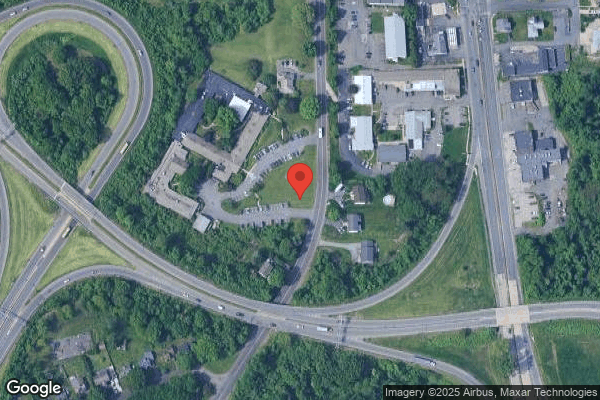
42 PROSPECT AVENUE, WEST SPRINGFIELD, MA 01089 (413) 733-3151
For profit - Limited Liability company 168 Beds BEAR MOUNTAIN HEALTHCARE Data: November 2025
Trust Grade
0/100
#201 of 338 in MA
Last Inspection: August 2024

Within standard 12-15 month inspection cycle. Federal law requires annual inspections.

Overview

Bear Mountain at West Springfield has a Trust Grade of F, indicating poor performance and significant concerns about the quality of care provided. It ranks #201 out of 338 facilities in Massachusetts, placing it in the bottom half of all state nursing homes, and #17 out of 25 in Hampden County, meaning there are only a few better options locally. While the facility is reportedly improving, as issues decreased from 30 in 2023 to 9 in 2024, it still has substantial problems, including $219,716 in fines, which is concerning and higher than 90% of Massachusetts facilities. Staffing is average with a 3/5 rating, but RN coverage is below average, being less than 90% of state facilities, which could impact resident care. Notable incidents include residents with gastrostomy tubes experiencing serious complications due to inadequate monitoring and care, as well as a resident falling during care because staff did not follow their care plan, highlighting both the strengths and weaknesses of this facility.

Trust Score
F
0/100
In Massachusetts
#201/338
Bottom 41%
Safety Record
High Risk
Review needed
Inspections
Getting Better
30 → 9 violations
Staff Stability
⚠ Watch
46% turnover. Above average. Higher turnover means staff may not know residents' routines.
Penalties
✓ Good
$219,716 in fines. Lower than most Massachusetts facilities. Relatively clean record.
Skilled Nurses
⚠ Watch
Each resident gets only 23 minutes of Registered Nurse (RN) attention daily — below average for Massachusetts. Fewer RN minutes means fewer trained eyes watching for problems.
Violations
⚠ Watch
55 deficiencies on record. Higher than average. Multiple issues found across inspections.
★★☆☆☆
2.0
Overall Rating
★★★☆☆
3.0
Staff Levels
★★☆☆☆
2.0
Care Quality
★★☆☆☆
2.0
Inspection Score
Stable
2023: 30 issues
2024: 9 issues

The Good

  • Full Sprinkler Coverage · Fire safety systems throughout facility
  • No fines on record

Facility shows strength in fire safety.

The Bad

2-Star Overall Rating

Below Massachusetts average (2.9)

Below average - review inspection findings carefully

Staff Turnover: 46%

Near Massachusetts avg (46%)

Higher turnover may affect care consistency

Federal Fines: $219,716

Well above median ($33,413)

Significant penalties indicating serious issues

Chain: BEAR MOUNTAIN HEALTHCARE

Part of a multi-facility chain

Ask about local staffing decisions and management

The Ugly 55 deficiencies on record

7 actual harm
Oct 2024 1 deficiency
CONCERN (D) 📢 Someone Reported This

A family member, employee, or ombudsman was alarmed enough to file a formal complaint

Potential for Harm - no one hurt, but risky conditions existed

Free from Abuse/Neglect (Tag F0600)

Could have caused harm · This affected 1 resident

Based on interviews and records reviewed, for one of three sampled residents (Resident #1), who was cognitively intact and had the potential to be verbally aggressive, the Facility failed to ensure he...

Read full inspector narrative →
Based on interviews and records reviewed, for one of three sampled residents (Resident #1), who was cognitively intact and had the potential to be verbally aggressive, the Facility failed to ensure he/she was free from physical abuse by a staff member, when on 10/02/24 at approximately 12:30 P.M. (exact time unknown), Nurse #1 engaged in a verbal altercation with Resident #1 during which she grabbed his/her chin and reprimanded him/her for his/her behavior. Nurse #1 admitted to physically touching Resident #1 during the altercation. Findings include: Review of the Facility's policy titled Abuse Prohibition, dated as revised 02/20/23, indicated residents will not be subject to abuse by anyone, including, but not limited to, facility staff, other residents, consultants, volunteers, and staff of other agencies serving the resident, family members or legal guardians, friends or other individuals. The Policy indicated that physical abuse included hitting, slapping, pinching, scratching, spitting, holding roughly, kicking etc. The Policy indicated that physical abuse also included controlling behavior through corporal punishment. Resident #1 was admitted to the Facility in March 2023, diagnoses included Parkinsonism, bipolar disorder, anxiety disorder and major depressive disorder. Review of Resident #1's Quarterly Minimum Data Set (MDS) Assessment, dated 09/22/24, indicated that Resident #1 was cognitively intact, with a score of 15 out of 15 on the Brief Interview for Mental Status (BIMS, scores indicate: 0-7 severe cognitive impairment, 8-12 moderate cognitive impairment, and 13-15 cognitively intact). The Assessment indicated Resident #1 exhibited verbal and other behaviors 4 to 6 days per week, during the assessment period. Review of Resident #1's Behavior Care Plan, reviewed and renewed with the Quarterly MDS completed 09/22/24, indicated he/she exhibits persistent requests, becomes easily anxious and easily agitated when he/she does not get immediate gratification therefore he/she can be accusatory and hypercritical of others and verbally abusive toward staff. The Care Plan interventions identified for Resident #1 included the following: -Provide one-to-one with Resident #1 and allow him/her to express his/her frustrations and fears. Let Resident #1 know if any of his/her requests are beyond the reach of the Facility and attempt to problem solve ways that would work to fulfill his/her requests. -When Resident #1 becomes agitated, intervene before agitation escalates, guide away from source of distress, and engage calmly in conversation. If the response is aggressive, staff should walk calmly away and reapproach later. Review of Resident #1's Behavioral Health Note, dated 10/01/24, indicated Resident #1 requested a medication evaluation. The Note indicated Resident #1 reported that he/she wanted his/her medication adjusted so that he/she was not so angry and verbally aggressive. The Note indicated that Resident #1 said he/she was distressed by his/her behavior. The Note indicated there was a plan to check labs and to consider continuing Depakote (anticonvulsant, used as a mood stabilizer) 500 milligrams (mg) twice a day (BID) given at 8:00 A.M. and 8:00 P.M., and add Depakote 250 mg, at 2:00 P.M. Review of the Report submitted by the Facility via the Health Care Facility Reporting System (HCFRS), dated 10/02/24, indicated that during an altercation, Nurse #1 grabbed Resident #1's chin and Resident #1 slapped her, and threw water at her. The Report indicated the Facility substantiated the allegation of abuse when Nurse #1 admitted to grabbing Resident #1 by the chin, and Nurse #1 was terminated. Review of a text message sent from Nurse #1 to Administrator #2, dated 10/02/24 at 2:53 P.M., indicated Nurse #1 admitted to grabbing Resident #1's chin [during the altercation earlier that day] and that she had resigned from her position at the Facility. During an interview on 10/15/24 at 10:35 A.M., Resident #1 said that prior to the incident on 10/02/24, he/she had recognized a change in his/her mood and said he/she had felt anger and rage at times. Resident #1 said he/she felt bad for expressing his/her anger by saying mean things to staff. Resident #1 said that on Friday [09/27/24] he/she had communicated his/her change in mood to the nursing staff. Resident #1 said his/her medications were evaluated by a Behavioral Health Practitioner [on 10/01/24, the day before the incident] and that the Practitioner had recommended adding an additional 250 mg of [Depakote] his/her mood stabilizer medication. Resident #1 said that on 10/02/24, around lunch time (exact time unknown), Nurse #1 entered his/her room to administer his/her medications and that he/she asked for a mood stabilizer. Resident #1 said that he/she yelled and swore at Nurse #1 when she told him/her that an extra dose of a mood stabilizer had not yet been approved by the physician. Resident #1 said that Nurse #1 grabbed him/her, roughly, by the chin, and yelled at him/her, in response to his/her outburst. Resident #1 said that Nurse #1 yelled and said to him/her she was sick and tired of his/her acting out when she was only trying to help him/her, and that she was trying her best. Resident #1 said that he/she responded by pushing Nurse #1's hand away from his/her chin and that he/she threw a cup of water in Nurse #1's direction, as she turned and walked away. During a telephone interview on 10/16/24 at 10:14 A.M., Nurse #1 said that she went to administer Resident #1's medication on 10/02/24 at approximately 12:30 P.M., and Resident #1 requested a mood stabilizer. Nurse #1 said that when she told Resident #1 that the physician had not yet ordered the extra dose of the mood stabilizer, he/she became angry and started yelling. Nurse #1 said that Resident #1 directed profanity at her and told her she was a lousy nurse. Nurse #1 said that Resident #1 slapped her hand and threw a cup of water at her. Nurse #1 said that as she stepped away from Resident #1, she slipped in the water and landed on the floor. Nurse #1 said that she grabbed and held Resident #1's chin as you would do to a little child to get his/her attention and told him/her that his/her behavior needed to stop, right now! During a telephone interview on 10/22/24 at 8:17 A.M., the Licensed Clinical Social Worker (LICSW) said she visited with Resident #1 at 1:00 P.M. on 10/02/24, shortly after the incident with Nurse #1. The LICSW said that when she entered Resident #1's room, he/she appeared irritated and was yelling loudly. The LICSW said that Resident #1 told her that Nurse #1 grabbed his/her face during an altercation. The LICSW said that Resident #1 told her that he/she pushed Nurse #1's hand from his/her chin, and he/she inadvertently made contact with (Nurse #1's) face, but denied intentionally slapping her. The LICSW said that Resident #1 told her that he/she threw water at Nurse #1. The LICSW said that Resident #1 usually had a good rapport with Nurse #1, and that his/her moods had been deregulated leading up to the incident, and that Behavioral Health Services had been actively involved with Resident #1's behavioral health treatment plan. Nurse #1 said that grabbing Resident #1's chin during the altercation was wrong. Nurse #1 said she reported her actions to the Social Worker, before she left the Facility to seek medical care, and that she reported her actions to the Administrator, via text message. During an interview on 10/15/24 at 12:19 P.M., the Social Worker said she first learned about the altercation between Resident #1 and Nurse #1 on 10/02/24, when she (Nurse #1) interrupted the At-Risk Meeting around 1:30 P.M., and asked to be relieved so that she could seek medical care for a fall in Resident #1's room. The Social Worker said there was no abuse allegation at that time, when she spoke with Nurse #1. The Social Worker said that around 2:00 P.M., when she returned to her office after the At-Risk Meeting, Nurse #1 told her that she had grabbed Resident #1 by the chin during the altercation. During an interview on 10/15/24 at 12:00 P.M., the Case Manager said that on 10/02/24 sometime between 1:30 and 2:00 P.M., Nurse #1 told her that Resident #1 became angry during medication pass and said that he/she (Resident #1) slapped her (Nurse #1) and threw water at her. The Case Manager said Nurse #1 told her that she grabbed Resident #1 by his/her chin to get him/her to listen. During a telephone interview on 10/16/24 at 12:47 P.M., Administrator #2 said that on 10/02/24 Nurse #1 told him that around 12:30 P.M., she slipped and fell after Resident #1 had thrown water at her. Administrator #2 said the Social Worker told him that Nurse #1 had admitted to grabbing Resident #1's chin during the altercation. The Administrator said Nurse #1 sent him a text message that said she had grabbed Resident #1's chin during the altercation and that she wished to resign from her position at the Facility. Administrator #2 said the outcome of the Facility's Internal Investigation was that the allegation of physical abuse was substantiated and that Nurse #1's last day of employment at the Facility was 10/02/24.
Aug 2024 8 deficiencies
CONCERN (D)

Potential for Harm - no one hurt, but risky conditions existed

Comprehensive Care Plan (Tag F0656)

Could have caused harm · This affected 1 resident

Based on record review and interview, the facility failed to ensure a care plan was developed to address the medical needs for one Resident (#52) out of a total sample of 26 residents. Specifically, ...

Read full inspector narrative →
Based on record review and interview, the facility failed to ensure a care plan was developed to address the medical needs for one Resident (#52) out of a total sample of 26 residents. Specifically, for Resident #52, the facility failed to ensure a care plan was developed that included necessary interventions and goals relative to the care of a pressure wound (injury to the skin and underlying tissue resulting from prolonged pressure or friction). Findings include: Resident #52 was admitted to the facility in February 2022, and had a diagnosis of a Stage Two (2) pressure wound (partial thickness wound with loss of skin presenting as an open shallow ulcer) to his/her coccyx (tail bone area). Review of the Nursing Admission/readmission Nursing Assessment, Skin Integrity, dated 5/8/24, indicated Resident #52 had been readmitted to the facility following a hospitalization and he/she had a pressure wound to his/her coccyx. Review of the most recent comprehensive MDS Assessment, dated 6/20/24, indicated that Resident #52 had an unhealed pressure wound. Review of the corresponding Care Area Assessments (CAA - responses triggered by the MDS Assessment which indicated whether the facility will proceed to creating a specific care plan for the identified concern in question) indicated a care plan related to Resident #52's pressure wound should have been created. Review of the Resident's care plan indicated that no pressure wound care plan with pressure wound interventions and/or goals for the pressure wound had been created after the MDS Assessment completion on 6/20/24. Review of the Wound Physician Note, dated 8/5/24, indicated that the Resident was still being treated for a Stage 2 pressure wound to his/her coccyx. During an interview on 8/6/24 at 12:19 P.M., the Infection Preventionist (IP), who rounded (when the medical team visits a resident to review their status and care plan) with the Wound Physician, said when Resident #52 returned from the hospitalization, upon identification of the pressure wound, a care plan should have been developed addressing the interventions and goals for the pressure wound and this was not done.
CONCERN (D)

Potential for Harm - no one hurt, but risky conditions existed

Pressure Ulcer Prevention (Tag F0686)

Could have caused harm · This affected 1 resident

Based on interview, record review, and policy review the facility failed to maintain professional standards of practice to prevent the development and promote healing of pressure ulcers/skin injuries ...

Read full inspector narrative →
Based on interview, record review, and policy review the facility failed to maintain professional standards of practice to prevent the development and promote healing of pressure ulcers/skin injuries for one Resident (#83) out of a total sample of 26 residents. Specifically, for Resident #83 the facility failed to ensure: 1. that Physician's orders for care and treatment were in place to prevent worsening of a pressure ulcer (localized damage to the skin and/or underlying soft tissue usually over a bony prominence or related to a medical or other device) identified at the time the Resident was admitted to the facility. 2. the completion of weekly wound assessments to monitor for improvement and/or deterioration of the wound. 3. that recommended lab work was obtained. Findings include: Review of the facility policy titled Pressure Ulcer Prevention, revised 12/22/22, indicated the following: -Wounds will have weekly assessment and documentation on each area until healed. Review of the facility policy titled Wound Care, undated, indicated the following: -Verify that there is Physician's orders for this procedure. -The following information should be recorded in the resident's medical record: >All Assessment data (i.e. wound bed color, size, drainage, etc) Resident #83 was admitted to the facility in July 2024, with diagnosis of a right tibia (long bone in the lower leg) fracture. During an interview on 7/31/24 at 9:45 A.M., the surveyor observed Resident #83 lying in bed and the Resident's spouse said Resident #83 had fallen and broken his/her leg. The Resident's spouse said he/she was put into a leg immobilizer (removable splint that keeps a person from bending their knee to allow for a leg fracture to heal) at his/her previous nursing home and the immobilizer had caused a pressure area on his/her outer right leg. Resident #83's spouse said they were concerned that the area had grown, and felt when Resident #83 was first admitted to the facility that the wound dressing was not being changed regularly. Review of the Weekly Skin Assessment, dated 7/3/24 at 7:30 P.M., indicated Resident #83 had a 5 centimeter (cm) by (x) 2 cm injury to his/her right leg. Review of the Weekly Skin Assessment, dated 7/3/24 at 8:15 P.M., indicated Resident #83 had a large wound to the lower right leg that was red and open, and the Wound Physician had been notified. Further review of the Resident's medical record indicated no wound specific assessment had been completed when the wound on Resident #83's right leg was identified. Review of the most recent comprehensive Minimum Data Set (MDS) Assessment, dated 7/9/24, indicated Resident #83 had one unhealed pressure injury/ulcer. Review of the 7/8/24 Wound Physician Note indicated Resident #83 had: -an unstageable (due to necrosis [dead skin] of the right lateral [outside] calf) that measured 8 cm long x 3 cm wide and 0.1 cm deep. Further review of the 7/8/24 Wound Physician Note indicated the following treatment: -Calcium Alginate (a wound dressing used to absorb wound fluid), once daily and as needed (PRN). -Santyl (an ointment used to remove dead or damaged tissue), once daily and as needed (PRN). -Gauze roll, apply once daily and as needed (PRN). Review of the 7/8/24 Wound Physician Note also indicated a recommendation for a Prealbumin level to be drawn (lab work that assess whether a person is getting adequate nutrition in their diet). Review of the July 2024 Physician's orders from 7/3/24 through 7/9/24, indicated that no orders were in place for the care and treatment of Resident #83's wound on his/her right lower leg. Further review of the July 2024 Physician's orders indicated on 7/10/24, the orders for wound care as recommended by the Wound Physician on 7/8/24 were put into place. Further review of the Resident's medical record indicated no documentation that the facility was completing weekly wound assessments. During an interview on 8/5/24 at 8:06 A.M., the Director of Nursing (DON) said at the time Resident #83 was admitted to the facility the Resident's Primary Physician should have been consulted to obtain wound treatment orders for Resident #83's right leg wound until the Wound Physician could assess the Resident and that this was not done. The DON said recommendations for the treatment of the Resident's wound were not made until the Wound Physician saw him/her on 7/8/24. The DON further said the Wound Physician's orders should have been put into place immediately and this was not done until 7/10/24. The DON said the facility had a weekly Wound Assessment Form that should have been completed every week starting at admission when it was identified the Resident had a wound. The DON said the weekly Wound Assessment Form was not completed until the surveyor asked about the wound care for Resident #83. The DON said she would need to look into whether the lab work for the Prealbumin level was ordered per the Wound Physician's recommendation. At the time of survey exit on 8/6/24, the facility had not provided documentation that the recommended Prealbumin level had been obtained for Resident #83 as recommended by the Wound Physician.
CONCERN (D)

Potential for Harm - no one hurt, but risky conditions existed

Respiratory Care (Tag F0695)

Could have caused harm · This affected 1 resident

Based on observation, interview, record and policy review, the facility failed to provide care and services for the administration of supplemental Oxygen (O2), consistent with professional standards o...

Read full inspector narrative →
Based on observation, interview, record and policy review, the facility failed to provide care and services for the administration of supplemental Oxygen (O2), consistent with professional standards of practice for one Resident #272, out of a total sample of 26 residents. Specifically, for Resident #272, the facility failed to ensure that Physician orders were in place for the use of Oxygen and the care and services of oxygen equipment when the Resident had pulmonary diagnoses that required safe and appropriate Oxygen administration to prevent the occurrence of adverse events. Findings include: Review of the facility policy titled Oxygen Administration Policy and Procedure, reviewed 12/6/22, indicated the following: -Oxygen is administered by Licensed Nurses with a Physician's order. -Orders should specify the oxygen equipment and flow rate or concentration required as routine or as needed (PRN). Review of the AARC (American Association for Respiratory Care) Clinical Practice Guideline, updated 2014: https://www.aarc.org/wp-content/uploads/2014/08/08.07.1063.pdf indicates: -All oxygen must be prescribed and dispensed in accordance with federal, state, and local laws and regulations. -Oxygen is a medical gas and should only be dispensed in accordance with all federal, state, and local laws and regulations. -Undesirable results or events may result from noncompliance with physicians' orders or inadequate instruction for oxygen therapy. -There is a potential in some spontaneously breathing hypoxemic patients with hypercapnia [high carbon dioxide levels in the blood) and chronic obstructive pulmonary disease that oxygen administration may lead to an increase in PaCO2. -Equipment maintenance and supervision: >All oxygen delivery equipment should be checked at least once daily >Facets to be assessed include proper function of the equipment, prescribed flowrates, remaining liquid or compressed gas content, and backup supply. >should be serviced and maintained in accordance with the manufacturer specifications and consistent with all federal, state, and local laws and regulations. Resident #272 was admitted to the facility in November 2021, with diagnoses including Chronic Respiratory Failure (a condition that occurs when the lungs cannot provide enough oxygen to the body or remove enough carbon dioxide from the body, identified with symptoms of trouble breathing and fatigue) and Chronic Obstructive Pulmonary Disease (COPD - a chronic lung disease that causes restricted airflow from the lungs and make it difficult to breathe). Review of the most recent Minimum Data Set (MDS) Assessment, dated 6/4/24, indicated Resident #272 had clear speech, was able to be understood, and understands. During an observation and interview on 7/31/24 at 8:30 A.M., the surveyor observed Resident #272 lying in bed and utilizing Oxygen via nasal cannula (tubing that supplies supplemental oxygen through the nose via nasal prongs). The surveyor observed that the Resident's oxygen concentrator (machine that delivers the supplemental oxygen) indicated the Resident was receiving O2 at 2 liters per minute (LPM - the flow rate of the oxygen). Resident #272 said he/she had been using O2 for a while and that his/her O2 should be set at 2 LPM. On 8/1/24 at 9:24 A.M., the surveyor observed Resident #272 lying in bed, utilizing O2 via nasal cannula and the oxygen concentrator was set at 3.5 LPM. Review of Resident #272's Physician's orders for July 2024 and August 2024, indicated no Physician's orders were in place for the administration of Oxygen and the care and services of oxygen equipment. Review of Resident #272's care plan titled Altered Respiratory Status/Difficulty Breathing due to COPD ., initiated 10/23/23, indicated the following intervention: -Oxygen Settings: O2 via nasal cannula as needed (PRN). Review of the most recent Physician's Visit Note, dated 7/1/24, indicated the following plan: -As needed (PRN) Oxygen During an observation and interview on 8/1/24 at 9:36 A.M., the surveyor and Nurse #3 observed Resident #272 lying in bed and utilizing Oxygen via nasal cannula set at 3.5 LPM. Nurse #3 said Resident #272's O2 should be set at 2 LPM. Nurse #3 reviewed Resident #272's Physician's orders and said Resident #272 did not have orders in place for the administration of Oxygen or for the care and services of the oxygen equipment. Nurse #3 said orders should have been put in place that included the administration of O2 and the liter flow, changing of oxygen tubing weekly, if titration (increasing or decreasing) of O2 was needed, and the goal of what Resident #272's oxygen saturation level (amount of O2 in the blood) should remain at.
CONCERN (D)

Potential for Harm - no one hurt, but risky conditions existed

Drug Regimen Review (Tag F0756)

Could have caused harm · This affected 1 resident

Based on interview, record and policy review, the facility failed to ensure that recommendations made by the Consultant Pharmacist during a monthly Medication Regimen Review (MRR) were acted upon as r...

Read full inspector narrative →
Based on interview, record and policy review, the facility failed to ensure that recommendations made by the Consultant Pharmacist during a monthly Medication Regimen Review (MRR) were acted upon as required for one Resident (#23), of five applicable residents reviewed for unnecessary medications, out of a total sample of 26 residents. Specifically, the facility staff failed to act upon the Consultant Pharmacist recommendation dated 5/4/24, to include an evaluation date for a PRN (as needed) psychotropic (medication that affects how the brain works and causes changes in mood, awareness, thoughts, feelings or behavior) medication. Findings include: Review of the facility policy titled Medication Regimen Review, undated, indicated the following: -The Consultant Pharmacist reviews the medication regimen of each resident at least monthly. -The findings are phoned, faxed, or e-mailed within (24 hours) to the Director of Nurses (DON) or designee and are documented and stored with the other Consultant Pharmacist recommendation in the resident's active record. -Recommendations are acted upon and documented by the facility staff and/or the Prescriber. Resident #23 was admitted to the facility in December 2023, with a diagnosis of Major Depressive Disorder (symptoms lasting greater than two weeks of a persistently low or depressed mood and a loss of interest in activities that a person used to enjoy). Review of the Physician's orders, dated August 2024, indicated the following: -Ativan (anti-anxiety medication) oral tablet 0.5 milligrams (mg), give 0.5 mg by mouth every six hours as needed (PRN) for anxiety/agitation, start date 4/19/24. Review of the Consultant Pharmacist recommendation, dated 5/4/24, indicated the following: -MD (Medical Doctor) Rec (recommendation): Please update this Resident's PRN Ativan order to include an evaluation date. Review of the July 2024 and August 2024 Medication Administration Records (MARs), indicated Resident #23 was administered the PRN Ativan 0.5 mg on the following dates/times: -7/5/24 at 8:12 A.M. -8/5/24 at 7:46 A.M. Review of the Resident's Progress Notes indicated no documented evidence the Consultant Pharmacist recommendation dated 5/4/24, had been acted upon. During an interview on 8/6/24 at 10:21 A.M., the surveyor and the Regional Nurse reviewed the Physician's orders and the Consultant Pharmacist recommendation. The Regional Nurse said the Nurses should have requested a re-evaluation date or a stop date be added to the Ativan PRN order as required. During an interview on 8/6/24 at 10:30 A.M., the Director of Nursing (DON) said the process for Medication Regimen Review (MRR) is that the Consultant Pharmacist reviews the resident records monthly and sends her (the DON) an e-mail within a day or two with the recommendations. The DON said that she prints the recommendations and gives them to the Provider (Physician/ Nurse Practitioner [NP]), the Provider addresses the recommendation and returns the completed recommendation to the DON. The DON said she had reviewed her binder of Consultant Pharmacist recommendations and she did not have the completed recommendation for Resident #23 dated 5/4/24. The DON said this recommendation had not been acted upon and should have been.
CONCERN (D)

Potential for Harm - no one hurt, but risky conditions existed

Deficiency F0773 (Tag F0773)

Could have caused harm · This affected 1 resident

Based on record review, and interview, the facility failed to ensure that Physician orders were in place prior to laboratory testing being conducted for two Residents (#52 and #59), out of a total app...

Read full inspector narrative →
Based on record review, and interview, the facility failed to ensure that Physician orders were in place prior to laboratory testing being conducted for two Residents (#52 and #59), out of a total applicable sample of three residents. Specifically, for Residents #52 and #59, the facility failed to ensure that a Physician's order for COVID-19 testing was in place prior to the Residents being tested for COVID-19. Findings include: Review of the facility policy titled Policy and Procedure: Testing for COVID-19, updated 3/31/23, indicated the following: -Resident testing will be performed per Medical Doctor (MD) order. 1. Resident #52 was admitted to the facility in February 2022, with a diagnosis of Alzheimer's Disease (a progressive disease beginning with mild memory loss and leading to the loss of the ability to carry on a conversation and respond to the environment, involves parts of the brain that control thought, memory, and language). Review of the facility's testing for COVID-19 line listing, undated, indicated Resident #52 was tested for COVID-19 every other day starting on 7/24/24 through 7/30/24, and then tested daily from 8/1/24 through 8/5/24. Review of Resident #52's July 2024 and August 2024 Physician's orders indicated there were no Physician's order for COVID-19 testing. 2. Resident #59 was admitted to the facility in March 2024, with a diagnosis of Unspecified Dementia (a mental disorder that occurs when someone has Dementia but does not have a specific diagnosis). Review of the facility testing for COVID-19 line listing, undated, indicated Resident #59 was tested for COVID-19 every other day starting on 7/24/24 through 7/30/24, and then tested daily from 8/1/24 through 8/6/24. Review of Resident #59's July 2024 and August 2024 Physician's orders indicated there were no Physician's order for COVID-19 testing. During an interview on 8/6/24 at 11:43 A.M., the Corporate Infection Control Nurse said Resident's #52 and #59 had been tested for COVID-19 in July 2024 and August 2024 and did not have a Physician's order in place for COVID-19 testing.
CONCERN (E)

Potential for Harm - no one hurt, but risky conditions existed

Deficiency F0657 (Tag F0657)

Could have caused harm · This affected multiple residents

**NOTE- TERMS IN BRACKETS HAVE BEEN EDITED TO PROTECT CONFIDENTIALITY** 2. Resident #1 was admitted to the facility in April 2018, with diagnoses including Chronic Obstructive Pulmonary Disease (COPD:...

Read full inspector narrative →
**NOTE- TERMS IN BRACKETS HAVE BEEN EDITED TO PROTECT CONFIDENTIALITY** 2. Resident #1 was admitted to the facility in April 2018, with diagnoses including Chronic Obstructive Pulmonary Disease (COPD: a group of diseases of the lungs that cause airflow blockage and breathing-related problems), Type 2 Diabetes, Chronic Kidney Disease [CKD] Stage 4 (moderately to severely damaged kidneys causing them to no longer work as they should to filter waste from the blood), Chronic Heart Failure (CHF: a condition of the heart caused when the heart is unable to pump blood effectively resulting in fluid build-up in the lungs, arms, feet and other organs), and Methicillin Resistant Staphylococcus Aureus (MRSA: strain of gram-positive bacteria resistant to several antibiotics, making it difficult to treat, which spreads through contact with infected individuals). Review of Resident #1's MDS Assessment, dated 6/25/24, indicated the Resident was moderately cognitively impaired as evidenced by a BIMS score of 9 out of 15. Review of Resident #1's MDS records indicated that MDS Assessments were completed on 3/25/24 and on 6/25/24. Review of Resident #1's clinical record indicated no evidence that a care plan meeting was held or that the Resident and/or their Representative were involved/offered to be involved in the review and revision of the Resident's care plan following the completion of MDS assessments on 3/25/24 and 6/25/24. During an interview on 8/6/24 at 2:01 P.M., the SW said she could not provide evidence that Resident #1 and/or their Representative were involved in/or offered involvement in the review and revision of the Resident's care plan following his/her scheduled MDS assessments on 3/25/24 and 6/25/24. 3. Resident #2 was admitted to the facility in November 2019, with diagnoses including Unspecified Cerebral Infarction (occurs when blood flow to the brain is blocked causing damage to the brain tissue), Vascular Dementia (a chronic condition that affects memory, thinking and behavior due to damage to the brain caused by restricted blood flow), and CKD Stage 2 (where the kidneys are still functioning well but there are signs of kidney damage). Review of Resident #2's MDS Assessment, dated 6/25/24, indicated the Resident was moderately cognitively impaired as evidenced by a BIMS score of 11 out of 15. Review of Resident #2's MDS records indicated that MDS Assessments were completed on 12/22/23, 3/21/24 and on 6/20/24. Review of Resident #2's clinical record indicated no evidence that a care plan meeting was held or that the Resident and/or their Representative were involved/offered to be involved in review and revision of the Resident's care plan following completion of MDS assessments on 12/22/23, 3/21/24 or 6/20/24. During an interview on 8/6/24 at 2:01 P.M., the SW said she could not provide evidence that Resident #2 and/or their Representative were involved in/or offered involvement in the review and revision of the Resident's care plan following his/her MDS assessments on 12/22/23, 3/21/24 or 6/20/24. 6. Resident #8 was admitted to the facility in April 2021, with diagnoses of Dementia (a group of conditions characterized by impairment of at least two brain functions, such as memory and loss of judgment) and Chronic Obstructive Pulmonary Disease. Review of the MDS Assessment, dated 5/3/24, indicated the Resident was cognitively intact as evidenced by a BIMS score of 14 out of 15. During an interview on 7/31/24 at 10:41 A.M., the Resident said he/she does not remember being invited to or attending care plan meetings. Review of the Resident's clinical record indicated that MDS assessments had been completed on 8/10/23 and 2/28/24. Further review of Resident #8's clinical record did not indicate any evidence that the facility held a care plan meeting and/or involved the Resident and/or their Representative in reviewing the care plan after the MDS assessments were completed on 8/10/23 and 2/28/24. During an interview on 8/1/24 on 1:26 P.M., the MDS Nurse said she makes the list of care plan meeting dates and distributes them to the staff. The MDS Nurse said she completes the care plan meeting invitations and that the front desk secretary mails them to the appropriate person. The MDS Nurse further said the SW was responsible for planning and hosting the care plan meetings. During an interview on 8/2/24 at 8:39 A.M., the MDS Nurse said she could not find any evidence the IDT held a meeting or the Resident/ Resident Representative had participated in care plan meetings for the 8/10/23 and 2/28/24 Assessments. During an interview on 8/2/24 at 1:32 P.M., the SW said the MDS Nurse was responsible for making the list of residents who were due for care plans and sending the letters to Residents/Resident Representatives. The SW said she would then facilitate putting the meetings together with Residents/Representatives and hold the meetings. The SW said she did not use an attendance sheet when the care plan meeting was completed. the SW further said there was an additional SW who no longer works in the building, and was previously responsible for Resident #8's care plan meetings. The SW said since the previous SW left in September 2023, she was now responsible for planning the care plan meetings for all the residents in the facility. The SW said she does not have any evidence IDT care plan meetings were held for Resident #8 following the 8/10/23 and 2/28/24 Assessments. 4. Resident #23 was admitted to the facility in December 2023, with a diagnosis of Major Depressive Disorder (symptoms lasting greater than two weeks of a persistently low or depressed mood and a loss of interest in activities that a person used to enjoy). Review of the MDS Assessment, dated 5/24/24, indicated that Resident #23 was severely cognitively impaired as evidenced by a BIMS score of 6 out of 15. Review of the Resident's clinical record indicated the following relative to MDS assessments: -assessment dated [DATE] was completed on 9/14/23. -assessment dated [DATE] was completed on 12/5/23. -assessment dated [DATE] was completed on 3/6/24. -assessment dated [DATE] was completed on 6/10/24. Review of Resident #23's medical record indicated no documentation that a care plan conference was held, or the Resident and/or Resident Representative was involved in the care planning process after the completion of the 9/8/23, 12/1/23, 2/23/24, and 5/25/24 MDS assessments. During an interview on 8/2/24 at 3:30 P.M., the MDS Nurse said the process for care plan meeting scheduling is that the MDS Nurse provides a list of upcoming care plan meetings to the front desk staff, and the front desk staff send out notifications to the IDT (interdisciplinary team). The MDS Nurse further said that the Social Worker schedules and holds the care plan meetings. The MDS Nurse said she could not provide documented evidence that Resident #23's care plan meetings had been held with the IDT and the Resident/Resident Representative after the completion of the 9/8/23, 12/1/23, 2/23/24, and 5/25/24 assessments. During an interview on 8/6/24 at 8:15 A.M., the SW said she could provide no documented evidence that care plan meetings had been held for Resident #23 with the IDT and the Resident/Resident Representative after the completion of the 9/8/23, 12/1/23, 2/23/24, and 5/25/24 assessments. Based on record and policy review, and interview, the facility failed to conduct interdisciplinary care plan meetings after the Minimum Data Set (MDS) assessments were completed, and involve the Resident and/or Resident Representative in the care planning process for six Residents (#11, #1, #2, #23, #54, and #8), out of a total sample of 26 residents. Specifically, the facility failed to provide evidence of a care plan meeting being held, or that the Resident and/or Resident Representative had participated in the care planning process following the MDS assessments completed: 1. For Resident #11 on 5/20/24. 2. For Resident #1 on 3/25/24 and 6/25/24. 3. For Resident #2 on 12/22/23, 3/21/24 and 6/20/24. 4. For Resident #23 on 9/8/23, 12/1/23, 2/23/24, and 5/25/24. 5. For Resident #54 on 5/20/24 6. For Resident #8 on 8/10/23 and 2/28/24. Findings include: Review of the policy titled Comprehensive Care Plan, undated, included the following: --Our facility's Care Planning/Interdisciplinary Team (IDT) in coordination with the resident, his/her family or representative (sponsor), develops, and maintains a comprehensive care plan for each resident . -Members of the interdisciplinary team responsible for assisting the resident/representative with the development of a comprehensive care plan include but are not limited to: a. Resident/representative . -The Care Planning/Interdisciplinary Team along with the resident/representative is responsible for the review and updating of care plans: At least quarterly. Review of the facility policy titled Care Planning - Interdisciplinary Team (IDT), last revised 5/12/21 and reviewed May 2022, included the following: -The care plan is based on the resident's comprehensive assessment (and other assessments as appropriate) and is developed with the resident/representative with the Care/Planning Interdisciplinary Team. -The resident, the resident's family and/or the resident's legal representative/guardian or surrogate are invited and encouraged to participate in the development of and revisions to the resident's care plan. 1. Resident #11 was admitted to the facility in May 2024, with diagnoses including Bipolar Disorder (a mental disorder characterized by periods of depression and periods of elevated mood) and Type 2 Diabetes (DM II - disease in which the body's ability to produce or respond to the hormone insulin is impaired resulting in elevated blood glucose [sugar] levels in the blood). Review of the Resident's clinical record showed evidence that an MDS Assessment had been completed on 5/20/24, and the MDS assessment indicated that the Resident was cognitively intact as evidenced by a Brief Interview of Mental Status (BIMS) score of 15 out of 15. Review of the Resident's clinical record did not provide any evidence of any involvement of the Resident and/or their Representative being involved in the care planning process or that a care plan meeting had been held following the MDS Assessment completed on 5/20/24. During an interview on 8/6/24 at 1:16 P.M., the MDS Nurse said that there had not been any care plan meetings held with the Resident and/or their Representative related to the development of the Resident's care plan since admission to the facility in May 2024. During an interview on 8/6/24 at 2:01 P.M., the Social Worker (SW) said that she was unable to provide any evidence of a care plan meeting being held or any involvement of the Resident and/or their Representative in the development of the care plan since the Resident's admission to the facility in May 2024. 5. Resident #54 was admitted to the facility May 2024, with diagnoses including Anxiety Disorder (mental health disorder characterized by feelings of worry, anxiety, or fear that are strong enough to interfere with daily activities), Major Depressive Disorder, and Conversion Disorder (also known as functional neurological symptom disorder [FND], is a condition where mental health issues disrupt how your brain works). During an interview on 7/31/24 at 8:23 A.M., Resident #54 said he/she had been admitted a couple of months ago and he/she had not had any care plan meetings since he/she was admitted to the facility. Review of the most recent comprehensive MDS Assessment, dated 5/20/24, indicated Resident #54 had a BIMS score of 13 out of 15, indicating that he/she was cognitively intact. Review of Resident #54's medical record indicated no documentation that a care plan meeting had been held with the Resident and/or his/her Representative to review and revise Resident #54's plan of care following the most recent comprehensive assessment on 5/20/24. During an interview on 8/5/24 at 9:22 A.M., the SW said she was responsible for documenting when care plan meetings where held. The SW further said the documentation should include who attended the meeting, any concerns regarding care that were addressed during the meeting, and the resident's goals. During an interview on 8/5/24 at 1:23 P.M., the MDS Nurse said Resident #54 did not have a care plan meeting following his/her most recent comprehensive MDS Assessment which was the Resident's admission assessment. The MDS Nurse further said the facility had not been doing care plan meetings after admission assessments were completed and the care plan meeting should have been completed by Day 21 after the MDS admission assessment was completed.
CONCERN (E)

Potential for Harm - no one hurt, but risky conditions existed

Infection Control (Tag F0880)

Could have caused harm · This affected multiple residents

Based on observation, interview, and policy review, the facility failed to adhere to infection control standards to prevent the potential transmission of communicable diseases and infections within th...

Read full inspector narrative →
Based on observation, interview, and policy review, the facility failed to adhere to infection control standards to prevent the potential transmission of communicable diseases and infections within the facility on two units (Unit One and Unit Four) out of a total of four units. Specially, the facility failed to ensure: 1. On Unit One, that staff wore required Personal Protective Equipment (PPE-clothing and equipment that is worn or used in order to provide protection against hazardous substances or environments) while caring for a resident on Enhanced Barrier Precautions (EBP), placing him/her at increased risk of infection. 2. On Unit Four, that a staff member wore a fit tested N95 mask appropriately. 3. On Unit Four, that staff correctly utilized and/or discarded/ disinfected the required PPE while caring for residents diagnosed with COVID-19 (a highly contagious respiratory infection) placing residents at risk of contracting the disease. 4. On Unit Four, that staff wore the required and appropriate PPE when assisting a COVID-19 positive resident. Findings include: Review of the Occupational Safety and Health Administration (OSHA) form, titled Seven Steps to Correctly Wear a Respirator at Work, OSHA 4015-05 2020, indicated the following: -Cover your mouth and nose with the respirator and make sure there are no gaps (e.g. facial hair, hair, and glasses) between your face and the respirator. Review of the facility policy titled Transmission Based Precautions (TBP) with PPE Grid for Covid 19 Endemic, revised January 2024, indicated but was not limited to: -Covid-19 Positive Residents - recommended Staff PPE: >Fit tested N95 respirator (mask). -In addition to Standard Precautions, Enhanced Barrier Precautions (EBP) will be implemented for residents with active or colonized MDRO (Multi-Drug Resistant Organisms: bacteria that are resistant to antibiotic medications which treat bacterial infections) infections, those with indwelling devices, or chronic wounds. -In addition to wearing a gown as outlined for Standard Precautions, gowns are to be worn for high contact care activities (dressing, bathing, transferring, providing hygiene, changing linens, changing briefs/assisting with toileting), indwelling device care, wound care. Review of the Centers for Disease Control and Prevention (CDC) guidance titled Infection Control Guidance: SARS-CoV-2 (COVID-19), updated 6/24/24, included the following: -Health Care Personnel (HCP) who enter the room of a patient with suspected or confirmed SARS-CoV-2 infection should adhere to Standard Precautions and use a NIOSH Approved particulate respirator with N95 filters or higher, gown, gloves, and eye protection (i.e., goggles or a face shield that covers the front and sides of the face). -All non-dedicated, non-disposable medical equipment used for that patient should be cleaned and disinfected according to manufacturer's instructions and facility policies before use on another patient. 1. On 8/6/24 at 9:46 A.M., the surveyor observed Certified Nurses Aide (CNA) #4 in a resident room on Unit One with a sign at the doorway indicating that the resident in the room was on EBP. The surveyor observed that CNA #4 was shaving the resident and wearing gloves but was not wearing a gown as required. During an interview on 8/6/24 at 12:03 P.M., the surveyor and CNA #4 reviewed the EBP signage at the resident's door. CNA #4 said the sign indicated a gown should be worn for high contact care which would include hygiene activities like shaving. CNA #4 further said she did not wear a gown for the care but should have worn a gown. 2. On 7/31/24 at 8:42 A.M., the surveyor observed Certified Nurses Aide (CNA) #3 enter the room of a COVID-19 positive resident, located on Unit Four. The surveyor observed that CNA #3 was wearing a surgical mask underneath an N95 mask (a mask that reduces a wearers exposure to small aerosol particles and large droplet particles). During an interview on 7/31/24 at 8:45 A.M., following the observation, CNA #3 said she thought having the surgical mask on under the N95 mask would provide more protection and that she had not been educated that wearing a surgical mask under an N95 mask was not good practice. Review of the facility Employee Fit Test Log, undated, indicated CNA #3 was not fit tested (procedure used to ensure that an N95 mask is the correct size and properly fits the face of the person who wears it) until 8/4/24. During an interview on 8/6/24 at 10:33 A.M., with the Corporate Infection Control Nurse and the facility's Infection Preventionist (IP), the Corporate Infection Control Nurse said wearing a surgical mask under an N95 mask should not be done as it compromises the fit of the N95 mask. During an interview on 8/6/24 at 1:35 P.M., the Corporate Infection Control Nurse said CNA #3 had not been fit tested for the use of an N95 mask until 8/4/24 after the surveyor had brought the concern to the facility's attention. 3. On 7/31/24 on 9:14 A.M., the surveyor observed CNA #1 assisting a resident in their room with breakfast. The surveyor observed the signage posted outside of the resident's room indicated the following: -that it was COVID-19 positive room. -STOP. Isolation in addition to Standard Precautions. -Staff and Providers MUST: >clean hands when entering and exiting, >gown- change between each resident, >N 95 respirator, >eye protection (goggles or face shield) and >gloves-change between each resident. The surveyor observed a bin containing N95 and surgical masks, gowns, gloves and eye protection was located outside of the resident's room but there was no disinfectant in the vicinity. The surveyor observed that CNA #1 was wearing a surgical mask (not an N95 mask), gown, and eye protection. CNA #1 was not wearing gloves as required. The surveyor observed that prior to exiting the room, CNA #1 disposed of her gown and removed her eye protection (goggles) and placed them in her shirt pocket. CNA #1 conducted hand hygiene and exited the room, without removing her surgical mask or disinfecting her eye protection. During an interview on 7/31/24 at 9:33 A.M., CNA #1 said Resident #52 was positive for COVID-19 and staff were required to put on a gown, gloves, eye protection and an N95 mask prior to entering the room. CNA #1 said the gown and gloves should be removed upon exiting the room. CNA #1 said she should have worn an N95 mask and gloves but she did not. CNA #1 further said that reusable eye protection should be wiped down with bleach wipes upon exiting an Isolation Precautions room. CNA #1 said she did not disinfect her eye protection upon exiting the (COVID-19 positive) resident's room. The surveyor observed CNA #1 open the PPE bin located outside of the resident's room and CNA #1 said that N95 masks were available but she did not see bleach wipes. 4. On 8/1/24 at 9:03 A.M., the surveyor observed CNA #5 in the room of a COVID-19 positive resident during the breakfast meal. The surveyor observed the signage outside of the resident's room indicated that Isolation Precautions were in place. The surveyor observed that a bin was located outside of the resident's room and contained N95 masks, gowns, gloves, eye protection and surgical masks. The surveyor further observed that CNA #5 was wearing a gown and a surgical mask with an N95 mask over the surgical mask. The surveyor observed that CNA #5 was not wearing eye protection as required. During an interview at the time, the Minimum Data Set (MDS) Nurse, who was present during the observation, said CNA #5 was wearing two masks and should be wearing the N95 mask only. The MDS Nurse said CNA #5 did not have eye protection and should. During an interview on 8/1/24 at 9:35 A.M., CNA #5 said she should have worn all of the required PPE for the COVID-19 positive resident which included eye protection, gown, gloves and the N95 mask, but thought because she was in the room briefly, she did not have to wear the required PPE. CNA #5 further said that she wore the surgical mask under the N95 mask because she thought this added another layer of protection.
MINOR (B)

Minor Issue - procedural, no safety impact

Assessment Accuracy (Tag F0641)

Minor procedural issue · This affected multiple residents

**NOTE- TERMS IN BRACKETS HAVE BEEN EDITED TO PROTECT CONFIDENTIALITY** 2. Resident #54 was admitted to the facility in May 2024, with diagnoses including Anxiety Disorder (mental health disorder char...

Read full inspector narrative →
**NOTE- TERMS IN BRACKETS HAVE BEEN EDITED TO PROTECT CONFIDENTIALITY** 2. Resident #54 was admitted to the facility in May 2024, with diagnoses including Anxiety Disorder (mental health disorder characterized by feelings of worry, anxiety, or fear that are strong enough to interfere with daily activities), Major Depressive Disorder (symptoms lasting greater than two weeks of a persistently low or depressed mood and a loss of interest in activities that a person used to enjoy), and Conversion Disorder (a condition where mental health issues disrupt how the brain works). Review of the Social Work Progress Note dated 5/17/24, indicated Resident #54 signed onto Hospice Services on 5/16/24. Review of the Admission/readmission Nursing assessment dated [DATE], indicated Resident #54 used eyeglasses. Review of the most recent comprehensive MDS assessment dated [DATE], indicated Resident #54 was not receiving Hospice Services and did not use eyeglasses. During an interview on 8/5/24 at 12:20 P.M., the MDS Nurse said the 5/20/24 MDS Assessment was coded inaccurately. The MDS Nurse further said Resident #54 was on Hospice Services and used eyeglasses. The MDS Nurse said the 5/20/24 MDS Assessment would need to be modified. Based on record review and interview, the facility failed to ensure that the Minimum Data Set (MDS) Assessments were accurately coded for two Residents (#35, and #54) out of a total sample of 26 residents. Specifically, the facility failed to: 1. Accurately code that Resident #35 was no longer receiving an antibiotic (medication used to treat bacterial infections) medication. 2. Accurately code that Resident #54: -received Hospice (a program that gives special care to people who are near the end of life and have stopped treatment to cure or control their disease) services. -utilized eyeglasses. Findings include: 1. Resident #35 was admitted to the facility in March 2024 with a diagnosis of Cellulitis (potentially serious bacterial infection of the skin) of the left lower limb. Review of the most recent MDS assessment dated [DATE], indicated that the Resident was currently taking an antibiotic. Review of the March 2024 through August 2024 Physician's orders indicated the Resident was prescribed the following antibiotic medications: -Cipro Oral Tablet 500 MG (Ciprofloxacin HCI) Give 500 milligrams (mg) by mouth, two times a day for Cellulitis until 3/22/24, start date 3/11/24 -Doxycycline Hyclate oral Tablet 100 MG (Doxycycline Hyclate) Give 100 mg by mouth, two times a day until 3/21/24 During an interview on 8/5/24 at 12:23 P.M., the MDS Nurse said that Resident #35 was not currently receiving antibiotics, and was not receiving antibiotics at the time of the MDS assessment dated [DATE]. The MDS Nurse said that the MDS Assessment should not have been coded that the Resident was receiving an antibiotic, as the Cipro medication was completed on 3/22/24, and the Doxycycline medication was completed on 3/21/24.
Dec 2023 6 deficiencies
CONCERN (D) 📢 Someone Reported This

A family member, employee, or ombudsman was alarmed enough to file a formal complaint

Potential for Harm - no one hurt, but risky conditions existed

Notification of Changes (Tag F0580)

Could have caused harm · This affected 1 resident

**NOTE- TERMS IN BRACKETS HAVE BEEN EDITED TO PROTECT CONFIDENTIALITY** Based on records reviewed and interviews, for one of four sampled residents (Resident #3), who's physician orders included the a...

Read full inspector narrative →
**NOTE- TERMS IN BRACKETS HAVE BEEN EDITED TO PROTECT CONFIDENTIALITY** Based on records reviewed and interviews, for one of four sampled residents (Resident #3), who's physician orders included the administration of an anticoagulant (prevents blood clots) medication and the administration of intravenous (IV) antibiotics which required the review of laboratory results to determine dosage amounts, the facility failed to ensure Resident #3's provider was notified when 1) the anticoagulant was unavailable and not administered, placing him/her at risk for the development of a blood clot and 2) despite being instructed by the provider to obtain Resident #3's laboratory results related to his/her IV antibiotic, nursing had not done so, which resulted in Resident #3 missing a dose of his/her IV antibiotic. Findings include: Review of the Facility's policy, Change In Resident's Condition or Status and Notification, reviewed June 2022, indicated the following: -Purpose: To ensure that the resident and/or his/her representative, and his/her attending physician/physician extender are notified of changes in the resident's medical/mental condition and/or status. -Policy: The RN Nurse Supervisor/Charge Nurse will notify the resident's Attending physician, physician extender or on-call physician when there has been a significant change in the resident's medical/mental conditions and/or status including but not limited to: A need to alter the resident's medical treatment significantly. Resident #3 was admitted to the Facility in November 2023, diagnoses included chronic osteomyelitis of left tibia and fibula, peripheral vascular disease, aftercare following joint replacement surgery, and atherosclerotic disease. 1) Review of Resident #3's Physicians Orders, for November 2023, included the administration of the following: Enoxaparin Sodium (anticoagulant) Injection 40 milligrams (mg)/0.4 milliliters (ml); inject 40 mg subcutaneously every 24 hours. Review of Resident #3's Medication Administration Record (MAR), dated November 2023, indicated the following: -11/10/23 Enoxaparin Sodium Injection 40 mg/0.4 ml inject 40 mg subcutaneously at 24 hours (time not specified on the MAR). Further review of Resident #3's MAR indicated Nurse #1 documented code 5 which indicated to hold the medication and see Nurses Note. Review of Resident #3's Nursing Progress Note, dated 11/10/23 at 20:17 (8:17 P.M. and written by Nurse #1), indicated the Enoxaparin Sodium Injection was not administered due to waiting for the pharmacy (delivery). During an interview on 12/06/23 at 2:09 P.M., Nurse #1 said that he remembered Resident #3's family member inquiring if the Enoxaparin had been administered. Nurse #1 said that if all of the medications had been delivered from the pharmacy, he would have administered the Enoxaparin as ordered, but said because he had not received the medication, he was unable to administer it. Nurse #1 said he told the on-coming nurse that the medication (Enoxaparin) had not been given but said that he did not remember notifying the Physician/Physician Assistant (PA) that the Enoxaparin was not available and therefore not administered as ordered. Review of Resident #3's medical record indicated there was no additional documentation to support that the Physician or PA were notified that the medication was not available, not administered, or that any new orders were obtained by nursing related to his/her anticoagulant medication. During an interview on 12/06/23 at 1:16 P.M. the Physician Assistant (PA) said she just found out today (12/06/23) that Resident #3 had not been administered the Enoxaparin as ordered. She said she definitely expected to be notified if the Enoxaparin had not been given. 2) Review of Resident #3's History and Physical, signed by the PA and dated 11/10/23, indicated Resident #3 was to continue with Intravenous Vancomycin 1000 mg twice daily, and that the Facility would contact the Hospital Infectious Disease Department for the Vancomycin trough (to determine therapeutic dosage of Vancomycin) goal. During an interview on 12/06/23 at 2:09 P.M., Nurse #1 said he told the PA on 11/10/23 that he was waiting for a fax or phone call from the Hospital regarding the Vancomycin trough level and goal, but that it was earlier in the shift when he notified her. Nurse #1 said that he told the Unit Manager (at the time) that he was unable to get the Vancomycin trough levels or goals from the Hospital. Review of Resident #3's medical record indicated no documentation to support that the Physician or the PA were notified that the Vancomycin trough level from Resident #3's hospital stay had not been obtained, as requested by the PA on 11/10/23. During an interview on 12/06/23 at 1:16 P.M., the Physician Assistant (PA) said that she was in the Facility on 11/10/23 to see Resident #3. The PA said she had asked nursing to call the Hospital to get the last Vancomycin trough level and that no one from nursing had notified her that they were unable to obtain the information as requested. The PA said she went to the facility on [DATE] but that Resident #3 had already been transferred to the Hospital. During an interview on 12/06/23 at 4:53 P.M., the Director of Nurses (DON) said that when residents are admitted , the nursing staff obtain and need to follow orders the physician. The DON said if the nursing staff was unable to obtain a medication, she expected nursing to inform the provider that the medication was unavailable to be administered as ordered.
CONCERN (D) 📢 Someone Reported This

A family member, employee, or ombudsman was alarmed enough to file a formal complaint

Potential for Harm - no one hurt, but risky conditions existed

Abuse Prevention Policies (Tag F0607)

Could have caused harm · This affected 1 resident

Based on records reviewed and interviews, for one of four sampled residents (Resident #1), the Facility failed to ensure that staff implemented and followed their Abuse Policy related to the need to i...

Read full inspector narrative →
Based on records reviewed and interviews, for one of four sampled residents (Resident #1), the Facility failed to ensure that staff implemented and followed their Abuse Policy related to the need to immediately report an allegation of neglect to the Administrator or Director of Nurses (DON). On 10/22/23, at the start of the day (7:00 A.M. - 3:00 P.M.) shift Nurse #3 was made aware of an allegation of possible resident neglect made against Certified Nurse Aide (CNA) #1, however, Facility administration was not made aware of the allegation until approximately 2:00 P.M. (several hours later), when CNA #2 reported the incident directly to the DON via telephone. Findings include: Review of the Facility's policy titled Abuse Prohibition, updated 02/20/23, indicated the following: -Allegations of abuse will be reported promptly and thoroughly investigated. -Any employee who has reasonable cause to believe a resident has been abused, mistreated, or neglected shall immediately report alleged incidents to their Supervisor, Director of Nursing Services, or Administrator. -The Shift Supervisor/Charge Nurse is identified as responsible for the immediate initiation of the reporting process. -Report the incident immediately to the Director of Nursing and or Administrator. Resident #1 was admitted to the Facility in March 2023, diagnoses included congestive heart failure, primary osteoarthritis and Parkinson's disease. Resident #1's Quarterly Minimum Data Set (MDS) Assessment, dated 09/27/23, indicated Resident #1 was cognitively intact with a score of 15 out of 15 on the Brief Interview for Mental Status (BIMS) and that he/she required extensive assistance from staff with hygiene and bathing. During a telephone interview on 12/07/23 at 10:08 A.M., Certified Nurse Aide (CNA) #2 (which also included review of his written witness statement, undated) said on 10/22/23 he worked from 7:00 A.M. to 7:00 P.M., and started his shift that morning by doing a quick visual check on each of the residents on his assignment. CNA #2 said that when he went into Resident #1's room he noticed that he/she was crying, and his/her bed linens were saturated with urine. CNA #2 said that Resident #1 told him that CNA #1 was assigned to provide his/her care during overnight shift but that she (CNA #1) refused to touch him/her. CNA #2 said that Resident #1 told him that CNA #1 told him/her (Resident #1) that she (CNA #1) would not clean him/her up because he/she had herpes. CNA #2 said he immediately reported Resident #1's allegation to Nurse #3 on 10/22/23 and said that later during his lunch break at approximately 2:00 P.M., he and CNA #3 reported the incident, to the Director of Nurses (DON) by phone. During a telephone interview on 12/07/23 at 10:23 A.M., Nurse #3 said she was the nurse assigned to Resident #1 on 10/22/23 from 7:00 A.M. to 7:00 P.M. Nurse #3 said that on the morning of 10/22/23, CNA #2 reported to her that Resident #1 alleged that CNA #1 denied him/her care during the overnight shift because he/she had herpes. Nurse #3 said she spoke with Resident #1 and he/she told her that CNA #1 refused to touch him/her or provide incontinence care because he/she had herpes. Nurse #3 said she did not recall reporting the incident to Administration. During an interview on 12/06/23 at 3:00 P.M., the Assistant Director of Nurses (ADON), said she was the Director of Nurses (DON) at the time of the alleged incident between Resident #1 and CNA #1. The ADON said that on 10/22/23 at 2:00 P.M., CNA #2 and CNA #3 called her on the phone and reported an allegation of neglect involving Resident #1 and CNA #1. The ADON said that was the first time she had been notified of the allegation. During an interview on 12/06/23 at 3:15 P.M., the Administrator said he was not aware of the allegation of neglect involving Resident #1 and CNA #1 until the afternoon of 10/26/23, at which time he reported the incident to the Department of Public Health (DPH). The Administrator said the expectation was that the Charge Nurse should immediately alert himself and/or the DON when an allegation involving abuse, neglect or misappropriation was made.
CONCERN (D) 📢 Someone Reported This

A family member, employee, or ombudsman was alarmed enough to file a formal complaint

Potential for Harm - no one hurt, but risky conditions existed

Report Alleged Abuse (Tag F0609)

Could have caused harm · This affected 1 resident

Based on records reviewed and interviews, for one of four sampled residents (Resident #1), the Facility failed to ensure that after being made aware of an allegation of neglect on 10/22/23, that they ...

Read full inspector narrative →
Based on records reviewed and interviews, for one of four sampled residents (Resident #1), the Facility failed to ensure that after being made aware of an allegation of neglect on 10/22/23, that they reported the allegation to the Department of Public Health (DPH) within two hours, as required. On 10/22/23, the Director of Nurses (DON) was made aware of an allegation of neglect involving Resident #1 and Certified Nurse Aide (CNA) #1, the facility's report was not submitted to DPH by the facility until 10/26/23, four days after first being made aware of the allegation. Findings include: Review of the Facility's policy titled Abuse Prohibition, updated 02/20/23, indicated the Administrator and Director of Nurses are responsible for investigation and reporting. The Policy indicated that the Administrator is responsible for ensuring that there has been notification of local law enforcement and the State Survey Agency within two hours of the allegation after identification of the alleged/suspected incident. The Policy indicated that all alleged violations involving abuse, neglect, exploitation, or mistreatment, including injuries of an unknown source and misappropriation of resident property are reported immediately but not later than two hours after the allegation is made. Resident #1 was admitted to the Facility in March 2023, diagnoses included congestive heart failure, primary osteoarthritis and Parkinson's disease. Resident #1's Quarterly Minimum Data Set (MDS) Assessment, dated 09/27/23, indicated Resident #1 was cognitively intact with a score of 15 out of 15 on the Brief Interview for Mental Status (BIMS) and he/she required extensive assistance from staff with hygiene and bathing. During a telephone interview on 12/07/23 at 10:08 A.M., Certified Nurse Aide (CNA) #2 (which also included a review of his written witness statement, undated) said he worked from 7:00 A.M. to 7:00 P.M. on 10/22/23, and started his morning by doing a quick visual check on each of the residents on his assignment. CNA #2 said that when he went into Resident #1's room he noticed that he/she was crying, and his/her bed linens were saturated with urine. CNA #2 said that Resident #1 told him that CNA #1 was assigned to provide his/her care on the overnight shift but that she (CNA #1) refused to touch him/her. CNA #2 said that Resident #1 told him that CNA #1 told him/her (Resident #1) that she (CNA #1) would not clean him/her up because he/she had herpes. CNA #2 said he immediately reported Resident #1's allegation to Nurse #3 on 10/22/23 and said that later during his lunch break at approximately 2:00 P.M., he and CNA #3 then reported the incident to the Director of Nurses (DON) by phone. During an interview on 12/06/23 at 3:00 P.M., the Assistant Director of Nurses (ADON), said she was the Director of Nurses (DON) at the time of the alleged incident between Resident #1 and CNA #1. The ADON said that on 10/22/23, when CNA #2 and CNA #3 reported the allegation of neglect involving Resident #1 and CNA #1, she suspended CNA #1 and did not allow her to return to work, pending the results of the investigation. Review of the report submitted by the Facility via the Health Care Facility Reporting System (HCFRS), dated 10/26/23, indicated the incident of alleged neglect, involving Resident #1 and CNA #1, was reported to DPH. However, this was four days after facility Administration had been made aware of the allegation. During an interview on 12/06/23 at 3:15 P.M., the Administrator said he was not aware of the allegation of neglect involving Resident #1 and CNA #1 until the afternoon of 10/26/23, at which time he reported the incident to DPH. The Administrator said the ADON should have reported the allegation to him immediately when it was reported to her on 10/22/23.
CONCERN (D) 📢 Someone Reported This

A family member, employee, or ombudsman was alarmed enough to file a formal complaint

Potential for Harm - no one hurt, but risky conditions existed

Deficiency F0694 (Tag F0694)

Could have caused harm · This affected 1 resident

**NOTE- TERMS IN BRACKETS HAVE BEEN EDITED TO PROTECT CONFIDENTIALITY** Based on records reviewed and interviews, for one of four sampled residents (Resident #3) who had a peripherally inserted centra...

Read full inspector narrative →
**NOTE- TERMS IN BRACKETS HAVE BEEN EDITED TO PROTECT CONFIDENTIALITY** Based on records reviewed and interviews, for one of four sampled residents (Resident #3) who had a peripherally inserted central catheter (PICC-catheter that enters through the body through the skin and extends into the superior vena cava, to deliver medications for extended periods of time), the Facility failed to ensure physician orders for necessary care and treatment of the PICC were obtained and entered onto the Medication Administration Record (MAR) and/or Treatment Administration Record (TAR), and as a result Resident #3 went twenty-four hours without being administered flushes to the PICC line port (s) to prevent occlusion (blockage), there was no documentation to support the PICC insertion site was assessed and monitored by nursing for signs of infection, and the PICC line catheter was not measured upon admission or thereafter to ensure the catheter had not migrated (moved) out of place. Findings include: Review of the Facility policy titled PICC, dated May 1, 2022, indicated physician's orders would be obtained and include measures taken for care and maintenance of the PICC to include: - dressing changes, - measurements to be taken at the time of the dressing change, -routine flushes to the line including the solution to be used for flushing, and -all intravenous flushes, catheter dressing changes and catheter measurements, will be documented on the MAR. Resident #3 was admitted to the Facility in November 2023, diagnoses included chronic osteomyelitis of left tibia and fibula, peripheral vascular disease, aftercare following joint replacement surgery, and atherosclerotic disease. Review of Resident #3's Hospital PICC Insertion Note, dated 11/09/23, indicated a PICC was inserted into the right arm and placement in the superior vena cava (large vein carrying deoxygenated blood into the heart) was confirmed. Review of Resident #3's Hospital Discharge summary, dated [DATE], indicated to administer intravenous Vancomycin 1000 milligrams (mg) twice a day with an end date of December 19, 2023. Review of Resident #3's Physician's Orders, for the Month of November 2023, indicated there were no physician's orders for the care and treatment of the PICC. Review of Resident #3's MAR and TAR, for the Month of November 2023, indicated there were no physician's orders obtained by nursing for the care and treatment of the PICC. During a telephone interview on 12/07/23 at 7:55 A.M., Nurse #6 said that she worked on 11/09/23 from 7:00 P.M. through 7:00 A.M., and helped to finish Resident #3's admission paperwork and assessments. Nurse #6 said she did not get a clinical report regarding Resident #3 from the previous shift's nurse so she did a head to toe assessment on Resident #3 and did the best she could to finish the admission paperwork. Nurse #6 said that Resident #3 had orders for intravenous Vancomycin but the medication had not been delivered and said Resident #3 did not have IV access. Nurse #6 said that she did a skin assessment on Resident #3 but he/she did not want to take his/her shirt off so she could not see what was under Resident #3's shirt. Nurse #6 said that if she had known Resident #3 had a PICC, she would have made sure that physician orders were in place for dressing changes and flushes. Nurse #6 said also that if she had known about the PICC she would have documented in Resident #3's medical record that there was a PICC in place. Nurse #6 said that while she helped to do some of Resident #3's admission assessments, she did not obtain any of the admission physician orders. During an interview on 12/06/23 at 2:09 P.M., Nurse #1 said he worked on 11/10/23 from 7:00 A.M. through 7:00 P.M. and Resident #3 was under his care. Nurse #1 said he did not see any orders for the PICC in Resident #3's Hospital Discharge Summary. Nurse #1 said he called the Hospital to request flush orders for the PICC but never received a call or fax back. Nurse #1 said he did not call the provider (Physician/Physician's Assistant) from the Facility, to request orders for the care and treatment of Resident #3's PICC. During an interview on 12/06/23 at 1:16 P.M., the Physician Assistant (PA) said that Resident #3 was admitted to the facility after 5:00 P.M. and therefore, the on-call provider would have given nursing all of the admission orders. The PA said that she did not have access to the on-call information. The PA said if things needed to be followed up on for Resident #3's admission, that the Facility was responsible to notify her. The PA said she was in the Facility on 11/10/23 and saw Resident #3. The PA said that she did not review all of the orders and thought that nursing had obtained physician orders for care and treatment of the PICC. The PA said she did not know the PICC was never flushed or assessed during Resident #3's admission until today (12/06/23). During an interview on 12/06/23 at 4:53 P.M., the Director of Nurses (DON) said that when residents are admitted , the nursing staff should do all of the assessments, including a thorough skin assessment, and obtain orders from the physician. The DON said the orders for care and treatment of a PICC should have been entered as a batch order and should have been part of Resident #3's admission orders.
CONCERN (D) 📢 Someone Reported This

A family member, employee, or ombudsman was alarmed enough to file a formal complaint

Potential for Harm - no one hurt, but risky conditions existed

Pharmacy Services (Tag F0755)

Could have caused harm · This affected 1 resident

Based on records reviewed and interviews, for one of four sampled residents (Resident #3), who had a recent partial hip replacement and was at risk for the development of a blood clot, and had physici...

Read full inspector narrative →
Based on records reviewed and interviews, for one of four sampled residents (Resident #3), who had a recent partial hip replacement and was at risk for the development of a blood clot, and had physician's orders for the administration of an injectable anticoagulant medication that had to be ordered and delivered from the pharmacy, but was available in the Facility's emergency medication storage unit, the Facility failed to ensure all nurses (including agency nurses) had access to the Emergency medications, as a result Resident #3 missed one dose of his/her anticoagulation medication, therefore placing him/her at increased risk for the development of blood clots. Findings include: Review of the Facility policy, Medication Ordering and Receiving from Pharmacy, dated 10/01/19, indicated that emergency pharmacy service is available on a 24-hour basis. Emergency needs for medication are met by using the facility's approved emergency medication supply or by special order from the provider pharmacy. Review of the list of Emergency Medications available in the Facility's emergency medication storage unit, indicated Enoxaparin Injection was available in three different doses, including 40 milligrams (mg)/0.4 milliliters (ml). Resident #3 was admitted to the Facility in November 2023, diagnoses included chronic osteomyelitis of left tibia and fibula, peripheral vascular disease, aftercare following joint replacement surgery, and atherosclerotic disease. Review of Resident #3's Physicians Orders, for November 2023, included the administration of the following: Enoxaparin Sodium Injection 40mg/0.4 ml; inject 40 mg subcutaneously every 24 hours. Review of Resident #3's Medication Administration Record (MAR), dated November 2023, indicated that he/she was due to be administered the following: -11/10/23 Enoxaparin Sodium Injection 40 mg/0.4 ml inject 40 mg subcutaneously at 24 hours (time not specified on the MAR). Further review of Resident #3's MAR indicated Nurse #1 documented code 5 which indicated to hold the medication and see Nurses Note. Review of Resident #3's Nursing Progress Note, dated 11/10/23 at 20:17 (8:17 P.M. and written by Nurse #1), indicated the Enoxaparin Sodium Injection 40mg/0.4 ml was not administered due to waiting for the pharmacy (delivery). During an interview on 12/06/23 at 2:09 P.M., Nurse #1 said that he remembered Resident #3's family member inquiring if the Enoxaparin had been administered. Nurse #1 said that if all of the medications had been delivered from the pharmacy, he would have administered the Enoxaparin as ordered, but because he had not received the medication, he was unable to administer it to Resident #3. Nurse #1 said that he did not have access to the Facility's emergency medication storage unit and said the other nurse he was working with that night did not have access either. Nurse #1 said not all of the nurse managers had access and said no one he asked that night was able to access the emergency medication storage unit. During an interview on 12/06/23 at 4:53 P.M., the Director of Nurses (DON) said she was new to the facility and had recently found out that a lot of nurses did not have access to the emergency medication storage unit. The DON said that if a nurse did not have access to the emergency medication storage unit, she expected them to ask someone who did. The DON said if the nursing staff was unable to obtain the medication, she expected nursing to inform the provider that the medication was unavailable to be administered as ordered.
CONCERN (D) 📢 Someone Reported This

A family member, employee, or ombudsman was alarmed enough to file a formal complaint

Potential for Harm - no one hurt, but risky conditions existed

Medical Records (Tag F0842)

Could have caused harm · This affected 1 resident

**NOTE- TERMS IN BRACKETS HAVE BEEN EDITED TO PROTECT CONFIDENTIALITY** Based on records reviewed and interview, for one out of four sampled residents (Resident #3) who was admitted to the Facility wi...

Read full inspector narrative →
**NOTE- TERMS IN BRACKETS HAVE BEEN EDITED TO PROTECT CONFIDENTIALITY** Based on records reviewed and interview, for one out of four sampled residents (Resident #3) who was admitted to the Facility with a surgical incision from a recent left hip hemiarthroplasty (partial replacement) and a chronic ulcerated wound on his/her left lower extremity, the Facility failed to ensure they maintained a complete and accurate medical record related to the assessment of his/her wounds by nursing upon admission, which included measurements and descriptions of wounds Findings include: Review of the undated Facility policy, titled Wound Care, indicated the following: -the purpose of the procedure is to give guidelines for the care of wounds to promote wound healing. -the following information should be recorded in the resident's medical record: type of wound care given, the date and time the wound care was given, all assessment data (i.e., wound bed color, size, drainage, etc.), obtained when inspecting the wound. Review of the undated Facility policy, titled Charting Errors and/or Omissions, indicated that accurate medical records shall be maintained by the Facility. Resident #3 was admitted to the Facility in November 2023, diagnoses included chronic osteomyelitis of left tibia and fibula, peripheral vascular disease, aftercare following joint replacement surgery, and atherosclerotic disease. Review of Resident #3's Hospital Discharge summary, dated [DATE], indicated Resident #3 had a left hip hemiarthroplasty done on 11/05/23 and had an intact dressing in place to the left hip (on 11/09/23) and also had a left leg chronic ulcerated wound that measured 8 centimeters (cm) in diameter and the wound base was sensitive to touch. Further review of the Summary indicated that the left leg ulcerated area was being treated with intravenous Vancomycin (antibiotic) for osteomyelitis. Review of Resident #3's medical record indicated there was no documentation to support that nursing completed initial assessments upon his/her admission or that ongoing assessments of either the left hip surgical wound or the chronic wound on the left lower extremity, were being completed. During a telephone interview on 12/07/23 at 3:16 P.M., Nurse #7 said that Resident #3 was admitted to her unit about 15 minutes prior to the end of her shift. Nurse #7 said that she started Resident #3's admission paperwork but did not do any assessments, including a skin assessment. During a telephone interview on 12/07/23 at 11:59 A.M., Nurse #6 said that she was on duty the night Resident #3 was admitted and that she worked from 7:00 P.M. through 7:00 A.M Nurse #6 said that the nurse on the previous shift (Nurse #7) had started Resident #3's admission paperwork. Nurse #6 said that she had completed a head to toe assessment on Resident #3, but said she did not notice any open areas or skin breakdown other than a surgical hip incision. Nurse #6 said she observed Resident #3 had an incision to either the right or left hip, but could not remember which side, and said that there were sutures in it. Nurse #6 said she did not measure the surgical wound but thought that there were two sutures. Nurse #6 said she did not remember if she documented the wound assessment or not and said she did not see any other skin issues on Resident #3. During an interview on 12/06/23 at 2:09 P.M., Nurse #1 said that Resident #3 was on his assignment on 11/10/23 from 7:00 A.M. through 7:00 P.M Nurse #1 said that he did not remember if he observed a surgical incision on Resident #3 or not, but said that he had provided care to the wound on the left lower leg. During an interview on 12/06/23 at 4:53 P.M., the Director of Nurses said that her expectation was for nursing to complete a full skin assessment within eight hours of a resident's admission. The Director of Nurses said that the first measurements for all wounds should be done on admission, documented in the clinical record, and physician orders should be in place.
Oct 2023 2 deficiencies 2 Harm
SERIOUS (G) 📢 Someone Reported This

A family member, employee, or ombudsman was alarmed enough to file a formal complaint

Actual Harm - a resident was hurt due to facility failures

Comprehensive Care Plan (Tag F0656)

A resident was harmed · This affected 1 resident

**NOTE- TERMS IN BRACKETS HAVE BEEN EDITED TO PROTECT CONFIDENTIALITY** Based on records reviewed and interviews, for one of three sampled residents (Resident #1), whose Plan of Care indicated that he...

Read full inspector narrative →
**NOTE- TERMS IN BRACKETS HAVE BEEN EDITED TO PROTECT CONFIDENTIALITY** Based on records reviewed and interviews, for one of three sampled residents (Resident #1), whose Plan of Care indicated that he/she required physical assistance of two staff members for bed mobility, bathing and hygiene care ( which included incontinence care), the Facility failed to ensure nursing staff implemented and followed interventions identified in his/her Plan of Care while meeting his/her care needs. On 09/05/23, Certified Nurse Aide (CNA) #1 provided Resident #1 morning care, which included incontinence and hygiene care to Resident #1 without another staff member present to assist her. During care, after CNA #1 rolled Resident #1 onto his/her left side, CNA #1 stepped away from the bed and went to the doorway to call for the nurse, leaving Resident #1 unassisted, and he/she fell off the bed on to the floor, striking the right side of his/her head. Resident #1 was transferred to the Hospital Emergency Department for evaluation and diagnosed with contusions (region of injured tissue or skin in which blood capillaries have ruptured) to his/her forehead and face, as well as a subconjunctival hemorrhage (a broken blood vessel on the white part of the eye) with an abrasion (area damaged by scraping) to the right side of his/her forehead. Findings include: Review of the Facility's Policy, titled Fall Reduction, dated as revised 6/22/22, indicated the following: -Facility would implement interventions to minimize and/or eliminate contributing factors for falls for residents at risk based on the individual resident's needs; - Residents will be identified as low, moderate, or high risk for falling based on the Fall Assessment tool; -Residents at risk, in addition to the Universal Safety Standards, will be reviewed for resident specific interventions as deemed appropriate; -The nurse will document the fall risk prevention measures that have been instituted in the Resident Care Plan and on the CNA Care Card. Resident #1 was admitted to the Facility in November 2019, diagnoses include cerebral infarction (stroke), generalized muscle weakness, abnormalities of gait and mobility, and pulmonary embolism without acute cor pulmonal (disease of the circulatory system). Resident #1's Annual Minimum Data Set (MDS) assessment, dated 8/11/23, indicated he/she was cognitively impaired, required two-person physical assist for all his/her care needs, including bed mobility, bathing, incontinent care, transfers, and was non-ambulatory. Resident #1's Care Plan titled Activities of Daily Living (ADL), reviewed and renewed with his/her August 2023 MDS, indicated to provide two-person physical assistance for bed mobility (repositioning and turning in bed), bathing, incontinence care, and hygiene related to impaired functional mobility. Resident #1's Certified Nurse Aide (CNA) Care Card, dated 5/31/23, indicated he/she was totally dependent and required the assistance of two staff members for bed mobility, bathing and toilet use, which included incontinence and hygiene care. Review of the Facility's Internal Investigation Report, dated 9/05/23, indicated that on 9/05/23 around 8:30 A.M., the CNA (later identified as CNA#1) walked away from Resident #1's bed to obtain supplies and he/she rolled out of bed onto floor. The Report indicated, staff noted swelling and discoloration to Resident #1's right forehead and facial area. The Report indicated that Resident #1 was sent to the Hospital Emergency Department (ED) for evaluation, the ED obtained a CT scan and X-rays with negative results, and Resident #1 returned to the facility with a diagnosis of contusion to his/her forehead. Further review of the Report indicated that Resident #1 was left alone by CNA #1 and that he/she was a two person assist. Review of a Nurse Progress Note, dated 9/05/23 at 9:15 A.M., indicated that Resident #1 had a fall out of bed around 8:30 A.M., and was transferred to the Hospital Emergency Department. Review of a Hospital Emergency Department Discharge summary, dated [DATE], indicated that Resident #1 sustained contusions to his/her forehead and face, an abrasion to his/her forehead and subconjunctival hemorrhage (a broken blood vessel on the white part of the eye) and CT scans of head, orbits and neck as well as x-rays of shoulders, knee and chest did not show any acute problems. Review of a Nurse Progress Note, dated 9/05/23 at 1:43 P.M., indicated that Resident #1 returned to the Facility with a diagnosis of a contusion to his/her forehead, his/her right eye was swollen and bruised and the CT scan and X-ray results were negative. Review of a Nurse Progress Note, dated 9/05/23 at 6:26 P.M., indicated that Resident #1's right orbit (cavity at socket/hole of skull in which eye is situated) area had ecchymosis (bruising) with remarkable edema (swelling) and right forehead had a large intact blister with a bandage dressing covering forehead. During an observation on 10/12/23 at 8:55 A.M., the surveyor observed Resident #1 (who was in his/her room) lying in bed and noted to have ecchymosis with a raised lump on the side of his/her right forehead. The surveyor was unable interview Resident #1 about his/her injuries, due to his/her cognitive impairment. During an interview on 10/12/23 at 9:00 A.M., Nurse #1 said that she was the nurse assigned to care for Resident #1 during the 7:00 A.M. through 3:00 P.M. shift on 9/05/23. Nurse #1 said that on 9/05/23, CNA #1 came out of Resident#1's room to get her to look at a red area that she had noticed while providing ADL care to him/her. Nurse #1 said when she went into Resident#1's room with CNA #1, they found him/her on the floor on the left side of the bed. Nurse #1 said there was no other staff member in Resident #1's room at that time. Nurse #1 said Resident #1 had bruising on the right side of his/her forehead and right lower jaw. Nurse #1 said she completed her assessment of Resident #1 and called 911. Nurse #1 said Resident #1 must have rolled out of bed. Nurse #1 said Resident #1 required two staff members to assist with his/her care needs. Review of Certified Nurse Aide (CNA) #1's Written Witness Statement, undated, indicated that on 9/05/23, she provided morning care to Resident #1 in his/her bed, had positioned him/her on his/her left side, noticed a wound that was dirty that had a patch over it, stepped to the doorway of the room ( away from the bed) to get the nurse, stepped back in the room and Resident #1 was on the floor. During a telephone interview on 10/13/23 at 10:50 A.M., CNA #1 said that she worked on 9/05/23 and that Resident #1 was assigned to her. CNA #1 said that she was bathing him/her and saw a red area on his/her bottom when she rolled him/her onto his/her left side and she stepped away from the bed, out into the doorway to call out to the nurse. CNA#1 said when she stepped back into the room, Resident #1 was on the floor by the left side of the bed. CNA #1 said that she reviewed Resident #1's CNA Care Card and was aware that he/she required two staff members to assist when providing ADL care. During a telephone interview on 10/13/23 at 10:43 A.M., CNA #2 said Resident #1 required total assistance from two staff members with care, that she was working on Resident #1's unit on 9/05/23, but CNA #1 did not ask her to assist her that day. During an interview on 10/12/23 at 12:35 P.M., CNA #3 said she was familiar with Resident #1's care, that he/she was totally dependent for care and required two staff members to assist with bathing and bed mobility. During an interview on 10/12/23 at 1:44 P.M., the Unit Manager said that CNA #1 did not follow interventions identified on Resident #1's CNA Care Card for the need for two staff members to assist during care and was by herself providing care to Resident #1. The Unit Manager said it is her expectation that staff follow the plan of care. During an interview on 10/12/23 at 2:01 P.M., the Director of Nurses (DON) said that Resident #1 required the assistance of two staff members with all ADL care. The DON said that CNA #1 provided care to Resident #1 without the assistance of another staff member and walked away from the bedside. The DON said that CNA #1 did not follow Resident #1's plan of care and said that it was her expectation that staff follow the plan of care. During an interview on 10/12/23 at 2:27 P.M., the Administrator said that the staff informed him that CNA #1 had left Resident #1 alone and turned on his/her side with the bed elevated prior to the fall. On 10/12/23, the Facility presented the Surveyor with a plan of correction that addressed the areas of concern identified in this survey, the Plan of Correction provided is as follows: A) Resident #1 was immediately assessed by Nursing and was transferred to the Hospital Emergency Department for evaluation. B) On 09/05/23, Resident #1 returned to the Facility. C) 09/06/23, the Unit Manager and the DON provided Educational In-services for nursing department staff on following the plan of care for residents according to their specific care plan, CNA care card and the need to provide the required level of staff assistance. D) 09/06/23, all resident CNA Care Cards were reviewed and audited by the Unit Managers, and updated as needed. E) 10/10/23, a Mandatory staff meeting was held reviewing education on care plans and CNA care cards to ensure the correct care and level of assistance is provided by staff. Expectations of staff, documentation, and resident rounds were also reviewed at this time. F) 10/5/23, Standards of Care & Compliance Check List, with designated staff assignments for facility wide audits, review of audits was conducted by the Administrator. G) Daily Rounds are being conducted by DON and Unit Managers to ensure resident care needs identified on CNA Care Cards are being followed. H) Concierge rounds were implemented on 10/10/23, management staff are assigned 4 rooms each and check in with their assigned residents daily. I) Ongoing audits will be conducted by the DON and/or Designee until substantial compliance is achieved. J) Results of the audits will be presented to the Quality Assurance Performance Improvement (QAPI) committee at the next QAPI meeting on 10/27/23. K) The DON and/or Designee are responsible for overall compliance.
SERIOUS (G) 📢 Someone Reported This

A family member, employee, or ombudsman was alarmed enough to file a formal complaint

Actual Harm - a resident was hurt due to facility failures

Accident Prevention (Tag F0689)

A resident was harmed · This affected 1 resident

**NOTE- TERMS IN BRACKETS HAVE BEEN EDITED TO PROTECT CONFIDENTIALITY** Based on records reviewed and interviews, for one of three sampled residents (Resident #1), who was assessed by nursing to be at...

Read full inspector narrative →
**NOTE- TERMS IN BRACKETS HAVE BEEN EDITED TO PROTECT CONFIDENTIALITY** Based on records reviewed and interviews, for one of three sampled residents (Resident #1), who was assessed by nursing to be at high risk for falls, and required physical assistance of two staff members for Activities of Daily Living (ADL) care, the Facility failed to ensure he/she was provided with the required level of staff assistance during care to maintain his/her safety, in an effort to prevent an accident resulting in an injury. On 09/05/23 at approximately 8:30 A.M., Certified Nurse Aide (CNA) #1 provided Resident #1 with morning care, which included assisting Resident #1 with bed mobility, as well as incontinence and hygiene care, and proceeded to do so without another staff member present to assist her. CNA #1 stepped away from the bed and out into the doorway, leaving Resident #1 in bed, which was in the raised position, on left his/her side, and unattended by a staff member. Resident #1 fell off the bed on to the floor, striking the right side of his/her head, was transferred to the Hospital Emergency Department for evaluation and diagnosed with a contusion (region of injured tissue or skin in which blood capillaries have been ruptured) to the right side his/her forehead and face, as well as a subconjunctival hemorrhage (a broken blood vessel on the white part of the eye) with an abrasion (area damaged by scraping) to the right side of his/her forehead. Findings include: Review of the Facility's Policy, titled Fall Reduction, dated as revised 6/22/22, indicated the following: -Facility would implement interventions to minimize and/or eliminate contributing factors for falls for residents at risk based on the individual resident's needs; - Residents will be identified as low, moderate, or high risk for falling based on the Fall Assessment tool; -Residents at risk, in addition to the Universal Safety Standards, will be reviewed for resident specific interventions as deemed appropriate; -The nurse will document the fall risk prevention measures that have been instituted in the Resident Care Plan and on the CNA Care Card. Review of the Facility's Internal Investigation Report, dated 9/05/23, indicated that on 9/05/23 around 8:30 A.M., the CNA( later identified as CNA #1) walked away from Resident #1's bed to obtain supplies and he/she rolled out of bed onto floor. The Report indicated, staff noted swelling and discoloration to Resident #1's right forehead and facial area. The Report indicated that Resident #1 was sent to the Hospital Emergency Department (ED) for evaluation, the ED obtained a CT scan and X-rays with negative results, and Resident #1 returned to the facility with a diagnosis of contusion to forehead. Further review of the Report indicated that Resident #1 was left alone by CNA #1 and that he/she was a two person assist. Resident #1 was admitted in November 2019, diagnoses include cerebral infarction (stroke), generalized muscle weakness, abnormalities of gait and mobility, and pulmonary embolism without acute cor pulmonal (disease of the circulatory system). Resident #1's Certified Nurse Aide (CNA) Care Card, dated 5/31/23, indicated he/she was totally dependent and required the assistance of two staff members for bed mobility, bathing and toilet use, which included incontinence and hygiene care. Resident #1's Annual Minimum Data Set (MDS), dated [DATE], indicated he/she was cognitively impaired, required two-person physical assist for all care needs, including bed mobility, bathing, incontinent care, transfers and he/she was non-ambulatory. Resident #1's Care Plan titled Activities of Daily Living (ADL), reviewed, and renewed with his/her August 2023 MDS, indicated to provide two-person physical assistance for bed mobility (repositioning and turning in bed), bathing, incontinence care and hygiene related to impaired functional mobility. Resident #1's Falls Care Plan, reviewed, and renewed with his/her August 2023 MDS, indicated he/she was at risk for falls, interventions included to follow facility policy related to fall reduction. Review of a Nurse Progress Note, dated 9/05/23 at 9:15 A.M., indicated that Resident #1 had a fall out of bed around 8:30 A.M., and was transferred to the Hospital Emergency Department. Review of a Nurse Progress Note, dated 9/05/23 at 1:43 P.M., indicated that Resident #1 returned to the Facility with a diagnosis of contusion to his/her forehead, his/her right eye was swollen and bruised and the CT scan and X-ray results were negative. Review of a Hospital Emergency Department Discharge summary, dated [DATE], indicated that Resident #1 sustained contusions to his/her forehead and face, abrasion to forehead and subconjunctival hemorrhage (a broken blood vessel on the white part of the eye) and CT scans of head, orbits and neck as well as x-rays of shoulders, knee and chest did not show any acute problems. During an observation on 10/12/23 at 8:55 A.M., the surveyor observed Resident #1 (who was in his/her room) lying in bed and noted to have ecchymosis (bruising) with a raised lump on right forehead. The surveyor was unable to interview Resident #1 about his/her injuries due to his/her cognitive impairment. Review of a Nurse Progress Note, dated 9/05/23 at 6:26 P.M., indicated that Resident #1's right orbit (cavity at socket/hole of skull in which eye is situated) area had ecchymosis (bruising) with remarkable edema (swelling) and right forehead had a large intact blister with a bandage dressing covering forehead. During an interview on 10/12/23 at 9:00 A.M., Nurse #1 said that she was the nurse who was assigned to care for Resident #1 during the 7:00 A.M. through 3:00 P.M. shift on 9/05/23. Nurse #1 said that on 9/05/23, CNA #1 came out of Resident #1's room to get her to look at a red area that she noticed while providing ADL care to him/her. Nurse #1 said when she went into Resident#1's room with CNA #1, they found him/her on the floor on the left side of the bed. Nurse #1 said there was no other staff member in Resident #1's room at that time. Nurse #1 said Resident #1 had bruising on the right side of his/her forehead and right lower jaw. Nurse #1 said she completed her assessment of Resident #1 and called 911. Nurse #1 said Resident #1 must have rolled out of bed. Nurse #1 said Resident #1 required two staff members to assist with his/her care needs. Review of Certified Nurse Aide (CNA) #1's Written Witness Statement, undated, indicated that on 9/05/23, she provided morning care to Resident #1 in his/her bed, had positioned him/her on his/her left side, noticed a wound that was dirty that had a patch over it, stepped to the doorway of the room to get the nurse, stepped back in the room and Resident #1 was on the floor. During a telephone interview on 10/13/23 at 10:50 A.M., CNA #1 said that she worked on 9/05/23 and that Resident #1 was assigned to her. CNA #1 said that she was bathing him/her and saw a red area on his/her bottom when she rolled him/her onto his/her left side and stepped away to the doorway to call out to the nurse. CNA#1 said when she stepped back into the room, Resident #1 was on the floor by the left side of the bed. CNA #1 said that she reviewed Resident #1's CNA Care Card and was aware that he/she required two staff members to assist when providing care. During a telephone interview on 10/13/23 at 10:43 A.M., CNA #2 said Resident #1 required total assistance from two staff members with care, that she worked on Resident #1's unit on 9/05/23, but that CNA #1 did not ask her to assist her that day. During an interview on 10/12/23 at 12:35 P.M., CNA #3 said she was familiar with Resident #1's care, that he/she was totally dependent for care and required two staff to assist with bathing and bed mobility. During an interview on 10/12/23 at 1:44 P.M., the Unit Manager said that CNA #1 did not follow interventions identified on Resident #1's CNA Care Card for the need for two staff members to assist during care and was by herself providing care to Resident #1. The Unit Manager said it is her expectation that staff provide the appropriate level of assistance when caring for residents. During an interview on 10/12/23 at 2:01 P.M., the Director of Nurses (DON) said that Resident #1 required the assistance of two staff members with all ADL care. The DON said that CNA #1 provided care to Resident #1 without the assistance of another staff member and walked away from the bedside. The DON said that CNA #1 did not follow Resident #1's plan of care and said that it was her expectation that staff provide the necessary level of staff assistance during care. During an interview on 10/12/23 at 2:27 P.M., the Administrator said that the staff informed him that CNA #1 had left Resident #1 alone and turned on his/her side, prior to the fall. On 10/12/23, the Facility presented the Surveyor with a plan of correction that addressed the areas of concern identified in this survey, the Plan of Correction provided is as follows: A) Resident #1 was immediately assessed by Nursing and was transferred to the Hospital Emergency Department for evaluation. B) On 09/05/23, Resident #1 returned to the Facility. C) 09/06/23, the Unit Manager and the DON provided Educational In-services for nursing department staff on following the plan of care for residents according to their specific care plans, CNA care cards and the need to provide the required level of staff assistance. D) 09/06/23, all resident CNA Care Cards were reviewed and audited by the Unit Managers, and updated as needed. E) 10/10/23, a Mandatory staff meeting was held reviewing the education on care plans and care cards to ensure the correct care is provided by staff. Expectations of staff, documentation, and resident rounds were also reviewed at this time. F) 10/5/23, Standards of Care & Compliance Check List, with designated staff assignments for facility wide audits, audit reviews were conducted by the Administrator. G) Daily Rounds are being conducted by DON and Unit Managers to ensure resident care needs identified on there Care Cards were being followed. H) Concierge rounds were implemented on 10/10/23, management staff are assigned 4 rooms each and check in with their assigned residents daily. I) Ongoing audits will be conducted by the DON and/or Designee until substantial compliance is achieved. J) Results of the audits will be presented to the Quality Assurance Performance Improvement (QAPI) committee at the next QAPI meeting on 10/27/23. K) The DON and/or Designee are responsible for overall compliance.
May 2023 9 deficiencies
CONCERN (D)

Potential for Harm - no one hurt, but risky conditions existed

Deficiency F0637 (Tag F0637)

Could have caused harm · This affected 1 resident

**NOTE- TERMS IN BRACKETS HAVE BEEN EDITED TO PROTECT CONFIDENTIALITY** Based on observation, record review, and interview, the facility failed to ensure its staff completed a Significant Change in St...

Read full inspector narrative →
**NOTE- TERMS IN BRACKETS HAVE BEEN EDITED TO PROTECT CONFIDENTIALITY** Based on observation, record review, and interview, the facility failed to ensure its staff completed a Significant Change in Status Assessment (SCSA) for two Residents (#100 and #37) out of a total sample of 24 residents, following a significant decline in functional status. Specifically, 1. For Resident #100, the facility failed to ensure a SCSA was completed after the Resident sustained a hip fracture, that resulted in a significant decline in functional status. 2. For Resident #37, the facility failed to ensure its staff completed a SCSA following a significant functional decline. Findings include: 1. Resident #100 was admitted to the facility in May 2022. Review of the Minimum Data Set (MDS) assessment, with Assessment Reference Date (ARD) of 3/2/23, indicated the Resident required the following assistance for each task: -Bed mobility/Locomotion on and off the unit: supervision with no set up or physical help -Transfers/Walk in room/Walk in corridor/Eating: supervision with set up only -Dressing/Toilet use/Hygiene: supervision with one assist Review of a progress note, dated 4/8/23, indicated the Resident returned from the hospital with diagnoses including status post hip fracture and percutaneous endoscopic gastrostomy (PEG- tube that is inserted through the abdomen to the stomach for direct feeding). Review of the Physical Therapy (PT) Discharge summary, dated [DATE], indicated the Resident required moderate assistance for transfers, was dependent for wheelchair mobility, and ambulation was not attempted due to medical conditions or safety concerns. Review of the care plan for Activities of Daily Living (ADLs), with goal date of 6/2/23, indicated the following: -Resident is dependent on staff for nutrition via PEG tube. -Resident requires assist by two staff with walker for toileting. -Resident requires assist by two staff with walker for transfers. -Resident requires assist by one staff for wheelchair use. During an interview on 5/30/23 at 2:14 P.M., the MDS Coordinator said she thought she did a SCSA on this Resident when he/she returned from the hospitalization following a hip fracture, but she had no idea what happened to it. She said a SCSA should have been done. 2. Resident #37 was admitted to the facility in February 2021. Review of the MDS assessment, with ARD 8/9/22, indicated the Resident required the following assistance with each task: -Walk in room and corridor/Locomotion on and off the unit/Dressing/Eating- independent with set up only -Bed mobility/Transfers- supervision with set up only Review of the MDS assessment, with ARD 2/8/23, indicated the Resident had no cognitive impairment as evidenced by a score of 15 out of a total 15 on the Brief Interview for Mental Status (BIMS) and required the following assistance with each task: -Walk in room and corridor/Locomotion on and off the unit/Transfers: activity occurred only once or twice with one person assist -Bed mobility: limited assist of two staff -Toilet use: extensive assist of two staff Further review of the MDS assessments indicated no SCSA was done after the significant decline in function was identified on the MDS assessment with ARD of 2/8/23. During an interview on 5/24/23 at 9:19 A.M., Resident #37 was dressed and lying in bed watching teleevision. Resident #37 said he/she used to walk and had been able to self propel the wheelchair. Resident #37 further said he/she had received therapy in the past and was not sure why he/she could not get it again once his/her legs became weak. Resident #37 said he/she now required a mechanical lift for all transfers and could not ambulate. During an interview on 5/26/23 at 8:06 A.M., the Director of Rehabilitation said that the Resident had not been on therapy (Physical or Occupational) since December 2022. Review of the Certified Nurse Aide (CNA) care card indicated the following: -Transfers: Dependent on two staff with mechanical lift -Toileting: Assist of one staff for toileting in bed with bed pan -Bed mobility: Assist of two staff for turn and reposition in bed During an interview on 5/26/23 at 8:47 A.M., the MDS Coordinator reviewed the record with the surveyor and said she was not sure if she was supposed to have done a SCSA and she had reached out to the Corporate office and never got a definitive answer, and the SCSA was never done. The MDS Coordinator said a SCSA should have been done and a referral to the Rehabilitation Department should have also been done, to ensure the Resident was at his/her maximum functional level.
CONCERN (D)

Potential for Harm - no one hurt, but risky conditions existed

Deficiency F0660 (Tag F0660)

Could have caused harm · This affected 1 resident

**NOTE- TERMS IN BRACKETS HAVE BEEN EDITED TO PROTECT CONFIDENTIALITY** Based on record review, policy review and interview, the facility failed to provide discharge planning services with respect for...

Read full inspector narrative →
**NOTE- TERMS IN BRACKETS HAVE BEEN EDITED TO PROTECT CONFIDENTIALITY** Based on record review, policy review and interview, the facility failed to provide discharge planning services with respect for one Resident's (#18) wishes, out of a total sample of 24 residents. Specifically, the facility staff failed to provide referrals, information and education based on Resident #18's expressed desire to transfer to another skilled nursing facility closer to their relative's home. Findings include: Review of the facility policy for Discharge Planning Process, last revised 12/6/21, indicated that the Social Services Director or designee shall compile available data on other post-acute care options to present to the resident including but not limited to: -data on providers within the resident's desired geographical area, where available. -the facility will present provider information to the resident and resident representative, if applicable, in an accessible and understandable format, and will answer any questions to assist in the resident/representative's understanding. Resident #18 was admitted to the facility in November 2021 with diagnoses including Heart Failure (HF-condition when the heart does not pump enough blood for the body's needs) and Chronic Kidney Disease (CKD-when the kidneys cannot filter blood and waste effectively). Review of Resident #18's Minimum Data Set (MDS) assessment dated [DATE] indicated that he/she was moderately impaired as evidenced by a Brief Interview for Mental Status (BIMS) score of 12 out of 15. Further review of the MDS indicated that Resident #18 wished to be asked about returning to the community on all assessments. Review of Resident #18's progress note, dated 3/8/23, indicated that the Resident's informed wishes were to be closer to his/her daughter. Review of Resident #18's long term care plan, last revised 4/4/23, indicated that the Resident had expressed a desire to transfer to a facility closer to his/her daughter. During an interview on 5/24/23 at 8:35 A.M., Resident #18 told the surveyor that he/she wanted to be transferred to a facility closer to his/her daughter, that he/she had informed staff of his/her wishes, and nothing had been done to assist him/her. Review of Resident #18's progress notes failed to indicate that the Resident had been provided with education on or assisted with referrals to a facility closer to his/her daughter. During an interview on 5/30/23 at 2:23 P.M., Social Worker #1 said that she had not provided education or referrals to the Resident based on his/her desire to transfer to a facility closer to his/her daughter.
CONCERN (D)

Potential for Harm - no one hurt, but risky conditions existed

ADL Care (Tag F0677)

Could have caused harm · This affected 1 resident

**NOTE- TERMS IN BRACKETS HAVE BEEN EDITED TO PROTECT CONFIDENTIALITY** Based on observations, record review, and interviews the facility failed to provide Activities of Daily Living (ADLs - basic sel...

Read full inspector narrative →
**NOTE- TERMS IN BRACKETS HAVE BEEN EDITED TO PROTECT CONFIDENTIALITY** Based on observations, record review, and interviews the facility failed to provide Activities of Daily Living (ADLs - basic self-care tasks that an individual does on a day-to-day basis, such as eating, bathing, dressing, and mobility) care for one Resident (#83) out of 24 sampled residents, who required extensive assistance. Specifically, the facility failed to provide adequate grooming for the Resident resulting in dirty nails and facial hair on his/her chin and upper lip. Findings include: Review of the facility policy for Activities of Daily Living (ADL), last reviewed 12/2022), indicated that a resident who is unable to carry out activities of daily living will receive the necessary services to maintain good nutrition, grooming and personal and oral hygiene. Resident #83 was admitted to the facility in May 2020 with diagnoses including Dementia (group of symptoms that affects memory, thinking and interferes with daily life) and Adult Failure to Thrive. Review of Resident #83's Minimum Data Set (MDS) assessment dated [DATE] indicated that the Resident had severe cognitive impairment as evidenced by a Brief Interview for Mental Status (BIMS) score of 7 out of 15. Further review of the MDS indicated that the Resident required extensive assistance for ADLs. Review of the May 2023 ADL flowsheet for Resident #83 indicated that he/she is totally dependent for grooming which was completed twice daily. Grooming is defined on the flowsheet as care for the mouth, hair, nails, and shave. On 5/24/23 at 9:05 A.M. the surveyor observed Resident #83 resting in bed. The Resident had visibly long facial hair on their upper lip and chin, as well as dark colored debris underneath the fingernails of both the right and left hands. During an interview on 5/24/23 at 11:27 A.M., Resident #83's son expressed concern that his parent was not being groomed regularly and that he finds it undignified for the Resident to be seen with facial hair. On 5/25/23 at 7:46 A.M., the surveyor observed Resident #83 lying in bed, with visibly long facial hair on their upper lip and chin, and dark colored debris underneath the nails of both hands. On 5/30/23 at 8:48 A.M., (six days after the initial observation) the surveyor observed Resident #83 lying in bed. The Resident's visibly long facial hair remained on their upper lip and chin, and dark colored debris underneath the nails of both hands. During an interview on 5/30/23 at 10:20 A.M., Nurse #3 said that the expectation for grooming of residents is to shave faces and to clean nails. Nurse #3 accompanied the surveyor to Resident #83's room and observed the resident's long facial hair and dirty nails. She said that she would have a Certified Nurse Aide (CNA) provide ADL care to Resident #83 as soon as possible as it was evident that they had not been groomed.
CONCERN (D)

Potential for Harm - no one hurt, but risky conditions existed

Deficiency F0687 (Tag F0687)

Could have caused harm · This affected 1 resident

Based on policy review, record review, and interview, the facility failed to ensure routine diabetic foot care was provided for one Resident (#68) out of a total sample of 24 residents, to maintain go...

Read full inspector narrative →
Based on policy review, record review, and interview, the facility failed to ensure routine diabetic foot care was provided for one Resident (#68) out of a total sample of 24 residents, to maintain good foot health. Findings include: Review of the facility's undated policy for Nursing Care of the Resident with Diabetes Mellitus (DM), indicated the following: Purpose: -Review the most common and serious conditions and complications associated with DM -Recognize, manage, and document the treatment of complications commonly associated with DM Complications Associated with Diabetes: -Foot complications- neuropathy (damage to nerves that can cause a prickly, numbing sensation), dry skin, calluses, poor circulation, ulcers. Skin and Foot Care: -Skin should be kept as clean and dry as possible -Bathe feet in warm (not hot) water as necessary to keep them clean -Keep feet dry, especially between toes Resident #68 was admitted to the facility in February 2022 with diagnosis including DM. Review of the care plan for DM, with goal date 8/9/23, indicated an intervention to inspect feet daily for open areas, blisters, edema (swelling) or redness. Review of the May 2023 Physician's orders indicated no order in place for routine diabetic foot care. Review of the May 2023 Treatment Administration Record (TAR) indicated no evidence that routine diabetic foot care was provided. During an interview on 5/30/23 at 9:28 A.M., Unit Manager (UM) #1 reviewed the TAR with the surveyor and said there should have been an order for diabetic foot care to be done nightly. UM #1 said that diabetic foot care should have been provided nightly, but it was not.
CONCERN (D)

Potential for Harm - no one hurt, but risky conditions existed

Deficiency F0698 (Tag F0698)

Could have caused harm · This affected 1 resident

**NOTE- TERMS IN BRACKETS HAVE BEEN EDITED TO PROTECT CONFIDENTIALITY** Based on observation, interview and record review, the facility failed to ensure its staff provided care and services consistent...

Read full inspector narrative →
**NOTE- TERMS IN BRACKETS HAVE BEEN EDITED TO PROTECT CONFIDENTIALITY** Based on observation, interview and record review, the facility failed to ensure its staff provided care and services consistent with professional standards of practice for two applicable Residents (#54 and #65) out of a total sample of 24 residents receiving Dialysis (process of removing excess water, solutes and toxins from the blood from individuals whose kidneys can no longer perform these functions naturally. Dialysis is necessary to maintain the life of an individual with end stage renal disease). Specifically, 1. For Resident #54, the facility failed to ensure orders were in place for management of the Dialysis catheter, that emergency equipment was available at the resident's bedside and communication documentation with the dialysis center was completed. 2. For Resident #65, the facility failed to ensure clamps and a pressure dressing were at the bedside in case of an emergency related to a central venous catheter (a thin, flexible tube placed into a large vein for on-going treatments, including dialysis). Findings include: Review of the facility policy titled Care of the Resident with End Stage Renal Disease (ESRD) revised 12/21/21, indicated that residents with ESRD will be cared for according to currently recognized standards of care, and included: -the education and training of staff. -how to recognize and intervene in medical emergencies such as hemorrhage. -how to recognize and manage equipment failure or complications. 1. Resident #54 was admitted to the facility in January 2021 with a diagnosis of ESRD. Review of the Minimum Data Set (MDS) assessment dated [DATE], indicated Resident #54 was cognitively intact as evidenced by a score of 13 out of a possible 15 in the Brief Interview of Mental Status (BIMS) and received dialysis. On 5/24/23 at 10:34 A.M., Resident #54 was observed seated in a wheelchair in his/her room and showed the surveyor a scar on the right arm and said he/she used to get Dialysis treatments through a site on his/her arm, but now gets Dialysis through a device on his/her upper left chest wall. There was a well healed scar on the right lower arm and no visual evidence of an access device on the right arm. There was also a central venous catheter on the upper left chest wall with two unsecured access ports and a dressing over the insertion site. The Resident said the facility doesn't touch the access port, that it was taken care of by the Dialysis company. The Resident said that he/she had been receiving Dialysis treatments for over five years and goes for Dialysis three times a week. There was no emergency equipment, such as a clamp or a pressure dressing, visible at the bedside. During an interview on 5/25/23 at 8:53 A.M., Nurse #1 said that the resident has a chest wall port and the nursing staff do not do anything with the port except make sure the skin is intact and not showing any signs of infection. She said the Dialysis nurses are responsible for the port. The surveyor asked if there was any emergency equipment in the room to manage the access ports in the event of an emergency. Nurse #1 said she was not aware of any emergency equipment available to use if the port became compromised, she said she was not aware that there should be a clamp in the room and that the facility had never provided her with any training in the care and management of the chest wall port. She further said she didn't know what kind of equipment the facility had in stock to manage the port. Review of the May 2023 Physician's Orders indicated the following: -Dialysis Porta Cath Site: Left Chest. Monitor every shift for signs and symptoms of bleeding or infection -Resident to have Dialysis on days: Tues, Thurs, Sat (days may change d/t holidays, etc.) -Nursing to ensure completion of dialysis binder prior to resident departure -Vital signs before departing facility for dialysis There were no orders in place for the management of the access port in an emergency. Review of the Dialysis communication book on 5/25/23 indicated daily communication forms for Dialysis staff and facility staff to monitor the resident's condition. The following was found: -The most recent communication form was dated 5/20/23. -There was no forms in the book for the treatments provided on 5/2, 5/4, 5/13, and 5/23/23. -There were incomplete and unsigned forms dated 5/9 and 5/18/23, and there was one form that had been completed by the Dialysis facility staff but had not been completed, signed and dated by a Nursing facility staff member. During an interview on 5/25/23 at 9:10 A.M., Nurse #1 reviewed the Dialysis communication sheets with the surveyor and said there was no sheet in the Dialysis book for Tuesday's (5/23/23) Dialysis treatment. She said there was supposed to be a sheet completed daily and that was not done. She reviewed the sheets with the surveyor and indicated the Nursing facility staff was supposed to complete the top and bottom sections (sections #1 and #3) and sign and date, and the Dialysis staff completed the middle sections and signed and dated and this was not done on a consistent basis. During a review of the Dialysis Communication Book on 5/30/23 at 10:15 A.M., just prior to the Resident's departure for Dialysis, there was no evidence a Dialysis communication sheet had been completed by the nursing facility for 5/30/23. The surveyor passed the Dialysis binder to Nurse #2 after reviewing. Nurse #2 then handed the binder to transport personnel who were wheeling Resident #54 on a stretcher to transport the Resident to Dialysis. During an interview on 5/31/23 at 3:09 P.M., the Corporate Nursing Administrator said it was her understanding that the facility should have either a clamp or a pressure dressing at the bedside to use in the event the port is compromised. She further said that the Dialysis communication form should be completed in full by both nursing and the Dialysis company each time the Resident received Dialysis and that had not been completed on a consistent basis as required. 2. Resident #65 was admitted to the facility in July 2022 with diagnosis including End Stage Renal (kidney) Disease (ESRD) and dependence on Renal Dialysis. Review of the May 2023 Physician's orders indicated the following: -Ensure clamps and pressure dressing are at the bedside every shift for right chest wall central venous catheter. On 5/24/23 at 10:04 A.M., the surveyor observed Resident #65 in his/her room, seated in a wheelchair, with a catheter on the right chest wall. The surveyor did not observe clamps and/or a pressure dressing at the Resident's bedside. During an observation and interview on 5/25/23 at 11:37 A.M., Unit Manager (UM) #1 and the surveyor went to Resident #65's room. UM #1 said if they had emergency clamps for the Dialysis catheter, they would be in a visible place. UM #1 said she did not see any clamps or pressure dressing, and they both should be visible to staff.
CONCERN (D)

Potential for Harm - no one hurt, but risky conditions existed

Food Safety (Tag F0812)

Could have caused harm · This affected 1 resident

Based on observation, interview, and policy review, the facility failed to ensure that its staff maintained a clean and sanitary environment in the main kitchen, and adhered to safe food practices rel...

Read full inspector narrative →
Based on observation, interview, and policy review, the facility failed to ensure that its staff maintained a clean and sanitary environment in the main kitchen, and adhered to safe food practices relative to labeling/dating and removal of expired food. Specifically, the facility failed to ensure: 1) that staff wore hair restraints while working in the main kitchen. 2) that all food stored in the main kitchen walk-in refrigerator and freezer were labeled/dated and the expired food removed. Findings include: Review of the facility policy titled, Hair Restraint, dated 1/20/2017, included: -posted and available dietary policy and protocol to define the facilities guidelines for hair restraint including facial hair. -Compliance to local and federal foodservice code requires that anyone within the kitchen, who will have close contact with the preparation or service of food, food storage areas, equipment will keep hair effectively/appropriately restrained to include facial hair. -Allowable hair restraints - Hairnets, [NAME] Guards, Chef Caps/Beanies/Chef Hats, Ball Caps. -The Food Service Director (FSD) will provide disposable hair nets and beard guards at all times. 1) On 5/24/23 at 7:18 A.M., in the main kitchen the surveyor observed: - Dietary Aide (DA) #2 working in the main kitchen preparing for the breakfast service. DA #2 had a beard and was not wearing any facial hair restraint over the beard. - DA #1 was observed preparing for the breakfast service. DA #1 had a beard that was only partially covered with the use of a face mask, with facial hair observed protruding from both sides and the bottom of the face mask. - DA #6 was observed preparing breakfast trays wearing a ball cap with a braid coming out the back of the cap that had no hair restraint. On 5/24/23 at 7:45 A.M., DA #3 entered the main kitchen and was not wearing any hair restraint. She passed by the breakfast service preparation area and the surveyor, and entered the kitchen office to retrieve some items. DA #3 then exited the kitchen. During an interview on 5/25/23 at 10:29 A.M., the FSD told the surveyor that there was an expectation that all staff would apply a hair restraint to all hair including beards and ponytails before entering through the kitchen door. She said that there was no shortage of hair/beard restraints, and showed the stock to the surveyor. On 5/25/23 at 10:52 A.M., in the main kitchen the surveyor observed DA #5 in the dish washing area. He had a beard and was not wearing any facial hair restraint. When asked, DA #5 said that he was aware that he should wear a beard restraint once he enters the kitchen. He then produced a beard restraint from his pocket and applied it to his beard. The FSD was present during the observation and confirmed that DA #5 was not wearing a beard restraint but should have been. On 5/25/23 at 11:38 A.M., in the main kitchen the surveyor observed DA #4 enter the main kitchen without wearing a facial hair restraint. DA #4 had a beard. DA #4 then proceeded across the kitchen adjacent to the stove during the preparation of the lunch service. DA #4 was then instructed by the FSD to don a beard restraint. During an interview on 5/25/23 at 11:45 A.M., the FSD told the surveyor that she doesn't know why the staff do not wear hair restraints but they should. The FSD said that the staff have been trained to apply hair restraints before entering the kitchen. Review of the facility policy titled Food Receiving and Storage, undated, indicated that, All foods stored in the refrigerator and freezer will be covered, labeled, and dated (use by date). 2) On 5/24/23 at 7:25 A.M., in the main kitchen the surveyor and DA #1 observed the following: Walk-in Refrigerator: - 1 unlabeled/undated 4 ounce cup with white colored liquid - 2 unlabeled/undated 4 ounce cups with orange colored liquid - a tray of small bowls of unlabeled/undated cut up fruit - a half gallon jug of opened undated barbeque sauce - 2 opened unlabeled/undated blocks of cheese - 1 container of strawberries labeled with an expiration date of 5/13/23 Walk-in Freezer: - one bag of opened, unlabeled/undated frozen vegetables - 5 unlabeled/undated packs of round light gray colored meat patties with frost During an interview at that time, DA #1said that the food items should have been labeled and dated with an open date and discard date, and that the strawberries should have been removed from the refrigerator over a week ago, but they had not been. During an interview on 5/25/23 at 10:29 A.M., the Food Service Director told the surveyor that all food in the refrigerators and freezers should be labeled and dated, and discarded by the expiration date.
CONCERN (D)

Potential for Harm - no one hurt, but risky conditions existed

Medical Records (Tag F0842)

Could have caused harm · This affected 1 resident

**NOTE- TERMS IN BRACKETS HAVE BEEN EDITED TO PROTECT CONFIDENTIALITY** 2. Resident #24 was admitted to the facility in July 2020 with diagnoses including Dementia (A group of symptoms that affects me...

Read full inspector narrative →
**NOTE- TERMS IN BRACKETS HAVE BEEN EDITED TO PROTECT CONFIDENTIALITY** 2. Resident #24 was admitted to the facility in July 2020 with diagnoses including Dementia (A group of symptoms that affects memory, thinking and interferes with daily life) and Dysphagia (difficulty swallowing food or liquid). Review of the facility policy for Charting and Documentation, undated, indicated that services provided to the resident .shall be documented in the resident ' s medical record. Review of Resident #24's Minimum Data Set (MDS) assessment dated [DATE], indicated that the resident was moderately impaired as evidenced by a Brief Interview for Mental Status (BIMS) score of 12 out 15. Further review of the MDS indicated that the Resident required supervision for eating, had a weight loss of 5% or more in the past month or 10% or more in the past 6 months and received a therapeutic/mechanically altered diet. Review of Resident #24's care plan for Nutrition, last revised 4/27/23, revealed an intervention to monitor the resident's intake at every meal. Review of the Resident's CNA flow sheet for Resident Meal Percentage Recording for May 2023 indicated that the meal percentages had not been recorded (left blank) for the following meals: Breakfast - 5/4/23, 5/8/23, 5/20/23, 5/21/23 Lunch- 5/4/23, 5/8/23, 5/20/23, 5/21/23 Dinner- 5/7/23, 5/8/23, 5/11/23, 5/20/23, 5/21/23 HS Snack- 5/11/23, 5/12/23, 5/13/23, 5/14/23, 5/15/23, 5/18/23, 5/19/23, 5/20/23, 5/21/23 There was no documentation for 22 meals in the month of May 2023. During an interview on 5/25/23 at 12:25 P.M., Nurse #3 reviewed the CNA flow sheet for Resident Meal Percentage Recording for May 2023 with the surveyor. She said that many of the meal percentagess were not recorded, and they should have been but were not. Based on interviews and record reviews, the facility failed to ensure complete and accurate clinical records for three Residents (#69 and #24), out of a total sample of 24 residents. Specifically, the facility failed: 1. For Resident #69, ensure an accurate clinical record relative to advanced directives (written statement of a person's wishes regarding medical treatment). 2. For Resident #24, consistently record the meal intake for a resident with a documented weight loss. Findings include: 1. Resident #69 was admitted to the facility in February 2023 with a diagnoses including Cerebral Infarction (or Stroke which occurs when there is an interruption of blood supply to the brain causing damage) and Dementia. Review of the May 2023 Physician's Orders included the following related to the Resident's advanced directives: Do Not Use Non-Invasive Ventilation (NIV), Transfer to Hospital, No artificial hydration, initiated 1/21/20 Review of the Resident's clinical record indicated a Massachusetts Orders for Life Sustaining Treatment (MOLST) form, dated 1/21/20, with a written line through the form and a handwritten notation indicating VOID. Further review of the clinical record indicated another MOLST form, dated 2/28/23 which indicated the following: No Invasive Ventilation- Oxygen Therapy via nasal cannula (tube inserted into the nose to deliver Oxygen) is okay, Do Not transfer to the Hospital, short term hydration okay. During an interview on 5/26/23 at 11:04 A.M., Nurse #4 said that if she found Resident #69 not breathing, she would review the Physician's orders located in the clinical record which indicated his/her advanced directives. She further said there should also be a MOLST form in the Resident's chart that matches what is in the Physician's Orders regarding his/her advanced directives. The surveyor and Nurse #4 reviewed Resident #69's advanced directives under the current Physician's Orders and also reviewed the MOLST forms within the Resident's paper chart. Nurse #4 said that the Resident's MOLST form was changed on 2/28/23 and the new orders for his/her advanced directives were not updated within the current Physician's Orders, and that this would need to be fixed. During an interview on 5/26/23 at 1:10 P.M., the Corporate Administrator said Resident #69's MOLST form and the Physician's Orders relative to his/her advanced directives should match.
CONCERN (E)

Potential for Harm - no one hurt, but risky conditions existed

Drug Regimen Review (Tag F0756)

Could have caused harm · This affected multiple residents

**NOTE- TERMS IN BRACKETS HAVE BEEN EDITED TO PROTECT CONFIDENTIALITY** 4. For Resident #1, the facility failed to ensure its staff reviewed and acted upon pharmacy recommendations for Abnormal Involu...

Read full inspector narrative →
**NOTE- TERMS IN BRACKETS HAVE BEEN EDITED TO PROTECT CONFIDENTIALITY** 4. For Resident #1, the facility failed to ensure its staff reviewed and acted upon pharmacy recommendations for Abnormal Involuntary Movement Scale evaluation (AIMS: a rating scale used to measure involuntary movements, a potential side effect, in patients taking antipsychotic medications: medications that affect brain activities associated with mental processes and behavior). Resident #1 was admitted to the facility in April 2018 with a diagnosis of Dementia. Review of the Minimum Data Set (MDS) assessment dated [DATE] indicated the resident had mild cognitive impairment as evidenced by a score of 11 out of 15 on the Brief Interview of Mental Status (BIMS) exam, had non-Alzheimer's Dementia, Anxiety, Depression and Bipolar Disease and received Antipsychotics and Antidepressants medications. Review of the May 2023 Physician's Orders indicated the Resident was currently on Olanzapine, daily (Zyprexa- an antipsychotic medication used to treat Bipolar Disorder), order date 2/3/21. Review of the Medication Administration Records (MAR) for January 2023 through May 2023 indicated that the Resident had received Olanzapine daily as ordered. Review of the Pharmacist progress notes dated 3/23, 4/11 and 5/9/23 indicated a recommendation for AIMS evaluation. Review of the clinical record indicated no documented evidence that the Physician had reviewed and implemented the Pharmacist Recommendations. Further review of the clinical record indicated an AIMS evaluation was completed on 6/23/22. The surveyor requested copies of the most recent AIMS testing and evidence that the Physician had reviewed the Pharmacist Recommendations. During an interview on 5/31/23 at 3:11 P.M., the Corporate Nursing Administrator said AIMS evaluations should be completed every six months for Residents taking Antipsychotic medications, and there was no evidence that an AIMS evaluation had been completed after 6/23/22, or that the Pharmacist Recommendations had been reviewed and acted upon by the Physician as required. She further said that she had to request copies of the written recommendations from the Pharmacist as they had not been sent to the facility. Based on interviews and record reviews the facility failed to respond timely to the Consultant Pharmacist recommendations for four Residents (#56, #72, #41 and #1), out of a total sample of 24 residents. Specifically, the facility failed to communicate the Consultant Pharmacist recommendations to the Physician. Findings include: Review of the facility policy titled Consultant Pharmacist Services Provider Requirements, undated, included the following under the specific activities that the consultant pharmacist performs, includes but is not limited to: -reviewing the medication regimen (medication regimen review or MRR) for each resident at least monthly . incorporating federally mandated standards of care in addition to other applicable standards as outlined in the procedure medication regimen review, and for documenting the review and findings in the residents medical record or in a readily retreivable format if utilizating electronic documentation -communicating with responsible prescriber and the facility leadership potential or actual potential problems or other findings relating to medication therapy orders including recommendations for changes in medication therapy and monitoring of medication therapy as well as regulatory compliance issues 1. Resident #56 was admitted to the facility in October 2020 with diagnoses including Lewy Body Dementia (deposits within the brain that can lead to problems with thinking, movement, behavior and mood) and Major Depressive Disorder and was prescribed an Antipsychotic medication (medications used to treat symptoms of delusions and hallucinations). Review of the clinical record indicated the Consultant Pharmacist had recommendations on the following dates: -1/29/22, 6/30/22, 8/20/22, 12/22/22, 4/14/23 Further review of the clinical record indicated no documented evidence of the Consultant Pharmacist's recommendations for Resident #56 for those dates. On 5/31/23 at 7:40 A.M., the Corporate Administrator provided copies of the Consultant Pharmacy Recommendations for 1/29/22, 12/22/22 and 4/14/23. Review of the Consultant Pharmacy Recommendations, dated 1/29/22, 12/22/22 and 4/14/23, indicated the following duplicate recommendation: -Resident #56 is receiving an Antipsychotic medication. An Abnormal Involuntary Movement Scale (AIMS-assessment to measure involuntary movements known as Tardive Dyskinesia that sometimes develop as a side effect of treatment with Antipsychotic medications) is required every six months . Review of the clinical record indicated an AIMS Assessment was last completed on 6/20/22 (approximately five months after the 1/29/22 Pharmacist Recommendation). Further review of the clinical record indicated an AIMS assessment had not been completed since the 6/20/22 date and was due 12/2022. During an interview on 5/3/23 at 7:40 A.M., the Corporate Administrator said that they were unable to locate the Consultant Pharmacy Recommendations for Resident #56 dated 6/30/22 and 8/20/22. She further said that an AIMS assessment should be completed every six months for residents receiving Antipsychotic medications and that the last time Resident #56 had an AIMS assessment completed was on 6/20/22. On 5/31/23 at 2:48 P.M., the Corporate Infection Control Nurse provided the surveyor with the Consultant Pharmacist Recommendations dated 6/30/22 and 8/20/22. Review of the Consultant Pharmacist Recommendations dated 6/30/22 and 8/20/22, indicated the following duplicate recommendation: - the Resident is receiving Flomax (medication for urinary retention) once daily. In order to minimize the potential side effects of syncope (temporary loss consciousness caused by a drop in blood pressure) and dizziness, please update the Physician orders and Medication Administration Record (MAR) to indicate before bed (HS) dosing. During an interview, the Corporate Infection Control Nurse said the recommendations were unable to be located within Resident #56's chart, that the facility had the recommendations sent over to the facility, and that they are unsure if they were ever addressed by the Physician. 2. Resident #72 was admitted to the facility in January 2020 with diagnoses including Schizoaffective Disorder (mental disorder with symptoms of delusions, hallucinations, mania and depressed mood), altered mental status and Depression. Review of the clinical record indicated the Consultant Pharmacist had the following recommendations written in the progress notes section on the following dates: -on 4/12/23: review the as needed (PRN) dose of Gabapentin (medication used to treat nerve pain) .and, -on 5/9/23: 1) review the PRN order for Gabapentin, has not been given since in the last 90 days, please review for continued necessity . 2) Evaluate the continued need for scheduled Nystatin (antifungal medication) powder, ordered since 12/23/22 . 3) consider a gradual dose reduction (GDR) for Trazodone (antidepressant medication) 75.0 milligrams (mg) . 4) complete an AIMS assessment related to use of Antipsychotic medication use. Review of the clinical record indicated no documented evidence of the response by the facility and/or Physician relative to the Consultant Pharmacist's recommendations. Further review of the clinical record indicated the last AIMS Assessment was dated 7/7/22. During an interview on 5/30/23 at 12:13 P.M., the Assistant Director of Nurses (ADON) said a copy of the Consultant Pharmacist recommendations should be given to the facility staff to address. She said that she would look into the recommendations from 4/12/23 and 5/9/23. During a follow-up interview on 5/30/23 at 2:04 P.M., the ADON said she was unable to find documented evidence that the Consultant Pharmacist recommendations had been addressed. 3. Resident #41 was admitted to the facility on [DATE] with diagnoses including Alzheimer's disease, Anxiety Disorder and Major Depressive Disorder. Review of the Resident's clinical record indicated the Consultant Pharmacist completed a Medication Regimen Review on 4/11/2023 and made the following recommendations for the Physician: - review the risk and benefits of Quetiapine (Antipsychotic medication), Depakote (mood stabilizer), and Ativan (Anti-anxiety) versus the Resident's history of falls, and -consider an increase in the Depakote medication (medication used as a mood stabilizer) Review of the clinical record indicated no documented evidence that the Consultant Pharmacist Recommendations was addressed by the Physician. During an interview on 5/30/23 at 5:11 P.M., the ADON said she was unable to provide any documentation that the Consultant Pharmacist Recommendations dated 4/11/23 was reviewed by the Physician, as required.
CONCERN (E)

Potential for Harm - no one hurt, but risky conditions existed

Deficiency F0761 (Tag F0761)

Could have caused harm · This affected multiple residents

**NOTE- TERMS IN BRACKETS HAVE BEEN EDITED TO PROTECT CONFIDENTIALITY** b) On 5/30/23 at 12:40 P.M., on Unit One, the surveyor observed the side one medication cart in the hallway unlocked and unatten...

Read full inspector narrative →
**NOTE- TERMS IN BRACKETS HAVE BEEN EDITED TO PROTECT CONFIDENTIALITY** b) On 5/30/23 at 12:40 P.M., on Unit One, the surveyor observed the side one medication cart in the hallway unlocked and unattended, and the surveyor remained with the medication cart. Within a few minutes Nurse #2 left the nurse's station and proceeded to the medication cart and pushed the locking device on the front of the medication cart to the locked position. Nurse #2 told the surveyor that she always locked her medication cart when she stepped away but she had only just gone quickly into the nurse's station and hadn't locked the medication cart. Nurse #2 said that she should have locked the medication cart but she had not. Based on observations, interviews, and policy review, the facility failed to ensure secure storage of medications on one of four units. Specifically, the facility staff failed to ensure: a) Nurses (#2 and #4) securely locked the medication cart when left unattended. b) Resident medications/treatments were secured when not being administered by the nurse for two sampled Residents (#53 and #72). Findings include: Review of the facility policy titled Storage of Medications, undated, indicated: -medications and biologicals are stored safely, securely, and properly, -the medication supply is accessible only to licensed nursing personnel, pharmacy personnel or staff members lawfully authorized to administer medications, and -:medication rooms, carts and medication supplies are locked when not attended by persons with authorized access . a) On 5/24/23 from 10:55 A.M., through 11:08 A.M., the surveyor observed Nurse #2, who was working on the back hallway of Unit One leave the medication cart, which was unlocked and out of the nurse's eyesight, four separate times. The surveyor observed that each time Nurse #2 returned to the medication cart, she would open the drawers of the cart without unlocking it to retrieve items, close the medication drawers and then leave again. At 11:08 A.M., Nurse #2 returned to the unlocked medication cart, and was observed to push it down the hallway. On 5/26/23 from 7:45 A.M. to 8:00 A.M., the surveyor observed an unlocked, unattended medication cart outside of room [ROOM NUMBER] on Unit One and Nurse #4 was observed within the room. A Resident was observed ambulating in the hallway during the time of the observation. During the time period, the surveyor observed Nurse #4 return to the medication cart, open the drawers to retrieve items, close the drawers, without unlocking/locking it, and leave the unlocked medication cart unattended while providing medications/care to residents. At 7:57 A.M., Nurse #4 left the medication cart unlocked outside of Resident #53's room and walked to another cart (treatment cart) which was located near the Unit One Nursing station. Numerous facility staff were observed to walk by the unlocked medication cart and at 8:00 A.M., Nurse #4 returned to Resident #53's room with a medication cup and exited the room shortly after. During an interview on 5/26/23 at 8:14 A.M., Nurse #4 said the medication cart should be locked anytime she was not near it because medications were stored inside the cart and needed to be secured. On 5/26/23 at 8:18 A.M., the surveyor observed Resident #53 lying in bed. An overbed table was positioned next to the bed and had a medication cup with numerous pills that were left unattended at the Resident's bedside. The surveyor requested that Nurse #4 accompany them to the Resident's room. During an interview at this time, Nurse #4 said that she left the Resident's medications at his/her bedside, that they should not be left unattended unless the Resident had an order to self-administer medications, which Resident #53 did not. Nurse #4 further said that leaving unattended medications with Residents could be a concern because someone other than the person the medications were prescribed for could take them, or the Resident for whom they were prescribed may not take them at all. On 5/26/23 at 11:28 A.M., the surveyor observed Resident #72 lying flat in bed. A medication cup containing a white powdery substance was observed on the bedside table positioned next to the Resident's bed and was accessible to him/her. During an interview, Resident #72 said he/she did not know what was contained in the medication cup that was on the bedside table. On 5/26/23 at 11:45 A.M., Nurse #4 accompanied the surveyor to Resident #72's room. She said the medication cup located on the bedside table must have been left by another nurse, that the medication was Nystatin (antifungal) powder which was probably left by the nurse for the Certified Nurse Aides (CNAs) to apply to Resident #72. When the surveyor asked if CNAs were able to administer treatments like Nystatin powder, Nurse #4 said it was a prescribed treatment by the Physician and CNAs should not be applying it. During an interview on 5/26/23 at 11:54 A.M., CNA #2 said that the nurse leaves creams/powders at the residents bedside for the CNAs to apply as needed. She said the Nurses will ask them to apply the medications and give the nurses an update on the appearance of the areas of concern. She further said that the nurses will check the areas if needed and that the medications were over the counter so her understanding was that they could be applied by the CNAs. During an interview on 5/26/23 at 1:13 P.M., the surveyor relayed the previous observations to the Corporate Administrator who said medications/treatments should not be left unattended and at the resident bedside, and medication carts should be locked when unattended. She further said CNAs should not be administering treatments to residents.
May 2023 1 deficiency
CONCERN (D) 📢 Someone Reported This

A family member, employee, or ombudsman was alarmed enough to file a formal complaint

Potential for Harm - no one hurt, but risky conditions existed

Report Alleged Abuse (Tag F0609)

Could have caused harm · This affected 1 resident

**NOTE- TERMS IN BRACKETS HAVE BEEN EDITED TO PROTECT CONFIDENTIALITY** Based on records reviewed and interviews, for one of three sampled residents (Resident #1), the Facility failed to ensure that a...

Read full inspector narrative →
**NOTE- TERMS IN BRACKETS HAVE BEEN EDITED TO PROTECT CONFIDENTIALITY** Based on records reviewed and interviews, for one of three sampled residents (Resident #1), the Facility failed to ensure that after being made aware of an allegation of potential physical abuse of Resident #1 by a staff member, (later identified as Certified Nurse Aide #1) that the allegation of abuse was reported to their local police department as required, per Federal Regulations and facility policy. Findings include: Review of the Facility's Policy, titled Abuse Prohibition, dated as updated 02/20/23, indicated the Administrator is responsible for ensuring that there has been notification of local law enforcement and the State Survey Agency within two hours of an allegation after identification of an alleged suspect/incident. Review of the Report submitted by the Facility via the Health Care Facility Reporting System (HCFRS), dated 04/21/23, indicated Resident #1 asked the Rehab Director to look at his/her broken wheelchair, because the right arm rest was broken and the left front wheel was split. Resident #1 told the Rehab Director that the wheelchair broke on 03/26/23, during an altercation with a CNA (later identified as CNA #1) during the 7:00 P.M. to 7:00 A.M. shift. Resident #1 told the Rehab Director that he/she was getting a drink from the refrigerator in his/her unit dining area when a CNA told him/her to Get the hell out of there, don't you see the sign? (the sign indicated residents were not allowed in the refrigerator). Resident #1 told the Rehab Director that the CNA pulled him/her backward out of the dining room, while seated in his/her wheelchair, causing his/her wheelchair and his/her leg to strike the doorway, resulting in damage to the right side of his/her wheelchair. Resident #1 was admitted to the Facility in March 2022, diagnoses included cerebral infarction (stroke) due to embolism (clot). Resident #1's Quarterly Minimum Data Set (MDS), dated [DATE], indicated Resident #1 was cognitively intact with a score of 15 out of 15 on the Brief Interview for Mental Status (BIMS) and utilized a wheelchair for locomotion on the unit. During an interview on 05/17/23 at 1:00 P.M., the Rehabilitation (Rehab) Director said she was performing rounds, on 04/21/23 around 1:30 P.M., when Resident #1 called her into his/her room because he/she wanted his/her wheelchair repaired. The Rehab Director said she observed that the bracket securing the right arm rest on Resident #1's wheelchair was snapped in half. The Rehab Director said that Resident #1 told her that his/her wheelchair broke during an altercation with CNA #1 on 03/26/23. The Rehab Director said she immediately reported Resident #1's allegation to the Administrator and replaced his/her wheelchair. During interviews on 05/17/23 at 8:00 A.M. and 2:13 P.M., the Administrator said that on the afternoon of 04/21/23, the Rehab Director reported to him that Resident #1 had told her that while he/she was getting a drink from the unit refrigerator, during the overnight shift on 03/26/23, a CNA shoved him/her and broke his/her wheelchair. The Administrator said he interviewed Resident #1 about the incident, and his/her description of the accused CNA (a dark skinned female with dirty blonde hair color) fit the description of CNA #1 who worked on the date and shift the incident allegedly occurred. The Administrator said he immediately initiated an investigation and reported the abuse allegation to the Massachusetts Department of Public Health within the required time frame. The Administrator said it was his understanding that the Nurse Supervisor notified the local police of the abuse allegation. During an interview on 05/18/23 at 4:41 P.M., the Nurse Supervisor said that while she was aware of the allegation of abuse made by Resident #1 on 04/21/23, said she had not notified the local Police. The Administrator said the allegation of abuse should have been reported to the local police and he thought the Nurse Supervisor had reported it, but when he called the local police department for a reference number, they told him there was no record of the alleged incident being reported. The Administrator said he was unable to provide documentation that the local Police were notified of the allegation.
Mar 2023 6 deficiencies 3 Harm
SERIOUS (G) 📢 Someone Reported This

A family member, employee, or ombudsman was alarmed enough to file a formal complaint

Actual Harm - a resident was hurt due to facility failures

Pressure Ulcer Prevention (Tag F0686)

A resident was harmed · This affected 1 resident

**NOTE- TERMS IN BRACKETS HAVE BEEN EDITED TO PROTECT CONFIDENTIALITY** Based on records reviewed and interviews, for one of three sampled residents (Resident #1), who upon admission to the Facility i...

Read full inspector narrative →
**NOTE- TERMS IN BRACKETS HAVE BEEN EDITED TO PROTECT CONFIDENTIALITY** Based on records reviewed and interviews, for one of three sampled residents (Resident #1), who upon admission to the Facility in August 2022, had no areas of skin breakdown, the Facility failed to ensure he/she was provided with care and services that met professional standards of practice in an effort to prevent the development of a pressure injury, when several months after his/her admission Resident #1 developed a pressure injury to his/her coccyx which continued to worsen and progressed to an unstageable area. Findings include: The Facility Policy titled, Pressure Ulcer Prevention, dated 12/22/22, indicated that the Facility will provide the appropriate care and services to residents to assist in the prevention of pressure injuries and to promote optimal healing. Change the resident's position in bed or chair as needed at a minimum of every 2 hours or as tolerated. The Facility Policy titled, Skin Body Audit, dated 5/09/22, indicated that the skin body assessments should identify changes in skin integrity through weekly skin audits (head to toe) on all residents. Nurses will perform skin body audits on a weekly basis. The Nurse assesses the surfaces of the skin that come in contact with the bed and the chair, bony prominence's such as the tailbone, observing for redness, open areas, any significant abnormal finding will be reported to the resident's physician. Resident #1 was admitted to the Facility in 8/2022, diagnoses included acute respiratory failure, pneumonia, asthma, a cerebrovascular accident with dysarthria (difficulty speaking), and dysphagia (difficulty swallowing). Review of Resident #1's Nursing admission Assessment, dated 8/30/22, indicated Resident #1 had no pressure injuries on admission, and no skin issues were noted. Review of Resident #1's Norton Scale (a pressure injury risk assessment scale), dated 8/30/22, indicated he/she was not at high risk for pressure injury, due to being alert, ambulatory, fully mobile, continent and in fair physical condition. Review of Resident #1's admission Minimum Data Set (MDS), dated [DATE], indicated that Resident #1, was cognitively intact, was an extensive assist of two staff persons for bed mobility, limited assist with one staff person for transfers and ambulation, was continent of bowel and bladder, had no unhealed pressure injuries, or other wounds or skin problems and was at risk for development of pressure injuries. Review of Resident #1's Care Plan related to Skin Integrity, dated 9/07/22, indicated, interventions included to keep skin clean and dry, apply a lotion to dry areas, and perform weekly skin checks. Review of the MDS, Care Area Assessment, dated 9/12/22, indicated pressure injury triggered as an area of concern for Resident #1 and to address the pressure injury risk with a care plan. Review of Resident's Weekly Skin Checks for November 2022, indicated that there was no documentation to support that the weekly skin checks were performed by nursing on: - 11/10/22 and 11/17/22. Review of Resident #1's Nursing Progress Note, dated 11/20/22, indicated he/she had a new pressure injury on the coccyx measuring 1.2 centimeters (cm) in length by 0.5 cm in width and 0.2 cm in depth., the wound bed was pink with a small amount of slough (dead tissue). Review of Resident #1's Physician Order, dated 11/20/22, indicated treatment to the new pressure injury on the coccyx; wash with normal saline, apply a border foam dressing, change daily and as needed. Review of Resident #1's Skin Integrity Care Plan, updated on 11/21/22, indicated the staff were to provide the wound treatment as ordered. Review of Resident #1's Physician Order, dated 12/20/22, indicated treatment to the pressure injury on the coccyx (tail bone), wash with normal saline, apply a border foam dressing, change daily and as needed. Review of Resident #1's Nursing Progress Note, dated 12/03/22, indicated he/she had a small pressure injury on his/her coccyx, which was covered with triad cream (a zinc oxide base wound treatment). Review of Resident's Weekly Skin Checks, for December 2022, indicated that there was no documentation to support that the weekly skin checks were performed by nursing on: - 12/01/22 and 12/29/22 Review of Resident #1's Treatment Administration Record (TAR), for December 2022, indicated there was no documentation to support that nursing completed his/her coccyx dressing changes on 12/7/22, 12/11/22, 12/12/22, 12/16/22, 12/21/22, 12/25/22, and 12/28/22. Review of Resident #1's Nursing Progress Note, dated 1/01/23, indicated his/her pressure injury on the coccyx was worsening. The Note indicated the wound was irregular in shape and measured 1.5 cm in length by 1.8 cm in width by 0.2 cm in depth. The Note indicated the wound bed was red in color with light yellow slough (dead tissue), with a small amount of serosanguineous drainage (secreted by an open wound in response to tissue damage). Review of Resident'#1's Weekly Skin Checks, for January 2023, indicated that there was no documentation to support that the weekly skin checks were performed by nursing on: - 1/12/23 and 1/26/23 Review of Resident #1's Wound Physician Notes, dated 1/05/23, indicated he/she had a coccyx pressure injury, staged as unstageable (full thickness tissue loss) due to necrosis (death of most or all cells in tissue), the open wound measured 1 cm in length by 1.5 cm in width, and 0.2 cm in depth with the wound bed containing 100% epithelial (an indicator of healing tissue). The Note indicated around this wound was Deep Tissue Injury measuring 8 cm in length by 6 cm in width (DTI, purple or maroon localized area of discolored intact skin or blood-filled blister due to damage of underlying soft tissue from pressure and/or shearing (friction that abrades the skin). The Physician's plan included turning and repositioning per facility protocol and optimize nutrition. Review of Resident #1's Physician Order, dated 1/05/23, indicated to cleanse the coccyx wound with a wound cleaner, pat dry, apply calcium alginate (an absorbent dressing) to fit in the wound bed, and cover with a foam dressing every other day, and to start the dressing change on 1/07/23. Review of Resident #1's Treatment Administration Record (TAR), for January 2023, indicated there was no documentation to support that dressing changes were performed by nursing on 1/07/23, and 1/19/23. Review of Resident #1's Documentation Flow Sheets for Turning and Repositioning (completed by the Certified Nurse Aides), dated November 2022, indicated that he/she required staff to physically turn and reposition him/her every 2 hours. Further review of Resident #1's repositioning sheets for November 2022, indicated there was insufficient documentation to support he/she was repositioned as needed by nursing staff and the following dates and times were left blank: Flow sheet documentation on the Day shift (7:00 A.M. to 3:00 P.M.) on the following dates and times were left blank; - 11/01/22, at 2:00 P.M., left blank - 11/06/22, the entire shift - 11/11/22, the entire shift - 11/21/22, the entire shift - 11/22/22, the entire shift - 11/25/22, the entire shift - 11/28/22, the entire shift Flow sheet documentation for Evening shift (3:00 P.M. to 11:00 P.M.) on the following dates and times were left blank; - 11/03/22, the entire shift - 11/04/22, the entire shift - 11/05/22, the entire shift - 11/06/22, at 8:00 P.M. and 10:00 P.M. - 11/07/22, the entire shift - 11/09/22, at 6:00 P.M. and 8:00 P.M. - 11/10/22, the entire shift - 11/11/22, the entire shift - 11/12/22, the entire shift - 11/13/22, the entire shift - 11/15/22, at 6:00 P.M., 8:00 P.M., and 10:00 P.M. - 11/16/22, the entire shift - 11/17/22, the entire shift - 11/18/22, the entire shift - 11/19/22, at 8:00 P.M. and 10:00 P.M. - 11/20/22, at 8:00 P.M. and 10:00 P.M. - 11/21/22, the entire shift - 11/22/22, the entire shift - 11/23/22, the entire shift - 11/24/22, at 4:00 P.M. and 6:00 P.M. - 11/26/22, the entire shift - 11/27/22, the entire shift - 11/29/22, at 6:00 P.M., 8:00 P.M., and 10:00 P.M. - 11/30/22, the entire shift Flow sheet documentation for the Night shift (11:00 P.M. to 7:00 A.M.) on the following dates and times were left blank; - 11/01/22, the entire shift - 11/03/22, at 2:00 A.M., 4:00 A.M., and 6:00 A.M. - 11/05/22, the entire shift - 11/06/22, at 2:00 A.M. and 6:00 A.M. - 11/11/22, at 2:00 A.M., 4:00 A.M., and 6:00 A.M. - 11/12/22, at 6:00 A.M. - 11/13/22, the entire shift - 11/14/22, at 2:00 A.M., 4:00 A.M., and 6:00 A.M. - 11/16/22, at 6:00 A.M. - 11/18/22, at 2:00 A.M., 4:00 A.M., and 6:00 A.M. - 11/19/22, the entire shift - 11/20/22, the entire shift - 11/21/22, the entire shift - 11/22/22, the entire shift - 11/23/22, the entire shift - 11/24/22, at 6:00 A.M. - 11/25/22, at 6:00 A.M. - 11/26/22, at 6:00 A.M. - 11/27/22, the entire shift - 11/28/22, the entire shift Review of Resident #1's Documentation Flow Sheets for Turning and Repositioning, dated December 2022, indicated he/she was not consistently turned and repositioned by nursing staff and the following dates and times were left blank: Flow sheet documentation on the Day shift (7:00 A.M. to 3:00 P.M.) on the following dates and times was left blank; - 12/01/22, the entire shift - 12/02/22, the entire shift - 12/11/22, the entire shift - 12/18/22, the entire shift - 12/22/22, the entire shift - 12/23/22, the entire shift - 12/26/22, the entire shift - 12/27/22, the entire shift - 12/28/22, at 2:00 P.M. - 12/30/22, the entire shift Flow sheet Documentation on Evening shift (3:00 P.M. to 11:00 P.M.) on the following dates and times were left blank; - 12/01/22, the entire shift - 12/02/22, the entire shift - 12/03/22, the entire shift - 12/04/22, at 8:00 P.M. and 10:00 P.M. - 12/05/22, the entire shift - 12/06/22, the entire shift - 12/07/22, the entire shift - 12/08/22, the entire shift - 12/09/22, the entire shift - 12/10/22, the entire shift - 12/11/22, the entire shift - 12/13/22, at 10:00 P.M. - 12/14/22, the entire shift - 12/15/22, the entire shift - 12/16/22, the entire shift - 12/17/22, at 8:00 P.M. and 10:00 P.M. - 12/18/22, the entire shift - 12/19/22, at 4:00 P.M. and 6:00 P.M. - 12/20/22, at 4:00 P.M., 6:00 P.M., and 8:00 P.M. - 12/21/22, the entire shift - 12/22/22, the entire shift - 12/23/22, the entire shift - 12/24/22, at 4:00 P.M. and 6:00 P.M. - 12/26/22, the entire shift - 12/27/22, the entire shift - 12/28/22, at 4:00 P.M. and 6:00 P.M. - 12/29/22, at 4:00 P.M. and 6:00 P.M. - 12/30/22, the entire shift - 12/31/22, the entire shift Flow sheet documentation for Night shift (11:00 P.M. to 7:00 A.M.) on the following dates and times was left blank; - 12/01/22, at 6:00 A.M. - 12/02/22, the entire shift - 12/03/22, the entire shift - 12/04/22, the entire shift - 12/05/22, the entire shift - 12/06/22, the entire shift - 12/07/22, the entire shift - 12/10/22, the entire shift - 12/11/22, the entire shift - 12/12/22, the entire shift - 12/15/22, at 12:00 A.M., 2:00 A.M., and 4:00 A.M. - 12/16/22, the entire shift - 12/20/22, at 4:00 A.M. and 6:00 A.M. - 12/21/22, the entire shift - 12/26/22, the entire shift - 12/27/22, the entire shift - 12/28/22, the entire shift - 12/31/22, the entire shift Review of the Medical Record indicated Resident #1 was transferred to the hospital three different times during January 2023, therefore there he/she was only in the facility for 22 full days that month. Review of Resident #1's Documentation Flow Sheets for Turning and Repositioning, for January 2023, indicated he/she was not consistently turned and repositioned by nursing staff and the following dates and times were left blank: . Flow sheet documentation for the Day shift (7:00 A.M. to 3:00 P.M.) for the following dates and times were left blank; - 01/03/23, the entire shift - 01/06/23, the entire shift - 01/12/23, the entire shift - 01/13/23, the entire shift - 01/14/23, the entire shift - 01/16/23, the entire shift - 01/19/23, the entire shift - 01/20/23, the entire shift - 01/23/23, the entire shift - 01/29/23, the entire shift On the Evening shift (3:00 P.M. to 11:00 P.M.), only the 4:00 P.M. Turning & Positioning Flow Sheet, was made available to the Surveyor for January 2023. The remaining flow sheets for January 2023 Evening shift times of 6:00 P.M., 8:00 P.M. and 10:00 P.M. were not made available to the surveyor. Flow sheet documentation for the Evening shift (for 4:00 P.M.) on the following dates were left blank; - 01/01/23 through 01/07/23 - 01/10/23 through 01/16/23 - 01/18/23 through 01/23/23 Flow sheet documentation for Night shift (11:00 P.M. to 7:00 A.M.)for the following dates and times were left blank; - 01/01/23, the entire shift - 01/04/23, the entire shift - 01/06/23, the entire shift - 01/14/23, the entire shift - 01/19/23, the entire shift - 01/20/23, the entire shift - 01/22/23, at 6:00 A.M. - 01/23/23, at 6:00 A.M. Review of Resident #1's Skin Integrity Care Plan, updated on 1/11/23, indicated a new intervention included, an air mattress was applied to his/her bed, for the open area on the coccyx. Review of Resident #1's Wound Physician Notes, dated 1/12/23, indicated he/she had a coccyx pressure injury, staged as unstageable (full thickness tissue loss) due to necrosis (death of most or all cells in tissue), the open wound measured 2 cm in length by 2 cm in width, and 0.8 cm in depth, with the wound bed containing 100% slough (dead tissue). The Note indicated around this wound was Deep Tissue Injury measuring 5 cm in length by 10 cm. in width, with tunneling which measured 0.2 cm at 10 and 11 o'clock. The Physician's plan included turning and repositioning per facility protocol and to optimize nutrition. The Note indicated this wound was worsening with increased necrosis and increased size. Review of Resident #1's Wound Physician Notes, dated 1/19/23, indicated he/she had a coccyx pressure injury, staged as Deep Tissue Injury, open wound measured 2 cm in length by 2.2 cm in width, and 1 cm in depth, with the wound bed containing 90% eschar (dried dark dead skin ). The Note indicated around this wound was Deep Tissue Injury measuring 9 cm in length by 10 cm. in width, with tunneling which measured 0.3 cm. The Note indicated this was a worsening pressure injury, with increased necrosis and increased size. The Physician's plan included turning and repositioning per facility protocol and to optimize nutrition. Resident #1's Hospital Emergency Department (ED) Physician's Progress Note, dated 1/30/23, indicated Resident #1 had a sacral pressure injury with tunneling, which had purulent drainage with redness, measuring approximately 2 cm in length by 2 cm in width. A Computerized Scan (CT) of the pelvis and sacral pressure injury indicated there was sacrococcygeal (of the sacral and coccyx bone) osteomyelitis (a bone infection) with soft tissue infection. During an interview on 3/07/23 at 3:25 P.M., the Nursing Supervisor said Resident #1 developed a Facility acquired pressure injury three months after his/her admission, and that the Facility expectation was that nurses would complete weekly skin checks and wound treatments as ordered, and nurses also were responsible for making sure Certified Nurse Aides had turned and repositioned him/her, per the Plan of Care in an effort to prevent skin breakdown.
SERIOUS (H) 📢 Someone Reported This

A family member, employee, or ombudsman was alarmed enough to file a formal complaint

Actual Harm - a resident was hurt due to facility failures

Deficiency F0692 (Tag F0692)

A resident was harmed · This affected multiple residents

**NOTE- TERMS IN BRACKETS HAVE BEEN EDITED TO PROTECT CONFIDENTIALITY** Based on records reviewed and interviews, for two of three sampled residents (Resident #1 and Resident #2), who had gastrostomy ...

Read full inspector narrative →
**NOTE- TERMS IN BRACKETS HAVE BEEN EDITED TO PROTECT CONFIDENTIALITY** Based on records reviewed and interviews, for two of three sampled residents (Resident #1 and Resident #2), who had gastrostomy tubes (G-Tube, tube placed through the abdomen into the stomach, for feedings, liquids and medications), in place to meet their nutritional care needs, the Facility failed to ensure their nutritional status' including body weights, were adequately monitored by nursing in an effort to maintain acceptable parameters related to nutrition to prevent unplanned/undesired weight loss, when Resident #1 experienced an unplanned significant weight loss of 15% in three months, and Resident #2 experienced an unplanned significant weight loss of 20% in a six month period. Findings include: The Facility Policy titled Weight Monitoring, dated 12/22/22, indicated that the Facility will: - Ensure that residents maintain acceptable parameters of nutritional status. - The multidisciplinary team will strive to prevent, monitor, and intervene for undesirable weight loss. - The nursing staff will measure weights on admission, and weekly for three weeks thereafter. If no weight concerns are noted at this point, weights will be measured monthly thereafter. - The threshold for significant unplanned and undesired weight loss will be based on the following criteria for a time period of : - One month - 5% weight loss is significant - Three months - 7.5 % weight loss is significant - Six months - 10% weight loss is significant The Facility Policy titled Intake and Output, dated 12/06/22, indicated that intake and output amounts (the measurement of the fluids that enter the body (intake) and the fluids that leave the body (output), which is essential in assessing calorie intake and fluid balance), will be performed when a resident has a tube feeding, and which will include the amount administered. 1. Resident #1 was admitted to the Facility in August 2022, diagnoses included acute respiratory failure, pneumonia, asthma, a cerebrovascular accident with dysarthria (difficulty speaking), and dysphagia (difficulty swallowing). Resident #1's Nutrition Care Plan, dated 9/02/22, indicated he/she was at risk for unintended weight changes due to medical co-morbidities of dysarthria, dysphagia and diuretic usage. Nutrition interventions included to tolerate diet texture without difficulty, he/she will have an oral intake of 50% or more. Review of Resident #1's admission Minimum Data Set (MDS), dated [DATE], indicated he/she was cognitively intact, required supervision with eating, did not have malnutrition, and had generalized muscle weakness. The MDS indicated Resident #1 weighed 146 lbs., had no weight loss, was treated with a mechanically altered diet, and did not have a feeding tube. During an interview on 3/08/23 at 1:55 P.M., the Dietician said she had identified on 9/09/22, that Resident #1 had been assessed as being at risk for weight loss, that weekly weights should have been obtained by nursing to help monitor and identify any weight loss, but that weights were not being obtained consistently. Review of Resident #1's medical record indicated that based on blood laboratory work his/her baseline albumin levels (an indicator of nutritional status, normal range 3.2 to 5 g/dl) were 3.1 grams/deciliter (g/dl) on 8/31/22 and 3.3 g/dl on 9/08/22, both of which were within normal limits. Review of Resident #1's Comprehensive Nutrition Assessment, dated 9/09/22, indicated that his/her admission weight was 146.2 lbs., with a Body Mass index (BMI - weight in kilograms divided by height squared, an indication of body fat & to identify weight problems) of 26.7. The Assessment indicated an identified risk factor for weight loss, was a BMI between 18 to 26, and no unplanned weight loss was desired for him/her. The Assessment indicated Resident #1's food intake was less than 50% of his/her required need, and that Resident #1 had swallowing and chewing difficulties. The Assessment indicated Speech Language Pathologist recommended he/she required puree consistency (foods that have soft pudding like consistency/nectar) with thickened liquids (a thick liquid), that both were needed for residents with swallowing problems to prevent the liquids from entering the lungs. The Assessment indicated Resident #1 had failed a modified barium swallow (a type of X-ray to evaluate swallowing problems), indicating he/she was unable to adequately swallow. Review of Resident #1's Comprehensive Nutrition Assessment, dated 12/19/22, indicated he/she weighed 124.6 lbs. on 12/07/22 (a significant weight loss of 22 lbs. in 3 months), and he/she had a BMI of 22.8 (previously 26.7, a 14.6 % decrease in BMI). The Assessment indicated Resident #1's appetite had been poor, he/she was not eating meals consistently, insertion of a G-tube had been discussed with Resident #1, and was being placed 12/20/22. Review of Resident #1's Weights and Vital Sign Summary indicated his/her weights were recorded as follows: - 8/30/22 documented as 146.2 lbs. - 11/02/22 documented as 140.8 lbs. - 12/07/22 documented as 124.6 lbs. There was no documentation to support Resident #1's weekly weight was obtained on: 11/09/22, 11/16/22, 11/23/22, or 11/30/22. Review of Resident #1's Nursing Progress Note, dated 12/20/22, indicated he/she returned from a Gastrointestinal appointment with the placement of a G-tube. Review of Resident #1's Physician's Order, dated 12/21/22, indicated to maintain the G-tube feeding at 85 milliliters (ml) an hour continuously with water flushes 85 ml every four hours. Review of Resident #1's Nursing Progress Note, dated 12/26/22, indicated that Resident #1's continuous G-tube feeding had been disconnected at 9:00 P.M., without an order for the tube feeding to be stopped. The Note indicated that the nurse who found the disconnected tube feeding attempted to flush his/her G-tube and found that it was clogged. The Note indicated the Physician Assistant was notified and Resident #1 was sent to the Hospital to have his/her G-tube unclogged. Review of Resident #1's Significant Change Minimum Data Set (MDS), dated [DATE], he/she weighed 124 lbs. (a significant weight loss of 15% of body weight over the past 3 months, a weight loss of 22 lbs.). The MDS indicated his/her percent intake by a tube feeding or parenteral route was 51% or more. Review of Resident #1's Weights and Vital Sign Summary indicated that on 1/18/23, he/she weighed 118 lbs. There was no documentation to support Resident #1's week weight was obtained on 12/14/22, 12/21/22, 12/28/22, 1/04/23, and 1/11/23. During an interview on 3/08/23 at 10:20 A.M., the Director of Nursing said nursing had not obtained weekly weights for Resident #1, as required. Review of Resident #1's Nutritional Care Plan, updated, 1/16/23, after he/she had a G-tube placed indicated interventions included, to monitor the intake and output and record each meal. However, Resident #1's G-tube feedings started on 12/21/22, and Intake and Output should have monitored and documented affective 12/21/22, per facility policy. During an interview on 3/07/23 at 11:10 A.M., Nurse #1 said during the 11:00 P.M. to 7:00 A.M. shift, when the G-tube feeding bottles needed to be replaced with a new bottle, the nurses on that shift, were not consistently hanging a new bottle, and that nurses needed to know how to manage and care for residents with tube feedings. Nurse #1 said the nurses were also not consistently flushing the G-tube, which resulted in the G-tubes becoming frequently clogged, the G-tube feedings not being delivered, and the residents' not receiving adequate hydration and nutritional intake. Review of Resident #1's Social Service Note, dated 1/09/23, a late entry for 1/08/23, indicated Resident #1 was transferred to the hospital on 1/08/23, after not receiving his/her G-tube feeding back to 1/05/23 (1/06/23 at 2:10 P.M. until 1/8/23 at 2:10 P.M.). Review of Resident #1's Nursing Progress Note, dated 1/08/23, indicated Resident #1's G-tube feeding bottle, dated 1/05/23 (indicating when it was first hung for administration, and should be removed 24 hours later, on 1/06/23 at 2:10 P.M., and replaced with a new tube feeding bottle) was empty and still attached to the G-tube. Resident #1 was transferred to the Emergency Department for a (clogged) G-tube. Review of Resident #1's Dietary Nutrition Note, dated 1/30/23, indicated that the Nurse Progress Note on 1/08/23 indicated the tube feed bottle from 1/05/23 was still hanging (it was empty), he/she was sent out to the hospital. Review of Resident #1's Hospital blood laboratory work, dated 1/08/23, indicated that his/her albumin level (a marker that reflects malnutrition) was low at 2.5 g/dl (normal range 3.2 to 5.0 g/dl) Review of Resident #1's Facility Physician Progress Note, dated 1/12/23, indicated he/she was alert, oriented to person, place and situation, was thin cachectic (wasting of the body) with severe dysarthria, and dysphagia with severe malnutrition. Review of Resident #1's medical record, from December 2022 through March 2023 (up to and including the dates of this survey) indicated there was no documentation to support intake and output was monitored or recorded by nursing regarding his/her continuous G-tube feedings. Review of Resident #1's Physician Progress Note, dated 1/19/23, indicated a G-tube insertion was recently performed due to his/her malnutrition and dysphagia, continue tube feedings, with dietary services to follow for adequate nutrition. Review of Resident #1's Dietary Nutrition Note, dated 1/30/23, indicated that per the Nursing staff, it was reported that Resident #1 did not receive 100% of his/her nutrition on 1/18/23 and 1/19/23. The Note also indicated that staff said that Resident #1's tube feeding bottle was not replaced on the overnight shift the previous night on 1/17/23 into 1/18/23. The Note indicated that on 01/19/23, both Resident #1 and Resident #4 (Resident #1's roommate) reported that the feeding tube machine was beeping all night, indicating there was an issue with the tube feeding, such as being empty or occluded (blocked) G-tube. The Dietary Note indicated a new tube feeding bottle was hung on 1/20/23 at the start of the 7:00 A.M. to 3:00 P.M. shift. The Dietary Note indicated there were no nurse progress notes reporting issues with the tube feeding on either occasion (as required for accurate documentation of changes in intake). The Note indicated Resident #1 continued documented weight loss even with multiple increases in tube feed rates and volumes to provide gradual weight gain. Review of Resident #1's blood laboratory work, dated 1/30/23, indicated he/she had a severely low albumin level of 1.9 g/dl (indicative of severe malnutrition). During an interview on 3/08/23 at 1:30 P.M., the Dietician said in January 2022, Resident #1's oral intake was not significant, that he/she took in only a cup of coffee or ginger ale for pleasure, his/her primary intake was the G-tube feedings. The Dietician said Resident #1 had severe weight loss of 11.5% in a month from November 2022 to December 2022. The Dietician said she was concerned that Resident #1 was not getting his/her tube feeds and informed the Director of Nurses. 2. Resident #2 was admitted to the Facility in June 2022, diagnoses included a cerebrovascular accident with hemiplegia (paralysis on one side of the body) with severe aphasia, dysphagia and congestive heart failure. Resident #2's Nutrition Care Plan, dated 6/20/22, indicated he/she required tube feedings, secondary to dysphagia, and was at risk of malnutrition, and to maintain stable weights. The Care Plan indicated interventions included he/she was dependent with G-tube feedings and required water flushes (for maintaining patency & hydration) and to obtain weights as ordered. Administer continuous G-tube feedings, with G-tube flushes of water flushes every 4 hours. Review of Resident #2's admission Minimum Data Set (MDS), dated [DATE], indicated he/she was moderately cognitively impaired, and with eating he/she required extensive assist of one person. The MDS indicated Resident #2 had a feeding tube and the percent of intake by a tube feeding or parenteral route was 51% or more. Review of Resident #2's Weights and Vital Sign Summary indicated his/her weights were recorded as follows: - 7/19/22 documented as 265.7 lbs. - 8/14/22 documented as 256 lbs. - 9/10/22 documented as 240.5 lbs. - 10/05/22 documented as 230.4 lbs. Review of Resident #2's Quarterly MDS, dated [DATE], he/she weighed 211 lbs., had a 5% of body weight loss or greater while not on a physician prescribed diet for a weight loss. Review of Resident #2's Physician's Orders, dated 11/21/22, indicated his/her diet order was for NPO (nothing by mouth), with continuous enteral G-tube feedings Glucerna 1.2, run at 75 milliliters rate per hour. Further review of Resident #2's Weights and Vital Sign Summary indicated his/her weights were recorded as follows: - 12/25/22 documented as 209.5 lbs. - 01/09/23 documented as 212 lbs. - 02/13/23 documented as 204 lbs. - 03/06/23 documented as 200.2 lbs. Further review of Resident #2's Weights and Vital Sign Summary indicated he/she had a 20% weight loss over 6 months (between 7/19/22 to 1/09/23), a total of 53.7 lbs. weight loss. Review of Resident #2's Comprehensive Nutrition Assessment, dated 2/13/23, indicated that he/she weighed 204 lbs. on 2/13/23, which was a significant weight loss. During an interview on 3/08/23 at 2:10 P.M., the Dietician said Resident #2 had significant unintentional weight loss of greater than 7.5% in three months. Review of Resident #2's medical record, from November 2022 through March 2023 (up to and including the dates of this survey) indicated there was no documentation to support intake and output was monitored or recorded by nursing regarding his/her continuous G-tube feedings. During an interview on 3/08/23 at 10:10 A.M., the Director of Nurses said Resident #1's weights should have been obtained and recorded as ordered by the Physician. The DON said that Resident #1 and Resident #2 would not have experienced significant weight loss while receiving nutrition via G-tubes.
SERIOUS (H) 📢 Someone Reported This

A family member, employee, or ombudsman was alarmed enough to file a formal complaint

Actual Harm - a resident was hurt due to facility failures

Tube Feeding (Tag F0693)

A resident was harmed · This affected multiple residents

**NOTE- TERMS IN BRACKETS HAVE BEEN EDITED TO PROTECT CONFIDENTIALITY** Based on records reviewed and interviews, for two of three sampled residents (Resident #1 and Resident #2), who had gastrostomy ...

Read full inspector narrative →
**NOTE- TERMS IN BRACKETS HAVE BEEN EDITED TO PROTECT CONFIDENTIALITY** Based on records reviewed and interviews, for two of three sampled residents (Resident #1 and Resident #2), who had gastrostomy tubes (G-tube, placed through the abdomen into the stomach, for feedings, liquids and medications) in place to meet their nutritional and fluid intake needs, and whose physician's orders included parameters for daily administration of formula feeds and water flushes, the Facility failed to ensure that Resident #1 and Resident #2 were provided with appropriate treatment and services in an effort to prevent potential complications associated with G-tubes (such as clogged G-tubes, dehydration, aspiration pneumonia, diarrhea, vomiting, metabolic abnormalities). Resident #1 experienced multiple complications associated with having a G-tube including dehydration, clogged G-tube, weight loss, and required transfer and admission to the Hospital. Resident #2 experienced multiple complications associated with having a G-tube including dehydration, clogged G-tube, vomiting, diarrhea, and also required transfer and admission to the Hospital. Findings include: The Facility Policy titled Enteral Feedings (nutrition administered via the gastrointestinal tract), dated 12/06/22, indicated that the Facility was to ensure the following: - Safe administration of enteral nutrition - Closed system enteral nutrition formulas have a hang time of 24-48 hours, per manufacturer's instructions. - Administer only full-strength feeding tube formulas. - Always elevate the head of the bed at least 30 to 45 degrees during tube feeding. - Recognize the risk factors for aspiration, including being in a supine position, and vomiting. The Facility Policy titled Intake and Output, dated 2/06/22, indicated that the Facility will implement intake and output measurements of the tube feeding amounts and water flushes administered. The nursing staff are to observe for fluid deficits, use an intake and output record to track resident's fluid intake and write each resident's fluid recommendations. Nursing Assistants will utilize intake and output worksheets and will total the amount of intake at the end of each shift. 1. Resident #1 was admitted to the Facility in August 2022, diagnoses included acute respiratory failure, pneumonia, asthma, a cerebrovascular accident with dysarthria (difficulty speaking), and dysphagia (difficulty swallowing). Review of Resident #1's admission Minimum Data Set (MDS), dated [DATE], indicated he/she was cognitively intact, required supervision with eating, did not have malnutrition, had generalized muscle weakness. The MDS indicated Resident #1 had no weight loss, was treated with a mechanically altered diet and did not have a feeding tube. Review of Resident #1's Comprehensive Nutrition Assessment, dated 12/19/22, indicated he/she required an estimated minimum of fluid intake of 1,403 milliliters (ml) daily. Review of Resident #1's Nursing Progress Note, dated 12/20/22, indicated he/she returned from a Gastrointestinal appointment, with the placement of a G-tube (secondary to severe dysphagia). Review of Resident #1's Physician's Order, dated 12/21/22, indicated to maintain the G-tube feeding at 85 ml an hour continuously with water flushes of 85 ml every four hours. Review of Resident #1's Physician's Order, dated 12/22/22, indicated he/she was to receive nothing by mouth (NPO). Review of the Physician's Order, dated 12/26/22, indicated to administer Osmolite 1.2 via a tube feed continuously, at 54 ml an hour. Review of Resident #1's Nursing Progress Note, dated 12/26/22, indicated that Resident #1's continuous feeding had been disconnected at 9:00 P.M., without an order for the tube feeding to be stopped. The Note indicated that the nurse who found the disconnected tube feeding, attempted to flush his/her G-tube and it was clogged. The Note indicated the Physician Assistant was notified and Resident #1 was sent to the Hospital to have his/her G-tube unclogged, and he/she was transferred back to the Facility. Review of Resident #1's Dietician's Recommendations, dated 1/06/23, indicated to increase Osmolite 1.2 continuous tube feed to 64 ml an hour, with water flushes increased to 90 ml an hour, six times a day. Further review of the Dietician's Recommendations indicated that the Nursing Supervisor verified the recommendations by signing it, and the new order was supposed to be transferred to the electronic order entry system. Review of Resident #1's Physician's Order, dated 1/06/23, indicated the following; - the previous physician's orders for Osomolite 54 ml an hour and water flushes were discontinued. - however, although there were new orders for Osmolite 1.2 tube feeding to be administered continuously at an increased rate of 64 ml an hour and water flushes of 90 ml six times a day, the new orders had not been not activated. Review of Resident #1's Nursing Progress Note, dated 1/08/23, indicated Resident #1's G-tube feeding bottle, dated 1/05/23 (indicating when it was first hung for administration, and should be removed 24 hours later, on 1/06/23 at 2:10 P.M., and replaced with a new tube feeding bottle) was empty and still attached to the G-tube. Resident #1 was transferred to the Emergency Department for a (clogged) G-tube. Review of Resident #1's medical record from December 2022 through March 2023 (up through and including the dates of this survey) indicated there was no documentation to support that his/her intake and output was monitored or recorded by nursing for his/her continuous G-tube feeding and water flushes. Review of Resident #1's Hospital Emergency Department Physician's Progress Note, dated 1/08/23, indicated he/she was evaluated for a clogged G-tube which resolved with warm saline flushes. The Emergency Medical Staff reported that Resident #1 has not had a G-tube feeding for the last two days. The Note indicated Resident #1's physical examination indicated he/she had dry oral mucosa (an indicator of dehydration) and an elevated BUN of 32 mg/dl (which is an indicator of inadequate hydration). Review of Resident #1's laboratory work at the Facility, indicated his/her 10/25/22 and 11/15/22 baseline blood urea nitrogen (BUN, indicator of kidney function, normal range 5 milligrams/deciliter, mg/dl) ) on 10/25/22 was 11 mg/dl and on 11/15/22 it was 12 mg/dl, both of which were within normal limits. Review of Resident #1's Blood Laboratory work on 1/09/23, (completed at the facility) indicated his/her BUN remained elevated at 34 mg/dl. During an interview on 3/07/23 at 11:10 A.M., Nurse #1 said during the 11:00 P.M. to 7:00 A.M. shift, when the G-tube feeding bottles needed to be replaced with a new bottle, the nurses on that shift, were not consistently hanging a new bottle, and that nurses needed to know how to manage and care for residents with tube feedings. Nurse #1 said the nurses were also not consistently flushing the G-tube, which resulted in the G-tubes becoming frequently clogged, the G-tube feedings not being delivered, and the residents' not receiving adequate hydration and nutritional intake. During an interview on 3/07/23 at 1:45 P.M., Resident #4 said he/she was Resident #1's roommate and that there were issues with Resident #1's tube feedings, due to Resident #1's feeding pump alarming frequently for approximately two hours during the evening and night shifts, before Resident #1's tube feeding alarm was addressed by the nursing staff. Review of the Facility Investigation, dated 1/08/23, indicated that Nurse #4 found Resident #1's G-tube feeding empty, and dated 1/05/23 at 2:10 P.M. (indicating when this feeding bottle was hung), and to be administered for the next 24 hours (until 1/06/23 at 2:10 P.M.), with no new tube feeding hung on 1/06/23 or on 1/07/23. The Investigation indicated that for these two days (1/06/23 and 1/07/23) Resident #1 was not administered a tube feeding. The Investigation indicated that on 1/06/23 at 5:00 P.M., the Dietician recommended to increase the rate of the Resident #1's Osmolite 1.2 tube feeding from 54 ml an hour to 64 ml an hour. During an interview on 3/08/23 at 10:08 A.M., the Director of Nurses (DON) said that when the Dietician recommended to increase both Resident #1's tube feed rate and water flushes, the old order was discontinued. The DON said that the nurse did not confirm the new G-tube order to activate this order in the Medication Administration Record (MAR) and Treatment Administration Record (TAR), and that were no active orders on his/her MAR or TAR as a result. Review of Resident #1's Dietary Nutrition Note, dated 1/30/23, indicated that per Nursing staff, during the 7:00 A.M. to 3:00 P.M. shift, Resident #1's tube feeding bottle was found completely empty from the 11:00 P.M. to 7:00 A.M. shift, and the Dietician was unsure as to what time Resident #1's G-tube feeding bottle ran out. Review of Resident #1's MAR, dated January 2023, indicated the Osmolite 1.2 continuous G-tube feeding at 54 ml per hour was not administered on: - 1/06/23 during the 3:00 P.M. to 11:00 P.M. shift - 1/07/23 during the 7:00 A.M. to 3:00 P.M. shift - 1/07/23 during the 3:00 P.M. to 11:00 P.M. shift - 1/07/23 during the 11:00 P.M. to 7:00 A.M. shift - 1/08/23 during the early morning of the 7:00 A.M. to 3:00 P.M. shift Review of Resident #1's MAR, dated January 2023, indicated the G-tube flushes of 85 ml ordered to be administered six times a day were not administered on: - 1/06/23 at 8:00 P.M. - 1/07/23 at 4:00 A.M., 8:00 A.M., 12:00 P.M., 4:00 P.M. and at 8:00 P.M. During an interview on 3/07/23 at 1:20 P.M., the Director of Nurses (DON) said Resident #1's continuous tube feed that was hung on 1/05/23 at 2:10 P.M. would have finished infusing at 1/06/23 at 2:10 P.M., so from 1/06/23 at 2:10 P.M. until 1/08/23 in the morning, approximately for 42 hours there was no intake for Resident #1 (a deficit of 2,268 ml of feeding formula). The DON said that Resident #1 had not received his/her water flushes of 85 ml six times per day (a deficient 765 ml of water). Review of Resident #1's Physician's Order, dated 1/10/23, indicated to administer intravenous fluids (IV), Normal Saline 0.9% a 500 ml bag at a rate of 60 ml an hour for hydration. The Intravenous Nurse Form, dated 1/10/23, indicated a single lumen catheter was started for the administration of intravenous fluids, due to Resident #1's dehydration. Review of Resident #1's Nursing Progress Note, dated 1/30/23 at 7:35 A.M., indicated this Nurse found that his/her G-tube feeding bottle Osmolite 1.2, was empty (this was a continuous feeding), this Nurse was not sure how long the feeding bottle was empty. The Note indicated the Physician Assistant was notified due to Resident #1 having chest pain and he/she was transferred to the Hospital. The surveyors requested to review Physician Assistant #1's Progress Notes and Resident #1's blood laboratory work from January 2023, that were not located or accessible in the medical record, however despite multiple request made by the surveyors, the documentation was not provided. Review of Resident #1's Blood Laboratory values provided by the Dietician, dated 1/30/23 indicated his/her albumin level (indicator of liver and kidney functions, normal range 3.4 to 5.4 grams per deciliter, g/dl) was severely low at 1.9 grams per deciliter (g/dl), which is indicative of severe malnutrition, and Resident #1's BUN remained elevated at 40 mg/dl, which was indicative of dehydration. Review of Resident #1's Hospital Emergency Department Physician's Progress Note, dated 1/30/23, indicated he/she was in respiratory failure, sepsis and was quite dehydrated, on physical examination had dry mucous membranes, an elevated BUN of 44 mg/dl (indicative of dehydration) and was treated with intravenous fluids. His/her albumin level was extremely low 2.1 g/dl, (indicative of severe malnutrition). Resident #1's CT scans demonstrate atelectasis (a lung condition that happens when the tiny sacs of the lungs don't expand) versus pneumonia, although based on his/her presentation, probably pneumonia, treated with intravenous antibiotics. Resident #1 had hypercapnia (excessive carbon dioxide retention), he/she was offered and declined BiPAP (a non-invasive form of ventilation). Resident #1 also had a sacral wound with sacrococcygeal osteomyelitis (a pressure sore with an underlying bone infection of the sacrum and coccyx). Resident #1 was admitted to the Hospital, and discussion with Resident's and Health Care Agent indicated that if his/he condition declined, they wanted no aggressive therapy, and he/she was treated with comfort care. 2A. Resident #2 was admitted to the Facility in June 2022, diagnoses included a cerebrovascular accident with hemiplegia (paralysis on one side of the body) with severe aphasia, dysphagia and congestive heart failure. Review of Resident #2's Comprehensive Nutrition Assessment, dated 6/16/22, indicated he/she required an estimated minimum of fluid intake of 1,929 milliliters (ml) daily. Review of Resident #2's admission Minimum Data Set (MDS), dated [DATE], indicated he/she was moderately cognitively impaired, required an extensive assist with one person with eating, had a feeding tube, with an average intake by the tube feeding was 501 ml or more per day. Review of Resident #2's Physician's Order, dated 8/21/22, indicated he/she was NPO, and to administer Glucerna 1.2, at a rate of 75 ml per hour every 24 hours continuously via a G-tube, and ensure the feeding is running properly. Review of Resident #2's Physician Orders, dated 9/27/22, indicated for his/her G-tube water flushes to administer 120 ml three times a day. Review of Resident #2's dysphagia and tube feeding care plan, with a revision date of 10/15/22, indicated the goal was for him/her to maintain adequate hydration status, interventions included, administer tube feedings and water flushes as ordered, since he/she was dependent. Ensure that Resident #2's head of the bed is elevated at least 45 degrees during and thirty minutes after the tube feeding. Review of Resident #2's Nursing Progress Note, dated 10/19/22 indicated he/she was readmitted from the Hospital with diagnoses of hypernatremia (an elevated sodium level), acute kidney injury and poor hydration. Review of Resident #2 Physician Orders, dated 10/28/22, indicated for his/her G-tube feeding to administer Glucerca 1.2 at a rate of 90 ml an hour for 14 hours (an overnight feeding). During an interview on 3/08/23 at 1:30 P.M., the Dietician said that Resident #2's oral intake was less than 50 ml per meal, he/she was not eating enough orally. Review of Resident #2's medical record, from November 2022 through March 2023 (up to and including the dates of this survey) indicated there was no documentation to support intake and output (performed to determine fluid deficits, is an essential component in resident assessments inadequate amounts are an indicator of dehydration) was monitored or recorded by nursing regarding his/her continuous G-tube feedings. Review of Resident #2's Blood Laboratory work indicated the following: -8/16/22, sodium level (indicator of hydration, normal range 135 to 145 Milliequivalents per deciliter, MEq/dl) was 138 mEq/dl, and within normal limits. -11/14/22, BUN level (normal range 5 mg/dl to 25 mg/dl) was elevated at 44 mg/dl -11/14/22, his/her sodium level was elevated at 149 mg/dl, -both of which were indicators of dehydration Review of Resident #2's Nursing Progress Note, dated 11/15/22, indicated there was a change in Resident #2's condition, he/she was transferred to the Hospital for abnormal laboratory work, high sodium and (BUN) creatinine levels (both are indicators of dehydration). Review of Resident #2's Hospital Emergency Department Physician's Progress Note, dated 11/15/22, indicated Resident #2 was G-tube dependent for nutrition and presented with abnormal laboratory work, he/she had an elevated sodium level of 149 mg/dl, an elevate BUN level of 45 mg/dl, and an elevated creatinine level of 3.76 (an indication of dehydration and kidney function). The Note indicated Resident #2 was having diarrhea during transport, and physical examination indicated he/she had moderately dry oral mucosa and was hypotensive with systolic blood pressures in the 60's and 90's (normal greater than 100). The Note indicated he/she had a severe acute kidney injury (which can occur from dehydration), he/she was treated and responsive to intravenous fluid resuscitation. The Note indicated Resident #2's hypotension and elevated laboratory work were a concern for significant dehydration. 2B. Review of Resident #2's Physician Order, dated January 2023, indicated water flushes of 120 ml four times a day via the G-tube, and were to be administered starting from 1/01/23 at 5:00 A.M. until 1/22/23 at 6:00 A.M. Review of Resident #2 medical record indicated he/she was hospitalized on [DATE] secondary to vomiting, discharged [DATE] and readmitted to the Facility. Review of Resident #2's Physician's Order, dated 1/24/23, indicated to increase the water flushes, nursing to administer 240 milliliters of water six times a day for four days, via the G-tube for hydration and patency. Review of Resident #2's MAR, dated January 2023, indicated the increased G-tube water flushes of 240 milliliters, six times a day for four days, to be administered from 1/24/23 at 10:00 P.M. until 1/28/23 at 7:00 A.M., as ordered. Further review of Resident #2's MAR for G-tube water flushes, indicated that after being administered additional water flushes for four days as ordered until 1/28/23, his/her previous water flush order for 120 milliliters of water every 6 hours, was not resumed by nursing. Therefore, three water flushes (a total of 360 ml water) were not administered (for hydration and G-tube patency). Review of Resident #2's Nurses Note, dated 1/29/23 at 8:00 A.M., indicated during medication pass, his/her G-tube was clogged, the Nurse unclogged the G-tube with warm water and the tube was flushed. Review of Resident #2's Dietary Note, dated 2/13/23, indicated that Resident #2 was hospitalized for a diagnosis of vomiting (he/she had a history of a neurogenic sigmoid) from 1/21/23 through 1/24/23. He/she was transferred back to the Facility with an order for increased water flushes for four days. The water flushes were not resumed in the physician orders when the increased water flushes were discontinued after four days. During an interview on 3/08/23 at 2:50 P.M., the Director of Nurses said she expected that Resident #2's G-tube flushes of 120 cc every six hours should have been resumed, but three doses (for a total of 360 ml of water) were not administered. 2C. Review of the Nurses Progress Note, dated 1/26/23 at 4:48 P.M., indicated the nurse found Resident #2 vomiting on him/herself, Resident #2's head of the bed was not elevated appropriately, the Nurse reminded the Certified Nurse Aides to keep the head of the bed elevated at 30 degrees, when his/her G-tube feeding was running. During an interview on 3/07/23 at 2:50 P.M., the DON said Resident #2 had his/her tube feeding running when the head of the bed was not elevated, and the staff have been educated regarding appropriately raising the head of the bed greater than 30 degrees. Review of the Educational Records for three Nurses (Nurse #4, Nurse #5 and Nurse #6) who worked the 11 P.M. to 7:00 A.M. shift on Resident #1's and Resident #2's Unit, indicated they did not have education or training with G-tube feedings or hydration. During an interview on 3/07/23 at 1:50 P.M., the Director of Nurses (DON) said that there was a problem with enteral feedings not being administered continuously and water flushes not being administered as ordered. During an interview on 3/08/23 at 10:15 A.M. during review of the audit results, the Director of Nurses said that monitoring resident intake and output was not recognized by the Nursing Supervisor who performed the audit as being needed for G-tube feedings, and that the intake and output documentation had not been performed for the residents with G-tubes.
CONCERN (D) 📢 Someone Reported This

A family member, employee, or ombudsman was alarmed enough to file a formal complaint

Potential for Harm - no one hurt, but risky conditions existed

Quality of Care (Tag F0684)

Could have caused harm · This affected 1 resident

Based on records reviewed and interviews, for two of three sampled residents (Resident #1, and Resident #2), who had gastrostomy tubes (tube placed through the abdomen into the stomach, for feedings, ...

Read full inspector narrative →
Based on records reviewed and interviews, for two of three sampled residents (Resident #1, and Resident #2), who had gastrostomy tubes (tube placed through the abdomen into the stomach, for feedings, liquids and medications), the Facility failed to ensure nursing provided treatment and services that were consistent with professional standards of practice, including the need to monitor intake and output (to assess the resident's fluid balance) for early detection of inadequate hydration or nutrition. Findings include: The Facility Policy titled Intake and Output, dated 2/06/22, indicated that the Facility will implement intake and output records for the tube feeding amounts and water flushes administered. The nursing staff are to observe for fluid deficits, use an intake and output record to track resident's fluid intake and write each resident's fluid recommendations. Nursing Assistants will utilize intake and output worksheets, and to total the amount of intake at the end of each shift. Review of the article from Nursing Times, Measuring and Managing Fluid Balance, dated 7/2019, indicated that ensuring residents are adequately hydrated is an essential part of nursing care. Fluid balance is a term used to describe the balance of the input and output of fluids in the body to allow metabolic processes to function correctly. Nurses need to make competent assessments of fluid balance. Monitoring a resident's fluid balance is to prevent dehydration or over-hydration. 1. Resident #1 was admitted to the Facility in 8/2022, diagnoses included acute respiratory failure, pneumonia, asthma, a cerebrovascular accident with dysarthria (difficulty speaking), and dysphagia (difficulty swallowing). Review of Resident #1's Comprehensive Nutrition Assessment, dated 12/19/22, indicated he/she required an estimated minimum of fluid intake of 1,403 milliliters (ml) daily. Review of Resident #1's Nursing Progress Note, dated 12/20/22, indicated he/she returned from a Gastrointestinal appointment, with the placement of a G-tube (secondary to severe dysphagia). Review of Resident #1's Physician's Order, dated 12/21/22, indicated to maintain the G-tube feeding at 85 ml an hour continuously, and to administer water flushes of 85 ml every four hours. Review of Resident #1's Physician's Order, dated 12/22/22, indicated he/she was to receive nothing by mouth (NPO). Review of the Physician's Order, dated 12/26/22, indicated to administer Osmolite 1.2 via a tube feeding continuously at 54 ml an hour. Review of Resident #1's Dietician's Recommendations, dated 1/06/23, indicated the following: -to increase Osmolite 1.2 continuous G-tube feedings to 64 ml an hour, - with water flushes increased to 90 ml six times a day. Further review of the recommendations indicated the recommendations were verified and signed by the Nursing Supervisor, and the order was to be transferred to the electronic order entry system. During an interview on 3/08/23 at 8:35 A.M., the Nursing Supervisor said she verified and signed the Dietician's recommendation for an increase in G-tube feedings to 64 ml an hours and the water flushes at 90 ml six times a day, but she did not know if the physician's order was electronically transferred with these recommended changes for the nurses to administer. During an interview on 3/08/23 at 10:08 A.M., the Director of Nurses (DON) said when Resident #1's physician's order for a new G-tube feeding, at 64 ml an hour and a 90 ml flush six times a day was entered into the computer it automatically discontinued, the old order of a G-tube feeding at 54 ml an hour with the 85 ml flush six times a day. However, the new G-tube order entry was not completed fully, it was not activated in the electronic order entry system and subsequently Resident #1's G-tube feedings and water flushes were not administered by nursing starting on 1/06/23 during the 3:00 P.M. to 11:00 P.M. shift through 1/08/23, on the 11:00 P.M. to 7:00 A.M. shift. Review of Resident #1's Nursing Progress Note, dated 1/08/23, indicated Resident #1's G-tube feeding bottle (dated 1/05/23, indicating when it was first hung for administration), was empty (it should have been removed 24 hours later, on 1/06/23 at 2:10 P.M., and replaced with a new tube feeding bottle) and still attached to the G-tube. The Nursing Note indicated that Resident #1 was transferred to the Hospital Emergency Department for a (clogged) G-tube. During an interview on 3/07/23 at 1:20 P.M., the DON said Resident #1's continuous tube feed that was hung on 1/05/23 at 2:10 P.M. should have finished infusing at 1/06/23 at 2:10 P.M., and a new bottle/bag of formula should have been hung and started at that time. The DON said that from 1/06/23 at approximately 2:10 P.M. until 1/08/23 in the morning, approximately 42 hours, there was no intake for Resident #1 (a total deficit of 2,268 ml of formula). The DON said Resident #1 was also had not administered his/her water flushes of 85 ml six times per day (a deficit 765 ml of water) during that time. Review of Resident #1's medical record, for December 2022 through March 2023, indicated there was no documentation to support that nurses were monitoring or recording his/her intake and output for the continuous G-tube feeding and water flushes, per facility policy and in accordance with professional standards of practice. Review of Resident #1's Hospital Emergency Department (ED) Physician's Progress Note, dated 1/08/23, indicated he/she was evaluated for a clogged G-tube, treated with normal saline flushes with resolution. Per the ED Physician's Note, Resident #1's physical examination indicated he/she had dry oral mucosa (an indicator of dehydration) and he/she had an elevated BUN of 32 mg/dl (which is an indicator of inadequate hydration). Review of Resident #1's Blood Laboratory work at the Facility, dated 1/09/23, indicated his/her BUN (blood urea nitrogen, normal range is 5 milligrams a deciliter (mg/dl) to 25 mg/dl) was 34 milligrams/deciliter (mg/dl), which was an indicator of inadequate hydration. Further review of Resident #1's medical record related to his/her blood laboratory work at the Facility, on 10/25/22 and 11/15/22 indicated Resident #1's baseline blood urea nitrogen (BUN) was 11 milligrams/deciliter (mg/dl) and 12 mg/dl ), both of which had been within normal limits. During an interview on 3/08/23 at 10:08 A.M., the Director of Nurses (DON) said that when the Dietician recommended to increase both Resident #1's tube feed rate and water flushes, the old order was discontinued, but the nurse did not confirm the new G-tube order to activate that order in the medication administration record (MAR) and treatment administration record (TAR). 2. Resident #2 was admitted to the Facility in June 2022, diagnoses included a cerebrovascular accident with hemiplegia (paralysis on one side of the body) with severe aphasia, dysphagia, was G-tube dependent and had congestive heart failure. Review of Resident #2's Comprehensive Nutrition Assessment, dated 6/16/22, indicated he/she required an estimated minimum of fluid intake of 1,929 milliliters (ml) daily. Review of Resident #2's Physician's Order, dated 8/21/22, indicated he/she was NPO, and to administer Glucerna 1.2, at a rate of 75 ml an hour every 24 hours continuously via a G-tube, and ensure the feeding is running properly. Review of Resident #2's Physician Order, dated 9/27/22, indicated for his/her G-tube water flushes to administer 120 ml three times a day. Review of Resident #2's Physician Order, dated 10/28/22, indicated for his/her G-tube feeding to administer Glucerca 1.2 at a rate of 90 ml an hour for 14 hours (an overnight feeding). During an interview on 3/08/23 at 1:30 P.M., the Dietician said that Resident #2's oral intake was less than 50 ml per meal, and he/she was not eating enough orally. Review of Resident #2's Medication Administration Record (MAR) and Treatment Administration Record (TAR) indicated that starting in September 2022, through March 2023 (up to the date of this survey), there was no documentation to support nurses were monitoring or recording his/her intake and output for the G-tube feeding and water flushes. Review of Resident #2's blood laboratory work at the Facility, dated 11/14/22, indicated he/she had an elevated BUN (blood urea nitrogen) of 44 mg/dl (normal range is 5 mg/dl to 25 mg/dl) which was an indicator of dehydration, he/she had an elevated sodium level of 149 mg/dl (normal range is 135 to 145 Milliequivalents per liter, mEq/L) which was also an indicator of dehydration. Review of Resident #2's Nursing Progress Note, dated 11/15/22, indicated there was a change in Resident #2's condition, he/she was transferred to the Hospital for abnormal laboratory work, high sodium and creatinine levels (both indicators of dehydration). Review of Resident #2's Hospital Emergency Department (ED) Physician's Progress Note, dated 11/15/22, indicated Resident #2 presented with abnormal laboratory work, an elevated sodium level of 149 mg/dl, an elevate BUN of 45 mg/dl, and an elevated creatinine level of 3.76 (normal range is 0.7 mg/dl to 1.3 mg/dl, an indicator of dehydration and kidney function). The Note indicated Resident #2 was hypotensive with systolic blood pressures in the 60's and 90's (normal range greater than 100). The Note further indicated Resident #2 was treated for severe acute kidney injury (which can occur from dehydration), treated and responsive to intravenous fluid resuscitation. The Note indicated Resident #1's hypotension and elevated laboratory work was a concern for significant dehydration.
CONCERN (D) 📢 Someone Reported This

A family member, employee, or ombudsman was alarmed enough to file a formal complaint

Potential for Harm - no one hurt, but risky conditions existed

Deficiency F0726 (Tag F0726)

Could have caused harm · This affected 1 resident

Based on records reviewed and interviews, for three of three sampled employee personnel files, (Nurse #4, Nurse #5 and Nurse #6 ), who consistently worked the 11:00 P.M. to 7:00 A.M., and were assigne...

Read full inspector narrative →
Based on records reviewed and interviews, for three of three sampled employee personnel files, (Nurse #4, Nurse #5 and Nurse #6 ), who consistently worked the 11:00 P.M. to 7:00 A.M., and were assigned to care for residents who were dependent on Gastrostomy tubes (G-Tube, tube placed through the abdomen into the stomach, for feedings, liquids and medications) to meet their daily nutritional and fluid intake needs, the Facility failed to ensure nursing staff were trained and competent related to the management of G-tubes, including but not limited to formula administration and water flushes, in an effort to maintain G-tube patency, while also ensuring a G-tube residents' nutritional and hydration needs were being met. Findings include: The Facility Policy titled, Enteral Feeding (nutrition administered via the gastrointestinal tract), dated 12/06/22, indicated to ensure the safe administration of enteral nutrition. All personnel responsible for preparing, storing and administering enteral nutrition formulas will be trained, qualified and competent in his or her responsibilities. The Facility will remain current in and follow accepted best practices in enteral nutrition. The Facility Policy titled Intake and Output, dated 2/06/22, indicated that the Facility will implement intake and output measurements of the tube feeding amounts and water flushes administered. The nursing staff are to observe for fluid deficits, use an intake and output record to track resident's fluid intake and write each resident's fluid recommendations. Resident #1 was admitted to the Facility in 8/2022, diagnoses included acute respiratory failure, pneumonia, asthma, a cerebrovascular accident with dysarthria (difficulty speaking), and dysphagia (difficulty swallowing). Review of Resident #1's Comprehensive Nutrition Assessment, dated 12/19/22, indicated he/she required an estimated minimum of fluid intake of 1,403 milliliters (ml) daily. Review of Resident #1's Nursing Progress Note, dated 12/20/22, indicated he/she returned from a Gastrointestinal appointment, with the placement of a G-tube. Review of Resident #1's Physician's Order, dated 12/22/22, indicated he/she was to receive nothing by mouth (NPO). Review of the Physician's Order, dated 12/26/22, indicated an Osmolite 1.2 feeding was to be administered continuously at 54 ml an hour. Review of Resident #1's Nursing Progress Note, dated 12/26/22, indicated that Resident #1's continuous feeding had been disconnected at 9:00 P.M., without an order for the tube feeding to be stopped. The Nurse who found the disconnected tube feeding, attempted to flush his/her G-tube and it was clogged. The Physician Assistant was notified and Resident #1 was sent to the Hospital to have his/her G-tube unclogged. The G-tube was unclogged and he/she was transferred back to the Facility. Review of Resident #1's Nursing Progress Note, dated 1/08/23, indicated Resident #1's G-tube feeding bottle, dated 1/05/23 (indicating when it was first hung for administration, and should be removed 24 hours later, on 1/06/23 at 2:10 P.M., and replaced with a new tube feeding bottle) was empty and still attached to the G-tube. Resident #1 was transferred to the Emergency Department for a (clogged) G-tube. Review of Resident #1's Medication Administration Record (MAR) and Treatment Administration Record (TAR) indicated that starting in December 2022, through March 2023 (up to the date of this survey), there was no documentation to support nurses were monitoring or recording his/her intake and output for the G-tube feeding and water flushes. Review of Resident #1's Nursing Progress Note, dated 1/30/23 at 7:35 A.M., indicated the Nurse found that his/her G-tube feeding bottle Osmolite 1.2, was empty (this was a continuous overnight feed), the Nurse was not sure how long the feeding bottle was empty. Resident #2 was admitted to the Facility in June of 2022, diagnoses included a cerebrovascular accident with hemiplegia (paralysis on one side of the body) with severe aphasia, dysphagia and congestive heart failure. Review of Resident #2's Physician's Order, dated 8/21/22, indicated he/she was NPO, and to administer Glucerna 1.2, at a rate of 75 ml an hour every 24 hours continuously via a G-tube, and ensure the feeding is running properly. Review of Resident #2's Physician Order, dated 10/28/22, indicated for his/her G-tube feeding to administer Glucerca 1.2 at a rate of 90 ml an hour for 14 hours (an overnight feeding). Review of Resident #2's medical record, from November 2022 through March 2023 (up to and including the dates of this survey) indicated there was no documentation to support intake and output (performed to determine fluid deficits, is an essential component in resident assessments inadequate amounts are an indicator of dehydration) was monitored or recorded by nursing regarding his/her continuous G-tube feedings. During an interview on 3/07/23 at 11:10 A.M., Nurse #1 said during the 11:00 P.M. to 7:00 A.M. shift, when the G-tube feeding bottles needed to be replaced with a new bottle, the nurses on that shift, were not consistently hanging a new bottle, and that nurses needed to know how to manage and care for residents with tube feedings. Nurse #1 said the nurses were also not consistently flushing the G-tube, which resulted in the G-tubes becoming frequently clogged, the G-tube feedings not being delivered, and the residents' not receiving adequate hydration and nutritional intake. During an interview on 3/07/23 at 1:45 P.M., Resident #4 said she was Resident #1's roommate and there were issues with Resident #1's tube feedings, due to Resident #1's feeding pump alarming frequently for approximately two hours during the evening and night shifts, before Resident #1's tube feeding was addressed by the nursing staff. Review of the the Employee and Educational Records for Nurse #4, Nurse #5 and Nurse #6, all of whom consistently worked the 11 P.M. to 7:00 A.M. shift on Resident #1's and Resident #2's Unit, indicated there was no documentation to support any of them had received education or training related to G-tube maintenance, including flushes, feedings, and hydration needs. During an interview on 3/07/23 at 1:50 P.M., the Director of Nurses said the facility had identified a problem with G-tube feedings not being administered continuously and water flushes not being administered as ordered. The Director of Nurses said she expected that the nurses (Nurse #4, Nurse #5 and Nurse #6), who worked the 11:00 P.M. to 7:00 A.M., should have had education and training related G-tube feedings and hydration, but said that there was no documentation in their files to support it had occurred.
CONCERN (D) 📢 Someone Reported This

A family member, employee, or ombudsman was alarmed enough to file a formal complaint

Potential for Harm - no one hurt, but risky conditions existed

Medical Records (Tag F0842)

Could have caused harm · This affected 1 resident

Based on records reviewed and interviews, for two of three sampled residents (Resident #1 and Resident #2), the Facility failed to ensure they maintained a complete and accurate medical record that in...

Read full inspector narrative →
Based on records reviewed and interviews, for two of three sampled residents (Resident #1 and Resident #2), the Facility failed to ensure they maintained a complete and accurate medical record that included turning and repositioning sheets, blood laboratory work, and documentation from providers, when Physician Assistant Progress Notes were not readily accessible, or available for review. Findings include: Resident #1 was admitted to the Facility in 8/2022, diagnoses included acute respiratory failure, pneumonia, asthma, a cerebrovascular accident with dysarthria (difficulty speaking), and dysphagia (difficulty swallowing). A. Review of Resident #1's Documentation Flow Sheets for Turning and Repositioning (completed by the Certified Nurse Aides), dated November 2022, indicated that he/she required staff to physically turn and reposition him/her every 2 hours. Further review of Resident #1's repositioning sheets for November 2022, indicated there was insufficient documentation to support he/she was repositioned as needed by nursing staff and the following dates and times were left blank: Flow sheet documentation on the Day shift (7:00 A.M. to 3:00 P.M.) on the following dates and times were left blank; - 11/01/22, at 2:00 P.M., left blank - 11/06/22, the entire shift - 11/11/22, the entire shift - 11/21/22, the entire shift - 11/22/22, the entire shift - 11/25/22, the entire shift - 11/28/22, the entire shift Flow sheet documentation for Evening shift (3:00 P.M. to 11:00 P.M.) on the following dates and times were left blank; - 11/03/22, the entire shift - 11/04/22, the entire shift - 11/05/22, the entire shift - 11/06/22, at 8:00 P.M. and 10:00 P.M. - 11/07/22, the entire shift - 11/09/22, at 6:00 P.M. and 8:00 P.M. - 11/10/22, the entire shift - 11/11/22, the entire shift - 11/12/22, the entire shift - 11/13/22, the entire shift - 11/15/22, at 6:00 P.M., 8:00 P.M., and 10:00 P.M. - 11/16/22, the entire shift - 11/17/22, the entire shift - 11/18/22, the entire shift - 11/19/22, at 8:00 P.M. and 10:00 P.M. - 11/20/22, at 8:00 P.M. and 10:00 P.M. - 11/21/22, the entire shift - 11/22/22, the entire shift - 11/23/22, the entire shift - 11/24/22, at 4:00 P.M. and 6:00 P.M. - 11/26/22, the entire shift - 11/27/22, the entire shift - 11/29/22, at 6:00 P.M., 8:00 P.M., and 10:00 P.M. - 11/30/22, the entire shift Flow sheet documentation for the Night shift (11:00 P.M. to 7:00 A.M.) on the following dates and times were left blank; - 11/01/22, the entire shift - 11/03/22, at 2:00 A.M., 4:00 A.M., and 6:00 A.M. - 11/05/22, the entire shift - 11/06/22, at 2:00 A.M. and 6:00 A.M. - 11/11/22, at 2:00 A.M., 4:00 A.M., and 6:00 A.M. - 11/12/22, at 6:00 A.M. - 11/13/22, the entire shift - 11/14/22, at 2:00 A.M., 4:00 A.M., and 6:00 A.M. - 11/16/22, at 6:00 A.M. - 11/18/22, at 2:00 A.M., 4:00 A.M., and 6:00 A.M. - 11/19/22, the entire shift - 11/20/22, the entire shift - 11/21/22, the entire shift - 11/22/22, the entire shift - 11/23/22, the entire shift - 11/24/22, at 6:00 A.M. - 11/25/22, at 6:00 A.M. - 11/26/22, at 6:00 A.M. - 11/27/22, the entire shift - 11/28/22, the entire shift Review of Resident #1's Documentation Flow Sheets for Turning and Repositioning, dated December 2022, indicated he/she was not consistently turned and repositioned by nursing staff and the following dates and times were left blank: Flow sheet documentation on the Day shift (7:00 A.M. to 3:00 P.M.) on the following dates and times was left blank; - 12/01/22, the entire shift - 12/02/22, the entire shift - 12/11/22, the entire shift - 12/18/22, the entire shift - 12/22/22, the entire shift - 12/23/22, the entire shift - 12/26/22, the entire shift - 12/27/22, the entire shift - 12/28/22, at 2:00 P.M. - 12/30/22, the entire shift Flow sheet Documentation on Evening shift (3:00 P.M. to 11:00 P.M.) on the following dates and times were left blank; - 12/01/22, the entire shift - 12/02/22, the entire shift - 12/03/22, the entire shift - 12/04/22, at 8:00 P.M. and 10:00 P.M. - 12/05/22, the entire shift - 12/06/22, the entire shift - 12/07/22, the entire shift - 12/08/22, the entire shift - 12/09/22, the entire shift - 12/10/22, the entire shift - 12/11/22, the entire shift - 12/13/22, at 10:00 P.M. - 12/14/22, the entire shift - 12/15/22, the entire shift - 12/16/22, the entire shift - 12/17/22, at 8:00 P.M. and 10:00 P.M. - 12/18/22, the entire shift - 12/19/22, at 4:00 P.M. and 6:00 P.M. - 12/20/22, at 4:00 P.M., 6:00 P.M., and 8:00 P.M. - 12/21/22, the entire shift - 12/22/22, the entire shift - 12/23/22, the entire shift - 12/24/22, at 4:00 P.M. and 6:00 P.M. - 12/26/22, the entire shift - 12/27/22, the entire shift - 12/28/22, at 4:00 P.M. and 6:00 P.M. - 12/29/22, at 4:00 P.M. and 6:00 P.M. - 12/30/22, the entire shift - 12/31/22, the entire shift Flow sheet documentation for Night shift (11:00 P.M. to 7:00 A.M.) on the following dates and times was left blank; - 12/01/22, at 6:00 A.M. - 12/02/22, the entire shift - 12/03/22, the entire shift - 12/04/22, the entire shift - 12/05/22, the entire shift - 12/06/22, the entire shift - 12/07/22, the entire shift - 12/10/22, the entire shift - 12/11/22, the entire shift - 12/12/22, the entire shift - 12/15/22, at 12:00 A.M., 2:00 A.M., and 4:00 A.M. - 12/16/22, the entire shift - 12/20/22, at 4:00 A.M. and 6:00 A.M. - 12/21/22, the entire shift - 12/26/22, the entire shift - 12/27/22, the entire shift - 12/28/22, the entire shift - 12/31/22, the entire shift Review of the Medical Record indicated Resident #1 was transferred to the hospital three different times during January 2023, therefore there were only 22 full days in the Facility. Review of Resident #1's Documentation Flow Sheets for Turning and Repositioning, dated January 2023, indicated he/she was not consistently turned and repositioned by nursing staff and the following dates and times were left blank: . Flow sheet documentation for the Day shift (7:00 A.M. to 3:00 P.M.) for the following dates and times were left blank; - 01/03/23, the entire shift - 01/06/23, the entire shift - 01/12/23, the entire shift - 01/13/23, the entire shift - 01/14/23, the entire shift - 01/16/23, the entire shift - 01/19/23, the entire shift - 01/20/23, the entire shift - 01/23/23, the entire shift - 01/29/23, the entire shift On the Evening shift (3:00 P.M. to 11:00 P.M.), only the 4:00 P.M. Turning & Repositioning Flow Sheet, was made available to the Surveyor for January 2023. The remaining flow sheets for January 2023 Evening shift times of 6:00 P.M., 8:00 P.M. and 10:00 P.M. were not made available to the surveyor. Flow sheet documentation for the Evening shift (for 4:00 P.M.) on the following dates were left blank; - 01/01/23 through 01/07/23 - 01/10/23 through 01/16/23 - 01/18/23 through 01/23/23 Flow sheet documentation for Night shift (11:00 P.M. to 7:00 A.M.)for the following dates and times were left blank; - 01/01/23, the entire shift - 01/04/23, the entire shift - 01/06/23, the entire shift - 01/14/23, the entire shift - 01/19/23, the entire shift - 01/20/23, the entire shift - 01/22/23, at 6:00 A.M. - 01/23/23, at 6:00 A.M. During an interview on 3/07/23 at 3:25 P.M., the Nursing Supervisor said Resident #1 developed a Facility acquired pressure injury three months after his/her admission, and the Facility expectation was that nurses would ensure that he/she was turned and repositioned as needed and per the Plan of Care to prevent skin breakdown. Further review of Resident #1's medical record indicated that his/her January 2023, Physician Assistant #1's Progress Notes and blood laboratory work were not accessible for review in his/her medical record at the time of the survey, and despite multiple requests by the surveyors for them to be provided for review, the requested documents were not provided. 2) Resident #2 was admitted to the Facility in 6/2022, diagnoses included a cerebrovascular accident with hemiplegia (paralysis on one side of the body) with severe aphasia, dysphagia and congestive heart failure. Review of Resident #2's medical record indicated that his/her November 2022, Physician Assistant #1's Progress Notes were not accessible for review in his/her medical record at the time of the survey, and despite multiple requests by the surveyors for them to be provided for review, the requested documents were not provided.
Jan 2023 4 deficiencies
CONCERN (D)

Potential for Harm - no one hurt, but risky conditions existed

Deficiency F0883 (Tag F0883)

Could have caused harm · This affected 1 resident

Based on record review and interview, the facility failed to ensure that its staff maintained medical records that included documentation indicating that the Resident or Resident's Representative was ...

Read full inspector narrative →
Based on record review and interview, the facility failed to ensure that its staff maintained medical records that included documentation indicating that the Resident or Resident's Representative was provided education regarding the benefits and potential side effects of Influenza immunization, and that the resident either received or did not receive the Influenza immunization due to medical contraindications or refusal for three Residents (#1, #4 and #5) out of a sample of five residents. Findings include: Review of the facility policy titled Influenza Vaccine Program, revised on 9/12/22, indicated the following: -In order to ensure that each resident can make an informed decision regarding consent, education will be provided . -The facility will maintain a log documenting vaccine administration received, the list of individuals, as well who were offered and who refused or did not get vaccinated. -Vaccination administration will be recorded in the resident's clinical record. 1. Resident #1 was admitted to the facility in June 2022. A record review indicated no documented evidence that the Resident had been educated on, received or declined the influenza vaccine. 2. Resident #4 was admitted to the facility in July 2019. A record review indicated no documented evidence that the Resident had been educated on, received or declined the influenza vaccine. 3. Resident #5 was admitted to the facility in March 2012. A record review indicated no documented evidence that the Resident had been educated on, received or declined the influenza vaccine During an interview on 1/18/23 at 3:24 P.M., the Director of Infection Control said that they were unable to locate any documented evidence regarding the 2022/2023 influenza vaccine information. She further said that she knew that it had been offered and administered to those who wanted the influenza vaccine because the previous Infection Control Preventionist (ICP) had provided her with the number of residents who had received the Influenza vaccine, as well as the number of residents who had not, however she had not obtained the names of the residents when she took this report from the ICP. During a follow up interview on 1/18/23 at 4:37 P.M., the Director of Infection Control said that that the information regarding vaccinations should have been documented in the Residents medical records but was not. She additionally said that she was unable to find any documented evidence that Residents #1, #4 and #5 had been educated, received or declined the influenza vaccine, as required.
CONCERN (E)

Potential for Harm - no one hurt, but risky conditions existed

Infection Control (Tag F0880)

Could have caused harm · This affected multiple residents

During an observation and interview on 1/18/23 at 8:53 A.M., the surveyor observed Nurse #1 exit a resident room that indicated droplet precautions were in effect as evidenced by a sign outside the do...

Read full inspector narrative →
During an observation and interview on 1/18/23 at 8:53 A.M., the surveyor observed Nurse #1 exit a resident room that indicated droplet precautions were in effect as evidenced by a sign outside the door indicating that an N-95 mask, eye protection, gown and gloves were required upon entry and must be removed upon exiting the room. Nurse #1 did not change from his contaminated N-95 mask into a new one, nor did he dispose of, or sanitize his eye protection upon exiting the room. Nurse #1 said one of the residents in the room was positive for COVID-19 and that upon exiting the room, he was required to dispose of the contaminated gown and gloves inside the resident's room and was supposed to dispose of the contaminated N-95 mask upon exiting the room as well as sanitize his eye protection. He said he was unable to change into a new N-95 mask because there were none that fit him properly in the PPE bin outside of the resident's room. He additionally said that the sanitizing wipes he had available to him scratched his goggles, therefore he did not sanitize them. The surveyor observed the PPE bin outside of the resident's room with Nurse #1. Nurse #1 said there were no N-95 masks available to fit him in the bin, but after observing the clean goggles, he said he should have disposed of his contaminated goggles and obtain the new ones from the PPE bin. 2. Review of the Massachusetts DPH memorandum titled, Update to Caring for Long-Term Care Residents during the COVID-19 Response, including Visitation Conditions, Communal Dining, and Congregate Activities, dated October 13, 2022 indicated the following: - on units conducting outbreak testing, a long-term care facility should assess residents for symptoms of COVID-19 during each shift. Review of the facility policy titled, Resident Monitoring, updated November 18, 2022, indicated the following: - .each Resident on a unit that is conducting outbreak testing will be monitored each shift for signs or symptoms. - Residents who are suspected of having COVID-19 or have been confirmed with COVID-19 will have monitoring as described above completed and documented every four hours. - For residents who are confirmed with COVID-19, monitoring will continue until the resident is no longer in isolation and then will continue as indicated by the resident assessment. During an interview on 1/18/23 at 9:15 A.M., the Director of Nursing (DON) said residents who were positive for COVID-19 were monitored for signs and symptoms every four hours and all other residents should be monitored three times per day during an active COVID-19 outbreak. She further said the facility follows both Massachusetts DPH guidance and the Centers for Disease Control (CDC) guidance relative to caring for residents during the Covid-19 response. Resident #4 was admitted to the facility in June 2019. Review of the Resident's record indicated he/she resided on Unit 3 which had been in outbreak since 1/4/23. Review of the January 2023 Physician's Orders indicated: -Complete respiratory assessment every shift to monitor for signs and symptoms of COVID-19 every shift, initiated 1/5/23 and discontinued 1/10/23. Review of the January 2023 Medication Administration Record (MAR) did not indicate the Resident was monitored during the day shift on 1/6/23. During an interview on 1/18/23 at 4:11 P.M., the Corporate Director of Infection Control said there was no documented evidence the Resident was monitored for signs and symptoms of COVID-19 on 1/6/23 as required. Based on observations, interviews, and record review, the facility failed to ensure that its staff adhered to infection control practices during a facility wide outbreak, to prevent the spread of COVID-19 (a contagious respiratory illness). Specifically, 1) failure to implement appropriate hand hygiene and the proper donning (putting on) and doffing (taking off) of personal protective equipment (PPE) measures, on two (units 2 and 3) out of three units, potentially spreading the virus to non-infected residents, and 2) monitored one Resident (#4) out of five sampled residents for signs and symptoms of COVID-19 per the facility policy and the Massachusetts Department of Public Health (DPH) guidance. Findings include: Review of the facility policy titled, Use of PPE/Transmission Based Precautions, updated on 10/14/22, indicated the following: -Health Care Provider (HCP) must take care not to touch their facemask. If the facemask is adjusted or touched, hand hygiene must be performed. -Facemasks should not be stored or put down on a surface: when removed, facemasks should be discarded, and a new facemask should be donned. -PPE for residents with suspected or confirmed COVID-19: Fit tested N95 or alternative, eye protection, isolation gown and gloves -Eye Protection: .disposable eyewear will be utilized when caring for or interacting with residents who are on isolation related to COVID-19. 1. During an observation on 1/18/23 at 8:19 A.M., the surveyor observed the following on Unit one where residents with and without COVID-19 resided: -Certified Nurses Aide (CNA) #1 was observed to be wearing glasses, a mask (not an N95 as required) and gloves while administering the COVID-19 swab test, in a Resident's room that was designated Isolation with signage on the outside of the door indicating full PPE (eye protection, N95 mask, gown and gloves) was to be worn upon entering the room. -CNA #1 exited the room without doffing gloves and the facemask, continued to carry the COVID test (swab inside the test card and sealed) and placed it on top of a clean linen cart located in the hallway. She then proceeded to enter another isolation room. -Upon exiting the second room, CNA #1 doffed the gloves and discarded them. She did not perform hand hygiene. -CNA #1 removed the facemask she was wearing, placed it on top of a clean linen cart located in the hallway and replaced it with an N95. She additionally donned a gown and gloves and proceeded into a third isolation room. She did not don goggles. She was not observed to perform hand hygiene after touching the initial facemask she was wearing and prior to donning new PPE. -Prior to CNA #1 exiting the room, she doffed the gown and gloves and performed hand hygiene. She picked up the previously worn facemask from the clean linen cart and now held it in her hands. At this time, the surveyor stopped her and inquired about the observations that had been made. During an interview following observations, CNA#1 said that she should have been wearing full PPE when she was in the first isolation room while conducting a COVID-19 test. She additionally said that she should have doffed the gloves in the room prior to exiting and then performed hand hygiene. She said that she was aware that she was required to wear goggles when in isolation rooms and has her own, but she cannot see well when she wears them. She continued to explain that she will move quickly when in the rooms so she can get in and out and not spend too much time in there. For the entirety of the interview, CNA #1 fiddled with the used, previously worn facemask in her hands. The surveyor asked the CNA what should be done when you touch your mask and she answered, wash your hands. She proceeded to discard the facemask and said that it should have been discarded earlier when she took it off rather than placing it on top of the clean linen cart.
CONCERN (E)

Potential for Harm - no one hurt, but risky conditions existed

Deficiency F0886 (Tag F0886)

Could have caused harm · This affected multiple residents

**NOTE- TERMS IN BRACKETS HAVE BEEN EDITED TO PROTECT CONFIDENTIALITY** Based on interviews and record review, the facility failed to ensure its staff tested for COVID-19 in accordance with current Ce...

Read full inspector narrative →
**NOTE- TERMS IN BRACKETS HAVE BEEN EDITED TO PROTECT CONFIDENTIALITY** Based on interviews and record review, the facility failed to ensure its staff tested for COVID-19 in accordance with current Centers for Disease Control (CDC) and Massachusetts Department of Public Health (DPH) guidance as well as per facility policy for three out of a sample of four staff members. Findings include: Review of the CDC guidance titled, Interim Infection Prevention and Control Recommendations for Healthcare Personnel During the COVID-19 Pandemic, updated September 23, 2022 indicated the following: -Screening testing of asymptomatic healthcare personnel is at the discretion of the nursing facility. Review of the Massachusetts DPH memorandum titled, Updates to Long-Term Care Surveillance and Outbreak Testing, dated December 1, 2022 indicated the following: -All long-term care facility staff who are up to date with COVID-19 vaccines must conduct weekly testing. Review of the facility policy titled, Testing for COVID-19, updated October 14, 2022, indicated the following: -The facility will conduct circumstance specific testing as well as surveillance testing. -All staff will be tested for COVID-19 on a weekly basis . During an interview on 1/18/23 at 9:15 A.M., the Director of Nursing (DON) said staff and residents on Unit 1 and Unit 4 were tested every 48 hours and staff and residents on Unit 3 were tested daily due to an ongoing outbreak of COVID-19. She further said that if the facility was not in outbreak mode, the staff were required to test at least weekly. Review of Staff Member #1's time sheet indicated he/she worked on 1/11/23, 1/12/23 and 1/14/23. Review of the facility's COVID-19 testing log indicated Staff Member #1 tested on [DATE]. Further review of the testing log did not indicate evidence any further testing until 1/15/23. Review of Staff Member #2's time sheet indicated he/she worked on 12/22/22, 12/23/22, 12/28/22, 1/2/23, and 1/5/23. Review of the facility's COVID-19 testing log indicated Staff Member #2 tested 1/5/23 and 1/12/23, indicating a positive test on 1/12/23. Further review of the facility's COVID-19 testing log did not indicate any evidence Staff Member #2 tested at all during the week of 12/18/22 or 12/25/22 despite having worked twice during the week of 12/28/22 and once during the week of 12/25/22. Review of Staff Member #3's time sheet indicated he/she worked on 12/22/22, 12/28/22, 12/29/22, 1/4/23, and 1/5/23. Review of the facility's COVID-19 testing log indicated Staff Member #3 tested on [DATE], 1/5/23, and 1/12/23. Further review of the facility's COVID Testing log did not indicate any evidence Staff Member #3 tested at all during the week of 12/25/23 despite having worked twice that week. During an interview with the Director of Nursing (DON) and the Infection Preventionist (IP) on 1/18/23 at 5:40 P.M., the IP said the facility was conducting outbreak testing for staff and residents on Unit 1 beginning on 1/9/23 and were required to test both residents and staff every 48 hours. The Director of Nursing (DON) said that Staff Member #1 primarily worked on Unit 1. The IP said Staff Member #1 should have tested on [DATE] and did not, as required. The DON further said she thought that Staff Member #2 was an agency nurse and his/her testing frequency depended on which unit he/she was assigned to. The DON said that Staff Member #3 primarily worked on Unit 4, however both she and the IP were unable to readily ascertain when Unit 4 went into outbreak testing, requiring staff to test every 48 hours versus weekly. During a follow up telephone interview on 1/20/23 at 10:15 A.M., and subsequent email communication, the Director of Infection Prevention said there was no evidence that Staff Member #2 tested as required during the weeks of 12/18/22 and 12/25/22 despite having worked three times, or that Staff Member #3 tested as required during the week of 12/25/22 as required despite having worked twice that week.
CONCERN (F)

Potential for Harm - no one hurt, but risky conditions existed

Deficiency F0885 (Tag F0885)

Could have caused harm · This affected most or all residents

Based on record review and interviews, the facility failed to ensure that its staff informed/ notified all Residents, their Representatives, and families by 5 P.M. the next calendar day following an o...

Read full inspector narrative →
Based on record review and interviews, the facility failed to ensure that its staff informed/ notified all Residents, their Representatives, and families by 5 P.M. the next calendar day following an occurrence of confirmed COVID-19 cases. Findings include: Review of the facility policy titled, Communication Related to COVID-19 revised April 7, 2021, indicated the following: - It is the policy of this facility to provide accurate and up to date information to residents, resident representatives and families related to any confirmed or suspected COVID-19 cases within the facility. - If there is a suspected or confirmed case of COVID-19 the facility will inform all residents, their representatives, and families by 5:00 P.M., the next calendar day following the occurrence of a single confirmed COVID-19 infection or if three or more residents or staff with new onset respiratory symptoms that occurred within 72 hours of each other. - In addition to initial notification of a suspected or confirmed case of COVID-19, the facility will provide cumulative updates to the resident, their representatives and families at least weekly or by 5:00 P.M. the next calendar day when a confirmed case of COVID-19 is identified, if there is a suspected case of COVID-19 identified, and if there are three or more residents or staff with new onset of respiratory symptoms occurring within 72 hours of each other. - The facility will utilize the Voicefriend system for communication to resident representatives and families . Review of the COVID-19 resident testing spreadsheet for January 2023, indicated the following: -Residents had tested positive on the following dates:1/1, 1/4, 1/5, 1/6, 1/7, 1/8. 1/9, 1/10, 1/13, 1/14 and 1/15 -Resident #6 tested positive for COVID on 1/7/23 During the entrance conference on 1/18/23 at 9:15 A.M., with the Administrator and the Director of Nurses (DON), the DON said that the facility staff utilized a system called Voicefriend to notify families and staff, anytime there was a change, specifically when a new COVID case had been identified. At this time, the surveyor requested some examples be provided. The DON immediately provided a voicemail example that had been saved on her phone from the notification that had been sent out on 1/14/23. The Administrator and DON continued to look through text messages and voicemails on their phones however were unable to provide any additional examples of Voicefriend notifications. During an interview on 1/18/2023 at 4:27 P.M., a family member for Resident #6 said that they only received notifications of new COVID-19 cases on 1/4/23 and 1/14/23. He/she further said that there had been no other notifications in between those dates, including that of his/her family members positive COVID-19 status. He/she additionally said that they were only made aware of Resident #6's COVID-19 status when they came in to visit. Following this interview, the surveyor requested the facility provide additional evidence that notifications had been sent out through Voicefriend. During an interview on 1/18/23 at 4:58 P.M., the Director of Infection Control provided additional evidence that a notification had been sent through Voicefriend on 1/4, and 1/6 (totaling three times including the message previously heard on 1/14). However, she was unable to provide any other evidence that notifications had been sent out for any of the other dates, totaling nine missed opportunities. She continued to say that the facility policy is to notify residents, staff, and families by 5 P.M. the following day of any new positive cases of both staff and/or residents. She said that this should have been completed every time a new case was identified and had not been completed as required. She was unable to specify who in the facility was responsible to ensure that notifications of new cases occurred in a timely manner.
Jan 2023 2 deficiencies 2 Harm
SERIOUS (G) 📢 Someone Reported This

A family member, employee, or ombudsman was alarmed enough to file a formal complaint

Actual Harm - a resident was hurt due to facility failures

Comprehensive Care Plan (Tag F0656)

A resident was harmed · This affected 1 resident

**NOTE- TERMS IN BRACKETS HAVE BEEN EDITED TO PROTECT CONFIDENTIALITY** Based on observation, records reviewed and interviews for one of three sampled residents (Resident #1), who was assessed by nurs...

Read full inspector narrative →
**NOTE- TERMS IN BRACKETS HAVE BEEN EDITED TO PROTECT CONFIDENTIALITY** Based on observation, records reviewed and interviews for one of three sampled residents (Resident #1), who was assessed by nursing as being at an increased risk for falls and who required hands on assistance of one staff member for safe transfers, the Facility failed to ensure staff consistently implemented and followed interventions from his/her plan of care related to his/her individual safety needs related to transfers and mobility. On 12/07/22 during the overnight shift, a Certified Nurse Aide left Resident #1 standing alone in front of the toilet, while she went to get an incontinence brief. Resident #1 lost his/her balance and fell. Resident #1 was later transferred to the Hospital Emergency Department where he/she was diagnosed with a right femur (thigh bone) fracture and was admitted for further treatment. Findings include: Review of the Facility's Policy, titled Fall Reduction, dated as revised 07/26/21, indicated the Facility would implement interventions to minimize and/or eliminate contributing factors for falls for residents at risk based on the individual's needs. Review of the Facility's Policy, titled Comprehensive Care Plan, undated, indicated assessments of residents are ongoing and care plans are revised as information about the resident and the resident's condition changes. Resident #1 was admitted to the facility in October 2022, diagnoses included syncope (fainting) and collapse, Meniere's disease (disorder of the inner ear that can lead to dizzy spells and hearing loss), osteoarthritis, hypertension, unspecified fall, and personal history of healed traumatic fracture. Review of Resident #1's most recent Quarterly Minimum Data Set (MDS) Assessment, dated 10/31/22, indicated that his/her cognitive patterns were intact, with a score of 15 out of 15 on the Brief Interview for Mental Status (BIMS). The MDS indicated Resident #1 required extensive physical assistance from one staff member for toileting, transfers, and ambulation. Review of Resident #1's Alteration in Ability to Complete Activities of Daily Living (ADL) Care Plan, dated as revised 11/01/22, indicated he/she required use of a rolling walker and assistance of two staff members for toileting, when ambulating and/or transferring. Review of Resident #1's At Risk for Falls Care Plan, dated as revised 11/15/22, indicated he/she was at risk for falls due to deconditioning, gait and balance problems, vision and hearing problems, and a history of falls prior to admission. The Care Plan indicated the goal was for Resident #1 to remain free from falls through 01/30/23. Review of Resident #1's Physical Therapy (PT) Discharge summary, dated [DATE], indicated Resident #1 required contact guard to moderate assistance from one staff member for all functional transfers. Review of the Facility's Incident Report, dated 12/07/22, indicated that Certified Nurse Aide (CNA) #1 called out for help because Resident #1 had fallen in the bathroom. The Report indicated CNA #1 had Resident #1 stand up at the toilet, when suddenly he/she fell in the opposite direction and CNA #1 could not reach over the walker to grab him/her. During an interview on 01/03/23 at 2:57 P.M., Nurse #1 said that CNA #1 called her into Resident #1's room and told her that Resident #1 stood and fell, while she (CNA #1) had gone to get a brief. Nurse #1 said CNA #1 told her she tried to grab Resident #1 to prevent the fall, but that he/she was too heavy, and fell in the opposite direction. Nurse #1 said she assessed Resident #1 and noted his/her right leg was rotated and appeared to be fractured, and he/she was transferred to the Hospital Emergency Department for evaluation. Review of Resident #1's Hospital Discharge summary, dated [DATE], indicated Resident #1 was admitted to the hospital on [DATE] and diagnosed with a right femur fracture for which he/she underwent surgical repair. The Summary Indicated Resident #1's hospital stay was further complicated by hemorrhagic blood loss, likely due to surgery, requiring six units of blood. During an interview on 01/03/23 at 11:30 A.M., Resident #1 said he/she had a fall at the beginning of December that resulted in a broken hip, when a female CNA (later identified as CNA #1) walked him/her to the toilet with his/her walker and said the CNA #1 left the bathroom while he/she stood at the walker unassisted, and tried to pull down his/her brief. Resident #1 said CNA #1 was not in the bathroom with him/her, that CNA #1 was in his/her room near the foot of his/her bed, when he/she lost his/her balance and fell. Resident #1 said CNA #1 could not have reached him/her to prevent the fall, because she (CNA #1) was not even in the bathroom. During an interview on 01/03/23 at 2:35 P.M., Certified Nurse Aide (CNA) #1 said that during her overnight shift on 12/07/22, Resident #1 required toileting every 30 to 45 minutes and said that was unusual. CNA #1 said that she got Resident #1 up from bed around 5:00 A.M. to take him/her to the bathroom and that Resident #1 got dizzy while transferring out of the bed. CNA #1 said she then ambulated Resident #1 to the bathroom with his/her rolling walker and positioned him/her in front of the toilet. CNA #1 said that while Resident #1 stood at the walker and pulled down his/her clothing, she went to a get a clean brief from a dresser (in Resident #1's room ) that was just outside the bathroom door. CNA #1 said she did not provide hands on assistance while Resident #1 stood at the walker in the bathroom and managed his/her clothing. CNA #1 said that in the time it took her to turn around and leave the bathroom to get a brief, said Resident #1 lost his/her balance while trying to sit down on the toilet. CNA #1 said she tried to stop the fall, but Resident #1's walker was in the way, and she only got a hold of Resident #1's hospital gown. On 01/03/23 at 11:30 AM, the surveyor observed that Resident #1's bathroom was located directly across from the foot of his/her bed and a dresser was positioned outside of the bathroom door. During an interview on 01/03/22 at 3:15 P.M., the Director of Rehabilitation (DOR) said that Resident #1 was on PT and OT services prior to the fall and required varying levels of staff assistance with transfers and toileting. The DOR said Resident #1 required minimal assistance of one staff member for ambulation, transfers and toileting with a rolling walker. The DOR said Resident #1 had not been deemed safe for independent or supervised functional transfers and that Resident #1 would be unsafe if hands on assistance was not provided while standing. During an interview on 01/03/23 at 4:40 P.M., the Corporate Director of Clinical Services said Resident #1's ADL Care Plan, that was in effect at the time of the 12/07/22 fall, indicated he/she required physical assistance from two staff members with transfers and toileting. The Corporate Clinical Specialist said the Care Plan should have been updated to reflect the PT recommendations for assistance of one staff member for transfers as recommended by therapy. During the interview the Corporate Clinical Specialist was made aware that both Resident #1 and CNA #1, said in their interviews with the surveyor, that Resident #1 was left standing alone in the bathroom with his/her walker at the toilet, while CNA #1 went to get a brief from the dresser in the room, and that was when Resident #1 lost his/her balance and fell. The Corporate Clinical Specialist said the Care Plan and the PT recommendations indicated hands on assistance was required for safe transfers, therefore the Care Plan interventions were not implemented by CNA #1, when she left Resident #1 standing alone in the bathroom on 12/07/22, resulting in a fall with a fracture.
SERIOUS (G) 📢 Someone Reported This

A family member, employee, or ombudsman was alarmed enough to file a formal complaint

Actual Harm - a resident was hurt due to facility failures

Accident Prevention (Tag F0689)

A resident was harmed · This affected 1 resident

**NOTE- TERMS IN BRACKETS HAVE BEEN EDITED TO PROTECT CONFIDENTIALITY** Based on observation, records reviewed and interviews for one of three sampled residents (Resident #1), who required hands on as...

Read full inspector narrative →
**NOTE- TERMS IN BRACKETS HAVE BEEN EDITED TO PROTECT CONFIDENTIALITY** Based on observation, records reviewed and interviews for one of three sampled residents (Resident #1), who required hands on assistance of one staff member during transfers and ambulation, the Facility failed to ensure staff provided adequate assistance during a transfer to maintain his/her safety in an effort to prevent an incident and/or accident resulting in an injury, when on 12/07/22 during the overnight shift, a Certified Nurse Aide (CNA) left Resident #1 standing alone, unassisted, in front of the toilet, and left the bathroom to get an incontinence brief. Resident #1 lost his/her balance and fell while the CNA had stepped away. Resident #1 was later transferred to the Hospital Emergency Department where he/she was diagnosed with a right femur (thigh bone) fracture, he/she was admitted and required surgical intervention to repair the fracture. Findings include: Review of the Facility's Policy, titled Fall Reduction, dated as revised 07/26/21, indicated the Facility would implement interventions to minimize and/or eliminate contributing factors for falls for residents at risk based on the individual's needs. Resident #1 was admitted to the facility in October 2022, diagnoses included syncope (fainting) and collapse, Meniere's disease (disorder of the inner ear that can lead to dizzy spells and hearing loss), osteoarthritis, hypertension, unspecified fall, and personal history of healed traumatic fracture. Review of Resident #1's most recent Quarterly Minimum Data Set (MDS) Assessment, dated 10/31/22, indicated that his/her cognitive patterns were intact, with a score of 15 out of 15 on the Brief Interview for Mental Status (BIMS). The MDS indicated Resident #1 required extensive physical assistance from one staff member for toileting, transfers, and ambulation. Review of Resident #1's Alteration in Ability to Complete Activities of Daily Living (ADL) Care Plan, dated as revised 11/01/22, indicated he/she required a rolling walker and assistance of two staff for toileting, when ambulating and/or transferring. Review of Resident #1's At Risk for Falls Care Plan, dated as revised 11/15/22, indicated he/she was at risk for falls due to deconditioning, gait and balance problems, vision and hearing problems and a history of falls prior to admission. The Care Plan indicated a goal that Resident #1 would remain free from falls through 01/30/23. Review of Resident #1's Physical Therapy (PT) Discharge summary, dated [DATE], indicated Resident #1 required contact guard to moderate assistance from one staff member for all functional transfers. Review of the Facility's Incident Report, dated 12/07/22, indicated that Certified Nurse Aide (CNA) #1 called out for help because Resident #1 had fallen in the bathroom. The Report indicated CNA #1 had Resident #1 stand up at the toilet, when suddenly he/she fell in the opposite direction and CNA #1 could not reach over the walker to grab him/her. During an interview on 01/03/23 at 2:57 P.M., Nurse #1 said that CNA #1 called her into Resident #1's room and said that Resident #1 stood and fell, while she had gone to get a brief. Nurse #1 said CNA #1 told her she tried to grab Resident #1 to prevent the fall, but he/she was too heavy and fell in the opposite direction. Nurse #1 said she assessed Resident #1, noted his/her right leg was rotated and appeared to be fractured, and he/she was transferred to the Hospital Emergency Department for evaluation. Review of Resident #1's Hospital Discharge summary, dated [DATE], indicated Resident #1 was admitted to the hospital on [DATE] and diagnosed with a right femur fracture for which he/she underwent surgical repair. The Summary Indicated Resident #1's hospital stay was further complicated by hemorrhagic blood loss, likely due to surgery, requiring six units of blood. During an interview on 01/03/23 at 11:30 A.M., Resident #1 said he/she had a fall at the beginning of December that resulted in a broken hip, when a female CNA (later identified as CNA #1) walked him/her to the toilet with his/her walker and CNA #1 left the bathroom while he/she stood at the walker unassisted, and tried to pull down his/her brief. Resident #1 said CNA #1 was not in the bathroom with him/her, that CNA #1 was in his/her room near the foot of his/her bed, when he/she lost his/her balance and fell. Resident #1 said CNA #1 could not have reached him/her to prevent the fall, because she (CNA #1) was not even in the bathroom. During an interview on 01/03/23 at 2:35 P.M., Certified Nurse Aide (CNA) #1 said that during her overnight shift on 12/07/22, Resident #1 required toileting every 30 to 45 minutes and said that was unusual. CNA #1 said that she got Resident #1 up from bed around 5:00 A.M. to take him/her to the bathroom and that Resident #1 got dizzy transferring out of the bed. CNA #1 said she then ambulated Resident #1 to the bathroom with his/her rolling walker and positioned him/her in front of the toilet. CNA #1 said that while Resident #1 stood at the walker and pulled down his/her clothing, she went to a get a clean brief, from a dresser that was just outside the bathroom door. CNA #1 said she did not provide hands on assistance while Resident #1 stood at the walker and managed his/her clothing. CNA #1 said that in the time it took her to turn around and leave the bathroom, Resident #1 lost his/her balance while trying to sit down on the toilet. CNA #1 said she tried to stop the fall, but said the walker was in the way, and she only got a hold of Resident #1's hospital gown. On 01/03/23 at 11:30 AM, the surveyor observed that Resident #1's bathroom was located directly across from the foot of his/her bed and a dresser was positioned outside of the bathroom door. During an interview on 01/03/22 at 3:15 P.M., the Director of Rehabilitation (DOR) said that Resident #1 was on PT and OT services prior to the fall and required varying levels of assistance with transfers and toileting. The DOR said Resident #1 required minimal assistance of one staff member for ambulation, transfers and toileting with a rolling walker. The DOR said Resident #1 had not been deemed safe for independent or supervised functional transfers and said Resident #1 would be unsafe if hands on assistance was not provided while standing. During an interview on 01/03/23 at 4:40 P.M., the Corporate Director of Clinical Services said Resident #1's ADL Care Plan, that was in effect at the time of the 12/07/22 fall, indicated he/she required assistance from two staff members with transfers and toileting. The Corporate Clinical Specialist said the Care Plan should have been updated to reflect the PT recommendations for assist of one staff member for transfers as recommended by therapy. During the interview the Corporate Clinical Specialist was made aware that both Resident #1 and CNA #1, said in their interviews with the surveyor, that Resident #1 was left standing alone in the bathroom with his/her walker at the toilet while CNA #1 went to get a brief from the dresser in the room, and that was when Resident #1 lost his/her balance and fell. The Corporate Clinical Specialist said the Care Plan and the PT recommendations indicated hands on assistance was required for safe transfers, therefore the Care Plan interventions were not implemented by CNA #1, when she left Resident #1 standing alone in the bathroom on 12/07/22, resulting in a fall with a fracture.
Sept 2021 16 deficiencies
CONCERN (D)

Potential for Harm - no one hurt, but risky conditions existed

Deficiency F0558 (Tag F0558)

Could have caused harm · This affected 1 resident

Based on observation, interview, and record review, the facility failed to ensure one Resident (#13) was provided reasonable accommodations relative to providing him/her with a hand bell within reach ...

Read full inspector narrative →
Based on observation, interview, and record review, the facility failed to ensure one Resident (#13) was provided reasonable accommodations relative to providing him/her with a hand bell within reach to alert staff of his/her needs, Findings include: Resident #13 was admitted to the facility in July 2021 with the following diagnoses: legal blindness, abnormal gait and mobility, peripheral vascular disease (reduced blood flow to the limbs), osteomyelitis (infection in the bone), and right toe amputation. Review of the Minimum Data Set (MDS) assessment, dated 8/4/21, indicated Resident #13 was cognitively intact as evidenced by a Brief Interview of Mental Status (BIMS) score of 14 out of 15, had severe vision deficits (no vision or saw only light, color or shapes), required assist of one person with transfers, toileting, personal hygiene and ambulation, was not steady, and required staff to stabilize with transfers, had lower extremity impairment on one side, and had recent major orthopedic surgery requiring skilled nursing care. Review of the Impaired Vision Care Plan, initiated on 7/31/21, indicated that Resident #13 had impaired vision related to legal blindness, and included the following interventions: -tell me where you are placing my items Review of the Activities of Daily Living (ADL) Care Plan, initiated 8/5/21, indicated Resident #13 had a self-care deficit related to weakness and recent right toe amputation. The Care Plan included the following interventions: -encourage Resident to use the call bell to call for assistance -place personal items and assistive devices within reach On 9/29/21 at 1:31 P.M., the surveyor observed Resident #13 seated upright in bed eating lunch. The head of the bed was elevated, and bilateral side rails were up. The bedside table, positioned to the left and slightly behind the Resident's elevated head of bed, had several cartons of a nutritional drink and a hand bell, which were observed to be not accessible to him/her. The Resident's call bell was observed on the bed next to him/her. During an interview, the Resident said that when assistance was needed from the staff, he/she would ring the call bell. On 9/29/21 at 3:15 P.M., the surveyor observed Resident #13 seated upright in bed. The Resident said that if he/she needed to utilize the bathroom, he/she would ring the call light, and that he/she had just activated the call light for assistance. The surveyor looked at the light outside of the Resident's room to inspect if the call light had been initiated to alert staff that he/she needed assistance and observed that the light was not on. The surveyor instructed Resident #13 to push the call light again, saw that he/she pushed the button, and observed the call light had not activated. During an interview, the Resident said the call bell was not working the previous night, so staff had provided him/her with a hand bell to use. When the surveyor asked where the hand bell was, the Resident said he/she did not know, and asked the surveyor to find it and give it to him/her. The surveyor observed the hand bell positioned on the bed side table, which was not accessible to the Resident, handed the hand bell to Resident #13 and observed him/her ring the bell. During an interview at the time, Certified Nurse Aide (CNA) #3, who was responding to Resident #13's hand bell ringing, said that she was aware that the Resident's call light was not working. CNA #3 said that the Resident's call light was not working the previous night, so the staff provided him/her with a hand bell to ring. CNA #3 said that she did not have the Resident that day, so she did not know why the hand bell was not placed within his/her reach to utilize, but the hand bell should have been accessible. During an interview on 9/30/21 at 8:29 A.M., the Director of Nurses (DON) said Resident #13 should have had the hand bell accessible to him/her when the call light system was not working, especially because of his/her vision limitations.
CONCERN (D)

Potential for Harm - no one hurt, but risky conditions existed

Notification of Changes (Tag F0580)

Could have caused harm · This affected 1 resident

**NOTE- TERMS IN BRACKETS HAVE BEEN EDITED TO PROTECT CONFIDENTIALITY** Based on observation, interview, and record review, the facility failed to notify the Physician of a change in condition for one...

Read full inspector narrative →
**NOTE- TERMS IN BRACKETS HAVE BEEN EDITED TO PROTECT CONFIDENTIALITY** Based on observation, interview, and record review, the facility failed to notify the Physician of a change in condition for one Resident (#36), out of a total of 19 sampled residents. Findings include: Review of the facility policy, Change in Condition or Status and Notification, dated 1/1/20, indicated the following: - The RN Nurse Supervisor/Charge Nurse will notify the resident's Attending Physician or On-Call Physician when there has been a significant change in the resident's medical/mental condition and/or status including but not limited to: a need to transfer the resident to a hospital/treatment center. Resident #36 was admitted to the facility in April 2021 with the following diagnoses: venous stasis ulcers (leg ulcers caused by reduced blood flow in leg veins). Review of the most recent Minimum Data Set (MDS) assessment dated [DATE] indicated Resident #36 was cognitively intact with a Brief Interview for Mental Status (BIMS) score of 15 out of a possible 15. On 9/29/21 at 9:18 A.M., the surveyor observed Resident #36 was not in his/her room. During a subsequent interview following the observation CNA #3 said the Resident was in the hospital since the prior evening. CNA #3 said Resident #36 called for an ambulance using his/her own cell phone because he/she was experiencing a lot of pain in his/her legs. During an interview on 9/29/21 at 9:20 A.M., Nurse #2 said Resident #36 went to the hospital at approximately 7:05 P.M. on 9/28/21 after calling 911 himself/herself. Nurse #2 said Resident #36 told her that he/she called 911 because his/her legs were in a lot of pain and that he/she needed stronger pain medication. Review of Resident #36's clinical record did not indicate that the Physician was notified of the hospital transfer. During an interview on 09/29/21 11:52 A.M., Nurse #2 said there is a notification process which includes notifying the resident's Physician or the Physician on-call of a transfer as well as to document that information in a progress note. Nurse #2 further said that Nurse #3, who was present during the transfer, may have additional information. During an interview on 9/29/21 at 3:59 P.M., Nurse #3 said Resident #36 called 911 without notifying the facility staff because he/she said he/she was in pain, did not want the facility staff to help him/her, and wanted to be treated at the hospital. Nurse #3 said when a resident is transferred to the hospital, the facility is responsible for notifying the resident's next of kin and the Physician. Nurse #3 further said she did not ask Nurse #2 to notify the Physician when she gave report and was unsure if the Physician had been updated on the Resident's transfer to the hospital as required.
CONCERN (D)

Potential for Harm - no one hurt, but risky conditions existed

Employment Screening (Tag F0606)

Could have caused harm · This affected 1 resident

Based on interview, review of staff personnel files and policy review, the facility failed to perform State Nurse Aide Registry checks, as required, prior to hiring of one out of five sampled staff me...

Read full inspector narrative →
Based on interview, review of staff personnel files and policy review, the facility failed to perform State Nurse Aide Registry checks, as required, prior to hiring of one out of five sampled staff members. Findings Include: Review of the facility's policy titled Abuse Prohibition, revised 12/1/18, indicated: Screening 1. All potential employees are screened for history of abuse, neglect, or mistreating residents/patients during the hiring process. Screening with consist of, but not limited to: .Inquires into the State Nurse Aide Registry . Review of five personnel files of staff members hired between 7/6/21 and 9/24/21 indicated there was no evidence that a State Nurse Aide Registry check was performed prior to hire for Social Worker #1. During an interview on 9/29/21 at 3:53 P.M., the Human Resources Director said she could not find the Nurse Aide Registry check for Social Worker #1. She further stated Social Worker #1 was a rehire but that a Nurse Aide Registry check was still required for all rehires, and should have been performed prior to the Social Worker #1 being rehired, as required but it was not.
CONCERN (D)

Potential for Harm - no one hurt, but risky conditions existed

Accident Prevention (Tag F0689)

Could have caused harm · This affected 1 resident

Based on observation, interview, and record review, the facility failed to provide adequate supervision to prevent accidents for one Resident (#61) out of a total sample of 19 residents. Findings incl...

Read full inspector narrative →
Based on observation, interview, and record review, the facility failed to provide adequate supervision to prevent accidents for one Resident (#61) out of a total sample of 19 residents. Findings include: Review of the facility policy, Smoking, revised 11/3/17, indicated the following: All residents must be supervised while smoking. Review of the Facility policy titled, Telephones, Employee Use of, undated, indicated: Cell phones may be used for personal calls and text messaging only when the employee is on authorized meal and break periods. Employee cell phones will remain off and/or silent during all other work hours. Resident #61 was admitted to the facility in June 2018. Review of Resident' #61's most recent Minimum Data Set (MDS) assessment indicated the Resident was cognitively intact with a Brief Interview for Mental Status (BIMS) score of 15 out of 15. Review of Resident #61's Care Plan indicated: per policy, Resident #61 needs to be supervised if smoking at the facility during supervised smoking times. On 9/29//21 at 12:05 P.M., during an observation the surveyor observed Resident #61 smoking in the courtyard with another resident and Activity Assistant #1. Activity Assistant #1 was observed to be seated at the picnic table looking down at her cell phone while both residents were holding lit cigarettes in their hands. During a subsequent interview following the observation Activities Assistant #1 said that the supervising staff member must ensure the residents are wearing smoking aprons (a protective cover to shield against possible burns from smoking materials), light the resident's cigarettes for them, and watch over the residents while they smoke. On 9/29/21 at 1: 41 P.M., the surveyor observed Resident #61 smoking in the courtyard with a lit cigarette in his/her right hand while the supervising staff member was seated with her back to Resident #61 conversing with another resident. During an interview on 9/30/21 at 11:15 A.M., the Director of Nursing (DON) said that staff who was in charge of supervising smoking residents should not have been looking at their cell phones, smoking, or socializing with other staff members, and should have all residents in view while they are smoking.
CONCERN (D)

Potential for Harm - no one hurt, but risky conditions existed

Incontinence Care (Tag F0690)

Could have caused harm · This affected 1 resident

Based on observation, interview, and record review, the facility failed to adhere to requirements related to 1) Foley catheter (tube inserted into the bladder to drain urine) care and services for one...

Read full inspector narrative →
Based on observation, interview, and record review, the facility failed to adhere to requirements related to 1) Foley catheter (tube inserted into the bladder to drain urine) care and services for one Resident (#46) and 2) treatment and services to restore continence for one Resident (#13), out of 19 total sampled residents. Findings include: 1) For Resident #46, the facility failed to adhere to requirements related to Foley catheter care and services. Review of the facility policy titled Intake and Output, dated 8/17/21, indicated that monitoring output was required for residents with Foley catheters and that the output was to be documented on an intake and output worksheet. Resident #46 was admitted to the facility in November 2019 with the following diagnosis: neuromuscular dysfunction of the bladder (bladder problems related to nerve damage). Review of the Indwelling Catheter Care Plan, dated 12/17/20, indicated the following intervention: - Monitor and document intake and output as per the facility policy. Review of the Order Recap Report for dates 11/18/19 through 10/31/21 included the following physician orders: - Record the Resident's Foley catheter output, every shift, for urinary retention (inability to empty the bladder), dated 3/2/21. - Obtain a follow-up appointment with Urology (branch of medicine concerned with functions of the urinary system), dated 8/10/21. - Change the Foley catheter as needed for leakage, blockage, or dislodgement, dated 4/14/21. - Change the Foley catheter monthly: size 18 French (catheter tube diameter), balloon (used to prevent the catheter from sliding out of the body after insertion) size 10-15 cc (measure of volume in the metric system), started 9/3/21 and discontinued 9/7/21. Review of a Nurse Practitioner (NP) note, dated 8/10/21, indicated that the Resident had a Foley catheter in place, that he/she had recently been hospitalized and treated for a urinary tract infection, and that a referral would be made to Urology to determine whether the Foley catheter could be removed. Review of subsequent NP notes, dated 8/12/21 and 8/17/21, indicated that the Resident had a Foley catheter in place and that a referral would be made to Urology to determine whether the Foley catheter could be removed. Review of a NP note, dated 8/19/21, indicated that the Resident had a Foley catheter in place, that the Resident's Representative questioned whether the Resident's Urology appointment was made, and that the NP would follow-up with the facility regarding this. Review of the NP's assessment and plan indicated that a referral would be made to Urology to determine whether the Foley catheter could be removed. Review of a NP note, dated 8/24/21, indicated that the Resident had a Foley catheter in place and that a referral would be made to Urology for management of the catheter. Review of a Nurse Progress Note, dated 9/3/21, indicated that the Resident reported pain from the Foley catheter and bypassing urine, and that several blood clots were observed. Further review of the note indicated that the Foley catheter was changed using size 18 French with a 30 cc balloon. Review of a Nurse Progress Note, dated 9/5/21, indicated that the Resident's Foley catheter was leaking, and that the balloon was flat and dislodged. Review of the clinical record indicated no documented evidence that Resident #46's output was recorded, as ordered, on 11 shifts between 9/1/21 and 9/26/21. Further review of the clinical record indicated no documented evidence that a Urology appointment had been scheduled for Resident #46. During an interview on 9/27/21 at 11:16 A.M., Nurse #5 said that the Certified Nursing Assistants (CNAs) were required to empty resident Foley catheter collection bags and to notify the Nurse of the urinary output. He said that the Nurse was then responsible to document the output in the space indicated on the TAR, per the facility policy and physician order. Nurse #5 reviewed Resident #46's TAR from 9/1/21 through 9/26/21 and said that the Resident's urinary output should have been documented on the TAR for the 11 shifts in question, but it was not. He further said that there was no other place that the Resident's urinary output was documented. Nurse #5 said that the Unit Secretary was responsible for scheduling resident appointments. He reviewed the appointment book and said that there was no indication that a Urology appointment had been scheduled for Resident #46, as ordered, but there should have been. During an interview on 9/27/21 at 1:45 P.M., the NP said that Resident #46's Representative had requested that the Resident be evaluated to determine whether he/she still needed a catheter. The NP said that she did not feel comfortable making the decision to remove the catheter, that she thought it was best for the Urologist to evaluate the Resident, and that the appointment should have been scheduled. During an interview on 9/27/21 at 3:36 P.M., the Unit Secretary said that if a resident needed an appointment scheduled, the facility would notify her and she would schedule it. The Unit Secretary said that she was unaware that there was a physician order for Resident #46 to see the Urologist, but that if she had known, she would have scheduled it, as required. During a follow-up interview on 9/30/21 at 10:46 A.M., the Director of Nurses (DON) said that the balloon size used for a catheter was determined by the physician, and should be used according to the physician order. The DON said that if the wrong balloon size was used, it could result in trauma or leakage.2. For Resident #13, the facility failed to ensure care and services were provided when there was a decline in his/her continence status. Review of the facility policy entitled Continence Management, dated 8/17/19, indicated the goal was to provide appropriate treatment and service to minimize and restore as much normal elimination function as possible. The policy also included the following: -the Urinary Incontinence Evaluation and/or Bowel Training Evaluation and the Three Day Continence Management Diary will be completed if the resident/patient is incontinent upon admission, readmission, when there is a change in continence status and on an annual basis. -identify the resident's continence status and need for management by reviewing the nursing evaluation(s) -if the resident is incontinent, complete the Urinary Incontinence Evaluation, or Bowel Retraining Evaluation . -initiate the Three Day Continence Management Diary -develop a plan of care on information from the evaluations and Three Day Continence Management Diary outcome -implement revisions to the care plan as needed Resident #13 was admitted to the facility in July 2021 with the following diagnoses: Diabetes Mellitus Type 2, Chronic Kidney Disease (CKD), weakness and abnormal gait. Review of the Nursing Assessment, dated 7/31/21, indicated Resident #13 was continent of bladder and bowel. Review of the Minimum Data Set (MDS) Assessment, dated 8/4/21, indicated Resident #13 was cognitively intact as evidenced by a Brief Interview of Mental Status (BIMS) score of 14 out of 15, required assist of one person with transfers, toileting, personal hygiene and ambulation, and was always incontinent of bladder and bowel. Review of the Care Area Assessment (CAA), dated 8/4/21, indicated a plan of care would be developed to address the Resident's urinary incontinence. Review of the Certified Nurse Aide (CNA) documentation, dated 8/2021 and 9/2021, indicated numerous episodes of urinary incontinence on all three shifts (11:00 P.M. to 7:00 A.M., 7:00 A.M. to 3:00 P.M. and 3:00 P.M. to 11:00 P.M.). Review of the clinical record did not indicate a plan was developed to address the Resident's urinary incontinence. On 9/23/21 at 10:40 A.M., the surveyor observed Resident #13 in bed. During an interview, the Resident said that he/she had episodes of urinary incontinence because he/she had to wait for facility staff to assist him/her to utilize the bathroom. During an interview, on 9/29/21 at 3:14 P.M., Certified Nurse Aide (CNA) #3 said Resident #13 was continent most of the time. She said Resident #13 was able to alert the staff to let them know when he/she needed to use the bathroom and required assistance of one person to do so. CNA #3 further said that Resident #13 had episodes of urinary incontinence because the staff were not able to get to him/her in time to use the bathroom. During an interview, on 9/30/21 at 10:28 A.M., the Director of Nurses (DON) said that if a resident was determined to be incontinent, a complete assessment would be completed to establish if continence could be established again. The DON said that once the assessment was completed, the facility would develop a plan of care for the resident and re-evaluate to ensure the plan of care was working. She further said the staff person that completed the 8/4/21 MDS Assessment was filling in, and probably did not know the Resident nor the process, so the decline in the Resident's continence status was not identified, an assessment was not completed and a Urinary Incontinence Care Plan was not developed.
CONCERN (D)

Potential for Harm - no one hurt, but risky conditions existed

Drug Regimen Review (Tag F0756)

Could have caused harm · This affected 1 resident

Review of the facility's policy titled Consultant Pharmacist Reports, revised January 2018, indicated: .C. Recommendations are acted upon and documented by the facility staff and/or the prescriber . ...

Read full inspector narrative →
Review of the facility's policy titled Consultant Pharmacist Reports, revised January 2018, indicated: .C. Recommendations are acted upon and documented by the facility staff and/or the prescriber . 2. For Resident #47, the facility failed to ensure pharmacy recommendations was reviewed and addressed by the attending physician. Resident #47 was admitted to the facility in June 2016 with the following diagnosis: Dementia. Review of the pharmacy recommendation titled Consultant Pharmacist Recommendation to Nursing dated 2/23/21 indicated the following recommendation: Resident is receiving the following antipsychotic medication which normally requires monitoring Abnormal Involuntary Movement Scale (AIMS). Suggest updating orders with a statement indicating such monitoring is not necessary as resident is receiving Hospice services. Further review of this recommendation indicated no documented evidence that the Physician had been updated regarding the recommendation or that the Physician responded to the recommendation. Review of the pharmacy recommendation titled Consultant Pharmacist Recommendation to Prescriber dated 3/17/21 indicated the following recommendation: Resident is receiving Hospice care. Please evaluate the value of continued use of the following medications. Namenda and Vitamin D3 Further review of this recommendation indicated no documented evidence that the Physician had reviewed and documented whether recommendation was accepted or rejected. During an interview on 9/27/21 at 4:37 P.M., the DON said the pharmacy recommendations from February 2021 and March 2021 were not reviewed and completed by the Physician as required. 3. For Resident #48, the facility failed to ensure pharmacy recommendations were reviewed and addressed by the attending physician. Resident #48 was admitted to the facility in May 2018 with the following diagnoses: Vascular Dementia with Behavioral Disturbance, Anxiety Disorder, and Major Depressive Disorder. Review of the pharmacy recommendation titled Consultant Pharmacist Recommendation to Nursing dated 2/23/21 indicated the following recommendation: Resident is receiving the following antipsychotic medication. AIMS assessment is required q (every) 6 months. Seroquel (an antipsychotic medication). Further review of the recommendation indicated no documented evidence that the Physician had been updated regarding the recommendation or that the Physician responded to the recommendation. Review of the pharmacy recommendation titled Consultant Pharmacist Recommendation to Prescriber dated 7/27/21 indicated the following recommendation: Resident is receiving the following PRN (as needed) psychotropic medication (a drug that affects how the brain works and causes changes in mood, thoughts, and behaviors). These medications are required to be re-evaluated after 14 days. If therapy is to continue beyond 14 days, please note medical justification for continued use in Progress Note and specify the # of days the PRN order to continue. Lorazepam (an antianxiety medication) Further review of the recommendation indicated no documented evidence that the Physician had reviewed the recommendation and whether the recommendation was accepted or rejected. During an interview on 9/28/21 at 12:07 P.M., the DON said the pharmacy recommendations from February 2021 and July 2021 were not reviewed and completed by the physician as required. Based on observation, interview, and record review, the facility failed to ensure pharmacy recommendations/irregularities were responded to timely and were documented within the clinical record for three Residents (#5, #47, and #48), out of a total of 19 sampled residents. Findings include: 1. For Resident #5, the facility failed to ensure a pharmacy recommendation was addressed by the attending physician. Resident #5 was admitted to the facility April 2018. Review of a Pharmacy Note, dated 6/29/21, indicated a Medication Regimen Review (MRR) was conducted and a recommendation was made. Review of the clinical record did not indicate the pharmacy recommendation, nor the response from the attending physician. During an interview on 9/28/21 at 10:01 A.M., Unit Manager (UM) #1 said that he did not see the pharmacy recommendation in the clinical record. During an interview on 9/28/21 at 10:50 A.M., the Director of Nurses (DON) provided a copy of the Consultant Pharmacist Recommendation to Prescriber, dated 6/29/21. She said that a recommendation was made but not followed through on, as required.
CONCERN (D)

Potential for Harm - no one hurt, but risky conditions existed

Medication Errors (Tag F0758)

Could have caused harm · This affected 1 resident

Based on interview and record review the facility failed to limit the timeframe for a PRN (as needed) psychotropic medication (a medication that alters mood/behavior) to 14 days for one Resident (#48)...

Read full inspector narrative →
Based on interview and record review the facility failed to limit the timeframe for a PRN (as needed) psychotropic medication (a medication that alters mood/behavior) to 14 days for one Resident (#48), out of a total of 19 sampled residents. Findings Include: Resident #48 was admitted to the facility in May 2018 with the following diagnoses: Vascular Dementia with Behavioral Disturbance and Anxiety Disorder. Review of the September 2021 Physicians orders indicated an order with a start date of 7/26/21 and no stop date for Ativan (generic name Lorazepam-a psychotropic medication used to treat anxiety) 0.5 MG (milligrams) Give 1 tablet by mouth every 24 hours as needed for agitation. Review of the July 2021 Medication Administration Records (MAR) indicated Resident #48 had received the PRN Ativan two times. Review of the August 2021 MAR indicated Resident #48 had received the PRN Ativan 11 times. Review of the September 2021 MAR indicated Resident #48 had received the PRN Ativan 9 times. During an interview on 9/28/21 at 12:07 P.M., the Director of Nursing (DON) said a resident on a PRN psychotropic medication should be reevaluated every 14 days for continuation of the PRN psychotropic medication unless a doctor gives a specific time frame to end the PRN psychotropic medication. The DON further said Resident #48 had no end date to his/her PRN Ativan, but should have had an end date as required.
CONCERN (D)

Potential for Harm - no one hurt, but risky conditions existed

Deficiency F0760 (Tag F0760)

Could have caused harm · This affected 1 resident

Based on interview and record review, the facility failed to ensure one Resident (#72) was free of significant medication errors, relative to the administration of an anticoagulant (blood thinner medi...

Read full inspector narrative →
Based on interview and record review, the facility failed to ensure one Resident (#72) was free of significant medication errors, relative to the administration of an anticoagulant (blood thinner medication), in a total sample of 19 residents. Findings include: Resident #72 was admitted to the facility in March 2019 with the following diagnosis: unspecified atrial fibrillation (abnormal heart rhythm), vitamin B12 deficiency anemia and myocardial infarction (heart attack). Review of the 9/2021 Physician's Orders, initiated on 2/3/21, indicated an order for Eliquis (an anticoagulant medication) tablet 5.00 milligrams, give one tablet orally two times a day. Review of the Medication Administration Record (MAR), from 9/1/21 to 9/29/21, indicated the Eliquis was administered twice a day from 9/1/21 to 9/9/21 and once on 9/10/21. The MAR indicated the Eliquis was held on 9/10/21 (second dose) though 9/17/21 (first dose). The MAR further indicated the Eliquis was administered on 9/17/21 (second dose) through 9/29/21 (first dose). Review of the clinical record indicated a written order on 9/10/21 to stop Eliquis for now. The clinical record did not indicate a date to resume the Eliquis. Review of the Physician/Nurse Practitioner encounter progress note, dated 9/17/21, indicated Eliquis stopped for now. Review of the Physician/Nurse Practitioner encounter progress note, dated 9/23/21, indicated the Eliquis was stopped for now and may consider adding Eliquis back to his/her medication regimen if labs indicated to do so. During an interview and review of the Resident's clinical record on 9/29/21 at 9:16 A.M., Unit Manager (UM) #1 said there were no notes or orders indicating the resumption of the Eliquis on 9/17/21 or to resume the medication. He said the written order in the clinical record indicated to stop the Eliquis, not to hold the medication and that it should have been discontinued on 9/10/21 as ordered. Additionally, together the surveyor and UM #1 reviewed the MAR and noted that the Eliquis had been administered 24 times since the stop order was given on 9/10/21. UM #1 said that Resident #72 should not have been administered Eliquis after 9/10/21, when it was discontinued by the Physician.
CONCERN (D)

Potential for Harm - no one hurt, but risky conditions existed

Deficiency F0761 (Tag F0761)

Could have caused harm · This affected 1 resident

Based on observation, interview, and policy review, the facility failed to ensure medications and biologicals were properly stored in one out of three medication carts. Findings include: Review of fac...

Read full inspector narrative →
Based on observation, interview, and policy review, the facility failed to ensure medications and biologicals were properly stored in one out of three medication carts. Findings include: Review of facility policy titled, Medication Storage in the Facility, dated 10/1/19 indicated the following: - All medications dispensed by the pharmacy are stored in the container with the pharmacy label - Orally administered medications are kept separate from externally used medications and treatments such as suppositories, ointments, creams, etc. - Medication storage areas are kept clean, well-lit, and free of clutter and extreme temperatures and humidity. During an inspection of the Unit 4 Back Hall Medication Cart on 9/24/21 at 2:15 P.M.,with Unit Managers (UM) #1 and #2, the surveyor observed the following: -Left side 2nd drawer: a torn open plastic packet containing 5 vials of carboxymethylcellulose sodium (medication used to treat dry eyes) 0.5% eye drops without a specific resident's name. - Right side 2nd drawer: six loose, white, round tablets of various sizes and 1 loose, white caplet, none of which were identifiable along with dust, hair and foil backings from pill cards. -Left side 3rd drawer: one gait belt (a device to put on a person who has mobility issues), a box of skin prep (a type of liquid dressing used to provide a protective film on intact skin), a roll of medipore tape (a surgical tape used to secure a dressing on a wound), a suture removal kit, and an actuator of Spiriva Respimat 2.5 micrograms (a prescription medication used to control symptoms of chronic obstructive pulmonary disease) without a specific resident's name. -Right side 3rd drawer: an empty food wrapper, a box of bacitracin ointment (medication used to prevent minor skin infections). Inside the box of bacitracin ointment there were two round adhesive discs, and a soiled gauze pad along with various other over the counter medication bottles strewn about. -Bottom left drawer: one box of individually wrapped acetaminophen (medication used to treat fever or pain) rectal suppositories 650 milligrams (mg) and 2 boxes of loperimide (medication used to treat diarrhea) HCL 2 mg. tablets on top of a box of syringes and surgical masks. -Bottom right drawer included a bottle of vegetable laxative 8.6 mg. tablets, and a bottle of stool softener docusate sodium 100 mg. tablets on top of various other items such as rapid Covid testing supplies, a chair alarm and antibacterial wipes. UM #2 said the cart should not have been in this condition and that it needs to be cleaned out. She said the Spiriva and carboxymethylcellulose should not have been in the drawer without being labeled with a resident's name and the cart, overall, needed to be organized better. She also went on to say that items such as suture kits, gait belts, skin prep, and other dressing supplies belong in the treatment cart, not the medication cart.
CONCERN (D)

Potential for Harm - no one hurt, but risky conditions existed

Deficiency F0772 (Tag F0772)

Could have caused harm · This affected 1 resident

Based on interview and record review, the facility failed to ensure laboratory services were provided timely for one sampled Resident (#13), out of a total sample of 19 residents. Findings include: R...

Read full inspector narrative →
Based on interview and record review, the facility failed to ensure laboratory services were provided timely for one sampled Resident (#13), out of a total sample of 19 residents. Findings include: Resident #13 was admitted to the facility in July 2021 with the following diagnoses: Diabetes Mellitus Type 2, Chronic Kidney Disease (CKD), osteomyelitis (bone infection) and right toe amputation. Review of the Physician's Orders, dated 8/9/21, indicated the following written order: -obtain a Basic Metabolic Panel (BMP- test that measures eight different substances in the blood including Glucose, Calcium, Sodium, Potassium, Carbon Dioxide, Chloride, Blood Urea Nitrogen and Creatinine), Complete Blood Count (CBC- a test that evaluates the cells that circulate in blood including red blood cells, white blood cells and platelets) in two weeks Review of the Physician's Orders, dated 9/16/21, indicated the following written order: -Obtain a BMP and CBC on 9/17/21. Review of the clinical record did not include documentation that the blood work from 8/9/21 and 9/16/21 was completed as ordered by the Physician/Practitioner. During an interview and review of the Resident's clinical record, on 9/29/21 at 2:33 P.M., Unit Manager (UM) #1 said that he reviewed the Laboratory Services Book and was not able to find paperwork indicating the ordered lab draws were completed or refused by the Resident. He said when a Physician's Order for lab work was requested by the Practitioner, the order was entered into the electronic medical record and a laboratory slip would be completed for the Resident with the requested date and type of lab work which was then placed into the Laboratory Services Book. He said if the Resident refused the lab work when the Laboratory Technician came to draw the Resident's blood, then there would be a notation on the laboratory slip indicating the Resident refused the lab work. UM #1 said said he was unable to find any evidence that the required paperwork for the ordered lab work from 8/9/21 and 9/16/21 were completed.
CONCERN (D)

Potential for Harm - no one hurt, but risky conditions existed

Medical Records (Tag F0842)

Could have caused harm · This affected 1 resident

Based on interview and record review, the facility failed to maintain a clinical record that was complete and accurate for one Residents (#13), out of a a total sample of 19 residents. Findings includ...

Read full inspector narrative →
Based on interview and record review, the facility failed to maintain a clinical record that was complete and accurate for one Residents (#13), out of a a total sample of 19 residents. Findings include: Resident #13 was admitted to the facility in July 2021. Review of the 8/2021 and 9/2021 Activity of Daily Living (ADL) Flow Sheets, on 9/29/21 at 11:30 A.M., indicated that Resident #13 was incontinent of bowel and bladder on most occasions. Further review of the documentation indicated no documentation for several days and shifts. Review of the 9/2021 ADL Flow Sheet, on 9/29/21 at 3:15 P.M., indicated documentation had been added for numerous days and shifts for bowel and bladder. Further review of the Flow Sheet indicated the some of the previously documented information had been written over with new information. During a review of the 9/2021 ADL Flow Sheet with Unit Manager #1, on 9/29/21 at 3:20 P.M., he said that the documentation had been changed and he did not know why. During an interview, on 9/29/21 at 4:09 P.M., the Administrator said that the documentation should not have been modified for Resident #13.
CONCERN (E)

Potential for Harm - no one hurt, but risky conditions existed

Comprehensive Care Plan (Tag F0656)

Could have caused harm · This affected multiple residents

**NOTE- TERMS IN BRACKETS HAVE BEEN EDITED TO PROTECT CONFIDENTIALITY** Based on observation, interview, and record review, the facility failed to ensure the plan of care was developed and/or implemen...

Read full inspector narrative →
**NOTE- TERMS IN BRACKETS HAVE BEEN EDITED TO PROTECT CONFIDENTIALITY** Based on observation, interview, and record review, the facility failed to ensure the plan of care was developed and/or implemented for five Residents (#13, #18, #23, #49, and #75), out of a total of 19 sampled residents. Findings include: Review of facility policy titled, Weight Assessment and Intervention, undated, included the following: - The nursing staff will measure resident weights on admission, and weekly for three weeks thereafter. If no weight concerns are noted at this point, weights will be measured monthly thereafter. 1. For Resident #23, the facility failed to ensure weekly weights were completed as ordered by the Physician and as recommended by the Registered Dietitian (RD). Resident #23 was admitted to the facility in June 2021, with the following diagnoses: Alzheimer's Disease and Depression. On 9/23/21 at 12:45 P.M., the surveyor observed CNA #4 attempting to feed Resident #23 lunch. Resident #23's eyes remained closed during lunch and he/she ate only a few bites. Resident #23 appeared very thin and frail with sunken eyes and dusky skin color. During a subsequent interview following the observation CNA #4 said Resident #23's appetite varies and he/she requires encouragement to eat during mealtime because he/she often does not eat well. Review of Resident #23's clinical record indicated the following recorded weights: - 7/16/21 170.0 pounds (lbs.) later omitted due to being deemed incorrect. - 8/5/21 128.4 lbs. - 8/9/21 129.3 lbs. - 9/27/21 131.0 lbs. Further review of the clinical record indicated there were no recorded weights in June or July and no indication that the resident ever refused being weighed During an interview on 9/29/21 at 11:24 A.M., CNA #3 said all resident weights are recorded in the electronic medical record. Further review of the clinical record indicated a Physician Order to record weekly weights with a start date of 7/15/21. Review of the RD's Initial assessment dated [DATE] included a request to weigh Resident #23 as soon as possible, weekly for 4 weeks and monthly thereafter if stable. Review of the RD's Dietary Recommendation form dated 7/7/21 indicated that there was no facility weight or food intake record on file for Resident #23 and included a request to weigh resident weekly and document intake of all meals. Review of the RD's Progress Note dated 7/16/21 indicated that the recorded weight of 170 lbs appeared to be incorrect and requested the resident be weighed weekly for 4 weeks, then monthly if stable. Review of the RD's Dietary Recommendation form and Quarterly assessment dated [DATE] indicated that Resident #23 was thin in appearance, dependent on staff for feeding and had an order for weekly weights with a recommendation to weigh Resident #23 weekly as ordered. During an interview on 9/30/21 at 11:04 A.M., the RD said the facility did not notify her that Resident #23 was not being weighed regularly or that Resident #23 had refused being weighed. The RD further said Resident #23 was at risk for unintentional weight loss due to his/her lack of teeth causing difficulty chewing and history of mouth pain. 3. For Resident #18, the facility failed to follow ensure daily weights were obtained and documented as ordered by the Physician. Review of the facility's policy titled Weight Assessment and Intervention, undated, indicated: .2. Weights will be recorded in the individual's medical record . Resident #18 was admitted to the facility in January 2021, with the following diagnosis: liver cirrhosis (damage to the liver which slows the liver's ability to process nutrients as well as toxins and can lead to fluid buildup in the body). Review of the 9/2021 Physician's Orders indicated, an order dated 4/13/21 obtain weight daily at 6 A.M., one time a day. Review of the Risk for Nutritional Depletion care plan initiated on 4/26/21, indicated the following intervention: weigh as ordered and record. Review of the 9/2021 Weights and Vitals Summary indicated Resident #18 had only been weighed 11 out of 28 times during the month of September between 9/1/21 and 9/29/21. During an interview on 9/29/21 at 9:52 A.M., the Nurse Practitioner (NP) said Resident #18 should have been weighed daily and that it was important because he/she had fluid retention. During an interview on 9/30/21 at 7:30 A.M., the Dietician said staff should have documented Resident #18's weight daily in the electronic medical record (EMR), that there was no evidence Resident #18 had his/her daily weights done on the days where there were no recorded weights, and the Physician's Orders were not followed, as required. 4. For Resident #75, the facility failed to ensure weekly weights were obtained and documented as ordered by the Physician. Resident #75 was admitted to the facility in May 2021, with the following diagnoses: Alzheimer's Disease, Chronic Kidney Disease, and Type 2 Diabetes. Review of the Risk for Nutritional Depletion care plan initiated on 7/21/21, indicated the following intervention: weigh as ordered and record. Review of the 9/2021 Physician's Orders indicated, an order dated 8/31/21 to record weekly weights every day shift, every Tuesday monitoring for significant weight loss. Review of the September 2021 Weights and Vitals Summary indicated Resident #75 had only been weighed on 9/2/21 and 9/14/21, or two weeks out of the four weeks that he/she should have been weighed. During an interview on 9/28/21 at 10:45 A.M., the DON said Resident #75 should have had his/her weights taken weekly and the weights should have been recorded in the EMR. She further said there was no evidence Resident #75 had his/her weekly weights done on the two weeks in question and the the Physicians Orders were not followed, as required. 2. For Resident #49, the facility failed to ensure the plan of care was followed relative to weekly skin checks. Resident #49 was admitted to the facility in October 2020. Review of the facility policy titled Skin Integrity, undated, indicated that Licensed nurses will perform weekly skin audits. Review of the 9/2021 Physician's Orders, initiated on 5/4/21, indicated: complete weekly skin checks on Tuesdays during the day shift. Review of Resident #49's Skin Care Plan, initiated on 8/17/21, indicated: he/she has the potential for skin/tissue integrity risk due to decreased mobility and bowl and bladder incontinence. The care plan included the following intervention: - assess skin with care and treatment, weekly and as needed. Review of the 9/2021 Activities of Daily Living (ADL) Flow Sheet, indicated: Resident # 49 received a bed bath on the following Tuesdays: 9/7/21, 9/14/21, 9/21/21 and 9/28/21. Resident #49 received a shower on 9/26/21 and 9/27/21. Review of the Weekly Skin Check Assessments indicated skin checks were completed on 9/2/21 and 9/21/21. During an interview on 9/29/21 at 11:22 A.M., Unit Manager (UM)#1 said skin checks were not completed on 9/7/21, 9/14/21 and 9/28/21 as required. Additionally, UM#1 said skin checks were not completed on 9/26/21 or 9/27/21,which were days Resident #49 had received a shower. 5. For Resident #13, the facility failed to implement Physician's Orders relative to obtaining weights and blood sugar level checks Resident #13 was admitted to the facility in July 2021, with the following diagnoses: Diabetes Mellitus Type 2, Chronic Kidney Disease (CKD), osteomyelitis (bone infection), and right toe amputation. Review of the Minimum Data Set (MDS) assessment, dated 8/4/21, indicated Resident #13 was cognitively intact as evidenced by a Brief Interview of Mental Status (BIMS) score of 14 out of 15. Review of the Physician's Orders, dated 8/2/21, indicated the following written orders: -check blood sugar levels twice daily before meals, morning and night -obtain weekly weights Review of the Physician's Orders, dated 8/12/21, indicated the following written order: -check blood sugar levels twice daily before meals, morning and evening Review of the Physician's Orders, dated 8/19/21, indicated the following written order: -are blood sugars being completed? If so, please put in the medical record Review of the Resident's clinical record indicated blood sugars were obtained on the following dates: -8/10/21 x1, -8/19/21 x 1, then twice daily on 8/20/21 onward Review of the Resident's clinical record indicated weights were obtained on the following dates: -154.6 pounds (lbs) on 8/24/21 -148.0 lbs on 9/2/21 Review of the 9/2021 Physician's Order Summary Report indicated the following orders: - obtain the Resident's blood sugar levels prior to meals for breakfast and supper, initiated on 8/12/21 - obtain blood sugar levels twice daily, initiated on 8/19/21 There was no order to obtain the Resident's weights weekly on the Physician's Order Summary Report until 9/27/21. During an interview and review of the Resident's clinical record, on 9/29/21 at 2:33 P.M., Unit Manager (UM) #1 said that only two weights had been obtained for Resident #13, and that there were duplicate orders written by the Physician/Practitioner to obtain blood sugars levels twice daily. UM #1 further said when the Physician/Practitioner completed a written order, like those dated 8/2/21, they should have been entered into the computer system to be implemented, and that this did not occur.
CONCERN (E)

Potential for Harm - no one hurt, but risky conditions existed

Deficiency F0801 (Tag F0801)

Could have caused harm · This affected multiple residents

Based on interview, the facility failed to designate a person, who met regulatory requirements, to serve as the Director of Food and Nutrition Services when a full-time dietician was not employed. Fin...

Read full inspector narrative →
Based on interview, the facility failed to designate a person, who met regulatory requirements, to serve as the Director of Food and Nutrition Services when a full-time dietician was not employed. Findings include: During an interview, on 9/23/21 at 7:23 A.M., Dietary Aide #1 said there was no Food Service Director (FSD) and that she had quit a while ago. During an interview, on 9/27/21 at 8:15 A.M., the Administrator said that the facility did not have an FSD currently and the Dietitian worked part time at the facility.
CONCERN (E)

Potential for Harm - no one hurt, but risky conditions existed

Infection Control (Tag F0880)

Could have caused harm · This affected multiple residents

2. On Unit 3, the facility failed to ensure staff members used eye protection before entering a resident's room, as required. On 9/27/21 at 10:07 A.M., the surveyor observed Laundry Personnel #1 enter...

Read full inspector narrative →
2. On Unit 3, the facility failed to ensure staff members used eye protection before entering a resident's room, as required. On 9/27/21 at 10:07 A.M., the surveyor observed Laundry Personnel #1 enter a resident room on Unit 3 to put away clean clothes. Laundry Personnel #1 wore a N95 mask, but did not wear eye protection. During an interview directly following the observation, Laundry Personnel #1 said she should have worn eye protection to enter any rooms on Unit 3. She further stated she did not have any eye protection with her, and she left the unit. During an interview on 9/29/21 at 4:07 P.M., the Corporate Assistant Infection Prevention Consulting Nurse said staff should be wearing a mask and eye protection when entering all rooms on Unit 3 as they could come in contact with residents in their rooms. She said that all laundry staff should put on a mask and eye protection prior to entering the unit and that Laundry Personnel #1 should have worn eye protection in addition to her mask prior to entering resident rooms on Unit 3, as required. Based on observation, interview, and policy review, the facility failed to adhere to infection control practices for COVID-19 relative to donning (put on) Personal Protective Equipment (PPE), to prevent against potential COVID-19 exposure/spread on two of three units observed. Findings include: Review of the facility policy titled Transmission Based Precautions with PPE grid for COVID-19 Pandemic MA-State specific, revised on 8/5/21, indicated the following: - The facility will ensure that all staff are using appropriate PPE when they are interacting with residents and alignment with Massachusetts Department of Public Health (MA DPH and Center for Disease Control and Prevention (CDC) guidance. Review of the CDC guidance for PPE titled Infection Control Guidance/Implement Universal Use of Personal Protective Equipment for health care professional (HCP), updated 9/10/21, indicated the following: - If SARS-CoV-2 infection is not suspected in a patient presenting for care (based on symptom and exposure history), HCP working in facilities located in counties with substantial or high transmission should also use PPE as described below: -Eye protection (i.e., goggles or a face shield that covers the front and sides of the face) should be worn during all patient care encounters. 1. On 9/28/21 at 8:33 A.M., the surveyor observed Certified Nurses Aide (CNA) #2 delivering a breakfast tray into a residents room located on Unit 4, donning only a surgical mask. She was not wearing eye protection. During an interview, directly following the observation, CNA #2 read the sign outside of the residents room which indicated what PPE should be worn when in a facility that has had Covid-19 in the building in the last 14 days. She stated that she should be wearing eye protection. She stated the facility did not give her any, it was her first time in the building and she was unaware that eye protection was required. On 9/28/21 at 8:39 A.M., the surveyor observed CNA #1 delivering a breakfast tray into a residents room located on Unit 4, donning only a surgical mask. He was not wearing eye protection. During an interview, directly following the observation, CNA #1 read the sign outside of the residents room which indicated what PPE should be worn when in a facility that has had Covid-19 in the building in the last 14 days. CNA #1 said he should have goggles on. During an interview on 9/28/21 at 2:10 P.M., Corporate Assistant Infection Prevention Consulting Nurse said that staff should don eyewear and a surgical mask (on unit 4) when entering patient care areas and should have had them on when entering the resident rooms.
CONCERN (F)

Potential for Harm - no one hurt, but risky conditions existed

Food Safety (Tag F0812)

Could have caused harm · This affected most or all residents

Based on observation, interview, and record review, that facility failed to ensure that A.) food items for resident consumption were labeled and dated, B.) food items that indicated a use by date were...

Read full inspector narrative →
Based on observation, interview, and record review, that facility failed to ensure that A.) food items for resident consumption were labeled and dated, B.) food items that indicated a use by date were not accessible for use, and C.) kitchen preparation areas and equipment were free of dust and debris, within the main kitchen and on four of four facility kitchenettes. Findings include: Review of the facility policy titled Food Storage, dated 4/29/20, indicated that an expiration, or use-by dating system, was required for opened foods. Review of the facility policy titled Date Marking, dated 4/29/20, indicated the following: - Foods were required to be properly labeled with the name of the product and the date of production. - Date marking systems were in place to reduce foodborne illness. - The basic concept of the date marking system was to identify how old foods were and when they needed to be discarded. 1. The facility failed to ensure that food items for resident consumption were labeled and dated during the initial kitchen walk-through. The surveyor observed the following on 9/23/21 at 7:23 A.M., during the initial kitchen walk-through: - Two packages of frozen hot dogs in the freezer; opened, not labeled or dated. - Both packages contained hot dogs that had ice build up on them. During an interview on 9/23/21 at 7:23 A.M., Dietary Aide #1 observed both packages of opened hot dogs in the freezer and said that neither of the packages of hot dogs should have been left open in the freezer. She also said that they should have been placed into sealed bags, and been labeled and dated after they were opened, but they were not.2. On 9/23/21 at 8:30 A.M. and 9:15 A.M., the surveyor conducted an observation of one of the two kitchenettes located on the Unit Four, and the following was observed: -two unlabeled, undated water bottles in the freezer, a red disposable cup with a frozen clear substance, not labeled or dated -the refrigerator contained: a covered cup of undated/unlabeled pudding, a cup of white liquid without a label or date, multiple opened bottles of water without a label or date, small container of peach yogurt without a label or date, a clear container of a creamy white substance not labeled or dated, a clear container of peaches not labeled or dated, a bottle of sports drink not labeled or dated - the cabinet shelf had an unsealed bag of cat food inside of a plastic grocery bag 3. During a follow-up visit to the kitchen and four of the four facility kitchenettes on 9/30/21 from 11:14 A.M. through 12:04 P.M., the following was observed: -a shelving rack that housed clean pans with dry residue, numerous pans had dried food product on them -bacon in a container, with a use by date of 9/28/21, stored in the walk-in refrigerator -flour in its original package, with no date indicated as to when it was opened -a large opened undated bag of hot cereal -ceiling rack holding utensils and pans located over the cooks preparation bench had visible dust -an opened package of hot dogs and kielbasa with no date in the reach in refrigerator -ceiling tiles, air vents over the kitchen preparation areas with black dust/residue -the convection oven had thick black cooked on residue on the bottom During an observation of the closed unit kitchenette, the following was observed: -numerous peanut butter and jelly sandwiches dated 9/23/21 -a reusable lunch bag with no label and date -an opened bottle of water with no label and date During an observation of the Dementia Special Care Unit kitchenette, the following was observed: -an opened box of ice cream cones with no date -a hardboiled egg in a bag with no date or resident's name During an observation of the two Unit Four kitchenettes, the following was observed: -an ice scoop that was in an open container -numerous disposable containers of coffee with no resident names/dates -seafood sandwiches dated 9/23/21 -a drawer that contained disposable utensils, trash bags and contained a winter hat During an interview, at 11:30 A.M., Dietary Aide #1 said that there was no cleaning schedule for the kitchen. She said that the ovens in the kitchen needed to be cleaned because of the cooked on debris on the oven bottom. During an interview, on 9/30/21 at 11:35 A.M., Dietary Aide #2 said that she worked at a sister facility and had been asked by facility management to assist with kitchen oversight on 9/24/21. She said all food items should have a date once they are opened. She said sandwiches prepared and dated should be used within five days so all of the sandwiches dated 9/23/21 should have been discarded and not available for resident consumption. Dietary Aide #2 said the kitchen shelving and pots/pans should be clean and free of residue, the utensil rack needed to be cleaned and the ceiling tiles/air vents over the kitchen preparation areas needed to be cleaned. Dietary Aide #2 said that opened packages, like the dry cereal and flour, should be in air-tight containers with a label and a date. She further said she was unsure of when the dry cereal was opened and thought that the flour was opened the day prior. Dietary Aide #2 removed the pan of bacon, with a use by date of 9/28/21, and said that it should be discarded.
MINOR (B)

Minor Issue - procedural, no safety impact

Deficiency F0868 (Tag F0868)

Minor procedural issue · This affected multiple residents

Based on interview the facility failed to provide documented evidence that quarterly Quality Assurance and Performance Improvement (QAPI: a committee that identifies problems within the facility and i...

Read full inspector narrative →
Based on interview the facility failed to provide documented evidence that quarterly Quality Assurance and Performance Improvement (QAPI: a committee that identifies problems within the facility and implements plans to correct practice) meetings were held, as required. Findings Include: During an interview on 9/30/21 at 11:17 A.M., the Administrator said it appeared that quarterly QAPI meetings were scheduled for October 2020, January 2021, and April 2021 but she was unable to provide corresponding documented evidence that the meetings were held, as required.
Understanding Severity Codes (click to expand)
Life-Threatening (Immediate Jeopardy)
J - Isolated K - Pattern L - Widespread
Actual Harm
G - Isolated H - Pattern I - Widespread
Potential for Harm
D - Isolated E - Pattern F - Widespread
No Harm (Minor)
A - Isolated B - Pattern C - Widespread

Questions to Ask on Your Visit

  • "Can I speak with families of current residents?"
  • "What's your RN coverage like on weekends and overnight?"

Our Honest Assessment

Strengths
  • • Licensed and certified facility. Meets minimum state requirements.
Concerns
  • • Multiple safety concerns identified: 7 harm violation(s), $219,716 in fines. Review inspection reports carefully.
  • • 55 deficiencies on record, including 7 serious (caused harm) violations. Ask about corrective actions taken.
  • • $219,716 in fines. Extremely high, among the most fined facilities in Massachusetts. Major compliance failures.
  • • Grade F (0/100). Below average facility with significant concerns.
Bottom line: Trust Score of 0/100 indicates significant concerns. Thoroughly evaluate alternatives.

About This Facility

What is Bear Mountain At West Springfield's CMS Rating?

CMS assigns BEAR MOUNTAIN AT WEST SPRINGFIELD an overall rating of 2 out of 5 stars, which is considered below average nationally. Within Massachusetts, this rating places the facility higher than 0% of the state's 100 nursing homes. A rating at this level reflects concerns identified through health inspections, staffing assessments, or quality measures that families should carefully consider.

How is Bear Mountain At West Springfield Staffed?

CMS rates BEAR MOUNTAIN AT WEST SPRINGFIELD's staffing level at 3 out of 5 stars, which is average compared to other nursing homes. Staff turnover is 46%, compared to the Massachusetts average of 46%.

What Have Inspectors Found at Bear Mountain At West Springfield?

State health inspectors documented 55 deficiencies at BEAR MOUNTAIN AT WEST SPRINGFIELD during 2021 to 2024. These included: 7 that caused actual resident harm, 46 with potential for harm, and 2 minor or isolated issues. Deficiencies causing actual harm indicate documented cases where residents experienced negative health consequences.

Who Owns and Operates Bear Mountain At West Springfield?

BEAR MOUNTAIN AT WEST SPRINGFIELD is owned by a for-profit company. For-profit facilities operate as businesses with obligations to shareholders or private owners. The facility is operated by BEAR MOUNTAIN HEALTHCARE, a chain that manages multiple nursing homes. With 168 certified beds and approximately 113 residents (about 67% occupancy), it is a mid-sized facility located in WEST SPRINGFIELD, Massachusetts.

How Does Bear Mountain At West Springfield Compare to Other Massachusetts Nursing Homes?

Compared to the 100 nursing homes in Massachusetts, BEAR MOUNTAIN AT WEST SPRINGFIELD's overall rating (2 stars) is below the state average of 2.9, staff turnover (46%) is near the state average of 46%, and health inspection rating (2 stars) is below the national benchmark.

What Should Families Ask When Visiting Bear Mountain At West Springfield?

Based on this facility's data, families visiting should ask: "Can I visit during a mealtime to observe dining assistance and food quality?" "How do you handle medical emergencies, and what is your hospital transfer rate?" "Can I speak with family members of current residents about their experience?"

Is Bear Mountain At West Springfield Safe?

Based on CMS inspection data, BEAR MOUNTAIN AT WEST SPRINGFIELD has a clean safety record: no substantiated abuse findings (meaning no confirmed cases of resident harm), no Immediate Jeopardy citations (the most serious violation level indicating risk of serious injury or death), and is not on the Special Focus Facility watch list (a federal program monitoring the lowest-performing 1% of nursing homes). The facility has a 2-star overall rating and ranks #100 of 100 nursing homes in Massachusetts. While no facility is perfect, families should still ask about staff-to-resident ratios and recent inspection results during their visit.

Do Nurses at Bear Mountain At West Springfield Stick Around?

BEAR MOUNTAIN AT WEST SPRINGFIELD has a staff turnover rate of 46%, which is about average for Massachusetts nursing homes (state average: 46%). Moderate turnover is common in nursing homes, but families should still ask about staff tenure and how the facility maintains care continuity when employees leave.

Was Bear Mountain At West Springfield Ever Fined?

BEAR MOUNTAIN AT WEST SPRINGFIELD has been fined $219,716 across 4 penalty actions. This is 6.2x the Massachusetts average of $35,276. Fines at this level are uncommon and typically indicate a pattern of serious deficiencies, repeated violations, or failure to correct problems promptly. CMS reserves penalties of this magnitude for facilities that pose significant, documented risk to resident health or safety. Families should request specific documentation of what issues led to these fines and what systemic changes have been implemented.

Is Bear Mountain At West Springfield on Any Federal Watch List?

BEAR MOUNTAIN AT WEST SPRINGFIELD is not on any federal watch list. The most significant is the Special Focus Facility (SFF) program, which identifies the bottom 1% of nursing homes nationally based on persistent, serious quality problems. Not being on this list means the facility has avoided the pattern of deficiencies that triggers enhanced federal oversight. This is a positive indicator, though families should still review the facility's inspection history directly.