VANTAGE AT WESTFIELD LLC
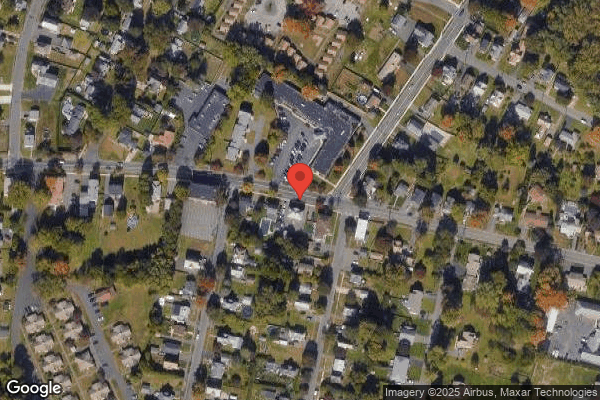
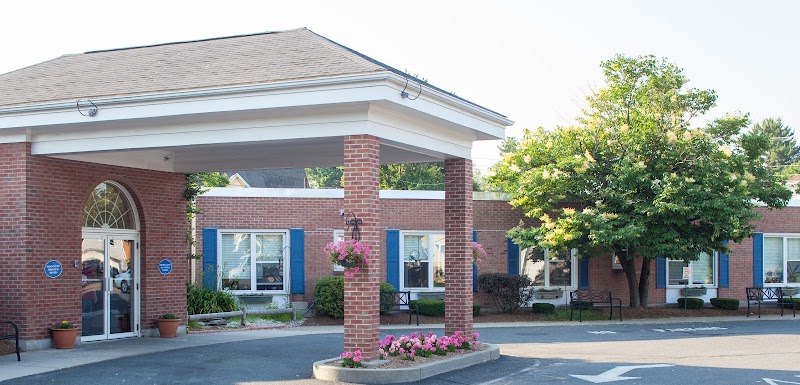
60 EAST SILVER STREET, WESTFIELD, MA 01085 (413) 562-5121
For profit - Corporation 98 Beds VANTAGE CARE Data: November 2025
Trust Grade
48/100
#255 of 338 in MA
Last Inspection: January 2025

Within standard 12-15 month inspection cycle. Federal law requires annual inspections.

Overview

Vantage at Westfield LLC has a Trust Grade of D, which indicates below-average quality and raises some concerns about the care provided. It ranks #255 out of 338 nursing homes in Massachusetts, placing it in the bottom half of facilities in the state, and #22 out of 25 in Hampden County, meaning there are only a few better local options available. The facility's situation is worsening, with the number of issues doubling from 5 in 2023 to 10 in 2025. Staffing is average with a 51% turnover rate, which is concerning compared to the Massachusetts average of 39%, but the RN coverage is also average, ensuring some level of oversight. Specific incidents include failures to accurately document residents' meal intake, lack of annual performance reviews for nursing aides, and inadequate infection control practices, which could potentially compromise resident safety. Overall, while there are some strengths in staffing and RN coverage, the facility has significant weaknesses that families should consider carefully.

Trust Score
D
48/100
In Massachusetts
#255/338
Bottom 25%
Safety Record
Low Risk
No red flags
Inspections
Getting Worse
5 → 10 violations
Staff Stability
⚠ Watch
51% turnover. Above average. Higher turnover means staff may not know residents' routines.
Penalties
✓ Good
$3,250 in fines. Lower than most Massachusetts facilities. Relatively clean record.
Skilled Nurses
○ Average
Each resident gets 41 minutes of Registered Nurse (RN) attention daily — about average for Massachusetts. RNs are the most trained staff who monitor for health changes.
Violations
⚠ Watch
28 deficiencies on record. Higher than average. Multiple issues found across inspections.
★★☆☆☆
2.0
Overall Rating
★★★☆☆
3.0
Staff Levels
★☆☆☆☆
1.0
Care Quality
★★★☆☆
3.0
Inspection Score
Stable
2023: 5 issues
2025: 10 issues

The Good

  • Full Sprinkler Coverage · Fire safety systems throughout facility
  • No fines on record

Facility shows strength in fire safety.

The Bad

2-Star Overall Rating

Below Massachusetts average (2.9)

Below average - review inspection findings carefully

Staff Turnover: 51%

Near Massachusetts avg (46%)

Higher turnover may affect care consistency

Federal Fines: $3,250

Below median ($33,413)

Minor penalties assessed

Chain: VANTAGE CARE

Part of a multi-facility chain

Ask about local staffing decisions and management

The Ugly 28 deficiencies on record

Jul 2025 2 deficiencies
CONCERN (D) 📢 Someone Reported This

A family member, employee, or ombudsman was alarmed enough to file a formal complaint

Potential for Harm - no one hurt, but risky conditions existed

Deficiency F0628 (Tag F0628)

Could have caused harm · This affected 1 resident

Based on records reviewed and interviews for one of four sampled residents (Resident #1), who had a change in condition requiring a transfer to the Hospital Emergency Department (ED), the facility fai...

Read full inspector narrative →
Based on records reviewed and interviews for one of four sampled residents (Resident #1), who had a change in condition requiring a transfer to the Hospital Emergency Department (ED), the facility failed to ensure they communicated pertinent clinical information to the ED when there was no clinical, medical, or contact information sent with the resident or communicated to the ED at the time of transfer. Findings include: Resident #1 was admitted to the facility in June 2025, diagnoses included Type 2 Diabetes Mellitus, osteomyelitis (a bone infection) to his/her left ankle and foot, as well as a diabetic ulcer on his/her left heel. During a telephone interview on 07/25/25 at 1:15 P.M., the Emergency Department (ED) Nurse said on the morning of 06/16/25, Resident #1 was transported to the ED via Ambulance from the Facility. The ED Nurse said when Resident #1 arrived, she received verbal and written report of his/her condition from the paramedics, however the only documentation she received from the Facility was a Face Sheet (which includes demographic information such as the Resident's name, date of birth , home address, admission date to the Facility, payor source, care providers, emergency contact information and a diagnosis list) and a medication list.The ED Nurse said the facility did not send a copy of Resident #1's Health Care Proxy Form or a copy of his/her Massachusetts Medical Orders for Life Sustaining Treatment (MOLST, a medical order form that relays instructions between health professionals about life-saving care), or a Nursing Home to Hospital Transfer Form.The ED Nurse further said the Facility nurse never called the ED to provide a nurse-to-nurse report on what had transpired prior to Resident #1 being sent to the ED and said that once she got Resident #1 situated, that almost two hours later after not hearing from the facility, that she had to call there to elicit additional pertinent medical information about him/her and his/her care needs.During an interview on 07/29/25 at 10:45 A.M., Nurse #1 said she was the nurse who sent Resident #1 to the ED on the morning of 06/16/25 and she said she provided clinical information verbally to the Emergency Medical Service (EMS). Nurse #1 said she thought she sent a copy of Resident #1's Face Sheet and Physician's Orders with the paramedics but was not certain. Nurse #1 said she did not send copies of Resident #1's MOLST, Health Care Proxy Form, and she said she did not complete the Hospital Transfer Form to send with EMS. Nurse #1 also said that she does not normally call the ED to provide nurse-to-nurse report.During an interview on 07/29/25 at 2:54 P.M., Nurse #3 said she was working the morning of 06/16/25 when Resident #1 was transferred to the ED but did not take part in his/her transfer. Nurse #3 said later in the morning she received a call from the ED Nurse who was looking for information about Resident #1's clinical status prior to his/her transfer.Nurse #3 said when a resident is transferred to the ED, it was the expectation that they would be sent with copies of their Face Sheet, MOLST, the Health Care Proxy Form, Physician's Orders and a completed Hospital Transfer Form. Nurse #3 said it is best practice to call the receiving hospital to provide nurse-to-nurse report, and she said if the Hospital Transfer Form cannot be completed prior to the resident's transfer, the expectation was to fax the form to the ED as soon as possible.During an interview on 07/29/25 at 11:16 A.M., Unit Manager #1 said she assisted Nurse #1 in transferring Resident #1 to the ED on 06/16/25, however she said she did not complete any of the transfer paperwork herself. Unit Manager #1 said when a resident is transferred to the hospital, it is the expectation that they are sent with copies of their Face Sheet, Health Care Proxy Form, MOLST, Physician's orders, and a Hospital Transfer Form.Unit Manager #1 said occasionally during emergency transfers, the nurse is unable to complete the Hospital Transfer Form, but the expectation is that the transferring nurse completes the form as soon as possible and fax the form to the receiving provider.Unit Manager #1 said if Nurse #1 completed a Hospital Transfer Form for Resident #1's hospital transfer on 06/16/25, it would be found under the Assessment tab in the Electronic Health Record (EHR). After reviewing Resident #1's EHR, Unit Manager #1 said there was no documentation in Resident #1's EHR to support that Nurse #1 completed the Hospital Transfer Form, as required.
CONCERN (E) 📢 Someone Reported This

A family member, employee, or ombudsman was alarmed enough to file a formal complaint

Potential for Harm - no one hurt, but risky conditions existed

Medical Records (Tag F0842)

Could have caused harm · This affected multiple residents

Based on records reviewed and interviews for four of four sampled residents (Resident #1, Resident #2, Resident #3, and Resident #4), who all had a diagnosis of Diabetes (a condition when a hormone ca...

Read full inspector narrative →
Based on records reviewed and interviews for four of four sampled residents (Resident #1, Resident #2, Resident #3, and Resident #4), who all had a diagnosis of Diabetes (a condition when a hormone called insulin does not work properly or there is not enough of it which causes the level of glucose (sugar) in the blood to become too high), the facility failed to ensure they maintained a complete and accurate medical record when Certified Nurse Aide (CNA) Activity of Daily Living (ADL) Flow Sheets related to meal intake were not consistently completed and often left blank.Findings include:Review of the Facility Policy titled, Charting and Documentation, dated as last revised July 2017, included but was not limited to: -All services provided to the resident, progress toward care plan goals, or any changes in the resident's medical, physical, functional, or psychosocial condition, shall be documented in the resident's medical record. Review of the Facility Policy titled, Nursing Care of the Resident with Diabetes Mellitus, dated as last revised in 2015, included but was not limited to: -Documentation - percentage of meals consumed. 1) Resident #1 was admitted to the facility in June 2025, diagnoses included Type 2 Diabetes Mellitus, osteomyelitis (a bone infection) to his/her left ankle and foot, and a diabetic foot wound to his/her left heel.Review of Resident #1's Documentation Survey Report (ADL Flow Sheets) for 06/09/25 through 06/16/25 indicated for the following meals, documentation on the flow sheet was incomplete:- Breakfast Meal - 4 days (out of 6) were left blank.- Lunch Meal - 4 days (out of 6) were left blank.- Dinner Meal - 2 days (out of 7) were left blank. 2) Resident #2 was admitted to the facility in July 2025, diagnoses included Type 2 Diabetes and Diabetic Retinopathy (an eye disease caused by Diabetes that damages blood vessels in the tissue in the back of the eye).Review of Resident #2's ADL Flow Sheets for 06/01/25 through 06/30/25 indicated for the following meals, documentation on the flow sheet was incomplete:- Breakfast Meal - 7 days (out of 30) were left blank.- Lunch Meal - 10 days (out of 30) were left blank.- Dinner Meal - 1 day (out of 30) was left blank.Review of Resident #2's ADL Flow Sheets for 07/01/25 through 07/28/25 indicated for the following meals, documentation on the flow sheet was incomplete:- Breakfast Meal - 8 days (out of 28) were left blank.- Lunch Meal - 8 days (out of 28) were left blank.- Dinner Meal - 9 days (out of 28) were left blank. 3) Resident #3 was admitted to the facility in October 2020 with a diagnosis of Type 2 Diabetes.Review of Resident #3's ADL Flow Sheets for 07/01/25 through 07/28/25 indicated for the following meals, documentation on the flow sheet was incomplete:- Breakfast Meal - 8 days (out of 28) were left blank.- Lunch Meal - 8 days (out of 28) were left blank.- Dinner Meal - 7 days (out of 28) were left blank.4) Resident #4 was admitted to the facility in January 2022 with a diagnosis of Type 2 Diabetes.Review of Resident #4' s ADL Flow Sheets for 07/01/25 through 07/28/25 indicated for the following meals, documentation on the flow sheet was incomplete:- Breakfast Meal - 3 days (out of 28 days) were left blank.- Lunch Meal - 3 days (out of 28 days) were left blank.- Dinner Meal - 8 days (out of 28 days) were left blank.During an interview on 07/29/25 at 10:35 A.M., Certified Nurse Aide (CNA) #1 said that all CNA documentation is to be completed in the computer by the end of their shift. CNA #1 said if there are blank spaces on the CNA Flow Sheet, that means the documentation was not completed.During an interview on 07/29/25 at 4:25 P.M., CNA #2 said all CNA documentation should be entered in the computer by the end of their shift. CNA #2 said there should be no blank spaces on the CNA Flowsheet and if there were any, that meant the CNA did not document what they did.During an interview on 07/29/25 at 4:36 P.M., CNA #3 said it was important to document residents' meal intake on the CNA Flowsheet. CNA #3 said if a resident refused a meal, the CNA should document the refusal with a code RR (resident refused) so there should not be any blank spaces on the CNA Flowsheet and said if there were blank spaces that meant the CNA did not complete their documentation.During an interview on 07/29/25 at 4:45 P.M., CNA #4 said all meals and other ADL assistance CNAs provide for the residents, are supposed to be entered in the computer by the end of their shift and if there is no information on the CNA Flow Sheet, that meant the CNA did not input their documentation.During an interview on 07/29/25 at 10:45 A.M., Nurse #1 said CNAs will often write residents' meal intake on a sheet of paper which is kept on a clipboard at the nursing station and that documentation should also be entered into the computer for each resident by the end of the shift. Nurse #1 said that there should not be blank spaces on the CNA Flow Sheets and said if there were blank spaces, that meant the CNA did not document on those days or shifts.During an interview on 07/29/25 at 11:16 A.M., Unit Manager #1 said all CNAs should be documenting all ADL care they provide, including meal percentages in the computer. Unit Manager #1 said if the CNA Flow Sheet has blank spaces, that meant the documentation was not completed, as required.During an interview on 07/29/25 at 1:00 P.M., the Director of Nursing (DON) said that CNAs were required to complete their ADL documentation (including meal percentages) in the computer by the end of their shift and said if there were blank spaces on the ADL Flow Sheets, the CNAs did not document as required.
Jan 2025 8 deficiencies
CONCERN (D)

Potential for Harm - no one hurt, but risky conditions existed

Deficiency F0658 (Tag F0658)

Could have caused harm · This affected 1 resident

**NOTE- TERMS IN BRACKETS HAVE BEEN EDITED TO PROTECT CONFIDENTIALITY** Based on observation, interview, and record review, the facility failed to provide care consistent with professional standards o...

Read full inspector narrative →
**NOTE- TERMS IN BRACKETS HAVE BEEN EDITED TO PROTECT CONFIDENTIALITY** Based on observation, interview, and record review, the facility failed to provide care consistent with professional standards of practice relative to the use of compression stockings for one Resident (#51) out of a total sample of 17 residents. Specifically, the facility failed to: -Assess Resident #51 for the proper use of compression stockings for the Resident's lower extremities when the Resident had lower extremity swelling and staff applied improperly fitted compression stockings, which increased the Resident's risk for impaired skin integrity and blood circulation. Findings include: Review of the Cardinal Health document titled T.E.D. (thrombo-embolic-deterrent: type of hosiery used to prevent blood clots) Anti-Embolism (obstruction of an artery, typically by a clot of blood or an air bubble) Stockings, dated 2020 and located at https://www.cardinalhealth.com/content/dam/corp/web/documents/brochure/cardinal-health-ted-anti-embolism-stockings-for-acute-care-brochure.pdf indicated: -T.E.D. Anti-Embolism Stockings have been clinically proven to reduce the risk of developing deep vein thrombosis (DVT: blood clot that forms in a vein) in physician reviewed, published studies on hospitalized patients and to promote increased blood flow velocity in the legs. -For knee length stockings, measure in standing position if possible. -Measure calf circumference at greatest portion to determine size. -Measure the distance from bend of knee to bottom of heel to determine length. -T.E.D. stocking precautions: Proper sizing and application must be assured for optimal benefit of stockings. -It is important to measure the patient's leg size to assure that the appropriate pressure pattern is applied. Resident #51 was admitted to the facility in December 2024 with diagnoses including Fracture of Neck of Left Femur (thigh bone) and Personal History of Pulmonary Embolism. Review of Resident #51's Minimum Data Set Assessment, dated 12/19/24, indicated the Resident: -was cognitively intact as evidenced by a Brief Interview for Mental Status (BIMS) of 15 out of 15 total possible points. -had a hip fracture. -demonstrated no rejection of care. -required substantial/maximal assistance to transition from sitting to standing. -required the use of a wheelchair. -required substantial/maximal assistance for lower body dressing. Review of Resident #51's Provider Encounter Note, dated 12/19/24, indicated the Resident had non-pitting (not impacted by pressure) edema (accumulation of excess fluid in soft tissues, causing swelling) to his/her left lower extremity. Review of Resident #51's Provider Encounter Note, dated 12/23/24, indicated the Resident had trace (small amount) edema in his/her right and left lower extremities. Review of Resident #51's Nursing Progress Note, dated 12/24/24, indicated the Resident had 1+ (one plus: 2 millimeter indent with rapid return to normal) pitting (when an external force causes an indentation) edema in his/her lower extremities. Review of Resident #51's Provider Encounter Note, dated 12/27/24, indicated the Resident had trace edema in his/her right and left lower extremities. Review of Resident #51's Activities of Daily Living (ADL) Care Plan, revised 12/30/24, indicated: -The Resident required assistance with ADLs due to decreased strength and endurance, recent left femur fracture, weakness, and pain. -The Resident required substantial/maximal assistance for lower body dressing. -The Resident required substantial/maximal assistance for putting on/taking off footwear. On 1/2/25 at 9:52 A.M., the surveyor observed the following: -Resident #51 was sitting in a wheelchair beside his/her bed. -The Resident's feet were positioned off the floor and resting on the wheelchair foot rests. -The Resident wore full length pants and slipper socks. -The surveyor observed that the Resident's pants were tight around his/her lower legs, below the knees bilaterally and the slipper socks were tight over the Resident's feet and creased over the tops of the Resident's ankles. During an interview at the time, Resident #51 said that he/she had been experiencing swelling in his/her bilateral lower legs and that the swelling had been present prior to being admitted to the facility. The Resident then pulled his/her pant legs up to knee level bilaterally and the surveyor observed T.E.D. stockings on both of the Resident's lower legs. The surveyor further observed both stockings were rolled down under the Resident's knees, forming an indentation directly below both knees, around the full circumference of each of the Resident's lower legs. Resident #51 said that the stockings felt tight right below his/her knees and that he/she did not know why, but the stockings always rolled down. On 1/2/25 at 4:50 P.M., the surveyor observed the following: -Resident #51 was sitting in a wheelchair beside his/her bed. -The Resident's feet were positioned on the wheelchair footrests and the Resident wore the same full length pants observed earlier in the day and slipper socks. -The surveyor observed that the Resident's pants remained tight around his/her lower legs, below the knees bilaterally and the slipper socks were tight over the Resident's feet and creased over the tops of the Resident's ankles. During an interview at the time, Resident #51 said that he/she required assistance from staff for lower body dressing and that due to his/her hip fracture, he/she was unable to put on his/her own pants and socks. Resident #51 said that staff who assisted him/her to get dressed in the morning applied the T.E.D. stockings to help with his/her swelling and that he/she had been wearing the stockings daily for a couple of weeks. At this time, Resident #51 pulled his/her pant legs up to knee level and the surveyor observed the T.E.D. stockings on the Resident's lower legs. The surveyor observed the tops of the stockings were rolled down directly under the Resident's knees, and formed an indentation directly below both knees and around the full circumference of each of the Resident's lower legs. Review of Resident #51's Lower Body Dressing Flow Sheet indicated: -The Resident required substantial/maximal assistance for lower body dressing on 1/2/25. -The Resident required dependence on staff for lower body dressing on 1/3/25. Review of Resident #51's [NAME] Report indicated the following for dressing as of 1/3/25: -Substantial/maximal assistance for clothing management. -May need dependent assist if fatigued. During an interview on 1/3/25 at 7:50 A.M., Certified Nurses Aide (CNA) #2 said Resident #51 wore T.E.D stockings every day. During an interview on 1/3/25 at 9:06 A.M., Nurse #3 said she overheard the surveyor speaking with CNA #2 earlier that morning regarding Resident #51 and the use of compression stockings, so she reviewed the Resident's Physician orders and Treatment Administration Records (TARs) to identify whether the Resident had a treatment order for the use of compression stockings. Nurse #3 said that all residents requiring the use of compression stockings needed to have a Physician's order for the stockings. Nurse #3 also said that when compression stockings were ordered by the Physician, the Nurse was required to measure the resident's legs to ensure the proper size stocking was used. Nurse #3 said that when she reviewed Resident #51's Physician's orders and TARs, there was no order for compression stockings. Nurse #3 further said that the compression stockings would only be applied if ordered by the Physician. Nurse #3 said that the facility did not use T.E.D. stockings for any residents and that the facility only used MediGrip Support and Compression Stockings, unless a different stocking was ordered by the Physician. During a follow-up interview on 1/3/25 at 9:22 A.M., Nurse #3 said Resident #51 did have T.E.D. stockings, so the stockings must have come with the Resident when he/she was admitted from the hospital. Nurse #3 said that the Resident needed to be assessed for the use of the compression stockings to ensure the stockings were appropriate for the Resident's condition and an order would need to be obtained. Nurse #3 also said residents need to be measured for the proper size compression stockings to ensure proper fit and that compression stockings should never be rolled down below the knees. Nurse #3 further said that Resident #51 was not able to put on his/her own socks and depended on staff to complete his/her lower body dressing. During an interview on 1/3/25 at 9:51 A.M., the Unit Manager (UM) said that a Physician's order was required for implementing the use of compression stockings for a resident and that the Nurse was required to measure the resident's legs to ensure the proper size stockings were used. The UM said that compression stockings should not be rolled down under a resident's knees and that the top of the stockings should be flat around the circumference of the lower legs. The UM said that Resident #51's compression socks rolling down under his/her knees and causing indentation in the tissue increased the Resident's risk for alteration in skin integrity and impaired circulation due to prolonged pressure.
CONCERN (D)

Potential for Harm - no one hurt, but risky conditions existed

Deficiency F0692 (Tag F0692)

Could have caused harm · This affected 1 resident

**NOTE- TERMS IN BRACKETS HAVE BEEN EDITED TO PROTECT CONFIDENTIALITY** Based on observation, interview, and record review, the facility failed to provide care according to professional standards of p...

Read full inspector narrative →
**NOTE- TERMS IN BRACKETS HAVE BEEN EDITED TO PROTECT CONFIDENTIALITY** Based on observation, interview, and record review, the facility failed to provide care according to professional standards of practice for one Resident (#14) out of a total sample of 17 Residents, relative to nutrition interventions and weight monitoring when the Resident was identified as being at nutritional risk and had severe weight loss. Specifically, for Resident #14, the facility failed to: -Implement Provider recommendations in a timely manner for a nutrition consult. -Implement weekly weight monitoring, as recommended by the Physician Assistant (PA) when the Resident was identified with greater than 20 pounds weight loss over a period of two weeks. -Accurately monitor and record the Resident's meal intake percentage. -Accurately assess the Resident for weight loss when the Resident had a severe weight loss of greater than 10% in less than six months. Findings Include: Review of the facility's Policy titled, Weight Assessment and Intervention, dated 2001 and last reviewed March 2022, indicated: -Residents are weighed upon admission and at intervals established by the interdisciplinary team. -Weights are recorded in each unit's weight record chart and in the individual's medical record. -Any weight change of 5% (percentage) or more since the last weight assessment is retaken the next day for confirmation. >If the weight is verified, nursing will immediately notify the dietician in writing. -The threshold for significant unplanned and undesired weight loss will be based on the following criteria [where percentage of body weight loss = (usual weight - actual)/ (usual weight) x 100]: a. 1 month - 5% weight loss is significant; greater than 5% is severe b. 3 months - 7.5% weight loss is significant; greater than 7.5% is severe c. 6 months - 10% weight loss is significant; greater than 10% is severe Review of the Dietary Intake Guide, undated, provided by the facility indicated: -The Dietary Intake Guide was a resource to help measure meals, liquids, . consumed. -Record amount of the total meal . consumed using the following guidelines: -Refused - 0% (refused meal completely or consumed only one or two bites of each item). -Poor - 25% (approximately 25% of entree or 50% of one item consumed). -Fair - 50% (approximately half of food is consumed, [e.g., 50% of entree, 25% of vegetable and soup left]. If total entree is consumed but no other food is touched, record as Poor/25%, not Fair/50%). -Good - 75% (majority of meal is consumed but a significant amount of one or more items is left [e.g., 25% of entree or 75% of vegetable left]). -All - 100% (entire meal is consumed except for a minimal amount of food [e.g., less than 25% of vegetable left]). Resident #14 was admitted to the facility in August 2024, with diagnoses including Dementia, Type 2 Diabetes Mellitus, Pure hypercholesterolemia, and Dysphagia. Review of Resident #14's Minimum Data Set (MDS) Assessment, dated 10/31/24, indicated that the Resident was moderately cognitively impaired as evidenced by a Brief Interview for Mental Status (BIMS) score of nine out of 15. Review of Resident #14's Weights and Vitals Summary Report indicated the Resident weighed 195.3 pounds (lbs) on 8/1/24. Further review of Resident #14's Weights and Vitals Summary indicated: -8/8/24: weight of 192.4 lbs -8/15/24: weight of 172.3 lbs -8/15/24: a re-weigh of 170.8 lbs -9/5/24: weight of 171.4 lbs -10/4/24: weight of 165.6 lbs -11/4/24: weight of 168.2 lbs -12/3/24: weight of 166.2 lbs -1/1/25: weight of 165.4 lbs Review of Resident #14's Physician order, dated 8/1/24, indicated: -Monthly weight. Review of Resident #14's Speech Therapy Evaluation, dated 8/2/24, indicated: -The Resident had dysphagia. -Treatment plan included interventions for swallowing dysfunction and/or oral function for feeding. -The Resident required a dysphagia advanced (food that is soft, moist, and easy mashed with a fork) diet texture. Review of Resident #14's Nutritional Care Plan, initiated 8/6/24, indicated: -The Resident had a nutritional problem/potential nutritional problem. -Registered Dietician (RD) to evaluate and make diet change recommendations PRN (as needed) -Provide, serve diet as ordered. -Monitor intake and record every meal. -Weigh as ordered, at same time of day and record. Review of Resident #14's Nursing Progress Note, dated 8/2/24, indicated: -Currently receiving dysphagia diet and in [sic] working with SLP (Speech Language Pathologist). Review of Resident #14's Nutrition Assessment, dated 8/6/24, indicated: -The Resident's usual body weight was not known. -The Resident weighed 195.3 lbs. (weight documented on 8/1/24) -The Resident's body mass index (BMI: numerical value that indicates weight status and estimates body fat) was 31.8. -The Resident was considered as obese, and obesity was not a concern due to advanced age and diagnoses. -The Resident had not experienced significant/severe weight loss or gain. -The Resident was eating well, per documentation. -The nutrition plan included routine surveillance of weight per facility protocol and physician orders, ., offer snacks between meals . -The Registered Dietician (RD) was available as needed. Review of Resident #14's Change in Condition (CIC) Note, dated 8/13/24, indicated the following: -Food and/or fluid intake (decreased or unable to eat and/or drink adequate amounts). -Functional decline (worsening function and/or mobility). -Other change in condition with recommendations for speech screen. Review of Resident #14's Nursing Progress Note, dated 8/14/24, indicated the following: -The Resident ate less than 25% of two meals. -Staff reported increased coughing during meals. -Speech evaluation requested. Review of the Resident's clinical record indicated the Resident was actively receiving therapy for Speech and Language services on 8/14/24. Review of Resident #14's Weights and Vitals Summary indicated the Resident weighed 172.3 lbs on 8/15/24 (weight loss of 20.1 lbs. from the 8/8/24 weight). Further review of the Resident's Weights and Vitals Summary indicated a re-weigh was obtained on 8/15/24 and the Resident's weight was 170.8 lbs. Review of Resident #14's CIC Form, dated 8/16/24, indicated: -Significant weight loss of approximately 20 lbs. was noted. -Facility staff notified the Physician Assistant (PA) of the weight loss. -The PA recommended: >Supplement drinks three times daily. >Dietician consult. >Weekly weight monitoring. Review of Resident #14's Nursing Alert Progress Note, dated 8/16/24, indicated: -Dietician notified via email. States she (Dietician) will assess Resident. Review of Resident #14's Physician Assistant (PA) Encounter Note, dated 8/27/24, indicated: -Weight loss. -RN (Registered Nurse) reports 20 lbs weight loss over 2 weeks. -Will order health shakes. -Dietary evaluation. -House Supplement three times daily. Review of Resident #14's Weights and Vitals Summary indicated the Resident weighed 171.4 lbs on 9/5/24. Review of Resident #14's Physician Encounter Note, dated 9/17/24, indicated: -Continue health shakes. -Dietician to follow. Review of Resident #14's Speech Therapy Discharge summary, dated [DATE], indicated: -The Resident had met his/her goal for swallowing. -The Resident's diet had been upgraded to regular texture with thin liquids. Review of Resident #14's Physician order, dated 9/27/24, indicated: -CCHO (Consistent Carbohydrate Diet) diet, Regular Texture, Thin Liquids consistency. Review of Resident #14's Weights and Vitals Summary indicated the Resident weighed 165.6 lbs on 10/4/24. Review of Resident #14's Minimum Data Set (MDS) Assessment, dated 10/31/24, indicated: -The Resident was moderately cognitively impaired as evidenced by a Brief Interview for Mental Status (BIMS) score of 9 out of 15. -The Resident weighed 166 lbs. -Weight loss of 5% or more in last month or 10% or more in last six months was marked as: -No or unknown. Review of Resident #14's clinical record did not indicate that weekly weights as ordered on 8/1/24, were implemented and were being done consistently for Resident #14. Further review of the Resident's clinical record indicated a nutrition assessment recommended by the PA on 8/16/24, was not completed until 11/1/24 (approximately 2.5 months after the PA recommendation). Review of the Nutrition Assessment, dated 11/1/24, indicated: -The Resident's usual body weight was not known. -The Resident was at potential nutritional risk due to advanced age, varied intake, and triggered for significant weight loss trends. -The Resident's current weight loss was -13.9% over three months (severe). -The Resident weighed 165.6 lbs. -The Resident's BMI was 27. -The Resident started on dietary supplement shakes in August 2024 which may have slowed the Resident's weight loss trend. -No new recommendations were made. Review of Resident #14's Weights and Vitals Summary indicated the Resident weighed 165.4 lbs on 1/1/25. On 1/3/25 between 12:05 P.M. and 12:45 P.M., the surveyor observed the following in the facility's main dining room: -Resident #14 was seated in a wheelchair at a table with one other resident. -Resident #14 was served a meal which included chicken breast, cooked carrots, rice, one dinner roll, and one bowl of pineapple wedges. -The Resident fed him/herself during the meal. -At the end of mealtime, Resident #14 had consumed most of the chicken breast (leaving a few small pieces on the plate) and most of the cooked carrots (leaving a few carrots on the plate). -The Resident did not eat any of the rice and dinner roll and left both food items on the plate. -The Resident did not eat any of the pineapple wedges. During an interview on 1/3/25 at 12:30 P.M., the Resident said that he/she did not have a big appetite, and did not eat much. During an interview on 1/3/25 at 1:45 P.M., Activity Assistant (AA) #1 said that she picked up Resident #14's lunch meal tray on 1/3/25 and that the Resident ate 80% of the meal. Review of the CNA (Certified Nursing Assistant) tasks sheet, dated 1/3/25, indicated meal percentage documented as follows: -51-75% of lunch meal consumed. On 1/7/25 at 8:41 A.M., the surveyor observed Resident #14 eating breakfast. The Resident's meal included one biscuit with jelly, scrambled eggs, cream of wheat, one glass of orange juice, one glass of milk, and one cup of coffee. The surveyor observed that the Resident ate all of the biscuit and jelly, drank all of the orange juice and coffee and ate a few bites of the scrambled eggs. At the end of the meal, the Resident left the rest of the scrambled eggs uneaten, ate no cream of wheat, and drank none of the milk. The surveyor further observed the Resident request that staff remove his/her breakfast meal. During an interview on 1/7/25 at 9:47 A.M., the Unit Manager (UM) said residents at the facility were weighed monthly and some residents required daily and weekly weights. The UM said CNAs weighed residents according to the required frequency determined by the Physician and that after the CNAs obtained resident weights, the weights were to be reviewed by the Nurse. The UM said if there was a change in weight of three to five pounds, a re-weight would be required, and if the weight change was validated, the Nurse would be required to complete a Change in Condition (CIC) form. The UM said that the Nurse would also be responsible to notify the Physician of the weight change. The UM said that she was responsible to notify the Registered Dietician (RD) of the weight change. The UM also said that recommendations made by the Physician when notified of a change in weight would be implemented by the Nurse who obtained the recommendations. The surveyor and the UM reviewed Resident #14's clinical record, and the UM said that facility staff identified Resident #14 as having had a significant change in weight between 8/1/24 and 8/15/24. The UM said that based on the CIC form completed on 8/16/24, facility staff had notified the Physician Assistant (PA) of the weight change, and that the PA recommended implementing dietary supplements, weekly weights, and a consult by the RD. The UM said that she would have to look into whether the weekly weights had been implemented and whether a consult with the RD had occurred. During a follow-up interview on 1/7/25 at 11:52 A.M., the UM said that she was unable to locate any evidence of follow-up with the Physician regarding Resident #14's weight changes and was unable to locate any weekly weight assessments in the Resident's clinical records. The UM further said that there should have been follow-up with the RD to ensure the dietary evaluation was completed and whether any new interventions were recommended. The UM also said that weekly weights should have been implemented for Resident #14 on 8/16/24, but the weekly weights had not been implemented. During an interview on 1/7/25 at 10:20 A.M., the RD said that she recently started working at the facility and that she had recently identified Resident #14 as having had severe weight loss. The RD said that Resident #14 had been identified as having had a greater than 10 percent weight loss over the previous five months. The RD said that she had also identified other residents with significant weight changes and was in the process of evaluating them. The RD said that she had not yet evaluated Resident #14. The RD said that accuracy for monitoring meal percentages was important because meal intake percentages need to be compared with the estimated needs for each resident's nutrition. The surveyor and the RD reviewed Resident #14's clinical record and the RD said that no dietary consult had been provided for Resident #14 when the severe weight change was identified, and the dietary consult was ordered by the PA. The RD further said that the dietary consult was not completed until 11/1/24, and was not completed relative to weight loss, but for a routine quarterly assessment. The RD also said that a dietary consult should have been completed within a week of the 8/16/24 PA request for a consult. During a follow-up interview on 1/7/25 at 11:08 A.M., the RD said the standard for measuring meal intake percentage relative to the items Resident #14 consumed at lunch time on 1/3/25 should have been recorded as 25%-50%. The RD then provided the surveyor with the Dietary Intake Guide used to measure the amounts of meals consumed. During a telephone interview on 1/7/25 at 11:37 A.M., the PA said that she did not work in the facility from July 2024 to November 2024, and that when she returned, she evaluated Resident #14 on 11/13/24. The PA said that a covering PA worked in the facility at that time (July 2024 to November 2024), and Resident #14 would have been assessed in August 2024 by the covering PA. The PA further said that the recommendations ordered by the covering PA for weekly weights and a dietary consult on 8/16/24, should have been implemented for Resident #14 at that same time. During an interview on 1/7/25 at 11:52 A.M., the UM said that weekly weights had not been implemented as ordered by the PA on 8/16/24. The UM also said no dietary consult had been completed until 11/1/24 after being ordered by the PA on 8/16/24. The UM said that facility staff should have followed-up with the RD relative to the ordered dietary consult and any recommended interventions. During an interview on 1/7/25 at 1:31 P.M., the RD said that a higher body mass index (BMI) was considered protective for the nursing facility population and that she would not want to see Resident #14 with a lower BMI than what it was currently (27). During an interview on 1/7/25 at 1:42 P.M., the Physician said that she attended QAPI meetings monthly at the facility and that resident weight variances were discussed at the QAPI meetings. The Physician said that she did not recall the facility discussing weight loss concerns for Resident #14. The Physician said that she was not sure that the facility's initial weight of 195.3 lbs for Resident #14 was accurate, but that there was no information available to indicate that the weight was inaccurate. Please refer to F726.
CONCERN (D)

Potential for Harm - no one hurt, but risky conditions existed

Deficiency F0726 (Tag F0726)

Could have caused harm · This affected 1 resident

Based on observation, interview, and record review, the facility failed to ensure that staff competencies were assessed for three employees (Certified Nurses Aides [CNAs #7 and #8], and Activities Ass...

Read full inspector narrative →
Based on observation, interview, and record review, the facility failed to ensure that staff competencies were assessed for three employees (Certified Nurses Aides [CNAs #7 and #8], and Activities Assistant [AA #1]) out of three employees reviewed and relative to meal monitoring and documentation for one Resident (#14). Specifically, the facility failed to: -Assess competency for Activities Assistant (AA) #1 relative to accurately monitoring meal percentage intakes when AA #1 was tasked with monitoring and recording resident meal percentage intakes in the facility's main dining room and AA #1 monitored and recorded an inaccurate meal intake for Resident #14. -Assess nursing assistant competencies, identified by the facility for assessment, for CNAs #7 and #8 upon hire, and since working at the facility, when CNAs #7 and #8 were working in the facility and providing direct care to residents. Findings include: Review of the Facility Assessment Work Document, dated 8/5/24, indicated the following: -The facility provided care for residents with cognitive impairments. -The facility provided care for residents requiring assistance with activities of daily living (ADLs). -The facility provided care relative to nutrition for residents. -Staff training/education programs were conducted to provide the level and types of support and care needed for the resident population. -Training programs applied to all facility staff to include direct care staff, managers, supervisors, contracted staff, and volunteers, as appropriate. -Training programs, as appropriate were provided as part of the facility's orientation process for new and newly assigned staff, annually, and/or as needed. -Training programs contain learning objectives, performance standards, and evaluation criteria. Review of the facility policy titled Staffing, Sufficient and Competent Nursing, dated 2001, indicated but was not limited to the following: -The facility provides sufficient numbers of nursing staff with the appropriate skills and competency necessary to provide nursing and related care and services for all residents in accordance with resident care plans and the facility assessment. - . the skill requirements of direct care staff are determined by the needs of the residents based on each resident's plan of care, the resident assessments, and the facility assessment. -Competency is a measurable pattern of knowledge, skills, abilities, behaviors, and other characteristics that an individual needs to perform work roles . -Staff must demonstrate the skills and techniques necessary to care for resident needs . -Competency requirements . for nursing staff are established and monitored by nursing leadership . to ensure that gaps in education are identified and addressed . Review of the facility's document titled Facility Orientation Competency: Nursing Assistant, undated, indicated the following: -The evaluator will place their initials in the appropriate column on the line that corresponds to the skill after competency in the area is achieved by employee. -All evaluators are to sign the bottom of this form identifying their signature, title, initials, and date. -Checklist must be complete and handed in prior to coming off orientation. -Topics requiring competency assessment included meal percentage monitoring. Review of the Dietary Intake Guide, undated, provided by the facility indicated but was not limited to the following: -The Dietary Intake Guide was a resource to help measure meals, liquids, . consumed. -Record amount of the total meal . consumed using the following guidelines: >Refused - 0% (refused meal completely or consumed only one or two bites of each item). >Poor - 25% (approximately 25% of entree or 50% of one item consumed). >Fair - 50% (approximately half of food is consumed, [e.g., 50% of entree, 25% of vegetable and soup left]. If total entree is consumed but no other food is touched, record as Poor/25%, not Fair/50%). >Good - 75% (majority of meal is consumed but a significant amount of one or more items is left [e.g., 25% of entree or 75% of vegetable left]). >All - 100% (entire meal is consumed except for a minimal amount of food [e.g., less than 25% of vegetable left]). Resident #14 was admitted to the facility in August 2024 with a diagnoses of Dementia and Dysphagia. Review of Resident #14's Minimum Data Set (MDS) Assessment, dated 10/31/24, indicated the Resident was moderately cognitively impaired as evidenced by a Brief Interview for Mental Status (BIMS) of nine out of 15 total possible points. Review of Resident #14's Nutrition Care Plan, revised 11/5/24, indicated: -Diet as ordered (monitor and record). On 1/3/25 between 12:05 P.M. and 12:45 P.M., the surveyor observed the following in the facility's main dining room: -Resident #14 was seated in a wheelchair at a table with one other resident. -Resident #14 was served a meal which included chicken breast, cooked carrots, rice, one dinner roll, and one bowl of pineapple wedges. -The Resident fed him/herself during the meal. -At the end of mealtime, Resident #14 had consumed most of the chicken breast (leaving a few small pieces on the plate) and most of the cooked carrots (leaving a few carrots on the plate). The Resident did not eat any of the rice and dinner roll, or any of the pineapple wedges. During an interview on 1/3/25 at 12:30 P.M., Resident #14 said that he/she liked the food and that he/she just did not have a big appetite. At the same time, the surveyor observed AA #1 approach Resident #14's table, ask the Resident if he/she was done eating, and removed the Resident's meal plate. Review of the facility's Lunch Meal Intake Sheet, dated 1/3/25 and completed by AA #1, indicated Resident #14 consumed 80% of his/her lunch meal that same day. During an interview on 1/3/25 at 1:45 P.M., AA #1 said she recorded meal percentage intakes for residents who ate lunch in the facility's main dining room that same day and that she recorded Resident #14's lunch meal intake percentage. AA #1 said that when she records resident meal intakes, she looks at the residents' plates and estimates how much of the total meal the resident consumed. AA #1 said she recorded Resident #14's lunch meal intake as 80% consumed. AA #1 said that after she completes the Meal Intake Sheet, she leaves the sheet at the nurses station and the meal percentages documented on the sheet are then entered into the residents meal records on the computer by the CNAs. At the time, the surveyor and AA #1 reviewed the Lunch Meal Intake Sheet and discussed the lunch meal observation for Resident #14. AA #1 said that the meal percentage she recorded on the Meal Intake Sheet may have been inaccurate. During an interview on 1/3/25 at 1:54 P.M., with CNA #7 and CNA #8, CNA #8 said that all resident meal intake percentages are entered into the computer. CNA #7 said that when meal percentages are recorded from staff in the main dining room, the staff bring the completed meal percentage sheet to the nurses station and a CNA enters the meal percentages recorded into the resident meal records on the computer. Review of Resident #14's electronic meal intake record for 1/3/25 indicated Resident #14 consumed 51% -75% of his/her lunch time meal on 1/3/25. During an interview on 1/7/25 at 10:20 A.M., the Registered Dietician (RD) said it was important to have accurate information relative to meal percentage intakes to ensure residents consume percentages of food that matches their estimated dietary needs. The RD said that she was not sure how staff had been trained to monitor and record meal percentages, and offered that the surveyor should ask the Staff Development Coordinator (SDC). During a follow-up interview on 1/7/25 at 11:08 A.M., the RD said the standard for measuring meal intake percentage relative to the items Resident #14 consumed at lunch time on 1/3/25 should have been recorded as 25%-50%. The RD then provided the surveyor with the Dietary Intake Guide used to measure meals consumed. During an interview on 1/7/25 at 11:58 A.M., the SDC said nursing staff competencies were completed during orientation, when staff were newly hired, and annually. The SDC said that competency assessments were recorded on the competency checklists and maintained in the employee education files. The SDC said that meal percentage monitoring was included in topics requiring competency assessment for CNAs and that there was no competency assessment checklist for activities staff. The SDC said that AA #1 does record meal percentages for residents who eat in the main dining room and that AA #1 would have needed to be trained to ensure she was recording meal percentages accurately. The SDC said that she would provide the survey team with evidence that the required competencies had been completed. During a follow-up interview on 1/7/25 at 4:22 P.M., the SDC said CNA #7 began working at the facility on 11/1/23, CNA #8 began working at the facility on 4/29/24, and AA #1 began working at the facility on 7/31/24. The SDC said there was no evidence that any competency assessments had been completed for CNA #7 and CNA #8. The SDC also said there was no evidence competency had been assessed for AA #1 relative to monitoring and recording resident meal percentages.
CONCERN (D)

Potential for Harm - no one hurt, but risky conditions existed

Deficiency F0757 (Tag F0757)

Could have caused harm · This affected 1 resident

**NOTE- TERMS IN BRACKETS HAVE BEEN EDITED TO PROTECT CONFIDENTIALITY** Based on interview and record review, the facility failed to ensure that one Resident (#366) out of a total sample of 17 residen...

Read full inspector narrative →
**NOTE- TERMS IN BRACKETS HAVE BEEN EDITED TO PROTECT CONFIDENTIALITY** Based on interview and record review, the facility failed to ensure that one Resident (#366) out of a total sample of 17 residents, was free from unnecessary medication administration. Specifically, for Resident #366, the facility failed to ensure that the Resident had adequate indication for the use of an antibiotic medication (Clarithromycin - used to treat chest and skin infections) that was ordered by the Physician to be administered for twenty-nine days. Findings include: Review of the facility policy titled Medication Monitoring and Management, dated 1/1/21, indicated: >When a resident receives a new medication, the medication order is evaluated for the following: -The dose, route of administration, duration, and monitoring are in agreement with current clinical practice, clinical guidelines, and/or manufacturer's specifications for use. -A written diagnosis, an indication, and/or documented objective findings support each medication. -The prescriber documents the clinical rationale in the resident's active record for using a medication outside these stated guidelines. Resident #366 was admitted to the facility in December 2024 with diagnoses of Crohn's Disease, Muscle Weakness and Wedge Compression Fractures of the Vertebra. Review of the Minimum Data Set (MDS) assessment dated [DATE], indicated Resident #366 was cognitively intact as evidenced by a Brief Interview of Mental Status (BIMS) score of 15 out of 15. During an interview on 1/3/25 at 9:42 A.M., Resident #366 said he/she was taking Clarithromycin medication for a bacterial infection called Mycobacterium Chelonae (severe skin infection that causes prolonged skin lesions that is resistant to standard antibiotic therapy) to the skin. Review of Resident #366's January 2025 Physician's orders indicated: -Clarithromycin Oral Tablet 500 milligram (mg), give one table by mouth every 12 hours for infection for 29 days, start date of 12/22/24. During an interview on 1/3/24 at 1:48 P.M., Nurse #4 said Resident #366 was taking the Clarithromycin medication for an infection but was unsure what type of infection. The surveyor and Nurse #4 reviewed the Resident's clinical records and Nurse #4 said there was no documented diagnoses for the use of the Clarithromycin medication. During an interview on 1/3/25 at 1:56 P.M., the Director of Nursing (DON) said she thought the Resident was being treated for a Urinary Tract Infection (UTI - infection in the bladder) but would review the Resident's clinical record and update the surveyor. During an interview on 1/3/25 at 2:09 P.M., the Infection Preventionist (IP) said she knew Resident #366 was receiving the Clarithromycin medication but was unsure why the Resident was taking the Clarithromycin medication. During a follow-up interview on 1/3/25 at 2:45 P.M., the DON said all medications administered should have an indication for use. The DON said Resident #366 had no documented indication for the use of the prescribed Clarithromycin medication.
CONCERN (D)

Potential for Harm - no one hurt, but risky conditions existed

Unnecessary Medications (Tag F0759)

Could have caused harm · This affected 1 resident

Based on observation, record review, and interview, the facility failed to ensure that it was free of a medication error rate of five percent (5%), or greater when one Nurse (#1) out of three Nurses o...

Read full inspector narrative →
Based on observation, record review, and interview, the facility failed to ensure that it was free of a medication error rate of five percent (5%), or greater when one Nurse (#1) out of three Nurses observed during the medication pass procedure, made two errors in 27 total opportunities, for a medication error rate of 7.41%, impacting one Resident (#45) out of five residents observed, out of a total sample of 19 residents. Specifically, for Resident #45, the facility failed to ensure that: -Nurse #1 did not crush medications that were not ordered to be crushed. -Nurse #1 properly administered two Extended Release (ER) medications. Findings include: Review of the facility policy titled Medication Administration-General Guidelines, dated 1/1/21, indicated: -Tablet Crushing/Capsule Opening: Crushing tablets may require a Physician's order, per facility policy. -Long acting or enteric coated dosage forms should not be crushed, an alternative should be sought. -Consult with the Pharmacist for an alternative medication. -The Pharmacist should be contacted to review all medications being considered for crushing, whether a Physician's order is present or not. The Pharmacist can assist in finding appropriate alternatives to medications that should not be crushed. When identified, the Prescriber shall be contacted for an order change. -Instructions for crushing medications should be included on the resident's orders and the medication administration record (MAR) so that all personnel administering medications are aware of this need. -Please consult with product literature or Do Not Crush lists which the facility may have or with the Pharmacist if there is a question about medications to be crushed when crushing multiple medications for the same resident. Review of the facility policy titled Crushing Medications, dated April 2018, indicated: -The nursing staff and/or Consultant Pharmacist shall notify any attending Physician who gives an order to crush a drug that the manufacturer states should not be crushed (for example, long-acting or enteric coated medications). a. The attending Physician or Consultant Pharmacist must identify an alternative medication and/or dosage form; or b. The attending Physician must document (or provide the nurses with a clinically pertinent reason to document) why crushing the medication will not adversely affect the resident; or c. The facility or Practitioner must provide literature from the manufacturer or peer-reviewed journal to justify why modification of the dosage form will not compromise resident care . Resident #45 was admitted to the facility December 2024 with diagnoses including Hypertensive Heart Disease with Heart Failure and Atherosclerotic Heart Disease of Native Coronary Artery. Review of the Physician's orders, dated January 2025, indicated the following: -Isorbide Mononitrate ER (medication used to prevent chest pain) Oral Tablet Extended Release, give 30 mg by mouth one time a day for Heart Failure, initiated 12/10/24. -Metoprolol Succinate ER (medication used to treat chest pain and high blood pressure) Oral Tablet Extended Release, give 25 mg by mouth one time a day for HTN (hypertension), date initiated 12/10/24. Further review of the Physician's orders did not indicate the Isorbide Mononitrate ER 30 mg and/or Metoprolol Succinate ER 25 mg medications should be crushed. Review of Resident #45's clinical record showed no documented evidence that the Pharmacy had been consulted relative to the crushing of the two extended-release medications. On 1/3/25 at 8:15 A.M., during a medication pass observation on the B wing unit, the surveyor observed Nurse #1 crush, mix in applesauce, and administer the following medications to Resident #45: -Isorbide Mononitrate ER Oral Tablet 30 mg, one tablet, crushed, mixed with applesauce and given by mouth. -Metoprolol Succinate ER Oral Tablet 25 mg, one tablet, crushed, mixed with applesauce and given by mouth. During an interview on 1/3/25 at 8:50 A.M., Nurse #1 said that she had crushed the medications very fine because the Resident had difficulty swallowing them. The surveyor and Nurse #1 reviewed Resident #45's individual medication cards for Isorbide Mononitrate ER 30 mg and Metoprolol Succinate ER 25 mg and Nurse #1 said she should not have crushed the extended-release medications. Nurse #1 said that she would notify the Physician that she had crushed and administered the medications. During an interview on 1/3/25 at 11:49 A.M., the Director of Nursing (DON) said Isorbide Mononitrate ER and Metoprolol Succinate ER should not have been crushed. The DON further said Nurse #1 had been instructed to complete a Medication Error Report. During an interview on 1/3/25 at 1:34 P.M, the Consultant Pharmacist said Isorbide Mononitrate ER and Metoprolol Succinate ER should not be crushed. The Consultant Pharmacist said the pharmacy would have no way to know that a Resident needed crushed medications unless the pharmacy had been notified by the facility, and he had no evidence of this notification for Resident #45. The Consultant Pharmacist said it is the responsibility of the facility to follow the instructions for medication administration. The Consultant Pharmacist further said that nursing staff could call the pharmacy 24 hours a day for instructions if there were any questions regarding the crushing of medications.
CONCERN (D)

Potential for Harm - no one hurt, but risky conditions existed

Deficiency F0760 (Tag F0760)

Could have caused harm · This affected 1 resident

Based on observation, interview, and record review, the facility failed to ensure that one Resident (#45) out of a total sample of 19 residents were free from significant medication errors. Specifica...

Read full inspector narrative →
Based on observation, interview, and record review, the facility failed to ensure that one Resident (#45) out of a total sample of 19 residents were free from significant medication errors. Specifically, the facility failed to ensure the proper administration of Isorbide Mononitrate ER (an extended release [ER] medication used to prevent chest pain) and Metoprolol Succinate ER (an extended-release medication used to treat chest pain and high blood pressure) when the manufacturer's specifications regarding the preparation and administration of both medications were not followed, putting the resident at risk for worsening cardiac symptoms. Findings include: Review of the facility policy titled Medication Administration-General Guidelines, dated 1/1/21, indicated: -Tablet Crushing/Capsule Opening: Crushing tablets may require a Physician's order, per facility policy. -Long acting or enteric coated dosage forms should not be crushed, an alternative should be sought. -Consult with the Pharmacist for an alternative medication. -The Pharmacist should be contacted to review all medications being considered for crushing, whether a Physician's order is present or not. The Pharmacist can assist in finding appropriate alternatives to medications that should not be crushed. When identified, the Prescriber shall be contacted for an order change. -Instructions for crushing medications should be included on the resident's orders and the medication administration record (MAR) so that all personnel administering medications are aware of this need. -Please consult with product literature or Do Not Crush lists which the facility may have or with the Pharmacist if there is a question about medications to be crushed when crushing multiple medications for the same resident. Review of the facility policy titled Crushing Medications, dated April 2018, indicated: -The nursing staff and/or Consultant Pharmacist shall notify any attending Physician who gives an order to crush a drug that the manufacturer states should not be crushed (for example, long-acting or enteric coated medications). a. The attending Physician or Consultant Pharmacist must identify an alternative medication and/or dosage form; or b. The attending Physician must document (or provide the Nurses with a clinically pertinent reason to document) why crushing the medication will not adversely affect the resident; or c. The facility or Practitioner must provide literature from the manufacturer or peer-reviewed journal to justify why modification of the dosage form will not compromise resident care . Review of Davis's Drug Guide for Nurses, 19th edition, Copyright 2025, Vallerand, A. H. and Sanoski, C.A. indicated the following: -Isosorbide Mononitrate - Swallow extended-release tablets whole; do not break, crush, or chew. -Metoprolol - **Do not crush** High Alert Medication: This medication bears a heightened risk of causing significant patient harm when it is used in error. Extended-release tablets may be broken in half; do not crush or chew. Resident #45 was admitted to the facility December 2024 with diagnoses including Hypertensive Heart Disease with Heart Failure and Atherosclerotic Heart Disease of Native Coronary Artery. Review of Resident #45's Physician's orders, dated January 2025, indicated: -Isorbide Mononitrate ER Oral Tablet Extended Release, give 30 mg by mouth one time a day for Heart Failure, initiated 12/10/24. -Metoprolol Succinate ER Oral Tablet Extended Release give 25 mg by mouth one time a day for HTN (hypertension), initiated 12/10/24. Further review of Resident #45's Physician's orders did not indicate to crush the Isorbide Mononitrate ER and/or Metoprolol Succinate ER medications. Review of Resident #45's clinical record showed no documented evidence that the Pharmacy had been consulted relative to the crushing of the extended-release medications. On 1/3/25 at 8:15 A.M., during a medication pass observation on the B wing unit, the surveyor observed Nurse #1 crush, mix in applesauce, and administer the following medications to Resident #45: -Isorbide Mononitrate ER Oral Tablet 30 mg, one tablet, given by mouth. -Metoprolol Succinate ER Oral Tablet 25 mg, one tablet, given by mouth. During an interview on 1/3/25 at 8:50 A.M., Nurse #1 said that she had crushed the ER medications because the Resident had difficulty swallowing the medications. The surveyor and Nurse #1 reviewed the individual medication cards for Isorbide Mononitrate ER 30 mg and Metoprolol Succinate ER 25 mg. Nurse #1 said she should not have crushed the extended-release medications and she would notify the Physician that she had crushed and administered the medications. During an interview on 1/3/25 at 10:31 A.M, Nurse #2 said that there should be a list of medications that cannot be crushed, but she was not sure where the list was and that she would check with the Unit Manager (UM). During an interview on 1/3/25 at 10:49 A.M., Nurse #3 said that she is not sure if there was a list of do not crush medications, but if a medication cannot be crushed, it would be indicated on the medication card. During an interview on 1/3/25 at 10:53 A.M., UM #1 said that extended-release, delayed release and enteric coated medication should not be crushed. UM #1 said that the facility used to have a list of medications that cannot be crushed located on each medication cart, but she was unable to locate any of these lists. The surveyor and UM #1 reviewed Resident #45's medication cards for Isorbide Mononitrate ER and Metoprolol Succinate ER and found no instructions relative to crushing the medications was indicated on the medication card. During an interview on 1/3/25 at 11:49 A.M., the Director of Nursing (DON) said Resident #45's Isorbide Mononitrate ER and Metoprolol Succinate ER medications should not have been crushed by Nurse #1. During an interview on 1/3/25 at 1:34 P.M, the Consultant Pharmacist said Isorbide Mononitrate ER and Metoprolol Succinate ER should not have been crushed. The Consultant Pharmacist said the pharmacy had no evidence of a facility notification that Resident #45 needed his/her medications crushed. The Consultant Pharmacist further said it is the responsibility of the facility to follow the instructions for medication administration and that the pharmacy does not print administration instructions on the label unless it is part of the Physician's order. The Consultant Pharmacist said that nursing staff could call the pharmacy 24 hours a day for instructions if there were any questions regarding the crushing of medications.
CONCERN (D)

Potential for Harm - no one hurt, but risky conditions existed

Infection Control (Tag F0880)

Could have caused harm · This affected 1 resident

**NOTE- TERMS IN BRACKETS HAVE BEEN EDITED TO PROTECT CONFIDENTIALITY** Based on observation, interview, and record review, the facility failed to adhere to infection control standards of practice for...

Read full inspector narrative →
**NOTE- TERMS IN BRACKETS HAVE BEEN EDITED TO PROTECT CONFIDENTIALITY** Based on observation, interview, and record review, the facility failed to adhere to infection control standards of practice for one Resident (#25) out of a total sample of 18 residents, increasing the risk of contamination and the spread of infections to the Resident and other residents within the facility. Specifically, for Resident #25, the facility staff failed to appropriately follow Enhanced Barrier Precautions (EBP's: the use of protective gowns and gloves during high contact care activities that may provide opportunity for transmission of medication resistant organisms through staff hands and/or clothing), while providing: -high contact care to the Resident when performing ADLs (Activities of Daily Living such as bathing, dressing, grooming, personal hygiene). -administration of an Intravenous (IV- method of delivering medication through the vein) medication to the Resident. Finding include: Review of the facility policy titled Enhanced Barrier Precautions, revised March 2024, indicated: -Enhanced barrier precautions (EBPs)are used as an infection prevention and control intervention to reduce the transmission of multi-drug resistance organisms (MDROs) to residents. -EBPs employ targeted gown and glove use in addition to standard precautions during high contact care activities. -Examples of high contact care activities requiring the use of gown and gloves for EBPs include: >dressing >bathing/showering >transferring >changing linens >changing briefs or assisting with toileting >device care or use (central line, urinary catheter, feeding tube (a flexible tube that provides nutrition and hydration when a person is unable to eat or drink safely by mouth), tracheostomy (a surgical procedure that creates an opening in the neck into the windpipe to help a person breathe) /ventilator (a mechanical device that helps people breathe by moving air in and out of their lungs), etc) >wound care (any skin opening require a dressing). -EBPs are indicated for residents with wounds and/or indwelling medical devices regardless of MDRO colonization. >Wounds generally include chronic wounds (i.e pressure ulcers, diabetic foot ulcers .) >Indwelling medication devices include central lines, urinary catheters, feeding tubes and tracheostomies. Resident #25 was admitted to the facility in November 2024 with diagnoses including Acute Osteomyelitis and Pressure Ulcers to the left and right heels. Review of the MDS (Minimum Data Set) assessment dated [DATE], indicated the Resident was cognitively intact as evidenced by a Brief Interview for Mental Status (BIMS) score of 14 out a total possible score of 15. Review of Resident #25's Physician's orders for January 2025 indicated: -PICC (Peripherally Inserted Central Catheter) NonValved: BRAND Bard Power PICC Provena Gauge 4 FR total Length 37 cm (centimeters). Double lumen-use purple lumen for med administration, active 11/29/24 -Normal Saline Flush, use 10 milliliters (ml) intravenously two times a day for SASH/SAS (Saline, Antibiotic, Saline and Heparin/ Saline, Antibiotic, Saline - procedure based on device type) technique prior to med administration, initiated 11/29/24 -Vancomycin HCL Intravenous Solution Reconstituted 1 GM, use 1 gram intravenously two times a day for bilateral Calcaneus Osteomyelitis, to administer via: (Device type) [sic] Single lumen to be used Diluent/volume per manufactures recommendation utilize SASH/SAS technique, initiated 11/29/24 -Normal Saline Flush, use 10 ml intravenously two times a day for SASH/SAS technique after med administration, initiated 11/29/24 -Heparin Lock Flush solution 10 Unit/ML, use 5 ml intravenously two times a day for SASH technique after administration of Saline, initiated 11/29/24. Review of Resident #25's Plan of Care, initiated 11/29/24 and revised 12/5/24, indicated: -Resident #25 needed assistance with his/her ADLs (activities of daily living, includes bathing, dressing, hygiene, personal care) due to decreased strength and endurance, bilateral heel ulcers with osteomyelitis, pain, non-weight bearing, weakness. -Intervention for Enhanced Barrier Precautions, initiated 12/3/24 During an observation on 1/2/25 at 10:02 A.M., Resident #25 was observed lying in bed next to the window with the head of the bed elevated. Resident #25 was observed to have left and right heels wrapped in gauze and elevated off the bed. The surveyor observed an Intravenous (IV) machine pump running and attached to his/her left arm via a PICC IV line. The Resident said that he/she was receiving the IV antibiotic to treat Osteomyelitis in his/her heals. Resident #25 further said that he/she received wound treatments to both his/her heels and to another area on his/her buttock (sacrum). On 1/2/25 from 10:02 A.M. to 10:33 A.M., the surveyor observed the following: -Signage outside of Resident #25's room, below the room name plate, indicating Enhanced Barrier Precautions (EBP). The EBP sign indicated: >Perform hand hygiene before and after patient contact, contact with environment, and after removal of PPE (Personal Protective Equipment). >Wear gown and gloves prior to these activities: *During High Contact Care Activities: *Dressing *Bathing/Showering *Transferring *Providing hygiene *Changing linens *Changing briefs or assisting with toileting *Device Care or use of a device (i.e central lines, urinary catheters, feeding tubes, tracheostomies, ventilators). -Clear storage bin with PPE including gloves and clean reuseable yellow gowns outside of the room. -Black Bin labeled for dirty reuseable gowns. -10:05 A.M.- CNA #6 donned gloves, did not don a gown, entered Resident #25's room and closed the door for privacy. -10:09 A.M.- Nurse #4 did not don gloves or gown, entered Resident #25's room with medications in a cup to be dispensed, and closed the door. -10:11 A.M.- Nurse #4 exited the room, and CNA #6 remained in the room. -10:33 A.M.- CNA #6 exited the room holding a clear bag of dirty linens, was not wearing a gown or gloves, and walked down the hall to the dispose of the bag of dirty linens. CNA #6 was not observed disposing of any used PPE in the bin outside the room upon exiting the room. During an interview on 1/2/25 at 10:11 A.M., Nurse #4 said that the EBP sign outside of Resident #25's room indicated that staff should wear gloves and gowns when providing direct care for Resident #25. Nurse #4 said EBP is needed when Residents have wounds, catheters, or other open areas which are a risk for infection. Nurse #4 said that Resident #25 had the EBP in place because of his/her wounds and IV line. Nurse #4 said that the facility has an Infection Preventionist (IP) who monitors and oversees any infection control needs. Nurse #4 said the facility was well stocked with PPE. Nurse #4 further said that when removing PPE, there are plastic bags available inside the Resident rooms so that staff can remove the gowns, place dirty gowns in the bag, and place bags in the bin outside of the room labeled for soiled gowns. During an interview on 1/2/25 at 10:36 A.M, the surveyor and CNA #6 reviewed the EBP signage outside of Resident #25's room. The CNA said when the sign is hung above or below the room number, it indicates which bed in the room. CNA #6 said that the sign hanging under the room number would indicate Resident #25's bed. CNA #6 said that the sign indicated staff should wear a gown and gloves when giving direct care to the Resident. CNA #6 said when she leaves the room and removes PPE, she would remove the gown, place the dirty gown in the bag, remove her gloves, do hand hygiene, and then place the dirty bagged gown into the bin outside of the room. CNA #6 said that she should have been wearing a gown when providing direct care to Resident #25 and had not been. On 1/3/25 at 8:34 A.M., the surveyor observed the following: -Nurse #4 performed hand hygiene, donned gloves, and prepared the infusion IV machine to administer Vancomycin medication to Resident #25 at 100 ml/hr. -Nurse #4 doffed gloves, performed hand hygiene, and donned new gloves. Nurse #4 was not observed to don a gown. -Nurse #4 cleansed the central line lumens (access device attached to the IV line) of Resident #25's PICC line with alcohol wipes, opened the sealed syringe package, prepared 10 ml saline solution in a syringe, administered saline via the purple IV lumen, checked blood return, and demonstrated the IV line was patent (open and unobstructed). -Nurse #4 connected Vancomycin to the infusion pump, and demonstrated that the IV was running as ordered. During an interview at the time, Nurse #4 said that the medication would run about 90 minutes total and after the infusion was finished, she would administer the second doses of saline and then Heparin as ordered per the SASH technique. During an interview on 1/3/25 at 1:25 P.M., the Unit Manager (UM) said that EBP is to prevent infections and that residents with catheters, wounds, or those on IV medications have EBP in place. The UM said that staff are expected to wear a gown and gloves when providing direct care to a resident with EBP precautions. The UM said that CNA #6 and Nurse #4 should have been wearing gowns when providing care for Resident #25. During an interview on 1/3/25 at 1:40 P.M., the Infection Preventionist (IP) said that CNA #6 should have been wearing a gown during direct care. The IP further said that Nurse #4 should have been wearing a gown when administering IV medications. During a follow-up interview on 1/3/25 at 2:12 P.M., Nurse #4 said that she should have been wearing a gown when she administered the IV medication earlier, and had not been.
CONCERN (E)

Potential for Harm - no one hurt, but risky conditions existed

Deficiency F0730 (Tag F0730)

Could have caused harm · This affected multiple residents

Based on record review, and interview, the facility failed to complete a performance review at least once every 12 months for five Certified Nurses Aides ([CNA's] #1, #2, #3, #4 and #5) out of five em...

Read full inspector narrative →
Based on record review, and interview, the facility failed to complete a performance review at least once every 12 months for five Certified Nurses Aides ([CNA's] #1, #2, #3, #4 and #5) out of five employee records reviewed. Specifically, the facility failed to complete annual performance evaluations for CNA's #1, #2, #3, #4 and #5 as required, to address areas of weakness identified in the evaluation and the special needs of the facility residents. Findings include: Review of the facility employee records indicated that: -CNA #1 was hired on 1/21/22 -CNA #2 was hired on 5/15/18 -CNA #3 was hired on 10/16/23 -CNA #4 was hired on 12/19/17 -CNA #5 was hired on 11/27/18 Further review of the employee records did not indicate that performance evaluations had been completed for the employees for the past 12 months. During an interview on 1/7/25 at 11:22 A.M., CNA #1 said that she had worked at the facility for over a year and had never received an employee performance evaluation since being employed at the facility. During an interview on 1/7/25 at 2:28 P.M., the Director of Nursing (DON) said that she was responsible to complete performance reviews for all CNA staff. The DON said that CNA's #1, #2, #3, #4 and #5 had not been given a performance review in the past 12 months but should have. The DON further said employee performance reviews should be done every year on the employees' anniversary date of hire to evaluate the CNA performance and opportunities for improvement if needed.
Nov 2023 3 deficiencies
CONCERN (D)

Potential for Harm - no one hurt, but risky conditions existed

ADL Care (Tag F0677)

Could have caused harm · This affected 1 resident

**NOTE- TERMS IN BRACKETS HAVE BEEN EDITED TO PROTECT CONFIDENTIALITY** Based on observations, interviews, record and policy review, the facility failed to provide Activities of Daily Living (ADLs - t...

Read full inspector narrative →
**NOTE- TERMS IN BRACKETS HAVE BEEN EDITED TO PROTECT CONFIDENTIALITY** Based on observations, interviews, record and policy review, the facility failed to provide Activities of Daily Living (ADLs - tasks such as bathing, grooming, maintaining dental hygiene, nail and hair care) assistance for one Resident (#12) out of a total sample of 15 residents. Specifically, the facility failed to ensure that the Resident's nails were trimmed, when the Resident was dependent for care. Findings include: Resident #12 was admitted to the facility in February 2013 with diagnoses including hemiplegia (one-sided muscle paralysis) and hemiparesis (partial weakness or the inability to move on one side of the body) following cerebral vascular disease affecting right dominant side (paralyzed on his/her right side due to a stroke). Review of the facility policy titled, Activities of Daily Living (ADLs), revised 5/1/23 indicated the following: -Based on the comprehensive assessment of a patient and consistent with the patient's needs and choices, the Center must provide the necessary care and services to ensure that a patient's ADL abilities are maintained or improved and do not diminish unless circumstances of the patient's clinical condition demonstrate a change was unavoidable -Documentation of ADL care is recorded in the medical record and is reflective of the care provided by nursing staff. Review of the Minimum Data Set (MDS) assessment dated [DATE], indicated the Resident: -had moderate cognitive impairment as evidenced by a Brief Interview for Mental Status (BIMS) score of 9 out of 15 -was usually understood and could understand others -had impairment on one side (both upper and lower extremeties) -required substantial/maximal assistance with personal hygiene. Review of the Resident's ADL Care Plan, initiated 12/4/17, and revised 6/15/18, indicated the Resident had decreased ability to perform ADLs related to having suffered a stroke with the following interventions: -Provide Resident with limited to extensive assistance of one person for personal hygiene (grooming), due to limited range of motion, initiated 12/21/17 and revised on 11/2/23. Review of the Nursing Unit Shower Schedule, updated 8/16/23, indicated the following: -Fingernails are to be trimmed on shower days. -The Resident's shower day is every Friday during the 11:00 P.M. - 7:00 A.M. shift (shower is done in the morning before the night shift ends). Review of the Resident's medical record indicated no evidence that the Resident refused ADL care. During an observation and interview on 11/28/23 at 9:25 A.M., the surveyor observed the Resident seated in his/her wheelchair, noting that the Resident's right hand was in the closed position. The surveyor asked the Resident if he/she could open his/her hand. The Resident took his/her left hand and demonstrated he/she was able to open his/her right hand, but his/her right hand would not remain open without assistance. The surveyor observed the Resident's fingernails on both hands had grown past his/her fingertips, when the Resident opened his/her right hand. The surveyor also noted the right hand fingernails to be longer with jagged edges, and the jagged edges to be in contact with the Resident's right palm at all times when his/her hand was closed. When the surveyor asked the Resident if he/she required assistance with trimming his/her nails, the Resident said yes and that he/she would like the nails to be trimmed. During an observation and interview on 11/29/23 at 12:58 P.M., the surveyor observed the Resident seated in his/her wheelchair. The Resident indicated to the surveyor that his/her nails remained untrimmed by holding out his/her left hand followed by opening up his/her right hand with his/her left hand. The surveyor asked the Resident if he/she still wished to have staff assist him/her in trimming his/her nails and he/she nodded his/her head and said yes. During an interview on 11/29/23 at 1:03 P.M., the Rehabilitation Director said the Resident required assistance of one person for ADL care and cannot cut his/her own nails. During an observation and interview on 11/29/23 at 1:37 P.M., Certified Nurses Aide (CNA) #3 said the Resident required substantial assistance with ADL care and the overnight shift was responsible for washing him/her up and getting him/her dressed in the morning. CNA #3 further said the Resident should receive a shower weekly which included tasks such as shaving and nail care. The surveyor and CNA #3 observed the Resident's fingernails together and CNA #3 said his/her fingernails were clean, but they were long and jagged and needed to be trimmed. During an interview on 11/29/23 at 1:50 P.M., Nurse #3 said if the Resident refused care, the CNA was supposed to report the refusal to the Nurse and the Nurse should document the refusal in a progress note in the medical record. Nurse #3 further said that CNAs had their own area in the electronic medical record (EMR) where ADL care and refusals should be documented.
CONCERN (D)

Potential for Harm - no one hurt, but risky conditions existed

Dental Services (Tag F0791)

Could have caused harm · This affected 1 resident

Based on interview, policy and record review, the facility failed to ensure that routine dental services were provided for one Resident (#38), out of a total sample of 15 residents. Specifically, the ...

Read full inspector narrative →
Based on interview, policy and record review, the facility failed to ensure that routine dental services were provided for one Resident (#38), out of a total sample of 15 residents. Specifically, the facility staff failed to ensure that an annual dental exam and prophylactic (preventative) cleaning every six months were completed as recommended. Findings include: Review of the facility policy titled Dental Services, revised 9/1/22, indicated the following: -Centers will provide or obtain from an outside resource routine and emergency dental services, including 24-hour emergency dental care, to meet the needs of each patient. -Routine dental services means an annual inspection of the oral cavity for signs of disease .dental cleaning . Resident #38 was admitted to the facility in December 2021. Review of the most recent Minimum Data Set (MDS) Assessment, dated 9/12/23, indicated the Resident scored a 9 out of 15 in the Brief Interview of Mental Status (BIMS) indicating the Resident was moderately cognitively impaired and was usually able to make him/herself understood. During an interview on 11/28/23 at 8:46 A.M., Resident #38 said he/she had not seen the Dentist in some time and that he/she was in need of a dental cleaning. Review of the dental provider progress note dated 6/8/22, indicated the following recommendations: -Next annual exam 6/8/23 -Recommend prophylactic (preventative) cleaning every six months Further review of the Resident's medical record indicated no documentation that he/she had been seen every six months for a prophylactic cleaning. The medical record also indicated no documentation that an annual dental examination had been completed for the Resident. During an interview on 11/28/23 at 4:01 P.M., the surveyor and Nurse #2 reviewed the Resident's medical record, and Nurse #2 said she was unable to find any additional documentation that the Resident had been seen for a prophylactic cleaning or annual dental examination since his/her last annual dental examination on 6/8/22. During an interview on 11/29/23 at 12:09 P.M., Unit Manager (UM) #1 said the Resident should have been seen for a dental cleaning since his/her last dental examination and should have also been seen for an annual examination and this had not been done. UM #1 said she could find no documentation as to why the Resident had not been seen. She further said the Dentist had been in the facility to provide dental services since Resident #38's last dental examination and the Resident was not seen, as required.
CONCERN (D)

Potential for Harm - no one hurt, but risky conditions existed

Medical Records (Tag F0842)

Could have caused harm · This affected 1 resident

**NOTE- TERMS IN BRACKETS HAVE BEEN EDITED TO PROTECT CONFIDENTIALITY** Based on record review and interview the facility failed to maintain complete medical records for one Resident (#57) out of a to...

Read full inspector narrative →
**NOTE- TERMS IN BRACKETS HAVE BEEN EDITED TO PROTECT CONFIDENTIALITY** Based on record review and interview the facility failed to maintain complete medical records for one Resident (#57) out of a total sample of 15 residents. Specifically, for Resident #57, who was being monitored for weight loss, the Certified Nurses Aides (CNAs) failed to consistently monitor and document meal intake percentages as required, per the Resident's Nutritional Risk care plan. Findings include: Resident #57 was admitted to the facility in August 2023 with a diagnoses including left tibia (bone in the leg) fracture, left fibular (bone in the leg) fracture, and Dementia with behavioral disturbance (a condition that impairs memory and is accompanied by behavioral or psychological disturbances such as agitation, depression, and psychosis). Review of the Minimum Data Set (MDS) assessment dated [DATE], indicated the Resident had a 5% or more weight loss in the last month and was not on a Physician prescribed weight loss regimen. Review of the Dietitian's Nutritional assessment dated [DATE], indicated the following interventions: -Monitor PO (per os-by mouth) intake. Review of the Nutritional Risk care plan, initiated 8/17/23, indicated an intervention to monitor intake at all meals. During an interview on 11/28/23 at 3:06 P.M., CNA #2 said the procedure for monitoring meal intakes was after each meal the CNAs took note of what percentage the Resident ate of his/her meal. She said that the percentage was supposed to be documented in the Resident's medical record each shift as part of the CNA shift documentation. CNA #2 further said if the Resident refused his/her meal, that information would also be documented in the medical record. During an interview on 11/29/23 at 1:05 P.M., the Director of Nurses (DON) said the CNAs collect meal trays after each meal and they should document the percentage of meal the residents had eaten during their shifts. She further said all residents should have documentation for each meal showing the percentage that the resident ate or if the resident refused the meal. The surveyor and the DON reviewed the CNA Amount Eaten documentation for November 2023 (11/1/23 through 11/28/23) and noted multiple dates that contained no documentation of what percentage the Resident had eaten during that meal.15 out of 84 meals on the CNA Amount Eaten documentation were left blank (had no meal percentages) during the look back period. During an interview on 11/29/23 at 1:13 P.M., the facility Dietitian said the CNAs should be tracking meal percentages for each meal as she utilizes this information to complete her assessments on the Resident's nutritional status. The Dietitian further said the meal percentage documentation allows her to get a clear picture on how the Resident is doing with his/her meal intake.
Mar 2023 2 deficiencies
CONCERN (D)

Potential for Harm - no one hurt, but risky conditions existed

Deficiency F0886 (Tag F0886)

Could have caused harm · This affected 1 resident

Based on observation, record review, and interview, the facility failed to ensure COVID-19 testing for staff was done in in a timely manner, to prevent the spread of infection, during a COVID-19 outbr...

Read full inspector narrative →
Based on observation, record review, and interview, the facility failed to ensure COVID-19 testing for staff was done in in a timely manner, to prevent the spread of infection, during a COVID-19 outbreak at the facility. Specifically, the facility staff failed to conduct outbreak testing every 48 hours for one staff member (Laundry Personnel #1), out of three sampled staff members. Findings include: Review of the Massachusetts Department of Public Health Memorandum, dated October 13, 2022, Appendix B indicated the following: -If the facility identifies one new resident or staff case then the facility should take the following steps to mitigate any further transmission. -Testing exposed staff and residents on the affected units must take place as soon as possible. -If the long-term care facility identifies that the resident or staff member's first exposure occurred less than 24 hours ago then they should wait to test until, but not earlier than, 24 hours after any exposure, if known. Review of the facility policy for Infection Control Policies and Procedures, last reviewed 12/7/22, indicated that health care personnel will be tested according to CMS (Centers for Medicare and Medicaid Services) state department of public health requirements and guidance. During an interview on 3/1/23 at 10:47 A.M., the Infection Preventionist (IP) said that the facility is conducting testing every other day and that the staff must test on the day that they return to work if they have been off or on vacation. She said that the facility had been in outbreak testing since 2/17/23. Review of the COVID-19 staff testing logs and schedules for 2/12/23 to 2/25/23 indicated that Laundry Personnel #1 had returned to work after being off for two days and worked on 2/20/23, 2/21/23 and 2/22/23. He/she had not been tested for COVID-19 until 2/22/23, three days after he/she should have initially been tested. During an interview on 3/1/23 at 3:15 P.M., the IP said that the staff member should have been tested when he/she returned to work and should have been tested every other day, which he/she was not.
CONCERN (E)

Potential for Harm - no one hurt, but risky conditions existed

Infection Control (Tag F0880)

Could have caused harm · This affected multiple residents

Based on observations, interviews, record and policy reviews, the facility failed to ensure that its staff implemented an infection prevention and control program in order to prevent the transmission ...

Read full inspector narrative →
Based on observations, interviews, record and policy reviews, the facility failed to ensure that its staff implemented an infection prevention and control program in order to prevent the transmission of communicable diseases. Specifically, the facility failed to ensure its staff: A) adhered to the Centers of Disease Control & Prevention (CDC) and Massachusetts Department of Public Health (MA DPH) guidance in order to minimize the risk of transmission of infections by implementing the required Personal Protective Equipment (PPE) practices on two out of two units observed, and B) disinfected multiple use equipment to prevent the potential spread of infection. Findings include: Review of the MA DPH Memorandum titled Comprehensive PPE Guidance, dated 4/12/22, included the following: -Facilities should eliminate the practice of reuse of N95 respirators. N95 respirators should always be discarded after doffing (removing), such as when leaving a patient room, during a break or when eating or drinking . -Disposable eye protection should be removed and discarded when it is removed for any reason; it should not be reused . -Reusable eye protection should be cleaned and disinfected when visibly soiled and after removal/doffing of eye protection -Eye protection may be used for multiple patient care encounters under the following conditions: >Eye protection should be removed and reprocessed if it becomes visibly soiled or difficult to see through. > Eye protection should be discarded if it becomes damaged (e.g., face shield can no longer fasten securely to the provider, if visibility is obscured and reprocessing does not restore visibility). > If reusable goggles or face shields are used each facility must ensure appropriate cleaning and disinfection between uses according to manufacturer's instructions. > After cleaning and disinfection, reusable eye protection should be stored in a designated location. Review of the MA DPH Memorandum titled Update to Caring for Long-Term Care Residents during the COVID-19 Response, including Visitation Conditions, Communal Dining, and Congregate Activities, dated 10/13/22, included the following: -Long-term care facilities should ensure all staff are using appropriate PPE when they are interacting with residents and in alignment with DPH and CDC guidance. -Full PPE, including N95 respirator or alternative, eye protection, gloves, and gown, should be worn per DPH and CDC guidelines for the care of any resident with known or suspected COVID-19. Review of the CDC Interim Infection Prevention and Control Recommendations for Healthcare Personnel During the Coronavirus Disease 2019 (COVID-19) Pandemic, updated September 27, 2022, included the following: -Health Care Personnel (HCP) who enter the room of a patient with suspected or confirmed SARS-CoV-2(COVID-19) infection should adhere to Standard Precautions and use a NIOSH-approved particulate respirator with N95 filters or higher, gown, gloves, and eye protection (i.e., goggles or a face shield that covers the front and sides of the face). -Dedicated medical equipment should be used when caring for a patient with suspected or confirmed COVID-19 infection. -All non-dedicated, non-disposable medical equipment used for that patient should be cleaned and disinfected according to manufacturer's instructions and facility policies before use on another patient. Review of the CDC instructions, undated, titled How to Safely Remove PPE, included the following relative to eye protection: - Remove all PPE before exiting the patient room except a respirator, if worn. Remove the respirator after leaving the patient room and closing the door. - the Outside of goggles or face shield are contaminated! - If your hands get contaminated during goggle or face shield removal, immediately wash your hands or use an alcohol-based hand sanitizer - Remove goggles or face shield from the back by lifting head band or ear pieces - If the item is reusable, place in designated receptacle for reprocessing. Otherwise, discard in a waste container Review of the facility policy titled Infection Control Polices and Procedures: COVID-19, revised 2/14/23, indicated the following: -in addition to Standard Precautions, Special Droplet and Contact Precautions will be implemented for patients/residents suspected or confirmed to have COVID-19 based on the CDC guidance -Special Droplet and Contact Precautions requires wearing an N95 respirator upon entry into the patient's room, in addition to the recommended PPE, and keeping the door to the patient's room closed, when safe to do so -the facility follows the CDC published guidance related to the use of facemasks, respirators, gowns, gloves and eye protection -Clean and disinfect patient care items using appropriate Environmental Protection Agency (EPA) approved, hospital grade disinfectant and following the manufacturer's instructions. During the entrance conference on 3/1/23 at 9:00 A.M., the Director of Nurses (DON) said the following: -Both Units A and B had residents that were positive for COVID-19 infections, some residents who were recovered and some residents who were negative (have not tested positive for COVID-19 within the last 30 days) -the facility staff were expected to wear full PPE (gown, gloves, N95 mask and eye protection) with all resident care regardless of COVID-19 status -there were no shortage of PPE supplies 1. Review of the resident COVID-19 status list, updated 3/1/23, indicated the facility had the following on Unit B: -9 COVID-19 positive residents, -6 recovered residents, and -11 negative residents Resident #1, who resided on Unit B, was admitted to the facility in February 2023, and tested positive for COVID-19 infection on 2/27/23. Resident #2, who resided on Unit B, was admitted to the facility in January 2023, and was negative for COVID-19 infection. During an observation on 3/1/23 at 10:40 A.M., the surveyor observed that two Precaution Signs were posted outside of Resident #1 and Resident #2's rooms which indicated the following: -Special Contact and Droplet Precautions -Enhanced Barrier Precautions. A PPE bin containing N95 masks, gloves, gowns and disinfectant wipes and a black covered bin were observed between these two room which were adjacent to each other. During an observation on 3/1/23 at 10:42 A.M., the surveyor observed Activity Staff #1 exit Resident #1's (COVID-19 positive) room with a clear bag containing a gown, which she placed in the black covered bin outside of the room. Activity Staff #1 did not doff her N95 mask nor disinfect her face shield which remained in place after exiting the room. During an interview after the observation, Activity Staff #1 said that prior to entering Resident #1's room, she would don (put on) a gown and gloves, and that she would already have her N95 mask and face shield in place. She said that prior to exiting Resident #1's room, she would remove her gloves and gown place them in a clear bag and discard the bag into the black bin outside of the room. She further said that she was told that she did not have to remove her N95 mask or face shield upon exiting the resident rooms. Activity Staff #1 said that she would do this process for all residents because they were all on Droplet Precautions, and that she did not have to change her N95 mask or face shield because she was not providing direct resident care. During an observation on 3/1/23 at 10:47 A.M., the surveyor observed Certified Nurse Aide (CNA) #1 enter Resident #1's room (COVID-19 positive), with an N95 mask, face shield, gown and gloves in place to answer a call light. Shortly after entering the room, CNA #1 exited the room with a clear bag containing a gown which she placed in the black bin, conducted hand hygiene but did not remove her N95 mask or eye protection. During an interview after exiting the room, CNA #1 said that gown, gloves, an N95 mask and eye protection were required prior to entering resident rooms. She said that prior to assisting Resident #1 with care, she needed to ask therapy a question so she had to go into Resident #2's room (COVID-19 negative) where therapy was located. CNA #1 was observed to put on a new gown, gloves and enter Resident #2's room and close the door. She did not remove her N95 mask or remove/disinfect her eye protection prior to entering Resident #2's room. At 10:53 A.M., CNA #1 exited Resident #2's room with a clear bag containing the gown, disposed the bag in the black bin outside of the room, conducted hand hygiene, donned a gown and gloves and re-entered Resident #1's room and closed the room door. During an observation on 3/1/23 at 11:00 A.M., Nurse #2 was observed to place a Contact Precautions Plus Airborne Precaution sign outside of Resident #1's room (which already contained signage indicating Enhanced Barrier Precautions and Special Contact and Droplet Precautions in place). During an interview at this time, Nurse #2 said that Resident #1's roommate just tested positive for COVID-19 infection about 10 minutes prior. She said that an N95 mask, gown, gloves and eye protection were required to be put on prior to entering the resident rooms, and if the resident was COVID-19 positive. She further said that prior to exiting the room, the staff would need to remove the gown, gloves, dispose in the black bin and then remove the N95 mask and disinfect the eye protection. Nurse #2 said that if the resident was not COVID-19 positive, only the gown and gloves would need to be removed. When the surveyor asked how facility staff were aware of which residents were COVID-19 positive since all had either Droplet or Airborne Precaution signage in place, Nurse #2 said that a verbal report was given to staff prior to the shift and that prior to entering resident rooms, the staff should be checking in with the Nurse. Nurse #2 further said that disinfectant wipes were located in the PPE bins and in the nursing medication carts for staff to utilize. During an observation on 3/1/23 at 11:02 A.M., the surveyor observed CNA #1 exit Resident #1's room with a clear bag containing the gown which was placed in the black bin. During an interview at this time, the surveyor asked what should occur when exiting Resident #1's room. CNA #1 said that upon exiting Resident #1's room, she should change her N95 mask and clean (disinfect) her face shield. CNA #1 said that she did not change her N95 mask or disinfect her eye protection after exiting Resident #1 (COVID-19 positive)'s room previously and should have prior to entering Resident #2 (COVID-19 negative)'s room. 2. Review of the resident COVID-19 status list, updated 3/1/23, indicated the facility had the following on Unit A: -18 COVID-19 positive residents, -9 recovered residents, and -3 negative residents Resident #4, who resided on Unit A, was admitted to the facility in January 2020, and tested positive for COVID-19 infection on 2/25/23. Resident #5, who resided on Unit A, was admitted to the facility in March 2022, and tested positive for COVID-19 infection on 2/21/23. Resident #6, who resided on Unit A, was admitted to the facility in March 2022, and tested positive for COVID-19 infection on 2/23/23. During an observation on 3/1/23 at 11:33 A.M., the surveyor observed Airborne Precaution signage was posted outside of Resident #4's room. Nurse #1 was observed to have a face shield, N95 mask, gown and gloves in place prior to entering Resident #4's room. Shortly after, Nurse #1 exited Resident #4's room with the removed gown in a clear bag which was placed in a bin outside of the room. Nurse #1 conducted hand hygiene but did not remove her N95 mask nor remove or disinfect her face shield after exiting the room. During an observation on 3/1/23 at 11:36 A.M., the surveyor observed Nurse #1 enter Resident #5 and Resident #6's room with an N95 mask, face shield, gown and gloves in place. The surveyor observed Special Contact and Droplet Precaution signage posted outside of Resident's #5 and #6's room. At 11:57 A.M., Nurse #1 exited Resident #5 and #6's room with the removed gown in a clear bag which was placed in a bin outside of the room. She conducted hand hygiene but did not remove her N95 mask or eye protection and returned to the medication cart. At 11:59 A.M., the surveyor observed Nurse #1 remove her face shield, place it on top of the medication cart and clean the inside and outside of the face shield with blue top container labeled PDI Sani-hands (hand cleansing wipes). During an interview, Nurse #1 said that an N95 mask, gown, gloves and eye protection are required prior to entering resident rooms. She said upon leaving the room, gloves and gown are removed, discarded in a clear bag and placed in designated bin and hand hygiene is conducted. Nurse #1 said that she would clean the face shield with PDI Sani-hands, but that her N95 mask did not need to be changed between residents and that it was to be kept on at all times. Nurse #1 said that Unit A had a mixture of COVID-19 positive, recovered and negative residents and that she monitored the COVID-19 positive residents first relative to temperature, heart rate, respirations with the vitals machine and then would monitor the negative residents after. She further said that vitals machine would be wiped down with the PDI Sani-hands which was located in a basket on the machine. During an interview on 3/1/23 at 11:41 A.M., CNA #3 said that upon exiting a resident room, the gown and gloves would be removed, hand hygiene conducted and then her N95 mask would need to be removed. and replaced. CNA #3 said that the face shield would need to be cleaned with the blue top PDI Sani-hands prior to entering another resident room. On 3/1/23 at 11:54 A.M., the surveyor observed CNA #2 exit a resident room. CNA #2 was observed to remove her eye protection and utilize the PDI Sani-hands which was located on the PPE bin outside of the room she exited. During an interview, CNA #2 said that eye protection should be cleaned with PDI Sani-hands or Cavi-Wipes upon exiting the resident rooms. When the surveyor asked if she was aware of which resident rooms were COVID-19 positive on the unit, CNA #2 said she did not know. During an interview on 12:32 P.M., the DON said that upon exiting a COVID-19 positive resident room, all PPE should be removed and hand hygiene conducted. A new N95 mask should be donned and the face shield should be disinfected with Cavi-wipes or bleach wipes. She said that PDI Sani-hand wipes should not be used to disinfect eye protection. She further said that regardless of whether the signage on the resident rooms indicated Contact Plus Airborne Precautions or Contact and Droplet Precautions, facility staff would follow the same instruction to don N95 mask, eye protection, gown and gloves prior to room entry and doff gloves, gown and N95 mask upon room exit, conduct hand hygiene, donn a new N95 mask and disinfect the eye protection with the appropriate disinfectant wipes. During an interview on 3/1/23 at 3:44 P.M., the Infection Preventionist (IP) said that the facility was following MA DPH guidance on PPE requirements. She said that the guidance was confusing because it indicated that N95 masks needed to be removed after exiting a COVID-19 positive resident room, but did not indicate that eye protection needed to be removed or disinfected. She further said that once the resident COVID-19 positive cases increased in the facility, all residents, regardless of COVID-19 status, were placed on Contact and Droplet Precautions so an N95 mask, gown, gloves and eye protection were to be worn with all resident interactions.
Sept 2022 13 deficiencies
CONCERN (D)

Potential for Harm - no one hurt, but risky conditions existed

Deficiency F0578 (Tag F0578)

Could have caused harm · This affected 1 resident

Based on interview and record review, the facility and its staff failed to ensure that the advance directives information (what to do for the resident in a life threatening emergency) in the electroni...

Read full inspector narrative →
Based on interview and record review, the facility and its staff failed to ensure that the advance directives information (what to do for the resident in a life threatening emergency) in the electronic medical record (EMR) reflected the information on the Massachusetts Medical Orders for Life Sustaining Treatment (MOLST - a form of advance directive) for one Resident ( #41) out of a total of 18 sampled residents. Specifically, the facility and its staff failed to ensure advanced directives documentation included the most current information for consistency and to prevent confusion regarding the Resident's wishes in the event of an emergency. Findings include: Resident #41 was admitted to the facility in April 2022. Review of the MOLST, dated 4/14/22, and signed by the Resident/Resident Representative and the Physician, indicated Do Not Resuscitate (DNR), Do Not Intubate (DNI), Do Not Ventilate (DNV), and do not transfer to the hospital unless needed for comfort. Review of the nursing care plan for advanced directives, dated 7/12/22 indicated the Resident was a Full Code (requested life sustaining treatment). Review of the EMR indicated Resident #41 was a Full Code on the banner at the top of the screen. Review of the Social Worker's (SW) care plan meeting notes dated 4/22/22 indicated that Resident #41 had a MOLST and his/her advanced directive was DNR/DNI. Review of the SW's care plan meeting note dated 8/3/22 indicated Resident #41's advanced directive was reviewed at the meeting and the MOLST indicated Resident #41 was a Full Code. During an interview on 9/13/22 at 10:01 A.M., with Nurse #4 and Nurse #5, Nurse #4 said she has been at the facility for a long time and in an emergency she would look at the MOLST to check the advanced directives for a resident in an emergency. Nurse #5 said she would look at the EMR and the MOLST for the most up to date information and Resident #41's MOLST and EMR advanced directives were different and that would be confusing in an emergency. During an interview on 9/13/22 at 10:08 A.M., the Unit Manager said the nursing staff should look at the MOLST for a resident's advance directives in an emergency. She also said that that Resident #41's advanced directives information MOLST form was dated 4/14/22 and should have been removed from the chart when the Resident's code status was changed in July and that was not done.
CONCERN (D)

Potential for Harm - no one hurt, but risky conditions existed

Assessment Accuracy (Tag F0641)

Could have caused harm · This affected 1 resident

Based on interviews and record review, the facility and its staff failed to accurately code a Minimum Data Set (MDS) assessment for one Resident (#36) out of a total of 18 sampled residents. Specifica...

Read full inspector narrative →
Based on interviews and record review, the facility and its staff failed to accurately code a Minimum Data Set (MDS) assessment for one Resident (#36) out of a total of 18 sampled residents. Specifically, the facility staff failed to code that the Resident utilized a wander/elopement alarm (a device worn by residents to alert staff if they attempted to exit a monitored door) to prevent elopement. Findings include: Resident #36 was admitted to the facility in April 2022 with a diagnosis of Dementia. Review of the July 2022 Physician's Orders indicated the following: Wander Guard/Wander Elopement Device due to poor safety awareness, right ankle, check function every night shift, initiated 5/21/22. Review of the July 2022 Treatment Administration Record (TAR) indicated staff signed off on both the placement and function of the wander/ elopement alarm daily from 7/1/22 - 7/31/22. Review of the MDS Assessment, dated 7/8/22 indicated the Resident did not utilize a wander/elopement alarm during the assessment period of 7/1-7/7/22. During an interview on 9/13/22 at 10:15 A.M., the MDS Nurse said that the 7/8/22 MDS Assessment was coded incorrectly and should have reflected the Resident utilized a wander/elopement device during that assessment period.
CONCERN (D)

Potential for Harm - no one hurt, but risky conditions existed

Deficiency F0657 (Tag F0657)

Could have caused harm · This affected 1 resident

Based on interview and record review, facility and its staff failed to ensure the care plan was reviewed and revised by the interdisciplinary team after each assessment for one Resident (#44), out of ...

Read full inspector narrative →
Based on interview and record review, facility and its staff failed to ensure the care plan was reviewed and revised by the interdisciplinary team after each assessment for one Resident (#44), out of a total of 18 sampled residents. Findings include: Resident #44 was admitted to the facility in January 2021. Review of the Minimum Data Set Assessments (MDS) indicated Resident #44 had MDS assessments on the following dates: 1/19/22 and 4/19/22. Further review of the Resident's medical record indicated there was no documented evidence that care plan meetings were held that corresponded with the January and April assessments. During an interview on 9/13/22 at 1:30 P.M., the Director of Nurses (DON) said that care plan meetings are scheduled around the MDS Assessment Reference Dates and meeting notifications are sent out by the receptionist. During a subsequent interview on 9/13/22 at 2:34 P.M., the DON said she had found invitations for care plan meetings for Resident #44 scheduled for 2/3/22 and 5/4/22 but was unable to find any documentation that these care plan meetings had taken place as required.
CONCERN (D)

Potential for Harm - no one hurt, but risky conditions existed

Deficiency F0685 (Tag F0685)

Could have caused harm · This affected 1 resident

Based on interview and record review, the facility and its staff failed to implement a recommended treatment for eye care for one Resident (#21), out of a total of 18 sampled residents. Findings inclu...

Read full inspector narrative →
Based on interview and record review, the facility and its staff failed to implement a recommended treatment for eye care for one Resident (#21), out of a total of 18 sampled residents. Findings include: Resident #21 was admitted to the facility in June 2022. During an interview on 9/8/22 at 8:33 A.M., the Resident stated his/her eyes were itchy. He/She further said he/she had recently seen the Optometrist but did not think he/she was getting any additional medication for his/her itchy eyes since the appointment. Review of the Optometrist's note dated 7/9/22 indicated the following: - .Resident complains itchy eyes, both eyes, for several months -Recommendations: Medication Order: Patanol Ophthalmic Solution (an antihistamine eye drop used to treat itchy eyes), apply one drop, to both eyes, twice daily indefinitely. -Diagnosis: Conjunctivitis, allergic; Mild; Both eyes Review of the July 2022, August 2022, and September 2022 Physician's Orders indicated that the recommendation for Patanol Ophthalmic Solution from the Optometrist had not been implemented for the Resident to address his/her itchy eyes. During an interview on 9/13/22 at 7:10 A.M., the Infection Preventionist said the recommendation for the new eye drops for the Resident had not been reviewed by the attending Physician after the appointment and the eye drops were never ordered.
CONCERN (D)

Potential for Harm - no one hurt, but risky conditions existed

Deficiency F0687 (Tag F0687)

Could have caused harm · This affected 1 resident

**NOTE- TERMS IN BRACKETS HAVE BEEN EDITED TO PROTECT CONFIDENTIALITY** Based on observations, interviews and record review, the facility failed to ensure that its staff obtained necessary Podiatry (f...

Read full inspector narrative →
**NOTE- TERMS IN BRACKETS HAVE BEEN EDITED TO PROTECT CONFIDENTIALITY** Based on observations, interviews and record review, the facility failed to ensure that its staff obtained necessary Podiatry (foot care) services for two Residents (#22 and #61) out of a total 18 sampled residents. Findings include: Review of the facility policy, Foot Care, revised 9/1/22 included the following: Purpose: To ensure patients receive proper treatment and care to maintain mobility and good foot health. -Centers will provide foot care and treatment in accordance with professional standards of practice, and state scope of practice, as applicable including to prevent complications from the patient's medical condition(s) such as diabetes, peripheral vascular disease, or immobility. - Patients who have complicating disease processes requiring foot care including, but not limited to, infections/fungus, ingrown toenails, diabetes, neurological disorders, renal failure, and peripheral vascular disease must be referred to qualified professionals such as podiatrists or other physicians. - The Center is responsible for assisting patients in making appointments and arranging transportation to obtain needed services. 1. Resident #22 was admitted to the facility in November 2021 with a diagnosis of left sided weakness resulting from a cardiovascular/ cerebrovascular accident (CVA - a stroke). Review of the Minimum Data Set (MDS) assessment, dated 6/10/22, indicated the Resident was cognitively intact as evidenced by a Brief Interview for Mental Status (BIMS) score of 15 out of 15. Review of the Nurse Practitioner's Progress note, dated 5/31/22, included the following: The patient wants to see the Podiatrist (a foot doctor) but denies any pain in his/her feet.patient would like to see podiatry and will do so through Health Drive (a contracted agency that provides services such as eye care, foot care, dental care and behavioral health services). Review of the clinical record did not indicate the facility obtained a consent for Health Drive Podiatry or that Health Drive Podiatry was ever contacted on behalf of the Resident. During an interview on 9/13/22 at 9:54 A.M., the Director of Nursing (DON) said the facility staff should have assisted in obtaining Podiatry services for Resident #22. 2. For Resident #61 the facility staff failed to ensure Podiatry care was provided to the Resident to maintain good foot health. Resident #61 was admitted to the facility in May 2021 with a diagnosis of Dementia with Behavioral Disturbance. Review of the MDS assessment dated [DATE] indicated the following: -A BIMS score of three out of 15 indicating the Resident was severely cognitively impaired. -He/She required extensive assistance of one to two staff members to complete his/her personal care. Review of the Care Plan titled Risk for Decreased Ability to Perform Activities of Daily Living (ADLS), created on 5/23/21, indicated the Resident was dependent on one staff member to perform upper and lower body bathing, dressing, and grooming. On 9/8/22 at 8:45 A.M., the Surveyor observed Resident #61 lying in bed. His/her feet were exposed, and the Surveyor observed the Resident had multiple toenails that extended well past the tip of his/her toe, were hardened, yellowed, and appeared to not have been trimmed in some time. On 9/13/22 at 8:24 A.M., the Surveyor and Nurse #2 observed Resident #61. Nurse #2 said the Resident had multiple toenails that were extending past the tip of his/her toe and it appeared they had not been trimmed in some time. She further said the Resident should have been seen by Podiatry services to have his/her toe nails clipped regularly. The Surveyor and Nurse #2 then reviewed the Resident's medical record together and could find no indication that the Resident had been seen by Podiatry services or offered Podiatry since his/her admission to the facility. During an interview on 9/13/22 at 12:10 P.M., the DON said Resident #61 and/or his Resident Representative had not been offered Podiatry services at admission, so he/she had not been seen by Podiatry for foot care, and that Podiatry services should have been offered at the time of admission.
CONCERN (D)

Potential for Harm - no one hurt, but risky conditions existed

Unnecessary Medications (Tag F0759)

Could have caused harm · This affected 1 resident

Based on observation, interview and record review, the facility and its staff failed to ensure that the medication error rate was less than five percent as evidenced by two errors out of a total of 25...

Read full inspector narrative →
Based on observation, interview and record review, the facility and its staff failed to ensure that the medication error rate was less than five percent as evidenced by two errors out of a total of 25 opportunities (an error rate of eight percent) during the medication pass observation for two Residents (#44 and #12). Findings include: During a medication pass observation on A unit on 9/12/22 at 9:15 AM, the surveyor observed Nurse #3 pour and administer medications for Resident #44 including one tablet of acetaminophen (Tylenol - a mild pain reliever and fever reducer) 325 milligrams (mg - a measurement that denotes strength). Review of the September 2022 Medication Administration Record (MAR) for Resident #44 indicated the Resident had an order for as needed Acetaminophen 325 mg two tablets for mild pain or fever every 4 hours, that had not been documented as administered. The Resident's daily dose of Aspirin (a mild pain reliever, fever reducer, and to prevent clots in at risk individuals) 325 mg had been charted as administered. During a medication pass observation on Unit A on 9/12/22 at 9:50 A.M., the surveyor observed Nurse #3 pour and administer medications for Resident #12 including one tablet of Acetaminophen 325 mg. Review of Resident #12's September 2022 MAR indicated that the Resident had an order for as needed Acetaminophen 325 mg two tablets by mouth every six hours for pain or fever, but that had not been documented as administered. The Resident's daily dose of Aspirin 325 mg was documented as administered. During an interview on 9/12/22 at 10:14 A.M., Nurse #3 said that she had made a medication error and administered one Acetaminophen 325 mg tablet to both Residents #44 and #12 instead of the daily Aspirin 325 mg as ordered.
CONCERN (D)

Potential for Harm - no one hurt, but risky conditions existed

Medical Records (Tag F0842)

Could have caused harm · This affected 1 resident

**NOTE- TERMS IN BRACKETS HAVE BEEN EDITED TO PROTECT CONFIDENTIALITY** Based on observation, interview, and record review, the facility and its staff failed to maintain a complete and accurate medica...

Read full inspector narrative →
**NOTE- TERMS IN BRACKETS HAVE BEEN EDITED TO PROTECT CONFIDENTIALITY** Based on observation, interview, and record review, the facility and its staff failed to maintain a complete and accurate medical record related to the use of a hearing aid, for one Resident (#44), out of 18 sampled residents. Findings include: Resident #44 was admitted to the facility in January 2021. Review of the nursing care plan initiated 1/15/21, indicated the Resident was hard of hearing and staff were to assist with the left hearing aid as needed. Review of the Minimum Data set (MDS) assessment dated [DATE] indicated Resident #44 scored 11 out of 15 in the Brief Interview of Mental Status (BIMS) which indicated mild cognitive impairment, could hear with minimal difficulty and used a hearing aid, and had no issues with communication. Review of the Physician's Orders for September 2022 indicated: assist with hearing aid to the left ear if needed (kept in the Resident room) 4/23/21. During an observation and interview on 9/8/22 at 9:43 A.M., the surveyor observed the Resident in his/her room, and noted the Resident was not wearing a hearing aid but requested that the surveyor repeat questions as the screening process was taking place. During an observation on 9/12/22 at 9:25 A.M., the surveyor observed Resident #44 without hearing aids in his/her ears. The Resident said that he/she had a hearing aid in the drawer in the nightstand and had not put the hearing aid in his/her ear yet because he/she doesn't know how to change the filter. Review of the Treatment Administration Records (TAR) for June, July, August, and September 2022 indicated the hearing aid was documented as given daily. There was no documented evidence that the hearing aid was refused. During an interview on 9/12/22 at 9:30 A.M., Nurse #3 said Resident #44 was able to insert the hearing aid independently but did not like to wear the hearing aid, and when the nurses offered assistance with the application of the hearing aid, the Resident declined. During an interview on 9/12/22 at 10:28 A.M., the Unit Manager #1 (UM) said that Resident #44 refused the hearing aid. She further said that the Resident had an audiology evaluation in June 2021 and hearing aids were recommended but the Resident had refused them. During a subsequent interview on 9/12/22 at 10:50 A.M., UM #1 said the Resident's care plan should have been updated that the Resident had been refusing the use of the hearing aid, and that the documentation related to the hearing aid on the TAR was inaccurate and did not indicate the Resident had refused the hearing aid.
CONCERN (E)

Potential for Harm - no one hurt, but risky conditions existed

Transfer Notice (Tag F0623)

Could have caused harm · This affected multiple residents

2. Resident #36 was admitted to the facility in April 2022. Review of the Resident's clinical record included a progress note that indicated the Resident was transferred to the hospital on 6/1/22 for ...

Read full inspector narrative →
2. Resident #36 was admitted to the facility in April 2022. Review of the Resident's clinical record included a progress note that indicated the Resident was transferred to the hospital on 6/1/22 for a medical leave of absence. During an interview on 9/13/22 at 9:05 A.M., the Unit Manager (UM) said transfer/discharge notifications are not completed when a resident goes out on a medical leave of absence, only when they are discharged from the facility. She further said Resident #36 and/or his/her Representative did not receive a notice of transfer or discharge as required. 3. Resident #59 was admitted to the facility in July 2022. Review of the Resident's clinical record included a progress note that indicated the Resident was transferred to the hospital on 9/3/22 for a medical leave of absence. During an interview on 9/13/22 at 2:25 P.M., The Unit Manager said neither the Resident and/or his/her Representative received a notice of transfer or discharge as required. Based on interview, record review, and policy review, the facility and its staff failed to ensure a Notice of Transfer and Discharge, including the reasons for transfer/discharge to the hospital, was provided in writing to the Resident and/or the Resident's Representative for three Residents (#69, #36 and #59), out of a total of 18 sampled residents. Specifically, the facility did not provide a Notice of Transfer and Discharge for residents on a medical leave of absence. Findings Include: Review of the facility policy titled Discharge and Transfer, revised 2/1/19, indicated the following: For patients transferred to a hospital: -For unplanned, acute transfers where it is planned for the patient to return to the Center, the patient and/or resident representative will be notified verbally followed by written notification using the Notice of Hospital Transfer or state specific transfer form. 1. Resident #69 was admitted to the facility in May 2022. Review of the Skilled Nursing Facility/Nursing Facility to Hospital Transfer Form dated 7/21/22 indicated Resident #69 was transferred to the hospital on 7/21/22. Further review of the Resident's medical record indicated no documentation that a written Notice of Transfer and Discharge had been provided to the Resident and/or Resident's Representative at the time of discharge. During an interview on 9/12/22 at 11:09 A.M., the Social Worker said she did not provide a written Notice of Transfer and Discharge to Resident #69 and/or the Resident's Representative when the Resident was transferred to the hospital as required.
CONCERN (E)

Potential for Harm - no one hurt, but risky conditions existed

Respiratory Care (Tag F0695)

Could have caused harm · This affected multiple residents

**NOTE- TERMS IN BRACKETS HAVE BEEN EDITED TO PROTECT CONFIDENTIALITY** Based on observations, interviews and record review, the facility staff failed to ensure that its staff provided respiratory car...

Read full inspector narrative →
**NOTE- TERMS IN BRACKETS HAVE BEEN EDITED TO PROTECT CONFIDENTIALITY** Based on observations, interviews and record review, the facility staff failed to ensure that its staff provided respiratory care and services consistent with professional standards for four Residents (#36, #45, #60 and #69) out of a total of 18 sampled residents. Specifically, a) Failing to store and maintain respiratory equipment in a manner to prevent contamination and airway infection for (Residents #36, #45 and #60), and b) Failing to ensure a Physician's order was in place for the care and services of oxygen (O2) therapy (Resident #69). Findings include: 1. Resident #36 was admitted to the facility in April 2022 with a diagnosis of chronic obstructive pulmonary disease (COPD- a constriction of the airways with discomfort or difficulty breathing). During an observation of the Resident's room on 9/8/22 at 8:25 A.M., the surveyor observed an oxygen concentrator (a device that takes in air and filters it into purified oxygen) running at 2.5 liters per minute (LPM) with the nasal cannula (a lightweight tube used to deliver supplemental oxygen in which one end splits into two prongs to be inserted into one's nostrils and one end which connects to the oxygen concentrator) tubing resting, unbagged, on top of the oxygen concentrator. During an observation on 9/9/22 at 1:28 P.M., the surveyor observed a wheelchair in the Resident's room with a portable oxygen concentrator hanging off of the wheelchair handle and an unbagged nasal cannula draped over the wheelchair back. During an interview on 9/09/22 at 1:46 P.M., the Unit Manager (UM) said all oxygen tubing should be contained in a bag when not in use. 2. Resident #45 was admitted to the facility in October 2019 with a diagnosis of COPD. Review of the September 2022 Physician's orders included the following: - Clean external filter on oxygen concentrator every 7 days and as needed, initiated 2/1/22 During an observation and interview on 9/08/22 at 8:33 A.M., the surveyor observed the Resident wearing a nasal cannula connected to an oxygen concentrator running at 2.5 LPM. The Resident said he/she wears Oxygen all the time. The surveyor observed the concentrator to be covered in white particles, the area beneath the humidifier bottle (attaches to an oxygen concentrator to moisten the inhaled Oxygen) and the filter on the back of the concentrator to be completely dust laden. There was an additional nasal cannula draped over back of the Resident's wheelchair with the connecting tube resting against the wheel. During observations on 9/9/22 at 7:21 A.M. and 1:30 P.M., the surveyor observed the Resident in his/her recliner chair utilizing Oxygen being delivered at 2.5 LPM via a nasal cannula attached to an oxygen concentrator. The surveyor observed the concentrator and filter remained dirty and dust laden. During an interview on 9/9/22 at 1:45 P.M., the UM said that staff should have been cleaning the concentrator and filter weekly, however this Resident's concentrator and filter did not appear to be cleaned as required. During an observation and interview on 9/09/22 at 2:06 P.M., the surveyor observed Nurse #6 replacing the Resident's oxygen concentrator. Nurse #6 said it did not appear that the concentrator and filter were cleaned weekly. During an interview on 9/9/22 at 2:44 P.M., upon viewing the surveyor photos of Resident #45's oxygen concentrator, the Corporate Nurse said staff should have been more diligent with cleaning the Resident's oxygen concentrator and filter. 3. Resident #60 was admitted to the facility in January 2022 with a diagnosis of COPD. On the following dates and times the surveyor observed the following: Resident utilizing Oxygen being delivered via a nasal cannula with the oxygen concentrator set at 2 LPM, no associated signage indicating Oxygen was in use outside the Resident's room, and a nebulizer machine (a device used to administer inhaled medication) with the associated tubing and face mask resting face down on his/her nightstand both unbagged and undated. 9/8/22 at 10:53 A.M. 9/9/22 at 7:25 A.M. 9/9/22 at 10:26 A.M. 9/9/22 at 1:35 P.M. During an interview on 9/09/22 at 1:45 P.M., the UM said that the Resident's nebulizer tubing and mask should have been both dated and stored in a bag while not in use and there should have been signage outside the Resident's door indicating Oxygen was in use. 4. For Resident #69, facility staff failed to ensure there were Physician's orders in place for the care and services related to Oxygen. Resident #69 was admitted to the facility May 2022 with diagnoses including pleural effusion (a buildup of fluid between the tissues that line the lungs and chest) and shortness of breath. Review of the Care Plan, created on 5/13/22, titled At Risk for Respiratory Complications Related to Diagnosis of Pleural Effusion and Aspiration Pneumonia indicated the following intervention: -Encourage the Resident to keep O2 at 2 LPM .created on 5/24/22 -O2 as ordered via nasal cannula (NC) created on 5/13/22 Review of the Physician progress note dated 7/28/22 indicated O2 via NC at 2 LPM . Review of the most recent Minimum Data Set (MDS) assessment dated [DATE] indicated the Resident utilized Oxygen within the last 14 days. During an interview on 9/8/22 at 11:04 A.M., the Surveyor observed the Resident holding oxygen tubing in his/her hand. The Resident said he/she only wore the Oxygen at night and had been using it since his/her admission to the facility. During an interview on 9/12/22 at 8:53 A.M., Nurse #1 said Resident #69 had been utilizing Oxygen since his/her admission to the facility. She further said residents who utilize Oxygen should have orders in their charts for oxygen concentrator filter cleaning and tubing changes weekly. On 9/13/22 at 7:12 A.M., the Surveyor observed Resident #69 in bed sleeping, she had Oxygen on via NC and it was set at 2 LPM. Review of the September 2022 Physician's Orders indicated the following orders: -Clean external filter on oxygen concentrator every night shift every Sunday with a start date of 9/6/22 -Oxygen (O2) at 2 LPM via NC at bedtime (HS) for shortness of breath .with a start date of 9/6/22 Further review of the Resident's medical record indicated no orders prior to the 9/6/22 orders listed above for the care and services of Oxygen. During an interview on 9/12/22 at 12:06 P.M., the Respiratory Therapist said any resident who has Oxygen should have Physician Orders for care and services of oxygen equipment and orders for Oxygen liter flow. During an interview on 9/12/22 at 12:10 P.M., the Infection Preventionist said Resident #69 did not have orders for care and services of his/her Oxygen in place prior to 9/6/22 as required.
CONCERN (E)

Potential for Harm - no one hurt, but risky conditions existed

Medication Errors (Tag F0758)

Could have caused harm · This affected multiple residents

3. For Resident #17 the facility and its staff failed to monitor the use of Seroquel (an antipsychotic medication) for potential adverse consequences. Resident #17 was admitted to the facility in Dec...

Read full inspector narrative →
3. For Resident #17 the facility and its staff failed to monitor the use of Seroquel (an antipsychotic medication) for potential adverse consequences. Resident #17 was admitted to the facility in December 2021 with a diagnosis of Dementia with Behavioral Disturbance. Review of the September 2022 Physician's Orders indicated the following order: -Seroquel Tablet 25 milligrams (mg) give one tablet by mouth two times a day .with a start date of 3/8/22 -Is resident free from side effects of psychotherapeutic medications? (If no, document side effects) every shift with a start date of 9/10/22 Review of the September 2022 Medication Administration Record (MAR) indicated Resident #17 received Seroquel as ordered from 9/1/22 through 9/9/22. Further review of the MAR indicated no documentation that prior to 9/10/22 the Resident was being monitored for potential adverse consequences from his/her Seroquel use. During an interview on 9/12/22 at 12:12 P.M., the Infection Preventionist said there should have been an order in place when the Resident started taking Seroquel to monitor for adverse side effects and there was no documentation prior to 9/10/22 to indicate the Resident was being monitored for adverse side effects, as required. Based on interview and record review, the facility and its staff failed to monitor for behaviors and side effects on psychotropic medications (medications that affect mental processes and behavior) for three Residents (#50, #121 and #17), out of a total of 18 sampled residents. Findings include: Review of the facility policy titled Psychotherapeutic Medication Use, revised 11/28/17 indicated that center staff will monitor the behavior of a patient on psychotherapeutic medication using a behavioral monitoring form per nursing policy. 1. Resident #50 was admitted to the facility in July 2022 with diagnoses including Depression and Anxiety. Review of the nursing care plan dated 7/22/22 indicated the Resident was at risk for complications related to the use of psychotropic drugs and that a behavior monitoring flow sheet should be completed, the Resident should be monitored for changes in mental status and for side effects and the Physician should be consulted as needed. Review of the September 2022 Physician's Orders indicated the following: Ativan (a medication used to treat anxiety) for anxiety, initiated 8/24/22. Mirtazapine (a medication used to treat depression) for depression, initiated 7/22/22. Is Resident behavior free? If behavior present, document behavior, interventions and outcomes in nurses notes every shift, initiated 9/11/22 Is Resident free from side effects of psychotherapeutic medications? If no, document side effects in progress notes every shift, initiated 9/11/22 Review of the July, August, and September 2022 Medication Administration Records (MAR) indicated Resident #50 had received Mirtazapine daily, as ordered, since admission, and that the Resident had received Ativan as ordered from 8/24/22 through present. Review of the medical record indicated no documented evidence that the Resident had been monitored for behaviors or side effects of the psychotropic medications until the monitoring orders were initiated during the survey. During an interview on 9/12/22 at 4:38 P.M., the Unit Manager reviewed Resident #50's EMR and said residents on psychotropic medications should be monitored every shift for behaviors and side effects and Resident #50 was not monitored as required. 2. Resident #121 was admitted to the facility in September 2022 with the following diagnoses: Depression and insomnia (difficulty sleeping). Review of the September 2022 Physician's Orders indicated the following: Trazodone (a medication used to treat depression, anxiety, and sleep disorders), initiated 9/2/22 Fluoxetine (Prozac: a medication used to treat depression and panic disorders), initiated 9/3/22 Mirtazapine (a medication to treat depression), initiated 9/2/22 Lorazepam (a medication to treat anxiety), initiated 9/2/22 Behavior monitoring every shift ordered, initiated 9/11/22 Psychotherapeutic medication side effects monitoring every shift, ordered 9/11/22 Review of the nursing care plan initiated 9/2/22 indicated the Resident was at risk for or was experiencing adjustment issues related depression and his/her mood state and behavior should be evaluated. Review of the September 2022 MAR indicated: -Resident #121 received Mirtazapine on 11 of 11 opportunities. -Fluoxetine on 9 of 11 opportunities. -Trazodone on 4 of 4 opportunities, and as needed. -Lorazepam on four occasions. -Trazodone as needed, once. The September MAR also indicated that the Resident was not monitored for behaviors and side effects until 9/11/22 when the order was entered during the survey. During an interview on 9/13/22 at 2:26 P.M., UM #1 said that Resident #121 was on psychotropic medications and should have been monitored for behaviors and side effects. She further said the care plan and monitoring for behaviors and side effects for the use of psychotropics should have been initiated upon Resident #121's admission, and that was not completed as required.
CONCERN (E)

Potential for Harm - no one hurt, but risky conditions existed

Infection Control (Tag F0880)

Could have caused harm · This affected multiple residents

Based on interview and record review, facility failed to ensure that its staff screened for signs and symptoms of COVID-19 during an outbreak of COVID-19 within the facility for two Residents (#48 and...

Read full inspector narrative →
Based on interview and record review, facility failed to ensure that its staff screened for signs and symptoms of COVID-19 during an outbreak of COVID-19 within the facility for two Residents (#48 and #51), out of four sampled residents. Findings Include: Review of the facility policy titled Infection Control Policies and Procedures COVID-19, revised 6/7/21 indicated the following: -Follow local public health and state regulations . Review of the Massachusetts Department of Public Health memo titled Update to Caring for Long-Term Care Residents during the COVID-19 Response, including Visitation Conditions, Communal Dining, and Congregate Activities, dated June 10, 2022 indicated the following: -Residents should be asked about COVID-19 symptoms and must have their temperatures checked a minimum of one time per day. On unit(s) conducting outbreak testing, a long-term care facility should assess residents for symptoms of COVID-19 during each shift. During an interview on 9/12/22 at 3:14 P.M., the Infection Preventionist (IP) said the facility experienced an outbreak of COVID-19 which began on July 12, 2022 on B Wing. She further said the facility began outbreak procedures including outbreak testing and monitoring every 8 hours (Q shift) for signs and symptoms of COVID-19 utilizing the Outbreak COVID-19 Screen in their electronic medical record to document signs and symptoms. 1. Resident #48 was admitted to the facility in June 2021 and resided on B Wing. Review of the Resident's Outbreak COVID-19 Screens from 7/12/22 through 7/14/22 indicated the Resident was only screened 3 out of 7 applicable shifts for signs and symptoms of COVID-19. 2. Resident #51 was admitted to the facility in January 2022 and resided on B Wing. Review of the Resident's Outbreak COVID-19 Screens from 7/13/22 through 7/17/22 indicated the Resident was only screened 7 out of 15 shifts for signs and symptoms of COVID-19. During an interview on 9/13/22 at 11:52 A.M., the IP said she was unable to find documentation that Residents #48 and #51 had been screened Q shift during the dates in question during the facility's most recent COVID-19 outbreak. She further said the staff should have utilized the Outbreak COVID-19 Screen to document screening for signs and symptoms of COVID-19 Q shift, and this had not been done as required.
MINOR (B)

Minor Issue - procedural, no safety impact

Deficiency F0582 (Tag F0582)

Minor procedural issue · This affected multiple residents

Based on interview and record review the facility and its staff failed to ensure a Skilled Nursing Facility Advanced Beneficiary Notice of Non-Coverage (SNFABN) was issued to one Resident (#23) out of...

Read full inspector narrative →
Based on interview and record review the facility and its staff failed to ensure a Skilled Nursing Facility Advanced Beneficiary Notice of Non-Coverage (SNFABN) was issued to one Resident (#23) out of a total of three sampled Residents. SNFABN: A notice issued to inform a resident of his/her financial liability to the facility when he/she transitions off Medicare benefits. Findings include: Resident #23 was admitted to the facility in March 2022. Review of the SNFABN dated 3/29/22 indicated no signature or date that the Resident and/or the Resident's Representative received the SNFABN. During an interview on 09/13/22 at 1:40 P.M., the Minimum Data Set (MDS) Nurse said she was unsure whether the Resident and/or Resident's Representative had been received the SNFABN, as required, as it was not signed or dated.
MINOR (B)

Minor Issue - procedural, no safety impact

MDS Data Transmission (Tag F0640)

Minor procedural issue · This affected multiple residents

**NOTE- TERMS IN BRACKETS HAVE BEEN EDITED TO PROTECT CONFIDENTIALITY** Based on record review and interview the facility and its staff failed to ensure that Minimum Data Set (MDS) assessments were fi...

Read full inspector narrative →
**NOTE- TERMS IN BRACKETS HAVE BEEN EDITED TO PROTECT CONFIDENTIALITY** Based on record review and interview the facility and its staff failed to ensure that Minimum Data Set (MDS) assessments were filed with the Centers for Medicare and Medicaid Services (CMS) within the required 14 days of completion for two Residents (#1, #2) out of a total of two sampled residents. Findings include: 1. Resident #1 was admitted to the facility in April 2022. Review of the Resident's MDS assessments indicated a required MDS Assessment was completed by the facility on 8/5/22. During an interview on 9/12/22 at 1:23 P.M., the MDS Nurse said she looked into Resident #1 as the MDS Assessment completed on 8/5/22 did not show on the MDS Missing OBRA Assessment Report (A report the facility obtains regularly from The Centers for Medicare and Medicaid Services (CMS) which tells the facility which MDS Assessments have not been submitted to CMS) but the MDS assessment dated [DATE] had in fact not been transmitted to CMS within the required 14 days of completion as required. 2. Resident #2 was admitted to the facility in April 2022. Review of the Resident's MDS assessment indicated a required MDS Assessment was completed by the facility on 5/12/22. During an interview on 9/12/22 at 11:50 A.M., the MDS Nurse provided the surveyor with the MDS Missing OBRA Assessment Report and said the report indicated Resident #2 did not have the MDS Assessment that was completed on 5/12/22 transmitted to CMS within the required 14 days of completion as required.
Understanding Severity Codes (click to expand)
Life-Threatening (Immediate Jeopardy)
J - Isolated K - Pattern L - Widespread
Actual Harm
G - Isolated H - Pattern I - Widespread
Potential for Harm
D - Isolated E - Pattern F - Widespread
No Harm (Minor)
A - Isolated B - Pattern C - Widespread

Questions to Ask on Your Visit

  • "Can I speak with families of current residents?"
  • "What's your RN coverage like on weekends and overnight?"

Our Honest Assessment

Strengths
  • • No major safety red flags. No abuse findings, life-threatening violations, or SFF status.
  • • $3,250 in fines. Lower than most Massachusetts facilities. Relatively clean record.
Concerns
  • • 28 deficiencies on record. Higher than average. Multiple issues found across inspections.
  • • Grade D (48/100). Below average facility with significant concerns.
Bottom line: Trust Score of 48/100 indicates significant concerns. Thoroughly evaluate alternatives.

About This Facility

What is Vantage At Westfield Llc's CMS Rating?

CMS assigns VANTAGE AT WESTFIELD LLC an overall rating of 2 out of 5 stars, which is considered below average nationally. Within Massachusetts, this rating places the facility higher than 0% of the state's 100 nursing homes. A rating at this level reflects concerns identified through health inspections, staffing assessments, or quality measures that families should carefully consider.

How is Vantage At Westfield Llc Staffed?

CMS rates VANTAGE AT WESTFIELD LLC's staffing level at 3 out of 5 stars, which is average compared to other nursing homes. Staff turnover is 51%, compared to the Massachusetts average of 46%.

What Have Inspectors Found at Vantage At Westfield Llc?

State health inspectors documented 28 deficiencies at VANTAGE AT WESTFIELD LLC during 2022 to 2025. These included: 26 with potential for harm and 2 minor or isolated issues.
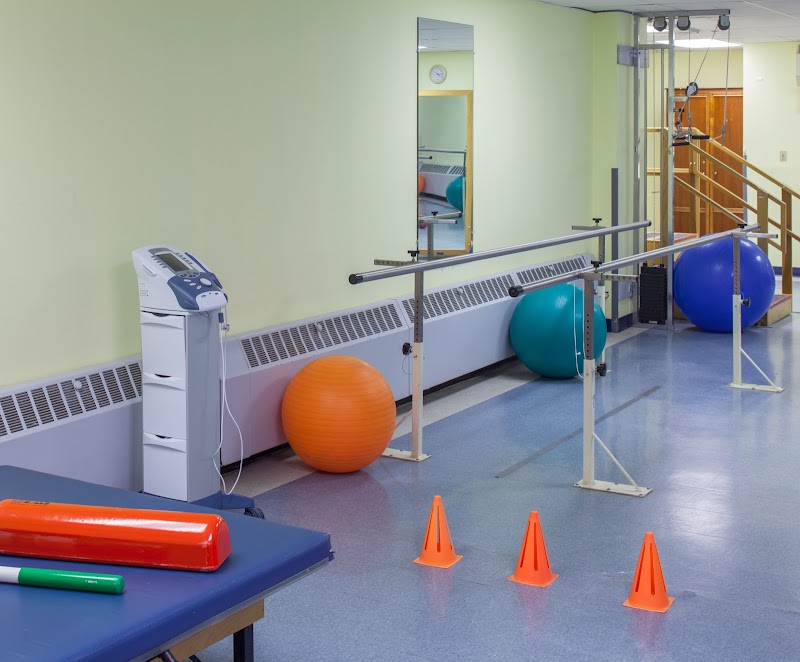
Who Owns and Operates Vantage At Westfield Llc?

VANTAGE AT WESTFIELD LLC is owned by a for-profit company. For-profit facilities operate as businesses with obligations to shareholders or private owners. The facility is operated by VANTAGE CARE, a chain that manages multiple nursing homes. With 98 certified beds and approximately 65 residents (about 66% occupancy), it is a smaller facility located in WESTFIELD, Massachusetts.
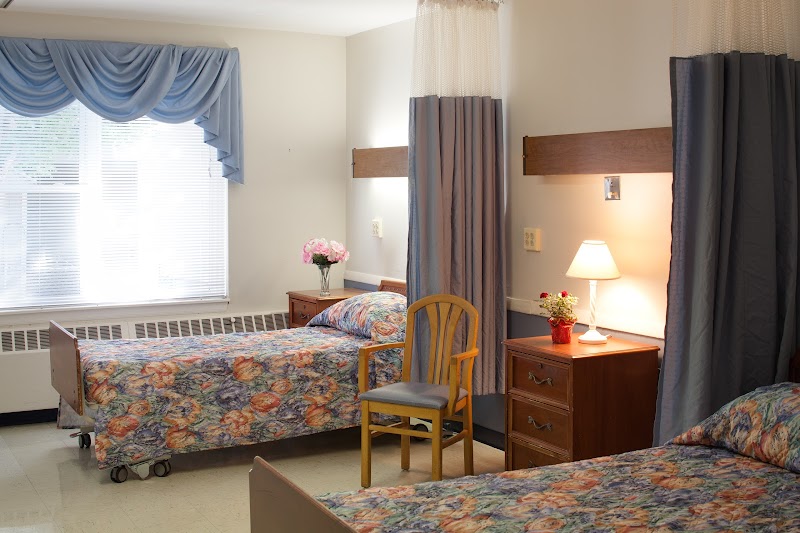
How Does Vantage At Westfield Llc Compare to Other Massachusetts Nursing Homes?

Compared to the 100 nursing homes in Massachusetts, VANTAGE AT WESTFIELD LLC's overall rating (2 stars) is below the state average of 2.9, staff turnover (51%) is near the state average of 46%, and health inspection rating (3 stars) is at the national benchmark.

What Should Families Ask When Visiting Vantage At Westfield Llc?

Based on this facility's data, families visiting should ask: "Can I visit during a mealtime to observe dining assistance and food quality?" "How do you handle medical emergencies, and what is your hospital transfer rate?" "Can I speak with family members of current residents about their experience?"

Is Vantage At Westfield Llc Safe?

Based on CMS inspection data, VANTAGE AT WESTFIELD LLC has a clean safety record: no substantiated abuse findings (meaning no confirmed cases of resident harm), no Immediate Jeopardy citations (the most serious violation level indicating risk of serious injury or death), and is not on the Special Focus Facility watch list (a federal program monitoring the lowest-performing 1% of nursing homes). The facility has a 2-star overall rating and ranks #100 of 100 nursing homes in Massachusetts. While no facility is perfect, families should still ask about staff-to-resident ratios and recent inspection results during their visit.

Do Nurses at Vantage At Westfield Llc Stick Around?

VANTAGE AT WESTFIELD LLC has a staff turnover rate of 51%, which is 5 percentage points above the Massachusetts average of 46%. Moderate turnover is common in nursing homes, but families should still ask about staff tenure and how the facility maintains care continuity when employees leave.

Was Vantage At Westfield Llc Ever Fined?

VANTAGE AT WESTFIELD LLC has been fined $3,250 across 1 penalty action. This is below the Massachusetts average of $33,111. While any fine indicates a compliance issue, fines under $50,000 are relatively common and typically reflect isolated problems that were subsequently corrected. Families should ask what specific issues led to these fines and confirm they've been resolved.

Is Vantage At Westfield Llc on Any Federal Watch List?

VANTAGE AT WESTFIELD LLC is not on any federal watch list. The most significant is the Special Focus Facility (SFF) program, which identifies the bottom 1% of nursing homes nationally based on persistent, serious quality problems. Not being on this list means the facility has avoided the pattern of deficiencies that triggers enhanced federal oversight. This is a positive indicator, though families should still review the facility's inspection history directly.