WESTFORD NURSING AND REHABILITATION CENTER
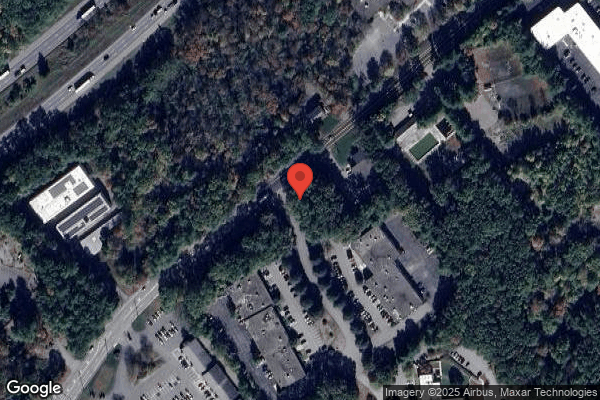
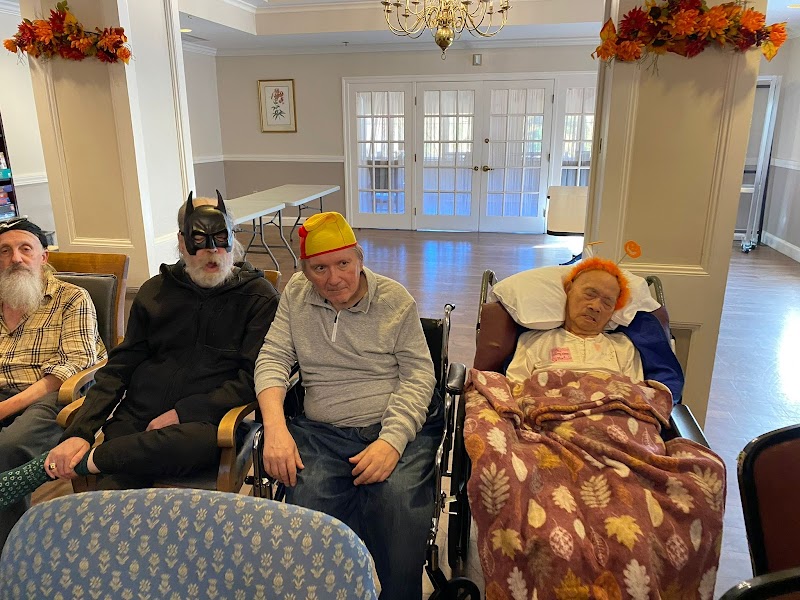
3 PARK DRIVE, WESTFORD, MA 01886 (978) 392-1144
For profit - Limited Liability company 123 Beds BEST CARE SERVICES Data: November 2025
Trust Grade
35/100
#261 of 338 in MA
Last Inspection: July 2025

Inspected within the last 6 months. Data reflects current conditions.

Overview

Westford Nursing and Rehabilitation Center has a Trust Grade of F, indicating significant concerns and a poor overall rating. It ranks #261 out of 338 facilities in Massachusetts, placing it in the bottom half, and #53 out of 72 in Middlesex County, meaning there are only a few local options that are better. While the facility is on an improving trend, with issues decreasing from 10 in 2024 to 3 in 2025, it still faces serious challenges, such as high staff turnover at 54%, significantly above the state average, and concerning fines of $50,857, which are higher than 75% of Massachusetts facilities. Staffing is a major weakness, reflected in a low 1/5 star rating, and there is less RN coverage than 99% of facilities in the state, which can limit the quality of care. Specific incidents include a failure to provide adequate care for a pressure ulcer, leading to potential harm, and issues with infection control practices, such as improper handling of soiled linens, which raise concerns about the facility's overall safety and hygiene.

Trust Score
F
35/100
In Massachusetts
#261/338
Bottom 23%
Safety Record
Moderate
Needs review
Inspections
Getting Better
10 → 3 violations
Staff Stability
⚠ Watch
54% turnover. Above average. Higher turnover means staff may not know residents' routines.
Penalties
⚠ Watch
$50,857 in fines. Higher than 76% of Massachusetts facilities, suggesting repeated compliance issues.
Skilled Nurses
⚠ Watch
Each resident gets only 9 minutes of Registered Nurse (RN) attention daily — below average for Massachusetts. Fewer RN minutes means fewer trained eyes watching for problems.
Violations
⚠ Watch
33 deficiencies on record. Higher than average. Multiple issues found across inspections.
★★☆☆☆
2.0
Overall Rating
★☆☆☆☆
1.0
Staff Levels
★☆☆☆☆
1.0
Care Quality
★★★★☆
4.0
Inspection Score
Stable
2024: 10 issues
2025: 3 issues

The Good

  • Full Sprinkler Coverage · Fire safety systems throughout facility
  • No fines on record

Facility shows strength in fire safety.

The Bad

2-Star Overall Rating

Below Massachusetts average (2.9)

Below average - review inspection findings carefully

Staff Turnover: 54%

Near Massachusetts avg (46%)

Higher turnover may affect care consistency

Federal Fines: $50,857

Above median ($33,413)

Moderate penalties - review what triggered them

Chain: BEST CARE SERVICES

Part of a multi-facility chain

Ask about local staffing decisions and management

The Ugly 33 deficiencies on record

1 actual harm
Jul 2025 3 deficiencies
CONCERN (D)

Potential for Harm - no one hurt, but risky conditions existed

Deficiency F0637 (Tag F0637)

Could have caused harm · This affected 1 resident

**NOTE- TERMS IN BRACKETS HAVE BEEN EDITED TO PROTECT CONFIDENTIALITY** Based on interviews and record review, the facility failed to identify and complete a Significant Change in Status (SCSA) Minimu...

Read full inspector narrative →
**NOTE- TERMS IN BRACKETS HAVE BEEN EDITED TO PROTECT CONFIDENTIALITY** Based on interviews and record review, the facility failed to identify and complete a Significant Change in Status (SCSA) Minimum Data Set assessment (MDS) for one Resident (#13), when he/she changed hospice providers and remained in the facility, out of a total sample of 22 residents.Findings include: Review of the MDS 3.0 Resident Assessment Instrument (RAI) Manual, dated October 2024, indicated a SCSA comprehensive assessment must be completed by the end of the 14th calendar day following determination that a significant change has occurred. The RAI Manual further indicated a SCSA is required to be performed when a terminally ill resident changes hospice providers and remains a resident at the nursing home. Resident #13 was admitted to the facility in April 2025 with diagnoses including malnutrition and chronic obstructive pulmonary disease (a lung disease that causes difficulty breathing). Review of Resident #13's readmission practitioner note, dated 5/14/25, indicated:- Patient has been readmitted to the facility with previous hospice services (Hospice Vendor #1) however it was noted that patient did not wish to continue with these hospice services.- Patient endorsing wish to transfer services to different hospice group. - Consult Hospice Vendor #2 for further hospice evaluation. Review of Resident #13's Hospice Vendor #2 form titled 'Facility Notification of Hospice Admission', dated 5/15/25, indicated:- Date of hospice admission: [DATE]. Review of Resident #13's physician's order, dated 6/16/25, indicated:- Resident admitted to Hospice Vendor #2 on 5/15/25. Review of the Significant Change in Status (SCSA) MDS assessment, dated 6/26/25, indicated Resident #13 was cognitively intact as evidenced by a Brief Interview for Mental Status (BIMS) score of 13 out of 15. This MDS also indicated Resident #13 received hospice services. Review of this SCSA indicated it was completed on 7/11/25, which was 57 days after he/she was admitted to new hospice provider. During an interview on 7/15/25 at 10:48 A.M., Resident #13 said he/she was on hospice and was concerned with the communication between the facility staff and Hospice Vendor #2. Resident #13 said he/she's not sure who is responsible for different parts of his/her care but would like to know what's going on regarding his/her current health status. During a follow-up interview on 7/16/25 at 10:03 A.M., Resident #13 said he/she had not been offered or had a care plan meeting since being admitted to Hospice Vendor #2 but would have liked to have one and would like to be more involved in his/her plan of care. Review of Resident #13's progress notes, dated 5/15/25 to 7/16/25, failed to indicate any care plan meeting had been offered to the Resident/Resident Representative. During an interview on 7/16/25 at 10:11 A.M., Unit Manager #1 said she attends all resident care plan meetings. Unit Manager #1 said she did not recall attending any care plan meetings for Resident #13 and that Social Worker #1 is responsible for scheduling care plan meetings. During an interview on 7/16/25 at 10:15 A.M., Social Worker #1 said Resident #13 had not had any care plan meetings since shortly after he/she was first admitted to the facility in April 2025. Social Worker #1 said all residents/resident representatives should be invited to participate in a care plan meeting within seven days after the completion of an MDS assessment, including a SCSA. Social Worker #1 said there is no MDS Coordinator in house and it was expected that the facility staff communicate any need to schedule a SCSA with the Regional MDS Coordinator. Social Worker #1 was unaware that a change in hospice providers required a SCSA. Social Worker #1 said Resident #13 has had many concerns since his/her admission and would have benefitted from the team going over his/her entire plan of care together during a care plan meeting after his/her change in hospice providers, but one was not scheduled. During an interview on 7/16/25 at 10:28 A.M., the Regional MDS Coordinator said there is not an MDS Coordinator physically in the facility, and the expectation is that the facility staff communicate the need for any SCSA to her in order for them to be scheduled. The Regional MDS Coordinator said a SCSA is required to be completed when a resident changes hospice provider and remains in the facility. The Regional MDS Coordinator said Resident #13 should have had a SCSA completed within 14 days of 5/15/25 when he/she changed hospice providers, but it was never scheduled because she was not notified. The Regional MDS Coordinator said a care plan meeting with the Resident/Resident Representative is required within seven days of the MDS completion. The Regional MDS Coordinator said it wasn't identified as missed until the end of June, which resulted in no care plan meeting invitation being offered to Resident #13. During an interview on 7/16/25 at 11:05 A.M., the Director of Nursing (DON) said she expects the facility to follow the RAI manual guidelines for MDS assessment completion. The DON said a SCSA should have been completed for Resident #13 within 14 days of the change in hospice provider, but it was not.
CONCERN (D)

Potential for Harm - no one hurt, but risky conditions existed

Comprehensive Care Plan (Tag F0656)

Could have caused harm · This affected 1 resident

Based on observation, record review and interview, the facility failed to ensure nursing implemented physician's orders and the recommendations made by therapy services for one Resident (#10) out of a...

Read full inspector narrative →
Based on observation, record review and interview, the facility failed to ensure nursing implemented physician's orders and the recommendations made by therapy services for one Resident (#10) out of a total sample of 22 residents. Specifically, the facility failed to ensure Resident #10 was wearing a soft hand splint as ordered by the physician and as recommended by the therapy department.Findings include: Review of the facility policy titled Specialized Rehabilitation Services, dated and revised December 2009, indicated the following:- Policy Interpretation and Implementation: Once a resident has met his/her care plan goals, a licensed professional can either discontinue treatment or initiate a maintenance program which either nursing or restorative aides will implement to assure that the resident maintains his/her functional and physical status.Resident #10 was admitted to the facility in December 2024 with diagnoses including multiple sclerosis, hemiplegia and hemiparesis affecting right dominant side.Review of Resident #10's most recent Minimum Data Set Assessment, dated 5/20/25, indicated a Brief Interview Status for Mental Status score of 12 out of 15 indicating moderate cognitive impairment. Further review of the MDS indicated that the Resident is dependent on staff for activities of daily living, does not reject care, and has impairment on one side. The surveyor made the following observations:- On 7/15/25 at 9:54 A.M., Resident #10 was lying awake in his/her bed. His/her right hand was in a fisted position. Resident #10 said he/she used to wear something on his/her hand, but has not in a long time.- On 7/15/25 at 2:10 P.M., Resident #10 was lying awake in his/her bed. His/her right hand was in a fisted position. No hand device was being worn on his/her right hand.- On 7/16/25 at 9:27 A.M., Resident #10 was lying awake in his/her bed. His/her right hand was in a fisted position. No hand device was being worn on his/her right hand. Resident #10 said he/she has not worn a hand splint in a long time and would like to if staff asked him/her to put it on. Resident #10 said he/she thinks he/she can move his/her hand better when a splint is on. The Resident asked the surveyor to look in his/her room for the splint but one was not located.Review of Resident #10's physician's order dated 3/3/24 indicated the following:- Soft splint to RUE (right upper extremity) as tolerated. On in AM (morning) and remove at HS (bedtime). Assess skin integrity on 3-11 shift. Remove as needed for careReview of Resident #10's care plans indicated the following:- Focus: ADLS (activities of daily living): Resident is at risk for decreased ability to perform ADLS in bathing, grooming, personal hygiene, dressing, eating, bed mobility, transfer, locomotion and toileting - dated 5/13/22Intervention: Soft Splint to RUE as tolerated. On in AM and remove at HS (at night) - dated 3/3/24.- Focus: The Resident has limited physical mobility r/t (related to) contractures, MS (multiple sclerosis), weakness - dated 8/25/24Goal: The resident will demonstrate the appropriate use of soft hand splint to right hand contracture as tolerated- revised 2/11/25Review of Resident #10's Kardex (a form indicating the level of care a resident needs) indicated the following:- Other Devices: Soft splint to RUE as tolerated. On in AM and remove at HS- Dressing/Grooming/Bathing: PERSONAL HYGIENE:Provide Resident #10 with EXTENSIVE TO TOTAL assist of ONE for personal hygiene (grooming). Review of the Certified Nursing Assistant (CNA) documentation for the month of July 2025, indicated that CNAs provided grooming care to Resident #10 daily. Review of Resident #10's Occupational Therapy Evaluation and Plan of Treatment dated 12/31/24 indicated the following: Musculoskeletal System Assessment: Functional Limitations present d/t contracture = yes. Functional limitations as result of Contracture: self-care, ROM (range of motion) ROM; is skilled therapy needed to address impairment? = No (patient has splint which staff has been educated on donning/doffing). During an interview on 7/16/25 at 11:19 A.M., CNA #2 said Resident #10 is totally dependent on staff for ADLs. CNA #2 said Resident #10 has had a right-hand contracture for a long time and that he/she always used to wear a splint, but she does not know what happened to it as she has not seen it in a long time.During an interview on 7/16/25 at 11:22 A.M., CNA #1 said she performs ADL care on Resident #10 since he/she is dependent on care. CNA #1 said Resident #10's right hand has always been in a fisted position and she does not remember seeing a hand splint on his/her hand.During an interview 7/16/25 at 11:34 A.M., Nurse #1 said Resident #10's right hand is contracted, and he/she wears a splint. Nurse #1 said the three o'clock shift is in charge of putting the splint on. The surveyor and Nurse #1 observed Resident #10 lying in his/her bed and he/she was not wearing a splint. Nurse #1 located the splint in the corner of the Resident's room on a chair under a pile of clothes. Nurse #1 and the surveyor reviewed Resident #10's physician's orders and she said the morning shift should be putting the splint on. Nurse #1 said all physician's orders should be followed as written.During an interview on 7/16/25 at 11:41 A.M., the Director of Rehab (DOR) said Resident #10 has had a right-hand contracture since 2023. The DOR said when Resident #10 was last seen by therapy, direct care staff were educated on how to don and doff the Resident's splint. The DOR said he/she should be wearing the hand splint as ordered.During an interview on 7/16/25 at 11:59 A.M., Unit Manager #2 said staff should be putting on Resident #10's splint in the morning, and if the resident refuses, then it needs to be documented. Unit Manager #2 said physician's orders should be followed as written.During an interview on 7/16/25 at 12:12 P.M., the Director of Nursing (DON) said Resident #10 should be wearing his/her hand splint every day as ordered by the physician. The DON said the Resident sometimes refuses but if so, then staff need to be documenting that in the medical record. The DON said that CNA's should be checking Resident #10's Kardex and if he/she is not wearing it then they need to let nursing know.
CONCERN (D)

Potential for Harm - no one hurt, but risky conditions existed

ADL Care (Tag F0677)

Could have caused harm · This affected 1 resident

**NOTE- TERMS IN BRACKETS HAVE BEEN EDITED TO PROTECT CONFIDENTIALITY** Based on observations, record review and interviews, the facility failed to provide assistance with Activities of Daily Living (...

Read full inspector narrative →
**NOTE- TERMS IN BRACKETS HAVE BEEN EDITED TO PROTECT CONFIDENTIALITY** Based on observations, record review and interviews, the facility failed to provide assistance with Activities of Daily Living (ADLs) for dependent residents for one Resident (#10) out of a total sample of 22 residents. Specifically, the facility failed to ensure Resident #10's fingernails were cut short in his/her right contracted hand.Findings include:Review of the facility policy titled Activities of Daily Living (ADL), Supporting, revised March 2018, indicated the following:- Residents who are unable to carry out activities of daily living independently will receive services necessary to maintain good nutrition, grooming, and personal and oral hygiene.- Appropriate care and services will be provided for residents who are unable to carry out ADLs independently, with the consent of the resident and in accordance with the plan of care, including appropriate support and assistance with: hygiene (bathing, dressing, grooming, oral care)Resident #10 was admitted to the facility in December 2024 with diagnoses including multiple sclerosis, hemiplegia and hemiparesis affecting right dominant side.Review of Resident #10's most recent Minimum Data Set assessment dated [DATE] indicated a Brief Interview Status for Mental Status score of 12 out of 15, indicating moderate cognitive impairment. Further review of the MDS indicated that the Resident is dependent on staff for activities of daily living, does not reject care and has impairment on one side. - On 7/15/25 at 9:54 A.M., Resident #10 was lying awake in his/her bed. His/her right hand was in a fisted position. Resident #10's pointer, middle and ring finger nails were roughly one inch in length and pressing into his/her palm. Resident #10 said someone normally comes in and cuts his/her nails but doesn't remember the last time it happened.- On 7/15/25 at 2:10 P.M., Resident #10 was lying awake in his/her bed. His/her right hand was in a fisted position. Resident #10's pointer, middle and ring finger nails were roughly one inch in length and pressing into his/her palm.- On 7/16/25 at 9:27 A.M., Resident #10 was lying awake in his/her bed. His/her right hand was in a fisted position. Resident #10's pointer, middle and ring finger nails were roughly one inch in length and pressing into his/her palm.Review of Resident #10's care plans indicated the following:Focus: ADLS: Resident is at risk for decreased ability to perform ADLS in bathing, grooming, personal hygiene, dressing, eating, bed mobility, transfer, locomotion and toileting - dated 5/13/22Intervention: Personal Hygiene: Provide Resident #10 with extensive to total assist of one for personal hygiene (grooming) - dated 1/18/22.Review of Resident #10's Kardex (a form indicating the level of care a resident needs) indicated the following:- Dressing/Grooming/Bathing: PERSONAL HYGIENE: Provide Resident #10 with extensive to total assist of one for personal hygiene (grooming). Review of the Certified Nursing Assistant (CNA) documentation for the month of July 2025, indicated that CNAs provided grooming care to Resident #10 daily. During an interview on 7/16/25 at 11:19 A.M., CNA #2 said Resident #10 is totally dependent on staff for ADLs. CNA #2 said Resident #10 needs help with cutting his/her nails and we should be cutting them if they are long.During an interview on 7/16/25 at 11:22 A.M., CNA #1 said she performs ADL care on Resident #10 since he/she is dependent on care. CNA #1 said CNA's cut residents' nails every week or if she notices they are long. CNA #1 and the surveyor observed Resident #10's fingernails on his/her right contracted hand. CNA #1 had to manually extend the Resident's fingers out of a fisted position to see his/her nails. CNA #1 said they are long and need to be cut. During an interview 7/16/25 at 11:34 A.M., Nurse #1 said Resident #10's right hand is contracted and CNAs should be performing ADL care for the Resident daily. Nurse #1 and the surveyor observed Resident #10's fingernails on his/her right contracted hand, Nurse #1 had to manually extend the Resident's fingers out of a fisted position to see his/her nails. Nurse #1 said they are long and need to be cut. Nurse #1 said they are starting to press into the Resident's palm.During an interview on 7/16/25 at 11:41 A.M., the Director of Rehab (DOR) said Resident #10 has had a right hand contracture since 2023. The DOR said staff should make sure Resident #10's fingernails are clipped short on his/her right contracted hand to maintain skin integrity. The DOR said if therapy staff notice long fingernails they would notify the Resident's nurse.During an interview on 7/16/25 at 11:59 A.M., Unit Manager #2 said Resident #10 is totally dependent on staff for ADL care. Unit Manager #2 said his/her fingernails should be cut short, especially on his/her contracted hands.During an interview on 7/16/25 at 12:12 P.M., the Director of Nursing (DON) said fingernails should be checked daily and if staff notice they are long, they should be cut. The DON said if a resident refuses any care then it needs to be documented in the medical record. The DON said staff should be checking on Resident #10's fingernails since his/her right hand is contracted.
Jun 2024 8 deficiencies
CONCERN (D)

Potential for Harm - no one hurt, but risky conditions existed

Transfer Notice (Tag F0623)

Could have caused harm · This affected 1 resident

**NOTE- TERMS IN BRACKETS HAVE BEEN EDITED TO PROTECT CONFIDENTIALITY** 3. Resident #73 was admitted to the facility in February 2023 with diagnoses including Cerebral Infarction (stroke: damage to ti...

Read full inspector narrative →
**NOTE- TERMS IN BRACKETS HAVE BEEN EDITED TO PROTECT CONFIDENTIALITY** 3. Resident #73 was admitted to the facility in February 2023 with diagnoses including Cerebral Infarction (stroke: damage to tissues in the brain caused by blood clots, disrupted blood supply and restricted oxygen supply to the specific area), Atherosclerotic Heart Disease (build up of fats, cholesterol and other substances in the artery causing decreased blood flow to the heart) and Pulmonary Embolism (blood clot in the lungs). Review of the Minimum Data Set (MDS) assessment dated [DATE] indicated Resident #73 was cognitively intact as evidenced by a Brief Interview for Mental Status (BIMS) score of 15 out of a total score of 15. Review of Resident #73's clinical record indicated the following: -Resident #73 was transferred to the hospital on [DATE] and returned to the facility on [DATE] -Resident #73 was transferred to the hospital on 2/4/24 and returned to the facility on 2/5/24 -Resident #73 was transferred to the hospital on 2/15/24 and returned to the facility on 2/16/24 Further review of Resident #73's clinical record did not indicate any evidence that the Office of the State Long-Term Care Ombudsman had been notified in writing of any of the hospital transfers for Resident #73. During an interview on 6/13/24 at 1:14 P.M., the SW said notification to the Office of the State Long-Term Care Ombudsman had not been done as required. Based on record review and interview, the facility failed to notify the Office of the State Long-Term Care Ombudsman in writing, of a transfer or discharge for four Residents (#66, #43, #73, #51) out of a total sample of 23 residents. Specifically: 1. For Resident #66, the facility failed to notify the Office of the State Long-Term Care Ombudsman when the Resident was transferred out of the facility to the hospital on [DATE], 12/22/23, 3/11/24 and 5/15/24. 2. For Resident #43, the facility failed to notify the Office of the State Long-Term Care Ombudsman when the Resident was transferred to the hospital on 3/3/24. 3. For Resident #73, the facility failed to notify the Office of the State Long-Term Care Ombudsman when the Resident was transferred out of the facility to the hospital on [DATE], 2/4/24, and 2/15/24. 4. For Resident #51, the facility failed to notify the Office of the State Long-Term Care Ombudsman when the Resident was transferred out of the facility to the hospital on 3/3/24. Findings include: 1. Resident #66 was admitted to the Facility in June 2023 with diagnoses including Congestive Heart Failure (CHF- caused when the heart is unable to pump blood effectively resulting in fluid build-up in the lungs, arms, feet and other organs), Atrial Fibrillation (A-fib: irregular, rapid heartbeat that can lead to blood clots and other heart related complications) and Dementia (a group of conditions that impair brain functions such as memory and judgment). Review of Resident #66's clinical record indicated the following: -Resident #66 was transferred to the hospital on [DATE] and returned to the facility 11/12/23. -Resident #66 was transferred to the hospital on [DATE] and returned to the facility 12/23/23. -Resident #66 was transferred to the hospital on 3/11/24 and returned to the facility 3/13/24. -Resident #66 was transferred to the hospital 5/15/24 and returned to the facility 5/16/24. Further review of Resident #66's clinical record did not indicate any evidence that the Office of the State Long-Term Care Ombudsman had been notified in writing of any of the hospital transfers for Resident #66. During an interview on 6/13/24 at 11:16 A.M., the Social Worker (SW) said that she had worked in the facility since October 2023 and is responsible for providing bed hold and transfer notices to Residents and/or their Representatives upon transfer or discharge from the facility. The SW said that she could not provide any evidence the Office of the State Long-Term Care Ombudsman had been notified in writing when Resident #66 was transferred to the hospital on [DATE], 12/22/23, 3/11/24, and 5/15/24. The SW also said that she was unaware that the facility was required to notify the Office of the State Long-Term Care Ombudsman when residents were transferred or discharged from the facility. 2. Resident #43 was admitted to the facility July 2023 with diagnoses including Peripheral Vascular Disease (a circulatory condition in which blood vessels narrow causing reduced blood flow to the limbs) and Diabetes Mellitus 2 (DM - disease in which the body's ability to produce or respond to the hormone insulin is impaired resulting in elevated blood glucose [sugar] levels in the blood). Review of Resident #43's clinical record indicated that Resident #43 was transferred to the hospital on 3/3/24 and returned from the hospital to the facility on 3/7/24. Further review of Resident #43's clinical record did not indicate any evidence that the Office of the State Long-Term Care Ombudsman had been notified in writing when Resident #43 was transferred to the hospital on 3/3/24. During an interview on 6/13/24 at 11:16 A.M., the SW said that she could not provide any evidence that the Office of the State Long-Term Care Ombudsman had been notified in writing when Resident #43 was transferred to the hospital on 3/3/24. The SW said that she was unaware that the facility was required to notify the Office of the State Long-Term Care Ombudsman when residents were transferred or discharged from the facility. 4. Resident #51 was admitted to the facility in February 2024 with diagnoses including severe protein calorie malnutrition (condition where the body lacks enough protein and energy to function properly) and gastrostomy (G tube: tube inserted through the abdominal wall into the stomach, used to deliver nutrition) status. Review of Resident #51's Minimum Data Set (MDS) assessment dated [DATE], indicated the following: -The Resident was moderately cognitively impaired as evidenced by a Brief Interview for Mental Status (BIMS) score of 12 out of 15 total points. -The Resident was transferred to the hospital on 3/3/24 and his/her return to the facility was anticipated. Review of Resident #51's Transfer to Hospital Form dated 3/3/24, indicated the Resident was transferred from the facility to the hospital due to the Resident having removed his/her G tube. Review of Resident #51's clinical record indicated the following: -The Resident did not return from the hospital to the facility. -No evidence that the facility notified the Office of the State Long-Term Care Ombudsman in writing of the Resident's hospital transfer. During an interview on 6/14/24 at 10:30 A.M., the Director of Nursing (DON) said the facility could not provide any evidence that the Office of the State Long-Term Care Ombudsman was notified in writing of Resident #51's hospital transfer which occurred on 3/3/24.
CONCERN (D)

Potential for Harm - no one hurt, but risky conditions existed

Deficiency F0638 (Tag F0638)

Could have caused harm · This affected 1 resident

Based on record review and interview, the facility failed to reassess one Resident (#99) out of a total sample of 23 residents, using the quarterly review instrument specified by the State and approve...

Read full inspector narrative →
Based on record review and interview, the facility failed to reassess one Resident (#99) out of a total sample of 23 residents, using the quarterly review instrument specified by the State and approved by Centers for Medicare and Medicaid Services (CMS) at least once every three months. Specifically, the facility staff failed to complete a Quarterly Minimum Data Set (MDS) Assessment for Resident #99 when the MDS Assessment was due, which increased the Resident's risk for an unidentified change in status between assessments. Findings include: Resident #99 was admitted to the facility in October 2023 with a diagnosis of Dementia (a group of conditions characterized by impairment of at least two brain functions, such as memory and loss of judgment). Review of Resident #99's clinical record indicated the following: -A Quarterly MDS Assessment, completed 1/30/24. -No evidence that any other Quarterly MDS Assessments had been completed after 1/30/24. During an interview on 6/13/24 at 2:19 P.M., the MDS Coordinator said the last MDS Assessment that had been completed for Resident #99 was done on 1/30/24, and the Resident should have had another Quarterly MDS Assessment since 1/30/24. The MDS Coordinator said that Quarterly MDS assessments were important because completing the assessments helped to identify changes in the residents' status between comprehensive assessments. The MDS Coordinator said a Quarterly MDS Assessment should have been completed for Resident #99 in April 2024, but the Quarterly MDS Assessment was not completed.
CONCERN (D)

Potential for Harm - no one hurt, but risky conditions existed

Assessment Accuracy (Tag F0641)

Could have caused harm · This affected 1 resident

**NOTE- TERMS IN BRACKETS HAVE BEEN EDITED TO PROTECT CONFIDENTIALITY** 2. Review of the facility policy titled Smoking-Residents last revised July 2017, indicated the following: -The resident will be...

Read full inspector narrative →
**NOTE- TERMS IN BRACKETS HAVE BEEN EDITED TO PROTECT CONFIDENTIALITY** 2. Review of the facility policy titled Smoking-Residents last revised July 2017, indicated the following: -The resident will be evaluated on admission to determine if he or she is a smoker or non-smoker. If a smoker, the evaluation will include current level of tobacco consumption, method of tobacco consumption, desire to quit smoking, and ability to smoke safely with or without supervision (per completed safe smoking evaluation). Resident #95 was admitted to the facility in May 2024, with a diagnosis of Wernicke's Encephalopathy (a degenerative brain disorder caused by the lack of thiamine [vitamin B1] that causes mental confusion, vision problems, and lack of muscle coordination). Review of the Minimum Data Set (MDS) assessment dated [DATE], indicated that Resident #95 was severely cognitively impaired as evidenced by a Brief Interview for Mental Status (BIMS) score of four out of a total score of 15. Review of Resident #95's current Smoking assessment dated [DATE], indicated the Resident smoked cigarettes and had no cognitive impairment. During an interview on 6/12/24 at 12:28 P.M., Unit Manager (UM) #1 said she performed smoking assessments on residents who smoked to determine if the residents were safe to smoke independently or if they required supervision to smoke. UM#1 said that she had completed a facility Smoking Assessment when Resident #95 was first admitted to the facility by observing him/her smoke in the designated smoking area and determined that Resident #95 could smoke independently. UM #1 also said that all residents who resided in the facility who smoke were independent smokers. During an interview on 6/12/24 at 12:47 P.M., the Administrator said that an MDS assessment dated [DATE], indicated Resident #95 scored a four on the BIMS assessment and a facility Smoking Assessment completed 5/28/24, indicated Resident #95 had no cognitive loss/impairment. The Administrator said that Resident #95 had cognitive loss because he/she had a BIMS score of four and that the Smoking Assessment done on 5/28/24 was inaccurate. The Administrator further said that a Resident with a BIMS score of four would most likely not be an independent smoker. Based on observation, interview, and record review, the facility failed to complete assessments that accurately reflected the status of two Residents (#103 and #95) out of a total sample of 23 residents. Specifically, facility staff failed to complete: 1. an accurate assessment relative to wandering (aimless walking, getting lost, repetitive pacing) for Resident #103 2. an accurate assessment relative to cognition on the facility's Smoking Assessment for Resident #95. Findings include: 1. Resident #103 was admitted to the facility in February 2024 with diagnoses including Dementia (group of symptoms that affects memory, thinking and interferes with daily life) with Behavioral Disturbance. Review of Resident #103's Minimum Data Set (MDS) assessment dated [DATE], indicated the following: -The Resident was severely cognitively impaired as evidenced by a Brief Interview for Mental Status (BIMS) score of four out of 15 total points. -The Resident had exhibited wandering daily during the assessment period with the risk for getting into a potentially dangerous place. Review of Resident #103's Behavior Care Plan, initiated 2/18/24 and revised 6/11/24, indicated: -Resident #103 . wanders . intrusive at times . related to Dementia. Review of Resident #103's MDS Assessment, dated 5/21/24, indicated the following: -The Resident was severely cognitively impaired as evidenced by a BIMS score of four out of 15 total points. -The Resident exhibited no wandering behavior. Review of Resident #103's Certified Nurses Aide (CNA) Behavior Record for May 2024, indicated the Resident wandered with intrusive behavior during the observation assessment period for the MDS Assessment, dated 5/21/24, on six out of seven days as follows: 5/15/24 - 5/17/24 and 5/19/24 - 5/21/24. Review of Resident #103's Quarterly Nursing Assessment, dated 5/21/24, indicated the following: -The Resident was ambulatory. -The Resident had a history of elopement. -The Resident walked independently on the Unit. -The Resident wandered daily, and the wandering was not new. -The Resident had inattention and disorganized thinking. Further review of Resident #103's Quarterly Nursing Assessment did not indicate the Resident as being at risk for wandering and the section to identify interventions implemented for wandering was blank. During an interview on 6/13/24 at 11:30 A.M., CNA #1 said Resident #103 wandered daily and when the Resident wandered, staff were to provide the Resident with redirection and document the wandering behavior on the CNA Behavior Record. During an interview on 6/13/24 at 11:34 A.M., with Unit Manager (UM) #3 and the MDS Coordinator, UM #3 said Resident #103 wandered often and required redirection from staff when wandering occurred. The surveyor and UM #3 reviewed Resident #103's Quarterly Nursing assessment dated [DATE], and the May 2024 CNA Behavior Record. UM #3 said Resident #103 exhibited wandering behaviors at the time the Quarterly Nursing Assessment was completed, but she was not sure whether the Assessment should have indicated the Resident as being at risk for wandering or whether the interventions provided should have been included in the assessment. The MDS Coordinator said she would review Resident #103's clinical record and get back to the surveyor on whether wandering should have been coded under behaviors on the Resident's MDS Assessment, dated 5/21/24. During an interview on 6/13/24 at 12:10 P.M., the surveyor and the Director of Nursing (DON) reviewed Resident #103's Quarterly Nursing Assessment. The DON said the Assessment indicated the Resident wandered daily, and the Assessment should have indicated the Resident was at risk for wandering and should have included the interventions provided to Resident #103 for wandering. During a follow-up interview on 6/13/24 at 2:19 P.M., the MDS Coordinator said she reviewed Resident #103's clinical record and that the Resident did exhibit wandering behaviors during the observation assessment period for the MDS assessment dated [DATE]. The MDS Coordinator said wandering should have been coded on Resident #103's MDS Assessment, but it was not.
CONCERN (D)

Potential for Harm - no one hurt, but risky conditions existed

Deficiency F0657 (Tag F0657)

Could have caused harm · This affected 1 resident

**NOTE- TERMS IN BRACKETS HAVE BEEN EDITED TO PROTECT CONFIDENTIALITY** 3. Resident #61 was admitted to the facility January 2022 with diagnosis of Dementia. Review of the Minimum Data Set (MDS) asses...

Read full inspector narrative →
**NOTE- TERMS IN BRACKETS HAVE BEEN EDITED TO PROTECT CONFIDENTIALITY** 3. Resident #61 was admitted to the facility January 2022 with diagnosis of Dementia. Review of the Minimum Data Set (MDS) assessment dated [DATE], indicated the Resident had a Brief Interview for Mental Status (BIMS) score of 3 out of 15, indicating the Resident had severe cognitive impairment. Review of the Resident's clinical record indicated the following relative to MDS assessments: -One MDS Assessment, with an ARD of 12/26/23, was completed on 1/12/24 -One MDS Assessment, with an ARD of 3/26/24, was completed on 4/10/24 Further review of Resident #61's clinical record indicated no evidence that the facility's IDT reviewed and revised the Resident's care plan after the MDS Assessments were completed on 1/12/24 and 4/10/24. During an interview on 6/12/24 at 11:15 A.M., the Social Worker (SW) said she was responsible for setting up and inviting Residents and their Representatives to care plan meetings based on the calendar of MDS Assessments due for Residents each month. The SW said she would contact Residents and their Representatives to inquire whether they wanted to have an IDT meeting to review the care plan, and if no IDT meeting was desired, the IDT did not meet collaboratively to review and revise the care plan, but would individually complete their specified sections of the care plan. The SW also said she did not realize that the IDT review of Residents' care plans was required to occur following completion of the MDS Assessments and that she thought the reviews could occur anytime during the month the MDS Assessments were scheduled to be completed. The SW further said she could not provide evidence that IDT care plan reviews and revisions occurred following MDS Assessment completions for Residents #103, #55, and #61 for the dates indicated. Based on interview, record and policy review, the facility failed to provide interdisciplinary team (IDT: professionals from various disciplines who work in collaboration to address a patient with multiple physical and psychological needs. An interdisciplinary team is not just a group of experts implementing separate treatments on a patient. They complement one another's expertise and actively coordinate to work toward shared treatment goals) review and revision of care plans after each Minimum Data Set (MDS) assessment for three Residents (#103, #55, and #61) out of a total sample of 23 residents. Specifically, the facility staff failed to provide IDT review and revision of: 1. Resident #103's care plan following an MDS Assessment completed for the Resident on 3/13/24. 2. Resident #55's care plan following MDS Assessments completed for the Resident on 8/10/23, 2/6/24, and 5/7/24. 3. Resident #61's care plan following MDS Assessments completed for the Resident on 1/12/24 and 4/10/24. Findings include: Review of the facility's policy, titled Care Planning - Interdisciplinary Team, dated March 2022, indicated the following: -Comprehensive, person-centered care plans are based on resident assessments and developed by an IDT. -Care plan meetings are scheduled at the best time of day for the residents and family when possible. 1. Resident #103 was admitted to the facility in January 2024 with a diagnosis of Dementia (group of symptoms that affects memory, thinking and interferes with daily life) with Behavioral Disturbance (progressive disease with impairment in memory and functioning that includes symptoms such as depression, anxiety, psychosis, agitation, aggression, disinhibition, and sleep disturbances). Review of Resident #103's clinical record indicated the following relative to MDS assessments: -One MDS Assessment, with an assessment reference date (ARD: the last date of the observation period which serves as the reference point for determining care and services captured on the MDS Assessment) of 2/22/24, was completed on 3/13/24. -One MDS Assessment, with an ARD of 5/21/24, was completed on 6/4/24. Further review of Resident #103's clinical record indicated no evidence that the facility's IDT reviewed and revised the Resident's care plan after the MDS Assessments were completed on 3/13/24 and 6/4/24. 2. Resident #55 was admitted to the facility in May 2019 with a diagnosis of Dementia with Behavioral Disturbance. Review of Resident #55's clinical record indicated the following relative to MDS assessments: -One MDS Assessment, with an ARD of 8/1/23, was completed on 8/10/23 -One MDS Assessment, with an ARD of 1/30/24, was completed on 2/6/24 -One MDS Assessment, with an ARD of 4/30/24, was completed on 5/7/24 Further review of Resident #55's clinical record indicated no evidence that the facility's IDT reviewed and revised the Resident's care plan after the MDS Assessments were completed on 8/10/23, 2/6/24, and 5/7/24.
CONCERN (D)

Potential for Harm - no one hurt, but risky conditions existed

Accident Prevention (Tag F0689)

Could have caused harm · This affected 1 resident

**NOTE- TERMS IN BRACKETS HAVE BEEN EDITED TO PROTECT CONFIDENTIALITY** 2. Resident #44 was admitted to the facility in June 2023 with diagnoses including Seizure Disorder and Cerebrovascular Accident...

Read full inspector narrative →
**NOTE- TERMS IN BRACKETS HAVE BEEN EDITED TO PROTECT CONFIDENTIALITY** 2. Resident #44 was admitted to the facility in June 2023 with diagnoses including Seizure Disorder and Cerebrovascular Accident with left sided hemiparesis (stroke [interruption of blood flow to part of the brain] with left sided weakness). Review of a Minimum Data Set (MDS) assessment dated [DATE], indicated that Resident #44: -was cognitively intact as evidenced by a Brief Interview for Mental Status (BIMS) score of 15 out of a total score of 15. -with left upper and left lower extremities (a limb of the body, such as the arm or leg) impaired. -was wheelchair dependent. During an interview on 6/11/24 at 9:05 A.M., Resident #44 said that he/she had a seizure while he/she was smoking, slid out of the wheelchair to the floor and was sent out to the hospital. Resident #44 further said upon his/her return from the hospital the facility staff noted that he/she had obtained three skin tears on his/her left hand from the fall. Review of the Smoking Assessment completed on 12/23/23, indicated that Resident #44 was an independent smoker. Review of Resident #44's Care Plan indicated that during seizure activity, staff should document the type of seizure, duration, level of consciousness, any incontinence, whether the Resident slept or was dazed after seizure activity. Further review of the Resident's Care Plan indicated not to leave the Resident alone during seizure activity. The Resident's Care Plan also indicated to protect the Resident from onlookers but did not include any precautions for when the Resident was outside smoking by himself/herself. During an interview on 6/12/24 at 2:21 P.M., Unit Manager (UM) #1 said Resident #44 fell out of the wheelchair during seizure activity while the Resident was outside smoking. UM #1 said he was unsure of the seizure precautions in place for Resident #44 while he/she was outside smoking independently. During an interview on 6/12/24 at 4:43 P.M., the Nurse Evening Supervisor said she was informed by another Resident who was outside smoking that Resident #44 had fallen out of his/her wheelchair and on the ground while smoking. The Nurse said she was unsure how long Resident #44 had been on the floor but when she was notified, a staff member went to the smoking area to stay with the Resident until the Emergency Medical Services (EMS) arrived and Resident #44 was transferred to the hospital. During an interview on 6/12/24 at 4:53 P.M., the Social Worker (SW) said she had been assigned to supervise the smoking area as of 6/12/24 and that the facility had initiated a rotation schedule to supervise the Residents during smoking. During an interview on 6/13/24 at 10:15 A.M., Resident #44 said that he/she had to wait to be accompanied by a facility staff member when he/she was outside smoking moving forward. Based on observation, interview, and policy review, the facility failed to provide an environment that was as free of accidents and hazards as possible for two Residents (#95, #44), out of a total sample of 23 residents. Specifically, the facility staff failed to: 1. For Resident #95, secure a disposable lighter from the Resident after he/she returned from a smoking activity. 2. For Resident # 44, implement monitoring of the Resident during a smoking activity when the Resident had a diagnosis of Seizure Disorder (also known as Epilepsy, a brain condition that causes recurring seizures [sudden, uncontrolled burst of electrical activity in the brain that causes changes in behavior, movements, feelings and level of consciousness]) and was known to have seizures occur while smoking independently. Findings include: Review of the facility policy titled Smoking-Residents last revised July 2017 indicated the following: -The resident will be evaluated on admission to determine if he or she is a smoker or non-smoker. If a smoker, the evaluation will include current level of tobacco consumption, method of tobacco consumption, desire to quit smoking, and ability to smoke safely with or without supervision (per completed safe smoking evaluation). -The staff shall consult with the attending Physician and the Director of Nursing (DON) to determine if safety restrictions need to be placed on a resident's smoking privileges based on the Safe Smoking Evaluation. -A resident's ability to smoke safely will be re-evaluated quarterly, upon significant change (physical or cognitive) as determined by staff. 1. Resident #95 was admitted to the facility in May 2024 with a diagnosis of Wernicke's Encephalopathy (a degenerative brain disorder caused by the lack of Vitamin B1 that causes mental confusion, vision problems, and lack of muscle coordination). Review of the Minimum Data Set (MDS) assessment dated [DATE], indicated that Resident #95 was severely cognitively impaired as evidenced by a Brief Interview for Mental Status (BIMS) score of four out of a total score of 15. Review of Resident #95's facility Smoking Policy Contract, signed by the Resident on 5/17/24, indicated that independent smokers are prohibited to have any lighters in their possession at any time except while smoking in the facility designated smoking area. On 6/11/24 at 9:21 A.M., the surveyor observed Resident #95 remove a red disposable lighter from his/her front pants pocket. During an interview at the time, Resident #95 said that he/she smoked and kept the lighter to light his/her cigarettes. Resident #95 said he/she went outside whenever he/she wanted to smoke. During an interview and observation on 6/11/24 at 9:46 A.M., Nurse #1 said residents are not permitted to keep disposable lighters in their possession because it was unsafe. Nurse #1 said that disposable lighters are supposed to be kept in a drawer at the nurse's station. The surveyor observed Nurse #1 asking Resident #95 if he/she had a disposable lighter in his/her pocket. Resident #95 was observed to remove the disposable lighter from his/her front pocket and gave it to Nurse #1. During an interview on 6/11/24 at 4:04 P.M., the Administrator said that all residents who smoked signed a facility Smoking Policy Contract which included a statement that smokers were prohibited to have disposable lighters in their possession. The Administrator said that residents who smoke are required to return disposable lighters to the nurse's station immediately after they attended a smoking activity, and that Resident #95 should not have had a disposable lighter in his/her pocket.
CONCERN (D)

Potential for Harm - no one hurt, but risky conditions existed

Deficiency F0698 (Tag F0698)

Could have caused harm · This affected 1 resident

**NOTE- TERMS IN BRACKETS HAVE BEEN EDITED TO PROTECT CONFIDENTIALITY** Based on observation, interview, and record review, the facility failed to provide care and services consistent with professiona...

Read full inspector narrative →
**NOTE- TERMS IN BRACKETS HAVE BEEN EDITED TO PROTECT CONFIDENTIALITY** Based on observation, interview, and record review, the facility failed to provide care and services consistent with professional standards for one Resident (#101) out of one applicable resident, out of a total sample of 23 residents, who required dialysis (procedure to remove waste products and excess fluid from the blood when the kidneys stop working properly) treatment. Specifically, the facility staff failed to provide the delivery of meals in coordination with Resident #101's dialysis treatment schedule to ensure that the Resident received meals and/or snacks on dialysis treatment days. Findings include: According to the National Institute of Diabetes and Digestive and Kidney Disease, revised September 2016: (https://www.niddk.nih.gov/health-information/kidney-disease/kidney-failure/hemodialysis/eating-nutrition), a person's choices on nutrition and hydration while on hemodialysis can make a difference in how the person feels and can make the treatment work better. Resident #101 was admitted to the facility in May 2024, with diagnoses including End Stage Renal Disease (ESRD: the final and permanent stage of chronic kidney disease, kidneys are no longer able to function properly and meet the body's needs), Type 1 Diabetes (a lifelong condition where the pancreas makes little or no insulin, which leads to high blood sugar levels), Nutritional Anemia (a condition where the body's hemoglobin concentration drops due to a deficiency in one or more nutrients), and Protein-Calorie Malnutrition (nutritional state that occurs when someone does not get enough food, calories, protein or other essential nutrients). Review of the Minimum Data Set (MDS) assessment dated [DATE], indicated that Resident #101 was moderately cognitively impaired as evidenced by a Brief Interview for Mental Status (BIMS) score of 11 out of a total score of 15. On 6/11/24 at 10:47 A.M., the surveyor observed an untouched breakfast tray in Resident #101's room with the breakfast meal intact. The surveyor also observed that the Resident was not in the room. At 11:05 A.M., the surveyor observed a staff member enter the Resident's room and remove the breakfast tray. During an interview at the time, the staff member said Resident #101 was out of the facility for dialysis treatment. During an interview on 6/11/24 at 11:25 A.M., Resident #101 said he/she had just returned to the facility from his/her dialysis treatment. The Resident said his/her only concern was not eating breakfast before or after dialysis on dialysis treatment days. Resident #101 further said that he/she went to dialysis treatment four days a week. Review of the Physician's orders for May 2024 and June 2024 indicated that Resident #101 attended dialysis treatments on Mondays, Tuesdays, Thursdays, and Fridays and is picked up by 5:30 A.M. on treatment days. During an interview on 6/12/24 at 10:25 A.M., Unit Manager (UM) #1 said Resident #101 would leave the facility for dialysis treatments at 5:30 A.M UM #1 was unsure whether the Resident received breakfast or snacks before he/she left for dialysis treatments or upon returning from dialysis. During an interview on 6/12/24 at 5:14 P.M., the surveyor and the Director of Nursing (DON) reviewed the meal percentage intake and the DON said there was no indication that Resident #101 had received breakfast or snacks on the mornings of dialysis treatment days. During an observation on 6/13/24 at 8:43 A.M., the surveyor observed Resident #101's room and noted that there was a breakfast meal tray and the breakfast had been eaten. During a follow-up interview on 6/13/24 at 9:09 A.M., the DON said Resident #101 should have received breakfast and/or snacks on the mornings of the dialysis treatment days, but he/she had not. During an interview on 6/13/24 at 11:30 A.M., Resident #101 said the dialysis treatment went better today than any other day because he/she was given breakfast at 5:15 A.M., and that he/she finished eating the breakfast meal before he/she was picked up for his/her dialysis treatment.
CONCERN (E)

Potential for Harm - no one hurt, but risky conditions existed

Tube Feeding (Tag F0693)

Could have caused harm · This affected multiple residents

**NOTE- TERMS IN BRACKETS HAVE BEEN EDITED TO PROTECT CONFIDENTIALITY** Based on observation, interview, policy and record review, the facility failed to provide appropriate care, services, and monito...

Read full inspector narrative →
**NOTE- TERMS IN BRACKETS HAVE BEEN EDITED TO PROTECT CONFIDENTIALITY** Based on observation, interview, policy and record review, the facility failed to provide appropriate care, services, and monitoring of a gastrostomy tube (G-tube- a tube that is placed directly into the stomach through an abdominal wall incision for administration of food, fluids, and medication, also referred to as a feeding tube) for two Residents (#57 and #80), for two applicable residents, out of a total sample of 23 residents. Specifically, the facility staff failed to: 1. For Resident #57, provide appropriate care and services to facilitate restoring oral eating skills as possible for the Resident. 2. For Resident #80, verify proper placement of a G-tube every shift to identify and prevent potential complications associated with enteral (passing through the gastrointestinal [GI] tract) feeding. Findings include: 1. Resident #57 was admitted to the facility in March 2024, with diagnoses including Gastrostomy, Dementia (loss of memory, language, problem-solving and other thinking abilities) and Dysphagia (difficulty swallowing). Review of the Minimum Data Set (MDS) assessment dated [DATE], indicated that Resident #57: -was moderately cognitively impaired as evidenced by a Brief Interview for Mental Status (BIMS) score of 9 out of a total score of 15 -was dependent for all activities of daily living (ADL - bathing, grooming and dressing) -and had a G-tube Review of the GI Follow-up Progress Note dated 4/15/24, indicated that Resident #57's G-tube was placed on 3/7/24 during an inpatient admission after the Resident had failed multiple swallow evaluations. The GI Progress Note also indicated that the Resident had a repeat video swallow evaluation that had gone well, and his/her diet was advanced to mildly thick nectar liquids and pureed solids, and the Resident was to follow-up with Speech Therapy at the facility. Review of Resident #57's Care Plan for Tube Feedings, dated 3/14/24, indicated an intervention for Speech Therapy evaluation and treatment as ordered. Review of Resident #57's June 2024 Physician's orders indicated: -3/12/24 Speech evaluation and treat as needed -3/12/24 Nothing by mouth (NPO) -3/15/24 Enteral Feed Order every shift for nutrition: Glucerna 1.5 (nutritional liquid supplement low in calories and sugar, high in protein) at 50 milliliters per hour (ml/hr) continuous -3/25/24 Recommended Skilled Speech Therapy services: 12 visits x 30 days for Dysphagia management. Review of the Speech Therapist Notes, dated 4/5/24, indicated the following: -Resident demonstrated adequate oropharyngeal performance (a voluntary process that uses motor and sensory pathways to move food from the mouth to the oropharynx [middle section of the throat] triggering a series of reflexive movements). -With trials of soft sandwich requests adequate breakdown and timely appearing swallow, no to limited sign and symptom with trials, however Resident continued with significant GI concern with vomiting occurring post completion of small amounts of intake. -Was compliant with trials with Speech Therapy. During an interview on 6/11/24 at 10:01 A.M., Resident #57 said he/she has been asking to eat orally but was informed by the facility staff that he/she had to wait for the Speech Therapist. During an interview on 6/13/24 at 10:14 A.M., the Director of Rehabilitation Services said Resident #57 was discharged from Speech Therapy services on 4/24/24. During an interview on 6/13/24 at 4:59 P.M., the Speech Therapist (ST) said Resident #57 had been discharged from speech therapy sessions since 4/24/24, because the Resident had episodes of vomiting during the therapy sessions and needed to be evaluated by the Physician. The ST said she treated the Resident on three occasions and had brought the concerns about the Resident vomiting to the nursing staff and the Registered Dietitian (RD). During an interview on 6/13/24 at 5:15 P.M., the RD said she knew that Resident #57 had been discharged from speech therapy services. The RD said that she had spoken with the ST regarding concerns for Resident #57 having vomiting episodes after eating. The RD said if there were concerns for a Resident having vomiting relative to eating, the RD would alert the Director of Nursing (DON), and the DON would then notify the Physician or Nurse Practitioner (NP) so that the Resident could be assessed. The RD could not say whether she had informed the DON of Resident #57's vomiting after eating. During an interview on 6/14/24 at 7:59 A.M., the Infection Preventionist (IP) said Resident #57 would ask for food all the time but the IP knew that the Resident was working with Speech Therapy before his/her diet could be advanced. During an interview on 6/14/24 at 8:09 A.M., Resident #57's Health Care Proxy (HCP- the person chosen as the healthcare decision maker when the individual is unable to do so for themself)) said Resident #57 was expected to be followed by Speech Therapy and that the G-tube was not supposed to be permanent. During an interview on 6/14/24 at 8:20 A.M., Nurse #1 said Resident #57 was working with Speech Therapy and that other staff could not provide oral feedings to the Resident until the Speech Therapist said that it was safe to do so. During an interview on 6/16/24 at 9:13 A.M., the Nurse Practitioner (NP) said the facility staff had not informed her that Resident #57 had been discharged from Speech Therapy sessions, that the Resident was expected to continue with oral feeding trials, and that the G-tube was not permanent. The NP said if she had been made aware of the Resident's vomiting, she would have made changes to the Resident's medications to ensure he/she tolerated the oral feedings. The NP further said she could have reached out to the GI Physician if a trial of medications to manage the vomiting had failed. The NP said that these interventions had not occurred because she was not made aware of the Speech Therapist's concern. During an interview on 6/14/24 at 10:38 A.M., the DON said she was not aware until the surveyor's inquiry that Resident #57 had been discharged from speech therapy sessions and that the discharge from speech therapy was due to vomiting. The DON said since she was not aware she had not informed the Physician or NP of any concerns that needed to be addressed for the Resident. 2. Resident #80 was admitted to the facility in February 2024 with diagnoses including Adult Failure to Thrive (a syndrome of global decline in older adults as a worsening of physical frailty that is frequently compounded by cognitive impairment), Gastrostomy and Dysphagia. Review of the facility policy titled Enteral Tube Feeding via Gravity Bag, last revised March 2024, indicated: -Verify placement of feeding tube. -When correct tube placement has been verified, flush tubing with at least 30 ml of warm water. Review of the MDS assessment dated [DATE], indicated that Resident #80: -was severely cognitively impaired as evidenced by a BIMS score of 2 out of a total score of 15 -was dependent with ADL care -and had a G-tube Review of Resident #80's June 2024 Physician's orders included the following: -3/3/24 Enteral Feed Order: five times a day for hydration, water flush - 90 mls of warm water before and after every bolus (a method of tube feeding that involves delivering a large amount of formula or liquid food through a feeding tube in several doses throughout the day). -2/12/24 NPO -2/15/24 Enteral Feed Order: [NAME] times a day related to moderate protein-calories malnutrition, Jevity 1.5 (source of nutrition) Cal, administer 240 mls bolus (slowly administering large amounts of formula multiple times a day) via gravity five times a day. On 6/13/24 at 9:47 A.M., the surveyor observed Nurse #1 administer a bolus feeding to Resident #80. Nurse #1 did not check to verify proper placement of the G-tube prior to administering the bolus feeding. During an interview on 6/13/24 at 11:15 A.M., Unit Manager (UM) #1 said he was unsure whether the facility staff were required to check for placement of Resident #80's G-tube. During an interview on 6/13/24 at 11:30 A.M., Nurse #1 said she should have checked for G-tube placement, but she did not. During an interview on 6/13/24 at 11:45 A.M., the DON said there should have been a Physician's order to check for placement of Resident #80's G-tube when he/she was admitted to the facility. The DON also said that Nurse #1 should have checked to verify placement of the Resident's G-tube prior to administering the bolus feeding as required.
MINOR (B)

Minor Issue - procedural, no safety impact

Pharmacy Services (Tag F0755)

Minor procedural issue · This affected multiple residents

**NOTE- TERMS IN BRACKETS HAVE BEEN EDITED TO PROTECT CONFIDENTIALITY** Based on observation, record review and interview, the facility failed to ensure that nursing staff implemented and established ...

Read full inspector narrative →
**NOTE- TERMS IN BRACKETS HAVE BEEN EDITED TO PROTECT CONFIDENTIALITY** Based on observation, record review and interview, the facility failed to ensure that nursing staff implemented and established systems to accurately reconcile controlled medications using acceptable standards of practice on two Units (Edgewood and [NAME]) of three units observed. Specifically, the facility failed to: 1. Maintain documentation of prescription numbers with the date of receipt of controlled substance medications and transfers. 2. Maintain professional standards of practice for discharging and transferring controlled medications within the narcotic book. Findings include: Review of the facility policy tiled Controlled Substances, revised April 2019, indicated the following: -The Nurse receiving the medication and the individual delivering the medication verify the name, dose and quantity of each medication. -Both individuals sign the controlled substance record of receipt. -An individual resident-controlled substance record contains: a) name of the resident b) name and strength of the medication c) quantity received d) prescription number e) name of issuing pharmacy f) date and time received . During medication storage review on 6/12/24 at 7:26 A.M., the surveyor observed the following in the Units Narcotic Books for Controlled Substance documentation logs: Edgewood Unit, Medication Cart #1: -On page 65, there was no prescription number documented for the Tramadol (used to treat pain) medication, no documented date of the receipt of the medications, and one Nurse had transferred the medications to page 100. -On page 69, one Nurse had transferred the Tramadol medication page to page 79, and another Nurse had signed the medication out as sent home with a patient. -On page 70, one Nurse had transferred the Clonazepam medication (used to treat anxiety disorder) for a resident to page 109, and on page 109, the surveyor found there was a different medication for a different resident documented. -On page 91, one Nurse had transferred Pregabalin medication (used to treat anxiety) to page 101. -On page 106, Clonazepam medication had no prescription number and no date as to when it was received. -On page 107, Oxycodone (used to treat pain) medication had no prescription number and no date as to when it was received. -On page 109, Tramadol medication had no prescription number and no date as to when it was received. -On page 111, Oxycodone medication had no prescription number and no date as to when it was received. Edgewood Unit, Medication Cart #2: -On page 75, Lacosamide medication (used to treat neuropathic pain/ seizures) had been transferred by one Nurse to page 94 -On page 76, Lorazepam medication (used to treat anxiety) had been transferred by one Nurse to page 98. -On page 77, Morphine Sulfate (used to treat pain) medication had no prescription number and no date as to when it was received. -On page 79, Oxycodone medication had been transferred by one Nurse to page 101. -On page 98, Tramadol medication had no prescription number and no date as to when it was received. -On page 100, Tramadol medication had no prescription number and no date as to when it was received. -On page 101, Oxycodone medication had no prescription number and no date as to when it was received. [NAME] Unit, Medication Cart #1: -On page 78, one Nurse transferred Buprenorphine medication (used to treat moderate to severe pain and opioid dependence) to page 87, there was no prescription number and no date the medication was received. -On page 92, Morphine Sulfate medication was removed from the emergency kit, there was no date or emergency kit number. -On page 93, Morphine Sulfate solution medication had no prescription number and no date as to when it was received. -On page 101, Tramadol medication had no prescription number and no date as to when it was received. -On page 102, Lorazepam medication had no prescription number and no date as to when it was received. -On page 103, Dilaudid medication (used to treat pain) had no prescription number and no date as to when it was received. -On page 105, Tramadol medication had no prescription number and no date as to when it was received. -On page 106, Tramadol medication had no prescription number and no date as to when it was received. -On page 107, Lorazepam medication had no prescription number and no date as to when it was received. -On page 108, Clonazepam medication had no prescription number and no date as to when it was received. -On page 109, Clonazepam medication had no prescription number and no date as to when it was received. -On page 110, Clonazepam medication had no prescription number and no date as to when it was received. During an interview on 6/12/24 at 10:14 A.M., the surveyor and Nurse #2 reviewed the Narcotic Book and Nurse #2 said the Nurses were expected to document prescription numbers and the date the facility received the medications in the Controlled Substance Narcotic Books, but they had not done this. During an interview on 6/12/24 at 10:27 A.M., the surveyor and Unit Manager (UM) #2 reviewed the Narcotic Book and UM #2 said the Nurses were expected to document when medications were received from the pharmacy and when the medications are transferred from one page to another, but they had not. UM #2 further said the Nurses were expected to document prescription numbers and dates received from the pharmacy on every page of the Controlled Substance Narcotic Books, but they had not. During an interview on 6/12/24 at 10:36 A.M., UM #1 said he was unsure about the number of Nurses that were required when documenting prescription numbers, dates, and when transferring controlled medications to different pages within the Narcotic Book. During an interview on 6/12/24 at 10:42 A.M., the Director of Nursing (DON) said every page of the Narcotic Book should have the prescription numbers for the controlled substances as well as the dates the Nurses received the medications. The surveyor and the DON reviewed the Narcotic Book, Book One on the Edgewood Unit and the DON said when controlled substance medications are sent home with a Resident upon discharge, two Nurses are expected to count the medication and sign that the medication was sent out with the Resident, but this was not done. The DON further said two Nurses are expected to witness and sign when medications are being transferred from one page to another, but this had not been done.
May 2024 2 deficiencies
CONCERN (D) 📢 Someone Reported This

A family member, employee, or ombudsman was alarmed enough to file a formal complaint

Potential for Harm - no one hurt, but risky conditions existed

Deficiency F0655 (Tag F0655)

Could have caused harm · This affected 1 resident

Based on records reviewed and interviews for one of three sampled residents (Resident #1), who had diagnoses of paraplegia (paralysis of legs and lower body) and Stage IV (wound that has lost full thi...

Read full inspector narrative →
Based on records reviewed and interviews for one of three sampled residents (Resident #1), who had diagnoses of paraplegia (paralysis of legs and lower body) and Stage IV (wound that has lost full thickness tissue, exposing bone, muscle, or tendon) pressure injury to sacral (lower back) region and required physical assistance from staff for Activities of Daily Living (ADL-bathing, dressing, grooming), the Facility failed to ensure they developed a baseline Care Plan which included minimal healthcare information related to the level of assistance he/she required to complete ADLs within forty-eight hours of admission as required, and per facility policy. Findings Include: The Facility Policy titled Care Plans-Baseline, with a revision dated of March 2022, indicated a baseline plan of care to meet the resident's immediate health and safety needs is developed for each resident within forty-eight (48) hours of admission. The Policy indicated a baseline Care Plan included instructions needed to provide effective, person-centered care of the resident that meets professional standards of quality care and must include the minimum healthcare information necessary to properly care for the resident. Resident #1 was admitted to the Facility in November 2023, diagnoses included Paraplegia (paralysis of the legs and lower body), Multiple Sclerosis, and Stage IV pressure injury of sacral region. Review of Resident #1's Medical Record indicated there was no documentation to support that a baseline Care Plan was developed related to his/her ADL care needs within forty-eight hours of his/her admission. During an interview on 05/07/24 at 2:48 P.M., the Director of Nurses (DON) said that there was no baseline ADL Care Plan developed for Resident #1 and said it should have been developed within twenty-four hours of his/her admission to the Facility. On 05/07/24, the Facility was found to be in Past Non-Compliance and presented the Surveyor with a plan of correction which addresses the areas of concern as evidenced by: A) 01/19/24 through 01/31/24, the Director of Nurses educated all licensed staff on the admission process, including baseline care plans. B) 01/19/24, the Director of Nurses educated all Unit Managers to bring resident charts to morning meeting to review New admission Charts, Consents, Care Plans, and Physician's orders for accuracy. C) 01/19/24, daily audits were initiated related to the New Admission/readmission resident charts, to verify Physician's orders for accuracy and to ensure care plans were in place. D) Daily audit results were reviewed daily at morning meetings by the Director of Nurses or designee. E) 01/19/24, weekly audits were initiated related to the New Admission/readmission resident charts, to verify Physician's orders for accuracy and to ensure care plans were in place. F) Weekly audit results were reviewed on Mondays following the completion of the previous week by the Director of Nurses or designee. G) 02/01/24, initial results of the audits for New Admissions and Readmissions were brought to Quality Assurance Performance Improvement (QAPI) meeting. H) Monthly audits to be reviewed at QAPI meetings by QAPI committee and Director of Nurses or designee. I)The Director of Nurses and or designee are responsible for overall compliance.
CONCERN (D) 📢 Someone Reported This

A family member, employee, or ombudsman was alarmed enough to file a formal complaint

Potential for Harm - no one hurt, but risky conditions existed

Medical Records (Tag F0842)

Could have caused harm · This affected 1 resident

Based on records reviewed and interviews for one of three sampled residents (Resident #1), who had diagnoses of paraplegia (paralysis of the legs and lower body) and Stage IV (wound that has lost full...

Read full inspector narrative →
Based on records reviewed and interviews for one of three sampled residents (Resident #1), who had diagnoses of paraplegia (paralysis of the legs and lower body) and Stage IV (wound that has lost full thickness tissue, exposing bone, muscle, or tendon) pressure injury to sacral (lower back) region, and required physical assistance from staff for mobility and positioning, the Facility failed to ensure they maintained a complete and accurate medical record, related to Certified Nurse Aide (CNA) Activity of Daily Living (ADL) Flow Sheets and Positioning Sheets, when daily documentation by CNAs was not consistently completed. Findings include: Review of the Facility's policy titled Charting and Documentation, with a revision date of July 2017, indicated that all services provided to the resident, progress toward the care plan goals, or any changes in the resident's medical, physical, functional or psychosocial condition, shall be documented in the resident's medical record. Resident #1 was admitted to the Facility in November 2023, diagnoses included Paraplegia (paralysis of the legs and lower body), Multiple Sclerosis, and Stage IV pressure injury of sacral region. Review of Resident #1's admission Minimum Data Set (MDS) Assessment, dated 11/27/23, indicated that Resident #1 had impaired functional range of motion on both sides of his/her lower extremities and that he/she was dependent on staff for bathing, dressing, personal hygiene and to roll from lying on his/her back to his/her left/right side in bed. Review of Resident #1's Documentation Survey Report v2 (ADL Flow Sheets), completed by CNAs, dated 11/21/23 through 11/30/23, indicated that on the following shifts, documentation on the flow sheets were incomplete: -3:00 P.M. to 11:00 P.M.- 6 days (out of 9) all care areas were left blank -11:00 P.M. to 7:00 A.M.- 3 days (out of 9) all care areas were left blank Review of Resident #1's ADL Flow Sheets, completed by CNAs, dated 12/01/23 through 12/21/23, indicated that on the following shifts, documentation on the flow sheets were incomplete: -7:00 A.M. to 3:00 P.M.- 3 days (out of 19) all care areas were left blank -3:00 P.M. to 11:00 P.M. - 6 days (out of 19) all care areas were left blank -11:00 P.M. to 7:00 A.M.- 4 days (out of 19) all care areas were left blank Review of Resident #1's Positioning Sheet, completed by CNA's, dated 12/01/23 through 12/21/23, indicated for the following shifts, documentation on the positioning sheets were incomplete. -7:00 A.M. to 3:00 P.M.- 3 days (out of 19) positioning every two hours was left blank -3:00 P.M. to 11:00 P.M.- 8 days (out of 19) positioning every two hours was left blank -11:00 P.M. to 7:00 A.M.- 3 days (out of 19) positioning every two hours was left blank During an interview on 05/07/24 at 2:25 P.M., Certified Nurse Aide (CNA) #2 said all care provided to residents is documented electronically and should be completed at the end of their shift. During an interview on 05/07/24 at 2:48 P.M., the Director of Nurses (DON) said documentation had been a problem and the CNA ADL Flow Sheets and Positioning Sheets should not be incomplete, she said that the CNAs should be documenting all care provided to each resident. On 05/07/24, the Facility was found to be in Past Non-Compliance and presented the Surveyor with a plan of correction which addresses the areas of concern as evidenced by: A) 04/03/24 through 04/15/24, the Director of Nurses educated all Certified Nurse Aides (CNAs) to accurately document Activities of Daily Living care and behaviors in the Plan of Care (electronic) system. B) 04/03/24, the Director of Nurses completed an initial 30-day look-back audit of all CNA documentation. C) Weekly audits to be completed by the Director of Nurses or designee weekly for four weeks, then monthly for three months, or until substantial compliance is achieved. D) Quality Assurance Performance Improvement (QAPI) committee will assess results of audits to determine effectiveness of improvement plan. E) The Director of Nurses and or designee are responsible for overall compliance.
Dec 2023 2 deficiencies
CONCERN (D)

Potential for Harm - no one hurt, but risky conditions existed

Infection Control (Tag F0880)

Could have caused harm · This affected 1 resident

Based on policy review, interview, and record review, the facility failed to implement screening (assessing) for signs and symptoms of COVID-19 during a COVID-19 outbreak for one Resident (#3) out of ...

Read full inspector narrative →
Based on policy review, interview, and record review, the facility failed to implement screening (assessing) for signs and symptoms of COVID-19 during a COVID-19 outbreak for one Resident (#3) out of a total sample of five residents. Specifically, for Resident #3, the facility failed to ensure that the Resident was being screened every shift for signs and symptoms of COVID-19 while the unit he/she resided on, was conducting outbreak testing. Findings include: Review of the facility policy titled Coronavirus Disease (COVID-19)-Testing Residents, revised 4/1/23, indicated the following: -During an outbreak, all residents on the unit with a positive COVID-19 individual are screened for COVID-19 signs and symptoms every shift to more rapidly detect those with new signs and symptoms. Resident #3 was admitted to the facility in September 2023. During the entrance conference on 12/5/23 at 7:55 A.M., the Director of Nurses (DON) said outbreak testing throughout the entire facility began on 11/16/23. During an interview on 12/5/23 at 11:17 A.M., Unit Manager (UM) #1 said the facility's procedure during outbreak testing was to monitor all residents for signs and symptoms of COVID-19 each shift, and this included assessing for a fever, taking oxygen saturations levels, and monitoring for changes in respiratory status. UM #1 said each Resident should have an order in place to monitor for signs and symptoms of COVID-19. She further said this information was to be documented on the Medication Administration Record (MAR) for each resident, each shift, after the Nurse assessed the resident. Review of Resident #3's November 2023 Physician's orders indicated no Physician's order in place from 11/16/23 through 11/30/23 to monitor the Resident for signs and symptoms of COVID-19. Review of Resident #3's November 2023 MAR indicated no documentation as required, that he/she was monitored for signs and symptoms of COVID-19 from 11/16/23 through 11/30/23. During an interview on 12/5/23 at 11:24 P.M., the surveyor and the Infection Preventionist (IP) reviewed Resident #3's medical record. The IP said she was unable to locate any documentation that the Resident was being monitored for signs and symptoms of COVID-19 from 11/16/23 through 11/30/23. She said it appeared the order to monitor for signs and symptoms of COVID-19 had fallen off [sic] from the Physician's orders and she was unsure why, but that it had been re-added on 12/1/23. The IP further said the Resident should have documentation to show that he/she was being monitored for signs and symptoms of COVID-19 each shift from 11/16/23 through 11/30/23, but there was no documentation as required.
CONCERN (D)

Potential for Harm - no one hurt, but risky conditions existed

Deficiency F0883 (Tag F0883)

Could have caused harm · This affected 1 resident

**NOTE- TERMS IN BRACKETS HAVE BEEN EDITED TO PROTECT CONFIDENTIALITY** Based on interview, record review, and policy review, the facility failed to offer the Pneumococcal Vaccination as required to o...

Read full inspector narrative →
**NOTE- TERMS IN BRACKETS HAVE BEEN EDITED TO PROTECT CONFIDENTIALITY** Based on interview, record review, and policy review, the facility failed to offer the Pneumococcal Vaccination as required to one Resident (#4) out of a total sample of five residents. Specifically, for Resident #4, the facility failed to ensure the Resident was offered the Pneumococcal Vaccination at the time of admission or shortly thereafter, putting the Resident at risk for developing facility acquired Pneumonia. Findings include: Review of the facility policy titled Pneumococcal Vaccine, revised March 2023, indicated the following: -Assessments of Pneumococcal Vaccination status are conducted within thirty (30) days of the resident's admission if not conducted prior to admission. -Administration of the Pneumococcal Vaccines are made in accordance with current Centers for Disease Control and Prevention (CDC) recommendations at the time of vaccination. Review of the CDC Pneumococcal Vaccine Timing for Adults Schedule, dated 3/15/23, indicated the following: -Adults aged 19 to 64 with chronic health conditions who have not received any previous Pneumococcal Vaccination should receive the Pneumococcal Vaccine 20-Valent (PCV20) or the 15-Valent Pneumococcal Conjugate Vaccine (PCV15) followed a year later by the Pneumococcal Polysaccharide 23 Vaccine (PPSV23). -Chronic health conditions included those who smoked cigarettes. Resident #4 was admitted to the facility in June 2023, and was between the ages of 19 to 64. Review of the Smoking assessment dated [DATE], indicated Resident #4 was an independent smoker. Review of the most recent Minimum Data Set (MDS) assessment dated [DATE], indicated Resident #4 had a Brief Interview for Mental Status (BIMS) score of 15 out of 15, indicating he/she was cognitively intact. During an interview on 12/5/23 at 10:50 A.M., Resident #4 said he/she had been residing at the facility for a few months, was a smoker, and was unsure if the facility had offered him/her a Pneumococcal Vaccination. He/she further said that he/she was unsure what the Pneumococcal Vaccination was and would like to learn more about the vaccine. Review of the Resident's medical record indicated no documentation that the Resident had any previous Pneumococcal Vaccination or that the Resident had been offered a Pneumococcal Vaccine at the time he/she was admitted to the facility, or shortly thereafter. During an interview on 12/5/23 at 12:26 P.M., the Infection Preventionist (IP) said that at the time a resident is admitted to the facility the Pneumococcal Vaccination consent form should be completed. The IP said she reviewed the Resident's medical record and was unable to find the Pneumococcal Vaccination consent form. She further said if at the time of admission the Resident was unable to complete the form, then the Resident should have been re-approached to complete the form and this had not happened as required.
Oct 2023 2 deficiencies
CONCERN (D) 📢 Someone Reported This

A family member, employee, or ombudsman was alarmed enough to file a formal complaint

Potential for Harm - no one hurt, but risky conditions existed

Deficiency F0655 (Tag F0655)

Could have caused harm · This affected 1 resident

Based on records reviewed and interviews for one of three sampled residents (Resident #1), who was admitted to the Facility with a wound that required treatment, the Facility failed to ensure a baseli...

Read full inspector narrative →
Based on records reviewed and interviews for one of three sampled residents (Resident #1), who was admitted to the Facility with a wound that required treatment, the Facility failed to ensure a baseline Care Plan that included minimal healthcare information with instructions related to his/her wound care and treatment needs, was developed and implemented within forty-eight hours of admission as required, and per facility policy. Findings Include: The Facility Policy titled Comprehensive Person-Centered Care Plan, undated, indicated the Facility must develop and implement a baseline Care Plan for each resident that includes the instructions needed to provide effective and person-centered care of the resident that meet professional standards of quality care. The Policy indicated the baseline care plan must be developed within 48 hours of a resident's admission. The Policy indicated the baseline Care Plan must include the minimum healthcare information necessary to properly care for a resident that included but was not limited to initial goals based on admission orders. Resident #1 was admitted to the Facility in August 2023, diagnoses included diabetes mellitus, obesity, muscle weakness and a gangrenous wound (dead tissue caused by an infection or lack of blood flow) in the area of his/her genitalia. Review of Resident #1's Physician's Order Recap Report for the month of August 2023, indicated he/she had a Physician's Order for wound care and dressing changes to the gangrenous wound in the area of his/her genitalia, that was to be changed twice a day, once on the day (7:00 A.M. to 3:00 P.M.) shift and again on the evening (3:00 P.M. to 11:00 P.M.) shift, and as needed. Review of Resident #1's Medical Record indicated there was no documentation to support that a baseline Care Plan was developed or implemented related to his/her wound and wound care needs within forty-eight hours of his/her admission. During an interview on 10/25/23 at 2:29 P.M., Unit Manager #2 said she had been the Unit Manager on Resident #1's Unit when he/she was at the Facility. Unit Manager #2 said Resident #1's dressing was complicated to keep in place due to the location of his/her wound and said at times his/her dressing would fall off. Unit Manager #2 said that a baseline Care Plans had not been developed for Resident #1's wound, but should have been. During an interview on 10/25/23 at 3:54 P.M., the Assistant Director of Nursing (ADON) said a baseline Care Plan should have been developed for Resident #1's wound care upon admission. During an interview on 10/25/23 at 4:38 P.M, the Director of Nursing (DON) said there was no baseline Care Plan developed for Resident #1 and said a baseline Care Plan should have been developed for his/her wound within twenty-four hours of his/her admission by either a staff nurse, the Unit Manager, or the wound nurse.
CONCERN (D) 📢 Someone Reported This

A family member, employee, or ombudsman was alarmed enough to file a formal complaint

Potential for Harm - no one hurt, but risky conditions existed

Medical Records (Tag F0842)

Could have caused harm · This affected 1 resident

Based on records reviewed and interviews for one of three sampled residents (Resident #1), who was admitted to the Facility with a wound and had orders for wound care treatments, the Facility failed t...

Read full inspector narrative →
Based on records reviewed and interviews for one of three sampled residents (Resident #1), who was admitted to the Facility with a wound and had orders for wound care treatments, the Facility failed to ensure they maintained complete and accurate medical records related to nursing documentation for Resident #1's wound care and dressing changes in his/her Treatment Administration Record (TAR), when nurses signed off as having completed dressing changes, but had not, there were wound treatments not signed off on with the TAR left blank and wound care dressing change documentation by nurses did not consistently include descriptions of his/her wound. Findings Include: The Facility Policy titled Charting and Documentation, dated as revised July 2017, indicated treatments and services performed were to be documented in the resident's medical record. The Policy indicated documentation of procedures and treatments would include care-specific details, including: -The date and time of the procedure/treatment was provided. -The name and title of the individual who provided the care. -The assessment data and/or any unusual findings obtained during the procedure/treatment. -How the resident tolerated the procedure/treatment. -Whether the resident refused the procedure/treatment. -The signature and title of the individual documenting. The Facility Policy titled Wound Care, dated as revised October 2010, indicated information that should be documented in the resident's medical record included: -The date and time wound care was provided. -All assessment data such as wound bed color, size, and drainage, obtained when inspecting the wound. -If the resident refused the treatment and the reason why. Resident #1 was admitted to the Facility in August 2023, diagnoses included diabetes mellitus, obesity, muscle weakness and a gangrenous wound (dead tissue caused by an infection or lack of blood flow) in the area of his/her genitalia. Review of Resident #1's Physician's Order Recap Report for the month of August 2023, indicated he/she had a Physician's Order for wound care and dressing changes to the gangrenous wound in the area of his/her genitalia, that was to be changed twice each day, once on the day (7:00 A.M. to 3:00 P.M.) shift and again on the evening (3:00 P.M. to 11:00 P.M.) shift, and as needed. During an interview on 10/25/23 at 3:11 P.M., Nurse #2 said although she initialed and signed off on Resident #1's TAR that she had completed the dressing changes on his/her wound on 08/07/23, 08/09/23, 08/10/23, and 08/11/23, said she had not actually completed dressing changes on all of the dates she signed off on because Resident #1 said the previous shift had just changed the dressing. Nurse #2 said she did not know how many times she had actually completed Resident #1's dressing changes and said, of the dates she signed off on the TAR as having completed it, she did not know on which dates she did or did not change Resident #1's dressing. Further Review of Resident #1's TAR indicated there was no documentation to support that, although Nurse #2 said Resident #1 told her the dressing had just been changed by the previous shift nurse, that he/she had refused to allow Nurse #2 to change his/her wound dressing. Review of Resident #1's Treatment Administration Record (TAR), dated 08/15/23, indicated completion of his/her dressing changes were left blank and were not signed off as having had been completed on both the 7:00 A.M. to 3:00 P.M. and 3:00 P.M. to 11:00 P.M. shifts. During a telephone interview on 11/06/23 at 11:57 P.M., Nurse #3 said although she changed Resident #1's dressing on the 3:00 P.M. to 11:00 P.M. shift on 08/15/23, she was busy and did not sign his/her TAR to indicate she had changed his/her dressing. During a telephone interview on 11/06/23 at 12:11 P.M., Nurse #4 said he had changed Resident #1's dressing on the 7:00 A.M. to 3:00 P.M. on 08/15/23 but did not sign his/her TAR to indicate the dressing had been changed. During an interview on 10/25/23 at 2:29 P.M., Unit Manager #2 said she had been the Unit Manager on Resident #1's Unit when he/she was at the Facility. Unit Manager #2 said Resident #1's dressing changes should have been signed off on his/her TAR by the nurse completing the dressing change and said the TAR should not be left blank. Unit Manager #2 said if Resident #1's treatment was not done, nurses were supposed to sign it off on the TAR and then choose an additional option and document why the dressing change had not been completed. During an interview on 10/25/23 at 3:54 P.M., the Assistant Director of Nursing (ADON) said that every time a dressing is changed, nurses were supposed to document a description of the wound in the TAR because it helped identify the progression of a wound. The ADON reviewed Resident #1's TAR for August 2023 and said nurses had not documented the wound descriptions in Resident #1's TAR because the wound description template had not been chosen (part of the treatment order for wounds in the electronic medical record) when nursing initially transcribed his/her dressing change order into the computer. The ADON said as a result, the wound description section in Resident #1's TAR where staff should have documented wound descriptions with each dressing change never showed up (pre-populated as a treatment instruction) in the TAR. The ADON said if a treatment is not done, the TAR should be completed, but not signed as administered. The ADON said nurses were supposed to choose an option within the TAR (electronic medical record) with a corresponding explanation as to why a treatment had not been completed. During an interview on 10/25/23 at 4:38 P.M., the Director of Nursing (DON) said residents' TAR should not be left blank. The DON said the TAR must be signed by the nurses and must indicate whether the dressing was changed or if not, a reason why it had not been done. The DON said wound descriptions should be documented on the Medication Administration Record (MAR) or the Treatment Administration Record (TAR) and said the wound descriptions should be documented every time dressings were changed because it helped determine if a wound was getting better or worse. The DON reviewed Resident #1's electronic Medical Record and said she did not see wound descriptions regularly documented by nursing when Resident #1's dressings were changed.
Oct 2023 1 deficiency
CONCERN (D) 📢 Someone Reported This

A family member, employee, or ombudsman was alarmed enough to file a formal complaint

Potential for Harm - no one hurt, but risky conditions existed

Abuse Prevention Policies (Tag F0607)

Could have caused harm · This affected 1 resident

Based on records reviewed and interviews for two of three sampled Employee Personnel Records (Certified Nurse Aide #1 and Certified Nurse Aide #2), the Facility failed to ensure that Massachusetts Nur...

Read full inspector narrative →
Based on records reviewed and interviews for two of three sampled Employee Personnel Records (Certified Nurse Aide #1 and Certified Nurse Aide #2), the Facility failed to ensure that Massachusetts Nurse Aide Registry (NAR)checks were conducted as part of the employees background check upon hire, in accordance with Facility Policy. Findings include: Review of the Facility's Abuse, Neglect, exploitation and Misappropriation Prevention Program, revised April 2023, indicated to conduct employee background checks and not knowingly employ or otherwise engage any individual who had a finding entered into the state nurse aide registry concerning abuse, neglect, exploitation, mistreatment of residents or misappropriation of their property. Review of Certified Nurse Aide (CNA) #1's Personnel File indicated she was hired on 04/10/23 and there was no documentation to support that a Massachusetts NAR check was completed upon hire. Review of CNA #2's Personnel File indicated she was hired on 09/21/23 and there was no documentation to support that a Massachusetts NAR check was completed upon hire. During an interview on 10/17/23 at 3:25 P.M., the Administrator said background checks upon hire included the Massachusetts NAR check. The Administrator said the Facility could not locate Massachusetts NAR checks for CNA #1 and CNA #2, and was unable to provide any additional documentation to support that NAR checks were completed upon hire.
Jul 2023 1 deficiency
CONCERN (E)

Potential for Harm - no one hurt, but risky conditions existed

Infection Control (Tag F0880)

Could have caused harm · This affected multiple residents

**NOTE- TERMS IN BRACKETS HAVE BEEN EDITED TO PROTECT CONFIDENTIALITY** Based on observation and interview the facility failed to ensure staff performed hand hygiene when indicated on three of three r...

Read full inspector narrative →
**NOTE- TERMS IN BRACKETS HAVE BEEN EDITED TO PROTECT CONFIDENTIALITY** Based on observation and interview the facility failed to ensure staff performed hand hygiene when indicated on three of three resident care units and wore proper Personal Protective Equipment (PPE) appropriately while on a COVID-19 positive unit, during a COVID-19 outbreak at the facility. Findings include: Review of the facility's policy titled, Handwashing/Hand Hygiene, dated 3/23, indicated This facility considers hand hygiene the primary means to prevent the spread of infections. All personnel shall follow the handwashing/ hand hygiene procedures to help prevent the spread of infections to other personnel, residents, and visitors. Use an alcohol-based hand rub containing at last 62% alcohol; or, alternatively soap (antimicrobial or non-antimicrobial) and water for the following situations: Before preparing or handling medications; Before donning gloves; After removing gloves; Before and after entering isolation precaution settings. Hand Hygiene is the final step after removing and disposing of personal protective equipment. Review of the facility's policy titled, Coronavirus Disease (COVID-19) Using Personal Protective Equipment, dated 5/12/23, indicated Disposable respirators are removed and discarded after exiting the resident's room or care area. Hand hygiene is performed after removing the respirator or face mask. Eye protection is applied upon entry to the resident room or care area, if not already wearing as part of extended use strategies to optimize PPE supply. Gloves are removed and discarded before leaving the resident room or care area, and hand hygiene performed immediately. During an interview on 7/24/23 at 7:05 A.M., the Director of Nursing (DON) said that the facility had been in a COVID-19 outbreak since 6/29/23. The DON said that five residents in the facility were presently COVID-19 positive on the [NAME] Unit. The DON said the PPE expectation on the [NAME] Unit, where the positive residents reside, would be eye protection and a N95 mask for anyone entering the unit. 1. During observations made on 7/24/23 on the [NAME] Unit the surveyor made the following observations: - On 7/24/23 from 7:38 A.M. to 8:02 A.M., the housekeeper on the [NAME] Unit was observed to not be wearing eye protection. The housekeeper was then observed to enter multiple resident rooms on the unit. - On 7/24/23 from 7:58 A.M. to 8:05 A.M., the laundry services staff person was observed entering the [NAME] Unit with a surgical mask on and without eye protection, he then entered the dirty utility room touching the door handle and then exited the dirty utility room without performing hand hygiene. Without performing hand hygiene, the laundry services staff person exited the unit with a linen cart, pushing the door with his hand, potentially contaminating the door's surface. - On 7/24/23 from 8:05 A.M. to 8:23 A.M., Certified Nurse Aide (CNA) #1 on the [NAME] Unit was observed to have two face masks on, one surgical mask partly down at the neckline and partly under the N95 mask. During an interview and observation on 7/24/23 at 8:25 A.M., Nurse #1 said that the CNA should not be double masked ever, and said she was not sure why the CNA had two masks on. - On 7/24/23 from 8:11 A.M. to 8:13 A.M., CNA #1 on the [NAME] Unit was observed to exit a resident room with gloves on both hands. CNA #1 then with the same gloved hands was observed in the hallway touching the dirty linen cart, and touched the dirty utility room handle. CNA #1 then touched the handrail on the wall in the hallway with the same gloved hands, then removed the gloves without performing hand hygiene. - On 7/24/23 from 8:40 A.M. to 8:41 A.M., CNA #1 on the [NAME] Unit was observed to remove her N95 mask in the hallway directly in front of a resident room, CNA #1 did not perform hand hygiene and then placed the same N95 mask on without performing hand hygiene or changing her mask. During an interview on 7/24/23 at 10:13 A.M., the Infection Control Preventionist Nurse (ICP) said the expectation is that staff are to wear one mask and not to double mask. The ICP Nurse further said gloves should never be worn in the hallway and hand hygiene should always be performed after glove removal or after touching a contaminated surface. The ICP Nurse said laundry services should also have performed hand hygiene going in and out of the COVID unit and said hand hygiene should always be performed after touching things in the dirty utility room. During an interview on 7/24/23 at 11:17 A.M., the DON said a CNA should not remove their mask without performing hand hygiene and said if the mask is removed it should be replaced with a new mask. 2. During observations on 7/24/23 on the Poe's Corner Unit the surveyor made the following observations: -At 7:53 A.M., A housekeeper cleaning the men's room removed her gloves and without performing hand hygiene entered the janitor room touching the keypad, the door handle and removed a mop. The housekeeper returned to the housekeeping cart and donned gloves without performing hand hygiene and proceeded to mop the room. -The housekeeper removed her gloves and without hand hygiene moved the housekeeping cart further down the hall and stopped in front of the staff restroom. The housekeeper donned gloves without performing hand hygiene, then cleaned the room. The housekeeper doffed her gloves, failed to perform hand hygiene, touched the mop, the housekeeping cart, the keypad and door handle for the dirty utility room, then donned gloves without performing hand hygiene and began to clean the dirty utility room. Upon completing the cleaning of the dirty utility room, the housekeeper removed her gloves and without performing hand hygiene touched the keypad and the door handle to the soiled utility room two times, then donned gloves without hand hygiene. During an interview on 7/24/23 at 8:15 A.M., Nurse #2 said all staff are to perform hand hygiene before entering and exiting resident rooms and before donning gloves and when doffing gloves. 3. During an observation on the Edgewood Unit on 7/24/23 the surveyor made the following observations: -At 8:27 A.M., CNA #2 entered a resident room with out hand hygiene and placed a cup of juice on the residents tray table, then exited the room without performing hand hygiene. CNA #2 then picked up a breakfast tray off a cart in the hall and delivered the tray to the same resident and set up the tray, then exited the room without performing hand hygiene carrying a plate cover. CNA #2 placed the plate cover on a cart, moved the cart, then went to the nursing desk, picked up two pitchers of juice and placed them on a cart. In doing so, and without hand hygiene CNA #2 potentially contaminated the pitchers of juice. CNA #2 then went to the nourishment kitchen to prepare tea for a resident. At no time during the observation did CNA #2 perform hand hygiene before and after entering and exiting rooms, delivering breakfast trays, and encountering the resident's environment, carts in the hall and areas on the unit. -A Nurse prepared medications at the medication cart then without performing hand hygiene, picked up the medicine cup, a cup of water and two boxes (containing medication) and entered a resident's room and placed the boxes on the dresser. The resident said she did not wish to take the medication at this time. The Nurse without performing hand hygiene exited the resident's room, placed the medication cup, water cup and boxes on top of the medication cart, then pulled open a drawer and placed the prepared medication into the drawer, thus potentially contaminating the top of the medication cart and inside of the medication cart. During an interview on 7/24/23 at 10:39 A.M., the ICP Nurse said all staff should be completing hand hygiene before entering and after exiting a resident room. The ICP Nurse said the prepared medication should not have been placed back on the medication cart after being placed in the resident's room without the Nurse performing hand hygiene.
Feb 2023 14 deficiencies 1 Harm
SERIOUS (G)

Actual Harm - a resident was hurt due to facility failures

Pressure Ulcer Prevention (Tag F0686)

A resident was harmed · This affected 1 resident

**NOTE- TERMS IN BRACKETS HAVE BEEN EDITED TO PROTECT CONFIDENTIALITY** Based on policy review, record review, and interview, the facility failed to ensure its staff provided the appropriate care and ...

Read full inspector narrative →
**NOTE- TERMS IN BRACKETS HAVE BEEN EDITED TO PROTECT CONFIDENTIALITY** Based on policy review, record review, and interview, the facility failed to ensure its staff provided the appropriate care and services related to a pressure ulcer (injury to skin and underlying tissue resulting from prolonged pressure on the skin) for one Resident (#151) out of three sampled closed records. Specifically, the facility failed to ensure its staff (1.) immediately implemented interventions to prevent further skin breakdown, (2.) implemented recommendations from the Wound Care Physician, (3.) revised the care plan to include goals and interventions related to the pressure ulcer and (4.) failed to obtain timely consent from the Resident's Representative for Physician recommended wound debridement (removal of dead tissue). Findings include: Review of the facility policy, Pressure Ulcers/Skin Breakdown, dated April 2018, indicated the following: -The nurse shall document/report a full assessment of the pressure ulcer including location, stage, length, width and depth, presence of exudates or necrotic tissue. -Current treatments, including support surfaces. -The Physician will order pertinent wound treatments, including pressure reduction surfaces Resident #151 was admitted to the facility in August 2022. 1. Review of the [NAME] Pressure Sore Risk Assessment Scale, dated 11/8/22, indicated the Resident was at high risk for pressure ulcer as evidence by a score of 11. Review of a Progress Note, dated 11/28/22, indicated the Resident continued to have pressure (the note did not specify the location or any other details). Review of the November 2022 Medication Administration Record (MAR) and Treatment Administration Record (TAR) indicated no treatment orders were put into place for the pressure area until 11/30/22. 2. Review of the Wound Consult, dated 11/29/22, indicated the following: -Stage 3 pressure wound (full thickness tissue loss, subcutaneous fat may be visible but bone, tendon or muscle are not exposed) of the left sacrum full thickness. Duration is greater than 6 days. Wound size is 2.5 centimeters (cm) x 1cm x 0.1 cm. Granulation (new) tissue = 100 % -Dressing Treatment Plan: Alginate calcium with silver (highly absorbent anti-microbial dressing), apply twice daily followed by a gauze island dressing with border and skin prep (used to form a barrier between skin and an adhesive dressing) to surrounding skin. -Recommendations: Off-load wound. Turn side to side and front to back every 1-2 hours. Low air loss mattress. Review of the Physician Order Summary Report from 9/1/22 through 11/1/22 indicated the following order, initiated on 11/30/22 (two days after it was first mentioned in a progress note), Apply silver alginate to wound and cover with border dressing to open area on the sacrum every day until resolved. Review of the Wound Consult, dated 12/6/22, indicated the following: -Unstageable (due to necrosis) of the left sacrum, duration is greater than 13 days. Wound size is 2.5 cm x 2 cm x 0.2 cm. Thick adherent devitalized necrotic tissue = 70 % Slough (yellow/white material in the wound that consists of dead cells) = 10 % Granulation tissue = 20 % Wound Progress: Deteriorated Dressing Treatment Plan: Discontinue Alginate Calcium with Silver and change to Alginate Calcium and Santyl (used to debride a wound) apply twice a day, skin prep to surrounding skin and cover with a gauze island dressing with border. Recommendations: Low air loss mattress, obtain consent for debridement. Vitamin C 500 milligrams (mg) by mouth twice daily and Multivitamin by mouth once daily. Coordination of Care: The patient's care was discussed with another health care provider Nursing Staff Member during this visit. Reason for no debridement: Unable to obtain consent from patient or surrogate and unable to contact primary care physician at this time. Review of the Wound Consult, dated 12/13/22, indicated the following: -Unstageable (due to necrosis) of the left sacrum full thickness. Wound size is 4.0 cm x 3.5 cm x 0.2 cm Thick adherent devitalized necrotic tissue = 70 % Slough = 10% Granulation tissue = 20 % -Wound progress: Deteriorated -Dressing Treatment Plan: Continue same treatment and add Mupirocin (antimicrobial) ointment. -Recommendations: Low air loss mattress. Obtain consent for debridement. Vitamin C 500 milligrams (mg) by mouth twice a day and Multivitamin by mouth once a day. Coordination of Care: The patient's care was discussed with another health care provider Nursing Staff Member during this visit. -Reason for no debridement: Unable to obtain consent from patient or surrogate and unable to contact primary care physician at this time. Review of the Physician Order Summary Report from 9/1/22 through 11/1/22, indicated no orders were obtained for the low air loss mattress, Vitamin C 500 mg, Multivitamin, or the Mupirocin as recommended as interventions by the Wound Care Physician. 3. Review of the care plan indicated the Resident was at risk for skin breakdown, the goal was for the Resident to not show signs of skin breakdown throughout next review (2/5/23). Further review indicated there were no new interventions added since 8/5/22 and the care plan did not indicate the Resident had an unstageable pressure ulcer to the sacrum. 4. Review of the clinical record indicated consent for debridement of the wound was not obtained until 12/15/22 (nine days after the initial recommendation was made by the Wound Care Physician on 12/6/22). During an interview on 2/07/23 at 10:58 A.M., Unit Manager (UM) #2 said she was familiar with Resident #151 as he/she had resided on her Unit. UM #2 said the Resident had an area on his/her sacrum for quite a while (she was unable to provide a date but indicated to the surveyor that it was about one month) and the staff had treated the area with barrier cream and a protective dressing. The surveyor and UM #2 reviewed the MAR and TAR for November 2022 and UM #2 said there was no order in place or documentation about the use of the barrier cream and protective dressing, but there should have been because that is how they cared for the area. UM #2 said that when the area took a turn for the worse they contacted the Wound Care Physician and the Resident was evaluated by the Wound Care Physician on 11/29/22. The surveyor asked UM #2 what the process was when a wound was identified and she said a full assessment including measurements should be done. UM #2 looked through the clinical record and said she was unable to find an intial wound assessment for the sacral wound. She said that when the Wound Care Physician came in, either she or another nurse would accompany him on rounds so that he could review the plan of care with nursing staff. UM #2 said it was the responsibility of the nurse to follow through with the recommendations the Wound Care Physician provided. The surveyor asked UM #2 if the Resident had an air mattress in place as recommended by the Wound Care Physician from the initial visit on 11/29/22. UM #2 said the Resident had an air mattress. The surveyor asked what the process was for the use of air mattresses and UM #2 said they would get a Physician's order for the use of the air mattress including settings (individualized according to the Resident's needs). UM #2 reviewed the Physician's orders and MAR/TAR for December 2022 and said she could not find an order for the use of an air mattress or what settings it should have been on, if it had been in place. The surveyor asked why the consent for debridement was never obtained from the Resident's Representative. UM #2 said she called the Resident's Representative and left a message but the Resident's Representative never returned the call. UM #2 said she did not try again and she did not document that she called. The surveyor asked if anyone else had attempted to get consent for the debridement and UM #2 said no. UM #2 said she did get consent on 12/15/22 (nine days after the Wound Care Physician's initial recommendation). UM #2 said the Resident was then sent to the hospital on [DATE] so the debridement did not occur. The surveyor asked UM #2 if the Vitamin C, Multivitamin or Mupirocin were ever implemented as recommended by the Wound Care Physician. UM #2 reviewed the Physician's orders and December 2022 MAR/TAR and said none of the interventions had been put into place and they should have been. UM #2 reviewed the Resident's care plan and said it was up to the nursing staff to update the care plan and that it was not done for this Resident.
CONCERN (D)

Potential for Harm - no one hurt, but risky conditions existed

Assessment Accuracy (Tag F0641)

Could have caused harm · This affected 1 resident

**NOTE- TERMS IN BRACKETS HAVE BEEN EDITED TO PROTECT CONFIDENTIALITY** Based on record review and interview the facility failed to ensure that its staff accurately completed Minimum Data Set (MDS) as...

Read full inspector narrative →
**NOTE- TERMS IN BRACKETS HAVE BEEN EDITED TO PROTECT CONFIDENTIALITY** Based on record review and interview the facility failed to ensure that its staff accurately completed Minimum Data Set (MDS) assessments for three Residents (#40, #43, and #3) out of a total sample of 20 residents. Specifically, the facility staff failed to accurately code for 1.) falls for Resident #40, 2.) current tobacco use for Resident #43, and 3.) the use of diuretic (causing increased passage of urine) medication for Resident #3. Findings include: 1.) Resident #40 was admitted to the facility in March of 2017 with diagnoses including a history of falling, difficulty in walking, and Alzheimer's disease (a progressive disease that destroys memory and other important mental functions). Review of the Resident's clinical record indicated that the Resident sustained a fall on 11/11/22. Review of the MDS dated [DATE] did not indicate that the Resident had fallen. During an interview on 2/7/23 at 2:35 P.M., Additional Staff MDS nurse #4 said that the MDS dated [DATE] should have identified that the Resident fell on [DATE] but it did not. 2.) Resident #43 was admitted to the facility in June of 2021 with diagnoses of unspecified dementia and chronic obstructive pulmonary disease (a progressive lung disease characterized by long-term respiratory symptoms and airflow limitation). Review of the Resident's smoking evaluation dated 6/19/22 indicated that during observation of the Resident smoking he/she was able to light and hold the cigarette safely, and did not require the use of a smoking apron, however the Resident required supervision while smoking. Review of the Resident's clinical record included the following progress notes: -dated 6/18/22 .the patient has one carton of cigarettes left . -dated 6/19/22 .a smoking evaluation was completed today . -dated 6/21/22 .reports tobacco products used daily or almost daily in the last year, cleared to smoke with supervision . Review of the MDS assessment dated [DATE] indicated that the Resident was not assessed for smoking and that there was no information for current tobacco use. During an interview on 2/7/23 at 2:00 P.M., the MDS nurse said that the Resident's comprehensive MDS dated [DATE] should have indicated tobacco use but it did not. 3.) Resident #3 was admitted to the facility in March 2016 with a diagnosis of hereditary lymphedema (a condition of localized swelling caused by a compromised lymphatic system which is part of the circulatory system). Review of the Resident's Physician's orders included an order for Furosemide (a diuretic medication) 40 milligrams by mouth one time a day for edema related to hereditary lymphedema, initiated 3/11/22. Review of the Resident's November 2022 Medication Administration Record indicated that the Resident received the Furosemide as ordered. Review of the MDS assessment dated [DATE] did not indicate any diuretic medication use by the Resident. During an interview on 2/7/23 at 3:36 P.M., Additional Staff MDS nurse #4 said that the MDS dated [DATE] should have identified the use of diuretic medication but it did not.
CONCERN (D)

Potential for Harm - no one hurt, but risky conditions existed

Quality of Care (Tag F0684)

Could have caused harm · This affected 1 resident

Based on record review and interview the facility failed to ensure its staff provided treatment and care in accordance with professional standards of practice for one Resident (#97) out of three sampl...

Read full inspector narrative →
Based on record review and interview the facility failed to ensure its staff provided treatment and care in accordance with professional standards of practice for one Resident (#97) out of three sampled closed records. Specifically, the facility failed to ensure its staff (1.) immediately obtained wound treatment orders once a wound was identified (2.) failed to implement a wound treatment as ordered, for several days and (3.) failed to update the care plan with wound goals and interventions. Findings include: Resident #97 was admitted to the facility in December 2022. Review of the admission Nursing Assessment, dated 12/13/22, indicated the Resident had a wound to the inner right leg. There were no wound measurements documented. Review of the Weekly Skin Check, dated 12/20/22, indicated the Resident had a wound on the right lower leg, no measurements were documented. The wound was described as open area, wound bed pink and moist, moderate amount of serous (thin watery fluid, produced by local inflammation) drainage noted, no odor. Review of the December 2022 Treatment Administration Record (TAR) indicated no treatments were in place for the right leg wound from 12/13/22 through 12/20/22. Review of a Progress Note, dated 12/21/22, indicated the Resident's daughter notified the nursing staff that the Resident's legs were seeping- soaking the bed sheet. The nurse assessed the Resident and found a wound to the right shin that measured 4.0 centimeters (cm.) x 4.5 cm., noted on admission skin assessment, the wound bed is moist, beefy red, with a small fluid filled blister below the wound. The Nurse Practitioner was notified and treatment orders were obtained. Review of the December 2022 TAR indicated an order, initiated 12/21/22, to apply petroleum gauze to open area on right medial shin, cover with Abdominal (ABD-used to manage drainage) pad and wrap loosely with kling wrap. Petroleum gauze to be removed every 24 hours, kling wrap and ABD pads to be changed twice daily. Further review indicated that from 12/21/22 through 12/27/22, the treatment was not signed off as being administered as ordered. Review of the comprehensive care plan indicated no care plan, goals or interventions, were identified related to the wound. During an interview on 2/07/23 at 3:04 P.M., Unit Manager (UM) #1 reviewed the clinical record with the surveyor and said the wound to the right leg was on the admission assessment and was also mentioned again on the following weekly skin check. UM #1 reviewed the December 2022 Medication Administration Record (MAR) and TAR and said there were no treatment orders for the wound until 12/21/22, but they were not signed off as being administered until 12/28/22. UM #1 said they should have been signed off to ensure the treatment was completed. When the surveyor asked why the treatment had not been signed off as being administered from 12/21/22 through 12/28/22, UM #1 said she did not know. She said that when a Resident was admitted with a wound the expectation was to monitor it and get treatment orders immediately. She said that should have been done and it wasn't. UM #1 said nursing should have updated the care plan to include the wound, and they had not.
CONCERN (D)

Potential for Harm - no one hurt, but risky conditions existed

Deficiency F0698 (Tag F0698)

Could have caused harm · This affected 1 resident

Based on record review, interview and policy review, the facility failed to ensure its staff provided care and services consistent with professional standards for one Resident (#86), who required rena...

Read full inspector narrative →
Based on record review, interview and policy review, the facility failed to ensure its staff provided care and services consistent with professional standards for one Resident (#86), who required renal dialysis (a procedure to remove waste products and excess fluid from the body when the kidneys stop working properly) out of a total sample of 20 residents. Specifically, the facility staff failed to 1) obtain a complete physician order for dialysis treatments 2) document monitoring for the Resident's dialysis catheter (a soft plastic tube inserted into a large vein in the chest or neck used to carry blood from the body to the dialysis machine and from the dialysis machine back into the body) 3) maintain complete and accurate communication documentation with the dialysis facility. Findings include: Resident #86 was admitted to the facility in January of 2023 with a diagnosis of Endstage Renal Disease (the stage of renal impairment that appears irreversible and requires a regular course of dialysis) and dependence on renal dialysis. 1) Review of the January 2023 and February 2023 physician orders indicated Resident went for dialysis treatments. Further review of the January 2023 and February 2023 physician orders indicated no physician order for the frequency of dialysis treatments, as required. 2) Review of the facility policy titled Hemodialysis Access Care, last revised September 2010 indicated: The general medical nurse should document in the resident's record every shift as follows: - location of dialysis catheter - condition of dressing (interventions if needed) - if dialysis was done during shift - any part of report from dialysis nurse post-dialysis being given - observations post-dialysis Review of the January 2023 and February 2023 physician orders indicated no physician order relative to monitoring the Resident's dialysis catheter. Review of the January 2023 and February 2023 Medication Administration Record (MAR) and Treatment Administration Record (TAR) indicated no documentation of monitoring relative to the Resident's dialysis catheter. During an interview on 2/7/23 at 8:35 A.M., Nurse #3 said that she didn't know when the Resident went to dialysis treatments, she said the physician's order doesn't say how often or when the Resident goes to treatment. She also said she didn't use the Resident's dialysis catheter so she didn't know where the Resident's dialysis catheter was located. She said she couldn't find any documentation regarding the Resident's dialysis catheter in the physician orders, the MAR or TAR. 3) Review of the facility Hemodialysis Communication forms for Resident #86, under the section titled Facility Completes This Information, indicated incomplete and/or missing documentation for 1/30/23, 2/1/23 and 2/6/23. During an interview and record review on 2/7/23 at 8:46 A.M., Unit Manager #1 (UM #1) said that the Resident went to dialysis treatments three times a week. She said there was no physician order in place for the frequency of dialysis treatments, but there should have been a physician order for the frequency of dialysis treatments, as required. During further interview and record review, UM #1 said that the Resident had a dialysis catheter in her left chest. She said any monitoring for the Resident's dialysis catheter should be documented on the Resident's TAR but she could not find any documentation of monitoring for the Resident's dialysis access catheter on the TAR, as required. UM #1 also said that the Hemodialysis Communication forms are used to relay information about the Resident to and from the dialysis center and the forms are sent with the Resident to every dialysis treatment. She said the forms dated 1/30/23, 2/1/23 and 2/6/23 were missing information but they should have been filled out completely.
CONCERN (D)

Potential for Harm - no one hurt, but risky conditions existed

Deficiency F0757 (Tag F0757)

Could have caused harm · This affected 1 resident

Based on record review and interview, the facility failed to ensure its staff monitored for side effects and adverse reactions to medications for one Resident (#38) out of a total sample of 20 residen...

Read full inspector narrative →
Based on record review and interview, the facility failed to ensure its staff monitored for side effects and adverse reactions to medications for one Resident (#38) out of a total sample of 20 residents Specifically, the facility staff failed to monitor for side effects and adverse reactions related to the use of an anticoagulant (medication used to thin out the blood) for Resident #38. Findings include: 1) Resident #38 was admitted to the facility in October of 2022 with a diagnosis of displaced fracture of the head of the left femur (thigh bone), with delayed healing. Review of the January and February 2023 Physician orders indicated an order, initiated on 12/26/2022, for Lovenox Solution (an anticoagulant that helps reduce the formation of blood clots) prefilled Syringe 40 mg (milligrams) per 0.4 ml (milliliters), inject one syringe one time a day for Deep Vein Thrombosis (DVT) prophylaxis. Further review of the January and February 2023 Physician orders indicated no Physician order for the monitoring of side effects and/or adverse reactions to the Lovenox medication. Review of the clinical record indicated no documentation of monitoring for side effects and/or adverse reactions related to the use of the Lovenox. During an interview on 2/7/23 at 11:24 A.M., the Director of Nurses (DON) said that there was no monitoring of the anticoagulant medication ordered for the Resident in January. She said the Physician's order was put in place on 2/5/23 as part of an audit the facility had started when the surveyors entered the facility. She also said that the monitoring should have been put into place when the Resident was started on the anticoagulant medication, as required.
CONCERN (D)

Potential for Harm - no one hurt, but risky conditions existed

Food Safety (Tag F0812)

Could have caused harm · This affected 1 resident

Based on observation, policy review and interview the facility failed to ensure that its staff adhered to food safety requirements to prevent foodborne illness. Specifically, the facility staff failed...

Read full inspector narrative →
Based on observation, policy review and interview the facility failed to ensure that its staff adhered to food safety requirements to prevent foodborne illness. Specifically, the facility staff failed store food in accordance with professional standards in the dry storage room. Findings include: Review of the facility policy for Food Receiving and Storage, revised October 2017, indicated: -dry foods that are store in bins will be removed from original packaging, labeled, and dated (use by date). Such foods will be rotated using a first in-first out system. -other opened containers must be dated and sealed or covered during storage On 2/5/23 at 8:14 A.M., during an inspection of the main kitchen's dry storage area the surveyor observed the following: -one opened bag of barley, unlabeled and undated. -one opened bag of penne pasta, unlabeled and undated. -one opened bag of elbow macaroni, unlabeled and undated. -one opened bag of rice, unlabeled and undated. -one opened package of spaghetti, unlabeled and undated. -one opened to bag of brown rice, exposed to air and undated. -one opened box of long grain rice, exposed to air and undated. -10 packages of strawberry oatmeal bars with a best by date of 1/17/23. -one 36-ounce box of instant au gratin potatoes, reduced sodium, with a best by date of 1/18/23. During an interview on 2/5/23 at 8:22 A.M., the Food Service Director said that the opened items should have been wrapped, labeled, dated and they were not. She also said that the expired food items should have been thrown away.
CONCERN (E)

Potential for Harm - no one hurt, but risky conditions existed

Comprehensive Care Plan (Tag F0656)

Could have caused harm · This affected multiple residents

**NOTE- TERMS IN BRACKETS HAVE BEEN EDITED TO PROTECT CONFIDENTIALITY** 3. Resident #35 admitted to the facility in February 2016 with diagnoses including Dementia (a group of symptoms that affects me...

Read full inspector narrative →
**NOTE- TERMS IN BRACKETS HAVE BEEN EDITED TO PROTECT CONFIDENTIALITY** 3. Resident #35 admitted to the facility in February 2016 with diagnoses including Dementia (a group of symptoms that affects memory, thinking and interferes with daily life) and Diabetes Mellitus. Review of Resident #35's Minimum Data Set (MDS) assessment, dated 12/12/22, indicated that the Resident was unable to complete the Brief Interview for Mental Status (BIMS) Assessment as they are rarely/never understood. Further review of the MDS indicated that the Resident was totally dependent on staff for Activities of Daily Living (ADLS), had a stage 1 and stage 3 pressure ulcer and used a pressure reducing device for bed and chair. Review of Support Surface Guidelines, revised September 2013, indicated any individual at risk for developing pressure ulcers should be placed on a redistribution support surface such as foam, static air, alternating air, gel or air-loss device, when lying in bed .monitor for other pressure ulcer risk factors and provide interventions as indicated. Review of Care Plan Policy, Comprehensive Person-Centered revised March 2022, indicated Each resident's comprehensive person-centered care plan is consistent with the resident's rights to participate in the development and implementation of his or her plan of care, including the right to .receive the services and/or items included in the plan of care. Review of Resident #35's physicians orders, dated February 2023, indicated Medline [NAME] Home Medical alternating/static air mattress- every shift check settings at 85 and functions every shift. Review of Resident #35's [NAME] Report as of 2/7/23 instructed: *Medline [NAME] Home Medical alternating/static air mattress. Check setting 85 every shift. On 2/5/23 at 11:50 A.M., Resident #35 was observed sleeping in bed. The air mattress was off. On 2/5/23 at 1:36 P.M., Resident #35 was observed sleeping in bed. The air mattress was off. During an interview of 2/6/23 at 1:56 P.M., Nurse #1 said that air mattresses needed to be checked every shift for settings, to see if the light is on, and to see if they are plugged in, in order to prevent/treat pressure ulcers. 4. Resident #78 admitted to the facility in September 2022 with diagnoses including Alzheimer's Disease (a gradual decline in memory, thinking, behavior and social skills) and syncope and collapse (a brief loss of consciousness or blacking out, causing one to slump over or fall). Review of Care Plan Policy, Comprehensive Person-Centered revised, March 2022, indicated Each resident's comprehensive person-centered care plan is consistent with the resident's rights to participate in the development and implementation of his or her plan of care, including the right to .receive the services and/or items included in the plan of care. Review of Resident #78's most recent Minimum Data Set (MDS) assessment dated [DATE], revealed that he/she had a Brief Interview for Mental Status (BIMS) score of 3 out of 15, indicating severe cognitive impairment. Further review of the MDS indicated that the Resident exhibits wandering behavior. On 2/5/23 at 3:335 P.M. the surveyor observed Resident #78 sitting in the day room with a bruise on her left eye. The Resident said that he/she had fallen; however, could not expand any further about the fall. Review of Resident #78's falls care plan, last revised 2/5/23, indicated an intervention to ensure nonskid footwear. Review of Resident #78's [NAME] Report as of 2/6/23, instructed to ensure nonskid footwear on feet for safety. On 2/6/23 at 2:27 P.M., the surveyor observed Resident #78 in his/her bedroom not wearing nonskid socks. On 2/6/23 at 4:00 P.M., the surveyor observed Resident #78 in his/her bedroom not wearing nonskid socks. During an interview on 2/7/23 at 9:21 A.M., Nurse #2 said that the Resident needs to wear non-skid socks daily to prevent falls because he/she ambulates independently. Based on observation, interview and record review, the facility failed to ensure it's staff developed and/or implemented the plan of care for four Residents (#249, #73, #35 and #78) out of a total sample of 20 residents. Specifically, the facility staff failed to 1) develop a plan of care for the use of an arm sling for Resident #249, 2) implement the use of fall mats for Resident #73, 3) implement a powered air mattress as ordered for Resident #35, and 4) implement non skid socks for Resident #78 . Findings include: 1) Resident #249 was admitted to the facility in January of 2023 with a diagnosis including displaced fracture of the upper end of the left humerous (upper arm bone). Review of the Resident's admission assessment data indicated the Resident was cognitivelly intact as evidenced by a Brief Interview of Mental Status score of 15 out of a possible score of 15. During an observation on 2/5/23 at 9:41 A.M., the surveyor observed Resident #249 sitting in bed with a blue sling loosely applied to the left arm. The Resident said that he/she wears the sling all the time and that everybody puts it on him/her differently. Review of the Febuary 2023 physician orders indicated the following order initiated on 1/25/23: NWB (NO Weight Bearing) to LUE (Left Upper Extremity). Further review of the physician orders indicated no order for sling use to the left arm. Review of the Residents current care plan indicated no careplan interventions for the use of a left arm sling. During an interview on 2/7/23 at 2:44 P.M., UM #1 said that the Resident was admitted with a sling because he/she has a fractured arm. She said that there were no physician orders or a careplan for the left arm sling use, but there should have been orders and a careplan put in place for the sling use. 2.) For Resident #73 the facility failed to ensure that its staff implemented the care plan for falls. Resident #73 was admitted to the facility in May of 2021 with diagnoses including vascular dementia (brain damage caused by multiple strokes), bipolar disorder (a mental disorder characterized by periods of depression and periods of abnormally elevated mood), and anxiety. Review of the Resident's Care Plan revised 12/12/2022 indicated that the Resident was at risk for falls and the interventions included that the bed would be in a low position and there would be floor mats on each side of the bed. On 2/5/23 at 12:59 P.M., the surveyor observed the Resident lying in bed. The bed was in the low position with no floor mats observed at either side of the bed. During an interview on 2/6/23 at 11:43 A.M., Certified Nursing Assistant (CNA) #1 and the surveyor observed the Resident lying in bed. The bed was not in the low position and there were no floor mats at either side of the bed. CNA #1 said that the bed should have been in the low position but no one put it back down after assisting the Resident with breakfast. When asked if the Resident should have floor mats on each side of the bed, CNA #1 said that she was not aware of any floor mats. During an interview on 2/6/23 at 2:11 P.M., Unit Manager (UM) #2 and the surveyor observed the Resident lying in bed. The bed was in the low position with no floor mats at either side of the bed. UM #2 said that she thought that the Resident might have had fall mats in the past, but she was not sure if the Resident was suppose to have them now.
CONCERN (E)

Potential for Harm - no one hurt, but risky conditions existed

Deficiency F0730 (Tag F0730)

Could have caused harm · This affected multiple residents

Based on record review, and interview, the facility failed to ensure that annual performance evaluations were completed (for Certified Nurse Aides- CNAs), and that regular in-service education was com...

Read full inspector narrative →
Based on record review, and interview, the facility failed to ensure that annual performance evaluations were completed (for Certified Nurse Aides- CNAs), and that regular in-service education was completed based on the outcome of those reviews. Specifically, the facility failed to ensure that two (CNAs) out of five sampled CNAs (#3 and #5) received an annual evaluation/performance review and regular in-service education based on the outcome of those reviews, as required. Findings include: 1. Review of CNA #3's personnel file indicated that there was no annual performance evaluation or in-service education was completed for 2022. 2. Review of CNA #4's personnel file indicated that there was no annual performance evaluation or in-service education completed for 2022. During an interview on 2/7/23 at 2:23 P.M., Additional Staff #3 said that she was unable to provide evidence that annual evaluations or regular in-service education for CNA's #3 and #4 had been done for 2022 as required.
CONCERN (E)

Potential for Harm - no one hurt, but risky conditions existed

Drug Regimen Review (Tag F0756)

Could have caused harm · This affected multiple residents

7. Resident #49 admitted to the facility in July 2021 with diagnoses including Delusional Disorder, Unspecified Psychosis and Major Depressive Disorder. Review of Resident #49's clinical record did no...

Read full inspector narrative →
7. Resident #49 admitted to the facility in July 2021 with diagnoses including Delusional Disorder, Unspecified Psychosis and Major Depressive Disorder. Review of Resident #49's clinical record did not show monthly pharmaceutical review done by a licensed pharmacist. During an interview on 2/7/23 at 10:30 A.M., the Director of Nursing said that over the last year the required monthly licensed pharmacist reviews were not completed for any residents in the facility, as required. 4) Resident #2 was admitted to the facility in May of 2021. Review of the clinical recorded did not show any evidence that a pharmaceutical review had been done by a licensed pharmacist since the Resident's admission to the facility. 5) Resident #38 was admitted to the facility in October of 2022. Review of the clinical record did not show any evidence that a pharmaceutical review had been done by a licensed pharmacist since the Resident's admission to the facility. 6) Resident #80 was admitted to the facility in December of 2022. Review of the clinical record did not show any evidence that a pharmaceutical review had been done by a licensed pharmacist since the Resident's admission to the facility.Based on record review and interview the facility failed to ensure that its staff provided pharmaceutical services for seven Residents (#40, #29, #3, #2, #38, #80, and #49) out of a total sample of 20 residents. Specifically, the facility staff failed to ensure that Residents #40, #29, #3, #2, #38, #80 and #49 had monthly pharmacy reviews completed by a licensed pharmacist as required. Findings include: 1.) Resident #40 was admitted to the facility in March of 2017. Review of the Resident's clinical record for 2022 and 2023 did not show any evidence of a monthly pharmaceutical review by a licensed pharmacist. 2.) Resident #29 was admitted to the facility in January of 2019. Review of the Resident's clinical record for 2022 and 2023 did not show any evidence of a monthly pharmaceutical review by a licensed pharmacist. 3.) Resident #3 was admitted to the facility in March 2016. Review of the Resident's clinical record for 2022 and 2023 did not show any evidence of a monthly pharmaceutical review by a licensed pharmacist. During an interview on 2/7/23 at 7:48 A.M., Unit Manager (UM) #2 said that she had been the manager on the floor for about one year and that there were no monthly licensed pharmacist reviews that she was aware of. UM #2 further said that she was not aware of the need to have a monthly licensed pharmacist review of medications. During an interview on 2/7/23 at 10:30 A.M., the Director of Nursing said that over the last year the required monthly licensed pharmacist reviews were not completed for any residents.
CONCERN (E)

Potential for Harm - no one hurt, but risky conditions existed

Deficiency F0868 (Tag F0868)

Could have caused harm · This affected multiple residents

Based on record review and interview, the facility and its staff failed to ensure the required members were included in the Quality Assessment and Performance Improvement (QAPI) committee quarterly me...

Read full inspector narrative →
Based on record review and interview, the facility and its staff failed to ensure the required members were included in the Quality Assessment and Performance Improvement (QAPI) committee quarterly meetings. Specifically, there was no evidence that the Medical Director attended any of the quarterly QAPI meetings in 2022 as required. Findings include: Review of the attendance sheets for the quarterly QAPI meetings, provided by the facility, showed no evidence that the Medical Director attended the meetings. During an interview on 2/7/23 at 4:41 P.M., the Administrator said he could not provide any evidence that the Medical Director attended any QAPI meetings in 2022.
CONCERN (E)

Potential for Harm - no one hurt, but risky conditions existed

Deficiency F0886 (Tag F0886)

Could have caused harm · This affected multiple residents

**NOTE- TERMS IN BRACKETS HAVE BEEN EDITED TO PROTECT CONFIDENTIALITY** Based on policy review, record review and interview, the facility failed to ensure COVID-19 testing for staff was done in a time...

Read full inspector narrative →
**NOTE- TERMS IN BRACKETS HAVE BEEN EDITED TO PROTECT CONFIDENTIALITY** Based on policy review, record review and interview, the facility failed to ensure COVID-19 testing for staff was done in a timely manner, to prevent the spread of infection, during a COVID-19 facility outbreak. Specifically, the facility staff failed to conduct outbreak testing every 48 hours for two staff (Certified Nurse Aide (CNA) #2 and CNA #7) out of three sampled staff during a COVID-19 outbreak. Findings include: Review of the Massachusetts Department of Public Health memorandum dated October 13, 2022, Appendix B indicated the following: - If the facility identifies one new resident or staff case then the facility should take the following steps to mitigate any further transmission. -Testing exposed staff and residents on the affected units must take place as soon as possible. If the long-term care facility identifies that the resident or staff member's first exposure occurred less than 24 hours ago then they should wait to test until, but not earlier than, 24 hours after any exposure, if known. - Once the facility has completed the requisite initial outbreak testing, the facility should test staff and residents every 48 hours on the affected units until the facility goes seven days without a new case. Review of the facility's policy, Testing for COVID-19, dated 10/14/22, indicated the following: -Outbreak testing: Newly identified COVID-19 positive staff or resident in a facility that is unable to identify close contacts- test all staff, facility wide or at a group level if staff are assigned to a specific location where the new case occurred. Test every 48 hours until seven days have elapsed without a new case. During an interview on 2/6/23 at 1:49 P.M., the Infection Preventionist (IP) said the COVID-19 outbreak had been going on for the last few weeks and was on two out of three units ([NAME] and Edgewood). She said the most recent staff member tested positive on 1/16/23 and the most recent resident tested positive on 1/15/23. The IP said they had been conducting twice a week testing for staff on those two units during the outbreak. Review of the COVID-19 staff testing logs and schedules, for the week of 1/23/23, indicated the following: 1. CNA #2 worked on 1/12/23, 1/15/23, 1/17/23 and 1/18/23 on both the [NAME] and Edgewood Units. The testing log was blank for CNA #2 during the week of 1/12/23. 2. CNA #7 worked on 1/13/23, 1/14/23, 1/15/23, 1/17/23 and 1/18/23 on the [NAME] Unit. The testing log was blank for CNA #7 during the week of 1/12/23. During an interview on 2/06/23 at 1:49 P.M., the IP said the staff tested twice a week the during the entire time of the outbreak. She said sometimes the staff tested at home and she did not always see those results, but the facility requirement was to test at least twice weekly in the facility.
CONCERN (E)

Potential for Harm - no one hurt, but risky conditions existed

Deficiency F0947 (Tag F0947)

Could have caused harm · This affected multiple residents

Based on record review and interview, the facility failed to ensure that 12-hours of mandatory in-service education for Certified Nurses Assistants (CNAs) was completed as required annually. Specifica...

Read full inspector narrative →
Based on record review and interview, the facility failed to ensure that 12-hours of mandatory in-service education for Certified Nurses Assistants (CNAs) was completed as required annually. Specifically, the facility failed to ensure that 12 hours of mandatory in-service education was completed as required annually for two out of five sampled CNA's (#3 and #5). Findings include: Review of CNA #3's personnel file indicated that there was no 12-hour in-service education completed for 2022. Review of CNA #5's personnel file indicated that there was no 12-hour in-service education completed for 2022. During an interview on 2/7/23 at 2:23 P.M., the Staff Development Coordinator (SDC) said that she was unable to provide evidence that CNA #3 and #5 had received the 12-hour mandatory in-service education for 2022 as required.
CONCERN (F)

Potential for Harm - no one hurt, but risky conditions existed

Infection Control (Tag F0880)

Could have caused harm · This affected most or all residents

Based on observation, policy review, record review and interview the facility failed to ensure its staff implemented an infection prevention and control program to provide a sanitary environment and h...

Read full inspector narrative →
Based on observation, policy review, record review and interview the facility failed to ensure its staff implemented an infection prevention and control program to provide a sanitary environment and help prevent the development and transmission of communicable diseases. Specifically, the facility failed to ensure its staff (1a.) washed mops separately from linens, (b.) kept clean linen out of the soiled linen area and (c.) wore appropriate Personal Protective Equipment (PPE) when handling contaminated linen, to avoid the spread of infection and (2.) implement a surveillance plan to identify the potential presence of Legionella (a bacteria that can grow and multiply in moist areas of a building water system and cause lung infections) within the facility. Findings include: 1. The facility failed to ensure its staff: did not wash mops without any other linen, kept clean linen out of the soiled linen room and wore appropriate PPE when handling soiled linen. Review of the facility's policy, Laundry and Linen, dated January 2014, indicated the following: Purpose: To provide a process for the safe and aseptic handling, washing, and storage of linen. General Guidelines: *Washing Linen and other Soiled Items: Wash mops separately from linens. Keep soiled and clean linen, and their respective carts, separate at all times. *Sorting Soiled Linen: Employees sorting linen must wear a gown and gloves. On 2/6/23 at 10:58 A.M., the surveyor observed the laundry room with Laundry Aide (LA) #1. There was a room labeled Soiled Linen that was separated by a door, from the clean linen area that housed two washing machines and two dryers. The surveyor observed one washing machine that had mops and wash cloths inside. The surveyor asked LA #1 the process for washing mops. LA #1 said she put all housekeeping items together and because the housekeeping staff used the wash cloths, she put them in with the mops. She said she hung the mops to dry. The surveyor asked what she did with the housekeeping wash cloths when they were done in the washing machine. LA #1 brought the surveyor into the Soiled Linen room and showed the surveyor a bin that was lined with the clean wash cloths that were drying. When the surveyor asked LA #1 why she put the clean wash cloths back in the Soiled Linen room, she said she could because she had disinfected the bin. The surveyor asked LA #1 what type of PPE she wore when she sorted soiled linen. LA #1 said she wore a mask and gloves. She said she did not need to wear a gown. The surveyor asked LA #1 where the PPE was, and LA #1 pointed to a box of disposable gloves and said that was all they needed. 2. The facility failed to implement a surveillance plan to identify the potential presence of Legionella within the facility, as required. During an interview on 2/6/23 at 4:53 P.M., the surveyor asked the Maintenance Director about the surveillance plan for Legionella. The Maintenance Director said his boss was looking into it because he (the Maintenance Director) did not know much about it. During an interview on 2/6/23 at 5:12 P.M., the Administrator said the Maintenance Director should know about the Legionella surveillance plan and should have been taking care of it. The Administrator said he would have information to provide to the surveyor the following morning. During an interview on 2/7/23 at 7:21 A.M., the Administrator said he could not find any evidence that surveillance was done, within the last year, to identify the presence of Legionella in the building
MINOR (B)

Minor Issue - procedural, no safety impact

Deficiency F0582 (Tag F0582)

Minor procedural issue · This affected multiple residents

Based on record review and interview, the facility failed to ensure its staff provided a Skilled Nursing Facility Advance Beneficiary Notice of Non-coverage (SNF ABN- a notice to inform a resident or ...

Read full inspector narrative →
Based on record review and interview, the facility failed to ensure its staff provided a Skilled Nursing Facility Advance Beneficiary Notice of Non-coverage (SNF ABN- a notice to inform a resident or resident representative that skilled Medicare services will no longer be covered and to inform them of the cost they may be responsible to pay), for one Resident (#8) out of three applicable sampled residents. Findings include: Resident #8 was admitted to the facility in July 2021. Review of the record indicated skilled services for Resident #8 ended on 1/6/23. Review of the SNF ABN indicated that the box for the Resident/Resident Representative to indicate which of the following options they chose, was left blank: 1. Continue with services and bill Medicare for an official decision on payment and if they do not pay I can appeal to Medicare 2. Continue with services but do not bill Medicare. I understand I may be billed and am responsible for payment. I cannot appeal because Medicare will not be billed. 3. I do not want the services. I am not responsible for paying and I can not appeal to see if Medicare would pay. There was no evidence that the Resident/Resident Representative was given the SNF ABN as the box labeled Signing below means that you have received and understand this notice, was also left blank. During an interview on 2/06/23 at 1:04 P.M., the Administrator reviewed the SNF ABN with the surveyor and said he could see that the SNF ABN was not filled out or signed by the Resident Representative, as evidence that it was issued, and it should have been.
Understanding Severity Codes (click to expand)
Life-Threatening (Immediate Jeopardy)
J - Isolated K - Pattern L - Widespread
Actual Harm
G - Isolated H - Pattern I - Widespread
Potential for Harm
D - Isolated E - Pattern F - Widespread
No Harm (Minor)
A - Isolated B - Pattern C - Widespread

Questions to Ask on Your Visit

  • "Can I speak with families of current residents?"
  • "What's your RN coverage like on weekends and overnight?"

Our Honest Assessment

Strengths
  • • Licensed and certified facility. Meets minimum state requirements.
Concerns
  • • 33 deficiencies on record, including 1 serious (caused harm) violation. Ask about corrective actions taken.
  • • $50,857 in fines. Extremely high, among the most fined facilities in Massachusetts. Major compliance failures.
  • • Grade F (35/100). Below average facility with significant concerns.
Bottom line: Trust Score of 35/100 indicates significant concerns. Thoroughly evaluate alternatives.

About This Facility

What is Westford's CMS Rating?

CMS assigns WESTFORD NURSING AND REHABILITATION CENTER an overall rating of 2 out of 5 stars, which is considered below average nationally. Within Massachusetts, this rating places the facility higher than 0% of the state's 100 nursing homes. A rating at this level reflects concerns identified through health inspections, staffing assessments, or quality measures that families should carefully consider.
How is Westford Staffed?

CMS rates WESTFORD NURSING AND REHABILITATION CENTER's staffing level at 1 out of 5 stars, which is much below average compared to other nursing homes. Staff turnover is 54%, compared to the Massachusetts average of 46%. RN turnover specifically is 62%, which is notably high. RNs provide skilled clinical oversight, so turnover in this role can affect medical care quality.

What Have Inspectors Found at Westford?

State health inspectors documented 33 deficiencies at WESTFORD NURSING AND REHABILITATION CENTER during 2023 to 2025. These included: 1 that caused actual resident harm, 30 with potential for harm, and 2 minor or isolated issues. Deficiencies causing actual harm indicate documented cases where residents experienced negative health consequences.
Who Owns and Operates Westford?

WESTFORD NURSING AND REHABILITATION CENTER is owned by a for-profit company. For-profit facilities operate as businesses with obligations to shareholders or private owners. The facility is operated by BEST CARE SERVICES, a chain that manages multiple nursing homes. With 123 certified beds and approximately 112 residents (about 91% occupancy), it is a mid-sized facility located in WESTFORD, Massachusetts.
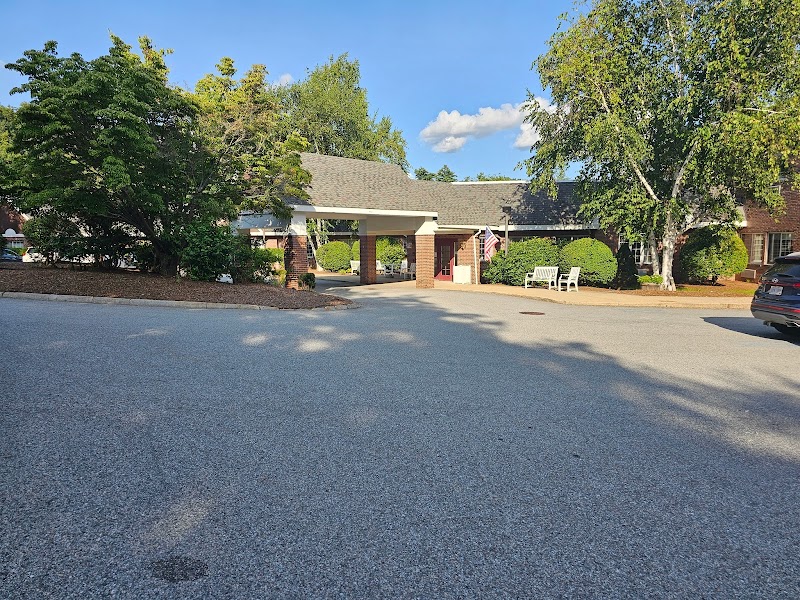
How Does Westford Compare to Other Massachusetts Nursing Homes?

Compared to the 100 nursing homes in Massachusetts, WESTFORD NURSING AND REHABILITATION CENTER's overall rating (2 stars) is below the state average of 2.9, staff turnover (54%) is near the state average of 46%, and health inspection rating (4 stars) is above the national benchmark.

What Should Families Ask When Visiting Westford?

Based on this facility's data, families visiting should ask: "Can you walk me through typical staffing levels on day, evening, and night shifts?" "Can I visit during a mealtime to observe dining assistance and food quality?" "How do you handle medical emergencies, and what is your hospital transfer rate?" "Can I speak with family members of current residents about their experience?" These questions are particularly relevant given the below-average staffing rating.

Is Westford Safe?

Based on CMS inspection data, WESTFORD NURSING AND REHABILITATION CENTER has a clean safety record: no substantiated abuse findings (meaning no confirmed cases of resident harm), no Immediate Jeopardy citations (the most serious violation level indicating risk of serious injury or death), and is not on the Special Focus Facility watch list (a federal program monitoring the lowest-performing 1% of nursing homes). The facility has a 2-star overall rating and ranks #100 of 100 nursing homes in Massachusetts. While no facility is perfect, families should still ask about staff-to-resident ratios and recent inspection results during their visit.

Do Nurses at Westford Stick Around?

WESTFORD NURSING AND REHABILITATION CENTER has a staff turnover rate of 54%, which is 8 percentage points above the Massachusetts average of 46%. Moderate turnover is common in nursing homes, but families should still ask about staff tenure and how the facility maintains care continuity when employees leave.

Was Westford Ever Fined?

WESTFORD NURSING AND REHABILITATION CENTER has been fined $50,857 across 1 penalty action. This is above the Massachusetts average of $33,587. Fines in this range indicate compliance issues significant enough for CMS to impose meaningful financial consequences. Common causes include delayed correction of deficiencies, repeat violations, or care failures affecting resident safety. Families should ask facility leadership what changes have been made since these penalties.

Is Westford on Any Federal Watch List?

WESTFORD NURSING AND REHABILITATION CENTER is not on any federal watch list. The most significant is the Special Focus Facility (SFF) program, which identifies the bottom 1% of nursing homes nationally based on persistent, serious quality problems. Not being on this list means the facility has avoided the pattern of deficiencies that triggers enhanced federal oversight. This is a positive indicator, though families should still review the facility's inspection history directly.