WILLIAMSTOWN COMMONS NURSING & REHAB

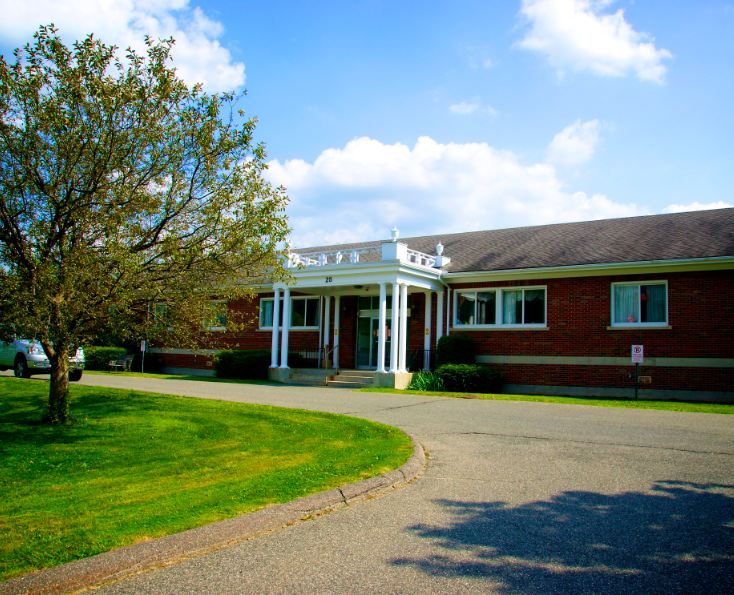
25 ADAMS ROAD, WILLIAMSTOWN, MA 01267 (413) 458-2111
Non profit - Corporation 180 Beds INTEGRITUS HEALTHCARE Data: November 2025
Trust Grade
60/100
#125 of 338 in MA
Last Inspection: December 2024

Within standard 12-15 month inspection cycle. Federal law requires annual inspections.

Overview

Williamstown Commons Nursing & Rehab has a Trust Grade of C+, which indicates that it is slightly above average but not without its flaws. It ranks #125 out of 338 facilities in Massachusetts, placing it in the top half, and #6 out of 13 in Berkshire County, meaning only five local options are better. The facility is improving, with issues decreasing from eight in 2023 to four in 2024. However, staffing is a concern, rated at 2 out of 5 stars, with a 49% turnover rate, which is average but may affect care consistency. On a positive note, the facility has not incurred any fines, which is a good sign, yet it has less RN coverage than 91% of other Massachusetts facilities, potentially impacting the quality of care. Specific incidents of concern include a failure to provide necessary repositioning and incontinence care for a resident recovering from a pressure wound, and another resident did not receive the proper respiratory equipment needed for BiPAP therapy, risking respiratory issues. Additionally, cleanliness issues were noted in the kitchen, where equipment was not properly sanitized, raising concerns about food safety. Overall, while there are strengths in the facility, such as no fines, families should weigh these against the identified weaknesses.

Trust Score
C+
60/100
In Massachusetts
#125/338
Top 36%
Safety Record
Moderate
Needs review
Inspections
Getting Better
8 → 4 violations
Staff Stability
⚠ Watch
49% turnover. Above average. Higher turnover means staff may not know residents' routines.
Penalties
✓ Good
No fines on record. Clean compliance history, better than most Massachusetts facilities.
Skilled Nurses
⚠ Watch
Each resident gets only 21 minutes of Registered Nurse (RN) attention daily — below average for Massachusetts. Fewer RN minutes means fewer trained eyes watching for problems.
Violations
⚠ Watch
24 deficiencies on record. Higher than average. Multiple issues found across inspections.
★★★★☆
4.0
Overall Rating
★★☆☆☆
2.0
Staff Levels
★★☆☆☆
2.0
Care Quality
★★★★☆
4.0
Inspection Score
Stable
2023: 8 issues
2024: 4 issues

The Good

  • Full Sprinkler Coverage · Fire safety systems throughout facility
  • No fines on record

Facility shows strength in fire safety.

The Bad

Staff Turnover: 49%

Near Massachusetts avg (46%)

Higher turnover may affect care consistency

Chain: INTEGRITUS HEALTHCARE

Part of a multi-facility chain

Ask about local staffing decisions and management

The Ugly 24 deficiencies on record

2 actual harm
Dec 2024 4 deficiencies
CONCERN (D)

Potential for Harm - no one hurt, but risky conditions existed

Deficiency F0646 (Tag F0646)

Could have caused harm · This affected 1 resident

**NOTE- TERMS IN BRACKETS HAVE BEEN EDITED TO PROTECT CONFIDENTIALITY** Based on record review and interview, the facility failed to notify the State Mental Health Authority for a resident review (per...

Read full inspector narrative →
**NOTE- TERMS IN BRACKETS HAVE BEEN EDITED TO PROTECT CONFIDENTIALITY** Based on record review and interview, the facility failed to notify the State Mental Health Authority for a resident review (person-centered assessment taking into account all relevant information) after a significant change in mental condition occurred for one Resident (#56) out of a total sample of 26 residents. Specifically, the facility failed to complete and request a Preadmission Screening and Resident Review Level II screen (PASRR- an evaluation done to determine if a resident has an intellectual or developmental disability and/or serious mental illness[SMI] and if a Resident is in need of additional specialized support services at the facility) after Resident #56 received emergency mental health interventions and experienced limitations in major life activities due to mental illness. Findings include: Review of the facility policy titled Preadmission Screening and Resident Review (PASRR), revised on 9/22/23 indicated the following in part: -Resident-Significant Change --Referral to DDS (Department of Developmental Services)/DMH (Department of Mental Health) by Affiliate is necessary when resident has experienced a significant change in condition (mental illness or health status) that may impact the residents PASRR disability status, the appropriateness of SNF (Skilled Nursing Facility) placement and/or specialized services. --Requires interdisciplinary review or revision of the care plan; and may result in a positive Level I Screen for SMI (Serious Mental Illness) .or may result in a change in previous PASRR determinations. Resident #56 was admitted to the facility in October 2024 with diagnoses that included Schizoaffective Disorder (mental health condition that is marked by a mix of schizophrenia symptoms, such as hallucinations and delusions, and mood disorder symptoms) and Dementia. Review of the PASRR Level I Screen (initial pre-screening completed prior to admission to a Nursing Facility) dated 10/7/24, indicated the following: -Resident #56 had a documented SMI (Schizoaffective Disorder) -In the past two years the Resident did not have any treatments due to SMI. -In the past six months or currently, the Resident did not have limitations in major life activities due to SMI. -Negative Level I Screen result, indicating a Level II PASRR evaluation was not needed. Review of the Behavioral Health note dated 10/11/24 indicated the following: -Family used to be able to get him/her to take his/her medications but this no longer works. Patient has been physically assaultive towards staff. He/she is verbally assaultive towards others, refusing care, therapy, and medications. Disorganized thinking, pressured speech, paranoid - send to hospital. Review of the hospital discharge paperwork dated 11/6/24 indicated the following in part: -Resident was admitted on [DATE] due to agitation and paranoia, -Psychiatry evaluated patient, recommended long-acting medications, -Resident was not cooperative and was agitated. During an interview on 12/4/24 at 8:40 A.M., Social Worker (SW) #1 said that Resident #56 had been to the facility before, but since the Resident had not been taking his/her medications at home, his/her behaviors had increased this time around. SW #1 reviewed the Resident's medical record and said that the only completed PASRR was the one that was completed for the initial admission, and that a new one had not been completed after being sent out to the hospital due to increased agitation. During a follow up interview on 12/04/24 4:15 P.M., SW#1 said that she spoke with her team and concluded that the PASRR Resident review (Level I Screening Form required if Significant Change in Condition: newly indicated Serious Mental Illness (SMI), exacerbation of SMI, or improvement/decline in condition), should have been completed and then submitted to the PASRR office as the Resident had a significant change in his/her SMI indicating that a Level II PASRR should have been requested.
CONCERN (D)

Potential for Harm - no one hurt, but risky conditions existed

Respiratory Care (Tag F0695)

Could have caused harm · This affected 1 resident

Based on observation, interview and records reviewed, the facility failed to provide respiratory care and services based on professional standards of practice for two Residents (#47 and #62), of three...

Read full inspector narrative →
Based on observation, interview and records reviewed, the facility failed to provide respiratory care and services based on professional standards of practice for two Residents (#47 and #62), of three applicable residents, out of a total sample of 26 residents. Specifically, the facility failed to: -Change the Oxygen tubing as ordered by the Physician. -Follow infection control measures related to the care, handling, and/or storage of nebulizers (delivery device used to administer medication in the form of an aerosol that is inhaled into the lungs) to prevent contamination and the spread of infections. Findings include: Review of the facility policy, titled Oxygen Administration, dated 10/9/13 indicated the following: -Oxygen is set up, delivered, and monitored by a licensed nurse or respiratory therapist. -Replace Oxygen set up every seven days. Date and store Oxygen set up in treatment bag when not in use. 1. Resident #47 was admitted to the facility January 2024 with diagnoses including Chronic Obstructive Respiratory Disease (COPD-a group of lung diseases that block airflow and make it difficult to breath) and Respiratory Failure (occurs when the respiratory system cannot maintain normal levels of Oxygen and Carbon Dioxide in the blood). Review of the Minimum Data Set (MDS) Assessment, dated 9/28/24, indicated the Resident: -had intact cognition as evidenced by a score of 15 out of a possible 15 on the Brief Interview for Mental Status (BIMS) Assessment. - used Oxygen. Review of the Physician's orders, dated December 2024, indicated the following: -Continuous Oxygen at two liters via nasal cannula (a thin flexible tube that goes into the nose), start date 1/19/24. -Replace Oxygen tubing every seven days, on Wednesday, night shift, start date 1/19/24. -Albuterol Sulfate 0.0083% Solution (a medication used to prevent and treat wheezing and shortness of breath), one vial by inhalation three times a day, start date 1/19/24. -Replace nebulizer mask and tubing weekly on Wednesday, night shift. Change mask and tubing every seven days, start date 6/11/24. On 12/3/24 at 10:18 A.M., Resident #47 was observed sitting up in bed wearing Oxygen at two liters via nasal cannula. The surveyor observed the Oxygen tubing and humidification bottle to be dated 11/20/24. The humidification bottle was observed to be empty. During an interview on 12/3/24 at 10:30 A.M., Nurse #1 said that she had noticed the dry humidification bottle and old tubing during her medication pass and was in the process of changing it. She said that the tubing should be changed every seven days and should have been done by the night nurse on 11/27/24 but had not been. On 12/4/24 at 3:14 P.M, Resident #47 was observed sitting up in bed wearing Oxygen at two liters via nasal cannula. The surveyor observed a nebulizer machine and tubing on the Resident's bedside table. The nebulizer tubing was not dated, and not stored in a bag. The Resident said he/she had used the nebulizer in the morning. 2. Resident #62 was admitted to the facility May 2019 with diagnosis including Vascular dementia (a condition that involves problems with reasoning, planning, judgment, memory and other thought processes caused by brain damage from impaired blood flow to the brain) and Pulmonary Fibrosis (a lung disease that causes scarring, making it hard to breath). Review of the MDS Assessment, dated 10/18/24 indicated the Resident: -had moderately impaired cognition as evidenced by a score of nine out of a possible score of 15 on the BIMS Assessment. -used Oxygen. Review of the Physician's orders, dated December 2024, indicated the following: -Continuous Oxygen at two liters via nasal cannula, start date 6/11/24. -Replace Oxygen tubing every seven days, on Wednesday, night shift, start date 6/11/24. On 12/3/24 at 9:14 A.M., Resident #62 was observed laying in bed wearing Oxygen at two liters via nasal cannula. The nasal cannula was observed to be undated. On 12/3/24 at 2:58 P.M., Resident #62 was observed laying in bed wearing Oxygen at two liters via nasal cannula. The nasal cannula and the nebulizer tubing were observed to be dated 12/2. During an interview on 12/4/24 at 3:52 P.M., Unit Manager (UM) #1 reviewed the surveyor's findings of the Oxygen and nebulizer tubing for Resident #47 and #62. UM#1 said the Oxygen tubing should have been changed every seven days, and labeled with the day it was opened. She said the nebulizer should have been dated and stored in a drawstring bag when not is use.
CONCERN (D)

Potential for Harm - no one hurt, but risky conditions existed

Medication Errors (Tag F0758)

Could have caused harm · This affected 1 resident

Based on interview and record review, the facility failed to ensure that an as needed (PRN) psychotropic medication (medication that affect the mind, emotions, and behavior) was limited to 14 days for...

Read full inspector narrative →
Based on interview and record review, the facility failed to ensure that an as needed (PRN) psychotropic medication (medication that affect the mind, emotions, and behavior) was limited to 14 days for one Resident (#9), of five applicable residents reviewed, out of a total sample of 26 residents. Specifically, the facility failed to ensure that PRN Ativan (Lorazepam: anti-anxiety medication) was limited to 14 days and if not limited, included a Physician determined duration for continued use of the medication. Findings include: Review of the facility policy titled Psychotropic Medications, revised on 8/6/24, indicated the following: -As needed (PRN) medications will require a 14-day order -For psychotropic medications other than antipsychotics, for use beyond the initial PRN 14-day order, a prescriber must document the rationale for continuance, and the anticipated duration. Resident #9 was admitted to the facility in November 2024 with the following diagnoses: Anxiety, Depression, and Bipolar Disorder (a mental health condition that causes extreme mood swings). Review of the November 2024 Medical Administration Record (MAR) indicated the following: - PRN Ativan administered nine times: 11/19/24, 11/20/24, 11/22/24, 11/25/24, 11/16/24, 11/28/24 (x2) 11/29/24 and 11/30/24. -Ativan 1 milligram (mg) tablet oral twice daily as needed for anxiety disorder. Order date 11/18/24 with no stop date. During an interview on 12/4/24 at 11:26 A.M., Unit Manager (UM) #2 reviewed the November 2024 MARs and said that the Resident does use the PRN Ativan and that the PRN Ativan should either have a stop date or be reevaluated at day 14, but it did not as required.
CONCERN (F)

Potential for Harm - no one hurt, but risky conditions existed

Food Safety (Tag F0812)

Could have caused harm · This affected most or all residents

Based on observation, interview, and record review, the facility failed to maintain a clean and sanitary environment in the facility main kitchen where resident food for consumption was prepared. Spe...

Read full inspector narrative →
Based on observation, interview, and record review, the facility failed to maintain a clean and sanitary environment in the facility main kitchen where resident food for consumption was prepared. Specifically, the facility failed to ensure all kitchen equipment was clean and sanitary, including the stove top, oven, and the dishwashing machine. Findings include: During an observation and interview on 12/3/24 at 7:20 A.M., the Food Service Director (FSD) and surveyor observed the following: -Dried elbow noodles and food debris on the left side of the stove top in between the stove top and oven -Built up food debris and drippings on the stove -Right side of the oven, located to the left of the stove top to have dark, grease markings and dried food debris -Dishwasher to have large amounts of white build up with drip like markings on both sides of the dishwasher. The FSD said that the white material on the dishwasher was lime build up and was due to an ongoing water treatment issue. The FSD director said that the food debris in the oven/stove top area and the lime covering the sides of the dishwasher should not be there as there is a cleaning schedule in place. The surveyor requested a copy of the cleaning schedule and log. During a follow-up interview on 12/5/24 at 2:38 P.M., the FSD and Dietician said that there was a cleaning schedule that was utilized, however Kitchen staff had COVID, and the cleaning schedule fell to the wayside. The FSD and Dietician provided the last documented evidence of the cleaning log dated 9/18/24, indicating no additional cleaning logs were available to show that the kitchen had routinely been cleaned and sanitized. The FSD said that all parts of the kitchen should be cleaned every day. He said that staff should make sure their workspace was clean and sanitary after each meal or when they are done in that work area and that the oven and stove were not cleaned as required.
Oct 2023 5 deficiencies
CONCERN (D)

Potential for Harm - no one hurt, but risky conditions existed

Notification of Changes (Tag F0580)

Could have caused harm · This affected 1 resident

Based on interview, record review, and policy review, the facility failed to notify and consult the Physician when a significant change in weight was noted for one Resident (#14), out of a total sampl...

Read full inspector narrative →
Based on interview, record review, and policy review, the facility failed to notify and consult the Physician when a significant change in weight was noted for one Resident (#14), out of a total sample of 25 residents. Specifically, the facility failed to notify and consult with the Physician when Resident #14 experienced continued significant weight loss after a significant weight loss was identified over a period of six months. Findings include: Review of the facility's policy titled Physician Notification, revised September 2011, indicated the following: -Purpose: To communicate a change in resident's condition to physician and initiate interventions as needed/ordered. Resident #14 was admitted to the facility in February 2023 with diagnoses including dementia, dysphagia (trouble swallowing), and a history of transient ischemic attack (TIA- mini strokes). Review of the Nutrition Care Plan, with an original date of 3/2/23, indicated the following intervention: -Notify Physician .if persistent weight loss .occurs. Review of the 4/12/23 Nurse Practitioner's Progress Note indicated the Resident had poor oral intake, weight loss, and was being treated for a urinary tract infection (UTI). Further review indicated the Nurse Practitioner spoke with the Resident's Representative to discuss that further interventions may need to be implemented such as palliative care (additional recommendations made to ensure a resident is comfortable at the end of their life or while dealing with a chronic illness) if the Resident continued to decline. Review of the most recent Minimum Data Set (MDS) assessment, dated 8/26/23, indicated the Resident had a significant weight loss of 5% or more in the last month or a loss of 10% or more in the last six months. Review of the Vital Parameters Report of Weights indicated the following: On 6/7/23 the Resident weighed 172 pounds (lbs.) On 7/21/23 the Resident weighed 159 lbs. Indicated a loss of 7.56% in less than three months. Further review of the Vital Parameters Report of Weights indicated the Resident had continued to lose weight and as of 10/20/23 weighed 152.5 lbs., a total weight loss of 11.34% since July 2023. Review of the last quarterly Dietitian's note, dated 8/18/23, indicated the Resident had continued to lose weight over the last three months. Further review of the note indicated no documentation that the Resident's Physician had been updated on the Resident's significant weight loss so further interventions could be explored. Further review of the Resident's medical record indicated no other additional documentation the Resident's Physician had been updated on the Resident's continued significant weight loss. During an interview on 10/23/23 at 11:29 A.M., with the Dietitian and Unit Manager (UM) #3, UM #3 said she could not locate any documentation that the Physician had been updated on the Resident's significant and continued weight loss. UM #3 said the current interventions in place were not maintaining the Resident's weight and he/she should have been reevaluated by the Physician for additional interventions that could have been put into place and this did not happen, as required. During an interview on 10/23/23 at 1:26 P.M., the Nurse Practitioner (NP) said staff should update her when a resident has had a 5 lb. or more weight loss. She said she had been notified of the Resident's weight loss back in April 2023 but had not been notified since that the Resident had a further decline in weight. The NP said she would expect staff to notify her again if a resident continued to lose weight after a month or two and this had not been done. She further said if a resident continued to lose weight she would assess the need for further interventions that would benefit the resident such as new nutritional recommendations or if the resident needed advanced care planning such as palliative care if the weight loss was to be expected, and this had not been done for Resident #14. Refer to F692
CONCERN (D)

Potential for Harm - no one hurt, but risky conditions existed

Quality of Care (Tag F0684)

Could have caused harm · This affected 1 resident

**NOTE- TERMS IN BRACKETS HAVE BEEN EDITED TO PROTECT CONFIDENTIALITY** Based on record review and interview, the facility failed to provide treatment and care in accordance with professional standard...

Read full inspector narrative →
**NOTE- TERMS IN BRACKETS HAVE BEEN EDITED TO PROTECT CONFIDENTIALITY** Based on record review and interview, the facility failed to provide treatment and care in accordance with professional standards of practice for one Resident (#79), out of a total sample of 25 residents. Specifically, the facility failed to recognize that stool softeners and laxatives continued to be administered to a Resident undergoing medical treatment for diarrhea (a condition in which stool is discharged from the bowels frequently and in a liquid form). Findings include: Review of the [NAME] Drug Guide for Nurses-18th edition, (2023) indicated the following: -Docusate- Adverse reactions/Side effects-abdominal cramps, nausea, vomiting and diarrhea. -Senna- Adverse reactions/Side effects-abdominal cramps, nausea, vomiting and diarrhea. Review of the [NAME] Nurses Pocket Guide: Diagnoses, Prioritized Interventions, and Rationales-16th edition (2022), Chapter 2, Diarrhea, indicated the following: -Review medication, noting side effects and possible interaction. -Change client's routine medications as appropriate. Resident #79 was admitted to the facility in June 2021. Review of the Minimum Data Set (MDS) assessment, dated 10/14/23, indicated Resident #79 scored a 15 out of 15 on the Brief Interview for Mental Status (BIMS), indicating intact cognition. During an interview on 9/22/23 at 9:21 A.M., Resident #79 said that he/she had been having diarrhea for a couple of weeks. Review of the Bowel Review by Day Report, dated 10/23/23, indicated the Resident had at least one episode of loose stools on 10/3/23, 10/4/23, 10/5/23, 10/7/23, 10/8/23, 10/10/23, 10/11/23, 10/15/23, 10/17/23, 10/18/23, 10/19/23, 10/20/23, 10/22/23, and 10/23/23. Review of the Physician's Progress Note, dated 10/19/23, indicated the Resident complained of frequent diarrhea. The note further indicated that a trial of Lomotil (a prescription medication used to treat diarrhea) instead of Imodium (a non-prescription medication used to treat diarrhea) was to be initiated. Review of the Active Orders Report, dated 10/23/23, indicated the following orders: -Lomotil (Atropine Sulfate/Diphenoxylate Hydrochloride) 0.025 milligrams (mg)-2.5 mg tablet, three times a daily for diarrhea, order start date 10/20/23. -Imodium (Loperamide Hydrochloride) 2 mg tablet, 1 tablet three times a day as needed, order start date 10/10/23. -Senna (a stimulant laxative used to treat constipation) 8.6 mg tablet give 1 tablet at 8 P.M. daily for constipation (difficulty passing stool and/or fewer than three stools a week), order start date 9/11/23. -Colace (a stool softener used to treat constipation) 100 mg capsule give 1 tablet at 9 A.M. daily for constipation, order start date 9/11/23. Review of the Medication Administration Record (MAR), dated 10/2023, indicated that the Resident received Senna 8.6mg daily 10/1/23 and 10/2/23, and 10/4/23-10/22/23. Review of the MAR, dated 10/2023, indicated that the Resident received Colace 100mg daily 10/1/23-10/5/23, and 10/7/23-10/19/23, 10/21/23, and 10/22/23. During an interview on 10/23/23 at 9:28 A.M., Unit Manager (UM) #1 said the Physician should have been notified that the Resident was taking the stool softener Colace and the laxative Senna daily while he/she was having diarrhea. She said the Colace and Senna should not have been given once the Resident started to have diarrhea until the situation was reviewed with the Physician. She said she was not sure if the Physician was aware of the continued laxative use, but should have been, as required.
CONCERN (D)

Potential for Harm - no one hurt, but risky conditions existed

Deficiency F0692 (Tag F0692)

Could have caused harm · This affected 1 resident

Based on interview, policy review, and record review, the facility failed to ensure staff addressed the needs of one Resident (#14) to maintain his/her goal body weight, out of a total of 25 residents...

Read full inspector narrative →
Based on interview, policy review, and record review, the facility failed to ensure staff addressed the needs of one Resident (#14) to maintain his/her goal body weight, out of a total of 25 residents sampled. Specifically, the facility failed to reassess interventions to prevent significant weight loss for Resident #14 who had a history of weight loss and was identified as being at risk for further significant weight loss resulting in continued weight loss. Findings include: Review of the facility's policy titled Nutritional Management, revised 6/6/22, indicated the following: -Define and implement interventions that are consistent with resident needs, resident goals, and recognized standards of practice. -Provide nutritional care and services to each resident, consistent with the resident's comprehensive assessment. -Recognize, evaluate, and address the nutritional needs of every resident, including, but not limited to, the resident at risk or currently experiencing impaired nutrition . -Monitor and evaluate the impact of interventions. -Revise the interventions as appropriate. -Use the Dietician Consult Request to initiate consult with dietician when indicated . -Unplanned weight loss or gain (greater than 3 pounds (lbs.) from last recorded weight and/or 5% in one month, 7.5 % in three months, and 10% in six months . -Decreased oral intake (PO intake). Resident #14 was admitted to the facility in February 2023 with diagnoses including dementia, dysphagia (trouble swallowing), and a history of transient ischemic attacks (TIA- mini strokes). During an interview on 10/22/23 at 10:58 A.M., Resident Representative (RR) #1 said Resident #14 had lost weight since being admitted to the facility. RR #1 further said the Resident had decreased PO intake and that he/she came in daily to assist the Resident with their lunch meal. RR #1 said the Resident does get a Magic Cup (brand of high protein high calorie dessert) but he/she was unsure of any additional interventions that had been implemented to help with the Resident's weight loss. Review of the 4/12/23 Nurse Practitioner's Progress Note indicated the Resident had a history of poor PO intake and weight loss. Further review indicated the Nurse Practitioner spoke with RR #1 and said further interventions should be implemented such as palliative care (additional recommendations made to ensure a resident is comfortable at the end of their life or while dealing with a chronic illness) if the Resident continued to decline. Review of the Resident's Nutrition Care Plan, with an original date of 3/2/23, indicated the following goal: -Resident will maintain a weight of 175.8 lbs. [pounds]+/-3.0 lbs. with an effective date of 5/30/23. Review of the most recent Minimum Data Set (MDS) assessment, dated 8/26/23, indicated the Resident had a loss of 5% or more in the last month or a loss of 10% or more in the last six months. Review of the Vital Parameters Report of Weights indicated the following: On 6/7/23 the Resident weighed 172 lbs. On 7/21/23 the Resident weighed 159 lbs. Indicated a loss of 7.56% in less than three months. Further review of the Vital Parameters Report of Weights indicated the following weights since 7/21/23: On 8/28/23 the Resident weighed 157.5 lbs. On 9/15/23 the Resident weighed 157 lbs. On 10/20/23 the Resident weighed 152.5 lbs. Indicating the Resident had continued to lose weight and had a total weight loss of 11.34% since July 2023. Review of the October 2023 Physician's Orders indicated the following nutritional interventions: -Boost Very High Calorie (Boost VHC-a high calorie nutritional shake) 4 ounces (oz.) three times a day (TID) .with a start date of 4/12/23. Further review of the Resident's Medical Record indicated no additional documentation that any new interventions had been implemented to maintain the Resident's goal weight since the new significant weight loss was identified on the 8/26/23 MDS assessment or since the Resident continued to lose weight. During an interview on 10/23/23 at 11:12 A.M., the Dietitian said she was aware the Resident had a significant weight loss. She reviewed her dietary notes and said she was unable to find any documentation that she had coordinated care with the Physician when the significant weight loss was identified on the 8/26/23 MDS assessment. She additionally said no new interventions had been put into place since the significant weight loss was noted or since the Resident continued to have a decline in weight. During an interview on 10/23/23 at 11:29 A.M., with the Dietitian and Unit Manager (UM) #3, the Dietitian said when she identified the significant weight loss on the 8/26/23 MDS assessment she should have implemented new interventions to address the weight loss and she had not implemented any new interventions at that time. UM #3 said she was responsible for documenting the monthly weights and should have updated the Dietitian, Physician, and requested a speech screen because the Resident continued to lose weight over the past few months, and she was unable to locate any documentation that this had been done.
CONCERN (E)

Potential for Harm - no one hurt, but risky conditions existed

Food Safety (Tag F0812)

Could have caused harm · This affected multiple residents

Based on observations, interviews, and policy review, the facility failed to ensure the staff reduced the risk of potential physical contamination of resident food by wearing hair restraints while wor...

Read full inspector narrative →
Based on observations, interviews, and policy review, the facility failed to ensure the staff reduced the risk of potential physical contamination of resident food by wearing hair restraints while working in the facility kitchen. Findings include: Review of the facility's policy titled Personal Standards, undated, indicated it was the policy of the facility that dietary personnel follow sanitary standards. The policy also included the following: -Hair restraints covering all of the hair must be worn at all times while on duty On 10/22/23 at 7:18 A.M., the surveyor observed two male dietary staff with facial hair (one had a trimmed goatee and the other had a full beard approximately a half inch long), working in the kitchen preparing food for the breakfast service. There were no hair restraints observed covering the exposed hair on either staff member's face. On 10/24/23 at 9:27 A.M., the surveyor observed two male dietary staff with facial hair, working and preparing food/beverages. They were observed to not have hair restraints covering the exposed hair on either staff member's face. During an interview on 10/24/23 at 9:41 A.M., the Food Service Director (FSD) said dietary staff were to wear hair restraints or hats to cover their hair in order to keep hair out of the residents' food/beverages. When the surveyor inquired about facial hair, the FSD said he was unsure if hair restraints for facial hair were required. During an interview on 10/24/23 at 10:30 A.M., the Registered Dietitian (RD) said that there could be food contamination with employee hair in resident food if the hair was not restrained. During a follow up interview on 10/24/23 at 11:02 A.M., the RD said that the facility policy indicated that hair restraints covering all of the hair must be worn while on duty, and that dietary staff will be wearing hair restraints covering facial hair if applicable moving forward.
CONCERN (F)

Potential for Harm - no one hurt, but risky conditions existed

Infection Control (Tag F0880)

Could have caused harm · This affected most or all residents

**NOTE- TERMS IN BRACKETS HAVE BEEN EDITED TO PROTECT CONFIDENTIALITY** 2. Review of the facility's policy titled Blood Glucose Meter Cleaning and Disinfection, dated 10/14/22, indicated the following...

Read full inspector narrative →
**NOTE- TERMS IN BRACKETS HAVE BEEN EDITED TO PROTECT CONFIDENTIALITY** 2. Review of the facility's policy titled Blood Glucose Meter Cleaning and Disinfection, dated 10/14/22, indicated the following: -The meter should be cleaned and disinfected after use on each patient. The manufacturer's Information for Use (IFU) will provide the proper requirements for this. Review of the Assure Prism Blood Glucose Monitoring System manufacturer's IFU indicated the following cleaning and disinfection products had been approved for use: -Clorox Germicidal Wipes -Dispatch Hospital Cleaner Disinfectant Towels with Bleach -CaviWipes 1 -PDI Super Sani-cloth Germicidal Disposable wipes On 10/24/23 at 7:30 A.M., during a medication administration pass on Unit Three, the surveyor observed Nurse #1 using an Assure Prism blood glucose monitor to obtain a blood glucose reading. When finished, Nurse #1 placed the meter into a storage container which she placed in the medication cart. She did not clean or disinfect the blood glucose meter and proceeded to pour and pass medications to another resident. During an interview on 10/24/23 at 7:57 A.M., Nurse #1 said that she should have cleaned the blood glucose meter after she used it and before she put it back in the medication cart. She said she was not sure what product she should use to clean and disinfect the blood glucose monitor. On 10/24/23 at 11:10 A.M., on Unit One, the surveyor observed Nurse #3 using an Assure Prism blood glucose monitor to obtain a blood glucose reading. Nurse #3 was observed wiping the glucose meter with an alcohol wipe. During an interview on 10/24/23 at 11:14 A.M., Nurse #3 said that she used an alcohol wipe to clean the glucose monitor between resident use. She said she was not sure what products she should use to clean and disinfect the blood glucose monitor. Review of the Policy titled, General Cleaning and Maintenance of Equipment, dated 6/30/16, indicated that resident care equipment will be cleaned and disinfected after use and will be prepared for reuse by the same or another resident. On 10/24/23 at 8:12 A.M., during a medication pass on Unit Two, the surveyor observed Nurse #2 obtain a blood pressure on a resident. When finished, she placed the blood pressure cuff on top of the medication cart. She did not clean or disinfect the blood pressure cuff and proceeded to pour and pass medications to another resident. During an interview on 10/24/23 at 8:40 A.M., Nurse #2 said that she should have sanitized the blood pressure cuff after she used it. She said that she should have sanitized it with the PDI Super Sani Cloth that she had on her medication cart. She further said that the blood pressure cuff did not belong to the facility and that she brought it into the facility to use on her residents. Manufacturer's information for use was not available for the blood pressure cuff. During an interview on 10/24/23 at 8:44 A.M., Unit Manager #2 said that shared medical equipment should be cleaned and disinfected after use on each individual resident. Based on observations, interviews, and records and policies reviewed, the facility failed to reduce potential transmission of infection by ensuring that: 1. The appropriate personal protective equipment (PPE) was worn by staff for Residents (#181, #124, #182 and #330), who were identified as requiring Transmission-Based Precautions (used in addition to standard precautions for residents who may be infected or colonized with certain infectious agents for which additional precautions are needed to prevent infection transmission), and hand hygiene was conducted by facility staff, as required; and 2. Facility staff cleaned and disinfected medical equipment after resident use, specifically a glucose monitoring device (meter used to test the concentration of glucose in the blood, and is performed by piercing the skin to draw blood and then applying the blood to a test strip) and a blood pressure cuff (medical device consisting of a piece of rubber or similar material that is wrapped around a resident's arm and then inflated in order to measure their blood pressure) used for multiple residents, on three out of three units observed, as required. Findings include: 1. Review of the facility's policy titled Hand Washing and Hand Hygiene, revised 11/8/16, indicated that hand hygiene is the single most important method to prevent the spread of infection and is an important component of any infection prevention and control program. The policy also included the following: Indication: -when hands are visibly dirty or contaminated (you can see contamination on your skin), wash your hands with either a non-antimicrobial or antimicrobial soap and water for at least 15 seconds -if hands are not visibly soiled (you cannot see any contaminant on your skin), use an alcohol-based hand rub for routine decontamination of hands in the clinical setting When to Wash or Hand Rub: -before or after having direct contact with residents -before application of gloves and after removing gloves or other PPE -when performing a procedure or providing direct care and moving from a contaminated body site to another body site. Remove gloves, sanitize hands and reapply clean (or sterile) gloves to complete procedure -after contact with objects in the resident environment including equipment or personal items in the resident's immediate vicinity -after caring for a resident with spore forming infection or cleaning the environment of a resident with a spore forming infection (C-Diff infection), hand washing with soap and water is recommended. The physical action of washing and rinsing hands under such circumstances is recommended because alcohol and other antiseptic agents have poor effect/activity against spores. Review of the facility's policy titled Procedures for Airborne, Contact and Droplet Isolation, revised 4/11/22, indicated the following: Droplet Precautions: -private room is desirable -wear a mask when entering a droplet precaution room Contact Precautions: -private room is preferred -when a private room is not available, place the resident in a room with another resident with the same organism, but with no other infection. Do not place a resident with a Multi Drug Resistant Organism (MDRO) infection or colonization in a a room that has a different MDRO infection or colonization. -when entering a contact precaution room, staff must do hand hygiene and put on all required PPE before entering the room. -when leaving the room, staff must remove the correct PPE in the room and perform hand hygiene on the way out and it must be correct per the organism the resident has or if the hands are visibly soiled, for example, if Clostridium difficile colitis (C-Diff: inflammation of the colon caused by the bacteria Clostridium difficile characterized by diarrhea, fever and belly pain, and can be transmitted from person to person by spores) During a tour of the three units on 10/22/23 from 8:15 A.M. through 8:40 A.M., the surveyor observed the rooms of Residents #181, #330, #124, and #182 which had precaution signs posted outside of them. During the entrance conference on 10/22/23 at 8:50 A.M., the Director of Nurses (DON) said that there are several residents on precautions. She further said that some residents have Contact Precautions in place because of active C-diff infections. Review of the Resident Roster Matrix, provided by the DON, on 10/22/23 at approximately 2:30 P.M., indicated Residents (#330 and #124) were on Transmission-Based Precautions. It did not indicate Resident #181 or #182 was on Transmission-Based Precautions. A. Resident #181 was admitted to the facility in October 2023 with diagnoses including C-diff infection and abdominal pain. Review of Resident #181's active C-Diff Care Plan, initiated on 10/12/23, indicated the following: -Contact Precautions . -soap/water with hand washing before and after direct contact with the Resident or contact with items in the Resident's environment . Review of the October 2023 Physician's Orders indicated Vancomycin (an antibiotic to treat infections) 125 milligrams (mg) every six hours, was ordered from 10/12/23 through 10/18/23 for C-Diff infection. On 10/22/23 at 3:39 P.M., the surveyor observed a Contact Precautions sign posted outside of Resident #181's room which indicated the following: -Stop, Contact Enteric (occurring in the intestines) Precautions -Everyone Must: clean hands with sanitizer when entering the room, wash with SOAP AND WATER UPON LEAVING ROOM -gown and glove when entering the room A three-drawer bin was observed outside of the room, which contained various types of masks, reusable gowns and eye protection. The surveyor observed bleach wipes and hand sanitizer on top of the bin. The surveyor also observed a sign within the Resident's room taped to the alcohol-based sanitizer dispenser indicating DO NOT USE HAND SANITIZER SOAP & WATER ONLY. During the observation, Unit Manager (UM) # 2 entered Resident #181's room, without performing hand hygiene prior to entering the room or donning (putting on) a gown and gloves and was observed to converse with Resident #181 at his/her bedside. At 3:46 P.M., UM #2 exited the Resident's room. She was not observed to perform hand hygiene (washing with soap and water) prior to leaving the room. During an interview on 10/23/23 at 7:53 A.M., Certified Nurse Aide (CNA) #3, who was caring for the Resident #181 and the roommate in that room, said she was unsure why the Contact Precaution signage was posted outside of Resident #181's room, that it usually meant that one of the residents in the room had C-diff infection, but was not sure which one the sign pertained to. Review of Resident #181's [NAME] (Resident specific information the CNAs have relative to care/preferences/safety) indicated no notation that he/she was on Contact Precautions for C-diff infection. On 10/23/23 at 10:11 A.M., the surveyor observed Resident #181 lying in bed within the room. At 10:12 A.M., Dietary Staff #1 was observed to knock and enter the Resident's room. Dietary Staff #1 did not conduct hand hygiene prior to entering the room, nor did she put on a gown and gloves prior to entering the room as indicated on the signage posted outside of the room. Dietary Aide #1 was observed to lean over and converse with Resident #181 at his/her bedside. Shortly after, Dietary Aide #1 was observed to exit the Resident's room, did not wash her hands with soap and water prior to exiting the room and did not conduct hand hygiene upon exiting the room. During an interview on 10/23/23 at 10:14 A.M., Dietary Aide #1 said that she saw the signage posted outside of Resident #181's room, but her understanding was that she did not need to wear a gown and gloves when entering the Resident's room because she was not providing care. She said that she should have completed hand hygiene prior to entering the room and upon exiting the room but she did not. B. Resident #124 was admitted to the facility in August 2023 and Resident #182 was admitted to the facility in October 2023. Both Residents resided in the same room. a. Review of the October 2023 Physician's Orders indicated Resident #124 was started on Dificid (an antibiotic used to treat C-Diff infection) 200 mg twice daily from 10/2/23 through 10/12/23 for C-Diff. Review of Resident #124's active C-diff Care Plan, initiated 10/2/23, indicated the Resident had a C-diff infection which is a spore forming infection that produces toxins that cause damage to the intestinal cells and may cause diarrhea . The Care Plan also included the following: -Contact Precautions . -soap and water hand washing before and after direct contact with the Resident or contact with items in the Resident's environment . Review of Resident #124's [NAME] indicated he/she was on Contact Precautions for C-diff infection. b. Review of Resident #182's active Gastrointestinal Care Plan, initiated 10/14/23, indicated the Resident had an alteration in his/her gastrointestinal tract related to C-Diff. Review of the Resident #182's October 2023 Physician's Orders indicated Vancomycin 125 mg twice daily for C-diff was ordered from 10/14/23 through 10/25/23. Review of the October 2023 Medication Administration Record (MAR), indicated Vancomycin was signed off as administered from 10/15/23 through 10/24/23. Review of Resident #182's [NAME] indicated no notation that he/she was on Contact Precautions for C-diff infection. On 10/22/23 at 3:50 P.M., the surveyor observed Residents #124 and #182's room. A Contact Precaution sign was posted outside of the entrance to the room, and a sign was observed on the alcohol-based sanitizer dispenser located within the room indicating DO NOT USE HAND SANITIZER SOAP & WATER ONLY. A three-drawer bin was located across from the Residents' room and contained various masks, boxes of gloves, eye protection and reusable gowns. CNA #2 was observed to enter the Residents' room without conducting hand hygiene or donning a gown and gloves, exit the room shortly after without washing her hands, go to the linen cart located across from the room, collect clean linen from the cart and reenter the room, without performing hand hygiene or donning a gown and gloves. CNA #2 exited the Residents' room shortly after, did not perform hand hygiene, and was observed to enter the Nourishment Kitchen, retrieve a covered cup with a straw and then reenter the Residents' room, without performing hand hygiene or donning a gown or gloves. CNA #2 exited the room, did not perform hand hygiene, went to the linen cart, and then entered another resident's room (who was not on Contact Precautions). During an interview on 10/22/23 at 4:00 P.M., CNA #2 said that she regularly worked on Unit Two. She said that Resident #124 (and not Resident #182) had a C-Diff infection. She further said that she quickly went into Resident #124's room to talk to him/her, then left to get the Resident water, reentered the room to give the water to him/her and then washed her hands in the bathroom sink within the room. CNA #2 said she did not put on a gown and gloves because she went into the room quickly. When the surveyor inquired about the Contact Precaution sign posted outside of the Residents' room, CNA #2 said she should have worn a gown and gloves prior to entering. On 10/23/23 at 7:21 A.M., the surveyor observed CNA #1 enter Resident #124 and #182's room wearing only gloves. She was observed to doff the gloves prior to exiting the room, did not perform hand hygiene, retrieved items from the clean linen cart located across from the room in the hallway, and re-enter the room without a gown or gloves in place. At 7:32 A.M., CNA #1 was observed to ambulate with Resident #124 outside of the room. She was observed to re-enter the room, without hand hygiene or donning a gown, and shortly exited the room carrying a plastic bag containing dirty items held in a gloved hand. Resident #182 was observed within the room during the observation. At 7:39 A.M., CNA#1 re-entered the room, without performing hand hygiene, put on gloves but did not don a gown, and was observed to make Resident #124's bed. During an interview on 10/23/23 at 7:44 A.M., CNA #1 said that she was regular staff and has worked at the facility for three years. She further said she should have put on a gown and gloves prior to entering Resident #124 and #182's room. CNA #1 said the Contact Precaution sign posted outside of the Residents' room indicated that the Resident had C-Diff, but she was not sure which Resident was infected. She further said that prior to entering the room, she should don a gown and gloves and doff prior to exiting the room and perform hand hygiene by washing her hands with soap and water within the room. She said that by not wearing the required PPE, she could potentially transmit the bacteria. When the surveyor asked where she would get PPE she pointed to the three-drawer container across the hall from the Residents' room. C. Resident #330 was admitted to the facility in October 2023 with diagnoses of bacterial infection and disorders of the lung. Review of the October 2023 Physician's Orders indicated Ceftazidime (an antibiotic) 2 gram (gm) via Intravenous (IV) every eight hours for a bacterial infection, initiated on 10/20/23. Review of the active Resident Care Plans included the following: -risk of elevated temperature/dehydration related to a bacterial infection of the sputum of unknown etiology, initiated 10/22/23, -Resident infection .bacterial sputum infection . initiated on 10/22/23 Review of Resident #330's [NAME] indicated no notation of the precautions that were in place. On 10/23/23 at 10:05 A.M., the surveyor observed a Droplet Precaution sign posted outside of Resident #330's room which indicated the following: -Stop, Droplet Precautions -EVERYONE MUST: clean their hands, including before entering and when leaving the room. -make sure their eyes, nose and mouth are fully covered before room entry (with pictures depicting a face mask and eye protection or face shield as examples) -remove face protection before room exit A three-drawer bin was observed outside of the Resident's room, which contained various masks, boxes of gloves, face shields and reusable gowns. On 10/23/23 at 11:51 A.M., the surveyor observed CNA #1 don a gown and gloves but did not don a face mask or eye protection, and enter Resident #330's room. At 11:59 A.M., CNA #1 exited the room and with one gloved hand, carried a clear bag with dirty items down the hallway. No hand hygiene was observed upon exiting the room. During an interview on 10/23/23 at 12:00 P.M., CNA #1 said she completed hand hygiene after she discarded the soiled items. When the surveyor asked CNA #1 to review the posted signage, CNA #1 said she should have put on a face mask and eye protection prior to entering Resident #330's room but had not. On 10/23/23 at 12:16 P.M., Resident #330 was observed lying in bed and was heard to have a frequent wet productive cough. During an interview on 10/23/23 at 12:38 P.M., Nurse #4, who cares for Residents #124, #181, #182 and #330, said that Residents #124, #181 and #182 have C-Diff infections, and staff are required to don a gown and gloves prior to room entry and wash with soap and water after removing the gown and gloves within the Residents' rooms. She further said that Resident #330 has bacteria in his/her sputum and has Droplet and Enhanced Barrier Precautions (use of gown and gloves when providing direct resident care) in place which require staff to wear a gown, gloves, face mask and eye protection prior to entering the room. During an interview on 10/23/23 at 12:44 P.M., UM #1 said the expectation is for staff to gown and glove prior to entering a Contact Precaution room, and that the staff should be removing the gown and gloves and perform hand washing with soap and water within the room prior to exiting. UM #1 said that staff should put on a gown, gloves, face mask and eye protection prior to entering Resident #330's room, remove the PPE after care and perform hand hygiene upon exiting the room. She further said that all staff, regardless of who they are speaking to or what care they are providing, should put on the required PPE prior to entering the precaution rooms and don the PPE listed on the signage. In a follow-up interview at 3:21 P.M., UM #1 said that the CNAs receive information from the Nurses during round about resident precautions. She further said that the information about specific resident precautions should be included on the [NAME]. During an interview on 10/23/23 at 3:03 P.M., the Director of Nurses (DON) said Droplet Precautions were put into place because Resident #330 was actively coughing and a sputum culture was pending. During an interview on 10/23/23 at 3:09 P.M., the surveyor reviewed the observations from 10/22/23 and 10/23/23 with the Infection Preventionist (IP). The IP said that staff should be following the Precaution Signage posted outside of the Residents' rooms. She said that for Contact Precautions, staff should be wearing a gown and gloves prior to entering the room and should be removing the gown and gloves and performing hand washing prior to exiting the room. If the room has multiple residents present, the gown and gloves should be changed and hand washing performed and a new gown and gloves applied prior to working with the other resident. She said that for Resident #330, the staff should be donning a gown, gloves, face mask and eye protection prior to entering his/her room, should remove the PPE and conduct hand hygiene upon exiting the room.
Sept 2023 2 deficiencies
CONCERN (D)

Potential for Harm - no one hurt, but risky conditions existed

Infection Control (Tag F0880)

Could have caused harm · This affected 1 resident

Based on observation, policy review and interview, the facility failed to ensure infection control guidelines were followed to prevent contamination and transmission of microorganisms, on one of two u...

Read full inspector narrative →
Based on observation, policy review and interview, the facility failed to ensure infection control guidelines were followed to prevent contamination and transmission of microorganisms, on one of two units observed. Specifically, hand hygiene was not performed as required by an outside vendor (an Ultrasound Technician- a person that use imaging equipment and soundwaves to form images of parts of the body to help diagnose and treat medical conditions), after providing ultrasound services to unit residents. Findings include: Review of the facility policy titled, Hand Washing and Hand Hygiene, revised 11/8/16, included, but not limited to: *When to Wash or Hand Rub: A) Before and after having direct contact with residents/patients. B) Before application of gloves and after removing gloves or other Personal Protective Equipment (PPE). C) When performing a procedure or providing direct care and moving from a contaminated body site to another body site. Remove gloves, sanitize hands and reapply clean (or sterile) gloves to complete procedure. D) After contact with objects in the patient/resident environment including equipment or personal items in the resident/patient immediate vicinity On 9/22/23 at 10:30 A.M., the surveyor observed a woman maneuvering two wheeled carts out of a resident room that was occupied by two residents. The woman was observed wearing a pair of blue disposable gloves. She exited one resident room that had a sign indicating, Enhanced Barrier Precautions (EBP-an enhanced approach of targeted gown and glove use during high contact resident care activities, designed to reduce the transmission of Multidrug Resistant Organisms [MDRO-multidrug-resistant bacteria that are resistant to three or more classes of antimicrobial drugs]) and entered the next resident room with the wheeled carts while wearing the same gloves. She did not doff (remove) the gloves, perform hand hygiene and don (apply) new gloves prior to entering the next resident room. The woman left the door of the resident room slightly ajar. The surveyor followed up the hallway observation by knocking on the resident room door, opening the door and observed the woman at one resident's bedside. The woman came to the doorway as requested by the surveyor and identified herself as an Ultrasound Technician. During an interview at the time, the Ultrasound Technician gave short, curt responses to the surveyor's questions. She said she changed her gloves in the resident's room but did not indicate that she had performed hand hygiene between glove changes as required. The surveyor observed that the Ultrasound Technician was still wearing blue disposable gloves. During an interview on 9/23/23 at 11:00 A,M., the Charge Nurse said the Ultrasound Technician should have doffed her gloves, cleansed her hands and donned a new pair of gloves prior to entering the next resident's room. During an interview on 9/23/23 at 11:15 A,M., the Director of Nurses (DON) said there was no formal training concerning hand washing and hand hygiene given to vendors that enter the facility. She further said the formal training should have been provided by the Ultrasound Technician's company.
CONCERN (D)

Potential for Harm - no one hurt, but risky conditions existed

Deficiency F0883 (Tag F0883)

Could have caused harm · This affected 1 resident

**NOTE- TERMS IN BRACKETS HAVE BEEN EDITED TO PROTECT CONFIDENTIALITY** Based on record review and interview, the facility failed to provide education, assess for eligibility, and offer Pneumococcal a...

Read full inspector narrative →
**NOTE- TERMS IN BRACKETS HAVE BEEN EDITED TO PROTECT CONFIDENTIALITY** Based on record review and interview, the facility failed to provide education, assess for eligibility, and offer Pneumococcal and Influenza Vaccinations per the Centers for Disease Control and Prevention (CDC) recommendations and facility policy for two Residents (#A1 and #A2) out of a total sample of five residents, putting them at risk for developing facility-acquired Pneumonia and Influenza. Specifically, 1. For Resident #A1, the facility failed to ensure that staff assessed, offered, and provided education on the recommended Pneumococcal Vaccine. 2. For Resident #A2, the facility failed to ensure that staff assessed, offered, and provided education on the recommended Influenza Vaccine. Findings include: 1. Review of the facility policy titled, Resident Pneumococcal Immunization, revised 4/22/22 indicated the following: -Residents of (the facility) will be offered immunizations to protect them from pneumococcal disease unless the vaccine is medically contraindicated, or the resident has already been immunized. -Pneumococcal immunizations will be provided as recommended by the CDC Advisory Committee for Immunization Practices (ACIP). -Administration of the pneumococcal vaccines or revaccination will be made in accordance with current CDC recommendations at the time of the vaccination. Review of the CDC website Pneumococcal Vaccine Timing for Adults greater than or equal to 65 years (www.cdc.gov) dated 3/15/23, indicated the following: -For adults greater than or equal to [AGE] years old who have never received a Pneumococcal Vaccination, it is recommended to either receive the PCV20(Pneumococcal Conjugate Vaccine 20) or the PCV15 (Pneumococcal Conjugate Vaccine 15) and then receive the PPSV23 (Pneumococcal Polysaccharide Vaccine 23) vaccine at least one year later. -If the adult had received the PPSV23 vaccine at any age, it is recommended to either receive the PCV20 or PCV15 vaccine at least one year after the prior PPSV23 vaccine. -If the adult had received the PCV13 (Pneumococcal Conjugate Vaccine 13) vaccine at any age it is recommended to either receive the PCV20 or the PPSV23 vaccine at least one year after the prior PCV13 vaccine. -If the adult had received the PCV13 vaccine at any age and the PPSV23 vaccine before [AGE] years of age, it is recommended to receive the PCV20 or the PPSV23 vaccine at least five years after the last Pneumococcal Vaccination. Resident #A1 was admitted to the facility in July 2022 and was over the age of 65. Review of the Resident's Medical Record indicated no evidence the Resident was assessed for eligibility and/or his/her Representative were offered, educated and declined the Pneumococcal Vaccination. Review of the Resident's Pneumococcal Conjugate Vaccine (PCV13) Administration Record and Pneumococcal Polysaccharide Vaccine (PPSV23) Administration Record, both undated, indicated no documented evidence the facility staff screened the Resident for contraindications to the vaccines, no documented evidence the Resident and/or his/her Representative was offered the vaccines and no documented evidence the Resident and/or his/her Representative declined the vaccines because the forms were blank. 2. Review of the facility policy titled, Resident Influenza (Seasonal) Immunization, revised 4/8/21 indicated the following: -Residents of (the facility) will be offered immunization against Influenza as recommended by the CDC ACIP. The vaccine will be provided to residents annually between October and March or as otherwise recommended by CDC ACIP. Review of the CDC website: Prevention and Control of Seasonal Influenza with Vaccines: Recommendations of the ACIP - United States, 2022-23 Influenza Season (www.cdc.gov), dated 8/26/22 indicated the following: -Routine annual influenza vaccination is recommended for all persons greater than or equal to six months of age who do not have contraindications. Resident #A2 was admitted to the facility in November 2022. Review of the Resident's Medical Record indicated no evidence the Resident received the Influenza Vaccination in 2022. Review of the Massachusetts Immunization Information System (MIIS- a web-based immunization registry) print out provided by the facility indicated the Resident did not receive the Influenza Vaccine at any time during 2022. During an interview on 9/22/23 at 2:18 P.M., the Resident's Representative said they was under the impression Resident #A2 had been up to date with all recommended vaccinations, including the Influenza Vaccine. The Resident's Representative further said they did not recall the facility offering the vaccine to the Resident since he/she had been admitted and would like him/her to be assessed and fully vaccinated. During an interview on 9/22/23 at 3:55 P.M., the Director of Nursing (DON) said there was no documented evidence Resident #A1 was assessed for eligibility for the Pneumococcal Vaccine as well as no evidence the vaccination was offered to and/or declined by the Resident and/or his/her Representative. The DON further said there was no documented evidence Resident #A2 was assessed for the Influenza Vaccination and no evidence the Resident and/or his/her Representative were offered the Influenza Vaccination in 2022. In addition, the DON said since Resident #A2 was admitted during Influenza season he/she should have been offered the vaccine upon admission.
Aug 2023 1 deficiency
CONCERN (D) 📢 Someone Reported This

A family member, employee, or ombudsman was alarmed enough to file a formal complaint

Potential for Harm - no one hurt, but risky conditions existed

Abuse Prevention Policies (Tag F0607)

Could have caused harm · This affected 1 resident

Based on record reviews and interviews for two of four sampled employee personnel files (Certified Nurse Aide (CNA) # 1 and CNA # 2, contracted agency employees) the Facility failed to ensure that mea...

Read full inspector narrative →
Based on record reviews and interviews for two of four sampled employee personnel files (Certified Nurse Aide (CNA) # 1 and CNA # 2, contracted agency employees) the Facility failed to ensure that measures identified in their Abuse Policy related to protecting residents from abuse, were consistently implemented when a Massachusetts Criminal Offender Records Inquiry (CORI, name-based court arraignment records, created and maintained by the Massachusetts courts) was not conducted, in accordance with facility policy. Findings include: Review of the Facility Policy titled Resident Abuse Prevention, Investigation and Reporting Policy, dated as revised 10/17/22, indicated the Facility does not knowingly hire individuals who have been found guilty of abusing residents by a court of law. The Policy also indicated the Facility would utilize the CORI system for criminal background checks, to ensure safe hiring practices. During an interview on 08/09/23 at 8:15 A.M., with the Director of Nursing, the Surveyor requested the personnel records and evidence that a Massachusetts CORI was conducted for CNA #1 and CNA #2, who were contracted agency staff. Review of Certified Nurse Aide (CNA) #1's personnel record indicated that she was hired by the Agency and worked her first shift at the Facility 07/10/23. Review of the personnel records provided to the Facility by the Agency indicated a National Background Screening was conducted on 07/03/23 by a third-party employee screening company. CNA #1's Background Screening Report indicated it may not represent 100% coverage of all the criminal records in all jurisdictions and/or sources and that coverage details were available upon request. Further review of CNA #1's Personnel Record indicated there was no documentation to support the Facility and/or the Agency had conducted a Massachusetts CORI for CNA #1. Review of Certified Nurse Aide (CNA) #2's personnel record indicated that she was hired by the Agency and worked her first shift at the Facility 07/20/23. Review of the personnel records provided to the Facility by the Agency indicated a National Background Screening was conducted on 07/17/23 by a third-party employee screening company. CNA #2's Background Screening Report indicated that it might not represent 100% coverage of all the criminal records in all jurisdictions and/or sources and that coverage details were available upon request. Further review of CNA #2's Personnel Record indicated there was no documentation to support the Facility and/or the Agency had conducted a Massachusetts CORI for CNA #2. During an interview on 08/09/23 at 3:18 P.M., with a Representative at the Employee Screening Company who reviewed the Background Screening Reports for CNA #1 and CNA #2 said the Nationwide search was not compliant with the Massachusetts requirement related to conducting a CORI. During an interview on 08/09/23 at 3:30 P.M., the Director of Nurses (DON) said the Facility policy was to conduct a CORI on all prospective employees. The DON further said the Agency was responsible for conducting background screenings on the staff they referred and that she assumed the National Search provided by the Agency met the requirements for the Massachusetts CORI check. The DON said she was unable to provide any documentation to support that a Massachusetts CORI had been conducted for CNA #1 and CNA #2.
Oct 2022 12 deficiencies 2 Harm
SERIOUS (G)

Actual Harm - a resident was hurt due to facility failures

Quality of Care (Tag F0684)

A resident was harmed · This affected 1 resident

Based on observations, interviews, and record review, the facility failed to ensure its staff provided quality of care, according to the Residents' plans of care, facility policy, and professional sta...

Read full inspector narrative →
Based on observations, interviews, and record review, the facility failed to ensure its staff provided quality of care, according to the Residents' plans of care, facility policy, and professional standards of practice for one Resident (#47), out of a sample of 27 residents. Specifically, the facility failed to provide the following care and services for a Resident who was at risk for re-opening a pressure wound located on the coccyx (also known as the tailbone, is a small, triangular bone located at the bottom of the spine) that had been recently resolved and considered to still be a fragile area, and also had a current Urinary Tract Infection (UTI): 1) reposition the Resident as indicated in his/her plan of care, 2) provide incontinence care per the Resident's care plan, and 3) provide timely care and services when using a bed pan. Finding include: Resident #47 was admitted to the facility in May 2022 with diagnoses that include Dementia, UTI and Anxiety disorder. Review of the Minimum Data Set Assessment, dated 5/20/22, indicated the resident required an extensive assist of two people for bed mobility and an extensive assist of one person for toilet use. 1) The facility failed to reposition Resident #47 per his/her care plan. Review of the facility policy titled Pressure Ulcer Prevention Protocol, last revised in 12/2015, indicated to reposition resident in bed and chair at least every two hours. Review of the Skin Breakdown Care Plan, initiated on 5/23/22, indicated to reposition the resident every two hours in bed and every one hour in the chair. 2) The facility failed to provide incontinence care per his/her care plan. Review of the Urinary Incontinence Care Plan, initiated on 5/23/22, indicated the following interventions: -Toilet the Resident during their individual morning and evening care. -Toilet the Resident before and after meals and before going back to bed. -Toilet the Resident if he/she appears restless and if requested. -Provide incontinence care as needed. Review of the UTI Care Plan, initiated on 5/25/22, indicated the following interventions: -Toileting needs may increase during an active UTI. -Provide toileting assistance as needed. Review of the October Physician's Orders indicated an order for Nitrofurantoin Macrocrystals (an antibiotic used to treat UTI's) with a start date of 10/6/22, for a UTI. On 10/13/22 the Surveyor made the following observations from 9:37 A.M. through 11:54 A.M., and from 12:41 P.M. through 1:20 P.M: -From 9:37 A.M. through 11:26 A.M. (1 hour and 49 minutes) the Resident was seated in a wheelchair in the day room after breakfast, in the same position (chair tilted back). The facility staff did not reposition the Resident every hour as per his/her plan of care, until 11:26 A.M., when the chair was shifted upright. At 11:54 A.M. the Resident was brought from the day room to the dining room (2 hours and 17 minutes since original observation). The surveyor had not yet observed the Resident to be provided with incontinence care every two hours and was not provided hourly repositioning as per his/her plan of care. -At 12:41 P.M., the surveyor observed the facility staff bring Resident #47 from the dining room to the dayroom immediately following lunch. -At 12:51 P.M., the Resident repeatedly asked for someone to help him/her. -At 12:56 P.M., the Resident said to another resident that he/she needed to go to the bathroom. -At 12:58 P.M., the Activity Aide removed Resident #47 from the dayroom and placed him/her next to the nurse's medication cart near the nurse's station. Unit Manager (UM) #1 asked the Resident what he/she needed, and he/she responded, I need to go to the bathroom. -At 1:01 P.M., the Resident asked facility staff as they passed by if they could help her. -From 1:06 P.M. through 1:20 P.M., the Resident repeatedly said the following phrases, please, help me, take me to the bathroom please, nurse, nurse, nurse with increased volume at times. During continued observation at 1:09 P.M., the Resident asked Nurse #2 to be taken to the bathroom please, repeatedly (approximately ten times). Nurse #2 continued working, said the Resident's name and explained that he/she had to wait until she could find help. -At 1:15 P.M., The surveyor noted the Resident's mouth to be turned down at the corners with a frowning face, and staff indication that more staff were needed to toilet the Resident. -At 1:20 P.M., (29 minutes later) Certified Nursing Assistant (CNA) #1 and Nurse #2 brought the Resident to his/her room to put him/her to bed and to use the bed pan. The surveyor approached the facility staff and requested to observe incontinence care being provided as well as to assess the newly healed pressure wound. While the facility staff were providing incontinence care, the surveyor observed the Resident's buttocks and thighs to have deep creases and the incontinence brief to be saturated with yellow urine. The surveyor held the Resident's urine-soaked brief in a gloved hand and observed it to be heavy. During an interview on 10/13/22 at 1:43 P.M., CNA #1 said that Resident #47 could tell staff when he/she needed to use the bathroom and is able to make his/her basic needs known. CNA #1 said that the Resident was last changed around 10:00 A.M., and should be changed every two hours or sooner if requested and that the Resident was not changed in a timely manner. CNA #1 said that the Resident would sit on the bed pan for a good hour, sometimes even fall asleep, at times will not let staff take him/her off of it. Lastly, she said that the facility policy is every two hours to reposition the resident and/or address their bathroom needs, and that did not occur as required. 3) The facility failed to ensure its staff provided timely care and services when using a bed pan. Review of an article titled, Nursing Bedpan Management, from the National Library of Medicine (at NIH) and last updated on 7/25/22, indicated if a bed pan is to be used, it should be for a short duration. There are countless cases of pressure sores, ulcers and neuropathy (damage to the peripheral nerves) from patients being left too long on the bed pan. Review of the Wound Care Specialist Progress Note, dated 10/10/22, indicated the coccyx wound was resolved and had fragile epithelial tissue (thin tissue forming on the outer layer of the body). On 10/17/22 at 9:39 A.M., the surveyor observed the Resident being taken into his/her room by CNA #2. -At 10:38 A.M., the surveyor heard Resident #47 repeatedly yelling out from his/her room, help me. -At 10:40 A.M., the surveyor overheard an employee say that they needed help getting the Resident off the bed pan. On 10/17/22 at 10:46 A.M., the surveyor heard the Resident continuing to yell help me repeatedly at varying volumes. During an interview on 10/17/22 at 10:56 A.M., as CNA #3 exited the Resident's room, she said that she just took the Resident off the bed pan. She said that she was not the one who put the Resident on the bed pan so she could not say how long he/she was on it for, only that it had been a while. During an interview on 10/17/22 at 1:15 P.M., CNA #2 said that when she and another staff person put the Resident back into bed that morning (at 9:39 A.M., the time the surveyor observed CNA #2 bring the Resident to his/her room) they placed him/her on the bedpan. During an interview on 10/17/22 at 3:50 P.M., the Director of Nursing (DON) said that the Resident should not have been left on the bedpan for that long. Refer to F690 and F744
SERIOUS (G)

Actual Harm - a resident was hurt due to facility failures

Respiratory Care (Tag F0695)

A resident was harmed · This affected 1 resident

**NOTE- TERMS IN BRACKETS HAVE BEEN EDITED TO PROTECT CONFIDENTIALITY** Based on observation, interviews, and record review, the facility failed to ensure its staff provided the necessary respiratory ...

Read full inspector narrative →
**NOTE- TERMS IN BRACKETS HAVE BEEN EDITED TO PROTECT CONFIDENTIALITY** Based on observation, interviews, and record review, the facility failed to ensure its staff provided the necessary respiratory care and services consistent with professional standards of practice in accordance with the Resident's care plan for one Resident (#45) out of a total sample of 27 residents. Specifically, 1) The facility failed to ensure its staff provided necessary equipment (a mask) required for the function of a BiPAP device (bilevel positive airway pressure device, that provides non-invasive mechanical ventilation that uses pressure to push air onto one's lungs to assist with breathing and maintain an open airway). 2) Substituted a non-equivalent respiratory intervention (Oxygen therapy and inhaled Albuterol medication) for BiPAP therapy, and 3) Failed to ensure staff had the proper training and education related to the utilization of Oxygen and respiratory equipment which put the Resident at risk for respiratory compromise. Findings include: Review of the research article titled: Hypoventilation Syndrome, updated 7/22/21, authored by Jazeela [NAME], DO, accessed online at https://emedicine.medscape.com/article/304381-overview on 10/22/22 included the following: - Obesity-Hypoventilation Syndrome ([NAME]) is defined as a combination of obesity with chronic hypercapnia (too much carbon dioxide in the blood). - Patients with [NAME] demonstrate an excessive work of breathing and an increase in carbon dioxide production. - Treatment is aimed at assisting ventilation. Therapies that may be beneficial are non-invasive ventilatory techniques such as BiPAP. - Use Oxygen therapy with caution because it may worsen hypercapnia in some situations. Resident #45 was admitted to the facility in June 2020 with diagnoses including: Chronic Obstructive Pulmonary Disease (COPD) with respiratory failure, Hypoventilation Syndrome (breathing at an abnormally slow and shallow rate, that causes too much carbon dioxide to build up in the blood) and morbid obesity. Review of the most recent quarterly Minimum Data Set (MDS) assessment, dated 8/13/22, indicated the Resident had mild cognitive impairment as evidenced by a Brief Interview of Mental Status (BIMS) score of 12 out of a possible 15. Review of the Resident's current plan of care, dated 5/19/21 included the following: -Apnea (temporary cessation of breathing, especially during sleep). -Resident at risk of Apnea, ineffective breathing pattern and cardiac arrhythmia (irregular heartbeat) related to Obstructive Sleep Apnea (OSA- a type of apnea that occurs when your throat muscles intermittently relax and block your airway during sleep). Interventions, dated 4/28/22: -Apply BiPAP at ordered settings via nasal mask or face mask. -Remove BiPAP in the morning. -Ensure the device/mask is properly fitted. -Respiratory Therapist may be consulted as needed. Review of the October 2022 Physician's Orders included the following: -Apply BiPAP at bedtime (HS) and remove in the morning upon rising. -Apply one liter (L) of Oxygen through BiPAP, Inspiratory Positive Airway Pressure (IPAP- the amount of pressure with inhalation), set at 16 centimeters (cm) of water (H2O) and Expiratory Positive Airway Pressure (EPAP- the amount of pressure with exhalation), set at 10 cm H2O, initiated 8/31/22. - Please ensure patient is wearing BiPAP whenever he/she is sleeping in bed, initiated 6/4/21. - Albuterol HFA (an inhaled medication used to relax and open air passages to the lungs to make breathing easier), 0.09 milligrams (mg) per one actuation (actuate- depression of the inhaler to spray the medicine out of the canister), two puffs every six hours as needed (PRN) for shortness of breath, initiated 1/27/21. - May apply Oxygen (O2) at 2-4 liters per minute (LPM) as needed (PRN) to maintain oxygen saturation levels (the measure of how much oxygen is traveling through your body in your red blood cells) greater than (>) 90 percent (%), initiated 4/7/21. Review of the medical record included the following Progress Notes: 8/31/22 at 9:45 P.M. - BiPAP mask is broken. O2 at 2 LPM via Nasal Cannula (NC) in place. 9/1/22 at 8:18 P.M. - Unable to use CPAP (continuous positive airway pressure, a different type of non-invasive therapy), which the writer erroneously identified as the Resident's equipment. 9/3/22 at 12:55 A.M.- Unable to use CPAP -erroneous identification of the Resident's equipment. 9/5/22 at 8:43 P.M. - O2 in place and functioning properly. 9/11/22 at 8:13 P.M. - Oxygen in place at 2 LPM via NC, PRN inhaler (Albuterol) given with positive effect. 9/12/22 at 8:21 P.M. - Resident complains of shortness of breath while in bed, given PRN inhaler and O2 in place. 9/24/22 at 9:27 P.M. - Resident complains of shortness of breath this evening, given PRN inhaler and placed on O2. 10/12/22 at 10:22 P.M. - O2 at 2 LPM via NC, reason: no mask for BiPAP 10/13/22 at 3:41 A.M. - No mask for BiPAP 10/15/22 at 8:21 P.M. - O2 at 2 LPM via NC, reason: BiPAP not useable 10/17/22 at 1:42 A.M. - BiPAP not useable Review of the September 2022 Treatment Administration Record (TAR) indicated the administration of the BiPAP treatment was documented as being held (not applied) on the following dates: 9/2-9/4/22 9/6-9/7/22 9/9/22 9/13/22 9/17-9/23/22 9/25-9/26/22 9/28-9/30/22 Review of the September 2022 TAR Documentation and PRN Results Report indicated the BiPAP treatment was documented as being held for the following reasons: -unable to use -held due to mask broken -held/see progress notes -not currently in use -O2 in place -awaiting repair -not working -machine inoperable Review of the October 2022 TAR indicated the administration of the BiPAP treatment was documented as being held on the following dates: 10/2/22 10/5/22 10/7-10/9/22 10/11-10/12/22 Review of the October 2022 TAR Documentation and PRN Results Report indicated the BiPAP treatment was documented as being held for the following reasons: -no mask for BiPAP-on O2 at 2 LPM via NC -machine inoperable -Resident currently not using, awaiting mask - on O2 at 1 LPM via NC -see progress note -no mask. Review of the September 2022 Medication Administration Record (MAR) indicated the Resident required PRN administration of Albuterol for reported shortness of breath on the following dates and times: 9/1/22 at 7:35 P.M. 9/10/22 at 9:01 P.M. 9/11/22 at 7:11 P.M. 9/12/22 at 6:58 P.M. 9/19/22 at 6:51 P.M. 9/21/22 at 6:59 P.M. 9/22/22 at 6:11 P.M. 9/24/22 at 6:41 P.M. 9/28/22 at 6:53 P.M. Review of the October 2022 MAR indicated the Resident required PRN administration of Albuterol for reported shortness of breath on the following dates and times: 10/3 at 6:57 P.M. 10/4 at 7:52 P.M. 10/6 at 7:25 P.M. 10/9 at 7:05 P.M. 10/10 at 6:54 P.M. 10/11 at 10:53 A.M. 10/13 at 7:09 P.M. Further review of the Medical Record did not include evidence that staff attempted to obtain a replacement BiPAP mask for the Resident after his/hers was reported as broken on 8/31/22. During an observation and interview on 10/12/22 at 11:53 A.M., the surveyor observed the Resident's BiPAP machine to be without a mask. During an interview at the time of the observation, the Resident said the mask was gone, had been gone for a long time and it was supposed to have been replaced. He/she further said that the nurses administered Oxygen to him/her nightly since he/she was unable to use her BiPAP machine. During an interview on 10/14/22 at 4:30 P.M., Unit Manager (UM) #1 said she was aware the Resident's BiPAP mask was broken and thought she reached out to the supplier on 10/11/22 to request a new mask. She further said she had not been in the UM position long and was unaware if any facility staff had requested a new mask for the Resident since it was reported as being broken on 8/31/22. The surveyor then reviewed the documentation in the clinical record with UM #1 that indicated nursing staff were utilizing Oxygen via NC in lieu of the BiPAP device, as well as signing off as applying the device despite it not being available. UM #1 said she thought that utilizing Oxygen was an equivalent intervention since the Resident was unable to utilize his/her BiPAP device, and that the nursing staff should not have signed off that the BiPAP was administered, as it remained broken and was unavailable for use. During an interview on 10/18/22 at 8:53 A.M., the Director of Nursing (DON) said O2 via NC was not an appropriate substitution for BiPAP. During a telephone interview on 10/18/22 at 11:19 A.M., the Regional Clinical Manager of O2 Safe Solutions, the facility's contracted respiratory durable medical equipment (DME) company, said that utilizing O2 via NC cannot be considered a substitute for treatment with BiPAP because a NC will not work to keep an airway open in the event of Apnea, for which this Resident has an active diagnosis. He further said that O2 Safe Solutions did not receive any requests for a replacement mask for this Resident after 8/31/22 when it was reported to have been broken, until 10/17/22. During an interview on 10/18/22 at 1:36 P.M., the Staff Development Coordinator (SDC) said while he had BiPAP and CPAP (Continuous Positive Airway Pressure, a type of non-invasive therapy) competencies, he has not utilized them nor has he provided any specific BiPAP/CPAP training in the five years he has held the position of SDC.
CONCERN (D)

Potential for Harm - no one hurt, but risky conditions existed

Deficiency F0561 (Tag F0561)

Could have caused harm · This affected 1 resident

**NOTE- TERMS IN BRACKETS HAVE BEEN EDITED TO PROTECT CONFIDENTIALITY** Based on interviews, and record review, the facility failed to ensure its staff promoted and facilitated Activities of Daily Liv...

Read full inspector narrative →
**NOTE- TERMS IN BRACKETS HAVE BEEN EDITED TO PROTECT CONFIDENTIALITY** Based on interviews, and record review, the facility failed to ensure its staff promoted and facilitated Activities of Daily Living (ADLs) preferences relative to bathing, for one Resident (#97), out of 27 total residents sampled. Specifically, the Resident would prefer showers and is scheduled twice/weekly but showers are not being done as scheduled. Findings include: Resident #97 was admitted to the facility in September 2019. Review of the Minimum Data Set assessment dated [DATE], indicated a Brief Interview of Mental Status (BIMS) score of 15 out of 15, indicating Resident #97 was cognitively intact. Review of the ADLs Care plan initiated on 10/1/19, indicated the Resident is dependent with an assist of one staff, for bathing/grooming. Review of the Bathing and Hygiene by Day report for the month of October indicated: -no documentation noted for the Resident's scheduled shower days on: 10/3/22, 10/6/22, 10/10/22, and 10/13/22. -Additionally, the report indicated the Resident only received bed baths when hygiene care was provided on the following non-scheduled shower days: 10/1/22, 10/2/22, 10/11/22 and 10/14/22. During an interview on 10/12/22 at 10:10 A.M., Resident #97 told the surveyor that he/she does not get a shower because there are not enough people to help. He/she said that the facility usually will provide a bed bath when they are unable to provide a shower but he/she would prefer to have a shower. During an interview, and document review on 10/17/22 at 9:53 A.M., Unit Manager (UM) #1 said that Resident #97 is scheduled to receive a shower on Mondays and Thursdays during the day shift. During a follow-up interview on 10/17/22 at 10:28 A.M., UM #1 said that something should be documented if the activity occurred. If nothing is documented, we are to assume that it did not occur. She further said that it appears that the Resident did not receive a scheduled shower for the month of October, prior to today.
CONCERN (D)

Potential for Harm - no one hurt, but risky conditions existed

Notification of Changes (Tag F0580)

Could have caused harm · This affected 1 resident

Based on interviews, and record review, the facility failed to ensure its staff notified the attending Physician of a significant treatment change for one Resident (#45) out of a total sample of 27 re...

Read full inspector narrative →
Based on interviews, and record review, the facility failed to ensure its staff notified the attending Physician of a significant treatment change for one Resident (#45) out of a total sample of 27 residents. Specifically, the attending Physician was not notified that the Resident was unable to utilize his/her Bilevel Positive Airway Pressure (BiPAP) machine (a machine that uses pressure to push air into one's lungs to assist with breathing) that was prescribed and medically needed for daily use. Findings include: Resident #45 was admitted to the facility in June 2020, with the following diagnoses: Chronic Obstructive Pulmonary Disease (COPD) with respiratory failure, and Hypoventilation Syndrome (breathing at an abnormally slow and shallow rate, that causes too much carbon dioxide to build up in the blood). Review of the October 2022 Physician's Orders included the following: - Apply BiPAP at bedtime (HS) and remove in the morning upon rising. -Apply one liter (L) of Oxygen through BiPAP, Inspiratory Positive Airway Pressure (IPAP- the amount of pressure with inhalation), 16 centimeters (cm) of water (H2O) and Expiratory Positive Airway Pressure (EPAP- the amount of pressure with exhalation), 10 cm H2O, initiated 8/31/22. Review of a Nursing Progress Note, dated 8/31/22 indicated the Resident's BiPAP mask was broken. Review of the September and October 2022 Treatment Administration Records indicated the Resident's BiPAP was held (not applied) due to machine being inoperable. During an interview on 10/14/22 at 4:30 P.M., Unit Manager (UM) #1 said the Physician should have been notified the Resident was unable to utilize his/her BiPAP machine, and she is unsure if the notification occurred. During an interview on 10/18/22, at 3:45 P.M., the Director of Nursing (DON) said the Medical Record should indicate Physician notification if the Resident was not able to utilize his/her BiPAP machine. Review of the Medical Record did not indicate any evidence the Physician was notified that the Resident was unable to utilize his/her BiPAP machine, as ordered.
CONCERN (D)

Potential for Harm - no one hurt, but risky conditions existed

Assessment Accuracy (Tag F0641)

Could have caused harm · This affected 1 resident

Based on interview, and record review, the facility failed to ensure its staff completed a Discharge Minimum Data Set (MDS) Assessment for one Resident (#1) out of a total sample of two residents revi...

Read full inspector narrative →
Based on interview, and record review, the facility failed to ensure its staff completed a Discharge Minimum Data Set (MDS) Assessment for one Resident (#1) out of a total sample of two residents reviewed for the Resident Assessment Task. Findings include: Review of the Long Term Survey Process tasks, which are generated after finalization of resident sample selection, indicated Resident #1 had an MDS Assessment that was over 120 days (therefore overdue). Resident #1 was admitted to the facility in May 2022. Review of the clinical record indicated the Resident was discharged home from the facility on 6/17/22. Further review of the clinical record did not indicate that a Discharge MDS Assessment was completed as required, when he/she was discharged . During an interview on 10/18/22 at 9:18 A.M., the MDS Coordinator said she reviewed the clinical record for Resident #1 and that a Discharge MDS Assessment was not completed and should have been.
CONCERN (D)

Potential for Harm - no one hurt, but risky conditions existed

Comprehensive Care Plan (Tag F0656)

Could have caused harm · This affected 1 resident

**NOTE- TERMS IN BRACKETS HAVE BEEN EDITED TO PROTECT CONFIDENTIALITY** Based on observations, interviews, and record review, the facility failed to ensure its staff implemented the plan of care for o...

Read full inspector narrative →
**NOTE- TERMS IN BRACKETS HAVE BEEN EDITED TO PROTECT CONFIDENTIALITY** Based on observations, interviews, and record review, the facility failed to ensure its staff implemented the plan of care for one Resident (#121). Specifically, the facility failed to ensure staff applied prescribed lymphedema wraps (bandages used to help control swelling by encouraging fluids to move away from affected tissues and go back to the vessels so they can circulate back to the heart) in a timely manner for Resident #121, putting him/her at risk for increased lower extremity swelling, associated skin breakdown and cardiac (heart) burden. Findings include: Resident #121 was admitted to the facility in November 2021 with diagnoses including lower extremity lymphedema (tissue swelling caused by an accumulation of protein-rich fluid that is usually drained through the body's lymphatic system) and Heart Failure (HF). Review of the October 2022 Physician's Orders included the following: - Bilateral lower legs: [NAME] wraps (a brand of compression wrap for lymphedema) to be applied every morning at 8:00 A.M., and removed every evening, initiated 9/25/22. Review of the October 2022 Treatment Administration Record (TAR) indicated the wraps were applied late on the following dates and times: 10/3/22 at 1:30 P.M. 10/4/22 at 10:51 A.M. 10/6/22 - not applied at all - coded as M for missing 10/7/22 at 12:30 P.M. 10/8/22 at 10:04 A.M. 10/9/22 at 10:57 A.M. 10/11/22 at 1:39 P.M. 10/12/22 at 1:56 P.M. 10/13/22 at 1:32 P.M. 10/14/22 at 11:24 A.M. 10/15/22 at 3:03 P.M. 10/17/22 at 1:11 P.M. 10/18/22 at 10:34 A.M. During an observation on 10/12/22 at 10:57 A.M., the surveyor observed the Resident seated in a chair at his/her bedside. His/her legs were very swollen and there were bandages on both of his/her lower legs. Additionally, the surveyor observed a sign above the Resident's bed and next to his/her chair indicating the following: Please put on wraps with morning care and take off with evening care. The surveyor observed the Resident was not wearing the wraps and noted the wraps were placed on a chair across the room. The surveyor observed the Resident without his/her wraps applied on the following dates and times: 10/12/22 at 2:15 P.M. and 4:15 P.M. 10/13/22 at 8:18 A.M., 9:08 A.M., and 11:36 A.M. Review of the Nurse Practitioner Progress Notes included the following: -9/7/22: Asked to see patient today due to lower extremity edema. -Unfortunately his/her wraps are currently not in place. -Make sure lymphedema wraps are put on daily. During an interview on 10/14/22 at 4:50 P.M., Unit Manager #1 said the wraps should have been applied within an hour of the scheduled administration time of 8:00 A.M., in order to be effective in controlling the Resident's edema.
CONCERN (D)

Potential for Harm - no one hurt, but risky conditions existed

Deficiency F0676 (Tag F0676)

Could have caused harm · This affected 1 resident

**NOTE- TERMS IN BRACKETS HAVE BEEN EDITED TO PROTECT CONFIDENTIALITY** Based on observation and interview the facility failed to ensure its staff provided Activities of Daily Living (ADLs)relative to...

Read full inspector narrative →
**NOTE- TERMS IN BRACKETS HAVE BEEN EDITED TO PROTECT CONFIDENTIALITY** Based on observation and interview the facility failed to ensure its staff provided Activities of Daily Living (ADLs)relative to nail care, for one Resident (#124), out of a total sample of 27 residents. Findings include: Resident #124 was admitted to the facility in June 2022 with diagnoses including: Arthritis and polyneuropathy (damage or disease affecting peripheral nerves in roughly the same areas on both sides of the body, featuring weakness, numbness, burning pain and that typically starts in the hands and feet). Review of the Minimum Data Set (MDS) assessment dated [DATE], indicated a Brief Interview of Mental Status (BIMS) score of 13 out of 15, indicating Resident #124 was cognitively intact. During an observation and interview on 10/12/22 at 1:27 P.M., the surveyor observed that Resident #124 had long nails with debris underneath them. Resident #124 said that he/she asked to have his/her nails clipped, yet no one had done them. Review of the ADLs care plan, updated on 9/3/22, indicated that the Resident required constant supervision, with an assist of one staff for bathing and grooming. Review of the Shower Schedule provided by the nursing staff indicated that Resident #124 was scheduled to receive a shower on Mondays during the day shift. Review of the October Bathing and Hygiene by Day report indicated the following: -R=Refused -N=No -On 10/3/22, 10/10/22 and 10/17/22 (scheduled shower days), R was noted for 'Bathing completed'. -On 10/10/22 and 10/17/22, N was noted for 'Nail Care completed'. During an interview on 10/17/22 at 4:16 P.M., Unit Manager #1 said that nail care is typically provided at the scheduled shower time. She said that a notation of N, indicated no nail care was completed on his/her scheduled shower day. She also said that even if a shower is refused, nail care should still be offered. If the Resident refuses the nail care, an R should be documented. She further said that it did not appear that nail care was offered or refused. During a follow up observation and interview on 10/18/22 at 10:06 A.M., the surveyor observed Resident #124's nails to be long, and jagged. He/she said that no one offered to clip his/her nails yesterday, during his/her scheduled shower time and that he/she would have allowed them to do so. He/she further said that because his/her nails are so long, they leave scratch marks when he/she itches him/herself.
CONCERN (D)

Potential for Harm - no one hurt, but risky conditions existed

Incontinence Care (Tag F0690)

Could have caused harm · This affected 1 resident

Based on observations, interview, and record review, the facility failed to ensure its staff provided timely incontinence care for one Resident (#47), out of a sample of 27 residents, who was receivin...

Read full inspector narrative →
Based on observations, interview, and record review, the facility failed to ensure its staff provided timely incontinence care for one Resident (#47), out of a sample of 27 residents, who was receiving treatment for a current Urinary Tract Infection (UTI). Findings include: Resident #47 was admitted to the facility in May 2022 with diagnoses including Dementia and UTI. Review of the October 2022 Physician's Orders indicated an order for Nitrofurantoin Macrocrystals (an antibiotic used to treat UTI's) with a start date of 10/6/22, for a UTI. Review of the Urinary Incontinence Care Plan, initiated on 5/23/22, indicated the following interventions: -Toilet the Resident during their individual morning and evening care. -Toilet the Resident before and after meals and before going back to bed. -Toilet the Resident if he/she appears restless and if he/she requested. -Provide incontinence care as needed. Review of the UTI Care Plan initiated on 5/25/22, indicated the following interventions: -Toileting needs may increase during active UTI. -Provide toileting assistance as needed. On 10/13/22 the Surveyor made the following observations from 9:37 A.M. through 11:54 A.M., and from 12:41 P.M. through 1:20 P.M: -From 9:37 A.M. through 11:26 A.M. the Resident was seated in a wheelchair in the day room after breakfast. -At 11:54 A.M., the Resident was brought from the day room to the dining room (2 hours and 17 minutes since original observation). The surveyor had not yet observed the Resident receiving incontinence care as per his/her plan of care. -At 12:41 P.M., the surveyor observed the facility staff bring Resident #47 from the dining room to the day room immediately following lunch. -At 12:51 P.M., the Resident repeatedly asked for someone to help him/her. -At 12:56 P.M., the Resident said to another resident that he/she needed to go to the bathroom. -At 12:58 P.M., the Activity Aide removed Resident #47 from the day room and placed him/her next to the nurse's medication cart near the nurse's station. Unit Manager (UM) #1 asked the Resident what he/she needed, and he/she responded, I need to go to the bathroom. -At 1:01 P.M., the Resident asked facility staff as they passed by if they could help her. There was no response. -From 1:06 P.M. through 1:20 P.M., The Resident repeatedly said the following phrases, please, help me, take me to the bathroom please, nurse, nurse, nurse with increased volume at times. During this observation period, at 1:09 P.M., the Resident asked Nurse #2 to be taken to the bathroom please, repeatedly (approximately ten times). Nurse #2 continued working, said the Resident's name and explained that he/she had to wait until she could find help. -At 1:20 P.M., Certified Nursing Assistant (CNA) #1 and Nurse #2 brought the Resident to his/her room to put him/her to bed and to use the bed pan. The surveyor approached the facility staff and requested to observe incontinence care being provided. While facility staff were providing incontinence care, the surveyor observed the Resident's buttocks and thighs with creases and the incontinence brief to be saturated with yellow urine. The surveyor held the Resident's urine-soaked brief in a gloved hand and observed it to be heavy. During an interview on 10/13/22 at 1:43 P.M., CNA #1 said that Resident #47 could tell staff when he/she needed to use the bathroom. and can make their basic needs known. CNA #1 said that the Resident was last changed around 10:00 A.M., and should be changed every two hours or sooner if requested. CNA #1 also said that the Resident was not changed in a timely manner (3 hours and 20 minutes from the time the CNA said she last provided care), as required. Refer to F684 and F744
CONCERN (D)

Potential for Harm - no one hurt, but risky conditions existed

Deficiency F0744 (Tag F0744)

Could have caused harm · This affected 1 resident

Based on observations, record review, and interview, the facility failed to ensure its staff provided appropriate treatment and services related to Dementia care for one Resident (#47), out of a total...

Read full inspector narrative →
Based on observations, record review, and interview, the facility failed to ensure its staff provided appropriate treatment and services related to Dementia care for one Resident (#47), out of a total sample of 27 residents, to assist in promoting the physical, mental and psychosocial well-being of the Resident. Findings include: Resident #47 was admitted to the facility in May 2022 with diagnoses that include Dementia, Urinary Tract Infection (UTI) and Anxiety Disorder. Review of the Severe Cognitive Decline Care Plan, initiated on 5/19/22, indicated the following interventions: -Keep routines as consistent as possible -Determine residents' interests and encourage participation in activities preferred -Redirect and validate as needed -Provide activities requiring a short attention span -Encourage appropriate activity program Review of the Mood Care Plan, initiated on 8/16/22, indicated the following interventions: -Allow resident to choose activity of interest daily -Encourage group, social/recreational activities for diversion On 10/17/22 the surveyor made the following observations from 3:50 P.M. through 4:45 P.M. while sitting at the nurses station, located approximately 20-30 feet away from the Resident's room: -From 3:50 through 4:25 P.M., Resident #47 could be heard calling out repeatedly, help me, take me to the bathroom. During this observation, the surveyor observed a Certified Nursing Assistant (CNA) sitting outside of the Resident's room documenting on a computer. Additionally, a Nurse was working at the medication cart, one door down from the Resident's room. Neither the CNA or the Nurse acknowledged the yelling, redirected or validated the Resident's request for assistance. -At 4:33 P.M., the surveyor observed the CNA bring the Resident out to the dayroom and place him/her in front of a table. Resident #47 said don't put me out here. -At 4:34 P.M., the surveyor observed the Resident sitting at a table with other residents, located in the back of the room, with his/her back to the television (which was on). The Resident was observed to not be engaged with the television, other residents at the table or any other activity. During the observation time from 3:50 P.M. through 4:45 P.M., the surveyor did not observe that the facility staff provided any of the interventions as required per the Resident's care plan. During an interview on 10/18/22 at 4:58 P.M., Social Worker #1 said that when the CNA placed the Resident at the table in the dayroom, a diversional activity should have been offered per his/her care plan but was not done as required. She further said that the Resident will typically have a positive response when the interventions are utilized. She also said that the interventions may be short lived due to his/her Dementia, but they are effective. Refer to F684
CONCERN (D)

Potential for Harm - no one hurt, but risky conditions existed

Drug Regimen Review (Tag F0756)

Could have caused harm · This affected 1 resident

Based on interview, and record review, the facility and its staff failed to ensure a pharmacy recommendation for one Resident (#111), out of a total sample of 27 residents, was reviewed and addressed ...

Read full inspector narrative →
Based on interview, and record review, the facility and its staff failed to ensure a pharmacy recommendation for one Resident (#111), out of a total sample of 27 residents, was reviewed and addressed by the Physician as required. Findings include: Resident #111 was admitted to the facility in February 2021. Review of the clinical record indicated the consultant Pharmacist completed a Medication Regimen Review (MRR) on 2/3/22 for Resident #111 and made a recommendation. Further review of the clinical record indicated no documented evidence of the Pharmacist recommendation. On the following days and times: -On 10/14/22 at approximately 2:00 P.M., -On 10/18/22 at 8:50 A.M., and 11:50 A.M., the surveyor requested evidence of the consultant Pharmacist recommendation dated 2/3/22 from the facility administration. During an interview on 10/18/22 at 1:26 P.M., the Director of Nurses (DON) provided the surveyor with a copy of the 2/3/22 consultant pharmacy recommendation that she had sent from the pharmacy. The DON said that there was no indication that the 2/3/22 pharmacy recommendation was reviewed and addressed by the Physician as required. She further said that when the consultant Pharmacist had recommendations, these recommendations were given to the facility staff who then communicate with the Physician to review and address. She said that once the Physician reviewed and addressed the recommendation, it would be filed in the resident's clinical record, but there was no indication that this process occurred for the 2/3/22 pharmacy recommendation.
CONCERN (D)

Potential for Harm - no one hurt, but risky conditions existed

Deficiency F0760 (Tag F0760)

Could have caused harm · This affected 1 resident

Based on interviews, and record review, the facility failed to ensure its staff prevented significant medication errors for one Resident (#114) out of a total sample of 27 residents. Specifically, the...

Read full inspector narrative →
Based on interviews, and record review, the facility failed to ensure its staff prevented significant medication errors for one Resident (#114) out of a total sample of 27 residents. Specifically, the scheduled prescribed medications were administered outside of acceptable time parameters. Findings include: Review of the facility policy titled, Medication Administration, General Guidelines, dated 6/1/10 indicated the following: - Medications are administered as prescribed in accordance with good nursing principles and practices . - Medications are administered within 60 minutes of scheduled time, except before or after meal orders which are administered based on mealtimes. Review of the Nursing 2022 Drug Handbook 42nd Edition, copyright 2022 included the following: - Lantus (generic: Insulin Glargine), administer subcutaneous (injected under the skin) daily at the same time every day. - The eight rights of medication administration as follows: the right drug, the right patient, the right dose, the right time (ensure that the drug is administered at the correct time and frequency), the right route, the right reason, the right response and the right documentation. Resident #114 was admitted to the facility in March 2022 with diagnoses including: Type 2 Diabetes (a condition that results from the body's insufficient production of insulin causing high blood sugar, and Atrial Fibrillation (A-Fib, an irregular and often very rapid heart rhythm (arrhythmia) that can lead to blood clots in the heart). Review of the Minimum Data Set (MDS) assessment, dated 9/24/22, indicated the Resident was cognitively intact as evidenced by a Brief Interview of Mental Status (BIMS) score of 14 out of a possible 15. Review of the October 2022 Physician's Orders included the following: - Metformin HCL (a medication used to regulate high blood sugar), 1000 milligram (mg) tablet, administer one tablet orally twice per day, scheduled to be administered 8:00 A.M. and 8:00 P.M. - Lantus (a long acting hormone called insulin used to regulate blood sugar), 100 Units (U) per one milliliter (ml) solution, administer 24 U subcutaneous daily, scheduled to be administered 8:00 A.M. - Eliquis (a medication used to inhibit the clotting of blood used to reduce stroke risk for patients with A-Fib) 5 mg tablet, administer one tablet orally twice per day, scheduled to be administered 8:00 A.M. and 8:00 P.M. Review of the October 2022 Medication Administration Record (MAR) indicated the following medications were administered outside of acceptable time parameters on the following dates and times: Metformin, scheduled for 8:00 A.M. and 8:00 P.M., was administered: 10/2 - 6:34 A.M. 10/4 - 10:48 A.M. 10/6 - 6:13 P.M. 10/8 - 10:24 A.M. 10/9 - 9:22 A.M. 10/10 - 10:29 A.M. 10/16 - 10:27 P.M. Lantus, scheduled for 8:00 A.M., was administered: 10/2 - 6:34 A.M. 10/4 - 10:49 A.M. 10/8 - 10:24 A.M. 10/9 - 9:23 A.M. 10/10 - 10:37 A.M. Eliquis, scheduled for 8:00 A.M. and 8:00 P.M., was administered: 10/2 - 6:34 A.M. 10/4 - 10:48 A.M. 10/6 - 6:13 P.M. 10/8 - 10:24 A.M. 10/10 - 10:29 A.M. 10/16 - 10:27 P.M. During an interview on 10/12/22 11:46 A.M., Resident #114 said that he/she understood staffing was difficult everywhere and tried to be patient, however there were times that he/she received his/her medications up to two hours later than when he/she was supposed to. Resident #114 further said that he/she had diabetes and cardiac issues, including a history of open heart surgery. During an interview on 10/18/22 at 3:32 P.M., Nurse #3 said the administration time recorded on the MAR reflected the time the medications were administered. During an interview on 10/18/22 at 3:37 P.M., the Director of Nursing (DON) said medications should be administered within an hour either before or after the ordered administration time. During an interview on 10/18/22 at 3:53 P.M., Nurse #1 said that the time reflected in the computer is expected to be the time of medication administration. She further said that these examples would be considered to be medication errors.
CONCERN (D)

Potential for Harm - no one hurt, but risky conditions existed

Medical Records (Tag F0842)

Could have caused harm · This affected 1 resident

Based on interview, and record review, the facility failed to ensure its staff accurately documented the type of pneumococcal vaccination received for one Resident's (#70), out of five sampled residen...

Read full inspector narrative →
Based on interview, and record review, the facility failed to ensure its staff accurately documented the type of pneumococcal vaccination received for one Resident's (#70), out of five sampled residents, potentially putting him/her at risk for infection from not receiving additional recommended pneumococcal vaccinations. Findings Include: Review of the facility policy titled Resident Pneumococcal Immunization, Revised April 22, 2022, indicated the following: -Residents will be offered immunization to protect them from pneumococcal disease unless the vaccine is medically contraindicated, or the resident had already been immunized. -The pneumococcal vaccine/s will be documented within the Immunization Record inside the Electronic Health Record (EHR). Resident #70 was admitted to the facility in October 2020. Review of the EHR Immunization Record section indicated the Resident had received a pneumococcal vaccination prior to entering the facility on 5/19/2020. Further review indicated no additional information on which pneumococcal vaccination the Resident had received. During an interview on 10/18/22 at 4:15 P.M., the Director of Nursing (DON) said she was unable to tell which pneumococcal vaccination the Resident had received as it was not documented in his/her medical record. She further said she could not be sure if the Resident was eligible for any additional doses since she was unable to tell which pneumococcal vaccination the Resident had already received.
Understanding Severity Codes (click to expand)
Life-Threatening (Immediate Jeopardy)
J - Isolated K - Pattern L - Widespread
Actual Harm
G - Isolated H - Pattern I - Widespread
Potential for Harm
D - Isolated E - Pattern F - Widespread
No Harm (Minor)
A - Isolated B - Pattern C - Widespread

Questions to Ask on Your Visit

  • "Can I speak with families of current residents?"
  • "What's your RN coverage like on weekends and overnight?"

Our Honest Assessment

Strengths
  • • No fines on record. Clean compliance history, better than most Massachusetts facilities.
Concerns
  • • 24 deficiencies on record, including 2 serious (caused harm) violations. Ask about corrective actions taken.
Bottom line: Mixed indicators with Trust Score of 60/100. Visit in person and ask pointed questions.

About This Facility

What is Williamstown Commons Nursing & Rehab's CMS Rating?

CMS assigns WILLIAMSTOWN COMMONS NURSING & REHAB an overall rating of 4 out of 5 stars, which is considered above average nationally. Within Massachusetts, this rating places the facility higher than 99% of the state's 100 nursing homes. This rating reflects solid performance across the metrics CMS uses to evaluate nursing home quality.
How is Williamstown Commons Nursing & Rehab Staffed?

CMS rates WILLIAMSTOWN COMMONS NURSING & REHAB's staffing level at 2 out of 5 stars, which is below average compared to other nursing homes. Staff turnover is 49%, compared to the Massachusetts average of 46%.

What Have Inspectors Found at Williamstown Commons Nursing & Rehab?

State health inspectors documented 24 deficiencies at WILLIAMSTOWN COMMONS NURSING & REHAB during 2022 to 2024. These included: 2 that caused actual resident harm and 22 with potential for harm. Deficiencies causing actual harm indicate documented cases where residents experienced negative health consequences.

Who Owns and Operates Williamstown Commons Nursing & Rehab?

WILLIAMSTOWN COMMONS NURSING & REHAB is owned by a non-profit organization. Non-profit facilities reinvest revenue into operations rather than distributing to shareholders. The facility is operated by INTEGRITUS HEALTHCARE, a chain that manages multiple nursing homes. With 180 certified beds and approximately 119 residents (about 66% occupancy), it is a mid-sized facility located in WILLIAMSTOWN, Massachusetts.

How Does Williamstown Commons Nursing & Rehab Compare to Other Massachusetts Nursing Homes?

Compared to the 100 nursing homes in Massachusetts, WILLIAMSTOWN COMMONS NURSING & REHAB's overall rating (4 stars) is above the state average of 2.9, staff turnover (49%) is near the state average of 46%, and health inspection rating (4 stars) is above the national benchmark.

What Should Families Ask When Visiting Williamstown Commons Nursing & Rehab?

Based on this facility's data, families visiting should ask: "Can you walk me through typical staffing levels on day, evening, and night shifts?" "Can I visit during a mealtime to observe dining assistance and food quality?" "How do you handle medical emergencies, and what is your hospital transfer rate?" "Can I speak with family members of current residents about their experience?" These questions are particularly relevant given the below-average staffing rating.

Is Williamstown Commons Nursing & Rehab Safe?

Based on CMS inspection data, WILLIAMSTOWN COMMONS NURSING & REHAB has a clean safety record: no substantiated abuse findings (meaning no confirmed cases of resident harm), no Immediate Jeopardy citations (the most serious violation level indicating risk of serious injury or death), and is not on the Special Focus Facility watch list (a federal program monitoring the lowest-performing 1% of nursing homes). The facility has a 4-star overall rating and ranks #1 of 100 nursing homes in Massachusetts. While no facility is perfect, families should still ask about staff-to-resident ratios and recent inspection results during their visit.

Do Nurses at Williamstown Commons Nursing & Rehab Stick Around?

WILLIAMSTOWN COMMONS NURSING & REHAB has a staff turnover rate of 49%, which is about average for Massachusetts nursing homes (state average: 46%). Moderate turnover is common in nursing homes, but families should still ask about staff tenure and how the facility maintains care continuity when employees leave.

Was Williamstown Commons Nursing & Rehab Ever Fined?

WILLIAMSTOWN COMMONS NURSING & REHAB has no federal fines on record. CMS issues fines when nursing homes fail to meet care standards or don't correct problems found during inspections. The absence of fines suggests the facility has either maintained compliance or corrected any issues before penalties were assessed. This is a positive indicator, though families should still review recent inspection reports for the full picture.

Is Williamstown Commons Nursing & Rehab on Any Federal Watch List?

WILLIAMSTOWN COMMONS NURSING & REHAB is not on any federal watch list. The most significant is the Special Focus Facility (SFF) program, which identifies the bottom 1% of nursing homes nationally based on persistent, serious quality problems. Not being on this list means the facility has avoided the pattern of deficiencies that triggers enhanced federal oversight. This is a positive indicator, though families should still review the facility's inspection history directly.