CARE ONE AT WILMINGTON
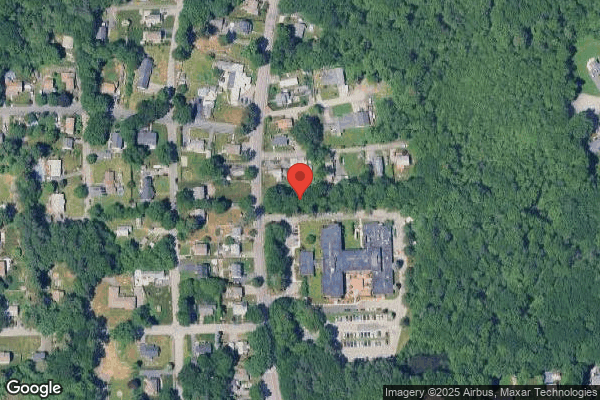

750 WOBURN STREET, WILMINGTON, MA 01887 (978) 988-0888
For profit - Corporation 132 Beds CAREONE Data: November 2025
Trust Grade
95/100
#15 of 338 in MA
Last Inspection: July 2025

Inspected within the last 6 months. Data reflects current conditions.

Overview

Care One at Wilmington has a Trust Grade of A+, indicating it is an elite facility that performs exceptionally well compared to others. It ranks #15 out of 338 nursing homes in Massachusetts, placing it in the top half, and #7 out of 72 in Middlesex County, meaning only six local options are better. The facility is improving, having reduced issues from three in 2023 to one in 2025. Staffing is average with a rating of 3 out of 5 stars and a turnover rate of 20%, which is significantly better than the Massachusetts average of 39%. While there have been no fines, which is a positive sign, there is concerningly less RN coverage than 76% of state facilities, potentially impacting resident care. However, there are some weaknesses to consider. Recent inspector findings revealed that a resident with a skin tear did not receive the necessary treatment, and another resident who needed assistance with meals was left unattended, resulting in spills and discomfort. Additionally, a physician's order for a CPAP machine for a resident with sleep apnea was not obtained, which could affect their health. Overall, while Care One at Wilmington has many strengths, families should be aware of these specific concerns regarding resident care.

Trust Score
A+
95/100
In Massachusetts
#15/338
Top 4%
Safety Record
Low Risk
No red flags
Inspections
Getting Better
3 → 1 violations
Staff Stability
✓ Good
20% annual turnover. Excellent stability, 28 points below Massachusetts's 48% average. Staff who stay learn residents' needs.
Penalties
✓ Good
No fines on record. Clean compliance history, better than most Massachusetts facilities.
Skilled Nurses
⚠ Watch
Each resident gets only 28 minutes of Registered Nurse (RN) attention daily — below average for Massachusetts. Fewer RN minutes means fewer trained eyes watching for problems.
Violations
✓ Good
Only 4 deficiencies on record. Cleaner than most facilities. Minor issues only.
★★★★★
5.0
Overall Rating
★★★☆☆
3.0
Staff Levels
★★★★★
5.0
Care Quality
★★★★★
5.0
Inspection Score
Stable
2023: 3 issues
2025: 1 issues

The Good

  • 5-Star Quality Measures · Strong clinical quality outcomes
  • Low Staff Turnover (20%) · Staff stability means consistent care
  • Full Sprinkler Coverage · Fire safety systems throughout facility
  • No fines on record
  • Staff turnover is low (20%)

    28 points below Massachusetts average of 48%

Facility shows strength in quality measures, staff retention, fire safety.

The Bad

Chain: CAREONE

Part of a multi-facility chain

Ask about local staffing decisions and management

The Ugly 4 deficiencies on record

Jul 2025 1 deficiency
CONCERN (D)

Potential for Harm - no one hurt, but risky conditions existed

Quality of Care (Tag F0684)

Could have caused harm · This affected 1 resident

Based on observation, record review and interview the facility failed for one Resident (#2) out of a total sample of 21 residents to ensure that following a skin tear, care was provided in accordance ...

Read full inspector narrative →
Based on observation, record review and interview the facility failed for one Resident (#2) out of a total sample of 21 residents to ensure that following a skin tear, care was provided in accordance with professional standards of practice. Specifically, the facility failed to a.) obtain an order for treatment of a new skin tear and b.) failed to assess the skin tear on a weekly skin assessment.Findings include:The facility policy titled Skin Tears- Abrasions and Minor Breaks, Care of, dated as revised September 2013, indicated: Purpose: The purpose of this procedure is to guide the prevention and treatment of abrasions, skin tears, and minor breaks in the skin. Preparation:Obtain a physician's order as needed. Document physician notification in medical record.Review the resident's care plan, current orders, and diagnoses to determine resident needs. Check the treatment record.Generate non-pressure form and complete.Assemble the equipment and supplies as needed. Resident #2 was admitted to the facility in April 2024 and has diagnoses that include Parkinson's disease and atrial fibrillation. Review of the most recent Minimum Data Set (MDS) assessment, dated 7/15/25, indicated that on the Brief Interview for Mental Status exam Resident #2 scored an 11 out of a possible 15, indicating moderately impaired cognition. The MDS further indicated Resident #2 utilizes a wheelchair for mobility. During an initial observation on 7/29/25 at 8:03 A.M., Resident #2 was observed in bed. There were five steri-strips (thin adhesive bandages designed to keep shallow wounds closed as they heal) located on the back (dorsal) side of his/her right hand with a caked red and brown substance on them and two steri-strips on his/her right forearm. Resident #2 said that his/her skin tears very easily and that the nurses place the steri-strips on whenever he/she gets a skin tear. Resident #2 stated that the right hand injury was most recently sustained a few days prior when he/she was wheeling his/her wheelchair in the room and he/she got the hand caught between the wheel and the footboard. Review of the record on 7/29/25 at 11:06 A.M., failed to indicate:-any clinical progress notes or information regarding how Resident #2 sustained the skin tears or when the steri-strips were placed;-an order for the steri-strips;-an order to monitor the skin following the skin tears;-a care plan regarding the skin tears. Review of the active physician orders included the following:Eliquis oral tablet 5 milligrams (mg). Give 5 mg by mouth two times a day for anticoagulation for atrial fibrillation, start date 6/1/24.Monitor for signs and symptoms of anticoagulant therapy complications, every shift such as bleeding, bruising, frank blood, hematemesis, black tarry stool, hemoptysis, epistaxis, and hematuria. Document positive (+) changes in progress note, start date 12/19/24. Review of the Skin Check assessment, dated 7/29/25 at 11:11 A.M., failed to indicate any areas on Resident #2's hand or forearm or that steri-strips were in place. On 7/31/25 at 7:40 A.M., Resident #2 was observed in bed, asleep. The five steri-strips remained on his/her right hand and two on the right forearm. During an interview on 7/31/25 at 9:09 A.M., Certified Nursing Assistant (CNA) #1 said that Resident #2 requires total care and that he/she usually needs assist with the wheelchair but sometimes wheels him/herself short distances. She said that she observes all residents' skin with care and that if a new area is noted she reports it immediately to the Nurse. CNA #1 said that Resident #2's skin is very fragile and needs a lot of cream and that she had been off for several days and when she came in yesterday and she noticed the steri-strips on his/her hand and arm. CNA #1 said that she did not report it to the Nurse because she could tell the steri strips were old because they were dirty. During an interview on 7/31/25 at 9:17 A.M., Nurse #1 said that overall Resident #2's skin is good but that when she came into work one day last week she noticed new steri-strips on his/her right hand. Nurse #1 said that if a resident has a new skin tear the Nurse at the time should have initiated a Situation, Background, Assessment and Recommendations (SBAR) progress note, called the Physician and family, obtained an order to apply the steri-strip as well as an order to monitor the area each shift for signs and symptoms of infection and pain. Nurse #1 said that the Nurse should have written a note regarding the incident at the time it occurred. Nurse #1 reviewed the record and said that there was not an order for the steri-strips or to monitor the site for signs and symptoms of infection or pain. As well, she said that she was the Nurse that completed the skin assessment on 7/29/25 and should have noted the areas where the steri-strips were applied, but she did not. Nurse #1 reviewed Resident #2's July 2025 Medication Administration Record (MAR) and Treatment Administration Record (TAR) and said that there was not an order for the steri-strips or a treatment ordered to Resident #2's hand or forearm. During an interview on 7/31/25 at 9:45 A.M., the Nurse Unit Manager said that at the time Resident #2 sustained the skin tear an SBAR should have been completed, the Physician and family notified, and that the Nurse should have written a one-time order to place steri-strips and to monitor for signs and symptoms of infection. The Nurse Unit Manager said that this order would go on the TAR until resolved. As well, she said that the area should have been documented on the weekly skin assessment completed on 7/29/25. During an interview on 7/31/2025 at 10:21 A.M., the Assistant Director of Nursing (ADON) said that when a resident sustains a skin tear an incident report should be initiated and that staff and the resident should be interviewed to determine how the injury was sustained. The ADON said a SBAR should also be completed, the Physician should be notified, a treatment order obtained and the order should be on the TAR. The ADON added that the areas should have been documented on the 7/29/25 weekly skin assessment.
Jun 2023 3 deficiencies
CONCERN (D)

Potential for Harm - no one hurt, but risky conditions existed

ADL Care (Tag F0677)

Could have caused harm · This affected 1 resident

**NOTE- TERMS IN BRACKETS HAVE BEEN EDITED TO PROTECT CONFIDENTIALITY** Based on observations, record review and interviews, the facility failed to provide assistance with meals as needed for 1 Reside...

Read full inspector narrative →
**NOTE- TERMS IN BRACKETS HAVE BEEN EDITED TO PROTECT CONFIDENTIALITY** Based on observations, record review and interviews, the facility failed to provide assistance with meals as needed for 1 Resident (#268) out of a total sample of 24 residents. Findings include: Review of the facility policy titled, Assistance with Meals, dated March 2022, indicated the following: *Residents who cannot feed themselves will be fed with attention to safety, comfort and dignity. Findings include: Resident #268 was admitted to the facility in June 2023 with diagnoses including dysphagia. During an observation on 6/13/23 at 8:41 A.M., Resident #268 was observed eating breakfast while lying in bed in his/her room with no staff present to assist or supervise as needed. While taking a drink of his/her juice, the Resident was observed to spill the juice over his/her chest and lap. The Resident was also observed to have a moderate amount of eggs on his/her chest. When asked, the Resident said, I need help to eat. The privacy curtain was drawn and the Resident was not able to be observed from the hallway. During an observation on 6/13/23 at 12:37 P.M., Resident #268 was observed eating alone in his/her room while lying in bed. The Resident was observed to eat three spoonfuls of food and with each spoonful, dropped approximately half of the food onto his/her chest. Review of the discharge summary from Resident #268's prior hospitalization dated 6/10/23, indicated the following: *The patient presents with overall mild oropharyngeal dysphagia, and suspect possible underlying esophageal dysphagia given advanced age. (The Resident) has chronic history of dysphagia with frequent coughing on liquids at home. Would expect this to be exacerbated due to current altered mental status. At bedside today (the Resident) demonstrates improved tolerance for small sips of thin liquids. Daughter present and expresses preference for minimal diet modifications for quality of life. Therefore, recommend continuing regular diet, thin liquids by small single straw sip (pinch straw to limit size and rate). 1:1 feed. Pills crushed in puree. Please re-consult SLP (speech) as needed. Review of Resident #268's Activity of Living Care plan initiated on 6/10/23, indicated the following intervention: *Assist with daily hygiene, grooming, dressing, oral care and eating as needed. Review of Resident #268's [NAME] (a form indicating the level of assistance a resident requires) indicated the following: *Eating: Assist of one(1) person. Review of the speech therapy evaluation dated 6/13/23 indicated Resident #268 requires one-on-one assistance with meals and cues as needed due to aspiration risk. Review of the occupational therapy evaluation dated 6/11/23 indicated Resident #268 is dependent with feeding tasks. During an interview on 6/14/23 at 10:09 A.M., the Speech Therapist said Resident #268 has been at this facility before and has a history of aspiration risk (trouble swallowing). The Speech Therapist said the Resident was evaluated at the hospital and the therapist there had recommended the Resident be supervised during meals. The Speech Therapist said she was asked to evaluate Resident #268 last night due to nursing observing the Resident coughing during meals. The Speech Therapist said she recommends the Resident has supervision throughout the entire meal and assistance if needed. During an interview on 6/14/23 at 10:28 A.M., the Director of Nursing and Unit Manager #2 confirmed Resident #268 should have supervision during meals.
CONCERN (D)

Potential for Harm - no one hurt, but risky conditions existed

Respiratory Care (Tag F0695)

Could have caused harm · This affected 1 resident

Based on observation, record review and interviews, the facility failed to obtain a physician order for the use of a CPAP machine (a machine for Continuous Positive Airway Pressure to treat sleep apne...

Read full inspector narrative →
Based on observation, record review and interviews, the facility failed to obtain a physician order for the use of a CPAP machine (a machine for Continuous Positive Airway Pressure to treat sleep apnea) for 1 Resident (#271) with a diagnosis of sleep apnea out of a total sample of 24 residents. Findings include: Review of the policy titled, CO CPAP/BiPAP Support, dated 6/7/18, indicated the following: *Purpose: 1. To provide the spontaneously breathing resident with continuous positive airway pressure with or without supplemental oxygen. 2. To improve arterial oxygenation (PaO2) in residents with respiratory insufficiency, obstructive sleep apnea, or restrictive/obstructive lung disease. 3. To promote resident comfort and safety. *Preparation: 2. Review the resident's medical record to determine his/her baseline oxygen saturation or arterial blood gases (ABGs), respiratory, circulatory, and gastrointestinal status. 3. review the physician's order to determine the oxygen concentration and flow, and the settings (CPAP, IPAP and EPAP) for the machine. *General Guidelines: 3. CPAP is used for treatment of obstructive sleep apnea. Resident #271 was admitted to the facility in June 2023 with diagnoses including acute respiratory failure and congestive heart failure. On 6/13/23 at 10:22 A.M., and 11:55 A.M., a CPAP machine was observed on Resident #271's bedside table. On 6/14/23 at 8:15 A.M., a CPAP machine was observed on Resident #271's bedside table. During this observation, Resident #271 said he/she uses the CPAP machine every night to sleep better and not snore. Review of the discharge paperwork dated 6/7 indicated in the history and physical that Resident #271 has a diagnosis of sleep apnea and uses a CPAP. Review of Resident #271's physician orders failed to indicate an order for the CPAP machine. Review of Resident #271's respiratory care plan last revised on 6/8/23 failed to indicate an intervention of the use of a CPAP machine or the settings of the machine. During an interview on 6/14/23 at 9:01 A.M., Unit Manager #1 and Unit Manager #2 said all residents who have a CPAP machine need to have a physician's order for its use and the order needs to include the setting the machine should run on. Unit Manager #1 said she was aware Resident #271 had a CPAP machine in his/her room to use at night. Both Unit Managers looked through Resident #271's current physician orders and confirmed there was no order for the use of the CPAP machine. During an interview on 6/14/23 at 9:01 A.M., the Director of Nursing said any resident using a CPAP machine should have an order for its use.
CONCERN (D)

Potential for Harm - no one hurt, but risky conditions existed

Deficiency F0761 (Tag F0761)

Could have caused harm · This affected 1 resident

Based on observation, policy review and interview, the facility failed to secure medications on 2 of 3 nursing units. Findings include: Review of the facility's Medication Storage Policy, dated 11/20...

Read full inspector narrative →
Based on observation, policy review and interview, the facility failed to secure medications on 2 of 3 nursing units. Findings include: Review of the facility's Medication Storage Policy, dated 11/2020, indicated The facility stores all drugs and biologicals in a safe, secure and orderly manner. On 6/13/23 at 8:15 A.M. the surveyor observed a pack of twenty four 50 mg (milligram) tablets of Trazodone (anti-depressant medication) on the nurses station deck on the second floor unit. There were no staff in the area. On 6/13/23 at 12:07 P.M., the surveyor observed a cup of liquid medication, a cup of 8 pills, 2 inhalers and 1 nasal spray on top of the medication cart on the first floor Unit. There were no staff in the area and the medications were accessible to residents and visitors in the area. The surveyor then approached Nurse #1 who said she was assigned to the medication cart. Nurse #1 said that she had left the medications on the cart when she stepped away to address a discharge in process. During an interview on 6/14/23 at 11:33 A.M., Unit Manager #2 said medications should never be left out if a nurse is not present.
Understanding Severity Codes (click to expand)
Life-Threatening (Immediate Jeopardy)
J - Isolated K - Pattern L - Widespread
Actual Harm
G - Isolated H - Pattern I - Widespread
Potential for Harm
D - Isolated E - Pattern F - Widespread
No Harm (Minor)
A - Isolated B - Pattern C - Widespread

Questions to Ask on Your Visit

  • "Can I speak with families of current residents?"
  • "What's your RN coverage like on weekends and overnight?"

Our Honest Assessment

Strengths
  • • Grade A+ (95/100). Above average facility, better than most options in Massachusetts.
  • • No major safety red flags. No abuse findings, life-threatening violations, or SFF status.
  • • No fines on record. Clean compliance history, better than most Massachusetts facilities.
  • • Only 4 deficiencies on record. Cleaner than most facilities. Minor issues only.
Concerns
  • • No significant concerns identified. This facility shows no red flags across CMS ratings, staff turnover, or federal penalties.
Bottom line: Generally positive indicators. Standard due diligence and a personal visit recommended.

About This Facility

What is Care One At Wilmington's CMS Rating?

CMS assigns CARE ONE AT WILMINGTON an overall rating of 5 out of 5 stars, which is considered much above average nationally. Within Massachusetts, this rating places the facility higher than 99% of the state's 100 nursing homes. This rating reflects solid performance across the metrics CMS uses to evaluate nursing home quality.
How is Care One At Wilmington Staffed?

CMS rates CARE ONE AT WILMINGTON's staffing level at 3 out of 5 stars, which is average compared to other nursing homes. Staff turnover is 20%, compared to the Massachusetts average of 46%. This relatively stable workforce can support continuity of care.

What Have Inspectors Found at Care One At Wilmington?

State health inspectors documented 4 deficiencies at CARE ONE AT WILMINGTON during 2023 to 2025. These included: 4 with potential for harm.
Who Owns and Operates Care One At Wilmington?

CARE ONE AT WILMINGTON is owned by a for-profit company. For-profit facilities operate as businesses with obligations to shareholders or private owners. The facility is operated by CAREONE, a chain that manages multiple nursing homes. With 132 certified beds and approximately 108 residents (about 82% occupancy), it is a mid-sized facility located in WILMINGTON, Massachusetts.

How Does Care One At Wilmington Compare to Other Massachusetts Nursing Homes?

Compared to the 100 nursing homes in Massachusetts, CARE ONE AT WILMINGTON's overall rating (5 stars) is above the state average of 2.9, staff turnover (20%) is significantly lower than the state average of 46%, and health inspection rating (5 stars) is much above the national benchmark.

What Should Families Ask When Visiting Care One At Wilmington?

Based on this facility's data, families visiting should ask: "Can I visit during a mealtime to observe dining assistance and food quality?" "How do you handle medical emergencies, and what is your hospital transfer rate?" "Can I speak with family members of current residents about their experience?"

Is Care One At Wilmington Safe?

Based on CMS inspection data, CARE ONE AT WILMINGTON has a clean safety record: no substantiated abuse findings (meaning no confirmed cases of resident harm), no Immediate Jeopardy citations (the most serious violation level indicating risk of serious injury or death), and is not on the Special Focus Facility watch list (a federal program monitoring the lowest-performing 1% of nursing homes). The facility has a 5-star overall rating and ranks #1 of 100 nursing homes in Massachusetts. While no facility is perfect, families should still ask about staff-to-resident ratios and recent inspection results during their visit.

Do Nurses at Care One At Wilmington Stick Around?

Staff at CARE ONE AT WILMINGTON tend to stick around. With a turnover rate of 20%, the facility is 26 percentage points below the Massachusetts average of 46%. Low turnover is a positive sign. It means caregivers have time to learn each resident's needs, medications, and personal preferences. Consistent staff also notice subtle changes in a resident's condition more quickly. Registered Nurse turnover is also low at 10%, meaning experienced RNs are available to handle complex medical needs.

Was Care One At Wilmington Ever Fined?

CARE ONE AT WILMINGTON has no federal fines on record. CMS issues fines when nursing homes fail to meet care standards or don't correct problems found during inspections. The absence of fines suggests the facility has either maintained compliance or corrected any issues before penalties were assessed. This is a positive indicator, though families should still review recent inspection reports for the full picture.

Is Care One At Wilmington on Any Federal Watch List?

CARE ONE AT WILMINGTON is not on any federal watch list. The most significant is the Special Focus Facility (SFF) program, which identifies the bottom 1% of nursing homes nationally based on persistent, serious quality problems. Not being on this list means the facility has avoided the pattern of deficiencies that triggers enhanced federal oversight. This is a positive indicator, though families should still review the facility's inspection history directly.