WINCHESTER REHABILITATION AND NURSING CENTER
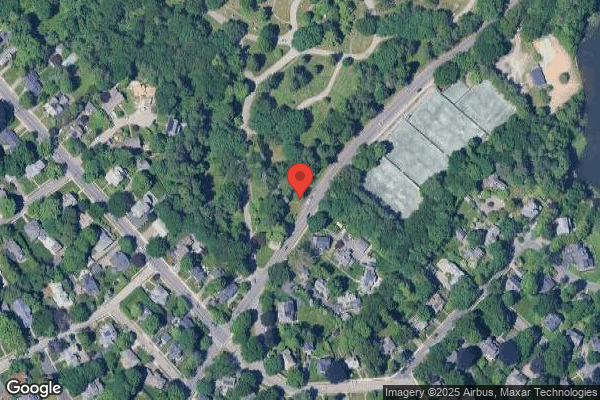
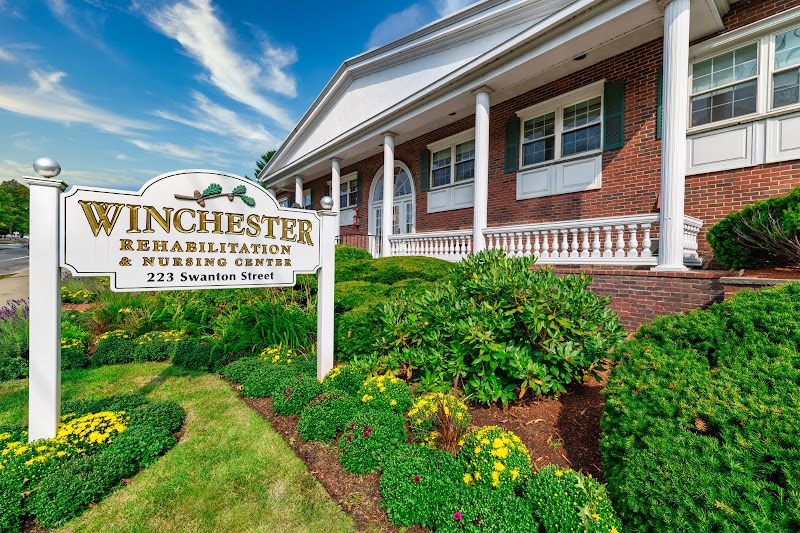
223 SWANTON STREET, #1968, WINCHESTER, MA 01890 (781) 729-9595
For profit - Limited Liability company 121 Beds STELLAR HEALTH GROUP Data: November 2025
Trust Grade
63/100
#126 of 338 in MA
Last Inspection: November 2024

Within standard 12-15 month inspection cycle. Federal law requires annual inspections.

Overview

Winchester Rehabilitation and Nursing Center has a Trust Grade of C+, indicating it is decent and slightly above average among nursing homes. It ranks #126 out of 338 facilities in Massachusetts, placing it in the top half, and #27 out of 72 in Middlesex County, meaning only 26 local options are better. The facility is improving, with the number of issues decreasing from 9 in 2023 to 8 in 2024. Staffing is a strength, with a 5-star rating and a turnover rate of 24%, well below the state average, ensuring experienced staff are available to care for residents. However, there are concerning incidents, such as a resident being transferred without the required staff assistance, leading to a serious injury, and another finding where medication room codes were not secured, posing a risk to medication safety.

Trust Score
C+
63/100
In Massachusetts
#126/338
Top 37%
Safety Record
Moderate
Needs review
Inspections
Getting Better
9 → 8 violations
Staff Stability
✓ Good
24% annual turnover. Excellent stability, 24 points below Massachusetts's 48% average. Staff who stay learn residents' needs.
Penalties
✓ Good
$7,901 in fines. Lower than most Massachusetts facilities. Relatively clean record.
Skilled Nurses
✓ Good
Each resident gets 69 minutes of Registered Nurse (RN) attention daily — more than 97% of Massachusetts nursing homes. RNs are the most trained staff who catch health problems before they become serious.
Violations
⚠ Watch
25 deficiencies on record. Higher than average. Multiple issues found across inspections.
★★★★☆
4.0
Overall Rating
★★★★★
5.0
Staff Levels
★★★★☆
4.0
Care Quality
★★★☆☆
3.0
Inspection Score
Stable
2023: 9 issues
2024: 8 issues

The Good

  • 5-Star Staffing Rating · Excellent nurse staffing levels
  • 4-Star Quality Measures · Strong clinical quality outcomes
  • Low Staff Turnover (24%) · Staff stability means consistent care
  • Full Sprinkler Coverage · Fire safety systems throughout facility
  • No fines on record
  • Staff turnover is low (24%)

    24 points below Massachusetts average of 48%

Facility shows strength in staffing levels, quality measures, staff retention, fire safety.

The Bad

Federal Fines: $7,901

Below median ($33,413)

Minor penalties assessed

Chain: STELLAR HEALTH GROUP

Part of a multi-facility chain

Ask about local staffing decisions and management

The Ugly 25 deficiencies on record

2 actual harm
Nov 2024 6 deficiencies
CONCERN (D)

Potential for Harm - no one hurt, but risky conditions existed

Deficiency F0578 (Tag F0578)

Could have caused harm · This affected 1 resident

**NOTE- TERMS IN BRACKETS HAVE BEEN EDITED TO PROTECT CONFIDENTIALITY** Based on record review, and interview, the facility failed to ensure Advance Directives (written documents that instruct health ...

Read full inspector narrative →
**NOTE- TERMS IN BRACKETS HAVE BEEN EDITED TO PROTECT CONFIDENTIALITY** Based on record review, and interview, the facility failed to ensure Advance Directives (written documents that instruct health care providers of the decisions for specific medical treatment if a person was unable to speak or lacked the capacity to make decisions for themselves) were consistently documented in the medical record for one Resident (#75), out of a total sample of 23 residents. Findings include: Review of the facility policy titled Residents' Rights Treatment and Advance Directives, revised 2/23, indicated: 1. On admission, the facility will determine if the resident has executed an advance directive, and if not, determine whether the resident would like to formulate an advance directive. 2. The facility will provide the resident or resident representative information, in a manner that is easy to understand, about the right to refuse medical or surgical treatment and formulate and advance directive. 3. Upon admission, should the resident have an advance directive, copies will be made and placed on the chart as well as communicated to the staff. 7. During the care planning process, the facility will identify, clarify, and review with the resident or legal representative whether they desire to make any changes related to any advance directive. 8. Decisions regarding advance directive and treatment will be periodically reviewed as part of the comprehensive care planning process, the existing care instructions and whether the resident wishes to change or continue these instructions. 9. Any decision making regarding the resident's choices will be documented in the residents' medical record and communicated to the interdisciplinary team and staff responsible for the resident's care. Resident #75 was admitted to the facility in October 2024 with diagnoses that included adult failure to thrive, anxiety disorder, Parkinson's Disease, diabetes, and hallucinations. Review of Resident #75's most recent Minimum Data Set (MDS), dated [DATE], indicated he/she scored a 14 out of a possible 15 on the Brief Interview for Mental Status (BIMS) indicating intact cognition. Review of Resident #75's advanced directives care plan, dated 10/15/24, indicated: This resident has established Advanced Directives which include: DNR, DNI. (Do Not Resuscitate, Do Not Intubate). -Provide information on the state form POLST/MOLST. (Physician Orders for Life-Sustaining Treatment, Medical Orders for Life-Sustaining Treatment). -Review advanced directives upon admission and quarterly with care plan reviews with the resident or invoked resident representative. Review of Resident #75's medical record failed to indicate a physician order for advance directive in place. Review of Resident #75''s medical record did not have MOLST form on file or in the electronic medical chart. Review of Resident #75''s nursing progress notes failed to indicate a code status was discussed upon admission. During an interview on 11/6/24 at 9:30 A.M., Unit Manager #2 (UM) said Resident #75 is a full code but he/she does not have a MOLST form on file. UM #2 and the surveyor looked in the medical record and UM #2 said she is not sure why the care plan indicates DNR/DNI and said Resident #75 should have a signed MOLST form and physician order on file and that the medical record should be accurate to match the care plan. UM #2 said Resident #75 is not a DNR/DNI. During an interview on 11/6/24 at 1:15 P.M., the Director of Nurses (DON) and the surveyor reviewed Resident #75's medical record and were unable to locate a MOLST form. The DON said the Resident's physician order should be full code and said the care plan will be updated with the code status to match the MOLST form. During an interview on 11/6/24 at 1:24 P.M., Social Worker #1 said Resident #75 should have MOLST form in place indicating code status and it should be in the chart.
CONCERN (D)

Potential for Harm - no one hurt, but risky conditions existed

Comprehensive Care Plan (Tag F0656)

Could have caused harm · This affected 1 resident

**NOTE- TERMS IN BRACKETS HAVE BEEN EDITED TO PROTECT CONFIDENTIALITY** 2. Resident #13 was admitted to the facility in April 2024 with diagnoses that included presence of cardiac pacemaker, atrial fi...

Read full inspector narrative →
**NOTE- TERMS IN BRACKETS HAVE BEEN EDITED TO PROTECT CONFIDENTIALITY** 2. Resident #13 was admitted to the facility in April 2024 with diagnoses that included presence of cardiac pacemaker, atrial fibrillation, atherosclerotic heart disease, hypertension and dementia. Review of Resident #13's most recent Minimum Data Set (MDS), dated [DATE], indicated he/she scored a 6 out of 15 on the Brief Interview for Mental Status (BIMS), indicating the Resident had severe cognitive impairment. Further review of the MDS indicated the presence of a cardiac pacemaker. On 9/5/24 at 9:05 A.M., Resident #13 was observed sitting up in a chair eating breakfast. A white box was observed placed on the nightstand next to the Residents bed. Resident #13 said he/she has a pacemaker and said, nobody ever checks it. Review of Resident #13's pacemaker care plan, dated 4/5/24, indicated Resident is at risk for a cardiac event R/T (related to) HTN (hypertension), CAD (coronary artery disease), A-fib (atrial fibrillation), pacemaker. -Pacemaker is in place. The date the pacemaker was inserted: _____________ The model is: _____________ The serial # is: _____________ The setting is: _____________ Interrogation of the pacemaker as ordered. The Cardiologist name & phone # is: _____________ The date of insertion, model, serial number, setting, and cardiologist name and phone number were left blank. Review of Resident #13's medical record failed to indicate information on the cardiac pacemaker. During an interview on 11/6/24 at 9:02 A.M., Nurse #1 said Resident #13 does not have a pacemaker. During an interview on 11/6/24 at 9:27 A.M., Unit Manager (UM) #2 said Resident #13 does have a pacemaker and said the care plan should be completed with information related to the pacemaker and not left blank. UM #2 said transmission of the pacemaker was done last month but she did not have any information regarding when and could not find any information in the medical record. During an interview on 11/6/24 at 1:11 P.M., the Director of Nurses (DON) said the pacemaker care plan should be updated with information on how the pacemaker is monitored and specifics of the pacemaker. 3. Resident #48 was admitted to the facility in January 2022 with diagnoses including myocardial infarction, diastolic congestive heart failure, and paroxysmal atrial fibrillation. Review of the most recent Minimum Data Set (MDS) assessment, dated 10/19/24, indicated that Resident #48 was cognitively intact as evidenced by a Brief Interview for Mental Status (BIMS) score of 15 out of 15. The MDS indicated Resident #48 is taking an anticoagulant (blood thinner) medication. Review of Resident #48's plan of care related to high-risk medications, dated as revised 8/7/24, failed to indicate the use of an anticoagulant and did not contain interventions related to high-risk medications or bleeding risks. Review of Resident #48's Medication Administration Record dated November 2024, indicated the following physician orders: - Apixaban Oral Tablet 5 milligrams (Apixaban) Give 1 tablet by mouth two times a day related to paroxysmal atrial fibrillation. Hold 11/10/24 to 11/12/24. Resident #48 was administered Apixaban twice daily during the month of November 2024. During an interview on 11/6/24 at 9:06 A.M., Unit Manager #1 said that Resident #48 is on an anticoagulant and said the care plan should be updated with bleeding risks and monitoring. During an interview on 11/6/24 at 1:12 P.M., the Director of Nurses said Resident #48's high risk medications care plan should have been updated to include bleeding risks due to the use of an anticoagulant medication. Based on observation, record review and interview the facility failed to develop and implement the plan of care for three Residents (#23, #13, #48) out of a total sample of 23 residents. Specifically: 1. For Resident #23, the facility failed to implement a left hand splint care plan. 2. For Resident #13, the facility failed to develop a pacemaker care plan. 3. For Resident #48, the facility failed to develop a risk for bleeding care plan. Findings Include: 1. Resident #23 was admitted to the facility in November 2016 with diagnoses including cerebral vascular disease, cerebral infarction, hemiplegia and hemiparesis affecting left non-dominant side. Review of Resident #23's most recent Minimum Data Set (MDS) assessment, dated 8/14/24, indicated Resident #23 has severe cognitive deficits. The MDS further indicated Resident #23 requires dependent assistance for activities of daily living (ADL). On 11/5/24 at 8:37 A.M., the surveyor observed Resident #23 sitting in his/her wheelchair eating breakfast. Resident #23 was not wearing his/her left-hand grip splint. On 11/5/24 at 10:32 A.M., the surveyor observed Resident #23 sitting in his/her wheelchair. Resident #23 was not wearing his/her left-hand grip splint. On 11/5/24 at 11:20 A.M., the surveyor observed Resident #23 sitting in his/her wheelchair. Resident #23 was not wearing his/her left-hand grip splint. On 11/6/24 at 8:07 A.M., the surveyor observed Resident #23 sitting in his/her wheelchair eating breakfast. Resident #23 was not wearing his/her left-hand grip splint. On 11/6/24 at 10:05 A.M., the surveyor observed Resident #23 sitting in his/her wheelchair. Resident #23 was not wearing his/her left-hand grip splint. On 11/6/24 at 11:56 A.M., the surveyor observed Resident #23 sitting in his/her wheelchair eating lunch. Resident #23 was not wearing his/her left-hand grip splint. On 11/6/24 at 1:31 P.M., the surveyor observed Resident #23 sitting in his/her wheelchair outside on the patio. Resident #23 was not wearing his/her left-hand grip splint. On 11/6/24 at 3:25 P.M., the surveyor observed Resident #23 sitting in his/her wheelchair participating in an afternoon activity. Resident #23 was not wearing his/her left-hand grip splint. Review of Resident #23's physician order indicated the following order initiated on 8/10/24: - Apply left hand-grip splint as tolerated - on AM off PM, one time a day related to unspecified sequelae of unspecified cerebrovascular disease and remove per schedule. Review of Resident #23's ADL care plan interventions indicated the following: - Will wear his/her left-hand splint daily as tolerated. During an interview on 11/7/24 at 8.44 A.M., Unit Manager #3 said we put the splint on Resident #23 after morning care and get him/her out of bed to his/her wheelchair. Unit Manager #3 said the schedule should be followed as ordered by the physician and that she was not aware Resident #23's left hand splint was not on the past 2 days. During an interview on 11/7/24 at 9:30 A.M., the Director of Nursing said a splint schedule should be followed as ordered by the physician. The Director of Nursing said if a resident refuses to wear the splint it should be documented in the medical record. Review of Resident #23's medical record failed to indicate he/she refused to wear his/her splint.
CONCERN (D)

Potential for Harm - no one hurt, but risky conditions existed

Deficiency F0658 (Tag F0658)

Could have caused harm · This affected 1 resident

**NOTE- TERMS IN BRACKETS HAVE BEEN EDITED TO PROTECT CONFIDENTIALITY** Based on observations, interviews, and record review, the facility failed to provide services that met professional standards of...

Read full inspector narrative →
**NOTE- TERMS IN BRACKETS HAVE BEEN EDITED TO PROTECT CONFIDENTIALITY** Based on observations, interviews, and record review, the facility failed to provide services that met professional standards of quality for one Resident (#48) out of a total sample of 23 residents. Specifically, the facility failed to ensure nursing implemented a physician's order for weekly weights. Findings include: Review of the facility policy titled Weights Monitoring, dated as revised February 2023, indicated the following: - A weight monitoring schedule will be developed upon admission for all residents: - Weights should be recorded at the time obtained. 6. Weight analysis: The newly recorded resident weight should be compared to the previous recorded weight. A significant change in weight is defined as: a. 5% change in weight in one month (30 days) b. 7.5% change in weight in three months (90 days) c. 10% change in weight in six months (180 days) 7. Documentation: a. The physician should be informed of a significant change in weight in may order nutritional interventions. e. The Registered Dietitian or Dietary Manager should be consulted to assist with interventions; actions are recorded in the nutritional progress notes. g. The interdisciplinary plan of care communicates care instructions to staff. Resident #48 was admitted to the facility in January 2022 with diagnoses including myocardial infarction, diastolic congestive heart failure, and paroxysmal atrial fibrillation. Review of the most recent Minimum Data Set (MDS) assessment, dated 10/19/24, indicated that Resident #48 was cognitively intact as evidenced by a Brief Interview for Mental Status (BIMS) score of 15 out of 15. Further review of the MDS indicated Resident #48 required setup or clean-up assistance for eating and had experienced weight loss of 6.2% in one month and received a mechanically altered therapeutic diet. Review of Resident #48's nutrition care plan, dated as revised 8/7/24, indicated: - Monitor po (oral intake), wts (weights), labs and skin. - Dietitian consult as needed. Review of Resident #48's physician's order, dated 2/9/24, indicated: Weekly weight, every day shift, every Monday for weight. Review of Resident #48's Medication and Treatment Administration record did not contain documentation to support nursing obtained the weights. Review of Resident #48's weights in the electronic health record indicated the following: - 9/9/24 174.6 lbs. - 10/15/24 163.8 lbs. These values indicated a significant change in weight (6.2% loss) in approximately a one month period. No weekly weights were documented in the medical record between 10/15/24 and 11/7/24 (over a three week period). Review of Resident #48's, Nutrition Assessment -Dietary/Nutrition Note, dated 8/5/24, indicated the following: -WT (weight) is stable overall at 173# w/in (within) his/her baseline. WT changes of a few pounds overall; not significant. -No new recommendations at this time POC (plan of care) updated. -Diet Recommendations/ Monitoring: weight, skin labs as ordered. Review of the weekly Risk Meeting Notes indicated the following information for Resident #48: 10/17/24- needs reweigh - down 10.8 lbs in 1 month s/p hospitalization during this time. Currently 163.8. 10/24/24- needs reweigh-down 10.8 lbs in 1 month s/p hospitalization during this time. Currently 163.8. 10/31/24-needs reweigh - down 10.8 lbs in 1 month s/p (status post) hospitalization during this time. Currently 163.8. Review of the clinical record failed to indicate recommended re-weights occurred. Review of Resident #48's Quarterly Nutrition assessment dated [DATE], was blank, not completed and documented as in progress. There was no reference to the Resident's significant weight loss. During an interview on 11/07/24 at 9:23 A.M. the Dietician said Resident #48 returned from the hospital on [DATE] and his/her weight loss should have been monitored with weekly weights and should have been assessed. The Dietician said Resident #48's weights should have been discussed at risk meeting and a reweight should have been done on 10/15/24 and after to confirm the weight. The Dietician said Resident #48 has had a significant weight loss and said an assessment would determine if it was planned or not and said labs and weight monitoring should have been implemented and physician orders should be followed. The Dietician said she did not complete the nutrition assessment on 10/24/24. The Dietician said she would complete an assessment today and weigh the Resident because the missing weights are concerning. During an interview on 11/07/24 at 9:59 A.M., the Assistant Director of Nurses (ADON) said weights should have been completed and documented and a nutrition assessment should have been completed. The ADON said she would expect the weights and reweights to be reviewed and discussed at the risk meeting and followed up on. The ADON said the significant weight loss requires monitoring and supplements should have been discussed and reviewed. During an interview on 11/07/24 at 10:41 A.M., the Director of Nurses (DON) said she expects weights to be monitored and assessed and said Resident #48 should have been weighed and discussed at risk meeting to monitor continued weight loss, and care plan interventions updated with dietary recommendations and supplements if needed.
CONCERN (D)

Potential for Harm - no one hurt, but risky conditions existed

Tube Feeding (Tag F0693)

Could have caused harm · This affected 1 resident

Based on observation, record review and interview, the facility failed to ensure staff adhered to professional standards of practice for the administration of enteral tube feeding (nutrition taken thr...

Read full inspector narrative →
Based on observation, record review and interview, the facility failed to ensure staff adhered to professional standards of practice for the administration of enteral tube feeding (nutrition taken through a tube directly into the stomach) for one Resident (#259) out of a total sample of 23 residents. Specifically, the facility failed to consistently label and date the tube feeding bag. Findings include: Review of the facility policy titled Care and Treatment of Feeding Tube, dated and revised August 2024, indicated the following: - Direction for staff regarding nutritional products and meeting the resident's nutritional needs will be provided: Ensuring that the administration of enteral nutrition is consistent with and follows the practitioner's orders and ensuring that the product has not exceeded the expiration date. Resident #259 was admitted to the facility in November 2024 with diagnoses including encephalopathy, dysphagia, and type 2 diabetes mellitus. Review of Resident #259's admission assessment indicated he/she has no memory impairment. Review of Resident #259's physician's order dated 11/5/24 indicated the following: - Tube feeding via G-tube (gastric tube): Jevity 1.5 at 75 ml (milliliter) per hour for 12 hours. ON at 8 PM; OFF at 8 AM. Provides: 900 ml volume; 1350 cal (calorie); 50 gm (gram) protein. The surveyor made the following observations: - On 11/5/24 at 7:50 A.M., Resident #259 was sleeping in his/her bed and receiving tube feeding. The tube feeding formula was in an open system bag with an opening on the top allowing staff to pour the formula directly into the bag which will deliver the tube feeding formula to the resident. The tube feeding bag was not labeled with what tube feeding product it contained and it was not dated indicating when it was first administered and when its expiration date was. - On 11/6/24 at 7:04 A.M., Resident #259 was sleeping in his/her bed and receiving tube feeding. The tube feeding formula was in an open system bag with an opening on the top allowing staff to pour the formula directly into the bag which will deliver the tube feeding formula to the resident. The tube feeding bag was not labeled with what tube feeding product it contained, and it was not dated with an expiration date. During an interview on 11/7/24 at 7:00 A.M., Unit Manager #4 said Resident #259's tube feeding formula gets poured directly into the bag and we follow the physician's orders for it. Unit Manager #4 said the bag should be labeled and dated so we know what is in it, when the formula was hung and when it should stop since it is an open system. During an interview on 11/7/24 at 10:13 A.M., the Director of Nursing said tube feeding bags should always be labeled and dated so we know what is in them and when it was hung.
CONCERN (D)

Potential for Harm - no one hurt, but risky conditions existed

Medical Records (Tag F0842)

Could have caused harm · This affected 1 resident

2. Resident #259 was admitted to the facility in November 2024 with diagnoses including encephalopathy, dysphagia, and type 2 diabetes mellitus. Review of Resident #259's admission assessment indicat...

Read full inspector narrative →
2. Resident #259 was admitted to the facility in November 2024 with diagnoses including encephalopathy, dysphagia, and type 2 diabetes mellitus. Review of Resident #259's admission assessment indicated he/she has no memory impairment. Review of Resident #259's physician's order dated 11/5/24 indicated the following: - Tube feeding via G-tube (gastric tube): Jevity 1.5 at 75 ml (milliliter) per hour for 12 hours. ON at 8 PM; OFF at 8 AM. Provides: 900 ml volume; 1350 cal (calorie); 50 gm (gram) protein. Start: 1400 (2:00 P.M.). The description of the physician's order indicated that the tube feeding solution should be administered at 8:00 P.M., the start time in the medical record system has the tube feeding solution start time as 2:00 P.M. - On 11/5/24 at 7:50 A.M., Resident #259 was sleeping in his/her bed and receiving tube feeding via a G-tube. - On 11/6/24 at 7:04 A.M., Resident #259 was sleeping in his/her bed and receiving tube feeding via a G-tube. Review of the facility document titled Medication Administration Audit Report for Resident #259 indicated that nursing signed off on Resident #259's tube feeding order as being administered at 2:14 P.M. on 11/5/24 and 2:32 P.M. on 11/6/24 despite Resident #259 not receiving his/her tube feeding formula until 8:00 P.M., as described in the order. During an interview on 11/7/24 at 8:22 A.M., Unit Manager #4 and the surveyor observed the audit report, and she said Resident #259 did not receive his/her tube feeding at the documented times as she was working both days and it was not administered. Unit Manager #4 continued to say staff should not be signing off on a treatment if it is not being done at that time. During an interview on 11/7/24 at 9:18 A.M., the Registered Dietitian said the timing of Resident #259's order should match the time in the description of the order to make sure Resident #259 is receiving his/her tube feeding at the correct time. During an interview on 11/7/24 at 10:13 A.M., the Director of Nursing said staff should not be documenting treatments being done if it is not happening at that time. The DON continued to say nursing should let someone know if there is a discrepancy with the order timing and the description of the order. Based on observation record review, and interview, the facility failed to ensure staff maintained an accurate medical record for two Residents (#23 and # 259) out of a sample of 23 residents. Specifically: 1. For Resident # 23, the facility failed to accurately document the wearing of a left hand splint . 2. For Resident #259, the facility failed to accurately document the start time for a tube feeding formula to be hung as ordered by the physician. Findings include: Review of the facility policy titled, Documentation in Medical Record, last revised February 2023, indicated the following: - Each resident's medical record shall contain an accurate representation of the actual experiences of the resident and include enough information to provide a picture of the resident's progress through complete, accurate, and timely documentation. - Policy Explanation and Compliance Guidelines: 4. Principles of documentation include, but not limited to: a. Documentation shall be factual, objective, and resident centered. b. Documentation shall be accurate, relevant, and complete, containing sufficient details about the resident's care and/or responses to care. 1. Resident #23 was admitted to the facility in November 2016 with diagnoses including cerebral vascular disease, cerebral infarction, hemiplegia, and hemiparesis affecting left non-dominant side. Review of Resident #23's most recent Minimum Data Set (MDS) assessment, dated 8/14/24, indicated Resident #23 has severe cognitive deficits. The MDS further indicated Resident #23 requires dependent assistance for activities of daily living. On 11/5/24 at 8:37 A.M., the surveyor observed Resident #23 sitting in his/her wheelchair eating breakfast. Resident #23 was not wearing his/her left-hand grip splint. On 11/5/24 at 10:32 A.M., the surveyor observed Resident #23 sitting in his/her wheelchair. Resident #23 was not wearing his/her left-hand grip splint. On 11/5/24 at 11:20 A.M., the surveyor observed Resident #23 sitting in his/her wheelchair. Resident #23 was not wearing his/her left-hand grip splint. On 11/6/24 at 8:07 A.M., the surveyor observed Resident #23 sitting in his/her wheelchair eating breakfast. Resident #23 was not wearing his/her left-hand grip splint. On 11/6/24 at 10:05 A.M., the surveyor observed Resident #23 sitting in his/her wheelchair. Resident #23 was not wearing his/her left-hand grip splint. On 11/6/24 at 11:56 A.M., the surveyor observed Resident #23 sitting in his/her wheelchair eating lunch. Resident #23 was not wearing his/her left-hand grip splint. On 11/6/24 at 1:31 P.M., the surveyor observed Resident #23 sitting in his/her wheelchair outside on the patio. Resident #23 was not wearing his/her left-hand grip splint. On 11/6/24 at 3:25 P.M., the surveyor observed Resident #23 sitting in his/her wheelchair participating in an afternoon activity. Resident #23 was not wearing his/her left-hand grip splint. Review of Resident #23's physician orders indicated the following order initiated on 8/10/24: - Apply left hand-grip splint as tolerated - on AM off PM, one time a day related to unspecified sequelae of unspecified cerebrovascular disease and remove per schedule. Review of Resident #23's ADL care plan interventions indicated the following: - Will wear his/her left-hand splint daily as tolerated. Review of Resident #23's Treatment Administration Record (TAR) for 11/5/24 through 11/6/24 indicated staff had signed off that he/she was wearing his/her left-hand splint. During an interview on 11/7/24 at 8:44 A.M., Unit Manager #3 said Resident #23 has a left-hand splint we put on him/her once he/she is washed and dressed and out of bed in the morning. Unit Manager #3 said it should be documented correctly in the medical record and indicated if the resident refuses. During an interview on 11/7/24 at 9:30 A.M., the Director of Nursing said she expects the splint to be worn as ordered by the physician, accurately documented in the medical record, and indicated if the resident refuses. Review of Resident #23's medical record failed to indicate he/she refused to wear his/her splint.
CONCERN (E)

Potential for Harm - no one hurt, but risky conditions existed

Deficiency F0761 (Tag F0761)

Could have caused harm · This affected multiple residents

Based on observations and interviews the facility failed to ensure drugs and biologicals were stored in accordance with accepted professional standards of practice for four of four medication rooms. ...

Read full inspector narrative →
Based on observations and interviews the facility failed to ensure drugs and biologicals were stored in accordance with accepted professional standards of practice for four of four medication rooms. Specifically, nursing failed to ensure the codes to the medication rooms were not disclosed to unauthorized personal. Findings include: Review of the facility of policy, Medication Storage, dated 2/2023, indicated that it is the policy of this facility to ensure all medications housed on our premises will be stored in the pharmacy and/or medication rooms according to the manufacturer's recommendations and sufficient to ensure proper sanitation, temperature, light, ventilation, moisture control, segregation, and security. 1. General Guidelines: a. All drugs and biologicals will be stored in locked compartments (i.e., medication carts, cabinets, drawers, refrigerators, medication rooms) under proper temperature controls. b. Only authorized personnel will have access to the keys to locked compartments. 1. On 11/6/24 at 7:54 A.M., two surveyors were located at the C Unit nursing station when there was one nurse who asked for the code to get into the medication room. Another nurse loudly yelled from across the hall the code, there were residents and staff members in the hallway. On 11/6/24 at 9:14 A.M., the surveyor was able to independently gain access to the B Unit nursing station medication room. The medication room contained the following: - one bottle of folic acid, - one bottle of polyethylene glycol, - one bottle of naproxen sodium, - one bottle magnesium oxide, - one box of guaifenesin tablets, - on bottle of Maalox, - two boxes of omeprazole, - two bottles of acidophilus, - three boxes of lidocaine 4% patches, and - one plastic container of insulin vials. On 11/6/24 at 9:16 A.M., Unit Manager #1 entered the medication room. Unit Manager #1 said only nurses are supposed to be in the medication room. 2. On 11/6/24 at 9:18 A.M., the surveyor was able to independently gain access to the A Unit nursing station medication room. The code to the door was posted above the pad lock. The medication room contained the following: -one bottle of allergy relief, -one bottle of folic acid, -one bottle of iron, -one bottle of B complex vitamins, -one bottle of vitamin D, -one bottle of lactulose, -one Novolin pen, -one box of Bisacodyl suppositories, -one box acetaminophen suppositories, -three bottles of MiraLAX, -ten bottles of various over the counter medications, -one anaphylaxis kit, -one Narcan kit, -one coumadin kit, and -one insulin kit. 3. On 11/6/24 at 9:21 A.M., the surveyor was able to independently gain access to the D Unit nursing station medication room. The medication room contained the following: - 53 bottles of over-the-counter medications - one Narcan kit, - one anaphylaxis kit, - one emergency kit, - one IV hydration kit, - one box of Trulicity, - one insulin kit, - one box of Bisacodyl suppositories, and - two boxes of acetaminophen suppositories. 4. On 11/6/24 at 9:30 A.M., the surveyor was able to independently gain access to the C Unit nursing station. The medication room contained the following: - one Narcan kit, - one anaphylaxis kit, - one bottles of folic acid, - one bottle of meclizine, - one bottle of simethicone, - one bottle of Maalox, - one bottle of vitamin D, - one box of omeprazole, - one bottle of MiraLAX, - one bottle of ProSource, - one Humalog insulin pen, - one bottle of acidophilus, - one box containing Bisacodyl suppositories, - two bottles of calcium carbonate, - two bottles of Bisacodyl, - three bottles of Senna, - three bottles of Colace, and - ten bottles of acetaminophen. During an interview on 11/6/24 at 9:36 A.M., Unit Manager #2 said that only nursing is supposed to be in the mediation room. During an interview on 11/6/24 at 12:55 P.M., the Director of Nursing said that only nurses should know the code to the medication rooms.
Oct 2024 2 deficiencies
CONCERN (D) 📢 Someone Reported This

A family member, employee, or ombudsman was alarmed enough to file a formal complaint

Potential for Harm - no one hurt, but risky conditions existed

Deficiency F0573 (Tag F0573)

Could have caused harm · This affected 1 resident

Based on interviews and records reviewed, for one of three sampled residents (Resident #1), whose Health Care Proxy had been activated in July of 2022, the Facility failed to ensure it honored a reque...

Read full inspector narrative →
Based on interviews and records reviewed, for one of three sampled residents (Resident #1), whose Health Care Proxy had been activated in July of 2022, the Facility failed to ensure it honored a request for copies of medical record information within two working days, when his/her Health Care Agent (HCA) requested copies of documentation from his/her medical record verbally and through email correspondence, but was not provided with copies in accordance with federal regulations. Findings include: Review of the Facility Release of Medical Records Policy, dated May 2022, indicated medical records will be released with a valid request in accordance with state and federal laws. The Policy indicated upon request to access or obtain copies of the medical record, the Facility should review the authorization to ascertain access rights of that person. Authority to access or release records is only granted by the resident or the resident's legal representative. A valid request for medical information concerning a resident, by a party other than the resident, included the following: name of resident, name and address of individual or organization requesting information, specific information and reports requested, period of stay for which information is to be released, date of request and signature of the resident or legally appointed representative authorizing release of information. The corporate office/risk manager should be notified of the request for records. The Policy indicated that records should not be released prior to discussion with corporate office/risk manager in order to further validate authenticity of the request. The Policy indicated access rights to medical information state the resident or his/her legal representative may receive a copy of his/her medical record within two working days after the request has been made. Review of the Facility's Authorization For Release of Information form, dated as revised in December 2010, indicated it included a request for the Patient/Legal Representatives Signature, and that he/she had carefully read and understood the above and do herein expressly and voluntarily consent to disclosure of the above information about, or medical records of, my condition to those persons or agencies listed above. The form also included this statement I further release physicians, nursing home, and its employees from any liability arising from the said release of information. Resident #1's clinical record contained a Health Care Proxy form which indicated Family Member #1 was his/her Health Care Agent (HCA) and the Health Care Proxy was activated in July 2022, due to moderate to severe dementia. Review of Resident #1's Progress Note, dated 06/14/24 at 4:36 P.M., written by the Assistant Director of Nurses indicated his/her HCA requested a copy of lab results that were in the medical record from a staff nurse, the medical record release form was left at the nurses station to be completed by the HCA and oncoming staff were made aware. Review of Grievance Form, dated 09/10/24, indicated Resident #1's HCA has requested laboratory result multiple times in writing. The Grievance Form follow-up indicated the HCA has been informed that the Facility will review and release any record with a signed consent for release form for the medical record. Review of an Email, dated 09/10/24 at 3:15 P.M., sent from the HCA to the Director of Nurses indicated as the HCA, she repeatedly requested in writing Resident #1's test results of lab work performed early last week. The Email indicated the results have not been provided. Review of an Email, dated 09/11/24 at 9:02 A.M., sent from the HCA to the Director of Nurses indicated Resident #1's Health Care Proxy was activated and as his/her HCA, she wanted a copy of Resident #1's medical record lab results immediately. The Email indicated that she (HCA) had written over 20 requests asking for these documents, that were refused to be provided. The Email indicated that the HCA would not sign a liability release indicating that she would not sue. During a telephone interview on 10/02/24 at 10:25 A.M., Resident #1's HCA said that she has requested copies of documentation from Resident #1's clinical record verbally and through emails since January 2024 and has not received the documentation requested. The HCA said requests were made to the Medical Records Coordinator, the Director of Nurses and Nursing Supervisor. The HCA said since May 2024, she had made approximately 10 requests for copies of tests results and medical record information and her requests were denied. The HCA said she has not received the documentation to date because she refused to sign the Authorization For Release of Information form. The HCA said although she had signed this form in the past, said she decided not to sign the form on these occasions as it indicated that by signing it, it would release the Facility from any liability. During an interview on 10/02/24 at 2:10 P.M., the Medical Records Coordinator said the former Administrator told her not to release medical record information unless the Authorization For Release Of Information form was signed. The Medical Records Coordinator said over the past year, on at least three occasions (exact dates unknown), the HCA asked her for a copy of Resident #1's medical record. The Medical Records Coordinator said the HCA did not want to sign the release form and therefore the information was not provided. The Medical Records Coordinator said she told the HCA she was unable to provide her with copies of Resident #1's medical record unless she signed the Authorization For Release Of Information form. The Medical Records Coordinator said she suggested as an alternative that the HCA's attorney could document something indicating there was a request for a copy of Resident #1's medical records, however neither were provided. During a telephone interview on 10/03/24 at 1:40 P.M., the Nursing Supervisor said during the end of August 2024 (exact dates unknown), the HCA asked for a copy of Resident #1's laboratory results. The Nursing Supervisor said she showed the HCA the results, but said, however a copy was not provided as requested since the HCA refused to sign the Authorization For Release Of Information form. During an interview on 10/02/24 at 4:45 P.M., the Assistant Director of Nursing (ADON) said approximately one month ago, the HCA asked her for a copy of Resident #1's current laboratory results. The ADON said the HCA was not provided it since she would not sign the release form. During in-person interviews on 10/02/24 at 10:45 A.M. and at 3:40 P.M. and follow-up a telephone interview on 10/03/24 at 2:35 P.M., the Director of Nurses (DON) said it was the Facility's Policy for residents, legal representative, or HCA, to sign the release form to obtain copies of a resident's medical record. The DON said if an individual is uncomfortable signing the Authorization for Release of Information due to the last sentence referring to release of liability, she would need to talk to her superiors. The DON said Resident #1's HCA has asked staff members including herself, the ADON, the Medical Records Coordinator, and the Nursing Supervisor for copies of Resident #1's medical record. The DON said the requests were made verbally and through numerous emails. The DON said although medical information had been reviewed with the HCA, she refused to sign the Authorization For Release Of Information and as a result the copies of the medical record documents were not provided. The DON said although it was a universal form used to also request releasing medical information to entities outside of the facility, said the HCA misunderstood that by signing the release form it prevented her from exercising a right to sue the Facility. The DON said the Facility owner spoke with their legal department and emailed the HCA yesterday (10/01/24) offering to send the medical records requested without referencing the need for a signed release form.
CONCERN (D) 📢 Someone Reported This

A family member, employee, or ombudsman was alarmed enough to file a formal complaint

Potential for Harm - no one hurt, but risky conditions existed

Transfer Notice (Tag F0623)

Could have caused harm · This affected 1 resident

Based on interviews and records reviewed, for three of three sampled residents (Resident #1, #2, and #3), the Facility failed to ensure that at the time of their discharges, that the residents, their ...

Read full inspector narrative →
Based on interviews and records reviewed, for three of three sampled residents (Resident #1, #2, and #3), the Facility failed to ensure that at the time of their discharges, that the residents, their legal representative(s) or Health Care Agents (HCA) were provided with Notice of Intent to discharge: that was complete, and included all pages of the notice, with necessary information to file an appeal, in accordance with federal regulations and per facility policy. Findings include: The Facility Transfer and Discharge Policy, dated as revised in February 2023, indicated that the notice will be provided to the resident and the resident's representative which will include all of the following at the time it is provided: a. The specific reason and basis for transfer or discharge. b. The effective date of transfer or discharge. c. The specific location to which the resident is to be transferred or discharged . d. An explanation of the right to appeal the transfer or discharge to the State. e. The name, address (mailing and email) and telephone number of the State entity which receives such hearing requests. f. Information on how to obtain an appeal form. g. Information on obtaining assistance in completing and submitting the appeal hearing request. h. The name, address (mailing and email), and phone number of the representative of the Office of the State Long-Term Care Ombudsman. i. For nursing facility residents with intellectual and developmental disabilities (or related disabilities) or with mental illness (or related disabilities), the notice will include the name, mailing and email addresses and phone number of the state agency responsible for the protection and advocacy of these populations. Review of the Facility's Notice of Intent to Transfer or Discharge Resident with Expedited Appeal indicated that page one contained the information noted in the Policy as section a, b and c. Page two and page three contained the remaining portions of information noted as d, e, f, g, h and i. 1) Resident #1's clinical record contained a Health Care Proxy form which indicated Family Member #1 was his/her Health Care Agent (HCA) and the Health Care Proxy was activated in July 2022 due to moderate to severe dementia. Review of Resident #1's Progress Notes, dated 09/12/24 at 1:45 P.M. and 2:51 P.M., indicated his/her Health Care Agent (HCA) initiated an emergency transfer of Resident #1 to the hospital, where he/she was sent for the assessment of his/her arm. During an interview on 10/02/24 at 4:45 P.M., the Assistant Director of Nurses (ADON) said she completed and sent Resident #1's Notice of Intent to Transfer or Discharge Resident with Expedited Appeal dated 09/12/24 to the Hospital emergency room and left a copy in Resident #1's medical record. The ADON said at that time she was unaware that the Notice contained a total of three pages, and that the remainder of the information was required and missing. The ADON said there was only one page of the Notice available on the unit, and that she did not send or provide page #2 and #3, at the time of discharge. During an interview on 10/02/24 at 3:40 P.M., the Director of Nurses (DON) said on 09/12/24 after the HCA initiated Resident #1's transfer to the Hospital, the facility held a team meeting and decided Resident #1 was to be discharged to the Hospital. The DON said the HCA was informed of the discharge by email. The DON said on 09/13/24 she (the DON) mailed the copy of the Notice of Intent to Transfer or Discharge Resident with Expedited Appeal that was completed by the ADON, to the HCA. The DON said unfortunately she (did not realize that the two additional pages (#2 and #3)were excluded until she had a conversation with the Ombudsman Program Manager on 09/16/24, and subsequently mailed the last two pages to the HCA. 2) Review of Resident #2's clinical record indicated his/her Health Care Proxy was not invoked. Review of Resident #2's Progress note, dated 09/15/24 at 7:39 A.M., indicated he/she was sent to the hospital emergency room, where he/she was admitted . Review of Resident #2's clinical record indicated the copy of the Notice of Intent to Transfer or Discharge Resident with Expedited Appeal did not contain the date and location of where Resident #1 was being transferred/discharged to on page one, and there was no record that page #2 and #3 were completed and issued. 3) Review of Resident #3's clinical record indicated on the date of transfer/discharge to the hospital, his/her Health Care Proxy was not invoked. Review of Resident #3's Progress Note, dated 09/03/24 at 11:17 A.M., indicated he/she was sent to the hospital emergency room, where he/she was admitted . Review of Resident #3's clinical record indicated although page one's copy of the Notice of Intent to Transfer or Discharge Resident with Expedited Appeal was completed, there was no record that page #2 and #3 were completed and issued. The DON said after her conversation with the Ombudsman Program Manager on 09/16/24, it was discovered that the blank copies of the Notice of Intent to Transfer or Discharge Resident with Expedited Appeal kept on the Unit for completion by nursing staff did not include all three pages, and other residents issued the notice, such as Resident #2 and Resident #3, also had not received page two and page three.
Nov 2023 6 deficiencies
CONCERN (D)

Potential for Harm - no one hurt, but risky conditions existed

Deficiency F0638 (Tag F0638)

Could have caused harm · This affected 1 resident

Based on Minimum Data Set (MDS) assessment review and staff interview, the facility failed to complete a Quarterly MDS assessment timely for one Resident (#35), out of a total sample of 24 residents. ...

Read full inspector narrative →
Based on Minimum Data Set (MDS) assessment review and staff interview, the facility failed to complete a Quarterly MDS assessment timely for one Resident (#35), out of a total sample of 24 residents. Findings include: Review of the facility policy titled MDS 3.0 completion, revised October 2023, indicated the following: -Quarterly Assessment - completed using an ARD (Assessment Reference Date) no greater than 92 days from the most recent prior quarterly or comprehensive assessment (counting ARD to ARD). Resident #35 was admitted to the facility in August 2022 with a diagnosis of dementia. Review of Resident #35's MDS indicated the most recent MDS assessment was a quarterly assessment completed in June with an ARD date of 6/27/23, (147 days ago), indicating the quarterly assessment was 55 days overdue. Review of the MDS schedule indicated a quarterly assessment for Resident #35 was scheduled to be completed with an ARD date of 9/19/23. During an interview on 11/21/23 at 8:49 A.M. the MDS nurse said quarterly assessments must be completed every quarter. The MDS nurse said Resident #35's quarterly assessment should have been completed no later than 9/27/23 and that it was missed and not completed.
CONCERN (D)

Potential for Harm - no one hurt, but risky conditions existed

ADL Care (Tag F0677)

Could have caused harm · This affected 1 resident

**NOTE- TERMS IN BRACKETS HAVE BEEN EDITED TO PROTECT CONFIDENTIALITY** 2. For Resident #34 the facility failed to provide scheduled showers. Resident #34 was admitted to the facility in August 2023 w...

Read full inspector narrative →
**NOTE- TERMS IN BRACKETS HAVE BEEN EDITED TO PROTECT CONFIDENTIALITY** 2. For Resident #34 the facility failed to provide scheduled showers. Resident #34 was admitted to the facility in August 2023 with diagnoses including acute and chronic respiratory failure with hypoxia and polyneuropathy. Review of Resident #34's Minimum Data Set (MDS) dated [DATE] indicated the Resident scored a 15 out of possible 15 on the Brief Interview for Mental Status (BIMS) indicating intact cognition. The MDS further indicated the Resident was total dependent for bathing with one assist. During an interview on 11/20/23 at 11:36 A.M., Resident #34 told the surveyor that he/she has had not had consistent showers and would like to get one every week. Review of Resident #34's current functional performance care plan indicated the following intervention: *Personal hygiene limited assist/ one person physical assist. Review of the Certified Nursing Assistant schedule assignment indicated Resident #34 was scheduled for a shower on Monday 7-3 shift. Review of the Documentation Survey Report V2 where staff documented if a shower was given indicated the following: -The month of September 2023 there was no documentation indicating the Resident received a shower. -The month of October 2023 indicated the Resident had received one shower on 10/23/23. -The month of November 2023 indicated the Resident had so far received one shower on 11/6/23/ During an interview on 11/21/23 at 10:45 A.M., Certified Nursing Assistant (CNA) #1 said showers are assigned in the CNA daily assignment and that's how one knows who needs a shower. She further said that once the shower is completed it's documented in the electronic medical record. During an interview on 11/21/23 at 11:18 A.M., Unit Manager #2 said showers should be offered to residents as scheduled, if any refusal the CNA will document in the electronic medical record and report to the nurse. She further said Resident #34 should have received showers as assigned. Based on observations, record reviews and interviews, the facility 1) failed to provide assistance with meals as needed for one Resident (#96) and #2) failed to provide scheduled showers for one Resident (#34) out of a total sample 24 residents. Finding include: 1. Resident #96 was admitted to the facility in June 2023 with diagnoses including dementia, depression, and dysphagia. Review of Resident #96's most recent Minimum Data Set (MDS) dated [DATE], indicated the Resident had a Brief Interview for Mental Status (BIMS) score of 3 out of a possible 15, which indicated he/she had severe cognitive impairment. The MDS also didn't On 11/20/23 at 9:27 A.M., Resident #96 was observed eating while lying in bed. The Resident had significant amount of food spilled on his/her body and juice was spilled on the breakfast tray. There were no staff present to provide supervision or assistance as needed and the privacy curtain was drawn so the Resident was not able to be supervised from the hallway by staff walking by the room. Poor cognition. Ate alone with Curtain drawn. mess on Body. On 11/21/23 at approximately 8:35 A.M., Resident #96 was given his/her breakfast tray. The nurse then left the room and did not provide assistance or supervision to the Resident. On 11/22/23 at 8:31 A.M. Resident #96 was observed eating breakfast in his/her room. There were no staff present providing assistance. Resident #96 was struggling to take bites of cut up pancake with his/her spoon. Review of Resident #96's functional performance care plan last revised 9/5/23, indicated the following intervention: *Resident performance: Eating - Extensive assist / one-person physical assist Review of Resident #96's [NAME] (a form indicated the level of assistance required for a resident) indicated: Eating: Extensive assist/one-person physical assist. Review of Resident #96's Activities of Daily Living documentation indicated that for 51 documented meals, Resident #96 received supervision for 49 meals, limited assistance with one meal, and was independent with one meal. Review of the speech therapy Discharge summary dated [DATE], indicated Resident #96 requires supervision with meal 26-49% of the time. Review of the occupational therapy Discharge summary dated [DATE] indicated Resident #96 requires partial/moderate assistance with meals. During an interview on 11/22/23 at 8:35 A.M., Certified Nursing Assistant (CNA) #2 said Resident #96 needs assistance with eating. CNA #2 said she did not deliver Resident #96's breakfast today. When told that Resident #96 was eating alone in his/her room, CNA #2 said that Resident #96 can sometimes feed himself/herself and staff should go in to supervise and cue him/her sometimes. During an interview on 11/22/23 at 8:43 A.M. Unit Manager #1 said that CNA's should be following the Resident's care plan.
CONCERN (D)

Potential for Harm - no one hurt, but risky conditions existed

Quality of Care (Tag F0684)

Could have caused harm · This affected 1 resident

**NOTE- TERMS IN BRACKETS HAVE BEEN EDITED TO PROTECT CONFIDENTIALITY** Based on observations, record reviews and interviews, the facility failed to identify a bruise on 1 Resident's (#96) wrist and d...

Read full inspector narrative →
**NOTE- TERMS IN BRACKETS HAVE BEEN EDITED TO PROTECT CONFIDENTIALITY** Based on observations, record reviews and interviews, the facility failed to identify a bruise on 1 Resident's (#96) wrist and document it on a skin assessment, out of a total sample 24 residents. Finding include: Resident #96 was admitted to the facility in June 2023 with diagnoses including dementia, depression, and dysphagia. Review of Resident #96's most recent Minimum Data Set (MDS) dated [DATE], indicated the Resident had a Brief Interview for Mental Status (BIMS) score of 3 out of a possible 15, which indicated he/she had severe cognitive impairment. On 11/20/23 at 9:27 A.M., Resident #96 was observed eating breakfast in bed. A large bruise, approximately 2 inches long and purple-green in color, was observed on the Resident's right wrist. Resident #96 was unable to say how he/she got the bruise due to low cognition. Review of Resident #96's last skin assessment dated [DATE] failed to indicate any skin abnormalities on the Resident. During an interview on 11/21/23 at 10:54 A.M., Nurse #1 said any new skin issues need to be immediately reported and documented. Nurse #1 then observed Resident #96's right wrist and confirmed there was a bruise. During an interview on 11/21/23 at 11:04 A.M., Unit Manager #1 said staff must immediately report and new skin concerns, document the areas, notify the physician and family, and then put a treatment in place if necessary. Unit Manager #1 said she was unaware Resident #96 had a bruise on the right wrist. Unit Manager #1 and the surveyor observed Resident #96's right wrist and Unit Manager #1 confirmed it was a bruise. Unit Manager #1 said the bruise was in a recognizable area and was visible to anyone providing care or a meal to the Resident and had already begun to fade so she would have expected it to be documented on the last skin assessment.
CONCERN (D)

Potential for Harm - no one hurt, but risky conditions existed

Deficiency F0761 (Tag F0761)

Could have caused harm · This affected 1 resident

Based on observation, policy review and interview, the facility failed to ensure medications, once opened were dated as required, on 3 of 4 sampled medication carts. Findings include: Review of the f...

Read full inspector narrative →
Based on observation, policy review and interview, the facility failed to ensure medications, once opened were dated as required, on 3 of 4 sampled medication carts. Findings include: Review of the facility policy titled Medication Storage dated May 2022 and revised in February 2023, indicated the following: *It is the policy of this facility to ensure all medications housed on or premises will be stored in the pharmacy and/or medication rooms according to the manufacturer's recommendations and sufficient to ensure proper sanitation, temperature, light, ventilation, moisture control, segregation, and security. *External Products: Disinfectants and drugs for external use are stored separately from internal and injectable medications. *Internal Products: Medications administered by mouth are stored separately from other formulations (i.e., eye drops, ear drops, injectables). *Unused Medications: The pharmacy and all medication rooms are routinely inspected by the consultant pharmacist for discontinued, outdated, defective, or deteriorated medications with worn, illegible, or missing labels. On 11/21/23, at 09:34 A.M., the surveyor observed the following in the Unit D medication cart: -One Amlodipine Besylate 10 mg (milligram) tablet found loose in medication cart. -One Methocarbamol 500 mg pill found loose in medication cart. -One Bottle Magnesium Hydroxide 1200 mg undated and opened. No expiration date indicated. -One Bottle 9% Sodium Chloride Irrigation USP 100 mL undated and opened. No expiration date indicated. -One Tube Diclofenac Sodium Topical Gel 1% opened and undated. Stored in cart with oral medications. On 11/21/23, at 09:56 A.M., the surveyor observed the following in the Unit A medication cart: -One Bottle Magnesium Hydroxide 1200 mg., undated and opened. No expiration date indicated. -One Bottle Nasal Decongestant Oxymetazoline Hydrochloride 0.05%, 30 mL. Opened no expiration date indicated. On 11/21/23, at 09:59 A.M., the surveyor observed the following in the Unit A medication room refrigerator: -One boxed container of Cranberry Juice Cocktail opened and undated. During an interview on 11/21/23, at 9:39 A.M., Nurse #3 said medications need to be dated when opened and expired medication should be discarded. Nurse #3 said loose pills should not be left in the medication carts. During an interview on 11/21/23, at 9:58 A.M., Unit Manager #3 said medications should be dated when opened and an expiration date needs to be labeled. Undated and or expired medications should be removed from the medication cart. Unit manager #3 said all food items need to be dated when opened. During an interview on 11/21/23 at 11:38 P.M., the Director of Nursing (DON) said she expects all medications to be dated when opened and have an expiration date listed. The DON said all expired medications should be removed from the cart and not given to patients. The DON said topical medications should not be stored with oral medications.
CONCERN (D)

Potential for Harm - no one hurt, but risky conditions existed

Infection Control (Tag F0880)

Could have caused harm · This affected 1 resident

**NOTE- TERMS IN BRACKETS HAVE BEEN EDITED TO PROTECT CONFIDENTIALITY** 2.) Review of the facility policy titled Standard Precautions Infection Control dated 2/2022 and revised 6/2023 indicated the fo...

Read full inspector narrative →
**NOTE- TERMS IN BRACKETS HAVE BEEN EDITED TO PROTECT CONFIDENTIALITY** 2.) Review of the facility policy titled Standard Precautions Infection Control dated 2/2022 and revised 6/2023 indicated the following: All staff are to assume that all residents are potentially infected or colonized with an organism that could be transmitted during the course of providing resident care services. Therefore, all staff shall adhere to Standard Precautions to prevent the spread of infection to residents, staff and visitors. Using Personal Protective Equipment (PPE): All staff who have contact with residents and/or their environments must wear personal protective equipment as appropriate during resident care activities and at other times in which exposure to blood, body fluids, or potentially infectious materials is likely. Hand Hygiene Policy dated 5/2022 and revised on 6/2023 indicated the following: All staff will perform proper hand hygiene procedures to prevent the spread of infection to other personnel, residents, and visitors. This applies to all staff working in all locations within the facility. During an observation on 11/21/23 at 9:21 A.M., Housekeeper #1 was observed removing items from a linen cart in the hallway on D unit. Two washcloths were observed falling off the cart onto the carpet. She then picked up the items and placed them back on to the linen cart and closed the linen cart cover. During an observation on 11/21/23 at 9:23 A.M., Housekeeper #1 was observed exiting room D10 wearing gloves to both hands, touching the door handle, and pushing a trash bin in the hall. She then walked across the hall and entered room D8 wearing the same gloves and touching the door handle. Housekeeper #1 could be observed from the hall emptying the bathroom trash bin. She then carried the trash bag out to the hall and opened the trash bin with her gloved hand and pressed the trash bag down inside the trash bin. Using her gloved hand, Housekeeper #1 then closed the trash bin lid and proceeded to push the trash bin down the hall to the next resident's room. During an interview on 11/21/23 at 11:36 A.M., the Director of Nursing (DON) said staff must perform hand hygiene before and after removal of gloves and staff are not to wear gloves while walking in the halls. The DON said items that have fallen on the floor should be thrown away and not put back with clean items. During an interview on 11/21/23 at 12:24 P.M., the Maintenance Director said gloves should not be worn in the halls and that staff need to remove soiled gloves, wash their hands, and not touch doorknobs with gloved hands. The Maintenance Director said staff should not be using items that have fallen on the floor as they are considered contaminated, and he expects that staff will throw away contaminated items. Based on record review, observation, and interview, the facility failed to maintain infection control standards. Specifically, the facility failed to 1.) initiate transmission based precautions for one Resident (#75) out of a total sample of 24 residents and 2.) failed to ensure infection control measures were implemented to prevent the spread of infection on 1 of 4 units. Findings include: Review of the facility policy titled Transmission-based (isolation) precautions, revised in May 2023, indicated the following: -It is our policy to take appropriate precautions to prevent or minimize the transmission of pathogens, based on the pathogens' modes of transmission. -Initiation of Transmission-Based Precautions (Isolation Precautions)- a. Nursing staff may place residents with suspected or confirmed infectious diarrhea, influenza, or symptoms consistent with a communicable disease on transmission-based precautions/isolation empirically while waiting fir confirmation. b. An order for transmission-based precautions/isolation will be obtained for residents who are known or suspected to be infected or colonized with infectious agents that require additional controls to prevent transmission effectively. c. The order for transmission-based precautions/isolation will specify the type of precautions and reason for the transmission-based precaution. The duration will depend upon the infectious agent or the organism involved. d. The transmission-based precaution will be the least restrictive possible for the resident under the circumstances. e. Signage that includes instructions for use of specific PPE (personal protective equipment) will be placed in a conspicuous location outside the resident's room, wing, or facility wide. Additionally, either the CDC (Centers for Disease Control)category of transmission-based precautions (e.g., contact, droplet, or airborne) or instructions to see the nurse before entering will be included in the signage. f. The facility will have PPE readily available near the entrance of the residents' room and will don appropriate PPE before or upon entry into the environment of a resident on transmission-based precautions. -Contact precautions - a. intended to prevent transmission of pathogens that are spread by direct or indirect contact with the resident or residents' environment. c. Healthcare personnel caring for a resident on Contact Precautions wear a gown and gloves for all interactions that may involve contact with the resident or potentially contaminated areas in the resident's environment. d. Donning PPE upon room entry and discarding before exiting the room is done to contain pathogens, especially those that have been implicated in transmission through environmental contamination (e.g. VRE, C. Difficile, noroviruses and other intestinal tract pathogens, RSV). f. contact precautions will be used for residents infected or colonized with multi-drug resistant organisms (MDRO, such as extended spectrum beta lactamase) in the following situations: i. When a resident has wounds, secretions, or excretions that are unable to be covered or contained. 1.) Resident #75 was admitted to the facility in October 2022 with diagnoses including dementia. Review of the Minimum Data Set (MDS), dated [DATE], indicated that Resident #75 scored a 7 out of 15 on the Brief Interview for Mental Status (BIMS) indicating the Resident has severe cognitive impairment. Further review of the MDS indicated Resident #75 is frequently incontinent. Review of Resident #75's hospital discharge paperwork, dated 10/31/23, indicated the Resident was admitted to the hospital with a urinary tract infection, was started on antibiotics, and was discharged back to the facility on [DATE]. Review of a nursing progress note, dated 11/13/23 indicated Resident #75 had tested positive for extended spectrum beta lactamase (ESBL), a multi-drug resistant organism (MDRO). Review of Resident #75's hospital discharge paperwork, dated 11/17/23, indicated Resident #75 was re-admitted to the hospital with sepsis (a life-threatening complication of an infection), was positive for ESBL in the urine, and was discharged on 11/17/23 with instructions to start taking sulfamethoxazole-trimethoprim (an antibiotic) to treat his/her urinary tract infection. Review of Resident #75's physician orders indicated the following active order: sulfamethoxazole-trimethoprim tablet 800-160 mg, give 1 tablet by mouth two times a day related to urinary tract infection - initiated 11/17/23. Further review of Resident #75's physician orders failed to indicate an order for transmission-based precautions. On 11/21/23 at 10:00 A.M., the surveyor observed Resident #75 in his/her room. There was no precaution signage or PPE outside of the room, and the surveyor observed staff entering and exiting the Resident's room without donning or doffing PPE. On 11/22/23 at 8:58 A.M., the surveyor observed Resident #75 in his/her room. There was no transmission-based precaution signage or PPE outside of the room, and the surveyor observed staff entering and exiting the Resident's room without donning or doffing PPE. During an interview on 11/22/23 at 9:04 A.M., Certified Nursing Assistant #3 said Resident #75 is incontinent of urine. During an interview on 11/22/23 at 9:31 A.M., the infection control nurse said residents who test positive for ESBL in their urine will be placed on contact precautions, and that the precautions will be maintained until the Resident has completed his/her course of antibiotics. During an interview on 11/22/23 at 10:51 A.M., the Director of Nursing (DON) said residents who test positive for ESBL in the urine should be placed on contact precautions until the Resident completes his/her course of antibiotics. The DON said that since Resident #75 tested positive for ESBL in his/her urine and has not yet completed his/her course of antibiotics, the Resident should have been on contact precautions since he/she was readmitted from the hospital on [DATE]. The DON said the Resident was not placed on contact precautions until the surveyor brought the concern to the attention of the facility on 11/22/23.
CONCERN (E)

Potential for Harm - no one hurt, but risky conditions existed

Comprehensive Care Plan (Tag F0656)

Could have caused harm · This affected multiple residents

**NOTE- TERMS IN BRACKETS HAVE BEEN EDITED TO PROTECT CONFIDENTIALITY** 1c. Resident #74 was admitted to the facility in March 2023 with diagnoses including left hip fracture. Review of the most recen...

Read full inspector narrative →
**NOTE- TERMS IN BRACKETS HAVE BEEN EDITED TO PROTECT CONFIDENTIALITY** 1c. Resident #74 was admitted to the facility in March 2023 with diagnoses including left hip fracture. Review of the most recent Minimum Data Set (MDS) dated [DATE] indicated the Resident scored a 12 out of 15 on the Brief Interview for Mental Status (BIMS) score indicating that he/she had moderate cognitive impairment. The MDS further indicated that the Resident was at risk for developing pressure ulcers. On 11/20/23 at 12:21 P.M., Resident #74 was observed lying in his/her bed with feet directly on the mattress, prevalon boots were observed on a chair in the room On 11/21/23 at 7:30 A.M., Resident #74 was observed lying in bed with his/her feet directly on the mattress, prevalon boots were observed on a chair in the room On 11/21/23 at 11:21 A.M., Resident #74 was observed lying in bed with his/her feet pressed against the foot board, prevalon boots were observed on a chair in the room. Resident #74 told the surveyor that the boots fit well and that the surveyor could put them on him/her. Review of the current physician order dated 10/24/23 indicated the following: -Prevalon boots on while in bed every shift. Review of the medical record indicated a Norton Scale for Predicting Risk for Pressure Ulcer dated 10/5/23 indicated the following: -Norton Score 6 less than 10 indicates high risk for developing pressure ulcer During an interview on 11/21/23 at 11:23 A.M., Nurse #2 said physicians orders should be followed as ordered and that the Resident is suppose to have the prevalon boots while in bed. 2a) Review of the facility policy titled Comprehensive Care Plans, revised February 2023, indicated the following: -The care planning process will include an assessment of the resident's strengths and needs and will incorporate the resident's personal and cultural preferences in developing goals of care. Services provided or arranged by the facility, as outlined by the comprehensive care plan, shall be culturally competent and trauma informed. -The comprehensive care plan will be developed within 7 days of completion of the comprehensive Minimum Data Set (MDS) assessment. All Care Assessment Areas (CAAs) triggered by the MDS will be considered in developing the plan of care. Other factors identified by the interdisciplinary team, or in accordance with the residents' preferences, will also be addressed in the plan of care. The facility's rationale for deciding whether to proceed with care planning will be evidenced in the clinical record. -The comprehensive care plan will describe, at a minimum, the following: a. The services that are to be furnished to attain or maintain the residents' highest practicable physical, mental, and psychosocial well-being. b. any services that would otherwise be furnished but are not provided due to the resident's exercise of his or her right to refuse treatment. Resident #202 was admitted to the facility in October 2023 with diagnoses including stroke and hemiplegia (paralysis or weakness of one side of the body). Review of the MDS, dated [DATE], indicated a Brief Interview for Mental Status (BIMS) could not be conducted as Resident #202 is rarely or never understood. Further review of the MDS indicated Resident #202 required substantial/maximal assistance with oral hygiene, bed mobility, and upper body dressing, and is dependent on staff for toileting hygiene, bathing, lower body dressing, bed to chair transfer, wheeling 50 feet in a wheelchair, and personal hygiene. Review of Resident #202 failed to indicate a care plan was developed outlining the level of assistance Resident #202 needs with activities of daily living (ADLS), such as grooming, transferring, eating, or toileting. Review of Resident #202's [NAME] (a reference for staff regarding care needs) failed to indicate the level of assistance the Resident needs with bowel/bladder, eating/nutrition, toileting, safety, or bathing. During an interview on 11/22/23 at 9:04 A.M., Certified Nursing Assistant (CNA) #3 said she refers to the assignment sheet to determine the level of assistance a resident needs with ADLS. Review of the CNA assignment book indicated Resident #202 requires a hoyer lift for transferring but failed to indicate the level of assistance required for any other ADL. During an interview on 11/22/23 at 9:13 A.M., Nurse #6 said she would refer to the care plan to determine the level of assistance a resident needs for ADLS. Nurse #6 said every resident needs a care plan outlining the level of assistance they need with ADLS, even if the resident is independent with ADLS. During an interview on 11/22/23 at 9:22 A.M., the Director of Nursing (DON) said Resident #202 should have had a care plan developed to outline the level of assistance the Resident requires with activities of daily living, and that this care plan would need to be specific to each ADL area. The DON said the Resident [NAME] is generated from a Resident's ADL care plan. 2b) Resident #75 was admitted to the facility in October 2022 with diagnoses including dementia, and urinary retention. Review of the Minimum Data Set (MDS), dated [DATE], indicated that Resident #75 scored a 7 out of 15 on the Brief Interview for Mental Status (BIMS) indicating the Resident has severe cognitive impairment. Further review of the MDS indicated Resident #75 is frequently incontinent. Review of Resident #75's hospital discharge paperwork, dated 10/31/23, indicated the Resident was admitted to the hospital with a urinary tract infection likely in the setting of urinary retention. Further review of the hospital discharge paperwork indicated Resident #75's post voiding residual was greater than 400 mL, indicating the Resident was retaining urine which required the insertion of a straight catheter to drain the bladder. Review of a Nurse Practitioner (NP) progress note, dated 11/1/23, indicated Resident #75 was hospitalized for a UTI in the setting of urinary retention. Review of a Nurse Practitioner (NP) progress note, dated 11/20/23, indicated Resident #75 has candida dermatitis (a fungal rash in the perineum) and to provide incontinence management. Review of Resident #75's November 2023 documentation survey report indicated the Resident was incontinent of urine 17 times in November. During an interview on 11/22/23 at 9:04 A.M. Certified Nursing Assistant (CNA) #3 said Resident #75 is incontinent of urine. Review of Resident #75's care plans failed to indicate a care plan addressing incontinence, or urinary retention was developed. During an interview on 11/22/23 at 9:13 A.M., Nurse #6 said she would expect a care plan to be developed if a resident was incontinent of urine and/or had a history of urinary retention. Nurse #6 said some potential interventions would include two hour checks for incontinence, and bladder scans to determine if the resident is retaining urine. Nurse #6 said Resident #75 is incontinent of urine. During an interview on 11/22/23 at 9:22 A.M., the Director of Nursing (DON) said a resident with incontinence should have a care plan developed addressing incontinence. The DON said that she would not expect a care plan for urinary retention to be developed because all the staff work regularly and know that if Resident #75's behaviors increase that they should assess for urinary retention. During an interview on 11/22/23 at 9:56 A.M., Nurse #7 said she is currently taking care of Resident #75 and was unaware that if Resident #75 is having increased behaviors that she should be assessing for urinary retention. Based on observations, record reviews and interviews, the facility 1) failed to implement skin integrity care plans for 3 Residents (#60, #73 and #74) and 2) failed to develop individualized care plans for 2 Residents (#202 and #75) out of a total sample of 24 Residents. Findings include: 1a. Resident #60 was admitted to the facility in March 2023 with diagnoses including stroke and dementia. Review of Resident #60's most recent Minimum Data Set (MDS) dated [DATE], indicated the Resident had a Brief Interview for Mental Status (BIMS) score of 7 out of a possible 15 which indicated the Resident had severe cognitive impairment. The MDS also indicated the Resident required maximal assistance from staff to complete bed mobility tasks. On 11/20/23 at 11:51 A.M., Resident #60 was observed lying in bed with both heels directly on the bed and not offloaded from pressure. On 11/20/23 at 2:28 P.M., Resident #60 was observed lying in bed with both heels directly on the bed and not offloaded from pressure. On 11/21/23 at 7:19 A.M., Resident #60 was observed lying in bed with both heels directly on the bed and not offloaded from pressure. Review of Resident #60's physician orders indicated the following order initiated on 7/11/23: *Resident to have heels free floating while in bed. Resident #60 was unable to answer questions regarding his/her skin condition. During an interview on 11/21/23 at 11:00 A.M., Nurse #1 observed Resident #60 in bed with his/her heels directly on the bed. Nurse #1 said she was unaware of the order to elevate heels. During 11/21/23 at 11:06 A.M., Unit Manager #1 said all orders are on the Treatment Administration Report (TAR) and nurses review the TAR during the day. Unit Manager #1 said orders should be followed as written and she was unaware of the order for Resident #60 to elevate his/her heels while in bed. 1b. Resident #73 was admitted to the facility in June 2022 with diagnoses including femur fracture, dementia and heart failure. Review of Resident #73's most recent Minimum Data Set (MDS) dated [DATE] had a Brief Interview for Mental Status (BIMS) score of 7 out of a possible 15 which indicated he/she had severe cognitive impairment. The MDS also indicated Resident #73 required extensive assistance from staff for functional daily tasks. On 11/20/23 at 7:52 A.M., and 8:41 A.M., Resident #73 was observed lying in bed with both heels directly on the bed. There was no skin protective device on the Resident, and one could not be found in the room. On 11/20/23 at 11:50 A.M., Resident #73 was observed lying in bed with both heels directly on the bed. There was no skin protective device on the Resident, and one could not be found in the room. On 11/20/23 at 2:28 P.M., Resident #73 was observed lying in bed with both heels directly on the bed. There was no skin protective device on the Resident, and one could not be found in the room. On 11/21/23 at 7:19 A.M., Resident #73 was observed lying in bed with both heels directly on the bed. There was no skin protective device on the Resident, and one could not be found in the room. Review of Resident #73's physician orders indicated the following order: * Prevalon boot (Pressure relieving boot) to right foot. May remove for care and skin checks. Every shift, initiated on 8/23/23. Review of Resident # 73's pressure ulcer care plan last revised 9/5/23 indicated the following interventions: *Administer treatments as ordered and monitor for effectiveness. *Follow facility policies/protocols for the prevention/treatment of skin breakdown. Review of Resident #73's medical record indicated the Resident had a history of skin integrity issues to the right foot. A review of the nursing note dated 8/25/23 indicated the following: Note Text: Risk mtg review 8/24: resident has a blister to right heel. order for xerofoam gauze and bulky dressing. She also has order for l'nard boot to the right, prevalon boot to the left. Left outer aspect of foot 2 dark areas, skin prep ordered. Resident continued on Routine hospice. Continue with current POC (Plan of Care). Review of the skin check dated 8/28/23 indicated the Resident had developed a right heel pressure sore. Resident #60 was unable to answer questions regarding his/her skin condition. During an interview on 11/21/23 at 11:00 A.M., Nurse #1 observed Resident #73 in bed without a prevalon boot. Nurse#1 said she was unaware of an order for the Resident to wear a prevalon boot. During 11/21/23 at 11:06 A.M., Unit Manager #1 said all orders are on the Treatment Administration Report (TAR) and nurses review the TAR during the day. Unit Manager #1 said orders should be followed as written and she was unaware Resident #73 had not been wearing the prevalon boot for the past 2 days.
Nov 2023 1 deficiency
CONCERN (D) 📢 Someone Reported This

A family member, employee, or ombudsman was alarmed enough to file a formal complaint

Potential for Harm - no one hurt, but risky conditions existed

Quality of Care (Tag F0684)

Could have caused harm · This affected 1 resident

Based on records reviewed and interviews for one of three sampled residents (Resident #1) who had a history of chronic kidney disease, required the administration of intravenous fluids, and had new or...

Read full inspector narrative →
Based on records reviewed and interviews for one of three sampled residents (Resident #1) who had a history of chronic kidney disease, required the administration of intravenous fluids, and had new orders for the placement of a Foley catheter (semi-flexible tube inserted into the bladder to help drain urine) to monitor fluid output due his/her history of urinary retention (inability to empty the bladder), the facility failed to ensure he/she received care and services that met professional standards of practice related to placement of a Foley, which included nursing documenation of placement of type and size of catheter, balloon size, and confirmation of urinary flow before inflating the balloon, per faciity policy. Findings include: The Facility Policy titled Catherization of a Male dated as implemented 2/2023, indicated urinary catheterization will be performed in accordance with current standards of practice to minimize risk for bacterial contamination or urethral trauma. Urinary catheters will be inserted by licensed nurses under the orders of the attending physician. The nurse will choose the smallest diameter (14 - 16 French in adults) that will provide good drainage. The preferred balloon size for an indwelling catheter is 5-10 milliliters (ml). Inflate the balloon to its capacity (or in accordance with the manufacturer's instructions if more than the balloon size) with sterile water. Urine flow must be confirmed before inflating the balloon. Documentation of the procedure shall include; a. The type of catheter inserted, including French size and balloon size (if indwelling catheter). b. Amount of fluid used for inflation (if indwelling catheter). c. Ease of insertion or any problems, such as resistance, bleeding, or pain. d. Amount and description of the urine return. e. Resident's response to the procedure. Resident #1 was admitted to the Facility in July of 2022 after a fall at home that required hospitalization for a dislocated right shoulder. Resident #1's medical history included diabetes, obesity, emphysema, chronic obstructive pulmonary disease, Stage 3 chronic kidney disease, dementia, hypothyroidism, chronic venous insufficiency (improper functioning of the vein valves in the legs that cause swelling), hypertension (high blood pressure), hyperkalemia (high level of potassium in the blood), hyponatremia (low level of sodium in the blood) that caused fluid imbalance, dehydration and urinary retention. Review of the Nurse Progress Note, dated 11/11/22 at 3:41 P.M., indicated Resident #1 was assessed for urinary retention, worsening chronic kidney disease, acute kidney injury and dehydration by the attending Nurse Practitioner (NP). The NP ordered the insertion of a Foley catheter to monitor fluid balance. Review of the Nurse Progress Note, dated 11/12/22 at 12:55 A.M., indicated Nurse #1 inserted the Foley catheter into Resident #1 and when checked later, there was no urine output noted in the catheter bag. The Note indicated Nurse #1 attempted to deflate the balloon without success, and was therefore not able to reposition or remove the Foley catheter. The Note indicated the Nursing Supervisor was notified and they cut the balloon tubing in an attempt to deflate the balloon without success. The Note indicated the NP was notified and ordered Resident #1 to be transferred to the Hospital Emergency Department for evaluation. During an interview on 11/21/23 at 4:35 P.M., Nurse #1 said she recalled the incident with Resident #1, but did not recall the details. Nurse #1 said she recalled that Resident #1 was not feeling well that evening and was not voiding well. Nurse #1 said she had no difficulty inserting the Foley catheter into Resident #1 and said that she did get a urine flash (return of urine with initial insertion of the Foley). Nurse #1 said she would not have inflated the balloon, without confirming the flow of urine. Nurse #1 said sometime later she returned to Resident #1 to assess his/her urine output and there was none, and she immediately notified the Nursing Supervisor. Nurse #1 said she was experienced at inserting Foley catheters in both men and women and she was familiar with the Facility policy and procedure for inserting Foley catheters. Nurse #1 said she should have documented the Foley size and the outcome of the procedure in Resident #1's medical record. Review of Resident #1's medical record indicated there was no documentation to support that Nurse #1 documented the type and size of the Foley catheter inserted, ease of insertion, amount and description of urine return upon insertion, amount of fluid used to inflate the balloon, and Resident #1's response to the insertion anywhere in Resident #1's medical record. During an interview on 11/20/23 at 6:10 P.M., the evening Nursing Supervisor said he worked the evening shift on 11/11/22. The Nursing Supervisor said Nurse #1 reported to him that she had inserted a Foley catheter into Resident #1 that evening, that upon reassessment there was no additional urine output and she requested assistance. The Nursing Supervisor said he attempted to flush the Foley catheter but met resistance and got no return, so he attempted to deflate the catheter balloon without success. The Nursing Supervisor said he cut the rubber tubing to the balloon in an attempt to deflate it, but it did not work. The Nursing Supervisor said he instructed Nurse #1 to notify the physician of a change in condition. The Nursing Supervisor said Resident #1 was sent to the hospital for evalution but he did not recall what happened. During an interview on 11/06/23 at 9:40 A.M., the Director of Nursing said she was not employed at the time of the incident, and could not speak to the specifics of the incident. Review of the Hospital Emergency Department (ED) visit report, dated 11/12/22, indicated Resident #1 was sent to the ED with a concern for misplaced Foley catheter. The Report indicated a CT scan was performed of the abdomen and pelvis on 11/12/22 at 12:55 A.M., and the preliminary interpretation was of a mal-positioned urinary catheter with the balloon inflated within the proximal urethra (tube that removes urine from the bladder out of the body). Review of the Urology Physician's Report, dated 11/12/22, indicated that on CT scan, it appears that the Foley catheter had somehow folded in half and kinked, which is why the balloon was not able to be deflated. The Foley was able to be removed and the patient has since been able to urinate 200 ml of red tinged urine. A Foley catheter was offered to the patient however he/she declined having any suprapubic (area of the lower abdomen) tenderness and felt he/she was emptying his/her bladder well.
Jun 2023 2 deficiencies 2 Harm
SERIOUS (G) 📢 Someone Reported This

A family member, employee, or ombudsman was alarmed enough to file a formal complaint

Actual Harm - a resident was hurt due to facility failures

Comprehensive Care Plan (Tag F0656)

A resident was harmed · This affected 1 resident

**NOTE- TERMS IN BRACKETS HAVE BEEN EDITED TO PROTECT CONFIDENTIALITY** Based on records reviewed and interviews for one of three sampled residents (Resident #1) who was non-ambulatory, whose plan of ...

Read full inspector narrative →
**NOTE- TERMS IN BRACKETS HAVE BEEN EDITED TO PROTECT CONFIDENTIALITY** Based on records reviewed and interviews for one of three sampled residents (Resident #1) who was non-ambulatory, whose plan of care indicated he/she required extensive assistance of two staff members for all transfers for safety, and had also been utilizing a Spryte lift (sit to stand transfer aid) for transfers which also required two members to be present during use, the Facility failed to ensure staff implemented and followed interventions identified in his/her Activities of Daily Living (ADL) plan of care related to transfers. On 3/09/23, during the day shift, Certified Nurse Aide (CNA) #1 transferred Resident #1 from his/her bed via a Spryte Lift and onto the toilet without another staff member present for assistance, Resident #1 complained of pain to his/her right leg, a new bruised area was noted to his/her right lower extremity, which then developed into a large hematoma (collection or pooling of blood outside the blood vessel), he/she also started bleeding at the site, and required transfer to the Hospital Emergency Department for evaluation. Finding include: The Facility Policy titled Activities of Daily Living, dated as implemented 5/31/22, indicated the Facility will, based on the Resident's Comprehensive Assessment and consistent with the Resident's needs and choices, ensure a Resident's abilities in ADL's do not deteriorate unless deterioration is unavoidable. A Resident who is unable to carry out ADL's will receive the necessary services to maintain good nutrition, grooming, and personal and oral hygiene. The Facility will identify resident triggers through the Care Area Assessment process to assess causal factors for decline, potential decline or lack of improvement. The Facility will maintain individual objectives of the Care Plan and periodic review and evaluation. The Facility Policy titled Safe Resident Handling/Transfers, dated as implemented 6/01/22, indicated the interdisciplinary team will evaluate and assess each resident's individual mobility need, taking into account other factors as well, such as weight and cognitive status. Mechanical lifting equipment or other approved transferring aids will be used based on the resident's need to prevent manual lifting except in medical emergencies. Mechanical lifts may include equipment such as full body lifts, sit to stands, or ceiling track mounted lifts. Two staff members must be utilized when transferring residents with a mechanical lift. Resident lifting and transferring will be performed according to the resident's individual plan of care. Resident #1 was admitted to the Facility in February of 2023, diagnoses included high blood pressure, coronary artery disease, sciatica, lung nodules with right lung wedge resection, generalized edema (swelling, caused by excess fluid trapped in the body's tissues), chronic kidney disease, left breast ductal carcinoma, myocardial infarction, degenerative joint disease, septic arthritis, diastolic heart failure and generalized pain. Review of the Report submitted by the Facility via the Health Care Facility Reporting System (HCFRS) dated 3/10/23, indicated (that on 3/09/23 after being transferred by CNA #1) Resident #1 complained of a bruise and discomfort to his/her lateral, right lower leg. The Report indicated that upon assessment by nursing, Resident #1 was noted to have a bruise measuring approximately 3 centimeters (cm) by 2 cm, and the area was blue, purple in color without swelling or redness. The Report indicated Resident #1 said that he/she possibly banged his/her leg during repositioning or during the transfer using the Spryte lift. The Report indicated Resident #1 had not informed CNA #1 that he/she possibly hit his/her leg, but that soon after the transfer, CNA #1 noticed the bruise area was getting bigger. The Report indicated when Resident #1's bruise was first noted by staff, it lined up with his/her padded knee brace. The Report further indicated upon re-assessment of Resident #1's right lower extremity by nursing, a hematoma was now present, and that Resident #1 was on Plavix (blood thinner) increasing his/her risk for abnormal bleeding. The Report indicated Resident #1 complained of pain at a level of 10/10 (pain scale 0-10, 0 being no pain, 10- being the worst pain) in his/her affected right lower leg. The Report indicated the Nurse Practitioner (NP) was notified, Resident #1 was medicated for pain, his/her morning dose of Plavix was held, and transfer to the Hospital Emergency Department (ED) for evaluation was ordered by the NP. The Report also indicated while waiting for transport to the Hospital ED, the skin covering Resident #1's hematoma opened, the area started to bleed, the area was cleaned, and a compression dressing was applied. The Report indicated Resident #1 returned to the Facility without sutures or glue secondary to thin, fragile skin, and per the NP Resident #1 was to have an appointment scheduled at the Wound Clinic for follow up. Review of Resident #1's Care Plan titled Functional Performance (related to ADL self-care performance deficit), dated as created on 2/19/23, indicated due to pain from osteoarthritis, general weakness, and decreased mobility, Resident #1 required an extensive physical assistance with care and required two staff members to assist with bed mobility, transfers, personal hygiene care and toileting. The Care Plan indicated Resident #1 was at risk for falls related to deconditioning, he/she required his/her needs to be anticipated and met by staff, and he/she required a safe environment. Review of Resident #1's Minimum Data Set (MDS), dated [DATE], indicated he/she was alert, and oriented, that his/her BIMS (Brief Interview for Mental Status) score was 15/15 (Score of 0-7 indicated significant cognitive impairment, 8-12 moderate cognitive impairment, 13-15 cognitively intact). The MDS indicated Resident #1 required extensive physical assistance of two staff members for bed mobility, transfers and toileting. Review of the Physical Therapy Treatment Note, dated 3/08/23, indicated Resident #1 was dependent on staff for care and required physical assistance of two staff members with sit to stand, chair or bed to chair transfers and toilet transfers utilizing the Spryte lift. During an interview on 6/13/23 at 2:30 P.M., the Physical Therapist (PT) said Resident #1's plan of care included that he/she transferred with two staff members and use of the Spryte lift. The PT said the CNA's were trained on how to perform transfers with the Spryte Lift, which included the need for there to be two staff members present during the transfer. Review of the Occupational Therapy Treatment Note, dated 3/10/23, indicated Resident #1 was dependent for care and required two staff members physical assistance to transfer to a standing position from sitting in a chair, wheelchair or on the side of the bed, for safety. During an interview on 6/23/23 at 10:00 A.M., the Occupational Therapist (OT) said stand pivot transfers were very difficult for Resident #1 due to excruciating pain to his/her lower back and left leg, and the Spryte lift transfers were going quite well. The OT said nursing staff were trained on strategies to help relieve Resident #1's anxiety and that two staff members were required to be present and participate for all Spryte lift transfers. During an interview on 6/22/23 at 2:29 P.M., Nurse #1 said Resident #1 was very anxious and particular with his/her care. Nurse #1 said Resident #1's level of care was extensive and most ADL's required extensive physical assistance of two staff members to accomplish. Nurse #1 said on 3/09/23, CNA #1 transferred Resident #1 by herself, and had used the Spryte Lift without another staff member present to assistance. Nurse #1 said CNA #1 reported to her that Resident #1 complained of banging his/her right leg on the lift when sitting onto the toilet and that there was a bruise present. Nurse #1 said she observed the bruise, notified the Nurse Practitioner, who ordered ice to be applied to the bruised area, but that Resident #1 refused that treatment. Nurse #1 said the bruised area continued to grow larger, that Resident #1 was on Plavix and had chronic use of prednisone (a medication to treat inflammation), so the Nurse Practitioner and Physician were notified of the continued increase in size. Nurse #1 said the bruise became a hematoma that split open through Resident #1's very thin, fragile skin and the area started bleeding. The Nurse said the physician gave an order for Resident #1 to be transported to the Hospital ED. Nurse #1 said Resident #1 returned to the Facility with a dressing and ace wrap to the right lower leg, with instructions for him/her to be seen at the Wound Clinic for follow up. Review of the Hospital ED visit report, dated 3/09/23, indicated Resident #1 had a large traumatic hematoma injury with associated laceration to the right lower leg. X-ray did not show any broken bones. The wound was cleaned, dressed and ace wrap was applied. During an interview on 6/13/23 at 1:53 P.M., Certified Nurse Aide (CNA) #1 said that on 3/09/23 during the day shift, Resident #1 was on her assignment. CNA #1 said that day was the first time she had Resident #1 on her assignment. CNA #1 said information on how to care for residents was in the computer [NAME] (utilized by the CNA's as a way to access resident plan of care) which included information on the resident's level of assistance required for ADL's, and that she knew how to access the [NAME]. CNA #1 said she transferred Resident #1 with the Spryte Lift, that she was familiar with the Spryte lift and had used it many times. CNA #1 said she asked another staff member (later identified as CNA #3) how Resident #1 transferred and said CNA #3 told her Resident #1 needed one person for the Spryte lift transfer. During an interview on 6/29/23 at 2:30 P.M., Certified Nurse Aide (CNA) #3 said he provided care to Resident #1 on at least two occasion (exact dates unknown) and said at that time Resident #1 had not been utilizing the Spryte Lift for transfers. CNA #3 said he had been trained on and used the Spryte Lift with other residents. CNA #3 said two staff members are always required to participate when transferring a resident with the Spryte Lift. CNA #3 said how a resident was able to move and how much help was needed is on the mobility sheet above the resident's bed and in the computer. CNA #3 said he could not recall telling CNA #1 that Resident #1 only needed one staff member for transfers on 3/09/23, but said he may have told CNA #1 that Resident #1 was a Spryte Lift transfer. During an interview on 6/29/23 at 2:00 P.M., Certified Nurse Aide (CNA) #2 said she was the Senior CNA on the day shift on Resident #1's unit. CNA #2 said that all mechanical lift transfers required two staff members to participate in and complete the transfer, including the Spryte Lift. CNA #2 said the [NAME] plan of care (utilized by the CNAs) for residents was available in the computer and the mobility sheets are always available above the resident's bed for the CNAs to review prior to providing care. CNA #2 said therapy department staff fill out the mobility sheets and make changes as needed for staff direction. During an interview on 6/13/23 at 2:10 P.M., the Unit Manager said Resident #1 was followed almost daily at the wound clinic after the injury to his/her right lower leg. The Unit Manager said the nurses give the CNAs report at the beginning of each shift, especially any changes in the plan of care. The Unit Manager also said the Senior CNA on the floor also gives report to the CNAs and will assist others as needed. During an interview on 6/13/23 at 3:15 P.M., the Nursing Supervisor said Resident #1 enjoyed sitting up in the chair watching television. The Nursing Supervisor said after the injury to Resident #1's right lower leg, his/her mobility was more difficult. The Nursing Supervisor said second shift nurses give the CNA's report on all residents and any changes to the plan of care. The Nursing Supervisor said over each resident's bed were written instructions (mobility sheets) on the resident's care status and level of staff assistance required for each resident. During an observation on 6/13/23 at 4:30 P.M., the Surveyor observed several occupied residents' rooms with completed mobility sheets (intentionally placed backwards for resident privacy, requiring staff to turn the sheet over to view the residents specific level of staff assistance required) in a clear protective sleeve over the resident's bed. The Surveyor observed that the mobility sheets identified the number of staff required for ADL care, which included transfers, repositioning, ambulation, and toileting care needs. During an interview on 6/13/23 at 3:40 P.M., the Social Worker (SW) said she was familiar with Resident #1 and attended family meetings with Resident #1's son. The SW said Resident #1 had been living in an in-law apartment with a son and the son's family. The SW said Resident #1 was admitted for short term rehabilitation after a fall at home, but that his/her leg injury from the transfer prolonged the discharge plan. During an interview on 6/13/23 at 4:12 P.M., the Director of Nursing (DON) said that she was on vacation at the time of the incident. The DON said Occupational Therapy and Physical Therapy are very dedicated to training staff regarding resident ADL needs. The DON said that Facility Policy required that two staff members must be used for all mechanical lifts, including the Spryte lift. The DON said the ADL needs written (mobility sheets) over the Resident's bed were not part of the medical record, but were there for staff to review prior to providing care to the resident.
SERIOUS (G) 📢 Someone Reported This

A family member, employee, or ombudsman was alarmed enough to file a formal complaint

Actual Harm - a resident was hurt due to facility failures

Accident Prevention (Tag F0689)

A resident was harmed · This affected 1 resident

**NOTE- TERMS IN BRACKETS HAVE BEEN EDITED TO PROTECT CONFIDENTIALITY** Based on records reviewed and interviews for one of three sampled residents (Resident #1) who was non-ambulatory, who he/she req...

Read full inspector narrative →
**NOTE- TERMS IN BRACKETS HAVE BEEN EDITED TO PROTECT CONFIDENTIALITY** Based on records reviewed and interviews for one of three sampled residents (Resident #1) who was non-ambulatory, who he/she required extensive assistance of two staff members for all transfers for safety, and had also been utilizing a Spryte lift for transfers, the Facility failed to ensure he/she was provided with the necessary level of staff assistance during a transfer to help maintain his/her safety, in an effort to prevent incidents/accidents resulting in an injury. On 3/09/23, during the day shift, Certified Nurse Aide (CNA) #1 transferred Resident #1 from his/her bed via a Spryte lift (sit to stand transfer aid) and onto the toilet without having another staff member present to assist her. Resident #1 reported he/she thought he/she banged his/her right lower extremity on the lift, and complained of pain to his/her right leg. Resident #1 was assessed by nursing to have a bruised area on his/her lower right leg, which progressed and developed into a large hematoma (a collection or pooling of blood outside the blood vessel), which opened up and started to bleed. Resident #1 was transferred to the Hospital Emergency Department for evaluation, he/she returned to the facility the same day with a dressing to the injury and additional orders for a follow-up appointment at the wound clinic. Resident #1 continued to receive treatment for his/her right lower extremity wound by nursing, up until 3/29/23, when he/she was discharged from the facility. Findings include: The Facility Policy titled Activities of Daily Living dated as implemented 5/31/22, indicated the Facility will, based on the Resident's Comprehensive Assessment and consistent with the Resident's needs and choices, ensure a Resident's abilities in ADL's do not deteriorate unless deterioration is unavoidable. A Resident who is unable to carry out ADL's will receive the necessary services to maintain good nutrition, grooming, and personal and oral hygiene. The Facility will identify resident triggers through the Care Area Assessment process to assess causal factors for decline, potential decline or lack of improvement. The Facility will maintain individual objectives of the Care Plan and periodic review and evaluation. The Facility Policy titled Safe Resident Handling/Transfers dated as revised 6/01/22, indicated the interdisciplinary team will evaluate and assess each resident's individual mobility need, taking into account other factors as well, such as weight and cognitive status. Mechanical lifting equipment or other approved transferring aids will be used based on the resident's need to prevent manual lifting except in medical emergencies. Mechanical lifts may include equipment such as full body lifts, sit to stands, or ceiling track mounted lifts. Two staff members must be utilized when transferring residents with a mechanical lift. Resident lifting and transferring will be performed according to the resident's individual plan of care. Resident #1 was admitted to the Facility in February of 2023, medical history included high blood pressure, coronary artery disease, sciatica, lung nodules with right lung wedge resection, generalized edema (swelling, caused by excess fluid trapped in the body's tissues), chronic kidney disease, left breast ductal carcinoma, myocardial infarction, degenerative joint disease, septic arthritis, diastolic heart failure and generalized pain. Review of the Report submitted by the Facility via the Health Care Facility Reporting System (HCFRS) dated 3/10/23, indicated (on 3/09/23 after being transferred by CNA #1) Resident #1 complained of a bruise and discomfort to his/her lateral, right lower leg. The Report indicated that upon assessment by nursing, Resident #1 was noted to have a bruise approximately 3 centimeters (cm) by 2 cm, and the area was blue, purple in color without swelling or redness. The Report indicated Resident #1 said that he/she possibly banged his/her leg during repositioning or during the transfer using the Spryte lift. The Report indicated Resident #1 had not informed CNA #1 that he/she possibly hit his/her leg, but that soon after the transfer, CNA #1 noticed the bruise area was getting bigger. The Report indicated when Resident #1's bruise was first noted by staff, it lined up with his/her padded knee brace. The Report indicated upon re-assessment of Resident #1's right lower extremity by nursing, a hematoma was now present. The Report indicated Resident #1 was on Plavix (blood thinner) increasing his/her risk for abnormal bleeding. The Report indicated Resident #1 complained of pain at a level of 10/10 (pain scale 0-10, 0 being no pain, 10- being the worst pain) in his/her affected right lower leg. The Report indicated the Nurse Practitioner (NP) was notified, Resident #1 was medicated for pain, his/her morning dose of Plavix was held, and transfer to the Hospital Emergency Department (ED) for evaluation was ordered by the NP. The Report indicated while waiting for transport to the Hospital ED, the skin covering Resident #1's hematoma opened and the area started to bleed, the area was cleaned, and a compression dressing was applied. The Report indicated Resident #1 returned to the Facility without sutures or glue secondary to thin, fragile skin, and per the NP Resident #1 was to have an appointment scheduled at the Wound Clinic for follow up. Review of the Hospital ED visit report, dated 3/09/23, indicated Resident #1 had a large traumatic hematoma injury with associated laceration to the right lower leg. X-ray did not show any broken bones. The wound was cleaned, dressed and ace wrap was applied. Review of Resident #1's Treatment Administration Record (TAR) for March 2023, indicated that he/she had physcian's orders, with an effective start date of 3/10/23, for wound care treatment and dressing changes to his/her right lower extremity by nursing, and that dressings were being completed by nursing up until 3/29/23, when Resident #1 was discharged and transferred to an acute care facility. During an interview on 6/13/23 at 2:10 P.M., the Unit Manager said Resident #1 was followed almost daily at the wound clinic after the injury to his/her right lower leg. The Unit Manager said the Nurses give the CNAs report at the beginning of each shift, especially any changes in the plan of care. The Unit Manager also said the Senior CNA on the each unit also gives report to the CNAs and will assist others as needed. During an interview on 6/13/23 at 3:15 P.M., the Nursing Supervisor on the second shift said Resident #1 enjoyed sitting up in the chair watching television. The Nursing Supervisor said after the injury to Resident #1's right lower leg, his/her mobility was more difficult. The Nursing Supervisor said over each Resident's bed were written instructions on the status and assistance required for each resident. During an observation on 6/13/23 at 4:30 P.M., the Surveyor observed several occupied residents' rooms with completed mobility sheets (intentionally placed backwards for resident privacy, requiring staff to turn the sheet over to view the residents specific level of staff assistance required) in a clear protective sleeve over the resident's bed. The Surveyor observed that the mobility sheets identified the number of staff required for ADL care, which included transfers, repositioning, ambulation, and toileting care needs. Review of Resident #1's Care Plan titled Functional Performance (related to ADL self-care performance deficit), dated as created on 2/19/23, indicated due to pain from osteoarthritis, general weakness, and decreased mobility, Resident #1 required an extensive physical assistance with care and required two staff members to assist with bed mobility, transfers, personal hygiene care and toileting. The Care Plan indicated Resident #1 was at risk for falls related to deconditioning, he/she required his/her needs to be anticipated and met by staff, and he/she required a safe environment. Review of Resident #1's Minimum Data Set (MDS), dated [DATE], indicated he/she was alert, and oriented, that his/her BIMS (Brief Interview for Mental Status) score was 15/15 (Score of 0-7 indicated significant cognitive impairment, 8-12 moderate cognitive impairment, 13-15 cognitively intact). The MDS indicated Resident #1 required extensive physical assistance of two staff members for bed mobility, transfers and toileting. Review of the Physical Therapy Treatment Note, dated 3/08/23, indicated Resident #1 was dependent and required moderate assistance of two staff members with sit to stand, chair or bed to chair transfer and toilet transfer utilizing the Spryte lift. During an interview on 6/13/23 at 2:30 P.M., the Physical Therapist (PT) said Resident #1's plan of care included that he/she transfer with two staff members and use of the Spryte lift. The PT said the CNA's were trained on how to perform transfers with the Spryte Lift. Review of the Occupational Therapy Treatment Note, dated 3/10/23, indicated Resident #1 was dependent and required two staff members to transfer to a standing position from sitting in a chair, wheelchair or on the side of the bed for safety. During an interview on 6/23/23 at 10:00 A.M., the Occupational Therapist (OT) said stand pivot transfers were very difficult for Resident #1 due to excruciating pain to his/her lower back and left leg, the Spryte lift transfers were going quite well. The OT said Nursing staff were trained on strategies to help relieve anxiety and that two staff members were required for all Spryte lift transfers. During an interview on 6/22/23 at 2:29 P.M., Nurse #1 said Resident #1 was very anxious and particular with his/her care. Nurse #1 said Resident #1's level of care was extensive and most ADL's required extensive physical assistance of two staff members to accomplish. Nurse #1 said the Facility policy for Spryte Lift transfers was that two staff members were required. Nurse #1 said on 3/09/23, CNA #1 transferred Resident #1 by herself, and had used the Spryte Lift without another staff member present to assistance. Nurse #1 said CNA #1 reported to her that Resident #1 complained of banging his/her right leg on the lift when sitting onto the toilet and there was a bruise present. Nurse #1 said she observed the bruise, notified the Nurse Practitioner, who ordered ice to be applied to the bruised area, but that Resident #1 refused that treatment. Nurse #1 said the bruised area continued to grow larger, that Resident #1 was on Plavix and had chronic use of prednisone (a medication to treat inflammation), so the Nurse Practitioner and Physician were notified of the continued increase in size. Nurse #1 said the bruise became a hematoma that split open through Resident #1's very thin, fragile skin and the area was bleeding. Nurse #1 said the physician gave an order for Resident #1 to be transported to the Hospital ED. Nurse #1 said Resident #1 returned to the Facility with a dressing and ace wrap to the right lower leg, with instructions for him/her to be seen at the Wound Clinic for follow up. During an interview on 6/13/23 at 1:53 P.M., Certified Nurse Aide (CNA) #1 said that on 3/09/23 during the day shift, Resident #1 was on her assignment. CNA #1 said that day was the first time she had Resident #1 on her assignment. CNA #1 said information on how to care for residents was in the computer [NAME] (utilized by the CNA's as a way to access resident plan of care) which included information on the resident's level of assistance required for ADL's, and that she knew how to access the [NAME]. CNA #1 said she transferred Resident #1 with the Spryte Lift, that she was familiar with the Spryte lift and had used it many times. CNA #1 said she asked another staff member (later identified as CNA #3) how Resident #1 transferred and said CNA #3 told her Resident #1 needed one person for the Spryte lift transfer. During an interview on 6/29/23 at 2:30 P.M., Certified Nurse Aide (CNA) #3 said he provided care to Resident #1 on at least two occasion (exact dates unknown) and said at that time he/she did not require the Spryte Lift for transfers and toileting. CNA #3 said he had been trained on and used the Spryte Lift with other residents. CNA #3 said two staff members are always required to participate when transferring a resident with the Spryte Lift. CNA #3 said how a resident was able to move and how much help was needed is on the mobility sheet above the resident's bed and in the computer. CNA #3 said he could not recall telling CNA #1 that Resident #1 only needed one staff member for transfers on 3/09/23 but said he may have told CNA #1 that Resident #1 was a Spryte Lift transfer. During an interview on 6/29/23 at 2:00 P.M., Certified Nurse Aide (CNA) #2 said she was the Senior CNA on the day shift on Resident #1's unit. CNA #2 said that all mechanical lift transfers required two staff members to participate in and complete the transfer, including the Spryte Lift. CNA #2 said the [NAME] plan of care (utilized by the CNAs) for residents was available in the computer and the mobility sheets were always available above the resident's bed for the CNAs to review prior to providing care. CNA #2 said therapy department staff fill out the mobility sheets and make changes as needed for staff direction. During an interview on 6/13/23 at 3:40 P.M., the Social Worker (SW) said she was familiar with Resident #1 and attended family meetings with Resident #1's son. The SW said Resident #1 was admitted for short term rehabilitation after a fall at home, but that his/her leg injury from the transfer prolonged his/her stay and altered the discharge plan. During an interview on 6/13/23 at 4:12 P.M., the Director of Nursing (DON) said that she was on vacation at the time of the incident. The DON said Occupational Therapy and Physical Therapy are very dedicated to training staff regarding resident ADL needs. The DON said that Facility Policy required that two staff members must be used for all mechanical lifts, including the Spryte lift. The DON said the ADL needs written (mobility sheets) over the Resident's bed were not part of the medical record, but were there for staff to review prior to providing care to the resident.
Oct 2022 8 deficiencies
CONCERN (D)

Potential for Harm - no one hurt, but risky conditions existed

Report Alleged Abuse (Tag F0609)

Could have caused harm · This affected 1 resident

**NOTE- TERMS IN BRACKETS HAVE BEEN EDITED TO PROTECT CONFIDENTIALITY** Based on interview and record review, the facility failed to report bruising of unknown origin within 2 hours to the State Surve...

Read full inspector narrative →
**NOTE- TERMS IN BRACKETS HAVE BEEN EDITED TO PROTECT CONFIDENTIALITY** Based on interview and record review, the facility failed to report bruising of unknown origin within 2 hours to the State Survey Agency, as required, for 1 Resident (#83) out of a total sample of 27 residents. Findings include: Review of the facility policy titled Abuse Prohibition, last revised April 2019, indicated the following: -Any allegation of abuse, mistreatment, neglect, involuntary seclusion, misappropriation of property, injuries of unknown origin or exploitation are reported to the appropriate agencies as required by regulation. Review of the federal regulation regarding abuse reporting indicates the following: -Ensure that all alleged violations involving abuse, neglect, exploitation or mistreatment, including injuries of unknown source and misappropriation of resident property, are reported immediately, but no later than 2 hours after the allegation was made. Resident #83 was admitted to the facility in March, 2022 with diagnoses including traumatic dementia. Review of the Minimum Data Set (MDS), dated [DATE], revealed that Resident #83 scored a 13 out of 15 on the Brief Interview for Mental Status (BIMS), which indicates that the Resident is cognitively intact. Further review of the MDS indicated that Resident #83 requires limited assistance with dressing and toilet use. Review of Resident #83's weekly skin assessment dated [DATE] indicated the discovery of an old bruise, and that the Resident was unaware of how it happened. Review of Resident #83's electronic medical record indicated that a rationale for the injury had not been documented until 10/19/22, 3 days after the discovery of the bruise. Review of the Health Care Facility Reporting System (HCFRS) on 10/18/22 failed to indicate that the injuries of unknown origin had been reported to the State agency as required. During an interview on 10/19/22 at 12:30 P.M., the Assistant Director of Nursing (ADON) said that injuries of unknown origin should be reported within 2 hours. The ADON said that the nurse who had discovered the bruises should have notified her, and that this should have been reported.
CONCERN (D)

Potential for Harm - no one hurt, but risky conditions existed

Transfer Notice (Tag F0623)

Could have caused harm · This affected 1 resident

**NOTE- TERMS IN BRACKETS HAVE BEEN EDITED TO PROTECT CONFIDENTIALITY** Based on record review and interview, the facility failed to provide one Resident (#19),out of a total sample of 27 residents, t...

Read full inspector narrative →
**NOTE- TERMS IN BRACKETS HAVE BEEN EDITED TO PROTECT CONFIDENTIALITY** Based on record review and interview, the facility failed to provide one Resident (#19),out of a total sample of 27 residents, the required transfer notices when Resident #19 was transferred to the hospital. Findings include: Review of facility policy titled `Transfer and Discharge (including AMA), date implemented May 2022, indicated the following: Policy: It is the policy of this facility to permit each resident to remain in the facility, and not transfer or discharge the resident from the facility except in limited situations when the health and safety of the individual or other residents are endangered. *Policy explanation and compliance guidelines: 7. Emergency transfers/discharges- Initiated by the facility for medical reasons, or for the immediate safety and welfare of a resident (nursing responsibilities unless otherwise specified) j. Provide transfer notice as soon as practicable to resident and representative. Resident #19 was admitted to the facility in April 2019 with diagnoses including neuromuscular dysfunction of the bladder, calculus ureter, Alzheimer's disease, and multiple sclerosis. Review of Resident #19's Minimum Data Set Assessment (MDS) dated [DATE] indicated the Resident was severely cognitively impaired and scored 4 out of possible 15 on the Brief Interview for Mental Status (BIMS). The MDS further indicated the Resident had no behaviors and did not reject care. Review of Resident #19`s medical record indicated the following: -On 7/2/22 the Resident was transferred to the hospital. -On 7/6/22 the Resident returned from the hospital and was readmitted to the facility. -On 7/16/22 the Resident was transferred to the hospital. -On 7/19/22 the Resident returned from the hospital and was readmitted to the facility. -On 8/24/22 the Resident was transferred to the hospital admitted . -On 8/30/22 the Resident returned from the hospital and was readmitted to the facility. Further review of Resident #19`s medical record failed to indicate any transfer notice had been completed for the Resident`s hospitalizations. On 10/20/22 11:31 A.M., the surveyor asked Unit Manager #4 for any transfer/discharge notice(s) for the Resident`s hospitalizations. During an interview on 10/20/22 at 11:31 A. M., Unit Manager #4 said the nurse who sends the resident to the hospital should send the transfer notice and keep a copy in the medical records. During an interview on 10/20/22 11:23 A. M., Case Manager #1 said she only completes notice of transfers for scheduled discharges and nursing is responsible for completing notices for hospital/emergency transfers.
CONCERN (D)

Potential for Harm - no one hurt, but risky conditions existed

Deficiency F0625 (Tag F0625)

Could have caused harm · This affected 1 resident

**NOTE- TERMS IN BRACKETS HAVE BEEN EDITED TO PROTECT CONFIDENTIALITY** Based on record review and interview, the facility failed to provide written notification of the bed hold policy for one Residen...

Read full inspector narrative →
**NOTE- TERMS IN BRACKETS HAVE BEEN EDITED TO PROTECT CONFIDENTIALITY** Based on record review and interview, the facility failed to provide written notification of the bed hold policy for one Resident (#19), out of a total sample of 27 residents. Findings include: Review of facility policy titled `Bed Hold Notice Upon Transfer', implemented on May 2022, indicated the following: Policy: At the time of transfer for hospitalization or therapeutic leave, the facility will provide to the resident and/or the resident representative written notice which specifies the duration of the bed-hold policy and addresses information explaining the return of the resident to the next available bed. Policy explanation and compliance guidelines: *Bed hold notice upon transfer 2. In the event of an emergency transfers of a resident, the facility will provide within 24 hours written notice of the facility's bed-hold policies, as stipulated in the States`s plan. 5. The facility will keep a signed and dated copy of the bed-hold notice information given to the resident and/or resident representative in the resident's file. Resident #19 was admitted to the facility in April 2019 with diagnoses including neuromuscular dysfunction of the bladder, calculus ureter, Alzheimer's disease, multiple sclerosis. Review of Resident #19's Minimum Data Set Assessment (MDS) dated [DATE] the Resident was cognitively impaired as evidence by a score of 4 out of a possible 15 on the Brief Interview for Mental Status (BIMS). The MDS further indicated the Resident had no behaviors and did not reject care. Review of Resident #19`s medical record indicated the following: -On 7/2/22 Resident was transferred to the hospital. -On 7/6/22 Resident returned from the hospital and was readmitted to the facility. -On 8/24/22 Resident was transferred to the hospital. -On 8/30/22 Resident returned from the hospital and was readmitted to the facility. Further review of Resident #19`s medical record failed to indicate any bed hold notification had been completed for the Resident`s hospitalizations. During an interview on 10/20/22 at 11: 31 A.M.,Unit Manager #4 said the nurse who sends the resident to the hospital should send the bed hold notification and keep a copy in the medical records. During an interview on 10/20/22 11:23 A.M., Case Manager #1 said nursing is responsible for sending bed hold notification.
CONCERN (D)

Potential for Harm - no one hurt, but risky conditions existed

Comprehensive Care Plan (Tag F0656)

Could have caused harm · This affected 1 resident

**NOTE- TERMS IN BRACKETS HAVE BEEN EDITED TO PROTECT CONFIDENTIALITY** 3. Resident #85 was admitted to the facility in September 2022 with diagnoses including heart failure, atrial fibrillation, and ...

Read full inspector narrative →
**NOTE- TERMS IN BRACKETS HAVE BEEN EDITED TO PROTECT CONFIDENTIALITY** 3. Resident #85 was admitted to the facility in September 2022 with diagnoses including heart failure, atrial fibrillation, and heart block (abnormal heart rhythm where the heart beats too slow). Review of Resident #85's hospital Discharge summary, dated [DATE], indicated that he/she had a cardiac pacemaker. Review of Resident #85's nursing admission note, dated 9/17/22 indicated that he/she was admitted on [DATE] with a pacemaker in his/her left chest wall. Review of Resident #85's physician's note, dated 9/17/22, indicated he/she had a cardiac pacemaker. Review of Resident #85's active plan of care and physician's orders dated 10/19/22, indicated there was no documentation to support an individualized plan of care for his/her pacemaker including individualized goals and interventions. Review of Resident #85's nursing progress note, dated 10/19/2022 indicated that the facility received information from the pacer clinic and added the information in the medical record. (33 Days after the after Resident #85's admission.) During an interview on 10/19/22 at 10:43 A.M., Unit Manager #3 said there was no plan of care related to Resident #85's pace maker and there should be. Unit Manager #3 said they should have obtained the settings for Resident #85's pacemaker. Unit Manager #3 said there was no specific policy for pace makers. Based on observation, interview and record review, the facility failed to develop individualized care plans for 3 Residents (#60, #68 and #85) out of a sample of 27 Residents. Findings include: Review of the facility policy titled Care Plan Process revised in April 2009 indicated the following: *The interdisciplinary team will discuss the Resident's level of functioning, rehabilitation needs (if applicable) and any other concerns regarding the Resident's care, preferences, interventions, goals and discharge and generate appropriate care plans. 1. Resident #60 was admitted to the facility in March 2022 with diagnoses including Dementia without behaviors and psychotic disturbances. Review of the most recent minimum data set (MDS) completed in September 2022 indicated a Brief Interview for Mental Status (BIMS) score of 1 out of a possible 15, indicating severe cognitive impairment. Further review of the medical record indicated that Resident #60 has a health care proxy (HCP) that was invoked in March 2022. On 10/18/22 at 9:21 A.M., Resident #60 was observed sitting next to another Resident in the hallway eating breakfast. The other Resident was telling Resident #60 she/he wanted to have his/her baby while flirting with him/her. Both Residents appeared comfortable with this interaction. Review of Resident #60's medical record failed to indicate an individualized care plan for Resident #60's preference of interaction with the other Resident. Further review of the medical record did not indicate any progress notes that Resident #60's HCP was aware of this interaction. During an interview with Resident # 60's HCP on 10/21/22 at 9:38 A.M., she said she was aware of the relationship Resident #60 has with the other Resident, she encourages it for his/her quality of life. During an interview with the Social Worker on 10/20/22 at 10:14 A.M., she said both Residents are companions and are a couple, they love spending time together, both their responsible parties are aware and have given consent for the relationship. The Social worker said there should be an individualized care plan in the medial record addressing both Residents' companionship and a progress note in the medical record indicating the HCP is aware of the relationship. 2. Resident #68 was admitted to the facility in December 2019 with diagnoses including Dementia with behaviors. Review of the most recent minimum data set (MDS) completed in September 2022 indicated a Brief Interview for Mental Status (BIMS) score of 3 out of a possible 15, indicating severe cognitive impairment. Further review of the medical record indicated that Resident #68 has a health care proxy (HCP) that was invoked in December 2019. On 10/18/22 at 9:21 A.M., Resident #68 was observed sitting next to another Resident in the hallway eating breakfast. She/he was telling the other Resident that she/he wanted to have his/her baby while flirting with him/her. Both Residents appeared comfortable with this interaction. Review of Resident #60's medical record did not indicate an individualized care plan for Resident #68's preference of interaction with the other Resident. Further review of the medical record did not indicate any progress notes indicating that Resident #68's HCP was aware of this interaction. During an interview with Resident # 68's HCP on 10/24/22 at 10:32 A.M., she said she was aware of the relationship between both Residents and is fine with it. During an interview with the Social Worker on 10/20/22 at 10:14 A.M., she said both Residents are companions and are a couple, they love spending time together, both their responsible parties are aware and have given consent for the relationship. The Social worker said there should be an individualized care plan in the medial record addressing both Residents' companionship and a progress note in the medical record indicating the HCP is aware of the relationship.
CONCERN (D)

Potential for Harm - no one hurt, but risky conditions existed

ADL Care (Tag F0677)

Could have caused harm · This affected 1 resident

**NOTE- TERMS IN BRACKETS HAVE BEEN EDITED TO PROTECT CONFIDENTIALITY** 3. For Resident #37 the facility failed to provide nail care. Resident #37 was admitted to the facility in August 2022 with diag...

Read full inspector narrative →
**NOTE- TERMS IN BRACKETS HAVE BEEN EDITED TO PROTECT CONFIDENTIALITY** 3. For Resident #37 the facility failed to provide nail care. Resident #37 was admitted to the facility in August 2022 with diagnoses including, Parkinson`s disorder, obesity and legal blindness. Review of Resident #37 Minimum Data Set (MDS) dated [DATE] indicated the Resident was moderately cognitively impaired as evidence by a score of 8 out of a total possible score of 15 on the Brief Interview for Mental Status (BIMS). The MDS indicated the Resident required assistance of one person with personal hygiene and does not reject care. On 10/18/22 at 11:55 A.M., Resident #37 was observed in his/her room. The Resident's fingernails appeared long with dark matter under the nail bed. On 10/19/22 at 8:01 A.M., Resident #37 was observed in bed with his/her fingernails long with dark matter under the nail bed. Review of Resident #37 medical record indicated the following; A care plan initiated 8/11/22 (revised on 8/23/22) For Functional performance which indicated the Resident requires a one-person physical assist for personal hygiene. During an interview on 10/19/22 at 10:03 A.M., Certified Nursing Assistant (CNA )#2 said that Resident #37 requires extensive assistance from staff for care and does not refuse care. During an interview on 10/19/22 at 10:12 A.M., Unit Manager (UM) #4 said the expectation is to provide ADL care to residents daily including nail trimmings. Based on observations, record reviews and interviews, the facility failed to provide assistance as needed for Activity of Daily Living (ADL) tasks to 3 Residents (#10, #151 and #37) out of a total sample of 27 residents. Finding Include: Review of the facility's policy titled Activities of Daily Living as revised May 2022, indicated the facility will, based on the resident's comprehensive assessment and consistent with the resident's needs and choices, ensure a resident's abilities in ADL's (Activities of Daily Living) do not deteriorate unless this is unavoidable. *Care and services will be provided for the following activities of daily living: -Bathing, dressing, grooming and oral care. *Policy explanation and Compliance Guidelines: -A resident that is unable to carry out activities of daily living will receive necessary services to maintain good nutrition, grooming, and personal and oral hygiene 1. Resident #10 was admitted to the facility in February 2021 and has diagnoses that include Parkinson's, anxiety disorder, chronic pain, non-pressure chronic ulcer of other part of right foot with unspecified severity, major depressive disorder, single episode, unspecified, and suicidal ideations. Review of Resident #10's most recent Minimum Data Set (MDS) assessment dated [DATE], revealed that he/she had a Brief Interview for Mental Status (BIMS) score of 11 out of a possible 15 which indicated that he/she has moderate cognitive impairment. The MDS, dated [DATE], also indicated that Resident #10 requires limited assistance of one person for dressing and bathing, and limited assistance of one person for personal hygiene. The following observations were made by the surveyor: On 10/18/22 at 8:48 A.M., Resident #10 was observed sitting up in his/her wheelchair dressed and had facial hair on his/her chin. On 10/19/22 at 10:51 A.M., Resident #10 was observed sitting in her wheelchair bathed and dressed and had facial hair on his/her chin. Resident #10 was asked about his/her facial hair on his/her chin and said he/she prefers no chin hair. Resident #10 said he/she needs help removing his/her chin hair. On 10/20/22 at 8:29 A.M., Resident #10 was observed dressed sitting up in his/her wheelchair eating his/her breakfast and had facial hair on his/her chin. During an interview on 10/20/22 at 09:08 A.M., Certified Nursing Assistant (CNA) #1 said it was her job to remove residents' facial hair during morning care. CNA #1 was asked if she asked Resident #10 if he/she would like he/she's facial hair removed. She said she did not ask the Resident this morning. CNA #1 was asked if Resident #10 can make her needs know, she said yes. 2. Resident # 151 was admitted to the facility in September 2022 with diagnoses including Alzheimer's disease. Review of the most recent Minimum Data Set (MDS) completed in September 2022 indicated a Brief Interview for Mental Status (BIMS) score of 10 out of a possible 15, indicating moderate cognitive impairment. Further review of the MDS indicated that Resident # 151 required a one-person physical assist for self-performing tasks during personal hygiene. On 10/18/21 at 12:10 P.M., Resident #151 was observed sitting in his/her room with facial hair. On 10/19/22 at 7:51 A. M, Resident #151 told the surveyor she/he would like the facial hair removed. Review of Resident #151's personal hygiene tasks for the month of October indicated Resident #151 required limited assistance, extensive assistance, and total dependence during self-performing tasks. During an interview with the certified nurse's assistant CNA # 4 on 10/20/22 at 9:33 A.M., she said it is the responsibility of the CNA to help Resident #151 complete personal hygiene tasks including removing facial hair. During an interview with the Nurse #5 on 10/20/22 at 9:35 A.M., she said chin hair is expected to be removed from Residents during care. Any refusal from the Resident should be documented.
CONCERN (D)

Potential for Harm - no one hurt, but risky conditions existed

Deficiency F0757 (Tag F0757)

Could have caused harm · This affected 1 resident

**NOTE- TERMS IN BRACKETS HAVE BEEN EDITED TO PROTECT CONFIDENTIALITY** Based on interview and record review the facility failed to complete an Abnormal Involuntary Movement Scale (AIMS) test upon ini...

Read full inspector narrative →
**NOTE- TERMS IN BRACKETS HAVE BEEN EDITED TO PROTECT CONFIDENTIALITY** Based on interview and record review the facility failed to complete an Abnormal Involuntary Movement Scale (AIMS) test upon initiation of a new antipsychotic medication for 1 Resident (#33) out of a total sample of 27 residents. Findings include; Review of facility policy on 'Use of psychotropic medication' dated 5/31/2022 indicated; Policy: Residents are not given psychotropic drugs unless the medication is necessary to treat a specific condition, as diagnosed and documented in the clinical record, and the medication is beneficial to the resident, as demonstrated by monitoring and documentation of the resident`s response to the medication(s). Policy explanation and compliance guidelines: *8. Residents who receive an antipsychotic medication will have an Abnormal Involuntary Movement Scale (AIMS) test performed on admission, quarterly, with a significant change in condition, change in antipsychotic medication, PRN or as per facility policy. Resident #33 was admitted to the facility in August 2022 with diagnoses including unspecified dementia, unspecified severity with other behavioral disturbance, insomnia due to other mental disorder. Review of Resident #33`s Minimum Data Set (MDS) dated [DATE] indicated the Resident was severely cognitively impaired as evidence by a score of 00 out of possible 15 on the Brief Interview for Mental Status (BIMS). The MDS indicated the Resident did not have any behaviors, delusions/hallucinations, and did not reject care and received antipsychotic medications 7 out of 7 days. Review of Resident #33's medical record indicated the following; -A physician order dated 9/9/22 for Seroquel 25 mg (an Antipsychotic medication) 1 tablet by mouth in the morning. -A physician order dated 9/9/22 for Seroquel 50 mg 1 tablet by mouth in the afternoon. -A physician order dated 9/9/22 for Seroquel 100 mg 1 tablet by mouth in the evening. Further review of Resident #33's medical record failed to indicate AIMS testing was completed upon initiation of the Seroquel. During an interview on 10/19/22 at 10:07 A.M., Unit Manager #4 said that AIMS testing was done on admission and it's embedded in a quarterly comprehensive assessment. Unit Manager #4 acknowledged that there was no AIMS completed for Resident #33 when she/he was started on Seroquel. During an interview on 10/19/22 at 10:46 A.M., Assistant Director of Nursing (ADON) said AIMS testing was done on admission and quarterly with the Minimum Data Set (MDS). The ADON said she was unsure if an AIMS needed to be completed for a change in antipsychotic medication.
CONCERN (D)

Potential for Harm - no one hurt, but risky conditions existed

Deficiency F0760 (Tag F0760)

Could have caused harm · This affected 1 resident

Based on observation, interviews and record review, the facility failed to ensure that one Resident (#200) was free from a significant medication error out of a total sample of 27 residents when Resid...

Read full inspector narrative →
Based on observation, interviews and record review, the facility failed to ensure that one Resident (#200) was free from a significant medication error out of a total sample of 27 residents when Resident #200 received the incorrect dose of his/her physician's ordered Cartia Capsule (medication used to treat hypertension) for 9 days. Findings included: Review of the facility policy titled, Medication Administration, dated 12/19, indicated to check the right dose three times- including to check the dose on the medication card. Resident #200 was admitted to the facility in October 2022, with diagnoses including hypertension, heart failure and atrial fibrillation. During the medication pass on the D-Unit 10/19/22 08:39 A.M., Nurse #2 reviewed Resident #200's medication card to administer his/her physician's ordered Cartia Capsule. The Medication Card indicted Cartia Capsule 180 milligrams (mg), administer two capsules (total dose 360mg) by mouth daily. Nurse #2 said she did not have the correct dose available. Review of the Pharmacy Packing Slip, dated 10/10/22, indicated the facility received 20 capsules of Cartia Capsules 180 mg. Review of Resident #200's Medication Administration Record, dated October 2022, indicated: Cartia Capsule 120 mg, 2 capsules (240 mg) by mouth one time a day. Further review indicated Carita Capsule was administered on the following dates: -10/10/22 through 10/18/22 Review of Resident #200's Medication Incident Report, dated 10/19/22, indicated the pharmacy sent the incorrect dose of his/her Cartia Capsule and nursing administered the incorrect dose. Review of the Provider Note, dated 10/19/22, indicated that Resident #200 had received the incorrect dose of his/her Cartia Capsule. During an interview on 10/19/22 at 01:34 P.M., Nurse #2 said she administered Resident #200 Carita Capsule from the pharmacy provided medication card containing Cartia Capsule 180 mg on 10/12/22, 10/13/22, 10/15/22, 10/16/22, and 10/17/22 and she should have verified the dose before administering the medication. During an interview on 10/19/22 at 2:00 P.M., Unit Manager #3 said that the pharmacy sent the incorrect dose of Resident #200's Cartia Capsule. Unit Manager #3 said that nursing should have checked the dose prior to administering the medication.
CONCERN (D)

Potential for Harm - no one hurt, but risky conditions existed

Deficiency F0761 (Tag F0761)

Could have caused harm · This affected 1 resident

Based on observation, interview and policy review, the facility failed to ensure medications were properly stored and labeled in 2 of 4 medication carts observed. Finding include: Review of facility ...

Read full inspector narrative →
Based on observation, interview and policy review, the facility failed to ensure medications were properly stored and labeled in 2 of 4 medication carts observed. Finding include: Review of facility policy titled, Storage and Usage of Multi-Dose Medication Containers, dated 3/22, indicated that: - multi-dose medications must be stored according to manufactures guidelines - with the use of each multi-dose medication the nurse checks expiration date - multi-dose medications should be dated when opened. - lantaprost (medication used to treat glaucoma) should be refrigerated until open and should be discarded after 6 weeks. *During the medication administration pass on Unit C, Cart #1 on 10/19/22 at 7:38 A.M., the surveyor observed the following: -1 bottle of Pro-Stat, liquid protein, opened and undated. Review of the Pro-Stat manufacture's guidelines indicated once opened to discard after three months. During an interview on 10/19/22 at 10:07 A.M., Unit Manager #2 said that Pro-Stat should be dated when opened and discarded after three months. *During an inspection on Unit A, Cart #1 on 10/19/22 at 11:04 A.M., the surveyor observed the following: -1 bottle of lantaprost 0.005% eye drops- unopened and labeled to keep refrigerated until opened. -1 bottle of lantaprost 0.005% eye drops- opened and undated. During an interview on 10/19/22 at 11:04 A.M., the Unit Manager #1 said the lantaprost should be kept in the refrigerator until opened and once opened the lantaprost should be dated with a date opened and an expiration date 5 weeks after opening. *During an inspection on Unit C, Cart #1 on 10/19/22 at 11:34 A.M., the surveyor observed the following: -2 bottles of lantaprost 0.005% eye drops- dated as opened 11/14/22 and dated to discard on 12/14/22. During an interview on 10/19/22 at 11:40 A.M., Nurse #1 said she was not sure why two of the bottles of the lantaprost were dated 11/14/22. During an interview on 10/19/22 at 11:42 A.M., Unit Manager #1 said she was not sure why the lantaprost was dated 11/14/22 and said the lantanprost needed to be dated when opened.
Understanding Severity Codes (click to expand)
Life-Threatening (Immediate Jeopardy)
J - Isolated K - Pattern L - Widespread
Actual Harm
G - Isolated H - Pattern I - Widespread
Potential for Harm
D - Isolated E - Pattern F - Widespread
No Harm (Minor)
A - Isolated B - Pattern C - Widespread

Questions to Ask on Your Visit

  • "Can I speak with families of current residents?"
  • "What's your RN coverage like on weekends and overnight?"

Our Honest Assessment

Strengths
  • • 24% annual turnover. Excellent stability, 24 points below Massachusetts's 48% average. Staff who stay learn residents' needs.
Concerns
  • • 25 deficiencies on record, including 2 serious (caused harm) violations. Ask about corrective actions taken.
Bottom line: Mixed indicators with Trust Score of 63/100. Visit in person and ask pointed questions.

About This Facility

What is Winchester Rehabilitation And Nursing Center's CMS Rating?

CMS assigns WINCHESTER REHABILITATION AND NURSING CENTER an overall rating of 4 out of 5 stars, which is considered above average nationally. Within Massachusetts, this rating places the facility higher than 99% of the state's 100 nursing homes. This rating reflects solid performance across the metrics CMS uses to evaluate nursing home quality.

How is Winchester Rehabilitation And Nursing Center Staffed?

CMS rates WINCHESTER REHABILITATION AND NURSING CENTER's staffing level at 5 out of 5 stars, which is much above average compared to other nursing homes. Staff turnover is 24%, compared to the Massachusetts average of 46%. This relatively stable workforce can support continuity of care.

What Have Inspectors Found at Winchester Rehabilitation And Nursing Center?

State health inspectors documented 25 deficiencies at WINCHESTER REHABILITATION AND NURSING CENTER during 2022 to 2024. These included: 2 that caused actual resident harm and 23 with potential for harm. Deficiencies causing actual harm indicate documented cases where residents experienced negative health consequences.
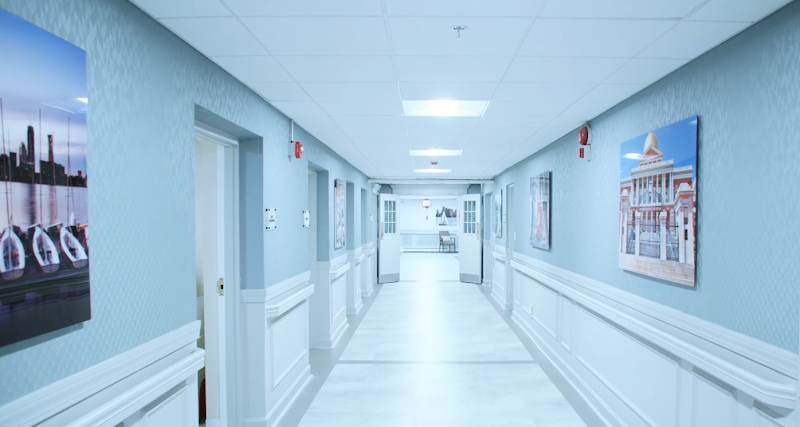
Who Owns and Operates Winchester Rehabilitation And Nursing Center?

WINCHESTER REHABILITATION AND NURSING CENTER is owned by a for-profit company. For-profit facilities operate as businesses with obligations to shareholders or private owners. The facility is operated by STELLAR HEALTH GROUP, a chain that manages multiple nursing homes. With 121 certified beds and approximately 97 residents (about 80% occupancy), it is a mid-sized facility located in WINCHESTER, Massachusetts.
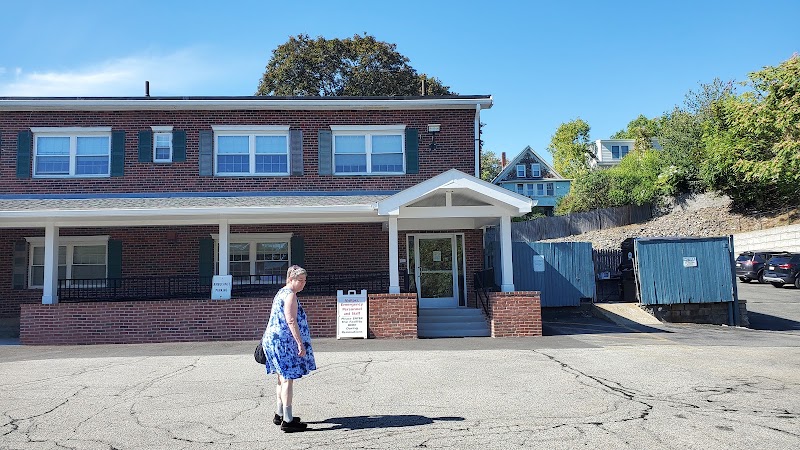
How Does Winchester Rehabilitation And Nursing Center Compare to Other Massachusetts Nursing Homes?

Compared to the 100 nursing homes in Massachusetts, WINCHESTER REHABILITATION AND NURSING CENTER's overall rating (4 stars) is above the state average of 2.9, staff turnover (24%) is significantly lower than the state average of 46%, and health inspection rating (3 stars) is at the national benchmark.

What Should Families Ask When Visiting Winchester Rehabilitation And Nursing Center?

Based on this facility's data, families visiting should ask: "Can I visit during a mealtime to observe dining assistance and food quality?" "How do you handle medical emergencies, and what is your hospital transfer rate?" "Can I speak with family members of current residents about their experience?"

Is Winchester Rehabilitation And Nursing Center Safe?

Based on CMS inspection data, WINCHESTER REHABILITATION AND NURSING CENTER has a clean safety record: no substantiated abuse findings (meaning no confirmed cases of resident harm), no Immediate Jeopardy citations (the most serious violation level indicating risk of serious injury or death), and is not on the Special Focus Facility watch list (a federal program monitoring the lowest-performing 1% of nursing homes). The facility has a 4-star overall rating and ranks #1 of 100 nursing homes in Massachusetts. While no facility is perfect, families should still ask about staff-to-resident ratios and recent inspection results during their visit.

Do Nurses at Winchester Rehabilitation And Nursing Center Stick Around?

Staff at WINCHESTER REHABILITATION AND NURSING CENTER tend to stick around. With a turnover rate of 24%, the facility is 22 percentage points below the Massachusetts average of 46%. Low turnover is a positive sign. It means caregivers have time to learn each resident's needs, medications, and personal preferences. Consistent staff also notice subtle changes in a resident's condition more quickly. Registered Nurse turnover is also low at 8%, meaning experienced RNs are available to handle complex medical needs.

Was Winchester Rehabilitation And Nursing Center Ever Fined?

WINCHESTER REHABILITATION AND NURSING CENTER has been fined $7,901 across 1 penalty action. This is below the Massachusetts average of $33,158. While any fine indicates a compliance issue, fines under $50,000 are relatively common and typically reflect isolated problems that were subsequently corrected. Families should ask what specific issues led to these fines and confirm they've been resolved.

Is Winchester Rehabilitation And Nursing Center on Any Federal Watch List?

WINCHESTER REHABILITATION AND NURSING CENTER is not on any federal watch list. The most significant is the Special Focus Facility (SFF) program, which identifies the bottom 1% of nursing homes nationally based on persistent, serious quality problems. Not being on this list means the facility has avoided the pattern of deficiencies that triggers enhanced federal oversight. This is a positive indicator, though families should still review the facility's inspection history directly.