WOBURN REHABILITATION AND NURSING CENTER
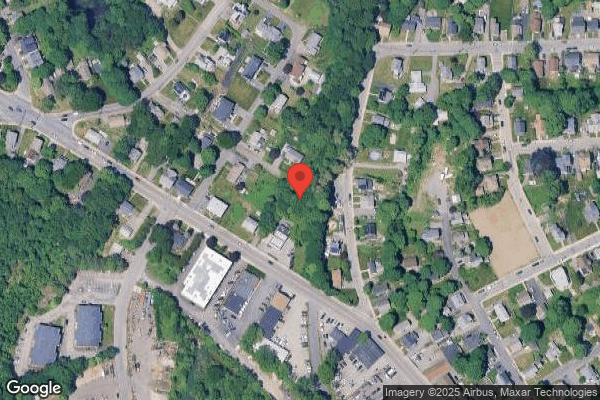

18 FRANCES STREET, #3095, WOBURN, MA 01801 (781) 933-8175
For profit - Corporation 140 Beds STELLAR HEALTH GROUP Data: November 2025
Trust Grade
43/100
#262 of 338 in MA
Last Inspection: January 2025

Within standard 12-15 month inspection cycle. Federal law requires annual inspections.

Overview

Woburn Rehabilitation and Nursing Center has received a Trust Grade of D, which indicates it is below average and has some concerning issues. It ranks #262 out of 338 facilities in Massachusetts, placing it in the bottom half of nursing homes in the state. The facility's trend is worsening, with reported issues increasing from 14 in 2024 to 15 in 2025. Staffing is rated at 2 out of 5 stars, with a turnover rate of 46%, which is average but not ideal. There have been incidents of safety lapses, including a serious case where a resident fell from a Hoyer lift due to improper attachment, resulting in multiple injuries. Additionally, the facility failed to investigate allegations of potential abuse involving several residents, raising concerns about the overall quality of care.

Trust Score
D
43/100
In Massachusetts
#262/338
Bottom 23%
Safety Record
Moderate
Needs review
Inspections
Getting Worse
14 → 15 violations
Staff Stability
⚠ Watch
46% turnover. Above average. Higher turnover means staff may not know residents' routines.
Penalties
✓ Good
$8,512 in fines. Lower than most Massachusetts facilities. Relatively clean record.
Skilled Nurses
✓ Good
Each resident gets 45 minutes of Registered Nurse (RN) attention daily — more than average for Massachusetts. RNs are trained to catch health problems early.
Violations
⚠ Watch
34 deficiencies on record. Higher than average. Multiple issues found across inspections.
★★☆☆☆
2.0
Overall Rating
★★☆☆☆
2.0
Staff Levels
★★☆☆☆
2.0
Care Quality
★★☆☆☆
2.0
Inspection Score
Stable
2024: 14 issues
2025: 15 issues

The Good

  • Full Sprinkler Coverage · Fire safety systems throughout facility
  • No fines on record

Facility shows strength in fire safety.

The Bad

2-Star Overall Rating

Below Massachusetts average (2.9)

Below average - review inspection findings carefully

Staff Turnover: 46%

Near Massachusetts avg (46%)

Higher turnover may affect care consistency

Federal Fines: $8,512

Below median ($33,413)

Minor penalties assessed

Chain: STELLAR HEALTH GROUP

Part of a multi-facility chain

Ask about local staffing decisions and management

The Ugly 34 deficiencies on record

1 actual harm
Jan 2025 15 deficiencies
CONCERN (D)

Potential for Harm - no one hurt, but risky conditions existed

Grievances (Tag F0585)

Could have caused harm · This affected 1 resident

Based on review of the grievance log, resident group response and interviews, the facility 1) failed to ensure residents of the facility were aware of the grievance process, had access to grievance fo...

Read full inspector narrative →
Based on review of the grievance log, resident group response and interviews, the facility 1) failed to ensure residents of the facility were aware of the grievance process, had access to grievance forms and 2) failed to resolve a grievance for one Resident (#35) out of a total sample of 29 residents. Findings include: 1. Resident group was held on 1/7/25 at 1:37 P.M. with 20 residents actively participating in the meeting. During the meeting, 15 out of the 20 residents said they did not know how to file a grievance, did not feel the facility resolved concerns of the residents and felt fear of retaliation from the staff if they were to complain/file a grievance at the facility. During all days of survey, the surveyor was unable to locate grievance forms on any nursing unit. During an interview on 1/8/25 at 2:46 P.M., the Administrator said she is responsible for all grievances. The Administrator said she was unaware the residents in the facility felt they did not know how to file a grievance or feared retaliation from the staff. The Administrator said the grievance forms must have been taken down off the wall when construction started, however said the forms should still be made available to the residents. During an interview on 1/9/25 at 7:11 A.M., the Director of Nursing (DON) observed the A Unit with the surveyor and noted there were no grievance forms available for the residents. The DON said the grievance forms must have been removed when construction began months ago, however said the grievance forms need to be available to the residents regardless of the construction. 2. Review of the grievance book indicated a grievance dated 1/19/24, which indicated the following grievance from Resident #35: -Detail of complaint/grievance: Resident reported to receptionist that on (his/her) was (sic) to appointment that the staff member hurt (him/her) by squeezing (his/her) hand. The tall one. I want to report her. Cannot close my hand. -Date occurred 1/19/24. -The grievance follow-up section was blank, indicating there was no follow-up or resolution to the grievance. During an interview on 1/8/25 at 2:46 P.M., the Administrator said she is responsible for all grievances and all grievances should be resolved within two days. The Administrator reviewed Resident #35's grievance and said she was not working at the time this grievance was filed; however, the grievance did not have a resolution and it should have had one.
CONCERN (D)

Potential for Harm - no one hurt, but risky conditions existed

Deficiency F0655 (Tag F0655)

Could have caused harm · This affected 1 resident

Based on record review and interview, the facility failed to develop and implement baseline care plans within 48 hours from admission to the facility for one Resident (#360) out of a total sample of 2...

Read full inspector narrative →
Based on record review and interview, the facility failed to develop and implement baseline care plans within 48 hours from admission to the facility for one Resident (#360) out of a total sample of 29 residents. Findings include: Resident #360 was admitted to the facility in January 2024 with the following diagnoses: unspecified displaced fracture of fifth cervical vertebra, diabetes mellitus with diabetic polyneuropathy, and muscle weakness. Review of the most recent Minimum Data Set (MDS) assessment was not available as of the date of the survey. Review of the medical record indicated Resident #360 scored three out of 15 on the Brief Interview for Mental Status exam indicating he/she has severe cognitive impairment. Review of Resident #360's baseline care plans indicated the following: -Resident is at risk for pressure injury R/T (related to) Diabetes Mellitus, Neuropathy. This resident will not develop avoidable pressure injuries. Dated 1/6/25. -Resident has actual non-pressure skin impairment/s present R/T trauma (skin tear L (left) calf). The non pressure skin impairment will heal. Dated 1/7/25. -Resident has an actual skin impairment. 1. Pressure injury (coccyx) Stage II. There will be no s/s (signs or symptoms) of infection. Dated 1/7/25. Resident #360's baseline care plans indicated they were developed on 1/6/25 and on 1/7/25; over 48 hours after admission to the facility. Further review of Resident #360's baseline care plan indicated interventions related to the coccyx pressure wound, left calf skin tear, and use of Aspen neck collar were not implemented on admission. During an interview on 1/9/25 at 10:05 A.M., the Director of Nursing the baseline care plan must be created upon admission to the facility in order to care for the Resident safely and appropriately.
CONCERN (D)

Potential for Harm - no one hurt, but risky conditions existed

ADL Care (Tag F0677)

Could have caused harm · This affected 1 resident

**NOTE- TERMS IN BRACKETS HAVE BEEN EDITED TO PROTECT CONFIDENTIALITY** Based on observations, record review and interviews, the facility failed to provide assistance with Activities of Daily Living (...

Read full inspector narrative →
**NOTE- TERMS IN BRACKETS HAVE BEEN EDITED TO PROTECT CONFIDENTIALITY** Based on observations, record review and interviews, the facility failed to provide assistance with Activities of Daily Living (ADLs) for one Resident (#4) out of a total sample of 29 residents. Findings include: Review of the facility policy titled, Activities of Daily Living (ADLs), dated 9/2024, indicated the following: -The facility will, based on the resident's comprehensive assessment and consistent with the resident's needs and choices, ensure a resident's abilities in ADLs do not deteriorate unless unavoidable. -Care and services will be provided for the following activities of daily living: bathing, dressing, grooming and oral care. Resident #4 was admitted to the facility in November 2024 with diagnoses including dementia. Review of Resident #4's most recent Minimum Data Set (MDS), dated [DATE], indicated the Resident had a Brief Interview for Mental Status (BIMS) score of 13 out of a possible 15, which indicated he/she is cognitively intact. The MDS also indicated Resident #4 required physical assistance from staff for all self-care activities. During an interview on 1/6/25 at 8:04 A.M., Resident #4 was observed to have significant long, chin hair. When asked, Resident #4 said he/she would like to have this chin hair removed and would be willing to have staff assist in removing it. During an observation on 1/9/25 at 7:38 A.M., Resident #4 was observed to have significant long, chin hair. Review of Resident #4's ADL care plan created on 11/27/24, failed to indicate the level of assistance Resident #4 requires for grooming tasks, the Resident's grooming preferences, or that the Resident refuses ADL care. During an interview on 1/9/25 at 8:03 A.M., Certified Nursing Assistant (CNA) #5 said facial hair is removed as part of daily care. CNA #5 said Resident #4 requires moderate assistance from staff for grooming tasks. During an interview on 1/9/25 at 8:25 A.M., CNA #6 said all facial hair should be removed from residents if the resident would prefer that. CNA #6 said she had not removed Resident #4's facial hair and the Resident refuses care at times. CNA #6 said refusals of care are documented in the medical record. Review of Resident #4's medical record failed to indicate any refusal of care or displayed behaviors. During an interview on 1/9/25 at 9:06 A.M., the Director of Nursing said the expectation is that facial hair is removed during care if desired.
CONCERN (D)

Potential for Harm - no one hurt, but risky conditions existed

Quality of Care (Tag F0684)

Could have caused harm · This affected 1 resident

**NOTE- TERMS IN BRACKETS HAVE BEEN EDITED TO PROTECT CONFIDENTIALITY** Based on observations, record review and interviews, the facility failed to 1) provide edema management for one Resident (#39) a...

Read full inspector narrative →
**NOTE- TERMS IN BRACKETS HAVE BEEN EDITED TO PROTECT CONFIDENTIALITY** Based on observations, record review and interviews, the facility failed to 1) provide edema management for one Resident (#39) and 2) failed to identify a new skin wound on Resident (#360) left calf and document it on a skin assessment, out of a total sample 29 residents. Findings include: Resident #39 was admitted to the facility in August 2021 with diagnoses including congestive heart failure. Review of Resident #39's most recent Minimum Data Set (MDS), dated [DATE], indicated the Resident had a Brief Interview for Mental Status (BIMS) score of 14 out of a possible 15, indicating he/she is cognitively intact. The MDS also indicated Resident #39 requires substantial assistance from staff for activities of daily living and mobility. During an interview on 1/6/25 at 8:19 A.M., Resident #39 said his/her legs are often swollen. Review of Resident #39's physician orders indicated the following order: -Weekly weights every evening shift every Monday related to chronic congested heart failure. Notify MD/NP (medical doctor/nurse practitioner) if greater or less than 5 pounds/week. Review of Resident #39's potential nutritional risk d/t (due to) PMH (past medical history): heart failure, LE (lower extremity) edema, hyponatremia on diuretics includes the following interventions: -monitor PO (by mouth), wts (weights), labs, na+ (sodium) level and skin. Review of Resident #39's weight log indicated the facility had not been obtaining weekly weights as ordered and the Resident had two instances of a five pound weight change on 10/21/24 and 11/27/24. The medical record failed to indicate Resident #39 had refused having his/her weight taken. Review of Resident #39's nursing and medical provider notes failed to indicate the nursing staff notified the medical provider when these two significant weight changes occurred. During an interview on 1/7/25 at 11:15 A.M., Certified Nursing Assistant #6 said Resident #39 will have swollen feet at times. During an interview in 1/7/25 at approximately 11:20 A.M., Nurse #6 said any residents who have edema are typically managed with diuretics, non-pharmalogical interventions and are weighed more frequently. Nurse #6 said there needs to be communication with the medial provider if the resident were to gain a significant amount of weight or were to have increased edema/swelling. Nurse #6 said Resident #39 has an order to weigh weekly and Nurse #6 was unaware that the order had not been followed. Nurse #6 said the Resident may have refused to have his/her weight taken but without documentation of that she could not say that the Resident did in fact refuse. Nurse #6 the reviewed the Resident's weight log and confirmed there were two instances where the medical provider should have been notified of a significant weight change and said there is no documentation that this occurred. During an interview on 1/7/25 at 11:30 A.M., the Staff Educator said she is familiar with Resident #39 as she often covers the floor as a Unit Manager. The Staff Educator said residents with edema usually have their weights more closely monitored and typically have parameters to notify the medical provider if a significant weight change occurs. The Staff Educator said nurses are expected to write a note if a resident refuses to be weighed and should write a note every time they contact the medical provider regarding care or a change in status. The Staff Educator said she is aware Resident #39's weight fluctuates. She then reviewed Resident #39's weight log and said the weights are not being taken as ordered and she would have expected the medical provider to be notified on the two instances of weight change. The Staff Educator said that if there is no note of notification to the medical provider, she cannot say that the notification occurred. The medical provider was on vacation during survey and was not able to be contacted.2. Resident #360 was admitted to the facility in January 2025 with the following diagnoses: unspecified displaced fracture of fifth cervical vertebra, diabetes mellitus with diabetic polyneuropathy, alzheimer's disease, and muscle weakness. Review of the most recent Minimum Data Set (MDS) assessment was not available as of the date of the survey. Review of the medical record indicated Resident #360 scored three out of 15 on the Brief Interview for Mental Status exam indicating he/she has severe cognitive impairment. During an interview on 1/8/25 at 1:25 P.M., Nurse #5 said Resident #360 has a skin tear to the left lower calf that is covered so it does not get worse because he/she is in bed all the time. Review of Resident #360's hospital Discharge summary dated [DATE], indicated: Integumentary- Skin tear to posterior left calf. Review of the Patient admission Assessment, dated 1/3/25, indicated the following: -Skin Impairment -Yes -Non- pressure injury site: *Left Lower leg (rear) two wounds, serosanguinous drainage. Review of the nurse progress note, dated 1/3/25, indicated: Two wounds measuring 1x1/2 (inches) on left leg cleansed and dressing done per TAR (treatment administration record), patient has several bruises left lower back, left lower abdomen, left ankle. Further review of the medical record failed to include documentation including assessment data of the two left lower leg wounds. Resident #360's care plan dated 1/7/25 (four days after he/she was admitted ), indicated the following: Focus: This resident has actual non-pressure skin impairment/s present R/T trauma (skin tear L (left) calf). Goal: The non pressure skin impairment will heal. Interventions Included: -Monitor and treat for pain before during and after wound treatment. -Monitor document and report s/s of infection including but not limited to: purulent drainage from the wound, foul odor from the wound, redness & warmth around the wound, increased pain at the wound site. -Notify the physician of a worsening skin impairment. -Treatment as ordered to the wound. -Weekly skin checks by licensed nurse. During an observation and interview on 1/8/25 at 1:39 P.M., the surveyor along with Nurse #5 observed Resident #360 lying in bed with his/her legs flat on the bed. One foam dressing was observed on the Residents' left calf; part of a wound could be seen partially covered by the edge of the dressing. Nurse #5 removed the dressing and part of the dressing boarder containing adhesive was placed directly over one of the wounds. The surveyor and Nurse #5 observed three open skin ulcers, the size of quarters with white and pale tissue throughout each ulcer, surrounding skin tissue to each ulcer was pink and red, and dark red, pink and yellow drainage was observed on the old dressing. Resident #360 said his/her calf was sore and reported pain when touched. Nurse #5 proceeded to cleanse each wound and applied a cut layer of Xeroform gauze (sterile wound dressing to help with healing), and proceeded to cover the calf with two boarder gauze dressings measuring 4 inches by 4 inches each. Nurse #5 placed the two boarder gauze dressings directly over part of the wound bed, leaving the Xeroform gauze exposed on one of the wound ulcers leaving it uncovered. The adhesive part of the gauze dressing was placed directly over one of the wounds. Review of Resident #360's physician orders indicated the following: Order dated 1/4/25: Skin tear to left calf wash with normal saline apply Xeroform cover with bordered dressing every shift. Every evening shift for wound. Dated 1/4/25. Review of Resident #360's physician orders, physician notes, nurse practitioner notes, care plans and clinical notes did not indicate he/she had three open skin wounds to the left calf. Further review of the medical record failed to indicate a physician's order for weekly skin checks was entered. Review of Resident #360's medical record on 1/9/25 at approximately 10:00 A.M., indicated there was no documentation to indicate Nurse #5, or any other staff notified the physician about his/her three left calf wounds. During an interview on 1/9/25 at 8:43 A.M., Certified Nurse Aide (CNA) #4 said she was unaware the Resident had open wounds on his/her calf because she does not touch the bandage. The surveyor observed the Xeroform dressing that was applied on 1/8/25 was still visible over one of the wounds and had not been removed and re-applied. During an interview on 1/9/25 at 10:03 A.M., the Director of Nurses (DON) said she was not aware of the wounds to Resident #360's left calf and said skin assessments must include location, size, measurements, and descriptions of any skin areas identified on admission. The DON reviewed the medical record with the surveyor and said there was no documentation in the record of any of the areas identified on admission, and said there was no documentation to indicate staff notified the physician about Resident #360's calf wounds or obtained new physician's treatment order for each wound. The DON said she has had issues with staff documenting and reporting skin issues and said Resident #360 should have been seen by the wound doctor who comes in every Thursday. The DON said Nurses are expected to follow the physician orders and call the physician if the orders do not match the treatment necessary to care for the resident. During a follow up interview on 1/9/25 at 11:30 A.M., the DON said she observed Resident #360's left calf identified three open wound ulcers and one new small open ulcer and said she notified the medical director of the four wound ulcers and obtained new orders for calcium alginate to be applied and said the wound doctor will be in today to assess the new wounds.
CONCERN (D)

Potential for Harm - no one hurt, but risky conditions existed

Deficiency F0692 (Tag F0692)

Could have caused harm · This affected 1 resident

**NOTE- TERMS IN BRACKETS HAVE BEEN EDITED TO PROTECT CONFIDENTIALITY** Based on observation, record review and interview, the facility failed to address documented significant weight losses for two R...

Read full inspector narrative →
**NOTE- TERMS IN BRACKETS HAVE BEEN EDITED TO PROTECT CONFIDENTIALITY** Based on observation, record review and interview, the facility failed to address documented significant weight losses for two Residents (#30 and #12) out of a total of 29 sampled residents. Findings include: Review of the facility policy titled Weight Monitoring, dated as revised 11/26/23, indicated: Policy: Each resident's weight will be monitored to ensure interventions are offered and implemented ensuring the resident's needs are met. Procedure: Monthly weights are to be obtained by the 10th of the month. Residents who have had a five pound weight difference since the previous weight obtained regardless as to when that was should be re-weighed within 24 hours of this most recent weight. If a significant weight change (suggested parameters for evaluating significance of unplanned and undesired weight loss are 5% in 30 days and 10% in 180 days) the physician, Registered Dietitian resident and/or resident representative are to be notified. The care plan will be reviewed and revised to reflect the current weight/nutritional status of the resident. The Registered Dietitian will recommend frequency of weights to be increased based on the dietary evaluation or as the physician ordered. If the resident consistently refuses to be weighed or circumstances prevent weighing the resident the physician will be notified. 1. Resident #30 was admitted to the facility in April 2019 with diagnoses including Alzheimer's and peripheral vascular disease. A diagnosis of adult failure to thrive was added to Resident #30's medical record on 9/5/23 and a diagnosis of nutritional deficiency unspecified was also added to his/her medical record on 2/28/24. Review of the Minimum Data Set Assessment (MDS), dated [DATE], indicated Resident #30 is severely cognitively impaired and requires assistance with eating. On 1/7/25 at 9:00 A.M., the surveyor observed Resident #30 resting in bed with his/her lunch meal on the tray table in front of him/her. Resident #30 had eaten a few bites of his/her hot cereal, but the remainder of the items were untouched. Resident #30 was unable to participate in the interview process due to his/her cognition. Review of Resident #30's Nutritional Care Plan, Focus: Resident #30 is at potential nutritional problem due to history of Alzheimer's dementia, with decline in meal intake, history of altered labs (dated 9/17/24). Goal: Resident will maintain adequate nutritional status, as evidenced by stable weight (dated 11/17/24). Interventions: Consult with speech therapy as needed (dated 8/14/29), monitor meal preferences (dated 4/15/24), monitor intake, weights, labs, skin (dated 10/2/23), provide diet as ordered (dated 8/6/20), provide supplement as ordered (dated 10/2/23.) Review of the physician's orders indicated: - House supplement, two times a day (initiated 10/24/23). - Nutritional fruit drink, one time a day (initiated 10/3/23). Review of Resident #30's weights indicated: - 8/12/24: 164.2 lbs (pounds) - No weight documented September 2024 - No weight documented October 2024 - 11/19/24: 151.6 lbs (a significant loss of 7.6% of his/her total body weight since August 2024.) - 12/6/24: 151.5 lbs Review of the clinical record failed to indicate Resident #30 refused his/her weight to be obtained in September 2024. The clinical record indicated Resident #30 refused his/her weight to be obtained in October 2024 on one occasion, but did not indicate staff re-visited or requested he/she be weighed. A re-weight was not completed per policy after Resident #30's weight was obtained on 11/19/24. Review of the Nutrition note, dated 11/30/24, indicated: Follow up weight loss. Diet: Reduced sodium. Supplements: nutritional juice drink, house supplement. Intake: 50% at best. Labs none new for review. We reviewed with IDT at risk meeting. Intake remains variable; supplements in place. Resident is on monthly weights. Would re-check weight and re-eval need for weekly weights. Continue supplements as ordered. Preferences noted. A re-weigh was not completed as recommended in the nutrition note. Review of the Nutritional Assessment, dated 12/3/24, indicated the Resident is at risk for malnutrition due to variable intake 50/75%. House supplement and nutritional juice warranted No new recommendations. During an interview on 1/7/25 11:39 A.M., CNA #2 said that Resident #30 has had some weight loss. During an interview on 1/7/25 at 11:44 A.M., Unit Manager #1 said that residents are usually weighed monthly and if a weight change is noted, a re-weigh is completed and the nurse practitioner and Dietitian become involved. Unit Manager #1 said that Resident #30 was behavioral and often refused being weighed. Unit Manager #1 said that staff should be documenting if a Resident is refusing to be weighed and re-approach at another time to obtain weights. On 1/7/25 at 12:07 P.M., the surveyor observed Nurse #1 speak with Dietitian regarding Resident #30's weight loss. The Dietitian said that they could introduce a magic cup (a nutritional supplement) at meals for Resident #30. During an interview on 1/7/25 at 1:25 P.M., the Dietitian said that the facility had been working on obtaining accurate weights and putting them in the system. The Dietitian said that she was aware Resident #30 had a documented significant weight loss and that interventions had not been implemented until today, (1/7/25). 2. Resident #12 was admitted to the facility in June 2019 with diagnoses including Alzheimer's and dysphagia. Review of the Minimum Data Set Assessment, dated 11/7/24, indicated Resident #12 is severely cognitively impaired and requires assistance with bathing and dressing. On 1/6/25 at 9:09 A.M., the surveyor observed Resident #12 asleep in bed. His/her breakfast tray was uncovered and untouched in front of him/her. Review of Resident #12's care plans indicated: Focus: Resident is at potential nutritional risk, (dated 6/19/19.) Interventions: Monitor intake, weights, labs, skin (dated 6/19/19). Monitor preferences and offer alternates as needed, (dated 7/8/2024). Provide diet as ordered, (dated 6/9/19), Review of Resident #12's weights indicated: - 11/25/2024 158.0 Lbs (pounds) - 12/9/2024 154.0 Lbs - 12/23/2024 149.0 Lbs (A loss of 5.7% of his/her total body weight since 11/25/24). - 1/6/2025 144.4 Lbs - 1/6/2025 145.5 Lbs (A loss of 7.91% of his/her total body weight since 11/25/24). A re-weigh had not been completed after Resident #12's initial documented weight loss on 12/23/24. Review of the clinical record indicated that the Dietitian had not evaluated or assessed Resident #12 or possible interventions related to the weight loss. Review of Resident #12's physicians orders failed to indicate any supplements or appetite stimulants were ordered. During an interview on 1/7/25 at 11:32 A.M., Certified Nursing Aide #3 said that he believed that Resident #12 had lost around three pounds. During an interview on 1/7/25 at 11:50 A.M., Unit Manager #1 said that Resident #12 had recently had a change of his/her appetite and had a weight loss about a month ago. Unit Manager #1 said that the Nurse Practitioner and Dietitian were aware but did not know if interventions were implemented related to the weight loss. Unit Manager #1 could not say why a re-weigh was not completed. On 1/7/25 at 12:07 P.M., the surveyor observed Nurse #1 speak with Dietitian regarding Resident #12's weight loss. The Dietitian said that they could introduce supplements in response to Resident #12's weight loss. During an interview on 1/7/25 1:33 P.M., the Dietitian said that the facility had been working on obtaining weights and re-weighs to confirm weight loss. The Dietitian said that after Resident #12's initial weight loss was documented on 12/23/24, she had asked for a re-weigh. The Dietitian said that she initiated supplements for Resident #12 today (1/7/25), in response to his/her weight loss.
CONCERN (D)

Potential for Harm - no one hurt, but risky conditions existed

Deficiency F0740 (Tag F0740)

Could have caused harm · This affected 1 resident

**NOTE- TERMS IN BRACKETS HAVE BEEN EDITED TO PROTECT CONFIDENTIALITY** Based on record review and interview, the facility failed to provide behavioral health services for one Resident (#16) out of a ...

Read full inspector narrative →
**NOTE- TERMS IN BRACKETS HAVE BEEN EDITED TO PROTECT CONFIDENTIALITY** Based on record review and interview, the facility failed to provide behavioral health services for one Resident (#16) out of a total sample of 29 residents. Specifically, Resident #16 verbalized he/she was not happy and had an increased Patient Health Questionnaire (PHQ-9) score, indicating worsening mood. Findings include: Review of the Behavioral Health Services policy, dated 10/2024, indicated the following: - Behavioral health encompasses a resident's whole emotional and mental well-being, which includes, but is not limited to, the prevention and treatment of mental and substance use disorders, psychosocial adjustment difficulty, and trauma or post-traumatic stress disorders. - Behavioral health care and services shall be provided in an environment that is conducive to mental and psychosocial well-being. - Facility staff will implement person-centered care approaches designed to meet the individual goals and needs of each resident, which includes non-pharmalogical interventions. Resident #16 was admitted in May 2024 with diagnoses including depression and anxiety. Review of the Minimum Data Set (MDS), dated [DATE], indicated Resident #16 scored a 15 out of a possible 15 on the Brief Interview for Mental Status (BIMS), indicating intact cognition. Review of the medical record failed to indicate Resident #16 had an activated health care proxy (a form used to designate and individual to make choices on behalf of the resident). Review of the care plan for Resident #16 indicated Resident #16 is at risk for an altered psychosocial well-being related to adjustment to admission and grieving the loss of his/her independence in the community (initiated 5/17/24). Intervention: Behavioral health services as ordered and needed (initiated 5/17/24). Review of the PHQ-9, dated 8/14/24, indicated Resident #16 scored a 0 out of 27, indicating no presence of depression. Review of the Psychological Services progress note, dated 10/22/24, indicated the psychologist spoke with Resident #16, but Resident #16 was recovering from an illness and seemed withdrawn. The psychologist documented they would re-attempt and provide support when resident is receptive. Review of the record failed to indicate any follow up was completed after 10/22/24. Review of the Resident #16's PHQ-9, dated 11/11/24, indicated Resident #16 scored a 9 out of 27, indicating mild depression and worsening mood. Review of the psych services note that was completed by the psych nurse practitioner, dated 11/11/24, indicated Resident #16 told the psych nurse practitioner I am not happy. The psych nurse practitioner documented that they will continue to monitor client for changes in mood/mental status. Review of the clinical record failed to indicate that any other behavioral interventions were attempted to help Resident #16's worsening mood. Review of the record failed to indicate that social services met with the Resident. During an interview on 1/9/25 at 11:21 A.M., the Social Worker said the facility has a psychologist and a psych nurse practitioner in house to provide behavioral health services. The Social Worker said if a psych nurse practitioner is responsible for the PHQ-9 test and if a Resident scores higher than their previous baseline, then she would expect to be notified of that so they can meet as a team and see if there is anything that can be done for the Resident. The Social Worker said she does not remember if she was ever notified of that change in mood that occurred on 11/11/24 for Resident #16. During an interview on 1/9/25 at 10:05 A.M., Resident #16 said that he/she feels down and feels like he/she cannot say anything to anyone for fear of retaliation. Resident #16 said he/she feels like he/she cannot do anything right. Resident #16 said that he/she only met with a talk therapist one time, but would like to have one to meet with regularly.
CONCERN (D)

Potential for Harm - no one hurt, but risky conditions existed

Deficiency F0760 (Tag F0760)

Could have caused harm · This affected 1 resident

Based on observation, interviews, and record review, the facility failed to ensure one Resident (#72) was free from significant medication errors, out of a total sample of 29 residents. Specifically, ...

Read full inspector narrative →
Based on observation, interviews, and record review, the facility failed to ensure one Resident (#72) was free from significant medication errors, out of a total sample of 29 residents. Specifically, Nurse #2 attempted to administer medications to the incorrect Resident (#72), including medications that the Resident was allergic to and medications that could jeopardize his or her health and safety. Findings include: According to the U.S. Food and Drug Administration prescribing information for amoxicillin/clavulanate potassium (a penicillin-based antibiotic), dated December 2006, indicated: - Amoxicillin/clavulanate potassium should be used by prescription only. - Amoxicillin/clavulanate potassium is contraindicated in patients with a history of allergic reactions to any penicillin. - Serious and occasionally fatal hypersensitivity (anaphylactic) reactions have been reported in patients on penicillin therapy. These reactions are more likely to occur in individuals with a history of penicillin-hypersensitivity. Before initiating therapy with amoxicillin/clavulanate potassium, careful inquiry should be made concerning previous hypersensitivity reactions to penicillins. If an allergic reaction occurs, amoxicillin/clavulanate potassium should be discontinued and the appropriate therapy instituted. Serious anaphylactic reactions require immediate emergency treatment with epinephrine, oxygen, intravenous steroids, and airway management, including intubation should also be administered as indicated. According to the U.S. Food and Drug Administration prescribing information for flecainide acetate (an antiarrhythmic medication used to prevent or treat irregular heartbeats), dated December 2024, indicated: - Flecainide acetate should be used by prescription only. - Flecainide acetate, like other antiarrhythmic agents, can cause new or worsened supraventricular or ventricular arrhythmias. Ventricular proarrhythmic effects range from an increase in frequency of PVCs to the development of more severe ventricular tachycardia, e.g., tachycardia that is more sustained or more resistant to conversion to sinus rhythm, with potentially fatal consequences. According to the U.S. Food and Drug Administration prescribing information for escitalopram oxalate (an antidepressant medication), dated August 2023, indicated: - Escitalopram oxalate should be used by prescription only. - Increased risk of suicidal thoughts and behavior in pediatric and young adult patients taking antidepressants. Closely monitor all antidepressant-treated patients for clinical worsening and emergence of suicidal thoughts and behaviors Review of the facility policy titled 'Medication Administration', dated as reviewed September 2024, indicated: - Identify resident by photo in the MAR (medication administration record). - Compare medication source (bubble pack, vial, etc.) with MAR to verify resident name, medication name, form, dose, route, and time. Resident #72 was admitted to the facility in December 2024 with diagnoses including chronic heart failure, acute kidney injury, and allergies to penicillin and aspirin. Review of the most recent Minimum Data Set (MDS) assessment, dated 12/19/24, indicated Resident #72 was cognitively intact as evidenced by a Brief Interview for Mental Status (BIMS) score of 15 out of 15. On 1/7/25 at 8:14 A.M., the surveyor observed Nurse #2 tell Resident #72's roommate that he would bring his/her morning medication in right away. On 1/7/25 at 8:19 A.M., the surveyor observed Nurse #2 prepare medications including: - Amoxicillin-Potassium Clavulanate (a penicillin-based antibiotic) 875-125 mg, 1 tablet. - Aspirin 81 mg, 1 tablet - Flecainide Acetate (used to prevent or treat irregular heartbeats) 100 mg, 1 tablet. - Escitalopram oxalate (an antidepressant) 20 mg, 1 tablet. On 1/7/25 at 8:37 A.M., Nurse #2 placed the prepared medications on Resident #72's bedside table and told Resident #72 it was his/her medications. Nurse #2 did not request the Resident to verify their name, date of birth , or any identifying information. Nurse #2 did not check the Resident's identification bracelet. Resident #72 asked what these medications were and Nurse #2 repeated that it was his/her medications and to take them. The surveyor intervened and asked if these medications were supposed to be for the roommate (Resident #37). Nurse #2 said they were not, and they were for Resident #72. Nurse #2 moved the medications closer to the Resident and again said to take the medications. Resident #72 presented as confused and stared from the medications to the nurse multiple times. After a short time, Nurse #2 picked up the medication and left Resident #72's bedside. At this point, Nurse #2 said he was glad the surveyor intervened because he thought he had prepared Resident #72's medication but should have checked that it was the correct Resident's medication before attempting to administer them because there were some medications that could have jeopardized the Resident's health and safety. During an interview on 1/7/25 at 11:14 A.M., the Director of Nursing (DON) said Nurse #2 should have verified Resident #72 was the same Resident that the medications were ordered for prior to attempting to administer the medications. The DON said the resident's identity should be verified in two ways before every medication administration, including ways such as checking the photograph in the medical record, checking identification bracelet, or asking the resident to identify themselves. The DON said Resident #72 is on a busy rehabilitation floor that is a revolving door making it especially important to verify identification prior to administering medications. The DON said residents should not be administered medications that they are allergic to but declined to answer any further questions about the significance of the other medications attempted to be administered.
CONCERN (D)

Potential for Harm - no one hurt, but risky conditions existed

Dental Services (Tag F0791)

Could have caused harm · This affected 1 resident

**NOTE- TERMS IN BRACKETS HAVE BEEN EDITED TO PROTECT CONFIDENTIALITY** Based on observations, record review and interviews, the facility failed to provide dental services for one Resident (#8) out of...

Read full inspector narrative →
**NOTE- TERMS IN BRACKETS HAVE BEEN EDITED TO PROTECT CONFIDENTIALITY** Based on observations, record review and interviews, the facility failed to provide dental services for one Resident (#8) out of a total sample of 29 residents. Findings include: Review of the facility policy titled, Dental Services, indicated the following: -It is the policy of this facility to assist residents in obtaining routine (to the extent covered under the state plan) and emergency dental care. -Routine dental services means an annual inspection of the oral cavity for signs of disease, diagnosis of dental disease, dental radiographs as needed, dental cleaning, fillings (new and repairs), minor partial or full denture adjustments, smoothing of broken teeth, and limited prosthodontic procedures, e.g., taking impressions for dentures and fitting dentures. -The dental needs of each resident are identified through the physical assessment and MDS assessment processes, and are addressed in each resident's plan of care. -The facility will, if necessary or requested, assist the resident with making dental appointments and arranging transportation to and from the dental services location. Resident #8 was admitted to the facility in January 2023 with diagnoses including pleural effusion. Review of Resident #8's most recent Minimum Data Set (MDS), dated [DATE], indicated he/she had a Brief Interview for Mental Status (BIMS) score of 13 out of a possible 15 which indicated the Resident was cognitively intact. The MDS also indicated Resident #8 required supervision for oral care tasks. During an interview on 1/6/25 at 8:08 A.M., Resident #8 said he/she had recently broken his/her left upper tooth and had not yet seen a dentist. The Resident said he/she believed that staff were aware. Resident #8 said he/she had not seen a dentist in a very long time. The Resident's teeth were observed to be discolored. Review of Resident #8's medical record indicated the following: -A consent to be treated by the dentist on 4/14/23. -A physician order, initiated on 4/14/23, May be seen and treated by (dental services provider) as needed. -Resident #8 was last seen by the dentist on 5/16/23 with a request for an annual exam for May 2024. The medical record failed to indicate this annual exam was completed. Review of an oral assessment dated [DATE] indicated Resident #8 had broken of carious teeth. Review of the previous oral assessment dated [DATE] failed to indicate any broken teeth were observed. Review of Resident #8's care plans, indicated an oral health care plan developed on 12/20/24 which indicated the following interventions: -Have this resident seen by a dentist routinely and as needed. During an interview on 1/7/25 at 10:55 A.M., Nurse #6 said all residents in the facility are offered dental services and are scheduled for routine dental appointments if requested. Nurse #XX said the dentist typically sees residents every six months but if there is an emergent situation, such as a broken or painful tooth, the resident can be seen immediately. Nurse #6 said she was unaware Resident #8 had a broken tooth and did not know the last time the Resident was seen by the dentist. During an interview on 1/9/25 at 10:19 A.M., the Unit Coordinator said she is responsible for scheduling dental appointments for the residents in the facility. The Unit Coordinator showed the surveyor the list of residents recently seen by the dentist and Resident #8 was not on this list. The Unit Coordinator said she was unaware Resident #8 had a broken tooth or was signed up to be seen by the dentist. During an interview on 1/9/25 at 10:14 A.M., the MDS Nurse said she had completed an oral assessment on Resident #8 in December 2024 and had observed the Resident to have a broken tooth and documented it on the assessment. The MDS Nurse said this prompted her to create an oral risk care plan for the Resident. Review of the medical record failed to indicate the nurses or medical providers were notified of the broken tooth found on the oral assessment. During an interview on 1/9/25 at 10:49 A.M., the Director of Nursing said she was unsure of how often residents should be seen by the dentist. The Director of Nursing said she was unaware Resident #8 had a broken tooth and was unaware the Resident had not seen by the dentist since May of 2023.
CONCERN (D)

Potential for Harm - no one hurt, but risky conditions existed

Deficiency F0805 (Tag F0805)

Could have caused harm · This affected 1 resident

**NOTE- TERMS IN BRACKETS HAVE BEEN EDITED TO PROTECT CONFIDENTIALITY** Based on observation and interview, the facility failed to provide the appropriate diet texture for one Resident (#91) out of a ...

Read full inspector narrative →
**NOTE- TERMS IN BRACKETS HAVE BEEN EDITED TO PROTECT CONFIDENTIALITY** Based on observation and interview, the facility failed to provide the appropriate diet texture for one Resident (#91) out of a total sample of 29 residents. Findings include: Resident #91 was admitted in April 2024 with diagnoses including adult failure to thrive and dementia. Review of the Minimum Data Set (MDS), dated [DATE], indicated Resident #91 scored a 2 out of a possible 15 on the Brief Interview for Mental Status (BIMS), indicating severe cognitive impairment. Review of the MDS and certified nursing aide documentation, indicates Resident #91 varies from independence to dependence with eating. Review of the physician's orders for Resident #91 indicated Resident #91 was to receive a pureed diet texture with nectar thickened liquids. During an observation on 1/9/25 at 8:45 A.M., Resident #91 had a tray at his/her bedside table. The Resident had scrambled eggs on his/her tray that were not pureed. During an interview on 1/9/25 at 8:46 A.M., Nurse #7 said that he checks the trays, but Resident #91 was served eggs that were not pureed.
CONCERN (E)

Potential for Harm - no one hurt, but risky conditions existed

Resident Rights (Tag F0550)

Could have caused harm · This affected multiple residents

**NOTE- TERMS IN BRACKETS HAVE BEEN EDITED TO PROTECT CONFIDENTIALITY** Based on observation, record review and interview, the facility failed to provide a dignified existence and self determination. ...

Read full inspector narrative →
**NOTE- TERMS IN BRACKETS HAVE BEEN EDITED TO PROTECT CONFIDENTIALITY** Based on observation, record review and interview, the facility failed to provide a dignified existence and self determination. Specifically, the facility failed to: 1. Ensure staff did not utilize resident rooms for personal storage for one Resident (#32) out of a total of 29 sampled residents. 2. Attempt to accommodate one Resident (#16)'s, who is his/her own person, desire to attend the senior center, out of a total of 29 sampled Residents. 3. Provide a dignified dining experience in one unit dining room. Findings include: Review of the facility's policy Promoting/Maintaining Resident Dignity, dated May 2022 indicted: It is the practice of this facility to protect and promote resident weights and treat each resident with respect and dignity as well as care for reach resident in a manner and in an environment, that maintains or enhances resident's quality of life by recognizing each resident's individuality. 1. Resident #32 was admitted to the facility in January 2017 with diagnoses including Alzheimer's disease and vascular dementia. Review of the Minimum Data Set Assessment, dated 11/21/24, indicated Resident #32 is severely cognitively impaired evidenced by a score of 6 out of a possible 15 on the Brief Interview for Mental Status Exam (BIMS). On 1/6/25 at 7:36 A.M., the surveyor observed Resident #32 asleep in his/her bed. There was a black backpack on a towel on chair next to the bed. On 1/6/25 at 12:07 P.M., the surveyor observed the black backpack on a towel on the chair next to the bed. On 1/6/25 at 1:18 P.M., the surveyor observed there was no backpack on the chair. On 1/7/25 at 7:11 A.M. the surveyor observed Resident #32 resting in bed. There was a black backpack on a towel on the chair next to the bed. Resident #32 said he/she was not sure who the backpack belonged to. During an interview on 1/7/25 at 8:48 A.M., Unit Manager #1 and the surveyor observed the backpack on the chair in Resident #32's room. Unit Manager #1 said she did not know who it belonged to and that staff should not be leaving their personal items in resident rooms. During an interview on 1/8/25 at approximately 2:20 P.M., the Administrator said that she learned the backpack belonged to an employee and he should not have stored his personal effects in a resident room. 2. Resident #16 was admitted in May 2024 with diagnoses including depression and anxiety. Review of the Minimum Data Set (MDS), dated [DATE], indicated Resident #16 scored a 15 out of a possible 15 on the Brief Interview for Mental Status (BIMS), indicating intact cognition. Review of the medical record failed to indicate Resident #16 had an activated health care proxy (a form used to designate and individual to make choices on behalf of the resident). Review of the care plan for Resident #16 indicated Resident #16 is at risk for an altered psychosocial well-being related to adjustment to admission and grieving the loss of his/her independence in the community (initiated 5/17/24). Intervention: Follow up with responses to concerns brought up (initiated 5/17/24). During a record review of the grievance log, a grievance filed on 7/26/24 indicated the following: - A staff member submitted a grievance because Resident #16 told her that staff did not change his/her wound dressing. - Review of the investigation indicated Resident #16 was refusing care and food because he/she cannot go out for social leave to the Senior Center. - Further review of the investigation indicated that Resident #16's brother and sister in law did not want him/her to attend the senior center out of fear that Resident #16 would drink and not come back to the facility. Review of the record failed to indicate that Resident #16's wish to attend the senior center was ever accommodated or any plan was put in place to allow Resident #16 to attend the senior center. During an interview on 1/9/25 at 7:35 A.M., Resident #16 said he/she would like to go to the senior center, but he/she has been told no by staff. During an interview on 1/9/25 at 9:03 A.M., the Administrator said Resident #16 is his/her own person and can make his/her own decisions, but does not understand why his/her health care proxy is not activated. The Administrator said the family is afraid that Resident #16 is a safety risk due to his/her drinking and potential elopement, but does acknowledge Resident #16 is his/her own person. The Administrator said Resident #16's brother offered to take him/her to the senior center and sit with Resident #16 while he/she was there, but Resident #16 did not want his/her brother to be there with him/her. The Administrator said she has not spoken with the physician about activation of Resident #16's health care proxy. During an interview on 1/9/25 at 9:46 A.M., the Social Worker said Resident #16 could not attend the senior center at the beginning of his/her admission because he/she was on their skilled benefit and could not leave the facility to remain covered. The Social Worker said after the 100 days were exhausted then family told the facility that Resident #16 is not safe to leave the building, but agreed to take Resident #16 to the senior center. The Social Worker said that this was the agreed plan, but Resident #16 did not want to go with family. The review of the record failed to indicate that any alternative plan was discussed or agreed to. During an interview on 1/9/25 at 10:05 A.M., Resident #16 said his/her mood has been down and that he/she has only gone out of the facility one time to get his/her toenails cut, but has never gone to the senior center. 3. During a lunch time observation in the C and D unit dining room on 1/8/25 at 12:36 P.M., the following was observed: - A table of six residents with only one resident eating in front of the other five residents. - A table of three residents with only one eating in front of the others. - A table with four residents with three of the residents eating while one sat waiting for their tray. The resident waiting for his/her tray asked a staff member where his/her tray was at 12:41 P.M. - At 12:40 P.M., a resident sitting at a table, with one resident eating in front of him/her, asked the surveyor where his/her tray was. - At 12:45 P.M., a staff member went to serve a juice box to one Resident and opened and touched the mouth of the straw with ungloved hands. Hand hygiene was not observed prior to touching the straw. During a breakfast service observation on 1/9/25 at 8:11 A.M. on the C and D unit dining room, the following was observed: - A table of three residents with only one eating breakfast. One of the residents asked a staff member where his/her tray was while waiting. - A table of four residents with only two eating breakfast. - A table of three residents with two eating while one sat and waiting for his/her breakfast. During an interview on 1/9/25 at 9:20 A.M., the Administrator acknowledged that the meal time trays come at different times for each unit and because it is a shared dining room and residents sit where they would like, it is difficult to deliver the trays to residents at the same table. The Administrator said that she is bringing back a point of service dining room where the meals are served directly to the residents when ordered.
CONCERN (E)

Potential for Harm - no one hurt, but risky conditions existed

Investigate Abuse (Tag F0610)

Could have caused harm · This affected multiple residents

Based on record review and interviews, the facility failed to investigate allegations of potential abuse for six Residents (#35, #39, #253, #254, #255, and #256) out of a total sample of 29 residents....

Read full inspector narrative →
Based on record review and interviews, the facility failed to investigate allegations of potential abuse for six Residents (#35, #39, #253, #254, #255, and #256) out of a total sample of 29 residents. Findings include: Review of the facility policy titled, Abuse, Neglect and Exploitation, dated 2/203, indicated the following: -An immediate investigation is warranted when suspicion of abuse, neglect or exploitation, or reports of abuse, neglect or exploitation occur. -Written procedures for investigations include: -identifying staff responsible for the investigation; -exercising caution and handling evidence that could be used in a criminal investigation; -investigating different types of alleged violations; -identifying and interviewing all involved persons, including the alleged victim, alleged perpetrator, witnesses, and others who might have knowledge of the allegations; -focusing the investigation on determining if abuse, neglect, exploitation, and or mistreatment has occurred, the extent, and cause; and -providing complete and thorough documentation of the investigation. 1. Resident #35 was admitted to the facility in January 2022 with diagnoses including Alzheimer's Disease. Review of the grievance log indicated Resident #35 submitted the following grievance: -Detail of complaint/grievance: Resident reported to receptionist that on (his/her) was (sic) to appointment that the staff member hurt (him/her) by squeezing (his/her) hand [sic]. The tall one. I want to report her. Cannot close my hand. -Date occurred 1/19/24. -The grievance follow-up section was blank, indicating there was no follow-up or resolution to the grievance. The facility failed to provide an investigation for Resident #35's allegation. 2. Resident #39 was admitted to the facility in August 2021 with diagnoses including congested heart failure. Review of the grievance log indicated Resident #39 submitted the following grievance: -Details of Complaint/Grievance: unsatisfactory care by CNA (Certified Nursing Assistant). Changing for bed at 3 pm to [sic] early. CNA put hand on left shoulder which has been dislocated is sensitive. Asked her not to lean on shoulder and did not answer. Put me on bed pan and left privacy curtain open. Embarrassed people going by room. -The grievance follow-up indicated education on customer service was completed. The facility failed to provide an investigation for Resident #39's allegation. 3. Resident #253 was admitted to the facility in April 2024 and was discharged in July 2024. Resident #253's diagnoses included heart failure. Review of the grievance log indicated Resident #253's nephew submitted the following grievance for him/her: -Details of Complaint/Grievance: His (aunt/uncle) complained that they are rough on (him/her) when are dressing (him/her). (The Resident) said they are always rushing so they move fast and (his/her) body hurts. -The grievance follow-up indicated staff was educated on the issue. The facility failed to provide an investigation for Resident #253's allegation. 4. Resident #254 was admitted and discharged from the facility in July 2024. Resident #254's diagnoses included diabetes. Review of the grievance from indicated Resident #254 submitted the following grievance: -Complaint/Grievance: When I had to use the bathroom, I had to go, but the nurse pulled my johnny off before I go. -The grievance follow-up indicated staff was educated on kindness and compassion. The facility failed to provide an investigation for Resident #254's allegation. 5. Resident #255 was admitted to the facility in June 2024 with diagnoses including heart failure and was discharged in June 2024. Review of the grievance from indicated Resident #255 submitted the following grievance: -Complaint/Grievance: (CNA) told patient that (he/she) is here because God is punishing (him/her). -The grievance follow-up indicated the Administrator met with the Resident, however, did not indicate she spoke with the Resident about the specific statement made by the CNA. It also showed the Administrator did not interview the CNA directly regarding the incident. The facility failed to provide an investigation for Resident #255's allegation. 6. Resident #256 was admitted and discharged from the facility in October 2024 with diagnoses including stroke. Review of the grievance from indicated Resident #256 submitted the following grievance: -Complaint/Grievance: The aid went in (to room) without saying a word, started to take of (his/her) clothes which made (him/her) uncomfortable. -The grievance follow-up indicated staff were educated on customer service. The facility failed to provide an investigation for Resident #256's allegation. During an interview on 1/8/25 at 2:46 P.M., the Administrator said all grievances go to her and she is responsible for the resolutions. The Administrator said she would like all grievances to be resolved within two days and does her best to keep notes on all follow-ups to the grievances. The Administrator said she makes sure to investigate any grievance that may rise to a level more serious than a grievance and may be possible abuse and a full investigation would include interviewing the resident, the staff involved and all other residents and staff that may have knowledge of the situation or were also taken care of by that staff member. The Administrator and surveyor reviewed the above grievances and the Administrator said all of these instances could potentially be instances of abuse and would need to be investigated. The Administrator said she spoke to all of these residents and staff members, however did not do full investigations that included interviewing other staff and residents to ensure abuse did not occur.
CONCERN (E)

Potential for Harm - no one hurt, but risky conditions existed

Unnecessary Medications (Tag F0759)

Could have caused harm · This affected multiple residents

Based on observations, interviews, and record review for two Residents (#72 and #37) out of three residents observed, the facility failed to ensure it was free from a medication error rate of greater ...

Read full inspector narrative →
Based on observations, interviews, and record review for two Residents (#72 and #37) out of three residents observed, the facility failed to ensure it was free from a medication error rate of greater than 5%. One out of two nurses observed made 13 errors out of 25 opportunities resulting in a medication error rate of 56%. Specifically, 1.) Nurse #2 attempted to administer 13 medications to the incorrect Resident (#72), which were meant for Resident #37. 2.) Nurse #2 administered the incorrect dose of aspirin to Resident #37. Findings include: Review of the facility policy titled 'Medication Administration', dated as reviewed September 2024, indicated: - Identify resident by photo in the MAR (medication administration record). - Compare medication source (bubble pack, vial, etc.) with MAR to verify resident name, medication name, form, dose, route, and time. 1.) Resident #72 was admitted to the facility in December 2024 with diagnoses including chronic heart failure, acute kidney injury, and allergies to penicillin and aspirin. Review of the most recent Minimum Data Set (MDS) assessment, dated 12/19/24, indicated Resident #72 was cognitively intact as evidenced by a Brief Interview for Mental Status (BIMS) score of 15 out of 15. On 1/7/25 at 8:14 A.M., the surveyor observed Nurse #2 tell Resident #72's roommate that he would bring his/her morning medication in right away. On 1/7/25 at 8:19 A.M., the surveyor observed Nurse #2 prepare the following medications: - Amoxicillin-Potassium Clavulanate (a penicillin-based antibiotic) 875-125 mg (milligrams), 1 tablet. - Aspirin 81 mg, 1 tablet - Flecainide Acetate (a medication used to prevent or treat irregular heartbeats) 100 mg, 1 tablet. - Escitalopram oxalate (an antidepressant) 20 mg, 1 tablet. - Ferrous sulfate (iron) 325 mg, one tablet. - Multivitamin with minerals, one tablet. - Proheal liquid protein, 30 ml (milliliters). - Cholecalciferol Oral Tablet (vitamin d) 25 mcg (micrograms), 2 tablets. - Docusate sodium (a stool softener) 100 mg, 1 capsule. - Famotidine 20 mg, 1 tablet. - Fexofenadine HCl (hydrochloride) (an antihistamine)180 mg, 1 tablet. - Folic acid (vitamin b) 1000 mcg, 1 tablet. - Polyethylene glycol (a laxative) 3350 powder, 17 g (grams). On 1/7/25 at 8:37 A.M., Nurse #2 placed the prepared medications on Resident #72's (who was Resident #37's roommate) bedside table and told Resident #72 it was his/her medications. Nurse #2 did not request the Resident to verify their name, date of birth , or any identifying information. Nurse #2 did not check the Resident's identification bracelet. Resident #72 asked what these medications were and Nurse #2 repeated that it was his/her medications and to take them. The surveyor intervened and asked if these medications were supposed to be for the roommate (Resident #37). Nurse #2 said they were not, and they were for Resident #72. Nurse #2 moved the 13 medications closer to Resident and again said to take the medications. Resident #72 presented as confused and stared from the medications to the nurse multiple times. After a short time, Nurse #2 picked up the medication and left Resident #72's bedside. At this point, Nurse #2 said he was glad the surveyor intervened because he thought he had prepared Resident #72's medication but should have checked that it was the correct Resident's medication before attempting to administer them. During an interview on 1/7/25 at 11:14 A.M., the Director of Nursing (DON) said Nurse #2 should have verified Resident #72 was the same Resident that the medications were ordered for prior to attempting to administer the medications. The DON said the resident's identity should be verified in two ways before every medication administration, including ways such as checking the photograph in the medical record, checking identification bracelet, or asking the resident to identify themselves. The DON said Resident #72 is on a busy rehabilitation floor that is a revolving door making it especially important to verify identification prior to administering medications. 2.) Resident #37 was admitted to the facility in December 2024 with diagnoses including atrial fibrillation (a condition which causes an irregular heartbeat), hypertension, and a history of a myocardial infarction (heart attack). Review of the most recent Minimum Data Set (MDS) assessment, dated 12/19/24, indicated Resident #37 was cognitively intact as evidenced by a Brief Interview for Mental Status (BIMS) score of 14 out of 15. On 1/7/25 at 8:19 A.M., the surveyor observed Nurse #2 prepare the following medications: - Aspirin 81 mg, 1 tablet Review of Resident #37's active physician's order, initiated 12/15/24, indicated: - Aspirin 81 Oral Tablet Delayed Release 81 mg, give 2 tablets by mouth one time a day. During a follow-up interview on 1/7/25 at 1:15 P.M., Nurse #2 verified Resident #37's physician's order for aspirin. Nurse #2 said he administered one tablet but should have administered two tablets. During an interview on 1/7/25 at 11:14 A.M., the Director of Nursing (DON) said Nurse #2 should have followed the physician's order to administer the correct dose. Refer to F760.
CONCERN (E)

Potential for Harm - no one hurt, but risky conditions existed

Deficiency F0761 (Tag F0761)

Could have caused harm · This affected multiple residents

Based on observations and interviews, the facility failed to ensure staff stored drugs and biologicals in accordance with State and Federal requirements. Specifically, 1.) The facility failed to ensu...

Read full inspector narrative →
Based on observations and interviews, the facility failed to ensure staff stored drugs and biologicals in accordance with State and Federal requirements. Specifically, 1.) The facility failed to ensure medications were stored in secured areas and not left unsecured in residents' rooms. 2.) The facility failed to properly secure treatment carts on two of four units. 3.) The facility failed to ensure medications were dated once opened, according to manufacturer's guidelines, in two out of four medication carts observed. Review of the facility policy titled 'Medication Storage', dated as reviewed September 2024, indicated: - It is the policy of this facility to ensure all medications housed on our premises will be stored according to manufacturer's recommendations. - All drugs and biologicals will be stored in locked compartments. - Only authorized personnel will have access to the keys to locked compartments. Review of the facility policy 'Resident Self-Administration of Medication, dated as reviewed September 2024, indicated: - Bedside medication storage is permitted only when it does not present a risk to confused residents who wander into the other resident's rooms or to confused roommates of the resident who self-administers medication. The following conditions are met for bedside storage to occur: the manner of storage prevents access by other residents. 1.) During an observation of the B Unit on 1/6/25 at 8:07 A.M., the surveyor observed the following medications clearly visible and unsecured in resident rooms: - One bottle of glycerin suppositories (a laxative administered rectally). - One tube of diclofenac gel (a topical pain reliever) on a dresser. - One bottle of metamucil (a fiber supplement with laxative properties) on a windowsill. - Two unopened lidocaine patch (a topical pain reliever) packets on a nightstand. - One bottle of artificial tears eye drops on a bedside table. During observations of the B Unit on 1/6/25 at 1:23 P.M., the surveyor observed the following medications clearly visible and unsecured in resident rooms: - One bottle of glycerin suppositories. - One tube of diclofenac gel on a dresser. - One bottle of metamucil on a windowsill. - Two unopened lidocaine patch packets on a nightstand. - One bottle of artificial tears eye drops on a bedside table. During a follow up tour of the B Unit on 1/7/25 at 8:09 A.M., - One bottle of glycerin suppositories. - Two unopened lidocaine patch packets on a nightstand. - One bottle of artificial tears eye drops on a bedside table. During an initial tour of the D Unit on 1/6/25 at 9:24 A.M., the surveyor observed the following medication clearly visible and unsecured in a resident room. - One container of nicotine mini mouth/throat lozenge 4 mg (milligram) container on the bedside table with about 7-8 lozenges were on the table surface next to the container. During an interview on 1/9/25 at 8:18 A.M., Unit Manager #2 said that medications cannot be stored at bedside unless they have a self-administration of medication assessment completed to assess the resident's ability to ensure that medications are stored safely and securely. Unit Manager #2 said there are no residents on the B Unit who have had this assessment completed and there should be no medications stored at bedside. The surveyor reviewed to medications observed at bedside and Unit Manager #2 said glycerin suppositories, diclofenac gel, metamucil, lidocaine patches, and artificial tears eye drops should not be have been stored unsecured in resident's rooms. During an interview on 1/9/25 at 8:28 A.M., Nurse #4 said nicotine lozenges are a medication. Nurse #4 said nicotine lozenges should not be stored in any resident rooms without having a self-administration of medication assessment completed to assess the resident's ability to ensure that medications are stored safely and securely. Nurse #4 said this had not been completed and the nicotine lozenges should not have been stored in the resident's room. During an interview on 1/9/25 at 8:40 A.M., the Director of Nursing (DON) said that medications cannot be stored at bedside unless the resident had a self-administration of medication assessment completed to assess the resident's ability to ensure that medications are stored safely and securely. The DON said she was not aware of any residents in the building who currently are able to have any medications stored at bedside. The DON said there should be no medications stored unsecured at bedside in the facility, including glycerin suppositories, diclofenac gel, metamucil, lidocaine patches, artificial tears eye drops, and nicotine lozenges. 2.) On 1/7/25 at 1:14 P.M., the surveyor observed C Unit treatment cart unlocked in the hallway. The nurse was not within sight line of the medication cart. The surveyor observed multiple prescription topical medications within this treatment cart. During an interview on 1/7/25 at 1:16 P.M., Nurse #1 returned to the C Unit treatment cart and said the treatment cart should have been locked when not within her view. On 1/7/25 at 11:40 A.M., the surveyor observed the D Unit treatment cart unlocked and unattended in the hallway. On 1/7/25 at 1:22 P.M., the surveyor observed the D Unit treatment cart unlocked and unattended in the hallway. The nurse was not within sight line of the medication cart. The surveyor observed multiple prescription topical medications within this treatment cart. During an interview on 1/7/25 at 1:32 P.M., Nurse #3 said she should have locked her D Unit treatment cart because it was not within her view. During an interview on 1/9/25 at 8:40 A.M., the Director of Nursing (DON) said treatment carts should be looked when unattended and not within the nurse's view. 3a.) On 1/7/25 at 1:32 P.M., the surveyor and Nurse #3 observed the following in the Unit D right medication cart: - One bottle of proheal (liquid protein), open and undated. The proheal bottle label indicated to discard 60 days after opening date. - One vial of insulin lantus 100 units/ml (u/ml), open and undated. - One insulin lispro kwik pen (a disposable pen containing insulin) 100 u/ml, open with two different dates on it. The first date was 11/29/24 (which is 40 days after the opening date), and the second date was 12/29/24. During an interview on 1/7/25 at 1:34 P.M., Nurse #3 said the proheal was not dated, but should have been since it should be discarded 60 days after opening. Nurse #3 said insulin should be dated when opened because it must be discarded 28 days after opening. Nurse #3 said the insulin pen should only be dated upon opening, and it should have been discarded since the opening date was unclear. Nurse #3 said all these open and undated medications were currently being used by residents in the facility. During an interview on 1/9/25 at 11:23 P.M., the Director of Nursing (DON) said insulin and proheal should be dated when opened because it has a shortened expiry date once opened. The DON said the insulin pen with two dates should have been discarded and not used because the open date was unclear. 3b.) On 1/7/25 at 1:48 P.M., the surveyor and Nurse #2 observed the following in the B Unit left medication cart: One bottle of timolol maleate eye drops, open and undated. During an interview on 1/7/25 at 1:50 P.M., Nurse #2 said the timolol maleate eye drops were not dated but should have been because it has a shortened expiry date once opened. During an interview on 1/9/25 at 11:23 P.M., the DON said timolol maleate eye drops should be dated when opened because it has a shortened expiry date once opened.
CONCERN (E)

Potential for Harm - no one hurt, but risky conditions existed

Deficiency F0804 (Tag F0804)

Could have caused harm · This affected multiple residents

Based on observation and interview, the facility failed to provide meals at an appetizing, palatable, and safe temperature. Findings include: During the Resident Group Interview on 1/7/24 at 1:30 P....

Read full inspector narrative →
Based on observation and interview, the facility failed to provide meals at an appetizing, palatable, and safe temperature. Findings include: During the Resident Group Interview on 1/7/24 at 1:30 P.M., all participating Residents reported that the food at the facility is consistently cold and does not taste good. During a test tray on 1/7/25 at 12:17 P.M., the following was observed: - The turkey in gravy was 101 degrees Fahrenheit and tasted lukewarm and bland. During a test tray on 1/9/25 at 8:15 A.M., the following was observed: - Milk was 52 degrees Fahrenheit. - Eggs were 118 degrees Fahrenheit and lukewarm. During a test tray on 1/9/25 at 8:16 A.M., the following was observed: - Eggs were 89 degrees Fahreneheit and cold. During a test tray on 1/9/25 at 8:45 A.M., the following was observed: - Eggs were 95 degrees Fahrenheit and lukewarm. - Oatmeal was 115 degrees Fahrenheit and lukewarm. During an interview on 1/9/25 at 9:20 A.M., the Administrator said she is aware of the issues in the food service department and is planning on doing point of service steam tables to resolve the issue.
CONCERN (E)

Potential for Harm - no one hurt, but risky conditions existed

Food Safety (Tag F0812)

Could have caused harm · This affected multiple residents

Based on observation and interview, the facility failed to follow and maintain foodservice sanitation practices. Specifically, the facility failed to ensure there were thermometers in two refrigerator...

Read full inspector narrative →
Based on observation and interview, the facility failed to follow and maintain foodservice sanitation practices. Specifically, the facility failed to ensure there were thermometers in two refrigerators and failed to accurately record temperatures of the service line, failed to label and date dry products in the kitchen, and failed to ensure there is safe and properly working equipment in the kitchen. Findings include: During an observation on 1/7/25 at 8:08 A.M., the kitchenette on the C and D unit contained opened meat and cheese package and a package of pepperoni that was not labeled and dated. During an observation on 1/7/25 at 12:02 P.M., the temperature log for 1/7/25 indicated that the temperatures for the dinner meal were already recorded. During an observation on 1/7/25 at 12:15 P.M., walk in refrigerator and the milk chest refrigerator both were missing thermometers. During an observation on 1/7/25 at 12:17 P.M., a container of bread crumbs, container of flour, and container of white rice were all not labeled or dated. During an observation and interview on 1/7/25 at 12:17 P.M., a lighter was sitting next to the gas stovetop burner. The cook said that sometimes he needs to use the lighter to light the middle cooktop burner. During an interview on 1/7/25 at 12:20 P.M., the Food Service Director replaced the fridge thermometers and said that the food log should not have been filled out ahead of time.
Sept 2024 1 deficiency 1 Harm
SERIOUS (G) 📢 Someone Reported This

A family member, employee, or ombudsman was alarmed enough to file a formal complaint

Actual Harm - a resident was hurt due to facility failures

Accident Prevention (Tag F0689)

A resident was harmed · This affected 1 resident

**NOTE- TERMS IN BRACKETS HAVE BEEN EDITED TO PROTECT CONFIDENTIALITY** Based on records reviewed and interviews, for one of three sampled residents (Resident #1), who required the use of a Hoyer lift...

Read full inspector narrative →
**NOTE- TERMS IN BRACKETS HAVE BEEN EDITED TO PROTECT CONFIDENTIALITY** Based on records reviewed and interviews, for one of three sampled residents (Resident #1), who required the use of a Hoyer lift (mechanical device, person is placed in a specialized sling for transfer from one surface to another) for all transfers, the Facility failed to ensure staff maintained his/her safety, when on 9/09/24 during a transfer using the Hoyer lift, the sling was not properly attached to the Hoyer lift by the Certified Nurse Aides (CNAs) performing the transfer, Resident #1 fell from the lift sling to the floor, was noted to be bleeding from his/her head, was transferred to the Hospital Emergency Department (ED), where he/she was diagnosed with multiple injuries including a closed head injury, scalp laceration, fractures to his/her left leg, and was admitted for treatment. Findings include: The Facility Policy, titled Safe Resident Handling/Transfers, dated as revised 02/2024, indicated staff would ensure the residents were handled and transferred safely to prevent or minimize the risk for injury and to provide a safe, secure, and comfortable experience for the resident. The Policy indicated all residents required safe handling when transferred to prevent or minimize the risk of injury to themselves and the employees that assist them. The Facility Policy, titled Accidents and Supervision, dated as revised 02/2023, indicated the resident environment would remain as free of accident hazards as possible. The Facility Protocol, titled Hoyer Lift Education, undated, indicated the Hoyer Lift spreader bar used slings with loops which allowed for positioning adjustments to be made by selecting the different colored loops. The Protocol indicated that before transferring, all sling positioning loops would be checked to ensure they were all attached, and each corresponding color must match. The Protocol indicated the Hoyer sling was designed to be positioned under the resident, and each connecting strap had different length loops, which were color coordinated to the opposite side and must match to ensure stability. Resident #1 was admitted to the Facility in May 2019, diagnoses included dementia, anxiety, and generalized muscle weakness. Review of the Nurse Progress Note, dated 09/09/24, indicated that at 07:15 A.M., Nurse #1 was alerted that Resident #1 had fallen from the Hoyer lift during a transfer, and was bleeding from his/her head. The Progress Note indicated Resident #1 was transferred to the Hospital Emergency Department for evaluation. Review of the Hospital Discharge summary, dated [DATE], indicated Resident #1 was transferred from the Facility on 09/09/24 after a fall out of the Hoyer Lift, and was diagnosed with a subarachnoid hemorrhage (bleeding in the space between the brain and tissue covering the brain), scalp laceration, left calcaneus (heel bone) fracture, and left distal fibula (long bone in the lower leg) fracture. Review of the Facility's Internal Investigation Summary, dated 09/10/24, indicated the Regional Nurse and Facility leadership conducted a reenactment of the incident, and discovered that the sling had not been properly placed on the Hoyer Lift, which caused Resident #1 to fall to his/her left and onto the floor. During an interview on 09/27/24 at 08:51 A.M., the Staff Development Coordinator (SDC) said all nursing staff had been educated and were required to complete competencies on the use of the Hoyer Lift, which included the need for the sling loops, when attached to the lift hooks, that the colors of each loop needed to match. The SDC said CNA #1 and CNA #2 should have connected the sling correctly, by using the same colored loops on each hook, but had not. Review of the Competencies, dated 07/22/24, indicated Certified Nurse Aide (CNA) #1 and CNA #2 were both observed and determined to be competent performing transfers using the Hoyer lift, which included proper attachment of the sling. During a telephone interview on 09/27/24 at 03:38 P.M., Certified Nurse Aide (CNA) #1 said that on 09/09/24, she and CNA #2 used to the Hoyer lift to transfer Resident #1 from his/her bed to the reclining wheelchair. CNA #1 said she and CNA #2 talked about which color loops they were using while they were connecting the sling loops to the Hoyer lift. CNA #1 said she could not recall if she looked at the color of loops on all of the hooks to compare one side to the other, to see of they were the same. CNA #1 said she operated the Hoyer lift from Resident #1's left side while CNA #2 guided his/her feet. CNA #1 said as they started to lift and transfer him/her, Resident #1 started yelling, was turning him/herself in the sling and fell out from the left side of the sling onto the floor, striking his/her head. During an interview on 09/27/24 at 11:24 A.M., Certified Nurse Aide (CNA) #2 said that on 09/09/24, he and CNA #1 used the Hoyer lift to transfer Resident #1. CNA #2 said he was guiding Resident #1's feet and when he let go to position the reclining chair, Resident #1 turned his/her body to the left and fell out from the Hoyer sling on to the floor. CNA #2 said Resident #1's legs were stuck in the sling so he unhooked one of the bottom loops to free his/her legs. CNA #2 said he did not unhook any of the other loops. During an interview on 09/27/24 at 09:40 A.M., the Regional Nurse said the Hoyer sling that was used to transfer Resident #1 has four connection points on either side and said each connection point has color coordinated loops which indicate the length of the connection point. The Regional Nurse said that immediately after the incident on 09/09/24, when Resident #1 fell from the Hoyer sling, she and nursing leadership inspected the Hoyer with the sling still hooked up as it was left by CNA #1 and CNA #2. The Regional Nurse said through this reenactment, it was determined that the loops on each side of Resident #1 were not attached equally, which caused Resident #1 to fall out from the left side of the sling. On 09/27/24, the Facility was found to be in Past Non-Compliance and provided the Surveyor with a plan of correction which addressed the area of concern as evidenced by: A) 09/09/24, Ad-Hoc Quality Assurance Performance Improvement (QAPI) meeting was held, and Action Plan meeting minutes indicated the Facility leadership team met and developed a plan of correction related to the deficient practice. B) 09/09/24, The Hoyer lift was immediately taken out of service until it was inspected by the Maintenance Director. C) 09/09/24, The Regional Nurse, Administrator, SDC, and Director of Maintenance reviewed the manufacturer guidelines for the mechanical lift and sling involved in the incident. D) 09/10/24, A re-creation of the event was conducted by the Regional Nurse and SDC using pictures of the Hoyer with the sling attached as it was at the time of the incident, and they determined the sling was not properly connected to the Hoyer lift at the time of the incident. E) 09/11/24, The Director of Maintenance performed routine maintenance on the Hoyer lift. F) 09/11/24, The QAPI team decided to simplify the use of Hoyer lift slings, and determined use of only the six-point connection slings was going to be the standard practice moving forward. G) 09/16/24, CNA #1 and CNA #2 were re-educated by the SDC on the Facility Protocol titled, Hoyer Lift Education. H) 09/16/24, The Medical Equipment Invoice indicated that the Facility ordered 12 new, Hoyer lift slings, and staff have been in-serviced, educated and trained on use of the new lift slings. I) 09/20/24, The Education Inservice Record Sign in Sheet indicated nurses and CNAs were re-educated to the Facility Protocol titled, Hoyer Lift Education by the SDC. J) 09/09/24 through 09/20/24 The Director of Nurses and SDC completed audits and observations of staff performance of 72 Hoyer lift transfers. K) Observations of Hoyer lift transfers will be completed five times a week by the Director of Nursing and/or designee, for 30 days, and need to continue observations will be evalauted by leadership team. L) Results of the Hoyer lift transfers observations will be reviewed with nursing leadership weekly until substantial compliance is achieved. M) Hoyer lift inspections will be performed monthly for the next 90 days then quarterly thereafter by the Director of Maintenance. N) Results of the audits will be brought to monthly QAPI, by DON and/or SDC, for further review and recommendations. O) The Director of Nurses and/or designee are responsible for ongoing compliance.
Jul 2024 3 deficiencies
CONCERN (D) 📢 Someone Reported This

A family member, employee, or ombudsman was alarmed enough to file a formal complaint

Potential for Harm - no one hurt, but risky conditions existed

Notification of Changes (Tag F0580)

Could have caused harm · This affected 1 resident

**NOTE- TERMS IN BRACKETS HAVE BEEN EDITED TO PROTECT CONFIDENTIALITY** Based on records reviewed and interviews for one of ten sampled residents (Resident #3), who had experienced a significant chang...

Read full inspector narrative →
**NOTE- TERMS IN BRACKETS HAVE BEEN EDITED TO PROTECT CONFIDENTIALITY** Based on records reviewed and interviews for one of ten sampled residents (Resident #3), who had experienced a significant change with a decline in medical status, the Facility failed to ensure Resident #3's physician was notified of the change which included the development of a new pressure injury and need for change in treatment. Findings include: Review of the Facility Policy titled, Notification of Changes, dated as last revised 02/2023, indicated that the facility will promptly notify the resident, consult the resident's physician, and notifies, consistent with his/her authority, the resident's representative when there is a change requiring notification. Resident #3 was admitted to the Facility in February 2024, diagnoses included Alzheimer's type dementia, peripheral vascular disease (PVD), congestive heart failure (CHF), chronic kidney disease, and amyloidosis (ATTR, a rare disease that occurs when a protein called amyloid builds up in organs and can make organs not work properly). Review of Resident #3's Nurse Progress Note, dated 05/17/24, indicated he/she had become lethargic and had been complaining of left leg pain and sent out to the Hospital Emergency Department for evaluation. Review of Resident #3's Nurse Progress Note, dated 05/20/24, indicated that upon readmission to the facility he/she had a suspected deep tissue injury (DTI, purple or maroon area of discolored intact skin due to damage of underlying soft tissue) to his/her intergluteal cleft, as well as to his/her right buttocks. The Progress Note further indicated that there were no new orders. Review of Resident #3's Weekly Skin Assessment, dated 05/21/24, indicated that an open area had been identified on his/her left buttocks and coccyx areas, treatment applied. However, review of Resident #3's Physicians orders and Treatment Administration Record (TAR) indicated there was no documentation to support that the Physician was notified that Resident #3 had a DTI, and that treatment orders were obtained by nursing upon readmission to the facility. Review of Resident #3's Weekly Skin Assessment, dated 06/07/24, indicated he/she had sacral and coccyx areas with ongoing wounds and treatments were in place. However, review of Resident #3's TAR indicated there were no physician's orders written for treatments to his/her buttocks/coccyx in place. Review of an additional Skin Assessment completed on Resident #3, dated 06/09/24, indicated his/her right buttock had a necrotic peri wound and his/her sacrum had an open wound without drainage. Review of Resident #3's Nurse Progress Note, dated 06/09/24, indicated he/she had a Stage 3 (full thickness tissue loss) to his/her right buttocks measuring 4 centimeters (cm) by 5 cm with small scattered small areas to his/her coccyx. Review of Resident #3's Medical Record, including but not limited to Physician Progress Notes, Physician Orders and Nurse Progress Notes, indicated there was no documentation to support nursing staff had notified or updated his/her providers of the development of his/her new sacral pressure injury (that was documented by nursing upon his/her readmission on [DATE], to the facility). During a telephone interview on 08/01/24 at 2:33 P.M., Nurse #1 said that she had not known that Resident #3's Physician was unaware of his/her new area to his/her sacrum and said if a nurse documents that a resident has a fragile coccyx, the nurse should inform the physician so they can provide an order for treatment. During a telephone interview on 08/01/24 at 12:39 P.M., the Nurse Supervisor said that she was aware that Resident #3 had multiple skin issues. The Nurse Supervisor said she does not remember calling the Resident #3's physician for any treatment orders and said that once a new skin area is discovered on a resident, the physician must be notified immediately to ensure that the nurse obtains an order for treatment. During an interview on 07/24/24 at 2:18 P.M., the Director of Nurses (DON) said that she was not aware of the new pressure area found on Resident #3's sacrum. The DON said that it is the Facility's expectation that once any abnormal skin area is identified on any resident the nurse is to notify their physician immediately to ensure that they are made aware of the new area, and so the physician can provide an intervention or treatment order for the area in a timely manner.
CONCERN (E) 📢 Someone Reported This

A family member, employee, or ombudsman was alarmed enough to file a formal complaint

Potential for Harm - no one hurt, but risky conditions existed

Deficiency F0658 (Tag F0658)

Could have caused harm · This affected multiple residents

**NOTE- TERMS IN BRACKETS HAVE BEEN EDITED TO PROTECT CONFIDENTIALITY** Based on records reviewed and interviews for five of ten sampled residents' (Resident #1, #2, #3, #4, and #5) who were all asses...

Read full inspector narrative →
**NOTE- TERMS IN BRACKETS HAVE BEEN EDITED TO PROTECT CONFIDENTIALITY** Based on records reviewed and interviews for five of ten sampled residents' (Resident #1, #2, #3, #4, and #5) who were all assessed as being a high risk for developing a pressure injury or had an existing pressure injury upon admission, the Facility failed to ensure nursing staff provided care and services that met professional standards of practice related to timely follow up on recommendations, regarding preventative skin care, and obtaining medication and/or treatment orders. Findings include: Review of the Facility Policy titled, Pressure Injury Prevention and Management, dated as last revised 02/2023, indicated that the facility is committed to the prevention of avoidable pressure injuries and to provide treatment and services to heal the pressure injury, prevent infection, and the development of additional pressure injuries. The Policy also indicated the following; -Basic or routine care interventions could include, but not limited to redistribute pressure (repositioning, protecting and/or offloading heels etc.); minimize exposure to moisture and keep skin clean, especially of fecal contamination; provide appropriate, pressure redistributing support surfaces; provide non-irritating surfaces; and maintain or improve nutrition and hydration status. -The Unit Manager/designee will review all relevant documentation regarding skin assessments, risks, progression towards healing and compliance at least weekly, and document findings in the medical record; and -The attending physician will be notified of the presence of a new pressure injury upon identification, the progression towards healing, or lack of healing, of any pressure injuries weekly, and any complications as needed. 1) Resident #1 was admitted to the Facility in May 2024, diagnoses included Parkinson's Disease, Multiple System Atrophy (MSA, a rare degenerative neurological disorder affecting your body's involuntary functions), respiratory failure, diabetes mellitus, and an unstageable (slough or eschar covering the wound bed and unable to determine stage) pressure injury to his/her sacrum (base of the lumbar vertebrae and connected to the pelvis). Review of Resident #1's admission Skin Assessment, dated 05/05/24, a stage three (full thickness tissue loss) pressure injuries had been identified to his/her sacrum and to his/her gluteal fold. Review of Resident #1's Norton Scale for Predicting Risk of Pressure Ulcer, dated 05/05/24, indicated he/she had a score of 11, placing him/her at moderate risk for developing pressure injuries (Low Risk 16-20, Moderate Risk 11-15, and High Risk 0-10). Review of Resident #1's Nutrition Assessment, dated 05/09/24, indicated that the Registered Dietician (RD) recommended he/she be administered Vitamin C 500 milligrams (mg) by mouth daily, Zinc Sulfate 220 mg by mouth daily, and Liquid Protein 30 milliliters (ml) by mouth daily, to assist with the healing of his/her skin. Review of Resident #1's Physician's Order, dated 05/14/24, indicated to administer; - Liquid protein Oral Liquid, give 30 ml by mouth one time daily for wound healing; -Vitamin C Tablet, give 500 mg by mouth one time a day; and -Zinc Sulfate 220 mg, give one tablet by mouth one time a day. However Physician's Orders were not obtained until five (5) days after the RD recommended the additional vitamins and supplements for Resident #1 to help promote healing of his/her pressure injuries. During a telephone interview on 08/01/24 at 2:08 P.M., the Registered Dietician said that she puts any recommendations for residents that she makes directly into Point Click Care (PCC, the Facility's electronic medical record). The RD said that once her recommendations for a resident are entered into PCC a Nurse must notify the Physician and review the recommendations for approval, obtain an order, and then enter the order into PCC for whichever recommendations had been approved. The RD said she was unaware that Resident #1 dietary recommendations went un-addressed 5 days before being clarified with his/her Physician. Review of Resident #1's Wound Care Progress Note (written by the Wound Physician Assistant, PA), dated 05/13/24, indicated to apply Calcium Alginate (highly absorbent dressing made of calcium alginate creating a comfortable gel when in contact with drainage and keeps a moist wound environment) dressing to sacral wound, cover with bordered foam dressing, change twice daily and as needed. Review of Resident #1's Medical Record, for May 2024, including but not limited to, Medication Administration Records (MAR), Treatment Administration Records (TAR), Physician's Orders, and Nurse Progress Notes, indicated there was no documentation to support Nursing staff obtained a physician's order to change the dressing order as recommended by the Wound PA. During an interview on 07/24/24 at 11:46 A.M., the Unit Manager said she was unaware that there were any dietary or wound care recommendations that had been missed for Resident #1. The Unit Manager said if she had been aware of the recommendations, she would have followed through and would have called the Physician to review the recommendations and obtained new orders needed. During a telephone interview on 08/01/24 at 4:51 P.M., the Director of Nurses said that she was unaware that Resident #1's dietary or wound recommendation went un-addressed for several days prior to being confirmed with his/her Physician. 2) Resident #2 was admitted to the Facility in May 2024, diagnoses included diabetes mellitus, congestive heart failure, status post fall suffering a subdural hematoma (a pool of blood between the brain and the outermost covering) and subarachnoid hemorrhage (bleeding in the space between the brain and the tissues covering the brain), and an unstageable pressure injury to his/her right heel. Review of Resident #2's admission Skin Assessment, dated 05/02/24, indicated his/her coccyx was discolored and pink, right heel was blanchable, boggy (an indication of tissue injury), with a scab noted; and left heel was boggy. Review of Resident #2's Norton Scale for Predicting Risk of Pressure Ulcer, dated 05/02/ 24, indicated he/she had a score of 7, placing him/her at high risk for developing pressure injuries (Low Risk 16-20, Moderate Risk 11-15, and High Risk 0-10). Review of Resident #2's Wound Care Progress Note (written by the Wound PA), dated 05/13/24, indicated he/she had a diabetic foot ulcer (full thickness wound) to his/her right heel and Moisture Associated Skin Damage (MASD, caused by prolonged exposure to various sources of moisture) to his/her right buttocks. The PA's Wound Note also indicated there was a recommendation to elevate his/her lower extremities. Review of Resident #2's Physician's Orders, dated 05/24/24, indicated to offload his/her right foot when in bed or chair. However, this order was not obtained or implemented until eleven (11) days after the recommendation had been made by the Wound PA. During an interview on 07/24/24 at 11:46 A.M., the Unit Manager said she was unaware that wound care recommendations were missed for Resident #2 and said if she had been aware of the recommendations she would have followed through. The Unit Manager said she would have called the Physician to review the recommendations and obtained new orders, as needed. 3)Resident #3 was admitted to the Facility in February 2024, diagnoses included Alzheimer's type dementia, peripheral vascular disease (PVD), congestive heart failure (CHF), chronic kidney disease, and amyloidosis (ATTR, a rare disease that occurs when a protein called amyloid builds up in organs and can make organs not work properly). Review of Resident #3's Wound Care Progress Note, dated 03/25/24 (written by the Wound Physician's Assistant, PA), indicated that there were only neuropathic ulcers to his/her left second toe and arterial ulcers to bilateral heels. The Wound Noted further indicated to provide soft heel boots to both heels to improve heel offloading. However, this order was not obtained until 07/03/24, more than three months after the original recommendation was made by the Wound PA. During an interview on 07/24/24 at 11:46 A.M., the Unit Manager said she was unaware that wound care recommendations were missed for Resident #3 and said if she had been aware of the recommendations she would have followed through. The Unit Manager said she would have called the Physician to review the recommendations and obtained new orders, as needed. 4) Resident #4 was admitted to the Facility in April 2024, diagnoses include status post fall with a right hip fracture, anemia, malnutrition, and anxiety. Review of Resident #4's Norton Scale for Predicting Risk of Pressure Ulcer, dated 04/30/ 24, indicated he/she had a score of 6, placing him/her at high risk for developing pressure ulcers (Low Risk 16-20, Moderate Risk 11-15, and High Risk 0-10). Review of Resident #4's Hospital Discharge summary, dated [DATE], indicated to apply offloading booties to both heels and that his/her coccyx was slow to blanch (normal blood flow to a given area does not return promptly). Review of Resident #4's Wound Care Progress Note (written by the Wound PA), dated 05/13/24, indicated he/she had a Stage 2 (partial thickness loss of dermis) pressure injury to his/her right heel, with a recommendation to apply soft heel boots to improve offloading. Review of Resident #4's Nutrition Progress Note, dated 05/15/24, indicated he/she MASD to his/her sacrum and he/she had a right heel pressure injury. Review of Resident #4's Physician's Orders, dated 06/07/24, indicated to apply soft heel booties while resident is in bed, remove and check skin integrity during care. However this order was not obtained by nursing staff until twenty-five (25) days after wound care recommendation was originally made by the Wound Care PA. The Hospital Discharge Summary recommendation to apply offloading booties was not implemented until 46 days after Resident #4's admission. During a telephone interview on 08/01/24 at 12:04 P.M., the Former DON said that all impaired skin (including boggy heels) should be reported to the resident's physician immediately so that they are aware of any skin areas and for orders for preventative skin interventions as needed, to help prevent additional breakdown. During a telephone interview on 08/01/24 at 4:51 P.M., the Former Assistant Director of Nurses (ADON) said that upon admission if any abnormal areas are found during the resident's skin assessment, the nurse is to inform the resident's physician, obtain any orders until other disciplines such as dietary and Wound Team could assess the resident and make their own recommendations. During a telephone interview on 08/01/24 at 4:51 P.M., the Director of Nurses said that she was unaware that Resident #4's Hospital Discharge Summary (4/22/24) recommended to provide offloading booties to both heels and that the Wound PA had recommended the offloading booties (05/13/24). The DON said that she was unaware that Resident #4's admission Skin Assessment had indicated that he/she had boggy heels and at that time. The DON said that the nurse who identified the areas should have informed his/her physician upon admission and obtained preventative orders at that time. 5) Resident #5 was admitted to the Facility in April 2024, diagnoses include cerebral vascular accident (CVA), Parkinson's Disease, aphasia (language disorder that affects a person's ability to communicate), and dementia. Review of Resident #5's Norton Scale for Predicting Risk of Pressure Ulcer, dated 04/19/ 24, indicated he/she had a score of 3, which placed him/her at high risk for developing pressure injuries (Low Risk 16-20, Moderate Risk 11-15, and High Risk 0-10). Review of Resident #5's Initial Wound Care Progress Note, (written by the Wound PA), dated 04/22/24, indicated he/she had MASD to his/her right buttocks, left buttocks, and sacrum. The PA's Wound Note indicated to apply Calcium Alginate and foam to the right buttocks, left buttocks, and sacrum wounds to be changed daily and as needed. Review of Resident #5's Physician's Order, dated 04/22/24, indicated to apply Calcium Alginate and foam to the right buttocks, left buttocks, and sacrum wounds to be changed daily and as needed. Review of Resident #5's PA Wound Care Progress Note, dated 05/06/24, indicated he/she had MASD to his/her right buttocks and an unstageable deep tissues injury to his/her sacrum. The PA's Wound Note indicated to apply Calcium Alginate and foam to the right buttocks and sacral wounds, to be changed twice daily and as needed. Review of Resident #5's PA's Wound Care Progress Note, dated 05/13/24, indicated he/she had MASD to his/her right buttocks and a Stage 3 (full thickness tissue loss) pressure injury to his/her sacrum. The PA's Wound Note indicated to apply Calcium Alginate and foam to the right buttocks and sacral wounds, to be changed twice daily and as needed. Review of Resident#5's Nurse Progress Note, dated 05/13/24, indicated he/she had been seen by the Wound PA and to continue the current dressing treatment orders to both wounds. Review of Resident #5's Physician's Order, dated 05/14/24, indicated to apply Calcium Alginate and foam to the right buttocks, left buttocks, and sacrum wounds, change twice a day and as needed. However this was nine (9) days after the Wound PA recommended to change the treatment order from a daily dressing, to the dressing being changed twice a day. During an interview on 07/24/24 at 11:46 A.M., the Unit Manager said she was unaware that any of the PA's wound care recommendations were missed for Resident #5. The Unit Manager said if she had been aware of the recommendations she would have followed through and said she would have called the Physician to review the recommendations and obtained any orders as needed. During a telephone interview on 08/01/24, the Former ADON said that she had been responsible to accompany the Wound PA on wound rounds weekly and said that if she was unable to inform the resident's physician's, she would review recommendations and provide them to the Unit Manager or Staff Nurse so they could notify the physician and obtain any orders needed. During a telephone interview on 08/01/24 at 4:51 P.M., the Director of Nurses said that she was unaware that Resident #5's wound recommendation went days prior to being confirmed with his/her Physician. The DON said it is the Facility's expectation that all recommendations given by any provider be reviewed with the resident's attending physician as soon as they are received and all abnormal skin, including but not limited pressure injuries, be reported to the resident physician immediately.
CONCERN (E) 📢 Someone Reported This

A family member, employee, or ombudsman was alarmed enough to file a formal complaint

Potential for Harm - no one hurt, but risky conditions existed

Medical Records (Tag F0842)

Could have caused harm · This affected multiple residents

Based on records reviewed and interviews for five of ten sampled residents (Resident #1,#2, #3, #4, and #5), who all required physical assistance of one to two staff members with Activities of Daily L...

Read full inspector narrative →
Based on records reviewed and interviews for five of ten sampled residents (Resident #1,#2, #3, #4, and #5), who all required physical assistance of one to two staff members with Activities of Daily Living (ADL) and positioning, and (Resident #3, who also required new treatment orders for newly diagnosed pressure injury) the facility failed to ensure they maintained complete and accurate medical records, related to Certified Nurse Aide (CNA) ADL Flow Sheets and Positioning Sheets and when daily documentation by CNA's (for all three shifts) were not consistently completed, with flow sheets often left blank and for Resident #3, although nursing noted treatments were in place for his/her buttock/coccyx wound, there were no physician's orders on his/her Treatment Administration Record (TAR) in place, or nursing documenation specifically related to wound care for these areas. Findings include: Based on the Facility Policy titled, Documentation in Medical Record, dated as last revised 02/2023, indicated that the resident's medical record shall contain an accurate representation of the actual experiences of the resident and progress through complete, accurate, and timely documentation. The Policy indicated the following; -Licensed staff shall document all assessments, observations, and services provided in the resident's medical record in accordance with state law and facility policy; -Documentation shall be completed at the time of service, but no later than the shift in which the assessment, observation, or care service occurred; and -Documentation is performed manually or as per the facility's specific electronic medical record software program. 1) Resident #1 was admitted to the Facility in May 2024, diagnoses included Parkinson's Disease, Multiple System Atrophy (MSA, a rare degenerative neurological disorder affecting your body's involuntary functions), respiratory failure, diabetes mellitus, and an unstageable (slough or eschar covering the wound bed and unable to determine stage) pressure injury. Review of Resident #1's admission Minimum Data Set (MDS) Assessment, dated 05/12/24, indicated he/she requires various levels of assistance with his/her ADL's, including but not limited to bathing, dressing, grooming, transfers, bed mobility, toileting and positioning every two hours. Review of Resident #1's Care Plan, titled ADL-Self-Care Deficit, dated 05/06/24, indicated he/she required varying levels of physical assistance with his/her care needs. Review of Resident #1's Documentation Survey Report (ADL Flow Sheets), dated from 05/05/24 through 05/31/24, indicated that for the following shifts, documentation on the flow sheets was incomplete; -7:00 A.M. to 3:00 P.M.-14 days (out of 27) all ADL care areas were left blank. -3:00 P.M. to 11:00 P.M.-8 days (out of 27) all ADL care areas were left blank. -11:00 P.M. to 7:00 A.M.-21 days (out of 27) all ADL care areas were left blank. Review of Resident #1's Documentation Survey Report (ADL Flow Sheets), dated from 06/01/24 through 06/07/24, indicated that for the following shifts, documentation on the flow sheets was incomplete; -7:00 A.M. to 3:00 P.M.-2 days (out of 7) all ADL care areas were left blank. -3:00 P.M. to 11:00 P.M.-4 days (out of 7) all ADL care areas were left blank. -11:00 P.M. to 7:00 A.M.-5 days (out of 6) all ADL care areas were left blank. 2) Resident #2 was admitted to the Facility in May 2024, diagnoses included diabetes mellitus, congestive heart failure, status post fall suffering a subdural hematoma (a pool of blood between the brain and the outermost covering) and subarachnoid hemorrhage (bleeding in the space between the brain and the tissues covering the brain), and an unstageable pressure injury to his/her right heel. Review of Resident #2's admission Minimum Data Set (MDS) Assessment, dated 05/08/24, indicated he/she requires various levels of assistance with his/her ADL's, including but not limited to bathing, dressing, grooming, transfers, bed mobility, toileting and turning and positioning every two hours. Review of Resident #2's Care Plan, titled ADL-Self-Care Deficit, dated 05/13/24, indicated he/she required varying levels of physical assistance with his/her care needs. Review of Resident #2's ADL Flow Sheets, dated from 05/02/24 through 05/31/24, indicated that for the following shifts, documentation on the flow sheets was incomplete; -7:00 A.M. to 3:00 P.M.-16 days (out of 29) all ADL care areas were left blank. -3:00 P.M. to 11:00 P.M.-9 days (out of 30) all ADL care areas were left blank. -11:00 P.M. to 7:00 A.M.-22 days (out of 30) all ADL care areas were left blank. 3) A. Resident #3 was admitted to the Facility in February 2024, diagnoses included Alzheimer's type dementia, peripheral vascular disease (PVD), congestive heart failure (CHF), chronic kidney disease, and amyloidosis (ATTR, a rare disease that occurs when a protein called amyloid builds up in organs and can make organs not work properly). Review of Resident #3's Quarterly Minimum Data Set (MDS) Assessment, dated 05/26/24, indicated he/she requires various levels of assistance with his/her ADL's, including but not limited to bathing, dressing, grooming, transfers, bed mobility, toileting and positioning every two hours. Review of Resident #3's Care Plan, titled ADL-Self-Care Deficit, dated 04/08/24, indicated he/she required varying levels of physical assistance with his/her care needs. Review of Resident #3's ADL Flow Sheets, dated 05/01/24 through 05/31/24, indicated that for the following shifts, documentation on the flow sheets was incomplete; -7:00 A.M. to 3:00 P.M.-14 days (out of 31) all ADL care areas were left blank. -3:00 P.M. to 11:00 P.M.-11 days (out of 31) all ADL care areas were left blank. -11:00 P.M. to 7:00 A.M.-24 days (out of 31) all ADL care areas were left blank. B) Review of Resident #3's Nurse Progress Note, dated 05/20/24, indicated that upon readmission to the facility he/she had a suspected deep tissue injury (DTI, purple or maroon area of discolored intact skin due to damage of underlying soft tissue) to his/her intergluteal cleft, as well as to his/her right buttocks. The Progress Note further indicated that there were no new orders. Review of Resident #3's Weekly Skin Assessment, dated 05/21/24, indicated he/she had an open area to his/her left buttocks/coccyx area, and that the nurse applied a treatment. Review of Resident #3's Weekly Skin Assessment, dated 06/07/24, indicated he/she had sacral and coccyx areas (of skin breakdown) with ongoing wounds and indicated treatments were in place. Review of an additional Skin Assessment completed on Resident #3, dated 06/09/24, indicated his/her right buttock had a necrotic peri-wound and his/her sacrum had an open wound without drainage. Review of Resident #3's Nurse Progress Note, dated 06/09/24, indicated he/she had a Stage 3 (full thickness tissue loss, subcutaneous fat may be visible) pressure injury to his/her right buttocks measuring 4 centimeters (cm) by 5 cm, with several scattered small open areas to his/her coccyx. Review of Resident #3's Medical Record, from 5/20/24 through 6/10/24, including but not limited to Physician's Orders, Physician's Progress Notes, Medication Administration Record (MAR), Treatment Administration Record (TAR), and Nurse Progress Notes, indicated that although he/she returned to the facility after a hospitalization with a noted DTI, there was no documentation to support nursing obtained new physician's orders for treatments or documented wound care that was provided to the new wound areas. During a telephone interview on 08/01/24 at 2:33 P.M., Nurse #1 said that she had not known that Resident #3's provider was unaware of his/her new area of skin breakdown on his/her sacrum. Nurse #1 said if a nurse documented that a resident has a DTI, that the nurse should have also informed the provider so they can provide an order to treat the newly identified area. During a telephone interview on 08/01/24 at 12:39 P.M., the Nurse Supervisor said that she was aware that Resident #3 had multiple skin issues and recalled he/she had a stage one (observable, pressure-related alteration of intact skin with non-blanchable redness of a localized area, usually over a bony prominence) pressure injury to his/her bottom. The Nurse Supervisor said she does not remember calling the provider for an order for a treatment and said that once a new area is discovered on a resident the provider must be notified by nursing immediately to ensure that they obtain an order to treat the new area. During an interview on 07/24/24 at 2:18 P.M., the Director of Nurses (DON), said that she was not aware of the new pressure areas found on Resident #3's sacrum upon readmission. The DON said that is the Facility's expectation that a full head to toe assessment be completed upon admission and readmission, the nurse is to notify the physician of any abnormal skin findings, and the nurse should obtain any new orders to treat the skin to maximize healing, reduce risk for worsening areas, and prevent additional skin areas. 4) Resident #4 was admitted to the Facility in April 2024, diagnoses included status post fall and a right hip fracture, anemia, malnutrition, and anxiety. Review of Resident #4's admission Minimum Data Set (MDS) Assessment, dated 04/24/24, indicated he she requires various levels of assistance with his/her ADL's, including but not limited to bathing, dressing, grooming, transfers, bed mobility, toileting, and turning and positioning every two hours. Review of Resident #4's Care Plan, titled ADL-Self-Care Deficit, dated 04/23/24, indicated he/she required varying levels of physical assistance with his/her care needs. Review of Resident #4's ADL Flow Sheets, dated 05/01/24 through 05/31/24, indicated that for the following shifts, documentation on the flow sheets was incomplete; -7:00 A.M. to 3:00 P.M.-7 days (out of 31) all ADL care areas were left blank. -3:00 P.M. to 11:00 P.M.-3 days (out of 31) all ADL care areas were left blank. -11:00 P.M. to 7:00 A.M.-24 days (out of 31) all ADL care areas were left blank. Review of Resident #4's ADL Flow Sheets, dated 06/01/24 through 06/11/24, indicated that for the following shifts, documentation on the flow sheets were incomplete; -7:00 A.M. to 3:00 P.M.-1 days (out of 11) all ADL care areas were left blank. -3:00 P.M. to 11:00 P.M.-3 days (out of 11) all ADL care areas were left blank. -11:00 P.M. to 7:00 A.M.-9 days (out of 11) all ADL care areas were left blank. 5) Resident #5 was admitted to the Facility in April 2024, diagnoses included cerebral vascular accident (CVA), Parkinson's Disease, aphasia language disorder that affects a person's ability to communicate), and dementia. Review of Resident #5's admission Minimum Data Set (MDS) Assessment, dated 04/25/24, indicated he she requires various levels of assistance with his/her ADL's, including but not limited to bathing, dressing, grooming, transfers, bed mobility, toileting and turning and positioning every two hours. Review of Resident #5's Care Plan, titled ADL-Self-Care Deficit, dated 04/19/24, indicated he/she required varying levels of physical assistance with his/her care needs. Review of Resident #5's ADL Flow Sheets, dated 05/01/24 through 05/31/24, indicated that for the following shifts, documentation on the flow sheets was incomplete; -7:00 A.M. to 3:00 P.M.-9 days (out of 31) all ADL care areas were left blank. -3:00 P.M. to 11:00 P.M.-9 days (out of 31) all ADL care areas were left blank. -11:00 P.M. to 7:00 A.M.-8 days (out of 31) all ADL care areas were left blank. Review of Resident #5's ADL Flow Sheets, dated 06/01/24 through 06/30/24, indicated that for the following shifts, documentation on the flow sheets was incomplete; -7:00 A.M. to 3:00 P.M.-14 days (out of 30) all ADL care areas were left blank. -3:00 P.M. to 11:00 P.M.-7 days (out of 30) all ADL care areas were left blank. -11:00 P.M. to 7:00 A.M.-19 days (out of 30) all ADL care areas were left blank. During an interview on 07/24/24 at 10:45 A.M., Certified Nurse Aide (CNA) #5 said daily documentation for each resident is very difficult to complete, that if she completes the ADL documentation for the shift then she does not have time for a break and if she takes a break then the ADL documentation does not get completed. During a telephone interview on 07/30/24 at 1:35 P.M., CNA #6 said that daily ADL documentation had been difficult to complete and said she was not always able to complete ADL documentation daily. During a telephone interview on 08/01/24 at 1:53 P.M., the Unit Manager said incomplete ADL documentation by the CNA's is not a new issue and said there are still some agency CNA's that do not complete their ADL documentation as required. The Unit Manager said that it is the Facility's expectation for all CNA ADL documentation to be completed daily before the CNA ends their shift. During a telephone interview on 08/01/24 at 4:51 P.M., the Former Assistant Director of Nurses (ADON) said that CNA ADL daily documentation had been an issue for the four years that she had been there. The Former ADON said that it is the Facility's expectation that all CNA ADL daily documentation be completed prior to the CNA leaving after their shift. During a telephone interview on 08/01/24 at 2:28 P.M., the Director of Nurses (DON) said that CNA ADL documentation is a known issue and said that it is the Facility's expectation that all CNA documentation be completed upon the completion of their shift.
Jan 2024 10 deficiencies
CONCERN (D)

Potential for Harm - no one hurt, but risky conditions existed

Notification of Changes (Tag F0580)

Could have caused harm · This affected 1 resident

**NOTE- TERMS IN BRACKETS HAVE BEEN EDITED TO PROTECT CONFIDENTIALITY** Based on observation, record review and interview, the facility failed to notify the physician of a significant weight loss for ...

Read full inspector narrative →
**NOTE- TERMS IN BRACKETS HAVE BEEN EDITED TO PROTECT CONFIDENTIALITY** Based on observation, record review and interview, the facility failed to notify the physician of a significant weight loss for one Residents (#1) out of a total of 27 sampled Residents. Findings include: Review of the facility's Weights policy, dated May 2022 and revised February 2023 indicated: *Significant unintended changes in weight (loss or gain) or insidious weight loss (gradual unintended loss over a period of time) may indicate a nutritional problem. *Weight Analysis: The newly recorded resident weight should be compared to the previous recorded weight. A significant change in weight is defined as, 5% change in weight in 1 month (30 days), 7.5% change in weight in 3 month (90 days), or 10% change in weight in 6 months (180 days). *The physician should be informed of a significant change in weight and may order nutritional interventions. *The physician should be encouraged to document the diagnosis or clinical conditions that may be contributing to weight loss. Resident #1 was admitted to the facility in May 2019 with diagnoses including Alzheimer's, dysphasia, irritable bowel syndrome, hypothyroidism, malignant neoplasm of transverse colon, hyperlipidemia, vitamin D deficiency, iron deficiency anemia and gastro-esophageal reflux disease. Review of the Minimum Data Set (MDS), dated [DATE], indicated that Resident #1 has a Brief Interview for Mental Status (BIMS) score of 15 out of a possible 15, results indicated he/she has intact cognition. The MDS also indicated Resident #1 is dependent on staff for all functional tasks. On 1/10/24 at 8:54 A.M. the surveyor observed Resident #1 resting in bed. He/she was eating a liquid diet breakfast in bed. Review of Resident #1's last quarterly nutrition assessment dated [DATE] indicated no new recommendations, continues altered texture diet for safety and weight has been stable at 173 pounds. No new recommendations. Review of Resident #1's weights indicated: 10/5/23: 176.4 pounds 11/10/23: 140.0 pounds a severe weight loss of 20.63 % of his/her total body weight in 1 month. 12/27/23: 139.2 pounds a severe weight loss of 21.09 % of his/her today body weight in 2 months. Review of Resident #1's dietary progress note dated 11/30/23 indicated the following: *Weight warnings due to weight loss. -5.0% change [20.6%, 36.4] -7.5% change [20.6, 36.4] -10.0% change [19.1%, 33.0] *Spoke with nursing. PO intake unchanged: 75% most meals. Resident cont (sic) on super cereal. Recent labs 11/30: bun/cr wnl at 22/.7. Would re-check wt (weight) and revisit as needed [SIC]. Review of Resident #1's dietary progress note dated 12/28/23 indicated the following: Wt reviewed. Would re-check wt on same scale consistently if possible. Review of Resident #1's plan of care dated June 2021 indicated the following intervention: Obtain weight as ordered. Report any significant weight changes to MD. Review of Resident #1's medical record indicated there was no documentation to support that the physician was aware of his/her weight loss. During an interview on 1/10/24 at 3:04 P.M., Nurse #8 said physicians and family are notified if there is a weight change. Nurse #8 said there was no documentation that the physician had been notified. During an interview on 1/11/24 at 7:45 A.M. the Dietician said Resident #1 had a large weight loss and should have been reassessed for another weight, reviewed during risk meeting and the physician should be notified. The Dietician said they physician was not notified of the weight change. Review of Resident #1's medical record with the Assistant Director of Nursing (ADON) #2 on 1/11/24 at 10:36 A.M., indicated there was no documentation, or evaluations to support that a re-weigh was taken per policy or that the physician had been updated on the weight loss. During an interview on 1/11/24 at 10:40 A.M., The ADON said if a weight gain of more than 3 pounds is found, staff will obtain a re-weigh within 24 hrs and if a true discrepancy is found, the dietician is notified, and the resident is added to the weekly risk meeting. The ADON said Resident #1 should have had a re-weigh and the dietician and physician should have been notified of the weight loss and interventions should have been started. During an interview on 1/12/24 at 11:13 A.M., the Medical Director said the facility is required to manage resident weight by assessing labs including albumin checks, assessments, and follow nutritional consults to put in supplements as needed. The Medical Director said all providers are expected to review progress notes when assessing residents for weights, Body Mass Index (BMI) changes, and should be aware of weight loss or gain. The Medical Director said providers overseeing Resident #1 should be aware of the weight loss when reviewing the records and should have been notified by clinical staff at the time the weight loss was identified. During an interview on 1/12/24 at 3:15 P.M., Physician #1 said she was not aware of the weight loss that occurred and was not notified when the first weight loss was documented. Physician #1 said she would expect the resident to be re-weighed within 24 to 48 hours to check the accuracy of the method used to weigh the patient. Physician #1 said she would implement daily weights if needed and she would expect staff to notify the providers of any change in status.
CONCERN (D)

Potential for Harm - no one hurt, but risky conditions existed

Investigate Abuse (Tag F0610)

Could have caused harm · This affected 1 resident

**NOTE- TERMS IN BRACKETS HAVE BEEN EDITED TO PROTECT CONFIDENTIALITY** Based on observations, record reviews, policy reviews and interviews, the facility failed to investigate an injury of unknown or...

Read full inspector narrative →
**NOTE- TERMS IN BRACKETS HAVE BEEN EDITED TO PROTECT CONFIDENTIALITY** Based on observations, record reviews, policy reviews and interviews, the facility failed to investigate an injury of unknown origin for 1 Resident (#30) out of a total sample of 27 residents. Findings include: Review of the facility policy titled, Abuse, Neglect and Exploitation. Policy dated 02/2023, indicated the following: *Investigation of Alleged Abuse, Neglect and Exploitation A. An immediate investigation is warranted when suspicion of abuse, neglect, or exploitation or reports of abuse neglect or exploitation occur. B. Written procedures for investigations include: 1. Identifying staff responsible for the investigation; 3. Investigating different types of alleged violations; 5. Focusing the investigation on determining if abuse neglect, exploitation, and/or mistreatment has occurred, the extent and cause; and 6. Providing complete and thorough documentation of the investigation. *Reporting/Response A. The facility will have written procedures that include: 1. Reporting of all alleged violations to the administrator state agency, adult Protective Services, and to all other required agencies (e.g., law enforcement when applicable) within specific timeframes: a. Immediately, but not later than two hours after the allegation is made, if the events that cause the allegation involve abuse or result in serious bodily injury, or b. Not later than 24 hours if the events that caused the allegation do not involve abuse and do not result in serious bodily injury. B. The Administrator will follow up with government agencies, during business hours, to confirm the initial report was received, and to report the results of the investigation when final within five working days of the incident as required by state agencies. Resident #30 was admitted to the facility in November 2022 with diagnoses including peripheral vascular disease, and personal history of other venous thrombosis (blood clot) and embolism (blocked blood vessel). Review of the Minimum Data Set (MDS), dated [DATE], indicated that Resident #30 has a Brief Interview for Mental Status (BIMS) score of 9 out of a possible 15, indicating he/she has moderate cognitive impairment. The MDS also Indicated Resident #30 had no new skin issues. On 1/11/24 at 2:16 P.M., the surveyor observed Resident #30 seated in his/her wheelchair. The Resident had a quarter sized wound on his/her right hand between his/her thumb and index finger. The Resident could not say how the wound occurred and said he/she had a bandage on it earlier today before receiving a shower. Review of incident reports provided by the Director of Nursing on 1/12/24 at 7:00 A.M., for Resident #30 failed to include an investigation was completed into his/her right-hand wound. During an interview on 1/12/24 at 9:05 A.M., CNA #3 said the Resident has very fragile skin and said she reported it to the nurse last week when the wound was identified during morning care. CNA #3 said she always reports any skin issues to the nurse as soon as they are identified. During an interview on 1/12/24 at 10:53 A.M., Nurse #11 said she was not aware of Resident #30's wound on his/her right hand. Nurse #11 said once a wound is identified of unknown origin, she would immediately notify the Director of Nursing, the doctor or nurse practitioner and the family and initiate an investigation. She was asked if the right-hand wound would be documented in a weekly skin assessment or daily nursing note. She said yes it should be documented. Review of Resident #30's most recent weekly skin assessment on 1/9/24 and nursing notes failed to indicate the identified wound. During an interview on 1/12/24 at 11:19 A.M., the Director of Nursing (DON) said she was not aware of Resident #30's right hand wound. The DON said staff should have documented the wound, completed a skin check, and started an incident report. The Director of Nursing said she expects staff to identify and report any bruising, skin tears etc. to nursing, physician and family to be notified, new orders put in place, and a full investigation and an incident report to be completed.
CONCERN (D)

Potential for Harm - no one hurt, but risky conditions existed

Deficiency F0685 (Tag F0685)

Could have caused harm · This affected 1 resident

**NOTE- TERMS IN BRACKETS HAVE BEEN EDITED TO PROTECT CONFIDENTIALITY** Based on record review, observation and interview, the facility staff failed to provide the necessary services to ensure one Res...

Read full inspector narrative →
**NOTE- TERMS IN BRACKETS HAVE BEEN EDITED TO PROTECT CONFIDENTIALITY** Based on record review, observation and interview, the facility staff failed to provide the necessary services to ensure one Resident (#33) out of a total sample of 27 Residents, was able to effectively communicate his/her needs. Finding include: Resident #33 was admitted to the facility in May 2020 with diagnoses including Alzheimer's, major depressive disorder, and hearing loss. Review of the Minimum Data Set (MDS), dated [DATE], indicated that Resident #33 has a Brief Interview for Mental Status (BIMS) score of 8 out of a possible 15, indicating he/she has moderate cognitive impairment. The MDS also indicated Resident #33 is dependent on staff for all functional tasks. On 1/10/24 at 7:52 A.M., Resident #33 was observed sitting up in his/her bed, awake, television on. Resident #33 said I can't hear you I am deaf to the surveyor when attempting to communicate. Resident #33 said I have hearing aids, but no one here knows what happened to them. There was no communication board, writing pad, signs, or pictures in the Resident's room for staff to communicate with. On 1/10/24 at 2:45 P.M., Resident #33 was observed sitting up in his/her bed, awake, television on. Resident #33 did not have hearing aids in his/her ears. Television was on low volume. There was no communication board, writing pad, signs, or pictures in the Resident's room for staff to communicate with. On 1/11/23 at 11:34 A.M., Resident #33 was observed sitting up in his/her bed, awake, television on. Nurse #10 walked into Resident #33's room and began talking to the Resident. Resident #33 responded with I can't hear you. Nurse #10 then spoke louder so Resident #33 could hear. There was no communication board, writing pad, signs, or pictures in the Resident's room for staff to communicate with. The staff member did not attempt to communicate using another method. Review of Resident #33's care plan last revised 10/18/2022, indicated the Resident is hard of hearing (HOH) and has a communication problem related to significant hearing loss and indicated the following interventions: * Assist with donning and storing bilateral hearing aids daily. Plug hearing aids into charging case each night. [NAME] declines his hearing aids most of the time. * Audiology exam with Health Drive for audiology exam and hearing aid check. * Identify yourself at each interaction. Face resident when speaking and make eye contact. Reduce any distractions. Resident understands consistent, simple, directive sentences. Provide resident with necessary cues- stop and return if agitated. * Encourage use of individual headphones due to significant hearing loss. * Encourage use of hearing aids. * Assist with donning and storing hearing aids as needed as requested. Resident does not consistently use his hearing aids. Residents often refuses to wear hearing aids. Resident may request hearing aids during family visits. Review of Resident #33's Audiology visit note dated 7/3/2023 indicated: Family/staff notices recent decreased patient responsiveness. Severe to Profound Sensorineural Hearing Loss - Both Ears. Hearing aid is recommended. Review of Resident #33's physician's orders indicated: 9/20/2021: Bilateral Hearing Aids as requested every 12 hours as needed. There was no documentation in the chart that Resident #33 refused or was offered hearing aids. During an interview on 1/10/24 at 2:59 P.M., Nurse #12 said Resident #33 has no hearing issues and does not wear hearing aids. During an interview on 1/11/24 11:11 AM Nurse #10 said Resident #33 does not have hearing aids but is hard of hearing at times and staff need to speak loudly in his/her right ear. During an interview on 1/11/24 at 11:23 A.M., Nurse #8 said Resident #33 may have had hearing aids a long time ago, but she has never seen them, and he/she doesn't need them. During a phone conversation with Resident #33's Health Care Proxy (HCP), on 1/11/24 at 2:10: P.M., the HCP said Resident #33 has been missing his/her hearing aids for a while now and has reported to staff that they went missing a few months ago but nothing has been done to find them. The HCP said staff should be offering them to be put in so Resident #33 can hear. During an interview on 1/11/24 at 3:17 PM., the Assistant Director of Nursing (ADON) said she has never seen Resident #33 wear hearing aids before and was not aware that he/she had them. The ADON then said she located both hearing aids in the resident's bedside drawer along with a headset amplifier that was assigned to them. The ADON said the hearing aids and amplifier are not something they would offer to the resident and that the resident should ask for them if he/she wanted them. The ADON said Resident #33's plan of care does indicate the use of bilateral hearing aids and an amplifier for communication and staff should offer the use of them because the resident does have trouble hearing. The ADON said the care plan interventions should be reviewed and implemented to help with hearing.
CONCERN (D)

Potential for Harm - no one hurt, but risky conditions existed

Accident Prevention (Tag F0689)

Could have caused harm · This affected 1 resident

Based on observation, record review and interview, the facility failed to provide adequate supervision for one Resident (#105) out of a total of 27 sampled Residents. Subsequently, Resident #105, who ...

Read full inspector narrative →
Based on observation, record review and interview, the facility failed to provide adequate supervision for one Resident (#105) out of a total of 27 sampled Residents. Subsequently, Resident #105, who was displaying increased symptoms of agitation, wandering and exit seeking, exited the building and was found outside at approximately 10:00 P.M., on 12/4/23 by CNA #1. Findings include: Review of the facility's Elopements and Wandering Residents policy, dated May 2022 indicated: *This facility ensures that Residents who exhibit wandering behavior and/or at risk for elopement receive adequate supervision to prevent accidents, and receive care in accordance with their person centered plan of care addressing the unique factors contributing to wandering or elopement risk. *The facility is equipped with door locks/alarms to help avoid elopements. *Alarms are not a replacement for necessary supervision. Staff are to be vigilant in responding to alarms in a timely manner. *Residents will be assessed for risk of elopement and unsafe wandering upon admission and throughout their stay by the interdisciplinary care plan team. *Interventions to increase staff awareness of the resident's risk, modify the resident's behavior or to minimize risks associated with hazards will be added to the resident's car plan and communicated to appropriate staff. *Adequate supervision will be provided to help prevent accidents or elopements. Resident #105 was admitted to the facility in November 2023 with diagnoses including stroke and aphasia and resided on the B unit during his/her stay at the facility. Review of Resident #105's admission assessment indicated that Resident #105 did not trigger as being at risk for elopement, but did have known behaviors of wandering. Review of the facility's internal investigation dated 12/2/23 indicated that at approximately 10:00 P.M., Resident #105 was observed on the street outside of the facility by Certified Nursing Aid (CNA) #1 who happened to be taking her break in her car. Resident #105 was wearing a johnny with a sweater, slipper socks, and holding a bag of personal items. Resident #105 was brought back inside the facility to his/her unit and the on call physician was notified and gave orders to send Resident #105 to the hospital for evaluation. The investigation included the following witness statements: CNA #1: I was taking a break in my car and I saw a patient walking toward [the] street wearing a johnny and slipper socks. I called B unit and no answer. Then I called A unit and C unit then Nurse #14 and Nurse #3 came so we brought him/her back to the floor. Nurse #3: This nurse received a phone call at about 9:55 P.M. from CNA #1 calling from outside the building for help. When I went to open the front door, I found Nurse #14 also there to help. Patient denied pain, denied feeling cold although he/she had on only a johnny and slipper socks. Resident was handed to the nurse assigned to take care of him/her on B unit. Nurse #14: Shortly after shift began, call light to patient bedroom came on.Patient in chair sitting next to bed, wanting to prepare to leave facility. Redirected patient by advising him/her that supper was being prepared.Patient said someone would be arriving to pick him/her up.Patient noted in hallway in front of bedroom with clip alarm sounding. Attempted to redirect back to sitting down in chair, refused. Two aides reported to writer needing assistance redirecting patient to sit down, advised to allow patient to ambulate under supervision. Patient ambulated up and down hallways throughout shift. Writer went on break. Shortly after returning, writer began on medication administration to complete assignment, writer approached by staff reporting patient had left facility. The facility investigation indicated Resident #105 had exited the building from the unlocked courtyard/patio door off of the A unit dining room and no alarm sounded from the exit door. On 1/11/24 at 10:07 A.M., the surveyor observed the doors to the patio area on A unit. The doors were observed to be padlocked closed and alarm system present. The surveyor observed the lock on the door handle was unlocked. The surveyor was able to open the door approximately 5 inches before the padlock prevented the doors from opening further and the alarm sounded. The alarm required a key from the supervisors ring to be shut off. During an interview on 1/11/23 at 10:32 A.M., the Maintenance Director said that since he has been employed at the facility, the door to the patio/courtyard had an alarm that was functional. The Maintenance Director said that the manger on duty has the key to the alarm and the expectation is for the alarm to be turned on and door locked when the patio is not in use. The Maintenance Director said in response to the elopement, the doors had been padlocked shut and the exit through the patio/courtyard was not an emergency exit. During an interview on 1/11/24 at 11:26 A.M., Nurse #3 said she was working on the A unit on 12/2/23. Nurse #3 said she received a call from CNA #1 who found Resident #105 outside the building. Nurse #3 said she and another nurse went to help and Resident #105 was wearing a johnny with a sweater and slipper socks, holding his/her personal bag, and was saying he/she was going home. Nurse #3 said they were able to bring Resident #105 back in the building to his/her unit. Nurse #3 said that the nurse on the B unit was passing medications and did not know that Resident #105 had left the building. Nurse #3 said that the supervisors are supposed to check the patio door during the shift to make sure the alarm is on and the door is locked. Nurse #3 said she did not check the door during her shift and the door alarm was not on when Resident #105 exited the building. During an interview on 1/11/24 at 1:47 P.M., Nurse #1 said that she worked the evening shift on 12/2/23 but Resident #105 was assigned to Nurse #14. Nurse #1 said that Resident #105 became agitated, was looking to go home, reading exit signs, and was looking for his/her family. Nurse #1 said that she and Nurse #14 and aides were all keeping an eye on Resident #105 and he/she was wandering the entire shift. Nurse #1 said that Resident was later found outside by CNA #1. Nurse #1 said that no alarms sounded and she did not know what door Resident #105 used to leave the building. During an interview on 1/11/24 at 2:05 P.M., CNA #2 said she worked on the B unit during the evening shift that Resident #105 eloped from the building. CNA #2 said that she had been told at some point during the day Resident #105 had gotten his/her coat and bag and was wandering the unit. CNA #2 said that Resident #105 continued to wander the unit and the nurses were mostly watching him/her during the shift. CNA #2 said she wasn't sure when Resident #105 left the building and she did not hear any alarms. CNA #2 said that she was not told that Resident #105 needed 1:1 for supervision and she was not asked to watch Resident #105. During an interview on 1/11/24 at 3:38 P.M., CNA #1 said that she was outside in her car around 10:00 P.M. on 12/2/23. CNA #1 said she saw a resident wearing a johnny, slipper socks and holding a bag outside. CNA #1 said it was drizzling outside when she approached Resident #105. CNA #1 said that Resident #105 appeared to be a little afraid and said he/she was going home. CNA #1 said she thought Resident #105 exited the building from the patio/courtyard on the A unit and she called for help with her cellphone. She said two nurses brought Resident #105 back in the building. Nurse #14 did not return the surveyors calls for an interview. During an interview on 1/12/24 at 11:49 A.M., the Director of Nursing (DON) said during her investigation of the elopement, she was informed that Resident #105's behaviors of wandering had exacerbated quickly and the staff working the 3:00 P.M. - 11:00 P.M. were doing their best to supervise him/her while passing medications and attending to other residents. The DON said that the administrative team reviewed security camera footage and observed Resident #105 walk from the B unit to the A unit, walk behind a nurse, and exit the facility from the courtyard/patio door. The DON said that there was no indication that the door was locked or the alarm was on. The DON said that in order for the Resident to leave the patio, he/she would have had to walk down some steps and enter the main parking lot. The DON said that Resident #105 was transferred to the hospital for evaluation and did not return with any paperwork, and the facility immediately placed him/her on a 1:1 for safety, In response to the incident, the facility's plan of correction was implemented by conducting audits on wandering residents and a review of their care plans and interventions. The DON instituted audits on new admission to determine through the admission process if the resident has wandering behavior or at risk of elopement. Facility staff were provided education that exit doors are to be locked and alarmed at all times and that facility staff are to alert supervisors/Assistant Director of Nursing/DON of new or changing behaviors that place residents at risk for elopement. The facility brought the concerns to the Quality Assurance and Performance Improvement (QAPI) plan during an ad hoc and monthly meeting for ongoing monitoring.
CONCERN (D)

Potential for Harm - no one hurt, but risky conditions existed

Deficiency F0692 (Tag F0692)

Could have caused harm · This affected 1 resident

**NOTE- TERMS IN BRACKETS HAVE BEEN EDITED TO PROTECT CONFIDENTIALITY** Based on observations, record reviews and interview the facility failed to identify and address a significant weight loss in a t...

Read full inspector narrative →
**NOTE- TERMS IN BRACKETS HAVE BEEN EDITED TO PROTECT CONFIDENTIALITY** Based on observations, record reviews and interview the facility failed to identify and address a significant weight loss in a timely manner for one Resident (#1) out of a total sample of 27 residents. Findings include: Review of the facility's Weights policy, dated May 2022 and revised February 2023 indicated: *Significant unintended changes in weight (loss or gain) or insidious weight loss (gradual unintended loss over a period of time) may indicate a nutritional problem. *The facility will utilize a systemic approach to optimize a residence nutritional status. This process includes identifying and assessing each resident's nutritional status and risk factors, evaluating, and analyzing the assessment information, developing and consistently implementing pertinent approaches and monitoring the effectiveness of interventions and revising them as necessary. *Interventions will be identified implemented and monitored and modified as appropriate consistent with the residents assessed needs choices preferences goals and current professional standards to maintain acceptable parameters of nutritional status. *Weight Analysis: The newly recorded resident weight should be compared to the previous recorded weight. A significant change in weight is defined as, 5% change in weight in 1 month (30 days), 7.5% change in weight in 3 month (90 days), or 10% change in weight in 6 months (180 days). *The physician should be informed of a significant change in weight and may order nutritional interventions. *The physician should be encouraged to document the diagnosis or clinical conditions that may be contributing to weight loss. *The Registered Dietician or Dietary Manager should be consulted to assist with interventions; actions are recorded in the nutrition progress notes. If the interdisciplinary care team desires to explore specific meal consumption information for a resident, the Registered Dietitian, Dietary Manager, or the nursing department may initiate this process. Resident #1 was admitted to the facility in May 2019 with diagnoses including Alzheimer's, dysphasia, irritable bowel syndrome, hypothyroidism, malignant neoplasm of transverse colon, hyperlipidemia, vitamin D deficiency, iron deficiency anemia and gastro-esophageal reflux disease. Review of the Minimum Data Set (MDS), dated [DATE], indicated that Resident #1 scored 15 out of 15 on the Brief Interview for Mental Status Exam (BIMS) indicating he/she has intact cognition. The MDS also indicated Resident #1 is dependent on staff for all functional tasks. Further, the MDS indicated Resident #1 was 63 inches tall and weighed 176 pounds. On 1/10/24 at 8:54 A.M. the surveyor observed Resident #1 resting in bed. He/she was eating a liquid diet breakfast in bed. Review of Resident #1's last quarterly nutrition assessment dated [DATE] indicated: Continues altered texture diet for safety and weight has been stable at 173 pounds. No new recommendations Resident #1's physicians orders indicated the following: *Order dated 7/17/23 - weigh monthly *Super Cereal one time a day for risk for malnutrition send with breakfast *House Supplement two times a day for risk for malnutrition Give 2 oz. *Potassium Chloride ER Capsule Extended Release 10 MEQ Give 2 capsule by mouth two times a day for hypokalemia. Review of Resident #1's weights indicated: 10/5/23: 176.4 pounds 11/10/23: 140.0 pounds; a severe weight loss of 20.63 % of his/her total body weight in 1 month. 12/27/23: 139.2 pounds; a severe weight loss of 21.09 % of his/her today body weight in 2 months. Review of Resident #1's nutrition plan of care dated June 2021 indicated the following interventions: *Obtain weight as ordered. Report any significant weight changes to MD. *Resident #1 has a swallowing problem related to complaints of difficulty or pain with swallowing. Review of Resident #1's dietary progress note dated 11/30/23 indicated the following: *Weight warnings due to weight loss. -5.0% change [20.6%, 36.4] -7.5% change [20.6, 36.4] -10.0% change [19.1%, 33.0] Spoke with nursing. PO intake unchanged: 75% most meals. Resident continues on super cereal. Recent labs 11/30: bun/crwnl at 22/.7. Would re-check wt (weight) and revisit as needed. Review of Resident #1's dietary progress note dated 12/28/23 indicated the following: Wt reviewed. Would re-check wt on same scale consistently if possible. The clinical record failed to indicate Resident #1's weight was re-taken to verify his/her weight loss per the Dietitian's recommendations on 11/30/23 and 12/28/23. During an interview on 1/10/24 at 3:10 P.M. Nurse #8 said weight orders are in the medication administration record (MAR) and documented in the chart by the dietician. Nurse #8 said if a re-weigh is needed a list will be given to nurses for the MDS nurse and dietician to review. Nurse #8 said the dietician reviews weekly weights and will update recommendations if needed. During an interview on 1/11/24 at 7:45 A.M. the Dietician said she reviews all weekly weights and notifies staff if a re-weigh is needed verbally and will enter a progress note. The Dietician said weights are reviewed during weekly risk meeting, and re-weighs are reviewed by the interdisciplinary team members, and the Assistant Director of Nursing (ADON) will put new orders in if any concerns for weights are identified. The Dietician said Resident #1 had a large weight loss and should have been re-assessed for another weight, reviewed during risk meeting, assessed for interventions, and the physician should have been notified. Review of Resident #1's medical record with the Assistant Director of Nursing (ADON) #2 on 1/11/24 at 10:36 A.M., indicated there was no documentation, or evaluations to support that a re-weigh was taken per policy or that the physician had been updated on the weight loss. The ADON said there are no dietary assessments or recommendations documented. During an interview on 1/11/24 at 10:40 A.M., The ADON said if a weight gain of more than 3 pounds is found, staff will obtain a re-weigh within 24 hrs and if a true discrepancy is found, the dietician is notified, and the resident is added to the weekly risk meeting. The ADON said Resident #1 should have had a re-weigh and the dietician and physician should have been notified of the weight loss and interventions should have been started. During an interview on 1/12/24 at 11:13 A.M., the Medical Director said the facility is required to manage resident weight by assessing labs including albumin checks, assessments, and follow nutritional consults to put in supplements as needed. The Medical Director said all providers are expected to review progress notes when assessing residents for weights, Body Mass Index (BMI) changes, and should be aware of weight loss or gain. The Medical Director said providers overseeing Resident #1 should be aware of the weight loss when reviewing the records and should have been notified by clinical staff at the time the weight loss was identified. During an interview on 1/12/24 at 3:15 P.M., Physician #1 said she was not aware of the weight loss that occurred and was not notified when the first weight loss was documented. Physician #1 said she would expect the resident to be re-weighed within 24 to 48 hours to check the accuracy of the method used to weigh the patient. Physician #1 said she would implement daily weights if needed and she would expect staff to notify the providers of any change in status.
CONCERN (D)

Potential for Harm - no one hurt, but risky conditions existed

Deficiency F0694 (Tag F0694)

Could have caused harm · This affected 1 resident

Based on interview, policy review, and record review, the facility failed to provide care and maintenance of a peripherally inserted central catheter (PICC), consistent with professional standards of ...

Read full inspector narrative →
Based on interview, policy review, and record review, the facility failed to provide care and maintenance of a peripherally inserted central catheter (PICC), consistent with professional standards of practice for one Resident (#205), out of a total sample of 27 residents. Specifically, for Resident #205 the facility failed to obtain arm circumference and PICC line measurements upon admission and weekly as ordered. Findings include: Resident #205 was admitted to the facility in January 2024 with diagnoses including infection and inflammatory reaction due to internal joint prosthesis, displaced fracture of base of neck of right femur, and acute kidney failure. Review of Resident #205's most Minimum Data Set assessment dated , 1/3/24, indicated he/she scored a 14 out of a possible score of 15 on the Brief Interview for Mental Status Exam (BIMS indicating the Resident is cognitively intact. Review of Resident #205's active physician orders indicated Change PICC/midline catheter dressing once weekly. Measure circumference of upper arm of affected arm with each dressing change. Measure length of line that is exposed. Compare measurements to the measurements at time of insertion, and if there are any discrepancies call the physician before utilizing the line for further direction. Review of Resident #205's medical record failed to indicate that nursing measured his/her arm circumference on admission and on 1/8/23 for the scheduled dressing change. Review of Resident #205's January 2024 Treatment Administration Record (TAR), indicated Change PICC/midline catheter dressing once weekly. Measure circumference of upper arm of affected arm with each dressing change. Measure length of line that is exposed. Compare measurements to the measurements at time of insertion, and if there are any discrepancies call the physician before utilizing the line for further direction was left blank on 1/8/23. During an interview on 1/11/24 at 9:26 A.M., Nurse #4 said the expectation when a resident admits with a PICC line is that the nurse would obtain measurements of the PICC line and arm circumference so there is a baseline in place for measurements. Nurse #4 said that nursing should be following the doctors order to obtain the measurements. During an interview on 1/11/24 at 9:27 A.M., Unit Manager #2 said she was unable to find any measurements for Resident #205's PICC line from admission or anytime after. Unit Manager #2 said that if they were obtained then they would be in the admission assessment or in the nursing progress notes but are not. During an interview on 1/11/24 at 12:24 P.M., the Staff Development Coordinator (SDC) said when a resident admits with a PICC line the nurse should be obtaining measurements upon admission and weekly and said it should be documented in a nursing note.
CONCERN (D)

Potential for Harm - no one hurt, but risky conditions existed

Respiratory Care (Tag F0695)

Could have caused harm · This affected 1 resident

Based on observations, record review and interview the facility failed to provide respiratory care services in accordance with professional standards of practice. Specifically, the facility failed to ...

Read full inspector narrative →
Based on observations, record review and interview the facility failed to provide respiratory care services in accordance with professional standards of practice. Specifically, the facility failed to change and clean the oxygen filters for one Resident (#207) out of a total sample 27 residents. Findings include: Review of the facility policy Oxygen Administration, dated 5/2023, indicated Oxygen is administered to residents who need it, consistent with professional standards of practice, the comprehensive person-centered care plans, and the resident's goals and preferences. Change oxygen tubing and mask/cannula weekly and as needed if it becomes soiled or contaminated. Resident #207 was admitted to the facility in January 2023 with diagnoses including asthma, COPD, acute respiratory failure. Review of Resident #207's most recent Minimum Data Set assessment dated , 1/4/24 indicated he/she scored a 15 out of a possible 15 on the Brief Interview for Mental Status Exam, indicating the Resident was cognitively intact. On 1/9/24 at 8:16 A.M. and 1:44 P.M., the surveyor observed Resident #207's oxygen concentrator filter covered in a thick gray dust. On 1/11/24 at 9:01 A.M., the surveyor observed Resident #207's oxygen concentrator filter covered in a thick gray dust. During an interview and observation on 1/12/24 at 8:26 A.M., Nurse #5 said Resident #207's oxygen concentrator filter is covered in dust and said it does not look like it has been changed in awhile. Nurse #5 said it is the expectation that nurses will follow the doctors orders. Review of Resident #207's January 2024 active physician orders, indicated Change O2 tubing and clean O2 filter weekly. Review of Resident #207's January 2024 Treatment Administration Record (TAR), indicated Change O2 (oxygen) tubing and clean O2 filter weekly every night shift every Wed (Wednesday) was left blank on Wednesday 1/10/24. During an interview on 1/12/24 at 9:12 A.M., the Director of Nurses (DON) said the nurses should be cleaning the oxygen concentrator filter weekly as ordered.
CONCERN (D)

Potential for Harm - no one hurt, but risky conditions existed

Deficiency F0761 (Tag F0761)

Could have caused harm · This affected 1 resident

**NOTE- TERMS IN BRACKETS HAVE BEEN EDITED TO PROTECT CONFIDENTIALITY** Based on observations and interviews and policy review the facility failed to ensure 1. medication carts were locked on 2 of 4 n...

Read full inspector narrative →
**NOTE- TERMS IN BRACKETS HAVE BEEN EDITED TO PROTECT CONFIDENTIALITY** Based on observations and interviews and policy review the facility failed to ensure 1. medication carts were locked on 2 of 4 nursing units and 2. failed to ensure medications were stored appropriately in one Resident room. Findings include: Review of the facility policy Medication Storage, dated 2/2023, indicated All drugs and biologicals will be stored in locked compartments (i.e., medication carts, cabinets, drawers, refrigerators, medication rooms.) During a medication pass, medications must be under the direct observation of the person administering medications or locked in the medication storage area/cart. 1. On 1/9/24 at 7:52 A.M., the surveyor observed both medication carts in the hallway unsupervised and unlocked on the D Unit. No nurse was present at the medication carts. During an interview on 1/9/24 at 7:52 A.M., the Staff Development Coordinator (SDC) said that both medication carts are unlocked and should be locked because the nurses are not present at either of the medication carts. On 1/11/24 at 1:57 P.M., the surveyor observed a medication cart unsupervised and unlocked in the hallway on the A Unit . No nurse was present at the medication cart. During an interview on 1/11/24 at 1:58 P.M., Unit Manager #1 said the medication cart should be locked if the nurse is not present at the medication cart. 2. The facility failed to ensure medications were appropriately secured in one resident room on the B unit. Resident #46 was admitted to the facility in December 2023 with diagnoses including displaced fracture of the tibia and schizophrenia. Review of the Minimum Data Set assessment dated [DATE] indicated he/she is cognitively intact and requires assistance with bathing and dressing. The clinical record failed to indicate Resident #46 had been assessed to administer his/her own medications or a physician's order for self-administration of medications. On 1/10/24 at 1:35 P.M., the surveyor observed Resident #46 in bed. A packaged Lidocaine Patch 4% was on his/her bedside table and partially cut open. The surveyor then met with Unit Manager #1 who also observed the Lidocaine Patch on the bedside table. Resident #46 said that the nurse put his/her Lidocaine patch on his/her knee this morning and he/she did not know about the Lidocaine Patch on his/her bedside table. Unit Manager #1 and the surveyor then observed Resident #46's knee which had a newly placed Lidocaine patch. Unit Manager #1 and the surveyor then met with Nurse #15 who said she had put a Lidocaine patch on Resident #46's knee that morning and did not know where the other Lidocaine patch on the bedside table came from. Unit Manager #1 said that the patch should not have been left on the bedside table.
CONCERN (E)

Potential for Harm - no one hurt, but risky conditions existed

Deficiency F0552 (Tag F0552)

Could have caused harm · This affected multiple residents

**NOTE- TERMS IN BRACKETS HAVE BEEN EDITED TO PROTECT CONFIDENTIALITY** Based on record review and interviews, the facility failed to obtain consents for psychotropic medication, outlining the risks a...

Read full inspector narrative →
**NOTE- TERMS IN BRACKETS HAVE BEEN EDITED TO PROTECT CONFIDENTIALITY** Based on record review and interviews, the facility failed to obtain consents for psychotropic medication, outlining the risks and benefits of treatment, prior to administering psychotropic medication for one Resident (#1) out of a sample of 27 residents. Findings include: A review of the facility's policy titled Use of Psychotropic Medication dated May of 2022 and revised in February 2023, indicated the following: *Residents are not given psychotropic drugs unless the medication is necessary to treat a specific condition as diagnosed and documented in the clinical record and the medication is beneficial to the resident as demonstrated by monitoring and documentation of the resident's response to the medications. * Resident and/or representatives shall be educated on the risks and benefits of psychotropic drug use, as well as alternative treatments and non-pharmacological interventions. * The attending physician will assume leadership in medication management by developing monitoring and modifying the medication regime in collaboration with residents, their families and or representatives other professionals and the interdisciplinary team. Resident #1 was admitted to the facility in May 2019 with diagnoses including Alzheimer's, dementia, mood affective disorder, anxiety, insomnia, and hearing loss. Review of the Minimum Data Set (MDS), dated [DATE], indicated that Resident #1 has a Brief Interview for Mental Status (BIMS) score of 15 out of a possible 15, indicating he/she has intact cognition. The MDS also indicated Resident #1 is dependent on staff for all functional tasks. A review of the medical record indicated an invoked health care proxy with an invocation since 2019. Review of the medical record contained a documented signed declination psychotropic form for Trazodone dated 11/4/2023. A review of Resident #1's Medication Administration Record (MAR) November 2023 and December 2023 indicated the following: *Trazodone HCl Oral Tablet 50 MG give 12.5 mg by mouth at bedtime related to unspecified mood disorder. The medication was administered as ordered. Resident #1 received 30 doses of Trazodone HCI 12.5 mg during the month of November 2023 without proper consent. Resident #1 received 30 doses of Trazodone HCI 12.5 mg during the month of December 2023 without proper consent. During an interview on 1/11/24 at 4:25 P.M., Resident #1's Health Care Proxy (HCP) said she was not aware that Resident #1 was taking Trazodone as she refused the Trazodone medication and signed the declination on 11/4/2023. The HCP said she noticed the Trazodone dose was documented as 150 mg -600 mg/day and did not want the resident to take Trazodone at all even with a lower dose. The HCP said she is not getting updated information when medications are changed or updated and she notified staff in November that she did not want the Trazodone administered. During an interview with Nurse #10 on 1/11/24 at 10:06 A.M., the nurse looked through the medical record and said Resident #1 has a signed consent for Trazodone dated 11/4/2023 on file. During an interview with the Assistant Director of Nurses (ADON) on 1/11/24 at 10:26 A.M., the ADON said psychotropic consents must be updated annually and with any dose change. The ADON said she would expect to see signed consent forms in the chart prior to the administration of medication. The ADON said the Trazodone signed consent form is documented as a refusal by the Health Care Proxy and Resident #1 should not be taking Trazodone as it was refused back in November of 2023.
CONCERN (E)

Potential for Harm - no one hurt, but risky conditions existed

Food Safety (Tag F0812)

Could have caused harm · This affected multiple residents

Based on observation, policy review and interview, the facility failed to ensure that the kitchen was maintained in a clean, sanitary manner. Findings include: Review of the facility's policy, entit...

Read full inspector narrative →
Based on observation, policy review and interview, the facility failed to ensure that the kitchen was maintained in a clean, sanitary manner. Findings include: Review of the facility's policy, entitled Food Safety Requirements, dated May 2022, included the following: -Food will be stored, prepared, distributed, and served in accordance with professional standards for food service delivery. -Contamination means the unintended presence of potentially harmful substances including, but not limited to microorganisms, chemicals, or physical objects. -Food service safety, refers to handling, preparing, and storing food in ways that prevent foodborne illness. -Cleaning and sanitizing the internal components of the ice machine according to manufacturer's guidelines. Review of the facility's policy, entitled Cleaning Instructions: Ice Machine and Equipment, dated May 2022, included the following: -Ice machine and equipment (scoops and receptacles that are used to hold or transport ice) will be cleaned and sanitized on a regular basis. -Wash the interior thoroughly using a detergent solution. Rinse and drain the interior with clean hot tap water. -Clean the exterior of the machine with a detergent solution daily. -Follow manufacturers cleaning and sanitizing instructions if available. Review of the manufacturers cleaning / sanitizing instructions included the following: -Clean bin when required. It is suggested that bin cleaning/sanitizing be performed at least two times per year, preferably when cleaning sanitizing the ice machine. On 1/11/24 at 11:50 A.M., during a tour of the facility kitchen with the Dietician and Maintenance Director present the following observations were made of the ice machine:- An accumulation of thick black and brown buildup was visible along the plastic components inside the ice machine, accompanied by a slimy, orange-tinted buildup. The ice machine was full of ice and was currently being used by residents in the facility. During an interview at that time, the Maintenance Director said the ice machine needs to be cleaned daily and that the build up should not be inside the ice machine. The Dietician said the facility must empty out the ice machine and have the machine cleaned and sanitized. The Dietician said the build up must be removed and that a do not use sign should be placed on the machine. The Dietician said the facility cannot use the ice as it is contaminated.
Dec 2022 5 deficiencies
CONCERN (D)

Potential for Harm - no one hurt, but risky conditions existed

Resident Rights (Tag F0550)

Could have caused harm · This affected 1 resident

Based on observation and interview the facility failed to provide a dignified existence for 1 Resident (#70), during a vomiting episode, out of a total sample of 25 residents. Findings include: Review...

Read full inspector narrative →
Based on observation and interview the facility failed to provide a dignified existence for 1 Resident (#70), during a vomiting episode, out of a total sample of 25 residents. Findings include: Review of the facility policy titled Promoting Resident Dignity and dated 6/1/22, indicated the following: 1. Maintain resident privacy. 2. All staff members who are involved in providing care to residents are to promote and maintain dignity . Resident #70 was admitted to the facility in November 2022 with diagnoses including schizophrenia, fractured vertebra and cognitive communication deficit. On 12/06/22, at 8:45 A.M., the surveyor observed Resident #70 sitting on the side of the bed vomiting into a bucket. Occupational Therapist Assistant (OTA) #1 was with the Resident. The surveyor was able to see the Resident from the hallway, the door and the draw curtain remained open. During an interview on 12/06/22, at 12:24 P.M. Unit Manager #1 said it is the expectation that staff provide privacy by pulling the draw curtain or shutting the door when someone is vomiting. She said that it was OTA #1 who was with the resident at the time, and that she should have provided Resident #70 with privacy.
CONCERN (D)

Potential for Harm - no one hurt, but risky conditions existed

Deficiency F0658 (Tag F0658)

Could have caused harm · This affected 1 resident

Based on observation, record review and interview the facility failed to ensure professional standards of medication administration were adhered to, for one Resident (#63), out of a total 25 sampled r...

Read full inspector narrative →
Based on observation, record review and interview the facility failed to ensure professional standards of medication administration were adhered to, for one Resident (#63), out of a total 25 sampled residents. Findings include: Review of the American Association of Poison Control Centers guidelines indicated that isopropyl alcohol is a poisonous substance and is not to be ingested. Resident #63 was admitted to the facility in April 2018 with diagnoses including Alzheimer's disease, depression and heart disease. Review of the facility policy titled Medication Administration and dated 6/1/22, indicated that medications are administered in accordance with professional standards of practice . Review of the medical record indicated a doctor's order for Anbesol maximum strength liquid 20% 1 application dental two times a day for left lower toothache for 7 days. During a medication pass on 12/06/22, at 4:39 P.M., on the A unit, the surveyor observed Nurse #3 remove an alcohol prep pad (impregnated with 70% isopropyl alcohol) from the medication cart, open the pad and pour several drops of the Anbesol maximum strength liquid 20% onto the alcohol pad. The surveyor then observed Nurse #3 place the Anbesol impregnated alcohol pad into Resident #63's mouth on the left lower gum and keep the Anbesol impregnated alcohol pad on the gum for several minutes. Upon application, Resident #63 commented about how awful the taste was. During an interview on 12/07/22, at 9:25 A.M., the Director of Nursing said Anbesol should not be administered using an alcohol pad. She said that alcohol impregnated pads are not supposed to be placed in the mouth.
CONCERN (D)

Potential for Harm - no one hurt, but risky conditions existed

Respiratory Care (Tag F0695)

Could have caused harm · This affected 1 resident

**NOTE- TERMS IN BRACKETS HAVE BEEN EDITED TO PROTECT CONFIDENTIALITY** Based on record review, interview and facility policy review, the facility failed to ensure that oxygen was being administered a...

Read full inspector narrative →
**NOTE- TERMS IN BRACKETS HAVE BEEN EDITED TO PROTECT CONFIDENTIALITY** Based on record review, interview and facility policy review, the facility failed to ensure that oxygen was being administered as ordered by the physician for 1 Resident (#30) out of a total sample of 25 residents. Findings include: Review of the facility policy titled Oxygen Administration, dated 6/1/22, indicated the following: - Oxygen is administered under the orders of a physician. - The resident's care plan shall identify the interventions for oxygen therapy, based upon the resident's assessments and orders, such as, but not limited to: - Equipment setting for the prescribed flow rates. Resident #30 was admitted to the facility in May 2019 with a diagnosis of Chronic Obstructive Pulmonary Disease. Review of Resident #30's most recent Minimum Data Set (MDS) dated [DATE] revealed that he/she had a Brief Interview for Mental Status (BIMS) score of 10 out of a possible 15, which indicated that Resident #30 had moderate cognitive impairment. The MDS also indicates that Resident #30 was dependent on staff for all mobility and self-care tasks. Review of the Resident's physician orders indicated the following order: - May Have Oxygen at 2 L/min via Nasal Cannula Review of the Resident's Care Plan indicated the following: - Oxygen Settings: Resident #30 has O2 via nasal cannula @ 2L continuously as tolerated. On 12/6/22 at 7:50 A.M. the surveyor observed Resident #30 in bed utilizing his/her oxygen. The Resident's oxygen concentrator was set between 3 and 3.5 liters. On 12/6/22 at 1:38 P.M. the surveyor observed Resident #30 in bed utilizing his/her oxygen. The Resident's oxygen concentrator was set between 3 and 3.5 liters. On 12/7/22, at 9:15 A.M. the surveyor observed Resident #30 in bed utilizing his/her oxygen. The Resident's oxygen concentrator was set between 3 and 3.5 liters. During an interview on 12/7/22 at 9:17 A.M, Nurse #5 said the settings on oxygen concentrators should be checked every shift and adjusted so that the rate of oxygen reflects the physicians orders. Nurse #5 said receiving too much oxygen could increase the Residents carbon dioxide levels as the Resident has chronic obstructive pulmonary disease, which is dangerous.
CONCERN (D)

Potential for Harm - no one hurt, but risky conditions existed

Infection Control (Tag F0880)

Could have caused harm · This affected 1 resident

Based on observation and interview the facility failed to implement infection prevention and control practices during medication pass on 1 of 3 units observed. Findings include: Review of the facility...

Read full inspector narrative →
Based on observation and interview the facility failed to implement infection prevention and control practices during medication pass on 1 of 3 units observed. Findings include: Review of the facility policy titled Infection Prevention and Control Program, dated 6/1/22, indicated that all staff shall assume that all residents are potentially infected or colonized with an organism that could be transmitted during the course of providing resident care services. Review of the facility policy titled Cleaning and Disinfection of Resident-Care Equipment and dated 5/24/22, indicated the following: 1. Reusable multi-resident items are items that may be used multiple times for multiple residents. Examples include . blood pressure cuffs 2. Each user is responsible for routine cleaning and disinfection of multi-resident items after each use, particularly before use for another resident. During medication pass on 12/07/22, at 8:44 A.M., the surveyor observed Nurse #4 obtain a blood pressure/oximeter stand from in front of dining room. Nurse #4 then walked to the end of the hall into a resident's room and apply the blood pressure cuff and finger oximeter (used to measure blood oxygen) to the resident without disinfecting either. During an interview on 12/07/22, at 8:57 A.M., Nurse #4 acknowledged not disinfecting the blood pressure cuff or oximeter before using them on a resident. During an interview on 12/07/22, at 9:25 A.M., the Director of Nursing said that blood pressure cuffs and oximeters should be cleaned before use on a resident.
CONCERN (E)

Potential for Harm - no one hurt, but risky conditions existed

Deficiency F0761 (Tag F0761)

Could have caused harm · This affected multiple residents

**NOTE- TERMS IN BRACKETS HAVE BEEN EDITED TO PROTECT CONFIDENTIALITY** 3. Resident #29 was admitted to the facility in November 2019, and had diagnoses that included Alzheimer's disease. Review of th...

Read full inspector narrative →
**NOTE- TERMS IN BRACKETS HAVE BEEN EDITED TO PROTECT CONFIDENTIALITY** 3. Resident #29 was admitted to the facility in November 2019, and had diagnoses that included Alzheimer's disease. Review of the most recent Minimum Data Set (MDS) assessment dated [DATE], indicated that Resident #29 scored a 3 out of a possible 15 on the Brief Interview for Mental Status (BIMS) exam, indicating severely impaired cognition. On 12/06/22, at 7:43 A.M., Resident #29 was observed in bed. Two containers of partially used medication (Triamcinolane Acetonide Cream .1% and Triamcinolane Acetonide Cream .5%) were on top of his/her bedside table. There were no staff present in the room. Review of the medical record indicated the following: * A care plan for impaired decision making secondary to Alzheimer's disease, revised 3/2/22, with an intervention that Resident #29's health care proxy was invoked, indicating the resident could no longer make medical decisions for him/herself. * Current physician's orders failed to indicate an order for Resident #29 to self administer medication. On 12/07/22, at 8:54 A.M., Resident #29's Nurse (#2) said she administered all of Resident #29's medications. Nurse #1 said a physician's order would be needed for a resident to self administer medication, but that Resident #29 was very confused and not capable of self administering. Nurse #2 added, all medication and medicated creams were supposed to be locked up. On 12/07/22, at 9:09 A.M., the Director of Nursing said medications were expected to be securely locked up. Based on observation, record review and interview the facility failed to ensure medications were stored securely on 3 of 4 units including for 1 Resident (#29) out of a total sample of 25 residents. Findings include: Review of the facility policy titled Medication Storage and dated revised 5/31/22, indicated the following: 1. only authorized personnel will have access to the keys to locked compartments. 2. during medication pass, medications must be under the direct observation of the person administering the medications or locked in the medication storage area/cart. 1. On 12/06/22, at 4:00 P.M., the surveyor entered the C unit and observed Staff Developer (SD) #1 and #2 cleaning inside the medication cart, removing medication and placing them in a clear plastic bag. The surveyor then observed SD #2 to take the clear plastic bag of medications down the hall and out of sight During an interview on 12/06/22, at 4:00 P.M., SD #1 said that she and SD #2 were cleaning out the medication cart and she was cleaning up a spill. When asked if she was going to start medication pass, SD #1 said that she was not the nurse on the medication cart that shift. The surveyor then asked who had removed the medications in the plastic bag and if that was the nurse working on the medication cart. SD #1 said that it was SD #2 and that SD #2 had the keys to the medication cart. SD #1 then said that Nurse #1 was assigned to the medication cart but that she didn't know where she was. SD #1 then said that she should not have access to a medication cart that she was not assigned to. During an interview on 12/06/22, at 4:05 P.M., Nurse #1 said she had the keys to the medication cart and opened the medication cart for SD #1 and SD#2 to look for a cream for a resident. Nurse #1 then said that she should not have left the open medication cart, giving full access to staff that were not assigned to the medication cart. 2. During medication pass on 12/07/22, on the B unit, at 8:44 A.M. the surveyor explained to Nurse #4 that she was to hand each medication container to the surveyor after the medication was poured. The surveyor then explained that when the surveyor no longer needed the medication container it would be placed down on the table next to the medication cart. After the all the medication was prepared and the surveyor had placed them back on the table, the surveyor again told Nurse #4 that the surveyor no longer needed the medication containers. The surveyor then observed Nurse #4 to walk down the hall, enter a resident's room and left the following medication containers (still containing medication) on top of the table next to the medication cart in the hallway: calcium 600 mg MVI with minerals Aspirin 81 mg enteric coated Calcitriol .25 mcg Digoxin .125 mg colace 100 mg Eliquis 5 mg FESO4 1 tab metoprol 100 mg extended release Miralax 17 gms Crestor 20 mg Vitamin C 500 mg The surveyor also observed that all of the medications were not within eye sight of Nurse #4 for a period of 13 minutes during which time multiple staff, residents and visitors were observed in the hall walking past the unsecured medications. During an interview on 12/07/22, at 8:57 A.M., Nurse #4 acknowledged that she had left the medications unsecured in the hallway.
Understanding Severity Codes (click to expand)
Life-Threatening (Immediate Jeopardy)
J - Isolated K - Pattern L - Widespread
Actual Harm
G - Isolated H - Pattern I - Widespread
Potential for Harm
D - Isolated E - Pattern F - Widespread
No Harm (Minor)
A - Isolated B - Pattern C - Widespread

Questions to Ask on Your Visit

  • "Can I speak with families of current residents?"
  • "What's your RN coverage like on weekends and overnight?"

Our Honest Assessment

Strengths
  • • Licensed and certified facility. Meets minimum state requirements.
Concerns
  • • 34 deficiencies on record, including 1 serious (caused harm) violation. Ask about corrective actions taken.
  • • Grade D (43/100). Below average facility with significant concerns.
Bottom line: Trust Score of 43/100 indicates significant concerns. Thoroughly evaluate alternatives.

About This Facility

What is Woburn Rehabilitation And Nursing Center's CMS Rating?

CMS assigns WOBURN REHABILITATION AND NURSING CENTER an overall rating of 2 out of 5 stars, which is considered below average nationally. Within Massachusetts, this rating places the facility higher than 0% of the state's 100 nursing homes. A rating at this level reflects concerns identified through health inspections, staffing assessments, or quality measures that families should carefully consider.
How is Woburn Rehabilitation And Nursing Center Staffed?

CMS rates WOBURN REHABILITATION AND NURSING CENTER's staffing level at 2 out of 5 stars, which is below average compared to other nursing homes. Staff turnover is 46%, compared to the Massachusetts average of 46%. This relatively stable workforce can support continuity of care. RN turnover specifically is 65%, which is notably high. RNs provide skilled clinical oversight, so turnover in this role can affect medical care quality.

What Have Inspectors Found at Woburn Rehabilitation And Nursing Center?

State health inspectors documented 34 deficiencies at WOBURN REHABILITATION AND NURSING CENTER during 2022 to 2025. These included: 1 that caused actual resident harm and 33 with potential for harm. Deficiencies causing actual harm indicate documented cases where residents experienced negative health consequences.
Who Owns and Operates Woburn Rehabilitation And Nursing Center?

WOBURN REHABILITATION AND NURSING CENTER is owned by a for-profit company. For-profit facilities operate as businesses with obligations to shareholders or private owners. The facility is operated by STELLAR HEALTH GROUP, a chain that manages multiple nursing homes. With 140 certified beds and approximately 106 residents (about 76% occupancy), it is a mid-sized facility located in WOBURN, Massachusetts.

How Does Woburn Rehabilitation And Nursing Center Compare to Other Massachusetts Nursing Homes?

Compared to the 100 nursing homes in Massachusetts, WOBURN REHABILITATION AND NURSING CENTER's overall rating (2 stars) is below the state average of 2.9, staff turnover (46%) is near the state average of 46%, and health inspection rating (2 stars) is below the national benchmark.

What Should Families Ask When Visiting Woburn Rehabilitation And Nursing Center?

Based on this facility's data, families visiting should ask: "Can you walk me through typical staffing levels on day, evening, and night shifts?" "Can I visit during a mealtime to observe dining assistance and food quality?" "How do you handle medical emergencies, and what is your hospital transfer rate?" "Can I speak with family members of current residents about their experience?" These questions are particularly relevant given the below-average staffing rating.

Is Woburn Rehabilitation And Nursing Center Safe?

Based on CMS inspection data, WOBURN REHABILITATION AND NURSING CENTER has a clean safety record: no substantiated abuse findings (meaning no confirmed cases of resident harm), no Immediate Jeopardy citations (the most serious violation level indicating risk of serious injury or death), and is not on the Special Focus Facility watch list (a federal program monitoring the lowest-performing 1% of nursing homes). The facility has a 2-star overall rating and ranks #100 of 100 nursing homes in Massachusetts. While no facility is perfect, families should still ask about staff-to-resident ratios and recent inspection results during their visit.

Do Nurses at Woburn Rehabilitation And Nursing Center Stick Around?

WOBURN REHABILITATION AND NURSING CENTER has a staff turnover rate of 46%, which is about average for Massachusetts nursing homes (state average: 46%). Moderate turnover is common in nursing homes, but families should still ask about staff tenure and how the facility maintains care continuity when employees leave.

Was Woburn Rehabilitation And Nursing Center Ever Fined?

WOBURN REHABILITATION AND NURSING CENTER has been fined $8,512 across 1 penalty action. This is below the Massachusetts average of $33,164. While any fine indicates a compliance issue, fines under $50,000 are relatively common and typically reflect isolated problems that were subsequently corrected. Families should ask what specific issues led to these fines and confirm they've been resolved.

Is Woburn Rehabilitation And Nursing Center on Any Federal Watch List?

WOBURN REHABILITATION AND NURSING CENTER is not on any federal watch list. The most significant is the Special Focus Facility (SFF) program, which identifies the bottom 1% of nursing homes nationally based on persistent, serious quality problems. Not being on this list means the facility has avoided the pattern of deficiencies that triggers enhanced federal oversight. This is a positive indicator, though families should still review the facility's inspection history directly.