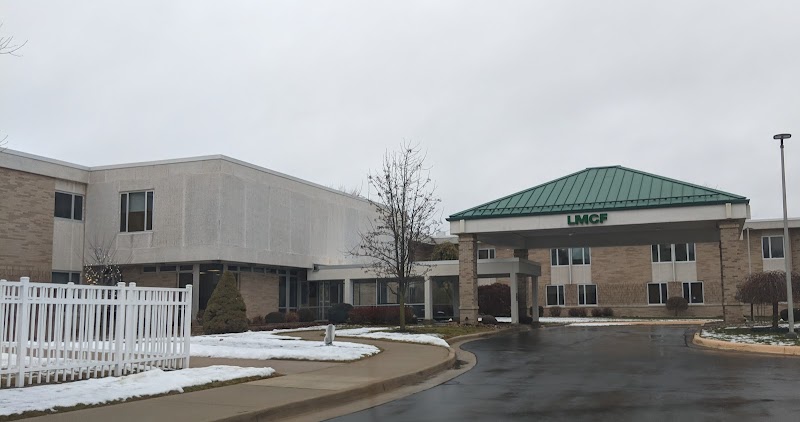
Lenawee Medical Care Facility

200 Sand Creek Highway, Adrian, MI 49221 (517) 263-6794
Government - County 113 Beds Independent Data: November 2025
Trust Grade
68/100
#37 of 422 in MI
Last Inspection: February 2025

Within standard 12-15 month inspection cycle. Federal law requires annual inspections.

Overview

Lenawee Medical Care Facility has a Trust Grade of C+, indicating it is decent and slightly above average in quality. It ranks #37 out of 422 nursing homes in Michigan, meaning it is in the top half of facilities statewide, and it is the best option among the four homes in Lenawee County. However, the facility is currently facing a worsening trend, with issues increasing from 1 in 2024 to 3 in 2025. Staffing is a strength, receiving a 5/5 star rating with a turnover rate of 40%, which is below the Michigan average, but there is concerning RN coverage, as it is lower than 83% of state facilities. The facility has faced several serious incidents, including a resident sustaining a fracture due to improper transfer assistance and staff members lacking proper CPR certification, which raises concerns about the residents' safety during emergencies. While the facility has some strong aspects, these incidents highlight significant areas that need improvement.

Trust Score
C+
68/100
In Michigan
#37/422
Top 8%
Safety Record
High Risk
Review needed
Inspections
Getting Worse
1 → 3 violations
Staff Stability
○ Average
40% turnover. Near Michigan's 48% average. Typical for the industry.
Penalties
✓ Good
$15,593 in fines. Lower than most Michigan facilities. Relatively clean record.
Skilled Nurses
○ Average
Each resident gets 33 minutes of Registered Nurse (RN) attention daily — about average for Michigan. RNs are the most trained staff who monitor for health changes.
Violations
⚠ Watch
15 deficiencies on record. Higher than average. Multiple issues found across inspections.
★★★★★
5.0
Overall Rating
★★★★★
5.0
Staff Levels
★★★★★
5.0
Care Quality
★★★★☆
4.0
Inspection Score
Stable
2024: 1 issues
2025: 3 issues

The Good

  • 5-Star Staffing Rating · Excellent nurse staffing levels
  • 5-Star Quality Measures · Strong clinical quality outcomes
  • Full Sprinkler Coverage · Fire safety systems throughout facility
  • No fines on record
  • Staff turnover below average (40%)

    8 points below Michigan average of 48%

Facility shows strength in staffing levels, quality measures, fire safety.

The Bad

Staff Turnover: 40%

Near Michigan avg (46%)

Typical for the industry

Federal Fines: $15,593

Below median ($33,413)

Minor penalties assessed

The Ugly 15 deficiencies on record

3 actual harm
Sept 2025 1 deficiency
CONCERN (D) 📢 Someone Reported This

A family member, employee, or ombudsman was alarmed enough to file a formal complaint

Potential for Harm - no one hurt, but risky conditions existed

Deficiency F0583 (Tag F0583)

Could have caused harm · This affected 1 resident

**NOTE- TERMS IN BRACKETS HAVE BEEN EDITED TO PROTECT CONFIDENTIALITY** This citation pertains to Intake 2621377. Based on observation, interview, and record review, the facility failed to respect the...

Read full inspector narrative →
**NOTE- TERMS IN BRACKETS HAVE BEEN EDITED TO PROTECT CONFIDENTIALITY** This citation pertains to Intake 2621377. Based on observation, interview, and record review, the facility failed to respect the right to privacy for one (R1) of three reviewed. Findings include:Review of the medical record revealed R1 was admitted to the facility on [DATE] with diagnoses that included Parkinson's Disease, vascular dementia, and major depressive disorder. The Minimum Data Set (MDS) with an Assessment Reference Date (ARD) of 8/2/25 revealed R1 scored 9 out of 15 (moderate cognitive impairment) on the Brief Interview for Mental Status (BIMS-a cognitive screening tool). Review of the facility's investigation revealed Witness G showed Human Resources Assistant (HRA) D videos that Certified Nursing Assistant (CNA) E recorded while in resident rooms and sent to CNA F. The investigation revealed The second video [Witness G] showed [HRA D] was of the same staff member [CNA E] recording one of our residents in Windsor Ridge while her back was to the camera and resident was on the phone with someone. At the end of the video, the staff member turns the camera on herself, and I [HRA D] was able to verify the second video was also recorded by [CNA E]. On 9/22/25 at 10:52 AM, the above-mentioned video was observed with Corporate Compliance & Quality Assurance Manager (CCQAM) C. The video was recorded from behind a resident as she sat in her wheelchair in front of her television, while talking on the telephone in her room. At the end, the video turns to CNA E's face. CCQAM C reported the resident in the video was R1 who was not aware that she had been recorded. On 9/22/25 at 9:18 AM, R1 was observed in a wheelchair in her room. R1 was not aware of any instances of being recorded. When asked how she would feel about being recorded, R1 stated it would depend on what it would be. In a telephone interview on 9/22/25 at 10:47 AM, CNA F reported they received one video via social media messenger from CNA E. CNA F reported CNA E recorded a video while in a resident's room and the back of a resident's head was seen in the video. CNA F reported herself and Witness G shared a social media account and that is how Witness G acquired the video. In a telephone interview on 9/22/25 at 11:14 AM, CNA E reported they recorded a video in R1's room as a way of their own complaining and documentation of false allegations that were happening against us at that time. CNA E reported R1 turned her call light on, she responded, and R1 shooed her away because she was on the telephone. CNA E reported she then took a video and sent it to CNA F In an interview on 9/22/25 at 10:26 AM, HRA D reported CNA E was terminated from employment due to violating the facility's policy of no photography or video recordings on the property, not treating R1 with respect, and violating R1's right to privacy.
Jun 2025 2 deficiencies 1 Harm
SERIOUS (G) 📢 Someone Reported This

A family member, employee, or ombudsman was alarmed enough to file a formal complaint

Actual Harm - a resident was hurt due to facility failures

Accident Prevention (Tag F0689)

A resident was harmed · This affected 1 resident

**NOTE- TERMS IN BRACKETS HAVE BEEN EDITED TO PROTECT CONFIDENTIALITY** This citation pertains to intake MI00153332. Based on observation, interview and record review, the facility failed to ensure a ...

Read full inspector narrative →
**NOTE- TERMS IN BRACKETS HAVE BEEN EDITED TO PROTECT CONFIDENTIALITY** This citation pertains to intake MI00153332. Based on observation, interview and record review, the facility failed to ensure a transfer was performed according to the plan of care for one (R3) of three reviewed, resulting in R3 being lowered to the floor and sustaining a fracture. Findings include: Review of the medical record reflected R3 was admitted to the facility on [DATE] and readmitted [DATE], with diagnoses that included fracture of unspecified part of neck of right femur and Multiple Sclerosis. The Significant Change in Status/Medicare 5 day Minimum Data Set (MDS), with an Assessment Reference Date (ARD) of 5/12/25, reflected R3 scored 14 out of 15 (cognitively intact) on the Brief Interview for Mental Status (BIMS-a cognitive screening tool), did not walk and was dependent for transfers. On 6/25/25 at 11:23 AM, R3 was observed seated in a wheelchair, with a mechanical lift sling beneath them. R3's legs were resting on a heel elevation cushion, which was positioned on the footrests of the wheelchair. R3 reported they had fallen really hard during a transfer and fractured their femur. R3 reported having x-rays, which initially did not show a fracture. Approximately two days after the fall, R3 reported being really miserable. R3 reported having surgery after their fracture was identified. An Incident Report, dated 4/22/25 at 6:35 PM, reflected R3 was lowered to the floor during a transfer with Certified Nurse Aide (CNA) E. According to the report, while R3 was attempting to stand with the lift, their bad leg gave out. As CNA E was attempting to assist R3 to sit back down, the wheelchair, which was noted to be locked, moved backwards, away from R3. R3's legs slid from beneath them, and they sat down hard on the floor. After an assessment by the nurse, R3 was transferred to bed via hoyer lift (mechanical lift which does not require weight-bearing by the patient). Once R3 was transferred via hoyer lift, they complained of level eight out of ten pain in their right thigh. X-rays of the right knee, right hip and pelvis on 4/23/25 did not show any obvious fractures. During a phone interview on 6/25/25 at 9:39 AM, CNA E reported they were attempting to transfer R3 from their wheelchair to bed when R3's right leg gave out during the transfer. CNA E reported that although R3's wheelchair was locked, it moved backwards, and they were unable to hold R3 up and move the wheelchair at the same time. R3 was lowered to the floor. CNA E stated when R3 was six to twelve inches from the floor, their right leg shot out in front instead of bending, and R3 plopped down on their buttocks. During the same interview, CNA E stated their report sheet indicated R3 transferred via one to two person assistance with the sit to stand lift, although their Care Plan and Kardex (CNA care guide) had been updated to reflect two person assistance with transfers using the sit to stand lift. CNA E reported they had not seen R3's updated Care Plan or Kardex and had been using the information on the report sheet. R3's Care Plan included an intervention with a revision date of 10/25/24 which reflected R3 required the assistance of two people to transfer via sit to stand lift. The April 2025 Medication Administration Record (MAR) reflected Oxycodone (opioid pain medication) 5 milligrams (mg) by mouth every eight hours, as needed for pain, for seven days was started on 4/24/25. The MAR reflected the medication was administered on 4/24/25 at 10:36 AM and 6:30 PM for level eight out of ten pain. A correlating Progress Note for 4/24/25 at 10:36 AM reflected Oxycodone was administered per request of R3 for complaints of right leg pain. A correlating Progress Note for 4/24/25 at 6:30 PM reflected Oxycodone was administered for R3's complaint of pain to the right upper thigh. The April 2025 MAR further reflected Oxycodone was administered on 4/25/25 at 7:02 AM and 7:07 PM for complaints of level eight out of ten pain. Correlating Progress Notes reflected the medication was administered for right leg pain. Oxycodone was administered on 4/26/25 at 7:20 AM for level eight out of ten pain and at 4:30 PM for level three out of ten pain. A correlating Progress Note for 4/26/25 at 7:20 AM reflected Oxycodone was administered for complaints of pain to the right leg. A correlating Progress Note for 4/26/25 at 4:30 PM reflected Oxycodone was administered for right hip pain. According to the April 2025 MAR, Tylenol 1000 mg every eight hours, as needed, for pain or fever was administered on 4/23/25 at 5:39 PM for level eight out of ten pain and on 4/24/25 at 7:12 AM for level eight out of ten pain. A correlating Progress Note for 4/24/25 at 7:12 AM reflected Tylenol was administered per R3's request due to right leg pain. Progress Notes reflected R3 was transferred to the hospital on 4/27/25 due to experiencing lethargy, decreased responsiveness and hallucinations. R3 readmitted to the facility on [DATE]. A Physician Progress Note for 5/7/25 reflected R3 reported knee pain since their fall (on 4/22/35), and their imaging did not show fractures. According to the note, x-rays of the knee, hip and pelvis were reviewed and were unremarkable. The note reflected R3 would restart Physical Therapy. A Physical Therapy note for 5/7/25 reflected R3's transfer orders were changed to reflect the use of a hoyer lift. According to the note, R3 did not want the therapist to move their leg, as R3 had not yet received pain medication. R3 reported level seven out of ten pain with movement and no pain at rest. An Occupational Therapy note for 5/8/25 reflected R3 was unable to sit on the edge of the bed due to significant pain in their right leg when attempting to move the leg. According to the notes, R3 continued with Physical and Occupational Therapy services through 5/14/25. Progress Notes for 5/8/25, 5/9/25, 5/10/25, 5/11/25, 5/12/25, 5/13/25 5/14/25 and 5/15/25 reflected R3 continued to experience right thigh pain, documented as aching and sharp. The May 2025 MAR reflected an order, dated 5/6/25, for a Lidoderm 5% patch (helps treat pain) to be applied topically, to the right hip, daily. Pain Relieving External Cream topically to affected area every eight hours as needed for pain was started on 5/6/25. The medication was used on 5/8/25 for right lower extremity pain, on 5/13/25 for right leg pain and 5/14/25 for right hip pain. Naproxen Sodium (used to treat pain and inflammation) 220 mg by mouth three times daily for pain was started on 5/14/25. A Medication Administration Note for 650 mg of Acetaminophen (Tylenol) on 5/13/25 at 7:50 PM reflected R3 reported they did not have pain with sitting or lying still. R3 reported when care was performed or when being moved in the hoyer lift, it was extremely painful and a 10/10 [ten out of ten level pain]. A Progress Note for 5/13/25 at 11:30 PM reflected R3 continued to report pain to the right thigh, stating it felt like the pain was deep. The note reflected R3 experienced pain when their leg was moved, even slightly. R3 refused to get out of bed that day and reported pain with care and bed mobility. R3 reported it hurt their leg to get into the hoyer lift. A Nurse Practitioner (NP) Progress Note for 5/14/25 reflected R3 was seen for complaints of continued and worsening pain. The note referenced an incident a couple weeks prior, when R3 was lowered to the floor, landed on their buttocks, then turned onto their right hip. According to the note, R3 did not have issues with pain in their hip or leg prior to or immediately following the incident. It was not until staff started to move R3 again that they had pain in their hip. R3 described their pain as sharp and deep, ranging from level two to nine out of ten pain. The note reflected the NP would order x-rays of the right hip, pelvis and lumbosacral spine. A right hip and pelvis x-ray, dated 5/14/25, reflected, .Fracture of upper shaft of femur with callus formation and internal fixation in situ .As compared to previous X-ray dated 04/23/2025, no interval changes seen . R3 was transferred to the hospital on 5/15/25 and underwent surgery for the fracture on 5/16/25. R3 readmitted to the facility on [DATE]. In an interview with Nursing Home Administrator (NHA) A, Director of Nursing (DON) B and Corporate Compliance and Quality Assurance Manager C on 6/25/25 at 1:40 PM, it was reported they believed R3 sustained the femur fracture during the fall on 4/22/25. It was reported the facility requested to have R3's original x-rays from 4/23/25 reviewed again, and it was noted that there had in fact been a fracture at that time that, which was not initially identified. During the onsite survey, past noncompliance (PNC) was cited after the facility implemented actions to correct the noncompliance which included removal of transfer status from all report sheets; education on the importance of reading the Care Plans and Kardex; education to Clinical and Therapy staff regarding pain management, recognizing pain, continued monitoring and reporting to the provider; CNA E competency evaluation with return demonstration for sit to stand lift use and on-going transfer and positioning audits for R3. The facility was able to demonstrate monitoring of the corrective action and maintained compliance.
CONCERN (D) 📢 Someone Reported This

A family member, employee, or ombudsman was alarmed enough to file a formal complaint

Potential for Harm - no one hurt, but risky conditions existed

Deficiency F0605 (Tag F0605)

Could have caused harm · This affected 1 resident

**NOTE- TERMS IN BRACKETS HAVE BEEN EDITED TO PROTECT CONFIDENTIALITY** This citation pertains to intake MI00153420 Based on observation, interview and record review the facility failed to ensure that...

Read full inspector narrative →
**NOTE- TERMS IN BRACKETS HAVE BEEN EDITED TO PROTECT CONFIDENTIALITY** This citation pertains to intake MI00153420 Based on observation, interview and record review the facility failed to ensure that three residents (R4, R6, R7) were free from non-physician ordered chemical restraints imposed for purposes of staff convenience of five residents reviewed. Findings include: Review of the Facility Reported Incident(FRI), dated 5/26/25, reflected, The facility investigation revealed that Licensed Practical Nurse(LPN) L administered medication (Benadryl), which she bought while on the clock, which was not ordered by the physician, to at least two residents. During the review of the camera footage and documentation, [named LPN L] also left her medication cart unlocked, walked in the halls with gloves on, administered medication in public places, picked up pills off the floor and attempted to administer, administered medications outside of physician ordered times, documented she administered medication which was found in trash, spent much time on her personal cell phone, and frequented the bathroom [ROOM NUMBER] times on her shift. Resident #4(R4) Review of the Face Sheet and Minimum Data Set (MDS) dated [DATE], reflected R4 was a [AGE] year old female admitted to the facility on [DATE], with diagnoses that included Alzheimer's disease, dementia with other behavioral disturbances, adjustment disorder with mixed anxiety and depressed mood and restlessness and agitation. The MDS reflected R4 had a BIMS (assessment tool) score of 00 which indicated her ability to make daily decisions was severely impaired. During an observation on 6/25/25 at approximately 12:40 p.m., R4 observed sitting in chair located by nurse station and appeared calm and well groomed. Review of R4 Nurse Progress Note, dated 5/27/25, reflected, Phone call placed to facility administrator on 5/26/25 at approx 2130[9:30 p.m.] reporting that this resident received a dose of Benadryl. Vital signs and monitoring implemented upon notification of administration of Benadryl. Writer placed call to facility provider. No new orders at this time. Writer spoke to POA/niece on the phone at noon on today's date updating on administration of Benadryl . Review of R4 Physician Progress Note, dated 5/27/25, reflected, Chief Complaint / Nature of Presenting Problem: Benadryl administration History Of Present Illness: Patient is being seen today by the request of nursing due to receiving a dose of Benadryl not prescribed to her on 5/26/2025. Patient seen sitting in wheelchair in no acute distress, responding appropriately, at her baseline, with no adverse reactions noted from receiving medication.Plan: Inappropriate Benadryl administration-continue monitoring patient for any adverse effects, encouraged to increase her water intake . Review of R4's May 2025 Medication Administration Record (MAR) did not reflect Benadryl as being an ordered medication for R4. Resident #6 (R6) Review of the Face Sheet and Minimum Data Set (MDS) dated [DATE], reflected R6 was a [AGE] year old female admitted to the facility on [DATE], with diagnoses that included Alzheimer's disease, vascular dementia, depression, cognitive communication deficit and repeat falls. The MDS reflected R6 had a BIMS (assessment tool) score of 00 which indicated her ability to make daily decisions was severely impaired. During an observation on 6/23/25 at 2:46 p.m. R6 was observed by sitting in wheel chair located at Nurse Station. R6 appeared calm and well groomed with staff located nearby. Review of R6 Nurse Progress Note, dated 5/27/25, reflected, Phone call placed to facility administrator on 5/26/25 at approx 2130 reporting that this resident received a dose of Benadryl. Vital signs and monitoring implemented upon notification of administration of Benadryl. Writer placed call to facility provider . Review of R6 Physician Provider Note, dated 5/27/25, reflected, Chief Complaint / Nature of Presenting Problem: Inappropriate Benadryl administration History Of Present Illness: Patient is being seen today by the request of nursing due to receiving a dose of Benadryl not prescribed to her on 5/26/2025. Patient seen sitting in recliner in her room, in no acute distress, responding appropriately, at her baseline, with no adverse reactions noted from receiving medication. Patient denies any hallucinations. At times patient was noted to be having conversations with people from the TV show, which was verified by staff baseline for patient. Per staff no unusual behavior has been noted throughout the shift since receiving this medication Plan: Inappropriate Benadryl administration-continue monitoring patient for any adverse reactions from medications, encouraged patient to increase water intake . Review of R6's May 2025 Medication Administration Record (MAR) did not reflect Benadryl as being an ordered medication for R6. Review of the FRI investigation witness statement, dated 5/26/25 at 10:45pm, reflected Resident Assistant (RSA) N completed a written statement that included, Agency nurse [named LPN L] told myself & rsa [named RSA O] that she gave [named R6, R4 and R7] Benadryl she bought from dollar general. She stated she left and went to dollar general when she got to work. She stated that she already worked 3 days in a row and she wasn't putting up with the three Bam Bams tonight. Stated she told us a secret. She told myself & [named RSA O] all of this and stated if we told she would know. [named RSA O] stated she did not want to tell because she, did not see big deal. [named LPN L] stated that she gave them benadryl & melatonin. The statement was signed by RSA N. During an interview with Nursing Home Administrator (NHA) A, Director of Nursing (DON) B and Corporate Compliance and Quality Assurance Manager(CC) C on 6/25/25 at 2:18 PM, it was reported the FRI from 5/25/25 related to staff administering non physician ordered benadryl to three residents was substantiated. NHA A reported was first made aware of incident 5/26/25 at about 9:30 p.m. CC C reported she completed a thorough investigation, contacted the agency company, reported LPN L licence and contacted local law enforcement, provided education to staff, continued monitoring for effected residents and discussed in Quality Assurance meeting and have continued to audits. CC C reported alleged compliance 6/13/25. CC C reported was expect staff to administer medications as ordered by physician and verified residents involved did not have orders for benadryl. Resident #7 (R7) Review of the medical record reflected R7 admitted to the facility on [DATE], with diagnoses that included Alzheimer's and anxiety. The Quarterly Minimum Data Set (MDS), with an Assessment Reference Date (ARD) of 5/9/25, reflected R7 scored zero out of 15 (severe cognitive impairment) on the Brief Interview for Mental Status (BIMS-a cognitive screening tool). On 6/23/25 at 2:18 PM, R7 was observed seated in a standard chair, at the nurse's station, near their room. R7 was reading a Bible storybook out loud. An Incident Report for 5/26/25 at 9:30 PM reflected a phone call was placed to the Nursing Home Administrator (NHA), reporting the nurse attempted to administer Benadryl to R7, which was not prescribed by the provider. The report reflected R7 did not accept their medications and spit them on the floor. A facility investigation file included a witness statement from Certified Nurse Aide (CNA) N, which reflected Licensed Practical Nurse (LPN) L told them and CNA O that she administered Benadryl, which she had purchased at a local store, and Melatonin to R4, R6 and R7. The witness statement reflected LPN L had stated she already worked three days in a row and was not putting up with the three Bam Bam's tonight. The facility investigation file included a witness statement from CNA O, which reflected she (the nurse) sat at the nurse's station and asked if they could keep a secret. The nurse told them she administered Benadryl and Melatonin to R4, R6 and R7 to help them sleep better. An additional witness statement from CNA O reflected on the way to the dining room to assist with feeding residents, they observed the nurse attempting to administer medications to R7. The statement reflected R7 got mad and spit the pills out. One of the pills observed by CNA O was dissolved and pink in color. R7's May 2025 Medication Administration Record (MAR) did not reflect Benadryl as being an ordered medication for R7. Witness statements from CNA P and CNA Q reflected LPN L asked if they were ready to have a good night. LPN L stated she was going to a local store at 3:00 PM. The statement reflected LPN L asked staff to let her know when R7 was eating so she could administer their medication, and R7 would be ready to go to bed as soon as she did. During the onsite survey, past noncompliance (PNC) was cited after the facility implemented actions to correct the noncompliance which included termination of LPN L post verified administration of benadryl (sedating medication) for staff convenience; education to Clinical staff regarding appropriate medication administration, medication errors, abuse and reporting; Clinical staff competency evaluation improvements and ongoing audits. The facility was able to demonstrate monitoring of the corrective action and maintained compliance.
Aug 2024 1 deficiency
CONCERN (D) 📢 Someone Reported This

A family member, employee, or ombudsman was alarmed enough to file a formal complaint

Potential for Harm - no one hurt, but risky conditions existed

Deficiency F0602 (Tag F0602)

Could have caused harm · This affected 1 resident

**NOTE- TERMS IN BRACKETS HAVE BEEN EDITED TO PROTECT CONFIDENTIALITY** This citation pertains to Intake # MI00143838 Based on observation, interview, and record review, the facility failed to protect...

Read full inspector narrative →
**NOTE- TERMS IN BRACKETS HAVE BEEN EDITED TO PROTECT CONFIDENTIALITY** This citation pertains to Intake # MI00143838 Based on observation, interview, and record review, the facility failed to protect resident property in 1 of 3 residents reviewed for misappropriation of property (Resident #2), resulting in feelings of sadness and potential mistrust. Findings include: Resident #2 (R2) Review of the Face Sheet revealed that Resident #2 (R2) was admitted to the facility on [DATE] with diagnoses including Parkinson's, atrial fibrillation, and anxiety. A review of the Minimum Data Set (MDS) with an Assessment Reference Date (ARD) of 5/2/24 showed that R2 scored 13 out of 15 on the Brief Interview for Mental Status (BIMS), indicating cognitive intactness. On 7/31/24 at 11:29 AM, R2 was observed in her room speaking with a family member (FM) R. R2 was well-groomed, seated in a recliner, and was easily conversant. Numerous photographs and colored pictures were observed on R2's wall. R2 explained that she had a favorite aide (certified nursing assistant) who colored pictures for her. However, another aide had entered R2's room one day, removed the colored pictures from her wall, and discarded them without R2's permission. R2 stated that this incident upset her, as she did not understand why it had happened. The colored pictures were replaced with new ones shortly afterward, and the aide responsible for removing and discarding the originals was terminated. During the same interview, FM R mentioned that R2 had an aide identified as CNA F whom she greatly valued. CNA F had colored pictures for R2 and displayed them on R2's wall at her request. FM R noted that there appeared to be competition between two CNAs working on the hall, which may have been a reason why CNA G removed the colored pictures from R2's wall when R2 was not present and without her permission. A review of the Facility Reported Incident investigation revealed that on 4/3/24, CNA F asked Social Worker (SW) K if she had seen the colored pictures on R2's wall. CNA F stated that the pictures had been removed from R2's room. The facility reviewed camera footage and discovered that CNA G had entered R2's room when she was absent and discarded the pictures in the community trash room. The investigation summary indicated that R2 noticed the colored pictures were missing upon returning to her room from an activity. R2 was upset and tearful at the discovery. A family member followed up with SW K about the concern, reporting that three pictures/drawings were removed from [R2's] room today . when [R2] returned, she noticed right away that the pictures/drawings were missing. Video footage revealed that CNA G exited R2's room with a crumpled piece of paper in her hand, entered the community trash room, and exited with no contents in her hand. During an interview, CNA G admitted to removing and discarding the pictures from R2's room. In a telephone interview on 8/1/23 at 10:32 AM, CNA F reported that she would sit and color with R2. CNA F displayed the pictures on R2's wall at R2's request. CNA F noted that other staff members reported that R2 would often look at the pictures, read CNA F's name written at the bottom of the pictures, and then call out for CNA F at all hours. In a telephone interview on 8/1/24 at 2:38 PM, CNA G reported that she removed and discarded the colored pictures from R2's wall because she believed the pictures caused R2 distress. CNA G claimed that R2 would read the name at the bottom of the pictures and call out for CNA F, which CNA G felt was disruptive. In an interview on 8/1/24 at 12:36 PM, Social Worker K stated that she was informed about the pictures being removed from R2's room and reported the incident to Nursing Home Administrator (NHA) A. SW K discussed the matter with R2's family, the facility reviewed the video footage, and confirmed the concern. SW K expressed that the removal of the pictures upset R2. In an interview on 8/1/24 at 3:58 PM, NHA A reported that the facility investigated the concern and confirmed that CNA G had removed and discarded the colored pictures from R2's room. The facility substantiated the misappropriation and CNA G was terminated.
Nov 2023 6 deficiencies 1 Harm
SERIOUS (G)

Actual Harm - a resident was hurt due to facility failures

Deficiency F0678 (Tag F0678)

A resident was harmed · This affected 1 resident

**NOTE- TERMS IN BRACKETS HAVE BEEN EDITED TO PROTECT CONFIDENTIALITY** Based on interview and record review, the facility failed to ensure staff had proper certification for Cardiopulmonary Resuscita...

Read full inspector narrative →
**NOTE- TERMS IN BRACKETS HAVE BEEN EDITED TO PROTECT CONFIDENTIALITY** Based on interview and record review, the facility failed to ensure staff had proper certification for Cardiopulmonary Resuscitation (CPR- medical interventions used to restore circulatory and/or respiratory function that has ceased), including 2 (Nurses K and I) of 6 reviewed for CPR certification, resulting in the likelihood of residents not receiving adequate life sustaining treatments in the event of a sudden change in condition, potentially affecting all residents choosing to receive CPR. Review of the medical record reflected Resident #111 (R111) was admitted to the facility on [DATE], with diagnoses that included essential hypertension, Type 2 diabetes with diabetic neuropathy, sleep apnea, and acute respiratory failure. The Minimum Data Set (MDS) history reflected R111 died in the facility on 10/19/23. Review of a Nurses Note dated 10/20/2023 at 02:14 AM revealed Staff was in doing care with resident prior to bed when residents legs became weak and buckled while staff was assisting resident transferring from recliner to wheelchair. Staff lowered resident to the ground and notified writer @ [at] approximately 2145 [9:45 PM]. Writer went to residents room to assess resident for any injuries or pain and obtain VS [vital signs]. No injuries were noted and resident denied any new pain or concerns since lowered to the ground. Staff went to retrieve hoyer machine (patient lift) and sling to safely transfer resident from floor to his bed. Staff was able to safely hoyer resident from ground, when staff was assisting resident to the bed from hoyer resident started to become blue and unresponsive @ [at] approximately 2155 [9:45 PM]. RSA [Resident Service Aide] stayed with resident while writer called code blue on PA system and other RSA [Resident Service Aide] went to retrieve crash cart and AED (automated external defibrillator). Staff called 911. Nurse supervisor for shift and other nurses came to assist with code, staff placed board under resident and began compressions @2200 [10:00 PM] .EMS [Emergency Medical Services] stooped [sic] compressions and calledtime [sic] of death for resident @ 2253 [10:53 PM] on 10/19/2023 . The author of the Nurses Note was Licensed Practical Nurse (LPN) K. Review of the medical record reflected R111 was a full code (full resuscitation and life sustaining treatment). The Physician's Orders reflected the code status document was effective 10/6/22. Review of the Incident Report dated 10/19/23 created by LPN K reflected a brief summary of R111's fall and stated that the writer (LPN K) assessed R111 for injuries, pain, obtained vital signs, and assessed R111's neurological status immediately. No evidence of any assessment was located on the incident report. On 11/14/23 at 2:58 PM, Resident Service Aide (RSA) G reported that she was R111's RSA on the night that he passed (10/19/23). RSA G reported that R111 was not at his normal baseline that night, R111 was falling asleep while consuming his dinner and could not grasp his cups and utensils while self-feeding. R111 had requested to go to bed so RSA G and RSA H placed a gait belt on R111 and attempted to stand him. While attempting to stand and transfer to the bed, R111's knees buckled and R111 was lowered to the floor by RSA G and RSA H. RSA H left the room to retrieve LPN K so she could assess R111 after he sustained the fall. RSA G stated that when R111 was in the Hoyer sling being lifted to his bed, his face turned blue and it appeared that he was foaming at the mouth. RSA G said she immediately knew something was wrong. RSA G reported that she tried to get R111 out of the sling and onto the bed as quickly as possible. LPN K left the room, meanwhile RSA G was screaming R11's name and rubbing his chest in attempt to elicit a response with no avail. When LPN K didn't return, RSA H left the room in attempt to get staff assistance. While RSA G was waiting in the room she overhead a page from LPN K which stated all nurses report to [unit R111 resided on]. RSA G stated that R111 did not appear to be breathing and was staring at the ceiling, not blinking. LPN K did not immediately return to the room to render care to R111. On 11/14/23 at 3:19 PM, Resident Service Aide (RSA) H stated that he was present when R111 fell and experienced a medical emergency. RSA H stated that R111 seemed a little out of it that night and witnessed R111 shaking, dropping items, and not wanting to eat his dinner. RSA H was assisting RSA G with transferring R111 to the bathroom before bed when R111 appeared to be shaking, unable to ambulate, and unable to hold his body weight. RSA G and H lowered R111 to the floor and retrieved LPN K. RSA H left the room to obtain the Hoyer lift so R111 could be lifted from the floor and into bed. RSA H returned with the Hoyer lift and while transferring him to the bed with the Hoyer lift, RSA H recalled looking at R111's face and noticed him turning blue. RSA H quickly attempted to get R111 onto the bed and LPN K rushed out of the room. RSA H stated that after some time, he had to leave the room and tell LPN K that the situation was serious and R111 was not breathing. RSA H stated that he left to retrieve the crash cart and when he returned, there were more staff present in the room including LPN K. RSA H stated that the staff removed the back board from the crash cart, placed it underneath R111 and then started chest compression. In a telephone interview on 11/15/23 at 12:49 PM, RSA N stated that she was across the hallway providing care when she exited the room into the hallway and observed RSA G in the doorway asking where LPN K was. RSA N stated that R111 was motionless on the bed and had a grey appearance. RSA N stated she observed RSA H obtaining the crash cart which prompted her to run to obtain the AED. RSA N stated that LPN K was not in the room with RSA G initially but did state that LPN K came back into R111's room but left again. In a telephone interview on 11/15/23 at 2:09 PM, Licensed Practical Nurse I stated that she was working on 10/19/23 and responded to R111's medical emergency. LPN I stated she was working on a different unit that night and heard a page overhead which stated, all nurses go to [unit R111 resided on]. LPN I stated that she walked that way unsure which room to report to but observed a few staff outside of R111's room. When LPN I arrived to R111's room, LPN K and a few RSA's were in the room. She noticed that R111 was on the bed and not breathing. LPN I instructed a staff member to call 911 and the asked the RSA's to retrieve the AED. LPN I stated that when the crash cart arrived, staff removed the backboard, place it under R111 and LPN I started chest compressions. When asked where LPN I obtained her Basic Lifesaving Support (BLS) certification, LPN I stated that she took an online class for her BLS certification and did not have to provide any hands-on demonstration. In a telephone interview on 11/15/23 at 4:15, Licensed Practical Nurse (LPN) J reported she was working on 10/19/23. LPN J reported hearing a page overhead and responded to the unit R111 resided on. When she arrived at the room LPN K and I were present and standing in the room. LPN J reported R111 appeared pulseless and blue/gray in color. LPN J stated that someone came with the crash cart, the backboard was removed, and R111's shirt was cut before starting chest compressions. In a telephone interview on 11/15/23 at 4:39 PM, Licensed Practical Nurse K confirmed that she was working on 10/19/23 and was the nurse assigned to R111. LPN K stated that in report it was mentioned that R111 was not feeling well that day and struggled with abnormally high blood glucose levels and had poor food acceptance. LPN K stated that upon hearing that R111 was lowered to the floor, she came in and assisted with RSA G and H. LPN K stated that she obtained a set of vital signs while R111 was on the floor and recalls that the blood pressure was a little high and the oxygen saturation reading was down to 86%. LPN K stated that RSA G and H proceeded to place R111 in the Hoyer lift and transfer his bed when she noticed that he started to go blue and not respond when she yelled his name. When asked why LPN K left the room she stated that she left to check and ensure R111 was a code blue (full code), announce a code blue on the overhead paging system, and look for oxygen. When asked why LPN K left the room a second time, LPN K stated she left the room to call the family. When LPN K returned to the room after leaving it the second time, staff members were beginning to respond and bring the crash cart and AED. LPN K stated that upon entry to the room the second time, R111 was still blue and cardiopulmonary resuscitation efforts still had not been started. When asked if any vitals were obtained after the fall and during the code, LPN K stated that the assessment and vitals should be documented on the Incident Report. When asked what method was used to obtain her Basic Life Support (BLS) certification, LPN K stated that she took an online class for her BLS certification and did not have to provide any hands-on demonstration. Review of the Physician Order set for R111 revealed an order which stated Standing Orders okay. Review of the policy titled Standing Orders with an origination date of 02/2022 and a revised date of 11/2023 reflected the Standing Orders approved by the Medical Director. One of the Standing Orders in the facilities policy stated Oxygen per nasal cannula or mask 2LPM PRN [2 liters per minute as needed] for breathing difficulty and O2 SAT [oxygen saturation] below 90. Notify provider for further orders . LPN K reported that R111's oxygen saturation was 86% after the fall, however, there was no documentation provided that reflected oxygen was administered to R111 as ordered. Review of the Video Surveillance footage from 10/19/23 revealed the following observations: 9:44:40 PM: RSA G and H enter the room together to provide care to R111 9:59:38 PM: LPN K enters the room with the vitals machine 10:05:46 PM: LPN K quickly exits the room and runs toward the nurses station 10:07:02 PM: RSA H exits room pushing a wheelchair towards nurse direction. RSA H stops and appears to shout something toward the direction that LPN K went. RSA H reenters room. Moments later, RSA H exits the room pushing the Hoyer lift out of the room and walks down the hallway toward the direction of LPN K. 10:08:21 PM: RSA N exits room across from R111's room and looks down hall toward LPN K. RSA G exits the room and speaks to RSA N prompting her to urgently enter the room of R111. 10:08:48 PM: LPN K appears and is running down the hallway with an oxygen concentrator 10:08:56 PM: LPN I enters the room of R111 10:09:13 PM: LPN K exits the room, holding onto the vitals machine and faces the room. LPN K is pointing down the hallway. RSA N exits the room and appears to be speaking to LPN K. LPN I also exits the room. The vitals machine remains in the hallway. 10:09:21 PM: LPN K exits the room and runs down the hallway toward nurses station 10:09:23 PM: LPN I reenters the room 10:09:35 PM: RSA H enters the room with the crash cart 10:09:42 PM: LPN J enters the room 10:09:56 PM: LPN K reenters the room 10:10:03 PM: RSA H exits the room 10:10:22 PM: RSA G exits the room 10:20:38 PM: Emergency Medical Services arrive In an interview on 11/15/23 at 10:11 AM, Licensed Practical Nurse (LPN) L stated that he is a unit manager for the facility, and also helps reviews falls. When inquiring about the fall and medical emergency for R111, LPN L stated that he would be responsible for reviewing the fall but there was not a lot to go off of for the investigation because there was no documentation of an assessment including vital signs from the fall R111 sustained prior to going unresponsive. When queried what the protocol would be if he encountered a situation in which a resident went blue and unresponsive, LPN L stated that the procedure would be to conduct an assessment to include breathing and pulse. If the resident was pulseless, LPN L would call for help and start chest compressions immediately. In an interview on 11/16/23 at 9:11 AM, Registered Nurse and Clinical Nurse Educator (RN) M stated that she has been conducting mock code blue exercises in the building recently, the first one being held on 10/31/23. When asked what the proper procedure is for code blue situations, RN M stated that when staff see someone that is turning blue and unresponsive, they need to check for a pulse, start compression, yell at an RSA or other staff member to call code blue overhead, and call 911. All staff need to come that can but typically it's one RSA from the hallways that grab the crash cart and go to that area. The first nurse on scene is the charge nurse . have someone confirm they are full code, the nurse will verify no pulse, no respirations, call for help and begin CPR (cardiopulmonary resuscitation) .a RSA or nurse can be the clinical recorder. RN M explained that the crash carts have a code blue sheet on them which is to be utilized in the event a code blue situation arises, and code documentation needs to be obtained. RN M stated that all nurses were required to have a current and proper Basic Life Support (BLS) certification which included the course and hands-on demonstration. When queried if LPN K and LPN I had their BLS certification RN M stated that they received their BLS certification outside of the facility. RN M later confirmed that LPN K and LPN I had not completed their hands-on BLS demonstration which meant their current BLS certification was invalid. In an interview on 11/16/23 at 10:02 AM, Director of Nursing (DON) B reported that if an unresponsive resident needs help, whoever the first one to respond stays with patient, and use light or call out in hallway for help and ask for them to get code cart and AED. The nurse should stay with the patient and start compressions. The staff that goes to get the equipment should call overhead as well for more help . DON B stated that it would not be appropriate to wait for the backboard to arrive before starting chest compressions. DON B stated that the code involving R111 was discussed, and some concerns were identified. When queried what concerns were identified, DON B stated that LPN K should not have left the room and that the RSA should have been sent to gather more help. DON B also stated that the lack of documentation was also an identified concern, so the facility recently started implementing Mock Code Blue training. DON B also acknowledged that the two LPN's (K and I) did not have their proper Basic Life Support (BLS) certification which meant that they were unqualified to perform proper Cardiopulmonary Resuscitation on R111.
CONCERN (D) 📢 Someone Reported This

A family member, employee, or ombudsman was alarmed enough to file a formal complaint

Potential for Harm - no one hurt, but risky conditions existed

Report Alleged Abuse (Tag F0609)

Could have caused harm · This affected 1 resident

**NOTE- TERMS IN BRACKETS HAVE BEEN EDITED TO PROTECT CONFIDENTIALITY** Resident #312 (R312) Review of the medical record revealed that Resident #312 (R312) was admitted to facility 4/18/2017 with dia...

Read full inspector narrative →
**NOTE- TERMS IN BRACKETS HAVE BEEN EDITED TO PROTECT CONFIDENTIALITY** Resident #312 (R312) Review of the medical record revealed that Resident #312 (R312) was admitted to facility 4/18/2017 with diagnoses including severe vascular dementia with mood disturbance, major depressive disorder, and anxiety disorder. Review of the Minimum Data Set (MDS) with an Assessment Reference Date (ARD) of 6/20/23 reflected that R312 had a Brief Interview for Mental Status (BIMS-a cognitive screening tool) score of 3 (severe cognitive impairment). Further review of the medical record reflected that R312 was discharged to the hospital on 8/7/23 and did not return. Review of the Facility Reported Incident reflected Date/Time Incident Occurred: 3/18/23, Date/Time Incident Discovered: 3/20/2023 8:15 AM. Incident Summary within same report revealed According to resident service aide, [Resident Service Aide (RSA) E], [RSA E] and another resident service aide, [RSA F] was in resident [R312's] room providing care. [R312] was being aggressive with [RSA F]. [RSA F] stated to [R312], If you are going to be mean to me, I am going to be mean to you. Once care was finished, as the two aides were exiting the room, [RSA F] said, You're so mean to me. I hope your cat (stuffed cat) pees on you. [RSA F] then hit [R312's] stuffed cat. In a telephone interview on 11/14/23 at 11:18 AM, RSA E stated that she had been employed at the facility from the beginning of January 2023 to approximately the end of March 2023, confirmed familiarity with R312, and stated that R312 was one that had to be talked to in a certain way as she was a little hesitant with cares, resistant with changing and dressing and had to be a little cautious with as she would strike out and swear when being changed. RSA E stated that on the 3/17/23 night shift she was being trained by RSA F and that toward the end of that same shift, on 3/18/23 at approximately 4:00 AM, while she and RSA F were trying to change R312, R312 began swearing, grabbing, and scratching at RSA F. RSA E stated that RSA F began taunting R312 by sticking her tongue out at her, telling her that she was mean, saying that if she hit her again she would hit her stuffed cat and that she hoped her cat would pee on her, and stated that from what she could recall, RSA F did end up hitting her cat. RSA E stated that she initially thought that RSA F was joking with R312 but as RSA F repeatedly taunted R312, said mean things to her, verbally insulted her, and then hit her cat, she realized that what she witnessed could be considered abuse. RSA E stated that she distracted and redirected R312 so that she would focus on her instead of RSA F and that they were then able to finish R312's care. RSA E stated that both she and RSA F exited R312's room and that she made a mental note to herself to report what she had witnessed as she didn't know exactly what to do as she was newer, didn't know if she could tell the nurse, as thought that she had to tell the boss so as not to involve the floor nurse. RSA E stated that the end of the shift was hectic, she left work without reporting the potential abuse that she had witnessed, returned home, and went to bed. RSA E stated that later that same day (3/18/23), although she could not recall a specific time frame, she either sent a text or an email to Human Resource Specialist (HRS) D to inquire what she should do if she witnessed abuse on a weekend. RSA E stated that she then received a phone call from HRS D on the following Monday (3/20/23) morning, that she went to the facility to complete a report about what she had witnessed, and that she received training regarding identifying and reporting abuse a few days later. RSA E stated that from that training she learned something that she had not known and that she had messed up as she should have reported the abuse that she had witnessed on 3/18/23 immediately to whomever was in charge at that time. RSA E stated that she thought she had received training regarding abuse identification and reporting upon hire to the facility in January 2023 and then again in March but that the education was brief and she couldn't recall the exact training provided but stated that she thought she had to take a quiz regarding abuse reporting with both training's. Review of email correspondence dated March 18, 2023, at 5:55 PM, from RSA E to HRS D stated, I need to report something about witnessing a coworker use abuse towards an elder. How do I go about doing that on a weekend? Review of email correspondence dated March 20, 2023, at 7:30 AM, from HRS D to RSA E stated, You need to report any type of abuse to your nurse immediately no matter when it is. Please call me ASAP [as soon as possible] so that I can get the information from you regarding what you witnessed as this is very important. In a telephone interview on 11/14/23 at 3:20 PM, HRS D stated that she did not work weekends, did not always check her emails on the weekends and that from what she could recall, upon arriving to work on Monday, 3/20/23, she had received a potential allegation of abuse from RSA E via email dated 3/18/23. HRS D stated that she immediately reported the allegation to Corporate Compliance & Quality Assurance Director (CC/QAD) C, responded back to RSA E regarding the proper channels to report abuse, and requested that RSA E come to the facility to provide a written report of the allegation. HRS D stated that she did not normally receive abuse allegations via email and that staff knew to report any suspected abuse immediately to nurse or Nursing Home Administrator (NHA) A so that immediate follow up could be completed. In an interview on 11/14/23 at 4:20 PM, CC/QAD C stated that NHA A was the abuse coordinator but that if NHA A was unavailable for any reason, that any allegation of abuse would be reported directly to her, and that she would coordinate with NHA A, if needed, and begin an investigation. CC/QAD C stated that that per the facility's abuse policy that if any staff identified anything that could be potential abuse, resident safety would first be assured, a supervisor would be notified and then NHA A would be immediately notified for further direction. CC/QAD C further stated that all staff were able to call NHA A directly to report potential abuse but that frequently the RSA's reported directly to the nurse supervisor and then the supervisor reported to NHA A which was acceptable as long as the potential abuse was reported immediately upon identification. Upon review of the Facility Reported Investigation, CC/QAD C stated that she was alerted to the potential allegation of abuse on 3/20/23 upon arrival to work by HRS D, that HRS D communicated with RSA E via phone to obtain an initial statement and that RSA E then came to the facility that same date to provide a written statement. CC/QAD C stated that an investigation was initiated immediately based on HRS D's telephone interview with RSA E and that the incident was submitted to the State Agency. CC/QAD C confirmed that the alleged abuse incident occurred 3/18/23 and as was reported via email was not discovered until 3/20/23 at 8:15 AM and was not submitted to the State Agency until 3/20/23 at 8:42 AM. CC/QAD C acknowledged that RSA E had received education regarding the facility's abuse policy upon hire and follow up education on 3/14/23 but that RSA E may have hesitated to report the alleged abuse as she was timid and potentially intimated by more experienced RSA F. In an interview on 11/14/23 at 4:59 PM, NHA A acknowledged that the expectation would be that any potential allegation of abuse be reported immediately to the direct supervisor and/or the abuse coordinator so that an investigation could be promptly initiated and any needed follow up completed. NHA A further stated that RSA E and all staff received reeducation regarding abuse identification and reporting following the 3/18/23 incident. Review of RSA E's personnel file indicated a date of hire of 1/4/23. A form tilted Abuse Policy Acknowledgement signed and dated by RSA E on 1/4/2023 stated, I have read and understand the facilities abuse policy as it was presented to me in orientation. I acknowledge my immediate concern is for the safety of the elder/resident and removing them from potential harm. I will immediately inform the household nurse of the potential abuse and then contact the Abuse Coordinator, [Nursing Home Administrator (NHA) A]. I understand I will need to fill out a Witness Statement containing the facts of the potential abuse. A separate quiz titled Abuse and Neglect dated 1/4/2023 was noted to be completed by RSA E. A form titled Human Resources Department Employee General Orientation Checklist within RSA E's file was also noted to include Employee In-Service Training .[Facility Name's] Abuse Prevention and Intervention Program - 1 Hour initialed by RSA E as completed and signed/dated by RSA E on 1/5/2023. Document titled Education regarding reportable incident on 1-18-2023 & 1-19-2023 Education for All Staff stated, Any suspicion of abuse must be reported immediately to a supervisor/nurse with associated Quiz for the Reporting abuse education noted to be completed and signed by RSA E with a date of 3/14/22 (date clarified as 3/14/23 by RSA E and by CC/QAD C during separate interviews). Despite the receipt of abuse education and reporting by RSA E at facility hire and again just 4 days prior (on 3/14/23) to the witnessed alleged abuse on 3/18/23, RSA E reported the allegation of potential abuse via email greater than 12 hours after the event had been witnessed. Review of the facility policy titled, Abuse, Neglect and Exploitation with an 8/2023 revised date stated, Policy Statement: It is the policy of this facility to provide protections for the health, welfare, and rights of each resident by developing and implementing written policies and procedures that prohibit and prevent abuse, neglect, exploitation, and misappropriation of resident property .G. Reporting/Response .1. The facility will have written procedures that include: a. Reporting of all alleged violation to the Administrator or designee, state agency .within specified time frames: i. Immediately, but no later than 2 hours after the allegation is made, if the events that cause the allegation involve abuse or result in serious bodily injury . This citation pertains to intake numbers MI00136522 and MI00135497. Based on interview and record review the facility failed to ensure for two out of six residents (Residents 312 and 313) allegations of abuse were reported immediately to the abuse coordinator and state agency resulting in the potential for alleged and/or actual abuse to not be reported. Findings Included: Resident #313 (R313): R313 no longer resided at the facility. Per R313's Electronic Medical Record (EMR) R313 was [AGE] years old with a diagnosis of dementia. Review of a Facility Reported Incident (FRI) revealed Resident Service Aid (RSA) P was attending a training class on 1/19/2023, and when abuse and neglect were discussed RSA P recalled an incident that had occurred on 1/11/2023. The FRI revealed that RSA P reported to Registered Nurse (RN) M, who was the staff educator, that she witnessed abuse that she did not report. Further review of the FRI revealed RSA P reported to RN M that on 1/11/2023 she was sitting at the nurses' station when she overheard RSA Q say to R313, (R313) you stop that sh*t; there is no cat in there. So annoying, and then walk out of R313's room. Review of RSA P's EMPLOYEE IN-SERVICE TRAINING dated 10/20/2022, revealed RSA P had received training in an in-service on, .Abuse Prevention and Intervention Program . In an interview on 11/14/2023 at 3:59 PM, RSA P stated that she did not report the abuse she witnessed, because she was not fully aware of the facility's process for reporting alleged or actual abuse. RSA P said while she was sitting at the nurses' station she heard RSA Q, who was in R313's room, loudly say the R313 that there was no cat in here, and then said stop that shit there are no cats. RSA P said she had forgotten to tell the nurse she was working with. During the same interview RSA P said she was going to ask two other employees what she should do, but got to busy and forgot before she ended her shift. In an interview on 11/16/2023 at 08:20 AM, RN M stated that she was talking about abuse at the beginning of the training class. RN M said at the break RSA P told her about the abuse allegation that occurred on 1/11/2023. RN M said RSA P told her that she did not want to get anyone in trouble, and did not know what to do. RN M said RSA P had full abuse training upon her hire. In an interview on 1/15/2023 at 9:33 AM, RSA Q stated that nothing happened on 1/11/2023 when she cared for R313. RSA Q said she did not say anything to R313 regarding cats, and said R313 was afraid of cats. RSA Q said the facility had cats but the cats did not usually come into the hall R313 resided on. RSA Q said she did not recall what she said to R313 on 1/11/2023, but stated that she must have said that the R313 because the facility said she did. Review of RSA Q's education on abuse revealed that on 3/11/2022 RSA Q had received training on abuse that included recognizing, reporting, and prevention. Also on 6/25/20222 RSA Q was educated again on abuse. Review of the incident reported to the state agency revealed that the incident occurred on 1/11/2023, but was not reported to the state agency until 1/19/2023. Review of the facility policy and procedure dated 5/2021 and revised 8/2023, revealed on page six and seven, The facility will have written procedures that include: a. Reporting of all alleged violations to the Administrator or designee, state agency, adult protective services, and all other required agencies (e.g., law enforcement when applicable) within specified time frames: i. Immediately, but not later than 2 hours after the allegation is made, if the events that cause the allegation involve abuse or result in serious bodily injury, or Abuse, Neglect and Exploitation. ii. Not later than 24 hours if the events that cause the allegation do not involve abuse and do not result in serious bodily injury.
CONCERN (D)

Potential for Harm - no one hurt, but risky conditions existed

Comprehensive Care Plan (Tag F0656)

Could have caused harm · This affected 1 resident

**NOTE- TERMS IN BRACKETS HAVE BEEN EDITED TO PROTECT CONFIDENTIALITY** Based on interview and record review the facility failed to ensure a comprehensive care plan was in place for one out of 22 resi...

Read full inspector narrative →
**NOTE- TERMS IN BRACKETS HAVE BEEN EDITED TO PROTECT CONFIDENTIALITY** Based on interview and record review the facility failed to ensure a comprehensive care plan was in place for one out of 22 residents (Resident 313), resulting in the potential for care needs to not be met. Findings Included: Resident #313 (R313) no longer resided at the facility. Per R313's Electronic Medical Record (EMR) R313 was [AGE] years old with a diagnosis of dementia. Review of a Facility Reported Incident (FRI) revealed Resident Service Aid (RSA) P reported to RN M that on 1/11/2023 she was sitting at the nurses' station when she overheard RSA Q say to R313, (R313) you stop that shit; there is no cat in there. So annoying, and then walk out of R313's room. In an interview on 11/14/2023 at 3:59 PM, RSA P said while she was sitting at the nurses' station she heard RSA Q, who was in R313's room, loudly say the R313 that there was no cat in here, and then said stop that shit there are no cats. In an interview on 1/15/2023 at 9:33 AM, RSA Q stated that R313 was afraid of cats. RSA Q said the facility had cats but the cats did not usually come into the hall R313 resided on. Review of a progress note dated 9/6/2022 revealed, RSA and Nurse both noted elder asking about a cat and requesting it not be on her bed or in her room. Staff has not noted a cat in this elders room, nor a cat in her bed when she requests for it to be taken off her bed . Review of a written witness statement from RSA Q dated 1/19/2023, revealed RSA Q stated that R313 was afraid of cats, and would put her call light on several times regarding cats being in her room. Review of an incident summary revealed RSA Q had made a statement that R313 was always afraid of cats being in her room, would put her call light on several times about a cat in her room, and had caught R313 going to her closet to chase cat out. Review of R313's care plans revealed there was no care plan in place that identified the concern R313 had with a fear cats, nor were there any interventions in place that addressed R313's fear of cats and thinking cats were in her room.
CONCERN (D)

Potential for Harm - no one hurt, but risky conditions existed

Quality of Care (Tag F0684)

Could have caused harm · This affected 1 resident

**NOTE- TERMS IN BRACKETS HAVE BEEN EDITED TO PROTECT CONFIDENTIALITY** Based on observation, interview, and record review, the facility failed to complete an assessment, properly document a critical ...

Read full inspector narrative →
**NOTE- TERMS IN BRACKETS HAVE BEEN EDITED TO PROTECT CONFIDENTIALITY** Based on observation, interview, and record review, the facility failed to complete an assessment, properly document a critical medical emergency, and ensure cardiopulmonary resuscitation (CPR) was performed timely by competent staff and according to standards of practice for one (Resident #111) of two reviewed for quality of care, resulting in delayed identification of a change in condition, a delay in CPR, ineffective CPR efforts, and ultimately death in R111. Findings Include: Review of the medical record reflected Resident #111 (R111) was admitted to the facility on [DATE], with diagnoses that included essential hypertension, Type 2 diabetes with diabetic neuropathy, sleep apnea, and acute respiratory failure. The Minimum Data Set (MDS) history reflected R111 died in the facility on 10/19/23. Review of a Nurses Note dated 10/20/2023 at 02:14 AM revealed Staff was in doing care with resident prior to bed when residents legs became weak and buckled while staff was assisting resident transferring from recliner to wheelchair. Staff lowered resident to the ground and notified writer @ [at] approximately 2145 [9:45 PM]. Writer went to residents room to assess resident for any injuries or pain and obtain VS [vital signs]. No injuries were noted and resident denied any new pain or concerns since lowered to the ground. Staff went to retrieve hoyer machine (patient lift) and sling to safely transfer resident from floor to his bed. Staff was able to safely hoyer resident from ground, when staff was assisting resident to the bed from hoyer resident started to become blue and unresponsive @ [at] approximately 2155 [9:45 PM]. RSA [Resident Service Aide] stayed with resident while writer called code blue on PA system and other RSA [Resident Service Aide] went to retrieve crash cart and AED (automated external defibrillator). Staff called 911. Nurse supervisor for shift and other nurses came to assist with code, staff placed board under resident and began compressions @2200 [10:00 PM] .EMS [Emergency Medical Services] stooped [sic] compressions and calledtime [sic] of death for resident @ 2253 [10:53 PM] on 10/19/2023 . The author of the Nurses Note was Licensed Practical Nurse (LPN) K. Review of the medical record reflected R111 was a full code (full resuscitation and life sustaining treatment). The Physician's Orders reflected the code status document was effective 10/6/22. Review of the Incident Report dated 10/19/23 created by LPN K reflected a brief summary of R111's fall and stated that the writer (LPN K) assessed R111 for injuries, pain, obtained vital signs, and assessed R111's neurological status immediately. No evidence of any assessment was located on the incident report. On 11/14/23 at 2:58 PM, Resident Service Aide (RSA) G reported that she was R111's RSA on the night that he passed (10/19/23). RSA G reported that R111 was not at his normal baseline that night, R111 was falling asleep while consuming his dinner and could not grasp his cups and utensils while self-feeding. R111 had requested to go to bed so RSA G and RSA H placed a gait belt on R111 and attempted to stand him. While attempting to stand and transfer to the bed, R111's knees buckled and R111 was lowered to the floor by RSA G and RSA H. RSA H left the room to retrieve LPN K so she could assess R111 after he sustained the fall. RSA G stated that when R111 was in the Hoyer sling being lifted to his bed, his face turned blue and it appeared that he was foaming at the mouth. RSA G said she immediately knew something was wrong. RSA G reported that she tried to get R111 out of the sling and onto the bed as quickly as possible. LPN K left the room, meanwhile RSA G was screaming R11's name and rubbing his chest in attempt to elicit a response with no avail. When LPN K didn't return, RSA H left the room in attempt to get staff assistance. While RSA G was waiting in the room she overhead a page from LPN K which stated all nurses report to [unit R111 resided on]. RSA G stated that R111 did not appear to be breathing and was staring at the ceiling, not blinking. LPN K did not immediately return to the room to render care to R111. On 11/14/23 at 3:19 PM, Resident Service Aide (RSA) H stated that he was present when R111 fell and experienced a medical emergency. RSA H stated that R111 seemed a little out of it that night and witnessed R111 shaking, dropping items, and not wanting to eat his dinner. RSA H was assisting RSA G with transferring R111 to the bathroom before bed when R111 appeared to be shaking, unable to ambulate, and unable to hold his body weight. RSA G and H lowered R111 to the floor and retrieved LPN K. RSA H left the room to obtain the Hoyer lift so R111 could be lifted from the floor and into bed. RSA H returned with the Hoyer lift and while transferring him to the bed with the Hoyer lift, RSA H recalled looking at R111's face and noticed him turning blue. RSA H quickly attempted to get R111 onto the bed and LPN K rushed out of the room. RSA H stated that after some time, he had to leave the room and tell LPN K that the situation was serious and R111 was not breathing. RSA H stated that he left to retrieve the crash cart and when he returned, there were more staff present in the room including LPN K. RSA H stated that the staff removed the back board from the crash cart, placed it underneath R111 and then started chest compression. In a telephone interview on 11/15/23 at 12:49 PM, RSA N stated that she was across the hallway providing care when she exited the room into the hallway and observed RSA G in the doorway asking where LPN K was. RSA N stated that R111 was motionless on the bed and had a grey appearance. RSA N stated she observed RSA H obtaining the crash cart which prompted her to run to obtain the AED. RSA N stated that LPN K was not in the room with RSA G initially but did state that LPN K came back into R111's room but left again. In a telephone interview on 11/15/23 at 2:09 PM, Licensed Practical Nurse I stated that she was working on 10/19/23 and responded to R111's medical emergency. LPN I stated she was working on a different unit that night and heard a page overhead which stated, all nurses go to [unit R111 resided on]. LPN I stated that she walked that way unsure which room to report to but observed a few staff outside of R111's room. When LPN I arrived to R111's room, LPN K and a few RSA's were in the room. She noticed that R111 was on the bed and not breathing. LPN I instructed a staff member to call 911 and the asked the RSA's to retrieve the AED. LPN I stated that when the crash cart arrived, staff removed the backboard, place it under R111 and LPN I started chest compressions. When asked where LPN I obtained her Basic Lifesaving Support (BLS) certification, LPN I stated that she took an online class for her BLS certification and did not have to provide any hands-on demonstration. In a telephone interview on 11/15/23 at 4:15, Licensed Practical Nurse (LPN) J reported she was working on 10/19/23. LPN J reported hearing a page overhead and responded to the unit R111 resided on. When she arrived at the room LPN K and I were present and standing in the room. LPN J reported R111 appeared pulseless and blue/gray in color. LPN J stated that someone came with the crash cart, the backboard was removed, and R111's shirt was cut before starting chest compressions. In a telephone interview on 11/15/23 at 4:39 PM, Licensed Practical Nurse K confirmed that she was working on 10/19/23 and was the nurse assigned to R111. LPN K stated that in report it was mentioned that R111 was not feeling well that day and struggled with abnormally high blood glucose levels and had poor food acceptance. LPN K stated that upon hearing that R111 was lowered to the floor, she came in and assisted with RSA G and H. LPN K stated that she obtained a set of vital signs while R111 was on the floor and recalls that the blood pressure was a little high and the oxygen saturation reading was down to 86%. LPN K stated that RSA G and H proceeded to place R111 in the Hoyer lift and transfer his bed when she noticed that he started to go blue and not respond when she yelled his name. When asked why LPN K left the room she stated that she left to check and ensure R111 was a code blue (full code), announce a code blue on the overhead paging system, and look for oxygen. When asked why LPN K left the room a second time, LPN K stated she left the room to call the family. When LPN K returned to the room after leaving it the second time, staff members were beginning to respond and bring the crash cart and AED. LPN K stated that upon entry to the room the second time, R111 was still blue and cardiopulmonary resuscitation efforts still had not been started. When asked if any vitals were obtained after the fall and during the code, LPN K stated that the assessment and vitals should be documented on the Incident Report. When asked what method was used to obtain her Basic Life Support (BLS) certification, LPN K stated that she took an online class for her BLS certification and did not have to provide any hands-on demonstration. Review of the Physician Order set for R111 revealed an order which stated Standing Orders okay. Review of the policy titled Standing Orders with an origination date of 02/2022 and a revised date of 11/2023 reflected the Standing Orders approved by the Medical Director. One of the Standing Orders in the facilities policy stated Oxygen per nasal cannula or mask 2LPM PRN [2 liters per minute as needed] for breathing difficulty and O2 SAT [oxygen saturation] below 90. Notify provider for further orders . LPN K reported that R111's oxygen saturation was 86% after the fall, however, there was no documentation provided that reflected oxygen was administered to R111 as ordered. Review of the Video Surveillance footage from 10/19/23 revealed the following observations: 9:44:40 PM: RSA G and H enter the room together to provide care to R111 9:59:38 PM: LPN K enters the room with the vitals machine 10:05:46 PM: LPN K quickly exits the room and runs toward the nurses station 10:07:02 PM: RSA H exits room pushing a wheelchair towards nurse direction. RSA H stops and appears to shout something toward the direction that LPN K went. RSA H reenters room. Moments later, RSA H exits the room pushing the Hoyer lift out of the room and walks down the hallway toward the direction of LPN K. 10:08:21 PM: RSA N exits room across from R111's room and looks down hall toward LPN K. RSA G exits the room and speaks to RSA N prompting her to urgently enter the room of R111. 10:08:48 PM: LPN K appears and is running down the hallway with an oxygen concentrator 10:08:56 PM: LPN I enters the room of R111 10:09:13 PM: LPN K exits the room, holding onto the vitals machine and faces the room. LPN K is pointing down the hallway. RSA N exits the room and appears to be speaking to LPN K. LPN I also exits the room. The vitals machine remains in the hallway. 10:09:21 PM: LPN K exits the room and runs down the hallway toward nurses station 10:09:23 PM: LPN I reenters the room 10:09:35 PM: RSA H enters the room with the crash cart 10:09:42 PM: LPN J enters the room 10:09:56 PM: LPN K reenters the room 10:10:03 PM: RSA H exits the room 10:10:22 PM: RSA G exits the room 10:20:38 PM: Emergency Medical Services arrive In an interview on 11/15/23 at 10:11 AM, Licensed Practical Nurse (LPN) L stated that he is a unit manager for the facility, and also helps reviews falls. When inquiring about the fall and medical emergency for R111, LPN L stated that he would be responsible for reviewing the fall but there was not a lot to go off of for the investigation because there was no documentation of an assessment including vital signs from the fall R111 sustained prior to going unresponsive. When queried what the protocol would be if he encountered a situation in which a resident went blue and unresponsive, LPN L stated that the procedure would be to conduct an assessment to include breathing and pulse. If the resident was pulseless, LPN L would call for help and start chest compressions immediately. In an interview on 11/16/23 at 9:11 AM, Registered Nurse and Clinical Nurse Educator (RN) M stated that she has been conducting mock code blue exercises in the building recently, the first one being held on 10/31/23. When asked what the proper procedure is for code blue situations, RN M stated that when staff see someone that is turning blue and unresponsive, they need to check for a pulse, start compression, yell at an RSA or other staff member to call code blue overhead, and call 911. All staff need to come that can but typically it's one RSA from the hallways that grab the crash cart and go to that area. The first nurse on scene is the charge nurse . have someone confirm they are full code, the nurse will verify no pulse, no respirations, call for help and begin CPR (cardiopulmonary resuscitation) .a RSA or nurse can be the clinical recorder. RN M explained that the crash carts have a code blue sheet on them which is to be utilized in the event a code blue situation arises, and code documentation needs to be obtained. RN M stated that all nurses were required to have a current and proper Basic Life Support (BLS) certification which included the course and hands-on demonstration. When queried if LPN K and LPN I had their BLS certification RN M stated that they received their BLS certification outside of the facility. RN M later confirmed that LPN K and LPN I had not completed their hands-on BLS demonstration which meant their current BLS certification was invalid. In an interview on 11/16/23 at 10:02 AM, Director of Nursing (DON) B reported that if an unresponsive resident needs help, whoever the first one to respond stays with patient, and use light or call out in hallway for help and ask for them to get code cart and AED. The nurse should stay with the patient and start compressions. The staff that goes to get the equipment should call overhead as well for more help . DON B stated that it would not be appropriate to wait for the backboard to arrive before starting chest compressions. DON B stated that the code involving R111 was discussed, and some concerns were identified. When queried what concerns were identified, DON B stated that LPN K should not have left the room and that the RSA should have been sent to gather more help. DON B also stated that the lack of documentation was also an identified concern, so the facility recently started implementing Mock Code Blue training. DON B also acknowledged that the two LPN's (K and I) did not have their proper Basic Life Support (BLS) certification which meant that they were unqualified to perform proper Cardiopulmonary Resuscitation on R111.
CONCERN (D)

Potential for Harm - no one hurt, but risky conditions existed

Accident Prevention (Tag F0689)

Could have caused harm · This affected 1 resident

**NOTE- TERMS IN BRACKETS HAVE BEEN EDITED TO PROTECT CONFIDENTIALITY** Based on observation, interview, and record review the facility failed to thoroughly investigate and promptly implement effectiv...

Read full inspector narrative →
**NOTE- TERMS IN BRACKETS HAVE BEEN EDITED TO PROTECT CONFIDENTIALITY** Based on observation, interview, and record review the facility failed to thoroughly investigate and promptly implement effective interventions to prevent falls with injuries in one of one residents reviewed for accidents (Resident #34), resulting in fall with fracture and pain. Findings include: Resident #34 (R34) R34 was observed on 11/16/23 at 9:59 AM, lying in bed with left side of bed against the wall and a floor mat on the right side of her bed. An over-the-bed table was next to R34's bed, on top of the floor mat; and a red call light box was on top of her table. R34's Minimum Data Set (MDS) significant change assessment dated [DATE] introduced a Brief Interview for Mental Status (BIMS), a short performance-based cognitive screener, score of 03 (00-07 Severe Impairment) and required assistance for transfers. In review of R34's progress notes, she had the diagnoses of anxiety disorder, diabetes mellitus, chronic kidney disease, high blood pressure, depression, insomnia, dementia and heart failure. In review of incident/accident report dated 5/05/23 at 9:23 PM, staff heard a thud down the hallway at and ran to R34's room and observed her sitting on the floor by her bed. R34 was tearful and stated she slipped and did not know what happened. R34 was transferred from the floor to a recliner chair with a total lift transfer device. No injuries were observed. In review of R34's care plan and incident report, there were no new interventions implemented to prevent future falls. R34's risk for falls care plan, revised 10/09/23 revealed she had a history of falls related to confusion, gait/balance problems, unawareness of safety needs, dementia, and needed assistance with mobility and transfers. Progress note dated 7/29/23 at 3:01 PM revealed at 12:35 PM, R34 was observed walking in the dining room unassisted, stumbling toward the opposite side of the dining room. R34 fell face forward onto the floor. R34 was incontinent of bowel at this time and wearing day shoes. R34 had an abrasion and complained of pain to her left knee. R34's nose was bleeding as well as her lip. R34 became more tearful during attempt to transfer her off the floor with a total lift transfer device. R34 complained of left hand pain and x-rays of her hand and left knee were ordered. Progress note dated 7/29/23 at 4:18 PM revealed R34's x-ray of her left hand revealed degenerative changes of the hand without acute fracture. R34's Left knee x-ray revealed acute patella (kneecap) fracture. R34 was transferred to the hospital. Progress note dated 7/29/23 at 10:27 PM revealed R34 returned to the facility with an immobilizer for her left knee. The same note indicated a low bed and a floor mat to left side of bed were implemented. R34's risk for falls care plan revealed an intervention was initiated on 7/31/23 for a low bed with mats due to impulsiveness; but was resolved on the same date. Progress note dated 7/31/23 at 2:52 PM revealed R34 returned from an orthopedic appointment and had the diagnosis of acute left knee patella fracture. Treatment included left knee immobilizer at all times and pain medication. R34 was to follow-up in 2 weeks. Progress note dated 8/01/23 at 3:19 PM revealed R34 was observed in the bathroom by herself and was last seen in bed. Interdisciplinary team (IDT) note dated 8/01/23 at 4:26 PM indicated R34 was to be in a regular height bed with tapered mats for protection related to her history of falls and due to her ability to stand up from her bed. A red soft touch call light had been put into place for the ease of use. Orthostatic blood pressures (drop in blood pressure with position changes) were planned to be assessed. In review of R34's risk for Falls care plan, a red soft touch call light was implemented on 9/08/23 and canceled on 10/09/23. Progress note dated 8/02/23 at 10:19 AM revealed R34 got up unassisted and took self into the bathroom. Progress Note dated 8/03/23 at 7:17 PM revealed staff reported R34 appeared down and depressed daily, tearful and often felt bad about herself. Progress note dated 8/14/23 at 10:40 PM revealed R34 was getting up unassisted in her room multiple times throughout shift and complaining of pain in her left leg. The same note revealed R34 was very tearful stating nobody liked her and don't leave me here alone. Progress Note dated 8/16/23 at 9:21 PM revealed R34 had an orthopedic follow-up appointment and instructions included to continue to wear knee immobilizer, assist to the bathroom with 2 person assist, and to follow-up in 2 weeks. In review of R34's care plan, assist to the bathroom with 2 person assist was not initiated until 9/08/23. Progress Note dated 8/26/2023 at 2:53 PM revealed R34 was found sitting on the edge of her bed crying and stated she had fallen. A hematoma (blood collection under skin) was noted on the back of her head and orders were received to transfer to the hospital for evaluation and treatment. Progress Note dated 8/26/23 at 11:15 PM revealed R34 was admitted to the hospital. Progress Note dated 9/05/23 at 11:35 AM revealed R35 was readmitted to the facility following surgery for a hip fracture. IDT Progress note dated 9/06/23 5:16 PM revealed R34's fall from 8/26/23 was reviewed and on 9/05/23 R34 was readmitted . A low bed with mats was put into place for safety. admission paperwork from the hospital revealed repair of hip fracture occurred following a fall from a stretcher while hospitalized . Late Entry Progress Note dated 9/05/23 at 7:12 PM indicated R34 had fallen out of bed at 6:15 PM and was observed lying on the left side of her bed on her right side. R34 was rolled over onto her back and it was noted her incision was bleeding. R34's pulse oximeter reading (measurement of saturation of oxygen in blood cells) was 85 percent (%, normal reading 95 % to 100 %), oxygen was applied at 2 liters. R34 was cold and clammy, and her blood sugar was 318 milligrams per deciliter (mg/dL after meal less than 180 mg/dL was normal). R34 was lethargic and it was difficult to keep her awake. R34 was transferred to the hospital for evaluation. Progress note dated 9/08/23 at 1:00 PM revealed R34 was re-admitted at the facility. Physician's Progress Note dated 9/11/23 at 1:00 AM revealed R34 had a recent history of patella fracture, had a fall and was transferred to the hospital for further evaluation, had another fall at the hospital, and had a diagnosis of a right hip fracture and a small subdural hematoma (bleed cause by head injury). R34 underwent surgery, was re-admitted to the facility, had fell again, and was transferred back to the hospital. R34 had acute hypoxic respiratory failure (impairment of gas exchange between the lungs and the blood) and was re-admitted back to the facility. Licensed Practical Nurse Unit Manager (UM) L was interviewed on 11/16/23 at 8:20 AM and stated after R34 fell on 5/05/23, orthostatic blood pressures were implemented and she had a drop in her blood pressure. UM L did not consider to add to R34's care plan to make position changes slowly to avoid dizziness from blood pressure changes or any other interventions to prevent falls were care planned. UM L stated a beveled walkable floor mat was implemented on 9/28/23. UM L stated after R34's fall on 7/29/23, a low bed with floor mats were implemented; but was unable to locate that date on R34's care plans. UM L stated a silent sensor alarm that activated the call light with changes in position was not considered as they were an alarm free facility.
MINOR (B)

Minor Issue - procedural, no safety impact

Grievances (Tag F0585)

Minor procedural issue · This affected multiple residents

Based on observation, interview, and record review the facility failed to ensure grievances were readily accessible in a public location as reported by seven of seven residents during a confidential R...

Read full inspector narrative →
Based on observation, interview, and record review the facility failed to ensure grievances were readily accessible in a public location as reported by seven of seven residents during a confidential Resident Council meeting, potentially resulting in unresolved concerns of residents and visitors, unmet needs of residents and their wish to remain anonymous if desired. Findings include: During a confidential resident council meeting held on 11/14/2023 at 2:00 PM, seven of seven residents reported that they had to ask a staff member to get them a grievance and the staff member filled it out for them. The residents said, the grievances are behind the nurses' station, they aren't accessible but we can ask a staff member for it. On 11/14/23 at 01:15 PM, it was observed that none of the nurses' stations and hallways on the second floor had grievances readily accessible. It was also observed that none of the nurses' stations and hallways had grievances readily accessible on the first floor. During an interview on 11/14/23 at approximately 01:25 PM, Licensed Practical Nurse (LPN) O was sitting at the nurses' station and was asked where grievances are kept. LPN O stated that they were kept at the nurses' station and she said she thought it was behind the desk in the file cabinet. LPN O looked for the grievances in the file cabinet and was able to locate it after a minute. During an interview on 11/15/23 at 09:45 AM, Nursing Home Administrator (NHA) A and Corporate Compliance and Quality Assurance Director (Director) C stated that they used to have grievances in a box on the 1st floor but it's not there anymore and they need to get it back up or at the nurses' stations. Review of the resident council agenda dated August 18, 2023, revealed the title how to file a grievance with the response of forms are at each nurses' station, any staff member can bring one and help complete if needed.
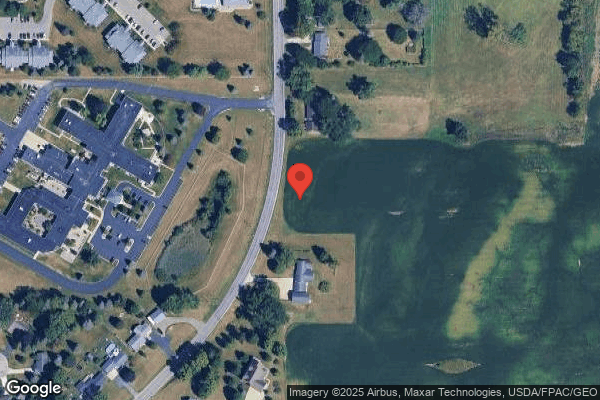
Oct 2023 1 deficiency 1 Harm
SERIOUS (G) 📢 Someone Reported This

A family member, employee, or ombudsman was alarmed enough to file a formal complaint

Actual Harm - a resident was hurt due to facility failures

Free from Abuse/Neglect (Tag F0600)

A resident was harmed · This affected 1 resident

**NOTE- TERMS IN BRACKETS HAVE BEEN EDITED TO PROTECT CONFIDENTIALITY** This citation pertains to intakes MI00136626 and MI00140194. Based on observation, interview, and record review the facility fa...

Read full inspector narrative →
**NOTE- TERMS IN BRACKETS HAVE BEEN EDITED TO PROTECT CONFIDENTIALITY** This citation pertains to intakes MI00136626 and MI00140194. Based on observation, interview, and record review the facility failed to protect the residents' right to be free from sexual abuse by a resident for two residents (Resident #6 and Resident #3) of six reviewed, resulting in Resident #6 being sexually abused by Resident #5 which caused increased tearfulness, anxiety, and emotional distress and Resident #3 being sexually abused by Resident #4. Findings include: Resident #5 (R5) and Resident #6 (R6) Review of the medical record revealed R5 admitted to the facility on [DATE] with diagnoses that included diabetes, anxiety disorder, and major depressive disorder. Review of the Minimum Data Set (MDS) with an Assessment Reference Date (ARD) of 7/11/23 revealed R5 scored 15 out of 15 (cognitively intact) on the Brief Interview for Mental Status (BIMS-a cognitive screening tool). Review of the medical record revealed R6 admitted to the facility on [DATE] with diagnoses that included Alzheimer's Disease, generalized anxiety disorder, and major depressive disorder. The MDS with an ARD of 8/7/23 revealed R6 was severely cognitively impaired. Review of the Facility Reported Incident revealed Incident Summary On 10/7/23 at approximately 7:15 p.m., resident service aide [Certified Nursing Assistant (CNA)] D heard resident [R6] yelling no, no, no from the dining room in Windsor Ridge. [R6] often states, no, no, no, but her voice was elevated. [CNA D] entered the dining room and found that resident [R5] had [R6] pinned against the wall in her wheelchair and was rubbing her vagina. [CNA D] immediately separated [R6] and [R5]. She asked [R5], What are you doing? He stated, I was pleasuring her. [CNA D] told [R5] that he cannot do that. She immediately [R6] back to her household and room. She returned and took [R5] to his room. She informed her nurse. [R5] was placed on a 1:1 while out of his room. The double doors to the household were closed to deter [R6] from entering Windsor Ridge. The nurses [Licensed Practical Nurse (LPN) O] and [LPN S] completed a skin assessment of [R6]. She has 1 x 1 cm raised red area that appears like a scratch on her labia. [R6] is rarely/never understood. At this time, [R6] has not displayed any reaction to the above incident and is currently resting in bed. Law enforcement has been contacted. The facility's investigation revealed the camera footage was reviewed on 10/9/23 and revealed the following: 6:40 PM R5 was in the Windsor Ridge dining room by himself 6:41 PM Dietary Aide approached R5 and spoke to him, continued cleaning up the dining room 6:42 PM the Dietary Aide walked out of the dining room 6:47 PM R5 propels his wheelchair in the dining room, moving a cart around 6:48 PM R6 enters the dining room. R5 continues to move the cart, not looking at R6. R6 moves around a table 6:49 PM R5 shuts the back of the dining room light off and sees R6 6:50 PM R6 moves closer to R5 and around the table. She is face to face with R5, touching her leg and hand 6:50 PM R6 backs away 6:52 PM R6 is moving around 6:53 PM R6 reapproached R5 and reaches out to him. She grabs his hand. R5 is holding R6. R5 begins to touch her vaginal area of clothing. 6:54 PM R6 backs away. R6 moves around the table, pulling at her shirt sleeve. R5 continues to sit at the same place in the dining room 6:55 PM R5 moves towards R6. R5 fixes R6's shirt sleeve. 6:56 PM R6 backs away 6:56 PM R6 wheels forward and then back. R6 appears stuck and trying to move. She continues to wheel back and forth. Her legs are up and moving. Her left pant leg is up. 6:59 PM R6 continues to be stuck near R5 7:05 PM R6 and R5 are together 7:06 PM R6 and R5 are in close contact and R5 is touching R6's vaginal area over her clothes 7:07 PM CNA D enters and separates R5 and R6 by removing R6 from the dining room 7:08 PM R5 remains in the dining room sitting in his wheelchair, leaning his head back 7:09 PM R5 propels out of the dining room and stops to interact with a housekeeper 7:11 PM R5 continues to propel down the hall towards his room 7:13 PM R5 enters his room On 10/18/23 at 9:05 AM, R6 was observed sitting in a wheelchair at a dining room table with her eyes closed. A staff member was feeding R6. On 10/18/23 at 9:31 AM, R5 was observed sitting in a wheelchair in his room. R5 reported he had been in the facility for one year and recently moved to the first floor from the second floor. When asked why he moved to a new room, R5 stated I was a bad guy. I molested a woman. R5 was able to identify R6 by stating her first name and reported R6 was still upstairs and that's why he moved to a different floor. R5 reported he had since learned that R6 had dementia and he did not know that when the incident occurred. R5 reported he had previous interactions where the same thing happened and he molested R6. R5 reported these previous incidents happened once in his room and once in the community room. R5 stated apparently they saw it, but I didn't know they saw it. Review of the Nurse Practitioner Note dated 10/9/23 revealed R6 was found in dining room being assaulted by a male resident rubbing her peri area. She is seen today to examine for any injuries. She is very agitated, tears running down her face, grinding her teeth, saying No, No, No. In a telephone interview on 10/18/23 at 1:50 PM, CNA D reported the day of the incident, she heard R6 sounding distressed. CNA D reported she went to assist R6 and found R5 sexually assaulting R6 in the dining room. CNA D reported R5 had one hand holding the arm of R6's wheelchair and the other hand rubbing her vagina. CNA D stated, He was right in front of her. She couldn't move in any direction. CNA D reported she asked R5 what he thought he was doing and R5 reported he was trying to get R6 excited. CNA D reported since the incident, it's heartbreaking caring for R6 because R6 becomes more tearful, doesn't wander down the hall as much, and doesn't want staff to touch her anymore. CNA D reported R6 also calls for Momma often and she never did that before. In an interview on 10/18/23 at 12:51 PM, CNA J reported R6 usually grabs her clothes and clenches during care but was able to be calmed down. CNA J reported since the incident, staff has not been able to calm R6 down as easily. CNA J reported R6 has been more resistive, more tearful, and looks like she is zoning out. In an interview on 10/18/23 at 1:08 PM, CNA K reported she has worked full time with R6 for one year. CNA K reported since the incident with R5, R6 grabs herself and tries to prevent staff from helping her, has been more difficult with any care, and has been more resistive. CNA K reported R6 has had a lot more tearfulness every day and that R6 zones out a lot more now too. CNA K reported one day since the incident, she was assisting R6 with toileting and R6 pointed behind CNA K and said, Get him, get him! and started bawling. CNA K reported another night she was checking R6 in bed and R6 yelled out Momma, Momma and stated R6 has never done that before. CNA K reported she tells R6 that He's not here, he's gone and then R6 will nod her head and wipe her tears away. In an interview on 10/19/23 at 11:01 AM, CNA R reported he cares for R5 all the time. CNA R reported there have been frequent incidents of R5 touching nursing assistants and making moaning noises when nurses perform a straight catheterization on him. CNA R reported he assists R5 with his showers because the female staff are uncomfortable due to R5 making sexual comments and asking for sexual favors from staff. CNA R reported sometimes R6 would pick up her pant leg and R5 would comment that R6 had sexy legs. In a telephone interview on 10/19/23 at 11:54 AM, CNA N reported she has worked with R6 a few times since the incident with R5. CNA N reported she has noticed a huge difference with R6 being more tearful, more anxious, and more resistive with care. CNA N reported approximately two days after the incident, she was performing R6's peri care and R6 was very resistive with moving her legs or spreading her knees, crying, and screaming. CNA N reported when finished with care, she assisted R6 into her wheelchair, apologized and explained she was just taking care of her. CNA N reported she asked R6 if she was ok and R6 looked me dead in the eyes and said, No. CNA N reported she had never seen R6 do anything like that. In a telephone interview on 10/19/23 at 12:35 PM, CNA M reported after the incident between, the nurse assessed R6 and found a cut on her private area. CNA M reported since the incident, R6 had not been the same, she is very withdrawn, cries a lot now .very detached, just stares into space. CNA M reported R6 did not do those things before the incident. In a telephone interview on 10/19/23 at 3:58 PM, LPN O reported at the time of the incident between R5 and R6, she was downstairs assisting another nurse. LPN O reported she performed a full body assessment on R6 and found a small cut approximately one to three centimeters on R6's left labia. LPN O reported R6 was pretty agitated after the incident, kept saying no, no, no and guarding her private area. LPN O reported she had to have another nurse hold R6's legs open to perform the skin assessment. LPN O reported for the first few days following the incident, R6 was more agitated, had more anxiety, was more difficult to move, and more timid with care. Review of the facility's investigation revealed staff interview questions included: 1. Have you ever witnessed [R5] and [R6] interacting? If so, please explain 2. Has [R5] ever been sexually inappropriate? If so, how did you handle it? The responses to question 1 included: Yes, [R6] came down to Windsor and was down in the dining area and [R5] said hi to [R6] and touched her hand, in a friendly like manner. [R5] would just talk about [R6]. Say she is pretty or how she would roam. Just talking and mocking her. She said no, no, he would say yes, yes. Yes, [R5] would mock her no, no, no and say yes, yes, yes. multiple statements saying he would mock her when she repeatedly said no, no, no. Responses to question 2 included: Told him it was inappropriate and making staff uncomfortable. Only one time [R5] made a moaning sound when I was doing [his] straight cath [catheter]. I educated him it was not appropriate and he apologized. Have heard from co-workers afterwards that yes. For me he talked about Lizard Lot. Something about women at a truck stop. He would talk about his wife being a sexaholic. I would tell him all that is inappropriate. He makes [comments] to staff, will [purposefully] drop stuff so us ladies have to bend over to grab it. Or when you wash him up he will ask how's it look. When giving him a shower in Windsor he made multiple comments about getting me to play with his balls and I keep asking people to and no one will. I told him that we would not do that, we don't offer those services here and maybe he should find something online. He made similar comments the following day. I deferred his care to [male CNA's name] whenever possible after that. Staff Interview Questions related to R6 included: Have you noticed a change in [R6's] baseline? If yes, what has changed? Please explain in detail. Answers included: Sleeping more, resistive [with] care (even more than before), seems scared. Yes, sleeping more-increase in her meals-not as resistive with changes. She has cried more and more often. Yes. Zoning off. Cried a single tear while RSA [CNA] fed her breakfast. Resisting taking pants off for brief changes and calling for her mother during any peri care. Sleeping all day, decreased FAR [food acceptance record]. A little more resistive with care, will hold her legs more closed, holds onto her pants/brief. More resistive with care. Doesn't wander as much. Yes. She has been more tearful when care is being done and when it isn't being done. She's been calling out for her mother and saying no. She has had a vacant expression in her face and eyes. Yes. [R6] has been more tearful during personal care, and is resistive with spreading her knees apart. She has been yelling out more during and not during peri care. She has been more tearful and staring off into space. She hasn't been going down the other halls as much as she used to. Yes, not as talkative with us or communicating with us like normal more resistive with care, more tearful when giving care. Yes. [R6] is not as communicative as she was on Friday. She is either zoned-out, crying or sleeping. She is not as responsive to us trying to talk to her, she used to answer or have some sort of reaction to me. She's being more resistive [and] tearful with any care. Sleeping more, don't see her much in the hallways. Doesn't roam the halls as much. Elder has been more anxious/agitated when roaming the halls & getting stuck in things (wall, lift, BP machine). During care elder is more resistive with [CNAs] changing brief, more difficult to get her legs open. In an interview on 10/19/23 at 8:46 AM, Nursing Home Administrator (NHA) A reported after the incident, R5 was charged with second degree criminal sexual conduct and a warrant had been served on 10/18/23. ON 10/19/23 at 12:38 PM, NHA A and Corporate Compliance & Quality Assurance Director (CCQAD) C reported they were not aware of any previous sexually inappropriate incidents between R5 and R6, but that R6 was now reporting previous incidents. Resident #3 (R3) and Resident #4 (R4) Review of the medical record revealed R3 admitted to the facility on [DATE] with diagnoses that included Alzheimer's Disease. The MDS with an ARD of 9/22/23 revealed R3 was severely cognitively impaired. Review of the medical record revealed R4 admitted to the facility on [DATE] with diagnoses that included dementia, psychotic disorder with delusions, restlessness and agitation. The MDS with an ARD of 6/13/23 revealed R4 scored 4 out of 15 (severe cognitive impairment) on the BIMS. On 10/18/23 at 9:12 AM, R4 was observed sitting in his wheelchair at the nurses' station. On 10/18/23 at 9:13 AM, R3 was observed sitting in a geri chair in her room. R3's doorway had a swinging gate. Review of R4's Nurse's Note dated 4/27/2023 revealed At 0745 [7:45 AM], RSA [CNA] notified writer that when RSA walked into the dining room she observed elder with his hands under another elders shirt. Elders were immediately separated, no distress noted to either elder. Review of R3's Nurse's Note dated 4/27/2023 09:23 revealed At 0745, RSA notified writer that when RSA walked into the dining room, she observed another elder had his hands under this elder's shirt. Elders were immediately separated, no distress noted to either elder. Writer assessed under elder's shirt, no redness or bruising noted. In an interview on 10/19/23 at 9:18 AM, CNA P reported on 4/27/23, she entered the dining room and observed R4 with his hands up R3's shirt and caressing her breasts.
Sept 2022 4 deficiencies
CONCERN (D)

Potential for Harm - no one hurt, but risky conditions existed

Deficiency F0692 (Tag F0692)

Could have caused harm · This affected 1 resident

**NOTE- TERMS IN BRACKETS HAVE BEEN EDITED TO PROTECT CONFIDENTIALITY** Based on observation, interview, and record review, the facility failed to provide monitoring of and assistance for maintaining ...

Read full inspector narrative →
**NOTE- TERMS IN BRACKETS HAVE BEEN EDITED TO PROTECT CONFIDENTIALITY** Based on observation, interview, and record review, the facility failed to provide monitoring of and assistance for maintaining nutritional needs, for 1 resident (Resident #89), reviewed for nutrition, resulting in the potential for malnutrition, weight loss, and the over-all decline in physical and psychosocial health. Findings: Resident #89 (R89) Review of an admission Record revealed R89 was a [AGE] year-old female, originally admitted to the facility on [DATE], with pertinent diagnoses which included: fractured femur. Review of R89's Minimum Data Set dated 9/2/22 revealed that R89 required extensive assistance of 1 person for eating. Review of R89's Baseline Careplan dated 8/25/22 revealed, .3. Eating-I require Assistance . Review of R89's Progress Note dated 9/6/2022 revealed, .elder needs assistance with all care . Review of R89's Progress Note dated 9/6/2022 .needs much encouragement to eat at meals, using verbal and physical cues. Review of R89's Nutrition Note dated 9/12/2022 revealed, Elder's current weight 100.6#, weight down from weight on 8/26/22 of 112.2# (-10.3%). Indicating a significant weight loss. During an observation on 09/13/22 at 08:04 AM, R89 was in the dining room sitting at a table alone without a staff member providing assistance with feeding or cueing. During an observation on 09/13/22 at 08:14 AM, R89 was in the dining room sitting at a table alone without a staff member providing assistance with feeding or cueing. During an observation on 09/13/22 at 08:22 AM, R89 was in the dining room sitting at a table alone without a staff member providing assistance with feeding or cueing. During an observation on 09/13/22 at 12:15 PM, R89 was in the dining room sitting at a table alone without a staff member providing assistance with feeding or cueing. During an interview on 09/14/22 at 08:30 AM, Registered Nurse (RN) E reported that facility staff should be following R89's baseline care plan to meet her ADL (Activities of Daily Living) needs. RN E reported that the baseline care plan was used to identify resident needs until the comprehensive care plan could be completed.
CONCERN (D)

Potential for Harm - no one hurt, but risky conditions existed

Tube Feeding (Tag F0693)

Could have caused harm · This affected 1 resident

**NOTE- TERMS IN BRACKETS HAVE BEEN EDITED TO PROTECT CONFIDENTIALITY** Based on observation, interview, and record review, the facility failed to maintain safety precautions for 1 resident (Resident ...

Read full inspector narrative →
**NOTE- TERMS IN BRACKETS HAVE BEEN EDITED TO PROTECT CONFIDENTIALITY** Based on observation, interview, and record review, the facility failed to maintain safety precautions for 1 resident (Resident #30) utilizing a tube feed for nutrition and medication administration, resulting in the potential for choking and aspiration. Findings: Resident #30 (R30) Review of an admission Record revealed R30 was a [AGE] year old male, originally admitted to the facility on [DATE] with pertinent diagnoses of Huntington's Chorea. During an observation on 09/12/22 at 3:54 PM, R30 laid in bed with the tube feed running, and the head of the bed was positioned at 19 degrees. The tube feed solution did not include the residents name or the ordered rate. During an interview on 09/12/22 at 3:58 PM, Registered Nurse (RN) P observed the position of R30's head of bed and indicated that it was too low, and it should be at least set at 30 degrees. RN P adjusted the height of the head of the bed to a safe level. Review of a Care Plan for R30 reflected the following intervention for safe tube feed administration: keep the head of my bed elevated at least 30 degree's, initiated 7/15/22. Review of a facility policy/procedure reflected: It is the policy of this facility to utilize feeding tubes in accordance with current clinical standards of practice, with interventions to prevent complications to the extent possible . (L) the resident's plan of care will direct staff regarding the proper positioning.
CONCERN (E)

Potential for Harm - no one hurt, but risky conditions existed

Pressure Ulcer Prevention (Tag F0686)

Could have caused harm · This affected multiple residents

**NOTE- TERMS IN BRACKETS HAVE BEEN EDITED TO PROTECT CONFIDENTIALITY** Based on observation, interview, and record review the facility failed to implement facility policy for the assessment and monit...

Read full inspector narrative →
**NOTE- TERMS IN BRACKETS HAVE BEEN EDITED TO PROTECT CONFIDENTIALITY** Based on observation, interview, and record review the facility failed to implement facility policy for the assessment and monitoring of skin breakdown/pressure ulcers for 4 residents (Resident #89, #70, #19, and #13) reviewed for alterations in skin integrity, resulting in the potential for delayed wound healing, infection, and overall deterioration in health status. Findings: Resident #89 (R89) Review of an admission Record revealed R89 was a [AGE] year-old female, originally admitted to the facility on [DATE], with pertinent diagnoses which included: fractured femur. Review of R89's Minimum Data Set dated 8/25/22 revealed that R89 did not have Stage II or Stage III pressure ulcers. Review of R89's Baseline Careplan dated 8/25/22 revealed, .Skin Condition and Treatments-left hip . No documentation of skin breakdown on buttocks. Review of R89's Braden Scale for Predicting Pressure Sore Risk dated 8/25/22 revealed a score of 15 indicating R89 was at risk for skin breakdown. Review of R89's Skin Only Evaluation dated 8/25/22 revealed, Skin Issue #1-non-blanchable left coccyx .Skin Issue #2-non-blanchable right coccyx . (Indicating both wounds were a Stage I). Review of R89's Skin/Wound Narrative Note dated 8/29/22 revealed, Assessed elders buttocks d/t (due to) report of stage one. Noted pink non-blanchable are to coccyx and stage 2 to right buttock. Wounds measured 4.5cm x 1.3 cm . Review of R89's Skin/Wound Narrative Note dated 8/30/22 revealed, (Contracted agency name omitted) wound care physician (WCP H) was in house this AM and evaluated elders wound to coccyx/right buttock. Wound measured 5 x 2 x 0.1cm and has a pink wound bed . Review of R89's Electronic Health Record (EHR) revealed no documentation of a weekly wound assessment (description and measurement) between 8/30/22 and 9/12/22. Review of R89's Skin/Wound Narrative Note dated 9/12/22 revealed, Wound to right buttock/coccyx appears closed . Review of R89's Skin/Wound Narrative Note dated 9/13/22 revealed, (Contracted agency name omitted) (WCP H) was in house this AM and evaluated wound on elders right buttock. Wound has decreased in size, measuring 3.5 x 2.5 x 0.1 cm . (Indicating the wound had not healed/closed.) During an observation and interview on 09/13/22 at 09:46 AM, WCP H reported that he had last assessed R89's wound approximately 2 weeks prior. Observed R89's wound and the wound had minimal serosanguinous drainage, periwound had superficial reddening, with a small area that had measurable depth. WCP H measured the wound as follows: 3.5 x 2.5 x 0.1 cm. WCP H reported that R89's Stage II pressure injury was healing, and the treatment would remain the same. WCP H reported R89's wound had not completely healed at the time of the assessment and was considered open. Resident #70 (R70) Review of an admission Record revealed R70 was an [AGE] year-old male, originally admitted to the facility on [DATE], with pertinent diagnoses which included: Alzheimer's Disease. Review of R70's Nurses Note dated 8/23/2022 revealed, RSA (Resident Aide) reports elders penis red and swollen with scant yellow drainage noted to liner. Writer assessed. No redness or swelling noted to penis or scrotum, small (approximately 0.5cm x 05cm) open area noted to shaft of penis Chamosyn cream applied to that spot only. No drainage noted to penis or in liner at time of assessment. Elder did not display any signs of pain during assessment. Provider and wound nurse notified. Review of R70's EHR revealed no Skin Only Evaluation completed to reflect the new breakdown nor ongoing/weekly monitoring for breakdown or improvement. Review of R70's Nurses Note dated 9/1/22 revealed, Elder's scrotum red and excoriated. Staff reports elder c/o (complains of) discomfort to area to touch. Area clean and dry, chamosyn cream applied . Review of R70's EHR revealed no Skin Only Evaluation completed to reflect the new breakdown nor ongoing/weekly monitoring for breakdown or improvement. Review of R70's Assessments revealed no documentation of weekly skin assessments. Resident #19 (R19) Review of an admission Record revealed R19 was a [AGE] year-old female, originally admitted to the facility on [DATE], with pertinent diagnoses which included: Alzheimer's Disease. Review of R19's Nurses Note dated 8/29/22 revealed, RSA (Resident Aide) reported to writer that elder had skin tear to leg. Writer assessed elder noted a 3cmx2.5cm skin tear to the lateral R shin . Review of the EHR revealed no Skin Only Evaluation completed to reflect the new breakdown nor ongoing/weekly monitoring for breakdown or improvement. Review of R19's Assessments revealed no documentation of weekly skin assessments. Resident #13 (R13) Review of an admission Record revealed R13 was an [AGE] year-old female, originally admitted to the facility on [DATE], with pertinent diagnoses which included: Dementia. Review of R13's Provider Progress Note dated 8/1/22 revealed, .Assessment of skin reveals peri area rash has resolved. Left hip has small open area, appears that her brief may have irritated the skin. Barrier cream has been applied, she denies pain to the area. There are no other concerns this time. Review of the EHR revealed no Skin Only Evaluation completed to reflect the new breakdown nor ongoing/weekly monitoring for breakdown or improvement. Review of R13's Provider Progress Note dated 8/12/22 revealed, .Skin: warm and dry, peri area rash resolved, open area left anterior hip . Review of the EHR revealed no Skin Only Evaluation completed to reflect the new breakdown nor ongoing monitoring for breakdown or improvement. Review of R13's Assessments revealed no documentation of weekly skin assessments. During an interview on 09/14/22 at 08:30 AM, Wound Care Nurse (WCN) E reported that the facility staff do not complete weekly skin care assessments. WCN E reported that skin breakdown/wound evaluations are completed if a new area of breakdown is identified. WCN E reported that during care, if a CNA (Certified Nursing Assistant) identifies a new area they notify the staff nurse, and the staff nurse will notify either WCN E or the unit manager. WCN E reported that if there is an identified area of breakdown, weekly wound assessments are completed to include measurement and effectiveness of treatment. Review of the facility policy, Pressure Injury Prevention and Management last revised 09/2022 revealed, .3. Licensed nurses will conduct a full body skin assessment on all residents upon admission/re-admission and after any newly identified pressure injury. Findings will be documented in the medical record. 4. Assessments of pressure injuries will be performed by a licensed nurse and documented on the Skin & Wound Evaluation. The staging of pressure injuries will be clearly identified to ensure correct coding on the MDS .E. Monitoring 1. The Infection Preventionist, or designee, will review all relevant documentation regarding skin assessments, pressure injury risks, progression towards healing, and compliance at least weekly, and document a summary of findings in the medical record .C. Assessment of Pressure Injury Risk 1. Licensed nurses will conduct a pressure injury risk assessment, using the Braden Scale, on all residents upon admission/re-admission, weekly x four weeks, then quarterly or whenever the resident's condition changes significantly. Review of the Fundamentals of Nursing revealed, If a patient is physically dependent or cognitively impaired, increase the frequency of skin assessment and provide skin care directed toward reducing the risk for skin breakdown. [NAME], [NAME] A.; [NAME], [NAME] Griffin; Stockert, [NAME] A.; Hall, [NAME]. Fundamentals of Nursing - E-Book (p. 873). Elsevier Health Sciences. Kindle Edition.
CONCERN (E)

Potential for Harm - no one hurt, but risky conditions existed

Accident Prevention (Tag F0689)

Could have caused harm · This affected multiple residents

**NOTE- TERMS IN BRACKETS HAVE BEEN EDITED TO PROTECT CONFIDENTIALITY** Based on observation, interview and record review the facility failed to provide safety devices (wheelchair foot pedals) for 6 r...

Read full inspector narrative →
**NOTE- TERMS IN BRACKETS HAVE BEEN EDITED TO PROTECT CONFIDENTIALITY** Based on observation, interview and record review the facility failed to provide safety devices (wheelchair foot pedals) for 6 residents (Resident #13, #84, #37, #22, #9, and #81) reviewed for falls, resulting in the potential for falls and major injury. Findings include: Resident #13 (R13) Review of an admission Record revealed R13 was an [AGE] year-old female, originally admitted to the facility on [DATE], with pertinent diagnoses which included: Dementia. During an observation on 09/12/22 at 11:34 AM, Certified Nursing Assistant (CNA) M pushed R13 from her room to the dining room with no foot pedals in place on her wheelchair which required R13 to hold her legs up and out in front of her. (Approximately 45 feet). During an observation on 09/13/22 at 08:00 AM, a facility staff member pushed R13 from her room to the dining room with no foot pedals in place on her wheelchair which required R13 to hold her legs up and out in front of her. Resident #84 (R84) Review of an admission Record revealed R84 was a [AGE] year-old female, originally admitted to the facility on [DATE], with pertinent diagnoses which included: Alzheimer's Disease. During an observation on 09/12/22 at 11:23 AM, CNA M pushed R84 from her room to the dining room with no foot pedals in place on her wheelchair which required R84 to hold her legs up and out in front of her. (Approximately 30 feet). During an observation on 09/13/22 at 12:18 PM, CNA L pushed R84 to her room from the dining room with no foot pedals in place on her wheelchair which required R84 to hold her legs up and out in front of her. Resident #37 (R37) Review of an admission Record revealed R37 was a [AGE] year-old female, originally admitted to the facility on [DATE], with pertinent diagnoses which included: Alzheimer's Disease. During an observation on 09/12/22 at 11:10 AM, CNA N pushed R37 from her room to the activity room with no foot pedals in place on her wheelchair which required R37 to hold her legs up and out in front of her. (Approximately 50 feet). During an observation on 09/12/22 at 11:17 AM, CNA N pushed R37 from the double doors at the front of the unit to the dining room with no foot pedals in place on her wheelchair which required R37 to hold her legs up and out in front of her. (Approximately 85 feet). During an observation on 09/13/22 at 09:15 AM, CNA K pushed R37 from the nurses station to her room with no foot pedals in place on her wheelchair which required R37 to hold her legs up and out in front of her. (Approximately 35 feet). Resident #22 (R22) Review of an admission Record revealed R22 was an [AGE] year-old female, originally admitted to the facility on [DATE], with pertinent diagnoses which included: Dementia and Alzheimer's Disease. During an observation on 09/12/22 at 11:20 AM, CNA M stated to R22 pick your feet up and proceed to push R22 from the activity room to the dining room with no foot pedals in place on her wheelchair which required R22 to hold her legs up and out in front of her. (Approximately 20 feet). Resident #9 (R9) Review of an admission Record revealed R9 was an [AGE] year-old male, originally admitted to the facility on [DATE], with pertinent diagnoses which included: Vascular Dementia. During an observation on 09/12/22 at 11:26 AM, CNA M pushed R9 from his room to the dining room with no foot pedals in place on his wheelchair which required R9 to hold his feet up and out in front of him. After passing the nurses station R9's feet dropped to the ground and abruptly stopped the wheelchair from moving. R9 had difficulty getting his feet out from under him and back up. (Approximately 80 feet). During an observation on 09/13/22 at 08:17 AM, CNA M pushed R9 to his room from the dining room with no foot pedals in place on his wheelchair which required R9 to hold his feet up and out in front of him. Resident #81 (R81) Review of an admission Record revealed R81 was an [AGE] year-old female, originally admitted to the facility on [DATE], with pertinent diagnoses which included: Dementia. During an observation on 09/12/22 at 11:29 AM, CNA N pushed R81 to the dining room from her room with no foot pedals in place on her wheelchair which required R81 to hold her legs up and out in front of her. (Approximately 50 feet). During an interview on 09/14/22 at 08:43 AM, Registered Nurse (RN) E reported that facility staff should not be pushing residents without foot pedals and stated it was a major risk for falls. RN E reported she would begin education with the facility staff on putting foot pedals in place prior to pushing residents in their wheelchair. Review of the facility policy, Transportation of Elders in Wheelchairs Outside of Their Assigned Households last revised 02/2022 revealed, Policy Statement: Policy Explanation and Compliance Guidelines: 1. When transporting Elders who can move their wheelchair independently but are requesting to be pushed, staff must walk beside the Elder to ensure that they do not place their feet on the floor causing a potential for injury. 2. For Elders who cannot move their wheelchair without assistance, the Elder must use leg rests on their wheelchairs.
Understanding Severity Codes (click to expand)
Life-Threatening (Immediate Jeopardy)
J - Isolated K - Pattern L - Widespread
Actual Harm
G - Isolated H - Pattern I - Widespread
Potential for Harm
D - Isolated E - Pattern F - Widespread
No Harm (Minor)
A - Isolated B - Pattern C - Widespread

Questions to Ask on Your Visit

  • "Can I speak with families of current residents?"
  • "What's your RN coverage like on weekends and overnight?"

Our Honest Assessment

Strengths
  • • 40% turnover. Below Michigan's 48% average. Good staff retention means consistent care.
Concerns
  • • Multiple safety concerns identified: 3 harm violation(s). Review inspection reports carefully.
  • • 15 deficiencies on record, including 3 serious (caused harm) violations. Ask about corrective actions taken.
  • • $15,593 in fines. Above average for Michigan. Some compliance problems on record.
Bottom line: Mixed indicators with Trust Score of 68/100. Visit in person and ask pointed questions.

About This Facility

What is Lenawee Medical Care Facility's CMS Rating?

CMS assigns Lenawee Medical Care Facility an overall rating of 5 out of 5 stars, which is considered much above average nationally. Within Michigan, this rating places the facility higher than 99% of the state's 100 nursing homes. This rating reflects solid performance across the metrics CMS uses to evaluate nursing home quality.

How is Lenawee Medical Care Facility Staffed?

CMS rates Lenawee Medical Care Facility's staffing level at 5 out of 5 stars, which is much above average compared to other nursing homes. Staff turnover is 40%, compared to the Michigan average of 46%. This relatively stable workforce can support continuity of care.

What Have Inspectors Found at Lenawee Medical Care Facility?

State health inspectors documented 15 deficiencies at Lenawee Medical Care Facility during 2022 to 2025. These included: 3 that caused actual resident harm, 11 with potential for harm, and 1 minor or isolated issues. Deficiencies causing actual harm indicate documented cases where residents experienced negative health consequences.

Who Owns and Operates Lenawee Medical Care Facility?

Lenawee Medical Care Facility is owned by a government entity. Government-operated facilities are typically run by state, county, or municipal agencies. The facility operates independently rather than as part of a larger chain. With 113 certified beds and approximately 111 residents (about 98% occupancy), it is a mid-sized facility located in Adrian, Michigan.

How Does Lenawee Medical Care Facility Compare to Other Michigan Nursing Homes?

Compared to the 100 nursing homes in Michigan, Lenawee Medical Care Facility's overall rating (5 stars) is above the state average of 3.2, staff turnover (40%) is near the state average of 46%, and health inspection rating (4 stars) is above the national benchmark.

What Should Families Ask When Visiting Lenawee Medical Care Facility?

Based on this facility's data, families visiting should ask: "Can I visit during a mealtime to observe dining assistance and food quality?" "How do you handle medical emergencies, and what is your hospital transfer rate?" "Can I speak with family members of current residents about their experience?"

Is Lenawee Medical Care Facility Safe?

Based on CMS inspection data, Lenawee Medical Care Facility has a clean safety record: no substantiated abuse findings (meaning no confirmed cases of resident harm), no Immediate Jeopardy citations (the most serious violation level indicating risk of serious injury or death), and is not on the Special Focus Facility watch list (a federal program monitoring the lowest-performing 1% of nursing homes). The facility has a 5-star overall rating and ranks #1 of 100 nursing homes in Michigan. While no facility is perfect, families should still ask about staff-to-resident ratios and recent inspection results during their visit.

Do Nurses at Lenawee Medical Care Facility Stick Around?

Lenawee Medical Care Facility has a staff turnover rate of 40%, which is about average for Michigan nursing homes (state average: 46%). Moderate turnover is common in nursing homes, but families should still ask about staff tenure and how the facility maintains care continuity when employees leave.

Was Lenawee Medical Care Facility Ever Fined?

Lenawee Medical Care Facility has been fined $15,593 across 1 penalty action. This is below the Michigan average of $33,235. While any fine indicates a compliance issue, fines under $50,000 are relatively common and typically reflect isolated problems that were subsequently corrected. Families should ask what specific issues led to these fines and confirm they've been resolved.

Is Lenawee Medical Care Facility on Any Federal Watch List?

Lenawee Medical Care Facility is not on any federal watch list. The most significant is the Special Focus Facility (SFF) program, which identifies the bottom 1% of nursing homes nationally based on persistent, serious quality problems. Not being on this list means the facility has avoided the pattern of deficiencies that triggers enhanced federal oversight. This is a positive indicator, though families should still review the facility's inspection history directly.