Bay Shores Senior Care and Rehab Center
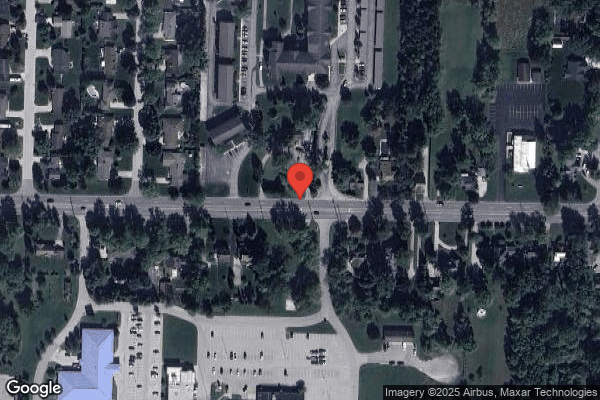
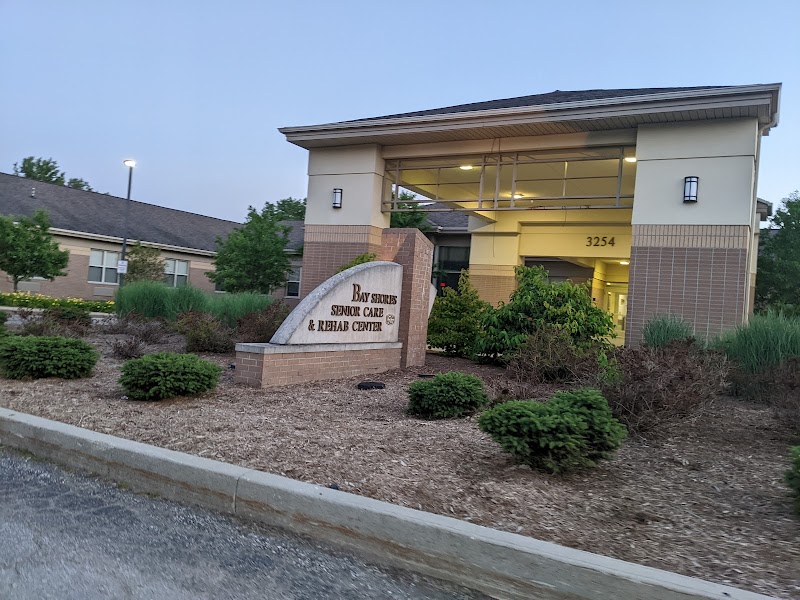
3254 E Midland Rd, Bay City, MI 48706 (989) 686-3770
For profit - Limited Liability company 126 Beds NEXCARE HEALTH SYSTEMS Data: November 2025
Trust Grade
55/100
#187 of 422 in MI
Last Inspection: February 2025

Within standard 12-15 month inspection cycle. Federal law requires annual inspections.

Overview

Bay Shores Senior Care and Rehab Center has a Trust Grade of C, which means it is average and falls in the middle of the pack compared to other facilities. It ranks #187 out of 422 nursing homes in Michigan, placing it in the top half of the state, and #3 out of 6 in Bay County, indicating only two local options are better. Unfortunately, the facility is showing a worsening trend, with the number of issues increasing from 9 in 2024 to 11 in 2025. Staffing is relatively strong with a rating of 4 out of 5 stars, but the turnover rate is average at 45%, which is similar to the state average. While the facility has no fines on record, which is a positive sign, there have been concerning incidents, such as failing to provide proper wound care and not following discharge instructions, both of which resulted in serious health risks for residents. Overall, while there are some strengths in staffing and no fines, the increasing number of issues and specific incidents of care failures raise valid concerns for families considering this nursing home.

Trust Score
C
55/100
In Michigan
#187/422
Top 44%
Safety Record
Moderate
Needs review
Inspections
Getting Worse
9 → 11 violations
Staff Stability
⚠ Watch
45% turnover. Above average. Higher turnover means staff may not know residents' routines.
Penalties
✓ Good
No fines on record. Clean compliance history, better than most Michigan facilities.
Skilled Nurses
✓ Good
Each resident gets 50 minutes of Registered Nurse (RN) attention daily — more than average for Michigan. RNs are trained to catch health problems early.
Violations
⚠ Watch
32 deficiencies on record. Higher than average. Multiple issues found across inspections.
★★★☆☆
3.0
Overall Rating
★★★★☆
4.0
Staff Levels
★★★★☆
4.0
Care Quality
★★★☆☆
3.0
Inspection Score
Stable
2024: 9 issues
2025: 11 issues

The Good

  • 4-Star Staffing Rating · Above-average nurse staffing levels
  • 4-Star Quality Measures · Strong clinical quality outcomes
  • Full Sprinkler Coverage · Fire safety systems throughout facility
  • No fines on record

Facility shows strength in staffing levels, quality measures, fire safety.

The Bad

3-Star Overall Rating

Near Michigan average (3.1)

Meets federal standards, typical of most facilities

Staff Turnover: 45%

Near Michigan avg (46%)

Higher turnover may affect care consistency

Chain: NEXCARE HEALTH SYSTEMS

Part of a multi-facility chain

Ask about local staffing decisions and management

The Ugly 32 deficiencies on record

1 actual harm
Feb 2025 11 deficiencies
CONCERN (D)

Potential for Harm - no one hurt, but risky conditions existed

Assessment Accuracy (Tag F0641)

Could have caused harm · This affected 1 resident

**NOTE- TERMS IN BRACKETS HAVE BEEN EDITED TO PROTECT CONFIDENTIALITY** Based on observation, interview and record review the facility to accurately code the MDS (Minimum Data Set) for one resident (#...

Read full inspector narrative →
**NOTE- TERMS IN BRACKETS HAVE BEEN EDITED TO PROTECT CONFIDENTIALITY** Based on observation, interview and record review the facility to accurately code the MDS (Minimum Data Set) for one resident (#24) and properly reflect one resident's (#61) pertinent care categories on the CMS (Centers for Medicare and Medicaid) 802 form of 22 residents reviewed for assessment accuracy, resulting in Resident #24 being miscoded as utilizing restraints on the MDS and Resident #61's infection not being designated on the CMS 802. Findings include: Resident #24: On 2/5/2025 at 11:30 AM, Resident #24 was observed resting in bed as we conversed about her time at the facility. The resident was asked if she required any usage of a restraint when in/out of bed and she stated she did not. The resident and motorized wheelchair was free was restraints. It can be noted in the survey system Resident #24 triggered for restraints. On 2/5/2025 at 12:44 PM, Nurse O was asked if Resident #24 utilized any type of restraint. The nurse stated, no, but said she did have enabler bars in the past. On 2/6/2025 at 11:10 AM, MDS (Minimum Data Set) Nurse Q was asked regarding Resident #24 MDS restraint coding. Nurse Q stated Resident #24 does not have any form of restraint and she was informed while that may be the case she is triggering for restraint usage. The nurse reviewed the MDS and found the resident was coded for Limb restraint-used less than daily, in the December 2024 quarterly MDS completed by Nurse P. On 2/5/2025 at approximately 1:30 PM, a review was completed of Resident #24's clinical record and it revealed the resident was readmitted to the facility on [DATE] with diagnoses that included, Chronic Obstructive Pulmonary Disease, Hypertension, Agoraphobia, Borderline Personality Disorder, Bipolar Disorder and Anxiety Disorder. Further review of the records yielded the following: 12/19/2024 Quarterly MDS: Indicated she utilized a limb restraint less than daily. On 2/6/2025 at 11:23 AM, an interview was conducted with MDS Nurse P regarding Resident #24's inaccurate MDS coding. Nurse P completes the assessments offsite with a collection of the necessary data from the resident clinical record. If there is something he cannot confirm via the medical record, he will contact the facility for assistance. Nurse P reported after reviewing his notes Resident #24 does not utilize restraints and is miscoded. Resident #61: During the initial tour on 2/5/2025, it was found that Resident #61 was positive for Influenza A, with the appropriate transmission-based precautions adorned on his door and PPE (personal protective equipment) caddy. Upon entering his room, he appeared to be comfortable, but a conversation did not ensue. On 2/6/2025 at 11:49 AM, review was completed of the MDS (Minimum Date Set) Resident Matrix (provided upon entrance), and it indicated Resident #61 did not have any current infections. On 2/6/2025 at approximately, 11: 55 AM, a review was completed of Resident #61's medical records and it revealed the resident admitted to the facility on [DATE] with diagnosis of Chronic Obstructive Pulmonary Disease, Vascular Dementia, Diabetes, Hypertension and Atrial Fibrillation. Further review yielded the following: Care Plan: .Actual Infection r/t (related to) Influenza A .date initiated 2/2/2025. Progress Notes: 2/2/2025 at 17:20: Resident has fever of 103.4, cough and stated he feels terrible. Rapid was collected and was negative, PCR sent out resident placed on precautions Tylenol administered. On call PCP notified will continue to monitor. 2/3/2025 at 18:26: Resident was positive for Influenza A. is on transmission-based precautions. Still is having fevers was 101.9 administered Tylenol is now 101.1. Resident has to be fever free for 24 hours before he can be off of contact precautions resident was notified along with PCP. On 2/6/2025 at 1:20 PM, the DON (Director of Nursing) reported the resident's symptoms started on 2/2/2025 and he tested positive on 2/3/2025. Review was completed of MDS Resident Matrix, and the DON agreed his positive influenza status should have been indicated on the matrix.
CONCERN (D)

Potential for Harm - no one hurt, but risky conditions existed

Deficiency F0655 (Tag F0655)

Could have caused harm · This affected 1 resident

**NOTE- TERMS IN BRACKETS HAVE BEEN EDITED TO PROTECT CONFIDENTIALITY** Based on observation, interview and record review, the facility failed to ensure timely assessment of transfer/mobility status f...

Read full inspector narrative →
**NOTE- TERMS IN BRACKETS HAVE BEEN EDITED TO PROTECT CONFIDENTIALITY** Based on observation, interview and record review, the facility failed to ensure timely assessment of transfer/mobility status for one resident (Resident #315) of four residents reviewed for care planning, resulting in unsupervised self-ambulation and transfer and an incomplete baseline care plan. Findings include: Resident #315: On 2/05/25, at 11:11 AM, Resident #315 was in their room in their bathroom with the door slightly ajar. While meeting with their roommate, Resident #315 hollered out, I got a problem in here. Resident #315 was observed standing on their pulled down pants with their socks half off all in a pile of bowel movement. There was a staff member walking by who was alerted who came quickly to assist the resident. On 2/06/25, at 12:12 PM, a record review of Resident #315's electronic medical record revealed an admission on [DATE] at 2:00 PM with diagnoses that included Alzheimer's disease, Hypertension and Glaucoma. A review of the Care Plan I have a potential/actual ADL deficit R?T (related to) Chronic A-fib HTN UTI BPH Glaucoma OA late onset Alzheimer's dementia . Date Initiated: 02/03/2025 . Interventions I have been provided a copy of my baseline care plan within 48 hours of admission. Date Initiated: 02/03/2025 . Ambulation with specify (1, or 2 PA) specify device Date Initiated: 02/03/2025 . transfer (specify 1, 2 PA, full lift, sit to stand) Date Initiated: 02/03/2025 . A review of the Task Description list revealed no documentation as to how much assistance Resident #315 needed to transfer. On 2/06/25, at 12:17 PM, Resident #315 was sitting in their wheelchair leaning forward moving the foot pedals up and down. Resident #315 was able to move about their room in their wheelchair using their feet. On 2/06/25, at 12:38 PM, Rehab Director L was interviewed regarding Resident #315 admission therapy screen and Rehab Director L offered, to their understanding Resident #315 was signing on to hospice and that they wouldn't recommend a transfer status as the nurse on admission should have. On 2/06/25, at 1:04 PM, The Director of Nursing (DON) was asked how the staff assisted Resident #315 with their transfers and the DON offered, I believe he is a lift. The DON was alerted Resident #315 did not have a personalized transfer status on their care plan nor their [NAME]. The DON offered, they would go check. On 2/06/25, at 2:04 PM, the DON followed up on Resident #315's transfer and ambulation status. The DON further offered that the care plan and [NAME] are fixed and that the resident was planning to sign onto hospice soon. On 2/06/25, at 3:30 PM, CENA M was asked how Resident #315 was assisted to the bathroom and what their transfer needs were. CENA M stated, we get report and share each shift change how their doing. CENA M further explained, that Resident #315 was making it to the bathroom with just the one assist and that therapy usually assessed them. On 2/07/25, at 9:00 AM, a further record review of Resident #315's care plan revealed . Interventions . Ambulation with 1PA with FWW (front wheeled walker) Revision on: 02/06/2025 . transfer 1PA with FWW . Revision on: 02/06/2025 .
CONCERN (D)

Potential for Harm - no one hurt, but risky conditions existed

Deficiency F0657 (Tag F0657)

Could have caused harm · This affected 1 resident

**NOTE- TERMS IN BRACKETS HAVE BEEN EDITED TO PROTECT CONFIDENTIALITY** Based on observation, interview and record review, the facility failed to update care plan interventions for 3 residents (R23, R...

Read full inspector narrative →
**NOTE- TERMS IN BRACKETS HAVE BEEN EDITED TO PROTECT CONFIDENTIALITY** Based on observation, interview and record review, the facility failed to update care plan interventions for 3 residents (R23, R24, R164) of 4 residents reviewed, resulting in the likelihood for missed interventions in treatment and unmet needs. Findings include: Record review of 'Facility Assessment Tool', dated 1/162025, page 8 under staff education: Person-Centered Care- This should include but not be limited to person-centered care planning, education of resident and family/resident representative about treatments and medications, documentation of resident treatment preferences, end-of-life care, and advanced care planning. Record review of the facility 'Call Light' policy, dated [DATE], revealed call lights will receive consistent and adequate response in order to best meet the individuals' needs of each resident. Procedure: Call lights will be placed within reach of the resident. Resident #23 Hydration: Observation was made on [DATE] at 09:56 AM of Resident #23 laying in his bed, thin in appearance with no fluids/water within reach. Observed on table across room next to the entrance room wall away from the bed was a clear plastic mug with handle with a black lid with a straw. A clear thin liquid noted in the cup. Observation on [DATE] at 09:06 AM of Resident #23 lying in bed with fluid/water on bedside table across the room again next to the wall out of reach of the resident. Observation and interview conducted on [DATE] at 08:09 AM of Resident #23. Resident #23 was Observed with water in clear mug with handle with black top with a straw, across the room from resident's bed, out of reach. In an interview and observation, Certified Nurse Assistant (CNA) B stated that Resident #23 drinks too fast and she did not want him to choke. CNA B observed the call light on the floor under the bed. CNA B stated that Resident #23 had a pad style/soft touch call light, and they took it away last week before the state came. I don't know why they changed his call light. Record review of Resident #23's Care plan at risk for falls related to frequent falls at home,-knees buckle, cardiac diagnosis, dementia, difficulty walking, osteoarthritis with revision date of [DATE] intervention: Call light accessible dated [DATE] and soft touch call light in place dated [DATE]. Record review of Resident #23's Care plans pages 1-51 revealed: Alteration in bowel elimination/constipation related to weakness and debility created [DATE] with interventions: Encourage fluids dated [DATE]. Alteration in my Mood state related to Major Depressive Disorder revision date [DATE] interventions: Offer me a snack/drink dated [DATE]. Record review of Resident #23's Nutritional preferences/hydration care plan related to COVID-19: depression, acute kidney failure, hypothyroidism, chronic heart failure (CHF), dysphagia, dementia, hypertension, high cholesterol, Coronary Artery Bypass Graft (GABG) revision date [DATE] interventions: Regular diet, puree texture, thin liquids, supplements as ordered, total assist revision dated [DATE]. There were no interventions found in the care plans as to why the liquids were kept out of reach of the resident. Resident #164: Record review of Resident #164's electronic medical record revealed an admission to the facility date of [DATE] from the acute care setting. An interview on [DATE] at 10:12 AM with Resident #164's family member G revealed that the resident had been at the facility since the afternoon of [DATE]st, 2024, and had not had a shower yet. Family member G stated that they have asked every day for a shower, and they said today's the day. Family member G stated that they went to the social worker designee to inquire about showers and were told that Resident #164 would get a shower that day. Family member G stated why did she have to beg for a shower for the resident? We don't know what days his shower days are, he also goes to hemodialysis 3 days a week, so we need to know. It's been 6 days, and he's starting to smell. Record review on [DATE] at 11:29 AM of Resident #164's shower/bath task in the electronic medical record revealed an admission on [DATE] and no bath till [DATE] when family members complained. It was 6 days as documented with no shower. Record review of Resident #164's care plans, pages 1- 26, revealed an Activity of Daily Living deficit related to ESRD (End Stage Renal Disease), dependence on dialysis, hypertension, history of cardiovascular accident (CVA), Urinary Tract Infection (UTI), and aspiration pneumonia. created on [DATE]. Interventions included: Bed bathe/shower 2 x per week, no preference to days/times. In an interview on [DATE] at 12:11 PM with Social Work designee F about Resident #164's Showers, Social work designee F stated 'so that was brought to my attention by the (Family member) yesterday, I notified unit manager Register Nurse A, and she said that he would be getting a shower. It was discussed again during the care conference later that day. There should be showers 2 times a week, or more if requested. An interview and record review was conducted on [DATE] at 12:16 PM with Registered Nurse (RN) A CCC (Clinical Care Coordinator) regarding Resident #164 not having showers. Resident #164 had no shower until [DATE]. He was offered one on [DATE] and refused. The (Family member) brought it to our attention and I assigned it to second shift to give a shower on [DATE] and he refused. The CNA is to try 3 times and then notify the nurse of refusals so the nurse can go in and offer. A refusal should be charted by the nurse in progress notes. Record review of Resident #164's progress notes revealed there were no refusals documented in the progress notes by the nurse. Record review of the facility shower schedule noted the Resident according to the resident room number would receive showers on Wednesday and Saturday. Resident #164 missed receiving a shower on Wednesday [DATE], causing the family to complain to the state surveyor. Resident #24: On [DATE] at 11:30 AM, Resident #24 was observed resting in bed as we conversed about her time at the facility and past traumas related to her marriage and upbringing. On [DATE] at approximately 1:00 PM, a review was conducted of the Level II OBRA (Omnibus Budget Reconciliation Act) evaluation completed by the local CMH ( Community Mental Health) on [DATE] and it stated the following, .(Resident #24's parents had issues with substance abuse and both parents died at the age of 58 .She reported she was kicked out of her parents home .her husband was abusive and controlling but she stayed with him for nine years .Resident #24 married her second husband in 2002 but he died of a heart attack after one to two months of marriage . On [DATE] at approximately 1:30 PM, a review was completed of Resident #24's clinical record and it revealed the resident was readmitted to the facility on [DATE] with diagnoses that included, Chronic Obstructive Pulmonary Disease, Hypertension, Agoraphobia, Borderline Personality Disorder, Bipolar Disorder and Anxiety Disorder. Further review of the records yielded the following: Care Plan: Behavior .At times, I will choose to stay in my room or in bed. Trauma assessment positive . MOOD/BEHAVIOR: (1 of 2) . Trauma Assessment - negative . Resident #24's care plan was contradictory regarding her trauma history. On [DATE] at 5:15 PM, an interview was conducted with Social Worker D regarding Resident #24's trauma. The social worker explained when completing their quarterly trauma assessments, they ask about new trauma and if there has been none they answer accordingly. Review was completed of the Level II evaluation, and it was asked why that was not added into her trauma care plan. It was explained because the resident did not share those specifics with her is why it was not included in the care plan. It was expressed that the information from the Level II per regulations are to be incorporated into care planning. We then reviewed where the care plan was contradictory regarding trauma. Social Worker D reported it should be one or the other, as they do cancel one another out. On [DATE] at 1:18 PM, the Administrator shared that the facility does not have a comprehensive, revision and/or updating care planning policy.
CONCERN (D)

Potential for Harm - no one hurt, but risky conditions existed

ADL Care (Tag F0677)

Could have caused harm · This affected 1 resident

**NOTE- TERMS IN BRACKETS HAVE BEEN EDITED TO PROTECT CONFIDENTIALITY** Based on observation, interview and record review, the facility failed to provide Activities of Daily Living (ADL) for one resid...

Read full inspector narrative →
**NOTE- TERMS IN BRACKETS HAVE BEEN EDITED TO PROTECT CONFIDENTIALITY** Based on observation, interview and record review, the facility failed to provide Activities of Daily Living (ADL) for one resident (R164) of 18 residents reviewed for ADL care, resulting in residents feeling frustrated, anger, embarrassment from poor hygiene, unmet needs and complaints to the state surveyor. Findings include: Record review of the facility 'Activity of Daily Living (ADL) (Daily Life Functions) policy, dated 7/1/2008, revealed the purpose was to assist residents in achieving maximum functional ability with dignity and self-esteem. To provide assistance to residents as necessary. To supervise and assess resident function in order to plan care to maintain optimum ADL function as long as possible. To re-educate resident in techniques of daily life functions. To teach resident use of assistive devices to maintain optimum ADL function as long as possible. To improve the quality of life. Record review of facility shower M1 and M2 shower room schedules undated revealed that there were set days for residents to get two showers every 7 days. Bed baths only if care planned, see your nurse if the resident is requesting. If no shower aid on duty it is the Certified Nurse Assistant assigned by the nurse is responsible for that shower. The schedule is to be split between the two shifts . If a resident refuses a shower report to nurse on duty. Must attempt more than once and chart. Do not chart NA Resident #164: Record review of Resident #164's electronic medical record revealed an admission to the facility date of 1/31/2025 from the acute care setting. An interview on 02/05/25 at 10:12 AM with Resident #164's family member G revealed that the resident had been at the facility since the afternoon of December 31st, 2024, and had not had a shower yet. Family member G stated that they have asked every day for a shower, and they said today's the day. Family member G stated that they went to the social worker designee to inquire about showers and were told that Resident #164 would get a shower that day. Family member G stated why did she have to beg for a shower for the resident? We don't know what days his shower days are, he also goes to hemodialysis 3 days a week, so we need to know. It's been 6 days, and he's starting to smell. Record review on 02/06/25 at 11:29 AM of Resident #164's shower/bath task in the electronic medical record revealed an admission on [DATE] and no bath till 2/5/25 when family members complained. It was 6 days as documented with no shower. In an interview on 02/06/25 at 12:11 PM with Social Work designee F about Resident #164's Showers, Social work designee F stated 'so that was brought to my attention by the (Family member) yesterday, I notified unit manager Register Nurse A, and she said that he would be getting a shower. It was discussed again during the care conference later that day. There should be showers 2 times a week, or more if requested. An interview was conducted on 02/06/25 at 12:16 PM with Registered Nurse (RN) A CCC (Clinical Care Coordinator) regarding Resident #164 not having showers. Resident #164 had no shower until 2/5/2025, he was offered one on 2/4/25 and refused. The (Family member) brought it to our attention and I assigned it to second shift to give a shower on 2/4/25 and he refused. the CNA is to try 3 times and then notify the nurse of refusals so the nurse can go in and offer. A refusal should be charted by the nurse in progress notes. Record review of Resident #164's progress notes revealed there were no refusals documented in the progress notes by the nurse. Record review of the facility shower schedule noted that the resident according to the resident room number would receive showers on Wednesday and Saturday. Resident #164 missed receiving a shower on Wednesday 2/1/2025, causing the family to complain to the state surveyor on 2/5/2025.
CONCERN (D) 📢 Someone Reported This

A family member, employee, or ombudsman was alarmed enough to file a formal complaint

Potential for Harm - no one hurt, but risky conditions existed

Quality of Care (Tag F0684)

Could have caused harm · This affected 1 resident

**NOTE- TERMS IN BRACKETS HAVE BEEN EDITED TO PROTECT CONFIDENTIALITY** This Citation pertains to Intake Number MI00150074. Based on observation, interview and record review, the facility failed to en...

Read full inspector narrative →
**NOTE- TERMS IN BRACKETS HAVE BEEN EDITED TO PROTECT CONFIDENTIALITY** This Citation pertains to Intake Number MI00150074. Based on observation, interview and record review, the facility failed to ensure timely completion of wound care for one resident (Resident #93) of one resident reviewed for dressing changes, resulting in missed wound care treatments, not following physician's orders and voiced frustration. Findings include: Resident #93: On 2/05/25, at 11:00 AM, Resident #93 complained there was two missed wound care treatments the week prior because they were short staffed. On 2/07/25, at 11:50 AM, a record review of Resident #93's electronic medical record revealed a readmission on [DATE] with diagnoses that included Lymphedema, Left lower leg fracture and Obesity. Resident #93 required assistance with all Activities of Daily Living and had intact cognition. A review of the TREATMENT ADMINISTRATION RECORD 1/1/2025-1/31/2025 revealed Cleanse left leg with wound cleanser, use wet to dry dressing, cover with super absorber and ABD pad and wrap with kerlex and ace wrap twice a day. Two times a day for wound to left leg -Start Date-01/16/2025 . For the days Tue 21 and Fri 31 the box was left blank which indicated missed treatments. A review of the TREATMENT ADMINISTRATION RECORD 2/1/2025-2/28/2025revealed Cleanse left leg with wound cleanser, use wet to dry dressing, cover with super absorber pad and wrap with kerlex and ace wrap twice a day. Two times a day for wound to left leg -Start Date-02/04/2025 . For the day Wed 5 the box was left blank. A review of the progress notes revealed no mention as to the reason for the missed wound care treatments. On 2/07/25, at 12:53 PM, Resident #93 was resting in their bed and had complaints that the night nurse doesn't have time to care for their wound. Resident #93 further explained, my biggest complaint is the missed treatments, and my sister had to call the nurse on the phone to come change my dressing and when the nurse came in, they offered they didn't have time to change the dressing.
CONCERN (D)

Potential for Harm - no one hurt, but risky conditions existed

Pressure Ulcer Prevention (Tag F0686)

Could have caused harm · This affected 1 resident

**NOTE- TERMS IN BRACKETS HAVE BEEN EDITED TO PROTECT CONFIDENTIALITY** Based on observation, interview and record review, the facility failed to implement and operationalize policies and procedures t...

Read full inspector narrative →
**NOTE- TERMS IN BRACKETS HAVE BEEN EDITED TO PROTECT CONFIDENTIALITY** Based on observation, interview and record review, the facility failed to implement and operationalize policies and procedures to prevent pressure ulcer (wounds caused by pressure) development and worsening for two residents (#4 and #217) of two residents reviewed resulting in Resident #4's Stage II (partial thickness loss of first and second layer of skin) pressure ulcer progressing to a Stage IV (full thickness tissue loss with exposed bone, tendon or muscle), and Resident #217 developing an unstageable Deep Tissue Injury (DTI- pressure ulcer with unknown depth), unnecessary pain and the potential for decline in overall health. Findings include: Resident #4: On 2/6/25 at 9:55 AM, an interview was completed with Registered Nurse (RN) N on 2/6/25 at 9:55 AM. When queried regarding the etiology of Resident #4's pressure ulcers, RN N revealed they believed the pressure ulcer worsened at the facility. Review of the facility-provided CMS-802 Resident Matrix form detailed Resident #4 did not have a facility- acquired pressure ulcer. On 2/6/25 at 1:38 PM, Resident #4 was observed in their room. The Resident was sitting in a motorized wheelchair next to the bed. The Resident was wearing socks, and their feet were positioned directly on the built-in footrest of the motorized chair. When asked if they had any wounds and/or open areas, Resident #4 stated they have a sore on their bottom. Resident #4 was asked when the sore had developed but was unable to recall specific information. When queried if they are able to move and reposition themselves to alleviate and redistribute pressure on their bottom, Resident #4 replied, Not really. The Resident indicated they were able to move their upper body but were unable to shift and maintain themselves in a different position to redistribute pressure. When asked if staff reposition them when they are sitting in their chair, Resident #4 replied, No. When queried, Resident #4 verbalized they required staff assistance to transfer from their bed to the electric wheelchair. Resident #4 was asked what time they got up in their chair and replied, About noon. When asked if they get up in the chair every day, Resident #4 confirmed they do. Resident #4 was then asked how long they usually sit up and stated they go back to bed after supper. The Resident revealed they get into the chair at different times every day. When queried if facility staff turn and reposition them in bed, Resident #4 responded that they are only repositioned when they receive incontinence care for a bowel movement. When asked about continence, Resident #4 indicated they know when they have a bowel movement and wear incontinence briefs. The Resident revealed they inform staff when they need to be changed. When queried how long it typically takes for staff to respond to their call light on average, Resident #4 replied, 45 minutes on average. Record review revealed Resident #4 was originally admitted to the facility on [DATE] and readmitted on [DATE] with diagnoses which included Congestive Heart Failure (CHF), kidney disease, pain, and chronic respiratory failure. Review of the Minimum Data Set (MDS) assessment dated [DATE] revealed the Resident was cognitively intact and required maximum to substantial assistance for transferring, mobility, and hygiene care. The MDS further detailed Resident #4 had one Stage IV (full thickness tissue loss with exposed bone, tendon or muscle) and one unstageable suspected Deep Tissue Injury (sDTI- pressure ulcer with unknown depth) pressure ulcers. Review of Resident #4's admission MDS assessment, dated 8/13/24, revealed that the Resident had one Stage II (partial thickness loss of first and second layer of skin often presenting as a shallow open area with a pink/red wound bed) pressure ulcer. Review of Resident #4's Discharge- Return Anticipated MDS assessment, dated 10/24/24, detailed the Resident had an unstageable pressure ulcer. Review of Resident #4's Electronic Medical Record (EMR) revealed a care plan entitled, Skin Management: Resident with DX (diagnosis) of . CHF, Chronic Pain . resident will refuse showers, declines dressing changes at times, prefers to lay on back . prefers to sit at the side of the bed for ease of breathing. Resident will sit up for multiple hours declining to lay down to offload pressure. Sacrum Stage 4 pressure injury . Unable to apply a Roho cushion in powerchair r/t (related to) safety (Initiated: 8/7/24; Revised: 1/29/25). The care plan included the interventions: - Air mattress, alternating pressure, set per resident preference (Initiated: 08/22/24; Revised: 1/6/25) - Assist me with floating my heels (Initiated: 11/26/24) - Educated resident on importance of turning and repositioning to off load pressure and promote wound healing . (Initiated: 9/19/24) - Encourage me to make small, frequent shifts in my position (Initiated: 8/7/24) - Please help me get turned and repositioned while in bed or in my wheelchair (individualize as needed) (Initiated: 8/7/24) A review Resident #4's Skin Management care plan history revealed the Stage 4 sacral pressure ulcer was added to the care plan on 11/5/24. Review of wound documentation in Resident #4's EMR revealed the pressure ulcer worsened while at the facility. The documentation detailed: - 8/7/24 at 11:46 AM: Wound Evaluation . #1 - Pressure - Stage 2 . Location: Sacrum - Middle . New - 4 hours old . Present on admission . Length 5.18 cm (centimeters) . Width 10.49 cm . Wound Bed . Granulation (type of tissue that forms in wound bed during healing process) . 100 % . Exudate: Light . Sanguineous/Bloody . Notes: Resident admitted to facility with Stage 2 pressure injury to sacrum . The attached wound image showed a large wound on the Resident's sacrum/coccyx area which spread across both buttocks with skin bridges. The wound beds appeared pink/red in color and a white colored cream was present. - 8/22/24 at 12:48 AM: Wound Evaluation . #1 - Pressure - Stage 2 . Sacrum . Improving . Length: 0.95 cm . Width 1.1 cm . Wound Bed . Epithelial (new tissue during the final stage of wound healing) . 100 % . Exudate: None . Notes Treatment in place. Area has improved . The attached wound image showed the wound bed to be decreased in size overall with six open areas. The largest open area was near the coccyx. - 9/6/24 at 9:45 AM: Wound Evaluation . #1 - Pressure - Stage 2 . Sacrum . Length: 7.95 cm . Width 2.78 cm . Wound bed . Slough (buildup of dead cells and tissue which can delay healing): Yes . Periwound . Surrounding Tissue: Denuded (exposed, raw tissue with the outermost layer of skin gone) . Erythema (red, discolored, inflamed) . Fragile . Deteriorating . The attached wound image showed an open area over the Resident's coccyx with an off-white/yellow colored wound bed. The Resident's left buttock was deep red in color with an irregularly shaped open wound and a second area covered with black colored tissue. The right buttock was also discolored with three visible open areas. - 9/18/24 at 4:49 PM: Wound Evaluation . #1 - Pressure- Unstageable (Slough and/or eschar) . Sacrum . Length 6.95 cm . Width 1.83 cm . Wound bed . Slough . 80 % . Exudate: Light . Serosanguineous . Deteriorating . Notes Treatment adjusted to autolytically debride wound . - 10/4/24 at 4:35 PM: Wound Evaluation . #1 - Pressure- Unstageable . Sacrum . Length: 5.44 cm . Width 1.87 cm . Wound bed . Slough . 100 % . Exudate: Light . Serosanguineous . In the attached image, visible wound depth was present. The edges of the open wound appeared rolled with slough present. The wound measurements on the assessment did not include depth. - 10/10/24 at 1:10 PM: Wound Evaluation . #1 - Pressure- Unstageable . Sacrum . Length: 2.71 cm . Width: 2.6 cm . Notes Treatment adjusted at wound clinic appointment today. Wound appears to have been debrided at wound clinic. Wound clinic has wound staged as a stage 3; however, slough is approximately 90% of wound bed. Base of wound bed unable to be visualized. Denuded tissue to periwound. - 10/31/24 at 3:55 PM: Wound Evaluation . #1 - Pressure- Stage 4 . Sacrum . Length 12.33 cm . Width 14.87 cm . Deepest Point 4.5 cm . Max Undermining 5.5 cm . Undermining 3.0 cm from 12 to 2 o'clock, 5.5 cm from 2 to 4 o'clock . Exudate: Moderate . Serosanguineous . Notes Treatment in place. Resident went to the hospital and wound was surgically debrided. Bone is now exposed . has a Foley catheter . - 11/6/24 at 3:55 PM: Wound Evaluation . #1 - Pressure- Stage 4 . Sacrum . Length: 13.25 cm . Width: 16.57 cm . Max Undermining 6 cm . Undermining 6.0 cm from 1 to 3 o'clock . Longest Tunnel 6 cm . Tunneling 6.0 cm at 4 o'clock . Exudate: Moderate . Serosanguineous . Deteriorating . Notes Treatment in place. Bone exposed. Periwound is red . - 12/11/24 at 12:04 PM: Wound Evaluation . #1 - Pressure- Stage 4 . Sacrum . Length: 8.16 cm . Width: 9.24 cm . Deepest Point 3 cm . Max Undermining 4 cm . Undermining 4.0 cm from 2 to 4 o'clock . Exudate: Moderate . Serosanguineous . - 1/7/24 at 1:41 PM: Wound Evaluation . #1 - Pressure- Stage 4 . Sacrum . Length: 6.7 cm . Width: 6.53 cm . Deepest Point 2 cm . Max Undermining 3.5 cm . Undermining 3.5 cm from 2 to 5 o'clock . Exudate: Moderate . Serosanguineous . - 2/4/25 at 11:07 AM: Wound Evaluation . #1 - Pressure- Stage 4 . Length: 6.45 cm . Width 5.65 cm . Deepest Point 205 cm . Max Undermining 2.5 cm . Undermining 2.5 cm from 2 to 4 o'clock . Review of Resident #4's Health Care Provider Orders and Treatment Administration Record (TAR) revealed the Resident had a treatment order in place for their sacral wound as well as: - Skin prep to bilateral heels Q (every) shift . for boggy, pink, blanchable heels (Start Date: 8/7/24) - Left heel: cleanse with wound cleanse, apply skin prep to periwound, cover with an aquacel foam as needed (Start Date: 12/11/24) - Offer offloading interventions and repositioning every 2 hours. Document refusals every shift (Start Date: 12/2/24). - Resident to be side to side turning and repositioning only; document refusals every shift (Start Date: 10/31/24) No documentation of refusals were noted in recent documentation. On 2/6/25 at 4:21 PM, an interview was completed with Certified Nursing Assistant (CNA) T. When queried how frequently residents with or at risk for pressure ulcers are supposed to be turned and repositioned in bed and when sitting up in a chair, CNA T replied, We try to do every two hours. When asked what they meant when they said they try to turn and reposition residents every two hours, CNA T revealed that it can variable based upon staffing and other resident needs. CNA T then stated that if a resident is sleeping/resting and looks comfortable, they will not turn and/or reposition them. On 2/6/25 at 4:34 PM, an interview was completed with RN N. When queried if Resident #4's heels were intact and the reason the treatment orders, RN N revealed they were not aware of the Resident having a skin alteration on their heels. An observation of Resident #4's feet and heels was completed with RN N at this time. A black colored, circular shaped area was observed on the back of Resident #4's left heel directly over the bony prominence. The tissue surrounding the black colored area was discolored and purplish in color. When queried regarding the area and surrounding tissue, RN N applied pressure and stated, non-blanchable. A dark colored area was observed on Resident #4's lateral right heel. The area was in the shape of a line. On 2/7/25 at 7:47 AM, Resident #4 was observed sitting on the edge of their bed. The Resident did not have socks or shoes on, and their feet were directly on the floor. There were no pillows on the bed and/or devices to elevate their lower extremities while in bed. When asked if elevate their heels when in bed, Resident #4 stated, No. When queried if staff offered to assist them to elevate their legs/heels when in bed, Resident #4 responded they did not. At 8:00 AM on 2/7/25, a request to observe Resident #4's wounds was made to the Director of Nursing (DON). On 2/7/25 at 8:57 AM, an interview was completed with Licensed Practical Nurse (LPN) R. LPN R responded, (RN S) is in there changing the dressing now. Upon knocking and entering the room, the dressing change was completed, and Resident #4 was sitting in the motorized chair. An interview was completed with the DON on 2/7/25 at 12:38 PM. When queried if Resident #4's pressure ulcer worsened from a Stage II to a Stage IV while at the facility, the DON confirmed. The DON was asked if the Resident was at risk for pressure ulcer worsening when they were admitted to the facility and confirmed they were. When asked what interventions were implemented and in place to prevent pressure ulcer development and/or worsening, the DON reviewed Resident #4's care plan and stated, On 8/7- help me get repositioned when in bed or wheelchair, an alternating air mattress was added on 8/22/24, education regarding turning and repositioning and importance of incontinence care on 9/19/24 and sent to the wound clinic on 10/7/24. The DON stated, (Resident #4) still sees them (wound clinic). When asked how often Resident #4 should be turned and repositioned, the DON revealed every two hours. When queried if Resident #4's heels are supposed to be elevated when in bed, the DON replied, Yes. The DON was informed of observation of Resident #4's room/bed, Resident #4 stating they are not assisted to turn/reposition, and/or elevate their heels, and CNA T stating they do not reposition Residents who are sleeping and/or appear comfortable. The DON stated, That is not what they (staff) are trained to do. When queried regarding pressure ulcer worsening and lack of planned interventions, the DON verbalized understanding of concern. Resident #217: On 2/6/25 at 8:52 AM, an interview was conducted with RN N. When asked if Resident #217 had any wounds, RN N responded they had a new heel pressure ulcer. Review of the facility-provided CMS-802 Resident Matrix form detailed Resident #217 did not have a facility acquired pressure ulcer. On 2/6/25 at 9:03 AM, Resident #217 was observed in their room in bed. A walking boot (removable brace designed to protect and stabilize the foot and ankle while allowing walking) was in place on the Resident's Right Lower Extremity (RLE- leg). Their Left Lower Extremity (LLE) and heel were positioned directly against the mattress. Resident #217 was pleasantly confused and unable to provide meaningful responses to questions. At 9:10 AM on 2/6/25, RN N was observed in the hallway of the facility near Resident #217's room. RN N was asked if the Resident's heel was supposed to be elevated and indicated it was. RN N was then asked to come into Resident #217's room. When queried, RN N confirmed Resident #217's LLE and heel were positioned directly against the mattress. Review of the facility-provided CMS-802 Resident Matrix form detailed Resident #217 did not have a facility- acquired pressure ulcer. Record review revealed Resident #217 was admitted to the facility on [DATE] with diagnoses which included right femur fracture, falls, anxiety, Alzheimer's disease and dementia. Review of the MDS assessment, dated 1/20/25, revealed the Resident was severely cognitively impaired and was dependent upon staff for transferring. The MDS further detailed the Resident was at risk for pressure ulcer development but had no pressure ulcers. Review of Resident #217's EMR revealed a care plan entitled, Skin Management: Right femur fracture, Incontinence, right ankle fx (fracture), DTI left heel (Initiated: 1/14/25; Revised: 2/6/25). The care plan included the interventions: - Air mattress, set per resident preference (Initiated: 2/5/25) - Attempt to keep heels off bed as resident allows (Initiated: 1/28/25; Revised: 2/6/25) - Cam boot on at all times RLE (Initiated: 1/30/25) - CNA's will check my skin daily with care and report anything unusual they notice to the nurse (Initiated: 1/14/25) - Float heels while abed (Initiated: 2/5/25) - Please help me get turned and repositioned while in bed or in my wheelchair (individualize as needed) (Initiated: 1/14/25) - Treatments/medication as ordered (Initiated: 1/14/25; Revised: 2/6/25) On 2/6/25 at 1:37 PM, Resident #217 was observed sitting alone at a table in the central dining area. The Resident had an uneaten food tray in front of them. Their feet were positioned directly against the footrests on the wheelchair. On 2/6/25 at 4:01 PM, Resident #217 was observed sitting in their wheelchair in their room. The Resident's right foot was bare and positioned directly against the floor. At 4:05 PM on 2/6/25, an observation of Resident #217 was completed with RN N. RN N confirmed the Resident did not have a sock and/or foot covering in place on their right foot and their foot was positioned directly against the floor. RN N stated, I have found (Resident #5) with no socks on before. When queried regarding interventions to prevent and offload pressure, RN N revealed the Resident's RLE was supposed to be elevated when in bed. When asked if the Resident had heel boots in place as an intervention, RN N stated, That would be good. An observation of Resident #217's right heel was completed with completed with RN N at this time. A dark colored wound with unattached edges, slightly larger than a dime and circular in shape was observed on the Resident's heel. On the lateral side of the right heel a dark purple colored area, approximately a half dollar in size was present. When asked, RN N stated the areas were non-blanchable. On 2/6/25 at 4:14 PM, an interview was completed with the DON. When queried regarding Resident #217, the DON confirmed the Resident had a facility-acquired pressure ulcer. When asked about interventions to prevent pressure when in bed and sitting in their chair such as heel boots, the DON verbalized heel boots were not implemented due to concerns that the Resident might self-transfer. The DON indicated the Resident's heels are supposed to be elevated when in bed. When asked about other options and products for pressure reduction, the DON verbalized they would research products. When informed of observation of the Resident's heel being positioned directly against the mattress, the DON did not provide an explanation. On 2/6/25 at 4:21 PM, an interview was completed with Certified Nursing Assistant (CNA) T. When queried Resident #217 transfers, CNA T replied, Hoyer (mechanical lift). CNA T continued, (Resident #217) is non-weight bearing on the right side. When asked if the Resident is able to turn and/or reposition themselves, CNA T stated, We turn them. When queried regarding interventions for Resident #217's heel pressure ulcer, CNA T indicated they were unaware the Resident had a pressure ulcer on their heel but stated the Resident's heel has been very tender for several days. Review of documentation in Resident #217's EMR revealed the following: - 2/2/25 at 3:06 PM: eINTERACT Change in Condition Evaluation . Skin wound or ulcer . new wound on left heel 1 cm (by) 0.6 cm . - 2/2/25 at 3:22 PM: Nurses Note . While performing care a wound was noted to resident's left heel. The open area measures 1 cm X 0.6 cm and is dark in color, peri wound is pink and blanchable . Area cleansed with wound cleaner, skin prep applied to periwound and Aquacel foam was placed. Care plan has been updated for resident's heel to be floated while laying in bed . - 2/3/25 at 2:20 PM: Wound Evaluation . Pressure - Deep Tissue Injury . New - Minutes old . In-House Acquired . Length 1.06 cm . Width 1.01 cm . 2/3/25 at 8:22 PM: Incident Note . IDT review: Resident has open area on left heel, open area measures 1 cm X 0.6 cm, wound bed is dark, no drainage noted . Resident has right ankle fracture and uses left foot to propel self in wheelchair and bumps the back of heel on the wheelchair pedal. Treatment applied. Review of Resident #217's Health Care Provider Orders and TAR revealed the following: - Skin prep to left heel BID (twice daily) . for skin integrity (Start: 2/3/25; Discontinued: 2/6/25) - Left heel wound: cleanse with wound cleanse, apply skin prep and cover with an Aquacel foam one time only for 1 Day (Start Date: 2/6/25). The treatment was documented as completed on 2/7/25 at 5:17 AM. - Left heel wound: cleanse with wound cleanse, apply skin prep and cover with an Aquacel foam as needed (Start Date: 2/6/25). There was no documentation of treatment completion. On 2/7/25 at 7:46 AM, Resident #217 was observed in their room. The Resident was in bed, positioned on their back with their eyes closes. The Resident's LLE was positioned directly against the mattress and walking boot was in place on their RLE and also positioned directly against the mattress. A follow up interview was completed with the DON on 2/7/25 at 8:18 AM. When asked if Resident #217 was at risk to develop pressure ulcers upon admission to the facility, the DON confirmed they were. When queried regarding the lack of meaningful interventions in place upon admission to prevent pressure ulcer development, with known risk, the DON reviewed the Resident's care plan and stated, I agree. Review of facility provided policy/procedure entitled, Wound Management Program (Revised: 8/17/17) revealed, To eliminate, modify or minimize factors that place residents at risk for skin breakdown . To assure that residents who are admitted with, or acquire, wounds receive treatment and services to promote healing, prevent complications and prevent new skin conditions from developing . Process . 3. Place initial interventions for residents at risk for development of skin breakdown in Care Plan/[NAME] .
CONCERN (D)

Potential for Harm - no one hurt, but risky conditions existed

Deficiency F0692 (Tag F0692)

Could have caused harm · This affected 1 resident

**NOTE- TERMS IN BRACKETS HAVE BEEN EDITED TO PROTECT CONFIDENTIALITY** Based on observation, interview and record review, the facility failed to provide feeding assistance for Resident #43 and to pre...

Read full inspector narrative →
**NOTE- TERMS IN BRACKETS HAVE BEEN EDITED TO PROTECT CONFIDENTIALITY** Based on observation, interview and record review, the facility failed to provide feeding assistance for Resident #43 and to prevent weight loss for Resident #23, resulting in Resident #43 to be observed with no dining assist at bedside and Resident #23 experiencing a 10 pound weight loss. Findings include: Record review of the facility 'Weight Policy' dated 11/21/2024 revealed each individual's weight will be determined and documented upon admission to the facility . Subsequent weights will be obtained monthly, unless physician's orders or an individual's condition warrants more frequent determinations. Re-Weights will be done for a weight change of +/- 3# (pounds) for anyone under 100 pounds and for +/- 5 pounds for anyone 100 pounds or over. Record review of the facility 'Diet Types' dated 9/26/2019 revealed each resident and guest admitted to the facility will be assessed by a Registered Dietitian and/or Clinical Certified Dietary Manager. Assessment will take place to evaluate the need for medical nutrition therapy according to each person's individual medical condition, needs, desires, and rights. Record review of the facility 'Nutrition at Risk' dated 5/20/2019 stated that residents with altered nutrition status or with potential for nutritional risk will receive appropriate interventions to make sure nutritional needs are met to maintain/improve their quality of life. Criteria- risk criteria will be identified through admission assessment, quarterly review, weight monitoring, and/or food intake record/observation. Risk criteria may include the following: significant weight loss/gain, insidious weight loss, dysphagia, significant decline in activities of daily living, pressure ulcers, dehydration risk, significant change in food intake as well as any other diagnoses/clinical condition placing the resident at nutrition risk. Resident #23 Hydration: Observation on 02/05/25 at 09:56 AM of Resident #23 showed the resident to be thin in appearance, laying in his bed with no water within reach. Observed on a table across room next to the entrance room wall away from the bed was a clear plastic mug with handle with a black lid with a straw. A clear thin liquid noted in the cup. Observation on 02/06/25 at 09:06 AM of Resident #23 lying in bed with water on bedside table across the room again next to the wall out of reach of the resident. Observation and interview on 02/07/25 at 08:09 AM, Resident #23 was observed with water in clear mug with handle with black top with a straw, across the room from residents' bed, out of reach. In an interview and observation with Certified Nurse Assistant (CNA) B stated that Resident #23 drinks too fast and she did not want him to choke. Record review of Resident #23's Care plans pages 1-51 revealed: Alteration in bowel elimination/constipation related to weakness and debility created 12/15/2022 with interventions: Encourage fluids dated 12/15/2022. Alteration in my Mood state related to Major Depressive Disorder revision date 8/20/2024 interventions: Offer me a snack/drink dated 12/8/2022. Nutritional preferences/hydration related to COVID-19, depression, acute kidney failure, hypothyroidism, chronic heart failure (CHF), dysphagia, dementia, hypertension, high cholesterol, Coronary Artery Bypass Graft (GABG) revision date 1/28/2025 interventions: Regular diet, puree texture, thin liquids, supplements as ordered, total assist revision dated 1/28/2025. Resident #23 Nutrition: Record review of Resident's #23's electronic weight log revealed: 12/11/2024 at 22:03 PM a weight of 129.6 pounds. 12/20/2024 at 5:21 PM a weight of 119.6 pounds. 12/20/2024 at 5:22 PM a weight of 119.6 pounds. A 10-pound weight change noted with no re-weight for 14 days. 1/3/2025 at 2:59 PM a weight of 111.4 pounds. An 8.2-pound weight change with no re-weight for 18 days. 1/21/2025 at 2:26 PM a weight of 110.0 pounds. Record review on 02/06/25 at 03:31 PM of Resident #23's weights: Six months look back: On 8/7/2024 weight of 132.2 pounds and on 1/21/2025 110.0 pounds = 16.79% weight loss. One month look back: On 12/11/2024 weight of 129.6 pounds and on 1/21/2025 110.0 pounds = 15.12% weight loss. Record review of Resident #23's electronic medical record weight change notes dated 1/4/2025 (almost a month after weight loss) at 2:26 PM weight warning: 119.6 pounds 5.0% change over 30 days, 9.1% of 12.0 (pounds). Note regular diet, mechanical soft texture, thin liquid. Appetite 0-50% oral intake per food acceptance record (FAR) (0-1000 kcals, 0-40g protein). Mighty shake three times daily. Weight 119.6 pounds re-entry admission (-10% in 1 month, -14% in 6 months) Goal: gradual weight gain as medically feasible). Record review of Resident #23's Nutritional preferences/Hydration care plan revision date 1/28/2025 noted interventions: Honor food preferences date 1/5/2025. Will remove dentures at times and place in shirt pocket date 4/4/2023. No weight or labs due to hospice services/comfort care date 1/11/2025. Not appropriate for diet education related to low Brief Interview of Mental status (BIMS) dated 8/2/2023. Offer HS (bedtime) snack dated 1/15/2024. RD to coordinate with hospice as needed date 1/28/2025. Regular diet, puree texture, thin liquids, supplements as ordered, total assist dated 1/28/2025. Supplement as ordered date 1/5/2025. There were no interventions implemented in December 2024 at the time of the 10-pound weight loss. An interview and record review on 02/07/25 at 09:32 AM with Registered Dietitian (RD) C of Resident #23's weight log revealed that the resident would be weighed by standing, wheelchair, mechanical lift or seated scale, not in a consistent format. Nutritional notes revealed weight loss from 12/11/24 of 129.6 pounds and on 12/20/24 119.6 pounds, of a 10 pound loss with no re-weight for 14 days. Why? no answer was given. RD C stated that the facility did have a seated scale, flat wheelchair/standing scale, and a mechanical lift scale. The aides seem to be using any of those. I can see where it is not consistent. Resident #43: On 2/6/025 at approximately 9:00 AM, a review was conducted of Resident #43's medical record and it revealed she admitted to the facility on [DATE] with diagnoses that included, Chronic Obstructive Pulmonary Disease, Dementia, Protein-Calorie Malnutrition and Major Depression. Further review yielded the following: Care Plan: .Regular Diet, Mechanical soft textures, thin liquids, Total assist . On 2/7/2025 at 12:50 PM, Resident #43 was observed with lunch tray alone in her room while watching television. She stated this is the first time she had been up in weeks. Resident #43's lunch was as follows: hamburger , milk-no opened, cola can- not opened, [NAME] Dunes, fries and [NAME] slaw. Review was completed of her meal ticket which stated, Feeding Assistance, Soda-Cola (Large Glass). On 2/7/2025 at 1:05 PM, the Administrator and Culinary Specialist V were in Resident #43's room. Resident #43 was still alone with her lunch tray. They were both shown her meal ticket and asked what feeding assistance and Cola (Large Glass) meant. They stated that someone should be with the resident assisting them with their meal and the Cola should be in a glass.
CONCERN (D) 📢 Someone Reported This

A family member, employee, or ombudsman was alarmed enough to file a formal complaint

Potential for Harm - no one hurt, but risky conditions existed

Medication Errors (Tag F0758)

Could have caused harm · This affected 1 resident

**NOTE- TERMS IN BRACKETS HAVE BEEN EDITED TO PROTECT CONFIDENTIALITY** This Citation pertains to Intake Numbers MI00149163 and MI00149254. Based on interview and record review the facility failed to ...

Read full inspector narrative →
**NOTE- TERMS IN BRACKETS HAVE BEEN EDITED TO PROTECT CONFIDENTIALITY** This Citation pertains to Intake Numbers MI00149163 and MI00149254. Based on interview and record review the facility failed to ensure appropriate indication of a psychotropic drug dosage increase for one resident (Resident #47) and failed to ensure informed consent was obtained prior to administration of psychotropic medications for one resident (Resident #46) of four residents reviewed for unnecessary medications, resulting in Residents #46 and #47 bring administered antipsychotic medications without appropriate consent and risk versus benefit analysis of the medications explained to the resident/responsible party and the increased potential for serious side effects and adverse reactions . Assessment and Documentation: (c.) (ii.) Informed consent forms the resident and/or responsible party along with education regarding potential side-effects . Findings include: Record review of the facility 'Use of Psychotherapeutic Medications' policy, dated 6/23/2019, revealed a resident will not receive psychotherapeutic medications unless such a medication is needed to treat a specific condition as diagnosed and documented in the clinical record with clearly defined target behaviors and non-pharmacological interventions are not effective. Psychotherapeutic medication includes Antianxiety, Antidepressant, Antipsychotics and Hypnotics . Assessment and Documentation: (c.) (ii.) Informed consent from the resident and/or responsible party along with education regarding potential side-effects . Resident #46: Record review on 02/06/25 at 11:07 AM of Resident #46's physician orders noted the resident was prescribed: Alprazolam (Xanax) 0.5mg take 3xs daily anxiety Lamictal 100mg 1 tablet daily Bipolar Quetiapine Fumarate (Seroquel) 100mg tablet daily Bipolar Record review of Resident #46's December 2024 Medication Administration Record (MAR) noted: Lamictal (Lamotrigine) oral 100mg tablet, give 1 tablet by mouth in the morning related to unspecified mood (affective) disorder start date of 10/24/2024. Seroquel (Quetiapine Fumarate) oral tablet 50mg, give 1 tablet by mouth at bedtime related to unspecified mood (affective) disorder start date of 10/22/2024. Xanax (alprazolam) oral tablet 0.5mg, give 1 tablet by mouth three times a day related to anxiety disorder start date 11/22/2024. Record review of Resident #46's t January 2025 Medication Administration Record (MAR) noted: Lamictal (Lamotrigine) oral 100mg tablet, give 1 tablet by mouth in the morning related to bipolar disorder, current episode manic without psychotic features unspecified start date of 1/9/2025. Seroquel (Quetiapine Fumarate) oral tablet 100mg, give 1 tablet by mouth one time a day for bipolar start date of 1/10/2025 (dose increase). Xanax (alprazolam) oral tablet 0.5mg, give 1 tablet by mouth three times a day related for anxiety start date 1/8/2025. Record review and interview on 02/06/25 at 12:26 PM with Registered Nurse (RN) Clinical Care Coordinator (CCC) A of Resident #46's physician orders revealed medications to treat psychological disorders. Record review of Resident #46's anti-psychotropic medication only revealed a consent for Xanax. RN A stated that psychotropic medication consents are on the anti-psychotic information sheets or anti-psychotic monitoring form. Record review of medications Lamictal and Quetiapine Fumarate (Seroquel) both to treat Bipolar with delusions had no psychotropic medication information sheet or anti-psychotic monitoring form and no signed consents found. An interview and record review on 02/06/25 at 12:29 PM with Social Worker D revealed that the process was that the unit managers get the consents for psychotropic medication usage prior administration. Record review of Resident #46's psych forms found only Xanax medication information and monitoring forms were found. Social worker D stated that the medication Lamictal was being used for bipolar with moods/behaviors with psychotic features. No consent, no medication information sheet, no medication monitoring sheet were found. Record review of Resident #46's Seroquel (quetiapine Fumarate) for bipolar with delusions. No consent, no medication information sheet, no medication monitoring sheet were found. An interview on 02/06/25 at 12:36 PM with the Director of Nursing (DON) regarding psychotropic medications, revealed that a behavior care services come in to see residents and make recommendations, may try different medications and make recommendations. Record review of Resident #46's electronic forms file revealed only Xanax medication information and monitoring sheet. There was no Seroquel or Lamictal to information or monitoring forms to treat Bipolar. Resident #47: On 2/06/25, at 3:49 PM, a record review of Resident #47's electronic medical record revealed an admission on [DATE] with diagnoses that included Anxiety Disorder, Alzheimer's Disease and Dementia. Resident #47 required assistance with Activities of Daily Living and had severely impaired cognition. A review of the psychological treatment (BCS) notes revealed the last visit was on 12/26/2024 and revealed . Based on the data obtained and discussions with patient and staff, this provider concludes: a change in medication was considered, but will not be implemented at this time as the current plan of care is most effective at this time . Recommend to monitor serum sodium level every 6 months due to SSRI therapy. Recommend to monitor Depakote levels, liver function tests, and CBC with diff every 3-6 months . Follow-Up per the request of: patient, family, PCP or facility staff . A review of the PSYCHOACTIVE MEDICATION MONITORING Date: 1/8/2025 . Medication Dosage Depakote increased from 125 mg BID to 250 mg BID Order Date: 1/8/2025 . Increase recommended by PCP due to Valproic acid level A review of the physician progress notes revealed 1/8/2025 . Summary: Patent seen and evaluated today for acute visit. Discussed patients seizure med's with her, lab levels were low so her Depakote is being increased. Patient is agreeable to plan . PLAN: . Depakote increased . On 2/06/25, at 4:01 PM, a further record review revealed Resident #47 did not have a diagnosis of Seizures. On 2/07/25, at 9:05 AM, an interview with the Director of Nursing (DON) was conducted regarding Resident #47's increase in their Depakote dosage on 1/8/25. The DON offered, BCS did recommend lab levels for valproic acid. The Nurse Practitioner did do a clarified progress note and that BCS is ok with the increase to the 250 MG BID. The DON was questioned why BCS would be OK with the dosage increase when they documented on their last visit on 12/6/244 to keep medication the same at that time. Again, the DON offered that the NP did put in a new progress note for the increased dose. A further record review of Physician progress notes revealed PHYSICIAN PROGRESS NOTE Date: 2/6/2026 17:12 . Patient has no history of seizures, no further Valproic acid labs required. Patient is on Depakote for adjustment disorder There was no Physician order to decrease the 250 mg BID Depakote back down to the BCS recommended 125 mg BID dose.
CONCERN (D)

Potential for Harm - no one hurt, but risky conditions existed

Deficiency F0760 (Tag F0760)

Could have caused harm · This affected 1 resident

Based on observation, interview and record review, the facility failed to ensure proper insulin administration and provide the proper medication dosage for two residents (Resident #57, Resident #164) ...

Read full inspector narrative →
Based on observation, interview and record review, the facility failed to ensure proper insulin administration and provide the proper medication dosage for two residents (Resident #57, Resident #164) of five residents reviewed for medication administration, resulting in unsafe injection practices, the uncertainty of an accurate insulin dose administered and improper medication reconciliation after hospitalization. Findings include: Resident #57: On 2/06/25, at 7:30 AM observation of Nurse H prepare am medications for Resident #57. Nurse H had the insulin pen resting on top of the medication cart. Nurse H picked up the insulin pen, screwed a needle onto the pen and dialed the pen to 5 units. Nurse H did not prime the needle with the required 2 units prior to administration into Resident #57's abdomen. On 2/06/25, at 9:44 AM, the Director of Nursing (DON) was alerted that Nurse H failed to prime the insulin pen needle with the required 2 units of insulin prior to administration. The DON was asked to provide the policy for medication administration and how to clean the blood glucose meter machines. On 2/06/25, at 9:55 AM, a record review along with the DON of the Medication Administration Subcutaneous Insulin 05/16 policy revealed . always perform the safety test before each injection. Performing the safety test ensures that you get an accurate dose by ensuring that pen and needle work properly. Removing air bubbles. A. Select the dose of units by turning the dosage selector . The diagram shows the dial turned to 2 units for the safety test and to prime the needle. Resident #164: In an interview on 02/05/25 at 10:15 AM, Resident #164 family member G stated that Resident #164 was suppose to get 2 tablets of Renvela (sevelamer carbonate) 800 mg oral three times a day, but the facility only ordered 1 tablet Renvela 800 mg oral three times a day. Family member G stated that the dose was on the hospital discharge paperwork and that the family member became upset at the wrong dose and went to speak with the nurse. Record review of Resident #164's hospital history & physical dated 1/24/2025 medication list noted sevelamar carbonate (Renvela) 800 mg tablet, take 1600 mg by mouth three times daily with meal. Record review of Resident #164's January 2025 Medication Administration Record (MAR) noted Renvela oral 800 mg, give 1 tablet by mouth with meals related to end stage renal disease. Record review noted that Resident #164 received the dose 800 mg 1 tablet oral on 1/31/2024 at 12:00 PM and again at 5:00 PM. Record review of Resident #164's February 2025 Medication Administration Record (MAR) noted Renvela oral 800 mg, give 1 tablet by mouth with meals related to end stage renal disease. Record review noted that Resident #164 received the dose 800 mg 1 tablet oral on 2/1/2024 at 8:00 AM and at 12:00 PM and again at 5:00 PM. On 2/2/2025 at 5:00 AM Resident #164's Renvela oral 800 mg order was changed to: Renvela oral 800 mg, give 2 tablets by mouth three times a day related to end stage renal disease. Record review of the 'Nursing 2017 Drug Handbook' page 1311 revealed medication Renvela was used control phosphorous level in chronic kidney disease patients on dialysis. Record review on 02/06/25 at 11:47 AM of Resident #164's Progress notes: On 1/31/2024 at 5:54 PM noted order entered: Renvela oral tablet 800 mg, give 1 tablet by mouth with meals related to end stage renal disease. On 2/1/2025 at 12:06 PM Resident #164 was on a leave of absence for dialysis. On 2/1/2025 at 2:49 PM nurse noted that resident and family member stated that resident doesn't take medications when he returns from dialysis but at 5 AM with hot oatmeal, milk and brown sugar. Kitchen manager aware of dietary request and resident refused medications at this time. Resident and family request all medications be given at 5 AM on dialysis mornings. In an interview on 02/06/25 at 12:16 PM, Registered Nurse (RN) A CCC (Clinical Care Coordinator) (in regard to Resident #164 medications Reval 800 mg 1 tablet was ordered for 3 times daily) stated that it should have been 2 tablets 3 times daily. Again the family member brought it to my attention today, but stated it was corrected. Staff do double check admission- orders one nurse enters the order into the computer and a second nurse double checks the orders.
CONCERN (D)

Potential for Harm - no one hurt, but risky conditions existed

Deficiency F0761 (Tag F0761)

Could have caused harm · This affected 1 resident

Based on observation, interview and record review, the facility failed to ensure safe medication storage for one medication cart of four medication carts reviewed during the medication storage task, r...

Read full inspector narrative →
Based on observation, interview and record review, the facility failed to ensure safe medication storage for one medication cart of four medication carts reviewed during the medication storage task, resulting in medications stored unlabeled in a clear plastic medication cup. Findings include: On 2/07/25, at 1:00 PM, During medication storage task, an observation of Center hall medication cart along with Clinical Care Coordinator (CCC) J was conducted. CCC J opened up the second medication drawer. There was a clear plastic unlabeled medication cup filled with numerous medications sitting in the container labeled 227-1. CCC J removed the medication cup that housed Resident #710's am oral medications and began to look for the Nurse assigned to the medication cart. On 2/07/25, at 1:05 PM, Nurse I approached the medication cart and CCC J offered, you can't store med's in a cup in your drawer. Nurse I offered, they put them in there because the resident was unavailable. A record review of Medication Administration Record for Resident #710 along with Nurse I and CCC J revealed the am medications ordered were not signed out as given by Nurse I. On 2/07/25, at 2:15 PM, a record review along with the Director of Nursing (DON) was conducted regarding Nurse I's competency for medication administration. The DON was asked what the initials SS meant, and the DON offered, that is the Nurse on the hall that did that. The DON further offered that they usually do not do a medication pass with new nurses. A review of the facility provided PREPARATION AND GENERAL GUIDELINES September 1,2023 revealed . When medications are administered by mobile cart taken to the resident's location (room, dining area, etc.) medications are administered at the time they are prepared .
CONCERN (E)

Potential for Harm - no one hurt, but risky conditions existed

Infection Control (Tag F0880)

Could have caused harm · This affected multiple residents

**NOTE- TERMS IN BRACKETS HAVE BEEN EDITED TO PROTECT CONFIDENTIALITY** Based on observation, interview and record review, the facility failed to 1) Provide antiviral medication timely for one residen...

Read full inspector narrative →
**NOTE- TERMS IN BRACKETS HAVE BEEN EDITED TO PROTECT CONFIDENTIALITY** Based on observation, interview and record review, the facility failed to 1) Provide antiviral medication timely for one resident (Resident #61), 2) Ensure barrier use, and 3) Ensure reusable medical equipment was sanitized prior to clean storage, resulting in influenza symptoms going untreated, contamination of medication cart with the likelihood of continued contamination. Findings include: Resident #7: 02/06/25 8:10 AM, observation of Nurse I prepare AM medications for Resident #7. Nurse I prepared blood glucose machine which was housed inside the alcohol swab cardboard box along with the following supplies: glucose strips, alcohol swabs and lancets. Nurse I entered Resident #7's room placed the cardboard box on the over bed table with no barrier. Once Nurse I competed the task, she placed the items inside the cardboard box and left out to the medication cart. Nurse I took the blood glucose machine and wiped down the front and the back with an alcohol swab, placed the machine back inside the alcohol swab box and placed inside the medication cart. On 2/06/25, at 9:55 AM, a record review of the facility policy provided pertaining to blood glucose meter instructions along with the DON was conducted. The policy did not mention as to what the expectations are of the facility staff on cleaning/disinfection between residents. The DON was asked what the facility used to disinfect the meters between residents and the DON stated, bleach wipes. The DON offered that Nurse I did use a bleach wipe once the surveyor walked away. The DON was alerted that Nurse I did not use the bleach wipe prior to placing the meter inside the box with the other supplies and then inside the top drawer of the medication cart. The DON was also alerted that Nurse I carried the entire box of supplies inside the residents room and placed it directly on their over bed table and the DON offered, ok without a barrier. Resident #61: During initial tour on 2/5/2025, it was found Resident #61 was positive for Influenza A, with the appropriate transmission-based precautions adorned on his door and PPE (personal protective equipment) caddy. Upon entering his room, he appeared to be comfortable, but a conversation did not ensue. On 2/6/2025 at 9:30 AM, Nurse O reported there is one resident positive for influenza A and the unit has been offered Tamiflu (antiviral medicine that treats or prevents flu symptoms causes by influenza virus). On 2/6/2025 at approximately, 11: 55 AM, a review was completed of Resident #61's medical records and it revealed the resident admitted to the facility on [DATE] with diagnosis of Chronic Obstructive Pulmonary Disease, Vascular Dementia, Diabetes, Hypertension and Atrial Fibrillation. Further review yielded the following: Physician Orders: Resident #61 was not being administered Tamiflu nor was there a declination located. Molecular Diagnostic Report: Collected 2/2/2025 at 16:50 and reported 2/3/2025 at 15:46. Influenza A Virus- Detected Care Plan: .Actual Infection r/t (related to) Influenza A .date initiated 2/2/2025. Progress Notes: 2/2/2025 at 17:20: Resident has fever of 103.4, cough and stated he feels terrible. Rapid was collected and was negative, PCR sent out resident placed on precautions Tylenol administered. On call PCP notified will continue to monitor. 2/3/2025 at 18:26: Resident was positive for Influenza A. is on transmission-based precautions. Still is having fevers was 101.9 administered Tylenol is now 101.1. Resident has to be fever free for 24 hours before he can be off of contact precautions resident was notified along with PCP. 2/4/2025 at 14:27: Attempted to call son . to get consent or declination for Tamiflu. Left VM, awaiting return call. 2/4/2025 at 17:42: Resident continues on droplet precautions r/t influenza A, current temp 100.0. Occasional non-productive cough noted, denies SOB or CP. Fluids encouraged. Currently resting in bed with call light in reach. 2/4/2025 at 20:30: Continues with transmission based precautions related to positive for influenza A. Oxygen at 2L per nasal cannula. Occasional non productive cough. No complaints of pain. 2/5/2025 at 10:3: Resident continues on TBP precautions r/t influenza A, current temp 99.0. Occasional non-productive cough noted, denies SOB or CP. Fluids encouraged. Currently resting in bed with call light in reach. It can be noted there was only one attempt documented to contact the Resident's responsible party. On 2/6/2025 at 1:05 PM, an interview was conducted with Infection Preventionist U regarding Resident #61. Preventionist U explained upon him testing positive they contacted his son/DPOA (durable power of attorney) about prescribing Tamiflu on 2/3/2024. His son said he would like to discuss it with family and contact the facility back. They attempted to contact him again on 2/4/2025 but received no response. There was no contact attempted with him on 2/5/2025 and given that Tamiflu is most effective within 48 hours, the resident would be outside of the efficacy parameters. Review was completed of Resident #61's notes and there was only one progress not related to communication with the resident's son. Preventionist U stated she sat next to the nurse as she contacted his son on 2/3/2025 and requested a progress note was put in to detail the conversation but that was not completed.
Feb 2024 9 deficiencies
CONCERN (D)

Potential for Harm - no one hurt, but risky conditions existed

Comprehensive Care Plan (Tag F0656)

Could have caused harm · This affected 1 resident

**NOTE- TERMS IN BRACKETS HAVE BEEN EDITED TO PROTECT CONFIDENTIALITY** Based on observation, interview and record review, the facility failed to implement and/or develop a care plan for two (R#6, R#5...

Read full inspector narrative →
**NOTE- TERMS IN BRACKETS HAVE BEEN EDITED TO PROTECT CONFIDENTIALITY** Based on observation, interview and record review, the facility failed to implement and/or develop a care plan for two (R#6, R#59) Residents, resulting in Resident #6 to have a cardiac pacemaker with no interventions for pacemaker checks/follow-up and Resident #59 to not receive showers/bathes as care planned for twice weekly with likelihood for missed care intervention. Findings include: Surveyor request for a Care Planning policy from facility was notified that the facility follows the RAI (Resident Assessment Instrument) manual 3.0, 2019. Record review of the CMS Resident Assessment Instrument 3.0 page 1-5 revealed that the purpose of the manuals to offer guidance about how to use the Resident Assessment Instrument (RAI) correctly to effectively to help provide appropriate care. Providing care to residents with post-hospital and long-term care needs is complex and challenging work. Clinical competence, observational, interviewing, and critical thinking skills, and assessment expertise for all disciplines are required to develop individualized car plans. Page 1-9 (d.) Care Planning- Establishing a course of action with input from the resident (resident's family and/or guardian or other legally authorized representative), resident's physician and interdisciplinary team that moves a resident toward resident-specific goals utilizing individual resident strengths and interdisciplinary expertise, crafting the how of resident care. Implementation- Putting that course of action (specific interventions derived through interdisciplinary individualized care planning) into motion by staff knowledgeable about the resident's care goals and approaches, carrying out the how and when of resident care. Resident #6: Observation on 2/5/2023 during the initial tour of the resident living area of the facility revealed Resident #6 to be on the RSV (Respiratory Syncytial Virus) isolation unit seated up in a wheelchair with oxygen via nasal canula. Resident #6 was in an isolation the room with no other resident. Certified Nurse Assistant R was notified that Resident #6's call light was located behind her and laying across the bedside night stand out of reach. Record review of Resident #6's Minimum Data Set (MDS) dated [DATE] revealed an elderly female resident with Brief Interview of Mental status (BIMs) 10 of 15, impaired cognitive abilities. Medical diagnosis included: cardiorespiratory conditions, atrial fibrillation, coronary artery disease, heart failure, hypertension, renal insufficiency, diabetes, hyperlipidemia, thyroid disease, and dementia. Record review of Resident #6's medical diagnosis list noted that on 5/8/2021 'presence of cardiac pacemaker'. Record review of Resident #6's care plans pages 1-28 revealed care plans for cardiac issues related to atrial fibrillation and hyperlipidemia dated 8/5/2023. interventions included: Atrial fib; assess/document/report to MD (physician), PRN s/sx (signs and symptoms); irregular heartbeat, fluttering in the chest, faintness, fatigue, chest pain, SOB (shortness of breath). Report to nurse any bleeding or bruising. Labs and meds as ordered. Assess/document/report to MD (physician) PRN (as needed) for s/sx (signs and symptoms) bleeding, rapid increase in heart rate, low blood pressure, paleness or pallor, confusion, weakness, gums bleeding. Record review of all 28 pages of the care plan revealed there to be no pacemaker care plan or when to check the pacemaker. In an interview and record review on 02/07/24 at 10:36 AM with the Director of Nursing (DON) reviewed the electronic medical record of Resident #6 for a Pacemaker care plan, and when was the next pacemaker checker? The DON stated that she did not find a pacemaker care plan and that the facility did not know when the pacemaker needed to be checked or when the resident was to follow-up with a cardiologist. Resident #59: Observation on 2/5/2023 at 9:22 AM during the initial tour of the resident living area of the facility revealed Resident #59 to be lying in bed in a t-shirt, gripper socks and wet brief. Unit manager Registered Nurse Q came into the room and assisted Resident #59 with removing his socks to show the surveyor his heels that hurt. The Resident #59 was noted to have a urine odor. Record review of Resident #59's Minimum Data Set (MDS) dated [DATE] revealed an elderly male resident with Brief Interview of Mental status (BIMs) 7 of 15, impaired cognitive abilities. Medical diagnosis included: dementia, heart failure, anemia, and hypertension. Section GG: Functional abilities and goals revealed that Resident #59 was dependent upon staff for showers/bathes. In an interview on 02/06/24 at 11:25 AM with Resident #59 revealed the resident to state that he did not get showers, and they just leave him to lay in bed. Record review on 02/06/24 at 12:26 PM of Resident #59's medical record tasks for showers/bathes documentation revealed that the resident was lacking less than two showers per week. Record review of Resident #59's progress notes revealed there to be no documentation of why the resident was not given showers/bathes. Record review on 02/06/24 at 01:49 PM of Resident #59's care plans pages 1-37 revealed on page 7 Activity of Daily Living deficit related to health problems included interventions to offer showers two times weekly. In an interview and record review on 02/07/24 at 11:56 AM during the Quality Assurance task with the Nursing Home Administrator the surveyor had the NHA review the shower bath task of Resident #59 and the NHA counted 3 showers and 1 bed bath within a 30 day look back. The NHA was not able to give any other documentation for why there were less than showers twice weekly for Resident #59.
CONCERN (D) 📢 Someone Reported This

A family member, employee, or ombudsman was alarmed enough to file a formal complaint

Potential for Harm - no one hurt, but risky conditions existed

Deficiency F0658 (Tag F0658)

Could have caused harm · This affected 1 resident

**NOTE- TERMS IN BRACKETS HAVE BEEN EDITED TO PROTECT CONFIDENTIALITY** Based on interview and record review, the facility failed to meet professional standards, to ensure 1) medications were not left...

Read full inspector narrative →
**NOTE- TERMS IN BRACKETS HAVE BEEN EDITED TO PROTECT CONFIDENTIALITY** Based on interview and record review, the facility failed to meet professional standards, to ensure 1) medications were not left at the bedside for 1 resident (Resident #88) who verbalized she chocked on a medication, 2) to document the incident on the facility occurrence report, and 3) to make a swallowing referral for further evaluation of change of condition, resulting in verbalization of fear of chocking on medications. Findings Include: Review of the Face Sheet, nursing notes dated 2/1/24 through 2/7/24, physician orders dated 1/11/23 through 1/11/24, revealed Resident #88 was 69 years-old, alert with confusion, admitted to the facility on [DATE], and required staff assistance with Activities of Daily Living/ADL's. The residents diagnosis included, [NAME] Matter Disease (decrease in white brain matter, may lead to dementia and cognitive decline), Alcohol Dependence, Encephalopathy (enlargement of brain), Anxiety, and Altered Mental Status. Review of the facility SLP (Speech Therapy) Evaluation and Plan of Treatment dated 12/12/23, stated cogitation function impaired; Reason for Therapy: Moderate to severe cognitive impairment evidenced by reduced attention, recall, problem solving/abstract reasoning, orientation, executive function. Review of the facility SLP Evaluation and Plan of Treatment (only date on care plans, 1/15/24) stated Reason for Therapy: Pt (patient) has confusion which has been slowly resolving. The resident had some confusion at the time of the survey (2/5/24 to 2/7/24). Review of the residents Alteration in Mood, and Behavior r/t Anxiety care plans dated 12/11/23 (only date on care plans found) revealed, she had confusion, facility to make behavioral referral as needed, targeted behaviors were anxiety, depression, sadness, tearful, self seclusion and anxious. Review of the residents Nutritional care plan dated 12/11/23 (only date found on care plan) revealed, no documentation of monitoring while eating or of an evaluation for swallow evaluation. During the initial interview with Resident #88 done on 2/5/24 at 10:07 a.m., she stated This morning (on 2/5/24) I put my pills in my mouth and I started chocking. The regular nurse usually crushes them. She (the assigned nurse) walked away before I could swallow them; the cleaning lady called for the nurse. She said I told you those were TUMS and you had to chew them, I said no you didn't. I told her how to work with older people; I did not have my teeth in. The resident said she was afraid of chocking again. Choking happens when something, food or another item is caught in the back of the throat. During an interview done on 2/5/24 at 10:41 a.m., Housekeeper E stated I was across the hall cleaning (from Resident #88's room) and heard her (the reisdnet) chocking. I called the nurse (Nurse RN, F). During an interview done on 2/5/24 at approximately 11:00 a.m., Nurse, RN F revealed she did get called to the resident's room due to her chocking on her medication (TUMS) and stated I could of stayed with her (the resident). I told her to let them (TUMS) dissolve. Review of the facility progress note's dated 2/5/24, revealed no documentation at all of the incident. On 2/5/24, upon request for a Incident/Occurrence Report regarding the incident, no incident/occurrence report was done (per Nurse Manager ). Review of the facility physician order dated 12/11/23, stated May crush appropriate medications as needed. During an interview done on 2/6/24 at 10:50 a.m., the Administrator stated Yes they should of done a I&A, called the doctor and up-dated the care plan. During an interview done on 2/6/24 at 8:34 a.m., Unit Nurse Manager, RN A stated She should have charted something, done an I&A, and called the doctor. No one told me she chocked. During an interview done on 2/6/24 at 11:10 a.m., MDS Coordinator, RN B said the resident's care plan should be up-dated after a speech eval to see if she had any difficulties (swallowing). Review of the residents Nutritional care plan dated 12/11/23 (only date found on care plan) revealer, no documentation of monitoring while eating or of an evaluation for swallow evaluation. Review of all the residents current care plans revealed no documentation of swallowing concerns or evaluation for swallowing. During an interview done on 2/7/24 at 10:20 a.m., the Director of Nursing/DON said the incident on 2/5/24 with the medications left at bedside should have been documented, the doctor called, a referral to evaluate her swallowing and an incident report should have been done. Review of the facility Medication Administration policy dated 1/23, stated The resident is always observed after administration (of medications) to ensure that the dose was completely ingested. Review of the facility Occurrences policy dated 5/10/19, stated An incident is any situation that involves harm or potential harm to a resident that is outside of the usual and expected. The center shall investigate each incident involving a resident to insure safety issues are addressed and to reduce the risk of reoccurrence. Review of the facility Individual In-Service Education Form dated 2/6/24, revealed Nurse F had been educated on change of condition and proper documentation with a follow-up assessment (did not include not leaving medications at bed-side). Review of the facility In-Service Sign-In Sheet dated 2/5/24, revealed staffed had been educated on 2/5/24, regarding medications not to be left at bedside. The Director of Nursing had done this in-service.
CONCERN (D)

Potential for Harm - no one hurt, but risky conditions existed

ADL Care (Tag F0677)

Could have caused harm · This affected 1 resident

**NOTE- TERMS IN BRACKETS HAVE BEEN EDITED TO PROTECT CONFIDENTIALITY** Based on observation, interview and record review, the facility failed to ensure the provision of bathing and hygiene care for o...

Read full inspector narrative →
**NOTE- TERMS IN BRACKETS HAVE BEEN EDITED TO PROTECT CONFIDENTIALITY** Based on observation, interview and record review, the facility failed to ensure the provision of bathing and hygiene care for one Resident (#59) of two reviewed, resulting in the likelihood for foul body odors, lack of bathing and showers per resident preference, and verbalization of dissatisfaction. Record review of facility 'Activities of Daily Living (ADL's)' policy dated 7/1/2008, revealed the purpose was to assist residents as needed in achieving maximum functional ability with dignity and self-esteem to improve quality of life. Procedure: (1.) Staff will utilize the care plan/[NAME] to determine level of assistance and interventions required for each resident to complete Activities of Daily Living which include transfers, toileting, bed mobility, locomotion, eating, dressing and personal hygiene . Resident #59: Observation on 2/5/2023 at 9:22 AM during the initial tour of the resident living area of the facility revealed Resident #59 to be lying in bed in a t-shirt, gripper socks and wet brief. Unit manager Registered Nurse Q came into the room and assisted Resident #59 with removing his socks to show the surveyor his heels that hurt. The Resident #59 was noted to have a urine odor. Record review of Resident #59's Minimum Data Set (MDS) dated [DATE] revealed an elderly male resident with Brief Interview of Mental status (BIMs) 7 of 15, impaired cognitive abilities. Medical diagnosis included: dementia, heart failure, anemia, and hypertension. Section GG: Functional abilities and goals revealed that Resident #59 was dependent upon staff for showers/bathes. In an interview on 02/06/24 at 11:25 AM with Resident #59 revealed the resident to state that he did not get showers, and they just leave him to lay in bed. Record review on 02/06/24 at 12:26 PM of Resident #59's medical record tasks for showers/bathes documentation revealed that the resident was lacking less than two showers per week. Record review of Resident #59's progress notes revealed there to be no documentation of why the resident was not given showers/bathes. Record review on 02/06/24 at 01:49 PM of Resident #59's care plans pages 1-37 revealed on page 7 Activity of Daily Living deficit related to health problems included interventions to offer showers two times weekly. In an interview and record review on 02/07/24 at 11:56 AM during the Quality Assurance task with the Nursing Home Administrator the surveyor had the NHA review the shower bath task of Resident #59 and the NHA counted 3 showers and 1 bed bath within a 30 day look back. The NHA was not able to give any other documentation for why there were less than showers twice weekly for Resident #59.
CONCERN (D) 📢 Someone Reported This

A family member, employee, or ombudsman was alarmed enough to file a formal complaint

Potential for Harm - no one hurt, but risky conditions existed

Accident Prevention (Tag F0689)

Could have caused harm · This affected 1 resident

**NOTE- TERMS IN BRACKETS HAVE BEEN EDITED TO PROTECT CONFIDENTIALITY** Based on observation, interview and record review, the facility failed to ensure adequate supervision and monitoring to prevent ...

Read full inspector narrative →
**NOTE- TERMS IN BRACKETS HAVE BEEN EDITED TO PROTECT CONFIDENTIALITY** Based on observation, interview and record review, the facility failed to ensure adequate supervision and monitoring to prevent injuries from falls for two residents (Resident #33, Residednt #63), resulting in falls with injuries and the likelihood for a decline in overall health status. Findings include: Record review of the facility 'Falls Reduction Program' policy, dated 9/25/2016, revealed the purpose was to provide a safe environment for residents, modify risk factors, and reduce risk of fall related injury. (4.) Determine the need for ongoing assessments/interventions based on Minimum Data Set (MDS) reviews, fall risk history, and interdisciplinary team (IDT) member recommendation. The IDT to review each incident to complete root cause analysis . Review of the Resident Right booklet given to all residents upon admission, stated You have a right to be treated with respect and dignity. Review of the facility Call Light Policy, dated 5/17, stated Call Lights will receive consistent and adequate response in order to best meet the individual needs of each resident. Record review of facility Unusual Occurrences policy/procedure, dated 5/10/2019, revealed the center staff shall conduct a professional review of unusual occurrences/incidents for the purpose of reduction of risk of morbidity and mortality and improvement of resident care. The center shall investigate each incident involving a resident to ensure safety issues are addressed and to reduce the risk of reoccurrence. Definition of an incident is any situation that involves harm or potential harm to a resident that is outside of the usual and expected. These include but are not limited to: (1.) Falls . Survey team made a request for Resident Supervision policy and/or procedure from the facility on 2/5/2024, 2/6/2024 and 2/7/2024, and did not receive a policy/procedure. Resident #33: Record review of Resident #33's annual Minimum Data Set (MDS) assessment, dated 11/21/2023, revealed an [AGE] year-old female with Brief Interview of Mental status (BIMS) score of 7 out of 15 severe cognitive impairment. Medical diagnoses included: debility, anemia, atrial fibrillation, coronary artery disease, deep vein thrombosis/embolism, heart failure, diabetes, dementia, depression, and cataracts. Section J: Health conditions identified a history of falls since the last MDS assessment. Record review of Resident #33's Fall/incident report dated 10/9/2023 at 7:20 PM revealed: Resident rolled over in her bed and slid to the floor. Head was by her nightstand. Resident on left side. Call light not used. Had gripper sock on. Has discoloration to left side of head, just above left ear, left eyebrow and left side of nose. No witness noted, Resident #33 was found on floor by staff. An interview on 02/07/24 at 10:15 AM with the Director of Nursing related to Resident #33's fall on 10/9/2023 at 7:20 PM in her room revealed that the resident was in her bed, slid to the floor and hit her head. The DON stated that the updated care plan interventions included adjusted pain medications, non-pharmacological and/or offer pillows for repositioning. There was no mention to increase supervision of Resident #33 who was known to have history of falls. Record review of Resident #33's fall report on 12/24/2023 at 4:45 AM revealed: Heard resident yelling out in pain after a loud noise, upon entry to room found resident lying on the floor between bed and nightstand. Resident unable to give description. Resident assessment done. Hoyer brought in and resident lifted into bed. 911 called Resident #33 sent to local hospital emergency room. An interview on 02/05/24 at 12:10 PM with Resident #33 revealed that she recalled that she fell a while ago. Resident #33 stated yes I hurt my hip something awful. I don't recall what happened. Record review of Resident #33's progress notes, dated 12/24/2023 at 4:45 AM, revealed: Heard almost simultaneously a loud noise and a resident calling out, upon entry to the room, found the resident lying between the bed and the nightstand, during resident assessment, found the left lower extremity externally rotate and the resident unable to move it, the Hoyer lift was brought in, resident lifted into bed resident sent to (local hospital). An interview on 02/07/24 at 10:06 AM via phone with Registered Nurse (RN) U revealed the nurse was working the morning Resident #33 fell around 4:30 AM in her room. RN U heard a noise, and it was coming from her room and could tell by her rotated leg that she had a fractured hip. The left leg was exterior rotated. RN U stated that he had hospital experience and was familiar rotated hip fractures. RN U got the Hoyer lift and had staff lifted Resident #33 back to bed. RN U stated that yes Resident #33 had a fall history. RN U stated that the Resident #33 was sent to the emergency room for evaluation and that RN U notified all the people that needed to be notified. RN U stated that he did not know where the Certified Nurse Assistance's (CNA's) were at the time of the fall, he just heard the noise and knew it was going to be Resident #33, and She fell between the bed and the bed nightstand. The state surveyor asked about Supervision. RN U stated the Resident #33 was in bed prior to the fall. The state surveyor asked Why move the resident when left lower leg was exteriorly rotated? was the leg supported during Hoyer lift? id so how was the leg supported? Record review of the Resident #33's progress notes did not document any of these concerns. An interview and record review on 02/07/24 at 10:15 AM with the Director of Nursing related to Resident #33's fall on 12/24/2023 at 4:45 AM revealed that established history of falls. The Resident #33 was found on the floor by staff, no witnessed statement because no one saw her fall out of the bed. History of falls and getting out of bed. Resident #33 is on hospice and the facility asked hospice for bariatric air mattress for her comfort, when she returned from the hospital on [DATE]. The DON stated that the facility does not use fall mats or fall alarms at bedside. The DON reviewed interventions that were implemented post fall included: medication adjustments, bedtime or offer different times, agitations/sun downers, therapy recommendations, and evaluate bed safety. There was no mention or intervention to increase the supervision of Resident #33. Record review of Resident #33's hospital history & physica,l dated 12/24/2023 at 10:29 AM, revealed an [AGE] year-old female presents to the emergency department after sustaining a fall at her skilled nursing facility. History obtained from family at bedside. Patient is unable to answer any questions at this time. Has a history of legal blindness and macular degeneration of both eyes. Patient is also hard of hearing. Family reports patient does not ambulate and is [NAME] bedbound. Patient does sit up in a chair with the assistance of skilled nursing facility staff. History of right proximal femur fracture last (year). Record review of hospital Xray report dated 12/24/2023 at 6:50 AM revealed: Acute intertrochanteric left hip fracture seen. Resident #63: Record review of Resident #63's admission Minimum Data Set (MDS) assessment dated [DATE] revealed an [AGE] year-old female with Brief Interview of Mental status (BIMS) score of 12 out of 15, cognitive impairment. Medical diagnosis included: Stroke, anemia, atrial fibrillation, hypertension, orthostatic hypotension, peripheral vascular disease, urinary tract infection, arthritis, osteoporosis, cerebral vascular accident, dementia, malnutrition, anxiety. Section J: Health condition assessed Resident #63 for a fall history and for a fall in the last 2-6 months. Observation on 02/05/24 at 9:01 AM revealed that Resident #63 was seated up in a wheelchair in a resident room by self with no staff noted on the hallway. Resident #63 was noted on oxygen 2 liters via concentrator in room. The bed in the room was stripped to mattress, signage to the open doorway. Resident #63 was residing on the COVID-positive isolation unit which had the double doors to the unit wide open to the unit with RSV isolation/contact unit. COVID is an airborne pathogen. Record review of Resident #63's progress note, dated 10/15/23 at 10:42 AM, revealed resident was observed on floor with abrasion to right knee and bleeding from forehead. Record review of Resident #63's progress note dated 10/22/2023 at 12:32PM revealed: Staff alerted to resident rolling off of her bed this morning at 8:15 AM by resident's roommate. Stated she was moving in bed and rolled off the edge. Resident assessed for injury with none noted, Record review of Resident #63's fall report dated 11/5/23 at 3:45 AM revealed: Nurse heard moaning coming from the hall, upon investigation (Resident #63) observed laying on the floor near her bed laying on her right side. Nurse then alerted staff for assistance. When (report writer nurse) entered resident's room she noticed there was blood on the floor. Resident #63 was bleeding from her mouth, left elbow, and left forehead at previous wound site. Neuro assessment was good, vitals completed. Resident #63 was put back to bed using the mechanical lift for further assessment. An interview on 2/7/2024 at 10:15 AM with the Director of Nursing related to Resident #63's fall on11/5/2023 at 3;45 AM revealed the facility believed it was a fall from bed, resident rolled out of bed. The DON stated that the Resident #63 had history of focal seizures, and the resident sent to the Emergency room, due to anticoagulant/blood thinners Plavix and Eliquis. The state surveyor asked why Resident #63 was on both medications with no risk vs benefits by physician was found in the medical record? The DON stated that yes, there should be a risk vs benefit statement for the dual therapy of blood thinning agents. The DON stated that the Resident had an increased risk to quickly bleed out with all that blood thinner. No, reason found in medical record for facility. Observation on 02/05/24 at 10:30 AM of Resident #63 was observed with resident room door open and no mask on resident, her bed was still not made. Resident #63 was seated up in wheelchair. Observation on 02/05/24 at 12:25PM of Resident #63 was still seated up in wheelchair in her room in the same spot as prior observation, self-dining on her noon meal. Resident appeared gray in color, and she stated that she was OK. Record review on 02/06/24 at 10:29 AM of Resident #63's progress notes revealed that the resident was short of breath and was sent out to the emergency room for evaluation at 3:00PM on 2/5/2024. Record review of both Resident #33 and #63's fall/incident reports did not summarize the root cause of each incident or implement increased supervision of residents with a known history of falls.
CONCERN (D)

Potential for Harm - no one hurt, but risky conditions existed

Deficiency F0761 (Tag F0761)

Could have caused harm · This affected 1 resident

**NOTE- TERMS IN BRACKETS HAVE BEEN EDITED TO PROTECT CONFIDENTIALITY** Based on observation, interview and record review, the facility failed to ensure narcotic reconciliation was completed accuratel...

Read full inspector narrative →
**NOTE- TERMS IN BRACKETS HAVE BEEN EDITED TO PROTECT CONFIDENTIALITY** Based on observation, interview and record review, the facility failed to ensure narcotic reconciliation was completed accurately, resulting in scribbled over narcotic numbers and lack of signature with the likelihood of narcotic diversion going unnoticed. Findings include. On 2/06/24, at 10:29 AM, During medication storage task, an observation of the [NAME] Medication cart 3 narcotic reconciliation document revealed no signature of narcotic reconciliation during am cart/keys exchange. Nurse N was asked if they signed the narcotic reconciliation document when they took over the medication cart and Nurse N stated, oh I forgot to sign. A record review of the CONTROLLED MEDICATIONS SHIFT CHANGE SIGN OUT SHEET revealed no signature for 2-6-24 7 A From the dates 1-30-24 through 2-6-24 there were 6 times the numbers were scribbled over one another. A review of two other controlled medications shift change forms revealed five other days nurses scribbled over numbers. On 2/06/24, at 10:39 AM, an observation of [NAME] medication cart 3 narcotic reconciliation along with Nurse N and Infection Control (IC) Nurse C was conducted. As IC Nurse C was counting the narcotics, Nurse N wrote 15 on the first page of the narcotic reconciliation book. Once the narcotic reconciliation was completed, Nurse N was asked why the quickly wrote 15 on the first page and Nurse N stated, they forgot to sign out the narcotic when they passed it earlier that morning. A record review of the corresponding Residents Medication Administration Record revealed that Nurse N gave the narcotic at 8:16 AM over 2 hours earlier. Nurse N was asked why they didn't sign out the narcotic on administration and Nurse N stated, they forgot to sign it out. On 2/07/24, at 9:31 AM, the Director of Nursing (DON) was alerted the Narcotic reconciliation for [NAME] medication cart 3 was not completed during cart/key exchange and the DON stated, we did do an education on that. A review of the facility provided Medication Storage Controlled Medication Storage 11/17 revealed At each shift change or when keys are surrendered, a physical inventory of all Schedule II, including refrigerated items, is conducted by two licensed nurses or per state regulation and is documented on the controlled substances accountability record or verification of controlled substances count report . Any discrepancy in controlled substance medication counts is reported to the director of nursing immediately .
CONCERN (E)

Potential for Harm - no one hurt, but risky conditions existed

Resident Rights (Tag F0550)

Could have caused harm · This affected multiple residents

**NOTE- TERMS IN BRACKETS HAVE BEEN EDITED TO PROTECT CONFIDENTIALITY** Resident #21: On 2/05/24, at 11:00 AM, Resident #21 complained that the CNA that answered their call bell the night before, betw...

Read full inspector narrative →
**NOTE- TERMS IN BRACKETS HAVE BEEN EDITED TO PROTECT CONFIDENTIALITY** Resident #21: On 2/05/24, at 11:00 AM, Resident #21 complained that the CNA that answered their call bell the night before, between 3:00 and 4:00 AM, had a bad attitude and was talking on their cell phone the entire time they were in my room. Resident #21 further offered they felt as if they were intruding on the CNA's phone call and wished the CNA wasn't on the phone entertaining their friends. A review of Resident #21's electronic medical record revealed an admission on [DATE] and had intact cognition. Resident #79: On 2/05/24, at 9:18 AM, Resident #79 complained that the night before, about 330 in the morning, a CNA was assisting them to bed after the bathroom. The resident stated they asked for a drink of water as their cup was on the bedside table out of reach. Resident #79 stated, that the CNA stated, reach for it. Resident #79 further offered that they tried to be polite to the CNA after that and tried to thank them for the help. A review of Resident #79's electronic medical record revealed an admission on [DATE] and had intact cognition. On 2/07/24, at 10:44 AM, Nurse Manager A offered that they had followed up with Resident #21 and 79 regarding the concerns with their CNA. Nurse Manager A was asked if the resident's had completed grievance forms and Nurse Manager A stated, they would follow up. A review of the facility provided RESIDENT ASSISTANCE FORM for both Residents revealed that their INFORMATION ABOUT YOUR CONCERNS were identical. The question WHAT is your complaint about? (Attach additional sheets if necessary.) revealed staff had poor customer service. The question HOW can we address your issues? revealed the identical response Educate your staff. On 2/07/24, at 11:00, a follow up with both Resident #21 and 79, revealed that they both were ok staff education. Based on observation, interview and record review, the facility failed to ensure the dignity of 6 residents (#21, #75, #65, #79, #151, and #148) and 4 of 4 residents from the confidential resident group, by answering call lights in a dignified and timely manner, resulting in verbalizations of anger, frustration, and fear, with the likelihood for falls with injuries and hospitalization. Findings Include: Resident # 75: Review of the Face Sheet, Minimum Data Set (MDS, dated [DATE]), nurse's and physician notes dated 1/24 through 2/24, revealed, Resident #75 was 94 years-old, admitted to the facility on [DATE], had cognitive decline and required staff assistance with all Activities of Daily Living (ADL's). The residents diagnosis included, Anxiety Disorder, [NAME] Lymphoma, Mood Disorder, Embolism and Thrombosis, Dementia, Hearing Loss and age related debility. Review of the Falls Risk and Behavioral care plan's dated 4/23, revealed the resident was to have her call light accessible, yelled out for assistance, required reassurance when agitated and was to have pain evaluated with behaviors. On 2/5/24 at 9:42 a.m., the resident was observed trying to find her call light (it was in the middle of her bed), and yelling get me up [NAME], get me up, help, help, help. Staff did not respond to her room in a timely manner; she just kept yelling out for help. Resident 148: Review of the Face Sheet, nurse's and physician notes dated 1/2424 through 2/6/24, revealed, Resident #148 was 88 years-old, admitted to the facility on [DATE], was alert and his own person and required staff assistance with ADL's. The resident's diagnosis included, cancer, diabetes, anxiety, depression, muscle weakness and repeated falls. Review of the residents Mood and falls care plan's dated 1/24/24, revealed the call light needed to be accessible and he was to be provided reassurance when anxious, depressed, angry or tearful. On 2/5/24 at 9:42 a.m., the resident stated It takes too long (for staff to answer her call light); you better plan when you have to go. It's worse at night. Resident #151: Review of the Face Sheet, Minimum Data Set (MDS, dated [DATE]), nurse's and physician notes dated 1/18/24 through 2/6/24, revealed Resident #151 was alert, 70 years-old, admitted to the facility on [DATE], required assistance with ADL's, and was his own person. The reisdnet's diagnosis included, fracture of the iliopubic area, obesity, neuropathy, high blood pressure, atril fibrillation and rheumatoid arthritis. Review of the BIMS (cognitive assessment) dated 1/24/24, revealed the resident was alert and able to make his own decisions. Review of the reisdnet's fall care plan dated 1/18/24, revealed the call was to be accessible. On 2/5/24 at 10:21 a.m., the reisdnet stated It takes 30 minutes to an hour for them to answer my light (call light). They told me I am supposed to have somebody with me to go to the bathroom. I was in the bathroom once and the did not come back; after 30 minutes after I used my light, so I just got up myself. They never did come back. I have came close to wetting my pants, it makes me feel angry, up-set and embarrassed. I said you must be short staffed and they said no. Confidential Resident Council Group Meeting: On 2/5/24 at 1:28 p.m., a total of x 4 alert residents attended a group meeting. 4 of 4 residents verbalized staff did not answer their call lights or did not answer them timely (30 minutes to an hour). 4 of 4 residents were up-set and said they had complained before. The reisdnet's said staff had pagers but did still did not answer the call lights timely. During an interview done on 2/6/24 at 8:44 a.m., Nursing Assistant/CNA L stated Under 10 minutes is acceptable (for answering call lights). CNA L said CNA's and nurses had pagers and they went off when residents pushed their call lights. During an interview done on 2/5/24 at 10:26 a.m., CNA D stated About 15 minutes for call light's (for staff to answer call lights). During an interview done on 2/6/24 at 8:46 a.m., CNA M stated I don't have it (pager) on me, I left it in the shower. CNA M was feeding a resident in the dining room at the time. During an interview done on 2/6/24 at 8:50 a.m., Nurse, LPN N stated She (CNA M) should have one (a pager) on. About a week ago, we had to get new one's because we were low. During an interview done on 2/6/24 at 9:10 a.m., Scheduler/CNA P stated the girls take them (pagers) home; we were short approximately 2 weeks ago. During an interview done on 2/6/24 at 8:58 a.m., the Administrator stated yes, they should have it (pager) on them. During an interview done on 2/7/24 at approximately 12:15 p.m., the Director of Nursing said staff need to have pagers on them at all times, including the Shower Aide and they were to be answered in a timely manner. She said the facility was aware they had a problem with answering call lights. On 2/6/24 at 9:15 a.m., observation of a note on the wall by staff's time clock read, Effective Immediately! All Nurses and Cena's must sign in and sign out their pagers each shift. Review of the Resident Right booklet given to all residents upon admission, stated You have a right to be treated with respect and dignity Review of the facility Call Light Policy dated 5/17, stated Call Lights will receive consistent and adequate response in order to best meet the individual needs of each resident.
CONCERN (E)

Potential for Harm - no one hurt, but risky conditions existed

Deficiency F0730 (Tag F0730)

Could have caused harm · This affected multiple residents

**NOTE- TERMS IN BRACKETS HAVE BEEN EDITED TO PROTECT CONFIDENTIALITY** Based on interview and record review, the facility failed to ensure that three Certified Nurse Assistant and three licensed nurs...

Read full inspector narrative →
**NOTE- TERMS IN BRACKETS HAVE BEEN EDITED TO PROTECT CONFIDENTIALITY** Based on interview and record review, the facility failed to ensure that three Certified Nurse Assistant and three licensed nurses yearly performance reviews were conducted, resulting in the lack of yearly job performance evaluation for 6 of 8 staff reviewed. Findings include: Record review of the facility job descriptions of Certified Nurse Assistant dated [DATE], Licensed Practical Nurse dated [DATE]. and Registered Staff Nurse dated [DATE], revealed that each position had specific job duties to perform at different levels of care for the residents. Each job description revealed that the level of care to be provided for the residents related to each position of Certified Nurse Assistant (CNA), Licensed Practical Nurse (LPN) and Registered Nurse (RN). In an interview and record review on [DATE] at 12:55 PM with facility staff scheduler P regarding employee call-ins. Scheduler P stated that normal staffing is 13 Certified Nurse Assistants (CNA's) on day shift, 10 on second shift, and 8 CNAs on nights. All CNA's work 8-hour shifts. Nurses either Licensed Practical Nurses or Registered nurses are 5 during the day shift, with 4 on night shift. All nurses work 12 shifts. Record review of facility form 'Nurse Annual Core Competencies Assessment: Skill/Behavior Assessment' 8-page blank form undated, identified columns for skill/behavior demonstrated, annual assessment, and Re-Assessment required columns. Competence indicator: record successful demonstration of progress towards success with (check mark), initial and date. Review of the licensed nurse's competence form revealed that there were 102 different skills/behaviors listed on the form related to medication administration, treatment/skin care, respiratory care, intravenous therapy, enteral feedings/tube feedings, behavior monitoring, laboratory/lab procedures, infection control, miscellaneous procedures, documentation, and responsibilities/communication. Record review of Licensed Practical Nurse (LPN) S 'Nurse Annual Core Competencies Assessment: Skill/Behavior Assessment' 8-page assessment revealed that all 102 skills/behaviors were performed all on [DATE]. The form did not have any annual job performance evaluation notes related to the performance of the LPN by a supervisor. LPN S had received verbal disciplinary action for failing to perform wound dressing changes for 3 residents. No job performance evaluation was noted in the files. Record review of Registered Nurse (RN) T 'Nurse Annual Core Competencies Assessment: Skill/Behavior Assessment' 8-page assessment revealed that all 102 skills/behaviors were performed all on [DATE]. The form did not have any annual job performance evaluation notes related to the performance of the RN by a supervisor. record review of RN T's disciplines revealed four write-ups/disciplines and had submitted her resignation. No job performance evaluation was noted in the files. Record review of Registered Nurse (RN) F 'Nurse Annual Core Competencies Assessment: Skill/Behavior Assessment' 8-page assessment revealed that all 102 skills/behaviors were performed all on [DATE]. The form did not have any annual job performance evaluation notes related to the performance of the RN by a supervisor. No job performance evaluation was noted in the files. in an interview and record review on [DATE] at 03:06 PM with human resource director Z revealed that she was in charge of the annual skills competency's assessments/education. the state surveyor randomly selected three licensed nurses (LPN S, RN T, RN F) for records review and performance evaluation on job duties. Staff to review: Nursing- Registered Nurse F: license [DATE], CPR 4/2024, skills Annual Core competency [DATE]. There was no performance evaluation noted in the file. Registered Nurse T: license [DATE], CPR 9/2025 skills Annual Core competency assessment [DATE]. Record review of written/verbal disciplines of four. RN T had submitted her resignation on last day [DATE]. There was no performance evaluation noted in the file. License Practical Nurse S: license [DATE], CPR 9/2025, skills Annual Core competency assessment [DATE]. Record review of written/verbal discipline on [DATE] for not performing dressing changes on 3 residents. competency. There was no performance evaluation noted in the file. Certified Nurse assistance- Certified Nurse assistant R: certificate [DATE], Background check, Annual Core Competencies Assessment [DATE]. Noted disciplines for attendance. Certified Nurse assistant X: certificate [DATE], hired [DATE], Background checked, Annual Core Competencies Assessment [DATE], CEUs 16.5 hours. Certified Nurse assistant Y: certificate [DATE], hired [DATE], background checked, Annual Core Competencies Assessment [DATE]. Record review of skill Annual Core competencies forms revealed that the skills check off form was completed, but that there were no comments or analysis of the employee's performance or any recommendations for improvements or re-educational opportunities noted. In an interview and record review on [DATE] at 03:02 PM with Human resource (HR) director Z, the state surveyor requested annual performance evaluations for randomly selected staff. HR Z stated that the facility did not review the Certified Nurse Assistants yearly, its controlled by the union on their raises, they get it even if they are not good. No body reviews their performances, there is no form/document of performance reviews. The staff does a one-on-one education. There are no performance evaluations done, I don't have any. Observation and record review of the sampled employee files revealed, disciplines and health/absentee records, applications, and various other forms, but there were no performance evaluations noted in the files.
CONCERN (E)

Potential for Harm - no one hurt, but risky conditions existed

Safe Environment (Tag F0921)

Could have caused harm · This affected multiple residents

**NOTE- TERMS IN BRACKETS HAVE BEEN EDITED TO PROTECT CONFIDENTIALITY** Based on observations, interviews, and record reviews, the facility failed to effectively clean and maintain the physical plant ...

Read full inspector narrative →
**NOTE- TERMS IN BRACKETS HAVE BEEN EDITED TO PROTECT CONFIDENTIALITY** Based on observations, interviews, and record reviews, the facility failed to effectively clean and maintain the physical plant effecting 97 residents, resulting in the increased likelihood for cross-contamination, bacterial harborage, and decreased air quality. Findings include: On 02/06/24 at 09:00 A.M., An interview was conducted with Director of Maintenance H regarding the facility maintenance work order system. Director of Maintenance H stated: We have the TELS software system. On 02/06/24 at 09:32 A.M., 11 of 11 conference room chairs were observed (etched, scored, particulate), creating a bacterial harborage and cross-contamination concern. On 02/06/24 at 10:40 A.M., A common area environmental tour of the facility was conducted with Director of Housekeeping and Laundry Services I. The following items were noted: Lobby Restroom: The return-air ventilation grill was observed heavily soiled with dust and dirt deposits. The interior baffles and plenum were also observed heavily soiled with accumulated dust and dirt deposits. Superior Wing Life Enrichment Room: The microwave oven interior surface was observed soiled with accumulated food debris. Restroom: The commode base was observed mounted non-perpendicular to the wall surface. The commode base toilet seat was also observed (etched, scored, particulate). The commode base caulking was further observed (etched, cracked, stained, separated). Nursing Office: (Restroom): The return-air-exhaust ventilation interior baffles and plenum were observed heavily soiled with accumulated dust and dirt deposits. Michigan Wing Nursing Station: 1 of 2 chairs were observed (etched, scored, particulate), exposing the inner Styrofoam padding. The damaged area measured approximately 2-inches-wide by 2-inches-long. Nourishment Room: The return-air exhaust ventilation grill was observed heavily soiled with accumulated dust and dirt deposits. Michigan 1 Corridor Hall (301-313): The return-air-ventilation ducts (2) were observed heavily soiled with accumulated dust and dirt deposits. Restroom: Three 24-inch-wide by 24-inch-long acoustical ceiling tiles were observed stained from a previous moisture leak. The commode base was also observed loose-to-mount. Custodial Room: Eight 12-inch-wide by 12-inch-long vinyl tiles were observed (etched, scored, particulate, missing). The return-air-ventilation interior baffles and plenum were also observed heavily soiled with accumulated dust and dirt deposits. Director of Housekeeping and Laundry Services I indicated she would contact maintenance for necessary repairs as soon as possible. Michigan 2 Corridor Hall (314-327): The return-air-ventilation ducts (2) were observed heavily soiled with accumulated dust and dirt deposits. Salon: The return-air-ventilation interior baffles and plenum were observed heavily soiled with accumulated dust and dirt deposits. On 02/06/24 at 02:35 P.M., A common area environmental tour was continued with Director of Housekeeping and Laundry Services I. The following items were noted: Service Corridor Men's Staff Locker Room: The return-air-exhaust ventilation interior baffles and plenum were observed heavily soiled with accumulated dust and dirt deposits. Women's Staff Locker Room: The return-air-exhaust ventilation grill and interior baffles and plenum were observed heavily soiled with accumulated dust and dirt deposits. The commode toilet seat was also observed loose-to-mount and (etched, scored, particulate). The damaged toilet seat section measured approximately 2-inches-wide by 2-inches-long. The hand sink basin (2) countertop backsplash plate was additionally observed swelled and absorbent, directly beneath the soap dispenser. The countertop perimeter drywall surface was further observed (etched, scored, particulate). The damaged drywall surface measured approximately 2-inches-wide by 4-inches-long. Housekeeping Closet: The return-air-exhaust ventilation interior baffles and plenum were observed heavily soiled with accumulated dust and dirt deposits. Staff Breakroom: The refrigeration unit interior light bulb socket assembly was observed missing. The return-air-exhaust ventilation interior baffles and plenum were also observed heavily soiled with dust and dirt deposits. [NAME] Wing Restroom: The return-air-exhaust ventilation interior baffles and plenum were observed heavily soiled with accumulated dust and dirt deposits. Nursing Office: 2 of 3 chairs were observed (etched, scored, particulate). The damaged area measured approximately 2-inches-wide by 3-inches-long and 2-inches-wide by 2-inches-long respectively. Nursing Station: 2 of 2 chairs were observed (etched, scored, particulate). The damaged area measured approximately 8-inches-long, along both chair backrest seams bilaterally. Dining Room: The return-air-exhaust ventilation grills (2) and interior baffles and plenums were observed heavily soiled with accumulated dust and dirt deposits. Restroom: The return-air-exhaust ventilation interior baffles and plenum were observed heavily soiled with accumulated dust and dirt deposits. Clean Utility Room: One wall cabinet door hinge was observed loose-to-mount. On 02/07/24 at 08:15 A.M., An environmental tour of sampled resident rooms was conducted with Nursing Home Administrator NHA. The following item was noted: 231: The restroom return-air-exhaust ventilation grill was observed heavily soiled with accumulated dust and dirt deposits. The corner radiant heat cover was also observed loose-to-mount. On 02/07/24 at 10:20 A.M., Record review of the Direct Supply TELS Work History Report Orders for the last 60 days revealed no specific entries related to the aforementioned maintenance concerns. On 02/07/24 at 10:30 A.M., Record review of the Policy/Procedure entitled: Daily Cleaning Guest Suites dated (no date) revealed under Procedure: (4) Starting in a clockwise rotation from guest door and move around the room to clean. Lightly spray a microfiber cloth with general purpose cleaner (green bottle) and wipe the following areas from top to bottom: desk, wardrobe closet, window ledge, PTAC register cover, chair, top of picture, headboard, nightstand, phone, remotes, any other furniture in the room. On 02/07/24 at 10:40 A.M., Record review of the Policy/Procedure entitled: Housekeeper General Responsibilities dated (no date) revealed under Procedure: (1) The goal of every housekeeper should be to maintain a presentable environment at all times for guests, visitors, and families. In addition, to maintaining a presentable environment, a schedule will be followed to ensure all areas are completely cleaned, vacuumed, and sanitized on a regular basis.
CONCERN (F)

Potential for Harm - no one hurt, but risky conditions existed

Infection Control (Tag F0880)

Could have caused harm · This affected most or all residents

**NOTE- TERMS IN BRACKETS HAVE BEEN EDITED TO PROTECT CONFIDENTIALITY** On 2/06/24, at 7:45 AM, During medication administration task, Nurse S performed a finger stick blood glucose test on Resident #...

Read full inspector narrative →
**NOTE- TERMS IN BRACKETS HAVE BEEN EDITED TO PROTECT CONFIDENTIALITY** On 2/06/24, at 7:45 AM, During medication administration task, Nurse S performed a finger stick blood glucose test on Resident #23. Nurse S obtained the blood meal on the test strip and completed the test. Nurse S then discarded the bloody test strip, took off their gloves and walked backed to the medication cart. Nurse S placed the blood glucose meter into a cardboard box on the top of their medication cart. Nurse S did not perform hand hygiene nor clean and disinfect the glucose meter. Nurse S began to prepare Resident #32's am medications. Nurse S did not have Aspirin EC in their medication cart and had walked to two medication storage rooms and finally the central nursing medication cart where the nurse offered an Aspirin bottle. Nurse S walked back to their medication cart and finished the preparation of the Resident #32's medications without performing hand hygiene. Nurse S also gathered supplies for a finger stick blood glucose test on Resident #32. Nurse S entered the residents room and performed the finger stick blood test. While Nurse S was standing at the bedside, Nurse S was standing on the wound vac tubing which was on the floor. Approximately 2 feet of the wound vac tubing was lying on the floor. The wound vac audibly alarmed and Nurse S stated, oh, that's my fault and took their foot off the tubing. Nurse S left out of the room, placed the blood glucose meter back into the cardboard box on their medication cart. Nurse S was asked what they use to clean the glucose meter with in-between resident use and Nurse S stated, the purple caps. Nurse S was asked why they didn't clean the glucose machine between Resident #32 and #23 and Nurse S stated, I thought of that after. Nurse S did not go back into Resident #32's room and clean the wound vac tubing they were stepping on nor pick it up off the floor. On 2/7/24, at 7:57 AM, During medication administration task, Nurse V gathered supplies for Resident #56's finger stick blood glucose test and placed them on a Styrofoam tray. Nurse V entered the room, placed the Styrofoam tray on the bedside table, donned gloves, opened the multi-dose test strip container, put their gloved finger inside the bottle and pulled out a strip. Nurse V obtained a blood meal, removed the dirty test strip, removed their gloves and threw away in the trash. Nurse V walked back to the medication cart, prepared two doses of insulin for the resident and their oral medications. Nurse V entered the residents room, donned gloves and administered the insulin. After Nurse V removed their gloves they handed the medications to the resident along with a cup of water. Once the resident took their medications, they handed their cup back to Nurse V who grabbed the dirty cup by the rim of the cup and threw it away with their ungloved hands. Nurse V walked back to medication cart without performing hand hygiene. Nurse V cleaned the glucose meter they used and placed the multidose test strip container aside. Nurse V then moved their medication cart to another hall and opened a medical record to prepare medications for another resident. Nurse V was asked if they clean their hands during residents medication pass and Nurse V stated, yes with sanitizer and used the hand sanitizer that was on the wall. On 2/07/24, at 9:39 AM, the Director of Nursing (DON) was alerted of the infection control concerns during medication administration task and the DON stated, they did a one-on-one education for all concerns. On 2/07/24, at 12:24 PM, the DON was asked what they expected Nurse S to do with the wound vac tubing on the floor after they had stepped on it and the DON stated, I would have wiped it off and picket it up off the floor. The DON further offered that they use purple top wipes to clean and disinfect multi-use medical equipment. A review of the ASSURE PRISM MULTI BLOOD GLUCOSE MONITORING SYSTEM information sheet revealed To minimize the risk of transmission of blood-borne pathogens, the cleaning and disinfection procedure should be performed as recommended in the instructions below . CLEANING AND DISINFECTING PROCEDURES .Cleaning . Wipe the entire surface of the meter 3 times horizontally and 3 times vertically using one towelette to clean blood and other body fluids . Disinfecting . Pull out 1 new towelette and wipe the entire surface of the meter 3 times horizontally and 3 times vertically to remove the blood-borne pathogens . Allow exteriors to remain wet for 1 minute . Based on observation, interview and record review, the facility failed to follow infection control practices related to the use of: (1.) Personal Protective Equipment (PPE), follow-up with employee health call-ins and (2.) proper hand hygiene, clean accu-check machine properly during medication pass and keep wound vac tubing off floor resulting in the likelihood for cross contamination and prolonged illness. Findings include: Record review of the facility 'Infection Prevention and Control Program' policy dated 11/22/2019 revealed the purpose of this policy is to provide guidelines for maintaining an infection prevention and control program that provides a safe, sanitary, and comfortable environment to help prevent the development and transmission of infection. Record review of the facility 'Director of Infection Control' job description dated 10/1/2020, revealed that key duties and responsibilities: Plan, implement, and evaluate infection prevention and control measures. Personal Protective Equipment: Observation on 02/05/24 at 9:01 AM of Resident #63 was seated up in a wheelchair in a resident room by self with no staff noted on the hallway. Resident #63 was noted on oxygen 2 liters via concentrator in room. The bed in the room was stripped to mattress, signage to the open doorway. Resident #63 was residing on the COVID positive isolation unit which had the double doors to the unit wide open to the unit with RSV isolation/contact unit. COVID is an airborne pathogen. Observation of the three-drawer plastic bin revealed there were no gowns found in the bin. Observation on 02/05/24 at 10:30 AM of Resident #63 was observed with resident room door open and no mask on resident, her bed was still not made. Resident #63 was seated up in wheelchair. One door to the COVID unit was open to the RSV unit (COVID is an airborne pathogen). Observation on 02/05/24 at 12:25PM of Resident #63 was still seated up in wheelchair in her room in the same spot as prior observation, self-dining on her noon meal. Resident appeared gray in color, and she stated that she was OK. Record review on 02/06/24 at 10:01 AM of Certified Nurse Assistant (CNA) R was working the RVS unit when the state surveyor put on personal protective equipment of gown, glove, mask from three drawer plastic bin located in hallway. CNA R put on gown, mask and walked into the resident room to obtain gloves, went into the bathroom, and put on gloves. In an interview and record review on 02/07/24 at 07:29 AM with Registered Nurse/Infection Control Preventionist (RN/ICP) C reviewed Transmission Based Precautions of the COVID isolation wing with RSV positive residents also on the same unit. RN/ICP C revealed the facility require staff to wear N-95 mask on the Isolation wing because of the COVID and RSV positive residents residing on the unit. RN/ICP C stated that the COVID resident should be in 'Droplet Precautions' and the RSV residents are in 'Contact Precautions', the RN/ICPC stated that both would require staff to wear gloves when entering resident room. The state surveyor re-laid observation on the RN/ICP C stated that Resident #63 tested COVID positive on 2/5/24 and was place in isolation. COVID isolation is the last four rooms on the Superior unit and that one Certified Nurse Assistant (CNA) was assigned to that unit. Employee health: In an interview and record review on 02/06/24 at 12:55 PM with facility staff scheduler P regarding employee call-ins. Scheduler P stated that normal staffing is 13 Certified Nurse Assistants (CNA's) on day shift, 10 on second shift, and 8 CNAs on nights. All CNA's work 8-hour shifts. Nurses either Licensed Practical Nurses or Registered nurses are 5 during the day shift, with 4 on night shift. All nurses work 12 shifts. The Employee call-in process is Staff are to call the Michigan unit desk, and if there is an absent/tardiness form, with name, title, date of absence, shift, and reason with signs and symptoms is sick. Scheduler P revealed that she logs the absence into the computer in Smartlinks program, it goes to the administration staff. The state surveyor randomly picked Certified Nurse Assistant W called in on 1/31/24 as sick. Record review of the '[NAME]/Absence Form' dated 1/31/24 at 06:00AM identified Certified Nurse Assistant W weekday first shift absence, reason for absence/[NAME]: Sick with sore throat. Scheduler P gives the absent slip to Registered Nurse/Infection Control Preventionist C. In an interview and record review on 02/07/24 at 07:29 AM with Registered Nurse/Infection Control Preventionist (RN/ICP) C reviewed employee health monitoring related to staff call-ins. Record review of the employee health Call-ins log revealed that the Certified Nurse Assistant W was not listed on the January 2024 Employee call-in log. RN/ICP C stated that the Scheduler P brings the call-in sheets daily to her if it relates to health/illness issues of employees, call in on 1/31/2024 call in was Sick with sore throat. Record review of the facility Coronavirus 'Testing Requirements for Staff and Residents' policy/procedure dated 9/26/2022 revealed symptoms of COVID-19 included. sore throat.
Dec 2022 12 deficiencies 1 Harm
SERIOUS (G)

Actual Harm - a resident was hurt due to facility failures

Quality of Care (Tag F0684)

A resident was harmed · This affected 1 resident

**NOTE- TERMS IN BRACKETS HAVE BEEN EDITED TO PROTECT CONFIDENTIALITY** Based on observation, interview and record review, the facility 1) Failed to provide wound care as ordered and prevent an infect...

Read full inspector narrative →
**NOTE- TERMS IN BRACKETS HAVE BEEN EDITED TO PROTECT CONFIDENTIALITY** Based on observation, interview and record review, the facility 1) Failed to provide wound care as ordered and prevent an infection for one resident (Resident #48) and 2) Failed to follow hospital discharge instructions for one resident (Resident #285) of two residents reviewed for quality of care, resulting in a missed dressing change, pain, infection, distended bladder and abdomen, and hospitalization with the likelihood of a further complication of ruptured bladder and/or death. Findings include: Resident #48: On 12/07/22, at 9:53 AM, Resident #48 was lying in their bed. There was a white dressing to their right lower leg that was dated 12/3. Resident #48 was asked how often they get their leg dressing changed and if it hurt at all and Resident #48 stated, they change it every other day but had missed a couple days. Resident #48 stated that it hurts when they take the dressing off and spray it with the solution they use On 12/07/22, at 9:55 AM, CCC X was asked to enter Resident #48's room. CCC X was asked what date they saw on their right lower leg dressing and CCC X stated, 12/3. On 12/07/22, at 10:06 AM, observation of Resident #48's wound care along with Nurse Y and Unit Manager J was conducted. Nurse Y cut the outside Kerlix dressing off with red crafting scissors they pulled out of their right pocket. Unit Manager J left the room to get more supplies. Nurse Y was asked where they found the red scissors at and Nurse Y stated, that they were in the wound cart and had cleaned them prior to putting them in her pocket. Nurse Y began to spray the dried intact Vaseline gauze with wound spray as it was adhered to the wound. Nurse Y continued to spray the gauze and pull off the wound simultaneously while Resident #48 scowled and stated, Oh that feels like acid when she sprays and it sets in. Unit Manager J entered Resident #48's room and instructed Nurse Y to place the 4 inch gauze square pads on the wound over the top of the adhered Vaseline gauze and pour normal saline on top to loosen the dressing. Resident #48 was asked if the dressing change is normally that painful and Resident #48 stated, It hasn't' been changed in a while so the longer it sits on there and gets stuck, it burns. Nurse Y allowed the normal saline soaked gauze to moisten the adhered Vaseline gauze and began to pull the dressing off the leg wound and Resident #48 hollered out slightly, Ahh, it feels just like your poured acid on it. Resident #48 was asked if the doctor had been in recently to see the wound and Resident #48 stated, No, not in a while. The entire dressing was removed to reveal numerous yellow slough areas throughout the wound bed. The old dressing had a moderate amount of yellow, white, gray raised drainage to the old dressing. The Vaseline gauze that was removed was all intact. On 12/07/22, at 3:00 PM, a record review of Resident #48's Electronic Medical Record revealed an admission on [DATE] with diagnoses that included Peripheral Vascular Disease, Hypertension and Left Lower Leg Deep Vein Thrombosis. Resident #48 required extensive assistance with Activities of Daily Living (ADL) and had intact cognition. On 12/07/22, at 3:55 PM, Unit Manager J was interviewed regarding Resident #48's wound and the appearance. Unit Manager J was asked what the yellow drainage was and Unit Manager J stated, that it was from the xeroform (Xeroform Petrolatum (Vaseline) dressing works to cover and protect low to non-exudating wounds. Uses for Xeroform include covering wounds like donor sites, lacerations, burns, abrasions, and skin graft sites. The non-adherent product is excellent for maintaining a moist wound environment while promoting healing.) A record review of Resident #48's wound pictures from 11/9/22 and 12/7/22 was conducted with Unit Manager J who denied any sign of infection to the wound. Unit Manager J was asked if they entered the note regarding the wound appearance and Unit Manager J stated, yes and that there was no need for a culture because the wound isn't infected. On 12/07/22, at 4:03 PM, the Director of Nursing (DON) was asked to review the wound notes for Resident #48 and the DON stated, the wound looked happy red and did not appear infected. On 12/12/22, at 9:03 AM, Resident #48 was lying in their bed. Resident #48 stated, the doctor had come in and started antibiotics. Resident #48 stated that the last time the dressing was changed, it did not hurt and was nothing like last week when it felt like acid burning. On 12/12/22, at 11:15 AM, a record review of a physician visit note 12/9/2022 18:31 (6:31 PM) . I examined the wound on R lower leg, discoloration of legs, pt (patient) has h/o (history of) PVD and he has seen (physician name) before, pt has stasis ulcers and venous ulcers on R lower leg, will take long time to heal, Doxycycline (antibiotic) was started, cont (continue) wound care and increase activity . A review of the physician orders revealed 12/9/2022 . Doxycycline Hyclate Table 100 MG (milligrams) . Give 1 table by mouth two times a day for infection for 10 days . Resident #285: On 12/06/22, at 1:00 PM, Resident #285 was sitting in their wheelchair in their room along with family. Resident #285 had their head leaned forward and appeared to be uncomfortable. On 12/07/22, at 1:01 PM, a record review of Resident #285's Electronic Medical Record (EMR)revealed an admission on [DATE] with diagnoses that included Stroke, urinary retention and aphasia. Resident #285 required extensive assistance with all Activities of Daily Living and was severely cognitively impaired. A review of the AFTER VISIT SUMMARY from the hospital revealed: Foley was placed 11/16/22 and will need to be exchanged every 30 days/Trial of void in urology office . A review of the progress notes from admission to discharge revealed no nurses' note documentation of the Foley catheter discontinuation or any follow up on how the resident urinated with the catheter discontinued. A review of the Treatment Administration Record 11/1/2022 - 11/30/2022 revealed Foley cath to dependent drain. Ensure cath strap intact every shift. Foley cath care every shift . Start Date- 11/24/2022 0700 -D/C Date- 11/26/2022 14:03 . The days were check marked for 11/23 and 11/24 and only the day shift for 11/26 which appeared the catheter was discontinued at the end of day shift or sometime in the afternoon shift. On 12/12/22, at 3:05 PM, an interview was conducted with Unit Manager J who was asked to review Resident #285's electronic medical record and offer what nurse documented the removal of the Foley Urinary catheter. Unit Manager J stated, well it looks like it was discontinued on 11/26. Unit Manager J was asked if they knew who removed the catheter and Unit Manager J stated, 'No, I don't. Unit Manager J was asked to provide the physician's order to discontinue the Foley catheter and Unit Manager J stated, that there wasn't an order. Unit Manager J stated that the physician note on 12/7/2022 and stated that the Nurse Practitioner called and wanted the resident sent to the ER. The note revealed: . wants resident sent to ER due to his lab results of BUN 119 and Create 2.4, and also due to resident's Foley catheter being discontinued when it was to remain in until resident seen by (urologist) . On 12/15/22, at 12:30 PM, a record review of the hospital documents revealed the following: admission H & P (history and physical) Chief Complaint abnormal BUN/Create . Notably abdominal distention, with urinary retention, Foley catheter inserted in the ER with 2 L (liters) (2000 milliliters) of urinary output . Assessment/Plan . 3. Acute urinary retention . The Director of Nursing (DON) was asked if they knew what nurse discontinued the Foley catheter on Resident #285 and the DON stated, that they were still trying to figure it out. According to WebMD, . The bladder is lined by layers of muscle tissue that stretch to hold urine. The normal capacity of the bladder is 400-600 mL. (milliliter)
CONCERN (D)

Potential for Harm - no one hurt, but risky conditions existed

Deficiency F0558 (Tag F0558)

Could have caused harm · This affected 1 resident

**NOTE- TERMS IN BRACKETS HAVE BEEN EDITED TO PROTECT CONFIDENTIALITY** Based on observation, interview and record review, the facility failed to provide working pagers for the four working Certified ...

Read full inspector narrative →
**NOTE- TERMS IN BRACKETS HAVE BEEN EDITED TO PROTECT CONFIDENTIALITY** Based on observation, interview and record review, the facility failed to provide working pagers for the four working Certified Nursing Assistants (CNA) on the [NAME] unit, resulting in two call lights not being answered timely with the likelihood of ongoing long call light responses. Findings include: On [DATE], at 4:43 PM, Unit Manager J was sitting at the nurses station on [NAME] Unit and was asked how the staff know if the call lights were activated and Unit Manager J stated, they should all have pagers on them. The Call Light monitor at the nurses desk which was facing outwards was observed to have the following call lights activated: room [ROOM NUMBER] call light was activated at 4:39:09 and room [ROOM NUMBER] was activated at 4:39:20. CNA Z was walking in the hallway and was asked if they had a pager on them and CNA Z stated, No, but we are all answering the lights. CNA BB was asked if they had a pager for the call lights and CNA BB stated, No, I am orientating but I go check the monitor to see. On [DATE], at 4:47 PM, CNA AA was walking in the hallway on [NAME] unit and was asked if they had a pager on them. CNA AA pulled a pager out of their pocket and attempted to hide the face of the pager. CNA AA was asked to show the face of the pager and as they showed the face of the pager which had no power observed, CNA AA stated, the battery must have died. CNA AA walked towards the call light monitor at the desk and stated to Unit Manager J I need a new battery. At this time, CNA DD walked up and was asked to provide their pager and CNA DD stated, they didn't have one but often would walk to the call light monitor to check the call lights. Unit Manager J was asked why the four CNA's assigned to the [NAME] unit for the afternoons do not have any pager on them and Unit Manager J stated, 2 pagers went missing yesterday and that there were enough pagers to go around in the morning. Unit Manger J was asked how they could ensure the Residents call lights were promptly answered and that their needs were being met and Nurse CC spoke up and stated that the staff are really good at team work. Nurse CC further offered that they had looked for the missing pagers but someone must have walked off with them. Nurse CC was asked if they were aware all four of the CNA's working the afternoon shift did not have pagers on them and Nurse CC stated, no. CNA AA walked up to the desk and explained the pagers are in the black box and we grab them out for the shift and sign them out. CNA AA stated, that they grabbed the last one out of the box at the beginning of the shift. On [DATE], at 4:56 PM, Unit Manager J stated that they went and got two pagers form the administrator. Unit Manager J was asked if the administrator comes out at shift change to ensure all the staff have pagers and UMJ stated, no. UM J was asked to explain how the facility can ensure the hands on staff have pagers on them and UM Jopened up a binder that had assignment sheets and explained the black box housed the pagers which was sitting on the desk. UM Jfurther offered that if there aren't any pagers they go and get them form the front desk or the administrator. On [DATE], at 5:05 PM, a record review along with UM J was conducted of the binder full of assignment sheets which revealed the following: [DATE] . assignment sheet not once CNA has signed out a pager. UM J was asked to provide the main schedule for [DATE] at that time. On [DATE], at 10:53 AM, CNA EE was asked if they had a pager on them and CNA EE stated, yes and showed the face of the pager which revealed 11:00 PM [DATE] CNA EE was asked how long had the call light been on and CNA EE stated, the resident stated for an hour but I am unable to tell because the pager isn't the right time. On [DATE], at 10:57 AM, a record review of the call light monitor at the desk revealed the light for Bed Station room [ROOM NUMBER] had been activated at [DATE] 10:05:54 AM Call. The Director of Nursing (DON) approached and was asked to review the call light monitor which revealed the call light for room [ROOM NUMBER] had been on for almost an hour and the DON stated, that they would go talk to the resident. The DON was alerted that CNA EE's pager did not have the correct time nor the correct date and the DON planned to go fix the pager. On [DATE], at 10:00 AM, a record review of the facility provided call light policy revealed no mention of how the staff signs out pagers, carries pagers, responds to pagers, who ensures pagers are working and the staff are utilizing them, etc.
CONCERN (D)

Potential for Harm - no one hurt, but risky conditions existed

Comprehensive Care Plan (Tag F0656)

Could have caused harm · This affected 1 resident

Based on observation, interview and record review, the facility failed to follow resident care plans for two residents (Resident #46, Resident #56), resulting in Resident #46 being observed with a Fol...

Read full inspector narrative →
Based on observation, interview and record review, the facility failed to follow resident care plans for two residents (Resident #46, Resident #56), resulting in Resident #46 being observed with a Foley catheter on the floor and Resident #51 observed with a CPAP (Continuous Positive Airway Pressure) device with oily film and left out of the storage device. Findings include: Record review of the facility 'Care Plans-Comprehensive' policy revision date October 2010, but not signed, revealed an individualized comprehensive care plan that includes measurable objectives and timetables to meet the resident's medical, nursing, mental and psychological needs is developed for each resident. Policy interpretation and implementation: (3.) Each resident's comprehensive care plan is designed to: (a.) Incorporate identified problem areas. (b.) Incorporate risk factors associated with identified problems; (c.) Build on the resident's strengths; (f.) Identify the professional services that are responsible for each element of care; (g.) Aid in preventing or reducing declines in the resident's functional status and/or functional levels. (.5) Care plan interventions are designed after careful consideration of the relationship between the resident's problem areas and their causes . Resident #46: Observation on 12/06/22 at 2:14 PM of Resident #46 while seated up in resident room, revealed a Foley catheter noted hanging under Wheelchair, noted to be laying on the floor with a leaf front cover estimated 300 cc of yellow urine noted in bag. Catheter hose also laying on the floor. Resident #46 stated that the catheter hurts when she coughs, she does not like the catheter. Resident #46 stated that yes, they change the catheter and she seem to get infections from it. Record review of Resident #46 care plans pages 1-21 revealed intervention on 6/24/2022 to 'ensure catheter and drainage bag are below the level of the bladder. There was no intervention for keeping the catheter bag and hose off the floor due to cross contamination for infection control. Observation and interview on 12/06/22 at 2:21 PM with the Registered Nurse (RN) A were brought into the resident's room and bent down on her knees to look at catheter. RN A stated that no it (catheter) should not be on the floor, and not the hose or bag. It is an infection control issue. Cross contamination from being on the floor. Observation on 12/07/22 at 3:04 PM of Resident #46's urinary catheter to be hung on the wheelchair arm rest. Resident #46 was seated up in wheelchair in room with urinary catheter facing open doorway. In an interview on 12/07/22 at 3:09 PM with Certified Nurse Assistant (CNA) U, was starting her shift, was brought into the resident's room, and observed metal ring clipped to arm rest, with the Foley catheter resting on the wheelchair small front tire. CNA U stated It should below bladder, usually its under her chair. It does not seem below her bladder up on the arm. The Resident #46 stated to have been seated up in WC for most of the day. Resident #51: Observation on 12/06/22 at 01:43 PM the surveyor observed a CPAP (Continuous Positive Airway Pressure) device laying on top of nightstand not in a plastic bag, tubing dated 11/28/2022, observation of the facial mask revealed an oily film on mask surface. In an interview on 12/6/22 at 1:45 PM with Resident #51's family member revealed that yes, he (Resident #51) did use it last night. The visitor had an app on her phone that can be checked if it has been used. The visitor brought up the app. It looks like it was not cleaned this morning. Family member had to talk to the nurses about putting it on the resident at bedtime. The app tells how many hours it was used. Last night a score of 19 out of 100, it was on 1 hour 51 minutes, resident #51 had 37.8 events stopped breathing, and he moved the mask around 10 times. On Sunday, it tells me the mask was not used. We had a family conference and family member printed a report off to show the nurses. It did get better, but now it is back sliding. Record review of Resident #51's care plans pages 1- 21 revealed alteration of oxygenation related to sleep apnea. Interventions included to apply C-PAP at bedtime and remove in AM Wipe CPAP mask out daily with moist towel and allow to air dry. There was no intervention for appropriate storage of CPAP mask.
CONCERN (D)

Potential for Harm - no one hurt, but risky conditions existed

Deficiency F0679 (Tag F0679)

Could have caused harm · This affected 1 resident

Based on observation, interview and record review, the facility failed to offer activities for one resident (Resident #286), resulting in the lack of diversional items, visits and activities with the ...

Read full inspector narrative →
Based on observation, interview and record review, the facility failed to offer activities for one resident (Resident #286), resulting in the lack of diversional items, visits and activities with the likelihood of further decreased mood, frustration and overall feelings of decreased wellbeing. Findings include: Resident #286: On 12/06/22, at 2:21 PM, Resident #286 was in their room crying. Resident #286 was crying and asking, Oh, Honey, how do I got out of here? Resident #286 had their contents of their purse lined up on the bedside table. Resident #286 grabbing at arm of surveyor and anxiously stating, oh, please tell them I'm fine to go. My parents are waiting for me. On 12/07/22, at 2:00 PM, Resident #286 was sitting on their small couch in their room. Resident #286 was crying oh please, please, get me out of here. Resident #286 had their makeup lined up on their over bed table. On 12/08/22, at 9:14 AM, Resident #286 was sitting in their room on their couch. Housekeeping Supervisor V was sitting with resident trying to console her. Resident #286 put her hands on her face bent her head forehead and anxiously stating, I need to get to my parents on the west side. Housekeeping Supervisor V reassured Resident #286 that her parents are ok and Resident #286 continued to anxiously ask to go check on them. Resident #286 had their purse emptied on their lap. Her makeup was lined up on the rolling over bed table. On 12/08/22, at 9:30 AM, an interview with Activity Director (AD) B was conducted. AD B was asked to provide the activity documentation they offered Resident #286 activities and AD B stated, that they used to document in the electronic medical record but hadn't in about a year. AD B was asked if they kept a list of residents they seen on a one to one basis and AD B stated, no, and offered that the activity staff will stop in and visit but had no documentation to prove it. AD B was asked if they had a list of residents with Dementia and AD B stated, no but knew (Resident #286) had Dementia and knew to spend more time with her. On 12/08/22, at 10:00 AM, activity aide W was interviewed regarding their daily work tasks for the activity department. Activity Aide W stated, that they did not have an assignment sheet or task list but do follow the activity calendar. Activity Aide W was asked what they do for residents with Dementia and Activity Aide W stated, we invite them to our activities and if they don't want to come we will redirect them to get their minds off something else. Activity Aide W further offered that the department is working on making a cart to take room to room for residents and used to chart in the electronic medical record but when COVID started they did all room to room visits so they quit documenting activities. On 12/13/22, at 9:16 AM, Resident #286 was sitting on their bed eating breakfast. There was a stuffed dog, a tracing tablet and a hand held fidget toy sitting on their couch. Resident #286 was asked what that was and Resident #286 stated, oh that's my dog and smiled. Resident #286 appeared to be comfortable and settled.
CONCERN (D)

Potential for Harm - no one hurt, but risky conditions existed

Pressure Ulcer Prevention (Tag F0686)

Could have caused harm · This affected 1 resident

**NOTE- TERMS IN BRACKETS HAVE BEEN EDITED TO PROTECT CONFIDENTIALITY** Based on observation, interview and record review, the facility failed to prevent the development of a pressure ulcer from moist...

Read full inspector narrative →
**NOTE- TERMS IN BRACKETS HAVE BEEN EDITED TO PROTECT CONFIDENTIALITY** Based on observation, interview and record review, the facility failed to prevent the development of a pressure ulcer from moisture-associated skin damage for one resident (Resident #46), resulting in facility- acquired skin damage and pressure ulcers for Resident #46. Findings include: Record review of facility 'Wound Management Program' policy dated 8/17/2017 revealed the purpose to eliminate, modify or minimize factors that place residents at risk for skin breakdown. The policy was to assure that residents who are admitted with, or acquire, wounds receive treatment and services to promote healing, prevent complications and prevent new skin conditions from developing. Resident #46: Record review of Resident #46's Minimum Data Set (MDS) assessment dated [DATE] section C: Cognitive Patterns revealed a Brief Interview of Mental Status (BIMS) score of 14 out of 15, cognitively intact. Section M: Skin Conditions assessment revealed no pressure ulcers/skin injuries were noted. Pressure reducing devices to chair. Pressure reducing device for bed. Section G: Functional status revealed extensive assistance with two-person physical assist. Foley Catheter for urine collection noted. Record review of Resident #46's Brief Interview of Mental Status (BIMS), dated 10/5/2022, revealed a score of 14 of 15, cognitively intact. Record review of Resident #46's Braden skin assessment dated [DATE] revealed a score of 15 at risk. Sensory perception- no impairment, Moisture- rarely moist . Record review of Resident #46's November 2022 Medication Administration Record (MAR) and Treatment Administration Record (TAR) revealed on 11/10/2022 Sinc (cream) to buttocks due to shearing every day and night shift. [NAME]-[NAME] Encyclopedia & Dictionary of Medicine, Nursing & Allied Health, 5th edition, page 1359, revealed Shear: an applied force that tends to cause an opposite but parallel sliding motion of the planes of an object. Such motions cause tissues and blood vessels to move in such a way that blood flow may be interrupted, placing the patient at risk for pressure ulcers. Record review of Resident #46's November 2022 Medication Administration Record (MAR) and Treatment Administration Record (TAR) revealed on 11/20/2022 Zinc oxide cream 15% apply to sacrum topically every day shift and evening shift for stage II pressure ulcer. Record review of Resident #46's 'Skin & Wound- total body skin assessment' form dated 11/8/2022 noted poor elasticity, skin color- normal for ethic group, temperature- warm (normal), moisture- normal . no new wounds noted. Record review of Resident #46's 11/10/2022 Incident report on skin alteration written by RN J, revealed Stage II (pressure ulcer) to left and right buttocks . Record review of resident #46's 'Skin & Wound Evaluation' dated 11/10/2022 revealed wound type: pressure, stage II partial-thickness skin loss with exposed dermis, location: sacrum in-house acquired on 11/10/2022. Wound measurements: area 25.8 cm. Length 8.8 cm x width 6.5 cm with wound bed of epithelial 100%, discoloration noted black/blue. Added note of depth 0.1 cm. Record review of resident #46's 'Skin & Wound Evaluation' dated 11/16/2022 revealed wound type: pressure, stage II partial-thickness skin loss with exposed dermis, location: sacrum in-house acquired on 11/10/2022. Wound measurements: Length 1.9 cm x width 3.6 cm with wound bed of epithelial 100%, discoloration noted black/blue. Added note of depth 0.1 cm. Record review of resident #46's 'Skin & Wound Evaluation' dated 11/23/2022 revealed wound was resolved. Observation on 12/08/22 at 8:15 AM of Resident #46's bottom sore areas with the Registered Nurse/Director of Nursing (DON) revealed an observation of bilateral buttocks with red areas of redness and dark/black areas noted on the white elderly females' skin over the sacrum areas. The DON stated that the area was a moisture associated skin injury treated with cream. Resident #46 stated that there was discomfort to the areas. In an interview on 12/12/22 at 3:10 PM with Registered Nurse/Wound care (RN) J revealed that she looked at Resident #46's bottom on 12/9/2022 during survey. RN J stated she saw moisture spots around some scar tissue that day. RN J stated she saw Resident #46 today (12/12/2022) and took a wound photo. It's not round looks like shearing with dry tissue around it. Measurements 3.0 length x 9.0 width with depth of 0.1 both on right and left buttocks with epithelial tissue, no signs & symptoms of infection, does have scar tissue to peri wound. Resident #46 developed pressure ulcers in November 2022, also had deep tissue injury facility acquired and currently is also facility acquired. Resident #46 had an air mattress, ROHO cushion for the chair. Resident #46 was assessed as two persons assist with bed mobility, dependent on staff for turning and repositioning. Why developed? with resident incontinence of bowel and co-morbid, and oral intake fluctuates. Resident #46 has an incident report for the pressure ulcers, intervention is education on importance of repositioning, and laying down. In an interview and observation on 12/13/22 at 8:15 AM with Resident #46 seated up in wheelchair at bedside with Foley catheter facing the doorway and the bag setting/resting on the small front wheelchair wheel with the hose tucked up under the wheelchair. Resident #46 was asked about her bottom area. Resident #46 stated her bottom hurts sometimes. Resident #46 stated she does have a cushion on her wheelchair, but it doesn't seem to help. Resident #46 stated she has to ask them to move her around, and she just sit there all day. Resident #46 stated that No, they don't shift me from side to side in my chair. Sometimes they do in bed, and sometimes they don't. On the weekends I have to ask them to get up for breakfast. On the weekend they don't always get me up. My bottom feels sore. They put cream on it and then they come back later and pick at it (demonstrated with her thumb nail on the bedside over table) and try to get it off. Rub to hard and it hurts, then they put more cream on it. It's red and starts to bleed, the aides tell me when they change me. Now I have a patch on my bottom, they call it a dressing like thing. Record review of Resident #46's 'Wound Evaluation' dated 12/12/2022 at 7:14 AM revealed a photo of wounds was taken and the documentation revealed an In-house sacrum wound with dimensions of: area 6.22 cm, length 3.03 cm, width 9.04 cm and depth 0.1 cm. Hydrocolloid dressing was applied to wound area.
CONCERN (D)

Potential for Harm - no one hurt, but risky conditions existed

Respiratory Care (Tag F0695)

Could have caused harm · This affected 1 resident

**NOTE- TERMS IN BRACKETS HAVE BEEN EDITED TO PROTECT CONFIDENTIALITY** Based on observation, interview and record review, the facility failed to clean and store a Continuous Positive Airway Pressure ...

Read full inspector narrative →
**NOTE- TERMS IN BRACKETS HAVE BEEN EDITED TO PROTECT CONFIDENTIALITY** Based on observation, interview and record review, the facility failed to clean and store a Continuous Positive Airway Pressure (CPAP) device for one resident (Resident #51), resulting in Resident #51's CPAP not being cleaned and stored appropriately with the likelihood for respiratory illness. Findings include: Record review of the facility 'C-PAP/BI-PAP MANAGEMENT' policy dated 6/7/2017 revealed BI-PAP/C-PAP therapy will be administered by a Respiratory Therapist or Nurse upon order of a physician or extender. PROCEDURE: (1.) The RN/LPN/ or Respiratory therapist will assure the setting for the BI-PAP/C-PAP is consistent with the order and apply the unit daily per physician order. (2.) Oxygen will be administered concurrently if ordered. (3.) The treatment administration will be documented in the Medical Record. (4.) Care of the machine, tubing, and mask will be managed per manufacturer's directions with general guidelines below: (c.) The mask will be wiped down daily after use then allowed to dry, wash with mild detergent when soiled as needed (d.) Weekly- Wash the tub and tubing using mild detergent, rinse well, and allow to air dry. (5.) Store mask and head gear in plastic bag after drying when not in use. Resident #51: Record review of Resident #51's Minimum Data Set (MDS) dated [DATE] quarterly assessment revealed Section C: Cognitive Patterns revealed a Brief Interview of Mental Status (BIMS) score of 3 out of 15, revealed severe cognitive impairment. Section G: Functional status revealed Resident #51 was assessed as extensive assist with two-person physical assist for bed mobility, transfers, dressing and toileting. Record review of medical diagnosis included: Sleep apnea, diabetes, dementia, major depression, and coronary artery disease. Observation on 12/06/22 at 01:43 PM the surveyor observed a CPAP (Continuous Positive Airway Pressure) device laying on top of nightstand not in a plastic bag, tubing dated 11/28/2022, observation of the facial mask revealed an oily film on mask surface. In an interview on 12/6/22 at 1:45 PM with Resident #51's family member revealed that yes, he (Resident #51) did use it last night. The visitor had an app on her phone that can be checked if it has been used. The visitor brought up the app. It looks like it was not cleaned this morning. Family member had to talk to the nurses about putting it on the resident at bedtime. The app tells how many hours it was used. Last night a score of 19 out of 100, it was on 1 hour 51 minutes, resident #51 had 37.8 events stopped breathing, and he moved the mask around 10 times. On Sunday, it tells me the mask was not used. We had a family conference and family member printed a report off to show the nurses. It did get better, but now it is back sliding.
CONCERN (D)

Potential for Harm - no one hurt, but risky conditions existed

Infection Control (Tag F0880)

Could have caused harm · This affected 1 resident

Based on interview and record review, the facility 1) Failed to ensure complete monthly infection data analysis and 2) Failed to ensure that staff education was put in place according to monthly infec...

Read full inspector narrative →
Based on interview and record review, the facility 1) Failed to ensure complete monthly infection data analysis and 2) Failed to ensure that staff education was put in place according to monthly infections and data analysis, resulting in the high likelihood of cross contamination with increased resident infection rates, unnecessary medications and hospitalizations. Findings Include: Review of the facility Infection Prevention and Control Program dated 11/22/19, stated This program also provides surveillance, which collects data relative to infections and communicable disease in the facility. Program: Analyze, in a timely manner, clusters or trends of infection, changes in prevalent organisms, and any increase in the rate of infection. Report: The report should include the following as a minimum: Monthly stats with analysis of trends, comparison with same month of previous year, causative agents, correlation with employee illness, use of precautions other than standard, any reportable illness or outbreaks, resident health/prevention, employee health/prevention, antibiotic analysis (and) educational opportunities. Review of the facility Infection Control Monthly Data Collection data 11/22, 10/22 and 9/22 revealed incomplete staff and resident infection analyzing. The monthly infection control report had total numbers of each resident infections; no staff infections nor analyzing of any of the data was documented. The months of October and November of 2022 had documented an excessive amount of wound & skin infections, with no analyzing as to what was going on, why, nor a plan with staff education for correction. During an interview done on 12/12/22 at 9:20 a.m., Infection Control RN, T said she meets ounce a month for the Infection Control Committee (on 12/15/22) and she will not be done with the analyzing for 12/22 IC Committee meeting. IC Nurse T said she was never shown how to analyze data. IC Nurse T stated I hand out the rounds, no I did not educate anyone (on how to complete the walk-through's). When this surveyor asked IC T what kinds of skin infections residents had for the month of 11/22, she stated I am not sure; no analyzing had been done. When this surveyor asked IC T if she did observations/rounds/audits regarding medication pass, wound care, daily personal care or medication carts/rooms, she stated no. Review of the facility Infection Control Job Description (un-dated) revealed the Infection Control Nurse was responsible for resident and staff infection data collection and analysis, along with staff education regarding infections and preventive measures.
CONCERN (D)

Potential for Harm - no one hurt, but risky conditions existed

Antibiotic Stewardship (Tag F0881)

Could have caused harm · This affected 1 resident

**NOTE- TERMS IN BRACKETS HAVE BEEN EDITED TO PROTECT CONFIDENTIALITY** Based on observation, interview, and record review the facility failed to investigate and analyze the antibiotic stewardship pro...

Read full inspector narrative →
**NOTE- TERMS IN BRACKETS HAVE BEEN EDITED TO PROTECT CONFIDENTIALITY** Based on observation, interview, and record review the facility failed to investigate and analyze the antibiotic stewardship program for four residents (Resident #9, Resident #10, Resident #35 and Resident #46) , resulting in the likelihood for the antibiotic program to be ineffective and the antibiotic to be administered inappropriately, adverse side effects from antibiotics, and developing antibiotic resistance in pathogens affecting residents. Findings include: Record review of the facility 'Infection Prevention and Control Program' dated 11/22/2019, revealed the purpose of this policy is to provide guidelines for maintaining an infection prevention and control program that provides a safe, sanitary, and comfortable environment to help prevent the development and transmission of infection. The facility has a process for communicating the diagnosis, antibiotic use, if any laboratory test results when transferring a resident to an acute care hospital or other healthcare provider, and obtaining pertinent notes such as discharge summary, lab results, current diagnosis, and infection of multidrug-resistant organism colonization status when residents are transferred back from acute care hospitals Program: Must establish/implement a surveillance plan, based on a facility assessment, for identifying, tracking, monitoring and/or reporting of infections. Develop prevention, surveillance, and control measures to protect residents and personnel from healthcare-associated infections . Record review of the facility provided 'The Core Elements of Antibiotic Stewardship for Nursing Homes' dated 2015, revealed nursing homes monitor both antibiotic use practices and outcomes related to antibiotics in order to guide practice changes and track the impact of new interventions . Process measures: Tracking how and why antibiotics are prescribed- Perform reviews on resident medical records for new antibiotic starts to determine whether the clinical assessment, prescription documentation and antibiotic selection were in accordance with facility antibiotic use policies and practices. Tracking how often and how many antibiotics are prescribed . No other antibiotic policies were provided by the facility during the survey. Record review of [NAME]-[NAME] 'Encyclopedia & Dictionary of Medicine, Nursing, & Allied Health' 7th edition, page 1854, Urinary Tract Infection (UTI) is more common in women . Urinary tract infection is a constant threat and a major cause of morbidity in patients . Prevention of recurrence is a major goal in the care of patients with UTI. Increased intake of fluids is encouraged to increase the force of the stream of urine and facilitate removal of microorganisms and debris. Patients are taught to urinate at first urge rather than postponing emptying the bladder. Women should know that it is important to keep the perineal area clean and that all wiping motions should be from front to back to avoid transporting fecal bacteria to the urinary meatus. Resident #9: Record review of Resident #9's medical record revealed elderly female with diagnosis of dementia, hypertension, urinary tract infections dated year 2021. Record review of Resident #9's lab reviews urinalysis revealed in-house acquired Urinary Tract Infections (UTI) on January 15, 2022, with Gram negative Bacilli. Resident #9 was placed on Ciprofloxacin antibiotic for urinary tract infection. Record review of Resident #9's September 19, 2022, Urinalysis revealed Escherichia coli from in-house acquired urinary tract infection and was started on Ciprofloxacin antibiotic. Resident #10: Record review of Resident #10's medical record revealed elderly female with diagnosis of urinary tract infections dated year 2020. Record review of Resident #10's lab reviews for urinalysis revealed Urinary tract infections on June 14, 2022, with Escherichia coli. Resident #10 was placed on Macrobid antibiotic for urinary tract infection. Record review of Resident #10's August 27, 2022, Urinalysis revealed Escherichia coli from in-house acquired urinary tract infection and was started on Keflex antibiotic. Resident #35: Record review of Resident #35's urinalysis dated February 13, 2022 revealed Escherichia coli from in-house acquired urinary tract infection. Resident #10 was placed on Ciprofloxacin antibiotic for urinary tract infection. Record review of Resident #35's urinalysis dated March 7, 2022, revealed staph aureus resident was started on Ciprofloxacin antibiotic until 3/13/2022, until the culture & sensitivity lab showed the antibiotic was not effective. Record review of Resident #35 March 2022 Medication Administration Record (MAR) revealed the resident received Ciprofloxacin antibiotic twice daily from 3/7/22 through 3/12/22, the Macrobid antibiotic daily from 3/13/22 through 3/19/22 for Methicillin-Resistant Staphylococcus aureus (MRSA). Record review of Resident #35's urinalysis dated July 27, 2022, revealed of Escherichia coli from in-house acquired urinary tract infection. Resident #35 was placed on Keflex antibiotic. Record review of Resident #35's urinalysis dated August 29, 2022, revealed of Escherichia coli from in-house acquired urinary tract infection. Resident #35 was placed on Ciprofloxacin antibiotic for urinary tract infection. Record review of the facility 'Urinary Catheter (indwelling catheter and suprapubic)' policy dated 8/17/17 revealed the purpose was to maintain adequate urinary flow in the presence of neurogenic bladder or urinary retention and reduce the risk of infection of severe wounds that may be contaminated with urine in the presence of incontinence . Indwelling catheters- (5.) Indwelling catheter collection bags will be maintained below the level of the bladder and off the floor as much as possible to decrease risk of infection secondary to backflow and/or contamination. Resident #46: Observation on 12/06/22 at 2:14 PM of Resident #46 while seated up in resident room, revealed a Foley catheter noted hanging under Wheelchair, noted to be laying on the floor with a leaf front cover estimated 300 cc of yellow urine noted in bag. Catheter hose also laying on the floor. Resident #46 stated that the catheter hurts when she coughs, she does not like the catheter. Resident #46 stated that yes, they change the catheter and she seem to get infections from it. Record review of Resident #46 care plans pages 1-21 revealed intervention on 6/24/2022 to 'ensure catheter and drainage bag are below the level of the bladder. There was no intervention for keeping the catheter bag and hose off the floor due to cross contamination for infection control. Observation and interview on 12/06/22 at 2:21 PM with the Registered Nurse (RN) A were brought into the resident's room and bent down on her knees to look at catheter. RN A stated that no it (catheter) should not be on the floor, and not the hose or bag. It is an infection control issue. Cross contamination from being on the floor. Observation on 12/07/22 at 3:04 PM of Resident #46's urinary catheter to be hung on the wheelchair arm rest. Resident #46 was seated up in wheelchair in room with urinary catheter facing open doorway. In an interview on 12/07/22 at 3:09 PM with Certified Nurse Assistant (CNA) U, was starting her shift, was brought into the resident's room, and observed metal ring clipped to arm rest, with the Foley catheter resting on the wheelchair small front tire. CNA U stated It should below bladder, usually its under her chair. It does not seem below her bladder up on the arm. The Resident #46 stated to have been seated up in wheelchair for most of the day. In an interview on 12/12/2022 with Registered Nurse/Infection Control Preventionist (RN/ICP) T was asked about staff education on peri-care related to recurrent urinary tract infections. RN/ICP T revealed Escherichia coli is from the bowel material getting into the urinary system. The staff are not cleaning residents appropriately in order, from front to back wiping. RN/ICP T stated that all the staff education that she had on peri care/UTI's was from the October nursing meeting where the attendees sign in at the beginning of the meeting and we talk about the bullet points on the agenda. RN/ICP T stated that she did not analyses why repeat urinary tract infections occur. No, facility wide peri care education done with return demonstration and no audits are being performed. Record review of the facility monthly infection meetings revealed: January 2022 there was no facility mapping of infections found. January 2022 report revealed three in-house acquired urinary tract infections. February 2022 report noted four in-house urinary tract infections. March 2022 report noted three in-house urinary tract infections. April 2022 report noted six in-house urinary tract infections. May 2022 report noted four in-house urinary tract infections. June 2022 report noted four in-house urinary tract infections. July 2022 report noted six in-house urinary tract infections. August 2022 report noted four in-house urinary tract infections. September 2022 report noted seven in-house urinary tract infections. October 2022 report noted two in-house urinary tract infections. November 2022 report was not provided due to not report as date of survey.
CONCERN (E)

Potential for Harm - no one hurt, but risky conditions existed

Deficiency F0565 (Tag F0565)

Could have caused harm · This affected multiple residents

Based on observation, interview and record review, the facility failed to offer the opportunity for Resident Council to all residents, resulting in the facility not assisting residents to have a resid...

Read full inspector narrative →
Based on observation, interview and record review, the facility failed to offer the opportunity for Resident Council to all residents, resulting in the facility not assisting residents to have a resident- meaningful Resident Council, with the likelihood of decreased mood, feelings of frustration, and a lack of overall feelings of well being. Findings include: On 12/08/22, at 11:04 AM, Resident Council meeting was set up in the central dining room which was lined with all windows. During resident council task, Resident #68 and #24 both offered that it was their first council meeting. All three residents denied any staff member coming to their room and asking questions regarding resident council concerns or inviting them to the council meeting as a group but now that they know what the council is all about, they would come to every meeting. Activity Director (AD) B was asked to enter for a moment. AD B was asked why there were only three residents for the council meeting and AD B stated, they struggle to get residents to come to the council meetings. In front of AD B, Resident #24 and # 68 were asked if they knew what the council was all about and if they were invited ahead of time would they come to the monthly meeting or even a weekly meeting and the residents both said yes. AD B was asked how they could explain the residents both just denied ever being invited to a council meeting and AD B stated, they had no answer and was asked to leave so the council meeting could continue. Resident #68 stated, that they had seen resident council on the calendar but never asked anybody what it was about. On 12/12/22, at 3:42 PM, AD B was interviewed regarding the Resident Council president and AD B stated, that she had been president for a very long time possible since 2015. AD B was asked if they thought the president could comprehend what resident council was and AD B stated, during the meeting maybe but after probably not. AD B denied that they hadn't asked Resident #24 to come to the council meeting. On 12/12/22, at 3:52 PM, Resident #72 was asked if they had been invited to a council meeting and Resident #72 stated, I just heard about it last week and I've been here 8 months. On 12/12/22, at 3:55 PM, Resident #24 further offered that they were invited to resident council although it wasn't explained to them what it was so now that they know what it is they plan to go. On 12/12/22, at 3:57 PM, Resident #54 was asked if they knew what resident council was and they stated, no. Once council was explained, Resident #54 stated, they would like to come. On 12/12/22, at 4:15 PM, Resident #51 was asked if they had been invited to a council meeting and if they knew what that was and Resident #51 stated, no. Once council was explained to Resident #51 stated, they would like to do that. On 12/13/22, at 10:00 AM, Resident #35 was asked if they knew what resident council was and Resident #35 stated, no but was unsure what it was. Once council was explained, Resident #35 stated, that they may go. On 12/13/22, at 10:30 AM, Resident #19 (resident council president) was asked if they knew what Resident council was and Resident #19 stated, I don't know. Resident #19 was asked if they could remember the last major change that council had changed for the facility members and Resident #19 stated, 'I don't know. ON 12/13/22, at 2:00 PM, a record review of Resident #19, 35, 24, 54, 68 and 72's electronic medical records revealed that all the residents had intact cognition.
CONCERN (E)

Potential for Harm - no one hurt, but risky conditions existed

Incontinence Care (Tag F0690)

Could have caused harm · This affected multiple residents

**NOTE- TERMS IN BRACKETS HAVE BEEN EDITED TO PROTECT CONFIDENTIALITY** Based on observation, interview, and record review, the facility failed to provide proper management of an indwelling urinary ca...

Read full inspector narrative →
**NOTE- TERMS IN BRACKETS HAVE BEEN EDITED TO PROTECT CONFIDENTIALITY** Based on observation, interview, and record review, the facility failed to provide proper management of an indwelling urinary catheter, and peri care for four residents (Resident #9, Resident #10, Resident #35 and Resident #46), resulting in the likelihood for bladder injury, cross contamination and resultant urinary tract infection. Findings include: Record review of [NAME]-[NAME] 'Encyclopedia & Dictionary of Medicine, Nursing, & Allied Health' 7th edition, page 1854, Urinary Tract Infection (UTI) is more common in women . Urinary tract infection is a constant threat and a major cause of morbidity in patients . Prevention of recurrence is a major goal in the care of patients with UTI. Increased intake of fluids is encouraged to increase the force of the stream of urine and facilitate removal of microorganisms and debris. Patients are taught to urinate at first urge rather than postponing emptying the bladder. Women should know that it is important to keep the perineal area clean and that all wiping motions should be from front to back to avoid transporting fecal bacteria to the urinary meatus. Resident #9: Record review of Resident #9's medical record revealed elderly female with diagnosis of dementia, hypertension, urinary tract infections dated year 2021. Record review of Resident #9's lab reviews urinalysis revealed in-house acquired Urinary Tract Infections (UTI) on January 15, 2022 with Gram negative Bacilli. Resident #9 was placed on Ciprofoloxen antibiotic for urinary tract infection. Record review of Resident #9's September 19, 2022 Urinalysis revealed Escherichia coli from in-house acquired urinary tract infection and was started on Ciprofoloxen antibiotic . Resident #10: Record review of Resident #10's medical record revealed elderly female with diagnosis of urinary tract infections dated year 2020. Record review of Resident #10's lab reviews for urinalysis revealed Urinary tract infections on June 14, 2022 with Escherichia coli. Resident #10 was placed on Macrobid antibiotic for urinary tract infection. Record review of Resident #10's August 27, 2022 Urinalysis revealed Escherichia coli from in-house acquired urinary tract infection and was started on Keflex antibiotic. Resident #35: Record review of Resident #35's urinalysis dated February 13, 2022 revealed Escherichia coli from in-house acquired urinary tract infection. Resident #10 was placed on Ciprofoloxen antibiotic for urinary tract infection. Record review of Resident #35's urinalysis dated March 7, 2022 revealed staphaureus resident was started on Ciprofoloxen antibiotic until 3/13/2022, until the culture & sensitivity lab showed the antibiotic was not effective. Record review of Resident #35 March 2022 Medication Administration Record (MAR) revealed the resident received Ciprofoloxen antibiotic twice daily from 3/7/22 through 3/12/22, the Macrobid antibiotic daily from 3/13/22 through 3/19/22 for Methacillin-Resistant Staphylococcus aureus (MRSA). Record review of Resident #35's urinalysis dated July 27, 2022 revealed of Escherichia coli from in-house acquired urinary tract infection. Resident #35 was placed on Keflex antibiotic. Record review of Resident #35's urinalysis dated August 29, 2022 revealed of Escherichia coli from in-house acquired urinary tract infection. Resident #35 was placed on Ciprofoloxen antibiotic for urinary tract infection. Record review of the facility 'Urinary Catheter (indwelling catheter and suprapubic)' policy dated 8/17/17 revealed the purpose was to maintain adequate urinary flow in the presence of neurogenic bladder or urinary retention and reduce the risk of infection of severe wounds that may be contaminated with urine in the presence of incontinence . Indwelling catheters- (5.) Indwelling catheter collection bags will be maintained below the level of the bladder and off the floor as much as possible to decrease risk of infection secondary to backflow and/or contamination. Resident #46: Observation on 12/06/22 at 2:14 PM of Resident #46 while seated up in resident room, revealed a Foley catheter noted hanging under Wheelchair, noted to be laying on the floor with a leaf front cover estimated 300 cc of yellow urine noted in bag. Catheter hose also laying on the floor. Resident #46 stated that the catheter hurts when she coughs she doesn't like the catheter. Resident #46 stated that Yes, they change the catheter and she seem to get infections from it. Record review of Resident #46 care plans pages 1-21, revealed intervention on 6/24/2022 to 'ensure catheter and drainage bag are below the level of the bladder. There was no intervention for keeping the catheter bag and hose off the floor due to cross contamination for infection control. Observation and interview on 12/06/22 at 2:21 PM with the Registered Nurse (RN) A was brought into the residents room and bent down on her knees to look at catheter. RN A stated that no it (catheter) should not be on the floor, and not the hose or bag. Its an infection control issue. Cross contamination from being on the floor. Observation on 12/07/22 at 3:04 PM of Resident #46's urinary catheter to be hung on the wheelchair arm rest. Resident #46 was seated up in wheelchair in room with urinary catheter facing open doorway. In an interview on 12/07/22 at 3:09 PM with Certified Nurse Assistant (CNA) U, was starting her shift, was brought into the residents room and observed metal ring clipped to arm rest , with the Foley catheter resting on the wheelchair small front tire. CNA U stated It should below bladder, usually its under her chair. It doesn't seem below her bladder up on the arm. The Resident #46 stated to have been seated up in wheelchair for most of the day. In an interview on 12/12/2022 with Registered Nurse/Infection Control Preventionist (RN/ICP) T was asked about staff education on peri-care related to recurrent urinary tract infections. RN/ICP T revealed Escherichia coli is from the bowel material getting into the urinary system. The staff are not cleaning residents appropriately in order, from front to back wiping. RN/ICP T stated that all the staff education that she had on peri care/UTI's was from the October nursing meeting where the attendees sign in at the beginning of the meeting and we talk about the bullet points on the agenda. RN/ICP T stated that she did not analyze why repeat urinary tract infections occur. No, facility wide peri care education done with return demonstration and no audits are being performed.
CONCERN (F)

Potential for Harm - no one hurt, but risky conditions existed

Resident Rights (Tag F0550)

Could have caused harm · This affected most or all residents

**NOTE- TERMS IN BRACKETS HAVE BEEN EDITED TO PROTECT CONFIDENTIALITY** Based on observation, interview, and record review, the facility 1) Failed to ensure resident dignity by not allowing all reside...

Read full inspector narrative →
**NOTE- TERMS IN BRACKETS HAVE BEEN EDITED TO PROTECT CONFIDENTIALITY** Based on observation, interview, and record review, the facility 1) Failed to ensure resident dignity by not allowing all residents to dine in dining rooms daily and during holiday meals (Michigan, Superior and [NAME] dining rooms; total of 28 tables, one resident with family members per table, leaving 46 residents to eat in their rooms), and 2) Failed to ensure adequate daily and holiday meal servings for all residents to eat in dining rooms of 19 residents sampled for dignity of a total census of 85 residents, resulting in verbalizations of anger, unfairness, and frustration, with the likelihood for isolation, decreased socialization and low self-esteem. Findings Include: Review of the facility Abuse, Neglect, and/or Misappropriation of Resident Funds or Property policy dated 9/22/22, revealed the facility would not tolerate neglect regarding residents by anyone. This policy stated, Neglect is defined as the failure of the facility, its employees or service providers to provide goods and services to a resident that are necessary to avoid physical harm, pain, mental anguish, or emotional distress. Neglect occurs when the facility is aware of , or should have been aware of, goods or services that a resident(s) requires but the facility fails to provide them to the residents(s). This includes the opportunity to participate in daily community dining and Holiday community dining. Observation done on 12/7/22, revealed a total of 13 tables in the Michigan Dining Room, 13 tables in the Superior Dining Room and 13 tables in the [NAME] Dining Room, totaling 46 resident dinning tables available. The census as of 12/6/22, was 85 residents; a total of 39 residents were able to eat in the facility dining rooms leaving a total of 46 residents having to eat in their room (no NPO residents at the time of the survey). During an interview done on 12/7/22 at approximately 1:00 p.m., Dietary Manager S stated There is only 1 meal serving every day and during Holiday's, it's first come first served. On a regular day Dietary Manager S said there was a total of 39 tables total for residents to eat their meals in the facility, which left 46 residents to eat in their rooms. Dietary Manager S said the facility served only one serving of each meal per day and on holiday's. Dietary Manager S said she did not have a Resident Food Committee in 11/22 (the residents pick the Christmas meal for 12/22 at this meeting), so the facility did not allow residents to picked the Christmas menu. The reason Dietary Manager S did no have a Food Committee meeting in 11/22, was she was to busy with the employee's turkeys (fitting them in the freezer). Dietary Manager S stated They (Resident's) should know they can ask to be taken to the dining room. Dietary Manager S said residents had about 45 minutes to eat (in the dining room), they were all set at separate tables and they lined up to make sure they got a table before mealtimes. Dietary Manager S said she did not feel this was a resident right/neglect issue; she had no problem with this practice at all and said she did not know of any policy regarding meal servings. During an interview done on 12/7/22 at approximately 1:00 p.m., Culinary Specialist R stated We sit one resident at each table because of COVID. Culinary Specialist R stated I have 26 other facilities and the Detroit ones all have more then one setting for meals, so all residents were able to eat daily and holiday meals in the dining room. If the kitchen is short (short staffed), they (Resident's) don't eat in the dining rooms. During an interview done on 12/12/22 at 8:20 a.m., Dietary Aide D stated Sometimes we only have 2 to 3 staff in the kitchen, so we don't serve them in the dining rooms (all residents are served in their rooms). The CNA's can serve them (Resident's) if they want to (staff can serve residents in the dining rooms). It happened yesterday (12/11/22), no dining rooms were open yesterday; the residents on Superior sometimes complain. During an interview done on 12/12/22 at 8:42 a.m., Dietary Aide N stated Yesterday (12/11/22) we had only 2 in the kitchen (2 staff). Whenever we are short the dining rooms are closed. Review of the Facility Dietary Staffing report dated 12/5/22 through 12/15/22, revealed on 12/11/22, 3 Dietary Aides were scheduled and only 2 were documented as working in the Dietary Department for the evening meal. During an interview done on 12/12/22 at 8:45 a.m., Dietary Aide O stated It happens all the time (residents are not allowed to eat in the dining rooms), dining rooms are closed. During an interview done on 12/12/22 at 8:50 a.m., the Administrator stated, If there is not enough staff in the kitchen, the staff (nursing staff) is supposed to serve the residents in the dining rooms; there is no policy. Resident #44: Review of the Face Sheet, diagnosis list and Cognitive Assessment (BIMS) dated 11/22, revealed Resident #44 was 73 years-old, admitted to the facility on [DATE], dependent on staff for Activities of Daily Living and was alert and able to make own healthcare decisions. The resident's diagnosis included, Neuropathy, GI bleeding, anxiety, Esophageal Reflux, Malnutrition, Deep Vein Thrombosis (blood clot), Kidney Failure, Heart Attract, Heart Failure, bipolar and depression. During an interview done on 12/12/22 at 8:00 a.m., Resident #44 stated, they are short (in the Dietary Department) and forget my yogurt or stuff. Resident #44 expressed anger and frustration regarding not getting her correct food when staff is short in the kitchen. Resident #44 said when residents are not allowed to eat in the dining rooms, it was not a fair practice.
CONCERN (F)

Potential for Harm - no one hurt, but risky conditions existed

Food Safety (Tag F0812)

Could have caused harm · This affected most or all residents

Based on observation, interview and record review, the facility failed to ensure a clean and sanitary kitchen, resulting in an increased potential for food borne illness, with the potential to affect ...

Read full inspector narrative →
Based on observation, interview and record review, the facility failed to ensure a clean and sanitary kitchen, resulting in an increased potential for food borne illness, with the potential to affect a census of 85 residents who consumed oral nutrition, as well as staff and visitors. Findings Include: Review of the U.S. Public Health Service 2017 Code, as adopted by the Michigan Food Law, effective directs that equipment cleaning frequency is to be throughout the day at frequency necessary to prevent recontamination of equipment and utensils. Physical facilities shall be cleaned as often as necessary to keep them clean. The following observations were made on 12/6/22 at 2:00 p.m., through 2:30 p.m., during the kitchen and kitchenette's tour accompanied by Cook/Dietary Aide C, the following was observed: -At 2:00 p.m., a total of 5 kitchen staff members were observed to have hair net on, however all of them had an excessive amount of hair not covered by the small hair nets (Cook/Dietary Aide C, Dietary Aides D, E, F, and G). These 5 employees were observed handling food items, preparing foods and washing food equipment. Review of the Food Code 2017, # 2-402.11, states, Food employees shall wear hair restraints such as hats, hair coverings or nets, beard restraints, and clothing that covers body hair, that are designed and worn to effectively keep their hair from contacting exposed food, clean equipment, utensils, and linens. -At 2:03 p.m., the resident cleaned microwave had dried food on the inside top. -At 2:04 p.m., the large halfway full sugar and flour containers both had dried drippings and food particles on the top, front and inside rims. -At 2:05 p.m., the Hot Box was observed to have dried food particles and drippings on the inside and the door. During an interview done on 12/6/22 at 2:05 p.m., Cook/Dietary Aide C stated it gets cleaned far and few between; it's supposed to be wiped down every day. -At 2:07 p.m., a large dark gray trash bin was observed to be excessively dirty on the outsides and the top of it with dried drippings and dried food. During an interview done on 12/6/22 at 2:07 p.m., Cook/Dietary Aide C stated it's the Cooks duty (to clean the trash bins). -At 2:10 p.m., the gray plastic food tray that had clean dishes on it was observed to have dried food on the top of it, directly by the clean dishes. -At 2:11 p.m., the gray plastic rack with clean cups on it was observed to have caked on yellow batter-like substance on the side of it, near the clean dishes. During an interview done on 12/6/22 at 2:11 p.m., Cook/Dietary Aide C said the plastic rack with clean cups on it should have been clean, and she immediately removed it to be cleaned. -At 2:13 p.m., the large metal can opener was observed to have chipping silver paint on the blade area. -At 2:15 p.m., the plastic bin with clean glasses in it and that was sitting under the juice machine was observed to have dried-on drippings of juice on the front near the clean glasses. -At 2:21 p.m., the walk-in refrigerator was observed ice build-up by the fans and motor. During an interview done on 12/6/22 at 2:23 p.m., Maintenance Director K stated I called the service tech on 11/28/22, he did not come out yet. Maintenance Director K was aware of the ice build-up and did not follow-up with a phone call to the technician until 12/6/22 (after the kitchen tour). During the tour of the Superior Kitchenette done on 12/6/22 at 2:30 p.m., accompanied by Cook/Dietary Aide C, the following was observed: -At 2:30 p.m., the light gray clean cup holder with clean dishes in it was observed to have a yellow dried crusty substance on the front of it. At the time there was 4 clean cups sitting in the gray cup holder. During an interview done on 12/6/22 at 2:30 p.m., Cook/Dietary Aide C stated We use to have a cleaning schedule, but I haven't seen one for a while. According to the Food Code, food service staff must wear hairnets when cooking, preparing, or assembling food, such as stirring pots or assembling the ingredients of a salad. However, Review of facility Infection Prevention and Control Programs dated 11/22/19, stated This program must also contain frequent rounding by the Infection Preventionist. Review of facility kitchen Interdepartmental Infection Control Rounds dated 7/22, 8/22, 9/22, 10/22 and 11/22, revealed no concerns at all in the kitchen. The rounds documented that there was no areas of concerns found. During an interview done on 12/12/22 at 9:20 a.m., the Infection Control Nurse, RN T said she had various staff members doing monthly kitchen walk-troughs without any kitchen infection control education.
Understanding Severity Codes (click to expand)
Life-Threatening (Immediate Jeopardy)
J - Isolated K - Pattern L - Widespread
Actual Harm
G - Isolated H - Pattern I - Widespread
Potential for Harm
D - Isolated E - Pattern F - Widespread
No Harm (Minor)
A - Isolated B - Pattern C - Widespread

Questions to Ask on Your Visit

  • "Can I speak with families of current residents?"
  • "What's your RN coverage like on weekends and overnight?"

Our Honest Assessment

Strengths
  • • No fines on record. Clean compliance history, better than most Michigan facilities.
Concerns
  • • 32 deficiencies on record, including 1 serious (caused harm) violation. Ask about corrective actions taken.
  • • Grade C (55/100). Below average facility with significant concerns.
Bottom line: Mixed indicators with Trust Score of 55/100. Visit in person and ask pointed questions.

About This Facility

What is Bay Shores Senior Care And Rehab Center's CMS Rating?

CMS assigns Bay Shores Senior Care and Rehab Center an overall rating of 3 out of 5 stars, which is considered average nationally. Within Michigan, this rating places the facility higher than 0% of the state's 100 nursing homes. This mid-range rating indicates the facility meets federal standards but may have areas for improvement.

How is Bay Shores Senior Care And Rehab Center Staffed?

CMS rates Bay Shores Senior Care and Rehab Center's staffing level at 4 out of 5 stars, which is above average compared to other nursing homes. Staff turnover is 45%, compared to the Michigan average of 46%. This relatively stable workforce can support continuity of care.

What Have Inspectors Found at Bay Shores Senior Care And Rehab Center?

State health inspectors documented 32 deficiencies at Bay Shores Senior Care and Rehab Center during 2022 to 2025. These included: 1 that caused actual resident harm and 31 with potential for harm. Deficiencies causing actual harm indicate documented cases where residents experienced negative health consequences.

Who Owns and Operates Bay Shores Senior Care And Rehab Center?

Bay Shores Senior Care and Rehab Center is owned by a for-profit company. For-profit facilities operate as businesses with obligations to shareholders or private owners. The facility is operated by NEXCARE HEALTH SYSTEMS, a chain that manages multiple nursing homes. With 126 certified beds and approximately 111 residents (about 88% occupancy), it is a mid-sized facility located in Bay City, Michigan.

How Does Bay Shores Senior Care And Rehab Center Compare to Other Michigan Nursing Homes?

Compared to the 100 nursing homes in Michigan, Bay Shores Senior Care and Rehab Center's overall rating (3 stars) is below the state average of 3.1, staff turnover (45%) is near the state average of 46%, and health inspection rating (3 stars) is at the national benchmark.

What Should Families Ask When Visiting Bay Shores Senior Care And Rehab Center?

Based on this facility's data, families visiting should ask: "Can I visit during a mealtime to observe dining assistance and food quality?" "How do you handle medical emergencies, and what is your hospital transfer rate?" "Can I speak with family members of current residents about their experience?"

Is Bay Shores Senior Care And Rehab Center Safe?

Based on CMS inspection data, Bay Shores Senior Care and Rehab Center has a clean safety record: no substantiated abuse findings (meaning no confirmed cases of resident harm), no Immediate Jeopardy citations (the most serious violation level indicating risk of serious injury or death), and is not on the Special Focus Facility watch list (a federal program monitoring the lowest-performing 1% of nursing homes). The facility has a 3-star overall rating and ranks #100 of 100 nursing homes in Michigan. While no facility is perfect, families should still ask about staff-to-resident ratios and recent inspection results during their visit.

Do Nurses at Bay Shores Senior Care And Rehab Center Stick Around?

Bay Shores Senior Care and Rehab Center has a staff turnover rate of 45%, which is about average for Michigan nursing homes (state average: 46%). Moderate turnover is common in nursing homes, but families should still ask about staff tenure and how the facility maintains care continuity when employees leave.

Was Bay Shores Senior Care And Rehab Center Ever Fined?

Bay Shores Senior Care and Rehab Center has no federal fines on record. CMS issues fines when nursing homes fail to meet care standards or don't correct problems found during inspections. The absence of fines suggests the facility has either maintained compliance or corrected any issues before penalties were assessed. This is a positive indicator, though families should still review recent inspection reports for the full picture.

Is Bay Shores Senior Care And Rehab Center on Any Federal Watch List?

Bay Shores Senior Care and Rehab Center is not on any federal watch list. The most significant is the Special Focus Facility (SFF) program, which identifies the bottom 1% of nursing homes nationally based on persistent, serious quality problems. Not being on this list means the facility has avoided the pattern of deficiencies that triggers enhanced federal oversight. This is a positive indicator, though families should still review the facility's inspection history directly.