Caretel Inns of Tri-Cities
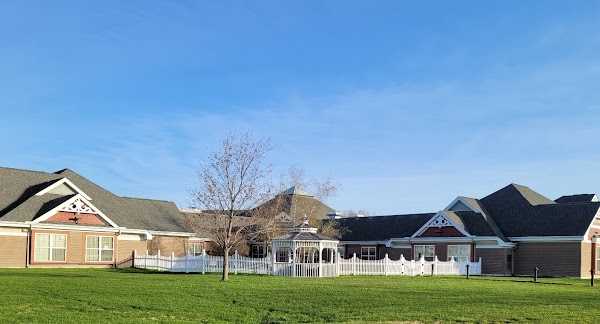

6700 Westside Saginaw Road, Bay City, MI 48706 (989) 667-9800
For profit - Corporation 60 Beds SYMPHONY CARE NETWORK Data: November 2025 1 Immediate Jeopardy citation
Trust Grade
0/100
#368 of 422 in MI
Last Inspection: August 2025

Inspected within the last 6 months. Data reflects current conditions.

Overview

Caretel Inns of Tri-Cities has received a Trust Grade of F, indicating significant concerns about the facility's quality of care. With a state rank of #368 out of 422 facilities in Michigan, they are in the bottom half, and they rank last among the six nursing homes in Bay County. The facility is worsening, with issues increasing from 9 in 2024 to 21 in 2025. Staffing is rated average at 3 out of 5 stars, but the turnover is concerning at 64%, which is significantly higher than the state average. Additionally, they face a hefty $192,641 in fines, suggesting serious compliance issues, and while they have average RN coverage, there have been critical incidents, including one where CPR was not performed on a resident who was choking, resulting in death, and multiple falls due to inadequate staffing during transfers. Overall, while there are some average staffing metrics, the troubling trends and serious incidents highlight considerable risks for potential residents.
Trust Score
F
0/100
In Michigan
#368/422
Bottom 13%
Safety Record
High Risk
Review needed
Inspections
Getting Worse
9 → 21 violations
Staff Stability
⚠ Watch
64% turnover. Above average. Higher turnover means staff may not know residents' routines.
Penalties
⚠ Watch
$192,641 in fines. Higher than 85% of Michigan facilities, suggesting repeated compliance issues.
Skilled Nurses
✓ Good
Each resident gets 47 minutes of Registered Nurse (RN) attention daily — more than average for Michigan. RNs are trained to catch health problems early.
Violations
⚠ Watch
44 deficiencies on record. Higher than average. Multiple issues found across inspections.
★☆☆☆☆
1.0
Overall Rating
★★★☆☆
3.0
Staff Levels
★★★☆☆
3.0
Care Quality
★☆☆☆☆
1.0
Inspection Score
Stable
2024: 9 issues
2025: 21 issues

The Good

  • Full Sprinkler Coverage · Fire safety systems throughout facility
  • No fines on record

Facility shows strength in fire safety.

The Bad

1-Star Overall Rating

Below Michigan average (3.1)

Significant quality concerns identified by CMS

Staff Turnover: 64%

18pts above Michigan avg (46%)

Frequent staff changes - ask about care continuity

Federal Fines: $192,641

Well above median ($33,413)

Significant penalties indicating serious issues

Chain: SYMPHONY CARE NETWORK

Part of a multi-facility chain

Ask about local staffing decisions and management

Staff turnover is elevated (64%)

16 points above Michigan average of 48%

The Ugly 44 deficiencies on record

1 life-threatening 5 actual harm
Aug 2025 10 deficiencies
CONCERN (D)

Potential for Harm - no one hurt, but risky conditions existed

Quality of Care (Tag F0684)

Could have caused harm · This affected 1 resident

**NOTE- TERMS IN BRACKETS HAVE BEEN EDITED TO PROTECT CONFIDENTIALITY** Based on interview and record review the facility failed to ensure one resident (#6) of one reviewed for behavioral health had a...

Read full inspector narrative →
**NOTE- TERMS IN BRACKETS HAVE BEEN EDITED TO PROTECT CONFIDENTIALITY** Based on interview and record review the facility failed to ensure one resident (#6) of one reviewed for behavioral health had an accurate mental health diagnosis.Findings Include:On 8/7/2025 at 10:40 AM, Social Worker P was queried regarding Resident #6's diagnosis of paranoid schizophrenia and current medication regime. She reported he is not prescribed any medications for his schizophrenia diagnosis. She was asked to provide further documentation on if his diagnosis was long standing or newly added. We reviewed his diagnosis list that revealed the Paranoid Schizophrenia diagnosis was initiated upon admission and the physician note dated 5/3/24 that stated, history of paranoid schizophrenia. Social Worker P reported after investigation it was found it was an incorrect diagnosis as it was unsubstantiated from the Level II OBRA completed in May 2025 and unsubstantiated by their contracted psychiatric group who evaluated him as well. Social Worker P was asked why the diagnosis was indicated if it was inaccurate and why it was still listed in his record if they have known for three months that it was a mistake on their end. The Social Worker shared she as unsure where the physician garnered the information to make the diagnosis and it should have been removed from his medical record timely. On 8/7/2025 at approximately 11:00 AM, review was conducted of Resident #6' medical record and it indicated he was admitted to the facility on [DATE] with diagnoses that included, Paranoid Schizophrenia, Anxiety, Insomnia, Diabetes and Hypertension. MDS (Minimum Data Set) Assessment reviewed indicated the Paranoia Schizophrenia diagnosis in 2/14.2025, 5/13/2025 and 8/14/2025. Further review yielded the following:Physician Notes:5/6/2024: .(Resident #6) is a [AGE] year old right handed divorced male with PMH of acute coronary artery disease s/p PTCA.generalized anxiety, major depressive disorder, paranoid schizophrenia.5/9/2024: .(Resident #6) is a [AGE] year old right-handed divorced male with PMH of acute coronary artery disease s/p PTCA.generalized anxiety, major depressive disorder, paranoid schizophrenia. 5/13/2024: .(Resident #6) is a [AGE] year old right handed divorced male with PMH of acute coronary artery disease s/p PTCA.generalized anxiety, major depressive disorder, paranoid schizophrenia. 5/16/2024: .(Resident #6) is a [AGE] year old right handed divorced male with PMH of acute coronary artery disease s/p PTCA.generalized anxiety, major depressive disorder, paranoid schizophrenia.5/26/2024: .(Resident #6) is a [AGE] year old right handed divorced male with PMH of acute coronary artery disease s/p PTCA.generalized anxiety, major depressive disorder, paranoid schizophrenia. Level II OBRA 6/2/2025 DSM Diagnoses: Major Depressive Disorder, Recurrent episode, Moderate - Primary, Generalize anxiety disorder, Unspecified Personality Disorder.(facility) sent (Community Mental Health) change in condition 3877 form due to facility social worker reporting that while reviewing his medical records, it was discovered that he had been psychiatrically hospitalized in November 2024. Moreover, there have been behavioral health medications changes since his admission and additional mental health diagnoses. According to the CIC received on May 7, 2025, (Resident #6) is diagnosed with anxiety disorder, unspecified: paranoid schizophrenia; claustrophobia: major depressive disorder, recurrent, unspecified; insomnia; anxiety disorder.Nursing facility staff reported (Resident #6) diagnosis of Paranoid Schizophrenia was given to him by a medical physician from the nursing facility. A review of (Resident #6's) admission note from is physician at ( the facility) dated May 3, 2024, states history of paranoid schizophrenia. Nursing facility staff are uncertain why he was given this diagnosis and what his symptoms were that led to the diagnosis.(Resident #6 stated he received a diagnosis of paranoid schizophrenia last year but does not know how he got this. (Resident #6) reported he feels this is an inaccurate diagnosis. He denied having delusions and/or hallucinations. Psychiatric Evaluation 5/30/2025: .Major Depressive Disorder, recurrent, severe with psychotic symptoms, Generalized Anxiety Disorder, Claustrophobia. Resident #6 does have mental health diagnoses but does not have Paranoid Schizophrenia, the facility physician diagnosed the resident and there was no further clarification or query regarding this. From the review of the record Resident #6 did not display persistent signs/symptoms of the diagnosis.
CONCERN (D)

Potential for Harm - no one hurt, but risky conditions existed

Menu Adequacy (Tag F0803)

Could have caused harm · This affected 1 resident

Based on observation, interview and record review, the facility failed to provide food items per scheduled menu for all residents and failed to provide milk per menu for Resident's #22, 63, 64, 65 and...

Read full inspector narrative →
Based on observation, interview and record review, the facility failed to provide food items per scheduled menu for all residents and failed to provide milk per menu for Resident's #22, 63, 64, 65 and 66) of a census of 53 out of 53 residents who eat facility provided meals, resulting in frustration, no breakfast egg, no milk and overall likelihood of hunger. Findings include. Resident #63 On 8/06/2025, at 8:28 AM, Resident #63 was resting in bed with their breakfast tray on their overbed table untouched. There was no egg on their breakfast sandwich. There was no milk provided. A record review of their meal ticket revealed . EGG, SAUSAGE & CHEESE SANDWICH . 2% MILK . On 8/06/2025, at 8:38 AM, Resident #22 was in bed flat. Their breakfast meal was on their overbed table and slightly pushed in front of them. Resident #22 complained they couldn't eat their oatmeal because they needed milk. There was no egg on their breakfast sandwich. There was no brown sugar on the tray. A record review of their meal ticket revealed . EGG, SAUSAGE & CHEESE SANDWICH . [NAME] Sugar was written on the meal ticket. On 8/06/2025, at 8:39 AM, Resident #64 did not receive an egg on their breakfast sandwich nor any milk. On 8/06/2025, at 8:45 AM, Resident #65 complained they did not get an egg on their sandwich, milk or oatmeal. On 8/06/2025, at 8:49 AM, Resident #66 complained they did not get an egg on their breakfast sandwich. On 8/06/2025, 8:50 AM, an observation along with the Director of Nursing (DON) of Resident #66's breakfast tray in their room was conducted. There was no egg on their breakfast sandwich The DON was alerted it appeared there were more residents that didn't receive egg on their breakfast sandwiches. On 8/06/2025, at 9:11 AM, an observation of the kitchen refrigerators along with the Dietary Manager V was conducted. DM V was asked if they ran out of eggs for the breakfast meal and DM V was unaware. The refrigerator housed a large container of boiled eggs and a few bags of liquid eggs. DM V asked [NAME] W if they cooked eggs for breakfast and [NAME] W offered, no they were frozen. [NAME] W further explained they did their check the night before but a 6:15 AM during preparation for breakfast they realized the liquid eggs were still frozen. [NAME] W was asked if they cooked any eggs for any of the residents and [NAME] W stated, no. [NAME] W was asked if they notified anyone and [NAME] W offered, no. [NAME] W was asked if they sent anyone to the local store to get eggs so they could follow the menu and [NAME] W did not answer. DM V offered to [NAME] W If you called me, I could have stopped and grabbed eggs. [NAME] W was asked why some of the breakfast trays did not have milk and [NAME] W stated, they call out the meal ticket and the CNA's get the drinks.
CONCERN (D)

Potential for Harm - no one hurt, but risky conditions existed

Deficiency F0806 (Tag F0806)

Could have caused harm · This affected 1 resident

**NOTE- TERMS IN BRACKETS HAVE BEEN EDITED TO PROTECT CONFIDENTIALITY** Based on observation, interview and record review, the facility failed to honor food preferences and food allergies for two (Res...

Read full inspector narrative →
**NOTE- TERMS IN BRACKETS HAVE BEEN EDITED TO PROTECT CONFIDENTIALITY** Based on observation, interview and record review, the facility failed to honor food preferences and food allergies for two (Resident #38 and 66) out of two residents reviewed for food allergies and preferences, resulting in frustration of allergy food items being served, the likelihood of food allergy reactions and overall decreased nutritional intake. Findings include. Resident #66 On 8/05/2025, at 12:49 PM, Resident #66 was sitting in their room and complained they get food items they are allergic to. Resident #66 stated they get strawberry jelly almost every morning for breakfast and they are allergic to strawberries. There were strawberry jelly packets on their over bed table. Resident #66 had their lunch tray of a taco with a flour shell. They complained they had a wheat allergy. On 8/06/2025, at 8:49 AM, Resident #66 complained they were provided an English muffin (wheat) and complained they have not been offered gluten-free food items. On 8/06/2025, 8:50 AM, an observation along with the Director of Nursing (DON) of Resident #66's breakfast tray in their room was conducted. There was no egg on their breakfast sandwich which was an English muffin (wheat). The DON was alerted the resident also received a flour tortilla the day prior. Resident #38:On 8/06/2025, at 12:22 PM, Resident #38 was sitting at the lunch table in the dining area. They had what appeared to be cream of broccoli soup. Moments later, Resident #38 was offered their lunch tray that consisted of ham, scalloped potatoes and spinach. The resident spoke out and stated, I don't like spinach. Resident #38 was asked if they wanted something else by the surveyor and Resident #38 stated, yeah, a hotdog. DM V was alerted Resident #38 received all three food items they disliked and DM V approached the resident asked the resident if they would like a hotdog or something else. A record review of Resident #38's electronic medical record revealed an admission on [DATE] with diagnoses that included Cerebral Palsy, Hemiplegia affecting left side and cognitive communication deficit. Resident #38 required assistance with all ADL's and had impaired cognition. A review of the care plan . has nutrition risk due to small appetite . Interventions . Provide and serve diet as ordered. Date initiated: 05/15/2025 . There was no care planned intervention to follow food preferences. A record review of Resident #38's meal ticket revealed: DISLIKES: Broccoli, Spinach, Potatoes.
CONCERN (E)

Potential for Harm - no one hurt, but risky conditions existed

Resident Rights (Tag F0550)

Could have caused harm · This affected multiple residents

**NOTE- TERMS IN BRACKETS HAVE BEEN EDITED TO PROTECT CONFIDENTIALITY** Bassed on observation, interview and record review, the facility failed to ensure a dignified dining experience and follow care ...

Read full inspector narrative →
**NOTE- TERMS IN BRACKETS HAVE BEEN EDITED TO PROTECT CONFIDENTIALITY** Bassed on observation, interview and record review, the facility failed to ensure a dignified dining experience and follow care planned interventions for 6 residents (#22, 27, 28, 29, 33, 38 and 44) out of 10 residents reviewed during dining task, resulting in no assistance offered, food spills on clothing, fluids not offered, meals not served timely and in a dignified manner with the likelihood of overall decreased nutritional intake. Findings include:On 8/05/2025, at 12:20 PM, During dining task in the small dining room the following observations were made: On 8/05/2025, at 12:18, during dining task, Resident #38 was sitting at table alone asking if he can have some more pop. Resident #33 had a cup of soup that had spilled down his shirt, pants and all over the table. Resident #33 did not have on a clothing protector. There were no staff in the area. On 8/05/2025, at 12:19, Resident #33 was sitting alone at another table. There was an empty cup of soup with a spoon and no napkin. Resident #33 had spilled soup onto their clothing and face. Resident #33 was using the tablecloth for a napkin. Resident #33 did not have a clothing protector on. There were still no staff in the area. On 8/05/2025, at 12:20 PM, Residents #27, 28, 29 and 44 were sitting in their wheelchairs. They were not offered any food items. On 8/05/2025, at 12:25 PM, Resident #33 was observed using the tablecloth to wipe their nose. On 8/05/2025, at 12:33 PM, Resident #44 now had their meal and quickly drank their cup of lemonade. Resident #44 had a second glass of lemonade out of reach. Residents #27, 28 and 29 still do not have their meals. On 8/05/2025, at 12:36 PM, Resident's #27, 28 and 29 still do not have their meals and were offered a glass of juice each which was placed in front of them on the table. No sips were offered. On 8/05/2025, at 12:39 PM, Resident #27 was being assisted with their shoes by CNA X. CNA X was asked if Resident #27 was going to eat lunch and CNA X stated, yes, but she's an assist. On 8/05/2025, at 12:41 PM, CNA H placed clothing protectors on Resident #33 and #38 walked over to Resident #44 cut their taco in half and walked away. Resident #44 was picking up their taco meat with their fingers. CNA H did not provide Resident #44 with their second glass of lemonade which remained out of reach. On 8/05/2025, at 12:43 PM, Resident #28 and Resident #29 were offered their meals and two staff sat down and assisted with their meals. On 8/05/2025, at 12:45 PM, Resident #44 continued to use their fingers to eat. No staff assistance was offered. Resident #44 still was not offered additional fluids to drink. On 8/05/2025, at 1:03 PM, Resident #44 remained seated at the lunch table. They were using their napkin to cover up spilled liquid from a plastic cup which appeared to be a supplement drink. The second full cup of lemonade remained out of reach. Resident #44 continued to consume their lunch with their fingers. On 8/06/2025, at 12:24 PM, during dining task in the small dining room the following observations were made: On 8/06/2025, at 12:24 PM, CNA H brought in silverware for Resident #38 although did not offer any to Resident #33. Resident #44 was offered a glass of milk. Resident #44 drank their milk and set their glass down. Resident #44 lifted their empty glass numerous times and attempted to sip milk from the empty glass. On 8/06/2025, at 12:38 PM, Resident #44 remained at the lunch table with no assistance. They continued to attempt to drink milk out of their empty glass. Moments later, Resident #44 placed their butter packet into their empty milk glass. Resident #44 ate their meal with their fingers and were not assisted by any staff. The resident did not receive any more fluids to drink and continued to pick up the empty glass as if there was a drink in it. The glass was filled with a butter packet and no fluids. On 8/06/2025, at 12:40 PM, the DON was asked if a certain staff member was assigned to the residents in the dining area and the DON provided the assignment sheet. The DON explained that the hall trays are passed first and the residents who are feeds are passed last. The DON was alerted of the lack of assistance noted in the dining room during the survey. On 8/06/2025, at 12:45 PM, Resident #44 was observed trying to eat their butter packet that they had removed from their milk glass. Unit Manager (UM) A was sitting behind the nurses' desk and was alerted that Resident #44 was trying to eat garbage out of their empty glass. On 8/06/2025, at 1:30 PM, the following record reviews were conducted: Resident #27: A review of Resident #27's electronic medical record revealed a readmission on [DATE] with diagnoses that included Dementia, need for assistance with personal care and protein calorie malnutrition. Resident #27 required assistance with all ADL's and had severely impaired cognition. A review of the care plan I need help with my ADL's because I am confused and don't remember how to perform my ADL's . Interventions . EATING: I need assistance to feed myself. Date Initiated: 10/03/2020 . Resident #28: A review of Resident #28's electronic medical record revealed an admission [DATE] with diagnoses that include Alzheimer's disease, Dementia and Stroke. Resident #28 required assistance with all ADL's and had severely impaired cognition. A review of the care plan I have a nutritional problem r/t Dementia . Interventions . I need total assist with all meals Date Initiated: 11/07/2022 . Resident #29: A review of the electronic medical record revealed an admission on [DATE] with diagnoses that included Dementia, Alzheimer's disease and Dysphagia. Resident #29 had severely impaired cognition. A review of the ADL: Self-care deficit, require assist with ADLS . Interventions .Eating: I need assistance with eating. Date Initiated: 01/03/2025 . Resident #33: A record review of Resident #33's electronic medical record revealed an admission on [DATE] with diagnoses that included Parkinson's disease, Dementia and Need for assistance with personal care. Resident #33 required assistance with all Activities of Daily Living (ADL's) and had severely impaired cognition. A review of the care plan SKILLED THERAPY/ADL: Self-care deficit, require assist with ADLS . Interventions . Eating: I need limited assistance with eating please place all my liquids in a covered mug I would also like to use weighted silverware for my meals. Provide clothing protector for every meal. Date Initiated: 04/02/2025 . Personal hygiene: I need extensive assist of 1 to help me . Resident #38: A record review of Resident #38's electronic medical record revealed an admission on [DATE] with diagnoses that included Cerebral Palsy, Hemiplegia affecting left side and cognitive communication deficit. Resident #38 required assistance with all ADL's and had impaired cognition. A review of the care plan SKILLED THERAPY/ADL: Self-care deficit, require assist with ADLS r/t (related to) mobility, debility and impaired balance . Interventions . Eating: I am independent, set up my tray covered lids on all liquids. Date Initiated: 05/08/2025 . Please offer me a clothing protector at meals as I will allow. Date Initiated: 05/28/2025 . Resident #44: A review of the electronic medical record revealed an admission on [DATE] with diagnoses that included Dementia, Alzheimer's disease and a history of significant weight loss. Resident #44 had severely impaired cognition. A review of the care plan Risk for malnutrition . Interventions . Staff to assist with guest at meals to provide encouragement. Date Initiated: 01/02/2024 . Resident #22: On 8/05/2025, at 9:49 AM, Resident #22 was resting in their bed on their back. There was a plastic cup of water and a glass of water with a straw. On 8/06/2025, at 8:38 AM, Resident #22 was in bed flat. Their breakfast meal was on their overbed table and slightly pushed in front of them. Resident #22 complained they couldn't eat their oatmeal because I need milk. There was no egg on their breakfast sandwich and no milk on their tray. There was a regular coffee cup with a plastic lid. On 8/07/2025, at 8:20 AM, Resident #22 was in bed lying flat. Their breakfast was untouched. There was a strong urine smell in the room. There was a coffee cup and a small juice cup without handles on the tray. The cups did not have lids. On 8/07/2025, at 8:22 AM, the Nurse Manager (NM) C entered Resident #22's room. A record review of their meal ticket revealed mug with lid for all liquids. NM C was asked why Resident #22 did not have the lidded mug for their liquids and NM C offered, I am thinking the aides should be getting that. NM C was alerted the resident was resting all three mornings and hadn't appeared to have assistance with their breakfast meals. NM C offered, they would get the resident cleaned of urine and assist with their meal. A review of the facility provided policy Dignity DATE REVIEWED 4/24 revealed Each resident shall be care for in a manner that promotes and enhances quality of life, dignity, respect and individuality . Residents shall be treated with dignity and respect at all times .
CONCERN (E)

Potential for Harm - no one hurt, but risky conditions existed

ADL Care (Tag F0677)

Could have caused harm · This affected multiple residents

**NOTE- TERMS IN BRACKETS HAVE BEEN EDITED TO PROTECT CONFIDENTIALITY** Based on interview and record review the facility failed to consistently provide scheduled showers to four (#15, #35, #35, #37) ...

Read full inspector narrative →
**NOTE- TERMS IN BRACKETS HAVE BEEN EDITED TO PROTECT CONFIDENTIALITY** Based on interview and record review the facility failed to consistently provide scheduled showers to four (#15, #35, #35, #37) residents of four reviewed for Activities of Daily Living. Resulting in, unmet care needs and feelings of frustration. Findings Include: Resident #15On 8/6/2025 at approximately 8:20 AM, Resident #15 reported her shower days are Mondays and Thursdays, but she did not receive one this Monday. She continued if she does not ask if she is being showered on her scheduled day, many aides will not mention anything about it. Resident #15 stated she did refuse one shower as it was closer to midnight when the aide offered.On 8/6/2025, a review of the last 30 days of Resident #15's showers were completed. Within the 30-day period, Resident #15 was provided with one shower on 7/20/25. There was one progress note related to a shower provided on 8/1/2025 that was not listed in the 30-day look back document. On 8/7/2025 at approximately 3:45 PM, a review was conducted of Resident #15's medical records. It revealed the resident was admitted to the facility on [DATE] with diagnoses that included Diabetes, Hypokalemia, Syncope and Collapse and Orthostatic Hypotension. Further review yielded the following:Kardex: .I prefer a shower twice a week.Monday/Thursday night shift. During resident council on 8/6/2025 at 1:00 PM, Resident #35 & #37 stated they are not regularly receiving their showers as scheduled. They explained they have to ask staff for their showers and it is rare they will come in and say its their shower day.Resident #35On 8/6/2025 at approximately 3:30 PM, review was conducted of Resident #35's medical records and it indicated she was admitted to the facility on [DATE] with diagnoses that included, Dysphagia, Hypertension, Social Phobia, Major Depressive Disorder and Diabetes. Further review of the records yielded the following: 30-day Shower lookback:Over the last 30 days Resident #35 only received one shower on 7/31/2025.Kardex: .Bath: Wed/Sat night . Resident #37:On 8/6/2025 at approximately 3:45 PM, record review was conducted of Resident #37's chart and it revealed the resident admitted to the facility on [DATE] with diagnoses that included Obstructive Pulmonary Disease, Major Depressive Disorder, Hemiplegia, Hypertension, Polyneuropathy and Diabetes. Further reviewed yielded the following: 30-day Shower lookback:Resident #37 received a shower on the following days- 7/9/25- 7/16/25- 7/29/25- 7/30/25- 8/6/25 Resident #37's showers were not consistent and skipped weeks. Resident #4108/05/2025 at 3:50 PM, Resident #41 stated she is supposed to receive showers on Wednesdays and Saturdays, but she does not regularly receive them as scheduled. The resident stated she will ask about showers the day prior to remind them and typically when it's time for her shower the staff cannot be located. Resident #41 stated she should be able to be showered twice a week and it's frustrating that it does not occur. On 8/6/2025 at approximately 11:30 AM, a review was conducted of Resident #41's medical records and it indicated she was admitted to the facility on [DATE] with diagnoses that included, Atrial Fibrillation, Anemia, Bipolar Disorder and Hyperlipidemia. Further review yielded the following:30-Day Shower Look Back:Review was conducted of Resident #41's showers over the last 30 days and she only received three showers. It can be noted there is also progress note documentation of showers that is not listed in the look back document provided. It appears there is also a documentation issue surrounding resident showers. Kardex: Bathe: Every Wednesday and Saturday.I prefer a shower twice a week.On 08/06/2025 at 10:00 AM, Unit Manager A reported there was a recent staff meeting with the aides and they were informed of their responsibility to complete showers and subsequent shower sheet. Manager A now reviews all of the shower sheets and inputs a progress note, but this process just began recently.On 8/6/2025 at 1:15 PM, the DON (Director of Nursing) stated she recognized there was an issue with showers, and they are working on holding staff accountable. They are working on an actionable plan to rectify resident showers.Review was conducted of the facility policy entitled, Shower and/or Bathing, approved 7/25. The policy stated, .All residents will be offered the opportunity to bathe twice weekly. A complete shower will be taken under staff supervision at least weekly.document giving the shower/bed bath in the medical record. If the resident refuses their shower and/or bed bath notify their nurse and try again later.
CONCERN (E)

Potential for Harm - no one hurt, but risky conditions existed

Deficiency F0761 (Tag F0761)

Could have caused harm · This affected multiple residents

**NOTE- TERMS IN BRACKETS HAVE BEEN EDITED TO PROTECT CONFIDENTIALITY** Based on observation and interview the facility failed to ensure 3 of 4 medication carts were maintained clean and sanitized, fr...

Read full inspector narrative →
**NOTE- TERMS IN BRACKETS HAVE BEEN EDITED TO PROTECT CONFIDENTIALITY** Based on observation and interview the facility failed to ensure 3 of 4 medication carts were maintained clean and sanitized, free of crushed pills, pieces of loose papers and dust in the drawers, resulting in the likelihood of cross contamination, low medications count with increased cost and missed resident medications. Findings Include: Observation was made on [DATE] at 11:32 a.m., with Nurse, LPN I of the 300 Hall medication cart. During the observation the following was found: -Resident's #1 and #16 had partly used insulin pen's with no expiration date written on the sticker (sticker with open and expiration date spaces to fill in) on the pen. During an interview done on [DATE] at 11:32 a.m., Nurse I was unable to tell this surveyor when the insulin's expired, and why there was no expiration date on the resident's insulin pens. Nurse I stated yes, they need a expiration date. -In the med cart's third drawer on the bottom was a large area of a sticky substance, crushed medication, dust, small pieces of paper, 1 whole blue oval pill, and 1 round whole peach pill. Observation was made on [DATE] at 11:40 a.m., with Nurse, LPN J of the 200 Hall medication cart. During the observation the following was found: -In the second drawer was found 1 loose tan colored pill, crushed medications, small pieces of paper and dust on the bottom. -In the fourth drawer there was observed an area of a sticky substance on the bottom. During an interview done on [DATE] at 11:40 a.m., Nurse, LPN J stated We all clean the carts Observation was made on [DATE] at 11:45 a.m., with Nurse, LPN K of the 400 Hall medication cart. During the observation the following was found: -In the second drawer there was two cream colored round pills found on the bottom. During an interview done on [DATE] at 11:45 a.m., Nurse K said the nurses on third shift clean the medication carts. During an interview done on [DATE] at approximately 11:30 a.m., the Administrator revealed the nurse's on the night shift clean the medication carts. On [DATE], at 2:30 PM, Nurse “Y“ was observed pushing the medication cart behind the nurses station. Nurse “Y” then walked into the locked mediation room with another staff member. The medication cart was unlocked and facing outward towards the main lobby. Nurse “J” was standing at another medication cart in the lobby and was asked if the medication carts are supposed to unattended while unlocked and Nurse “J” looked at the unlocked medication cart and stated, No. The Director of Nursing (DON) was walking up the hallway and was asked if medication carts were to be left unattended while unlocked and the DON, stated, no. Nurse “Y“ walked out of the medication room, stood in front of the medication cart and engaged the lock.
CONCERN (E)

Potential for Harm - no one hurt, but risky conditions existed

Infection Control (Tag F0880)

Could have caused harm · This affected multiple residents

Based on observation and interview, the facility failed to maintain general cleanliness of clean linen and sanitary supply storage. This resulted in an increased potential for contamination and a poss...

Read full inspector narrative →
Based on observation and interview, the facility failed to maintain general cleanliness of clean linen and sanitary supply storage. This resulted in an increased potential for contamination and a possible decrease in the satisfaction of living, for any residents in the 100 and 300 hallways. Findings include: On 08/05/2025 at 12:26PM during the environmental tour with the Housekeeping Manager M and Director of Maintenance T, the cleaning supply room floor was visibly soiled with debris. During the interview with the Housekeeping Manager M, when asked what the cleaning schedule is, they stated they are coming in and sweeping the floor on a regular basis. On 08/05/2025 at 1:00 PM observed clean linens stored on the floor of the clean linen room in 300 hall. Housekeeping Manager M proceeded to pick up the clean linens from the floor and removed them from the clean linen closet. On 08/05/2025 1:05PM observed unused urinal on floor along with other trash in the clean linen closet in the 100 hall. The Housekeeping Manager M proceeded to pick up the urinal and trash and removed them from the clean linen closet. While removing the urinal from the closet, the Housekeeping Manager M commented I'm not even sure how that got in here.
CONCERN (F)

Potential for Harm - no one hurt, but risky conditions existed

Deficiency F0804 (Tag F0804)

Could have caused harm · This affected most or all residents

Based on observation, interview and record review, the facility failed to ensure food palpability and preferred temperature for a total of 8 resident's (Resident's #2, #13, #22, #26, #63 and #66), and...

Read full inspector narrative →
Based on observation, interview and record review, the facility failed to ensure food palpability and preferred temperature for a total of 8 resident's (Resident's #2, #13, #22, #26, #63 and #66), and follow provided food menu for a census of 53 of 53 resident's, resulting in the potential for weight loss, dislike of facility served foods, anger towards dietary department and management, refusing to eat served foods, and relying on family member's to bring in favored foods. Findings Include: Observation made on 8/6/25 at 10:26 a.m., in the main dining room revealed the facility food menu posted was dated July, 2025. Resident #26:Review of Face Sheet and Minimum Data Set/MDS dated 3/25, revealed Resident #26 was admitted to the facility 3/25, and was alert and able to be interviewed.During an interview done on 8/5/25 at 12:19 p.m., the resident revealed she did not like what the facility served, she often requested a cheeseburger which was overcooked and hard to chew. The resident said the facility serves the same foods over and over again.Resident #2:Review of Face Sheet and Minimum Data Set/MDS dated 2/25, revealed Resident #2 was admitted to the facility 2/11/25, and was alert and able to be interviewed.During an interview done on 8/5/25 at 9:53 a.m., Resident #2 said he hates the food, and the staff do not give him anything else if he does not like the food. The resident was upset about the food; he said it was often cold.Resident #13:Review of Face Sheet and Minimum Data Set/MDS dated 5/25, revealed Resident #13 was admitted to the facility 5/15/25, and was alert and able to be interviewed.During an interview done on 8/5/25 at 10:23 a.m., the resident stated, I don't like the food, it's the same thing all the time.Observation of the noon meal done on 8/6/25 at 12:15 p.m., revealed the following: -The majority of residents had 1 toco on their plate with rice. The toco's of several residents had grease dripping out of them when picked up to eat; plates were noted to have an excessive amount of pooling dark amber colored grease on them. There was 1 to 2 pieces of lettuce on each toco, and several observed had wilted lettuce. During an interview done on 8/6/25 at 11:00 a.m., Dietary Manager V stated Some did not get eggs this morning, she (one of the cooks) never told me we did not have eggs. We did have eggs, but they were frozen. I did see the grease (on toco's) yesterday (on 8/5/25). I did tell her (cook) to drain the meat. Review of the facility Resident's Council notes revealed the following: -On 3/27/25: Chef will come put and see what food is served.-On 4/24/25: Wrote up concern about meat, not having items, getting what ordered.-On 6/5/24: Tastes bad (served food), often cold, dislikes options.-On 7/10/25: Portion sizes questions, options for diabetics, wonder if too many carbs.During an interview done on 8/6/25 at 1:20 p.m., Director of Activities N stated We do hear complaints in the meeting (Resident Council meeting), I believe we are down in the kitchen. (Kitchen Manager V) does come to the meetings (Resident Council).Review of the facility Food & Nutrition Services Organization & Staff Competency Checklist Dining Observation Meal Services checklist (un-dated), revealed staff were to ask and address if the food served was the residents preference.
CONCERN (F)

Potential for Harm - no one hurt, but risky conditions existed

Food Safety (Tag F0812)

Could have caused harm · This affected most or all residents

**NOTE- TERMS IN BRACKETS HAVE BEEN EDITED TO PROTECT CONFIDENTIALITY** Based on observation, interview, and record review, the facility failed to prepare and store food in accordance with professiona...

Read full inspector narrative →
**NOTE- TERMS IN BRACKETS HAVE BEEN EDITED TO PROTECT CONFIDENTIALITY** Based on observation, interview, and record review, the facility failed to prepare and store food in accordance with professional standards for food service safety. This deficient practice has the potential to result in food borne illness among all residents that consume food in the kitchen.Findings include: On 08/05/2025 at 9:30AM During the kitchen tour with the Manager of Kitchen V, observed the inside of the ice machine visibly soiled with black residue in the sub kitchen in [NAME] hallway. When interviewed about the cleaning schedule of the ice machine, the Manager of the Kitchen V stated Maintenance is supposed to clean it. and proceeded to tell staff not to use the ice in that machine. On 08/05/2025 at 11:45AM during lunch observation, observed [NAME] W removing gloves and then proceeding to don gloves without washing hands while preparing lunch. According to the 2022 Food Code 4-602.11 Equipment Food-Contact Surfaces and Utensils, Surfaces of utensils and equipment contacting food that is not time/temperature control for safety food such as . ice makers, and ice bins must be cleaned on a routine basis to prevent the development of slime, mold, or soil residues that may contribute to an accumulation of microorganisms.Record review of facility policy Food & Nutrition Services/Sanitation and Food Safety states Food and nutrition services employees will thoroughly wash their hands and exposed areas of their arms with soap and water in the designated hand-washing sink at the following times: .Between removing gloves or aprons and before putting on new gloves or aprons. According to the 2022 Food Code, 2-301.14 When to Wash, Food employees shall clean their hands and exposed portions of their arms immediately before engaging in food preparation including working with exposed food, clean equipment and utensils, and unwrapped single-service and single -use articles and . before donning gloves to initiate a task that involves working with food.
CONCERN (F)

Potential for Harm - no one hurt, but risky conditions existed

Safe Environment (Tag F0921)

Could have caused harm · This affected most or all residents

**NOTE- TERMS IN BRACKETS HAVE BEEN EDITED TO PROTECT CONFIDENTIALITY** Based on observation, interview and record review, the facility failed to 1) maintain clean wheelchairs for 5 resident's (Reside...

Read full inspector narrative →
**NOTE- TERMS IN BRACKETS HAVE BEEN EDITED TO PROTECT CONFIDENTIALITY** Based on observation, interview and record review, the facility failed to 1) maintain clean wheelchairs for 5 resident's (Resident's #6, #15, #38, #41 and #44), 2) ensure a clean and comfortable environment for randomly selected resident rooms and 3 of 4 hallways (Hall's 100, 200, and 400), and 3) maintain plumbing in good repair, for a census of 53 resident's, visitors and staff, resulting in the potential for cross contamination, resident illness, complaint's of resident environment cleanliness, and flooding concerns regarding plumbing. Findings Include: DPS 2 Based on observation and interview the facility failed to maintain plumbing in good repair. This deficient practice increases the likelihood of contamination of the water supply, potentially affecting any or all staff, residents, and visitors in the facility. Findings include: Observation of 100 hall was done on 8/5/25, starting at approximately 9:20 a.m., the following was found: -In the hallway (at 10:07 a,m,), numerous black scuff marks on walls and resident doors. -Room103 had food and pieces of paper on the floor, the walls had scuff marks on them and the corners of the wall molding had paint chipped off. -room [ROOM NUMBER] had pieces of paper on it, walls were scuffed up and bathroom floor was dirty. -room [ROOM NUMBER] (at 9:57 a.m.) had food under and on the right side of the bed, and pieces of paper on it. The bedside table had a “sticky” substance on top of it and a urinal was on the floor partly under the bed. Part of the wallpaper above the white rail was torn off and the bathroom floor was dirty. Observation of 400 Hall was done on 8/6/25 at 1:30 p.m., revealed a large gray trash bin with food and dirty medical gloves inside, sitting in the hallway in front of the office, with no lid on it. During an interview done 8/6/25 at 10:30 a.m., Housekeeper “L” stated We do surfaces, dust, vacuum or mop in the resident's rooms. In the bathrooms we clean the toilet, sink and floor. I come in at 7am, we get in the rooms at around 10am. Housekeeper “L” said they have to do public area's first before they start on resident's room's and they only have 2 Housekeepers for all resident's rooms. During an interview done on 8/5/25 at 1:41 p.m., Housekeeping Supervisor “M” stated “Yes, there are complaints about the room's (resident room's) about wallpaper, marks on wall's, dirty carpet's; our carpets are stained and nasty. The problem is we need new floors. We are trying to get the wallpaper down; the public area's first. They (Housekeepers) are supposed to be in the resident's room about 9:00 a.m.; I have 2 housekeepers for the LTC (Long Term resident room's, census: 53). They (Housekeepers) clean about 25 to 26 rooms plus public areas. I have asked for more Housekeepers; I don't understand how they think two Housekeepers can do everything. The families came to me with complaints about the rooms. We shouldn't have any trash cans in the hallways, and they need tops.” Review of the facility Morning Run 7-3 Person sheet (undated), revealed Housekeeping were to vacuum, clean public bathrooms, the movie theater, breakroom, therapy's, cottage, therapy, and family dining room. Review of the facility resident room list of what to clean in each room list (given to the Housekeepers daily) revealed staff were to clean daily the toilet, bathroom mirror, sink, showers, dusting, floor, bed table, TV, TV stand, marks off walls, vacuum floors, mop floors, spot clean carpets, window as needed, window seals, empty trash. During an interview done on 8/7/25 at 12:49 p.m., Infection Control, RN Nurse “S” stated “I do daily morning sweeps and I look into the resident's rooms. I do tell them at the Infection Control meeting that Housekeeping should do a better job, but they don't have the money to hire more.” Infection Control Nurse S said she did not document any observations of IC rounds on hallways nor resident rooms. On 8/5/2025, during initial screening of facility residents, it was observed that some of their wheelchairs were soiled with strands of hair, dried on/sticky substances and dust/debris. The residents reported their wheelchairs had not been cleaned during their time at the facility. The following residents were observed: Resident #6 Was observed in his room watching television, both footrests were observed with a layer of dust, debris and sand like particles building up at the back of footrests. Other outer areas of the wheelchair were also soiled, with the crevices of the chair with particle buildup. The Resident reported he does not believe his chair has been cleaned since he admitted to the facility. Resident #38 Was observed in his room after morning care was completed. His chair was observed to have red, tacky substance on the wheels, the crevices of the chair were riddled with unknown built up material. The area by the wheelchair brakes had built-up particles. Resident #15 Was observed in her room finishing breakfast. She reported her wheelchair has not been cleaned in the 1.5 years that she has been a resident of the facility. She stated she was informed staff are supposed to clean her wheelchair when is showered. Her chair was observed to have unknown debris particles in some areas. During Resident Council on 8/6/2025 at Resident #41 was asked when the last time her wheelchair had been cleaned. She reported it is not routinely cleaned by facility staff. On 8/6/2025 at 4:00 PM, the DON (Director of Nursing) was asked who is responsible for cleaning resident wheelchairs. She reported the aides are responsible for cleaning the resident chairs. The DON observed the soiled wheelchairs of Resident #6 and #38. Resident #44 was observed sitting by the nurses' station in her wheelchair was observed to be riddled with a slew of unknown particles, hair and dust. The DON reported she will enact a process to ensure resident chairs are cleaned going forward. On 8/7/2025 at approximately 10:30 AM, a review was conducted of Resident #6's medical records. It revealed the resident admitted to the facility on [DATE] with diagnoses that included, Major Depressive Disorder, Diabetes, Ataxia, Anxiety, Insomnia and Heart Disease. On 8/7/2025 at approximately 10:45 AM, a review was conducted of Resident #15's medical records. It revealed the resident was admitted to the facility on [DATE] with diagnoses that included Diabetes, Hypokalemia, Syncope and Collapse and Orthostatic Hypotension. On 8/7/2025 at approximately 11:00 AM, a review was conducted of Resident #38's medical records. It revealed the resident was admitted to the facility on [DATE] with diagnoses that included Ataxic Cerebral Palsy, Hyperlipidemia, Hemiplegia and Hemiparesis. On 8/7/2025 at approximately 11:10 AM, a review was conducted of Resident #41's medical records. It revealed the resident admitted to the facility on [DATE] with diagnoses that included, Bipolar, Anemia, Major Depressive Disorder and Paroxysmal Atrial Fibrillation. On 8/7/2025 at approximately 11:15 AM, a review was conducted of Resident #44's medical records. It revealed the resident was admitted to the facility on [DATE] with diagnoses that included, Delusional Disorder, Alzheimer's Disease, Adjustment Disorder, Dementia and Hypertension. It can be noted there was no documentation located in the above charts related to wheelchair cleaning. DPS 2 On 08/05/2025 at 12:26 PM, observed the atmospheric vacuum breaker missing from the top of the utility sink in Bay 1, leaving the water system open to the environment. When the utility sink was turned on, water began to spew out from the top where the missing vacuum breaker was supposed to be. On 08/05/2025 at 12:26 PM, during an interview with Maintenance Director T on the broken atmospheric vacuum breaker, he stated the vacuum breaker has been ordered and when asked about the policy and procedure of when things are repaired, he stated whenever they notice it's broken, they'll fix it.
Jul 2025 3 deficiencies 2 Harm
SERIOUS (G) 📢 Someone Reported This

A family member, employee, or ombudsman was alarmed enough to file a formal complaint

Actual Harm - a resident was hurt due to facility failures

Quality of Care (Tag F0684)

A resident was harmed · This affected 1 resident

**NOTE- TERMS IN BRACKETS HAVE BEEN EDITED TO PROTECT CONFIDENTIALITY** Based on observation, interview and record review, the facility failed to 1) Prevent bruising and sling indentations on both thi...

Read full inspector narrative →
**NOTE- TERMS IN BRACKETS HAVE BEEN EDITED TO PROTECT CONFIDENTIALITY** Based on observation, interview and record review, the facility failed to 1) Prevent bruising and sling indentations on both thighs during a mechanical transfer for 1 resident (Resident #102), and 2) Ensure that 1 resident (Resident 106) was free of injury of an unknown origin (fracture of the leg) of 2 residents observed for transfer and injury of unknown origin, resulting in 2 sling indentations on the thighs and a bruise on the outer right knee with the possibility of developing skin breakdown and a fracture of the leg, pain and hospitalization.Findings Include:Resident #102: Review of the face Sheet, care plans dated 6/25, nursing notes dated 7/23/25 and physician orders dated 7/23/25, revealed Resident #102 was [AGE] years old, alert but not able to make her own healthcare decisions, immobile, and totally dependent on staff for all Activities of Daily Living/ADL’s. The resident was receiving Hospice services at the facility and malnourished weighting 74.6 pounds. The resident’s diagnosis included, protein-calorie malnutrition, fracture of the right tibia, impulsiveness, Alzheimer’s disease, Dementia, pelvic and perineal pain, degeneration of brain, anxiety, mood disturbance, major depression, adjustment disorder and Dysphagia (difficulty swallowing). Review of the facility ADL care plan dated 1/25, stated “use mechanical lift for all transfers, small sling size.” Observation was made on 7/23/25 at 9:50 a.m., of Hospice staff members (Nurse, LPN “F” and Aide “E”) transferring Resident #102 from bed to the shower chair. When this surveyor entered the resident’s room, the resident was not covered and then Hospice Aide “E” quickly covered her with 2 small white towels (a bath blanket was folded sitting in the chair) to the left of the resident’s bed. As Nurse “E” and Aide “F” were lifting the sling with the Hoyer, Resident #102 was talking Spanish and said the word “shoulder” and then the rest was in Spanish (the resident had documentation of pain in her right shoulder due to osteoarthritis), the resident was crying/winning with facial grimacing of pain noted. This surveyor noticed a red indication mark on the resident’s left thigh, the same indication shape as the sling material. A second observation of Resident #102 was done on 7/23/25 at 10:05 a.m., with Nurse Managers, RN’s “C” and “D”; she was in the shower with Hospice Aide “E” giving her a shower. An irregular round shaped bruised area on her right outer knee was observed at this time. The bruise was red/blue in color, and it matched up to the pattern of the large sling she was sitting on; unable to do an observation of all skin due to being transferred into the shower chair. Review of the facility New Skin Condition form dated 7/23/25, at 10:15 a.m. (after this surveyor observed a bruise and lift indication on leg), stated “This writer was notified that this patient had been observed transferring from wheelchair to shower chair by hospice nurse and hospice in a Hoyer sling around the back of the thighs indenting into skin. No bath blanket present. Bruise noted above lateral right knee 4.5 cm x 3 cm blue in color (newly acquired). Attempted to assess while patient was still in shower chair. Unable to fully assess areas where sling was with patient in chair. Intervention: Smaller Hoyer sling brought into room for transfers. Hospice Aide and Hospice Nurse transferred patient to bed. Skin assessment completed at this time. Bruise noted above lateral right knee 4.5 cm x 3 cm blue in color. Left 4th toe bruise dark purple 1 cm x 0.5 cm. Sling indentation noted to the back left thigh and right thigh. Left hip red indentation measuring 4.5 cm x 0.2 cm. Right hip red indentation 12 cm x 0.2 cm.” Review of facility nursing progress note dated 7/23/25 at 11:21 a.m., stated “This writer was notified that this patient had been observed transferring from wheelchair to shower chair by hospice nurse and hospice in a Hoyer sling around the back of the thighs indenting into skin. No bath blanket present. Bruise noted above lateral right knee 4.5 cm x 3 cm blue in color (newly acquired). (Family Member #1), Administrator, DON (Director of Nursing) notified. Intervention small Hoyer sling in room.” During an interview done on 7/23/25 at approximately 10:10 a.m., Nurse Manager “D” had gone and gotten a size small Hoyer sling; when asked where she got it, she stated “in the laundry room.” The facility had available a size small sling and it was documented to use a small sling on her ADL care plan dated 1/25. Review of a physician's order, dated 7/23/25, stated “Monitor bruising q (every) shift until healed to left 4th toe and above lateral right knee until healed.” Review of the facility Altercation in skin integrity care plan updated on 7/23/25, stated “Bruise to lateral rt (right) knee, 6/13/25 (previously, the resident had a bruise the same location as on 7/23/25), ensure size small sling is used for all transfers.” Review of facility staff education dated 7/23/25, revealed the Director of Nursing educated nurse’s and Nursing Assistant’s/CNA's regarding proper Hoyer sling size usage. Review of the facility Transfer Using a Lift policy dated 7/17/25, stated “Ensure the proper size sling is used based on the resident’s size and weight.” Resident #106: Record review of Resident #106’s ‘Injury of unknown origin’ incident report dated 7/18/2025 at 4:28PM revealed Resident #106 had right ankle bruising, swelling and was hot to the touch. In facility Xray was ordered with acute fracture of the fibula and tibia bones with displacement and soft tissue swelling. Pain assessment noted occasional moan or groan, facial grimacing, rigid, fist clenched, knees pulled up, pulling or pushing away and striking out. Both lower extremities with severe contractures and overlap each other. Record review of Resident #106’s electronic medical record revealed and elderly female with medical diagnoses of: muscle weakness, dysphagia, protein calorie malnutrition, diabetes, mood disorder, insomnia, major depressive disorder, Alzheimer’s, gastro-esophageal reflux disorder, hypertension, peripheral vascular disease, irritable bowel syndrome, osteoarthritis, heart disease. A Brief interview of mental status (BIMs) score of 4 out of 15, severe cognitive impairment was noted. Record review of Resident #106's medical record revealed the resident was non-ambulatory/non-weight bearing and had bilateral lower extremities contractures. Observation and interview on 7/22/2025 at 11:58AM with Resident #106 regarding her tibia and fibula (leg bones) fractures revealed: “I don’t know what happened, it just started hurting. It was hurting so badly, and then they sent me to the hospital. It hurt so badly, I couldn’t stand it anymore”. Observation of Resident #106’s right leg/foot gray plastic orthopedic boot to immobilize the right foot/leg. Resident #106 was lying in bed with family members at bedside visiting. In an interview on 7/22/2025 at12:04PM with Resident #106’s family member “G” revealed that the family was called on Friday to see if Resident #106 could go to emergency room (ER). The family member stated that they had called ER around 10:30PM that night and they told them it was a fractured leg, and they asked the ER how that could happen. The family member told them Resident #106 can’t turn herself or roll over and could not stretch out her legs (contractures bilateral lower extremities), was non-weight bearing and basically bedridden. The family member stated that the ER stated that they did not know how this happened because the resident was non-mobile. They had stated that they had asked the facility/nursing home, and no one knew anything. The family member stated that if it was brittle bones the ER and x-rays would have stated so. The family member “G” stated that “So, we have no clue what happened. We were here last Tuesday (7/15/2025) visiting, and she complained of her leg hurt. Usually, her right leg is folded under her left leg at the knee and contracted in that position. She is totally bedridden with a Hoyer lift for transfers but chooses not to get out of bed”. In an interview on 7/22/2025 at 2:00PM Certified Nurse Assistant (CNA) “H” revealed that she was changing Resident #106’s brief on that 7/18/2025 in the morning and noted the resident’s right ankle/leg was swollen and the way she was laying you could not see any coloration. I did notice it had swelling and then when she turned Resident #106 that was when she noticed the color of bruising, color of yellow, purple and green, that was not a fresh bruise. CNA “H” called nurse, licensed Practical Nurse (LPN) “I”. CNA “H” stated “LPN “I” took forever to go to the room, so I snap a photo of just the ankle to take to the LPN “I”, at the end of my shift, we work 6AM to 6PM, only LPN “I” was leaving early that day around 2:00PM, to go to a casino or something. CNA “H” stated that she brought the photo to the LPN “I” to visualize that she needed to go look at the bruising. LPN “I” then went to the Resident #106’s room to look at the leg, CNA “H” went with the LPN “I” and nurse said it was from the mattress, a red pressure area. So LPN “I” put soft Provalon boot on Resident #106, to relieve the pressure, and did not report the change of condition, but reported to the next nurse (Registered Nurse “D”) it was just a red mark. CNA “H” went up to Registered Nurse “D” to make sure that LPN “I” reported it to her. LPN “I” had only stated a red spot and did not report any bruising. Once again CNA “H” showed the photo to RN “D” and then to the Director of Nursing (DON) and Nursing Home Administrator (NHA) and that’s when things got moving. The DON/NHA all went to the resident room and looked at the leg, got x-rays, and sent her out to the hospital. CNA “H” stated that Resident #106 does not stand, does not walk, cannot roll over by herself, cannot move her legs or spread them. Record review of the electronic medical record revealed that there was no documented physical assessment on 7/18/2025 for the bruising or red marks by LPN “I”. Under the skin/wound tab there were no photos of the bruising or of skin monitoring. In an interview on 7/23/2025 at 9:23 AM with the Director of Nursing (DON) there is no nursing assessments policy, in the electronic medical record program there is an admission assessment in the program. We use the nurse’s judgement to assess the resident condition and document the changes. The skilled rehab residents are assessed daily, and the Long-Term Care (LTC) are done monthly. Any change in condition is the responsibility of the nurse’s education and judgement. We train the staff and nurses to identify the changes in residents. In an interview on 7/23/2025 at 9:36AM with Registered Nurse (RN) D regarding Resident #106's fracture ankle incident: The Certified Nurse Assistant (CNA) H came up to me and stated that Resident #106's leg was red, we had 3 nurses for all halls and so I did not have her until the previous nurse Licensed Practical Nurse (LPN) I, left the shift early around 3PM. Licensed Practical Nurse (LPN) I, in report very vagally stated that Resident #106’s leg was red from laying on the leg. It was a weird report from her, and not 10 minutes later the Certified Nurse Assistant (CNA) H came and asked me what did (LPN) I tell you about Resident #106's foot? I stated that (LPN) I told me it was red in a spot from the resident lying on the foot. I went to the room with Certified Nurse Assistant (CNA) H, and there was a soft Prevalon boot on the foot/ankle which had no order for the boot. Licensed Practical Nurse (LPN) I had not gotten an order for the boot. I peeled back the Velcro straps on the right foot/ankle and saw it was swollen, warm to the touch and bruising of yellow/purple/green in color. As soon as I touched the boot Resident #106 moaned n pain, so I did not take the boot off. I went to get the Director of Nursing and then the wound nurse and the unit manager were in the office when I went to tell them what was going on. So then I stated it looks broke, and I want an Xray, they assisted in getting the order from doctor, and then I was still present when the Xray tech/guy came and I sent in Certified Nurse Assistant (CNA) H to assist him, and the Xray guy stated unofficial report of fracture and not to move her. There was another resident here that had a fracture, and she was immobile also. They got the Xray results and sent Resident #106 out after I left at 6PM, Resident #106 has contracture of the legs and had no other areas of concern, for me her legs are a fragile spot; to turn her we have to use the lift sheet and assist both legs. Resident #106 is basically bed bound so it has to have been with her turning. Record review of Resident #106’s Emergency/hospital record dated 7/18/2025 revealed the resident came from nursing home facility due to concerns for right lower extremity ankle swelling. The nursing home facility staff was unable to tell emergency transport when the ankle first started swelling, however they just noticed it today. Unsure of the length of time since the injury. Musculoskeletal assessment: Contractures bilateral lower extremities, pulses intact bilaterally, right ankle swollen, obvious deformity, bruising. Lateral X-ray results: There is acute distal right tibial fracture as well as distal fibular fracture.
SERIOUS (G) 📢 Someone Reported This

A family member, employee, or ombudsman was alarmed enough to file a formal complaint

Actual Harm - a resident was hurt due to facility failures

Accident Prevention (Tag F0689)

A resident was harmed · This affected 1 resident

**NOTE- TERMS IN BRACKETS HAVE BEEN EDITED TO PROTECT CONFIDENTIALITY** This Citation Pertains to Intake Numbers 1256062 and 2564418.Based on observation, interview, and record review, the facility fa...

Read full inspector narrative →
**NOTE- TERMS IN BRACKETS HAVE BEEN EDITED TO PROTECT CONFIDENTIALITY** This Citation Pertains to Intake Numbers 1256062 and 2564418.Based on observation, interview, and record review, the facility failed to implement and operationalize policies and procedures for fall prevention for two residents (Resident #101 and Resident #105) of three residents reviewed, resulting in a lack of planned interventions, a lack of implementation of meaningful interventions to prevent falls, resulting Resident #101 and Resident #105 experiencing falls with injuries necessitating emergency medical treatment, unnecessary pain, and a decline in overall health status. Findings include: Resident #101: Review of Intake documentation revealed concerns that on 6/24/25 a staff member was giving Resident #101 a bed bath and the Resident rolled out of the bed because there was only one staff member assisting the Resident when they required the assistance of two staff per their care plan. As a result of the fall, Resident #101 suffered a broken hip which required emergency surgery. On 7/22/25 at 12:50 PM, Resident #101 was not in their room. The Resident’s bed was positioned against the wall and a fall mat was in place on the floor beside the bed. At 1:00 PM on 7/22/25, Resident #101 was observed sitting in a Broda chair (specialized wheeled, reclining chair with solid footrests used for individuals with limited mobility). Certified Nursing Assistant (CNA) “J” was feeding the Resident lunch. When queried regarding care in the facility, Resident #101 stated, “I fell, and they had to put screws in me. I broke my hip.” A follow-up interview was completed with Resident #101 on 7/22/25 at 1:23 PM in their room. When queried what happened when they fell, Resident #101 stated, “I rolled out the bed real hard. Landed on the floor real hard.” When queried if the fall mat was in place beside the bed when they fell, Resident #101 replied, “Didn’t have that mat there then. They just put that mat down.” Resident #101 was queried regarding the height of the bed when they fell and stated, “About a foot higher than it is now.” The bed was noted to be at waist height. When asked why the bed was so high, Resident #101 replied, “I don’t know.” Resident #101 was then asked if there were staff in the room at the time of the fall and responded that a CNA was in the room. When asked what they were doing, Resident #101 stated, “Supposedly cleaning me up but only had one person (CNA). They were supposed to have two (CNAs).” Resident #101 was asked why only one CNA was cleaning them up if there are supposed to be two staff to assist them and replied, “I don’t know. That what they do around here.” When queried what happened after they fell, Resident #101 stated, “(The CNA) went screaming and the nurses came in and they had to get a lift to get me off the floor.” Resident #101 was asked if they went right to the hospital and stated, “I went to (one hospital) and they didn’t find nothing wrong so I went to (different hospital) and they said they needed to do emergency surgery and that’s what they did.” When queried what was broken, Resident #101 revealed they broke their hip and had to get a plate and screws. Resident #101 revealed (Family Member “L”) would be able to provide additional information regarding the care they received and requested they be contacted. Record review revealed Resident #101 was originally to the facility on [DATE] and most recently readmitted on [DATE] with diagnoses which included displaced intertrochanteric right hip fracture, falls, chronic kidney failure with dialysis dependence, heart failure, left below the knee amputation (LBKA), and weakness. Review of the Minimum Data Set (MDS) assessment dated [DATE] revealed the Resident was cognitively intact, dependent upon staff for bed mobility, and required total assistance from staff for transfers. Review of Resident #101’s Electronic Medical Record (EMR) revealed a care plan entitled, “Skilled Therapy/ADL: Self-care deficit, require assist with ADLS r/t (related to) limited mobility, debility, and impaired balance” (Initiated: 1/17/25). The care plan included the intervention: - “Bathing: I need extensive assist with 2 people to help me” (Initiated: 1/17/25) - “Bed mobility: I need extensive assist of 2 to help me” (Initiated: 1/17/25) - “Toileting: I need extensive assist of 2 to help me” (Initiated: 1/17/25) - “Transfers: I need extensive assist of 2 to help me” (Initiated: 1/17/25) Review of progress note documentation in Resident #101’s EMR revealed the following: - 6/24/25 at 10:00 AM: “Follow-up/Monitoring… Has the resident reported changes in their experience of pain? Yes, pain in right shoulder and right hip. Has the resident reported changed in their ability to perform ADL tasks or mobility? Yes, cannot flex right shoulder… Have any new orders been received… Yes, X-rays for nasal, right shoulder, and right hip.” - 6/24/25 at 10:14 AM: “Health Status/Progress Note… Resident observed lying on back, next to bed. Head against nightstand. Resident stated doesn't know what happened. He also stated that fell on the right side of body before lying on back; pain in right shoulder and right hip… answered yes when asked if hit head… Swelling noted to left nare. Hand grasp equal and strong but cannot flex right shoulder. Movement in lower extremities. Complaints of pain noted… Orders for x-ray of the nasal bones, right shoulder, and right hip have been placed. To prevent future falls during dressing, care plan will be updated to extensive two assist for dressing.” - 6/25/25 at 3:44 AM: “Health Status/Progress Note… Guest just returned from (Hospital) for right sided pain. X-Ray of 2 View right ankle and right shoulder complete were all negative of fracture and breakage…” - 6/25/25 at 10:17 AM: “Plan of Care… IDT met to review fall. Resident was receiving care from the aide and was rolled on to side when the aide turned to get more needed items (Resident #701) lost grip on the side of the bed and rolled out of bed. Resident was assessed and reported right hip and shoulder pain… Intervention is to have care plan updated to have 2 person assistance with self care to reduce the risk of falls.” - 6/25/25 at 9:00 PM: “Health Status/Progress Note… Guest transferred to hospital on stretcher… Guest demanded be sent to hospital… stated The pain medication is the same medication I was taking already. It's not helping. I want to go to (different Hospital) .” - 6/25/25 at 2:35 PM: “Health Status/Progress Note… Dr into see guest. New order given for Baclofen (muscle relaxer) 5 mg (milligrams) q (every) 8 hours for muscle spasms…” - 7/8/25 at 4:37 PM: “admission Note… Client arrived to facility via (ambulance), on stretcher… Wound vac to right hip, catheter in place and draining yellow fluid… Client c/o pain in hip…” - 7/10/25: Physician “History and Physical… Chief Complaint / Nature of Presenting Problem: Fall… presents to the hospital after a fall. The patient was found to have been treated for right lesser trochanteric fracture, fall, urinary tract infection with MDRO (Multi Drug Resistant Organism) … Upon my exam… admitting to pain of the right hip… patient has profound weakness… moves left upper extremity with severe weakness of the right upper extremity… does not move the right lower extremity… has a left above-knee amputation… toes were amputated from right foot… Plan: right lesser trochanteric fracture: Pain management… Follow-up with orthopedic surgery as indicated.” Resident #101’s Census List documentation in the EMR revealed the Resident was transferred to the hospital on 6/25/25 and returned to the facility on 7/8/25. Upon request for Resident #101’s Incident and Accident (I and A) reports and facility investigations, one I and A with investigation documentation was provided. Review of the I and A revealed: - “6/24/25 9:45 AM… Incident Location: Resident’s room… Nursing Description: Resident observed lying on back, next to bed. Head against nightstand. Resident Description: Resident stated doesn’t know what happened… stated fell on the right side of body before laying on back, pain in right shoulder and right hip… answered yes when asked if hit head… Injuries Observed at Time of Incident… Injury Type: Unable to Determine… Location: Face…” - Undated, Signed Statement by CNA “K”: “I was doing a routine bed bath on (Resident #101) and I had finished washing front and turned (Resident) on left side towards me to make sure they were securely on their side. Once I knew (Resident #101) was secure and holding the side of the bed, I walked around to the opposite side of the bed and went to wash their back. I noticed (Resident #101) reach down and before I could say anything or at least try and catch them, they rolled off the bed and landed on right side going down. Nurses were notified.” - Printed EMR progress note and assessment documentation An interview was conducted with Family Member “L” on 7/23/25 at 8:28 AM. When queried regarding Resident #101’s fall at the facility, Family Member “L” stated, “(Facility) called me on 6/24 or 6/25 and told me that (Resident #101) was getting washed up and the CNA told them to turn over to get the other side but (Resident #101) can’t turn because they are paralyzed.” Family Member “L” then stated, “How do you wash somebody up yourself and turn them when you don’t have no body on the other side?” When queried regarding Resident #101’s mobility including ability to use their arms to help reposition themselves, Family Member “L” revealed the Resident can use one arm “most of the time” but not consistently. Family Member “L” verbalized Resident #101 did not have anything to hold on to if they were on their side and indicated the Resident may be able hold a bed rail if there was one. When queried if the facility had ever assessed or discussed enabler bars or bed rails for Resident #101 to assist with positioning, Family Member “L” responded they were told they could not have any rails on beds because of State regulations. Family Member “L” was asked if the facility provided any other information related to how Resident #101 fell and indicated they did not. Family Member “L” stated, “I know (Resident #101) didn’t roll over themself.” Family Member “L” then stated, “(Resident #101) fractured their hip and leg.” When queried when the facility sent the Resident to the hospital, Family Member “L” revealed Resident #101 went to the ER at two different hospitals. With further inquiry, Family Member “L” revealed the first hospital ER the Resident went to “couldn’t find anything” wrong and sent the Resident back to the facility. Family Member “L” was queried what happened after Resident #101 returned to the facility and replied, “That same night (Resident #101) kept calling me and saying they were having pain. I called (the facility) and said I wanted them to send (Resident #101) out” to a different hospital.” Family Member “L” continued, “The nurse said they had to talk to the Director of Nursing (DON) before they could send (Resident #101) out” to a different hospital. When asked if Resident #101 was transferred to the other hospital ER then, Family Member “L” revealed the Resident was not sent to ER until the night of 6/25/25. Family Member “L” revealed they were informed Resident #101 needed to have emergency surgery in the morning when they got to the hospital. Family Member “L” then stated, “(Resident #101) had to rod in their leg and screws in their hip.” When asked, Family Member “L” revealed Resident #101 was in the hospital for over a week following the fall and surgery to repair the fracture. On 7/23/25 at 10:05 AM, an interview was conducted with Licensed Practical Nurse (LPN) “M”. When queried regarding Resident #101’s fall on 6/24/25, LPN “M” verbalized they were not working when the Resident fell. LPN “M” was then queried regarding the Resident’s upper extremity mobility and revealed the Resident has some “gross motor skills but not fine motor skills.” When queried if the Resident is able to grasp items and hold them, LPN “M” replied, “Some days (Resident #101) can feed themselves and some days can’t.” When queried if Resident #101 would be able to hold and/or grasp an enabler bar in bed to assist with positioning, LPN “M” indicated they may be able to. LPN “M” was then asked if Resident #101 had been assessed for enabler bars and replied, “We don’t have that stuff here.” An interview was completed Registered Nurse (RN) “O” on 7/23/25 at 10:13 AM. When queried if they were working on 6/24/25 when Resident #101 fell, RN “O” confirmed they were. When asked what happened, RN “O” stated, “I was on the hall. (Resident #101) fell when I was passing meds.” RN “O” continued, “During med pass one of the CNAs came out and let me know” Resident #101 fell. RN “O” was asked what happened and stated, “The CNA said they were doing hygiene care and (Resident #101) lost their grip on the side of the bed.” When queried what they observed when they entered the Resident’s room after being notified of the fall, RN “O” replied, “(Resident #101) was on the left side of the bed with their head by nightstand. I documented everything” in the EMR. When asked how high the bed was and how far the Resident fell, RN “O” replied, “Like waist high.” When queried regarding their assessment following the fall, RN “O” revealed the Resident complained of pain in their leg and hip.” With further inquiry, RN “O” revealed they put “muscle rub” on Resident #101’s hip and put in orders for a nasal and hip x-ray. When asked why a nasal x-ray was ordered, RN “O” replied, “Looked like it was swelled.” When asked if they noted any abnormalities in Resident #101’s leg, RN “O” replied, “(Resident #101) landed on right on their hip” and indicated they did not observe any signs/symptoms of obvious fracture. When queried, RN “O” revealed the CNA was providing care to Resident #101 by themselves. RN “O” was asked if Resident #101 was care planned to be one assist for bed mobility and ADL care and revealed they were supposed to be two -assist. RN “O” revealed they reviewed the care plan following the fall and made Resident #101 an “extensive two assist for everything.” On 7/23/25 at 10:17 AM, an interview was conducted with CNA “K”. When queried regarding Resident #101’s fall from their bed on 6/24/25, CNA “K” stated, “I was just doing a routine bed bath.” CNA “K” verbalized they turned the Resident and told them to hold onto the metal bed frame. CNA “K” revealed the Resident fell when they went to walk to the other side of the bed to wash the Resident. CNA “K” stated, “(Resident #101) was reaching for something and let go (of the metal bed frame).” When asked if there was something on the floor that the Resident was reaching for, CNA “K” replied, “No.” When asked how they knew the Resident was reaching down when they were walking to the other side of the bed, an explanation was not provided. CNA “K” was then asked if Resident #101 was supposed to be a one assist with bathing and bed mobility and replied, “Always do one assist for bed bath.” When queried why they asked the Resident to hold the metal bar/bed frame under the mattress, CNA “K” responded, “That is how we always did it.” When asked if the Resident was care planned to be a one assist with bathing and bed mobility, CNA “K” stated, “I didn’t know (Resident #101) was a two assist until after (the fall).” When queried how they know what level of assistance residents require for care, CNA “K” indicated it is in their care plan/Kardex (care guide). CNA “K” was then asked if they reviewed Resident #101’s care plan/Kardex before providing care on 6/24/25 and stated, “I did afterwards and saw (Resident #101) was supposed to be a 2 (assist).” When queried why they did not review the care plan/Kardex prior to providing care, CNA “K” stated, “I just did what I was trained to do by another CNA.” An interview was completed with CNA “P” on 7/23/25 at 10:25 AM. When queried regarding Resident #101’s upper extremity strength, CNA “P” replied, “Has good days and bad days” and indicated the Resident’s ability fluctuates. CNA “P” was asked if they were working on 6/24/25 when Resident #101 fell and revealed they were but were not assigned to Resident #101’s area. When queried regarding the level of staff assistance Resident #101 required for bathing and bed mobility prior to the fall, CNA “P” stated, “(Resident #101) has always been a two (assist).” A review of CNA “K’s” employee file and disciplinary actions revealed an Employee Coaching Form dated 7/16/25. The Employee Coaching Form specified, “The following employee is in violation of the following rule: Did not check residents Kardex (care plan guide) before providing care. Description of Incident: Employee was providing bed bath and did not ask for assistance…” On 7/23/25 at 2:35 PM, an interview was completed with the DON. When queried they were involved in the investigation of Resident #101’s fall on 6/24/25, the DON replied, “I knew that (the Resident) was sent out. It wasn’t brought to my attention that we were doing a bed bath with only one assist.” When asked to clarify, the DON revealed they were not immediately notified that the Resident’s fall occurred during care and that the care plan was not being followed. When asked what happened, the DON stated, “(Resident #101) was sent to one hospital and they sent them back. Then (Resident #101) was sent to a different hospital, they found a fracture and then came back over a week later.” The DON revealed they were unaware Resident #101 had suffered a fracture until they returned to the facility from the second hospital. When queried what they identified as the cause of the fall, the DON verbalized CNA “K” did not follow the Resident’s care plan and provided a bed bath with one staff when the Resident required two staff for care. When asked why two staff were not providing care, the DON stated, “(CNA “K”) admitted they didn’t check” the care plan/Kardex. A policy/procedure related to expectation for staff to review the care plan/Kardex prior to providing care was requested at this time and the DON revealed they did not know if that information would be in a policy/procedure. The DON stated, “I feel like that is common sense for them to check the Kardex.” When queried regarding CNA “K” having the Resident grab the metal bar/frame of the bed when they were turning them, the DON revealed they “have seen that before.” The DON continued, “I think it is more that (Resident #101) is grabbing for something to hold themselves when they are being turned. When queried if the Resident had been evaluated for an enabler bar, to provide them something to grab while being turned, the DON replied, “I don’t know.” When queried if they understood the concern, the DON replied, “Yes.” No further explanation was provided. Review of Hospital documentation for Resident #101 revealed the following: - 6/25/25 at 11:55 PM: “ED Provider Note… Physical Exam… Right Lower Extremity Significant tenderness to palpation of the lateral aspect of right hip… unable to move the leg at baseline… Decreased sensation from the midcalf distally… Right upper extremity… Passive range of motion is severely limited due to pain… Admit… symptomatic with right subtrochanteric hip fraction and had not achieved medical stability… Condition: Guarded…” - 6/26/25 Right Femur X-Ray: “Acute nondisplaced subtrochanteric fracture right femur… probably also chip fracture of the lesser trochanter…” Resident #101 had surgery on 6/26/25. Resident #105: Record review of Resident #105's electronic medical record progress note revealed an admission date of 6/25/2025 from the hospital setting. Medical diagnosis included: Urinary tract infection, chronic obstructive pulmonary disease, hypertension, spondylosthesis, alcohol abuse, transient ischemic attack (TIA), dementia, low back pain, metabolic encephalopathy, insomnia, retention of urine, myocardial infarction. Record review of resident #105’s previous hospital medical record dated 6/24/2025 revealed the resident was treated for pneumonia with no mention of fractured rib. Record review on 7/23/2025 of Resident #105’s ‘Incident by incident types’ of report revealed 5 (five) “Fall” incidents had occurred: 6/25/2025 at 8:30PM 6/26/2025 at 6:15AM 6/26/2025 at 8:00PM 6/28/2025 at 4:40AM 6/29/2025 at 9:40PM Record review of Resident #105’s ‘Incident report’ dated 6/28/2025 at 4:40AM revealed the nurse was alerted to the resident being on the floor next to his bed. When entering the room, the resident was back in bed. When the nurse asked the Certified Nurse Assistant (CNA) how the resident got up, the CNA stated, “He did it himself”. The nurse noted that the resident #105 stated he jumped on the floor and that he wants his Pepsi. No injuries observed at the time of incident. Record review of Resident #105’s nursing progress note dated 6/28/2025 at 5:01AM revealed: Nurse alerted to resident being on the floor next to his bed. When the writer entered the room the resident was back in bed. When writer asked the CAN how resident got up, she stated “He did it himself”. The resident stated he jumped on the floor and that he wanted his Pepsi. Vital signs taken, skin assessed and intact, Range of Motion (rom) assessed and present in all extremities, denies pain, neuro (checks) initiated physician notified, family to be notified in the morning, management notified. Record review of the next nursing progress note dated 6/28/2025 at 9:49AM revealed: Interdisciplinary team met to review fall. Resident was observed on the floor by the Certified Nurse Assistant (CNA) and while the nurse was coming for assessment resident got himself u and got back in bed. Resident was sent out to the hospital, and he noted to have a rib fracture and Urinary Tract Infection (UTI) returned from ER with antibiotic. Resident stated he was trying to get his Pepsi. Intervention will be to keep drinks on side table within reach to reduce the risk of falls. Record review of Resident #105’s hospital emergency room record dated 6/28/2025 revealed resident was sent for a fall with rapid heart rate. emergency room work up revealed a Urinary Tract Infection (UTI) and right 7th rib fracture without any callus and likely an acute fracture.
CONCERN (D) 📢 Someone Reported This

A family member, employee, or ombudsman was alarmed enough to file a formal complaint

Potential for Harm - no one hurt, but risky conditions existed

Deficiency F0657 (Tag F0657)

Could have caused harm · This affected 1 resident

Based on observation, interview and record review, the facility failed to update and/or revise individualized, person-centered care plans to reflect the changing care needs for 1 resident (Resident #1...

Read full inspector narrative →
Based on observation, interview and record review, the facility failed to update and/or revise individualized, person-centered care plans to reflect the changing care needs for 1 resident (Resident #106), of 8 residents reviewed for care plans, resulting in the potential for unmet care needs.Resident #106:Record review of Resident #106's electronic medical record revealed and elderly female with medical diagnoses of: muscle weakness, dysphagia, protein calorie malnutrition, diabetes, mood disorder, insomnia, major depressive disorder, Alzheimer's, gastro-esophageal reflux disorder, hypertension, peripheral vascular disease, irritable bowel syndrome, osteoarthritis, heart disease.Observation and interview on 7/22/2025 at 11:58AM with Resident #106 in regard to her tibia and fibula (leg bones) fractures revealed: I don't know what happened, it just started hurting. It was hurting so bad, and then they sent me to the hospital. It hurt so badly, I couldn't stand it anymore. Observation of Resident #106's right leg/foot gray plastic orthopedic boot to immobilize the right foot/leg. Resident resting in bed with spouse at bedside and daughter visiting. In an interview on 7/22/2025 at12:04PM with Resident #106's family member G revealed that the family was called on Friday to see if Resident #106 could go to emergency room (ER). The family member stated that they had called ER around 10:30PM that night and they told them it was a fractured leg and they asked the ER how that could happen. The family member told them Resident #106 can't turn herself or roll over and could not stretch out her legs (contractures bilateral lower extremities), was non-weight bearing and basically bedridden. The family member stated that the ER stated that they did not know how this happened because the resident was non-mobile. They had stated that they had asked the facility/nursing home, and no one knew anything. The family member stated that if it was brittle bones the ER and x-rays would have stated so. The family member G stated that So, we have no clue what happened. We were here last Tuesday (7/15/2025) visiting, and she complained of her leg hurt. Usually, her right leg is folded under her left leg at the knee and contracted in that position. She is totally bedridden with a Hoyer lift, but does not get out of bed. Record review of Resident #106's Emergency/hospital record dated 7/18/2025 revealed the resident came from nursing home facility due to concerns for right lower extremity ankle swelling. The nursing home facility staff was unable to tell emergency transport when the ankle first started swelling, however they just noticed it today. Unsure of the length of time since the injury. Musculoskeletal assessment: Contractures bilateral lower extremities, pulses intact bilaterally, right ankle swollen, obvious deformity, bruising. Lateral X-ray results: There is acute distal right tibial fracture as well as distal fibular fracture. Record review on 7/22/2025 of Resident #106's Care plans pages 1-29 revealed that there were no updates or revisions for interventions related to the care needs that included the fractured right tibia and fibula or the orthopedic boot that was on the resident. Record review of the chronic pain care plan had no new interventions to address the acute fracture of the right ankle, positioning of resident or follow up care for fracture.
Jun 2025 3 deficiencies 1 Harm
SERIOUS (G) 📢 Someone Reported This

A family member, employee, or ombudsman was alarmed enough to file a formal complaint

Actual Harm - a resident was hurt due to facility failures

Pressure Ulcer Prevention (Tag F0686)

A resident was harmed · This affected 1 resident

**NOTE- TERMS IN BRACKETS HAVE BEEN EDITED TO PROTECT CONFIDENTIALITY** This Citation pertains to Intake Number MI00153516. Based on observation, interview and record review, the facility failed to pr...

Read full inspector narrative →
**NOTE- TERMS IN BRACKETS HAVE BEEN EDITED TO PROTECT CONFIDENTIALITY** This Citation pertains to Intake Number MI00153516. Based on observation, interview and record review, the facility failed to prevent two (2) Stage II (blisters) pressure injuries for one resident (Resident #102) of 3 residents reviewed for pressure ulcers, resulting in two (2) upper left shoulder, Stage II pressure ulcers, pain/discomfort, wound treatments and the likelihood for a decline in overall health. Findings include: A Stage II pressure ulcer is partial-thickness skin loss involving epidermis or dermis, or both. The ulcer is superficial and presents as an abrasion, shallow center or blister. High risk residents (immobile, bed bound) should be assessed weekly, when a condition, change or as needed and preventive measures should be in place including pressure relieving devices, position changes, and dietary supplements. National Pressure Ulcer Advisory Panel (NPIAP). Resident #102: In an observation on 6/13/25 at 9:50 AM, Resident #102 was observed seated up in reclining Broda chair in the main area in front of nursing station. Dressed in red checked Pajama bottoms and a tan sweatshirt with pink sock on left foot and a gauze batting wrapped with an Ace bandage on the right foot/leg. Resident #102 appeared to be sleeping and did not respond to her name. Observed position to be leaning to the right side of chair with pillow between her legs curled in a fetal position with knees pulled upward with the right heel positioned in the leg extension crack between the blue padding of chair leg rest. An observation on 6/13/25 at 10:00 AM of room [ROOM NUMBER], revealed a clean room free of odors, bilateral fall mats on each side of bed, and a private bathroom, which was clean with no odors. No dirty laundry located in room. Observation in the closet revealed a white laundry basket with a few items were noted with no odors. Observation of upper shelves noted 2 Tide laundry pod packages noted on shelf in closet. Clothing Items hanging up, and a large round blue laundry bin noted in closet with clean clothes, no odors. Mattress on bed with contour edges, reviewed sheets to be clean with mint green lift pad on bed, bed is made. Record review of Resident #102's Care plans revealed Resident #102 had a history of falls, behaviors related to dementia, and risk for alteration in skin. Review of the care plan revealed 'Risk for Alteration of Skin' care plan was last updated on 2/8/2025 with interventions of: Pressure reduction mattress, apply pressure reduction cushion when up in wheelchair, remind/assist resident to reposition frequently, provide peri-care after each incontinent episode and apply barrier cream, discuss plan of care with responsible party and notify MD (physician) of any significant changes. There were no new added interventions related to the development of left should pressure ulcer injuries. Observation on 6/13/2025 at 1:05 PM in the facility's main dining room of Resident #102 showed the resident seated in the same position of leaning to the right of Broda chair with knees drawn upward with right heel in the crack of the wheelchair footrest cushion, no change of position noted since early morning observation. Certified Nurse Assistant (CNA) H was seated at a table with 3 residents, Resident #102 and 2 others, feeding all residents. Resident #102's plate had: pureed fish, mashed potatoes, a vanilla pudding cup, coffee, and fruit punch. Record review of Resident #102's June 2025 Medication Administration Record (MAR) and Treatment Administration Record (TAR) revealed: Wound care left outer shoulder- cleanse with wound cleanser, apply xeroform and cover with border gauze daily and as needed every day-shift. The dressings started on 6/6/2025 and were signed out by nursing staff as done daily through 6/12/2025. Observation and interview was conducted on 6/13/2025 at 2:45 PM with Licensed Practical Nurse (LPN) F of Resident #102's left upper shoulder skin areas. LPN F stated that Resident #102 has contractures of the left arm, and the nurse had to undress/remove the shirt sleeve to get access. Left upper arm/shoulder dressing observed dated 6/9/2025 (4 days prior), Dressing removed, and the first left shoulder pressure wound was cleansed and measured 3.5 cm length X 3.0 cm wide no depth measured. Observation of the second left should pressure ulcer area was cleansed and measured 2.0 cm length X 2.0 cm in width, no depth measured. LPN F stated that the pressure areas were noticed after the right leg fractures and the resident was staying in bed more, the 2 weeks after the fractures. Observation of wound care: areas cleansed with wound cleaner, patted dry with gauze, xeroform Vaseline gauze treatment applied to wounds, covered with foam border dressing, and dated by LPN F 6/13/2025. In an interview and record review on 6/13/2025 at 3:50 PM with the Director of Nursing (DON), the State surveyor requested all pressure ulcer/skin policies of the facility. DON stated that the left shoulder wounds started last week on 6/5/2025 from blisters or denuded skin. DON acknowledged that there were two (2) separate wound sites on the left should area. The DON stated that he had just done wound measurements today, after the state surveyor had done the wound care treatment observation and measurements. The DON stated that he has no photos of the wounds nor any measurements prior to the state surveyor observation. Record review with DON of Resident #102's wound/skin tab in the electronic medical record revealed that on 6/5/2025 the left shoulder wound was noted as blister (8 days prior to interview). Record review of Resident #102's physician progress notes by the DON revealed that there were no doctor's progress notes since 3/11/2025 which were by a nurse practitioner. There were no notes about the right leg fractured tibia & fibula, nor the left shoulder pressure ulcer/wounds by physician. Record review of the nursing progress notes revealed a left shoulder note on 6/5/2025 at 4:00 PM the date of discovery and no other skin note related to pressure injuries of the left shoulder, no measurements and no photos. Record review of the facility 'Pressure Injury Treatment Guidelines' policy, dated 12/2019, revealed treatment guidelines for at risk individuals included: Activity/Mobility: assess resident for degree of physical activity. Provide appropriate pressure redistribution devices, teach resident to weight shift if appropriate, and ensure proper body alignment. Residents will be repositioned with consideration to the individual's level of activity, mobility and ability to independently reposition. Reposition/shifts the body position, and/or encourage repositioning as needed per the individualized plan of care.
CONCERN (D) 📢 Someone Reported This

A family member, employee, or ombudsman was alarmed enough to file a formal complaint

Potential for Harm - no one hurt, but risky conditions existed

Accident Prevention (Tag F0689)

Could have caused harm · This affected 1 resident

This Citation pertains to Intake Number MI00153516. Based on observation, interview and record review, the facility failed to prevent an injury of unknown origin for one resident (Resident #102) of 3 ...

Read full inspector narrative →
This Citation pertains to Intake Number MI00153516. Based on observation, interview and record review, the facility failed to prevent an injury of unknown origin for one resident (Resident #102) of 3 sampled residents, resulting in Resident #102 sustaining a fractured tibia and fibula of the right leg while residing in the facility, unnecessary pain/discomfort, and likelihood for decline in overall health. Findings include: Record review of facility 'Abuse Prevention' policy, dated 2/2024, revealed abuse, neglect, mistreatment, exploitation, or misappropriation of resident property are not tolerated at any time. Resident #102: Record review of Resident #102's electronic medical record revealed a fragile elderly resident who received hospice services while residing in the long-term care facility. Medical diagnoses included protein malnutrition, dementia, Alzheimer's, urinary retention, impulsiveness, anxiety, palliative care and major depressive disorder. In an observation on 6/13/25 at 9:50 AM, Resident #102 was observed seated up in reclining Broda chair in main area in front of nursing station. Dressed in red checked pajama bottoms and a tan sweatshirt with pink sock on left foot and a gauze batting wrapped with an Ace bandage on the right foot/leg. Resident #102 appeared to be sleeping and did not respond to her name. Observed position to be leaning to the right side of Broda chair with pillow between her legs curled in a fetal position with knees pulled upward with the right heel positioned in the leg extension crack between the blue padding of chair leg rest. Record review of Resident #102's Care task documentation for Certified Nursing Assistants (CNA) revealed: 'Daily Skin Check' task, Daily moisturizing lotion/cream to skin as needed, and Right foot/heel/lower leg task documentation by certified nursing assistance revealed: On 5/28/2025 at 03:52 AM, 17:30 PM no concerns with positioning, lotion applied, and right foot/heel/lower leg task with no concerns. On 5/29/2025 at 2:20 AM and 16:50 PM no concerns with positioning, lotion applied, and right foot/heel/lower leg task with no concerns. On 5/30/2025 at 00:57 AM no concerns with positioning, lotion applied, and right foot/heel/lower leg task with no concerns. Record review of Resident #102's 'Incident' form, dated 5/30/2025 at 11:30 AM, revealed that a hospice staff member noticed some bruising to Resident #102's right ankle that had not been there previously. The facility nurse was notified, assessed the area and called the physician to obtain an order for a X-ray. Pain medication was ordered, but the family refused and requested Tylenol for discomfort. Resident #102 was sent to the local hospital for evaluation and came back with a boot to help stabilized the ankle. No apparent cause of the injury could be immediately identified. The facility management along with resident's family believe the injury could have come from resident's legs not being adequately secured while moving her in the Broda chair. It is possible that the facility or hospice staff could have bumped her foot/ankle while being taken to the dining room or back to her room. Record review of Resident #102's progress notes, dated 5/30/2025 at 11:36 AM. revealed the nurse was called to resident's room to assess the right ankle. Yellow/purple bruising was noted to right ankle In an interview and observation on 6/13/2025 at 11:00 AM, Hospice aide D stated that she was Resident #102's regular hospice aide, because she speaks Spanish and English. Hospice aide D revealed that she was at the facility on Wednesday 5/28/2025 and had Hospice Registered Nurse E with her as a joint visit. Hospice aide D stated, On that Wednesday Hospice Registered Nurse E and I did give Resident #102 a bed bath, changed her brief and cleaned her up. I did see Resident #102's foot because I put on her socks. I didn't see anything on her foot at all on that day, there was no bruising and no redness. I wrote notes that Resident #102 didn't cry out much during her care, and I repositioned her. I keep in contact with the daughter about my visits. Resident #102 doesn't like her feet touched. Our staff on 5/29/2025 was a different aide and on 5/30/25 was another hospice aide. I was off for a funeral. I provide the care 5 days a week to feed her one time a day and provider care. The hospice RN ordered a foot cradle for the end of the wheelchair. In an observation and interview on 6/13/2025 at 11:05 AM, Resident #102 was observed seated up in Broda chair in her room, leaning to the right side of chair with the feet drawn upward in the fetal position. Resident #102 was asked by surveyor what happened to her foot, no response. In an observation and interview on 6/13/25 at 11:30 AM, Certified Nurse Assistant (CNA) G stated that Resident #102 was an extensive assist of 2 with a Hoyer/mechanical lift transfer. The hospice company is separate from us, and they will transfer with only one staff using the Hoyer/mechanical lift. We don't, we use 2 people for Hoyer transfers. The daughter is very particular, we make the bed many times a day each time we get her up and out of bed. Her eating depends on her mood and behaviors. She gets very emotional and cries a lot, has behaviors of upset/anxiety. Observation of the white laundry basket in the closet revealed there was a white towel with dirty food items on it from the hospice aide feeding. Certified Nurse Assistant (CNA) G stated that the Hospice staff do not have access to our utility rooms, and they will bag up the dirty clothes in plastic bags and put in the corner by the door, so when they leave, we have to come and get the bags and take care of them. The Hospice aide today (Hospice aide D), did not stop to talk or touch base with me on the care provided, she just walked out. We have to trust that the bath is given and sometimes I will pop in to see that the care is being done, they bring her into the room and close the door. In an interview on 6/13/2025 at 11:40 AM, Hospice RN E, stated: On Wednesday 5/28/25 at 11:29 AM I did a visit with Hospice Aide D, it was a supervisory visit to check the aide's work. When we came, she was in bed, we undressed her, cleaned her up and changed her brief and socks. We always change the socks, because the daughter wants that done. Resident #102 has anxiety and calls out, yells out You're killing me, she speaks both Spanish and some English. That day she didn't yell out, she was calm. We put her socks on, and she had no pain or anxiety. Then on Friday 5/30/2025 the hospice aide assigned was providing care and removed the socks off and the right leg/foot was swollen and bruised. That was on 5/30/25 at 7:36 AM there was a note. Then I got a call on 5/30/25 at 10:00 AM and I came into the building to see Resident #102's right leg. Resident #102 was in pain, the right leg/ankle was swollen and bruised with a yellow/greenish color bruise, it was an old bruise by the color. So, I figured it happened days prior. I ordered a stat X-ray and pain medication. Resident #102 became more anxious and was yelling out. I called the daughter and notified her. My supervisor came to the building and spoke with the daughter, because I got called out to a different hospice situation. Resident #102 was sent to the hospital for evaluation. I called the facility back and the X-ray was positive for fractured tibia & fibula of the right leg. As I was leaving, I asked the facility registered nurse about the bruising and she stated that she had not gotten to it yet. I asked for the wound care nurse/DON (Director of Nursing) to come and assess the leg. I had the RN and the wound care nurse, and another staff member come into the room and the DON took a photo of the leg and stated that it needed an X-ray. I talked to the daughter and her feet did hang over the edge of the wheelchair end platform and they will bump on the door frame and the daughter thinks that is how her leg got broken. We don't know how it got broken or when. Resident #102 does eat better in her room; in the dining room the facility staff are feeding 2-3 residents at a time. In an interview and record review on 6/13/2025 at 12:30 PM, the Director of Nursing (DON) interim/Wound Care, stated, that it was a couple of Fridays ago, on 5/30/2025 that staff were informed by the hospice nurse to look at the right leg. The DON stated I did go the resident room and assess the resident. I was informed her right leg was yellow/greenish colored bruising noted. I took a photo of the leg (wound/skin) as it was a new concern on 5/30/25 at 2:05 PM. The bruising was a yellow/greenish color measuring 8cm length X 5cm Width with no depth, there was a little purple color also. The surveyor asked what happened to the leg? The DON stated No, we do not know what happened to the leg. The leg was a greenish/yellow color and that would be greater than 24 hours old or longer. Resident #102 is a frail, 73 pounds weight, and there was a new hospice aide, because her regular hospice aide was off. We think that the new aide from hospice had an issue with the leg. But we don't know. It is an unknown injury, and we don't know how it occurred. Her foot pedals could hit/bump the door frame. We did investigate and we don't believe that it was purposeful or malicious. We did report it Friday 5/30/2025 to the state agency via email. We held a care conference on 6/11/2025 with the daughter earlier this week with hospice also, we had a sign in sheet, but we don't have any notes in the progress notes or anywhere. Hospice increased their visits, and the daughter was able to vent about her concerns. Yes, the daughter was notified on the day we found the bruising. Record review of photo taken 5/30/2025 at 2:05 PM printed off by DON revealed a yellow/green with very light purple color bruising with measurements of 8cm length X 5cm width with no depth noted. The DON stated that he took the photo on that day printed on the photo of Resident #102's right leg.
CONCERN (D) 📢 Someone Reported This

A family member, employee, or ombudsman was alarmed enough to file a formal complaint

Potential for Harm - no one hurt, but risky conditions existed

Deficiency F0804 (Tag F0804)

Could have caused harm · This affected 1 resident

**NOTE- TERMS IN BRACKETS HAVE BEEN EDITED TO PROTECT CONFIDENTIALITY** Based on observation, interview and record review, the facility failed to ensure that food served to residents was palpable, had...

Read full inspector narrative →
**NOTE- TERMS IN BRACKETS HAVE BEEN EDITED TO PROTECT CONFIDENTIALITY** Based on observation, interview and record review, the facility failed to ensure that food served to residents was palpable, had a good appearance and was at a preferred temperature for 2 residents (#104 and #105) of 4 residents observed at the noon meal, and per the facility's confidential Resident Council Group notes dated 3/21/25, 5/20/25, and 6/5/25. Findings Include: Observations made on 6/13/25 at 12:20 p.m., at the noon meal in the main dining room: Resident #104: Review of the Face Sheet and care plans dated 5/25, revealed Resident #104 was [AGE] years old, admitted to the facility on [DATE], was alert and able to be interviewed, and dependent on staff for ADL's. The resident's diagnosis included, Cognitive communication deficit, metabolic encephalopathy, anxiety, adjustment disorder and lack of coordination. Observation done on 6/13/25 at the noon meals revealed Resident #104 had requested a hamburger instead of the served fish. The hamburger bun was smashed, with the meat patties being very small; her meal ticket said gravy and onions), no onions were given for the burger and no gravy for her mashed potatoes. The resident tried to put condiments on the burger, the meat stuck to the bun, she was unable to put ketchup on her hamburger. The resident stated, This is what we get, sometimes I can't even eat it. Resident #105: Review of the Face Sheet and care plans dated 4/25, revealed Resident #105 was [AGE] years old, admitted to the facility on [DATE], was alert and able to be interviewed, and dependent on staff for Activities of Daily Living/ADL's. The resident's diagnosis included heart failure, protein-calorie malnutrition and major depression. Observation done on 6/13/25 at the noon meal revealed, the resident said she did not want the fish being served so she requested a cheeseburger from the Always Available Menu Items. The facility served the resident a hamburger with a small piece of cheese on it that had the appearance of a smashed bun with very small meat patty. She also had a very small portion of mashed potatoes with no butter or gravy. Resident #105 was very up-set and complained to this surveyor stating, This is the s--- they serve us, the food is not tolerable here. The resident complained the food was cold but did not want to send it back to re-warm. The resident said she was hungry; however, she did not want to eat her lunch. This surveyor immediately requested the facility Administrator to observe the food served to Resident' #104 and #105. When the Administrator saw the resident's hamburgers she stated, I know food is a problem here, I just got here, I will fix it. Review of the facility confidential Resident Counsel Meeting Notes: Review of the facility resident counsel note dated 3/21/25, stated Dietary: Not getting what ordered. Review of the facility resident counsel note dated 5/20/25, stated Dietary: Tastes bad, often cold, dislike options. Review of the facility resident counsel note dated 6/5/25, stated Clarification for asking for more 1 items (food). During an interview done on 6/13/25 at 1:56 p.m., with the Director of Activities revealed she was aware of the aware of the continuous food complaints; stated I feel sorry for the residents, I know they don't like the food, it's like gas station food. I was given a taste of biscuits and gravy, and I wouldn't eat it. Review of the facility Dignity policy dated 4/24, stated Residents shall be treated with dignity and respect at all times. Treated with dignity means the resident will be assisted in maintaining and enhancing his or her self-esteem and self-worth. Review of the facility Buffet Style Dining policy dated 2017, stated Food is attractively presented and palatable. Review of the facility Client Satisfaction policy dated 2017, stated Periodically, selected clients may be surveyed to determine their satisfaction with the food served.
May 2025 1 deficiency
CONCERN (D) 📢 Someone Reported This

A family member, employee, or ombudsman was alarmed enough to file a formal complaint

Potential for Harm - no one hurt, but risky conditions existed

Quality of Care (Tag F0684)

Could have caused harm · This affected 1 resident

**NOTE- TERMS IN BRACKETS HAVE BEEN EDITED TO PROTECT CONFIDENTIALITY** This citation pertains to Intake Number MI00151886. Based on interview and record review the facility failed to timely and accu...

Read full inspector narrative →
**NOTE- TERMS IN BRACKETS HAVE BEEN EDITED TO PROTECT CONFIDENTIALITY** This citation pertains to Intake Number MI00151886. Based on interview and record review the facility failed to timely and accurately complete a new resident's admission and administer medications timely for one resident (Resident #502) of one resident reviewed for admission procedures. Findings Include: Resident #502: On 5/8/2025 at approximately 12:00 PM, the administrator was asked for all of Resident 502's concern forms from admission (most recent) to discharge from the facility. The administrator had no concern forms on file for Resident #502. On 5/8/2025, review was conducted of Concern & Suggestions Form for Resident #502 completed on 2/24/2024 (attached to the complaint). It stated, .no meds until 10 PM .patient was sent from hospital on Sunday afternoon . patients meds arrived with night delivery . On 5/8/2025 at 2:20 PM, a record review was conducted of Resident #502's electronic medical record and it indicated she was admitted to the facility on [DATE] with diagnoses that included, Pneumonia, Sepsis and need for assistance with personal cares. Further review of her chart yielded the following: Hospital Discharge Medication List that would need to be administered the evening of the resident's arrival at the facility: Atorvastatin 40 MG (milligrams)- due at bedtime Benzonatate 200 mg capsule- as needed Clonazepam 0.5 mg- due in the evening Eliquis 2.5 mg- due in the evening Guaifenesin 600 mg 12 hr (hour) tablet- as needed Nystatin 100,000 unit/mL (milliliter) suspension- due in the evening and at bedtime MAR (Medication Administration Record): Review was conducted of Resident #502's MAR's and all the medications that were due for evening administration was inputted to start being administered on 2/24/2025. Facility Back up Medication: Eliquis tablet 2.5 mg- was available in the facility's back up but not administered to the resident. Packing Slip Proof of Delivery: Resident #204's medication was delivered to the facility on 2/24/2025 at 6:43 AM. On 5/8/2025 at 3:45 PM, the administrator shared that the resident arrived at the facility at 5:17 PM on 2/23/2025 and would have missed the cut off for the night medication drop. The nurse assigned could have pulled what was available from the back up to administer until her medication arrived from pharmacy. The administrator was asked if she was aware all her medications that were due to be administered on the evening of 2/23/25 were inputted to begin on 2/24/2024. The administrator stated she was not but explained Resident #502's admission process spanned across two shifts and some medications were not entered until after midnight. The administrator explained one nurse is supposed to input all the medications for the new admission and a second nurse reviews the medications for accuracy and then notifies the physician of the admission. The administrator was further questioned if she was aware Resident #502 expressed this concern to the facility, and she stated she was not. She explained when their previous DON (Director of Nursing) parted ways with the facility her office was cleared out and its possible those documents were taken with her. The administrator was read the concern form, and she stated she was not aware of the concern nor did she have a copy of it in her binder
Mar 2025 2 deficiencies
CONCERN (D) 📢 Someone Reported This

A family member, employee, or ombudsman was alarmed enough to file a formal complaint

Potential for Harm - no one hurt, but risky conditions existed

Quality of Care (Tag F0684)

Could have caused harm · This affected 1 resident

**NOTE- TERMS IN BRACKETS HAVE BEEN EDITED TO PROTECT CONFIDENTIALITY** This citation pertains to Intake Number MI00150236. Based on record review and interview, the facility failed to assess, identif...

Read full inspector narrative →
**NOTE- TERMS IN BRACKETS HAVE BEEN EDITED TO PROTECT CONFIDENTIALITY** This citation pertains to Intake Number MI00150236. Based on record review and interview, the facility failed to assess, identify, and treat wounds to the feet and a urinary tract infection for one resident (Resident #2) of three residents reviewed for a change in condition. Findings include: Resident #2: A review of Resident #2's medical record revealed a re-admission into the facility on [DATE] with diagnoses that included difficulty in walking, muscle weakness, need for assistance with personal care, diabetes, retention of urine, heart failure and anxiety disorder. A review of practitioner's progress note, the history of Resident's hospital course included, .presented to the acute hospital with generalized weakness and SOB (shortness of breath). She was found to have UTI (urinary tract infection) . A review of Resident #2's progress notes revealed a Health Status/Progress Note, dated 1/3/25 at 5:42 AM, Urine appears blood-tinged w(with)/cloudiness. Urinalysis and culture & sensitivity ordered. Physician notified and approved. A review of the medical record revealed no urinalysis results. Further review of Resident #2's progress notes revealed the following: -1/19/25 at 11:39 AM, Guest is alert . Urine dark orange in color. Physician aware. Per physician continue to encourage fluids. -1/19/25 at 4:45 PM, Patient recently started on questran 4 GM (grams) continuing to have loose stools x 5 this shift. Physician contacted. Per physician send stool sample to test for CDIFF tomorrow am. Order to check labs cbc/cmp on Monday 1/20. Urine is dark in color. Encouraging fluids as tolerated. Patient is drinking 120 cc at a time offering fluids and assisting with fluid intake throughout shift. -1/19/25 at 5:09 PM, Per physician start patient on Flagyl 500 mg every 8 hours for 7 days. Normal Saline 0.9% IV (intravenous) hydration at 100cc/hr for up to 1L (liter) Lactobacillus TID for 14 days. Send Cdiff sample tomorrow WBC (white blood cell count) stool sample. Add BMP to lab draw to be drawn tomorrow. -1/19/25 at 7:23 PM, Family notified of new orders. Per daughters we don't want to wait for results for lab work and IV hydration to complete we would like our mother sent to hospital. Physician notified by 2nd nurse. Patient would like to go to ER for treatment . A review of Resident #2's hospital medical records revealed the following: -Encounter date 1/19/25, Creation Time: 1/24/25, Infectious Disease Progress Note, urine culture positive with Proteus mirabilis, Assessment: Complicated UTI (Urinary Tract Infection), Urinary Tract Infection Due to Proteus, Acute Cystitis with Hematuria, Hypotension, Acute Hypoxemic Respiratory Failure .Left foot wound culture growing Staphylococcus aureus, 10. MR left foot finding: .Diffuse edema in the subcutaneous soft tissues of the dorsum of the foot extending into the great toe suggestive of cellulitis . 2. Diffuse marrow edema in the distal phalanx of the great toe suggestive of osteomyelitis . A review of hospital records revealed Resident #2 presented to the emergency department on 1/19/25 with the following included in the hospital medical records: -History of Present Illness: provided by the patient . She states that she has been experiencing increased weakness which as caused her to stay in bed all day, starting two weeks ago. She reports that she is unsure what is causing her onset weakness . -Physical Exam: Gentourinary: Foley catheter in place with minimal output; Musculoskeletal: Patient's right great toe does have foul-smelling discharge. -ED Course: .Differential diagnosis includes urinary tract infection, electrolyte abnormality, acute kidney injury, potential ACS (acute Coronary Syndrome) or less likely sepsis . IV antibiotics ordered for UTI and osteomyelitis . This patient is still symptomatic with urinary tract infection with acute kidney injury and has not achieved medical stability for safe discharge from the hospital . Diagnosis: Acute Kidney injury, UTI and Dehydration . -Hospital Course: .Urine cultures were positive for Proteus initiated on IV ceftriaxone on 1/20/25 . Left foot wound cultures obtained on 1/21/25 results showed MRSA (methicillin-resistant Staphylococcus aureus=bacterial infection) . Patient was started on linezolid on 1/24/25. Podiatry discussed in detail with the patient's daughter at the bedside option was offered for long-term course antibiotics verses partial to total hallux amputation (removal of the big toe) . 1 February . Family has changed code status to DNR/DNI (do not resuscitate/do not intubate) and would like to take patient home with hospice which is a reasonable decision as her rehab potential is de minimus . 03 February, discharge home with hospice. Rationale for hospice includes worsening renal function, encephalopathy, osteomyelitis . -Consult note Cardiology: .admitted through the emergency department on January 19, 2025 . She was found to have a foul smelling discharge from her right great toe . On evaluation she was found to have urinary tract infection and subsequently osteomyelitis of the right great toe and calcaneus . -Consult note Podiatry, date of service 1/21/25. Distal tip of the right great toe there is a small scab pre debridement measuring 0.2 x 0.2 x 0.1 cm (centimeters) . To the distal tip of the left great toe there is a small scab pre debridement measuring approximately 0.5 x 0.5 x 0.1 cm. After spicules and callus were removed, wound now measuring approximately 0.7 x 0.7 x 0.2 cm. Approximately 3 cc of purulence were expressed with removal . On 2/26/25 at 2:52 PM, an interview was conducted with the Wound Care Nurse/Assistant Director of Nursing (WCN), Nurse A and the Administrator (NHA) regarding Resident #2's skin condition. The NHA revealed the Resident had MASD (moisture associated skin damage) to the coccyx area and that it was not opened, and she had come into the facility with it. When asked if the Resident had any documentation of wounds to the toe or treatments, the NHA and WCN reviewed the medical record and indicated no documentation of wounds to the Resident's feet and no treatments. When asked if the Resident was assessed for infections, the NHA, after reviewing the medical record reported I don't see anything like that except the resident was going to be tested for CDiff but was transferred to the hospital prior to labs being completed. The progress note dated 1/3/25 for a urinalysis, culture and sensitivity to be completed, was reviewed. The NHA reviewed the medical record and stated, I can't find it in the records. The NHA reported the Resident had leaking around the catheter and she had changed it on Christmas eve. The NHA reported having issues with their laboratory services and they were in the process of getting a new lab. The NHA was asked what their issue was with the current laboratory services and the NHA reported they don't tell us if there are issues with the specimens. On 2/27/25 at 8:30 AM, an interview was conducted with Confidential Person (CP) E regarding the care of Resident #2 at the nursing facility. The CP reported that the Resident had gone to the facility for rehabilitation therapy to get stronger. The CP reported the Resident was declining and the facility did not address the Resident's health status. The CP reported the Resident was having diarrhea and was dehydrated, and was going to be treated with IV fluids and do lab work the next day, but family had insisted she be transferred to the hospital. The CP reported that when the Resident arrived in the emergency room the Resident had a urinary tract infection, was in renal failure and when the Resident's sock was removed, the smell was very foul, band aids were on both great toes, the toenail was bent backwards on the right great toe and fell off and there was a wound on the toe. The CP reported the Infection Specialist wanted to have the toe removed but they were going to try treatment of antibiotics before going through surgery. The CP reported the Resident declined and hospice services were contacted. The Resident passed away. The CP reported that the death certificate indicated the main cause of death was Acute Osteomyelitis of right foot and ankle. On 2/27/25 at 3:44 PM, an interview was conducted with the Director of Nursing (DON) regarding Resident #2's care at the facility. The DON was asked if there were any skin issues to Resident #2 feet that had been identified by nursing staff. After review of the medical record, the DON reported no identified wounds to the feet and no treatments ordered. When asked if the Resident had signs and symptoms of UTI upon transfer to the hospital, the DON reviewed the medical record and reported the Resident was to be treated and tested for C. diff, but UTI was not identified. A review of the facility policy titled, Prevention of catheter-associated urinary tract infection, revealed, General: Urinary tract infections (UTI) are the most common healthcare-associated infections (HAI), accounting for up to 40% of all HAIs. Most involve urinary drainage devices, such as bladder catheters. The risk of a catheterized patient acquiring bacteriuria increases with the duration of catheterization, the daily rate s 5% so that by 4 weeks almost 100% of patients are bacteriuric. One to four present of patients with bacteriuria will ultimately develop clinically significant infection, e.g., cyctitis, pyelonephritis, and septicemia .
CONCERN (D) 📢 Someone Reported This

A family member, employee, or ombudsman was alarmed enough to file a formal complaint

Potential for Harm - no one hurt, but risky conditions existed

Incontinence Care (Tag F0690)

Could have caused harm · This affected 1 resident

**NOTE- TERMS IN BRACKETS HAVE BEEN EDITED TO PROTECT CONFIDENTIALITY** This citation pertains to Intake Number MI00150236. Based on interview and record review, the facility failed to follow policy a...

Read full inspector narrative →
**NOTE- TERMS IN BRACKETS HAVE BEEN EDITED TO PROTECT CONFIDENTIALITY** This citation pertains to Intake Number MI00150236. Based on interview and record review, the facility failed to follow policy and procedures for catheter care and obtain urinalysis testing for three residents (#2, #4, and #5), of three residents reviewed for catheter care. Findings include: Resident #2: A review of Resident #2's medical record revealed a re-admission into the facility on [DATE] with diagnoses that included difficulty in walking, muscle weakness, need for assistance with personal care, diabetes, retention of urine, heart failure and anxiety disorder. A review of practitioner's progress note, the history of Resident's hospital course included, .presented to the acute hospital with generalized weakness and SOB (shortness of breath). She was found to have UTI (urinary tract infection) . A review of Resident #2's progress notes revealed a Health Status/Progress Note dated 1/3/25 at 5:42 AM, Urine appears blood-tinged w(with)/cloudiness. Urinalysis and culture & sensitivity ordered. Physician notified and approved. A review of the medical record revealed no urinalysis results. Further review of Resident #2's progress notes revealed the following: -1/19/25 at 11:39 AM, Guest is alert . Urine dark orange in color. Physician aware. Per physician continue to encourage fluids. -1/19/25 at 4:45 PM, .Urine is dark in color. Encouraging fluids as tolerated. Patient is drinking 120 cc at a time offering fluids and assisting with fluid intake throughout shift. The facility document for Resident #2's Task: Indwelling Catheter, that would indicate when the Foley care was performed and how much output the resident had, was requested but was not provided by the facility. On 2/27/25 at 3:20 PM, the Administrator (NHA) reported that the Foley catheter task was never implemented for Resident #2, and for the CNA's to document catheter care, when it was emptied, or the amount of urine. Resident #4: A review of Resident #4's medical record revealed an admission into the facility on 1/22/21 and re-admission on [DATE] with diagnoses that included muscle weakness, staphylococcal arthritis of left hip, retention of urine, chronic kidney disease, obstructive and reflux uropathy, and neuromuscular dysfunction of bladder. Further review of the medical record revealed the Resident had a Foley catheter. A review of the MDS revealed was independent with cognitive skills for daily decision making and was dependent on helper for mobility and toileting hygiene. A review of Resident #4's Task: Indwelling Catheter from 1/28/25 to 2/25/25 revealed documentation that on 1/28, 1/30, 1/31, 2/1, 2/6, 2/8, 2/9, 2/10, 2/11, 2/18, 2/20, 2/21, and 2/23 the Foley catheter was emptied once a day and no documentation that it was emptied on 2/24. On 1/30 the amount documented was 1200 and on 2/5 was 1200. There were no resident refusals documented from 1/28 to 2/25. On 2/26/25 at 11:20 AM, an observation was made of Resident #4 lying in bed, awake. The Resident was interviewed, answered questions and engaged in conversation. The Resident was asked about any concerns regarding her care. A concern the Resident had was with staff not emptying out her Foley catheter. The Resident stated, It can fill right up in the bag like its going to burst, and reported staff need to empty the Foley catheter bag more often. An observation was made of the Foley catheter hanging on the side of the bed, partially filled with urine, and had sediment with urine in the tubing. Resident #5: A review of Resident #5's medical record revealed an admission into the facility on 1/9/25 and readmission on [DATE] with diagnoses that included difficulty in walking, diabetes, urinary tract infection, sepsis, and retention of urine. A review of the medical record revealed the Resident had a Foley catheter. A review of Resident #5's Task: Indwelling Catheter from 2/14/25 to 2/25/25 revealed documentation that on 2/19, 2/20, and 2/22 the Foley catheter was emptied once a day and no documentation that it was emptied or catheter care was provided on 2/17, 2/23, and 2/24. On 2/26/25 at 2:52 PM, an interview was conducted with the Administrator (NHA) and Assistant Director of Nursing, Nurse A regarding Foley catheter care. A review of Resident #4's and Resident #5's task documentation for the indwelling catheter was reviewed with the lack of documentation of the catheter being emptied. The NHA reported it could be a lack of documentation of the CNA's (certified nursing assistants) and when asked that they may not be emptying the catheter twice a day the NHA stated, That too, could be. When asked if they should be emptying the catheter twice a day and documenting, the NHA stated, yes. A review of the progress note dated 1/3/25 for a urinalysis, culture and sensitivity to be completed. The NHA reviewed the medical record and stated, I can't find it in the records. The NHA reported the Resident had leaking around the catheter and she had changed it on Christmas eve. The NHA reported having issues with their laboratory services and they were in the process of getting a new lab. The NHA was asked what their issue was with the current laboratory services and the NHA reported they don't tell us if there are issues with the specimens. On 2/27/25 at 9:37 AM, an interview was conducted with the Administrator (NHA) regarding Resident #2's lack of urinalysis (UA) testing results. The NHA reported the UA had been collected and sent and stated, We got confirmation that the urine was sent but we never got any results. The NHA reported they had not followed up on the testing and stated, It was a lab issue, and we also didn't follow up on it. The NHA was asked for the Foley care policy due to the policy sent was for insertion of a Foley catheter. The NHA had the policy and with review of the policy revealed the policy indicated to empty the drainage bag every shift and as needed. A review of facility policy titled, Indwelling Catheter care and maintenance, reviewed 10/2021, revealed, .1. Indwelling catheters should be cleansed a least daily; with focus on the site where the catheter enters the body, and the tubing . 6. Empty the drainage bag every shift and as needed. A review of the facility policy titled, Prevention of catheter-associated urinary tract infection, revealed, General: Urinary tract infections (UTI) are the most common healthcare-associated infections (HAI), accounting for up to 40% of all HAI's. Most involve urinary drainage devices, such as bladder catheters. The risk of a catheterized patient acquiring bacteriuria increases with the duration of catheterization, the daily rate s 5% so that by 4 weeks almost 100% of patients are bacteriuric. One to four present of patients with bacteriuria will ultimately develop clinically significant infection, e.g., cyctitis, pyelonephritis, and septicemia . Emptying of bag: Empty the bag every 8 hours or when at least 2/3 full .
Jan 2025 2 deficiencies 1 Harm
SERIOUS (G) 📢 Someone Reported This

A family member, employee, or ombudsman was alarmed enough to file a formal complaint

Actual Harm - a resident was hurt due to facility failures

Pressure Ulcer Prevention (Tag F0686)

A resident was harmed · This affected 1 resident

**NOTE- TERMS IN BRACKETS HAVE BEEN EDITED TO PROTECT CONFIDENTIALITY** This citation pertains to intake Numbers MI00149500 and MI00149604. Based on observation, interview and record review, the facil...

Read full inspector narrative →
**NOTE- TERMS IN BRACKETS HAVE BEEN EDITED TO PROTECT CONFIDENTIALITY** This citation pertains to intake Numbers MI00149500 and MI00149604. Based on observation, interview and record review, the facility failed to implement appropriate interventions timely to prevent a pressure ulcer for one resident (Resident #1) of three residents reviewed for pressure ulcers, resulting in an unstageable coccyx pressure injury (full-thickness pressure injury where the base of the wound is covered by a layer of dead tissue, making it impossible to determine the stage of the injury), pressure ulcer infection and hospitalization. Findings include: Resident #1: On 1/17/25, at 12:30 PM, a record review of Resident #1's electronic medical record revealed an admission on [DATE] with diagnoses that included aftercare following surgery on the circulatory system, need for assistance with personal care and Dysphagia. According to the Minimum Data Set assessment on admission, Resident #1 required 2-person assistance for bed mobility and had moderate cognitive impairment. A review of the Braden Scale admission Date: 12/16/2024 revealed a Score of 16.0. A review of Minimum Data Set assessment Section M . Signed . Fri [DATE] . Is this resident at risk of developing pressure ulcers/injuries? . Yes . Does this resident have one or more unhealed pressure ulcers/injuries? . No . A review of WOUND ASSESSMENT DETAILS REPORT Coccyx Assessment Date 01/06/2025 3:49 PM . Facility Acquired . Date Identified 01/02/2025 . Clinical Stage Partial Thickness . Tissue Types Deep Maroon=10%, Slough Loosely Adherent=40%, Necrotic Soft, Adherent=50% . Exudate Amount - Moderate Type - Serosanguinous . Pain Scale 8 Odor Yes Signs of Infection Present Yes . Size (centimeters) 12.00 x 14.00 x Unknown (L x W x D) . A review of the Collection Date: 01/05/2025 . Culture Source Wound Heavy Growth Proteus Penneri . Heavy Growth Escherichia Coli . A review of the progress note 1/8/2025 02:10 (2:00 AM) . Observe guest skin clammy and sweaty . Guest was shaking and had chills. When conversing with guest, guest could not converse back appropriately due to confusion . DR gave order to send to hospital . A review of the Focus Potential/At Risk for alteration in skin integrity due to risk factors associated with impaired mobility. Date Initiated: 12/16/2024 Created on: 12/16/2024 Revision on: 12/16/2024 Goal Resident will have no complication thru next review date Date Initiated: 12/16/2024 Created on: 12/16/2024 . Interventions Pressure redistribution mattress Date Initiated: 12/16/2024 . Apply pressure redistribution cushion when up in chair/wheelchair Date Initiated: 12/16/2024 . Remind/Assist resident to reposition frequently Date Initiated: 12/16/2024 . Float heels off mattress Date Initiated: 12/16/2024 . Encourage ambulation/mobility Date Initiated: 12/16/2024 . Provide peri-care after each incontinent episode and apply barrier cream Date Initiated: 12/16/2024 . Check skin daily Date Initiated: 12/16/2024 . Keep linens dry and wrinkle free Date Initiated: 12/16/2024 . A review of the Focus Alteration in skin integrity - Resident has Pressure Injury. site coccyx. factors that may inhibit wound healing: Immobility, Incontinence. AEB: Wound is considered unavoidable at this time due to poor intake and refusal to reposition. Date Initiated: 01/03/2025 Created on: 01/03/2025 . Revision on: 01/03/2025 Goal Resident will be free from complications thru next review date. Date Initiated: 01/03/2025 . Interventions Administer pain medication as ordered Date Initiated: 01/03/2025 . 01/03/2025 Apply specialty mattress when in bed. Date Initiated: 01/03/2025 . 01/03/2025 Apply pressure redistribution cushion when up in a chair/wheelchair. Date Initiated: 01/03/2025 . Reposition/Shift weight at frequent intervals to resident's comfort. Date Initiated: 01/03/2025 . Assess and document wound status weekly and PRN (as needed) Date Initiated: 01/03/2025 . Daily Skin checks during care. Date Initiated: 01/03/2025 . Discuss plan of care with resident and responsible party. Date Initiated: 01/03/2025 . Monitor for infection: Peri-wound swelling - Exposed bone - Pressure wound deterioration. Date Initiated: 01/03/2025 . Notify MD and responsible party of any significant change in wound status. Date Initiated: 01/03/2025 . Peri-care after each incontinent episode and apply barrier cream. Date Initiated: 01/03/2025 . Treat as ordered per MD. Date Initiated: 01/03/2025 . A review of the progress notes prior to pressure ulcer development on 1/2/2025 revealed no mention of Resident #1 refusing to be repositioned in bed. On 1/21/25, at 2:21 PM, a record review along with the Administrator of Resident #1's record was conducted. The administrator offered, the wound went bad real fast and the day he went to the hospital he was supposed to sign onto hospice. The administrator offered, the resident quit eating, they added supplements and assisted with meals to aide with the weight loss. A record review of the admission assessment revealed no coccyx wound on admission. The administrator offered that the resident had malnutrition and had lost weight in the hospital before admitting to the facility. The administrator was asked what interventions they placed to reduce the risk of development of pressure ulcers and the Administrator offered, a pressure reduction mattress. The Administrator was asked with Resident #1's history of weight loss, recent Heart surgery and illnesses why they wouldn't implement all interventions, such as an air mattress on admission and the Administrator offered, absolutely, I agree. A review of the facility provided Skin Management Program DATE REVIEWED 7/24 revealed . Residents with wound and /or pressure injury and those at risk for skin compromise are identified, assessed, and provided appropriate treatment to promote healing. Ongoing monitoring and evaluation are provided to ensure optimal resident outcomes . A Braden Scale will be completed upon admission . Appropriate preventative measures will be implemented on residents identified at risk (a score of 18 or less on the Braden Scale) and the interventions documented on the care plan .
CONCERN (D) 📢 Someone Reported This

A family member, employee, or ombudsman was alarmed enough to file a formal complaint

Potential for Harm - no one hurt, but risky conditions existed

Infection Control (Tag F0880)

Could have caused harm · This affected 1 resident

**NOTE- TERMS IN BRACKETS HAVE BEEN EDITED TO PROTECT CONFIDENTIALITY** Based on observation, interview and record review, the facility failed to ensure proper Personal Protection Equipment (PPE) use ...

Read full inspector narrative →
**NOTE- TERMS IN BRACKETS HAVE BEEN EDITED TO PROTECT CONFIDENTIALITY** Based on observation, interview and record review, the facility failed to ensure proper Personal Protection Equipment (PPE) use and ensure hand hygiene during care for one resident (Resident #2) of one resident who required enhanced barrier precautions, resulting in cross contamination of uniforms, no hand hygiene, gloves being stored in uniform pockets and no gown use. Findings include: Resident #2: On 1/21/25, at 9:40 AM, Resident #2 was resting in on their back in their bed. They had on bilateral heel boots and their feet were hanging over the edge. Resident #1 said they had a sore, but it's gone away. On 1/21/25, at 10:00 AM, a record review of Resident #2's electronic medical record revealed a Physician Order Maintain enhanced barrier precautions to prevent infections r/t knee incision every shift Start Dart 10/18/2024 . On 1/21/25, at 11:08 AM, Resident #2 was resting on their back in bed. Resident #2 was asked if they ever rest on their sides and Resident #2 stated, never, I don't like it. CNA A and CNA B entered Resident #2's room with no PPE on. There was no PPE cart nor any gowns in the room. CNA B had an ace bandage on their left hand; entered the bathroom and donned a pair of gloves without performing hand hygiene. CNA A pulled out some blue gloves from their left pocket, donned a pair and placed the rest back in their pocket without performing hand hygiene. Resident #2 had bloody drainage on their bilateral hands and had open sores to their right arm that were actively bleeding. There was bloody drainage on their gown, sheets and pillowcase. CNA B offered their linen key to CNA A with their gloved hands. CNA A pulled of their gloves and left out of the room for linen. CNA A did not perform hand hygiene. At 11:15 AM, CNA A reentered Resident #2's room with a pile of clean linen. CNA A set the linen down, pulled a pair of gloves out of their pocket and donned the gloves without performing hand hygiene. CNA A was asked why they carry gloves in their pocket and CNA A offered, I have my own and I like to keep them in my pocket. CNA B was on the right side of the bed and CNA A was on the left side of the bed. CNA B assisted Resident #2 to their left side for peri care. During this time, Resident #2 had placed their bilateral hands on CNA B's uniform top. Their hands were still bloody. Both CNA A and CNA B performed peri-care, bed linen change, gown change all without gowns on with both their uniforms touching the resident and the bed. On 1/21/25, at 11:21 AM, Nurse C entered Resident #2's room to apply dressings to their right arm which was still bleeding. Nurse C did not perform hand hygiene prior to donning gloves and did not don a gown. Nurse C removed Resident #2's bilateral heel boots to reveal no open skin to their right heel and a bandage to their left heel. During this time, Nurse C's front of their uniform pants and top was touching the bed. Nurse C offered, that resident goes to the wound clinic for their dressing changes and didn't remove the dressing. Nurse C removed their gloves, performed hand hygiene prior to donning a new pair of gloves to apply the arm dressing although did not don a gown. Resident #2's wounds were actively bleeding. On 1/21/25, at 11:27 AM, CNA A left out of the room with the dirty linen and garbage. CNA A used their key from their pocket to access the dirty utility room, discarded the dirty linen and used alcohol hand gel located in the hallway. On 1/21/25, at 11:35 AM, CNA B was asked why they didn't wear a gown during the cares for Resident #2 and CNA B offered, they have them locked up and that they used to be in carts outside the rooms. CNA A was asked why they didn't wash the blood off Resident #2's hands and CNA A offered they will after the Nurse puts the new dressing on. On 1/21/25, at 11:40 AM, the Administrator was asked where the Personal Protection Equipment was located for the enhanced barrier (Resident #2)'s room and the Administrator stated, it should be inside. On 1/21/25, at 11:41 AM, an observation along with the Administrator of the entry to room [ROOM NUMBER] was conducted. There was an enhanced barrier sign taped to the left of the door. There were no gowns, and no PPE cart located outside the doorway or inside the room. The administrator offered, I will have to get the Infection Control nurse. Upon entry into the room, CNA A was observed pulling blue gloves out of their left pocket and donned them for care. Upon exit, The Administrator was asked if they saw CNA A pull gloves out of their pocket and put them on and the Administrator offered, I seen that. The Administrator offered the PPE is usually stored in a plastic cart in the hallway, but the confused residents push them down the hall and that they needed to purchase more carts. On 1/21/25, at 11:45 AM, an observation of the linen closet which was only accessible by a key revealed approximately twenty-five gowns in a plastic container. The Administrator was alerted of the observations of CNA A, CNA B and Nurse C performing tasks for Resident #2 all with no gowns on, pulling gloves out of their pocket and not performing hand hygiene. The Administrator was also alerted that Resident #2 had blood all over their linens and that their right arm wounds were actively bleeding during the care. On 1/21/25, at 11:50 AM, the administrator entered the conference room and offered the CNA A , CNA B and Nurse C were getting one on one education by the infection control nurse.
Jul 2024 6 deficiencies
CONCERN (D)

Potential for Harm - no one hurt, but risky conditions existed

Deficiency F0655 (Tag F0655)

Could have caused harm · This affected 1 resident

**NOTE- TERMS IN BRACKETS HAVE BEEN EDITED TO PROTECT CONFIDENTIALITY** Based on observation, interview and record review the facility failed to implement a baseline care plan for oxygen administratio...

Read full inspector narrative →
**NOTE- TERMS IN BRACKETS HAVE BEEN EDITED TO PROTECT CONFIDENTIALITY** Based on observation, interview and record review the facility failed to implement a baseline care plan for oxygen administration for one resident (Resident #261) of one resident reviewed for oxygen administration resulting in the lack of a care plan for oxygen and unmet care needs. Findings include: Resident #261 (R261): Resident #261 is [AGE] years old and was admitted to the facility on [DATE] with diagnoses that include chronic respiratory failure with hypoxia, chronic obstructive pulmonary disease, heart failure and emphysema. On 07/15/24 at 10:50 AM, observation revealed R261 was on oxygen and the tubing on the oxygen concentrator was not labeled with a date of the last time it was changed. On 07/16/24 at 01:12 PM, observation revealed that the oxygen tubing for R261 is not labeled and dated. On 07/16/24 03:46 PM, record review revealed a physician's order for oxygen administration via nasal cannula at a flow rate of 2 liters per minute, the order was dated 07/09/24. On 07/16/24 at 03:44 PM, record review revealed there was no care plan present in the electronic health record (EHR) for oxygen use and equipment management. On 07/16/24 at 03:53 PM, an interview was conducted with LPN G, LPN G was asked if there should be a date and label on the oxygen tubing and if the resident should have a care plan in place for the use of oxygen. LPN G stated yes they should have both and that they would change the tubing and label it right now. LPN G stated they would enter a care plan as well for R261. On 07/17/24 at 10:22 AM, the Director of Nursing (DON) was made aware that there was no care plan present for R261's oxygen use.
CONCERN (D)

Potential for Harm - no one hurt, but risky conditions existed

Respiratory Care (Tag F0695)

Could have caused harm · This affected 1 resident

**NOTE- TERMS IN BRACKETS HAVE BEEN EDITED TO PROTECT CONFIDENTIALITY** Based on observation, interview and record review, the facility failed to label oxygen tubing with the date it was changed for o...

Read full inspector narrative →
**NOTE- TERMS IN BRACKETS HAVE BEEN EDITED TO PROTECT CONFIDENTIALITY** Based on observation, interview and record review, the facility failed to label oxygen tubing with the date it was changed for one resident (Resident #261) of one resident reviewed for oxygen administration resulting in tubing that was not labeled and the likelihood for infection. Findings include: Resident #261 (R261): Resident #261 is [AGE] years old and was admitted to the facility on [DATE] with diagnoses that include chronic respiratory failure with hypoxia, chronic obstructive pulmonary disease, heart failure and emphysema. On 07/15/24 at 10:50 AM, observation revealed R261 was on oxygen and the tubing on the oxygen concentrator was not labeled with a date of the last time it was changed. On 07/16/24 at 01:12 PM, observation revealed that the oxygen tubing for R261 is not labeled and dated. On 07/16/24 at 01:13 PM, record review of the July 2024 medication administration record (MAR) revealed that a staff member signed out that R261 had their oxygen tubing changed on 07/14/24. R261 has a physician order to change the oxygen tubing weekly every Sunday on the night shift(PM). On 07/16/24 03:46 PM, record review revealed a physician's order for oxygen administration via nasal cannula at a flow rate of 2 liters per minute, the order was dated 07/09/24. On 07/16/24 at 03:53 PM, an interview was conducted with LPN G, LPN G was asked if there should be a date and label on the oxygen tubing and if the resident should have a care plan in place for the use of oxygen. LPN G stated yes they should have both and that they would change the tubing and label it right now. LPN G stated they would enter a care plan as well for R261. On 07/17/24 at 10:22 AM, the Director of Nursing (DON) was made aware that there was no label or date on the oxygen tubing for R261. A review of the policy titled Oxygen Administration, created 7/2022 revealed: Infection control issues: 2. The oxygen delivery device (e.g., nasal cannula, mask) will be changed once a week or as needed. The tubing will be dated to assist with tracking of when the tubing should be changed.
CONCERN (E)

Potential for Harm - no one hurt, but risky conditions existed

Deficiency F0761 (Tag F0761)

Could have caused harm · This affected multiple residents

Based on observation, interview and record review, the facility failed to ensure that 3 of 3 medication carts were neat and clean (100 Hall, 200 Hall, & 300 Hall), and ensure that no medications were ...

Read full inspector narrative →
Based on observation, interview and record review, the facility failed to ensure that 3 of 3 medication carts were neat and clean (100 Hall, 200 Hall, & 300 Hall), and ensure that no medications were left at the bedside of one resident (Resident #2). resulting in medication not being taken, checking on medications, non-sanitary medication carts, lost or not counted medications and the likelihood for contamination. Findings Include: During an observation made on 7/15/24 at 11:14 a.m., accompanied by Nurse, LPN M the following was found: Medication Cart 300: -The large second drawer was found to have crushed pills and papers in the bottom. -The Third and fourth drawers were found to be dirty with dust, papers, crushed pills and dried liquids on the bottom of the drawers. During an interview done on 7/15/24 at 11:18 a.m., Nurse M stated It is second shifts job to clean it (the medication carts). During an observation made on 7/15/24 at 11:56 a.m., accompanied by Nurse, LPN G the following was found: Medication Cart 300: -The second, third and fourth drawers had an extensive amount of crushed pills, papers on the bottom of them. -The second drawer had 1 small round blue pill, a small green pill and a white capsule loosely on the bottom of the drawer. During an interview done on 7/15/24 at 11:57 a.m., Nurse G stated I am agency, I don't know who cleans them (medication carts); ya, they are dirty. During an interview done on 7/16/24 at 12:30 p.m., the Director oaf Nursing/DON stated The night shift nurses clean the carts. During an observation medication pass done on 7/17/24 at 8:13 a.m., medication cart for Hall 100, was found to have x 8 loose pills between the metal lock box and the cart itself. The pills were visible from the top as you look down at the narrow space between the box and the cart on the left side. Review of the facility Medication Storage in the Facility policy (un-dated), stated Medication storage conditions are monitored on a regular basis by the facility and pharmacy and corrective action taken if problems are identified. Review of the facility Night Shift Duty Sheet (un-dated), stated Clean & Stock med carts. Review of the facility (name of pharmacy) Pharmacy Medication sheet dated 6/26/24, revealed no observation or documentation of how the medication carts were maintained (clean and well organized).
CONCERN (E)

Potential for Harm - no one hurt, but risky conditions existed

Food Safety (Tag F0812)

Could have caused harm · This affected multiple residents

**NOTE- TERMS IN BRACKETS HAVE BEEN EDITED TO PROTECT CONFIDENTIALITY** Based on observations, interviews, and record reviews, the facility failed to effectively clean and maintain food service equipm...

Read full inspector narrative →
**NOTE- TERMS IN BRACKETS HAVE BEEN EDITED TO PROTECT CONFIDENTIALITY** Based on observations, interviews, and record reviews, the facility failed to effectively clean and maintain food service equipment affecting 50 residents, resulting in the increased likelihood for cross-contamination, bacterial harborage, and decreased air quality. Findings include: On 07/15/24 at 10:12 A.M., An initial tour of the food service was conducted with [NAME] - Executive Chef I. The following items were noted: The Coffee Machine (interior and exterior) was observed soiled with accumulated and encrusted food residue. The two dispensing spouts were also observed soiled with accumulated and encrusted mineral (lime and calcium) deposits. Executive Chef I indicated he would have staff thoroughly clean and sanitize the coffee machine as soon as possible. The avocado green Osterizer blender was observed soiled with accumulated and encrusted food residue. The blender selection buttons and spaces between were observed heavily soiled with accumulated and encrusted food residue. The Panasonic microwave oven exterior top surface was observed with accumulated adhesive residue. The adhesive residue area measured approximately 4-inches-wide by 8-inches long. Executive Chef I indicated he would have staff thoroughly clean and sanitize the microwave oven exterior surfaces as soon as possible. The meat slicer was observed soiled with accumulated and encrusted food residue. The protective nylon meshed bag covering the meat slicer was further observed heavily soiled and sticky with accumulated and encrusted food residue. The plastic bag covering the clean ready-to-use stand mixer utensils was observed heavily soiled with accumulated and encrusted food residue. The protective nylon meshed bag covering the stand mixer was observed heavily soiled and sticky with accumulated and encrusted food residue. The Vulcan oven(s) exterior surface (door fronts and ledges) were observed soiled with accumulated and encrusted food residue. The Vulcan oven(s) backsplash panel was observed heavily soiled with accumulated and encrusted soil deposits. The backsplash panel surface was further observed blackened from accumulated and encrusted soil deposits. Executive Chef I indicated he would have staff thoroughly clean and sanitize the backsplash panel as soon as possible. The Vulcan deep fat fryer cabinet interior was observed heavily soiled with accumulated and encrusted grease/soil deposits. Executive Chef I indicated he would have staff thoroughly clean and sanitize the fryer cabinet interior as soon as possible. The 2017 FDA Model Food Code section 4-601.11 states: (A) EQUIPMENT FOOD-CONTACT SURFACES and UTENSILS shall be clean to sight and touch. (B) The FOOD-CONTACT SURFACES of cooking EQUIPMENT and pans shall be kept free of encrusted grease deposits and other soil accumulations. (C) NonFOOD-CONTACT SURFACES of EQUIPMENT shall be kept free of an accumulation of dust, dirt, FOOD residue, and other debris. Long Term Care Sub-Kitchen: The ceiling mounted Slim Jim air conditioning unit filters and grill cover were observed heavily soiled with accumulated and encrusted dust and dirt deposits. The air conditioning unit was also observed located directly above the steam table. Executive Chef I indicated he would contact maintenance for necessary repairs as soon as possible. The 2017 FDA Model Food Code section 4-602.13 states: NonFOOD-CONTACT SURFACES of EQUIPMENT shall be cleaned at a frequency necessary to preclude accumulation of soil residues. On 07/18/24 at 9:00 A.M., Record review of the Policy/Procedure entitled: Cleaning Schedule dated (no date) revealed under Policy: The healthcare community stores, prepares, distributes, and serves food in a sanitary manner to prevent foodborne illness. Record review of the Policy/Procedure entitled: Cleaning Schedule dated (no date) further revealed under Procedure: A daily cleaning schedule will be posted in the kitchen with specific cleaning assignments to include both routine cleaning/sanitizing tasks along with deep cleaning tasks. On 07/18/24 at 09:15 A.M., Record review of the Policy/Procedure entitled: Cleaning Procedure for Equipment and Utensils dated (no date) revealed under Policy: Equipment and utensils used in food preparation will be cleaned and sanitized according to standard procedure. Person in charge may post a schedule for cleaning assignments. Record review of the Policy/Procedure entitled: Cleaning Procedure for Equipment and Utensils dated (no date) further revealed under Procedure: Meat Slicer: (1) Unplug machine., (2) Set blade control to zero., (3) Disassembly machine. Loosen ring on slicer. Remove blade, pan, etc., (4) Wash the removable parts and the stationary parts, giving special attention to sharp edge, threads, and grooves., (5) Rinse., (6) Sanitize., (7) Air-dry on clean surface. May use clean paper towels or clean dry cloth to prevent rust., and (8) Reassemble machine and cover when not in use.
CONCERN (E)

Potential for Harm - no one hurt, but risky conditions existed

Infection Control (Tag F0880)

Could have caused harm · This affected multiple residents

Based on observation, interview and record review, the facility 1) Failed to ensure that the residents' refrigerator was cleaned, and all food items were labeled and dated, and 2) Failed to analyze mo...

Read full inspector narrative →
Based on observation, interview and record review, the facility 1) Failed to ensure that the residents' refrigerator was cleaned, and all food items were labeled and dated, and 2) Failed to analyze monthly infection control data, resulting in the high likelihood for resident infections, communicable disease outbreaks, increased antibiotic usage with continued infections and hospitalizations. Findings Include: Review of the facility Infection Prevention and Control Program dated 6/1/2020, stated The facility has a system in place (e.g., notification of IP by clinical laboratory) for early detection and management of potentially infectious symptomatic residents, including implementation of precautions as appropriate. Any unusual case or cluster of cases that may indicate a public health hazard. On 7/15/24, at 10:38 am, in Family Dining room in the resident refrigerator, the following was observed: -Food pieces and dried substances on the shelves and inside door. -Two brown plastic bags with yogurt, and salad dressing, without dates. -A container of spaghetti with meat balls, without any date on it. -2 small quarter egg sandwich with no name or dates on them. -1 open and partly used hard salami with no date. -Five cheese ziti, no name or date. -A plastic container of 2 pears, grapes, and 2 peaches that were starting to rot with no name or date. -A container of shrimp, with no date. -A plate of fish and chicken with rice, no date. -A container of salad with meat, date 7/2/24 UB (use by this date) 7/8/24. -A plastic baggie of bologna with no date. -A container of opened and partly used miracle whip with no date. -In the freezer, a cup of ice cream without name or date on it. On 7/15/24 at 10:55 a.m., during an interview, Infection Control Nurse, RN C stated All items have to labeled, guest name, dated, and room number on them, then discarded after 3 days. Dietary's job is to clean this refrigerator in the guest dining room; I have never gone and looked in this refrigerator. Nurse C was not aware of a facility policy for cleaning the resident refrigerator. On 7/15/24 at 11:02 a.m., during an interview with Director of Nursing/DON, she stated It (residents' refrigerator) definitely needs to be cleaned. On 7/15/24 at 1:07 p.m., the facility Infection Control Program was reviewed with Nurse C. Review of all data collection, line listings and policies revealed no documentation of any analyzing of monthly data. Review of the facility April, May and June 2024's monthly summary's, revealed numbers of total infections and numbers of residents on antibiotics only. No documentation of any analyzing of this data was available. On 7/15/24 at 1:30 p.m., Nurse C stated All I got was two days of training; she had not been trained on how to analysis data.
CONCERN (E) 📢 Someone Reported This

A family member, employee, or ombudsman was alarmed enough to file a formal complaint

Potential for Harm - no one hurt, but risky conditions existed

Safe Environment (Tag F0921)

Could have caused harm · This affected multiple residents

**NOTE- TERMS IN BRACKETS HAVE BEEN EDITED TO PROTECT CONFIDENTIALITY** Deficient Practice Statement 2 This Citation pertains to Intake Number MI00144812 and MI00145572. Observation done on 7/15/24 at...

Read full inspector narrative →
**NOTE- TERMS IN BRACKETS HAVE BEEN EDITED TO PROTECT CONFIDENTIALITY** Deficient Practice Statement 2 This Citation pertains to Intake Number MI00144812 and MI00145572. Observation done on 7/15/24 at 11:00 a.m., of room [ROOM NUMBER] revealed heavily scuff marks (by wheelchair) on all the walls and the doorway. In the bathroom by the door on the floor, there were an extraordinarily large amount of paint chips stuck to the floor; they had been mopped over several times by housekeeping staff. During an interview done on 7/15/24 at 12:13 p.m., Director of Housekeeping/Maintenance Supervisor A stated We are finally staffed fully. It (the paint chips on the floor in the bathroom) won't mop up, you have to take a scraper and physically do it; most of it is because of the employees. Observation made on 7/15/24 at 11:30 a.m., revealed the dark blue wall at the end of Hall 100 and near the main dining room, had several large areas of white patched drywall mud that had not been sanded and painted. During an interview done on 7/15/24 at 12:13 p.m., Director of Housekeeping/Maintenance Supervisor A stated we are in the process of patching the wall, last week we patched it. During an interview done on 7/15/24 at 12:26 p.m., the Director of Nursing/DON stated The paint chips on the floor, we picked it up on our rounds, and repairs are going to be made but I just don't how long it is going to take. Observation made on 7/16/24 at 12:16 p.m., in room [ROOM NUMBER] revealed, soiled clothing in a opened, clear plastic bag in the closet on the floor; the room had a heavy urine odor from this bag. The carpet by the door had large areas of darker colored stains. Black scuff marks (from wheelchair) were on the walls and door. During an interview done on 7/16/24 at 12:30 p.m., Family Member F (room [ROOM NUMBER]) stated The carpet is dirty and there are black marks on (the) wall and door. (Family member) was always clean; in the closet is a bag of dirty clothes. I have been doing her laundry because no one will do it. I put her clothes in the washer here. Review of the handwritten (facility name) Rounds and Repair List (un-dated) done and given to this surveyor on 7/17/24 at approximately noon by Housekeeping and Maintenance Supervisor A revealed, a total of 51 rooms with the repairs listed that needed to be done. Review of the facility Housekeeping Staff responsibilities (un-dated), stated that housekeepers were to conduct through cleanings as scheduled, sweep and mop floors, and clean carpets. This citation has two Deficient Practice Statements (DPS). Deficient Practice Statement 1 Based on observations, interviews, and record reviews, the facility failed to effectively clean and maintain the physical plant affecting 50 residents, resulting in the increased likelihood for cross-contamination and bacterial harborage. Findings include: On 07/15/24 at 12:05 P.M., The Rival microwave oven interior was observed (etched, scored, particulate), within the Family Dining Room. The hand sink basin overflow rim was also observed (etched, scored, chipped) in three areas. The cast iron sub-surface was further observed readily visible, within each chipped area. On 07/15/24 at 02:40 P.M., A common area environmental tour was conducted with Director of Environmental Services A. The following items were noted: Occupational Therapy/Physical Therapy: The Whirlpool refrigerator and freezer interior compartments were observed heavily soiled with accumulated and encrusted food residue. The microwave oven was also observed (etched, scored, particulate), within the interior door surface frame. Director of Environmental Services A indicated he would have staff remove and replace the faulty microwave oven as soon as possible. Staff Break Room: Two 48-inch-wide particle board tables were observed (etched, scored, raised, particulate). Five of five fabric cushioned metal chairs were also observed (etched, scored, particulate). The inner Styrofoam padding was further observed protruding from the seat cushion surface on 4 of 5 chairs. The microwave oven and staff refrigerator were also observed soiled with accumulated and encrusted food residue. Director of Environmental Services A indicated he would have staff discard the worn items as soon as possible. On 07/18/24 at 10:30 A.M., Record review of the Policy/Procedure entitled: Housekeeping Staff dated (no date) revealed under Purpose: A housekeeper is responsible for the cleaning and neat appearance of the facility. On 07/18/24 at 10:45 A.M., Record review of the Policy/Procedure entitled: Maintenance Laborer dated (no date) revealed under Purpose: Assist the Maintenance Supervisor in carrying-out the responsibilities of the facility. Record review of the Policy/Procedure entitled: Maintenance Laborer dated (no date) further revealed under Definition: The Maintenance Laborer is responsible for taking direction from the Maintenance Supervisor in general maintenance and repair of the building and grounds.
May 2024 1 deficiency
CONCERN (D) 📢 Someone Reported This

A family member, employee, or ombudsman was alarmed enough to file a formal complaint

Potential for Harm - no one hurt, but risky conditions existed

Pressure Ulcer Prevention (Tag F0686)

Could have caused harm · This affected 1 resident

**NOTE- TERMS IN BRACKETS HAVE BEEN EDITED TO PROTECT CONFIDENTIALITY** Based on interview and record review, the facility failed to ensure correct staging of a pressure injury, documentation of accur...

Read full inspector narrative →
**NOTE- TERMS IN BRACKETS HAVE BEEN EDITED TO PROTECT CONFIDENTIALITY** Based on interview and record review, the facility failed to ensure correct staging of a pressure injury, documentation of accurate pressure injury measurements, and weekly documented pressure injury assessments in accordance with facility policy and standard of practice for one resident (Resident #1) of three residents reviewed for pressure injuries. Findings include: Resident #1 (R1): Resident #1 (R1) was admitted to the facility on [DATE] with Sepsis (an infection of the blood stream) due to a pressure injury on the sacrum (bone at the base of the spine). R1 was prescribed Meropenem, an antibiotic used to treat severe infections of the skin. Hospital records documented the pressure injury was unstageable (full-thickness skin and tissue loss). The admission assessment of R1 dated 3/9/24 documented the pressure injury as an unstageable pressure injury measuring 162 centimeters (cm) X 120 cm X 37 cm [sic]. An initial wound assessment document Wound Assessment Details Report dated 3/12/24 documented the pressure injury as Stage 3 (full-thickness loss of skin in which fat tissue is visible) and documented the wound as 15.0 X 11.0 X 4.0 [sic]. The documentation included the presence of 30% slough (non-viable yellow, tan, gray, green or brown tissue) in the wound. An admission Minimum Data Set (MDS) assessment dated [DATE] documented the pressure injury as a Stage 4 (full-thickness tissue loss with exposed bone, tendon, or muscle). The Pressure injury assessments for R1 were documented on Wound Assessment Details Report forms and included photographs, measurements, and descriptions of the wound. The forms for R1 were dated 3/12/24, 3/21/24, 4/10/24, 4/18/24, and 4/23/24. The Wound Assessment Details Report forms of 3/21/24, 4/10/24, and 4/18/24 documented R1's pressure injury as Stage 3, and all had the measurements of 19.0 x 5.5 x 2.5 [sic] with 30% slough present in the wound. The form dated 4/23/24 documented the pressure injury as Stage 3 measuring 19.0 x 5.5 x 3.0 [sic] with 75% slough. There were no Wound Assessment Details Report forms after 4/23/24. R1 was transferred to the hospital on 5/1/24 and did not return to the facility. The DON was interviewed on 5/28/24. The DON confirmed there were no additional wound assessments or measurements in R1's medical record. The DON confirmed the admission assessment measurements of 162 cm X 120 cm X 37 cm were incorrect, and confirmed the first accurate measurements of the pressure injury were documented on 3/12/24, three days after R1 was admitted . The DON was asked regarding the frequency of wound assessment documentation. The DON said pressure injuries are expected to be assessed and documented at least weekly. The DON was asked about the discrepancies in staging R1's pressure injury. The DON reviewed the forms and said, There's no way that's a Stage 3 - It's unstageable and should have remained staged as unstageable until closure. The DON said she had a past noncompliance (PNC) for pressure injuries. On 5/29/24 at 12:42 p.m., the PNC was reviewed with the DON. The DON said she developed a PNC when she identified a concern with pressure injuries developing in the facility. The DON said the PNC started on 4/3/24. Review of the PNC revealed R1 was not included in the identified concerns. When asked why R1 was not included in the PNC, the DON replied the PNC was only for residents who developed pressure injuries in the facility, not for residents admitted with pressure injuries. The facility policy Skin Management Program dated 8/23/23 read, in part: 4. Guests admitted with skin impairment will have: . Wound location, measurements and characteristics documented weekly .13. Guest's [sic] with pressure injury will be assessed, measured and staged weekly in accordance with practice guidelines until healed .
Feb 2024 2 deficiencies 1 IJ
CRITICAL (J) 📢 Someone Reported This

A family member, employee, or ombudsman was alarmed enough to file a formal complaint

Immediate Jeopardy (IJ) - the most serious Medicare violation

Quality of Care (Tag F0684)

Someone could have died · This affected 1 resident

**NOTE- TERMS IN BRACKETS HAVE BEEN EDITED TO PROTECT CONFIDENTIALITY** Based on interview and record review, the facility was placed in Immediate Jeopardy on [DATE]. The facility failed to initiate C...

Read full inspector narrative →
**NOTE- TERMS IN BRACKETS HAVE BEEN EDITED TO PROTECT CONFIDENTIALITY** Based on interview and record review, the facility was placed in Immediate Jeopardy on [DATE]. The facility failed to initiate Cardiopulmonary Resuscitation (CPR) and call Emergency Services (911) for one resident (Resident #1) who began choking during medication administration resulting in Resident #1's death. Immediate Jeopardy (IJ): The Immediate Jeopardy began on [DATE]. The Immediate Jeopardy was identified on [DATE]. The Administrator was notified of the Immediate Jeopardy on [DATE]. The abatement plan was received on [DATE]. The Immediate Jeopardy was removed on [DATE]. The abatement plan was verified on [DATE]. Findings include: Resident #1: On [DATE], at 9:00 AM, a record review of Resident #1's electronic medical record revealed a progress note on [DATE] signed by (Nurse B)that revealed: [DATE] 04:30 Late Entry: Note Text: Guest awake & alert laying in bed. Guest accepted scheduled Tylenol crushed in applesauce. When offered water via straw guest initially was unable to suck on straw. Guest began biting at straw & blowing into straw then sucked up some water & appeared to aspirate. Guest began gurgling and appeared to be attempting to cough but was unable to. Elevated HOB (head of bed) & provided firm pats on guest's back. Guest still unable to cough. Face began to turn pale & lips turning blue. Unable to obtain O2 (oxygen) sat (saturation) Supplemental oxygen applied via NC (nasal cannula) @ (at) 2L/Min. (liters per minute) Gurgled breathing became apneic. Attempted Heimlich maneuver & suctioning which were both unsuccessful. Unable to obtain pulse. Apneic breathing ceased. Time of death 04:30 am . A review of the facility provided policy GUIDELINE FBAO-Foreign-Body Airway Obstruction/CHOKING: Heimlich maneuver REVIEW DATE 11/21 revealed The Heimlich maneuver is performed on victims whose airway is severely or completely obstructed by a foreign object . To identify a complete obstruction, determine if the victim can speak or cough. Ask are you choking? . Do not do Heimlich maneuver on anyone who is coughing or talking . Perform thrusts until the foreign body is expelled or victim becomes unconscious . Once the victim is unconscious: Call for Help Start CPR and begin with 30 chest compressions CPR is to be started if a resident goes unresponsive due to foreign body airway obstruction even if resident has elected to be a Do Not Resuscitate Look for the object in the airway, if present, remove If no object present attempt 2 rescue breaths and repeat process Repeat sequence until resident is breathing, or paramedics arrive . On [DATE], at 9:30 AM, a record review of Resident #1's electronic medical record revealed an admission on [DATE] with diagnoses that included Dementia and Hypertension. Resident #1 was signed onto Hospice services in November, 2023. A review of the I need help with my ADL's (Activities of Daily Living) because I get tired . Interventions . EATING: The guest is able to feed self after set, Assist with cueing during meal time . A review of the physician orders revealed: Standard Diet, diet, REGULAR texture, Thin consistency . Code Status: DNR A further review of Resident #1's progress notes revealed: [DATE] 07:11 . Cremation Society . here to pick up remains. [DATE] 17:44 (5:44 PM) Health Status/Progress Note . Guest is alert and able to make needs known most of the time. Guest up in chair some of the day. Received massage through hospice services that he enjoyed. Guest was calm with no issues or concerns to report . [DATE] 14:41 (2:41 PM) Hospice . Routine visit completed. NO s/s (signs and symptoms) pain, anxiety or respiratory distress . On [DATE], at 10:20 AM, a phone interview was conducted with Nurse B regarding Resident #1's death in the facility. Nurse B stated that they crushed two Tylenol tablets and mixed them with applesauce for Resident #1. I gave him the medication. I gave him a drink of water. It was almost when he choked. He was gurgling. He could get air in. He was trying to cough. Nurse B further explained, they could not get an oxygen level so they placed oxygen on him and pulled the emergency call light. Nurse B stated, they got behind the resident and attempted the Heimlich maneuver. Nurse B was asked how many times they attempted the Heimlich maneuver thrust and Nurse B stated, just once. A second nurse (Nurse C) entered and left quickly to get the crash cart. A short moment later, (Nurse C) attempted to suction Resident #1. Nurse B stated, it appeared like he aspirated, like he was in respiratory distress. Nurse B stated the resident did swallow the medication and apple sauce and barely got a sip of water through the straw. Nurse B was asked if the resident was able to cough at this time and Nurse B stated, No. Nurse B offered that Resident #1 had no trouble prior to the incident and required assistance with meals. Nurse B was asked how long after the medication/water administration did the resident pass away and Nurse B stated, the entire process was about three minutes. Nurse B was asked if they felt they did everything they could for Resident #1 and Nurse B stated, He was a DNR and felt they did everything they could. On [DATE], at 3:55 PM, the Administrator was asked if there aware of the incident/death of Resident #1 and the Administrator stated that they were not aware. On [DATE], at 12:46 PM, Nurse C was interviewed regarding Resident #1 and their death in the facility. Nurse C explained they were alerted to the room via emergency call light and when they entered the room Resident #1 appeared normal in color. Nurse C stated that (Nurse B) offered that they gave the resident his medication and didn't know if he had choked. Nurse C offered that they quickly left and came back with the suction machine. Nurse C stated, they tried to suction Resident #1 but there was nothing in his mouth. Nurse C stated, at that time the resident appeared dead, they had checked for a pulse and didn't feel anything. Nurse C stated that they felt the resident may have had a massive stroke or heart attack and didn't feel they could have choked to death on applesauce. Nurse C stated, they quickly discussed the DNR status for Resident #1 with (Nurse B). Nurse C stated, the entire time frame was about 15 minutes. Nurse C was asked why they chose not to call 911 to initiate emergency services and Nurse C stated, I didn't think we needed to, but now know if someone is choking to call 911 and treat them as if they are a full code. On [DATE], at 11:30 AM, a review of the Abatement Plan INSERVICE SIGN-IN RECORD DATE: [DATE] TOPIC: Advance Directives DNR Policy Code Heimlich Maneuver Choking Duration: 35 minutes revealed all nurses received education on the above stated education. The Removal Plan noted that Like guests have been identified and reviewed with no changes. The Removal Plan also noted that 1. Education will be provided immediately to ensure that the Licensed Nurses are re-educated on the following policies. Education began on [DATE] 3:30pm. 1) Code Status 2) Obstruction /Choking: Heimlich maneuver 3) Advance Directives and DNR Policy
CONCERN (D) 📢 Someone Reported This

A family member, employee, or ombudsman was alarmed enough to file a formal complaint

Potential for Harm - no one hurt, but risky conditions existed

Deficiency F0678 (Tag F0678)

Could have caused harm · This affected 1 resident

**NOTE- TERMS IN BRACKETS HAVE BEEN EDITED TO PROTECT CONFIDENTIALITY** Based on interview and record review, the facility failed to follow the wishes of one resident (Resident #5) for Full Resuscitat...

Read full inspector narrative →
**NOTE- TERMS IN BRACKETS HAVE BEEN EDITED TO PROTECT CONFIDENTIALITY** Based on interview and record review, the facility failed to follow the wishes of one resident (Resident #5) for Full Resuscitation of five residents reviewed for Code Status, resulting in full code status wishes not being documented for 2 days. Findings include: Resident #5: On [DATE], at 10:30 AM, a review of Resident #5's Electronic Medical Record (EMR) revealed a readmission on [DATE] from a short hospital stay. A review of the CTIN-admission Assessment . Date: [DATE] 14:59 (2:59 PM) . Do you wish to have CPR? The yes circle was darkened. A review of the Progress notes revealed [DATE] 17:42 (5:42 PM) admission Note . Patient arrived via ambulance from (hospital). Patient was admitted with bilateral dvt's (deep vein blood clots), pneumonia, IV (intravenous) antibiotics to be ran through picc (percutaneous intravenous central catheter) line in right arm. No complaints of pain or discomfort . Medications reconciled with patient and on call. No further orders at this time. There was no notification to the physician that Resident #5 wanting to be a full code and had previously been a DNR (do no resuscitate). A review of the physician orders revealed: Code Status: DNR Status Discontinued End Date [DATE] FULL CODE . Revision Date [DATE] On [DATE], at 10:50 AM, a record review along with Social Worker L of Resident #5's electronic medical record was conducted. SW L was asked to review the [DATE] 14:07 (2:07 PM) IDT/Bedside Conference Note that revealed Care conference team met with guest in room . Guest was very clear that she wants to be a full code not a DNR. SW questioned to make sure she wants to be full code. SW L was asked if the resident was readmitted on [DATE] at 5:42 PM and wished then to be a full code why the order for DNR wasn't discontinued until [DATE], 2 days later, and SW L stated, they weren't sure and offered maybe they were off or the 9th was on a weekend. A review of the physician orders along with SW L revealed the order for DNR discontinuation was on [DATE] and that they had initiated the order. A review of the facility provided Guideline Advance Directives and DNR Policy Review Date 8.9.2023 revealed When a resident is admitted to the facility, a discussion of advance directives will take place between the resident or family/resident representative, if the resident is incompetent, and the facility staff. This enables the staff to readily and clearly ascertain how to treat the resident in advance of an emergency . ADVANCED DIRECTIVES: Under state and federal law, people have the right to make decisions regarding health care treatment. This includes their right to determine in advance what life-sustaining treatment will be provided, if any, in the future if they are unable to communicate those desires themselves . Life-sustaining treatments are the measures we take to sustain an individual's life and health. For example, in the event someone suffers a heart attack, we will perform CPR . Any resident may rescind an advance directive either in writing or verbally to any staff member at any time. The staff member should immediately inform Social Services or the Nursing Supervisor . A DNR order is in effect until such time that the resident revokes the order either verbally or in writing .
Jul 2023 10 deficiencies 1 Harm
SERIOUS (G) 📢 Someone Reported This

A family member, employee, or ombudsman was alarmed enough to file a formal complaint

Actual Harm - a resident was hurt due to facility failures

Accident Prevention (Tag F0689)

A resident was harmed · This affected 1 resident

**NOTE- TERMS IN BRACKETS HAVE BEEN EDITED TO PROTECT CONFIDENTIALITY** Resident #155: On 7/2023 at approximately 3:00 PM, a review was completed of Resident #155 medical records, and it revealed the ...

Read full inspector narrative →
**NOTE- TERMS IN BRACKETS HAVE BEEN EDITED TO PROTECT CONFIDENTIALITY** Resident #155: On 7/2023 at approximately 3:00 PM, a review was completed of Resident #155 medical records, and it revealed the resident admitted to the facility on [DATE] after a knee replacement. She also has diagnoses of Hyperlipidemia, Carpal Tunnel, Abnormalities of Gait and Mobility and Muscle Weakness. Further review of Resident #155's records revealed the following: Progress Notes: 4/20/2023 at 18:30: Guest arrived to room [ROOM NUMBER]-2 at 1830 via private auto. Guest admitted to hospital and underwent a Total R (right) knee replacement .Guest is extensive assist for transfers, WBAT (weight baring as tolerated) to RLE (right lower extremity). Meriplex dressing in place and per orders from hospital dressing to stay in place post-op 72 hours .Underneath dressing are staples that are to stay in place and will be removed at follow up appointment . 4/21/2023 02:30: Guest observed sitting on her buttocks on the bathroom floor with her back to the door. She was positioned next to the toilet (between sink and toilet). Blood and guest's tooth noted on the bathroom floor next to her. Right leg was twisted a little next to the leg of the high rise seat of the toilet. Guest self transferred to toile, when finished she stood up and when standing her foot got caught on high rise where she lost balance and fell face forward . 4/21/2023 10:24: IDT (Interdisciplinary Team) met to review fall. Guest had unwitnessed fall. Guest was observed on the bathroom floor. Guest was noted to have taken her self to the bathroom she was observed on the floor with her knee twisted and blood on the floor with her toot (tooth) out. Tooth was placed in a glass of milk. Guest was assessed and DR call with order to send her out to the hospital for assessment . At time of fall CNA was in the room assisting bed 2 asked had asked for help CNA stated she would be able to help her in just a few minutes as she finished care on bed 2 . Guest choose to not wait and took self to bathroom. Guest was able to describe how fall happened and how she took her self to the bathroom . 4/22/2023 11:20: .Resident c/o pain and swelling to right hand. Resident had a fall recently and she states her hand was not x-rayed. She reports pain and difficulty closing her right hand. Nurse has paged on-call provider and is waiting a call back. Will request a STAT x-ray. Resident also damaged her lips during aforementioned fall and her lips are scraped, bruised, and scabbing . 4/24/2023 07:33: Immobilizer in place ( right knee) . emergency room Records: .patient is [AGE] year old female who is post-op day 1 from right knee replacement who presents to the emergency department via EMS after fall. Per patient was attempted to use a commode which was too high for her and in doing so urinated on the floor. She ultimately slipped on this and fell striking her head on the ground as well as hurting her knee which was operated on yesterday. She did lose the front right incisor which was an implant .place the patient in knee immobilizer .follow up with oral surgeon for management of her tooth fracture . Incident & Accident Report: 4/21/2023 at 2:30 AM: Guest observed sitting on her buttocks on the bathroom floor with her back to the door. She was positioned next to the toilet (between sink and toilet). Blood and guest's tooth noted on the bathroom floor next to her. Right leg was twisted a little next to the legs of the high rise seat of the toilet. Assigned CNA (Certified Nursing Assistant) was in room helping 307-2. Guest states that she was unable to wait for assigned CNA to help so she got up and self-transferred to bathroom. Guest finished using bathroom, she stood up and when standing her food must have gotten caught on high rise where she lost balance and fell face forward .No injuries observed post incident .CNA yelled down 300 hall, writer and other nurse ran down the hall to 307. Upon entering resident noted sitting on the floor in the bathroom on her buttocks facing toward the toilet. Residents' mouth was bleeding, resident states I knocked my tooth out. Cold cloth given to resident to hold to mouth to stop the bleeding .Writer noted residents right knee and calf were not in alignment with body Resident states, I can't feel pain from my leg, just my face .Right leg (knee) appeared to be twisted . I just took he roommate 307-2 to the bathroom. The curtain was closed. As I was taking care of 307-2 back to the bed and helping 307-1 said I have to pee. I then said, Hold on one minute I am almost done and I will be over to help you. I then heard her say, I can't wait I gotta pee. I then said , I am almost done and I will be right here. I finished up with 307-2 and I heard a yell from the bathroom. I went and seen that she was on the floor. I went and got the nurses. It can be noted the sequence of events differ provided in facility documents differ from hospital documentation. Due to staff inaction Resident #155 fell in the bathroom, reinjured her knee that was replaced 1 day ago and dislodged her tooth. Resident #155's fall was avoidable. On 7/21/ 2023 at 9:17 AM, Human Resource file of Nurse J was reviewed in the presence of Human Resource Director V. There was a 1:1 coaching dated for 5/19/2023, both this writer and Human Director V were under the impression the disciplinary action was not related to Resident #155's fall on 4/21/2023 given it was a month later. The 1:1 Coaching stated, One to one coaching was held with the above listed employee covering the following topics: 1. Check list not completed for falls. 2. Note not in chart completed late after verbal cueing to complete. 3. Reported by guest she requested assistance to bathroom assistance was not offered and reciprocated. Went to break guest fell. You must attend to guest needs prior to break. There is a handwritten response from Nurse J on the form that stated, Guest never ask for me to help her go to bathroom guest had already taken herself and was getting back in bed. During the investigation attempts were made to contact CNA Y that was in the room during Resident #155's fall to no avail. CNA Y was no longer employed at the facility and the number they had for her was disconnected. On 7/21/23 at 03:21 PM, an interview was conducted with the DON (Director of Nursing) regarding Resident #155's fall on 4/21/2023. The DON explained a full investigation was completed of the fall and Nurse J was disciplined as she failed to complete the appropriate assessments and documentation after the falls. Additionally, Resident #155 asked Nurse J for assistance going to the bathroom (prior to CNA Y entering the room to assist 307-2) and instead of attending to the resident's need Nurse J went to the break and then the resident fell. The DON stated Resident #155 was cognitively intact and described Nurse J to them in detail. The DON was queried if CNA Y was interviewed, and the DON stated she was, but they are still looking for the full investigation. The DON was asked exactly what care CNA Y was providing to 307-2 and the DON did not have a response. It was explained this is an important detail because dependent on what type of care CNA Y was doing was it plausible and/or safe to stop and assist Resident #155 given she just admitted after a knee replacement. It also leaves to question if CNA Y knew Resident #155 required toileting/walking assistance why did she not enable the call light? Resident #155 was able to get up from her bed, walk to the bathroom, use the restroom, stood up and then fell and all on a knee that was replaced days ago. It can be noted there was more the CNA could have done to assist timelier or request assistance for Resident #155, rather than continuing care on 307-2 with no attempt at intervention. The DON was queried why Nurse J was disciplined for her inaction almost a month later and DON reported there was delay in completion of the investigation as she was off work and it took some time to investigate all staff involved. The DON acknowledged the concern with the incomplete and timely fall investigation, thorough root cause analysis of staff failures and appropriate trainings to prevent another like incident. On 07/21/23 at 04:05 PM, the Administrator shared there was a grievance completed as Resident #155's family requested the facility pay for the tooth that was dislodged during the fall. The Administrator stated it was found Nurse J observed Resident #155 get out the bed and walk toward the bathroom but did not intervene. Nurse J asserted Resident #155 was walking fine and did not ask for any assistance. At the conclusion of the survey the investigation into Resident #155's fall was not located by facility management. Based on observation, interview and record review, the facility failed to provide supervision to prevent falls/accidents for five residents (Resident #5, Resident #6, Resident #37, Resident #155, Resident #203,), resulting in injuries, pain, and hospitalizations. Findings include: Record review of the facility provided CMS 672 upon entrance to the survey on 7/19/2023 revealed a resident census of 54. record review of facility provided CMS 802 revealed 26 out of 54 Residents were identified as having a fall (F), fall with injury (FI), or fall with major injury (FMI). 26 Residents divided by total 54 Residents equals 48% fall rate. Record review of facility 'Safety and Supervision of Residents' policy dated 9/2022 revealed the facility strives to make the environment as free from accident hazards as possible. Resident safety and supervision and assistance to prevent accidents are facility-wide priorities . Monitoring the effectiveness of interventions shall include the following: (a.) Ensuring that interventions are implemented correctly and consistently. (b.) Evaluating the effectiveness of interventions. (c.) Modifying or replacing interventions as needed. (d.) Evaluating the effectiveness of new or revised interventions. Systems approach to safety: (1.) The facility-oriented and resident oriented approaches to safety are used together to implement a systems approach to safety, which considers the hazards identified in the environment and individual residents risk factors, and then adjusts interventions accordingly. (2.) Resident supervision is a core component of the systems approach to safety. The type and frequency of resident supervision is determined by the individual resident's assessed needs and identified hazards in the environment. (3.) The type and frequency of resident supervision may vary among residents and over time for the same resident. for example, resident supervision may need to be increased when there are temporary hazards in the environment or if there is a change in the resident's condition. Record review of the facility 'Stand up for Falls (Falls Management and Prevention Program Guidelines) policy, dated 06/2021, revealed it is the intent of the facility to provide residents with assistance and supervision to minimize the risk of falls and fall related injuries. Resident reviews: Resident #5: Record review of Resident #5's Minimum Data Set (MDS) quarterly dated 7/5/2023 elderly female with a Brief Interview of Mental Status (BIMS) score of 5 out of 15, cognitively impaired. Medical diagnosis of medically complex condition, coronary artery disease, hypertension, Alzheimer's disease, non-Alzheimer dementia, anxiety, depression, psychotic disorder. Review of Section G: Functional Status noted transfers, ambulating, dressing and toileting with one person assist. Section J: falls noted 2 falls with no injuries during the assessment quarter. Record review of Resident #5's six month look back revealed falls on: Fall incident reports: -On 1/6/2023 at 3:30PM Resident #5 was observed on floor in her room. No injury was observed. Resident #5 was re-educated on call light. No witnesses were noted. No Neuro sheet was provided by facility. -On 2/23/2023 at 2:57 PM Resident #5 was found on the bathroom floor. Witness statement noted resident was paced on the toilet with call light in reach and left alone prior to fall. Resident #5 was noted to state that she hit her head. Cause was noted as resident is impulsive. Neuro sheet completed. -On 2/26/2023 at 2:57 PM Resident #5 was found on floor next to recliner chair in room. No witnesses to fall noted. Neuro check sheet incomplete. -On 3/31/2023 at 6:30 AM Resident #5 was found on the floor in room next to chair. Fall report noted staff rounded at 5:50 AM. Incomplete Neuro check sheet noted. -On 4/6/2023 at 8:00 PM Resident #5 was heard yelling 'Help me, Help me' by staff. Resident #5 found on floor laying on her back in room. No witnesses noted to fall note. Neuro check sheet completed. -On 4/15/2023 at 1:30 PM Resident #5 was found sitting on bathroom floor. No witnesses noted on fall report. Neuro check sheet complete. -On 5/15/2023 at 3:10 PM Resident #5 call light was ringing and when staff entered room Resident #5 was found on the floor in room. No witnesses noted on fall report. -On 5/26/2023 at 9:45 AM Resident #5 was heard yelling for help by housekeeping staff. The housekeeper enters the room and lowered the resident to the floor. -On 5/29/2023 at 4:53 PM Resident #5-bathroom call light was ringing. Resident #5 was found standing the bathroom holding onto the rails. Resident #5 went to sit in wheelchair and the wheelchair moved from behind her (breaks not set). Observation on 07/21/23 at 08:13 AM of Resident #5 was observed by surveyor to be seated up in her recliner in room with no call light, call light located across room tied to the wheelchair near the restroom. The surveyor stepped into the hallway and on 07/21/23 08:15 AM Licensed Practical Nurse (LPN) E was brought into the room. Resident #5 was observed to be standing up in front of the recliner at time of nurse entry to fix the call light situation. Resident #5 states no one talks to me, they don't do nothing or say anything to me. Call light taken from wheelchair and clipped it to the recliner by nurse E. Resident #6: Record review of Resident #6's Minimum Data Set (MDS) quarterly dated 5/26/2023 elderly female with a Brief Interview of Mental status (BIMs) score of 2 out of 15, severely cognitively impaired. Medical diagnosis of medically complex condition, coronary artery disease, hypertension, Alzheimer's disease, non-Alzheimer dementia, Parkinson's disease, traumatic brain injury, anxiety, depression, psychotic disorder, syncope and collapse, muscle weakness, dysphagia, repeat falls. Review of Section G: Functional Status noted transfer with extensive assist of two people, ambulating did not occur, dressing, eating and toileting with extensive assist of one person. Bathing of total assist of one person. Section J: falls noted 2 falls with no injuries during the assessment quarter. Record review on 07/19/23 at 02:56 PM of Resident #6's progress notes revealed falls. Surveyor requested accident incident reports for 6 months. Interview and record review on 07/20/23 at 01:54 PM with the Director of Nursing (DON) of Resident #6's fall timeline for falls. Number of falls? - 6-month review of falls, 10 falls per fall report presented by Director of Nursing. Record review of Resident #6's nine month look back revealed falls on: Fall incident reports: -On 8/22/2022 at 7:00 AM Resident #6 found sitting on floor in doorway to room facing hallway. Resident #6 was noted incontinent of urine and had fresh nosebleed and hematoma noted to left eye and top of left head. Hematoma noted to appear dark blue/purple. No witnesses noted on fall report. Later that day resident went to pacemaker appointment with family member. -On 8/22/2022 at 2:00 PM Resident #6 found lying face down on left side of bed. Assisted back to bed, pressure applied to bloody nose. Resident #6 was sent to emergency room for evaluation. Resident #6 was admitted for subarachnoid hemorrhage. -On 8/31/2022 at 12:00 PM Resident #6 found on floor in front of closet. Abrasion noted to right eye noted. No witnesses found. -On 9/7/2022 at 9:05 PM Resident #6 found on floor at bedside. Resident #6 hit head on right side of bedside table bottom. Noted blood to right side of head, right ear split in half and goose egg on top of head with hematoma, right top of hand with hematoma noted. No witnesses noted. -On 9/9/2022 at 4:45 PM Resident #6 was found on the floor in room with right scapula/shoulder injury noted. No witnesses noted. [NAME] placed at bedside. Right shoulder X-ray negative for fracture. -On 10/4/2022 at 4:30 PM Resident #6 found on floor on right side of bed. Laceration to right side of head. Resident #6 was sent to emergency room for evaluation. No witnesses noted on fall report. Floor matt placed on left side of bed. -On 12/4/2022 at 10:15 PM Resident #6 was found in doorway on bottom. Fall matt in place. Resident was not wearing gripper socks at time of the fall. Redness to bottom and back noted. No witnesses noted on fall report. Record review of undated neurological checks were incomplete. -On 12/17/2022 at 11:36 AM Resident #6 found on floor in dining room. Fall from wheelchair with breaks unlocked. No witnesses noted on fall report. Current Broda chair large. Record review of dated 12/17/2023 neurological checks were incomplete. -On 1/18/2023 at 11;15 AM Resident #6 found lying face down on floor matt on right side of bed. Fall report noted Resident #6 was laid down at 9:00 PM and found on 11:15 PM by certified Nurse assistant. -On 1/22/2023 at 4:00 PM Resident #6 was noted the Certified Nurse Assistant (CNA) informed nurse she saw Resident #6 fall as she came out of the bathroom while getting gloves to change her brief. Fall report did not list the name of the certified nursing assistant. -On 2/13/2023 at 11:30 PM Resident #6 was found on floor laying on her back on mat at bedside. Certified Nurse Assistant (CNA) was noted to be walking down hall when they heard Resident #6 yell out Help. CNA was noted to see Resident approximately two hours prior. -On 2/16/2023 at 4:00PM Resident #6 was found on dining room floor. Fall from wheelchair/Broda. Resident #6 was noted to have impulsiveness and poor safety awareness. -On 2/24/2023 at 7:15 PM Resident #6 was observed by other resident to slip to floor in front of wheelchair in the dining room. Other resident was noted to state Resident #6 stood up from the wheelchair and fell to the floor. -On 2/27/2023 at 3:37 PM nurse walked past Resident #6's room and observed Resident #6 on floor at bedside. Scrape/abrasion noted to lower back of 4cm X 1.5cm. No witnesses noted on fall report. -On 2/27/2023 at 7:00 PM Resident #6 was found on the floor at the end of the 200 hall. No witnesses noted on fall report. Record review of dated 2/27/2023 neurological checks noted incomplete neuro checks. -On 3/30/2023 at 6:40 PM resident #6 was found on floor in dining room in front of wheelchair. Abrasion noted to left trochanter. Witnesses did not see Resident #6's fall. Record review of dated neurological checks noted pupils to not be equal. -On 4/11/2023 at 8:00 PM nurse was passing bedtime medications on 200 hall, when Resident #6's call light rang. Upon entering room nurse found Resident #6 lying on the floor. No witnesses were noted on the fall report. Record review of undated neurological checks noted pupils to not be equal. -On 6/10/2023 at 11:05 PM Resident #6 was found on floor half in bed and half out of bed. Abrasion to forehead noted and dressing applied. No witnesses were noted on the fall report. Resident #37: Record review of Resident #37's electronic medical record profile noted an elderly female with cognitive impairment. Medical list diagnosis of muscle weakness, unsteady on feet, abnormality of gait and mobility, lack of coordination, diabetes, disorder of bone density, nontraumatic subdural hemorrhage, fracture of right radius, neuromuscular dysfunction, fracture of pelvis and impulsiveness. In an interview on 07/19/23 at 12:12 PM with a family member revealed that Resident #37's falls started in March 2023. Resident #37 had a fell and dislocated the pinky finger and was sent to the emergency room and went back to facility. Resident #37 fell again in April 2023, and fractured her hip, had surgery at hospital, and was sent back to the facility. In May 2023 she (Resident #37) was found in the bathroom on floor with fractured wrist and was sent back to the hospital. The hospital found hematoma to head, from the April 2023 fall. They sent her back to the facility on Hospice and they come weekly. She had a cast on her wrist for 8 weeks and it was removed 2 weeks ago. The family member was at the facility on Monday, and they put the call light on and waited a long time, then walked down to the nursing station to get help. In an interview on 07/20/23 at 09:22 AM with Resident #37 was lying in bed. Resident #37 stated that she did fall in here (at facility). I fell and I get heck from my daughter. Surveyor observed large purple hematoma to right forearm area. Resident #37 is able to move the arm. Record review of Resident #37's six month look back revealed falls with fractures on: Fall incident reports: -On 3/23/2023 at 12:03 PM Resident #37 was noted to stand up from chair and fell down while staff in room. Resident #37 was noted to hit her head on the bottom of bedside table (metal roller ball under table). Laceration to left hand, bruise to right lateral eyebrow, left pinky finger is bruised and swollen with cut on pinky finger. The left pinky finger was noted to not be in the anatomical position. In an interview on 07/21/23 at 01:04 PM with Certified Nurse Assistant (CNA) K revealed that the CNA had Resident #37 that day. CNA K stated that she was in the bathroom getting some towels to clean her up. I was cleaning her up to put on clean clothes for the day. Resident #37 stood up and lost her balance and fell. She hit her head on the metal tray table bar under the table. I pulled the emergency cord, no one came. CNA K ran to the nurse's station and told the nurse. The nurse did come to the room with me. When we got to the room Resident #37 was sitting up on the side of the bed. Resident #37's pinky finger was broken, sticking out to side, not natural. Resident #37 just sat there, and we sent her to the emergency room, for the pinky finger. She came back that day. -On 4/23/2023 at 11:01 AM Resident #37 was found on floor in bathroom with skin tear to right elbow of 2.3cm, area cleansed and steri strips applied. Resident #37 was noted to guard right lateral lower extremity. -Record review of Resident #37's hospital surgical documentation dated 4/25/2023 noted right intertrochanter fracture after a fall. -On 5/5/2023 at 7:00 PM Resident #37 was found on the floor in front of closet in room. Hematoma noted to right side of forehead, skin tear to right elbow measuring 2.5cm, area cleansed and steri strips applied. Resident #37 was noted to be guarding right swollen wrist. Witnesses were noted to not have seen Resident #37 fall. -Record review of Resident #37's hospital discharge documentation dated 5/8/2023 revealed principal diagnosis for discharge: (1.) Traumatic subdural hematoma. (2.) Distal radial fracture (wrist). (3.) Elevated troponin. (4.) Diabetes mellitus. (5.) Coronary artery disease. (6.) Hypertension. (7.) Hypothyroidism. (8.) Hyperlipidemia. (9.) Dementia. (10.) Cerebral hyponatremia. (11.) Frequent falls. In an interview and record review on 07/20/23 at 01:32 PM with Director of Nursing (DON) typed up a timeline of Resident #37's falls, dislocated pinky finger from fall on 3/23/23, then on 4/23/2023 at 11:01AM fall with fractured hip in bathroom, sent to hospital had repair, came back. The next fall was on 5/5/2023 in the bathroom, fractured wrist on 5/07/20/23 01:41 PM from fall. She did have a subdural hematoma (brain bleed also). In an observation and interview on 07/21/23 at 11:07 AM of Resident #37 with the Assistant Director of Nursing (ADON) L observed right forearm, with dark purple bruise noted. ADON L stated that she did not measure the bruised area but will. Observation of right forearm bruise measurements revealed 12.5 cm length X 16cm wide, around the arm. ADON L stated that the facility did not know what the hematoma came from. we just don't know. ADON L will investigate the bruise. She did have a wrist cast but it was removed 2-3 weeks ago. Resident #203: Record review of Resident #203's Minimum Data Set (MDS) readmission assessment dated [DATE] elderly female with a Brief Interview of Mental status (BIMs) score of 3 out of 15, severely cognitively impaired. Medical diagnosis of medically complex condition, anemia, hypertension, renal failure, non-Alzheimer dementia, depression, unsteadiness on feet, muscle weakness, abnormalities of gait and mobility, lack of coordination and difficulty walking. Review of Section G: Functional Status noted bed mobility with extensive assist of two people, transfers with total dependence with assist of two people, ambulating did not occur, dressing with extensive assist of two people and toileting with total dependence with two people assist. Record review of Resident #203's nine month look back revealed falls on: Fall incident reports: -On 9/21/2022 at 1:00 PM resident #203 was found the floor by housekeeper. No witnesses were noted on fall report. Care plan updated to lay resident down after meals. -On 11/16/2022 at 9:30 AM Resident #203 was found on the floor in hallway by her room. Resident #203 was last seen (no time given) up in wheelchair in hallway. Care plan update to assist resident as needed. -On 12/6/2022 at 8:30 PM Resident #203 was heard yelling Help. Resident #203 was found on floor outside of bathroom. Resident #203 was noted to be seen approximately one-hour prior self-propelling in wheelchair in hallway. No new orders for care plan noted on fall report. -On 12/26/2022 at 2;15 PM Resident #203 was found on floor at bedside. Red area of 1cm noted to mid-back area. No witnesses noted on fall report. Care plan update to encourage resident to lay down after lunch. -On 1/22/2023 at 9:10 PM Resident #203 was found on floor in front of her doorway. No witnesses were noted on the fall report. Care plan to keep wheelchair on left side of bed. -On 2/14/2023 at 7:30 PM Resident #203 was found on floor in room [ROOM NUMBER] other resident's room. Resident was heard yelling Help me. No care plan updates found. -On 2/21/2023 at 8:30 AM Resident #203 was found sitting upright on buttocks on left side of bed with wheelchair behind resident to the left of her. Witness statements noted staff did not see what had occurred. No care plan update found. -On 3/15/2023 at 7:10 PM Resident #203 found on floor laying on her right side by room [ROOM NUMBER]. Injury of skin tear to right elbow, area cleansed and steri strips applied. Witness statement noted another resident came to nursing station notified staff that Resident #203 was on the floor by her room. No care plan update found on fall report. Hospital consultation note dated 4/9/2023 revealed (Resident #203) suffered a sub capital fracture around March 19th, 2023, and had (hip surgery) for bipolar hemiarthroplasty inserted. Resident #203 was admitted on [DATE] through the emergency room with infection plus fracture of the greater trochanter of her right hip. Plan to culture wound, begin antibiotic treatment, surgery for debridement to get rid of the infection plus antibiotic spacer.
CONCERN (D) 📢 Someone Reported This

A family member, employee, or ombudsman was alarmed enough to file a formal complaint

Potential for Harm - no one hurt, but risky conditions existed

Comprehensive Care Plan (Tag F0656)

Could have caused harm · This affected 1 resident

**NOTE- TERMS IN BRACKETS HAVE BEEN EDITED TO PROTECT CONFIDENTIALITY** Based on observation, interview and record review, the facility failed to maintain a person-centered comprehensive cardiac care ...

Read full inspector narrative →
**NOTE- TERMS IN BRACKETS HAVE BEEN EDITED TO PROTECT CONFIDENTIALITY** Based on observation, interview and record review, the facility failed to maintain a person-centered comprehensive cardiac care plan for one resident (Resident #10), resulting in the Medtronic cardiac monitor and pacemaker checks not being care planned appropriately, nursing staff not knowing how to use the Medtronic cardiac monitor and with the likelihood of cardiac complications going unnoticed. Findings include: Resident #10: On 7/19/23, at 11:09 AM, Resident #10 was lying in their bed. There was a Medtronic machine sitting on their nightstand. There was no indicator light reflecting if the machine was on. On 7/20/23, at 8:50 AM, Resident #10 was lying in their bed. The Medtronic machine remained on the nightstand. The resident was unable to answer if they had a pacemaker. On 7/20/23, at 1:30 PM, Nurse N entered Resident #10's room and was asked what the Medtronic machine was and Nurse N stated, that it was for her pacemaker. Nurse N was asked how the Medtronic machine works and Nurse N stated, I don't know. On 7/20/23, at 2:00 PM, a record review of Resident #10's electronic medical record revealed and admission on [DATE] with diagnoses that included atrioventricular block, presence of cardiac pacemaker and Alzheimer's Disease. Resident required extensive assistance with Activities of Daily Living. Resident #10 had severely impaired cognition. A review of the I have altered cardiovascular status r/t (related to) CHF, Hypertension, Pacemaker Date Initiated:07/15/2022 Goal I will have adequate cardiac output with normal vital signs through next review Revision on: 07/17/2023 . Interventions . There were no interventions defining who is responsible for pace maker checks, who the cardiologist was and that the son had been doing pacemaker checks since admission. On 7/21/23, at 10:58 AM, Resident #10 was lying in their bed and their DPOA/Son O was at bedside. The DPOA O was questioned what the Medtronic was used for and the DPOA O stated, for her pacemaker. It got moved over here when she moved over from the assisted living side a year ago. DPOA O stated, the cardiologist sends me a letter and I come in and do the pacemaker check myself and half the time the machine is unplugged so I make sure I plug it in. DPOA O stated, I hold it over her pacemaker and had just did it in June and apparently everything seems to be fine. A review of the facility provided GUIDELINE Pacemakers REVIEW DATE 3/22 revealed . When a resident is admitted with a pacemaker it will be notes in the medical record Pacemaker checks are done per manufacturer's instructions and per orders . A review of the facility provided Plan of Care Approved: 3/2018 policy revealed It is the policy of the organization to develop baseline plan of care within 48 hours of admission and maintain a person centered comprehensive care plan for each guest .
CONCERN (D)

Potential for Harm - no one hurt, but risky conditions existed

Quality of Care (Tag F0684)

Could have caused harm · This affected 1 resident

**NOTE- TERMS IN BRACKETS HAVE BEEN EDITED TO PROTECT CONFIDENTIALITY** Based on observation, interview, and record review the facility failed to assess, monitor, and document cardiac monitor usage fo...

Read full inspector narrative →
**NOTE- TERMS IN BRACKETS HAVE BEEN EDITED TO PROTECT CONFIDENTIALITY** Based on observation, interview, and record review the facility failed to assess, monitor, and document cardiac monitor usage for one resident (Resident #157), resulting in Resident #157's cardiac monitor being attached to her chest on 7/12/2023 without appropriate physician's orders, monitoring and documentation. Findings Include: Resident #157: During Resident Council on 7/202/2023, Resident #157 was observed to have a device affixed to her chest. She reported it's a heart monitor. On 7/21/2023 at approximately 11:15 AM, a review was completed of Resident #157 medical records, and it revealed the resident was admitted to the facility on [DATE] with diagnoses that included; Acidosis, Diabetes, Orthostatic Hypotension and Hyperlipidemia. Resident #157 is cognitively intact and able to make her needs known but does require some staff assistance. Further review revealed: Hospital discharge: .Cardiology recommended 21 day event monitor on discharge, and if this is normal resume Northera. Prior auth submitted for SNF .Follow up with Cardiology in 6 weeks . Physician Orders: There were no physician orders related to Resident #157's cardiac monitor. Progress Notes: There were not notes found related to Resident #157 cardiac monitor that she was observed to have on. Care Plan: Resident #157 did not a care plan related to her cardiac monitor. 07/21/23 at 11:45 AM, this writer observed a [NAME] Mobile Cardiac Telemetry box in Resident #157's room that was empty. Nurse I was queried if Resident #157 had a heart monitor currently and Nurse I reported she was not aware that she had one. This writer and Nurse I located Resident #157 and slightly pulled down her top and we observed a cardiac monitor attached to her chest. Resident #157's husband reported the monitor was delivered to their home, he brought it to the facility on Wednesday and the night nurse applied it to Resident #157. He reported this is day two of Resident #157 wearing the cardiac monitor. Nurse I searched for progress notes related to the cardiac monitor being supplied by the family, affixed by the nurse and appropriate physician orders but there was no record of Resident #157 having the cardiac monitor. The ADON (Assistant Director of Nursing) was in the vicinity and was asked for assistance in the matter. The ADON searched Resident #157 's discharge records and found Cardiology ordered a 21-day event monitoring upon her discharge from the hospital on 7/11/2023. The ADON reported the facility was not aware the resident had the monitor and there should be physician orders for the cardiac monitor, skin assessments, ensuring the phone is charged daily, patch changes and any other tasks specifically related to the monitor. Review was completed of, [NAME] Mobile Cardiac Telemetry Patient Education Guide, the guide instructed to, Charge the monitor daily .Change the patch if instructed by the monitor or if the patch begins to loosen. Patches should last approximately 5 days .place your packed kit into the pre-paid shipping envelop provided with your kit, and then follow the return instructions to send back to [NAME] .
CONCERN (D)

Potential for Harm - no one hurt, but risky conditions existed

Deficiency F0697 (Tag F0697)

Could have caused harm · This affected 1 resident

**NOTE- TERMS IN BRACKETS HAVE BEEN EDITED TO PROTECT CONFIDENTIALITY** Based on observation, interview and record review, the facility failed to treat severe pain timely for one resident (Resident #2...

Read full inspector narrative →
**NOTE- TERMS IN BRACKETS HAVE BEEN EDITED TO PROTECT CONFIDENTIALITY** Based on observation, interview and record review, the facility failed to treat severe pain timely for one resident (Resident #207), resulting in uncontrolled severe pain at a level of 10 and Resident #207 going nine hours without any pain medication, experiencing frustration and with the likelihood of ongoing pain taking longer to get under control. Findings include: Resident #207: On 7/20/23, at 11:00 AM, Resident #207 was lying in their bed on their back. Their face had multiple healing bruised areas. Resident #207 explained they were in a car accident on July 3rd and had surgeries on her left arm and right leg. Resident #207 complained of severe pain since she entered the facility at about 3:30 AM and stated that they were going to give me a couple Tylenol's but that didn't happen. Resident #207 complained of throbbing pain to the right leg and that their left arm felt the same way. Their pain level was at a 10. On 7/20/23, at 11:21 AM, Resident #207 had facial grimacing and complained of pain at a 10 to Nurse F. who then explained that they just put the request in to get the pain medication as soon as possible. Nurse F assured Resident #207 they would get pain medication as soon as they could and left the room. Resident #207 exclaimed that they were at 5 when they arrived but the pain got so bad she thought about going back to the hospital for pain medication. On 7/20/23, at 3:00 PM, Resident #207 was resting in bed with their eyes closed and appeared comfortable. On 7/21/23, at 10:39 AM, Resident #207 was lying in bed and complained of a level 10 pain and that her leg was throbbing. Resident #207 complained that their pain still was not in control and offered I haven't got my pain pills regulated. Resident #207 again thought they may need to go to emergency room to get their pain under control. On 7/21/23, at 11:00 AM, the Director of Nursing (DON) was asked if they admit a resident with fresh surgical pain how would they treat the pain and the DON stated, they would use what they come with from the hospital and if the pain medication is PRN (as needed) it's up to the patient to ask for it. The DON was asked to explain how emergency medication supply works for someone in severe pain and the DON offered that they have a pixus that has back up medications. They would need to fax a script to the doctor and then it would be electronically sent to the pharmacy. The DON was asked to provide the hospital admission paperwork with the medication list for Resident #207 as it was not found in the electronic medical record. On 7/21/23, at 2:30 PM, a record review of Resident #207's electronic medical record revealed an admission on [DATE] at 2:45 AM and did not receive pain medication until 11:41AM- nine hours later. A review of the admission Note 7/20/2023 03:05 revealed Guest arrived from (hospital) at 2:45 AM via EMS. Physician notified of arrival. Guest is A&O x 4, lungs clear, respiration even and unlabored, heart s1 and s2 noted, abdomen soft and non tender to touch. Guest is an extensive x 1 for transferring and toileting. Hospital discharge orders reviewed; continue with current orders. Guest admitted for PT/OT r/t weight bearing of lower and upper extremities due to incisions form MVA resulting in hospitalization. Full code status per guest request. Guest refused all immunizations: stated that she already had them. A&O x 4. PERRLA; wears glasses. No hearing difficulties. Guest was orientating to room, call light, and plan of care. Guest currently on soft diet. No know allergies. There was no mention as to the pain level Resident #207 had. A review of the second nurse note entry revealed 7/20/2023 11:32 . call placed to (physician) for Tylenol order for residents pain. Verbal phone order stated back for Tylenol 650 mg every 4 hours as needed for pain. Order placed in MAR as stated from Dr. A review of Medication Administration Report (MAR) revealed Hydrocodone-Acetaminophen Oral Tablet 5-325 MG (Hydrocodone-Acetaminophen) Give 1 tablet by mouth every 6 hours as needed for Severe pain -Start Date- 07/20/2023 0445 . The first documented pain medication was given at 11:51 AM that day. Pain Level 10 (Nurse F) 1151 . Level 10 (Nurse U 2001 (8:01 PM) . Level 10 (Nurse I) 7/21/2023 0506 . A further review of the nurse notes revealed 7/21/2023 11:31 . Nurse spoke with provider regarding resident's complaints of under-treated pain resulting from a recent MVA in which her left humorous and right tibia were fractured. Resident is currently receiving Norco 5/325 mg Q6H PRN. Provider ordered dose increased to 10/325 mg Q6H. Nurse will complete C2 and fax to provider right away. Will inform resident and continue to monitor. A review of the physician orders revealed an increase in the dose of pain medication of HYDROcodone-Acetaminophen Oral Tablet 10-325 (Hydrocodone-Acetaminophen) Give 1 tablet by mouth . Start Date 7/21/2023 11:45 .
CONCERN (D) 📢 Someone Reported This

A family member, employee, or ombudsman was alarmed enough to file a formal complaint

Potential for Harm - no one hurt, but risky conditions existed

Deficiency F0725 (Tag F0725)

Could have caused harm · This affected 1 resident

**NOTE- TERMS IN BRACKETS HAVE BEEN EDITED TO PROTECT CONFIDENTIALITY** This Citation pertains to Intake Numbers MI00137261 and MI00136381. Based on observation, interview, and record review the facil...

Read full inspector narrative →
**NOTE- TERMS IN BRACKETS HAVE BEEN EDITED TO PROTECT CONFIDENTIALITY** This Citation pertains to Intake Numbers MI00137261 and MI00136381. Based on observation, interview, and record review the facility failed to provide professional, responsible and sufficient staffing for 58 residents who resided in the facility, resulting in confidential staff and Resident Council complaints on continuous unmet care needs on the 3rd shift, incontinent episodes, extended call light wait times, unwillingness of staff to provide quality care to assigned residents during third shift and facility untimeliness in addressing the insurmountable resident and staff concerns. Findings Include: On 7/19/2023 at approximately 2:20 PM, Resident #23 was observed watching television in his bed. His call light had already been activated about 5 minutes prior to this writer entering the room. Resident #23's IV pump was alarming as his antibiotic had finished infusing. Resident #23 stated the noise was aggravating and he had to wait for nurse to turn it off. About 10 minutes later a staff member did respond but was unable to meet his need and stated they would alert a nurse. At 2:55 PM a nurse responded to the call light and stated they were in another room and was not aware it was going off for 40 minutes. During annual survey facility staff expressed concern regarding the care provided to residents on night shift. They shared call light were not being answered, multiple incontinent episodes and basic care was not being provided. Due to the fear of reappraisal, they requested their concerns remain anonymous. Staff #1: Many times, upon arrival to the facility residents have complaints about the lack of care they are provided on night shift. They have observed residents are still wet, their clothes are still on from the day prior, chuck pads have dried urine rings on them. Night shift has turned down the audible volume on the call bell system and Staff #1 stated night shift simply does not do their jobs. Staff #2: Night shift does not effectively do their jobs and residents have consistently complained regarding this. Staff #2 has observed residents that are saturated in urine upon their arrival and their laundry not being completed. Staff #3: In the morning residents complain about the laziness of third shift staff. The residents have express extended response times for call lights and poor quality of care they receive. Staff #3 reported many residents will tell them their night shift aide did not come in their rooms for hours as they were watching the clock to time them. They added 3rd shift will report a resident refused a certain care but when they follow up with the resident that will say they were never asked, or they prefer that care on night shift. They stated they are not completing laundry or their designated showers. On 7/20/2023 at 12:00, the ADON (Assistant Director of Nursing) was queried if concerns about resident care on night shift have been voiced to them. The ADON stated this week the scheduler switched her schedule from 2 PM- 10 PM in attempt to find where the breakdown is on nightshift and resolve it. The ADON reported if needed, they will rotate management until they find a sustainable resolution. On 7/20/2023 Resident Council was held with facility residents, and they expressed the following concerns regarding extended call lights, lack of care and unprofessional staff on night shift. The reported the following: - Sometimes night shift takes 30 minutes to 1 hour to respond to call lights - They don't put the call light in reach, and we must suffer until staff come in their room. - They are scolded for self-transferring to the bathroom, but staff take over 30+ minutes to answer their call lights and they cannot wait that long. - Two aides come in to assist and they talk to one another rather than to the residents. - Aides come into their room and will sit on the resident bed or chair and talk/ text on their personal phones. - Staff have been observed sleeping on their shifts and talking loudly in the hallways around 4 AM and it disturbs resident's sleep. - Two residents reported they have waited so long for staff to respond to their call lights that they have urinated in their briefs and that is embarrassing to them. - The care provided on night shift is severely diminished versus the care provided during the day. On 7/21/2023 at 9:20 AM, Human Resource Director V was queried regarding her awareness of resident care concerns on night shift. Director V shared over the last month there have been an influx in residents' complaints about night shift staff and their refusal to provide appropriate care. Director V stated it was found there were long call light responses, staff sitting in the hallway not responding to residents, staff talking loudly in the hallways and subpar level of care provided to residents. Director V continued there are three-night shift aides that are on last chance and one night shift aide that is close to last chance violation. Last chance means any further violation results in immediate termination. Director V explained there are three steps before reaching their last chance. The following night shift staff members have last chance and/or other violations that corroborate the statements from facility staff and residents on third shift regarding poor work performance and attitudes: CNA BB: 1:1 Coaching on 4/7/2023: Lack of respect for nursing staff, making loud disrespectful comments to nurses at shift change, arguing with hall assignments . Counseling Session Last Chance on 7/18/2023: (CNA BB) was at the nurse station when staff was waiting on her to do rounds because she was the relief got upset and started saying bye bye I'm tried of this shit . CNA Z: Employee Coaching Form on 5/8/23: Nursing and therapy staff will utilize gait belts on resident needed one person assistance or more in transferring and ambulation unless the use is contraindicated .Guest transferred with 2 assist with out the use of gait belt. Guest with ecchymosis to right arm rt underarm, right breast, rt flank (back), chest . 1:1 Coaching on 6/20/2023: 111- Resident still had on same clothes from yesterday. 106- soak and wet brief hanging. 101- brief was brown and pad brown . Counseling Session Last Chance on 6/21/2023: .Resident was in clothes from day before. And slept in them. 30 day last chance . CNA AA: Counseling Session Last Chance on 7/3/2023: .Negligence in the performance of your job assignment- Refusing to take guest to the restroom when guest asks. Insubordination .Nursing staff asked for vitals to be completed at 10, 12, and 2 AM. Violation of the Guest's [NAME] of Rights- Employee seen in 207's bathroom on their personal cell phone . Handwritten note from night nurse regarding CNA AA lack of job performance: 6-9 to 6-10-23 3rd shift: Could not find CNA from 9:15 AM to 10 PM. Not on second hall. Found CNA shortly after 10 PM talking to 300's hall CNA. My med pas not done r/t answering call lights & 107-1 wanting to self-transferring & primary care on the 400's hall. Ask it vitals were done-No .CNA had an attitude & walked away. Asked again just after midnight (No)- Asked again for vitals at 2 AM - No. Found CNA in the dark bathroom in room [ROOM NUMBER] on phone. Waters not done, showers not done, vitals not done. Did answer a lot of call lights all shift. r/t could not locate CNA on hall. 108-stated besides the BP the CNA has not been in there all night. Just me assigned nurse. 113-Found trying to get out of bed at 4 AM. 107-1- .Guest self-transferring r/t pants were through brief (soaked). Sill in yesterdays clothes. Attached are all abnormal vitals CNA did not notify nurse. Could not find CNA at 4 AM. 4:30 AM found down 300 hall. Within the write up was a vitals sheet and it showed over six residents with abnormal vitals that were not reported by CNA AA to the nurse. None of the residents had their respirations completed. CNA CC: Employee Coaching Form on 5/8/2023: .Guest transferred with 1 assist without use of a gait belt. Guest with ecchymosis to right arm (ant/post), rt underarm, rt breast, rt flank (back) chest . 1:1 Coaching on 5/15/2023: CNA was asked twice to get hats in Central Supply for a resident who needed a urine sample. Both attempts to speak to (CNA CC) were unsuccessful as she didn't acknowledge this writer when asked and walked away. CNA was also told she was 1st for mandation today. She was rude & had a snotty attitude & said No I'm not mandated, I picked up for (CNA R). This writer went back to nurse station to check again she was on for mandation. This writer stated if you are refusing then it be a write up. She said your tripping I will stay till breakfast and then leave. This writer stated to her that when you pick up a shift for someone it becomes your responsibility. She got loud and said to this writer you better get the fuck out my face bitch 3 times. She was loud and irritated in the 100 hall . CNA R: 1:1 Coaching on 5/18/2023: .Sitting on 300 Hall when assign to work on 200 Hall for 2 plus hours .Use of personal cell phone during work hours interfering with job performance. 3/3/2023: CNA R: (CNA R) was in 300 Hallway at approximately 6:25 sitting on a red toy chest part of décor and eating McDonalds with a red cap on. She was immediately educated on infection control and break times. She was also educated on not wearing a shower cap to work. 3/4/2023: (CNA R) was in 300 Hall sitting on red chest with McDonalds bad and eating fries . This nurse (DON) approached and stated, You can't be eating that in the hallway it not acceptable. (CNA R) states, We do this all the time . 4/6/2023: (CNA R) was in (resident room) on phone sitting in chair while resident is laying in bed. (CNA R) was on her phone. She was immediately educated that it is unacceptable to be in a resident's room using her phone . On 7/21/2023 at approximately 2:00 PM, Scheduler X reported she just started working the 2 PM-10 PM shift but as she suspected they were working diligently while she was there. Scheduler X has a good rapport with staff to truly find out the issue occurring on third shift. She stated the schedule change resulted from increase in resident and staff complaints about lack of care being provided to residents on night shift. On 7/21/2023 at 2:20 PM, the NHA (Nursing Home Administrator) was asked if she was aware of the concerns on night shift. The NHA reported they are aware of complaints of night shift staff having poor attitudes. She stated their scheduler changed her hours to 2 PM- 10 PM to investigate what the issues are and put a plan in place to resolve it. It can be noted its uncertain how the NHA was unaware of resident and staff complaints of resident care issues on third shift as there are multiple staff write up for exactly what staff and residents explicitly stated. Review was completed of the facility policy entitled, Call Light Answering, revised 10/2021. The policy stated, .when the patient or resident is in bed or confined to bed or chair, provide the call light within easy reach of the patient or resident .Answer the patients or residents call as soon as possible . Review was completed of the facility policy entitled, Resident Rights, created 5/22. The policy stated, Employees shall treat all residents with kindness, respect and dignity. Review was completed of Certified Nursing Assistant Job Description and it stated the following, To ensure guests are treated with dignity and respect, and receive quality care according to individualized plans of care . Assists guests with AM & HS care including bathing, hair care, mouth care, nail care and dressing . Assists guest with turning, repositioning, toileting and personal hygiene (Includes monitoring of bowel and bladder incontinence in conjunction with the care plan) . Assists to ensure a safe environment for guests, families, and co-workers . Take vital signs as directed by Supervising Nurse . Answers call lights promptly . Displaying a caring, respectful attitude when addressing guests, family members, and co-workers . Remove soiled linens/trash when needed .
CONCERN (D)

Potential for Harm - no one hurt, but risky conditions existed

Unnecessary Medications (Tag F0759)

Could have caused harm · This affected 1 resident

**NOTE- TERMS IN BRACKETS HAVE BEEN EDITED TO PROTECT CONFIDENTIALITY** Based on observation, interview and record review, the facility failed to provide emergency/back-up supplied diabetic injectable...

Read full inspector narrative →
**NOTE- TERMS IN BRACKETS HAVE BEEN EDITED TO PROTECT CONFIDENTIALITY** Based on observation, interview and record review, the facility failed to provide emergency/back-up supplied diabetic injectable insulin and medications timely and per physician's order for two residents (Resident #17, Resident #207), resulting in a medication error rate of 17 percent, elevated blood sugar not being treated timely, unmanaged medical conditions requiring therapeutic drugs with the likelihood of complications such as a blood clot, stomach complications and increased untreated blood glucose levels. Findings include: Resident #17: On 7/21/23, at 8:00 AM, during medication observation for Resident #17, Nurse I had performed a finger blood glucose level with a result of 167 which required 2 units of their ordered insulin. Nurse I was unable to locate the ordered insulin for Resident #17 in the medication cart. Nurse I walked to the medication room and exited without the ordered insulin for Resident #17. Nurse I was asked why the facility didn't have the insulin for Resident #17 and Nurse I stated, someone must not had reordered it and there was none in the back up clear emergency supply in the refrigerator or in the cubex. Nurse I was asked to clarify and Nurse I stated, there is no Lispro insulin available for use for Resident #17 and that they had another nurse double check and planned to call the doctor. Nurse I paged the physician at 8:06 AM. On 7/21/23, at 11:00 AM, a record review of Resident #17's electronic medical record was conducted of the physician orders and nurse progress notes. A review of the physician orders revealed HumulOG Solution 100 UNIT/ML (Insulin Lispro (Human)) Inject as per sliding scale . Start Date 7/11/2023 . A review of the nurse progress notes revealed 7/21/2023 09:32 . Created By (Nurse I) . Facility finds itself temporarily out of Insulin Lispro in cart and in back-up. Nurse spoke with provider and relayed current BG (167) and condition of resident. Provider said it would be alright to not give insulin coverage at this time but to check resident's BG frequently. Nurse spoke with pharmacy who agreed to drop-ship insulin. Insulin expected at approximately 11:00 AM. Resident #207: On 7/20/23, at 11:21 AM, during medication administration task, Nurse F was observed in Resident #207's room with the following medications: Amlodipine Cymbalta Pantoprazole Vitamin D3 Calcium with Vitamin D. The medications were observed taken by Resident #207 at 11:25 AM with the medications being ordered to be taken at 9:00 AM. On 7/21/23, at 2:30 PM, a record review of Resident #207's electronic medical record revealed an admission on [DATE] at 2:45 AM. A review of the physician orders revealed the following medication orders were all to start 7/20/23 at 9:00 AM: Vitamin D3 Oral Tablet 25 MCG (1000 UT) . Start Date 7/20/2023 09:00 Calcium 500/D Oral tablet . Start Date 7/20/2023 09:00 Pantoprazole Sodium Oral Tablet . Start Date 7/20/2023 09:00 Sucralfate Oral Tablet . 1 gram . Start Date 7/20/2023 09:00 Heparin Sodium (Porcine) Injection Solution 5000 UNIT/ML . Inject 1 ml subcutaneously . Start Date 7/20/2023 09:00 Cymbalta Oral Capsule . Start Date 7/20/2023 09:00 Plavix Oral Tablet . Start Date 7/20/2023 09:00 Lipitor Oral Tablet 80 MG . Start Date 7/20/2023 09:00 Amlodipine . Start Date 7/20/2023 09:00 A review of Medication Administration Record the following medications were not given as ordered: Heparin . Inject 1 ml subcutaneously three times a day for DVT 0900 1300(1 PM) 1700(5 PM) . Thu 20 . the number 9 (see nurses notes) was checked in the box. Sucralfate Oral Tablet Give 1 gram four times a day for ulcers 0900 1300 1700 2100 (9 PM) Thu 20 . the number 9 was check marked for the 9 am and PM dose Lipitor Oral Tablet 80 MG Give 1 tablet by mouth one time a day 0900 Thu 20 . the number 9 was check marked. A review of the nurse notes revealed the following nurse notes regarding the missed medications: 7/20/2023 11:38 . Lipitor Oral Table 80 MG . waiting on pharmacy delivery. Dr is aware and so is management. 7/20/2023 11:40 . Heparin Sodium . waiting on pharmacy delivery. Dr is aware and so I Management . 7/20/2023 11:49 . Sucralfate Oral Tablet . on hold waiting for pharmacy order to arrive. Dr is aware management is aware and discussed with the resident 7/20/2023 12:47 . Sucralfate Oral Tablet . Waiting on pharmacy arrival. 7/20/2023 12:47 . Heparin Sodium . Waiting on pharmacy arrival. 7/20/2023 17:55 . Heparin Sodium . Waiting on pharmacy arrival of med, dr aware resident updated, passed info to night shift.
CONCERN (D) 📢 Someone Reported This

A family member, employee, or ombudsman was alarmed enough to file a formal complaint

Potential for Harm - no one hurt, but risky conditions existed

Deficiency F0804 (Tag F0804)

Could have caused harm · This affected 1 resident

**NOTE- TERMS IN BRACKETS HAVE BEEN EDITED TO PROTECT CONFIDENTIALITY** Based on observation, interview, and record review the facility failed to ensure that meals were served at an appropriate temper...

Read full inspector narrative →
**NOTE- TERMS IN BRACKETS HAVE BEEN EDITED TO PROTECT CONFIDENTIALITY** Based on observation, interview, and record review the facility failed to ensure that meals were served at an appropriate temperature for facility residents and provide breakfast to Resident #156, resulting in Resident #156 not receiving her breakfast, Resident #5, Resident #26 and Resident Council attendees' meals being served at an unpalatable temperature, redundancy in menu choices, improper kitchenette steam table temperatures, and overall dissatisfaction with the meal experience. Findings Include: Resident #156: On 7/19/2023 at 1:05 PM, Resident #156 was observed visiting with her daughter in her room. Resident #156 and her daughter were asked how her meals have been at the facility. They reported on Monday afternoon a dietary aide took her meal order for dinner that evening and her meals the following day. On 7/18/2023, Resident #156 stated she never received her breakfast tray, and her aides brought a bagel and crème cheese (upon realization she never received her tray) to sustain her until lunch Resident #156 reported she ordered scrambled eggs, bacon and toast. She reported it's odd because they took her order and never brought it. On 7/19/2023 at 1:25 PM, CNA (Certified Nursing Assistant) D was queried if Resident #156 breakfast tray was delivered the day prior. CNA D stated it was not, and shared as they were picking up breakfast trays, they noticed she did not have a tray. Resident #156 was asked if someone else had picked up their tray already and she replied, No, and that she never received breakfast. CNA D reported got Resident #156 a bagel with crème cheese and ensured she received her lunch tray first. CNA D was queried if this has occurred it the past and she stated it has. CNA D explained if a resident is admitted before 5 PM the Dietary Aide will complete their menus for the next day. They have noticed menus can be misplaced and the seasoned Dietary Aides will catch it but others will not. CNA D stated this occurs more frequently with new admissions not receiving their breakfast if they were admitted later the night prior. CNA D stated when this occurs, they alert dietary who will prepare a tray within 5-10 minutes for the resident. Review was completed of Resident #156's medical record and it revealed the resident was admitted to the facility on [DATE] with diagnoses that included, Diabetes, Hypertension, Epilepsy, Heart Disease and Major Depressive Disorder. Resident is cognitively intact and able to make her needs know to staff. On 7/20/2023 at 12:55 PM, an interview was conducted with Chef B regarding Resident #156 not receiving a breakfast tray. Chef B reported the CDM (Certified Dietary Manager) prints meal tickets the day prior and if they have two Dietary Aides, one of their jobs is to complete meal tickets for the facility for the next day. Chef B reported if they only have one Dietary Aide then CNA's complete the resident meal tickets and provide them to the kitchen for meal service. Chef B there is new admission dietary communication form that is completed and provided to their department and CDM C ensure their dietary orders are accurate. He reported this is not something that normally occurs and acknowledged this should not have occurred. During Resident Council on 7/20/2023 at 1:15 PM, the seven residents in attendance unanimously expressed their dissatisfaction with the facility meal service. They stated the items they request on their meal tickets are typically not provided. Upon request of the missed items, there is an extended delay in receiving them which results in their food being cold. They shared the menu lacks variety, and they notice the same meal is served again within a few weeks. They explained the facility will serve chicken dishes all week with little to no imagination behind the meal they are serving to residents. Multiples times a week their meal is cold upon arrival and the food presentation is lacking. One resident shared she requested white bread instead of a croissant (as listed on the menu) for her sandwich and wrote this in on her meal ticket. When her meal arrived, it was on a croissant and was informed they did not have any white bread. On 07/20/23 at 02:42 PM, CDM C, was interviewed regarding Resident #156 not receiving her meal and concerns from resident council. CDM C shared she was unaware Resident #156 never received her tray for breakfast on Tuesday. CDM C explained dietary communicates though the dashboard in the medical records system and they have a spreadsheet of all new admits and their diets. CDM C shared if there are two dietary aides working, one is responsible for the meal's tickets; if they only have one dietary aide working, the CNA's assume responsibility for resident meal tickets. CDM C acknowledged regardless of who completed the meal ticket for the resident her tray should not have been missed. CDM C was aware of the incident with their not being any white bread in the facility. CDM C reported they can go buy bread if needed. She continued upon the facility being purchased their food supplier and menus have changed and are a 4-week rotation, that CDM C does not have much autonomy in changing the menus to fit her resident population. CDM C acknowledged and agreed with the concern of menu variety and redundancy. Resident interviews: Resident #5: In an observation and interview on 07/19/23 at 01:09 PM with Resident #5 coming back from the main dining room revealed that Yes, it's cold sometimes, and we have the same things over and over. Resident #26: In an observation and interview on 07/19/23 at 12:49 PM with Resident #26 while in the resident room. Surveyor observed a cheese sandwich and bowl of soup. Resident #26 stated that the food is cold at times. There needs to be more variety, that would be nice. Surveyor Observed vegetable soup and cheese sandwich partially eaten. Resident #26 stated that the soup was barely warm, cool soup doesn't taste good. Resident #26 stated We had strawberry short cake once, but I haven't seen it again. That would be nice to have.
CONCERN (D)

Potential for Harm - no one hurt, but risky conditions existed

Deficiency F0882 (Tag F0882)

Could have caused harm · This affected 1 resident

Based on interview and record review, the facility failed to have an Infection Preventionist certificate in the building for the Infection Control Program for half the month of May and all of June 202...

Read full inspector narrative →
Based on interview and record review, the facility failed to have an Infection Preventionist certificate in the building for the Infection Control Program for half the month of May and all of June 2023, resulting in the likelihood for outbreak of illness, lack of employee health illness follow up, and likelihood for cross contamination of resident linens. Findings include: Record review of the facility provided 'Infection Preventionist' job description undated and unsigned, revealed the infection preventionist is responsible for overseeing the infection prevention and control program. Must maintain and update appropriate records of healthcare acquired infections both facility acquired and hospital/community acquired as well as all employees infections per state guidelines and facility policies. Must communicate with the staff regarding need for precautions other than standard precautions used for all . Make rounds to all departments for environmental procedures and supervision of infection prevention and control practices. Complete interdisciplinary rounds forms . Reviews employee illness tracking to assist with prevention of infections. Record review of facility provided 'Infection Preventionist' policy dated 11/2019 revealed the Infection Preventionist will have completed specialized training in infection prevention/control. Policy listed: Nursing Home Infection Preventionist Training Course http://www/train.org/cdctrain/training plan/3814. In an interview on 07/20/23 at 09:14 AM with the Assistant Director of Nursing (ADON) L revealed that she was in charge of the resident immunizations only. Between the DON and herself they cover the majority of the Infection Control program. We are trying to hire an ICP. In an interview on 07/20/23 at 11:20 AM with the Director of Nursing (DON) revealed that she became the Infection Control Preventionist (ICP) after the the former ICP left in the second week of May 2023 and she went to the health department. The DON stated that she Just got the Infection Preventionist certificate on 7/5/2023, there was no one covering May and June 2023. The DON stated that she did May, June, July coverage. The DON stated that the ADON only handles immunizations. Record review of the Director of Nursing (DON) Infection Preventionist training Course certificate was dated 7/5/2023. In an interview on 07/21/23 at 10:04 AM with the Assistant Director of Nursing (ADON) L revealed that she only did immunizations. The State surveyor inquired about the Infection Control Preventionist (ICP) certificate. The ADON L stated that she can not find her copy of a certificate of ICP. ADON L stated that she took the CDC classes in march 2023. ADON L stated that from May 2023 to July 2023 that she and the Director of Nursing (DON) tag teamed the infection control program. ADON L stated that she did not hire in as the ICP, just the ADON, and that she did not have copy of her certificate as proof, it has not been in the building for the last three months. ADON L stated that the DON just picked up the infection control position, it has been posted, but no applicants. THE DON took the class in July 2023. So there was a couple of months that there was no ICP certificate in the building. In an interview on 07/21/23 at 01:45 PM with Nursing Home Administrator (NHA) was asked who is the Infection Control Preventionist (ICP)? The NHA stated that when hired the Assistant Director of Nursing (ADON) stated that she had an ICP certificate, but did not want to work as the ICP. I did not find out until today (7/21/2023) that the ADON can not find her certificate and her prior facility will not send it. Yes, the Director of Nursing (DON) did just get her certificate on 7/5/2023. There was a period of time were I thought the ADON was being the team player. She made it very clear that she did not want the ICP position.
CONCERN (E)

Potential for Harm - no one hurt, but risky conditions existed

Deficiency F0813 (Tag F0813)

Could have caused harm · This affected multiple residents

**NOTE- TERMS IN BRACKETS HAVE BEEN EDITED TO PROTECT CONFIDENTIALITY** Based on observation, interview, and record review the facility failed to safely store foods brought to residents by family and ...

Read full inspector narrative →
**NOTE- TERMS IN BRACKETS HAVE BEEN EDITED TO PROTECT CONFIDENTIALITY** Based on observation, interview, and record review the facility failed to safely store foods brought to residents by family and visitors for Resident #16 and all facility residents that utilize the resident refrigerator in the Day Room, resulting in Resident #16's personal refrigerator being unmonitored with inappropriate temperature to cool food adequately and several food/ beverages within the residents' refrigerator in the Day Room that were opened, undated and/or expired and the potential for facility wide foodborne illness. Findings include: On 7/19/2023 at 10:15 AM, Dietary Aide A walked into the resident lounge area and began to remove food items from the refrigerator that houses residents' food and beverages. The aide stated she was instructed by her manager (CDM C) to check the refrigerator and clear out all undated items. Aide A was asked the frequency dietary staff checks the refrigerator and the aide reported its assigned to a specific dietary staff daily. The following items were observed to be undated, not labeled and/or expired: - Butter Pecan Ice Cream 48 oz bucket- no resident name or date placed - Empty biohazard bag in freezer - Two plates of food covered with aluminum foil that had the dates 7-4 to 7-6 ( date it should have been discarded of) - Box of pizza without a date - [NAME] Cheese with no resident name or date placed - Opened, a quarter eaten Salami roll in refrigerator door with no resident name. date placed and expiration date - 2- Equate Meal Replacement Shakes with used by dates of 6/1/2022 and 10/16/2022 - 1- Boost Glucose with used by date of 7/9/2023 - 1- Container of [NAME] Pudding with no resident name, date placed or expiration date - 3- Chobani yogurts with used by date of 4/2/2023 - Small container of watermelon with no label Affixed to the refrigerator door was the following food storage procedure, Dietary Quick Reference Food Storage Guideline. The guideline stated, Since product dates aren't always a safe guide for use, follow these guidelines for safe storage; Label all potentially hazardous food with use-by date (see storage time below). Discard all foods past the sell-by or expiration dates. Date all other non-potentially hazardous packages or containers when opened .Cheese- 7 days .Yogurt 7 days .Fruit, Fresh (cup up)- 3 days .Cooked Protein foods-3 days Ham 7 days, Smoked/Pickled Meats- 7 days . On 7/19/2023 at 3:00 PM, Chef B reported the refrigerator that had expired and undated food items are residents items and he has never checked the refrigerator. He stated another aide informed him they had checked the refrigerator a few days prior, and it was and it was ok. This writer showed Chef B all the expired and unlabeled food in the refrigerator. Chef B acknowledged those items should have been disposed of and added a Dietary Aide is assigned daily to ensure items in the refrigerator are properly labeled, dated, and not expired. On 7/19/2023 at 1:20 PM. Resident # 16 was observed comfortably lying in bed listening to music, the resident was pleasantly confused and unable to answer this writer's questions. A small refrigerator was observed sitting on the floor in the corner of the room. Upon opening, there was a small container of watermelon inside. The refrigerator was not cool and equal to temperature in the room. Aide D was queried if the facility was aware the refrigerator was in the room and Aide D reported they were not aware the refrigerator was there, and the family must have brought it in as they visit frequently. As the facility was not aware Resident #16 had a personal refrigerator in his room the temperature nor the stored food was not being monitored by the facility. On 7/20/2023 at approximately 8:30 AM, a review was completed of Resident #16's medical records and it revealed the resident was admitted to the facility on [DATE] with diagnoses that included, Chronic Obstructive Pulmonary Disease, Asthma, Dysphagia, Heart Disease, Kidney Failure and Hypotension. Further review of Resident #16's records revealed the following: Progress Notes: 7/20/2023 14:30: This RN reached out to guest son . guest presented with a small refrigerator in room. Refrigerator was removed from guest room, and currently being stored in the ADON office. Son states he is unsure when he will be able to come retrieve and acknowledges understanding this unit is no allowed his setting for the safety of all guests . On 7/20/2023 at 12:30 PM, the ADON (Assistant Director of Nursing) reported they were not aware Resident #16 had a refrigerator in this room and was informed by the Administrator they contacted the family to have it removed from the facility. On 7/20/2023 at 12:55 PM, Chef B reported residents are not allowed to have personal refrigerators in their rooms. On 7/25/2023 at 2:50 PM, a review was completed of the facility policy entitled, Food & Nutrition Services Meal Service, the policy stated, Clients may accept food from family or visitors. The healthcare community provides visitors with information on safe food handling practices. Food or beverages brought in by family or visitors may be stored in the client's personal refrigerator or in a food refrigerator on the unit .Refrigerated foods that have been opened or left over foods stored in the refrigerator will be marked with use-by date. The use-by date is six days from the day the food was opened or the day the left-over food was put in the refrigerator . On 7/25/2023 at 2:55 PM, a review was completed of the facility policy entitled, Personal Refrigerators, reviewed 3/2022. The policy stated, Residents are not permitted to have personal refrigerators in their rooms. Food or beverages that are brought in by family or visitors may be stored in the refrigerator on the unit. On 7/25/2023 at 3:00 PM, a review was completed of the facility policy entitled, Food at Bedside, reviewed 10/2021. The policy stated, Residents are allowed to keep food at bedside only if it is allowed by their diet and is kept in sealed container .Food or beverages brought in by family or visitors may be stored in the resident's personal refrigerator or in a food refrigerator on the unit .Refrigerated foods that have been opened or left-over foods stores in the refrigerator will be marked with use by date. The use by date is 6 days from the day the the food was opened if there is no expiration date on the product. The above policies were provided by the facility and contradict one another. Per facility staff, residents are not allowed to have personal refrigerators in their room and the facility needs to align their polices to ensure compliance.
CONCERN (E)

Potential for Harm - no one hurt, but risky conditions existed

Infection Control (Tag F0880)

Could have caused harm · This affected multiple residents

**NOTE- TERMS IN BRACKETS HAVE BEEN EDITED TO PROTECT CONFIDENTIALITY** On 7/19/23, at 3:46 PM, an observation of CNA's R and CNA S exiting the family laundry room carrying plastic laundry baskets. CN...

Read full inspector narrative →
**NOTE- TERMS IN BRACKETS HAVE BEEN EDITED TO PROTECT CONFIDENTIALITY** On 7/19/23, at 3:46 PM, an observation of CNA's R and CNA S exiting the family laundry room carrying plastic laundry baskets. CNA S had two baskets of clean laundry, one for room [ROOM NUMBER] and the other for room [ROOM NUMBER]. The basket for room [ROOM NUMBER] was setting inside the basket for room [ROOM NUMBER] on top of the clean laundry. CNA R was carrying the clean laundry for room [ROOM NUMBER]. As both CNA's carried the clean laundry to the rooms, the baskets which were plastic and had numerous holes throughout were held against both of their uniforms which allowed the clean laundry to touch their uniforms through the holes. The laundry basket for room [ROOM NUMBER] appeared old and had numerous cracks. On 7/20/23, at 2:21 PM, an observation of activity staff M was conducted outside room [ROOM NUMBER] which had droplet and an enhanced barrier isolation signs attached. Activity staff M did not don PPE prior to entering the room. Activity staff M left the door open walked over to the resident's bed and discussed the upcoming activity with the resident. Activity staff M was within 1 foot of the resident. Activity staff M exited the room and was asked if they were allowed to enter without PPE and Activity staff M stated, as long as there's no physical touch and that's why I didn't touch her remote. On 7/20/23, at 3:30 PM, an interview with Activities Director T was conducted regarding the activities staff training on isolation signage and PPE. Activities Director T stated, that they know what to wear and do because they have to read the isolation signs on the door. On 7/21/23, at 11:39 AM, Nurse E was observed entering room [ROOM NUMBER] to answer the illuminated call light. Nurse E did not don PPE. While exiting the droplet and enhanced barrier isolation room, the ADON L was ambulating by and stated to Nurse E, hey, she's in contact and droplet. Nurse E was asked if they should have donned PPE and Nurse E stated, I didn't even the see the signs. A review of the facility provided Linen Handling Revision Date 2/21/2020 revealed the facility promotes the control of infections through the use of standard precautions while handling linen . Based on observation, interview, and record review the facility failed to: (1.) Ensure that proper personal protective equipment (PPE) was worn entering droplet precautions room [ROOM NUMBER]. (2.) Ensure that infection rates were identified in monthly infection control reports from January through April 2023. (3.) Ensure that recommendations for staff education was noted on the reports; (no peri care education for recurrent UTI). (4.) Ensure that an employee's illness was followed up on (diarrhea in the kitchen), and (5.) Ensure that clean linen was transported to residents' Rooms 206, 212 and 214 in an appropriate manner, resulting in the likelihood for cross contamination, staff illness, prolonged illness, and hospitalizations. Findings include: Record review of the facility 'Infection Prevention and Control Program' policy dated 2/2022 revealed the facility is responsible for protecting and promoting quality of life and health for all Residents by developing and implementing infection prevention and control programs and systems that provide information and education, effective regulation and oversight, quality services, and surveillance of disease and conditions. (4.) Surveillance: (a.) The facility has a system in place (e.g., notification of Infection Preventionist by clinical laboratory) for early detection and management of potentially infectious symptomatic residents, including implementation of precautions as appropriate. (7.) Standard Precautions: (a.) Supplies necessary for adherence to proper personal protective equipment (PPE) use (e.g., gloves, gowns, masks) are readily accessible in resident care areas. (16.) Healthcare Personnel Safety: (d.) Education of personnel on prompt reporting of illness to supervisor and/or employee health. (f.) The facility has a protocol for monitoring and evaluating clusters or outbreaks of illness among healthcare personnel. (18.) (b.) Clean linens are packaged, transported, and stored in a manner that ensures cleanliness and protection for contamination (e.g., dust and soil). Record review of the facility 'Infection Surveillance' policy dated 12/2021 revealed surveillance of infections will be completed to calculate baseline rates, detect outbreaks, track progress, and determine trends to assist in preventing the development or spread of infections. The goal is to minimize the number of infections and to identify behaviors or environmental factors that may warrant further evaluation. A nosocomial infection is an infection not present or incubating upon admission to the facility. Procedure: (6.) Infection Preventionist will conduct surveillance at least once per week. Monthly environmental rounds and review of physician orders for antibiotics and laboratory results should be included. (8.) The monthly review of the data includes the calculated infection rate/1000 resident days, findings of weekly surveillance rounds and the information found on the infection tracking map outlining trends, tracking evidence and actions taken and/or planned. (9.) Compare the data over time especially to track the effectiveness of previous month's plans and interventions. In interview and Record review on 7/20/2023 during the Infection Control task with the Director of Nursing (DON) of the facility infection control binder revealed that January 2023 through May 2023 monthly reports did not state infection rates or recommendations for staff education were not in the report. There were no environmental rounding forms performed by the infection preventionist provided during the infection control task. Record review of the January 2023 Infection Control Breakdown report noted eleven (11) Nosocomial (facility acquired) infections: Three (3) Urinary Tract infections on the 100 hall, Three (3) Urinary Tract infections on the 200 hall, Two (2) Urinary Tract infections on the 300 hall. The report did not give the rates of infections. Education and audits were in place for Personal Protective Equipment and handwashing. There were no recommendations for staff in-servicing of peri-care or incontinent care noted within the report by the surveyor. Record review of the January 2023 antibiotic line listing documented Resident #12 on 1/2/2023 on set of flank pain, change in urine and pain. Record review of progress note dated 1/2/2023 at 00:39 AM that Resident #12 returned from hospital emergency room with her daughter. Daughter revealed that Resident #12 had a Urinary Tract Infection. There was no culture noted from the hospital found. Resident #12 was placed on antibiotic Cephalexin 500 mg three time daily for 7 days. Record review of the January 2023 line dated 1/30/2023 Resident #12 was noted to have flank pain. Urine culture noted klebsiella pneumoniae greater than 100,000 cfu/ml. Resident #12 was placed on antibiotic Keflex 500 mg three times daily. Record review of Resident #12 progress note dated 1/3/2023 at 10:14 AM noted resident having very difficult time ambulating and needed assistance from staff. Resident was assisted to sitting position on bed. Vitals taken immediately 78/54 blood pressure, 53 pulse, respirations 16, oxygen saturation 96%. Resident #12 was noted to state back pain is still there. She did have some mild slurred speech, stated lips felt tingly. Physician was called. Symptoms of difficulty with ambulation and due to her symptoms and vital signs to send resident to emergency room immediately. Record review of the February 2023 Infection Control Breakdown report noted ten (10) Nosocomial (facility acquired) infections with two MDRO (Multi-Drug Resistant Organism). The report did not identify the organisms of MDRO or give the rates of infections. There was one nosocomial urinary tract infection documented on 300 halls. No recommendation for staff in-services/education noted on report. Record review of the March 2023 Infection Control Breakdown report noted eight (8) Nosocomial (facility acquired) infections with one MDRO (Multi-Drug Resistant Organism). The report did not identify the organisms of MDRO or give the rates of infections. There were two nosocomial urinary tract infection documented on 300 hall. No recommendation for staff in-services/education noted on report. Record review of the April 2023 Infection Control Breakdown report noted twelve (12) Nosocomial (facility acquired) infections with one MDRO (Multi-Drug Resistant Organism). The report did not identify the organisms of MDRO or give the rates of infections. There was one nosocomial urinary tract infection documented on 300 hall. No recommendation for staff in-services/education noted on report. Record review of the May 2023 Infection Control Breakdown report noted eight (8) Nosocomial (facility acquired) urinary tract infections documented. Plan to continue with water pass and hydration education and continue with peri-care education. Record review of 'Infection Control: Education on Peri-care' dated 5/9/2023 was noted on a clip board in the manager's office behind the nursing station, noted only 16 staff members had signed having received the education. Record review of the June 2023 Infection Control Breakdown report noted five (5) Nosocomial (facility acquired) infections with one MRSA (Methicillin Resistant Staphylococcus Aureus) of a wound. There were four (4) nosocomial urinary tract infection documented. The report noted plan of continue water pass and hydration education. Continue with peri-care education. Interview and record review of facility infection prevention Precautions: The DON stated that Enhanced Barrier Precautions (EBP) signs are up on resident rooms: EBP we use those with open wound, Foley, PICC line, they don't have to gown up to take meal tray in, but, when having contact with the wound, or PICC line, or cleaning up the resident to gown. Contact/droplet isolation: Resident #206 had MRSA in left anterior thigh, came back from hospital with MRSA in nares/nose. Resident #206 was placed in droplet isolation. Resident in room [ROOM NUMBER] is in Contact isolation for Clostridium difficile (C-diff) precautions, stool sample sent out and facility is awaiting results. Employee Illness: Interview and record review of Employee illness log- the Director of Nursing (DON) revealed that Human resource staff V does employee illness. Call-in comes into nursing station, nurse picks up the phone, fills out an Absence report form, nurse fills it out. The Scheduler staff X takes them off the schedule. We have a red dot/blue dot mandating, staff know 6 weeks in advance scheduled. Managers/staff call DON and make phone calls for someone to come in, or the DON takes the floor/medication cart, or the night shift nurse stays over till 10:00 AM and then coverage comes in. Record review of employee illness on 3/19/2023 revealed dietary aide called off with diarrhea. The DON stated that the former Infection control Preventionist (ICP) did the January 2023 through May 2023, follow up with employee illness/diarrhea. There was no follow up documentation presented to surveyor. The DON stated that she took over the Infection Control Program the end of May 2023, Record review of Employee illness noted an employee call-in 6/5/2023 and 6/6/2023, with Strep throat. The DON stated that the employee cannot come back unless there is proof of antibiotic for strep. That would be the employees' managers job to follow up with the employee. That would be the dietary manager. The State surveyor inquired when does the ICP follow up? The DON stated that she cannot make employees go to the doctor. If employees are off for 3 days and then they usually quit or don't come back. In the morning meeting the scheduler X collects call off slips will tell who called off. If for illness, I call employee, ask for Dr. slip for strep throat or COVID. The Employee call-in/illness log has not been done; we just have the computer log/list I gave you. In an interview on 07/21/23 at 10:39 AM with the Dietary manager C was asked about what if staff call in sick? The Dietary manager revealed that she asks symptoms what they are on the call in for. If the employee is off more than 3 days, they need a doctors slip to return to work. Infection control is to call the employee. I don't call the employees for follow up. that's not my job.
Mar 2023 2 deficiencies
CONCERN (D) 📢 Someone Reported This

A family member, employee, or ombudsman was alarmed enough to file a formal complaint

Potential for Harm - no one hurt, but risky conditions existed

Deficiency F0883 (Tag F0883)

Could have caused harm · This affected 1 resident

**NOTE- TERMS IN BRACKETS HAVE BEEN EDITED TO PROTECT CONFIDENTIALITY** This Citation Pertains to Intake Number MI00134551 Based on observation, interview, and record review the facility failed to ens...

Read full inspector narrative →
**NOTE- TERMS IN BRACKETS HAVE BEEN EDITED TO PROTECT CONFIDENTIALITY** This Citation Pertains to Intake Number MI00134551 Based on observation, interview, and record review the facility failed to ensure that residents were 1) consistently assessed for Influenza and Pneumococcal vaccinations upon admission, 2) provided a vaccination information sheet for each vaccination, 3) offered Influenza and Pneumococcal vaccinations, and 3) documented the vaccination was accepted or declined potentially effecting all residents, including Residents #3 and #6,reviewed for infections, resulting in the potential for exposure to Influenza and Pneumococcal disease, severe illness and death. Findings Include: CDC: Centers for Disease Control and Prevention: Advisory Committee on Immunization Practices (ACIP): ACIP Recommendations- The ACIP develops recommendations on how to use vaccines to control disease in the United States. The Committee's recommendations are forwarded to CDC's Director for approval. Once the ACIP recommendations have been reviewed and approved by the CDC Director and the U.S. Department of Health and Human Services, they are published in CDC's Morbidity and Mortality Weekly Report (MMWR). The MMWR publication represents the final and official CDC recommendations for immunization of the U.S. population . . ACIP approved the following recommendations by majority vote at its [DATE]-20, 2022 meeting: . . Approve the Recommended Child and Adolescent Immunization Schedule, United States, 2023 and Recommended Adult Immunization Schedule, United States, 2023 . .Prevention and Control of Seasonal Influenza with Vaccines: Recommendations of the Advisory Committee on Immunization Practices - United States, 2022-23 Influenza Season: . Routine annual influenza vaccination is recommended for all persons aged ?6 months who do not have contraindications. For each recipient, a licensed and age-appropriate vaccine should be used . . Morbidity and Mortality Weekly Report (MMWR),Use of 15-Valent Pneumococcal Conjugate Vaccine and 20-Valent Pneumococcal Conjugate Vaccine Among U.S. Adults: Updated Recommendations of the Advisory Committee on Immunization Practices - United States, 2022 . Use of PCV20 alone or PCV15 in series with PPSV23 is expected to reduce pneumococcal disease incidence in adults aged ?65 years and in those aged 19-64 years with certain underlying conditions . CDC: Centers for Disease Control and Prevention: Influenza (Flu): Frequently Asked Influenza (Flu) Questions, Last Reviewed [DATE]: 2022-2023 Season: . While ideally it's recommended to get vaccinated by the end of October, it's important to know that vaccination after October can still provide protection during the peak of flu season . Annual flu vaccination is recommended for everyone 6 months and older, with few exceptions as has been the case since 2010. New this season, however, is a preferential recommendation for the use of higher dose and adjuvanted flu vaccines in people 65 and older over standard dose, unadjuvanted flu vaccines . CDC: Centers for Disease Control and Prevention: Vaccines and Preventable Diseases: Pneumococcal Vaccination, Last Reviewed, [DATE]: What Everyone Should Know: Key Facts- Pneumococcal disease is common in young children, but older adults are at greatest risk of serious illness and death. In the United States, there are 2 kinds of vaccines that help prevent pneumococcal disease. Pneumococcal conjugate vaccines (PCV13, PCV15, and PCV20) Pneumococcal polysaccharide vaccine (PPSV23) . During an interview with the Infection Prevention and Control Nurse (IPC) A on [DATE] at 3:17 PM, She said the facility had experienced a Covid-19 outbreak with 41 of approximately 55 residents testing positive for Covid-19 from [DATE] to [DATE]. A record review of the Face sheet for Resident #3 indicated the resident was admitted to the facility on [DATE] with diagnoses: Dementia, history of a brain legion, diabetes and chronic kidney disease. A review of the Immunization tab in the electronic medical record (emr) indicated there was no documentation that Resident #3 had previously received the Influenza (Flu) or Pneumococcal (Pneumonia) vaccination. There was no documentation that Resident #3 had been offered the Flu or Pneumonia vaccinations or had accepted or declined. A record review of the Face sheet indicated Resident #6 was admitted to the facility on [DATE] with diagnoses: Multiple sclerosis, fibromyalgia, morbid obesity, history of sepsis, pressure ulcer and osteomyelitis. A review of the Immunization tab in the electronic medical record (emr) indicated there was no documentation that Resident #6 had previously received the Influenza (Flu) or Pneumococcal (Pneumonia) vaccination. There was no documentation that Resident #6 had been offered the Flu or Pneumonia vaccinations or had accepted or declined. During an interview with the IPC Nurse A on [DATE] at 10:53 AM, she said the facility was not providing Pneumococcal vaccinations to the residents and had last provided Influenza Immunizations in [DATE]. The IPC nurse was asked if residents were being assessed for prior immunization history and she said she now had access to MCIR (Michigan Care Improvement Registry- a registry for immunization information). She said she was able to look into each resident's immunization record to assess whether they had prior vaccinations. Upon review of the February and March, 2023 line listing for infections in the facility, with the IPC nurse, both months were blank. The facility was not obtaining infection surveillance data to monitor cases of infection within the facility. The IPC said she uses an antibiotic report to complete the line listings, but was not routinely obtaining additional infection surveillance data to track signs and symptoms of illness to identify potential infections and outbreaks. An interview with the Administrator and admission Director G on [DATE] at 1:00 PM, indicated upon admission, the admission Director would look in the Hospital record for immunization information and place the resident's name on a board in the Administration office to indicate whether they were vaccinated or note. The Administrator said if the resident was not vaccinated for Covid-19, a red dot was placed next to their name; there were nine residents with Red dots next to their names. There was no indication that Flu and Pneumonia vaccinations were being tracked. The admission Director said she would place vaccination information into the electronic medical records Immunization tab and provided information to the admitting nurse on vaccination status. The Administrator and Admissions Director were asked if the IPC was notified of the residents' vaccination status and neither provided an answer. On [DATE] at 1:25 PM, during a tour of the Medication room, Nurse J was asked if there were vaccines in the refrigerator in the medication room. He opened the refrigerator and identified several there were several boxes of TB serum and several boxes of Influenza vaccinations. None were expired. There was no Pneumococcal vaccinations. The Director of Nursing (DON) was also in the Medication room and when asked if the nurses were providing Flu and Pneumonia vaccinations, she said the Flu vaccinations had not been given since October or [DATE] and the facility was not providing Pneumonia vaccinations. Upon further review of the Residents with Red dots beside their name on the board in the Administration office the following was identified: Six of the nine residents did not have information that Flu vaccinations were offered, accepted or declined and Five of the nine residents did not have have information that Pneumococcal vaccinations were offered, accepted or declined. The Administrator provided emr reports for Influenza and Pneumococcal immunizations titled, Immunization Report. The nine residents with red dots next to their names on the Administration board were reviewed for Influenza immunizations on the Immunization Report. Six of the nine residents with red dots reviewed for Influenza vaccinations on the Immunization Report did not have documented information that they were offered or declined the Influenza vaccination. Two residents were documented as declined or Consent refused. There was no additional information to confirm when this occurred or if Vaccination Information Statements VIS were provided to explain the risks and benefits of vaccination. Four of the nine residents with red dots reviewed for Pneumococcal vaccinations on the Immunization Report did not have documented information that they were offered or declined the Pneumococcal vaccination. One resident had declined with no additional information to when or if a VIS was provided. The Admissions Director provided 9 electronic print outs of nine vaccination declination waivers for the 9 residents with Red dots beside their names on the Administration board. All of the documents were e signed (electronically signed) that the residents refused vaccinations for Influenza and Pneumonia. Each was witnessed by the Admissions Director. They included copies of the VIS for each vaccination. There was no documentation in the medical record to substantiate the documents, except for one resident who had a progress note from [DATE] that stated, Spoke with resident's daughter . who states family has decided against the Covid vaccine. There was no additional assessment for the vaccination after 2021. The facility did not have a process for ensuring residents were assessed for Influenza and Pneumococcal vaccinations, offered the vaccinations if they did not have them, provided Vaccination Information Statements (VIS) to aid in understanding the risks and benefits of vaccination and did not document the vaccination assessments and results. A review of the facility policies revealed the following: Influenza and Vaccination: Clinical, date 10/06, revision date [DATE], To provide information on the process for giving the flu vaccine. This process will start when the vaccines are available from the pharmacy, although consents may be obtained at any time . Standing orders for influenza vaccine should be in effect for all residents. Residents should be vaccinated on an annual basis, unless contraindication; resident or legal representative refuses or The vaccine is not available because of shortage . The Influenza policy said it was updated [DATE], but it did not include the 2022-2023 CDC recommendations for Influenza Vaccines. It still referenced the 2021-2022 recommendations. Pneumococcal Vaccination, date 10/06 and reviewed 6/22 provided, The most effective way to treat pneumococcal disease is to prevent it through immunization . Responsible party: admission Department, Nursing: Nursing will assess the pneumococcal vaccination status of each resident upon admission/readmission, and as necessary . Nurse will provide education regarding pneumococcal vaccination . Facilities must document the resident was assessed, educated, offered the vaccine, or declined due to refusal or contraindication . All adults= [AGE] years of age should receive both pneumococcal vaccinations. Adults younger than 65 who have conditions or risk factors predisposing them to serious pneumococcal disease should also be vaccinated .
CONCERN (D) 📢 Someone Reported This

A family member, employee, or ombudsman was alarmed enough to file a formal complaint

Potential for Harm - no one hurt, but risky conditions existed

Deficiency F0887 (Tag F0887)

Could have caused harm · This affected 1 resident

**NOTE- TERMS IN BRACKETS HAVE BEEN EDITED TO PROTECT CONFIDENTIALITY** This Citation Pertains to Intake Number MI00134551 Based on interview and record review, the facility failed to ensure a process...

Read full inspector narrative →
**NOTE- TERMS IN BRACKETS HAVE BEEN EDITED TO PROTECT CONFIDENTIALITY** This Citation Pertains to Intake Number MI00134551 Based on interview and record review, the facility failed to ensure a process was in place to 1) Assess residents for Covid-19 vaccination status, 2) Provide vaccination information, 3) Offer Covid-19 vaccinations including boosters, and 4) Document resident Covid-19 vaccination status, acceptance or declination of the Covid-19 vaccinations, resulting in the potential to expose residents to the Covid-19 virus which could lead to very serious illness, hospitalization and death. Findings Include: CDC: Centers for Disease Control and Prevention: Interim Infection Prevention and Control Recommendations for HealthCare Personnel During the Coronavirus Disease 2019 (COVID-19) Pandemic, updated Sept. 27, 2022; .This guidance applies to all U.S. settings where healthcare is delivered, including nursing homes . This interim guidance has been updated based on currently available information about COVID-19 and the current situation in the United States. Updates were made to reflect the high levels of vaccine- and infection-induced immunity and the availability of effective treatments and prevention tools . Encourage everyone to remain up to date will all recommended COVID-19 vaccine doses. HCP (healthcare providers), patients, and visitors should be offered resources and counseled about the importance of receiving the COVID-19 vaccine . During an interview with the Infection Prevention and Control Nurse (IPC) A on [DATE] at 3:17 PM, She said the facility had experienced a Covid-19 outbreak with 41 of approximately 55 residents testing positive for Covid-19 from [DATE] to [DATE]. Covid-19 vaccination policies were requested at this time. During an interview with the IPC Nurse A on [DATE] at 10:53 AM, she said the facility was not providing Covid-19 immunizations or boosters, because the pharmacy would not send the Covid-19 vaccine unless the facility had 10 residents who wanted the vaccination: the Covid-19 vaccine vial contained doses for multiple residents. The IPC nurse was asked if residents were being assessed for prior immunization history and she said she now had access to MCIR (Michigan Care Improvement Registry- a registry for immunization information). She said she was able to look into each resident's immunization record to assess whether they had prior vaccinations. Covid-19 policies were again requested. An interview with the Administrator and admission Director G on [DATE] at 1:00 PM, indicated upon admission, the admission Director would look in the Hospital record for immunization information and place the resident's name on a board in the Administration office to indicate whether they were vaccinated or note. The Administrator said if the resident was not vaccinated for Covid-19, a red dot was placed next to their name; there were nine residents with Red dots next to their names. The admission Director said she would place vaccination information into the electronic medical records Immunization tab and provided information to the admitting nurse on vaccination status. The Administrator and Admissions Director were asked if the IPC was notified of the residents' vaccination status and neither provided an answer. On [DATE] at 1:25 PM, during a tour of the Medication room, Nurse J was asked if there were vaccines in the refrigerator in the medication room. He opened the refrigerator and identified several there were several boxes of TB serum and several boxes of Influenza vaccinations. None were expired. There was no Covid-19 vaccine. The Director of Nursing (DON) was also in the Medication room and was asked if the facility was providing Covid-19 vaccinations to residents and said she wasn't sure. The DON was asked if the pharmacy would send Covid-19 vaccinations for the resident and stated, If we have enough residents. A review of the facility Covid-19 Immunization Report, indicated the nine residents on the Administration Board with a Red dot next to their names, did not have Covid-19 vaccination data in their medical records: some were blank, some outdated with vaccinations last given in 2021, some indicated refused with no dates or explanations. The Admissions Director provided 9 electronic print outs of nine vaccination declination waivers for the 9 residents with Red dots beside their names on the Administration board. All of the documents were e signed (electronically signed) that the residents refused vaccinations for Covid-19. Each was witnessed by the Admissions Director. There was no documentation in the medical record to substantiate the documents, except for one resident who had a progress note from [DATE] that stated, Spoke with resident's daughter . who states family has decided against the Covid vaccine. There was no additional assessment for the vaccination after 2021. None of the documents were signed in person and did not include a Vaccination Information Statement for Covid-19 vaccination that could be given. The facility did not have a process for ensuring residents were assessed for Covid-19 vaccinations, offered the vaccinations, including Booster vaccinations, if the resident had not received them, provided education on the Vaccination Information Statements (VIS) to aid in understanding the risks and benefits of vaccination and did not document the vaccination assessments and results. Per CDC recommendations, the residents are to receive information about the specific vaccine type to be offered in the facility. It explains Covid-19 and the risks and benefits of the vaccination by someone who can answer the recipients clinical questions. A review of the facility policies revealed the following: Infection Prevention and Control Program, dated [DATE] and revised [DATE], Intent: Facility is responsible for protecting and promoting quality of life and health for all their patients and residents by developing and implementing Infection Prevention and Control Programs and systems that provide information and education, effective regulation and oversight, quality of services, and surveillance of diseases and conditions . Respiratory Disease Prevention . The facility documents resident immunization status for Covid-19, pneumococcal, and influenza vaccination at time of admission (or as required by state law). The resident's medical record includes documentation that indicates (at a minimum) either the resident received the Covid-19, influenza and pneumococcal immunizations, or the resident refused . Facility has policy and procedures to ensure the resident or resident's representative receives education regarding benefits and potential side effects of each immunization . Covid-19 Pandemic Response: Facility will implement CDC Covid-19 control and mitigation strategies. Facility will support the key strategies of CDC: Keeping Covid-19 out of the facility; Identifying infections as early as possible; Preventing spread of Covid-19 in the facility .
Feb 2023 2 deficiencies
CONCERN (D) 📢 Someone Reported This

A family member, employee, or ombudsman was alarmed enough to file a formal complaint

Potential for Harm - no one hurt, but risky conditions existed

ADL Care (Tag F0677)

Could have caused harm · This affected 1 resident

**NOTE- TERMS IN BRACKETS HAVE BEEN EDITED TO PROTECT CONFIDENTIALITY** This Citation pertains to Intake Number MI00129716. Based on observation, interview and record review, the facility failed to pr...

Read full inspector narrative →
**NOTE- TERMS IN BRACKETS HAVE BEEN EDITED TO PROTECT CONFIDENTIALITY** This Citation pertains to Intake Number MI00129716. Based on observation, interview and record review, the facility failed to provide showers or bathing for one resident (Resident #2) of three residents reviewed for Activities of Daily Living (ADL), resulting in Resident #2 missing showers. Findings include: Record review of facility 'Bathing' policy dated 5/2021, revealed (1.) all residents are given a bath or shower at least once per week, based on resident preference by a certified nursing assistant. (2.) If a Resident requires a bed bath, a complete bed bath is given two times per week, and a partial bed bath the other days. Resident #2: Record review of Resident #2's electronic medical record revealed that the resident was admitted to the facility on [DATE] to room [ROOM NUMBER]-B and discharged on 8/25/2022 to home. A 14-day stay was noted. Request for Resident #2's shower sheets for the period of the facility stay revealed the facility could only provide 2 sheets. Shower sheets were dated 8/17/2022 and 8/24/2022. That's 2 showers or bed baths in 14 days. Record review of Resident #2's Care plans pages 1-26 revealed the resident needed help with activities of daily living because limited mobility, fractured left hip, broken left arm with external fixator, dated 8/12/2022. Interventions included: Personal hygiene- I need extensive assistance. Toileting- extensive assistance, bathing totally dependent on staff for bathing. I need a sponge bath when a full bath or shower cannot be tolerated. The guest is totally dependent on staff for dressing. In an interview on 2/3/23 at 12:00 PM, CNA F revealed that she was in charge of the shower schedule and shower sheet collection. CNA F revealed that the facility had old shower sheets then started a new system. CNA F stated: No, the electronic record does not have any shower task information. It's all paper documents. We now have shower sheets with a body drawing for skin assessments and a date and name of resident. The nurses have to sign the shower sheets. The residents are to get 2 showers per week. We have shower aides, yes, they do get pulled to work the floor. Yes, today the shower aide is working the floor, so the floor aides are to do the showers for their own residents. We have a shower schedule by room numbers and there are to be 5 showers done on the day shift and 5 done on the afternoon shift. I could only find 2 shower sheets for Resident #2 for her stay.
CONCERN (D) 📢 Someone Reported This

A family member, employee, or ombudsman was alarmed enough to file a formal complaint

Potential for Harm - no one hurt, but risky conditions existed

Infection Control (Tag F0880)

Could have caused harm · This affected 1 resident

This Citation pertains to Intake Number MI00130652. Based on observation, interview and record review, the facility failed to prevent cross contamination of microorganisms during a dressing change for...

Read full inspector narrative →
This Citation pertains to Intake Number MI00130652. Based on observation, interview and record review, the facility failed to prevent cross contamination of microorganisms during a dressing change for one resident (Resident #4), resulting in the likelihood of cross contamination and infection of wounds during care. Findings including: Standards of care for dressing change clean technique from the Center for Disease Control (CDC) reveal that hand hygiene should be performed between gloves changes from dirty dressing to clean dressing to prevent cross contamination and increase of infection. Resident #4: Record review of Resident #4's physician orders dated 1/24/2023 left sinus tract (lateral left hip) to cleanse opening with Dakin's solution. Flush sinus tract with 10 ml of Dakin's solution. Pat dry. Pack with Idoform to tunneling. Cover with island dressing daily and PRN (as needed). Observation was made on 2/2/23 at 2:40 PM of Resident #4's left lateral thigh wound with the Director of Nursing and the Infection Preventionist G to assist. Observed the DON washed her hands in resident room, then returned to the dressing supply cart out in the hallway, put on blue gloves and then dug through the dressing cart for supplies of ABD dressing, packing tape Iodoform, Dakin's solution, Q tip applicator, adhesive dressing tape and measuring strip. The DON stopped a CNA to apply gloves and wipe the scissors with a bleach wipe and lay them on a brown paper towel on the dressing supply cart. DON gathered up her supplies and entered into the resident room and began touching items on the low windowsill to make room for her supplies. The DON opened bottles and dressing packages, spoke to the resident and placed a white bath towel under the edge of the left lateral thigh/leg. The RN/ICP G held the resident's leg when needed. DON then removed the old dressing from the wound site with drainage noted to dressing. DON then applied pressure to the upper side of the wound and a large amount of serosanguinous (puss and bloody) creamy pink drainage was expelled from the wound onto the white towel. Several more pressure applied areas were done with more drainage noted onto the towel. DON took a 10 ml syringe of Dakin solution and flushed into the wound opening twice, letting bloody drainage round out onto the towel. a photo measurement was taken via cellphone, and paper measurement device was also used, 1.2 cm X 0.8 cm opening with a 12 O'clock sinus tract of 4.2. cm deep. While wearing the same gloves the DON grabbed the Iodoform packing tape out of the bottle and placed into the wound with Q tip applicator with an Aquacell AG dressing over opening and then covered with an ABD gauze dressing and taped into place. Resident denied pain to the area or from the dressing change. The DON gathered her supplies and trash bag, placing the bloody towel into a clear plastic bag for laundry. Removed the gloves and washed her hands at that point. There was a large blue purse was noted in bed with the resident. An interview was conducted on 2/2/23 at 3:05 PM, Infection Control Preventionist G. The discussion was a review of the observed dressing change of Resident #4. Infection Control Preventionist G stated that the cellphone photos is an infection control issue. The state surveyor pointed out that the nurse wore the same pair of gloves from gathering wound supplies at the cart in the hallway and all through the dressing change and clean up. The state surveyor pointed out the gloves were not changed. Infection Control Preventionist G stated that the gloves should have been changed prior to dressing change starting and again when the old dressing was removed, and hands should have been washed. New gloves should have put on at that point. Infection Control Preventionist G stated that it was a cross contamination issue with microorganisms. Biohazard bag should have been used for the bloody drainage towel.
Understanding Severity Codes (click to expand)
Life-Threatening (Immediate Jeopardy)
J - Isolated K - Pattern L - Widespread
Actual Harm
G - Isolated H - Pattern I - Widespread
Potential for Harm
D - Isolated E - Pattern F - Widespread
No Harm (Minor)
A - Isolated B - Pattern C - Widespread

Questions to Ask on Your Visit

  • "What changes have you made since the serious inspection findings?"
  • "Why is there high staff turnover? How do you retain staff?"
  • "Can I speak with families of current residents?"
  • "What's your RN coverage like on weekends and overnight?"

Our Honest Assessment

Strengths
  • • Licensed and certified facility. Meets minimum state requirements.
Concerns
  • • Multiple safety concerns identified: 1 life-threatening violation(s), 5 harm violation(s), $192,641 in fines, Payment denial on record. Review inspection reports carefully.
  • • 44 deficiencies on record, including 1 critical (life-threatening) violation. These warrant careful review before choosing this facility.
  • • $192,641 in fines. Extremely high, among the most fined facilities in Michigan. Major compliance failures.
  • • Grade F (0/100). Below average facility with significant concerns.
Bottom line: Trust Score of 0/100 indicates significant concerns. Thoroughly evaluate alternatives.

About This Facility

What is Caretel Inns Of Tri-Cities's CMS Rating?

CMS assigns Caretel Inns of Tri-Cities an overall rating of 1 out of 5 stars, which is considered much below average nationally. Within Michigan, this rating places the facility higher than 0% of the state's 100 nursing homes. A rating at this level reflects concerns identified through health inspections, staffing assessments, or quality measures that families should carefully consider.
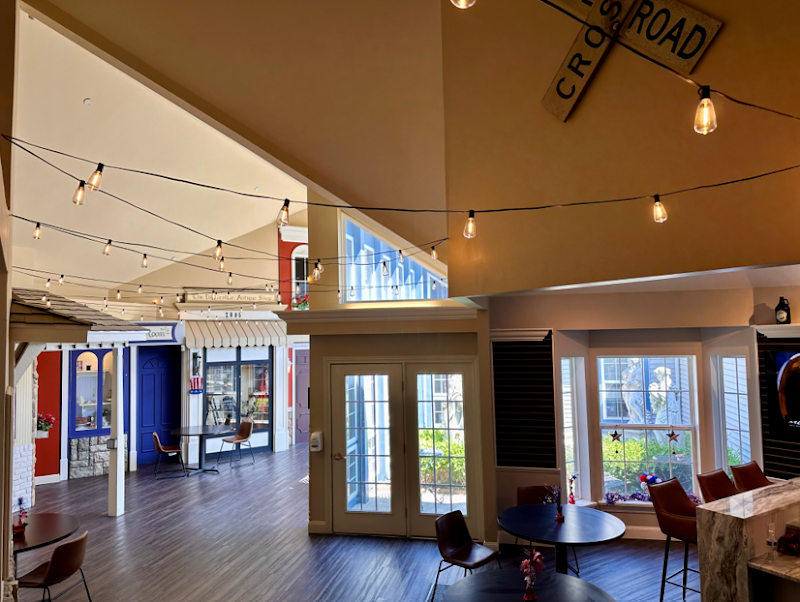
How is Caretel Inns Of Tri-Cities Staffed?

CMS rates Caretel Inns of Tri-Cities's staffing level at 3 out of 5 stars, which is average compared to other nursing homes. Staff turnover is 64%, which is 18 percentage points above the Michigan average of 46%. High turnover can affect care consistency as new staff learn residents' individual needs. RN turnover specifically is 71%, which is notably high. RNs provide skilled clinical oversight, so turnover in this role can affect medical care quality.

What Have Inspectors Found at Caretel Inns Of Tri-Cities?

State health inspectors documented 44 deficiencies at Caretel Inns of Tri-Cities during 2023 to 2025. These included: 1 Immediate Jeopardy (the most serious level, indicating potential for serious harm or death), 5 that caused actual resident harm, and 38 with potential for harm. Immediate Jeopardy findings are rare and represent the most serious regulatory concerns. They require immediate corrective action.
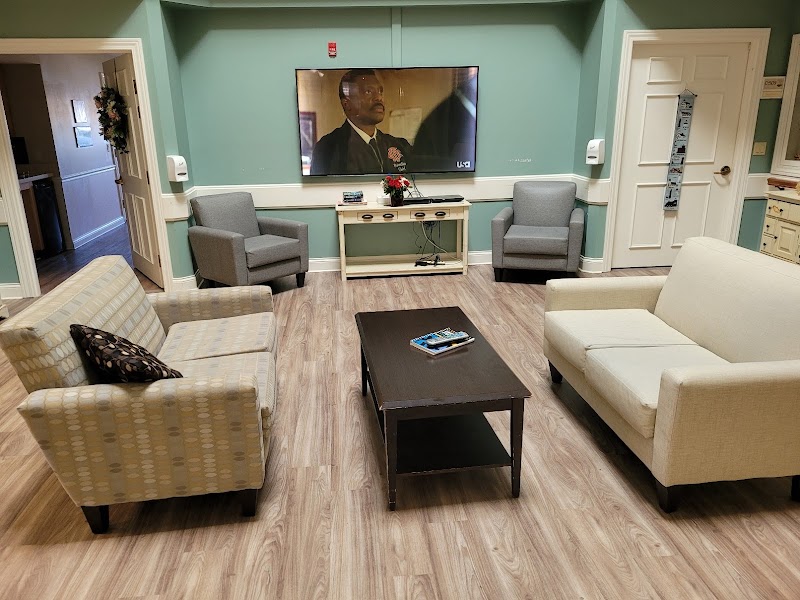
Who Owns and Operates Caretel Inns Of Tri-Cities?

Caretel Inns of Tri-Cities is owned by a for-profit company. For-profit facilities operate as businesses with obligations to shareholders or private owners. The facility is operated by SYMPHONY CARE NETWORK, a chain that manages multiple nursing homes. With 60 certified beds and approximately 50 residents (about 83% occupancy), it is a smaller facility located in Bay City, Michigan.

How Does Caretel Inns Of Tri-Cities Compare to Other Michigan Nursing Homes?

Compared to the 100 nursing homes in Michigan, Caretel Inns of Tri-Cities's overall rating (1 stars) is below the state average of 3.1, staff turnover (64%) is significantly higher than the state average of 46%, and health inspection rating (1 stars) is much below the national benchmark.

What Should Families Ask When Visiting Caretel Inns Of Tri-Cities?

Based on this facility's data, families visiting should ask: "What changes have been made since the serious inspection findings, and how are you preventing similar issues?" "How do you ensure continuity of care given staff turnover, and what is your staff retention strategy?" "Can I visit during a mealtime to observe dining assistance and food quality?" "How do you handle medical emergencies, and what is your hospital transfer rate?" These questions are particularly relevant given the facility's Immediate Jeopardy citations and the facility's high staff turnover rate.

Is Caretel Inns Of Tri-Cities Safe?

Based on CMS inspection data, Caretel Inns of Tri-Cities has documented safety concerns. Inspectors have issued 1 Immediate Jeopardy citation (the most serious violation level indicating risk of serious injury or death). The facility has a 1-star overall rating and ranks #100 of 100 nursing homes in Michigan. Families considering this facility should ask detailed questions about what corrective actions have been taken since these incidents.

Do Nurses at Caretel Inns Of Tri-Cities Stick Around?

Staff turnover at Caretel Inns of Tri-Cities is high. At 64%, the facility is 18 percentage points above the Michigan average of 46%. Registered Nurse turnover is particularly concerning at 71%. RNs handle complex medical decisions and coordinate care — frequent RN changes can directly impact care quality. High turnover means new staff may not know residents' individual needs, medications, or preferences. It can also be disorienting for residents, especially those with dementia who rely on familiar faces. Families should ask: What is causing the turnover? What retention programs are in place? How do you ensure care continuity during staff transitions?

Was Caretel Inns Of Tri-Cities Ever Fined?

Caretel Inns of Tri-Cities has been fined $192,641 across 4 penalty actions. This is 5.5x the Michigan average of $35,005. Fines at this level are uncommon and typically indicate a pattern of serious deficiencies, repeated violations, or failure to correct problems promptly. CMS reserves penalties of this magnitude for facilities that pose significant, documented risk to resident health or safety. Families should request specific documentation of what issues led to these fines and what systemic changes have been implemented.

Is Caretel Inns Of Tri-Cities on Any Federal Watch List?

Caretel Inns of Tri-Cities is not on any federal watch list. The most significant is the Special Focus Facility (SFF) program, which identifies the bottom 1% of nursing homes nationally based on persistent, serious quality problems. Not being on this list means the facility has avoided the pattern of deficiencies that triggers enhanced federal oversight. This is a positive indicator, though families should still review the facility's inspection history directly.