Hampton Nursing and Rehabilitation
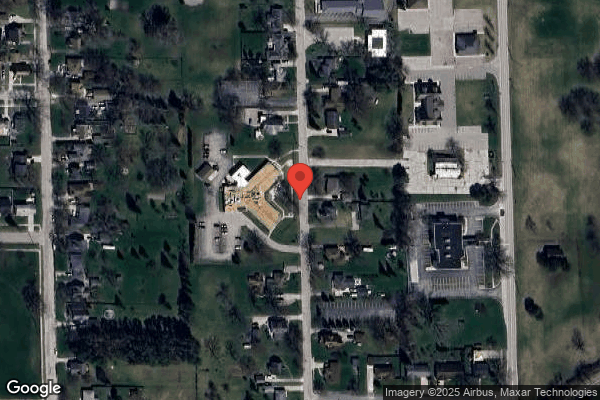
800 Mulholland Road, Bay City, MI 48708 (989) 895-8539
For profit - Corporation 51 Beds PREFERRED CARE Data: November 2025
Trust Grade
70/100
#124 of 422 in MI
Last Inspection: June 2025

Inspected within the last 6 months. Data reflects current conditions.

Overview

Hampton Nursing and Rehabilitation in Bay City, Michigan has a Trust Grade of B, indicating it is a good option for families looking for care. It ranks #124 out of 422 facilities in Michigan, placing it in the top half, and is the best option among six facilities in Bay County. However, the facility is experiencing a worsening trend, with issues increasing from 8 in 2024 to 9 in 2025. Staffing is average with a 3/5 rating and a turnover rate of 50%, which is typical for the state. Notably, there have been no fines reported, and the facility boasts good RN coverage that exceeds 96% of other Michigan facilities. On the downside, some specific concerns were noted during inspections. For instance, staff were not always available to meet residents' needs promptly, leading to frustration. Additionally, plumbing issues were found, such as leaking sinks, which could potentially contaminate water supplies. Lastly, residents reported that their call lights were often out of reach, resulting in feelings of anger and hopelessness due to unmet care needs. Families should weigh these strengths and weaknesses carefully when considering this facility.

Trust Score
B
70/100
In Michigan
#124/422
Top 29%
Safety Record
Low Risk
No red flags
Inspections
Getting Worse
8 → 9 violations
Staff Stability
⚠ Watch
50% turnover. Above average. Higher turnover means staff may not know residents' routines.
Penalties
✓ Good
No fines on record. Clean compliance history, better than most Michigan facilities.
Skilled Nurses
✓ Good
Each resident gets 63 minutes of Registered Nurse (RN) attention daily — more than 97% of Michigan nursing homes. RNs are the most trained staff who catch health problems before they become serious.
Violations
⚠ Watch
26 deficiencies on record. Higher than average. Multiple issues found across inspections.
★★★★☆
4.0
Overall Rating
★★★☆☆
3.0
Staff Levels
★★★★★
5.0
Care Quality
★★★☆☆
3.0
Inspection Score
Stable
2024: 8 issues
2025: 9 issues

The Good

  • 5-Star Quality Measures · Strong clinical quality outcomes
  • Full Sprinkler Coverage · Fire safety systems throughout facility
  • No fines on record

Facility shows strength in quality measures, fire safety.

The Bad

Staff Turnover: 50%

Near Michigan avg (46%)

Higher turnover may affect care consistency

Chain: PREFERRED CARE

Part of a multi-facility chain

Ask about local staffing decisions and management

The Ugly 26 deficiencies on record

Jun 2025 9 deficiencies
CONCERN (D)

Potential for Harm - no one hurt, but risky conditions existed

Resident Rights (Tag F0550)

Could have caused harm · This affected 1 resident

Based on observation, interview and record review, the facility failed to ensure that residents were treated with dignity and had their needs met timely for a private group of residents and Resident #...

Read full inspector narrative →
Based on observation, interview and record review, the facility failed to ensure that residents were treated with dignity and had their needs met timely for a private group of residents and Resident #10, Resident #39 and Resident #41, resulting in complaints of being talked down to, feelings of sadness , diminished self-worth and not having their needs met as they wished. Findings include: Resident #39: On 6/24/25, at 11:12 AM, Resident #39 was resting in their bed. They complained their needs were met half of the time. Resident #39 used a writing board for communication. Resident #39 wrote on their communication board when Aide H answers my light she says do it on your own. On 6/25/25, at 10:15 AM, During Resident council task, the Residents were asked if they get care when they need it and unanimously all residents stated, No. The following complaints were voiced regarding getting their needs met: They don't have enough people If they're busy with someone that really needs their help, you have to wait longer There is usually not enough aides We're lucky if we get 2 aides Most of the time, it's just one CNA Any weekend usually only 1 CNA You get a couple that are supposed to be working. They don't want to do anything they don't have to do They'll not change you and push it on to someone else Aides will come in and say I have to wait for so and so to help They will answer the light and say your aide's on break you'll have to wait and then it's an hour and a half later when they come back in I waited from 6:45 PM to 8:30 PM to get changed finally Sometimes there's only 1 aide to 2 halls They don't pass waters like they should, last night we didn't get water I always miss Tuesday shower day because they are shorthanded You only get one shower a week, if you're lucky and it depends on who's working (private resident) was left on the toilet for over an hour and a half They set your tray down and run out and don't help set up They don't help me set up my tray It depends on who is working. Some CNA's work all day and then there are some that don't work at all Some CNA's sit at the nursing desk and look at the call light going off and the don't get up to answer it If a call light goes off and it's a hard room, they don't go answer it There were specific complaints regarding Aide H: She snaps at you She will say pull your pants down when I need the bathroom She will say put your bed flat She is a 3 out of 10 for rudeness; she can't even get a 5 because she is so rude If you say thank you, you get a uhuh She will say I have more people to do, and you have to wait She always seems rushed On 6/25/25, at 4:03 PM, the Administrator was alerted of resident council complaints regarding Aide H. Residents # 10 and #41: On 6/26/25, at 8:43 AM, an interview with Resident #10 and #41 in their shared room along with the administrator was conducted. Both residents complained of Aide H seemed rushed and felt it was a customer service issue. Resident #10 complained their call light was on for 45 minutes as they needed the bed pan and due to the wait, they urinated a small amount and when Aide H finally entered the room they asked what do you want and Resident #10 offered I need the bed pan to pee and Aide H said to Resident #10 well it looks like you already did. Resident #10 complained it made them feel awful. Resident #41 complained they have to wait more often than not to get incontinent care.
CONCERN (D)

Potential for Harm - no one hurt, but risky conditions existed

Safe Environment (Tag F0584)

Could have caused harm · This affected 1 resident

Based on observation, interview and record review, the facility failed to provide a homelike shower room for the 100-Hall and failed to ensure a clean functioning shower room for the 200-Hall shower r...

Read full inspector narrative →
Based on observation, interview and record review, the facility failed to provide a homelike shower room for the 100-Hall and failed to ensure a clean functioning shower room for the 200-Hall shower room for all residents who use the shower rooms for hygiene, resulting in black residue on shower tiles, chipped off sharp tile edges and a non-functioning shower on the 200-Hall. Findings include: On 6/24/25, at 12:07 PM, an observation of the only working shower room in the building was conducted with Aide H. The wall tiles in the shower area had a black residue. The caulking in the corners had a black residue. The outside shower corner behind the curtain had an area approximately 10 inches high of chipped off tiles. The drywall underneath was also chipped away. There was a black residue on the exposed areas. The tile edges appeared sharp. On 6/24/25, at 12:13 PM, An interview with the Administrator was conducted regarding the shower room. The Administrator offered they had a quote to repair both shower rooms as the shower room on the 200 hall was not in use since they had the tub removed. On 6/24/25, at 12:20 PM, an observation of the shower room on the 100 hall was conducted with the Administrator. The black residue on the caulking and tile grout appeared to be under the caulking and grout. The Administrator was asked to provide the quote for the repairs needed. On 6/264/25, at 10:30 AM, record review of the facility provided shower repair quote for the 100-hall shower room revealed 5/26 Quote . TOTAL 350.00 . Bathroom shower moldy grout Remove old grout Replace w/moisture resistant grout Replace corner Tiles and Grout . A review of the non-working shower quote on the 200-hall revealed Construct shower and waterproof Rework drain & plumbing Supply tile and install Supply plumbing fixtures and install Relocate thermostat Labor & Materials $10,000 Demo existing shower Waterproof Supply & install tile Labor & Materials $8,000.00 On 6/26/25, at 11:12 AM, an interview with Maintenance staff C was conducted. Maintenance C offered they called the contractor the day prior, and the repairs should be completed within the next 30 days for the 100-hall shower room. Maintenance Staff C was asked if the quote for the 200-hall shower was from March/2025 why hasn't it been completed and Maintenance Staff C offered, the plan was to get the 100-hall shower done first
CONCERN (D)

Potential for Harm - no one hurt, but risky conditions existed

Comprehensive Care Plan (Tag F0656)

Could have caused harm · This affected 1 resident

Based on observation, interview and record review, the facility failed to 1) Follow care plans for Activities of Daily living (ADL) care for two residents (#5, #96) and 2.) follow care plan for daily ...

Read full inspector narrative →
Based on observation, interview and record review, the facility failed to 1) Follow care plans for Activities of Daily living (ADL) care for two residents (#5, #96) and 2.) follow care plan for daily dressing change for Resident #18, resulting in Resident #18 and Resident #96 to appear to be in need of showers and hair care, and Resident #18 to have a post-surgical incision dressing change timely. Findings include: Record review of the facility 'Care Planning- Interdisciplinary team' policy dated 3/2025, revealed the interdisciplinary team is responsible for the development of resident care plans. The IDT includes but is not limited to: the resident ' s attending physician; a registered nurse with responsibility for the resident; a nursing assistant with responsibility for the resident; a member of the food and nutrition services staff; to the extent practicable, the resident and/or the resident ' s representative; and other staff as appropriate or necessary to meet the needs of the resident, or as requested by the resident. Activities of Daily Living Resident #5: Observation on 06/24/25 at 08:36 AM of Resident #5 was lying in bed with appearance to have greasy hair and teeth are fuzzy in appearance. Record review of Resident #5's care task Showers/bed baths Tuesday and Friday evenings. 30 days look back of bath/shower task form noted: 'No bath/shower given . on dates of; 5/27/25, 5/30/25, 6/3/25, 6/6/25, 6/10/25, 6/13/25 and 6/17/25, 6/24/25. Resident #5 only received one shower on 6/15/25. There were no bed baths given. One shower in 30 days was documented by facility staff. Record review of Resident #5's 'Care plans' for Activity of Daily Living self-care deficit related to cognition and impaired coordination diagnosis of Alzheimer's disease, anxiety and depression: Intervention of resident requires assist of one staff with bathing/showers dated 12/27/2023. There were no interventions for if resident refuses showers. Observation and interview on 06/25/25 at 09:04 AM with #5 stated, No, I didn't get a shower yesterday, they don't care about me. I just don't know why they treat me like that. Observed Resident #5 hair still greasy in appearance and lying in bed. Record review of Resident #5's progress notes dated 5/27/2025 through 6/24/2025 revealed progress notes of bath/shower refusals only for dates of 5/30/25, 6/6/25 and 6/17/25. Resident #96: Record review of the facility matrix/roster on 6/24/2025 revealed that Resident #96 was new admit on 6/11/2025. Admitting diagnosis was right dorsum second digit (toe) amputation and lack of self-care. Observation and interview on 06/24/25 at 07:30 AM with Resident #96 stated I don't get regular showers, I don't know why. Observed with facial hair on chin and upper lip of 1/4 inch estimated in length. Resident appeared messy, with greasy hair and odor noted from resident. Record review of Resident #96's care task Showers/bed baths Wednesday and Saturday second shift. 14 days look back of bath/shower task form noted: 'No bath/shower given . on dates of; 5/27/25, 5/30/25, 6/3/25, 6/6/25, 6/10/25, 6/13/25 and 6/17/25, 6/24/25. Resident #5 only received one shower on 6/15/25. There were no bed baths given. One shower in 14 days was documented by facility staff. Record review of Resident #96's progress notes from 6/11/2025 through 6/24/2025 revealed there were no documented bed bath/shower refusals noted. Observation on 06/25/25 at 12:16 PM of Resident #96 was up in wheelchair in therapy gym working with therapy for leg strengthen. Resident #96 noted to Still have chin hairs and hair is greasy in appearance. Resident #18: Observation and interview on 06/24/25 at 09:18 AM with Resident #18 revealed that the resident had a second back surgery and had a dressing /sore on his back. the state surveyor observed mid-line lower back dressing dated 6/22/2025 at 10 AM, initials staff AK. Resident was asked about the dressing changes, and he stated They are supposed to change the dressing every day. the previous day He left around 11:00 AM for a physical therapy home evaluation yesterday. Resident #18 did not leave the facility until 11:00 AM as a planned leave of absences. In an interview on 06/24/25 at 09:25 AM with Registered Nurse (RN) A stated that Resident #18 was gone before she could get to doing her treatments and that she did work yesterday at 6:00 AM to 6:00 PM. RN A stated that she gets new admissions frequently and discharges. Record review of Resident #18's 'Care plan' alter impairment to skin integrity related to surgical wound to spine. Intervention of: Wound care pre orders dated 6/2/2025. Record review of Resident #18's June 2025 Treatment Administration Record (TAR) revealed that on 6/23/2025 the night shift nurse documented that the mid-line dressing change was performed by signing the nurse's initials on the record. In an interview and record review on 06/26/25 at 11:52 AM with the Director of nursing (DON) was asked about performing dressing changes for surgical incisions. The DON stated Dressing change it needs to be completed as ordered, if the day shift nurse did not change the dressing, then the night nurse should have done it. The dressing should be changed by the next shift. Record review of Resident #18's treatment record revealed that the night nurse initials had signed out that the dressing was changed, although the observation was dated 6/22/25 with initials AK at 10:00 AM.
CONCERN (D)

Potential for Harm - no one hurt, but risky conditions existed

ADL Care (Tag F0677)

Could have caused harm · This affected 1 resident

**NOTE- TERMS IN BRACKETS HAVE BEEN EDITED TO PROTECT CONFIDENTIALITY** Based on observation, interview and records review, the facility failed to ensure that Activities of Daily Living (ADL) care was...

Read full inspector narrative →
**NOTE- TERMS IN BRACKETS HAVE BEEN EDITED TO PROTECT CONFIDENTIALITY** Based on observation, interview and records review, the facility failed to ensure that Activities of Daily Living (ADL) care was provided for 5 Residents (#5, #10, #38, #41 and #96) of 5 residents reviewed for personal hygiene/showers, resulting in poor hygiene and the potential for skin irritation, body odor and feelings of embarrassment, diminished self-worth, complaints of unkempt personal hygiene, feelings of sadness, overall feeling bad and a lack of dignity. Findings include: Observation and interview on 06/24/25 at 1:10 PM Observation with maintenance supervisor F of the 200 hallway shower room revealed there to be no tub or shower in the room. A toilet was noted for use. Storage items noted in the room consisted of three plastic commode chairs, a mechanical lift, a reclining shower chair and dirty linen bins. The maintenance supervisor F stated the tub was removed in March 2025 and they are waiting on quotes for a shower to be built. So only one shower is in use for all 48 residents. (If each resident (48) is to get showers 2 times a week that would be 96 showers put through one shower room per week). Activities of Daily Living: Resident #5: Observation on 06/24/25 at 08:36 AM of Resident #5 was lying in bed with appearance to have greasy hair and teeth are fuzzy in appearance. Record review of Resident #5's care task Showers/bed baths Tuesday and Friday evenings. 30 days look back of bath/shower task form noted: 'No bath/shower given . on dates of; 5/27/25, 5/30/25, 6/3/25, 6/6/25, 6/10/25, 6/13/25 and 6/17/25, 6/24/25. Resident #5 only received one shower on 6/15/25. There were no bed baths given. One shower in 30 days was documented by facility staff. Record review of Resident #5's 'Care plans' for Activity of Daily Living self-care deficit related to cognition and impaired coordination diagnosis of Alzheimer's disease, anxiety and depression: Intervention of resident requires assist of one staff with bathing/showers dated 12/27/2023. There were no interventions for if resident refuses showers. Observation and interview on 06/25/25 at 09:04 AM with #5 stated, No, I didn't get a shower yesterday, they don't care about me. I just don't know why they treat me like that. Observed Resident #5 hair still greasy in appearance and lying in bed. Record review of Resident #5's progress notes dated 5/27/2025 through 6/24/2025 revealed progress notes of bath/shower refusals only for dates of 5/30/25, 6/6/25 and 6/17/25. Resident #96: Record review of the facility matrix/roster on 6/24/2025 revealed that Resident #96 was new admit on 6/11/2025. Admitting diagnosis was right dorsum second digit (toe) amputation and lack of self-care. Observation and interview on 06/24/25 at 07:30 AM with Resident #96 stated I don't get regular showers, I don't know why. Observed with facial hair on chin and upper lip of 1/4 inch estimated in length. Resident appeared messy, with greasy hair and odor noted from resident. Record review of Resident #96's care task Showers/bed baths Wednesday and Saturday second shift. 14 days look back of bath/shower task form noted: 'No bath/shower given . on dates of; 5/27/25, 5/30/25, 6/3/25, 6/6/25, 6/10/25, 6/13/25 and 6/17/25, 6/24/25. Resident #5 only received one shower on 6/15/25. There were no bed baths given. One shower in 14 days was documented by facility staff. Record review of Resident #96's progress notes from 6/11/2025 through 6/24/2025 revealed there were no documented bed bath/shower refusals noted. Observation on 06/25/25 at 12:16 PM of Resident #96 was up in wheelchair in therapy gym working with therapy for leg strengthen. Resident #96 noted to Still have chin hairs and hair is greasy in appearance. Resident #10 On 6/25/25, at 10:35 AM, Resident #10 complained they don't always get their scheduled shower when they want it and that it made them feel sad, mad and bad as it was a personal hygiene problem. On 6/26/25, at 10:00 AM, a record review of Resident #10's electronic medical record revealed an admission on [DATE] with diagnoses that included Absence of left leg below knee, Diabetic Retinopathy and impaired vision. Resident #10 had intact cognition. A review of the care plan I have an ADL self-care performance deficit . Interventions . PERSONAL HYGIENE/ORAL CARE: I require assistance by (1) staff with personal hygiene and oral care. Date Initiated: 05/30/2025 . BATHING/SHOWERING: I require assistance by (1) staff with bathing/showering. Date Initiated: 05/30/2025. There was no care plan relating to the resident refusing showers or any cares. Resident #38 On 6/24/25, at 12:32 PM, Resident #38 was in their room. Resident #38 complained they don't always get a shower. Resident #38 was unshaven. On 6/25/25, at 3:55 PM, a record review of Resident #38's electronic medical record revealed an admission on [DATE] with diagnoses that included stroke, muscle weakness and Parkinson's disease. Resident #38 had moderately impaired cognition. A review of the care plan I have an ADL self-care performance deficit . Interventions . PERSONAL HYGIENE/ORAL CARE: I require assistance by (1) staff with personal hygiene and oral care. Date Initiated: 07/17/2024 . BATHING/SHOWERING: I require setup and supervision with cueing for safety and sequencing during bathing/showering. Date Initiated: 07/17/2024 . There was no care plan relating to the resident refusing showers or any cares. There was no care plan intervention to ensure the resident was shaven. A review of the A review of the task: Shower/Bed Bath Wednesday/Saturday evenings for the previous 30 days revealed the following days the resident received a shower 6/4/2025 . 6/18/2025 For the column No bath given attempted x 2 revealed there were multiple days check marked. On 6/26/25, at 9:36 AM, an observation of Resident #38's skin along with Aide Courtney and Aide donna was conducted. Resident #38 had bilateral groin redness. There was a noticeable odor coming from the reddened areas. Resident #38 complained of it being bothersome; more of irritated pain than it hurting. The resident remained unshaven. Resident #41 On 6/25/25, at 10:30 AM, Resident #41 complained they don't get their showers as they like, need and prefer. Resident #41 offered that they do get bed baths but prefer a shower. On 6/25/25, at 2:30 PM, a record review of Resident #41's electronic medical record revealed an admission on [DATE] with diagnoses that included Depression, Need for assistance with personal care and Obesity. Resident #41 had intact cognition. A review of the care plan I have an ADL self-care performance deficit related to obesity, pain, bilateral heel wounds . Interventions . PERSONAL HYGIENE/ORAL CARE: I require assistance by (1) staff with personal hygiene and oral care. Date Initiated: 02/05/2025 . BATHING/SHOWERING: I require assistance by (2) staff with bathing/showering. Date Initiated: 02/05/2025 . There was no care plan relating to the resident refusing showers or any cares. A review of the task: Shower/Bed Bath Wednesday and Saturday days task list for the previous 30 days revealed the following days the resident received a shower 5/31/2025 . 6/11/2025 . 6/18/2025 .6/25/2025
CONCERN (D)

Potential for Harm - no one hurt, but risky conditions existed

Quality of Care (Tag F0684)

Could have caused harm · This affected 1 resident

Based on observation, interview and record review, the facility failed to ensure that a dressing change was completed as ordered for one resident (Resident #18) of 2 residents reviewed for skin, resul...

Read full inspector narrative →
Based on observation, interview and record review, the facility failed to ensure that a dressing change was completed as ordered for one resident (Resident #18) of 2 residents reviewed for skin, resulting in Resident #18 having a lower back post-surgical incision with dressing that was not changed daily as ordered with the likelihood for infection and prolonged illness. Findings include: Resident #18: Observation and interview on 06/24/25 at 09:18 AM with Resident #18 revealed that the resident had a second back surgery and had a dressing /sore on his back. the state surveyor observed mid-line lower back dressing dated 6/22/2025 at 10 AM, initials staff AK. Resident was asked about the dressing changes, and he stated They are supposed to change the dressing every day. the previous day He left around 11:00 AM for a physical therapy home evaluation yesterday. Resident #18 did not leave the facility until 11:00 AM as a planned leave of absences. In an interview on 06/24/25 at 09:25 AM with Registered Nurse (RN) A stated that Resident #18 was gone before she could get to doing her treatments and that she did work yesterday at 6:00 AM to 6:00 PM. RN A stated that she gets new admissions frequently and discharges. Record review of Resident #18's June 2025 Treatment Administration Record (TAR) revealed that on 6/23/2025 the night shift nurse documented that the mid-line dressing change was performed by signing the nurse's initials on the record. In an interview and record review on 06/26/25 at 11:52 AM with the Director of nursing (DON) was asked about performing dressing changes for surgical incisions. The DON stated Dressing change it needs to be completed as ordered, if the day shift nurse did not change the dressing, then the night nurse should have done it. The dressing should be changed by the next shift. Record review of Resident #18's treatment record revealed that the night nurse initials had signed out that the dressing was changed, although the observation was dated 6/22/25 with initials AK at 10:00 AM.
CONCERN (D)

Potential for Harm - no one hurt, but risky conditions existed

Pressure Ulcer Prevention (Tag F0686)

Could have caused harm · This affected 1 resident

**NOTE- TERMS IN BRACKETS HAVE BEEN EDITED TO PROTECT CONFIDENTIALITY** Based on observation, interview and record review, the facility failed to follow care-planned interventions and prevent skin bre...

Read full inspector narrative →
**NOTE- TERMS IN BRACKETS HAVE BEEN EDITED TO PROTECT CONFIDENTIALITY** Based on observation, interview and record review, the facility failed to follow care-planned interventions and prevent skin breakdown for one resident (Resident #6) out of three residents reviewed for skin problems, resulting in new skin breakdown with the likelihood of further skin breakdown and pain. Findings include: Resident #6: On 6/24/25, at 8:25 AM, Resident #6 was resting in bed on their back without positioning devices. There was a slight odor to the room. On 06/25/25, at 3:00 PM, an observation of Resident #6's abdomen wound was conducted with the Director of Nursing (DON). When the DON pulled back Resident #6's covers there was a strong odor. The DON mentioned that the wound was healing well. There were no positioning devices under Resident #6's left arm. On 6/25/25, at 3:15 PM, a record review of Resident #6's electronic medical record revealed an admission on [DATE] with diagnoses that included Stroke, Aphasia and Hemiplegia following Stroke. Resident #6 was totally dependent on Staff for all Activities of Daily Living (ADL) and had severely impaired cognition. A review of the BRADEN SCALE FOR PREDICTING PRESSURE SORE RISK . Score: 8.0 . VERY HIGH RISK 9 or below revealed Resident #6 was at very high risk for developing pressure related skin injuries. A review of the care plan I am at increased risk for alteration in skin integrity as evidenced by Braden Scale . Goal My interventions will decrease/minimize skin breakdown risks through next review . Interventions .Encourage to reposition as needed; use assistive devices as needed, as I allow Date Initiated: 10/13/2021 Observe skin condition with ADL care daily; report abnormalities . A review of the Skin & Wound Evaluation . Date 6/25/2025 revealed no mention of the new skin breakdown to under the left breast. On 6/26/25, at 9:15 AM, an observation of Resident #6's skin along with Aide J and Aide K was conducted. Aide K assisted with observation of under Resident #6's left breast. As Aide K lifted up the breast, there was a strong odor noted. There were four open areas approximately 1 centimeter long each. The areas had a slight depth and approximately two to three millimeters width. There was intact skin tissue separating the four open areas. The entire area was linear and approximately two inches long. Aide J was asked if Resident #6's left armpit was visible and Aide J attempted to lift the arm for view. Resident #6's left arm was nearly closed over top of their left breast with no positioning device to aide with pressure reduction. Aide J offered, the resident sweats a lot. On 6/26/25, at 11:30 AM, Resident #6 was resting in their bed. The Director of Nursing was at their bedside. The Resident's left breast was assessed and The DON offered they would call the Nurse Practitioner for orders. On 6/26/25, at 12:45 PM, a further record review of Resident #6's electronic medical record revealed new orders: Wound care #6 MASD (Moisture-associated skin damage), cleanse under left breast with wound cleanser, pat area dry apply thin layer of Triad, insert interdry sheet under breast daily and PRN two times a day . Start Date 6/26/25 12:00 . A review of the WOUND EVALUATION . #6 - MASD -Other Moisture Associated Damage Body Location: Left Breast New . Acquired: In-House Acquired Dimensions . Length 4.23 cm (centimeter) Width 0.48 cm . The picture of the wound revealed an open linear wound under their left breast. A review of SKIN MANAGEMENT GUIDELINES PREVENTION OF PRESSURE ULCER/INJURIES Policy Review Dates . 11.2024 revealed The purpose of this procedure is 1) to identify residents at risk for developing alterations in skin including pressure ulcer/injury risk factors, and 2) to identify specific interventions to assist with prevention and management of skin alterations . Moisture associated skin damage (excoriation, maceration) . Risk factors . Incontinence Excessive perspiration Wound drainage .
CONCERN (D)

Potential for Harm - no one hurt, but risky conditions existed

Deficiency F0761 (Tag F0761)

Could have caused harm · This affected 1 resident

**NOTE- TERMS IN BRACKETS HAVE BEEN EDITED TO PROTECT CONFIDENTIALITY** Based on observation, interview and record review, the facility failed to ensure safe medication storage for the 200 Hall medica...

Read full inspector narrative →
**NOTE- TERMS IN BRACKETS HAVE BEEN EDITED TO PROTECT CONFIDENTIALITY** Based on observation, interview and record review, the facility failed to ensure safe medication storage for the 200 Hall medication cart of 2 carts reviewed, resulting in the 200 Hall medication cart to be found parked in the middle of the 200 hallway left unlocked and accessible for residents, visitors and state surveyor to access the medications. Findings include: Observation and interview on 06/24/25 at 12:13 PM of the 200 hallway medication cart left in hallway unlocked. The state surveyor was able to open drawers on the med cart. Registered Nurse (RN) A was noted in room [ROOM NUMBER] checking resident blood sugar and chatting with resident. RN A came out of the room and the surveyor was standing at the medication cart with the second drawer open. The state surveyor had to ask the nurse what's going on with the cart being left unlocked in the hallway with visitors, therapy and staff passing by. RN A stated that she didn't mean to leave the cart unlocked. Record review of Registered Nurse (RN) As employee record with human resource during the staffing task portion of the annual survey revealed that in March 2025, RN A received a one-on-one inservice for medication cart and treatment carts must be locked at all times when nurse is not at cart. In an interview on 06/26/25 at 11:55 AM with the Director of Nursing (DON) revealed that the floor nurse did come to her and state what happened with the unlocked medication cart. The DON stated that she does have a formal disciplining waiting for the nurse upon her return to work. The DON stated that the medication cart should be kept locked when the nurse is not present. Record review of the facility 'Storage of Medications' Policy Statement: The facility stores all drugs and biological's in a safe, secure, and orderly manner. (9.) Unlocked medication carts are not left unattended.
CONCERN (D)

Potential for Harm - no one hurt, but risky conditions existed

Deficiency F0883 (Tag F0883)

Could have caused harm · This affected 1 resident

Based on interview and record review the facility failed to provide declination documentation and education of immunization refusal for one resident (Resident #28) of 5 residents reviewed for immuniza...

Read full inspector narrative →
Based on interview and record review the facility failed to provide declination documentation and education of immunization refusal for one resident (Resident #28) of 5 residents reviewed for immunizations, resulting in the lack of documentation of resident immunization education and declination of vaccines. Findings include: Influenza Vaccine Resident, dated 9/2024, All residents and employees who have no medical contraindications to the vaccine will be offered the influenza vaccine annually to encourage and promote the benefits associated with vaccinations against influenza. A resident's refusal of the vaccine shall be documented on the Informed Consent for Influenza Vaccine and placed in the resident's medical record. Pneumococcal Vaccine Policy Statement dated 11/2024, All residents are offered pneumococcal vaccines to aid in preventing pneumonia/pneumococcal infections. Residents/representatives have the right to refuse vaccination. If refused, appropriate information is documented in the resident's medical record indicating the date of the refusal of the pneumococcal vaccination. Coronavirus Disease (COVID-19) - Vaccination of Residents Policy Statement dated 4/2025, Each resident is offered the COVID-19 vaccine unless the immunization is medically contraindicated, or the resident is fully vaccinated. If the resident did not receive the COVID-19 vaccine due to medical contraindications, prior vaccination, or refusal, appropriate documentation is made in the resident's record. In an interview and record review on 06/26/25 at 09:00 AM with the Infection Control Preventionist (ICP) G during the infection control task five residents were reviewed for immunizations. Record review of Resident #28's immunization record revealed that the resident had refused the RSV in December 2024. There was no signed refusal form or progress note found in the medical record. ICP G reviewed the electronic medical record and found no notes regarding the refusal or education of the resident. ICP G found a 'Vaccine Consent- multiple Vaccine/Screening Form' dated 4/7/2025 was blank vaccine consent form with no refusals or signature. ICP G stated that the form is part of the electronic medical record and was completed by facility staff, only that the form was not filled out. Record review of Resident #28's progress notes from 11/25/2025 through 3/31/2025 revealed that there were no progress notes for the RSV vaccine on resident education or refusal of vaccine. On 3/31/2025 Resident #28 was sent out to the hospital for shortness of breath. Record review of Resident #28's progress notes on 4/9/2025 readmission from hospital with diagnosis of RSV. Record review of Resident #28's progress notes and immunization records from 4/7/2025 through 6/26/2025 revealed that there were no RSV vaccine education or documented immunization refusal of RSV vaccine for a resident readmitted post respiratory illness.
CONCERN (F)

Potential for Harm - no one hurt, but risky conditions existed

Deficiency F0725 (Tag F0725)

Could have caused harm · This affected most or all residents

**NOTE- TERMS IN BRACKETS HAVE BEEN EDITED TO PROTECT CONFIDENTIALITY** Based on interview and record review, the facility failed to ensure adequate nursing staff to ensure that the needs of the resid...

Read full inspector narrative →
**NOTE- TERMS IN BRACKETS HAVE BEEN EDITED TO PROTECT CONFIDENTIALITY** Based on interview and record review, the facility failed to ensure adequate nursing staff to ensure that the needs of the residents were met, resulting in insufficient and unmet resident care needs, and residents' feelings of frustration. Findings include: Record review of the facility submitted 'PBJ Staffing 2 Quarter 2025 ([DATE]-March 31) identified low weekend staffing for the first quarter 2025. Record review of the facility 'Staffing, Sufficient and Competent Nursing' Policy Statement revealed that the facility provides sufficient numbers of nursing staff with the appropriate skills and competency necessary to provide nursing and related care and services for all residents in accordance with resident care plans and the facility assessment. Record review of 'Staffing, Sufficient and Competent Nursing' Policy Statement revealed the facility provides sufficient numbers of nursing staff with the appropriate skills and competency necessary to provide nursing and related care and services for all residents in accordance with resident care plans and the facility assessment. Policy Interpretation and Implementation: Licensed nurses and certified nursing assistants are available 24 hours a day, seven (7) days a week to provide competent resident care services including: assuring resident safety; attaining or maintaining the highest practicable physical, mental, and psychosocial well-being of each resident; assessing, evaluating, planning, and implementing resident care plans; and responding to resident needs. In an interview on 06/24/25 at 07:28 AM, Resident #96 revealed she had at the facility 3 weeks or less and there was not enough staff to help us all. Resident #96 stated that she did wait too long and wet her pants waiting to get help. Resident #96 estimated that she did wait a while, at least 30-45 minutes to get help. Resident #96 revealed that she was not supposed to get out of bed alone and then they don't come when she would put the call light on. In an interview on 06/24/25 at 09:20 AM, Resident #18 revealed that there were not enough staff at times. in an interview on 06/24/25 at 07:41 AM, a resident, who did not want to be identified, revealed that there could be a few more staff on second shift. The weekends are short, but they try to make up for it, but still need more people. An interview on 06/24/25 at 07:20 AM with unsampled resident during the initial screening at the beginning of the survey on the 200-hallway revealed: No not enough staff, they are just not here. all shifts, we just wait and wait, too long. In an interview on 06/24/25 at 07:34 AM with unsampled resident during the initial screening at the beginning of the survey on the 200-hallway revealed: There isn't enough staff, it's hard to get people to work these days. They just can't get the staff in here. It's all about that money. An interview on 06/24/25 at 07:50 AM with unsampled resident during the initial screening at the beginning of the survey on the 200-hallway revealed: the staffing is OK, except on the weekends there is nobody here to get the work done. I don't know why. In an interview on 06/25/25 at 04:03 PM, the Nursing Home Administrator (NHA) was asked why the facility triggering PBJ low weekend staffing? The NHA stated that probably because of call offs, staff call ins. With the call-ins the facility tries to get replacement staff, and we make calls and have incentives, or switch days off with other days. Weekends are hard to staff. I have a couple of openings in the schedule. I have 2 people that we are getting ready to take positions. We do have some PRN's that pick up. PBJ is submitted by the New Jersey corporate office. The state surveyor asked about showers are not being given because the surveyor received verbal complaints of no showers. In an interview and records review on 06/25/25 at 10:56 AM, Certified Nursing Assistant C Transporter/scheduler/medical record/Central supply stated- We staff by resident census, CNA's work 8-hour shifts and nurses work 12-hour shifts. Certified Nurse Assistant shift levels were discussed: Day shift required 4 CNA's, and 2 nurses. Afternoons shift required 4 CNA's, and 2 nurses Night shift required 1 CNA, and 2 nurses. if resident census is over 45 then there are 2 CNA's on nights. Record review of schedules revealed call-ins, when a staff member calls in, I will ask all current staff in building to stay over, give them a bonus, 5 dollars more an hour. If no one stays, then I will help stay over. If I cannot, we will put out calls to staff, with a bigger bonus of 50 to 75 dollar. Usually, the staff work well. Residents do complain about not having enough aides, but then we could be fully staffed and there would still not be enough. they just say there's not enough staff. Interview and record review on 06/25/25 at 1:00 PM with Human Resource staff B revealed that the facility did not use agency staffing. Review of the number of facilities staffing levels revealed: floor RN's: 6 +3 PRN's floor LPN's: 3 + 2 PRN's CNA's: 12 +8 PRN's Call ins happen, we do not mandate staff, we have bonuses to offer to get staff to work extra. Human Resource staff B revealed that she sends in payroll every 2 weeks, I do move job descriptions depending on what staff are doing. If the Director of Nursing or Registered Nurse E Who are Management) if they work the floor as a nurse I change their job code to floor nurse for the hours worked. I don't do anything with PBJ reports. I just send in the payroll. The corporate office in New Jersey handles the PBJ reports. Human Resource staff B was asked about Low weekend staffing: I don't see who is here on the weekends. if someone misses and punch in, I have gone find that person and they fill out a form and I correct the punch. We don't have a lot of open positions, when we hire, we get them here for orientation and then they don't want to work. they will come one day and not come back. It happens so often that the new hires just don't come in. It cost money to get them hired.
Jul 2024 8 deficiencies
CONCERN (D) 📢 Someone Reported This

A family member, employee, or ombudsman was alarmed enough to file a formal complaint

Potential for Harm - no one hurt, but risky conditions existed

ADL Care (Tag F0677)

Could have caused harm · This affected 1 resident

**NOTE- TERMS IN BRACKETS HAVE BEEN EDITED TO PROTECT CONFIDENTIALITY** Based on observation, interview and record review, the facility failed to provide Activities of Daily Living (ADL) care for four...

Read full inspector narrative →
**NOTE- TERMS IN BRACKETS HAVE BEEN EDITED TO PROTECT CONFIDENTIALITY** Based on observation, interview and record review, the facility failed to provide Activities of Daily Living (ADL) care for four residents (Resident #5, Resident #21, Resident #33 and Resident #36) out of nineteen residents reviewed for ADL care, resulting in long jagged fingernails, missed showers and unkept appearance. Findings include: Resident #5: On 7/16/24, at 10:00 AM, a record review of Resident #5's electronic medical record revealed an admission on [DATE] with diagnoses that included stroke, heart failure and dysphagia. A review of the I have an ADL self-care performance deficit care plan revealed . PERSONAL HYGIENE/ORAL CARE: I am totally dependent of (2) staff for personal hygiene and oral care. Date Initiated: 09/25/2023 . A review of the Task: Shower/Bed Bath - Tuesday and Friday morning and PRN (as needed) Look Back: 30 (days) . revealed the following documented showers 6/18/2024 6/21/2024 6/28/2024 7/2/2024 7/9/2024 7/12/2024 There were 2 showers missed 6/25 and 7/4. Resident #21: On 7/15/24, at 8:49 AM, Resident #21 was lying in their bed. Their right hand was closed. Their bilateral hands had long jagged nails. On 7/16/24, at 7:54 AM, Resident #21 was lying in bed. Resident #21's nails remained long and there were no hand splints or palm protectors noted. On 7/16/24, at 1:53 PM, Resident #21 was resting in bed. Their nails remained long. On 7/16/24, at 3:00 PM, a record review of Resident #21's electronic medical record revealed an admission on [DATE] with diagnoses that included Hypertension, Chronic Obstructive Pulmonary disease and seizures. A review of the (the resident) has ADL Self care deficit r/t anoxic brain damage, physical limitations . I request assist of two with ADL's . A review of the Kardex revealed . SPECIAL NEEDS . Bilateral hand protectors to be worn during day. Applied after hand hygiene, and taken off before sleep hours with skin checks for redness. FMP-Palm Protector (rt) hand, donned during day after hand hygiene, removed at night FMP-Palm Protector right and left hand, donned during day after hand hygiene, removed at night . On 7/17/24, at 9:06 AM, an observation along with TD A of Resident #21 was conducted. TD A began range of motion for skin assessment which revealed long jagged nails on both hands. TD A I think they just cut his nails last week and Resident #21 quickly responded, they are not cut. Resident #21's pinky nail on their right hand was nearly a centimeter long. Their palm had dirty buildup. TD A gathered linen and cleaned Resident #21's hands and asked them if they clip their nails and Resident #21 stated, I want you to. TD A completed nail care. Resident #33: On 7/15/24, at 8:27 AM, Resident #33 complained they don't always get their showers as scheduled and are supposed to be on Wednesdays and Sundays. Resident #33 further complained that they did not get their scheduled shower the night before because the girls that normally do it weren't working. On 7/15/24, at 3:30 PM, a record review of Resident #33's electronic medical record revealed and admission on [DATE] with diagnoses that included heart attack, Myeloma and compression spinal fracture. A review of the I have an ADL self-care performance deficit care plan revealed . BATHING/SHOWERING: I require limited assistance by (1) staff with bathing/showering . A review of Resident #33's Task: Shower/Bed Bath Sunday/Wednesday PM Look Back: 30 (days) revealed the following showers were given 6/16/2024 6/23/2024 6/26/2024 6/30/2024 7/3/2024 7/7/2024 7/10/2024 There were two showers missed: 6/19 and 7/14. Resident #36: On 7/15/24, at 8:55 AM, Resident #36 was lying in bed in their gown. Their call light was out of reach sitting on chair to the left of their bed approximately 4 feet away. Resident #36 was asked if they could reach their call light and Resident #36 stated, No and I guess someone didn't want me to bother them. On 7/15/24, at 11:02 AM, Resident #36 was lying in bed in their nightgown. On 7/16/24, at 9:00 AM, a review of Resident #36's electronic medical record revealed and admission on [DATE] with diagnoses that included heart failure, Diabetes and Alzheimer's disease. A review of the I have an ADL self-care performance deficit care plan revealed . DRESSING: I require extensive assistance by (1) staff to dress. Date Initiated: 11/06/2023 . On 7/16/24, at 1:56 PM, Resident #36 was lying in their bed and remained in their nightgown. On 7/17/24, at 9:53 AM, Resident #36 was lying in bed in their nightgown. On 7/17/24, at 10:25 AM, the Director of Nursing (DON) was alerted that Resident #36 had not been dressed in clothing the last three days and the DON planned to follow up. On 7/17/24, at 10:35 AM, the DON offered that Resident #36 was dressed in their clothing. A review of the facility provided Activities of Daily Living (ADL's), Supporting Policy revealed Residents will be provided with care, treatment and services as appropriate to maintain or improve their ability to carry out activities of daily living (ADL's). Residents who are unable to carry out activities of daily living independently will receive the services necessary to maintain good nutrition, grooming and personal and oral hygiene .
CONCERN (D)

Potential for Harm - no one hurt, but risky conditions existed

Pressure Ulcer Prevention (Tag F0686)

Could have caused harm · This affected 1 resident

**NOTE- TERMS IN BRACKETS HAVE BEEN EDITED TO PROTECT CONFIDENTIALITY** Based on observation, interview and record review, the facility failed to prevent the development of a facility-acquired pressur...

Read full inspector narrative →
**NOTE- TERMS IN BRACKETS HAVE BEEN EDITED TO PROTECT CONFIDENTIALITY** Based on observation, interview and record review, the facility failed to prevent the development of a facility-acquired pressure injury and ensure that timely nutritional care plans are updated and implemented with the development of the pressure injury for one resident (Resident #39) of three residents reviewed for pressure ulcers resulting in deep tissue injury to R39's left heel and potential for lack of nutritional intervention to hasten the healing of pressure injury and potential for pain and discomfort. Findings include: Resident #39 (R39): A wound observation was conducted on 07/17/24 at 1:17 PM. R39's on 7/3/24 developed a Deep Tissue Pressure Injury (DTI) located at R39's left heel. The Wound Nurse O described that R39 have a blackened area on her Left Heel upon admission. Although R39 had a vascular ulcer on her right big toe before her admission at the facility, R39 developed the DTI acquired at the facility. Wound Nurse O revealed, R39 was admitted to the facility on [DATE], and developed DTI few weeks after on July 2nd when R39 complained of soreness to the left heel. The DTI on the left heel was a blackened area that measured: Length 2.55 centimeter (cm) by Width 2.57 cm. with a treatment order of skin prep every shift. It was observed to have felt tenderness and pain when surveyor observed R39 did a slight jerk movement and a grimace when treatment was applied on the left heel. R39 was observed to be alert and oriented regarding time, place, and person. According to the Electronic Medical Record EMR reviewed in 7/16/24 at 9:30 am, R39 was admitted to the facility on [DATE] with the diagnosis of Pulmonary Embolism with Acute Pulmonale, Type 2 Diabetes, in addition to other diagnoses. No wounds were indicated in her admission diagnosis. The doctor's orders reviewed included R39's Diet order dated 6/18/24, which were noted as CCD (Controlled Carbohydrate Diet), NAS (Cardiac or No Added Salt) diet with Regular Food consistency. A laboratory report dated 6/26/24 revealed that the blood glucose level was flagged at a high level at 439 mg/dL (normal range of 82 up to 115 mg/dL). A review of R39's Weight record on 07/16/24 at 10:10 AM revealed the following: On 06/17/2024, R39 weighed 109.5 pounds (lbs.) On 07/8/2024, R39 weighed 99.5 lbs., a confirmed weight loss of 10 lbs. a 9.13 percent (%) weight loss in approximately 21 days (3 weeks) since admission to the facility. A facility Wound List was reviewed on 7/16/24 at 4:30 PM. It revealed R39 developed wounds inhouse SDTI - Left Heel Acquired IH (In House) MASD- Sacrum Acquired OA Venous- Right Great Toe Acquired OA Cellulitis- Left Arm Acquired IH (In House) Care Plan was noted to have been revised on 7/15/24, on the day state survey started. The Wound Nurse O during the interview on 7/17/24 at 1:20 PM, revealed that R39 besides DTI have also developed an open area on her left forearm and later was diagnosed with vascular cellulitis of the left arm which had opened up. It was swollen, red and had an apparent wound drainage. According to Wound Nurse O, R39 was prescribed antibiotic for it with a stop date of 7/19/24. Although improving and the drainage are less, daily dressing changes continued and Wound Nurse O had indicated that she was responsible for monitoring and providing the wound care on all of R39's wound treatments. R39 in an interview on 7/17/24 at 1:20 PM, revealed that she does not consistently get the wound care when she's supposed to. R39 stated that for example today, they have not done any of her wound treatment this morning and she did not receive her protein shakes as ordered on a regular basis. An interview with R39's significant other L was conducted on 07/15/24 at 12:42 PM. He was observed bringing in fresh strawberries for R39. R39's significant other L stated they don't follow the doctor's orders especially the nutritional interventions to help with healing. He stated, The meals are not planned for people with diabetes or with wounds. She does not receive her protein drink and cottage cheese consistently as she's supposed to. I had to bring them get them from the store. An interview with the Dietary Manager (CDM N) was conducted on 7/17/24 at 1:30 PM. The CDM N indicated that she met with R39 during her care conference initial eval/assessment but not since. CDM N was unaware of the complaints and her preferences were not honored. CDM N described her responsibility of monitoring that food preferences are honored, she helps out in creating resident's meal trays and ensuring food preferences and dietary orders are followed, and to make sure trays are distributed in the units timely. CDM N admitted she was unaware that R39 had complaints with her tray received. DM N admitted that they did ran out of strawberries. Tuesday was the fruit deliveries, but CDM N was unable to follow-up up with the R39 if she got her strawberries. When DM N was queried about if they had ran out with cottage cheese, CDM N said they did not. But was unaware R39 have not been receiving the preferred nutritional needs as ordered and as specified preference. According to the Registered Dietician (RD M) on 7/17/24 at 1:40 PM. R39 was seen for the first time on 7/1/24, to address the wounds. Supplement (protein) started on 7/3/24. Ordered MedPass (sugarfree) to be given times a day and Proheal twice a day. A care plan was created specifically and was updated when the wounds developed. When RD M was queried how can they monitor if the preferences and protein supplements are given. RD M stated that they will follow-up thoroughly next time and pay more attention to the high in protein and protein supplements given to R39 and honor preferences. A review of R39's Care Plan for wound was reviewed and did not have additional nutritional interventions focusing on the prevention and promote wound healing other than supplements which were not available consistently during meals and during medication pass as observed during the survey. Wound Policy was reviewed on 7/17/24 at 2:30 PM. The purpose of this procedure is 1) to identify residents at risk for developing alterations in skin including pressure ulcer/injury risk factors, and 2) to identify specific interventions to assist with prevention and management of skin alterations.
CONCERN (D)

Potential for Harm - no one hurt, but risky conditions existed

Deficiency F0688 (Tag F0688)

Could have caused harm · This affected 1 resident

**NOTE- TERMS IN BRACKETS HAVE BEEN EDITED TO PROTECT CONFIDENTIALITY** Based on observation, interview and record review, the facility failed to apply bilateral palm protectors for one resident (Resi...

Read full inspector narrative →
**NOTE- TERMS IN BRACKETS HAVE BEEN EDITED TO PROTECT CONFIDENTIALITY** Based on observation, interview and record review, the facility failed to apply bilateral palm protectors for one resident (Resident #21) of two residents reviewed for range of motion, resulting in the likelihood of decreased range of motion and discomfort. Findings include. Resident #21: On 7/15/24, at 8:49 AM, Resident #21 was lying in their bed. Their right hand was closed. They did not have any form of palm protectors on. On 7/15/24, at 11:01 AM, Resident #21 was lying in bed in the same position. There bilateral hands appeared contracted, and they were not wearing any palm protectors. On 7/16/24, at 7:54 AM, Resident #21 was lying in bed They did not have any palm protectors on. On 7/16/24, at 1:53 PM, Resident #21 was resting in bed. They did not have any palm protectors on. On 7/16/24, at 3:00 PM, a record review of Resident #21's electronic medical record revealed an admission on [DATE]. A review of the Kardex revealed . SPECIAL NEEDS . Bilateral hand protectors to be worn during day. Applied after hand hygiene, and taken off before sleep hours with skin checks for redness. FMP-Palm Protector (rt) hand, donned during day after hand hygiene, removed at night FMP-Palm Protector right and left hand, donned during day after hand hygiene, removed at night . On 7/17/24, at 9:02 AM, Therapy Director (TD) A was interviewed regarding Resident #21 and their range of motion needs. TD A offered that they recently had Resident #21 on therapy with a discharge recommendation for palm protectors to be warn during the day and off at night. On 7/17/24, at 9:06 AM, an observation along with TD A of Resident #21 was conducted. Resident #21 was lying in bed without their palm protectors. TD A found the palm protectors in the top drawer of the nightstand. TD A asked Resident #21 if they could clean their hands and place the palm protectors on. Resident #21 stated, I don't really care. TD A gathered linen and cleaned Resident #21's hands and asked them if they clip their nails and Resident #21 stated, I want you to. TD A completed nail care and placed the palm protectors on Resident #21. A record review along with TD A of the instruction photo that was placed inside Resident #21's closet door which revealed pictures of the placed palm protectors on their bilateral hands. TD A offered that they educated the staff on how to place the palm protectors as well.
CONCERN (D)

Potential for Harm - no one hurt, but risky conditions existed

Deficiency F0761 (Tag F0761)

Could have caused harm · This affected 1 resident

Based on observation, interview and record review, the facility failed to store narcotics properly for one resident (Resident #1) during the medication administration task, resulting in narcotics not ...

Read full inspector narrative →
Based on observation, interview and record review, the facility failed to store narcotics properly for one resident (Resident #1) during the medication administration task, resulting in narcotics not being double locked and stored in a medication cup. Findings include: Resident #1: On 7/16/24, at 9:05 AM, During medication administration task, Nurse B prepared morning medications for Resident #1 to include 1 Norco 5/325 tablet and 1 Pregamblin 150 milligram tablet and placed them in a clear medication cup. Nurse B walked to Resident #1's room and offered the medications although Resident #1 was eating breakfast and asked to take them later. Nurse B was asked what they planned to do the medications as Nurse B walked back to the medication cart. Nurse B stated, I capped it and I'm writing her name on it. Nurse B took a black marker and wrote the room number on the medication cup. Nurse B then placed the medication cup inside the top drawer of the medication cart and prepared medications for the next resident. On 7/16/24, at 9:25 AM, during medication administration task, Nurse B opened up the top drawer and removed the clear medication cup for Resident #1 that they had prepared earlier. Nurse B counted the medications and administered them to Resident #1. Nurse B was asked why they counted the medications in the medication cup and Nurse B stated, because I put them in the drawer. On 7/16/24, at 1:30 PM, the Director of Nursing (DON) was alerted of Nurse B who placed the narcotics in the top drawer of the medication cart and the DON offered that they shouldn't have done that. A record review of the facility provided Controlled Substances Policy Statement revealed . Unless otherwise instructed by the Director of Nursing Services, when a resident refused a non-unit dose medication (or it is not given), or a resident receives partial tables or single dose ampoules (or it is not given), the medication shall be destroyed and may not be returned to the container.
CONCERN (D)

Potential for Harm - no one hurt, but risky conditions existed

Deficiency F0804 (Tag F0804)

Could have caused harm · This affected 1 resident

**NOTE- TERMS IN BRACKETS HAVE BEEN EDITED TO PROTECT CONFIDENTIALITY** Based on observation, interview, and record review, the facility failed to ensure that the resident's food preferences were hono...

Read full inspector narrative →
**NOTE- TERMS IN BRACKETS HAVE BEEN EDITED TO PROTECT CONFIDENTIALITY** Based on observation, interview, and record review, the facility failed to ensure that the resident's food preferences were honored, food was palatable, and an adequate amount of food and choices were offered according to the care plan to one resident (Resident #39), resulting in weight loss and potential for anger and frustration, malnutrition and poor wound healing. Findings include: Resident #39 (R39): R39 was observed talking to her significant other in her room, waiting for her lunch on 7/15/24 at 1:15 PM. She was alert and oriented regarding time, place, and person. R39 was admitted to the facility on [DATE] with the following diagnosis: Pulmonary Embolism with Acute Pulmonale, Type 2 Diabetes, in addition to other diagnoses. The doctor's orders reviewed included R39's Diet orders, which were noted as CCD (Controlled Carbohydrate Diet), NAS (Cardiac or No Added Salt) diet with Regular Food consistency. A laboratory report dated 6/26/24 revealed that the blood glucose level was flagged at a high level at 439 mg/dL (normal range of 82 up to 115 mg/dL). During the interview on 7/15/24 at 11:17 AM, R39 complained about food palatability, and food served to her is rich in carbs, serving large quantities of cookies and cakes rich in sugar content when she has a diagnosis and being monitored and receiving diabetes treatment. She indicated she hardly eats what is on her tray for every meal. R39 also complained about protein shakes not being consistently provided and food/ meal preferences not being honored. R39 further stated, The food is awful. My food preferences are not honored. My tray has rice, potatoes, and pasta. I don't eat sweets, cookies, or cakes, rich in sugar content. I have to bring fresh fruits from home because they don't serve them here. An interview with R39's significant other L was conducted on 07/15/24 at 12:42 PM. He was observed bringing in fresh strawberries for R39. R39's significant other L said he received a call from R39 because the meal trays frequently do not have the food items she had explicitly indicated in the preferences, such as strawberries during lunch and cottage cheese. R39 stated, I am glad you (the surveyor) are here to see what I have on my tray. Indeed, there are no strawberries, and you served me the thickest slice of white bread, a lot of carbs, and sugar cookies. R39's significant other L stated, The meals are not planned for people with diabetes. She does not receive her protein drink consistently as she's supposed to. During meal observation on 7/15/24 at 11:17 am, R39's lunch tray came. It contained baked chicken, a thick slice of white bread (Texas Toast) that was not toasted, boiled green peas, and another side dish that looked like pasta or potatoes in white cream. R39 had a sugar cookie in her tray for dessert. After examining her lunch tray, R39 stated, Why would they bother to write down my preferences if they don't follow them? I have a thick white bread, sugar cooking, and a potato overloaded with white cream. I like chicken, but this one is hard and tough to bite. I would usually not eat and return the tray without eating the food served. R39 ate a portion of the baked chicken, ate a bite of peas, and covered her tray like she was done with it. A review of R39's meal ticket revealed CCD/NAS. CCD means Caloric Controlled Diet, and NAS means No Added Salt. R39 is in Fluid Restriction. >Baked Chicken >Fried Potatoes with Onion >Green Peas >Sugar cookie Bar >Margarine 2% Milk >Sugar substitute, pepper (1 each) R39's Preferences were written on the lunch meal ticket as specified dated July 15, 2024: DISLIKES: Scrambled eggs, egg salad sandwich, white bread, watermelon, cucumbers, lettuce Others: Lid for Hot liquids Likes: Wheat Bread, 1500 ml Fluid Restriction, Raisin Bran, Strawberries every Lunch, and cottage cheese every dinner. A review of R39's Weight record on 07/16/24 at 10:10 AM revealed the following: On 06/17/2024, R39 weighed 109.5 pounds (lbs.) On 07/8/2024, R39 weighed 99.5 lbs., a confirmed weight loss of 10 lbs. a 9.13 percent (%) weight loss in approximately 21 days (3 weeks). An interview with the Dietary Manager (CDM N) was conducted on 7/17/24 at 1:30 PM. CDM N stated she was unaware that her preferences were not followed. CDM N indicated that she did not hear any reports of R39 being received. CDM N admitted that she checks the trays to ensure that the appropriate diet is followed as prescribed and preferences are honored. CDM stated that she had spoken to her today and would follow up. CDM N was unaware that R39 was not receiving her fresh strawberries and cottage cheese. CDM N thought it was available. The Registered Dietician (RD M) was interviewed on 7/17/24 at 1:40 PM. She acknowledged that R39 had a weight loss since admission but explained that it was because she had edema (swelling) upon admission, and she is known to be a picky eater. RD M was unaware that fresh strawberries were not offered or available, the protein drink was not consistently given, and cottage cheese was not served per R39's preferences. R39's care plan, dated 6/18/24 and revised on 7/9/24, was reviewed on 7/17/2024 at 2:00 PM. The following interventions were specified: Diet as ordered: CCD/NAS/regular texture/thin liquids . Honor preferences as able. See tray card for preferences . Monitor s/sx malnutrition such as weight loss, poor appetite, muscle weakness, muscle loss/cachexia. Report to nursing/MD/RD/SLP . Supplements as ordered. SF MedPass 120 ml TID Pro Heal BID . On 7/17/24 at 1:45 PM, a review of the facility's Therapeutic Diet Policy (undated) explained: Policy Statement: Therapeutic diets are prescribed by the Attending Physician to support the resident's treatment and plan of care and in accordance with his or her goals and preferences. Policy Interpretation and Implementation 1. Diet will be determined in accordance with the resident's informed choices, preferences, treatment goals and wishes. Diagnosis alone will not determine whether the resident is prescribed a therapeutic diet. 2. A therapeutic diet must be prescribed by the resident's attending physician (or non-physician provider). The attending physician may delegate this task to a registered or licensed dietitian as permitted by state law. 3. Diet order should match the terminology used by the food and nutrition services department. A 'therapeutic diet is considered a diet ordered by a physician, practitioner or dietitian as part of treatment for a disease or clinical condition, to modify specific nutrients in the diet, or to alter the texture of a diet, for example: 1. Diabetic/calorie controlled diet; 2. Low sodium diet; 3. Cardiac diet; and 4. Altered consistency diet . The facility's Food Preference Policy (undated) was reviewed on 7/17/24 at 1:45 PM. Policy Statement: Individual food preferences will be assessed upon admission and communicated to the interdisciplinary team. Modifications to diet will only be ordered with the resident's or representative's consent. Policy Interpretation and Implementation 1. Upon the resident's admission (or within twenty-four (24) hours after his/her admission) the Dietitian or nursing staff will identify a resident's food preferences. 2. When possible, staff will interview the resident directly to determine current food preferences based on history and life patterns related to food and mealtimes. 3. Nursing staff will document the resident's food and eating preferences in the care plan. 4. The Dietitian and nursing staff, assisted by the Physician, will identify any nutritional issues and dietary recommendations that might be in conflict with the resident's food preferences.
CONCERN (D)

Potential for Harm - no one hurt, but risky conditions existed

Deficiency F0849 (Tag F0849)

Could have caused harm · This affected 1 resident

**NOTE- TERMS IN BRACKETS HAVE BEEN EDITED TO PROTECT CONFIDENTIALITY** Based on observation, interview, and record review, the facility failed to ensure that proper communication and documentation of...

Read full inspector narrative →
**NOTE- TERMS IN BRACKETS HAVE BEEN EDITED TO PROTECT CONFIDENTIALITY** Based on observation, interview, and record review, the facility failed to ensure that proper communication and documentation of Hospice services were provided to one resident (Resident#26) of two residents reviewed for hospice services, resulting in the lack of receipt of progress notes assessments to resident's medical record with ineffective or delayed communication and collaboration of services between the facility and hospice service, lack of residents and staff awareness of hospice schedule and potential for unmet needs, pain and suffering. Findings include: Resident #26 During the observation tour on 7/15/24 at 10:45 AM, R26 was lying in bed grimacing and looked uncomfortable. When asked how she was, she stated, I don't feel good. When asked if she had told anyone, R26 replied, The nurse has been here, but it's been a while. R26 was admitted to the facility on [DATE], with the diagnosis of rheumatoid arthritis, paroxysmal Atrial Fibrillation, and Acute Embolism and Thrombosis of the Left Iliac Vein in addition to other diagnoses. R26 was assessed with a Brief Interview of Mental Status (BIMS) score of 15/15. A score of 13 to 15 suggests the individual is cognitively intact. R26 was under Hospice care effective 2/16/2024, with the diagnosis of Paroxysmal Atrial Fibrillation, Rheumatoid Arthritis, and Hypertensive Heart Disease with Heart Failure. The unit nurse (LPN B) was interviewed on 7/15/24 at 11:30 AM and asked if she knew of R26's status. LPN B stated that R26 was in hospice and that she had yet to notify the agency about her nausea and vomiting. LPN B was asked when the hospice staff last visited. LPN B said she was unsure when, but the hospice aide and nurse provided services to R26. I am not sure what days and times. LPN B showed me the Hospice Binder for R26 and the hospice calendar of care scheduled. Upon review of the R26 Hospice Services Binder on 7/15/24 at 11:45 AM, the following were observed: · There were no progress/ nursing narrative notes found in the binder. · There was no Facility Communication Log · An Aide Care Plan Report was found with a printed date of 4/30/24 specified: Ø SOC date: 2/16/24 Ø Start of Episode: 2/16/24 Ø End of Episode: 5/15/24 *There was no follow-up documentation found for the R26 Aide Care plan after the date 5/15/24. · The latest visit note report in R26 binder was dated 4/03/24 (no time). The nurse does the visit- RN Hospice A Calendar of Hospice visits for May, June, and July 2023 has minimal documentation and no details of the services provided to R26. · In each calendar date boxes it was handwritten: nursing visit. It did not specify whether it was a nurse or a nurse aide visit and specific services performed on the following dates: May 1st, May 8th, May 15th, May 22nd and May 30th, June 5, July3 and July 9 · Chaplain visits May 14 and May 28, June 10 and 24, 2024. · Staff (by the name of [NAME] was written) May 3rd and May 2, 2024 These were all found in R26 Binder on 7/15/24 at approximately 4:00 PM. The nurse (LPN B) was asked when hospice staff visited, and she stated, they vary. The documentation is scanned in the EMR because they (hospice nurses) don't have access to electronic charting for our residents. We rely on their documents that are in each hospice resident's binder. On 7/15/24 at 1:20 PM, a review of Hospice Services in the Electronic Medical Record (EMR) revealed that the latest progress notes scanned from Hospice Agency entitled: Visit Note Report was dated 6/17/24. On 07/16/24 at 1:22 PM, According to the Director of Nursing (DON) during an interview, reported that she reached out and got clarification on Hospice Services with the Hospice Agency. Hospice Agency staff follow the scheduled calendar found in the binder. Nurses usually visit once a week, and Nurse Aide visits are twice a week. They also have the progress notes written since they can't access our EMR. The nursing progress notes are faxed over to the facility, and then scan them into the resident's EMR. The DON was shown R26's EMR. The last scanned Hospice notes were noted on 6/22/24 for 6/17/24 Hospice Progress notes. The DON admitted and stated that there is a delayed in submitting the documentation. The DON acknowledged that the last progress note in R26's EMR was dated 6/17/24. The DON stated, Nothing else was scanned from 6/17/24 visit up to today (7/16/24), which is clearly considered a problem. The DON agreed that there is a communication, collaboration, and coordination gap between the hospice and the facility. On 07/16/24 at 11:52 AM, the Hospice RN K revealed that the information in resident R26's binder was outdated. R26 started on the Hospice Services on February 16, 2024. RN K always leaves a narrative note to inform them that we provided the service. The hospice and facility are not interfaced with our electronic charting, so we have to send our progress notes via fax to the facility, and they scan them to their EMR. RN K updated the surveyor with R26's current status. She stated that R26 complained of nausea and vomiting on 7/15/24 in the morning and had active diarrhea. Zofran was ordered to rule out impaction as a diagnosis. R26 Narrative Note was presented to the surveyor on 7/16/24 at 9:34 am. The DON knew that the Narrative note page was not found in the R26 hospice binder on 7/15/24. R26 has an active order for Morphine Sulfate written on 3/7/24 at 12:00 PM. Order of Morphine Sulfate (Concentrate) Oral Solution 100 MG/5ML Given 0.25 ml by mouth every 6 hours as needed for pain and discomfort. A review of the Medication Administration Record (MARS) on 7/16/24 at 3:30 PM revealed: 7/1/24 Administered Morphine Sulfate at 6:56 AM 7/1/24 Administered Morphine Sulfate at 8:56 AM (* Given 2 hours after the last dose) 7/1/24 Administered Morphine Sulfate at 13:30 (1:30 PM) (*Given less than 5 hours after the last dose) 7/1/24 Administered Morphine Sulfate at 15:57 (3:57 PM) (*Given less than3 hours from last dose) 7/2/24 Administered Morphine Sulfate at 23:15 (11:15 PM) 7/3/24 Administered Morphine Sulfate at 01:38 AM 7/3/24 Administered Morphine Sulfate at 5:15 AM (*Given less than 4 hours from the last dose) 7/3/24 Administered Morphine Sulfate at 5:44 AM (* Given less than 30 mins from the last dose) 7/8/24 Administered Morphine Sulfate at 10:50 AM (*Given less than 6 hours from the last dose) 7/8/24 Administered Morphine Sulfate at 11:42 AM (* Given less than an hour from the last dose). 7/8/24 Administered Morphine Sulfate at 23:54 (11:54 PM) 7/9/24 Administered Morphine Sulfate 00:15 (12:15 AM) There were no noted changes in the prescribed order from the facility physician, hospice physician, hospice or facility Nurse Practitioner regarding changes in dosages and frequency of administering the Morphine Sulfate. The Physician's notes were reviewed on 7/17/24 at 3:30 PM. Physician's Progress Notes, dated 7/10/24 at 15:33 (3:33 PM), wrote: Discussed with her and will continue with the treatment and will monitor and will continue with the hospice care. An attempt to call the Facility Medical Director via pager #(989) [PHONE NUMBER] at 3:32 PM on 7/17/24 but did not get a callback. No voicemail was received. The facility policy entitled Hospice Program dated revised on1/2024 specified: . 9. In general, it is the responsibility of the hospice to manage the resident's care as it relates to the terminal illness and related conditions, including: a. Determining the appropriate hospice plan of care; b. Changing the level of services provided when it is deemed appropriate; c. Providing medical direction, nursing, and clinical management of the terminal illness; d. Providing spiritual, bereavement and/or psychosocial counseling and social services as needed; and e. Providing medical supplies, durable medical equipment, and medications .
CONCERN (D) 📢 Someone Reported This

A family member, employee, or ombudsman was alarmed enough to file a formal complaint

Potential for Harm - no one hurt, but risky conditions existed

Infection Control (Tag F0880)

Could have caused harm · This affected 1 resident

**NOTE- TERMS IN BRACKETS HAVE BEEN EDITED TO PROTECT CONFIDENTIALITY** Based on observation, interview and record review, the facility failed to wear Personal Protection Equipment (PPE) properly in E...

Read full inspector narrative →
**NOTE- TERMS IN BRACKETS HAVE BEEN EDITED TO PROTECT CONFIDENTIALITY** Based on observation, interview and record review, the facility failed to wear Personal Protection Equipment (PPE) properly in Enhanced Barrier Precautions (EBP) rooms (101, 103 and 208), resulting in the likelihood of cross-contamination and further spread of the infections requiring barrier precautions. Findings include: On 7/16/24, at 8:35 AM, Nurse B was observed in an enhanced barrier precautions room [ROOM NUMBER] sitting on the edge of the resident's bed without any form of PPE. On 7/16/24, at 5:04 PM, Resident #5 (room [ROOM NUMBER]) was in their bed in an enhanced barrier isolation room. CNA H was leaning on the left side of the bed caring for Resident #5 who had an incontinent episode. CNA H had on gloves but no gown to protect their uniform. On 7/16/24, at 5:12 PM, Infection Control Nurse E was alerted of the observation of CNA H caring for Resident #5 without a gown on and IC Nurse E was asked if CNA H should have a gown on and IC Nurse E offered, yes. On 7/16/24, at 5:20 PM, a record review of Resident #5's electronic medical record revealed a Physician order . Enhanced barrier precautions: Gloves and gown prior to high-contact care activity . Active 7/28/2023 . On 7/17/24, at 1:18 PM, an observation of Housekeeper I in an enhanced barrier precautions room (room [ROOM NUMBER]) was conducted. Housekeeper I was on their hands and knees cleaning the toilet and floor in the bathroom without a gown on to protect their uniform. On 7/17/24, at 1:20 PM, IC Nurse E was alerted of Housekeeper I who was in cleaning the floor and toilet of an enhanced barrier room without a gown on and IC Nurse E entered the room and offered education to Housekeeper I of the need to have a gown on. On 7/17/24, at 1:30 PM, a record review of the Enhanced Barrier Resident list provided by the facility revealed Rooms 208, 101, 103 are on the list. A record review of the Keeping Residents Safe - Use of Enhanced Barrier Precautions provided by the facility revealed . You may have noticed new signs on some doors that say Enhanced Barrier Precautions and staff wearing gowns and gloves more often. We're doing this based on new recommendations from the Center's for Disease Control and Prevention to protect our residents and staff from germs that can cause serious infections and are hard to treat . Using gowns and gloves. Since we can't wash our clothes between caring for residents, gowns and gloves help keep these germs from getting on our clothes and spreading to others
CONCERN (E)

Potential for Harm - no one hurt, but risky conditions existed

Deficiency F0558 (Tag F0558)

Could have caused harm · This affected multiple residents

**NOTE- TERMS IN BRACKETS HAVE BEEN EDITED TO PROTECT CONFIDENTIALITY** Based on observation, interview and record review, the facility failed to provide timely responses to call lights, ensure that c...

Read full inspector narrative →
**NOTE- TERMS IN BRACKETS HAVE BEEN EDITED TO PROTECT CONFIDENTIALITY** Based on observation, interview and record review, the facility failed to provide timely responses to call lights, ensure that call lights were within reach and ensure that privacy curtains were within reach and used for seven residents (Resident #1, Resident #4, Resident #20, Resident #36, Resident #38, Resident #39, Resident #244) and five rooms (room [ROOM NUMBER], room [ROOM NUMBER], room [ROOM NUMBER], room [ROOM NUMBER] and room [ROOM NUMBER]), resulting in unmet care needs, unmet privacy needs and with the likelihood of feelings of anger and hopelessness. Findings include: On 7/15/24, at 08:45 AM, During initial pool task, the following Residents' rooms had their privacy curtains tucked away out of reach: 100, 103, 107, 108 and 110. On 7/15/24, at 8:55 AM, Resident #36 was lying in bed in their gown. Their call light was out of reach sitting on a chair to the left of their bed approximately 4 feet away. Resident #36 was asked if they could reach their call light and Resident #36 stated, well, I guess someone didn't want me to bother them. 07/16/24 07:54 AM, an observation of Residents' rooms 103, 107, 108 and 110 revealed the privacy curtains remained tucked out of reach. On 7/16/24, at 9:46 AM, Resident #4 (room [ROOM NUMBER] bed 1) was on top of their bed in their clothes with the sheets pulled back. CNA F was leaning over the resident upon entering the door. On 7/16/24, at 9:50 AM, the ADON was alerted of the numerous rooms noted with the privacy curtain tucked out of reach and was asked for an observation of the 100 Hall rooms. On 7/16/24, at 9:52 AM, an observation along with ADON G of 100 room revealed the privacy curtain had been pulled to offer privacy and numerous wrinkles were noted in the curtain. CNA F had offered that they hadn't pulled the curtain because they were just clipping the resident's toe nails. A further observation of the 100 Hall privacy curtains along with ADON G revealed the privacy curtains remained out of reach.
Sept 2023 1 deficiency
CONCERN (D) 📢 Someone Reported This

A family member, employee, or ombudsman was alarmed enough to file a formal complaint

Potential for Harm - no one hurt, but risky conditions existed

Accident Prevention (Tag F0689)

Could have caused harm · This affected 1 resident

**NOTE- TERMS IN BRACKETS HAVE BEEN EDITED TO PROTECT CONFIDENTIALITY** Based on interview and record review, the facility failed to follow the plan of care and provide appropriate assistance (2-perso...

Read full inspector narrative →
**NOTE- TERMS IN BRACKETS HAVE BEEN EDITED TO PROTECT CONFIDENTIALITY** Based on interview and record review, the facility failed to follow the plan of care and provide appropriate assistance (2-person transfer) during a transfer in bed for one resident (Resident #1) of three residents reviewed for transfer status, resulting in the resident rolling out of bed, sustaining a right upper arm abrasion and a left lower leg skin tear with the likelihood of further injury. Findings include: Resident #1: On 8/30/23, at 11:00 AM, a record review of Resident #1's electronic medical record revealed an admission on [DATE] with diagnoses that include frequent falls, bipolar disorder and Parkinson's disease. Resident had intact cognition. A review of the Minimum data set assessment for . ARD date . 6/22/2023 . Section G . Bed Mobility . Support . 3. Two + persons physical assist . A review of the I have an ADL self-care performance deficit: I admitted to the SNF as transfer from acute had recent left TKA (total left knee replacement) and developed septic arthritis and having difficulty ambulating and weakness in his left LE and unable to take care of himself at home. Date Initiated: 06/15/2023 . BED MOBILITY: I require extensive assistance by (2) staff to turn and reposition in bed. Date Initiated: 06/15/2023 . On 8/30/23, at 1:30 PM, CNA A was asked to explain how Resident #1 fell out of bed. CNA A explained that they received report from the night shift that Resident #1 was pretty much a one person assist. CNA A was asked if they reviewed the [NAME] or Plan of Care prior to assisting Resident #1 and CNA A stated, no and I will never do that again. CNA A stated Resident #1's entire bedding needed to be changed and as they switched to other side to removed the soiled linen Resident #1 was assisted to roll over and then he continued to roll out of the bed and onto the floor. CNA A was asked to clarify why they were assisting the Resident #1 with just one person when the care plan stated 2 person assistance was needed and CNA A stated I should have looked at the [NAME] and I did not. CNA A further offered that after the incident they looked at the [NAME] and I got a verbal warning for not having 2 people. CNA A was asked if there was anything they could have done to prevent Resident #1 from rolling out of bed and CNA A stated, yeah, I could have had another person. On 8/31/2023, at 1:45 PM, the Director of Nursing (DON) was interviewed regarding Resident #1 incident. The DON explained that CNA A was assisting the resident when they fell out of bed. The DON was asked to explain the injuries Resident #1 sustained during the fall and the DON stated, he had an abrasion and a skin tear. The DON was asked to provide a more detailed fall report as surveyor access does not allow risk management view. A record review along with the DON of the fall report was conducted and revealed Witnessed Fall Date: 6/24/2023 07:00 revealed the following: Incident location: Resident's room . CNA was assisting resident to change his bedding. While she was working on one side, resident quickly rolled himself up to other side, and continued rolling out of bed before CNA was able to move to the other side. Resident Description: Spoke with resident who stated he decided to roll over before CNA was ready to try to help her . Immediate Action Taken . Immediately assessed for injury. Fall was witnessed did not hit head. 2 cm (centimeter) abrasion to right upper arm and 2 cm skin tear to left outer calf. Scant amt (amount) of bleeding. Skin is approximated. Resident denies pain. Mattress changed out to perimeter mattress to allow resident comfort with bed boundaries . The DON was asked their conclusion as to why Resident #1 fell out of the bed and DON stated, he was impulsive and started rolling before (CNA) was ready. On 8/31/23, at 2:05 PM, a record review of the CNA A Disciplinary Action Form was conducted along the DON. The DON was asked what the CNA was disciplined for, and the DON stated, for not having the second person assist.
Jul 2023 8 deficiencies
CONCERN (D) 📢 Someone Reported This

A family member, employee, or ombudsman was alarmed enough to file a formal complaint

Potential for Harm - no one hurt, but risky conditions existed

Resident Rights (Tag F0550)

Could have caused harm · This affected 1 resident

**NOTE- TERMS IN BRACKETS HAVE BEEN EDITED TO PROTECT CONFIDENTIALITY** This Citation Pertains to Intake Number MI00136782. Based on interview and record review, the facility failed to employ policie...

Read full inspector narrative →
**NOTE- TERMS IN BRACKETS HAVE BEEN EDITED TO PROTECT CONFIDENTIALITY** This Citation Pertains to Intake Number MI00136782. Based on interview and record review, the facility failed to employ policies and procedures to ensure that one resident (Resident #12) of four residents reviewed were spoken to and treated in a respectful and dignified manner resulting in a staff member using profane language when speaking to the Resident, calling the Resident a f***ing bi**h, and with the likelihood for psychosocial distress utilizing the reasonable person concept. Findings include: Resident #12: Review of intake documentation revealed a Facility Report Incident (FRI) detailed an allegation of verbal abuse towards Resident #12 perpetrated by Activity Staff F on 8/10/22. On 7/11/23 at 10:19 AM, facility investigation documentation pertaining to the incident involving Resident #12 and Activity Staff F was requested from the facility Administrator and Director of Nursing (DON) during the survey entrance conference. On 7/11/23 at 11:04 AM, Resident #12 was observed in their room. They were in bed, positioned on their back. Resident #12 was forgetful and displayed confusion when asked questions. When queried if they had any concerns regarding the care they received and/or staff at the facility, Resident #12 responded, I'm not getting out of bed wearing this shirt. When asked again, Resident #12 stated, I could walk on my own last summer. The resident did not provide meaningful answers to questions asked. Record review revealed Resident #12 was originally admitted to the facility on [DATE] and readmitted on [DATE] with diagnoses which included epileptic seizures, altered mental status, weakness, depression, anxiety, and schizoaffective disorder, bipolar type. Review of the Minimum Data Set (MDS) assessment, dated 6/19/23, revealed the Resident was moderately cognitively impaired and required extensive assistance to complete Activities of Daily Living (ADL) with the exception of eating and requiring supervision for locomotion. The MDS detailed Resident #12 displayed no behaviors. Review of Resident #12's previous MDS assessments revealed the Resident had not ambulated independently the previous summer. Review of Resident #12's Electronic Medical Record (EMR) revealed the Resident occasionally displayed behaviors and was being following by psychiatric services. A care plan entitled, (Resident #12) has a hx (history) of Verbal/physical agitation/aggression along with paranoia (yelling, throwing items, nonsensical ramblings that increase in intensity to calling out loudly). May Escalate with redirection from staff (Initiated: 9/9/21; Revised: 9/29/22) was noted in Resident #12's EMR. The care plan included the interventions: - Administer medication per physician orders (Initiated: 9/9/21; Revised: 3/7/23) - Allow patient time to respond to directions or requests (Initiated: 9/9/21; Revised: 3/7/23) - Be cognizant of not invading personal space (Initiated: 9/9/21; Revised: 3/7/23) - Evaluate for pain and administer analgesia per order (Initiated: 9/9/21; Revised: 3/7/23) - Give patient clear, concise explanation of anything about to occur (Initiated: 9/9/21; Revised: 3/7/23) - Provide diversional activity--journaling, coloring, snack (Initiated: 9/9/21; Revised: 3/7/23) - Remove from public area when behavior is disruptive/unacceptable (Initiated: 9/9/21; Revised: 3/7/23) - Talk in a low pitch, calm voice to decrease/eliminate undesired behavior (Initiated: 9/9/21; Revised: 3/7/23) Resident #12 has another care plan entitled, .risk for behavior symptoms r/t (related to) dx (diagnosis) of schizoaffective/bipolar disorder at times fixated on a certain topic and become emotional and angry/agitated and at times inconsolable, hx (history) of hallucinations/delusions, refuse care including adl care, incontinence care, showers, medications, therapy, getting out of bed. Non-sensical repetitive phrases. Focused on having a baby at times makes comments regarding male staff is very focused on baby and that people are keeping from baby . has been yelling goes from one minute of laughing, apologizing for her behavior to arguing, and throwing things . is difficult to redirect at times confronts staff and other residents. Disrobes at times, provide privacy, robe, blanket. Patient is throwing all of her clothing daily into laundry making accusatory statements that they are stealing her clothing. guardian is aware and okay with couple outfit daily (Initiated: 9/25/19; Revised: 5/24/23). The following interventions were implemented prior to 8/10/22: - Calm and re-assure as needed (Initiated: 9/25/19) - Community psyc support (Initiated: 9/25/19) - Encourage journaling & coloring if patient has manic episodes (Initiated: 12/11/19) - If patient becomes agitated Relocate to a less stimulating environment (Initiated: 12/11/19 - Re-direct when able or involve in activity if will accept (Initiated: 9/25/19) - Use consistent approaches when giving care (Initiated: 9/25/19) Review of facility investigation documentation included the following: - Registered Nurse (RN) G: Witness Statement . 8/11/22 . I was sitting at the nurses' station, (Resident #12) had thrown a cup of water at (Activity Staff F) and I heard (Activity Staff F) yell, 'What the fuck (Resident #12 name)?' (Activity Staff F) walked out of the day room and then said, 'Fucking Bitch' as they passed by the nurses' station. I informed the staff's supervisor. - Staff H: Witness Statement . 8/10/22 . I was in meeting with the Social Worker in their office when I heard someone yelling, 'Fuck that Bitch, Fuck that Bitch'. I was not sure where it came from, so I came out of the office and saw (Staff F) in the hall heading toward the lobby. (Staff F) yelled that '(Resident #12) threw that weighted cup at me and hit my arm and I am just walking away.' (Staff F) then walked into the lobby. Signed by Staff H on 8/11/22. The statement included a written addendum signed by Staff H and dated 8/16/23 which specified, Did you recognize (Staff F) voice as the person swearing in the hallway? I didn't recognize (Staff F) voice when I came out of the office but (Staff F) yelled that fucken bitch threw that weighted cup at me then (Staff F) said I just got to walk away. - Business Office Manager I: Witness Statement . 8/15/22 . I was coming out of the Eagle room, when I heard someone say 'fuck that bitch, fuck that bitch.' (Staff F) came around the corner heading toward the lobby and said, '(Resident #12) threw that cup at me.' (Staff F) voice matched the voice of the person who had yelled, 'fuck that bitch'. Signed by Manager I on 8/16/22. - Social Worker J: Witness Statement . 8/10/22 . I was in my office . heard someone yelling, 'Fuck that Bitch, Fuck that Bitch'. I was not sure where it came from, so I came out of my office and saw (Staff F) in the hall heading toward the lobby. (Staff F) yelled that '(Resident #12) threw that weighted cup at me and hit my arm and I am just walking away'. (Staff F) then walked into the lobby. I did not follow them. Signed by Social Worker J on 8/11/22. The statement included a written and undated addendum signed by Social Worker J included, Did you recognize (Staff F) voice as the person swearing in the hallway? Did not know who was swearing. (Staff F) did say again, 'Fuck that Bitch, they threw that weighted up' when I was standing in the hallway. - Activity Director K: Witness Statement . 8/10/22 . I saw (Staff F) when there were leaving the facility, they stated to me that they were leaving, I asked if they were quitting . stated no that they just needed to leave. (Staff F) then left the building. I was under the impression they had walked out. Signed by Director K on 8/10/22. - Staff B Previous Director of Nursing (DON): Witness Statement . 8/10/22 . I was at the nurses' station when (Staff F) came back in from their break. Another nurse had reported that they heard (Staff F) swearing in the hall. Attempted to address (Staff F) to see what had happened when they became very frustrated and stated that they did not want people talking about them. Explained to (Staff F) that someone was simply reporting a concern and that we needed to follow up. (Staff F) stated what they're not allowed to swear under their breath. Told (Staff F) that we needed to go have a conversation in an office so we can establish was happened. (Staff F) continued to speak very loudly and state they just took a break . not allowed to take a break. Spoke with (Staff F) supervisor had meeting in office . Employee was suspended following obtaining statement. - Staff N: Witness Statement . 8/11/22 . Conducting Interview . (Administrator) . (Question) What did you hear? I heard someone yell, 'Fucking bitch, I'm walking away'. (Question) Where were you? I was standing in the hall by the laundry chute. (Question) Where was the staff when this occurred? I am not sure, but then (Staff F) came around the corner from the nurses' station and then went out into the lobby. - Staff F: Witness Statement . 8/10/22 . Conducting Interview . (Staff B), (Director K) . Spoke with (Staff F) regarding situation and the nurses stating regarding using curse words. (Staff F) stated that a patient in the activity room was yelling and threw water at them when they got up and walked away. In addition, (Staff F) stated they swore under their breath, its not ok if I swear under my breath? When explained that it is not appropriate to curse anywhere in the facility especially in patient care areas hallways included (Staff F) did acknowledge that they knew swearing was not appropriate. The document included, Employee refused to sign and included three staff signatures as witnesses to refusal. - Staff F: Witness Statement . 8/16/22 . Conducting Interview: (Administrator), (Activity Director K) . Follow up interview with (Staff F). Writer asked (Staff F) to repeat what happened. (Staff F) stated that (Resident #12) was kicking at the door to go out. (Staff F) stated that they explained that they could not take resident outside at this time but would after the next activity. Resident got upset and their weighted cup at me. I walked away. At about the nurses' station, I said, 'What the F' under my breath. I didn't thing anyone heard me. (Staff F was asked) Can you explain how several staff heard you say, 'Fucking bitch or fuck that bitch'. (Staff F) stated that they would not call (Resident #12) that and insists they never said that . The statement was not signed by Staff F and included the handwritten comment, Do not agree with questions that are added to my statement. Will not sign. The Administrator, Director K, and MDS RN L signed the statement as witnesses. - Resident #12: Witness Statement . 8/10/22 . Conducting Interview: (Administrator) . (Administrator) Did you have any concerns with staff earlier? (Resident #12) Everybody is in my way, I need my clothes, they have a hundred dollars taped on the door, it is mine, I want it. No one is giving it to me, and it is mine. (Administrator) You were upset earlier and threw some water at (Staff F). (Resident #12) They were in my way. I threw the water at them, and they got out of my way. (Administrator) Were there any other issues? (Resident #12) Yes, they wouldn't give me my hundred dollars. Interviewer gave resident the fake one-hundred-dollar bill from the door and the Resident took it and left . The facility investigation documentation included witness statements from three unsampled Residents. The unsampled residents were asked, Did you see any issues with staff yesterday and have any concerns with staff yesterday in the Day Room? Review of the statements revealed no documentation of hearing Staff F swearing. - Investigation Summary: (Resident #12) had thrown a cup of water at (Staff F) in the Day Room. The cup hit (Staff F) in the arm and covered their clothes in water. (Staff F) yelled 'What the Fuck (Resident #12)?' that was heard by the Nurse Manager, (RN G) that was at the nurse's station. (Staff F) then walked past the nurse's station and said, 'Fucking Bitch'. Several staff and managers heard (Staff F's) statement . Investigation . (Resident #12) did not confirm that (Staff F) swore at them. Three other residents were in the Day Room at the time of the incident. No one confirmed that the Aide used foul language. One resident stated they saw (Resident #12) throw the water but is hard of hearing and did not hear (Staff F) response . (Staff F) stated that the resident had been yelling at them and then threw a cup of water at them. (Staff F) stated that they swore under their breath but did not say it out loud. (Staff F) stated that they then walked away from the situation. Interview with Nurse Manager (RN G) stated that they heard (Staff F) yell, 'What the fuck (Resident #12)', and then (Staff F) walked out of the day room passing by the nurse's station and heard (Staff F) say, 'Fucking bitch' . (Staff N) . was standing in the hallway behind the nurse's station and heard someone say, 'Fucking bitch' . was not sure who said it, and then (Staff F) came around the corner and headed to the lobby . (Social Worker J), (Business Office Manager I), and (Staff H) stated that they were in their offices and heard someone yell, 'Fuck that bitch'. When they came out of their office, they saw (Staff F) coming down the hall and heading toward the lobby . Outcome Summary: The allegation of verbal abuse has been substantiated due to witness accounts. (Staff F) has been terminated. Staff are being educated regarding verbal abuse and company policy. (Resident #12) is being followed by social work and shows no signs of catastrophic trauma . Review of Activity Staff F's personnel file revealed the staff member received an Employee Warning Notice . Discharge . on 8/16/22. The form detailed, Violation of Work Rule . Use professional, appropriate language and not use foul or offensive words . Individual was witnessed by multiple staff members using inappropriate and unprofessional language while in a patient care area . Termination of employment . Employee refused to sign stating there are not longer an employee and doesn't want to sign. Further review reviewed Staff F began working at the facility on 1/11/22 and had received no other care related disciplinary actions during their employment at the facility. Staff F was attempted to be contacted via telephone on 7/13/23 at 5:30 PM. The phone number provided was no longer in service and the employee was unable to be reached for interview. An interview was completed with the facility Administrator on 7/14/23 at 12:30 PM. When queried what occurred on 8/10/22 involving Resident #12 and Staff F, the Administrator reviewed they substantiated Staff F had said Fuck that Bitch and What the Fuck to Resident #12 after the Resident threw their water cup at them. The Administrator was asked about Staff F's statement and replied, It's hard to deny when so many people heard it and heard the same thing. When queried if they had any concerns related to Staff F previously, the Administrator indicated they had not. With further inquiry, the Administrator revealed behaviors were not new for the Resident and staff were aware to step away from Resident #12 when they became agitated. When asked why Staff F did not step away, the Administrator replied, I think (Staff F) thought it would be fine. When queried if Resident #12 possessed the cognitive capacity to understand and recall what had occurred and what Staff F had said, the Administrator revealed they did not believe the Resident understood and/or recalled the event. The Administrator further revealed Resident #12 was upset at the time of the incident and will become focused on specific things due to their mental health diagnoses. When asked, the Administrator specified they had no explanation for Staff F's behavior and that it was unacceptable to speak to and/or about any facility resident in that manner. Review of facility provided policy/procedure entitled, Abuse and Neglect Procedural Guidelines (Reviewed 1/22) detailed, Abuse, neglect . of any kind against residents, by any person, is strictly prohibited . When an employee is the alleged perpetrator of abuse of neglect, that employee shall immediately be suspended . If the allegation is substantiated, the employee will be terminated . Verbal abuse is the use of oral Language that willfully includes disparaging and derogatory terms to residents or their families, or within hearing distance, regardless of their age, ability to understand .
CONCERN (D) 📢 Someone Reported This

A family member, employee, or ombudsman was alarmed enough to file a formal complaint

Potential for Harm - no one hurt, but risky conditions existed

Quality of Care (Tag F0684)

Could have caused harm · This affected 1 resident

**NOTE- TERMS IN BRACKETS HAVE BEEN EDITED TO PROTECT CONFIDENTIALITY** This Citation pertains to Intake Number MI00129487 Based on interview and record review the facility 1) Failed to complete a pai...

Read full inspector narrative →
**NOTE- TERMS IN BRACKETS HAVE BEEN EDITED TO PROTECT CONFIDENTIALITY** This Citation pertains to Intake Number MI00129487 Based on interview and record review the facility 1) Failed to complete a pain assessment and administer pain medications, 2) Failed to investigate an allegation of roughness during care that led to untreated shoulder pain, and 3) Failed to to readmit Resident #47 after evaluation at the emergency room for untreated pain, resulting in Resident #47 being repositioned incorrectly by facility staff which caused excruciating shoulder pain that was not appropriately addressed by the facility. Subsequently the resident was transferred to the emergency room and upon return (a few hours later) was refused readmission to the facility. Findings Include: Resident #47: On 7/19/2023 at 9:30 AM, a review was completed of Resident #47's medical records and it revealed the resident was admitted to the facility on [DATE] at 12:46 PM and discharged to an acute care hospital on 6/22/2022 with diagnoses that included, Acute Cholecystitis, Cellulitis of left and right lower limb and Venous Insufficiency. Resident #47 was cognitively intact and required the assistance of two for transfers. On 7/13/2023 at 4:00 PM, the Administrator was informed of concern as it related to Resident #47 being refused readmittance to the facility. The Administrator explained they no longer have access to the Centralized Intake admissions information as that unit has been disbanded. Usually, they hold the bed for 24 hours or more but if the resident returned the same day, they would not have given her bed away. On 7/13/2023 at 4:46 PM, an interview was conducted with Resident #47 regarding their stay at the facility and any concerns. Resident #47 expressed many concerns with the lack of care and concern provided by facility staff. She explained sometime after her admission two aides repositioned her in bed, with an aide being on either side of her and when they moved her, they both went in different directions and popped her shoulder out of socket. Resident #47 stated she was in excruciating pain and screamed for hours but facility staff refused to assist her and nursing staff informed her they could not have any pain medications in the facility. The next morning Resident #47 was transferred to emergency room and after a few hours was discharged back to the facility. Upon arrival back to the facility, Resident #47 belongings were already packed and she was informed she was not able to return as they had already given her bed away. Resident #47 expressed anger regarding her experience and could not fathom why they treated her that way. Progress Notes: Review was completed of Resident #47's progress notes and MAR (Medication Administration Record) and it indicated she did express pain and the facility staff did not provide medication intervention or pain assessment. 6/22/2022 06:03: Resident frequently yelling out into hallway, not utilizing call light. Easily agitated with staff . 6/22/2022 07:22: Patient complaining of pain in left shoulder radiating up her neck. biofreeze and a warm compress applied with some relief. 6/22/2022 09:02: Met with patient this morning patient states that she is having increased pain to her left shoulder assessed shoulder at this time no redness or swelling observed, patient moving left arm freely, ice pack currently in place for comfort. Discussed possibility of ordering an X-Ray of the shoulder and discussed review of pain medications at this time with regard to physician. NP in facility at this time and in to assess patient at this time. 6/22/2022 09:33: .Patient is seen lying in bed. She is complaining of significant left shoulder pain. She reports during one of her transfers/repositionings, she thought her left shoulder was injured unintentionally by one of the workers. She is yelling out in pain. Positive tenderness noted of the antecubital joint and upper biceps but no focal deformity felt. She is guarding and will not move the arm. She will not bend the elbow. Hand grasps are strong. She is requesting to be transferred . to acute care due to concern for dislocation of the shoulder with no deformity noted. Patient is refusing to stay . It can be noted this Nurse Practitioner progress note was entered into Resident #47's medical record on 6/26/2023 (four days after the assessment was completed). 6/22/2022 09:57: Patient requesting to go to emergency room at this time related to shoulder pain. Patient displaying anxiety at this time. Physician updated . Medication Administration Record: Resident #47 was not administered any pain medications during her time at the facility. There were no progress notes related to Resident #47 returning to the facility and being refused, furthermore management staff stated they were unaware this occurred. On 7/14/2023 at 9:16 AM, Nurse C was queried if she recalled Resident #47 from June 2022 and her continued complaints of pain. Nurse C was read her progress note and stated she does not recall any specifics related to this resident. Nurse C added Aspirin and Tylenol are house stock medications and can be utilized. Review was completed of Resident #47's hospital records and EMS run report: emergency room Notes: 6/22/2022 at 3:19 PM .The patient is a [AGE] year old female with extensive past medical history presenting to the ED via MMR from (facility). The patient states she was here earlier today for left shoulder pain and was discharged back to (facility). Per nursing, MMR stated that the facility said the patient could not return and they gave her bed away. The patient states they gave my bed away because I screamed for something for pain for 7.5 hours and they said pain medication wasn't allowed on the premises . MMR then brought her back here for placement elsewhere. The patient states her left shoulder popped out of place while staff members were repositioning her at her care facility last night and since then she has had severe pain. She states the 2 staff trying to transfer her were very petite and the injury was unintentional . This patient is still symptomatic with acute pain of left shoulder and ambulatory dysfunction . Pt returned after being discharged today back to (facility) MMR stated that the facility said pt could not return and gave away her bed. Pt states she never wants to go there again . EMS Run Report: .patient stated that her left shoulder was pulled out of socket by staff. Patient should was put back into place and transferred to (facility) .Patient transported back to (facility). Upon arrival (nursing home staff) stated that the patient stated she would never come back so they gave her bed away and is not available. That she would have to be placed somewhere else. Patient is going back to (Emergency Room) for placement . On 7/14/2023 at 10:00 AM, the Administrator was informed the medical records corroborated Resident #47's account of the incident. The Administrator stated their facility always accepts residents back and was puzzled as to why this did not happen with Resident #47. the Administrator acknowledged the resident should have been accepted back to the facility. This writer and Administrator reviewed the progress notes and it was pointed out the Nurse Practitioner note was entered four days after Resident #47 was assessed and alleged facility staff inadvertently harmed her. The Administrator stated 24 hours was a reasonable time frame to enter their notes but not 4 days. The Administrator was queried if there was an investigation into Resident #47's allegation of staff pulling her shoulder out of socket, the administrator reported there was not, but they are searching for an incident report. At the time of exit an incident report related to the incident was not provided by the facility.
CONCERN (D)

Potential for Harm - no one hurt, but risky conditions existed

Pressure Ulcer Prevention (Tag F0686)

Could have caused harm · This affected 1 resident

**NOTE- TERMS IN BRACKETS HAVE BEEN EDITED TO PROTECT CONFIDENTIALITY** Based on observation, interview and record review, the facility failed to implement and operationalize policies and procedures f...

Read full inspector narrative →
**NOTE- TERMS IN BRACKETS HAVE BEEN EDITED TO PROTECT CONFIDENTIALITY** Based on observation, interview and record review, the facility failed to implement and operationalize policies and procedures for comprehensive assessment, monitoring, and management of skin integrity and prevention pressure ulcers (wounds caused by pressure) for one resident (Resident #2) of two residents reviewed, resulting in a lack of implementation and monitoring of planned interventions, lack of comprehensive assessment and documentation of skin integrity, and Resident #2 developing a Deep Tissue Injury (DTI- pressure injury with unknown depth) pressure ulcer, unnecessary pain, and the likelihood for decline in overall health status. Findings include: Resident #2: On 7/11/23 at 11:21 AM, Resident #2 was not in their room in the facility. Blue colored heel boots were observed on the Resident's bed. A staff member in the hall and when asked where the Resident was, directed this Surveyor to the Activity/Dining room. The Resident was observed in the Activity/Dining room of the facility in the wheelchair. The Resident's feet and heels were positioned directly on the floor. The Resident was wearing socks but no shoes. Record review revealed Resident #2 was most recently admitted to the facility on [DATE] with diagnoses which included sarcopenia (disorder which involved progressive loss of muscle mass and function), diabetes mellitus, heart disease, dementia, depression, and cognitive communication deficit. Review of the Minimum Data Set (MDS) assessment, dated 4/15/23, revealed the Resident was severely cognitively impaired and required extensive, one-to-two-person assistance for bed mobility, transfers, walking, dressing, toileting, and hygiene. The MDS further revealed Resident #2 was at risk for pressure ulcer development but had no pressure ulcers and/or other wounds/alterations in skin integrity. Review of the facility provided CMS 802 Resident Matrix form specified Resident #2 had a facility-acquired pressure ulcer. Review of Resident #2's care plans in the Electronic Medical Record (EMR) revealed a care plan entitled, (Resident #2) has a SDTI (Suspected Deep Tissue Injury) to left heel . (Initiated and Revised: 6/13/23). The care plan included the interventions: - Administer treatment per physician orders (Initiated: 6/13/23) - Elevate heels as able (Initiated: 6/13/23) - Follow up care with physician as ordered (Initiated: 6/13/23) Another care plan entitled, (Resident #2) is at increased risk for alteration in skin integrity . has a SDTI pressure injury to left heel . (Initiated: 1/7/21; Revised: 6/12/23) was present in Resident #2's EMR. The care plan included the interventions: - APM (alternating pressure) mattress (Initiated: 1/20/21; Revised: 3/7/23) - Barrier cream to peri area/buttocks as needed (Initiated: 1/19/21; Revised: 3/7/23) - Diet and supplements per physician order (Initiated: 1/19/21) - Elevate heels as patient tolerates (Initiated: 1/19/21; Revised: 3/7/23) - Encourage to reposition as needed; use assistive devices as needed (Initiated: 1/7/21) - Observe skin condition with ADL care daily; report any redness, swelling, odor, increased drainage or increased pain to doctor (Initiated: 1/19/21; Revised: 3/7/23) - Obtain Labs as ordered and report results to physician (Initiated: 1/19/21) - Provide preventative skin care routinely and prn (as needed) (Initiated: 1/19/21; Revised: 3/7/23) - RD (Registered Dietician) evaluation and treatment as needed (Initiated: 11/4/22; Revised: 3/7/23) Review of Resident #2's EMR revealed the Resident also developed a non-pressure diabetic ulcer on their left lower leg while at the facility. A review of all Health Care Provider (HCP) orders in the EMR revealed a treatment for the Resident's left calf wound was first ordered on 1/12/21. Due to lack of wound healing, Resident #2 was referred to the wound clinic for treatment of this wound on 4/19/23. A care plan related to the wound on their left calf was noted in the EMR. This care plan was titled, (Resident #2) has an (sic) diabetic ulcer to left calf . (Initiated: 8/19/22; Revised: 11/4/22) and included the intervention, Encourage and assist as needed to turn and reposition; use assistive devices as needed. On 7/13/23 at 10:27 AM, Resident # 2 was not in their room. No heel boots were observed in the room. On 7/13/23 at 10:28 AM, Licensed Practical Nurse (LPN) E was queried regarding Resident #2's location and revealed the Resident was out of the building for their appointment at the wound care clinic. When queried what the Resident was being treated for at the wound care clinic, LPN E indicated the Resident had wounds on their leg. When asked if the Resident had a facility acquired pressure ulcer on their left heel, LPN E revealed they were not sure and would need to review the Resident's EMR. At 11:16 AM on 7/13/23, Resident #2 was observed sitting in their wheelchair in the Activities Room of the facility. The Resident's feet were both positioned on the floor while seated in the wheelchair. The Resident was observed participating in the activity and talking to other residents. After completing what they were doing, the Resident moved themselves in their wheelchair using their feet. The Resident did not have heel and/or pressure reduction boots in place. An interview was completed with the Assistant Director of Nursing (ADON) on 7/13/23 at 2:22 PM. Upon request to observe Resident #2's pressure ulcer on their left heel, the ADON stated, (Resident #2) went to the wound clinic today. The ADON was asked when the dressing was scheduled to be changed again, the ADON indicated they would need to review orders and documentation received from the wound care clinic. When queried what wounds were being treated at the wound care clinic, the ADON replied, Seeing wound care for both their heel and chronic medial calf. The ADON was then asked if the pressure ulcer on their left heel developed at the facility and confirmed it did. Review of Resident #2's EMR revealed the following facility documentation: - 5/30/23 at 4:59 PM: Skin & Wound Evaluation . Type . Diabetic . Left Medial Calf . Length: 6.5 cm (centimeters) . Width: 4.2 cm . Exudate . Light . Serosanguineous . Notes: (Blank) . The evaluation did not include assessment of the Resident's heel. - 5/30/23 at 6:31 PM: Wound/Skin . Weekly wound rounds completed today. Left lower leg wound is slowly improving . Pt. is also being followed by wound clinic . The evaluation did not include assessment of the Resident's heel. - 6/6/23 at 1:31 PM: Skin & Wound Evaluation . Type . Diabetic . Left Medial Calf . In-House Acquired . Length: 5.7 cm (centimeters) . Width: 3.4 cm . Exudate . Light . Serosanguineous . Notes: primary dressing is Unna boot (compression dressing often used to protect and treat wounds including venous and diabetic ulcers) twice weekly; Pt. continues with wound clinic . The evaluation did not include assessment of the Resident's heel and/or other areas of the skin covered by the UNNA boot dressing when in place. - 6/8/23 at 11:15 AM: Nursing/Clinical . Resident returned from wound clinic. Notes/orders: Increased pressure noted to LLE (Left Lower Extremity), posterior calf wound and DTI (Deep Tissue Injury) to left heel needs areas to have 0 pressure. Try to avoid pressure from wheelchair and float areas in bed. - 6/12/23 at 10:55 AM: Skin & Wound Evaluation . Pressure . Deep Tissue Injury: Persistent non-blanchable deep red, maroon or purple discoloration . Location: (Blank) . In-House Acquired . 6/8/23 . Staged By: Wound Care Clinic . Length: 1.4 cm . Width: 3.8 cm . Cleansing Solution . Normal Saline . Primary Dressing . UNNA BOOT with heel elevation . The attached image of the wound showed a markedly dark discolored area which appeared raised and encompassed the Resident's heel and visibly larger than the documented measurements. - 6/12/23 at 12:33 PM: Nursing/Clinical . Res. noted to have a SDTI (Suspected Deep Tissue Injury- pressure ulcer) to left heel. Wound measurements taken. Skin is maroon, non-blanchable, cool to the touch. Surrounding skin is edematous. No redness, warmth, or s/s (signs/symptoms of infection . (Resident #2) does spend a majority of time up in chair and will continue to encourage and assist resident to float heels, as allows . - 6/13/23 at 3:26 PM: Skin & Wound Evaluation . Pressure . Deep Tissue Injury . Left heel . In-House Acquired . 6/8/23 . Length: 3.3 cm . Width: 4.4 cm . Cleansing Solution . Normal Saline . Primary Dressing . Skin Prep . Secondary Dressing . Compression Wrap . The attached image of the wound was from a different angle than the picture on 6/12/23. The wound bed remained discolored with dark purple, black, maroon, and deep red colored tissue and a raised appearance. The surrounding tissue appeared reddened. - 6/27/23 at 4:22 PM: Skin & Wound Evaluation . Pressure . Deep Tissue Injury . Left heel . In-House Acquired . 6/8/23 . Length: 3.0 cm . Width: 4.2 cm . Wound Bed . Eschar (dead tissue) . 100% of wound filled . Primary Dressing . Other (blank) . The attached image of the wound showed the wound in the same place on the heel. The wound bed was dark maroon, black, and gray in color. - 7/13/23 at 10:46 AM: Nursing/Clinical . Patient returned from wound clinic appointment. Deep tissue wound to left heel remains stable, dry with no open skin. Posterior leg wound is responding well . Will continue wound clinic orders and recommendations at this time. Review of wound care clinic documentation for Resident #2 included the following: - 6/8/23: Wound Care Physician/Consult Visit Notes and Orders . Increased pressure noted to LLE (Left Lower Extremity) . DTI to left heel. Need areas to have no pressure. Try to avoid pressure from w/c (wheelchair) and float areas in bed . Add Glucerna with every meal. Prostat (supplement) twice a day . Elevate legs 15 (minutes) every hour. More pressure noted to LLE posterior calf wound and now DTI to left heel, Areas need pressure reduction, monitor while up in chair to avoid pressure and float areas while in bed . - 6/15/23: Wound Care Physician/Consult Visit Notes and Orders . Physician Assessment/Notes: DTI to heel worse. Foam placed, monitor closely . Pt need offloading boots . No compression to BLE (Bilateral Lower Extremities) . Add Glucerna with every meal. Prostat twice a day . Elevate legs 15 (minutes) every hour. DTI to left heel worse. Areas need pressure reduction, monitor while in chair to avoid pressure and float areas while in bed. Pressure reduction boots would be ideal . No compression . - 6/29/23 at 9:00 AM: Wound Care Center . Pressure-induced deep tissue damage of left heel . Off Loading . Left heel and calf: Areas need pressure reduction, monitor while in chair to avoid pressure and float areas while in bed. Pressure reduction boots would be ideal . Add Glucerna with every meal. Prostat twice a day . Elevate legs 15 (minutes) every hour. Please reuse heel foam to left heel and place betadine to area 2 X weekly, we will place once a week . LLE (Left Lower Extremity) foam (reuse if not soiled) with to heel, monitor closely . No compression . - 7/13/23: Wound Care Center . Progress Note Details . History of Present Illness . 6/8/23: More pressure noted to wound and new DTI (Deep Tissue Injury) noted to left heel . Will need aggressive pressure relief to prevent further injury to wound and heel. Orders sent to facility regarding this . 6/15/23 . DTI to heel worse . Continue with aggressive pressure relief . 6/22/23: DTI to left heel stable, but not keep foam to area or applying an betadine . 6/29/23: DTI remains stable . 7/6/23: Heel wound remains stable . offloading as instructed . - 7/13/23 at 9:00 AM: Wound Care Center Discharge Instructions . Left heel and calf . areas need pressure reduction, monitor while in chair to avoid pressure and float areas while in bed. Pressure reduction boots would be ideal . Elevate legs 15 (minutes) every hour. Please reuse heel foam to left heel and place betadine to area 2X weekly, we will place once a week . Pressure- induced deep tissue damage of left heel . LLE (Left Lower Extremity) foam . to heel, monitor closely . continue with aggressive offloading . Objective . Patient presents with SDTI located on the Left Foot . skin appearance . Ecchymosis (discolored skin) . There is tenderness on palpation . Review of Resident #2's Active, completed, discontinued, on hold, pending clinical review, pending confirmation, and struck out HCP and administrative orders in the EMR revealed the following: - Apply Elastic Unna boot to B/L lower legs every Tuesday, Friday & PRN (as needed). Apply hydrofera blue foam dressing to LLE ulcer before wrapping. Start at the base of toes &wrap up to below knees. Then wrap bilateral legs with ACE bandage for compression. Every day shift every Tue, Fri for wound care (Ordered: 5/2/23; Discontinued: 6/15/23) - Apply Elastic Unna boot to B/L lower legs every Tuesday, Friday & PRN. Apply hydrofera blue foam dressing to LLE ulcer before wrapping. Start at the base of toes & wrap up to below knees. Then wrap bilateral legs with ACE bandage for compression. As needed for wound care as needed (Ordered: 5/2/23; Discontinued: 6/15/23) - Apply Elastic Unna boot to right lower legs every Tuesday, Saturday & PRN (as needed). Start at the base of toes & wrap up to below knees. Then wrap right leg with kerlix and Coban every day shift every Tue, Sat for wound care (Ordered: 6/15/23; Discontinued: 6/22/23) - Apply Elastic Unna boot to right lower legs every Tuesday, Saturday & PRN. Start at the base of toes & wrap up to below knees. Then wrap right leg with kerlix and Coban. As needed for wound care as needed (Ordered: 6/15/23; Discontinued: 6/22/23) - Cleanse left heel with NS, apply skin prep twice daily. Two times a day for Left heel DTI (Ordered: 6/8/23; Discontinued: 6/12/23) - Ensure left heel wound is enclosed in the Unna boot dressing with each dressing change. If left heel wound becomes open or showing signs of infection, notify provider and wound care nurse one time a day every Tue, Fri for SDTI left heel (Ordered: 6/12/23; Discontinued: 6/22/23) - Betadine to left heel twice weekly: OKAY to reuse heel foam dressing to area as needed for wound care as needed (Ordered: 6/22/23; Discontinued: 7/1/23) - Betadine to left heel twice weekly: OKAY to reuse heel foam dressing to area one time a day every Mon, Thu for wound care (Ordered: 6/22/23; Discontinued: 7/10/23) - Profo boot on left heel at all times as patient tolerates every shift for offloading (Ordered: 6/15/23) - Betadine to left heel twice weekly: OKAY to reuse heel foam dressing to area time a day every Tue, Thu for wound care (Ordered: 7/10/23) - Betadine to left heel twice weekly: OKAY to reuse heel foam dressing to area as needed for wound care as needed (Ordered: 7/10/23) Review of Resident #2's Medication Administration Record (MAR) and Treatment Administration Record (TAR) for June and July 2023 revealed the task, Profo boot on left heel at all times as patient tolerates every shift for offloading (Start Date: 6/15/23). The task was documented as completed once on 6/15/23 and three times a day each day from 6/16/23 to 7/12/23. Review of forms and assessment documentation in Resident #2's EMR revealed no documentation of routine skin assessments/observations. A task entitled, Body audit every day shift every 7 day(s) for Skin observation (Start Date: 1/21/21) was present on the TAR. On 7/14/23 at 9:09 AM, Resident #2 was observed sitting in their wheelchair in their room. The Resident's legs were dependent, and their feet were directly on the floor. The Resident had colored, fuzzy appearing socks in place and moved in the wheelchair using their feet. An interview was completed at this time. There were no heel boots observed in the room. When asked if they had a wound on their left heel, Resident #2 replied, Yes. Resident #2 was then asked if the wound developed at the facility and stated, Yes. When queried if their heel hurt, Resident #2 stated, Not all the time, but it does (hurt). Resident #2 was then asked if staff assist them to position/keep their heel up in bed when they lay down and stated, No. When queried if they wear pressure reducing boots when they are in bed, Resident #2 replied, No. Resident #2 was then asked where the pressure reduction boots observed on their bed on 7/11/23 were and indicated they did not know. When asked if they knew what the boots were, Resident #2 indicated they were the padded things that go on your feet. When asked if facility staff put the boots on their feet/legs, Resident #2 replied, No. An interview was conducted with the ADON on 7/14/23 12:57 PM. When asked if the Resident was at risk for pressure ulcer development, prior to the facility-acquired left heel pressure ulcer, the ADON indicated they were not aware of the Resident having risk for pressure ulcer development. Review of Resident #2's Braden Scale for Predicting Pressure Sore Risk assessments were reviewed with the ADON at this time. Review confirmed the Resident was at risk for pressure ulcer development. When queried regarding identification of Resident #2's facility acquired pressure ulcer, the ADON revealed it was Identified by the wound care clinic on 6/8/23 while there for their scheduled appointment related to the diabetic ulcer on their left calf. The ADON was then queried regarding the facility policy/procedure related to routine skin observations/assessments and revealed skin assessments are completed weekly by a licensed nurse. When asked where the assessments are documented, the ADON disclosed there is not a form or assessment and that nurses document they completed the task on the TAR. When queried where nurses document any abnormal findings, the ADON indicated they would write a nurses note. When asked if shower sheet and/or similar documentation is utilized by nursing assistants for documentation and communication of skin condition during bathing, the ADON revealed they were not aware of any documentation pertaining to Resident #2's heel pressure ulcer. The ADON was then asked when Resident #2's last skin assessment was completed, prior to the pressure ulcer being identified and indicated they would need to review the EMR. Review of the EMR revealed a Body Audit for Resident #2 was documented as completed on 6/8/23 at 6:00 AM. When queried regarding the pressure ulcer not being identified during the body audit/skin assessment, the ADON indicated the Resident had an Unna boot dressing in place for their left calf diabetic ulcer which would not have been removed by the nurse. With further inquiry regarding skin observation and assessment at the facility, the ADON revealed Resident #2's left heel was covered by an Unna boot dressing as ordered by the wound care clinic and facility staff were not able to see the skin under the dressing to assess it. When asked if staff should document any areas of the skin, they were unable to assess when completing a body audit, the ADON did not provide a response. When queried if the Unna boot dressing was being changed at the facility, the ADON confirmed it was. A review of Resident #2's EMR was completed with the ADON at this time. Review revealed the dressing had been changed on 6/6/23 by the ADON. When asked if they had assessed the Resident's heel when they changed the dressing and where they documented skin assessment, the ADON revealed they could not say for sure and did not document assessment. When asked to clarify if they were saying they were unable to confirm if they assessed the skin on Resident #2's left heel when they completed the dressing change on 6/6/23, the ADON provided confirmation. When queried why pressure reduction heel boots (Profo boots) were not ordered until 6/15/23, after the pressure ulcer worsened following identification on 6/8/23, the ADON revealed the intervention could have been ordered sooner. The ADON then stated the Resident had an intervention in place to float their heels while in bed. When asked if the intervention was being completed as the Resident stated staff do not elevate their heels, the care plan does not specify where/when/frequency of elevation, and the Resident developed a pressure ulcer, the ADON revealed they were unable to confirm and/or verify that the intervention had been completed by facility staff. When queried if documentation of completed on the TAR meant staff had completed the task, the ADON confirmed it did. The ADON was then queried regarding staff documentation three times a day for the task, Profo boot on left heel at all times as patient tolerates every shift for offloading when the Resident had not been observed wearing the boot during the survey, the ADON did not provide an explanation but stated, I see what you're saying. When asked why the intervention was not in place on Resident #2's care plan, the ADON was unable to provide an explanation. The ADON was then queried regarding observation of the Resident sitting in their wheelchair as well as using their feet to move themselves and if lack of elevation, foot placement on the floor, and using their feet to move in would create pressure to Resident #2's heel. The ADON indicated it would but verbalized the Resident liked to be up in the activity area. When queried regarding the use of a pressure reduction (profo) boot when in their wheelchair or other specialized pressure reduction device, the ADON revealed the interventions had not been attempted and/or considered. When asked if the facility was assisting the Resident to elevate their legs for 15 minutes every hour as recommended by the wound clinic and where that was documented, the ADON specified wound clinic recommendations are recommendations and not necessarily implemented. When queried why the intervention was not implemented, an explanation was not provided. Review of facility provided policy/procedure entitled, Skin Management Guidelines Prevention of Pressure Ulcers/Injuries (Reviewed: 1/2022) detailed, The purpose of this procedure is 1) to identify residents at risk for developing alterations in skin including pressure ulcer/injury risk factors, and 2) to identify specific interventions to assist with prevention and management of skin alterations . Identification . 3. Nursing assistants use a Skin Worksheet as a communication tool to document skin observations. The worksheet is completed at least once weekly with the resident's bath or shower. Completed worksheets are given to the license nurse for validation and action planning as needed . 4. If a new skin injury is identified, a. Notify medical provider and obtain treatment orders b. Notify resident/resident representative c. Nurse to complete incident report including root cause analysis and care plan modification as appropriate d. Nurse to document the above in medical record . Pressure Ulcer/Injury Care Plan Considerations . Mobility-Friction/Shearing . o Heel/elbow protection o Heel off-loading - positioning, use of orthotics .
CONCERN (D)

Potential for Harm - no one hurt, but risky conditions existed

Tube Feeding (Tag F0693)

Could have caused harm · This affected 1 resident

**NOTE- TERMS IN BRACKETS HAVE BEEN EDITED TO PROTECT CONFIDENTIALITY** Based on observation, interview and record review, the facility failed to ensure administration of enteral feeding (liquid nouri...

Read full inspector narrative →
**NOTE- TERMS IN BRACKETS HAVE BEEN EDITED TO PROTECT CONFIDENTIALITY** Based on observation, interview and record review, the facility failed to ensure administration of enteral feeding (liquid nourishment provided directly into the stomach through a feeding tube) solution per professional standards of practice and manufacturer recommendations for one (#4) of one resident reviewed, resulting in tubing being utilized longer than recommended time frame, and the potential for infection and illness. Findings include: An observation occurred of Resident #4 in their room on 7/11/23 at 1:43 PM. The Resident was in bed, positioned on their back. When spoke to, Resident #4 made eye contact but did not respond verbally. Osmolite 1.2 Calorie tube feeding solution was observed infusing via pump at 60 milliliters (mL) with a 90 mL water flush every four hours. The tube feeding was dated as being hung/started on 7/9/23 at 2230 (10:30 PM). At 3:15 PM on 7/11/23, Resident #4 was observed in the same position in their bed. The same tube feeding dated 7/9/23 at 2230 was infusing via pump. On 7/11/23 at 3:22 PM, an observation of Resident #4's tube feeding was completed with the Director of Nursing (DON). Upon entering Resident #4's room, the DON was asked to look at the Resident's tube feeding solution and the date it was started/hung. The DON immediately stopped the tube feeding solution pump and exited the room. The DON located the Assistant Director of Nursing (ADON) and asked them to address Resident #4's tube feeding. The DON was then asked how long tube feeding is able to be infused after initiated and stated, 24 hours. When queried why the tube feeding had been infusing for over 24 hours, the DON was unable to provide an explanation. Record review revealed Resident #4 was originally admitted to the facility on [DATE] and readmitted on [DATE] with diagnoses which included cerebral infarction (stroke) with resulting hemiplegia/hemiparesis (one sided paralysis), aphasia (difficulty speaking), and dysphagia (difficulty swallowing), heart disease, and artificial opening of the gastrointestinal tract. Review of the Minimum Data Set (MDS) assessment dated [DATE] revealed the Resident was rarely/never understood and required extensive to total assistance to complete all Activities of Daily Living (ADLs). The MDS further revealed the Resident received all their nutrition through a feeding tube (surgically created opening in the abdomen to the stomach for nutrition). Review of Resident #4's Electronic Medical Record (EMR) revealed a care plan entitled, Nutritional status as evidenced by actual weight loss/gain related to EN (enteral nutrition) as sole source of nutrition via PEG (Percutaneous Endoscopic Gastrostomy) tube . (Initiated: 12/15/21; Revised: 4/26/23). The care plan included the interventions: - Jevity 1.2 continuous @ 66mL/hr (hour) x 20 hrs w/ 90mL (every) 4 hours free water flush (Initiated: 2/27/22; Revised: 4/7/23) - Resident NPO (nothing by mouth) (Initiated: 1/20/22; Revised: 3/7/23) A second care plan entitled, I have a nutritional problem or potential nutritional problem r/t (related to) - NPO; PEG tube in place for all nutritional needs; weight gain (Initiated: 3/24/23; 6/16/23) was present in Resident #4's EMR. The care plan included the intervention, TF (Tube Feed) as ordered: Osmolite 1.2 @ 66mL/hr x 20 hours; Free water flushes: 90 mL q 4 hours (Initiated: 3/24/23; Revised: 4/10/23). Review of Healthcare provider orders in Resident #2's EMR revealed the following current order: Enteral Feed Order every shift for Nutritional Supplement Osmolite 1.2 run at 60 mL x 20 hours and 90 mL H20 flush every 4 hours. 1200 mL total in 24 hours for tube feeding. 540 mL total free water in 24 hours. Start at 7pm and run until 3pm (Start Date: 6/12/23). An interview was completed with the DON and Assistant Director of Nursing (ADON) on 7/11/23 at 3:35 PM. When queried regarding the contradictory information in the Resident's care plan, the ADON did not provide an explanation but indicated they would review and address. An interview was conducted with the DON on 7/13/23 at 4:02 PM. Upon request, the DON provided a new tube feeding administration tubing package for review. The tube feeding administration tubing package specified, Do not use for greater than 24 hours. The DON reviewed the directions on the tube feeding administration tubing set. No further explanation was provided. Review of facility policy/procedure entitled, Enteral Nutrition (Reviewed: 1/23) revealed, Policy Statement: Adequate nutritional support through enteral nutrition is provided to residents as ordered . 11. The Nurse confirms that orders for enteral nutrition are complete. Complete orders include: a. The enteral nutrition product; b. Delivery site (tip placement); c. The specific enteral access device nasogastric, gastric, jejunostomy tube, etc.; d. Administration method (continuous, bolus, intermittent); e. Volume and rate of administration; f. The volume/rate goals and recommendations for advancement toward these; and g. Instructions for flushing (solution, volume, frequency, timing and 24-hour volume) . The policy did not address the frequency in which feeding solution and/or tubing sets must be changed.
CONCERN (D)

Potential for Harm - no one hurt, but risky conditions existed

Deficiency F0694 (Tag F0694)

Could have caused harm · This affected 1 resident

**NOTE- TERMS IN BRACKETS HAVE BEEN EDITED TO PROTECT CONFIDENTIALITY** Based on observation, interview and record review, the facility failed to provide a Percutaneous Inserted Central Catheter (PICC...

Read full inspector narrative →
**NOTE- TERMS IN BRACKETS HAVE BEEN EDITED TO PROTECT CONFIDENTIALITY** Based on observation, interview and record review, the facility failed to provide a Percutaneous Inserted Central Catheter (PICC) line per standards of practice for one resident (Resident #6), resulting in cross-contamination with the likelihood of infection. Findings include: Resident #6: On 7/13/23, at 3:55 PM, an observation of Nurse D was conducted of Resident #6's PICC flush. Nurse D washed their hands, donned gloves and moved the wheelchair out of the way of the pathway to Resident #6's right arm. Nurse D did not remove the dirty gloves and perform hand. Nurse D then with their left gloved hand held the PICC hub and cleansed it with an alcohol prep pad using their right hand. Nurse D then with their right hand reached for the Normal Saline flush syringe with their left hand opened up allowing the PICC hub to lie on their opened hand contaminating the hub. Nurse D then, removed the cap to the syringe with their left hand with the hub touching more of their left gloved hand and then connected the Normal Saline syringe to the hub with their right hand. Nurse D pushed the Normal Saline fast and within in three seconds. Resident #6's PICC line dressing had a BioPatch covering the insertion site that was covered in bloody drainage. There was approximately 1 centimeter width of bloody drainage that seeped from the insertion site towards the securement device approximately 4 centimeters long. Nurse D was asked if the dressing should be changed and Nurse D stated No, that the resident is on blood thinners and that was expected. On 7/14/23, at 9:58 AM, Resident #6 was lying in their bed. The bloody drainage remained to their PICC dressing. On 7/14/23, at 10:00 AM, a record review of Resident #6's electronic medical record revealed a readmission on [DATE] with diagnoses that included cellulitis of left lower limb, infection following a procedure and acute thrombosis of left axillary vein. Resident #6 had intact cognition and required assistance with activities of daily living. A review of the physician orders revealed . Change PICC line dressing q (every) Tuesday, and prn . A review of the care plan revealed Focus (the resident) is on IV (intravenous) medications, has PICC to R (right) arm Date Initiated: 03/23/2023 . I will have not have any complications related to IV Therapy through the review date . Observe/document/report PRN (as needed) s/sx (signs/symptoms) of infection at the site: Drainage, inflammation, swelling, Redness, Warmth Date Initiated: 06/03/2023 Observe/document/report PRN s/sx of leaking at the IV site: Edema at the insertion site . On 7/14/23, at 10:19 AM, an observation of Resident #6's PICC line dressing was conducted along with the Director of Nursing (DON.) The PICC dressing remained with the bloody drainage. The DON was asked what they saw, and the DON stated, it is leaking. Resident #6 stated to the DON that the dressing was changed not to long a ago and the DON alerted Resident #6 that it was leaking and should be changed. A review of the facility provided policy Central Venous and Midline Catheter Flushing Revised April 2016 revealed Purpose The purposes of this procedure are to maintain patency of midline and central venous catheters (CVAD); to prevent mixing of incompatible medications and solutions; and to ensure entire dose of solution or medication is administered into the venous system . Flushing Technique . Use a push-pause or pulsing motion for flushing technique . Aspirate the CVAD catheter for blood return to confirm patency prior to administration of medications and solutions . Steps in the Procedure 1. Perform hand antisepsis. [NAME] non-sterile gloves. 2. Disinfect catheter device with antiseptic solution (usually alcohol) Flushing to maintain patency of catheter: 1. Disinfect needleless access device with alcohol wipe . Connect 10 ml (milliliters) barrel size syringe containing saline to catheter via needleless connection device. 4. Aspirate slowly for blood return to ensure patency of catheter . Slowly administer appropriate amount of saline flush (per pharmacy or facility protocol) using the push-pause technique . Documentation . the condition of the IV site before and after administration . A review of the facility provided policy Central Venous Catheter Dressing Changes Revised April 2016 revealed General Guidelines . Change transparent semi-permeable membrane (TSM) dressings at least every 5-7 days and PRN (as needed) (when wet, soiled, or not intact) .
CONCERN (D)

Potential for Harm - no one hurt, but risky conditions existed

Respiratory Care (Tag F0695)

Could have caused harm · This affected 1 resident

**NOTE- TERMS IN BRACKETS HAVE BEEN EDITED TO PROTECT CONFIDENTIALITY** Based on observation, interview and record review, the facility failed to provide Continuous Positive Airway Pressure (CPAP) sto...

Read full inspector narrative →
**NOTE- TERMS IN BRACKETS HAVE BEEN EDITED TO PROTECT CONFIDENTIALITY** Based on observation, interview and record review, the facility failed to provide Continuous Positive Airway Pressure (CPAP) storage and cleaning per standards of practice for two residents (Resident #33, Resident #40), resulting in cross-contamination, dirty equipment with the likelihood of infection. Findings include: Resident #33: On 7/11/23, at 10:33 AM, Resident #33 was lying in their bed. There was a CPAP machine on their nightstand. The mask was lying face down on top of the nightstand resting on a blue hand weight. The machine was noted to have dusty debris. Resident #33 was asked if the mask and machine had been cleaned and Resident #33 stated, the mask and the tubing had not been cleaned. On 7/12/23, at 2:30 PM, a record review of Resident #33's electronic medical record revealed and admission on [DATE] with diagnoses that included sleep apnea, Asthma and morbid obesity. Resident #33 required assistance with Activities of Daily Living and had intact cognition. A review of the physician orders revealed Offer CPAP machine at bedtime, add distilled water if needed. In morning remove mask and clean. Start Date: 7/12/2023 . Wash CPAP humidifier, mask, and tubing daily with mild dish soap and let dry every night shift for CPAP Start Date: 7/11/2023 . A review of the Focus (the resident) is at risk for respiratory impairment related to asthma's, sleep apnea Date Initiated: 04/03/2023 Goal Maintain patent airway Interventions/Tasks CPAP, use per physician orders Date Initiated: 07/12/2023 . There was no mention as to the resident taking it off themselves or who was to clean the machine/mask. On 07/13/23, at 10:01 AM, Resident #33 was lying in their bed. Their CPAP mask was inside a clear plastic bag on their nightstand. Resident #33 was asked if their mask had been cleaned that morning and Resident #33 stated, no. Resident #40: On 7/11/23, at 10:49 AM, Resident #40 was resting in their bed. There was a CPAP machine and mask to their nightstand. The mask was lying face up and uncovered. Resident #40 stated, their CPAP was broken and was waiting on a part. On 7/12/23, at 2:00 PM, a record review of Resident #40's electronic medical record revealed a readmission on [DATE] with diagnoses that included Cirrhosis of Liver, Obstructive sleep apnea (OSA) and Chronic Obstructive Pulmonary Disease COPD.) Resident #40 required assistance with Activities of Daily Living and had intact cognition. A review of the Focus (the resident) is at risk for respiratory impairment related to COPD and OSA. In addition, (the resident) prefers and takes CPAP mask out of bag at bedtime, pt. educated on the risks of infection. Date Initiated: 03/21/2023 Revision on: 07/11/2023 There was no intervention as to cleaning of the CPAP machine and mask. On 7/13/23, at 8:20 AM, Resident #40 was lying in their bed. Their CPAP mask was lying face down on their nightstand. Resident #40 was asked who helped them clean their CPAP mask and machine and Resident #40 stated, it hasn't been cleaned yet. There was an empty clear gallon distilled water container on the floor that was dated 5/1/23. On 7/13/23, at 8:30 AM, Nurse D was questioned as to who assists Resident #40 in cleaning their CPAP mask each morning and Nurse D stated, I think it gets rinsed out each morning. Nurse D was asked if they assisted Resident #40 that morning with the CPAP mask and Nurse D stated, I think that is done on night shift and would have to check. A review of the facility provided policy CPAP/BiPAP Support Revised March 2015 revealed . General Guidelines . These guidelines are for single-resident use cleaning . Machine Cleaning: Wipe machine with warm, soapy water and rinse at least once a week and as needed. Humidifier (if used): Use clean distilled water only in the humidifier chamber. Clean humidifier weekly and air dry. To disinfect, place vinegar-water solution (1:3) in clean humidifier. Soak for 30 minutes and rinse thoroughly. Filter cleaning; Rinse washable filter under running water once a week to remove dust and debris. Replace this filter at least once a year. Replace disposable filters monthly. Masks, nasal pillows and tubing: Clean daily by placing in warm, soapy water and soaking/agitating for 5 minutes. Mild dish detergent is recommended. Rinse with warm water and allow it to air dry between uses .
CONCERN (E)

Potential for Harm - no one hurt, but risky conditions existed

Deficiency F0761 (Tag F0761)

Could have caused harm · This affected multiple residents

Based on observation, interview and record review, the facility failed to operationalize policies and procedures to ensure medication and medical supply storage and disposal per professional standards...

Read full inspector narrative →
Based on observation, interview and record review, the facility failed to operationalize policies and procedures to ensure medication and medical supply storage and disposal per professional standards of practice for one of one medications' room and one resident (Resident #30) of one resident reviewed, resulting in a lack of documentation of refrigerated medication temperature monitoring, medications stored at Resident #30's bedside, expired medications and medical supplies, and the potential for unauthorized medication administration and for all residents to receive medications and medical supplies with altered efficiency. Findings include: Resident #30: During the initial tour of the facility on 7/11/23 at 11:26 AM, an empty medication cup in addition to the following medications were observed on Resident #30's overbed table: - Opened Advair Diskus Inhaler (used for treatment of respiratory symptoms) - Flonase Nasal Spray (steroid medication frequently used to treat nasal congestion) - Azelastine Nasal solution (antihistamine medication frequently used to treat nasal congestion associated with allergies) When queried regarding the medications on their overbed table, Resident #30 revealed the nurse left them there so they could take them and had not come back to get them yet. When asked if the facility nurses always leave their medications for them to take, Resident #30 revealed some of the nurses leave the medications. At 11:29 AM on 7/11/23, two facility staff members were observed sitting at the nurses' station. When asked who the nurse assigned to care for Resident #30, Licensed Practical Nurse (LPN) E indicated they were. LPN E was then queried regarding the medications observed on Resident #30's overbed table and stated, I forgot to get them and put them back in the cart. When asked if Resident #30 takes the medications themselves, LPN E replied, Yeah. LPN E was asked if Resident #30 had an evaluation for safe self-medication administration but did not provide a response. When asked if the medications are supposed to be left at the Resident's bedside, per facility policy/procedure, LPN E did not answer the question but indicated they were going to get the medications and put them in the medication cart. A review of Resident #30's medical record revealed no documentation of an assessment pertaining to safe medication administration. An interview was completed with the Director of Nursing on 7/11/23 at 11:40 AM. When queried regarding observation of medications on Resident #30's overbed table and interview with LPN E, the DON revealed the medications should not be left unattended and they would address the concern. When asked if Resident #30 had been assessed for self-medication administration, the DON revealed they were not aware of the Resident being assessed to be able to self-administer their medications. Medication Room: A tour of the medication room was completed with LPN E on 7/13/23 at 09:47 AM. The following expired items were present in the medication room: - 30 Walgreen's brand Insulin syringes; Expired 2/2023, Back up was written on the box - Three Stadis Intravenous (IV) Start Kits; Expired: 3/20/22 - Two Mini Spike Vented Dispensing Pin with Luer Lock; Expired: 3/31/23 - Mini Spike Vented Dispensing Pin with Luer Lock; Expired: 1/31/21 - BD vacutainer Safety Lock blood collection set; 23-gauge (G) X 3/4 inch; Expired: 12/31/22 - BD vacutainer Safety Lock blood collection set; 23-gauge (G) X 3/4 inch; Expired: 6/30/23 - 24 G BD Insyte Auto guard IV needle; Expired: 4/30/23 - 18 G Safety Needle; Expired: 6/30/22 - BD Vacutainer; Expired: 5/31/23 - Two 22 G X 1-inch Introcan Safety 3 Closed IV catheter; Expired: 9/1/21 - Seven 16-ounce (oz) containers of Biotene Dry Mouth Oral Rinse; Expired: 7/3/23 A medication storage refrigerator was present in the medication room. A digital temperature device was present on the outside of the refrigerator but there a temperature log was not present. When asked how the temperatures in the medication refrigerator are monitored, LPN E indicated they were unsure but thought that facility maintenance staff were notified of the temperature readings. When queried how staff knew the refrigerator temperature was within acceptable parameters for medication storage, LPN E did not provide an explanation. A tour of the refrigerator at this time revealed the following expired medication: - Hepatitis B Engerix- B 20 microgram (mcg)/ milliliter (mL) vaccine; Expired: 4/29/23 Review of facility policy/procedure entitled, Storage of Medications (Reviewed: 4/2023) revealed, Policy Statement: The facility stores all drugs and biological's in a safe, secure, and orderly manner . 1. Drugs and biological's used in the facility are stored in locked compartments under proper temperature, light and humidity controls . 5. Discontinued, outdated, or deteriorated drugs or biological's are returned to the dispensing pharmacy or destroyed .
CONCERN (F)

Potential for Harm - no one hurt, but risky conditions existed

Safe Environment (Tag F0921)

Could have caused harm · This affected most or all residents

Based on observation, interview, and record review, the facility failed to maintain plumbing in good repair, and store nursing supplies in a manner that protects the integrity of the packaging, result...

Read full inspector narrative →
Based on observation, interview, and record review, the facility failed to maintain plumbing in good repair, and store nursing supplies in a manner that protects the integrity of the packaging, resulting in the potential for the contamination of domestic water supplies and the contamination of supplies, affecting all residents and staff in the building. Findings include: On 7/12/23 at 1:19 PM, the hand sink in the central bath in Hall 1 was observed to be leaking water out of the hot water handle when it was turned on. On 7/12/23 at 1:37 PM, the dietary mop sink was observed to have an atmospheric vacuum breaker (AVB) (a device commonly used in plumbing to prevent the backflow of solid, liquid, or gas contaminants) that had a downstream shutoff valve, allowing the AVB to remain under pressure for extended periods of time, compromising the integrity of the AVB. According to the 2018 Michigan Plumbing Code Section 608 Protection of Potable Water Supply, 608.16.4 Protection by a vacuum breaker. Openings and outlets shall be protected by atmospheric-type or pressure type vacuum breakers. The critical level of the vacuum breaker shall be set not less than 6 inches (152 mm) above the flood level rim of the fixture or device. Fill valves shall be set in accordance with Section 425.3.1. Vacuum breakers shall not be installed under exhaust hoods or similar locations that will contain toxic fumes or vapors. Pipe applied vacuum breakers shall be installed not less than 6 inches (152 mm) above the flood level rim of the fixture, receptor or device served. 608.16.4.1 Deck-mounted and integral vacuum breakers. Approved deck-mounted or equipment mounted vacuum breakers and faucets with integral atmospheric vacuum breakers or spill-resistant vacuum breaker assemblies shall be installed in accordance with the manufacturer's instructions and the requirements for labeling with the critical level not less than 1 inch (25 mm) above the flood level rim. On 7/12/23 at 1:48 PM, a separate storage building was observed to have two boxes of briefs, and six boxes of gloves stored on the floor in the far left storage room. In the far right storage room, four boxes of briefs were observed to be stored on the floor among countless bug carcasses.
Understanding Severity Codes (click to expand)
Life-Threatening (Immediate Jeopardy)
J - Isolated K - Pattern L - Widespread
Actual Harm
G - Isolated H - Pattern I - Widespread
Potential for Harm
D - Isolated E - Pattern F - Widespread
No Harm (Minor)
A - Isolated B - Pattern C - Widespread

Questions to Ask on Your Visit

  • "Can I speak with families of current residents?"
  • "What's your RN coverage like on weekends and overnight?"

Our Honest Assessment

Strengths
  • • No major safety red flags. No abuse findings, life-threatening violations, or SFF status.
  • • No fines on record. Clean compliance history, better than most Michigan facilities.
Concerns
  • • 26 deficiencies on record. Higher than average. Multiple issues found across inspections.
Bottom line: Mixed indicators with Trust Score of 70/100. Visit in person and ask pointed questions.

About This Facility

What is Hampton Nursing And Rehabilitation's CMS Rating?

CMS assigns Hampton Nursing and Rehabilitation an overall rating of 4 out of 5 stars, which is considered above average nationally. Within Michigan, this rating places the facility higher than 99% of the state's 100 nursing homes. This rating reflects solid performance across the metrics CMS uses to evaluate nursing home quality.

How is Hampton Nursing And Rehabilitation Staffed?

CMS rates Hampton Nursing and Rehabilitation's staffing level at 3 out of 5 stars, which is average compared to other nursing homes. Staff turnover is 50%, compared to the Michigan average of 46%.

What Have Inspectors Found at Hampton Nursing And Rehabilitation?

State health inspectors documented 26 deficiencies at Hampton Nursing and Rehabilitation during 2023 to 2025. These included: 26 with potential for harm.

Who Owns and Operates Hampton Nursing And Rehabilitation?

Hampton Nursing and Rehabilitation is owned by a for-profit company. For-profit facilities operate as businesses with obligations to shareholders or private owners. The facility is operated by PREFERRED CARE, a chain that manages multiple nursing homes. With 51 certified beds and approximately 45 residents (about 88% occupancy), it is a smaller facility located in Bay City, Michigan.

How Does Hampton Nursing And Rehabilitation Compare to Other Michigan Nursing Homes?

Compared to the 100 nursing homes in Michigan, Hampton Nursing and Rehabilitation's overall rating (4 stars) is above the state average of 3.1, staff turnover (50%) is near the state average of 46%, and health inspection rating (3 stars) is at the national benchmark.

What Should Families Ask When Visiting Hampton Nursing And Rehabilitation?

Based on this facility's data, families visiting should ask: "Can I visit during a mealtime to observe dining assistance and food quality?" "How do you handle medical emergencies, and what is your hospital transfer rate?" "Can I speak with family members of current residents about their experience?"

Is Hampton Nursing And Rehabilitation Safe?

Based on CMS inspection data, Hampton Nursing and Rehabilitation has a clean safety record: no substantiated abuse findings (meaning no confirmed cases of resident harm), no Immediate Jeopardy citations (the most serious violation level indicating risk of serious injury or death), and is not on the Special Focus Facility watch list (a federal program monitoring the lowest-performing 1% of nursing homes). The facility has a 4-star overall rating and ranks #1 of 100 nursing homes in Michigan. While no facility is perfect, families should still ask about staff-to-resident ratios and recent inspection results during their visit.

Do Nurses at Hampton Nursing And Rehabilitation Stick Around?

Hampton Nursing and Rehabilitation has a staff turnover rate of 50%, which is about average for Michigan nursing homes (state average: 46%). Moderate turnover is common in nursing homes, but families should still ask about staff tenure and how the facility maintains care continuity when employees leave.

Was Hampton Nursing And Rehabilitation Ever Fined?

Hampton Nursing and Rehabilitation has no federal fines on record. CMS issues fines when nursing homes fail to meet care standards or don't correct problems found during inspections. The absence of fines suggests the facility has either maintained compliance or corrected any issues before penalties were assessed. This is a positive indicator, though families should still review recent inspection reports for the full picture.

Is Hampton Nursing And Rehabilitation on Any Federal Watch List?

Hampton Nursing and Rehabilitation is not on any federal watch list. The most significant is the Special Focus Facility (SFF) program, which identifies the bottom 1% of nursing homes nationally based on persistent, serious quality problems. Not being on this list means the facility has avoided the pattern of deficiencies that triggers enhanced federal oversight. This is a positive indicator, though families should still review the facility's inspection history directly.