Mission Point Nursing & Physical Rehabilitation Ce

414 E State Street, Belding, MI 48809 (616) 794-0460
For profit - Corporation 128 Beds MISSION POINT HEALTHCARE SERVICES Data: November 2025
Trust Grade
30/100
#215 of 422 in MI
Last Inspection: April 2025

Within standard 12-15 month inspection cycle. Federal law requires annual inspections.

Overview

Mission Point Nursing & Physical Rehabilitation Center in Belding, Michigan has a Trust Grade of F, which indicates significant concerns about the care provided, placing it in the poor category. It ranks #215 out of 422 facilities in Michigan, putting it in the bottom half, and #2 out of 2 in Ionia County, meaning there is only one other option available locally that is better. The facility is showing signs of improvement, with the number of issues decreasing from 22 in 2024 to 11 in 2025. Staffing is rated well at 4 out of 5 stars, with a turnover rate of 31%, significantly lower than the state average, indicating that staff members tend to stay longer and build relationships with residents. While there have been no fines reported, which is a positive sign, serious incidents were noted during inspections, including a failure to protect a resident from physical abuse by another resident and unsafe transfer procedures that resulted in a resident suffering fractures. Overall, while there are strengths in staffing and a trend toward improvement, the facility has critical weaknesses that families should consider carefully.

Trust Score
F
30/100
In Michigan
#215/422
Top 50%
Safety Record
High Risk
Review needed
Inspections
Getting Better
22 → 11 violations
Staff Stability
○ Average
31% turnover. Near Michigan's 48% average. Typical for the industry.
Penalties
✓ Good
No fines on record. Clean compliance history, better than most Michigan facilities.
Skilled Nurses
✓ Good
Each resident gets 52 minutes of Registered Nurse (RN) attention daily — more than average for Michigan. RNs are trained to catch health problems early.
Violations
⚠ Watch
39 deficiencies on record. Higher than average. Multiple issues found across inspections.
★★★☆☆
3.0
Overall Rating
★★★★☆
4.0
Staff Levels
★★★★★
5.0
Care Quality
★★☆☆☆
2.0
Inspection Score
Stable
2024: 22 issues
2025: 11 issues

The Good

  • 4-Star Staffing Rating · Above-average nurse staffing levels
  • 5-Star Quality Measures · Strong clinical quality outcomes
  • Full Sprinkler Coverage · Fire safety systems throughout facility
  • No fines on record
  • Staff turnover below average (31%)

    17 points below Michigan average of 48%

Facility shows strength in staffing levels, quality measures, fire safety.

The Bad

3-Star Overall Rating

Near Michigan average (3.1)

Meets federal standards, typical of most facilities

Staff Turnover: 31%

15pts below Michigan avg (46%)

Typical for the industry

Chain: MISSION POINT HEALTHCARE SERVICES

Part of a multi-facility chain

Ask about local staffing decisions and management

The Ugly 39 deficiencies on record

3 actual harm
Sept 2025 3 deficiencies 1 Harm
SERIOUS (G) 📢 Someone Reported This

A family member, employee, or ombudsman was alarmed enough to file a formal complaint

Actual Harm - a resident was hurt due to facility failures

Free from Abuse/Neglect (Tag F0600)

A resident was harmed · This affected 1 resident

**NOTE- TERMS IN BRACKETS HAVE BEEN EDITED TO PROTECT CONFIDENTIALITY** This citation pertains to intake 2626738Based on observation, interviews and record review, the facility failed to protect the r...

Read full inspector narrative →
**NOTE- TERMS IN BRACKETS HAVE BEEN EDITED TO PROTECT CONFIDENTIALITY** This citation pertains to intake 2626738Based on observation, interviews and record review, the facility failed to protect the resident's (R4's) right to be free from physical abuse by another resident (R3), resulting in physical and psychosocial harm to R4. Findings:Resident #3 (R3)Review of an admission Record reflected R3 admitted to the facility on [DATE] with diagnoses that included unspecified dementia with behavioral disturbances, anoxic brain damage, chronic obstructive pulmonary disease, anxiety, insomnia, and a personal history of sudden cardiac arrest. Review of a comprehensive Minimum Data Set (MDS) assessment dated [DATE] reflected R3 was moderately cognitively impaired as evidenced by a Brief Interview for Mental Status score of 8/15. The assessment did NOT indicate whether R3 exhibited wandering behavior or was intruded on the privacy or activities of others. Section F - Preferences for Customary Routine and Activities reflected it was 1 - Very important to have books, newspapers, and magazines to read, listen to music you like, keep up with the news, do things with groups of people, do your favorite activities, go outside and get fresh air when the weather is good and participate in religious services or practices.Review of a Care Plan initiated on 9/5/2025 reflected (R3) am at risk for elopement. I am a wanderer, and exhibit Exit seeking behavior r/t (related to) History of successful attempts (to) leave previous facility unattended. I am independent with mobility without a physical device, I have a diagnosis of dementia/other cognitive problem, I have impaired safety awareness. I wander the unit the majority of the day, lack personal boundaries, and enter other resident's personal space. I wander in-and-out of other resident rooms and have a history of getting into their personal belongings. On 9/09/2025, the facility initiated an intervention Distract me from wandering by offering pleasant diversions; I prefer listening to music, ‘slow jams' and playing cards.Further review of the Care Plan, initiated on 9/5/2025 reflected that R3 has impaired cognitive function or impaired thought process related to dementia diagnosis and anoxic brain injury. I have impaired cognitive function or impaired thought process r/t Dementia diagnosis. I have the potential to demonstrate physical behavioral/verbal frustration related to dementia (impaired personal boundaries, defending my personal space, believing others to be in my home, etc.) I may not be invited to attend my care conference (with family and/or guardian), as my cognition is impaired, and my mood/behavior may escalate r/t talking about placement, behaviors, need for assist, etc. Review of a Nursing Progress Note dated 9/7/2025 at 1:12 PM reflected R3 was Pacing and exit seeking entire shift. Was using his roommate's phone. Attempting to call taxi. Continues to go door to door and checking to open. Repeatedly stated that he is not staying here.Review of Behavior Notes dated 9/7/2025 at 9:13 PM reflects Resident pacing all shift trying to get out of the unit nonstop. Resident using roommates' phone to call for rides and ask for drugs. Resident not allowing staff to take urinated clothes out of room. Resident increased yelling and aggressive behavior we (sic) staff asked for clothes to be cleaned. The Intervention to address the behavior was to explain how laundry works at the facility and was not effective in relieving R3's aggressive behavior. The note included space to document physician notification as well as what interventions were put into place to keep others safe. Both areas in the Behavior Note were left blank. Review of a Nursing Progress Note dated 9/11/2025 at 8:25 PM reflected R3 had exit seeking behaviors from onset of shift until dinner time . (R3) was attempting to open several doors including other resident's rooms. He was easily redirected. The note does not specify how or what R3 was redirected to do. Review of a Nursing Progress Note dated 9/12/2025 at 11:18 PM reflected (R3) with wandering, exit seeking and attempting to take others' items. Redirected easily by staff but increased verbal confrontations with other residents upon entering rooms. The progress note did not specify the residents R3 is having increased verbal confrontations with or what items R3 is trying to take. Review of a Incident Note dated 9/13/2025 at 8:13 PM reflected This resident was involved in a physical altercation with another resident @ (at) 1525 (3:25 PM) on 09/13. This resident (R3) entered another resident's room, made physical contact with the other resident's left cheek with a closed fist. Immediately separated, placed on 15-minute checks. Appropriate parties notified. Immediate intervention implemented: 15-minute checks.Resident #4 (R4)Review of an admission Record reflected R4 admitted to the facility on [DATE] with diagnoses that included bipolar disorder, frontotemporal neurocognitive disorder, schizoaffective disorder, psychoactive substance-induced persisting dementia, muscle weakness, primary open angle glaucoma, bilateral and chronic pain. Review of a quarterly Minimum Data Set (MDS) assessment dated [DATE] reflected R4 was cognitively intact as evidenced by a Brief Interview for Mental Status (BIMS) assessment score of 12/15. Review of a Care Plan Focus identified on 5/8/2023 indicated (R4) have the potential to demonstrate behaviors verbally i.e., to talk to myself and have the potential to use inappropriate language and potential for verbal frustration/agitation r/t dementia and mental illness. Profanity is often a part of my everyday vocabulary. I have the potential to become behavioral when I am not having my wants met immediately, I have the potential to become behavioral r/t guardianship and desire to discharge. I appear to be talking to or seeing things/people that are not there. I have potential to make false accusations. An intervention initiated 2/6/2023 included Analyze key times, places, circumstances, trigger, and what de-escalates behavior and document. Behavior management review per policy. Further review of the Care Plan initiated on 2/6/2023 indicates (R4) Have the potential to demonstrate physical behaviors (my guardian reports I have a history of being physically aggressive with other men in my AFC (adult foster care) r/t cognition and mental illness. My guardian reports that if I begin pacing or I put my coat/leather jacket this is a sign I am increasing in agitation. An intervention initiated 2/6/2023 included Analyze key times, places, circumstances, trigger, and what de-escalates behavior and document. Behavior management review per policy. Review of a Facility Reported Incident (FRI) reported to the State Agency (SA) on 9/13/2025 reflected the Nursing Home Administrator (NHA) was notified at approximately 3:30 PM of an alleged resident to resident incident between R3 and R4. Licensed Practical Nurse (LPN) A was called to R4's room and found R3 in R4's room with coffee spilled on the floor. Both residents claimed to be hit by the other resident. Residents were immediately separated. Bruising and a small skin tear noted to R4's left side of face. Neurological assessments started and every 15-minute checks implemented. Provider called for medication review. Mental health provider to see both residents and social work to follow up. NHA, Director of Nursing (DON), On-Call Provider, and local law enforcement notified. During an interview on 9/24/25 at 10:51 AM, R3 was seated in the dining room of the South 2 (S2) unit at the facility. When asked, he denied knowing anything about an altercation with another resident at the home. R3 said he had never been hit or confronted by another resident on the unit and denied having to defend himself from another resident or striking another resident.During an observation and interview on 9/24/2025 at 11:23 AM, R4 was in his room, seated in a recliner chair, drinking coffee and watching TV. A green and dark purple bruise was observed on R4's cheek bone under his left eye, a small scab was noted in the same area. R4 reported that R3 would come into and out of his room [ROOM NUMBER]-4 times a day over several days and that he kept telling him he couldn't be in his room. R4 said Nobody did anything about it! Then one day he was in my bathroom, and I said, ‘You can't be in there' and he punched me! It made me miserable! R4 was asked if R3 has tried to enter his room since then and he said he had, and it made him feel not safe. R4 said that he is content in his room, I am more content in here than I am out there I will tell you that. I have a stop sign outside my room and it helps sometimes. I told staff he was coming into my room; he kept coming in anyway. My face hurts, of course it hurts, it hurt when he hit me! R4 rated his pain at 8-9/10 and said, Staff need to keep that guy out of my room, keep that guy up on the other side. During an interview on 9/25/25 at 1:12 PM, Certified Nursing Assistant (CNA) J reported that she was working on the unit where R3 and R4 lived at the time of the event on 9/13/25. CNA J said R3 was in and out of rooms taking freshly poured water cups that had just been passed out to residents which wasn't good. CNA J said she was struggling to find something for R3 to do and so she got him a large basket of washcloths to fold, but that only kept him occupied for a few minutes and nothing was working. CNA J said she was talking to LPN A who was at her medication cart, CNA D was in the nurse station and had just logged onto the computer to chart, R3 was in the dining room of the S2 unit and R4 was in his room with the door closed. CNA J reported that moments later she heard R4 yell loudly and ran into his room to see R4 on the floor, one arm on the recliner, saw his face and cheek bleeding, blood running down his cheek, coffee everywhere in his room, R3 was trying to exit and shut the door. R4 said R3 hit him two times and asked them to call the cops. CNA J said the R4's face was instantly swollen and purple in color, blood running down his face, as it went on it got way worse. CNA J said there was no indication R3 was physically aggressive before this incident but perhaps he worked himself into a physical altercation because they simply could not keep him occupied and out of other resident's rooms. During an interview on 9/25/25 at 1:43 PM, CNA B reported she worked the day shift on 9/13/25 the day of the incident between R3 and R4. CNA B said that on that day there were no planned activities, and they tried to keep residents busy but believes R4 may sundown (a change in cognitive status that occurs in the afternoon and evening). According to CNA B, 15-minute checks are routine on the unit due to most residents are at risk for falls and do not really amount to a significant new intervention. CNA B said that a lot can happen in 15 minutes due to the fact that many of the residents on the S2 unit are independently ambulatory. During an interview on 9/25/25 at 2:35 PM, LPN A reported that on 9/13/25 R3 was exit seeking at the start of the shift and going into other resident's rooms, Everyone was pretty tense and there were other residents that were not taking too kindly to it (R3 going in and out of resident rooms). When asked, LPN A indicated three residents specifically were at risk of a negative outcome of some kind due to R3's behavior. LPN A named R4, a resident that lived in room [ROOM NUMBER] and a resident that lived in room [ROOM NUMBER] yelled at R3 very loudly to Hey! Get out of here! (R4) was pacing the unit, pushing all the exit doors, asking where the elevator was and trying to enter other people's rooms. We were doing our best, we tried to have him fold laundry, gave him magnetic blocks, (R3) would not sit still. He was taking water cups out of resident rooms. I had redirected R3 just 2 minutes prior to the incident. R4's door had been shut, then I heard yelling and when I entered the room I see R4 in the recliner chair with blood on his cheek and a bruise turning purple. R3 seemed frustrated because he had been being redirected since the beginning of the shift. I got an order for Ativan (an anti-anxiety medication) but R3 did not calm down for a good six and a half hours, he continued pacing and exit seeking. During an interview on 9/26/25 at 9:00 AM, CNA D reported that she was working on the S2 unit on 9/13/25 at the time of the incident between R3 and R4. CNA D said that R4 and 2 other residents really do not like other residents getting into their space. CNA D reported that she did not see R3 enter R4's room and thinks R3 entered R4's room through the adjoining bathroom. CNA D said the coffee was spilled on the floor in front of the bathroom and heard the cup hit the floor and heard R4 yell that R3 had hit him. CNA D said that R4 didn't leave his room after the incident and R3 continued to pace the halls and exit seek. CNA D said that she did not recall what interventions were put into place after the incident and reported staffing in the afternoons and evenings is tough because resident behaviors increase, and many residents need two people to assist with cares and are a high risk for falls, sometimes requiring what amounts to 1:1 supervision. CNA D said there used to be activities on the unit from 8:00 AM - 8:00 PM, but now it's like activities doesn't exist, and we (nursing staff) can't do it all. During an interview on 9/26/25 at 10:45 AM, RN F reported that she worked on the S2 unit the first shift on 9/13/2025 and reported R4 was calm that day. RN F said that R3 was going into and out of other resident rooms trying to get resident water cups. RN F reported there were no activities happening that day which makes things harder on nursing staff. Review of a facility policy Abuse, Neglect and Exploitation last reviewed/revised 10/2024 reflected It is the policy of this facility to provide protections for the health, welfare and rights of each resident by developing and implementing written policies and procedures that prohibit and prevent abuse, neglect, exploitation and misappropriation of resident property. The policy includes Employee Training with topics that include 5. Understanding behavioral symptoms of residents that may increase the risk of abuse and neglect such as: a. Aggressive and/or catastrophic reactions of residents; b. wandering or elopement-type behaviors; c. resistance to care; d. Outbursts or yelling out; and e. Difficulty in adjusting to new routines or staff. Further review of the facility policy pertaining to Abuse, Neglect and Exploitation includes a discussion about Prevention - The facility will implement policies and procedures to prevent and prohibit all types of abuse, neglect, misappropriation of resident property and exploitation that achieves: . B. Identifying, correcting, and intervening in situations in which abuse, neglect, exploitation, and/or misappropriation or resident property is more likely to occur with the deployment of trained and qualified registered, licensed, and certified staff on each shift in sufficient numbers to meet the needs of the residents, and assure that the staff assigned have knowledge of the individual residents' care needs and behavioral symptoms. D. The identification, ongoing assessment, care planning for appropriate interventions, and monitoring of residents with needs and behaviors which might lead to conflict or neglect.
CONCERN (D) 📢 Someone Reported This

A family member, employee, or ombudsman was alarmed enough to file a formal complaint

Potential for Harm - no one hurt, but risky conditions existed

Investigate Abuse (Tag F0610)

Could have caused harm · This affected 1 resident

**NOTE- TERMS IN BRACKETS HAVE BEEN EDITED TO PROTECT CONFIDENTIALITY** This citation pertains to intake 2626738Based on observation, interview, and record review the facility failed to thoroughly inv...

Read full inspector narrative →
**NOTE- TERMS IN BRACKETS HAVE BEEN EDITED TO PROTECT CONFIDENTIALITY** This citation pertains to intake 2626738Based on observation, interview, and record review the facility failed to thoroughly investigate resident-to-resident abuse for two residents (R3 & R4).Findings include:Resident #3 (R3)Review of an admission Record reflected R3 admitted to the facility on [DATE] with diagnoses that included unspecified dementia with behavioral disturbances, anoxic brain damage, chronic obstructive pulmonary disease, anxiety, insomnia, and a personal history of sudden cardiac arrest. Review of a comprehensive Minimum Data Set (MDS) assessment dated [DATE] reflected R3 was moderately cognitively impaired as evidenced by a Brief Interview for Mental Status score of 8/15. Review of a Incident Note dated 9/13/2025 at 8:13 PM reflected This resident was involved in a physical altercation with another resident @ (at) 1525 (3:25 PM) on 09/13. This resident (R3) entered another resident's room, made physical contact with the other resident's left cheek with a closed fist. Immediately separated, placed on 15-minute checks. Appropriate parties notified. Immediate intervention implemented: 15-minute checks.Resident #4 (R4)Review of an admission Record reflected R4 admitted to the facility on [DATE] with diagnoses that included bipolar disorder, frontotemporal neurocognitive disorder, schizoaffective disorder, psychoactive substance-induced persisting dementia, muscle weakness, primary open angle glaucoma, bilateral and chronic pain. Review of a quarterly Minimum Data Set (MDS) assessment dated [DATE] reflected R4 was cognitively intact as evidenced by a Brief Interview for Mental Status (BIMS) assessment score of 12/15. Review of a Facility Reported Incident (FRI) reported to the State Agency (SA) on 9/13/2025 reflected the Nursing Home Administrator (NHA) was notified at approximately 3:30 PM of an alleged resident to resident incident between R3 and R4. Licensed Practical Nurse (LPN) A was called to R4's room and found R3 in R4's room with coffee spilled on the floor. Both residents claimed to be hit by the other residents. Residents were immediately separated. Brusing and a small skin tear noted to R4's left side of face. Neurological assessments started and every 15-minute checks implemented. Provider called for medication review. Mental health provider to see both residents and social work to follow up. NHA, Director of Nursing (DON), On-Call Provider, and local law enforcement notified. Further review of the full investigation report did not include statements from staff who had been working with R3 in the hours leading up to the incident. The investigation did not include statements from the nurse aides who were on duty at the time of the incident. There is no evidence in the investigation there were any visitors on the unit or employees on duty on the unit at the time of the occurrence who may have been a witness to the circumstances leading up to the event. During an interview on 9/24/25 at 3:40 PM, the NHA was asked if there were any additional witness statements to be included in the FRI pertaining to R3 and R4. The NHA contacted Registered Nurse (RN) (a unit manager) M, the Director of Nursing (DON), the Administrator in Training (AIT) P, RN E (the manager for the unit where R3 and R4 live). The NHA reported there were no additional witness statements. During an interview on 9/25/25 at 1:12 PM, Certified Nursing Assistant (CNA) J reported that she was working on the unit where R3 and R4 lived at the time of the event on 9/13/25. CNA J reported no one had asked her to provide a statement about the resident-to-resident abuse. During an interview on 9/25/25 at 1:43 PM, CNA B reported she worked the day shift on 9/13/25 the day of the incident between R3 and R4. CNA B reported she had not been asked to provide a statement pertaining to the resident-to-resident abuse between R4 and R3 on 9/13/25. During an interview on 9/25/25 at 2:35 PM, LPN A reported that she was working on the S2 unit on 9/13/25 at the time of the incident between R3 and R4. LPN A was not asked to provide any additional information for the investigation into the resident-to-resident abuse between R4 and R3 other than what is documented in the clinical record. During an interview on 9/26/25 at 9:00 AM, CNA D reported that she was working on the S2 unit on 9/13/25 at the time of the incident between R3 and R4. CNA D reported she was not asked to provide a statement for the abuse investigation. During an interview on 9/26/25 at 10:45 AM, RN F reported that she worked on the S2 unit the first shift on 9/13/2025. A statement from RN F was not included in the investigation report. RN F reported there were no activities happening that day. Review of the facility policy Abuse, Neglect and Exploitation last reviewed/revised 10/2024 reflected A. An immediate investigation is warranted when suspicion of abuse, neglect or exploitation, or reports of abuse, neglect or exploitation occur. The policy specified, .4.Idetifying and interviewing all involved persons, including the alleged victim, alleged perpetrator, witnesses, and others who might have knowledge of the allegations; 5. Focusing the investigation on determining if abuse, neglect, exploitation and/or mistreatment has occurred, the extent, and cause; and 6. Providing complete and thorough documentation of the investigation.
CONCERN (E) 📢 Someone Reported This

A family member, employee, or ombudsman was alarmed enough to file a formal complaint

Potential for Harm - no one hurt, but risky conditions existed

Deficiency F0679 (Tag F0679)

Could have caused harm · This affected multiple residents

**NOTE- TERMS IN BRACKETS HAVE BEEN EDITED TO PROTECT CONFIDENTIALITY** This citation pertains to intake 2626738Based on observation, interview and record review, the facility failed to ensure it prov...

Read full inspector narrative →
**NOTE- TERMS IN BRACKETS HAVE BEEN EDITED TO PROTECT CONFIDENTIALITY** This citation pertains to intake 2626738Based on observation, interview and record review, the facility failed to ensure it provided a meaningful activity program for cognitively impaired residents living on the locked unit and 2 residents (R3 and R4) out of 7 sampled residents reviewed.Findings:During an observation on 9/24/25 at 10:45 AM, 1 activity assistant was observed in the South 1 dining room on the locked unit at the facility painting the fingernails of a resident. There were 15 other residents in the dining room. None of the other residents were engaged in an activity. No other staff were present in the dining room to engage or assist with the residents. During an observation on 9/24/25 at 10:51 AM, 4 residents were sitting in the South 2 dining room. A television was on, no activities were happening at this time. During an observation on 9/24/25 beginning at 11:05 AM, no activity calendars were posted in the hallways, in common areas, in dining or activity rooms, near nurse stations or in resident rooms on the South 1 or South 2 units announcing what activities were planned for the week or month. During an observation on 9/24/25 at 1:31 PM, a large sign for Activities of the Week is hanging in the hall outside a day room on the North Unit. The weekly calendar is blank; no activities are posted in the sleeves on the sign. During an observation on 9/25/25 beginning at 11:10 AM, 10 residents were in the dining room on the South 1 dining room on the locked unit. A television was on, but residents were positioned around tables that were not facing the television, none of the residents were engaged in an activity. At 11:30 AM another resident wandered into the dining room. A staff member entered the dining room and wheeled dirty dishes on a cart out of the room but did not speak to the residents. Another staff member entered the dining room and retrieved an item from a cupboard but did not engage with any of the residents in the dining room. Staff began wheeling residents into the dining room in preparation for the noon meal, never stopping to engage with the residents who were sitting in the dining room. By 12:00 PM, 17 residents were in the dining room. Almost one hour had gone by without meaningful activity or engagement between residents or from any staff members. During an observation on 9/25/25 at 12:13 PM, LPN K reported that there was not an activity happening on the South 2 unit. LPN K said that sometimes there would be a few higher functioning residents that could go to the North Unit and participate in some of the activities with the residents that live there, but that it doesn't work for everyone that lives on the locked unit. During an observation on 9/25/25 at 3:10 PM, a whiteboard outside a dining room on the North Unit indicated that a game of Skip-Bo was to be played at 3:00 PM in the dining room. The dining room door was closed, and the room was dark, no activity was taking place. During an interview on 9/25/25 at 3:40 PM, the Activity Director (AD) C reported that she was not aware that the card game was not being played, then recalled that her part-time staff member had worked her hours that week and needed to leave before the activity was scheduled. AD C was needed to supervise a resident who was at risk for falling and needed a 1:1 for supervision, therefore the activity did not happen. AD C reported she did not have enough staff to manage two full activity calendars, one for the dementia unit (locked, South unit) and the North unit for the more cognitively intact residents. When asked, AD C said there would be no way of telling by looking at the activity calendars which activities were carried out and which ones had to be cancelled. AD C said I have tried to integrate cognitively impaired residents with the cognitively intact residents, but it really doesn't work, it's a constant back and forth. Staffing makes all the difference. When asked, AD C reported that nearly half of the 102 residents living at the facility lived on the locked South units. Resident #4 (R4)Review of an admission Record reflected R4 admitted to the facility on [DATE] with diagnoses that included bipolar disorder, frontotemporal neurocognitive disorder, schizoaffective disorder, psychoactive substance-induced persisting dementia, muscle weakness, primary open angle glaucoma, bilateral and chronic pain. Review of a quarterly Minimum Data Set (MDS) assessment dated [DATE] reflected R4 was cognitively intact as evidenced by a Brief Interview for Mental Status (BIMS) assessment score of 12/15. Review of a Care Plan Focus identified on 5/8/2023 indicated (R4) have the potential to demonstrate behaviors verbally i.e., to talk to myself and have the potential to use inappropriate language and potential for verbal frustration/agitation r/t dementia and mental illness. Profanity is often a part of my everyday vocabulary. I have the potential to become behavioral when I am not having my wants met immediately, I have the potential to become behavioral r/t (related to) guardianship and desire to discharge. I appear to be talking to or seeing things/people that are not there. I have potential to make false accusations. An intervention initiated 2/6/2023 included Analyze key times, places, circumstances, trigger, and what de-escalates behavior and document. Behavior management review per policy. Further review of the Care Plan initiated on 2/6/2023 indicates (R4) Have the potential to demonstrate physical behaviors (my guardian reports I have a history of being physically aggressive with other men in my AFC (adult foster care) r/t cognition and mental illness. My guardian reports that if I begin pacing or I put my coat/leather jacket this is a sign I am increasing in agitation. An intervention initiated 2/6/2023 included Analyze key times, places, circumstances, trigger, and what de-escalates behavior and document. Behavior management review per policy. Resident #3 (R3)Review of an admission Record reflected R3 admitted to the facility on [DATE] with diagnoses that included unspecified dementia with behavioral disturbances, anoxic brain damage, chronic obstructive pulmonary disease, anxiety, insomnia, and a personal history of sudden cardiac arrest. Review of a Life Enrichment Note dated 9/2/2025 at 6:37 AM from the transferring facility reflected Reviewed LE (life enrichment) participation over the past 14 days. Resident took part in 26 1:1 visits, refused group programing most days but took part in 3 groups. Residents enjoy communal dining, socializing with staff and residents, special snacks, going outside, playing basketball and active games, talking sports and about family, little interest in groups probably due to inattention. Will continue to provide 1:1 visits and engagement in leisure as accepted. Residents also enjoy spending time in the therapy gym. Interviewed LE staff regarding latest engagement in 1:1s and updated preferences. The Life Enrichment Note objectively identified R3 as physically active, social and needing a lot of 1:1 attention. Review of a comprehensive Minimum Data Set (MDS) assessment dated [DATE] reflected R3 was moderately cognitively impaired as evidenced by a Brief Interview for Mental Status score of 8/15. The assessment did NOT indicate whether R3 exhibited wandering behavior or was intruded on the privacy or activities of others. Section F - Preferences for Customary Routine and Activities reflected it was 1 - Very important to have books, newspapers, and magazines to read, listen to music you like, keep up with the news, do things with groups of people, do your favorite activities, go outside and get fresh air when the weather is good and participate in religious services or practices.Review of a Care Plan initiated on 9/5/2025 reflected (R3) am at risk for elopement. I am a wanderer, and exhibit Exit seeking behavior r/t History of successful attempts leave previous facility unattended. I am independent with mobility without a physical device, I have a diagnosis of dementia/other cognitive problem, I have impaired safety awareness. I wander the unit the majority of the day, lack personal boundaries, and enter other resident's personal space. I wander in-and-out of other resident rooms and have a history of getting into their personal belongings. On 9/09/2025, the facility initiated an intervention Distract me from wandering by offering pleasant diversions; I prefer listening to music, ‘slow jams' and playing cards. Further review of the Care Plan, initiated on 9/5/2025 reflected that R3 has impaired cognitive function or impaired thought process related to dementia diagnosis and anoxic brain injury. I have impaired cognitive function or impaired thought process r/t Dementia diagnosis. I have the potential to demonstrate physical behavioral/verbal frustration related to dementia (impaired personal boundaries, defending my personal space, believing others to be in my home, etc.) I may not be invited to attend my care conference (with family and/or guardian), as my cognition is impaired, and my mood/behavior may escalate r/t talking about placement, behaviors, need for assist, etc. Review of a Nursing Progress Note dated 9/7/2025 at 1:12 PM reflected R3 was Pacing and exit seeking entire shift. Was using his roommate's phone. Attempting to call taxi. Continues to go door to door and checking to open. Repeatedly stated that he is not staying here. Review of Behavior Notes dated 9/7/2025 at 9:13 PM reflects Resident pacing all shift trying to get out of the unit nonstop. Resident using roommates' phone to call for rides and ask for drugs. Resident not allowing staff to take urinated clothes out of room. Resident increased yelling and aggressive behavior we (sic) staff asked for clothes to be cleaned. The Intervention to address the behavior was to explain how laundry works at the facility and was not effective in relieving R3's aggressive behavior. The note included space to document physician notification as well as what interventions were put into place to keep others safe. Both areas in the Behavior Note were left blank. Review of a Nursing Progress Note dated 9/11/2025 at 8:25 PM reflected R3 had exit seeking behaviors from onset of shift until dinner time . (R3) was attempting to open several doors including other resident's rooms. He was easily redirected. The note did not specify how or what R3 was redirected to do. Review of a Nursing Progress Note dated 9/12/2025 at 11:18 PM reflected (R3) with wandering, exit seeking and attempting to take others' items. Redirected easily by staff but increased verbal confrontations with other residents upon entering rooms. The progress note did not specify the residents R3 is having increased verbal confrontations with or what items R3 is trying to take. Review of a Incident Note dated 9/13/2025 at 8:13 PM reflected This resident was involved in a physical altercation with another resident @ (at) 1525 (3:25 PM) on 09/13. This resident (R3) entered another resident's room, made physical contact with the other resident's left cheek with a closed fist. Immediately separated, placed on 15-minute checks. Appropriate parties notified. Immediate intervention implemented: 15-minute checks. Review of a Behavior Notes dated 9/22/2025 at 1:46 PM reflected Resident (R3) observed pacing unit all shift making statement regarding getting out of here, that this place is to slow for him. Observed and redirected resident over a dozen times attempting to enter another resident's room. Easy to redirect but seems more agitated than usual with redirection. Resident verbally expressed he ‘has nothing to do here.'. The Behavior note did not reflect any pertinent contributing factors related to the behavior, interventions, evaluations and/or notifications as applicable. Review of a Psychoactive Medication Progress Note dated 9/22/2025 at 7:16 PM reflected R3 was given Ativan 0.5 mg (milligram) TID (three times a day). The note specified Any change in mood or behavior noted with this change in medication (monitoring?): Increased wandering and exit seeking behaviors during the shift. During an interview on 9/25/25 at 1:12 PM, Certified Nursing Assistant (CNA) J reported that she was working on the unit where R3 and R4 lived at the time of the event on 9/13/25. CNA J said R3 was in and out of rooms taking freshly poured water cups that had just been passed out to residents which wasn't good. CNA J said she was struggling to find something for R3 to do and so she got him a large basket of washcloths to fold, but that only kept him occupied for a few minutes and nothing was working. CNA J said she was talking to LPN A who was at her medication cart, CNA D was in the nurse station and had just logged onto the computer to chart, R3 was in the dining room of the S2 unit and R4 was in his room with the door closed. CNA J reported that moments later she heard R4 yell loudly and ran into his room to see R4 on the floor, one arm on the recliner, saw his face and cheek bleeding, blood running down his cheek, coffee everywhere in his room, R3 was trying to exit and shut the door. R3 said R4 hit him two times and asked to call the cops. CNA J said R4's face was instantly swollen and purple in color, blood running down his face, as it went on it got worse. CNA J said there was no indication R3 was physically aggressive before this incident but perhaps he worked himself into a physical altercation. During an interview on 9/25/25 at 1:43 PM, CNA B reported she worked the day shift on 9/13/25 the day of the incident between R3 and R4. CNA B said that on that day there were no planned activities, and they tried to keep residents busy but believes R3 may sundown (a change in cognitive status that occurs in the afternoon and evening). According to CNA B, 15-minute checks are routine on the unit due to most residents are at risk for falls and so much can happen in the span of 15 minutes. During an interview on 9/25/25 at 2:35 PM, LPN A reported that on 9/13/25 R4 was exit seeking at the start of the shift and going into other resident's rooms, Everyone was pretty tense and there were other residents that were not taking too kindly to it (R4 going in and out of resident rooms). When asked, LPN A indicated three residents specifically were at risk of a negative outcome of some kind due to R4's behavior. LPN A named R4, a resident that lived in room [ROOM NUMBER] and a resident that lived in room [ROOM NUMBER] yelled at R4 very loudly to Hey! Get out of here! (R4) was pacing the unit, pushing all the exit doors, asking where the elevator was and trying to enter other people's rooms. We were doing our best, we tried to have him fold laundry, gave him magnetic blocks, (R4) would not sit still. He was taking water cups out of resident rooms. I had redirected R4 just 2 minutes prior to the incident. R3's door had been shut, then I heard yelling and when I entered the room I saw R3 in the recliner chair with blood on his cheek and a bruise turning purple. R4 seemed frustrated because he had been being redirected since the beginning of the shift. I got an order for Ativan (an anti-anxiety medication) but R4 did not calm down for a good six and a half hours, he continued pacing and exit seeking. During an interview on 9/26/25 at 9:00 AM, CNA D reported that she was working on the S2 unit on 9/13/25 at the time of the incident between R3 and R4. CNA D said that R4 and 2 other residents really do not like other residents getting into their space. CNA D reported that she did not see R3 enter R4's room and thinks R3 entered R4's room through the adjoining bathroom. CNA D said the coffee was spilled on the floor in front of the bathroom and heard the cup hit the floor and heard R4 yell that R3 had hit him. CNA D said that R4 didn't leave his room after the incident and R3 continued to pace the halls and exit seek. CNA D said that she did not recall what interventions were put into place after the incident and reported staffing in the afternoons and evenings is tough because resident behaviors increase, and many residents need two people to assist with cares and are a high risk for falls. CNA D said there used to be activities on the unit from 8:00 AM - 8:00 PM, but now it's like activities doesn't exist, and we (nursing staff) can't do it all. During an interview on 9/26/25 at 9:45 AM, the surveyor's 50-minute observation from 9/25/25 was discussed. RN E, the Unit Manager for the South 1 and 2 locked units said that she was not sure how many residents living on the South 1 and South 2 units needed 2 people to assist with care. RN E reported that the activity programming is not where we want it to be and said The aides can't do it (activities, cares, supervision) all. A lot can happen in a few minutes. During an interview on 9/26/25 at 10:45 AM, RN F reported that she worked on the S2 unit the first shift on 9/13/2025 and reported R4 was calm that day. RN F said that R3 was going into and out of other resident rooms trying to get resident water cups. RN F reported there were no activities happening that day. Review of a facility policy Activities dated 1/1/2024 reflected It is the policy of this facility to provide an ongoing program to support residents in their choice of activities based on their comprehensive assessment, care plan, and preferences. Facility-sponsored group, individual, and independent activities will be designed to meet the interests of each resident, as well as support their physical, mental, and psychosocial well-being. Activities will encourage both independence and interaction with the community.5. Scheduled activities are posted in the resident's room, where appropriate, and in a prominent place in the facility.9. Special considerations will be made for developing meaningful activities for residents with dementia and/or special needs. These include, but are not limited to, considerations for: a. Residents who exhibit unusual amounts of energy or walking without purpose, b. Residents who engage in behaviors not conducive with a therapeutic home like environment, c. Residents who exhibit behaviors that require a less stimulating environment to discontinue behaviors not welcomed by others sharing their social space, d. Residents who go through others' belongings.
Jul 2025 1 deficiency
CONCERN (D) 📢 Someone Reported This

A family member, employee, or ombudsman was alarmed enough to file a formal complaint

Potential for Harm - no one hurt, but risky conditions existed

Accident Prevention (Tag F0689)

Could have caused harm · This affected 1 resident

**NOTE- TERMS IN BRACKETS HAVE BEEN EDITED TO PROTECT CONFIDENTIALITY** This citation pertains to intakes MI00153884 and MI0015408 Based on observation, interview and record review the facility failed...

Read full inspector narrative →
**NOTE- TERMS IN BRACKETS HAVE BEEN EDITED TO PROTECT CONFIDENTIALITY** This citation pertains to intakes MI00153884 and MI0015408 Based on observation, interview and record review the facility failed to prevent one Resident (R1) of 3 Residents reviewed from leaving the facility unsupervised. Finding included: Review of R1's admission record revealed she was [AGE] years old and admitted to the facility on [DATE] and had diagnoses that included: vascular dementia, aphasia (language disorder that affects the ability to communicate), and history of falling. She was not her own responsible party. Review of the facility reported incident, 5 day report revealed R1 was found outside the facility on 6/24/25 at 4:31 PM. R1 was placed on 1:1 supervision for safety at that time. The conclusion revealed, After investigation and interviews the facility was able to identify that R1 did leave the facility unauthorized. R1 was unsupervised for approximately 3 - 4 minutes and does not have any lasting harm and no injuries. Review of Registered Nurse (RN) G's statement in the facility 5 day report revealed, on 6/24/25 noted R1 was observed outside the facility in the parking lot unattended by a recreation department staff member at approximately 16:32 (4:32 PM) Staff member redirected resident back into the facility after spending approximately 6 -8 minutes convincing resident to return back inside the facility. Review of Activity Aide AA F's statement in the 5 day report revealed, I clocked out at 4:31 and I left the building. When I got outside onto the sidewalk I saw R1 walking by the cars. She was trying to see if they would open. I ran over to her. I asked her what are you doing out here. We should go back inside. R1 responded with I just want to go home. I want my family. I continued to talk to her suggesting that we could try to call family back inside the building. R1 was observed in the facility on 7/8/25 at 8:30 AM standing over her bedside table. She was looking at her menu choices. She appeared to be trying to read the menu choices, but the words did not match what was written. Certified Nurse Aide (CNA) H came over to assist R1 get her wheeled walker and attempted to determine what R1 wanted. CNA H read the menu choices to R1 several times. After several attempts CNA H questioned R1 if she wanted the chicken and R1 nodded her head yes. R1 lifted her shirt and indicated she needed help. CNA offered to get R1 dressed, and she agreed to having CNA H provide care. During an interview with the Nursing Home Administrator (NHA) on 7/8/25 at 9:15 AM, the NHA confirmed that R1 had eloped from the facility on 6/24/25. The facility was not 100 percent certain how R1 got out of the facility. He believed the most likely way was out the door near the parking lot. To increase the safety, they have disabled to the button outside that allowed anyone entry (visitor now need to call for assistance to get in). The NHA said he decreased the locking time on the door to 5 seconds. They have also placed an alarm on R1 which locks the doors when she is in proximity to any outside door. During the onsite survey, past noncompliance (PNC) was cited after the facility implemented actions to correct the noncompliance which included . Review of the Past Noncompliance - Elopement, June 24, 2025 revealed, R1, was observed by an activity aide in the parking lot of the facility at approximately 16:32 (4:32 PM) on 6/24/25. This serves as the facility Plan of Correction, in response to the following action plan had been implemented. Action taken for issue involved: -Resident was returned to facility - nursing assessment and elopement risk assessment completed. -Resident was placed on 1:1 until 12:35 PM on 06/25/25 as soon as WanderGuard was put in place. -All resident charts were reviewed and verified that Elopement Risk Assessments were in place. -All mag-lock doors in the facility were checked and verified for functions by EVS Director -Review elopement book to validate it was up-to-date and included all at-risk residents. Action taken for the employees involved: -Verbal re-education provided to all staff in the facility the following day of the incident. Area identified requiring quality improvement: -Staff re-education on Elopement and Wandering policy. How facility identified resident(s) affected and residents with potential to be affected: - All residents deemed to be at risk for elopement have the potential to be affected. Quality Improvement measures or systemic changes made: - All facility staff were provided re-education regarding the following policies/procedure: Elopement and Wandering Policy. - Initiation of QAA Investigation on 06/24/25 to identify details of the incident and to identify any potential deficient practice that may have occurred in relation to the incident. - Maintenance care check of all facility doorways and checked and reviewed for completion and accuracy. - The facility substantiated that the resident did elope form the facility. The facility substantiated that the resident was able to leave without direct supervision. A Past-Non-Compliance was developed by the QAA Committee for immediate response to the identified concern: Resident's ability to exit the building without staff supervision. - The facility's Elopement and Wandering Policy has been reviewed and deemed appropriate by the Administrator and Director of Nursing. - Immediate in-serving of all facility staff on Elopement and Wandering Policy. All staff who have not received education by the end of the day 06/25/25 will be educated prior to their next scheduled shift. - Audits were developed for checking for new elopement risk residents and for exit seeking behaviors - DON/CCC's completed an audit on Elopement Risk Assessments for the current residents in the facility. The facility was able to demonstrate monitoring of the corrective action and maintained compliance.
Apr 2025 6 deficiencies
CONCERN (D)

Potential for Harm - no one hurt, but risky conditions existed

Deficiency F0554 (Tag F0554)

Could have caused harm · This affected 1 resident

**NOTE- TERMS IN BRACKETS HAVE BEEN EDITED TO PROTECT CONFIDENTIALITY** Based on observation, interview, and record review, the facility failed to perform a resident assessment for self-administration...

Read full inspector narrative →
**NOTE- TERMS IN BRACKETS HAVE BEEN EDITED TO PROTECT CONFIDENTIALITY** Based on observation, interview, and record review, the facility failed to perform a resident assessment for self-administration of prescription medication for 1 resident (R73), of 1 resident reviewed for self-administration of medication. Findings include: Review of an admission Record revealed R73 admitted to the facility on [DATE] with pertinent diagnoses which included dementia and chronic obstructive pulmonary disease. Review of a Minimum Data Set (MDS) (a tool used for assessing a resident's care needs) assessment for R73, with a reference date of 12/23/2024 revealed a Brief Interview for Mental Status (BIMS) (a scale used to determine a resident's cognitive status) score of 5, out of a total possible score of 15, which indicated R73 was severely cognitively impaired. In an observation and interview on 4/1/2025 at 10:00 AM in R73's room, two medication cups containing a white cream were on R73's television stand. R73 reported staff leave the cream for him to apply to the rash on his chest. R73 reported he did not know the name of the cream. In an interview on 4/2/2025 at 8:02 AM, Registered Nurse (RN) J reported R73 had an order for staff to apply hydrocortisone cream to the rash on his chest. RN J reported R73 demanded to apply this himself, and she had been leaving it in his room for him to apply. RN J reported the interdisciplinary team had not discussed this or determined R73 was safe to self-administer topical hydrocortisone. Review of R73's Physician's Orders active 4/2/2025 at 4:00 PM revealed an order for staff to apply hydrocortisone external gel to R73's left side topically. Further review of the electronic medical record (EMR) revealed no documentation that staff evaluated R73 and determined him safe to self-administer topical hydrocortisone. In an interview on 4/2/2025 at 4:04 PM, the Director of Nursing (DON) reviewed R73's EMR and reported staff had not assessed R73 to determine whether he was safe to self-administer topical hydrocortisone. The DON reported residents should not self-administer medication until they assessed them and determined them safe to do this. Review of facility policy/procedure Resident Self-Administration of Medication, revised 6/2023, revealed .It is the policy of this facility to support each resident's right to self-administer medication. A resident may only self-administer medications after the facility's interdisciplinary team has determined which medications may be self-administered safely .
CONCERN (D)

Potential for Harm - no one hurt, but risky conditions existed

Quality of Care (Tag F0684)

Could have caused harm · This affected 1 resident

**NOTE- TERMS IN BRACKETS HAVE BEEN EDITED TO PROTECT CONFIDENTIALITY** Based on interview and record review, the facility failed to 1.) implement a physician's order for daily weights, 2.) administer...

Read full inspector narrative →
**NOTE- TERMS IN BRACKETS HAVE BEEN EDITED TO PROTECT CONFIDENTIALITY** Based on interview and record review, the facility failed to 1.) implement a physician's order for daily weights, 2.) administer as needed medication for weight increase, and 3.) ensure the provider was notified of weight gain for residents with Congestive Heart Failure (CHF) for 2 residents (Residents #17 and #89) out of 11 residents, reviewed for quality of care. Findings: Resident #17 (R17) Review of an admission Record revealed R17 was an [AGE] year-old female, admitted to the facility on [DATE], with pertinent diagnoses which included: acute on chronic combined systolic and diastolic congestive heart failure. Review of R17's Care Plan initiated 1/15/25 revealed, Report any significant weight changes I have to my physician . Review of R17's Order Summary dated 2/5/25 revealed, Ensure daily weights are charted every day shift. Review of R17's Cardiology Consult dated 3/5/25 revealed, .Patient presents today post 3 hospitalizations since last office visit. admitted 12/2024 acute CHF .and subsequent admission 3 days after discharge for flash pulmonary edema, CHF .I have asked that (facility) weihh (sic) daily and send patient with written log next office visit. Indicating R17 required increased monitoring for CHF due to multiple hospitalizations pertaining to her CHF diagnosis. Review of R17's Cardiology Consult dated 3/19/25 revealed, .Please weight daily and bring weight log to next appointment. Review of R17's Weight Summary revealed weights were not obtained on 3/3/25, 3/10/25, 3/17/25, and 3/24/25. Further review of R17's Weight Summary revealed: *On 3/1/25 a weight of 180 pounds and on 3/2/25 a weight of 183.6 pounds (increase of 3.6 pounds). *On 3/7/25 a weight of 185 pounds and on 3/8/25 a weight of 189.2 pounds (increase of 4.2 pounds) *On 3/15/25 a weight of 180.8 pounds and on 3/16/25 a weight of 184.6 pounds (increase of 3.8 pounds). *On 3/18/25 a weight of 185.6 pounds and on 3/19/25 a weight of 188.6 pounds (increase of 3 pounds). Review of R17's Electronic Health Record revealed no documentation that the provider was notified of the weight increase of greater than 2-3 pounds in 1 day. (According to the American Heart Association, weight gain of 2-3 pounds within 24 hours, or at least 5 pounds within a week, could be a sign of worsening heart failure.) Resident #89 (R89) Review of an admission Record revealed R89 was a [AGE] year-old male, admitted to the facility on [DATE], with pertinent diagnoses which included: chronic combined systolic and diastolic congestive heart failure. Review of R89's Order Summary dated 3/17/25 revealed, Lasix Oral Tablet 20 MG (Furosemide) Give 1 tablet by mouth every 24 hours as needed for weight gain 2 pounds per day or 5 pounds per week per heart failure clinic. Indicating a weight was to be obtained daily. Review of R89's Weight Summary revealed to weights were obtained on 3/12/25-3/16/25, 3/22/25, or 3/24/25. Further review of R89's Weight Summary revealed: *On 3/18/25 a weight of 127 pounds and on 3/19/25 a weight of 131.4 pounds (increase of 4.4 pounds) *On 3/19/25 a weight of 131.4 pounds and on 3/20/25 a weight of 134.8 pounds (increase of 3.4 pounds). Review of R89's March Medication Administration Record revealed the as needed Lasix was not administered on the above dates. Review of R89's Electronic Health Record revealed no documentation that the provider was notified of the weight increase of greater than 2 pounds in 1 day or a rationale for not administering the as needed Lasix. During an interview on 4/3/25 at 8:43AM, Director of Nursing (DON) confirmed R89 and R17 did not have their weights obtained daily. DON reported licensed nurses were to ensure weights were obtained daily and were also expected to monitor the weight trends and follow the providers treatment orders. DON reported the Unit Managers were expected to run reports every morning to identify and medication or treatments that had been missed the previous day and follow up as needed. During an interview on 4/3/25 at 11:22 AM, DON reported that she had identified that the inconsistencies with obtaining weights was due to nursing staff assuming the weights had been obtained by certified nursing assistants and not verifying the completion. DON reported that she had initiated education on caring for residents with CHF. DON reported the facility did not have a policy or procedure specific to residents with CHF. Review of Fundamentals of Nursing ([NAME] and [NAME]) 11th edition revealed, Daily weights are an important indicator of fluid status. Each kilogram (2.2 lb) of weight gained or lost overnight is equal to 1 L of fluid retained or lost .Weigh patients with heart failure daily . [NAME], [NAME] A.; [NAME], [NAME] G.; Stockert, [NAME] A.; Hall, [NAME]. Fundamentals of Nursing - E-Book (p. 1059). Elsevier Health Sciences. Kindle Edition. Review of Fundamentals of Nursing ([NAME] and [NAME]) 11th edition revealed, A weight gain of 0.9 to 1.4 kg (2-3 lb) in 1 day indicates fluid-retention problems . daily weight is measured at the same time of day and on the same scale (Ball et al., 2019). This allows an objective comparison of subsequent weights. Accuracy of weight measurement is important because health care providers base medical and nursing decisions (e.g., drug dosage, medications) on changes . [NAME], [NAME] A.; [NAME], [NAME] G.; Stockert, [NAME] A.; Hall, [NAME]. Fundamentals of Nursing - E-Book (p. 558). Elsevier Health Sciences. Kindle Edition.
CONCERN (D)

Potential for Harm - no one hurt, but risky conditions existed

Accident Prevention (Tag F0689)

Could have caused harm · This affected 1 resident

**NOTE- TERMS IN BRACKETS HAVE BEEN EDITED TO PROTECT CONFIDENTIALITY** Based on observation, interview, and record review, the facility failed to ensure residents were transferred following care plan...

Read full inspector narrative →
**NOTE- TERMS IN BRACKETS HAVE BEEN EDITED TO PROTECT CONFIDENTIALITY** Based on observation, interview, and record review, the facility failed to ensure residents were transferred following care planned interventions for 2 residents (Residents #66 and #78) out of 3 residents reviewed for falls. Findings: Resident #66 (R66) Review of an admission Record revealed R66 was a [AGE] year-old male, admitted to the facility on [DATE], with pertinent diagnoses which included: Huntington's Disease and history of falling. Review of R66's Care Plan revealed, I am at an increased risk for falls r/t (related to) Confusion, Huntington's Disease with Gait/balance problems, History of Falls .Unaware of safety needs secondary to HD (Huntington's Disease) with spontaneous chorea (involuntary) movements .TRANSFERRING: 2 person assist Please use gait belt, as he allows. Date Initiated: 08/15/2024 .Revision on: 10/17/2024. Review of R66's Nursing Progress Note dated 2/15/25 and written by Registered Nurse (RN) P revealed, This nurse heard a noise and heard a CNA (Certified Nursing Assistant) calling out for assistance. Upon entering the room, resident was observed laying partially on top of CNA and partially on the floor. Resident had laceration to forehead and another on bridge of nose, abrasions to bilateral knuckles and an abrasion to right knee. All areas cleansed, pressure applied to forehead and steri-strips applied to forehead and bridge of nose . Review of CNA Q's Incident Follow Up Statement dated 2/15/25 revealed, I transferred (R66) from chair to bed successfully but I had him move up in bed closer to his pillow and he jumped way to quickly and I couldn't get in front of him in time and he went toward the floor and hit his head. Review of education written by RN P revealed, (R66) is a 2 person assist (with) transfers. CNA was transferring resident alone. CNA educated on resident's transfer status + verbalized understanding. Signed by CNA Q and RN P. Review of R66's Nursing: Antigravity Team Note dated 2/18/25 revealed, .Root Cause(s) of Fall: Resident has diagnosis of Huntington's chorea, unable to control body movements. Resident attempting repositioning after transfer. One staff present for transfer .Staff educated regarding kardex (simplified care plan) and importance of having 2 staff present for all transfers and repositioning. During an interview on 04/03/25 at 11:22 AM, Director of Nursing reported that following R66's fall CNA Q was provided 1:1 education. Facility wide education was not completed. Resident #78 (R78) Review of an admission Record revealed R78 admitted to the facility on [DATE] with pertinent diagnoses which included dementia and repeated falls. Review of a Minimum Data Set (MDS) (a tool used for assessing a resident's care needs) assessment for R78, with a reference date of 1/15/2025 revealed a Brief Interview for Mental Status (BIMS) (a scale used to determine a resident's cognitive status) score of 4, out of a total possible score of 15, which indicated R78 was severely cognitively impaired. Further review of same MDS assessment revealed R78 required assistance with ambulation. Review of a R78's Kardex, active 4/1/2025, revealed R78 required the assistance of one staff with a wheeled walker and gait belt to ambulate. In an observation on 4/2/2025 at 1:10 PM, R78 was walking independently in the hallway with his wheeled walker outside the television room. Certified Nursing Assistant (CNA) H observed R78 ambulating independently and led him to a chair in the television room by the front of his walker without attempting to place a gait belt around his waist. In an interview on 4/2/2025 at 1:19 PM, CNA H reported he should have applied a gait belt when he assisted R78 to the television room. CNA H reported R78 required staff assistance with a walker and gait belt to ambulate. In an interview on 4/2/2025 at 1:17 PM, Physical Therapy Assistant (PTA) M reported staff were expected to have a gait belt on their person and attempt to apply a gait belt to a resident that required the use of a gait belt when they assisted them with ambulation. In an interview on 4/3/2025 at 11:03 AM, the Director of Nursing (DON) reported staff were required to follow resident care plans and use gait belts when required. Review of facility policy/procedure Use of Gait Belt Policy, revised 10/2024, revealed .It is the policy of this facility to use gait belts with residents that cannot independently ambulate or transfer for the purpose of safety . Each nursing department employee will have access to a gait belt . It is the responsibility of each employee to ensure they have a gait belt available for use when at work . Failure to use gait belt properly may result in corrective action and/or termination of employment .
CONCERN (D)

Potential for Harm - no one hurt, but risky conditions existed

Deficiency F0847 (Tag F0847)

Could have caused harm · This affected 1 resident

**NOTE- TERMS IN BRACKETS HAVE BEEN EDITED TO PROTECT CONFIDENTIALITY** Based on interview and record review, the facility failed to thoroughly explain the arbitration agreement and complete paper wor...

Read full inspector narrative →
**NOTE- TERMS IN BRACKETS HAVE BEEN EDITED TO PROTECT CONFIDENTIALITY** Based on interview and record review, the facility failed to thoroughly explain the arbitration agreement and complete paper work accurately for two of three residents ( Resident #58 and Resident #88) reviewed for arbitration. Findings: Resident #58 (R58) Review of an admission Record revealed R58 was [AGE] year old cogently intact female, originally admitted to the facility on [DATE] with pertinent diagnoses of glaucoma. During an interview on 04/03/25 at 8:50 AM, R58 stated that she did not recall signing an arbitration agreement at admission. After describing the agreement to R58, she stated that she did not recall anything of that nature. After requesting and receiving a copy of the signed arbitration agreement for R58, it was shown to the resident. R58 indicated that she cannot see, has had multiple eye surgeries, and was unable to see at the time of admission. R58 also indicated that staff sat in a chair in the room and went through the admission paperwork and R58 had given permission for Administrative Personnel (AP) F to electronically initial and sign the forms for her. R58 stated that she was not given the opportunity to choose to listen to an audio recording that explained the arbitration process for visually impaired residents. During an interview on 04/03/25 at 9:18 AM, AP F indicated (a) that the arbitration agreement had only been in use over the past few weeks, (b) that she did not read every paragraph of the arbitration agreement to R58 despite initially for R58 in multiple sections of the agreement, and (c) was advised by corporate to tell Residents, when explaining the agreement, that if the resident had any concerns with the care they received from the facility they would contact a lawyer of talk to another third party. It seemed like they just explained a little bit about the forms but they didn't really explain any of them thoroughly. Review of the Arbitration Agreement for R58 that was electronically signed by AP F on 02/26/25, revealed that the document was signed as accepted but also checked, indicating that R58 declined to sign the agreement. Resident #88 (R88) Review of an admission Record revealed R88 was a [AGE] year old cognitively intact male, last admitted to the facility on [DATE], with pertinent diagnoses of quadriplegia. During an interview on 04/03/25 at 9:44 AM, R88 could not recall whether or not the arbitration agreement was explained to him thoroughly when he signed the documents on 09/13/24. R88 indicated that he does know what an arbitrator is however cannot recall any of the details. After explaining the arbitration agreement to R88 he stated if it had been explained to me like that I might have taken more time to consider signing it.
CONCERN (E)

Potential for Harm - no one hurt, but risky conditions existed

Deficiency F0558 (Tag F0558)

Could have caused harm · This affected multiple residents

**NOTE- TERMS IN BRACKETS HAVE BEEN EDITED TO PROTECT CONFIDENTIALITY** Based on observation, interview, and record review, the facility failed to ensure call lights were within reach for five of six ...

Read full inspector narrative →
**NOTE- TERMS IN BRACKETS HAVE BEEN EDITED TO PROTECT CONFIDENTIALITY** Based on observation, interview, and record review, the facility failed to ensure call lights were within reach for five of six resident's reviewed (Resident #294, Resident #32, Resident #70, Resident #14, and Resident #9) who had been care planned or assessed for the use of a call light. Findings: Resident #294 (R294) Review of an admission Record revealed R294 was a [AGE] year old female, originally admitted to the facility 03/10/25, with pertinent diagnoses of Alzheimer's, moderate protein-calorie malnutrition, unsteadiness on feet, degenerative macular eye disease, irritable bowel syndrome with diarrhea, and generalized muscle weakness. R294 was dependent on one staff person for all activities of daily living. During an observation on 04/02/25 at 7:44 AM, R294 laid in bed resting with her eyes open, the door to the room was closed, and the room was situated as the last room down the hallway on the right. The call light hung from the cord to the over bed light and was located behind the head board, out of sight and out of reach of R294. During an observation on 04/02/25 at 10:57 AM, R294 was sitting up in a rocking chair in her room, an unfinished breakfast tray sat on the over bed table and the call light remained attached to the over bed light cord, out of reach of the resident. Review of a Care Plan for R294 reflected the following safety interventions .(a) be sure my call light is within reach, and (b) reduce my risk for falls by providing an accessible working call light. Review of R294's EHR (electronic health record) revealed that a call light assessment had not been completed. Resident #32 (R32) Review of an admission Record revealed R32 was a [AGE] year old male, last admitted to the facility on [DATE], with pertinent diagnoses of Alzheimer's, seizure disorder, and glaucoma. During an observation on 04/01/25 at 9:38 AM, R32 laid in bed resting with his eyes closed and the call light and cord were wrapped in a tight coil and hung over the edge of the over bed light, out of reach of the resident. During an observation on 04/02/25 at 8:38 AM, R32 laid in bed resting with his eyes open and the call light and cord hung over the right edge of the over bed light, out of reach of the resident. During an observation on 04/02/25 at 2:17 PM, R32 laid in bed resting with his eyes closed and the call light hung over the right edge of the over bed light, out of reach of the resident. During an observation on 04/03/25 at 8:23 AM, R32 laid in bed resting with his eyes closed and the call light remained wrapped up on the right edge of the over bed light, out of reach of the resident. Review of a Care Plan for R32 reflected the following safety intervention .I need an environment with my call light and personal items within reach. Resident #70 (R70) Review of an admission Record revealed R70 was a [AGE] year old female, originally admitted to the facility on [DATE], with pertinent diagnoses of history of falls, bilateral cataracts, and neurocognitive disorder. R72 was completely dependent on staff to meet all of her daily needs. During an observation on 04/01/25 at 2:18 PM R70 laid in bed and the call light hung from the over bed light cord behind the head board, out of sight and out of reach of the resident. During an observation on 04/03/25 at 7:39 AM, R70 laid in bed resting with her eyes closed and the call light was attached to the over bed light cord and hung behind the head board, out of sight and out of reach of R70. Review of a Care Plan for R70 reflected no safety interventions that involved the use of a call light. Review of a Call Light Assessment for R70 and dated 01/17/25, revealed the following .resident has a paddle call light due to severe cognitive impairment, staff anticipate residents needs. Resident #14 (R14) Review of an admission Record revealed R14 was a [AGE] year old female, last admitted to the facility on [DATE], with pertinent diagnoses of dementia, morbid obesity, seizure disorder, and hearing loss. During an observation on 04/01/25 at 9:22 AM, R14 sat in a wheelchair next to her bed. R14 indicated that if she needed assistance she would use her call light that was wrapped around the bed rail behind her over her left shoulder. When asked if R14 could reach the call light at this time if needed, R14 attempted to reach the call light and could not. During an interview on 04/03/25 at 11:58 AM, Certified Nurse Aide (CNA) G indicated that the expectation for staff was to ensure that call lights were within reach of the resident's each time they entered a residents room. Review of the facility policy Call Lights System last reviewed 06/23, reflected .with each interaction in the resident's room or bathroom, staff will ensure the call light is within reach of the resident and secured, as needed. Resident #9 (R9) Review of an admission Record revealed R9 admitted to the facility on [DATE] with pertinent diagnoses which included dementia and anxiety. Review of R9's Call Light Assessment, dated 3/7/2025, revealed R9 was able to use her call light appropriately. In an observation and interview on 4/1/2025 at 1:57 PM in R9's room, R9 was sitting in a bedside chair, and her call light was under her bed, out of sight and out of reach. R9 was not able to tell me where her call light was located. In an observation and interview on 4/2/2025 at 10:00 AM in R9's room, R9 was sitting in a bedside chair, and her call light was resting at the head of her bed. R9 was not able to tell me where her call light was located. In an observation and interview on 4/2/2025 at 1:32 PM in R9's room, R9 was sitting in a bedside chair, and her call light was resting at the head of her bed. In an interview on 4/2/2024 at 1:44 PM, CNA R reported R9 was able to use her call light.
CONCERN (E)

Potential for Harm - no one hurt, but risky conditions existed

Deficiency F0658 (Tag F0658)

Could have caused harm · This affected multiple residents

**NOTE- TERMS IN BRACKETS HAVE BEEN EDITED TO PROTECT CONFIDENTIALITY** Based on interview and record review, the facility failed to follow professional standards of nursing practice for treatment and...

Read full inspector narrative →
**NOTE- TERMS IN BRACKETS HAVE BEEN EDITED TO PROTECT CONFIDENTIALITY** Based on interview and record review, the facility failed to follow professional standards of nursing practice for treatment and medication administration for 4 residents (Residents #48, #35, #83, and #69) out of 9 residents reviewed for the provision of nursing services. Findings: Resident #48 (R48) Review of an admission Record revealed R48 was a [AGE] year-old male, admitted to the facility on [DATE]. Review of R48's Order Summary dated 2/14/25 revealed, Skin prep to bilateral heels for protection in the evening. Review of R48's March Treatment Administration Record revealed absent entries (blank boxes) on 3/2/25, 3/20/25, 3/21/25, and 3/28/25 indicating the treatment was not completed. Review of R48's Order Summary dated 3/8/25-3/11/25 revealed, Coccyx/right buttocks: Cleanse discoloration, pat dry, apply skin prep and allow to dry. Cover with bordered foam dressing .every day shift. Review of R48's Order Summary dated 3/12/25-3/26/25 revealed, Coccyx/right buttocks: Cleanse discoloration, pat dry, apply skin prep and allow to dry. Cover with bordered foam dressing .in the afternoon. Review of R48's March Treatment Administration Record revealed absent entries (blank boxes) on 3/8/25, 3/13/25, and 3/22/25 indicating the treatment was not completed. Resident #35 (R35) Review of an admission Record revealed R35 was a [AGE] year-old female, admitted to the facility on [DATE]. Review of 35's Order Summary dated 2/28/25 revealed, Hydrocodone-Acetaminophen (Norco) Tablet 5-325 MG *Controlled Drug* Give 1 tablet by mouth three times a day for Pain. To be administered in the morning, noon, and evening. Review of R35's Norco Controlled Substance Proof-Of-Use Record revealed that on 3/22/25 R35's Norco was administered at 9:12 AM and at 6:20 PM. A noon dose was not documented as dispensed. Review of R35's March Medication Administration Record revealed on 3/22/25 the noon administration box was left blank indicating the Norco was not administered. Review of R35's Electronic Medical Record revealed no documentation for the withholding of R35's Norco or that the provider was notified that the medication was not administered. Resident #83 (R83) Review of an admission Record revealed R83 was a [AGE] year-old male, admitted to the facility on [DATE]. Review of R83's Order Summary dated 3/3/25-3/31/25 revealed, LORazepam (Ativan) Oral Tablet 0.5 MG *Controlled Drug* Give 0.5 tablet by mouth one time a day for Anxiety and agitation. To be administered at 1:00 PM. Review of R83's Norco Controlled Substance Proof-Of-Use Record revealed that on 3/22/25 R83's Ativan was not documented as dispensed. Review of R83's March Medication Administration Record revealed on 3/22/25 the 1:00 PM administration box was left blank indicating the Ativan was not administered. Review of R83's Electronic Medical Record revealed no documentation for the withholding of R83's Ativan or that the provider was notified that the medication was not administered. Resident #69 (R69) Review of an admission Record revealed R69 was a [AGE] year-old male, admitted to the facility on [DATE]. Review of R69's Order Summary dated 3/3/25-3/25/25 revealed, Lantus SoloStar Subcutaneous Solution Pen-injector 100 UNIT/ML (Insulin Glargine) Inject 20 unit subcutaneously in the morning for DM2 Hold for BS <100 (blood sugar less than 100). Review of R69's March Medication Administration Record revealed: *On 3/11/25 the insulin was administered with a blood sugar of 96 *On 3/12/25 the insulin was administered with a blood sugar of 94 Review of R69's Order Summary dated 3/26/25 revealed, Lantus SoloStar Subcutaneous Solution Pen-injector 100 UNIT/ML (Insulin Glargine) Inject 10 unit subcutaneously in the morning for DM2 (diabetes mellitus type 2) Hold for BS <120 (blood sugar less than 120). Review of R69's March Medication Administration Record revealed: *On 3/26/25 the insulin was administered with a blood sugar of 108 *On 3/27/25 the insulin was administered with a blood sugar of 111 During an interview on 4/3/25 at 8:43AM, Director of Nursing (DON) reported the Unit Managers were expected to run reports every morning to identify and medication or treatments that had been missed the previous day and follow up as needed. DON reported that education was provided to the licensed nurses that administered medications outside parameters and change in the insulin orders for all residents receiving long-acting insulin was implemented to prevent licensed nurses from administering medications outside of parameters. DON reported that R35 and R83 did not receive their scheduled medication on 3/22/25 due to an internet outage and inability to utilize the Electronic Medical Record and identify residents due for medications. DON provided Ad-Hoc QAPI meeting minutes dated 4/3/25 which revealed, Any time there is an internet outage and (electronic) MARs (Medication Administration Records) and TARs (Treatment Administration Records) are not available as soon as the EMR (Electronic Medical Record) system/Internet is restored the nurse manager on call needs to be notified so that they can complete an audit of documentation ensuring that all meds and treatments are completed. Review of the facility policy, MEDICATION ADMINISTRATION ????GENERAL GUIDELINES dated June 2019 revealed, .B. Administration . 2) Medications are administered in accordance with written orders of the prescriber . 9) A schedule of routine medication administration times is established by the facility, and unless otherwise specified by the prescriber, routine medications are administered according to this schedule. 10) Medications are administered within 60 minutes of the scheduled time .
Feb 2025 1 deficiency
CONCERN (D) 📢 Someone Reported This

A family member, employee, or ombudsman was alarmed enough to file a formal complaint

Potential for Harm - no one hurt, but risky conditions existed

Report Alleged Abuse (Tag F0609)

Could have caused harm · This affected 1 resident

This citation pertains to intake #MI00147642 and #MI00148721. Based on interview and record review, the facility failed to report alleged resident abuse within the two-hour required timeframe for 4 re...

Read full inspector narrative →
This citation pertains to intake #MI00147642 and #MI00148721. Based on interview and record review, the facility failed to report alleged resident abuse within the two-hour required timeframe for 4 residents (R101, R102, R103, and R104), of 5 residents reviewed for abuse. Findings include: Review of the facility investigation of MI-FRI 00057973 revealed an incident of alleged staff to resident abuse involving R101 and R102 on 10/6/2024 was reported to the Nursing Home Administrator (NHA) by facility staff at 1:30 PM on 10/10/2024. Further review revealed this alleged resident abuse was reported to the state survey agency on 10/10/2024 at 3:50 PM. In an interview on 2/6/2025 at 9:20 AM, the NHA reported former Certified Nursing Assistant (CNA) C informed him of the allegation of staff abuse of R101 and R102 on 10/10/24 and four days after the allegation took place on 10/6/2024. The NHA reported staff are expected to report allegations of abuse immediately. Review of the facility investigation of MI-FRI 00058491 revealed an incident of alleged resident to resident abuse that took place on 11/22/2024 at 5:30 PM involving R103 and R104 was reported to the NHA on 11/22/2024 at 6:00 PM. Further review revealed this alleged resident abuse was reported to the state survey agency on 11/22/2024 at 9:19 PM. In an interview on 2/6/2025 at 8:40 AM, the NHA reported he did not have internet service at 6:00 PM on 11/22/2024 when staff notified him of the alleged resident to resident abuse involving R103 and R104. The NHA reported state was not notified of this allegation within the two-hour required timeframe because it took him time to find internet access. Review of facility policy/procedure Abuse, Neglect and Exploitation, reviewed 6/2023, revealed .An immediate investigation is warranted when suspicion of abuse, neglect or exploitation occur . Investigations may include but not limited to . Identifying staff responsible for the investigation . The facility Administrator is the Abuse Coordinator of the facility . The facility will implement the following . Reporting of all alleged violations to the Administrator, state agency, adult protective services and to all other required agencies . within specified timeframes . Immediately, but not later than 2 hours after the allegation is made, if the events that cause the allegation involve abuse or result in serious bodily injury .
Apr 2024 22 deficiencies 1 Harm
SERIOUS (G)

Actual Harm - a resident was hurt due to facility failures

Quality of Care (Tag F0684)

A resident was harmed · This affected 1 resident

**NOTE- TERMS IN BRACKETS HAVE BEEN EDITED TO PROTECT CONFIDENTIALITY** DPS #2 Based on observation, interview and record review, the facility failed to 1). Ensure coordination of Hospice Services for...

Read full inspector narrative →
**NOTE- TERMS IN BRACKETS HAVE BEEN EDITED TO PROTECT CONFIDENTIALITY** DPS #2 Based on observation, interview and record review, the facility failed to 1). Ensure coordination of Hospice Services for Resident (#24); 2). Ensure wound treatments were completed as ordered for Resident #48 and 3). Ensure an air mattress was functioning properly for Resident #93, resulting in the potential for unmet care needs for Resident #24 and a decline in condition for Resident's #48 and 93. Findings Include: Resident #24 A record review of the Face sheet and Minimum Data Set (MDS) assessment for Resident #24 indicated the resident was admitted to the facility on [DATE] and readmitted on [DATE] with diagnoses: stroke with left sided weakness, dementia, chronic ulcer left foot and left calf, chronic kidney disease, heart failure, diabetes, COPD, history of respiratory failure, epilepsy, arthritis, gout, and peripheral vascular disease. The MDS assessment dated [DATE] revealed Resident #24 had moderate cognitive loss with a Brief Interview for Mental Status (BIMS) score of 9/15 and needed assistance with all care. The resident began hospice services 7/25/2023. During a tour of the facility on 4/02/24 at 8:10 AM, Resident #24 was observed lying in his bed. He was awake and alert and readily engaged in conversation. The resident said he had some lower leg pain and a nurse entered and provided pain medication for him. The resident said he was waiting to get out of bed into his wheelchair. He liked to be up for most of the day. A review of the hospice progress notes in the electronic medical record identified the last hospice note dated 1/31/2024. A review of the document section in the medical record revealed several hospice documents with the last being 3/29/2024, but they were not the notes/assessments from the Hospice nurse. On 4/03/24 at 8:34 AM, during an interview with the Director of Nursing/DON it was reviewed the hospice notes could not be found in the medical record after 1/31/2024. The DON said hospice was supposed to document in the chart and she would check into it. On 4/03/24 at 12:16 PM, Nurse Managers I and J were interviewed related to the missing hospice documents for Resident #24. Nurse Manager J said the resident had previously had a regular hospice nurse, but she left and then the resident didn't have a regular hospice nurse. She said various different hospice nurses saw Resident #24 until recently. Nurse Manager J said the resident now had a new regular hospice nurse. The Nurse Manager said the hospice nurses should have been charting in the medical record. She said she would contact the Hospice company to obtain the Hospice notes. The Nurse Managers said the Hospice nurse usually came in weekly and the nurse aide on Tuesdays. On 4/3/2024 the facility provided hospice documents faxed over from the Hospice company. The documents were not in the resident's medical record to utilize in planning his care. A review of the Care plans for Resident #24 identified the following: I have a terminal prognosis, end of life and am receiving care and comfort only with (Hospice services), r/t (related to) impaired respiratory system, date initiated and revised 7/27/2023 with Interventions including: Work cooperatively with (Hospice services) team to meet my spiritual, emotional, intellectual, physical and social needs, date created 7/27/2023 and revised 8/10/2023. There was no mention of when the Hospice staff were to visit the resident. A review of the facility policy titled, Hospice Services Facility Agreement, date implemented 10/17 and revised 6/23 provided, Policy: It is the policy of this facility to provide and/or arrange hospice services to protect a resident's right to a dignified existence, self- determination and communication with and access to persons and services inside and outside the facility . The facility will collaborate with hospice to ensure that the needs of the resident are addressed . It is the preference of (the facility) that partnered hospice agencies document in the facility electronic health record . Resident #48 A record review of the Face sheet and MDS assessment indicated Resident #48 was admitted to the facility on [DATE] with diagnoses: heart failure, chronic kidney disease, diabetes, osteomyelitis, right leg wound and left great toe wound. The MDS assessment dated [DATE] revealed the resident had full cognitive abilities with a BIMS score of 15/15 and the resident needed some assistance with care. On 4/02/24 at 9:38 AM, during a tour of the facility, Resident #48 was observed lying in bed. He was observed to have an IV pole/pump near his bedside. He said he was receiving antibiotics for a wound infection. He said he had an infection in his right leg and had previously had surgery there and more recently his foot had rubbed against the foot board of the bed and he got a new sore. He said he was tall and they brought him a longer bed. He said he was comfortable in the longer bed, but his feet were observed rubbing against the footboard. On 4/03/24 at 11:04 AM, upon arriving to Resident #48's room with Nurse G, to observe the nurse providing wound care, the resident said his dressing was not supposed to be changed because the wound care provider changed the order to every other day. On 4/3/2024 at 11:10 AM, during an interview with Nurse J she said the order was not yet updated, but the resident's dressing was to be changed to every other day. She said she was working on it. The Nurse Manager J said the wound team saw the resident the day prior and looked at the wound and the Nurse Manager said she had to review the orders with the physician prior to changing the times. A record review of the physician orders identified the following: Right leg: Cleanse open areas with 0.125% Dakin's solution Pat dry, apply A&D to leg from knee to toes to promote autolytic debridement, then cover with kerlix. Change daily and as needed, start date 3/27/2024. Left great toe: Cleanse toe with wound cleaner, pat dry, apply gentamicin ointment directly to wound base, cover with non adherent and secure with kerlix. Change twice a day and as needed (don't forget to skin prep tip of toe, start date 3/27/2024. A record review of Resident #48's Treatment Administration Record/TAR for March 2024 revealed the following: The resident's treatment orders to the Left great toe, were changed on several occasions, but there were many instances when the treatments were not completed as ordered: 3/3/2024, 3/6/2024, 3/9/2024, 3/12/2024, 3/13/2024, 3/20/2024 x2 (twice a day treatment), 3/22/2024, 3/26/2024, 3/28/2024. The resident's treatment order to the Right leg, was changed on several occasions, and there were many instances when the treatment was not completed as ordered: 3/1/2024, 3/3/2024, 3/6/2024 x2, 3/9/2024, 3/12/2024, 3/13/2024, 3/20/2024, 3/28/2024. In addition to the left great toe and right leg treatments, the resident had treatments to his heels, bilateral lower extremities and buttocks. There were a total of 27 missed treatments. The nurses were supposed to monitor the resident's IV antibiotic treatment for the wound/bone infection, but the monitoring was not completed 16 times from March 1, 2024-March 31, 2024. A record review of laboratory results for Resident #48 indicated a critically high Vancomycin antibiotic level on 2/27/24. On 3/7/2024 the antibiotic was changed to Ceftriaxone IV daily for osteomyelitis of the left great toe and heel. A review of the laboratory results also identified a wound culture on 7/23 for the left great toe with the organisms proteus mirabilis and pseudomonas aeruginosa. On 4/03/24 at 12:01 PM, during an interview with Nurse Managers I and J it was noted that the last Wound note from the provider was dated 3/17/2024. Both nurses said they rounded with the wound care provider weekly and the provider charted in a different system and printed out the documentation for the facility. It was then reviewed with the facility physician and scanned into the resident's chart. After that the orders and Care Plans were updated. Reviewed with the nurses that there were many missing instances of documentation for Resident #48's wound treatments for March 2024. The resident was not receiving necessary treatments to aid in infection and wound healing. They said the nurses should have documented and if the resident refused the treatment, they should have documented the refusal. A review of the facility policy titled, Wound Treatment Management and Documentation, date implemented 8/11/06 and revised 2/24 provided, Policy: To promote wound healing of various types of wounds, it is the policy of this facility to provide evidence-based treatments in accordance with current standards of practice and physician orders . Treatments will be documented on the Treatment Administration Record . Resident #93 A record review of the Face sheet and MDS assessment indicated Resident #93 was admitted to the facility on [DATE] and readmitted on [DATE] with diagnoses: Quadriplegia, chronic pain, chronic obstructive pyelonephritis, acute respiratory failure, pressure induced deep tissue damage of right ankle, chronic ulcer left foot, history of traumatic brain injury, polyneuropathy and anxiety. The MDS assessment dated [DATE] revealed the resident had full cognitive abilities with a Brief Interview for Mental Status/BIMS score of 15/15 and the resident needed assistance with all care. On 4/01/24 at 2:19 PM, Resident #93 was observed lying in bed. His head was above the top of the mattress and his feet were almost touching the foot board. The resident said he was 6'3 tall. He said his bed was not long enough and someone brought a bolster to place across the end of the mattress between the footboard. He said sometimes the bolster fell under the bed. It was observed hanging partially below the mattress. He was observed to have an alternating air mattress, but there were no settings on. There were no lights on the mattress pump. It was not on. There was air in the mattress, but it was not alternating. The resident said it didn't always alternate and had been unplugged at times and he was unsure why it was not on. A review of the physician orders identified the following: Skin, Pressure Ulcer & Wound Treatment Protocol- May follow facility protocol, dated 1/5/2024. There was no mention of the alternating pressure mattress/APM on the physician orders. A review of the Care Plans for Resident #93 revealed the following: I am at risk for impaired skin integrity r/t (related to) risk for immobility, nutritionally at risk, risk for shear & friction, history of pressure injuries, require assistance with my ADL's (activities of daily living . increased risk for reopening healed pressure injury located on posterior head (stage 3) and coccyx (stage 2), date initiated and revised 2/1/2024 with Goal: Minimize my risk for further breakdown through the review date, revised 10/18/2023. Interventions included: APM support surface on bed, dated 10/18/2023. There were no instructions for the APM settings. I have actual impairment to skin integrity that were present on admission . Right medial ankle (DTI/deep tissue injury); Right anterior thigh: Shear (healed); Left Distal left foot: DTI; Left distal, Medial great toe: Trauma (healed) . Date initiated 12/11/2023 and revised 12/12/2023 with Interventions including: Continue to follow the Skin at risk interventions, dated 10/18/2023. A review of the [NAME] and Treatment Administration Record/TAR dated March and April 2024 for Resident #93, did not identify what settings the alternating pressure mattress pump should be set at. On 4/03/24 at 10:00 AM, during an observation of the mattress in Resident #93's room with Nurse Manager I, the air mattress had air in it but there were no lights on the mattress pump; no settings were showing. The Nurse Manager said she didn't know why it wasn't on but there was air in the mattress. It was not alternating. The Nurse Manager said she didn't know what the settings should be. Resident #93 had quadriplegia, was unable to reposition self, had a history of pressure ulcers and continued to be high risk for pressure ulcers. A review of the facility policy titled, Skin and Pressure Injury Risk Assessment and Prevention, date implemented 8/11/2006 and revised 2/24, . Residents determined as at risk for developing pressure injuries will have interventions documented in plan of care based on specific factors identified in the risk assessment . Interventions for Prevention and to Promote Healing . Evidence-based interventions for prevention will be implemented for residents who are assessed at risk and/or who have a pressure injury present .Provide appropriate, pressure-redistributing, support surfaces . This Citation has two Deficient Practice Statements (DPS) DPS #1 This Citation Refers to Intake Number MI00142983 Based on observation, interview, and record review the facility failed to identify, assess, properly monitor, and treat mental and/or physical changes in condition and failed to accurately and timely document changes for two Residents (Resident #85 (R85) and R76) resulting in admission to an Intensive Care Unit in critical condition for R85 and delay in treatment for R76. Findings: R85 Review of the electronic medical record (EMR) reflected R85 originally admitted to the facility 8/26/22 and had diagnoses that included: Pseudobulbar Affect (characterized by uncontrolled outburst of laughter or crying), Manic Depression (Bipolar Disease), Dementia and Anxiety. Review of the Minimum Data Set (MDS) Brief Interview for Mental Status (BIMS) dated 11/28/23 reflected a score of 2 out of 15 which indicated the Resident was severely cognitively impaired. Section GG of this MDS revealed R85 was functionally able to ambulate independently, could eat on her own with set- up assistance, and could toilet independently. Review of the EMR Progress Note dated 2/23/24 at 5:30 PM that R85 was to be transported to the hospital for Altered mental status and Functional decline. The entry reflected, At the time of evaluation resident/patient vital signs . were blood pressure (BP) of 132/92, although this result was documented as obtained on 2/18/24. Other vital signs documented as obtained at the time of the evaluation include a pulse of 60 beats per minute (BPM) and a temperature of 98.9 degrees Fahrenheit (F). Review of the Emergency Medical Services (EMS) document titled Prehospital Care Report Summary (also known as a Run Report) reflected EMS arrived on scene at 6:04 PM, 34 minutes after the above vital signs were documented. The vital signs obtained by EMS included a pulse of 135 BPM, respiratory rate of 34 breaths per minute, a BP of 133/106 and a temperature of 103.0 F. Review of hospital emergency room records reflected initial vital signs included a core body temperature of 102.74 F, pulse of 141, and a respiratory rate. of 30. Initial laboratory blood test results included a sodium level of 168 (normal of 134 to 146) which was redrawn to confirm the critically high abnormal value. A white blood count (wbc) lab result of 17.12 (normal range of 4 to 10.8. A high result is indicative of a systemic infection). A urinalysis reflected results that included that the urine specimen of R85 was red and tested positive for blood, white blood cells (infection), and protein. Blood cultures were also obtained and later reflected positive for staphylococcus and gram-positive cocci. Hospital physician documentation included: The facility reported (to the hospital) that R85 had increases in her Zyprexa (an antipsychotic medication) and clonazepam (a benzodiazepine often prescribed for the treatment of panic disorders)) two weeks ago which was thought to be the cause of the (R85) having increased weakness and decrease in mental status over last two weeks. And On arrival, (R85) was febrile (fever), tachycardic (high heart rate), had leukocytosis (high white blood cell count), lactic acidosis (potentially life-threatening build up of lactic acid in the blood), an (Acute Kidney Injury) AKI, severe hypernatremia (high sodium blood level), and was minimally responsive. Her (urine) was positive for leukocytes (white blood cells), nitrites, and blood. On exam, she opens her eyes but does not otherwise respond to staff. And .she did have a drop in her blood pressure and required fluid resuscitation .recheck of sodium (lab level) did confirm hypernatremia (high sodium level) . And Critical Care time (treatment) was required due to the life-threatening nature of this patient's condition . Also On arrival patient appears septic., and She did have strong urine odor . The hospital documentation reflected R85 was admitted to the Intensive Care Unit (ICU) in critical condition with diagnoses that included Severe sepsis, Acute metabolic encephalopathy severe and life-threatening with Hypernatremia secondary to free water loss (dehydration) likely contributing to above, Acute cystitis with hematuria, Acute Kidney injury. Subsequent Hospital Course physician documentation included I am concerned for polypharmacy (taking many prescribed drugs), SS (Serotonin Syndrome (SS) symptoms include high heart rate, high blood pressure, confusion, and high fever as a reaction to medication) or Neuroleptic Malignant Syndrome (NMS) . (NMS is a life-threatening reaction to antipsychotic medications characterized by high fever, altered mental status, high heart rate, rapid breathing and high or low blood pressure). Hold all possible drugs that could contribute (listed are medications R85 had ordered at the facility) And Social work consult to determine if (R85) was left in an minimally responsive state for a week given how dehydrated she was Another physician documented, Social work consult to determine if (R85) was left in a minimally responsive state for a week. If so, concern for neglect . The facility EMR was reviewed for the chronology leading to the admission of R85 to the intensive care unit. Review of the Doctor's Orders for R85 reflected Lorazepam (a controlled substance (benzodiazepine)) was prescribed initially on 8/22/23 which was renewed or had the order changed multiple times until 2/7/24. However, the EMR did not reveal that a Risk versus Benefit had been completed for this Resident to take this medication. Other medications R85 was receiving on 2/7/24 included Zyprexa (prescribed for bipolar disorder), pristique and trazodone (antidepressants), L-methyl folate (for depression or adjunct therapy with antidepressants), and Nuedexa (a central nervous system agent used to treat pseudobulbar affect). Review of the EMR reflected on 2/7/24 Lorazepam was discontinued, and clonazepam was ordered. The EMR did not reflect a Risk versus Benefit was completed for use of the clonazepam for R85. Also, on this date the order for Zyprexa had changed along with the addition of the Clonazepam. During an interview conducted 4/8/24 at 11:01 Social Worker (SW) S she initiates the Risk and Benefit form in the EMR anytime a resident has a Doctor's Order for a hypnotic, antidepressant, antipsychotic, anxiolytic, or mood stabilizer. SW S reported that she missed the Ativan order and did not catch the Doctor's Order for the clonazepam for R85. Therefore, Risk versus Benefit forms were not completed when R85 started on these two medications. SW S reported that there are a lot of pieces when a medication requiring a risk versus benefit is ordered to include Care Plan changes and monitoring. SW S reported that a task is added for monitoring but not until a week after the medication was initiated to give the medication a fair chance to take effect. Review of the Practitioner Progress Note completed by Physician Assistant (PA) T dated 2/7/24 at 8:05 AM included documentation of the medication changes. However, this note of 2/7/24 also included documentation of vital signs that were taken after this date to include a BP taken on 2/18/24, a pulse and oxygen saturation taken on 2/23/24 and a pain scale result dated 2/16/24. Further review of this 2/7/24 note by PA T revealed that this entry and two entries dated 2/20/24 by PA T were created and entered as Late entries into the medical record on 2/26/24 which was three days after R85 was admitted to the hospital ICU. Review of the EMR Progress Note dated 2/15/24 at 8:46 PM revealed, (R85) noted to be very tired. Refused supper. Refused popcorn and pop for snack which is very unusual, she has a flat affect and poor eye contact. I could not even get her to look at me . Very hard to get her medications in her. She needed help to get them to her mouth and reminders to swallow them. No documentation of vitals signs or further assessment or monitoring were located regarding this entry. The Late Entry Practitioner Progress Note by PA T dated for 2/20/24 at 8:36 AM but created 2/26/24 reflected Staff are concerned as (R85) is no longer anxious, restless, or crying but has started to have a blank stare to her the past week or so and she is not verbally communicating very well anymore. The documentation reflected PA T did observe that R85 does have a blank stare to her and has been eating less with meals. And Flat affect with blank stare look to her, generalized weakness, confused and disoriented, and Unsteady gait. Medication orders were changed per this entry. The vital signs documented in this note were from 2/18/24 and 2/23/24. The second Practitioner Progress Note by PA T entered as a Late Entry for 2/20/24 at 4:28 PM but created on 2/26/24 at 8:51 AM was reviewed. The entry reflected (R85) was revaluated (sic) later on today to see if there has been any improvement with recent med change, (R85) seems a bit worse. Medication orders again changed in the PM note in addition to the changes documented in the late entry from the AM of this same day Review of the Medication Administration Record (MAR) for February 2024 for R85 reflected four separate sections for monitoring for adverse side effects of medications. One section each was established for an anti-depressant, anti-psychotic, anxiolytic, and one for General Anticholinergic effect. Each section was documented in three times a day. A positive finding required this to be noted in the MAR with a Nursing Progress Note entry. Side effects to be observed for and documented included, altered mental status, excessive sedation, dry mouth, confusion, drowsiness, lethargy, irregular heartbeat/pulse. Review of these four sections of monitoring reflected staff initials of no abnormal findings despite staff reports of concerns alleged by PA T. Review of the EMR vital signs history from 2/7/24 until 2/23/24, when R85 was transported to the hospital, vital signs were only obtained twice (2/11/24 and 2/18/24) despite Progress Note documentation of difficulty taking medication, decreased communication, lethargy, and altered mental status (blank stare for the past week or so). No further Progress Notes regarding the mental or physical status of R85 are documented until the Resident was transported by EMS to the hospital where she was admitted in critical condition. On 4/4/24 at 3:27 PM an interview was conducted in an office with the Director of Nursing (DON). The DON reported she expects timely entry of Progress Notes. The DON reported that increased monitoring of R85 should have been ordered after the 2/7/24 evaluation by PA T. After reviewing the late entries of 2/20/24 by PA T the DON reported that the PA thought it was alarming enough to put in a note that the abnormal observations of R85 should have been acted upon. The DON stated, I have no idea why (PA T) made two notes (on 2/20/24) It just makes no sense to me. The DON reported that PA T is no longer at the facility and that the timeliness of pertinent documentation was part of the reason. The DON reported that nurses should have acted upon the findings that were documented in the EMR on 2/15/24 (lethargy, refusing food, helping R85 get medication into her mouth with reminders to swallow). The DON reported an expectation that vital signs would have been taken and the medical provider contacted. The DON reported she was not in-house during the time period prior to the hospitalization of R85 but that she would have been aware of the Resident's status and would have responded appropriately. The DON reported she had no further documentation or information to provide. No further documentation was provided prior to survey exit. R76 Review of the Face Sheet and Minimum Data Set (MDS) dated [DATE] revealed R76 admitted to the facility on [DATE] with diagnosis of (but not limited to) Stroke with weakness, morbid obesity, and history of blood clots to both lower extremities. Brief Interview for Mental Status (BIMS) reflected a score of 15 out of 15 which represented R76 was cognitively intact. During an interview on 4/1/24 at approximately 2:00 PM, R76 was resting on his bed working on his computer. R76 stated that he had a fever yesterday (3/31/24) and he has a history of cellulitis in his lower legs. According to the progress notes on 3/31/24 at 1:39 PM, the note reflected, patient flush and warm to the touch. Axillary temp 101.4. denies s/s (signs and symptoms) feeling ill. No other s/s noted at this time. Administered Tylenol at 1:15 PM. Passed to next shift to monitor. At 3:01 PM the physician was notified of the fever and recommended, Alternated [NAME] (Tylenol) with Ibuprofen. Dip urine. According to the Temperature Summary reviewed from 3/31/24 - 4/2/24 the following temperatures were recorded for R76: 3/31/24 at 2:30 PM 102.9 (degrees Fahrenheit) 3/31/24 at 3:11 PM 102.6 3/31/24 at 4:15 PM 101.6 3/31/24 at 5:20 PM 101.2 3/31/24 at 5:47 PM 101.2 3/31/24 at 6:14 PM 99.9 3/31/24 at 9:58 PM 98.9 There were no further temperatures recorded from 3/31/24 -4/2/24 to review. A skin assessment documented on 3/31/24 at 10:45 PM was reviewed and reflected red open areas to the back of both thighs, and both buttocks. There was a rash to the right abdominal fold and the right axilla. Both legs were red with indentions. The assessment noted treatments in place for all areas. During a follow-up interview and observation on 4/3/24 at approximately 8:36 AM, R76 was resting in bed. When asked if his fever had come back, R76 stated that he didn't know. R76 stated that his lower leg was reddened and showed this surveyor the right lower leg with redness noted from the just below the knee to the ankle. When asked if the doctor had started him on an antibiotic for it, R76 stated, No, I don't think so. Record review of the medication administration record (MAR) for March 2024 and April 2024 reflected no order to alternate Tylenol and Ibuprofen for a fever. The Ibuprofen 200 mg, give 400 mg by month every 4 hours as needed for fever was started on 4/2/24 (not on 3/31/24 as the doctor had recommended). There were no antibiotic orders listed on the MAR at the time of this record review on 4/3/24 at approximately 8:45 AM. During an interview and record review on 4/3/24 at approximately 9:00 AM, the Clinical Care Coordinator (CCC) I reviewed R76's progress notes, temperature logs, physician notification and MAR with this Surveyor. There were no temperatures logged from 4/1/24 - through the time of this interview. When asked if the staff monitored R76's temperature after 3/31/24, CCC I stated that there were none recorded. When asked if the order to alternate Tylenol and Ibuprofen was initiated on 3/31/24, the CCC I stated that it did not get onto the MAR until 4/2/24 (2 days after receiving the order from the physician). When asked if the urine was collected for testing, CCC I stated that R76 refused because it is too painful for him. When asked if the physician was made aware, CCC I stated she was unable to find any notification in the record. The facility failed to assess and monitor for fever and potential for infection. The Practitioner wrote a progress note on 4/3/24 at 9:51 AM that reflected, This 57 y/o (year old) WM (white male) complains of increasing warmth, tenderness, and erythema in his RLE (right lower extremity). On exam, he has developed a RLE cellulitis (infection of the skin). I ordered Augmentin 875 mg bid (twice daily) for 10 days .
CONCERN (D)

Potential for Harm - no one hurt, but risky conditions existed

Deficiency F0552 (Tag F0552)

Could have caused harm · This affected 1 resident

**NOTE- TERMS IN BRACKETS HAVE BEEN EDITED TO PROTECT CONFIDENTIALITY** Based on interview and record review, the facility failed to obtain informed consent from the residents' responsible parties pri...

Read full inspector narrative →
**NOTE- TERMS IN BRACKETS HAVE BEEN EDITED TO PROTECT CONFIDENTIALITY** Based on interview and record review, the facility failed to obtain informed consent from the residents' responsible parties prior to administration of the medications for 2 of 5 residents reviewed (R70 and R87), resulting in the potential for the responsible parties not being informed that R70 and R87 were on psychotropic medications, not being informed of the indications for use of the psychotropic medications, the risks and benefits of the use of psychotropic medications, and the opportunity to decline the use of the psychotropic medications prior to administration. Findings include: R70 A review of R70's admission Record, dated 4/4/24, revealed R70 was a [AGE] year-old resident admitted to the facility on [DATE]. In addition, Resident 70's admission Record revealed multiple diagnoses that included depression, anxiety, and alcohol dependence with alcohol-induced persisting dementia. In addition, R70's admission Record revealed he had a legal (court appointed) guardian. A review of R70's Minimum Data Set (MDS) (a tool used for assessing a resident's care needs), dated 3/12/24, revealed a Brief Interview for Mental Status (BIMS) (a scale used to determine a resident's cognitive status) assessment which revealed R70 had short-term and long-term memory problems with severely impaired cognitive decision-making skills. A review of R70's Letters of Guardianship, dated 9/27/23, revealed Guardian (GRD) A was appointed R70's guardian. A review of R70's Medication Review Report, dated 4/4/24, revealed a physician's order on 2/15/24 for Zyprexa (olanzapine- an antipsychotic medication) 10 milligrams (mg) daily in the evening for restlessness and agitation and a change in the order on 2/27/24 to include the diagnoses of depression and dementia. A review of R70's Medication Review Report, dated 4/4/24, revealed a physician's order on 3/15/24 for Zyprexa 7.5 mg daily in the evening for restlessness and agitation. A review of R70's electronic Medication Administration Records, dated 2/1/24 to 4/4/24, revealed R70 received Zyprexa daily from 2/15/24 to 4/4/24 (except none on 3/15/24). A review of R70's Risk vs. Benefit/GDR (Gradual Dose Reduction) Form, dated 3/12/24, revealed a name was listed that was not R70's guardian's name as the person that was informed on 3/6/24 (20 days after R70 started receiving Zyprexa) of the indications (reasons) for use and risks vs. benefits of the use of Zyprexa (olanzapine). In addition, R70's electronic medical record failed to reveal anyone with the name that was listed on R70's Risk vs. Benefit/GDR Form as being anyone associated with R70 (specifically anyone who should be informed about R70's medical condition and/or medications). A further review of R70's electronic medical record, dated 2/1/24 to 4/4/24, failed to reveal that R70's guardian was even aware R70 was being administered Zyprexa. During an interview on 04/04/24 at 11:00 AM, the Nursing Home Administrator (NHA) was informed about the name listed on R70's Risk vs. Benefit/GDR Form as the one who was informed of the indications for use and the risks vs. benefits of the use of Zyprexa and was asked if he knew who the person was. He stated he did not know, but would find out. During an interview on 04/04/24 at 11:14 AM, the Director of Nursing (DON) stated she did not know who the person was that was listed on R70's Risk vs. Benefit/GDR Form as being informed about R70's Zyprexa indications for use and risk vs benefits of use. She stated she would find out and get back to the surveyor. On 04/04/24 at 02:00 PM, the surveyor received a copy of R70's Risk vs. Benefit/GDR Form from the facility, dated 4/4/24, that revealed GRD A was notified of the indications for use and the benefits vs risks for Zyprexa. During a second interview on 04/04/24 at 02:15 PM, the DON stated they do not know who the person was that was listed as being informed about R70's Zyprexa on R70's Risk vs. Benefit/GDR Form, dated 3/12/24. She stated, It was a typo even though the two names (the one listed on R70's form dated 3/12/24 and R70's guardian's name) were not close in spelling. The DON stated when the form was filled out, they meant to put GRD A's name on it, but instead put the other name on it. The DON stated they had e-mailed GRD A today (4/4/24) and GRD A had confirmed she was aware R70 was on Zyprexa, why R70 was on it, and the risks and benefits of its use. The surveyor requested a copy of that e-mail (the original and GRD A's response back). The DON stated she would provide that. A review of a Correspondence message, dated 2/25/24. revealed the facility left a message for GRD A informing her that the physician changed R70's medications from Seroquel (an antipsychotic medication) 50 mg to Zyprexa 10 mg due to R70 having urinary retention. The message requested that GRD A call the facility if they had any questions. However, the message did not indicate if GRD A received it and/or what date/time it was actually sent (the nurse did not click here to insert Name-Date/Time stamp in the Audit Trail section). In addition, the message did not give the reason why Zyprexa was being used (e.g., for depression, restlessness, agitation, dementia) except that it was replacing Seroquel and/or the risks and benefits of the use of Zyprexa. A further review of the Correspondence revealed the date of 2/25/24 was in an open format (Correspondence Date box was open with the cursor in front of the date where the writer would go to pick a date from the mini calendar next to it) which made it appear the date was not finalized. Therefore, there was no indication that the message was even completed and/or sent. During an interview on 04/04/24 at 02:40 PM, the DON stated the Correspondence message to GRD A was what the guardian sent back to the facility when they e-mailed her to ensure she was aware R70 was on Zyprexa and knew the reason for the use of Zyprexa and the risks vs benefits of Zyprexa. The DON verbally acknowledged that the Correspondence message did not have any identifying information on it (e.g., e-mail address, date/time sent to the facility as a response or received by the facility), any e-mail information as to when the original e-mail was sent to GRD A (e.g., in a chain e-mail with original message and responding messages), and/or any indication that GRD A responded back to the message versus the correspondence just being a one-way message from the facility to GRD A. The DON further stated that correspondence messages to guardians are not a part of the residents' medical records. R87 A review of R87's admission Record, dated 4/8/24, revealed R87 was a [AGE] year-old resident admitted to the facility on [DATE]. In addition, R87's admission Record revealed multiple diagnoses that included depression, dementia with psychotic disturbance, visual hallucinations, and seizures. R87's admission Record further revealed Durable Power of Attorney (DPOA) H was R87's responsible party for healthcare. A review of R87's MDS, dated [DATE], revealed a BIMS assessment which revealed R87 had short-term and long-term memory problems with severely impaired cognitive decision-making skills. A review of R87's Medication Review Report, dated 4/8/24, revealed a physician's order on 3/13/24 for Lorazepam (a psychotropic medication for anxiety) 0.5 mg two times a day for anxiety. A review of R87's electronic medical record, dated 3/1/24 to 4/8/24, failed to reveal any indication that DPOA H was informed of the risks and benefits of Lorazepam, the reason for its use, and the option to choose alternative treatment options. On 4/8/24 at 11:55 AM, a copy of R87's Risk vs. Benefit/GDR Form for Lorazepam or any other documentation that would reveal DPOA H was informed of the risks and benefits of Lorazepam, the reason for its use, and the option to choose alternative treatment options prior to R87 being administered Lorazepam was requested from the DON. On 4/8/24 at 12:24 PM, a copy of R87's Risk vs Benefit/GDR Form, dated 4/8/24, was provided to the surveyor. It revealed DPOA H had been made aware of the indications for use and risk vs benefits of use of Ativan (Lorazepam). However, the form indicated DPOA H had been informed 26 days after R87 started receiving the Lorazepam.
CONCERN (D)

Potential for Harm - no one hurt, but risky conditions existed

Safe Environment (Tag F0584)

Could have caused harm · This affected 1 resident

**NOTE- TERMS IN BRACKETS HAVE BEEN EDITED TO PROTECT CONFIDENTIALITY** Based on observation, interview, and record review the facility failed to provide a clean, comfortable and home like environment...

Read full inspector narrative →
**NOTE- TERMS IN BRACKETS HAVE BEEN EDITED TO PROTECT CONFIDENTIALITY** Based on observation, interview, and record review the facility failed to provide a clean, comfortable and home like environment to ensure that Resident #44's room was clean and uncluttered to allow safe access to the bed and oxygen concentrator, resulting in the potential for falls and the inability to provide appropriate oxygen therapy. Findings Include: A record review of the Face sheet and Minimum Data Set (MDS) assessment indicated Resident #44 was admitted to the facility on [DATE] with diagnoses: Bipolar disorder, heart disease, Chronic obstructive pulmonary disease, dependence on oxygen, chronic respiratory failure. The MDS assessment dated [DATE] indicated the resident was independent with most care and had full cognitive abilities with a Brief Interview for Mental Status (BIMS) score of 15/15. On 4/01/2024 at 12:39 PM, during a tour of the facility, Resident #44 was observed sitting on her bed. She had a variety of personal possessions piled on the floor from the wall towards the end of the bed. There were additional items on the floor on the other side of the bed by the window including a large Rubbermaid tote. The bed was inaccessible on that side due to the items on the floor. The resident said she was going to organize her belongings into the tote; there were too many items to fit into one tote. The resident said she was not offered extra storage or shelves. There was also a large garbage bag with empty pop cans sitting on the counter into the sink. During the observation on 4/1/2024 at 12:39 PM, Resident #44 was observed wearing a nasal cannula for oxygen, but neither an oxygen concentrator nor oxygen tanks were observed. When asked where the oxygen was, the resident pointed towards the wall. Behind her belongings up against the wall was an oxygen concentrator. The oxygen had to be accessed from the other resident's side of the room, because there were too many items stored on the floor in front of it. On 4/03/24 at 9:15 AM, Nurse Manager I was asked if she would accompany the surveyor into Resident #44's room. The resident was observed sitting on her bed. There was almost no floor space for the resident to enter and exit the bed. The clutter was several feet high. The large bag of empty pop cans was on the floor. Reviewed with the Nurse Manager I that the clutter was a safety concern; also reviewed the oxygen concentrator could not be accessed from the resident's side of the room due to clutter. The resident commented she needed to clean up her belongings as she could barely get to her bed, and she didn't want to fall. A review of the Care Plans for Resident #44 revealed the following: I have a potential for hoarding/clutter . date initiated 1/3/2023 with Intervention: Staff will offer to clean/tidy my room every Wednesday as I allow, date initiated and revised 1/3/2023. There was not documentation that this was consistently attempted. I am at an increased risk for falls related to COPD with oxygen use, seizure disorder, acute and chronic respiratory failure with hypoxia, (heart disease), bipolar disorder, peripheral neuropathy, history of (urinary tract infection), and possible medication side effects. My room tends to get cluttered with my belongings presenting a trip hazard, date initiated 11/17/2022 and revised 1/13/2023, with Interventions: I have a parking spot for my walker marked on floor next to bed, date initiated 10/24/2023; Reduce my risk for falls by cleaning up spills and clutter from my floor . date initiated 11/17/2022. The resident had too much clutter on the floor to visualize a marked spot on the floor for a walker. The clutter remained.
CONCERN (D)

Potential for Harm - no one hurt, but risky conditions existed

Abuse Prevention Policies (Tag F0607)

Could have caused harm · This affected 1 resident

**NOTE- TERMS IN BRACKETS HAVE BEEN EDITED TO PROTECT CONFIDENTIALITY** Based on interview and record review, the facility failed to implement it's abuse and neglect prohibition policy and procedure f...

Read full inspector narrative →
**NOTE- TERMS IN BRACKETS HAVE BEEN EDITED TO PROTECT CONFIDENTIALITY** Based on interview and record review, the facility failed to implement it's abuse and neglect prohibition policy and procedure for 1 resident (R82) out of 14 residents reviewed, resulting in a failure to identify and investigate an allegation of abuse. Findings: Review of a facility policy Abuse, Neglect and Exploitation reflects It is the policy of this facility to provide protections for the health, welfare and rights of each resident by developing and implementing written policies and procedures that prohibit and prevent abuse, neglect, exploitation and misappropriation of resident property. The policy specified C. Possible indicators of abuse include but are not limited to 1. Resident, staff or family report of abuse; 4. Resident reports of theft of property, or missing property. Resident #82 (R82) Review of an admission Record revealed R82 admitted to the facility on [DATE] with diagnoses that included mild dementia with mood disturbance, Parkinsonism, dysthymic disorder and anxiety. The admission Record indicated R82's care and finances were managed by Guardian M. During an interview on 5/29/2024 at 9:10 AM, Guardian M reported that a few weeks ago she reported R82 was missing his cell phone. Guardian M said that she has a hard time getting anyone to answer the phone at the facility and got R82 a cell phone he could use to call her and speak to her. Guardian M said that a staff member looked in a desk drawer and showed her 2 cells phones, neither of which were the one she bought for R82. Guardian M said that she never heard anything more about it and finally discontinued the contract for the cellular device and cut her losses. Review of a Resident Personal Belonging Inventory dated 1/11/2024 indicated he had 1 cell phone. Review of a Nursing Progress Note dated 5/11/2024 reflected .(Guardian M) expressed she brought a new cell phone in for him approximately 2 months ago and expressed it is missing. I personally have looked and cannot locate it. During an interview on 5/29/2024 at 9:50 AM, Grievance forms and Missing Item reports were requested from the Director of Nursing (DON) and Nursing Home Administrator (NHA). The DON and NHA reported there were no grievance or missing item reports for R82. Neither the DON and the NHA had ever heard that Guardian M was missing a cell phone.
CONCERN (D)

Potential for Harm - no one hurt, but risky conditions existed

Deficiency F0657 (Tag F0657)

Could have caused harm · This affected 1 resident

**NOTE- TERMS IN BRACKETS HAVE BEEN EDITED TO PROTECT CONFIDENTIALITY** R70 A review of R70's admission Record, dated 4/4/24, revealed R70 was a [AGE] year-old resident admitted to the facility on [DA...

Read full inspector narrative →
**NOTE- TERMS IN BRACKETS HAVE BEEN EDITED TO PROTECT CONFIDENTIALITY** R70 A review of R70's admission Record, dated 4/4/24, revealed R70 was a [AGE] year-old resident admitted to the facility on [DATE]. In addition, Resident 70's admission Record revealed multiple diagnoses that included depression, anxiety, and alcohol dependence with alcohol-induced persisting dementia. A review of R70's Minimum Data Set (MDS) (a tool used for assessing a resident's care needs), dated 3/12/24, revealed a Brief Interview for Mental Status (BIMS) (a scale used to determine a resident's cognitive status) assessment which revealed R70 had short-term and long-term memory problems with severely impaired cognitive decision-making skills. Further review of Functional Abilities Assessment (Section GG) 130 A. Eating: The ability to use suitable utensils to bring food to the mouth and swallow food once the meal is presented on a table/tray. Includes modified food consistency. Resident was coded as 1. Dependent on staff for assistance with eating. Review of Resident's [NAME] (a tool used by staff that informs them on how to provide care/assistance to residents) dated 4/2/24 reflected under Eating/Nutrition R70 needs Adaptive equipment, I require: scoop plate and straws. Review of R70's Care Plan with Revisions (Last Care Plan Updated 4/01/24) reflected the following Interventions/Tasks for Eating- 1 to 1 assist for feeding, ensure I am upright and alert for intake, ensure bite is swallowed before offering another. Date initiated:09/08/2023, Revision on: 01/24/2024. Further review of R70's Care Plan reflected EATING-set up assistance Date initiated: 09/08/2023 Revision on 12/19/2023 Intervention/task was discontinued. On 04/01/24 at approximately 12:07 PM, R70 was observed in the South Lower-Level Dining Room sitting close to the wall, hands in his lap, with multiple bowls regular spoons and cups with straws in front of him. CNA D was standing over and gave R70 a few bites of his meal then moved over to assist another resident at his table. After CNA D moved R70 was observed trying to get a drink in front of him. R70 leaned over and proceeded chase the straw around the cup with his mouth. CNA D was heard telling him you can do it. (Get the straw/drink.) After approximately 3 minutes of unsuccessfully trying to get the straw in his mouth, R70's shoulders slumped, he sat back and told CNA D he needed the bathroom. During dining observation on 4/1/24 between 11:45 AM - 12:50 PM, CNA D and CNA E revealed that they do not usually work on the unit. CNA's further revealed they did not really know the residents and had only assisted them a couple of times. During a meal observation on 4/3/24 at 8:29 AM, R70's breakfast tray is observed on a cart with 3 bowls, and 3 cups with lids that have sip spouts. During an interview on 4/3/24 at 11:50 AM, Registered Dietitian (RD) L revealed R70, Needs a scoop plate and straws in order to eat and he is a 1 to 1 dependent for eating. Based on observation, interview, and record review the facility failed to revise the Care Plan to meet identified care concerns for two residents (Residents #82 and R#101) and failed to implement revisions to the plan of care for one Resident (R70). Findings Include: The facility provided a copy of the Fall Reduction Policy dated 2/14/02, last revised date 4/2023 for review. The policy reflected, 2. The nurse will initiate interventions on the resident's baseline care plan, in accordance with the resident's identified risks .a. Interventions will be monitored for effectiveness. b. The plan of care will be revised as needed . R82 Review of the Face Sheet and Minimum Data Set (MDS) dated [DATE] revealed R82 was admitted to the facility on [DATE] with diagnosis of (but not limited to) Parkinson's disease (a disorder of the central nervous system that affects movement, often including tremors), dementia (memory and safety impairment), and history of falls. Brief Interview for Mental Status (BIMS) reflected a score of 3 out of 15 which represented R82 had severe cognitive impairment involving short and long term memory deficits. R82 had a resident representative for all medical decision making. During an observation and interview on 4/4/24 at 3:26 PM, R82 was observed seated in the dining room at the table with his back to the TV. R82 was unable to answer any specific questions related to his falls. The Activities of Daily Living (ADL) care plan dated 1/11/24 was reviewed on 4/4/24. The care plan reflected, MOBILITY: I ambulate with 1 assist using a 4 wheeled seated walker. Provide cues for redirection as needed. Date Initiated: 1/11/24, Revision on 3/28/24 .TOILETING: I require 1 assist with peri care. Revision on 1/26/24 .TRANSFERRING- 1 assist with walker as I will allow. Revision on 3/29/24 . According to the physician's noted dated 3/27/24 at 11:15 AM, Pt (patient) is ambulatory but has an unsteady gait. He has Parkinson's festinating gait (individuals with Parkinson's disease, marked by short, shuffling steps that begin slowly but increase in rapidity until the walk becomes a half run. The body leans stiffly forward to maintain balance, and there is an associated risk of falling) and falls every time he turns or turns to sit down . During an interview and record review on 4/8/24 at 10:39 AM, the Director of Nursing (DON) stated that R82 had a physical therapy (PT) evaluation on 1/12/24 that stated R82 was determined to be unsafe with turning with his walker and recommended 1 assist. The PT evaluation further stated that due to poor safety awareness R82 required the assistance of 1 at all times with mobility. The DON stated that the evaluation on 2/22/24 reflected that R82 requires 1 assist with transfers at all times as he allows because he cannot sense chair placement and misses when he attempts to sit. The DON stated the care plan was updated on 3/29/24 (2 months after the evaluation and recommendations were initially made). According to the falls (13 of them) reviewed from 2/20/24 - 4/8/24 reflected R82 did not have the assistance required to maintain his safety. The care plan was not updated or revised to reflect the recommendations of the 1/12/24 PT evaluation until 3/28/24 and R82 continued to self-ambulate and sustain minor injuries. R101 Review of the Face Sheet and Minimum Data Set (MDS) dated [DATE] revealed R101 admitted to the facility on [DATE] with diagnosis of (but not limited to) acute gastric ulcer, kidney disease, and blood clot to right leg. Brief Interview for Mental Status (BIMS) reflected a score of 12 out of 15 which represented R101 was cognitively intact. During an observation and interview on 4/2/24 at approximately 12:40 PM, R101 was seated in her wheelchair in the dining room. R101 was observed feeding herself and stated the food here is okay. According to the Nutritional assessment dated [DATE] reflected that R101's current body weight was 164.4 lbs. and reported that it was stable for her. The assessment reflected, 16a. My nutrition goals while here are: maintain nutritional status AEB (as evidenced by) weight maintenance . There is no mention of issues with edema or desire for planned weight loss. The weight log was reviewed from admission 2/24/24 - 4/2/24: 2/24/24 164.4 lbs. 2/26/24 164.4 lbs. 2/27/24 164.4 lbs. 3/9/24 155.0 lbs. (9.4 lbs. lost in 10 days, 5.72%) The physician note dated 3/1/24 reflected that R101 complained about pain in her lower extremities due to edema and the plan to start a diuretic for 3 days. The MDS note on 3/1/24 reflects that Lasix 20 mg will be given for 3 days to decrease the edema and pain. Record review of the Care Conference note dated 3/14/24 at 9:47 AM did not reflect the recent weight loss of 9.4 lbs or changes in care planning regarding nutrition, hydration, edema, or weight monitoring. Record review of the Weight Change Note dated 3/27/24 (18 days after the weight loss was noted) reflected and identified weight loss of 9 lb x 1 month and the Plan: Hospital weight was 150 lb and admit weight was 164 lb. Suspect weight fluctuations or inaccuracies, will continue to monitor weight trends weekly . According to the Nutrition and Hydration care plan dated 2/28/24 last revised on 2/28/24 reflected no issues with edema in the focus area of the care plan. The goal reflected, My nutrition goal, is to maintain nutritional status AEB (as evidenced by) weight maintenance. Dated 2/28/24. During an interview and record review on 4/3/24 at approximately 10:00 AM, Registered Dietitian (RD) L stated that she over sees the weight changes in the facility. When asked if it was R101's planned goal to lose weight, RD L stated according to her care plan no. When asked who monitors the weight changes at the facility, RD L stated, I do. When asked who requests for a resident to be reweighed to ensure accuracy of weights, RD L states that she does when indicated. When asked if her 9.4 lbs. weight loss might be an indication, RD L stated there is no specific guidance about that. RD L stated that she found that R101 weighed 150 lbs. in the hospital records, used that as her usual weight and cleared the weight warning she received to notify her. The RD L was asked to review that hospital record with the Surveyor, and it could not be determined if the weight recorded was an actual or a stated weight. RD L also included that R101 was provided a diuretic on 3/2/24, 3/3/24, and 3/4/24 for edema. When asked if the staff reweighed R101 after that to check the effectiveness of the diuretic, RD L stated no. R101 sustained a significant weight loss of 9.4 lbs. lost in 10 days, 5.72%. There was no assessing and monitoring to review after the use of a diuretic (from 3/4/24 - 4/2/24) to ensure accurate weight monitoring. The care plan was not updated or revised to reflect the issue of edema and its management.
CONCERN (D)

Potential for Harm - no one hurt, but risky conditions existed

Deficiency F0658 (Tag F0658)

Could have caused harm · This affected 1 resident

**NOTE- TERMS IN BRACKETS HAVE BEEN EDITED TO PROTECT CONFIDENTIALITY** Based on observation, interview and record review, the facility failed to ensure medications were administered per standards of ...

Read full inspector narrative →
**NOTE- TERMS IN BRACKETS HAVE BEEN EDITED TO PROTECT CONFIDENTIALITY** Based on observation, interview and record review, the facility failed to ensure medications were administered per standards of practice for 3 residents (#'s 60, 93 and 405) reviewed for medication administration, resulting in the lack of nursing presence during medication administration for two residents (#'s 60 and 93) without assessment for self-administration of medication and administering medications outside of the physician prescribed orders for Resident #405, which could lead to adverse effects. Findings Include: Resident #60 A record review of the Face sheet and Minimum Data Set (MDS) assessment indicated Resident #60 was admitted to the facility on [DATE] with diagnoses: History of a stroke, history of brain and ovarian cancer, Alzheimer's Dementia, heart disease, history of falls with vertebral fracture, anxiety, depression, diabetes and lymphedema. The MDS assessment dated [DATE] revealed the resident had severe cognitive loss and needed assistance with all care. On 4/02/24 at 9:00 AM, observed Nurse B bringing medications into Resident #60's room. She set them on the counter in 2 medication cups and the residents husband began to organize them on a paper towel with a spoon. He said he normally gave her the medications as he speaks to the resident in Spanish and he said she did better when he gave them to her. He said it normally took a while to give them because he provided them one at a time. He asked the nurse why she was staying in the room, because he said the nurses usually did not stay and watch. He said the nurse was watching because the surveyor was in the room. The nurse confirmed she usually did not stay in the room during the medication administration. On 4/03/24 at 10:07 AM, Interviewed Nurse Manager I related to observation of the resident's husband passing medication without the nurse in the room. An assessment could not be located that the resident's husband was able to assist the resident in medication administration. The Nurse Manager was asked about it and she said the nurse was supposed to stay in the room while the resident received her medications. The Nurse Manager said she stayed in the room while the resident received medications when she administered them herself. The Nurse Manager said she could review self -administration of medications with the resident's husband, so that he could assist the resident. Currently there was no process in place for the resident's husband to give the medications. Resident #93 A record review of the Face sheet and MDS assessment indicated Resident #93 was admitted to the facility on [DATE] and readmitted on [DATE] with diagnoses: Quadriplegia, chronic pain, chronic obstructive pyelonephritis, acute respiratory failure, pressure induced deep tissue damage of right ankle, chronic ulcer left foot, history of traumatic brain injury, polyneuropathy and anxiety. The MDS assessment dated [DATE] revealed the resident had full cognitive abilities with a Brief Interview for Mental Status/BIMS score of 15/15 and the resident needed assistance with all care. On 4/03/24 at 9:13 AM, upon entering the resident's room with Nurse Manager I. Resident #93 was observed with an oxygen mask on and was receiving a breathing treatment. There was no nurse in the room, the resident confirmed the nurse had placed the mask, started the treatment and left the room. Nurse Manager I said the nurse should have remained in the room with the resident during the breathing treatment and she would stay in the room until the treatment was finished. Resident #405 A record review of the Face sheet and Minimum Data Set (MDS) assessment for Resident #405 revealed an admission date to the facility on 2/1/2024 and readmission on [DATE] with diagnoses: Meningitis, brain abscess, brain and lung cancer, diabetes, chronic kidney disease, history of pulmonary embolism. The MDS assessment dated [DATE] indicated the resident had moderate cognitive impairment with a Brief Interview for Mental Status/BIMS score of 11/15. On 4/02/24 at 8:22 AM, during a tour of the facility, Resident #405 was observed to have an IV running via an electronic pump. He said it was an antibiotic for a brain infection. The resident said he had many health issues and had a history of brain surgeries. The resident said he received the IV antibiotic in the morning and evening. The IV bag read Ceftriaxone an antibiotic. On 4/03/24 at 8:15 AM, Nurse G said she had already provided the IV antibiotic Ceftriaxone for Resident #405. The Nurse was asked when it was provided and she looked in the electronic medication administration record/MAR; it showed the time the antibiotic was given was 0712/ 7:12 AM. The MAR also identified the antibiotic was given on 4/2/2024 at 8:24 PM, and 4/2/24 at 7:17 AM. She identified on her MAR that it showed AM PM and she said she could give it between 0700-1000. The order was reviewed and it was ordered every 12 hours. The nurse said she had between 0700 -1000. A review of the physician orders revealed the following: Ceftriaxone sodium Intravenous solution reconstituted 2 GM/Ceftriaxone Sodium: Infuse 2GM (50ml) Intravenously every 12 hours *Infuse over 30 minutes for 4 weeks* Entire contents of bag must be infused to ensure complete dose is given, start date 4/2/2024. On 4/03/24 at 8:33 AM, during an interview with the Director of Nursing/DON about Resident #405's antibiotic, she said the antibiotics are given per pharmacy policy and how the physician wants them specifically given. Reviewed the order for Resident #405 for every 12 hours; the DON said it should be given every 12 hours, not between 0700 and 1000. The DON said the antibiotic should not be given as AM and PM; she said the Unit Managers should be monitoring that and she would speak to them. A review of the facility document for medication administration identified the following: Standard Med Pass Times: Q12 H (every 12 hours) 0900, 2100 (9:00 AM and 9:00 PM).
CONCERN (D)

Potential for Harm - no one hurt, but risky conditions existed

Deficiency F0688 (Tag F0688)

Could have caused harm · This affected 1 resident

**NOTE- TERMS IN BRACKETS HAVE BEEN EDITED TO PROTECT CONFIDENTIALITY** Based on observation, interview and record review, the facility failed to provide Restorative nursing services for one Resident ...

Read full inspector narrative →
**NOTE- TERMS IN BRACKETS HAVE BEEN EDITED TO PROTECT CONFIDENTIALITY** Based on observation, interview and record review, the facility failed to provide Restorative nursing services for one Resident (#60) of 2 residents reviewed for range of motion, resulting in the potential for a decline in condition. Findings Include: Resident #60 A record review of the Face sheet and Minimum Data Set (MDS) assessment indicated Resident #60 was admitted to the facility on [DATE] with diagnoses: History of a stroke, history of brain and ovarian cancer, Alzheimer's Dementia, heart disease, history of falls with vertebral fracture, anxiety, depression, diabetes and lymphedema. The MDS assessment dated [DATE] revealed the resident had severe cognitive loss and needed assistance with all care. On 4/02/24 at 9:13 AM, Resident #60 was observed sitting in a wheel chair in her room. Her hands were placed on the arm rests of the wheelchair and her right hand was visibly swollen with edema. She was eating breakfast with assistance from Confidential Person O. He said she had a history of a stroke and also had prior brain surgeries. The Confidential Person said Resident #60 had received therapy briefly at the facility. When asked if the resident was receiving Restorative Nursing services, he said he did not know what that was. The Confidential Person was asked if she received any type of assistance with exercises or range of motion and he said she did not. The Confidential Person said he was at the facility for about 11 hours each day and tried to help the resident with care and exercises. On 4/03/24 at 8:34 AM, during an interview with the Director of Nursing/DON, she was asked if the facility provided Restorative nursing services for the resident's and she said the facility did not have a restorative nursing program. She said the nurse aides provided maintenance range of motion, but there was no restorative nurse or restorative nurse aides. The DON said if a resident needed Range of Motion/ROM exercises, the nurse aide would do that. When asked if the facility provided any other restorative services, the DON said they had a walk to dine program. Resident #60 did not walk. A review of the Care plans for Resident #60 provided the following: I have an ADL (activities of daily living) self care performance deficit related to generalized weakness anemia, myopathy . lymphedema . date initiated 1/6/2024 and revised1/26/2024. There was no mention of range of motion exercises or maintenance services. A review of the physician orders did not identify an order for any maintenance or restorative nursing services. On 4/03/24 at 9:20 AM, interviewed Nurse Manager I related to Resident #60 and restorative nursing services. She said the facility did not have a Restorative nurse or restorative nurse aides. She said residents did not receive restorative nursing services, but they offered maintenance services provided by the nurse aides. Discussed with Nurse Manager I that Resident #60 was not receiving those services and the care plan did not mention it. A review of the facility policy titled, Restorative Nursing Programs, date implemented 5/12 and revised 06/23 provided, Policy: It is the policy of this facility to provide maintenance and restorative services designed to maintain or improve a resident's abilities to the highest practicable level . All residents will receive maintenance restorative nursing services .
CONCERN (D)

Potential for Harm - no one hurt, but risky conditions existed

Deficiency F0692 (Tag F0692)

Could have caused harm · This affected 1 resident

**NOTE- TERMS IN BRACKETS HAVE BEEN EDITED TO PROTECT CONFIDENTIALITY** Based on observation, interview, and record review the facility failed to assess and monitor weight changes for 1 of 27 resident...

Read full inspector narrative →
**NOTE- TERMS IN BRACKETS HAVE BEEN EDITED TO PROTECT CONFIDENTIALITY** Based on observation, interview, and record review the facility failed to assess and monitor weight changes for 1 of 27 residents (Resident #101) reviewed for weight loss. The deficient practice resulted in Resident #101 (R101) sustaining a significant weight loss. Findings include: R101 Review of the Face Sheet and Minimum Data Set (MDS) dated [DATE] revealed R101 admitted to the facility on [DATE] with diagnosis of (but not limited to) acute gastric ulcer, kidney disease, and blood clot to right leg. Brief Interview for Mental Status (BIMS) reflected a score of 12 out of 15 which represented R101 was cognitively intact. During an observation and interview on 4/2/24 at approximately 12:40 PM, R101 was seated in her wheelchair in the dining room. R101 was observed feeding herself and stated the food here is okay. According to the Nutritional assessment dated [DATE] reflected that R101's current body weight was 164.4 lbs. and reported that it was stable for her. The assessment reflected, 16a. My nutrition goals while here are: maintain nutritional status AEB (as evidenced by) weight maintenance . There is no mention of issues with edema or desire for planned weight loss. The weight log was reviewed from admission 2/24/24 - 4/2/24: 2/24/24 164.4 lbs. 2/26/24 164.4 lbs. 2/27/24 164.4 lbs. 3/9/24 155.0 lbs. (9.4 lbs. lost in 10 days, 5.72%) The physician note dated 3/1/24 reflected that R101 complained about pain in her lower extremities due to edema and the plan to start a diuretic for 3 days. The MDS note on 3/1/24 reflects that Lasix 20 mg will be given for 3 days to decrease the edema and pain. Record review of the Care Conference note dated 3/14/24 at 9:47 AM did not reflect the recent weight loss of 9.4 lbs or changes in care planning regarding nutrition, hydration, edema, or weight monitoring. Record review of the Weight Change Note dated 3/27/24 (18 days after the weight loss was noted) reflected and identified weight loss of 9 lb x 1 month and the Plan: Hospital weight was 150 lb and admit weight was 164 lb. Suspect weight fluctuations or inaccuracies, will continue to monitor weight trends weekly . During an interview and record review on 4/3/24 at approximately 10:00 AM, Registered Dietitian L stated that she over sees the weight changes in the facility. When asked if it was R101's planned goal to lose weight, RD L stated according to her care plan no. When asked who monitors the weight changes at the facility, RD L stated, I do. When asked who requests for a resident to be reweighed to ensure accuracy of weights, RD L states that she does when indicate. When asked if her 9.4 lbs. weight loss might be an indication, RD L stated there is no specific guidance about that. RD L stated that she found that R101 weighed 150 lbs. in the hospital records, used that as her usual weight and cleared the weight warning she received to notify her. The RD L was asked to review that hospital record with the Surveyor, and it could not be determined if the weight recorded was an actual or a stated weight. RD L also included that R101 was provided a diuretic on 3/2/24, 3/3/24, and 3/4/24 for edema. When asked if the staff reweighed R101 after that to check the effectiveness of the diuretic, RD L stated no. R101 sustained a significant weight loss of 9.4 lbs. lost in 10 days, 5.72%. There was no assessing and monitoring to review after the use of a diuretic (from 3/4/24 - 4/2/24) to ensure accurate weight monitoring.
CONCERN (D)

Potential for Harm - no one hurt, but risky conditions existed

Deficiency F0694 (Tag F0694)

Could have caused harm · This affected 1 resident

**NOTE- TERMS IN BRACKETS HAVE BEEN EDITED TO PROTECT CONFIDENTIALITY** Based on observation, interview and record review, the facility failed to follow accepted standards of practice for a peripheral...

Read full inspector narrative →
**NOTE- TERMS IN BRACKETS HAVE BEEN EDITED TO PROTECT CONFIDENTIALITY** Based on observation, interview and record review, the facility failed to follow accepted standards of practice for a peripherally inserted central catheter (PICC line) dressing change for 1 Resident (#405) of 2 reviewed for IV catheters, resulting in a lack of proper hand hygiene, use of a sterile barrier and measurement of the external catheter length, which could result in complications including infection and migration of the catheter. Findings Include: Resident #405 A record review of the Face sheet and Minimum Data Set (MDS) assessment for Resident #405 revealed an admission date to the facility on 2/1/2024 and readmission on [DATE] with diagnoses: Meningitis, brain abscess, brain and lung cancer, diabetes, chronic kidney disease, history of pulmonary embolism. The MDS assessment dated [DATE] indicated the resident had moderate cognitive impairment with a Brief Interview for Mental Status/BIMS score of 11/15. On 4/02/24 at 8:22 AM, during a tour of the facility, Resident #405 was observed to have an IV running via an electronic pump. He said it was an antibiotic for a brain infection. The resident said he had many health issues and had a history of brain surgeries. The resident said he received the IV antibiotic in the morning and evening. The IV dressing on his right upper arm was dated 3/27/2024The IV bag read Ceftriaxone an antibiotic. The IV pump began beeping that there was air in the line. On 4/02/24 a t8:30 AM, Nurse B, said Resident #405's IV antibiotic was just hung for her and she was going in to disconnect it as it ran for 30 minutes and was finished. The nurse was observed to disconnect the IV tubing from the IV and flush the catheter. On 4/03/24 at 8:15 AM, Nurse G was interviewed about Resident #405's IV antibiotic at 7:12 AM that morning. She said the resident also had an IV dressing change to the right arm that day. On 4/03/24 at 10:20 AM, observed the right upper arm PICC line dressing change for Resident #405 by Nurse G. The nurse used a sterile PICC line dressing change kit. She said it included the supplies she needed including a sterile barrier. She did not use the sterile barrier. The nurse donned procedure gloves to remove the old dressing; a transparent dressing and did not perform hand hygiene after removing them and prior to applying the sterile gloves that were in the IV kit. The nurse used the alcohol swabs in included in the IV kit for cleansing around the IV insertion site. The nurse added a CHG (chlorhexidine gluconate) impregnated disk at the insertion cite. When asked about it, Nurse G said she preferred to use the CHG disk and said she wasn't sure if other nurses used the device. There was also an IV securement device on the line. Nurse G was asked about it and stated, It doesn't get replaced. The nurse did not measure the central line length or arm circumference. A review of the physician orders for Resident #405 provided the following: Change Transparent dressing 24 hours post insertion or on admission the (every) week and PRN (as needed), start date 3/28/2024. There was no additional information. A review of the Medication Administration Record and Treatment Administration Record for March and April 2024 for Resident #405 provided the following: Measure external catheter length on admission, with each dressing change and PRN, one time a day every 7 days, start date 3/13/2024. On 4/3/2024 at 10:35 AM, during an interview with Nurse Managers I and J about the IV dressing change for Resident #405, they said the nurse should have washed her hands between gloves and used a sterile barrier. A review of the facility policy titled, Catheter Insertion and Care: Central Venous Catheter Dressing Changes, dated revised July 2016 provided, Central venous catheter dressings will be changed at specific intervals, or when needed, to prevent catheter related infections that are associated with contaminated, loosened, soiled, wet dressings . Change transparent semipermeable dressings at least every 5-7 days and PRN (as needed) . Procedure to remove old dressing: Clean the overbed table with soap and water or alcohol. Place equipment on table. Perform hand hygiene. Wear non-sterile gloves . While stabilizing catheter, remove the dressing in the direction of the catheter insertion . Perform hand hygiene . Procedure to apply sterile dressing . Apply sterile gloves . [NAME] not pick up the catheter with the sterile gloves. The outside of the catheter is not sterile . Clean catheter insertion site with approved antiseptic solution. Allow antiseptic solution to air dry on skin. Do not blow or wave over site . Apply sterile transparent dressing .
CONCERN (D)

Potential for Harm - no one hurt, but risky conditions existed

Respiratory Care (Tag F0695)

Could have caused harm · This affected 1 resident

**NOTE- TERMS IN BRACKETS HAVE BEEN EDITED TO PROTECT CONFIDENTIALITY** Based on observation, interview and record review the facility failed to ensure unobstructed access to an oxygen concentrator an...

Read full inspector narrative →
**NOTE- TERMS IN BRACKETS HAVE BEEN EDITED TO PROTECT CONFIDENTIALITY** Based on observation, interview and record review the facility failed to ensure unobstructed access to an oxygen concentrator and provide oxygen humidification for one Resident (#44), resulting in the potential for the resident to receive an inadequate amount of oxygen to meet their needs, and discomfort without humidification, which could lead to adverse effects including respiratory distress. Findings Include: Resident #44 A record review of the Face sheet and Minimum Data Set (MDS) assessment indicated Resident #44 was admitted to the facility on [DATE] with diagnoses: Bipolar disorder, heart disease, Chronic obstructive pulmonary disease, dependence on oxygen, chronic respiratory failure. The MDS assessment dated [DATE] indicated the resident was independent with most care and had full cognitive abilities with a Brief Interview for Mental Status (BIMS) score of 15/15. On 4/01/2024 at 12:39 PM, during a tour of the facility, Resident #44 was observed sitting on her bed. She had a variety of personal possessions piled on the floor from the wall towards the end of the bed. The resident was wearing a nasal cannula for oxygen, but neither an oxygen concentrator nor oxygen tanks were observed. When asked where the oxygen was, the resident pointed towards the wall. Behind her belongings up against the wall was an oxygen concentrator. The resident was asked what it was set on and she stated, 3 liters, and she pointed at the bedside curtain and stated, You have to go over there to get to it. The oxygen had to be accessed from the other resident's side of the room, because there were too many items stored on the floor in front of it. During the observation of the oxygen concentrator on 4/1/2024 at 12:39 PM, it was observed that the oxygen humidification bottle was empty and the resident stated, It's been empty and my nose has been dry. A Nurse entered the room and brought the resident a new humidification container. On 4/03/24 at 9:15 AM, upon entering Resident #44's room with Nurse Manager F for the North unit, the resident was observed sitting on the edge of her bed and was wearing an oxygen nasal cannula. The Nurse Manager said the resident had a rough night. The resident said she felt a little better that day. The resident's room continued with so much clutter, it was not possible to access the resident's oxygen concentrator from the resident's bedside. The nurse walked to the other resident's side of the room, pulled back the curtain to observe the concentrator, there was a date of 3/27/2024 on the water humidification bottle, about 25% full. The resident said they brought her a full one the day before. The Nurse Manager was asked why the humidification bottle was dated 3/27/24 if it was changed 4/1/2024? She said she didn't know. The oxygen was set at 3 liters. A review of the physician orders for Resident #44 identified the following: O2 via NC (nasal cannula) (1-6 L) for O2 sat <88%, wean for sats > 92% r/t (related to) COPD and chronic respiratory failure with hypoxia, start date 10/27/2023. Concentrator Maintenance: Wipe down concentrator and rinse external filter. Ensure concentrator is not right up against the wall or curtain, start date 1/24/2024. There was no mention of ensuring humidification was provided on the concentrator to prevent her nose from becoming dry. A review of the Care Plans for Resident #44 provided the following: I have altered respiratory status/difficulty breathing . date initiated 11/17/2022 and revised 12/12/2023. There was no mention of providing humidification on the oxygen concentrator or of ensuring the concentrator was accessible and unobstructed by the wall or objects surrounding it.
CONCERN (D) 📢 Someone Reported This

A family member, employee, or ombudsman was alarmed enough to file a formal complaint

Potential for Harm - no one hurt, but risky conditions existed

Deficiency F0710 (Tag F0710)

Could have caused harm · This affected 1 resident

This Citation pertains to Intake MI00142983 Based on interview and record review the facility failed to timely document assessments and findings in the medical record by a medical provider and failed ...

Read full inspector narrative →
This Citation pertains to Intake MI00142983 Based on interview and record review the facility failed to timely document assessments and findings in the medical record by a medical provider and failed to ensure necessary monitoring, care, and medical treatment was ordered when changes in condition were noted by a Medical Provider but not acted upon for one facility Resident (Resident #85 (R85)) resulting in emergency Intensive Care hospitalization. Findings Include: Review of the electronic medical record (EMR) reflected R85 originally admitted to the facility 8/26/22 and had diagnoses that included: Pseudobulbar Affect (characterized by uncontrolled outburst of laughter or crying), Manic Depression (Bipolar Disease), Dementia and Anxiety. Review of the Minimum Data Set (MDS) Brief Interview for Mental Status (BIMS) dated 11/28/23 reflected a score of 2 out of 15 which indicated the Resident was severely cognitively impaired. Section GG of this MDS revealed R85 was functionally able to ambulate independently. Review of the EMR Progress Note dated 2/23/24 at 5:30 PM that R85 was to be transported to the hospital for Altered mental status and Functional decline. Review of the Emergency Medical Services (EMS) document titled Prehospital Care Report Summary (also known as a Run Report) reflected EMS arrived on scene 2/23/24 at 6:04 PM. The vital signs obtained by EMS included a pulse of 135 beats per minute (BPM), respiratory rate of 34 breaths per minute, a blood pressure of 133/106, and a temperature of 103.0 Fahrenheit (F). Review of hospital emergency room records reflected initial vital signs included a core body temperature of 102.74 F, pulse of 141 BPM, and a respiratory rate of 30 breaths per minute. Initial laboratory blood test results included a sodium level of 168 (normal of 134 to 146) which was redrawn to confirm the critically high abnormal value. A white blood count (wbc) lab result of 17.12 (normal range of 4 to 10.8. A high result is indicative of a systemic infection). A urinalysis reflected results that included that the urine specimen of R85 was red and tested positive for blood, white blood cells (infection), and protein. Blood cultures were also obtained and later reflected positive for staphylococcus and gram-positive cocci. Hospital physician documentation included: The facility reported (to the hospital) that R85 had increases in her Zyprexa (an antipsychotic medication) and clonazepam (a benzodiazepine often prescribed for the treatment of panic disorders)) two weeks ago which was thought to be the cause of the (R85) having increased weakness and decrease in mental status over last two weeks. And On arrival, (R85) was febrile (fever), tachycardic (high heart rate), had leukocytosis (high white blood cell count), lactic acidosis (potentially life-threatening build up of lactic acid in the blood), an (Acute Kidney Injury) AKI, severe hypernatremia (high sodium blood level), and was minimally responsive. Her (urine) was positive for leukocytes (white blood cells), nitrites, and blood. On exam, (R85) opens her eyes but does not otherwise respond to staff. And Critical Care time (treatment) was required due to the life-threatening nature of this patient's condition . Also On arrival patient appears septic., and She did have strong urine odor . The hospital documentation reflected R85 was admitted to the Intensive Care Unit (ICU) in critical condition with diagnoses that included Severe sepsis, Acute metabolic encephalopathy severe and life-threatening with Hypernatremia secondary to free water loss (dehydration) likely contributing to above, Acute cystitis with hematuria, Acute Kidney injury. Subsequent Hospital Course physician documentation included I am concerned for polypharmacy (taking many prescribed drugs), SS (Serotonin Syndrome (SS) symptoms include high heart rate, high blood pressure, confusion, and high fever as a reaction to medication) or Neuroleptic Malignant Syndrome (NMS) . (NMS is a life-threatening reaction to antipsychotic medications characterized by high fever, altered mental status, high heart rate, rapid breathing and high or low blood pressure). Hold all possible drugs that could contribute (listed are medications R85 had ordered at the facility) And Social work consult to determine if (R85) was left in an minimally responsive state for a week given how dehydrated she was Another physician documented, Social work consult to determine if (R85) was left in a minimally responsive state for a week. If so, concern for neglect . The facility EMR was reviewed for the chronology leading to the admission of R85 to the intensive care unit. Review of the Doctor's Orders for R85 reflected Lorazepam (a controlled substance (benzodiazepine)) was prescribed initially on 8/22/23 by Physician's Assistant (PA) T. Over time this order was renewed or changed multiple times by PA T until 2/7/24. The EMR did not reveal that a Risk versus Benefit had been completed for this Resident to take this medication. Other medications R85 was receiving on 2/7/24 included Zyprexa (prescribed for bipolar disorder), pristique and trazodone (antidepressants), L-methyl folate (for depression or adjunct therapy with antidepressants), and Nuedexa (a central nervous system agent used to treat pseudobulbar affect). Review of the EMR reflected on 2/7/24 Lorazepam was discontinued, and clonazepam was ordered by PA T. The EMR did not reflect a Risk versus Benefit was completed for this medication. Also, on this date the order for Zyprexa had changed along with the addition of the Clonazepam. No additional monitoring was ordered by PA T with these medication changes. Review of the EMR vital signs history from 2/7/24 until 2/23/24, when R85 was transported to the hospital, revealed vital signs were only obtained twice (2/11/24 and 2/18/24) Review of the Practitioner Progress Note completed by PA T dated 2/7/24 at 8:05 AM included documentation of the medication changes. However, this note of 2/7/24 also included documentation of vital signs that were taken after this date to include a BP taken on 2/18/24, a pulse and oxygen saturation taken on 2/23/24 and a pain scale result dated 2/16/24. No documentation was found that reflected agreement by the supervising physician regarding the changes in the plan of care made on 2/7/24. Further review of this 2/7/24 note by PA T revealed this entry and two entries dated 2/20/24 by PA T were created and entered as Late entries into the medical record on 2/26/24 which was three days after R85 was admitted to the hospital ICU. This indicated that three assessments that held pertinent information of the status of R85 were not available in the medical record for healthcare providers or the supervising physician. Review of the EMR Nurse Progress Note dated 2/15/24 at 8:46 PM revealed, (R85) noted to be very tired. Refused supper. Refused popcorn and pop for snack which is very unusual, she has a flat affect and poor eye contact. I could not even get her to look at me . Very hard to get her medications in her. She needed help to get them to her mouth and reminders to swallow them. The Late Entry Practitioner Progress Note by PA T dated for 2/20/24 at 8:36 AM (but created 2/26/24 at 8:37 AM) reflected Staff are concerned as (R85) is no longer anxious, restless, or crying but has started to have a blank stare to her the past week or so and she is not verbally communicating very well anymore. The documentation reflected PA T did observe that R85 does have a blank stare to her and has been eating less with meals. And Flat affect with blank stare look to her, generalized weakness, confused and disoriented, and Unsteady gait. Medication orders were changed per this entry. The vital signs documented in this note were from 2/18/24 and 2/23/24. This entry reflects that PA T made direct observations of R85 and had talked with concerned staff. PA T would have reviewed the EMR and been privy to the EMR documentation of 2/15/24 that R85 needed help to get medication into her mouth with reminders to swallow. Despite the changes in condition from 2/7/24 to 2/20/24 AM directly observed by PA T no new vital signs were requested, no lab work or changes in monitoring were ordered. However, medication orders were changed. The second Practitioner Progress Note by PA T entered as a Late Entry for 2/20/24 at 4:28 PM but created on 2/26/24 at 8:51 AM was reviewed. The entry reflected (R85) was revaluated (sic) later on today to see if there has been any improvement with recent med change, (R85) seems a bit worse. Medication orders again were changed per this PM note. Despite the changes in condition documented at 8:36 AM this day and then documenting at 4:28 PM that R85 was again observed and was worse PA T took no action to address the noted decline and did not give nursing staff direction on monitoring or guidance for a Resident manifesting a significant change of condition. The documentation of the medical record did not indicate that PA T sought guidance from the supervising physician. The medical record did not reflect any involvement by the supervising physician or that the supervising physician was aware of the Residents condition or the absence of pertinent information missing from the medical record during the period prior to the hospitalization of R85. The document titled Medical Director Agreement, a written agreement by the physician group providing services and the facility, dated 10/19/23 was reviewed. The agreement reflected. (a) Medical Director will provide services to the Facility provided by a medical director in the nursing home industry as required by all laws and regulations including implementation of resident care policies and coordination of medical care within the facility. (b) Resident care policies include, but are not limited to, . physician privileges and practices, responsibilities of non-physician health care workers, emergency care, medical documentation . and overall quality of care. ( c) Coordination means that the Medical Director is responsible for assuring that the Facility is providing appropriate care as appropriate to resident medical conditions. This involves monitoring and ensuring implementation of resident care policies and providing oversight and supervision of physician services and the medical care of residents . On 4/8/24 at 10:24 AM an interview was conducted with Medical Director (MD) W. MD W reported that PA T is not longer at the facility and that medical record documentation was a factor in this decision. MD W reported he did speak with a physician from the hospital and that the hospital felt that R85 had been neglected. MD W reported that R85 displayed the biggest decline on the day the Resident was transported to the hospital. However, in review of the medical record no documentation was found that revealed any change or decline earlier in the day on 2/23/24 not included in this report. On 4/4/24 at 3:27 PM an interview was conducted with the Director of Nursing (DON). The events of care provided to R85 from 2/7/24 up to the Residents transport to the hospital were reviewed. The DON reported PA T should have ordered increased monitoring after the 2/7/24 evaluation. The DON reported that she expects a note to be in the medical record within 24 hours. The DON stated I have no idea why (PA T) made two notes on (2/20/24). It just makes no sense to me. Regarding the Late Entry by PA T of 2/20/24 at 8:36 AM. The DON reported that if PA T thought it was alarming enough to put in a note that R85 had a blank stare, that it should have been acted upon. The DON had indicated that she had no further documentation. As of survey exit no further documentation was provided.
CONCERN (D)

Potential for Harm - no one hurt, but risky conditions existed

Deficiency F0745 (Tag F0745)

Could have caused harm · This affected 1 resident

**NOTE- TERMS IN BRACKETS HAVE BEEN EDITED TO PROTECT CONFIDENTIALITY** Based on interview and record review, the facility failed to provide medically-related social services for 1 of 27 residents (R9...

Read full inspector narrative →
**NOTE- TERMS IN BRACKETS HAVE BEEN EDITED TO PROTECT CONFIDENTIALITY** Based on interview and record review, the facility failed to provide medically-related social services for 1 of 27 residents (R98), resulting in R98 not having current up-to-date guardianship documentation. Findings include: A review of R98's admission Record, dated [DATE], revealed R98 was a [AGE] year-old resident admitted to the facility on [DATE] with multiple diagnoses that included frontal lobe malignant neoplasm (brain cancer), cerebral edema (brain swelling), convulsions, delusional disorder, pulmonary embolism (blood clot in the lungs), and aphasia (difficulty verbally communicating). In addition, R98's admission Record revealed Guardian (GRD) K was R98's primary contact for healthcare needs and guardian. A review of R98's Minimum Data Set (MDS) (a tool used for assessing a resident's care needs), dated [DATE], revealed a Brief Interview for Mental Status (BIMS) (a scale used to determine a resident's cognitive status) score of 10 which revealed R98 was moderately cognitively impaired. A review of R98's Order Regarding Appointment of Temporary Guardian of Incapacitated Individual, dated [DATE], GRD K was appointed as R98's guardian due to R98 did not have a guardian, an emergency exists, and no other person appears to have the authority to act in the circumstances. A showing has been made that the individual is incapacitated. In addition, R98's Order Regarding Appointment of Temporary Guardian of Incapacitated Individual revealed the temporary guardianship order expired on [DATE]. A review of R98's Durable Power of Attorney (DPOA) for Health Care documentation, dated [DATE], revealed GRD K was designated as R98's DPOA in the event R98 could no longer participate in treatment decisions. A review of R98's medical record failed to reveal any documentation that two physicians (or a physician and a psychologist) had determined R98 could no longer make medical decisions. In addition, R98's medical record failed to reveal that R98's medical decision making status (mental capacity) had changed from what it was at the time of the temporary guardianship order. Therefore, R98's DPOA could not be activated and the only valid way GRD K could make medical decisions for R98 would be through the powers granted through the temporary guardianship order that had expired. During an interview on [DATE] at 11:30 AM, the Nursing Home Administrator (NHA) was notified R98's Order Regarding Appointment of Temporary Guardian of Incapacitated Individual that was in their medical record was expired and a copy of a current order for guardianship (e.g., Letters or Guardianship or another updated and currently valid temporary guardianship order) was requested from the NHA. During a second interview on [DATE] at 01:36 PM, the NHA stated the Order Regarding Appointment of Temporary Guardian of Incapacitated Individual, dated [DATE], that was in R98's medical record was the most current guardianship order that the facility had for R98.
CONCERN (D)

Potential for Harm - no one hurt, but risky conditions existed

Deficiency F0757 (Tag F0757)

Could have caused harm · This affected 1 resident

This Citation Refers to Intake Number MI00142983 Based on interview and record review the facility failed to properly monitor for psychotropic medication side effects and failed to identify and report...

Read full inspector narrative →
This Citation Refers to Intake Number MI00142983 Based on interview and record review the facility failed to properly monitor for psychotropic medication side effects and failed to identify and report signs that resulted from medication changes for one Resident (Resident #85 (R85)). Findings: Review of the electronic medical record (EMR) reflected R85 originally admitted to the facility 8/26/22 and had diagnoses that included: Pseudobulbar Affect (characterized by uncontrolled outburst of laughter or crying), Manic Depression (Bipolar Disease), Dementia and Anxiety. Review of the Minimum Data Set (MDS) Brief Interview for Mental Status (BIMS) dated 11/28/23 reflected a score of 2 out of 15 which indicated the Resident was severely cognitively impaired. Review of the EMR Progress Note dated 2/23/24 at 5:30 PM that R85 was to be transported to the hospital for Altered mental status and Functional decline. Review of the Emergency Medical Services (EMS) documentation revealed vital signs included a pulse of 135 beats per minute (BPM), respiratory rate of 34 breaths per minute, a blood pressure (BP) of 133/106 and a temperature of 103.0 Fahrenheit (F). Review of hospital emergency room records reflected initial vital signs included a core body temperature of 102.74 F, pulse of 141, and a respiratory rate. of 30 breaths per minute. emergency room documentation reflected, On arrival, (R85) was febrile (fever), tachycardic (high heart rate), . and was minimally responsive .On exam, (R85) opens her eyes but does not otherwise respond to staff. Hospital physician documentation included: The facility reported (to the hospital) that R85 had increases in her Zyprexa (an antipsychotic medication) and clonazepam (a benzodiazepine often prescribed for the treatment of panic disorders)) two weeks ago which was thought to be the cause of the (R85) having increased weakness and decrease in mental status over last two weeks. And Critical Care time (treatment) was required due to the life-threatening nature of this patient's condition . Subsequent Hospital Course physician documentation included I am concerned for polypharmacy (taking many prescribed drugs), SS (Serotonin Syndrome (SS) symptoms include high heart rate, high blood pressure, confusion, and high fever as a reaction to medication) or Neuroleptic Malignant Syndrome (NMS) . (NMS is a life-threatening reaction to antipsychotic medications characterized by high fever, altered mental status, high heart rate, rapid breathing and high or low blood pressure). Hold all possible drugs that could contribute (listed are medications R85 had ordered at the facility) On 4/03/24 at 11:48 AM review of the EMR did not reveal a Risk versus Benefit for lorazepam when first ordered on 8/22/23 but discontinued on 2/7/24. Also, on 2/7/24 clonazepam was ordered but no Risk versus Benefit was found in the EMR A request was submitted to Regional Nurse Consultant (RNC) P for this information. O4/03/24 at 12:08 PM RNC P provided a Risk versus Benefit for Clonazepam for R85 dated 3/2/24 which is after the original order date of 2/7/24. No Risk versus Benefit was available for the lorazepam. Other medications R85 was receiving on 2/23/24 included Zyprexa (prescribed for bipolar disorder), pristique and trazodone (antidepressants), L-methyl folate (for depression or adjunct therapy with antidepressants), and Nuedexa (a central nervous system agent used to treat pseudobulbar affect). During an interview conducted 4/8/24 at 11:01 Social Worker (SW) S she initiates the Risk and Benefit form in the EMR anytime a resident has a Doctor's Order for a hypnotic, antidepressant, antipsychotic, anxiolytic, or mood stabilizer. SW S reported that she missed the Ativan order and did not catch the Doctor's Order for the clonazepam for R85. Therefore, Risk versus Benefit forms were not completed when R85 started on these two medications. Review of the EMR Progress Note dated 2/15/24 at 8:46 PM revealed, (R85) noted to be very tired. Refused supper. Refused popcorn and pop for snack which is very unusual, she has a flat affect and poor eye contact. I could not even get her to look at me . Very hard to get her medications in her. She needed help to get them to her mouth and reminders to swallow them. No documentation of vitals signs or further assessment or monitoring were located regarding this entry. The Practitioner Progress Note by PA T dated for 2/20/24 at 8:36 AM reflected Staff are concerned as (R85) is no longer anxious, restless, or crying but has started to have a blank stare to her the past week or so and she is not verbally communicating very well anymore. The documentation reflected PA T did observe that R85 does have a blank stare to her and has been eating less with meals. And Flat affect with blank stare look to her, generalized weakness, confused and disoriented, and Unsteady gait. Medication orders were changed per this entry. No vital signs requested or was additional monitoring ordered at this time. The second Practitioner Progress Note by PA T for 2/20/24 at 4:28 PM was reviewed. The entry reflected (R85) was revaluated (sic) later on today to see if there has been any improvement with recent med change, (R85) seems a bit worse. Medication orders again changed per this PM note No additional monitoring was ordered at this time. Review of the Medication Administration Record (MAR) for February 2024 for R85 reflected four separate sections for monitoring for adverse side effects of medications. One section each was established for an anti-depressant, anti-psychotic, anxiolytic, and one for General Anticholinergic effect. Each section was documented in three times a day. A positive finding required this to be noted in the MAR with a Nursing Progress Note entry. Side effects to be observed for and documented included, altered mental status, excessive sedation, dry mouth, confusion, drowsiness, lethargy, irregular heartbeat/pulse. Review of these four sections of monitoring reflected staff initials of no abnormal findings despite the Progress Note entry of 2/15/24 and staff reports of concerns alleged by PA T on 2/20/24. No further Progress Notes regarding the mental or physical status of R85 are documented until the Resident was transported by EMS to the hospital where she was admitted in critical condition. On 4/4/24 at 3:27 PM an interview was conducted in an office with the Director of Nursing (DON). The DON reported that increased monitoring of R85 should have been ordered after the 2/7/24 evaluation by PA T. After reviewing the entries of 2/20/24 by PA T the DON reported that the PA thought it was alarming enough to put in a note that the abnormal observations of R85 should have been acted upon. The DON reported that nurses should have acted upon the findings that were documented in the EMR on 2/15/24 (lethargy, refusing food, helping R85 get medication into her mouth with reminders to swallow). The DON reported an expectation that vital signs would have been taken and the medical provider contacted. The DON reported she had no further documentation or information to provide. No further documentation was provided prior to survey exit.
CONCERN (E) 📢 Someone Reported This

A family member, employee, or ombudsman was alarmed enough to file a formal complaint

Potential for Harm - no one hurt, but risky conditions existed

Resident Rights (Tag F0550)

Could have caused harm · This affected multiple residents

**NOTE- TERMS IN BRACKETS HAVE BEEN EDITED TO PROTECT CONFIDENTIALITY** Based on observation, interview, and record review, the facility failed to ensure a dignified dining experience for 8 of 11 resi...

Read full inspector narrative →
**NOTE- TERMS IN BRACKETS HAVE BEEN EDITED TO PROTECT CONFIDENTIALITY** Based on observation, interview, and record review, the facility failed to ensure a dignified dining experience for 8 of 11 residents, 7 of the residents including (R70 and R29) were being assisted by staff standing over them and one Resident (R82) watched residents eat for 20 minutes prior to being served his meal, resulting in an undignified dining experience for residents. Findings include: During lunch meal service on 4/1/24 at 12:04 PM, Certified Nurse's Aide (CNA) D was observed standing over three Residents while assisting them with their lunches. CNA D would assist one resident with a few bites, she would then stop/turn and assist another resident while the others watched. R70 A review of R70's admission Record, dated 4/4/24, revealed R70 was a [AGE] year-old resident admitted to the facility on [DATE]. In addition, Resident 70's admission Record revealed multiple diagnoses that included depression, anxiety, and alcohol dependence with alcohol-induced persisting dementia. A review of R70's Minimum Data Set (MDS) (a tool used for assessing a resident's care needs), dated 3/12/24, revealed a Brief Interview for Mental Status (BIMS) (a scale used to determine a resident's cognitive status) assessment which revealed R70 had short-term and long-term memory problems with severely impaired cognitive decision-making skills. Further review of Functional Abilities Assessment (Section GG) 130 A. Eating: The ability to use suitable utensils to bring food to the mouth and swallow food once the meal is presented on a table/tray. Includes modified food consistency. Resident was coded as 1. Dependent on staff for assistance with eating. On 04/01/24 at approximately 12:07 PM, R70 was observed sitting close to the wall hands in his lap with multiple bowls and cups with straws in front of him. CNA D was standing over R70 few bites of his meal then moved over to assist another resident at his table. After CNA D moved R70 leaned over and proceeded chase the straw with his mouth around his cup. CNA D was heard telling him you can do it. (Get his straw/drink.) After approximately 3 minutes of unsuccessfully trying to get the straw in his mouth, R70's shoulders slumped, he sat back and stated he needed the bathroom. On 04/01/24 at 12:24 PM, CNA D was observed standing over and alternating between assisting R70 with his lunch and another resident. CNA D failed to practice proper hand hygiene techniques between residents. During an interview on 4/3/24 at 11:50 AM, Registered Dietitian (RD) L stated (Name of R70) was 1 to 1 dependent on staff for eating. During lunch observation on 4/1/24 at 12:04 PM, Certified Nurse's Aide (CNA) E stood at a round table assisting 4 dependent residents with their lunch. Observation of CNA E walking around the table counterclockwise, assisting the residents with a few bites (of their meal) and offering a drink, prior to assisting the next resident. CNA E continued to move from resident to resident assisting them with their lunch and wiping their mouths off. Hand hygiene practices were not observed in between residents. On 4/1/24 at approximately 12:18 PM, South CCC F entered the dining room and began assisting CNA E with Resident lunches. South CCC F was observed alternating assistance between the two residents. South CCC F failed to practice hand hygiene techniques while assisting residents. R29 A review of R29's admission Record, dated 4/4/24, revealed R29 was a [AGE] year-old resident admitted to the facility on [DATE]. In addition, Resident 29's admission Record revealed multiple diagnoses that included Cerebral Palsy, Dysphagia, COPD, and Epilepsy. During dining observation on 04/01/24 at 12:29 PM, Certified Nurse's Aide (CNA) E was observed standing over R29's broda chair while she assisted him with his lunch. Further observation of CNA E revealed she stood to assist R29 with a couple bites of his meal, offer a drink then moved on to assist another resident. During dining observation on 4/1/24 South CCC F was observed assisting R29 with his lunch. Further observation reflected South CCC F standing over R29 assisting him with his lunch. R29 was repeatedly instructed by South CCC F to put his chin down while she stood and assisted him. During a dining observation on 4/3/24 at 8:30 AM, Certified Nursing Aide (CNA) Q was observed sitting next to R29 and another resident on her phone. R29 was coughing and had a difficult time clearing his throat. After approximately 2-3 minutes CNA Q turns and provided the resident with another bite of breakfast. Further observation revealed the resident continued coughing; CNA Q was focused on her phone in between assisting R29 with his breakfast. R82 Review of the Face Sheet and Minimum Data Set (MDS) dated [DATE] revealed R82 was admitted to the facility on [DATE] with diagnosis of (but not limited to) Parkinson's disease (a disorder of the central nervous system that affects movement, often including tremors), dementia (memory and safety impairment), and history of falls. Brief Interview for Mental Status (BIMS) reflected a score of 3 out of 15 which represented R82 had severe cognitive impairment involving short- and long-term memory deficits. On 04/01/24 at approximately 10:00 AM, R82 was observed sitting next to the window at the dining room table. At 12:05PM, R82 was observed (still sitting at the table) licking his lips while he watched other residents eat (be assisted) with their lunches. Staff were overheard stating, he is in this dining room for lunch because he fell. Residents' meal was not brought out until Regional Nurse Consultant (RNC) P asked staff to go find it. R82 received his meal approximately 20 minutes after the last resident was served. During an interview on 4/1/24 at approximately 3:40 PM, DON revealed she was aware of the hand hygiene concerns during lunch. DON further revealed hand hygiene should take place in between assisting each resident and staff were being re-educated.
CONCERN (E) 📢 Someone Reported This

A family member, employee, or ombudsman was alarmed enough to file a formal complaint

Potential for Harm - no one hurt, but risky conditions existed

Deficiency F0679 (Tag F0679)

Could have caused harm · This affected multiple residents

**NOTE- TERMS IN BRACKETS HAVE BEEN EDITED TO PROTECT CONFIDENTIALITY** This Citation pertains to Intake MI00142041 Based on observation, interview, and record review the facility failed to ensure mea...

Read full inspector narrative →
**NOTE- TERMS IN BRACKETS HAVE BEEN EDITED TO PROTECT CONFIDENTIALITY** This Citation pertains to Intake MI00142041 Based on observation, interview, and record review the facility failed to ensure meaningful Activities were provided to 1 facility residents directly (Resident #53 (R53)) and all facility residents in the S-1 and S-2 memory care units resulting in unengaged cognitively impaired resident not engaged in activities that a reasonable person would partake in to avoid boredom and to seek a sense of self-worth. Findings: R53 was originally admitted to the facility 3/7/19 and has current diagnoses that include Dementia, Anxiety, and Major Depressive Order. Review of the Minimum Data Set (MDS) dated [DATE] reflected R53 is severely cognitively impaired, is rarely or never understands or is understood, and has highly impaired vision. Review of the MDS section F for Preferences for Customary Routine and Activities reflected R53 enjoys Doing things with groups of people, and Participating in favorite activities. Review of the Care Plan for R53 revealed a Focus of I am here for long term care and will be invited to participate in the activity program initiated 3/12/19. The Goal of this Care Plan area reflected I will attend groups that I have a preference in and I will participate in individual leisure activities as desired. The Interventions to be implemented to reach this goal for R53 included leafing through books and magazines and doing things with groups of people and doing my favorite activities Further interventions included games that require strategy/ concentration, trivia, socials, coloring outdoor visits, reading groups. These interventions appear to exceed the capabilities of R53 as indicated by the MDS of 1/30/24. On 4/8/24 at 3:40 PM a review was conducted of the EMR of R53 for documentation for group activities and one on one (1:1) activities that R53 had been engaged in or offered for the previous thirty days. The review for both the Group and 1:1 activities revealed no documentation that R 53 had been offered or had participated in either. The facility has two adjoining memory care units, S-1 and S-2, for cognitively impaired residents. At the time of this survey 52 residents were residing in these two units with a total facility census of 104 residents. The S-1 unit and the S-2 unit each has its own separate dining area but residents can freely move between units. R53 resides in the facility S-1 memory care unit. On 4/02/24 8:45 AM an observation was made at the S-1 Dining Room of R53 is sitting at a table by herself rubbing the top of the table and talking to herself. No staff in room. At 9:24 AM R53 remains at the table rubbing the tabletop and occasionally verbalizing nonsensical speech. At 9:38 AM eleven residents are in the S-1 Dining Room, but no staff were present. A television was on, but no residents were observed watching the television. At 9:52 AM eight residents remain sitting scattered about the large dining area unengaged in any activity. At 10:17 AM Activities staff was observed playing a card game with three residents and the other five resident were unengaged in any activity or diversion. R53 remains as previously noted. On 4/02/24 3:58 PM eleven residents were observed in the S-1 dining room. No activities in progress. The residents were observed scattered about the room sitting at tables just looking around or staring. Three residents appeared to be sleeping. The television was on, but no one was near or watching. On 4/08/24 at 1:36 PM seven residents were observed in the S-1 dining room. Four residents appear to be sleeping in chairs, three residents sitting at separate tables each had a doll sitting in front of them on the table. The television was on, but no residents were observed watching the this. Outside the dining room in a common area were five residents sitting in chairs with one resident laying on a love seat. No activities or any resident engagement was observed. On 4/02/24 at 10:36 AM an interview was conducted with Activities Director (AD) U reported just after the beginning of 2024 staffing adjustments left her with only one assistant for the entire facility Activities program. AD U reported conducting an Activities program is beyond challenging for her and the one assistant. AD U reported she was only able to keep the assistant because of the two memory care units. AD U reported that prior to the staff cuts she always had two staff in the memory care units and two staff for the rest of the facility residents. AD U indicated at that time the Activities staff were effective in keeping residents engaged in meaningful activities. On 4/2/24 at 7:19 AM Registered Nurse (RN) V, who often works in the memory care units acknowledged staffing was cut some time after the first of the year. RN V reported that Activities staff were instrumental in keeping residents on both the S-1 and S-2 units engaged and busy. RN V indicated that the residents just don't get the attention they used to get, and the Certified Nurse Aide (CNA) staff just don't have the time to engage residents in Activities as they are addressing care needs. Review of the facility Activities Calendars for January, February, and March 2024 reflected two activities a day are scheduled at 10:00 AM and 2:00 PM five days a week. The calendars did not reflect any recreational Activities on weekends or in the evening. Review of the Activities Calendars revealed several activities are performed only on the general area of the facility and not in the locked memory care units. On 4/08/24 at 1:53 PM a second interview was conducted with AD U. AD U acknowledged that some activities were performed only outside the memory care units. AD U reported for those activities she does try to integrate memory care residents into those activities. At times she can take 10 or 12 of the 52 memory care residents up to engage in those activities. AD U did indicate that memory care residents sometimes do not have the abilities to engage in some of those activities. At no time during this survey was R53 observed to be engaged in any activity as the documentation of the Resident's EMR indicated.
CONCERN (E)

Potential for Harm - no one hurt, but risky conditions existed

Accident Prevention (Tag F0689)

Could have caused harm · This affected multiple residents

**NOTE- TERMS IN BRACKETS HAVE BEEN EDITED TO PROTECT CONFIDENTIALITY** Based on observation, interview, and record review the facility failed to prevent repeated falls for 1 of 4 residents, Resident ...

Read full inspector narrative →
**NOTE- TERMS IN BRACKETS HAVE BEEN EDITED TO PROTECT CONFIDENTIALITY** Based on observation, interview, and record review the facility failed to prevent repeated falls for 1 of 4 residents, Resident #82 (R82) reviewed for falls. The deficient practice resulted in R82 sustaining repeated falls with minor injury over a 60 day period. Findings include: The facility provided a copy of the Fall Reduction Policy dated 2/14/02, last revised date 4/2023 for review. The policy reflected, 2. The nurse will initiate interventions on the resident's baseline care plan, in accordance with the resident's identified risks .a. Interventions will be monitored for effectiveness. b. The plan of care will be revised as needed . R82 Review of the Face Sheet and Minimum Data Set (MDS) dated [DATE] revealed R82 was admitted to the facility on [DATE] with diagnosis of (but not limited to) Parkinson's disease (a disorder of the central nervous system that affects movement, often including tremors), dementia (memory and safety impairment), and history of falls. Brief Interview for Mental Status (BIMS) reflected a score of 3 out of 15 which represented R82 had severe cognitive impairment involving short and long term memory deficits. R82 had a resident representative for all medical decision making. During an observation and interview on 4/4/24 at 3:26 PM, R82 was observed seated in the dining room at the table with his back to the TV. R82 was unable to answer any specific questions related to his falls. According to the Activities of Daily Living (ADL) care plan dated 1/11/24 was reviewed on 4/4/24. The care plan reflected, MOBILITY: I ambulate with 1 assist using a 4 wheeled seated walker. Provide cues for redirection as needed. Date Initiated: 1/11/24, Revision on 3/28/24 .TOILETING: I require 1 assist with peri care. Revision on 1/26/24 .TRANSFERRING- 1 assist with walker as I will allow. Revision on 3/29/24 . According to the physician's noted dated 3/27/24 at 11:15 AM, Pt (patient) is ambulatory but has an unsteady gait. He has Parkinson's festinating gait (individuals with Parkinson's disease, marked by short, shuffling steps that begin slowly but increase in rapidity until the walk becomes a half run. The body leans stiffly forward to maintain balance, and there is an associated risk of falling) and falls every time he turns or turns to sit down . During an interview and record review on 4/8/24 at 10:39 AM, the Director of Nursing (DON) stated that R82 had a physical therapy (PT) evaluation on 1/12/24 that stated R82 was determined to be unsafe with turning with his walker and recommended 1 assist. The PT evaluation further stated that due to poor safety awareness R82 required the assistance of 1 at all times with mobility. The DON stated that the evaluation on 2/22/24 reflected that R82 requires 1 assist with transfers at all times as he allows because he can not sense chair placement and misses when he attempts to sit. The DON stated the care plan was updated on 3/29/24 (2 months after the evaluation and recommendations were initially made). The facility provided 12 fall investigation reports from 2/20/24 - 4/1/24 for review. On 4/8/24 at 10:39 AM a review was done with the DON. The findings are as follows: -2/20/24 at 2:15 AM, R82 had an unwitnessed fall in his room by his bed. The DON stated the root cause was that he was unsteady and unassisted with new intervention of non-slip strips placed on floor next to bed. According to the 1/12/24 PT evaluation, R82 required assistance with mobility. -2/22/24 at 6:45 AM, R82 was observed in the activity room on the floor with broken glass and an abrasion to his back. The DON stated the root cause was he was attempting to sit in the recliner, missed and fell into the window, breaking it. The new intervention of placing a table in front of the window and to have PT re-evaluate R82 was initiated. The DON stated that PT continued to work with him for 1 month (until 3/27/24) but still remained a 1 assist with mobility, transferring and bathroom use. -2/23/24 at 9:35 AM, R82 was observed on the floor in the dining room. The DON stated he was attempting to self-ambulate and had poor safety awareness. The DON stated the facility did a medication review. -2/28/24 at 4:31 PM, R82 was witnessed attempting to stand from a chair in the dining room when he grabbed his walker and fell backwards, sustaining an abrasion to his back. The DON stated the root cause was attempting to stand without assistance and with the new intervention of a sign placed on his walker to remind him to set the brakes and grab the handles when standing. When asked if staff were to assist resident with transfers and mobility, the DON stated according to the PT evaluations, Yes. -3/4/24 at 8:36 PM, R82 observed on the dining room floor with a skin tear. The DON stated the root cause was attempting to self-ambulate with new intervention to encourage resident to sit in a wide based chair in the dining room. When asked if R82 should have assistance with transfers and ambulation, the DON stated, Yes. -3/23/24 at 7:30 AM, R82 was observed running out of his room, hit the wall and fell to the floor on his stomach. The DON state the root cause was self-ambulating. -3/24/24 at 3:58 AM, R82 was observed on the floor in front of the bathroom door. The DON stated the root cause was he slipped after using the bathroom and the new intervention of placing non-slip grip strips to the floor by the bathroom door. The DON stated that he requires assistance to use the bathroom. -3/25/24 at 1:00 AM, R82 was observed on the bathroom floor between the toilet and the wall, sustaining a skin tear above his eyebrow with steri strips applied to close the wound. The DON stated the root cause was self-transferring to the bathroom with the new intervention of a urinal to be kept at bedside. R82 has severe cognitive impairment and unable to learn new tasks. When asked if there was any evidence that R82 could remember the new urinal and use it effectively, the DON stated, I don't know. -3/28/24 at 4:17 PM, R82 had a witnessed fall in the dining room of the adjoining unit. The DON stated the root cause was attempting to stand on his own and transfer himself and the new intervention not to dine in the adjoining units dining room due to safety issues. -3/29/24 at 9:24 AM, R82 was observed self-ambulating in the hall, staff went to assist him to the activity room and both tripped over a trash can that was moved into the pathway and fell to the floor. The DON stated that R82 was attempting to self-ambulate and there was clutter in the pathway with new intervention of ensuring staff kept pathways and areas clear of clutter. When asked if that was a standard precaution that should always be taken, the DON stated, Yes. -3/30/24 at 10:10 AM, R82 was observed by staff pacing quickly down the hall leaning forward and fell before staff could assist him, sustaining an abrasion. The DON stated the root cause was self-ambulating and a sensor mat was placed on the floor by beside his bed. The DON stated the sensor mat is hooked into the call light system so if he attempts to get up without assistance his call light will light up and there is no sounding alarm associated with it. -4/1/24 at 8:45 AM, R82 was observed by a staff member coming out of another resident's room, self-ambulating at a quick pace without his walker, lost his balance and fell and sustained an abrasion to the knee. The DON stated the root cause was self-ambulating without assistance. The new intervention of reminding him to slow down and have something sturdy to hold on to. The staff stated he nodded his head after being educated. According to his BIM's assessment, R82 has severe short term memory loss and is unable to learn or retain new tasks or skills. According to the progress notes dated 4/7/24 at 8:25 PM, R82 was assisted to the bathroom and returned to his seat in the dining room. Staff walked away and resident attempted to stand and fell in front of his wheelchair. The DON stated this fall has not been thoroughly investigated yet. The facility failed to implement the appropriate safety precaution of 1 assistance for ambulating, transferring and toileting to prevent repeated falls.
CONCERN (E)

Potential for Harm - no one hurt, but risky conditions existed

Medical Records (Tag F0842)

Could have caused harm · This affected multiple residents

**NOTE- TERMS IN BRACKETS HAVE BEEN EDITED TO PROTECT CONFIDENTIALITY** R85 Review of the electronic medical record (EMR) reflected R85 originally admitted to the facility [DATE] and had diagnoses tha...

Read full inspector narrative →
**NOTE- TERMS IN BRACKETS HAVE BEEN EDITED TO PROTECT CONFIDENTIALITY** R85 Review of the electronic medical record (EMR) reflected R85 originally admitted to the facility [DATE] and had diagnoses that included: Pseudobulbar Affect (characterized by uncontrolled outburst of laughter or crying), Manic Depression (Bipolar Disease), Dementia and Anxiety. Review of the Minimum Data Set (MDS) Brief Interview for Mental Status (BIMS) dated [DATE] reflected a score of 2 out of 15 which indicated the Resident was severely cognitively impaired. Section GG of this MDS revealed R85 was functionally able to ambulate independently, could eat on her own with set- up assistance, and could toilet independently. Review of the EMR Progress Note dated [DATE] at 5:30 PM revealed that R85 was to be transported to the hospital for Altered mental status and Functional decline. The EMR was reviewed for the chronology of care and treatment leading to the hospital evaluation of R85. The review revealed three Practitioner Progress Notes by Physician Assistant (PA) T labeled as Late Entry with one dated [DATE] and two entries dated [DATE]. Further review revealed these assessments were not entered into the medical record until [DATE] which was three days after R85 was admitted to the hospital. The EMR Practitioner Progress Note by PA T entered as [DATE] at 8:05 AM was created on [DATE] at 8:06 AM and contained an assessment and pertinent information on psychotropic medication changes. The two EMR Practitioner Progress Notes by PA T dated [DATE] and timed as 8:36 AM and 4:28 PM were not created until [DATE]. Both entries contained information regarding a significant change in condition to include medication changes and data that R85 had a blank stare, was confused and disoriented, and had an Unsteady gait among other notable changes from [DATE]. The latest entry of [DATE] also reflected that R85 was worse than the earlier evaluation that same day. The EMR documentation of the created date of [DATE] reflects that the three Practitioner Progress Notes by PA T contained critical health information not available for review by other medical providers, nursing staff, social workers, or the interdisciplinary team (IDT). Had this information been available to these disciplines the potential exists that the decline and subsequent hospitalization of R85 could have been avoided. On [DATE] at 3:27 PM an interview was conducted in the office with the Director of Nursing (DON). The DON reported she would like a note (documentation) to be in (the EMR) right away. The DON reiterated that I want to see a note within 24. The DON reported that PA T is no longer at the facility and that timeliness of documentation was a contributing factor. Based on observation, interview, and record review, the facility failed to: 1) safeguard the confidentiality of medical records for 1 of 27 facility residents [R25) and 2) maintain complete, accurate, and timely medical records for 3 of 27 residents (R70, R85, and R98), resulting in inaccurate medical records and delayed entry of vital medical record information by the physician provider, the potential for providers not having an accurate and complete picture of the resident's stay at the facility, the potential for unauthorized access to resident medical records, and the potential for the loss of resident privacy and confidentiality of their personal health information. Findings include: R25 During an observation on [DATE] at 11:00 AM, the computer screen on top of the North [NAME] Medication Cart was observed open to R25's electronic Medication Administration Record, (e-MAR), specifically to the medication diclofenac sodium. R25's personal and health identifying information (i.e., picture, name, medical record number, physician name, room number, and age) were visible beside the open medication screen (which was a pulled up window over R25's other medications and to the right of R25's visible personal medical information). Anyone walking by the medication cart could have stopped and accessed all of R25's medications and/or medical records if they closed out the medication window. There were not any staff in sight of the medication cart at the time of the initial observation. During an observation and interview on [DATE] at 11:05 AM, Registered Nurse (RN) M walked up to the North [NAME] Medication Cart as the surveyor was reviewing R25's open e-MAR. She stated she should not have left the computer screen on top of the medication cart open to R25's e-MAR. When RN M walked up to the medication cart she asked the surveyor, What's the problem. Is it because I left the screen open to a medication and the screen was not hidden? She stated she should not have left the computer screen open, but I feel I did nothing wrong. The drug information was visible, but I believe the resident's name was covered [by the open medication screen]. The surveyor mentioned that R25's name, picture, medical record number, physician name, age, and room number were visible beside the open medication screen and RN M stated she could see that also. However, RN M still insisted that she did not do anything wrong because her perception was R25's information was not visible to anyone walking by the medication cart due to it being in a gray/lighter color than the medication screen. During an interview on [DATE] at 11:15 AM, RN N stated she logs off her computer screen and folds the computer screen down (the computers are laptops) so no one can access it without authorization and to protect the resident information. She stated, Some people know how to open the screens and log on with a push of a button. Then they can access any resident records. That's why I also close the computer (fold the screen down). A review of the facility's HIPAA (Health Insurance Portability and Accountability Act) Sanctions policy, dated [DATE], revealed, 2. All employees are expected to comply with all policies and procedures regarding the protection of personal identifiable health information of our residents . 6. Examples of violations include, but are not limited to . e. Leaving a secured application unattended while logged on . R70 A review of R70's admission Record, dated [DATE], revealed R70 was a [AGE] year-old resident admitted to the facility on [DATE]. In addition, Resident 70's admission Record revealed multiple diagnoses that included depression, anxiety, and alcohol dependence with alcohol-induced persisting dementia. In addition, R70's admission Record revealed he had a legal (court appointed) guardian. A review of R70's Minimum Data Set (MDS) (a tool used for assessing a resident's care needs), dated [DATE], revealed a Brief Interview for Mental Status (BIMS) (a scale used to determine a resident's cognitive status) assessment which revealed R70 had short-term and long-term memory problems with severely impaired cognitive decision-making skills. A review of R70's Letters of Guardianship, dated [DATE], revealed Guardian (GRD) A was appointed R70's guardian. A review of R70's Risk vs. Benefit/GDR (Gradual Dose Reduction) Form, dated [DATE], revealed a name was listed that was not R70's guardian's name as the person that was informed on [DATE] of the indications (reasons) for use and risks vs. benefits of the use of Zyprexa (olanzapine). During an interview on [DATE] at 11:00 AM, the Nursing Home Administrator (NHA) was informed about the name listed on R70's Risk vs. Benefit/GDR Form as the one who was informed of the indications for use and the risks vs. benefits of the use of Zyprexa and was asked if he knew who the person was. He stated he did not know, but would find out. During an interview on [DATE] at 11:14 AM, the Director of Nursing (DON) stated she did not know who the person was that was listed on R70's Risk vs. Benefit/GDR Form as being informed about R70's Zyprexa indications for use and risk vs benefits of use. She stated she would find out and get back to the surveyor. During a second interview on [DATE] at 02:15 PM, the DON stated they do not know who the person was that was listed as being informed about R70's Zyprexa on R70's Risk vs. Benefit/GDR Form, dated [DATE]. She stated, It was a typo even though the two names (the one listed on R70's form dated [DATE] and R70's guardian's name) were not close in spelling. The DON stated when the form was filled out, they meant to put GRD A's name on it, but instead put the other name on it. R98 A review of R98's admission Record, dated [DATE], revealed R98 was a [AGE] year-old resident admitted to the facility on [DATE] with multiple diagnoses that included frontal lobe malignant neoplasm (brain cancer), cerebral edema (brain swelling), convulsions, delusional disorder, pulmonary embolism (blood clot in the lungs), and aphasia (difficulty verbally communicating). A review of R98's Medical Treatment Decision Form, dated [DATE], revealed R98 was a CPR (cardiopulmonary resuscitation) Full resuscitation. The Signature of Resident/ or Legal Representative line had via phone c/ (with) guardian written on it. However, the name of the guardian was not noted and there was not any signature of a guardian on the form that could have been attained at a later date. During an interview on [DATE] at 11:30 AM, the Nursing Home Administrator (NHA) was notified that R98's Medical Treatment Decision Form had via phone c/ guardian written on the signature line, but no name was listed. The NHA stated that the facility staff member(s) who completed the form should not have just written on the signature line via phone c/ guardian but should have included the guardian's name since the Medical Treatment Decision Form is an official, legal document. The NHA further stated that the guardian should have come in, or had the form mailed or faxed to them and returned, after the staff received verbal confirmation over the phone and the guardian should have signed the form since it was a legal document. Clear, accurate, and accessible documentation is an essential element of safe, quality, evidence-based nursing (i.e., medical) practice . Documentation of nurses' (or other health professional) work is critical as well for effective communication with each other and with other disciplines. It is how nurses (or other health professionals) create a record of their services for use by payors, the legal system, government agencies, accrediting bodies, researchers, and other groups and individuals directly or indirectly involved with health care. It also provides a basis for demonstrating and understanding nursing's (or other health professionals) contributions both to patient care outcomes and to the viability and effectiveness of the organizations that provide and support quality patient care . Documentation is sometimes viewed as burdensome and even as a distraction from patient care. High quality documentation, however, is a necessary and integral aspect of the work of registered nurses (or other health professionals) in all roles and settings . (ANA's (American Nursing Association) Principles for Nursing Documentation- Guidance for Registered Nurses, 2010, www.nursingworld.org). Timely documentation of the following types of information should be made and maintained in a patient's EHR (electronic health record) to support the ability of the health care team to ensure informed decisions and high quality care in the continuity of patient care- Assessments; Clinical problems; Communications with other health care professionals regarding the patient; Communication with and education of the patient, family, and the patient's designated support person and other third parties; Medication records (MAR); Order acknowledgement, implementation, and management; Patient clinical parameters; Patient responses and outcomes, including changes in the patient's status; and Plans of care that reflect the social and cultural framework of the patient . Patient documentation frequently is used by professionals who are not directly involved with the patient's care. If patient documentation is not timely, accurate, accessible, complete, legible, readable, and standardized, it will interfere with the ability of those who were not involved in and are not familiar with the patient's care to use the documentation. (ANA's (American Nursing Association) Principles for Nursing Documentation- Guidance for Registered Nurses, 2010, www.nursingworld.org).
CONCERN (E) 📢 Someone Reported This

A family member, employee, or ombudsman was alarmed enough to file a formal complaint

Potential for Harm - no one hurt, but risky conditions existed

QAPI Program (Tag F0867)

Could have caused harm · This affected multiple residents

Based on observation, interview, and record review the facility failed to ensure an effective Quality Assurance and Performance Improvement (QAPI) committee that identified care concerns, respond to d...

Read full inspector narrative →
Based on observation, interview, and record review the facility failed to ensure an effective Quality Assurance and Performance Improvement (QAPI) committee that identified care concerns, respond to deficiencies, and maintain compliance for all residents that resided at the facility. The deficient practices resulted in repeated identified deficiencies from the previous annual survey, and undesired outcomes for residents. Finding include: According to the CMS-2567 dated 2/17/23 with a date of correction of 3/17/23 the facility was found to be out of compliance with F-679 meeting the activity needs/interests of residents when the residents of the memory care unit were observed sitting around with lack of meaningful engagement. According to the plan of correction, the staff were educated to provide individual activities according to the resident assessment. The policy was reviewed. The activity calendars were updated and posted monthly. Results were to be presented by the Activities Director/designee to the Administrator who would present results at QAPI meeting monthly. Results and system components will be reviewed by the QAPI committee with subsequent plans of correction developed and implemented as deemed necessary to ensure compliance is maintained. The administrator was responsible for attaining and maintaining compliance. During the annual survey the Surveyors observed residents on the memory care unit with no purposeful/meaningful engagement. Some residents were observed sitting and staring off. The activities calendar reflected no programing or offerings on weekends. Records were reviewed for Resident #53 (R53) and R82 and did not reflect routine/daily documentation for group activities or 1:1 activity. During an interview and record review on 4/8/24 at approximately 2:50 PM, the Director of Nursing (DON) was made aware of the surveyors' observations and record review related to activities on the memory unit. When asked if the facility QAPI committee was aware of the repeated deficient practice, the DON stated the facility went through some staff cuts and the QAPI committee felt it was meeting the expectation of the regulation, therefore there were no performance improvement plans in place to address the concern identified by the Surveyors. According to the CMS-2567 dated 2/17/23 with a date of correction of 3/17/23 the facility was found to be out of compliance with F-684 quality of care concerns such as identifying a significant weight loss, ensuring nutritional needs were not met, assessing, monitoring, and reporting changes to the physician. According to the plan of correction the DON educated the staff on the Weight Monitoring Policy and the Nutritional Assessments Policy. Audits were done and reported to the QAPI committee. Results and system components will be reviewed by the QAPI committee with subsequent plans of correction developed and implemented as deemed necessary to ensure compliance is maintained. The administrator was responsible for attaining and maintaining compliance. During the annual survey the Surveyors' found evidence of quality of care concerns for R85 when a change in condition was not identified that resulted in a hospitalization, R76 had fever reported to the physician and the staff failed to continue to assess and monitor for infection, R48 had an air mattress for his impaired skin that staff failed to ensure was on and operating as ordered, R24 had no evidence of coordination of care with hospice since 1/24/24, and R101 sustained a significant weight loss when her 5.72 % weight loss was not assessed or monitored. During an interview and record review on 4/8/24 at approximately 2:50 PM, the DON was made aware of the observations, interviews and record reviews done during the annual survey with the findings. When asked if the facility QAPI committee was aware of the repeated deficient practice, the DON stated they were not. These deficient practices were identified on the previous annual survey, the facility was able to regain compliance on 3/17/23 but did not maintain sustained compliance.
CONCERN (E)

Potential for Harm - no one hurt, but risky conditions existed

Infection Control (Tag F0880)

Could have caused harm · This affected multiple residents

**NOTE- TERMS IN BRACKETS HAVE BEEN EDITED TO PROTECT CONFIDENTIALITY** Based on observation, interview, and record review, the facility failed to implement and utilize enhanced barrier precautions fo...

Read full inspector narrative →
**NOTE- TERMS IN BRACKETS HAVE BEEN EDITED TO PROTECT CONFIDENTIALITY** Based on observation, interview, and record review, the facility failed to implement and utilize enhanced barrier precautions for 2 of 3 resident's (Resident #48 and Resident #502) reviewed for and who were currently placed on enhanced barrier precautions. Findings: Resident #48 (R48) Review of an admission Record revealed R48 was a [AGE] year old male, admitted to the facility on [DATE], with pertinent diagnoses of congestive heart failure, chronic kidney disease-stage 4, insulin dependent diabetes mellitus, and chronic wounds with previous osteomyelitis. Review of a Care Plan for R48 reflected .I require enhanced barrier precautions (EBP) due to increased risk of MDRO (multi-drug resistant organisms) acquisition due to wounds. Date initiated-05/21/24. During an observation on 05/28/24 at 12:15 PM, no sign hung on the door to alert staff that R48 was on EBP. There were no PPE (personal protective equipment) towers available near the room. During the same observation, Infection Control Preventionist (ICP) C and Unit Manager Registered Nurse (UMRN) B provided wound care and dressing changes to R48. No gowns were worn by nursing staff as they provided wound care and dressing changes. During an observation on 05/29/24 at 8:05 AM, no sign hung on the door to alert staff that the R48 was on EBP. There was not a PPE tower inside R48's room nor anywhere located on the east hall. During an interview on 05/29/24 at 12:15 PM, ICP C did not have an explanation as to why nursing staff did not use EBP when the wound care and dressing change were completed on R48 yesterday, 05/28/24. Resident #502 (R502) Review of an admission Record revealed R502 was a [AGE] year old male, admitted to the facility on [DATE], following a stroke and placement of a tube feed for hydration and nutrition. Review of a Care Plan for R502 reflected .I require enhanced barrier precautions (EBP) due to increased risk of MDRO (multi-drug resistant organisms) acquisition due to gastrostomy tube (tube feed) status. Date initiated: 05/21/24. During an observation on 05/29/24 at 9:40 AM, R502 did not have a PPE tower inside his room, nor was there a PPE tower located anywhere on the east hall. During an interview on 05/29/24 at 8:30 AM, confidential informant and direct care staff indicated that prior to yesterday morning when the State Agency arrived at the facility, PPE was not available anywhere on the halls for staff to use with residents on EBP. During an interview on 05/29/24 at 12:30 AM, Supply Manager (SM) I indicated that the facility currently has and has had a vast supply of PPE needed for staff to provide care for those residents in EBP. SM I produced multiple boxes of gowns, gloves, and plastic storage towers-all needed to stock PPE carts. Review of a facility generated list of all resident's currently placed on EBP revealed that all 7 resident's were listed as date placed on EBP as 05/21/24. Review of a facility policy Enhanced barrier Precautions last reviewed March 2024 reflected: Make gowns and gloves available immediately near or outside the resident's room .High-contact resident care activities include dressing, bathing, transferring, providing hygiene, changing linens, changing briefs or assisting with toileting, device care or use-central lines, urinary catheters, feeding tubes, and wound care-any skin opening requiring a dressing.
CONCERN (E)

Potential for Harm - no one hurt, but risky conditions existed

Deficiency F0923 (Tag F0923)

Could have caused harm · This affected multiple residents

**NOTE- TERMS IN BRACKETS HAVE BEEN EDITED TO PROTECT CONFIDENTIALITY** Based on observation and interview, the facility failed to maintain ventilation, resulting in odors and uncirculated air, affect...

Read full inspector narrative →
**NOTE- TERMS IN BRACKETS HAVE BEEN EDITED TO PROTECT CONFIDENTIALITY** Based on observation and interview, the facility failed to maintain ventilation, resulting in odors and uncirculated air, affecting all residents' in the North Hall's. Findings include: On 4/1/24 at 9:43 AM, the North halls were observed to have stagnant, humid air. The [NAME] hall shower room exhaust vent was tested using a paper towel to test the exhaust function and no suction was observed. On 4/1/24 at 9:45 AM, the bathroom of resident room [ROOM NUMBER] was tested using a paper towel and no suction was observed from the vent. On 4/1/24 at 9:48 AM, the bathroom of resident room [ROOM NUMBER] was tested using a paper towel and no suction was observed from the vent. During an interview on 4/1/24 at 10:14 AM, Maintenance Director R was queried on the frequency of preventative maintenance inspections for the ventilation system and stated that they are inspected twice a year. Maintenance Director R continued to say that the North halls are equipped with a rooftop unit separate from the South Halls.
CONCERN (E)

Potential for Harm - no one hurt, but risky conditions existed

Deficiency F0947 (Tag F0947)

Could have caused harm · This affected multiple residents

Based on interview and record review the facility failed to ensure Certified Nurse Aides had completed a minimum of twelve hours of in-service training annually. Findings: On 4/8/24 at 9:34 AM the Dir...

Read full inspector narrative →
Based on interview and record review the facility failed to ensure Certified Nurse Aides had completed a minimum of twelve hours of in-service training annually. Findings: On 4/8/24 at 9:34 AM the Director of Nursing (DON) was asked to provide documentation of completed annual in-service training for Certified Nurse Aide (CNA) D, CNA E, CNA Q, and CNA X. Review of the information provided by the facility reflected CNA D had 5.25 hours of training at the start of this survey, 4/1/24, to include abuse training. Dementia training was not completed at the onset of the survey. Review of the information provided reflected CNA E had a hire date of 6/5/23 and had no record of in-service hours to include no record of Abuse training at the start of this survey. Review of the information provided reflected CNA Q had 1 hour of in-service training at the start of this survey. Abuse training was not listed, and Dementia training was not initiated until after the onset of the survey. Review of the information provided by the facility reflected CNA X had 2 hours of training at the start of this survey. Abuse training was not listed, and Dementia training was completed after the onset of the survey. On 4/8/24 at 2:51 PM the DON reported that Human Resources tracks employee in-service training. The DON indicated that the information that was provided is all that is available.
MINOR (B)

Minor Issue - procedural, no safety impact

Staffing Information (Tag F0732)

Minor procedural issue · This affected multiple residents

Based on observation, interview, and record review the facility failed to publicly post nurse staffing data. Findings: On 4/8/24 at 11:20 AM a review of facility posting was conducted. During the revi...

Read full inspector narrative →
Based on observation, interview, and record review the facility failed to publicly post nurse staffing data. Findings: On 4/8/24 at 11:20 AM a review of facility posting was conducted. During the review the staff posting could not be located. On 4/8/24 at 11:30 AM Unit Manager (UM) I was asked where the daily staff posting data is located. UM I took the surveyor to the main Nurses Station where a binder titled (facility name) Schedule Book was located. Inside the book, along with the staff schedule was the completed daily staff posting form for 4/8/24. UM I was asked if this is posted in the facility. UM I stated No and indicated the daily staff posting is kept in the facility Schedule Book. The book cover did not reflect that the daily staff posting was inside the binder or that public information was contained within.
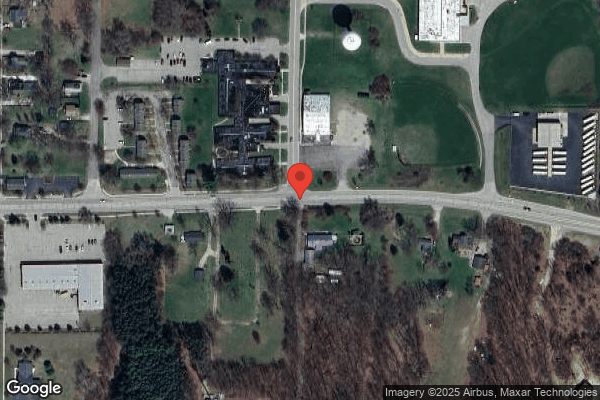
Nov 2023 1 deficiency
CONCERN (D) 📢 Someone Reported This

A family member, employee, or ombudsman was alarmed enough to file a formal complaint

Potential for Harm - no one hurt, but risky conditions existed

Accident Prevention (Tag F0689)

Could have caused harm · This affected 1 resident

**NOTE- TERMS IN BRACKETS HAVE BEEN EDITED TO PROTECT CONFIDENTIALITY** This citation pertains to intake MI00140722. Based on interview, observation, and record review, the facility failed to ensure ...

Read full inspector narrative →
**NOTE- TERMS IN BRACKETS HAVE BEEN EDITED TO PROTECT CONFIDENTIALITY** This citation pertains to intake MI00140722. Based on interview, observation, and record review, the facility failed to ensure elopement interventions were implemented for 2 of 3 residents (Resident #54 and Resident #57) reviewed for elopement. This deficient practice placed Resident #54 (R54) and Resident #57 (R57) at risk for elopement when prevention interventions were not in place and monitored. Finding include: The facility provided a policy for Elopements and Wandering Residents dated 3/2/08 and last revised on 4/2023 for review. The policy reflected, This facility ensures that residents who exhibit wandering behavior and/or are at risk for elopement receive adequate supervision to prevent accidents and receive care in accordance with their personal centered plan of care addressing the unique factors contributing to wandering or elopement risk. The facility provided a policy for the [Name of elopement guard] System (a system that alerts staff of a resident attempting to leave the building) dated 3/13/18 and last revised date of 6/2023 for review. The policy reflected, The purpose is to prevent residents from exiting the premises or a safe area without authorization .c. Once a device is needed for a resident: a. Staff is to assess location and function of the [Name of elopement] guard unit daily (by visually seeing the blinking light/where its located) and document in the EHR (electronic health record). b. The care plan is to include function and placement location. c. The elopement book is to be updated to include resident information. R54 Review of the Face Sheet and Minimum Data Set (MDS) dated [DATE] revealed R54 was readmitted to the facility on [DATE] with diagnosis of (but not limited to) frontotemporal neurocognitive disorder (problems with memory), diabetes, and high blood pressure. Brief Interview for Mental Status (BIMS) reflected that R54 had moderate cognitive impairment. R54 had a guardian for all medical decision making. According to the room census record, R54 resided in the secured memory care unit until 9/16/23 when he was moved off the unit to a regular room in the skilled nursing facility. The progress note dated 9/25/23 at 3:13 AM reflected, Resident observed wandering the hall then pushing against the door to the courtyard setting off the door alarm. Resident redirected and distracted from wandering behaviors. The Elopement Risk assessment dated [DATE] revealed that R54 was at risk for elopement and wore a [name of elopement system] bracelet (a bracelet that alerts staff when the resident enters through area's such as doors to the outside). According to the elopement care plan dated 11/4/22, the interventions were reviewed and did not reflect the intervention of an elopement device system. Record review of the Certified Nurse Assistant (CNA)'s Task charting reflected that the CNA's were checking for the placement and functioning of the elopement device unit every shift. During an interview on 11/15/23 at approximately 10:00 AM, CNA B stated the CNA's responsibility regarding the elopement devices was to ensure the device is in place on the resident and that the CNA's do not ensure the functionality of the unit. CNA B stated the nurses do the function checks. Record review revealed no evidence that the nurses were checking the function and documenting this daily in the EHR as the policy indicated. The facility provided an Incident Report dated 10/26/23 for review. The investigation section of the report reflected that R54 had pulled the fire alarm (freeing all door locks) and was able to exit the building unsupervised. R54 was found moments later outside on the ground. R54 was subsequently moved back to the secured memory unit after the incident. R57 Review of the Face Sheet and Minimum Data Set (MDS) dated [DATE] revealed R57 was admitted to the facility on [DATE] with diagnosis of (but not limited to) dementia (problems with memory) delusional disorder, and diabetes. Brief Interview for Mental Status (BIMS) reflected that R54 had moderate cognitive impairment. R54 had a guardian for all medical decision making. According to the Elopement Risk assessment dated [DATE], R57 was at risk for elopement. During an observation and interview on 11/15/23 at approximately 2:00 PM, the Unit Manager (UM) A and this Surveyor observed R57's picture and information in the Elopement binder kept at the nurse's desk. The UM A stated R57 is at risk for elopement and wears a [Name of elopement system]. The UM A and this Surveyor went to R57's room and observed him seated on his bed. The UM A asked R57 if she could check his [name of elopement system] bracelet and R57 extended his left arm. The UM A stated the nurse is responsible to check the functioning of the unit by observing it for the flashing red light and documenting it in the EHR. During an interview on 11/15/23 at 12:10 PM, CNA C stated that she was assigned to R57 today and stated that she checked his [Name of elopement system] placement this morning. When asked who checks for the unit to ensure it is functioning, CNA C stated, The nurses do. We just make sure it is on them. Review of the EHR showed no documentation that the CNA's were checking the placement every shift or that the nurses were checking the functioning of it daily. The Risk for Elopement care plan dated 3/14/20 reflected, R57 was at risk for wandering and elopement. The [Name of elopement] system was not listed as an intervention. During an interview and record review on 11/15/23 at 2:30 PM, the Director of Nursing (DON) and the UM A reviewed the policy for the [name of elopement] systems. They stated that the staff would obtain an order from the physician, place it on the resident, place the intervention on the Risk for Elopement care plan, noting where it was placed on the resident or wheelchair, create a Task to have the CNA check the placement every shift and have the nurse check that it functions daily and document it on the treatment administration record. During a record review the DON and the UM A checked R54's Risk for Elopement Care plan and reviewed the EHR for daily [Name of elopement system] function checks but neither was located in the EHR. The DON and UM A were asked to review R57's care plan and EHR for documentation of the location of the [Name of elopement system] placement checks every shift and function checks daily but were unable to locate them being done in R57's EHR.
Oct 2023 1 deficiency 1 Harm
SERIOUS (G) 📢 Someone Reported This

A family member, employee, or ombudsman was alarmed enough to file a formal complaint

Actual Harm - a resident was hurt due to facility failures

Accident Prevention (Tag F0689)

A resident was harmed · This affected 1 resident

**NOTE- TERMS IN BRACKETS HAVE BEEN EDITED TO PROTECT CONFIDENTIALITY** This citation pertains to intake number MI00140515. Based on observation, interview, and record review, the facility failed to e...

Read full inspector narrative →
**NOTE- TERMS IN BRACKETS HAVE BEEN EDITED TO PROTECT CONFIDENTIALITY** This citation pertains to intake number MI00140515. Based on observation, interview, and record review, the facility failed to ensure safe transfers with a mechanical lift (per manufactures guidance) and thorough assessment after a fall for 1 of 3 residents (Resident #51) reviewed for falls. This deficient practice resulted in Resident #51 (R51) falling from a mechanical lift with a delay in assessment and treatment for 3 fractures. Findings include: According to the facility investigation report submitted to the state agency on 10/23/23 at 10:50 PM, the facility reported that on 10/14/23 at 12:55 PM, R51 was being transferred from a wheelchair to the bed by 2 staff members that were operating a full body mechanical lift when the left leg strap of the sling became unattached from the lift causing R51 to slide out of the sling and onto the floor from a height of approximately 3 feet, coming to rest on her bottom with her right lower leg bent at the knee and tucked under her left leg. An onsite x-ray was ordered and confirmed a right leg fracture. On 10/14/23 at 5:48 PM, R51 was sent to the emergency room where it was discovered that R51 had also sustained a left hip and pelvis fracture in addition to the right leg. The facility provided a copy of the Falls Reduction Policy dated 2/24/2002, last revised on 4/2023 for review. The policy reflected, 4. When a resident experiences a fall, the facility will: a. Assess the resident. b. Complete a Post-Fall Assessment. c. Complete a Risk Management Incident Report . According to the Total Mechanical Lift Competency Checklist signed by the DON and the NHA on 10/20/23 reflected, 2. Mechanical Lift Operation .e. Positions resident on the appropriate sling size and style as per resident's Care Plan .g. Attaches the sling straps without pulling or tugging to the desired setting. Considers elevating the head of the bed to facilitate ease in completion. h. Gently raises resident minimally from surface. Unweight resident from bed. Performs a safety check . R51 Review of the Face Sheet and Minimum Data Set (MDS) dated [DATE] revealed R51 was admitted to the facility on [DATE] with diagnosis of (but not limited to) traumatic brain injury, seizure disorder and dementia. Brief Interview for Mental Status (BIMS) reflected a score of 5 out of 15 which represented R51 had severe cognitive impairment. R51 had a guardian for all medical decision making. R51 required extensive staff assistance of 1-2 with all activities of daily living. According to the Activities of Daily Living care plan dated 7/25/23, reflected the following intervention for transfers, Dependent using the full body mechanical lift and 2 staff. Date initiated: 7/25/23. There was no indication of which style of lift sling (full body or divided leg) nor size indicated on the care plan as the Total Mechanical Lift Competency Checklist for lifts and slings reflected. On 11/1/23 at 10:13 AM the DON provided a copy of the [name of Total Mechanical Lift company] Full Body Slings Size Chart for review. The DON hand wrote on the bottom of the sheet that R51 was using the size large from this sizing chart that the facility labeled B-10. The DON provided a blue lift sling that reflected, B-10 written on it for inspection. The sling shape did not look like the Full Body Sizing Chart that was provided for review. The sling further reflected a tag that indicated the style of sling was a Divided Leg Sling. When asked what is documented on R51's care plan, the DON stated that the facility does not document the sling style and size to use on the care plans. The DON stated she expected the staff to check the current weight and refer to the sling sizing chart posted at the nurses' desk to determine the appropriate sling to use on residents. This direction was different than the instructions that the Total Mechanical Lift Competency Checklist reflected. During an interview on 10/31/23 at 1:00 PM, CNA A stated that she assisted CNA B on 10/14/23 at 12:55 PM with the transfer of R51 from the wheelchair to the bed. CNA A stated R51 was already seated on a sling pad, they positioned her next to the bed, attached the sling to the lift and proceeded to lift. CNA A stated that before R51's weight was completely off the chair they heard a clip noise, the CNA's paused and visually (not physically) rechecked the straps on the lift, then proceed with the transfer. When R51's weight was fully on the lift and before she was positioned over the bed, the left leg strap became unattached and R51 slid out of the sling and onto the floor. CNA A stated that she was able to guide R51's head so it did not hit the floor. When asked if the CNA's lifted R51's weight just off the seat of the wheelchair and did a safety check before proceeding with the transfer, CNA A stated, No, not exactly. We put them (the straps) on and tug down on them. When asked if the lift and sling were immediately taken out of service, CNA A stated that they used the lift and sling to transfer R51 off the floor and back into bed before taking it out of service. According to the Employee Counseling Notice dated 10/14/23, CNA A was given a verbal safety counseling that reflected, Employee was transferring the resident using a mechanical lift when the sling became unattached during the transfer resulting in the resident sliding to the floor. Employee failed to double check sling straps by pulling on them to ensure they were securely attached to the mechanical lift prior to lifting the resident using the mechanical lift. The counseling was signed by the CNA A and the DON. During an interview on 11/1/23 at 8:45 AM, CNA B stated that she assisted with CNA A as they transferred R51 with a mechanical left from the wheelchair to the bed. After they attached the sling to the lift with the straps, they began to lift R51, heard a clip noise and stopped the lift, visually rechecked the straps and proceeded with the transfer when midway R51's left leg strap became unattached from the lift causing her to slide out of the sling and onto the floor. When asked if the CNA's lifted R51 off the wheelchair, stopped and did a safety check before proceeding, CNA B stated, We look at the straps, tug on them, lift and normally keep on [NAME]. I'm not completely sure how it (the strap) popped off. According to the Employee Counseling Notice dated 10/14/23, CNA B was given a verbal safety counseling that reflected, Employee was transferring the resident using a mechanical lift when the sling became unattached during the transfer resulting in the resident sliding to the floor. Employee failed to double check sling straps by pulling on them to ensure they were securely attached to the mechanical lift prior to lifting the resident using the mechanical lift. The counseling was signed by the CNA B and the DON. During a telephone interview on 11/1/23 at 2:37 PM, RN C stated that CNA B came to get her in the hallway (on 10/14/23 at 12:55 PM) and told her that R51 had fallen from the mechanical lift. RN C stated that she was not R51's assigned nurse that day but stepped into the room to help the CNA's with the situation. RN C stated that she did not physically evaluate or perform a range of motion (an assessment used to move each joint to evaluate for function, pain, and changes from their baseline). RN C stated she asked R51 verbal questions about where her pain was. RN C stated that together with CNA A, CNA B and CNA F they rolled R51 back onto the sling and lifted her from the floor to the bed. When asked if the same mechanical lift and sling R51 had fallen from was used, RN C stated, Yes. RN C stated that when she asked R51 about her pain, R51 denied pain but had a shocked look on her face. During an interview on 11/1/23 at approximately 2:00 PM, RN D stated that she was assigned to R51 that day and when she entered the room, she noted R51 already back in her bed. RN D stated CNA A and CNA B were changing her brief. RN D stated she noted a reddened area to R51's right knee, subsequently called the physician, obtained a STAT x-ray order, and attempted to notify the guardian. When asked if she did a full range of motion assessment (ROM) on R51, RN D stated, No, I did not. When asked if she gave R51 anything for pain, RN D stated, No, I did not. RN D stated that at 2:00 PM she gave shift report to RN E. During a telephone interview on 11/1/23 at 3:35 PM, RN E stated she took over care of R51 on 10/14/23 at 2:00 PM approximately an hour after she had fallen from the lift. During the shift-to-shift report with RN D, RN E stated together they entered R51's room and examined her right leg. RN E stated that R51's had light bruising from her knee that had extended to her foot. RN E stated that R51 was not verbal at this time and could not rate or describe her pain. RN E stated that RN D reported that she had not provided pain medication yet. RN E stated she went out to the medication cart and obtained 2 tablets of Tylenol extra strength but R51 had her lips clenched tight and would not take the medication. RN E noted that R51's color was pale. RN E stated that the x-ray tech came about 2:30 PM. At about 3:30 PM, RN E was notified of the nondisplaced fracture of the proximal tibia (right leg fracture) which she reported to the physician and guardian. RN E reported that later in the shift, R51's color was even more pale, her blood pressure was very low, her pulse was high, staff were unable to obtain an oxygen saturation and was not able to palpate a pedal pulse (feel pulse in foot), so she notified the physician and guardian and sent R51 to the ER at approximately 5:48 PM. RN E stated that later that evening was made aware that R51 had also fractured her left hip and pelvis. During an interview on 11/1/23 at 4:30 PM, when asked if ROM was part of the post fall assessment the DON stated, Yes. The DON added if she thought it would further injure a resident she would stop and notify the physician of that as well. The DON stated that she expected this to all be documented in the medical record. There was no ROM assessment documented in the electronic health record. During an observation and record review on 11/1/23 at approximately 1:50 PM, R51 was sleeping in her bed and did not awaken when her name was called. The progress notes reflected that R51 was readmitted to the facility on [DATE]. The record reflected that R51 would not have been a good surgical candidate, therefore upon readmission to the facility R51's guardian elected to admit her to hospice for comfort and pain management of the fractures. Resident #52 (R52) During an interview and observation on 11/1/23 at 1:30 PM, CNA I and CNA J stated they both received mechanical lift education within the last few weeks. The Surveyor observed as they used a full body mechanical lift to transfer R52 from a wheelchair to the bed. The CNA's attached the sling to the lift and pulled down on the strap, lifted the resident and without stopping, transferred R52 from the wheelchair to the bed and unattached the sling. The CNA's failed to follow the Total Lift Mechanical Lift Competency Checklist to stop the lift after the resident's weight was fully supported by the lift (unweight) and perform a safety check before completing the transfer. Resident #53 (R53) During an interview and observation on 11/1/23 at 1:40 PM, CNA G and CNA H stated they both received mechanical lift education within the last few weeks. The Surveyor observed as they used a full body mechanical lift to transfer R53 from a wheelchair to the bed. The CNA's attached the sling to the lift and pulled down on the strap, lifted the resident and without stopping, transferred R52 from the wheelchair to the bed and unattached the sling. The CNA's failed to follow the Total Lift Mechanical Lift Competency Checklist to stop the lift after the resident's weight was fully supported by the lift (unweight) and perform a safety check before completing the transfer.
Oct 2023 1 deficiency
CONCERN (D) 📢 Someone Reported This

A family member, employee, or ombudsman was alarmed enough to file a formal complaint

Potential for Harm - no one hurt, but risky conditions existed

Deficiency F0602 (Tag F0602)

Could have caused harm · This affected 1 resident

**NOTE- TERMS IN BRACKETS HAVE BEEN EDITED TO PROTECT CONFIDENTIALITY** This citation pertains to intake number MI00138957. Based on observation, interview, and record review, the facility failed to p...

Read full inspector narrative →
**NOTE- TERMS IN BRACKETS HAVE BEEN EDITED TO PROTECT CONFIDENTIALITY** This citation pertains to intake number MI00138957. Based on observation, interview, and record review, the facility failed to prevent misappropriation of resident property for 1 (Resident #1) of 3 residents reviewed for misappropriation. This deficient practice resulted in staff removing and taking resident personal property from Resident #1's body after she passed away and the potential for more resident items to be taken. Findings include: The facility provided a copy of the Abuse, Neglect and Exploitation policy/procedure with a last revised date of 6/23 reflected, Misappropriation of Resident Property means the deliberate misplacement, exploitation, or wrongful, temporary, or permanent use of a resident's belongings or money without the resident's consent. Resident #1 (R1) A review of Resident #1's admission Record, dated 10/12/23, revealed R1 was admitted to the facility on [DATE] with multiple diagnoses that included Hemiplegia and Hemiparesis following Cerebral Infarction, Multiple Sclerosis, Chronic Obstructive Pulmonary Disease, and Dysphagia. A review of Resident #1's Minimum Data Set (MDS) (a tool used for assessing a resident's care needs), dated 6/13/23, revealed R1 had a Brief Interview for Mental Status (BIMS) (a scale used to determine a resident's cognitive status) score of 15 which revealed Resident #1 was cognitively intact. Review of R1's MDS indicated the resident was in and out of the hospital 3 times (after 6/13/23 MDS) and spent approximately 20 days there prior to her passing on 8/11/23. Further review reflected that R1's cognition was not re-evaluated prior to her passing. During an interview on 10/12/23 at 11:08 AM, the Nursing Home Administrator (NHA) reported, 'We have no incident, or concern forms regarding [Name of R1] from 8/1/23 to 9/1/23. The state received a complaint on 8/24/23 that alleged Certified Nurse's Aide (CNA) H took/misappropriated R1's bracelet after the resident passed away on 8/11/23. Review of the Staff Schedule for 8/11/23 reflected CNA H was working the day R1 passed away. Review of CNA H's employee file reflected she was eligible to work, had only been a CNA for a few months (however, she worked in a different role prior to becoming a CNA) and the only disciplines noted in her file were for attendance. During an interview on 10/12/23 at 11:40 AM, the Director of Nursing (DON) stated Yes, [Name of CNA H] still works here, has had no further incidents of attendance issues. The DON was further questioned if CNA H was involved in an incident regarding a bracelet that belonged to R1. The DON stated, there was an incident and the former NHA did a verbal discipline with [Name of CNA H]. However the Social Worker and Unit Manger know more about it because I was off that day. During an interview on 10/12/23 at 11:50 AM, Social Worker (SW) G reflected, I was trying to leave work that day and [Name of former NHA] brought me in to be a witness during a conversation with [Name of CNA H]. Supposedly [Name of Resident #1] had asked her (CNA H) to take the bracelet multiple times and [Name of CNA H] finally accepted it. SW G further revealed that she (CNA H) had it at home and brought it back. SW G stated, the aide was new and was not aware she could not receive gifts. During an interview on 10/12/23 at 11:57 AM, Unit Manager (UM) F stated, I was on-call that day. I received an allegation that the aide received a bracelet from the resident. I reported it to the former NHA. Then [Name of SW G] and the former NHA did the follow-up. UM F further stated that, She (CNA H) told me as a new aide that she was unaware that she could not receive gifts. The aide went home and brought the bracelet back. The bracelet and the other belongings were all given back to her family after her passing. During a phone interview on 10/12/23 at 12:11 PM, CNA H stated, I received a silver bracelet with diamonds on it from the resident. [Name of Resident #1] and I had gotten really close. It was a gift for my wedding day coming up next year. She wanted me to have it. CNA H reflected she took it (the bracelet) the day the resident passed away (after she passed). CNA H continued, I thought this was over, [Name of the former Nursing Home Administrator] asked me about it and I brought it back that day. CNA H revealed that she no longer had the bracelet, it was given to the family. I did not know I could not accept gifts. On 10/12/23 at 12:20 PM, a request to the NHA was made for the Policy/handbook on staff accepting gifts. A second request regarding any education or write-up CNA H might have received regarding this incident was made. On 10/12/23 at 12:45 PM, the NHA brought 3 pages out of the 71-page employee handbook for review. The NHA further stated, we do not have any write ups or education for [Name of CNA H] on this incident. Review of the employee handbook under CONDUCT GUIDELINES reflected, All companies, including [Name of Company] set reasonable conduct guidelines. These guidelines allow us to coordinate a variety of activities within our organization and to provide a safe working environment for our employees, residents, and visitors. The following list is not intended to be all-inclusive but illustrates certain types of behavior [Name of Company] deems unacceptable, and which may result in disciplinary action up to and including termination, with or without any written warnings. Other behaviors not listed may result in similar action. Lending, borrowing, or accepting money or gifts from residents. Review of the Employee Handbook copies provided by the NHA, reflected that CNA H received a copy of the handbook and signed page 71 on 4/04/2022. According to Section 122 of Transfer of Property Act,1882 -A Gift is the transfer of certain existing movable or immovable property made voluntarily and without consideration, by one person, called the donor or guarantor or sender, to another, called the donor, and accepted by or on behalf of the donee or guarantee or receiver.Any gift may be void and suspended if the rules and regulations of giving and taking a gift are not observed properly. For Example: If the receiver or donee of any gift dies before accepting it although the sender or donor have done proper intention and delivery to give that gift to the donee then that gift may be void by law because of lack of acceptance of the done.
Sept 2023 1 deficiency
CONCERN (D) 📢 Someone Reported This

A family member, employee, or ombudsman was alarmed enough to file a formal complaint

Potential for Harm - no one hurt, but risky conditions existed

Free from Abuse/Neglect (Tag F0600)

Could have caused harm · This affected 1 resident

**NOTE- TERMS IN BRACKETS HAVE BEEN EDITED TO PROTECT CONFIDENTIALITY** This citation pertains to MI00136719, MI00137186 and MI00139193. Based on interview and record review, the facility failed to pr...

Read full inspector narrative →
**NOTE- TERMS IN BRACKETS HAVE BEEN EDITED TO PROTECT CONFIDENTIALITY** This citation pertains to MI00136719, MI00137186 and MI00139193. Based on interview and record review, the facility failed to prevent staff to resident abuse for two residents (#5, #7) which could result in further abuse of residents and cause pain, humiliation, embarrassment, fearfulness, frustration, and feelings of being unsafe in the facility based on a reasonable person standard for residents with impaired cognition. Findings include: The Abuse, Neglect and Exploitation Policy implemented 01/28/2023 and revised June 2023 was reviewed. The policy states the definition of verbal abuse as the use of oral, written, or gestured communication or sounds that willfully includes disparaging and derogatory terms to residents or their families, or within their hearing distance regardless of their age, ability to comprehend, or disability. Under IV Identification C #9, the policy states, Evidence of photographs or videos of a resident that are demeaning or humiliating in nature, regardless of whether the resident provided consent and regardless of the resident's cognitive status. Under V. Investigation A, the policy states, An immediate investigation is warranted when suspicion of abuse, neglect or exploitation, or reports of abuse, neglect or exploitation occur. Under VII. Reporting/Response #2, the policy indicates reporting of all alleged violations to the Administrator a. Immediately, but not later than 2 hours after the allegation is made, if the events that cause the allegation involve abuse or result in serious bodily injury, or b. Not later than 24 hours if the events that cause the allegation do not involve abuse and do not result in serious bodily injury. Resident #7 (R7) Review of the Face Sheet and Minimum Data Set (MDS) dated [DATE] revealed R7 admitted to the facility on [DATE], with diagnosis of (but not limited to) Alzheimer's disease, dementia, delirium, and delusion disorders. Brief Interview for Mental Status (BIMS) reflected a score of 3 out of 15 which indicates R7 had severe cognitive impairment. On 08/25/2023 at 4:00 PM, Nursing Home Administrator (NHA) was notified of allegation by Certified Nursing Assistant (CNA) A's acquaintance that CNA A was on her phone during work and was neglecting the people there. Nursing Home Administrator called CNA A who stated that she made some calls to her boyfriend and that she took a video of herself with a resident (R7) and another staff member (CNA B). Upon review of the video and facility statement in the 5-day investigation submitted to the state, it depicts resident (R7) standing in front of the toilet and stating, I was just going to get it wet (referring to her blanket). CNA B identified by her voice states, You just stuck it in some poo poo and pee pee. CNA A also identified by her voice states to R7, That's the toilet. You know you sit on that, right? and R7 states, Oh, now that you look at it, yes. You can hear the two CNAs laughing at this resident. Review of the 5-day investigation mentioned the facility can substantiate that abuse occurred through investigation. On 09/07/2023 at 11:15, NHA was interviewed, and she collaborated that the above statement is correct. Review of Employee Counseling Notice dated 08/25/2023 for CNA A indicated We are moving forward with termination of your employment with [Facility Name] and your license is being reported for this abuse regulation. Review of Employee Counseling Notice dated 08/31/2023 for CNA B indicated We are moving forward with termination of your employment with [Facility Name]and your license is being reported for this abuse regulation. On 09/07/2023 phone calls were placed to CNA A at 10:48 AM and 2:21 PM with a voicemail left both times to call back and discuss the incident that occurred on 8/25/2023. At the time of the survey exit, a return call was not received. On 09/07/2023 phone calls were placed to CNA B at 10:52 AM and 2:29 PM with a voicemail left both times to call back and discuss the incident that occurred on 8/25/2023. At the time of the survey exit, a return call was not received. On 09/07/2023 at 10:29 AM, R7 was interviewed in her room. She was sitting on her bed, smiling and was well groomed. R7 was asked about the care and services she receives. She indicated that no one treats her poorly and she doesn't have concerns with staff. R7 stated she was here to watch Elvis and said she saw him the other day. R7 was not able to answer specific questions regarding the incident. Due to R7's severe cognitive impairment, we will apply the reasonable person concept. By applying the reasonable person concept, the reasonable person would be embarrassed by staff mocking and making fun of them on video tape and then having that video tape shared with others. R5 Review of the Face Sheet and Minimum Data Set (MDS) dated [DATE] revealed R5 admitted to the facility on [DATE] with diagnosis of (but not limited to) heart failure and high blood pressure. Brief Interview for Mental Status (BIMS) reflected a score of 12 out of 15 which represented R5 was cognitively intact. R5 did not reside at the facility during the onsite survey. Review of the Facility Reported Incident (FRI) submitted to the state agency 5/8/23 reflected an allegation of verbal abuse was identified. The FRI reflected that on 5/8/23 at 3:30 PM, Family Member (FM) E reported to the Nursing Home Administrator (NHA) an incident that occurred two days prior on Saturday, 5/6/23. FM E reported that while visiting R5 staff were asked to clean the tray table of the resident The FRI reflected that Certified Nurse Aide (CNA) C came to the room and began yelling at R5. The FRI reflected that CNA C yelled at R5 for refusing to let staff clean the table earlier, apply lotion, and had punched staff in the face. The FRI reflected that CNA was suspended, the incident was reported to the state agency, and an investigation was initiated. Review of the facility investigation reflected an undated and untimed interview conducted with R5. The documentation of the interview reflected R5 reported that on the previous Saturday the aide came in and she was yelling at me. She was talking so loudly, I kept saying I am not hard of hearing .but she just kept yelling. She got worked up and got my family worked up It did seem mean to me. The facility investigation reflected an undated and untimed interview conducted with Housekeeper (HK) D. HK D reported that on 5/6/23 CNA C summoned her to the room of R5 sometime between 12:00 P and 2:00 P. HK D reported I watched her (CNA C) get within a few inches from his face (R5) and she spoke very loudly and said, here is the housekeeper. You told her earlier you didn't need your beside table cleaned but I brought her back. She was speaking very loudly.the family got upset. And that CNA C told R5 you're wasting her time. The interview reflected HK D reported, I did think it was disrespectful . The documentation of the interview did not reflect that HK D was asked why she did not report the incident immediately. The FRI reflected an undated and untimed interview was conducted with CNA C. The facility investigation reflected, (CNA C) stated I did not have any sort of interaction with the family of (R5). I saw them come in, but I did not interact with them. I toileted (R5) between 7:00 to 7:30 (AM), and I offered him a shower, but he refused . That was the only interaction I had with the Resident at all. The facility provided the staffing assignments for review. The staffing assignment sheet dated 5/6/23, 5/7/23 and 5/8/23 reflected that CNA C worked from 6:00 AM - 2:30 PM. According to the assignment sheets the facility allowed CNA C to continue to work after the incident occurred and went unreported to the NHA until 5/8/23. The facility provided the following documents from CNA C's personnel record for review: 3/3/22 - Education/Training to complete all charting and tasks assigned. 11/14/22 - Corrective Action for not completing charting, not completing assigned work/duties, not informing staff/fellow co-workers when she is off the unit so others can observe her residents in her absence. 12/1/22 - Verbal Employee Counseling for using derogatory language towards another staff member in a public area with no residents or visitors in their presence and leaving shift without permission from the charge nurse. 12/28/22 - Written Employee Counseling Notice when she was overheard on the phone harassing and bullying another staff member. This phone conversation took place in resident care area, which is highly inappropriate and against the employee code of conduct. 5/15/23 - Termination Counseling Notice for raising your voice to a resident and your statement regarding the incident was untruthful. In an interview conducted 9/7/23 at 4:16 PM the NHA reported that CNA C has received disciplines in the past for the volume of her voice. The NHA reported that CNA C would say her mouth keeps getting her in trouble but that this incident was really more than a customer service issue. The NHA described a progressive discipline process that began with a verbal warning, to a written warning, to a final warning and termination. The facility investigation reflected, After investigation and interviews facility can substantiate that verbal abuse occurred and that CNA C was terminated from the facility.
Feb 2023 2 deficiencies
CONCERN (D) 📢 Someone Reported This

A family member, employee, or ombudsman was alarmed enough to file a formal complaint

Potential for Harm - no one hurt, but risky conditions existed

Quality of Care (Tag F0684)

Could have caused harm · This affected 1 resident

**NOTE- TERMS IN BRACKETS HAVE BEEN EDITED TO PROTECT CONFIDENTIALITY** This citation pertains to intake # MI00133796 Based on interview and record review, the facility failed to provide coordinated i...

Read full inspector narrative →
**NOTE- TERMS IN BRACKETS HAVE BEEN EDITED TO PROTECT CONFIDENTIALITY** This citation pertains to intake # MI00133796 Based on interview and record review, the facility failed to provide coordinated interdisciplinary quality care for 1 resident (Resident #70). The facility failed to: 1.) identify a significant weight loss, 2.) ensure nutritional needs were met following the identification of a Stage II pressure injury and a decline in functional ability, and 3.) ensure physician recommended follow-up and monitoring was completed following an acute illness and discharge from the Intensive Care Unit, resulting in the lack of assessment, monitoring, and the delay in treatment and the potential for the worsening of a medical condition. Findings: Resident #70 (R70) Review of an admission Record revealed R70 was an [AGE] year-old female, originally admitted to the facility on [DATE], with pertinent diagnoses which included: dementia, diabetes, and hypothyroidism. Pressure Injury Review of R70's Wound Assessment dated 1/15/23 revealed a new skin condition and the Date of Onset 1/13/23. Wound #1 was identified as a Stage II pressure injury on the coccyx 1.0 cm (length), 0.3 cm (width), and 0.1 cm depth. Wound #2 was excoriation to the right buttock with 2.4 cm (length) no width documented. Wound #3 was excoriation to the left buttock with 0.5 cm (length) no width documented. Review of R70's Treatment Order revealed, Clean open area to coccyx with NS (normal saline) and pat dry. Apply xeroform and cover with small foam bordered gauze. Change QD (every day) until healed. one time a day for Coccyx wound -Start Date: 01/14/2023. Review of R70's Hospital Record dated 1/20/23 revealed, DIAGNOSIS at time of disposition .Skin ulcer of sacrum .Stage II sacral decubitus ulcer. Review of R70's Electronic Health Record (EHR) revealed no documentation that the Dietician completed a Nutritional Assessment following the identification of the Stage II Coccyx Pressure Injury identified on 1/13/23 until R70's return to the facility following a hospitalization on 1/31/23 (R70) returned from the hospital on 1/26/23). Review of R70's Nutrition Summary Note dated 1/31/2023 revealed, .(R70) readmitting from the hospital .Skin impaired, needs are elevated and met at 100%.Plan: recommend a MVI/m (multivitamin), monitor intake, weight, skin, labs . (Last Nutrition Summary Note completed on 10/25/22). During an interview via email on 02/16/23 at 03:20 PM, Director of Nursing (DON) confirmed the that the Nutrition Assessment was completed on 1/31/23 by the Dietician upon R70's return from an acute hospitalization (1/20/23-1/26/23) with no Nutrition Assessment completed following the Stage II pressure injury identified on 1/13/23. Review of R70's Physician Orders revealed, Multiple Vitamins-Minerals Tablet Give 1 tablet by mouth one time a day for skin integrity -Start Date: 02/01/2023. (19 days after the Stage II pressure injury was identified in the Wound Assessment.) Review of R70's Nursing Progress Note dated 2/1/23 revealed, Follow-up from skin sweep on 1/29/23. Resident groin excoriated and blanchable red. Buttock is macerated and superficial peeling at the edges. Current treatment in place. Referral to (contracted wound care agency) for additional management. Review of R70's Physician Orders dated 2/7/23 revealed, Refer to (contracted wound care agency) for consult and treatment). No referral was ordered after the Stage II pressure injury was identified and prior to R70's hospitalization). Review of the facility policy Nutrition at Risk and Review last revised February 2021 revealed, It is the practice of this facility to identify residents at nutritional risk and intervene to minimize decline in nutritional status .Policy Explanation and Compliance Guidelines: 1. Residents at nutritional risk will be identified through the nutrition assessment, and observation .3. The following criteria will be used to identify residents for review: a. Residents with pressure ulcers/surgical wounds/other wounds . Review of Fundamentals of Nursing ([NAME] and [NAME]) 10th edition revealed, Calories provide the energy source needed to support the cellular activity of wound healing. Protein needs especially are increased and are essential for tissue repair and growth. A balanced intake of various nutrients (i.e., protein, fat, carbohydrates, vitamins, and minerals) is critical to support wound healing. Consult with a nutritional team for dietary prescriptions individualized for the caloric needs of patients who are assessed as being at risk of malnutrition (EPUAP, NPIAP, PPPIA, 2019a). [NAME], [NAME] A.; [NAME], [NAME] Griffin; Stockert, [NAME] A.; Hall, [NAME]. Fundamentals of Nursing - E-Book (p. 1243). Elsevier Health Sciences. Kindle Edition. Review of Fundamentals of Nursing ([NAME] and [NAME]) 10th edition revealed, Normal wound healing requires proper nutrition (Table 48.4). Deficiencies in any of the nutrients result in impaired or delayed healing ([NAME], 2016a). Physiological processes of wound healing depend on the availability of protein, vitamins (especially A and C), and the trace minerals zinc and copper. Collagen is a protein formed from amino acids acquired by fibroblasts from protein ingested in food. Vitamin C is necessary for synthesis of collagen. Vitamin A reduces the negative effects of steroids on wound healing. Trace elements are also necessary (i.e., zinc for epithelialization and collagen synthesis and copper for collagen fiber linking). [NAME], [NAME] A.; [NAME], [NAME] Griffin; Stockert, [NAME] A.; Hall, [NAME]. Fundamentals of Nursing - E-Book (p. 1243). Elsevier Health Sciences. Kindle Edition. Significant Weight Loss Review of R70's Speech Therapy Evaluation dated 1/16/23 revealed, Patient Referral and History .Reason for Referral/Current Illness: LTC (long term care) resident in dementia womens' unit referred for SLP (speech therapy) for pocketing of foods. Per (EHR) data, 10 meals between 12/18 and 12/20 averaged 100%; while 10 meals between, 1/12 and 1/15 averaged 72.5% . (Confirming a decrease in dietary/nutritional intake and change in functional ability). Review of R70's Hospital Course review dated 1/26/23 revealed, (R70) is an 82 y/o female with PMH (past medical history) of advanced dementia, T2DM (type 2 diabetes), hypothyroidism, and dysphagia (difficulty swallowing) who presented from (facility) to (hospital name omitted) on 1/20 for progressive lethargy (abnormal drowsiness/stupor) and refusing all oral intake. Per (facility) staff, patient has declined relatively significantly in the past month . Likely secondary to poor oral intake associated with dementia. (Confirming a significant change in resident condition). Review of R70's Weight Summary revealed: 11/8/2022 119.0 Lbs 12/12/2022 121.0 Lbs 1/3/2023 116.2 Lbs 1/26/2023 119.2 Lbs 2/7/2023 107.6 Lbs Reflecting a 9.73% weight loss in 12 days (1/26/23 through 2/7/23) and an 11.07% weight loss in approximately 8 weeks (12/12/22 through 2/7/23). Indicating a significant weight loss. Review of R70's Care Conference Summary dated 2/9/2023 revealed, .Dietary-Weight stable last 6 months. Review of R70's Electronic Health Record (EHR) revealed no documentation that R70's significant weight loss had been identified following R70's documented weight on 2/7/23. On 2/15/23 at 4:02 PM, documentation related to R70's significant weight loss was requested. During an interview via email on 02/15/23 at 05:15 PM, DON stated Our Dietary Manager who attends care conferences obtains information from the quarterly/annual MDS (Minimum Data Set-comprehensive assessment for residents) assessment to review during the care conferences, so information documented in that care conference summary note is from data collected for the most recent MDS assessment with Assessment Reference Date 1/31/23 which would not be reflective of any weights past that date. On 02/07/23 (R70) was weighed with a different scale (wheelchair scale) than what was used for the prior two weights. I reweighed her myself today and obtained a weight of 110.8 standing and 111 using our chair scale. The provider has been notified along with the Dietician and Guardian. Sugar Free Ensure has been ordered twice daily. We reviewed her intake, and she has been eating 100% of her meals. Review of R70's updated Weight Summary revealed: 12/12/2022 121.0 Lbs 1/3/2023 116.2 Lbs 1/26/2023 119.2 Lbs 2/7/2023 107.6 Lbs 2/15/2023 111.0 Lbs Reflecting a 6.88% weight loss in 20 days (1/26/23-2/15/23) and an 8.26% weight loss in approximately 2 months (12/12/22-2/15/23). Indicating a significant weight loss. Review of R70's Physician Order dated 2/15/23 at 5:09 PM revealed, House Supplement Sugar Free two times a day for weight loss. Review of R70's Care Plan Progress Note dated 2/16/23 revealed, The following items were added to resident's care plan:-Monitor my weight weekly d/t (due to) recent weight loss-My supplements are SF (sugar free) Ensure BID (twice a day)-Offer me substitutes for refused or uneated (sic) items . During an interview on 02/16/23 at 03:20 PM, DON reported that both the Dietician and Nursing are responsible for monitoring weight loss. Review of the facility policy Nutrition at Risk and Review last revised February 2021 revealed, It is the practice of this facility to identify residents at nutritional risk and intervene to minimize decline in nutritional status .Policy Explanation and Compliance Guidelines: 1. Residents at nutritional risk will be identified through the nutrition assessment, and observation .3. The following criteria will be used to identify residents for review . b. Residents with unplanned significant weight changes: i. 5% (weight loss in) 30 days ii. 7.5% (weight loss in) 90 days (3 months) iii. 10% (weight loss in) 180 days (6 months) c. Residents with significant decline in normal food/fluid intake .vii. Dysphagia (newly or worsening) . k. Care plans will be updated to reflect new interventions or changes in the plan of care. L. Once nutritional concerns are documented anticipated nutritional outcomes should be identified. (Anticipated weight gain, maintenance, loss etc) . Return from Hospital Review of R70's Medical Intensive Care Unit History and Physical dated 1/20/23 revealed, CHIEF COMPLAINT: (Septic) Shock. ASSESSMENT / PLAN: 82 y.o. female .admitted to the ICU for septic shock, hypernatremia, Influenza A infection, possible pneumonia .This patient is critically ill and is requiring active support and intensive surveillance to prevent life threatening clinical deterioration . Review of R70's Hospital Course review dated 1/26/23 revealed, (R70) is an 82 y/o female with PMH (past medical history) of advanced dementia, T2DM (type 2 diabetes), hypothyroidism, and dysphagia (difficulty swallowing) who presented from (facility) to (hospital name omitted) on 1/20 for progressive lethargy and refusing all oral intake. Per (facility) staff, patient has declined relatively significantly in the past month .Patient had a drop in hemoglobin from 11.4 to 8.5. Will need continued close outpatient monitoring and replacement. Had multiple electrolyte abnormalities including hypomagnesemia, hypophosphatemia, hypocalcemia. Electrolytes were monitored closely and replaced accordingly. Will need continued close outpatient workup and replacement . Please have repeat CBC, BMP, calcium, magnesium, phosphorus level in 3 days. Review of R70's Hospital Record dated 1/26/23 revealed, Discharge Instructions-Please repeat BMP (blood test for evaluation of fluid balance and liver and kidney function), magnesium, phosphorus and CBC (blood test for evaluation of blood cell counts) in 3 days (1/29/23) .Internal medicine recommendations .hypomagnesemia/hypocalcemia/hypophosphatemia (low magnesium, low calcium, low phosphorous levels in blood): Likely secondary to poor oral intake associated with dementia. Continue close outpatient monitoring and replacement as needed . Review of R70's Administrative Note dated 2/7/23 revealed, Called Guardian (name omitted) regarding Therapy. Family had come in and requested to discontinue and to begin hospice. Guardian did not want this and instead opted for Physical Therapy prior to being signed on to hospice. No other concerns at present. During an interview via email on 2/16/23 at 03:25 PM, DON stated, .labs were not ordered as the Physician had recommended Hospice services at the time. Nursing and Social Work had further conversation with guardian and family members regarding hospice services and all agreed to trial therapy to see if improvements occurred before pursuing hospice services. During an interview via email on 2/16/23 at 4:37 PM revealed, Since the Physician note documented referral to hospice to be made, we did not order the labs, but I have reached out to our provider and labs have been ordered to be drawn this evening and ran to the local hospital for STAT (immediate) results. Review of R70's Physician Order dated 2/16/23 at 4:10 PM revealed, CBC with automated Diff/Basic Metabolic Panel/Magnesium/Phosphorus/Calcium one time only. Review of R70's Laboratory Report resulted on 2/16/23 at 5:52 PM revealed a sodium level of 131 (reference range 134-146) and a chloride level of 93 (reference range 98-112). Review of R70's Physician Order dated 2/17/23 at 11:24 AM revealed, Sodium Chloride Oral Tablet 1 GM (Sodium Chloride) Give 1 tablet by mouth one time a day for hyponatremia (low sodium).
CONCERN (E)

Potential for Harm - no one hurt, but risky conditions existed

Deficiency F0679 (Tag F0679)

Could have caused harm · This affected multiple residents

**NOTE- TERMS IN BRACKETS HAVE BEEN EDITED TO PROTECT CONFIDENTIALITY** Resident #41 (R41) Review of an admission Record revealed R41 was an [AGE] year-old male, originally admitted to the facility on...

Read full inspector narrative →
**NOTE- TERMS IN BRACKETS HAVE BEEN EDITED TO PROTECT CONFIDENTIALITY** Resident #41 (R41) Review of an admission Record revealed R41 was an [AGE] year-old male, originally admitted to the facility on [DATE], with pertinent diagnoses which included: unspecified dementia, severe, with agitation. Review of R41's Care Plan revealed, FOCUS-I am here for long term care and will be invited to participate in the activity program. Date Initiated: 01/31/2020 . GOAL-I will attend the groups that I am interested in when they are available Date Initiated: 03/17/2021 .I will be offered 1:1 visits daily. Date Initiated: 01/31/2020 . INTERVENTIONS/TASKS .For 1:1 visits, I may enjoy: Going outdoors, socializing, being read to, banjo music, sharing a drink/snack, pet visits, and going for a walk. Date Initiated: 01/31/2020 .I have indicated that the following items are important to me: having reading material, doing things with groups of people, and being around animals. These items are available to me through daily routine preferences, 1:1 visits, independent leisure, and modified group-based activities. Date Initiated: 10/12/2022 .I have indicated that the following items are very important to me: Listening to music I like, doing my favorite activities, and going outside for fresh air when the weather is nice. These items are available to me through daily routine preferences, 1:1 visits, independent leisure, and modified group-based activities. Date Initiated: 10/12/2022 .I like reading my bible, listening to a variety of music such as banjo music, watching traffic, going for strolls, going outdoors, word searches, yard work, and snacks. Date Initiated: 01/31/2020 .Things that comfort me: Having company. Date Initiated: 01/31/2020 Review of R41's Kardex revealed, For 1:1 visits, I may enjoy: Going outdoors, socializing, being read to, banjo music, sharing a drink/snack, pet visits, and going for a walk .I have indicated that the following items are important to me: having reading material, doing things with groups of people, and being around animals. These items are available to me through daily routine preferences, 1:1 visits, independent leisure, and modified group-based activities .I have indicated that the following items are very important to me: Listening to music I like, doing my favorite activities, and going outside for fresh air when the weather is nice. These items are available to me through daily routine preferences, 1:1 visits, independent leisure, and modified group-based activities .Things that comfort me: Having company . Review of R41's Task Record 1:1 Activity PRN (as needed) from 1/17/23-2/17/23 revealed no documentation that a 1:1 activity was completed, attempted, or refused. Confirming that R41's Care Plan (I will be offered 1:1 visits daily) was not implemented. Review of R41's Task Record Group Activities from 1/17/23-2/17/23 revealed on 1/23/23 at 6:41 PM (following R41's fall that occurred at 4:45 PM) R41 was involved (passive or observed) in a Social/Party. No other documentation that a group activity was completed, attempted, or refused on any other days between 1/17/23-2/17/23. Review of R41's Task Record Group Activities PRN from 1/17/23-2/17/23 revealed no documentation a group activity was completed, attempted, or refused. Confirming that R41's preferences (socializing, doing things with groups of people, having company) were not implemented. Review of R41's Incident Report dated 1/23/23 revealed, Informed by CNA (Certified Nursing Assistant) that resident (R41) was in room [ROOM NUMBER] (this was not R41's room) and needed assistance. Resident was on his right side on the floor parallel to bed #1. Resident alert, fully dressed except he was bare foot and his [NAME] socks were removed and on the dresser next to the bed .Resident in bed #2 stated he witnessed resident stand up from the recliner and fall . CNA A Stated at 1645 (4:45 PM), she came back from dinner break. She was doing her rounds and saw (R41) on the floor (in room [ROOM NUMBER]). She called for the nurse. (CNA B) had last seen the resident sitting in the recliner in room [ROOM NUMBER] sleeping peacefully at 1535 (3:35 PM). CNA B at the time (R41) was observed on the floor, (CNA B) was in the shower room assisting another resident get cleaned up and ready for dinner. The last time she observed him, he was sleeping in the recliner in room [ROOM NUMBER] and that was an hour before the fall. Review of R41's Nursing: Antigravity Team Note dated 1/24/23 revealed, Root Cause(s) of Fall: Resident wandered into another resident's room, sat in recliner in room and fell asleep. The resident awoke from his sleep, was unfamiliar with the environment and was barefoot, and attempted to transfer to bed resulting in fall .New Interventions: Staff to encourage me out of other resident's room when I am wandering. If I am observed showing signs of increased sleepiness, please redirect me to my room and encourage me to lay down in my bed as I allow . During an interview on 2/16/23 at 12:49 PM, CNA A reported that R41 did have a history of self-transferring, wandering into other resident rooms, and a history of being behavioral exhibiting agitation and confusion symptoms. CNA A reported that prior to leaving for her lunch break she had assisted R41 was incontinence care which caused increased agitation, so she had him sit in a chair next to the medication cart with the nurse on duty. CNA A reported that when she returned from her break, she observed R41 in room [ROOM NUMBER], which was not R41's room, on the ground with quite a bit of blood from a head laceration. CNA A reported that at the time of the fall CNA B was assisting a resident in the shower room and the nurse was assisting a resident with cares in another room (leaving no direct care staff on the unit to supervise). CNA A reported that R41 has increased behaviors when he is bored and on 1/23/23 up to the time of R41's fall (4:45 PM) there were no activities on the unit. CNA A reported that the activity staff need to implement 1:1 activity for R41 as documented in his care plan. CNA A reported that R41's behaviors, wandering, and demeanor improve when he is actively and meaningfully engaged with staff and involved in group activities and 1:1 activities/interaction. CNA A reported that she could not conclusively identify what transpired at the time of R41's fall in room [ROOM NUMBER] on 1/23/23 but reported that the lack of meaningful activities and boredom likely led to an increase in R41's wandering, agitation, and subsequent fall. CNA A reported that there was no current Activities Director at the facility to provide oversite and structure to the Activities Program and to ensure resident Activity Care Plans were being implemented. Based on observation, interview and record review, the facility failed to ensure residents were provided with meaningful activities based on comprehensive assessment and resident preferences for 4 residents (Residents #25, #41, #86 and #89) and residents living on the locked dementia unit), resulting in the potential for physical, mental and psychosocial harm. Findings: Review of a facility policy Activities last reviewed 1/2021 reflected It is the policy of this facility to provide an ongoing program to support residents in their choice of activities based on their comprehensive assessment, care plan, and preferences of each resident. Facility sponsored group and individual activities and independent activities will be designed to meet the interests of and support the physical, mental and psychosocial well-being of each resident, as well as encourage both independence and interaction within the community. During an observation and interview on 2/16/23 at 10:25 AM, Licensed Practical Nurse (LPN) D was in front of her medication cart situated outside the main dining area on the South 2 Unit that was occupied by 9 residents. No additional staff were in the dining room, some residents were looking at the TV, other residents were observed with coloring pages or building blocks in front of them. None of the residents were actively engaged with the materials set before them. One resident was sitting alone at a table outside the dining room. One Certified Nurse Aide (CNA) was on the unit attending to residents who were in their rooms, the second CNA on duty was taking a break. No activity staff were present. LPN D said that she tries her best to keep the residents occupied but feels that appropriate activities are not being provided to the residents as often as they should be and that creates boredom and contributes to incidents and accidents on the unit. LPN D said that one resident (Resident #70) was on 15-minute checks and reported that It's not possible to be all things to all people all the time. During an observation and interview on 2/16/23 at 10:35 AM, Recreation Aide (RA) J was observed standing next to a resident in the dining area on the South 1 Unit. A television was on, and 6 residents were seated at tables and in chairs. When asked, RA J said that the scheduled activity for the day was not done due to there were not enough activity staff on duty and she was assisting residents by getting them beverages. RA J reported the facility had been without an Activity Director since the end of January and that other activity aides quit as well. RN J said Right now we are just trying to get everyone doing something, even if its not scheduled but it's been rough. During an observation on 2/16/23 at 11:00 AM, LPN E was standing outside the S1 dining room door supervising the residents. No other staff were in the area. LPN E was overheard asking the nurse on duty (LPN F) to see if anyone could take her place because she was needed in a care conference meeting. No activity staff were in the area and the CNAs on duty were assisting other residents. During an observation on 2/16/23 at 11:02 AM, three residents were observed seated in a room called The Man Cave. A television was on, and no staff were present. During an interview on 2/16/23 at 11:06 AM, Housekeeper H reported that she feels it is every staff member's job to support the residents. Housekeeper H said that at times she does need to redirect residents as she is able but reported the staff need more help. During an interview on 2/16/23 at 2:15 PM, RA J was in the activity department office located on the north side of the facility. RA J said she was getting decorations sorted for St. Patrick's Day the following month. A Bingo game was being played by residents in the main dining room on the north side of the facility across the hall from the Activity Department office. RA J said that residents from the south side (dementia locked unit) of the building join the bingo activity if they are able. No other activities were scheduled at the time that would be suitable for residents who were unable to participate. RA J said that sometimes the staff try to engage residents with 1:1 activities during these times. During an observation on 2/16/23 at 2:24 PM, no activities were observed in progress on the S2 unit. During an observation on 2/16/23 at 2:25 PM, 4 residents were seated in the dining room on the S1 unit. No staff were present, and no activity was in progress. During an observation on 2/16/23 at 2:30 PM, 2 residents were sitting in the man cave. No staff were present to engage or supervise the residents. Resident #86 (R86) Review of an admission Record reflected R86 admitted to the facility on [DATE] with diagnoses that included Huntington's Disease, major depressive disorder, obsessive compulsive disorder, and restlessness and agitation and a history of falling. Review of a Kardex (at a glance care guide) dated 2/17/23 reflected a section pertaining to Activities indicated Encourage me to participate in activities that promote exercise, physical activity for strengthening and improved mobility such as yoga; Report to nurse any change in usual activity attendance patterns or choosing not to attend activities related to signs or symptoms of pain or discomfort. Review of the Electronic Medical Record (EMR) did not reflect an Activity Progress Note or an Activity Participation Note had been completed for R86 from 9/16/2022-9/17/2023. Review of the Task documentation in the EMR for the last 30 days reflected R86 did not participate in 1:1 Activity PRN. The Group Activity report reflected that R86 participated in one game and 1 religious activity outside of sitting with smokers outside daily in the last 30 days. Resident #89 (R89) Review of an admission Record reflected R89 admitted to the facility on [DATE] with diagnoses that included Huntington's disease, depression, dementia, adjustment disorder with mixed anxiety and depressed mood and restlessness and agitation. Review of a Kardex dated 2/17/23 reflected Activities: I am of religious affiliation and want to participate with religious activities at the facility. Please prompt to attend Sunday church services at 2:00 p.m.; I have indicated that the following items are important to me: having reading material available, listening to music I like and participating in religious services/activities. These items are available to me through 1:1 visits, group activities and independent leisure activities. Review of Task documentation for last 30 days reflected that R89 was engaged twice with Resident Focused Conversation. R89 engaged in one game, one religious activity and one social/party in 30 days as a group activity in addition to daily smoking. Review of the Electronic Medical Record (EMR) did not reflect an Activity Progress Note or an Activity Participation Note had been completed for R89 from 9/16/2022-9/17/2023. Resident #25 (R25) Review of an admission Record reflected R25 admitted to the facility on [DATE] with diagnoses that included alcohol dependence with alcohol-induced persisting dementia, impulse disorder, personal history of traumatic brain injury, high blood pressure, restlessness and agitation, generalized anxiety disorder, hearing loss and a history of falling. Review of a Kardex dated 2/17/23 reflected Activities: I do not like bad attitudes or people who talk down to others. I also do not like to feel ignored; I enjoy going outdoors, sharing a snack, and listening/talking about music; I have asked for a guitar at times, but when one is given to me I don't know what to do with it and give it right away .I have indicated that the following items are very important to me: going outside when the weather is nice, participating in my favorite activities, doing things with groups of people and having reading materials available; I like country and classic rock music ([NAME]) among others, playing the guitar, karaoke. Review of Task documentation in the EMR for the last 30 days reflected R25 did not participate with any group activities Review of Review of the Electronic Medical Record (EMR) did not reflect an Activity Progress Note or an Activity Participation Note had been completed for R25 from 4/2021-9/17/2023.
Understanding Severity Codes (click to expand)
Life-Threatening (Immediate Jeopardy)
J - Isolated K - Pattern L - Widespread
Actual Harm
G - Isolated H - Pattern I - Widespread
Potential for Harm
D - Isolated E - Pattern F - Widespread
No Harm (Minor)
A - Isolated B - Pattern C - Widespread

Questions to Ask on Your Visit

  • "What safeguards are in place to prevent abuse and neglect?"
  • "Can I speak with families of current residents?"
  • "What's your RN coverage like on weekends and overnight?"

Our Honest Assessment

Strengths
  • • No fines on record. Clean compliance history, better than most Michigan facilities.
  • • 31% turnover. Below Michigan's 48% average. Good staff retention means consistent care.
Concerns
  • • Multiple safety concerns identified: Federal abuse finding, 3 harm violation(s), Payment denial on record. Review inspection reports carefully.
  • • 39 deficiencies on record, including 3 serious (caused harm) violations. Ask about corrective actions taken.
  • • Grade F (30/100). Below average facility with significant concerns.
Bottom line: This facility has a substantiated abuse finding. Extreme caution advised. Explore alternatives.

About This Facility

What is Mission Point Nursing & Physical Rehabilitation Ce's CMS Rating?

CMS assigns Mission Point Nursing & Physical Rehabilitation Ce an overall rating of 3 out of 5 stars, which is considered average nationally. Within Michigan, this rating places the facility higher than 0% of the state's 100 nursing homes. This mid-range rating indicates the facility meets federal standards but may have areas for improvement.

How is Mission Point Nursing & Physical Rehabilitation Ce Staffed?

CMS rates Mission Point Nursing & Physical Rehabilitation Ce's staffing level at 4 out of 5 stars, which is above average compared to other nursing homes. Staff turnover is 31%, compared to the Michigan average of 46%. This relatively stable workforce can support continuity of care.

What Have Inspectors Found at Mission Point Nursing & Physical Rehabilitation Ce?

State health inspectors documented 39 deficiencies at Mission Point Nursing & Physical Rehabilitation Ce during 2023 to 2025. These included: 3 that caused actual resident harm, 35 with potential for harm, and 1 minor or isolated issues. Deficiencies causing actual harm indicate documented cases where residents experienced negative health consequences.

Who Owns and Operates Mission Point Nursing & Physical Rehabilitation Ce?

Mission Point Nursing & Physical Rehabilitation Ce is owned by a for-profit company. For-profit facilities operate as businesses with obligations to shareholders or private owners. The facility is operated by MISSION POINT HEALTHCARE SERVICES, a chain that manages multiple nursing homes. With 128 certified beds and approximately 99 residents (about 77% occupancy), it is a mid-sized facility located in Belding, Michigan.

How Does Mission Point Nursing & Physical Rehabilitation Ce Compare to Other Michigan Nursing Homes?

Compared to the 100 nursing homes in Michigan, Mission Point Nursing & Physical Rehabilitation Ce's overall rating (3 stars) is below the state average of 3.1, staff turnover (31%) is significantly lower than the state average of 46%, and health inspection rating (2 stars) is below the national benchmark.

What Should Families Ask When Visiting Mission Point Nursing & Physical Rehabilitation Ce?

Based on this facility's data, families visiting should ask: "What safeguards and monitoring systems are in place to protect residents from abuse or neglect?" "Can I visit during a mealtime to observe dining assistance and food quality?" "How do you handle medical emergencies, and what is your hospital transfer rate?" "Can I speak with family members of current residents about their experience?" These questions are particularly relevant given the substantiated abuse finding on record.

Is Mission Point Nursing & Physical Rehabilitation Ce Safe?

Based on CMS inspection data, Mission Point Nursing & Physical Rehabilitation Ce has documented safety concerns. The facility has 1 substantiated abuse finding (meaning confirmed case of resident harm by staff or other residents). The facility has a 3-star overall rating and ranks #100 of 100 nursing homes in Michigan. Families considering this facility should ask detailed questions about what corrective actions have been taken since these incidents.

Do Nurses at Mission Point Nursing & Physical Rehabilitation Ce Stick Around?

Mission Point Nursing & Physical Rehabilitation Ce has a staff turnover rate of 31%, which is about average for Michigan nursing homes (state average: 46%). Moderate turnover is common in nursing homes, but families should still ask about staff tenure and how the facility maintains care continuity when employees leave.

Was Mission Point Nursing & Physical Rehabilitation Ce Ever Fined?

Mission Point Nursing & Physical Rehabilitation Ce has no federal fines on record. CMS issues fines when nursing homes fail to meet care standards or don't correct problems found during inspections. The absence of fines suggests the facility has either maintained compliance or corrected any issues before penalties were assessed. This is a positive indicator, though families should still review recent inspection reports for the full picture.

Is Mission Point Nursing & Physical Rehabilitation Ce on Any Federal Watch List?

Mission Point Nursing & Physical Rehabilitation Ce is not on any federal watch list. The most significant is the Special Focus Facility (SFF) program, which identifies the bottom 1% of nursing homes nationally based on persistent, serious quality problems. Not being on this list means the facility has avoided the pattern of deficiencies that triggers enhanced federal oversight. This is a positive indicator, though families should still review the facility's inspection history directly.