Mission Point Nursing & Physical Rehabilitation of
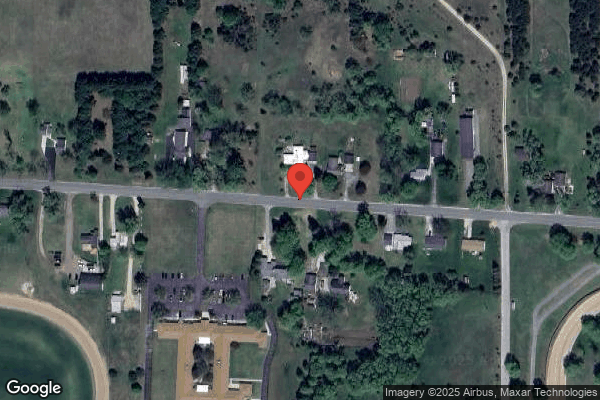
725 West Fuller, Big Rapids, MI 49307 (231) 796-2631
For profit - Corporation 78 Beds MISSION POINT HEALTHCARE SERVICES Data: November 2025
Trust Grade
83/100
#62 of 422 in MI
Last Inspection: July 2025

Inspected within the last 6 months. Data reflects current conditions.

Overview

Mission Point Nursing & Physical Rehabilitation in Big Rapids, Michigan, has a Trust Grade of B+, indicating it is above average and recommended for families considering care options. It ranks #62 out of 422 facilities in Michigan, placing it in the top half, and is the best option out of two in Mecosta County. The facility has a stable trend, maintaining 11 identified issues from 2024 to 2025, and has a good staffing rating with a turnover rate of 25%, significantly lower than the state average. While there are strengths in staffing and no fines on record, some concerns were noted, including incomplete medical records for residents and inadequate communication regarding changes in residents' conditions. Additionally, care plans were not consistently reviewed and updated, which could impact resident safety and care quality.

Trust Score
B+
83/100
In Michigan
#62/422
Top 14%
Safety Record
Low Risk
No red flags
Inspections
Holding Steady
11 → 11 violations
Staff Stability
✓ Good
25% annual turnover. Excellent stability, 23 points below Michigan's 48% average. Staff who stay learn residents' needs.
Penalties
✓ Good
No fines on record. Clean compliance history, better than most Michigan facilities.
Skilled Nurses
✓ Good
Each resident gets 51 minutes of Registered Nurse (RN) attention daily — more than average for Michigan. RNs are trained to catch health problems early.
Violations
⚠ Watch
26 deficiencies on record. Higher than average. Multiple issues found across inspections.
★★★★★
5.0
Overall Rating
★★★★☆
4.0
Staff Levels
★★★★★
5.0
Care Quality
★★★★☆
4.0
Inspection Score
Stable
2024: 11 issues
2025: 11 issues

The Good

  • 4-Star Staffing Rating · Above-average nurse staffing levels
  • 5-Star Quality Measures · Strong clinical quality outcomes
  • Low Staff Turnover (25%) · Staff stability means consistent care
  • Full Sprinkler Coverage · Fire safety systems throughout facility
  • No fines on record
  • Staff turnover is low (25%)

    23 points below Michigan average of 48%

Facility shows strength in staffing levels, quality measures, staff retention, fire safety.

The Bad

Chain: MISSION POINT HEALTHCARE SERVICES

Part of a multi-facility chain

Ask about local staffing decisions and management

The Ugly 26 deficiencies on record

Jul 2025 11 deficiencies
CONCERN (D)

Potential for Harm - no one hurt, but risky conditions existed

Notification of Changes (Tag F0580)

Could have caused harm · This affected 1 resident

**NOTE- TERMS IN BRACKETS HAVE BEEN EDITED TO PROTECT CONFIDENTIALITY** Based on interview and record reviews the facility failed to notify the responsible party of changes in conditions and treatment...

Read full inspector narrative →
**NOTE- TERMS IN BRACKETS HAVE BEEN EDITED TO PROTECT CONFIDENTIALITY** Based on interview and record reviews the facility failed to notify the responsible party of changes in conditions and treatment for one Resident (R5) of fifteen residents reviewed. Findings Resident #5 (R5) Review of the Electronic Medical Record (EMR) reflected R5 admitted to the facility 3/11/2018 with diagnoses that included: Traumatic Brain Dysfunction, Aphasia (inability or difficulty speaking), and Hemiplegia (weakness or paralysis on one side). Review of the Minimum Data Set (MDS) dated [DATE] reflected R5 was severely cognitively impaired. The EMR admission Record reflected Primary Contact (PC) K was the Guardian for R5. On 7/16/2025 at 11:16 AM a telephone interview was conducted with PC K who reported the facility had not always informed her of changes in status and care for R5. PC K reported several months ago she contacted the facility for an update on R5. PC K reported staff informed her R5 had been sick. PC K reported she contacted the facility a day or two later and was told by the facility R5 had pneumonia and was started on an antibiotic. PC K reported if she did not call the facility she would not have been aware of the condition or treatment of R5. PC K indicated she was not consistently informed of other alterations in status and the care of R5 over time. A review of the EMR was conducted: Review of the Progress Note documented 9/3/2024 reflected R5's blood sugars were evaluated by a Physician Assistant (PA) who implemented a new medication order for Januvia. The documentation did not reflect PC K had been informed of the results of the evaluation and the new medication. Review of the EMR Progress Note of 10/4/2024 reflected a PA again evaluated R5's blood sugars and implemented a medication change. The entry did not reflect PC K was informed of the change. The Progress Note of 10/29/2025 at 2:00 PM reflected R5 was catheterized to obtain a urine specimen that was sent to the lab. The entry did not reflect PC K had been informed of any concerns. Review of the Progress Note dated 11/27/2024 at 10:50 AM reflected R5 presented with a change of respiratory condition and direction to obtain a chest Xray, administer an antibiotic and initiate regular breathing treatments. The entry did not reflect PC K had been notified. The Progress Note dated 12/3/2024 at 11:18 AM reflected a Gradual Dose Reduction (GDR) of a psychotropic medication being conducted. No documentation was identified in the EMR that indicated PC K was aware of this. The Pharmacy Progress Note of 1/28/2025 at 5:55 PM reflected a new order for Norvasc (a medication used in treatment for high blood pressure) had been implemented. No documentation in the EMR was identified that PC K had been informed. Review of the Progress Notes revealed a Dietary Note dated 4/16/2025 at 2:28 PM that reflected R5 was being followed for weight loss over the past month. This and no previous entries were identified that PC K had been informed R5 had experienced a weight loss. The EMR Progress Note dated 4/18/2025 at 9:28 AM revealed a Psychiatry Follow up encounter by a PA. The entry noted the GDR of the psychotropic medication in December of 2024, and that this medication had been discontinued the day of this entry. The documentation reflected facility staff were to discuss the plan of care with the resident's responsible party. However, no documentation was identified in the EMR that reflected PC K was aware of the GDR or the discontinuation of the medication. An EMR Progress Note entry on 6/15/2025 at 12:23 AM reflected R5 had an open area on his penis and an ointment was being applied as a remedy. Neither this entry nor other surrounding documentation was identified that indicated PC K was notified R5 had an open area of skin. On 7/17/2025 at 12:51 PM an interview was conducted with the Director of Nursing (DON). The DON was informed that the Guardian for R5 reported not being informed of changes in the status and plan of care of the Resident over time. The DON was informed that a review of the EMR supported this assertion as documentation was not identified that the Guardian had been notified of changes in condition and treatment for R5. The DON indicated a review would be conducted. As of survey exit no information had been provided by the facility that the Guardian had been informed of the matters noted above.
CONCERN (D)

Potential for Harm - no one hurt, but risky conditions existed

Deficiency F0657 (Tag F0657)

Could have caused harm · This affected 1 resident

**NOTE- TERMS IN BRACKETS HAVE BEEN EDITED TO PROTECT CONFIDENTIALITY** Based on observation, interview, and record review, the facility failed to ensure resident care plans were reviewed, revised, an...

Read full inspector narrative →
**NOTE- TERMS IN BRACKETS HAVE BEEN EDITED TO PROTECT CONFIDENTIALITY** Based on observation, interview, and record review, the facility failed to ensure resident care plans were reviewed, revised, and implemented for 2 of 15 residents (Resident #40 and #5) reviewed for care plans. Findings: Resident #40 (R40) Review of an admission Record revealed R40 was a [AGE] year-old female, admitted to the facility on [DATE], with pertinent diagnoses which included: Muscular Dystrophy and dysphagia (difficulty swallowing). Review of R40’s “Antigravity Team Note” dated 6/12/25 revealed, “Date of Fall: 6/11/25Root Cause(s) of Fall: Rolled from bed…New Interventions: Floor mats added…” Review of R40’s fall “Care Plan” on 7/16/25 at 12:09 PM and on 7/17/25 at 11:02 AM revealed, “I am at an increased risk for falls r/t (related to) muscular dystrophy, muscle weakness, DM II (diabetes type 2), depression, anxiety, chronic pain, scoliosis, history of falls. Date Initiated: 11/23/2023.” There was no intervention for the placement of a floor mat. During an interview on 07/18/2025 at 8:30 AM, Staff Development Coordinator (SDC) “G” reported that R40’s “Care Plans” should reflect her current status and preferences and she would follow up. Review of R40’s fall “Care Plan” on 7/18/25 at 11:15 AM revealed, “…Fall mats at bedside due to risk of rolling from bed.” Review of R40’s nutrition “Care Plan” revealed, “I have the potential for a nutritional/hydration problem r/t DM (diabetes mellitus), CKD (chronic kidney disease), dysphagia, depression, HLD (hyperlipidemia), risk for malnutrition Date Initiated: 12/06/2023…Patient to eat in dining room only, or by nurses' station for supervision. Date Initiated: 11/16/2024…” During an observation and interview on 07/16/2025 at 8:44 AM, R40 was observed eating her breakfast in bed without supervision. R40 reported that she would routinely eat her breakfast and dinner in her bed without supervision. Additionally, there was a fall mat in her room leaning up against the wall. It was not positioned next to the bed. During an observation on 07/17/2025 at 8:49 AM, R40 was observed eating her breakfast in bed without supervision. There was a fall mat in her room leaning up against the wall not positioned next to the bed. During an observation on 07/17/2025 at 10:59 AM, R40 was in bed resting with her eyes closed. There was a fall mat in her room leaning up against the wall not positioned next to the bed. Resident #5 (R5) Review of the Electronic Medical Record (EMR) reflected R5 admitted to the facility 3/11/2018 with pertinent diagnoses that included: Traumatic Brain Dysfunction, Aphasia (inability or difficulty speaking), and Cognitive Communication Deficit. Review of the Minimum Data Set (MDS) dated [DATE] reflected R5 was significantly cognitively impaired. On 7/17/2025 at 11:09 AM Certified Nurse Aide (CNA) “J” reported she had worked at the facility for several years and frequently provided care to R5. CNA “J” reported she often cannot figure out what R5 wants. CNA “J” reported that R5 will point but that she cannot understand the Resident. Review of the Care Plan for R5 revealed a “Focus” of “I have a communication problem (related to) previous traumatic brain injury; my speech may sound garbled at times. I have a communication board. Please encourage me to use it and write out my words” initiated 2/27/2019. The documented “Goal” of this Care Plan was “I will be able to make basic needs known by physical communication on a daily basis…” initiated 2/27/2019. “Interventions” included: “Help me develop a communication tool that I can utilize to communicate my needs” and “Monitor/document frustration level. Allow me time before providing me with words” initiated 2/27/2019. Further review of the Care Plan reflected no new interventions since 2/10/2020. No monitoring documentation or tool was identified in the EMR for the Care Plan intervention of “Monitor/document frustration level” of R5. On 7/17/2025 at 12:51 PM the communication difficulties identified for R5 were discussed with the Director of Nursing (DON). The DON reported a review would be conducted. On 7/17/2025 at 1:30 PM the room of R5 was reviewed. No communication board was found. R5 shook his head “No” when asked if he had a communication board and if he knew what this was.
CONCERN (D)

Potential for Harm - no one hurt, but risky conditions existed

Deficiency F0658 (Tag F0658)

Could have caused harm · This affected 1 resident

**NOTE- TERMS IN BRACKETS HAVE BEEN EDITED TO PROTECT CONFIDENTIALITY** Based on observation, interview, and record review, the facility failed to follow professional standards of nursing practice for...

Read full inspector narrative →
**NOTE- TERMS IN BRACKETS HAVE BEEN EDITED TO PROTECT CONFIDENTIALITY** Based on observation, interview, and record review, the facility failed to follow professional standards of nursing practice for 2 of 15 residents (Resident #40 and #55) reviewed for medication administration. Findings:Resident #40 (R40) Review of an admission Record revealed R40 was a [AGE] year-old female, admitted to the facility on [DATE], with pertinent diagnoses which included: Muscular Dystrophy and dysphagia (difficulty swallowing). The diagnosis of dysphagia was added to her diagnosis list on 12/1/23. Review of R40’s “Care Plan” revealed no entries that R40 could self-administer medications. Review of R40’s “Self-Administration of Medication Evaluation” revealed the assessment for self-administering medications was last completed on 8/10/23 (prior to the dysphagia diagnosis). Review of R40’s “SLP (Speech Language Pathology) Screen” dated 11/27/23 revealed R40 did not have the physical capacity to swallow without difficulty and had difficult/painful swallowing and would cough/choke with meals/medications. During an observation and interview on 07/16/2025 at 8:44 AM, a medication cup full of medications was observed on R40’s tray table next to her breakfast tray. R40 reported that staff “always leave them here” further explaining that she prefers to take them on her own time. R40 reported that she was hospitalized and diagnosed with dysphagia around Thanksgiving of 2023 which resulted in a change of her diet to prevent her from aspirating/choking. During an interview on 07/17/2025 at 2:30 PM, Nursing Home Administrator (NHA) reported that R40 did not self-administer medication and therefore did not have a recent “Self-Administration of Medication Evaluation.” During an interview on 07/18/2025 at 8:30 AM, Staff Development Coordinator (SDC) “G” reported that medications were not to be left on R40’s tray table and licensed nurses were to observe R40 take her medications due to the safety risks present from her dysphagia diagnosis. Review of the facility policy “Resident Rights” last reviewed/revised February 2025 revealed, “…f. The right to self-administer medications if the interdisciplinary team has determined that this practice is clinically appropriate…” Review of the facility policy “Medication Administration” implemented 2/9/25 revealed, “…18. Observe resident consumption of medication…” Resident #55 (R55) Review of the medical record reflected R55 admitted to the facility 6/13/2025 with pertinent diagnoses that included Chronic Obstructive Pulmonary Disease (COPD). Review of the Minimum Data Set (MDS) Section C (cognitive patterns) reflected R15 was cognitively intact. On 7/16/2025 at 8:21 AM an observation, interview, and record review were conducted with Registered Nurse (RN) “L” at the medication cart on the Southeast Hall. RN “L” was observed preparing the morning medication for R55. During this preparation the Medication Administration Record (MAR) was reviewed as RN “L” selected each medication ordered to be administered. The medications reviewed included “Breztri Aerosphere Inhalation Aerosol (a handheld multidose inhaler) 160-9-4.8 MCG/CT 2 puff inhale orally two times a day for COPD” with the direction to “Rinse mouth thoroughly and expectorate after using”. The observation of the medication administration at the above date and time continued. Once prepared, RN “L” carried the medications to the room of R55 who was sitting in a chair eating breakfast. R55 took the medication cup of oral medications from RN “L” and self-administered these without difficulty. RN “L” then handed the Breztri Aerosphere inhaler to R55 who self-administrated two puffs. R55 then handed the Breztri Aerosphere inhaler back to RN “L” and resumed eating breakfast. RN “L” exited the room. On return to the medication cart RN “L” was asked if he should have had R55 rinse her mouth and spit out the water following the self-administration of the Breztri Aerosphere inhaler? RN “L” stated “I’d have to look that up”. This statement indicated the direction on the MAR for this inhaler had not been noted by RN “L”. RN “L” did not re-review the MAR or provide any further clarification of proper use of the Breztri Aerosphere inhaler. A review of the EMR Doctor’s Order of the Breztri Aerosphere confirmed the direction on the MAR to “Rinse mouth thoroughly and expectorate after using”. Review of the manufacturer’s product information sheet/ package insert for the Breztri Aerosphere Inhaler reflected, “Warnings and Precautions”, Candida albicans infection of the mouth and pharynx may occur (a pathogenic overgrowth of a yeast-like fungus that lines the digestive tract). Monitor Patients periodically. Advise the patient to rinse his/her mouth with water without swallowing after inhalation to help reduce the risk”. Review of the facility policy “Medication Administration” implemented 2/9/2025 revealed, “Policy: Medications are administered by licensed nurses or competent medication technicians as ordered by the physician and in accordance with professional standards of practice, in a manner to prevent contamination or infection”. And “12 a. Refer to drug reference material if unfamiliar with the medication, including its mechanism of action or common side effects”. And “17. Administer medication as ordered in accordance with manufacturer specifications”. And “24. Refer to pharmacy manual for specific medication-related policies and procedures”.
CONCERN (D)

Potential for Harm - no one hurt, but risky conditions existed

Quality of Care (Tag F0684)

Could have caused harm · This affected 1 resident

**NOTE- TERMS IN BRACKETS HAVE BEEN EDITED TO PROTECT CONFIDENTIALITY** Based on interview and record review, the facility failed to 1.) ensure insulin was administered and monitored following the pro...

Read full inspector narrative →
**NOTE- TERMS IN BRACKETS HAVE BEEN EDITED TO PROTECT CONFIDENTIALITY** Based on interview and record review, the facility failed to 1.) ensure insulin was administered and monitored following the provider order and 2.) ensure abnormal blood sugar results were reported to the provider for 3 of 15 residents (Resident #40, #10, and #64) reviewed for insulin administration.Findings:Resident #40 (R40) Review of an admission Record revealed R40 was a [AGE] year-old female, admitted to the facility on [DATE], with pertinent diagnoses which included: Muscular Dystrophy Review of R40's Order Summary dated 5/3/25 revealed, HumaLOG KwikPen Subcutaneous Solution Pen-injector 100 UNIT/ML (Insulin Lispro) Inject 4 unit subcutaneously with meals for DM2 In addition to sliding scale insulin. Hold if BS <100 (blood sugar less than 100) or not eating.Review of R40's June Medication Administration Record and Blood Sugar Summary revealed that on 6/24/2025 at 08:06 AM R40's blood sugar was 93 and the 4 units of Humalog was administered. (The sliding scale insulin was not administered due to her blood sugar not falling within range.)Review of R40's July Medication Administration Record and Blood Sugar Summary revealed that on 7/12/2025 at 09:31 AM R40's blood sugar was 94 and the 4 units of Humalog was administered. (The sliding scale insulin was not administered due to her blood sugar not falling within range.)Review of R40's Electronic Medical Record revealed no documentation for the rationale for administering the insulin outside of the ordered parameters. Resident #10 (R10) Review of an admission Record revealed R10 was a [AGE] year-old male, admitted to the facility on [DATE], with pertinent diagnoses which included: Type 1 Diabetes. Review of R10's Order Summary dated 4/4/25 revealed, Insulin Lispro Injection Solution 100 UNIT/ML (Insulin Lispro).Call MD (medical doctor) for BS (blood sugar) greater than 500. before meals and at bedtime. To be administered and blood sugars assessed at 8:00 AM, 12:00 PM, 4:00 Pm, and 8:00 PM.Review of R10's Blood Sugar Summary revealed:*On 7/1/2025 at 9:09 PM R10's blood sugar was 525*On 7/3/2025 at 11:12 PM R10's blood sugar was 520*On 7/9/2025 at 4:35 PM R10's blood sugar was 547*On 7/11/2025 at 11:06 PM R10's blood sugar was 553*On 7/15/2025 at 08:55 AM R10's blood sugar was 501*On 7/15/2025 at 10:56 PM R10's blood sugar was 519*On 7/17/2025 at 8:36 AM R10's blood sugar was 524 Review of R10's Electronic Medical Record revealed no documentation that the provider was notified of the blood sugars listed above. During an interview via email on 07/17/2025 at 2:30 PM, Nursing Home Administrator (NHA) reported that the facility provider is notified with high blood sugars no new orders, because (R10 is a) brittle diabetic. During an interview on 07/17/2025 at 9:57 AM, Director of Nursing reported there was no documentation that the provider was notified of the abnormal blood sugar results or that a new order was received. Resident #64 (R64) Review of an admission Record revealed R64 was a [AGE] year-old female, admitted to the facility on [DATE], with pertinent diagnoses which included: type 2 diabetes. Review of R64's Order Summary dated 7/10/25 revealed, QAM (every morning) blood sugar checks for DM2 (type 2 diabetes) one time a day.Review of R64's Blood Sugar Summary on 7/18/25 at 11:30 AM revealed R64's blood sugar was NOT assessed on 7/13/25, 7/14/25, 7/15/25, 7/16/25, or 7/18/25.Review of R64's July Medication Administration Record revealed a check mark for each day (from 7/10/25-7/18/25) indicating the blood sugar assessment had been completed. Review of R64's Electronic Medical Record revealed no documentation that a blood sugar assessment had been completed or a rationale for not obtaining the blood sugar. During an interview on 07/18/2025 at 8:30 AM, Staff Development Coordinator (SDC) G reported that the expectation was for the licensed nurses to follow the physicians orders including the ordered parameters. Review of the facility policy Medication Administration implemented 2/9/25 revealed, .8. Obtain and record vital signs, when applicable or per physician orders. When applicable, hold medication for those vital signs outside the physician's prescribed parameters.10. Ensure that the six rights of medication administration are followed.
CONCERN (D)

Potential for Harm - no one hurt, but risky conditions existed

Respiratory Care (Tag F0695)

Could have caused harm · This affected 1 resident

Based on observation, interview, and record review, the facility failed to ensure proper care of a Continuous Positive Airway Pressure (CPAP) device for one Resident (R15) of fifteen residents reviewe...

Read full inspector narrative →
Based on observation, interview, and record review, the facility failed to ensure proper care of a Continuous Positive Airway Pressure (CPAP) device for one Resident (R15) of fifteen residents reviewed. Findings: Resident #15 (R15) Review of the medical record reflected R15 admitted to the facility 10/21/2019 with the pertinent diagnosis of Obstructive Sleep Apnea (a condition when breathing stops while sleeping due to a blockage of the windpipe). The medical record reflected that R15 used a CPAP device (the device that consisted of a pressure module that delivered breathable air under pressure via tubing from the device to a mask worn while sleeping to keep the windpipe open) to treat this condition. On 7/16/2025 at 10:09 AM an observation and interview were conducted with R15 in her room. It was observed that R15 had a CPAP device that was not in use and the mask was not stored in a bag. Review of the CPAP filter revealed it was moderately soiled. R15 reported that staff had not cleaned her CPAP in a long time. On 7/17/2025 at 10:53 AM during an observation and interview with R15 in her room it was noted that her CPAP device was not in use and that the mask was not stored in a bag. R15 reported staff had given her a bag a couple of years ago and told her to use it. R15 displayed a folded plastic bag and reported that the current bag was the same bag provided by the facility a couple of years ago. R15 reported that staff did not check daily for proper storage of the mask when not in use and reiterated that staff do not clean her device. Review of the filter revealed that it had not been cleaned or changed and remained moderately soiled as noted on 7/16/2025. Review of the Medication Administration Record (MAR) for July 2025 and the Treatment Administration Record (TAR) for July 2025 did not reflect maintenance of the CPAP device for R15 monitored by Nursing. Review of the Tasks in the EMR for the previous thirty days reflected documentation that staff had cleaned R15's CPAP mask once or twice a day. Additionally, the documentation in tasks reflected the filter was to be changed or cleaned weekly and as needed. The documentation alleged that the filter had last been cleaned or changed on 7/14/2025, two days before the first observation when the filter was noted to be moderately soiled. The policy provided by the facility titled BIPAP-CPAP implemented 11/2009 was reviewed. The policy reflected Procedure: h. Store mask or nasal pillows in mesh bag or other approved storage container approved by the facility when not in use. The policy continued with 5. Cleaning: a. Mask or nasal pillows shall be wiped with an approved disinfecting solution daily per manufacturer's guidelines. And e. Replace mesh bag (or other approved storage device) monthly. And f. Filters cleaned weekly per manufacturer's recommendation.
CONCERN (D)

Potential for Harm - no one hurt, but risky conditions existed

Pharmacy Services (Tag F0755)

Could have caused harm · This affected 1 resident

**NOTE- TERMS IN BRACKETS HAVE BEEN EDITED TO PROTECT CONFIDENTIALITY** Based on interview and record review, the facility failed to ensure controlled medications were properly dispensed and documente...

Read full inspector narrative →
**NOTE- TERMS IN BRACKETS HAVE BEEN EDITED TO PROTECT CONFIDENTIALITY** Based on interview and record review, the facility failed to ensure controlled medications were properly dispensed and documented for 3 of 15 residents (Residents #2, #4, and #25) reviewed for controlled medication administration. Findings:Resident #2 (R2) Review of an admission Record revealed R2 was an [AGE] year-old female, admitted to the facility on [DATE], with pertinent diagnoses which included: osteoporosis. Review of R2's Order Summary dated 5/26/25 revealed, tramadol HCl Oral Tablet 50 MG Give 1 tablet by mouth two times a day for PAIN.Review of R2's Controlled Substance Proof-Of-Use Record revealed that on 7/1/25, 7/2/25, 7/3/25, and 7/14/25 the evening doses of tramadol were documented as dispensed.Review of R2's July Medication Administration Record revealed that on 7/1/25, 7/2/25, 7/3/25, and 7/14/25 the evening doses of tramadol were documented as not administered. Review of R2's Controlled Substance Proof-Of-Use Record revealed that on 7/4/25 there were no doses of tramadol documented as dispensed. Review of R2's July Medication Administration Record revealed that on 7/4/25 the morning dose of tramadol was documented as administered. Review of R2's Electronic Medical Record revealed no documentation as to why the medication was dispensed but not administered. During an interview on 07/17/2025 at 9:57 AM, Director of Nursing (DON) provided a written statement dated 7/16/25 which revealed that the primary nurse for R2 removed the tramadol from the medication cart and wasted (disposed of) the tramadol and a secondary nurse witnessed the waste. DON confirmed the documentation error for the tramadol administration on 7/4/25.Resident #4 (R4) Review of an admission Record revealed R4 was an [AGE] year-old female, admitted to the facility on [DATE], with pertinent diagnoses which included: anxiety disorder. Review of R4's Order Summary with a start date of 3/19/25 and an end date of 4/2/25 revealed, Alprazolam (Xanax) Tablet 0.25 MG Give 0.25 mg by mouth every 6 hours as needed for Agitation for 14 Days.Review of R4's Controlled Substance Proof-Of-Use Record revealed that on 4/10/25 a dose of Xanax was dispensed (without an active order).Review of R4's April Medication Administration Record revealed no documentation that a dose of Xanax was administered. Review of R4's Electronic Medical Record revealed no documentation for the administration of Xanax without a physician order. During an interview on 07/17/2025 at 9:57 AM, DON reported that the provider had given a 1-time verbal order for the use of Xanax, however, the licensed nurse did not transcribe the order into the Electronic Health Record or document the one-time order in the progress notes. Resident #25 (R25) Review of an admission Record revealed R25 was an [AGE] year-old female, admitted to the facility on [DATE], with pertinent diagnoses which included: anxiety disorder. Review of R25's Order Summary dated 7/8/25 revealed, Lorazepam Oral Tablet 0.5 MG (Ativan) Give 1 tablet by mouth every 4 hours as needed for anxiety for 14 Days.Review of R25's Controlled Substance Proof-Of-Use Record revealed:*On 7/14/25 at 4:23 PM a dose of Ativan was dispensed. *On 7/14/25 at 7:01 PM a dose of Ativan was dispensed.*On 7/15/25 at 9:30 AM a dose of Ativan was dispensed.Review of R25's July Medication Administration Record revealed no documentation that the dose of Ativan was administered on 7/14/25 at 7:01 PM or on 7/15/25 at 9:30 AM.Review of R25's Electronic Medical Record revealed no documentation related to the administration of Ativan on 7/14/25 at 7:01 PM or on 7/15/25 at 9:30 AM.During an interview on 07/17/2025 at 9:57 AM, DON confirmed the licensed nurses had not documented the administration of Ativan into the Medication Administration Record.Review of the facility policy Controlled Substances dated June 2019 revealed, .D. Accurate accountability of the inventory of all controlled substances is maintained at all times. When a controlled substance is administered, the nurse administering the medication immediately enters the following information on the controlled substance count sheet and on the Medication Administration Record (MAR):1) Date and time of administration (MAR, controlled substance count sheet)2) Amount administered (controlled substance count sheet)3) Remaining quantity (controlled substance count sheet)4) Initials of the nurse administering the dose (MAR, controlled substance count sheet)E. When a dose of a controlled substance is removed from the container but refused by the resident or not given for any reason, it is not placed back in the container; it must be destroyed according to facility policy, and the disposal must be documented on the controlled substance count sheet on the line representing that dose. The same process applies to the disposal of unused partial tablets and unused portions of single dose ampules.
CONCERN (D)

Potential for Harm - no one hurt, but risky conditions existed

Unnecessary Medications (Tag F0759)

Could have caused harm · This affected 1 resident

**NOTE- TERMS IN BRACKETS HAVE BEEN EDITED TO PROTECT CONFIDENTIALITY** Based on observation, interview, and record review, the facility failed to ensure a medication error rate of less than 5% for 2 ...

Read full inspector narrative →
**NOTE- TERMS IN BRACKETS HAVE BEEN EDITED TO PROTECT CONFIDENTIALITY** Based on observation, interview, and record review, the facility failed to ensure a medication error rate of less than 5% for 2 of 6 residents (R52 and R60) observed during the medication administration task, resulting in a medication error rate of 6.66% (2 errors of 30 medications administered).Findings include:R52A review of R52's admission Record, dated 7/18/25, revealed they were a [AGE] year-old resident admitted to the facility on [DATE]. In addition, R52's admission Record revealed multiple diagnoses that included Vitamin D deficiency.During an observation on 7/16/25 at 8:25 AM, Licensed Practical Nurse (LPN) E administered eleven medications to R52, including Vitamin D3 (cholecalciferol) 50 mcg (micrograms) (2000 International Units (IU)).A review of R52's Medication Administration Record (MAR), dated 7/1/25 to 7/18/25, revealed LPN E should have administered cholecalciferol 1000 units on 7/16/25, not cholecalciferol 2000 units.During an interview on 7/16/25 at 12:18 PM, the Director of Nursing (DON) was notified of the medication error. R60A review of R60's admission Record, dated 7/17/25, revealed they were a [AGE] year-old resident admitted to the facility on [DATE]. In addition, R60's admission Record revealed multiple diagnoses that included chronic pain syndrome, back spasm, and neuropathy (nerve damage that can cause symptoms such as pain, weakness, numbness, or tingling).During an observation on 07/15/2025 at 4:35 PM, Registered Nurse (RN) F stated R60's morphine sulfate medication order had been changed earlier in the day. RN F then verbalized the dose they were giving to R60 and administered 40 milligrams (mg) of morphine sulfate oral solution (2 milliliters (ml) of morphine sulfate 20mg/ml) to R60. During an interview on 07/16/2025 at 11:19 AM, RN D stated she just administered 40 mg of morphine sulfate oral solution to R60 for her 11:30 AM dose. A review of R60's MAR, dated 7/1/25 to 7/16/25, revealed RN D and RN F should have administered morphine sulfate 20 mg to R60, not 40 mg. A review of R60's Controlled Substance Proof-Of-Use Record, dated 7/13/25 to 7/16/25, revealed R60 had also received 40 mg of morphine sulfate oral solution on 7/16/25 at 4:54 AM. During an interview on 07/16/2025 at 11:15 AM, the DON was notified of medication errors with R60. The DON stated he would investigate the errors. During a second interview on 07/16/2025 at 3:00 PM, the DON stated he investigated the medication errors and agreed that R60 receiving 40 mg (2 ml) of morphine was an error. The DON reported he had contacted the physician and hospice provider, and both providers acknowledged the errors in morphine dosing, A review of the facility's Medication Administration policy and procedure, dated 2/9/25, revealed, 10. Ensure that the six rights of medication administration are followed. c. Right dosage. 11. Review MAR to identify medication to be administered.
CONCERN (D)

Potential for Harm - no one hurt, but risky conditions existed

Deficiency F0761 (Tag F0761)

Could have caused harm · This affected 1 resident

Based on observation and interview, the facility failed to properly label medications in 1 of 2 medication carts (Northeast/ Northwest Split Medication Cart) observed for medication storage.Findings i...

Read full inspector narrative →
Based on observation and interview, the facility failed to properly label medications in 1 of 2 medication carts (Northeast/ Northwest Split Medication Cart) observed for medication storage.Findings include: During an observation on 07/16/2025 at 8:35 AM, the Northeast/Northwest Split Medication Cart was inspected with Licensed Practical Nurse (LPN) E. The following observations were made: - Incruse Ellipta 62.5 mcg/act discus box labeled with R52's name. However, the discus in the box was not labeled with R52's name and/or any other resident identifying information. - Fluticasone propionate 50 mcg/act nasal spray box labeled with R52's name. However, the nasal spray was not labeled with R52's name and/or any other resident identifying information. During an interview on 07/16/2025 following the inspection of the Northeast/Northwest Split Medication Cart at 8:35 AM, LPN E stated, They (the discus and nasal spray) should be labeled [with the resident's name] so we know if they are in the right box. LPN E also stated the discus, and nasal spray should be labeled with the resident's name, so staff know who the discus and nasal spray belong to in case they fall out of their respective boxes, During an interview on 07/16/2025 at 9:55 AM, Registered Nurse (RN) D stated that staff should label discuses and nasal sprays in the boxes with the residents' names. She stated they do this so we know we're giving the right med (medication) to the right patient (resident). RN D also stated the discuses, and nasal sprays should be labeled with the resident's name in case they fall out of their respective boxes, so staff know who the discus and inhaler belong to.
CONCERN (D) 📢 Someone Reported This

A family member, employee, or ombudsman was alarmed enough to file a formal complaint

Potential for Harm - no one hurt, but risky conditions existed

Safe Environment (Tag F0921)

Could have caused harm · This affected 1 resident

**NOTE- TERMS IN BRACKETS HAVE BEEN EDITED TO PROTECT CONFIDENTIALITY** This citation pertains to intake #1239234:Based on observation, interview, and record review, the facility failed to ensure a cl...

Read full inspector narrative →
**NOTE- TERMS IN BRACKETS HAVE BEEN EDITED TO PROTECT CONFIDENTIALITY** This citation pertains to intake #1239234:Based on observation, interview, and record review, the facility failed to ensure a clean environment for 2 residents (R7 and R17) reviewed for environmental concerns. Findings include: On 7/11/2025 the Long-Term Care Ombudsman reported that the facility was odoriferous (unpleasant smell) during recent visits. On 7/15/2025 at 11:04 AM a strong smell of urine was noted at and around the Nurse's Station at the South East/West Hall becoming more pronounced down the hall past room [ROOM NUMBER] and continued to room [ROOM NUMBER] before subsiding but still notable. Due to the strong prevalence of the odor in the area the source could not immediately be isolated. Resident #7 (R7) Review of the medical record reflected R7 admitted to the facility 5/3/2024 with pertinent diagnoses that included Need for Assistance with Personal Care. Review of the Minimum Data Set (MDS) dated [DATE] reflected R7 was occasionally incontinent of urine and was not on a toileting program. The Care Plan for R7 reflected the Resident was safe for self-transfers and was ambulatory with a walker. On 7/17/2025 at 11:02 AM an observation and interview were conducted with Certified Nurse Aide (CNA) J in room [ROOM NUMBER] the room of R7. CNA J was asked about the strong smell of urine in the hallway and in room [ROOM NUMBER]. CNA J reported that R7, who resides in bed one, can toilet himself but has trouble urinating into the toilet due to vision problems. CNA J reported R7 urinates on and around the toilet all the time and it was not unusual for the floor around the toilet to be wet with urine. CNA J reported she often checks the bathroom of R7 when she first comes on shift and will contact Housekeeping to ask the urine to be mopped up. Resident #17 (R17) Review of the medical record reflected R17 admitted to the facility with pertinent diagnoses that included Diabetes Mellitus and Benign Prostatic Hyperplasia (enlarged prostate). Review of the Kardex (a summary of the resident's needs and preferences) reflected that R17 was independent for toileting and used a urinal at bedside. On 7/15/2025 at 11:46 AM an observation was conducted in room [ROOM NUMBER] where R17 resided in bed 2. At the head of the bed of R17 two urinals were observed on a towel on the floor. One urinal was full and standing up and the other urinal was empty and laying down. The room had a strong smell of urine as did the hall prior to entering the room. On 7/15/2025 at 1:35 PM, in the room of R17 it was observed that the full urinal remained unemptied and neither urinal had been repositioned on the floor by the bed. On 7/16/2025 at 11:27 AM, in the room of R17 two urinals were observed on the floor at the head of the bed. Both urinals were standing upright. One was completely full, and the other was roughly half filled with urine. A half-filled urinal was observed also hanging but the handle from the wastebasket at bed one. A noticeable urine smell was present in the room. On 7/17/2025 at 10:49 AM, R17 was observed to be asleep in bed two of his room. Two urinals were noted on floor at the head of the bed. One urinal was standing on end half full of urine and the other laying empty on its side. At bed one urinal half-filled urine was hanging on a waste basket half full. The smell of urine was evident in the room. Review of the Resident Council Meeting Minutes dated 2/3/2025 revealed, .Toilets need to be cleaned better after dumping bed pans or urinals.Review of the Resident Council Meeting Minutes dated 4/1/2025 revealed, .Dumping of bed pans/urinals is getting careless and messy.
CONCERN (D)

Potential for Harm - no one hurt, but risky conditions existed

Deficiency F0947 (Tag F0947)

Could have caused harm · This affected 1 resident

Based on interview and record review the facility failed to complete a performance review of every nurse aide at least once every 12 months and provide regular in-service education based on the outcom...

Read full inspector narrative →
Based on interview and record review the facility failed to complete a performance review of every nurse aide at least once every 12 months and provide regular in-service education based on the outcome of these reviews.Findings:Review of the Facility Assessment dated 8/6/24 revealed, .INFORMATION ABOUT OUR STAFF TRAINING/EDUCATION AND COMPETENCIES-Our facility's training program includes an orientation process and ongoing training for all new and existing staff including managers, nursing and other direct care staff, individuals providing services under contractual arrangement, and volunteers consistent with their expected roles. We complete an education needs assessment and develop a curriculum and training plan based on staff need (sic) and resident characteristics.Review of Certified Nursing Assistant (CNA) I's employee file revealed she was hired on 12/18/2023. There were no performance evaluations completed since CNA I's date of hire. Review of CNA I's computerized education/continuing competencies hours revealed:*On 12/30/23, Employee Safety Orientation was completed for 1 hour of education. *On 1/3/24, Code of Conduct was completed but did not count for education hours. No other education was completed until 1/9/25.Review of CNA H's employee file revealed she was hired 10/17/2022. There were no performance evaluations completed for 2023 or 2024.During an interview on 07/18/2025 at 8:58 AM, Nursing Home Administrator (NHA) reported that performance evaluations had not been done in 2024 due to the HR (Human Resources) department putting it on hold in order to streamline the process. NHA reported he was unsure if they had been completed in 2023 as he was not the acting administrator at the time. NHA reported that yearly education was completed by computerized training program, bi-monthly meetings, and the yearly skills assessment/in-service. NHA reported any concerns brought to the attention of management via resident council, staff complaints, or surveys were addressed in the bimonthly meetings with education provided.
CONCERN (E)

Potential for Harm - no one hurt, but risky conditions existed

Medical Records (Tag F0842)

Could have caused harm · This affected multiple residents

**NOTE- TERMS IN BRACKETS HAVE BEEN EDITED TO PROTECT CONFIDENTIALITY** Based on interview and record review, the facility failed to maintain complete and accurate medical records for 3 of 15 sampled ...

Read full inspector narrative →
**NOTE- TERMS IN BRACKETS HAVE BEEN EDITED TO PROTECT CONFIDENTIALITY** Based on interview and record review, the facility failed to maintain complete and accurate medical records for 3 of 15 sampled residents (R3, R51, and R69). Findings include:Resident #51 (R51) A review of R51’s admission Record, dated 07/17/2025, revealed they were a [AGE] year-old resident admitted to the facility on [DATE]. In addition, R51 had multiple diagnoses that included depression, bipolar disease, schizophrenia, and alcohol-induced disorder. R51’s admission Record also revealed they were their own responsible party (in charge of their own medical decisions). A review of R51’s Order Summary Report, dated 7/17/25, revealed R51 had physician orders for Benztropine Mesylate (a medication for Parkinson’s Disease and movement disorders from other diseases or side effects from antipsychotic medications) 0.5 milligrams (mg) twice a day and Bupropion (a medication for depression) 150 mg once a day. In addition, R51’s Order Summary Report revealed R51 was also prescribed Fluphenazine decanoate (an antipsychotic medication for bipolar disease) and Olanzepine (an antipsychotic medication for bipolar disease). A review of R51’s medical record, dated 06/25/2025 to 07/17/2025, failed to reveal any documentation that R51 was made aware in advance of the risks and benefits of a medication, the treatment alternatives or other options and was able to choose the option he preferred prior to the facility administering Benztropine Mesylate and Bupropion to him. During an interview on 07/17/2025 at 10:36 AM, the Director of Nursing (DON) stated R51's psychotropic medications are managed by CMH (Community of Mental Health- an outside agency). The DON stated he would contact them and get something from them to put into R51's medical record documenting that R51 was aware in advance of the risks and benefits of Benztropine Mesylate and Bupropion, the treatment alternatives or other options, and he was able to choose the option he preferred when he was admitted to the facility. During a second interview on 07/17/2025 at 11:30 AM, the DON stated the facility received R51's consent for psychoactive medications (including Benztropine Mesylate and Bupropion) from CMH. The DON stated the facility had done consents (including risks versus benefits of use and the treatment alternatives or other options) for antipsychotic medications (Fluphenazine decanoate and Olanzepine) when R51 had been admitted to the facility. However, the facility did not have any documentation that they had completed any consents for Benztropine Mesylate and Bupropion. Resident # 69 (R69) A review of R69’s admission Record, dated 07/18/2025, revealed they were a [AGE] year-old resident admitted to the facility on [DATE]. In addition, R69’s admission Record revealed they had multiple diagnoses including cervical spinal stenosis, osteoarthritis, and encounter for other orthopedic aftercare. A review of R69’s Discharge Instructions and Recap of Stay form, dated 05/14/2025, revealed that R69 had been admitted to the facility following an elective spinal surgery, progressed well, and was ready for discharge home on [DATE]. However, the “Nursing Services- Recap of Stay- Brief summary of medical stay” revealed, “This resident is in need for skilled services that can only be provided in SNF (Skilled Nursing Facility) on a daily basis for Encounter for Other Orthopedic Aftercare. I estimate the length of stay needed is 14 days.” This statement implied that R69 still needed skilled services that only the facility could provide when she discharged home after only 3 days at the facility. In addition, this statement appeared to be a reason for R69’s admission to the facility and not a summary of their stay. During an interview on 07/17/2025 at 4:00 PM, the DON stated it appeared the nurse manager copied and pasted the information from the hospital discharge summary into her section of R69’s Discharge Instructions and Recap of Stay form. The DON stated he was fine with that since that was the reason that R69 was at the facility. When the DON was informed that the nursing recap of stay at the facility was a summary of what occurred while the resident was at the facility and should be a summary of the resident’s stay and not just the reason for their admission he agreed, but stated he was fine with the nurse manager copying and pasting information from the hospital records into R69’s “Nursing Services- Recap of Stay” section of the Discharge Instructions and Recap of Stay form and did not see anything wrong with her (the nurse manager’s) documentation. During an interview on 07/18/2025 at 9:15 AM, Clinical Care Coordinator (CCC) “C” stated she had been R69’s nurse manager while she (R69) had been at the facility. CCC “C” also stated that she had filled out the “Nursing Services- Recap of Stay” section on R69’s Discharge Instructions and Recap of Stay form. CCC “C” was asked if she copied and pasted her note from any other documentation or if she typed it herself. CCC “C” stated she copied it and pasted it from R69’s “Order Recap Report” (not from R69’s hospital records) under the “Order” tab in R69’s medical record and showed the surveyor that she copied it from the physician order, dated 05/12/2025. CCC “C” stated, “I always copy and paste this (the admission physician order) into the nursing re-cap of stay section of a resident's discharge paperwork. That was what I was trained to do. “Clear, accurate, and accessible documentation is an essential element of safe, quality, evidence-based nursing practice… Documentation of nurses’ work is critical as well for effective communication with each other and with other disciplines. It is how nurses create a record of their services for use by payors, the legal system, government agencies, accrediting bodies, researchers, and other groups and individuals directly or indirectly involved with health care. It also provides a basis for demonstrating and understanding nursing’s contributions both to patient care outcomes and to the viability and effectiveness of the organizations that provide and support quality patient care… High quality documentation, however, is a necessary and integral aspect of the work of registered nurses in all roles and settings… Patient documentation frequently is used by professionals who are not directly involved with the patient’s care. If patient documentation is not timely, accurate, accessible, complete, legible, readable, and standardized, it will interfere with the ability of those who were not involved in and are not familiar with the patient’s care to use the documentation. (ANA’s (American Nursing Association) Principles for Nursing Documentation- Guidance for Registered Nurses, 2010, www.nursingworld.org/globalassest/docs/ana/ethics/principles -of-nursing-documentation.pdf, retrieved on 07/22/2025). Resident #3 (R3) Review of the Electronic Medical Record (EMR) reflected R3 admitted to the facility 8/23/2023 with diagnoses that included Quadriplegia (unable to use arms and legs). The EMR reflected R3 was cognitively intact and was able to make his own medical decisions. Review of the EMR Progress Note entry of 6/18/2025 at 12:43 PM reflected that R3 was transported to the hospital when a change of condition was identified. The entry did not reflect that pertinent information about the Resident’s condition was conveyed to the receiving hospital. The entry did not reflect that R3 was provided information on the facility bed hold policy. On 7/17/2025 at 3:46 PM an interview was conducted with the Director of Nursing (DON). The DON reported that when a resident was transferred to the hospital an “Interact” transfer form was completed and contains the documentation of contact with the hospital to convey pertinent resident information and documentation regarding the bed hold policy. The DON reported a review would be conducted for the information for the 6/18/25 event for R3.Review of the EMR index of Interact transfer forms did not reveal this form had been completed for R3 on 6/18/2025 On 7/18/2025 at 10:11 AM the DON acknowledged that an Interact transfer form for R3 on 6/18/25 was not completed and entered into the medical record. This indicated that the medical record did not contain complete documentation to verify that the hospital had been contacted with information pertinent to the change of condition of R3. Additionally, no documentation was included regarding the bed hold policy. urther review of the EMR Progress Notes revealed a “late entry” had been entered on 7/17/25 at 4:01 PM and placed in the Progress Notes time slot for 6/18/25 at 3:49 PM. The entry reflected the hospital had been notified that R3 was “enroute” and the reason for the transfer. The late entry documentation did not include information regarding the bed hold policy.
Aug 2024 9 deficiencies
CONCERN (D)

Potential for Harm - no one hurt, but risky conditions existed

Deficiency F0558 (Tag F0558)

Could have caused harm · This affected 1 resident

**NOTE- TERMS IN BRACKETS HAVE BEEN EDITED TO PROTECT CONFIDENTIALITY** Based on observation, interview and record review, the facility failed to provide an appropriate size drinking cup to 1 resident...

Read full inspector narrative →
**NOTE- TERMS IN BRACKETS HAVE BEEN EDITED TO PROTECT CONFIDENTIALITY** Based on observation, interview and record review, the facility failed to provide an appropriate size drinking cup to 1 resident (R16) of 1 Resident reviewed for reasonable accommodation of needs. Findings include: Review of R16's face sheet dated 8/19/24 revealed she was an [AGE] year-old female admitted to the facility on [DATE] she had diagnoses that included: Dementia, anxiety disorder, weakness and aphasia (difficulty in communication). R16 was not her own responsible party. R16 was observed in her room on 8/20/24 at 11:45 AM, R16 had a large plastic mug with a straw in it on her bedside table. R16's family member said they have talked to staff several times and reported at her care conferences that R16 does not have the strength to lift a mug that big. R16's family member reports for a week or two after voicing the concern the facility will provide a Styrofoam cup of water. R16's family member said she visits almost daily but will be taking a vacation soon and was worried R16 may get dehydrated as the resident cannot remember to alert staff of her needs. On 8/20/24 at 12:28 PM, R16's family member showed Unit Manager (UM) T that R16 had a large heavy plastic mug in her room and explained she had been asking for an appropriate size water cup for over a year. UM T said she just started last week, and she said she would look into it and address the concern. Review of R16's [NAME] (caregiver care plan) dated 8/19/24 revealed. Please do not give me fluids in a big plastic mug. Please put my drinks in a Styrofoam cup or small coffee cup. The smaller cups are easier for me to hold by myself. Please offer me a drink at least once an hour per guardian.
CONCERN (D)

Potential for Harm - no one hurt, but risky conditions existed

Report Alleged Abuse (Tag F0609)

Could have caused harm · This affected 1 resident

**NOTE- TERMS IN BRACKETS HAVE BEEN EDITED TO PROTECT CONFIDENTIALITY** Based on interview and record review, the facility failed to investigate and report an allegation of misappropriation to the sta...

Read full inspector narrative →
**NOTE- TERMS IN BRACKETS HAVE BEEN EDITED TO PROTECT CONFIDENTIALITY** Based on interview and record review, the facility failed to investigate and report an allegation of misappropriation to the state survey agency for 1 of 3 residents (R20) reviewed for abuse and misappropriation, resulting in the potential for abuse and misappropriation to go undetected, underreported, and not investigated. Findings include: A review of R20's admission Record, dated 8/20/24, revealed R20 was an [AGE] year-old resident admitted to the facility on [DATE]. In addition, R20's admission Record revealed multiple diagnoses that included dementia and depression. A review of R20's Minimum Data Set (MDS) (a tool used for assessing a resident's care needs), dated 5/15/24, revealed R20 had a Brief Interview for Mental Status (BIMS) (a scale used to determine a resident's cognitive status) score of 15 which revealed R20 was cognitively intact. During an interview on 08/19/24 at 10:45 AM, R20 stated her cell phone came up missing about three months ago (two weeks after she was admitted ). She stated the facility looked everywhere for it but could not find it. R20 also stated about two months ago she had a baggy with 7 quarters in it that came up missing. She stated her cell phone and her quarters were not left out and were out of sight. R20 also stated she was told that the facility does not replace missing money. R20 denied anyone could have come in to visit her and took her cell phone or quarters with them. She stated that she reported to the highest levels that her cell phone was missing. -A review of R20's progress notes, dated 5/8/24 to 8/20/24 revealed the following: - Nursing Progress Note, dated 5/9/24, revealed, Guardian notified via voice message that resident does have a telephone in her room. * No mention that R20 complained that her cell phone and/or money was missing. A review of R20's Resident Personal Belongings Inventory, dated 5/8/24, revealed she had a cell phone, but no cash when she was admitted to the facility. Two people signed the form verifying that she had the cell phone, but no cash when she was admitted to the facility. On 08/20/24 at 01:05 PM, all concerns forms and incident reports (including any follow-up/investigations/supporting documentation, if applicable) for R20 were requested from the Nursing Home Administrator (NHA). During an interview on 08/20/24 at 04:50 PM, the NHA stated they did not have any concern forms or incident reports for R20. During a second interview on 08/21/24 at 08:35 AM, R20 stated she reported her missing cell phone to floor staff, the social worker, and administration. She stated she also reported her missing cell phone to someone from administration two days ago. However, R20 could not remember anyone's names and could not describe the administration person she reported the missing cell phone to two days ago except he was not tall, but not short and he was younger, but not the person I spoke to three months ago. During a second interview on 08/21/24 at 10:15 AM, the NHA stated that he was not aware R20 had made the allegations that her cell phone and quarters were missing. The surveyor reported R20's allegations of her missing cell phone and quarters to the NHA. He stated he would follow-up with her. The surveyor requested that the NHA follow up with them on what the facility is doing and the process that he is following (i.e., start investigation the allegation, reporting the allegation to the state survey agency, etc.). During a third interview on 08/21/24 at 11:15 AM, the NHA stated he spoke with R20. He stated R20 verified that her cell phone and 7 quarters were missing. The NHA stated the plan was he was going to fill out a concern form for R20 about her missing cell phone and money. He stated they are going to search the laundry for the cell phone and continue to look for it. The NHA stated if they cannot find R20's cell phone, then he will start a 5-Day Investigation (report the allegations to the state survey agency and start an investigation). The NHA was asked how long would he look for R20's cell phone before he starts an investigation? He stated if they did not find R20's cell phone by tomorrow morning (8/22/24), then he will start his 5-Day Investigation. A review of the state reporting system for facility reported incidents (FRI's) on 8/21/24 at 03:15 PM (5 hours after R20's allegation was reported to the NHA), failed to reveal that the facility had reported R20's allegation of a missing cell phone and money. In addition, as of the completion of the survey and exit from the facility, the facility failed to provide any documentation that they had initiated an investigation (except for the NHA's statement that he had interviewed R20). A review of the facility's Abuse, Neglect and Exploitation policy, reviewed/revised 6/24, revealed, A. The facility will implement the following . 2. Reporting of all alleged violations to the state agency, adult protective services and all other required agencies (e.g., law enforcement when applicable) within specified timeframes: a. Immediately, but not later than 2 hours after the allegation is made, if the events that cause the allegation involve abuse .
CONCERN (D)

Potential for Harm - no one hurt, but risky conditions existed

ADL Care (Tag F0677)

Could have caused harm · This affected 1 resident

**NOTE- TERMS IN BRACKETS HAVE BEEN EDITED TO PROTECT CONFIDENTIALITY** Based on observation, interview and record review, the facility failed to provide care for 1 (Resident #8) of 2 residents review...

Read full inspector narrative →
**NOTE- TERMS IN BRACKETS HAVE BEEN EDITED TO PROTECT CONFIDENTIALITY** Based on observation, interview and record review, the facility failed to provide care for 1 (Resident #8) of 2 residents reviewed for Activities of Daily Living (ADL) care. Findings include: Resident #8 (R8) Review of a Face Sheet revealed R8 originally admitted to the facility on [DATE] with pertinent diagnoses of multiple sclerosis, cognitive communication deficit (not interviewable), and contractures. In an interview on 8/19/24 at 2:20 PM, the Guardian of R8 reported he was not being provided with oral care often and the staff are not using the [Brand name of oral moisturizer] gel she provided them with to keep his mouth moist. The Guardian reported she visits every other day and will observe his mouth with caked, dried on secretions that could be avoided if he had routine care with the gel. The Guardian also had concerns R8 was in bed most of the day and not up in his electric wheelchair. R8 enjoys being up in his wheelchair and she had expressed her concerns with the staff. During an observation and an interview on 8/19/24 at 2:42 PM, Certified Nursing Assistant (CNA) I reported she tries to clean R8's mouth every time she comes into the room and showed where his oral swabs were and his oral [Brand name of oral moisturizer] products were. She reported she provided oral care around 1:30 PM when she last seen him. The resident was lying in bed with his mouth wide open and tongue was dry with white strands of dried secretions. His tongue looked dry as well as his lips. CNA I then said she tries to do oral care once a day and left the room without doing oral care. During an observation and an interview on 8/20/24 at 1:55 PM, CNA J and CNA K were in R8's room to reposition him, and his mouth was open and dry. Asked when he was last provided oral care and the CNAs did not know. When asked if his mouth was dry, CNA J took a mouth swab, applied the [Brand name of oral moisturizer] product, and quickly swabbed the open area of his mouth and his tongue. When asked why she did not swab the roof of his mouth or his gums, she grabbed another swab and cleaned the roof of his mouth which had a large amount of dried secretions removed. She then used another swab and cleansed/moistened his gums. In an interview on 8/20/24 at 2:04 PM, CNA L reported she was R8's primary caregiver and said she tries to do oral care on him at least 3 times a shift and she works 12-hour shifts. She then reported she tries to do oral care every time she provides care for him and will sometimes suction his mouth if needed. She reported R8 was not up in his wheelchair this day because she had another aide temporarily care for him and thought they would get him up. Review of the [NAME] for R8 revealed: -ORAL CARE AM/HS (morning and night) ROUTINE: (brush teeth, cleanse tongue, clean gums with toothette using [Brand name of oral moisturizer]). Assistance Needed: dependent. - I require total assistance with personal hygiene care. Mouth care should be completed every 4 hours with moistened toothette. -Provide with Routine Oral Care with soft brissle (sic) toothbrush and toothpaste or [Brand name of oral moisturizer] gel twice daily. - Swab my mouth with toothlette every two hours or more, if necessary, as I allow. - Swab oral cavity with ORAL MOISTURIZER [Brand name of oral moisturizer] mother supplies at bed side. (sic) -I would like to be in my high back wheelchair twice a day. Once in the morning and also in the afternoon. Review of a Task List document titled Swab oral cavity with ORAL MOISTURIZER [Brand name of oral moisturizer] mother supplies at bed side retrieved on 8/21/24 for R8 with a 30 day look back revealed most days R8 is documented as receiving oral care 2-3 times a day. In an interview on 8/21/24 at 12:00 PM, Licensed Practical Nurse/Unit Manager (UM) F reported they do provide training for oral care to their staff and residents are to get oral care at least every 2 hours.
CONCERN (D)

Potential for Harm - no one hurt, but risky conditions existed

Deficiency F0679 (Tag F0679)

Could have caused harm · This affected 1 resident

**NOTE- TERMS IN BRACKETS HAVE BEEN EDITED TO PROTECT CONFIDENTIALITY** Based on observations, interviews, and record review, the facility failed to provide meaningful activities for 2 Residents (R7 a...

Read full inspector narrative →
**NOTE- TERMS IN BRACKETS HAVE BEEN EDITED TO PROTECT CONFIDENTIALITY** Based on observations, interviews, and record review, the facility failed to provide meaningful activities for 2 Residents (R7 and R16) of 2 residents sampled. Findings included: R7 Review of R7's face sheet dated 8/20/24 revealed she was an [AGE] year-old female admitted to the facility on [DATE] and had diagnoses that included: Dementia, Alzheimer's Disease, major depressive disorder, anxiety disorder and difficulty in walking. R7 was not her own responsible party. R7 was observed sleeping on 8/19/24 at 11:05 AM. R7 was observed sleeping on 8/20/24 at 1:15 PM. During an interview with Certified Nurse Aides (CNA) O and CNA P on 8/20/24 at 1:17 PM, they explained R7 normally sleeps all day, she rarely eats breakfast or lunch. They do attempt to wake her up for breakfast and lunch, but she rarely eats. They were aware she generally wakes up a 5:00 PM. They did not know what her activity or food preferences were as they rarely see her awake long enough to do these activities. During an interview with the Activity Director (AD) Q on 8/21/24 at 10:07 AM. AD Q said she is the only employee in the Activity department. AD Q said she currently has 2 volunteers that work only morning hours and do limited activities with residents. AD Q was not aware R7's normal routine was to sleep during the day and is most alert at night. AD Q was not able to locate any documentation that showed R7 was provided any activities over the last 30 days and currently had no ability to assign any staff to provide activities that were meaningful to this resident during her normal wake hours or on weekends. Review of R7's care plan revealed, I am here for long term care and will be invited to participate in activity program, initiated 10/29/21. Short term goal revealed, I will participate in 1:1 activity 3 day per week. Interventions included, I will enjoy a visit form activity staff. I will enjoy taking a walk within the facility. My life occupation was being a waitress and bartender. R16 Review of R16's face sheet dated 8/19/24 revealed she was an [AGE] year-old female admitted to the facility on [DATE] had diagnoses that included: Dementia, anxiety disorder, weakness and aphasia (difficulty in communication). R16 was not her own responsible party. R16 was observed sleeping in bed on 8/21/24 at 8:45 AM. During an interview with the AD Q on 8/21/24 at 10:07 AM, AD Q said R16 was care planned for activities, but she was down one volunteer and had no documentation to show R16 had received any activities in the last 30 days. During an interview on 8/21/24 at 3:00 PM, R16's family member expressed concern that the facility lacked activities for R16. R16's family member comes in generally 6 days a week. The family member was concerned that when she was not able to be there during vacations or on the weekends, R16 was not having anyone that would read to her or spend quality time with her. Review of R16's care plan dated 1/17/23 revealed, I am here for long term care and will be invited to participate in the activity program. Short term goal included, I will participate in group activities of interest. I enjoy arts and crafts and bingo.
CONCERN (D)

Potential for Harm - no one hurt, but risky conditions existed

Deficiency F0688 (Tag F0688)

Could have caused harm · This affected 1 resident

**NOTE- TERMS IN BRACKETS HAVE BEEN EDITED TO PROTECT CONFIDENTIALITY** Based on observation, interview, and record review, the facility failed to apply hand splints for 1 (Resident #8) of 1 resident ...

Read full inspector narrative →
**NOTE- TERMS IN BRACKETS HAVE BEEN EDITED TO PROTECT CONFIDENTIALITY** Based on observation, interview, and record review, the facility failed to apply hand splints for 1 (Resident #8) of 1 resident reviewed for contractures. Findings include: Resident #8 (R8) Review of a Face Sheet revealed R8 originally admitted to the facility on [DATE] with pertinent diagnoses of multiple sclerosis, cognitive communication deficit, and contractures. In an interview on 8/19/24 at 2:20 PM, the Guardian of R8 reported he was not wearing his braces/splints on both hands anymore and when he did wear them, the staff was not applying them correctly and the straps would rub his knuckles really hard. During an observation and an interview on 8/19/24 at 2:42 PM, Certified Nursing Assistant (CNA) I repositioned R8 who was laying in bed hugging a couple of pillows. CNA I reported he gets skin breakdown on the inside of his elbows and the pillows help prevent that. He did not have any splints on his contracted hands. When queried about splints for his hand contractures, CNA I reported his splints are in the dresser drawer and left the room without applying the splints. Review of the Splints On? Task List documentation revealed on 8/19/24, R8 was documented as having the hand splints on at 2:31 PM. Review of the [NAME] for R8 revealed: - Right hand splint to be on for 3 hours and off for 2 hours. - Splints On for 3 hours, off for 2 hours During an observation on 8/20/24 at 8:45 AM, R8 was observed in bed with no splints on his hands. During an observation on 8/20/24 at 11:26 PM, R8 was observed in bed with no splints on his hands. During an observation and an interview on 8/20/24 at 1:55 PM, CNA J and CNA K were in R8's room to reposition him and he did not have hand splints on. CNA K reported he thought the hand splints were in the dresser drawer. Both CNAs reported they were not R8's primary aides and were helping but did not know the schedule for R8's placement of splints. Review of the Splints On? Task List documentation revealed on 8/20/24 R8 had them on at 12:33 PM. In an interview on 8/20/24 at 2:04 PM, CNA L reported she was R8's primary caregiver this day and was not aware of any braces or splints that needed to be applied on his hands. We went to R8's room and observed two splints in the dresser drawer. Review of an Occupational Therapy Discharge summary dated [DATE] for R8 revealed: After cleaning with wash cloth & drying the hand put on splint in [right] hand. In an interview on 8/20/24 at 3:00 PM, Physical Therapy Director (PT) M reported R8 has had some restorative therapy for contractures in his arms and is also to have splints in his hands for his contractures. In an interview on 8/21/24 at 12:00 PM, Licensed Practical Nurse/Unit Manager (UM) F reported according to the [NAME], R8 is to be on a schedule to have his splints off and on. Review of the Splints On? Task List documentation revealed on 8/19/24 R8 had them documented as on 7 times. On 8/20/24, R8 was documented as having the hand splints on twice and documented as refused 3 times. The splint application times do not reflect the 3 hours on and 2 hours off scheduling. Review of the Physician Orders for R8 revealed no orders for splints.
CONCERN (D)

Potential for Harm - no one hurt, but risky conditions existed

Deficiency F0761 (Tag F0761)

Could have caused harm · This affected 1 resident

Based on observation, interview, and record review, the facility failed to ensure expired medications were not in 1 of 2 medication carts inspected (Northwest Medication Cart) and failed to secure 1 o...

Read full inspector narrative →
Based on observation, interview, and record review, the facility failed to ensure expired medications were not in 1 of 2 medication carts inspected (Northwest Medication Cart) and failed to secure 1 of 4 medication carts (Southwest Medication cart). Findings include: During an inspection of the Northwest Medication Cart with Licensed Practical Nurse (LPN) A and the Director of Nursing (DON) on 8/19/24 at 5:15 PM, the following observations were made: - An opened 8 fluid ounce bottle of Senna Syrup (a laxative) was observed to have an expiration date of 1/24. - An opened bottle of a multivitamin was observed to have an expiration date of 3/24. - LPN A and the DON verified these findings. During an observation on 8/21/24 at 8:25 AM, the Southwest Medication Cart was observed in the hallway, unlocked, and unattended. There were not any staff within sight of the medication cart. During an interview on 8/21/24 at 8:30 AM, Registered Nurse (RN) E (the nurse assigned to the Southwest Medication Cart) stated she did not see an issue with leaving the medication cart unlocked because I was only two rooms away [administering medications]. She stated she normally locks her medication cart before she walks away from it. She then indicated that leaving the medication cart unlocked and unattended was not an issue because she was only two rooms away from it even though she could not see the cart from inside the resident's room. During an observation on 8/21/24 at 8:40 AM, the Southwest Medication Cart was observed to be in the hallway, unlocked, and unattended. RN E had been observed preparing medications for a resident and had walked away from the medication cart to administer those medications just prior to the observation. During an interview on 08/21/24 at 11:15 AM, LPN F stated the nurses are supposed to lock their medication carts before they walk away from them. She stated the medication carts should not be left unlocked if the nurse is not at the medication cart. During an interview on 08/21/24 at 1:32 PM, RN B stated the nurse is supposed to lock the medication cart when they are not at the medication cart. She stated they are supposed to lock the cart in order to secure the medications. During an interview on 08/21/24 at 2:06 PM, LPN D stated she is supposed to lock her medication cart when she walks away from it. She stated she does this to protect the medications in it from people just taking them. LPN D stated she had left her medication cart unlocked twice that morning when she went to give residents their medication. You caught me. A review of the facility's Medication Storage In The Facility policy and procedure, dated June 2019, revealed, Mediations and biologicals are stored safely, securely, and properly . The medication supply is accessible only to licensed personnel, pharmacy personnel, or staff members lawfully authorized to administer medications . Medication rooms, carts, and medication supplies are locked when not attended by persons with authorized access . Outdated, contaminated, or deteriorated medications and those in containers that are cracked, soiled, or without secure closures are immediately removed from inventory, disposed of according to procedures for medication disposal .
CONCERN (D)

Potential for Harm - no one hurt, but risky conditions existed

Medical Records (Tag F0842)

Could have caused harm · This affected 1 resident

Based on observation, interview, and record review, the facility failed to safeguard the confidentiality of medical records for 2 of 60 facility residents [R34 and R46), resulting in the potential for...

Read full inspector narrative →
Based on observation, interview, and record review, the facility failed to safeguard the confidentiality of medical records for 2 of 60 facility residents [R34 and R46), resulting in the potential for unauthorized access to resident medical records and the potential for the loss of resident privacy and confidentiality of their personal health information. Findings include: R46 During an observation on 08/21/24 at 8:25 AM, the computer screen on top of the Southwest Medication Cart was observed open to R46's electronic Medication Administration Record, (e-MAR). R46's personal and health identifying information (i.e., picture, name, room number, physician's name, allergies, recent vital signs, code status, special instructions for medication administration) and medications were visible to anyone walking by the medication cart. No staff were visible within sight of the medication cart. During an interview on 8/21/24 at 8:30 AM, Registered Nurse (RN) E (the nurse assigned to the Southwest Medication Cart) stated she did not see an issue with leaving the computer screen open to R46's e-MAR because I was only two rooms away [administering medications]. She stated she normally closes the computer screen before she walks away from the medication cart. She then indicated that leaving the computer screen open to R46's e-MAR was not an issue because she was only two rooms away from it even though she could not see the cart from inside the resident's room. R34 During an observation on 08/21/24 at 8:40 AM, the computer screen on top of the Southwest Medication Cart was observed open to R34's electronic Medication Administration Record, (e-MAR). R34's personal and health identifying information (i.e., picture, name, room number, physician's name, allergies, recent vital signs, code status, special instructions for medication administration) and medications were visible to anyone walking by the medication cart. During an interview on 08/21/24 at 11:15 AM, LPN F stated the nurses are supposed to close the computer screens before they walk away from the medication carts. She stated the computer screens should not be left open when they are not at the medication carts. During an interview on 08/21/24 at 1:32 PM, RN B stated the nurses are supposed to close the computer screens when they are not at the medication carts. She stated they are supposed close the computer screens because of the Health Insurance Privacy and Portability Act (HIPPA) which protects the confidentiality and privacy of residents personal health information. During an interview on 08/21/24 at 2:06 PM, LPN D stated the nurses are supposed to close the computer screens when they walk away from the medication carts. She stated she closes it to protect the residents' health information. LPN D further stated she had left her computer screen open and walked away from her medication cart twice this morning. You caught me. A review of the facility's HIPPA Security Measures policy, dated 11/01/2023, revealed, It is the facility's policy to implement reasonable and appropriate measures to protect and maintain the confidentiality, integrity, and availability of the resident's identifiable information and/or records that are in electronic format . All workstations that access EPHI (electronic protected health information) will have restricted access .
CONCERN (D)

Potential for Harm - no one hurt, but risky conditions existed

Deficiency F0849 (Tag F0849)

Could have caused harm · This affected 1 resident

**NOTE- TERMS IN BRACKETS HAVE BEEN EDITED TO PROTECT CONFIDENTIALITY** Based on observation, interview, and record review, the facility failed to provide collaborative hospice care for 2 Residents (R...

Read full inspector narrative →
**NOTE- TERMS IN BRACKETS HAVE BEEN EDITED TO PROTECT CONFIDENTIALITY** Based on observation, interview, and record review, the facility failed to provide collaborative hospice care for 2 Residents (R4 and R7) of 2 residents reviewed for hospice care. Findings included: Review of R4's face sheet dated 8/21/24 revealed, she was a [AGE] year-old female that admitted to the facility on [DATE] and had diagnoses that included: Parkinson's disease and adult failure to thrive. She was not her own responsible party. R4 was observed on 8/21/24 at 8:49 PM sitting on the edge of her bed with her head down on the mattress on her right side. R4 had vomited on her shirt and her bed. Registered Nurse (RN) E, Certified Nurse Aides (CNA) Q and (CNA) R came in to provide care. They were all aware R4 was in hospice care. None of them were aware of the last time the hospice staff were in to provide service and had no idea of when hospice was scheduled to see R4 again. RN E said at one point hospice kept their schedules in a book at the nursing station. RN E looked at all the books at the nursing station and could not locate any hospice information for any residents on her unit. During an interview with RN N on 8/21/24 at 11:55 AM, she confirmed the facility did not have schedules or documentation the day of hospice service for all of the residents in hospice care. RN N said she had contacted hospice services yesterday and was working with them to get monthly schedules. RN N said all hospice staff are to be charting in the residents' medical records. RN N said they are now working with hospice to improve communication and scheduling. Review of R4's progress notes on 8/21/24 revealed the last progress note in R4's electronic medical record (EMR) was dated 8/21/24 at 9:24 AM, Alert Note. Note Text: Impaired Skin integrity was documented. Resident refused shower for facility staff, prefers hospice to do her showers. The last hospice progress notes in R4's EMR was 8/12/24 at 13:29 (1:29 PM), MSW (Masters Social Worker saw patient for social visit. There was no indication that any hospice staff saw R4 or provided any services between 8/21/24 at 9:24 AM to 8/12/24 at 1:29 PM. It was not clear that R4 had tolerated any showers during this time frame. R7 Review of R7's face sheet dated 8/20/24 revealed she was an [AGE] year-old female admitted to the facility on [DATE] and had diagnoses that included: Dementia, Alzheimer's Disease, major depressive disorder, anxiety disorder and difficulty in walking. R7 was not her own responsible party. R7 was observed sleeping on 8/19/24 at 11:05 AM. R7 was observed sleeping on 8/20/24 at 1:15 PM. During an interview with Certified Nurse Aides (CNA) O and CNA P on 8/20/24 at 1:17 PM, they explained R7 normally sleeps all day, she rarely eats breakfast or lunch. They do attempt to wake her up for breakfast and lunch, but she rarely eats. They were aware she generally wakes up a 5:00 PM. They did not know what her activity or food preferences were as they rarely see her awake long enough to do these activities. During an interview with Social Worker (SW) S on 8/20/24 at 1:20 PM, the hospice staff schedules for R7 were discussed. SW S could not verify what the hospice schedule was for R7, and she was informed that the current facility staff were not able to locate R7's hospice worker schedule. SW S could not verify hospice was aware of R7's history of sleeping during the day and awake at nighttime. During an interview with RN N on 8/21/24 at 11:55 AM, she confirmed the facility did not have any hospice schedules or documentation indicating the day hospice services were provided prior to yesterday (8/20/24) for all residents receiving hospice services. RN N said she had contacted hospice services yesterday and was working with them to get monthly schedules. RN N said all hospice staff are to be charting in the residents' medical records. RN N said they are now working with hospice to improve communication and scheduling. RN N said they met with hospice and family yesterday and started to make care plan changes. RN N said the hospice nurse was in this morning. RN N said they did not inform hospice of R7's sleep cycle because they had just started a sleep cycle assessment, therefore R7's hospice plan was still set up for care during the daytime. RN N said the only indication in R7's current care plan that R7 had a history of being awake at nights was that she had been a bartender. Review of R7's progress notes revealed that R7's last progress note in her EMR was dated 8/8/24 at 20:53 (8:53 PM). Visit today was a face to face and occurred with visual and audio [Name of hospice doctor] and writer reviewed PT's (patients) declines over the last 2 months. During meeting PT refused to talk or do anything doctor asked. PT has been sleeping more, talking and responding less. PT had a fall on 6/22 that caused bruising on left hips and ribs. Pt use to AMB (ambulate/walk) with walker but now PT refuses to get out of bed but when writer or staff take her to shower room she will sit on walker bench seat. PT is down to 81.5 LBS (pounds) a 3.44% total weight loss in 2 months. The last 14 days PT refused meals 18 times, ate 0% 5 times and averaged 50 % the rest of the meals served. PT BMI is at 19.6 has increased leading to writer making PRN (as needed) Tramadol (pain medication) to scheduled BID (twice a day) with PRN (as needed) available for breakthrough pain. PT's (patients) daughter also stated that she has seen a huge decline in the last 3 months. Last year took PT (patient) to the fair but with her recent declines daughter was scared to try. No new medications changes at this time. No other concerns from facility staff at this time. There were no progress notes located in R7's progress note section to indicate any hospice services were provided since 8/8/24.
CONCERN (D)

Potential for Harm - no one hurt, but risky conditions existed

Infection Control (Tag F0880)

Could have caused harm · This affected 1 resident

**NOTE- TERMS IN BRACKETS HAVE BEEN EDITED TO PROTECT CONFIDENTIALITY** Based on observation, interview, and record review, the facility failed to clean a glucometer per the manufacturer's instruction...

Read full inspector narrative →
**NOTE- TERMS IN BRACKETS HAVE BEEN EDITED TO PROTECT CONFIDENTIALITY** Based on observation, interview, and record review, the facility failed to clean a glucometer per the manufacturer's instructions for 2 of 2 residents (R28 and R37) reviewed for blood glucose testing, resulting in the potential for the spread of infection and disease. Findings include: R37 A review of R37's admission Record, dated 8/21/24, revealed R37 was a [AGE] year-old resident admitted to the facility on [DATE]. In addition, R37's admission Record revealed multiple diagnoses that included diabetes. During an observation on 8/19/24 at 4:50 PM, Licensed Practical Nurse (LPN) A was observed cleaning the glucometer machine with a 70% isopropyl alcohol prep pad after checking R37's blood sugar level. LPN A cleaned the machine by quickly swiping it with the alcohol pad. LPN A stated an alcohol prep pad can be used to properly clean and sanitize their glucometer machines. R28 A review of R28's admission Record, dated 8/21/24, revealed R28 was a [AGE] year-old resident admitted to the facility on [DATE] and re-admitted on [DATE]. In addition, R28's admission Record revealed multiple diagnoses that included dementia. During an observation on 8/20/24 at 8:10 AM, LPN B was observed cleaning the glucometer machine by quickly swiping it with a 70% isopropyl alcohol prep pad after checking R28's blood sugar level. LPN B stated an alcohol prep pad can be used to properly clean and sanitize their glucometer machines. During a second interview on 8/20/24 at 4:35 PM, LPN A stated staff can clean the glucometers with either an alcohol pad (70% isopropyl alcohol) or a [Brand name] Germicidal Bleach Wipe which kills multiple types of spores and viruses, including Hepatitis viruses and HIV. LPN A stated the alcohol pads and bleach wipes can be used interchangeably to clean and sanitize the glucometer machines. During an interview on 8/21/24 at 8:25 AM, LPN D stated the nurses are only supposed to use [Brand name] Germicidal Bleach Wipes to clean and sanitize the glucometers. She stated they are not supposed to use the alcohol pads to clean the machines. During an interview on 8/21/24 at 8:35 AM, Registered Nurse (RN) E stated she only uses the alcohol pads to clean and sanitize the glucometer machines. During an interview on 8/21/24 at 10:38 AM, [NAME] President of Clinical Operations (VPCO) N and Unit Manager F stated staff should not be cleaning the glucometer machines with alcohol pads. A review of the facility's Cleaning and Disinfection of Resident-Care Equipment policy, revised 8/24, revealed, Resident-care equipment can be a source of indirect transmission of pathogens (i.e. bacteria and viruses). Reusable resident-care equipment will be cleaned and disinfected in accordance with current CDC (Centers for Disease Control and Prevention) recommendations to break the chain of infection . Use only EPA (Environmental Protection Agency)-registered disinfectants with kill claims for the common organisms found in the facility . Follow manufacturer recommendations for cleaning equipment. A review of the manufacturer's operator and in-service manual for the glucometer machines that the facility uses, dated 2023, revealed only specific disinfecting wipes that are EPA approved and contain bleach and/or a combination of alcohol and another combination of germicidal and bactericidal ingredients (e.g., a quaternary solution) are to be used to clean their glucometer machines. The manufacturer's instructions also indicate that other EPA Registered wipes may be used besides the recommended ones, however they could affect the performance of the machines. The manufacturer's instructions also state that the proper contact time (amount of time the machine must remain wet from the wipe in order to effectively sanitize and disinfect the machine) for the type of wipe used must be followed. A review of the EPA's Registered Anatomic Products Effective Against Bloodborne Pathogens, dated 8/22/24, revealed isopropyl alcohol was only effective against Human Immunodeficiency Virus (HIV), Hepatitis B, and Hepatitis C (viruses common to nursing home facilities) when used in a combination product with another ingredient (e.g., quaternary ammonium). In addition, the combination products that had isopropyl alcohol as an ingredient all had contact times (the amount of time the surface needed to stay wet in order to sanitize and disinfect it) ranging from 0.5 minutes to 10 minutes- not the quick amount of time that the glucometers were dry by with a quick swipe of an alcohol pad). A review of the CDC's Infection Control Chemical Disinfectants Guideline, dated 11/28/23, revealed, Alcohols are not recommended for sterilizing medical and surgical materials principally because they lack sporicidal action and they cannot penetrate protein-rich materials . They also evaporate rapidly, making extended exposure time difficult to achieve unless the items are immersed . A review of the CDC's Injection Safety Considerations for Blood Glucose Monitoring and Insulin Administration web page, dated 8/7/24, revealed, Clean and disinfect blood glucose meters after every use, per the manufacturer's instructions . Blood glucose meters can easily become contaminated during use. When used in healthcare or other group settings, germs and infections can spread if preventive measures are not in place . If blood glucose meters must be shared, the device should be cleaned and disinfected after every use, per the manufacturer's instructions, to prevent the spread of blood and infectious agents . If healthcare providers use blood glucose testing or insulin administration devices on more than one patient, equipment and supplies may become contaminated. Unsafe practices during assisted monitoring of blood glucose and insulin administration contribute to the spread of hepatitis B virus, hepatitis C virus, HIV, and other infections
Mar 2024 2 deficiencies
CONCERN (D) 📢 Someone Reported This

A family member, employee, or ombudsman was alarmed enough to file a formal complaint

Potential for Harm - no one hurt, but risky conditions existed

Accident Prevention (Tag F0689)

Could have caused harm · This affected 1 resident

**NOTE- TERMS IN BRACKETS HAVE BEEN EDITED TO PROTECT CONFIDENTIALITY** This Citation pertains to Intake Number MI00143327. Based on observation, interview, and record review the facility failed to en...

Read full inspector narrative →
**NOTE- TERMS IN BRACKETS HAVE BEEN EDITED TO PROTECT CONFIDENTIALITY** This Citation pertains to Intake Number MI00143327. Based on observation, interview, and record review the facility failed to ensure the safety of one facility resident (Resident #6) who did not have full decision-making capabilities which resulted in the potential for elopement from the facility for the resident and all cognitively impaired residents. Findings include: Resident #6 (R6): Review of the medical record reflected R6 admitted to the facility 12/13/23 with diagnoses that included: Encephalopathy (the brain is affected by some agent or condition such as a viral infection or toxin in the blood), Cystitis (infection of the bladder) and acute kidney failure. Review the Minimum Data Set (MDS) dated [DATE] reflected a Brief Interview for Mental Status (BIMS) score of 11 out of 15 which indicted R6 was mildly cognitively impaired. The medical record reflected R6 had a guardian. Review of the Facility Reported Incident (FRI) dated 3/8/24 revealed on 3/1/24 at approximately 11:45 AM staff allowed R6 to exit the facility through locked doors along with R7 who was going outside to smoke. The FRI reflected R6 reentered the facility about ten minutes later. It was at that time that staff determined R6 should not have been allowed to leave the facility unattended because the Guardian for R6 had not given permission for the Resident to do so. The documentation reflected the Resident was assessed, immediate measures were implemented to prevent recurrence, appropriate contacts were informed of the incident, a complete investigation was initiated, and a plan to audit for ongoing compliance was formulated. On 3/26/24 at 9:56 AM an interview was conducted with Registered Nurse (RN) D in a conference room. RD D reported that on 3/1/24 at about 11:30 AM R6 approached her and told her she finally got to go outside to smoke. RN D reported she knew that R6 was not allowed to go outside and immediately informed the DON and assessed the Resident. RN D reported no concerns with R6 were identified. RN D reported that the Nursing Home Administrator (NHA) immediately initiated a head count of all residents and a facility wide review of staff knowledge and each resident's status regarding elopement risk. RN D reported that a Leave of Absence (LOA) book is located at the front desk that lists all residents. It was reported that residents that are not allowed to leave the facility independently have a specific designation evident in the LOA book. RN D reported that self-responsible residents (do not have a guardian or DPOA) are allowed to sign themselves out but unlocking of the door for a resident to exit is done by staff entering a code on a keypad. RN D reported that when a resident requests to leave the facility, staff are to check the LOA book to confirm the resident's leave status before unlocking the door. RN D reported that R6 walked out the door with R7 who is approved for self-LOA. RN D reported there was a miscommunication amongst two staff members when unlocking the door. On 3/27/24 at 10:58 AM an interview was conducted with R6 in her room. R6 reported she did not know that she was not supposed to go outside. R6 reported she just wanted to go out with the residents who smoke. R6 reported she feels safe at the facility and was told she could still go outside, and staff would be happy to accompany her. The provided documentation reflected on 3/1/24 the facility identified that staff failed to review the LOA book to ensure resident safety. On 3/27/24 the plan to ensure compliance implemented by the facility on 3/1/24 was reviewed and verified as being implemented with measures that included: 1. That R6 was assessed, the Care plan was updated, the Resident was monitored, and that the incident was reported to the Resident's guardian, physician, law enforcement and the state agency. 2. The LOA book was reviewed for accuracy, the facility policy on Elopement and Wandering was reviewed and all staff in the facility were re-educated on the facility policy and process for LOA. Sign sheets of staff that were subsequently educated at the start of their next shift were reviewed. 3. Documentation of initial and ongoing audits of resident elopement status and staff knowledge were reviewed. 4. Staff interviews were conducted of the Elopement policy and the LOA process. 5. Observations were made of staff reviewing the LOA book when residents requested LOA and before entering the code to unlock the exit door. During this survey documentation was reviewed, interviews and observations were made that the preceding interventions were completed prior to the abbreviated survey and no continuing issues related to this citation were noted. A determination of past non-compliance was accepted by the State Agency (SA) which found that the facility was as of 03/01/24. Past Non-Compliance is accepted. No revisit is necessary for this citation.
MINOR (B) 📢 Someone Reported This

A family member, employee, or ombudsman was alarmed enough to file a formal complaint

Minor Issue - procedural, no safety impact

Deficiency F0680 (Tag F0680)

Minor procedural issue · This affected multiple residents

This Citation pertains to Intake MI00142054 Based on interview and record review the facility failed to ensure that staff had the necessary training and qualifications to hold the position of Activiti...

Read full inspector narrative →
This Citation pertains to Intake MI00142054 Based on interview and record review the facility failed to ensure that staff had the necessary training and qualifications to hold the position of Activities Director. Findings: Review of the facility employee list identified the person in the position of Activity Director. (AD). During an interview conducted on 3/27/24 at 4:04 PM, Activities Director (AD) C reported she has held the position since May 05, 2023. AD C reported she does not currently hold any of the certifications, licenses, nor has met the regulatory requirements for the position of Activities Director. As of survey exit no additional information was provided.
Aug 2023 3 deficiencies
CONCERN (D)

Potential for Harm - no one hurt, but risky conditions existed

Deficiency F0558 (Tag F0558)

Could have caused harm · This affected 1 resident

**NOTE- TERMS IN BRACKETS HAVE BEEN EDITED TO PROTECT CONFIDENTIALITY** Based on observation, interview, and record review, the facility to failed to ensure resident needs were met in a timely manner ...

Read full inspector narrative →
**NOTE- TERMS IN BRACKETS HAVE BEEN EDITED TO PROTECT CONFIDENTIALITY** Based on observation, interview, and record review, the facility to failed to ensure resident needs were met in a timely manner for 2 residents (Resident #28 and #314), reviewed for accommodation of needs, resulting in the potential for residents to not meet their highest practicable level of well-being. Findings include: Resident #28 (R28) Review of an admission Record revealed R28 was a [AGE] year-old female, originally admitted to the facility on [DATE], with pertinent diagnoses which included: muscle weakness, difficulty in walking, and history of falling. Review of a Minimum Data Set (MDS) assessment for R28, with a reference date of 7/13/23 revealed a Brief Interview for Mental Status (BIMS) score of 15, out of a total possible score of 15, which indicated R28 was cognitively intact. Review of the Functional Status revealed that R28 required extensive 2 person assist for bed mobility, toileting, and transferring. Review of R28's Care Plan revealed R28 required the use of a sit to stand machine for toileting and transferring. Review of R28's Electronic Health Record revealed that R28 had a current urinary tract infection (symptoms can include urgency, discomfort, and frequency of urination). Date of onset was 8/4/23. During an observation on 08/08/23 at 09:54 AM, R28 appeared to be uncomfortable (facial grimacing and shifting weight back and forth) and reported that she urgently needed to use the bedside commode and had been waiting for assistance. Certified Nursing assistant (CNA) E entered the room at 09:57 AM and reported to R28 that she was still looking for the sit to stand but had been unable to locate it on the other units. R28 began to cry and reported that she could not wait any longer to use the bedside commode. At 10:06 AM CNA E brought the sit to stand to R28's room. During an interview on 08/10/23 at 11:29 AM, CNA E reported that there was only 1 sit to stand machine in the building and a few residents use it. CNA E reported that the sit to stand was typically stored on the North Unit shower room where it was utilized more often. CNA D reported having 2 sit to stands in the facility would be beneficial and more convenient for the residents so the residents don't have to wait to be toileted. During an interview on 08/10/23 at 06:57 AM, Nursing Home Administrator (NHA) stated, We have currently 4 residents who use the sit to stands. Resident #314 (R314) Review of an admission Record revealed R314 was a [AGE] year-old female, originally admitted to the facility on [DATE], with pertinent diagnoses of a fractured right wrist that was supported by a cast, muscle weakness, history of falls, and need for assistance with personal care. During an interview on 08/08/23 at 10:00 AM, R314 reported the following: (a) last evening an aide came into the room (R314 could not remember the name of the aide) and R314 asked the aide to assist with the care of her denture, (b) R314 awoke this am to find the denture sitting on a cup in the bathroom dry and coated with food particles, and (c) scrubbed the dentures herself with the one good hand that could be used. It was not easy but I got the damn thing cleaned up. During an observation on 08/08/23 at 10:15 AM, a denture cup sat on the corner of the sink in R314's bathroom and efferdent tabs sat in a plastic container in the closet. During an interview on 08/09/23 at 8:25 AM, CNA E indicated that the expectation and training for aides who provide assistance with dentures was for staff to clean the dentures with a toothbrush, soak the dentures in water and add an efferdent tab. CNA E also indicated that leaving dirty dentures sitting out dry for the night would be gross. During an interview on 08/10/23 at 10:12 AM, the Director of Nursing stated that when staff assist resident's with denture care, staff were expected to brush and clean the dentures, and soak them in a cup of water.
CONCERN (D)

Potential for Harm - no one hurt, but risky conditions existed

Quality of Care (Tag F0684)

Could have caused harm · This affected 1 resident

**NOTE- TERMS IN BRACKETS HAVE BEEN EDITED TO PROTECT CONFIDENTIALITY** Based on interview and record review, the facility failed to provide quality care for 1 resident (Resident #314), resulting in t...

Read full inspector narrative →
**NOTE- TERMS IN BRACKETS HAVE BEEN EDITED TO PROTECT CONFIDENTIALITY** Based on interview and record review, the facility failed to provide quality care for 1 resident (Resident #314), resulting in the loss of the resident's prescribed eye drops and subsequent failure to administer the eye drops per physician orders. Findings: Resident #314 (R314) Review of an admission Record revealed R314 was a [AGE] year-old female, originally admitted to the facility on [DATE], with pertinent diagnoses of a fractured right wrist that was supported by a cast, glaucoma, muscle weakness, history of falls, and need for assistance with personal care. During an interview on 08/08/23 at 10:20 AM, R314 indicated the following: (a) a few nights ago the nurse brought in eye drops that were prescribed and used for glaucoma and left the bottle of eye drops on the bedside table, (b) when the next staff person came to the room, R314 asked that staff person to make sure the eye drops got back to the medication cart, (c) R314 observed the staff person (R314 did not remember the name of the staff person) put the eye drops in a pants pocket and exit the room, and (d) the next morning the nurse advised R314 that the eye drops prescribed for glaucoma were not available and would need to be re-ordered, stating that a staff person had taken them home. R314 then reported waiting several days before a replacement bottle of eye drops was obtained. Review of an Electronic medication administration record (E-mar), for R314 dated August 2023, revealed an order for Brimonidine Tartrate Opthalmic Solution 0.2%, instill 1 drop in both eyes two times a day for glaucoma. Review of the same E-mar revealed that the Brimonidine eye drops were not given on 7 scheduled, physician ordered times, starting the evening of 08/03/23. During an interview on 08/10/23 at 10:12 AM, the Director of Nursing verified that R314's eye drops were not available for the 7 scheduled medication administration times, and that the facility had not contacted the pharmacy for a replacement prescription until the morning of 08/06/23. The prescription became available for administration the morning of 08/07/23.
CONCERN (D)

Potential for Harm - no one hurt, but risky conditions existed

Respiratory Care (Tag F0695)

Could have caused harm · This affected 1 resident

**NOTE- TERMS IN BRACKETS HAVE BEEN EDITED TO PROTECT CONFIDENTIALITY** Based on observation, interview, and record review, the facility failed to ensure oxygen tubing and equipment were properly main...

Read full inspector narrative →
**NOTE- TERMS IN BRACKETS HAVE BEEN EDITED TO PROTECT CONFIDENTIALITY** Based on observation, interview, and record review, the facility failed to ensure oxygen tubing and equipment were properly maintained in accordance with the facility policy and procedure for two facility Residents (Resident #56 (R56) and R34) resulting in the potential for respiratory infection for all facility residents that require the use oxygen devices. Findings: Review of the medical record reflected that R56 admitted to the facility 7/6/23 with diagnoses that included Chronic Obstructive Pulmonary Disease (COPD) and Acute and Chronic Respiratory Failure. Review of the Doctors Orders for R56 reflected orders for oxygen therapy, the use of a BIPAP device, and nebulizer treatments as needed. On 8/8/23 at 10:49 AM in the room of R56 a BIPAP mask was observed uncovered hanging on a hook on the wall. A nebulizer machine was on the top of a dresser at the foot of the bed. Uncovered oxygen tubing was coiled on the top of the machine with an uncovered inhalation device attached. On 8/9/23 at 12:00 PM in the room of R56 the Resident's BIPAP mask was observed uncovered hanging from a hook on the wall, the nebulizer tubing and inhalation device remained coiled on the top of the nebulizer machine. Also observed was an oxygen tank in a wheeled carrier with an uncovered nasal cannula attached and draped over the top of the carrier and tank. On 8/10/23 at 9:57 AM in the room of R56 the nebulizer machine and attached tubing remained coiled as previously observed. R56 reported that she believed she had not used the nebulizer device in about a week. Review of the Treatment Administration Record (TAR) for August 2023 for R56 reflected tasks that included cleaning oxygen devices and changing of tubing, filters, and storage bag, weekly. This indicated that storage bags were provided for oxygen tubing and devices. R34 R34 admitted to the facility 6/7/23 with diagnoses that included COPD and Chronic Respiratory Failure. Review of the Minimum Data Set (MDS) dated [DATE] reflected the Resident was receiving oxygen therapy at the facility and required extensive assist of two staff members with transfers. Review of the Care Plan for R34 reflected a Focus of altered respiratory status which included interventions to maintain oxygen devices and equipment per facility protocol. On 8/8/23 at 10:17 AM in the room of R34, an oxygen tank was observed in a carrier on the back of the Resident wheelchair. A nasal cannula was observed attached to this oxygen tank and the tubing was draped over the back of the chair and not in a plastic bag. On 8/10/23 at 9:55 AM, R34 and her wheelchair were not in the Resident's room. A nasal cannula, not in use, was observed draped on the top a rolling table and looped over a water cup to hold the tubing off the floor. The MDS of 6/13/23 had reflected R34 required the assist of two staff for transfers. This indicated that staff were present when R34 transferred out of bed and staff did not ensure the nasal cannula was stored in a sanitary manner in the plastic bag. Review of the facility policy titled Oxygen Administration and Concentrator Policy last revised 06/23 reflected: .4. Infection control measures include: .d. Keep delivery devices stored in a sanitary manner . In an interview conducted 8/10/23 at 10:00 AM at the South Nursing Station Certified Nurse Aides (CNA) D and E both reported that when oxygen tubing and devices are not in use, they are to be placed in the available plastic storage bag. In an interview conducted 8/10/23 at 10:02 AM on the South Hall Licensed Practical Nurse (LPN) G reported that oxygen devices and tubing are to be placed inside a plastic bag when not in use. On 8/10/23 at 10:15 AM an interview was conducted with the Director of Nursing (DON) in the DON office. The DON reported when oxygen devices and tubing is not in use these are to be stored in a plastic bag. The DON was informed a BIPAP mask, nebulizer equipment, and oxygen tubing had been observed not in use and not stored in a plastic bag. The DON reported that these should have been properly stored.
Mar 2023 1 deficiency
CONCERN (D) 📢 Someone Reported This

A family member, employee, or ombudsman was alarmed enough to file a formal complaint

Potential for Harm - no one hurt, but risky conditions existed

Free from Abuse/Neglect (Tag F0600)

Could have caused harm · This affected 1 resident

**NOTE- TERMS IN BRACKETS HAVE BEEN EDITED TO PROTECT CONFIDENTIALITY** This citation pertains to intake: MI00135085. Based on observation, interview and record review, the facility failed to prevent ...

Read full inspector narrative →
**NOTE- TERMS IN BRACKETS HAVE BEEN EDITED TO PROTECT CONFIDENTIALITY** This citation pertains to intake: MI00135085. Based on observation, interview and record review, the facility failed to prevent verbal abuse for 1 Resident (Resident #1) out of 3 reviewed for abuse, resulting in the potential for psychosocial harm. Findings: On 3/21/23 an abbreviated survey was conducted to review Facility Reported Incident (FRIs) pertaining to alleged abuse. The facility census during the survey was 62. Resident #1 (R1) Review of an admission Record revealed R1, originally admitted to the facility on [DATE], with pertinent diagnoses which included: Mild Intellectual Disabilities, Major depressive disorder, Peripheral Vascular Disease, Dysphagia Pharyngeal Phase, and hypothyroidism. Review of a Minimum Data Set (MDS) assessment for R1, with a reference date of 2/16/23 revealed a Brief Interview for Mental Status (BIMS) score of 3, out of a total possible score of 15, which indicated R1 was severely cognitively impaired. R1 requires 1 person assistance with cues/reminders for Activities of Daily Living (ADL's). Review of R1's a Late Entry Social Service Progress Note dated 3/1/2023 at 07:53 reflected, SSW met with resident for a psychosocial wellbeing visit r/t resident to staff altercation. SSW asked how resident was feeling. SSW performed BIMS and PHQ9 for upcoming quarterly review. Residents BIMS score of 14 indicated cognitively intact. Residents PHQ9 score of 4 indicated minimal depression. SSW showed no changes in mood or behavior since altercation. Resident responded with yes when asked about feeling safe in the facility. Resident #2 (R2) Review of an admission Record revealed R2, originally admitted to the facility on [DATE], with pertinent diagnoses which included: Morbid (Severe) Obesity with Alveolar Hypoventilation, Muscle Weakness, Difficulty in Walking, and Type 2 Diabetes Mellitus with Foot Ulcer. Review of a Minimum Data Set (MDS) assessment for R2, with a reference date of 1/19/23 revealed a Brief Interview for Mental Status (BIMS) score of 15, out of a total possible score of 15, which indicated R2 was cognitively intact. Review of facility policy and definitions for Abuse, Neglect and Exploitation Date Revised 06/22 revealed, Policy: It is the policy of this facility to provide protections for the health, welfare, and rights of each resident by developing and implementing written policies and procedures that prohibit and prevent abuse, neglect, exploitation and misappropriation of resident property. Definitions: Verbal Abuse means the use of oral, written, or gestured communication or sounds that willfully includes disparaging and derogatory terms to residents or their families, or within their hearing distance regardless of their age, ability to comprehend, or disability. Review of R1's Progress Notes reflected a Late Entry Administrative Note dated 2/28/23 at 22:40, This resident was involved in an altercation with a staff member. Staff member suspended. Skin assessment done without signs of contact or injuries. Resident is not showing any s/s (signs/symptoms) of distress- SW (Social Worker) to follow- care planned reviewed with immediate interventions in place of resident was given bell to ring if she felt uncomfortable with any interactions with staff to alert other staff of how she was feeling and to have social work visits for 3 days to evaluate any change in behavior or mood. NHA, DON, DPOA/Guardian, police department and physician notified. Review of a R1 Nursing Note dated 3/1/2023 at 00:50 reflected, Verbal altercation reported to CNA by another resident between resident and staff member. Responsible party notified, Physician notified, Administrator notified, DON notified. Immediate intervention implemented: given bell to ring if uncomfortable with any interactions with staff. Review of R1's signed Statement (no date or time) reflected, She had me go to the bathroom and she was mean. She made the bed. I felt uncomfortable. I like certain people. Review of R2's signed Witness Statement (R1's suite mate) (no date or time) revealed, I overheard her (CNA A) in the bathroom telling (Name of Resident#1) ''No one likes to smell your urine and piss baby and you stink and telling her when she asked for someone else that she was the only one here. It was degrading sounding. Review of Certified Nurse's Aide (CNA) B signed Witness statement (no date or time) revealed, (Name of R2) told me that (Name of CNA (A) had just put someone in bed and (Name of CNA A) went to the bathroom with (Name of R1). (Name of R2) overheard in the bathroom (Name of CNA A) calling (Name of R1) a piss baby. She told (Name of R1) that she needed to stop pissing herself' and she f*cking stunk. That she needed to stop pissing herself. (Name of R2) said (Name of R1) wanted somebody else and CNA A stated I'm the only one here. During an interview on 3/21/23 at 1:30 PM, R1 was observed sitting in bed eating her lunch. During the interview R1 stated, just the one nurse, was mean to me in the bathroom. She called me names because I was wet. She is not here anymore. I felt bad. She wouldn't go get anyone else. I didn't want her help. During an interview on 3/21/23 at 2:25 PM, R2 stated, I was laying in bed after just getting a shower; it was the 28th (2/28/23) I got back around 8:30 PM and I was just getting comfortable. It's when I heard (Name of CNA A) go into the bathroom to help (Name of R1). I heard (Name of CNA A) say, nobody likes anyone who pisses herself. She called her a piss baby. (Name of R1) kept telling her, I want someone else; I want someone else. (Name of CNA A) was being very loud and very rude. (Name of R1) asked (Name of CNA A) if she was going to fix her bed (because it was wet) and she said no. (Name of CNA A) told (Name of R1) She might as well sit in because it's just going to get wet again. R2 further stated that she told [Name of Certified Nurse's Aide (CNA) B] when she came in to bring me some ice water about (Name of CNA A) being mean. CNA B then called [Name of Nursing Home Administrator (NHA)]. I also told (Name of NHA) what happened that night when she came in. She came in right away. During an interview on 3/21/23 at approximately 2:40 PM, NHA stated, I came in and suspended her (CNA A) in person on 2/28. She was escorted out of the building at that time. Then I terminated her on 3/3 after I could not prove it (the incident) did not happen. During the exit interview on 3/21/23 at 4:00 PM, the DON revealed that (Name of CNA A) had no other concerns, grievances, or write ups. [NAME] stated, she was not here very long. NHA further revealed that they had no statement/interview from (Name of CNA A). NHA revealed she came in immediately upon the incident being reported, I talked to the residents and the aide was escorted out of the building that night, she was not allowed to back in the building until the investigation was completed. The incident was substantiated, and she was let go the following week. She never came back into the building. Review of CNA A's employee file noted no write up's, concern forms, interviews, or previous disciplinary actions in the provided file. However, the following was reviewed: Review of CERTIFIED NURSE AIDE (CNA) -ALLEGATION FORM dated 3/7/23 reflected that the (Name of the NHA) filled out that Allegation Being Filed Against (Name of CNA A) lodging an allegation of abuse. Review of CNA A's employee file revealed, she had received education on abuse and had completed a Pre & Post test for it on 12/20/22. Further review of the file noted a completed background check where the CNA was deemed Eligible to work.
Understanding Severity Codes (click to expand)
Life-Threatening (Immediate Jeopardy)
J - Isolated K - Pattern L - Widespread
Actual Harm
G - Isolated H - Pattern I - Widespread
Potential for Harm
D - Isolated E - Pattern F - Widespread
No Harm (Minor)
A - Isolated B - Pattern C - Widespread

Questions to Ask on Your Visit

  • "Can I speak with families of current residents?"
  • "What's your RN coverage like on weekends and overnight?"

Our Honest Assessment

Strengths
  • • Grade B+ (83/100). Above average facility, better than most options in Michigan.
  • • No major safety red flags. No abuse findings, life-threatening violations, or SFF status.
  • • No fines on record. Clean compliance history, better than most Michigan facilities.
  • • 25% annual turnover. Excellent stability, 23 points below Michigan's 48% average. Staff who stay learn residents' needs.
Concerns
  • • 26 deficiencies on record. Higher than average. Multiple issues found across inspections.
Bottom line: Generally positive indicators. Standard due diligence and a personal visit recommended.

About This Facility

What is Mission Point Nursing & Physical Rehabilitation Of's CMS Rating?

CMS assigns Mission Point Nursing & Physical Rehabilitation of an overall rating of 5 out of 5 stars, which is considered much above average nationally. Within Michigan, this rating places the facility higher than 99% of the state's 100 nursing homes. This rating reflects solid performance across the metrics CMS uses to evaluate nursing home quality.

How is Mission Point Nursing & Physical Rehabilitation Of Staffed?

CMS rates Mission Point Nursing & Physical Rehabilitation of's staffing level at 4 out of 5 stars, which is above average compared to other nursing homes. Staff turnover is 25%, compared to the Michigan average of 46%. This relatively stable workforce can support continuity of care.

What Have Inspectors Found at Mission Point Nursing & Physical Rehabilitation Of?

State health inspectors documented 26 deficiencies at Mission Point Nursing & Physical Rehabilitation of during 2023 to 2025. These included: 25 with potential for harm and 1 minor or isolated issues.

Who Owns and Operates Mission Point Nursing & Physical Rehabilitation Of?

Mission Point Nursing & Physical Rehabilitation of is owned by a for-profit company. For-profit facilities operate as businesses with obligations to shareholders or private owners. The facility is operated by MISSION POINT HEALTHCARE SERVICES, a chain that manages multiple nursing homes. With 78 certified beds and approximately 61 residents (about 78% occupancy), it is a smaller facility located in Big Rapids, Michigan.

How Does Mission Point Nursing & Physical Rehabilitation Of Compare to Other Michigan Nursing Homes?

Compared to the 100 nursing homes in Michigan, Mission Point Nursing & Physical Rehabilitation of's overall rating (5 stars) is above the state average of 3.2, staff turnover (25%) is significantly lower than the state average of 46%, and health inspection rating (4 stars) is above the national benchmark.

What Should Families Ask When Visiting Mission Point Nursing & Physical Rehabilitation Of?

Based on this facility's data, families visiting should ask: "Can I visit during a mealtime to observe dining assistance and food quality?" "How do you handle medical emergencies, and what is your hospital transfer rate?" "Can I speak with family members of current residents about their experience?"

Is Mission Point Nursing & Physical Rehabilitation Of Safe?

Based on CMS inspection data, Mission Point Nursing & Physical Rehabilitation of has a clean safety record: no substantiated abuse findings (meaning no confirmed cases of resident harm), no Immediate Jeopardy citations (the most serious violation level indicating risk of serious injury or death), and is not on the Special Focus Facility watch list (a federal program monitoring the lowest-performing 1% of nursing homes). The facility has a 5-star overall rating and ranks #1 of 100 nursing homes in Michigan. While no facility is perfect, families should still ask about staff-to-resident ratios and recent inspection results during their visit.

Do Nurses at Mission Point Nursing & Physical Rehabilitation Of Stick Around?

Staff at Mission Point Nursing & Physical Rehabilitation of tend to stick around. With a turnover rate of 25%, the facility is 21 percentage points below the Michigan average of 46%. Low turnover is a positive sign. It means caregivers have time to learn each resident's needs, medications, and personal preferences. Consistent staff also notice subtle changes in a resident's condition more quickly.

Was Mission Point Nursing & Physical Rehabilitation Of Ever Fined?

Mission Point Nursing & Physical Rehabilitation of has no federal fines on record. CMS issues fines when nursing homes fail to meet care standards or don't correct problems found during inspections. The absence of fines suggests the facility has either maintained compliance or corrected any issues before penalties were assessed. This is a positive indicator, though families should still review recent inspection reports for the full picture.

Is Mission Point Nursing & Physical Rehabilitation Of on Any Federal Watch List?

Mission Point Nursing & Physical Rehabilitation of is not on any federal watch list. The most significant is the Special Focus Facility (SFF) program, which identifies the bottom 1% of nursing homes nationally based on persistent, serious quality problems. Not being on this list means the facility has avoided the pattern of deficiencies that triggers enhanced federal oversight. This is a positive indicator, though families should still review the facility's inspection history directly.