Wexford Senior Care Center
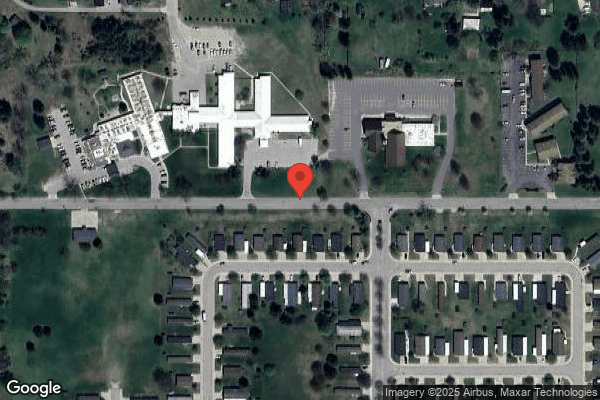

460 Pearl Street, Cadillac, MI 49601 (231) 775-0101
For profit - Limited Liability company 133 Beds NEXCARE HEALTH SYSTEMS Data: November 2025
Trust Grade
85/100
#101 of 422 in MI
Last Inspection: August 2025

Inspected within the last 6 months. Data reflects current conditions.

Overview

Wexford Senior Care Center has a Trust Grade of B+, indicating it is above average and recommended for families considering care options. It ranks #101 out of 422 facilities in Michigan, placing it in the top half, and is the only facility in Wexford County. The care center is improving, having reduced issues from four in 2024 to two in 2025. Staffing is rated excellent with a turnover rate of 53%, which is average compared to the state, and they have no fines on record, which is a good sign. However, there are some notable concerns, including food safety issues where meals were served at unsafe temperatures, failure to implement proper precautions for infection control, and unresolved grievances from residents about food quality and choices.

Trust Score
B+
85/100
In Michigan
#101/422
Top 23%
Safety Record
Low Risk
No red flags
Inspections
Getting Better
4 → 2 violations
Staff Stability
⚠ Watch
53% turnover. Above average. Higher turnover means staff may not know residents' routines.
Penalties
✓ Good
No fines on record. Clean compliance history, better than most Michigan facilities.
Skilled Nurses
✓ Good
Each resident gets 64 minutes of Registered Nurse (RN) attention daily — more than 97% of Michigan nursing homes. RNs are the most trained staff who catch health problems before they become serious.
Violations
⚠ Watch
17 deficiencies on record. Higher than average. Multiple issues found across inspections.
★★★★★
5.0
Overall Rating
★★★★★
5.0
Staff Levels
★★★☆☆
3.0
Care Quality
★★★★★
5.0
Inspection Score
Stable
2024: 4 issues
2025: 2 issues

The Good

  • 5-Star Staffing Rating · Excellent nurse staffing levels
  • Full Sprinkler Coverage · Fire safety systems throughout facility
  • No fines on record

Facility shows strength in staffing levels, fire safety.

The Bad

Staff Turnover: 53%

Near Michigan avg (46%)

Higher turnover may affect care consistency

Chain: NEXCARE HEALTH SYSTEMS

Part of a multi-facility chain

Ask about local staffing decisions and management

The Ugly 17 deficiencies on record

Aug 2025 2 deficiencies
CONCERN (D)

Potential for Harm - no one hurt, but risky conditions existed

Deficiency F0578 (Tag F0578)

Could have caused harm · This affected 1 resident

Based on interview and record review, the facility failed to honor the advanced directive for code status for one Resident (#71) of one resident reviewed for advanced directives (a legal document that...

Read full inspector narrative →
Based on interview and record review, the facility failed to honor the advanced directive for code status for one Resident (#71) of one resident reviewed for advanced directives (a legal document that allows a person to identify decisions about end-of-life care ahead of time). This deficient practice resulted in the potential for decisions regarding end-of-life care to not be honored by the facility. Findings include:Resident #71 (R71)The Electronic Medical Record (EMR) of R71 included an active physician's order dated 7/18/25 that read DNR [do not resuscitate].A Power of Attorney (POA) document in the EMR was signed by R71 on 1/5/24. The document indicated R71 designated her daughter to make health care decisions if R71 became incapable of making independent healthcare decisions.The POA document read, in part: 4. Specific instructions for life-support treatment. ‘Life-support treatment' includes, for example, a breathing machine, getting food or water through tubes, and CPR. The document directed R71 to select and initial a Choice for end-of-life care. R71 initialed Choice 3, which read I always want life-support treatment to the greatest extent possible consistent with sound medical practice - regardless of my condition, my chance for recovery, or the cost. Under the portion of the document to indicate specific instructions to the agent (person designated at POA), a hand-written entry made by R71 read as follows: Regarding #4. Specific instructions for life-support treatment: I always want life-support treatment to the greatest extent possible for at least 30 days. After this 30 day period my choice on #4 changes from Choice 3 [I always want life support treatment to the greatest extent possible .] to Choice 1 [I do not want life-support treatment if any of these conditions exist .] I understand that changing my choice after 30 days of life support could lead to my death. The hand-written entry was signed by R71 and expressly conveyed the designated POA(s) were to follow these specific instructions regardless of R71's competence to make medical decisions.A code status form dated 3/26/24 was in the EMR of R71. The code status form read In the event of Cardiopulmonary Arrest, I wish to be given CPR. The form was signed by R71 and dated 3/26/24.On 9/25/24, two physicians signed documents stating R71 was now unable to make healthcare decisions. As a result, the POA was activated. On 7/18/25, the daughter and POA for R71 signed a DNR code status for R71 that read, in part: .I authorize that in the event the declarants/ward's heart and breathing should stop, no person shall attempt to resuscitate the declarant.An advanced directive care plan dated 7/18/25 was in the EMR of R71. The first goal documented on the care plan read: I want to be active in my advance care planning decisions/or honor my decisions.The Director of Nursing (DON) was interviewed on 8/6/25 at 3:27 PM. The DON agreed residents have the right to determine their own code status and make decisions regarding end-of-life care. The conflicting information pertaining to R71's advanced directive/POA designation versus the code status of DNR was shared with the DON. The DON reviewed the documents and said she would follow up with the daughter/POA of R71. On 8/6/25 at 4:40 PM. The DON said the daughter/POA of R71 was currently out of the country, but she spoke with R71's grandson. The DON said the grandson indicated R71 had changed her advanced directive and would provide the document. On 8/7/25 at 9:46 AM, the DON said she spoke with the POA of R71 and R71 did not revise or amend the advanced directive dated 1/5/24. The DON said she spoke with R7 about code status directives. The DON said R71 was confused but said, CPR can keep you alive. The DON stated they did not recall any conversation with the POA about R71's express wishes regarding code status and stated there was no documentation of any discussion with the POA prior to the code status change which expressly went against R71's wishes expressed while they were still of sound mind. The DON acknowledged the facility should have advocated for the express wishes of R71.R71 was interviewed on 8/7/25 at 10:00 AM. R71 appeared confused when queried regarding end-of-life care decisions, but when asked if she wanted CPR if her heart stopped beating, R71 responded, Yes.The policy Advance Directives [sic] dated as revised 3/25/15 read, in part: .We are obligated to follow the resident's wishes as expressed in valid Advance Directives.
CONCERN (D)

Potential for Harm - no one hurt, but risky conditions existed

Deficiency F0692 (Tag F0692)

Could have caused harm · This affected 1 resident

Based on observation, interview, and record review, the facility failed to monitor and assess nutritional interventions and modify or implement revised interventions for one resident (#6) of two resid...

Read full inspector narrative →
Based on observation, interview, and record review, the facility failed to monitor and assess nutritional interventions and modify or implement revised interventions for one resident (#6) of two residents reviewed for nutrition with significant weight loss. Findings include:Resident #6 (R6)R6 was admitted to the facility 2/21/24 with primary diagnoses of psychotic disturbance, mood disturbance, and anxiety. On 8/6/25 at 1:08 PM, R6 was observed at a table in the dining room during the lunch meal. R6 had a plate of Salisbury steak, mashed potatoes, and peas in front of her. R6 was not eating and did not appear interested in the meal. R6 was not encouraged to eat or assisted by staff. Licensed Practical Nurse (LPN) J offered R6 an alternate meal but R6 declined. LPN J provided R6 a MightyShakes(R) (a liquid nutritional supplement) but R6 refused to drink any of the supplement. LPN J said, Sometimes [R6] doesn't drink her shake.A Minimum Data Set (MDS) assessment for R6 dated 7/1/25 documented a weight loss of 5% or more in the past month or loss of 10% or more in the past six months without being on a physician-prescribed weight loss regimen. The MDS did not code swallowing disorders or issues with dentition. The MDS indicated a Brief Interview for Mental Status (BIMS) score of six, reflecting R6 had severe cognitive impairment. Further review of the MDS revealed R6 required supervision or touching assistance for eating.Review of the Electronic Medical Record (EMR) of R6 disclosed a weight of 172 pounds on 2/1/25 and a weight of 150 pounds on 8/1/25, a weight loss of 12.79% in six months. The EMR reflected R6 was weighed monthly with no indication of increased monitoring of weight following a weight loss trend. Physician's orders in the EMR of R6 included an order dated 12/2/24 for a regular diet with MightyShakes(R) TID (three times daily) with meals. There were no other physician orders pertaining to dietary or nutritional interventions. R6's Medication Administration Record (MAR), Treatment Administration Record (TAR) and Task documentation in the EMR were reviewed but there was no documentation of the amount of MightyShakes(R) consumed by R6 nor was there documentation of the frequency R6 was offered MightyShakes(R).The nutritional care plan for R6 included an intervention dated 12/8/24 that read offer hs (hour of sleep - bedtime) snacks. The MightyShakes(R) were not documented as an intervention on the care plan.Task documentation in the EMR did not contain the option for Certified Nursing Aides (CNA) to document the offering or acceptance of any snacks to R6 at bedtime as directed in the care plan. Review of the EMR did not disclose documentation of hs snacks being offered to R6 or if R6 consumed hs snacks as directed in the care plan intervention.An assessment by the Registered Dietician (RD) in the EMR dated 4/1/25 and documented on a form Dietary Profile read, in part: .She receives a Healthshake [sic] @ [at] dinner. Sig. [significant] weight loss x 90 [days] and 180 days; stable x 30 d [days].CP reviewed and updated. Recommend weekly weights x 4 [weeks] due to weight loss. No nutritional interventions or amendments to dietary interventions were noted in the Dietary Profile despite R6 being identified with significant weight loss over the previous 90 days and 180 days, and no new interventions were reflected in the nutritional care plan.There were no subsequent Dietary Profiles in the EMR by the RD until 7/8/25. The Dietary Profile of 7/8/25 noted R6 had a stable weight for 30 days but continued with significant weight loss for 180 days related to increased meal refusals.The RD was interviewed on 8/6/25 at 2:04 PM. The RD was asked what interventions were attempted aside from MightyShakes(R) to address R6's weight loss. The RD initially answered that Med Pass(R) 2.0 (a high calorie and protein drink designed for people at high risk for malnutrition) was initiated but refused by R6. The EMR was reviewed by the RD who then said Med Pass(R) 2.0 was not ordered or implemented for R6. The RD said, Oatmeal was added and as far as I know she's eating it. When asked the root cause of the weight loss, The RD said it was meal refusals. The RD admitted R6 had continued to lose weight and required reassessment. When asked where MightyShakes(R) consumption was documented, the RD said it is included in the meal percentage intake. When asked where hs snacks were documented, the RD responded hs snacks were provided by nursing and documented on the MAR. The RD was asked the standard process when a resident was identified with weight loss greater than 10% in six months. The RD said interventions would be revised and reviewed, the family and physician would be notified, and the resident would be placed on weekly weights.The Director of Nursing (DON) was interviewed on 8/6/25 at 3:22 PM. The DON said she was aware of the concern with the weight loss, and said R6 would be re-evaluated by the RD for appropriate interventions and recommendations, evaluated by the physician, placed on weekly weights and meal observations, and referred to Occupational Therapy. The DON was asked where nutritional supplements and hs snacks were documented. The DON confirmed the MightyShakes(R) and hs snacks should be documented in the EMR. The DON reviewed the EMR of R6 and confirmed there was no documentation for offering MightyShakes(R) and hs snacks nor was there documentation for MightyShakes(R) and hs snacks consumed by R6. The EMR of R6 documented a weight entry of 145 pounds on 8/6/25 at 3:46 PM, a 5-pound weight loss in six days. The policy Nutrition Assessment dated 11/21/24 read, in part: . The facility will: . Recognize, evaluate and address the needs of every individual, including but not limited to the individual at risk or already experiencing impaired nutrition. Care plan approaches should be revised based on the individual's outcomes, needs and choices. progress notes are written a minimum of every 90 days; and with each significant change in status. Individuals with high-risk conditions will need to be reviewed more frequently. The policy Nutrition at Risk dated 7/1/08 read, in part: .Residents with altered nutrition status or with potential for nutritional risk will receive appropriate interventions to make sure nutritional needs are met to maintain/improve their quality of life.
Aug 2024 4 deficiencies
CONCERN (D)

Potential for Harm - no one hurt, but risky conditions existed

Incontinence Care (Tag F0690)

Could have caused harm · This affected 1 resident

**NOTE- TERMS IN BRACKETS HAVE BEEN EDITED TO PROTECT CONFIDENTIALITY** Based on observation, interview, and record review, the facility failed to ensure catheter securement devices were in place to p...

Read full inspector narrative →
**NOTE- TERMS IN BRACKETS HAVE BEEN EDITED TO PROTECT CONFIDENTIALITY** Based on observation, interview, and record review, the facility failed to ensure catheter securement devices were in place to prevent indwelling urinary catheter dislodgement for two residents (Resident #20 and Resident #64) of three residents reviewed for catheter care. Findings include: Resident #20 (R20) According to the Minimum Data Set (MDS) assessment dated [DATE], R20 scored 8/15 (moderately impaired cognition) on her BIMS (Brief Interview for Mental Status) assessment, and required extensive assistance with two person transfers. R20 was incontinent of bowel and had an indwelling catheter. Diagnoses for R20 included diabetes mellitus, anxiety, muscle weakness, and need for assistance with personal care. During an observation and interview on 8/13/24 at 12:10 PM, Registered Nurse (RN) C was performing a sacral wound dressing change for R20, who had a urinary catheter. R20 was observed with no indwelling catheter securement device in place. RN C stated, (R20) is dependent on staff for her cares. RN C acknowledged that R20 did not have a catheter secure device in place. RN C acknowledged there was no catheter securement device and stated, (R20) should have a catheter secure device on her leg to prevent the tubing from being pulled during cares or while she is being moved. Resident #64 (R64) According to the MDS, dated [DATE], R64 scored 13/15 (intact cognition) on the BIMS assessment, and required extensive assistance with two person transfers. R64 was incontinent of bowel and had an indwelling catheter. Diagnoses for R64 included urinary tract infection, benign prostatic hyperplasia. On 8/12/24 at 2:48 PM, R64 was observed lying in his bed. R64 was uncovered and wearing an incontinence brief. R64 had an indwelling urinary catheter that was visible and draped over his left leg connected to a urinary collection bag. R64's catheter tubing appeared taught. R64 was asked if they felt a pulling sensation where the tubing enters the body and replied, Yes, it is pulling. I can feel it pulling some. R64 was asked if there was ever a catheter securement device in place on the tubing and replied, I used to have one on my right leg, but it is not there anymore. On 8/13/24 at 7:45 AM, an interview was conducted with RN C and was asked if R64 should be wearing a catheter securement device and replied, Yes, let me check his orders. R64 lacked an order or intervention in the care plan for a catheter securement device. On 8/13/24 at 12:10 PM, an observation was made of R64 lying in bed. R64 was uncovered and wearing a brief and did not have a urinary catheter securement device on either leg. On 8/13/24 at 12:30 PM, an interview was conducted with the Director of Nursing (DON) and was asked if residents with indwelling urinary catheters were required to wear a catheter securement device and replied, Yes, all urinary catheters need a catheter secure, and the devices need to be used at all times. The DON was made aware that two residents were observed without catheter securement devices. On 8/14/24 at 10:05 AM, CNA E was observed performing catheter care on R64 in his room. R64 now had a catheter securement device in place. R64 was asked if the catheter secure device helped them not feel the pulling sensation described yesterday and replied, Yes, it feels much better now without the pulling. Review of policy titled, Catheters Care, dated 10/20, read in part, .It is the policy of this facility to provide catheter care to all residents that have an indwelling catheter .Policy explanation and compliance guidelines .24.) Ensure that the catheter is secure to the leg every shift .
CONCERN (D)

Potential for Harm - no one hurt, but risky conditions existed

Tube Feeding (Tag F0693)

Could have caused harm · This affected 1 resident

**NOTE- TERMS IN BRACKETS HAVE BEEN EDITED TO PROTECT CONFIDENTIALITY** Based on observation, interview and record review, the facility failed to ensure tube feeding was administered and dated per sta...

Read full inspector narrative →
**NOTE- TERMS IN BRACKETS HAVE BEEN EDITED TO PROTECT CONFIDENTIALITY** Based on observation, interview and record review, the facility failed to ensure tube feeding was administered and dated per standards of practice to meet the nutritional needs of one Resident (R27) of one resident reviewed for tube feeding. Findings include: Review of R27's Electronic Medical Record (EMR) revealed admission to the facility on 2/5/24 with diagnoses including dysphagia, perforation of esophagus, and moderate protein-calorie malnutrition. On 8/12/24 at 11:15 a.m., R27 was observed in bed watching television with Jevity 1.5 [tube feeding formula supplying 1.5 calories per milliliter (mL)] infusing at 55 ml per hour (ml/hr). The Jevity 1.5 tube feeding formula bottle and the flush bag hanging above the tube feeding pump was undated and did not have nursing initials. On 8/13/24 at 8:47 a.m., R27 was observed in his bed sleeping with his tube feeding bottle dated 8/12/24 and his flush bag undated with no nursing initials. On 8/14/24 at 11:22 a.m., R27 was observed in his bed with his tube feeding bottle dated 8/13/24 and his flush bag undated with no nursing initials. Review of R27's Quarterly Nutrition assessment dated [DATE] read, in part, .(R27) is NPO (nothing by mouth) with enteral feeds via PEG (feeding tube that delivers nutrition to your stomach through your abdomen). Jevity 1.5 @ 55 ml/hr continuous with 50 ml water flushes q (every) 3 hours. This provides 1980 kcals (kilocalories) 84 g (grams) protein, 1000 ml free water from formula plus 400 ml water flush . Review of R27's Medication Administration Record (MAR) for August 2024 read, in part, Enteral Feed Order every 4 hours for NPO Jevity 1.5 55/hr continues with 50 ml water flush q 3 hours; start date 5/15/24. Review of this physician order showed no documentation of how much tube feed R27 received during a 24-hour period to ensure he was receiving the correct amount per his nutrition assessment. An interview was conducted with Registered Dietitian (RD) A and Charge Nurse/Registered Nurse (RN) D on 8/14/24 at 11:32 a.m. RD A stated that she made the recommendations for R27 to have his tube feed run every hour continuously and would expect that nursing staff was documenting how much tube feed R27 was receiving to ensure he had adequate nutritional intake. RN D stated that the physician order was placed in R27's MAR that way otherwise nurses would have had to check off they reviewed the tube feed every hour. RN D confirmed that R27's physician order was not documented correctly, and that staff should also be labeling and initialing R27's tube feed bottle and flush bag.
CONCERN (E)

Potential for Harm - no one hurt, but risky conditions existed

Infection Control (Tag F0880)

Could have caused harm · This affected multiple residents

**NOTE- TERMS IN BRACKETS HAVE BEEN EDITED TO PROTECT CONFIDENTIALITY** Based on observation, record review, and interview the facility failed to implement enhanced barrier precautions (EBP) for six r...

Read full inspector narrative →
**NOTE- TERMS IN BRACKETS HAVE BEEN EDITED TO PROTECT CONFIDENTIALITY** Based on observation, record review, and interview the facility failed to implement enhanced barrier precautions (EBP) for six residents (Resident #4, #20, #27, #39, #63, #64) of 24 sampled residents reviewed for EBP. This deficient practice has the potential for development and transmission of multi-drug resistant organism (MDRO) infections. Findings include: On 8/13/24 at 7:47 AM, during observations on the 200 and 400 unit, it was noted that no EBP signs were on resident doors for sampled residents who were identified as meeting criteria for EBP. These signs are used to alert staff to utilize personal protective equipment (PPE). There were also no carts located in these areas for the availability to store gloves, gown, and shields. (Staff are required to wear a gown and gloves during direct high-contact resident care activities for residents known to be colonized or infected with a MDRO as well as those at increased risk of MDRO acquisition such as residents with wounds or indwelling medical devices). High contact resident care activities include dressing, bathing/showering, transferring, toileting, providing hygiene, changing linen or briefs, device care or use: central line, urinary catheters, feeding tube, tracheostomy/ventilator or wound care. The following rooms were identified: a.) room [ROOM NUMBER]- Resident #20 (R20) b.) room [ROOM NUMBER]- Resident #64 c.) room [ROOM NUMBER]- Resident #4 d.) room [ROOM NUMBER]- Resident #63 e.) room [ROOM NUMBER]- Resident #27 (R27) f.) room [ROOM NUMBER]- Resident #39 On 8/13/24 at 2:10 PM, during an observation of a pressure ulcer wound care for R20 performed and assisted by Registered Nurse (RN) C and D failed to don PPE to abide by the EBP guidelines for wound care. On 8/14/24 at 8:00 AM, during an observation of a medication pass via peg tube for R27 it was noted that Licensed Practical Nurse (LPN) F did not don the proper PPE and failed to wear a gown during the entire process. On 8/14/24 at 10:05 AM, during an observation of a indwelling urinary catheter care performed by certified nursing assistant (CNA) E did not don proper PPE and failed to wear a gown during the entire process. During interview with Infection Preventionist (IP) RN G, on 8/14/24 at 10:10 AM, she stated, RN G had read, and it was her understanding that EBP was discretionary in how the facility utilized it. This Surveyor asked for clarification of what she meant by discretionary. RN G stated, They utilize it for those suspected of infections or known infections, but have not utilized it for everyone with catheters, wounds, or feeding tube. RN G asked if we could speak with the Director of Nursing (DON) to gain her understanding. The DON voiced that they were utilizing EBP on residents with known or suspected infections, but not those residents without known infections. A review of policy titled, Enhanced Barrier Precautions, dated 2/23, read in part, . 1. c. Clear signage will be posted on the door or wall outside of the resident room indicating the type of precautions, required personal protective equipment (PPE), and the high-contact resident care activities that require the use of gown and gloves. 2. Initiation of Enhanced Barrier Precautions: a. Nursing staff may place residents with certain conditions or devices on enhanced barrier precautions empirically while awaiting physician orders. b. An order for enhanced barrier precautions will be obtained for residents with any of the following: i. Wounds (e.g., chronic wounds such as pressure ulcers, diabetic foot ulcers, unhealed surgical wounds, and chronic venous stasis ulcers) and/or indwelling medical devices (e.g., central lines, hemodialysis catheters, urinary catheters, feeding tubes, tracheostomy/ventilator tubes) even if the resident is not known to be infected or colonized with a MDRO. ii. Infection or colonization with any resistant organisms targeted by the CDC and epidemiologically important MDRO when contact precautions do not apply. 3. Implementation of Enhanced Barrier Precautions - a. Make gowns and gloves available immediately outside of the resident's room. Note: face protection may also be needed if performing activity with risk of splash or spray. b. Ensure access to alcohol-based hand rub in every resident room (ideally both inside and outside of the room). c. Position a trash can inside the resident room and near the exit for discarding PPE after removal, prior to exit of the room or before providing care for another resident in the same room. d. The Infection Preventionist will incorporate periodic monitoring and assessment of adherence to determine the need for additional training and education. e. Provide education to residents and visitors .
CONCERN (F)

Potential for Harm - no one hurt, but risky conditions existed

Food Safety (Tag F0812)

Could have caused harm · This affected most or all residents

Based on observation, interview and record review, the facility failed to store, prepare, distribute, and serve food in accordance with professional standards for food service safety. This deficient p...

Read full inspector narrative →
Based on observation, interview and record review, the facility failed to store, prepare, distribute, and serve food in accordance with professional standards for food service safety. This deficient practice has the potential to result in food borne illness among any and all 62 residents. Findings include: On 8/13/24 at approximately 11:45 AM, the steam table located in the kitchen was observed to have food ready for the noon meal. [NAME] B was asked if the food in the steam table was at proper temperature and ready to be served. [NAME] B stated it was. A stainless steel hotel pan containing what was identified by [NAME] B to be ground meat for the noon meal and was prepared for the specified ground texture diet. The temperature of the ground meat was measured with a Super Fast metal stem digital thermometer. Multiple locations within the ground meat product were measured to have temperatures of 112°F, 114°F, and 116°F. No internal areas of the food product were measured to be above 135°F. At approximately 11:55 AM [NAME] B was observed measuring the temperatures of the hot food located in the hotel pans in the steam table. Once [NAME] B had completed the measuring and recording the temperatures, [NAME] B was asked what temperature she had measured in the ground meat product. [NAME] B replied 147 degrees. [NAME] B was then requested to measure the temperature of the ground meat again with her thermometer. While observing the measuring task, [NAME] B was asked what her thermometer was reporting. [NAME] B stated between 114°F and 116°F. On 8/13/24 at 12:15 PM, an interview was conducted with Registered Dietitian (RD) A, with the above condition being discussed. RD A stated the food had been at the proper temperature when the product was placed in the steam table, approximately 10 minutes prior to the above observations of temperature measuring. When asked how it was possible that the temperature of a product, with the density of ground meat, could lose over 20 degrees while in a steam table, RD A stated I don't know. The FDA Food Code 2017 states: 3-501.16 Time/Temperature Control for Safety Food, Hot and Cold Holding. (A) Except during preparation, cooking, or cooling, or when time is used as the public health control as specified under §3-501.19, and except as specified under (B) and in (C ) of this section, TIME/TEMPERATURE CONTROL FOR SAFETY FOOD shall be maintained: (1) At 57°C (135°F) or above, except that roasts cooked to a temperature and for a time specified in 3-401.11(B) or reheated as specified in 3-403.11(E) may be held at a temperature of 54°C (130°F) or above; On 8/13/24 at approximately 7:30 AM, observations were made of the walk in cooler. A stainless steel pan with a label of goulash and a pan of scallop potatoes from the previous day (8/12/24) were observed on a cart. RD A was requested to show that the products had been properly cooled and documented. A book labeled cooling logs was found on a shelf in the food preparation area. A page was located with the date of 8/12/24 with entries of goulash and scallop potatoes. A initial time of 1:20 PM and temperature of 135°F were found documented. No additional tracking of the products was located. RD A stated the two pans of product would be disposed of. The FDA Food Code 2017 states: 3-501.14 Cooling. (A) Cooked TIME/TEMPERATURE CONTROL FOR SAFETY FOOD shall be cooled: (1) Within 2 hours from 57ºC (135ºF) to 21ºC (70°F); P and (2) Within a total of 6 hours from 57ºC (135ºF) to 5ºC (41°F) or less.
Aug 2023 10 deficiencies
CONCERN (D)

Potential for Harm - no one hurt, but risky conditions existed

Assessment Accuracy (Tag F0641)

Could have caused harm · This affected 1 resident

Based on observation, interview, and record review the facility failed to accurately complete a Minimum Data Set (MDS) assessment for one resident (#426) of 18 residents reviewed for accurate assessme...

Read full inspector narrative →
Based on observation, interview, and record review the facility failed to accurately complete a Minimum Data Set (MDS) assessment for one resident (#426) of 18 residents reviewed for accurate assessments resulting in the potential for inaccurate plans of care and unmet resident care needs. Findings Included: Resident #426 (R426) Review of the medical record revealed R426 was admitted to the facility 08/18/2023 with diagnoses that included osteomyelitis (inflammation of bone caused by infection) of vertebra, congestive heart failure (CHF), urinary tract infection, peripheral vascular disease (PVD), hydronephrosis (excessive back of urine in the kidney) , bacteremia (viable bacteria in the blood), Legionnaire's disease (type of pneumonia caused by legionella bacteria), hypertension, anxiety, fibromyalgia (wide spread muscle pain or tenderness), hyperlipidemia (high fat content in blood), morbid obesity, atrial fibrillation, chronic respiratory failure, and intervertebral disc degeneration. The most recent Minimum Data Set (MDS), with an Assessment Reference Date (ARD) of 08/24/2023, revealed R426 had a Brief Interview of Mental Status (BIMS) of 12 (moderately impaired cognition) out of 15. During observation and interview on 08/28/2023 at 10:23 a.m. R426 was observed sitting up in a chair at the side of her bed. R426 was observed to be wearing a nasal cannula, which delivered oxygen. R426 explained that she used oxygen prior to her coming to the facility and continued to use oxygen during her stay at the facility. During medical record R426 MDS with an ARD of 08/24/2023, demonstrated that Section O (Special Treatments, Procedures, and Programs), sub section O0100C (oxygen) was documented yes while not a resident and was documented as no while a resident. Review of the medical record demonstrated a physician order, date of initiation 08/21/2023, Oxygen via (by way of) NC (nasal cannula) at 3 L (liters). In an interview on 08/30/2023 at 10:03 a.m. MDS Coordinator I explained that R426 was on oxygen since her admission date of 08/18/2023. After review of R426's MDS with an ARD of 08/24/2023 section O0100C, MDS Coordinator I explained that the documentation no while a resident was not correct. She explained that it should have been documented as yes while a resident. MDS Coordinator I explained that a corrected MDS would have to be completed for R426. MDS Coordinator I explained that it was an error on her part.
CONCERN (D)

Potential for Harm - no one hurt, but risky conditions existed

Comprehensive Care Plan (Tag F0656)

Could have caused harm · This affected 1 resident

**NOTE- TERMS IN BRACKETS HAVE BEEN EDITED TO PROTECT CONFIDENTIALITY** Based on observation, interview, and record review, the facility failed to create a COPD (Chronic Obstructive Pulmonary Disease)...

Read full inspector narrative →
**NOTE- TERMS IN BRACKETS HAVE BEEN EDITED TO PROTECT CONFIDENTIALITY** Based on observation, interview, and record review, the facility failed to create a COPD (Chronic Obstructive Pulmonary Disease) care plan for one resident (R40) of eighteen residents reviewed for care plans, resulting in a potential to initate goals and interventions for the resident's diagnosis. Findings include: On 8/28/23 at 11:19 AM, R40 was observed lying in bed hunched over. R40 had a continuous cough which produced yellow phlegm. R40 was observed to have difficulty breathing, and wheezing sounds were audile upon inhalation and exhalation. R40 was asked if he was okay to which he stated, I get stuff (yellow phlegm) like this up all the time. On 8/29/23 at 8:09 AM, during an interview with Licensed Practical nurse (LPN) N, she said R40 was sent out for respiratory failure and hypercapnia (increased carbon dioxide in the blood). LPN N said R40 was receiving Mucinex and the Nurse Practitioner was going to see him. A review of R40's EMR (Electronic Medical Record) revealed, R40 was admitted to the facility on [DATE]. R40 had medical diagnoses including: COPD and Dementia. A review of R40's MDS (Minimum Data Set) dated 5/23/23 revealed, R40 had a BIMS (Brief Interview for Mental Status) score of 10/15 (moderately impaired). R40 required extensive one person assistance with personal hygiene. A review of R40's orders revealed the following: - Oxygen via NC up to 2L to maintain O2 sats above 90%, with an order date of 5/31/23. - Incruse Ellipta Inhalation Aerosol Powder Breath Activated 62.5 MCG/ACT one puff inhale orally one time a day, with an order date of 5/22/23. A review of R40's care plan revealed, no focus, goal, and interventions related to COPD were created to the comprehensive care plan created on 5/23/23. On 8/29/23 at 10:37 AM, during an interview with NS (Nurse Supervisor) O regarding the creation of a care plan for R40's COPD diagnosis, she stated, You are correct. He does not have a care plan related to COPD. On 8/30/23 at 10:12 AM, during an interview with the DON (Director of Nursing) B, she stated, The expectation is for the nurses to put in a care plan for a resident who comes in with COPD.
CONCERN (D)

Potential for Harm - no one hurt, but risky conditions existed

Deficiency F0661 (Tag F0661)

Could have caused harm · This affected 1 resident

**NOTE- TERMS IN BRACKETS HAVE BEEN EDITED TO PROTECT CONFIDENTIALITY** Based on interview, and record review the facility failed to develop a discharge summary which included a recapitulation of stay...

Read full inspector narrative →
**NOTE- TERMS IN BRACKETS HAVE BEEN EDITED TO PROTECT CONFIDENTIALITY** Based on interview, and record review the facility failed to develop a discharge summary which included a recapitulation of stay for one (Resident #74) of one reviewed for discharged , resulting in the potential for the receiving caregivers to not be fully informed of the resident's history and status. According to the clinical record, Resident 74 (R74) was admitted on [DATE] with diagnoses that included pneumonia and chronic obstructive pulmonary disease. Review of the clinical record further reflected nursing progress notes dated 06/03/23 10:41 , R74 oxygen saturation level was 75% while on 2 liters of oxygen and R74 was noted to have been using accessory muscles to breath. R74 refused to be hospitalized , the family, Nurse Practitioner and Director of Nursing (DON) B were all notified, hospice services were requested by R74's son. Nursing progress notes dated progress notes 06/03/23 at 14:18 reflected R74 had been signed on to hospice services. Nursing progress notes dated 06/04/23 at 13:01 reflected transport company had arrived to transport R74 home. Further review of the clinical record reflected there was not a discharge care pan, a discharge summary, recapitulation of stay, there were no progress notes or documentation that reflected who would be caring for R74, what R74's medical and care needs were and if the caregiver in the home setting was educated and informed of medication regimen, oxygen etc There was no mention on durable medical equipment needs, or what was in place or to be ordered. 08/30/23 08:47 AM, during an interview with Social Worker (SW) M she reported that R74 was admitted and discharged over a weekend and she had no involvement with her discharge as she does not work weekends. SW M reviewed R74's medical record and agreed there was not a discharge plan of care, discharge summary or recapitulation of stay. SW M also agreed that information from the medical record did not contain pertinent documentation related to the discharge as to what the care needs were and who was going to full fill those needs along with what assistance/education the facility provided for a smooth transition.
CONCERN (D)

Potential for Harm - no one hurt, but risky conditions existed

Quality of Care (Tag F0684)

Could have caused harm · This affected 1 resident

**NOTE- TERMS IN BRACKETS HAVE BEEN EDITED TO PROTECT CONFIDENTIALITY** Based on observation, interview, and record review, the facility failed to provided treatment (Mucinex) for one resident (R40) o...

Read full inspector narrative →
**NOTE- TERMS IN BRACKETS HAVE BEEN EDITED TO PROTECT CONFIDENTIALITY** Based on observation, interview, and record review, the facility failed to provided treatment (Mucinex) for one resident (R40) of three resident reviewed for respiratory care, resulting in the delaying of treatment cough and respiratory concerns (increased phlegm production and audible wheezing). Finding include: On 8/28/23 at 11:19 AM, R40 was observed lying in bed hunched over. R40 had a continuous cough which produced yellow phlegm. R40 was observed to have difficulty breathing, and wheezing sounds were audile upon inhalation and exhalation. R40 was asked if he was okay to which he stated, I get stuff (yellow phlegm) like this up all the time. On 8/29/23 at 8:09 AM, during an interview with Licensed Practical nurse (LPN) N, she said R40 was sent out for respiratory failure and hypercapnia (increased carbon dioxide in the blood). LPN N said R40 was receiving Mucinex and the Nurse Practitioner was going to see him. A review of R40's EMR (Electronic Medical Record) revealed, R40 was admitted to the facility on [DATE]. R40 had medical diagnoses including: COPD and Dementia. A review of R40's MDS (Minimum Data Set) dated 5/23/23 revealed, R40 had a BIMS (Brief Interview for Mental Status) score of 10/15 (moderately impaired). R40 required extensive one person assistance with personal hygiene. A review of R40's orders revealed the following: - Oxygen via NC up to 2L to maintain O2 sats above 90%, with an order date of 5/31/23. - Incruse Ellipta Inhalation Aerosol Powder Breath Activated 62.5 MCG/ACT one puff inhale orally one time a day, with an order date of 5/22/23. A review of R40's care plan revealed, no focus, goal, and interventions related to COPD were created to the comprehensive care plan created on 5/23/23. A review of a Physician progress note dated 8/22/23 revealed, The patient today complains of a continues cough that does not clear. The patient has an aerosol ordered. Also today I started the patient on Mucinex twice daily for 14 days. Nurses have been consulted and prior encounters reviewed. Respiratory Positive: CTA Negative: Respiratory distress Notes: He sent his bilateral wheezing which does not clear on cough. He also expectorates the mucus. Today is been started on Mucinex VAD for 14 days. On 8/29/23 at 10:37 AM during an interview with NS O regarding the Mucinex order for R40, she stated, I do not see where he put the order in. When our physician sees them (the resident) they will put the orders in directly. On 8/30/23 at 10:12 AM during an interview with DON B, she stated, As a nurse, I would want the nurses to follow up on the orders. If it was unclear whether the physician put in the order, or if the physician did not state it verbally the nurses should be following up on the progress notes. Especially if the nurse made the concern known to the physician.
CONCERN (D)

Potential for Harm - no one hurt, but risky conditions existed

Incontinence Care (Tag F0690)

Could have caused harm · This affected 1 resident

**NOTE- TERMS IN BRACKETS HAVE BEEN EDITED TO PROTECT CONFIDENTIALITY** Based on interview and record review, the facility failed to change a urinary catheter per Physician order for one resident (R9)...

Read full inspector narrative →
**NOTE- TERMS IN BRACKETS HAVE BEEN EDITED TO PROTECT CONFIDENTIALITY** Based on interview and record review, the facility failed to change a urinary catheter per Physician order for one resident (R9) of two residents reviewed for urinary catheter, resulting in the potential for the development of a UTI (Urinary Tract Infection). Findings include: A review of R9's EMR (Electronic Medical Record) revealed R9 was admitted to the facility on [DATE]. R9 had medical diagnoses including: Urinary Tract Infection, Neuromuscular Dysfunction of the Bladder, and Quadriplegia. A review of R9's MDS (Minimum Data Set) dated 6/7/23 revealed, R9 had a BIMS (Brief Interview for Mental Status) score of 1/15. R9 had an indwelling urinary catheter. A review of R9's care plan revealed, (R9) has Indwelling Foley Catheter: Neurogenic bladder . (R9) will show no s/sx of Urinary infection through review date .CATHETER: last changed: 05/28/23. Change catheter every 4 weeks. 18 French10cc balloon Foley catheter. A review of R9's orders revealed, Foley catheter change monthly 18 French 10 cc. Foley catheter one time a day starting on the 28th and ending on the 28th every month. A review of R9's TAR (Treatment Administration Record) revealed on 6/28/23 and 8/28/23 the foley catheter change was not documented. On 8/30/23 at 10:09 AM during an interview with Licensed Practical Nurse (LPN) N regarding the urinary catheter change order, LPN N stated, I did not change the catheter this month and it does not appear as of yet that anyone has. On 8/30/23 at 10:12 AM during an interview with the DON (Director of Nursing), she stated, I don't see the documentation in the administration record and I did not see it in the progress note that the catheter change has been documented . Unfortunately there is no documentation in the EMR. 08/30/23 10:12 AM [NAME], DON- I didn't see it in the administration and I did not see it in the progress note that the catheter change has been documented. Unfortunately there is no documentation in the EMR. The expectation is for the nursing staff to follow the order and document it. If there was a reason the catheter was not changed the nursing staff should document it and let the provider know.
CONCERN (D)

Potential for Harm - no one hurt, but risky conditions existed

Deficiency F0698 (Tag F0698)

Could have caused harm · This affected 1 resident

**NOTE- TERMS IN BRACKETS HAVE BEEN EDITED TO PROTECT CONFIDENTIALITY** Based on interview and record review, the facility failed to documented refusals for missed dialysis treatments for one (R16) of...

Read full inspector narrative →
**NOTE- TERMS IN BRACKETS HAVE BEEN EDITED TO PROTECT CONFIDENTIALITY** Based on interview and record review, the facility failed to documented refusals for missed dialysis treatments for one (R16) of one resident reviewed for dialysis, resulting in the potential for miscommunication for dialysis treatments missed. Findings include: A record review of R16's Electronic Medical Record (EMR) revealed R16 was admitted to the facility 8/16/21. R16 had a medical diagnosis of Chronic Kidney Disease, Stage 4. A review of R16's MDS (Minimum Data Set) dated 7/2/23 revealed R16 had a Brief Interview for Mental Status (BIMS) score of 12 out 15 (cognitively intact). R16 has urinary catheter and receiving dialysis. A review of R16's orders revealed the following: - Hemodialysis Treatments, three times per week, M W F runs beginning approximately at 0700 and running through approximately 1100. Please contact Fresenius Dialysis at [PHONE NUMBER] with any dialysis related concerns. - Check fistula (left forearm) for bruit and thrill one time a day for Fistula Check Check fistula (left forearm) for bruit and thrill. A review of R16's care plan dated 10/6/2019 revealed, Focus: R16 needs Hemodialysis r/t renal failure stage 4 .Goal: R16 will have no s/sx of complications from dialysis through the review date .Interventions: R16 typically will only attend scheduled dialysis times two out of the three times weekly; R16's dialysis times have recently changed to Monday, Wednesday and Fridays. R16 has been provided education on the importance of going to all dialysis txs by the facility (Nurse, RD, and Providers), as well as by the dialysis team. A review of R16's dialysis communication forms for June, July, and August revealed missing communication forms for 6/9/23, 6/16/23, 8/11/23, and 8/16/23. A review of the progress notes for those dates did not document the resident refusing to go to dialysis. On 8/29/23 at 1:49 PM during an interview with CM (Clinical Manager) P regarding the missing communication forms, she stated, I'll be honest and say that the nurses probably did not put in a note. If I was a floor nurse I would put in a note saying the resident was not going to dialysis. On 8/30/23 at 7:57 AM during an interview with DON (Director of Nursing) B regarding the missing communication forms, she stated, My exectation is that the nurses put in a progress note stating that the resident refused to go to dialysis.
CONCERN (D)

Potential for Harm - no one hurt, but risky conditions existed

Infection Control (Tag F0880)

Could have caused harm · This affected 1 resident

**NOTE- TERMS IN BRACKETS HAVE BEEN EDITED TO PROTECT CONFIDENTIALITY** Resident 51 (R51) Review of the medical record reflected R51 was an initial admission to the facility on [DATE] and then readmi...

Read full inspector narrative →
**NOTE- TERMS IN BRACKETS HAVE BEEN EDITED TO PROTECT CONFIDENTIALITY** Resident 51 (R51) Review of the medical record reflected R51 was an initial admission to the facility on [DATE] and then readmitted from hospital to facility on 08/03/23. Diagnosis includes congestive heart failure, stage 3 kidney disease, diabetes and primary pulmonary hypertension (lung disease that causes high blood pressure in the lungs). The most recent Minimum Data Set (MDS), with an Assessment Reference Date (ARD) of 08/03/2022, revealed R51 had a Brief Interview of Mental Status (BIMS) of 15 out of 15 (cognitively intact) and requires 2-person assistance with mechanical lift for transferring from bed to wheelchair. Incontinent of bowel and bladder and requires oxygen at 3 liters per minute per nasal canula. During an observation on 08/28/23 at 11:30 AM, R51 was wearing oxygen at 3 liters per minute per nasal canula. The oxygen tubing was dated for 07/30/23. During an observation on 08/29/23 at 09:20 AM, R51 was wearing oxygen at 3 liters per minute per nasal canula. The tubing label that was dated 07/30/23 yesterday had been removed from the tubing and there was not a new label placed. During an observation on 08/29/23 at 09:27 AM of a staff member walking in and out of every room of residents that use oxygen and checking the dates on the tubing. During an observation on 08/30/23 at 10:07 AM, R51 had new oxygen tubing with a label dated 08/29/23 on it. Based on observation, interview, and record review the facility failed to implement infection control practices to change oxygen tubing/nasal cannulas for two residents (51, #426) of three residents reviewed for oxygen usage resulting in the potential of residents to develop respiratory infections. Findings Included: Resident #426 (R426) Review of the medical record revealed R426 was admitted to the facility 08/18/2023 with diagnoses that included osteomyelitis (inflammation of bone caused by infection) of vertebra, congestive heart failure (CHF), urinary tract infection, peripheral vascular disease (PVD), hydronephrosis (excessive back of urine in the kidney) , bacteremia (viable bacteria in the blood), Legionnaire's disease (type of pneumonia caused by legionella bacteria), hypertension, anxiety, fibromyalgia (wide spread muscle pain or tenderness), hyperlipidemia (high fat content in blood), morbid obesity, atrial fibrillation, chronic respiratory failure, and intervertebral disc degeneration. The most recent Minimum Data Set (MDS), with an Assessment Reference Date (ARD) of 08/24/2023, revealed R426 had a Brief Interview of Mental Status (BIMS) of 12 (moderately impaired cognition) out of 15. During observation and interview on 08/28/2023 at 10:23 a.m. R426 was observed sitting up in a chair at the side of her bed. R426 was observed to be wearing a nasal cannula, which delivers oxygen. It was also observed that R2426 oxygen tubing was not dated. R246 explained that she used oxygen prior to her coming to the facility and continued to use oxygen during her stay at the facility. R426 explained that she could not remember when the last time that the oxygen tubing had been changed. Review of the medical record demonstrated a physician order, date of initiation 08/21/2023, Oxygen via (by way of) NC (nasal cannula) at 3 L (liters). During observation and interview on 08/29/2023 at 08:57 a.m. R426 was observed sitting up on the side of her bed, eating breakfast. She was observed to be wearing a nasal cannula, which delivers oxygen. The oxygen tubing still was not dated. R426 explained that the oxygen tubing had not been changed since the last time that this surveyor was in the room, on 08/28/2023 at 10:23 a.m. In an interview on 08/29/2023 at 09:00 a.m. Licensed Practical Nurse (LPN) L explained that when a resident is admitted and oxygen is required, it is the expiation that the nurse staff provide the oxygen tubing to the resident. She explained that it was the expectation and the policy that the oxygen tubing was to be dated at that time. LPN L explained that it was the expectation and the policy that resident oxygen tubing was change once per week by a contracted oxygen provider. In an interview on 08/29/2023 at 09:17 a.m. Director of Nursing (DON) B explained that it was the expectation and facility policy that resident oxygen tubing was to be marked with a date for which the oxygen tubing was to be applied or changed. She explained that the nursing staff would apply and date the oxygen tubing for newly admitted residents. DON B explained that a contracted oxygen company would change and date residents' oxygen tubing weekly. During observation on 08/29/2023 at 09:20 a.m., with DON B present, R426 was observed that R426 was lying down in bed and was wearing oxygen tubing with a nasal cannula. DON B confirmed that R426 oxygen tubing did not have date applied to the oxygen tubing. DON B' explained that the oxygen tubing would be replaced and dated. During record review of policy entitled Oxygen Administration Policy (effective date 01/2028, and a last revision date of 11/2021) revealed 5b., which stated, Change oxygen and mask/cannula weekly and as needed if it becomes soiled or contaminated.
CONCERN (D)

Potential for Harm - no one hurt, but risky conditions existed

Deficiency F0883 (Tag F0883)

Could have caused harm · This affected 1 resident

**NOTE- TERMS IN BRACKETS HAVE BEEN EDITED TO PROTECT CONFIDENTIALITY** Based on observation, interview, and record review the facility failed to administer pneumococcal immunizations in accordance wi...

Read full inspector narrative →
**NOTE- TERMS IN BRACKETS HAVE BEEN EDITED TO PROTECT CONFIDENTIALITY** Based on observation, interview, and record review the facility failed to administer pneumococcal immunizations in accordance with the Center for Disease Control and Prevention (CDC) recommendations for one residents (#17) of five residents reviewed resulting in the potential for server illness and complications from pneumococcal disease. Findings Included: Resident #17 (R17) Review of the medical record revealed R17 was admitted originally admitted to the facility 10/16/2013. She was discharged from the facility 07/25/2023 and re-admitted [DATE] with diagnoses that included sepsis, disorder of teeth, metabolic encephalopathy (brain disease or damage causing impaired brain function), constipation, anemia (low red blood cells), chronic obstructive pulmonary disease (COPD), hypertension, post-traumatic stress syndrome, adjustment disorder, depression, heart failure, and type 2 diabetes. The most recent Minimum Data Set (MDS), with an Assessment Reference Date (ARD) of 08/03/2023, revealed R17 had a Brief Interview of Mental Status (BIMS) of 5 (severely impaired cognition) out of 15. During observation and interview on 08/30/2023 at 10:26 a.m. R17 was observed lying in bed. She explained that she recently had returned to the facility after a short hospital stay. She could not explain the reason for her hospitalization. Review of R17's the medical record demonstrated immunization documentation which stated Pnuemovac Dose 2- no eligible. No other documentation was present demonstrating reason for ineligibility. In an interview on 08/30/2023 at 07:45 a.m. Infection Control Preventionist (ICP) J provided MCIR (Michigan Care Improvement Record) information that R17 had received the pneumococcal immunization vacation PCV13 on 05/19/2015. ICP J' explained that R17 had recently been discharged to the hospital for an infection related to a tooth abscess. ICP J explained that when R17 was re-admitted to the facility she signed a consent to receive a pneumococcal immunization on 07/28/2023. ICP J explained that it was necessary for R17 to receive one does of PPSV23 (pneumococcal immunization) at least one year after PCV13. She explained that R17's need for another pneumococcal immunization was based on Center for Disease and Control (CDC) guidelines. ICP J could not explain why the facility had not identified this prior to her readmission. ICP J explained that she had just ordered the immunization on 08/29/2023 and demonstrated a physician order which stated Pneumovax 23 injection injectable 25 mcg (micrograms)/0.5 ml (milliliters). She could not explain why the pneumococcal vaccination had not been provided yet, since re-admission on [DATE].
CONCERN (E)

Potential for Harm - no one hurt, but risky conditions existed

Deficiency F0565 (Tag F0565)

Could have caused harm · This affected multiple residents

Based on observation, interview and record review, the facility failed to ensure grievances were documented, investigated, tracked and resolved for the members of the Resident Council, resulting in fe...

Read full inspector narrative →
Based on observation, interview and record review, the facility failed to ensure grievances were documented, investigated, tracked and resolved for the members of the Resident Council, resulting in feeling of anger, frustration and unresolved grievances. Findings include. During a Resident Council meeting on 08/29/23 at 02:32 PM, 20 residents attended this meeting and shared frustration of unresolved grievance matters. Ten of 20 residents complained they were still getting cold food served to them. Four of 20 residents complained of small portions and when asked for more, the kitchen staff had left for the day. Six of 20 residents stated they do not have a choice on what they eat, they were served what was made. Adding the menu is hard to see where it is posted for those in a wheelchair. Eight of 20 residents stated the facility does not honor dislikes from meal ticket. Ten of 20 residents stated they were served meat, mainly fish that was not fully cooked, still cold from being froze in the middle. Twelve of 20 residents stated carrots are under cooked and cannot chew them. They are served over cooked or under cooked vegetables on a regular basis. Peas were served and butter would not melt because vegetable was room temperature. Six of 20 residents stated they are served plain macaroni noodles no sauce, rice, no sauces. Twelve of 20 residents stated they were served potatoes with no gravy or butter, and they were cold. Sixteen of 20 residents stated they do not get fresh water every shift. Adding they may wait for a whole day or day and a half to get any fresh water. Fourteen of 20 residents stated they do not feel they were treated with respect and dignity. Adding they did not trust administration and did not want to risk retaliation for filling out grievance forms, especially when they needed assistance with filling out the form from staff. Ten of 20 residents stated call light wait time had been up to an hour and a half to get their needs met. Residents also stated that some staff would come into the room to ask what they wanted, turn the call light off and never return to provide the care. Twelve of 20 residents stated they hear staff talking about other residents in front of residents. Also stated it was not about care they needed; it was about negative, derogatory comments. During an interview on 08/29/23 at 3:30 PM, Certified Nursing Assistant (CNA) S stated when a resident has a complaint/grievance they tell the Social Worker (SW) who keeps the grievance forms, then the Social Worker will talk to the resident about the issue. During an interview on 08/29/23 at 4:30 PM, Nurse Manger P stated the Grievances forms were at the entrance on 300 hall (this hall was not being used) and at the entrance of the main lobby. Also stated the Ombudsman came to the last resident council meeting, introduced himself to everyone, gave them his business card. During an interview on 08/30/23 at 11:35 AM, Nurse Manager (NM) P came to the conference and stated she misunderstood, the grievance forms are with the Social Worker, and she follows up with the resident. The forms at the entrances of the facility are for family, residents or anyone with a concern. NM P then stated these were two different forms. During an observation on 08/30/23 at 12:00 PM, writer could not locate any grievance forms for residents to access within three resident hallways or both entrances to the facility. During record review of past six months of resident council meeting minutes, food was listed as a concern for five months out of the six months of meeting notes. Staffing related to call light response time was listed two months out of six months of meeting notes. Record review of missing items and concern resolution form listed residents name, missing items, found or replaced. No dates were listed, no tracking was completed, no resident signatures of received and happy with resolution form. There was not an investigation into shifts these took place or time of day items were missing. Record review did not include food investigations, tracking or resolution.
CONCERN (E)

Potential for Harm - no one hurt, but risky conditions existed

Safe Environment (Tag F0921)

Could have caused harm · This affected multiple residents

Based on observation and interview, the facility failed to ensure the environment was safe, sanitary and functional as evidenced by carpeting on the 200 and 400 halls being stained, torn, emanating fo...

Read full inspector narrative →
Based on observation and interview, the facility failed to ensure the environment was safe, sanitary and functional as evidenced by carpeting on the 200 and 400 halls being stained, torn, emanating foul odors, rippled and uncleanable. This deficient practice has the potential to contribute to falls, and a general feeling of discomfort to 64 residents living on the halls, of a total 75 residents in the facility, staff and visitors. Findings include: On 8/28/23 between 10:30 and 11:15 AM, observations were made in the 200 and 400 hall corridors. These observations revealed urine-like odors emanating from the carpeting in the 200 halls, along with observations of torn and stained areas, and lumps and ripples throughout the 200 and 400 corridors. On 8/28/23 at 11:15 AM an interview was conducted with Certified Nurse Aide (CNA) A regarding the carpeting. CNA A stated she could smell the urine/mildew odors and attributed it to the carpeting and the inability to maintain it in a clean condition. On 8/29/23 at 9:50 AM, an interview was conducted with maintenance staff C who stated that regardless of how many times the carpeting was cleaned with a hot water extractor, it was impossible to eliminate the odors and deeps stains. On 8/29/23 at 11:30 AM, an interview with the Nursing Home Administrator (NHA) was conducted who acknowledged the carpeting was beyond cleaning and recognized it needed to be replaced. The NHA stated the facility had not yet ordered the flooring for these two halls at the time of the survey.
Jul 2023 1 deficiency
CONCERN (D) 📢 Someone Reported This

A family member, employee, or ombudsman was alarmed enough to file a formal complaint

Potential for Harm - no one hurt, but risky conditions existed

Free from Abuse/Neglect (Tag F0600)

Could have caused harm · This affected 1 resident

This citation pertains to intake: MI00137002 and MI00137533 Based on interview and record review, the facility failed to prevent staff to resident abuse (verbal) for one Resident (R1) of seven residen...

Read full inspector narrative →
This citation pertains to intake: MI00137002 and MI00137533 Based on interview and record review, the facility failed to prevent staff to resident abuse (verbal) for one Resident (R1) of seven residents reviewed for abuse. This deficient practice resulted in R1 being spoken to inappropriately by staff and for other residents to be spoken to inappropriately. Findings include: A review of R1's Electronic Medical Record (EMR) revealed admission to the facility on 5/23/18 with diagnoses including seizures, intracerebral hemorrhage, impulse disorder, vascular dementia with behavioral disturbance, and obsessive-compulsive disorder. The 3/1/23 Minimum Data Set (MDS) assessment revealed he scored a 6/15 on the Brief Interview for Mental Status (BIMS) score indicating severely impaired cognition. Further review of the 3/1/23 MDS assessment revealed he required extensive two person assist for bed mobility, transfers, dressing, and toileting and was always incontinent of urine and frequently incontinent of bowel. A review of the facility's incident report stated the following, The following is in summation to the event that occurred on 5/13/23 with the following resident: (R1) .on 5/13/23 at approximately 10;15 p.m., CNA (Certified Nurse Aide A) was working in resident (R1's) room with Agency (CNA B) assisting in getting (R1) ready for bed. (R1) was using foul language toward the two CNA's, she noted this to be typical behavior from (R1), ( CNA A) stated that Agency ( CNA B) proceeded to take a washcloth, put it over (R1's) mouth and say, 'you get soap in your mouth when you say naughty words' . An attempted phone interview was conducted on 7/26/23 at 1:03 p.m. for (CNA A). No return call was made. CNA A's witness statement revealed the following: Date of Incident: 5/13/23 . (Agency CNA B) wanted me to help put (R1) to bed so I did. But while I was helping her, she was being very forceful towards (R1) .Once we got him on the edge of the bed (Agency CNA B) threw (R1) legs on the bed. Then (R1) said something dirty, so (Agency CNA B) took the washcloth that she was going to use on his bottom and put it over his mouth. Then she said, 'You get soap in your mouth when you say naughty words.' This statement was signed by CNA A. A written statement signed by Registered Nurse (RN) C dated 5/13/23 read, in part, Report received at appro. (approximately) 2215-2220 (10:15 p.m. - 10:20 p.m.) from (CNA A) that the Agency CNA was mean to this resident (R1) .later learned it was (Agency CNA B). (CNA A) reports that Agency CNA (B) was rough with (R1), swinging his legs forcefully when he was sitting on bed to sitting position, then (R1) cursed at CNA (B), CNA (B) cursed at (R1) and took a washcloth and put it over (R1's) mouth and stated she needed to wash his mouth out with soap like in the old days . Further review of the facility's incident reported stated the following, .Director of Nursing (DON) spoke with (Agency CNA B) via phone regarding the incident. Agency CNA (B) stated the following: '(R1) was cursing at us like always, saying nasty things, I put his legs in his bed, he started cussing worse. I told him not to talk like that because it wasn't nice.' (Agency CNA B) denied 'being rough' with (R1) as well denied cussing at (R1) after he cussed at her. (Agency CNA B) was asked about putting a washcloth over (R1's) mouth and noted the following: 'I did not put a washcloth over his mouth. I did say, if this was the old days someone would wash your mouth out with soap. DON asked (Agency CNA B) if she felt that was an appropriate interaction to have with a resident, (Agency CNA B) stated 'yes, he shouldn't talk like that.' .DON notified (Agency CNA B) that she would need to leave facility immediately . An interview was conducted with Regulation Agent L on 7/26/23 at 12:24 p.m. Regulation Agent L stated he had conducted his investigation prior to the abbreviated survey and substantiated abuse between Agency CNA B and R1. Regulation Agent L stated a recommendation to impose negative enforcement action against the license of Agency CNA B was sent to the governing agency. Review of R1's Care Plan read the following, in part, .(R1) has a history of resisting care and threatening to hit staff at bedtime r/t (related to) confusion about the care that is being provided .(R1) has recently been making sexually suggestive comments and gestures toward staff .(R1) has the potential for further adverse behaviors r/t impaired cognitive functioning and poor impulse control. Date initiated: 8/15/18 .Interventions/Tasks'. Explain all procedures prior to and while performing them. If (R1) becomes agitated, attempt to distract him by discussing another topic, such as the family photos that are displayed in his room. If agitation persists, calmly walk away, and return later. Date Initiated 12/3/18 .If (R1) begins making sexually suggestive remarks, intervene before the comments escalate to acting out. Politely remind (R1) that you are his caregiver, be stern in your speech as soon as he starts saying inappropriate things. If (R1) continues to make suggestive remarks, ensure his safety, needs are met, reapproach task later in the shift, walk calmly away. Date initiated 7/25/19 .Remind (R1) of socially acceptable behaviors as needed (e.g., No inappropriate touching, no inappropriate language, no name calling, etc.) Maintain FIRM boundaries and be consistent. Do not give mixed messages by joking or allowing the comments to occur one time and then redirecting the comments another time. Date initiated: 7/18/19 . Review of the facility's Abuse, Neglect and Exploitation Policy revised on 4/2021 read, in part, Each resident has the right to be free from abuse, neglect, misappropriation of resident property and exploitation .the facility must: not use verbal, mental, sexual or physical abuse, corporal punishment, or involuntary seclusion . An interview was conducted with the Nursing Home Administrator (NHA) and DON on 7/26/23 at approximately 3:00 p.m. The NHA and DON confirmed the allegation was substantiated by the facility.
Understanding Severity Codes (click to expand)
Life-Threatening (Immediate Jeopardy)
J - Isolated K - Pattern L - Widespread
Actual Harm
G - Isolated H - Pattern I - Widespread
Potential for Harm
D - Isolated E - Pattern F - Widespread
No Harm (Minor)
A - Isolated B - Pattern C - Widespread

Questions to Ask on Your Visit

  • "Can I speak with families of current residents?"
  • "What's your RN coverage like on weekends and overnight?"

Our Honest Assessment

Strengths
  • • Grade B+ (85/100). Above average facility, better than most options in Michigan.
  • • No major safety red flags. No abuse findings, life-threatening violations, or SFF status.
  • • No fines on record. Clean compliance history, better than most Michigan facilities.
Concerns
  • • 17 deficiencies on record. Higher than average. Multiple issues found across inspections.
Bottom line: Generally positive indicators. Standard due diligence and a personal visit recommended.

About This Facility

What is Wexford Senior Care Center's CMS Rating?

CMS assigns Wexford Senior Care Center an overall rating of 5 out of 5 stars, which is considered much above average nationally. Within Michigan, this rating places the facility higher than 99% of the state's 100 nursing homes. This rating reflects solid performance across the metrics CMS uses to evaluate nursing home quality.

How is Wexford Senior Care Center Staffed?
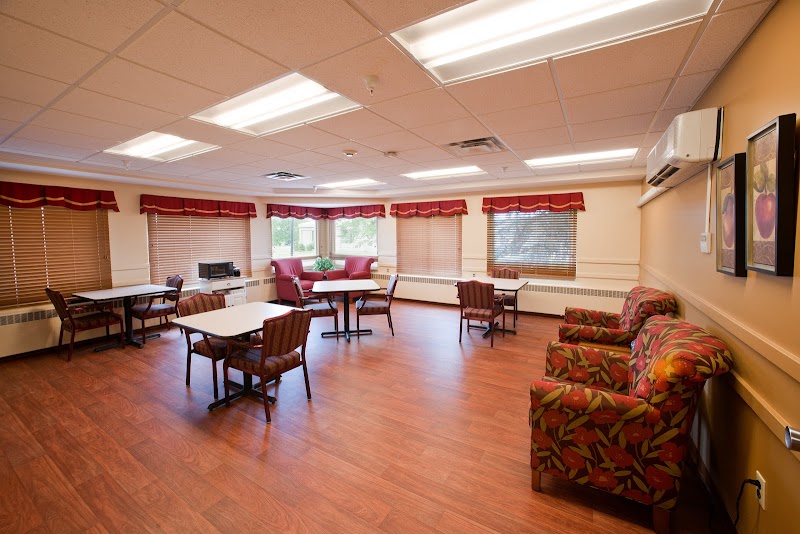
CMS rates Wexford Senior Care Center's staffing level at 5 out of 5 stars, which is much above average compared to other nursing homes. Staff turnover is 53%, compared to the Michigan average of 46%.

What Have Inspectors Found at Wexford Senior Care Center?

State health inspectors documented 17 deficiencies at Wexford Senior Care Center during 2023 to 2025. These included: 17 with potential for harm.

Who Owns and Operates Wexford Senior Care Center?

Wexford Senior Care Center is owned by a for-profit company. For-profit facilities operate as businesses with obligations to shareholders or private owners. The facility is operated by NEXCARE HEALTH SYSTEMS, a chain that manages multiple nursing homes. With 133 certified beds and approximately 63 residents (about 47% occupancy), it is a mid-sized facility located in Cadillac, Michigan.

How Does Wexford Senior Care Center Compare to Other Michigan Nursing Homes?

Compared to the 100 nursing homes in Michigan, Wexford Senior Care Center's overall rating (5 stars) is above the state average of 3.2, staff turnover (53%) is near the state average of 46%, and health inspection rating (5 stars) is much above the national benchmark.

What Should Families Ask When Visiting Wexford Senior Care Center?

Based on this facility's data, families visiting should ask: "Can I visit during a mealtime to observe dining assistance and food quality?" "How do you handle medical emergencies, and what is your hospital transfer rate?" "Can I speak with family members of current residents about their experience?"

Is Wexford Senior Care Center Safe?

Based on CMS inspection data, Wexford Senior Care Center has a clean safety record: no substantiated abuse findings (meaning no confirmed cases of resident harm), no Immediate Jeopardy citations (the most serious violation level indicating risk of serious injury or death), and is not on the Special Focus Facility watch list (a federal program monitoring the lowest-performing 1% of nursing homes). The facility has a 5-star overall rating and ranks #1 of 100 nursing homes in Michigan. While no facility is perfect, families should still ask about staff-to-resident ratios and recent inspection results during their visit.

Do Nurses at Wexford Senior Care Center Stick Around?

Wexford Senior Care Center has a staff turnover rate of 53%, which is 7 percentage points above the Michigan average of 46%. Moderate turnover is common in nursing homes, but families should still ask about staff tenure and how the facility maintains care continuity when employees leave.

Was Wexford Senior Care Center Ever Fined?

Wexford Senior Care Center has no federal fines on record. CMS issues fines when nursing homes fail to meet care standards or don't correct problems found during inspections. The absence of fines suggests the facility has either maintained compliance or corrected any issues before penalties were assessed. This is a positive indicator, though families should still review recent inspection reports for the full picture.

Is Wexford Senior Care Center on Any Federal Watch List?

Wexford Senior Care Center is not on any federal watch list. The most significant is the Special Focus Facility (SFF) program, which identifies the bottom 1% of nursing homes nationally based on persistent, serious quality problems. Not being on this list means the facility has avoided the pattern of deficiencies that triggers enhanced federal oversight. This is a positive indicator, though families should still review the facility's inspection history directly.