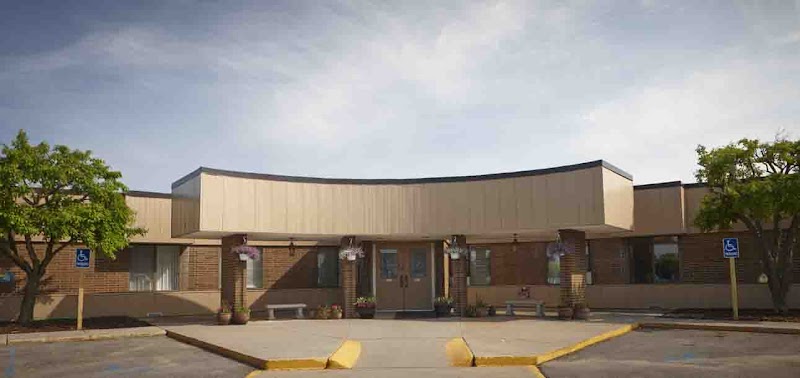
Medilodge of Cass City

4782 Hospital Drive, Cass City, MI 48726 (989) 872-2174
For profit - Corporation 80 Beds MEDILODGE Data: November 2025
Trust Grade
65/100
#140 of 422 in MI
Last Inspection: August 2025

Inspected within the last 6 months. Data reflects current conditions.

Overview

Medilodge of Cass City has a Trust Grade of C+, indicating it is slightly above average compared to other nursing homes. With a state rank of #140 out of 422 facilities, they are in the top half of Michigan, and locally, they rank #2 out of 3 in Tuscola County, meaning only one nearby option is better. The facility shows an improving trend, reducing issues from 13 in 2024 to 6 in 2025, which is a positive sign. However, staffing is a concern with a 55% turnover rate, significantly above the state average, and there is less RN coverage than 76% of other Michigan facilities, which may impact resident care. While there have been no fines recorded, there are some serious concerns noted in recent inspections, including expired food in the kitchen and issues with medication oversight, which could affect resident safety. Families should weigh these strengths and weaknesses carefully when considering this facility for their loved ones.

Trust Score
C+
65/100
In Michigan
#140/422
Top 33%
Safety Record
Low Risk
No red flags
Inspections
Getting Better
13 → 6 violations
Staff Stability
⚠ Watch
55% turnover. Above average. Higher turnover means staff may not know residents' routines.
Penalties
✓ Good
No fines on record. Clean compliance history, better than most Michigan facilities.
Skilled Nurses
○ Average
Each resident gets 30 minutes of Registered Nurse (RN) attention daily — about average for Michigan. RNs are the most trained staff who monitor for health changes.
Violations
⚠ Watch
32 deficiencies on record. Higher than average. Multiple issues found across inspections.
★★★★☆
4.0
Overall Rating
★★★☆☆
3.0
Staff Levels
★★☆☆☆
2.0
Care Quality
★★★★☆
4.0
Inspection Score
Stable
2024: 13 issues
2025: 6 issues

The Good

  • Full Sprinkler Coverage · Fire safety systems throughout facility
  • No fines on record

Facility shows strength in fire safety.

The Bad

Staff Turnover: 55%

Near Michigan avg (46%)

Frequent staff changes - ask about care continuity

Chain: MEDILODGE

Part of a multi-facility chain

Ask about local staffing decisions and management

Staff turnover is elevated (55%)

7 points above Michigan average of 48%

The Ugly 32 deficiencies on record

Aug 2025 6 deficiencies
CONCERN (D)

Potential for Harm - no one hurt, but risky conditions existed

Comprehensive Care Plan (Tag F0656)

Could have caused harm · This affected 1 resident

**NOTE- TERMS IN BRACKETS HAVE BEEN EDITED TO PROTECT CONFIDENTIALITY** Based on interview and record review the facility failed to develop a comprehensive care plan for one resident (R31) of 16 resid...

Read full inspector narrative →
**NOTE- TERMS IN BRACKETS HAVE BEEN EDITED TO PROTECT CONFIDENTIALITY** Based on interview and record review the facility failed to develop a comprehensive care plan for one resident (R31) of 16 residents reviewed for comprehensive care plans, resulting in the absence of a diabetic management care plan and the potential for unmet care needs. Findings include:R31 is [AGE] years old and admitted to the facility on [DATE] with diagnoses of type 2 diabetes mellitus, dementia, history of falling and delusional disorders. On 08/27/25 at 9:00AM, record review of the comprehensive minimum data set (MDS) dated [DATE], revealed that R31 had a diagnosis of diabetes mellitus. On 08/27/25 at 10:30AM, record review revealed an order for Lyumjev (Insulin) 2 units, subcutaneous prior to meals, hold if blood sugar (BS) is less than 120, call physician if more than 300, it is dated 10/17/24. On 08/27/25 at 10:33AM, record review of care plans revealed there was no care plan present for diabetic care of R31. On 08/28/2025 at 10:19AM, an interview was conducted with the Director of Nursing (DON). The DON was asked if R31 should have a care plan in place for diabetic management. The DON replied, yes, R31 should have one in the record. The DON stated, I'm not sure why there isn't one in the record, I will put it in right now. Review of the policy titled, Comprehensive Care Plans, revealed, Policy: It is the policy of this facility to develop and implement a comprehensive person-centered care plan for each resident, consistent with resident rights, that includes measurable objectives and timeframes to meet a resident's medical, nursing and mental and psychosocial needs that are identified in the resident's comprehensive assessment (minimum data set). Policy Explanation and Compliance Guidelines: 2. The comprehensive care plan will be developed within 7 days after the completion of the comprehensive MDS assessment. All care assessment area triggered by the MDS will be considered in developing a plan of care. Other factors identified by the interdisciplinary team, or in accordance with the resident's preferences, will also be addressed in the plan of care. The facility's rationale for deciding whether to proceed with care planning will be evidenced in the clinical record.
CONCERN (D)

Potential for Harm - no one hurt, but risky conditions existed

Quality of Care (Tag F0684)

Could have caused harm · This affected 1 resident

**NOTE- TERMS IN BRACKETS HAVE BEEN EDITED TO PROTECT CONFIDENTIALITY** Based on observation, interview and record review, the facility failed to ensure appropriate measures were in place, assessed fo...

Read full inspector narrative →
**NOTE- TERMS IN BRACKETS HAVE BEEN EDITED TO PROTECT CONFIDENTIALITY** Based on observation, interview and record review, the facility failed to ensure appropriate measures were in place, assessed for effectiveness and the resident was monitored to prevent constipation for one resident (Resident #56) of 1 resident reviewed for constipation, resulting in Resident #56 experiencing discomfort, restlessness and adverse reactions after not having a bowel movement for 8 days. Findings include: Change of Condition Resident #56 A record review of the Face sheet and Minimum Data Set/MDS assessment indicated Resident #56 was initially admitted to the facility on [DATE], 4/4/2022 and readmitted on [DATE] with diagnoses: Heart disease, Epilepsy, dysphasia, Multiple sclerosis, neuromuscular dysfunction of the bladder, high blood pressure, muscle weakness, depression, constipation and acute bladder inflammation with bleeding (8/24/2025). The MDS assessment dated [DATE] revealed the resident had a memory problem and needed assistance with care. On 8/26/2025 at 11:03 AM, Resident #56 was observed lying in bed, he rubbed his abdomen and stated, Can't go and shook his head back and forth No. Resident #56 continued to rub his abdomen, and it appeared distended. Certified Nurse Aide G entered the room and talked to the resident he nodded his head and attempted to answer her questions. She said he had not been feeling well. Certified Nurse Aide G said he had been like that recently. While in the resident's room an X-ray technician arrived and said he was there to perform an X-ray of the resident's abdomen. A review of the Tasks documentation in the electronic medical record/emr for Bowel Elimination Description for 7/29/2025 to 8/26/2025. The documentation indicated Resident #56 had several long stretches with no Bowel movement/BM: On 8/7/2025 to 8/13/2025 the resident had no BM for 5 days and a small BM on 2 days (8/7/2025 and 8/12/2025). On 8/18/2025 to 8/25/2025 the resident had no BM for 8 days. A record review of the physician orders and Medication Administration Record/MAR indicated Resident #56 was receiving Hospice care and the resident had an order for daily Fleets enemas beginning 7/15/2025 to 8/13/2025 and 8/19/2025 to 8/26/2025. The resident had also received an enema on 8/14/2025 and 8/17/2025. There was an order for one Dulcolax suppository as needed for constipation dated 5/13/2025, but there was no documentation it was given in August 2025. A new order dated 8/26/2025 said to give 2 Dulcolax suppositories that day and it was documented as given (The resident had 2 large bowel movements after receiving the 2 suppositories). There was an order for Milk of Magnesia every 72 hours as needed for Constipation if no bowel movement for 3 days. It was provided once on 8/21/2025. A record review of the 8/26/2025 abdominal X-ray results for Resident #56 identified an ileus pattern and could not rule out an obstruction. Further review of the progress notes identified the following: 8/9/2025 at 8:00 AM, an encounter notes, Nurse reports pt (patient) has recent report of ileus type pattern of bowel, has been receiving nightly enemas. Pt is now on day 3 of no BM. Treatment: give MOM (Milk of Magnesia) and an enema or Dulcolax suppository. 8/12/2025 at 8:24 AM, a Nurses Note, Resident going on day 5 with out a BM. 8/13/2025 at 8:00 AM, a Provider Progress Note, . Patient has been bloated and has not passed bowel movement for the last 3-4 days. Upon examination, patient's abdomen is distended and he has active bowel sounds. 8/24/2025 at 5:33 PM, a Nurses Note, Resident declining, has not had a bowel movement in 7 days even with enemas. There was no prior documentation that the resident had not had a bowel movement day 4 through day 6. 8/26/2025 at 9:35 AM, a Nurses Note, Resident 8 day. Abdomen rigid and distended. ON 8/27/2025 at 9:59 AM, interviewed Certified Nurse Aide/CNA G in the resident's room, she said Resident #56 had a large bowel movement yesterday (8/26/2025) on days and afternoons after he had a suppository. The CNA was asked if the staff documented if a resident ha a bowel movement or not and she said they did. The CNA was asked what the staff do if the resident had not had a bowel movement for several days, and she said they would tell the nurse. On 8/27/2025 at 10:10 AM, Nurse H was interviewed she said she had cared for Resident #56 the day before on 8/26/2025 and that day 8/27/2025. Nurse H was asked if Resident #56 had constipation and she stated, He was on our bowel list for not having a BM for 8 days. The Nurse said she had been off for several days and when she came back she was notified he was on day 8. She said she contacted the provider, and they ordered an abdominal X-ray on 8/26/2025. Nurse H was asked if the facility had a protocol for addressing a resident's constipation and she stated, After day 3 they get MOM, but Hospice may have gotten rid of that, then a suppository day 4 and an enema day 5. She said the instructions were on the Bowel list that the nurses receive each morning. She said Resident #56 was day 8 and should have received a suppository on day 4. She said for some residents' dietary would provide the residents with a bran mixture in the morning. A review of the Bowel Watch List dated 8/27/2025 indicated each hallway was listed with each resident. Beside each resident's name was a number for how many days without a BM. The majority had 0 next to their names, but one resident on another hall was noted with a 6, indicating 6 days without a BM. The list provided: L1- Monitor (no BM for 1 day); L2 Monitor/dietary will provide a bran muffin (no BM for 2 days); L3- 30 ml of MOM given on day shift (no BM for 3 days); L4- Dulcolax suppository on the night of identification no BM for 4 days); L5- Fleet enema on the night of identification (no BM for 5 days); L6- Call physician morning of identification (no BM for 6 days). Document interventions next to each resident when complete & initial. A review of the Care Plans for Resident #56 identified the following: (Resident #56) has episodes of bowel incontinence related to dementia, generalized weakness, impaired mobility, physical limitations, has supra-pubic cath in place, dated initiated 10/20/2023 and revised 10/27/2025 with Interventions including: (Resident #56) has a history of constipation, initiated power pudding along with PO (by mouth) medication to assist with irregularity, date initiated 2/26/2024; Administer medications as ordered, date initiated 10/20/2023. The interventions had not been updated since 2/26/2024. The residents' constipation had worsened.On 8/28/2025 at 10:30 AM, during an interview with the Director of Nursing/DON, she was asked about the facility bowel protocol. She said the dayshift nurses each received the bowel list in the morning to notify them if a resident had not had a bowel movement. She said the bowel protocol was also on the document and the nurses were to follow it. The DON was asked about Resident #56 being on the list on 8/26/2025 with no BM for 8 days and per the Medication Administration Record/MAR for August 2025 he did not receive MOM or a Dulcolax suppository until 8/26/2025, when he received 2 Dulcolax suppositories, per a new physician order. Reviewed the resident also had another long stretch of no BM August 7-13th. She said the residents had a history of constipation, but the nurses should follow the Bowel protocol. The DON was asked about the Bowel protocol as it waits until the resident has not had a bowel movement for 6 days prior to contacting the provider. Discussed the resident was supposed to receive an enema daily, but it was not working, and the nurses did not address the issue with the provider until the 8th day with no BM. She said they would have to work on that.
CONCERN (D)

Potential for Harm - no one hurt, but risky conditions existed

Deficiency F0691 (Tag F0691)

Could have caused harm · This affected 1 resident

**NOTE- TERMS IN BRACKETS HAVE BEEN EDITED TO PROTECT CONFIDENTIALITY** Based on observation, interview and record review, the facility failed to ensure a comprehensive bowel elimination care plan, en...

Read full inspector narrative →
**NOTE- TERMS IN BRACKETS HAVE BEEN EDITED TO PROTECT CONFIDENTIALITY** Based on observation, interview and record review, the facility failed to ensure a comprehensive bowel elimination care plan, ensure documented assessments and changes for a colostomy (an opening in the abdomen through which stool from the colon can be discharged into a bag) for one resident (Resident #38) of one resident reviewed for colostomy (ostomy), resulting in a lack of overall documentation of the colostomy care with the likelihood of signs and symptoms of complications going unnoticed. Findings include: On 8/27/2025, at 8:15 AM, CNA A offered that when the ostomy bag needs changed, they let the nurses know and the nurses change it. On 8/27/2025, at 9:30 AM, a record review of Resident #38's electronic medical record revealed an admission on [DATE] with diagnoses that included Mild Intellectual Disabilities, Alzheimer's disease and Dementia. Resident #38 required assistance with all Activities of Daily Living. According to the most recent accepted quarterly Minimal Data set assessment revealed the resident had severely impaired cognition. A review of the care plan (the resident) has an alteration in elimination GI related to need for a Colostomy Date Initiated: 01/17/2025 . Goal Resident will have no signs of skin breakdown or irritation around stoma through the next review . Resident will have reduced complications related to their ostomy through the next review. Date Initiated: 01/17/2025 . Interventions . assist resident with colostomy care as needed. Date Initiated: 01/17/2025 Observe skin integrity at the stoma site and report signs of irritation, redness and/or rashes to Physician Date Initiated: 01/17/2025 Treatment to stoma site as ordered . Empty colostomy bag as needed . Observe stoma site for complications when colostomy appliance is changed . A review of the TREATMENT ADMINISTRATION RECORD 8/1/2025 - 8/31/2025 revealed colostomy- to be changed @ skin when coming off. As needed for bowel movement -Start Date- 08/17/2025 There was no documented colostomy changes. A review of the TREATMENT ADMINISTRATION RECORD for both July and June 2025 revealed no order to change the colostomy or order to assess the skin, stoma and stool consistency. A review of the physician orders revealed colostomy-to be changed @ skin when coming off. As needed for bowel movement . Start Date 8/17/2025 . A review of the following skin assessments and corresponding progress notes revealed Skin Assessment for the days of 8/24/20205 8/17/2025 8/10/2025 8/3/2025 . There were no documented assessments of the stoma, surrounding skin and stool consistency and/or color. On 8/27/2025, at 11:58 AM, the Director of Nursing (DON) was asked regarding Resident #38's ostomy care and how often it should be completed and the DON stated, every 7 days and prn (as needed). The DON was alerted there was no documentation of colostomy assessments and ostomy care every 7 days. The DON offered, they would look into and follow up. On 8/27/2025, at 1:34 PM, an observation of Resident #38's colostomy was conducted with Unit Manager (UM) B Resident #38 offered, the nurse changed it last night. The ostomy bag has liquid brown stool with the name [NAME]. The stoma appeared to be red in color and was unable to be completely visualized. UM B was asked where the nurses document the assessment of the stoma, surrounding skin and the changes of the ostomy appliance and UM B did not answer. A further review of Resident #38's electronic medical revealed a new physician order Order Date: 8/27/2025 . Change bag and flange every day shift every 7 day(s) for ostomy AND as needed. On 8/28/2025, at 11:18 AM, an observation along with Nurse C of the colostomy supplies for Resident #38 revealed a box of [NAME] appliances and a box of colostomy bags. There were no other colostomy supplies such as: stoma wipes, adhesive remover wipes, stoma powder /paste or deodorizer. Nurse C was asked if that was all the supplies and Nurse C stated, yes. According to National Institute of Health, A nurse assessing a colostomy should evaluate the stoma color and appearance, peristomal skin for irritation or breakdown, the pouching system for leaks, the ostomy output for consistency and abnormal changes, and the patient for symptoms like pain . A review of the facility provided Ostomy Care . Policy revealed it is the policy of this facility to ensure that resident who require colostomy . services receive care consistent with professional standards of practice . The frequency of pouch changes and the products required for changing ostomy devices will be noted on the resident's person-centered care plan .
CONCERN (D)

Potential for Harm - no one hurt, but risky conditions existed

Deficiency F0698 (Tag F0698)

Could have caused harm · This affected 1 resident

**NOTE- TERMS IN BRACKETS HAVE BEEN EDITED TO PROTECT CONFIDENTIALITY** Based on observation, interview and record review, the facility failed to ensure that dialysis communication forms were complete...

Read full inspector narrative →
**NOTE- TERMS IN BRACKETS HAVE BEEN EDITED TO PROTECT CONFIDENTIALITY** Based on observation, interview and record review, the facility failed to ensure that dialysis communication forms were completed and included pre-dialysis and post-dialysis assessments and accurate identification of the dialysis access site for one resident (Resident #5) of 1 resident reviewed for dialysis services, resulting in the potential for a decline in condition and the inability for a prompt response to care needs.Findings include: Dialysis Resident #5 On 8/26/2025 at 9:33 AM, Resident #5 was observed in his room sitting in a wheelchair. He said he was getting ready to leave for dialysis. He said he goes on Tuesday, Thursday, and Saturday and leaves the facility about 9:00 AM. The resident showed his dialysis access site on his right chest. The dressing over the site was dated 8/20/25 and he said they would change it at the dialysis center. A record review of the Face sheet and electronic medical record, indicated Resident #5 was admitted to the facility on [DATE] with diagnoses: Diabetes, end stage kidney disease, dependence on renal dialysis, heart failure, COPD, post-polio syndrome, weakness, depression, and hypertension. The resident had a Brief Interview for Mental Status/BIMS score of 15/15 revealing full cognitive ability. The resident needed some assistance with care. A review of the physician orders for Resident #5 provided the following: Dialysis Tuesday, Thursday, Saturday, dated 7/23/2025; Monitor AV (arteriovenous) shunt site every shift for signs & symptoms of Infection/bleeding, dated 7/23/2025; Monitor new AV fistula site to left upper arm for bleeding, increased edema, or signs and symptoms of infection. Notify physician of changes, dated 8/18/2025. A review of Dialysis Communication Record for Resident #5 dated 8/26/2025 indicated the resident's dialysis access site was the Right chest CVC (central venous catheter). The physician orders identified an AV shunt, AV fistula in the left upper arm and the Communication record revealed right chest. There was a discrepancy with identifying the location of the dialysis access site. The nurses needed to the precise location to aid in assessing the resident for complications and adverse effects. Further review of the Dialysis Communication Records for Resident #5 indicated there were 2 assessment sections to be completed by the nurse. The first Pre dialysis section was for the facility to complete prior to the resident leaving for dialysis. The resident would take the form to the dialysis center and they would complete the 2nd section Dialysis and send the form back to the facility with the resident. Three of the 13 Dialysis Communication Record forms reviewed were missing assessment information such as vital signs, weights and on 8/12/2025 the facility assessment section was blank. There was nothing written for Vital signs: Blood pressure, pulse, respirations, temperature or weight, dialysis access site, pain or any problems. Further review of the 8/12/2025 Dialysis Communication Record for Resident #5, although blank on the top facility assessment section, the 2nd section completed by the Dialysis center revealed the following, Patient became unresponsive for < 1 minute d/t (due to) hypotension (low blood pressure); quickly returned baseline after intermittent fluid bolus. The resident had very low blood pressure and was administered IV fluids to elevate his blood pressure. A review of a progress note dated 8/12/2025 at 5:22 PM, Notes provided by dialysis while resident in care of dialysis center staff states resident experienced a brief unresponsive episode lasting less than 1 minute. States he quickly recovered following a few fluid boluses. Resident had not mentioned this.A review of the Care Plans for Resident #5 identified the following: (Resident #5) is at risk for infection related to dialysis port, initiated on 7/23/2025 and revised 7/31/2025, with Interventions including: Observe dialysis access site and report to Physician/NP/PA signs /symptoms bleeding or signs of infection: redness, swelling, local warmth, tenderness, date initiated 7/23/2025; Observe vital signs as indicated, date initiated 7/23/2025. The Care Plan did not provide a location of the dialysis port. On 8/28/2025 at 12:20 PM, during an interview with the Director of Nursing/DON, the resident's Dialysis Communication Record for 8/12/2025 was reviewed. The DON said the nurses should have completed the assessment information. Reviewed there was a discrepancy between the orders and Care Plan for location of the dialysis access site. The DON was asked how the nurses would assess the resident if they did not correctly have this information, she said it would be fixed. A review of a facility policy titled, Care Planning Special Needs- Dialysis, date implemented 10/30/2020 and reviewed/revised 12/28/2023 provided, This facility will provide the necessary care and treatment, consistent with professional standards of practice, physician orders, the comprehensive person-centered care plan, and the resident's goals and preferences, to meet the special medical, nursing, mental, and psychosocial needs of residents receiving dialysis. Comprehensive care plans will be developed. The care plan will reflect the coordination between the facility and the dialysis provider. Interventions will include, but not limited to: a. Documentation and monitoring of complications; b. Pre- and post-weights; c. Assessing, observing, and documenting care of access sites. f. Vital signs; g. Provision of medications on dialysis treatment days, such as which medications are: 1. Administered during dialysis; 2. Held prior to dialysis; 3. Given prior to dialysis; 4. Administered by dialysis staff. Nursing staff will provide a report to the dialysis provider regarding the resident's condition and treatment provisions each dialysis treatment day. The care plan will be reviewed routinely and as needed for effectiveness and revised as needed.
CONCERN (D)

Potential for Harm - no one hurt, but risky conditions existed

Deficiency F0760 (Tag F0760)

Could have caused harm · This affected 1 resident

**NOTE- TERMS IN BRACKETS HAVE BEEN EDITED TO PROTECT CONFIDENTIALITY** Based on interview and record review, the facility failed follow physician-ordered medication administration parameters for two ...

Read full inspector narrative →
**NOTE- TERMS IN BRACKETS HAVE BEEN EDITED TO PROTECT CONFIDENTIALITY** Based on interview and record review, the facility failed follow physician-ordered medication administration parameters for two residents (R31, R49) of five residents reviewed for unnecessary medications, resulting in medications being administered outside of parameters. Findings include: Resident #49: A record review of the Face sheet and Minimum Data Set/MDS assessment for Resident #49 revealed an admission to the facility on 5/21/2024 with diagnoses: Diabetes, Heart failure, Cardiac pacemaker, history of repeated falls, COPD, high blood pressure, Dementia, weakness, hypothyroidism, depression, anxiety, peripheral vascular disease, arthritis and pain. The resident has a memory problem with a Brief Interview for Mental Status/BIMS score of 3/15 and needs assistance with care. A review of the physician orders for Resident #49 identified the following: Metoprolol Tartrate Oral Tablet: Give 50 mg by mouth two times a day for CHF (congestive heart failure), Hold dose if: SBP (systolic blood pressure/top number) <110 or heart rate less than 60,” start date 7/19/2025. A review of the Medication Administration Record/MAR for August 2025 indicated Metoprolol was administered 3 times to Resident #49 when his heart rate was lower than 60: on 8/11/2025 at 8:00 AM with heart rate of 59; 8/15/2025 at 8:00 AM with heart rate of 59 and 8/27/2025 with heart rate of 58. A physician order for Hydralazine HCl tablet 10 mg: Give 1 tablet by mouth three times a day for hypertension related to Essential (primary) hypertension, Hold if SBP is less than 120 mmhg,” start date 4/30/2025. A review of the Medication Administration Record/MAR for August 2025 indicated Hydralazine was administered on 8/18/2025 at 10:00 PM with a blood pressure of 118/58. A review of the progress notes for Resident #49 indicated there were no notes addressing the low blood pressures or heart rates or why the medications were not held as ordered. Although, on 2 of the dates the resident's pulse or blood pressure was low, the resident was yelling out “Help me” 8/18/2025 and yelling out for care 8/15/2025. A review of the Care Plans for Resident #49 identified the following: “(Resident #49) has an impaired cardiovascular status related to coronary artery disease, hypertension, CHF, Hyperlipidemia, (Pace Maker),” date initiated 6/28/2024 and revised 8/22/2024 with Interventions including: “Medications as ordered; observe for side effects and report to Physician/NP/PA,” date initiated 6/28/2024; “Observe vital signs as needed,” date initiated 6/28/2024. On 8/28/2025 at 12:25 PM, during an interview with the Director of Nursing/DON, the August 2025 MAR for Resident #49 was reviewed, the cardiac medication parameters to hold were not consistently followed. It was reviewed with the DON the progress notes did not explain why the medications were not held. The DON said the nurses should have followed the orders. Resident #31: R31 is [AGE] years old and admitted to the facility on [DATE] with diagnoses of type 2 diabetes mellitus, dementia, history of falling and delusional disorder. On 08/27/25 at 9:00AM, record review of the comprehensive minimum data set (MDS) dated [DATE], revealed that R31 had a diagnosis of diabetes mellitus. On 08/27/2025 at 10:11AM, a review was completed of monthly medication regimen reviews performed by the pharmacy. It was revealed that on 10/12/24 there was a recommendation by the pharmacy to clarify blood sugar hold levels for an insulin order. This recommendation was completed on 10/17/24. On 08/27/25 at 10:30AM, record review revealed an order for Lyumjev (Insulin) 2 units, subcutaneous prior to meals, hold if blood sugar (BS) is less than 120, call physician if more than 300, it is dated 10/17/24. On 08/27/25 at 10:35AM, record review of the medication administration records from April 2025, May 2025, June 2025, July 2025 and August 2025 for the Lyumjev revealed that the insulin had been given outside of parameters on multiple dates: 4/11/25: BS of 109, administered 4/12/25: BS of 114, administered 4/21/25: BS of 117, administered 5/3/25: BS of 112, administered 5/3/25: BS of 117, administered 5/12/25: BS of 117, administered 5/19/25: BS of 114, administered 5/27/25: BS of 95, administered 6/3/25: BS of 107, administered 6/8/25: BS of 115, administered 6/22/25: BS of 114, administered 7/2/25: BS of 102, administered 7/26/25: BS of 100, administered 7/26/25: BS of 118, administered 8/11/25: BS of 112, administered On 08/28/2025 at 10:19AM, an interview was conducted with the Director of Nursing (DON). The DON was asked if the nursing staff should be administering insulin outside of the parameters or holding it. The DON stated the nurses should be holding it and not administering it. The only time they should ever administer insulin outside of parameters is if the physician was notified and told them it was ok to give it. Review of the policy titled, Medication Administration, revealed: Policy: Medications are administered by licensed nurses, or other stuff who are legally authorized to do so in this state, as ordered by the physician and in accordance with professional standards of practice, in a manner to prevent contamination or infection. Policy Explanation and Compliance Guidelines: 8. Obtain and record vital signs, when applicable or per physician orders. When applicable, hold medication for those vital signs outside the physician's prescribed parameters.
CONCERN (F)

Potential for Harm - no one hurt, but risky conditions existed

Infection Control (Tag F0880)

Could have caused harm · This affected most or all residents

Based on observation, interview, and record review, the facility failed to have an active and ongoing plan for reducing the risk of legionella and other opportunistic pathogens of the premise's plumbi...

Read full inspector narrative →
Based on observation, interview, and record review, the facility failed to have an active and ongoing plan for reducing the risk of legionella and other opportunistic pathogens of the premise's plumbing. Findings include: On 08/26/2025 at approximately 1:00-1:30PM during the environmental tour with the Director of Maintenance D observed drain line to water softener sitting inside drain located in B hall. 08/26/2025 at approximately 1:00-1:30PM conducted interview with Director of Maintenance D on flushing water lines, he stated that the boiler is flushed, and it's done every month. On 08/26/2025 at approximately 1:00-2:00PM record review of legionella results showed legionella positive in C utility room, result was 0.8 CFU/mL on 3/14/25. When water was retested, legionella test results was negative on 5/15/25 for C utility hall. On 08/27/2025 at approximately 8:30-9:00AM during the housekeeping tour with the Housekeeping Manager E, observed a box with supplies stacked inside the basin of the utility sink in the janitor's closet between C and D hallways. When questioned on how often the utility sink is used, the Housekeeping Manager E stated housekeeping does not use this utility sink. On 08/27/2025 at 9:00-9:25AM observed the utility sink leaking from the atmospheric vacuum breaker in the janitor's closet located between C and D hallways. Conducted an interview with the Senior Maintenance Director F on the usage of the utility sink, and he claimed that housekeeping comes in and flushes the sink weekly. But when the surveyor mentioned the Housekeeping Manager E stated that this sink was not being used by housekeeping, he then claimed the Director of Maintenance D flushes it weekly. On 08/27/2025 at 9:00-9:25AM conducted interview with Director of Maintenance D and Senior Maintenance Director F on the utility sink located between C and D hallways. When asked about the usage of the utility sink, Director of Maintenance D answered that it's not in use and there was confusion on who flushes the sink weekly. The Senior Maintenance Director F stated that it is flushed weekly, but that there are no records on flushing. On 08/27/2025 10:47 AM observed a drinking fountain between A and B hallways. The water fountain would not turn on. Conducted interview with the Nursing Home Administrator on when the drinking fountain was shut off, and she stated she wasn't sure, but it's shut off due to an ongoing construction project. According to the 2008 Cross Connections Manual on water softeners, Typical water softener installations may pose a public health threat mainly due to the waste discharge piping being terminated in a floor drain or sewage piping system thereby creating a submerged inlet cross connection. According to Controlling Legionella in Potable Water Systems from the Centers of Disease Control and Prevention dated January 3rd, 2025, Eliminate dead legs, which are sections of no- or low-water flow. and Flush low-flow piping runs and dead legs at least weekly. Flush infrequently used fixtures regularly as needed to maintain water quality parameters within control limits. Record review of the facility's Water Management Program, it states Flush low-flow pipe runs, dead end legs and infrequently used fixtures weekly.
Aug 2024 11 deficiencies
CONCERN (D)

Potential for Harm - no one hurt, but risky conditions existed

Resident Rights (Tag F0550)

Could have caused harm · This affected 1 resident

**NOTE- TERMS IN BRACKETS HAVE BEEN EDITED TO PROTECT CONFIDENTIALITY** Based on interview and record review, the facility failed to ensure dignified and respectful treatment for one resident (Residen...

Read full inspector narrative →
**NOTE- TERMS IN BRACKETS HAVE BEEN EDITED TO PROTECT CONFIDENTIALITY** Based on interview and record review, the facility failed to ensure dignified and respectful treatment for one resident (Resident #28) of two residents reviewed, resulting in staff speaking to Resident #28 in an undignified and belittling manner and the resident's verbalization of feelings of frustration and discontentment. Findings include: Resident #28: On 8/28/24 at 9:27 AM, Resident #28 was observed in their room. The Resident was in bed, positioned on their back. Upon entering the room, the room temperature was immediately noted to be uncomfortably hot and humid. A fan was present in the room, but an air conditioning unit was not present in the window. An interview was completed at this time. When queried how they were treated by facility staff, Resident #28 replied that some staff don't give good care. Resident #28 was asked what they meant and stated, (They) act like it is a burden to provide care and assist them. Resident #28 verbalized frustration and indicated they would prefer to be able to do things for themselves, but they are in the facility because they need help. When asked if there are specific staff who make them feel that they are a burden, Resident #28 stated, (Certified Nursing Assistant)[CNA C]. With further inquiry, Resident #28 revealed CNA C asks them, What do you want? when they come in the room in a rude tone. Resident #28 stated, I asked (CNA C) to put me to bed and revealed they waited over an hour and CNA C never returned. Resident #28 then stated, (CNA C) always rolls their eyes when they ask for something. Resident #28 revealed they asked CNA C why they did not like them one day and CNA C told them that it's hot in here (room) and they need to hurry up. When queried if they thought the room was hot, Resident #28 verbalized they were and indicated they had no air conditioning. When queried if they want air conditioning (AC), Resident #28 verbalized they did and stated, (facility staff) said can't put a window AC in the room and they can't open the window because it leaks. When asked about the window leaking, Resident #28 revealed the facility staff informed them they were unable to put a window AC in because there was a problem with the roof which caused the window to leak. Resident #28 was then asked if they had spoke to anyone at the facility about CAN's C, Resident #28 verbalized they had and stated, I've had reports written. Review of Resident #28's Electronic Medical Record (EMR) revealed the Resident was admitted to the facility on [DATE] with diagnoses which included heart failure, respiratory failure, depression, and weakness with bilateral foot drop (inability to raise the front part of the foot and the toes point away from the head). Review of the Minimum Data Set (MDS) assessment dated [DATE] revealed the Resident was cognitively intact, displayed no behaviors, and required maximum to total assistance to complete Activities of Daily Living (ADL) with the exception of eating and oral hygiene. Resident #28's concern/Incident and Accident (I and A) forms were requested from the facility Administrator on 8/28/24 at 3:32 PM. An interview was conducted with CNA C on 8/28/24 at 2:49 PM. When queried if they had provided care to Resident #28 at the facility, CNA C confirmed they had. CNA C was asked what shift they worked and revealed they usually worked day and afternoon shift but had also previously worked night shift. When queried if they had any negative interactions with Resident #28, CNA C initially stated, No. CNA C then stated, The one day (Resident #28) said, I take it you don't like me. I said no. I'm just trying to hurry up and get you done because I am dying in here it is so hot. When asked how Resident #28 responded, CNA C indicated they did not recall. CNA C verbalized there is no air conditioning in the Resident's room, and they had an oxygen concentrator which makes the room even hotter when the door is closed. When queried if they ask Resident #28 what they want when they enter their room, CNA C did not respond. No concern/I and A forms for Resident #28 were received by the conclusion of the survey. Review of facility provided policy/procedure entitled, Resident Rights (Revised: 10/30/23) revealed, 11. The facility will ensure that all staff members are educated on the rights of residents and the responsibility of the facility to properly care for its residents.
CONCERN (D) 📢 Someone Reported This

A family member, employee, or ombudsman was alarmed enough to file a formal complaint

Potential for Harm - no one hurt, but risky conditions existed

ADL Care (Tag F0677)

Could have caused harm · This affected 1 resident

**NOTE- TERMS IN BRACKETS HAVE BEEN EDITED TO PROTECT CONFIDENTIALITY** Based on observation, interview and record review, the facility failed to ensure the provision of hygiene and daily care for two...

Read full inspector narrative →
**NOTE- TERMS IN BRACKETS HAVE BEEN EDITED TO PROTECT CONFIDENTIALITY** Based on observation, interview and record review, the facility failed to ensure the provision of hygiene and daily care for two residents (Resident #28, and Resident #48) of four residents reviewed, resulting in unkept and long toenails, foul odors, and exposed, visible stool on the bedside commode in Resident #48's room. Findings include: Resident #28: On 8/28/24 at 9:27 AM, Resident #28 was observed in their room. The Resident was in bed, positioned on their back with their toothbrush in place on the overbed table in front of the Resident. Upon entering the room, the room temperature was immediately noted to be uncomfortably hot and humid. A fan was present in the room, but there was not an air conditioning unit in the window. An uncovered, pink colored bedpan was observed sitting on top of the garbage can next to the Resident's bed. An interview was completed at this time. When queried regarding the level of assistance they need for transfers and ambulating, Resident #28 revealed staff transfer them using a mechanical lift. A wheelchair was observed in the room. When queried if they are able to brush their teeth in the bathroom when sitting in their wheelchair, Resident #28 revealed they never use the bathroom because it stinks. Upon request, this surveyor entered the bathroom attached to the Resident's room. Upon opening the bathroom door, a foul and pungent, overwhelming odor was immediately noted which permeated into the room. The bathroom was contained a toilet and sink and was shared with another resident room. Upon exiting the bathroom, Resident #28 requested the door be shut. When queried, Resident #28 verbalized the bathroom always sticks horribly and they cannot stand the smell. Resident #28 revealed they were unsure of the reason for the odor. At 9:34 AM on 8/28/24, Certified Nursing Assistant (CNA) A entered Resident #28's room to remove the Resident's toothbrush. While they were in the room, CNA A was asked if they noticed the odor in the bathroom. CNA A confirmed the pungency of odor and stated, It's urine. CNA A revealed they take Resident #28's toiletry items to a sink in a different room to clean them because the odor in the bathroom is so strong and it bothers Resident #28. When queried why the odor was present, CNA A indicated the resident in the adjoining room is incontinent at times. No further explanation was provided. Review of Resident #28's Electronic Medical Record (EMR) revealed the Resident was admitted to the facility on [DATE] with diagnoses which included heart failure, respiratory failure, depression, and weakness with bilateral foot drop (inability to raise the front part of the foot and the toes point away from the head). Review of the Minimum Data Set (MDS) assessment dated [DATE] revealed the Resident was cognitively intact, displayed no behaviors, and required maximum to total assistance to complete Activities of Daily Living (ADL) with the exception of eating and oral hygiene. On 8/29/24 at 9:10 AM, Resident #28 was observed in their room. The Resident was in bed, positioned on their back and the Director of Nursing (DON) was in the room. The DON was observed entering the Resident's bathroom and the pungent odor was immediately noted and became stronger closer to the bathroom. When queried regarding the odor, the DON revealed they did not think it was strong. When asked, Resident #28 revealed they were able to smell it from their bed. No further explanation was provided by the DON. Resident #48: On 8/27/24 at 2:38 PM, Resident #48 was observed sitting in a recliner in their room. There was no bed in the room. A bedside commode was sitting approximately four feet from the recliner and was visible from the hallway of the facility. The smell of feces was present in the room. The bedside commode was uncovered, and a dried brown colored substance was on the seat of the commode. Stool was present in the commode bucket. An interview was completed at this time. When queried if they or their roommate utilized the commode, Resident #48 indicated it was their commode and revealed they are incontinent and wear a brief. Resident #48 stated, I only use my commode when I overfill my brief and they (staff) have to change everything. Record review revealed Resident #48 was admitted to the facility on [DATE] with diagnoses which included diabetes mellitus, falls, gout, and weakness. Review of the MDS assessment dated [DATE] revealed the Resident was moderately cognitively impaired and required maximum to total assistance to complete ADL's with the exception of set-up/clean-up assistance with eating and oral hygiene. On 8/29/24 at 9:50 AM, Resident #48 was observed sitting in the recliner in their room. The brown substance and stool remained on the uncovered bedside commode. An interview was completed with Certified Nursing Assistant (CNA) D on 8/29/24 at 9:56 AM. When queried regarding the commode in Resident #48's room, CNA D confirmed Resident #48 used the bedside commode on occasion. CNA D was asked if they were assigned to provide care to Resident #48 and confirmed they were. When asked if they had been in the Resident's room today, CNA D revealed they had. When queried regarding the substance and bowel movement in/on the bedside commode, CNA D indicated they would go look. CNA D entered Resident #48's room and exited. When asked if they saw the commode, CNA D replied, Yeah, I'm going to go clean it. CNA D was asked what the substance was and replied, Poop. When queried regarding the bedside commode being in the same condition when observed on 8/27/24 at 2:38 PM. CNA D was unable to provide an explanation. Review of facility policy/procedure entitled, Activities of Daily Living (ADL) (Reviewed: 12/23) revealed, 3. A resident who is unable to carry out activities of daily living receives the necessary services to maintain good . grooming, and personal and oral hygiene .
CONCERN (D)

Potential for Harm - no one hurt, but risky conditions existed

Pressure Ulcer Prevention (Tag F0686)

Could have caused harm · This affected 1 resident

**NOTE- TERMS IN BRACKETS HAVE BEEN EDITED TO PROTECT CONFIDENTIALITY** Based on observation, interview and record review the facility failed to prevent the development of three (one Stage IV and two ...

Read full inspector narrative →
**NOTE- TERMS IN BRACKETS HAVE BEEN EDITED TO PROTECT CONFIDENTIALITY** Based on observation, interview and record review the facility failed to prevent the development of three (one Stage IV and two unstageable) pressure ulcers for one resident (Resident #31), resulting in, Resident #31 developing a right ankle unstageable wound, a left ankle unstageable wound and a Stage IV coccyx wound and delayed wound healing. Findings include: Resident #31: On 8/27/2024 at 10:55 AM, Resident #31 was observed sitting in the wheelchair after staff had completed morning cares. The resident was asked if she had any wounds on her body and she pointed to her coccyx area and stated it was painful. On 8/27/2024 at approximately 1:00 PM, a review was completed of Resident #31's medical record and it revealed she was admitted to the facility on [DATE] with diagnoses that included Alzheimer's Disease, Diabetes, Dementia, Pressure Ulcer of Sacral Region Stage 4, Pressure Ulcer of left ankle and Pressure Ulcer of right ankle, Schizophrenia, Anxiety and Major Depressive Disorder. Further review revealed the following: Care Plan: .Currently has stage 4 to coccyx and unstageable to bilateral ankles . Bed Mobility: 1 person assistance r/t (related to) hip fx (hip fracture). Dressing: 1 person assist .Personal Hygiene: 1 person assist for set up . .Roho cushion in wheelchair to assist with weight distribution . initiated on 1/22/2024 January 13, 2024, readmission Assessment: .Left ankle (outer) brown dry scab .Coccyx redness .resident c/o (complains of) painful heels, soft boots applied . Progress Notes: 1/13/2024 at 15:37: .Resident readmitted to facility s/p (status post) right hip fracture surgery, right hip without redness/drainage s/s of infection with 17 staples intact, open to air, hip precautions in place. Advised by hospital resident is 2 assist transfer to wheelchair. Resident c/o bilateral heels painful, upon assessment heels red blanchable, soft with intact skin. Foley removed upon admission to facility, staff advised to monitor voiding . 1/23/2024 at 00:00: .seen today after discovery of a pressure wound measuring 6 cm x 4 cm x 2.5 cm .Patient is up in her wheelchair primarily. She requires assistance with her ADL's. On assessment patient is in her bed on her left side. She currently denies pain related to the area. Recommending patient be place on a turn schedule. Limited time up in wheelchair to prevent worsening of the wound . 1/24/2024 at 13:48: . was called to resident room r/t (related to) discoloration to bottom. resident noted to have two small open area and dark purple 2 cm width line a crossed buttocks with top layer of skin sloughing off. No drainage noted at this time .staff educated on the importance of resident being placed back in bed between meals and side to side repositioning . 4/5/2024 at 00:00: .seen today for reports of bilateral pressure wounds to her outer ankles. Once observed in her bed, she is laying on her right side with soft boots in use. Despite boots there is still pressure to the areas .and believed to be the cause of the wounds . 7/15/2024 at 14:41: .Wound nurse continues to evaluate wounds weekly with measurements and pictures, wounds continue to heal slowly . 8/9/2024 at 11:41: .Wound nurse continues to assess wound weekly with pictures and measurements, wounds slowly healing, changes being made as needed . On 8/29/2024 at 9:40 AM, an interview was conducted with ADON (Assistant Director of Nursing)/Wound care Nurse regarding Resident #31's three facility acquired wounds. The ADON stated the coccyx wound developed first on 1/22/2024 shortly after her return from the hospital. When asked if it was present upon readmission the ADON stated it was not as she completed the admission skin check of Resident #31. Upon further discussion it was stated the resident was not able to reposition herself in bed and was frequently in her wheelchair. The ADON was asked if the wound developed from not being turned/repositioned and being in her wheelchair for long periods. The ADON reported those are both plausible explanations. The ADON stated Resident #31 additionally has a facility-acquired wound on her bilateral outer ankles that were discovered on 3/18/2024. The resident wore soft heel boots while in bed and was most comfortable laying in a fetal position in bed. Both wounds are on the ankle bone and most likely caused from the boot rubbing against her skin. The ADON reported all three wounds have not resolved but are showing signs of improvement. Further review was completed of Resident #31's facility-acquired wounds: Coccyx: 1/22/2024: 6.82 cm x 4 cm x 2.45 cm. In house acquired pressure. Small open areas noted deep purple line noted sloughing of first layer of skin no drainage noted. 1/30/2024: 5.25 cm x 4.3 cm x 2.24 cm .Resident noted to have slough throughout wound no drainage at this time . 2/5/2024: 8.36 cm x 6.22 cm x 2.85 cm . Resident noted to have slough throughout wound no drainage at this time . 3/5/2024: 11.36 cm x 6.26 cm x 3.22 cm .light sanguineous/bloody exudate, 70% granulation and 30% slough .Wound noted to have decrease in slough wound has a depth now of 1 cm with granulation starting to show . 4/2/2024: 4.34 cm x 3 x 1.62 cm x 4 cm (deepest point). Moderate sanguineous/bloody exudate, 10% granulation and 90% slough .Wound bed slough noted to be more of a light gray in color. With pink granulation tissue to outer edge of wound. 4/10/2024: 21.96 cm x 7.54 cm x 4.05 cm x 3.5 (deepest point). Light sanguineous/bloody exudate, 90% granulation and 10% slough. Resident had debridement to her unstageable pressure wound to coccyx's wound and is not classified as a stage 4. Light drainage noted at this time and no s/s of infection resident continues on IV and oral antibiotics for wound infection. 5/13/2024: 14.12 cm x 6.06 cm x 3.42 cm x 3.5 cm (deepest point). Moderate sanguineous/bloody exudate, 100% granulation. Wound bed had pink granulation tissue some slough notes in spots, depth continues to be 3 cm moderate amount of drainage noted in wound vac at this time. 5/29/2024: 15.76 cm x 6.21 cm x 3.75 cm x 3 cm (deepest point). Moderate sanguineous/bloody exudate, 100% granulation. Wound bed had pink granulation tissue dept continued to be 3 cm moderate amount of drainage noted in wound vac at this time. 6/10/2024: 14.61 cm x 5.66 cm x 3.84 cm x 2.5 cm (deepest point). Moderate sanguineous/bloody exudate, 100% granulation. Wound bed had pink granulation tissue depth continues to be 3 cm moderate amount of drainage noted in wound vac at this time. 6/24/2024: 9.69 cm x 4.67 cm x 2.71 cm x 2.5 cm. No sanguineous/bloody exudate, 70% granulation. Wound bed has become a lighter pink color with some nice red granulation. Continue to have moderate drainage no s/s of infection. 7/8/2024: 7.85 cm x 4.23 cm x 2.61 cm x 2 cm (deepest point). Light serous exudate, 100% granulation. Wound bed noted to be getting dry and light white coloring to outer edge of wound bed. 7/30/2024: 8.08 cm x 4.24 cm x 2.46 cm x 2 cm. Moderate sanguineous/bloody exudate, 100% granulation. Wound bed noted to be getting beefy red granulation .Outside of wound bed noted to be white and soft drainage is moderate . 8/27/2024: 13.16 cm x 4.8 cm x 4.03 cm x 2 cm. Moderate sanguineous/bloody exudate, 100% granulation. Wound bed continues to have granulation tissue noted little yellow slough noted to wound bed. Moderate drainage no s/s of infections diameter wound continue to get smaller. Top left side of wound dark purple area noted, and bottom left has some dark purples noted . Left Lateral Ankle: 3/18/2024: 1.22 cm x 1.46 cm x 1 .While doing her tx (treatment) noted drainage to left ankle. Slough noted in center of wound with serosanguineous drainage. Peri wound noted to be deep purple in color . 4/2/2024: 2.58 cm x 2.24 cm x 1.5 cm . While doing her tx (treatment) noted drainage to left ankle. Slough noted in center of wound with serosanguineous drainage . Right Lateral Ankle: 3/18/2024: 1.22 cm x 1.46 cm x 1.2 cm. 100% slough .Slough noted to center of wound with serousangous drainage. Peri wound noted to be deep purple in color . 4/2/2024: 3.03 cm x 2.45 cm x 1.78 cm. 100% eschar. Education provided to staff on proper repositioning. Wound bed noted to have eschar present . Review was completed of the facility policy entitled, Pressure Injury Prevention and Management, reviewed 3/20/2024. The policy stated, This facility is continued to the prevention of avoidable pressure injuries and the promotion of healing of existing pressure injuries .The facility shall establish and utilize a systematic approach for pressure injury prevention and management, including prompt assessment and treatment; intervening to stabilize, reduce or remove underlying risk factors; monitoring the impact of the interventions; and modifying the interventions as appropriate .evidence based interventions for prevention will be implemented for all residents who are assessed as at risk or who have a pressure injury present .i. Redistribute pressure .iii. Provide appropriate, pressure-redistributing, support surfaces .
CONCERN (D)

Potential for Harm - no one hurt, but risky conditions existed

Accident Prevention (Tag F0689)

Could have caused harm · This affected 1 resident

**NOTE- TERMS IN BRACKETS HAVE BEEN EDITED TO PROTECT CONFIDENTIALITY** Based on observation, interview and record review, the facility failed to implement and operationalize policies and procedures t...

Read full inspector narrative →
**NOTE- TERMS IN BRACKETS HAVE BEEN EDITED TO PROTECT CONFIDENTIALITY** Based on observation, interview and record review, the facility failed to implement and operationalize policies and procedures to ensure a thorough investigation, accurate documentation, and implementation of meaningful interventions for fall prevention for two residents (Resident #16 and Resident #23) of two residents reviewed for falls, resulting in a lack of accurate Minimum Data Set (MDS) documentation, comprehensive analysis of falls, a lack of updated and meaningful interventions to prevent falls, and the likelihood of unnecessary pain and injury. Findings include: Resident #16: On 08/28/24 at 9:01 AM, Resident #16 was not in their room. Resident #16's bed was observed to have bilateral, half-length side rails in place. The side rails were very loose and moved several inches with pressure. At 10:37 AM on 8/28/24, Resident #16 was not in their room. Record review revealed Resident #16 was originally admitted to the facility on [DATE] and readmitted on [DATE] with diagnoses which included [NAME] encephalopathy (life threatening acute neurological condition characterized by loss of muscle coordination and balance, eye twitching/spasms, and confusion), weakness, Transient Ischemic Attack (TIA- mini stroke), schizoaffective disorder, bipolar disorder, weakness, and falls. Review of the Minimum Data Set (MDS) assessment dated [DATE] revealed the Resident was cognitively intact and required moderate to substantial assistance for transferring, dressing, and toileting. The MDS detailed the Resident had no falls. Review of the facility provided CMS-802 Resident Matrix Form revealed Resident #16 did not have any falls at the facility. Review of Resident #16's Electronic Medical Record (EMR) revealed the following documentation: - 3/28/24 at 8:35 AM: Nurses' Notes . Patient reported to therapy . had a fall in bathroom and got themselves up . no injuries noted . - 3/28/24 at 9:13 AM: Fall- Initial . Date of Fall: 3/28/24 . Most Recent O2 sats . 100.0 (%). Date: 3/23/24 at 9:42 . Most Recent Blood Pressure . 122/70 . Date: 3/26/24 at 9:47 PM . What was resident doing prior to the fall? Self-reported fall. Last seen by nurse wheeling in hall back to bedroom after eating breakfast New intervention(s) implemented post-fall . Patient educated on call bell use and need to wait for assistance . - 3/28/24: Health Care Provider Telehealth - Asynchronous . Patient self-reported a fall in bathroom to therapy, denied fall when asked by this nurse. No injuries noted per nursing . - 3/29/24: Health Care Provider Progress Notes . Acute . Patient is observed in wheelchair . reports self-transferred in the bathroom because everyone was busy and (they) had to go. Patient denies injury or hitting head . Repeated falls: No injury . - 4/29/24 at 10:24 PM: Nurses' Notes . Resident observed on floor lying on right side facing bathroom door with no injury's noted at this time. Resident stated 'I fell asleep and fell out of chair because I'm tired' . - 4/29/24 at 10:28 PM: Fall- Initial . Date of Fall: 4/29/24 . Last time toileted prior to fall: 8:00 PM . What was Resident doing prior to fall? In wheelchair sleeping . New Intervention implemented post-fall . Describe change in footwear: Need gripper socks on at all time . - 4/29/24: Health Care Provider Telehealth - Asynchronous . Notified resident was observed on the floor. No injury . - 4/30/24: Progress Notes . Visit Type: Acute . Fall . seen for F/U after a fall last night. (Resident #16) started leaning forward and landed on the floor face first . Unspecified fall, initial encounter: No Obvious Post-Fall Injury. Will have Psych Review Meds . - 7/7/24: Telehealth - Asynchronous (Provider Note) . Unwitnessed fall this morning . was found on the floor by the aid (Certified Nursing Assistant [CNA]) and was not sure how long had been on the floor. (Resident #16) had urinated on self. Neurochecks initiated . is on Plavix (antiplatelet medication used to prevent blood clots) and unsure if hit head. (Blood Pressure) 87/52 (hypotensive - low). Left shoulder pain 7/10 after was back in bed, but moving back to bed was in quite a bit of pain. STAT x-ray ordered of Left shoulder . - 7/8/24 at 4:53 AM: Fall- Initial . Date of Fall: 7/7/24 . Most Recent Blood Pressure . 126/76 (mmHg) Date: 7/8/24 at 12:25 AM . Describe new physician orders: X-ray of Left Forearm & Shoulder . Last time resident was toileted prior to fall: 7/7/24 at 6:00 AM . What was resident doing prior to the fall? .was getting ready for breakfast . Does the resident have new complaint of pain? No . New intervention(s) implemented post-fall . Staff to assist resident with AM care . Additional comments: No change in mentation with no new injuries noted. No c/o pain or discomfort. Call light within reach . - 7/9/24: Health Care Provider Progress Notes . Visit Type: Acute . Fall Several Days Prior . seen for F/U (follow up) after a fall recently. Pt started leaning forward and landed on the floor face first . Unspecified fall, initial encounter: No Obvious Post-Fall Injury. Cont. Fall Precautions . On 8/29/24 at 9:54 AM, Resident #16 was observed in their wheelchair in the hallway of the facility. The Resident's right arm was positioned on an additional padded rest on the wheelchair, and they were using their legs to propel themselves towards their room. The Resident was slid down in their wheelchair with their bottom not positioned at the back of the wheelchair. When asked questions, Resident #16 murmured but did not provide a clear response. Review of Resident #16's facility provided Incident and Accident (I and A) forms revealed the following: - 3/28/24 at 9:04 AM: Unwitnessed Fall . Resident's Room . Therapy notified this nurse patient self-reported a fall in bathroom. Stated . got themselves up but did not tell nurse or CNA . Patient denies unwitnessed fall to this nurse . Root Cause: Self transfer to bathroom in room and didn't use call light. Educated to use call light and wait for assistance. Resident had shoes on . Predisposing Environmental Factors . None . Predisposing Physiological Factors . Recent change in Medications/New Medications . Gait Imbalance . Predisposing Situational Factors . Ambulating without Assist . - 4/29/24 at 10:00 PM: Observed on Floor . Resident's Room . Nurse observed Resident on floor lying on right side facing bathroom door . Resident stated was sleeping in chair . Was this incident witnessed: Y . Root Cause: Resident fell asleep in wheelchair and fell forward out of wheelchair. Intervention: Sleep diary has been initiated, psych services to review medications . Predisposing Environmental Factors . None . Predisposing Physiological Factors . None . Predisposing Situational Factors . None . Statements: (Licensed Practical Nurse [LPN] I) I was called to resident room and observed resident lying on the floor . - 7/7/24 at 7:45 AM: Unwitnessed Fall . Resident's Room . Aide came and got nurse stating that she could not open residents door due to them laying in front of it. Went in through the bathroom, resident laying on left shoulder/side, wheelchair behind them and side table against the wall by the door, resident stated ' .was trying to pick something off the floor and fell, did not hit head, shoulder 7/10 pain, didn't know how long was on the floor, did have incontinent episode' . resident own person asked if wanted to be sent out or get x-ray in house. Resident stated that wanted to stay in room. Stat x-ray ordered . Resident getting up for the morning, got in wheelchair and went to bedside table by door. Went to pick something off the floor and leaned to far forward and fell. Landed on left shoulder/side, couldn't get up or reach call light . Immediate Action Taken . provider ordered xray as resident c/o (complain of) pain . Root Cause: Resident has deficits in balance, vision, and has impulsive behaviors. Intervention: Xray on left shoulder, educated resident to use call light for assistance before attempting task, use their reacher when trying to obtain items out of reach. Resident continues on therapy . Predisposing Environmental Factors . Poor lighting . Predisposing Physiological Factors . Gait Imbalance . Predisposing Situational Factors . None . Statements: (LPN E) . Resident was inside door when . arrived to room with CNA . did not want to go to hospital to be CT scanned . (CNA F) . (Went) to check on resident . normally up early. I tried opening the door and couldn't. I saw the resident legs, went though the bathroom, (Resident #16) was laying on the floor . Review of pain documentation in Resident #16's EMR on 7/7/24 revealed the Resident's pain level was 8 out of 10 at 7:51 AM and 7 out of 10 at 2:48 PM. Review of Resident #16's care plans revealed a care plan entitled, (Resident #16) is at risk for falls/injury related to decreased strength and endurance, generalized weakness, history of falls (Initiated and Revised: 8/9/23). The care plan included the interventions: - (Resident #16) educated to use call light and wait for assistance, staff to offer toileting with every face-to-face interaction (Initiated: 3/28/24; Revised: 4/12/24) - Encourage resident to use call light and wait for assistance and use of grabber (Initiated: 7/7/24) - Encourage/educate (Resident #16) to use call light (Initiated: 8/9/23; Revised: 4/3/24) - Frequent reminders not to ambulate without assist (Initiated: 8/23/23) - MD medication review, psych medication review, labs, sleep diary initiated (Initiated: 4/30/24) - Bed enablers to help promote bed mobility and promote independence (Initiated and Revised: 8/9/23) - Encourage (Resident #16) to wear glasses; assist with applying as needed (Initiated and Revised: 8/9/23) - Ensure (Resident) room is free from accident hazards . (Initiated and Revised: 8/9/23) - Place call light within reach (Initiated: 8/9/23) Another care plan entitled, (Resident #16) has an ADL self-care performance deficit related to history of TIA, weakness (Initiated and Revised: 8/9/23) in their EMR. This care plan included the interventions: - Toileting: 2 person assist (Initiated: 8/9/23; Revised: 7/12/24) - Transfers: 2 person assist (Initiated: 8/9/23; Revised: 7/10/24) - Encourage to use call light when assistance is needed (Initiated and Revised: 8/9/23) Resident #16 did not have a care plan and/or intervention in place related to gripper socks and/or non-slip footwear. Resident #23: On 8/27/24 at 4:27 PM, Resident #23 was observed in their room. The Resident was in bed, positioned on their back with their eyes closed. A wheelchair with leg rests in place was positioned next to the Resident's bed. Resident #23's room was noted to be the last room at the end of the hallway and the furthest from the nurses' station. On 8/28/24 at 9:00 AM, Resident #23 was observed sitting in their wheelchair in their room. The Resident's legs were positioned on the wheelchair leg rests and an overbed table was in place in front of them. The wheelchair was facing away from the door, toward the room divider curtain. Resident #23's call light was not within their reach. While in a resident room across the hall on 8/28/24 at 9:09 AM, a Resident was heard yelling for help. Upon approaching Resident #23's room, the Resident was observed laying on the floor between the bed and the wheelchair. The Resident's head was on the floor, towards wall with the room door and away from the room divider curtain. The wheelchair was in the same place as prior observation at 9:00 AM and the bilateral footrests remained in place. The call light was not visualized. Record review revealed Resident #23 was most recently admitted to the facility on [DATE] with diagnoses which included respiratory failure, heart failure, falls, dementia, and Alzheimer's disease. Review of the MDS assessment dated [DATE] revealed the Resident was severely cognitively impaired and required maximum to total assistance to complete all ADL's with the exception of eating. The MDS further revealed Resident #23 had one fall with injury since their prior MDS assessment. Review of the facility provided CMS-802 Resident Matrix Form detailed Resident #23 was receiving Hospice services and did not have any falls at the facility. Review of Resident #23's EMR revealed the following documentation: - 10/13/23 at 10:24 PM: Nurses' Notes . Resident lying on left hip with left hand supporting Resident up and Head facing towards the window . - 10/13/23 at 11:20 PM: Fall- Initial . Date of Fall: 10/13/23 . Most Recent Blood Pressure . Date: 10/5/23 at 7:54 AM . Last time resident was toileted prior to fall: 10/13/23 at 7:00 PM . What was resident doing prior to fall? Lying in bed . New intervention implemented . Reminder to use call light before getting up . - 10/17/23 at 3:36 AM: Fall- Initial . Date of Fall: 10/17/23 . Last time . toileted . 2:00 AM . New intervention (s) implemented post fall . environmental modification . WC to be placed next to bed for easier access . - 10/17/23: Health Care Provider Progress Notes . Acute visit for fall out of bed . Patient was attempting to self-transfer from bed to the wheelchair when fell onto the floor. Nursing staff Assisted into the wheelchair. No obvious injury . Recurrent falls . - 4/11/24 at 3:08 AM: Nurses' Notes . This writer heard yelling and went down the hall and observed Resident lying on back on the floor next to bed. When this writer ask what was trying to do, stated, 'I'm trying to get to my wife.' . - 4/11/24 at 3:17 AM: Fall- Initial . Date of Fall: 4/11/24 . Most Recent Blood Pressure . 111/64 Date: 4/5/24 1:45 PM . What was resident doing prior to fall? Lying in bed . Injury . Skin tear to left elbow . New intervention implemented post-fall . Bed height adjustment . - 8/28/24 at 11:27 AM: Was called to residents room. Resident was noted next to bed on the floor between bed and wheelchair. Head towards foot of bed and feet towards head of bed. Resident stated just wanted back into bed and didn't make it. Resident assessed no injuries noted . New intervention applied don't leave resident alone in room in wheelchair . - 8/28/24 at 11:31 AM: Fall - Initial . Date of Fall: 8/28/24 . Most Recent Blood Pressure . Date: 7/15/24 at 10:41 AM . Last time . toileted . 8/28/24 at 9:00 AM . What was resident doing prior to the fall? Sitting in wheelchair eating breakfast . New Intervention implemented post-fall . not to be left in the room while in wheelchair Review of I and A forms for Resident #23 revealed the following: - 10/13/23 at 10:08 PM: Un-witnessed Fall . Resident's Room . Resident lying on left hip with left hand supporting Resident up and head facing towards the window . Root Cause: Self transfer to wheelchair. Intervention: If resident awake . assist to nurses' station for closer observation . Predisposing Environmental Factors . None . Predisposing Physiological Factors . Incontinent . Predisposing Situational Factors . None . Statements . (RN I) . Resident had been resting quietly all night . does attempt to self-transfer . - 10/17/23 at 3:00 AM: Un-witnessed Fall . Resident's Room . (Resident #23) yelling help, upon entering room observed pt (patient) sitting on buttocks leaning against bed, with feet out in from of them. WC (wheelchair) unlocked at pt's feet. Resident Description: Getting in my chair . Root Cause: Resident impulsive and attempted self-transfer to wheelchair. Resident lacks safety awareness. Intervention: Continue assisting resident to nurses' station for closer observation if awake during night along with collaboration with hospice for further intervention . Predisposing Environmental Factors . None . Predisposing Physiological Factors . Confused . Predisposing Situational Factors . Ambulating without Assist . Statement . Spoke with charge nurse . stated resident was last toileted at 12:38 AM . - 4/11/24 at 2:51 AM: Unwitnessed Fall . Resident's Room . Resident in room yelling for help at 2:30 AM when this writer went into room. Resident was observed on floor next to bed lying on back . Root Cause: Confusion, resident looking for wife d/t (due to) advanced vascular dementia. Intervention: Will initiate perimeter mattress . Bed in lowest position . Injury . Skin Tear . Left elbow . Predisposing Environmental Factors . None . Predisposing Physiological Factors . Impaired Memory . Predisposing Situational Factors . None . Statements . (CNA J) . I heard resident calling for help, when I entered room . was lying on the floor on left side beside bed . - 8/28/24 at 9:16 AM: Observed on Floor . Was called to resident's room. Resident was noted next to bed on the floor between bed and wheelchair. Head toward foot of bed and feet towards head of bed . Resident stated they just wanted back to bed . Predisposing Environmental Factors . None . Predisposing Physiological Factors . Impaired Memory . Predisposing Situational Factors . None . Statements . (CNA K) . Resident was sitting in wheelchair eating breakfast, half hour prior to fall . Review of Resident #23's EMR revealed a care plan entitled, (Resident #23) is at risk for falls/injury related to Alzheimer's dystonia, poor eyesight (Initiated: 10/20/23; Revised: 10/30/23). The care plan included the interventions: - Bed in lowest position while in bed (Initiated: 4/11/24) - Do not leave resident up in wheelchair alone in room (Initiated: 8/28/24) - (Resident #23) is impulsive and continue to self-transfer (Initiated: 10/30/23; Revised: 4/12/24) - Perimeter mattress in place to assist with bed boundaries (Initiated: 4/17/24) - When (Resident #23) is awake, assist to nurses' station for closer observation collaborate with hospice for any further intervention (Initiated: 10/30/23; Revised: 4/12/24) - Place call light within reach (Initiated: 10/20/23) On 8/29/24 at 9:50 AM, Resident #23 was observed in their room in bed. The Resident's eyes were closed. An interview and review of Resident falls was completed with the Director of Nursing (DON) on 8/29/24 at 4:26 PM. When queried regarding Resident #16's fall on 3/28/24, the DON indicated they were unsure if the Resident had actually fell. When queried regarding the intervention implemented following the fall, the DON specified the Resident was educated to use their call light. The DON was then queried regarding the meaningfulness of the intervention, as the same intervention was in place and initiated on 8/3/23, the DON reviewed the Resident's care plan and confirmed the intervention was already in place. When asked if the Resident's call light was on, due to documentation indicating the Resident self-transferred to the bathroom because everyone was busy, the DON revealed they did not know. The DON was then asked what intervention was implemented following the residents fall on 4/29/24. After reviewing the Resident's EMR and fall documentation, the DON stated, Gripper socks. When queried where the intervention on the Resident's care plan, the DON reviewed the care plan and confirmed Resident #16 did not have an intervention in place related to non-slip footwear and/or gripper socks. When asked why the intervention was not added, an explanation was not provided. When queried what footwear Resident #16 had in place when they fell and if their call light was in reach, the DON reviewed the documentation and revealed they did not know because it was not documented. When queried regarding the interventions implemented following Resident #16's fall on 7/7/24, the DON reviewed the EMR and indicated they were educated to use their call light and grabber. When asked if the Resident already had a grabber, the DON revealed they did. When queried regarding the meaningfulness of implementing the same intervention already on the care plan, the DON verbalized understanding. The DON was then asked why the post fall assessment was not completed until 7/8/24 and indicated nursing staff may have forgotten. When queried regarding contractionary documentation related to pain in the EMR, the DON was unable to provide an explanation. When queried regarding the location of the call light and the last time the Resident was visualized by staff for each fall, the DON revealed they did not know if the information was not included on the fall documentation. When queried if Resident #23 was a high fall risk, the DON confirmed they were. When queried why a Resident who is at risk for falls and confused was in the last room of the hall, furthest from the nurses' station, the DON did not provide an explanation but revealed they understood. When queried regarding the fall on 8/28/24, the DON indicated the Resident was eating and then attempted to self-transfer to bed. When queried if the Resident's call light was in reach when they were in their chair, the DON reiterated they did not know if it was not included in the fall documentation. The DON was informed of observations prior to the fall and asked why the call light was not in reach but was unable to provide an explanation. When queried if the Resident had tripped over the wheelchair leg rests, the DON revealed they did not know but indicated it was possible. The DON was then asked why the leg rests were not removed but did not provide an explanation. When queried why the Resident was left alone in their room when their care plan included an intervention to assist to the nurses' station for closer observation when awake, no further explanation was provided. When queried regarding interventions implemented for previous falls and analysis completed to identify the cause of the falls, the DON verbalized they understood the need for additional documentation and analysis to implement meaningful interventions. Review of facility policy/procedure entitled, Fall Prevention Program (Reviewed/Revised: 10/26/23) revealed, Each resident will be assessed for the risks of falling and will receive care and services in accordance with the level of risk to minimize the likelihood of falls . 5. Each resident's risk factors and environmental hazards will be evaluated when developing the resident's comprehensive care plan. a. Interventions will be monitored for effectiveness. b. The plan of care will be revised as needed. 6. When any resident experiences a fall, the facility will: a. Assess the resident. b. Complete a post-fall assessment. c. Complete an incident report . e. Review the resident's care plan and update as indicated. f. Document all assessments and actions. g. Obtain witness statements in the case of injury.
CONCERN (D)

Potential for Harm - no one hurt, but risky conditions existed

Tube Feeding (Tag F0693)

Could have caused harm · This affected 1 resident

**NOTE- TERMS IN BRACKETS HAVE BEEN EDITED TO PROTECT CONFIDENTIALITY** Based on observation, interview and record review, the facility failed to ensure positioning and follow care-planned interventio...

Read full inspector narrative →
**NOTE- TERMS IN BRACKETS HAVE BEEN EDITED TO PROTECT CONFIDENTIALITY** Based on observation, interview and record review, the facility failed to ensure positioning and follow care-planned interventions during enteral feeding for two residents (Resident #19, Resident #50) of two residents reviewed for enteral feeding assistance, resulting in the likelihood of aspiration and/or enteral tube malfunction. Findings include: Resident #19: On 8/27/24, at 10:51 AM, Resident #19 was resting in bed scooted down slightly sideways in their bed which was approximately 20 degrees. Their tube feeding was not hooked up. They did not have on an abdominal binder. On 8/27/24, at 12:01 PM, Resident #19 was in the same position in their bed. Their tube feeding was hooked up and running. They did not have on an abdominal binder. On 8/27/24, at 3:30 PM, a review of Resident #19's electronic medical record revealed an admission on [DATE] with diagnoses that included laceration of the cerebellum with loss of consciousness, impaired gastrointestinal status requiring enteral feeding and subdural hemorrhage. Resident #19 required extensive assistance and had severely impaired cognition. A review of the care plans revealed the following interventions: ABD (abdominal) binder on at all times Date Initiated: 08/14/2024 Keep head at 30 degrees at all times during tube feeding and for 30 min post feeding completion. Date Initiated: 08/21/2024 On 8/28/24, at 8:35 AM, Resident #19 was sitting in their wheelchair. They had on an abdominal binder. On 8/28/24, at 4:00 PM, Resident #19 was resting in their bed scooted down in the bend of the bed with their head nearly flat with their tube feeding hooked up and infusing. On 8/28/24, at 4:12 PM, Resident #19 was in the same position. Two staff members entered the room and assisted the resident with repositioning in their bed. Nurse E provided that the resident often needs repositioning. On 8/29/24, at 4:06 PM, Resident #19 was resting in their bed scooted down to the bend in the bed with their head nearly flat with an approximate elevated degree of 15. Resident #50: On 8/27/24 at 4:19 PM, an observation occurred of Resident #50 in their room. The Resident was in bed, positioned on their back with their head elevated between approximately 20 and 25 degrees. Jevity 1.5 CAL enteral feeding solution at 70 milliliters (mL) per hour with a 200 mL flush every two hours was infusing via pump. An orange magnet device to measure the degree of elevation of the head of bed was present on Resident #50's bed. The measurement device stated the head of Resident #50's bed was elevated 24 degrees. Resident #50 was covered with a blanket from the chest down. Both of their hands and wrists appeared contracted with their hands bend inwards towards their inner arm and their fingers at different angles. When spoke to, Resident #50 made eye contact but did not provide meaningful verbal responses and made non-intelligible sounds. Resident #50 had a moist sounding cough, and their breathing was audible and moist sounding. Record review Resident #50 was admitted to the facility on [DATE] and readmitted on [DATE] with diagnoses which included respiratory failure, gastrostomy (feeding tube), cognitive communication deficit, and [NAME] encephalopathy (life threatening acute neurological condition characterized by loss of muscle coordination and balance, eye twitching/spasms, and confusion). Review of the Minimum Data Set (MDS) assessment dated [DATE] revealed the Resident was rarely/never understood, had impaired Range of Motion (ROM) in both their upper and lower extremities, and was totally dependent upon staff for completion of Activities of Daily Living (ADL).
CONCERN (D)

Potential for Harm - no one hurt, but risky conditions existed

Respiratory Care (Tag F0695)

Could have caused harm · This affected 1 resident

**NOTE- TERMS IN BRACKETS HAVE BEEN EDITED TO PROTECT CONFIDENTIALITY** Based on observation, interview and record review, the facility failed to store and care plan Continuous Positive Airway Pressur...

Read full inspector narrative →
**NOTE- TERMS IN BRACKETS HAVE BEEN EDITED TO PROTECT CONFIDENTIALITY** Based on observation, interview and record review, the facility failed to store and care plan Continuous Positive Airway Pressure (CPAP) masks appropriately, administer oxygen per physicians' orders and provide appropriate water for the CPAP machine for three residents (Resident #22, Resident #23, Resident #67) of three residents reviewed for Oxygen/CPAP use, resulting in the likelihood of infection and abnormal oxygen levels. Findings include: Resident #22: On 8/27/24, at 8:38 AM, Resident #22's CPAP mask was face down uncovered resting on their nightstand. On 8/27/24, at 3:15 PM, a record review of Resident #22's electronic medical record revealed an admission on [DATE] with diagnoses that included Obstructive Sleep Apnea, Diabetes Mellitus and Traumatic Subdural Hemorrhage. A review of the Physician orders revealed CPAP 14/5 Rate . at bedtime . Start Date 7/30/2024 . A review of the care plan revealed no care plan for the CPAP machine and need. Resident #67: On 8/27/24, at 8:38 AM, Resident #67's CPAP mask was resting face down uncovered on their nightstand. On 8/28/24, at 8:31 AM. Resident #67 was in their wheelchair. Their CPAP mask was covered and stored on their nightstand. There was 1 gallon of purified water with a small amount missing. There was 1 gallon of distilled water with a small amount missing. Resident #67 was asked why they had the two different types of water and what did they use it for, and Resident #67 offered that the facility provided the purified water but couldn't use it in their CPAP machine because it had minerals in it. Resident #67 further offered that their wife brought in the distilled water the evening before. Resident #23: On 8/27/24 at 4:27 PM, Resident #23 was observed in their room. The Resident was in bed, positioned on their back with their eyes closed. Nasal Cannula (NC) oxygen administration tubing was laying on the Resident's chest and not in their nose. The oxygen concentrator was on. Record review revealed Resident #23 was most recently admitted to the facility on [DATE] with diagnoses which included respiratory failure, pulmonary fibrosis (scarred and damaged lung tissue), heart failure, falls, dementia, and Alzheimer's disease. Review of the MDS assessment dated [DATE] revealed the Resident was severely cognitively impaired and required maximum to total assistance to complete all ADL's with the exception of eating. The MDS further detailed the Resident received oxygen therapy. Review of Resident #23's Health Care Provider orders in the Electronic Medical Record (EMR) revealed the order, Oxygen: Run @ [2]L (liters)/Min via NC . Continuous to keep Oxygen saturation above 90% every day and night shift . Review of Resident #23's EMR revealed a care plan entitled, (Resident #23) has an impaired pulmonary/respiratory status related to pulmonary fibrosis (Initiated: 10/20/23; Revised: 10/30/23). The care plan included the intervention, Oxygen as ordered 2L NC continues (Initiated: 10/20/23; Revised: 10/30/23). On 8/29/24 at 9:50 AM, Resident #23 was observed in their room in bed. The Resident was positioned on their back with their eyes were closed. Resident #23 was receiving oxygen via NC at 1.5 L/minute. An interview was completed with Licensed Practical Nurse (LPN) L on 8/29/24 at 10:04 AM. When queried regarding Resident #23's oxygen therapy, LPN L verbalized the Resident was receiving oxygen at 2L/minute continuously. When queried regarding the Resident's oxygen administration rate currently being set at 1.5L/min, LPN L stated, Okay, I will go fix it. LPN L proceeded to go Resident #23's room and return to the nurses' station. When queried, LPN L confirmed they corrected the Resident's oxygen flow delivery rate. No further explanation was provided. Review of facility provided policy/procedure entitled, Oxygen Administration (Reviewed/Revised: 10/26/23) revealed, Policy . 1. Oxygen is administered under orders of a physician .
CONCERN (D)

Potential for Harm - no one hurt, but risky conditions existed

Unnecessary Medications (Tag F0759)

Could have caused harm · This affected 1 resident

Based on observation, interview and record review, the facility failed to ensure that the medication error rate was less than 5% when three medication errors were observed from a total of 25 opportuni...

Read full inspector narrative →
Based on observation, interview and record review, the facility failed to ensure that the medication error rate was less than 5% when three medication errors were observed from a total of 25 opportunities for three residents (Resident #56, Resident #501, and Resident #503) of five residents reviewed. This deficient practice resulted in a medication error rate of 12% and the potential for the risk of adverse medication effects and decreased medication efficacy. Findings include: Resident #56: On 8/28/24 at 12:45 PM, medication pass observation for Resident #56 was completed with Unit Manager Licensed Practical Nurse (LPN) L. LPN L prepared Valporic Acid (Depakote- used to treat seizures and as a mood stabilizer) oral solution (liquid) 250 milligram (mg)/5 milliliter (mL) for administration to the Resident. The ordered dose was 20 mL (1000 mg). LPN L was observed holding the medication cup in their hand and while dispensing the liquid Valporic Acid into the cup. LPN L then set the medication cup on the top of the medication cart. LPN L did not confirm the accuracy of the amount of the medication on a flat surface. The amount of Valporic Acid in the medication cup, while on the flat surface, was 22 mL (1100 mg). Prior to administering the Valporic Acid, LPN L was asked to stop. When queried how much Valporic Acid Resident #56 was supposed to receive per Health Care Provider (HCP) order, LPN L revealed 20 mL. LPN L was then asked to confirm the amount of Valporic Acid in the medication cup with it placed on a flat surface. LPN L confirmed the medication in the medication cup was 22 mL. LPN L was asked why they did not dispense the medication into the medication cup with the cup placed on a flat surface for accuracy, an explanation was not provided. Resident #501: A medication observation was completed on 8/29/24 at 1:30 for Resident # 501 with LPN G. LPN had reconstituted Aztreonam (antibiotic) 1 gram (g) for Intramuscular (IM) injection with 1 mL of sterile water. When queried why they reconstituted the medication with 1 mL of sterile water, LPN G replied, One gram is 1 mL. LPN G was stopped and asked to review the medication package insert for medication reconstitution instruction prior to administration. The package insert for Aztreonam specified the antibiotic was to be reconstituted with 3 mL of sterile water for administration. With further inquiry, LPN G revealed they were unaware that reconstitution instructions were included on the medication inserts. When queried if they had provided care to the Resident previously, LPN G confirmed they had. LPN G then revealed they had administered the medication previously but did not reconstitute the medications prior to administering it. When asked who reconstituted the medication, LPN G replied, (LPN E). No explanation was provided when queried why they did not reconstitute the medication themselves prior to administration. Resident #503: A medication pass observation was completed on 8/29/24 at 2:07 PM for Resident #503 with LPN E. LPN E was observed removing Oxycodone (narcotic medication for severe pain) IR (Immediate Release) 10 mg tablet for administration to the Resident. The Resident's Medication Administration Record (MAR) specified the Resident was supposed to receive Oxycodone HCL (Hydrochloride) 10 mg. LPN E was stopped prior to administering the medication. When queried if the Resident was supposed to receive Oxycodone HCL 10 mg or Oxycodone IR 10 mg, LPN E reviewed the HCP order and MAR and confirmed the order was for Oxycodone HCL 10 mg and they were going to administer Oxycodone IR 10 mg. LPN E proceeded to go through the narcotic/controlled medications and verbalized Resident #503 only had Oxycodone IR 10 mg available. A review of the Resident's controlled substance blister pack medications revealed the Resident had received 10 doses of Oxycodone IR 10 mg when the ordered medication was Oxycodone HCL 10 mg from 8/27/24 to 8/29/24. A policy/procedure related to medication administration was requested from the facility Administrator on 8/28/24 at 3:32 PM but not received by the conclusion of the survey.
CONCERN (D)

Potential for Harm - no one hurt, but risky conditions existed

Infection Control (Tag F0880)

Could have caused harm · This affected 1 resident

**NOTE- TERMS IN BRACKETS HAVE BEEN EDITED TO PROTECT CONFIDENTIALITY** Based on observation and record review, the facility failed to perform hand hygiene and ensure proper Personal Protection Equipm...

Read full inspector narrative →
**NOTE- TERMS IN BRACKETS HAVE BEEN EDITED TO PROTECT CONFIDENTIALITY** Based on observation and record review, the facility failed to perform hand hygiene and ensure proper Personal Protection Equipment (PPE) (gown, gloves) for one resident (Resident #19), resulting in the likelihood of contamination during wound care and incontinence care and the spread of infection. Findings include: Resident #19: On 8/27/24, at 3:30 PM, a review of Resident #19's electronic medical record revealed an admission on [DATE] with diagnoses that included laceration of the cerebellum with loss of consciousness, impaired gastrointestinal status requiring enteral feeding and subdural hemorrhage. Resident #19 required extensive assistance and had severely impaired cognition. A review of Physicians orders revealed an order for . Enhanced barrier precautions . Active Start Date 8/1/2024 . On 8/29/24, at 10:01 AM, an observation along with CNA P and CNA O of Resident #19's skin who required incontinence care. CNA O assisted with incontinence care with gloved hands. With the same gloved hands, CNA O entered their pocket and pulled out a roll of clear garbage bags for use. Nurse G entered Resident #19's room and donned gloves without performing hand hygiene. Nurse G then donned a gown with their gloved hands. Nurse G set up wound care supplies and with the assistance of CNA O and CNA P positioned the resident. Nurse G removed the old dressing cleansed the area with the same gloves. Nurse G then applied the new dressing on Resident #19's wound on their coccyx area with no change of the dirty gloves and hand hygiene.
CONCERN (D) 📢 Someone Reported This

A family member, employee, or ombudsman was alarmed enough to file a formal complaint

Potential for Harm - no one hurt, but risky conditions existed

Deficiency F0919 (Tag F0919)

Could have caused harm · This affected 1 resident

This Citation pertains to Intake Numbers MI00134661 and MI00142794. Based on observation, interview and record review, the facility failed to provide a functional call light in a timely manner for two...

Read full inspector narrative →
This Citation pertains to Intake Numbers MI00134661 and MI00142794. Based on observation, interview and record review, the facility failed to provide a functional call light in a timely manner for two residents (Resident #9, Resident #30), resulting in delayed staff response to the residents' needs and feelings of frustration and worry. Findings include: Resident #9: On 8/27/24, at 11:23 AM, Resident #9 was resting in bed. There was an approximate 4-inch by 6-inch hole in the wall where the call device was once housed. Resident #9 stated it had been broken for about 4 days and that they were given a handheld bell to ring for help. Resident #9 rang the bell as loud as they could for 10 seconds. No staff came. Resident #9 offered that they ring it but often wait for long periods of time as much as an hour. The television (TV) in the room was audibly loud. The roommate (Resident #30) was resting with their eyes closed and the only remote to the TV was on their nightstand. Resident #9 rang the handheld bell again for 15 seconds with no staff response. On 8/27/24, at 11:29 AM, There were two staff members seen in the hallway near Resident #9's room. They were asked if they heard a ring from the handheld bell and both offered, No. On 8/27/24, at 11:34 AM, Resident #9 rang the handheld bell for 30 seconds long with no staff response. Resident #9 offered they keep working the bell as the staff don't hear it. Resident #9 was asked if they had chest pain or had trouble breathing what would happen if the staff didn't respond to the bell and Resident #9 offered, I'd probably die. At 11:36 AM, Resident #9 rang the bell for 35 seconds this time. Two staff members walked by the doorway and did not enter the room. On 8/27/24, at 11:40 AM, CNA N entered Resident #9's room for assistance. CNA N was asked if that was the first time they had heard the handheld bell ringing and CNA N offered, yes. CNA N was asked if they knew how long the call light had been broken and CNA N offered, at least a couple days. Resident #9 further offered that they ring the handheld bell, wait for 15 minutes and if nobody answers they ring it again. Resident #30: On 8/27/24, at 4:34 PM, a record review along with the Administrator of the last weeks list of maintenance fixes was conducted. The call light for Resident #9's room was not on the list. The Administrator was asked if there had any report of broken call lights and the Administrator stated, just (Resident #30's) and that he had pulled it out of the wall that morning. On 8/27/24, at 4:40 PM, an observation of Resident #9 and 30's broken call light was conducted along with the Administrator. Resident #30 was now awake. Resident #30 was asked how long their call light had been broken and Resident #30 stated, about two days. The Administrator responded that it was reported that it was broken that day. The Administrator was alerted that both Resident #9 and 30 along with a staff member offered that the call light had been broken for two days and the Administrator offered well they have bells. The Administrator was alerted that Resident #9 rang the handheld bell on three separate measured times before staff responded. On 8/27/24, at 4:50 PM, The Administrator offered that the Maintenance lead was replacing the call light in Resident #9 and Resident #30's rooms. On 8/28/14, at 11:00 AM, a record review of both Resident #9 and Resident #30's electronic medical records revealed both residents were cognitively intact. On 8/28/24, at 8:50 AM, an observation of the call light in Resident #9 and 30's room revealed a functioning replaced call light where the empty hole was.
CONCERN (E)

Potential for Harm - no one hurt, but risky conditions existed

Pharmacy Services (Tag F0755)

Could have caused harm · This affected multiple residents

Based on observation, interview and record review, the facility failed to implement and operationalize processes and procedures to ensure pharmacological oversight of controlled and narcotic medicatio...

Read full inspector narrative →
Based on observation, interview and record review, the facility failed to implement and operationalize processes and procedures to ensure pharmacological oversight of controlled and narcotic medications, including accurate electronic order entry, monitoring and accountability of receipt, dispensing, administration, and disposal in two of three medication carts and one of medication rooms reviewed. This deficiency resulted in expired medications as well as inaccurate controlled and narcotic medication reconciliation for five residents (Resident #3, Resident #11, Resident #31, Resident #50, and Resident #503) and the likelihood for additional medication errors, inappropriate medication use and administration, and diversion which has the potential to affect all 68 residents residing in the facility. Findings include: A tour and narcotic medication reconciliation/count of the C-Hall medication cart was completed with Licensed Practical Nurse (LPN) L on 8/28/24 at 12:50 PM. The following items were identified during the narcotic medication reconciliation/count: - Vimpat (controlled substance medication used for treatment of seizures) 10 mg (milligram)/milliliter (mL) for Resident #11. On the paper Control Substance Record for the medication, the last administered dose dated 8/28/24 at 8:00 (AM) had a line drawn through it but did not have error written. LPN L was asked if the medication was administered and revealed a different nurse was working the cart at that time. When queried regarding the time through the administration documentation, LPN L confirmed the documentation was unclear but was unable to provide further explanation. - Ativan (controlled substance medication commonly used to treat anxiety) 0.5 milligrams (mg) for Resident #39. The paper Control Substance Record for the medication specified the last administered dose was on 8/27/24 at 9:00 PM and there should be seven pills remaining in the Resident's medication blister pack. There were six pills in the blister pack. When queried regarding the discrepancy between the number of pills present in the blister pack and the number which should be present per the Control Substance Record, LPN L indicated the prior nurse may not have signed the medication out on the Control Substance Record when they administered it. A review of Resident #39's electronic Medication Administration Record (eMAR) revealed the medication was documented as administered on 8/28/24 in the morning. When queried if controlled/narcotic medications are supposed to be documented on the eMAR and the Control Substance Record at the time of administration, LPN L confirmed they are. - A Control Substance Record for Ativan 0.5 mg; quantity 30 tablets was present for Resident #50. The Ativan was not in the medication cart. When queried where Resident #50's Ativan was, LPN L went through all the controlled substance medications in the cart and stated it was not there. Resident #50 had separate Control Substance Sheet for Ativan 0.5 mg in the narcotic medication book on the medication cart. This sheet specified 30 tablets were received and 18 were left in the blister pack which accurately reconciled with the number of tablets remaining in the blister pack. The prescription information on the blister pack detailed the order was written on 8/6/24 for 58 tablets and filled on 8/7/24. - A blister pack of Xanax (controlled medication used to treat anxiety) was present in the medication cart labeled for administration to Resident #50. There was no corresponding paper Control Substance Record for this medication. When queried why there was a medication in the cart without a Control Substance Record, LPN L revealed each controlled medication should have a form but was unable to location and/or explain where the form was. The Director of Nursing (DON) was requested at this time. On 8/28/24 at 1:42 PM, the DON arrived at the medication cart. When queried regarding Resident #50 having a Control Substance Record for Ativan 0.5 mg tablets and the medication not being in the medication cart, the DON went through the medications and confirmed it was not there. When queried why Resident #50 had a blister pack of Xanax in the drawer without a Control Substance Record, the DON confirmed the medication was present with a paper Control Substance Record. The DON indicated they were unable to provide an explanation at this time but would look into it. When queried regarding expectations related to nursing staff documentation of controlled substance medication administration, the DON revealed nursing staff have to sign the medication out on the Control Substance Record, update the count, and on the eMAR. The DON was then shown the discrepancies between the Control Substance Record and blister pack for Resident #39's Ativan 0.5 mg tablets. The DON confirmed the discrepancy. The DON was then shown Resident #11's Control Substance Record for Vimpat. When queried regarding the line drawn through the written medication administration documentation meant, the DON verified the administration appeared to have been crossed out. When asked if nursing staff are supposed to write error when crossing out an administration, the DON confirmed they are. On 8/28/24 at 1:50 PM, the Assistant Director of Nursing (ADON) entered the conference room. The ADON brought Resident #39's Control Substance Record form with them and stated, I didn't sign out the Ativan. The ADON proceeded to sign and document administration of Ativan from the morning on Resident #39's Control Substance Record form. When queried if controlled medications are supposed to be signed out on the paper form and counted at the time of administration to the Resident, the ADON verbalized they are. When asked why they did not count/sign out the medication when it was administered, the ADON revealed they were busy and forgot. When queried if they had signed Resident #11's Control Substance Form for Vimpat on 8/28/24 at 8:00 (AM), the ADON confirmed they had. The ADON was then asked about the line drawn through the medication administration documentation and verbalized they administered the medication. No further explanation was provided. An interview was completed with the DON on 8/28/24 at 2:36 PM. The DON provided documentation from the pharmacy specifying 58 Xanax tablets had been sent to the facility for Resident #50 on 6/14/24. The DON stated, The Doctor ordered Xanax, not Ativan per the pharmacy. When queried if they were saying the Resident was not supposed to be getting Ativan because Xanax was ordered, the DON reiterated pharmacy told them that the Doctor ordered Xanax. When asked why Ativan was still in the drawer, if Resident #50 was not supposed to be receiving it, and why there was a blister pack of Xanax in the medication cart with no Control Substance Record form. The DON replied, Not sure. A review of Resident #50 Health Care Provider Orders and eMAR was completed with the DON at this time. Resident #50 had an active order for, Ativan Oral Tablet 0.5 mg . 1 tablet by mouth two times a day for anxiety . (Start Date: 6/19/24). The eMAR revealed the medication was documented as administered twice a day for the month of August 2024. When queried if Resident #50 was supposed to be receiving Ativan and not Xanax, the DON stated, Yes. The DON was queried again regarding the location of the blister back of 30 Ativan tablets not in the medication cart and was unable to provide an explanation. A tour and narcotic medication reconciliation/count of the B-Hall medication cart was completed with LPN E on 8/28/24 at 2:54 PM. During the narcotic medication reconciliation/count, a discrepancy was identified in Resident #31's Xanax 0.5 mg count. The Control Substance Record detailed the Resident should have 30 tablets in the blister medication pack. There were only 29 tablets present in the blister medication pack. When queried regarding the discrepancy, LPN E revealed they must have forgotten to sign the medication out on the Control Substance Record when they administered it. On 8/28/24 at 3:35 PM, the facility Administrator was observed going through the C-Hall medication cart with LPN L. When asked, the Administrator verbalized they were looking for the missing narcotic medication blister pack for Resident #50. During a tour of the Medication Room on 8/28/24 at 4:21 PM with LPN G, eight vials of Ativan 2 mg/mL for intravenous (IV) and intramuscular (IM) injection for Resident #3 were present in the refrigerator. The medication was contained in a box which was able to be removed. The medication label stated, Discard after 12/1/23. When queried why the medication had not been discarded, LPN G was unable to provide an explanation. Resident #3 resided on the C-Hall of the facility and a Control Substance Record for the medication was not present in the narcotic count book on the medication cart. When queried if the Control Substance Record for the medication was in the medication room, LPN G revealed it was not. A follow-up interview was completed with the DON on 8/29/24 at 10:47 AM. When queried regarding Resident #50's missing Ativan, the DON revealed they believed staff had utilized the Control Substance Form for Xanax when Ativan was administered. The DON provided a completed Control Substance Record for Xanax 0.25 mg for Resident #50. The form detailed 28 tablets of Xanax 0.25 mg was received by the facility on 6/14/24. When asked to clarify if they were saying nursing staff administered Ativan and documented it on the controlled substance form for Xanax, the DON confirmed. When queried why the staff would do that when it was the wrong medication and the Resident does not have an order for Xanax, the DON was unable to provide an explanation. When queried what happened to the Xanax that was delivered, the DON indicated they would need to look into it. The DON then provided a pharmacy delivery manifest detailing 58 tablets of Ativan 0.5 mg was delivered to the facility by the pharmacy on 8/7/24. A review of the dates documented on the Control Substance Forms for both the Ativan and Xanax revealed overlap in dates. When asked, the DON was unable to explain. The DON stated there were 28 missing doses of Ativan. When asked if they were able to locate the medication and clear documentation of administration and narcotic reconciliation, the DON confirmed they were not. An interview was completed with Physician Q on 8/29/24 at 2:50 PM. When queried if they were aware of the facility not being able to account for all of Resident #50's Ativan and a lack of clear narcotic medication reconciliation/documentation, Physician Q replied they were not. Resident #50's Control Substance Forms for Ativan and Xanax were reviewed with Physician Q. After review, Physician Q stated, Think need to tighten documentation. Definitely a concern. On 8/29/24 at 3:00 PM, the DON provided two blister backs of Xanax 0.25 mg containing a total of 58 tablets and labeled for administration to Resident #50. The pharmacy label and prescription number matched the prior Control Substance Form provided showing documentation of the medication. The DON stated, I think they (nursing staff) document on that sheet (pointed to controlled form for Xanax) because the Xanax blister packs are full. When queried why the documentation dates on the Control Substance Forms for the Xanax and Ativan overlapped, the DON was unable to explain. When queried regarding the importance of controlled medication reconciliation, the DON verified concerns. The DON was asked if staff count and reconcile controlled/narcotic medication counts each shift and stated they do. When asked how there a blister pack of Ativan could be missing and/or how staff could document the incorrect medication and it not be identified during reconciliation, the DON was unable to provide an explanation. During medication pass observation on 8/29/24 at 2:07 PM for Resident #503 with LPN E, the nurse was observed removing Oxycodone (narcotic medication for severe pain) IR (Immediate Release) 10 mg tablet for administration to the Resident while the eMAR specified the Resident was supposed to receive Oxycodone HCL (Hydrochloride) 10 mg. LPN E was stopped prior to administration of the medication. A review of Resident #503's narcotic/controlled medications was completed, and LPN E verbalized Resident #503 only had Oxycodone IR 10 mg available. A review of the Resident's controlled substance blister pack medications revealed the Resident had received 10 doses of Oxycodone IR 10 mg when the ordered medication was Oxycodone HCL 10 mg from 8/27/24 to 8/29/24. LPN E indicated they would speak to the Physician and obtain the correct medication for administration. At 3:33 PM on 8/29/24, LPN E entered the Conference Room and stated, Oxy (Oxycodone) IR order is haunted. LPN E proceeded to demonstrate that whenever Oxycodone HCL or Oxycodone IR was ordered, the Electronic Medical Record (EMR) automatically changed the medication order to Oxycodone HCL. When queried, LPN E revealed they called the pharmacy who confirmed the problem with order and said they would look into it. When queried how no one had noticed and/or identified the concern previously, an explanation was not provided. Review of facility policy/procedure entitled, Controlled Substance Administration & Accountability (Reviewed/Revised: 10/26/23) revealed, It is the policy of this facility to promote safe, high quality patient care, compliant with state and federal regulations regarding monitoring the use of controlled substances . will have safeguards in place in order to prevent loss, diversion . 3. Controlled substances must be counted upon delivery. The nurse receiving the delivery, along with the person delivering the medication order, must count the controlled substances together . 4. If the count is correct, a control count sheet which accompanies the medication will be placed in the controlled substances binder for the designated medication cart . The control count record should contain: a. Name . b. Name and strength of the drug; c. Quantity received; d. Number on hand . k. Signature of person receiving medication; and l. Signature of nurse administering medications . 11. Nursing staff must count controlled drugs at the end of each shift. The nurse coming on duty and the nurse going off duty must make the count together . must document and report any discrepancies .
CONCERN (E)

Potential for Harm - no one hurt, but risky conditions existed

Deficiency F0761 (Tag F0761)

Could have caused harm · This affected multiple residents

Based on observation, interview, and record review, the facility failed to implement and operationalize policies and procedures for labeling, storage, and disposition of medications and medical suppli...

Read full inspector narrative →
Based on observation, interview, and record review, the facility failed to implement and operationalize policies and procedures for labeling, storage, and disposition of medications and medical supplies in three (A, B, and C Hall) of four medication carts, one of one medication room, and one closet containing medications and medical supplies resulting in open and undated medications, medications and medical supplies being stored in an unlocked closet, and the likelihood for unauthorized access to medications and medical supplies, and Residents to receive expired medications with altered potency and efficacy. Findings include: A tour of the C-Hall medication cart was completed with Licensed Practical Nurse (LPN) L on 8/28/24 at 12:50 PM. The following items were present in the medication cart: - Trelegy Ellipta (prescription inhaler used to treat chronic obstructive pulmonary disease and asthma) 100 mcg (micrograms)/62.5 mcg/25 mcg for Resident #18. The medication was dated as Opened 7/5/24 and included the instructions, Discard 6 weeks after opening. When queried when the medication should be discarded and the instructions on the medication, LPN L reviewed the instructions and confirmed the medication should have been disposed in August. - Open and undated Ipratropium Bromide 0.5 mg (milligram)/Albuterol Sulfate 3 mg/3 mL (milliliter) (DouNeb Treatment) Inhalation Solution foil pack for Resident #18. The package included the instructions to discard the medication within seven days of opening the foil package. When queried, LPN L reviewed the medication information and verbalized they were unaware the medication was supposed to be discarded if not used within seven days of opening. - Open and undated Trelegy Ellipta 100 mcg/62.5 mcg/25 mcg for Resident #5. - Open and undated DouNeb 0.5 mg/3 mg in 3 mL Inhalation Solution foil pack for Resident #5. - Open and undated DouNeb 0.5 mg/3 mg in 3 mL Inhalation Solution foil pack for Resident #366. - Twenty-one DouNeb 5 mg/3 mg in 3 mL Inhalation Solution vials, opened and dated 7/1/24 for Resident #50. When asked, LPN L verbalized the medication was expired as it had been open longer than seven days and would need to be discarded. - Four containers of Budesonide 1 mg/2 mL nebulizer inhalation solution for Resident #50. The medication information specified, Discard 2 weeks after opening. - Open and undated blood glucose test strips container. When queried regarding the opened and undated medications, LPN L confirmed the medications should have been dated when opened but did not provide further explanation. A tour of the B-Hall medication cart was completed on 8/28/24 at 2:54 PM with LPN E. An Arnuity Ellipta 50 mcg inhaler for Resident #37 was present in the cart. The medication was dated as opened, 7/11/24 and the instructions on the medication label specified, Discard 6 weeks after opening. When queried regarding the medication, LPN E verbalized the medication was expired and should have been disposed. On 8/28/24 at 4:02 PM, a tour of the A-Hall Medication Cart was completed with LPN G. The following items were present in the medication cart: - Two opened and undated Budesonide 1 mg/2 mL inhalation container vials for Resident # 54. When queried, LPN G verbalized the medication should have been dated when opened. - Tresiba FlexTouch (insulin degludec, long-acting insulin) Pen for Resident #2. The insulin pen was labeled as opened on 6/20/24 and expired on 8/15/24. When queried, LPN G confirmed the medication was expired. With further inquiry, LPN G was unable to provide an explanation related to the reason the medication had not been discarded when expired. On 8/28/24 at 4:21 PM, a tour of the Medication Room was completed with LPN G. A medication refrigerator was present in the medication room. The refrigerator had a freezer which had a significant build up, over one inch, of ice. When queried regarding the amount of ice and build up in the medication refrigerator, LPN G confirmed the build up but did not provide an explanation. LPN G was queried regarding the facility procedure related to defrosting and cleaning the refrigerator/freezer, LPN G revealed they did not know. Eight vials of Ativan (medication used to induce sedation and to treat anxiety and seizures) 2 mg/mL for intravenous IV) and intramuscular (IM) injection for Resident #3. The medication label stated, Discard after 12/1/23. When queried why the medication had not been discarded, LPN G was unable to provide an explanation. A green box was present in the medication room. When queried regarding the box, LPN G verbalized it was back-up medications supplied by the pharmacy. The following expired medications were noted: - Epinephrine 0.3 mg Auto-Injector Pen (medication used to treat emergency allergic reactions); Expired: 12/23 - Two vials of Narcan 0.4 mg/mL (used to reverse opioid overdose); Expired: 3/1/24 - Two Gvoke HypoPen 1 mg per 0.2 mL (used to treat low blood sugar) injection pens; Expired: 2/24. On 8/29/24 at 8:00 AM, an observation of the Linen Closet on the A-Hall of the facility was completed. The closet was unlocked and accessible to residents, visitors, and staff. The Linen Closet contained medications, wound care supplies, and other medical procedure supplies and no linens. Initial items observed in the Linen Closet included: - Arthritis cream 3-ounce (oz) tube - Lidocaine 4% cream tube - Hydrocortisone 1% Cream tube - Three Zinc Oxide Cream 15 oz - Two boxes of Medihoney (wound care gel) 0.53 oz packets - Two 2 Suture Removal kits containing scissors - Two Staple Removal kits - Multiple containers of Dimethicone skin protectant cream From 8:00 AM to 8:57 AM, multiple staff and residents were observed passing the unlocked Linen Closet containing medications and medical supplies. On 8/29/24 at 8:57 AM, an interview and tour of the A-Hall Linen Closet was completed with LPN G. When queried what the unlocked Linen Closet was used for, LPN G replied, Overstock for locked supplies. When queried why it was not locked if it contained overstock of locked supplies, LPN G was unable to provide an explanation. At 9:03 AM on 8/29/24, Supply Staff M approached LPN G and this Surveyor at the Linen Closet. Staff M revealed they use the closet to store overstock supplies. When queried regarding the closet being unlocked and the medications and medical supplies being accessible to all residents, visitors, and staff, Staff M did not provide an explanation. Staff M was asked if they had a list of all the items contained in the Linen Closet and replied they did. A copy of the list of items contained in the Linen Closet was requested. Review of Item List provided by Staff M of the medications and medical supplies stored in the unlocked Linen Closet revealed multiple different wound care dressings, including dressing impregnated with medications as well as the following medications: - Bacitracin Zinc (antibiotic ointment) - Dermafungal cream (antifungal cream) - Iodosorb gel (antimicrobial wound gel) - Dermaphor Skin Ointment - Solosite (hydrogel) wound care treatment - Triple Antibiotic Ointment - Biofreeze (topical pain relief medication) - Triad (hydrophilic) wound paste - Tucks (used for hemorrhoid pain relief) - Icy Hot (topical pain relief medication) - BenGay (pain relief cream) - Aspercreme (topical pain relief cream) - Dermaseptin ointment (barrier skin protectant) - Antifungal powder - Cornstarch powder - Dakins Solution (diluted bleach solution for wounds) - Iodine solution (topical wound care antiseptic) - Normal Saline solution - Saline Wound Cleanser - Voltaren gel (topical pain relief medication) An interview was completed with the Director of Nursing (DON) on 8/29/24 at 10:47 AM. When queried regarding the undated and opened medications/medical supplies and expired medications observed in the medication carts, the DON indicated they were aware and would address. When queried regarding the unlocked Linen Closet containing medications and medical supplies, the DON confirmed the closet should be locked. Review of facility policy/procedure entitled, Medication Storage (Reviewed/Revised: 1/30/24) revealed, It is the policy of this facility to ensure all medications housed on our premises will be stored according to the manufacturer's recommendations and sufficient to ensure proper sanitation, temperature, light, ventilation, moisture control, segregation, and security . All drugs and biological's will be stored in locked compartments under proper temperature controls . 7. Unused Medications: The pharmacy and all medications rooms are routinely inspected by the consultant pharmacist for discontinued, outdated, defective, or deteriorated medications with worn, illegible, or missing labels .
Feb 2024 2 deficiencies
CONCERN (D) 📢 Someone Reported This

A family member, employee, or ombudsman was alarmed enough to file a formal complaint

Potential for Harm - no one hurt, but risky conditions existed

Medication Errors (Tag F0758)

Could have caused harm · This affected 1 resident

**NOTE- TERMS IN BRACKETS HAVE BEEN EDITED TO PROTECT CONFIDENTIALITY** This Citation Pertains to Intake Number MI00142937. Based on observation, interview and record review, the facility failed to ju...

Read full inspector narrative →
**NOTE- TERMS IN BRACKETS HAVE BEEN EDITED TO PROTECT CONFIDENTIALITY** This Citation Pertains to Intake Number MI00142937. Based on observation, interview and record review, the facility failed to justify the use of a PRN/as needed antianxiety medication and document rationale for prolonged PRN use for one resident (#1), resulting in the potential for unnecessary medications and adverse effects. Findings Include: A review of the Face sheet and Minimum Data Set (MDS) assessment for Resident #1 revealed an admission into the facility on [DATE] with diagnoses: Schizophrenia, heart failure, hypertension, Systemic Lupus (an autoimmune disorder), anxiety, depression, pathological dislocation of left hip (present on admission), and hypothyroidism. The MDS assessment dated [DATE] indicated the resident had a Brief Interview for Mental Status (BIMS) score of 11/15 revealing moderate cognitive loss. The resident needed some assistance with all care and was unable to walk. An interview with the Assistant Director of Nursing/ADON A on 2/28/2024 at 9:54 AM, revealed Resident #1 had several falls at the facility: 1/3/2024, 1/21/2024, and 1/24/2024. The resident was admitted with a dislocated Left hip and had a history of falling at home prior to admission. He had previously had several surgical repairs of the Left hip and per the ADON he was not a surgical candidate to have the dislocation repaired. On 2/28/2024 at 10:57 AM, Confidential Person F was interviewed. The Confidential Person said Resident #1 had a history of falling, with several surgical repairs. She said the Left hip became dislocated after that and the surgeon said the resident would no longer be a candidate for surgery. She said the resident had pain in the Left hip and would often become restless from the pain. She said that is one of the reasons he would try to get up on his own. On 2/28/2024 at 1:00 PM, a record review of the physician orders for Resident #1 indicated he had an order for the following: Clonazepam (an anti-anxiety medication also called Klonopin) oral tablet 0.5 mg: Give 1 tablet by mouth every 12 hours as needed for anxiety, Start Date 10/3/2023. A record review of the Medication Administration Record (MAR) for February 2024 on 2/28/2024 at 2:07 PM, revealed Clonazepam oral tablet 0.5 mg: Give 1 tablet by mouth every 12 hours as needed for anxiety, start date 10/3/2023. During the month of February 2024, the resident received the dose of Clonazepam 11 times. Further review of the physician orders for Resident #1 revealed the as needed order for Clonazepam had not been discontinued, restarted or adjusted. The as needed order had remained since 10/3/2023. A review of the Monthly Pharmacy reviews for Resident #1 indicated there was no mention of the as needed Clonazepam order. A review of the provider assessments and notes for the resident revealed the following: 11/8/2023 a psych provider note/assessment with a review of the resident's psychotropic medication orders, but no mention of the Clonazepam order. 10/11/2024 a psych provider note/assessment- a New admission eval . seen for management of psychotropic medications. admitted [DATE] . history of schizophrenia . Current psychotropic medications: . Klonopin (Clonazepam) 0.5 mg BID (twice a day) PRN (as needed) 14 days . The provider note indicated the resident was receiving the medication for 14 days as needed. Upon further review of the resident's notes and assessments, the PRN/as needed Clonazepam (Klonopin) was not mentioned. Further review of the Medication Administration Record and Treatment Administration Record for February 2024 did not identify monitoring for side effects of the Clonazepam medication. A review of the Care Plans for Resident #1 identified the following: (Resident #1) is at risk for fall/injury . Date initiated 10/3/2023 and revised 10/9/2023. A review of the interventions identified no mention of the resident receiving psychotropic medications or to monitor for side effects that could affect his judgement and balance that could predispose him to a fall. (Resident #1) has an impaired mood/psychiatric status related to dx (diagnosis) schizophrenia . date initiated 10/3/2023 and updated 2/7/2024. A review of the interventions identified no mention of as needed/prn anti-anxiety medications. (Resident #1) takes psychotropic/mood stabilizer medication as evidenced by antianxiety use, antipsychotic use, mood stabilizer use, date initiated 10/3/2023 and revised 10/6/2023. The interventions do not address the as needed/prn use for longer than 14 days of Clonazepam/Klonopin an anti-anxiety medication. On 2/28/2024 at 3:00 PM, interviewed the Director of Nursing/DON related to Resident #1 receiving As needed/PRN Clonazepam since 10/3/2024. Reviewed with her the 10/11/2023 psych eval said the medication was PRN for 14 days, but no one else addressed it. She said she was looking into it. Also reviewed the Pharmacist's monthly medication regimen reviews did not mention the Clonazepam was being given PRN since 10/3/2023. The DON said she was checking on that. A review of the facility policy titled, Medications-PRN, date implemented 10/10/2020 and reviewed/revised 1/30/2024 provided, . 'PRN medication' refers to a medication that is taken as needed for a specific situation. It is not provided routinely, and requires assessment for need and effectiveness . Recurrent use of or repeated requests for PRN medications may indicate the need to reevaluate the situation, including the current medication regimen . PRN orders for psychotropic drugs are limited to 14 days . If the prescriber believes that it is appropriate for the PRN order to be extended beyond 14 days, he or she should document their rationale in the resident's medical record and indicate the duration for the PRN order.
CONCERN (E) 📢 Someone Reported This

A family member, employee, or ombudsman was alarmed enough to file a formal complaint

Potential for Harm - no one hurt, but risky conditions existed

Infection Control (Tag F0880)

Could have caused harm · This affected multiple residents

**NOTE- TERMS IN BRACKETS HAVE BEEN EDITED TO PROTECT CONFIDENTIALITY** Based on observation, interview and record review the facility failed to implement infection control practices related to COVID-...

Read full inspector narrative →
**NOTE- TERMS IN BRACKETS HAVE BEEN EDITED TO PROTECT CONFIDENTIALITY** Based on observation, interview and record review the facility failed to implement infection control practices related to COVID-19 (COVID) for four residents (#2, #3, #4, #5) of 5 residents sampled resulting in missing Transmission Based Precaution (TBP) orders for residents positive with COVID, missing COVID positive care plans, missing trash cans for contaminated personal protective equipment (PPE), lack of PPE outside of the rooms and the potential for spreading COVID in the facility. Findings include: On 02/28/24 at 10:00 AM, observation revealed one large trash can outside of room B5/#2 for the whole hallway and missing trash cans outside of resident rooms (B7/#3, B9/#4, B13/#5) on transmission based precautions (TBP) for COVID. Observation revealed signs on the room doors that indicated anyone entering should wear gloves, a gown, a mask and a face shield. On 02/28/24 at 10:05 AM, RN 'A' was interviewed about the lack of trash cans outside of the rooms and where would you place wrappers that PPE came in and they stated that you would just take the one trash can outside of room B5 and take it down the hall to the other rooms where it was needed. On 02/28/24 at 10:10 AM, the housekeeping supervisor was interviewed about the lack of trash cans outside the rooms for PPE, they stated that every room with TBP should have a trash can outside of it for PPE and that there are usually trash cans outside of the room. When asked about where to place contaminated PPE due to having small trash cans in the rooms. Housekeeping supervisor stated that you would remove your PPE in the room, place it in the trash can, bag it up and bring it out to the one trash can in the hallway. On 02/28/24 at 10:20 AM, a housekeeper was observed standing in the doorway of a COVID positive residents room, they were wearing gloves, a gown, and a mask, but missing a face shield/goggles. The housekeeper was observed reaching back out into the hallway to the housekeeping cart and grabbing items off it. The housekeeper was asked if they had already been performing cleaning services in the room (therefore wearing contaminated PPE now) before reaching back out into the hallway for more cleaning items. Housekeeper 'A' responded that yes they had already been in the room cleaning before reaching back out for items on the cart. On 02/28/24 at 1:00 PM, observation revealed that there were no face shields/goggles available to staff or visitors outside of rooms B5, B7 and B13. On 02/28/24 at 2:00 PM, record review of resident electronic health records (EHR) revealed that an order for TBP was missing for four residents (#2, #3, #4, #5) with COVID. Record review revealed that COVID care plans were missing for two residents (#3, #4) with COVID. Review of Resident #2's EHR revealed they were [AGE] years old and admitted to the facility on [DATE] with diagnoses of hip fracture, diabetes, schizophrenia and dementia. Resident #2 became COVID positive on 02/22/24, an order for TBP was not present on initial record review on 02/28/24. Review of Resident #3's EHR revealed they were [AGE] years old and admitted to the facility on [DATE] with diagnoses of urinary tract infection, myocardial infarction, heart disease, hypertension (high blood pressure) and kidney failure. Resident #3 became COVID positive on 02/25/24, an order for TBP and a care plan for COVID were not present on initial record review on 02/28/24. Review of Resident #4's EHR revealed they were [AGE] years old and admitted to the facility on [DATE] with diagnoses of chronic obstructive pulmonary disease (COPD), respiratory failure, asthma, anxiety and depression. Resident #4 became COVID positive on 02/25/24, an order for TBP and a care plan for COVID were not present on initial record review on 02/28/24. Review of Resident #5's EHR revealed they were [AGE] years old and admitted to the facility on [DATE] with diagnoses of asthma, respiratory syncytial virus (RSV) respiratory failure and atrial fibrillation. Resident #5 became COVID positive on 02/20/24, an order for TBP was not present on initial record review on 02/28/24. On 02/28/24 at 2:45 PM, the director of nursing (DON) was asked if residents who are COVID positive should have an order for TBP and they stated, yes those residents should have an order. The DON was also asked how many residents in the building were COVID positive and they said ten residents. The DON was asked if they have any staff that were out sick with COVID and they stated there were nine staff members that were COVID positive. The DON stated that the residents and staff were identified as COVID positive anywhere from 02/20/24 to 02/28/24. On 2/28/2024 at 9:15 AM, upon entrance to the facility a sign was posted on the outside entry door indicating there were cases of Covid-19 identified in the facility and a face mask was required to be worn when in the building. On 2/28/2024 at 11:30 AM, during an attempt to enter Resident #3's room, it was observed that Personal Protective Equipment (PPE) was hanging on a holder on the resident's door. There was a sign on the door that indicated a protective isolation gown, gloves, an N 95 mask and a Face shield was required to enter the room. The N 95 mask was to be donned (put on) after removing the Face mask. There was no trash receptacle outside the resident room to throw away the soiled Face mask. There were no Face shields in the PPE holder. On 2/28/2024 at 2:40 PM, a staff member was observed outside Resident #3's room. The staff member was donning a gown, gloves and an N 95 mask. A covered trash receptacle had been placed outside the room. There were no Face Shields. The facility Administrator was observed in the hallway and was asked if the Face shields were required, and she said they were. Reviewed with her there were no Face shields in 3 of the 4 PPE door holders. She said staff could wear a Face shield or goggles. One PPE holder had one pair of goggles. The Administrator left the hallway and returned with 4 face shields and said they were in a storage area outside of the hallway. The 4 Face shields were not sufficient to ensure there was adequate PPE to care for the residents for an entire shift and there was no area for the staff to clean and sanitize the Face shields to re-wear them. On 2/28/2024 at 3:15 PM, during an interview with the Director of Nursing/DON, she provided a copy of an Inservice/training sign in sheet for the staff dated 2/28/2024 related to donning (putting on) and doffing (taking off) PPE. Reviewed with the DON that there was not an adequate amount of PPE readily available at the resident's doorway to ensure staff were wearing the Face shields/goggles. She said she would address it. CDC: Centers for Disease Control and Prevention, 6/3/2020 Use Personal Protective Equipment (PPE) When Caring for Patients with Confirmed or Suspected COVID-19: Before caring for patients with confirmed or suspected COVID-19, healthcare personnel (HCP) must: Receive comprehensive training on when and what PPE is necessary .PPP must be donned correctly before entering the patient area . PPE must remain in place and be worn correctly for the duration of work in potentially contaminated areas . PPE must be removed slowly and deliberately in a sequence that prevents self-contamination . Preferred PPE: N 95 or higher respirator, Face shield or goggles, One pair of clean, non-sterile gloves, Isolation gown .
Sept 2023 13 deficiencies
CONCERN (D)

Potential for Harm - no one hurt, but risky conditions existed

Resident Rights (Tag F0550)

Could have caused harm · This affected 1 resident

**NOTE- TERMS IN BRACKETS HAVE BEEN EDITED TO PROTECT CONFIDENTIALITY** This Citation has Two Deficient Practice Statements (DPS). DPS One: Based on observation, interview and record review, the fac...

Read full inspector narrative →
**NOTE- TERMS IN BRACKETS HAVE BEEN EDITED TO PROTECT CONFIDENTIALITY** This Citation has Two Deficient Practice Statements (DPS). DPS One: Based on observation, interview and record review, the facility failed to ensure urinary catheter drainage bags were maintained in a dignified manner for one resident (Resident #24) of one resident reviewed, resulting in a lack of dignity covering for an indwelling urinary catheter drainage bag. Findings include: Resident #24: On 9/12/23 at 11:53 AM, Resident #24 was observed in their room. There was a noticeable lack of light, noise, and stimulation in the room. The Resident's bed was flat, and they were observed flat on their back with their eyes open staring up at the ceiling. An indwelling urinary catheter drainage bag was observed on the side of the bed. The drainage bag was exposed and not contained in a dignity bag and/or with a dignity covering. When queried how long they had had the catheter, Resident #24 indicated it had been in place for quite a while but was unable to provide a specific date. When queried regarding staff assessment and care of the catheter, Resident #24 replied that staff empty it and clean when they are soiled and/or receive a bed bath. Record review revealed Resident #24 was admitted to the facility on [DATE] with diagnoses which included diabetes mellitus, fibromyalgia, depression, malignant neoplasm (cancerous tumor) of left ear and external auricular canal and parotid salivary glands. Resident #24's Minimum Data Set (MDS) assessment dated [DATE] revealed the Resident was cognitively intact, required extensive to total, two- person assistance with bed mobility, dressing, toileting, and personal hygiene but ate independently. The MDS further detailed Activity did not occur for transfers, walking, and locomotion. The MDS further revealed the Resident had an indwelling urinary catheter. Review of Resident #24's Electronic Medical Record (EMR) revealed a care plan entitled, (Resident #24) has an impaired genitourinary status related to obstructive uropathy, long time use of Foley cath (Initiated and Revised: 8/1/23). The care plan included the intervention, Privacy cover to catheter drainage bag (Initiated: 8/1/23). On 9/13/23 at 3:52 PM, Resident #24 was observed in their room in bed. The Resident's bed was flat, and they were positioned directly on their back. The urinary catheter drainage bag remained in the same place without a dignity bag/cover in place. An interview was conducted with the Director of Nursing (DON) on 9/13/23 at 5:16 PM. When queried if urinary catheter drainage bags are supposed to be maintained in a dignity bag and/or have a cover over them for dignity, the DON stated, It should. When asked why Resident #24's urinary catheter drainage bag was observed on 9/12/23 and 9/13/23 in the same place with no dignity bag/covering, the DON was unable to provide an explanation. Review of facility provided policy/procedure entitled, Appropriate Use of Indwelling Catheters (Revised: 1/1/22) did not include information pertaining to use of dignity bags/coverings. DPS Two: Based on interview and record review, the facility failed to ensure respectful and dignified communication pertaining to one resident (Resident #7) of one resident reviewed, resulting in staff referring to Resident #7 as a feeder and the likelihood for feelings of shame utilizing the reasonable person concept. Findings include: Resident #7: On 9/12/23 at 3:06 PM, Resident #7 was observed in a reclined Broda chair (padded, reclining wheeled chair with solid leg section for lower extremities and raised edges head) in their room. Resident #7 made eye contact when spoke to but did not provide meaningful verbal responses to questions. Record review revealed Resident #7 was originally admitted to the facility on [DATE] and most recently readmitted on [DATE] with diagnoses which included Multiple Sclerosis (MS), dysphagia (difficulty swallowing), neuromuscular bladder dysfunction, epilepsy, and dementia. Review of the Minimum Data Set (MDS) assessment dated [DATE] revealed the Resident was rarely/never understood and required extensive to total assistance to complete all Activities of Daily Living (ADL). Review of Resident #7's care plans revealed a care plan entitled, (Resident #7) has potential for nutritional deficits r/t (related to): + Dysphagia requiring modified diet texture and thickened fluids, +MS with contractures, causing reduced mobility, uses w/c (wheelchair) pushed by others, +100% dependent on others for po (oral) intake of food and fluid . (Initiated: 1/28/23; Revised: 3/2/23). The care plan included the intervention, Resident requires extensive feeding assistance for meals (Initiated: 4/15/20). On 9/13/23 at 8:30 AM, Resident #7 was observed in the hall of the facility in their Broda chair. The Resident was being pushed down the hall by Certified Nursing Assistant (CNA) Z. CNA Z took the Resident into their room, positioned the Broda chair next to their bed, and then exited the room. An interview was conducted with CNA Z on 9/13/23 at 8:33 AM. When queried if Resident #7 stays in their Broda Chair all day, CNA Z indicated the Resident sits in their chair most of the day. With further inquiry, CNA Z revealed they had just brought the Resident back from breakfast. CNA Z was queried regarding the Resident's diet and intake and stated, (Resident #7) is a feeder. CNA Z was asked if they were saying that Resident #7 was unable to eat without staff assistance and repeated that the Resident is a feeder. An interview was completed with the Assistant Director of Nursing (ADON) on 9/14/23 at 11:07 AM, When queried if it is acceptable to refer to Residents who require assistance eating as Feeders, the ADON replied, No. When queried why facility staff would refer to Resident #7 as a Feeder, the ADON was unable to provide an explanation. On 9/14/23 at 1:39 PM, an interview was conducted with the Director of Nursing (DON). When queried if it is acceptable to refer to Residents who require assistance eating as Feeders, the DON stated, No. The DON was informed of staff interview and Resident #7 being referred to as a Feeder. The DON reaffirmed that residents should not be referred to as Feeders. No further explanation was provided. Review of facility policy/procedure entitled, Promoting/Maintaining Resident Dignity (Revised: 1/1/22) revealed, It is the practice of this facility to protect and promote resident rights and treat each resident with respect and dignity as well as care for each resident in a manner and in an environment, that maintains or enhances resident's quality of life . Guidelines: 1. All staff members are involved in providing care to residents to promote and maintain resident dignity and respect . 10. Speak respectfully to residents; avoid discussions about residents that may be overheard .
CONCERN (D)

Potential for Harm - no one hurt, but risky conditions existed

Safe Environment (Tag F0584)

Could have caused harm · This affected 1 resident

**NOTE- TERMS IN BRACKETS HAVE BEEN EDITED TO PROTECT CONFIDENTIALITY** Based on observation, interview and record review, the facility failed to maintain a homelike environment for two residents (Res...

Read full inspector narrative →
**NOTE- TERMS IN BRACKETS HAVE BEEN EDITED TO PROTECT CONFIDENTIALITY** Based on observation, interview and record review, the facility failed to maintain a homelike environment for two residents (Resident #27, Resident #38), resulting in a shared television, an unkempt bathroom sink and difficulty in bed mobility with the feelings of less self-worth and frustration. Findings include: Resident #27: On 9/12/23, at 11:05 AM, Resident #27 was lying in their bed. There was a television (TV) hanging in the corner at their head of bed out of sight and unplugged. Resident #27 stated the TV didn't work but his roommate would share the TV on the wall at the end of the beds. Resident #27 stated sometimes he wants it all to himself but his roommate would be going home soon so then he would be able to have it all to himself. On 9/13/23, at 9:00 AM, an observation of Resident #27's bathroom revealed an approximate 2 inch by 6 inch area in the bathroom sink where the enamel had worn off leaving the porous area of the sink exposed. Resident #27 was not in his room. Resident #27's roommate offered that he shares the TV with Resident #27 and when he wants to watch a certain show the roommate stated he does a word search puzzle. On 9/14/23, at 10:32 AM, an observation of Resident #27's room along with the Director of Nursing (DON) was conducted. The DON was asked why the TV was unplugged, not working and out of sight for Resident #27 and the DON stated, some residents share TV's. On 9/14/23, at 11:32 AM, an observation along with the Administrator of Resident #27's room was conducted and the Administrator stated, we could put one right here as they pointed to the wall near the door which would be in sight for the resident and stated, that way he can see it. Resident #38: On 9/12/23, at 10:24 AM, an observation of Resident #38 during morning care was conducted in their room. Resident #38 had a bed rail to the outside of the bed and had grabbed it while rolling over. When Resident #38 went to roll to the right side of the bed they reached and had trouble grabbing the head of bed for support. There was no bed rail to the right side of the bed. On 9/13/23, at 11:00 AM, a record review of Resident #38's electronic medical record revealed an admission on [DATE] with diagnoses that included Morbid Obesity, unspecified disorder of psychological development and cerebral palsy. Resident #38 required extensive assistance with Activities of Daily Living (ADL's) and had impaired cognition. A review of the care plan . has actual ADL deficit related to cerebral palsy, incontinence . interventions Bilateral ½ rails to assist with bed mobility and repositioning, Date Initiated: 04/24/2021 . On 9/13/23, at 2:00 PM, an observation along with the DON of Resident #38's room revealed the right side bed rail was still absent. The DON was asked why, and the DON stated, I don't know why she doesn't' have one on that side.
CONCERN (D)

Potential for Harm - no one hurt, but risky conditions existed

Quality of Care (Tag F0684)

Could have caused harm · This affected 1 resident

**NOTE- TERMS IN BRACKETS HAVE BEEN EDITED TO PROTECT CONFIDENTIALITY** Based on observation, interview, and record review the facility failed to collaborate with hospice services for one resident (Re...

Read full inspector narrative →
**NOTE- TERMS IN BRACKETS HAVE BEEN EDITED TO PROTECT CONFIDENTIALITY** Based on observation, interview, and record review the facility failed to collaborate with hospice services for one resident (Resident #2), resulting in hospice and the facility failing to establish an effective communication and collaborative process for Resident #2, including how the communication will be documented between the facility and the hospice provider, to ensure that the needs of the resident are addressed and met 24 hours per day. Findings Include: Resident #2: On [DATE], Resident #2 was observed watching television in her room. She provided yes and no questions to this writer as she had multiple tooth extractions the day prior. On [DATE] at approximately 2:00 PM, B Hall nurse was asked how hospice communicates with the facility. It was explained each resident had a hospice book that is at the nurse's station and she was asked for Resident #2's hospice book. B Hall nurse looked through many other hospice books and was unable to located Resident #2's book. On [DATE] at approximately 11:35 AM, a review was completed of Resident #2's medical record and it indicated the resident was admitted to the facility on [DATE] with diagnoses that included, Major Depressive Disorder, Bipolar Disorder, Epilepsy, Peripheral Vascular Disease and Chronic Obstructive Pulmonary Disease. Resident #2 required the assistance of facility staff for her Activities of Daily Living. Further review of Resident #2's record revealed the following: Care Plan: .Resident has a terminal prognosis with Palliative/Hospice Care related to end of life diagnosis (CVA with hemiparesis). Resident's end-of-life wishes will be honored through next review. Resident will have an acceptable comfort level through next review . Scanned Hospice Documents: [DATE]- Hospice Assessment and POC update [DATE]- Hospice Emergency Wksh [DATE]- Hospice Visit Note [DATE]- Visit Notes [DATE]- Hospice orders [DATE]- Visit Note Report [DATE]- Hospice IDG Comprehensive Assessment [DATE]- Hospice Order [DATE]-Hospice Visit Note Report [DATE]- Hospice Visit Notes [DATE]- Hospice Visit Note Report Collaboration Care Log: Entries for Resident #2 were as follows: - [DATE] - [DATE] - [DATE] - [DATE] - [DATE] - [DATE] - [DATE] - [DATE] - [DATE] - [DATE] - [DATE] - [DATE] - [DATE] - [DATE] The collaboration care log was not consistently completed, and hospice notes, reports and assessments were not routinely uploaded for Resident #2. It was unclear if there is an established procedure for communication between hospice and the facility. On [DATE] at 11:40 AM, Medical Records Personnel A was asked for Resident #2's hospice book and she searched through multiple hospice books and was unable to locate hers. She stated typically each resident has their own book which has the hospice contact number, their handwritten after visit synopsis, progress notes (once received) and their assessments. Medical Records Personnel A did locate a hospice book from a recently deceased resident (that had notes for Resident #2 in there) but they were infrequent with the most recent notes being from [DATE], [DATE] and [DATE]. There was no consistency on the Collaboration of Care Log, for Resident #2. On [DATE] at approximately 12:00 PM, Social Worker J was asked if Resident #2's hospice book was just misplaced with her collaboration notes or another area. Social Worker J searched for the book and subsequent paperwork and was not able to locate it. Social Worker J provided Resident #2's most recent progress notes from [DATE] that was just faxed to facility after this writer's request. Social Worker J and this writer looked in Resident #2's chart for any collaboration between the facility and hospice and there was none. The most recent scanned hospice document was from [DATE]. Social Worker J expressed understanding the communication and collaboration need to be ongoing, monitored and documented. On [DATE] at 1:29 PM, Nurse K was queried regarding hospice communication. Nurse K, explained upon their arrival they check in with the assigned nurse and they speak about any changes and/or recommendations. Hospice completes their visit with the resident and prior to leaving they will let the nurse know if there are any new recommendations from them and the next time they are coming. Nurse K, was queried if there is hospice schedule and she expressed she does not have access to one but sometimes they complete notes in the hospice books at the nurse's station. She was asked if facility nurses complete a progress note after each visit, and she stated they do not. On [DATE] at 1:30 PM, the DON (Director of Nursing) was queried regarding facility expectation for coordination with hospice. The DON stated each resident had a hospice book that would contain their calendar and notes after each visit from the hospice aide. The DON and this writer reviewed the hospice book with notes for Resident #2. The book did not have a calendar nor consistent documentation. The DON was informed the procedure many staff thought was in place was not, as there was no hospice book, notes, calendar, or any clear indication how the facility and hospice share information to coordinate care for their shared residents. The DON expressed understanding of this writer's concern. Review was completed of the facility policy entitled, Hospice Services Facility Agreement, revised [DATE]. The policy stated, .The designated member of the facility working with the hospice representative is responsible for: a; Collaborating with hospice representatives and coordinating LTC facilities staff participation in the hospice planning process for those residents receiving these services; b. Communicating with hospice representatives and other health providers participating in the provision of care for the terminal illness, related conditions, and other conditions, to ensure quality of care for the resident and family .
CONCERN (D)

Potential for Harm - no one hurt, but risky conditions existed

Incontinence Care (Tag F0690)

Could have caused harm · This affected 1 resident

**NOTE- TERMS IN BRACKETS HAVE BEEN EDITED TO PROTECT CONFIDENTIALITY** Based on observation, interview and record review, the facility failed to ensure suprapubic catheter (surgically created connect...

Read full inspector narrative →
**NOTE- TERMS IN BRACKETS HAVE BEEN EDITED TO PROTECT CONFIDENTIALITY** Based on observation, interview and record review, the facility failed to ensure suprapubic catheter (surgically created connection between the skin to the urinary bladder used to drain urine from the bladder) care was completed, per professional standards of practice for one resident (Resident #7) of one resident reviewed resulting in lack of timely assessment/documentation, management, implementation of care, as ordered, and the likelihood for alterations in skin integrity and feelings of embarrassment utilizing the reasonable person concept related to leaking suprapubic catheter. Findings include: Resident #7: On 9/12/23 at 3:06 PM, Resident #7 was observed in a reclined Broda chair (padded, reclining wheeled chair with solid leg section for lower extremities and raised edges head) in their room. A urinary catheter drainage bag was noted on the chair. When spoke to, Resident #7 made eye contact but was unable to provide meaningful verbal responses. Record review revealed Resident #7 was originally admitted to the facility on [DATE] and most recently readmitted on [DATE] with diagnoses which included Multiple Sclerosis (MS), dysphagia (difficulty swallowing), neuromuscular bladder dysfunction, dementia, hydronephrosis (swelling of one or both kidneys), and Urinary Tract Infection (UTI). Review of the Minimum Data Set (MDS) assessment dated [DATE] revealed the Resident was rarely/never understood and required extensive to total assistance to complete all Activities of Daily Living (ADL). The MDS further detailed the Resident had an indwelling urinary catheter. Review of Resident #7's Electronic Medical Record (EMR) revealed a care plan entitled, (Resident #7) has Indwelling Suprapubic Catheter or urinary diversion: Neurogenic bladder & obstructive uropathy dt (due to) MS (Initiated and Revised: 1/28/23). The care plan included the interventions: - Change per order PRN (as needed) for clogging or dislodgement 20Fr. (French) catheter with 30 mL (milliliter) balloon (Initiated and Revised: 5/1/23) - Monitor and document output as per facility policy (Initiated: 2/5/16) - Monitor/document for pain/discomfort due to catheter (Initiated: 2/5/16) - Monitor/record/report to MD for s/sx (signs/symptoms) UTI: pain, burning, blood-tinged urine, cloudiness, no output, deepening of urine color, increased pulse, increased temp, Urinary frequency, foul smelling urine, fever, chills, altered mental status, change in behavior, change in eating patterns (Initiated: 2/5/16) A second care plan entitled, (Resident #7) has MIXED bladder incontinence r/t occasional leaking around the catheter insertion site (Initiated: 12/10/19; Revised: 1/28/23). This care plan included the interventions: - Brief . Size 3 (Initiated: 5/31/23) - Encourage fluids during the day to promote prompted voiding responses (Initiated: 12/10/19; Revised: 1/28/23) - Provide peri-area with each incontinence episode (Initiated: 12/10/19) On 9/13/23 at 8:30 AM, Resident #7 was observed in the hall of the facility in their Broda chair. The tubing from their urinary catheter was visible and noted to have a significant amount of white colored sediment. An interview was conducted with Certified Nursing Assistant (CNA) Z and CNA AA on 9/13/23 at 8:37 AM. When queried what they do, per facility policy/procedure, related to catheter care, CNA Z stated, We can change the bags and empty them. When asked what change the bags meant, both CNA Z and CNA AA revealed facility CNA staff disconnect the urinary drainage bag from the closed system tubing and connect a new drainage bag. When queried regarding the significant amount of sediment observed in Resident #7's catheter tubing, CNA Z revealed they would inform the Resident's nurse. No further explanation was provided. Review of Resident #7's Medication Administration Record (MAR) and Treatment Administration Record (TAR) for September 2023 revealed the following: - Renacidin (medication used to dissolve bladder calculi by intermittent irrigation) Irrigation Solution . Use 50 mL (milliliters) via irrigation at bedtime for SP (Suprapubic) cath install 50 mL via catheter clamp for 20 min then unclamp (Start Date: 4/27/23) - Supra pubic site: Cleanse area with soap & H2O, rinse, pat dry. Apply split 4X4 (gauze). Change daily 6p-6a and PRN (as needed) . (Start Date: 5/2/23) - Catheter care to be completed q (every) shift every day and night shift (Start Date: 8/10/23) - Monitor urine from indwelling catheter for color, cloudiness, odor, and decreased output. Notify provider as needed of any changes every day and night shift (Start Date: 5/22/23) On 9/13/23 at 4:08 PM, Resident #7 was observed in the same position in their Broda Chair. The urinary catheter drainage bag tubing continued to have a significant amount of white colored sediment. A skin and catheter care observation for Resident #7 was completed on 9/13/23 at 4:08 PM with CNA BB and CNA CC. Resident # 7 was transferred to their bed using a Hoyer (mechanical lift with a sling used to transfer non- ambulatory individuals) by CNA BB and CNA CC. After removing the Resident's clothing, they were observed wearing a brief. A second brief was positioned horizontally across the Resident's abdomen and suprapubic catheter insertion site. The horizontal brief over the suprapubic catheter was visibly saturated with urine as well as the brief which was in place as intended. When queried when the Resident was last changed, due to how saturated the briefs were, CNA BB stated Resident #7 had been up (in the Broda Chair) since before breakfast (approximately 7:00 AM) and indicated the Resident's brief had not been changed since then. Observation of the skin surrounding the suprapubic catheter insertion site and within abdominal fold was discernibly moist and had a perceptible yeast-tinged foul odor. The Staff completed care of the catheter insertion site and surrounding skin. A split gauze pad was not in place at the suprapubic catheter site. CNA BB and CNA CC proceeded to roll the Resident to perform ADL care and restore hygiene as Resident #7 had had a bowel movement. After care was completed, the staff placed a clean brief on the Resident. After the clean brief was in place, Resident #7 was positioned on their back. CNA BB and CNA CC were observed placing another brief over the front of the Resident's abdomen sideways (horizontally). The side of this brief was placed inside the appropriately positioned brief. A split gauze pad was not placed over the suprapubic catheter site after performing care. When asked a second brief was being positioned over the suprapubic catheter insertion site, CNA BB stated, Because it's leaking. When queried if Resident #7's nurse was aware the catheter was leaking, both CNA staff revealed the facility nurses were aware and that it had been leaking for as long as they were able to recall. When asked if they were aware of why the catheter was leaking and if a second brief is supposed to be used, both CNA CC and CNA BB revealed they did not know the reason but that they had been taught to use a second brief. Review of documentation in Resident #7's EMR revealed the following: - 10/8/22 at 3:33 PM: Nurses' Notes . New . SP cath inserted . Urine line and urine bag covered with sediment and bag leaking. New SP Cath with medium yellow drainage with 200 cc (cubic centimeter) immediate output . - 2/15/23 at 2:39 PM: Nurses' Notes . CNA notified writer that catheter was leaking . - 3/22/23: Health Care Provider Progress Notes . Chief Complaint . SP catheter leaking .Stuff stays there has been some leaking from super pubic catheter. The Renacidin used to irrigate catheter is PRN (as needed), we will change to daily use to further prevent clogs and hopefully fix the leak . - 3/7/23 at 9:51 AM: Nurses' Notes . SP cath changed due to continues leakage that was recently reported by staff - 3/22/23: Health Care Provider Progress Notes . Chief Complaint: SP catheter leaking . staff reported ongoing leak despite reported Renacidin daily flush . Continue Renacidin flush daily . To urology if leaking persists . - 6/5/23 at 12:34 AM: Nurses' Notes . SP cath changed (due) to leakage . No leakage noted at this time . On 9/13/23 at 5:13 PM, an interview was completed with the Director of Nursing (DON). When queried if they were aware that Resident #7's suprapubic catheter was leaking, the DON indicated they were not. The DON was then asked what should occur if an indwelling and/or suprapubic catheter is leaking and replied, Should be changed out. The DON was then told about observations of Resident #7's suprapubic catheter including the Resident being up in their chair for approximately eight hours, not receiving incontinence care, and staff using a second brief to cover the leaking suprapubic catheter insertion site. The DON was then asked if facility CNA staff should be using a brief to cover the suprapubic site and stated, No, should not. When asked why a split gauze dressing was not in place, as ordered, and frequent hygiene care was not being provided, the DON did not provide further explanation. Review of facility provided policy/procedure entitled, Appropriate Use of Indwelling Catheters (Revised: 1/1/22) revealed, Policy . 4. The use of an indwelling urinary catheter will be in accordance with physician orders . 8. Indwelling urinary catheters (urethral or suprapubic) will be utilized in accordance with current standards of practice, with interventions to prevent complications .
CONCERN (D)

Potential for Harm - no one hurt, but risky conditions existed

Deficiency F0694 (Tag F0694)

Could have caused harm · This affected 1 resident

Based on observation, interview and record review, the facility failed to operationalize policies and procedures for a Peripherally Inserted Central Catheter (PICC line - catheter inserted in the body...

Read full inspector narrative →
Based on observation, interview and record review, the facility failed to operationalize policies and procedures for a Peripherally Inserted Central Catheter (PICC line - catheter inserted in the body through the arm that extends to the heart and is utilized for long term administration of intravenous [IV] medications) care for one resident (Resident #24) of one resident reviewed, resulting in a lack of dating on a PICC line dressing, Resident verbalization of concerns related to lack of care, and the likelihood for infection and alteration in overall health status. Findings include: Resident #24: On 9/12/23 at 11:53 AM, an observation and interview were completed with Resident #24 in their room. The Resident was in bed, positioned on their back. A PICC line was noted in the Resident's Right Upper Extremity (RUE). The PICC line dressing was undated. Resident #24 was asked why they had a PICC line and replied, Chemo. When queried if the facility staff maintained, assessed, and cared for the PICC line including completing dressing changes, Resident #24 revealed they are not going to chemotherapy as ordered due to the facility not being able to arrange transportation. Resident #24 then stated, Not changing the PICC here like they should. When asked what they meant, Resident #24 revealed they had a PICC line before when they were in the hospital and the staff there checked it more frequently than the nursing staff at the facility. With further inquiry, Resident #24 revealed it concerns them because they don't want to get an infection. When queried the last time the dressing had been changed by facility staff, Resident #24 was unable to state a specific date but indicated it had been over a week. On 9/12/23 at 3:50 PM, Resident #24 was observed in bed, positioned directly on their back. The PICC line dressing remained undated. Review of Resident #24's care plans revealed a care plan entitled, (Resident #24) has Peripherally Inserted Central Catheter (PICC) line, related to chemotherapy (Initiated and Revised: 8/24/23). The care plan included the interventions: - Gently palpate areas around and over site for tenderness, phlebitis, inflammation, infiltration, occlusion, or leakage from insertion site (Initiated: 8/24/23) - Report any abnormal findings to Physician/NP/PA (Initiated: 8/24/23) Review of Resident #24's Health Care Provider (HCP) orders in the Electronic Medical Record (EMR) revealed the following: - PICC line to be placed for treatment of tumor (Ordered: 8/23/23) - Normal Saline Flush Solution 0.9 % (Sodium Chloride Flush) Use 10 milliliter intravenously as needed . to maintain patency of unused lumens Flush unused lumens once each week and as clinically indicated (Start Date: 8/24/23) - Normal Saline Flush Solution 0.9 % (Sodium Chloride Flush) Use 10 milliliter intravenously every day shift for Maintenance Flush to maintain patency Flush each unused lumen to maintain patency each week and as clinically indicated (Start Date: 8/25/23) - Transparent dressing change every 7 days and as needed. Document in progress notes any concerns such as changes to site, s/s (signs/symptoms) infection, or complications as needed. Supplementary documentation includes: Arm circumference in cm (centimeters) (ACC), Catheter Length in cm (CL): (Start Date: 8/24/23) An observation of Resident #24 occurred on 9/13/23 at 8:26 AM in their room. The Resident was in bed, positioned on their back. The PICC line in their RUE remained in place and the dressing was undated. On 9/13/23 at 3:53 PM, Resident #24 was observed in their room in bed. The Resident's PICC line dressing was dated, 9/13. When queried regarding the dressing, Resident #24 revealed the facility nurse had changed the dressing. An interview was conducted with Licensed Practical Nurse (LPN) EE on 9/13/23 at 4:05 PM. When queried if they had changed Resident #24's PICC line dressing, LPN EE replied, Yes, the DON (Director of Nursing) told me too. When queried if PICC line dressings are supposed to have the date they were last changed on them, LPN EE confirmed they were. When asked why the dressing they had removed did not have a date, LPN EE was unable to provide an explanation. When queried how often the PICC line is flushed, LPN EE revealed it is flushed daily. When queried if the PICC line site should be assessed when the line is flushed, LPN EE confirmed it should. On 9/13/23 at 5:12 PM, an interview was completed with the DON. When queried if they had instructed LPN EE to change Resident #24's PICC line dressing today, the DON confirmed they had. The DON was asked the reason and stated, I noticed it wasn't dated today. When queried if there had been a concern with the PICC line, the DON revealed they had not been made aware of any concerns but had went in to check the PICC line. When queried if PICC line dressings should be dated, the DON replied, Yes. When asked how frequently the PICC line is being flushed to maintain patency, the DON revealed the line was being flushed daily. The DON was then asked if nursing staff should assess the PICC line site and dressing during care and when administering the Normal Saline flush and confirmed staff should assess the site. When queried why no nursing staff had identified and addressed the undated PICC line dressing previously when they were administering flushes daily, the DON was unable to provide an explanation. Review of facility provided policy/procedure entitled, Care and Maintenance of Central Venous Catheter (Reviewed/Revised: 1/1/22) revealed, The facility will adhere to accepted standards of practice regarding the care and maintenance of central venous catheters . 5. Assess . daily . Ensure the dressing is clean, dry, and intact .
CONCERN (D)

Potential for Harm - no one hurt, but risky conditions existed

Respiratory Care (Tag F0695)

Could have caused harm · This affected 1 resident

**NOTE- TERMS IN BRACKETS HAVE BEEN EDITED TO PROTECT CONFIDENTIALITY** Based on observation, interview and record review, the facility failed to assess, monitor and provide oxygen per physician's ord...

Read full inspector narrative →
**NOTE- TERMS IN BRACKETS HAVE BEEN EDITED TO PROTECT CONFIDENTIALITY** Based on observation, interview and record review, the facility failed to assess, monitor and provide oxygen per physician's orders for one resident (Resident #6), resulting in a low oxygen saturation, no oxygen application with the likelihood of confusion and continued decreased oxygen blood saturation and respiratory complications. Findings include: Resident #6: On 9/12/23, at 10:28 AM, Resident #6 was resting in their bed with their eyes closed. There was an oxygen concentrator pushed between the bed and nightstand. The oxygen tubing was curled up inside a plastic bag hooked on the concentrator out of reach. On 9/12/23, at 3:00 PM, a record review of Resident #6's electronic medical record revealed an admission on [DATE] with diagnoses that include Chronic Obstructive Pulmonary Disease (COPD), Pacemaker and depression. Resident #6 required extensive with Activities of Daily Living and had impaired cognition. A review of the COPD care plan revealed OXYGEN SETTINGS: O2 via nasal prongs @ 2L (liters) continuous. Resident is know to remove oxygen tubing at times, encourage resident to wear oxygen as ordered. Resident takes nasal cannula off at times, may become confused. Reapply oxygen as resident allows. Encourage use of oxygen to maintain O2 sat. Date Initiated: 03/21/2018 . A review of the Physician Orders revealed Order Date: 6/14/2023 . Oxygen: RUN @ 2 L/MIN via N/C CONTINUOUS, may remove as tolerated. A review of the oxygen saturation results revealed prior to survey the last oxygen check was dated 9/5/2023 92.0% Oxygen via Nasal Cannula. On 9/12/23, at 3:08 PM, Nurse O was asked why Resident #6's oxygen was not on them and Nurse O stated, typically she doesn't allow us to put it on. Nurse O was asked for Resident #6's oxygen saturation and Nurse O entered Resident #6's room and placed the oxygen meter to their finger. Resident #6's oxygen saturation was 85%. Nurse O stated, well I will put the oxygen on. Resident #6 was resting and did not respond when the oxygen was placed onto their face with a nasal cannula. Nurse O was asked if they planned to recheck the oxygen saturation and Nurse O stated, we typically only check once a shift. On 9/12/23, at 4:00 PM, Nurse O approached and offered they had rechecked the oxygen saturation for Resident #6. On 9/12/23, at 4:30 PM, Resident #6 was resting in their bed with the oxygen cannula to their face and the concentrator on. On 9/13/23, at 9:10 AM, The Director of Nursing (DON) was asked regarding why Resident #6 didn't have their oxygen on and the DON stated, she takes it off and is care planned for that. The DON was alerted that the day prior the concentrator was off and the oxygen tubing was curled up in a plastic bag hanging on the concentrator out of reach of the resident. The DON stated, well that's a different story. The DON was alerted that a record review of Resident #6's oxygen saturation revealed the last documented saturation check was over a week ago and that when Nurse O did check Resident #6's saturation the day prior the result was only 85% to 86%. On 9/13/23, at 9:30 AM, Resident #6 was lying in their bed resting with the oxygen tubing in place and the concentrator on. On 9/14/23, at 9:00 AM, Resident #6 was lying in their bed resting with the oxygen tubing in place and the concentrator on. On 9/14/2023, at 4:30 PM, a record review of the facility provided Oxygen Administration Date Reviewed/Revised: 01/01/2022 revealed . Oxygen is administrated under orders of a physician . Staff shall document the initial and ongoing assessment of the resident's condition warranting oxygen and the response to oxygen therapy . Staff shall notify the physician of any changes in the resident's condition, including changes in viral signs, oxygen concentrations, or evident of complications associated with the use of oxygen.
CONCERN (D)

Potential for Harm - no one hurt, but risky conditions existed

Deficiency F0757 (Tag F0757)

Could have caused harm · This affected 1 resident

**NOTE- TERMS IN BRACKETS HAVE BEEN EDITED TO PROTECT CONFIDENTIALITY** Based on interview and record review, the facility failed to administer Levothyroxine per physician's orders and alone on an emp...

Read full inspector narrative →
**NOTE- TERMS IN BRACKETS HAVE BEEN EDITED TO PROTECT CONFIDENTIALITY** Based on interview and record review, the facility failed to administer Levothyroxine per physician's orders and alone on an empty stomach for three residents (Resident #6, Resident #26, Resident #38) resulting in increased dosages with the likelihood of malabsorption and increased signs and symptoms of Hypothyroidism. Findings include: Resident #6: On 9/12/23, at 3:00 PM, a record review of Resident #6's electronic medical record revealed an admission on [DATE] with diagnoses that include Chronic Obstructive Pulmonary Disease (COPD), Pacemaker and Hypothyroidism. Resident #6 required extensive with Activities of Daily Living and had impaired cognition. A review of the Medication Administration Record for September 2023 revealed Levothyroxine Sodium 88 MCG Tablet Give 1 tablet by mouth at bedtime for hypothyroid -Start Date- 06/08/2023 2000 Carvedilol Tablet 3.125 MG Give 1 tablet by mouth two times a day . 2000 . -Start Date- 06/08/2023 2000 Resident #26: On 9/13/2023, at 4:15 PM, a record review of Resident #26's electronic medical record revealed an admission on [DATE] with diagnoses that included Hypothyroidism, Diabetes Type 2 and Atrial Fibrillation. A review of the Medication Administration Record (MAR) for September, 2023 revealed: Levothyroxine Sodium Oral Tablet 112 MCG (micrograms) Give 1 tablet by mouth at bedtime for Hypothyroidism ON EMPTY stomach WITHOUT other medication please -Start Date- 06/08/2023 2000 A further review of the physician orders revealed the following medication were ordered to give along with the levothyroxine at 2000: Fenofibrate Micronized 200 MG Capsule Give 1 capsule by mouth at bedtime . 2000 Atorvastatin Calcium Tablet 40 MG Give 1 tablet by mouth at bedtime . 2000 Miralax Powder Give 17 gram by mouth one time a day . 2000 . Sennosides Tablet 8.6 MG Give 2 tablet by mouth at bedtime . 2000 Famotidine Tablet 10 MG Give 20 mg by mouth two times a day . 2000 Resident #38: On 9/13/23, at 11:00 AM, a record review of Resident #38's electronic medical record revealed an admission on [DATE] with diagnoses that included Morbid Obesity, unspecified disorder of psychological development and Hypothyroidism. Resident #38 required extensive assistance with Activities of Daily Living (ADL's) and had impaired cognition. A review of the physician orders revealed Levothyroxine 200 MCG (Levothyroxine Sodium) Give 1 tablet by mouth at bedtime for Thyroid On empty stomach without other meds or supplement please. -Start Date- 06/08/2023 2000. Eliquis Tablet 5 MG (Apixaban) Give 1 tablet by mouth two times a day . 2000 . A review of the Medication Levothyroxine order history revealed the following dose increases: 4/6/2021 . Levothyroxine 50 mcg . 4/13/2021 . Levothyroxine 75 mcg . 4/20/2021 . Levothyroxine 75 mcg . 11/3/2022 . Levothyroxine 175 MCG . 6/7/2023 . Levothyroxine 200 MCG .
CONCERN (D)

Potential for Harm - no one hurt, but risky conditions existed

Deficiency F0760 (Tag F0760)

Could have caused harm · This affected 1 resident

Based on observation, interview and record review, the facility failed to administer insulin correctly for two residents (Resident #26, Resident #28), resulting in the incorrect administration with th...

Read full inspector narrative →
Based on observation, interview and record review, the facility failed to administer insulin correctly for two residents (Resident #26, Resident #28), resulting in the incorrect administration with the likelihood of not receiving the entire dose of insulin. Findings include: Resident #26: On 9/14/23, at 8:10 AM, During medication observation task, Nurse K was observed preparing Resident #26's morning insulin's. Nurse K prepared a Novolog Pen for injection. Nurse K cleaned the end of the Pen, applied a needle and turned the dial to 4 units. Nurse K then cleaned the end of Basaglar Insulin Pen for Resident #26. Nurse K cleaned the end of the Basaglar Pen, applied the needle and turned the dial to 15 units. Nurse K gathered the two insulin pens entered Resident #2''s room. Nurse K cleaned their skin, injected the Novolog Insulin Pen, pushed the dial down and waited 4 seconds. Nurse K then cleaned another area of their skin, injected the Basaglar Insulin Pen, pushed the dial down and waited 4 seconds. Resident #28: On 9/14/23, at 8:40 AM, Nurse K was observed preparing morning medications for Resident #28. Nurse K prepared the Novolog Insulin Pen for administration. Nurse K cleaned the end of the insulin pen, applied the needle and turned the dial to 5 units. Nurse K entered Resident #28's room prepared their skin for insulin administration and injected the insulin. Nurse K pushed the dial down and waited only 4 seconds after the injection. On 9/14/23, at 1:36 PM, the Director of Nursing (DON) was asked what their expectation of the Nurse's for insulin pen administration was the DON stated, that they follow the manufactured guidelines. The DON was asked to provide the manufacturers guidelines for both Novolog and Basaglar Insulin pens. On 9/14/2023, at 4:00 PM, a record review of the facility provided Instructions for use Novolog FlexTouch Pen revealed . Step 7: turn the dose selector to select 2 units Step 8: Hold the pen with the needle pointing up. Tap the top of the pen gently a few times to let any air bubbles rise to the top. Step 9: Hold the Pen with the needle pointing up. Press and hold in the dose button until the dose counter shows ). The 0 must line up with the dose pointer. A drop of insulin should be seen at the needle tip. If you do not see a drop of insulin, repeat steps 7 to 9. Step 10: Turn the dose selector to select the number of units you need to inject. Step 13: Press and hold down the dose button until the dose counter shows ) Keep the needle in your skin after the dose counter has returned to ) and slowly count to 6. When the dose counter returns to ), you will not get your full dose until 6 seconds later .
CONCERN (D)

Potential for Harm - no one hurt, but risky conditions existed

Deficiency F0761 (Tag F0761)

Could have caused harm · This affected 1 resident

Based on observation, interview and record review, the facility failed to store and label medications for one medication cart and the medication room, resulting in a multi-dose vial of Lidocaine left ...

Read full inspector narrative →
Based on observation, interview and record review, the facility failed to store and label medications for one medication cart and the medication room, resulting in a multi-dose vial of Lidocaine left opened and undated and a medication cart being left unlocked and unattended for 7 minutes with the likelihood of cross-contamination, theft or medication misuse. Findings include: On 9/13/23, at 12:05 PM, the Medication cart in the B hall was pushed against the wall. The medication cart was unlocked. The drawers were facing out towards the hallway. There was one staff member sitting at the nurses' station on the phone. The nurse at the station hung the phone up and walked out of view. The Medication cart remained unlocked and out of view of any nurses. On 9/13/23, at 12:12 PM, the Assistant Director of Nurses (ADON) walked near the nurses' station. The ADON was asked if the medication carts are normally left unlocked while unattended and the ADON stated, no and locked the medication cart. On 9/13/23, at 2:49 PM, during medication storage task, an observation of the main medication room along with Nurse P was conducted. There was a brown bag on the counter that housed an open bottle of Lidocaine HCI Injection 50 mg(milligrams/5ml(milliliters). The bottle had been used and approximated 1/3 of the liquid remained. On 9/13/23, at 3:10 PM, an observation along with the Director of Nursing (DON) was conducted of the main medication room. The DON was asked what the vial of Lidocaine was used for and the DON stated, (Physician Assistant) will do injections. On 9/13/23, at 4:30 PM, an interview with Physician Assistant (PA) Q was conducted. PA Q was asked what the Lidocaine Injection left on the medication room counter was used for and PA Q stated, I use if for joint injections. PA Q was asked what residents get the Lidocaine injections and PA Q stated, the last ones I did were (Resident #11 on 6/19/23 and Resident #44 on 6/29/23. PA Q asked what the problem was and PA Q was alerted that the bottle did not have an open date on it. On 9/14/23, at 10:46 AM, an observation along with the DON of the Lidocaine vial in the medication room was conducted. The Lidocaine was undated and did not have a resident name written on the vial. The brown bag that housed the Lidocaine had a resident name that did not match the two names PA Q had stated got the last Lidocaine injections.
CONCERN (E)

Potential for Harm - no one hurt, but risky conditions existed

Deficiency F0679 (Tag F0679)

Could have caused harm · This affected multiple residents

**NOTE- TERMS IN BRACKETS HAVE BEEN EDITED TO PROTECT CONFIDENTIALITY** Based on interview and record review the facility failed to curate an Activities Program that met the interest of facility resid...

Read full inspector narrative →
**NOTE- TERMS IN BRACKETS HAVE BEEN EDITED TO PROTECT CONFIDENTIALITY** Based on interview and record review the facility failed to curate an Activities Program that met the interest of facility residents and consistent weekend programming for residents, resulting in an activities program being monotonous, lacking originality, weekend programming since April 2023 not consistently being conducted and residents expressing feelings of frustrations, discontentment, and unimportance. Findings include: On 9/13/2023 at 9:30 AM, Resident Council was held with seven facility residents, and they expressed their great displeasure with the activity program and past Activity Director X. They had multiple complaints regarding the program and iterated they informed upper management and floor staff of their concerns related to the program and poor disposition of the Activity Director, but it was not addressed timely. The residents shared the following: -Activities ran by the Activity Director X were not started timely. She would move the time back but still sit in the office at the start of the program. Once the program was underway it ran into lunch and Director X would become indigent with facility aides when they would bring other residents into the dining room for meals. -Director X was rude, condescending, and short tempered. -Director X would push their thoughts/ideas on the council instead of allowing them to make an autonomous choice. -On Sunday's (for a few months) there was no one to run BINGO. -On many occasions there were no activities on the weekends, as there were no one assigned to complete them with residents. -The activity program did not meet the needs of cognitively intact residents. -Council stated the program was cut and paste, with no originality. On 9/13/2023 at 10:16 AM, an interview was conducted with Staffing Coordinator Y, regarding coordination of facility staffing schedule. Coordinator Y stated she is responsible for staffing coordination of the facility nurses and aides and is not responsible for scheduling of the Activity Department staff members. During the investigation, facility staff expressed their concern regarding the Activity Program and the effects it had on the residents but will remain anonymous due to fear of reprisal. Facility staff reported Activity Director X was not well suited for the position and many times there were concerns regarding Director X's negative disposition. Residents routinely reported they were uninterested in the programming as it was lack-[NAME]. They continued Director X lacked enthusiasm and that trickled down onto the residents and effected their temperament. They shared many residents remained isolated to their rooms while Director X was over the program. Since Director X has left they have seen an uptick in resident positivity and them coming to facility programming. Staff stated they reported their concern regarding Director X to upper management, but they failed to support the physical and mental and psychosocial well-being residents. Review was completed of the facility's activity calendars from January 2023 - August 2023 and it was evident the programming for residents were monotonous, lacked thoughtfulness and did not consider the interest and cognitive capacity of all facility residents. The calendar's showed the following: January 2023: Sunday's: 10:00 AM: Coffee Social 10:30 AM: Color Bingo 2:15 PM: Church Service 3:30 PM: Think Game 4:00 PM: Movie Night Monday's: 10:15 AM: Fancy Nails 11:00 AM: Sensory Group 2:15 PM: Arts/Crafts 3:30 PM: Card Games 4:00 PM: Grand Ole Opera Wednesday's: 10:30 AM: Catholic Rosary 11:00 AM: Sensory Group 2:15 PM: Mocktails Hour 4:00 PM: Trivia 5:00 PM: Movie February 2023: Sunday's: 10:00 AM: Coffee Social 10:30 AM: Color Bingo 2:15 PM: Church Service 3:30 PM: Think Game 4:00 PM: Movie Night Wednesday's: 10:30 AM: Catholic Rosary 11:00 AM: Sensory Group 2:15 PM: Mocktails Hour 4:00 PM: Trivia 5:00 PM: Movie Saturday: 11:00 AM: Fancy Nails 1:30 AM: Popcorn & Movie 2:00 PM: Bingo 4:00 PM: Room visits 6:30 PM: Euchre March 2023: Sunday's: 10:00 AM: Coffee Social 10:30 AM: Color Bingo 2:15 PM: Church Service 3:30 PM: Think Game 4:00 PM: Movie Night Saturday: 11:00 AM: Fancy Nails 1:30 AM: Popcorn & Movie 2:00 PM: Bingo 4:00 PM: Room visits 6:30 PM: Euchre April 2023: Sunday's: 10:00 AM: Coffee Social 10:30 AM: Color Bingo 2:15 PM: Church Service 3:30 PM: Think Game 4:00 PM: Movie Night Saturday: 11:00 AM: Fancy Nails 1:30 AM: Popcorn & Movie 2:00 PM: Bingo 4:00 PM: Room visits 6:30 PM: Euchre May 2023: Monday's: 10:15 AM: Sensory Group 11:00 AM: Fancy Nails 2:15 PM: Games 3:30 PM: Card Games 4:00 PM: Grand Old Opera Tuesday's: 10:15 AM: Varies 2:15 PM: Spring Bingo 4:00 PM: Cognition games 5:30 PM: Movie June 2023: Sunday's: 10:00 AM: Coffee Social 10:30 AM: Color Bingo 2:15 PM: Church Service 3:30 PM: Think Game 4:00 PM: Movie Night Friday's: 11:00 AM: Varies 11:30 AM: Sensory Group 2:15 PM: Music/Karaoke 4:00 PM: Games in Dining Room 5:30 PM: Movie July 2023: Sunday's: 10:00 AM: Coffee Social 10:30 AM: Color Bingo 2:15 PM: Church Service 3:30 PM: Think Game 4:00 PM: Movie Night Saturday's: 11:00 AM: Fancy Nails/Beauty Makeover 1:30 PM: Movie 2:00 PM: Bingo 4:00 PM: Room visits 6:30 PM: Euchre August 2023: Sunday's: 10:00 AM: Coffee Social 10:30 AM: Color Bingo 2:15 PM: Church Service 3:30 PM: Think Games 4:00 PM: Movie Night Monday's: 10:30 AM: Sensory Group 11:00 AM: Fancy Nails 2:15 PM: Games 3:30 PM: Card Games 4:00 PM: Grand Ole Opera On 9/13/2023 at 3:00 PM, an interview was conducted with previous Activity Assistant I, regarding the Activity Program. She stated it was difficult at times to offer suggestions to Director X as she became offended or felt attacked. She shared the residents loved Karaoke at one point but as time progressed, she noticed it no longer garnered the same interest. Assistant I, shared this observation with Director X but she was not interested in replacing karaoke with something the residents enjoyed. She continued there were repetitive activities the residents did not like but she still refused to remove them from the calendar. Assistant I, previous schedule was Tuesday to Saturday from 11:00 AM-7:00 PM and Director X worked Saturday to Thursday from 7:00 AM to 3:00 PM. On Sunday's Director X would run Coffee Social and BINGO at the same time and Assistant I did hear from residents that this activity would start very late. Assistant I was asked if grievance forms were ever completed, and she stated she believed there were, as she provided the forms to residents to complete. On 9/14/2023 at 4:17 PM, an interview was conducted with current Activity Director C regarding their Activity Program. Director C reported she began at the facility on 8/21/2023 and works Monday- Friday from 7:30 AM to 4:00 PM and Activity Assistant B is scheduled Tuesday- Saturday from 9:00 AM to 5:30 PM. When queried who is responsible for conducting activities with residents on Sunday, Director C shared facility aides provide coverage on weekends, and they are scheduled for Sunday coverage by Staffing Coordinator Y. Director C continued on Saturday Activity Assistant B will lay out the activities for Sunday in their office for the CNA that conducts the activities. Director C was asked if the CNA's conducting the activities have been trained to do so and she stated she was not aware if they had been trained. Director C was asked if she had reviewed the activity calendars from her predecessor and she stated she had. This writer and Director C agreed the calendar lacked variety and were the same from week to week. On 9/14/2023 at approximately 4:20 PM, Activities Assistant B shared she began at the facility in early July 2023 with scheduled hours of Tuesday- Saturday from 11:00 AM to 7:30 PM. She stated on Sunday's the activity department is not in the facility and a CNA conducts activities with residents. Prior to leaving on Saturday's, she sets out the activities for Sunday. On 9/14/2023 at 4:31 PM, a follow-up interview was conducted with Staffing Coordinator Y regarding her scheduling responsibilities. Coordinator Y stated the prior Activity Director worked every Sunday and Monday and the Activity Assistant worked Friday and Saturday, so the weekends were covered. But that Activity Assistant transferred to transportation in April/May 2023, and she was unsure who provided coverage for activities on the weekends. Coordinator Y was asked if she completed the activity staffing schedule on the weekends and she stated she does not. She reported if she is asked to schedule a CNA to work as an Activity Aide then she would but that is not a regular request. It can be noted from May (when prior Activity Assistant I transferred to transportation) until July 2023 (when Activity Assistant B started) there were not consistent programming on Saturday's. From end of July 2023 (after Director X separated from employment) until end of August 2023 there was not consistent programming on Sunday and Monday (as these were the scheduled workdays for Activity Director X). The facility was unable to produce proof programming was occurring during the aforementioned times. On 9/14/2023 at 4:45 AM, the Administrator explained Activity Director X was suspended on 7/24/2023 and terminated on 7/26/2023 for infractions unrelated to the Activity Program. The Administrator further explained the prior Administrator at the facility was also terminated and when she took over the building she was not aware of the disdain the residents had for the Activity Director and activity program. The Administrator took responsibility for overlooking Director X's schedule and not ensuring coverage was maintained for Sunday and Monday activity programming. She continued this was not brought up until 8/30/2023 when they had an ad hoc meeting with facility residents. The Administrator was asked if the CNA's standing in as activity aides were trained and she stated they were trained by the previous Activity Director. The Administrator was asked to provide the education and they were unsure which CNA's were trained and where their education was at. On 9/15/2023 at 4:30 PM, a review was completed of the facility policy entitled, Activities, revised 2/6/2022. The policy stated, It is the policy of this facility to provide an ongoing program to support residents in their choice of activities based on their comprehensive assessment, care plan and preferences of each resident activities will be designed to meet the interest of and support the physical and mental and psychosocial well-being of each resident .
CONCERN (E)

Potential for Harm - no one hurt, but risky conditions existed

Infection Control (Tag F0880)

Could have caused harm · This affected multiple residents

**NOTE- TERMS IN BRACKETS HAVE BEEN EDITED TO PROTECT CONFIDENTIALITY** Sharps Container: On 9/13/23, at 10:00 AM, an observation of room [ROOM NUMBER]'s sharps container hanging on the wall approxima...

Read full inspector narrative →
**NOTE- TERMS IN BRACKETS HAVE BEEN EDITED TO PROTECT CONFIDENTIALITY** Sharps Container: On 9/13/23, at 10:00 AM, an observation of room [ROOM NUMBER]'s sharps container hanging on the wall approximately 5 feet high was conducted. The sharps container was over filled. There was numerous razors lying on top of the sharps container. There was a syringe in view with the plunger exposed. The syringe was large and sticking out of the top of the sharps container by approximately 4 inches. On 9/14/23, at 10:00 AM, an observation along with the Director of Nursing (DON) was conducted of room [ROOM NUMBER]'s sharps container. The DON stated they would take care of it. On 9/14/23, at 2:00 PM, an observation of the sharps container in room [ROOM NUMBER] revealed a new empty sharps container and the DON was asked who emptied it and the DON stated, I did. A review of the facility policy Medication - Injections Date Reviewed/Revised: 01/01/2022 revealed . 3. Practices to prevent injuries: . b. Dispose of sharps in puncture-resistant containers near the point of use. c. Replace sharps containers when the fill line reached. Secure sharps to prevent spilling . A review was completed of the facility policy entitled, Kitchen Sanitation, revised 1/1/2022. The policy stated, The food service area shall be maintained in a clean and sanitary manner. Kitchen, kitchen areas and dining areas shall be kept clean, free from litter and rubbish and protected from rodents, roaches, flies and other insects . Review of facility provided policy/procedure entitled, Infection Prevention and Control Program (Reviewed/Revised: 1/1/22) revealed, This facility has established and maintains an infection prevention and control program designed to provide a safe, sanitary, and comfortable environment and to help prevent the development and transmission of communicable diseases and infections . 3. Surveillance: a. A system of surveillance is utilized for prevention, identifying, reporting, investigating, and controlling infections and communicable diseases for all residents, staff, volunteers, visitors, and other individuals providing services under a contractual arrangement based upon a facility assessment and accepted national standards. b. The Infection Preventionist serves as the leader in surveillance activities, maintains documentation of incidents, findings, and any corrective actions made by the facility and reports surveillance findings to the facility's Quality Assessment and Assurance Committee . 4. Standard Precautions: a. All staff shall assume that all residents are potentially infected or colonized with an organism that could be transmitted during the course of providing resident care services. b. Hand hygiene shall be performed in accordance with our facility's established hand hygiene procedures. c. All staff shall use personal protective equipment (PPE) according to established facility policy governing the use of PPE. d. Licensed staff shall adhere to safe injection and medication administration practices . e. Environmental cleaning and disinfection shall be performed . Review of facility policy/procedure entitled, Infection Surveillance (Reviewed/Revised: 1/1/22) detailed, A system of infection surveillance serves as a core activity of the facility's infection prevention and control program . purpose is to identify infection and to monitor adherence to recommended . practices in order to reduce infections and prevent the spread . Guidelines . 1. The (designated Infection Preventionist) serves as the leader in surveillance activities, maintains documentation of incidents, findings, and any corrective actions . reports surveillance findings to the Quality Assessment and Assurance Committee .2. The RN's and LPN's participate in surveillance through assessment . and reporting changes in condition to the resident's physician and management staff . 5. Surveillance activities will be monitored facility-wide . 7. All resident infections will be tracked . 8. Employee, volunteer, and contract employee infections will be tracked . Monthly infection control analysis documentation was requested by not received by the conclusion of the survey. Drain Flies: On 9/13/2023 at 9:30 AM, Resident Council attendees expressed their concerns related to the environment. The residents stated there were flies consistently in the dining area while they were eating their meals. One resident shared they were served yogurt from the kitchen and there were dead flies on top on the yogurt container. All voiced frustration with only having one working shower room and stated B Hall shower room had been inoperable for a year. They stated there were sewer worms and flies in the shower room and they were uncertain the cause of them. The resident all agreed there have been multiple issues with the sewers and the water has been shut down intermittently to rectify the issues. They reiterated their main issues were the inoperable shower room, timeline for repair and continuous facility pest issues. Resident Council notes were reviewed from January 2023 to August 2023 and there was no update provided to facility residents regarding facility sewer fly infestation and the steps the facility took to rectify it. On 9/13/2023 at approximately 4:00 PM, Director F and Administrator were queried regarding their issue with sewer flies, and they explained this was a common occurrence in commercial buildings and they treated them. On 9/14/2023 at 8:40 AM, Director D was asked about the sewer flies and closing of B Hall shower room. He explained there was a pipe in the building where stagnant water was trapped and that is where the sewer flies were breeding. He further explained while sewer flies are normal but the volume of sewer flies the facility had was not normal. Director D stated they were in the process of repairing the pipe but it's an extensive repair to complete. The sewer flies were coming out of the facility drains located in various areas and then migrating throughout the facility. They were coming from therapy room, both shower rooms, laundry, and kitchen areas in addition to other areas. He reported this was about 2 months ago and he treated upward of 20-30 floor drains in the facility with Grew Gobbler Fruit Fly Gel Drain Treatment. Director D explained the eggs are laid, hatch into larvae and into a fly and they feed off the sewage collection in the drains. On 9/14/23 at 10:00 AM, Infection Control Nurse H was informed during resident council it was shared there were flies in the dining room during their meals and dead flies atop a resident's yogurt container. She was additionally informed there was a sewer fly infestation in the kitchen and was asked if she was aware of this. She reported she knew there was flies in the therapy gym but was not informed about flies in the kitchen. Nurse H was asked if there were enhanced kitchen cleaning protocols established and monitoring of residents put in place during the outbreak. Infection Nurse stated there was not as she was not aware there was an infestation in the kitchen as well. She was further asked if there was a deep clean of the kitchen and dining room once the infestation was rectified and she stated not to her knowledge. From review of Infection Control Nurse's line listing one was not able to ascertain if there was pattern of gastrointestinal symptoms as there was only tracking if residents were prescribed an antibiotic. Infection Control Nurse H provided no oversight to facility for the prevention of foodborne illness. On 9/14/2023 at 11:30 AM, an interview was conducted with Dietary Manager L regarding the sewer fly infestation in the kitchen in the Spring/Summer 2023. Manager L explained they have 3 drains in the kitchen and the flies were coming up front the drains. For about a month they were plentiful and consistent. They were doing different drain treatments at an attempt to rectify the issue. She stated they tried vinegar and hot water, keeping the drains moist and but these treatments were not effective. Manager L stated if a fly landed on a surface, they would kill it and sanitize the surfaces. Manager L was queried if during the time of the infestation if enhanced cleaning procedures were put into placed and she stated there was not. The facility was still serving meals daily from the kitchen during this time. Manager L was asked if after their sewer fly problems were rectified, if a deep clean was completed of the kitchen and she shared it was not. A discussion was held with Dietary Manager L regarding the flies coming from the drains and flying into unknown places, landing on surfaces and food that staff not have observed and the possibility for food borne illnesses. On 9/14/2023 at approximately 11:50 AM, a review was completed of, Menu Substitution Log for November 6, 2022- November 12, 2022, and November 20-November 26, 2022. The log indicated the following: 11/11/2022: Sewer back up in kitchen. 11/22/22: Pipes being fixed. 11/23/2022: Could not cook due to pipes being fixed. On 9/14/2023 at approximately 2:30 PM, a review was completed of the Pest Logs, from January 2023 to August 2023. 8/28/2023: .Hole in wall (in kitchen) an unsecured opening or access in the wall was identified. This may allow pest entry . 7/28/2023: .The only concern he had to report where ant activity and some spider activity in the cafeteria. Maintenance escorted technician to the areas where ants have been found. A crack and crevice application of sumari ant gel was applied .Hole in wall (in kitchen) an unsecured opening or access in a wall was identified. This may allow pest entry . 6/22/2023: .Hole in wall (in kitchen) an unsecured opening or access in a wall was identified. This may allow pest entry .B hall shower- Drain fly treated . 5/26/2023: .Staff in kitchen reported drain fly activity. Light drain fly activity was found upon inspection of the kitchen. Spot treatments of Invade biofoam and gentrol aerosol were applied to floor drains in the kitchen and also janitorial closet . Hole in wall (in kitchen) an unsecured opening or access in a wall was identified. This may allow pest entry . 3/23/2023: .Heavy and activity was found in the kitchen underneath of the sink. A crack and crevice application of Advion ant gel was applied and flue boards were deployed for future monitoring . Hole in wall (in kitchen) an unsecured opening or access in a wall was identified. This may allow pest entry . Standing water- standing or ponding water found on floor, increasing the survivability of the area for target pests. Replacement of tiles and fixing floor drain . 1/20/2023: Spoke with (Director D) who told me the ant activity in the kitchen, I was told they have been around for a couple of days now. I saw no activity at the time I was there. I put down insect catching glue boards throughout the kitchen and surrounding areas to catch them .The kitchen floor is all broken up from repairs an the ants are probably coming from there. I recommend getting this fixed asap . Based on observation, interview and record review, the facility failed to implement and operationalize a comprehensive Infection Control (IC) program including outcome and process surveillance, data analysis and reporting for all infections, and environmental cleaning/sanitization processes/procedures for all 48 facility residents. This deficient practice resulted in of lack of surveillance for potential infections and infections not requiring antimicrobial therapy, incomplete and inaccurate infection analysis, lack of thorough tracking and surveillance of employee illness, lack of comprehensive environmental surveillance, drain fly infestation, and the likelihood for the development and transmission of communicable diseases and infections for all residents. Findings Include: A review of facility provided Infection Control (IC) line listing for 2023 revealed the line listings provided for review did not include the Resident's name, signs and symptoms of infection, antibiotic start date (if applicable), transmission-based isolation precautions (if applicable), room change (if applicable), and/or testing dates. Monthly analysis of infection data was also not included in the information provided by the facility. An interview and review of the facility IC program was completed with IC Registered Nurse (RN) H on 9/14/23 at 7:55 AM. IC RN H was asked what the most important aspect of the facility IC prevention program was and replied, Making sure that antibiotics are appropriate. The facility infection control data for August 2023. The facility provided four infection line listing for August 2023. The line listings were titled: - (Facility) line listing August 2023 Residents - (Facility) line listing August 2023 Residents Covid-19 - (Facility) line listing August 2023 Residents MDRO (Multidrug Resistant Organisms) - (Facility) line listing August 2023 Staff The (Facility) line listing August 2023 Residents included the following headers: Room (Number), Type (Resident was all that was included), admit date , Acquired, Onset Date, Infection Category', Organism, Medication, and Resolved (Date). When queried how they identified the individual residents when only a room number was included on the line listing, IC RN H revealed they look up the Resident name. IC RN H indicated it is a small facility and they knew the residents well. When asked if they were going to recall what room a specific resident was in several months or a year after they were discharged and if the resident had changed rooms and the date, IC RN H revealed they may not recall specific information. When queried how they know which resident had a specific infection when asked without the resident's name, IC RN H expressed understanding. With further inquiry regarding how they would ascertain the data when it is not included on the line listing, IC RN H revealed the daily census report or individual resident census information would have to be reviewed. Review of the (Facility) line listing August 2023 Residents indicated there were 15 total infections listed during the month of August 2023. Of the 15 infections listed, five were identified as Covid-19 positive. The (Facility) line listing August 2023 Residents Covid-19 included five Residents with the same room numbers as those listed as having Covid-19 on the (Facility) line listing August 2023 Residents. No medications were listed for the Covid-19 positive Residents on either line listing. When asked, IC RN H confirmed none of the residents received antimicrobial treatment. The 10 other residents listed on the (Facility) line listing August 2023 Residents received a total of 12 antibiotic or antifungal medications. IC RN H then revealed the antibiotic line list generated by the IC tracking system utilized by the facility included resident names. IC RN H provided a printed copy of the (Facility) Antibiotic August 2023 line list at this time. When queried why the Antibiotic line list was not provided with the other infection control data, IC RN H did not provide an explanation. The antibiotic line list included eight residents and 14 antibiotic or antifungal medications. When queried regarding the discrepancy in the number of antimicrobial medications between the two line listings for August 2023, IC RN H revealed they would need to review all the information and was unable to provide an explanation at this time. When queried if they had identified any trends during August 2023, IC RN H revealed they had the Outbreak of Covid that month with the first two residents testing positive on 8/20/23. With further inquiry, IC RN H revealed the facility was testing residents due to staff members testing positive. IC RN H was asked a resident's name on the line who had been diagnosed with Covid-19 for detailed review. After reviewing documentation in the Electronic Medical Record (EMR), IC RN H stated the resident requested on the line listing was (Resident #18). When queried if the onset date of 8/22/23 specified on the line listing was when Resident #18 first displayed signs/symptoms of Covid-19, IC RN H replied, That was when they tested positive. With further inquiry related to tracking of symptoms for surveillance and prevention, IC RN H revealed the onset date on the line listing represents the date a resident either tested positive for Covid-19 and/or antibiotic treatment was initiated. When asked, IC RN H disclosed they do not track the onset date symptoms of infection/illness. When queried how they accurately assess for potential spread and transmission without identifying the symptom onset date, IC RN H expressed understanding but did not provide an explanation. When queried if Resident #18 was placed in transmission-based isolation precautions, IC RN H reviewed the Resident's EMR and replied they were on 8/22. IC RN H specified any resident who tests positive for Covid-19 is automatically placed in transmission-based isolation precautions. A review of Resident #18's EMR was completed with IC RN H at this time. Review revealed Resident had a temperature of 100.2 on 8/21/23. When queried why Resident #18 was not placed in transmission-based isolation precautions on 8/21/23, IC RN H revealed Resident #18 tested negative for Covid on 8/21/23. When queried why Resident #18 was tested for Covid again on 8/22/23, IC RN H revealed they were unsure. Monthly infection control analysis documentation was requested at this time. A room on the B hall of the facility was listed three separate times on the (Facility) line listing August 2023 Residents. Per the line listing, the Resident was treated for a Healthcare Acquired (HAI) respiratory tract infection with an onset date of 8/24/23, a Prior (community acquired) skin, soft tissue, and mucosal infection with an onset date of 8/17/23, and a Prior Urinary Tract Infection (UTI) with an onset date of 8/23/23. There were two admission dates listed for the room including 8/17/23 and 8/22/23. When queried if it was the same Resident in the room, IC RN H reviewed the EMR and IC documentation and revealed it was Resident #48. Review of Resident #48's EMR revealed the Resident was originally admitted to the facility on [DATE]. The Resident and most recently readmitted on [DATE]. A review of the (Facility) Antibiotic August 2023 line list revealed Resident #48 four times, twice for UTI and twice for sepsis. Per this line listing, Resident #48 had also resided in the A hall of the facility. When queried, IC RN H stated, Resident #48 was in (room on A hall) and left on 8/18. Come back on 8/22 and went to (room in B hall). When queried regarding Resident #48's UTI being documented at Community Acquired when they had been residing at the facility, IC RN H replied, (Resident #48) was diagnosed with a UTI at the hospital. IC RN H was queried why Resident #48 was transferred to the hospital. IC RN H reviewed the Resident's EMR and stated, Went out lethargy and change in mental status. They were diagnoses with a UTI at the hospital and come back on an antibiotic. When queried why the infection was community acquired when it developed at the facility and necessitated emergency medical transfer and treatment, IC RN H revealed they had been taught to not include an infection diagnosed at the hospital as facility acquired. When asked if the infection had developed at the facility, IC RN H confirmed it had. When queried what organism was identified in Resident #48's urine, IC RN H replied, I reviewed the hospital documentation. It was not a UTI. We did a risk benefit when (Resident #48) returned. Review of Resident #48's hospital documentation revealed the Resident was diagnoses with pyelonephritis (inflammation in kidneys due to infection). When queried how they determine criteria for infection/antibiotic use, IC RN H revealed they use McGeer criteria. When asked where they document if an infection meets McGeer criteria IC RN H revealed all infections listed meet McGeer criteria. IC RN H was asked to clarify if they were saying all infections met criteria and stated, If someone gets an order for an antibiotic and they don't meet McGeer (criteria), then does get started and I don't tract it. When asked if they were saying they do not tract any infections which do no meet McGeer criteria, IC RN H verbalized confirmation. When queried how they tract residents with signs and symptoms of infection who are not receiving treatment, IC RN H revealed there is no formal tracking/surveillance for potential and/or infections which do not receive antimicrobial therapy. IC RN H was then queried regarding the process/procedure in the facility for process surveillance and asked this Surveyor to clarify. When queried if the facility did laundry in the building or sent it out to be completed elsewhere, IC RN H confirmed the facility completed laundry in the building. IC RN H was asked how often they round and complete IC in the laundry area and revealed they did not. A tour of the facility laundry room was completed with IC RN H at this time. A few of the initial items observed included: - Visibly dirty washing machines - Unclean floors - Holes in the ceiling tiles and the walls - Visibly soiled towels sitting in the handwashing sink - Dirty blue linen cart bags placed in the clean area of the room A staff member was present and working in the laundry room. When queried if there was a process in place to verify items washed in the machines were sanitized and the machines were working appropriately, the staff member revealed the washing machines have settings, but they do not have a way to validate they are working. IC RN H was asked the question and revealed they did not know. IC RN H was queried regarding their IC observations and/or concerns. IC RN H gestured to the holes in walls/ceiling and revealed the area needed repair and cleaning. When asked if they identified infection control concerns, IC RN H replied, Yes. When queried regarding the role of IC in linen processing and handling, IC RN H verbalized they did and would need to become more involved in rounding in non-nursing areas of the facility. After exiting the laundry room, a tour of the Kitchen Snack Refrigerator was completed with IC RN H. When queried if multiple residents open and partially eaten food from home being stored in the Snack Refrigerator with food prepared by the kitchen was an IC concern, IC RN H stated, Yeah. Upon returning to the conference room, IC RN H was queried regarding the facility process/procedure to track employee call ins, as the only call-in tracking provided was for Covid positive staff and did not include the staff name, area worked, date last worked, signs/symptoms, and/or onset set of symptoms. When asked how they are notified of call-ins, IC RN H stated, I get a form for some, not all. When asked what that meant, IC RN H revealed they are not always notified of staff call ins. IC RN H was then asked what departments are contracted by the facility and replied, Housekeeping and Therapy. When queried how they are notified of call-ins for housekeeping and/or therapy staff, IC RN H revealed they are not notified unless someone tells them. IC RN H was questioned how they are able to comprehensively complete surveillance including potential trends and prevent spread of communicable disease without employee call in data, IC RN H did not provide an explanation but indicated they implement a process to ensure tracking is completed. Review of facility provided policy/procedure entitled, Infection Prevention and Control Program (Reviewed/Revised: 1/1/22) revealed, This facility has established and maintains an infection prevention and control program designed to provide a safe, sanitary, and comfortable environment and to help prevent the development and transmission of communicable diseases and infections . 3. Surveillance: a. A system of surveillance is utilized for prevention, identifying, reporting, investigating, and controlling infections and communicable diseases for all residents, staff, volunteers, visitors, and other individuals providing services under a contractual arrangement based upon a facility assessment and accepted national standards. b. The Infection Preventionist serves as the leader in surveillance activities, maintains documentation of incidents, findings, and any corrective actions made by the facility and reports surveillance findings to the facility's Quality Assessment and Assurance Committee . 4. Standard Precautions: a. All staff shall assume that all residents are potentially infected or colonized with an organism that could be transmitted during the course of providing resident care services. b. Hand hygiene shall be performed in accordance with our facility's established hand hygiene procedures. c. All staff shall use personal protective equipment (PPE) according to established facility policy governing the use of PPE. d. Licensed staff shall adhere to safe injection and medication administration practices . e. Environmental cleaning and disinfection shall be performed . Review of facility policy/procedure entitled, Infection Surveillance (Reviewed/Revised: 1/1/22) detailed, A system of infection surveillance serves as a core activity of the facility's infection prevention and control program . purpose is to identify infection and to monitor adherence to recommended . practices in order to reduce infections and prevent the spread . Guidelines . 1. The (designated Infection Preventionist) serves as the leader in surveillance activities, maintains documentation of incidents, findings, and any corrective actions . reports surveillance findings to the Quality Assessment and Assurance Committee .2. The RN's and LPN's participate in surveillance through assessment . and reporting changes in condition to the resident's physician and management staff . 5. Surveillance activities will be monitored facility-wide . 7. All resident infections will be tracked . 8. Employee, volunteer, and contract employee infections will be tracked . Monthly infection control analysis documentation was requested by not received by the conclusion of the survey.
CONCERN (E)

Potential for Harm - no one hurt, but risky conditions existed

Safe Environment (Tag F0921)

Could have caused harm · This affected multiple residents

**NOTE- TERMS IN BRACKETS HAVE BEEN EDITED TO PROTECT CONFIDENTIALITY** Based on observation, interview, and record review the facility provide a safe, functional, sanitary, and comfortable environmen...

Read full inspector narrative →
**NOTE- TERMS IN BRACKETS HAVE BEEN EDITED TO PROTECT CONFIDENTIALITY** Based on observation, interview, and record review the facility provide a safe, functional, sanitary, and comfortable environment for the facility residents, resulting in (1) ineffective maintenance of residents' rooms (drywall exposed, unfinished drywalling projects, holes/gaps in walls,; (2) infestation of sewer flies, (3) facility tracking of pest/rodents, and (4) 10-month delay of B-Hall shower room repair. Findings Include: During initial tour on 9/12/2023, the following was observed in resident rooms: Room D2: Behind the resident's headboard was a large white area that appeared to be drywall that had been fixed but never painted. The area was not smooth but rough. Room D7: On the right- hand side of the wall, near the heat register were 3-4 gaps in the wall where the drywall met the baseboard. Across the top of the call light box was a 3-4-inch gap in the drywall. On the left side of the room (by the bathroom) were two large holes and the resident was unsure what they were from. Room D9: On the left-hand side of the room (closer to the window) were 5 holes equally spaced out toward the bottom of the wall. While the rest of the wall was beige, where the holes were at were white and easily visible. Underneath the electrical socket was a purple piece of exposed drying that had not been mudded, sanded and painted to match the rest of the wall. On 9/13/2023 at 9:30 AM, Resident Council attendees expressed their concerns related to the environment. Attendees shared they have seen multiple centipedes in the building and facility staff seem to be aware of if and not concerned. They stated they have also seen mice, dead crickets and spiders in resident rooms and common areas. The residents stated there were flies consistently in the dining area while they were eating their meals. One resident shared they were served yogurt from the kitchen and there were dead flies on top on the yogurt container. All voiced frustration with only having one working shower room and stated B Hall shower room had been inoperable for a year. They stated there were sewer worms and flies in the shower room and they were uncertain the cause of them. The resident all agreed there have been multiple issues with the sewers and the water has been shut down intermittently to rectify the issues. They reiterated their main issues were the inoperable shower room, timeline for repair and continuous facility pest issues. Resident Council notes were reviewed from January 2023 to August 2023 and there was no update provided to facility residents regarding the repair of B Hall Shower room or the facility sewer fly infestation and the steps the facility took to rectify it. On 9/13/2023 at approximately 3:40 PM, a tour of D unit was completed with Regional Maintenance Director F, to show him the maintenance concerns observed during initial tour. D2: Behind the headboard it appeared to be drywall that had been fixed but not painted. Director F stated it appeared the resident had a different headboard that caused damage to the back of the wall. The headboard had since been changed and maintenance staff fixed the damaged drywall but did not sand or paint it. D7: Upon entering the resident room, he was watching television and enjoying a snack. The gaps in the walls were pointed out to Director F. Director F explained the wall had been repaired in that spot multiple times and they needed to cut a larger section to appropriately repair. The gap in drywall above the call light box was pointed out to Director F as well. On the left-hand side of the room (closet to bathroom door) there were two large holes in the wall and Director F stated that is where the resident's television was previously affixed. D9: On left side of wall Director F explained the plastic guard was removed from then wall and never replaced. The purple drywall was exposed, and he stated it needed to be tapped, mudded, and painted. On 9/13/2023 at approximately 4:00 PM, an interview was conducted with Regional Maintenance Director F regarding the facility process for pest control. He explained they have monthly pest preventive maintenance. He was asked if the Maintenance Director maintains a facility pest log and he stated he did not believe they did. Director F and Administrator were queried regarding their issue with sewer flies, and they explained this was a common occurrence in commercial buildings and they treated them. Regional Maintenance Director F was asked for timeline for repair for the B Hall shower room from when it first became unavailable to residents and the steps the facility has taken to rectify it. On 9/14/2023 at 8:40 AM, an interview was conducted with Maintenance Director D, regarding multiple facility environmental concerns. He shared their pest control company comes monthly and if there is any activity prior to their visit he will call and alert the company. He stated the pest company would have everything he has reported but was unsure if that was indicated on their logs provided to the facility after their visit. Director D was asked if the facility maintains their own pest log and treatments they preform and it was reported they do not. The sightings of rodents and pests from resident council were shared with Director D. He stated he was not aware of cricket sightings but had observed a few centipedes in the facility. They have sprayed outside the building and put down sticky traps. He reiterated staff nor residents reported to him sightings of crickets or centipedes. Director D continued about 2-3 months ago there were issues with spiders, and they sprayed in dark rooms (electrical room, boiler room, etc.) and placed extra sticky traps. He stated during this time there were five sightings of spiders, most likely daddy long legs or other non- toxic spiders. The sightings were about a week before their pest company was scheduled to come to the facility. Director D was asked about the sewer flies and closing of B Hall shower room. He explained there was a pipe in the building where stagnant water was trapped and that is where the sewer flies were breeding. He further explained while sewer flies are normal, but the volume of sewer flies the facility had was not normal. Director D stated they were in the process of repairing the pipe but it's an extensive repair to complete. The sewer flies were coming out of the facility drains located in various areas and then migrating throughout the facility. They were coming from therapy room, both shower rooms, laundry, and kitchen areas in addition to other areas. He reported this was about 2 months ago and he treated upward of 20-30 floor drains in the facility with Grew Gobbler Fruit Fly Gel Drain Treatment. Director D explained the eggs are laid, hatch into larvae and into a fly and they feed off the sewage collection in the drains. Director D stated the point of origin was B Hall shower room as a pipe underneath the floor is eroded and must be replaced. It began in the kitchen when there was a backup in the kitchen and their contracted plumbing company responded to snake the drain in the kitchen. As they snaked the drain from the kitchen it became caught, but they were unsure as to where, they utilized a tracking device and found the snake/auger in the B Hall shower room. The next day they (maintenance staff and contracted plumbing company) dug up the shower floor and discovered the end of the snake had broken through the pipe. Director D explained since the snake was jammed, all the facility flushed fluids were trapped at that point and they utilized the sewage truck to pump everything out of the pipes and shut down the water to B Hall bathrooms and instructed kitchen and laundry to not run any water. Once the area was drained appropriately, the broken pipe was cut out and replaced with PVC piping which should have fixed the issue. Shortly after they ran into more drain issues and contracted another company to place a camera into the drains to locate the source of their back up issues. They found the bottom of pipe, next to where the new PVC piping was placed was eroded and this is where the sewer flies were feeding from. The shower room floor would have to be torn once again and the B Hall shower room was shut down for usage to residents. Director D was queried when this incident occurred and after searching his emails and text messages, he stated it was in November/December 2022. Director D was asked to contact their plumbing company to provide the work order from the initial incident that caused the leak in the pipe. Senior Maintenance Director E reported the repair for B Hall shower room was approved by corporate yesterday (9/13/2023). He explained there had been multiple drain issues in the building that had been rectified and the estimates had to be sent up the chain for appropriate approval. On 9/14/23 at 10:00 AM, Infection Control Nurse H was informed during resident council it was shared there were flies in the dining room during their meals and dead flies atop a resident's yogurt container. She was additionally informed there was a sewer fly infestation in the kitchen and was asked if she was aware of this. She reported she knew there was flies in the therapy gym but was not informed about flies in the kitchen. Nurse H was asked if there were extra kitchen cleaning protocols established and monitoring of residents put in place during the outbreak. Infection Nurse stated there was not as she was not aware there was an infestation in the kitchen as well. She was further asked if there was a deep clean of the kitchen and dining room once the infestation was rectified and she stated not to her knowledge. On 9/14/2023 at 11:30 AM, an interview was conducted with Dietary Manager L regarding the sewer fly infestation in the kitchen in the Spring/Summer 2023. Manager L explained they have 3 drains in the kitchen and the flies were coming up front the drains. For about a month they were plentiful and consistent. They were doing different drain treatments at an attempt to rectify the issue. She stated they tried vinegar and hot water, keeping the drains moist and but these treatments were not effective. Manager L stated if a fly landed on a surface, they would kill it and sanitize the surfaces. Manager L was queried if during the time of the infestation if enhanced cleaning procedures were put into placed and she stated there was not. The facility was still serving meals daily from the kitchen during this time. Manager L was asked if after their sewer fly problems were rectified, if a deep clean was completed of the kitchen and she shared it was not. A discussion was held with Dietary Manager L regarding the flies coming from the drains and flying into unknown places, landing on surfaces and food that staff not have observed and the possibility for food borne illnesses. On 9/14/2023 at approximately 11:50 AM, a review was completed of, Menu Substitution Log for November 6, 2022- November 12, 2022, and November 20-November 26, 2022. The log indicated the following: 11/11/2022: Sewer back up in kitchen. 11/22/22: Pipes being fixed. 11/23/2022: Could not cook due to pipes being fixed. On 9/14/2023 at 12:35 PM, the B Hall shower room was observed in the presence of Maintenance Director D and Senior Maintenance Director E. To the left of the shower room was a large area with tile missing which is where the floor was dug up and the pipes repaired. They reported on the other side of the new PVC piping is where the old cast iron pipe is eroded at the bottom. On 9/14/2023 at approximately 5:45 PM, a review was completed of the service quote for B Hall shower room repair. The quote was completed on 6/6/2023 with total of $10,770.57 and dated for approval on 9/13/2023 but there was no signature on the quote of who approved it. On 9/14/2023 at approximately 2:30 PM, a review was completed of the Pest Logs, from January 2023 to August 2023. 8/28/2023: .The only concern he had to report were residents in A and C Hall reporting rodent activity .Two pro [NAME] rodent devices were deployed .Glue boards indicate extremely light activity from occasional invaders such as spiders but nothing of concern .Hole in wall (in kitchen) an unsecured opening or access in the wall was identified. This may allow pest entry . 7/28/2023: .The only concern he had to report where ant activity and some spider activity in the cafeteria. Maintenance escorted technician to the areas where ants have bee found. A crack and crevice application of sumari ant gel was applied .Hole in wall (in kitchen) an unsecured opening or access in a wall was identified. This may allow pest entry . 6/22/2023: . Spot treated with demand in electrical room under (Director D) supervision for spiders in corners of room. Checked shower room and sprayed demand where safe, away from drains . Went to therapy room where drain flies were heavily present . Hole in wall (in kitchen) an unsecured opening or access in a wall was identified. This may allow pest entry .B hall shower- Drain fly treated . 5/26/2023: .Staff in kitchen reported drain fly activity. Light drain fly activity was found upon inspection of the kitchen. Spot treatments of Invade biofoam and gentrol aerosol were applied to floor drains in the kitchen and also janitorial closet . Hole in wall (in kitchen) an unsecured opening or access in a wall was identified. This may allow pest entry . 3/23/2023: .Heavy and activity was found in the kitchen underneath of the sink. A crack and crevice application of Advion ant gel was applied and flue boards were deployed for future monitoring . Hole in wall (in kitchen) an unsecured opening or access in a wall was identified. This may allow pest entry . Standing water- standing or ponding water found on floor, increasing the survivability of the area for target pests. Replacement of tiles and fixing floor drain . 1/20/2023: Spoke with (Director D) who told me the ant activity in the kitchen, I was told they have been around for a couple of days now. I saw no activity at the time I was there. I put down insect catching glue boards throughout the kitchen and surrounding areas to catch them .The kitchen floor is all broken up from repairs an the ants are probably coming from there. I recommend getting this fixed asap . It can be noted at the time of exit an exact date B Hall shower room was no longer available for resident usage was not provided. It is unknown why it took the facility 7 months to request a repair quote and another three months for corporate approval. On 9/15/2023 at 2:00 PM, a review was completed of the facility policy entitled, Kitchen Sanitation, revised 1/1/2022. The policy stated, The food service area shall be maintained in a clean and sanitary manner. Kitchen, kitchen areas and dining areas shall be kept clean, free from litter and rubbish and protected from rodents, roaches, flies and other insects . On 9/15/2023 at 2:15 PM, a review was completed of the facility policy entitled, Pest Control Program, revised 1/1/2022. The policy stated, It is the policy of this facility to maintain an effective pest control program that irradiates and contains common household pests and rodents. Effective pest control program is defined as measures to eradicate and contain common household pests (e.g. bed bugs, lice, roaches, ants, mosquitos, flies, mice and rats) .Facility will maintain a report system f issues that may arise in between scheduled visits with the outside pest service and treat as indicated
CONCERN (F)

Potential for Harm - no one hurt, but risky conditions existed

Food Safety (Tag F0812)

Could have caused harm · This affected most or all residents

Based on observation, interview and record review, the facility failed to implement and operationalize policies and procedures to ensure safe and sanitary food storage, sanitary conditions in the kitc...

Read full inspector narrative →
Based on observation, interview and record review, the facility failed to implement and operationalize policies and procedures to ensure safe and sanitary food storage, sanitary conditions in the kitchen, and ensure kitchen equipment was maintained and inspected, resulting in the potential for equipment malfunction, injury, and foodborne illness for all residents who consume food from the kitchen. Findings include: A tour of the facility kitchen began on 9/12/23 at 10:14 AM with Dietary Manager L. During the tour, the following items were identified in the Egg Fridge: - A container of diced tomatoes labeled as expired: 9/11. When asked, Dietary Manager L indicated the tomatoes should not be in the fridge and proceeded to remove them. - Uncovered eggs were observed sitting in an open cardboard egg holder on the bottom shelf. No date was present on the eggs. The cardboard egg holder was noted to have empty egg slots which had visible yellow colored egg yolk and semi clear colored egg white in the bottom. When queried why the eggs were sitting uncovered in the fridge, Manager L indicated the eggs were most likely removed from the box when staff were cooking. An unopened box of eggs was present in the fridge. When queried regarding the date the opened eggs needed to be used by, Manager L examined the eggs/container and revealed they did not know because the date is on the box. When asked about the liquid egg white/yolk in the empty spaces, Manager L revealed the staff are probably putting the cracked eggs back in the container while cooking until they are able to dispose of them. When asked if that was what was supposed to occur, per facility policy/procedure, Manager L revealed it was not. - The Vulcan oven/stove was missing the handle to pull down the oven doors. Visible chunks of unknown food substances were present on the sides of grease trap area on the top of the stove. Cookie sheets were noted on the right side of the oven standing up in an empty shelf area. The base of the shelf area where the cookie sheets were stored was visibly dirty with chucks of dark colored unknown substances. The shelf based was touched and it was noted to be tacky and coated with visible dirt. Manager L was present and queried regarding the visible dirt/condition and indicated the equipment is old and there is only so much they can do due to the material. When asked if they had considered using any kind of washable liner to maintain sanitary conditions, Manager L revealed they had not. On the bottom of the oven, the oven access plate was loose and in place. When asked about the access plate, Manager L indicated they did not know why it was down. An inspection of the area behind the access plate in the oven was completed. The plate provided access to the gas pipe in the stove/oven. The entire area was coated with a very thick layer of dirt with extensive collections of rampant dust. When queried regarding cleaning the oven/stove, Manager L revealed kitchen/dietary staff do not clean the area under the access panel. When asked who does check and clean the area, Manager L replied, Maintenance. - A locked two door Snack Fridge was located outside of the kitchen, in a partitioned off area of the dining room, next to the ice machine. The fridge contained multiple, prepared snack and desert type food made in the kitchen. When asked, Manager L revealed the items were placed in the refrigerator after preparation for the day. Multiple food items included opened cheese dips and homemade items in Styrofoam and plastic style home personal storage containers with resident names were present on the bottom shelf on the right side of the fridge. When queried what the items were, Manager L stated, Food from home. When asked if the food was put back in the fridge, after being opened and ate from the containers, Manager L stated it was. With further inquiry, Manager L revealed they knew the cheese dip was put back in the fridge after the resident had snacked on it during an activity. Not all of the food containers were dated. When asked, Manager L confirmed the food should be dated. There was no barrier in place between the foods brought from home and the foods prepared by the facility. When queried regarding infection control and food safety concerns, Manager L verbalized understanding of the concern and revealed Resident's personal food had always been placed in that fridge. - The ice machine was located next to the Snack Fridge, near the kitchen window. Upon lifting the lid of the ice machine, a black colored substance was noted along the top on the metal section. When touched, the black colored substance had a slimy, slippery consistency. When queried what the substance was, Manager L replied it was from the moisture but did not elaborate further. Manager L was asked the last time the ice machine was cleaned and revealed they were unsure as Maintenance is responsible to clean it. When asked if it was clean and sanitary with the unknown black substance, Manager L replied, No and indicated they would make sure it got cleaned. On 9/12/23 at 11:13 AM, the facility Administrator approached this Surveyor and stated they were having Maintenance clean it (ice machine) now. The maintenance cleaning and service reports were requested at this time. When queried regarding observation of an unknown black colored substance in the ice machine and sanitary conditions, the Administrator confirmed the ice machine should be clean and stated, I can fix it now and not get a cite. When asked why the substance had not been identified by facility staff, an explanation was not provided. When queried regarding the condition of the oven/stove and identified food storage concerns, the Administrator indicated staff were currently working to correct the concerns. No further explanation was provided. An interview was completed with Maintenance Director D on 9/12/23 at 3:00 PM. When queried, Maintenance Director D revealed they emptied and cleaned the ice machine. When queried regarding the black colored substance inside the ice machine bin, Director D indicated the only black area they saw inside the ice machine was where the plastic bin door rubbed when opened. An observation of the ice machine was completed with Maintenance Director D at this time. Maintenance Director D was shown where the black substance had been located inside the ice machine and asked how it could be from rubbing. Director D stated, That is from moisture, not rubbing. Director D continued, They (kitchen staff) had it cleaned before they told me. When queried what they clean inside the ice machine, Director D revealed they empty the ice and wipe out the ice bin. When queried if they clean the top area of the machine, where the ice is made, Director D revealed they do not. When asked why they do not, Director D revealed they follow the instructions for cleaning the equipment that is present in the facility TELS system. Director D was asked what the manufacture recommendations for cleaning and maintenance of the machine entailed and revealed they did not believe the facility had a copy of the manufacturer guidelines. A copy of the manufacturer guidelines/manual was requested at this time. An observation of the kitchen stove/oven was completed at this time. The oven access plate was lowered. The area had been cleaned and most dust and dirt build up was removed revealing corroded and rusty appearing internal compartments including gas lines. The coils, by the gas line, continued to be coated in discernable dirt/ dust. When asked if who had cleaned the area, Dietary Manager L, who was present in the kitchen, verbalized they had. When queried regarding them previously stating kitchen staff did not clean that area of the oven/stove, Manager L did not provide further explanation. Director D was asked their impression of the condition of the observed area in the oven/stove and stated, Dirty by the pilot light. That should be cleaned. Director D then stated, There are seven pilot lights with gas. That could be a problem. When queried if they were responsible, as part of their job duties to clean and maintain this area of the oven/stove, Director D replied, No. When queried who was, Director D revealed they did not know but indicated they would find out. Director D was then asked about preventative maintenance of kitchen equipment and revealed they check and maintain the smaller equipment but not the stove or oven. When asked if an external company monitors and checks the functionality of the stove/oven on a periodic basis, Director D revealed they were not aware of any company checking or maintaining the stove/oven. When asked if the equipment should be checked and maintained to ensure it is functioning properly, Director D revealed it should. All records related to maintenance of the oven/stove were requested at this time. No maintenance records were received for the oven/stove and a follow up interview was completed with Maintenance Director D on 9/13/23 at 3:54 PM. When queried, Director D revealed they were unable to locate any documentation pertaining to cleaning, service, and/or maintenance of the oven/stove. An interview was conducted with the Assistant Director of Nursing (ADON) on 9/14/23 at 9:48 AM. The ADON was informed of observation of multiple residents open and partially eaten food from home being stored in the Snack Refrigerator with food prepared by the kitchen. When queried if the food storage was an infection control concern, the ADON stated, Yeah. Review of facility provided policy/procedure entitled, Food Receiving and Storage (Reviewed/Revised: 1/1/22) revealed, Foods shall be received and stored in a manner that complies with safe food handling practices . Guidelines: 1. Food Services . will maintain clean food storage area at all times . 7. Foods stored in the refrigerator or freezer will be covered, labeled and dated (opened on and use by date) . Review of facility provided policy/procedure entitled, Use and Storage of Food Brought in by Family or Visitors (Reviewed/Revised: 1/1/22) revealed, It is the right of the residents . to have food brought in by family or other visitors, however, the food must be handled in a way to ensure the safety of the resident . 2. All food items that are already prepared by the family or visitor . must be labeled with content and dated. a. The facility may refrigerate labeled and dated prepared items in the nourishment refrigerator. b. The prepared food must be consumed by the resident within 3 days. c. If not consumed within 3 days, food will be thrown away . 6. If any part of this policy is not followed the facility reserves the right to protect others by not allowing food items to be brought into the facility for a resident . Review of facility policy/procedure entitled, Kitchen Sanitization (Reviewed/Revised:1/1/22) revealed, The food service area shall be maintained in a clean and sanitary manner . 2 . equipment shall be kept clean, maintained in food repair and shall be free from breaks, corrosions, open seams, cracks, and chipped area that may affect their use or proper cleaning . 8. Ice machines . will be drained, cleaned and sanitized per manufacturer's instructions and facility policy . The manufacturer guidelines/manual for the facility ice machine was requested but not received by the conclusion of the survey.
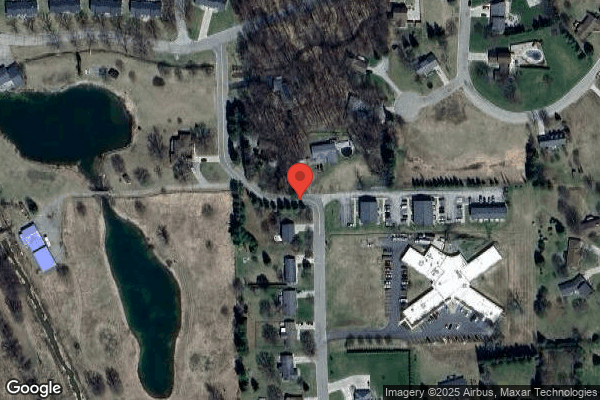
Understanding Severity Codes (click to expand)
Life-Threatening (Immediate Jeopardy)
J - Isolated K - Pattern L - Widespread
Actual Harm
G - Isolated H - Pattern I - Widespread
Potential for Harm
D - Isolated E - Pattern F - Widespread
No Harm (Minor)
A - Isolated B - Pattern C - Widespread

Questions to Ask on Your Visit

  • "Why is there high staff turnover? How do you retain staff?"
  • "Can I speak with families of current residents?"
  • "What's your RN coverage like on weekends and overnight?"

Our Honest Assessment

Strengths
  • • No major safety red flags. No abuse findings, life-threatening violations, or SFF status.
  • • No fines on record. Clean compliance history, better than most Michigan facilities.
Concerns
  • • 32 deficiencies on record. Higher than average. Multiple issues found across inspections.
  • • 55% turnover. Above average. Higher turnover means staff may not know residents' routines.
Bottom line: Mixed indicators with Trust Score of 65/100. Visit in person and ask pointed questions.

About This Facility

What is Medilodge Of Cass City's CMS Rating?

CMS assigns Medilodge of Cass City an overall rating of 4 out of 5 stars, which is considered above average nationally. Within Michigan, this rating places the facility higher than 99% of the state's 100 nursing homes. This rating reflects solid performance across the metrics CMS uses to evaluate nursing home quality.

How is Medilodge Of Cass City Staffed?

CMS rates Medilodge of Cass City's staffing level at 3 out of 5 stars, which is average compared to other nursing homes. Staff turnover is 55%, which is 9 percentage points above the Michigan average of 46%. High turnover can affect care consistency as new staff learn residents' individual needs. RN turnover specifically is 67%, which is notably high. RNs provide skilled clinical oversight, so turnover in this role can affect medical care quality.

What Have Inspectors Found at Medilodge Of Cass City?

State health inspectors documented 32 deficiencies at Medilodge of Cass City during 2023 to 2025. These included: 32 with potential for harm.

Who Owns and Operates Medilodge Of Cass City?

Medilodge of Cass City is owned by a for-profit company. For-profit facilities operate as businesses with obligations to shareholders or private owners. The facility is operated by MEDILODGE, a chain that manages multiple nursing homes. With 80 certified beds and approximately 60 residents (about 75% occupancy), it is a smaller facility located in Cass City, Michigan.

How Does Medilodge Of Cass City Compare to Other Michigan Nursing Homes?

Compared to the 100 nursing homes in Michigan, Medilodge of Cass City's overall rating (4 stars) is above the state average of 3.1, staff turnover (55%) is near the state average of 46%, and health inspection rating (4 stars) is above the national benchmark.

What Should Families Ask When Visiting Medilodge Of Cass City?

Based on this facility's data, families visiting should ask: "How do you ensure continuity of care given staff turnover, and what is your staff retention strategy?" "Can I visit during a mealtime to observe dining assistance and food quality?" "How do you handle medical emergencies, and what is your hospital transfer rate?" "Can I speak with family members of current residents about their experience?" These questions are particularly relevant given the facility's high staff turnover rate.

Is Medilodge Of Cass City Safe?

Based on CMS inspection data, Medilodge of Cass City has a clean safety record: no substantiated abuse findings (meaning no confirmed cases of resident harm), no Immediate Jeopardy citations (the most serious violation level indicating risk of serious injury or death), and is not on the Special Focus Facility watch list (a federal program monitoring the lowest-performing 1% of nursing homes). The facility has a 4-star overall rating and ranks #1 of 100 nursing homes in Michigan. While no facility is perfect, families should still ask about staff-to-resident ratios and recent inspection results during their visit.

Do Nurses at Medilodge Of Cass City Stick Around?

Staff turnover at Medilodge of Cass City is high. At 55%, the facility is 9 percentage points above the Michigan average of 46%. Registered Nurse turnover is particularly concerning at 67%. RNs handle complex medical decisions and coordinate care — frequent RN changes can directly impact care quality. High turnover means new staff may not know residents' individual needs, medications, or preferences. It can also be disorienting for residents, especially those with dementia who rely on familiar faces. Families should ask: What is causing the turnover? What retention programs are in place? How do you ensure care continuity during staff transitions?

Was Medilodge Of Cass City Ever Fined?

Medilodge of Cass City has no federal fines on record. CMS issues fines when nursing homes fail to meet care standards or don't correct problems found during inspections. The absence of fines suggests the facility has either maintained compliance or corrected any issues before penalties were assessed. This is a positive indicator, though families should still review recent inspection reports for the full picture.

Is Medilodge Of Cass City on Any Federal Watch List?

Medilodge of Cass City is not on any federal watch list. The most significant is the Special Focus Facility (SFF) program, which identifies the bottom 1% of nursing homes nationally based on persistent, serious quality problems. Not being on this list means the facility has avoided the pattern of deficiencies that triggers enhanced federal oversight. This is a positive indicator, though families should still review the facility's inspection history directly.