Eaton County Medical Care Facility
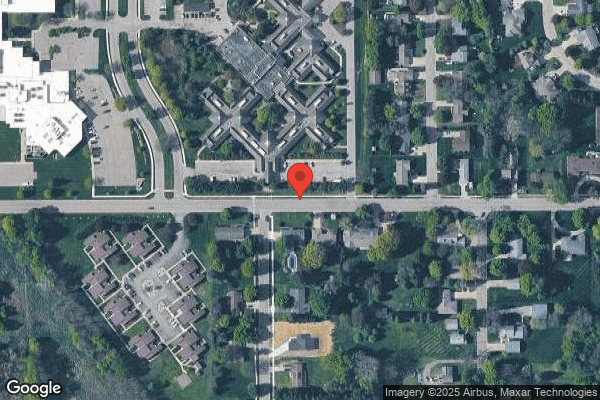
530 W Beech Street, Charlotte, MI 48813 (517) 543-2940
Government - County 142 Beds Independent Data: November 2025
Trust Grade
70/100
#111 of 422 in MI
Last Inspection: December 2024

Within standard 12-15 month inspection cycle. Federal law requires annual inspections.

Overview

Eaton County Medical Care Facility in Charlotte, Michigan has a Trust Grade of B, which indicates it is a good choice-solid but not elite. It ranks #111 out of 422 facilities in Michigan, placing it in the top half, and is the best option among the four facilities in Eaton County. However, the facility is worsening, with the number of issues increasing from 5 in 2023 to 10 in 2024. Staffing is a clear strength, boasting a 5/5 star rating with a turnover rate of only 30%, which is much lower than the state average. On the downside, there are significant concerns, including a serious incident where a resident developed severe pressure ulcers due to inadequate monitoring and care, and ongoing issues with food safety practices that could lead to foodborne illnesses. Additionally, there is a lack of a proper plan to manage water safety, which raises concerns about potential respiratory infections among residents.

Trust Score
B
70/100
In Michigan
#111/422
Top 26%
Safety Record
Moderate
Needs review
Inspections
Getting Worse
5 → 10 violations
Staff Stability
○ Average
30% turnover. Near Michigan's 48% average. Typical for the industry.
Penalties
✓ Good
No fines on record. Clean compliance history, better than most Michigan facilities.
Skilled Nurses
✓ Good
Each resident gets 64 minutes of Registered Nurse (RN) attention daily — more than 97% of Michigan nursing homes. RNs are the most trained staff who catch health problems before they become serious.
Violations
⚠ Watch
17 deficiencies on record. Higher than average. Multiple issues found across inspections.
★★★★☆
4.0
Overall Rating
★★★★★
5.0
Staff Levels
★★★★★
5.0
Care Quality
★★☆☆☆
2.0
Inspection Score
Stable
2023: 5 issues
2024: 10 issues

The Good

  • 5-Star Staffing Rating · Excellent nurse staffing levels
  • 5-Star Quality Measures · Strong clinical quality outcomes
  • Full Sprinkler Coverage · Fire safety systems throughout facility
  • No fines on record
  • Staff turnover below average (30%)

    18 points below Michigan average of 48%

Facility shows strength in staffing levels, quality measures, fire safety.

The Bad

Staff Turnover: 30%

16pts below Michigan avg (46%)

Typical for the industry

The Ugly 17 deficiencies on record

1 actual harm
Dec 2024 9 deficiencies
CONCERN (D)

Potential for Harm - no one hurt, but risky conditions existed

Deficiency F0578 (Tag F0578)

Could have caused harm · This affected 1 resident

**NOTE- TERMS IN BRACKETS HAVE BEEN EDITED TO PROTECT CONFIDENTIALITY** Based on interview and record review, the facility failed to ensure updated and accurate advanced directive information was in p...

Read full inspector narrative →
**NOTE- TERMS IN BRACKETS HAVE BEEN EDITED TO PROTECT CONFIDENTIALITY** Based on interview and record review, the facility failed to ensure updated and accurate advanced directive information was in place for 1 residents (#329) of 2 residents reviewed for advanced directives (legal documents that allow a person to identify decisions about end-of-life care ahead of time), resulting in the potential for a resident's preferences for medical care to not be followed by the facility, or other healthcare providers potentially affecting up to the facility census of 127 residents. Findings include: Review of the MICHIGAN DO-NOT-RESUSCITATE PROCEDURE ACT, Act 193 of 1996 revealed that, An order executed under this section shall be on a form described in section 4. The order shall be dated and executed voluntarily and signed by each of the following persons: (a) The declarant, the declarant's patient advocate, or another person who, at the time of the signing, is in the presence of the declarant and acting pursuant to the directions of the declarant. (b) The declarant's attending physician. (c) Two witnesses [AGE] years of age or older, at least 1 of whom is not the declarant's spouse, parent, child, grandchild, sibling, or presumptive heir. (3) The names of all signatories shall be printed or typed below the corresponding signatures. A witness shall not sign an order unless the declarant or the declarant's patient advocate appears to the witness to be of sound mind and under no duress, fraud, or undue influence. Review of R329 physician signed DNR order, dated 12/13/24, reflected the document was signed by R329 responsible party on 12/11/24 and included one witness signature.(document was missing second witness signature and date. During an interview on 12/18/24 at 3:50 pm, admission coordinator(AC) S reported the facility process for completing DNR order on admission included resident or responsible party was required to sign along with two witnesses and physician. AC S reported two witnesses required to verify resident wishes being honored. During an interview on 12/18/24 at 4:20 PM, Palliative Care Clinical Mentor (CM) T reported admission nurse was responsible for completing DNR documents with resident/responsible party. CM T reported DNR order should include two witnesses and verified R329's was missing a witness statement.
CONCERN (D)

Potential for Harm - no one hurt, but risky conditions existed

Report Alleged Abuse (Tag F0609)

Could have caused harm · This affected 1 resident

**NOTE- TERMS IN BRACKETS HAVE BEEN EDITED TO PROTECT CONFIDENTIALITY** Based on interviews and record review, the facility failed to implement policies and procedures for ensuring the reporting of a ...

Read full inspector narrative →
**NOTE- TERMS IN BRACKETS HAVE BEEN EDITED TO PROTECT CONFIDENTIALITY** Based on interviews and record review, the facility failed to implement policies and procedures for ensuring the reporting of a reasonable suspicion of a crime in accordance with section 1150B of the Act 42CFR483.12(c) Findings include: Resident #22 (R#22) Review of the medical record reflected R22 was an initial admission to the facility on [DATE] with a readmission on [DATE]. Diagnoses of Paraplegia, Vascular Dementia, Speech and Language deficits following other Diagnosis, Cerebrovascular Disease, Dysphagia Oropharyngeal Phase, Weakness and Pathological Fracture, left Humerus, subsequent Fracture with routine healing. The most recent Minimum Data Set (MDS), with an Assessment Reference Date (ARD) of 10/16/2024, revealed R22 had a Brief Interview of Mental Status (BIMS) of 99 (count not answer) out of 0 to 15. Under section G0100, Activities of Daily Living (ADL) assistance reveals R22 was dependent of all care. During an interview on 12/18/24 at 08:35 AM, family member Y stated that R22 suffered a broken arm, and nobody knew why, she had asked and did not get any answers. Record review revealed R22 had an X-Ray due to aspiration pneumonia on 12/11/24 and the fracture to the left shoulder was found incidentally. Order dated 12/11/2024 00:24, Physician's Order Note Data: CXR results received: Conclusion: 1. No acute focal consolidation or effusion. 2. No significant change from comparison imaging. 3. left humeral neck fracture, possibly pathologic. Recommend shoulder radiographs and/or CT versus MRI. Action: Notified physician Response: New orders: STAT left shoulder XR. Resident to be non-weight bearing to left arm until results of left shoulder XR. Record review revealed 12/11/2024 08:00. Incident/Accident Note (name of facility): Resident found to have a possible pathologic L humerus fracture as an incidental finding on chest x-ray. Resident has no complaints or signs/symptoms of pain or discomfort. X ray completed stat of left shoulder, findings confirmed, resident sent to emergency room per physician order. Record review revealed on 12/11/2024 08:39. Physician's Order Note Data: Results of left shoulder 2-view X-ray: Proximal left humeral fx. Action: RN called physician to notify of above results. Response: Physician stated to send resident to local emergency room for further evaluation/treatment. Record review revealed on 12/11/2024 08:42. Nurse's Note Describe observation/situation: Registered Nurse (RN) called resident's daughter (DPOA/legal guardian) to notify her of results of left shoulder X-ray. Informed her that X-ray positive for left humeral fracture, and that physician ordered to send resident to local emergency department for further evaluation/treatment. Resident's daughter agreeable with sending him to the local emergency department. Resident to be sent to local emergency department and daughter stated she will meet him there. Resident's daughter verbalized understanding of all information given. Record review revealed on 12/11/2024 09:00. Nurse's Note Describe observation/situation: RN called county 911 to transport resident to local emergency department. Record review revealed on 12/11/2024 09:20. Nurse's Note. Describe observation/situation: Report called to local emergency department. Record review revealed on 12/11/2024 12:45. Nurse's Note. Describe observation/situation: resident returned from local emergency department. Record review revealed on 12/11/2024 14:50. Physician's Order Note Data: Results: There is a fracture through the humeral neck without significant angulation or displacement. Correlate clinically in regard to the age of this fracture as it may be acute/subacute. Degenerative Joint Disease. Conclusion: Proximal left humeral fracture. Action: NP reviewed and provided orders for non-weight bearing, no laying on left side, 2 persons with check and change for stabilization of left upper extremity, no mechanical lift. Record review revealed on 12/12/2024 04:58. Incident/Accident Note (name of facility): Resident is resting in bed quietly with no complaints of pain or discomfort at this time. Will continue to monitor. Record review revealed on 12/12/2024 14:25. Incident/Accident Note (name of facility): Resident complained of left arm pain seems to be located more around left elbow. left arm is contracted with elbow bent towards chest, Little to no range of motion. No left side lying. During an interview on 12/18/24 at 12:15 PM, writer asked LNA A if she had an incident report on this injury of unknown origin and the investigation. Record review revealed minimal details in the resident's electronic medical records. On 12/18/24 at 3:00pm, writer was still waiting for information of the incident report and investigation. Record review of the incident/ investigation revealed that was an injury of unknown origin. Information received on12/18/24 by LNA A included an incident report, physician review of injury, a new progress note dated 12/17/24 by Director of Nursing (DON) B within 16 pages. There was not an investigation completed. On 12/19/24 at 08:25 AM, writer requested full incident report and investigation again from the LNA A for the third time. On 12/19/24 at 08:30 AM, Record review of the updated incident with investigation presented now contains 91 pages of information from the incident, physician review of injury dated 12/16/24, event investigation completed by the DON B, grievance/concern witness statement form dated 12/18/24 by CNA Z, grievance/concern witness statement form dated 12/19/24 by Registered Nurse (RN) AA, grievance/concern witness statement form dated 12/18/24 by Clinical Mentor BB. Incident statement form dated 12/11/24 by Clinical Mentor BB. Incident statement form dated 12/18/24 by CNA CC with the 18th date crossed out and 11 written over it. Incident statement form dated 12/18/24 by Hospitality Aide/ Nurse Aide in Training DD with the 18th date crossed out and 11 written over it. Incident statement form dated 12/18/24 by Restorative CNA EE with the 18th date crossed out and 11 written over it. Record review included a Radiology report dated 12/11/24 showing the fractured left humerus neck fracture. After visit report from emergency department of closed 2-part nondisplaced fracture to the surgical neck of the humerus. [NAME] updated 12/13/24. Care plan of 22 pages updated on 12/13/24 for a focus of R22 had a possible pathological left humerus neck fracture discovered by incidental finding on chest x-ray, only intervention on care plan was Resident's left arm to be supported by staff when proving care dated 12/13/24. Every hour repositioning of resident and offload only on right side related to left arm humerus fracture. No other interventions updated on the care plan. No resident interviews included in the investigation plan. Presented investigation was completed after the incident and forms filled in during the annual survey. During an interview on 12/19/24 at 11:00 AM, R22 stated he has pain in his left arm. Stated he fell, when asked questions about the fractured left arm he could only shake his head yes or no. Refused to let writer look at his left arm. When asked if staff reposition him every hour, he shook his head no. R22 could use the bed controller to put his bed in a reclined position so he could rest. Writer asked him if he wanted to rest, R22 shock his head yes, so writer told R22 that I would come back later. During an interview on 12/20/24 at 08:54 AM, RN Clinical Mentor BB stated she couldn't give much information as it was incidental findings, she asked for an Xray of his lungs, it was done on the 10th, nurse called the Medical Director (MD), ordered a stat Xray on left shoulder, results came in early on the 11th, MD contacted, MD sent him out to the emergency room, contacted daughter, who would meet resident at the local emergency department. R22 came back to the facility after several hours. Writer asked about the investigation on the injury. Clinical Mentor BB stated when a resident gets an injury on that unit, they start getting statements, talking to staff working that shift, had to be an immediate intervention, MD and family contacted, DON B and LNA A notified. Immediate intervention was he was sent to the emergency department and mobilized the arm. Clinical Mentor BB stated the interventions are case by case. In this case, he didn't come out of his room, another resident would not witness it because the door is shut. Other residents are good reporters, they are alert & oriented to what's going on. Clinical Mentor BB stated she didn't think it was abuse, because there was no bruising, not found on the floor, he would have other marks on his skin, scratching, etc. Medical Director and Nurse Practitioner believed it was a pathological explanation of this injury. Clinical Mentor BB stated nothing indicated to make her suspicious of anything. Clinical Mentor BB added that part of the investigation would be to start an incident packet, a resident event review. Clinical Mentor BB stated they were unable to find how this happened, she did skin assessment weekly, every Tuesday, yesterday R22 had pain in his right hip, he did not speak, she answered his call light, complained of pain, can node his head to answer yes or no. Provides protection to left elbow, hand protector. Offloading boots were on, no skin issues, no bruising. During an interview on 12/20/24 at 09:30 AM, DON B stated anytime there is an injury, they complete an Incident and accident report, notify the MD, complete an assessment. DON B added that they figure in any factors that could have caused the injury, complete skin assessments, pain assessment, staff statements, course of events that lead to the incident. Set up repeat assessments, pain assessments, skin assessments, labs, updating the care plan based on need to add interventions. DON B stated they notify the family and shared this event in the interdisciplinary team (IDT) meeting every morning. During an interview on 12/20/24 at 10:58 AM, LNA A stated that staff contact her when there is an injury, if it's not suspicious it comes to her, or an allegation, means unwitnessed injury. LNA A then stated if it is suspicious, she would ask questions around the incident, determine if it's an allegation of abuse or neglect, report to social worker. LNA A added, depending if its abuse and neglect, social worker and nurse manager will discuss with the staff working on the floor, depends on the situation or incident. LNA A stated it depends on what they are investigating, then they may interview other residents. Social worker would interview other residents to see if they feel safe. If not an allegation of abuse or neglect, they would not interview residents. LNA A stated she was notified that morning of incident, was told he had a pathological fracture. Writer asked if there was an allegation of abuse or neglect. LNA A stated she did not feel it was abuse or neglect, so they did not feel the need to investigate or report this incident to the state. LNA A stated she had no concerns; BB had been his clinical mentor for years. LNA A stated she reports it only if it's an allegation of abuse or neglect, if not no.
CONCERN (D)

Potential for Harm - no one hurt, but risky conditions existed

Investigate Abuse (Tag F0610)

Could have caused harm · This affected 1 resident

**NOTE- TERMS IN BRACKETS HAVE BEEN EDITED TO PROTECT CONFIDENTIALITY** Based on interview and record review, the facility failed to ensure all injuries of unknown source were thoroughly investigated,...

Read full inspector narrative →
**NOTE- TERMS IN BRACKETS HAVE BEEN EDITED TO PROTECT CONFIDENTIALITY** Based on interview and record review, the facility failed to ensure all injuries of unknown source were thoroughly investigated, in one of one resident (R#22) reviewed for abuse, resulting in the potential for injuries of unknown origin not being investigated. Findings include: Resident #22 (R#22) Review of the medical record reflected R22 was an initial admission to the facility on [DATE] with a readmission on [DATE]. Diagnoses of Paraplegia, Vascular Dementia, Speech and Language deficits following other Diagnosis, Cerebrovascular Disease, Dysphagia Oropharyngeal Phase, Weakness and Pathological Fracture, left Humerus, subsequent Fracture with routine healing. The most recent Minimum Data Set (MDS), with an Assessment Reference Date (ARD) of 10/16/2024, revealed R22 had a Brief Interview of Mental Status (BIMS) of 99 (could not answer) out of 0 to 15. Under section G0100, Activities of Daily Living (ADL) Assistance reveals R22 is dependent of all care. During an interview on 12/18/24 at 08:35 AM, family member Y stated that R22 suffered a broken arm, and nobody knew why, she had asked and did not get any answers. Record review revealed R22 had an X-Ray due to aspiration pneumonia on 12/11/24 and the fracture to the left shoulder was found incidentally. Order dated 12/11/2024 00:24, Physician's Order Note Data: CXR results received: Conclusion: 1. No acute focal consolidation or effusion. 2. No significant change from comparison imaging. 3. left humeral neck fracture, possibly pathologic. Recommend shoulder radiographs and/or CT versus MRI. Action: Notified physician Response: New orders: STAT left shoulder XR. Resident to be non-weight bearing to left arm until results of left shoulder fracture. Record review revealed 12/11/2024 08:00. Incident/Accident Note (Name of facility): Resident found to have a possible pathologic L humerus fracture as an incidental finding on chest x-ray. Resident has no complaints or signs/symptoms of pain or discomfort. X ray completed stat of left shoulder, findings confirmed, resident sent to emergency room per physician order. Record review revealed on 12/11/2024 08:39. Physician's Order Note Data: Results of left shoulder 2-view X-ray: Proximal left humeral fx. Action: RN called physician to notify of above results. Response: Physician stated to send resident to local emergency department for further evaluation/treatment. Record review revealed on 12/11/2024 08:42. Nurse's Note Describe observation/situation: RN called resident's daughter (DPOA/legal guardian) to notify her of results of left shoulder X-ray. Informed her that X-ray positive for left humeral fracture, and that physician ordered to send resident to local emergency department for further evaluation/treatment. Resident's daughter agreeable with sending him to the local emergency department. Resident to be sent to local emergency department and daughter stated she will meet him there. Resident's daughter verbalized understanding of all information given. Record review revealed on 12/11/2024 09:00. Nurse's Note Describe observation/situation: RN called county 911 to transport resident to local emergency department. Record review revealed on 12/11/2024 09:20. Nurse's Note. Describe observation/situation: Report called to local emergency department. Record review revealed on 12/11/2024 12:45. Nurse's Note. Describe observation/situation: resident returned from emergency department. Record review revealed on 12/11/2024 14:50. Physician's Order Note Data: Results: There is a fracture through the humeral neck without significant angulation or displacement. Correlate clinically in regard to the age of this fracture as it may be acute/subacute. Degenerative Joint Disease. Conclusion: Proximal left humeral fracture. Action: NP reviewed and provided orders for non-weight bearing, no laying on left side, 2 persons with check and change for stabilization of left upper extremity, no mechanical lift. Record review revealed on 12/12/2024 04:58. Incident/Accident Note (Name of facility): Resident is resting in bed quietly with no complaints of pain or discomfort at this time. Will continue to monitor. Record review revealed on 12/12/2024 14:25. Incident/Accident Note (Name of facility): Resident complained of left arm pain seems to be located more around lt. elbow. left arm is contracted with elbow bent towards chest, Little to no range of motion. No left side lying. During an interview on 12/18/24 at 12:15 PM, writer asked LNA A if she had an incident report on this injury of unknown origin and the investigation. Record review revealed minimal details in the resident's electronic medical records. On 12/18/24 at 3:00pm, writer was still waiting for information of the incident report and investigation. Record review of the incident/ investigation revealed that was an injury of unknown origin. Information received on 12/18/24 by LNA A included an incident report, physician review of injury, a new progress note dated 12/17/24 by Director of Nursing (DON) B within 16 pages. There was not a completed investigation. On 12/19/24 at 08:25 AM, writer requested full incident report with investigation again from the LNA A for the third time. On 12/19/24 at 08:30 AM, Record review of the updated incident with investigation presented now contains 91 pages of information from the incident, physician review of injury dated 12/16/24, event investigation completed by the DON B, grievance/concern witness statement form dated 12/18/24 by CNA Z, grievance/concern witness statement form dated 12/19/24 by Registered Nurse (RN) AA, grievance/concern witness statement form dated 12/18/24 by Clinical Mentor BB. Incident statement form dated 12/11/24 by Clinical Mentor BB. Incident statement form dated 12/18/24 by CNA CC with the 18th date crossed out and 11 written over it. Incident statement form dated 12/18/24 by Hospitality Aide/ Nurse Aide in Training DD with the 18th date crossed out and 11 written over it. Incident statement form dated 12/18/24 by Restorative CNA EE with the 18th date crossed out and 11 written over it. Record review included a Radiology report dated 12/11/24 showing the fractured left humerus neck fracture. After visit report from emergency department of closed 2-part nondisplaced fracture to the surgical neck of the humerus. [NAME] updated 12/13/24. Care plan of 22 pages updated on 12/13/24 for a focus of R22 had a pathological left humerus neck fracture discovered by incidental finding on chest x-ray, only intervention on care plan was Resident's left arm to be supported by staff when proving care dated 12/13/24. Every hour repositioning of resident and offload only on right side related to left arm humerus fracture. No other interventions updated on the care plan. No resident interviews included in the investigation. Presented investigation was completed after the incident and forms filled in during the annual survey. During an interview on 12/19/24 at 11:00 AM, R22 stated he has pain in his left arm. Stated he fell, when asked questions about the fractured left arm he could only shake his head yes or no. Refused to let writer look at his left arm. When asked if staff reposition him every hour, he shook his head no. R22 could use the bed controller to put his bed in a reclined position so he could rest. Writer asked him if he wanted to rest, R22 shock his head yes, so writer told R22 that I would come back later. During an interview on 12/20/24 at 08:54 AM, RN Clinical Mentor BB stated she couldn't give much information as it was incidental findings, she asked for an Xray of his lungs, it was done on the 10Th, nurse called the Medical Director (MD), ordered a stat Xray on left shoulder, results came in early on the 11th, MD contacted, MD sent him out to the local emergency department, contacted daughter, who would meet resident at the local emergency department. R22 came back to the facility after several hours. Writer asked about the investigation on the injury. Clinical Mentor BB stated when a resident gets an injury on that unit, they start getting statements, talking to staff working that shift, had to be an immediate intervention, MD and family contacted, DON B and LNA A notified. Immediate intervention was he was sent to the local emergency department and mobilized the arm. Clinical Mentor BB stated the interventions are case by case. In this case, he doesn't come out of his room, another resident would not witness it because the door is shut. Other residents are good reporters, they are alert & oriented to what's going on. Clinical Mentor BB stated she didn't think it was abuse, because there was no bruising, not found on the floor, he would have other marks on his skin, scratching, etc. Medical Director and Nurse Practitioner believed it was a pathological explanation of this injury. Clinical Mentor BB stated nothing indicated to make her suspicious of anything. Clinical Mentor BB added that part of the investigation would be to start an incident packet, a resident event review. Clinical Mentor BB stated they were unable to find how this happened, she did skin assessment weekly, every Tuesday, yesterday R22 had pain in his right hip, he did not speak, she answered his call light, complained of pain, can node his head to answer yes or no. Provides protection to left elbow, hand protector. Offloading boots were on, no skin issues, no bruising. During an interview on 12/20/24 at 09:30 AM, DON B stated anytime there is an injury, they complete an Incident and Accident report, notify the MD, complete an assessment. DON B added that they figure in any factors that could have caused the injury, complete skin assessments, pain assessment, staff statements, course of events that lead to the incident. Set up repeat assessments, pain assessments, skin assessments, labs, updating the care plan based on need to add interventions. DON B stated they notify the family and shared this event in the interdisciplinary team (IDT) meeting every morning. During an interview on 12/20/24 at 10:58 AM, LNA A stated that staff contact her when there is an injury, if it's not suspicious comes to her, or an allegation, means unwitnessed injury. LNA A then stated if it is suspicious, she ask questions around the incident, determine if it's an allegation of abuse or neglect, report to social worker. LNA A added, depending if its abuse and neglect, social worker and nurse manager will discuss with the staff working on the floor, depends on the situation or incident. LNA A stated it depends on what they are investigating, they may interview other residents. Social worker would interview other residents to see if they feel safe. If not an allegation of abuse or neglect, they would not interview residents. LNA A stated she was notified that morning of incident, told he had a pathological fracture. Writer asked if there was an allegation of abuse or neglect. LNA A stated she did not feel it was abuse or neglect, so they did not feel the need to investigate or report this incident to the state. LNA A stated she had no concerns; BB had been his clinical mentor for years. LNA A stated she reports it only if it's an allegation of abuse or neglect, if not no.
CONCERN (D)

Potential for Harm - no one hurt, but risky conditions existed

Assessment Accuracy (Tag F0641)

Could have caused harm · This affected 1 resident

**NOTE- TERMS IN BRACKETS HAVE BEEN EDITED TO PROTECT CONFIDENTIALITY** Based on observation, interview, and record review the facility failed to accurately complete a Minimum Data Set (MDS) assessmen...

Read full inspector narrative →
**NOTE- TERMS IN BRACKETS HAVE BEEN EDITED TO PROTECT CONFIDENTIALITY** Based on observation, interview, and record review the facility failed to accurately complete a Minimum Data Set (MDS) assessment for one resident (#20) of 21 residents reviewed for accurate assessments. Findings Included: Resident #20 (R20) Review of the medical record revealed R20 was admitted to the facility 07/13/2018 with diagnoses that included heart failure, chronic kidney disease, end stage renal disease, dependence on renal dialysis, atrial fibrillation, type 2 diabetes, peripheral vascular disease (PVD), hypothyroidism (low thyroid hormone), atherosclerosis (plaque in arteries), hypotension, pneumonia, insomnia, depression, anemia (low red blood cells), and anxiety. The most recent Minimum Data Set (MDS), with an Assessment Reference Date of 09/18/2024, revealed R20 had a Brief Interview for Mental Status (BIMS) of 15 (cognitively intact) out of 15. During observation and interview on 12/18/2024 at 08:55 a.m. R20 was observed sitting up in a chair beside her bed. R20 explained that she had been hospitalized in January of 2024 because she had COVID-19. R20 denied that she ever had pneumonia. Review of R20's medical record demonstrated Section I (Active Diagnoses) of the Minimum Data Set (MDS), with an Assessment Reference Date of 09/18/2024, revealed subsection I2000 (pneumonia) had been document as yes. Review of R20's diagnoses record revealed pneumonia which had been added to the diagnoses record on 01/12/2024 and did not have any list that diagnoses had been resolved. Review of the Discharge summary dated [DATE] revealed a diagnosis of pneumonia. Review of Centers for Medicare/Medicaid Services (CMS) Resident Assessment Instrument (RAI) Version 3.0 Manual Section I revealed I: Active Diagnoses in the Last 7 Days- Active Diagnoses in the last y days- check all that apply In an interview on 12/19/2024 at 09:40 a.m. Minimum Data Set (MDS) Nurse L confirmed that R20's MDS, with an Assessment Reference Date (ARD) of 09/18/2024, revealed that R20 had an active diagnosis of pneumonia. MDS Nurse L also confirmed that the diagnoses of pneumonia was added to R20's diagnoses record on 01/12/2024. MDS L could not demonstrate any other documentation that R20 had pneumonia in the last seven days of the MDS ARD of 09/18/2024. In an interview on 12/19/2024 at 10:21 a.m. Minimum Data Set (MDS) Nurse L explained that R20's MDS, with an Assessment Reference Date (ARD) of 09/18/2024 was incorrect because of the diagnoses of pneumonia and a corrected MDS had been completed and re-submitted to Center for Medicare/Medicaid Services (CMS).
CONCERN (D)

Potential for Harm - no one hurt, but risky conditions existed

Deficiency F0757 (Tag F0757)

Could have caused harm · This affected 1 resident

**NOTE- TERMS IN BRACKETS HAVE BEEN EDITED TO PROTECT CONFIDENTIALITY** Based on interview and record review, the facility failed to complete adequate monitoring for the use of an anticoagulant (blood...

Read full inspector narrative →
**NOTE- TERMS IN BRACKETS HAVE BEEN EDITED TO PROTECT CONFIDENTIALITY** Based on interview and record review, the facility failed to complete adequate monitoring for the use of an anticoagulant (blood thinner) medication for one (R100) of five reviewed. Findings include: Review of the medical record revealed R100 was admitted to the facility on [DATE] with diagnoses that included atrial fibrillation. The Minimum Data Set (MDS) with an Assessment Reference Date (ARD) of 10/16/24 revealed R100 scored 15 out of 15 (cognitively intact) on the Brief Interview for Mental Status (BIMS-a cognitive screening tool). Review of the Physician' Order dated 11/11/24 revealed an order for Coumadin (blood thinner medication) 8.5 milligrams (mg) at bedtime for atrial fibrillation. Review of the Physician's Order dated 10/4/24 revealed an order to check PT/INR (prothrombin time/international normalized ratio-measures how long it takes the blood to clot) every Monday. Review of the Physician's Order Note dated 12/9/24 revealed Reviewed PTINR with provider .continue with same dose of coumadin [every day at bedtime] and recheck on [Wednesday] and Friday due to [antibiotic] extension. Review of the Physician's Order dated 12/9/24 revealed an order for PT/INR Wednesday and Friday 12/11/24 and 12/13/24. This was in addition to R100's standing order of a PT/INR every week on Mondays. Review of the medical record revealed R100 did not have a PT/INR documented as completed with results on 12/11/24 and 12/13/24. On 12/19/24 at 10:48 AM, Nursing Home Administrator (NHA) A reported PT/INR results should be documented in the progress notes and physician's orders. In an interview on 12/19/24 at 11:06 AM, Clinical Mentor (CM) E reported R100's PT/INR tests on 12/11/24 and 12/13/24 were not completed. CM E reported the Physician's Order was entered incorrectly as a therapy order instead of a nursing order.
CONCERN (E)

Potential for Harm - no one hurt, but risky conditions existed

Unnecessary Medications (Tag F0759)

Could have caused harm · This affected multiple residents

**NOTE- TERMS IN BRACKETS HAVE BEEN EDITED TO PROTECT CONFIDENTIALITY** Resident #42(R42) Review of the medical record revealed R42 was admitted to the facility on [DATE]. R42 Face Sheet reflected dia...

Read full inspector narrative →
**NOTE- TERMS IN BRACKETS HAVE BEEN EDITED TO PROTECT CONFIDENTIALITY** Resident #42(R42) Review of the medical record revealed R42 was admitted to the facility on [DATE]. R42 Face Sheet reflected diagnoses that included psychotic disorder with delusions, personality disorder, major depressive disorder, anxiety disorder and mood disorder. During an observation on 12/19/24 at 7:40 am, Licensed Practical Nurse (LPN) U administered R42 Cymbalta Delayed Release 60mg, after opening capsule and placing contents in yogurt. Review of R42 Physician Order, dated 9/11/24, reflected, Cymbalta Capsule Delayed Release Particles (DULoxetineHCl)Give 60 mg by mouth one time a day related to MAJOR DEPRESSIVE DISORDER . Resident R129(R129) Review of the medical record revealed R129 was admitted to the facility on [DATE]. R129 Face Sheet reflected diagnoses that included vitamin D deficiency, and Osteoarthritis. Review of R129 Physician order, dated 12/18/24, reflected, Calcium Oral Tablet 500 MG(Calcium)Give 1 tablet by mouth two times a day related to VITAMIN D DEFICIENCY . Gabapentin 300mg three times daily. During an observation on 12/19/24 at 8:30 p.m., LPN V prepared Calcium 500mg with vitamin D 1 tablet for R129. After surveyor verbally read physician order out loud LPN V reported would wait to administer Calcium with vitamin D because physician order was for just Calcium that was not available in medication cart and removed from the medication cup. (LPN V planned to administer prior to surveyor influence). Continued observation revealed LPN V administered R129 Gabapentin 300 mg one capsule. Review of R129 Medication Administration Record(MAR) on 12/19/24 at 11:50 AM, reflected R129 had received second dose of gabapentin 300 mg on 12/19/24.(First dose observed given at 8:31 a.m.) During an interview on 12/19/24 at 12:26 PM, LPN V reported administered R129 second dose of Gabapentin 300 mg at 11:16 a.m. after review of R129 MAR. During an interview and observation on 12/19/24 at 1:30 PM, LPN U reported no crush medication list was usually in book at the Nurse Station and verified was unable to locate in binder. During an interview and observation on 12/19/24 at 1:45 PM, Registered Nurse(RN) W do not crush medication list was usually located in the folder on the medication cart and verified was missing. RN W reported would always call pharmacy if needed. During an interview on 12/19/24 at 2:30 PM, Director of Nursing (DON) B reported would expect that Cymbalta Delayed released capsule not be opened prior to administering. DON B reported would expect R129 Gabapentin 300mg be administered about every six hours three times daily. During an interview on 12/20/24 at 10:10 AM, DON B reported would expect nurses to follow physician medication orders. Based on observation, interview, and record review, the facility failed to ensure their medication error rate was below 5% when five medication errors were observed from a total of 35 opportunities for four residents (R42, R58, R100, and R129) of seven reviewed resulting in a medication error rate of 14.29%. Findings include: Resident 100 (R100) Review of the medical record revealed R100 was admitted to the facility on [DATE]. The Minimum Data Set (MDS) with an Assessment Reference Date (ARD) of 10/16/24 revealed R100 scored 15 out of 15 (cognitively intact) on the Brief Interview for Mental Status (BIMS-a cognitive screening tool). On 12/19/24 at 7:53 AM, Licensed Practical Nurse (LPN) D was observed preparing and administering medications to R100. LPN D measured 17 grams of Miralax (laxative medication) powder and placed the powder in a plastic cup. R100 was seated at a dining room table eating breakfast and had some coffee in a cup. LPN D handed R100 the cup of Miralax powder. R100 then poured the powder into their oatmeal, mixed it, and then consumed the oatmeal. R100 reported they did not want to waste my fluids (R100 was on a fluid restriction) on their medications. LPN D reported R100 usually mixed the Miralax powder in their oatmeal. Review of the Physician's Order Note dated 12/18/24 revealed Patient would like MiraLAX increased .okay to increase MiraLAX 17 gram [twice a day]. Review of the Physician's Order dated 12/18/24 revealed an order for Miralax 17 grams by mouth two times a day for constipation, mix with 4 to 8 ounces of water or juice. The order did not specify if the medication was included in or in addition to R100's fluid restriction. Resident # 58 (R58) Review of the medical record revealed R58 was admitted to the facility on [DATE]. The MDS with an ARD of 9/25/24 revealed R58 scored 15 out of 15 on the BIMS. On 12/19/24 at 8:00 AM, LPN D was observed preparing and administering medications to R58. LPN D administered two tablets of Geri-kot (sennosides 8.6 milligrams) to R100. The medication given did not include docusate sodium 50 milligrams (mg). Review of the Physician's order dated 9/22/23 revealed an order for Senna-Docusate Sodium oral tablet 8.6-50 mg, give 2 tablets by mouth two times a day for constipation. In an interview on 12/19/24 at 11:06 AM, Clinical Mentor (CM) E reported Miralax should be mixed with 4 ounces of a water or other beverage. CM E reported they were not aware R100 mixed their Miralax with oatmeal. In an interview on 12/19/24 at 12:00 PM, Director of Nursing (DON) B reported the dietitian usually considered all fluids given with medications when calculating fluid restriction amounts. DON B reported Miralax should not be mixed with food/oatmeal unless it was approved or there was a specific reason. DON B reported the facility stocked both sennosides and Senna-Docusate Sodium. According to www.miralax.com, directions included stir and dissolve in any 4 to 8 ounces of beverage (cold, hot or room temperature), then drink. Do not combine with starch-based thickeners used for difficulty swallowing.
CONCERN (E)

Potential for Harm - no one hurt, but risky conditions existed

Deficiency F0761 (Tag F0761)

Could have caused harm · This affected multiple residents

Resident #97 (R97) Review of the medical record revealed R97 was admitted to the facility 03/16/2023 with diagnoses that included dementia, heart disease, protein-calorie malnutrition, chronic obstruc...

Read full inspector narrative →
Resident #97 (R97) Review of the medical record revealed R97 was admitted to the facility 03/16/2023 with diagnoses that included dementia, heart disease, protein-calorie malnutrition, chronic obstructive pulmonary disease (COPD), hypertension, emphysema, anxiety, low back pain, scoliosis (spinal deformity), adjustment disorder, cognitive communication deficit, arthritis, peripheral vascular disease (PVD), Alzheimer's, cardiomegaly (enlarged heart), and hyperlipidemia (high fat content in blood). The most recent Minimum Data Set (MDS), with an Assessment Reference Date of 11/20/2024, revealed R97 had a Brief Interview for Mental Status (BIMS) of 07 (severe cognitive impairment) out of 15. During observation and interview on 12/17/2024 at 01:34 p.m. R97 was observed sitting up on the side of her bed. A medication cup was setting R97's over the bed table. Six pills were observed in the medication cup. Three of the pills were white, one pill was orange, and two pills were yellow. R97 could not explain what the pills in the medication cup were. When asked what the pills in the medication cup where, R97 responded ask them. When questioned who them were she responded Staff. In an interview on 12/18/2024 at 12: 55 p.m. Registered Nurse (RN) J explained that it was professional practice that medication was not to be left at the bedside of a resident. She explained that it was professional practice to observe the resident taking the medication that was provided by the nursing staff. In an interview on 12/19/2024 at 11:59 a.m. Director of Nursing (DON) B explained that residents could only self-administer medication if an assessment was completed by the interdisciplinary team and a physician order would be obtained. DON B explained that self-medication administration would be included in the resident's plan of care. DON B explained that it was the facility policy that the nurse providing the medication would witness the resident taking the medication. DON B confirmed that R97 did not have an assessment for self-medication administration. DON B also confirmed R97 did not have a physician order for self-medication administration. Review of facility policy entitled Medication by Licensed Personnel , most recent review date of 10/2024, revealed 12. Remain with the resident/patient until all mediation are taken Based on observation and interview, the facility failed to dispose of expired medications in two of four medication carts, appropriately store refrigerated medications in one of three medication storage rooms reviewed, and secure medications (R97), resulting in the potential for decreased efficacy of medications, medication contamination, medication errors and adverse side effects in a current facility census of 127 residents. Findings include: Review of the facility provided medication cart and room map reflected 6 medication rooms and 7 medication carts. During an observation on 12/19/24 at 1:48 PM, Registered Nurse(RN) W unlocked the, rehab high medication cart. Located in the cart was an open bottle of Benadryl 25mg with manufacture expiration dated of 10/2024 and Insta Glucose with manufacture expiration date of 6/2023. During an observation and interview on 12/19/24 at 2:50 PM, License Practical Nurse(LPN) X unlocked the Pine Ridge Medication resident medication refrigerator, located in the medication room, with several resident medications as well as unlabeled frozen food in freezer and what appeared to be unlabeled drink in frig. LPN X reported resident medication frig should not have food or drinks stored in it and reported was unsure who put them there. LPN X verified only nurses have keys to medication rooms. LPN X unlocked Pine Ridge medication cart and verified Benadryl 25 mg had manufacture expiration date of 9/2024 and colace with manufacture expiration date of 11/2024. LPN X reported plan to discard both medications. During an interview on 12/20/24 at 10:10 AM, Director of Nursing(DON) B reported food should not be stored in resident medication refrigerator and medications should be discarded according to manufacture expiration dates.
CONCERN (F)

Potential for Harm - no one hurt, but risky conditions existed

Food Safety (Tag F0812)

Could have caused harm · This affected most or all residents

Based on observation, interview, and record review, the facility failed to prepare food in accordance with professional standards for food service safety. This deficient practice has the potential to ...

Read full inspector narrative →
Based on observation, interview, and record review, the facility failed to prepare food in accordance with professional standards for food service safety. This deficient practice has the potential to result in food borne illness among all residents that consume food in the kitchen. Findings include: During a tour of the kitchen, starting at 12:54 PM on 12/17/24, it was observed that a box of vegetables and large bag of potatoes were found stored on the floor of walk-in cooler three. An interview with Head Chef (HC) F found that deliveries come Monday and Thursday. During a tour of the walk-in freezer, at 1:42 PM on 12/17/24, it was observed that multiple boxes of food product were found stored on the floor such as vegetables and buttermilk biscuits. An interview with HC F found that the staff member who regularly puts product away has been off work. According to the 2022 FDA Food Code section 3-305.11 Food Storage. (A) Except as specified in (B) and (C) of this section, FOOD shall be protected from contamination by storing the FOOD: (1) In a clean, dry location; (2) Where it is not exposed to splash, dust, or other contamination; and (3) At least 15 cm (6 inches) above the floor. During a tour of the kitchen, at 1:01 PM on 12/17/24, it was observed that black spotted debris accumulation was evident on the tops and side gaskets of the two door traulsen cooler. During an observation of clean utensil drawers, next to the stand-up mixer, at 1:05 PM on 12/17/24, it was observed that an accumulation of crumb debris was present inside of partitions and cubbies that help separate equipment. During an observation of the clean mechanical scoop drawers, at 1:35 PM on 12/17/24, it was observed that three white mechanical scoops were found with stuck on food debris in their inside portions and under the metal scoop slide. When asked if she could see the debris, HC F stated yes. Further review of the clean utensil drawer found an accumulation of crumb debris inside of the cubbies that help separate and organize the drawer. During a tour of the facility, at 1:39 PM on 12/17/24, an interview with HC F found that the meat slicer gets used weekly and is taken apart and cleaned after use. At this time observation of the meat slicer found a small amount of dried stuck on meat debris on the back side lip of the blade. Further observation found an accumulation of debris on the inside non-food contact portion of the slicer. Observations of the kitchenettes, starting at 2:14 PM on 12/17/24, found an increased accumulation of debris on the spouts of the ice machines in the following locations: Unit A, Pine, and Melody Trail. Ice spouts were found with a heavy accumulation of crusted white debris coating the inside spouts while the ice machine in Melody trail was found with a large white crusted growth around the inside spout of the machine. According to the 2022 FDA Food Code section 4-601.11 Equipment, Food-Contact Surfaces, Nonfood-Contact Surfaces, and Utensils. (A) EQUIPMENT FOOD-CONTACT SURFACES and UTENSILS shall be clean to sight and touch. (B) The FOOD-CONTACT SURFACES of cooking EQUIPMENT and pans shall be kept free of encrusted grease deposits and other soil accumulations. (C) NonFOOD-CONTACT SURFACES of EQUIPMENT shall be kept free of an accumulation of dust, dirt, FOOD residue, and other debris. During an interview with HC F, at 1:18 PM on 12/17/24, found that staff use the one compartment sink, next to the stand-up mixer, for food preparation. Observation of the sink found that it was directly connected to the wastewater drain. Observation of the three-compartment sink at 1:20 PM on 12/17/24, found that the sanitizer compartment of the sink did not have a visible air gap present to preclude against the contamination of wastewater backflow. Observation of the one compartment preparation sink, near the drink station, was found to be directly connected to the wastewater system. An interview with HC F, at 8:45 AM on 12/18/24, found that maintenance I believes that the air gaps for the preparation sinks and the three compartment sink are located in a crawl space below the kitchen. At 1:36 PM on 12/18/24, with Maintenance I, The surveyor went down into the crawl space below the kitchen and found that the preparation sink next to the stand up mixer and the three compartment sink were directly connected to the waste water system. Further observation found that the preparation sink next to the drink station contained an air break, where the drain had sunk down into the pipe no longer making a physical gap. According to the 2022 FDA Food Code section 5-402.11 Backflow Prevention. (A) Except as specified in (B), (C), and (D) of this section, a direct connection may not exist between the SEWAGE system and a drain originating from EQUIPMENT in which FOOD, portable EQUIPMENT, or UTENSILS are placed . During an observation of the dry storage shelf, near the cook line, at 1:25 PM on 12/17/24, found an open gallon container of soy sauce with roughly a 1/4 of the product left. A review of the manufactures directions found it states to Refrigerate After Opening. According to the 2022 FDA Food Code section 3-501.16 Time/Temperature Control for Safety Food, Hot and Cold Holding. (A) Except during preparation, cooking, or cooling, or when time is used as the public health control as specified under §3-501.19, and except as specified under (B) and in (C ) of this section, TIME/TEMPERATURE CONTROL FOR SAFETY FOOD shall be maintained: (1) At 57C (135F) or above, except that roasts cooked to a temperature and for a time specified in 3-401.11(B) or reheated as specified in 3-403.11(E) may be held at a temperature of 54C (130F) or above; or (2) At 5C (41F) or less. During a tour of Unit A kitchenette, at 2:15 PM on 12/17/24, observation of the ice cart found a covered cooler half full of water with ice floating in it. When asked about how the ice coolers are taken care of, HC F stated that they get taken back to the kitchen each day to be cleaned between uses. There was no observation that found a way for the water to self drain from the cooler. Observation of the Pine kitchenette, at 2:34 PM on 12/17/24, found the ice chest half full with ice floating in water. Observation of the Unit A Kitchenette, at 9:43 AM on 12/18/24, found the ice chest only full of water. According to the 2022 FDA Food Code section 3-303.12 Storage or Display of Food in Contact with Water or Ice.(B) Except as specified in (C) and (D) of this section, unPACKAGED FOOD may not be stored in direct contact with undrained ice .
CONCERN (F)

Potential for Harm - no one hurt, but risky conditions existed

Infection Control (Tag F0880)

Could have caused harm · This affected most or all residents

**NOTE- TERMS IN BRACKETS HAVE BEEN EDITED TO PROTECT CONFIDENTIALITY** Based on observation, interview, and record review, the facility failed to have an active and ongoing plan for reducing the risk...

Read full inspector narrative →
**NOTE- TERMS IN BRACKETS HAVE BEEN EDITED TO PROTECT CONFIDENTIALITY** Based on observation, interview, and record review, the facility failed to have an active and ongoing plan for reducing the risk of Legionella and other opportunistic pathogens of premise plumbing (OPPP). This deficient practice has the increased potential to result in water borne pathogens to exist and spread in the facility's plumbing system and an increased risk of respiratory infection among any or all the residents in the facility. Findings include: During a tour of the facility, at 10:35 AM on 12/18/24, an interview with Maintenance (M) I found that Building Services Director (BSD) H handles the Water Management Plan (WMP). During a tour of Unit A soiled utility room, at 10:40 AM on 12/18/24, it was observed that water in the hopper was found to be low in the bowl. After flushing the hopper, the water in the bowl filled up with roughly two times the amount of water, indicating that the fixture is not regularly flushed to remove stagnation due to lack of use. During a tour of the Garden Grove janitors' closet, at 10:53 AM on 12/18/24, it was observed that a standard mop sink was present with no chemical dispense. When asked if this closet gets used very often, M I stated that housekeepers get chemicals from the main mop sink off the service hall and doesn't think staff use these hallway janitor sinks often. At this time, the surveyor turned on the hot and cold-water lines of the sink and found brown water momentarily come out until it turned clear. During a tour of the Victorian Lane janitors sink, at 11:09 AM on 12/18/24, it was observed that brown water momentarily came out of the faucet when the cold and hot water taps were turned on. During a tour of the Melody Trail janitors sink, at 11:23 AM on 12/18/24, it was observed that brown water momentarily came out of the faucet when the cold-water tap was turned on. During a tour of the Melody Trail soiled utility room, at 11:29 AM on 12/18/24, it was observed that water in the bowl the hopper was found very low and depleted, indicating a stagnant water line. Upon flushing the hopper, the water came back roughly two times the amount found in the bowl originally. During a tour of the Melody Trail spa room, at 11:32 AM on 12/18/24, it was observed that the room had a spa tub for use. An interview with M I found that the tub does not get used often. When asked if this was an area where staff are flushing water, M I was unsure. During a tour of the Harmony Way spa room, at 11:36 AM on 12/18/24, it was observed that the room had a spa tub for use. The tub was found dry and with bits of dust and debris inside of the tub basin. An interview with BSD H, at 2:32 PM on 12/18/24, found that some water fixtures in the facility are regularly flushed by staff, but the hoppers, janitor sinks, and spa tubs were not on a regular flushing schedule. When asked who was on the Water Management Team, BSD H stated that its mostly him. When asked if the facility samples water as part of the WMP, BSD H stated that he takes samples with a test strip that looks at multiple factors in the water. When asked what his control measures and limits are for the samples, BSD H was unsure and stated he uses the bottle as a gauge. A review of the test strips found that one of the indicators it tests for is total chlorine, when asked what residual he would look for regarding total chlorine, BSD H pointed to the test strip scale and stated 5 to 10 (parts per million). When asked if the facility has performed a risk assessment to identify where Legionella and other opportunist pathogens of premises plumbing could grow and spread, BSD H was unsure. A record review of facility provided documentation found no completed Centers for Disease Control (CDC) toolkit, and no reference to using the American Society of Heating Refrigeration and Air Conditioning Engineers (ASHRAE) Guidelines. A document entitled Water Management Program Team, dated [DATE], found members, including M I and BSD H. A review of the facility provided document entitled [NAME] County Health & Rehabilitation Services Policy and Procedure - Safe Water, revised 11/22, found that It is the Policy of [NAME] County Health & Rehabilitation Services to monitor drinking water for safety and have interventions in place when a concern arises. The document went on to state Housekeepers will turn on all showers, sinks as part of daily cleaning to ensure there is no stagnant water in pipes. Further review of the policy and procedure found that Water will be tested quarterly (more often if necessary) in house, using water testing kits. Testing sites will include 1 area from each section of the building. Findings will be documented on Quarterly Test Logs. A review of the facility provided Quarterly Water Test log, with most recent entries on 12/9/24, found no specified control limits to base results on. The log was also found with no values to indicate results, only a check mark and a line. No provided documentation was available describing control points, control measures, or control limits the facility has in place to reduce the risk of Legionella and other OPPP.
Aug 2024 1 deficiency
CONCERN (E) 📢 Someone Reported This

A family member, employee, or ombudsman was alarmed enough to file a formal complaint

Potential for Harm - no one hurt, but risky conditions existed

Deficiency F0565 (Tag F0565)

Could have caused harm · This affected multiple residents

This citation includes intake MI00144331. Based on observation, interview and record review, the facility failed to act promptly on grievances and or concern forms reported in and out of resident cou...

Read full inspector narrative →
This citation includes intake MI00144331. Based on observation, interview and record review, the facility failed to act promptly on grievances and or concern forms reported in and out of resident council meetings and provide responses and resolutions to 26 grievances filed in the last six months, as reported during a confidential resident council meeting, resulting in unresolved resident concerns and decreased quality of life. Findings include during a confidential interview with resident council group on 08/07/24 at 2:30 PM in one Community and 08/07/24 at 3:00 PM in the second Community where 18 residents attended. The last six months concern forms were reviewed and discussed for resolution. Concerns shared during two private meetings on 08/07/24 at 2:30 PM in one Community and 08/07/24 at 3:00 PM in the second Community. 1) Resident Council Meeting had to be split into two separate meetings due to over crowding in the room they usually met in. 2) Resident Council Confidential interview stated the meetings were recorded and some residents were uncomfortable speaking up about concerns knowing the conversation was recorded. 3) Resident requested the local fire department could come in and do a presentation. No documented follow up. 4) Concern voiced about the loud noise on their community hallway. No documented follow up. 5) Staff do not knock on their doors before walking in. No documented follow up. 6) Request to see the diabetic menu and asked for sugar free jello. No documented follow up. 7) Missing clothes from the laundry department. No documented follow up. 8) Male resident requested having manicures during Men's group. No documented follow up. 9) Vegetable's over/under cooked. No documented follow up. 10) Residents voiced they wanted to go outside and enjoy the warm weather. No documented follow up. 11) Resident council minutes did not reflect the two separate meetings held by two different people. 12) Resident council meetings were scheduled at the same time so the president could not attend both meetings. 13) No allowed powered recliners in their rooms. No documented follow up. 14) No receiving the food items, they ordered for meals. Remains an ongoing issue. 15) Last ones served their meals, receive cold food. No documented follow up. During an interview on 08/08/24 at 11:00 AM, Activity Manager (AM) C stated the resident council meetings were separated due to overcrowding. Also stated that he had not had the Ombudsman attend any of the resident council meetings before. AM C stated the current president of resident council knows who she is from the last facility he was at. Writer asked AM C for signed consents allowing facility to record the resident council meetings and the people attending. AM C stated he didn't believe he had any but would look and get back to this writer. AM C never provided signed consents to this writer. Concern/ Grievance forms reviewed for completion and resolution. 1) Resident wanted to go outside and enjoy the warm weather. No follow through documented. No audits or tracking of these concerns. 2) Resident complained that staff were loud providing care to her roommate. No follow through documented. No audits or tracking of these concerns. 3) Resident complained that staff do not knock loud enough for her to hear them. They then walk in, and it startles her. Asked them to knock louder and introduce themselves then they walk in her room. No follow through documented. No audits or tracking of these concerns. 4) Resident complained of being woke up early to get her vital signs taken. Requested to have it done another time. No follow through documented. No audits or tracking of these concerns. 5) Resident complained that another resident says rude things to her in passing down the hallway. No follow through documented. No audits or tracking of these concerns. 6) Resident requested two sugar free jello's for her night snack related to Diabetes. They were taken from the refrigerator by other people. Told they would monitor the availability of jello. No follow through documented. No audits or tracking of concern. 7) Resident missing several light-colored sweaters. Laundry was unable to find the missing items. Family replaced the sweaters. 8) Resident was left naked laying on her side in her room following bathing with her door open. No follow through documented. No audits or tracking of these concerns. 9) Resident had feces left on her skin and bedding following bathing. CNA was not allowed to provide care for her anymore. CNA was still providing care to other residents. No follow through documented. No audits or tracking of these concerns. 10) Resident had jello was taken from the refrigerator for her night snack again. No follow through documented. No audits or tracking of these concerns. 11) Resident wanted to warm up food in the microwave. 12) Resident saved chicken from her lunch to eat in the evening and staff gave it to another resident. It was labeled, dated in the refrigerator. 13) Resident reported CNA was not attentive while providing care. No audits or tracking of these concerns. 14) Resident woke up at 6:00 am to check vital signs when resident requested to not be woke up. Care plan updated to not wake resident up in the morning for vital signs. No audits or tracking of these concerns. 15) Resident reported there were no activities on Sunday. Resident provided an activity calendar and would follow up with activities. No follow through documented. No audits or tracking of these concerns. 16) Resident reported the dining room runs out of coffee every meal. No follow through documented. No audits or tracking of these concerns. 17) Resident complained of not having assist bars to help her roll on her side to have a bowel movement, to be changed, to be bathed and checked. 18) Resident asked somebody to come and talk to her about her last couple of complaints she wrote up and nobody has talked to her about it. No documented follow up. No audits or tracking of these concerns. 19) Resident complained of someone eating her sandwich which she bought at the café herself. Also asked for her own refrigerator so people wound not eat her food. Refrigerator was denied. No further follow up, no audits to track patterns or trends of residents' complaints. 20) Resident requested to see the doctor when he came in, not the physicians assistant. Was not seen by the doctor as requested. No audits tracking of these concerns. 21) Resident requested to have different types of chips provided. Message would be relayed to the kitchen. No follow through documented. No audits or tracking of these concerns. 22) Resident asked to receive sugar free jello and getting a diabetic menu. No follow through documented. No audits or tracking of these concerns. 23) Resident complained about not being able to go outside to get some fresh air and sunshine. No follow through documented. No audits or tracking of these concerns. 24) Resident complained of missing food from the refrigerator that was labeled and dated. No follow through documented. No audits or tracking of these concerns. 25) Resident complained that her jello is missing from the refrigerator again. No follow through documented. No audits or tracking of these concerns. 26) Resident complained again about not getting to go outside. Resident was instructed to go to the front desk to be let out, nobody had been at the desk to let her outside. No follow through documented. No audits or tracking of these concerns. 27) Resident requested her morning shower, which was her preferred time to take them. Follow up statement stated she received her shower in the evening per her preference. Resident restated that evenings were not her preferred time. No audits or tracking of these concerns. 28) Resident complained of loud noise in the dining room during meals. Clinical leadership would try to be in the dining room during meals to address noise. No follow through documented. No audits or tracking of these concerns. Record review of the complaint/Grievance forms were not filled out completely. Many areas were left blank, staff would add comments or typed statements without the staff's name and date to show who followed up. No where on those forms did it show that a resident signed their name to it, to show the complaint was resolved to the resident's satisfaction. It revealed there were still concerns identified during this time and the forms did not reveal any follow up, correction or identifying the root cause to these concerns. During an interview on 08/08/24 at 2:00 PM, Nursing Home Administrator (NHA) A stated Social Services Director (SSD) D took over the grievance process. NHA A also stated that SSD D would bring the grievances to her to discuss, then take them to the resident to address, and then they go back to the NHA A. NHA A stated if there were staff named in the concern/grievance, she would re-education and if identified as a pattern, it would be written up as a disciplinary action. NHA A stated that historically the concerns/grievances would be handed off to the department managers looking for a simple solution, if it was resolved it would be closed. NHA A stated from the department managers, it was put in writing, met with the residents, and turned it back in to NHA A. NHA A stated that she did not educate SSD D on the completion of the grievance process. NHA A also stated that SSD D would do the best she could to address the concerns/grievances but did not follow the process of completing the grievance form and process. NHA A stated that various staff members would write on the form, type a separate form without a date or signature on the document. Record review revealed NHA A had not signed off on any of the concern/grievance forms showing completion.
Nov 2023 5 deficiencies 1 Harm
SERIOUS (G)

Actual Harm - a resident was hurt due to facility failures

Pressure Ulcer Prevention (Tag F0686)

A resident was harmed · This affected 1 resident

**NOTE- TERMS IN BRACKETS HAVE BEEN EDITED TO PROTECT CONFIDENTIALITY** Based on observation, interview and record review facility failed to: 1) accurately assess, monitor and prevent the development ...

Read full inspector narrative →
**NOTE- TERMS IN BRACKETS HAVE BEEN EDITED TO PROTECT CONFIDENTIALITY** Based on observation, interview and record review facility failed to: 1) accurately assess, monitor and prevent the development of pressure ulcers consistent with professional standards of practice to prevent avoidable pressure ulcers; and 2) implement care-planned and non-care-planned interventions for one Resident (R37) of three reviewed for pressure ulcers, resulting in facility acquired stage 3, a deep tissue pressure injury, and unstageable pressure wounds and the increased likelihood for delayed wound healing and/or worsening of wounds and overall deterioration in health status. Findings include: Review of the facility, Skin Care Policy, dated 2/22, reflected, It is the policy of the [named facility] to routinely protect residents/patients from skin breakdown and injury. All nursing staff when working with residents/patients in giving care will inspect, apply preventative treatments (when necessary), and document each resident/patient ' s skin for any changes and to communicate skin concerns to the wound nurse for assessment and intervention .Any treatment that requires assessment, ongoing monitoring, and re-evaluation to determine effectiveness needs to be performed/applied by a licensed nurse (ex. Biofreeze, pain relief, antifungal cream, s/sx of rash resolving, etc.). Using the Skin Care Protocol, the charge nurse will provide the necessary treatment or referral to the Wound Care nurse. All stageable wounds will be referred to the Wound Care Nurse .The specified cream used will have an order written in PCC that will be transcribed onto the TAR for assessment and documentation purposes .The skin care plan will be updated when creams are ordered. The focus/problem statements should be updated with the current condition/issue and the treatment intervention should state: Apply treatment per orders.The wound nurse and/or clinical mentor will assess all new skin issues that are documented in POC and document in the Skin Assessment UDA instead a Progress note .All residents/patients with skin issues will be assessed and documented on by the Clinical Mentor and/or Wound Care Nurse every 7 days. This includes any residents/patients that have interventions from the Skin Care Protocol .All residents/patients that have stageable wounds will be followed, assessed, and documented on by the Wound Care Nurse on a weekly basis . Review of the facility, Skin Protocol, dated 12/22, reflected, PRESSURE INJURIES: This staging system should be used ONLY to describe pressure injuries. Wounds that are not caused by pressure should not be staged with this system. i.e. arterial, venous, diabetic, skin tears, tape burns, dermatitis, maceration or excoriation. A pressure injury is a localized injury to the skin and/or underlying tissue. This injury is usually located over a bony prominence, as a result of pressure. They may also be related to pressure in combination with friction and/or shear. Stage I: Non-blanchable Erythema .Stage 2: Partial thickness- loss of dermis presenting as a shallow open ulcer with a red/pink wound bed. Without slough or serum filled bulla or vesicle. Stage 3: Full thickness tissue loss-Slough may be present. Sub-cutaneous fat may be visible but bone, tendon or muscle is not exposed. The difference between Stage 2 and Stage 3 is the depth .Unstageable: Full thickness skin or tissue. Depth is unknown due to being obscured by slough (yellow, tan, gray, green or brown) and/or eschar (tan, brown, or black) in the wound bed. Suspected Deep Tissue Injury: Depth is unknown. Purple or maroon localized area of discolored intact skin or blood-filled blister due to damage of underlying soft tissue from pressure and/or shearing . Review of the Face Sheet and Minimum Data Set (MDS) with ARD date 8/2/23, reflected R37 was a [AGE] year old male admitted to the facility on [DATE] related to dementia, Alzheimer's disease, chronic obstructive pulmonary disease, hypertension (high blood pressure), kidney disease, urinary tract infection with chronic indwelling catheter, heart failure, anxiety, and depression. The MDS reflected R37 had a BIM (assessment tool) score of 00 which indicated his ability to make daily decisions was severely impaired, and he required two-person physical assist with bed mobility, transfers, dressing, toileting, and one person assist with locomotion on unit, eating, hygiene, and bathing. The MDS assessment reflected R37 had no behaviors including rejection of care. Continued review of the MDS, dated with ARD date 10/18/23, reflected no rejection of care. Further review of the MDS reflected one new unstageable pressure ulcer that was not present on admission or readmission. During an observation on 10/30/23 at 3:10 PM, R37 had a contact isolation sign posted outside his door with the door open. R37 was lying flat on back yelling out for staff to removed pants. Staff observed enter R37 room and reinforce he did not have pants on. R37 appeared confused but easily redirected. During an observation on 10/31/23 around 7:30 a.m., R37 was in bed, lying flat on back with eyes closed. Review of the facility Matrix, dated 10/30/23, reflected R37 had a unstageable facility acquired pressure ulcer. Review of the Braden Scale for Predicting Pressure Sore Risk, dated 7/26/23, reflected R37 had a score of 13, which indicated moderate risk. Further review of the Braden assessment completed on 5/19/23 reflected a score of 16, which indicated at risk for developing pressure ulcer. Review of R37 Nursing Progress Notes, dated 7/20/23 at 3:05 p.m, reflected, On assessment of resident's buttocks/coccyx area, it was noted that there is a small area of excoriation at inferior portion of coccyx. It was also noted that area surrounding coccyx and extending onto bilateral buttocks is erythematous. RN [registered nurse] placed an Allevyn over area of excoriation and applied Chamosyn to all erythematius areas. RN notified CM[clinical mentor] regarding this issue. Also notified wound team . Review of R37's Treatment Administration Record (TAR), reflected, Weekly Assessment Due: Please complete resident's weekly assessment and document in the Nursing Assessment Form - Long Term Care every day shift every Fri for Monitoring. The TAR reflected staff initials on 7/11, 7/14, 7/21, and 7/28. Review of the Electronic Medical Record (EMR), reflected no evidence of the Nursing Assessment Form, dated 7/21/23. Continued review of the EMR reflected a Nursing Assessment Form, dated 7/28/23 at 2:34 pm, reflected R37 had a new or worsening skin or wound with notes that included, Coccyx and upper buttocks skin breakdown. TX started to wash with soap and water apply chamosyn and hydrocellular foam dressing change daily.(eight days after first observed 7/20/23). Continued review of the EMR reflected no evidence R37 new coccyx skin breakdown had been assessed by CM or wound nurse between 7/20/23 and 7/28/23. Review of R37's Nursing Progress Note, dated 7/30/23, reflected, RN performed skin assessment on resident. With assessment, it was noted that there is a significant area of concern on resident's sacrococcygeal area. Tissue denuded noted with gentle cleansing with sterile saline and 3X3 gauze. Beneath denuded tissue, area is open and bright red. In center of denuded area, there is an area with black tissue at the base, and another separate small area with yellow slough tissue at its base. Peri-wound area is noted to be largely erythematous. Erythema does not blanch on palpation. RN suspects Kennedy ulcer, however, will leave diagnosis to wound team. Treatment of area included gentle cleansing with sterile saline on a 3X3 gauze, and pat dry with gauze. Prescribed dressing placed over area and secured with paper tape. Resident turned on side to offload area as much as possible and will continue to turn resident Q2 hours and PRN. RN also noted on skin assessment that resident has developed blanchable erythema of bilateral heels. Skin noted placed on both heels, and heels also covered with Allevyn . Note completed by Registered Nurse (RN) D. Review of the, Skin and Wound Evaluation V7.0, dated 7/31/23, reflected R37 had a new facility acquired unstageable (obscured full-thickness skin and tissue loss) pressure ulcer to the coccyx that measured: 4cm length x 3.3 cm width x 0.5 cm depth. The Evaluation reflected wound bed was 60% slough (non-viable skin) and 20% eschar(dead tissue) with no epithelial or granulation indicated. Review of the, Skin and Wound Evaluation V7.0, dated 10/5/23, reflected R37 had facility acquired unstageable pressure ulcer to the coccyx area that measured: 0.5cm x 0.4cm x 0 cm. The evaluation reflected 100% slough to wound bed. Review of the, Skin and Wound Evaluation V7.0, dated 10/31/23, reflected R37 had a facility acquired unstageable pressure ulcer to the coccyx area that measured: 4.4 cm x 3.9 cm x 0.4 cm. The evaluation reflected 100% slough to the wound bed. Review of the Wound Evaluation, dated 10/31/23, reflected a deteriorating facility acquired unstageable coccyx pressure wound. The evaluation included notes, Unstageable to coccyx, deteriorating. Increase in size of wound this week. Area is 100% slough. Periwound intact, fragile, with purple erythema. Scant serous drainage. No odor noted. Denies pain to area. Medihoney, and foam dressing. Review of the Physician orders, dated 7/1/23 through 7/31/23, reflected R37 had an order for, Cleanse coccyx and buttocks with soap and water dry apply chamosyn and hydrocellular foam dressing. Change daily one time a day for Skin breakdown coccyx Start Date-07/29/2023. The Physician orders reflected no evidence of treatment orders for R37 coccyx skin breakdown between 7/20/23 and 7/28/23(eight days). Review of the Palliative Care Determination Form, dated 8/2/23, reflected R37 was determined to have life expectancy of 6 months or less, as evidenced by, Decline of intake, weight loss (not significant). cognitive decline slower processing time, increased hours in bed, increased weakness/requires increased assist with cares, unstageable pressure to coccyx. The form indicated R37 was appropriate for palliative care related to end stage dementia. Review of the Weekly Skin Assessment V2, dated 8/8/23, reflected R37 had blanchable redness to bilateral heels with treatment started for skin prep to heels.(documented on 7/30/23 nursing progress note as blanchable erythema of bilateral heels). Review of the Treatment Administration Record (TAR), dated 8/1/23 through 8/31/23, reflected R37 had order for skin prep to bilateral heels daily starting 8/8/23. Continued review of the TAR reflected additional order that reflected, L heel: cleanse with NS, apply thin layer of chamosyn, cover with 4x4 allevyn Q3D every day shift every 3 day(s) for Preventative Skin Care, dated 8/18/23 through 8/30/23. The TAR reflected no evidence of treatments orders between 8/1/23 and 8/8/23 for R37 heels. Review of the Skin Wound Progress Note, dated 8/15/23, reflected, WCN assessed bilateral heels. R heel intact, dry and calloused. L heel intact, soft, and slow to blanch. Recommending chamosyn and allevyn to L heel Q3D preventatively. Review of R37 Weekly Skin Assessment V2, dated 9/26/23, reflected, left Heel red, blanching and boggy right heel has area of callous. Review with the Skin and Wound Evaluation V7.0, dated 10/17/23, reflected R37 had a new(no date completed) facility acquired stage 2 pressure ulcer to the left heel that measured: 1.9cm x 1.2cm x 0cm with 100% epithelial(wound covered, surface intact). (Suspected Deep Tissue Injury according to facility Skin Protocol). Continued review of the assessment included a note, NEW [NAME] Stage 2 to L Heel. Area is 100% epithelial. Periwound intact and fragile. No drainage or odor noted. Denies pain. Recommending skin [NAME], white foam (non-adherent) and kerlix. Review of the Skin and Wound Evaluation V7.0, dated 10/24/23, reflected R37 had a new(no date completed) facility acquired deep tissue injury to the left heel. Review with the Skin and Wound Evaluation V7.0, dated 10/31/23, reflected R37 had a new(no date completed) facility acquired deep tissue injury to the left heel that measured: 1.8cm x 1.3cm x 0cm with 100% epithelial. Review of the MDS, dated [DATE], reflected R37 had one unstageable pressure ulcer not present on admission and no unstageable pressure injuries presenting as deep tissue injury, locked on 10/25/23.(Skin and Wound Evaluation evidence of deep tissue injury, dated 10/17/23 and 10/24/23). Review of R37 Care Plan, dated 7/3/23 through 11/1/23, reflected interventions that included, Rolling: Extensive assist with Bed mobility device with revision date of 7/3/23. Continued review of the Care Plan reflected update, dated 8/1/23, Rolling: Extensive assist x 2 with Bed mobility device. The Care Plan reflected most recent update, dated 10/16/23, that included, Bed mobility: dependent Supine > sit: dependent Sit > supine: dependent Rolling: dependent with Bed mobility device Boosting up in bed; dependent .touch pad call light on chest while in bed for safety due to resident's visual deficit, dated 10/6/23 . Heel manager while in bed, revised 5/21/23 to current . Specialty Mattress, initiated 10/31/23(coccyx wound identified 7/20/23 according to Progress Notes) .Treatments per orders, initiated 10/9/23 . Turn every 2 hours side to side and as needed, Date Initiated: 08/01/2023, revised 8/14/23 to include, Turn every 1 hours side to side and as needed to current (11/1/23) .Weekly and as needed skin checks Date Initiated: 08/09/2023. During an observation on 10/31/23 at 4:15 p.m., R37 in bed on back with eyes closed. During an observation on 10/31/23 at 2:46 PM, R37 was laying in the bed, flat on back with heels elevated with eyes closed. During an interview on 10/31/23 at 3:00 PM, Wound Nurse (WN) G reported had been the facility wound care nurse since March 2022. WN G reported she was not wound care certified. WN G reported staff email WN G and wound team for all new abnormal skin issues and completes evaluation within 24 hours. WC G reported documents in skin and wound evaluation with picture and follows all true Pressure Ulcers, vascular wounds, surgical wounds every seven days. WN G reported nurses are expected to complete skin assessments on rehab unit every shift and long-term units weekly and palliative residents every shift located under assessment tab of EMR. WN G reported she is responsible for staging 95% of all resident wounds and follows about 35 to 40 wounds every 7 days currently at facility. WN G reported determines wound treatments and consults with Medical Director and Nurse Practioner as needed. During an observation on 10/31/23 at 5:15 pm, R37 was lying flat on back in bed, eyes closed in same position. During an observation on 11/1/23 at 8:10 AM, R37 was lying flat on back in air mattress, eyes closed, lights off with catheter bag located on window side of bed. During an interview on 11/01/23 at 8:20 AM, RN D reported was R37 nurse and regularly cared for R37. RN D reported R37 received daily dressing changes to coccyx and left heel Kennedy ulcers. RN D reported WN G stages wounds. During an observation on 11/01/23 at 8:25 AM, R37 was laying on back in bed with head of bed elevated with student assisting with meal. During an interview and observation on 11/01/23 at 12:09 PM, Certified Nurse Aid(CNA) H reported was responsible for caring for R37 at that time. CNA H reported had repositioned R37 about 10:30 a.m. and performed catheter care. CNA H was questioned if R37 had a cath secure in place and location? CNA H reported thought cath secure was in place on left leg but could not recall. CNA H entered R37 room and verified R37's cath secure was located on the right leg. R37's call light was located on the floor when CNA H entered the room CNA H placed on top of R37's blankets without clipping on. CNA H reported was working today as CNA staff but usually responsible for restorative therapy. Review of the CNA documentation task, Turn & reposition side to side every hour while in bed on 11/1/23 at 3:30 p.m., reflected no evidence or documentation that R37 had been turned and repositioned since 11/1/23 at 4:00 a.m. (over 10 hours). Review of the CNA documentation task, Standards of Care, including Was Resident cared for following standards of care, [NAME], and CNA treatment sheet? on 11/1/23 at 3:00 p.m. The Task was last documented as completed on 10/31/23 at 10:12 p.m. Review of the TAR, dated 9/1/23 through 10/31/23, reflected 19 holes with missing documentation to indicated treatments were completed. During an observation on 11/1/23 at about 3:45pm, RN D asked CNA H assist with R37 wound care. CNA H responded he was unable to assist because he was finally able to do his actual job duties, while pushing a scale down the hall. During an observation on 11/01/23 at 4:00 PM, RN D entered R37 room after gathering wound care supplies with CNA I to assist. R37 was lying in bed on back and RN D spoke to R37 directly in ear and explained plan because R37 was very hard of hearing. R37 appeared calm and able to follow direction with no resistance of care. R37 top covers were pulled down and R37 t-shirt was gathered tight around upper chest and saturated in what appeared to be urine. The fitted sheet was urine stained with a large, dried circle ring stain that appeared to be urine. The pad under R37 appeared to be urine saturated. CNA I and RN D removed R37 brief which appeared dry with recent loose stool observed. CNA I and RN D gathered additional supplies after reported need to clean urine from R37 skin from the shoulders down with soap and water. Staff removed urine-soaked clothing and linens and performed pericare. R37 had very red raised skin that appeared to be missing top layer of dermis in straight line of right upper back rib area about 6 inches long and 2 inches wide with open area thin straight line about 1 inch long. RN D reported was a new wound and appeared to be caused by saturated t-shirt that was gather up around R37 chest. An additional area of red raised erythema was observed at right flank area near ribs about 5 inches by 1 inch. R37 repeated several times that back rib area was painful and was overheard say, ouch while CNA gently cleaned back with soap and water. RN D reported both those area were new for R37. RN D removed the undated dressing from R37 coccyx area. R37's coccyx area was very red with open wound, about silver dollar size, to right coccyx area with slough present, appeared to be full thickness skin loss(stage 3) and dark red non blanchable area extending from right to left coccyx about pear size with three darker area within that appeared deep tissue injury about dime to quarter size. R37 had bright red area on right inner knee that appeared to be from other knee pressure about golf ball size. R37 had bright red indentations of foley catheter tubing on right upper thigh. RN D reported verified large area of non-blanchable skin to coccyx was new along with area on right inner knee and right upper thigh. RN D reported they needed to position pillows better to prevent pressure points. RN D completed wound care to coccyx area and R37 complained of pain during treatment. R37 followed directions from staff with no resistance after staff verbalized plan directly in R37 ear related to very hard of hearing. During an interview on 11/01/23 at 5:00 PM, CNA I stated, I am so embarrassed. CNA I reported was not R37 CNA that day and had no idea what she was walking into. CNA I reported R37's CNA had left today at 1:00 p.m. CNA I verified R37's brief was dry and pad, fitted sheet and t-shirt were saturated in urine. CNA I reported if staff would have been turning R37 every hour they should have seen that. CNA I reported R37 required every one hour turning and repositioning related to skin breakdown and staff know because on R37 [NAME]. CNA I reported R37 allows staff to reposition him.
CONCERN (D) 📢 Someone Reported This

A family member, employee, or ombudsman was alarmed enough to file a formal complaint

Potential for Harm - no one hurt, but risky conditions existed

Safe Transfer (Tag F0626)

Could have caused harm · This affected 1 resident

**NOTE- TERMS IN BRACKETS HAVE BEEN EDITED TO PROTECT CONFIDENTIALITY** This citation pertains to intakes MI00139713 and MI00139715. Based on interview and record review, the facility failed to permi...

Read full inspector narrative →
**NOTE- TERMS IN BRACKETS HAVE BEEN EDITED TO PROTECT CONFIDENTIALITY** This citation pertains to intakes MI00139713 and MI00139715. Based on interview and record review, the facility failed to permit a resident to return to the nursing home following a hospitalization stay, in 1 of 3 residents reviewed for hospitalization (R317), resulting in loss of home, limited access to social support and decreased quality of life. R317's Minimum Data Set (MDS) with an assessment reference date (ARD) of 6/08/23 revealed he was admitted on [DATE]. R317 had a Brief Interview for Mental Status (BIMS), a short performance-based cognitive screener, score of 07 (00-07 Severe Impairment). The same MDS revealed R317 had physical behavioral symptoms directed toward others that occurred 1 to 3 days during the 7-day look-back period. R317 had verbal behavioral symptoms directed toward others that occurred 1 to 3 days during the 7-day look-back period. The same MDS indicated R317 received antipsychotic medication on a routine basis. Behavior Progress Notes dated 6/25/23 at 9:24 AM revealed R317 walked out of his room without his walker; when staff offered his walker and wheelchair, food, fluids, or pain medication, he became agitated and stated Get out of my way! I'm getting out of here! R317 began hitting, kicking, and grabbing staff. Distraction, therapeutic communication, validation, redirection were ineffective. The nurse was unable to obtain vital signs. The same note indicated R317's physician was notified; and orders were received to transfer R317 to the hospital for evaluation and then be admitted to a psychiatric unit. Resident 317's MDS dated [DATE] revealed he had an unplanned discharge on [DATE], and return was anticipated. Psychiatric Evaluation dated 6/30/23 revealed R317's chief complaint was I wanna go. The same evaluation indicated he was taking two antipsychotic medications (Zyprexa and Seroquel) as well at Ativan (antianxiety) and Trazodone (antidepressant) that could have caused R317 frequent falls. Psychiatric Note dated 6/30/23 revealed R317 had an acute urinary tract infection present on admission and received antibiotics. R317's medications included Norvasc for high blood pressure, Flomax for enlargement of prostate gland, Haldol (antipsychotic), for psychosis, Magnesium oxide, melatonin (supplement), Lexapro (antidepressant) for depression. Psychiatric Progress Note dated 7/11/23 revealed R317 had a diagnosis of major neurocognitive disorder, Alzheimer's type with behaviors and was stable for discharge. R317's medications included Haldol 7.5 milligrams (mg) three times a day for psychosis. The Mayo Clinic website at https://www.mayoclinic.org/drugs-supplements/haloperidol-oral-route/proper-use/drg-20064173; revealed the dose for older adults was usually not more than 100 mg per day. The same website indicated Haldol came in liquid form and was administered orally with a dropper. R317 received 22.5 mg of Haldol daily. The Psychiatric Hospital's Daily Nursing Narrative dated 7/17/23 at 4:00 PM revealed R317 was alert and confused related to dementia. R317 could follow commands and make needs known. R317 ate 100 percent of meals unassisted on that shift. R317 at times required the assistance of two staff persons when transferring, toileting, and other activities of daily living. Progress Note dated 9/08/23 at 2:30 PM revealed the facility interdisciplinary team (IDT) staff had a video conference meeting with R317's daughter, the Ombudsman, and psychiatric hospital staff regarding readmission to the nursing home. The facility's Medical Director discussed his concerns regarding R317 with the hospital staff. The facility discussed multiple different interventions trialed at the facility along with medication changes. The facility had concerns with the heavy dose of medication regimen and use of liquid Haldol (antipsychotic). The hospital staff reported R317 continued to yell out, and at times was not redirectable. The facility discussed concern with R317's significant physical decline in relation to the medication regimen. The facility discussed plan of continuing to review and assess patient's condition and level of care needs with the hospital and Ombudsman. The same note indicated the facility did not feel they were able to meet R317's needs. Progress Note dated 10/06/23 at 5:00 PM indicated the IDT and medical director reviewed R317's updated psychiatric notes. The IDT felt R317 was chemically restrained and requested the psychiatric hospital do a gradual dose reduction and continued monitoring of behaviors. On 11/01/23 at 10:26 AM Registered Nurse/Unit Manager (UM) E stated R317 was having a lot of behaviors and attempted to treat him at the facility. R317 was a danger to staff and other residents. R317 grabbed staff member by the hair and wouldn't let her go. R317 was transferred to the hospital after that after incident. He always had behavior of calling out for his wife, she was here every day. UM E stated R317 was still in the psychiatric unit and were monitoring his behaviors, and he had no improvements. During an interview on 11/01/23 at 10:42 AM Admissions Director F stated the team continued to assess R317's condition and readmission was a possibility. AD F stated the IDT felt the facility could not meet R317's needs and the psychiatric facility sent updates every two weeks. Nursing Home Administrator (NHA) A was interviewed on 11/01/23 at 2:17 PM and stated the plan for R317's return to the nursing home was to reduce his sedation, and stated he was chemically restrained. The facility had not started the involuntary discharge and intend to re-admit him once a gradual dose reduction was completed. NHA A stated R317 would require a Geri chair (reclined chair) and was a very different presentation. NHA A stated R317's screaming on the unit could be very problematic. NHA A stated there were other residents at the facility that were taking antipsychotic medications. In review of the Facility Assessment (resident population needs/resources) was reviewed last on July 2023, indicated common resident diagnoses of residents at facility included psychosis (hallucinations and delusions), impaired cognition, mental disorder, depression, bipolar disorder, schizophrenia, post-traumatic stress disorder, anxiety disorder, behavior that needed interventions.
CONCERN (D)

Potential for Harm - no one hurt, but risky conditions existed

Deficiency F0761 (Tag F0761)

Could have caused harm · This affected 1 resident

Based on observation, interview, and record review, the facility failed to ensure appropriate medication storage for one of three medication carts. Findings include: During the initial tour of the fac...

Read full inspector narrative →
Based on observation, interview, and record review, the facility failed to ensure appropriate medication storage for one of three medication carts. Findings include: During the initial tour of the facility on 10/30/23 at 10:40 a.m, revealed the facility had 6 medication carts. During an observation and interview on 10/31/23 at 4:19 PM, Licensed Practical Nurse(LPN) J unlocked the Melody Trail medication cart. This surveyor opened the second drawer and observed eight medication cups with several unidentified medications in each cup. LPN J reported she had prepared evening medications in advance for the eight resident that lived in the following rooms: 300, 302, 304, 305, 311, 313, 317 and 323 because it was easier. During an interview on 10/31/23 at 5:14 PM, Registered Nurse (RN) K reported medications should not be prepared in advance in cups for several residents at one time because of increased risk for medication errors. RN K reported the facility Policy and Procedure indicates to prepare medications just prior to administering. During an interview on 11/01/23 at 2:55 PM, Director of Nursing (DON) B reported would expect staff to prepare medications for each resident immediately prior to administration and document immediately after to decrease the risk of medication errors. DON B reported would not expect staff to prepare several resident medications at one time and store in unlabeled cups in advance.
CONCERN (D)

Potential for Harm - no one hurt, but risky conditions existed

Infection Control (Tag F0880)

Could have caused harm · This affected 1 resident

Based on observation, interview, and record review, the facility failed to ensure that Personal Protective Equipment (PPE) was worn per standards of practice for one residents (Resident #85) of 8 resi...

Read full inspector narrative →
Based on observation, interview, and record review, the facility failed to ensure that Personal Protective Equipment (PPE) was worn per standards of practice for one residents (Resident #85) of 8 residents reviewed during medication pass, resulting in the potential for the transmission/transfer of pathogenic organisms and cross contamination for vulnerable residents. Findings Include: During an observation on 10/31/23 at 8:10 a.m., Registered Nurse (RN) L entered R85 room after preparing several medication to be administered through R85's PEG tube. This surveyor observed a sign posted outside R85 room for Enhanced Barrier Precautions that included use of gown and gloves. RN L administered R85 medications via the Peg tube with use of gloves only. RN L returned to the medication cart and had to return to R85 a second time to administer additional medications with the observed use of gloves only. During an interview on 11/01/23 at 2:55 PM, Director of Nursing (DON) B reported would expect staff to use gown and gloves during medication pass for resident with PEG tube who had Enhanced Barrier Precautions including R85.
CONCERN (F)

Potential for Harm - no one hurt, but risky conditions existed

Food Safety (Tag F0812)

Could have caused harm · This affected most or all residents

Based on observation, interview, and record review, the facility failed to 1) maintain sanitary food and non-food contact surfaces, 2) store chemicals away from food, 3) maintain equipment, and 4) pro...

Read full inspector narrative →
Based on observation, interview, and record review, the facility failed to 1) maintain sanitary food and non-food contact surfaces, 2) store chemicals away from food, 3) maintain equipment, and 4) provide ventilation for steam exhausting equipment, resulting in the potential for foodborne illness, chemical contamination, and improper ventilation. These deficient practices affect all 112 residents who consume food from the kitchen. Findings include: On 10/30/23 at 10:17 AM, the ice scoop holder, located in the main kitchen, was observed to have discolored water accumulating at the bottom. At this time, Director of Dietary Services (DDS) C took the ice scoop holder to the dish room to be washed. On 10/30/23 at 10:22 AM, the Steam & Hold steamer was observed to have steam exhausting through the door gasket while the door was shut, indicating the door gasket is not sealing properly. A large rag was observed to be placed underneath the steamer to collect moisture accumulation from the faulty gasket. Additionally, the Steam & Hold steamer was not positioned under a ventilation hood to exhaust steam and vapor. According to the 2017 FDA Food Code Section 6-304.11 Mechanical. If necessary to keep rooms free of excessive heat, steam, condensation, vapors, obnoxious odors, smoke, and fumes, mechanical ventilation of sufficient capacity shall be provided. On 10/30/23 at 10:24 AM, a red bucket of sanitizer was observed to be stored on the lower shelf of the stainless steel preparation table, on top of a plastic container. At this time, DDS C confirmed that there was food (Japanese style bread crumbs) in the plastic container and had a staff member move the sanitizer bucket to prevent contamination of the food product. According to the 2017 FDA Food Code Section 7-201.11 Separation. POISONOUS OR TOXIC MATERIALS shall be stored so they can not contaminate FOOD, EQUIPMENT, UTENSILS, LINENS, and SINGLESERVICE and SINGLE-USE ARTICLES by: (A) Separating the POISONOUS OR TOXIC MATERIALS by spacing or partitioning; P and (B) Locating the POISONOUS OR TOXIC MATERIALS in an area that is not above FOOD, EQUIPMENT, UTENSILS, LINENS, and SINGLE-SERVICE or SINGLE-USE ARTICLES. This paragraph does not apply to EQUIPMENT and UTENSIL cleaners and SANITIZERS that are stored in WAREWASHING areas for availability and convenience if the materials are stored to prevent contamination of FOOD, EQUIPMENT, UTENSILS, LINENS, and SINGLE-SERVICE and SINGLE-USE ARTICLES. P On 10/30/23 at 10:25 AM, six spatulas, located in the bottom drawer at the preparation table across from the cookline, were observed to have handles that were melted and disfigured, allowing for crevice's that make the spatulas not easily cleanable. At this time, DDS C stated that they need to order new spatulas. According to the 2017 FDA Food Code Section 4-501.11 Good Repair and Proper Adjustment. (A) EQUIPMENT shall be maintained in a state of repair and condition that meets the requirements specified under Parts 4-1 and 4-2. (B) EQUIPMENT components such as doors, seals, hinges, fasteners, and kick plates shall be kept intact, tight, and adjusted in accordance with manufacturer's specifications. (C) Cutting or piercing parts of can openers shall be kept sharp to minimize the creation of metal fragments that can contaminate FOOD when the container is opened. On 10/30/23 at 10:29 AM, soil and mineral accumulation was observed on the floor underneath the three-compartment sink. At this time, DDS C was queried on the frequency of cleaning and stated that housekeeping does a monthly deep clean under the equipment. According to the 2017 FDA Food Code Section 6-501.12 Cleaning, Frequency and Restrictions. (A) PHYSICAL FACILITIES shall be cleaned as often as necessary to keep them clean. (B) Except for cleaning that is necessary due to a spill or other accident, cleaning shall be done during periods when the least amount of FOOD is exposed such as after closing.
Sept 2022 2 deficiencies
CONCERN (D)

Potential for Harm - no one hurt, but risky conditions existed

Deficiency F0551 (Tag F0551)

Could have caused harm · This affected 1 resident

**NOTE- TERMS IN BRACKETS HAVE BEEN EDITED TO PROTECT CONFIDENTIALITY** Based on observation, interview and record review, the facility failed to ensure 1 Resident (R77) had a representative to assist...

Read full inspector narrative →
**NOTE- TERMS IN BRACKETS HAVE BEEN EDITED TO PROTECT CONFIDENTIALITY** Based on observation, interview and record review, the facility failed to ensure 1 Resident (R77) had a representative to assist her in making decisions, resulting in the potential for R77's needs to not to be met and choices not to be honored. Findings include: Review of R77's face sheet dated [DATE] revealed she was a [AGE] year-old female admitted to the facility on [DATE] and had diagnoses that included: dementia, Alzheimer's disease, diabetes mellitus and major depressive disorder. There was no indication R77 was not her own responsible party. She had 4 people listed as family with contact information. On [DATE] at 2:40 PM, R77 was in her room and said she wants to return home to live with her husband. R77 said her daughter placed her in this facility and her daughter died of COVID-19 last December. R77 said she was going to be able to go home and live with her husband next week. R77 was not sure how long she had lived at this facility. Review of R77's Physician Certification for Decision Making Capacity revealed R77 was not able to make sound business and medical decisions and was signed by one physician on [DATE] and a second physician on [DATE]. Review of Social Services progress note dated [DATE] at 4:58 PM, revealed R77's daughter had passed away and Social Worker was checking on R77. Review of R77's Multidisciplinary Care Conference note dated [DATE] at 12:22 PM, revealed, a granddaughter was present, and they discussed R77 did not currently have a guardian in place. The granddaughter said she would discuss this with her sister and pursue guardianship. Review of social services progress note dated [DATE] at 2:39 PM, revealed the facility social worker was checking with the resident's granddaughter on the status of filing for guardianship and the granddaughter had not filed for guardianship yet but indicated she would file as soon as possible. Review of Social Services progress note dated [DATE] at 10:49 AM, revealed the facility social worker spoke to R77's granddaughter about guardianship and the granddaughter had not completed the paperwork. The facility social worker informed the granddaughter if paperwork was not completed soon the facility would file the paperwork. Review of social services progress note dated [DATE] at 1:09 PM revealed R77's granddaughter had filled out the guardianship paperwork and it would be going to the courthouse. During an interview with Social Worker (SW) D on [DATE] at 3:30 PM, SW D confirmed that R77 was not competent to make her own decisions, R77's husband had safety concerns and was not R77's responsible party. SW D said she was not R77's social worker in [DATE] when R77's guardian daughter passed away. SW D confirmed R77, as of this date, still did not have a guardian in place. SW D said the facility is able to file the court paperwork for R77 to have a guardian. SW D said the facility did not have a policy or expected timeline for assisting with filing for guardianship in the event of a death of a current guardian. R77 has not had a guardian in place for 9 months.
CONCERN (D)

Potential for Harm - no one hurt, but risky conditions existed

Medical Records (Tag F0842)

Could have caused harm · This affected 1 resident

Based on observation, interview, and record review, the facility failed to maintain confidential medical records for 1 resident (R60), resulting in the potential for lack of medical record confidentia...

Read full inspector narrative →
Based on observation, interview, and record review, the facility failed to maintain confidential medical records for 1 resident (R60), resulting in the potential for lack of medical record confidentiality and unauthorized personnel accessing a resident's medical record. Findings include: During an observation on 9/13/22 at 8:10 AM, the computer screen on top of the 100 Hall Medication cart was left open to R60's electronic medication administration record (e-MAR). R60's personal information (e.g., name, date of birth , room number, physician's name, and medications) were visible to anyone walking by the medication cart. Staff were not visible in the area. During an observation on 9/13/22 at 8:15 AM, Licensed Practical Nurse (LPN) C was observed coming out of a R60's room. LPN C walked towards this surveyor, made a verbal exclamation of surprise, and closed the 100 Hall Medication cart computer screen. During an interview on 9/13/22 at 10:30 AM, LPN C stated she was supposed to close her computer screen on the medication cart before she walked away from it. She stated she knew she walked away from the medication cart with R60's medication administration record still visible when she came back to the medication cart and saw the surveyor writing down information from it. A review of the facility's Medication by Licensed Personnel policy and procedure, dated 7/22, revealed, 16. All resident/patient information will be covered/locked when not under direct use by the nurse.
Understanding Severity Codes (click to expand)
Life-Threatening (Immediate Jeopardy)
J - Isolated K - Pattern L - Widespread
Actual Harm
G - Isolated H - Pattern I - Widespread
Potential for Harm
D - Isolated E - Pattern F - Widespread
No Harm (Minor)
A - Isolated B - Pattern C - Widespread

Questions to Ask on Your Visit

  • "Can I speak with families of current residents?"
  • "What's your RN coverage like on weekends and overnight?"

Our Honest Assessment

Strengths
  • • No fines on record. Clean compliance history, better than most Michigan facilities.
  • • 30% turnover. Below Michigan's 48% average. Good staff retention means consistent care.
Concerns
  • • 17 deficiencies on record, including 1 serious (caused harm) violation. Ask about corrective actions taken.
Bottom line: Mixed indicators with Trust Score of 70/100. Visit in person and ask pointed questions.

About This Facility

What is Eaton County Medical Care Facility's CMS Rating?

CMS assigns Eaton County Medical Care Facility an overall rating of 4 out of 5 stars, which is considered above average nationally. Within Michigan, this rating places the facility higher than 99% of the state's 100 nursing homes. This rating reflects solid performance across the metrics CMS uses to evaluate nursing home quality.

How is Eaton County Medical Care Facility Staffed?

CMS rates Eaton County Medical Care Facility's staffing level at 5 out of 5 stars, which is much above average compared to other nursing homes. Staff turnover is 30%, compared to the Michigan average of 46%. This relatively stable workforce can support continuity of care.

What Have Inspectors Found at Eaton County Medical Care Facility?

State health inspectors documented 17 deficiencies at Eaton County Medical Care Facility during 2022 to 2024. These included: 1 that caused actual resident harm and 16 with potential for harm. Deficiencies causing actual harm indicate documented cases where residents experienced negative health consequences.

Who Owns and Operates Eaton County Medical Care Facility?

Eaton County Medical Care Facility is owned by a government entity. Government-operated facilities are typically run by state, county, or municipal agencies. The facility operates independently rather than as part of a larger chain. With 142 certified beds and approximately 124 residents (about 87% occupancy), it is a mid-sized facility located in Charlotte, Michigan.

How Does Eaton County Medical Care Facility Compare to Other Michigan Nursing Homes?

Compared to the 100 nursing homes in Michigan, Eaton County Medical Care Facility's overall rating (4 stars) is above the state average of 3.1, staff turnover (30%) is significantly lower than the state average of 46%, and health inspection rating (2 stars) is below the national benchmark.

What Should Families Ask When Visiting Eaton County Medical Care Facility?

Based on this facility's data, families visiting should ask: "Can I visit during a mealtime to observe dining assistance and food quality?" "How do you handle medical emergencies, and what is your hospital transfer rate?" "Can I speak with family members of current residents about their experience?"

Is Eaton County Medical Care Facility Safe?

Based on CMS inspection data, Eaton County Medical Care Facility has a clean safety record: no substantiated abuse findings (meaning no confirmed cases of resident harm), no Immediate Jeopardy citations (the most serious violation level indicating risk of serious injury or death), and is not on the Special Focus Facility watch list (a federal program monitoring the lowest-performing 1% of nursing homes). The facility has a 4-star overall rating and ranks #1 of 100 nursing homes in Michigan. While no facility is perfect, families should still ask about staff-to-resident ratios and recent inspection results during their visit.

Do Nurses at Eaton County Medical Care Facility Stick Around?

Eaton County Medical Care Facility has a staff turnover rate of 30%, which is about average for Michigan nursing homes (state average: 46%). Moderate turnover is common in nursing homes, but families should still ask about staff tenure and how the facility maintains care continuity when employees leave.

Was Eaton County Medical Care Facility Ever Fined?

Eaton County Medical Care Facility has no federal fines on record. CMS issues fines when nursing homes fail to meet care standards or don't correct problems found during inspections. The absence of fines suggests the facility has either maintained compliance or corrected any issues before penalties were assessed. This is a positive indicator, though families should still review recent inspection reports for the full picture.

Is Eaton County Medical Care Facility on Any Federal Watch List?

Eaton County Medical Care Facility is not on any federal watch list. The most significant is the Special Focus Facility (SFF) program, which identifies the bottom 1% of nursing homes nationally based on persistent, serious quality problems. Not being on this list means the facility has avoided the pattern of deficiencies that triggers enhanced federal oversight. This is a positive indicator, though families should still review the facility's inspection history directly.