Medilodge of Cheboygan
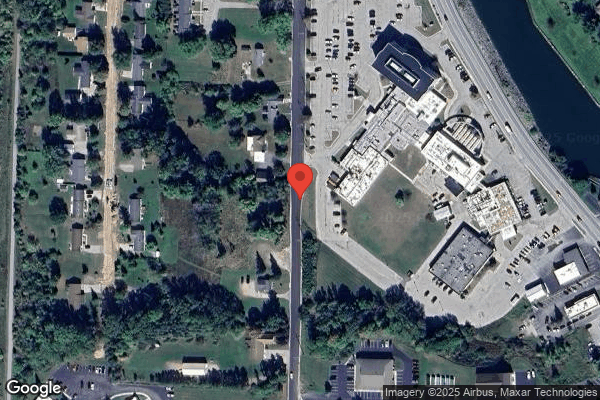
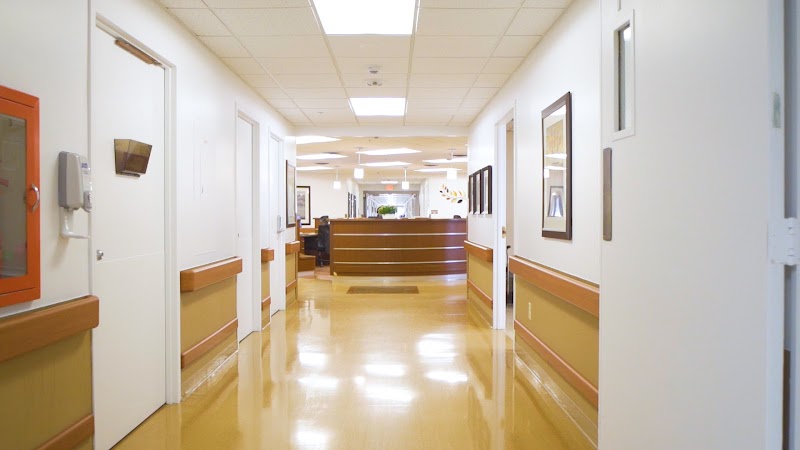
824 South Huron, Cheboygan, MI 49721 (231) 627-4347
For profit - Limited Liability company 85 Beds MEDILODGE Data: November 2025
Trust Grade
55/100
#141 of 422 in MI
Last Inspection: January 2025

Within standard 12-15 month inspection cycle. Federal law requires annual inspections.

Overview

Medilodge of Cheboygan has a Trust Grade of C, which means it is average compared to other nursing homes. It ranks #141 out of 422 facilities in Michigan, placing it in the top half, and is the only option available in Cheboygan County. The facility is improving, having reduced its issues from 9 in 2024 to 5 in 2025. Staffing is a strength here, with a 4-star rating and a turnover rate of 41%, which is below the state average. However, it has incurred $39,098 in fines, indicating compliance issues that are concerning. The facility has good RN coverage, exceeding 94% of state facilities, which is beneficial for resident care. However, there have been serious incidents, including a resident who was not properly assessed for changes in condition, leading to hospitalization for a severe wound infection. Another serious finding involved a resident whose diabetes management was not properly documented, resulting in hospitalization and death due to diabetic ketoacidosis. Additionally, there were concerns about food safety practices, including improperly labeled food and failure to maintain proper refrigeration, which could pose health risks to residents. Overall, while there are notable strengths, the serious incidents and fines raise valid concerns for potential residents and their families.

Trust Score
C
55/100
In Michigan
#141/422
Top 33%
Safety Record
Moderate
Needs review
Inspections
Getting Better
9 → 5 violations
Staff Stability
○ Average
41% turnover. Near Michigan's 48% average. Typical for the industry.
Penalties
○ Average
$39,098 in fines. Higher than 74% of Michigan facilities. Some compliance issues.
Skilled Nurses
✓ Good
Each resident gets 68 minutes of Registered Nurse (RN) attention daily — more than 97% of Michigan nursing homes. RNs are the most trained staff who catch health problems before they become serious.
Violations
⚠ Watch
22 deficiencies on record. Higher than average. Multiple issues found across inspections.
★★★★☆
4.0
Overall Rating
★★★★☆
4.0
Staff Levels
★★★★☆
4.0
Care Quality
★★★★☆
4.0
Inspection Score
Stable
2024: 9 issues
2025: 5 issues

The Good

  • 4-Star Staffing Rating · Above-average nurse staffing levels
  • 4-Star Quality Measures · Strong clinical quality outcomes
  • Full Sprinkler Coverage · Fire safety systems throughout facility
  • No fines on record
  • Staff turnover below average (41%)

    7 points below Michigan average of 48%

Facility shows strength in staffing levels, quality measures, fire safety.

The Bad

Staff Turnover: 41%

Near Michigan avg (46%)

Typical for the industry

Federal Fines: $39,098

Above median ($33,413)

Moderate penalties - review what triggered them

Chain: MEDILODGE

Part of a multi-facility chain

Ask about local staffing decisions and management

The Ugly 22 deficiencies on record

2 actual harm
Jan 2025 5 deficiencies
CONCERN (D)

Potential for Harm - no one hurt, but risky conditions existed

Resident Rights (Tag F0550)

Could have caused harm · This affected 1 resident

**NOTE- TERMS IN BRACKETS HAVE BEEN EDITED TO PROTECT CONFIDENTIALITY** Based on observation, interview, and record review, the facility failed to ensure respectful treatment and a dignified dining ex...

Read full inspector narrative →
**NOTE- TERMS IN BRACKETS HAVE BEEN EDITED TO PROTECT CONFIDENTIALITY** Based on observation, interview, and record review, the facility failed to ensure respectful treatment and a dignified dining experience for three Residents (#18, #20, and #58) of five residents reviewed for residents' rights. This deficient practice resulted in the potential for feelings of frustration, embarrassment, and humiliation. Findings include: Resident #18 (R18) R18 was admitted to the facility on hospice services on 9/9/24. The most recent Minimum Data Set (MDS) assessment dated [DATE] documented R18 was dependent on staff for eating. On 1/14/25 at 11:22 a.m., R18 was observed awaiting the lunch meal in the dining room in a high-back mobile reclining chair seated at a table next to the hospice Social Worker (SW). The SW was using a cell phone and laptop computer. The SW was not speaking with or interacting with R18. The SW was drinking from a Styrofoam cup. R18 was not provided or offered fluids while waiting for his meal. R18 sat and watched the SW drinking from the cup and using the cell phone and laptop computer. On 1/14/25 at 11:43 a.m., the SW remained typing on the cell phone and still had not interacted with R18. The lunch meal had not yet been provided nor were fluids offered to R18. At 11:48 a.m. on 1/14/25, a meal tray was placed in front of R18. The SW answered a phone call and started talking on the phone while the meal tray sat in front of R18. Nurse Aide (NA) B approached the table and turned R18 around in the high-back mobile reclining chair so R18's back was to the table where two other residents were awaiting their meals. NA B put on gloves and began feeding R18 with R18 facing away from the two other residents at the table. Resident #20 (R20) On 1/14/25 at approximately 11:45 a.m., an uncovered lunch meal was placed on a table in the dining room with no resident present at the table. The meal consisted of beef stew, mixed vegetables, and a dinner roll. At 11:56 a.m., R20 propelled his wheelchair into the dining room to the table and began eating the meal that had been sitting uncovered for approximately 11 minutes. R20 was asked regarding temperature and palatability of the meal. R20 responded, it's cold - very cold. A staff member was told R20's meal was cold. The staff member left the original meal on the table and went to obtain another meal. R20 was provided with a fresh meal of beef stew and soup but not a new roll or vegetables. R20 started eating the vegetables from the original lunch meal and said, Now it's really cold. Resident #58 (R58) R58 was admitted [DATE]. A quarterly MDS completed 12/13/24 documented R58 was dependent on staff for all activities of daily living, including eating. On 1/14/25 at 12:02 p.m., R58 was observed in the dining room sitting at a table with a lunch meal in front of him without being assisted with eating. R58 watched two other residents at the table being fed by staff. At 12:07 p.m., the two residents at the table with R58 had finished eating. The staff members who had been feeding the residents left the table while R58 continued to wait to be fed. At 12:17 p.m., Regional Nurse K entered the dining room and began feeding R28 without reheating R58's meal or ensuring an appropriate temperature of the food. On 1/14/24 at 1:26 p.m., hospice CNA O was observed pulling R18 backward down the hall in his high-back mobile reclining chair. Registered Nurse (RN) A and NA B were in the hallway and did not stop or correct CNA O. When CNA O was stopped by the surveyor midway down the hall and asked the reason R18 was being propelled backward, CNA O responded, I only go backward to move these and indicated R18's high-back mobile reclining chair. CNA O continued to pull R18 backward in the high-back mobile reclining chair down the hallway to his room at the end of the hall. The Nursing Home Administrator (NHA) was interviewed on 1/16/25 at 10:10 a.m. The NHA agreed the expectation was for anyone in the facility, including contracted staff, to treat all residents with dignity and respect. The NHA said propelling residents in a chair backward down the hallway or being on the phone and not paying attention to residents are a big no-no. The policy Promoting/Maintaining Resident Dignity dated as reviewed/revised on 10/26/23 read, in part: .It is the practice of this facility to protect and promote resident rights and treat each resident with respect and dignity as well as care for each resident in a manner and in an environment, that maintains or enhances resident's quality of life by recognizing each resident's individuality . When interacting with a resident, pay attention to the resident as an individual . Conversation should be resident focused, and resident centered .
CONCERN (D)

Potential for Harm - no one hurt, but risky conditions existed

Pharmacy Services (Tag F0755)

Could have caused harm · This affected 1 resident

Based on observation, interview, and record review, the facility failed to appropriately dispose of contaminated medications for three Residents (#61, #50, and #47) of eight residents reviewed for med...

Read full inspector narrative →
Based on observation, interview, and record review, the facility failed to appropriately dispose of contaminated medications for three Residents (#61, #50, and #47) of eight residents reviewed for medication administration. Findings include: Resident #61 (R61) During medication preparation for R61 on 1/15/25 at 1:07 p.m., Registered Nurse (RN) H opened a bottle of acetaminophen and dispensed two tablets directly from the bottle into the palm of her hand. RN H said, Oh, I don't want to touch those. RN H disposed of the acetaminophen tablets into the garbage container on the side of the medication cart. Resident #50 (R50) During medication preparation for R50 on 1/16/25 at 7:31 a.m., RN D opened a bottle of vitamins and dropped one on top of the medication cart. RN D picked up the vitamin and disposed of it in the biohazard container on the side of the medication cart. Resident #47 (R47) R47 was prescribed 10 milliequivalents (mEq) of potassium daily. While preparing medication for R47 on 1/16/25 at 7:31 a.m., RN D placed 20 mEq of Potassium in a medication cup for administration to R47. The dosage discrepancy was pointed out after medication preparation was completed and RN D was ready to administer the medications to R47. RN D removed the 20 mEq tablet of potassium from the medication cup and disposed of it in the garbage container on the side of the medication cart. Nurse manager, Registered Nurse (RN) I, was interviewed on 1/16/25 at 1:42 p.m. RN I was asked the expectation and facility process for disposing of medications. RN I said medications were wasted by placing the medications in a drug destroyer (a medication solution intended to dissolve and deactivate medication). RN I confirmed the facility had drug destroyer solutions available for medication disposal. The policy Medication-Destruction of Unused Drugs dated 1/18/24 read, in part: . Drugs will be destroyed in a manner that renders the drugs unfit for human consumption . combine tablets, capsules, liquids, and contents of vials and ampules in container with Kitty Litter or other agent such as a drug destroyer .
CONCERN (D)

Potential for Harm - no one hurt, but risky conditions existed

Unnecessary Medications (Tag F0759)

Could have caused harm · This affected 1 resident

Based on observation, interview, and record review, the facility failed to ensure two Residents (#47, & #224) of eight residents reviewed for medication administration received the correct dosages of ...

Read full inspector narrative →
Based on observation, interview, and record review, the facility failed to ensure two Residents (#47, & #224) of eight residents reviewed for medication administration received the correct dosages of prescribed medications. This deficient practice resulted in a medication error rate of 9.38 % with 3 medication errors detected in 32 opportunities. Findings include: Resident #47 (R47) R47 was prescribed 10 milliequivalents (mEq) of potassium daily. While preparing medication for R47 on 1/16/25 at 7:31 a.m., Registered Nurse (RN) D placed 20 mEq of potassium in a medication cup for administration to R47. The dosage discrepancy was mentioned by the surveyor after medication preparation was completed but before RN D administered the medications to R47. Upon inspection of the blister pack (resident-specific card-type package containing a supply of medication), it was noted RN D had dispensed the 20 mEq of potassium from a blister pack of another resident whose blister pack had been placed in R47's section of the medication cart. RN D said, Someone put the card [blister pack] in the wrong place. I should have checked the name and dose before I popped the pill out. R47 was prescribed Ativan 1 milligram (mg) three times daily for Anxiety. On 1/16/25 at 7:31 a.m., RN D retrieved R47's blister pack of Ativan labeled lorazepam (generic for Ativan) 0.5 mg. The instructions on the blister pack read Take 2 tablets by mouth three times daily for Anxiety. RN D placed one tablet in the medication cup and signed out one tablet on the medication record titled Control Substance Record. RN D was directed to the dosage discrepancy between the physician's dosage order for Ativan and the dosage contained in the blister pack. RN D said, They were supposed to get new ones. I ordered those. The order changed months ago. The Nurse Manager, Registered Nurse (RN) I, was interviewed on 1/16/25 at 1:42 p.m. RN I confirmed nurses are expected to verify the correct resident and the correct dosages when administering medications. RN I said, Nurses absolutely need to adhere to the rights of medication administration. Resident #224 (R224) R224 was prescribed meloxicam 15 milligrams (mg) daily for pain. During medication administration observation on 1/15/25 at 1:07 p.m., the meloxicam order for R224 was read on the Medication Administration Record (MAR), indicating the medication was overdue to be administered. On 1/15/25 at 1:20 p.m., Registered Nurse (RN) H asked R224 if she was experiencing pain. R224 indicated she had pain in her back and neck. RN H asked R224 to rate the pain on a scale of one to ten with one being no pain and ten being excruciating pain. R224 said her pain was ten out of ten. When asked why the meloxicam had not been administered as scheduled at 8:00 a.m., RN H said the meloxicam was not in the facility emergency supply of medications, and pharmacy had not yet delivered the medication. RN H said the medication was ordered on 1/14/25 at 6:10 p.m. which was after the pharmacy cut-off time for faxing medications so it would not have been delivered when pharmacy delivered medications the morning of 1/15/25. RN H said the meloxicam for R224 would arrive in the evening delivery of medications from pharmacy on 1/15/25. RN H admitted the pharmacy should have been contacted via phone call on 1/14/25 instead of by fax. RN H confirmed the pharmacy delivered medications stat (immediately) when requested by the facility. On 1/16/25 at 9:15 a.m., the MAR of R224 revealed the dose of meloxicam was signed out by RN H as administered on 1/15/25 at 8:00 a.m. Regional Nurse K was asked to provide a record of medication administration times on 1/15/25 for R224 and pharmacy delivery time and receipt for the meloxicam. On 1/16/25 at 1:05 p.m., a report Medication Admin Audit Report was presented by Regional Nurse K. The report disclosed the meloxicam signed out by RN H as administered at 8:00 a.m. on 1/15/25 was administered at 2:37 p.m. on 1/15/25. There were no medication notes or progress notes found in R224's record documenting the late administration of the medication. There was no documentation in the record indicating R224's physician had been notified of the medication being unavailable or administered late on 1/15/25 at 8:00 a.m. A pharmacy delivery manifest provided by Regional Nurse K on 1/16/25 at 1:05 p.m. documented the meloxicam for R224 was delivered on 1/16/25 at 1:08 a.m. Regional Nurse K was asked how the meloxicam was signed out as administered on 1/15/24 if the medication was not in the facility. Regional Nurse K said R224's family brought in the medication from home and RN H used the home supply of meloxicam for medication administration. Regional Nurse K confirmed there were no medication notes or progress notes regarding the delayed administration of the meloxicam or notification of R224's physician regarding medication unavailability or delayed administration. On 1/16/25 at 1:22 p.m., nurse manager (RN J) was asked the process if a medication is withheld or not available for administration. RN J said the physician should be notified. On 1/16/25 at 1:42 p.m., nurse manager (RN I) was asked the expectation if a medication is withheld or not available for administration. RN I said the nurse would be expected to call the physician and inform him, and the nurse should document in progress notes and follow-up with any new or revised orders implemented by the physician. The policy Medication Errors dated as reviewed/revised on 1/24/24 read, in part: .'Medication error' means the observed or identified preparation or administration of medications or biologicals which is not in accordance with the prescriber's order . The facility shall ensure medications will be administered as follows: a. According to physician's orders . Medication administered not in accordance with the prescriber's order. Examples include, but not limited to i. Incorrect dose .
CONCERN (D)

Potential for Harm - no one hurt, but risky conditions existed

Deficiency F0760 (Tag F0760)

Could have caused harm · This affected 1 resident

Based on observation, interview, and record review, the facility failed to ensure medications were administered as prescribed for two Residents (R224 and R47) of eight residents reviewed for medicatio...

Read full inspector narrative →
Based on observation, interview, and record review, the facility failed to ensure medications were administered as prescribed for two Residents (R224 and R47) of eight residents reviewed for medication administration. This deficient practice resulted in R224 experiencing excruciating pain and the potential for R47 to experience increased anxiety. Findings include: Resident #224 (R224) R224 was prescribed meloxicam 15 milligrams (mg) daily for pain. During medication administration observation on 1/15/25 at 1:07 p.m., the meloxicam order for R224 was read on the Medication Administration Record (MAR), indicating the medication was overdue to be administered. On 1/15/25 at 1:20 p.m., Registered Nurse (RN) H asked R224 if she was experiencing pain. R224 indicated she had pain in her back and neck. RN H asked R224 to rate the pain on a scale of one to ten with one being no pain and ten being excruciating pain. R224 said her pain was ten out of ten. When asked why the meloxicam had not been administered as scheduled at 8:00 a.m., RN H said the meloxicam was not in the facility emergency supply of medications, and pharmacy had not yet delivered the medication. RN H said the medication was ordered on 1/14/25 at 6:10 p.m. which was after the pharmacy cut-off time for faxing medications so it would not have been delivered when pharmacy delivered medications the morning of 1/15/25. RN H said the meloxicam for R224 would arrive in the evening delivery of medications from pharmacy on 1/15/25. RN H admitted the pharmacy should have been contacted via phone call on 1/14/25 instead of by fax. RN H confirmed the pharmacy delivered medications stat (immediately) when requested by the facility. On 1/16/25 at 9:15 a.m., the MAR of R224 revealed the dose of meloxicam was signed out by RN H as administered on 1/15/25 at 8:00 a.m. Regional Nurse K was asked to provide a record of medication administration times on 1/15/25 for R224 and pharmacy delivery time and receipt for the meloxicam. On 1/16/25 at 1:05 p.m., a report Medication Admin Audit Report was presented by Regional Nurse K. The report disclosed the meloxicam signed out by RN H as administered at 8:00 a.m. on 1/15/25 was administered at 2:37 p.m. on 1/15/25. There were no medication notes or progress notes found in R224's record documenting the late administration of the medication. There was no documentation in the record indicating R224's physician had been notified of the medication being unavailable or administered late on 1/15/25 at 8:00 a.m. A pharmacy delivery manifest provided by Regional Nurse K on 1/16/25 at 1:05 p.m. documented the meloxicam for R224 was delivered on 1/16/25 at 1:08 a.m. Regional Nurse K was asked how the meloxicam was signed out as administered on 1/15/24 if the medication was not in the facility. Regional Nurse K said R224's family brought in the medication from home and RN H used the home supply of meloxicam for medication administration. Regional Nurse K confirmed there were no medication notes or progress notes regarding the delayed administration of the meloxicam or notification of R224's physician regarding medication unavailability or delayed administration. On 1/16/25 at 1:22 p.m., nurse manager (RN J) was asked the process if a medication is withheld or not available for administration. RN J said the physician should be notified. On 1/16/25 at 1:42 p.m., nurse manager (RN I) was asked the expectation if a medication is withheld or not available for administration. RN I said the nurse would be expected to call the physician and inform him, and the nurse should document in progress notes and follow-up with any new or revised orders implemented by the physician. Resident #47 (R47) R47 was prescribed Ativan 1 mg three times daily for diagnosed anxiety. On 01/16/25 at 7:31 a.m., RN D retrieved R47's blister pack (resident-specific card-type package containing a supply of medication) of Ativan labeled lorazepam (generic for Ativan) 0.5 mg. The instructions on the blister pack read Take 2 tablets by mouth three times daily for Anxiety. RN D placed one tablet in the medication cup and signed out one tablet on the medication record titled Control Substance Record. RN D was directed to the dosage discrepancy between the physician's dosage order for Ativan and the dosage contained in the blister pack. RN D said, She was supposed to get new pills. I ordered those. The order changed months ago. It was verified there were no blister packs of Ativan 1mg tablets available for dispensing to R47. Only 0.5 mg tablets were verified present in the controlled substance locked drawer. R47's medical record identified Ativan 1 mg three times daily was originally ordered on 11/22/23. A review of R47's Control Substance Record for lorazepam for 12/21/24 through 12/26/24 revealed R47 received only one tablet of lorazepam 0.5 mg instead of the two required to meet the prescribed dosage order on 12/21/24 at 1:38 p.m., 12/21/24 at 7:15 p.m., 12/22/24 at 8:50 a.m., and 12/22/24 at 1:15 p.m. The lorazepam Control Substance Record for 12/27/24 through 1/5/25 revealed R47 received 1 mg of Ativan on 1/4/25 with no other Ativan documented as administered on 1/4/25. Ativan 1 mg was documented on the Control Substance Record on 1/5/25 as being removed from R47's Ativan inventory five times: 1/5/25 at 2:10 p.m., 1/5/25 at 7:49 p.m., 1/5/25 at 8:00 a.m., 1/5/25 at 1:46 p.m., and 1/5/25 at 7:00 p.m. There were no orders in the record amending the three times daily frequency of Ativan administration. The Control Substance Record for R47's lorazepam for 1/6/25 through 1/15/25 were requested but not provided by the end of survey. RN I was interviewed on 1/16/25 at 1:42 p.m. RN I said administering the correct dosages of medications is one of the rights of medication administration. RN I said, Nurses absolutely need to adhere to the rights of medication administration. The policy Medication Errors dated as reviewed/revised on 1/24/24 read, in part: Policy: It is the policy of this facility to provide protection for the health, welfare, and rights of each resident by ensuring residents receive care and services safely in an environment free of significant medication errors .Significant medication error means one which causes the resident discomfort or jeopardizes his/her health and safety . The facility shall ensure medications will be administered as follows: a. According to physician's orders .c. In accordance with accepted standards and principles which apply to professionals providing services. 2. The facility will consider factors indicating errors in medication administration, including, but not limited to, the following: a. Medication administered not in accordance with the prescriber's order. Examples include, but not limited to: i. Incorrect dose, route of administration, dosage form, or time of administration .5. To prevent medication errors and ensure safe medication administration, nurses should verify the following information: a. Right resident, right medication, right dose, right route and right time of administration. 6. If a significant medication error occurs, the following procedure will be initiated: a. The nurse assesses and examines the resident's condition and notifies the prescriber of the medication as soon as possible. b. Monitor and document the resident's condition, including response to any provider orders. c. Document actions taken in the medical record .
CONCERN (E)

Potential for Harm - no one hurt, but risky conditions existed

Infection Control (Tag F0880)

Could have caused harm · This affected multiple residents

Based on observation, interview, and record review, the facility failed to implement safe and effective infection prevention and control (IPC) practices for eight residents (#10, #30, #14, #59, #50, #...

Read full inspector narrative →
Based on observation, interview, and record review, the facility failed to implement safe and effective infection prevention and control (IPC) practices for eight residents (#10, #30, #14, #59, #50, #67, #6, and #65) of ten residents reviewed for IPC to prevent the potential transmission of communicable diseases and infections as evidenced by failure to: 1. Maintain room doors closed for residents with COVID-19. 2. Appropriately sanitize and disinfect contaminated medical equipment. 3. Remove Personal Protective Equipment (PPE) prior to exiting the room of a resident with COVID-19 on Transmission-Based Precautions (TBP). 4. Prepare and handle medications in a manner to prevent contamination. 5. Ensure care plans were initiated for residents with COVID-19. 6. Ensure physicians' orders for were obtained before placing residents in TBP. This deficient practice resulted in the potential for the transmission of pathogens between residents and the spread of infectious organisms to all 67 residents in the facility. Findings include: Resident #10 (R10) R10, who was on hospice services, tested positive for COVID-19 on 1/6/25. On 1/14/25 the door to R10's room contained a posting indicating R10 was on TBP. There was no physician's order in R10's record to place R10 in TBP nor was there a care plan to provide staff with interventions for COVID-19 and TBP. The door to R10's room was open to the hallway on 1/14/25 at 1:22 PM, 1/14/25 at 1:34 PM, 1/14/25 at 2:41 PM, 1/14/25 at 3:45 PM, 1/15/25 at 8:14 AM, 1/15/25 at 10:19 AM, and 1/15/25 at 11:19 AM. On 1/15/25 at 10:19 AM, the hospice nurse, Registered Nurse (RN) N, was observed exiting R10's room wearing the face shield, N95 mask, gown, and gloves she was wearing in the room. RN N propelled a wheeled, portable vital sign device from the room. RN N obtained disinfectant wipes from an isolation cart down the hallway and began wiping down the vital sign device in the hallway wearing the PPE worn in R10's room. RN N was asked where disinfecting of contaminated medical equipment should occur. RN N responded, I usually do it right here (and indicted the hallway). No one has asked me to go anywhere else. After wiping down the vital sign device, RN N removed the face shield, N95 mask, gown, and gloves in the hallway and carried the PPE down the hall to dispose of in a refuse container. RN C was in the hallway when RN N exited R10's room wearing PPE and was wiping down the medical equipment from R10's room. RN C did not instruct RN N to remove PPE prior to exiting R10's room or to take potentially contaminated equipment to the soiled utility room for cleaning and disinfecting. Resident #30 (R30) R30 tested positive for COVID-19 on 1/10/25. On 1/14/24 at 11:18 AM, the door to R30's room was observed to have TBP signage posted. The door was open to the hallway. The door was observed to be open on the following dates and times: 1/14/25 at 1:22 PM, 1/14/25 at 1:34 PM, 1/14/25 at 2:41 PM, 1/14/25 at 3:45 PM, 1/15/25 at 8:14 AM, 1/15/25 at 10:19 AM, 1/15/25 at 11:19 AM, 1/15/25 at 11:50 AM, and 1/15/25 at 12:27 PM. On 1/15/25 at 11:50 AM, R30 was in a wheelchair in the hallway without a mask. RN C and Certified Nurse Aide (CNA) E were in the hallway but did not request R30 to return to his room or put on a mask. RN P approached and spoke with R10 about lunch but did not request he go to his room or wear a mask. R30's COVID-19 care plan contained an intervention that read, in part: .Redirect back to his room when opening door or sitting at doorway. If he insists, have him wear a mask . Resident #14 (R14) R14 tested positive for COVID-19 on 1/6/25. There was no physician's order in R14's record to place R14 in TBP nor was there a care plan to provide staff with interventions for COVID-19 and TBP. On 1/14/25 at 1:12 PM, the door to R14's room was observed with posted TBP signage. The door to the room was open. The door to the room was open on the following dates and times: 1/14/25 at 1:22 PM, 1/14/25 at 1:34 PM, 1/14/25 at 2:41 PM, 1/14/25 at 3:45 PM, 1/15/25 at 8:31 AM, 1/15/25 at 10:19 AM, and 01/15/25 at 11:19 AM. Resident #59 (R59) R59 tested positive for COVID-19 on 1/9/25. On 1/14/25 at 1:11 PM, the door to R59's room was observed with posted TBP signage. The door to the room was open. The door to the room was open on the following dates and times: 1/14/25 at 1:22 PM, 1/14/25 at 1:34 PM, 1/14/25 at 2:41 PM, 1/14/25 at 3:45 PM, 1/15/25 at 8:14 AM, 1/15/25 at 10:19 AM, and 1/15/25 at 11:19 AM. Resident #65 (R65) R65 was in TBP for COVID-19. A sanitized and disinfected face shield was hanging on a hook outside of R65's room for the next staff member who entered the room to apply as part of necessary PPE. On 1/15/25 at 1:17 PM, CNA F was walking in the hallway and bumped into the face shield resulting in the face shield falling to the floor. CNA F picked up the face shield from the floor and placed it back on the hook without cleaning or disinfecting the face shield. RN H was present and observed CNA F pick up the face shield and place it back on the hook without properly disinfecting it. RN H did not instruct CNA F to sanitize or disinfect the face shield. The Infection Preventionist (IP) G was interviewed on 1/15/25 at 4:57 PM. IP G said the doors to the rooms for residents who have COVID-19 were to remain closed. IP G said if residents leave their rooms they should be redirected back to their rooms if possible or encouraged to wear a mask and remain away from others. IP G said staff were educated on these endeavors, especially keeping the doors to the rooms closed. IP G said physicians' orders are required to place residents in TBP, and residents with COVID-19 should have care plans for the infection. IP G said PPE is expected to be removed prior to exiting the room of a resident on TBP, and it is not permissible to clean resident care equipment in the hallway. IP G said face shields are expected to be disinfected after being exposed to potential contamination. The policy Transmission-Based (Isolation) Precautions dated as last reviewed/revised on 12/27/23 read, in part: .It is our policy to take appropriate precautions to prevent transmission of pathogens . Residents on transmission-based precautions should remain in their rooms . An order for transmission-based precautions/isolation will be obtained for residents who are known or suspected to be infected or colonized with infectious agents that require additional controls to prevent transmission effectively .Donning personal protective equipment (PPE) upon room entry and discarding before exiting the room is done to contain pathogens . Residents on Droplet Precautions who must be transported outside of the room should wear a facemask if tolerated . The policy COVID-19 Prevention, Response and Reporting dated as last reviewed/revised on 5/26/24 read, in part: .It is the policy of this facility to ensure that appropriate interventions are implemented to prevent the spread of COVID-19 .Residents with suspected or confirmed SARS-CoV-2 infection should be placed in a single-person room when possible and available with the door kept closed . All non-dedicated, non-disposable medical equipment used for that resident should be cleaned and disinfected . Resident #50 (R50) During medication preparation for R50 on 1/16/25 at 7:31 AM, RN D opened a bottle of vitamins and dropped one on top of the medication cart. After picking up the vitamin and disposing of it in the biohazard container on the side of the medication cart, RN D placed her ungloved finger in the medication cup and moved the medications around to count and identify the pills in the med cup. Resident #67 (R67) When preparing medications for R67 on 1/16/25 at 7:31 AM, RN D poured an incorrect amount of Vitamin D capsules into the medication cup. RN D used her ungloved finger to scoop out the extra capsules from the medication cup and place the extra capsules back into the bottle, contaminating the remainder of the capsules in the container. Resident #6 (R6) R6 was prescribed Vitamin C 1,000 milligrams (mg). On 1/16/25 at 7:31 AM, RN D opened a bottle of Vitamin C 500 mg and dispensed one tablet from the bottle into a medication cup. RN D reached into the bottle of Vitamin C with her ungloved finger to remove an additional tablet to add to the medication cup, contaminating the inside of the bottle and therefore the remainder of the tablets in the bottle. On 1/16/25 at 7:31 AM, RN D picked up a stack of blister packs (resident-specific card-type package containing a supply of medication) that were stacked atop the medication cart and held them against her uniform while she reviewed the Medication Administration Record (MAR). After reviewing the MAR, RN D placed the blister packs back into the medication cart. Nurse manager, RN I, was interviewed on 1/16/25 at 1:42 p.m. RN I was asked the process if a nurse places an incorrect amount of medication into a medication cup. RN I said the nurse should dispose of all the medications in the cup and start preparation over or perform hand hygiene and put on a glove to remove the incorrect amount. RN I was asked about holding blister packs of medications against a uniform. RN I answered, I saw [RN D] do that. That's not the way meds (medications) should be handled - they should be put in the drawer without touching the body. It's infection control. The policy Medication Administration dated as reviewed/revised on 1/17/23 read, in part: . Medications are administered . in accordance with professional standards of practice, in a manner to prevent contamination or infection . 13. Remove medication from source, taking care not to touch medication with bare hand .
Sept 2024 2 deficiencies 1 Harm
SERIOUS (G) 📢 Someone Reported This

A family member, employee, or ombudsman was alarmed enough to file a formal complaint

Actual Harm - a resident was hurt due to facility failures

Quality of Care (Tag F0684)

A resident was harmed · This affected 1 resident

**NOTE- TERMS IN BRACKETS HAVE BEEN EDITED TO PROTECT CONFIDENTIALITY** This citation pertains to intakes MI00147076 and MI00147197. Based on observation, interview and record review, the facility fai...

Read full inspector narrative →
**NOTE- TERMS IN BRACKETS HAVE BEEN EDITED TO PROTECT CONFIDENTIALITY** This citation pertains to intakes MI00147076 and MI00147197. Based on observation, interview and record review, the facility failed to ensure appropriate assessments and communication for change in condition for one Resident (#2) of three residents reviewed for change in condition, resulting in harm when Resident #2 was transferred to the hospital for mental status changes, found to have a severe wound infection and underwent subsequent intravenous antibiotic administration and surgical intervention. Findings include: Resident #2 (R2) Review of R2's Minimum Data Set (MDS) admission assessment, dated 6/24/2024, revealed the Resident was admitted to the facility on [DATE] and had diagnoses including lumbar fracture, diabetes, anxiety and dementia. Further review of the MDS assessment revealed R2 scored six out of 15 on the Brief Interview for Mental Status, indicating severe cognitive impairment. Further review of R2's MDS data revealed R2 was discharged to a short-term stay, acute-care hospital on 9/03/2024. Review of R2's electronic medication record (EMR) revealed the following: 9/3/2024, 10:33 [a.m.] Nurses Notes . Resident confused and not making sense. Wife notified agree to transfer to the hospital. [Physician C] notified agree to transfer to hospital. Review of R2's hospital Discharge Summary, signed and dated 10/01/2024 at 12:08 p.m., revealed the following, in part: Hospital Course: . Prior to admission, he lived at [facility name] where he sustained a fall with a subsequent skin tear . Per the reports, it progressed into cellulitis, and he was started on Keflex [antibiotic]. Unfortunately, it did not improve. He started developing [acute mental status change] and was therefore sent to the ER [emergency room]. He was noted to have inflammatory markers . was started on empiric antibiotics . Impression: Extensive cellulitis. Further review of the hospital Discharge Summary, revealed, On 9/4/24, [R2] was taken to surgery for a left forearm volar [palmar side] and dorsal [back side] fasciotomy [incisions to relieve pressure from compressed blood vessels due to swelling]. Purulent fluid was found about the [back of] the forearm and [back of] the elbow . Repeat debridement [surgical procedure to remove dead tissue] was undertaken on 9/7/24 and a third on 9/10/24. He was continued on [antibiotics] for left arm cellulitis with necrotizing fasciitis [serious bacterial infection that destroys the tissue under the skin] . On 9/16 [2024] he returned to the [operating room] once again for debridement of left forearm including skin, subcutaneous tissue and some fascia [connective tissue] . plan for flap procedure [transfer of health tissue from one area of the body to another are of significant tissue loss] after allowing more healing with wound vac in place . Further review of the EMR revealed, 8/24/2024, 23:30 [11:30 p.m.] Pertinent Charting-Skin . left forearm . Description: Noted quarter size skin tear to left forearm . 8/30/2024, 09:03 [9:03 a.m.] resident is found to have skin tear on left forearm, mechanism of injury unknown. Resident was agitated and combative for a lot of the night, attempting repeatedly to stand on his own and climb out of bed. Area cleaned and non-adherent dressing applied with a silicone bandage. It was noted in review of R2's progress notes, the Resident was noted to have an increase in confusion on 8/29/24 and was placed on behavior monitoring. R2 was placed on one-to-one supervision on 8/30/2024 due to increased confusion and behavior. During an interview on 9/25/2024 at 7:52 a.m., Registered Nurse (RN) B reported she was working on when R2 was observed to have a second skin tear to his left forearm. RN B stated there was no evidence of infection at that time. RN B reported R2 had one small quarter-sized tear near left medial (closer to the body) elbow and a new larger, linear tear on his dorsal (back side) forearm. RN B stated she phoned the wound care nurse to obtain wound care orders. Review of R1's Nurses Note, dated 9/01/2024 at 4:44 p.m. revealed the following: Bandages on left arm are saturated. Bandages removed and non-adherent dressings placed over open areas, ABDs [large, highly absorbent dressing] placed for moisture management . It was noted in review of the EMR there were no assessments of R2's left forearm wounds, notification to the facility wound care nurse or physician, or wound cultures completed in response to the increased drainage from R2's wounds documented on 9/01/2024. Further review of R2's EMR, including progress notes, assessments/evaluation and skin/wound documentation, revealed no wound evaluations of the skin tears were observed on 8/24/2024 or 8/30/2024, to include a description of the wound, including the wound bed and peri-wound area until 9/03/2024. During an interview on 9/25/2025 at 3:25 p.m., Certified Wound Care Nurse, RN A reported she was unaware of the extent of R2's injury until 9/03/2024 when she was asked to assess the wound by nursing staff that day. RN A stated she did not remember being alerted of the need to use an ABD pad to contain the increased drainage from the wound on 8/30/2024. Upon assessment of the wound, RN A reported she found the wound to appear infected with severe swelling, so she phoned Physician C. RN A stated Physician C gave the order for R2 to begin Keflex (antibiotic) but was transferred to the ER for evaluation prior to beginning the medication. Review of R2's Wound Evaluation, dated 9/03/2024 at 10:30 a.m., revealed the following: Area: 154.73 [cubic centimeters]. Length: 29.83 cm [centimeters]. Width: 8/83 cm. Deepest Point: 0.1 cm. Location: Left Outer Forearm . Slough [dead tissue within the wound] 50% . Evidence of Infection: Redness/Inflammation . Exudate [drainage] . Moderate . Surrounding Tissue: Fragile . Crepitus [crackling sensation felt when palpating cause by gas pushed through the tissue] . pitting edema extends [greater than] 4 cm around wound . Resident delirious . Review of R2's August 2024 and September 2024 Medication Administration Record (MAR) and Treatment Administration Record (TAR) revealed the following orders: Keflex Oral Capsule 500 MG (milligram) . Give 2 capsules by mouth two times a day for cellulitis to left arm for 10 days. Start Date: 09/03/2024 [10:00 a.m.] . It was noted no doses of the medication were administered. Left arm skin tear: cleanse, apply abx ointment, cover with silicone [daily] . Start Date: 8/28/2024. It was noted the wound care was performed daily from 8/28/2024 through 9/02/2024, with no corresponding wound assessments documented in the EMR. Apply oil emulsion to left posterior forearm wound, cover with ABD pad secure with [sleeve] change daily and [as needed] for soiled or removed dressing . Start Date: 9/01/2024. It was noted the wound care was performed on 9/01/2024 and 9/02/2024 with no corresponding wound assessments documented in the EMR. During an interview on 9/25/2024 at 3:43 p.m., the Director of Nursing (DON) reported she was notified of the R2's left forearm skin tears on 8/28/2024 when RN B phoned to inform her of R2's new injury and increased drainage from the injury noted as obtained from R2's fall on 8/24/2024. During an interview on 9/25/2024 at 4:20 p.m., Physician C confirmed he was not notified of R2's left forearm skin tears or the status of the wounds until phoned by RN A on 9/03/2024. Physician C reported necrotizing fasciitis can develop rapidly, within days or hours of injury. Review of the facility policy titled, Notification of Changes, last reviewed 8/29/2024, revealed the following, in part: The facility must inform the resident, consult with the resident's physician and/or notify the resident's family member or legal representative when there is a change requiring such notification. Circumstances requiring notification include . Accidents: resulting in injury, potential to require physician intervention . Circumstances that require a need to alter treatment. This may include: new treatment .
CONCERN (D) 📢 Someone Reported This

A family member, employee, or ombudsman was alarmed enough to file a formal complaint

Potential for Harm - no one hurt, but risky conditions existed

Transfer Notice (Tag F0623)

Could have caused harm · This affected 1 resident

**NOTE- TERMS IN BRACKETS HAVE BEEN EDITED TO PROTECT CONFIDENTIALITY** This citation pertains to intake MI00146968. Based on interview and record review, the facility failed to provide written notifi...

Read full inspector narrative →
**NOTE- TERMS IN BRACKETS HAVE BEEN EDITED TO PROTECT CONFIDENTIALITY** This citation pertains to intake MI00146968. Based on interview and record review, the facility failed to provide written notification for a facility-initiated discharge, including the reason, effective dates and right to appeal to the resident's representative and the Office of the State Long-Term Care (LTC) Ombudsman for one Resident (#1) of three residents reviewed for transfer or discharge, resulting in the resident and resident's representative being uninformed of their rights, an unnecessarily extended hospital stay and the potential for inappropriate discharge. Findings include: Resident #1 (R1) Review of the Minimum Data Set (MDS) assessment, dated 7/30/2024, revealed R1 was admitted to the facility on [DATE] with a primary diagnosis of schizophrenia (mental health disorder affecting the ability to think, feel and behave clearly). Review of R1's electronic medical record (EMR) revealed R1 was transferred to the emergency department (ED) for psychological evaluation on 7/30/2024 at 5:01 p.m. with no return as of 9/26/2024. Review of R1's Transfer Notice - Resident Expected to Return, dated 7/30/2024, revealed the following, in part: . It is anticipated that the Resident will return to the facility after the circumstances requiring transfer are resolved. Transfer Location: ED . The notice was signed as received by R1's court appointed guardian on 8/03/2024. Further review of R1's EMR revealed R1 did not return to the facility following transfer to the ED on 7/30/2024. Review of the R1's mental health Emergency Screening, dated 8/01/2024, provided by Social Services Director, Staff D, revealed following evaluation in the ED, R1 was admitted to a psychiatric facility for treatment. During an interview on 9/26/2024 at 11:56 a.m., hospital Case Manager, Registered Nurse (RN) I reported R1 was discharged , with no return expected, from the psychiatric hospital to the acute care for treatment of a urinary tract infection on 8/22/2024. RN I stated she was in contact with the facility to initiate discharge back as early as 8/26/2024. RN I reported she was informed the facility required further evaluation of R1's psychiatric condition prior to his return to the facility, specifically a Level II PASSAR (Preadmission Screening and Resident Review). RN I stated they initiated the assessment and were awaiting completion when R1's legal guardian, Family Member (FM) H called on 9/8/2024, stating the facility would not allow R1 to return. RN I stated no communication was received from the facility stating R1 was discharged . RN I reported R1's Level II PASSAR was completed on 9/11/2024 per the facility's request, but R1 remained hospitalized until 9/13/2024 awaiting placement in a new facility. During an interview on 9/26/2024 at 1:10 p.m., the Nursing Home Administrator (NHA) and Staff D reported when they did not hear from the hospital after the request for the Level II PASSAR, they considered R1 discharged from the facility. When asked if any further contact was initiated by the facility to determine the status of the Level II PASSAR, Staff D stated she did not reach out to the hospital to determine R1's status or anticipated return. When asked if R1 or his legal representative, FM H was provided a written notice of discharge, including information on how to appeal the facility-initiated discharge, the NHA reported no written notice was provided due to R1's extended leave from the facility. When asked if the Office of State Long-Term Care Ombudsman was notified of the discharge, the NHA and Staff D reported no notification was sent to the ombudsman as they considered R1 a resident-initiated discharge due to the length of his absence. Review of the email correspondence provided by the NHA revealed communication regarding R1's return to the facility began on 8/26/2024. It was noted that transfer back to the facility was initiated on 8/26/2024, less that 30 days after R1 was initially transferred to the emergency department on 7/30/2024. During an interview on 10/02/2024 at 11:34 a.m., FM H confirmed she did not receive written notification of R1's facility-initiated discharge, or information on how to appeal the decision. FM H stated she did not know the facility was not accepting R1 back until she received a phone call from a facility staff member on 9/08/2024 informing her of the need to pick up R1's belongings. FM H reported R1 was looking forward to being back at the facility and in the community where his family lived. Review of the facility policy titled, Transfer and Discharge, last reviewed 10/20/2023, revealed the following, in part: Discharge refers to the movement of a resident from a bed in one certified facility to a bed in another certified facility or location in the community, when return to the original facility in not expected . Non-Emergency Transfers or Discharges: At least 30 days before the resident id transferred or discharged , the Social Services Director will notify the resident and the resident's representative in writing in a language and manner they can understand (this time frame does not apply if the resident has not resided in the facility for 30 days) . A copy of the notice shall be provided to a representative of the Office of the State Long-Term Care Ombudsman . Emergency Transfers/Discharges: In case of discharge, notice requirements and procedures for facility-initiated discharge shall be followed.
Mar 2024 2 deficiencies 1 Harm
SERIOUS (G) 📢 Someone Reported This

A family member, employee, or ombudsman was alarmed enough to file a formal complaint

Actual Harm - a resident was hurt due to facility failures

Quality of Care (Tag F0684)

A resident was harmed · This affected 1 resident

**NOTE- TERMS IN BRACKETS HAVE BEEN EDITED TO PROTECT CONFIDENTIALITY** Intake #MI00143052 Based on interview and record review the facility failed to assess, monitor, document, and provide treatment ...

Read full inspector narrative →
**NOTE- TERMS IN BRACKETS HAVE BEEN EDITED TO PROTECT CONFIDENTIALITY** Intake #MI00143052 Based on interview and record review the facility failed to assess, monitor, document, and provide treatment per professional standards of practice for one (resident #3) of one resident reviewed for diabetes management, resulting in diabetic ketoacidosis (emergent condition resulting from prolonged elevated blood sugar levels), hospitalization and death. Findings include: Resident #3 (R3) Review of the Electronic Medical Record (EMR) for R3, revealed the most recent admission to the facility was on 10/20/23 post fall at home with diagnoses including wedge compression fracture T5-T6, pelvis fracture, stage 4 sacral pressure ulcer, severe protein-calorie malnutrition, diabetes type II, peripheral vascular disease, colostomy, chronic kidney disease stage 3 and prior history of neoplasm of large intestine and cervix. R3 was previously admitted from 4/5/23 to 5/20/23 and was familiar to the facility. Review of the discharge summary for admission to the facility from (Regional Acute Care Hospital) from 10/20/23, read in part, R3 had orders of Novolog low dose scale 70 kilograms or more dose 0-12 units sliding scale four times a day (QID) with meals while in the hospital. Review of discharge instructions from hospital have no indications for blood glucose monitoring. In the discharge medications from hospital to facility, no insulin is listed. However, the facility failed to recognize R3 was on insulin during the hospital stay and failed to monitored for continued diabetic support. On 3/11/12 at 12:35 PM, during an interview regarding the use of insulin by R3 prior to admission to the facility, Resident Representative (RR) A stated resident had long standing home use of insulin for her diabetes that kept her diabetes under control. Review of R3's medical record revealed an order dated 10/20/23: Regular diet, Regular texture, Regular fluid, thin consistency. Review of an order for R3 dated 10/26/24: If blood sugar less than (X) administer OJ, Food or glucose gel per manufacturer recommendation. Recheck in 15 minutes if no improvement notify physician. Every 12 hours for hypoglycemia. There is no glucose value given in this order in which staff could notify physician, and nothing is indicated to do every 12 hours for hypoglycemia. No other orders were in in the EMR pertaining to blood glucose since admission on [DATE]. The last blood glucose check performed and documented by the facility for R3 located in the EMR was charted on 5/20/23 during a prior admission to the facility and was 90 milligrams per deciliter (mg/dL). On 3/11/24 at 3:24 PM, an interview was conducted with Physician Assistant (PA) F, who was asked what process the facility should follow with a known diabetic admitted to the facility without orders for insulin. PA F stated the facility made it a practice to perform blood glucose checks for three days of before meals (AC) and at bedtime (HS) and then PA F would evaluate what the resident needs. PA F indicated the providers would expect a nursing notification If the blood glucose checks are out of the norm before the three days to evaluate a treatment plan quicker. PA F stated the physician providers are in the facility three times a week to assess residents so they are available to be sure resident needs are monitored appropriately. PA F stated that the facility does not have diabetic diet offerings, so he often provided council to residents that they need the higher calories to heal and that residents would have to modify their diets back to their normal diabetic diet upon returning home. On 3/11/24 at 4:00 PM, an interview was conducted with the Director of Nursing (DON), who was asked if there was a policy in place that addressed the blood glucose process PA F mentioned during their interview. The DON stated the facility did not have such a policy, it was just something the physician provider group did as necessary when diabetic residents were admitted . The DON stated even if a diabetic resident was previously admitted and treated with insulin, the treatment would be dependent on the physician assessment for readmission and there was no guarantee the facility would treat the resident with the same orders upon readmission. On 3/7/24 at 2:39 PM, a follow-up interview was conducted with RR A, who stated she felt the facility should have offered a diabetic diet. RR A stated R3 enjoyed pop and she often had to bring in diet pop because the facility was providing R3 regular pop. RRA stated on 12/17/23 she visited R3 and noticed R3 was not acting her normal self, was barely responsive, and her meal tray on her bedside table was untouched. On 3/7/24 at 3:47 PM, an interview was conducted with RR B, who stated on 12/17/24, he asked staff to alert the doctor R3 was not acting normal and was told by staff the physician would see her tomorrow. RR B stated the facility had not communicated to the family of R3's change in condition until the day of the visit on 12/17/23, even though R3 had not been eating or drinking for the past few days prior to the visit. Review of R3's progress notes from 12/20/17 at 10:24 AM, physician provider note read in part: Central Nervous System (CNS): able to make needs known, confusion consistent with dementia. Review of the facility transfer paperwork revealed on 12/21/23 at 10:40 AM, R3 was taken to an Acute Care Hospital emergency department via EMS (Emergency Medical Services) for altered mental status. Review of Emergency Documentation on 12/21/23, R3 arrived in the emergency department (ED) with chief complaint of possible failure to thrive, not taking medications or food, altered mental status for two days. Upon arrival to ED, R3's Glasgow Coma Scale for was 9 out of 15 with verbal responses noted as inappropriate words, and responsive only to localized painful stimulation. R3 was then admitted to the intensive care unit of the hospital, with diagnoses including diabetic ketoacidosis (DKA), altered mental status, and sacral decubitus ulcer. Review of the hospital course summary showed that R3 was admitted from nursing home. R3 had profound wound issues with a sacral decubitus. R3 was unresponsive and in DKA with positive blood cultures. R3 was treated aggressively per DKA protocol and covered with antibiotics. Her heart function deteriorated, and she required medications to maintain her blood pressure. Surgery had seen R3 in consultation for her wounds and felt there was nothing further to offer. The family after much discussion, elected not to proceed any further with intubation, mechanical ventilation or help with heart function. After discussion with the family, it was felt that further interventions would be against R3 wishes. R3 was made a code status of do not resuscitate and hospice was consulted. She was released to in patient hospice services the afternoon of 12/22/23. Review of [NAME] hospital documentation on 12/29/23 7:16 AM, R3 was pronounced dead of multi-system organ failure.
CONCERN (D) 📢 Someone Reported This

A family member, employee, or ombudsman was alarmed enough to file a formal complaint

Potential for Harm - no one hurt, but risky conditions existed

Pressure Ulcer Prevention (Tag F0686)

Could have caused harm · This affected 1 resident

**NOTE- TERMS IN BRACKETS HAVE BEEN EDITED TO PROTECT CONFIDENTIALITY** Intake #MI00143052 Based on observation, interview, and record review the facility failed to notify a physician of pressure ulce...

Read full inspector narrative →
**NOTE- TERMS IN BRACKETS HAVE BEEN EDITED TO PROTECT CONFIDENTIALITY** Intake #MI00143052 Based on observation, interview, and record review the facility failed to notify a physician of pressure ulcer condition worsening for one resident (Resident #3) of three residents reviewed for pressure ulcers. This deficient practice resulted in the potential for wound infection and worsening of pressure ulcer. Findings include: Resident #3 (R3) Review of the medical record revealed R3 was admitted to the facility on [DATE] after a fall at home with diagnoses including wedge compression fracture T5-T6, pelvis fracture, stage 4 sacral pressure ulcer (PU), severe protein-calorie malnutrition, diabetes type II, peripheral vascular disease, colostomy, chronic kidney disease stage 3, and prior history of cancer of large intestine and cervix. R3 was admitted for rehabilitation. Review of nurse note from 12/17/23 at 3:29 PM, states Wound was done on coccyx. Area has a strong foul odor. There was no indication the provider was notified of strong odor from pressure ulcer on sacrum. On 3/11/24 at 4:00 PM, an interview was conducted with the Director of Nursing (DON), who was asked when a wound has a foul odor what the expectations were of the nursing staff. The DON stated she expected staff to alert the physician immediately. A review of a wound care which was completed on 12/19/23 was reviewed, with photo updated by wound nurse C. Photos of the pressure ulcer located on sacrum dated 10/21/23 showed an approximate size of 0.5 centimeters (cm) x 0.5 cm in size and when compared to the photo measurements performed on 12/19/24, showed an increase in size to approximately 2.2 cm x 2.0 cm. On 3/7/24 at 2:39 PM, an interview was conducted with Resident Representative (RR) A via phone, who stated R3's pressure ulcer was only about the size of a quarter upon admission to facility and when seen at the hospital it was the size of a fist. A review of the physician progress note dated 12/20/23 at 10:24 AM, read in part Patient is seen for evaluation of wound; staff notes foul odor at this time. All questions and concerns addressed as posed .Plan: Patient is counseled and encouraged. Practitioner gives orders for keflex for ten days related to infection of sacral wound, acidophilus twice daily (BID) for twenty-one days. *Note: This assessment was three days after the foul odor was detected coming from the wound on the coccyx originally identified by wound nurse C. A review of a hospital note dated 12/21/23 revealed R3 was sent to a regional acute care hospital on [DATE] for assessment due to altered mental status for two days where she was treated for septic shock due to urinary tract infection, diabetic ketoacidosis, and sacral wound. Review of the emergency physician notes from 12/21/23 read in part: . large sacral decubitus is seen, the skin is necrotic and there appears to be some tunneling, there is similar skin breakdown on the left heel and the start of this on the right heel as well. (R3) was treated with two (cefepime and vancomycin) broad spectrum antibiotics in the emergency department. R3 was then admitted to the intensive care unit of the hospital, with diagnoses including diabetic ketoacidosis (DKA), altered mental status, and sacral decubitus ulcer. An order was placed for surgery consult for wounds on 12/21/23, but due to the instability of her condition it was not conducted until 12/25/23. Review of the hospital general surgery consultation notes dated 12/25/23 at 10:08 PM read in part: .when I logroll her, she has a very large 2 cm by 2 cm full thickness with minimal lining over the sacral region. Minimal thick slough. No purulent drainage. Skin color changes are concerning for ischemia (lack of blood flow). These wounds are comparable with end-of-life wounds. Offloading (not bearing weight) is not easy. This has been long and ongoing. She is acutely ill. Sepsis of unknown source at this time.
Feb 2024 5 deficiencies
CONCERN (D)

Potential for Harm - no one hurt, but risky conditions existed

Resident Rights (Tag F0550)

Could have caused harm · This affected 1 resident

**NOTE- TERMS IN BRACKETS HAVE BEEN EDITED TO PROTECT CONFIDENTIALITY** Based on observation, interview and record review, the facility failed to ensure dignified and respectful treatment for one Resi...

Read full inspector narrative →
**NOTE- TERMS IN BRACKETS HAVE BEEN EDITED TO PROTECT CONFIDENTIALITY** Based on observation, interview and record review, the facility failed to ensure dignified and respectful treatment for one Resident (R11) of three residents reviewed for dignity. This deficient practice resulted in an undignified shower experience and disrespectful treatment. Findings include: Resident #11 (R11) was admitted to the facility on [DATE] with diagnoses that included major depressive disorder and anxiety disorder. R11 was identified in the care plan as having a deficit with the ability to perform Activities of Daily Living (ADL) due to weakness and a stroke that left R11 with paralysis on the left side of the body. The care plan documented the resident requires the use of a mechanical lift for transfers. Shower documentation revealed R11 is dependent on staff for showering and getting to and from the shower. On 2/6/24 at approximately 3:20 p.m. Certified Nursing Assistant M (CNA M) was observed pushing a shower gurney on the 600 hall. The surveyor entered the hall behind CNA M. R11 was lying on the gurney with towels laying atop her from the neck to the ankles with R11's bare body exposed on both sides beneath the towels. The shower room was located near the top of the 600 hall and R11 resided at the end of the 600 hall. There were residents in their wheelchairs or ambulating on the 600 hall but no other staff members were present. CNA M said to R11 in a stern voice, That's the way it is - deal with it! If you don't like it, you can go to [Nurse Manager, Registered Nurse D (RN D)]. CNA M turned around and noticed the surveyor was directly behind her. CNA M's conduct changed immediately, and CNA M said to the surveyor in an apologetic tone, [R11] doesn't like how I give a shower, so I offered to get [RN D] for [R11]. CNA M stopped the shower gurney in the doorway of R11's room and exited the area. Other employees arrived to assist R11 into bed. On 2/6/24 at approximately 3:35 p.m., the observation was reported to the facility Administrator (NHA). The NHA said conduct displayed by CNA M was unacceptable and stated, I expect all staff to treat residents with respect. At 4:00 p.m., the NHA conveyed that CNA M had been suspended pending investigation and a report was submitted to the State agency. R11 was interviewed on 2/7/24 at 10:25 a.m. R11 said, They (staff) push me down the hall on that bed (shower gurney) naked! I've never liked to be naked in front of people. I told them I don't like it! When asked how R11 feels when being propelled down the hall without clothing, R11 responded embarrassed. R11 was unable to recall who she had voiced concerns to about the showering process. When asked if staff treated her with dignity and respect, R11 said, most of the time but not always. R11 did not provide specific details or staff names or descriptions. A facility policy dated 1/1/22 titled Resident Rights read in part: Employees shall treat all residents with kindness, respect, and dignity . 3. Our facility will make every effort to assist each resident in exercising his/her rights to assure that the resident is always treated with respect, kindness, and dignity. A facility policy dated 10/30/23 titled Promoting/Maintaining Resident Self-Determination read in part: Policy: It is the practice of this facility to protect and promote resident rights by promoting and facilitating resident self-determination through support of resident choice. The facility will ensure that each resident has the opportunity to exercise his/her autonomy regarding those things that are important in his/her life such as interests and preferences. 1. All staff members involved in providing care to resident will promote and facilitate resident self-determination. 4. Each resident has the right to make choices about aspects of his or her life in the facility that are significant to the resident.
CONCERN (D)

Potential for Harm - no one hurt, but risky conditions existed

Deficiency F0657 (Tag F0657)

Could have caused harm · This affected 1 resident

**NOTE- TERMS IN BRACKETS HAVE BEEN EDITED TO PROTECT CONFIDENTIALITY** Based on observation, interview, and record review, the facility failed to ensure care plans were updated and revised appropriat...

Read full inspector narrative →
**NOTE- TERMS IN BRACKETS HAVE BEEN EDITED TO PROTECT CONFIDENTIALITY** Based on observation, interview, and record review, the facility failed to ensure care plans were updated and revised appropriately for two Residents (R3 and R45) out of 15 Resident care plans reviewed. This deficient practice resulted in care plans which did not reflect resident needs. Findings include: Resident #3 (R3) During an interview on 2/5/24 at 3:41 PM, Resident #3 (R3) stated her bandaged heel hurt. R3 was in her room in her wheelchair. The Electronic Medical Record (EMR) revealed the physician had ordered a treatment for this area on R3's left heal which read: Left heel abrasion; cleanse, apply silicone dressing, qd (every day). During an interview on 2/6/24 at 9:30 AM, Registered Nurse (RN) D wound care specialist performed the wound treatment, and this Surveyor observed the circular pink heal wound. R3 stated it hurt and she believed it was caused from her shoe. RN D suggested to R3 that she not wear shoes but instead grippy socks and continue to wear the soft puffy boots for foot protection when in bed. (The boots were observed on R3's dresser.) No other compromised skin issues were present. Review of R3's care plan accessed on 2/6/24 the EMR care plan was reviewed and included a focus for impaired skin integrity which read in part: Resident has impaired skin integrity as evidenced by: (right great toe bruising; abrasion to left heel; left thigh open lesion) related to muscle weakness Date Initiated: 10/27/2023 Revision on: 12/27/2023. The interventions for this care plan included: Administer medications as ordered, Administer treatment(s) per orders, Labs as ordered, Notify Physician . of signs/symptoms of infection (new or change in type/amount/color of drainage, bleeding, foul odor). There were no interventions of foot protection or offloading to improve or prevent further compromise. The skin integrity issues of toe bruising and open thigh lesion were past issues and were without update or intervention for further prevention. On 2/5/24 at 3:41 PM, R3 was observed to have water on her bedside table. The current physician orders for R3 did not include a fluid restriction and on further review revealed on 1/24/24 a fluid restriction had been discontinued. The care plan for R3 included a focus: Resident is at risk for fluid volume deficit related to diuretic use . On fluid restriction. Date initiated:10/27/2023 Revision on: 11/6/2023. Interventions included: .Ensure all beverages offered comply with diet/fluid restrictions . R3 no longer had orders for a fluid restriction. During an interview on 2/6/24 at 2:54 PM, RN Clinical Consultant A stated, she had reviewed the care plan and did not see skin interventions. RN A said she would expect interventions to be current and to be on the care plan. Resident #45 (R45) R45 was admitted to the facility on [DATE] with a hospitalization on 12/20/23 and readmission to the facility with a physician order for Total Parenteral Nutrition (TPN) [TPN is feeding a person intravenously rather than the usual process of eating and digesting]. The physician orders for TPN were discontinued on 1/30/24. During an interview on 2/5/24 at approximately 1:00 PM, Family members K and L stated R45 was now eating and drinking food again. RN N stated the TPN was discontinued last Thursday and R45 had returned to eating food. R45 had two beverages in front of her and was sipping one beverage with assistance. The care plan for R45 was reviewed on 2/7/24 and continued to include: Resident has an IV (intravenous) Peripherally Inserted Central Catheter (PICC) line Right Upper Extremity (RUE) related to parenteral nutrition (TPN) Date Initiated: 01/19/2024 Revision on: 01/19/2024 The care plan included a goal of: Resident will have no signs/symptoms of IV related complications (e.g., infection, pain, redness, swelling, drainage, fever, etc.) through next review. There were interventions of: Ensure that IV attachments are tight fitting . IV catheter care, maintenance, and dressing changes per orders. During an interview on 2/7/24 at 05:30 PM, the Nursing Home Administrator (NHA) confirmed there was no policy to address revised care plan interventions for updates to care or physician orders between assessments. .
CONCERN (D)

Potential for Harm - no one hurt, but risky conditions existed

Quality of Care (Tag F0684)

Could have caused harm · This affected 1 resident

Based on observation, interview, and record review the facility failed to develop timely care plan interventions and implement physician-ordered pressure-alleviation devices to promote healing of woun...

Read full inspector narrative →
Based on observation, interview, and record review the facility failed to develop timely care plan interventions and implement physician-ordered pressure-alleviation devices to promote healing of wounds for one Resident (R2) of three residents reviewed for wounds. Findings include: On 2/5/24 at 12:34 p.m., Resident #2 (R2) was observed lying in bed in a supine position (lying on the back) with both heels directly on the mattress. R2 said his feet hurt due to a wound on his left heel and a wound where the toes of the right foot used to be. R2 said the five toes on the right foot and two toes on the left foot had been amputated. There were no heel lift devices or bed cradle devices, or other skin protection equipment visualized in the room. When asked if staff used pillows or other equipment under his feet to lift his heels off the bed, R2 said sometimes, when they remember to do it. When asked if staff used equipment to lift the bedcovers from his toes, R2 responded, They've never done that. R2 said he used to have specialized boots, but the boots were misplaced so staff has not applied them. R2 said he hadn't worn the boots for weeks. On 2/6/24 at 8:40 a.m., Registered Nurse P (RN P) was observed administering medications to R2. The resident reported pain in the right heel to RN P. R2 rated the pain as 5 out of 10 on the pain scale indicating a moderate degree of pain. R2's heels were directly on the mattress of the bed. R2 said his heels had been directly on the mattress all night, causing his heel to be painful. RN P placed a pillow under R2's feet and provided an analgesic. After exiting the room, RN P was asked if R2 wore specialized boots. RN P said, [R2] used to but I don't know where they are. On 2/6/24 at 9:03 a.m., a heel elevation device was observed under R2's feet. When asked if the pain was alleviated with the use of the device, R2 said, Oh Yes! They finally put it there. I've waited all night. A policy for wound prevention and treatment was requested. The Administrator (NHA) said the Pressure Injury policy included the requested information. The NHA provided a facility policy titled 'Pressure Injury Prevention and Management.' The policy was dated 1/1/22 and read in part: 4. Interventions for Prevention and to Promote Healing c. Evidence-based interventions for prevention will be implemented for all resident who are assessed at risk or who have a pressure injury present. Basic or routine care interventions include but are not limited to: i. Redistribute pressure (such as repositioning, protecting and/or offloading heels, etc.) .f. Interventions will be documented in the care plan and communicated to all relevant staff. On 2/6/24 at 1:12 p.m., R2's wounds were observed during treatment and dressing changes completed by Registered Nurse D (RN D). R2's left foot was observed missing the 2nd and 3rd toes. The left lateral heel had a round ulcer, brown in color with raised wound edges. R2's right heel did not have areas of skin impairment. The amputation site on the right foot revealed a full thickness wound (extending beyond the first two layers of skin) to the area. The wound base had visible subcutaneous fat. R2's medical record was reviewed. An active physician's order dated 1/12/24 read elevate BLE (bilateral lower extremities) with heels up and pillow TID (three times daily) for 2 hours or as tolerated. An active order dated 11/22/23 read Monitor skin on right foot at HS (hour of sleep) r/t (related to) offloading shoe, offloading boot; report concerns to physician. An active order dated 11/23/23 read Resident to elevate heels with heels-up cushion when in bed as tolerated. R2's record documented a pressure injury risk (Braden Score) of 17 on 12/13/23 indicating R2 was at risk for developing pressure injuries. A progress note by the Nurse Practitioner was entered into R2's record on 12/26/23. The note listed R2's areas of skin impairment including the impairment on the left heel. The documentation states L. heel unstageable PI (pressure injury). (Although determined not to be pressure related injury through further review of the electronic medical record.) R2's care plans contained a care plan for risk of skin impairment. The care plan did not contain any interventions for elevating the resident's heels as ordered by R2's physician. The care plans contained a plan of care for impaired skin integrity. The interventions contained an intervention elevate BLE with heels up and pillow TID for 2 hours or as tolerated. The care plans for R2 did not include dates initiated or dates revised. There were no other interventions on the care plan regarding heel elevation. A request was made to provide R2's care plans with dates initiated or revised. On 2/7/23 at 7:27 a.m., the facility provided a copy of R2's care plans that included the dates the interventions were initiated and revised. The documentation revealed that the intervention to elevate the heels with the heels up and pillow three times daily for 2 hours was initiated on 2/6/24. The intervention regarding heel elevation that was added to the resident's care plan on 2/6/24 was assigned the position of CNA (Certified Nursing Assistant). CNA documentation was reviewed and did not contain documentation for elevating R2's heels. RN D was asked about the absence of documentation and stated, I discontinued their (CNA) documentation today (2/7/24). There were no interventions for elevating R2's heels for the active CNA documentation tasks despite several physician orders as noted above, and a care plan intervention that was initiated the previous day on 2/6/24. R2's February 2024 Treatment Administration Record (TAR) was reviewed. The intervention that was added to the care plan on 2/6/24 to elevate BLE with heels up and pillow TID for 2 hours as tolerated was on the TAR and had a start date of 1/12/24. The order was discontinued on the TAR as of 2/7/24 despite an active physician's order and the care plan intervention. The TAR contained nurses' initials each shift on each day of the month validating that offloading shoe/offloading boot was applied at 8:00 a.m. daily despite R2 saying the boots were missing and RN P confirming he no longer wore them.
CONCERN (D)

Potential for Harm - no one hurt, but risky conditions existed

Pressure Ulcer Prevention (Tag F0686)

Could have caused harm · This affected 1 resident

**NOTE- TERMS IN BRACKETS HAVE BEEN EDITED TO PROTECT CONFIDENTIALITY** Based on observation, interview, and record review, the facility failed to implement interventions to promote the healing of a p...

Read full inspector narrative →
**NOTE- TERMS IN BRACKETS HAVE BEEN EDITED TO PROTECT CONFIDENTIALITY** Based on observation, interview, and record review, the facility failed to implement interventions to promote the healing of a pressure injury for one Resident (R23) of three residents reviewed for pressure injury. Findings include: Resident #23 (R23) was re-admitted to the facility on [DATE]. A Minimum Data Set (MDS) assessment dated [DATE] coded R23 as having pressure injuries upon admission to the facility. The MDS documented a score of 15/15 on the mental status evaluation indicating R23 was cognitively intact. During an interview on 2/5/24 at 3:59 p.m., R23 said he had a wound on the left heel. R23 was sitting in a wheelchair wearing a pair of gripper socks with both feet placed on the floor. A pair of pressure-reducing wound boots were observed against the wall in the corner of the room. When R23 was asked if he wore the boots, R23 stated the staff had not put them on his feet yet. R23 said he is not able to independently don them, so he doesn't usually wear them. R23 said, I guess I choose not to wear them since I can't get them on myself. R23 said the heels are not elevated on a pillow or heel elevation device when the resident is in bed. R23 confirmed no equipment was utilized to protect the heels when up in the wheelchair. On 2/6/24 at 1:39 p.m., R23 was observed in bed. The pressure-reducing wound boots remained against the wall in the corner of the room in the same position they appeared during the observation on 2/5/24. There was no pillow or heel elevating device under R23's heels. The heels were directly on the mattress. An active physician's order dated 1/13/24 read Resident to wear offloading boots when in bed, as tolerated. The Treatment Administration Records (TAR) and Medication Administration Records (MAR) did not contain the order for the boots. On 2/6/24 at 3:40 p.m., the surveyor entered R23's room in preparation to observe a dressing change to R23's left heel. R23 was lying in bed with his heels directly on the mattress. The wound boots remained propped against the wall in the corner of the room. Registered Nurse D (RN D) removed the dressing to R23's left heel revealing a pressure injury appearing as a stage 3 (Full-thickness loss of skin) with eschar (dead tissue) covering approximately 40% of the wound base. The policy 'Pressure Injury Prevention and Management' dated 1/1/22 was reviewed and read in part: Policy: This facility is committed to the prevention of avoidable pressure injuries and the promotion of healing of existing pressure injuries . 4. Interventions for Prevention and to Promote Healing c. Evidence-based interventions for prevention will be implemented for all resident who are assessed at risk or who have a pressure injury present. Basic or routine care interventions include but are not limited to: i. Redistribute pressure (such as repositioning, protecting and/or offloading heels, etc.) .f. Interventions will be documented in the care plan and communicated to all relevant staff. R23's care plans contained a plan of care for impaired skin integrity. The care plan contained an intervention to encourage/assist as needed to elevate heels off the mattress as tolerated but no documentation was found in R23's record to show the intervention was attempted or implemented. The care plan also included an intervention for offloading boots when in bed as tolerated. The care plan interventions for R23 did not include dates for intervention initiation or revision. A request was made to provide R23's care plans with dates of initiation or revision. On 2/7/23 at 8:25 a.m., the facility provided a copy of R23's care plans with the dates the interventions were initiated and revised. The documentation revealed that the intervention for offloading boots when in bed as tolerated was initiated on 2/6/24. The documentation completed by Certified Nursing Assistants (CNA) for the interventions to promote R23's wound healing was reviewed for the current month, from 2/1/24 - 2/7/24. The task assigned for CNAs to document was labeled pressure redistribution foot device - offloading boots, when in bed or chair as tolerated. The question the CNAs were required to answer was: Was pressure redistribution foot device in use? Two documented CNA responses (on 2/1/24 and 2/2/24) were Not Applicable. Five CNA-documented responses answered No to the question (on 2/3/24, 2/4/24, 2/5/24, 2/5/24, and 2/6/24). There was an area on the documentation form to document if R23 refused to wear the boots, but the area was blank. There were no CNA documentation entries that R23 refused the boots. Behavior tracking documentation for R23 was reviewed from 1/25/24 - 2/7/24. All documented entries were none of the above for behavioral symptoms. There was an option on the behavior form to select if R23 refused care or treatment. None of the entries documented refusals. R23's record was reviewed to compare the wound measurements obtained by RN D on 2/6/24 to the previous pressure injury assessment. The previous wound assessment was 1/30/24 and documented R23's left heel pressure injury as a stage 3 pressure injury with a surface area of 5.2 cm² measuring 2.0 cm in length x 2.6 cm in width. No depth measurement was recorded. The wound assessment on 2/6/24 documented R23's left heel pressure injury as a stage 3 with a surface area of 8.94 cm² measuring 3.34 cm in length x 3.13 cm in width. No depth was recorded. The pressure injury as assessed on 2/6/24 had worsened from the previous assessment on 1/30/24.
CONCERN (D)

Potential for Harm - no one hurt, but risky conditions existed

Deficiency F0808 (Tag F0808)

Could have caused harm · This affected 1 resident

**NOTE- TERMS IN BRACKETS HAVE BEEN EDITED TO PROTECT CONFIDENTIALITY** . Based on observation, interview, and record review, the facility failed to ensure a correct therapeutic diet was served as pre...

Read full inspector narrative →
**NOTE- TERMS IN BRACKETS HAVE BEEN EDITED TO PROTECT CONFIDENTIALITY** . Based on observation, interview, and record review, the facility failed to ensure a correct therapeutic diet was served as prescribed for 3 of 3 residents (R13, R33, and R40) reviewed for therapeutic diets. This deficient practice resulted in the potential for health complications. Findings include: During the breakfast meal on 2/6/24 at 8:20 AM, the meal cart on the 500 hall was observed and included a breakfast tray for R13. The meal ticket indicated a Diet order: Regular, NAS (No Added Salt) and the tray included a packet of salt. This cart also included a breakfast tray for R40 with a meal ticket which read, Diet order: Regular, NAS and the tray included a packet of salt. The Certified Nurse Aide (CNA) O was asked about the diet order, and she said, That is NAS. They (dietary) should not have given salt on the tray. During the breakfast meal on 2/6/24 at 8:28 AM, the meal cart on the 700 hall was observed and included a breakfast tray for R33. The meal ticket dated [DATE]/24 Breakfast indicated a Diet order: Level 3/Advanced, NAS and the tray included a packet of salt. CNA E was asked about the diet order and stated, I think NAS is a soft diet. CNA F was also serving breakfast trays and was asked about the NAS meaning. CNA F did not know an NAS diet should not have a salt packet. The Electronic Medical Record (EMR) for R13 revealed physician orders which included: NAS (No Added Salt) diet, Regular texture, Regular fluid, thin consistency for heart-healthy diet Active 10/29/2023. The care plan for R13 included: Focus Goal Resident is at risk for altered nutritional status related to Parkinson's disease, hypertension . on diuretic . Date Initiated: 09/26/2023. The care plan interventions included: Provide meals/fluids based on resident food preferences and as ordered: no added salt diet . The EMR for R40 revealed physician orders which included: NAS (No Added Salt) diet, Regular texture, Regular fluid, thin consistency Active 10/28/2021. The care plan for R40 included a focus goal: Resident is at risk for altered nutritional status . On diuretic . Date Initiated: 07/27/2023 Revision on: 01/26/2024. The care plan interventions included: Provide diet as ordered: No added salt diet . Date Initiated: 07/27/2023 Revision on: 10/01/2023. The EMR for R33 included a Registered Dietitian (RD) Progress note: 1/22/2024 Note Text: Resident no longer wants Magic Cup. Will request this order be discontinued. On No added salt diet, regular textures, thin liquids. Tolerates diet without difficulty . During an interview on 2/6/24 at 8:30 AM Hospitality Aide (Staff) G, who was in charge of receiving each breakfast tray from the kitchen window and loading them into the meal carts, was asked what an NAS diet was. Staff G replied, I do not know but I can find out for you. During an interview on 2/6/24 at 8:40 AM, RD B stated the dietary staff member C assembled the trays on this day. Staff C stated she did not know NAS diets should not receive salt. The facility diet manual read in part: The No Added Salt Diet is based on the regular menu with the elimination of salt at the table. The goal (sic) total sodium content of the diet is 4000 to 6000 mg daily .
Jan 2023 8 deficiencies
CONCERN (D)

Potential for Harm - no one hurt, but risky conditions existed

Deficiency F0561 (Tag F0561)

Could have caused harm · This affected 1 resident

**NOTE- TERMS IN BRACKETS HAVE BEEN EDITED TO PROTECT CONFIDENTIALITY** . Based on observation, interview, and record review, the facility failed to promote self-determination through support of resid...

Read full inspector narrative →
**NOTE- TERMS IN BRACKETS HAVE BEEN EDITED TO PROTECT CONFIDENTIALITY** . Based on observation, interview, and record review, the facility failed to promote self-determination through support of resident choice of independent self-showering (for Resident #39) and choice of clothing (for Resident #43) of 18 residents reviewed for self- determination. This deficient practice resulted in feelings of frustration and helplessness that individual choices were not honored. Findings include: Resident #39 Resident #39 was admitted on [DATE] with medical diagnoses including anoxic brain damage (damage from a shortage of oxygen to the brain), chronic pain syndrome, scoliosis, and depressive episodes. Resident #39's Minimum Data Set (MDS) dated [DATE] contained a Brief Interview for Mental Status (BIMS) score of 15 of 15, indicating intact cognition. Resident #39's functional status assessment revealed a need for one-person physical assist in help with part of bathing activity. On 1/10/23 at 4:23 PM, Resident #39 was interviewed in the dining room while she was working with pliers and wires making intricate wire [NAME]. Resident #39 stated she wanted to shower off after working out. Resident #39 explained she had previously exercised in her room and worked up a sweat. She stated, I just want to shower the sweat off. This was a difficult task for her and while her MDS assessment indicated she required help with bathing, Resident #39 stated she had worked very hard for three months in the physical therapy department on this partial showering skill, and after this work only got to do it maybe one time. She added she had been gaining weight and wished she could work out again but repeated she did not want to work out if she couldn't shower the sweat off. On 1/11/23 at 2:47 PM, the Occupational Therapist (OTR) G stated she worked with Resident #39 and released her from services with recommendations to shower with staff set up and distant supervision after working out per patient request. OTR G said Resident #39 would then continue with regular showers twice a week for full showers. OTR G said much education and training had occurred with Resident #39 on this task including water temperature regulation etc. When asked if work outs had been occurring, OTR G said Resident #39 would do exercise videos and had searched work outs on the internet. OTR G stated she was unaware that Resident #39 had not done the partial showers after being released from occupational therapy services. The Occupational Therapy Discharge Summary dated 11/30/21 contained several goals including, Patient will increase ability to safely adjust water pressure and temperature with Independence in order to facilitate functional independence AND SAFETY with bathing tasks. The summary also contained: D/C Recs (Discharge Recommendations) . Pt (Patient) to shower with staff s/u (set/up), then distant supervision after working out per pt request. Pt to continue with regularly scheduled showers with shower aid on M (Monday) & F (Friday) for full bathing. During an interview on 01/12/23 at 10:35 AM, Registered Nurse (RN) Unit Manager H said she was new to the facility and was not aware Resident #39 desired to complete partial showers. Resident #43 Resident #43's Electronic Medical Record (EMR) included an admission date of 8/2/22 and revealed Resident #43 had medical diagnoses which included dementia, anxiety, cellulitis, and weakness. Resident #43's MDS dated [DATE] contained a BIMS score of 9, indicating Resident #43 was mildly cognitively impaired. Resident #43's Functional Status assessment revealed Resident #43 required extensive assistance with one assist for getting dressed. On 1/10/23 at 11:19 AM, Resident #43 was observed wearing a hospital gown and was seated in a wheelchair. When asked if wearing a hospital gown was her preference, Resident #43 reported she did not like wearing a hospital gown. Resident #43 said it made her uncomfortable and she preferred to wear pants and a shirt. During an interview with Certified Nurse Aide (CNA) D on 01/11/23 at 09:04 AM, CNA D said there were times when Resident #43 did not have clothing available because they had not been returned from laundry. An observation of Resident #43's closet with CNA D revealed several pairs of clean slacks and shirts. On 01/11/23 at 11:14 AM, Housekeeping/Laundry manager (Staff E) said the turnaround time for laundry was about 24 hours. An additional observation of Resident #43's closet with Staff E revealed the same items which were present previously along with two hospital gowns. Staff E removed the hospital gowns, saying the gowns should not be kept in the resident's closets because residents should not be placed in the hospital gowns if that was not their preference. Staff D confirmed Resident #43 had an adequate amount of clothing available and should not have to be placed in a hospital gown. On 01/11/23 at 03:39 PM, RN F said Resident #43 preferred to get up early in the morning and was one of the first residents in the unit to get dressed. Resident #43 required assistance getting dressed and often felt helpless. RN F said residents should never be dressed in a hospital gown. During an interview with the Director of Nursing (DON) on 01/12/23 at approximately 2:45 PM, the DON said residents should not be dressed in hospital gowns and should be able to select their clothing and be dressed per their choice. The facility's Promoting/maintaining Resident Self Determination policy, with the most recent revision date of 2/6/22, contained the following information in part, Policy: it is the practice of this facility to protect to protect and promote resident rights by promoting and facilitating resident self-determination through support of resident choice. The facility will ensure that each resident has the opportunity to exercise his/her autonomy regarding those things that are important in his/her life such as interests and preferences. policy explanation and compliance guidelines. 1. All staff members involved in providing care to residents will promote and facilitate resident self-determination. 2. It is the resident's right to determine what, if anything, they would prefer to do or to do each day in accordance with physician orders and resident abilities. 3. Each resident has the right to choose their schedules (including sleeping, eating, bathing, and waking times), consistent with their interests, assessments, and plans of care. 4. Each resident has the right to make choices about aspects of his or her life in the facility that are significant to the resident.
CONCERN (D)

Potential for Harm - no one hurt, but risky conditions existed

Deficiency F0657 (Tag F0657)

Could have caused harm · This affected 1 resident

**NOTE- TERMS IN BRACKETS HAVE BEEN EDITED TO PROTECT CONFIDENTIALITY** . Based on observation, interview, and record review, the facility failed to appropriately revise and update care plans to refle...

Read full inspector narrative →
**NOTE- TERMS IN BRACKETS HAVE BEEN EDITED TO PROTECT CONFIDENTIALITY** . Based on observation, interview, and record review, the facility failed to appropriately revise and update care plans to reflect resident status for three Residents (#39, #51 and #56) of 18 Residents reviewed for care plans. This deficient practice resulted in conflicting interventions found within the record and the potential for lack of appropriate intervention implementation. Findings include: Resident #39 Resident #39 was admitted on [DATE] with medical diagnoses including anoxic brain damage (damage from a shortage of oxygen to the brain), chronic pain syndrome, scoliosis, and depressive episodes. Resident #39's Minimum Data Set (MDS) dated [DATE] contained a Brief Interview for Mental Status (BIMS) score of 15 of 15, indicating intact cognition. On 1/11/22, the Care Plan for Resident #39 was reviewed and specified a focus on . potential for nutritional deficits . is refusing to be weighed . weight gain over the course of admission. Date Initiated: 5/8/2019 Revision on 5/18/2022. Interventions for this focus included, Weigh per policy and prn (as needed). Date Initiated: 5/8/2019 Revision on 11/15/2021. This plan of care for Resident #39 also included a focus of The resident has scoliosis. The intervention listed for this focus was Educate resident/family/caregivers on Diet: Eat food rich in calcium: milk, cheese, broccoli, tofu, almonds, canned salmon, and sardines. Get enough vitamin D: fish oils i.e., cod liver oil, some vegetables, fortified milk, cereal, and bread. Vitamin D is formed in the skin from being exposed to sun (direct sunlight for 10-15 mins (minutes) 2-3 x/wk [times per week]); Avoid Caffeine. On 1/10/23 at 4:23 PM, Resident #39 was interviewed as she was working with pliers and wires making intricate wire [NAME]. Resident #39 stated she had been gaining weight but did not want to be weighed and had not been weighed per her wishes. Resident #39 was asked if she had special diet preferences as her care plan indicated she should be eating items such as salmon, sardines, fish oil and broccoli. Resident #39 did not know anything about the preferences and said salmon and sardines were not served, and she did not eat broccoli. She had not heard anything about fish oil. During an interview on 01/12/23 at 10:35 AM, Registered Nurse (RN) Unit Manager H and Registered Dietitian (RD) A said they were relatively new to the facility and were not sure why the diet education was listed for the focus of scoliosis or why the interventions included weighing the resident when she preferred not to be weighed. Resident #51 Resident #51 was admitted on [DATE] with medical diagnoses including GERD (gastroesophageal reflux disease), Alzheimer's disease, and dysphagia (difficulty swallowing). Resident #51's MDS dated [DATE], contained a functional status assessment indicating extensive assistance was needed for bed mobility, transfers, eating, dressing, toileting, and personal hygiene. Resident #51's had an admission weight recorded on 11/18/22 of 135 pounds and the most current weight on 1/6/23 was recorded as 114.5 pounds. The medical record revealed a diet order including a pureed texture with nectar/mildly thick fluid consistency and a health shake (high calorie beverage) had been ordered three times a day on 1/6/23. The care plan for Resident #51 included The resident is at risk for nutritional declines (including unintentional weight loss, fluid volume deficits, and impaired skin integrity) r/t [related to] dementia ., GERD, pulmonary embolism, hypothyroidism, Alzheimer disease, hyperlipidemia, dysphagia, bipolar. Date Initiated: 11/22/2022. The same plan of care also included a focus concern for Altered cardiac status, with interventions of: Encourage low fat, low salt intake. Date Initiated: 11/21/2022. The medical record revealed a progress note, 1/6/2023 11:37 Nutrition/Hydration Weight gain/loss; Hydration concern: .15.7% (weight) loss- significant . History/Precipitating factors: Medical history significant for Cognitive communication deficit, Dysphagia, Dementia, Mood Disorder, Psychotic Disorder, Alzheimer's Disease, Bipolar. Resident has been more alert lately . Interventions: Currently accepting Health shake BID (twice per day with a plan to) Increase to TID (three times per day) to help with weight gain. During an interview on 1/12/23 at 10:35 AM, the care plan with both a goal to monitor salt and fat on cardiovascular care plan and to encourage weight gain on the nutritional care plan were discussed. RD A agreed the care plan for cardiovascular care did not reflect her current strategy for Resident #51. Resident #56 During a room visit on 1/10/23 at 1:52 PM, Resident #56 stated I can't use my hands. She said she needed specialized equipment and didn't always get help. Resident #56 indicated she had a special universal cuff (small band fitted to her hand that held a utensil such as a spoon or fork to enable self-feeding). She said she did not always use it as staff did not know how to help her put it on or they left the room too quickly for her to ask for help to get it on. On 1/11/23 at 8:23 AM, Resident #56 had almost finished breakfast and stated it was good. Resident #56 had not used the universal cuff and it remained on her bedside table. During an interview on 1/11/23 at 3:25 PM, Occupational Therapist (OTR) G said Resident #56 was receiving services including working on hand control for eating and signatures etc. OTR G said the universal cuff was used to assist Resident #56 with meals. Documentation was requested. During an interview on 1/12/23 at 11:40 AM, OTR G stated Yes, the universal cuff has been in use for months. An Occupational therapy Treatment Encounter Note dated 12/1/2022 included documentation of completed self-feeding . for breakfast meal, while seated upright in bed with universal cuff . OTR G stated she would expect the universal cuff would be a part of the resident care plan as this piece of equipment was still in place. During an interview on 1/12/23 at 1:00 PM, RN H stated she did not find the universal cuff had been included in the care plan. The facility policy titled Comprehensive Care Plans dated as reviewed/revised 6/30/22, read in part: It is the policy of this facility to develop and implement a comprehensive person-centered care plan for each resident, consistent with resident rights, that includes measurable objectives and timeframes to meet a resident's medical, nursing, and mental and psychosocial needs that are identified in the resident's comprehensive assessment. .
CONCERN (D)

Potential for Harm - no one hurt, but risky conditions existed

Pressure Ulcer Prevention (Tag F0686)

Could have caused harm · This affected 1 resident

**NOTE- TERMS IN BRACKETS HAVE BEEN EDITED TO PROTECT CONFIDENTIALITY** Based on observation, interview and record review, the facility failed to implement interventions to address skin concerns for o...

Read full inspector narrative →
**NOTE- TERMS IN BRACKETS HAVE BEEN EDITED TO PROTECT CONFIDENTIALITY** Based on observation, interview and record review, the facility failed to implement interventions to address skin concerns for one Resident (#8) of of four residents reviewed for pressure injuries. This deficient practice resulted in the potential for pressure injuries to develop over impaired tissue and pressure related complications. Findings include: A review of the face sheet for Resident #8 revealed admission to the facility on 2/18/2020 with diagnoses including dementia. On 1/11/23 at 8:56 a.m., a review of the Electronic Medical Record (EMR) revealed Resident #8 had an active Moisture Associated Skin Damage (MASD) on the coccyx area. A review of the picture attached to the wound report dated 1/10/23 showed Resident #8 appeared to have a 2 millimeter (mm) by 1 mm opening on the superior edge of the wound surface. The report stated the area of impairment developed 14 days prior to 1/10/23. During this time period, observation of Resident #8 revealed a pressure reduction air mattress machine in place at the end of the bed and Resident #8 was sitting in her wheelchair on a (brand name) pressure reduction wheelchair cushion. A review of the Minimum Data Set (MDS), dated [DATE], assessment for Resident #8 revealed a Brief Interview for Mental Status (BIMS) score of 99 (unable to complete the interview) and was rated as having severely impaired cognitive skills. Resident #8 required extensive assist of one person for bed mobility, transfers, dressing, toileting, and personal hygiene. Resident #8 had a recorded weight of 94 pounds and a height of 58 inches. Resident #8 was identified at risk for development of pressure injuries. Skin and ulcer/injury treatments included a pressure reduction device for chair, bed, a turning and repositioning program, nutrition or hydration interventions, and application of ointments/medications. Resident #8 was also receiving hospice care. On 1/11/23 at 2:50 p.m., Certified Nurse Aide (CNA) D, was observed transferring Resident #8 from the wheelchair to the bed. During the transfer, Resident #8's buttocks did not completely cease to be in contact with the wheelchair cushion before CNA D proceeded to pivot Resident #8. The buttocks of Resident #8 dragged across the surface of the wheelchair cushion during the transfer resulting in a potential for mechanical shearing of skin. The air mattress pump located at the foot of Resident #8's bed was not turned back on following completion of care. During a follow-up interview on 1/11/23 at 3:05 p.m., CNA D was asked what the standard of practice was for equipment used to perform a one person pivot transfer. CNA D stated a gait belt should be used. When asked if there was a specific reason a gait belt was not used during the transfer of Resident #8, CNA D stated there was no particular reason. CNA D acknowledged a one person pivot transfer performed in this manner without a gait belt could have resulted in injury of Resident #8. On 1/11/23 at 3:40 p.m., Resident #8 was still in bed and the low air loss mattress pump remained off. Similar practices could have contributed to further skin impairment of the wound in the report dated 1/10/23. On 1/11/23 at approximately 3:41 p.m., Registered Nurse (RN) L was shown the pump for Resident #8 was not on and functioning. RN L turned on the pump and stated it was not unplugged, it was just turned off. The pump alarm was not shutting off and RN L was unable to determine the problem. RN L stated she was going to get help from RN K. On 1/11/23 at approximately 3:45 p.m., RN K arrived at the room and proceeded to manipulate the tubing to the air mattress and the alarm resolved. During a follow-up interview on 1/11/23 at approximately 4:10 p.m., RN K was informed of the 50 minute time frame in which the air mattress was off while Resident #8 was laying in bed. RN K agreed with the concern of the air mattress being off could contribute to skin breakdown. RN K was also informed of the one person pivot transfer observed performed by CNA D. RN K stated she was aware of the concern and agreed the way the transfer was performed could have caused joint injury and/or further skin impairment to Resident #8. During an interview on 1/11/23 at approximately 4:15 p.m., Regional Director of Clinical Operations (RDCO) M stated there was no specific policy to address a one-person pivot transfer of a resident. When asked if a resident who required a one-person pivot transfer should be transferred without a gait belt, RDCO M declined to answer. RDCO M provided this Surveyor with a copy of the facility Activities of Daily Living (ADLs) policy and a copy of the Gait Belt Application and Use - Orientation guideline which had no specific guidance on when to use a gait belt. A review of the facility policy Activities of Daily Living (ADLs), with a revised date of 1/1/22, revealed the following: There was no specific guidance to staff on when a gait belt should be used for residents. The policy stated The facility will ensure a resident's ability to : 1. Bathe, dress, and groom; 2. Transfer and ambulate; 3. Toilet; 4. Eat; and 5. Use speech, language or other functional communication systems. Under Policy Explanation and Compliance Guidelines, the policy read in part: 3. A resident who is unable to carry out activities of daily living will receive the necessary services to maintain good nutrition, grooming, and personal and oral hygiene. The policy explanation was missing any guidance to receive the necessary care and services to address mobility, transfers, dressing, communication, or toileting. A review of the ADLs care plans for Resident #8 read in part: Transfer: The resident is able to: transfer x1 (one staff person) ext (extensive) assist gait belt pivot transfer Date initiated: 02/18/2020 Revised on: 01/11/2023 . Ambulation: There resident is non-ambulatory, Date Initiated: 02/20/2020 Revision on: 02/20/2020 . A review of the at risk for skin impairment care plans for Resident #8 read in part: The resident uses the following devices to relieve/prevent pressure issues: pressure relieving/reducing mattress, (name brand) cushion to w/c (wheelchair) Date Initiated: 02/20/2020 Revision on:05/19/2021 . Use caution during transfers and bed mobility to prevent striking arms, legs, and hands against any sharp or hard surface. Date Initiated: 02/20/2020 . Resident to use LAL (Low Air Loss) mattress Date Initiated: 07/17/2022 Revision on 07/27/2022 Yellow Dot program (High risk for skin injury) Date Initiated: 01/07/2023 .
CONCERN (D)

Potential for Harm - no one hurt, but risky conditions existed

Accident Prevention (Tag F0689)

Could have caused harm · This affected 1 resident

Based on observation, interview and record review, the facility failed to provide a safe transfer for one Resident (#8) of two residents reviewed for safety with transfers. This deficient practice res...

Read full inspector narrative →
Based on observation, interview and record review, the facility failed to provide a safe transfer for one Resident (#8) of two residents reviewed for safety with transfers. This deficient practice resulted in the potential for shoulder/joint injury, worsening of skin impairment, and the potential for injury. Findings include: A review of the face sheet for Resident #8 revealed admission to the facility on 2/18/2020 with diagnoses including dementia. On 1/11/23 at 8:56 a.m., a review of the Electronic Medical Record (EMR) revealed Resident #8 had an active Moisture Associated Skin Damage (MASD) on the coccyx area. A review of the Minimum Data Set (MDS) assessment, dated 11/28/22, for Resident #8 revealed a Brief Interview for Mental Status (BIMS) score of 99 (unable to complete the interview) and was rated as having severely impaired cognitive skills. Resident #8 required extensive assist of one person for bed mobility, transfers, dressing, toileting, and personal hygiene. Resident #8 was identified at risk for development of pressure injuries. On 1/11/23 at 2:50 p.m., Certified Nurse Aide (CNA) D, was observed transferring Resident #8 from the wheelchair to the bed. CNA D proceeded to perform a one person pivot transfer with Resident #8 without using a gait belt. CNA D instructed Resident #8 to give her a big hug, placed her opened hands with index finger and thumb spread open, cupped Resident #8's bilateral axilla (armpit area) and attempted to lift Resident #8 using her armpits as a lifting point, potentially causing joint damage to Resident #8's shoulders. During the transfer, Resident #8's buttocks did not completely cease to come in contact with the wheelchair cushion before CNA D proceeded to pivot Resident #8. The buttocks of Resident #8 dragged across the surface of the wheelchair cushion during the transfer resulting in a potential for mechanical shearing of skin. During an interview on 1/11/23 at 3:03 p.m., Non-Certified Nurse Aide J was asked what type of equipment was needed for a one person pivot transfer of a resident and Non-Certified Nurse Aide J stated a gait belt would be needed. During a follow-up interview on 1/11/23 at 3:05 p.m., CNA D was asked what the standard of practice was for equipment used to perform a one person pivot transfer. CNA D stated a gait belt should be used. When asked if there was a specific reason a gait belt was not used during the transfer of Resident #8, CNA D stated there was no particular reason. CNA D acknowledged a one person pivot transfer performed in this manner without a gait belt could have resulted in injury of Resident #8. On 1/11/23 at 3:15 p.m., Registered Nurse (RN) Wound Ostomy Certified Nurse (WOCN) K was asked to provide the policy for a one person pivot transfer. During a follow-up interview on 1/11/23 at approximately 4:10 p.m., RN K was informed of the one person pivot transfer observed performed by CNA D. RN K stated she was aware of the concern and agreed the way the transfer was performed could have caused joint injury an/or further skin impairment to Resident #8. During an interview on 1/11/23 at approximately 4:15, Regional Director of Clinical Operations (RDCO) M stated there was no specific policy to address a one-person pivot transfer of a resident. When asked if a resident who required a one-person pivot transfer should be transferred without a gait belt, RDCO M declined to answer. RDCO M provided this Surveyor with a copy of the facility Activities of Daily Living (ADLs) policy and a copy of the gait belt application and use - orientation guideline. A review of the facility policy Activities of Daily Living (ADLs), with a revised date of 1/1/22, revealed the following: There was no specific guidance to staff on when a gait belt should be used for residents. The policy stated The facility will ensure a resident's ability to : 1. Bathe, dress, and groom; 2. Transfer and ambulate; 3. Toilet; 4. Eat; and 5. Use speech, language or other functional communication systems. Under Policy Explanation and Compliance Guidelines, the policy read in part: 3. A resident who is unable to carry out activities of daily living will receive the necessary services to maintain good nutrition, grooming, and personal and oral hygiene. The policy explanation was missing any guidance to receive the necessary care and services to address mobility, transfers, dressing, communication, or toileting. A review of the ADLs care plans for Resident #8 read in part: Transfer: The resident is able to: transfer x1 (one staff person) ext (extensive) assist gait belt pivot transfer Date initiated: 02/18/2020 Revised on: 01/11/2023 . Ambulation: There resident is non-ambulatory, Date Initiated: 02/20/2020 Revision on: 02/20/2020 . A review of the at risk for skin impairment care plan for Resident #8 read in part: The resident uses the following devices to relieve/prevent pressure issues: pressure relieving/reducing mattress, (name brand) cushion to w/c (wheelchair) Date Initiated: 02/20/2020 Revision on:05/19/2021 . Use caution during transfers and bed mobility to prevent striking arms, legs, and hands against any sharp or hard surface. Date Initiated: 02/20/2020 . Resident to use LAL (Low Air Loss) mattress Date Initiated: 07/17/2022 Revision on 07/27/2022 Yellow Dot program (High risk for skin injury).
CONCERN (D)

Potential for Harm - no one hurt, but risky conditions existed

Unnecessary Medications (Tag F0759)

Could have caused harm · This affected 1 resident

Based on observation, interview, and record review, the facility failed to maintain a medication error rate below 5%. This deficient practice resulted in the potential for undesirable therapeutic effe...

Read full inspector narrative →
Based on observation, interview, and record review, the facility failed to maintain a medication error rate below 5%. This deficient practice resulted in the potential for undesirable therapeutic effect of physician prescribed medications. Findings include: On 1/11/23 at 12:10 p.m., Registered Nurse (RN) L was observed performing blood sugar testing and insulin administration for Resident #7. RN L prepared to administer 4 units of Novolog 100 units/ml (milliliter) via Flex pen by attaching the needle tip to the administration device and then priming the device by holding it sideways. A review of a facility provided document Living Well with Diabetes How to use your prefilled Humulin KwikPen, updated September 2018, read in part: . It's important to prime your Pen before each shot to make sure you don't get too much or too little insulin. 1. Dial 2 units by turning the dose knob. 2. Hold the Pen with the needle pointing up. Tap the cartridge holder to gently move air bubbles to the top. 3. With the needle still pointing straight up, push the dose knob up until it stops and you see 0 (zero) in the dose window. Hold the dose knob in and count to 5 slowly. While pushing the dose knob in, you should see a steam of insulin come out of the tip of the needle. If you only see a few drops, your pen isn't primed. Repeat steps 1 through 3. Your Pen is primed and ready to use only when stream of insulin is released during step 3. On 1/12/23 at 7:50 a.m., RN N was observed preparing medications for administration to Resident #7. RN N prepared Prostat AWC (Advanced Wound Care) (a wound care supplement) 30 ml oral administration without placing medication cup on a flat surface to verify the proper amount. RN N then proceeded to prepare Levemir 85 units by drawing it from an insulin vial with a syringe. A large bubble was observed near the tip of the needle when this Surveyor verified the amount of insulin in the syringe before administration. When asked, RN N stated she was ready to deliver the medications to Resident #7. RN N was then asked to stop and verify her dose of insulin and this Surveyor pointed out the bubble located near the tip of the syringe. RN N acknowledged the bubble and upon expulsion of the bubble RN N and this Surveyor verified the dose was now measuring at 80 units, which would have been 5 units short of the dose ordered for Resident #7. RN N had to correct the dose after being alerted by this Surveyor of the error and then proceeded to Resident #7's room to administer the insulin and other medications. On 1/12/23 at approximately 8:00 a.m., a policy regarding administration of oral liquids was requested from the Director of Nursing (DON). On 1/12/23 at approximately 3:00 p.m., RN K was asked for a status update on whether the facility had policies addressing the concerns identified during medication administration observations, including preparation of oral liquids. RN K stated she would ask someone and find out the status of the policy requests. RN K agreed a liquid medication should be set on a level surface to assure an accurate does was given. No policy regarding administration of oral liquid medications was received by the time of exit from the facility on 1/12/23 at 4:30 p.m. A review of the facility policy Medication - Injections, with a revised date of 1/1/22, revealed no guidance to assure no bubbles were observed inside the syringe in order to avoid the wrong dose administered. On 1/12/23 at 8:25 a.m., RN O was observed performing medication administration for Resident #20. Among the medications RN O gathered for administration was Levothyroxine 175 micrograms (mcg). RN O entered the room of Resident #20 and administered his medications. A meal tray was observed sitting on the bedside table. Resident #20 stated he had already eaten breakfast. Resident #20 stated at home he usually takes all his medications at once in the morning before he eats. On 1/12/23 at approximately 8:00 a.m., a policy regarding administration time frame for medications to avoid being late was requested from the Director of Nursing (DON). On 1/12/23 at approximately 3:00 p.m., RN K was asked for a status update on whether the facility had policies addressing the concerns identified during medication administration observations, including administration time frames. RN K stated she would ask someone and find out the status of the policy requests. RN K acknowledged medication should be given within one hour of being scheduled. A review of the Medication Administration Record for Resident #20 revealed the following: Levothyroxine Sodium Tablet Give 175 mcg by mouth one time a day for thyroid -Start Date- 12/30/2022 (7:00 a.m.). A review of the Medscape phone application physician desk reference read in part: Administration . . Oral Administration Take tabs with full glass of water, preferably 30 min (minutes) to 1 hr (hour) before breakfast on empty stomach to avoid choking or gagging Evaluate need for dose adjustments when regularly administering within 1 hour of certain foods that may affect absorption Do not use foods that decrease absorption (soybean products) for administering Levothyroxine . A total of 3 Residents (#7, #19, #20) of 6 residents were observed for medication administration resulting in a total of 4 medication errors detected in 35 opportunities for error observed, resulting in a medication error rate of 11.43%.
CONCERN (D)

Potential for Harm - no one hurt, but risky conditions existed

Deficiency F0761 (Tag F0761)

Could have caused harm · This affected 1 resident

Based on observation, interview and record review, the facility failed to appropriately label multi-dose, inhaled medications according to facility policy and failed to removed expired multi-dose, inh...

Read full inspector narrative →
Based on observation, interview and record review, the facility failed to appropriately label multi-dose, inhaled medications according to facility policy and failed to removed expired multi-dose, inhaled medications from one of two medications carts reviewed. This deficient practice resulted in the potential for administration of expired medications. Findings include: On 01/12/23 at 10:10 a.m., a review of the of 700 Hall medication cart with Registered Nurse (RN) I revealed the following: Trelegy Ellipta 100-62.5-25 mcg (microgram) inhaler (a prescription medicine used to treat Chronic Obstructive Pulmonary Disease, COPD) with the date 12/11/22 written in black marker on the top of the inhaler. When asked if the date written on the Trelegy Ellipta inhaler represented the open date or the expiration date, RN I reported she was unsure. Further review of the 700 Hall medication care revealed the following: Wixela Inhub 250/50 mcg inhaler (a prescription medication used to treat COPD) with the open date 12/29/2022 written on a pharmacy sticker adhered to the inhaler. There were no other dates written on the inhaler or the storage box. When asked when the Wixela Inhub inhaler would expire, RN I reported she was unsure. When asked what the facility policy was for dating of multi-dose inhalers, RN I stated the procedure changed many times and she was unaware of what the procedure was at that time. When asked how she would know when inhalers expired, RN I stated the inhalers were used daily, therefore could not expire before the inhalers were emptied. RN I reported no pharmacy or facility reference was available to determine the expiration dates for the inhaled medications. During an interview on 1/12/23 12:39 p.m., the Director of Nursing (DON) reported the written dates on inhalers were the dates the medication would expire. The DON stated upon opening, all multi-dose, inhaled medications should be dated with the expiration date to allow staff to easily identify expired medications. The DON stated all expired medications should be removed from the medication cart and disposed of according to facility policy. When asked how staff know when medications expire, the DON stated staff should refer to the manufacturer's instructions or call the pharmacy for direction. A review of the manufacturer's instructions for the Trelegy Ellipta 100-52.5-25 mcg inhaler revealed the following: Safely throw Trelegy away in the trash 6 weeks after you open the foil tray or when the counter reads 0, whichever comes first. A review of the manufacturer's instructions for the Wixela Inhub 250/50 mcg inhaler revealed the following: Safely throw away Wixela Inhub in the trash 1 month after you open the foil pouch or when the counter reads 0, whichever comes first. A review of the facility policy titled Medications and Biologicals - Labeling of, last reviewed 1/01/2022, revealed the following, in part: Labels for individual drug containers must include: the expiration date, when applicable .
CONCERN (E)

Potential for Harm - no one hurt, but risky conditions existed

Infection Control (Tag F0880)

Could have caused harm · This affected multiple residents

Based on observation, interview and record review, the facility failed to maintain proper infection control practices during care provided for four Residents (#8, #19, #20, and #48) of 19 residents re...

Read full inspector narrative →
Based on observation, interview and record review, the facility failed to maintain proper infection control practices during care provided for four Residents (#8, #19, #20, and #48) of 19 residents reviewed for infection control practices. This deficient practice resulted in the potential for infection including transmission of blood borne pathogens. Findings include: Resident #19 On 1/11/23 at 11:50 a.m., Registered Nurse (RN) P was observed performing Point of Care (POC) blood sugar testing for Resident #19. RN P failed to provide a barrier for the POC testing machine and placed it on the sink counter. RN P then utilized a lancet to puncture the skin of Resident #19, obtained the blood sample and set the POC testing machine back on the sink counter. RN P then proceeded to the medication cart to prepare Humalog in a pen injector device for Resident #19. One could not be located in the medication cart, so RN P retrieved a new pen from the medication back-up supply. Upon opening and attaching the needle tip to the pen, RN P failed to cleanse the rubber stopper for the Humalog pen prior to attaching the insulin pen needle tip which punctures the rubber stopper. Resident #20 On 1/12/23 at 8:25 a.m., RN O was observed performing medication administration for Resident #20. RN O failed to cleanse the rubber stopper for the Humalog pen prior to attaching the insulin pen needle tip which punctures the rubber stopper. Resident #8 A review of the face sheet for Resident #8 revealed admission to the facility on 2/18/2020 with diagnoses including dementia. On 1/11/23 at 8:56 a.m., a review of the Electronic Medical Record (EMR) revealed Resident #8 had an active Moisture Associated Skin Damage (MASD) on the coccyx area. A review of the picture attached to the wound report dated 1/10/23 showed Resident #8 appeared to have a 2 millimeter (mm) by 1 mm opening on the superior edge of the wound surface. The report stated the area of impairment developed 14 days prior to 1/10/23. A review of the Minimum Data Set (MDS) assessment for Resident #8 revealed a Brief Interview for Mental Status (BIMS) score of 99 (unable to complete the interview) and was rated as having severely impaired cognitive skills. Resident #8 required extensive assist of one person for bed mobility, transfers, dressing, toileting, and personal hygiene. Skin and ulcer/injury treatments included application of ointments/medications. On 1/11/23 at 2:50 p.m., Certified Nurse Aide (CNA) D, was observed transferring Resident #8 from the wheelchair to the bed. CNA D put gloves on and prior to transferring Resident #8 grabbed a trash can from the sink area and placed it near the bedside. CNA D failed to remove the contaminated glove, perform any hand hygiene or don new gloves before proceeding with care. During the care provided, CNA D applied a barrier type cream to the area of skin impairment. During a follow-up interview on 1/11/23 at 3:05 p.m., CNA D acknowledged she should have removed her gloves and performed hand hygiene before continuing on with care after contaminating her gloved hand with a trash can. Resident #48 On 1/11/23 at 11:15 a.m., RN K was observed performing wound care for Resident #48. The wound dressing was observed missing and RN K asked if it had fallen off. Resident #48 confirmed the dressing had fallen off. RN K then proceeded to cleanse the area with sterile gauze saturated with a wound wash. RN K then proceeded to remove the glove from the hand which performed the wound cleansing, but failed to perform hand hygiene before donning a new glove. RN K then applied Medihoney to the wound and covered the wound with the ordered dressing. During an interview on 1/11/23 at 3:15 p.m., RN K acknowledged the concern with CNA D not changing her gloves after coming into contact with a trash can. RN K also acknowledged she should have changed her glove after cleansing the wound for Resident #48 before application of an ordered Medihoney to the wound bed and then covering it with a dressing. A review of the facility policy, Medication - Injections, with a revised date of 1/1/22, read in part: 1. Aseptic technique is used when preparing and administering all injections. Additional practices to prevent contamination include: . b. Disinfecting the rubber septum of a vial with alcohol before inserting any device (i.e. needle) into the vial. This also applies when a new vial is opened . A review of the facility policy, Hand Hygiene, with a revised date of 1/1/22, read in part: All staff will perform hand hygiene procedures to prevent the spread of infection to other personnel, residents, and visitors . 1. Staff will perform hand hygiene when indicated, using proper technique consistent with accepted standards of practice. 2. Hand hygiene is indicated and will be performed under the conditions listed in, but not limited to, the attached hand hygiene table . a. The use of gloves does not replace hand hygiene. If your task requires gloves, perform hand hygiene prior to donning gloves, and immediately after removing gloves . Hand Hygiene Table . After handling contaminated objects . A review of the facility checklist to evaluate competence with Blood Glucose Specimen and Sanitation, no date, read in part: . Preparation . Set up work area with disposable barrier between work area and surface and items for task . . Sample collection . Remove lancet device and place in sharps container or on paper towel or barrier to be discarded .
CONCERN (F)

Potential for Harm - no one hurt, but risky conditions existed

Food Safety (Tag F0812)

Could have caused harm · This affected most or all residents

Based on observation, interview and record review, the facility failed to store, prepare, distribute, and serve food in accordance with professional standards for food service safety as evidenced by: ...

Read full inspector narrative →
Based on observation, interview and record review, the facility failed to store, prepare, distribute, and serve food in accordance with professional standards for food service safety as evidenced by: 1. Failure to properly label and date a package of frozen to thawed meat 2. Failure to maintain the temperature of the refrigerator used for snacks and resident food and dispose of expired food in the same refrigerator. 3. Failure to completely clean and sanitize the ice machine. This deficient practice has the potential to result in food borne illness among any or all 66 residents in the facility. Findings include: 1. On 1/11/23 at 7:10 AM, a zipper bag of meat was observed on a shelf in the walk in cooler. Written on the bag was pulled date 1/8 and use by date 2/8. On 1/11/23 at 7:30 AM, an interview was conducted with kitchen manager (KM) B related to the bag of meat observed. KM B identified the food as a mechanical chopped ham, which had been portioned off a larger chunk of meat, placed in the freezer, then removed to be thawed. KM B stated it must be used within three days of being removed from the freezer but would most likely be used within two days. KM B acknowledged the package lacked the product's original expiration date, the date placed in the freezer and therefore was not aware of restrictions for use based on these dates. The FDA Food Code 2017 states: 3-501.17 Ready-to-Eat, Time/Temperature Control for Safety Food, Date Marking. (A) Except when PACKAGING FOOD using a REDUCED OXYGEN PACKAGING method as specified under § 3-502.12, and except as specified in (E) and (F) of this section, refrigerated, READY-TO EAT, TIME/TEMPERATURE CONTROL FOR SAFETY FOOD prepared and held in a FOOD ESTABLISHMENT for more than 24 hours shall be clearly marked to indicate the date or day by which the FOOD shall be consumed on the PREMISES, sold, or discarded when held at a temperature of 5ºC (41ºF) or less for a maximum of 7 days. The day of preparation shall be counted as Day 1. 2. On 1/11/23 at 12:51 PM, a refrigerator, located in the copy room, was identified by staff as the unit used to store food, requiring refrigeration, brought in by visitors for residents. The refrigerator was observed to have a thermometer on the top shelf, just inside the door, and was reading 46°F. Additionally, three food items were observed to have expired and include: * bag coconut chunks: expiration date: 12/13/22 * Humus: expiration date 1/3/23 * Twin pack of cream cheese: Expiration date 23 December 2022 To determine the actual status of the refrigerator temperature, a jar of pickled bologna was identified as a product having been in the refrigerator for at least since the previous day, and would not be affected by the short term ambient air temperatures created by the opening and closing of the refrigerator door. This product was measured with a digital metal stem probe thermometer and found to have an internal temperature of 46°F. Meat sandwiches, prepared by the facility kitchen, were observed in the bottom drawer and found to have an internal temperature of 45°F. On 1/11/23 at 1:35 PM, an interview was conducted with KM B and learned the refrigerator identified in the copy room was known to have problems with holding an appropriate temperature, that being below 41°F. KM B stated the temperature would go up, someone would turn the unit down and it would begin freezing food and it was difficult to properly regulate. KM B also stated the refrigerator had been inspected that same morning for expired food and did not understand how the three above products were missed. The FDA Food Code 2017 states: 3-501.16 Time/Temperature Control for Safety Food, Hot and Cold Holding. (A) Except during preparation, cooking, or cooling, or when time is used as the public health control as specified under §3-501.19, and except as specified under (B) and in (C ) of this section, TIME/TEMPERATURE CONTROL FOR SAFETY FOOD shall be maintained: (1) At 57°C (135°F) or above, except that roasts cooked to a temperature and for a time specified in 3-401.11(B) or reheated as specified in 3-403.11(E) may be held at a temperature of 54°C (130°F) or above;P or (2) At 5ºC (41ºF) or less. and: 4-301 Cooling, Heating, and Holding Capacities. EQUIPMENT for cooling and heating FOOD, and holding cold and hot FOOD, shall be sufficient in number and capacity to provide FOOD temperatures as specified under Chapter 3 3. On 1/10/23 at 4:10 PM, the ice maker/dispenser located in the dining room was observed for cleaning practices. The exit chute of the machine was observed to have a brown colored bio film on the white plastic flap. On 1/11/23 at 9:10 AM, an interview was conducted with Maintenance Supervisor (MS) C regarding the cleaning of the ice machine. While making observations with MD C, it was demonstrated the bio film was removed with a paper towel, confirming the existence of the bio film versus being stained by mineral laden water. MD C stated the ice machine was broken down, cleaned and sanitized every six months. MS C stated he had not included the cleaning of the ice chute during this process. The FDA Food Code 2017 states: 4-601.11 Equipment, Food-Contact Surfaces, NonfoodContact Surfaces, and Utensils. (A) EQUIPMENT FOOD-CONTACT SURFACES and UTENSILS shall be clean to sight and touch.
Understanding Severity Codes (click to expand)
Life-Threatening (Immediate Jeopardy)
J - Isolated K - Pattern L - Widespread
Actual Harm
G - Isolated H - Pattern I - Widespread
Potential for Harm
D - Isolated E - Pattern F - Widespread
No Harm (Minor)
A - Isolated B - Pattern C - Widespread

Questions to Ask on Your Visit

  • "Can I speak with families of current residents?"
  • "What's your RN coverage like on weekends and overnight?"

Our Honest Assessment

Strengths
  • • 41% turnover. Below Michigan's 48% average. Good staff retention means consistent care.
Concerns
  • • 22 deficiencies on record, including 2 serious (caused harm) violations. Ask about corrective actions taken.
  • • $39,098 in fines. Higher than 94% of Michigan facilities, suggesting repeated compliance issues.
  • • Grade C (55/100). Below average facility with significant concerns.
Bottom line: Mixed indicators with Trust Score of 55/100. Visit in person and ask pointed questions.

About This Facility

What is Medilodge Of Cheboygan's CMS Rating?

CMS assigns Medilodge of Cheboygan an overall rating of 4 out of 5 stars, which is considered above average nationally. Within Michigan, this rating places the facility higher than 99% of the state's 100 nursing homes. This rating reflects solid performance across the metrics CMS uses to evaluate nursing home quality.

How is Medilodge Of Cheboygan Staffed?

CMS rates Medilodge of Cheboygan's staffing level at 4 out of 5 stars, which is above average compared to other nursing homes. Staff turnover is 41%, compared to the Michigan average of 46%. This relatively stable workforce can support continuity of care.

What Have Inspectors Found at Medilodge Of Cheboygan?

State health inspectors documented 22 deficiencies at Medilodge of Cheboygan during 2023 to 2025. These included: 2 that caused actual resident harm and 20 with potential for harm. Deficiencies causing actual harm indicate documented cases where residents experienced negative health consequences.
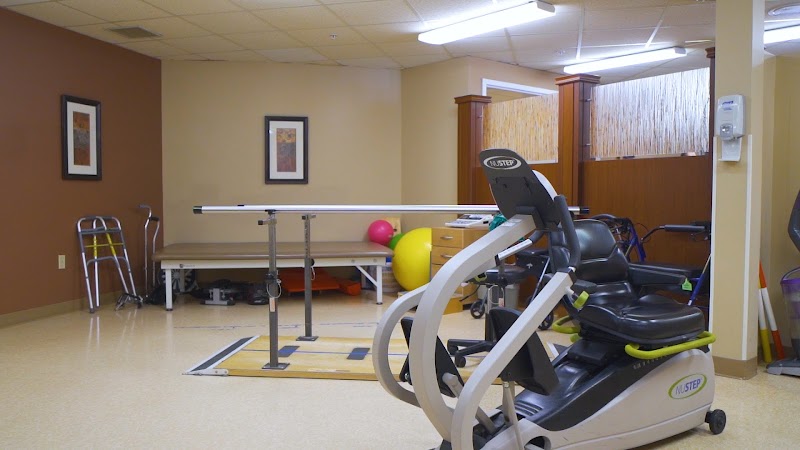
Who Owns and Operates Medilodge Of Cheboygan?

Medilodge of Cheboygan is owned by a for-profit company. For-profit facilities operate as businesses with obligations to shareholders or private owners. The facility is operated by MEDILODGE, a chain that manages multiple nursing homes. With 85 certified beds and approximately 73 residents (about 86% occupancy), it is a smaller facility located in Cheboygan, Michigan.

How Does Medilodge Of Cheboygan Compare to Other Michigan Nursing Homes?

Compared to the 100 nursing homes in Michigan, Medilodge of Cheboygan's overall rating (4 stars) is above the state average of 3.1, staff turnover (41%) is near the state average of 46%, and health inspection rating (4 stars) is above the national benchmark.

What Should Families Ask When Visiting Medilodge Of Cheboygan?

Based on this facility's data, families visiting should ask: "Can I visit during a mealtime to observe dining assistance and food quality?" "How do you handle medical emergencies, and what is your hospital transfer rate?" "Can I speak with family members of current residents about their experience?"

Is Medilodge Of Cheboygan Safe?

Based on CMS inspection data, Medilodge of Cheboygan has a clean safety record: no substantiated abuse findings (meaning no confirmed cases of resident harm), no Immediate Jeopardy citations (the most serious violation level indicating risk of serious injury or death), and is not on the Special Focus Facility watch list (a federal program monitoring the lowest-performing 1% of nursing homes). The facility has a 4-star overall rating and ranks #1 of 100 nursing homes in Michigan. While no facility is perfect, families should still ask about staff-to-resident ratios and recent inspection results during their visit.

Do Nurses at Medilodge Of Cheboygan Stick Around?

Medilodge of Cheboygan has a staff turnover rate of 41%, which is about average for Michigan nursing homes (state average: 46%). Moderate turnover is common in nursing homes, but families should still ask about staff tenure and how the facility maintains care continuity when employees leave.

Was Medilodge Of Cheboygan Ever Fined?

Medilodge of Cheboygan has been fined $39,098 across 2 penalty actions. The Michigan average is $33,470. While any fine indicates a compliance issue, fines under $50,000 are relatively common and typically reflect isolated problems that were subsequently corrected. Families should ask what specific issues led to these fines and confirm they've been resolved.

Is Medilodge Of Cheboygan on Any Federal Watch List?

Medilodge of Cheboygan is not on any federal watch list. The most significant is the Special Focus Facility (SFF) program, which identifies the bottom 1% of nursing homes nationally based on persistent, serious quality problems. Not being on this list means the facility has avoided the pattern of deficiencies that triggers enhanced federal oversight. This is a positive indicator, though families should still review the facility's inspection history directly.