The Laurels of Coldwater
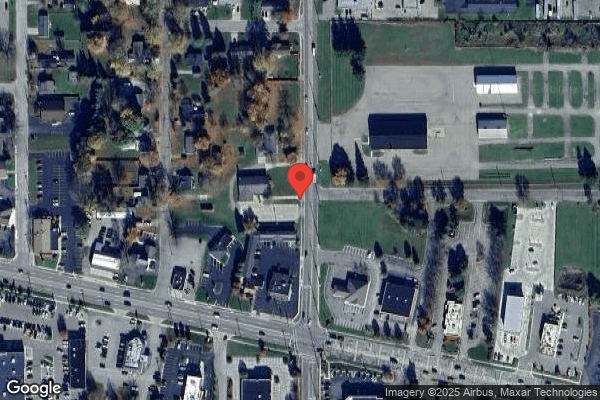

90 N Michigan Avenue, Coldwater, MI 49036 (517) 279-9808
For profit - Corporation 169 Beds CIENA HEALTHCARE/LAUREL HEALTH CARE Data: November 2025
Trust Grade
65/100
#241 of 422 in MI
Last Inspection: July 2025

Inspected within the last 6 months. Data reflects current conditions.

Overview

The Laurels of Coldwater has a Trust Grade of C+, indicating a decent level of care that is slightly above average. Ranked #241 out of 422 facilities in Michigan, they fall in the bottom half, and #2 out of 2 in Branch County suggests that there is only one local option that is better. The facility is experiencing a worsening trend, with issues increasing from 8 in 2024 to 9 in 2025. Staffing is a relative strength here, with a turnover rate of 24%, well below the state average of 44%, but there is concerningly less RN coverage than 86% of Michigan facilities, which could impact care quality. While there have been no fines, recent inspections revealed issues such as unclean kitchen equipment leading to a risk of foodborne illness and complaints from residents regarding the quality of food, suggesting areas that need urgent improvement alongside their strengths in staff retention.
Trust Score
C+
65/100
In Michigan
#241/422
Bottom 43%
Safety Record
Low Risk
No red flags
Inspections
Getting Worse
8 → 9 violations
Staff Stability
✓ Good
24% annual turnover. Excellent stability, 24 points below Michigan's 48% average. Staff who stay learn residents' needs.
Penalties
✓ Good
No fines on record. Clean compliance history, better than most Michigan facilities.
Skilled Nurses
⚠ Watch
Each resident gets only 20 minutes of Registered Nurse (RN) attention daily — below average for Michigan. Fewer RN minutes means fewer trained eyes watching for problems.
Violations
⚠ Watch
31 deficiencies on record. Higher than average. Multiple issues found across inspections.
★★★☆☆
3.0
Overall Rating
★★★☆☆
3.0
Staff Levels
★★★★☆
4.0
Care Quality
★★★☆☆
3.0
Inspection Score
Stable
2024: 8 issues
2025: 9 issues

The Good

  • 4-Star Quality Measures · Strong clinical quality outcomes
  • Low Staff Turnover (24%) · Staff stability means consistent care
  • Full Sprinkler Coverage · Fire safety systems throughout facility
  • No fines on record
  • Staff turnover is low (24%)

    24 points below Michigan average of 48%

Facility shows strength in quality measures, staff retention, fire safety.

The Bad

3-Star Overall Rating

Near Michigan average (3.1)

Meets federal standards, typical of most facilities

Chain: CIENA HEALTHCARE/LAUREL HEALTH CARE

Part of a multi-facility chain

Ask about local staffing decisions and management

The Ugly 31 deficiencies on record

Aug 2025 1 deficiency
CONCERN (D) 📢 Someone Reported This

A family member, employee, or ombudsman was alarmed enough to file a formal complaint

Potential for Harm - no one hurt, but risky conditions existed

Deficiency F0604 (Tag F0604)

Could have caused harm · This affected 1 resident

**NOTE- TERMS IN BRACKETS HAVE BEEN EDITED TO PROTECT CONFIDENTIALITY** This citation pertains to Intake 2604669 Based on observation, interview, and record review, the facility failed to ensure one r...

Read full inspector narrative →
**NOTE- TERMS IN BRACKETS HAVE BEEN EDITED TO PROTECT CONFIDENTIALITY** This citation pertains to Intake 2604669 Based on observation, interview, and record review, the facility failed to ensure one resident (R1) of three reviewed was free from the use of a physical restraint. Findings include:Review of the facility reported incident revealed staff applied a sheet to [R1's] wheelchair (restraint) putting resident at risk for potential harm. Review of the medical record revealed R1 was admitted to the facility on [DATE] and readmitted [DATE] with diagnoses that included alcohol dependence with alcohol induced persisting dementia, pathological fracture of pelvis, wedge compression fracture of vertebra, and anxiety disorder. Review of the Brief Interview for Mental Status (BIMS-a cognitive screening tool) dated 8/22/25 revealed R1 scored 7 out of 15 indicating severe cognitive impairment. R1 sustained multiple falls while in the facility. On 8/29/25 at 9:52 AM, R1 was observed in bed with a staff member providing one on one supervision. In a telephone interview on 8/28/25 at 10:32 AM, Certified Nursing Assistant (CNA) E reported during the night shift on 8/18/25 into the morning of 8/19/25, they observed R1 halfway out of bed and had to assist R1 into their wheelchair and out to the nurses' station for supervision. CNA E reported around 2:00 AM, they heard Licensed Practical Nurse (LPN) H yell for help because R1 was close to falling out of their wheelchair. CNA E reported R1's body was slumped over with their head past their knees. CNA E reported it appeared R1 did not have any upper body control. CNA E reported they suggested supporting R1's upper body with a sheet to prevent R1 from slumping over. CNA E reported LPN H agreed so they proceeded to wrap a sheet around R1 with the ends of the sheet under R1's arms and then tied the sheet to the back handles of the wheelchair to prevent R1 from falling. CNA E reported at that time they did not think about the laws and rules that it's a restraint. In a telephone interview on 8/28/25 at 10:52 AM, CNA D reported during the night shift of 8/18/25 into the morning of 8/19/25, R1 was very agitated and wanted to get out of bed and into their wheelchair multiple times that night, which they assisted with doing. CNA D reported at one point; they came back to the nurses' station and R1 was sitting in their wheelchair while CNA E and LPN H were tying [R1] to the wheelchair with a bedsheet. CNA D stated, it was a restraint. She [R1] couldn't get out of it. CNA D reported they were not aware of how long R1 had the sheet tied around them but guessed approximately 15 minutes. In a telephone interview on 8/28/25 at 11:02 AM, (LPN) H reported R1 had just returned from the hospital after being one on one supervision in the hospital. LPN H reported R1 would not stay put no matter what they did with her. LPN H reported by 10:30 to 11:00 PM, R1 was exhausted and would not stay still. LPN H reported R1 was in the wheelchair with their head almost under the chair and hands on the floor. LPN H reported R1 did not have any core strength to hold herself up. LPN H reported CNA E suggesting using a sheet to assist with holding R1 in the chair. LPN H stated technically we aren't supposed to use a restraint, but they did not want R1 to fall. LPN H stated so I let [CNA E] put a sheet around [R1} and she tied it to the handles of the wheelchair. LPN H reported they got R1 sitting up enough, put a pillow in front of her and covered her with a blanket. LPN H reported R1 fell asleep after approximately 15 minutes and then was put back in bed. LPN H reported R1 was in bed all night after this until about 5:00 AM when it was discovered she fell in the doorway of her room. In an interview on 8/28/25 at 1:04 PM, Nursing Home Administrator (NHA) A reported R1 their investigation showed R1 was restrained to the wheelchair with a bedsheet on 8/19/25 at approximately 3:00 AM. During the onsite survey, past noncompliance (PNC) was cited after the facility implemented actions to correct the noncompliance which included: R1 placed on one on one for observation, investigation, review of the Abuse Prohibition Policy, staff education on the Abuse Prohibition Policy with the focus on identifying a physical restraint and reporting, and audits pf staff knowledge of abuse policy, restraints, and reporting. The facility was able to demonstrate monitoring of the corrective action and maintained compliance.
Jul 2025 7 deficiencies
CONCERN (D)

Potential for Harm - no one hurt, but risky conditions existed

Deficiency F0578 (Tag F0578)

Could have caused harm · This affected 1 resident

**NOTE- TERMS IN BRACKETS HAVE BEEN EDITED TO PROTECT CONFIDENTIALITY** Based on interview and record review the facility failed to ensure advanced directives were listed correctly on one (R44) of one...

Read full inspector narrative →
**NOTE- TERMS IN BRACKETS HAVE BEEN EDITED TO PROTECT CONFIDENTIALITY** Based on interview and record review the facility failed to ensure advanced directives were listed correctly on one (R44) of one resident investigated for advanced directives.Findings Include:Resident #44 (R44)Review of the medical record reflected that R44 was admitted to the facility on [DATE] and was readmitted to the facility on [DATE]. Diagnoses of respiratory failure, dementia, lung cancer, chronic obstructive pulmonary disease, anxiety, depression and psychosis. The most recent Minimum Data Set (MDS), with an Assessment Reference Date (ARD) of 06/30/2025 revealed R44 had a Brief Interview of Mental Status (BIMS) of 13 (cognitively intact) out of 15. Under section G0100, Activities of Daily Living (ADL) Assistance reveals R44 is independent for care and needs minimal assistant with set up.On 07/21/2025 at 3:21 PM, R44 had a DNR in her electronic Medical Record (EMR) signed and dated 11/23/24. The face sheet also called the banner did not reveal R44 as a DNR, it had full code for advanced directives. Record review revealed a DNR signed 11/23/24 with 2 witnesses. During an interview on 07/22/2025 at 1:11 PM, Social Service Worker (SW) H stated R44 had a full code on her banner. SW H then added she should have been a DNR. SW H stated she returned from the hospital 5 days ago and it didn't get updated.Record review revealed the full code status for R44 had been switched during the onsite survey to DNR late afternoon of 07/22/2025, following the interview with SW H.
CONCERN (D)

Potential for Harm - no one hurt, but risky conditions existed

Deficiency F0605 (Tag F0605)

Could have caused harm · This affected 1 resident

**NOTE- TERMS IN BRACKETS HAVE BEEN EDITED TO PROTECT CONFIDENTIALITY** Based on observation, interview and record review the facility failed to ensure appropriate monitoring for two residents (R7, R8...

Read full inspector narrative →
**NOTE- TERMS IN BRACKETS HAVE BEEN EDITED TO PROTECT CONFIDENTIALITY** Based on observation, interview and record review the facility failed to ensure appropriate monitoring for two residents (R7, R82) receiving psychotropic medications. Findings include:Review of the medical record reflected R7 was admitted to the facility on [DATE] and readmitted on [DATE], with diagnoses that included vascular dementia and hypotension due to drugs. Review of the Physician orders revealed an active order for Seroquel Oral Tablet (an antipsychotic), give 25 milligrams by mouth one time a day for Dementia with mood disturbance. Review of Physician orders revealed an active order which stated to monitor for psychotropic medication side effects, including orthostatic hypotension (sudden drop of blood pressure with position change). Review of the Physician order revealed no order for orthostatic blood pressure readings. Review of the vitals tab on the electronic medical record revealed no orthostatic blood pressures had been documented. In an interview on 7/24/2025 at 10:22 AM, Director of Nursing (DON) B stated that the expectation would be to monitor and document orthostatic blood pressures. According to the National Alliance on Mental Illness, a common side effect of Seroquel is orthostatic hypotension (a drop in blood pressure when standing up from sitting or lying down), increased heart rate, drowsiness, headache, agitation, dizziness, fatigue, extrapyramidal symptoms, weight gain, cholesterol abnormalities, increased glucose, dry mouth, increased appetite, constipation, increased blood pressure (pediatrics). R82: Review of the medical record reflected R82 admitted to the facility on [DATE] and readmitted [DATE], with diagnoses that included type 2 diabetes, unspecified protein-calorie malnutrition, schizoaffective disorder, major depressive disorder and anxiety. The Quarterly Minimum Data Set (MDS), with an Assessment Reference Date (ARD) of 7/8/25, reflected R82 scored 15 out of 15 (cognitively intact) on the Brief Interview for Mental Status (BIMS-a cognitive screening tool). A Physician's Order, dated 4/2/25, reflected R82 received 5 milligrams (mg) of Abilify (antipsychotic medication) by mouth, at bedtime, for antidepressant. A Physician's Order, dated 7/31/23, reflected to monitor for side effects related to antipsychotic medication use, including orthostatic hypotension (blood pressure drop when standing, after sitting or lying down). In an interview on 07/24/2025 at 10:22 AM, Director of Nursing (DON) B reported orthostatic blood pressures would have been documented in the vital signs section of the medical record or in the Progress Notes. R82's medical record did not reflect evidence of routine orthostatic blood pressure monitoring.
CONCERN (D)

Potential for Harm - no one hurt, but risky conditions existed

Deficiency F0657 (Tag F0657)

Could have caused harm · This affected 1 resident

**NOTE- TERMS IN BRACKETS HAVE BEEN EDITED TO PROTECT CONFIDENTIALITY** Based on interview, and record review the facility failed to ensure one out of 26 residents (Resident #130) care plan was revise...

Read full inspector narrative →
**NOTE- TERMS IN BRACKETS HAVE BEEN EDITED TO PROTECT CONFIDENTIALITY** Based on interview, and record review the facility failed to ensure one out of 26 residents (Resident #130) care plan was revised. Findings Included:Per the facility face sheet Resident #130 (R130) was originally admitted to the facility on [DATE] and readmitted on [DATE]. Review of Physician's orders revealed an order for, [NAME] boot (boots that are puffed up to prevent heels from coming in touch with the bed surface) to bilateral (both) feet while guest is in bed, every shift for Skin integrity., dated 2/11/2025.Review of R130's care plans revealed a care plan in place for, (R130) at risk for impaired skin integrity/pressure injury R/T (related to): decreased mobility, Dx (diagnoses): Alzheimer's Dementia, Anemia, DM (diabetes), HTN (high blood pressure), Bipolar, Mood d/o (disorder), Impaired cognition, Incontinence bladder and bowel, Psychotropic drug use, and protein calorie malnutrition. The care plan was created on 10/14/2021, initiated on 9/17/23, and revised on 2/11/25, however, the [NAME] boots were not added to R130's plan of care when the care plan was revised. Review of R130's Kardex (Certified Nurse Aid plan of care) revealed the [NAME] boots were not documented on the CNAs Kardex either.Record review of R130's treatment administration record for the month of July 2025 revealed the order for R130 to wear the [NAME] boots to bilateral feet while in bed, every shift for skin integrity, dated 2/11/2025.In an interview on 7/24/2025 at 10:48 AM, Director of Nursing (DON) B stated that he did not see the [NAME] boots on R130's care plan but stated he could see the boots were ordered. DON B said he did not see the boots listed on the CNA Kardex for R130's plan of care and, stated that his expectation was that if there was a Physician's order then the boots were to be added to R130's care plan, and also on R130's Kardex plan of care.
CONCERN (D)

Potential for Harm - no one hurt, but risky conditions existed

Drug Regimen Review (Tag F0756)

Could have caused harm · This affected 1 resident

**NOTE- TERMS IN BRACKETS HAVE BEEN EDITED TO PROTECT CONFIDENTIALITY** Based on interview and record review, the facility failed to ensure follow-up on monthly pharmacy medication regimen reviews for...

Read full inspector narrative →
**NOTE- TERMS IN BRACKETS HAVE BEEN EDITED TO PROTECT CONFIDENTIALITY** Based on interview and record review, the facility failed to ensure follow-up on monthly pharmacy medication regimen reviews for one (R82) of five reviewed.Findings include: Review of the medical record reflected R82 admitted to the facility on [DATE] and readmitted [DATE], with diagnoses that included type 2 diabetes, unspecified protein-calorie malnutrition, schizoaffective disorder, major depressive disorder and anxiety. The Quarterly Minimum Data Set (MDS), with an Assessment Reference Date (ARD) of 7/8/25, reflected R82 scored 15 out of 15 (cognitively intact) on the Brief Interview for Mental Status (BIMS-a cognitive screening tool). Review of R82's monthly pharmacy medication regimen reviews reflected to see the report for any noted irregularities and/or recommendations for 1/31/25. Upon further review of R82's medical record, their pharmacy review report for 1/31/25 was not noted. An email was sent to Nursing Home Administrator (NHA) A on 07/23/2025 at 4:03 PM, to request R82's pharmacy review report for 1/31/25. On 07/24/2025 at 8:51 AM, Director of Nursing (DON) B reported R82's pharmacy recommendation for 1/31/25 was blank (had a recommendation but had not been followed up on). Review of R82's pharmacy Consultation Report, dated 1/31/25, reflected R82 was being treated for hypertension (high blood pressure) and received loratadine-D, which could worsen hypertension. The recommendation was to consider discontinuing loratadine-D. If antihistamine therapy was indicated, the recommendation was to consider alternative therapy with loratadine 10 milligrams daily (without decongestant). The Physician's response to the recommendation was not marked. The recommendation did not include signatures of the physician or DON. In an interview on 07/24/2025 at 10:22 AM, DON B reported they had received the blank pharmacy recommendation for 1/31/25 from their provider group the day prior. DON B reported he would have followed up on the pharmacy recommendation, had he received it (prior).
CONCERN (D)

Potential for Harm - no one hurt, but risky conditions existed

Deficiency F0761 (Tag F0761)

Could have caused harm · This affected 1 resident

Based on observation, interview, and record review the facility failed to ensure one out of six medication carts was locked while unattended. Findings Included:On 07/23/2025 at 11:15 AM, a medication ...

Read full inspector narrative →
Based on observation, interview, and record review the facility failed to ensure one out of six medication carts was locked while unattended. Findings Included:On 07/23/2025 at 11:15 AM, a medication cart on the 100 hall was observed to be left unattended and unlocked. no nurse was observed to be in the area; several residents were in the area wandering around. It was not until 11: 21 AM that License Practical Nurse (LPN) K walked up to med cart. LPN K did not notice the medication cart was unlocked so was then informed that the medication cart was unlocked. LPN K then locked the cart and stated that she went to use the restroom and forgot to lock it. Review of the facility's policy and procedure Medication/Treatment Cart Use dated 8/15/2023, revealed, The medication/treatment cart and its storage bins are kept locked until the specified time of medication/treatment administration, In an interview on 7/24/2025 at 10:51 AM, Director of Nursing DON B stated that leaving the medication cart unlocked was not the facility's standard of practice. DON B said the staff were not to do that, and LPN K should have locked it before she left sight of the cart. DON B said the facility follows the referenced policy and procedure.
CONCERN (E)

Potential for Harm - no one hurt, but risky conditions existed

Deficiency F0804 (Tag F0804)

Could have caused harm · This affected multiple residents

**NOTE- TERMS IN BRACKETS HAVE BEEN EDITED TO PROTECT CONFIDENTIALITY** Based on observations, interviews, record reviews, and 6 (9, 23, 52, 57, 82, 124) of 26 sampled residents, the facility failed t...

Read full inspector narrative →
**NOTE- TERMS IN BRACKETS HAVE BEEN EDITED TO PROTECT CONFIDENTIALITY** Based on observations, interviews, record reviews, and 6 (9, 23, 52, 57, 82, 124) of 26 sampled residents, the facility failed to provide palatable food products effecting 126 residents who consume food, resulting in the increased potential for resident decreased food acceptance and nutritional decline. Findings include:R57: Review of the medical record reflected R57 admitted to the facility on [DATE], with diagnoses that included muscle weakness and moderate protein-calorie malnutrition. The Quarterly Minimum Data Set (MDS), with an Assessment Reference Date (ARD) of 6/14/25, reflected 57 scored 15 out of 15 (cognitively intact) on the Brief Interview for Mental Status (BIMS-a cognitive screening tool). On 07/22/2025 at 9:48 AM, R57 was observed in bed, eating a bowl of cereal. R57 reported the facility's food was not good, and they had not had a hot meal or cold glass of milk since admitting to the facility. R82: Review of the medical record reflected R82 admitted to the facility on [DATE] and readmitted [DATE], with diagnoses that included type 2 diabetes, unspecified protein-calorie malnutrition, schizoaffective disorder, major depressive disorder and anxiety. The Quarterly MDS, with an ARD of 7/8/25, reflected R82 scored 15 out of 15 (cognitively intact) on the BIMS. On 07/22/2025 at 10:15 AM, R82 reported the facility's food was horrible, and they would not eat it. R82 stated they had to go to the store to get their own food, such as peanut butter and jelly. According to R82, food was often served cold. R9: Review of the medical record reflected R9 admitted to the facility on [DATE] and readmitted [DATE], with diagnoses that included Multiple Sclerosis. The Quarterly MDS, with an ARD of 6/27/25, reflected R9 scored 15 out of 15 (cognitively intact) on the BIMS. On 07/22/2025 at 11:26 AM, R9 described the facility's food as nasty. On 07/22/2025 at 1:12 PM, a palatability test was conducted on a lunch tray, consisting of a breaded chicken patty, mashed potatoes and gravy, a dinner roll, spinach and cherry pie. The tray was lukewarm and lacked flavor. Resident #52 (R52) Review of the medical record revealed R52 was admitted to the facility on [DATE] with diagnoses that included type 2 diabetes mellitus. The Minimum Data Set (MDS) with an Assessment Reference Date (ARD) of 4/30/25 revealed R52 scored 13 out of 15 (cognitively intact) on the Brief Interview for Mental Status (BIMS-a cognitive screening tool). On 07/22/2025 at 9:34 AM, R52 was observed sitting on the edge of their bed. R52 reported they ate all meals in their room and that the food was cold and the milk was hot. R52 reported this had been reported to staff multiple times, but that staff don't seem to care. On 07/22/2025 at 1:14 PM, a lunch test tray revealed the breaded chicken patty was bland and lukewarm. The mashed potatoes were lukewarm and had an unpleasant taste Resident #124 On 7/21/2025 at 11:39 AM, R124 was observed in his room. R124 reported that the food is terrible. Resident #23 On 7/21/2025 at 12:06 PM, R23 stated that the food is shi*ty. On 7/22/2025 at 1:15 PM, the lunch meal was sampled. The breaded chicken was lukewarm and bland. The mashed potato with gravy tastes like starch water. On 07/22/2025 at 11:25 A.M., An interview was conducted with R124 regarding facility food products. R124 stated: The food is terrible. R124 also stated: I don't know what is wrong with it. R124 further stated: The food is ice cold when they hand it out. On 07/22/2025 at 12:47 P.M., Food product temperatures were monitored utilizing a ThermoWorks Superfast Thermapen model CR2032 digital thermometer. The following food product temperatures were recorded for Resident 57's lunch meal: Chef Salad - 54.2 degrees Fahrenheit* Hot Dog - 109.8 degrees Fahrenheit* Beverage (Coffee) - 128.5 degrees Fahrenheit* (*) The 2022 FDA Model Food Code section 3-501.16 states: (A) Except during preparation, cooking, or cooling, or when time is used as the public health control as specified under §3-501.19, and except as specified under ¶ (B) and in ¶ (C) of this section, TIME/TEMPERATURE CONTROL FOR SAFETY FOOD shall be maintained:(1) At 57°C (135°F) or above, except that roasts cooked to a temperature and for a time specified in ¶ 3-401.11(B) or reheated as specified in ¶ 3-403.11(E) may be held at a temperature of 54oC (130oF) or above; or (2) At 5°C (41°F) or less. On 07/22/2025 at 12:54 P.M., Food product temperatures were monitored utilizing a ThermoWorks Superfast Thermapen model CR2032 digital thermometer. The following food product temperatures were recorded for Resident 82's lunch meal: Chef Salad - 55.7 degrees Fahrenheit* Hot Dog - 122.6 degrees Fahrenheit* Beverage (2% Milk) - 54.2 degrees Fahrenheit* (*) The 2022 FDA Model Food Code section 3-501.16 states: (A) Except during preparation, cooking, or cooling, or when time is used as the public health control as specified under §3-501.19, and except as specified under ¶ (B) and in ¶ (C) of this section, TIME/TEMPERATURE CONTROL FOR SAFETY FOOD shall be maintained: (1) At 57°C (135°F) or above, except that roasts cooked to a temperature and for a time specified in ¶ 3-401.11(B) or reheated as specified in ¶ 3-403.11(E) may be held at a temperature of 54oC (130oF) or above; or (2) At 5°C (41°F) or less. On 07/22/2025 at 1:35 P.M., A lunch meal food palatability test was conducted by this surveyor. The mashed potatoes and gravy were observed to be bland, flavorless, and grainy. The chicken patty was also observed to be unappetizing, chalky, and bland. The spinach was additionally observed to be slushy, bland, and overcooked. The cherry pie was further observed to be granular and insipid. On 07/23/2025 at 12:57 P.M., An interview was conducted with R52 regarding facility food products. R52 stated: The food is always cold. R52 also stated: The food sucks. R52 additionally stated: The food is disgusting. R52 further stated: When I eat in my room the food is always cold. R52 was queried regarding his lunch meal today. R52 stated: I ate the food and it was cold. R52 also stated: The potato soup was cold today. R52 further stated: My chocolate milk cup was also dirty today. On 07/25/25 at 08:00 A.M., Record review of the Policy/Procedure entitled: Meal Service dated 1/9/25 revealed under Policy: It is the policy of this facility to provide a dining experience that is conducive to meal acceptance, which includes a quiet, pleasant room, positive staff attitudes, and attractive meal presentation. On 07/25/25 at 08:15 A.M., Record review of the Policy/Procedure entitled: Food Temperatures dated 1/9/2025 revealed under Policy: Foods will be maintained at proper temperature to ensure food safety. Record review of the Policy/Procedure entitled: Food Temperatures dated 1/9/2025 further revealed under Procedures: (5) Test trays will be conducted periodically and the food temperatures, as served to the resident, will be monitored by the Nutrition Professional.
CONCERN (F)

Potential for Harm - no one hurt, but risky conditions existed

Safe Environment (Tag F0921)

Could have caused harm · This affected most or all residents

Based on observations, interviews, and record reviews, the facility failed to effectively clean and maintain the physical plant effecting 130 residents, resulting in the increased likelihood for cross...

Read full inspector narrative →
Based on observations, interviews, and record reviews, the facility failed to effectively clean and maintain the physical plant effecting 130 residents, resulting in the increased likelihood for cross contamination and bacterial harborage.Findings include: On 07/23/2025 at 10:05 A.M., A common area environmental tour was conducted with Environmental Services Director (ESD) M. The following issues were noted: A-Hall Nursing Station: Two 12-inch-wide by 12-inch-long vinyl flooring tiles were observed (etched, scored, particulate). The concrete flooring sub-surface was also observed exposed through the worn vinyl tiles. (ESD) M indicated she would contact maintenance for necessary repairs as soon as possible. Restroom: The hand sink faucet assembly was observed loose-to-mount. (ESD) M indicated she would contact maintenance for necessary repairs as soon as possible. Lounge: The courtyard entrance/exit door threshold was observed with an air gap. The gap between the metal threshold plate and door slab measured approximately 0.5 - 1.0-inches-deep by 36-inches-long. The metal door frame and slab face were also observed (etched, scored, particulate, corroded). (ESD) M indicated she would contact maintenance for necessary repairs as soon as possible. B-Hall Nursing Station: The countertop Formica edge was observed missing. The damaged area measured approximately 1-inch-wide by 6-feet-long. (ESD) M indicated she would contact maintenance for necessary repairs as soon as possible. Restroom: The commode base caulking was observed (etched, scored, stained, particulate). Lounge: Both sides of the entrance door were observed (etched, scored, particulate). The damaged area measured approximately 36-inches-wide by 36-inches-long respectively. The exterior entrance/exit courtyard (smoking area) door and metal support frame were also observed (etched, scored, corroded, particulate). (ESD) M indicated she would contact maintenance for necessary repairs as soon as possible. The hallway corridor entrance double-door assembly was observed to not completely close upon opening. The double-door assembly was also observed requiring manual assist to completely close and reset the alarmed door code assembly. (ESD) M indicated she would contact maintenance for necessary repairs as soon as possible. Occupational/Physical Therapy: The hand sink faucet assembly was observed loose-to-mount. (ESD) M indicated she would contact maintenance for necessary repairs as soon as possible. C-Unit Soiled Linen/Biohazard Room: The Formica laminate countertop edge was observed missing. The missing countertop edge measured approximately 2-inches-wide by 18-inches-long. (ESD) M indicated she would contact maintenance for necessary repairs as soon as possible. On 07/23/2025 at 3:05 P.M., An environmental tour of sampled resident rooms was conducted with Environmental Services Director (ESD) M. The following items were noted: 101: The drywall surface was observed (etched, scored, particulate), adjacent to Bed A. The damaged drywall surface measured approximately 4-feet-wide by 6-feet-long. 102: The restroom commode base caulking was observed (etched, scored, stained, particulate). 104: The drywall surface was observed (etched, scored, particulate), adjacent to Bed A and Bed B. The damaged drywall surface measured approximately 4-feet-wide by 20-feet-long. The privacy curtain between Bed A and Bed B was also observed soiled with accumulated and encrusted food debris. 105: The drywall surface was observed (etched, scored, particulate), adjacent to the Bed B headboard. The damaged drywall surface measured approximately 4-inches-wide by 24-inches-long. The drywall surface was also observed (etched, scored, particulate), adjacent to the Bed A footboard. The damaged drywall surface measured approximately 18-inches-wide by 24-inches-long. 106: The privacy curtain between Bed A and Bed B was observed heavily soiled with accumulated and encrusted food residue. The drywall surface was also observed (etched, scored, particulate), adjacent to the Bed A headboard. The damaged drywall surface measured approximately 24-inches-wide by 18-inches-long. One carpenter ant was additionally observed foraging between Bed A and Bed B. The flooring surface was further observed soiled with accumulated and encrusted dust/dirt and food debris. 108: The drywall surface was observed (etched, scored, particulate), adjacent to Bed B. The damaged drywall surface measured approximately 24-inches-wide by 30-inches-long. The restroom commode base caulking was also observed (etched, scored, stained, particulate). 127: The drywall surface was observed (etched, scored, particulate), adjacent to Bed A. The damaged drywall surface measured approximately 4-feet-wide by 10-feet-long. 132: The drywall surface was observed (etched, scored, particulate), adjacent to Bed A. The damaged drywall surface measured approximately 20-inches-wide by 60-inches-long. 133: The restroom commode support was observed loose-to-mount. The restroom commode support could be moved from side-to-side approximately 4-6-inches. 134: The restroom commode support was observed loose-to-mount. The restroom commode support could be moved from side-to-side approximately 4-6-inches. 135: The drywall surface was observed (etched, scored, particulate), adjacent to Bed A. The damaged drywall surface measured approximately 24-inches-wide by 30-inches-long. The drywall surface was also observed (etched, scored, particulate), adjacent to Bed B. The damaged drywall surface measured approximately 30-inches-wide by 36-inches-long. 136: The drywall surface was observed (etched, scored, particulate), adjacent to Bed A. The damaged drywall surface measured approximately 4-feet-wide by 15-feet-long. 216: The restroom commode support was observed loose-to-mount. The restroom commode support could be moved from side-to-side approximately 10-12-inches. The restroom commode base caulking was also observed (etched, scored, particulate). 222: The restroom commode base caulking was observed (etched, scored, particulate). 340: The drywall surface was observed (etched, scored, particulate), adjacent to Bed A and Bed B headboards. The damaged drywall surface measured approximately 3-feet-wide by 3-feet-long respectively. 345: The drywall surface was observed (etched, scored, particulate), adjacent to the Bed A headboard. The damaged drywall surface measured approximately 3-feet-wide by 4-feet-long. The drywall surface was also observed (etched, scored, particulate), adjacent to the sitting chair. The damaged drywall surface measured approximately 6-inches-wide by 24-inches-long. 352: The drywall surface was observed (etched, scored, particulate), adjacent to the Bed A and Bed B headboards. The damaged drywall surface measured approximately 4-inches-wide by 36-inches-long respectively. 354: The restroom commode base caulking was observed (etched, scored, particulate). 359: The drywall surface was observed (etched, scored, particulate), adjacent to the Bed A headboard. The damaged drywall surface measured approximately 3-feet-wide by 5-feet-long. The restroom commode support was also observed loose-to-mount. The restroom commode support could be moved from side-to-side approximately 6-8-inches. 361: The restroom commode support was observed loose-to-mount. The restroom commode support could be moved from side-to-side approximately 8-10 inches. On 07/23/25 at 05:15 P.M., An interview was conducted with Environmental Services Director (ESD) M regarding the facility maintenance work order system. (ESD) M stated: We have the TELS system. On 07/25/25 at 09:00 A.M., Record review of the Policy/Procedure entitled: Housekeeping Services dated 7/8/2025 revealed under Policy: To promote a sanitary environment. (II) Routine Cleaning of Horizontal Surfaces (A) In resident care areas, cleaning of non-carpeted floors and other horizontal surfaces will be done daily and more frequently if spillage or visible soiling occurs. On 07/25/25 at 09:15 A.M., Record review of the Direct Supply TELS Work Orders for the last 60 days revealed no specific entries related to the aforementioned maintenance concerns.
Jan 2025 1 deficiency
CONCERN (D) 📢 Someone Reported This

A family member, employee, or ombudsman was alarmed enough to file a formal complaint

Potential for Harm - no one hurt, but risky conditions existed

Report Alleged Abuse (Tag F0609)

Could have caused harm · This affected 1 resident

**NOTE- TERMS IN BRACKETS HAVE BEEN EDITED TO PROTECT CONFIDENTIALITY** This is related to MI00148888 Based on observation, interview and record review the facility failed to immediately report abuse ...

Read full inspector narrative →
**NOTE- TERMS IN BRACKETS HAVE BEEN EDITED TO PROTECT CONFIDENTIALITY** This is related to MI00148888 Based on observation, interview and record review the facility failed to immediately report abuse allegations for one resident (R203) of two reviewed for abuse, resulting in allegations of abuse that were not reported to the Nursing Home Administrator (NHA) and the State Agency timely and the potential for further allegations of abuse to go unreported. Findings include: A review of intake MI00148888 submitted to the state agency revealed in part: What allegedly occurred: On the evening of 11/26/2024, (LPN G) was attempting to assist resident (R203) in his room on the memory care unit. (CNA K) was present. LPN G entered the room and told (R203) she needed to take care of his bloody nose, he had at the time. (CNA K) states that (LPN G) raised her voice when she informed (R203) and walked towards him. (R203) told (LPN G) Stay away from me! Several times. (R203) then yelled, Get the f*ck out of my room! (CNA K) reports (R203) grabbed (LPN G)s arms. (LPN G) then grabbed (R203)s arms and according to (CNA K) got into his face shouting You don't put your hands on me that is assault and a felony, and I will call the cops. (CNA K) then put his arm between (LPN G) and (R203) and asked (R203) to release (LPN G), he complied. (LPN G) left the room, (CNA K) stayed with (R203) until he was calm. Where and when did the alleged incident occur: 23:15 in (R203's room). Were there any witnesses: (CNA K and CNA L) Review of the Facility Reported Incident report revealed in part: Where and when did the alleged incident occur: 23:15 in room [ROOM NUMBER]-A .Were there any witnesses: CNA K and CNA L .Date and time Physician was notified: 11/27/2024 @ 0006 .Administrator and/or State agency notifications: Administrator (NHA) notified on 11/27/24 at 07:40 am. Review of the medical record revealed R203 was admitted to the facility on [DATE] with diagnoses that included: dementia, major depressive disorder, anxiety and muscle weakness. According to the Minimum Data Set (MDS) assessment dated [DATE], R203 scored 3/15 on the Brief Interview for Mental Status exam (which indicated severely impaired cognition). Review of the facilities policy titled Abuse Prohibition Policy updated 9/22, documented in part Staff members, volunteers, family members, and others shall immediately report incidents of abuse and suspected abuse .Allegations by anyone who becomes aware of verbal, physical, mental, sexual or emotional abuse and mistreatment, neglect, exploitation, involuntary seclusion or misappropriation of property must immediately report it to his/her Administrator .The staff will report any allegations of suspicions of mistreatment, abuse, neglect, exploitation, misappropriation of property, and injuries of unknown source to the Administrator and DON immediately. During an interview via telephone, on 1/15/25 at 1:45 PM, CNA L reported that on the night of 11/26/24 around 11:15 PM, she heard and observed LPN G screaming at R203. She reported R203 had been found by CNA K to have had a bloody nose upon entering the bathroom where R203 was at the time. CNA L reported that LPN G was yelling at R203 to keep the gauze in place to help stop his bloody nose and if he needed that he would have to get shot up, which she explained referred to getting sedation medication so that they could tend to his bloody nose. After approximately an hour of assisting CNA K with managing R203's bloody nose CNA L reported leaving the residents room and later hearing LPN G say to R203 You don't put your hands on if you put your hands on me I will put my hands on you, that is assault, I will call the cops. When asked if she felt the tone and words rose to the level of verbal abuse CNA L said Yes, definitely. When quired if/when the allegation of abuse was reported CNA L reported that both her and CNA K reported it to the most superior nurse on duty that shift, LPN M, around 12:30 AM and 1 AM. CNA L was unaware if LPNM reported the allegation to NHA or DON. CNA L reported that in the morning of 11/27/24 her and CNA K stayed after their shift and the allegations were reported to DON around 7-8 AM and to NHA shortly after that. During an interview on 1/16/25 at 11:17 AM with DON and NHA, NHA reported that the expectation for reporting of suspected abuse is to immediately report it to the administrator as stated in their policy. DON reported that the CNA's that had alleged verbal abuse of R203 were not re-educated on abuse reporting or disciplined for a delay in reporting. A review of CNA Ks employee record revealed completion of abuse training on 11/6/24. Multiple attempts were made to contact CNA K throughout the survey and no return call was received prior to survey exit. Multiple attempts were made to contact LPN M, with no return call received prior to survey exit.
Aug 2024 8 deficiencies
CONCERN (D)

Potential for Harm - no one hurt, but risky conditions existed

Report Alleged Abuse (Tag F0609)

Could have caused harm · This affected 1 resident

**NOTE- TERMS IN BRACKETS HAVE BEEN EDITED TO PROTECT CONFIDENTIALITY** Based on observation, interview, and record review the facility failed to report an allegation of abuse (bruise of unknown origi...

Read full inspector narrative →
**NOTE- TERMS IN BRACKETS HAVE BEEN EDITED TO PROTECT CONFIDENTIALITY** Based on observation, interview, and record review the facility failed to report an allegation of abuse (bruise of unknown origin) to the State Agency for one Resident (#106) of two Residents reviewed for abuse. Findings Included: Resident #106 (R106) Review of the medical record revealed R106 was admitted to the facility 05/17/2024 with diagnoses that included cerebral vascular accident (stroke), atrial fibrillation, dysphagia (difficulty swallowing), Hemiplegia (paralysis) of the left side, hypertension, hyperlipidemia (high fat content in blood), depression, seizures, and cognitive communication deficit. The most recent Minimum Data Set (MDS), with an Assessment Reference Date (ARD) of 07/25/2024, revealed R106's Brief Interview of Mental Status (BIMS) was 00 (severe cognitive impairment) out of 15. During observation and attempted interview on 08/20/2024 at 10:28 a.m. R106 was observed lying in bed. R106 did not verbally respond to verbal questions. During a telephone interview on 08/20/2024 R106's family member C explained that R106 had received a black eye over her left eye while a resident at the facility. R106's family member C explained that she had identified R106's left black eye toward the end of June 2024 or July 2024. R106's family member C was informed that the black eye may have been caused by a medical device while the staff were providing care to R106. R106's family member C explained that she had report the black eye to the Director of Nursing but had not received any information as to what the definitive cause of the black eye or what corrective action was taken concerning the incident. Review of R106's medical record revealed a progress note dated 07/02/2024, which stated Resident observed with bruise to outer corner of left eye. Res. (Resident) denies any pain. Resident told her daughter that she's not sure how it happened, possibly bumped on bed [NAME] or corner of bedside table while staff turns/repositions. Pillow to be place on bedrail while turning/repositioning. Family in room and aware. R106's plan of care indicated the intervention Assist with ADLs (Activities of Daily Living)/Mobility/repositioning as needed. On 08/21/2024 at 01:01 p.m. requested Director of Nursing (DON) B to provide incident reports that would have been completed by the facility during R106's stay at the facility. In an interview on 08/21/2024 at 02:35 p.m. Nurse Manager (NM) J explained that she was the person who entered the progress note for R106 on 07/02/2024. When asked if an incident report was completed for the identification of R106's bruise, NM J explained that she had not and explained that she did not know if was necessary. NM J explained that she had talked with R106's husband and they had agreed that it could have happened when R106 rolled over in bed. NM J explained that she had not talked with one staff member who had told NM J that she never saw bruising to R106. NM J denied talking with any other staff members. In an interview on 08/21/2024 at 02:49 p.m. Director of Nursing (DON) B explained that no incident report had been completed during R106's stay at the facility. DON B explained that an incident report should have been completed for R106's bruise to her left eye but could not explain why an incident report had not been completed. DON B explained that an investigation was not completed for R106's bruise of unknown origin. DON B explained that a bruise of unknown origin should have been investigated and report to Nursing Home Administrator (NHA) A but did not know if it had been reported. In an interview on 08/21/2024 at 02:57 p.m. Nursing Home Administrator (NHA) A explained that a bruise of unknown origin should be reported as an allegation of abuse. NHA A explained that he was not aware of R106's bruise until today when he had been notified by Director of Nursing (DON) B. NHA A explained that an investigation had not been completed by the facility and an allegation of abuse had not been reported to the appropriate agency.
CONCERN (D)

Potential for Harm - no one hurt, but risky conditions existed

Investigate Abuse (Tag F0610)

Could have caused harm · This affected 1 resident

**NOTE- TERMS IN BRACKETS HAVE BEEN EDITED TO PROTECT CONFIDENTIALITY** Based on observation, interview, and record review the facility failed to investigate, implement preventive measures, and take c...

Read full inspector narrative →
**NOTE- TERMS IN BRACKETS HAVE BEEN EDITED TO PROTECT CONFIDENTIALITY** Based on observation, interview, and record review the facility failed to investigate, implement preventive measures, and take corrective action for an allegation of abuse (bruise of unknown origin) for one Resident (#106) out of two Residents reviewed for abuse. Findings Included: Resident #106 (R106) Review of the medical record revealed R106 was admitted to the facility 05/17/2024 with diagnoses that included cerebral vascular accident (stroke), atrial fibrillation, dysphagia (difficulty swallowing), Hemiplegia (paralysis) of the left side, hypertension, hyperlipidemia (high fat content in blood), depression, seizures, and cognitive communication deficit. The most recent Minimum Data Set (MDS), with an Assessment Reference Date (ARD) of 07/25/2024, revealed R106's Brief Interview of Mental Status (BIMS) was 00 (severe cognitive impairment) out of 15. During observation and attempted interview on 08/20/2024 at 10:28 a.m. R106 was observed lying in bed. R106 did not verbally respond to verbal questions. During a telephone interview on 08/20/2024 R106's family member C explained that R106 had received a black eye over her left eye while a resident at the facility. R106's family member C explained that she had identified R106's left black eye toward the end of June 2024 or July 2024. R106's family member C was informed that the black eye may have been caused by a medical device while the staff were providing care to R106. R106's family member C explained that she had report the black eye to the Director of Nursing but had not received any information as to what the definitive cause of the black eye or what corrective action was taken concerning the incident. Review of R106's medical record revealed a progress note dated 07/02/2024, which stated Resident observed with bruise to outer corner of left eye. Res. (Resident) denies any pain. Resident told her daughter that she's not sure how it happened, possibly bumped on bed [NAME] or corner of bedside table while staff turns/repositions. Pillow to be place on bedrail while turning/repositioning. Family in room and aware. R106's plan of care indicated the intervention Assist with ADLs (Activities of Daily Living)/Mobility/repositioning as needed. On 08/21/2024 at 01:01 p.m. requested Director of Nursing (DON) B to provide incident reports that would have been completed by the facility during R106's stay at the facility. In an interview on 08/21/2024 at 02:35 p.m. Nurse Manager (NM) J explained that she was the person who entered the progress note for R106 on 07/02/2024. When asked if an incident report was completed for the identification of R106's bruise, NM J explained that she had not and explained that she did not know if was necessary. NM J explained that she had talked with R106's husband and they had agreed that it could have happened when R106 rolled over in bed. NM J explained that she had not talked with one staff member who had told NM J that she never saw bruising to R106. NM J denied talking with any other staff members. In an interview on 08/21/2024 at 02:49 p.m. Director of Nursing (DON) B explained that no incident report had been completed during R106's stay at the facility. DON B explained that an incident report should have been completed for R106's bruise to her left eye but could not explain why an incident report had not been completed. DON B explained that an investigation was not completed for R106's bruise of unknown origin. DON B explained that a bruise of unknown origin should have been investigated report to Nursing Home Administrator (NHA) A but did not know if it had been reported. In an interview on 08/21/2024 at 02:57 p.m. Nursing Home Administrator (NHA) A explained that a bruise of unknown origin should be reported as an allegation of abuse. NHA A explained that he was not aware of R106's bruise until today when he had been notified by Director of Nursing (DON) B. NHA A explained that an investigation had not been completed by the facility and an allegation of abuse had not been reported to the appropriate agency.
CONCERN (D)

Potential for Harm - no one hurt, but risky conditions existed

Comprehensive Care Plan (Tag F0656)

Could have caused harm · This affected 1 resident

**NOTE- TERMS IN BRACKETS HAVE BEEN EDITED TO PROTECT CONFIDENTIALITY** Based on observation, interview, and record review, the facility failed to develop and implement the care plan, in 1 of 26 resid...

Read full inspector narrative →
**NOTE- TERMS IN BRACKETS HAVE BEEN EDITED TO PROTECT CONFIDENTIALITY** Based on observation, interview, and record review, the facility failed to develop and implement the care plan, in 1 of 26 residents reviewed for care plans (Resident #24) resulting in unmet needs. Findings include: Resident #24 (R24) Review of the electronic medical record reflected R24 was admitted to the facility on [DATE] with diagnoses that included acquired absence of left leg below the knee, history of falling, acquired absence of right leg below the knee, need for assistance with personal care, and cognitive communication deficit. The Quarterly Minimum Data Set (MDS) assessment with an Assessment Reference Date (ARD) of 7/22/24, reflected that R24 scored a 15 out of 15 on the Brief Interview for Mental Status (cognitively intact). On 08/20/24 at 11:59 AM, R24 was observed in bed. During an interview attempt, R24 reported that he could not hear me. Despite multiple attempts at getting closer to the resident and speaking very loudly, R24 stated that he still could not hear me well enough to answer questions. Nonverbal attempts were made to inquire about hearing aids and R24 stated that his hearing aides were in his closet in a brown oatmeal box. R24 activated his call light for assistance in gathering his hearing aids from staff. R24 was agreeable to wearing hearing aids. On 08/20/24 at 12:02 PM, staff entered the room and assisted in attempting to locate his hearing aids. LPN E stated that R24 does not wear hearing aids, however, staff members searched the room attempting to locate his hearing aids. Staff attempted to question R24 about the whereabouts of the hearing aids and R24 stated I can't hear anything! CNA F was assisting with attempting to locate the hearing aides and stated, I've never known him to have hearing aids. Review of R24's Care Plan revealed an impaired communication related to hearing deficit focus initiated on 6/19/23. Interventions included encourage resident to wear hearing aids. Ensure in place and functioning q (every) shift while awake as resident will allow. Ensure availability, functioning, and effectiveness of adaptive communication equipment hearing aids. Observe for confounding problems .hearing impairment (ear discharge and cerumen (wax) accumulation ect and report to physician and nurse as needed. On 8/20/24 at 2:37 PM, Director of Nursing B reported that R24 had hearing aids in his ear. In an interview ON 08/22/24 at 1:17 PM, Certified Nursing Assistant U reported that she is familiar with R24 and has never known him to have hearing aids. CNA U reported that staff looked for quite a while for his hearing aids on Tuesday and is unsure where they were located. CNA U stated that it is common practice to speak loudly directly into his ear for him to hear staff. On 8/20/24 at 4:11 PM, R24 was observed in bed. A hearing aid was visible in his left ear. Despite having the hearing aid, R24 stated that he still could not hear me and that the hearing aids don't work. Review of an Audiology consult dated 2/22/24 revealed a hearing exam was requested by the facility for R24 for decreased hearing. The consult indicated that R24 had moderate to moderate severe hearing loss. The report stated R24 had two hearing aids that were working well. Review of an Ear Care Visit note dated 7/2/24 revealed R24 was seen for impacted cerumen. R24 presented with severe hearing loss and a reported history of ear wax issues. The same note indicated that R24 had impacted cerumen bilaterally. Cerumen is completely occluding. The assessment/plan section of the note stated unable to clear either ear obstruction at this visit. Recommend Debrox (an eardrop that softens and loosen ear wax, making it easier to remove) or other cerumen removal protocol .recommend bilat (bilateral) ear irrigation for cerumen removal by facility or provider. Review of R24's Physician Orders revealed no order for Debrox, or any other ear drop to assist with the removal of R24's impacted cerumen. Review of the Electronic Medical Record revealed no documentation that indicated that R24's primary care physician was notified of the impacted cerumen and/or any cerumen removal procedure was performed. In an interview on 08/22/24 at 2:12 PM, Registered Nurse (RN) T stated that she was unable to locate any Physician Order for the recommended ear drops. RN T stated that the expectation would have been to review the audiology note and implement the recommendations.
CONCERN (D)

Potential for Harm - no one hurt, but risky conditions existed

Deficiency F0657 (Tag F0657)

Could have caused harm · This affected 1 resident

**NOTE- TERMS IN BRACKETS HAVE BEEN EDITED TO PROTECT CONFIDENTIALITY** Resident #88 (R88) Review of the medical record revealed R88 was originally admitted to the facility 03/14/2023. R88 was dischar...

Read full inspector narrative →
**NOTE- TERMS IN BRACKETS HAVE BEEN EDITED TO PROTECT CONFIDENTIALITY** Resident #88 (R88) Review of the medical record revealed R88 was originally admitted to the facility 03/14/2023. R88 was discharged from the facility 08/11/2024 and most recently readmitted , after a hospitalization, on 08/15/2024. R88 was readmitted with diagnoses that included pneumonia, vitamin D deficiency, liver disease, chronic respiratory failure, chronic hypercapnia (high carbon dioxide levels in blood), muscle weakness, multiple left sided rib fractures, dementia, anxiety, hypertension, chronic obstructive pulmonary disease (COPD), gastro-esophageal reflux, atrial fibrillation, history of falling, obstructive sleep apnea, emphysema, and hear failure. The most recent Minimum Data Set (MDS), with an Assessment Reference Date (ARD) of 08/20/2024, revealed a Brief interview of Mental Status (BIMS) of 14 (cognitively intact) out of 15. During observation and interview on 08/20/2024 at 02:51 p.m. R88 was observed lying in bed. R88 explained that he recently had fallen and fractured several ribs on his left side. R88 explained that he was getting off the bus, that had taken him to the county fair and had missed the step while getting off the bus. R88 explained that after the fall it was necessary for him to go the hospital where he was diagnosed with pneumonia. Review of R88's medical record revealed a progress not from 08/08/2024 which stated, resident fell at approx. 4 p.m. when exiting (facility van) after LOA(leave of absence) to fair. He fell on the steps and landed on his L(left) side. ROM (range of motion), VS (vital signs), neuos were all WNL (with in normal limits). He did not hit his head .new orders for STAT (immediately) xray to L ribs. R88's medical record revealed acute left ninth rib fracture. Review of R88's medical record demonstrated that he was sent to the hospital on [DATE] related to shortness of breath and decreased blood oxygenation levels. R88's medical record demonstrated that he returned to the facility 08/15/2024 with the diagnosis of pneumonia and continued antibiotics that were started at the hospital. Reivew of R88's plan of care demonstrated a problem statement, last updated 03/15/2023, which stated . is at has acute pain and risk for chronic pain related to compression fracture T1 and left clavicle fracture, GERD, BPH, subdural hemorrhage, and enlarged lymph nodes. R88's plan of care for pain did not include the recent fracture of left side ribs. Review of R 88's plan of care demonstrated a problem statement, last updated 03/31/2023, stated . has a potential for difficulty berthing and risk for respiratory complications R/T: COPD, emphysema, heart failure and obstruction sleep apnea. R88's plan of care did not include his recent diagnosis of pneumonia or any interventions that had been added since his return to the facility with the diagnoses of pneumonia. R88's plan of care did not demonstrate any information regarding his recent diagnosis of pneumonia. Review of R88's plan of care did not demonstrate his recent fall which resulted in left sided rib fracture. In an interview on 08/22/2024 at 09:21 a.m. Nurse Manger (NM) J explained that she was the Nuse Manager for the unit R88 resided. NM J explained that a Residents plan of care is to be updated by the staff nurses, the nurse managers, and the Minimum Data Set (MDS) nurses. NM J was asked if a Resident had a fall that resulted in fractures should that be included in the Residents plan of care and if a Resident had been diagnosed with pneumonia should that be include in the Residents plan of care. NM J explained that pneumonia diagnosis and a fracture diagnosis should be include in a Residents plan of care. NM J reviewed R88's plan of care and could not demonstrate that his recent rib fractures and pneumonia had been added to his plan of care. NM J could not explain why that information had not been care planned. In an interview on 08/22/2024 at 09:32 a.m. Minimum Data Set (MDS) nurse L explained that she was responsible to update a Residents plan of care when a Resident would be re-admitted to the facility. MDS nurse L explained that she usually reviews the Residents hospital discharge summary to identify if items needed to be added to the Residents plan of care. In an interview on 08/22/2024 at 09:29 a.m. Director of Nursing (DON) B explained that Resident's plan of care is to be updated by the staff nurse, nurse managers, and the Minimum Data Set (MDS) nurses. DON B explained that residents plan of care should include accurate information regarding falls, fractures, pain, and infections. DON B reviewed R88's plan of care and could not demonstrated that it included R88's recent rib fractures, R88's recent hospital diagnoses of pneumonia, or R88's pain plan of care related to the rib fracture or pneumonia. DON B could not explain why R88's plan of care had not been accurately updated. Based on observation, interview and record review, the facility failed to revise the Care Plan for two (Resident #68 and #88) of 26 reviewed for Care Plans. Findings include: Resident #68 (R68): Review of the medical record reflected R68 admitted to the facility on [DATE] and readmitted [DATE], with diagnoses that included dependence on renal dialysis. The quarterly Minimum Data Set (MDS), with an Assessment Reference Date (ARD) of 6/21/24, reflected R68 scored 15 out of 15 (cognitively intact) on the Brief Interview for Mental Status (BIMS-a cognitive screening tool). On 08/22/24 at 11:00 AM, R68 was observed seated in a wheelchair. A clear dressing, dated 8/19/24, was visible near her right chest. R68's Care Plan reflected she received hemodialysis (process to filter blood for people with kidney failure) and had a right internal jugular cuffed catheter (used for hemodialysis access). During an interview on 08/22/24 at 10:08 AM, Certified Nurse Aide (CNA) P reported R68 had a dialysis access site in her chest, and one was placed in her arm. CNA P reported she believed the dialysis access was in R68's left arm. CNA P described that blood pressures were to be taken on the arm without the dialysis access. When asked how staff were aware of care needs, including things to avoid pertaining to R68's dialysis graft, CNA P reported all residents had a Care Plan that could be accessed at any time. Staff could also ask the nurse if there were any questions. During an interview on 8/22/24 at 10:25 AM, LPN Q reported R68 no longer had a dialysis catheter in her chest/neck. LPN Q reported R68 had an implant that she believed was on her left side. R68's August 2024 Medication Administration Record (MAR) reflected an order for, Observe dialysis catheter for bleeding, infection, and catheter caps intact. every shift. As of 8/22/24 at 11:21 AM, LPN Q had signed the order out on eleven days, including 8/21/24 and 8/22/24. On 08/22/24 at 11:12 AM, LPN Q reported she confirmed that R68 still had a dialysis catheter to her right chest/neck. R68's medical record reflected Physician's Orders, dated 8/2/24, pertaining to dialysis graft care. The orders included no tight clothing or jewelry over the arm with the graft, no blood draws or blood pressure on the arm with the graft, not lying on the arm with the graft and to raise the affected area above heart level when sitting or lying. The orders did not indicate which arm R68's graft was located in. A Consultation Report, dated 8/12/24, reflected sutures were taken out of R68's left arm surgical site, and approval was given to use the access for dialysis treatments. R68's Care Plan was not reflective of a dialysis graft in her left arm.
CONCERN (D)

Potential for Harm - no one hurt, but risky conditions existed

ADL Care (Tag F0677)

Could have caused harm · This affected 1 resident

**NOTE- TERMS IN BRACKETS HAVE BEEN EDITED TO PROTECT CONFIDENTIALITY** Based on observation, interview, and record review, the facility failed to ensure that hygiene, grooming, and activities of dail...

Read full inspector narrative →
**NOTE- TERMS IN BRACKETS HAVE BEEN EDITED TO PROTECT CONFIDENTIALITY** Based on observation, interview, and record review, the facility failed to ensure that hygiene, grooming, and activities of daily living (ADL) needs were met for two of three residents reviewed (Residents #38 and #86). This resulted in the residents not receiving ADL care according to their individual preferences with the potential of feelings of shame or embarrassment and unmet care needs. Findings include: Resident #38 (R38) Review of the electronic medical record indicated that Resident #38 was admitted to the facility on [DATE] with diagnoses including hemiplegia and hemiparesis following unspecified cerebrovascular disease affecting the right dominant side, aphasia (difficulty speaking or understanding others), and reduced mobility. The [NAME] for Resident #38 revealed that the resident was dependent on one staff for bathing and grooming assistance. On 08/20/24 at 12:39 PM, Resident #38 was in bed watching television. The resident understood questions and was easily conversant. Resident #38 explained that he enjoyed getting up in his wheelchair and going outside. The resident presented with unkempt facial hair, long fingernails, and brown debris caked under several fingernails. When asked about the last time he had received a shower or bed bath, he was unsure. When asked about the last time he had received nail care, he was also unsure. When asked if he had refused grooming or nail care, Resident #38 stated he had not. His wheelchair, observed in the room, was very dirty. Houseflies and gnats were observed during the interview and were continuously landing on the resident. On 08/21/24 at 1:39 PM, Resident #38 appeared the same, with houseflies and gnats continuing to be present in the room. On 08/22/24 at 11:13 AM, Resident #38 appeared unchanged, and houseflies and gnats remained in the room. In an interview on 08/22/24 at 1:21 PM, Certified Nursing Assistant (CNA) U stated that Resident #38 is receptive to receiving showers but can be particular about which staff assist him. CNA U also noted that if a resident refuses a shower, a bed bath should be offered. Regardless of whether a resident accepts or refuses a shower, general grooming care, including nail care and shaving, should always be offered and provided. Review of the task records revealed that Resident #38 had refused all showers for the past thirty days. There was no consistent documentation explaining why the resident refused showers, whether he was reapproached for a shower, if nursing staff were notified of the refusal, or if he had received a bed bath instead. No documentation could be located regarding refusals of general grooming and hygiene for Resident #38. In an interview on 08/22/24 at 2:12 PM, Registered Nurse (RN) T stated that the expectation is to offer a shower or bed bath three times. If a resident refuses, nursing staff should be informed, and a note should be entered into the electronic medical record. RN T emphasized that standard grooming, such as offering shaving and nail care, should still be provided as needed. Resident #86 (R86) Review of the electronic medical record indicated that Resident #86 was admitted to the facility on [DATE] with diagnoses including major depressive disorder, muscle weakness, and multiple sclerosis. The Quarterly Minimum Data Set (MDS), with an Assessment Reference Date (ARD) of 5/19/24, reflected that R86 scored 13 out of 15 (cognitively intact) on the Brief Interview for Mental Status (BIMS), a cognitive screening tool. The [NAME] for Resident #86 revealed that the resident required partial to moderate assistance from one staff member for bathing and grooming. On 08/20/24 at 12:21 PM, R86 was observed in his room, lying in bed. The wall adjacent to R86's bed was extremely dirty, smudged with debris in multiple areas. R86 had long facial hair covering his mouth, which was coated in food, and his shirt was extremely soiled from dropped food and beverage. R86's fingernails were long and caked with debris. The thermos R86 was attempting to transfer coffee into was extremely dirty and had gnats flying around it. R86's call light, bedside table, and television remote were visibly dirty. Several houseflies were present in the room and continuously landed on both myself and R86 during the observation and interview. When asked about R86's shower days, he replied that they were Mondays and Thursdays. When asked if he ever refused showers, R86 reported doing so very rarely. When asked if he is offered showers, he said it happens seldom. When asked if staff offered to assist with his facial hair, he replied that they did not. When asked about nail care, R86 mentioned that he used to have a pair of nail clippers, but they went missing a while ago, and since then, no one has offered assistance. R86 stated that he would really enjoy a shower and getting cleaned up, noting that he hasn't been feeling like himself lately and would appreciate being freshened up. R86's motorized wheelchair, observed in the room, was very dirty and covered in debris and grime. On 08/21/24 at 1:29 PM, R86 was observed in his room consuming lunch. Although he was wearing a different shirt, food from lunch had spilled and saturated the chest area of his shirt. Food had accumulated in his facial hair. Houseflies and gnats continued to be present in the room. On 08/22/24 at 10:44 AM, R86 was observed in bed wearing the same t-shirt as the previous day. An accumulation of food and liquid was present on his shirt. R86 denied receiving assistance with cleanup after meals, which was confirmed by the observation. Houseflies and gnats continued to be present in the room, landing and crawling on R86's face and the soiled areas of his clothing. Review of the Shower Task revealed that R86 was marked as refusing all offered showers for the past 30 days. Only one progress note was found in the electronic medical record indicating that a shower was refused in the past thirty days. In an interview on 08/22/24 at 2:12 PM, Registered Nurse (RN) T stated that the expectation is to offer a shower or bed bath three times. If a resident refuses, nursing staff should be informed, and a note should be entered into the electronic medical record. RN T emphasized that standard grooming, such as offering shaving and nail care, should still be provided as needed.
CONCERN (D)

Potential for Harm - no one hurt, but risky conditions existed

Quality of Care (Tag F0684)

Could have caused harm · This affected 1 resident

**NOTE- TERMS IN BRACKETS HAVE BEEN EDITED TO PROTECT CONFIDENTIALITY** Resident #24 (R24) Review of the electronic medical record reflected R24 was admitted to the facility on [DATE] diagnoses that ...

Read full inspector narrative →
**NOTE- TERMS IN BRACKETS HAVE BEEN EDITED TO PROTECT CONFIDENTIALITY** Resident #24 (R24) Review of the electronic medical record reflected R24 was admitted to the facility on [DATE] diagnoses that included acquired absence of left leg below the knee, history of falling, acquired absence of right leg below the knee, need for assistance with personal care, and cognitive communication deficit. The Quarterly Minimum Data Set (MDS) assessment with an Assessment Reference Date (ARD) of 7/22/24, reflected that R24 scored a 15 out of 15 on the Brief Interview for Mental Status (cognitively intact). On 08/20/24 at 11:59 AM, R24 was observed in bed. During an interview attempt, R24 reported that he could not hear me. Despite multiple attempts at getting closer to the resident and speaking very loudly, R24 stated that he still could not hear me well enough to answer questions. Nonverbal attempts were made to inquire about hearing aids and R24 stated that his hearing aides were in his closet in a brown oatmeal box. R24 activated his call light for assistance in gathering his hearing aids from staff. R24 was agreeable to wearing hearing aids. On 08/20/24 at 12:02 PM, staff entered the room and assisted in attempting to locate his hearing aids. LPN E stated that R24 does not wear hearing aids, however, staff members searched the room attempting to locate his hearing aids. Staff attempted to question R24 about the whereabouts of the hearing aids and R24 stated I can't hear anything! CNA F was assisting with attempting to locate the hearing aides and stated, I've never known him to have hearing aids. Review of R24's Care Plan revealed an impaired communication related to hearing deficit focus initiated on 6/19/23. Interventions included encourage resident to wear hearing aids. Ensure in place and functioning q (every) shift while awake as resident will allow. Ensure availability, functioning, and effectiveness of adaptive communication equipment hearing aids. Observe for confounding problems .hearing impairment (ear discharge and cerumen (wax) accumulation ect and report to physician and nurse as needed. On 8/20/24 at 2:37 PM, Director of Nursing B reported that R24 had hearing aids in his ear. In an interview ON 08/22/24 at 1:17 PM, Certified Nursing Assistant U reported that she is familiar with R24 and has never known him to have hearing aids. CNA U reported that staff looked for quite a while for his hearing aids on Tuesday and is unsure where they were located. CNA U stated that it is common practice to speak loudly directly into his ear for him to hear staff. On 8/20/24 at 4:11 PM, R24 was observed in bed. A hearing aid was visible in his left ear. Despite having the hearing aid, R24 stated that he still could not hear me and that the hearing aids don't work. Review of an Audiology consult dated 2/22/24 revealed a hearing exam was requested by the facility for R24 for decreased hearing. The consult indicated that R24 had moderate to moderate severe hearing loss. The report stated R24 had two hearing aids that were working well. Review of an Ear Care Visit note dated 7/2/24 revealed R24 was seen for impacted cerumen. R24 presented with severe hearing loss and a reported history of ear wax issues. The same note indicated that R24 had impacted cerumen bilaterally. Cerumen is completely occluding. The assessment/plan section of the note stated unable to clear either ear obstruction at this visit. Recommend Debrox (an eardrop that softens and loosen ear wax, making it easier to remove) or other cerumen removal protocol .recommend bilat (bilateral) ear irrigation for cerumen removal by facility or provider. Review of R24's Physician Orders revealed no order for Debrox, or any other ear drop to assist with the removal of R24's impacted cerumen. Review of the Electronic Medical Record revealed no documentation that indicated that R24's primary care physician was notified of the impacted cerumen and/or any cerumen removal procedure was performed. In an interview on 08/22/24 at 2:12 PM, Registered Nurse (RN) T stated that she was unable to locate any Physician Order for the recommended ear drops. RN T stated that the expectation would have been to review the audiology note and implement the recommendations. Resident #102 (R102) Review of the electronic medical record indicated that Resident #102 was admitted to the facility on [DATE] with diagnoses including paraplegia, major depressive disorder, and anxiety. The Quarterly Minimum Data Set (MDS), with an Assessment Reference Date (ARD) of 6/5/24, reflected that R102 scored 15 out of 15 (cognitively intact) on the Brief Interview for Mental Status (BIMS), a cognitive screening tool. On 08/20/24 at 2:51 PM, R102 was observed in his room consuming lunch. R102 stated that he was irritated that he had no been receiving his testosterone injections as he should, and that nursing had not given him an explanation as to why he was not receiving his testosterone injections. R102 reported that he had brought it to the attention of the staff, however, there had not been a resolution. Review of the Physician Orders revealed that R102 was ordered to have Testosterone Cypionate Intramuscular Solution 100 MG/ML (Testosterone Cypionate) Inject 100 mg intramuscularly one time a day every 14 day(s) for Testosterone replacement. Review of the July Medication Administration Record revealed that on 7-13-24, R102 was marked as away from the facility with medications. The order was for a intramuscular injection and no proof that R102 took the medication with him outside of the facility and self-administered could be located. Review of the August Medical Administration Record revealed that R102 was not administered the Testosterone injection. No documentation as to why he was not given the medication could be located. In an interview on 8/22/24 at 2:41 PM, Registered Nurse (RN) T stated she was unsure of the away from facility with meds notes. RN T reported that R102 would often sign himself out of the facility and spent time in the parking lot, however, the medication should have been offered and administered upon return to the building. As to why the medication was not administered on 8-12-24, RN T was unsure why the testosterone was not administered and if the physician was notified of the missed medication. RN T stated that the expectation would be to notify the provider of the missed medication and also provide accurate documentation to reflect the missed medication. RN T stated that she had recently started education on this process for the nursing staff. Based on observation, interview, and record review the facility failed to ensure that two Residents (#24, #102) physician orders were followed and failed to provide an assessment/intervention for bowel constipation for one Resident (#27) out of 26 Residents reviewed for Quality of Care. Findings Included: Resident #27 (R27) Review of the medical record revealed R27 was most recently re-admitted to the facility 08/13/2024 with diagnoses that included bipolar disorder, left knee pain, dysphagia (difficulty swallowing), insomnia, left femur fracture, type 2 diabetes, morbid obesity, low back pain, hypertension, hyperlipidemia (high fat content in blood), gastro-esophageal esophagitis, and schizophrenia. R27's most recent completed Minimum Data set (MDS), with an Assessment Reference Date (ARD) of 07/14/2024, revealed a Brief Interview of Mental Status (BIMS) of 11 (moderate cognitive impairment) out of 15. During observation and interview on 08/20/2024 at 02:15 p.m. R27 was observed sitting up in her wheelchair, at her bedside. R27 explained that she had recently been discharged from the facility but that her family could not provide the necessary care she required, and she returned to the facility. R27 explained that she was constipated and had not had a bowel movement since she was re-admitted to the facility. Review of R27's medical record revealed a POC (Plan of Care) history, which is used to document care that is provided to the resident, demonstrated that R27 had not had a recorded bowel movement since her date of re-admission of 08/13/2024. Reivew of R27's medication record demonstrated an order for Polyethylene Glycol 3350 oral power 17 GM (grams)/Scoop give one scoop one time day for constipation. No other medication was present for constipation at time of review. In an interview on 08/21/2024 at 02:24 p.m. Nurse Manager (NM) J explained that the facilities bowel program including monitoring residents for their bowel patterns. NM J explained that if a resident had not had a bowel movement in three days then the attending physician would be notified, and an appropriate order would be received to assist the resident in having a bowel movement. Nurse Manger (NM) J reviewed R27's bowel movement history and confirmed that R27 had not had a bowel movement since her admission on [DATE]. In an interview on 08/21/2024 at 02:44 p.m. Director of Nursing (DON) B explained that the facility monitors a residents bowel movement by the Point of Care (resident medical record system) (POC). DON B POC has a dashboard that will alert the staff after three days if the resident has not had a bowel movement and appropriate action to assist with bowel movements would be taken. DON B explained that it is professional standards that interventions are need for a resident if no bowel movement had not occurred after three days. DON B explained that the facility did not have a bowel protocol to assist residents with bowel movements. DON B reviewed R27's bowel movement history and confirmed R27 had not had a bowel movement since her re-admission on [DATE] and that no action taken was evident in R27's medical record. DON B could not explain why action had not been taken to assist R27 to achieve a bowel movement.
CONCERN (E)

Potential for Harm - no one hurt, but risky conditions existed

Safe Environment (Tag F0584)

Could have caused harm · This affected multiple residents

**NOTE- TERMS IN BRACKETS HAVE BEEN EDITED TO PROTECT CONFIDENTIALITY** On 8/20/24 at 9:17 AM, R21 was observed in her room seated in her wheelchair. R21 reported that her wheelchair was uncomfortable...

Read full inspector narrative →
**NOTE- TERMS IN BRACKETS HAVE BEEN EDITED TO PROTECT CONFIDENTIALITY** On 8/20/24 at 9:17 AM, R21 was observed in her room seated in her wheelchair. R21 reported that her wheelchair was uncomfortable and despite reporting it to staff, nothing had been done. An observation of her wheelchair revealed that the vinyl on her arm rests the wheelchair were ripped and cracked, and the padding was exposed. On 08/20/24 at 12:21 PM, R86 was observed in his room, lying in bed. The wall adjacent to R86's bed was extremely dirty, smudged with debris in multiple areas. R86 had long facial hair covering his mouth, which was coated in food, and his shirt was extremely soiled from dropped food and beverage. R86's fingernails were long and caked with debris. The thermos R86 was attempting to transfer coffee into was extremely dirty and had gnats flying around it. R86's call light, bedside table, and television remote were visibly dirty. Several houseflies were present in the room and continuously landed on both myself and R86 during the observation and interview. R86's motorized wheelchair, observed in the room, was very dirty and covered in debris and grime. On 08/20/24 at 12:39 PM, Resident #38 was in bed watching television. The resident understood questions and was easily conversant. Resident #38 explained that he enjoyed getting up in his wheelchair and going outside. The resident presented with unkempt facial hair, long fingernails, and brown debris caked under several fingernails. When asked about the last time he had received a shower or bed bath, he was unsure. When asked about the last time he had received nail care, he was also unsure. When asked if he had refused grooming or nail care, Resident #38 stated he had not. His wheelchair, observed in the room, was very dirty. Houseflies and gnats were observed during the interview and were continuously landing on the resident. On 08/20/24 at 2:51 PM, R102 was observed in his room consuming lunch. R102 stated that he was unhappy with the lack of cleanliness in his room. R102's nightstand was cluttered with medical supplies, personal supplies, trash, and bowls of dry cereal. R102's bedside table surface was visibly grimy. On 8/20/24 at 11:12 AM, Resident room [ROOM NUMBER] was observed with brown drips on the floor, chipped/loose paint on walls and around sink alcove. On 8/21/24 at 11:03 AM, the Lounge leading out to the courtyard was observed with a worn rug. Rust was observed on the door frame and the threshold had a gap under the door was observed with light coming in. The floor was raised in right corner of window attached to the door. Wallpaper was peeled off under window on the right side. Ceiling lights were heavily soiled with bugs. On 8/22/24 at 9:55 AM, the television/reading room leading to the courtyard was observed with a gap under the door missing most of the door sweep. Based on observation, interview, and record review, the facility failed to ensure a clean and homelike environment in eight out of 24 resident rooms, a resident lounge, and a resident TV/reading area resulting in un-cleanliness of resident living areas. Findings Included: During a tour on 8/20/2024 at 11:30 AM, R31's room was entered. It was noted that the floor next to bed B had three towels on the floor, and a strong foul smelling odor was noted. R31, who resided in bed B, stated that she had accidents (urinary incontinence) on the floor. R31 said housekeeping had already been in and cleaned her room, but did not pick up the towels or clean the floor. R31 stated she has the accidents frequently. On 8/21/2024 at 11:45 AM, R31's room was observed to have multiple flies, more than a dozen, in the room and several over R31's mattress. The mattress was observed to be stained from what R31 stated was urine and lymph fluid (a clear-yellowish fluid that can leak from the skin) drainage, an odor that was strong and not able to be identified was also noted. The odor also permeated the hallway. The floor next to the bed was noted to be excessively stained with dark matter, in which R 31 stated was urine and lymph fluid. R31 stated her room was not mopped daily. Cobwebs and dead insects in the cobwebs were observed in the window sill. The window blinds were observed to have insects and cobwebs all over the blinds from top to bottom. On 8/22/2024 at 8:10 AM, the odor remained in R31's. A saturated towel, mattress pad, and sheet was observed on the floor next to the bed, and a towel was observed in the wheelchair seat saturated in one area with unknown liquid. The floor remained stained. Flies, cobwebs and the window blinds remained the same as observed on 8/21/2024. In an interview on 8/22/2024 at 8:16 AM, Housekeeper (HKP) R stated she would clean R31's mattress, but stated it still had a bad odor and it was from urine. HKP R said the mattress would not come clean, and was saturated all the way through. HKP R stated that the floor by R31's bed was stained from urine and would not come up off the floor. HKP R said told Housekeeping Manager (HM) S about the floor, and said HM S told her to try her best to just mop it. In an interview on 8/22/2024 at 10:51 AM, Certified Nurse Aid (CNA) T stated that the odor from R31's room was contributed to R31's lymph drainage onto her bed, and incontinence of urine. CNA T said the mattress stains were from lymph drainage, and the floor stains were also from lymph drainage. CNAT stated that she had noticed flies in R31's room today CNA T also stated that the floor would not come clean, and said the mattress on R31's bed had not ever been replaced with a new mattress to the best of her knowledge, and that housekeeping would just clean it. During an observation on 8/20/2024 at 2:07 PM, the wall in room [ROOM NUMBER], at bed A, was observed to have paint rubbed off of the wall at the head of the bed, and a red color resembling blood was observed to be smeared on the wall at the side of bed A. On 8/21/2024 at 10:46 AM, room [ROOM NUMBER] was observed to still have the smeared blood on the wall at the side of bed A, and the paint peeled off remains at the HOB and side of the bed. On 8/20/2024 at 9:49 AM, the caulking around the toilet on the shared bathroom of room [ROOM NUMBER] was observed to be peeling away from the toilet and was black in color in several areas. On 8/21/2024 at 10:50 AM, the toilet hand rails, that residents used to lift themselves up from the toilet, were loose and moved side to side. In an observation on 8/22/2024 at 10:41 AM, room [ROOM NUMBER] bed A floor area was observed to have excessive sticky debris on the floor that the survey's shoes would stick to when walked over. The light fixtures for both bed A and B were observed to have multiple dead insects inside. Bed B was observed to have an air conditioner in the window that had an approximate 1/2-1 inch gap between the air conditioner and the side and bottom of the window frame. Flies were noted in the room, the telephone plug-in face plate was not fully attached to the and was hanging crooked, spider nests were observed in the lower corners of the bathroom, debris was noted on a ledge beside bed B, two ant traps were noted in the window sill. Resident in room [ROOM NUMBER] stated that little ants would come in the room, and said pest control would spray but the ants would just return. In an interview on 8/22/2024 at 12:14 PM, HM S stated that the odor in 31's room was from urine, and stated that a couple weeks ago she went into R31's room and did an inspected of the room, but did not document the inspection. HM S said no staff had told her about flies in the rooms. HM S was requested to provide the room deep cleaning schedule, but HM S stated she did not have a deep cleaning schedule for resident rooms.
CONCERN (F)

Potential for Harm - no one hurt, but risky conditions existed

Food Safety (Tag F0812)

Could have caused harm · This affected most or all residents

Based on observation, interview, and record review, the facility failed to maintain clean equipment, resulting in the potential for an increased risk of foodborne illness, affecting all residents that...

Read full inspector narrative →
Based on observation, interview, and record review, the facility failed to maintain clean equipment, resulting in the potential for an increased risk of foodborne illness, affecting all residents that consume food from the kitchen. Findings include: During an observation in the kitchen on 8/20/24 at 9:38 AM numerous fruit flies were observed near the handwashing sink and dishwasher. The A dining room kitchenette was observed on 8/21/24 at 10:38 AM. The floors were sticky, and brown liquid stains were noted on the countertop. The sink was soiled and had excessive hard water buildup on the faucet. The cupboards near the sink were soiled and sticky. Under the sink the bottom of the cupboard was warped and buckled from water damage. The portable steam table pans were observed with water and food debris in all three pans. The plate warmer was observed with food debris. Food trays were observed stored on a folding chair across from the steam table. Fruit flies were noted near the sink. The B dining room kitchenette was observed on 8/21/24 at 10:52 AM. The portable steam table pans were noted with water and food particles in the pans and the countertop was soiled with food debris. Food debris was noted on the plate warmer. The cupboards were sticky with food residue. Two scoops, a ladle and tongs were observed in a cupboard soiled with food debris. The cupboard under the sink was warped from water damage and soiled with spider webs and particles. A soiled towel was observed sitting on the countertop. Dietary Staff (DS) V was interviewed on 8/21/24 at 12:11 PM, in the A dining room kitchenette; and stated the water trays in the steam table were drained and cleaned once weekly, unless there was a spill. DS V confirmed the water in the steam table was the same as observed following breakfast. DS V stated the water in the steam table was last drained and cleaned on 8/20/24. Dietary Manager (DM) O was interviewed on 8/22/24 at 8:00 AM and stated pest control had been there that morning due to the fruit flies in the kitchen. DM O stated the steam tables should be drained and cleaned after each use and had started educating dietary staff. Hard water build up was noted on food covers and trays. DM O stated she had submitted a quote for a water softener. DM O stated trays were supposed to be brought back to the kitchen after meals and not stored on a folding chair. DM O stated soiled utensils should not be stored in the cupboard. A drawer in the main kitchen was observed with rice granules in a measuring cup, and food crumbs in the same drawer. The same drawer contained a spatula soiled with a brown substance. Multiple fruit flies were noted flying around all the sinks in the main kitchen. Heavy lime build-up was noted on the outside of the ice machine. In review of the pest control report dated 8/22/24 from 5:24 AM to 6:43 AM, heavy fly activity in the fly lights and spiders throughout the building were observed. The same document included observations of flies in the kitchen and dining room with recommendation to remove spillage and food debris from the sink; and to clean and sanitize the sink and drains. The same document indicated it was the customers responsibility for completing recommendations. The same document indicated the facility had called for service on 8/21/24 and last had service on 8/08/24. DM O was interviewed on 8/22/24 at 11:44 AM and stated the pest control service recommended to clean the grease trap properly, clean the garbage disposal, and calking needed to be completed. DM O stated there were more flies in the kitchen this morning because the drains were disturbed. Registered Dietician (RD) W was interviewed on 8/22/24 at 12:48 PM and stated she usually was at the facility once or twice a week for clinical assessment and had not been asked to look at the kitchen. According to the 2017 FDA Food Code Section 4-601.11 Equipment, Food-Contact Surfaces, Nonfood-Contact Surfaces, and Utensils. (A) EQUIPMENT FOOD-CONTACT SURFACES and UTENSILS shall be clean to sight and touch. Pf (B) The FOOD-CONTACT SURFACES of cooking EQUIPMENT and pans shall be kept free of encrusted grease deposits and other soil accumulations. (C) NonFOOD-CONTACT SURFACES of EQUIPMENT shall be kept free of an accumulation of dust, dirt, FOOD residue, and other debris. According to the 2017 FDA Food Code Section 6-501.111 Controlling Pests. The PREMISES shall be maintained free of insects, rodents, and other pests. The presence of insects, rodents, and other pests shall be controlled to eliminate their presence on the PREMISES by: (A) Routinely inspecting incoming shipments of FOOD and supplies; (B) Routinely inspecting the PREMISES for evidence of pests; (C) Using methods, if pests are found, such as trapping devices or other means of pest control as specified under §§ 7-202.12,7-206.12, and 7-206.13; Pf and (D) Eliminating harborage conditions.
Nov 2023 5 deficiencies
CONCERN (D) 📢 Someone Reported This

A family member, employee, or ombudsman was alarmed enough to file a formal complaint

Potential for Harm - no one hurt, but risky conditions existed

Report Alleged Abuse (Tag F0609)

Could have caused harm · This affected 1 resident

**NOTE- TERMS IN BRACKETS HAVE BEEN EDITED TO PROTECT CONFIDENTIALITY** This citation pertains to MI00138939. Based on observation, interview and record review, the facility failed to report a residen...

Read full inspector narrative →
**NOTE- TERMS IN BRACKETS HAVE BEEN EDITED TO PROTECT CONFIDENTIALITY** This citation pertains to MI00138939. Based on observation, interview and record review, the facility failed to report a resident elopement to the State Agency for one (Resident #6) of three reviewed for elopement, resulting in a resident elopement not being reported to the State Agency and the potential for further elopements not being reported. Findings include: Review of the medical record reflected Resident #6 (R6) admitted to the facility on [DATE] and readmitted [DATE], with diagnoses that included dementia, bipolar disorder and repeated falls. The quarterly Minimum Data Set (MDS), with an Assessment Reference Date (ARD) of 7/16/23, reflected R6 scored three out of 15 (severe cognitive impairment) on the Brief Interview for Mental Status (BIMS-a cognitive screening tool). On 10/30/23 at 9:39 AM, R6 was observed asleep, lying on her right side, in bed. During an interview on 10/30/23 at 9:34 AM, Certified Nurse Aide (CNA) F reported R6 slept a lot on day shift and did not wander or exit seek on day shift. CNA F stated they had received report that R6 would push on exit doors on second and third shifts. On day shift, R6 would walk to the doors but did not push on them, according to CNA F. During an interview on 10/26/23 at 11:32 AM, Licensed Practical Nurse (LPN) C reported there was a time when the secure (locked) unit exit doors to the outside were not alarming consistently. LPN C reported the exit doors were not alarming if they were not shut all the way or when pushed on to go outside. She then stated when there was an issue with the door alarms, they were alarming but not right away. According to LPN C, the door alarm was heard at the door and could be heard near the dining room on the unit. LPN C opened the south exit door on the secure unit, which sounded the alarm. Staff were observed to come into the hallway and look at the exit doors when the alarm sounded. During an interview on 10/26/23 at 2:51 PM, Director of Nursing (DON) B described a time when R6 opened the south exit door on the secure unit and went outdoors, in August 2023. DON B reported being told by LPN N that R6 opened the door and that CNA R was in their car, saw R6 and walked her back to the secure unit. DON B said staff reported they saw R6 open the door. When DON B spoke to CNA R, she stated an unknown family member (not family of R6) saw her open the door, intercepted her and walked R6 back to the front of the building. CNA R was in the dining room near the facility's front entrance at the time and knew the person walking R6 in was not her family. According to DON B, LPN N saw R6 open the door and said a CNA was just down there (by the door), so she assumed the CNA saw it as well. LPN N reported the door alarm went off and that the CNA had to have turned it off. DON B reported she took all of the information she had to Nursing Home Administrator (NHA) A, who felt that since R6 was still on facility property and did not get away from anyone, it was not counted as an elopement. An attempt to contact LPN N via phone on 10/31/23 at 3:45 PM was unsuccessful. LPN N no longer worked for the facility at the time of the survey. An attempt to contact CNA R via phone on 10/31/23 at 3:52 PM was unsuccessful. CNA R no longer worked for the facility at the time of the survey. During a phone interview on 11/1/23 at 9:24 AM, CNA T reported there was an incident when the door alarms were not working, and R6 got outdoors. CNA T reported being in the bathroom with a resident at the time of the incident. Two CNAs from another unit came to the secure unit, asked where R6 was and stated they found her in the parking lot. CNA T stated none of the alarms went off when R6 exited the building. CNA T believed a CNA that was on break found R6 in the parking lot, but she was not sure who it was. CNA T reported the doors were checked after the incident, and the south exit door alarm on the secure unit did not sound when the door was pushed on. CNA T reported they were not asked to write a statement after the incident. During an interview on 11/1/23 at approximately 10:15 AM, DON B reported her understanding was that a family member or visitor brought R6 back into the facility, not a staff member. DON B reported she wanted to talk to the woman who brought R6 back inside, but they did not know who she was. DON B reported what she gathered was that the family saw R6 coming out of the door and knew she should not have. During a phone interview on 11/1/23 at 11:08 AM, Nursing Home Administrator (NHA) A stated it had been reported the door was malfunctioning. Maintenance came in, and the door was ok. Maintenance reviewed video and confirmed R6 exited the facility, was in the parking lot, went to a couple cars, then a family member saw her and brought her to the facility's front door. NHA A reported (through video surveillance) they knew where R6 was at all times, she did not fall, did not get hurt, and they verified her safety until she walked back in the door. He reported R6 was outdoors for three minutes or so. An Incident Report was not completed, according to NHA A. He stated they did confirm it was a family member that brought R6 back indoors. When discussing why he did not report R6's elopement to the State Agency, NHA A described the main thing was whether or not they knew where R6 was, if they were safe and if they got off facility grounds. When asked if staff knew R6 was outside or if they had eyes on her, NHA A stated Maintenance verified that family was with R6 and brought her back in. They knew she was in the parking lot, within feet from the building. On 11/1/23 at 11:34 AM, video surveillance of R6 exiting the facility was reviewed with Maintenance Director (MD) K, who reported the timestamp on the video was incorrect. During review of the video, MD K reported the actual times of the events due to the time discrepancy on the video versus the actual time. On 8/18/23, at 5:18 PM (time as reported by MD K), R6 opened the south exit door on the secure unit. R6 was observed to be holding the door open, briefly, before proceeding into the parking lot. R6 was observed walking to and around cars in the employee parking lot, adjacent to the exit door. At 5:22 PM (time as reported by MD K), a vehicle entered the parking lot, circled around the parked cars and stopped. R6 was observed to turn and look at the vehicle, then approach it. An individual exited the vehicle and was observed guiding R6 towards the facility's main entrance at 5:23 PM. During the approximately five minutes that R6 was outdoors, there was no observation of anyone approaching her, until the unknown individual that pulled into the parking lot and guided her back to the facility. Maintenance Assistant (MA) S, who was also present for some viewing of the surveillance video, reported being asked to come in to check the doors after R6 exited the facility on 8/18/23. MA S reported he did not find any malfunction upon inspection. MD K reported the door alarm would have continued to alarm, even after the door was closed and the maglock was engaged, until a code was manually entered to turn the alarm off.
CONCERN (D) 📢 Someone Reported This

A family member, employee, or ombudsman was alarmed enough to file a formal complaint

Potential for Harm - no one hurt, but risky conditions existed

Investigate Abuse (Tag F0610)

Could have caused harm · This affected 1 resident

**NOTE- TERMS IN BRACKETS HAVE BEEN EDITED TO PROTECT CONFIDENTIALITY** This citation pertains to MI00138939. Based on observation, interview and record review, the facility failed to ensure a residen...

Read full inspector narrative →
**NOTE- TERMS IN BRACKETS HAVE BEEN EDITED TO PROTECT CONFIDENTIALITY** This citation pertains to MI00138939. Based on observation, interview and record review, the facility failed to ensure a resident elopement was thoroughly investigated for one (Resident #6) of three reviewed for elopement, resulting in the potential for resident elopements not being thoroughly investigated and the potential for further elopements to occur. Findings include: Review of the medical record reflected Resident #6 (R6) admitted to the facility on [DATE] and readmitted [DATE], with diagnoses that included dementia, bipolar disorder and repeated falls. The quarterly Minimum Data Set (MDS), with an Assessment Reference Date (ARD) of 7/16/23, reflected R6 scored three out of 15 (severe cognitive impairment) on the Brief Interview for Mental Status (BIMS-a cognitive screening tool). On 10/30/23 at 9:39 AM, R6 was observed asleep, lying on her right side, in bed. During an interview on 10/30/23 at 9:34 AM, Certified Nurse Aide (CNA) F reported R6 slept a lot on day shift and did not wander or exit seek on day shift. CNA F stated they had received report that R6 would push on exit doors on second and third shifts. On day shift, R6 would walk to the doors but did not push on them, according to CNA F. During an interview on 10/26/23 at 11:32 AM, Licensed Practical Nurse (LPN) C reported there was a time when the secure (locked) unit exit doors to the outside were not alarming consistently. LPN C reported the exit doors were not alarming if they were not shut all the way or when pushed on to go outside. She then stated when there was an issue with the door alarms, they were alarming but not right away. According to LPN C, the door alarm was heard at the door and could be heard near the dining room on the unit. LPN C opened the south exit door on the secure unit, which sounded the alarm. Staff were observed to come into the hallway and look at the exit doors when the alarm sounded. During an interview on 10/26/23 at 2:51 PM, Director of Nursing (DON) B described a time when R6 opened the south exit door on the secure unit and went outdoors, in August 2023. DON B reported being told by LPN N that R6 opened the door and that CNA R was in their car, saw R6 and walked her back to the secure unit. DON B said staff reported they saw R6 open the door. When DON B spoke to CNA R, she stated an unknown family member (not family of R6) saw her open the door, intercepted her and walked R6 back to the front of the building. CNA R was in the dining room near the facility's front entrance at the time and knew the person walking R6 in was not her family. According to DON B, LPN N saw R6 open the door and said a CNA was just down there (by the door), so she assumed the CNA saw it as well. LPN N reported the door alarm went off and that the CNA had to have turned it off. DON B reported she took all of the information she had to Nursing Home Administrator (NHA) A, who felt that since R6 was still on facility property and did not get away from anyone, it was not counted as an elopement. An attempt to contact LPN N via phone on 10/31/23 at 3:45 PM was unsuccessful. LPN N no longer worked for the facility at the time of the survey. An attempt to contact CNA R via phone on 10/31/23 at 3:52 PM was unsuccessful. CNA R no longer worked for the facility at the time of the survey. During a phone interview on 11/1/23 at 9:24 AM, CNA T reported there was an incident when the door alarms were not working, and R6 got outdoors. CNA T reported being in the bathroom with a resident at the time of the incident. Two CNAs from another unit came to the secure unit, asked where R6 was and stated they found her in the parking lot. CNA T stated none of the alarms went off when R6 exited the building. CNA T believed a CNA that was on break found R6 in the parking lot, but she was not sure who it was. CNA T reported the doors were checked after the incident, and the south exit door alarm on the secure unit did not sound when the door was pushed on. CNA T reported they were not asked to write a statement after the incident. During an interview on 11/1/23 at approximately 10:15 AM, DON B reported her understanding was that a family member or visitor brought R6 back into the facility, not a staff member. DON B reported she wanted to talk to the woman who brought R6 back inside, but they did not know who she was. DON B reported what she gathered was that the family saw R6 coming out of the door and knew she should not have. DON B acknowledged the incident was not documented in R6's medical record. During a phone interview on 11/1/23 at 11:08 AM, Nursing Home Administrator (NHA) A stated it had been reported the door was malfunctioning. Maintenance came in, and the door was ok. Maintenance reviewed video and confirmed R6 exited the facility, was in the parking lot, went to a couple cars, then a family member saw her and brought her to the facility's front door. NHA A reported (through video surveillance) they knew where R6 was at all times, she did not fall, did not get hurt, and they verified her safety until she walked back in the door. He reported R6 was outdoors for three minutes or so. An Incident Report was not completed, according to NHA A. He stated they did confirm it was a family member that brought R6 back indoors. When asked if staff knew R6 was outside or if they had eyes on her, NHA A stated Maintenance verified that family was with R6 and brought her back in. They knew she was in the parking lot, within feet from the building. On 11/1/23 at 11:34 AM, video surveillance of R6 exiting the facility was reviewed with Maintenance Director (MD) K, who reported the timestamp on the video was incorrect. During review of the video, MD K reported the actual times of the events due to the time discrepancy on the video versus the actual time. On 8/18/23, at 5:18 PM (time as reported by MD K), R6 opened the south exit door on the secure unit. R6 was observed to be holding the door open, briefly, before proceeding into the parking lot. R6 was observed walking to and around cars in the employee parking lot, adjacent to the exit door. At 5:22 PM (time as reported by MD K), a vehicle entered the parking lot, circled around the parked cars and stopped. R6 was observed to turn and look at the vehicle, then approach it. An individual exited the vehicle and was observed guiding R6 towards the facility's main entrance at 5:23 PM. During the approximately five minutes that R6 was outdoors, there was no observation of anyone approaching her, until the unknown individual that pulled into the parking lot and guided her back to the facility. Maintenance Assistant (MA) S, who was also present for some viewing of the surveillance video, reported being asked to come in to check the doors after R6 exited the facility on 8/18/23. MA S reported he did not find any malfunction upon inspection. MD K reported the door alarm would have continued to alarm, even after the door was closed and the maglock was engaged, until a code was manually entered to turn the alarm off. The incident was not documented in R6's medical record, and the facility did not provide an investigation into the incident.
CONCERN (D) 📢 Someone Reported This

A family member, employee, or ombudsman was alarmed enough to file a formal complaint

Potential for Harm - no one hurt, but risky conditions existed

Accident Prevention (Tag F0689)

Could have caused harm · This affected 1 resident

**NOTE- TERMS IN BRACKETS HAVE BEEN EDITED TO PROTECT CONFIDENTIALITY** This citation pertains to MI00138939. Based on observation, interview and record review, the facility failed to prevent an elope...

Read full inspector narrative →
**NOTE- TERMS IN BRACKETS HAVE BEEN EDITED TO PROTECT CONFIDENTIALITY** This citation pertains to MI00138939. Based on observation, interview and record review, the facility failed to prevent an elopement for one (Resident #6) of three reviewed for elopement, resulting in the resident exiting the facility through an alarmed door, without staff knowledge, and being brought back into the facility by an unknown individual. Findings include: Review of the medical record reflected Resident #6 (R6) admitted to the facility on [DATE] and readmitted [DATE], with diagnoses that included dementia, bipolar disorder and repeated falls. The quarterly Minimum Data Set (MDS), with an Assessment Reference Date (ARD) of 7/16/23, reflected R6 scored three out of 15 (severe cognitive impairment) on the Brief Interview for Mental Status (BIMS-a cognitive screening tool). On 10/30/23 at 9:39 AM, R6 was observed asleep, lying on her right side, in bed. During an interview on 10/30/23 at 9:34 AM, Certified Nurse Aide (CNA) F reported R6 slept a lot on day shift and did not wander or exit seek on day shift. CNA F stated they had received report that R6 would push on exit doors on second and third shifts. On day shift, R6 would walk to the doors but did not push on them, according to CNA F. During an interview on 10/26/23 at 11:32 AM, Licensed Practical Nurse (LPN) C reported there was a time when the secure (locked) unit exit doors to the outside were not alarming consistently. LPN C reported the exit doors were not alarming if they were not shut all the way or when pushed on to go outside. She then stated when there was an issue with the door alarms, they were alarming but not right away. According to LPN C, the door alarm was heard at the door and could be heard near the dining room on the unit. LPN C opened the south exit door on the secure unit, which sounded the alarm. Staff were observed to come into the hallway and look at the exit doors when the alarm sounded. During an interview on 10/26/23 at 2:51 PM, Director of Nursing (DON) B described a time when R6 opened the south exit door on the secure unit and went outdoors, in August 2023. DON B reported being told by LPN N that R6 opened the door and that CNA R was in their car, saw R6 and walked her back to the secure unit. DON B said staff reported they saw R6 open the door. When DON B spoke to CNA R, she stated an unknown family member (not family of R6) saw her open the door, intercepted her and walked R6 back to the front of the building. CNA R was in the dining room near the facility's front entrance at the time and knew the person walking R6 in was not her family. According to DON B, LPN N saw R6 open the door and said a CNA was just down there (by the door), so she assumed the CNA saw it as well. LPN N reported the door alarm went off and that the CNA had to have turned it off. DON B reported she took all of the information she had to Nursing Home Administrator (NHA) A, who felt that since R6 was still on facility property and did not get away from anyone, it was not considered an elopement. An attempt to contact LPN N via phone on 10/31/23 at 3:45 PM was unsuccessful. LPN N no longer worked for the facility at the time of the survey. An attempt to contact CNA R via phone on 10/31/23 at 3:52 PM was unsuccessful. CNA R no longer worked for the facility at the time of the survey. During a phone interview on 11/1/23 at 9:24 AM, CNA T reported there was an incident when the door alarms were not working, and R6 got outdoors. CNA T reported being in the bathroom with a resident at the time of the incident. Two CNAs from another unit came to the secure unit, asked where R6 was and stated they found her in the parking lot. CNA T stated none of the alarms went off when R6 exited the building. CNA T believed a CNA that was on break found R6 in the parking lot, but she was not sure who it was. CNA T reported the doors were checked after the incident, and the south exit door alarm on the secure unit did not sound when the door was pushed on. CNA T reported they were not asked to write a statement after the incident. During an interview on 11/1/23 at approximately 10:15 AM, DON B reported her understanding was that a family member or visitor brought R6 back into the facility, not a staff member. DON B reported she wanted to talk to the woman who brought R6 back inside, but they did not know who she was. DON B reported what she gathered was that the family saw R6 coming out of the door and knew she should not have. DON B acknowledged the incident was not documented in R6's medical record. During a phone interview on 11/1/23 at 11:08 AM, NHA A stated it had been reported the door was malfunctioning. Maintenance came in, and the door was ok. Maintenance reviewed video and confirmed R6 exited the facility, was in the parking lot, went to a couple cars, then a family member saw her and brought her to the facility's front door. NHA A reported (through video surveillance) they knew where R6 was at all times, she did not fall, did not get hurt, and they verified her safety until she walked back in the door. He reported R6 was outdoors for three minutes or so. An Incident Report was not completed, according to NHA A. He stated they did confirm it was a family member that brought R6 back indoors. When asked if staff knew R6 was outside or if they had eyes on her, NHA A stated Maintenance verified that family was with R6 and brought her back in. They knew she was in the parking lot, within feet from the building. On 11/1/23 at 11:34 AM, video surveillance of R6 exiting the facility was reviewed with Maintenance Director (MD) K, who reported the timestamp on the video was incorrect. During review of the video, MD K reported the actual times of the events due to the time discrepancy on the video versus the actual time. On 8/18/23, at 5:18 PM (time as reported by MD K), R6 opened the south exit door on the secure unit. R6 was observed to be holding the door open, briefly, before proceeding into the parking lot. R6 was observed walking to and around cars in the employee parking lot, adjacent to the exit door. At 5:22 PM (time as reported by MD K), a vehicle entered the parking lot, circled around the parked cars and stopped. R6 was observed to turn and look at the vehicle, then approach it. An individual exited the vehicle and was observed guiding R6 towards the facility's main entrance at 5:23 PM. During the approximately five minutes that R6 was outdoors, there was no observation of anyone approaching her, until the unknown individual that pulled into the parking lot and guided her back to the facility. Maintenance Assistant (MA) S, who was also present for some viewing of the surveillance video, reported being asked to come in to check the doors after R6 exited the facility on 8/18/23. MA S reported he did not find any malfunction upon inspection. MD K reported the door alarm would have continued to alarm, even after the door was closed and the maglock was engaged, until a code was manually entered to turn the alarm off. Review of R6's medical record reflected prior instances of her exiting the facility, including on 3/18/23, 3/25/23 and 3/26/23. A Progress Note for 3/18/23 at 8:58 AM reflected R6 had been very behavioral that morning and tried opening the exit doors on both ends of the hall. During breakfast, R6 was caught and redirected back into the building. She had her belonging packed and was wearing a coat and scarf. The note further reflected R6 opened the door on the North end of the hallway and set the alarm off. The CNA and nurse ran to bring her back in. A late entry Progress Note for 3/25/23 at 4:47 PM reflected R6 was exit seeking several times during the shift and was successful in running out alarmed door 4 times. Staff went out and redirected R6 back into the facility. They sat with her and talked about TV to redirect her attention away from exit seeking. A Progress Note for 3/26/23 at 12:55 PM reflected the door alarms were sounding, a CNA went outside and observed R6 approximately 30 feet from the building. The CNA brought R6 back inside. She was taken to activities in the dining room and placed on 15 minute visual checks. R6's Care Plan reflected she was at risk for exit seeking and/or wandering but did not reflect a history of her exiting the facility.
CONCERN (D) 📢 Someone Reported This

A family member, employee, or ombudsman was alarmed enough to file a formal complaint

Potential for Harm - no one hurt, but risky conditions existed

Deficiency F0804 (Tag F0804)

Could have caused harm · This affected 1 resident

This citation pertains to MI00140174 and MI00140241. Based on observation, interview and record review, the facility failed to ensure food was palatable and served at an appetizing temperature, result...

Read full inspector narrative →
This citation pertains to MI00140174 and MI00140241. Based on observation, interview and record review, the facility failed to ensure food was palatable and served at an appetizing temperature, resulting in the potential for decreased food acceptance and nutritional decline for all residents that received food from the facility's kitchen. Findings include: On 10/26/23 at 9:59 AM, Resident #8 (R8) was queried on the taste and temperature of the food. R8 used a thumbs down gesture and asked if that was close enough. The facility's grievance log reflected R8 had a concern pertaining to cold food on 10/5/23. On 10/10/23 one resident had concerns pertaining to cold food and the taste of the food. An additional resident concern for 10/10/23 pertained to food temperature. A test tray from the main dining room was provided at the conclusion of resident room tray preparation, on 10/31/23 at 12:58 PM. The meal was provided on a tray, with a plate cover and plate warmer. Lids were on the beverage cup and jello bowl. The meal consisted of two chicken tenders, tater tots, a roll, vegetables (green beans, carrots and wax beans), jello, juice, a ketchup packet, a mustard packet, salt and pepper and buttery margarine spread. The chicken tender breading was pale in color. The temperature of the chicken tenders ranged from 112.8 degrees Fahrenheit (F) to 116.4 degrees F. The temperature of the tater tots ranged from 103.6 degrees F to 110.5 degrees F. The temperature of the vegetables was 121.8 degrees F. In an interview on 10/31/23 at 2:31 PM, Certified Dietary Manager (CDM) M reported point of service temperatures for hot foods had to be 135 degrees Fahrenheit or above. CDM M reported point of service was when they were ready to serve meals on the unit. She reported the chicken tenders and tater tots were taken from the oven to the warmer, which was 210 degrees Fahrenheit. CDM M reported dining room service for lunch started at 12:15 PM and took until about 12:45 PM or 1:00 PM. Room trays were then plated after the dining rooms were served, according to CDM M.
CONCERN (E) 📢 Someone Reported This

A family member, employee, or ombudsman was alarmed enough to file a formal complaint

Potential for Harm - no one hurt, but risky conditions existed

Safe Environment (Tag F0921)

Could have caused harm · This affected multiple residents

**NOTE- TERMS IN BRACKETS HAVE BEEN EDITED TO PROTECT CONFIDENTIALITY** This citation pertains to MI00138939. Based on observation and interview, the facility failed to maintain a clean, homelike env...

Read full inspector narrative →
**NOTE- TERMS IN BRACKETS HAVE BEEN EDITED TO PROTECT CONFIDENTIALITY** This citation pertains to MI00138939. Based on observation and interview, the facility failed to maintain a clean, homelike environment, resulting in ceiling tiles with water damage and peeling, water damaged wallpaper. Findings include: During an observation on 10/26/23 at 9:25 AM, on the hallway for rooms 125 to 133, water damage was observed on a ceiling tile near the exit door to outside. On 10/26/23 at 10:24 AM, on the hallway for rooms 101-115, water damage was observed on a ceiling tile near the exit door to outside. During an observation on 10/26/23 at 11:08 AM, the secure unit was observed to have water damage on a ceiling tile near room [ROOM NUMBER]. Two ceiling tiles near room [ROOM NUMBER] were observed with water damage around a vent. Wallpaper was noted to be peeling above the exit door to outside, near rooms 482 ad 483. Four ceiling tiles were observed with water damage near rooms [ROOM NUMBERS]. Two ceiling tiles were observed with water damage around a vent, near room [ROOM NUMBER]. The wallpaper above the exit door to the outside, near rooms [ROOM NUMBERS], was observed to be peeled away from the wall. The exposed edges of the underside of the wallpaper were observed to have black discoloration. During an interview on 10/31/23 at 10:07 AM, Maintenance Director (MD) K reported there was not really a process for checking for water damage on ceiling tiles. He reported concerns could be placed in the facility's maintenance reporting system. MD K was not aware of the condition of the wallpaper on the secure unit. During walking rounds with MD K, immediately following the interview on 10/31/23, additional ceiling tiles with water damage were observed in the therapy hallway. When asked what the black discoloration was on the peeling wallpaper near the secure unit exit door, MD K did not believe it was mold. He then opened the door and stated water was getting in from outside, and the area needed to be caulked.
Jul 2023 9 deficiencies
CONCERN (D)

Potential for Harm - no one hurt, but risky conditions existed

Deficiency F0578 (Tag F0578)

Could have caused harm · This affected 1 resident

**NOTE- TERMS IN BRACKETS HAVE BEEN EDITED TO PROTECT CONFIDENTIALITY** Based on interview and record review, the facility failed to ensure accurate completion of advance directive information for one...

Read full inspector narrative →
**NOTE- TERMS IN BRACKETS HAVE BEEN EDITED TO PROTECT CONFIDENTIALITY** Based on interview and record review, the facility failed to ensure accurate completion of advance directive information for one (Resident #6) of one resident reviewed for advance directives (legal documents that allow a person to identify decisions about end-of-life care ahead of time) resulting in the potential for a resident's preferences for medical care to not be followed by the facility. Findings include: Review of the medical record revealed that Resident #6 (R6) was admitted to facility [DATE] with diagnoses including major depressive disorder, bipolar disorder, and anxiety disorder. Review of the Minimum Data Set (MDS) with an Assessment Reference Date (ARD) of [DATE] revealed that R6 had moderate difficulty hearing, was understood by others, and was usually able to understand others. Section C of the same MDS revealed that R6 had a Brief Interview for Mental Status (BIMS-a cognitive screening tool) score of 10 (moderately impaired cognition). Review of R6's medical record completed with the following findings noted: Order dated [DATE] at 9:06 AM stated, DNR (Do Not Resuscitate)/No CPR (Cardiopulmonary Resuscitation), No Enteral feeding, No TPN (Total Parenteral Nutrition). Document titled Statement of Capacity indicated R6 To be incapable and unable to make his/her informed medical decisions. Further review of the same document indicated that Two practitioner examinations are needed to activate a Power of Attorney (POA) with physician number one noted to have signed on [DATE] and physician number two on [DATE] thus activating R6's POA. Durable Power of Attorney for Health Care (DPOA-HC) paperwork indicated that R6 named her son as DPOA-HC, and to make decisions for R6, when she was no longer able to make her own decisions, as determined by two physicians or a physician and a psychiatrist. Document titled DO-NOT-RESUSCITATE ORDER reflected R6's signature and date of [DATE] (the same date that R6's POA was activated when a second physician deemed R6 incapable of making informed medical decisions). In an interview on [DATE] at 2:09 PM, Social Services Worker (SSW) C stated that he had been employed at the facility since [DATE] and confirmed familiarity with R6. SSW C stated that code status paperwork was completed at resident admission, generally by the admitting nurse, and that the Social Services Department reviewed each resident's code status quarterly and as needed. Per SSW C, a resident's code status would also be reviewed, and a new code status form completed when a resident was no longer able to make informed medical decisions and the POA was activated. Upon review of the medical record, SSW C confirmed that R6's POA was activated on [DATE], when a second physician determined that she was no longer able to make informed medical decisions, and that R6's code status should have been reviewed and completed with her son at that time. Upon review of the DO-NOT-RESUSCITATE ORDER signed and dated by R6 on [DATE], SSW C acknowledged that the order was completed incorrectly and that R6's son would be contacted for completion of a new order. Review of the facility policy titled Code Status released 11/2017 stated, All residents upon admission and/or re-admission will have a Resident code Status Form completed to determine whether to initiate a Full Code or a Selective Code Status .Procedure .3. Completion of a Code Status Form .B. If the resident does not have the proper capacity to complete this form, a healthcare legal decision maker will be asked to complete the Code Status Form to the extent of their authority .6. After the Resident Code Status form is completed, the physician will be contacted if the selection is for DNR .7. Review and Discussion of Advance Directives .i. Advance Directives and Code Status shall be reviewed with the resident, or the Patient Advocate/Health Care Representative (if properly invoked) .at least once per year and documented in the medical record by Social Services .ii. A code status may only be changed in a manner that is permitted .
CONCERN (D)

Potential for Harm - no one hurt, but risky conditions existed

Report Alleged Abuse (Tag F0609)

Could have caused harm · This affected 1 resident

Based on observation, interview and record review the facility failed to report allegations of abuse for two residents (#117, #139) of 15 residents in the survey sample for abuse resulting in allegati...

Read full inspector narrative →
Based on observation, interview and record review the facility failed to report allegations of abuse for two residents (#117, #139) of 15 residents in the survey sample for abuse resulting in allegations of abuse not being reported to the State Agency and the potential for further allegations of abuse to go unreported and not thoroughly investigated. Findings Included: Resident #117 (R117) Review of the medical record revealed R117 was admitted to the facility 02/13/2023 with diagnoses that included multiple sclerosis, depression, protein-calorie deficiency, suicidal behavior, toxic encephalopathy (brain dysfunction caused by toxins), and dysphagia (difficulty swallowing). The most recent Minimum Data Set (MDS), with an Assessment Reference Date (ARD) of 05/21/2023, revealed R117 had a Brief Interview for Mental Status (BIMS) of 12 (mildly impaired cognition) out of 15. Resident #139 (R139) Review of the medical record revealed R139 was admitted to the facility 01/23/2023 with diagnoses that included atrial fibrillation, chronic obstructive pulmonary disease (COPD), peptic ulcer (sore that develops on lining of esophagus, stomach , or small intestine), osteoarthritis, type 2 diabetes, gout (buildup of uric acid in bone joints), hypertension, hyperlipidemia (high fat levels in blood) , peripheral vascular disease (PVD), urinary retention, protein calorie malnutrition, gastro-esophageal reflux, above the knee amputation, cocaine abuse, cannabis abuse, and alcohol abuse. The most recent Minimum Data Set (MDS) with an Assessment Reference Date (ARD) of 01/30/2023, revealed R139 had Brief Interview for Mental Status (BIMS) of 11 (moderately impaired cognition) out of 15. R139 medical record revealed that he discharged himself against medical advice (AMA) on 03/23/2023. During medical record review of R139 medical record it demonstrated a clinical progress note, dated 03/28/2023 at 12:29 a.m., by Registered Nurse (RN) G which stated, I am going to kick his ass, he needs to shut up. When arriving to room resident in (bed) 3567b had side table up in air and states he is going to hit (resident in bed) 357b. Side table removed and 357b was removed from room and put in a different room. Review of the facility census revealed R117 was the room mate of R139 on 03/28/2023. In a telephone interview on 07/12/2023 at 01:51 p.m. Registered Nurse (RN) G explained that she had entered R139's room and when she heard a commotion coming from the room. She explained that R139 had his bed side table lifted in the air and was threatening to throw it at R117. She explained that she removed the table and removed R139 from the room. RN G explained that she did not call the Nursing Home Administrator (NHA-who is the abuse coordinator) but did however call someone on call. She could not remember who she had placed a call to regarding the incident. When asked why she did not report this as a verbal threat of physical abuse to the NHA, she explained that she did not think it to be an allegation of abuse. During the interview RN G explained that she now thought she should have reported the situation as an allegation of abuse to the NHA. In an interview on 07/12/2023 at 01:59 p.m. Director of Nursing (DON) B explained that she had no knowledge of the incident that had occurred between R117 and R139. She confirmed the progress note of R139, dated 03/28/2023 at 12:29 a.m. DON B explained that this incident should have been reported to the NHA as it was clearly an allegation of abuse. In an interview on 07/12/2023 at 02:05 p.m. Nursing Home Administrator A confirmed the progress note of R139, dated 03/28/2023 at 12:29 a.m. NHA A explained that he had not received any notification of the incident between R117 and R139. He explained that this should have been reported as an allegation of abuse. During observation and interview on 07/12/2023 at 02:36 p.m. R117 as observed lying down in his bed. R117 had no recall of the incident that had occurred between himself and R139. He explained that he felt safe in the facility and had no concerns regarding actual or potential abuse. R117 verbalized that he gets along with every resident at the facility. R117 appeared calm during the interview.
CONCERN (D)

Potential for Harm - no one hurt, but risky conditions existed

Pressure Ulcer Prevention (Tag F0686)

Could have caused harm · This affected 1 resident

Based on observation, interview, and record review, the facility failed to routinely complete thorough pressure ulcer assessments and documentation consistent with professional standards of practice f...

Read full inspector narrative →
Based on observation, interview, and record review, the facility failed to routinely complete thorough pressure ulcer assessments and documentation consistent with professional standards of practice for one resident (Resident #7) of 2 reviewed for pressure ulcer care, resulting in the potential for deterioration in wound and health status. Findings include: Review of the medical record revealed that Resident #7 (R7) was readmitted to facility on 7/18/22 with diagnoses including varicose veins of right lower extremity with ulcer of calf, varicose veins of right lower extremity with ulcer other part of foot, chronic peripheral venous insufficiency, type 2 diabetes mellitus, and lymphedema. Review of the Minimum Data Set (MDS) with an Assessment Reference Date (ARD) of 6/5/23 revealed that R7 had a Brief Interview for Mental Status (BIMS-a cognitive screening tool) score of 13 (cognitively intact). Section M of the same MDS indicated that R7 had one unstageable pressure injury that was present upon admission, one venous and arterial ulcer, and a diabetic foot ulcer. In an observation and interview on 7/10/23 at 10:48 AM, R7 was observed sitting in a wheelchair in his room with blue foam boots noted to bilateral lower extremities. A loose white gauze wrap was noted to R7's right foot and lower leg and an intact white gauze wrap was noted at his left ankle region. R7 stated that he had been struggling with wounds to both feet for quite some time. Review of R7's medical record completed with the following findings noted: Skin & Wound Evaluation dated 6/2/23 indicated that R7 had an unstageable pressure ulcer (a full thickness tissue loss in which the base of the ulcer is covered by slough and/or eschar) at left heel. Wound bed was indicated to have eschar (firm, dry black to brown necrotic tissue flush with level of skin) with no indication of the percentage of the wound bed covered with the eschar or any additional wound bed assessment information. Skin & Wound Evaluation dated 6/9/23 indicated that R7 had an unstageable pressure ulcer at left heel. Wound bed was indicated to have 90% (percent) eschar in wound bed with no additional assessment information to indicate what the remaining 10% of the wound bed presented with. Skin & Wound Evaluation dated 6/27/23 indicated that R7 had an unstageable pressure ulcer at left heel. Wound bed was indicated to have slough (moist yellow to brown necrotic tissue) with no indication of the percentage of the wound bed covered with the slough or any additional wound bed assessment information. Additionally, Section D of the evaluation form titled Exudate (drainage) was noted to be blank. Skin & Wound Evaluation dated 7/3/23 indicated that R7 had an unstageable pressure ulcer at left heel. Section B of the evaluation form titled Wound Measurements was noted to be blank with further review of the form not noted to include information pertaining to the wound measurements. Skin & Wound Evaluation dated 7/10/23 indicated that R7 had an unstageable pressure ulcer at left heel. Section C of the evaluation form titled Wound Bed, Section D titled Exudate, and Section F titled Wound Pain were all noted to be blank with Section E titled Periwound (tissue surrounding the wound) noted to be incomplete. Further review of the form was not noted to include additional wound assessment information. Further review of R7's Nurses Notes, Primary Care Physician Notes (dated 5/22/23, 6/1/23, 6/5/23, 6/12/23, 6/19/23 and 7/10/23 and scanned into medical record), and Physician Wound Care Progress Notes (last note scanned into the medical record was dated 5/19/23) included no additional left heel wound assessment information during the June 2023 to July 10, 2023, period. In an interview on 7/12/23 at 3:55 PM, Director of Nursing (DON) B stated that the facility's wound management program included weekly photographs and assessments on all pressure, surgical, arterial, and venous wounds. Per DON B, when a wound was photographed, an associated Skin & Wound Evaluation assessment form was automatically populated, and that all assessment information should be documented within the form. DON B stated that each weekly evaluation should be completed in entirety, that each assessment should include wound measurements, wound base presentation, wound exudate, periwound description, and wound pain, and that if a section within the evaluation did not pertain to the wound being assessed it should be indicated as such with no section left blank. During the same interview, DON B stated that the facility's wound nurse had resigned in May 2023, that all facility staff nurses were educated regarding the use of the wound camera and completion of the weekly wound evaluations, and that they had been responsible for the weekly completion of these assessments since. Upon review of R7's weekly Skin & Wound Evaluation forms, DON B confirmed that the assessments were incomplete as all should be completed in entirety to reflect the exact status of the wound at the time the assessment was completed. DON B stated that although education was provided, a knowledge barrier remained with the staff nurses that were now completing the weekly evaluations as some were still struggling as did not know or understand how to assess wound base or periwound presentation, or what wound induration or wound debridement meant. DON B further stated that a wound care physician assessed and documented on R7's wounds weekly, that these weekly notes were scanned into the medical record, and that they could be referenced for wound status information. Upon review of R7's medical record, DON B confirmed that the last physician's wound care progress note scanned into R7's medical record was dated 5/19/23 and stated that she was unsure of how to access and print them as the physician had been emailing them directly to the facility's wound nurse up until her May 2023 resignation. In a follow-up interview on 7/13/23 at 8:00 AM, DON B stated that after the facility's wound care nurse had resigned, medical record staff was accessing, tracking, and printing the weekly physician's wound care progress notes but that this staff member had since went on, and remained on, medical leave. DON B stated that she had contacted the wound care physician on 7/12/23 and that he had instructed her on how to get into his system, access, and print his weekly notes. DON B agreed that as the facility's weekly wound assessments and corresponding documentation was not completed in entirety and that as the facility did not have access to the physician's wound care progress notes since 5/19/23, that R7's wound documentation was lacking as did not include thorough, up to date assessment information on the current status of R7's left heel pressure ulcer. Review of the facility policy titled Skin Management with an effective date of 12/15/2022 stated, .Overview .Guests/residents with wounds and/or pressure injury and those at risk for skin compromise are identified, evaluated, and provided appropriate treatment to promote prevention and healing. Ongoing monitoring and evaluation are provided to ensure optimal guest/resident outcomes .Practice Guidelines .5. The licensed nurse will initiate documentation in the electronic health record, which includes a description of the skin impairment as follows: In Electronic Health Record (EHR) facilities, the licensed nurse will document on the skin and wound evaluation for pressure injury and vascular ulcers, Document weekly until the area is resolved .13. Guest's/resident's with pressure injury and lower extremity ulcers will be evaluated, measured, and staged weekly (pressure injury and vascular ulcers only) in accordance with the practice guidelines until resolved . The National Pressure Injury Advisory Panel Prevention and Treatment of Pressure Ulcers: Quick Reference Guide indicated the following: .Pressure Ulcer Assessment .1. Assess the pressure ulcer initially and re-assess it at least weekly .Document the results of all wound assessment .3. Assess and document physical characteristics including: location, category/stage, size, tissue type, color, periwound condition, wound edges, sinus tracts, undermining, tunneling, exudate, and odor . (https://www.epuap.org/wp-content/uploads/2016/10/quick-reference-guide-digital-npuap-epuap-pppia-jan2016.pdf)
CONCERN (D)

Potential for Harm - no one hurt, but risky conditions existed

Deficiency F0726 (Tag F0726)

Could have caused harm · This affected 1 resident

Based on observation and record review, the facility failed to ensure two Licensed Practical Nurses (LPN E and H), and one Registered Nurse (RN G) had specific competencies and skills necessary to mee...

Read full inspector narrative →
Based on observation and record review, the facility failed to ensure two Licensed Practical Nurses (LPN E and H), and one Registered Nurse (RN G) had specific competencies and skills necessary to meet resident needs, and failed to ensure two Certified Nurse Aides (CNA F, Q) had their required annual competency evaluation in skills and techniques necessary to care for residents, resulting in the potential for nursing staff to lack the necessary qualifications and training to adequately care for the needs of the residents with a facility census of 124. Findings include: Registered Nurse (RN) G, with an indicated date of hire of 1/25/23, personnel file reviewed and was not noted to include any competencies/skills check-off review. Certified Nurse Aide (CNA) F, with an indicated date of hire of 1/25/23, personnel file reviewed and was not noted to include any competencies/skill check-off review. Licensed Practical Nurse (LPN) H, with an indicated date of hire of 11/24/20, personnel file reviewed and was not noted to include any competencies/skill check-off review. LPN E, with an indicated date of hire of 1/10/18, personnel file reviewed with last Licensed Nurse Competency Evaluation noted to be completed on 1/21/20. CNA Q, with an indicated date of hire of 1/28/09, personnel file reviewed with last Nursing Assistant Orientation/Competency Checklist noted to be completed 1/15/20. In an interview on 7/13/23 at 11:02 AM, Director of Nursing (DON) B stated that the facility's current Staff Development Coordinator was new to the facility and to the long-term care setting, was still in the orientation period, and requested that all questions be directed to her as the DON. Per DON B, both Licensed Nurse and CNA competency evaluations should be completed for all nurses and CNAs by the completion of orientation/prior to being scheduled independently and annually thereafter. Upon review of RN G's personnel file, DON B confirmed date of hire of 1/25/23 and verified that no new hire competency evaluation could be located. Upon review of CNA F's personnel file, DON B confirmed date of hire of 1/25/23 and verified that no new hire competency evaluation could be located. Upon review of LPN H's personnel file, DON B confirmed date of hire of 11/24/20 and verified that no new hire competency for 2020 or annual competency evaluations for 2021 or 2022 could be located. Upon review of LPN E's personnel file, DON B confirmed date of hire of 1/10/18, verified that last noted annual competency checklist was dated 1/21/20, and stated annual competencies dated 1/2021, 1/2022, and 1/2023 could not be located. Upon review of CNA Q's personnel file, DON B confirmed date of hire of 1/28/09, verified that last noted annual competency checklist was dated 1/15/20, and stated annual competencies dated 1/2021, 1/2022, and 1/2023 could not be located. Review of the facility policy titled Staff Development with a 4/19/22 revised date stated, Policy .Staff development includes the planning, coordination, provision, and management of orientation, and inservice activities for facility employees .Procedure .9. A competency evaluation will be completed annually for all certified nurse aides/state tested nursing assistants. Training will be added to the calendar based on the weakness identified .
CONCERN (D) 📢 Someone Reported This

A family member, employee, or ombudsman was alarmed enough to file a formal complaint

Potential for Harm - no one hurt, but risky conditions existed

Deficiency F0742 (Tag F0742)

Could have caused harm · This affected 1 resident

Based on observation, interview, and record review the facility failed to provide treatment and services for mental or psychosocial concerns for one resident (#57) with suicidal ideations of four resi...

Read full inspector narrative →
Based on observation, interview, and record review the facility failed to provide treatment and services for mental or psychosocial concerns for one resident (#57) with suicidal ideations of four residents reviewed resulting in the potential for adverse outcomes of a resident with suicidal ideations. Findings Included: Resident #57 (R57) Review of the medical record revealed R57 was admitted to the facility 01/20/2020 with diagnoses that included pain right shoulder, benign prostatic hyperplasia (enlarge prostate), dorsalgia (back pain) , trans ischemic attack, cerebral infarction (stroke), anxiety, type 2 diabetes, morbid obesity, atherosclerotic heart disease, hyperlipidemia (high fat content in blood), sleep apnea, atrial fibrillation, hypertension, gastro-esophageal reflux, and major depression. The most recent Minimum Data Set (MDS), with an Assessment Reference Date (ARD) of 04/29/2023, revealed R57 had a Brief Interview for Mental Status (BIMS) of 13 (cognitively intact) out of 15. Section D00300 (mood-depression total severity score) of the MDS, with the same ARD, revealed that R57 had scored 18 (moderately severe) out of 27. During observation and interview on 07/11/2023 at 07:53 a.m. R57 was observed lying down in his bed. He appeared to have an unkept hair and a somber expression during the interview. R57 explained that he was very depressed because he did not like his life situation. He explained that he was not receiving hospice services but was receiving palliative services. R57 could not explain the meaning of palliative services. He explained that he had not talk to anyone at the facility about his depressive feeling because he thought they did not care. During medical record review it was revealed that R57 had physician orders for trazodone HCL tablet 100mg, give 200mg at bedtime for depression. His physician orders dated 03/23/2023, which stated palliative care (supportive care for people living with serious illness). R57 Resident is being seen by psychiatric services and was last seen 02/20/2023. The psychiatric consult from the same date demonstrated the recommendation that R57 have a hospital psychiatric evaluation for thoughts of suicidal ideations. In an interview on 07/12/23 at 09:59 a.m. Social Worker (SW) I explained that R57 was receiving palliative care. She explained that he had a history of receiving these services because he was denied Hospice services because he did not qualify. SW I explained that R57 had a history of suicidal ideations. She explained that she does not visit him regularly and the last time that she visited with R57 was 04/26/2023 at the time of his MDS evaluation. SW I explained that he was receiving contracted psychiatric services at the facility. SW I was asked if she was aware of the contracted psychiatric services recommendations form the consult that was performed on 02/23/2023 of the R57 having suicidal ideations. She explained that she was not aware of that consult report. Once SW I reviewed the psychiatric consult report from 02/23/2023, she explained that the resident was not sent out for an evaluation. She could not answer why R57 was not sent out for an evaluation or what other interventions had been provided after being identified for having suicidal ideations. SW I explained that the contracted psychiatric services reports are sent to the SW and then they are forwarded to the attending physician. She explained that the attending physician would then decide to follow the recommendations and write the appropriate orders or would write a progress note explaining why the recommendations were not followed. SW I could not produce any progress note or physician order demonstrating that the physician was aware of the recommendation. SW I could not explain why the recommendation from the contracted psychiatric services was not followed. SW I could not explain why R57 had not received any psychiatric services or support after the date of the evaluation. In an interview on 07/12/2023 at 10:44 a.m. Physician Assistant (PA) D was shown the contracted psychiatric report from 02/20/23. PA D explained that she could not remember seeing the report and could not provide documentation as to why the recommendation from that report was not followed.
CONCERN (D)

Potential for Harm - no one hurt, but risky conditions existed

Deficiency F0761 (Tag F0761)

Could have caused harm · This affected 1 resident

Based on observation, interview, and record review, the facility failed to; (1. label open multi-dose tuberculin vial with open date in 1 of 2 medication rooms; (2. ensure multi-dose insulin pens were...

Read full inspector narrative →
Based on observation, interview, and record review, the facility failed to; (1. label open multi-dose tuberculin vial with open date in 1 of 2 medication rooms; (2. ensure multi-dose insulin pens were dated upon opening in 1 of 3 medication carts and; (3. label open multi-dose prescription eye drops with open date in 1 of 3 medication carts reviewed for labeling, dating and expiration of medications. This deficient practice resulted in the potential for administration of expired medications and decreased therapeutic effects of administered medications, the potential for cross contamination, and medication errors in a current facility census of 124. Findings include: Medication vials should always be discarded whenever sterility is compromised or questionable. In addition, the United States Pharmacopeia (USP) General Chapter 797 [16] recommends the following for multi-dose vials of sterile pharmaceuticals: ?If a multi-dose has been opened or accessed (e.g., needle-punctured) the vial should be dated and discarded within 28 days unless the manufacturer specifies a different (shorter or longer) date for that opened vial. -If a multi-dose vial has not been opened or accessed (e.g., needle-punctured), it should be discarded according to the manufacturer ' s expiration date. The manufacturer ' s expiration date refers to the date after which an unopened multi-dose vial should not be used. The beyond-use-date refers to the date after which an opened multi-dose vial should not be used. The beyond-use-date should never exceed the manufacturer ' s original expiration date. Retrieved from http://www.cdc.gov/injectionsafety/providers/provider_faqs_multivials.html During an observation and interview on 7/12/23 at 9:12 a.m., Licensed Practical Nurse (LPN) E unlocked the 100 south medication cart. LPN E reported had worked at the facility for six years and often worked on the 100 hall. During an observation of the medication cart revealed an open undated Lispro insulin pen for R90. LPN E verified the insulin pen was open and undated and should have been dated when opened and reported the pen had been delivered in May from the pharmacy according to the attached label. LPN E reported was unsure when the insulin pen was opened and had been used daily and reported planned to discard unlabeled insulin pen. During an observation and interview on 7/12/23 at 10:00 a.m., Registered Nurse (RN) R unlocked the Hall B center medication cart and revealed an open bottle of Timolol eye drops with an open date of 4/19/23. RN R reported was unsure how long the eye drops were good for. Review of the Timolol eye drop manufacturer information revealed manufacturer recommendations to dispose of opened bottle of Timolol after four weeks. During an observation and interview on 7/12/23 at 2:55 PM, LPN E unlocked the 100 hall medication room. During the medication room tour revealed an open, undated, multi-dose tuberculin vial located in the refrigerator. LPN E verified the vial was open and undated and appeared to have one dose remaining. LPN E reported was unsure when the bottle had been opened and reported should have been labeled with open date and was good for 28 days after open date. LPN E verified the Tuberculin vial had been delivered May 2023 from the pharmacy according to the label. During an interview on 7/12/23 at 5:17 PM, Director of Nursing (DON) B reported would expect nursing staff to label multi-dose insulin pens and Tuberculin vials with open date and dispose after 28 days.
CONCERN (D)

Potential for Harm - no one hurt, but risky conditions existed

Antibiotic Stewardship (Tag F0881)

Could have caused harm · This affected 1 resident

**NOTE- TERMS IN BRACKETS HAVE BEEN EDITED TO PROTECT CONFIDENTIALITY** Based on interview and record review, the facility failed to obtain meet criteria to treat a urinary tract infection, in one of ...

Read full inspector narrative →
**NOTE- TERMS IN BRACKETS HAVE BEEN EDITED TO PROTECT CONFIDENTIALITY** Based on interview and record review, the facility failed to obtain meet criteria to treat a urinary tract infection, in one of one resident reviewed for diagnosis of urinary tract infection (Resident #90), resulting in the potential for inappropriate antibiotic and treatment. Findings include: Resident #90 (R90) R90's Minimum Data Set (MDS) assessment with assessment reference dated of 6/23/23, revealed she admitted to the facility on [DATE], had a Brief Interview for Mental Status (BIMS), a short performance-based cognitive screener, score of 14 (13-15 Cognitively Intact). The same MDS revealed R90 had the diagnoses of end stage renal failure that required hemodialysis, anemia, heart failure, stroke, diabetes mellitus, anxiety and depression. Progress Note dated 7/07/23 at 7:42 AM revealed R90 had complained of nausea and received Zofran (antiemetic, prevent nausea and vomiting) before she went offsite for dialysis; the dialysis nurse notified the facility that they sent R90 to the hospital for 10/10 (pain scale with zero being no pain and 10 being the worst pain imaginable) sharp stabbing abdominal pain after they tried an intravenous (IV) dose of Zofran at the dialysis center without relief. Urinalysis (urine test) collected on 7/07/23 at 10:20 AM revealed R90 was negative for nitrates (positive nitrates was sign of possible urinary tract infection (UTI); 1+ leukocyte esterase (negative normal), and white blood cells were 30 per high power field (hpf) (0-5 hpf was normal). Progress Note dated 7/07/23 at 12:31 PM revealed R90 returned from the emergency room and had a diagnosis acute cystitis (bladder inflammation) and UTI. R58 was started on ciprofloxacin (cipro, antibiotic) by the hospital. Progress Note dated 7/10/23 at 12:00 AM revealed R90 was sent to the emergency room for a possible UTI. Lab work showed an elevated white blood cell (WBC) count of 12.5 (normal 4-11 per microliters). Urinalysis also was positive for leukocytes esterase and WBC's. A urine culture was not completed. R90 was given a prescription of Cipro, but she was allergic to it. The order was changed to Macrobid (antibiotic) per the on-call provider. R90 complained of mild dysuria. Director of Nursing (DON)/ Infection Preventionist (IP) B was interviewed on 7/12/23 at 9:29 AM and confirmed R90's urinalysis did not include a culture (to determine organism) or sensitivity (to determine appropriate antibiotic). During an interview on 7/12/23 at 9:33 AM, Physician Assistant (PA) D stated R90 had abdominal pain and dysuria (pain with urination) and met McGreer's criteria. Infection Control Antibiotic Stewardship policy effective 10/14/22, revealed the facility had adopted the McGeer's criteria for infection surveillance definitions. 2012 article titled Surveillance Definitions of Infections in Long-Term Care Facilities: Revisiting the McGeer Criteria, retrieved from website at https://www.ncbi.nlm.nih.gov/pmc/articles/PMC3538836/, revealed UTI should be diagnosed when there are localizing genitourinary signs and symptoms and a positive urine culture result. A diagnosis of UTI can be made without localizing symptoms if a blood culture isolate is the same as the organism isolated from the urine and there is no alternate site of infection. In the absence of a clear alternate source of infection, fever or rigors with a positive urine culture result in the noncatheterized resident or acute confusion in the catheterized resident will often be treated as UTI. However, evidence suggests that most of these episodes are likely not due to infection of a urinary source.
CONCERN (E) 📢 Someone Reported This

A family member, employee, or ombudsman was alarmed enough to file a formal complaint

Potential for Harm - no one hurt, but risky conditions existed

Deficiency F0657 (Tag F0657)

Could have caused harm · This affected multiple residents

**NOTE- TERMS IN BRACKETS HAVE BEEN EDITED TO PROTECT CONFIDENTIALITY** Resident #53 Review of the medical record revealed that Resident #53 (R53) was readmitted to facility [DATE] with diagnoses incl...

Read full inspector narrative →
**NOTE- TERMS IN BRACKETS HAVE BEEN EDITED TO PROTECT CONFIDENTIALITY** Resident #53 Review of the medical record revealed that Resident #53 (R53) was readmitted to facility [DATE] with diagnoses including generalized muscle weakness, colostomy status, personal history of transient ischemic attack, history of falling, need for assistance with personal care, and unspecified osteoarthritis. Review of the Minimum Data Set (MDS) with an Assessment Reference Date (ARD) of [DATE] revealed Brief Interview for Mental Status (BIMS-a cognitive screening tool) score of 13 (cognitively intact). Section G of the MDS revealed that R53 required one-person extensive assist with bed mobility, walking in room, dressing, toilet use, and personal hygiene; two-person extensive assist with transfers; and supervision with eating after setup. In an observation and interview on [DATE] at 1:46 PM, R53 was observed lying in bed on left side. R53 stated that he had just completed lunch with a meal tray containing an empty plate, 2 bowls, a glass, and a cup observed on the over the bed table positioned next to the bed. R53 denied concerns as stated that the staff were good about helping him with everything as he could not do much for himself. R53 elaborated to state that he required a staff member to help him bathe, dress, empty his colostomy, change my diaper, and get me up to my chair. R53's Activities of Daily Living (ADL) Care Plan reflected, (R53's name) has an ADL Self Care Performance Deficit and requires assistance with ADL's and mobility . with a created, initiated, and revised date of [DATE]. Associated interventions stated, BED MOBILITY: Resident requires supervision to reposition and turn in bed with a created, initiated, and revised date of [DATE]; TRANSFER: Resident independent with transfers with a created, initiated, and revised date of [DATE]; AMBULATION: Resident requires supervision with ambulation using walker with a [DATE] revision date; DRESSING: Resident is independent with dressing with a [DATE] created, initiated, and revised date; TOILET USE: Resident requires supervision with toileting with a [DATE] created, initiated, and revised date; PERSONAL HYGIENE: Resident requires limited assistance with personal hygiene with a [DATE] created, initiated, and revised date. Review of R53's [NAME] (tool used by the Certified Nurse Aide to guide them as to the care needs of a specific resident) indicated BED MOBILITY: Resident requires supervision to reposition and turn in bed, TRANSFER: Resident independent with transfers, AMBULATION: Resident requires supervision with ambulation using walker, DRESSING: Resident independent with dressing, TOILET USE: Resident requires supervision with toileting, PERSONAL HYGIENE: Resident requires limited assistance with personal hygiene. In an interview on [DATE] at 12:43 PM, Certified Nurse Aide (CNA) P confirmed familiarity with R53 as she routinely worked on B Hall and was his assigned CNA. CNA P stated that she provided R53 with verbal cues and limited one-person assist with bed mobility, one-person extensive assist with use of gait belt for pivot transfer between bed and wheelchair, total assist with colostomy emptying/care and with incontinency care and brief change, and one-person limited to extensive assist for dressing as required assist placing and pulling up pants. Per CNA P, R53 did not walk as it was unsafe for him to do so. During the same interview, CNA P stated that she would reference a [NAME] for guidance on resident specific care needs to determine what level of assistance was required and did so when a resident was unfamiliar to her. Upon review of R53's [NAME], CNA P stated that he required much more assistance then the [NAME] indicated and that he would be on the floor if he transferred independently as the [NAME] indicated that he could do. In an interview on [DATE] at 12:57 PM, Registered Nurse/Minimum Data Set Nurse (RN/MDS nurse) O stated that she completed the initial care plan with the admission MDS but that the care plan was then updated as needed, based on changes in resident status, and quarterly, based on the MDS schedule, by the Unit Managers. Upon review of R53's most recent [DATE] MDS, RN/MDS Nurse O confirmed that she had completed and stated that the assessment reflected that he required extensive assist with bed mobility, transfers, ambulation, dressing, toileting, and personal hygiene. Upon review of R53's ADL care plan, RN/MDS Nurse O agreed that the care plan was not reflective of his current needs. In an interview on [DATE] at 1:04 PM, Director of Nursing (DON) B stated that RN/MDS Nurse O reviewed and updated the initial baseline care plan created at admission and that the Unit Managers and herself were responsible for reviewing and updating the care plans thereafter. Per DON B, when an annual, significant change, or quarterly MDS assessment was opened, a care plan review would be triggered for all involved departments (activities, dietary, nursing, social services) which would prompt the review and update of care plans by the respective department so that the care plan was always reflective of a resident's status and care needs. Upon review of R53's functional status based on the [DATE] MDS and care needs outlined in R53's ADL care plan, DON B acknowledged that the care plan had not been updated since 2021, that it did not accurately reflect R53's status and care needs and therefore placed R53 at risk of not receiving needed assist based on his current functional levels. DON B verbalized that failure of the care plan to have been updated since 2021 was a huge concern and that all care plans would be reviewed for accuracy. Review of the facility policy titled Care Planning with a last revised date of [DATE] stated, Purpose .Every resident in the facility will have a person-centered Plan of Care developed and implemented that is consistent with the resident rights, based on the comprehensive assessment that includes measurable objectives and time frames to meet a residents medical, nursing, and mental and psychosocial needs identified in the comprehensive assessments and prepared by an interdisciplinary team .Procedure .1. Resident's will be assessed as they are admitted and re-admitted to the nursing facility to determine their physical, psychological, emotional, medical, and psychosocial needs. The results of interdisciplinary assessments will be used to develop, review, and revise the resident's comprehensive care plans .9. The care plan and resident [NAME] will be updated on Admission, Quarterly, Annually and with significant changes. This includes adding new focuses, goals, and interventions and resolving ones that are no longer applicable as needed . Resident #57 (R57) Review of the medical record revealed R57 was admitted to the facility [DATE] with diagnoses that included pain right shoulder, benign prostatic hyperplasia (enlarge prostate), dorsalgia (back pain) , trans ischemic attack, cerebral infarction (stroke), anxiety, type 2 diabetes, morbid obesity, atherosclerotic heart disease, hyperlipidemia (high fat content in blood), sleep apnea, atrial fibrillation, hypertension, gastro-esophageal reflux, and major depression. The most recent Minimum Data Set (MDS), with an Assessment Reference Date (ARD) of [DATE], revealed R57 had a Brief Interview for Mental Status (BIMS) of 13 (cognitively intact) out of 15. Section D00300 (mood-depression total severity score) of the MDS, with the same ARD, revealed that R57 had scored 18 (moderately severe) out of 27. During observation and interview on [DATE] at 07:53 a.m. R57 was observed lying down in his bed. He appeared to have an unkept hair and a somber expression during the interview. R57 explained that he was very depressed because he did not like his life situation. He explained that he was not receiving hospice services but was receiving palliative services. R57 could not explain the meaning of palliative services. He explained that he had not talk to anyone at the facility about his depressive feeling because he thought they did not care. During record review R57 medical record demonstrated physician orders, dated [DATE], which stated palliative care (supportive care for people living with serious illness). Review of R57 plan of care did not demonstrate that R57 was to receive palliative care or what interventions where being received for this level of care. In an interview on [DATE] at 09:59 a.m. Social Worker (SW) I explained that R57 was receiving palliative care. She explained that he had a history of receiving these services because he was denied Hospice services because he did not qualify. SW I confirmed that a care plan for palliative care was not present in R57's plan of care. She explained that it was the responsibility of the SW to add palliative care to the plan care. SW I explained that this should l have been added to R57 plan of care put could not explain why it had not been added. Resident #88 (R88) Review of the medical record revealed R88 was admitted to the facility [DATE] with diagnoses that included cerebral infarction (stroke), chronic obstructive pulmonary disease (COPD), vascular dementia, abnormal posture, cognitive communication deficits, hemiplegia (paralysis) and hemiparesis (weakness affecting one side of the body) affecting left dominate side, hypertension, type 2 diabetes, hyperlipidemia (high fat content in blood), gastro-esophageal reflux, depression, and insomnia. The most recent Minimum Data Set (MDS), with an Assessment Reference Date (ARD) of [DATE], revealed R88 had a Brief Interview for Mental Status (BIMS) of 11 (moderately impaired cognition) out of 15. In an interview on [DATE] at 02:36 p.m. Social Worker (SW) I explained that R88 is known to have sexual behaviors. She explained that he had been witnessed by staff to have his hands down his pants in the lobby of the facility and attempting to masturbate in the lobby. SW I confirmed that R88's plan of care did not contain any information regarding sexual behavior or what staff was to do if R88 was found to be exhibiting those behaviors. SW I explained that his sexual behaviors should be in R88's plan of care. She could not explain why this information was not present. During record review of R88 medical record it did not demonstrate any plan of care for sexual behaviors that included masturbation or interventions that staff should have taken during that time. In an interview on [DATE] at 07:22 a.m. Certified Nursing Aide (CNA) M explained that R88 had a history of sexual behaviors. She explained that those behaviors consisted of R88 watching pornographic movies and masturbating in the front lobby. She explained that staff would provide R88 privacy during the pornographic movies and would re-direct him back to his room if he was found to be masturbating in a public area. In an interview on [DATE] at 07:26 a.m. Licensed Practical Nurse (LPN) E explained that R88 had a history of sexual behaviors. She explained that the behaviors consisted of him masturbating under his clothing in a public area. LPN E explained that staff would re-direct him to a private area as necessary. During observation and attempted interview on [DATE] at 09:00 a.m., R88 was observed sitting in a chair in the front lobby of the facility. R88 stated that he did not want to talk to this surveyor and asked to be left alone. In an interview on [DATE] at 09:29 a.m. Director of Nursing (DON) B explained that she was aware for R88's sexual behaviors. She explained that his sexual behavior had been added to his plan of care on [DATE]. DON B explained that it had only been added to his plan of are after this surveyor was asking questions regarding R88's sexual behavior. This citation pertains to intake MI00137838 and MI00135892. Based on observation, interview, and record review, the facility failed to revise the care plan in 5 of 25 residents reviewed for care plans (Resident #53, #57, #88, #140 & #144), resulting in unmet needs. Findings include: Resident #140 (R140) Discharge summary dated [DATE] at 12:00 AM indicated R140 had a history of depression, anxiety, and chronic back pain. R140 was admitted to the facility after hospitalization for a septic left hip joint and a spinal fusion, and finished a course of intravenous (IV) antibiotics. Social Services progress note indicated R140's Brief Interview for Mental Status (BIMS), a short cognitive screener was 15 (cognitively intact). Physician Progress Note dated [DATE] at 12:00 AM indicated R140 complained of popping in her right shoulder and pain with movement. R140's [DATE] Radiology Report revealed x-ray of the right shoulder indicated she had moderate degenerative joint disease (DJD) of the right shoulder. R140's Pain care plan revised on [DATE] indicated she had pain to her left leg related to recent surgery and was at risk for pain. The same pain care plan did not indicate R140 had complained of right shoulder pain with movement or moderate DJD in the right shoulder. Resident #144 (R144) R144's admission Record indicated he was admitted to the facility on [DATE] and expired at the facility on [DATE]. R144's electronic medical record (EMR) indicated he had the diagnoses of cancer of the kidney that spread to his lungs, and liver. R144's (EMR) revealed he also had a history of falling, heart attack, anemia, and chronic obstructive pulmonary (lung) disease (COPD). R144's Risk for Falls care plan dated [DATE] indicated he was at risk for falls due to generalized weakness, cancer, high blood pressure, anemia, and history of falls. The same care plan indicated to provide assistance device of a wheelchair as needed. The same care plan did not indicate if he was safe to ambulate without staff assistance. R144's Activities of Daily Living (ADL) self-care performance deficit dated [DATE] indicated he required extensive assistance of one person for transfers. The same care plan under ambulation indicated he utilized a wheelchair and may need to be pushed. R144's Minimum Data Set (MDS) assessment with assessment reference date of [DATE] introduced a Brief Interview for Mental Status (BIMS), a short cognitive screener, score of 08 (08-12 Moderate Impairment). Nurse Note dated [DATE] at 7:15 PM indicated staff observed R144 laying in front of roommates bed by door to room flat on back with arms and legs extended outwards. R144 was able to state his name but not the date, year, or his location. The same note indicated intermittent confusion was normal for him. R144 had a reddened lump on the left side of his forehead. R144 stated he was trying to find the bathroom when he started feeling weak and dizzy and fell. The same note indicated a sign was placed on bathroom door with picture of a toilet that read bathroom and to encourage R144 to use the bathroom in his room instead of walking out into hallway where he then became weak and dizzy. R144's risk for falls care plan was not updated to indicate a sign was placed on the bathroom door identifying the bathroom or any changes in ambulation safety. Nurses Note dated [DATE] at 9:16 PM revealed R144 was observed lying on his right side on the floor in front of doorway to room. R144 stated he hit the right side of his forehead on the wall on his way down to the floor and stated he was walking to shower room to take a shower with hospice aid. R144 was assisted off floor into a wheelchair. A reddened raised area to was noted on the right of R144's forehead. R144 was reminded that he was becoming weaker and encouraged to use wheelchair for locomotion in hallway. R144's BIMS was assessed on [DATE] and his score was 01 (00-07 Severe Impairment). During an interview on [DATE] at 8:50 AM Director of Nursing (DON) B stated there was not a witness statement or interview obtained from the hospice aid that was ambulating with R144 when he fell on [DATE]. DON B did not know why R144 was ambulating with the hospice aide. DON B stated R144's falls on [DATE] and [DATE] were not reviewed by the interdisciplinary team until [DATE].
CONCERN (E) 📢 Someone Reported This

A family member, employee, or ombudsman was alarmed enough to file a formal complaint

Potential for Harm - no one hurt, but risky conditions existed

Quality of Care (Tag F0684)

Could have caused harm · This affected multiple residents

**NOTE- TERMS IN BRACKETS HAVE BEEN EDITED TO PROTECT CONFIDENTIALITY** Resident # 7 Review of the medical record revealed that Resident #7 (R7) was readmitted to facility on 7/18/22 with diagnoses in...

Read full inspector narrative →
**NOTE- TERMS IN BRACKETS HAVE BEEN EDITED TO PROTECT CONFIDENTIALITY** Resident # 7 Review of the medical record revealed that Resident #7 (R7) was readmitted to facility on 7/18/22 with diagnoses including varicose veins of right lower extremity with ulcer of calf, varicose veins of right lower extremity with ulcer other part of foot, chronic peripheral venous insufficiency, type 2 diabetes mellitus, and lymphedema. Review of the Minimum Data Set (MDS) with an Assessment Reference Date (ARD) of 6/5/23 revealed that R7 had a Brief Interview for Mental Status (BIMS-a cognitive screening tool) score of 13 (cognitively intact). Section M of the same MDS indicated that R7 had one unstageable pressure injury that was present upon admission, one venous and arterial ulcer, and a diabetic foot ulcer. In an observation and interview on 7/10/23 at 10:48 AM, R7 was observed sitting in a wheelchair in his room with blue foam boots noted to bilateral lower extremities. A loose white gauze wrap was noted to R7's right foot and lower leg and an intact white gauze wrap was noted at left ankle region. R7 stated that he had been struggling with wounds to both feet and legs for quite some time. Review of R7's medical record completed with the following findings noted: Skin & Wound Evaluation dated 5/8/23 indicated that R7 had a right great toe (1st digit) diabetic ulcer. Section C, of the evaluation form, which described wound bed presentation was noted to be blank with Section E titled Periwound (tissue surrounding the wound) and Section F titled Wound Pain noted to be incomplete. Skin & Wound Evaluation dated 5/17/23 indicated that R7 had a right great toe diabetic ulcer. Wound bed was indicated to have slough (moist yellow to brown necrotic tissue) with no indication of the percentage of the wound bed covered with the slough or any additional wound bed assessment information. Additionally, Section D of the evaluation form titled Wound Pain was noted to be incomplete. Skin & Wound Evaluation dated 5/24/23 indicated that R7 had a right great toe diabetic ulcer. Wound bed was indicated to present with 60% (percent) slough with no additional assessment information to indicate what the remaining 40% of the wound bed presented with. Skin & Wound Evaluation dated 6/2/23 indicated that R7 had a right great toe diabetic ulcer. Wound bed was indicated to have eschar (firm, dry black to brown necrotic tissue flush with level of skin) with no indication of the percentage of the wound bed covered with the eschar or any additional wound bed assessment information. Skin & Wound Evaluation dated 6/9/23 indicated that R7 had a right great toe diabetic ulcer. Wound bed was indicated to present with 10% eschar with no additional assessment information to indicate what the remaining 90% of the wound bed presented with. Skin & Wound Evaluation dated 6/27/23 indicated that R7 had a right great toe diabetic ulcer. Wound bed was indicated to present with slough with no indication of the percentage of the wound bed covered with the slough or any additional wound bed assessment information. Additionally, Section E of the evaluation form titled Periwound was noted to be incomplete, and Section F titled Wound Pain was noted to be blank. Skin & Wound Evaluation dated 7/10/23 indicated that R7 had a right great toe diabetic ulcer. Section C, of the evaluation form, which described wound bed presentation was noted to be blank with Section E titled Periwound and Section F titled Wound Pain noted to be incomplete. Skin & Wound Evaluation dated 5/8/23 indicated R7 had a right calf (back portion of the lower leg) venous ulcer (a wound on the leg or ankle caused by abnormal or damaged veins). Section C, of the evaluation form, which described wound bed presentation was noted to be blank. Skin & Wound Evaluation dated 6/2/23 indicated R7 had a right calf venous ulcer. Wound bed was indicated to present with slough with no indication of the percentage of the wound bed covered with the slough or any additional wound bed assessment information. Additionally, Section E of the evaluation form titled Periwound was noted to be incomplete. Skin & Wound Evaluation dated 6/27/23 indicated R7 had a right calf venous ulcer. Wound bed was indicated to present with epithelial tissue (pink, outer most layer of skin) with no indication of the percentage of the epithelial tissue within the wound bed or any additional wound bed assessment information. Additionally, Section E of the evaluation form titled Periwound was noted to be incomplete. Skin & Wound Evaluation dated 7/10/23 indicated R7 had a right calf venous ulcer. Section C, of the evaluation form, which described wound bed presentation was noted to be blank with Section E titled Periwound and Section F titled Wound Pain noted to be incomplete. Further review of R7's Nurses Notes, Primary Care Physician Notes (dated 5/22/23, 6/1/23, 6/5/23, 6/12/23, 6/19/23 and 7/10/23 and scanned into medical record), and Physician Wound Care Progress Notes (last note scanned into the medical record was dated 5/19/23) included no right great toe or right calf wound assessment information during the May 2023 to July 10, 2023, period. In an interview on 7/12/23 at 3:55 PM, Director of Nursing (DON) B stated that the facility's wound management program included weekly photographs and assessments on all pressure, surgical, arterial, and venous wounds. Per DON B, when a wound was photographed, an associated Skin & Wound Evaluation assessment form was automatically populated, and that all assessment information should be documented within the form. DON B stated that each weekly evaluation should be completed in entirety, that each assessment should include wound measurements, wound base presentation, wound exudate, periwound description, and wound pain, and that if a section within the evaluation did not pertain to the wound being assessed it should be indicated as such with no section left blank. During the same interview, DON B stated that the facility's wound nurse had resigned in May 2023, that all facility staff nurses were educated regarding the use of the wound camera and completion of the weekly wound evaluations, and that they had been responsible for the weekly completion of these assessments since. Upon review of R7's weekly Skin & Wound Evaluation forms, DON B confirmed that the assessments were incomplete as all should be completed in entirety to reflect the exact status of the wound at the time the assessment was completed. DON B stated that although education was provided, a knowledge barrier remained with the staff nurses that were now completing the weekly evaluations as some were still struggling as did not know or understand how to assess wound base or periwound presentation, or what wound induration or wound debridement meant. DON B further stated that a wound care physician assessed and documented on R7's wounds weekly, that these weekly notes were scanned into the medical record, and that they could be referenced for wound status information. Upon review of R7's medical record, DON B confirmed that the last physician's wound care progress note scanned into R7's medical record was dated 5/19/23 and stated that she was unsure of how to access and print them as the physician had been emailing them directly to the facility's wound nurse up until her May 2023 resignation. In a follow-up interview on 7/13/23 at 8:00 AM, DON B stated that after the facility's wound care nurse had resigned, medical record staff was accessing, tracking, and printing the weekly physician's wound care progress notes but that this staff member had since went on, and remained on, medical leave. DON B stated that she had contacted the wound care physician on 7/12/23 and that he had instructed her on how to get into his system, access, and print his weekly notes. DON B agreed that as the facility's weekly wound assessments and corresponding documentation was not completed in entirety and that as the facility did not have access to the physician's wound care progress notes since 5/19/23, that R7's wound documentation was lacking as did not include thorough, up to date assessment information on the current status of R7's right great toe diabetic ulcer or right calf venous ulcer. Review of the facility policy titled Skin Management with an effective date of 12/15/2022 stated, .Overview .Guests/residents with wounds and/or pressure injury and those at risk for skin compromise are identified, evaluated, and provided appropriate treatment to promote prevention and healing. Ongoing monitoring and evaluation are provided to ensure optimal guest/resident outcomes .Practice Guidelines .5. The licensed nurse will initiate documentation in the electronic health record, which includes a description of the skin impairment as follows: In Electronic Health Record (EHR) facilities, the licensed nurse will document on the skin and wound evaluation for pressure injury and vascular ulcers, Document weekly until the area is resolved .13. Guest's/resident's with pressure injury and lower extremity ulcers will be evaluated, measured, and staged weekly (pressure injury and vascular ulcers only) in accordance with the practice guidelines until resolved . Resident 19 Review of the medical record revealed that Resident #19 (R19) was admitted to facility 6/7/23 with diagnoses including type 2 diabetes mellitus with unspecified diabetic retinopathy and stage 2 chronic kidney disease. Review of the Minimum Data Set (MDS) with an Assessment Reference Date (ARD) of 6/14/23 revealed that R19 had a Brief Interview for Mental Status (BIMS-a cognitive screening tool) score of 12 (moderately impaired cognition). Section N of the same MDS indicated that R19 received insulin injections in all 7 days of the assessment period. In an observation and interview on 7/10/23 at 1:36 PM, R19 was observed lying in bed in his room. R19 stated that he was diabetic, that the staff monitored his blood sugar levels, that his blood sugar had been low for the last few mornings, and that he felt weak, fuzzy, and sweaty when that happened. R19 stated that he was unsure of the type or amount of insulin that he was getting but stated that he felt like he may be getting too much. Review of R19's medical record completed with the following findings noted: Physician Assistant (PA) Progress Notes dated 6/30/23 stated, .CHIEF COMPLAINT . hypoglycemia (a fall in blood sugar to levels below normal, typically below 70milligrams per deciliter) .HISTORY OF PRESENT ILLNESSES .being seen today for hypoglycemia. Glargine was held last night and this morning secondary to low blood sugar .ASSESSMENT AND PLANS .Decrease Lantus to 60 mg daily and change to qam (morning) dosing .Continue lispro 12 units with meals . Order dated 6/30/23 for Insulin Glargine (a long-acting insulin used in the management of diabetes) 60 units daily with an indication to hold for blood sugar values less than 70. Order dated 6/12/23 for Insulin Lispro (fast-acting insulin used in the management of diabetes) 12 units with meals with an indication to hold for blood sugar values less than 130. Nurses Notes dated 7/4/23 at 8:51 AM stated, resident BS (blood sugar) 51 this a.m., resident ate breakfast, bs now 98. No additional assessment information noted regarding R19's status at time of low blood sugar or indication that physician was notified. eMar-Electronic Medication Administration Note dated 7/7/23 at 4:45 PM stated, .Insulin Lispro .Inject 12 unit subcutaneously with meals for dm (diabetes mellitus) Hold if BS less than 130 .glucose is 57 insulin held at this time. No additional assessment information noted regarding R19's status at time of low blood sugar or notes to indicate provision of snack or meal, blood sugar recheck, or physician notification. eMar Note dated 7/8/23 at 7:29 AM for both Insulin Glargine and Insulin Lispro indicated that both were held with indication that bs 66. No assessment information noted regarding R19's status at time of low blood sugar or notes to indicate provision of snack or meal, blood sugar recheck, or physician notification. eMar Note dated 7/10/23 at 7:45 AM stated, .Insulin Lispro .Inject 12 unit subcutaneously with meals for dm Hold if BS less than 130 .BS 54, asymptomatic, OJ (orange juice) given. Further review of the medical record included no indication that R19's blood sugar was rechecked or of physician notification. Physician Progress Note dated 7/11/23 stated, .Visit Type: 30-day Follow Up .PHYSICAL EXAM .Blood Sugar: 507 mg/dL .ASSESSMENTS AND PLANS .Type 2 diabetes mellitus .Encourage adherence to diabetic diet. Continue insulin. Further review of note included no indication of R19's recent hypoglycemic episodes (7/4/23, 7/7/23, 7/8/23, 7/10/23). eMar Note dated 7/11/23 at 7:22 AM stated, .Insulin Lispro .Inject 12 unit subcutaneously with meals for dm Hold if BS less than 130 .OJ (orange juice) given .PA notified. Review of R19's electronic blood sugar log indicated 7/11/23 7:22 AM blood sugar level of 63. Further review of the medical record included no resident assessment information at the time of the low blood sugar nor indication that R19's blood sugar was rechecked. In an interview on 7/12/23 at 3:30 PM, Director of Nursing (DON) B stated that the facility's diabetic management protocol included the monitoring of a resident's blood sugar per physician order and that each order should include parameters to follow and when to notify the physician. Per DON B, if a concern arose with a high or low blood sugar and no parameter was present, the physician should be contacted, notified of the value, and the order should be updated to reflect the physician desired value at which to be notified. DON B stated that when a blood sugar value of less than 70 was obtained, an assessment should be completed and documented, and if symptomatic, the facility's diabetic policy should be followed. DON B further stated that if a resident was not exhibiting symptoms of hypoglycemia with a blood sugar value less than 70, would expect the blood sugar to be rechecked after a meal was provided to assess for stabilization and that the physician should be notified to provide an opportunity to decrease the routine insulin dosage and thus decrease the risk of subsequent hypoglycemic episodes. Upon review of R19's medical record, DON B acknowledged recurrent documentation of blood sugar values below 70 without documentation to reflect resident status, provision of a meal or snack, blood sugar recheck, or physician notification. Review of the facility policy titled Diabetic Management with a 6/24/2022 date of revision stated, Diabetic Management involves both preventative measures and treatment of complications .Evaluation .Upon admission the interdisciplinary team evaluates the diabetic guest/resident and implements a plan of care to ensure .Orders are received and are accurate related to blood glucose monitoring and anti-diabetic agents. Blood glucose orders should include parameters to follow and when to notify the physician .Routine Care .Blood glucose measurements are taken per the physician order. Results outside of ordered parameters are communicated to the physician immediately .Guests/residents are monitored for signs/symptoms of complications .Signs of Hypoglycemia - Low Blood Sugar Levels .Perspiring or sweating excessively, Weakness, dizziness or faintness, Excessive hunger, Blurred or impaired vision, Trembling or tremors, Headaches, light headed ness, Change in level of consciousness (lethargy or stupor) .1. If a guest/resident is observed with, or complains of any symptoms of hypoglycemia, report it to the nurse immediately .2. Test the guest's/resident's blood glucose (BG) .3. If BG level is below 70mg/dl, and the guest/resident is presenting with signs/symptoms of hypoglycemia and can swallow, administer: 4 ounces of fruit juice, or .Administer three (3) 5gm (gram) oral glucose tablets, or .One tube of glucose gel massaged in the buccal space .5. Reassess blood glucose level in 15 minutes .10. Notify the physician of abnormal blood glucose test results, symptoms exhibited and interventions implemented .Documentation .For acute complications, the clinical record should include the following information .Notification of physician and any new orders .Guest's/resident's signs and symptoms .Results of blood testing .Interventions initiated .Guest's/resident's response to treatment, and .Notification of responsible party. Resident #32 (R32) Review of the medical record revealed R32 was admitted to the facility 03/21/2021 with diagnoses that schizophrenia, dementia, dysphagia (difficulty swallowing), cognitive communication deficit, abnormal posture, gastro-esophageal reflux, morbid obesity, osteoarthritis, hypertension, rheumatoid arthritis, anxiety, depression, panic disorder, and constipation. The most recent Minimum Data Set (MDS), with an Assessment Reference Date (ARD) of 06/26/2023, revealed R32 had a Brief Interview for Mental Status (BIMS) of 10 (moderately impaired cognition) out of 15. During observation and interview on 07/10/2023 at 05:02 p.m. R32 was observed sitting on the side of her bed. She explained that she has problems with constipation and frequently does not have a bowel movement except once per week. R32 could not explain if she was on laxative to assist with her having bowel movements. Review of R32's medical record demonstrated physician orders for Morphine Sulfate ER Tablet Extended Release 30 MG, 1 tablet by mouth two times a day for pain and Norco Tablet 5-325 MG (HYDROcodone-Acetaminophen) 1 tablet by mouth every 6 hours. as needed for Pain. No physician orders present to assist with constipation. Review of R32's plan of care demonstrated the problem statement . is at risk for constipation R/T (related to) decreased mobility, medications side effects. Review of R32's toilet use, listed in her point of care documentation for the date of 06/13/2023 through 07/12/2023 demonstrated that she had a bowel movement 6/16/2023, 6/23/2023, 6/25/2023, and 7/6/2023. No other dates listed, during that time, demonstrated R23 had a bowel movement. Review of R32 medication administration record for June 2023 and July 2023 demonstrated that she had not received any medication to assist with bowel movements. During an interview on 07/12/2023 at 08:28 Licensed Practical Nurse (LPN) E explained that the facility monitors the frequency that resident have bowel movements. She explained that if residents do not have a bowel movement after 3 days that the physician would be notified, and a bowel laxative would be requested. During an interview on 07/12/2023 at 08:48 a.m. Director of Nursing (DON) B explained that the facility monitors resident bowel movements. She explained that it is the expectation of the facility that if a resident does not have a bowel movement in 3 days that the physician would be contacted and a laxative would be requested. DON B explained that the managers of the nursing units would monitor this compliance. DON B reviewed the medical record of R32 and confirmed that she had not had a bowel movement every 3 days and found no documentation that any intervention or laxative was provided to the residents. DON B could not demonstrate that the physician had been notified or that a laxative had been requested for R32 during the times that she did not have a BM in 3 days. DON B could not explain why the bowel routine process had not been followed. Based on observation, interview and record review, the facility failed to provide quality care and treatment services to 4 of 25 reviewed in sample (Resident #7, #19, #32, & #58), resulting in constipation (Resident #32), the potential for delayed wound healing (Resident #7 & 58), and low blood sugars (Resident #19). Resident #58 (R#58) During an observation and interview on 7/10/23 at 11:29 AM, R58 stated she had a sore on the back of her left thigh that was painful and would bleed at times; R58 had an open area that was approximately 4 centimeters in length and 3 cm in width and surface depth. R58's Minimum Data Set (MDS) with assessment reference date of 11/16/22 indicated she was admitted to the facility on [DATE], had a Brief Interview for Mental Status (BIMS), a short performance based cognitive screener of 15 (13-15 Cognitively intact). The same MDS assessment revealed R58 did not reject care during the look-back period. Progress note dated 6/01/23 at 12:00 AM revealed R58 . still complains of raw areas with discomfort on the back of her legs but the new lotion (barrier cream) has been helping. R58's July Treatment administration Record indicated a physician's order dated 6/08/23 for Zinc Oxide Ointment to be applied topically twice a day for skin condition on backs of upper legs. R58's nurses notes dated 6/22/23 at 12:19 PM revealed a skin assessment was completed, R58 continued to have dry shearing to back of left leg, area open with pink wound bed. There was no documented size of the open wound or change to the care plan. R58's progress note dated 6/29/23 at 3:39 PM revealed her skin condition was normal. The same progress note did not include assessment of the wound on her left thigh. In review of R58's weekly skin assessment dated [DATE] and nurses notes, there was no documentation of an assessment of the wound on the back of her thigh. During an interview on 7/13/23 at 9:46 AM, Licensed Practical Nurse (LPN) E stated she had not seen the wound on the back of R58's left thigh, and she would just give her the ordered zinc oxide cream and she would apply the cream herself. LPN E stated she would take a look at R58's thigh when she returned from shopping to determine if she needed a dressing. LPN E stated in the same interview that R58's positioning when sitting on the side of her bed was a problem, and caused friction.
Understanding Severity Codes (click to expand)
Life-Threatening (Immediate Jeopardy)
J - Isolated K - Pattern L - Widespread
Actual Harm
G - Isolated H - Pattern I - Widespread
Potential for Harm
D - Isolated E - Pattern F - Widespread
No Harm (Minor)
A - Isolated B - Pattern C - Widespread

Questions to Ask on Your Visit

  • "Can I speak with families of current residents?"
  • "What's your RN coverage like on weekends and overnight?"

Our Honest Assessment

Strengths
  • • No major safety red flags. No abuse findings, life-threatening violations, or SFF status.
  • • No fines on record. Clean compliance history, better than most Michigan facilities.
  • • 24% annual turnover. Excellent stability, 24 points below Michigan's 48% average. Staff who stay learn residents' needs.
Concerns
  • • 31 deficiencies on record. Higher than average. Multiple issues found across inspections.
Bottom line: Mixed indicators with Trust Score of 65/100. Visit in person and ask pointed questions.

About This Facility

What is The Laurels Of Coldwater's CMS Rating?

CMS assigns The Laurels of Coldwater an overall rating of 3 out of 5 stars, which is considered average nationally. Within Michigan, this rating places the facility higher than 0% of the state's 100 nursing homes. This mid-range rating indicates the facility meets federal standards but may have areas for improvement.
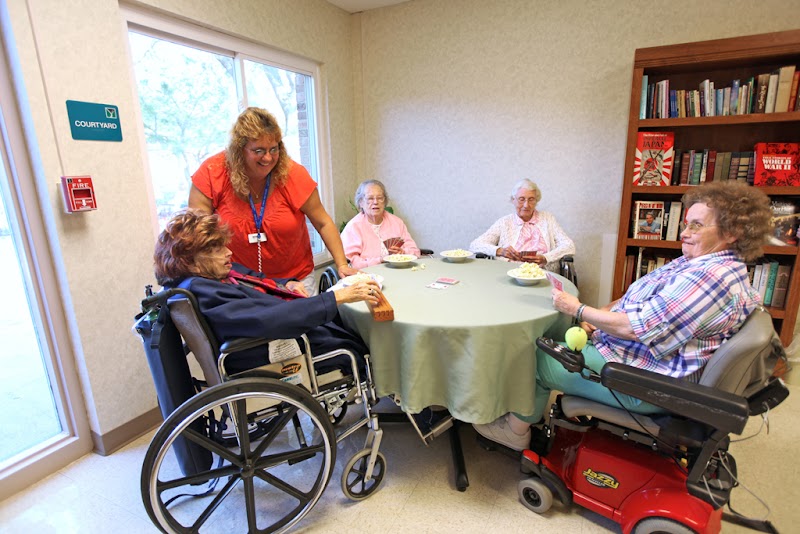
How is The Laurels Of Coldwater Staffed?

CMS rates The Laurels of Coldwater's staffing level at 3 out of 5 stars, which is average compared to other nursing homes. Staff turnover is 24%, compared to the Michigan average of 46%. This relatively stable workforce can support continuity of care.

What Have Inspectors Found at The Laurels Of Coldwater?

State health inspectors documented 31 deficiencies at The Laurels of Coldwater during 2023 to 2025. These included: 31 with potential for harm.
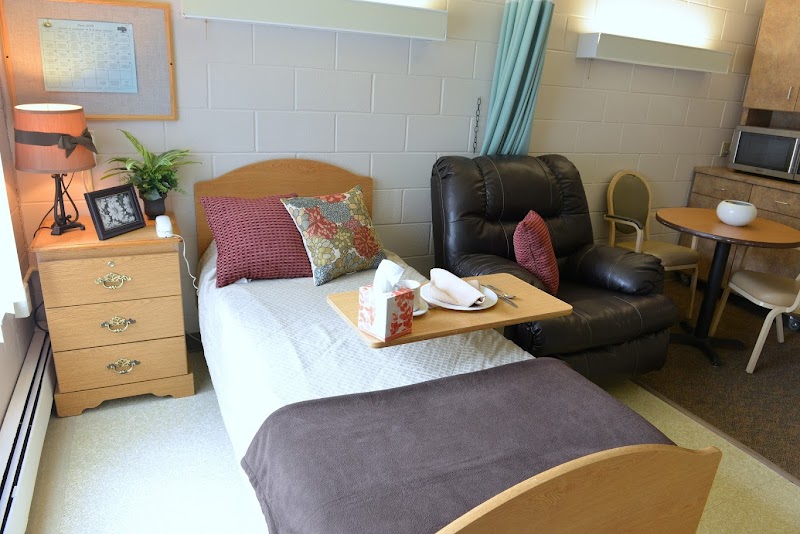
Who Owns and Operates The Laurels Of Coldwater?

The Laurels of Coldwater is owned by a for-profit company. For-profit facilities operate as businesses with obligations to shareholders or private owners. The facility is operated by CIENA HEALTHCARE/LAUREL HEALTH CARE, a chain that manages multiple nursing homes. With 169 certified beds and approximately 129 residents (about 76% occupancy), it is a mid-sized facility located in Coldwater, Michigan.

How Does The Laurels Of Coldwater Compare to Other Michigan Nursing Homes?

Compared to the 100 nursing homes in Michigan, The Laurels of Coldwater's overall rating (3 stars) is below the state average of 3.1, staff turnover (24%) is significantly lower than the state average of 46%, and health inspection rating (3 stars) is at the national benchmark.

What Should Families Ask When Visiting The Laurels Of Coldwater?

Based on this facility's data, families visiting should ask: "Can I visit during a mealtime to observe dining assistance and food quality?" "How do you handle medical emergencies, and what is your hospital transfer rate?" "Can I speak with family members of current residents about their experience?"

Is The Laurels Of Coldwater Safe?

Based on CMS inspection data, The Laurels of Coldwater has a clean safety record: no substantiated abuse findings (meaning no confirmed cases of resident harm), no Immediate Jeopardy citations (the most serious violation level indicating risk of serious injury or death), and is not on the Special Focus Facility watch list (a federal program monitoring the lowest-performing 1% of nursing homes). The facility has a 3-star overall rating and ranks #100 of 100 nursing homes in Michigan. While no facility is perfect, families should still ask about staff-to-resident ratios and recent inspection results during their visit.

Do Nurses at The Laurels Of Coldwater Stick Around?

Staff at The Laurels of Coldwater tend to stick around. With a turnover rate of 24%, the facility is 21 percentage points below the Michigan average of 46%. Low turnover is a positive sign. It means caregivers have time to learn each resident's needs, medications, and personal preferences. Consistent staff also notice subtle changes in a resident's condition more quickly. Registered Nurse turnover is also low at 25%, meaning experienced RNs are available to handle complex medical needs.

Was The Laurels Of Coldwater Ever Fined?

The Laurels of Coldwater has no federal fines on record. CMS issues fines when nursing homes fail to meet care standards or don't correct problems found during inspections. The absence of fines suggests the facility has either maintained compliance or corrected any issues before penalties were assessed. This is a positive indicator, though families should still review recent inspection reports for the full picture.

Is The Laurels Of Coldwater on Any Federal Watch List?

The Laurels of Coldwater is not on any federal watch list. The most significant is the Special Focus Facility (SFF) program, which identifies the bottom 1% of nursing homes nationally based on persistent, serious quality problems. Not being on this list means the facility has avoided the pattern of deficiencies that triggers enhanced federal oversight. This is a positive indicator, though families should still review the facility's inspection history directly.