Iron County Medical Care Facility
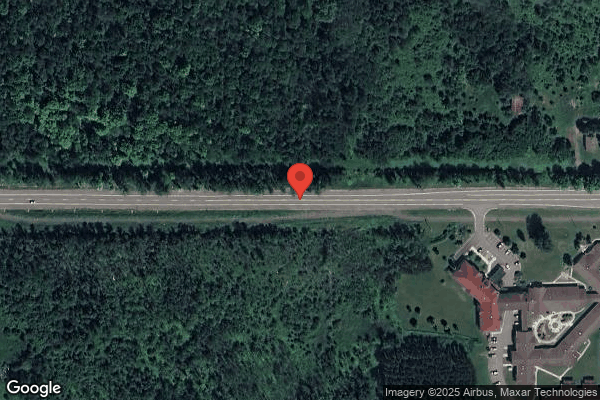
1523 U.S. Highway 2, Crystal Falls, MI 49920 (906) 875-6671
Government - County 200 Beds Independent Data: November 2025
Trust Grade
75/100
#129 of 422 in MI
Last Inspection: April 2025

Within standard 12-15 month inspection cycle. Federal law requires annual inspections.

Overview

Iron County Medical Care Facility in Crystal Falls, Michigan, has a Trust Grade of B, indicating it is a good choice but not without its flaws. It ranks #129 out of 422 facilities in Michigan, placing it in the top half, and is the best option out of the two nursing homes in Iron County. The facility is improving, having reduced its issues from six in 2024 to five in 2025. Staffing is rated at 4 out of 5 stars, but the turnover rate is 49%, which is average for the state, meaning some staff may not stay long enough to develop strong relationships with residents. Notably, there have been incidents where the facility did not hold required quality assurance meetings and failed to properly manage medication reviews, leading to a higher medication error rate of 13.33%. Despite these concerns, the absence of any fines and a good overall rating suggest there are strengths worth considering.

Trust Score
B
75/100
In Michigan
#129/422
Top 30%
Safety Record
Low Risk
No red flags
Inspections
Getting Better
6 → 5 violations
Staff Stability
⚠ Watch
49% turnover. Above average. Higher turnover means staff may not know residents' routines.
Penalties
✓ Good
No fines on record. Clean compliance history, better than most Michigan facilities.
Skilled Nurses
✓ Good
Each resident gets 45 minutes of Registered Nurse (RN) attention daily — more than average for Michigan. RNs are trained to catch health problems early.
Violations
⚠ Watch
17 deficiencies on record. Higher than average. Multiple issues found across inspections.
★★★★☆
4.0
Overall Rating
★★★★☆
4.0
Staff Levels
★★☆☆☆
2.0
Care Quality
★★★★☆
4.0
Inspection Score
Stable
2024: 6 issues
2025: 5 issues

The Good

  • 4-Star Staffing Rating · Above-average nurse staffing levels
  • Full Sprinkler Coverage · Fire safety systems throughout facility
  • No fines on record

Facility shows strength in staffing levels, fire safety.

The Bad

Staff Turnover: 49%

Near Michigan avg (46%)

Higher turnover may affect care consistency

The Ugly 17 deficiencies on record

Apr 2025 5 deficiencies
CONCERN (D)

Potential for Harm - no one hurt, but risky conditions existed

Respiratory Care (Tag F0695)

Could have caused harm · This affected 1 resident

**NOTE- TERMS IN BRACKETS HAVE BEEN EDITED TO PROTECT CONFIDENTIALITY** All times recorded in Eastern Daylight Time (EDT), unless otherwise noted. Based on observation, interview and record review, th...

Read full inspector narrative →
**NOTE- TERMS IN BRACKETS HAVE BEEN EDITED TO PROTECT CONFIDENTIALITY** All times recorded in Eastern Daylight Time (EDT), unless otherwise noted. Based on observation, interview and record review, the facility failed to 1. Ensure oxygen was administered per physician order and; 2. Ensure maintenance of oxygen and nebulizer equipment in a sanitary manner, for one Resident (#65) of one resident reviewed for oxygen administration. Findings include: Resident #65 (R65) Review of the Minimum Data Set (MDS) assessment, dated 2/2/2025, revealed R65 was admitted to the facility on [DATE] and had diagnoses including Chronic Obstructive Pulmonary Disease (COPD), anxiety and dementia. Further review of the MDS revealed R65 scored 10 out of 15 on the Brief Interview for mental Status (BIMS), indicating the Resident had moderate cognitive impairment. On 4/15/2025 at 2:38 p.m., R65 was observed sleeping in bed and was receiving supplemental oxygen via nasal cannula from a portable oxygen concentrator with a flow rate of three liters per minute (3 L/min). A tag attached to the oxygen tubing was dated 3/13/2025. On 4/16/25 at 1:15 p.m., R65 was observed sleeping in bed and was receiving supplemental oxygen via nasal cannula from a portable oxygen concentrator with a flow rate of 3 L/min. The tag attached to the oxygen tubing remained dated 3/13/2025. Review of R65's Electronic Medical Record (EMR) revealed an active physician order, dated 9/4/2025 at 11:30 a.m. [Central Savings Time] for O2 [oxygen] @ [at] 2 LITERS [per minute] AS NEEDED - Does not want humidified water. Review of R65's EMR, including progress notes, assessments, and the April 2025 Medication and Treatment Administration Records (MAR's and TAR's) revealed no indication for the increased rate of oxygen administration observed above in the physician's order section. The most recent oxygen order was dated 9/4/2024 and directed staff to provide a flow rate of 2 L/min as needed. Review of R65's most recent vital signs, dated 4/15/2025 at 8:53 a.m. (Central Daylight Time), revealed R65 was assessed as having an oxygen saturation level of 97% on room air. R65's April 2025 MAR and TAR revealed no documentation indicating R65 was receiving supplemental oxygen. During an interview on 4/17/2025 at 9:05 a.m., the Director of Nursing (DON) reported oxygen was to be administered per physician order and if a greater need is identified, nursing staff should conduct and document an assessment indicating the change in condition requiring administration of a higher rate of oxygen than what was ordered. The DON reported staff should also notify the physician and document the notification, along with any new orders, in the EMR. On 4/17/2025 at 9:20 a.m., R65 was observed lying in bed, awake, receiving supplemental oxygen via nasal cannula from a portable oxygen concentrator set to deliver 3 L/min. The tubing was again observed to be dated 3/13/2025. Further observation revealed a nebulizer atop R65's nightstand with tubing attached leading from the machine with the medication chamber and mouthpiece lying directly on the nightstand without a protective barrier between the equipment and the top of the nightstand. It was noted during the observation an illegible date was written in black marker on the side of the medication chamber. At the time of the observation R65 reported she was feeling shorter of breath lately and was unaware of what concentration of oxygen she was receiving from the concentrator. R65 reported her most recent nebulizer treatment was administered the previous day, on 4/16/2025. During an interview on 4/17/2025 at 9:25 a.m., Licensed Practical Nurse (LPN) G stated, if a resident required an increase in supplemental oxygen above what was ordered, nursing should document the change in condition in a progress note and notify the physician to report changes and obtain a new order for the higher rate. LPN G reviewed R65's EMR and stated the active order was for supplemental oxygen at 2 L/min as needed. LPN G reported he could not find an assessment documented in the EMR warranting the increase of R65's supplemental oxygen from 2 L/min to 3 L/min. During an observation of R65 immediately following the interview, LPN G confirmed R65 was being administered oxygen at 3 L/min and stated, I have no idea why. LPN G was asked about the date on the oxygen tubing. LPN G confirmed the tubing dated 3/13/25 was out of date and reported facility protocol was to change the tubing weekly. LPN G was alerted to the nebulizer tubing with medicine chamber and mouthpiece portions resting directly on the top of the nightstand. LPN G detached the tubing and reported the equipment should have been cleaned and stored in a plastic bag. During an interview on 4/17/2025 at 11:15 a.m., facility Infection Preventionist (IP) I reported the facility protocol was for oxygen tubing to be replaced and appropriately dated every two weeks. IP I was queried about the maintenance of nebulizer equipment and reported nursing staff were responsible to ensure appropriate care and storage of the administration sets. IP I reported the tubing, medication chamber and mouthpiece should be disassembled after each use, cleansed and dried, then stored in a plastic bag. IP I provided the facility policy at the time of the interview. Review of the facility policy titled, Cleaning & Disinfecting Nebulizers, effective date 2025, revealed the following: After each aerosol treatment, remove the cup. Mask or mouthpiece and wash with warm water and mild dish detergent. Thoroughly rinse the parts to remove all soap and residue. Allow the parts to air dry on a clean surface using a paper/cloth barrier between them. Review of the facility policy, titled, Oxygen Use and Set-Up, provided by the DON with an effective date of 3/18/2020, revealed the following: The physician standing order for oxygen is only for emergency purposes for 24 hours. If oxygen is started, notify the physician and obtain an order for oxygen to include liter flow/min, frequency of oxygen an oxygen saturation checks and conserving devices if used. O2 tubing on concentrator and companions on wheelchairs will be changed every 2 weeks and prn [as needed] . The nurse is responsible for beginning oxygen therapy per MD [physician] orders: turning on O2 companions, setting flow rate, checking to ensure there is proper flow from the nasal cannula and checking oxygen saturations each shift for any resident receiving oxygen therapy.
CONCERN (D)

Potential for Harm - no one hurt, but risky conditions existed

Deficiency F0757 (Tag F0757)

Could have caused harm · This affected 1 resident

Based on interview and record review, the facility failed to prevent duplicate drug therapy of Vitamin D for one Resident (#90) of five residents reviewed for unnecessary medications. This deficient p...

Read full inspector narrative →
Based on interview and record review, the facility failed to prevent duplicate drug therapy of Vitamin D for one Resident (#90) of five residents reviewed for unnecessary medications. This deficient practiced resulted in an excessive dose of D3 and the potential for Vitamin D toxicity. All times noted are Eastern Daylight Savings Times (EDST) unless otherwise noted. Findings include: Resident #90 (R90) Review of R90's admission Record revealed admission to the facility on 2/9/24, with current active diagnoses that included: fracture of the left femur, mild cognitive impairment, urinary tract infection and vitamin D deficiency. Review of available Medication Regimen Review (MRR) reports for R90 revealed the following, in part: 1. Consultation Report Date 5/30/24, Comment: [R90] receives ergocalciferol (vitamin D2) 50,000 units weekly on Thursdays. vitamin D3 is more efficiently absorbed and utilized by the body and may be better at increasing and maintaining vitamin D in the body. Recommendation: Please consider changing from ergocalciferol (vitamin D2) to vitamin D3 50,000 units weekly on Thursdays . Physician Response: I accept the recommendation(s) above, please implement as written. Signed by R90's Physician on 6/3/24. 2. Consultation Report Date 6/28/24. Comment: [R90's] prescriber accepted a pharmacy recommendation to change vitamin D2 to vitamin D3 on 6/3/24. This medication change occurred however the vitamin D2 did not get discontinued. Recommendation: Please discontinue vitamin D2 per pharmacy recommendation. Review of R90's June 2024 Medication Administration Record (MAR) revealed ergocalciferol (vitamin D2) 1.25 MG (milligrams) (50,000 units) continued to be administered on 6/6, 6/13, 6/20, and 6/27/24 per a physician order with a Start Date of 4/4/24, and a discontinue date of 7/3/24. An additional physician order for Cholecalciferol (vitamin D3) (50,000 units), with a Start Date of 6/5/24, was administered to R90 on 6/5, 6/12, 6/19, and 6/26/24 resulting in duplicative administration of vitamin D weekly (100,000 units total) to R90 during the month of June 2024. During an interview on 4/17/25 at 10:56 a.m., the Director of Nursing (DON) and Assistant Director of Nursing (ADON ) N were asked about R90's May and June pharmacy Consultation Reports. The DON and ADON N reviewed R90's physician orders, pharmacy recommendations and MAR documentation. Both confirmed R90 received duplicative administration of vitamin D throughout June 2024. The DON acknowledged she was unaware this duplication had occurred. The DON stated, The audit side of this (medication regimen review) is what I was not seeing because of the (different) electronic process. There is a process for double-checking (physician orders) but I believe this was just missed. Review of the Medication Regimen Review policy, effective date 9/11/24, revealed the following, in part: Medication Regimen Review (MRR) or Drug Regimen Review, is a thorough evaluation of the medication regimen of a resident, with the goal of promoting positive outcomes and minimizing adverse consequences and potential risks associated with medication. The MRR includes: I. Review of the medical record in order to prevent, identify, report, and resolve medication-related problems, medication errors, or other irregularities .
CONCERN (E)

Potential for Harm - no one hurt, but risky conditions existed

Drug Regimen Review (Tag F0756)

Could have caused harm · This affected multiple residents

**NOTE- TERMS IN BRACKETS HAVE BEEN EDITED TO PROTECT CONFIDENTIALITY** All times are noted in Eastern Daylight Time unless otherwise noted Based on interview and record review, the facility failed to...

Read full inspector narrative →
**NOTE- TERMS IN BRACKETS HAVE BEEN EDITED TO PROTECT CONFIDENTIALITY** All times are noted in Eastern Daylight Time unless otherwise noted Based on interview and record review, the facility failed to ensure that Medication Regimen Reviews (MRR) were reviewed, addressed by the Physician, and maintained in the clinical record for four Residents (#67, #36, #65, and #90) of five residents reviewed for MRR, resulting in the potential for the administration of unnecessary medications and adverse medication side effects. Findings include: Resident #67 (R67) Review of the Minimum Data Set (MDS) assessment dated [DATE] revealed R67 was admitted to the facility on [DATE] with active diagnoses that included: dementia, anxiety disorder, depression, psychotic disorder, and diabetes mellitus. R67 scored a 7 of 15 on the Brief Interview for Mental Status (BIMS) assessment reflective of severe cognitive impairment. Review of R67's Electronic Medical Record (EMR) revealed no pharmacy reports were available for 10/21/24, 11/27/24, 12/26/24, 2/17/25, and 3/21/25. During an interview on 4/16/25 at 11:42 a.m., the Director of Nursing (DON) stated, I do not know where the pharmacy reports are . I should keep them, but I don't. The DON examined the EMR and acknowledged that she was unable to find the pharmacy reports. During an interview on 4/17/25 at 9:37 a.m., the DON acknowledged that there was no way to review what the pharmacist recommended, if the Medical Director (MD) or Nurse Practitioner (NP) agreed/disagreed with the recommendations, or if the MD or NP gave a reason for their decision. During and interview on 4/17/25 at 10:45 a.m., the Nursing Home Administrator (NHA) acknowledged there was no one at the facility ensuring the pharmacy consults were being addressed and stated, I know the system is broken and we are deficient. Resident #36 (R36) Review of the MDS assessment, dated 3/23/2025, revealed R36 was admitted to facility on 6/8/2017 and had diagnoses including dementia, diabetes, post-traumatic stress disorder (PTSD) and stroke. Review of R36's EMR revealed no pharmacy reports were available for 11/25/2024 and 12/20/2024. On 4/16/024 at 12:50 p.m., the DON reported all available pharmacy recommendations had been provided. Review of the pharmacy recommendations provided by the DON revealed no reports for R36 for the dates requested. Resident #65 (R65) Review of the MDS assessment, dated 2/2/2025, revealed R65 was admitted to the facility on [DATE] and had diagnoses including Chronic Obstructive Pulmonary Disease (COPD), anxiety, hypertension, diabetes and dementia. Review of R36's EMR revealed no pharmacy reports were available for 1/27/2025. On 4/17/2025 at 9:02 a.m., the DON reported all pharmacy recommendations had been provided. The DON was alerted to the missing recommendations for R36 and R65. Another request was made for the missing recommendations for R36 and R65. The reports were not received by the end of the survey on 4/17/2025 at 2:00 p.m. Resident #90 (R90) Review of R90's admission Record revealed admission to the facility on 2/9/24, with current active diagnoses that included: fracture of the left femur, mild cognitive impairment, urinary tract infection and vitamin D deficiency. Review of R90's EMR revealed no pharmacy reports were available for 10/14/2024 and 12/26/2024. On 4/17/25 at 10:45 a.m., the DON confirmed all available pharmacy recommendations had been provided, and acknowledged no Medication Regimen Review reports were available for the above dates for R90. Review of the Medication Regimen Review policy, effective date: 9/11/24, revealed the following, in part: Medication Regimen Review (MRR) or Drug Regimen Review, is a thorough evaluation of the medication regimen of a resident, with the goal of promoting positive outcomes and minimizing adverse consequences and potential risks associated with medication . D. The pharmacist shall document, either manually or electronically, that each medication regimen review has been completed. a. The pharmacist shall document either that no irregularity was identified or the nature of any identified irregularities . F. Written communications from the pharmacist shall become a permanent part of the resident's medical record .
CONCERN (E)

Potential for Harm - no one hurt, but risky conditions existed

Unnecessary Medications (Tag F0759)

Could have caused harm · This affected multiple residents

**NOTE- TERMS IN BRACKETS HAVE BEEN EDITED TO PROTECT CONFIDENTIALITY** Based on observation, interview, and record review, the facility failed to maintain a medication error rate less than 5% in four...

Read full inspector narrative →
**NOTE- TERMS IN BRACKETS HAVE BEEN EDITED TO PROTECT CONFIDENTIALITY** Based on observation, interview, and record review, the facility failed to maintain a medication error rate less than 5% in four Residents (#95, #8, #70, & #23) of 12 residents reviewed for medication administration. This deficient practice resulted in a medication administration error rate of 13.33%, based on 4 medication errors in 30 opportunities for error. Findings include: Resident #95 (R95) R95 was admitted to the facility on [DATE] with diagnoses of dementia, Down Syndrome, hypokalemia (low potassium level), and others. R95 had a physician's order dated 4/15/25 to administer three 10 mEq (milliequivalent) Potassium Chloride ER (extended release) capsules. The order contained the instruction: Do not crush. On 4/16/25 at 12:50 PM, Registered Nurse (RN) K was observed preparing and administering medications on the 800-unit, Lilac Lane. When preparing medications for R95, RN K opened the capsules of potassium and crushed the content of the capsules before placing the crushed content in pudding. RN K was asked why the potassium medication for R95 was crushed. RN K said she was a charge nurse and did not usually administer medications, so she had another nurse prepare a list of residents who required medication to be crushed. RN K produced a sheet of paper listing residents' names. Next to R95's name was written crush. R95's physician's orders and care plan were reviewed on 4/16/25. R95 did not have a physician's order to crush medications. The care plan did not indicate medications were to be crushed. Resident #8 (R8) R8 was admitted to the facility on [DATE] with diagnoses including but not limited to hypokalemia. R8 had a physician's order dated 1/21/25 to administer two 10 mEq capsules of potassium chloride ER three times a day related to hypokalemia. The order instructions included: Do not crush. During medication administration on 4/16/25 at 12:50 PM, RN K opened the potassium ER capsules and crushed the content before placing the content in applesauce to administer to R8. After administering the medication in applesauce, RN K assisted R8 to take a sip of water from a cup. R8's physician's orders and care plan were reviewed on 4/16/25. R8 did not have a physician's order to crush medications. The care plan did not indicate medications were to be crushed. Resident #70 (R70) R70 was admitted to the facility on [DATE] with diagnoses including Alzheimer's Disease and hypokalemia. R70 had a physician's order dated 1/21/25 to administer two potassium chloride 10 mEq capsules three times per day for hypokalemia. During medication administration to R70 in their room on 4/16/25 at 1:31 PM, LPN L placed one capsule of potassium chloride in R70's mouth. The potassium chloride capsules were blue in color. R70 began chewing the capsule. R70 chewed the potassium capsule continuously until their mouth and lips turned blue from the blue capsules. LPN L attempted to give R70 the second capsule while R70 was still chewing the first capsule. R70 shook her head no. LPN L exited the room and returned to the medication cart outside the room. LPN L labeled the medication cup with R70's name and placed it in the top drawer of the medication cart atop the cup containing R93's baclofen. LPN L was told R70 was still chewing the first potassium capsule. LPN L re-entered R70's room and stayed until R70 was finally able to swallow the capsule. LPN L did not offer water to R70 after the capsule was swallowed. Nurse progress notes and medication notes were reviewed on 4/17/25 at 9:04 AM. LPN L did not document the difficulty R70 had with swallowing the potassium capsules, nor was there any documentation indicating R70's physician was notified the resident did not receive the prescribed dose of medication or requesting to change the medication to liquid form. Resident #23 (R23) R23 was admitted to the facility on [DATE] with diagnoses that included constipation. R23 had a physician's order dated 1/21/25 for Senna (laxative) Oral Syrup one teaspoon (tsp) twice daily for constipation. During medication administration on 4/17/25 at 7:50 AM, LPN M removed the bottle of senna from the medication cart before removing the cap from the bottle and pouring one tsp of medication from the bottle into a medication cup. LPN M did not shake the bottle of medication prior to pouring it into the medication cup to ensure the medication was dispersed throughout the liquid for uniform distribution of the active ingredient. LPN M crushed R23's other medications and placed all medications, including the unshaken liquid senna into a cup of coffee. LPN M provided R23 the cup of coffee containing the medications. R23's physician's orders and care plan were reviewed on 4/16/25. R23 did not have a physician's order to crush medications or to administer medications in coffee. The care plan did not indicate medications were to be crushed or placed in coffee. The Director of Nursing (DON) was interviewed on 4/17/25 at 11:31 AM. The DON said the beads in potassium capsules should not be crushed. The DON said physicians' orders are required to crush, open or modify medication forms of delivery. When asked the expectation for disposition of medication if a nurse prepares a medication and a resident either refuses or is not available to administer medications, the DON said the medications were expected to be destroyed in a drug buster solution. The DON confirmed medication cups containing medications should not be labeled and stored in medication carts. The DON said nurses should be washing their hands during medication administration between residents. The DON said medications that fall on the medication cart during preparation should be disposed of in drug buster solution. The DON confirmed liquid medication should be shaken prior to pouring the medication. The DON conveyed the expectation of physician notification if a resident does not take medications as prescribed. According to the United States Food and Drug Administration (FDA), the prescribing information for potassium chloride extended-release capsules include the following, in part: . Administration and Monitoring . Take with meals and with a full glass of water or other liquid . should be swallowed immediately without chewing and followed with a glass of water or juice to ensure complete swallowing of the microcapsules . (www.accessdata.fda.gov/drugsatfda_docs/label/2018/018238s046lbl.pdf). The facility policy titled Medication Administration dated as effective 10/7/21 documented, in part: .Medications will be administered per MD orders . Perform hand hygiene prior to administering medication . Shake well to mix suspensions. 17. Crush medications as ordered. Do not crush medications with do not crush instructions. 18. Observe resident consumption of medication. 19. Perform hand hygiene after medication administration . If resident refuses medications, document in EHR (Electronic Health Record) and notify Charge Nurse. If medication has been prepared and it is then refused, destroy in Drug Buster . 24. Report and document any adverse side effects or refusals . Crushed medications require a Physician order to crush, and this must also be added to that specific medication on the EMAR [Electronic Medication Administration Record] .
CONCERN (E)

Potential for Harm - no one hurt, but risky conditions existed

Infection Control (Tag F0880)

Could have caused harm · This affected multiple residents

Based on observation, interview and record review, the facility failed to ensure hand hygiene was performed during fresh water pass and catheter care, for 7 Residents (R11, R32, R33, R38, R50, R52 and...

Read full inspector narrative →
Based on observation, interview and record review, the facility failed to ensure hand hygiene was performed during fresh water pass and catheter care, for 7 Residents (R11, R32, R33, R38, R50, R52 and R55), out of 22 sample residents reviewed for hand hygiene. This deficient practice resulted in the potential for cross-contamination of infectious organisms between residents in the facility. All times noted are Eastern Daylight Savings Time (EDST) unless otherwise noted. Findings include: During an observation of fresh water pass on 4/15/25 at 2:08 p.m. , Certified Nurse Aide (CNA) A was observed delivering fresh water mugs and removing the previously used water mugs from resident rooms. CNA A delivered fresh water and removed previously used water mugs from R11's, R32's, R33's, R52's, R50's, and R38's rooms, without the performance of hand hygiene between rooms. During an interview on 4/15/25 at approximately 2:30 p.m., when asked if they had performed hand hygiene between rooms while passing fresh water and removing used water mugs from resident rooms, CNA A stated, No, I did not do any hand hygiene between the rooms. I should probably grab hand sanitizer for my pocket. We have one (hand sanitizer bottle) at the nurses' station. CNA A acknowledged understanding of the importance of hand hygiene between touching each residents clean and dirty water mugs. R55 During R55's catheter care observation on 4/16/25 at 2:04 p.m., CNA O and CNA C both donned Enhanced Barrier Precautions (EBP) which included gloves. CNA O performed the care, while CNA O was assist with positioning of R55. CNA O used a clean, wet cloth to cleanse R55's catheter tubing and genitals. CNA O realized a clean incontinence brief was required and left R55's bedside with the dirty gloves used to cleanse R55's genitals still on their hands. CNA O opened the Resident's closet doors by grabbing the handles with their contaminated gloves, retrieved a clean incontinence brief, and closed the closet door. R55's brief was changed with CNA O still wearing the contaminated gloves. CNA O and CNA C both assisted R55 with his clothing and application of protective boots to both feet. CNA O remained in contaminated gloves touching clothing, the protective boots and environmental surfaces. During an interview on 4/16/25 at 2:17 p.m., CNA O was asked to explain the purpose of Enhanced Barrier Precautions. CNA O stated, It is to protect him from UTIs (urinary tract infections). CNA O agreed they did touch the cabinet handles, protective booties and resident clothing with their dirty gloves and acknowledged they should have performed hand hygiene and donned clean gloves after cleaning R55's genitals and catheter tubing. During an interview on 4/16/25 at 2:20 p.m., Registered Nurse (RN) B was asked when hand hygiene and donning of clean gloves should be performed during catheter care. RN B said gloves should be removed when dirty and hand hygiene performed before touching other environmental surfaces. RN B acknowledged the risk for cross-contamination between residents and staff when environmental surfaces were contaminated by the CNA O's dirty gloves. Review of the Hand Hygiene policy, effective date 2025, revealed the following, in part: . All staff will perform proper hand hygiene procedures to prevent the spread of infection to other personnel, residents, and visitors. This applies to all staff working in all locations within the facility . The use of gloves does not replace hand hygiene. If your task requires gloves, perform hand hygiene prior to donning gloves, and immediately after removing gloves . During an interview on 4/17/25 at 11:00 p.m., the above observations were discussed with the Director of Nursing (DON). The DON expressed understanding of the deficiency concern related to the failure to perform hand hygiene and the potential for cross-contamination of infectious organisms within the facility.
Apr 2024 6 deficiencies
CONCERN (D) 📢 Someone Reported This

A family member, employee, or ombudsman was alarmed enough to file a formal complaint

Potential for Harm - no one hurt, but risky conditions existed

Deficiency F0602 (Tag F0602)

Could have caused harm · This affected 1 resident

**NOTE- TERMS IN BRACKETS HAVE BEEN EDITED TO PROTECT CONFIDENTIALITY** This citation pertains to intakes MI00140019 and MI00140881. Based on interview and record review, the facility failed to preve...

Read full inspector narrative →
**NOTE- TERMS IN BRACKETS HAVE BEEN EDITED TO PROTECT CONFIDENTIALITY** This citation pertains to intakes MI00140019 and MI00140881. Based on interview and record review, the facility failed to prevent misappropriation of narcotic medication for one Resident (R266) of two residents reviewed for misappropriation. Findings include: All time recorded in Eastern Daylight Time (EDT) unless otherwise noted. R266 was admitted to the facility on [DATE] with diagnoses including unspecified fracture of T7-T8 vertebra (spinal fracture) and ankylosing spondylitis of the thoracic region (inflammatory arthritis affecting the spine). Review of R266's Minimum Data Set (MDS) assessment, dated 10/2/2023, revealed R266 was cognitively intact. Review of R266's Controlled Substance Proof of Use Record, revealed the following: Hydrocodone-Acet [acetaminophen] 5MG [milligram] - 325MG give 1 Tablet By Mouth Every 4-6 Hours As Needed. Amount Received: 30. Date Received: 9/26/23. Further review of the Record revealed the following doses of the medication were signed out by Registered Nurse (RN) H as administered to R266: 9/28/2023 at 2130 (9:30 p.m.), one tablet. Review of R266's September 2023 Medication Administration Record (MAR) revealed the hydrocodone-acetaminophen 5mg-325mg was not signed as administered to R266 by RN H on 9/28/2023 at 9:30 p.m. Review of the [RN H] Drug Diversion Investigation, signed by the Director of Nursing (DON), Assistant Director of Nursing (ADON) and the Nursing Home Administrator (NHA), dated 10/6/2023, revealed the following, in part: On 09/28/2023: At 2130 [9:30 p.m.], [RN H] Trillium Neighborhood nurse, signed out a PRN [as needed] Norco [hydrocodone-acetaminophen] 5/325 tablet for [R266] in the narcotic sign out log. At 2347 [11:47 p.m.] DON received a phone call from [Licensed Practical Nurse (LPN) J] stating that [R266] was requesting a PRN Norco for his back pain at 2230 [10:30 p.m.] and when the neighborhood nurse [LPN I] went to sign it out it was noted that [RN H] had signed one out at 2130 [9:30 p.m.] in the narcotic sign out log but not in the EMAR . [R266] was adamant that he had not received a PRN Norco at 2130 . [R266] was able to tell [LPN J] the time he received his Norco's for that day, and this was noted to be accurate within 10 minutes per the EMAR. [R266] stated that something was wrong, and he was upset about this . Further review of [RN H] Drug Diversion Investigation, revealed the following, in part: On 9/29/2023: At 0830 [8:30 a.m.] the personnel record for [RN H] was reviewed . She was given a discipline on 2/10/2023 for careless documentation. This was in relation to administering a controlled substance to a resident and signing it out in the EMAR [electronic Medication Administration Record] but not on the narcotic sign out log . At 0900 [9:00 a.m.] [RN H] was called . notified she needed to come to the facility for interview . [RN H] was asked about the discrepancy . she stated she did give it to him sometime after 9pm [sic] . she stated he was asleep and she had to wake him up . [RN 'H] was told going out to her vehicle during her shift without permission as well as her history of increased PRN administration versus other nurses is suspicious behavior. It was interated [sic] to her that the issue of her increased PRN administration has been discussed with her in the past as well . [RN H] was told she would need to drug test . When asked by [ADON] if she has ingested anything that could come up on this drug test that we need to know about before . [RN H] stated, I am not going to get drug tested. I am not going to do it. [NHA] informed [RN H] that this would then be immediate termination. She stated understanding . During an interview on 4/24/2024 at 3:15 p.m., the DON reported RN H was terminated due to refusal to submit to drug testing and refusal to submit to testing was treated as a positive test result per facility policy. The DON confirmed RN H, prior to the current incident involving R266, was written up for inconsistent documentation due to signing out narcotic medications on the proof of use log but not documenting the administration of the medication in the MAR. The DON reported this as the previous incident involving RN H referred to in the [RN H] Drug Diversion Investigation, document. The DON stated RN H was re-educated after the first incident, but no change in policy occurred as a result of the incident at that time. During an interview on 4/24/2024 at 3:30 p.m., the NHA confirmed RN H was terminated due to failure to submit to drug testing after the discrepancy in R266's record was identified. The NHA stated refusing the drug test was considered a positive test result according to facility policy. An attempt to reach RN H by telephone was conducted on 2/24/2024 at 3:34 p.m., no connection could be made. A review of the facility policy titled Medication Administration, effective 10/7/2021, revealed the following, in part: Sign MAR after administered . A review of the facility policy titled Drug and Alcohol Abuse Policy, last revised 10/16/2021, revealed the following, in part: Refusal to submit (to an alcohol or drugs/controlled substance test) means that an employee: 1. Fails to provide adequate sample without a valid medical explanation after he or she has received notice of the requirement for the urine, breathe or blood sample. 2. Engages in conduct that clearly obstructs the testing process . An employees' refusal to submit to a required alcohol or drugs/controlled substances test will be treated as a positive test . During the onsite survey, past noncompliance (PNC) was cited after the facility implemented actions to correct the noncompliance which included:1. Immediate termination of RN H from employment and notification of the appropriate licensing board and law enforcement; 2. Immediate audit of all Controlled Substance Proof of Use Log(s), in reconciliation with resident MARs for residents residing in the Trillium Neighborhood; 3. Psychosocial and pain assessments for all Trillium residents prescribed control substance medications, including R266; 4. Revision to the Medication Administration policy to include the requirement of verification by two licensed nurses for the administration of as needed controlled substance medications; 5. Licensed clinical staff education on the Code of Conduct, Drug and Alcohol Abuse Policy, and the updated Medication Administration policy, completed on 10/11/2024; 6. Formation of the Drug Diversion Committee, charged with auditing procedural compliance with audits showing compliance as of 4/16/2024. The facility was able to demonstrate monitoring of the corrective action and maintained compliance.
CONCERN (D)

Potential for Harm - no one hurt, but risky conditions existed

Report Alleged Abuse (Tag F0609)

Could have caused harm · This affected 1 resident

**NOTE- TERMS IN BRACKETS HAVE BEEN EDITED TO PROTECT CONFIDENTIALITY** Resident #34 (R34) Review of R34's Minimum Data Set (MDS) comprehensive assessment, dated 7/17/23, revealed admission to the fac...

Read full inspector narrative →
**NOTE- TERMS IN BRACKETS HAVE BEEN EDITED TO PROTECT CONFIDENTIALITY** Resident #34 (R34) Review of R34's Minimum Data Set (MDS) comprehensive assessment, dated 7/17/23, revealed admission to the facility on 3/10/21 with a primary diagnosis of Alzheimer's Disease. R34 scored 3 of 15 on the Brief Interview for Mental Status (BIMS) indicating severe cognitive impairment. The MDS revealed R34 required substantial to maximum assistance with transferring from the bed to a chair. R34's care plan documented, I have short term memory impairment and confusion . According to a Facility incident report, staff found R34 on the floor of her room on 11/29/24 at 1:30 a.m. R34 was sent to the hospital for x-rays and a CT scan and returned to the facility. R34 continued to experience pain and was sent back to the hospital on [DATE]. Additional testing revealed a left inferior pelvic fracture, an anterior pelvic fracture, and a patella (kneecap) fracture. During an interview on 4/24/24 at 3:22p.m., the Director of Nursing (DON) did not explain the reason a report was not made to the state agency regarding a resident with severe cognitive impairment who sustained multiple fractures and had been hospitalized . The source of the injury was unwitnessed and R34 could not explain how the injury was sustained due to severe cognitive impairment, short term memory loss, and confusion. Review of facility policy Incident Reporting Procedure 2.d. Major/Adverse Event with an effective date of January 25, 2021, read in part: Major/Adverse event: an incident that reached the resident and caused significant or permanent harm. These incidents are to be reported to the Administrator, and to the State Health Department. i. Any incident requiring hospitalization. Based on interview and record review, the facility failed to report injuries of unknown source to the state agency for two Residents (R87 and R34) of two residents reviewed for abuse. Findings include: All times are recorded in Eastern Daylight Time unless otherwise noted. Resident #87 (R87) was admitted to the facility with a primary diagnosis of Alzheimer's Disease. A Minimum Data Set (MDS) assessment dated [DATE] documented a Brief Interview for Mental Status (BIMS) score of two of fifteen, indicating R87 was severely cognitively impaired. The MDS documented R87 as having impaired range-of-motion in both upper extremities and both lower extremities. The MDS assessed R87 as being dependent on staff for all Activities of Daily Living (ADL) including mobility and transfers. The MDS indicated R87 was unable to stand or walk. R87 required a mechanical lift to transfer with the assistance of 2 staff. R87's care plan documented the use of a specialized wheelchair for mobility. The care plan indicated R87 was dependent on staff to propel the wheelchair. On 3/3/24 at approximately 4:55 p.m., staff found R87 lying on the floor in the sitting area at the end of the 700-unit. R87 was lying in the corner of the room with facial injury and bleeding. R87 was sent to the hospital emergency department where a CT scan was obtained and revealed facial fractures. The CT read in part: . Acute minimally displaced/depressed fracture of the anterior wall of the left maxillary sinus (cheek area) with a small amount of hemorrhage layering within the sinus, and an acute nondisplaced orbital floor fracture on the left involving the infraorbital canal (eye socket). The Director of Nursing (DON) was interviewed on 4/23/24 at 3:43 p.m. The DON provided a written investigation dated 3/5/24. The written investigation consisted of interviews with staff assigned to the 700-unit on 3/3/24. The DON admitted the new cameras were not yet installed on 3/3/24 so she could not validate the employees' statements. The DON produced a form 'In-depth Case Review For: Resident Falls as an incident report. The form documented in part: doesn't know what happened. Unable to tell what happened. walked into living room saw her on the floor on her left side went to check her blood on floor& her eye [sic]. The DON said the event was not reported to the state agency. Registered Nurse (RN) C was interviewed on 4/23/24 at 3:15 p.m. RN C confirmed she was the staff member who found R87 on the floor in the sitting room on 3/3/24. RN C said she entered the sitting room just prior to dinner and observed R87 lying on the floor repeatedly saying, Help me, help me. RN C stated R87's wheelchair was toward the center of the room and the resident was in the corner of the room approximately 10-12 feet from the wheelchair. RN C said R87 could not explain how the injury was sustained due to confusion and dementia. Certified Nursing Assistant (CNA) F was interviewed on 4/23/24 at 3:29 p.m. CNA F said he saw R87 approximately 20 minutes before the resident was found on the floor. CNA F said on 3/3/24 he saw R87 in her wheelchair in the sitting room at the end of the 700-unit hall pushing on the exit door. CNA F said he moved R87's wheelchair away from the exit door to the middle of the sitting room. CNA F said R87 asked for water, and he left the sitting room to obtain water for R87. CNA F said he got busy passing another resident's meal tray before he could deliver water to R87. CNA F said he heard RN C calling out R87 was on the floor before he could obtain the water and return to R87. The Nursing Home Administrator (NHA) was interviewed on 4/24/24 at 8:22 a.m. The NHA was asked if R87's event on 3/3/24 was reported to the state agency. The NHA confirmed it was not reported because the investigation results ruled out abuse. (*Note: Facility was not able to immediately rule out abuse)
CONCERN (D)

Potential for Harm - no one hurt, but risky conditions existed

Investigate Abuse (Tag F0610)

Could have caused harm · This affected 1 resident

Based on Interview and record review the facility failed to conduct a thorough and complete investigation for an incident for one Resident (#34) of four residents reviewed for incidents. This deficien...

Read full inspector narrative →
Based on Interview and record review the facility failed to conduct a thorough and complete investigation for an incident for one Resident (#34) of four residents reviewed for incidents. This deficient practice could result in adverse outcomes and unmet care needs. Findings include: (All times are recorded in Eastern Daylight Time unless otherwise noted.) Resident #34 (R34) Review of R34's Minimum Data Set (MDS) comprehensive assessment, dated 7/17/23, revealed admission to the facility on 3/10/21, with active diagnoses that included: Alzheimer's disease, anxiety disorder, major depressive disorder, type 2 diabetes, chronic pain, congestive heart failure, and primary hypertension. R34 scored 3 of 15 on the Brief Interview for Mental Status (BIMS) reflective of severe cognitive impairment. The MDS reveals that R34 requires substantial to maximum assistance to transfer. Review of facility incident report titled In-depth Case Review dated 1/29/23 revealed R34 had a incident on 11/29/23 at 1:30. R34 was found on the floor next to her wheelchair complaining of left pelvic pain. Incident report revealed CNA was doing rounds and heard R34 moaning on the floor next to the wheelchair. R34 was sent to the hospital for xrays and a CT scan. Results from the hospital revealed a left inferior pelvic fracture, an anterior pelvic fracture, and a patella (kneecap) fracture. During an interview on 4/24/24 at 3:22p.m., the Director of Nursing (DON) acknowledged R34 had an incident and the investigation into the incident was not completed. Review of facility Incident Report Procedure: Incident Investigation 10.b, read in part investigations should be started within 2 working days . investigations and actions should be completed by fourteen days for all incidents.
CONCERN (D)

Potential for Harm - no one hurt, but risky conditions existed

Pressure Ulcer Prevention (Tag F0686)

Could have caused harm · This affected 1 resident

**NOTE- TERMS IN BRACKETS HAVE BEEN EDITED TO PROTECT CONFIDENTIALITY** Based on observation, interview, and record review, the facility failed to assess and monitor pressure injuries to promote the h...

Read full inspector narrative →
**NOTE- TERMS IN BRACKETS HAVE BEEN EDITED TO PROTECT CONFIDENTIALITY** Based on observation, interview, and record review, the facility failed to assess and monitor pressure injuries to promote the healing of a facility-acquired pressure injury for One Resident (R109) of six residents reviewed for pressure injuries. Findings include: All times are recorded in Eastern Daylight Time unless otherwise noted. Resident #109 (R109) was admitted to the facility on [DATE]. A Minimum Data Set (MDS) Assessment completed on 12/20/24 documented R109 had no pressure injuries at the time of the assessment. During an interview on 4/23/24 at 9:23 a.m., R109 stated, They told me I have a sore on my bottom from laying on my back. R109 said he did not know how long the wound had been there. When asked if nurses had been assessing and treating the area, R109 said the nurses did not look at it, but instructed him to refrain from lying on his back. A form 'Acute & Chronic Wound Assessment V2' was reviewed. The form documented R109 had a facility-acquired left gluteal pressure injury identified on 3/7/24. The form included wound measurements but did not include the stage of the pressure injury. There were no additional 'Acute & Chronic Wound Assessment V2' forms in the medical record. There were no further assessments or documentation regarding the pressure injury on R109's gluteal area. A form 'Skin & Wound Evaluation V7.0' dated 3/18/24 assessed a facility-acquired pressure injury staged as Deep Tissue Injury (DTI: persistent non-blanchable deep red, maroon, purple discoloration due to damage of underlying soft tissue) to R109's left heel. In the area labeled exact date of identification, the date 3/12/24 was entered, six days prior to the assessment being completed on 3/18/24. No additional assessments or documentation of the pressure injury to the left heel were in R109's record. A nurse's progress note dated 4/3/24 at 3:46 p.m. read in part: . had a stage 1 (pressure injury) on his coccyx which has healed and a DTI (Deep Tissue Injury) on left heel which as of this note [sic] has healed . There were no assessments of a coccygeal pressure injury in R109's medical record. Registered Nurse (RN) C was interviewed on 4/23/24 at 9:27 a.m. RN C was asked if R109 had pressure injuries. RN C replied R109 had pressure injury to his sacral area. On 4/24/24 at 8:06 a.m., The Director of Nursing (DON) was asked if R109 had pressure injuries. The DON said she did not know and accessed R109's electronic medical record. She announced R109 had an assessment completed on 3/18/24 for a pressure injury on R109's left heel. When asked if the pressure injury was still present, the DON said she did not know. The DON reviewed R109's medical record and said she could not locate additional information in the health record regarding the pressure injury on R109's left heel. The DON said there were no additional areas of skin impairment documented. When the DON was asked the status of the pressure injury to the left gluteal area identified on 3/7/24, the DON said she would have to get an updated log of pressure injuries. The DON reviewed R109's medical record and said there was no additional documentation of a wound on R109's left gluteus, and there were no measurements or assessments documented regarding the presence of a gluteal wound. When asked regarding assessment and monitoring of the pressure injury on R109's coccyx, the DON said she was not aware R109 ever had a wound on his coccyx. The DON was asked if R109's physician was aware of R109's pressure injuries and if the physician had assessed and documented on the pressure injuries. The DON reviewed R109's medical record and said there was no physician documentation on the pressure injuries. Skin assessment documentation for the previous two months and documentation of weekly assessments for pressure injuries were requested but not provided by the end of the survey. The DON was asked regarding assessment, monitoring, documentation, and dates of resolution for R109's wounds on the left heel, coccyx, left buttock, and sacrum. The DON confirmed most of the requested information was not in R109's medical record and provided a form '(name of facility) - Pressure Injury Tracking Form' and said it was the updated pressure injury log. R109 was not listed on the log. On 4/24/24 at 9:45 a.m., a skin assessment for R109 was observed being completed by Licensed Practical Nurse (LPN) D with the assistance of Certified Nursing Assistant (CNA) E. The skin assessment revealed a stage II pressure injury (Partial-thickness loss of skin with exposed dermis, presenting as a shallow open ulcer) on R109's sacrum measuring 0.5 cm x 0.25 cm x 0.1 cm. LPN D was asked when the pressure injury on R109's sacrum was identified. LPN D stated, I don't know for sure, but he's had it a while. CNA E was asked when R109 developed the pressure injury on the sacrum. CNA E said the wound was identified more than a week prior to 4/24/24 but she could not specifically recall the date it was first observed. When asked if the Treatment/Wound nurse or DON were aware of the pressure injury, CNA E said she was pretty sure the Wound Nurse was aware, and added, She hasn't seen it yet, but I'll ask her to take a look at it today. CNA documentation for R109 from 3/27/24 through 4/24/24 was reviewed and revealed no documentation of open areas or areas of skin impairment. Nurses' progress note documentation did not reveal assessments, monitoring, or treatment to R109's sacral wound. R109's physician orders were reviewed. There were no orders for treatment or activated standing orders for treatment to R109's sacrum. The policy 'Standing orders for Pressure Injuries' dated 4/25/22 read in part: .a. If an area of redness or open areas is [sic] identified, measures [sic] the wound, and complete the appropriate charting. The policy 'Pressure Injury Risk Assessment and Risk Reduction' dated 2/24/22 read in part: . Residents determined to be at an increased risk for pressure injuries will have weekly skin assessments completed by Licensed Nursing Staff and documented in electronic medical record [sic]. These residents will also have skin audits completed by Nursing Assistants with baths/showers and daily cares. Interventions will be implemented in accordance with MD orders.
CONCERN (F)

Potential for Harm - no one hurt, but risky conditions existed

Deficiency F0868 (Tag F0868)

Could have caused harm · This affected most or all residents

. Based on interview and record review, the facility failed to ensure that the Quality Assurance and Performance Improvement (QAPI) committee met at least quarterly with the required committee member...

Read full inspector narrative →
. Based on interview and record review, the facility failed to ensure that the Quality Assurance and Performance Improvement (QAPI) committee met at least quarterly with the required committee members. This deficient practice placed all 115 residents in the facility at risk for quality care concerns. Findings include: (All times are recorded in Eastern Daylight Time unless otherwise noted.) During an interview on 4/24/24 at 1:34 PM, the Risk Manager, Registered Nurse (RN) G reviewed the QAPI policy, the attendance documentation for the QAPI meetings and identified the people and positions who were in attendance. The QAPI meeting sign in sheets revealed: 6/28/23: The Director of Nursing (DON), Nursing Home Administrator (NHA), Medical Director, Infection Preventionist (IP), and more than two others were present. 9/27/23: The DON, NHA, IP and more than two others were present. The Medical Director or designee was not present. 11/29/23: The DON, IP and more than two others were present. The Medical Director and NHA were not present. 1/16/24: The DON, NHA, IP and more than two others were present. The Medical Director was not present. 2/28/24: The NHA and more than two others were present. The Medical Director, DON, and IP were not present. 4/12/24: The NHA, Medical Director, IP and more than two others were present. The DON was not present. The facility 2024 Quality Assurance & Performance Improvement (QAPI) PLAN dated as Updated on 4/19/24 read in part: The QAPI Committee provides the backbone for QAPI. The core members are the Medical Director or his/her designee, the DON, the Infection Preventionist, the Administrator, owner, or board member and department leaders .
MINOR (C)

Minor Issue - procedural, no safety impact

Staffing Data (Tag F0851)

Minor procedural issue · This affected most or all residents

Based on interview and record review the facility failed to report Payroll Based Journal (PBJ) information to CMS (Centers for Medicare and Medicaid). This deficient practice resulted in inaccurate re...

Read full inspector narrative →
Based on interview and record review the facility failed to report Payroll Based Journal (PBJ) information to CMS (Centers for Medicare and Medicaid). This deficient practice resulted in inaccurate reporting of staffing levels with the potential to affect all 115 residents. Findings include: (All times are recorded in Eastern Daylight Time unless otherwise noted.) Review of the CMS PBJ Staffing Data Report FY (fiscal year) Quarter 1 2024 (October 1- December 31) revealed the metric No RN hours and Failed to have Licensed Nursing Coverage 24 hours/day Triggered with Infraction dates being: No RN hours on- 10/8, 10/14, 10/15, 10/21, 10/22, 10/28, 10/29, 11/4, 11/5, 11/11, 11/12, 11/18, 11/19, 11/25, 11/26, 12/2, 12/3, 12/9, 12/10, 12/16, 12/17, 12/23, 12/24, 12/30, and 12/31. Failed to have licensed nursing coverage 24 hours/day-10/14, 10/15, 10/21, 10/22, 10/28, 10/29, 11/4, 11/5, 11/11, 11/12, 11/18, 11/19, 11/25, 11/26, 12/2, 12/3, 12/9, 12/10, 12/16, 12/17, 12/23, 12/24, 12/30, and 12/31. An interview was conducted on 4/24/24 at approximately 11:55a.m., with Registered Nurse (RN) C. When ask if RN C was responsible for PBJ data submission, RN C acknowledged she was responsible and indicated the facility missed the deadline for submitting the PBJ information to CMS.
Apr 2023 4 deficiencies
CONCERN (D)

Potential for Harm - no one hurt, but risky conditions existed

Deficiency F0810 (Tag F0810)

Could have caused harm · This affected 1 resident

. All times are Eastern Daylight-Saving Time (EDT) unless otherwise noted. Based on observation, interview, and record review, the facility failed to provide adaptive equipment during meal service for...

Read full inspector narrative →
. All times are Eastern Daylight-Saving Time (EDT) unless otherwise noted. Based on observation, interview, and record review, the facility failed to provide adaptive equipment during meal service for two residents (R53 and R65) of five residents reviewed for adaptive equipment use. This deficient practice resulted in increased difficulty with nutritional consumption and had the potential for decreased fluid intake and dehydration. Findings include: During a meal observation in the Trillium Dining Room on 4/20/23 at approximately 8:45 AM, R53 was observed to receive a breakfast meal. The tray card indicated R53 needed a cup with lid and straw. R53 received 4 oz (ounces) of apple juice, and 8 oz of 2% milk. Both beverages were served to R53 with the lids removed and no straw inserted. The Certified Nurse Aide (CNA) L who was serving, stated a straw and lidded cup did not work for R53 who did not suck through a straw but lifted the cups and tilted her head back to drink. During the meal observation, R53 was not observed to lift the beverages on her own. The medical record for R53 revealed an admission date of 8/13/2019 and listed diagnoses including Alzheimer's Disease, dysphasia (difficulty swallowing), anxiety disorder, and heart disease. The most recent Nutritional Assessment completed on 2/23/23 indicated R53 had a diet order of mechanical soft texture and thin liquids and needed adaptive equipment including glasses with lids and straws. The care plan for R53 read in part: Provide me with a lipped plate and beverages with lids and straws .Date Initiated: 04/26/2021. During the same meal observation in the Trillium Dining Room on 4/20/23 at approximately 8:45 AM, R65 was observed to receive a breakfast meal. The tray card indicated R65 needed Extra Items 1 each straw. R65 received 4 oz of apple juice served without a straw. CNA L stated R65 only gets straws when eating in her room. The medical record for R65 revealed an admission date of 1/18/2019 and listed diagnoses including hemiplegia and hemiparesis (inability to move one side of the body) following cerebrovascular disease (stroke) affecting the left dominant side, facial weakness, mild cognitive impairment, major depressive disorder, and diabetes. The most recent Nutritional Assessment completed on 1/31/23 indicated R65 had a regular diet order lactose intolerant with thin liquids and indicated adaptive equipment of straws for beverages were needed. The care plan for R65 read in part: I prefer smaller lunch/dinner portions. Send straws . Date Initiated: 01/21/2019. During an interview on 4/20/23 at 9:37 AM, the Certified Dietary Manager (CDM) M was alerted of the meal observations and stated she would expect communication from the nursing staff if the dietary strategies such as adaptive equipment were no longer effective. .
CONCERN (D)

Potential for Harm - no one hurt, but risky conditions existed

Infection Control (Tag F0880)

Could have caused harm · This affected 1 resident

**NOTE- TERMS IN BRACKETS HAVE BEEN EDITED TO PROTECT CONFIDENTIALITY** This citation has two parts: A and B. A. Based on interview and record review, the facility failed to ensure an infection contro...

Read full inspector narrative →
**NOTE- TERMS IN BRACKETS HAVE BEEN EDITED TO PROTECT CONFIDENTIALITY** This citation has two parts: A and B. A. Based on interview and record review, the facility failed to ensure an infection control program with a system of surveillance to identify and investigate a urinary tract infection (UTI) for one Resident (R23), out of three residents reviewed for inclusion on the infection control surveillance line listing and mapping. This deficient practice resulted in the potential for unidentified facility infections, inaccurate infection control surveillance, and the risk of urosepsis for R23. Findings include: All times noted are Eastern Standard Time (EST) unless otherwise noted. Review of R23's Minimum Data Set (MDS), dated [DATE], revealed R23 was admitted to the facility on [DATE] with active diagnoses that included: non-traumatic brain dysfunction, dementia, and psychotic disorder. R23 scored 15 of 15 on the Brief Interview for Mental Status (BIMS), reflective of intact cognition, and was able to make her needs known. During an interview on 4/20/23 at 11:20 a.m., when asked about identification, reporting, and investigating of UTIs, Infection Preventionist (IP)/Registered Nurse (RN) P said the Infection Control surveillance, including the monthly infection line lists and mapping, only included residents that had urine cultures completed and physician prescribed antibiotics to treat the UTI. Review of the Infection Control Line Listing and Infection Mapping for April 2023 on 4/20/23 at 12:29 p.m., with IP X, did not identify R23 as symptomatic for any potential infection. Review of R23's Nursing Progress Notes for April of 2023, revealed the following, in part: 4/3/23 20:48 [8:48 p.m., Central Standard Time (CST)]: MD declined request for treat (sic) UTI (for R23). 4/6/23 08:26 (8:26 a.m. CST): [Physician] declined to treat for UTI due to 12 (12,000) WBC (white blood cell count), trace bacteria, and no symptoms. During an interview on 4/20/23 at 11:31 a.m., when asked about the absence of R23 on the April 2023 Infection Control Line Listing, IP P stated, No one told me that she (R23) had a possible UTI. When IP P was asked if she was aware that multiple requests have been made to the physician, by facility nursing staff, for antibiotics to treat R23 for a UTI related to an increase in confusion, IP P stated, Not at all. IP P reviewed the 4/3/23 and 4/6/23 progress notes and confirmed nursing staff had contacted the physician regarding a possible UTI with R23. IP P stated, This person was not put on an antibiotic, charge (nurse) has never said a word about it (potential UTI), it was not on the 24-hour report that we were even looking at it, and it was not brought up in stand up (daily meeting to update staff) . UA (urinary analysis) results (were) on [the physician's] desk on 3/29/23. Then the charge (nurse) notified the physician on 4/3/23 to consider an antibiotic. It is all in there (in the progress notes), but if nobody tells me I don't know. I was not aware of her (R23's potential UTI). When her labs come back, I don't see the results. I didn't know she had a UA, so I am not going to look for her . I did not do a McGeers (tool used to determine national standard infection criteria are met) for her (R23). IP P said R23 should have been added to the infection control line listing and mapping for the potential UTI, any associated symptoms, and designated as pending. IP P stated, I didn't know anything about her (R23) so now I have to look everything up. That is not the way it was supposed to happen. During an interview on 4/20/23 at 12:52 p.m., the Director of Nursing (DON) was asked if she was aware of any nursing concerns related to a potential UTI for R23. The DON said she was aware of nursing concerns related to a change in behavior and a potential UTI for R23. The DON was unaware that infection control surveillance did not include R23 for the month of April 2023. The DON stated, My thought - belief is that [IP P] looks at all of our progress notes on a daily basis and she would have identified (R23's potential UTI) at that time, that there was a concern, and would follow up with it at that time. Review of the facility Infection Surveillance policy, dated 10/19/22, revealed the following, in part: .This facility has established a system, based upon national standards of practice and the facility assessment to closely monitor all residents who exhibit signs/symptoms of infection through ongoing surveillance including a systematic method for collecting, analyzing and interpretation of data, followed by dissemination of that information to identify infections, infection risks, and outbreaks to those who can improve the outcomes for quality. The intent of surveillance is to identify possible communicable diseases or infections before they can spread to other persons in the facility. In addition, surveillance is crucial in the identification of possible clusters, changes in prevalent organisms, or increases in the rate of infection promptly . Essential elements of a surveillance system include: . A system for notification of early detection, communication, and management of a potentially infectious, symptomatic resident at time of admission or within the facility population . Data Collection: 1. The unit charge nurses will identify residents with symptoms or identified infections and complete the Criteria for Infection Report Forms for the respective type of infection and report to the Infection Preventionist: a. Urinary Tract Infection . 2. The Infection Preventionist will ensure data collection to complete a comprehensive Monthly Infection Control Log for surveillance activities on: . c. Signs and Symptoms, d. Resident Location . 3. The Infection Preventionist will keep an updated map of infections to identify any clusters or trends . B. Based on interview and record review, the facility failed to develop a comprehensive Water Management Plan (WMP) to address the control and spread of Legionella bacteria in the facility water system, in accordance with QSO 17-30 Hospitals/CAHs/NH, Revised 7-6-2018. The facility failed to Develop and implement a water management program that considers the ASHRAE 188 (American Society of Heating, Refrigerating and Air-Conditioning Engineers) and the CDC (Centers for Disease Control) tool kit. The failure to develop a comprehensive Water Management Plan has the potential for the proliferation and transmission of Legionella in the circulating water of the building and the spread of Legionella infections in all 114 residents. Findings include: On 4/19/23 a review of the facility's WATER MANAGEMENT PROGRAM (undated) document binder was conducted. This binder of documents was presented in its entirety as the facility's WMP for Legionella control. The binder contained a policy which defined the specific components of a water management plan including: creation of a water management team; conducting an annual risk assessment of the premise plumbing to identify where water born pathogens could grow and spread; creating control points and control measures which limit the growth and spread of water pathogens; testing protocols; and annual evaluation of the program's effectiveness. No specific parameters for the facility's WMP were identified. The most recent review of the water management program was documented on October 2019, with signatures by previous administrator, Director of Nursing and maintenance staff. Absent from the facility's WMP documents were: 1. Identification of a water management team (WMT) comprised of current facility staff and others designated to assess and review the facility's water system for potential risks associated with water borne pathogens. 2. An assessment as to the locations of plumbing fixtures posing a risk for harborage and/or transmission of Legionella bacteria. 3. Specific Control measures at specific locations for the elimination/control of Legionella. 4. Specific measurable Critical limits which would be monitored at identified areas within the building. 5. Defined monitoring of parameters, which were identified as control measures and their associated limits, to determine targeted interventions were present. 6. Corrective action to be taken when identified limits, or criteria, were not met. 7. Documentation of any monitoring. 8. Annual Review of data from defined monitoring documented to demonstrate interventions were either functional or requiring to be refined. On 4/19/23 at approximately 2:30 PM, an interview with Environmental Director (ED) A was conducted to review the WMP. ED A acknowledged the above components could not be located, no data collection had been located, and review of data to determine the efficacy of the entire Water Management program implementation had not been conducted.
CONCERN (E)

Potential for Harm - no one hurt, but risky conditions existed

Deficiency F0761 (Tag F0761)

Could have caused harm · This affected multiple residents

Based on observation, interview, and record review, the facility failed to label multi-dose, insulin medications and ophthalmic (eye) medications according to pharmacy recommendations and professional...

Read full inspector narrative →
Based on observation, interview, and record review, the facility failed to label multi-dose, insulin medications and ophthalmic (eye) medications according to pharmacy recommendations and professional standards of practice and ensure proper storage of medications in three of three medication carts reviewed for medication storage. This deficient practice resulted in the potential for administration of expired medications and decreased therapeutic effects of administered medications. Findings include: All times are recorded in Eastern Standard Time. On 4/19/23 and 3:20 PM, the Lilac Lane of 700 hall medication cart was observed with Licensed Practical Nurse (LPN) C, the following discrepancies were noted: a. Two multi-dose bottles of ophthalmic latanoprost medication eye drops, were opened and undated. b. Three multi-dose insulin glargine pens, two were dated as opened on 4/5/23 and had an expiration dated for 7/5/23, a third was dated as opened on 4/12/23 and had an expiration dated for 7/12/23. c. One loose white, round pill identified as carbamazepine 100 mg tablet was found in the bottom of the second medication cart drawer. d. One multi-dose bottle of artificial tear ophthalmic lubricant drops was dated as opened on 1/19/23 and had no expiration date recorded. e. One multi-dose bottle of ophthalmic drops of loteprednol etabonate medication was dated as opened on 1/19/23 and had no expiration date recorded. f. One multi-dose bottle of ophthalmic drops of prednisone acetate medication was dated as opened on 3/3/23 and had an expiration date of 6/2025. These discrepancies were brought to the attention of LPN C, who confirmed that they were opened, and the multi-dose medications were not properly dated. LPN C replied, There is an orange sign hanging on the cupboard in the nurses' station that says; all insulins 28 days. On 4/20/23 and 8:30 AM, the Willows [NAME] of 500 hall medication cart on the right [East] was observed with Registered Nurse (RN) G, the following discrepancy was noted: One multi-dose insulin aspart pen was dated as opened 4/20/23 and had an expiration dated for 6/4/23. On 4/20/23 and 8:40 AM, the Willows [NAME] of 500 hall medication cart on the right [West] was observed with RN G, the following discrepancies were noted: a. One loose white, round, half tab pill identified as furosemide 40 mg tablet was found in the bottom of the second medication cart drawer. b. One loose pink, round pill identified as metoprolol 25 mg tablet was found in the bottom of the second medication cart drawer. These discrepancies were brought to the attention of RN G, who confirmed that they were opened, and that the multi-dose medications were not properly dated. RN G replied, There should not be any loose medication in the medication cart. On 4/20/23 at 12:00 PM, an interview was conducted with the Director of Nursing (DON). The DON was asked what her expectations were for multi-dose insulin pens and ophthalmic solutions and how these items should be dated and responded, I expect there to be an opened date and an expiration date on the pens and bottles. The DON was asked how long should the insulin pens being stored in the medication cart were good for and responded, They are good for twenty-eight days and then are discarded. The DON was asked what her expectations were for the neatness of the medication carts and was asked if loose pills should be in the medication carts and responded, No. The medication carts should be clean and free from any loose pills. Review of facility policy titled, Storage and Expiration of Medications, Biologicals, Syringes, and Needles, dated 10/8/2020, read in part, .Procedure: .3 .c. [facility name] should ensure that all medications and biologicals, including treatment items, are securely stored .5. Once any medication or biological package is opened, [facility name] should follow manufacture/supplier guidelines with respect to expiration dates for opened medications. Staff should record the date opened on the medication container .9. [facility name] should ensure that the medications and biologicals for each resident are stored in the containers in which they were originally received . Review of facility policy titled, 5.3 Storage and Expiration Dating of Medications, Biologicals, dated 7/21/22, read in part, APPLICABILITY This Policy 5.3 sets forth the procedures relating to the storage and expiration dates of medications, biologicals, syringes and needles. PROCEDURE .4. Facility should ensure that medications and biologicals that: (1) have an expired date on the label; (2) have been retained longer than recommended by manufacturer or supplier guidelines; or (3) have been contaminated or deteriorated, are stored separate from other medications until destroyed or returned to the pharmacy or supplier. 5. Once any medication or biological package is opened, Facility should follow manufacturer/supplier guidelines with respect to expiration dates for opened medications. Facility staff should record the date opened on the primary medication container (vial, bottle, inhaler) when the medication has a shortened expiration date once opened or opened .5.3 If a multi-dose vial of an injectable medication has been opened or accessed (e.g., needle-punctured), the vial should be dated and discarded within 28 days unless the manufacturer specifies a different (shorter or longer) date for that opened vial. 5.4 When an ophthalmic solution or suspension has a manufacturer's shortened beyond use date once opened, facility staff should record the date opened and the date to expire on the container. 17. Facility personnel should inspect nursing station storage areas for proper storage compliance on a regularly scheduled basis .
CONCERN (E)

Potential for Harm - no one hurt, but risky conditions existed

Deficiency F0800 (Tag F0800)

Could have caused harm · This affected multiple residents

. Based on observation, interview, and record review, the facility failed to follow the menu and did not serve planned meal items according to 13 resident tray cards out of 20 meals observed on the Tr...

Read full inspector narrative →
. Based on observation, interview, and record review, the facility failed to follow the menu and did not serve planned meal items according to 13 resident tray cards out of 20 meals observed on the Trillium Wing. This deficient practice resulted in the potential for inadequate intake and unmet nutritional needs. Findings include: During breakfast service in the Trillium Dining Room and on the Trillium hallway on 4/20/23 beginning at 8:28 AM, 10 breakfast trays were observed to have 4 oz (ounce) juices served, while the portion size of 8 oz was specified on the tray card. The Dietary [NAME] (Staff O) was serving the food and assembling the trays for the residents. Staff O stated the staff member responsible for pouring the juice knows the residents and there was a list used to pour the beverages prior to the meal service. Staff O did not have 8 oz juices poured so he said he was using the juices that were available. Other observations on 4/20/23 at the breakfast meal included three trays did not receive assorted cold cereal as indicated on the tray cards. Two tray cards revealed coffee had been chosen but no coffee was on the tray. One tray card specified 2 each Prunes which were not included on the tray. The tray for Resident 66 (R66) was observed to have a diet of regular with puree texture. While 1 cup P. (pureed) French Toast was listed to be served, no pureed French Toast was on the plate. During the service of the breakfast hall trays on 4/20/23, R264 was observed to have a diet listed on his tray card which included a diabetic restriction of Consistent Carbohydrate (CC4). The tray card indicated 1pkt (packet) Assorted Jelly SF (Sugar Free). The meal was being set up by Certified Nurse Aide (CNA) N, who was observed to open the packet of regular jelly to spread it on R264's toast. When questioned, CNA N confirmed the tray had the wrong jelly and went to request the correct SF jelly needed for a CC4 diet. During an interview on 4/20/23 at 9:37 AM, the Certified Dietary Manager (CDM) M presented the planned therapeutic menus. The breakfast menu indicated the portion size for juice was 8 oz. CDM M stated she would expect 8 oz servings or two 4 oz cups of juice to be served per the planned menu. The facility policy titled Dietary Services - Staffing dated 7/8/22 read in part: The facility will provide sufficient support personnel to safely and effectively carry out the supportive functions of the Food and Nutrition Services. These functions include, but are not limited to: . c. Providing meals and/or supplements in accordance with residents' needs . .
Mar 2023 2 deficiencies
CONCERN (D) 📢 Someone Reported This

A family member, employee, or ombudsman was alarmed enough to file a formal complaint

Potential for Harm - no one hurt, but risky conditions existed

Free from Abuse/Neglect (Tag F0600)

Could have caused harm · This affected 1 resident

This citation pertains to Intake #MI00135010. Based on observations, interviews, and record review, the facility failed to protect the resident's (Resident #3) right to be free from sexual abuse by an...

Read full inspector narrative →
This citation pertains to Intake #MI00135010. Based on observations, interviews, and record review, the facility failed to protect the resident's (Resident #3) right to be free from sexual abuse by another resident. This deficient practice resulted in the potential for physical and psychosocial harm, based on the reasonable person standard, for Resident #3. Findings include: The facility Abuse Investigation, dated 2/26/23, confirmed a written allegation of abuse of Resident #3, by Resident #2. The Summary concluded, .Upon conclusion of this investigation, it is verified that sexual abuse occurred as both residents are deemed incapacitated in relation to their medical diagnoses . The facility investigation revealed Resident #2 was severely cognitively impaired with a diagnosis of Alzheimer's disease, dementia with behavioral disturbances, anxiety disorder, and others. The facility investigation also revealed Resident #3 was severely cognitively impaired with diagnoses of dementia, schizoaffective disorder, major depressive disorder, and others. Video footage of the incident was attempted to be reviewed on 3/8/23 at 9:00 AM with the Director of Nursing (DON) and the Assistant Director of Nursing A (ADON). The DON reported that part of the video footage of the incident was accidentally deleted after they had reviewed it several times, which included approximately the first three minutes, between 6:49 PM and 6:52 PM [Central Time Zone (CTZ)]. The DON reported that during the first three minutes, Resident #3 approached the living room of the secure memory care unit. Resident #2 was already in the living room area and sitting in a corner chair. Resident #2 waved over Resident #3. Resident #3 turns to look at Registered Nurse (RN) L, who is at her med cart in this same area. RN L leaves the area and Resident #2 gets up from his recliner in the corner and approaches Resident #3. Resident #2 moves the chair that is in front of Resident #3, they both embrace and begin kissing. Resident #3 has her arms around Resident #2. Resident #2 has his hands on Resident #3's buttocks and is bending down kissing Resident #3's neck. Resident #2 is seen grinding his hips against Resident #3. Both residents embrace again and hold hands. Resident #2 appeared to be attempting to reach under Resident #3's shirt with his left hand while his right hand is at her back. Resident #3 moves closer to Resident #2. Resident #3 reaches down towards Resident #2's zipper. Resident #2 reaches down towards his genital area with his left hand and adjusts as Resident #3 steps backwards a couple inches. Resident #3 then reaches towards Resident #2's genital area with her right hand. Resident #2 kisses Resident #3. Both turn and walk away; Resident #2 is holding Resident #3's hand in front of him and has his other hand at her mid-back. Both stop part way down the west corridor and kiss. They continue down the corridor holding hands. Remaining video footage of the incident was reviewed on 3/8/23 at 9:05 AM with the DON and the ADON. Video footage from 2/26/23 at 18:53 [6:53 PM CTZ] through 19:43 [7:43 PM CTZ], after the first three minutes, both residents enter Resident #2's room and shut the door. [They are in Resident #2's room behind closed door for approximately 45 minutes]. RN L knocks to enter Resident #2's room to deliver medication, turns the light on and enters. RN L exits Resident #2's room with medication in her hand. Resident #2 closes his room door. RN L is making a phone call (to Charge nurse to call Manpower). RN L yells to staff for Manpower. Staff is seen running to Resident #2's room. Certified Nurse Aide (CNA) I arrives first and enters the room. Other staff are seen coming to assist. Resident #3 is assisted from Resident #2's room by RN L. Resident #3 then ambulated towards her room. The Investigation revealed a 15-minute check form was reviewed and was noted on 2/26/23 from 1845 (6:45 PM) - 2200 (10:00 PM), 15-minute checks were not consistently completed. Resident #2's Care Plan, revealed, .At times I make affectionate advances towards female residents .Re-direct me away from others I may be making affectionate advances towards. Date Initiated: 12/15/22 .Tell me that it is not appropriate to make unwanted affectionate advances towards other. Date Initiated: 12/25/22 .Monitor my relationship with other residents to ensure that it is consensual and safe. Date Initiated: 1/27/23. The Witness Statement, dated 2/26/23, authored by Certified Nurse Aide (CNA) I was confirmed by an interview on 3/8/23 at approximately 5:00 PM, revealed, Resident #2 was in his room with Resident #3, and both had their pants off. Resident #3 was lying on Resident #2's bed the short way. Resident #2 had pushed his bedside table against the room door when CNA I arrived at his room to assist Resident #3 after she heard Manpower announced over the call system. CNA I confirmed her Witness Statement. The Witness Statement, dated 2/26/23, authored by Registered Nurse (RN) L, read in part, Nurse to resident (#2's) room to give hs (nighttime) medications. When entering the room found resident (#2) in dark on top of (Name of Resident #3) with both parties pants off and holding her arms . The Behavioral Meeting Notes, dated 2/20/23, revealed, Behavior team met to discuss overtly affectionate behavior of resident. Concerns of unwanted physical contact with other residents. Placing resident on 15-minute checks to monitor behavior and put resident request in to see physician . Behavioral Meeting Notes for Resident #2, lack any further notes until after 2/26/23 incident. Resident #2's Progress Notes, dated 2/20/23, revealed, Resident placed on 15-minute checks from 30-minute checks due to increased frequency of female interaction. Staff aware and 15-minute check paperwork initiated. Resident #2's Behavioral/Expression of unmet needs notes, dated 2/21/23 at 9:17 AM (CTZ), revealed, .Resident was observed rubbing [Resident #6] cheek and started bending down closer to her face . Resident #2's Behavioral/Expression of unmet needs notes, dated 2/21/23 at 13:11 (1:11 PM CTZ), revealed, .was witnessed by staff rubbing Resident (#3's) arm and leaning in. Staff separated residents but Resident #2 then began wandering the halls looking around then proceeded to increase his walking speed as he thought staff wasn't paying attention or near. Resident #2 then continued towards Resident #3's room and attempted to enter until he was stopped by staff. Resident #2 stated 'Oh there are lots of books in there so I thought I could.' Resident #2 then wandered away from other residents (#3's) room but stood in hall looking back at staff and surroundings . Resident #2's Progress Note, dated 2/24/23, revealed, Resident seen ambulating in the hall following a female [Resident #8] and then reached forward and started rubbing the back of her neck with his fingers. When told that we should not be touching others he responded in a firm voice, 'yay and I don't like it when you touch me' . Resident #2's Behavioral/Expression of unmet needs notes, dated 2/25/23 at 13:54 (1:54 PM CTZ), revealed, .This resident as standing close to Resident #3 and when staff went over to try and redirect, stated 'you need to mind your business' and staff told Resident #2 'Some of the women don't want to be touch, he responded with 'I'll do what I want' . Resident #2's Behavioral/Expression of unmet needs notes, dated 2/25/23 at 14:24 (2:24 PM CTZ), revealed, .Writer saw [Residents Name] (#2) and Resident (#3) walking down the hall arm in arm .Writer called to Resident (#3) and asked if she could place her eye drops. The Resident (#3) sat down at the table .[Residents Name] (#2) stood and watched while .placed eye drops . Resident #2's Behavioral/Expression of unmet needs notes, dated 2/25/23 at 14:30 (2:30 PM CTZ), revealed, .witnessed [Resident Name] rubbing the cheek of Resident #5 . Resident #2's Behavioral/Expression of unmet needs notes, dated 2/25/23 at 15:00 (3:00 PM CTZ), revealed, .witnessed [Residents Name] rubbing shoulder of Resident #7 . Resident #2's Behavioral/Expression of unmet needs notes, dated 2/25/23 at 20:07 (8:07 PM CTZ), revealed, .Resident #2 has been noticed to be following around Resident #3. He was wrapping an arm around her waist, occasionally her arm. He was witnessed placing his hand on Resident #3's buttocks. He was found to sit on the arm of the chair that Resident #3 was sitting in. When staff assisted Resident #3 to the restroom, he attempted to follow staff and Resident #3 to the restroom as well . Resident #2's Progress Note, dated 2/26/23 at 14:34 (2:34 PM CTZ), revealed, .Resident asked another resident [unable to identify] to hold hands but resident refused . Resident #2's Progress Note, dated 2/26/23 at 21:30 (9:30 PM CTZ), revealed, DON in house. Resident will be placed on 1:1 monitoring until further notice. Neither Resident #2 nor #3 were interviewable at the time of the survey. On 3/8/23 at approximately 1:00 PM, an interview was conducted with the DON and the ADON. Both the DON and the ADON confirmed that a reasonable person would not have enter Resident #2's room and removed her pants. Both also confirmed that Resident #2 is still a risk to others. On 3/8/23 at approximately 1:30 PM, an interview was conducted with the DON. The DON stated that she feels unsure of the direction of Resident #2 is headed and understands he is unsafe and vulnerable to others if he is not a 1:1 and are awaiting the input of the behavioral health to see what their recommendations are for him. On 3/8/23 at approximately 4:30 PM, an interview was conducted with the ADON. The ADON confirmed that Resident #2 had increased sexual behaviors and an acute chance in psychosocial condition and the social services director, management, physician, and family should have been notified. The ADON also confirmed that this abuse incident could have been prevented and Resident #2 should have been a 1:1 sooner. The ADON confirmed that no additional interventions were put in place during the increased behaviors until after the incident occurred. The ADON stated that interventions not being in place were the major failure. The policy Acute Change Policy, dated 9/23/2021, revealed, Purpose: to ensure that a system exists for immediate notification of the resident's physician and family/legal representative when there is an acute change in psychosocial status, life threatening conditions, clinical complications, or a need to alter treatment significantly. Scope: all licensed staff .Procedure: 1.) the charge nurse will compile data to make clinical judgements regarding acute changes in the resident regarding need for notification of physician for possible altered treatment .2.) the facility must inform the resident; consult with the resident's physician; and if known, notify the resident's family/legal representative when there is: .b. an acute change in the resident's mental or psychosocial status in either life threatening conditions or clinical complications .3.) the charge nurse will contact the physician and document the acute changes and notification in the resident's EHR [electronic heath record]. 4.) the floor nurse or charge nurse will notify the family .5.) the charge nurse will notify the social services department if a resident has any acute change in psychosocial status. The policy Resident Abuse Prevention and Investigations Policy and Procedure, dated 10/20/2020, revealed, Purpose/Policy: the full intent of both Federal and State governments as outlined in the Federal and State licensure requirements is to eliminate the threat of abuse, in any form, to residents of nursing homes .Scope: All staff .Abuse: Willful infliction of injury .intimidation .resulting physical harm, pain, or mental anguish .Verbal Abuse: defined as the use of oral .gestured language that willfully includes disparaging and derogatory terms to residents .within their hearing distance, regardless of their age, ability to comprehend, or disability .In order to prevent abuse .the facility will provide .supervision of staff and residents .Residents will receive ongoing monitoring to identify and address .physical and verbal abuse .those totally dependent on staff for care those with difficulty communicating .
CONCERN (E) 📢 Someone Reported This

A family member, employee, or ombudsman was alarmed enough to file a formal complaint

Potential for Harm - no one hurt, but risky conditions existed

Pharmacy Services (Tag F0755)

Could have caused harm · This affected multiple residents

This citation pertains to Intake #MI00135017. Based on observation, interview and record review, the facility failed toensure a secure inventory, and track controlled substances within the facility, a...

Read full inspector narrative →
This citation pertains to Intake #MI00135017. Based on observation, interview and record review, the facility failed toensure a secure inventory, and track controlled substances within the facility, and ensure controlled medications were reconciled for one Resident (#9) of three residents reviewed for medication storage. This deficient practice resulted in missing controlled substances and potential for drug diversion. Findings include: The facility two-hour investigation, dated 2/2/23 at 15:00 (3:00 PM), read in part, .charge nurse Registered Nurse (RN) U received a phone call from wing nurse RN E stating Resident #9 was running out of [Name Brand Narcotic] hydrocodone/acetaminophen, RN E was giving her (Resident #9) the last pill in the pack, could RN U order more. After RN U attempted to order more, pharmacy called back stating 60 pills had been delivered on 1/13/23, she (Resident #9) should have plenty, they could not fill this order. The facility two-hour investigation, dated 2/2/23 at 1710 (5:10 PM), read in part, .She (RN E) was brought into the office and told that we (facility) had initiated an investigation and to explain her involvement in the suspected drug diversion. Also discussed her increased frequency in administering PRN (as needed) narcotics recently. During interview, it was noted by DON (Director of Nursing) and ADON (Assistant Director of Nursing) she (RN E) appeared to have bloodshot eyes, appeared anxious, and shaky .Then went on to tell us that she (RN E) has taken hydrocodone/acetaminophen before and when asked the by RN U the last time, stated it had been just that morning between 7:00 and 7:30 AM due to a painful period. At which point the ADON asked if she (RN E) had a prescription and at the same time RN E stated she did not have a script, but she will frequently take hydrocodone/acetaminophen during her periods for pain. The facility two-hour investigation, dated 2/2/23 at 1730 (5:30 PM), read in part, RN U and RN E left the facility to transport RN E to the hospital for drug testing. The facility two-hour investigation, dated 2/3/23 at 12:17 PM, read in part, .5.) Controlled Medication Storage/Discrepancy Action Policy currently being reviewed for needed modifications. Planned changes identified now: 2 nurses check in narcs, 2 nurses to deliver them to units, and 2 nurses to verify receipt of narcs on wings. More changes expected upon further review . The facility final investigation, dated 2/3/23, read in part, .one proof of use sheet is unaccounted for .During review of policies and procedures regarding Controlled Substances Medication, DON and ADON identified our (facility) intake process is lacking in security protocols. Changes made to policy by DON and ADON: 1. New policy name - Controlled Medications Procurement, Storage, Discrepancy and Destruction a. New procurement process i. Courier is now to enter building with delivery of medications instead of stopping in the lobby ii. Courier is met at the north side nurses' station by 2 nurses iii. A count of narcotic cards received is completed with all 3 individuals and signed, dated and timed on [Pharmacy Name] Delivery Receipt. iv. Verification of narcotics received will be completed by two licensed staff members. v. If the nurses are unable to verify and deliver the controlled substances at the time they are received, the controlled substances will be placed in a secure locked cabinet in the locked medication room. b. New Delivery Process i. Using the new Controlled Substance Unit Delivery Form, the nurse will document: resident 1st initial, last name, and medication. ii. 2 nurses are required to deliver controlled substances to each unit. iii. Upon delivery to the unit, both nurses will initial in the corresponding line on the Controlled Substance Unit Delivery Form of the medication being delivered, document the time, and the receiving nurse will sign her full name on the corresponding line. iv. The receiving nurse will then use the New Narcotic Cart Count Form to log in the time controlled substance was received, resident initials the controlled substance is ordered for and the medication . Upon conclusion of our investigation, the medication is unaccounted for, and we (facility) are unable to determine how the medication went missing. Resident #9's Medication Administration Record (MAR), dated January 2023, revealed an order for hydrocodone/acetaminophen 5/325 mg give one tab by mouth, two times a day for pain. Resident #9's MAR also revealed medical diagnoses of chronic pain, osteoarthritis, and diabetes mellitus. The facility Summary titled Observation Behavior/Reasonable Suspicion Record, dated 2/2/23 at 1545 (3:45 PM), revealed facility observations of RN E's behavior: anxious, shakes, and suspicious, appearance: bloodshot eyes and tearing, other observations: missing narcotics, frequent prn (as needed) administration only by this employee, section 4 test determination: reasonable suspicion urine drug screen. Review of facility document narcotic delivery forms, dated 1/13/23, revealed that two narcotic cards of hydrocodone/acetaminophen 5/325 mg quantity of thirty tabs each card were delivered to the facility for Resident #9 and checked in by RN W on 1/13/23 at 9:23 PM. Review of facility document narcotic count sheet, dated 1/13/23, revealed an exhausted hydrocodone/acetaminophen 5/325 mg quantity thirty tabs on 2/2/23 at 1920 (7:20 PM). Review of facility document controlled substance shift inventory, date started 1/12/23, revealed poor documentation in the receiving and empty narcotic card counts. On 1/16/23 nurses recorded a total narcotic count of 19 cards, none received, and an almost illegible number 3 with a 4 wrote over the top of it by nursing staff. The DON and ADON had wrote in the empty portion of this sheet the names of residents they could account for of the empty narcotic sheets but were only able to locate one of the two for Resident #9. During an interview on 3/8/23 at 10:30 AM, with the DON and the ADON both confirmed they could not determine what happen to the second narcotic card for Resident #9's hydrocodone/acetaminophen. The DON and ADON stated they tried to think of every possibility but failed to locate the missing narcotics. The DON and ADON were asked if they thought it was possible that a nurse took a similar looking medication from the routine non-narcotic storage and replaced it and responded, We did not think of that, but that could be another possibility. The DON and ADON went on to say that the original process for checking in controlled substances was to meet the courier at the front lobby with one nurse and check in the controlled substances, then the nurse goes to the medication room to attach the paper sign out controlled sheet to the medication and then take it to the nurse who is working the medication cart where the resident would be located and add it to the controlled substance locked storage box. The Witness Statement, dated 2/3/23, authored by RN G was confirmed by an interview on 3/8/23 at approximately 3:00 PM, revealed, RN E was observed with her eyes closed at computer in nurses station a couple of times and a change in overall appearance in RN E later in shift before, more specifically after 7 PM. The Witness Statement, dated 2/4/23, authored by Certified Nurse Aide (CNA) V, read in part, .noticed nurse under investigation fall asleep at computer while charting . RN E's urine drug screen, date printed 2/6/23, revealed a negative urine drug screen. Review of facility new document form titled Narcotic Cart Count, reveals two new columns; one for nurses to document received medications and the second for nurses to document exhausted medications and both columns to include resident initials and medication name. Review of facility document titled Narcotic Cart Count, for unit called Lilac Lane, dated 2/10/23, revealed on 2/14/23 (less than two weeks since above event) there was only one nurse signature and it lacked a second nurse signature to verify narcotic cart count. Review of facility document titled Narcotic Cart Count, for [NAME] East, dated 2/13/23, revealed on 2/21/23 and 2/23/23 there was one nurse signature and it lacked a second nurse signature to verify narcotic cart count. Review of facility document titled Narcotic Cart Count, for unit called [NAME] Avenue, dated 2/13/23, revealed on 2/23/23 there was only one nurse signature and it lacked a second nurse signature to verify narcotic cart count. On 3/8/23 at 10:45 AM, an interview was conducted with the DON and the ADON. The DON and the ADON both confirmed that there were several holes in the system for checking in controlled substances prior to the missing narcotics. The DON and ADON verified that there was no camera footage available for viewing during the time of the missing narcotics. The DON and ADON both confirmed that they are unsure when the narcotics went missing and that there are thirty tabs of hydrocodone/acetaminophen 5/325 mg (milligram) still missing. The ADON states that she felt like day shift would be a better time for controlled substances to be dropped off by the courier as more ancillary staff would be able to assist in the new distribution process. The DON replied that policy had been updated on the 2/7/23 to ensure all controlled substances were accounted for. The DON and ADON both agreed that prior to them updating the controlled substance policy the old policy lacked a procurement and delivery procedure. On 3/8/23 at approximately 5:35 PM, an interview was conducted with the DON. The DON was asked about the missing second nurse signature on the narcotic cart count sheets and responded, I did education with all the nurses and they all should be ensuring that both on coming shift nurse and off going shift nurse are counting and signing the sheet. There should not be missing signatures on these sheets it is unacceptable. The policy Controlled Medication Procurement, Storage, Discrepancy and Destruction, dated 10/7/2021, read in part, .Purpose: To ensure that a procedure exists for the proper procurement, storage, discrepancy reporting and destruction of controlled substances .1. The Director of Nursing and the Consultant Pharmacist maintain the facilities compliance with federal and state laws and regulations in the handling of controlled medications .6. At each shift change, a physical inventory of all controlled substances medications is conducted by two licensed nurses upon starting and then again prior to leaving and is documented on the Narcotic Cart Count form .15. Controlled Substance Inventory/Destruction Log will be filled out by both Nurses .17. A destruction record from the pharmacy will be completed and a copy will be printed and kept in a file in the office of Director of Nursing for a period of two years .
Understanding Severity Codes (click to expand)
Life-Threatening (Immediate Jeopardy)
J - Isolated K - Pattern L - Widespread
Actual Harm
G - Isolated H - Pattern I - Widespread
Potential for Harm
D - Isolated E - Pattern F - Widespread
No Harm (Minor)
A - Isolated B - Pattern C - Widespread

Questions to Ask on Your Visit

  • "Can I speak with families of current residents?"
  • "What's your RN coverage like on weekends and overnight?"

Our Honest Assessment

Strengths
  • • No major safety red flags. No abuse findings, life-threatening violations, or SFF status.
  • • No fines on record. Clean compliance history, better than most Michigan facilities.
Concerns
  • • 17 deficiencies on record. Higher than average. Multiple issues found across inspections.
Bottom line: Generally positive indicators. Standard due diligence and a personal visit recommended.

About This Facility

What is Iron County Medical Care Facility's CMS Rating?

CMS assigns Iron County Medical Care Facility an overall rating of 4 out of 5 stars, which is considered above average nationally. Within Michigan, this rating places the facility higher than 99% of the state's 100 nursing homes. This rating reflects solid performance across the metrics CMS uses to evaluate nursing home quality.

How is Iron County Medical Care Facility Staffed?

CMS rates Iron County Medical Care Facility's staffing level at 4 out of 5 stars, which is above average compared to other nursing homes. Staff turnover is 49%, compared to the Michigan average of 46%.

What Have Inspectors Found at Iron County Medical Care Facility?

State health inspectors documented 17 deficiencies at Iron County Medical Care Facility during 2023 to 2025. These included: 16 with potential for harm and 1 minor or isolated issues.

Who Owns and Operates Iron County Medical Care Facility?

Iron County Medical Care Facility is owned by a government entity. Government-operated facilities are typically run by state, county, or municipal agencies. The facility operates independently rather than as part of a larger chain. With 200 certified beds and approximately 110 residents (about 55% occupancy), it is a large facility located in Crystal Falls, Michigan.

How Does Iron County Medical Care Facility Compare to Other Michigan Nursing Homes?

Compared to the 100 nursing homes in Michigan, Iron County Medical Care Facility's overall rating (4 stars) is above the state average of 3.1, staff turnover (49%) is near the state average of 46%, and health inspection rating (4 stars) is above the national benchmark.

What Should Families Ask When Visiting Iron County Medical Care Facility?

Based on this facility's data, families visiting should ask: "Can I visit during a mealtime to observe dining assistance and food quality?" "How do you handle medical emergencies, and what is your hospital transfer rate?" "Can I speak with family members of current residents about their experience?"

Is Iron County Medical Care Facility Safe?

Based on CMS inspection data, Iron County Medical Care Facility has a clean safety record: no substantiated abuse findings (meaning no confirmed cases of resident harm), no Immediate Jeopardy citations (the most serious violation level indicating risk of serious injury or death), and is not on the Special Focus Facility watch list (a federal program monitoring the lowest-performing 1% of nursing homes). The facility has a 4-star overall rating and ranks #1 of 100 nursing homes in Michigan. While no facility is perfect, families should still ask about staff-to-resident ratios and recent inspection results during their visit.

Do Nurses at Iron County Medical Care Facility Stick Around?

Iron County Medical Care Facility has a staff turnover rate of 49%, which is about average for Michigan nursing homes (state average: 46%). Moderate turnover is common in nursing homes, but families should still ask about staff tenure and how the facility maintains care continuity when employees leave.

Was Iron County Medical Care Facility Ever Fined?

Iron County Medical Care Facility has no federal fines on record. CMS issues fines when nursing homes fail to meet care standards or don't correct problems found during inspections. The absence of fines suggests the facility has either maintained compliance or corrected any issues before penalties were assessed. This is a positive indicator, though families should still review recent inspection reports for the full picture.

Is Iron County Medical Care Facility on Any Federal Watch List?

Iron County Medical Care Facility is not on any federal watch list. The most significant is the Special Focus Facility (SFF) program, which identifies the bottom 1% of nursing homes nationally based on persistent, serious quality problems. Not being on this list means the facility has avoided the pattern of deficiencies that triggers enhanced federal oversight. This is a positive indicator, though families should still review the facility's inspection history directly.