Dimondale Nursing Care Center
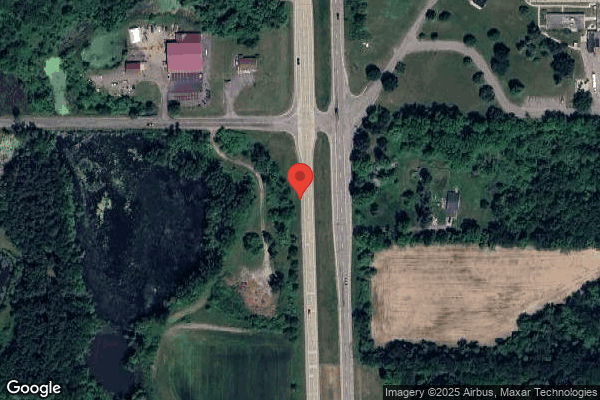
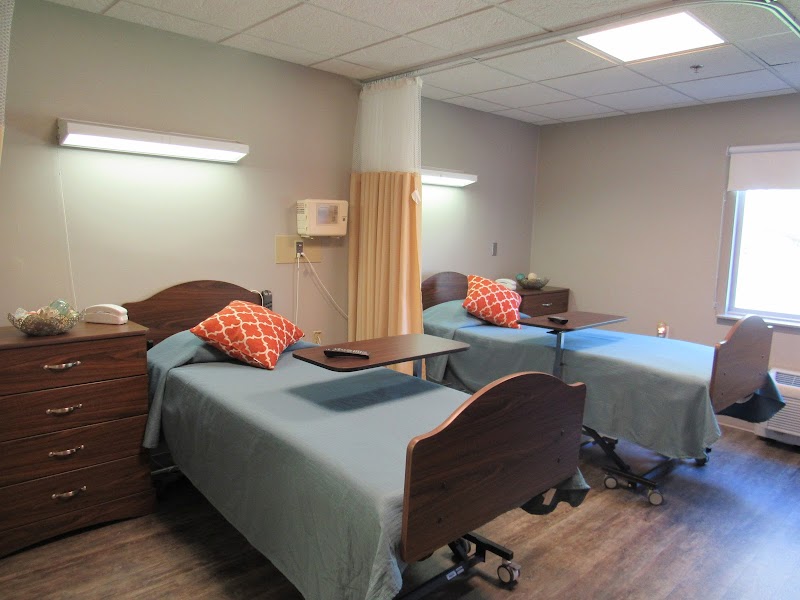
4000 N Michigan Road, Dimondale, MI 48821 (517) 646-6258
For profit - Corporation 150 Beds NEXCARE HEALTH SYSTEMS Data: November 2025
Trust Grade
30/100
#274 of 422 in MI
Last Inspection: July 2025

Inspected within the last 6 months. Data reflects current conditions.

Overview

Dimondale Nursing Care Center has a Trust Grade of F, indicating significant concerns about the quality of care provided. It ranks #274 out of 422 facilities in Michigan, placing it in the bottom half, and #4 out of 4 in Eaton County, meaning there are no better local options available. The facility is worsening, with issues increasing from 9 in 2024 to 12 in 2025, highlighting ongoing challenges. Staffing is a relative strength with a rating of 4 out of 5 stars and a turnover rate of 41%, which is better than the state average, suggesting staff familiarity with residents. However, there have been serious incidents, such as failing to properly manage pressure ulcers for three residents and not adequately monitoring a resident with heart failure, leading to severe health complications. While there are some positive aspects in staffing, the overall quality of care raises significant concerns for prospective families.
Trust Score
F
30/100
In Michigan
#274/422
Bottom 36%
Safety Record
High Risk
Review needed
Inspections
Getting Worse
9 → 12 violations
Staff Stability
○ Average
41% turnover. Near Michigan's 48% average. Typical for the industry.
Penalties
✓ Good
No fines on record. Clean compliance history, better than most Michigan facilities.
Skilled Nurses
○ Average
Each resident gets 39 minutes of Registered Nurse (RN) attention daily — about average for Michigan. RNs are the most trained staff who monitor for health changes.
Violations
⚠ Watch
38 deficiencies on record. Higher than average. Multiple issues found across inspections.
★★☆☆☆
2.0
Overall Rating
★★★★☆
4.0
Staff Levels
★★★★☆
4.0
Care Quality
★★☆☆☆
2.0
Inspection Score
Stable
2024: 9 issues
2025: 12 issues

The Good

  • 4-Star Staffing Rating · Above-average nurse staffing levels
  • 4-Star Quality Measures · Strong clinical quality outcomes
  • Full Sprinkler Coverage · Fire safety systems throughout facility
  • No fines on record
  • Staff turnover below average (41%)

    7 points below Michigan average of 48%

Facility shows strength in staffing levels, quality measures, fire safety.

The Bad

2-Star Overall Rating

Below Michigan average (3.1)

Below average - review inspection findings carefully

Staff Turnover: 41%

Near Michigan avg (46%)

Typical for the industry

Chain: NEXCARE HEALTH SYSTEMS

Part of a multi-facility chain

Ask about local staffing decisions and management

The Ugly 38 deficiencies on record

4 actual harm
Jul 2025 9 deficiencies 1 Harm
SERIOUS (G)

Actual Harm - a resident was hurt due to facility failures

Pressure Ulcer Prevention (Tag F0686)

A resident was harmed · This affected 1 resident

**NOTE- TERMS IN BRACKETS HAVE BEEN EDITED TO PROTECT CONFIDENTIALITY** Based on observation, interview, and record review the facility failed to correctly identify, treat, resulting in worsening and ...

Read full inspector narrative →
**NOTE- TERMS IN BRACKETS HAVE BEEN EDITED TO PROTECT CONFIDENTIALITY** Based on observation, interview, and record review the facility failed to correctly identify, treat, resulting in worsening and non-healing of pressure ulcers for three residents (R29, R32, R81) out of five residents reviewed for pressure ulcers. Findings Include: Resident #29 (R29) Wounds were reviewed for R29. Review of the medical record reflected R29 was admitted to the facility on [DATE], with diagnoses that included chronic pain, delirium, and reduced mobility. The Minimum Data Set (MDS), with an Assessment Reference Date (ARD) of [DATE], reflected R29 scored 9 out of 15 (cognitively impaired) on the Brief Interview for Mental Status (BIMS-a cognitive screening tool). Terminal Kennedy ulcers (KTU) and pressure ulcers are both types of skin breakdown, but they are different in their cause, appearance, and meaning. A pressure ulcer happens when there is prolonged pressure on one area of the skin, usually over bony parts of the body. This pressure reduces blood flow to the tissue, eventually leading to skin and tissue damage. Pressure ulcers develop gradually and are usually preventable with frequent repositioning, good nutrition, skin care, and pressure-relieving devices. The Centers for Medicare & Medicaid Services (CMS) and the National Pressure Injury Advisory Panel (NPIAP) classify pressure ulcers into stages based on how deep the damage goes, from Stage 1 (reddened, unbroken skin) to Stage 4 (deep tissue loss exposing muscle or bone) (NPIAP, 2016). KTU's, on the other hand, are a specific type of skin breakdown often seen at the end of life. They usually develop very quickly, sometimes in just a matter of hours, and are commonly found on the sacrum or coccyx area. These ulcers tend to have a distinct appearance. They can be shaped like a pear, butterfly, or horseshoe and may have a sudden dark purple or black color. Unlike pressure ulcers, Kennedy ulcers are not caused by pressure alone. Instead, they are believed to result from skin failure during the dying process, when the body is shutting down and blood is being directed away from the skin to protect vital organs (Langemo & Brown, 2006). The rapid onset and worsening of a Kennedy ulcer is often a signal that death is near, sometimes within hours to weeks. On [DATE] at 10:53 AM, R29 was observed in bed. R29's left hand was wrapped in gauze. A Nurse's Note dated [DATE] at 7:07 AM revealed On am (morning) assessment some drainage was noted coming from her (R29's) palm, staff saw that her finger nails were all inside her palm and it was cleaned and finger nails trimmed and the palm was covered with wrapped up. Wound was draining with a very foul smell. wound was cleaned and wrapped up. Review of a Hospice Note dated [DATE] stated new wound to palm of L (left) hand noted d/t (due to) hand contractures and finger nails causing skin break . Review of the Physician Orders revealed an order initiated on [DATE] and revised on [DATE] for Hand Carrot to right and left hands as tolerated. This was initiated after the development of the left palm skin wound. Further review of the Physician order's revealed an order initiated on [DATE] which stated left palm skin concern, cleanse with wound cleanser, pat dry, place AquaCell AG patch (AquaCell Ag is an antimicrobial wound dressing designed to manage wounds at risk of infection or showing signs of infection) over and cover with AquaCell foam. Wrap with Kerlix. Review of the Skin and wound tab revealed no documentation or assessment for the wound on the left palm despite the skin concern clearly being described and treated as an open wound. In an interview on [DATE] at 1:20 PM, Clinical Care Coordinator (CCC) S confirmed that R29's hands were contracted, however, had no information about the left palm wound, such as when and how it occurred, or knew any information about when the hand carrot order was implemented, despite having access to R29's medical record. CCC S stated there should have been photos and assessments for the left hand wound but had no information as to why those were not obtained. Review of the Medical Record showed no evidence of R29's Physician being notified of the left palm wound. Review of the Medical Record showed no evidence of a Change in Condition form being completed for the left palm wound. Review of the Incident report dated [DATE] revealed nursing discovered R29's fingernails inside her palm. Under the section of the Incident Report stated, people notified, only a family member for R29 was listed. No Physician was listed. Record Review revealed on [DATE], it was discovered that R29 developed a sacral wound (just above the tailbone) which was initially identified as a Stage 3 Kennedy ulcer. The wound was noted as in-house acquired. At the time, it measured 6.62 cm², with a length of 4.37 cm and a width of 1.96 cm. The wound bed was 80% epithelial and 20% slough (soft, yellow, white, or greenish dead tissue), showing no signs of granulation (new healthy tissue). Review of the sacral wound photograph in the electronic medical record can be described as an open wound with red, moist tissue. The wound bed contains yellowish slough. The wound borders appear to be irregular and macerated (skin has become soft, wet, and broken down from being in contact with too much moisture for too long), suggestive of prolonged moisture exposure. KTU's are not staged, like pressure ulcers. KTU's are identified through their characteristics rather than through a staging system. No scholarly or regulatory source supports staging KTUS. Record review revealed that on [DATE], R29's sacrum wound area had minimally decreased to 6.56 cm², with a length reduction to 4.05 cm but a slight width increase to 2.34 cm. The wound depth was recorded at 0.1 cm. PUSH (PUSH Tool, Pressure Ulcer Scale for Healing, is a standardized instrument developed by the National Pressure Injury Advisory Panel (NPIAP) to monitor the healing progression of pressure injuries over time. It assigns numerical values to three key wound characteristics: surface area (length × width), exudate amount, and tissue type present in the wound bed. The cumulative score ranges from 0 (completely healed) to 17 (severe), with higher scores indicating more severe wounds) score was 11, with 20% epithelial tissue and 80% granulation. Review of R29's sacral wound photograph on the electronic medical record revealed an open area with bright, red moist tissue, rolled wound edges, and widespread redness surrounding the wound. The wound was described as a Stage 3 [NAME] Ulcer. On [DATE], R29's sacral wound area increased to 11.11 cm² with significant length growth to 7.12 cm. Eschar (necrotic tissue) was first documented at 30%, and slough increased to 50%, suggesting tissue deterioration. PUSH score rose to 14. The wound was classified as an Unstageable (full depth of the wound bed can ' t be seen yet. This is usually because the wound is covered with dead tissue such as slough or eschar) [NAME] Ulcer. Record Review revealed on [DATE], the wound area grew slightly to 11.28 cm², though length decreased to 5.62 cm. The wound now contained 60% eschar and 40% slough. The PUSH score remained at 14. The wound was classified as an Unstageable [NAME] Ulcer. On [DATE], the area expanded to 13.63 cm². While the length further decreased to 4.14 cm, the width had grown to 4.85 cm. Slough and eschar remained stable at 40% and 60%. The wound was classified as an Unstageable [NAME] Ulcer. Review of the photograph of the wound in the electronic medical record revealed R29's wound contained eschar and areas of bright red bleeding tissue. On [DATE], the wound continued to expand, reaching 19.75 cm² with eschar increasing to 80%, signaling significant necrosis. The wound continued to be classified as an Unstageable pressure ulcer. The PUSH score was 16. The photograph depicted a bright, red wound bed and surrounding tissue area, which was a continuation of previous photographs reviewed and indicated profusion to the area, which is uncharacteristic of a KTU. On [DATE], R29's wound measured with an area of 33.87 cm², with a length of 5.59 cm and width of 8.77 cm. Granulation was first noted again at 10%, while slough and eschar accounted for 40% and 50% of the wound bed. The PUSH score maintained at 16. On [DATE], the wound assessment showed a decrease in wound area to 28.09 cm² and eschar reduced to 30%, slough remained at 40% with 30% granulation. The PUSH score maintained at 16. Per the wound assessment, the surrounding tissue was red and blanchable. On [DATE], the area increased again to 33.25 cm². Redness, inflammation, and gangrene were noted, indicating localized infection. Granulation remained at 30%, slough at 30%, and eschar increased to 40%. The wound was being described as Unstageable, however, after review of the photograph, the wound bed was visible, suggesting a depth and stage could have been documented. The wound presented as beefy red. On [DATE], R29's sacral wound area had decreased slightly to 30.09 cm². Granulation improved to 50% and eschar dropped to 20%. The wound was being described as Unstageable, however, after review of the photograph, the wound bed was visible, suggesting a depth and stage could have been documented. The wound presented as beefy red. On [DATE], the sacral wound reached its largest size at 49.28 cm², measuring 6.68 cm in length and 10.23 cm in width. Granulation increased to 70%, while slough and eschar were down to 20% and 10%. On [DATE], the wound slightly decreased to 47.94 cm², with depth reaching 3.0 cm. Epithelial tissue was documented at 30%, granulation at 50%, and slough at 20%. The PUSH score was 15. On [DATE], per the measurements documented in the medical record, R29's wound measurements implied wound improvement, with the wound area reducing to 32.86 cm², though the length increased to 7.15 cm. Depth reduced to 1.0 cm, granulation rose to 70%, and slough remained stable at 20%. The wound bed was beefy read and the wound was being classified as a Stage Four [NAME] Ulcer. On [DATE], the wound area was consistent at 32.89 cm². Granulation increased to 90%, and slough remained at 20%, indicating positive healing progress. The wound was described as stable. The PUSH score remained at 15. On [DATE], the area had decreased to 29.79 cm². Granulation was 60%, slough increased to 30%, and eschar reappeared at 10%. Undermining was documented at 3.0 cm from 7 to 3 o'clock. The PUSH score was 16. Review of the photograph in the medical record depicted a Stage 4 pressure ulcer on the sacral region with a beefy, moist wound bed. On [DATE], the area increased to 34.52 cm², and undermining extended to 3.5 cm from 8 to 4 o'clock. Granulation improved to 80% and slough decreased to 20%. On [DATE], the wound area decreased again to 28.53 cm², with a length of 4.05 cm and a width of 8.76 cm. Depth measured at 2.0 cm. Granulation tissue was at 90%, and slough had decreased to 10%. On [DATE] at 4:35 PM, a request was made to observe wound care the following day. On [DATE], Director of Nursing (DON) B reported that R29's wound care was completed overnight and that R29's wound care was scheduled during night shift. Over the 16-week period, the wound showed consistent progression and regression, a pattern uncharacteristic of a Kennedy terminal ulcer. According to the National Pressure Injury Advisory Panel (NPIAP, 2019) and [NAME] et al. (2019), Kennedy terminal ulcers are rapidly progressing wounds that develop within hours to a few weeks before death, exhibit irregular shapes (such as pear, butterfly, or horseshoe-shaped), and typically do not exhibit healing. This resident's wound demonstrates a gradual and prolonged evolution, improvement in tissue composition, and absence of significant end-of-life status, key factors that clearly align with a diagnosis of a pressure injury. Review of the Physician Order's revealed a treatment order for R29's sacral wound active since [DATE] which stated sacral wound: cleanse with wound cleaner, pat dry, crush Flagyl 500 milligram tab then apply to wound bed, moisten gauze with NS (normal saline), squeeze out excess, lightly pack wound to depth, cover with border foam dressing. Despite the non healing status of the wound, the treatment order remained the same since [DATE]. R29's sacral wound persisted for approximately 16 weeks, which is inconsistent with the expected clinical trajectory of a KTU. Separately, on [DATE], second wound developed on R29's right trochanter (right hip) with an initial area of 4.13 cm² (3.77 cm in length and 1.56 cm in width). Review of the photograph in the electronic medical record revealed a dark colored closed area that presented as a suspected deep tissue injury (dark purple or deep red area, or a blood-filled blister, on skin that may feel firm, mushy, or warmer/cooler than the surrounding skin. Even though the top layer of skin may not be open, the tissue underneath is already damaged from pressure). The assessment noted a PUSH score of 11. Review of the Wound assessment dated [DATE] revealed R29's right trochanter wound area expanded dramatically to 14.02 cm², with full epithelial coverage noted and a PUSH score of 10. Clinical records indicate that a circular implanted pain pump was located under the skin in that area. The wound started to notably mirror the round shape of the underlying medical device. On [DATE], the area decreased to 10.61 cm², showing 80% epithelialization, 10% granulation, and 10% eschar. The wound continued to present in a circular shape mirroring the underlying pain pump. On [DATE], the wound expanded again to 18.7 cm², characterized by 90% slough and only 10% granulation. Review of the photograph located in the medical record revealed that the wound had opened, revealing a wound bed of eschar. The skin surrounding the wound appeared red, and the wound edges were well-demarcated (round and easy to see). Review of the wound assessment dated [DATE] revealed that R29's right trochanter wound nearly doubled in size to 35.9 cm², with tissue breakdown now consisting of 80% slough and 20% eschar. The wound had a PUSH score of 15. On [DATE], the wound had regressed to 19.17 cm², but was now 100% slough, suggesting continued necrotic progression. Review of the photograph revealed that the pain pump was now exposed. On [DATE], the wound size increased to 25.81 cm² with 40% slough. Review of the wound photograph revealed the exposed hardware, specifically a intrathecal pump (a pump that is surgically placed under the skin). A pressure ulcer developed over the surface of the implanted intrathecal pump. The wound edges were rolled and undermined, with black eschar along the margin. On [DATE], R29's wound had an area of 47.87 cm². At that time, the wound presented with 40% granulation and 60% slough. Clinical notes confirmed that the intrathecal pain pump eventually became exposed through the wound bed and ultimately dislodged and fell out of the resident's body, indicating advanced soft tissue destruction due to persistent pressure and device-related trauma. R29's right trochanter wound persisted for about 8 weeks, which is inconsistent with the expected clinical trajectory of a KTU. In an interview on [DATE] at 1:51 PM, Registered Nurse (RN) D stated that she was familiar with R29's care, including her pressure ulcers. RN D reported that she cares for R29 about two times a week under R29's hospice care. RN D reported that KTU'S typically present as a dark discoloration and deteriate rapidly. RN D reported that initially, R29's sacral and right trochanter pressure ulcers were classified as KTU's however, in retrospect, using her professional knowledge she would classify them as pressure injuries due to the long-standing nature of the wounds. In an interview on [DATE] at 11:06 AM, Physician H stated that KTU's come on very quickly and indicate that the patient is terminal with the potential to pass within days or weeks. Physician H stated that KTU's are thought to occur due to perfusion issues, skin failure, or the body shutting down. In an interview on [DATE] at 2:13 PM, Physician LL stated that KTU's were classified as [NAME] Ulcers due to the patients decline and weight loss. Physician LL also reported that [NAME] Ulcers are not stageable. Regarding treatment, Physician LL added if the ulcer is not infected we don't treat them. A review of R29's total body skin assessments revealed that every weekly assessment conducted throughout the duration of her admission consistently documented normal findings. Specifically, R29 was noted to have good skin turgor, skin color appropriate for her ethnic background, warm (normal) skin temperature, normal moisture levels, and overall skin condition described as normal. If R29 had experienced hypoperfusion and/or organ failure to a degree that impacted her skin integrity, such changes would have been reflected in the weekly skin assessments. Review of R29's Blood Pressures revealed the following: [DATE] 12:16 PM 114 / 71 mmHg [DATE] 1:19 PM 121 / 75 mmHg [DATE] 7:17 AM 110 / 78 mmHg [DATE] 2:30 PM 100 / 55 mmHg [DATE] 2:27 PM 100 / 55 mmHg Review of these blood pressure readings show evidence that R29's Mean Arterial Pressure (MAP- the average pressure in a person's arteries during one cardiac cycle. It represents the perfusion pressure delivered to the organs and tissues of the body. Unlike simple systolic or diastolic pressure readings, MAP provides a more accurate reflection of the blood flow and pressure that organs actually experience) was above the normal range of 70-100 mmHg which indicated adequate perfusion. In an interview conducted on [DATE] at 12:37 PM, Licensed Practical Nurse (LPN) D stated that physicians are primarily responsible for reviewing, staging, and initiating wound care orders. When asked whether wounds are assessed in person, LPN D explained that this is not always the case. She noted that if she encounters an issue, she may request the physician to assess the wound in person, otherwise, they typically rely on photographs and documentation in the electronic medical record. They do not round every week, she added. When asked about the process for changing wound treatments, LPN D stated that if a wound is not healing, the physician will usually consider modifying the treatment plan after approximately two weeks. Regarding R29's left palm, LPN D stated the skin was never visibly open, therefore, she did not believe it was necessary to monitor or assess the area further. Per the medical record, there was clear indication that the left palm had in fact, opened. Review of the Physician Order's revealed an order for R29's sacral wound active from [DATE] and discontinued on [DATE]. The order stated to cleanse the sacral wound with normal saline, pat dry, place AquaCell AG over the wound and cover with AquaCell dressing. As mentioned, AquaCell AG is a antimicrobial wound dressing designed to manage wounds at risk of infection or showing signs of infection. AquaCell is utilized for the management of both chronic and acute wounds, such as leg ulcers, pressure injuries (stages 2-4) and diabetic ulcers; surgical wounds (post-operative, donor sites, dermatological); partial-thickness (second-degree) burns . wounds that are prone to bleeding, such as wounds that have been mechanically or surgically debrided and donor sites . (https://www.woundsource.com/product/aquacel-foam-dressing). Per the manufacturer's website, AquaCell is a ConvaTec brand and stands out for its unique gelling action based on Hydrofiber technology. This property allows the dressing to absorb and lock in exudate and bacteria. It is a versatile primary wound dressing indicated for use on moderate to highly exuding chronic and acute wounds. AquaCell supports wound healing by providing a moist wound healing environment. Further review of the wound care orders for R29's sacral and right trochanter wound revealed AquaCell and AquaCell AG were utilized for R29's wound care treatments. Review of the literature provided by the facility states Setting realistic wound management goals that are situated around comfort and odor control rather than healing ([NAME] et al., 2019). Labeling these wounds as Kennedy terminal ulcers misrepresented the clinical scenario and may falsely imply unavoidability. The wound's trajectory, characteristics, and treatments support the conclusion that R29 experienced chronic, in-house acquired pressure injuries. Additionally, Kennedy terminal ulcers (KTUs) are not staged using the standard pressure injury staging system because they are considered a distinct type of skin failure related to the dying process. Unlike traditional pressure injuries, KTUs appear suddenly, often within hours to a few weeks before death, and they progress rapidly. Their unique presentation and association with end-of-life changes make them inappropriate for classification under the National Pressure Injury Advisory Panel's staging guidelines. Instead, KTUs should be described in narrative form, noting their appearance, location, size, and progression, rather than assigning a numerical stage. Applying a pressure injury stage to a Kennedy ulcer can lead to misclassification and clinical confusion (NPIAP, 2016). (https://pubmed.ncbi.nlm.nih.gov/30801349). Additionally, Accurate assessment is vital to distinguish Kennedy terminal ulcers from pressure injuries to ensure appropriate care planning and to avoid misinterpretation of unavoidable skin changes. ([NAME], S., [NAME], J., Hunt, T., [NAME], K., & [NAME], B. M. (2019). Kennedy terminal ulcers: A Scoping Review. Journal of Hospice and Palliative Nursing, 21(3), 202-208). R29 expired in the facility on [DATE]. Based on observation, interview, and record review the facility failed to correctly identify, treat, resulting in worsening and non-healing of pressure ulcers for three residents (R29, R32, R81) out of five residents reviewed for pressure ulcers Findings Include:Resident #81 (R81)Review of the medical record reflected that R81 was admitted to the facility on [DATE], hospitalized on [DATE] and was readmitted to the facility on [DATE]. Diagnoses of Dementia, Pressure-induced Deep Tissue Damage, Pressure Ulcer of Sacral region, unstageable.The most recent Minimum Data Set (MDS), with an Assessment Reference Date (ARD) of [DATE] revealed R81 had a Brief Interview of Mental Status (BIMS) of 00 (unable to answer any questions) out of 15.Under section G0100, Activities of Daily Living (ADL) Assistance reveals R81 is dependent for all care. During an interview on [DATE] at 12:29 PM, R81's family member II stated that R81 developed a pressure ulcer after admission to this facility.Physician Order: Clean pressure ulcer on the coccyx with wound cleanser, pat dry apply Aquacel AG (used for managing moderate to heavily exuding wounds, including pressure ulcers, to be changed every 3-5 days for proper usage,), cover with Aquacel foam (AQUACEL® Ag Foam may be used for the management of both chronic and acute wounds, such as leg ulcers, pressure injuries (stages 2-4) to be changed every 3-5 days for proper usage,) and cover with bordered form every shift for Skin integrity, ordered on [DATE], discontinued on [DATE]. Record review revealed a nursing progress note dated [DATE] 1:43 PM, Nurse's Progress Note, Note Text: During routine care resident was noted to have a Pressure Ulcer on the coccyx. The nurse cleaned the area with a wound cleaner, patted dry covered with Aquacel form. Family, on call and provider were notified. A change in condition was initiated.Record review revealed a document labeled Wound Evaluation on [DATE] labeling #2 Pressure-Kennedy terminal ulcer-Deep Tissue Injury- Unstageable- Sacrum. The wound evaluation has a picture of the sacrum showing measurements of area 9.11 cm x 3.24 cm x 5.57 cm with a push score of 14 and 0% change.Record review of an Skin and Wound Evaluation dated [DATE] revealed R81's type of wound was Pressure-Kennedy terminal ulcer, unstageable due to slough and eschar, in house acquired on [DATE]. Wound measurements were 3.2cm x 5.6cm depth unknown with area 9.1cm. Granulation of 50% of wound bed filled and eschar of 50% of wound bed.Record review revealed a document labeled Wound Evaluation on [DATE] labeling #2 Pressure-Kennedy terminal ulcer-Deep Tissue Injury- Unstageable- Sacrum. The wound evaluation has a picture of the sacrum showing measurements of area 9.44 cm (+4%) x 5.94 cm (+83%) x 2.38 cm (-57%) with a push score of 14, with a push score of 14 and -4% change.Physician Order: Clean Pressure Ulcer on the coccyx with wound cleanser, pat dry apply aquacel AG (used for managing moderate to heavily exuding wounds, including pressure ulcers, to be changed every 3-5 days for proper usage, cover with Aquacel foam (AQUACEL® Ag Foam may be used for the management of both chronic and acute wounds, such as leg ulcers, pressure injuries (stages 2-4)and cover with bordered foam every evening shift every 3 day(s) for Skin integrity, ordered on [DATE] and discontinued on [DATE].Record review revealed a nursing progress note dated [DATE] 12:45 PM, Nurse's Progress Note, Note Text: Family requesting resident be sent to emergency department for ulcer to sacrum. Education given to family regarding Pressure Ulcer being a [NAME] Ulcer which is terminal and not curable. Resident sent for further evaluation on the ulcer per family request; physician notified. Transfer packet sent with bed hold policy and ombudsman information.Physician Order: Clean Pressure Ulcer on the coccyx with wound cleanser, pat dry apply aquacel AG (used for managing moderate to heavily exuding wounds, including pressure ulcers, to be changed every 3-5 days for proper usage, cover with Aquacel foam (AQUACEL® Ag Foam may be used for the management of both chronic and acute wounds, such as leg ulcers, pressure injuries (stages 2-4)and cover with bordered foam every evening shift every 3 day(s) for Skin integrity, ordered on [DATE] and discontinued on [DATE].Physician Order Clean Pressure Ulcer on the coccyx with wound cleanser, pat dry apply Aquacel AG (used for managing moderate to heavily exuding wounds, including pressure ulcers to be changed every 3-5 days for proper usage,), cover with Aquacel foam (AQUACEL® Ag Foam may be used for the management of both chronic and acute wounds, such as leg ulcers, pressure injuries (stages 2-4), and cover with bordered form every evening shift every 3 day(s) for Skin integrity AND every 24 hours as needed. Ordered on [DATE] and discontinued on [DATE].Physician Order Clean pressure ulcer on the coccyx with wound cleanser, pat dry apply Medi honey (Medi honey is used for wound care and has several benefits: Pulls moisture from wounds and reduces bacterial growth. Has an anti-inflammatory effect that speeds up healing time and reduces pain. Stimulates blood flow and oxygen release, aiding wound healing. Reduces swelling and has an antibacterial effect.Safe and effective for various types of wounds, including diabetic foot ulcers, pressure ulcers, burns, and surgical wounds. and cover with bordered form every evening shift every 3 day(s) for Skin integrity AND every 24 hours as needed, ordered on [DATE] and discontinued on [DATE].Physician Order: Kennedy terminal ulcer on sacrum: cleanse with wound cleanser, pat dry, apply Medi honey (Medi honey is used for wound care and has several benefits: not a treatment for a [NAME] Ulcer Pulls moisture from wounds and reduces bacterial growth. Has an anti-inflammatory effect that speeds up healing time and reduces pain. Stimulates blood flow and oxygen release, aiding wound healing. Reduces swelling and has an antibacterial effect. Safe and effective for various types of wounds, including diabetic foot ulcers, pressure ulcers, burns, and surgical wounds. cover with bordered form everyday shift for wound care AND as needed Ordered [DATE] 9:45AM, discontinued on [DATE].Record review revealed a document labeled Wound Evaluation on [DATE] labeling #2 Pressure-Kennedy terminal ulcer-Deep Tissue Injury-sacrum. The wound evaluation has a picture of the sacrum showing measurements of area 5.47 cm (-42%) x 2.77 cm (+53%) x 2.92 cm (+23%) with a push score of 12 and 40% change.Record review revealed a document labeled Wound Evaluation on [DATE] labeling #2 Pressure-Kennedy terminal ulcer-Deep Tissue Injury-sacrum. The wound evaluation has a picture of the sacrum showing measurements of area 4.41 cm (-19%) x 2 cm (-28%) x 2.83 cm (-2%) with a push score of 12 and 52% change.Physician Order Kennedy terminal ulcer on sacrum: cleanse wound with wound cleanser or NS, pat dry, apply Santyl (Santyl works by breaking down damaged collagen in wounds, helping to clear away dead tissue and allowing new, healthy skin to grow) to wound bed, cover wounds with dry fluffy gauze then bordered foam dressing every day shift for wound care AND as needed. Ordered [DATE] discontinued on [DATE]. Physician Order: Kennedy terminal ulcer on sacrum: cleanse wound with wound cleanser or NS (normal saline), pat dry, apply Santyl (Santyl works by breaking down damaged collagen in wounds, helping to clear away dead tissue and allowing new, healthy skin to grow) to wound bed, cover wounds with dry fluffy gauze, skin prep, then bordered foam dressing every day shift for wound care AND as needed. Ordered [DATE], discontinued on [DATE].Record review revealed a document labeled Wound Evaluation on [DATE] labeling #2 Pressure-Kennedy terminal ulcer-Deep Tissue Injury-sacrum. The wound evaluation has a picture of the sacrum showing measurements of area 6.21 cm (+41%) x 2.44 cm (+22%) x 3.58 cm (+26%) with a push score of 13 and 32% change.Record review revealed a document labeled Wound Evaluation on [DATE] labeling #2 Pressure-Kennedy terminal ulcer-Deep Tissue Injury-sacrum. The wound evaluation has a picture of the sacrum showing measurements of area 8.73 cm (+1%) x 2.86 cm (+8%) x 3.96 cm (+1%) deepest point .3 cm and undermining 1cm with a push score of 12 and 4% change.Record review revealed a document labeled Wound Evaluation on [DATE] labeling #2 Pressure-Kennedy terminal ulcer-Deep Tissue Injury-sacrum. The wound evaluation has a picture of the sacrum showing measurements of area 8.71 cm x 2.76 cm (-4%) x 4 cm (+1%) deepest point 1cm and undermining 1cm with a push score of 12 and 4% change.Record review revealed a document labeled Wound Evaluation on [DATE] labeling #2 Pressure-Kennedy terminal ulcer-Deep Tissue Injury-sacr
CONCERN (D)

Potential for Harm - no one hurt, but risky conditions existed

Grievances (Tag F0585)

Could have caused harm · This affected 1 resident

**NOTE- TERMS IN BRACKETS HAVE BEEN EDITED TO PROTECT CONFIDENTIALITY** Based on interview and record review, the facility failed to ensure grievances were promptly documented, investigated, tracked a...

Read full inspector narrative →
**NOTE- TERMS IN BRACKETS HAVE BEEN EDITED TO PROTECT CONFIDENTIALITY** Based on interview and record review, the facility failed to ensure grievances were promptly documented, investigated, tracked and resolved for one resident of one resident reviewed for grievances (Resident #8). Findings include:Review of the clinical record reflected R8 was admitted to the facility for long term care with diagnoses that included diabetes and hemiplegia. Review of the Minimum Data Set (MDS) dated [DATE], R8 scored 15 out of 15 (cognitively intact) on the Brief Interview for Mental Status (BIMS). On 07/01/25 11:25 AM, during an interview with R8, he reported multiple missing clothing items that have not been replaced despite multiple complaints. R8 reported this had been an ongoing issue and since his most recent hospitalization from 5/03/25 to 5/08/25 additional items were missing. R8 reported due history of former facility administration rummaging through his personal property and discarding items at will, R8 did not trust facility staff and reached out to the local Ombudsman to get involved in effort to assist in recovering the missing items. Review of the facility grievance log from January 2025 to June 2025, revealed there were no grievance/concern forms from R8. On 07/03/25 at 10:43 AM, during a phone interview with Ombudsman HH it was reported that R8 reported that in April of 2024 while hospitalized the multiple items were missing. An interim Nursing Home Administrator (NHA) was aware and attempting to work with R8 on recovering the items, then the Interim NHA left and current NHA A took over. Ombudsman HH stated she had met with NHA A and R8 and NHA A was agreeable to replacing some items but not all since the list provided by R8 went back to April of 2024. R8 went to the hospital (May 2025) reported additional missing items and no resolutions have occurred. On 07/03/25 12:06 PM, during an interview with NHAA he reported he started at the facility in January of 2025 and was aware of R8 concerns regarding missing items and reported he had multiple conversations and a meeting with R8 and Ombudsman HH in March or April. NHA A during the meeting R8 did not want staff to look for the missing items and did not want to be reimbursed. When asked if perhaps R8's history and lack of trust may have been a reason for declining housekeeping to search his room, NHA A stated he didn't know. When queried why R8 would pursue the issue of missing items, get the Ombudsman involved then decline wanting items found or items to reimbursed, NHA A stated he could not respond to the question. Documentation related the meeting held with R8 and Ombudsman HH was requested. When queried why the missing items were not tracked in the grievance log and missing item/concern form filled out, NHA A stated because R8 didn't want to file a complaint. When queried why NHA A wouldn't want to track, monitor and resolve issue to identify patterns for the facility, NHA A did not respond. On 07/03/25 12:11 PM during a follow up interview with Ombudsman HH she reported at no time did R8 say that he didn't want to be reimbursed for the lost items, R8 did say he did not want staff to search his room and go through belongings but had no objections for staff to search laundry. By the close of the survey on 7/08/2025 there was no documentation provided by the facility that R 8 did not want resolution, that laundry had been searched, there was no documentation of the meeting that was held with NHA A, R8 and Ombudsman HH.
CONCERN (D)

Potential for Harm - no one hurt, but risky conditions existed

Free from Abuse/Neglect (Tag F0600)

Could have caused harm · This affected 1 resident

**NOTE- TERMS IN BRACKETS HAVE BEEN EDITED TO PROTECT CONFIDENTIALITY** Based on interview and record review the facility failed to ensure for two out of two residents (Resident #11 and #242) the righ...

Read full inspector narrative →
**NOTE- TERMS IN BRACKETS HAVE BEEN EDITED TO PROTECT CONFIDENTIALITY** Based on interview and record review the facility failed to ensure for two out of two residents (Resident #11 and #242) the right to be free from abuse, and involuntary seclusion. Findings Include: Resident #11 (R11) Per the facility face sheet R11 was admitted to the facility on [DATE]. Review of the Minimum Data Set (MDS) dated [DATE], revealed R11 had a Brief Interview for Mental Status (BIMS) score of 15 out of 15 which indicated R11 was cognitively intact.Record review of a concern form dated 5/17/2025, revealed R11 had documented on the concern form that she had run out of oxygen, and Certified Nurse Aid (CNA) JJ told her that she had to wait, and proceeded the leave to attend to another resident leaving R11 with no oxygen. R11 documented on the concern form that CNA JJ made her sit in urine soak brief for over six hours, until a nurse made CNA JJ change her. R11 documented that CNA JJ was being rude, R11 told CNA JJ she needed her labia washed due to the soap had not been washed out of that area yet, and it was burning. The concern form further revealed that R11 stated CNA JJ started to scream at her, and was then asked to leave her room, but CNA JJ stated that she did not have to leave and then slammed R11's room door. The concern form revealed that R11 did not want CNA JJ in her room, and this was the third time that this type of incident had happened, and she was not going to be an abused patient.In an interview on 7/07/2025 at 12:22 PM, CNA EE stated he went into R11's room to assist CNA JJ with R11's care when CNA JJ started to yell at R11, and then they both yelled back and forth. CNA EE stated that she told CNA JJ to leave R11's room, and at first CNA JJ would not want to leave, but when she finally did she slammed the room door. CNA EE said CNA JJ told R11 that she could not be this rude to be people who took care of her. CNA EE said he reported the incident to Administrator A immediately, along with R11. CNA EE said Administrator A asked him if there was any abuse involved, and then said he told Administrator A the same thing he just stated in this interview. CNA EE also said CNA JJ told R11 that she did not have to do a damn thing, and it was an argument that got out of control. CNA EE did state that CNA JJ did tell R11 that she did not have to leave the room and R11 said yes you do. CNA EE said he told CNA JJ that she did have to leave the room. In an interview on 7/07/2025 at 12:38 PM, R11 stated that CNA JJ had come into her room to help with care and just started yelling and getting angry. R11 said she asked CNA JJ to leave the room, and CNA JJ said she did not have to, then slammed her room door. In interview with R11 on 7/08/2025 at 10:45 AM, R11 stated that she did ask to be cleaned in her peri area because it burned, but the CNA JJ just began to verbalize how she can find another job, and went on and on, and then she asked her to leave, but CNA JJ she said she did not have to, and then slammed her room door. In an interview on 7/07/2025 at 1:00 PM, CNA JJ stated that she went in to provide care for R11, when R11 started to talk badly to her, and yelled at me and told me to get. CNA JJ said she the door just closes as if it slams. The concern form revealed that the facility's response was that R11 and CNA JJ were spoken to, and CNA JJ was provided with education. However, R11's right to be free from abuse was not maintained due to the fact that CNA JJ was not removed from providing care to R11 and other residents, because the facility did not perform an abuse investigation.Resident #242 (R242):Per the facility face sheet R242 was admitted to the facility on [DATE].Review of an MDS dated [DATE], revealed R242 had a BIMS score of 12 out of 15. Review of a concern form dated 1/30/2025, revealed CNA KK had an attitude every time R242 opened her mouth CNA KK would respond rudely, and when she asked a question CNA KK would come back with a sarcastic attitude/response. The concern form revealed that on 1/30/2025 CNA KK got pissed, and upon leaving R242's room, hide R242's remote (call light) turned off all lights, and shut the door on R242. The concern form further revealed that when R242 would call for CNA KK, CNA KK would get mad at her and she was tired of it.The concern form revealed that the facility's response was to provide education to CNA KK in regards to satisfactory customer service practices. CNA KK signed the concern form on 2/12/2025 that she received the education to ensure resident care spoken to with respect and professionalism, and residents will be treated with professionalism. In an interview on 07/08/2025 at 8:09 AM, via the phone R242's daughter (Dtr) RR stated that R242 was not available for interview, however stated she was very familiar with the incident. Dtr RR stated that the situation with CNA KK went on for several days, then she requested a concern form. Dtr RR said CNA KK was sarcastic, had an attitude when R242 asked for anything, would shut R242's door and hide her call light. Dtr RR said R242 would have to yell out for help because she did not have her call light. Dtr RR stated that this had happened twice, and said she was on the phone with R242 one of the times that it happened. she told me the CNA KK hid her remote (call light) and shut her door. Dtr RR said R242 had started screaming out, help me help me, and said they (staff) were not coming. Dtr RR said she then called the nursing desk over and over until someone answered. Dtr RR said she wrote the incident on a concern form, and gave the form to LPN SS, but did not know where the form went from there. On 7/08/2025 at 8:43 AM, an attempt was made to contact LPN SS, but was unsuccessfully. In an interview on 7/08/2025 at 8:55 AM, CNA KK stated that she did not recall R242, did not recall the incident, and did not recall receiving a one to one In-service that she signed on 2/12/2025, asked if she wanted to change anything about her statement in which CNA KK stated No In an interview on 7/08/2025 at 1:25 PM, Administrator A stated that he would say the allegations could be abuse, and that he would have spoken to R242 and got her statement, talked to staff, and done a thorough investigation. Administrator A said based on what is written on the concern form, those are allegations of abuse, and said yes he would do an investigation and report it to the state agency. However. Administrator A was not able to explain why the allegations were not reported to the state agency. In an interview on 7/08/2025 at 2:01 PM, LPN U, who was the Unit Manager for the one south unit, stated that the concern form was given to her by Administrator A. LPN U said she spoke with R242, and CNA KK about the incident, but stated she had no documentation of those interviews. Upon asking LPN U stated that she had no concern's with allegations of abuse, and no concern's with allegations of involuntary seclusion in R242's concern that was written on the concern form. In an interview on 7/08/2025 at 238 PM, Director of Nursing (DON) B, after reading R242's concern form, stated yes and also stated that she had a concern with CNA KK shutting the door on R242, and allegations of abuse.
CONCERN (D)

Potential for Harm - no one hurt, but risky conditions existed

Quality of Care (Tag F0684)

Could have caused harm · This affected 1 resident

Deficiency Text Not Available

Read full inspector narrative →
Deficiency Text Not Available
CONCERN (D)

Potential for Harm - no one hurt, but risky conditions existed

Deficiency F0761 (Tag F0761)

Could have caused harm · This affected 1 resident

**NOTE- TERMS IN BRACKETS HAVE BEEN EDITED TO PROTECT CONFIDENTIALITY** Based on observation, interview, and record review the facility failed to label and store medication in accordance with accepted...

Read full inspector narrative →
**NOTE- TERMS IN BRACKETS HAVE BEEN EDITED TO PROTECT CONFIDENTIALITY** Based on observation, interview, and record review the facility failed to label and store medication in accordance with accepted professional principles, for one resident (#111) of seven residents during observation of medication administration, one of eight medication carts (to include medication for resident #342), and one medication refrigerator (one east refrigerator) of six refrigerators reviewed. Findings Included:Resident #111 (R111)Review of the medical record revealed R111 was admitted to the facility 02/16/2024 with diagnoses that included type 2 diabetes, congestive heart failure (CHF), atherosclerotic heart disease (build up of substances in artery walls), hypertension, sleep apnea, insomnia, bilateral cataracts, depression, and gastro-esophageal reflux. The most recent Minimum Data Set (MDS), with an Assessment Reference Date (ARD) of 06/09/2025, demonstrated a Brief Interview for Mental Status (BIMS) of 15 (intact cognition) out of 15. During observation of medication administration on 7/03/2025 at 08:24 a.m. Licensed Practical Nurse (LPN) Q was observed entering R111's room to provide prepared medication. R111 was observed sitting up in bed eating her breakfast. LPN Q was observed providing an insulin injection to R111. LPN Q asked R111 if she would like to take her medication (9 different medications in a medication cup) at this time. R111 responded that she would like to take her medication once she had completed her breakfast. LPN Q was observed leaving the medication cup (with 9 different medications) on R111's overbed table and then leaving R111's room. During observation and interview on 07/02/2025 at 08:27 a.m. R111 was observed lying down in bed. The medication cup (with medication) was observed sitting on the over bed table. When inquired if nursing staff left medication with her to take without their supervision, R111 explained that usually staff do leave the medication with her to take later because she does not like to consume her mediation until after she has eaten.Review of R111's medical record did not demonstrate a physician order that she as able to take her medication independently. R111's medical record did not demonstrate that and assessment for self-administration of medication had been conducted. R111's medication record did not have a plan of care specifying that she could self-administer medication. During an interview on 07/03/2025 at 09:17 a.m. Director of Nursing (DON) B explained that the process of self-administering of medication required an assessment by the interdisciplinary team, a physician order, and the residents plan of care would include self-administering of medication. DON B confirmed that R111's medical record did not include the required assessment, physician order, or plan of care for self-administration of medication. Resident #342 (R342) Review of the medical record revealed R342 was admitted to the facility 06/13/2025 with stroke, cognitive communication deficit, left sided hemiplegia (weakness or paralysis), type 2 diabetes, dysphagia (difficulty swallowing), malnutrition, hyperlipidemia (high fat content in blood), history of seizures, and hypertension. The most recent Minimum Data Set (MDS), with an Assessment Reference [NAME] (ARD) of 06/19/2025, demonstrated a Brief Interview for Mental Status (BIMS) of 03 (severe cognitive impairment) out of 15.On 07/03/2025 at 10:56 a.m. during inspection of 1 [NAME] back medication cart, it was observed that the second drawer contained a medication cup with medication present. The unlabeled medication cup contained three white pills, one light orange pill, one yellow pill, and one dark orange pill. Licensed Practical Nurse (LPN) E explained that the cup contained R342's morning medication. LPN E explained that she was unable to provide R342 with his morning medication because care was being provided. LPN E explained that she had placed the medication cup, with the medication, in the medication cart at an earlier time. LPN E could not list the names of the medication and could not explain why the medication cup was not labeled with R342's name or the names of the medications.During an interview on 07/08/2025 at 10:59 a.m. Director of Nursing (DON) B explained that it was not acceptable to leave mediation in a medication cup without the cup being labeled with the resident name and the names of the medication. DON B' explained that medication should only be stored in packaging from the pharmacy or medication company. During review of one east medication refrigerator June temperature log it was observed to not have temperatures recorded for 06/25/2025, 6/26/2025, 06/28/2025, and 06/30/2025. During an interview on 07/03/2025 at 09:57 a.m. with Infection Preventionist (IP) R explained that it is the responsibility of the midnight nurses to record the temperature of the medication refrigerator on the log. IP R also explained that it was her responsibility to review the logs daily. IP R could not explain why the dates, list above, did not have recorded temperatures.
CONCERN (E)

Potential for Harm - no one hurt, but risky conditions existed

Report Alleged Abuse (Tag F0609)

Could have caused harm · This affected multiple residents

**NOTE- TERMS IN BRACKETS HAVE BEEN EDITED TO PROTECT CONFIDENTIALITY** Based on observation, interview, and record review the facility failed to ensure 9 out of 10 resident's (Residents #'s 11, 37, 4...

Read full inspector narrative →
**NOTE- TERMS IN BRACKETS HAVE BEEN EDITED TO PROTECT CONFIDENTIALITY** Based on observation, interview, and record review the facility failed to ensure 9 out of 10 resident's (Residents #'s 11, 37, 42, 65, 94, 108, 124, 134, & 242) allegations of abuse were reported to the state agency.Findings Included:Per the facility face sheet R11 was admitted to the facility on [DATE]. Review of the Minimum Data Set (MDS) dated [DATE], revealed R11 had a Brief Interview for Mental Status (BIMS) score of 15 out of 15 which indicated R11 was cognitively intact. Record review of a concern form dated 5/17/2025, revealed R11 had documented on the concern form that she had run out of oxygen, and Certified Nurse Aid (CNA) JJ told her that she had to wait, and proceeded the leave to attend to another resident leaving R11 with no oxygen. R11 documented on the concern form that CNA JJ made her sit in urine soak brief for over six hours, until a nurse made CNA JJ change her. R11 documented that CNA JJ was being rude, R11 told CNA JJ she needed her labia washed due to the soap had not been washed out of that area yet, and it was burning. The concern form further revealed that R11 stated CNA JJ started to scream at her, and was then asked to leave her room, but CNA JJ stated that she did not have to leave and then slammed R11's room door. The concern form revealed that R11 did not want CNA JJ in her room, and this was the third time that this type of incident had happened, and she was not going to be an abused patient. The concern form revealed that the facility's response was that R11 and CNA JJ were spoken to, and CNA JJ was provided with education. The allegations of abuse were not identified as allegations of abuse, nor reported to the state agency upon checking the state agency reporting system. In an interview on 7/08/2025 at 1:35 PM, Administrator A stated that he went and talked to R11 to see what happened. Administrator A said R11 leaves her window open the wind pushes the door shut, CNA JJ is new, and stated that he asked CNA EE if the incident that had taken place was abuse or customer service, in which Administrator A stated that the decision was made by CNA JJ, CNA EE, and R11 that is was not abuse; just a customer service concern, despite the fact that R11 specifically stated on the concern form that she was not going to be an abused patient. Therefore, Administrator A did not report the allegations of abuse to the state agency, because he considered the concerns R11 had to be costumer service concerns and not abuse allegations. Resident #37 (R37): Per the facility face sheet R37 was admitted to the facility on [DATE]. Review of an MDS dated [DATE], revealed R37 had a BIMS score of 15 out of 15 which indicated R37 was cognitively intact. Review of a documented concern on a concern form dated 6/1/2025, revealed that R37 did not get her meds on time, and when she asked the nurse (did not state name) when she could get her meds the nurse said to R37 I'll get to you when I get to you with an attitude. The concern form documentation revealed that the facility’s response to R37's concern was that Administrator A spoke with both R37 and the nurse, and it was determined that R37 would go outside to smoke during medication administration times. Education was provided to nurse regarding customer service, spoke with residents about letting staff/nurse know when she is going outside so staff know where she is. The facility did not identify, nor address R37's statement that the nurse had an attitude, and told her, I'll get to you when I get to you In an interview on 7/08/2025 at 1:21 PM, Administrator A was asked about the allegation of abuse R37 documented on the concern form regarding the nurse. Administrator A stated that she spoke with R37 who said the nurse was close to her room and she asked if it was time for her medications, and the nurse said I will get to you when I get to you. Administrator A said he asked R37 how she felt about it, whether she felt it was abuse or customer service concern. Administrator A said R37 stated she felt the nurse could have said it in a different way. Administrator A also said he asked R37 to let staff know when she was leaving and coming, because she was frequently outside, and he would talk to the nurse about customer service. Administrator A stated R37 had no abuse concerns, however nowhere on Administrator A's follow-up documentation was that documented. Administrator A did not report the allegations of abuse to the state agency, because he considered the concerns R11 had to be costumer service concerns and not abuse allegations. The allegations of abuse were not identified as allegations of abuse, not reported to the state agency upon checking the state agency reporting system. Resident #42 (R42): Per the facility face sheet R42 was admitted on [DATE]. Review of the clinical record, including the Minimum Data Set (MDS) with an Assessment Reference Date (ARD) of 5/17/25 revealed R 42 was [AGE] years old, admitted to the facility with diagnosis that included cerebral vascular accident (stroke). R42 scored 12 out of 15 (cognitively intact) on the Brief Interview for Mental Status (BIMS). Section B of the MDS reflected R42 had clear speech and adequate hearing, was usually understood and usually understood others Review of a concern form that R42 filled out revealed Licensed Practical Nurse (LPN) E spoke to R42 in a mean way on 1/21/2025, and that R42 had to wait for her morning meds, in a very mean way, when R42 asked for her meds. The concern form revealed that R42 stated this type of behavior from LPN E happened often. R42 wrote on the concern form that she had asked for her medications before breakfast, but as of 9:45 AM, R42 still had not received her medications. R42 also documented on the concern form that LPN E treats other residents the same way. The concern form revealed that the facility's response was that R42 was frustrated that she had to wait for her blood pressure to be taken before receiving her meds, and it was documented that R42 now changed her mind and made a statement that LPN E was not mean to her. The documented action to be taken was that the CNAs will attempt to get R42's vital signs at the start of the day shift. However, R42 requested on the concern form that LPN E be spoken to about the way she talks to residents, and needs to talk kindly, as LPN E does this often to many patients. The concern form did not document any education or speaking to LPN E about how she spoke to R42 in a very mean way. In an interview on 7/08/2025 at 1:15 PM, Administrator A stated that R42 had to be interviewed by the Speech Therapist (ST) because R42 had expressive dysphasia (cannot speak whole sentences), so someone had to assist R42 with getting her words out. Administrator A said the only thing R42 could do was nod yes and no so the ST had to guess what R42's frustration was telling her. So, ST felt R42 was trying to say LPN E was rude. Review of another concern form dated 6/18/2025, revealed R42 made a complaint that a CNA (did not name the CNA) was very rude while serving her breakfast, and CNA ignored her and had a rude tone. The facility's response was that a nurse spoke with R42 and the CNA an both stated it must have been a misunderstanding. In an interview on 7/08/2025 at 1:05 PM, Administrator A said, regarding the 6/18/2025 concern, R42 felt the CNA was ignoring her. Administrator A said he spoke with the CNA who did not understand where the resident’s frustration was coming from so it must of been a misunderstanding, Review of another concern dated 1/7/2025 revealed when R42 would lay down after lunch and then wanted to get back up at 2:00 PM for group, staff would not get her up, but would tell her to go to sleep I can't get you up and down. None of these allegations of abuse were identified as allegations of abuse, nor were they reported to the state agency. Resident #65 (R65): Per the facility face sheet R65 was admitted to the facility on [DATE]. Review of an MDS dated [DATE], revealed R65 had a BIMS score of 10 which indicated R65 had only a moderate cognitive impairment. Review of a concern form dated 6/17/2025, revealed LPN MM got upset with R65, and refused to give R65 her pain medication, and it was not until the night shift arrived that R65 then received morphine because her pain was so bad. The concern form further stated that LPN MM was very rude. Facility resolution was educating the resident on the process of obtaining a narcotic to administer. The concern did not identify the allegation of abuse regarding LPN MM being very rude. Under FACILITY RESPONSE and ACTION TO BE TAKEN revealed no documentation of LPN MM receiving any education, or anything else regarding the allegation. In 7/08/2025 at 12:54 PM, Administrator A said he went and talked with R65, and the process was explained to R65 for obtaining a controlled substance. Administrator A said he told R65 the definition of abuse, then asked R65 if he believed LPN MM was abusive versus a customer service concern. Administrator A said he did ask R65 what he meant by LPN MM being rude, and R65 said he meant he felt misunderstood. Administrator A did not report the allegations of abuse to the state agency, because he considered the concerns R11 had to be costumer service concerns and not abuse allegations. The allegations of abuse were not identified as allegations of abuse, not reported to the state agency upon checking the state agency reporting system. Resident #94 (R94): Per the facility face sheet R94 was admitted to the facility on [DATE]. Review of an MDS dated [DATE], revealed R94 had a BIMS score of 12 out of 15 which indicated a moderate cognitive impairment. Review of a concern form, date unknown, revealed an allegation that R94 was being sex trafficked. In an interview on 7/08/2025 at 1:00 PM, Administrator A stated that the police received an anonymous call that R94 was being sex trafficked. So, Administrator A said he spoke to R94 who denied it, so that was why he did not report the allegation to the state agency. Administrator A did not report the allegations of abuse to the state agency, because he considered the concerns R11 had to be costumer service concerns and not abuse allegations. The allegations of abuse were not identified as allegations of abuse, not reported to the state agency upon checking the state agency reporting system. Resident #108 (R108): Per the facility face sheet R108 was admitted to the facility on [DATE]. Review of an MDS dated [DATE], revealed R108 had a BIMS score of 12 out of 15. Review of a concern form dated 6/30/2025, revealed CNA OO had an unfriendly and gruff personality. The form revealed CNA OO could be rough when providing care, and the problem was ongoing. The action to be taken was to talk to CNA OO In an interview on 7/08/2025 at 12:41 PM, Administrator A stated he did not consider abuse with R108's concern. Administrator A said R108 told him that CNA OO was unfriendly and gruff. Administrator A said he asked R108 if CNA OO was acting intentionally and/or willfully, if he should provide coaching, and if it was customer service concern. Administrator A stated that he defined abuse to R108 and told him to let him talk to CNA OO, and then he would come back and ask R108 what his recommendations would be for what he should do with CNA OO. Administrator A said after he defined abuse to R108, R108 said it was a customer service concern. Administrator A did not report the allegations of abuse to the state agency, because he considered the concerns R108 had to be costumer service concerns and not abuse allegations. The allegations of abuse were not identified as allegations of abuse, not reported to the state agency upon checking the state agency reporting system. Resident #124 (R124): Per the facility face sheet revealed R124 was admitted to the facility on [DATE]. Review of an MDS dated [DATE], revealed R124's BIMS score was 14 out of 15. R124 was the roommate of R108. Both residents filled out a concern form on 6/30/2025 which were identical concerns. Review of a concern form dated 6/30/2025, revealed CNA OO had an unfriendly and gruff personality. The form revealed CNA OO could be rough when providing care, and the problem was ongoing. The action to be taken was to talk to CNA OO In an interview on 7/08/2025 at 12:41 PM, Administrator A stated he did not consider abuse with R124's concern. Administrator A said R124 told him that CNA OO was unfriendly and gruff. Administrator A said he asked R124 if CNA OO was acting intentionally and/or willfully, if he should provide coaching, and if it was customer service concern. Administrator A stated that he defined abuse to R124 and told him to let him talk to CNA OO, and then he would come back and ask R124 what his recommendations would be for what he should do with CNA OO. Administrator A said after he defined abuse to R124, R124 said it was a customer service concern. Administrator A did not report the allegations of abuse to the state agency, because he considered the concerns R124 had to be costumer service concerns and not abuse allegations. The allegations of abuse were not identified as allegations of abuse, not reported to the state agency upon checking the state agency reporting system. Resident #134 (R134): Per the facility face sheet R134 was admitted the facility on 5/23/2025. Review of an MDS dated [DATE], revealed R124 had a BIMS score of 15 out of 15. Review of a concern form dated 5/30/2025, revealed Physical Therapy Assistant (PTA) QQ spoke to R134 in a way that left her feeling upset. The facility's action was that R134's physical therapy would be provided by another PTA. In an interview on 7/08/2025 at 12:50 PM, Administrator A stated that he had no concerns with R134's concern being an allegation of abuse, because R134 said PTA QQ went into her room while she had an IV antibiotic running, and because of that R134 did not want to start therapy until the antibiotic was completed. PTA QQ stated R134 that she was not going to get any better if she did participate in therapy. Administrator A said R134 did not want PTA QQ to treat her anymore because his comments made her feel bad. Administrator A did not report the allegations of abuse to the state agency, because he considered the concerns R124 had to be costumer service concerns and not abuse allegations. The allegations of abuse were not identified as allegations of abuse, not reported to the state agency upon checking the state agency reporting system. Resident #242 (R242): Per the facility face sheet R242 was admitted to the facility on [DATE]. Review of an MDS dated [DATE], revealed R242 had a BIMS score of 12 out of 15. Review of a concern form dated 1/30/2025, revealed CNA KK had an attitude every time R242 opened her mouth CNA KK would respond rudely, and when she asked a question CNA KK would come back with a sarcastic attitude/response. The concern form revealed that on 1/30/2025 CNA KK got pissed, and upon leaving R242's room, hid R242's remote (call light) turned off all lights, and shut the door on R242. The concern form further revealed that when R242 would call for CNA KK, CNA KK would get mad at her and she was tired of it. The concern form revealed that the facility's response was to provide education to CNA KK in regard to satisfactory customer service practices. CNA KK signed the concern form on 2/12/2025 that she received the education to ensure resident care spoken to with respect and professionalism, and residents will be treated with professionalism. In an interview on 07/08/2025 at 8:09 AM, via phone R242's daughter (Dtr) RR stated that R242 was not available for interview, however stated she was very familiar with the incident. Dtr RR stated that the situation with CNA KK went on for several days, then she requested a concern form. Dtr RR said CNA KK was sarcastic, had an attitude when R242 asked for anything, would shut R242's door and hide her call light. Dtr RR said R242 would have to yell out for help because she did not have her call light. Dtr RR stated that this had happened twice, and said she was on the phone with R242 one of the times that it happened. She told me the CNA KK hid her remote (call light) and shut her door. Dtr RR said R242 had started screaming out, help me help me, and said they (staff) were not coming. Dtr RR said she then called the nursing desk over and over until someone answered. Dtr RR said she wrote the incident on a concern form, and gave the form to LPN SS, but did not know where the form went from there. On 7/08/2025 at 8:43 AM, an attempt was made to contact LPN SS” but was unsuccessfully. In an interview on 7/08/2025 at 8:55 AM, CNA KK stated that she did not recall R242, did not recall the incident, and did not recall receiving a one-to-one Inservice that she signed on 2/12/2025, asked if she wanted to change anything about her statement in which CNA KK stated No In an interview on 7/08/2025 at 1:25 PM, Administrator A stated that he would say the allegations could be abuse, and that he would have spoken to R242 and got her statement, talked to staff, and done a thorough investigation. Administrator A said based on what is written on the concern form, those are allegations of abuse, and said yes he would do an investigation and report it to the state agency. However. Administrator A was not able to explain why the allegations were not reported to the state agency. In an interview on 7/08/2025 at 2:01 PM, LPN U, who was the Unit Manager for the one south unit, stated that the concern form was given to her by Administrator A. LPN U said she spoke with R242, and CNA KK about the incident, but stated she had no documentation of those interviews. Upon asking LPN U stated that she had no concerns with allegations of abuse, and no concerns with allegations of involuntary seclusion in R242's concern that was written on the concern form. In an interview on 7/08/2025 at 238 PM, Director of Nursing (DON) B, after reading R242's concern form, stated yes and also stated that she had a concern with CNA KK shutting the door on R242, and allegations of abuse. Administrator A did not report the allegations of abuse to the state agency, because he considered the concerns R124 had to be costumer service concerns and not abuse allegations. The allegations of abuse were not identified as allegations of abuse, not reported to the state agency upon checking the state agency reporting system.
CONCERN (E)

Potential for Harm - no one hurt, but risky conditions existed

Investigate Abuse (Tag F0610)

Could have caused harm · This affected multiple residents

**NOTE- TERMS IN BRACKETS HAVE BEEN EDITED TO PROTECT CONFIDENTIALITY** Based on interview, and record review the facility failed to ensure 9 out of 10 residents (Residents #'s 11, 37, 42, 65, 94, 108...

Read full inspector narrative →
**NOTE- TERMS IN BRACKETS HAVE BEEN EDITED TO PROTECT CONFIDENTIALITY** Based on interview, and record review the facility failed to ensure 9 out of 10 residents (Residents #'s 11, 37, 42, 65, 94, 108, 124, 134, & 242) allegations of abuse were thoroughly investigated, assure prevention of further potential abuse, and report the finding within five working days to the state agency. Findings Included:Per the facility face sheet R11 was admitted to the facility on [DATE]. Review of the Minimum Data Set (MDS) dated [DATE], revealed R11 had a Brief Interview for Mental Status (BIMS) score of 15 out of 15 which indicated R11 was cognitively intact. Record review of a concern form dated 5/17/2025, revealed R11 had documented on the concern form that she had run out of oxygen, and Certified Nurse Aid (CNA) JJ told her that she had to wait, and proceeded the leave to attend to another resident leaving R11 with no oxygen. R11 documented on the concern form that CNA JJ made her sit in urine soak brief for over six hours, until a nurse made CNA JJ change her. R11 documented that CNA JJ was being rude, R11 told CNA JJ she needed her labia washed due to the soap had not been washed out of that area yet, and it was burning. The concern form further revealed that R11 stated CNA JJ started to scream at her, and was then asked to leave her room, but CNA JJ stated that she did not have to leave and then slammed R11's room door. The concern form revealed that R11 did not want CNA JJ in her room, and this was the third time that this type of incident had happened, and she was not going to be an abused patient. The concern form revealed that the facility's response was that R11 and CNA JJ were spoken to, and CNA JJ was provided with education. The allegations of abuse were not identified as allegations of abuse, no investigation was done, CNA JJ was not removed from continuing to provide resident care, and the allegations were not reported to the state agency, nor was a 5-day investigation upon checking the state agency reporting system. In an interview on 7/08/2025 at 1:35 PM, Administrator A stated that he went and talked to R11 to see what happened. Administrator A said R11 leaves her window open the wind pushes the door shut, CNA JJ is new, and stated that he asked CNA EE if the incident that had taken place was abuse or customer service, in which Administrator A stated that the decision was made by CNA JJ, CNA EE, and R11 that is was not abuse; just a customer service concern, despite the fact that R11 specifically stated on the concern form that she was not going to be an abused patient. Therefore, Administrator A did not report the allegations of abuse to the state agency, because he considered the concerns R11 had to be costumer service concerns and not abuse allegations. Resident #37 (R37): Per the facility face sheet R37 was admitted to the facility on [DATE]. Review of an MDS dated [DATE], revealed R37 had a BIMS score of 15 out of 15 which indicated R37 was cognitively intact. Review of a documented concern on a concern form dated 6/1/2025, revealed that R37 did not get her meds on time, and when she asked the nurse (did not state name) when she could get her meds the nurse said to R37 I'll get to you when I get to you with an attitude. The concern form documentation revealed that the facility’s response to R37's concern was that Administrator A spoke with both R37 and the nurse, and it was determined that R37 would go outside to smoke during medication administration times. Education was provided to nurse regarding customer service, spoke with the resident (R37) about letting staff/nurse know when she is going outside so staff know where she is. The facility did not identify, nor address R37's statement that the nurse had an attitude, and told her, I'll get to you when I get to you In an interview on 7/08/2025 at 1:21 PM, Administrator A was asked about the allegation of abuse R37 documented on the concern form regarding the nurse. Administrator A stated she spoke with R37 who said the nurse was close to her room and she asked if it was time for her meds, and the nurse said I will get to you when I get to you. Administrator A said he asked R37 how she felt about it, whether she felt it was abuse or customer service concern. Administrator A said R37 stated she felt the nurse could have said it in a different way. Administrator A also said he asked R37 to let staff know when she was leaving and coming, because she was frequently outside, and he would talk to the nurse about customer service. Administrator A stated R37 had no abuse concerns, however nowhere on Administrator A's follow-up documentation was that documented. Administrator A did not report the allegations of abuse to the state agency, because he considered the concerns R11 had to be costumer service concerns and not abuse allegations. The allegations of abuse were not identified as allegations of abuse, no investigation was done, no identified staff member (nurse) was not removed from continuing to provide resident care, and the allegations were not reported to the state agency, nor was a 5-day investigation upon checking the state agency reporting system. Resident #65 (R65): Per the facility face sheet R65 was admitted to the facility on [DATE]. Review of an MDS dated [DATE], revealed R65 had a BIMS score of 10 which indicated R65 had only a moderate cognitive impairment. Review of a concern form dated 6/17/2025, revealed LPN MM got upset with R65, and refused to give R65 her pain medication, and it was not until the night shift arrived that R65 then received morphine because her pain was so bad. The concern form further stated that LPN MM was very rude. Facility resolution was educating the resident on the process of obtaining a narcotic to administer. The concern did not identify the allegation of abuse regarding LPN MM being very rude. Under FACILITY RESPONSE and ACTION TO BE TAKEN revealed no documentation of LPN MM receiving any education, or anything else regarding the allegation. In 7/08/2025 at 12:54 PM, Administrator A said he went and talked with R65, and the process was explained to R65 for obtaining a controlled substance. Administrator A said he told R65 the definition of abuse, then asked R65 if he believed LPN MM was abusive versus a customer service concern. Administrator A said he did ask R65 what he meant by LPN MM being rude, and R65 said he meant he felt misunderstood. Administrator A did not report the allegations of abuse to the state agency, because he considered the concerns R11 had to be costumer service concerns and not abuse allegations. The allegations of abuse were not identified as allegations of abuse, no investigation was done, LPN MM was not removed from continuing to provide resident care, and the allegations were not reported to the state agency, nor was a 5-day investigation upon checking the state agency reporting system. Resident #94 (R94): Per the facility face sheet R94 was admitted to the facility on [DATE]. Review of an MDS dated [DATE], revealed R94 had a BIMS score of 12 out of 15 which indicated a moderate cognitive impairment. Review of a concern form, date unknown, revealed an allegation that R94 was being sex trafficked. In an interview on 7/08/2025 at 1:00 PM, Administrator A stated that the police received an anonymous call that R94 was being sex trafficked. So Administrator A said he spoke to R94 who denied it, so that was why he did not report the allegation to the state agency. Administrator A did not report the allegations of abuse to the state agency, because he considered the concerns R11 had to be costumer service concerns and not abuse allegations. The allegations of abuse were not identified as allegations of abuse, no investigation was done, and the allegations were not reported to the state agency, and no 5-day investigation results were reported upon checking the state agency reporting system. Resident #108 (R108): Per the facility face sheet R108 was admitted to the facility on [DATE]. Review of an MDS dated [DATE], revealed R108 had a BIMS score of 12 out of 15. Review of a concern form dated 6/30/2025, revealed CNA OO had an unfriendly and gruff personality. The form revealed CNA OO could be rough when providing care, and the problem was ongoing. The action to be taken was to talk to CNA OO In an interview on 7/08/2025 at 12:41 PM, Administrator A stated he did not consider abuse with R108's concern. Administrator A said R108 told him that CNA OO was unfriendly and gruff. Administrator A said he asked R108 if CNA OO was acting intentionally and/or willfully, if he should provide coaching, and if it was customer service concern. Administrator A stated that he defined abuse to R108 and told him to let him talk to CNA OO, and then he would come back and ask R108 what his recommendations would be for what he should do with CNA OO. Administrator A said after he defined abuse to R108, R108 said it was a customer service concern. Administrator A did not report the allegations of abuse to the state agency, because he considered the concerns R108 had to be costumer service concerns and not abuse allegations. The allegations of abuse were not identified as allegations of abuse, no investigation was done, CNA OO was not removed from continuing to provide resident care, and the allegations were not reported to the state agency, nor was a 5-day investigation upon checking the state agency reporting system. Resident #124 (R124): Per the facility face sheet revealed R124 was admitted to the facility on [DATE]. Review of an MDS dated [DATE], revealed R124's BIMS score was 14 out of 15. R124 was the roommate of R108. Both residents filled out a concern form on 6/30/2025 which were identical concerns. Review of a concern form dated 6/30/2025, revealed CNA OO had an unfriendly and gruff personality. The form revealed CNA OO could be rough when providing care, and the problem was ongoing. The action to be taken was to talk to CNA OO In an interview on 7/08/2025 at 12:41 PM, Administrator A stated he did not consider abuse with R124's concern. Administrator A said R124 told him that CNA OO was unfriendly and gruff. Administrator A said he asked R124 if CNA OO was acting intentionally and/or willfully, if he should provide coaching, and if it was customer service concern. Administrator A stated that he defined abuse to R124 and told him to let him talk to CNA OO, and then he would come back and ask R124 what his recommendations would be for what he should do with CNA OO. Administrator A said after he defined abuse to R124, R124 said it was a customer service concern. Administrator A did not report the allegations of abuse to the state agency, because he considered the concerns R124 had to be costumer service concerns and not abuse allegations. The allegations of abuse were not identified as allegations of abuse, no investigation was done, CNA OO was not removed from continuing to provide resident care, and the allegations were not reported to the state agency, nor was a 5-day investigation upon checking the state agency reporting system. Resident #134 (R134): Per the facility face sheet R134 was admitted the facility on 5/23/2025. Review of an MDS dated [DATE], revealed R124 had a BIMS score of 15 out of 15. Review of a concern form dated 5/30/2025, revealed Physical Therapy Assistant (PTA) QQ spoke to R134 in a way that left her feeling upset. The facility's action was that R134's physical therapy would be provided by another PTA. In an interview on 7/08/2025 at 12:50 PM, Administrator A stated that he had no concerns with R134's concern being an allegation of abuse, because R134 said PTA QQ went into her room while she had an IV antibiotic running, and because of that R134 did not want to start therapy until the antibiotic was completed. PTA QQ stated R134 that she was not going to get any better if she did participate in therapy. Administrator A said R134 did not want PTA QQ to treat her anymore because his comments made her feel bad. Administrator A did not report the allegations of abuse to the state agency, because he considered the concerns R124 had to be costumer service concerns and not abuse allegations. The allegations of abuse were not identified as allegations of abuse, no investigation was done, and the allegations were not reported to the state agency, nor was a 5-day investigation upon checking the state agency reporting system. Resident #242 (R242): Per the facility face sheet R242 was admitted to the facility on [DATE]. Review of an MDS dated [DATE], revealed R242 had a BIMS score of 12 out of 15. Review of a concern form dated 1/30/2025, revealed CNA KK had an attitude every time R242 opened her mouth CNA KK would respond rudely, and when she asked a question CNA KK would come back with a sarcastic attitude/response. The concern form revealed that on 1/30/2025 CNA KK got pissed, and upon leaving R242's room, hide R242's remote (call light) turned off all lights, and shut the door on R242. The concern form further revealed that when R242 would call for CNA KK, CNA KK would get mad at her and she was tired of it. The concern form revealed that the facility's response was to provide education to CNA KK in regard to satisfactory customer service practices. CNA KK signed the concern form on 2/12/2025 that she received the education to ensure resident care spoken to with respect and professionalism, and residents will be treated with professionalism. In an interview on 07/08/2025 at 8:09 AM, via phone R242's daughter (Dtr) RR stated that R242 was not available for interview, however stated she was very familiar with the incident. Dtr RR stated that the situation with CNA KK went on for several days, then she requested a concern form. Dtr RR said CNA KK was sarcastic, had an attitude when R242 asked for anything, would shut R242's door and hide her call light. Dtr RR said R242 would have to yell out for help because she did not have her call light. Dtr RR stated that this had happened twice, and said she was on the phone with R242 one of the times that it happened. she told me the CNA KK hid her remote (call light) and shut her door. Dtr RR said R242 had started screaming out, help me help me, and said they (staff) were not coming. Dtr RR said she then called the nursing desk over and over until someone answered. Dtr RR said she wrote the incident on a concern form, and gave the form to LPN SS, but did not know where the form went from there. On 7/08/2025 at 8:43 AM, an attempt was made to contact LPN SS” but was unsuccessfully. In an interview on 7/08/2025 at 8:55 AM, CNA KK stated that she did not recall R242, did not recall the incident, and did not recall receiving a one-to-one Inservice that she signed on 2/12/2025, asked if she wanted to change anything about her statement in which CNA KK stated No In an interview on 7/08/2025 at 1:25 PM, Administrator A stated that he would say the allegations could be abuse, and that he would have spoken to R242 and got her statement, talked to staff, and done a thorough investigation. Administrator A said based on what is written on the concern form, those are allegations of abuse, and said yes he would do an investigation and report it to the state agency. However. Administrator A was not able to explain why the allegations were not reported to the state agency. In an interview on 7/08/2025 at 2:01 PM, LPN U, who was the Unit Manager for the one south unit, stated that the concern form was given to her by Administrator A. LPN U said she spoke with R242, and CNA KK about the incident, but stated she had no documentation of those interviews. Upon asking LPN U stated that she had no concerns with allegations of abuse, and no concerns with allegations of involuntary seclusion in R242's concern that was written on the concern form. In an interview on 7/08/2025 at 238 PM, Director of Nursing (DON) B, after reading R242's concern form, stated yes and also stated that she had a concern with CNA KK shutting the door on R242, and allegations of abuse. Administrator A did not report the allegations of abuse to the state agency, because he considered the concerns R124 had to be costumer service concerns and not abuse allegations. The allegations of abuse were not identified as allegations of abuse, no investigation was done, CNA KK was not removed from continuing to provide resident care, and the allegations were not reported to the state agency, nor was a 5-day investigation upon checking the state agency reporting system. Resident #42 (R42) R42 review of the clinical record, including the Minimum Data Set (MDS) with an Assessment Reference Date (ARD) of 5/17/25 revealed R 42 was [AGE] years old, admitted to the facility with diagnosis that included cerebral vascular accident (stroke). R42 scored 12 out of 15 (cognitively intact) on the Brief Interview for Mental Status (BIMS). Section B of the MDS reflected R42 had clear speech and adequate hearing, was usually understood and usually understood others. Review of a facility concern form dated 1/21/25 revealed R42 went to the nurse's station requesting her morning medications and License Practical Nurse (LPN) E responded to her in a very mean way and told her she had to wait. The form went on to say LPN E often responds like this. The section of the same form asks how the concern can be resolved in which R42's response was Talk to her about talking to residents kindly, she does this often and to many patients. The facility response to R42's allegation of abuse was that R42 was frustrated and inpatient from having to wait for her medication and LPN E was not mean. There was no investigation done by the facility, no statements, no interviews with other residents, no interviews with other staff, no protection placed to ensure R42 was safe, so suspension for LPN E pending an investigation. On 07/08/25 10:39 AM, during an interview with R42, it was queried if she recalled talking to the form Director of Nursing and recanting on the statements about LPN E talking mean to her and other residents. R42 stated she did not recant her statement and LPN E still was mean and had a nasty attitude. In an interview on 7/08/2025 at 1:15 PM, Administrator A stated that R42 had to be interviewed by the Speech Therapist (ST) because R42 had expressive dysphasia (cannot speak whole sentences), so someone had to assist R42 with getting her words out. Administrator A said the only thing R42 could do was nod yes and no so the ST had to guess what R42's frustration was telling her. So, ST felt R42 was trying to say LPN E was rude. Review of another concern form dated 6/18/2025, revealed R42 made a complaint that a CNA (did not name the CNA) was very rude while serving her breakfast, and CNA ignored her and had a rude tone. The facility's response was that a nurse spoke with R42 and the CNA and both stated it must have been a misunderstanding. In an interview on 7/08/2025 at 1:05 PM, Administrator A said, regarding the 6/18/2025 concern, R42 felt the CNA was ignoring her. Administrator A said he spoke with the CNA who did not understand where the resident’s frustration was coming from so it must of been a misunderstanding, Review of another concern dated 1/7/2025 revealed when R42 would lay down after lunch and then wanted to get back up at 2:00 PM for group, staff would not get her up but would tell her to go to sleep I can't get you up and down. The allegations of abuse were not identified as allegations of abuse, no investigation was done, LPN E nor a CNA was removed from continuing to provide resident care, and the allegations were not reported to the state agency, nor was a 5-day investigation upon checking the state agency reporting system.
CONCERN (F)

Potential for Harm - no one hurt, but risky conditions existed

Infection Control (Tag F0880)

Could have caused harm · This affected most or all residents

Based on observations, interviews, and record reviews, the facility failed to effectively create and maintain the Water Management Plan effecting 144 residents, resulting in the increased likelihood f...

Read full inspector narrative →
Based on observations, interviews, and record reviews, the facility failed to effectively create and maintain the Water Management Plan effecting 144 residents, resulting in the increased likelihood for development of Legionellosis and other opportunistic waterborne pathogens.Findings include:On 07/01/25 at 09:30 A.M., Record review of the facility Water Management Plan was reviewed with Director of Maintenance (DM) K. The following items were noted:The facility Water Management Plan was observed missing the following content:1. A clear definition of the current Water Management Team Members.2. A written narrative of the potable water supply system from headwork's to sanitary discharge.3. A clear identification of increased and/or high-risk areas within the potable water supply for legionella bacterium development.4. Failure to utilize and follow an accepted industry standard reference resource (American Society of Heating, Refrigerating and Air-Conditioning Engineers (ASHRAE) 188, Centers for Disease Control and Prevention (CDC), etc.).On 07/01/25 at 10:55 A.M., An interview was conducted with Infection Preventionist (IP) L regarding any cases of Legionellosis since the last annual survey. (IP) L stated: No.On 07/02/25 at 10:06 A.M., An environmental tour of the second-floor unoccupied area was conducted with (DM) K. The following item was noted:The hand sink potable water supply was observed discolored (amber colored) for at least 5-10 seconds upon actuation flushing.On 07/02/25 at 10:25 A.M., An interview was conducted with (DM) K regarding the last time the second-floor unoccupied area was occupied. (DM) K stated: The area has not been occupied for at least 12 years.On 07/02/25 at 11:20 A.M., Record review of the Legionella Prevention potable water supply flushing logs for the last three months revealed a statement notated on the form that read: All areas above need to run for 1 minute each to properly flush stagnant standing water from pipes in low use areas.On 07/02/25 at 11:33 A.M., An interview was conducted with Senior Maintenance Technician (SMT) M regarding how long ago the second-floor unoccupied area was occupied. (SMT) M stated: Since the early 90's. (SMT) M also stated: The unoccupied space is considered 2-East and 2-South.On 07/02/25 at 02:30 P.M., An interview was conducted with [NAME] President of Clinical Services (VPCS) I regarding the second-floor unoccupied area potable water supply. (VPCS) I stated: We have plumbers on-site to disconnect and drain the water pipes.On 07/02/25 at 02:42 P.M., An interview was conducted with (Company Name) Plumbing Vendor Technician (PVT) N regarding the potable water separation plan between the facility unoccupied areas and occupied areas. (PVT) N stated: We plan to cut and cap 48 water supply risers on Monday (7-7-25).On 07/03/25 at 09:00 A.M., Record review of the Centers for Disease Control and Prevention (CDC) publication entitled: Controling Legionella in Potable Water Systems dated 1-3-2025 revealed under Flushing: Flush low-flow piping runs and dead legs at least weekly. Flush infrequently used fixtures (e.g., eye wash stations, emergency showers) for at least 5-minutes regularly as needed to maintain water quality parameters within control limits.
CONCERN (F)

Potential for Harm - no one hurt, but risky conditions existed

Safe Environment (Tag F0921)

Could have caused harm · This affected most or all residents

Based on observations, interviews, and record reviews, the facility failed to effectively clean and maintain the physical plant effecting 144 residents, resulting in the increased likelihood for cross...

Read full inspector narrative →
Based on observations, interviews, and record reviews, the facility failed to effectively clean and maintain the physical plant effecting 144 residents, resulting in the increased likelihood for cross-contamination, bacterial harborage, and decreased air quality.Findings include:On 07/01/25 at 11:47 A.M., A common area environmental tour was conducted with Director of Housekeeping and Laundry Services (DHLS) J. The following items were noted:1 East (149-170)Soiled Utility Room: The room was observed heavily malodorous from limited return-air exhaust ventilation. (DHLS) J indicated he would contact maintenance for necessary repairs.Shower Room: The return-air-ventilation grill was observed heavily soiled with accumulated and encrusted dust/dirt deposits. (DHLS) J indicated he would have staff thoroughly clean and sanitize the return-air ventilation grill as soon as possible.1 South (300-324)Nursing Station: 1 of 5 chairs were observed (etched, scored, particulate). The damaged area measured approximately 3-inches-long by 1-inch-wide twice.Pantry/Clean Utility Room: The plaster surface was observed (etched, scored, particulate), adjacent to the entrance door. The damaged area measured approximately 2-inches-wide by 18-inches-long. (DHLS) J indicated he would contact maintenance for necessary repairs as soon as possible.1 North (122-147)Nursing Station: 1 of 4 chairs were observed (etched, scored, particulate). The damaged area measured approximately 2-inches-wide by 4-inches-long. (DHLS) J indicated he would contact maintenance for necessary repairs as soon as possible.Oxygen Room: The utility sink atmospheric vacuum breaker was observed leaking water during faucet actuation. (DHLS) J indicated he would contact maintenance for necessary repairs as soon as possible. 1 [NAME] (100-121)Nursing Station: The oscillating wall fan was observed soiled with accumulated and encrusted dust/dirt deposits.Shower Room: 2 of 2 privacy curtains were observed soiled with bodily fluids and human waste. The commode base perimeter rim was also observed severely (etched, scored, worn). The commode base caulking was additionally observed (etched, scored, stained, particulate). (DHLS) J indicated he would contact maintenance for necessary repairs as soon as possible.Beauty Shop: The desk fan was observed soiled with accumulated and encrusted dust/dirt deposits.Staff Breakroom: The utility sink atmospheric vacuum breaker was observed leaking water upon faucet actuation. (DHLS) J indicated he would contact maintenance for necessary repairs as soon as possible.2 [NAME] (200-225)Soiled Utility Room: The hand sink faucet handles were observed loose-to-mount. The hot and cold handles were also observed to separate completely from the valve stem assembly upon upward force. (DHLS) J indicated he would contact maintenance for necessary repairs as soon as possible.2 North (Memory Care Unit) (226-251)Shower Room: The return-air-exhaust ventilation grill was observed heavily soiled with accumulated and encrusted dust/dirt deposits. (DHLS) J indicated he would have staff thoroughly clean and sanitize the return-air ventilation grill as soon as possible.Soiled Utility Room: The (PTAC) Unit filters were observed soiled with accumulated and encrusted dust/dirt deposits. The hand sink faucet cold water handle was also observed loose-to-mount. (DHLS) J indicated he would contact maintenance for necessary repairs as soon as possible.Oxygen Room: The utility sink faucet atmospheric vacuum breaker was observed leaking water upon actuation. (DHLS) J indicated he would contact maintenance for necessary repairs as soon as possible.On 07/02/25 at 10:15 A.M., An interview was conducted with Director of Maintenance (DM) K regarding the facility work order system. (DM) K stated: We have the TELS system.On 07/03/25 at 10:00 A.M., Record review of the Policy/Procedure entitled: Housekeeping Policies & Procedures Check List dated (no date) revealed under (12) Discharge Room Clean: (p) Check privacy curtains & replace if needed. (q) Wall vents & heat/AC unit vent cleaned.On 07/03/25 at 10:30 A.M., Record review of the Direct Supply TELS Work Orders for the last 60 days revealed no specific entries related to the aforementioned maintenance concerns.
May 2025 2 deficiencies
CONCERN (D) 📢 Someone Reported This

A family member, employee, or ombudsman was alarmed enough to file a formal complaint

Potential for Harm - no one hurt, but risky conditions existed

Notification of Changes (Tag F0580)

Could have caused harm · This affected 1 resident

**NOTE- TERMS IN BRACKETS HAVE BEEN EDITED TO PROTECT CONFIDENTIALITY** Based on interview and record review, the facility failed to notify the physician and PACE((Program of All-Inclusive Care for th...

Read full inspector narrative →
**NOTE- TERMS IN BRACKETS HAVE BEEN EDITED TO PROTECT CONFIDENTIALITY** Based on interview and record review, the facility failed to notify the physician and PACE((Program of All-Inclusive Care for the Elderly) of a change in condition for 1 resident (R104) of three residents reviewed for change of condition, resulting in R104 being hospitalized . Findings included: Review of the Face Sheet and Minimum Data Set (MDS) dated [DATE], reflected R104 [AGE] year-old female admitted to the facility on [DATE] from the hospital for respite care, with diagnoses that encephalopathy, seizure disorder, chronic obstructive pulmonary disease, respiratory failure, diabetes, kidney failure, anxiety, and depression. The MDS reflected R104 had a BIM (assessment tool) score of 15 which indicated her ability to make daily decisions was cognitively intact, and she was dependent on staff for bed mobility, transfers, dressing, bathing and toileting. Review of the complaint received by the State Agency alleged the facility failed to prevent a significant medication error for R104. During a telephone interview on 5/5/25 at 3:23 p.m. Complainant C reported R104 was admitted to the facility, from the hospital, for respite care (temporary break for primary caregivers) on 4/18/25 as ongoing patient of PACE (Program of All-Inclusive Care for the Elderly). Complainant C reported PACE authorized R104 to be admitted to participating facility from 4/18/25 through 4/24/25 post hospitalization. Complainant C reported the facility had a contract with organization to coordinate care including to provide all medications and R104 had received narcotic medications on 4/23/25 that organization had not prescribed and was unaware R104 was taking. Complainant C reported R104 was transferred to the hospital on 4/23/25 related to unresponsive, acute respiratory failure and continued to be on life support in the Intensive Care Unit. Review of R104 Nursing Progress Note, dated 4/23/25 at 1:42 p.m., reflected, Resident was transferred to [named] Hospital at 1:00pm Via stretcher, doctor was called after resident was unresponsive, Respirations were 6, HR[heart rate] was 30 and o2[oxygen] stat[saturation] was 57. Doctor instructed Nurse and author of this note to send resident out. Nurse called 9-11 and EMT [emergency medical technician] came. While EMT was here Wrap[Licensed Practical Nurse D] nurse disclosed to nurse and author of this note that when she was given report before this resident was transferred over to this unit that the previous nurse stated that she had to sternum rub resident in order to give her medication. Nurse and author of this note then relayed that to the EMT, Resident was administered one round of Narcan, she became responsive but was taken to [named hospital] for observation. Review of R104 Service Authorization, received by facility from PACE provider 4/18/25 according to fax transmission located on top of page, reflected R104 was authorized to receive service from 4/18/25 through 4/24/25 by the facility. Continued review of the document revealed, Consultant Please Note: referral is authorized for this Visit, Procedure, and/or Tests indicated ONLY, unless otherwise noted. Call immediately for medication orders and/or changes in patient condition . Review of R104 Nurse Progress Note, dated 4/18/25 at 4:00 p.m., reflected, [named R104] arrived via ambulance on a stretcher. She was hospitalized for a Seizure . Review of R104 Social Service Note, dated 4/21/25 at 10:27 a.m., reflected, Resident is [AGE] years old, able to make eye contact when completing assessment. Resident scored a 15/15 BIMS, resident is cognitively intact and able to make her own decisions . Review of R104 Physician Progress Note, dated 4/21/25, reflected, She was seen today for admission assessment in a room .PLAN: [AGE] year-old female with history of morbid obesity, remote, seizure, disorder, atrial fibrillation, hypothyroid, sleep apnea and chronic respiratory failure who had multiple hospitalization in the past is admitted for skilled care after having ? hypoglycemic seizure, atrial fibrillation and acute/chronic respiratory failure. - Goal of rehabilitation is to return home where, she was helped by family for IADL[instrumental activities of daily living] and used a wheel chair at home. - Goal is to improve transfer with SBA[stand by assist] and min assist to transfer and monitor for progress - Pain control, morbid obesity and Pulmonary HTN[hypertension] are limiting factors and prognosis at this time is guarded - Pain control assessed and will schedule Oxy bid, which she has been taking in past with good results - Pain goal is reviewed with her, including side effects and interactions in detail - Will reassess pain control and titrate with goal to help improve transfer and keep pain at mild to tolerable - Keep O2 24 hours and inhalers as needed and use of CPAP[continuous positive airway pressure] and BIPAP[bilevel positive airway pressure] use and compliance discussed with her - Keep anticoagulation and monitor heart rate and BP[blood pressure] - History of seizure with CT head not significant for any finding. Rule out hypoglycemia as likely trigger - Check blood sugar BID[two times daily] and sliding scale. Check A1c and follow up - Keep Keppra dose unchanged and reassess - kidney function monitoring and recheck BMP - Stop Statin for few weeks to avoid muscle side effects at this time - RD[registered dietician] consult for nutrition and caloric needs - Monitor bladder and bowel function - Keep Foley for now and reassess bladder function - Keep antidepressant and monitor sleep, mood and behaviors - Check TSH - Skin care as outlined in the care plan - Hospital records reviewed and medications reconciled - Care plan discussed with her and care team. Will follow up in few days to assess the progress. Review of R104 vitals signs, dated 4/21/25 through 4/23/25, reflected vitals that included: 4/21/25 at 7:44 p.m. -Pulse - 41 beats/minute (no evidence reported to physician). Blood pressure - 99/68 (no evidence reported to physician). Review of R104 Care Plan, dated 4/19/25, reflected, Observe for s/sx of respiratory distress and report to MD PRN: Abnormal respiratory rate, pulse ox, increased heart rate, restlessness, diaphoresis, headaches, lethargy, confusion, atelectasis, hemoptysis, cough, pleuritic pain, accessory muscle usage, skin color . Review of R104 Change of Condition document, dated 4/23/25 and completed 4/24/25, reflected R104 had sudden change in responsiveness and physician notified at 12:00 on 4/23/25. The document included vitals from 8:54 a.m. as most recent. Review of R104 transfer form, dated 4/23/25, reflected R104 had unplanned transfer to the hospital related to unresponsive with vitals that included blood pressure of 89/56, heart rate 30 beats per minute, respirations of 6 per minute, and oxygen level of 57%. Review of R104 hospital documents, dated 4/23/25 through 5/5/25, reflected R104 continued to be on ventilator in the ICU. The documents included. This is a 67 y.o.[year old] female with PMHx[past medical history] of COPD, chronic hypercapnic respiratory failure on 4L O2[4 liters oxygen] at baseline, congestive heart failure, DM2[diabetes], Afib (Xarelto), HTN[hypertension], hypothyroidism, GERD[reflux], possible seizures (Keppra), anxiety, depression, OSA[osteoarthritis], opioid dependence (low back pain) who was admitted to [named hospital] on 4/23/2025 1339 due to decreased level of consciousness. As she was on Oxycontin, she was given Narcan in ED[emergency department], initially followed commands and answered questions appropriately but was on BiPAP, became more somnolent and required intubation. She was started on Bumex for acute on chronic HF[heart failure], treated with antibiotics for possible pneumonia. She required pressors. She was treated for shock, severe cardiomyopathy, AKI, EF is 20-25%. EEG showed moderate nonspecific encephalopathy. She required CRRT[continuous renal replacement therapy] starting 4/25. She was extubated on 4/29 to BiPAP. On 5/1 she was off CRRT and off pressors and transferred to floor. GI was consulted as she had marked transaminitis with cholestatic component, thrombocytopenia and echogenic liver. They recommended RUQ[right upper quad] ultrasound, liver panel in outpatient setting, trend labs and supportive care. They felt it was NAFLD/NASH with superimposed injury, drug induced liver injury or ischemic hepatitis. Cardiology recommended IV heparin for Afib. She was treated with metoprolol for idiopathic cardiomyopathy. They recommended to do a repeat ECHO in a week. Bumex was recommended for HFrEF[heart condition]. She uses a NG[nasal gastric] for feedings as she was NPO[nothing by mouth] status per SLP[thera[y]. On 5/3 she was transferred back to ICU for persistent and worsening hypoxemia, hypotension. She will not tolerate conventional HD[dialyisis] nor can tolerate any meaningful UF and she was started again on CRRT (5/3 nephrology note). She was re-intubated and palliative care was consulted . During a telephone interview on 5/6/25 at 10:50 a.m. Licensed Practical Nurse (LPN) D reported worked on 4/23/25 and assisted with R104 after transfer from 1 South unit to 1 North unit around 11:30 a.m. prior to lunch time. LPN D reported LPN E was R104's nurse on 4/23/25 prior to transfer to 1 north from 1 south. LPN D reported was assisting 1 North nurse and took report from LPN E who told her R104 needed sternal rub prior to giving morning medications on 4/23/25. LPN D reported had cared for R104 prior to 4/23/25 and reported significant change in resident baseline including unresponsive and change in level of consciousness when first observed when R104 arrived on 1 North. LPN D reported as soon an R104 was transferred from 1 South unit to 1 north unit informed 1 North nurse they may need to send R104 to hospital related to change in condition including abnormal vital signs. LPN D reported assisted with R104 transfer to the hospital and Emergency Medical Team administered Narcan (medication that reverses effects of narcotics) and R104 became responsive and returned to the resident she recalled from baseline. LPN D reported did not recall R104 having order for Oxycodone 20mg when she had cared for R104 days prior and was surprised and stated, seemed like large dose. LPN D reported nurses are expected to monitor residents with new Narcotic orders for pain level, sleepiness, change in function, change in level of consciousness and should be reported to Physician related to change in condition immediately and documented. LPN D stated, When you have to sternal rub someone, something in wrong. During a telephone interview on 5/6/25 at 11:34 a.m., LPN E reported was R104 on 4/23/25 day shift starting around 7:00 a.m. LPN E reported night shift did not report anything unusual for R104 and was told took medications whole in pudding, used oxygen and BIPAP with diagnosis of chronic obstructive pulmonary disease. LPN E reported first observed R104 around 7:30 a.m. and appeared to be resting comfortably and continued to pass medication on hall and reported usually passed medications to new residents like R104 at end of medication pass. LPN E reported got to R104 for morning medications late that day between 10:30 a.m. and 11:00 a.m. and reported R104 appeared groggy, tapped on chest and would open eyes, smile then fall back to sleep. LPN E told R104, Lets get medications down, we need to move you, and R104 swallowed medications in pudding. LPN E reported administered several medications including Metoprolol Tartrate (beta-blocker blood pressure medication), and Oxycodone 20 mg. LPN E reported did not check R104 blood pressure prior to administering medications and should have. LPN E reported Certified Nurse Aid had checked vitals at start of shift around 8:00 a.m. on 4/23/25 and reported R104 systolic blood pressure was under 90 and should not have administered Metoprolol and verified did not verify R104 blood pressure prior to administering medications. LPN E reported transferred R104 from 1 South unit to 1 North unit prior to lunch on 4/23/25 and told nurse during report had to really work to get R104 to take medication related to being lethargic an should be reported to physician. LPN E reported was approached by Director of Nursing (DON) B couple hours after and asked if LPN E had administered Metoprolol with low blood pressure and verified. LPN E reported received education related to verifying blood pressure prior to administering blood pressure medications and to hold if less than 100 systolic blood pressure (top number). LPN E reported all nurses received same education after R104 incident. LPN E reported should not have administered R104 medication and stated, they wanted her[R104] moved, and she was in a hurry. LPN E reported not aware of specific required documentation to monitor side effects of narcotics and reported was nursing judgement to report change in condition including increased lethargy. LPN E verified she did not notify physician related to R104 condition. During a telephone interview on 5/6/25 at 1:59 p.m., Registered Nurse (RN) G reported cared for R104 on 4/22/25 day shift and reported R104 was alert and slightly confused that with no change in baseline. RN G reported if resident had change in consciousness including lethargy nurse expected to obtain vitals, report to physician, follow orders and hold medication until verified with physician. During a telephone interview on 5/6/25 at 2:15 p.m. Certified Nurse Aid (CNA) H reported worked on 1 South unit the evening of 4/22/25 into 4/23/25. CNA H reported R104 oxygen level was below 60% when found without BIPAP in place sleeping and was reported to nurse. CNA H reported assisted another CNA I around 5:00 a.m. with R104 who was not acting like herself. CNA H reported R104 was not talking, appeared to have jerking movements that was not normal for R104 after oxygen levels had been reported to nurse earlier in shift. During a telephone interview on 5/6/25 at 2:44 p.m. Licensed Practical Nurse (LPN) F reported was working 4/23/25 day shift on 1 North when R104 was transferred from 1 South and was on lunch. LPN F reported another nurse LPN D was also on the unit and received report from LPN E. LPN F reported returned from lunch about 12:25 p.m. was introduced to R104, who was slouched over in broda chair with BIPAP on, with no response from R104. LPN F reported was unsure what R104 baseline was but reported oxygen saturation was 57% and should be greater than 90% and heart rate was low. LPN F verified R104 was a full code and requested assistance to transfer to bed and R104 vitals improved, and LPN F remained at bedside to monitor. LPN F reported R104 never woke up, opened eyes or responded to staff during transfer from chair to bed. LPN F reported R104 heartrate went down to 30 beats per minute with respirations 6 to 8 per minute and low oxygen and physician was notified and orders given to transfer to hospital. LPN F verified was told that morning nurse had reported R104 was administered morning medications after sternal rub require to wake R104. LPN F reported R104's documented blood pressure was 89/56 on 4/23/25 morning prior to receiving blood pressure medication and oxycodone at 11:00 a.m. LPN F reported EMS staff administered Narcan to R104 and R104 immediately woke up and was responsive and verified had been non-responsive entire time on 1 North unit. LPN F reported facility provided education to nurse staff related to monitoring blood pressure prior to administering blood pressure medications or narcotics after R104 incident. During a telephone interview on 5/6/25 at 3:30 p.m., CNA J reported worked on 4/23/25 starting at 7:00 a.m. on 1 South. CNA J reported had cared for R104 prior to 4/23/25 and reported significant change in R104 baseline noticed at 7:00 a.m. CNA J reported R104 did not look right and was having trouble breathing. CNA J R104 BIPAP machine was alarming when she had arrived to shift and night shift nurse RN K entered R104 room and adjusted machine and alarm stopped. CNA J informed LPN E about R104 including concerns with breathing, less responsive and overall did not look good. CNA J reported by the time they transferred R104 to 1 North R104 CNA J was really concerned and reported to LPN D. CNA J reported R104 BIPAP was making noise again during transfer around 12:00 p.m. During a telephone interview on 5/6/25 at 3:59 p.m., CNA I reported was familiar with R104 and had cared for R104 on 4/22/25 night shift into 4/23/25. CNA I reported had reposition R104 in bed at start of shift between about 11:00 p.m. and 12:00 a.m. and R104 was talking and making jokes. CNA I reported during next rounds observed R104 who appeared less responsive, weak, and out of it that was a change for R104. CNA I reported informed RN K something was wrong with R104 and RN K asked if CNA I had obtained vitals. CNA I then obtained R104 vitals, including low oxygen, and reported back to RN K. CNA I reported RN K did not go to R104 until CNA I returned with vitals to observe R104. CNA I stated, nothing going on unless vitals say according to that nurse. CNA I reported R104 was completely different on second and third rounds during that night and stated, she was not ok. CNA I reported did not feel like nurse responded to reported changes for R104, however, advised to report concerns to immediate supervisor, who was 1 South nurse and that was done. CNA I reported had cared for R104 the evening prior and had similar incident with low oxygen levels and reported to nurse who immediately assessed R104 and adjusted BIPAP and encouraged R104 with breathing and improved. CNA I reported R104 never improved from second and third rounds on 4/22/25 night shift. During a telephone interview on 5/6/25 at 4:44 p.m., CNA L reported cared for R104 on 4/23/25 morning shift starting about 7:00 a.m. CNA L reported did not receive report from night shift and entered R104 room to obtained vitals around 7:00 a.m. and R104 appeared to be in really bad shape with oxygen saturation of 54% and encouraged R104 to take deep breaths for about seven minutes and came up to 90% on BIPAP machine. CNA L reported R104 blood pressure was low as well. CNA L reported R104 was lethargic, eyes would open and close, skin had poor color and was twitching and struggled with breathing. CNA L reported both RN K and LPN E entered R104 room and RN K reported R104 needed sternal on and off during shift to awaken. CNA L reported asked RN K, how could you not notice her[R104] in this shape? CNA L reported assisted R104 to transfer from 1 South to 1 North between 10:30 a.m. and 11:00 a.m. on 4/23/25 and refused to transfer R104 in wheel chair and requested broda chair because was not safe related to R104 was non-responsive at the time. CNA L reported Physician entered R104 room at time of transfer to 1 North and advised staff to transfer R104 to hospital and appeared was not aware of R104's change in condition until that moment. CNA L reported would report to Unit Manager if nurse did not respond to staff reports of resident change in condition. During a second interview on 5/7/25 at 8:27 a.m., LPN E reported no knowledge of low oxygen reading for R104 on 4/23/25 at start of shift with exception of providing CNA staff personal oximeter to use and re-check post bad reading. During an interview on 5/7/25 at 8:34 a.m., Director of Nursing (DON) B reported R104 was admitted [DATE] for PACE respite care. DON B reported recent collaboration team meeting with PACE within past two weeks and learned that residents admitted with PACE services require all changes in care including medications or change of conditions should be communicated with PACE. DON B verified was not aware prior to meeting that facility had to communicate and changes and was unsure if facility had contract with PACE. DON B reported R104 change of conditions was not communicated to PACE and they were not informed of medication changes made on 4/21/25 when Oxycodone was added and should have been. DON B reported PACE basically manages whole person and everything goes through them. DON B reported would expect CNA staff to report anything abnormal to nurse, nurse to assess, complete Change of Condition(COC) documentation if needed or at least Nurse Progress Note. DON B reported would expect abnormal vitals to be documented as well as normal after adjustments/assessments and COC would include physician notification. DON B reported would expect nurse staff to use nurse judgement or follow blood pressure parameters prior to medication administration including use of [NAME] blockers. DON B reported would have expected nurse to hold R104 Metoprolol dose on 4/23/25 morning with blood pressure of 89/56 and notify physician. DON B reported the facility completed a Past Non-Compliance for R104 incident and all nurse staff were educated related to blood pressure parameters and facility was in compliance by 4/26/25. During a telephone interview on 5/7/25 at 9:34 a.m., Medical Director (MD) M reported would expect to be notified by facility staff of change in resident condition including systolic blood pressure less than 100, and definitely oxygen less than 70%, and increase lethargy. MD M reported did not receive call from facility for R104 for change of condition prior to order to transfer to hospital. MD M reported blood pressure perimeters are nursing judgement but wound expect to be notified if systolic blood pressure less than 100 prior to administration of blood pressure medications or Oxycodone (Narcotic). During an interview and record review on 5/7/25 at 10:01 a.m., RN K reported had worked at facility for about two years and typically work on south hall. RN K reported cared for R104 7p to 7a night shift 4/22/25 into 3/23/25. RN K reported R104 had COPD and used BIPAP while sleeping. RN K reported R104 was awake and alert at start of shift and around 5am CNA I did rounds and reported something was wrong with R104 and asked if nurse could come check. RN K asked CNA K, what is problem? RN K reported had asked if CNA I had obtained full vitals and instructed to do so. RN K reported CNA staff should have knowledge to obtain vitals before telling informing nurse something is wrong. RN K reported CNA I returned to nurse with vitals including low oxygen level and stated, this was a teaching moment for CNA I. RN K reported entered R104 with CNA I around 5:00 a.m. and R104 was sleeping and woke her up by shaking and opened eyes for moment and closed and reported taught CNA I to assess capillary refill prior to monitoring oxygen level. RN K reported would expect CNA staff to first obtain accurate data prior to asking nurse to assess residents. RN K was asked where to locate vitals, and RN K reported should be documented in Electronic Medical Record(EMR) and verified was unable to locate full set of vitals for R104 including no blood pressure or heart rate for 12 hour shift and stated did not document them. RN K reported was unsure why R104 vitals were not documented and reported maybe CNA staff add vitals. This surveyor asked RN K why R104 6:00 a.m. medications were not given and marked with, SL. RN K verified Medication Administration Record(MAR) reflected R104 Levothyroxine Sodium(thyroid medication) was marked as SL(sleeping according to codes on MAR) because resident was sleeping and medications not given. This surveyor asked RN K if nurse notified physician thyroid medication was not administered and RN K reported was unsure and reported Physician was not notified of missed dose. RN K reported did not notice change in R104 baseline mostly because was not familiar with R104. RN K reported was unable to recall if he had reported to oncoming staff on 4/23/25 that sternal rub was required to wake R104. RN K reported staff were educated recently related to blood pressure parameters and was unable to report when to report to physician. After review of provided staff education reported recalled did get education that included to notify physician if systolic blood pressure under 100. During a second interview on 5/7/25 at 12:15 a.m., LPN D verified facility management provided education for blood pressure parameters within past 2 week and verified did not receive education related to narcotic side effect monitoring. LPN D reported nursing judgement to monitor for sleepiness, lethargic, and change of condition, follow policy and procedures. LPN D reported would wake resident for 6:00 a.m. thyroid medication and would not document on MAR as sleeping. LPN D reported if thyroid medication not given would notify physician dose not given. LPN D reported would not administer narcotic to resident if sleeping or lethargic. During a interview and record review on 5/7/25 at 12:26 p.m., Unit Manager (UM) N reported did not observe R104 on 4/23/25 but was notified by telephone that R104 was nonresponsive that was not R104 baseline. UM N reported was familiar with R104 when resident was on 1 west for short while but moved related to roommate issues and reported was very talkative and alert. UM N reported would expect nurse staff to check blood pressure prior to administration of beta blocker because if too low can bottom out resident and they will end up in ICU on ventilator. UM N reported facility staff not required to document monitoring for narcotic use side effects and reported was nursing judgement. UM N reported would not expect nursing staff to administer beta blocker and/or narcotic with low blood pressure or sleep/lethargic. UM N reported completed R104 Change of Condition document on 4/24/25 by review of records because identified staff had not completed and should have. UM N reported would not expect nurse to document sleeping as reason for missed dose thyroid medication and would expect physician to notified of missed dose. During second interview on 5/7/25 at 1:35 p.m., DON B verified Plan of Correction was 4/26/25 and focused on staff failed to monitor blood pressure prior to administration of blood pressure medication and verified no education was provided for monitoring of side effects of narcotics. DON B reported R104's blood pressure medication and narcotic should have been held and physician notified as well as staff should have completed Change of Condition documentation prior to administering R104 morning medications.
CONCERN (D) 📢 Someone Reported This

A family member, employee, or ombudsman was alarmed enough to file a formal complaint

Potential for Harm - no one hurt, but risky conditions existed

Deficiency F0760 (Tag F0760)

Could have caused harm · This affected 1 resident

**NOTE- TERMS IN BRACKETS HAVE BEEN EDITED TO PROTECT CONFIDENTIALITY** Based on interview and record review the facility failed prevent a significant medication error as evidenced by administration o...

Read full inspector narrative →
**NOTE- TERMS IN BRACKETS HAVE BEEN EDITED TO PROTECT CONFIDENTIALITY** Based on interview and record review the facility failed prevent a significant medication error as evidenced by administration of Metoprolol (beta-blocker blood pressure medications) without monitoring blood pressure prior to administration for resident (R104), resulting in hospitalization. Findings include: Review of the Face Sheet and Minimum Data Set (MDS) dated [DATE], reflected R104 [AGE] year-old female admitted to the facility on [DATE] from the hospital for respite care, with diagnoses that encephalopathy, seizure disorder, chronic obstructive pulmonary disease, respiratory failure, diabetes, kidney failure, anxiety, and depression. The MDS reflected R104 had a BIM (assessment tool) score of 15 which indicated her ability to make daily decisions was cognitively intact, and she was dependent on staff for bed mobility, transfers, dressing, bathing and toileting. Review of the complaint received by the State Agency alleged the facility failed to prevent a significant medication error for R104. During a telephone interview on 5/5/25 at 3:23 p.m. Complainant C reported R104 was admitted to the facility, from the hospital, for respite care (temporary break for primary caregivers) on 4/18/25 as ongoing patient of PACE (Program of All-Inclusive Care for the Elderly). Complainant C reported PACE authorized R104 to be admitted to participating facility from 4/18/25 through 4/24/25 post hospitalization. Complainant C reported the facility had a contract with organization to coordinate care including to provide all medications and R104 had received narcotic medications on 4/23/25 that organization had not prescribed and was unaware R104 was taking. Complainant C reported R104 was transferred to the hospital on 4/23/25 related to unresponsive, acute respiratory failure and continued to be on life support in the Intensive Care Unit. Review of R104 Nursing Progress Note, dated 4/23/25 at 1:42 p.m., reflected, Resident was transferred to [named] Hospital at 1:00pm Via stretcher, doctor was called after resident was unresponsive, Respirations were 6, HR[heart rate] was 30 and o2[oxygen] stat[saturation] was 57. Doctor instructed Nurse and author of this note to send resident out. Nurse called 9-11 and EMT[emergency medical technician] came. While EMT was here Wrap nurse disclosed to nurse and author of this note that when she was given report before this resident was transferred over to this unit that the previous nurse stated that she had to sternum rub resident in order to give her medication. Nurse and author of this note then relayed that to the EMT, Resident was administered one round of Narcan, she became responsive but was taken to [named hospital] for observation. Review of R104 transfer form, dated 4/23/25, reflected R104 had unplanned transfer to the hospital related to unresponsive with vitals that included blood pressure of 89/56, heart rate 30 beats per minute, respirations of 6 per minute, and oxygen level of 57%. During a telephone interview on 5/6/25 at 11:34 a.m., LPN E reported was R104 on 4/23/25 day shift starting around 7:00 a.m. LPN E reported night shift did not report anything unusual for R104 and was told took medications whole in pudding, used oxygen and BIPAP with diagnosis of chronic obstructive pulmonary disease. LPN E reported first observed R104 around 7:30 a.m. and appeared to be resting comfortably and continued to pass medication on hall and reported usually passed medications to new residents like R104 at end of medication pass. LPN E reported got to R104 for morning medications late that day between 10:30 a.m. and 11:00 a.m. and reported R104 appeared groggy, tapped on chest and would open eyes, smile then fall back to sleep. LPN E told R104, Lets get medications down, we need to move you, and R104 swallowed medications in pudding. LPN E reported administered several medications including Metoprolol Tartrate (beta-blocker blood pressure medication), and Oxycodone 20 mg. LPN E reported did not check R104 blood pressure prior to administering medications and should have. LPN E reported Certified Nurse Aid had checked vitals at start of shift around 8:00 a.m. on 4/23/25 and reported R104 systolic blood pressure was under 90 and should not have administered Metoprolol and verified did not verify R104 blood pressure prior to administering medications. LPN E reported transferred R104 from 1 South unit to 1 North unit prior to lunch on 4/23/25 and told nurse during report had to really work to get R104 to take medication related to being lethargic an should be reported to physician. LPN E reported was approached by Director of Nursing (DON) B couple hours after and asked if LPN E had administered Metoprolol with low blood pressure and verified. LPN E reported received education related to verifying blood pressure prior to administering blood pressure medications and to hold if less than 100 systolic blood pressure (top number). LPN E reported all nurses received same education after R104 incident. LPN E reported should not have administered R104 medication and stated, they wanted her[R104] moved, and she was in a hurry. LPN E reported not aware of specific required documentation to monitor side effects of narcotics and reported was nursing judgement to report change in condition including increased lethargy. LPN E verified she did not notify physician related to R104 condition. During a telephone interview on 5/6/25 at 2:44 p.m. Licensed Practical Nurse (LPN) F reported was working 4/23/25 day shift on 1 North when R104 was transferred from 1 South and was on lunch. LPN F reported another nurse LPN D was also on the unit and received report from LPN E. LPN F reported returned from lunch about 12:25 p.m. was introduced to R104, who was slouched over in broda chair with BIPAP on, with no response from R104. LPN F reported was unsure what R104 baseline was but reported oxygen saturation was 57% and should be greater than 90% and heart rate was low. LPN F verified R104 was a full code and requested assistance to transfer to bed and R104 vitals improved, and LPN F remained at bedside to monitor. LPN F reported R104 never woke up, opened eyes or responded to staff during transfer from chair to bed. LPN F reported R104 heartrate went down to 30 beats per minute with respirations 6 to 8 per minute and low oxygen and physician was notified and orders given to transfer to hospital. LPN F verified was told that morning nurse had reported R104 was administered morning medications after sternal rub require to wake R104. LPN F reported R104's documented blood pressure was 89/56 on 4/23/25 morning prior to receiving blood pressure medication and oxycodone at 11:00 a.m. LPN F reported EMS staff administered Narcan to R104 and R104 immediately woke up and was responsive and verified had been non-responsive entire time on 1 North unit. LPN F reported facility provided education to nurse staff related to monitoring blood pressure prior to administering blood pressure medications or narcotics after R104 incident. During a telephone interview on 5/6/25 at 4:44 p.m., CNA L reported cared for R104 on 4/23/25 morning shift starting about 7:00 a.m. CNA L reported did not receive report from night shift and entered R104 room to obtained vitals around 7:00 a.m. and R104 appeared to be in really bad shape with oxygen saturation of 54% and encouraged R104 to take deep breaths for about seven minutes and came up to 90% on BIPAP machine. CNA L reported R104 blood pressure was low as well. CNA L reported R104 was lethargic, eyes would open and close, skin had poor color and was twitching and struggled with breathing. CNA L reported both RN K and LPN E entered R104 room and RN K reported R104 needed sternal on and off during shift to awaken. CNA L reported asked RN K, how could you not notice her[R104] in this shape? CNA L reported assisted R104 to transfer from 1 South to 1 North between 10:30 a.m. and 11:00 a.m. on 4/23/25 and refused to transfer R104 in wheelchair and requested broda chair because was not safe related to R104 was non-responsive at the time. CNA L reported Physician entered R104 room at time of transfer to 1 North and advised staff to transfer R104 to hospital and appeared was not aware of R104's change in condition until that moment. CNA L reported would report to Unit Manager if nurse did not respond to staff reports of resident change in condition. During an interview on 5/7/25 at 8:34 a.m., Director of Nursing (DON) B reported R104 was admitted [DATE] for PACE respite care. DON B reported recent collaboration team meeting with PACE within past two weeks and learned that residents admitted with PACE services require all changes in care including medications or change of conditions should be communicated with PACE. DON B verified was not aware prior to meeting that facility had to communicate and changes and was unsure if facility had contract with PACE. DON B reported R104 change of conditions was not communicated to PACE and they were not informed of medication changes made on 4/21/25 when Oxycodone was added and should have been. DON B reported PACE basically manages whole person and everything goes through them. DON B reported would expect CNA staff to report anything abnormal to nurse, nurse to assess, complete Change of Condition (COC) documentation if needed or at least Nurse Progress Note. DON B reported would expect abnormal vitals to be documented as well as normal after adjustments/assessments and COC would include physician notification. DON B reported would expect nurse staff to use nurse judgement or follow blood pressure parameters prior to medication administration including use of [NAME] blockers. DON B reported would have expected nurse to hold R104 Metoprolol dose on 4/23/25 morning with blood pressure of 89/56 and notify physician. DON B reported the facility completed a Past Non-Compliance for R104 incident and all nurse staff were educated related to blood pressure parameters and facility was in compliance by 4/26/25. During a telephone interview on 5/7/25 at 9:34 a.m., Medical Director (MD) M reported would expect to be notified by facility staff of change in resident condition including systolic blood pressure less than 100, and definitely oxygen less than 70%, and increase lethargy. MD M reported did not received call from facility for R104 for change of condition prior to order to transfer to hospital. MD M reported blood pressure perimeters are nursing judgement but wound expect to be notified if systolic blood pressure less than 100 prior to administration of blood pressure medications or Oxycodone (Narcotic). During an interview and record review on 5/7/25 at 10:01 a.m., RN K reported had worked at facility for about two years and typically work on south hall. RN K reported staff were educated recently related to blood pressure parameters and was unable to report when to report to physician. After review of provided staff education reported recalled did get education that included to notify physician if systolic blood pressure under 100. During a second interview on 5/7/25 at 12:15 p.m., LPN D verified facility management provided education for blood pressure parameters within past 2 week and verified did not receive education related to narcotic side effect monitoring. LPN D reported nursing judgement to monitor for sleepiness, lethargic, and change of condition, follow policy and procedures. LPN D reported would wake resident for 6:00 a.m. thyroid medication and would not document on MAR as sleeping. LPN D reported if thyroid medication not given would notify physician dose not given. LPN D reported would not administer narcotic to resident if sleeping or lethargic. During a interview and record review on 5/7/25 at 12:26 p.m., Unit Manager (UM) N reported would expect nurse staff to check blood pressure prior to administration of beta blocker because if too low can bottom out resident and they will end up in ICU on ventilator. UM N reported facility staff not required to document monitoring for narcotic use side effects and reported was nursing judgement. UM N reported would not expect nursing staff to administer beta blocker and/or narcotic with low blood pressure or sleep/lethargic. During second interview on 5/7/25 at 1:35 p.m., DON B verified Plan of Correction was 4/26/25 and focused on staff failed to monitor blood pressure prior to administration of blood pressure medication and verified no education was provided for monitoring of side effects of narcotics. During the onsite survey, past noncompliance (PNC) was cited after the facility implemented actions to correct the noncompliance which included interventions and actions to correct monitoring of blood pressure parameters the past noncompliance. The facility was able to demonstrate monitoring of the corrective action and maintained compliance.
Feb 2025 1 deficiency 1 Harm
SERIOUS (G) 📢 Someone Reported This

A family member, employee, or ombudsman was alarmed enough to file a formal complaint

Actual Harm - a resident was hurt due to facility failures

Quality of Care (Tag F0684)

A resident was harmed · This affected 1 resident

**NOTE- TERMS IN BRACKETS HAVE BEEN EDITED TO PROTECT CONFIDENTIALITY** Based on observation, interview and record review, the facility failed to assess, monitor, document, and provide appropriate and...

Read full inspector narrative →
**NOTE- TERMS IN BRACKETS HAVE BEEN EDITED TO PROTECT CONFIDENTIALITY** Based on observation, interview and record review, the facility failed to assess, monitor, document, and provide appropriate and timely treatment per professional standards of practice for one (#9) of one Residents reviewed for management of known Congestive Heart Failure (CHF-inability of the heart to pump blood efficiently, causing shortness of breath, fatigue, leg and foot swelling, and weakness), resulting in a 44 pound weight gain, shortness of breath, acute respiratory failure with hypoxia, acute pulmonary edema and acute re-hospitalization for acute exacerbation of CHF. Findings include: Review of the Face Sheet and Minimum Data Set (MDS) dated [DATE], reflected R9 was a [AGE] year old female admitted to the facility on [DATE] with re-admission post hospital stay 1/24/25 related to exacerbation of Congestive Heart Failure(CHF), with diagnoses that included hypertension (HTN, high blood pressure), chronic CHF, chronic kidney disease, diabetes mellitus and depression. The MDS reflected R9 had a Brief Interview of Mental Status (BIMS assessment tool) score of 15 which indicated her ability to make daily decisions was cognitively intact, and she was dependent on staff for toileting, bathing, dressing, hygiene, bed mobility, and transfers. The MDS reflected no behaviors including refusal of care. During an observation and interview on 2/12/25 at 1:10 p.m., R9 door laying in bed with very strong odor of urine in room with ( a brand name external urinary catheter system) in place on floor at the bedside. R9 was observed with noted edema in bilateral hands and legs. R9 reported they were admitted to facility at the end of November 2024 after hospital admission and re-admitted to the hospital in January 2025 related to increased swelling. R9 reported does not refuse care or weights. Review of R9 Electronic Medical Record, dated 11/26/24 through 2/12/25, reflected R9 admission weight on 11/27/24 was 356 pounds(lbs). Continued review of R9's weight summary reflected R9 weight was consistently measured by mechanical lift and reflected the following weights: 12/9/24 = 362.2 lbs.(6.2 lbs gain in 12 days) 12/27/24 = 389.5 lbs.(33.5 lbs gain in 30 days)(no documented weight between 12/9/24 and 12/27/24). 1/3/25 = 386.3 lbs. 1/8/25 = 396.1 lbs.(40.1 lbs gain in 42 days) 1/14/25 = 400.4 lbs(44.4 lbs gain in 48 days) 1/25/25 = 329 lbs(re-admission post hospital stay related to exacerbation of CHF) 1/28/25 = 357.7 lbs 2/2/25 = 364.1(35 lbs gain in 8 days) Review of R9 Hospital Discharge Summary, date printed 11/26/24, reflected, R9 had a hospital admission date 11/16/24 for Hyperkalemia (elevated potassium) and Acute Kidney Injury (AKI). The Discharge Summary reflected, AKI/hyperkalemia, baseline creatinine 1. On presentation 3.43. -Likely etiology prerenal with component of ATN[acute tubular necrosis]. Nephrology was consulted. -Lisinopril 10mg daily discontinued, Lasix 20 mg p.o.[by mouth] daily discontinued Resume Lasix after BMP check in 1 week. -Amlodipine can be added for blood pressure control if needed outpatient .NP[Nurse Practitioner] Follow up in 1 week[contact details included] . Review of R9 Hospital After Visit Summary, dated 1/26/24, reflected the following: If admitted for Heart Condition: I understand .Weighing myself daily and reporting a gain of 2-3 pounds a day/or 5-6 pounds a week to my physician is important . Review of R9 Nurse Progress, dated 11/26/2024 at 9:48 p.m., reflected, Resident arrived at the facility about 1706[5:06 p.m.] on a stretcher and staff assisted the paramedics with transfer to bed. Resident has history of HTN, diabetes type 2, acute kidney failure, CHF, Morbid Obesity, Vitamin D and B12 deficiency. Resident alert and oriented. Review of R9 Social Service Note, dated 11/27/2024 at 3:47 p.m., reflected, Patient is a [AGE] year old female, who admitted to ( facility) with an admitting dx of ACUTE KIDNEY FAILURE, UNSPECIFIED and she plans to return to her group home upon discharge. Patient made eye contact with writer and had answered all questions appropriately. Patient had scored 15/15 on the BIMS assessment, indicating her cognition remains intact. Patient is their own responsible party and is able to make decisions in their own day to day care. Review of R9 Physician Note, dated 12/10/2024 at 4:43 p.m., reflected, She was seen today for a follow up visit on nursing request for a lump in her right breast and edema of hands .No SOB [short of breath], cough, dyspnea, chest pain or other associated symptoms reported. She has been keeping her hands on pillow to raise it, which has been helping the swelling a lot. She still has the catheter to prevent her sacral area and continues to be NWB[non-weight bearing]. EXAMINATION She was comfortable in her bed, resting BP[blood pressure]:: 130/81 12/10/2024 Temp: 97.3 Pulse: 69 bpm[beats per minute] Weight: 362.9 Lbs [6.9 lbs gain since admission] Resp: 18 Breaths/minute BS[blood sugar]: 132 O2[oxygen]: 95 % . Hand edema is dependent. ACE wrap if needed, keep moving hands and keep it elevated. Check albumin with CMP[comprehensive metabolic panel] . Review of R9 Nursing Progress Notes, dated 12/30/2024 at 5:23 a.m., Resident had her call light and responded she complained of SOB asking Staff for an inhaler and she does have any order. She was reassessed after giving her 02 on 2L[liter]. V/S[vital signs] were WNL[within normal limits] BS was 95 she was given milk to help sustain BS before breakfast. Resident stated that she can breath better with the O2. The on call Dr[doctor] was tiger text and phone call was tried with no answer up this morning. But resident is filling better. Review of the Nursing Progress Notes, dated 1/5/2025 at 3:46 p.m., reflected, Resident now noted to have coarse rhonchi throughout lungs and persistent non productive cough. Current VS BP 94/65, T-98.0, Pulse-74, Resp-18 and Oxygen at 95% with 2L of oxygen in place via NC[nasal cannual]. I have administered her PRN albuterol inhaler x 2 so far today with little effect. Denies chest pain or discomfort, respirations are even and unlabored. On call provider notified of clinical condition. Awaiting direction. (No mention of R9's 30 pound weight gain in past 39 days). Review of R9 Nursing Progress Note, dated 1/5/2025 at 7:07 p.m., reflected, New orders from provider for Duo nebs via nebulizer every 6 hours x 5 days. LN[licensed nurse] notified [named family] of clinical condition. Orders entered and oncoming nurse to be notified. (No mention of R9's 30 pound weight gain in past 39 days). Review of R9's Weight Change Note, dated 1/8/2025 at 2:19 p.m., reflected, DATA: WEIGHT WARNING: Value: 396.1 Vital Date: 2025-01-08 10:14:00.0 MDS: +5.0% change over 30 day(s) [ 9.1% , 33.0 ] +3.0% change over 30 day(s) [ 9.1% , 33.2 ] +5.0% change [ 9.1% , 33.2 ] +7.5% change [ 11.3% , 40.1 ] +10.0% change [ 11.3% , 40.1 ] NOTES: Nutrition follow up: Current weight 1/8 396.1#[pounds], 1/3 386.3#, 12/27 389.5# up from 12/9 362.9#. Resident is not receiving any diuretics. She was eating very well then had SOB and was positive for covid with a cough and had a decline in oral intakes and has since recovered some and eating better. She is being treated for unstageable wound to left heel which is improving and typically she accepts liquacel well for additional protein. Will review resident in complex for weight gain. Review of R9 Weight Change Note, dated 1/15/2025 3:00 p.m., reflected, DATA: WEIGHT WARNING: Value: 400.4 Vital Date: 2025-01-14 14:23:00.0 MDS: +5.0% change over 30 day(s) [ 10.2% , 37.0 ] +3.0% change over 30 day(s) [ 10.3% , 37.5 ] +5.0% change [ 10.3% , 37.5 ] +7.5% change [ 12.5% , 44.4 ] +10.0% change [ 12.5% , 44.4 ] NOTES: Nutrition follow up: Current weight is 400.4# 1/14, 391.3# 1/13, 1/8 396.1#, 1/3 389.5#. Weights are up from 362.9# 12/9. Resident has been eating excellent at meals. Wound to her heel is healed. Will recommend to d/c liquacel supplement. MD[medical director] wanted to watch the weights when discussed at complex. (R9 had documented 44.4 pound weight gain(12.5%) in past 48 days since admission with orders for continue to monitor). Review of R9 Nursing Progress Note, dated 1/15/2025 7:27 p.m., reflected, Resident voiced c/o[complaint of] weight gain and feeling SOB O2 at 95% and v/s wnl. Edema is noted. MD made and awaiting response. Note completed by Licensed Practical Nurse (LPN) S. Review of the facility Change of Condition assessment, dated 1/15/25, reflected R9 had increased or worsening edema and shortness of breath. The assessment indicated R9 had CHF and diabetes as pertinent diagnoses and was marked for, Recently progressive or persistent minor SOB without other symptoms, OR with progressive leg edema. and, Persistent unilateral or bilateral edema. The assessment included notes that reflected, Resident voiced c/o weight gain and feeling SOB O2 at 95% and v/s wnl. Edema is noted. Review of R9 Nurse Progress Note, dated 1/16/2025 at 7:07 p.m., reflected, Resident voiced concerns r/t[related to] ring being stuck on left index finger. Resident would like ring removed if possible, discussed possibility of using ring cutter to remove. Will continue to monitor. The record had no mention of communication with physician related to continued edema or follow up from 1/15/25 Change in Condition with no documented response from Provider. Review of R9 Nurse Progress Note, dated 1/17/2025 at 7:02 p.m., reflected, Resident noted to have significant edema and weight gain. Resident's daughter in to visit and discussed with nurse and resident current clinical condition. Provider notified and all above in agreement to send resident to ED [emergency department] for eval/tx[evaluation/treatment] . During an interview on 2/12/25 at about 5:00 p.m., LPN S reported did complete Nurse Progress note on 1/15/15 about R9 edema and weight gain and completed Change in Condition Assessment and sent tiger text to physician with note waiting response at end of shift. LPN S verified did not speak with physician or receive response back prior to end of shift and reported was unsure if physician responded and verified no new orders added 1/15/25. LPN S reported facility new admission weight policy was usually to obtain weight on admission then weekly times four weeks and follow physician orders. LPN S reported would be the same for residents with CHF. LPN S reported had been off for past five days and was currently R9's nurse. LPN S verified R9 had documented refusal of physician ordered weight on 2/11/25 and verified was not aware. LPN S verified R9 primary diagnosis was CHF and verified re-admission to facility 1/24/25 post hospital admission for exacerbation of CHF. LPN S reported R9 had physician orders for weekly weights with last documented weight 2/2/25(10 days prior) of 264 pounds and verified re-admission weight was 329 lbs which indicated significant weight gain. LPN S reported if resident with CHF has over five pound gain physician should notified and documented in medical record. During an interview on 2/12/25 at 5:15 p.m., Clinical Care Coordinator Registered Nurse (CCC) R reported had worked at the facility for about two months with prior work experience on acute care hospital setting. CCC R reported was facility policy to perform admission weight on all residents then weekly to monthly depending on physician orders. CCC R reported would expect nurse to notify physician of weight gain of more than five pound for resident with diagnosis of CHF. CCC R reported nursing best practice would be to monitor resident with diagnosis of CHF weight daily especially with recent re-hospitalization for exacerbation of CHF. CCC R reported was R9's Clinical Care Coordinator and reported was not aware of R9 prior weight gain and not aware of current weight gain. CCC R reported would expect nurse to follow physician orders and verified R9 had physician order for weight on 1/10/25 that was not completed and indicated refused on 1/11/25. CCC R reported would expect nurse to continue to reapproach resident, document in medical record and report to CCC. CCC R verified was not notified of R9 weight refusal. CCC R reported would expect nursing staff to continue to reach out to physician if no response and document in medical record and inform CCC and verified was not aware physician did not respond to R9 change of condition notification. CCC R verified was unable to locate physician response in R9 EMR for 1/15/25 change in condition. CCC R verified R9 admission weight was 356 lbs on 11/27/24 with physician orders for weekly weights. CCC R reported was unsure why R9's weight was not obtained weekly but should have been. CCC R verified R9 weight on 12/27/24 was 389 lbs and verified 33 lbs weight gain in one month should have been reported to physician and documented in EMR. CCC R reported was unable to locate that R9's significant weight gain had been reported to physician. During an interview on 2/12/25 at 5:27 p.m., Director of Nursing (DON) B reported would expect new admission residents to be weighted on admission then evaluated by Registered Dietician who would decide frequency. DON B reported would expect the same with resident with diagnosis of CHF unless physician ordered otherwise including if resident had recent hospital re-admission for exacerbation of CHF. DON B reported would expect nurse to notify physician of resident weight gain of over five pounds and document in medical record. DON B reported would expect nurse to follow physician orders. Review of R9 Weight Change Note, dated 1/27/2025 at 6:58 a.m., reflected, Readmit Nutrition Assessment Diagnosis: CHF, resp failure, morbid obesity, DM, UTI, depression, CKD, HTN, hypothyroidism,GERD Medication trt for dx :novolog,senokot, duloxetine, pantprazole,levothyroxine, Lasix (40mg BID) Ht:67 Current weight: 329 # BMI:51 Usual/Desired Wt: Weight at initial admission was 356# and this increased to 400# 1/14 .Nutrition Diagnosis/Assessment:Resident was sent to the hospital with significant edema. She was noted to have chest pain,hyperkalemia, CHF exacerbation,UTI. Cardiology seen resident and noted borderline cardiomegaly with acute pulmonary edema. She was noted to have CKD stage 3B (follow potassium and fluids). She was not previously on Lasix but was started on IV Lasix and transitioned to oral. This most likely resulted in her weight loss as edema has improved. She was also started on a CPAP and UTI was treated with antibiotics. Nutrition Interventions: 1. Diet as ordered by physician-Regular (follow for need to restrict sodium or fluids) 2. Follow weights- new diuretic in place 3. Follow for TSH improvement 4. Will honor food preference 5. Monitor weight/labs/physical parameters to evaluate that diet and intake meet actual nutrition needs and resident goals . Review of R9 Physician Note, dated 2/3/2025 at 7:05 p.m., reflected, Resident was seen today for a readmission back into the facility. She was sent to the ER [emergency room] for significant edema and weight gain. The resident was complaining of chest pain and SOB. Chest X-ray revealed cardiomegaly and right side pleural effusion. She was diagnosed with HF[heart failure] exacerbation .Resident's weight has increased significantly, Check weight in 1 week[2/10/25] . Review of R9 Hospital Physician Discharge summary, dated [DATE], reflected, admission Diagnosis: Hyperkalemia, Chest Pain, Acute UTI[urinary tract infection], Acute exacerbation of CHF .CHF exacerbation, AKI(acute kidney injury), Supratherapeutic INR .Discharge Diagnoses: Principal Problem: CHF exacerbation, Active Problems: Hypoxia, Current long-term us of anticoagulant medications with history of deep vein thrombosis, HFrEF (heart failure with reduced ejection fracture), Acute pulmonary edema, Acute respiratory failure with hypoxia and hypercapnia, Acute on chronic respiratory failure wit hypoxia and hypercapnia, Mood disorder due to known physiological condition .Hospital Course .Chest pain of 1 week duration, central, gripping, 7/10, worse with leaning forward .CXR[chest X-ray significant for cardiomegaly with central vascular prominence and right-sided pleural effusion. admitted for AHRF[acute hypoxemic respiratory failure] 2/2[secondary to] HFrEF exacerbation .Rapid response called on 1/18 for hypoxia and chest pain .ABG[arterial blood gas] suggestive of respiratory acidosis. Bedside echo suggesting IVC[inferior vena cava] dilation >2; noted small pericardial effusion. Patient was started on bipap[bilevel positive airway pressure] with Lasix IV 40 mg with improvement .Due to respiratory acidosis, and acute hypoxic hypercapnic respiratory failure, patient was started on nightly CPAP[continuous positive airway pressure]. Previously on CPAP, but pt was not using at facility. Case manager spoke with facility and facility stated they will re-order CPAP. Recommend to continue nightly CPAP. Cardiology recommended lasix IV[intravenous] 40 mg BID[twice] daily until patient reached dry weight. On day of discharge transitioned to PO[by mouth] lasix 40 mg BID. Continue on hydralazine 10 mg three times daily and Toprol XL 50 mg . Review of R9 Hospital After Visit Summary, dated 1/24/25, If admitted for Heart Condition: I understand .Weighing myself daily and reporting a gain of 2-3 pounds a day/or 5-6 pounds a week to my physician is important . Review of R9 Care Plan, dated 11/27/24, reflected, CHF: Assess/Document/Report to MD PRN for any s/sx dependent edema of legs/feet, perioribtal edema, SOB upon exertion, cool skin, dry cough, distended neck veins, weakness, wt. gain unrelated to intake, wheezes upon auscultation, increased heart rate, leathargy, disorientation. During a telephone interview on 2/13/25 at 9:59 a.m., R9's family member T reported R9 was her own responsible party and R9 family member T was listed as emergency contact and Care Conference person. R9's family T reported had alerted nurse staff two weeks prior to Christmas of concern with R9's increased edema with no response and was present on 1/17/25 when R9 was transferred from the facility to the hospital. R9's family T reported other family member U had reported concerns of R9 increased edema to nurse staff on 1/15/25 with no follow up response. R9's family T reported on 1/17/25 had insisted R9 be sent to the hospital. R9's family T reported staff tried to tell her that 40 lbs weight gain was related to poor food intake. R9's family reported R9 had prior history of CHF with history of exacerbation requiring hospitalization prior to admission to facility with recent hospital stay between 11/16/24 and 11/26/24 diuretics placed on hold related to kidney function. During an interview on 2/13/25 at 11:18 a.m., DON B reported reviewed R9 medical record and reported completed time line. DON B reported located email communication between Registered Dietician and physician about R9 dated 1/15/25 through 1/17/25 related to possible weight gain related to poor food choices.(40 lbs in 48 days since admission). DON B was asked if information was documented in R9 medical record and DON B responded, no, staff could do better about documentation. DON B reported was unsure if weight alerts existed and reported was unsure why staff did not receive weight alert for R9 33 pound gain from admission to 12/27/24. DON B reported staff document by exception only and reported would expect staff to complete assessment for weight gain but only document if abnormal. DON B reported if residents refuse care would expect staff to document if resident was educated on possible outcomes of choices. DON B reported if resident requests to go to hospital facility would send them. DON B reported would provided timeline of information. No timeline was received prior to to survey exit. During a telephone interview on 2/13/25 at 12:13 p.m, R9 family U reported was present at facility visiting R9 on 1/15/25 and reported to LPN S concern with R9 increased edemas, and shortness of breath. R9's family U reported LPN S had reported R9 had 40-50 pound weight gain since admission and reported was not aware of any follow up. R9's family U reported returned to visit next day on 1/16/25 and again reported concern to nursing staff related to R9's increased edema and shortness of breath and R9's reported concern of needing wedding band cut off because hands were so swollen. R9's family U reported R9 had not removed wedding band in over 20 years and was upset as husband had recently past away. R9 family U reported other family T arrived the next day on 1/17/25 and insisted R9 be sent to the hospital and reported was told by hospital medical staff that R9 would not have made it if they had waited much longer to be treated. During an interview on 2/13/25 at 2:12 p.m., LPN L reported CCC has schedule of monthly resident weights for first week of month and reported otherwise order was located on Medication Administration Record. During a telephone interview on 2/13/25 at 3:51 p.m., Registered Dietician (RD) D reported she monitored R9 weekly weights and alerts go to her and she documented in progress notes. RD D reported had communicated with physician 1/15/25 about 44 lbs gain since admission who wanted to continue to monitor R9 weight. When asked if she had received weight alert on 12/27/24 for R9's 33.5 lbs gain in 30 days RD D reported she must have and reported she must have cleared the alert and was unable to answer why and verified was not able to located in R9's EMR and should have been reported to physician and documented. RD D reported R9's weight on 1/25/25 at re-admission was not an accurate weight after comparing to hospital discharge weight and re-weight was completed on 1/28/25 as 357.7. Review of the facility, CHANGE OF CONDITION - RESIDENT PHYSICIAN/NP NOTIFICATION policy, dated 10/29/14, reflected, POLICY: The attending physician /physician extender or on-call physician/physician extender will be notified with changes in a resident ' s condition or health status .PROCEDURE: 1. Seven (7) days a week, attending physicians or physician/NP on call is to be notified of all condition or health status changes .Document time of call, physician or nurse practitioner or other person spoken to; reason for call and result or orders received . A policy/procedure was requested, but not received by the conclusion of the survey, pertaining to monitoring of Residents with CHF.
Jun 2024 1 deficiency 1 Harm
SERIOUS (G) 📢 Someone Reported This

A family member, employee, or ombudsman was alarmed enough to file a formal complaint

Actual Harm - a resident was hurt due to facility failures

Notification of Changes (Tag F0580)

A resident was harmed · This affected 1 resident

**NOTE- TERMS IN BRACKETS HAVE BEEN EDITED TO PROTECT CONFIDENTIALITY** This citation refers to intake MI00145124. Based on observation, interview and record review, the facility failed to competently...

Read full inspector narrative →
**NOTE- TERMS IN BRACKETS HAVE BEEN EDITED TO PROTECT CONFIDENTIALITY** This citation refers to intake MI00145124. Based on observation, interview and record review, the facility failed to competently assess and monitor for changes in condition and notify the physician of pertinent findings in a timely manner for 2 residents (Resident #103 and Resident #104) resulting in the potential for and actual harm from unrecognized, clinically significant changes in condition and uncontrolled pain. Findings: Resident #103(R103) Review of the Face Sheet and Minimum Data Set (MDS) dated [DATE], reflected R103 was a [AGE] year old male admitted to the facility on [DATE], with diagnoses that included aftercare arthroplasty right hip removal prosthesis and insertion of antibiotic spacer post hip infection, muscle weakness, need for assistance with person care, cardiomyopathy, hypertension (high blood pressure), anemia, atrial fibrillation, and congestive heart disease. The MDS reflected R103 had a BIM (assessment tool) score of 15 which indicated his ability to make daily decisions was cognitively intact, and he required partial to moderate assist with transfers. During a telephone interview on 6/26/24 at 3:19 p.m. complainant C reported Certified Nurse Aid(CNA) D was very rough with R103 during a transfer on 5/9/24 around 7:30 p.m. and threw legs into bed followed by extreme pain. Complainant C reported R103 was post right hip reconstruction surgery on 4/25/24 and surgical follow up appointment on 5/8/24. Complainant C reported R103 was sent to the emergency room after X-ray showed right hip dislocation on 5/10/24 and returned to the facility on 5/11/24 around 2:00a.m. Complainant C reported facility ran out of pain medications and R103 went over 24 hours without. Complainant C reported R103 was seen by surgeon on 5/16/24 and sent to the hospital for emergency surgery related to damaged right hip and hardware was removed and unable to replace hardware for six months. Review of the Orthopedic Physician Consult, dated 5/8/24, reflected R103 was seen in the office for a two week post-operative right total hip arthroplasty revision removal prosthesis and insertion antibiotic spacer. The consult note reflected R103 had a current pain scale of 4/10 and indicated since the last office visit the pain had become better for the patient and decrease since surgery on 4/25/24. The note reflected the surgical incision demonstrated acceptable healing and no drainage. Continued review of Consult reflected X-ray of hip with Remedy long femoral stem hemiarthroplasty with was well aligned. Review of the Orthopedic Center X-Ray Report, dated 5/8/24, reflected R103 had X-Ray 73502-hip, unilat, 2-3 views Right completed. The report reflected, Hip/Pelvis X-ray: Remedy long femoral stem hemiarthroplasty. Well aligned. Review of R103's Physician Note, dated 5/10/24 at 2:44 p.m., reflected, Note Text: In today for an urgent visit on his request for pain in his right hip after he was transferred into the bed, and he fears that he might have dislocated his hip. He is a [AGE] year-old man with history of osteoarthritis, atrial fibrillation, and GERD. He is admitted for skilled care after he developed infection in his right hip prosthesis. The right hip was replaced initially in 2018. It was later replaced due to chromium toxicity two years ago. He had a fall recently and that required revision of the hip, but later developed prosthesis infection and was admitted for skilled care. He is currently receiving IV abx. He had a wound clinic follow up appointment and his wound back[vac] has been removed. He reports that last night, while being transferred into the bed nursing aid lift his leg to transfer him in the bed. He feels that right after the transfer, he developed significant pain in his right leg and his right leg appears externally rotated. His wife is also present and concerned if it has dislocated. Is it recent lab labs reviewed and currently his Vancomycin is being held based on his trough levels. He reports pain seven out of 10 currently, worse with slight movement. He requesting if a stronger pain medication can be given to him until the x-ray is done. Nursing staff, but also interviewed to complete this assessment .PLAN - [AGE] year old man with infection of prosthetic right hip, IV antibiotics status I& D developed worsening pain with extra rotated right tip after transferring into the bed - X ray right to rule out dislocation - is assessed. Increase PRN and Norco to every four hours - awaiting x-ray of hip, if this[dis] location is confirmed will transfer to emergency room for orthopedic intervention, if recommended - family, including wife and granddaughter was explained the care plan in detail and they agreed - nurse will call as soon as the stat x-ray report are available. Care plan is discussed with the nurse and nursing Director. Review of of R103 Nurse Progress Notes, dated 5/10/2024 at 4:47 p.m., reflected, Received STAT x-ray results and reviewed with [named physician]. Noted dislocation of spacer/femur. Physician gave order to send resident to ED with hope he can be seen by ortho to have the hip reset. Daughter and wife updated on resident's status and notified of order to transfer resident. Will send to [named hospital], which is where resident was originally treated . Review of the Physician orders, dated 5/9/24 through 5/10/24 reflected no evidence of order for STAT X-ray for R103 on 5/10/24. Review of R103 Radiology Results Report, dated 5/10/24 at 3:06 p.m., reflected, Conclusion: 1. Post right hip with superior dislocation of the prosthetic femur. Suspected additional underlying malrotation. Correlate with prior imaging. 2. Questionable minute fracture deformities at the acetebular fossa versus expected postsurgical change . Review of the Hospital Records, date 5/10/24 through 5/11/24, reflected R103 was seen in the Emergency Department on 5/10 at 6:21 p.m. The record reflected, Chief Complaint: Pt comes from [named facility] after right hip sx[surgery] in April, last night staff threw his legs into bed and pt had significant pain, x-ray was obtained today showing R femur dislocation . Continued review of the ED Note Physician/Provider, dated 5/10/24 at 7:19 p.m., reflected, History of Present Illness: [named R103] a [AGE] year-old man with past history of right hip replacement complicated by infection presented to ED today wit complaint of right hip pain. The patient's wife and daughter were at bedside and provided additional history. The patient and his family state that nurses in the facility center were trying to put him in bed when they pulled his right leg out and the hip got dislocated .The patient and his wife did note that they are concerned that there was a caregiver abuse at the patients SAR that resulted in dislocation of the hip. They already spoke with the manager of the SAR and the nurse responsible has been placed on leave. They also made a police report. Review of R103 Nurse Progress Note, dated 5/11/2024 5:22 p.m., reflected, Resident has been pleasant and cooperative with cares. A/Ox4. VSS. Skin W/D. Takes medications as ordered. Has taken one PRN pain medication for pain in right hip. Has been resting in bed most of shift with call light in reach and safety maintained. Skin well approximated at S/P surgical site. No noted S/SX of infection present. Attends therapy per recommendations. Able to verbalize wants and needs. Needs met at this time. Review of R103 Nurse Progress Notes, dated 5/14/2024 at 7:55 a.m., reflected, spoke with resident's daughter who shared concerns about resident's pain management and hydration .Resident's daughter also expressed that she feels like his current rx for Oxycodone 5mg q4h prn is not enough to management resident's current pain level and requested that nurse asked the Dr for fentanyl patches for resident. Nurse spoke with resident and encouraged fluids through PM/midnight shift and offered OTC pain management which resident accepted. Dr notified . Review of the Physician Progress Note, dated 5/14/2024 at 11:10 a.m., reflected, Resident is a [AGE] year old male who was seen today for a follow-up of pain and need for fluids. He was admitted into the facility for rehab following a revision of his hip post fall. He was also treated for an infection of his prosthesis in the hospital. The attending visited with the resident on the 10th of May for pain and pain medications were increased. The notes reviewed and the daughter is concerned that the resident is not receiving adequate hydration and is requesting IV fluids. She also feels that the pain regimen is not covering his pain and she is requesting fentanyl patches. Spoke with the nurse and she reported that the resident does drink independently and does not feel he needs more fluids, but labs were ordered. Visited with the resident at bedside with the family present. The resident reported that he does have a lot of pain, but feels the oxycodone does provide him with relief. I spoke with him about the plan for the oxycodone and we also talked about adding a lidocaine patch in addition and both he and his family agreed. I spoke with the resident about his fluid intake. He said that he doesn ' t drink very much because he doesn ' t like the water, but has been drinking Gatorade. I let him know because of his history, we will check his labs first and go from there. I also let him know that I had the nurse to consult dietary for additional fluids with his IV ABX and to continue to drink what he likes. The resident does see ortho tomorrow. He has not been working with PT because he had to go back to the hospital because his hip popped out and he has been in a lot of pain .Plan: 1. Right hip pain 2. Dehydration Receiving oxycodone 5mg QID and PRN q 6 hours. Had the nurse split up order and new C2 completed Has ibuprofen as needed for breakthrough pain, will continued Added lidocaine patch to right hip q 24 hours BMP ordered to check hydration status. Consult dietary for possibly fluids with ABX, continue to encourage fluids Plans discussed with the nurse . Review of the Medication Administration Note, dated 5/15/2024 at 12:36 p.m., reflected R103 was sent to hospital from doctors appointment. Review of the Hospital Discharge summary, dated [DATE], reflected R103 was admitted [DATE] and taken to the Operating Room for an open irrigation and debridement of his right hip and removal of antibiotic spacer. Patient has no hip prosthesis in. The Summary included, Discharge Diagnosis and Plan: 1. Infection of right prosthetic hip joint .Pt is to remain nonweightbearing on his rt lower extremity as he has no hip joint currently. PT Must work with patient today to at least stand and transfer and get him off his pack so as not to develop bed sores .Will leave incisional drain on for another 10 days and DC sutures in 3 weeks post op .cefepine 2g and vacomycin .for total of 4 weeks .end date at 6/17/24 .Dislocated hip .heart failure .cardiomyopathy .atrial fibrilation .anemia . Review of the Nursing Schedules, dated 6/27/24, reflected CNA D was working South Hall(rehab unit) at 3:00 p.m. During an interview on 6/27/24 at 9:59 a.m. CNA E reported had worked at the facility for about 10 years and often on the rehab unit. CNA E reported facility did not provide any training related to post operative hip precautions including transfers with exception to follow kardex. CNA E reported worked with R103 on 5/10/24 on day shift. CNA E reported R103 had reported he could not get out of bed that morning for group therapy related to elevated pain and stated, was not like him. CNA E reported he always participated in therapy and had not seen him in that much pain in past. CNA E reported R103 told her about incident night prior(5/9/24) with staff assisted transfer being rough with extreme pain and reported wife and daughter were very upset. CNA E reported had informed nurse because allegation of rough care. CNA E reported prior to 5/10/24 R103 was doing well with controlled pain and staff knew to be careful related to new hip surgery. Nursing Home Administrator(NHA) A provided three abuse allegations investigations on 5/27/24 at 10:18 a.m. including one for R103, dated 5/10/24 at 4:45 p.m. Review of the Facility Reported Incident(FRI), dated 5/10/24 at 4:45 p.m., reflected NHA A submitted FRI for R103 on 5/10/24 at 5:51 p.m.(for incident that occurred 5/9/24 at 7:00 p.m.) The Incident Report included, Incident Summary: Residents family alleges nurse aid was rough when transferring residents' legs into bed. Nurse Aide has been suspended pending investigation . The FRI reflected there was no witnesses.(investigation reflected R103 wife was present at time of incident on 5/9/24). The FRI included investigation notes that reflected, 5/10/24(no time): [named R103 wife] interview with [named Director of Nursing(DON) B]. I [name DON B] was called to room regarding concern with CNA from the night before. The wife and daughter were in the residents room. I introduced myself and asked the resident and family what had occurred the previous night. The residents wife and daughter reported they had concern with an employee named [named CNA D] .who seemed to have an attitude the previous night when she came in to answer the call light. Family stated, [named CNA D]came in and asked what was needed. [Named R103] said he needed to get up and get into bed. The wife stated she told [named CNA D] that R103 wanted to do as much as he could without assistance, and the aide would need to take her time because of the situation with his hip. The wife stated [named R103]was able to stand up slowly, turn around, and sit slowly on the edge of the bed. At that point the aide asked if he needed help getting his legs into bed, and he said yes. The aide grabbed the residents ankles, counted to 3 and swung his legs up into bed quickly. The wife reported her husband then yelled out in pain. The wife the stated she couldn't believe what just happened, because she had told the CNA to go slowly. Continued review of the FRI investigation notes reflected, 5/10/24(no time): [named R103] and [named R103 wife] interview with [named NHA A]. DON requested that I speak with the family. I went down to the room to speak with the wife and daughter. They stated the previous night they were upset with how a CENA transferred [named R103] into bed. [named wife] lead off with the aide already had a bad attitude .[named R103 wife] explained how the transfer happened, included that the aide counted to three and then quickly lifted his legs onto the bed. [named R103 wife] states that she thought that it could almost be intentional during initial interview but seemed unsure. Continued review of the FRI investigation notes reflected, 5/10/24(no time): [named R103] and [named R103 wife]Second interview with [named DON B]. This writer notified wife and daughter that resident hip was dislocated per the x-ray, the physician was notified, and was ordering [named R103] to be transferred to the hospital . Continued Review of the FRI investigation notes reflected, 5/10/24(no time): [Named CNA D] .I entered the room as the call light was on and I went to check on the resident. The resident requested to be put in bed, after I transferred him to the bed, he requested that I put his legs up. I counted to three and then picked his legs up to transfer them onto the bed. After the transfer, the resident made a grunting noise and stated that his leg hurt, I then notified the nurse that he was in pain .5/14/24: [named CNA F] Sometimes I think that she needs to slow down to show the residents more empathy .The family member reported the situation to me, I then notified the nurse .5/17/24: [named Registered Nurse(RN) H] I do feel that she should slow down at times when providing care . During an interview on 6/27/24 at 12:25 p.m., Physical Therapy staff(PT) I reported had worked at the facility for about five months and was not involved in training staff including hip precautions. PT I reported post hip precautions included no hip flexion over 90 degrees, no abduction and need for careful staff assist with transfers if residents request with support of both ankles at same time to keep body alignment. PT I reported had worked with R103 prior to 5/9/24 incident and reported had been progressing well with therapy including short ambulation with use of walker. PT I reported after 5/9/24 R103 was unable to get out of bed related to uncontrolled pain so only able to perform limited range of motion exercises until discharged [DATE]. PT I reported completed one on one education with CNA D post incident with R103 that included safe transfer with hip precautions on 5/21/24. Review of the Physical Therapy Treatment Encounter, dated 5/6/24 through 5/14/24, reflected R103 was progressing toward goals and compliant with treatment 5/6/24 through 5/9/24 with noted ambulation with 2 wheel walker 5 feet on 5/9/24 at 12:48 p.m Review of therapy on 5/13 and 5/14 reflected pain with leg immobilize in place with sessions in bed. During an interview on 6/27/24 at 12:48 p.m., Licensed Practical Nurse(LPN) G reported nurse expected to report assess resident if staff report change of condition to nurse and report to physician in document on change of conditions documents or progress notes. LPN G reported if CNA staff report resident with increased pain, nurse expected to assess resident first then determine what options available for pain control and if no medication or treatments available or pain not controlled to contact physician and document. LPN G reported expect that pain medications should be available within no more than 4 hours from pharmacy if narcotics orders. LPN G reported worked day shift on 5/9/24 and was giving report to RN H about 7:00 p.m. when CNA staff reported R103 had requested pain medications. LPN G reported during day shift R103 pain was controlled and was able to go outside with family and participate in therapy. LPN G reported worked next on 5/11/24 and 5/12/24 and R103 did not get out of bed related to increased pain. LPN G reported investigation was completed. LPN G reported if residents have increased uncontrolled pain nurse should assess and notify physician and document. During an interview on 6/27/24 at 1:30 p.m., CNA J reported had worked at the facility over three years. CNA J reported if change in resident baseline with either oral intake of resident reports of pain expected to report to nurse and reported not able to document that information as CNA. CNA J reported knows how to care for residents by following the Kardex. Review of the Physician orders, dated 5/9/24 through 5/10/24, reflected R103 had orders that included Oxycodone 5mg every 6 hours as needed for pain and Tylenol 1000mg every 6 hours as needed for pain. Review of the Electronic Medical Record(EMR), dated 5/9/24 through 5/10/24, reflected R103 requested as needed Oxycodone 5mg on 5/19/24 at 4:06 pm for pain 5/10 on pain scale and with effective pain control at 6:55 p.m. of 2/10 on pain scale. R103 was given as needed dose of Tylenol for patient complaint of 8/10 on pain scale at 7:38 p.m. R103 was given as needed dose of Oxycodone 5mg for R103 complaint of severe pain. R103 was given additional dose of Tylenol 1000mg on 5/10/24 at 1:17 a.m. related to prior Tylenol and Oxycodone dose ineffective with pain 7/10 on pain scale. R103 was administered as needed dose of Oxycodone 5mg 5/10/24 at 4:10 a.m. related to R103 report of pain 7/10 on pain scale. R103 requested additional as needed dose of Oxycodone 5mg on 5/10/24 at 10:32 for pain of 6/10 on pain scale and requested increased pain medication when seen by physician.(order changed from Oxycodone 5mg every 6 hours to every 4 hours on 5/10/24 at 11:45 a.m.). Continued review of the EMR reflected no mention of nursing assessment of R103 post reported incident at 7:00 p.m.(including right hip physical assessment/positioning) or no evidence of physician notification of change in pain level.(prior to reported incident R103 pain level documented between 0 to 6 on pain assessment). During an telephone interview on 6/27/24 at 4:09 p.m., LPN K reported R103 was a pleasant man with a pleasant family. LPN K reported worked on 5/10/24 with R103 after family reported concerns about R103 right hip pain. LPN K stated, Resident was in excruciating pain. LPN K reported R103 was assessed by physician on 5/10/24 who suspected R103's right hip was dislocated. LPN K reported R103's wife did not want to wait for X-ray to arrive and DON B was notified and shortly after mobile X-ray arrived. LPN K reported even with changes in R103 pain medications pain was no controlled and X-ray came back positive for dislocation and R103 was transferred to the hospital. During an interview on 6/27/24 at 4:51 p.m., CNA L reported had worked at the facility for about one year and worked with R103 on the evening on 5/9/24 from 11:00 p.m. through 6:30 a.m. CNA L reported R103 told her was transferred into bed with staff assist and transfer did not go right. CNA L reported later that night attempted to change R103 and he refused care because hip was, in bad condition and hurting really bad. CNA L reported R103 reported did not want to end up in hospital with worse injury. CNA L reported to to Registered Nurse(RN) H. During an interview on 6/27/24 at 5:10 p.m. LPN M reported was not present for at time of R103 incident on 5/9/24. LPN M reported R103 was alert and oriented and able to make needs known. LPN M reported worked 5/14/24 when R103 daughter reported concerns that R103 pain medications were not controlling pain and reported had notified physician. LPN M reported R103 did not return after orthopedic appointment the next day. LPN M reported if CNA staff reported to her that resident with recent post hip replacement complained of increased pain with transfer would assess resident, notify NHA and Physician because possible allegation of abuse. During an interview on 6/27/24 at 5:20 a.m., CNA D reported worked with R103 on second shift on 5/9/24. CNA D reported R103 used call light and report she answered call light on 5/9/24 around 7:00 p.m. CNA D reported R103 was sitting in a wheelchair with left side against the bed and stood up with use of walker and pivoted to turn and sit on edge of bed without assist. CNA D reported R103 requested assistance to get legs into bed. CNA D reported she lifted R103 ankles after counting to 3 to the bed and R103 made a noise that made her think he was in pain.(CNA D acted out wheelchair position and had reported did not move wheelchair to place legs in bed, however wheelchair would have been in the way to pivot legs in bed with smooth motion. CNA D changed story and reported maybe she did move wheelchair prior to assisting R103 position legs in the bed.) CNA D reported R103 requested pain medication, CNA D reported to LPN G and RN H during shift report at around 7:00pm that after transferring R103 to bed R103 complained on increased right hip pain(surgical hip) and requested pain medications. CNA D reported R103 pressed his call light three additional times in next 45 minutes to ask for pain medications related to elevated pain. CNA D reported to RN H again that R103 requested pain medication. CNA D reported after R103 got pain medications did not hear from him again during the shift that ended at 11:00 p.m. CNA D reported R103 was a one person assist with transfers and had not received specific teaching related to post hip precautions but now after incident they have a binder at the nurse station with post hip precautions. CNA D reported hip precautions were not on R103 kardex at the time but now have been added after incident. CNA D reported worked 5/10/24 first shift 7:00 a.m. to 3:00 p.m. and was questioned at the end of the shift about R103 transfer on 5/9/24 evening. CNA D reported was later called by Human Resources and informed she would be on suspension pending investigation and was off for about two weeks. CNA D reported received education from PT I prior to return to work. During an observation on 6/28/24 at 9:45 a.m. observed transfer precautions binder located at the south nurse station included post hip precautions. During a telephone interview on 6/28/24 at 11:01 a.m., CNA F reported had worked second shift on 5/9/24 at the time of the incident around 7:00 p.m. with R103. CNA F reported R103 was very upset and dis-[NAME], R103 wife was upset because R103 had requested assistance from another CNA to transfer into bed. CNA F reported wife was angry because she asked CNA D to be genital because of recent hip surgery and CNA D quickly transferred legs on bed and caused R103 immediate pain in right hip. CNA F reported consoled R103 and wife and reported to RN H that R103 complained of immediate right hip pain after CNA D transferred him. CNA F reported R103 was a pleasant man who was alert and oriented and was clearly in severe pain after incident related to reported pain, significant facial grimacing, and stated, looked like he was in pain because he was board stiff. CNA F reported worked with R103 in the past and pain was controlled and would go outside in wheelchair with family or to Dining Room but not after incident, he remained in bed. During a telephone interview on 6/28/24 at 11:30 a.m., RN H reported had worked with R103 on 5/9/24. RN H reported was told by CNA D had pain after transfer from wheelchair to bed. RN H reported R103 had recently received as needed Oxycodone for pain so was not due at that time so gave as needed dose of Tylenol. RH H spoke with R103 who reported pain was, pretty high and reported CNA D staff was rough and moved little too fast when assisting with transfer. RN I reported he then spoke with CNA D about R103 complaint. RN I verified did not document in the medical record about the reports from staff of R103 increased pain during transfer. RN I later learned from someone else that R103 right hip was dislocated and had to be transferred to the hospital. RN I reported did not contact physician or assess R103 right hip including palpation or observe for external rotation. RN I continued to administer as needed pain medication through out night shift. RN I reported did not report incident as allegation of abuse because did not think CNA D intended to hurt R103. During an interview on 6/2824 at 12:08 p.m., Physician Medical Director(MD) N reported had been the Medical Director at the facility for several years. MD N reported did not receive call from the facility on 5/9/24 related to R103 pain post staff assisted transfer around 7:00 p.m. MD N reported staff requested R103 to be seen on 5/10/24 and reported was unsure when. MD N reported ordered x-ray to rule out dislocation. MD N reported x-ray came back positive for dislocation and order to send R103 to the hospital. MD N reported did not feel staff deliberately caused injury. MD N reported would expect nurse to give ordered medication. MD N was queried if he would expect nurse to call if aware of knowledge that R103 reported rough transfer followed by increased pain. MD N reported was not able to answer that question. MD N reported assessed R103 on 5/10/24 and wife and daughter were upset after increased pain related to transfer night prior. During a telephone interview on 6/28/24 at 1:07 p.m., R103 wife O reported was present on 5/9/24 and observed CNA D assist R103 transfer to bed around 7:00 p.m. that caused R103 immediate pain. R103 wife O reported she had been outside with R103 for about one hours prior to both returning to R103 room and used the call light to assist R103 into bed. R103 wife O reported CNA D entered the room alone. R103 wife O reported told CNA D R103 needed two people to transfer and CNA D responded, they were busy, and R103 reported he would try. R103 wife O reported took several minutes but R103 stood from wheelchair and sat on bed slowly. R103 wife reported told CNA D needed to be very careful and CNA D asked if R103 needed help with legs and R103 reported yes. CNA D grabbed both legs near heels and threw R103's legs on the bed and R103 screamed in pain. R103 wife O told CNA D she could not believe she just did that and told R103 wife O she would tell the nurse what had happened. R103 wife O reported did not see CNA D prior to leaving for the evening. R103 wife O reported also went to nurse desk and reported to nurse what had happened to R103 and need for pain medications prior to leaving on 5/9/24. During a telephone interview on 6/28/24 at 1:28 p.m., R103 reported recalled very clearly what happened on 5/9/24. R103 reported had reconstructive surgery on right hip after complications including infection on 4/24/25. R103 reported admitted to facility on 5/3/24 and had been working with therapy and progressing well with good pain control around 4/10 on pain scale. R103 reported on 5/9/24 CNA D assisted him into bed. R103 reported was sitting on side of bed and stated, she tossed my legs onto bed. R103 reported it cause him so much pain at 10/10 he could not even say what happened next. R103 stated, I was trying to keep it together. R103 reported RN H asked about pain several times during the night and reported told RN H CNA D threw R103 legs in bed. R103 reported CNA D came in room after R103 told RN H what had happened and CNA D apologized and asked, how should I have done that? R103 reported did not assess R103 right after the incident or move the covers to observe right leg. R103 reported told everyone he could what happened because he was in so much pain and worst pain he had ever been in and reported everyone knew what had happened. R103 reported no relieve from pain medications and remained 10/10 on pain scale through the night and next day. R103 reported daughter called the physician who came right in and ordered an X-ray that took about four hours to arrive and was later sent to the hospital. During a telephone interview on 6/28/24 at 1:48 p.m., R103 daughter C reported she called Physician Medical Director N on 5/10/24 at about 10:30 a.m. and informed him of transfer on 5/9/24 evening that caused uncontrolled pain to R103 post operative right hip. R103 daughter C reported MD N came to assess R103 right away and was mad and suspected hip was dislocated. R103 daughter C reported at least four hours before mobile X-ray arrived[TRUNCATED]
Jun 2024 8 deficiencies 1 Harm
SERIOUS (G) 📢 Someone Reported This

A family member, employee, or ombudsman was alarmed enough to file a formal complaint

Actual Harm - a resident was hurt due to facility failures

Quality of Care (Tag F0684)

A resident was harmed · This affected 1 resident

**NOTE- TERMS IN BRACKETS HAVE BEEN EDITED TO PROTECT CONFIDENTIALITY** Resident #15 (R15) Review of the admission Record reflected R15 was admitted to the facility on [DATE] and readmitted to the fac...

Read full inspector narrative →
**NOTE- TERMS IN BRACKETS HAVE BEEN EDITED TO PROTECT CONFIDENTIALITY** Resident #15 (R15) Review of the admission Record reflected R15 was admitted to the facility on [DATE] and readmitted to the facility on [DATE] with diagnosis which included mood disorder, anxiety disorder, diverticulosis (a condition where small pouches form in the walls of the large intestine), chronic respiratory failure, and pain in left shoulder. The Quarterly Minimum Data Set (MDS), with an Assessment Reference Date (ARD) of 3/17/24, reflected R15's Brief Interview for Mental Status (BIMS) was scored 15 out of 15, indicating cognitively intact. Review of the same MDS reflected R15 was experiencing pain almost constantly. Review of the Physician Order's revealed R15 was prescribed Oxycodone HCl 5 milligrams (mg) (a opioid containing medication) as needed for pain. The order was activated on 4/18/24. Review of the May Medication Administration record revealed R15 was administered the Oxycodone 5mg two to four times daily. Review of the June Medication Administration record revealed R15 was administered the Oxycodone 5mg two to three times daily. According to the National Center for Biotechnology Information website, opioid drugs affect receptors in the gastrointestinal (GI) tract. These receptors control the contraction of the muscles in the GI tract which leads to a decrease in gastrointestinal motility. Review of a Nurses Note dated 5/25/2024 at 12:32 PM revealed Resident [R15] complaining of constipation. Refused MOM (milk of magnesia). Agreed to take Bisacodyl 5mg (laxative tablet) one tablet today and one tonight. Review of an Alert Note dated 5/26/24 at 12:20 PM revealed R15 had a bowel movement. Review of the Physician's Orders revealed a new order for Senna Plus Oral Tablet 8.6-50 MG (Sennosides-Docusate Sodium) Give 1 tablet by mouth in the morning for constipation. Review of the Bowel Task revealed R15 did not have bowel movement 5/30/24 through 6/4/24 and 6/6/24 through 6/11/24. Review of the May and June Medication Administration Records revealed that no as needed constipation relief medications were offered, refused or administered to R15. Review of the Progress Notes revealed no indication that R15 was offered and refused the as needed constipation relief medications. In an interview on 06/13/24 05:14 PM, Director of Nursing (DON) B stated that the Bowel Protocol should be initiated after a resident does not have a bowel movement after nine shifts. The nurse would initiate the as needed standing orders and administer according to Physician instructions. If the medications do not provide relief, the physician should be notified. DON B reviewed the medical record and confirmed the absence of bowel movements for R15 and the absence of the constipation relief medication being ordered or offered. Based on observation, interview, and record review, the facility failed to provide timely, appropriate care and services to meet the needs of three of 27 residents reviewed for quality of care (Resident #11, Resident #15 and Resident #121), from a total of 27 sampled residents, resulting in these residents potentially not receiving adequate and/or appropriate care required for them to maintain or achieve their highest practicable physical well-being. Findings Include: Resident #11 (R11) Review of the medical record reflected R11 was an initial admission to the facility on [DATE] with a readmission on [DATE]. Diagnoses of Acute and Chronic Respiratory Failure with Hypoxia, Muscle Weakness, Chronic Obstructive Pulmonary Disease, Acute on Chronic Systolic (congestive) Heart Failure, Hemiplegia and Hemiparesis following Cerebral Infarction (stroke) affecting the right side and Peripherial Vascular Disease. The most recent Minimum Data Set (MDS), with an Assessment Reference Date (ARD) of 05/06/2024, revealed R11 had a Brief Interview of Mental Status (BIMS) of 15 (cognitively intact) out of 15. Under section G0100, Activities of Daily Living (ADL) Assistance reveals R11 requires assistance with care provided for his lower extremities. During an interview and observation on 06/12/24 at 08:12 AM, R11, stated he wanted to go to the hospital because he was short of breath, he also stated the nurse working that shift checked his vital signs including the O2 sats. He stated that he ended up calling 911 to come and get him, because the facility did not help get him transferred to the hospital. R11 stated the EMS called the facility to see if he really needed to be transferred because he had called 911 before. R11 stated he finally was sent out to the hospital and was admitted on [DATE] through 04/25/24. Record review revealed R11 was admitted to the hospital on [DATE] due to acute hypoxic respiratory failure and decompensated ejection fraction (heart failure with reduced ejection fraction) as well as lower extremity cellulitis. R11 required increased oxygen requirements of 4 liters per minute (lpm) with a baseline of 2 lpm. R11 received IV diuresis (kidneys filter too much fluid from the body) and oxygen requirements helped with dyspnea (shortness of breath) and peripheral edema (accumulation of fluid causing swelling). On-call provider was notified on 04/14/24 at 02:44 AM and no new orders received. On 06/14/24 at 08:40 AM During an Interview with Clinical Care Coordinator (CCC) D Stated they had checked his vitals, a provider came in and checked him, checked his lungs, O2 sat's. Provider went to nurses' station to writer orders, the emergency Medical Service (EMS) walked by the station to pick him up. R11 stated he wasn't feeling well, she called provider came in and assessed him. CCC D stated she did not see a progress note for the provider on 04/14/24. CCC D stated she was standing there with provider during his assessment and the orders given. CCC D stated unfortunately, he did not put in a progress note. During an interview on 06/14/24 at 02:18 PM, CCC D stated she had called the provider regarding the hospital visit with no progress note. CCC D stated R11 had went out to the hospital on [DATE] first, and that was the visit that provider stated he saw the resident. Provider looked through his draft notes and he found his note and scanned it in the medical record. Resident #121(R121) Review of the Face Sheet and Minimum Data Set (MDS) dated [DATE], reflected R121 was a [AGE] year old male admitted to the facility on [DATE], with recent re-admission post new onset diabetes mellitus on 4/4/24 with prior diagnoses that included traumatic brain injury with left craniotomy, pelvic fracture, hypertension (high blood pressure), diabetes insipidus, seizure disorder, hypopituitarism, hypothyroidism, speech and language deficits following brain injury, weakness, difficulties walking and depression. The MDS reflected R121 a BIM (assessment tool) score of 7 which indicated his ability to make daily decisions was severely impaired. The MDS reflected R121 had no behaviors including rejection of care. During a telephone interview on 6/11/24 at 11:59 a.m., R121's father and Durable Power of Attorney (DPOA) Z verified was R121 responsible party. R12's DPOA Z reported concerns that facility did not notify him of changes in R121 care at times. R121's DPOA Z reported on 3/29/24, when R121 was transferred to the hospital R121 DPOA Z had requested R121 be transferred to the hospital on day shift related to change in condition several times. R121 DPOA Z reported he noticed the change in R121 condition during a visit and informed the day shift nurse several times who reported the physician had not returned their call. DPOA Z reported had asked for R121 to be sent to hospital at 3:00 p.m. and did not receive return call from the facility until 11:00 p.m. informing him R121 was being transferred to the hospital. DPOA Z reported was very upset because he had requested R121 be sent around 3:00 p.m. and should not need to wait for physician if he was the responsible party. DPOA Z reported R121 blood sugar was over 900 when he arrived to the hospital which was dangerously high and should have been sent much earlier. DPOA Z reported elevated blood sugar was new for R121 but staff should have recognized that he looked ill on the day shift during his visit and listened when he requested R121 be sent to the hospital several times. Review of the Physician Discharge summary, dated [DATE](43 days after hospital admission 8/15/23), reflected R121 had discharge diagnoses that included hypernatremia, diabetes incipidus, head trauma, intraparenchymal hematoma of brain due to trauma, central hypothyroidism, anemia, mixed origin delirium and traumatic brain injury. Continued review reflected, Hospital Course: [AGE] year mal who was admitted to [named hospital] on 7/31/23 to trauma services .Hyperglycemia and A1c of 5.9[elevated], started on insulin gtt[drip], transitioned to subcutaneous . Review of R121's History and Physical, dated 8/15/23, reflected, Assessment and Plan .Hyperglycemia Hemoglobin A1C 8/11/23 5.9(H) .comment: increased risk for diabetes .Levemir 43 units BID . Review of the facility History and Physical, dated 9/27/23, reflected, History of Present Illness: The patient had significant head injuries. The patient was admitted to the prolonged hospitalization, ventilation, PEG tube placement, multi specialty intervention. Later, the patient is stabilized. After stabilizing his condition today on 09/27/2023, the patient desired to be transferred to the subacute rehabilitation .Past Medical History: Including acquired problems in the hospital including status post craniotomy,hypernatremia, hypokalemia, central hypothyroidism, hyperglycemia,thrombocytosis, respiratory failure,status post tracheostomy,craniotomy, multiple surgical intervention, status post EGD with PEG tube placement, head trauma,motor vehicle non-traffic accident injury, traumatic subdural hematoma,occipital skull fracture, thrombosis of superior sagittal sinus, GI bleed,status post PRBC transfusion Review of R121 Nutritional Note, dated 12/28/2023 at 8:03am, reflected, DOCUMENT CHANGES IN DIET, INTAKE AND HYDRATION STATUS,PERTINENT LABS::QUARTERLY:Nutrition Note Ht: 70 Current weight:222.8 # BMI:32 Resident has triggered for significant weight gain X 1 month. Weight increased from 193#. Resident has made tremendous improvements since admission. He came in NPO with tube feeding and then started an oral diet with was upgraded and now he has no tubefeeding and weight has increased. Diet is Regular, regular texture, thin liquids- large portions . Review of the Weight Change Notes, dated 3/8/24, for R121, reflected, March weight is 265# 3/6, resident continues to gain weight. Weight 2/26 260#, 2/20 256.6#, 2/13 251# . Review of the Nutritional Note, dated 3/21/2024 at 10:37am, for R121, reflected, Nutrition followup .Residents oral intakes continue to increase. This morning resident ate100% of breakfast and then told aid that he didn't eat. They knew he did eat and encouraged him to just tell them that he wanted more to eat. He then did ask for more so aid got him more to eat this morning. PM aid reported that he ate dinner and had 2 sloppy joes with bag of chips and did snack during the night. Aid did report that his weight gain is impacting how his clothes are fitting. Will review this again with MD to discuss any changes that could be made to meds. Review of R121 Nutritional note, dated 3/29/2024 at 7:39am, reflected, INTAKE AND HYDRATION STATUS,PERTINENT LABS:: QUARTERLY:Nutrition Note Ht:70 Current weight:265 # BMI: 38 Resident has had 10% weight increase X 1 month and 23% weight gain from 6 months ago. Resident had weight gain from 200-231# Sept to Feb. Resident then had bone flap replaced 2/5 and since that time weight has increased to 265#. Over this past month he is constantly hungry, asking for food, snacking all day resulting in significant weight gain .Discussed this with team and it was also stated that since bone flap replaced his behaviors have changed resulting in more anger and trashing his room . Review of the Provider Notes dated 9/2023 through 3/29/24 with no mention of weight gain mentioned or addressed. Continued review of the Provider notes with no mention of glucose monitoring related to history of documented hyperglycemia. Review of the Nursing Progress Notes, dated 3/30/24 at 1:23 a.m., for R121, reflected, Resident had a fall earlier today, noted the resident was sleepy and drowsy during the bedtime med pass, about 9pm resident had a right-side weakness, and activity level was below his baseline. Family members were notified and requested him to be sent out. Resident sent out a few minutes to 11pm. resident was tachycardiac and could not feed himself which he normally does. Dr and on call supervisor were notified. Resident transferred out to [named] Hospital with all the paperwork and documentation relating to ombudsman and bed hold policy.(last documented Nursing Progress Note was dated 3/18/24). Review of the Fall Incident/Accident Report, dated 3/29/24 at 2:20p.m., reflected R121 had an unwitnessed fall in the room and was found by aide laying on floor face down. The report reflected R121 was unable to give description. The reported reflected immediate action that was taken included,Resident was assessed for injuries none were noted, neuros were initiated, DON and family notified. The report appeared incomplete with no documentation under pain, mental status, mobity or predisposing factors were blank. (No evidence that investigation or follow up was provided as requested including neurological assessments.) Review of the Electronic Medical Record(EMR), dated 3/29/24, reflected no evidence of neurological checks as indicated on Fall Report until 8:00p.m. on 3/29/24.(Fall was at 2:20p.m.) Further review of the EMR reflected no evidence pain assessment or vitals signs post fall. Review of the SBAR Communication Form and Progress Notes for Change of condition, dated 3/29/24, reflected nurse had notified physician at 8:00 p.m. of R121 decreased level of consciousness. Review of the Nursing Home to Hospital Transfer Form, dated 3/29/24, reflected R121 report was called to the hospital at 12:00 a.m. and the form was completed by DON B on 4/1/24. Review of the Hospital Discharge summary, dated [DATE], reflected R121 was admitted on [DATE] at 12:22a.m. The summary reflected, admission Diagnosis DKA (diabetic ketoacidosis) .Hyperosmolar hyperglycemic state .HPI, as per admitting provider .On arrival to the ED, stroke team was called to evaluate the patient .Lab work was remarkable for .glucose (985) .He was treated with 2 L normal saline, given a dos of ceftriaxone and placed on an insulin drip according to the e DKA HHS protocol. He was admitted to the ICU for further treatment and management of AMS [altered mental state] likely from hyperglycemia. Hospital Course: Patient is a [AGE] year-old gentleman with TBI and a resident at a nursing home who comes to the hospital with altered mental status and lethargy. Found to have finding concerning for HHS[hyperosmolar hyperglycemic syndrome]. A1c 9.5. 2 months ago was 5.4. Started on aggressive IV fluids and insulin regimen subcutaneously .New onset diabetes likely due to autoimmune diabetes . Attempts were made to contact all day shift staff and transferring nurse (8 staff members) with no answer and no return calls. During an interview on 6/14/24 at 2:03 PM, Facility Nurse Consultant U verified no physician or provider notes were located that mentioned knowledge of R121 significant weight gain prior to change of condition and transfer to the hospital with blood sugars greater than 900 on 3/29/24.
CONCERN (D)

Potential for Harm - no one hurt, but risky conditions existed

Deficiency F0757 (Tag F0757)

Could have caused harm · This affected 1 resident

Deficiency Text Not Available

Read full inspector narrative →
Deficiency Text Not Available
CONCERN (D)

Potential for Harm - no one hurt, but risky conditions existed

Unnecessary Medications (Tag F0759)

Could have caused harm · This affected 1 resident

Based on observation, interview, and record review the facility failed to ensure a medication error rate less than five percent when 8 medication errors were observed from a total of 28 opportunities ...

Read full inspector narrative →
Based on observation, interview, and record review the facility failed to ensure a medication error rate less than five percent when 8 medication errors were observed from a total of 28 opportunities for one resident (R121) of eight residents observed during medication administration, resulting in a medication error rate of 28.57%. Findings include: During an observation and interview on 6/13/24 at 7:54 a.m., Licensed Practical Nurse (LPN) R prepared several medications for R121 at the medication cart. LPN R crushed several oral medications including Keppra 750 mg one tablet and Ferrous Sulfate 325 mg one tablet. LPN R crushed eight total medications(keppra, ferrous sulfate, zoloft, metformin, Tamsulosin HCl, Prilosec, Glycopyrrolate and Carbamazepine) and added to orange juice and administered to R121. R121 observed with facial grimacing and shaking head during administration. LPN R reported crushed medications and placed in orange juice because R121 does not like to take medications. Review of the Pharmacy Recommendations Progress Notes, dated 3/5/2024 at 11:06 a.m., for R121, reflected, PHARMACIST RECOMMENDS:: This patient has an order for crushed meds. Keppra and ferrous sulfate are not to be crushed. Please add do not crush to each order OR change each order to oral solution. Review of R121 Physician orders, dated 4/5/24 to current, reflected, Ferrous Sulfate Oral Tablet 325 (65 Fe)MG (Ferrous Sulfate) Give 1 tablet by mouth in the morning for supplement DO NOT CRUSH .levETIRAcetam[Keppra] Oral Tablet 750 MG(Levetiracetam)Give 1 tablet by mouth two times a day for seizure prophylaxis DO NOT CRUSH . Review of the Medication Not To Be Crushed, located inside the narcotic binder on the top of each medication cart, reflected Keppra and Ferrous Sulfate should not be crushed. During an interview on 6/14/24 at 10:38 AM, LPN S reported staff nurses know which medication not to crush because of resource document located in narcotic binder on each medication cart. LPN S verified both Keppra and Ferrous Sulfate were on the document labeled, Medication Not To Be Crushed, dated 7/19. During an interview on 6/14/24 02:05 PM, Nurse consultant U reported verified R121 Keppra and Ferrous Sulfate should not have been crushed and verified order reflected that.
CONCERN (D)

Potential for Harm - no one hurt, but risky conditions existed

Deficiency F0760 (Tag F0760)

Could have caused harm · This affected 1 resident

**NOTE- TERMS IN BRACKETS HAVE BEEN EDITED TO PROTECT CONFIDENTIALITY** Based on observation, interview, and record review the facility failed to insure that one resident (R121) was free from signific...

Read full inspector narrative →
**NOTE- TERMS IN BRACKETS HAVE BEEN EDITED TO PROTECT CONFIDENTIALITY** Based on observation, interview, and record review the facility failed to insure that one resident (R121) was free from significant medications errors out of eight residents reviewed during medication pass task, resulting in the potential for adverse physical reactions/outcomes to residents. Findings Included: Resident #121(R121) Review of the Face Sheet and Minimum Data Set (MDS) dated [DATE], reflected R121 was a [AGE] year old male admitted to the facility on [DATE], with recent re-admission post new onset diabetes mellitus on 4/4/24 with prior diagnoses that included traumatic brain injury, pelvic fracture, hypertension (high blood pressure), diabetes insipidus, seizure disorder, hypopituitarism, hypothyroidism, other speech and language deficits following brain injury, weakness, difficulty walking and depression. The MDS reflected R121 a BIM (assessment tool) score of 7 which indicated his ability to make daily decisions was severely impaired. The MDS reflected R121 had no behaviors including rejection of care. During an observation and interview on 6/13/24 at 7:54 a.m., Licensed Practical Nurse (LPN) R prepared several medications for R121 at the medication cart. LPN R crushed several oral medications including Keppra 750 mg one tablet and Ferrous Sulfate 325 mg one tablet. LPN R crushed eight total medications(keppra, ferrous sulfate, zoloft, metformin, Tamsulosin HCl, Prilosec, Glycopyrrolate and Carbamazepine) and added to orange juice and administered to R121. R121 observed with facial grimacing and shaking head during administration. LPN R reported crushed medications and placed in orange juice because R121 does not like to take medications. Review of the Pharmacy Recommendations Progress Notes, dated 3/5/2024 at 11:06 a.m., for R121, reflected, PHARMACIST RECOMMENDS:: This patient has an order for crushed meds. Keppra and ferrous sulfate are not to be crushed. Please add do not crush to each order OR change each order to oral solution. Review of R121 Physician orders, dated 4/5/24 to current, reflected, Ferrous Sulfate Oral Tablet 325 (65 Fe)MG (Ferrous Sulfate) Give 1 tablet by mouth in the morning for supplement DO NOT CRUSH .levETIRAcetam[Keppra] Oral Tablet 750 MG(Levetiracetam)Give 1 tablet by mouth two times a day for seizure prophylaxis DO NOT CRUSH . Review of the Medication Not To Be Crushed, located inside the narcotic binder on the top of each medication cart, reflected Keppra and Ferrous Sulfate should not be crushed. During an interview on 6/14/24 at 10:38 AM, LPN S reported staff nurses know which medication not to crush because of resource document located in narcotic binder on each medication cart. LPN S verified both Keppra and Ferrous Sulfate were on the document labeled, Medication Not To Be Crushed, dated 7/19. During an interview on 6/14/24 02:05 PM, Nurse consultant U reported verified R121 Keppra and Ferrous Sulfate should not have been crushed and verified order reflected that.
CONCERN (D)

Potential for Harm - no one hurt, but risky conditions existed

Deficiency F0761 (Tag F0761)

Could have caused harm · This affected 1 resident

Based on observation, interview, and record review the facility failed to ensure proper storage of medications for 1 of 3 medication rooms reviewed, resulting in the increased likelihood for decreased...

Read full inspector narrative →
Based on observation, interview, and record review the facility failed to ensure proper storage of medications for 1 of 3 medication rooms reviewed, resulting in the increased likelihood for decreased medication efficacy and adverse side effects in a current facility census of 135 residents Findings include: During an observation on 6/12/24 at 3:40 PM, Licensed Practical Nurse (LPN) V reported Registered Nurse (RN) W was orienting with her that day unlocked the south hall medication room. LPN V reported medication room had two refrigerators and one was for resident overstock medications and the other was for vaccines. This surveyor opened the closed vaccine refrigerator and LPN V verified the thermometer read 60 degrees. Several single dose flu and pneumonia vaccines and 2 bottles of tuberculin were observed along with an ice pack. LPN V reported the night shift monitored the refrigerator temperatures and was unsure where they were located. LPN V was asked what the refrigerator temperature should be at she pointed to sign on the wall that reflected under 40 degrees. LPN V was observed attempting to locate temp log in medication room and nurse station and was unable to locate. During an interview and record review on 6/12/24 at 2:45 PM, Clinical Care Coordinator (CCC) X reported was responsible for first floor south unit and reported refrigerator temperatures were monitored by night staff and was unsure where they were documented. CCC X asked the Director of Nursing (DON) B who reported the frig temp log was located at the South Nurse Station in binder. DON B located the binder that included one incomplete frig log last documented on 6/11/24 at 41 degrees. DON B reported would expect staff to monitor both refrigerators and document temps daily and verified several missing temps 6/3/24-6/10/24. DON B reported did not locate temp log for vaccine frig and verified temp was too warm and removed vaccines and reported plan to dispose. DON B reported frig temp should be between 36 and 41 degrees and verified was over 50 degrees. Review a typed document temperature log titled, Medication Fridge Temps, dated 6/1/24 through 6/12/24, provided by the DON B on 6/12/24 at 4:24 p.m., reflected temps for one vaccine refrigerator twice daily all under 42 degrees. During an interview on 6/14/24 at 8:51 AM, Registered Nurse Infection Control Nurse(RNIC) C reported facility vaccines were stored in a south hall medication room refrigerator that she observed temps in daily Monday to Friday.(Provided log was completed 6/1/24 through 6/12/24). RNIC C reported provided June log to DON B but did not have prior record past current month because was not aware she needed to keep records and deleted at the end of the month. RNIC C reported had not observed vaccine fridge with elevated temps.
CONCERN (E)

Potential for Harm - no one hurt, but risky conditions existed

Deficiency F0561 (Tag F0561)

Could have caused harm · This affected multiple residents

**NOTE- TERMS IN BRACKETS HAVE BEEN EDITED TO PROTECT CONFIDENTIALITY** Resident #97(R97) Review of the Face Sheet and Minimum Data Set (MDS) dated [DATE], reflected R97 was a [AGE] year old female ad...

Read full inspector narrative →
**NOTE- TERMS IN BRACKETS HAVE BEEN EDITED TO PROTECT CONFIDENTIALITY** Resident #97(R97) Review of the Face Sheet and Minimum Data Set (MDS) dated [DATE], reflected R97 was a [AGE] year old female admitted to the facility on [DATE], with diagnoses that included lung cancer with secondary cancer to liver and bone, hypertension (high blood pressure), history of falls with fractures, blood clots, anxiety and depression. The MDS reflected R97 BIM (assessment tool) score of 15 which indicated her ability to make daily decisions were cognitively intact. The MDS reflected no behaviors including unsafe wandering. During an observation on 6/11/24 at approximately 8:45 am, upon entering the facility entrance door, 2 separate typed signs were observed in clear plastic protector and posted on the main entrance door, the first white sign read !!ATTENTION!! RESIDENTS & FAMILY DOORS LOCK AT 8 PM ALL RESIDENTS MUST BE INSIDE BY 8 PM. The second green sign, also in a plastic protector and taped to the door read Resident Visiting Hours Monday-Sunday 8:00 AM - 8:00 PM. During an observation on 6/11/24 at 10:42 AM, the white sign that read, !!ATTENTION!! RESIDENTS & FAMILY DOORS LOCK AT 8 PM ALL RESIDENTS MUST BE INSIDE BY 8 PM had been removed and green visitation sign remained posted on the entry door. During an observation and interview on 6/11/24 at 4:45 PM, R97 was in room with family and appeared calm, pleasant and able to answer questions without difficulty. R97 reported was upset that facility residents, including herself had to be inside the building by 8:00 p.m. every night because the doors locked. R97 reported liked to go outside and during the summer it is daylight much later than 8:00 p.m. R97 reported signs on the doors that reflected rules of when to be back inside the facility. R97 reported this was her home and she should not be locked in or out of her home. R97 reported the same rules apply to visitors with posted sign on door of visiting hours between 8:00 a.m. and 8:00 p.m. and had been same rules since she admitted to facility. R97 reported their are times that residents are outside after 8:00 p.m. and the doors are locked. R97 daughter reported there had been several times they would have liked to keep R97 out past 8:00 p.m. but that was the rules so they comply but difficult with evening schedules. During an interview on 6/13/24 at 3:01 PM, R97 reported two residents were locked out of facility last evening at 8:00 p.m. R97 reported not aware of any system to get back in facility similar to door bell. R97 stated, They treat us like we are prisoners that pay a good amount of money to stay hear. During an interview on 6/14/24 at 2:01 PM, Nursing Home Administrator (NHA) A removed sign from the main entry door and reported the facility did not have rules for visiting hours or that residents had to be in the facility by 8:00 p.m. NHA A reported the doors are locked from 8:00 p.m. until 8:00 a.m. but system in place that staff can be alerted to open the doors but no reception staff at those times. NHA A reported was unaware residents were under the impression they had a curfew and could see that by the posted signs they might think that. NHA A reported planned to provide staff, resident and family re-education related no visitation or resident hours rules. NHA A reported was unsure who removed the white posted sign on 6/11/24 after survey entrance. Based on observation, interview and record review, the facility failed to ensure their rights to self determination were honored for three residents (resident #15, #63 and #97) of six residents reviewed and facility census of 135 for self determination. Findings Include: On 6/11/24 at approximately 8:30 am, upon entering the facility entrance door, 2 separate typed signs were observed in clear plastic protector and posted on the main entrance door, the first sign read !!ATTENTION!! RESIDENTS & FAMILY DOORS LOCK AT 8 PM ALL RESIDENTS MUST BE INSIDE BY 8 PM The second sign, also in a plastic protector and taped to the door read Resident Visiting Hours Monday-Sunday 8:00 AM - 8:00 PM Resident #15 (R15) Review of the clinical record including the Minimum data Set (MDS) dated [DATE] reflected Resident # 15 (R15) was a admitted to the facility 09/09/23 with diagnosis that included lung cancer, depression and anxiety, further review of the clinical record reflected R15 was receiving hospice care. R15 scored 15 out of 15 (cognitively intact) on the Brief Interview for Mental Status (BIMS). On 06/11/24 at 12:29 PM, R15 was interviewed at bedside and reported being admitted to the facility several times (returning home ) and normally has no issues, however upon the most recent readmission in September of 2023, R15 reported the doors are locked at 8:00pm. R15 reported her family was not allowed to visit and she was not allowed to go outside past 8:00pm. R15 elaborated that she felt like she was treated like a child, Do you know how many nights I sit in this room looking at sky and its still daylight and I think I will go outside but I cant because I am locked in here. R15 stated she did report this concern with Nursing Home Administrator A (NHA) A last fall but didn't get a response. R15 voiced concern of the the Fourth of July coming and not being allowed to see fireworks for the holiday due to the rule of being made to stay in after 8:00 pm. Resident #63 (R63) Review of the clinical record including the Minimum Data Set (MDS) dated [DATE] reflected Resident # 63 (R63) was admitted in 2018, R63 scored 15 out of 15 (cognitively intact) . On 06/11/24 at 11:54 AM Resident # 63 (R63) was interviewed in her room, she was observed to have tanned skin and verbalized that she liked to spend her days outside in the fresh air. R63 stated she wanted to make a complaint about the curfew and elaborated that she would like to sit on the patio in the evening and enjoy the summer weather especially since it was still daylight past 8:00 PM, but had to be in by 8:00 PM per the facility rule.
CONCERN (E)

Potential for Harm - no one hurt, but risky conditions existed

Deficiency F0565 (Tag F0565)

Could have caused harm · This affected multiple residents

Based on observation, interview and record review, the facility failed to act promptly on grievances and or concern forms reported in resident council meetings and provide responses and resolutions to...

Read full inspector narrative →
Based on observation, interview and record review, the facility failed to act promptly on grievances and or concern forms reported in resident council meetings and provide responses and resolutions to 52 grievances filed in the last six months, as reported during a confidential resident council interview, in a total sample of 27 residents and a total census of 135 residents, resulting in unresolved resident concerns and decreased quality of life. Findings include: During a confidential interview with resident council group on 06/12/24 at 11:19 AM where 11 residents attended. The last six-months concern forms were reviewed and discussed for resolution. Concerns shared during private meeting. 1) Wheelchair concerns needed repair for over a month. 2) Call light response time. 3) Male resident had a female shirt put on him. 4) Female had a fall in her bathroom, pulled the call light for help, the floor was slippery was the reason she fell. 5) They are always told its the states fault, 6) Facility staff will go into residents' room and look through their things without permission and remove personal things from their rooms. 7) Not using dining room, not enough staff, must eat in their rooms. 8) Food- cold food on west hall, not receiving meals on time, they are late daily. 9) If they order a chef salad, must wait a long time to get it. Concern forms reviewed from the last 6 months. 1) Female missing showers 2) Missing hearing aides 3) Roommate woke up screaming in the night. 4) Room not put back together after cleaning 5) Miscommunication at shift change 6) Glasses need adjusted 7) Missing red bra. 8) Missing clothes 9) Male missing showers 10) Receiving food late 11) Male driving wheelchair too fast in hall 12) Requested roommate change 13) Does not want to be wake up in the night 14) Lab comes too early to draw blood. 15) Male missing clothes 16) Neighbor's TV is loud 17) Does not want to be woke up during the night/early morning. 18) Male missing items 19) Staff talking loud in the hallway 20) Lost DVD movie 21) Male missing items 22) Wheelchair nears repair 23) Female missing items 24) Missing personal wheelchair 25) People coming in his room at night 26) Missing laptop 27) Trash can missing 28) Call light respond time 29) Broken pepper grinder 30) Needed a different bed 31) Male not getting showers 32) Smokers sit by the front door 33) Glasses broken 34) Missed scheduled appt 35) Needs help with shower 36) Urinal not emptied at night 37) Missing money 38) Trash not getting emptied 39) Assist with standing 40) Missing/faulty lamp 41) Evening activities 42) Food choices 43) Mattress needs replaced 44) Not getting food and fresh water 45) Male missing shower- ongoing 46) Missing alarm clock 47) Male missing clothes 48) Computer not working 49) Call light not answered/missed shower- ongoing 50) Resident living in the dining room 51) Facility not addressing concerns 52) Roommate TV is load During an interview on 06/14/24 at 08:34 AM, Laundry Manager (LM) Ostated the inventory sheets for all of the personal belongings are kept in the soiled utility room with the labeling sheets. RN P stopped during this interview and stated she would find out where they are kept as she doesn't think they have ever been in the medical record. During an interview on 06/14/24 at 08:57 AM, Executive Director in Training (EDIT) Q stated they receive the concern forms, and he logs them. EDIT Q stated he follows up with the resident, offers a solution, if residents are satisfied then he will ask them to sign off on the concern form. Writer asked EDIT Q what they were doing to track these concerns and audit to see if there are repeated concerns being reported. EDIT Q stated he takes them to QA meetings; specific managers ask the residents about their concerns. EDIT Q also stated they had started a new program called support and services form. Writer asked to see the process and audits for this program. EDIT Q stated they had a four-week cycle to look for all grievances. Writer asked EDIT Q to provide this data. Record review revealed EDIT Q has provided blank copies of the support and service form at 0913 AM on 06/14/24. On 06/14/24 at 2:42 PM, Writer emailed NHA A requesting the completed support and service forms that they had been using. Writer asked NHA A what he did to correct the problems and what was the root cause? Writer received this email on 06/14/24 at 02:50 PM from NHA A stating, part of the idea/inception of this new program for us is to have immediate resolution. In essence to take care of a problem before it's a problem. With that said managers are supposed to address issues right there at the bedside. If for some reason they were unable to do so then they were instructed to complete a grievance form. Record review of the completed support and service forms revealed two forms were not dated, one was dated 05/30/24, 06/03/24, 06/06/24, 06/07/24, 06/11/24 over the course of 12 days. It revealed there were still concerns identified during this time and the forms did not reveal any follow up, correction or identifying the root cause to these concerns. This new program appears to have been started during the last month, but did not address the ongoing concerns over the course of the last year leaving residents with ongoing concerns, potential for unmet needs and dissatisfaction with the facility.
MINOR (B)

Minor Issue - procedural, no safety impact

Staffing Information (Tag F0732)

Minor procedural issue · This affected multiple residents

Based on observation and interview, the facility failed to display current nurse staffing information that was readily accessible for all 135 residents, as well as visitors in the facility, resulting ...

Read full inspector narrative →
Based on observation and interview, the facility failed to display current nurse staffing information that was readily accessible for all 135 residents, as well as visitors in the facility, resulting in the likelihood of necessary staffing information not being available to residents and visitors. Findings include: During an observation on 6/11/24 at 11:17 AM, posted staffing was located in a staff only area, behind doors with 2 large stop signs that reflected staff only. The posting was dated 6/10/24 with census 133. During an observation on 6/12/24 at 8:00 AM, posted staffing continued to be posted in staff only area, dated 6/10/24. During an observation on 6/13/24 at 9:45 AM, posted staffing continued to be posted in staff only area dated 6/10/24. During an observation, interview and record review on 6/13/24 at 2:25 PM, Human Resource(HR) Staff Y reported had been in position about one month and was responsible for posting staffing. HR Y reported was instructed to post staffing for previous day for staff review. HR verified printed 6/11/24 and 6/12/24 and posted that day after review of posting observed and verified was staff only area. HR Y reported was not aware staffing posting had to be in public area or current day staffing.
Jun 2023 5 deficiencies
CONCERN (D) 📢 Someone Reported This

A family member, employee, or ombudsman was alarmed enough to file a formal complaint

Potential for Harm - no one hurt, but risky conditions existed

Deficiency F0559 (Tag F0559)

Could have caused harm · This affected 1 resident

**NOTE- TERMS IN BRACKETS HAVE BEEN EDITED TO PROTECT CONFIDENTIALITY** This citation pertains to intake MI00135574 Based on observation, interview, and record review, the facility failed to provide a...

Read full inspector narrative →
**NOTE- TERMS IN BRACKETS HAVE BEEN EDITED TO PROTECT CONFIDENTIALITY** This citation pertains to intake MI00135574 Based on observation, interview, and record review, the facility failed to provide advanced written or spoken notice prior to a room change for one Residents (#1), of three residents reviewed for room changes. This deficient practice resulted in the potential for increased anxiety, misunderstanding of the reasons for the room change, actual arguments, and the lack of opportunity for resident questions or concerns. Findings include: Resident #1 (R1) Review of the Face Sheet and Minimum Data Set (MDS) dated [DATE], reflected R1 was admitted to the facility on [DATE] and readmitted to the facility on [DATE] with medical diagnosis which included chronic pain, neuromuscular dysfunction of bladder, adjustment disorder with depressed mood, anxiety, and quadriplegic. The MDS reflected R1 had a BIM (assessment tool) score of 15 which indicated his ability to make daily decisions was cognitively intact. The same MDS revealed R1 was unable to ambulate or perform most activities of daily living including toileting and personal hygiene and lacked the ability to feed himself. During an interview on 6/28/23 at 8:53 AM, R1 was observed in bed. R1 had a semi-private room and no roommate at the time of interview. R1 appeared calm and able to answer questions appropriately. R1 reported a roommate change without prior notice and was upset that a roommate with no compatibility with R1 was moved into his room. R1 verified that he did not receive written notice, sign anything, discuss with social work, see or meet the roommate prior to the roommate moving in. R1 reported that the roommate was only in his room for one day. R1 reported troubles over television volume, R1 felt that R13's television was turned up too loudly which resulted in R1's inability to sleep. R1 reported the issue to Social Worker (SW) H as well as other staff members. R1 reported that he was told that they could not move R13 and provided facility transfer information for R1. R1 reported on one occasion, R13 lifted the curtain that separates the roommates from eachother and said fu*k you, mother fu*ker after R1 had reported the loud television to staff. R1 admitted that he felt threated. R1 reported that staff did not believe that this altercation occurred because R13 lacked the capability to speak. R1 stated his vocab was good when it came to swear words. R1 also reported that there was no discussion or proper notification prior to R13 moving into the shared place. R1 stated housekeeping just came in and started cleaning room and said oh you're getting a roommate. R1 stated that he has asked in the past how do you determine who gets a roommate? He was told that normally the facility rooms people that have same personality traits. R1 reported he was upset and very concerned about new roommate because the new roommate did not have any capatibilty with him. Review of a Behavior Note dated 3/7/23 revealed Resident (R1) voiced concerns about roommate to this writer. He stated that his roommate watches tv (television) very loudly which doesn't allow him to rest. Also stated that roommate made threats to him because he reported the loud tv to. Review of a Social Service Note dated 3/7/23 revealed that R1's Family Member had called the Social Worker to discuss the complaint of the roommate's loud television. SW H stated to R1's family member that the situation with resident had already been addressed. As there is not currently an open bed in this facility, resident (R1) was given options for facilities to transfer to. Review of a Social Services Note dated 3/8/23 revealed checked in with resident after receiving notice that another incident happened last night. Resident stated that he does not feel safe with current roommate. Residents roommate was being moved to another room during conversation . Review of the Social Work Progress Notes, dated 3/5/22 through 3/9/22 revealed that there was no mention R1 was notified that he was getting a roommate, including, notes about being able to meet the new roommate and ask questions prior to the roommate move in. Review of the State Operations Manual (Rev. 173, 11-22-17), reflected, The right to receive written notice, including the reason for the change, before the resident's room or roommate in the facility is changed. Moving to a new room or changing roommates is challenging for residents. A resident's preferences should be taken into account when considering such changes .The resident should be provided the opportunity to see the new location, meet the new roommate, and ask questions about the move. A resident receiving a new roommate should be given as much advance notice as possible. In an interview on 6/27/23 at 1:58 PM Social Worker (SW) H reported when considering roommate placement, it is discussed in morning meetings. Social Work is usually the one who communicates the room changes to residents or the responsible party to confirm if the move is agreed upon. SW H reported she would assume someone would have had the discussion with R1 before moving R13 into the room. The information would be documented in the electronic medical record as a Progress Note. R13 moved in the room with R1 in March. R1 accused R13 of saying some words that at the time I personally hadn't seen him demonstrate the ability of. R1 had stated that R13 threw back the curtain and said something along the lines of hurting R1. R1 and R13 had an argument about the television being too loud. SW H reported that R13 did not have behaviors prior to rooming R13 with R1. Record Review for R13 revealed R13 had behaviors which included being combative and verbally abuse. Two Behavior Notes dated 1/29/23 revealed R13 was cursing at staff while care was being provided and being verbally and physically combative to Certified Nursing Assistant staff. R13 was refusing used to comply with direction . Resident (R13) has had behaviors with aggression all weekend . has also yelled and is swearing at staff to get the hell or fu*k out of his room and leave him alone. In an interview on 6/28/23 at 10:44 AM, Director of Nursing (DON) B stated when determining room placement for residents, the Interdisciplinary Team will review what rooms are available and who we think would be a good fit that person. The team takes into consideration resident personalities, similar traits, and likes and dislikes. DON B stated that the resident would generally be notified that they are getting roommate at the time when housekeeping goes in. Housekeeping will notify the resident. If the Resident has a concern, it is housekeeping's responsibility to bring it to the Nursing staff. has problem, generally assume speak up to housekeeping team and bring the concern to nursing.
CONCERN (D) 📢 Someone Reported This

A family member, employee, or ombudsman was alarmed enough to file a formal complaint

Potential for Harm - no one hurt, but risky conditions existed

Report Alleged Abuse (Tag F0609)

Could have caused harm · This affected 1 resident

**NOTE- TERMS IN BRACKETS HAVE BEEN EDITED TO PROTECT CONFIDENTIALITY** Based on observation, interview, and record review, the facility failed to report allegations of abuse for two (Residents (#13 a...

Read full inspector narrative →
**NOTE- TERMS IN BRACKETS HAVE BEEN EDITED TO PROTECT CONFIDENTIALITY** Based on observation, interview, and record review, the facility failed to report allegations of abuse for two (Residents (#13 and #14) of seven reviewed for abuse investigations, resulting in allegations of abuse that were not reported and the potential for further allegations of abuse to not be reported. Findings include: Resident #13 (R13) According to the clinical record R13 admitted to the facility on [DATE] with diagnosis that included cerebral infarction (stroke) and hemiplegia and hemiparesis following cerebral infarction. R13 scored 4 out of 15 (severe cognitive impairment) on the Brief Interview Mental Status (BIMS). Resident #14 (R14) According to the clinical record R14 admitted to the facility on [DATE] and readmitted on [DATE] with diagnosis that included alcohol dependence and chronic pain disorder. R14 scored 15 out of 15 (cognitively intact) on the Brief Interview Mental Status (BIMS). Record Review revealed a Nurse's Note dated 4/2/23 at 7:39 AM revealed Behavior concerns this shift reported to appropriate authorities, including NHA (Nursing Home Administrator) who will continue to follow up. On-call provider also notified, no new orders at this time . Record Review revealed a Behavior Note dated 4/2/23 at 1:47 PM revealed .after being summoned to room [ROOM NUMBER] on 1 [NAME] due to arguing between residents in bed 1 & bed 2. The initial argument was due to the television volume of bed 1. Resident was shouting racial slurs to resident in bed 2 and could be heard upon entering 1 Westhallway [sic]. Resident in bed two was assisted into his wheelchair and exited the room . In an interview on 6/28/23 at 9:22 AM, R14 reported that there were multiple arguments within the few weeks R13 and R14 resided together. R14 reported that he was in bed one at the time when R13 was his roommate. On one occasion, R13 repeatedly called R14 a mo*her fu*ker. R14 stated that R13 would continuously lift the curtain that separated R13 from R14 and say vulgar things to him. R14 revealed that no one spoke to him regarding the arguments between the two regarding the television volume. R14 stated the final argument got him (R13) moved out of the room. I said some things I shouldn't have said. If he didn't give a damn, I didn't give a damn. In an interview on 6/27/23 at 3:39 PM, Nursing Home Administrator A reported that he did not recall the incident being reported to him. In an interview on 6/28/23 at 1:01 PM, NHA A reported that he conducted the staff member that made the Behavior Note on 4/2/23. The staff member reported to NHA B that the racial slurs that she heard may have been coming from the television and the incident between R13 and R14 was just an argument. NHA A reported that you do no investigate and report arguments because arguments are not abuse. A confidential staff member interviewed the week of the survey revealed that on 4/2/23, R14 was observed with a bottle of alcohol in his room. When confronted, R14 became belligerent. The Police Department and NHA were notified. The confidential staff member reported that R14 began making racist comments to R13. The staff members moved R13 out of the room. The confidential staff member stated that the NHA was aware of the incident and that multiple witness statements were filled out regarding the incident on 4/2/23.
CONCERN (D) 📢 Someone Reported This

A family member, employee, or ombudsman was alarmed enough to file a formal complaint

Potential for Harm - no one hurt, but risky conditions existed

Investigate Abuse (Tag F0610)

Could have caused harm · This affected 1 resident

**NOTE- TERMS IN BRACKETS HAVE BEEN EDITED TO PROTECT CONFIDENTIALITY** Resident #13 (R13) According to the clinical record R13 admitted to the facility on [DATE] with diagnosis that included cerebral...

Read full inspector narrative →
**NOTE- TERMS IN BRACKETS HAVE BEEN EDITED TO PROTECT CONFIDENTIALITY** Resident #13 (R13) According to the clinical record R13 admitted to the facility on [DATE] with diagnosis that included cerebral infarction (stroke) and hemiplegia and hemiparesis following cerebral infarction. R13 scored 4 out of 15 (severe cognitive impairment) on the Brief Interview Mental Status (BIMS). Resident #14 (R14) According to the clinical record R14 admitted to the facility on [DATE] and readmitted on [DATE] with diagnosis that included alcohol dependence and chronic pain disorder. R14 scored 15 out of 15 (cognitively intact) on the Brief Interview Mental Status (BIMS). Record Review revealed a Nurse's Note dated 4/2/23 at 7:39 AM revealed Behavior concerns this shift reported to appropriate authorities, including NHA (Nursing Home Administrator) who will continue to follow up. On-call provider also notified, no new orders at this time . Record Review revealed a Behavior Note dated 4/2/23 at 1:47 PM revealed .after being summoned to room [ROOM NUMBER] on 1 [NAME] due to arguing between residents in bed 1 & bed 2. The initial argument was due to the television volume of bed 1. Resident was shouting racial slurs to resident in bed 2 and could be heard upon entering 1 Westhallway [sic]. Resident in bed two was assisted into his wheelchair and exited the room . In an interview on 6/28/23 at 9:22 AM, R14 reported that there were multiple arguments within the few weeks R13 and R14 resided together. R14 reported that he was in bed one at the time when R13 was his roommate. On one occasion, R13 repeatedly called R14 a mo*her fu*ker. R14 stated that R13 would continuously lift the curtain that separated R13 from R14 and say vulgar things to him. R14 revealed that no one spoke to him regarding the arguments between the two regarding the television volume. R14 stated the final argument got him (R13) moved out of the room. I said some things I shouldn't have said. If he didn't give a damn, I didn't give a damn. In an interview on 6/27/23 at 3:39 PM, Nursing Home Administrator A reported that he did not recall the incident being reported to him. In an interview on 6/28/23 at 1:01 PM, NHA A reported that he conducted the staff member that made the Behavior Note on 4/2/23. The staff member reported to NHA B that the racial slurs that she heard may have been coming from the television and the incident between R13 and R14 was just an argument. NHA A reported that you do no investigate and report arguments because arguments are not abuse. A confidential staff member interviewed the week of the survey revealed that on 4/2/23, R14 was observed with a bottle of alcohol in his room. When confronted, R14 became belligerent. The Police Department and NHA were notified. The confidential staff member reported that R14 began making racist comments to R13. The staff members moved R13 out of the room. The confidential staff member stated that the NHA was aware of the incident and that multiple witness statements were filled out regarding the incident on 4/2/23. This Citation Pertains To Intake #MI000135941 Based on observation, interview, and record review, the facility failed to thoroughly investigate allegations of abuse for four (Residents (#9, #10, #13 and #14) of seven reviewed for abuse investigations, resulting in allegations of abuse that were not thoroughly investigated and the potential for further allegations of abuse to not be thoroughly investigated. Findings include: Resident #9 (R9) According to the clinical record R9 was an [AGE] year old female admitted to the facility with diagnosis that included vascular dementia and scored 8 out 15 (moderate cognitive impairment) on the Brief Interview Mental Status (BIMS) . Resident #10 (R10) According to the clinical record R10 was an [AGE] year old female admitted to the facility with diagnosis that included unspecified dementia and paranoid schizophrenia. Further review of the clinical record reflected a BIMS score of 00 (severe impairment) dated 09/02/22 According to the facility reported incident dated 11/09/22 R9 made open hand contact with R10's right shoulder, in response R10 made open hand contact with R9's right forearm. Per the facility reported incident R10 was going down the hall and when passed Certified Nursing Assistants (CNA) D and E whom were at the nurses station, CNA Es written statement reflected R10 was upset and reported to them that she was hit by R9. The investigation reflected the Nurse assigned to the unit along with the Director of Nursing (DON) B who completed the investigation and submitted it to the State Agency. Further review of the facility reported incident reflected the incident was not witnessed however review of R9 and 10's nursing progress notes reflected the incident was captured on their video surveillance. The facility reported incident did not reflect what was viewed, by whom and/or any type of conclusion, the facility reported incident did not obtain a statement from the nurse assigned to R9 or R10. The investigation contained 10 separate questionnaires with room numbers only (no resident name or BIMS) with 3 questions . 1. Are your needs being met? 2. How are residents treating you? and 3. Do you feel safe? the form had a place for a date and a room number. There was no way to interpret what residents were interviewed or their cognitive status, there was no way to identify who the person or staff member/ title was that conducted the interviewers. Two of the questionnaire forms were undated. On 6/27/23 at 12:12 pm during an interview with Unit Manager Registered Nurse C whom reported the incident was so long ago she could not recall it, did state she viewed the facility camera footage of the event but could not recall what the footage revealed citing the camera angle was bad and I think they were swatting at each other but didn't make contact. I think. It was requested at that time to view the footage of the incident and per Unit Manager Registered Nurse C it was deleted. On 6/28/23 at 10:30 am during an interview with DON B she offered no explanation as to why the nurse assigned to R9 and or R10 was not interviewed, when queried about the resident interviews with no names, and some with missing dates and who the staff/interviewer was DON B offered the interviewer could have been one of the Social Workers. DON B stated she also viewed the video surveillance and stated R9 and R10 may have made contact or they may have just air swatted when asked to view the video DON B reported the facility did not save it. On 6/28/23 at 11:30 am during an interview with Nursing Home Administrator (NHA) A and Social Worker (SW) F, SW F reported she was the staff member that conducted the 10 resident interviewers, there was no explanation on how it was determined not to include resident names and cognitive ability for the facility reported incident file or why there was no signature or way to identify who the interviewer was. SW F offered no explanation. It was requested to view the footage of facility reported incident and NHA A reported the facility did not save it. According to the facility policy titled ABUSE, NEGLECT AND/OR MISAPPROPRIATION OF RESIDENT FUNDS OR PROPERTY with a revision date of 3/15/23 . Page 4. under the heading investigation read in part Investigation Protocol (1) As part of the investigation, the Administrator, or his/her designee, shall take the following action: (a) Interview the resident, the accused (if employee, suspend until investigation complete), and all witnesses. Witnesses shall include anyone who (1) witnessed or heard the incident; (2) came in close contact with either the resident the day of the incident (including other residents, family members, etc.); (3) employees who worked closely with the accused employee(s) and/or alleged victim the day of the incident. To the extent possible, all interviews should be summarized into a written statement, which is signed and dated.
CONCERN (D) 📢 Someone Reported This

A family member, employee, or ombudsman was alarmed enough to file a formal complaint

Potential for Harm - no one hurt, but risky conditions existed

ADL Care (Tag F0677)

Could have caused harm · This affected 1 resident

**NOTE- TERMS IN BRACKETS HAVE BEEN EDITED TO PROTECT CONFIDENTIALITY** This citation pertains to intake MI00136506 and intake MI00136776 Based on observation, interview and record review, the facili...

Read full inspector narrative →
**NOTE- TERMS IN BRACKETS HAVE BEEN EDITED TO PROTECT CONFIDENTIALITY** This citation pertains to intake MI00136506 and intake MI00136776 Based on observation, interview and record review, the facility failed to provide timely activities of daily living care one resident (Resident #4) out of three residents reviewed resulting unmet needs and the potential for further unmet needs. Findings include: Resident #4 (R4) Review of an admission Record revealed Resident #4 (R4) admitted to the facility on [DATE] with diagnoses which included vascular dementia, heart failure, and speech and language deficits following cerebral infarction (stroke). The admission Minimum Data Set (MDS), with an Assessment Reference Date (ARD) of 5/16/23, reflected R4 scored 3 out of 15 (severely cognitively impaired) on the Brief Interview for Mental Status (BIMS-a cognitive screening tool). In an observation on 6/26/23 at 12:34 PM, R4 was seated in a Broda chair (wheelchair with ability to recline back and provide the resident with position support) in the dining room. R4 was sitting up and consuming lunch. Record Review revealed that R4 was admitted to the facility under Hospice services. Review of the Hospice Communication binder revealed the following notes: A visit note dated 3/31/23 revealed Family Member F and Hospice Registered Nurse (RN) E agreed to meet at the facility to discuss care needs. Upon arrival, Family Member F and Hospice RN E observed R4's bedding was saturated. Patient clothes and brief changed, bedding changed, patient's fingernails had BM (bowel movement) under them facility staff cleaned nails and hands . 4/3/23 10:22 am full change, sheets and linens as pt brief was wet and sheets. 4/10/23 4:52 pm pt bed linens were soaking wet, pt was also completely wet . 4/14/23 3:28 PM arrival time. bed bath, brief change. Clothes changed. pad was wet, including his pants, brief t shirt. The author of the note was Certified Nursing Assistant (CNA) D. 4/17/23 4:47 PM arrival time full bed bath, pjs (pajamas) on. Brief was wet, and pants were dirty. The author of the note was CNA D. 4/19/23 2:58 PM arrival time pt (patient) was in the bed for lunch time. Pts(patients) sheets are dirty. All changed today. Pt (patient) had a full bed bath due to him being soaking wet everywhere. The author of the note was CNA D. 4/21/23 1:11 PM arrival time pants were wet today, along w (with) brief. Brief really wet. Re made bed. The author of the note was CNA D. 5/13/23 12:55 PM arrival time all new clothes plus brief as to everything being wet. The author of the note was CNA D. 6/5/23 pt was soaking wet. All care was provided today. The author of the note was CNA D. In an observation on 6/27/23 at 10:07 AM, R4 was in bed with a blanket pulled up and over his head. An observation was made of the outside surface of the blanket on R4's groin area. The light-yellow blanket had a darker yellow spot around the groin area indicating that the blanket on R4 was wet. In an observation and interview on 6/27/23 at approximately 10:10AM, Certified Nursing Assistant (CNA) G reported that R4 masturbates often so when R4 is discovered saturated, it is not urine that he is saturated in, it is a different bodily fluid. When queried what fluid R4 was currently saturated with, CNA G entered R4's room, lifted his blanket, and checked R4's brief. When asked to describe why R4 was currently wet in bed, CNA G reported that he is currently saturated from urine. CN G reported that she hasn't had a chance to get to him yet. In an interview on 6/27/23 at 12:53 PM, Family Member (FM) F reported that there were multiple instances where R4 had been left unattended to and not received care for the day. FM F stated that she has observed R4 with bedding and clothing saturated in urine. FM F reported that there are times when she visits that R4 is sitting in a soiled brief. The fecal matter dries to R4's bottom and causes him to itch, resulting in an accumulation of feces under R4'S fingernails. In an interview on 6/27/23 at 10:51 AM, Hospice Certified Nursing Assistant (CNA) D reported that she comes up throughout the week for few hours to visit and provide hospice services for R4. CNA D stated that she has discovered R4's brief, sheet, and clothing saturated with urine, food residue on R4's face, hands, and clothing, unshaven, and filthy bedding on multiple occasions. R4 stated that the facility staff has been made aware of the concerns of the lack of adequate care R4 is receiving. When asked what R4 is saturated in, CNA G reported that R4 is definitely saturated in urine and that has never been any time she has observed R4 covered in any other bodily fluid. In an interview on 6/27/23 at 11:25 AM, Registered Nurse (RN) C reported that she is the Unit Manager for the unit that R4 resides on. When queried if RN C was aware of any concerns that have been expressed regarding R4's care, RN C reported that there was one concern of R4 being left soiled. The facility did not fill out a concern form because staff got him cleaned up right away. RN C reported that staff received education after the concern was addressed and that there had been no other issues since. When asked if RN C reviews the notes in the Hospice communication binder, RN C stated that she does not look in the binder regularly, but she will thumb through the notes if time allows.
CONCERN (D) 📢 Someone Reported This

A family member, employee, or ombudsman was alarmed enough to file a formal complaint

Potential for Harm - no one hurt, but risky conditions existed

Quality of Care (Tag F0684)

Could have caused harm · This affected 1 resident

**NOTE- TERMS IN BRACKETS HAVE BEEN EDITED TO PROTECT CONFIDENTIALITY** This citation pertains to intake MI000137669 Based on interview and record review, the facility failed to monitor abnormal bleed...

Read full inspector narrative →
**NOTE- TERMS IN BRACKETS HAVE BEEN EDITED TO PROTECT CONFIDENTIALITY** This citation pertains to intake MI000137669 Based on interview and record review, the facility failed to monitor abnormal bleeding from anticoagulant use for one resident (Resident #7) out of three residents reviewed resulting in the potential for serious complications from blood loss. Findings include: Resident #7 (R7) Review of an admission Record revealed Resident #7 (R7) admitted to the facility on [DATE] and readmitted to the facility on [DATE] with diagnoses which included End Stage Renal disease, longtime use of anticoagulants (blood thinning medication), Chronic Atrial Fibrillation (an irregular heartbeat), dependent on Renal Dialysis, acquired hemophilia (a potentially life-threatening bleeding disorder caused by the development of autoantibodies directed against plasma coagulation factors) and Anemia in Chronic Kidney Disease. The admission Minimum Data Set (MDS), with an Assessment Reference Date (ARD) of 6/5/23, reflected R7 scored 15 out of 15 (cognitively intact) on the Brief Interview for Mental Status (BIMS-a cognitive screening tool). R7 no longer resided at the facility. Record Review of the Hospital Paperwork dated prior to admission to the facility revealed R7's home medication included Warfarin (Coumadin/Jantoven-a blood thinning medication) 5 milligrams (MG) daily. A handwritten note on R7's Hospital Discharge Paperwork indicated R7's Warfarin (Coumadin/Jantoven-a blood thinning medication) was changed from 5 MG daily to one tablet by mouth 2.5 MG Sunday, Wednesday and Friday and 5mg the rest of the week. Review of the Hospital Clinical Summary Paperwork Summary revealed frequent monitoring of R7's blood clotting times while admitted to the hospital from [DATE] through 5/9/23. R7's Prothrombin and International Normalized Ratio (PT/INR) bloodwork test was performed on 4/29/23, 5/1/23, 5/3/23, 5/4/23, 5/6/23, 5/7/23, and 5/8/23. Prothrombin is a protein produced by your liver. It is one of many factors in your blood that help it to clot appropriately. PT is a blood test to evaluate blood clotting time. International Normalized Ratio (INR) is used to assess the risk of bleeding or the coagulation status of the patients. Patients taking oral anticoagulants, including Warfarin (Coumadin/Jantoven) are required to monitor INR to adjust the oral anticoagulant doses because these vary between patients. R7's PT/INR bloodwork test on 5/8/23 revealed a PT of 23.8 seconds (normal range 9.5 - 12.1 seconds) and an INR of 2.3 (normal range). Review of R7's Warfarin (Coumadin/Jantoven) order revealed a Black Box Warning that read Warning: Warfarin can cause major fatal bleeding perform regular monitoring of international normalized ratio on all treated patients . instruct patients to report immediately to their healthcare provider signs and symptoms of bleeding. Review of a Pharmacy Recommendation note dated 5/12/23 revealed This resident is receiving warfarin without routine lab monitoring. Due to potential bleeding problems when INR is above range, please consider a protime (prothrombin time) lab with INR . Review of a Nurse's Note dated 5/15/23 revealed This resident has a right arm graft site for dialysis and we have been unable to keep it from bleeding. She states that it has been bleeding nonstop since her dialysis treatment on Saturday. Since I have been here at 7pm we have tried bandages, aqua foam,coban with pressure, sure grip band aid and she continues to bleed thru [sic] all the dressings. She has refused her Coumadin the last few days stating the dose is wrong. Multiple different wraps were attempted before able to get the bleeding to halt. Dr notified and currently awaiting clarification. Record Review revealed R7 has outpatient dialysis treatments scheduled on Tuesday, Thursday, Saturday, and as needed. R7's last dialysis treatment was on Saturday, 5/13/23. R7 had a Right Upper Extremity dialysis graft. Dialysis uses an external machine to clean and filter your blood when you have significant kidney disease. The dialysis machine is connected to your blood vessels using an access such as a fistula or graft. A graft is created by connecting a vein to an artery using tubing. Grafts are not used as often for dialysis access as fistula because they don't last as long and tend to have higher rates of infection. But they may be a good choice if your own blood vessels aren't strong enough to create a fistula access. In an interview on 6/28/23 at 8:31 AM, Licensed Practical Nurse (LPN) G reported that she noticed the bleeding from the right dialysis graft on Sunday night. LPN G reported that R7 had stated that the graft site had been bleeding since she had dialysis on 5/13/23. LPN G stated that R7 had been using a box of bandages she was using from dialysis bag that were given to her at the dialysis center on 5/13/23 and after LPN G intervened, it took three hours to get the bleeding to stop. LPN G reported that the bleeding was characterizes as a slow trickle. LPN G notified the on-call Physician and was instructed to put pressure on the bleeding site. LPN G stated that typically PT/INR bloodwork is drawn within the first week of admission. LPN G reported R7 had refused her Warfarin (Coumadin/Jantoven) doses because of the bleeding. Review of the Medication Administration Record revealed R7 had refused her 4-7 p (PM) 2.5 MG Warfarin (Coumadin/Jantoven) dose on 5/14/23. Additionally, R7 refused her 4-7 p (PM) 5 MG Warfarin (Coumadin/Jantoven) dose on 5/15. Review of the Physician Order's revealed R7 had an order initiated on 5/11/23 and discontinued on 5/24/23 that revealed monitor right upper extremity graft site for signs of infection and intact dressing .every shift for skin care. The order did not include monitoring for bleeding at the graft sight. Review of the Electronic Medical Record for R7 revealed results from bloodwork drawn and collected on 5/16/23 which showed an abnormal (high) PT time of 57.4 seconds (reference range 9.6 to 12.2 seconds) and an abnormal (high) INR of 5.31 (reference range for oral anticoagulant 2.00 to 3.00). Review of a Physician's Note dated 5/18/23 at 11:37 PM revealed Note Text: Spoke to the nurse. Pt (patient) refused to go to dialysis today. Pt (patient) with port site bleeding. She reports that happened [sic] for the last 2 times she was at the dialysis center. She is on a/c (anticoagulant). Will hold her Coumadin and repeat labs in am. At this time she is stable. Willrepeat [sic] her VS. Will reassess her in am. Review of a Physician's Note dated 5/19/23 at 8:46 AM revealed Pt (patient) reports that she feels tired . Pt (patient) refused dialysis yesterday as she was actively bleeding from her site (graft site on right upper extremity). Her dressing was changed couple of times. She has bruises. Pt (patient) also noted to have black stools. Her INR was high and her Coumadin was held. Lab was ordere [sic] for today, but it was not drawn (due to lab staff issues) . Review of a Physician's Note dated 5/19/23 at 8:53 AM revealed Note Text: Seen again per her request. Pt (patient) was asking to which hospital she will be transferred for eval (evaluation) .Suspect GIB (Gastrointestinal Bleed), Dark Tarry stools, Supratherapeutic INR, Bleeding HD (Hemodialysis) site. Will send pt (patient) to ED (Emergency Department) at [local] Hospital. Review of the Hospital After Visit Summary dated 5/30/23, R7 experience acute blood loss anemia and had 4 units of packed red blood cells transfused while in the hospital, along with a dose of vitamin K (antidote for Warfarin (Coumadin/Jantoven) to aid in the reversal of over anticoagulation therapy). In an interview on 6/28/23 at 10:44 AM, Director of Nursing (DON) 'B reported that standard interventions for when a resident is on a blood thinning medication include watching for any bleeding, abnormal bruising, and blood in urine or stools should be reported to nurse. Usually at admission or the next day after an admission, a clinical review is performed. The facility will reach out to the Physician and ask what, if any labs, they want ordered. Usually, the common frequency for a PT/INR is one week after admission. DON B reported that on 5/18/23 when lab was unable to come draw blood work a stat lab was not ordered because I don't necessarily know if she was bleeding or not. A request for a copy of the clinical review notes regarding discussion on whether or not to order a PT/INR for R7's initial admission on [DATE] went unfulfilled. Review of the Electronic Medical Record revealed no evidence of assessments to included characteristics and condition of the of the Right Upper Extremity graft, including the dates 5/13/23 through 5/19/23 where bleeding was reported.
Mar 2023 11 deficiencies
CONCERN (D) 📢 Someone Reported This

A family member, employee, or ombudsman was alarmed enough to file a formal complaint

Potential for Harm - no one hurt, but risky conditions existed

Safe Environment (Tag F0584)

Could have caused harm · This affected 1 resident

**NOTE- TERMS IN BRACKETS HAVE BEEN EDITED TO PROTECT CONFIDENTIALITY** Based on observation and interview, the facility failed to ensure a sanitary and clean environment for one Resident (Resident #4...

Read full inspector narrative →
**NOTE- TERMS IN BRACKETS HAVE BEEN EDITED TO PROTECT CONFIDENTIALITY** Based on observation and interview, the facility failed to ensure a sanitary and clean environment for one Resident (Resident #4) resulting in a soiled room and dissatisfaction with their living conditions. Findings include: Resident #4 Review of an admission Record revealed Resident #4 (R4) admitted to the facility on [DATE] with pertinent diagnoses which included morbid obesity, cellulitis of the right and left leg, generalized anxiety disorder, and type 2 diabetes. The admission Minimum Data Set (MDS), with an Assessment Reference Date (ARD) of 2/18/23, reflected R4 scored 15 of out 15 (cognitively intact) on the Brief Interview for Mental Status (BIMS-a cognitive screening tool). The same MDS reflected R4 did not walk and required extensive to total assistance of one person to toilet. In an observation and interview on 03/13/23 at 07:24 AM, R4 reported that her room does not get cleaned in a timely manner. R4 stated that sometimes housekeeping staff does not come in for days at a time and even after requesting for her room to be cleaned, it does not always happen. R4 reported that there was a urine-soaked towel on her bathroom floor that had been there for three days, and no one ever makes the bed in the morning. An observation was made of the floor and room which was visibly dirty, soiled with crumbs and trash. The surface of R4's bedside table was visibly dirty with several spots of residue. I observed a wad of Kleenex on floor, alcohol wipe wrapper, milk dud box, insulin strip, and the cap off a lancet used to perform a blood glucose test. In the bathroom was a towel on the ground and the bathroom trash was overflowing. In an observation on 3/13/23 at 1:02 PM, R4's room continued to be visibly soiled with crumbs and debris on the floor and the bed unmade. In an observation and interview on 03/14/23 at 11:01 AM, R4's room continued to be visibly soiled with crumbs and debris on the floor and the bed unmade. R4 denied having housekeeping in to clean the room over the weekend or yesterday. R4 reported the bucket for the bedside commode would not fit under the bedside commode overnight so urine got in the floor three times, and it smelled horrible in here. Observed what appeared to be urine on the floor under bedside commode bucket and urine in the bedside commode bucket. R4 stated she is just terribly unhappy with the mess. In an observation on 3/14/23 at 3:14 PM, R4's room continued to be visibly soiled with crumbs and debris on the floors and the bed unmade. In an interview on 03/16/23 at 08:56 AM, Housekeeping Staff Member N reported that when Housekeeping enters a resident's room, the cleaning process is to collect visible trash, clean the bathrooms by disinfecting and cleaning the sink, mirror, toilet, and floor. Next, sweep and mop the main floor. When asked if R4 refused housekeeping services Staff Member N reported that R4 does not refuse any cleanings.
CONCERN (D)

Potential for Harm - no one hurt, but risky conditions existed

Deficiency F0604 (Tag F0604)

Could have caused harm · This affected 1 resident

**NOTE- TERMS IN BRACKETS HAVE BEEN EDITED TO PROTECT CONFIDENTIALITY** Based on observation, interview, and record review, the facility failed to ensure residents were free from physical restraints i...

Read full inspector narrative →
**NOTE- TERMS IN BRACKETS HAVE BEEN EDITED TO PROTECT CONFIDENTIALITY** Based on observation, interview, and record review, the facility failed to ensure residents were free from physical restraints imposed for the purpose of convenience in 1 of 1 resident (Resident #102) reviewed for restraints, resulting in the restriction of mobility and a potential for decline in physical functioning and psychosocial wellbeing. Findings Include: Resident #102 Review of an admission Record revealed Resident #102 (R102) admitted to the facility on [DATE] with pertinent diagnoses which included cerebral infarction (stroke), aphasia (a comprehension and communication disorder), muscle weakness, dysphagia (a condition with difficulty in swallowing food or liquid), history of falling, vascular dementia, hemiplegia and hemiparalysis following cerebral infarction affecting right dominant side, and unsteadiness on feet. The admission Minimum Data Set (MDS), with an Assessment Reference Date (ARD) of 1/30/23, reflected R102 scored 0 of out 15 (severe cognitive impairment) on the Brief Interview for Mental Status (BIMS-a cognitive screening tool). The same MDS reflected R102 did not walk and required extensive to total assistance of one to two or more people to perform most activities of daily living. In an observation on 03/14/23 at 11:11 AM, R102 was seen seated in her wheelchair in the hallway at the nurse's hub area. R102 was observed wearing standard socks and had a pillow placed behind her ankles and heels. A bedside table on wheels was in front of resident. R102 was awake and observing staff as they walked by. In an observation and interview on 03/14/23 at 11:37 AM, R102 was seated in her wheelchair with a bedside table in front of her. I asked R102 if she was able to push the bedside table away from in front of her. R102 attempted to push the bedside table away but was unsuccessful in pushing the bedside table away from in front of her. In an interview on 03/14/23 at 12:14 PM, Certified Nursing Assistant (CNA) I reported the fall interventions for R102 included placing two mattresses on the floor beside her bed and giving R102 a bedside table to rest on because she was trying to get up out of her wheelchair when she fell, so they put the table in front of her. In an observation and interview on 03/14/23 at 01:28 PM Certified Nursing Assistant (CNA) K reported that R102 was able to push the bedside table away from in front of her while she was seated in her wheelchair. When asked to demonstrate, R102 nor CNA K were able to push the bedside table away from in front of R102. CNA K reported that the bar that runs underneath the bedside table is behind the front wheels of R102's wheelchair, making it unable to be pushed away from in front of R102. In an observation on 03/14/23 at 03:13 PM, R102 was in her bed, awake and attempting to wiggle side to side. R102 reached towards the doorway and said I want to . I want to .I need. The bed was in the lowest position on the floor and two bed mattresses were placed on the floor next to the bed. R102's right side of the bed was up against the wall and a body pillow that was the length of the bed was observed tucked under R102's fitted sheet on the left side of the bed. A second body pillow was observed in the room on the resident's bedside table. In an observation and interview on 03/15/23 at 08:18 AM, R102 was observed sleeping on one of the floor mattresses adjacent to her bed. One of the body pillows was observed on the floor to the left of R102. When asked about the purpose of the body pillows, Certified Nursing Assistant I reported that they are to assist with preventing falls out of bed. In an interview on 03/15/23 at 12:48 PM, Certified Nursing Assistant (CNA) L reported that the body pillows are used to keep [R102] from rolling out of bed. [R102] rolls out of bed all night long . several times a night. [R102] rolls over the single body pillow so sometimes we double them up . the other day I was down there we had the body pillows doubled up. [R102] can't roll out of bed when we double them up. Review of the Care Plan revealed that R102 had an at risk for falls section initiated on 1/20/23 related to diagnosis including but not limited to stroke with cognitive/communication deficits, right sided hemiparalysis, weakness, unsteadiness, need for assistance with care, vascular dementia, history of seizures, and incontinence. Some interventions included assess and treat pain, bilateral mattress on my side that I sometimes roll onto, call light accessible (touch pad), wearing nonskid footwear for transfers, orient to surrounds, observe for medication side effects, and provide with a bedside table while up in wheelchair to rest my head on. A Falls assessment dated [DATE] revealed the Interdisciplinary Team reviewed the fall for root cause. R102 was leaning forward in w/c (wheelchair) and fell over onto floor. Will offer resident bedside table while up in wheelchair to rest head on. In a phone interview on 03/15/23 at 01:16 PM, Certified Nursing Assistant (CNA) J reported she witnessed the fall that occurred on 3/7/23. CNA was walking down the hallway towards R102 and observed R102 reaching down toward her feet when she started tipping forward out of her wheelchair. In an interview on 03/15/23 at 02:14 PM, Director of Nursing (DON) B reported that she was unaware that R102 had body pillows in use and that they body pillows were being utilized as a fall intervention. DON B reported that the use of the pillows would be acceptable for comfort or positioning, but that they should not be used for ensuring that R102 could not roll out of bed. Review of a Restraint Policy, dated 7/1/08 provided by the facility revealed a policy statement: Restraint's must be used only as a last resort .restraints not to be used as .convenience for staff or substitute for supervision .restraints only to be used with a Physician Order. Review of the State Operations Manual Appendix PP, a Physical restraint is defined as any manual method, physical or mechanical device, equipment, or material that meets all of the following criteria: Is attached or adjacent to the resident's body; cannot be removed easily by the resident; and restricts the resident's freedom of movement or normal access to his/her body.
CONCERN (D)

Potential for Harm - no one hurt, but risky conditions existed

Deficiency F0657 (Tag F0657)

Could have caused harm · This affected 1 resident

**NOTE- TERMS IN BRACKETS HAVE BEEN EDITED TO PROTECT CONFIDENTIALITY** Based on observation, interview, and record review, the facility failed to review, revise, and update a comprehensive, individua...

Read full inspector narrative →
**NOTE- TERMS IN BRACKETS HAVE BEEN EDITED TO PROTECT CONFIDENTIALITY** Based on observation, interview, and record review, the facility failed to review, revise, and update a comprehensive, individualized plan of care for one of five residents (Resident #23) reviewed for comprehensive care plans, resulting in the potential for impaired physical, mental, and psychosocial well-being. Findings include: Resident #23 (R23) Review of the medical record reflected R23 was an initial admission to the facility on [DATE] with a re-admission on [DATE] with diagnoses of Crohn's disease, diabetes, unspecified dementia without behaviors, depression, anxiety and weakness. R23 was diagnosis with unspecified psychosis not due to a substance or known physiological condition on 02/23/23. The most recent Minimum Data Set (MDS), with an Assessment Reference Date (ARD) of 05/17/2022, revealed R23 had a Brief Interview of Mental Status (BIMS) of 12 (moderately impaired) out of 15. Section F of the MDS under routine and activities revealed R23 rated making choices for herself was very important to her, including choosing her bedtime, doing her favorite activities and going outside for fresh air. According to the MDS assessment, the resident has been marked for falls. Record review of nursing notes dated 02/04/23 revealed R23 wheeled herself to the elevator, set off the alarm, got in the elevator and wanted to go home. R23 was upset, crying to go home. Staff were able to redirect her back to the unit. Record review of care plan did not reflect any updated or new interventions related to exit seeking or eloping. Initial intervention was dated 06/08/22. Record review of nursing notes dated 02/13/23 revealed R23 wheeled herself to the elevator a couple of times yelling she wanted to go home. R23 son and other visitors had been there earlier to visit, and she wanted to go home after their visit. Review of care plan did not reflect new interventions, non-pharmacological approaches to care, or revision to care plan as of this date. Record review of the physicians note dated 02/13/23 revealed nurse reported R23 had behavior issues at bedtime. Also revealed physician recommended to continue current medications for her anxiety and depression. Care plan revealed no intervention for her bedtime routine/sleeping pattern as identified on MDS activities as being very important to R23 to allow her the choose of her bedtime. Record review of social services note dated 02/20/23 revealed R23 was still on the same medication with no changes in dose. Stated R23 was an elopement risk and benefits from being on the memory care unit. Included she is alert and oriented 2-3 at times. Review of the care plan did not reflect any update to the elopement interventions after two episodes of R23 getting into the elevator. Initial intervention dated 06/29/22. Record review of social service note dated 02/23/23 revealed a discussion of medication changes with POA. Note failed to include what medications were being discussed or changed, or the POA's decision on medication changes. Also reflected the intervention of the black box warning was not updated to include new psychoactive medication. Record review of an order note on 02/23/23 revealed Geodon oral capsule 20 mg, 1 capsule daily for new diagnosis of unspecified psychosis not due to a substance or known physiological condition. Also included a note stating this order was outside the recommended dose or frequency. Record review of behavioral note dated 03/08/23 revealed using her cell phone and facility phone to call 911 to come and get her, she had been kidnapped. Cell phone taken away. No changes to interventions were reflected on this date. During an interview and observation on 03/16/23 at 09:43 AM, POA P stated, facility wanted to change her medication due to behaviors. P stated she came here because she was sick and weak. Supposed to be here for therapy, but she was refusing. R23 was present during this interview and raised her legs up and down to show she has strength in her legs. During an interview on 03/16/23 at 10:06 AM Registered Nurse (RN) Unit manager (UM) C stated R23 had been having some behaviors, had family that came and visited often. When they go to leave, she would want to go with them. She wound cry. Now we distract her when anyone leaves. When asked if those behaviors could be related to her dementia. RN UM C stated, it's hard to say, part of it could be personality. Also stated R23 did not like being told what to do. She was very strong woman, quite a worker, very independent. During this same interview and observation, RN NM C stated, we had a behavioral meeting called complex, looking at what they could be missing something, looking to have an enjoyable life here. There were medication changes, sleep patterning, supplements, so far this is doing well. Didn't always know what triggered it. Upset, taking off her O2, looking to exit. Food didn't work, activities didn't work, family didn't work. Wants to sleep when she wants to. Family takes her outside for a walk, to get fresh air. Section F of the MDS under routine and activities revealed R23 rated making choices for herself was very important to her, including choosing her bedtime, doing her favorite activities and going outside for fresh air, were not implemented on the care plan. During an interview on 03/16/23 at 10:24 AM Social Worker (SW) R, stated she had a follow up with R23 on 3/10/23. (SW note dated 03/10/23 did not include any context of conversation or discussion). SW R stated she had talked to R23 to see what was bothering her and could not identify anything. R23 is part of the complex program- behavioral management meetings. Team talked about R23 behaviors, in combination of being here and restricted to decisions of doing what she wants. Her original goal was to go home, she refused therapy to strengthen her legs. Her son said if she can get stronger, she could go home. When asked what interventions had been put in place, SW R stated, she met with her one on one, R23 was going to a few activities. Both interventions were date Initiated: 06/08/2022. Record review of the care plan did not include any new non-pharmacological approaches to care. During an interview on 03/16/23 at 10:59 AM, Director of Nursing (DON) B stated, it looked like they did that based off behavioral services for diagnosis of psychosis. We did many things with R23, we talk to POA P, sometimes it worked, we tried redirecting her, she loves Oreo's. DON B also stated R23 doesn't want to be here. When asked what interventions were in place for all those behaviors, DON B stated we tried a few different things, the approach, to not confront her, give her a busy blanket, diversional activity, change topic of conversation as distraction. R23 waxes and wanes, cannot identify a pattern with it. According to form titled ASSESSMENT AND INTERVENTIONS FOR MOOD AND BEHAVIOR SYMPTOMS, dated February 24, 2009, under purpose. To provide standards to assess and screen the resident with mood and behavior symptoms, following the OBRA 1987 requirements and informational clinical tools, MDS, and the resident assessment protocols. Individualized goals will be set by the resident's preferences and the interdisciplinary team VI. Evaluation and re-assessment of care plan and defined goals based on individual assessment
CONCERN (D)

Potential for Harm - no one hurt, but risky conditions existed

Quality of Care (Tag F0684)

Could have caused harm · This affected 1 resident

**NOTE- TERMS IN BRACKETS HAVE BEEN EDITED TO PROTECT CONFIDENTIALITY** Based on observation, interview and record review the facility failed to monitor and adequately document a skin assessment one o...

Read full inspector narrative →
**NOTE- TERMS IN BRACKETS HAVE BEEN EDITED TO PROTECT CONFIDENTIALITY** Based on observation, interview and record review the facility failed to monitor and adequately document a skin assessment one of one residents (#74) reviewed for non-pressure skin related conditions. Resulting in the potential for worsening skin condition and continued itch and discomfort. Findings include: According to the clinical record including the Minimum Data Set (MDS) dated [DATE] , Resident 74 (R74) was admitted [DATE] with diagnoses that included pneumonia. R74 scored 13 out of 15 (cognitively intact) on the Brief Interview for Mental Status (BIMS). On 03/13/23 09:50 AM , during a bedside interview with R74, she reported she was observed resting in bed. When queried how she was doing, she reported terrible due to a rash that was on her back which caused her to be very itchy. Nurse Practitioner progress note dated 3/8/23 reflected R74's back was assessed by the Nurse Practitioner which was determined to be contact dermatitis and hydrocortisone cream was ordered to be applied daily. The 3/08/23 progress note did not reflect any type of description of the rash, size, color , open etc Further review of the clinical record including the skin assessment dated 3/8, nursing progress notes and skin care plan and treatment records did not include any type of assessment/description of the rash or any type of monitoring to determine if it was healing, worsening or if the treatment needed to be changed. On 03/14/23 02:25 PM during an interview with Registered Nurse / Unit Manager (RN/UM) C she also reviewed R74's clinical record and acknowledged she didn't find an assessment for contact dermatitis or any form of monitoring. When queried how the the Nurses would know if it were improving or worsening ? RN/UM C stated she would expect some type of documentation from the nurses giving a description and monitoring. On 03/14/23 02:36 PM, during an interview with RN/UM D she reported the facility skin assessments were normally used for open wounds and dressing changes. When queried how it is determined if R74's contact dermatitis is improving/worsening or the same without any type of assessment or monitoring. RN/UM D acknowledged the ability to free text on the skin assessment and it should have been captured there. When queried if she was aware that R74 is reporting the current treatment was not effective and she was still uncomfortable. RN/UM D stated she was not aware of R74's concern.
CONCERN (D)

Potential for Harm - no one hurt, but risky conditions existed

Deficiency F0687 (Tag F0687)

Could have caused harm · This affected 1 resident

**NOTE- TERMS IN BRACKETS HAVE BEEN EDITED TO PROTECT CONFIDENTIALITY** Based on observation, interview, and record review the facility failed to provide podiatry services for 1 of 1 resident reviewed...

Read full inspector narrative →
**NOTE- TERMS IN BRACKETS HAVE BEEN EDITED TO PROTECT CONFIDENTIALITY** Based on observation, interview, and record review the facility failed to provide podiatry services for 1 of 1 resident reviewed for podiatry care (Resident #4), resulting in painful, thick, and long toenails. Findings Include: Resident #4 Review of an admission Record revealed Resident #4 (R4) admitted to the facility on [DATE] with pertinent diagnoses which included morbid obesity, cellulitis of the right and left leg, generalized anxiety disorder, and type 2 diabetes. The admission Minimum Data Set (MDS), with an Assessment Reference Date (ARD) of 2/18/23, reflected R4 scored 15 of out 15 (cognitively intact) on the Brief Interview for Mental Status (BIMS-a cognitive screening tool). The same MDS reflected R4 did not walk and required extensive to total assistance of one person to toilet. In an observation and interview on 03/13/23 at 07:24 AM, R4 was seated in her wheelchair wearing a purple nightgown. R4 did not have socks on at the time and an observation of her toenails was made. R4's toenails appeared to be roughly a half inch in length. When queried the last time she had her toenails trimmed, R4 reported they were trimmed at the last facility she lived at, back in November. R4 reported that her toenails were causing her pain and were ripping her bedsheets. R4 stated that she has been asking to see a foot doctor because my toenails are so long. I requested with social work several times in the four months I've been here, they just tell me you're on the list, but I don't get seen (by podiatry) or get an update. Review of the [NAME] (computer program that states resident's care needs) revealed R4 had an intervention in place for daily feet checks. In an interview 03/16/23 at 8:42 AM, Certified Nursing Assistant (CNA) L reported she checks R4's feet on shower days which are twice a week. CNA L reported that she had noticed R4's toenails have appeared longer and thicker. In an interview on 03/16/23 at 09:27 AM, Licensed Practical Nurse (LPN) O reported the CNA duties for feet checks for residents included keeping an eye out for sores, or anything out of the ordinary such as dry skin and to report the irregularities to nursing. Regarding toenail length, it is a concern to diabetic's and something that should be reported to nursing staff. I've had to educate staff over the years about toenail length and diabetics. It can be subjective but it's something that does need to be monitored and reported. In an interview on 03/16/23 at 08:40 AM, Unit Manager D reported that consents are signed for Podiatry services upon admission and faxed over to podiatry. Weekly skin checks are conducted and the CNA's should be checking the resident's feet and reporting any concerns to nursing.
CONCERN (D)

Potential for Harm - no one hurt, but risky conditions existed

Accident Prevention (Tag F0689)

Could have caused harm · This affected 1 resident

**NOTE- TERMS IN BRACKETS HAVE BEEN EDITED TO PROTECT CONFIDENTIALITY** Based on observation, interview and record review failed to prevent falls for one (Resident #102) of four reviewed for falls, re...

Read full inspector narrative →
**NOTE- TERMS IN BRACKETS HAVE BEEN EDITED TO PROTECT CONFIDENTIALITY** Based on observation, interview and record review failed to prevent falls for one (Resident #102) of four reviewed for falls, resulting Resident #102 sustaining falls and a hospital transfer. Findings Include: Resident #102 Review of an admission Record revealed Resident #102 (R102) admitted to the facility on [DATE] with pertinent diagnoses which included cerebral infarction (stroke), aphasia (a comprehension and communication disorder), muscle weakness, dysphagia (a condition with difficulty in swallowing food or liquid), history of falling, vascular dementia, hemiplegia and hemiparalysis following cerebral infarction affecting right dominant side, and unsteadiness on feet. The admission Minimum Data Set (MDS), with an Assessment Reference Date (ARD) of 1/30/23, reflected R102 scored 0 of out 15 (severe cognitive impairment) on the Brief Interview for Mental Status (BIMS-a cognitive screening tool). The same MDS reflected R102 did not walk and required extensive to total assistance of one to two or more people to perform most activities of daily living. In an observation on 03/14/23 at 11:11 AM, R102 was seen seated in her wheelchair in the hallway at nurse's hub area. R102 was observed wearing standard socks and had a pillow placed behind her ankles and heels. A bedside table on wheels was in front of resident. R102 was awake and observing staff as they walked by. In an observation on 03/14/23 at 03:13 PM, R102 was in her bed, awake and attempting to wiggle side to side. R102 reached towards the doorway and said I want to . I want to .I need. The bed was in the lowest position on the floor and two bed mattresses were placed on the floor next to the bed. R102's right side of the bed was up against the wall and a body pillow that was the length of the bed was observed tucked under R102's fitted sheet on the left side of the bed. A second body pillow was observed in the room on the resident's bedside table. In an observation and interview on 03/15/23 at 08:18 AM, R102 was observed sleeping on one of the floor mattresses adjacent to her bed. One of the body pillows was observed on the floor to the left of R102. When asked about the purpose of the body pillows, Certified Nursing Assistant I reported that they are to assist with preventing falls out of bed. Review of the Care Plan revealed that R102 had an at risk for falls section initiated on 1/20/23 related to diagnosis including but not limited to stroke with cognitive/communication deficits, right sided hemiparalysis, weakness, unsteadiness, need for assistance with care, vascular dementia, history of seizures, and incontinence. Some interventions included assess and treat pain, bilateral mattress on my side that I sometimes roll onto, call light accessible (touch pad), wearing nonskid footwear for transfers, orient to surrounds, observe for medication side effects, and provide with a bedside table while up in wheelchair to rest my head on. An Unusual Circumstance note on 1/25/2023 at 05:00 AM revealed R102 was observed on the floor in her room and appeared to have rolled out of bed. R102 was found on floor of her room, facing the door to her room. Floor mattress in place for safety. A Falls assessment dated [DATE] revealed the Interdisciplinary Team reviewed the fall to determine a root cause. The Falls Assessment revealed that R102 was a new admission in an unfamiliar environment . R102 had severe aphasia and was not able to describe fall. It was perceived by staff that R102 rolled off the bed and as an intervention, a mattress was placed next to right side of the bed to prevent her from injury. A Nurses Note dated 2/4/2023 at 2:23 PM revealed R102 was observed laying [sic] face down on the floor in the hallway. [R102] repositioned into a supine position. [R102] has facial bruising, is more lethargic than baseline, and is hypotensive. Pupils are slow to react. BS 196. [R102] states she is in pain. On call NP (Nurse Practitioner) contacted and ordered to send resident to ER (Emergency Room) for a CT (computed tomography scan) scan. 911 called and instructed staff to leave resident in supine position on the floor until EMS (Emergency Medical Services) arrives. EMS arrived at 1425. Ombudsman paperwork and bed hold policy sent with resident. The facility was unable to locate an Incident Report regarding the fall that occurred on 2/4/23. No fall intervention was added for the fall. A Nurses Note dated 2/18/2023 at 11:05 AM revealed R102 had a witnessed fall while in wheelchair after breakfast. No injuries noted .transferred back to bed. The facility was unable to locate an Incident Report regarding the fall that occurred on 2/18/23. No fall intervention was added for the fall. A Nurse's Note dated 3/7/2023 at 2:08 PM revealed R102 fell forward out of wheelchair in hallway . [R102] was laying her right side with right arm underneath her body . [R102] was .transferred into her bed. [R102] has abrasion on right cheek bone, on lateral corner of right eye, and small open area between nose and upper lip . A Falls assessment dated [DATE] revealed the Interdisciplinary Team reviewed the fall for root cause. R102 was leaning forward in w/c (wheelchair) and fell over onto floor. Will offer resident bedside table while up in wheelchair to rest head on. In a phone interview on 03/15/23 at 01:16 PM, Certified Nursing Assistant (CNA) J reported she witnessed the fall that occurred on 3/7/23. CNA was walking down the hallway towards R102 and observed R102 reaching down toward her feet when she started tipping forward out of her wheelchair. In an interview on 03/16/23 at 11:06 AM, Unit Manager D was unable to locate Fall assessments or Incident reports for the falls R102 sustained on 2/4/23 and 2/18/23. In an interview on 03/16/23 at 11:11 AM Director of Nursing B reported she was only aware of the two falls that R102 sustained. Typically, after a fall, the nursing staff was supposed to notify the unit manager and complete the appropriate forms. The Interdisciplinary Team gathers to discuss the fall and implement an intervention. Falls are then reviewed for three days to ensure the interventions are successful.
CONCERN (D)

Potential for Harm - no one hurt, but risky conditions existed

Deficiency F0698 (Tag F0698)

Could have caused harm · This affected 1 resident

**NOTE- TERMS IN BRACKETS HAVE BEEN EDITED TO PROTECT CONFIDENTIALITY** Based on interview, and record review the facility failed to provide ongoing communication and collaboration with the contracted...

Read full inspector narrative →
**NOTE- TERMS IN BRACKETS HAVE BEEN EDITED TO PROTECT CONFIDENTIALITY** Based on interview, and record review the facility failed to provide ongoing communication and collaboration with the contracted dialysis facility regarding dialysis care and continued assessment for one resident (#80) of one resident reviewed resulting in the potential of unmet care needs and possible complications for residents receiving dialysis services. Findings include: Resident #80 According to the clinical record, including the Minimum Data Set (MDS) dated [DATE], Resident 80 (R80) was [AGE] years old, admitted to the facility on [DATE] with diagnosis that included end stage renal disease, (ESRD). Review of R80's clinical record, Physician orders reflected R80 was scheduled for dialysis on Tuesdays, Thursdays and Saturdays and the dialysis center was to flush R80's dialysis catheter. Further review of the clinical record on 3/14/23 reflected dialysis communication sheets were located in the clinical record for the following dates 2/16, 2/18, 2/23 and 2/25. During an interview on 3/14/23 at 10:30 am with Registered Nurse / Unit Manager (RN/UM) C she reported the Unit Manager for R80's unit was on leave, therefore was not able offer any explanation for the missing communication. RN/UM C reported she would check with medical records staff, offering the documents may be in the facility, but not uploaded to R80's medical record yet. On 3/14/23 at 10:40 during an interview with R80's Nurse, Licensed Practical Nurse (LPN) E reported, upon R80's return from dialysis he was to give the paper work to nursing, nursing staff then reviews it and from there it goes into a basket where medical records staff picks up the contents of the basket and uploads paperwork to residents medical records. LPN E offered no explanation for the 7 separate dates of missing communication forms from dialysis. On 03/14/23 at 02:17 PM, a follow up interview with RN/UM C, she reported medical records staff found 4 dialysis communication sheets and was looking for the rest. On 03/14/23 02:48 PM during an interview with Medical Records staff F she explained the process form dialysis communication just as LPN E did. Medical Records staff F reported she received some of the dialysis communication forms from the dialysis via fax within the last 15 minutes. When queried why they were faxed and not previously uploaded, Medical Records staff F stated she was not behind in her work and the missing dialysis communication forms were not uploaded to the medical record because they were never made available to her.
CONCERN (D)

Potential for Harm - no one hurt, but risky conditions existed

Medication Errors (Tag F0758)

Could have caused harm · This affected 1 resident

**NOTE- TERMS IN BRACKETS HAVE BEEN EDITED TO PROTECT CONFIDENTIALITY** Based on observation, interview, and record review the facility failed to ensure one of five residents (Resident #23) was free f...

Read full inspector narrative →
**NOTE- TERMS IN BRACKETS HAVE BEEN EDITED TO PROTECT CONFIDENTIALITY** Based on observation, interview, and record review the facility failed to ensure one of five residents (Resident #23) was free from unnecessary medications, did not follow the indicated purpose for use without justification of use, resulting in the potential for resident and/or family representatives being ill informed of the purpose. Findings Included: Resident #23 (R23) Review of the medical record reflected R23 was an initial admission to the facility on [DATE] with a re-admission on [DATE] with diagnoses of Crohn's disease, diabetes, unspecified dementia without behaviors, depression, anxiety and weakness. R23 was diagnosis with unspecified psychosis not due to a substance or known physiological condition on 02/23/23. The most recent Minimum Data Set (MDS), with an Assessment Reference Date (ARD) of 05/17/2022, revealed R23 had a Brief Interview of Mental Status (BIMS) of 12 (moderately impaired) out of 15. Section F of the MDS under routine and activities revealed R23 rated making choices for herself was very important to her, including choosing her bedtime, doing her favorite activities and going outside for fresh air. According to the MDS assessment, the resident has been marked for falls. Quarterly MDS dated [DATE], section E under behaviors, reveals R23 did not have any behaviors exhibited. Section I of the MDS, under section active diagnosis included dementia, depression and anxiety. Section N of the MDS, under section medications received included medication for anxiety, depression and dementia. R23 was not receiving any antipsychotic medication. Record review of nursing notes dated 02/04/23 revealed R23 wheeled herself to the elevator, set off the alarm, got in the elevator and wanted to go home. R23 was upset, crying to go home. Staff were able to redirect her back to the unit. Record review of care plan did not reflect any updated or new interventions related to exit seeking or eloping. Initial intervention was dated 06/08/22. During a record review of behavioral health services revealed a risk vs benefit dated 02/09/23, for Trazadone for depression and a sedative, Cymbalta for depression and Xanax for anxiety. Record review of nursing notes dated 02/13/23 revealed R23 wheeled herself to the elevator a couple of times yelling she wanted to go home. R23 son and other visitors had been there earlier to visit, and she wanted to go home after their visit. Review of care plan did not reflect new interventions, non-pharmacological approaches to care, or revision to care plan as of this date. Record review of the physicians note dated 02/13/23 revealed nurse reported R23 had behavior issues at bedtime. Also revealed physician recommended to continue current medications for her anxiety and depression. Care plan revealed no intervention for her bedtime routine/sleeping pattern as identified on MDS activities as being very important to R23 to allow her the choose of her bedtime. Record review of psychiatric evaluation dated 02/15/23 revealed R23 current medications of Xanax 0.25 mg tablet, duloxetine 40 mg capsule, delayed release and trazodone 50 mg tablet. Gradual Dose Reduction (GDR) dated 02/15/23 stated these medications were ineffective in controlling symptoms and not R23 was not a candidate for GRD at this time. Record review did not reflect any doses changes in these medications to evaluate effectiveness. Record review of social services note dated 02/20/23 revealed R23 was still on the same medication with no changes in dose. Stated R23 was an elopement risk and benefits from being on the memory care unit. Included she is alert and oriented 2-3 at times. Review of the care plan did not reflect any update to the elopement interventions after two episodes of R23 getting into the elevator. Initial intervention dated 06/29/22. Record review of social service note dated 02/23/23 revealed a discussion of medication changes with POA. Note failed to include what medications were being discussed or changed, or the POA's decision on medication changes. Also reflected the intervention of the black box warning was not updated to include new psychoactive medication. Record review of an order note on 02/23/23 revealed Geodon oral capsule 20 mg, 1 capsule daily for new diagnosis of unspecified psychosis not due to a substance or known physiological condition. Also included a note stating this order was outside the recommended dose or frequency. .Administering a psychotropic medication(s), which the resident has not previously received, when it is not necessary to treat a specific condition that has been diagnosed and documented in the clinical record; or Failure to attempt non-pharmacological approaches, unless clinically contraindicated, in efforts to discontinue psychotropic medications Record review of Psychotherapeutic medication information sheet dated 02/23/23 revealed a black box warning that this medication was not indicated for behavioral problems associated with Dementia and the use has been associated with increased mortality in the elderly population . Record review of Geodon on manufacture website reveals . Geodon is an antipsychotic medication to treat schizophrenia and bi-polar. Also stated Geodon is not approved for use of elderly adults with dementia related psychosis. Record review also revealed the care plan interventions were not updated to reflect Potential for serious or even life-threatening adverse effects r/t taking medications. with black box warning on the new antipsychotic medication Geodon. Resident/family educated on black box warnings. Date Initiated: 06/10/2022. Record review of behavioral note dated 03/08/23 revealed using her cell phone and facility phone to call 911 to come and get her, she had been kidnapped. Cell phone taken away. No changes to interventions were reflected on this date. Record review of behavioral note dated 03/12/23 revealed wanted to leave the facility to get a new cell phone, POA stated to give R23 her cell phone back. During an interview and observation on 03/16/23 at 09:43 AM, POA P stated, facility wanted to change her medication due to behaviors. He was not aware that the medication they ordered was not for her current diagnosis. Reviewed Psychotherapeutic medication information sheet dated 02/23/23 revealing this medication is for schizophrenia and bi-polar. P stated she came here because she was sick and weak. Supposed to be here for therapy, but she was refusing. R23 was present during this interview and raised her legs up and down to show she has strength in her legs. During an interview on 03/16/23 at 10:06 AM Registered Nurse (RN) Unit manager (UM) C stated R23 had been having some behaviors, had family that came and visited often. When they go to leave, she would want to go with them. She wound cry. Now we distract her when anyone leaves. When asked if those behaviors could be related to her dementia. RN UM C stated, it's hard to say, part of it could be personality. Also stated R23 did not like being told what to do. She was very strong woman, quite a worker, very independent. I don't believe she has had any medication changes prior to the one recommendation from behavioral health. During this same interview and observation, RN NM C stated, we had a behavioral meeting called complex, looking at what they could be missing something, looking to have an enjoyable life here. There were medication changes, sleep patterning, supplements, so far this is doing well. Didn't always know what triggered it. Upset, taking off her O2, looking to exit. Food didn't work, activities didn't work, family didn't work. Wants to sleep when she wants to. Family takes her outside for a walk, to get fresh air. Section F of the MDS under routine and activities revealed R23 rated making choices for herself was very important to her, including choosing her bedtime, doing her favorite activities and going outside for fresh air, were not implemented on the care plan. During an interview on 03/16/23 at 10:24 AM Social Worker (SW) R, stated she had a follow up with R23 on 3/10/23. (SW note dated 03/10/23 did not include any context of conversation or discussion). SW R stated she had talked to R23 to see what was bothering her and could not identify anything. R23 is part of the complex program- behavioral management meetings. Team talked about R23 behaviors, in combination of being here and restricted to decisions of doing what she wants. Her original goal was to go home, she refused therapy to strengthen her legs. Her son said if she can get stronger, she could go home. When asked what interventions had been put in place, SW R stated, she met with her one on one, R23 was going to a few activities. Both interventions were date Initiated: 06/08/2022. Record review of the care plan did not include any new non-pharmacological approaches to care. During an interview on 03/16/23 at 10:59 AM, Director of Nursing (DON) B stated, it looked like they did that based off behavioral services for diagnosis of psychosis. We did many things with R23, we talk to POA P, sometimes it worked, we tried redirecting her, she loves Oreo's. DON B also stated R23 doesn't want to be here. When asked what interventions were in place for all those behaviors, DON B stated we tried a few different things, the approach, to not confront her, give her a busy blanket, diversional activity, change topic of conversation as distraction. R23 waxes and wanes, cannot identify a pattern with it. According to form titled ASSESSMENT AND INTERVENTIONS FOR MOOD AND BEHAVIOR SYMPTOMS, dated February 24, 2009, under purpose. To provide standards to assess and screen the resident with mood and behavior symptoms, following the OBRA 1987 requirements and informational clinical tools, MDS, and the resident assessment protocols. Individualized goals will be set by the resident's preferences and the interdisciplinary team VI. Evaluation and re-assessment of care plan and defined goals based on individual assessment
CONCERN (D)

Potential for Harm - no one hurt, but risky conditions existed

Deficiency F0810 (Tag F0810)

Could have caused harm · This affected 1 resident

**NOTE- TERMS IN BRACKETS HAVE BEEN EDITED TO PROTECT CONFIDENTIALITY** Based on observation, interview, and record review the facility failed to provide care planned special eating equipment for one ...

Read full inspector narrative →
**NOTE- TERMS IN BRACKETS HAVE BEEN EDITED TO PROTECT CONFIDENTIALITY** Based on observation, interview, and record review the facility failed to provide care planned special eating equipment for one of one Resident (Resident #102) reviewed for assistive devices, resulting in the potential for difficulty with self-feeding and weight loss. Findings Include: Resident #102 (R102) Review of an admission Record revealed Resident #102 (R102) admitted to the facility on [DATE] with pertinent diagnoses which included cerebral infarction (stroke), aphasia (a comprehension and communication disorder), muscle weakness, dysphagia (a condition with difficulty in swallowing food or liquid), history of falling, vascular dementia, hemiplegia and hemiparalysis following cerebral infarction affecting right dominant side, and unsteadiness on feet. The admission Minimum Data Set (MDS), with an Assessment Reference Date (ARD) of 1/30/23, reflected R102 scored 0 of out 15 (severe cognitive impairment) on the Brief Interview for Mental Status (BIMS-a cognitive screening tool). The same MDS reflected R102 did not walk and required extensive to total assistance of one to two or more people to perform most activities of daily living. In an observation on 03/14/23 at 11:11 AM, R102 was seen seated in her wheelchair in the hallway at the nurse's hub area. R102 was observed wearing standard socks and had a pillow placed behind her ankles and heels. A bedside table on wheels was in front of resident. R102 was awake and observing staff as they walked by. In an observation on 03/15/23 at 12:30 PM, R102 was eating lunch in the hallway. R102's lunch consisted of carrots, broccoli, mashed potatoes, and small amounts of Salisbury steak. R102's lunch was served on a standard, flat plate. In an interview on 03/15/23 at12:41 PM, Certified Nursinf Assistant (CNA) I verified that R102 had no adaptive equipment that was being utilized for mealtime, specifically, no divided plate. In an interview on 03/16/23 at 08:48 AM Unit Manager D reported R102 required a divided plate for meals. I believe it is on the meal ticket, theres a thing on the bottom that tells CNA's what the residents diet is . and special tidbits to help the CNA's. Review of R102's [NAME] revealed that R102 Food and Nutrition Preferences section indicated R102's food and fluid consistency is regular/mechanical soft texture, thin liquids with divided plate . Review of R102's dietary meal ticket revealed that the Adaptive Equipment section of R102's Dietary information section was blank.
CONCERN (E)

Potential for Harm - no one hurt, but risky conditions existed

Deficiency F0919 (Tag F0919)

Could have caused harm · This affected multiple residents

Based on observation, interview, and record review the facility failed to ensure call lights were within reach for five out of 25 residents (Resident #8, 39, 44, 61, and 64) resulting in the potential...

Read full inspector narrative →
Based on observation, interview, and record review the facility failed to ensure call lights were within reach for five out of 25 residents (Resident #8, 39, 44, 61, and 64) resulting in the potential for resident needs to go unmet. Findings Included: Resident #8 (R8): In an observation on 3/13/2023 at 9:40 AM, R8 was observed in his room asleep. R8's call light was observed to be hanging over the headboard of his bed not accessible to R8. In another observation on 3/14/2023 at 3:03 PM, R8 was observed to be asleep in his bed, with his call light observed to be on the floor at head of R8's bed, which was not accessible to R8. Record review of a care plan in place for R8 dated 2/24/2021, that addressed falls and safety, revealed an intervention to make sure R8's call light was accessible. In an interview on 3/15/2023 at 9:22 AM, Certified Nurse Aid (CNA) G stated that R8 would press on his call light for assistance. Resident #39 (R39): In an observation on 3/14/2023 at 1:57 PM, R39 was observed lying in his bed with a blanket over head, and his call light out of reach hanging on wall at the foot of his bed, and out reach. In an interview on 3/15/2023 at 9:22 AM, CNA G stated that R39 did generally use his call light, but stated his call light was supposed to be within his reach anyway. Review of a care plan that was in place for R39 dated 9/9/2022 and last revised on 12/14/2022, revealed R39 was at, Risk for falls r/t (related to) poor safety awareness, history of falls, cognitive deficits, delirium, strength/balance deficits, failure to thrive, OA (osteoarthritis), incontinence, anemia, vision/hearing loss, terminal illness, potential side effects of cardiac medication. Combative with care at times, declines care at times, impulsive, self TF (transfer)/ambulates - difficult to re-direct., and included an interview to ensure R39's, Call light accessible, dated 9/19/2022. Resident #44 (R44): During an observation and interview on 3/13/2023 at 8:02 AM, R44 was visited in her room, and upon entering R44 was yelling out that she was hungry, and calling for the nurse. R44 was asked where her call light was located, which R44 stated she did not know. R44's call light was observed to be clipped onto the room divider curtain, and R44 stated she was not able to reach it. In an observation and interview on 3/14/2023 at 11:20 AM, R44 room door was closed, and upon entrance R44 was observed in her bed. R44 was asked if she knew where her call light was located in which R44 stated no. R44's call light was observed to be clipped to the room divider curtain. Review of a care plan for activities of daily living (ADLs), dated 4/30/2014 and last revised on 11/16/2022, revealed the following intervention dated 4/15/2021, was in place for R44, I (R44) often times throw my call light on the floor and I like the call light on the top of my bed by my pillow on my left side. In an interview on 3/15/2023 at 9:22 AM, CNA G stated that R44 would use her call light sometimes. CNA G also stated that resident call lights were to be within reach, and when CNAs would leave a resident's room the CNA was to assure that the resident's call light was in place and within reach. Resident #61 (R61): In an observation and interview on 3/13/2023 at 9:44 AM, R61 was observed lying in her bed with her call light at the head of her bed. R61 stated that she did not know where her call light was located. In another observation and interview on 3/14/2023 at 2:59 PM, R61 was observed while lying in bed. R61 stated she did not know where her call light was located. R61's call light was observed to be at the head of her bed on her right side, R61 was asked if she could reach her call light, and was observed to attempt to reach it once told where it was located, but was not able to reach for it. Record Review of R61's care plans revealed she had care plan in place related to falls that was dated 5/12/2021, and also included an intervention, dated 5/21/2021 to assure R61's call light was accessible to R61. In an interview on 3/15/2023 at 9:22 AM, CNA G stated that R61 did use her call light to call for assistance. Resident #64 (R64): In an observation on 3/13/2023 at 9:34 AM, Resident R64 was observed in bed, and her call light was on the floor underneath the head of her bed. In another observation on 3/14/2023 2:56 PM, R64 was asleep, and her call light was observed to be hanging over the head of her bed, which was not accessible. In an observation and interview on 3/15/2023 at 8:59 AM, R64 was again observed to be in bed. R64 was asked if she knew where her call light was located, in which R64 stated no. R64 also stated that she knew how to use her call light, but could not if she did not know where it is was located. R64 stated that sometimes the staff would put her call light where she could reach it, but usually did not. R64's call light was observed to be on the floor on the right side of R64's bed lying on a mattress that was on the floor, and not accessible to R64. Record review of R64's care plans revealed a care plan in place for Safety: At risk for falls . dated 1/22/2021. The care plan revealed an intervention dated 1/22/2021, that was in place, Call light accessible. In an interview on 3/15/2023 at 9:22 AM, CNA G stated that R64 loved to use her call light, and was always turning it on for random reasons. In an interview on 3/15/2023, at 9:42 AM, Registered Nurse (RN) C, who was the manager of the second floor, stated that all residents were to have their call lights accessible to them, and that her expectations were that all residents had access to their call lights all the time. In an interview on 3/15/2023 at 2:13 PM, Director of Nursing (DON) B stated that her expectation was that call lights were within reach for all residents. DON B also stated that even if a resident could not, or did not use their call light, the call light was to still be within reach for the resident just in case the resident did use it. Record review of the facility's policy and procedure titled, CALL LIGHT POLICY, dated 5/17/2017 and revised on 7/1/2008, revealed under, PROCEDURE: 1. Call lights will be placed within reach of the resident.
CONCERN (F)

Potential for Harm - no one hurt, but risky conditions existed

Safe Environment (Tag F0921)

Could have caused harm · This affected most or all residents

Based on observation, interview, and record review, the facility failed to properly store supplies, maintain plumbing in good repair, and prevent plumbing cross connections, resulting in potential con...

Read full inspector narrative →
Based on observation, interview, and record review, the facility failed to properly store supplies, maintain plumbing in good repair, and prevent plumbing cross connections, resulting in potential contamination of supplies, and the domestic water supply, affecting all residents in the facility. Findings include: On 3/13/23 at 9:45 AM, the trough drain, located at the dish machine drain board, was observed to have a significant leak at the drain connection, resulting in water accumulation on the floor underneath the drain board. At 10:20 AM, Dietary Manager S stated that she will notify maintenance of the leak. On 3/14/23 at 9:43 AM, three boxes of face masks were observed to be stored on the floor in the Emergency Supply room. At this time, Maintenance Director T said that they will get a new shelf arrangement in the Emergency Supply room to accommodate the boxes stored on the floor. On 3/14/23 at 9:57 AM, the Salon hair sink was observed to have a hose sprayer that was long enough to sit inside the sink, creating a potential cross connection from the water supply to the drain line. At this time, no backflow prevention device was observed to prevent the potential for backflow of solid, liquid, or gas contaminants. At this time, Maintenance Director T said that he will equip a backflow prevention device to the hair sink hose sprayer. According to the Michigan Plumbing Code, Incorporating the 2015 edition of the International Plumbing Code, SECTION 608 PROTECTION OF POTABLE WATER SUPPLY 608.1 General. A potable water supply system shall be designed, installed and maintained in such a manner so as to prevent contamination from nonpotable liquids, solids or gases being introduced into the potable water supply through cross connections or any other piping connections to the system. Backflow preventer applications shall conform to Table 608.1, except as specifically stated in Sections 608.2 through 608.16.10.
Feb 2023 1 deficiency
CONCERN (D) 📢 Someone Reported This

A family member, employee, or ombudsman was alarmed enough to file a formal complaint

Potential for Harm - no one hurt, but risky conditions existed

Deficiency F0660 (Tag F0660)

Could have caused harm · This affected 1 resident

**NOTE- TERMS IN BRACKETS HAVE BEEN EDITED TO PROTECT CONFIDENTIALITY** This citation pertains to Intake MI00129100 Based on interview and record review, the facility failed to develop and implement ...

Read full inspector narrative →
**NOTE- TERMS IN BRACKETS HAVE BEEN EDITED TO PROTECT CONFIDENTIALITY** This citation pertains to Intake MI00129100 Based on interview and record review, the facility failed to develop and implement an effective discharge planning process for one (Resident #2) of one reviewed, resulting in Resident #2 being discharged home without home care services. Findings include: Review of the medical record revealed Resident #2 (R2) was admitted to the facility on [DATE] with diagnoses that included diabetes, cirrhosis of the liver, acute respiratory failure, acquired absence of right leg below the knee, and hypertension. The Minimum Data Set (MDS) with an Assessment Reference Date (ARD) of 5/19/22 revealed R2 scored 15 out of 15 (cognitively intact) on the Brief Interview for Mental Status and expected to be discharged to the community. Review of the Discharge Determination Note dated 5/16/22 revealed the resident and/or support system's expectation regarding discharge is Resident would like to return home upon completion of therapy. The note revealed R2's prior living arrangement was alone in an apartment and that he did not have a preferred home health care. Review of the Certification & Recertification signed by the physician on 5/16/22 revealed the plan for post SNF (Skilled Nursing Facility) Care was Home Health Agency. Review of the Social Service Note dated 5/17/22 revealed admission care conference held today. Resident is here for short-term rehab, and he intends to discharge home. He is his own responsible party and making complex decisions. Review of the Active Discharge Planning Note dated 5/20/22 revealed DOCUMENT SERVICE(S)AND ASSISTANCE THAT THE RESIDENT WILL NEED POST DISCHARGE AND ANY REFERRALS: Resident still plans on discharge home, is not interested in alternate placement at this time. Review of the RAI Note dated 5/23/2022 revealed NOMNC issued to resident with last covered day 5/25/22. Resident was alert and oriented to person, place, time during conversation. He verbalized understanding of appeal rights/directions. Reported he does not wish to appeal and is ready to discharge. Review of the Nurses Note dated 5/26/2022 revealed [R2] discharged home with [name of home care company] for PT/OT. All discharge instructions reviewed with him. He stated did not need medications called in has plenty at home. Review of the Physician's Order dated 5/26/22 revealed Discharge home 5/26/22 with [name of home care company] PT/OT. Review of the Post Discharge Plan of Care dated 5/23/22 revealed Therapy Recommendations: Home nursing services for medication management, at home OT/PT services. The Post Discharge Plan of Care signed by R2 on 5/26/22 did not include the name or contact information for the home health care company. Review of the Complaint Intake revealed I am a [medical professional] for this patient's [medical provider] office. I received an electronic notice that a patient had discharged from [name of facility] on 5/26/22. This notice was not sent by [name of facility] .Our office was never sent a discharge summary by [the facility]. I called [the facility] multiple times to attempt to obtain his discharge instructions. I left multiple voicemails and reached numerous voicemail boxes that were full . I never received a call back from anyone at [the facility] about the patient .we finally received his discharge summary on 6/1/22. The discharge summary indicated that the patient would have home care through [name of home care company] .The patient had a visit scheduled with a NP [Nurse Practitioner] at our office on 6/8/22. When he came for the visit, the NP learned that nobody from a home care agency had called or visited. He reported that he had not taken his insulin since discharging from [the facility]. He appeared very ill and was advised to go to the ED [Emergency Department] by the NP but refused. His clothing was soiled and he appeared unkept per notes. He had been out of SAR [Subacute Rehab] 13 days at this point and had not had any care from home care. Skilled nursing and PT, OT should have been ordered per the therapy recommendations on the discharge summary. The NP asked me to follow-up on [R2] .I then called [name of home care company] to attempt to get this patient services ASAP. They advised they would review the referral and get back with me. At the end of the day, they called and advised that they declined to accept him under their care. They also advised that they were not aware of any orders from [the facility] upon his discharge from SAR . In an interview on 2/15/23 at 12:35 PM, Social Services Director (SSD) C reported he was not employed by the facility at the time of R2's discharge. SSD C reported referral communication would have been through fax and/or email, but he did not have access to the previous Social Worker's emails. In a telephone interview on 2/15/23 at 12:47 PM, Home Care Company Representative (HCCR) D reported they did not provide home care services for R2 in May or June of 2022. HCCR D reported they did not see a referral from the facility for home care services. In an interview on 2/16/23 at 10:30 AM, Director of Nursing (DON) B reported the nurse manager and Social Worker who participated with R2's discharge were no longer employed by the facility. DON B reported corporate would be contacted to try to obtain email communication related to R2's home care referral. The documentation was not received prior to the survey exit. An email received on 2/16/23 at 1:07 PM from Home Care Company Director P revealed we did not receive a referral for home care service in May 2022 from [the facility].
Understanding Severity Codes (click to expand)
Life-Threatening (Immediate Jeopardy)
J - Isolated K - Pattern L - Widespread
Actual Harm
G - Isolated H - Pattern I - Widespread
Potential for Harm
D - Isolated E - Pattern F - Widespread
No Harm (Minor)
A - Isolated B - Pattern C - Widespread

Questions to Ask on Your Visit

  • "Can I speak with families of current residents?"
  • "What's your RN coverage like on weekends and overnight?"

Our Honest Assessment

Strengths
  • • No fines on record. Clean compliance history, better than most Michigan facilities.
  • • 41% turnover. Below Michigan's 48% average. Good staff retention means consistent care.
Concerns
  • • Multiple safety concerns identified: 4 harm violation(s), Payment denial on record. Review inspection reports carefully.
  • • 38 deficiencies on record, including 4 serious (caused harm) violations. Ask about corrective actions taken.
  • • Grade F (30/100). Below average facility with significant concerns.
Bottom line: Trust Score of 30/100 indicates significant concerns. Thoroughly evaluate alternatives.

About This Facility

What is Dimondale Nursing Care Center's CMS Rating?

CMS assigns Dimondale Nursing Care Center an overall rating of 2 out of 5 stars, which is considered below average nationally. Within Michigan, this rating places the facility higher than 0% of the state's 100 nursing homes. A rating at this level reflects concerns identified through health inspections, staffing assessments, or quality measures that families should carefully consider.
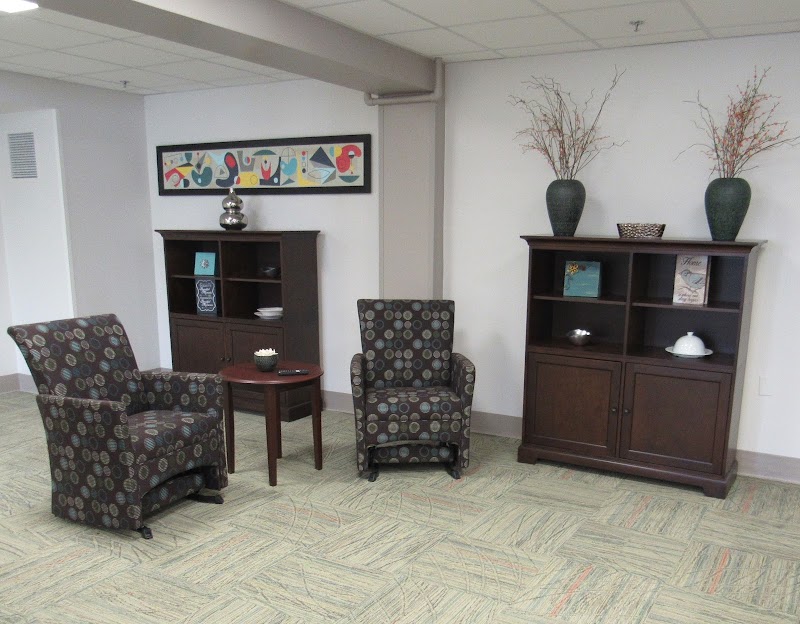
How is Dimondale Nursing Care Center Staffed?
CMS rates Dimondale Nursing Care Center's staffing level at 4 out of 5 stars, which is above average compared to other nursing homes. Staff turnover is 41%, compared to the Michigan average of 46%. This relatively stable workforce can support continuity of care.

What Have Inspectors Found at Dimondale Nursing Care Center?

State health inspectors documented 38 deficiencies at Dimondale Nursing Care Center during 2023 to 2025. These included: 4 that caused actual resident harm, 33 with potential for harm, and 1 minor or isolated issues. Deficiencies causing actual harm indicate documented cases where residents experienced negative health consequences.

Who Owns and Operates Dimondale Nursing Care Center?

Dimondale Nursing Care Center is owned by a for-profit company. For-profit facilities operate as businesses with obligations to shareholders or private owners. The facility is operated by NEXCARE HEALTH SYSTEMS, a chain that manages multiple nursing homes. With 150 certified beds and approximately 139 residents (about 93% occupancy), it is a mid-sized facility located in Dimondale, Michigan.

How Does Dimondale Nursing Care Center Compare to Other Michigan Nursing Homes?

Compared to the 100 nursing homes in Michigan, Dimondale Nursing Care Center's overall rating (2 stars) is below the state average of 3.1, staff turnover (41%) is near the state average of 46%, and health inspection rating (2 stars) is below the national benchmark.

What Should Families Ask When Visiting Dimondale Nursing Care Center?

Based on this facility's data, families visiting should ask: "Can I visit during a mealtime to observe dining assistance and food quality?" "How do you handle medical emergencies, and what is your hospital transfer rate?" "Can I speak with family members of current residents about their experience?"

Is Dimondale Nursing Care Center Safe?

Based on CMS inspection data, Dimondale Nursing Care Center has a clean safety record: no substantiated abuse findings (meaning no confirmed cases of resident harm), no Immediate Jeopardy citations (the most serious violation level indicating risk of serious injury or death), and is not on the Special Focus Facility watch list (a federal program monitoring the lowest-performing 1% of nursing homes). The facility has a 2-star overall rating and ranks #100 of 100 nursing homes in Michigan. While no facility is perfect, families should still ask about staff-to-resident ratios and recent inspection results during their visit.

Do Nurses at Dimondale Nursing Care Center Stick Around?

Dimondale Nursing Care Center has a staff turnover rate of 41%, which is about average for Michigan nursing homes (state average: 46%). Moderate turnover is common in nursing homes, but families should still ask about staff tenure and how the facility maintains care continuity when employees leave.

Was Dimondale Nursing Care Center Ever Fined?

Dimondale Nursing Care Center has no federal fines on record. CMS issues fines when nursing homes fail to meet care standards or don't correct problems found during inspections. The absence of fines suggests the facility has either maintained compliance or corrected any issues before penalties were assessed. This is a positive indicator, though families should still review recent inspection reports for the full picture.

Is Dimondale Nursing Care Center on Any Federal Watch List?

Dimondale Nursing Care Center is not on any federal watch list. The most significant is the Special Focus Facility (SFF) program, which identifies the bottom 1% of nursing homes nationally based on persistent, serious quality problems. Not being on this list means the facility has avoided the pattern of deficiencies that triggers enhanced federal oversight. This is a positive indicator, though families should still review the facility's inspection history directly.