Douglas Cove Health and Rehabilitation
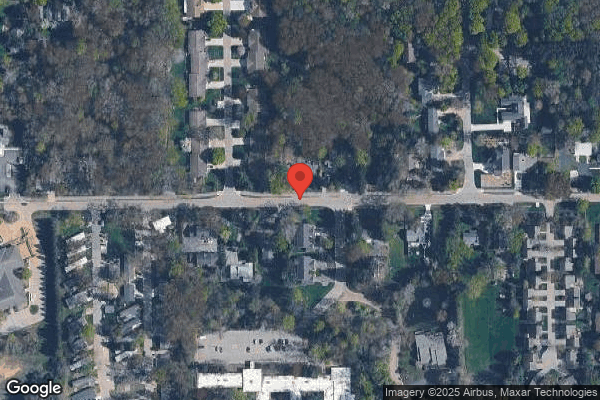

243 Wiley Road, Douglas, MI 49406 (269) 857-2141
For profit - Individual 51 Beds SIMCHA HYMAN & NAFTALI ZANZIPER Data: November 2025
Trust Grade
45/100
#275 of 422 in MI
Last Inspection: July 2025

Inspected within the last 6 months. Data reflects current conditions.

Overview

Douglas Cove Health and Rehabilitation has a Trust Grade of D, indicating below-average quality and some concerns about care. It ranks #275 out of 422 facilities in Michigan, placing it in the bottom half, and #4 out of 6 in Allegan County, meaning there are only two better local options. The facility's trend is worsening, with issues increasing from 11 in 2024 to 13 in 2025. While staffing is a relative strength with a 3/5 rating and a turnover rate of 33%, which is better than the state average, the RN coverage is concerning as it ranks lower than 77% of Michigan facilities. Specific incidents include a serious fall that resulted in a resident fracturing their leg due to improper transfer assistance, and failures in food service safety and infection control measures that could lead to foodborne illnesses and infections among residents. Overall, while there are some positive aspects, the facility has significant weaknesses that families should consider.

Trust Score
D
45/100
In Michigan
#275/422
Bottom 35%
Safety Record
Moderate
Needs review
Inspections
Getting Worse
11 → 13 violations
Staff Stability
○ Average
33% turnover. Near Michigan's 48% average. Typical for the industry.
Penalties
✓ Good
No fines on record. Clean compliance history, better than most Michigan facilities.
Skilled Nurses
⚠ Watch
Each resident gets only 27 minutes of Registered Nurse (RN) attention daily — below average for Michigan. Fewer RN minutes means fewer trained eyes watching for problems.
Violations
⚠ Watch
28 deficiencies on record. Higher than average. Multiple issues found across inspections.
★★☆☆☆
2.0
Overall Rating
★★★☆☆
3.0
Staff Levels
★★★☆☆
3.0
Care Quality
★★☆☆☆
2.0
Inspection Score
Stable
2024: 11 issues
2025: 13 issues

The Good

  • Full Sprinkler Coverage · Fire safety systems throughout facility
  • No fines on record
  • Staff turnover below average (33%)

    15 points below Michigan average of 48%

Facility shows strength in fire safety.

The Bad

2-Star Overall Rating

Below Michigan average (3.1)

Below average - review inspection findings carefully

Staff Turnover: 33%

13pts below Michigan avg (46%)

Typical for the industry

Chain: SIMCHA HYMAN & NAFTALI ZANZIPER

Part of a multi-facility chain

Ask about local staffing decisions and management

The Ugly 28 deficiencies on record

1 actual harm
Sept 2025 3 deficiencies
CONCERN (D) 📢 Someone Reported This

A family member, employee, or ombudsman was alarmed enough to file a formal complaint

Potential for Harm - no one hurt, but risky conditions existed

Quality of Care (Tag F0684)

Could have caused harm · This affected 1 resident

**NOTE- TERMS IN BRACKETS HAVE BEEN EDITED TO PROTECT CONFIDENTIALITY** This citation pertains to intake #2593174 and #2604697.Based on observation, interview and record review the facility failed to ...

Read full inspector narrative →
**NOTE- TERMS IN BRACKETS HAVE BEEN EDITED TO PROTECT CONFIDENTIALITY** This citation pertains to intake #2593174 and #2604697.Based on observation, interview and record review the facility failed to ensure residents received the necessary care and services (assessment, monitoring, and treatments) for PICC line (a long, thin tube inserted through a vein in the arm for long-term IV (intravenous) access to administer antibiotic medication) and non-pressure wounds for 2 of 6 residents (Resident #101 & #104) reviewed for quality of care, resulting in infection and the potential for worsening of medical conditions. Findings include:Resident #101Review of an admission Record revealed Resident #101 was originally admitted to the facility on [DATE], with pertinent diagnoses which included: infective endocarditis (infection of the inside of the heart). Resident #101 transferred to a different skilled nursing facility on 8/28/25.In an interview on 9/2/25 at 11:00 AM, Nursing Home Administrator (NHA) A explained that they had recently discovered that Resident #101 had not received adequate care and services at the facility following his admission from the hospital on 8/5/25, specifically lack of wound care for his surgical wound on the right foot and management of his PICC line. In an interview on 9/3/25 at 2:07 PM, Registered Nurse (RN) N reported that she was part of a program that provided supplemental care to residents at a community day center. RN N reported that she had noticed concerns related to the care Resident #101 was receiving at the nursing home; his wound bandage was not being changed and his PICC line cap (cover) was not in place. RN N reported that when she saw the resident on 8/8/25 he still had the wound dressing that the hospital applied to his right foot on 8/5/25 and his PICC line was not capped. RN N communicated her concerns to the nursing home and was told that they would implement the care. RN N reported that the PICC line was a direct line to the resident's heart, and a cap was a standard order in place to prevent infection. On 8/11/25 Resident #101 was observed with the same wound dressing that RN N had applied on 8/8/25, his PICC line dressing had not been changed, and there was no cap on the PICC line. At that time RN N communicated with the nursing staff again to ensure that the resident received the proper treatments going forward. On 8/18/25 when the community day center arrived to transfer Resident #101 to the center, they noticed that his PICC line was no longer in place, so they transferred the resident to the hospital to have the PICC line reinserted. RN N reported that they had not been notified of the issue prior to arriving to pick the resident up that day. On 8/20/25 RN N observed that Resident #101 had the wound dressing on his right foot that she had applied on 8/11/25. RN N reported that management got involved at that time to ensure Resident #101's care improved and ultimately decided to transfer the resident to a different facility for skilled nursing care. Review of Resident #101's Hospital Discharge Orders dated 8/5/25 revealed, .Acute bacterial endocarditis.Cellulitis of right lower extremity.Right leg: non-weight bearing.Change Dressing daily as instructed: .Daily, apply 1/4 inch iodoform packing, gently packed to open area proximal incision leaving long tail laid flat over periwound at incision, then cover in stepwise nature with 4 x 4 inch gauze covering the wound, 4 inch kerlix (stretchy gauze) loosely wrap with figure 8 around ankle, 4 inch ACE (wrap) from toes to ankle, 1-3 inch paper tape to secure.you need IV antibiotics for weeks. The antibiotic will be given through the IV access line that was place in the hospital.Cefazolin (antibiotic).into a venous catheter every 8 hours for 20 days.Review of Resident #101's admission Assessment dated 8/6/25 indicated the resident had excoriation (missing the outer layer of skin) on left and right buttocks, swelling to groin, wound on right outer ankle, redness to right lower leg, and scattered scabbing to his left lower leg. The assessment also indicated that the resident was receiving IV medications, but it did not specify the location of the IV and/or PICC line. Review of Resident #101's Care Plan revealed, The resident has potential/actual impairment to skin integrity of the (specify location) r/t (related to). Date initiated 8/6/25. The care plan was not resident centered and did not include locations and/or relevant interventions. Review of Resident #101's Weekly Skin Review dated 8/11/25, 8/18/25 and 8/25/25 each revealed, Skin observation: Any new skin issues identified? No, Indicate sites below: (none listed), Progress note r/t (related to) current skin condition noted on assessment: no new concerns. Review of Resident #101's Care Plan revealed, .requires PICC line therapy r/t acute endocarditis. Date initiated: 8/6/25. Interventions: Dressing changed to PICC line as per MD orders. Dated initiated 8/6/25. The care plan was not resident centered and did not include the PICC line location and/or monitoring. Review of Resident #101's Treatment Administration Record (TAR) revealed, PICC line dressing change dressing weekly and PRN (as needed). Every day shift every Saturday for monitoring. Start date: 8/16/25. The resident admitted on [DATE] (10 days before) therefore missed one weekly PICC line dressing change. Review of Resident #101's Progress Note dated 8/18/25 at 5:02 AM revealed, .When attempting to give medication, PICC noted to be out. End tip under residents back. Spot of blood on sheet still wet to the touch. Resident states he was unaware of anything happening to the line. Line removed from bed. There is no further documentation regarding the status or outcome of the PICC line issue that day.Review of Resident #101's Progress Note dated 8/20/25 at 1:15 PM revealed, .spoke with (community day center) regarding concerns with wound dressing changes and missing CV caps (screw onto the end of PICC line to prevent infection and leakage) .concerned with resident's wound dressing being dated for 8/11, when it was changed at their day center. Writer looked into the order and noticed that wound order was placed into (resident's electronic record) incorrectly.They were also concerned with CV cap not on PICC upon arriving at day center.Dressing changes will be monitored. Plan of care is ongoing.Review of Resident #101's Physician Orders Start Date 8/22/25 (16 days after admission) revealed, To right lateral foot surgical site: Change M/W/F (Monday, Wednesday, Friday). Cleanse with wound cleanser, pat dry. Cover wound bed with iodoform gauze (for infected wounds), hydrofera blue (a dressing that provides wound protection and addresses bacteria) cut to fit wound bed and cover with foam border dressing. Cover with tubigrip (provides support and compression) size F. Remove tubigrip at bedtime and reapply in AM. Every day shift every M/W/F for wound changing. This was the first and only order implemented for the surgical wound on Resident #101's right foot; the hospital discharge orders indicated that the dressing needed to be changed every day beginning on 8/5/25. Review of Resident #101's Weekly Wound/Ulcer Observation dated 8/23/25 at 6:47 PM revealed, Weekly observation of surgical wound completed.rt (right) lateral foot. Light amount of serosanguinous drainage (thin watery light red fluid) noted, epithelial tissue (outer layer of skin), granulation tissue (new soft tissue present in wound healing), no signs/symptoms of infection noted. This was the only wound assessment for Resident #101.In an interview on 9/2/25 at 1:52 PM, Director of Nursing (DON) B reported that the facility did not assess, monitor and treat Resident #101's surgical wound on his right foot until 8/21/25 (16 days after admission), and did not enter orders into the computer for the resident's PICC line dressing change until 8/16/25 (10 days after admission). DON B reported that the initial admission's assessment was completed incorrectly and therefore did not trigger the proper wound assessments and care plans, and the original wound care orders were entered incorrectly and did not get transcribed to the TAR (treatment administration record), therefore were not visible to nursing staff. DON B reported that the interdisciplinary team had reviewed the resident's records but did not catch the issue and did not do a visual assessment. DON B reported that she oversaw wounds for the facility and that she did not perform a weekly wound assessment for Resident #101's wound until 8/23/25, after RN N (community day center nurse) reported on 8/20/25 that the wound dressings had not been changed in more than a week. DON B reported that nursing staff were expected to identify new skin issues and note the condition of the resident's current skin conditions on the weekly skin review assessment forms and in the daily skilled charting. DON B reported that the nursing documentation did not include observation notes related to the condition of Resident #101's right foot wound dressing. In an interview on 9/2/25 at 12:46 PM, Licensed Practical Nurse (LPN) G reported that when she went to administer Resident #101's antibiotic via the PICC line on 8/18/25 at about 5:00 AM, she observed that it was completely pulled out of his arm. LPN G did not notify the provider or the community day center nurse. LPN G reported the issue to the day shift nurse, LPN E at 6:00 AM so that Resident #101 could be scheduled to have the PICC line reinserted. LPN G reported that she remembered seeing a wound dressing on Resident #101's right foot but had never changed the dressing. LPN G reported that the nurses are only expected to document new skin issues on the weekly skin observations sheets. It was noted that DON B reported that all skin conditions should be noted on the weekly skin observation assessment, not just the new issues. In an interview on 9/2/25 at 1:39 PM, LPN E reported he did not notify the provider about Resident #101's PICC line being pulled out, nor did he assess it himself. LPN E reported that he called the community day center but they had already been to the facility to pick up Resident #101. LPN E reported that the community day center brought Resident #101 to the hospital to have his PICC line reinserted. LPN E reported that Resident #101 had a dressing on his right foot, but it didn't show up on the TAR, so he didn't know to change it. LPN E reported that the weekly skin assessment documentation only asks for new skin issues to be noted, therefore the condition of the dressing on Resident #101's right foot was not noted. Resident #104Review of an admission Record revealed Resident #104 was originally admitted to the facility on [DATE], with pertinent diagnoses which included: diabetes, dementia, unstageable pressure ulcer of left ankle, and stage 2 pressure ulcer of sacral region (tailbone). During an observation and interview on 9/3/25 at 9:21 AM in Resident #104's room, he was lying in bed. Resident #104 reported having multiple wounds on his left lower extremity but does not have any feeling in his leg or foot. Review of Resident #104's Wound Assessments indicated that the resident was being followed for pressure ulcers on left ankle, left lower leg front x 2, left 4th and left 5th toe. Review of Resident #104's TAR indicated wound treatments for pressure ulcers on left ankle, left lower leg, left 4th and 5th toes. In an interview on 9/3/25 at 2:41 PM, RN N from the community day center reported that she observed Resident #104 on 9/2/25 and he did not have any wound dressings in place on his left ankle, toes or the bottom of his foot. RN N reported that she identified signs of cellulitis (skin infection) and an antibiotic was ordered by the provider. RN N reported that Resident #104 doesn't ever complain about his wounds and has no feeling in his left lower extremity therefore he is extremely vulnerable to wounds. RN N reported that the facility staff are supposed to be completing all skilled care for the resident but that she is doing more lately because she noticed that the resident was not getting proper wound care. Review of Resident #104's Infection Note dated 9/3/25 at 10:16 AM revealed, .Wound infection. Medication Order: Cephalexin (antibiotic).In an interview on 9/5/25 at 11:11 AM, DON B reported that the facility received updated wound orders on 9/3/25 from the community day center provider and it was discovered that there was a wound that the facility did not have in their records. DON B reported that Resident #104 had a diabetic ulcer on the bottom of his left foot, that had not been assessed, monitored or had wound care treatments on record, and now the resident was diagnosed with a skin infection. DON B reported that the wound was not documented on the skin assessments, but that the community day center did have documentation of it in their visit records. DON B reported that the facility is responsible for the resident's care and should ensure that weekly wound assessments, weekly full skin observations, and wound treatments are completed as necessary.Review of Resident #104's Wound Assessments revealed, no wound assessments for the left plantar foot. Review of Resident #104's Weekly Skin Review dated 9/1/25 revealed, Skin observation: Any new skin issues identified? No, Indicate sites below: (none listed), Progress note r/t (related to) current skin condition noted on assessment: no new skin impairments observed.Review of Resident #104's Visit Notes from the community day center dated 8/18/25 revealed, .PI (pressure injury) on left lateral ankle with dressing intact, no other dressings on. Left plantar foot (bottom) diabetic ulcer with thick scab, peri wound warm to touch and pink. Left 5th toe also scabbed and open to air.(RN N) checked in with (LPN E) to inform of above as well as concern with slight redness to left foot, need to keep sock on to protect. (LPN E) verbalizes understanding and states they will assess left foot routinely. Review of Resident #104's Visit Notes from the community day center dated 8/25/25 revealed, .check in on wounds and skin status.Has dressing on LLE (left lower extremity) dated 8/23/25. (RN N) removed all dressings. Diabetic ulcer on left plantar foot. Wound care provided.
CONCERN (D) 📢 Someone Reported This

A family member, employee, or ombudsman was alarmed enough to file a formal complaint

Potential for Harm - no one hurt, but risky conditions existed

Pressure Ulcer Prevention (Tag F0686)

Could have caused harm · This affected 1 resident

**NOTE- TERMS IN BRACKETS HAVE BEEN EDITED TO PROTECT CONFIDENTIALITY** Based on observation, interview and record review, the facility failed to provide quality care and treatment for pressure ulcers...

Read full inspector narrative →
**NOTE- TERMS IN BRACKETS HAVE BEEN EDITED TO PROTECT CONFIDENTIALITY** Based on observation, interview and record review, the facility failed to provide quality care and treatment for pressure ulcers, consistent with professional standards of practice for 1 resident (Resident #103) of 3 residents reviewed for pressure ulcer prevention and treatment, resulting in the potential for worsening of pressure wounds, and overall deterioration in health status. Findings include: Review of an admission Record revealed Resident #103 was originally admitted to the facility on [DATE], with pertinent diagnoses which included: acquired absence (amputation) of left and right leg below the knee and fractures of the spine. In an observation and interview on 9/3/25 at 10:37 AM in Resident #103's room with CNA (Certified Nursing Assistant) I preparing to provided incontinence care. Observed a large dressing bordered with adhesive on the sacrum (tailbone) dated 9/2/25; the dressing was not fully intact on the bottom edge. Observed a bright red wound on the right buttock with a dark red center and active bleeding, with no dressing over it. There was a dressing covering Resident #103's right knee. After incontinence care was finished CNA I notified the nurse that Resident #103 would need new wound dressings. Review of Resident #103's Treatment Administration Record (TAR) for 9/3/25 revealed, Wound care to rt (right) posterior amputation site (knee): cleanse wound with wound cleanser, pat dry. Apply calcium alginate with silver to wound bed, cut to fit. Cover with bordered dressing. Change daily and PRN (as needed) every day shift for wound care.Review of Resident #103's TAR for 9/3/25 revealed, Coccyx (sacrum): cleanse wound with wound cleanser, pat dry. Apply calcium alginate with silver to wound bed, cut to fit. Cover with silicone super absorbent dressing. Change daily and PRN (as needed) every day shift for wound care.Review of Resident #103's TAR for 9/3/25 revealed, RT (right) buttock shearing: cleanse with wound cleanser, pat dry. May cover with hydroccoloid (moisture-retentive) dressing. Every day shift every Tuesday, Friday for wound care.In an observation on 9/3/25 at 11:34 AM in Resident #103's room with Licensed Practical Nurse (LPN) E to provide wound care to right knee, sacrum and right buttock. LPN E removed the dressing from the right knee, cleansed the wound, and applied a silicone foam dressing over the area. There was no calcium alginate topical applied to the wound and the dressing was not bordered. Next the resident was rolled onto her side, and there was bright red blood noted on the incontinence brief from the open wound on her right buttock. LPN E removed the dressing that was partially detached from the sacrum. Observed an open wound with a small area of slough on sacrum. LPN E cleansed the area and applied a silicone foam dressing over the wound. There was no calcium alginate topical applied to the wound. Lastly the open wound on the right buttock was cleansed and also covered with a silicone foam dressing. The dressing was not a hydrocolloid dressing as the physician order indicated. LPN E was not aware that the wound treatment orders indicated calcium alginate and reported that a hydrocolloid dressing was similar to the foam dressing. Review of Resident #103's Weekly Pressure Wound Observation tool dated 8/28/25 revealed, .sacrum.stage 2, .Date acquired: 8/22/25.40% necrosis (dead tissue) and/or slough (dead tissue) in the wound bed.unchanged.Review of Resident #103's Weekly Pressure Wound Observation tool dated 8/28/25 revealed, .right knee (rear). stage 2, Date acquired: 8/22/25.100% eschar/scab.unchanged.Review of Resident #103's Weekly Pressure Wound Observation tool dated 8/28/25 revealed, .right buttock. stage 2, Date acquired: 8/1/25.peri-wound red.unchanged.Review of Resident #103's Care Plan revealed, .has a stage 2 to right buttock with the potential for discomfort and infection. Date initiated: 8/15/25. Interventions: Administer treatments.Assess/record/monitor wound healing weekly.Follow facility policies/protocols for the prevention/treatment of skin breakdown.Monitor dressing every shift.Monitor/document/report PRN (as needed) any changes in skin status.Weekly treatment documentation.Date initiated: 8/15/25. There was no record of the resident's stage 2 pressure ulcer on her coccyx and/or her stage 2 pressure ulcer on her right knee. Review of Resident #103's Weekly Skin Observations with the most recent skin observation was documented on 8/12/25 revealed, Skin observation: Any new skin issues identified? No, Indicate sites below: (none listed), Progress note r/t (related to) current skin condition noted on assessment: no new concerns.In an interview on 9/5/25 at 11:11 AM, Director of Nursing (DON) B reported that LPN E had forgotten to apply Resident #103's calcium alginate and would be disciplined for not following physician orders. DON B reported that Resident #103's care plan did not include all of her wounds and the CNA's use that as their direct care reference. DON B also reported that Resident #103 did not have weekly skin observations documented for the past 3 weeks.
CONCERN (D) 📢 Someone Reported This

A family member, employee, or ombudsman was alarmed enough to file a formal complaint

Potential for Harm - no one hurt, but risky conditions existed

Respiratory Care (Tag F0695)

Could have caused harm · This affected 1 resident

**NOTE- TERMS IN BRACKETS HAVE BEEN EDITED TO PROTECT CONFIDENTIALITY** This citation pertains to intake #2593174 & 2604697. Based on observation, interview, and record review, the facility failed to ...

Read full inspector narrative →
**NOTE- TERMS IN BRACKETS HAVE BEEN EDITED TO PROTECT CONFIDENTIALITY** This citation pertains to intake #2593174 & 2604697. Based on observation, interview, and record review, the facility failed to provide necessary oxygen and CPAP (a device that delivers continuous positive airway pressure to ensure airway stays open during sleep) per physician orders and maintain oxygen tubing according to the standards of practice for 2 residents (Resident #101 & #104) of 4 residents reviewed for respiratory care, resulting in the potential for respiratory distress, the development and spread of respiratory infection and disease, and the exacerbation of respiratory conditions. Findings include: Resident #101Review of an admission Record revealed Resident #101 was originally admitted to the facility on [DATE], with pertinent diagnoses which included: chronic obstructive pulmonary disease (blocks airflow and makes it hard to breathe).Review of Resident #101's admission Assessment dated 8/6/25 indicated that he used oxygen and a CPAP. The settings for these were not noted. Review of Resident #101's Physician Orders revealed, Resident may use CPAP from home. Settings should remain on APAP (automatic positive airway pressure) at 8-15 cm of water. At bedtime for OSA (obstructive sleep apnea). Start date 8/11/25 at 6:00 PM and CPAP; clean mask with soap and water daily. Allow to air dry. Every day shift for CPAP. Start date 8/12/25. This order was 6 days after the resident admitted . Review of Resident #101's Physician Orders revealed, Continuous O2 (oxygen) therapy via NC (nasal cannula) at 2-3L (liters) to maintain SPO2 (percentage of oxygen in your blood) of >90%. Please provide portable tank during activities and when visiting the day center. Every shift for respiratory monitoring. Start date: 8/11/25. This was 5 days after the resident admitted . Review of Resident #101's Care Plan revealed, The resident has oxygen therapy r/t (related to). Date initiated: 8/6/25. The care plan was not resident centered and did not include the resident's type and/or amount of oxygen. There was no care plan for CPAP. In an interview on 9/2/25 at 1:52 PM, Director of Nursing (DON) B reported that Resident #101 should have had orders in place upon admission to ensure his Oxygen and CPAP were being administered consistently. The orders were entered into the computer and TAR after the community day center expressed concerns. In an interview on 9/2/25 at 1:39 PM, Licensed Practical Nurse (LPN) E reported that Resident #101 required constant supplemental oxygen to ensure his blood oxygen level stayed in the mid 90's; if the oxygen was not positioned correctly on his nose, his blood oxygen level would drop quickly. In an interview on 9/3/25 at 2:07 PM, Registered nurse (RN) N reported that she was part of a community day center that provided supportive care for Resident #101. RN N reported that Resident #101 arrived at the day center on 8/13/25 short of breath, and it was discovered that his portable oxygen tank was not turned on and the tubing for his oxygen was kinked; he was without his supplemental oxygen for at least 25 minutes while he was driven to the day center. Resident #101's blood oxygen level was 80% and should be above 90%. Resident #104Review of an admission Record revealed Resident #104 was originally admitted to the facility on [DATE], with pertinent diagnoses which included: heart failure.During an observation and interview on 9/3/25 at 9:21 AM in Resident #104's room, he was lying in bed wearing oxygen via nasal cannula (NC) running via concentrator at 2 liters. Resident #104 reported that he wears his oxygen all the time. The oxygen tubing was observed with tape labeled with the date of 8/24/25. Review of Resident #104's Physician Orders revealed, .Oxygen at 1L (liter) as needed, wean off to keep O2 (oxygen) saturation >92%. Active date: 7/10/25. This order was not transcribed to the TAR to ensure nursing would administer and monitor. Review of Resident #104's TAR revealed, Change and date O2 tubing every Sunday NOC (night) every night shift every Sunday. Start date: 7/20/25. The administration record indicated that the tubing was changed on Sunday 8/31/25 but based on the observation made in Resident #104's room on 9/3/25 it was last changed on 8/24/25. Review of Resident #104's Oxygen Saturation Level record indicated, 96% on room air 9/1/25, 8/25/25, & 8/18/25. In an interview on 9/3/25 at 9:40 AM, LPN E reported that oxygen tubing should be replaced once a week on Sundays. LPN E was not sure what Resident #104's oxygen setting was supposed to be and it wasn't listed on the TAR.
Jul 2025 7 deficiencies
CONCERN (D)

Potential for Harm - no one hurt, but risky conditions existed

Deficiency F0553 (Tag F0553)

Could have caused harm · This affected 1 resident

**NOTE- TERMS IN BRACKETS HAVE BEEN EDITED TO PROTECT CONFIDENTIALITY** Based on observation, interview, and record review, the failed to inform the resident's responsible party in advance and schedul...

Read full inspector narrative →
**NOTE- TERMS IN BRACKETS HAVE BEEN EDITED TO PROTECT CONFIDENTIALITY** Based on observation, interview, and record review, the failed to inform the resident's responsible party in advance and schedule meetings to participate in the formulation of care plans with relevant disciplines (nursing, dietary, social services, and activities) related to assessed healthcare needs for 1 (Resident #16) of 12 sampled residents reviewed for notification of care planning resulting in ineffective communication and the potential for unmet care needs. Findings include:Resident #16 Review of an admission Record revealed Resident #16 was originally admitted to the facility on [DATE] with pertinent diagnoses which included wernickes encephalopathy (brain and memory disorder caused by lack of vitamin B1) and restlessness and agitation. Review of a Minimum Data Set (MDS) assessment for Resident #16, with a reference date of 7/8/25 revealed a Brief Interview for Mental Status (BIMS) score of 11/15 which indicated Resident #16 was moderately cognitively impaired. Review of Resident #16's Care Conference notes did not reveal any record of a care conference completed by the facility since Resident #16 had been admitted to the facility. In an observation and interview on 7/15/2025 at 9:59 AM, Resident #16 was sitting in his room and reported feeling like he was in jail. Resident #16 reported that he was dealing with chronic leg pain, and he did not know if the facility had done anything about his pain. Resident #16 reported that he did not recall the facility staff meeting with him to discuss his care goals. In an interview on 7/16/25 at 12:46 PM, Guardian (G) GG reported that she was designated as Resident #16's legal guardian in April 2025. G GG reported that she had not been to the facility to visit Resident #16 since she had been appointed as his guardian. G GG reported that she had not attended a care conference for Resident #16, and she was not able to report any care goals for Resident #16. During an interview on 7/17/2025 at 11:56 AM, Social Services (SS) C reported that the facility was supposed to complete a care conference for a resident within 72 hours upon admission and quarterly. SS C reported that she was responsible for scheduling the 72-hour care conference, and that MDS Coordinator (MDS- C) F scheduled the quarterly care conferences for residents. SS C reviewed Resident #16's chart with this writer and confirmed that Resident #16 had not had a care conference since he was admitted in March 2025. In an interview on 7/17/2025 at 12:03 PM, MDS-C F confirmed that she had not scheduled a care conference for Resident #16. MDS-C F confirmed that Resident #16 was past due for a quarterly care conference and should have had a quarterly care conference completed in June 2025. Review of the facility's Care Planning- Resident Participation policy dated 1/25/25 revealed, Policy: This facility supports the resident's right to be informed of, and participate in, his or her care planning and treatment (implementation of care). Policy Explanation and Compliance Guidelines: 1. The facility will inform the resident, in a language he or she can understand, of his or her rights regarding planning and implementing care, including the right to be informed of his or her total health status. 2. The physician, other practitioner, or professional will inform the resident and/or resident representative of the risks and benefits of proposed care, of treatment, and treatment alternatives/options. 3. The facility will notify the resident and/or resident representative, in advance, of the care to be furnished and the type of caregiver or professional that will furnish care, as well as changes to the plan of care. 4. The facility will encourage and assist the resident and/or resident representative to participate in choosing care and treatment options including a. Initial decisions about treatment b. Decisions about changes c. The right to refuse treatment. 5. In the case of a resident who has impaired decision-making ability (or has been declared incompetent by a court), the facility will, to the extent practicable, consult with and keep him or her informed .9. The facility will honor the resident's right to participate in establishing the expected goals and outcome of care, the type, amount, frequency, and duration of care, and any other factors related to the effectiveness of the plan of care. 10. The facility will discuss the plan of care with the resident and/or representative at regularly scheduled care plan conferences, and allow them to see the care plan, initially, at routine intervals, and after significant changes. The facility will make an effort to schedule the conference at the best time of the day for the resident/resident's representative. The facility will obtain a signature from the resident and/or resident representative, or document attendance in the medical record, after discussion or viewing of the care plan.11. If the participation of the resident and/or resident representative is determined not practicable for the development of the resident's care plan, an explanation will be documented in the resident's medical record .
CONCERN (D)

Potential for Harm - no one hurt, but risky conditions existed

Deficiency F0603 (Tag F0603)

Could have caused harm · This affected 1 resident

**NOTE- TERMS IN BRACKETS HAVE BEEN EDITED TO PROTECT CONFIDENTIALITY** Based on observation, interview, and record review, the facility failed to assess the resident's need for the security of a lock...

Read full inspector narrative →
**NOTE- TERMS IN BRACKETS HAVE BEEN EDITED TO PROTECT CONFIDENTIALITY** Based on observation, interview, and record review, the facility failed to assess the resident's need for the security of a locked unit and prevent involuntary seclusion for 1 (Resident #16) of 1 resident reviewed for involuntary seclusion resulting in resident frustration. Findings include: Resident #16 Review of an admission Record revealed Resident #16 was originally admitted to the facility on [DATE] with pertinent diagnoses which included wernickes encephalopathy (brain and memory disorder caused by lack of vitamin B1) and restlessness and agitation. Review of a Minimum Data Set (MDS) assessment for Resident #16, with a reference date of 7/8/25 revealed a Brief Interview for Mental Status (BIMS) score of 11/15 which indicated Resident #16 was moderately cognitively impaired. In an interview and observation on the locked dementia unit on 7/15/2025 at 9:59 AM, Resident #16 reported that he felt like he was locked up in his new room, and he did not know why he had to move rooms. Resident #16 reported that he never left his room and sometimes felt like he was going stir crazy being in his room all the time. Resident #16 became agitated when talking about being locked up in his new room. Review of Resident #16's admission Elopement Risk assessment dated [DATE] revealed, Risk factors: 1. Physical Activity: Ambulatory and/or self-mobile in wheelchair. 2. Thinking/Awareness: Has frequent periods of altered perception and/or lack of awareness of surroundings-not of recent onset. 3. Mood/Behavior: Complacent. 4. Decision Making/Memory: Frequent periods of confusion and mental impairment, moderately impaired. 5. History of Wandering: Disoriented most of the time, wandering without attempts to leave the home/facility. 6. Communication: Expressive, understandable communication with others. 7. Diagnosis: Mild cognitive loss. 8.Based on the information gathered for this assessment and summary score, are elopement/wander risks precautions indicated for this resident? No .Review of Resident #16's Care Plan did not reveal a wandering/elopement care plan for Resident #16. Review of Resident #16's Post admission Meeting dated 3/27/25 revealed, .Social Services: 4. Behavior Present? No . Nursing Notes: . He will at times wander to the front door. He is easily redirected .Review of Resident #16 Physician Progress Note dated 3/14/25, revealed, . Chief Complaint: . The patient is actively asking when he can leave, and staff report that he has been illegally smoking on campus. He was deemed incompetent by physician on 3/11/25, and staff are trying to orchestrate a court appointed guardian. He is otherwise compliant with staff, and can be successfully redirected without aggression .Review of Resident #16' Nursing Progress Note dated 3/15/2025 revealed, Writer observed (Resident #16) attempting to Exit front entrance. He was pushing buttons on keypad to get out. Writer asked how I could help him, and he states, I'm going to get matches to smoke a cigarette. Was able to redirect, and resident remained calm. Notified resident nurse of situation. (Resident #16) has been at N hall nurses' station today several times asking for matches. We have explained that this is a non-smoking facility, he verbalized understanding but continues to ask staff and visitors for matches .Review of Resident #16 Physician Progress Note dated 3/21/25 revealed, . The patient (Resident #16) is seen today in follow up to recheck behaviors after admission to the facility on 3/12/25. Staff report that he has not been agitated, nor aggressive, since admission. He is cooperative and easily redirected. He is also sleeping a lot during the day .Review of Resident #16 Physician Progress Note dated 3/31/25 revealed, . Although confused, and unable to make his own decisions, his behaviors have been compliant and cooperative since admission to SAR, and nightly Seroquel (psychotropic medication) has been gradually reduced. He is seen today in follow up to be sure he is tolerating GDR (gradual dose reduction). Staff report that he continues to need redirection, with confusion, but is sleeping well in the evening, without agitated nor disruptive behaviors .Review of Resident #16's IDT (Interdisciplinary Team) Note dated 4/3/2025 revealed, (Resident #16) continues with GDR of Seroquel with no adverse effects noted . (Resident #16) will come out of his room seeking snacks, but no exit seeking has been observed. IDT will continue to follow .Review of Resident #16's Behavior Notes dated 4/24/2025 revealed, (Resident #16) was up wandering in the front office. He was questioning about his lighter. Administrator had spoke with (Resident #16), stating that he was not admitted with a lighter. Inventory list was checked- nothing noted, no inventory assessment completed at admission. (Resident #16) started to become agitated. He stated he wanted to go out for a walk. At this time, Administrator had stated we need to (sic) permission from his guardian. Resident questioned that he had a guardian. He then asked for his lighter again. At this time, Administrator tried to redirect. (Resident #16) voice then got louder and was upset. DON (Director of Nursing) then went to seek out (Resident #16) nurse and social services director. (Resident #16) then left front office .Review of Resident #16's Physician Progress Note dated 4/25/25 revealed, . He (Resident #16) was on Seroquel post hospitalization, but behaviors have been stable. and GDR of Seroquel has been successful . Staff report that he has been doing well .Review of Resident # 16's Behavior Note dated 4/28/2025 revealed, (Resident #16) came into the front office this afternoon. He had asked for his lighter so he could go for a walk and smoke. Nursing staff had tried to talk redirect (Resident #16), and stated that he did not admit with a lighter. He had raised his voice to staff, stating that he had and he wants to go outside to smoke. Staff had stated that the facility has a no smoking policy. At this time, had stated that he would go for a walk. Nursing staff had stated that this would require a doctors order. Resident had gotten upset and yelled. At this time, the administrator had entered the office and stated to (Resident #16) that they had this same conversation last week. (Resident #16) had then turned around to walk out of the office and stated, F*ck this place .Review of Resident #16's Nursing Note dated 5/12/2025 revealed, Resident has been wandering and setting off door alarms. Has been placed on 15-minute checks x24 hr. Potential move to memory care unit on 5/13 has been discussed by IDT .Review of Resident #16's History and Physical Note dated 5/20/25 and documented by Medical Director (MD) CC revealed, . He is on the is unit (locked dementia unit) because he was restless and wandered outside the ECF .In an interview on 7/17/2025 at 11:16 AM, Certified Nursing Assistant (CNA) R reported that since moving to the dementia unit a few months ago, Resident #16 mostly stayed in his room. CNA R reported that she had not observed any behaviors with Resident #16, and she was not quite sure why he was on the locked unit, but maybe he was just more comfortable on the unit. CNA R was unable to report what interventions the facility staff had in place for Resident #16's exit seeking and wandering behaviors prior to moving him to the locked dementia unit. In an interview on 7/17/2025 at 11:35 AM, CNA W reported that when Resident #16 was first admitted to the facility, that they had observed Resident #16 attempt to exit the facility twice, but he was easily redirectable. CNA W reported that Resident #16 seemed to be confused that he could not smoke at the facility, but after he adjusted to being at the facility, he did not continue to exit seek. CNA W reported that Resident #16 wandered often, but that he was typically just looking for snacks. CNA W confirmed that the facility staff had placed Resident #16 on 15-minute checks during the two occasions where he attempted to exit the facility. CNA W was unable to report what interventions the facility staff had in place for Resident #16's exit seeking and wandering behaviors prior to moving him to the locked dementia unit. In an interview on 7/17/2025 at 11:21 AM, Licensed Practical Nurse (LPN) K reported that when Resident #16 was first admitted to the facility, he had attempted to exit the facility to smoke. LPN K reported that Resident #16 seemed confused as to why he was at the facility and did not understand the no smoking rule. LPN K reported that Resident #16 was always redirectable when he would wander. LPN K reported she did not know how many times Resident #16 had attempted to exit the facility, but that she knew that he did wander frequently, often looking for snacks. LPN K was unable to report what interventions the facility staff had in place for Resident #16's exit seeking and wandering behaviors prior to moving him to the locked dementia unit. LPN K reported that Resident #16 used to always walk around, but since moving to the locked unit, he mostly stayed in his room. LPN K confirmed that Resident #16 did not have any recent behaviors. In an interview on 7/17/2025 at 11:52 AM, CNA KK reported that when Resident #16 first admitted to the facility, he had attempted to exit the facility. CNA KK reported that Resident #16 seemed to want to exit the facility to smoke cigarettes, and once he was given nicotine patches, he did not seem as interested in leaving the facility, but he would still wander around looking for snacks. CNA KK reported that Resident #16 was usually easy to redirect. CNA KK was unable to report what interventions the facility staff had in place for Resident #16's exit seeking and wandering behaviors prior to moving him to the locked dementia unit. In an interview on 7/17/2025 at 11:41 AM, MDS Coordinator (MDS-C) F reported that Resident #16 did not have a care plan related to his exit seeking/wandering. MDS-C F reported that the Social Services staff was responsible for creating that type of care plan. MDS-C F reported that her office was near the room that Resident #16 resided in prior to being moved to the locked unit. MDS-C F reported that she had never observed Resident #16 attempting to exit the facility. MDS-C F reported that she did see Resident #16 occasionally wander the halls, but that Resident #16 was typically looking for a snack. MDS-S F reported that Resident #15 was easy to redirect and his wandering behavior seemed very manageable. MDS-C F reported that she did not observe Resident #16's wandering as affecting other residents. MDS-C F was unable to report what interventions the facility staff had in place for Resident #16's exit seeking and wandering behaviors prior to moving him to the locked dementia unit. In an interview on 7/17/2025 at 9:33 AM, Activity Director (AD) G reported that she had not been involved in meeting with Resident #16 to find activities for him to decrease his exit seeking. AD G reported that when he was first admitted , she met with him, and he was not interested in group activities. AD G reported that she had not been part of the IDT collaboration and decision to move Resident #16 to the locked dementia unit. In an interview on 7/16/2025 at 10:22 AM, Social Services (SS) C reported that the facility had moved Resident #16 to the locked unit because he was exit seeking. SS C reported that Resident #16 was not exit seeking a ton, but enough to need a more secure environment. SS C was unable to report how many times Resident #16 had attempted to exit the facility. SS C did confirm that Resident #16 would wander throughout the facility, usually looking for snacks. SS C was not able to report what alternative interventions the facility had attempted with Resident #16 to decrease his exit seeking/wandering prior to moving Resident #16 to the locked unit. SS C reviewed Resident #16's record with this writer and confirmed that Resident #16 did not have a care plan in place for wandering/elopement. SSC reported that she was responsible for creating that type of care plan and that this was missed. SS C confirmed that staff had not completed any additional elopement/wandering assessments for Resident #16 since his admission elopement assessment, in which he was not identified as an elopement risk. SS C reported that the criteria for a resident to be moved to the locked dementia unit included a dementia diagnosis and behaviors that affected others. SS C reported that the staff had tried to redirect Resident #16 but was not sure where the staff were documenting Resident #16's behaviors and failed redirection attempts. SS C reported that the facility IDT team had collaborated with the facility physician and determined Resident #16 would benefit from being moved to the locked dementia unit. SS C reviewed Resident #16's record with this writer and confirmed that there was no documentation of the IDT collaboration and decision to move Resident #16 to the locked dementia unit. SS C reported that she had re-assessed Resident #16 after he had moved to the locked dementia unit but was not able to provide documentation for any reassessments. SS C reported that she had obtained permission from Resident #16's guardian to move him to the locked dementia unit prior to moving him via email. This writer requested a copy of the email. Review of SS C email to Resident #16's guardian dated 5/12/25 revealed, (Guardian Name), Just wanted to update you on (Resident #16). He has been exit seeking more lately. He just pushed on the side door until it alarmed and walked out. Luckily, there was a staff member coming around the corner and saw him. He never left the front entrance, thankfully. We have a memory care bed opening up tomorrow and we are planning on moving him down there. If you have any questions, please let me know! In a follow up interview on 7/17/2025 at 1:02 PM Interview, SS C confirmed that Resident #16's guardian never responded to her email, and she had not spoke to Resident #16's guardian since he had been moved to the locked dementia unit. In an interview on 7/16/2025 at 10:48 AM, Director of Nursing (DON) B reported that the facility moved Resident #16 to the locked dementia unit because he was exit seeking. DON B reported that Resident #16 was exit seeking multiple times a shift and that his exit seeking had never improved. This writer queried where the facility staff were documenting Resident #16's frequent exit attempts, and DON B reported that staff had documented notes on 4/24/25, 4/28/25, and 3/15/25. DON B reported that Resident #16 was exit seeking much more often than staff had documented. DON B confirmed that Resident #16 did not have any additional elopement assessments completed after he began exit seeking, and that this was missed. DON B also confirmed that Resident #16 did not have an elopement or wandering care plan in place. DON B was unable to report what alternative interventions the facility had attempted prior to moving Resident #16 to the locked dementia unit. DON B reported that the IDT team had collaborated with the facility physician and determined Resident #16 would benefit from being on the locked unit. DON B was not able to provide documentation of the IDT collaboration, or the physician assessment of Resident #16. DON B reported that every time Resident #16 had attempted to exit the facility, that staff initiated 15-minute checks on him. This writer asked for documentation of the 15 minute checks. DON B was not able to provide documentation of the 15-minute checks for Resident #16 prior to survey exit. In an interview on 7/16/2025 at 12:08 PM, Medical Director (MD) CC reported that he was not involved in the collaboration and decision to move Resident #16 to the locked dementia unit. MD CC reported that he was not aware of what the facility process was for moving a resident to the locked dementia unit. This writer queried about MD CC 's progress note on 5/20/25 that noted (Resident #16) is on the is unit (locked dementia unit) because he was restless and wandered outside the ECF. MD CC reported that this was a documentation error, and that he had never been told by facility staff that Resident #16 had left the facility. In an interview on 7/16/2025 at 3:20 PM, Former Nurse Practitioner (FNP) FF reported that she worked at the facility until 5/1/25. FNP FF reported that she had not been involved in collaborating or assessing Resident #16 to move him to the locked dementia unit. FNP FF reported that she was aware that Resident #16 had been exit seeking when he was first admitted to the facility, but that she was under the impression that his behavior had resolved, and he was no longer exit seeking. FNP FF reported that the facility was able to discontinue Resident #16's Seroquel because of his improved behaviors. In an interview on 7/16/2025 at 12:46 PM, Guardian (G) GG reported that she was not aware that Resident #16 had been exit seeking or wandering throughout the facility. G GG confirmed that she had not been to the facility to visit Resident #16 since she was appointed his guardian in April, and that she was not aware of his current care goals. G GG was not aware that Resident #16 had been moved to the locked dementia unit. In an interview on 7/17/2025 at 12:08 PM, Nursing Home Administrator (NHA) A reported that the facility did not have a process or guidelines that they followed for determining the criteria to move a resident to the locked dementia unit. NHA A reported that the IDT felt that Resident #16 would benefit from having more attention, activities and being able to go outside on the locked unit, so they talked to Resident #16's guardian and moved Resident #16 to the unit. NHA A reported that the staff were worried that Resident #16 was becoming more depressed and secluded to his room, so they thought the locked unit would be better. NHA A reported that the IDT team contacted Resident #16's guardian 2-3 weeks before he was moved to the unit. NHA A did not know if anyone had re-assed Resident #16 after he was moved to the locked unit to see how he was adjusting. NHA A was not able to provide any documentation of the IDT meetings discussing Resident #16, and his move to the locked dementia unit.
CONCERN (D)

Potential for Harm - no one hurt, but risky conditions existed

Deficiency F0605 (Tag F0605)

Could have caused harm · This affected 1 resident

**NOTE- TERMS IN BRACKETS HAVE BEEN EDITED TO PROTECT CONFIDENTIALITY** Based on interview, and record review, the facility failed to provide rationale for the continued use of, and adequate documenta...

Read full inspector narrative →
**NOTE- TERMS IN BRACKETS HAVE BEEN EDITED TO PROTECT CONFIDENTIALITY** Based on interview, and record review, the facility failed to provide rationale for the continued use of, and adequate documentation of monitoring, for the use of psychotropic medications for 2 of 5 residents (Resident #27, #6) reviewed for unnecessary medications, resulting in the increased potential for adverse side effects and inability to monitor the effectiveness of the prescribed treatment due to lack of documented supporting evidence.Findings include: Resident #27: Review of an admission Record revealed Resident #27 was a female with pertinent diagnoses which included anxiety. Review of current “Care Plan” for Resident #27, revised on 6/21/25, revealed the focus, “…The resident uses psychotropic medications desvenlafaxine, bupropion HCl ER, anitriptyline (sic), and clonazepam r/t (related to) depression and anxiety . with the intervention .Administer PSYCHOTROPIC medications as ordered by physician. Monitor for side effects and effectiveness Q-SHIFT (every shift) . Review of Consultant Pharmacist Recommendation to the Prescriber dated 4/10/25, revealed, .(Resident #27) has a PRN (as needed) psychotropic order for clonazepam 1 mg every 24 hours as needed for anxiety .All PRN psychotropics in this drug class should be DISCONTINUED after 14 days. Orders may be extended beyond 14 days if the physician or prescribing practitioner:1. Believes it's appropriate to extend the order- and-2. Document clinical rationale for extension -and-3. Provides a specific duration of use .Recommendation: Please consider a 14 day stop date for PRN clonazepam, unless all of the above items are addressed Physician/Prescriber Response: Disagree .Hospice pt (patient); no (delta sign - change or difference) . Review of Encounter dated 6/13/2025 at 00:00 AM, revealed, .Noted pt to have recently signed off from (Name of Hospice Agency) hospice on 4/25 d/t (due to) pt decision to pursue therapy and with general improvements to health . In an interview on 07/16/25 at 1:28 PM, Director of Nursing (DON) B reported the pharmacy medication reviews were sent to the Nursing Home Administrator (NHA) and she was included on the email as well. DON B reported she would print them out and give them to the provider for review and recommendations. The provider would enter their own orders usually if they agreed with the recommended changes by the pharmacist. Review of Order dated 8/2/24, revealed, .Clonazepam 1 mg (milligram) .1 tablet by mouth every 24 hours as needed for anxiety *Indefinite order* .Discontinued on 10/10/24 . Review of Medication Administration Record (MAR) for August 24 revealed Resident #27 received 10 doses of Clonazepam 1 mg as needed. Review of Medication Administration Record (MAR) for September 24 revealed Resident #27 received 10 doses of Clonazepam 1 mg as needed. Review of Medication Administration Record (MAR) for October 24 revealed Resident #27 received 1 dose of Clonazepam 1 mg as needed. Review of Order dated 3/7/25, revealed, .clonazePAM Oral Tablet 1 MG (Clonazepam) Controlled Drug .Give 1 tablet by mouth every 24 hours as needed for anxiety .Discontinued on 6/21/25 . (Note: this order was for greater than 14 days) Review of Medication Administration Record (MAR) for March 25 revealed Resident #27 received 3 doses of Clonazepam 1 mg as needed. Review of Medication Administration Record (MAR) for April 25 revealed Resident #27 received 0 doses of Clonazepam 1 mg as needed. Review of Medication Administration Record (MAR) for May 25 revealed Resident #27 received 4 doses of Clonazepam 1 mg as needed. Review of Medication Administration Record (MAR) for June 25 revealed Resident #27 received 3 doses of Clonazepam 1 mg as needed. Review of Order dated 6/21/25, revealed .Clonazepam 1 mg every 24 hours .Give 1 tablet by mouth as needed for anxiety daily as needed .Indefinite order .Discontinued on 7/17/25 . Review of Medication Administration Record (MAR) for June 25 revealed Resident #27 received 0 doses of Clonazepam 1 mg as needed. Review of Medication Administration Record (MAR) for July 25 revealed Resident #27 received 2 doses of Clonazepam 1 mg as needed. Review of Task Behavior Monitoring for the previous 30 days revealed no behaviors noted. Review of Resident #27's progress notes revealed no behavior notes or behavior observation notes. Review of Order dated 7/17/25 for Resident #27 revealed, .Clonazepam Oral Tablet 1 mg .Give 1 tablet by mouth as needed for anxiety for 2 weeks daily as needed .Start Date: 7/17/25 . In an interview on 07/17/25 at 12:04 PM, Certified Nursing Assistant (CNA) “W” reported the staff typically know from day one if a resident had behaviors and the CNAs would document those behaviors if there were more aggressive than the baseline in the electronic medical record. CNA W reported there was also a physical document they would complete in the binder for the resident. In an interview on 07/17/2025 at 10:42 AM, DON B reported a PRN (as needed) medication order should be reviewed every two weeks and if not needed further discontinued. DON B reported since Resident #27 was no longer on hospice and reported hospice made the decisions on the medications amount and duration as for the comfort of the resident so would leave the resident on it indefinite. The doses Resident #27 was receiving were hospice recommended doses. In an interview on 07/17/2025 at 11:32 AM, Social Worker (SW) C reported residents with new or existing behaviors were discussed in the behavior monthly meeting as well as during the IDT (Interdisciplinary team) meetings. SW C reported she had a spreadsheet for all the residents who were taking antipsychotics and psychotropic medications. SW C reported the facility would talk with the resident or family members to learn what non pharmacological interventions would be beneficial for the resident and those would be added to the care plan. SW C reported she completed an initial social work assessment at admission and annually. SW C reported the pharmacy recommendations would be given to the DON, the doctor reviewed and then changed in IDT. SW C list of everyone's medications, she keeps track of them, the team discussed potential GDRs (gradual dose reductions) for residents. SW C reported the facility followed the hospice orders and reported she didn't realize the provider was able to override them. Resident #6 Review of an admission Record revealed Resident #6 was originally admitted to the facility on [DATE] with pertinent diagnoses which included vascular dementia, mild with anxiety and muscle weakness. Review of Resident #6's Orders revealed, LORazepam Oral Tablet 0.5 MG (Lorazepam) (Anti-anxiety medication) Give 1 tablet by mouth every 2 hours as needed forrestlessness. Start date: 3/12/25. It was noted that there was not a stop date on the order. Review of Resident #6's Consultant Pharmacist Recommendation to the Provider note dated 4/10/25 revealed, (Resident #6) has a PRN (as needed) psychotropic order for lorazepam 0.5 mg every 2 hours as needed for restlessness. All PRN psychotropics in this drug class should be discontinued after 14 days. Orders may be extended beyond 14 days if the physician or prescribing practitioner: 1. Believes it's appropriate to extend the order and 2. Document clinical rationale for extension and 3. Provide a specific duration of use. Recommendation: Please consider a 14 day stop date for PRN lorazepam, unless all of the above items are addressed. Physician/Provider Response: Disagree: Hospice Pt (patient) cont (continue) at current dose. This was signed by the facility's provider on 4/15/25. In an interview on 7/16/2025 at 10:14 AM, Social Services (SS) C reported that the facility was responsible for evaluating the need for a PRN psychotropic medication every 14 days. SS C confirmed that Resident #6 had the PRN lorazepam order in place since March 2025. SS C was not able to provide evidence of rationale for the facility continuing the PRN lorazepam after 14 days. In an interview on 7/16/2025 at 10:48 AM, Director of Nursing (DON) B reported that Resident #6's hospice provider had ordered the PRN lorazepam, and she thought that hospice was responsible for evaluating the need for the continued use and documenting the rationale. DON B was unable to report if the facility's medical provider had evaluated the need for continued use of the PRN lorazepam. This writer asked for documentation to verify that the facility had evaluated the need and rationale for continued use of the PRN lorazepam. The facility was not able to provide requested documentation prior to survey exit. In an interview on 7/16/2025 at 12:08 PM, Medical Director (MD) CC reported that he had not monitored/evaluated Resident #6's order for PRN lorazepam. MD CC reported that this was an area that the facility could improve on.
CONCERN (E)

Potential for Harm - no one hurt, but risky conditions existed

Comprehensive Care Plan (Tag F0656)

Could have caused harm · This affected multiple residents

**NOTE- TERMS IN BRACKETS HAVE BEEN EDITED TO PROTECT CONFIDENTIALITY** Based on interview and record review the facility failed to develop comprehensive resident focused care plans based on the compr...

Read full inspector narrative →
**NOTE- TERMS IN BRACKETS HAVE BEEN EDITED TO PROTECT CONFIDENTIALITY** Based on interview and record review the facility failed to develop comprehensive resident focused care plans based on the comprehensive assessment for 4 residents (Resident #2, #36, #6 and #16) of 12 residents reviewed for care plans, resulting in the potential for unidentified care needs. Findings include:Resident #2: Review of an admission Record revealed Resident #2 was a female with pertinent diagnoses which included presence of PEG Tube (A feeding tube inserted through the abdominal wall directly into the stomach), moderate severe oral and moderate pharyngeal dysphagia (noticeable and frequent swallowing difficulties with the potential for aspiration (food or liquid entering the airway). Review of Order dated 7/8/25, revealed, .Enhanced Barrier Precautions for PEG Tube . Review of current “Care Plan” for Resident #2, revealed no focus or interventions for Enhanced Barrier Precautions due to the PEG tube, nor a care plan focus and interventions for Resident #2's peg tube. In an interview on 07/17/2025 at 10:33 AM, CNA LL reported the nurses updated the staff prior to caring for a resident if there were any changes such as implementation of enhanced barrier precautions (EBP). CNA LL reported staff would be able to tell as there was a PPE cart outside each door. CNA LL reported EBP would be in place for wounds, or new wounds, catheters, tube feeding residents, etc. CNA LL reported staff would also be able to tell the care needs of a resident by reviewing their care plan and/or kardex. Resident #36 Review of an “admission Record revealed Resident #36 was originally admitted to the facility on [DATE], with pertinent diagnoses which included: urinary tract infection (UTI), urinary calculus (kidney stone), obstructive uropathy (obstruction of urine flow), myelodysplastic syndrome (a group of disorders caused when something disrupts the production of bleed cells), anemia (deficiency of red blood cells), dysphagia (difficulty swallowing), anxiety, depression, and chronic kidney disease. Review of a Minimum Data Set (MDS) assessment for Resident #36, with a reference date of 6/6/25 revealed a Brief Interview for Mental Status (BIMS) score of 15, out of a total possible score of 15, which indicated Resident #36 was cognitively intact. Section I indicated Resident #36's Active Diagnoses with the primary medical condition category of medically complex conditions. In an interview on 07/16/2025 at 11:25 AM, Resident #36 reported that she had been in and out of the hospital a couple times recently and had a long history of recurrent UTI's, chronic bladder and kidney issues, and serious blood disorders. Review of Resident #36's Provider Visit Note dated 5/12/25 revealed, .PmHx (past medical history) significant for recurrent nephrolithiasis (kidney stone), hydronephrosis (fluid back up) R (right) kidney, recurrent UTI, CKD3 (chronic kidney disease), myelodysplastic syndrome, .chronic respiratory failure on 3L (liters) of O2 (oxygen), hx (history of) TIA (stroke), HTN (high blood pressure), collegenous colitis (inflammatory bowel), IBS (irritable bowel syndrome), chronic anemia with frequent blood transfusions, hypothyroidism (low thyroid), MDD (major depression), neuropathies (weakness, numbness, and pain due to nerve damage), chronic pain .seen today for general new admission follow-up .recently hospitalized for AMS (altered mental status) .found to have bilateral hydronephrosis and obstructing kidney stone on CT (x-ray) with UTI . Review of Resident #36's current Care Plan revealed no care plan related to the following medical conditions: anemia, myelodysplastic syndrome, obstructive uropathy, and/or her extensive history of UTI. In an interview on 07/17/2025 at 10:13 AM, MDS Nurse F reported that she was responsible for developing care plans. MDS Nurse F reported that Resident #36 had been hospitalized for low blood count, received blood transfusions, had a long history of UTI's, kidney stones, chronic pain and anemia. MDS Nurse F reported that Resident #36's care plan should include detailed diagnoses and personalized interventions. MDS Nurse F reported that Resident #36's basic care plan had been created in the record but was presently missing individual elements related to her problems and the interventions that were put in place. Resident #6 Review of an admission Record revealed Resident #6 was originally admitted to the facility on [DATE] with pertinent diagnoses which included vascular dementia, mild, with anxiety. Review of Resident #6's Orders revealed that Resident #6 was enrolled in Hospice services on 1/6/25. Review of Resident #6's current “Care Plan” did not reveal a focus related to hospice/end of life, or integration of hospice/end of life services into Resident #6's comprehensive plan of care. In an interview on 7/17/2025 at 11:44 AM, MDS Coordinator (MDS-C) F reported that she was responsible for creating resident care plans. MDS-C F confirmed that Resident #6 should have had a hospice care plan in place, and that this was missed. Resident #16 Review of an admission Record revealed Resident #16 was originally admitted to the facility on [DATE] with pertinent diagnoses which included muscle weakness, and difficulty in walking. Review of Resident #16 Orders revealed, Acetaminophen Oral Tablet 500 MG (Acetaminophen) (Tylenol) Give 2 tablet by mouth three times a day for leg pain. Start date: 6/19/25. Methocarbamol Oral Tablet 500 MG (Methocarbamol) (muscle relaxer). Give 1 tablet by mouth every 12 hours as needed for leg pain. Start date: 6/19/25 . Review of Resident #16's Physician Progress Note dated 3/13/25 revealed, . Resident #16 says he feels good, just weak with some leg pain .Visit DX (Diagnosis): Leg pain, bilateral . Review of Resident #16's Physician Progress Note dated 6/4/25 revealed, .(Resident #16) was seen last week with discussion of ongoing BLE (bilateral lower extremity) pain. He stated that his pain is mostly in his thighs at that time, but was unable to distinguish type of pain, exacerbating or alleviating features . He states that he is unsure if Tylenol has been helping but believes it has not been adequate in controlling his pain, with pt (patient) currently on 650 mg PRN (as needed). He was trialed on Methocarbamol 500 mg Q8H PRN (every 8 hours as needed) with nursing team, DON (sic) concern pt memory, needing frequent reminders of available medications . Review of Resident #16's Physician Progress Note dated 7/10/25 revealed, .Today he (Resident #16) reports ongoing bilateral pain constant dull in ache (sic) in feet up to knees with occasional sharp shocks that will last about 15 minutes. He has been experiencing the pain for about a year with an increase in pain 6 months ago. He reports that he used to walk around the building outside and down the halls, but now he just lays in bed. He states that he saw a vascular surgeon that told him that he needed vascular surgery on both legs to relieve the pain . Review of Resident #16's admission Elopement Risk assessment dated [DATE] revealed, Risk factors: 1. Physical Activity: Ambulatory and/or self-mobile in wheelchair. 2. Thinking/Awareness: Has frequent periods of altered perception and/or lack of awareness of surroundings-not of recent onset. 3. Mood/Behavior: Complacent. 4. Decision Making/Memory: Frequent periods of confusion and mental impairment, moderately impaired. 5. History of Wandering: Disoriented most of the time, wandering without attempts to leave the home/facility. 6. Communication: Expressive, understandable communication with others. 7. Diagnosis: Mild cognitive loss. 8.Based on the information gathered for this assessment and summary score, are elopement/wander risks precautions indicated for this resident? No . Review of Resident #16's Post admission Meeting dated 3/27/25 revealed, .Social Services: 4. Behavior Present? No . Nursing Notes: . He will at times wander to the front door. He is easily redirected . Review of Resident #16' Nursing Progress Note dated 3/15/2025 revealed, Writer observed (Resident #16) attempting to Exit front entrance. He was pushing buttons on keypad to get out. Writer asked how I could help him, and he states, I'm going to get matches to smoke a cigarette. Was able to redirect, and resident remained calm. Notified resident nurse of situation. (Resident #16) has been at N hall nurses' station today several times asking for matches. We have explained that this is a non-smoking facility, he verbalized understanding but continues to ask staff and visitors for matches .  Review of Resident #16's Behavior Notes dated 4/24/2025 revealed, (Resident #16) was up wandering in the front office. He was questioning about his lighter. Administrator had spoke with (Resident #16), stating that he was not admitted with a lighter. Inventory list was checked- nothing noted, no inventory assessment completed at admission. (Resident #16) started to become agitated. He stated he wanted to go out for a walk. At this time, Administrator had stated we need to (sic) permission from his guardian. Resident questioned that he had a guardian. He then asked for his lighter again. At this time, Administrator tried to redirect. (Resident #16) voice then got louder and was upset. DON (Director of Nursing) then went to seek out (Resident #16) nurse and social services director. (Resident #16) then left front office . Review of Resident # 16's Behavior Note dated 4/28/2025 revealed, (Resident #16) came into the front office this afternoon. He had asked for his lighter so he could go for a walk and smoke. Nursing staff had tried to talk redirect (Resident #16), and stated that he did not admit with a lighter. He had raised his voice to staff, stating that he had and he wants to go outside to smoke. Staff had stated that the facility has a no smoking policy. At this time, had stated that he would go for a walk. Nursing staff had stated that this would require a doctor's order. Resident had gotten upset and yelled. At this time, the administrator had entered the office and stated to (Resident #16) that they had this same conversation last week. (Resident #16) had then turned around to walk out of the office and stated, (expletive) this place . Review of Resident #16's Nursing Note dated 5/12/2025 revealed, Resident has been wandering and setting off door alarms. Has been placed on 15-minute checks x24 hr. Potential move to memory care unit on 5/13 has been discussed by IDT (Interdisciplinary team) . Review of Resident #16's History and Physical Note dated 5/20/25 and documented by Medical Director (MD) CC revealed, . He is on the unit (locked dementia unit) because he was restless and wandered outside the ECF . Review of Resident #16's current “Care Plan” did not reveal a focus/interventions related to Resident #16's leg pain or a focus/interventions addressing Resident #16's history of wandering/exit-seeking behaviors. In an interview on 7/17/2025 at 11:21 AM, Licensed Practical Nurse (LPN) K reported that Resident #16 frequently complained of leg pain, and that the facility had just started a muscle relaxer to help with his pain. LPN K was not aware of any non-pharmacological pain interventions that the facility had used for Resident #16. In an interview on 7/17/2025 at 11:44 AM, MDS Coordinator (MDS-C) F reported that she was responsible for creating resident care plans. MDS-C F reported that she was not aware of Resident #16's chronic leg pain and confirmed that his care plan did not address his leg pain. MDS-C F confirmed that Resident #16 should have had a care plan that addressed his leg pain, and that this was missed. MDS Coordinator (MDS-C) F reported that Resident #16 did not have a care plan related to his exit seeking/wandering. MDS-C F reported that the Social Services staff was responsible for creating that type of care plan. In an interview on 7/16/2025 at 10:22 AM, Social Services (SS) C reported that Resident #16 did not have a care plan in place for wandering/elopement. SSC reported that she was responsible for creating that type of care plan and that this was missed.
CONCERN (E)

Potential for Harm - no one hurt, but risky conditions existed

Accident Prevention (Tag F0689)

Could have caused harm · This affected multiple residents

Based on observation and interview, the facility failed to minimize the risk of scalding and burns by allowing domestic hot water to exceed 120 F. This resulted in an increased risk of injury among re...

Read full inspector narrative →
Based on observation and interview, the facility failed to minimize the risk of scalding and burns by allowing domestic hot water to exceed 120 F. This resulted in an increased risk of injury among residents in the facility.Findings Include: On 07/15/25 at 2:19 PM, observation of the boiler room, with Maintenance Director D, found outgoing hot water temperatures to the hall were observed at 118F, and the returning temperature was 110F. On 07/15/25 at 2:36 PM, observation and interview of the hand sink in the C hall shower room, found the hot water reached 130F while using a rapid read thermometer. When asked about taking regular water temperatures, MD D stated he has an assistant that takes the temperatures. On 07/15/25 at 2:40 PM, observation of the C hall dining room sink found the hot water reached 127.5F when tested with a rapid read digital thermometer. On 07/15/25 at 3:00 PM, observation of the N-hall spa found that both hand sinks had hot water that reached 127F when using a rapid read thermometer. When asked what type of thermometer is used by the facility to take hot water temperatures. MD D stated that a dial thermometer is used. On 07/15/25 at 3:13 PM, Observation of the boiler room found the outgoing temperature thermometer showing 122F and the return temperature at 115F.
CONCERN (F)

Potential for Harm - no one hurt, but risky conditions existed

Food Safety (Tag F0812)

Could have caused harm · This affected most or all residents

Based on observation, interview and record review the facility failed to maintain best practices in accordance with professional standards of food service safety. This deficient practice has the poten...

Read full inspector narrative →
Based on observation, interview and record review the facility failed to maintain best practices in accordance with professional standards of food service safety. This deficient practice has the potential to result in food borne illness among all residents that consume food from the kitchen.Findings Include: On 07/15/2025 at 9:16 AM, An initial tour of the kitchen found an increased accumulation of spillage and white flakey debris on the back portion of the floor and floor juncture of the walk-in cooler. On 7/15/2025 at 9:26 AM, Observation of the ventilation hood over the cook line found an accumulation of dust and debris on the filters. When asked when the hoods were cleaned lasts, a sticker on the system stated it was last serviced in March of 2025. When asked if facility staff take them down and clean them, Certified Dietary Manager (CDM) E stated, we don't take them down. Further observation of the convection oven found an accumulation of debris on top of the oven. On 7/15/2025 at 9:38 AM, Observation of five clean utensil drawers found an accumulation of crumbs and debris inside of the drawers inside the back edge. When asked how often these areas get cleaned, CDM E stated she tries to clean them once a week. Further observation of the clean utensil drawers found two mechanical scoops with an accumulation of white food debris stuck in the scoop. On 07/15/2025 at 9:40 AM, Observation of the can opener blade found an accumulation of black and gunky debris on the blade and turning mechanism. When asked if it was used today [NAME] “II”, stated no. On 07/15/2025 at 10:01 AM, An interview with CDM “E” found that the slicer gets used about once a week to slice meats. Further observation found an accumulation of dried white meat debris on the back side of the slicer blade. According to the 2022 FDA Food Code section 4-601.11 Equipment, Food-Contact Surfaces, Nonfood-Contact Surfaces, and Utensils. “(A) EQUIPMENT FOOD-CONTACT SURFACES and UTENSILS shall be clean to sight and touch. (B) The FOOD-CONTACT SURFACES of cooking EQUIPMENT and pans shall be kept free of encrusted grease deposits and other soil accumulations. (C) NonFOOD-CONTACT SURFACES of EQUIPMENT shall be kept free of an accumulation of dust, dirt, FOOD residue, and other debris.” According to the 2022 FDA Food Code section 6-501.12 Cleaning, Frequency and Restrictions. “(A)PHYSICAL FACILITIES shall be cleaned as often as necessary to keep them clean…” On 7/15/2025 at 9:18AM, Observation of the walk-in cooler found three boxes of individual cartons of nutritional shakes and juices with no date to indicate when the product should be discarded. An interview with CDM “E” found that staff should date the boxes when they are pulled from freezer to thaw. A review of the cartons found manufacture directions that state the products are only good “14 days from thaw”. On 07/15/2025 at 9:31 AM, Observation of the reach in refrigerator by the cookline, found a container of cooked carrots and a container of sliced cooked chicken, both items stored without a date of preparation or use by date on containers. On 07/15/2025 at 10:14 AM, Observation of the C hall pantry refrigerator found eight nutritional shakes and juices and an open gallon of milk. None of the items were marked with a date to indicate discard. On 07/15/2025 at 11:00 AM, Observation of the N Hall pantry refrigerator found a vanilla med pass supplement with an open date of 7/10. A review of the container storage directions states to use the product within 3 days upon opening. According to the 2022 FDA Food Code section 3-501.17 Ready-to-Eat, Time/Temperature Control for Safety Food, Date Marking. (A) Except when PACKAGING FOOD using a REDUCED OXYGEN PACKAGING method as specified under § 3-502.12, and except as specified in (E) and (F) of this section, refrigerated, READY-TOEAT, TIME/TEMPERATURE CONTROL FOR SAFETY FOOD prepared and held in a FOOD ESTABLISHMENT for more than 24 hours shall be clearly marked to indicate the date or day by which the FOOD shall be consumed on the PREMISES, sold, or discarded when held at a temperature of 5ºC (41ºF) or less for a maximum of 7 days. The day of preparation shall be counted as Day 1. (B) Except as specified in (E) -(G) of this section, refrigerated, READY-TO-EAT TIME/TEMPERATURE CONTROL FOR SAFETY FOOD prepared and PACKAGED by a FOOD PROCESSING PLANT shall be clearly marked, at the time the original container is opened in a FOOD ESTABLISHMENT and if the FOOD is held for more than 24 hours, to indicate the date or day by which the FOOD shall be consumed on the PREMISES, sold, or discarded, based on the temperature and time combinations specified in (A) of this section and: (1) The day the original container is opened in the FOOD ESTABLISHMENT shall be counted as Day 1; and (2) The day or date marked by the FOOD ESTABLISHMENT may not exceed a manufacturer's use-by date if the manufacturer determined the use-by date based on FOOD safety . According to the 2022 FDA Food Code section 3-501.18 Ready-to-Eat, Time/Temperature Control for Safety Food, Disposition. (A) A FOOD specified in 3-501.17(A) or (B) shall be discarded if it: (1) Exceeds the temperature and time combination specified in 3-501.17(A), except time that the product is frozen; (2) Is in a container or PACKAGE that does not bear a date or day; or (3) Is inappropriately marked with a date or day that exceeds a temperature and time combination as specified in 3501.17(A) . On 07/15/2025 at 9:14 AM, An interview with Certified Dietary Manager (CDM) E” found that the oven component to the Vulcan six burner stove top is not operational. When asked how this affects food service in the kitchen, CDM E stated that it's hard for staff to keep hot food items on hot hold before service, as the convection ovens are used for cooking and no other cooking or hot hold equipment is available. According to the 2022 FDA Food Code section 4-501.11 Good Repair and Proper Adjustment. “(A) EQUIPMENT shall be maintained in a state of repair and condition that meets the requirements specified under Parts 4-1 and 4-2…” On 07/15/25 at 9:37 AM, An interview with CDM “E” found the kitchen uses “quat” (quaternary ammonium) based sanitizer from the three-compartment sink. When asked to see the test strips used to ensure proper concentration of sanitizer, CDM “E” gave the surveyors pH test strips and stated that is what staff use. Although the pH strips change color when used, pH test strips do not measure the concentration of quat in a solution. When asked if she had any other test strips, CDM “E” stated she only had more pH strips. On 07/15/25 at 9:40 AM, Observation of the floor under the three-compartment sink found a gallon container of bleach. An interview with CDM “E” found that staff sometimes use bleach sanitizer. According to the 2022 FDA Food Code section 4-302.14 Sanitizing Solutions, Testing Devices. A test kit or other device that accurately measures the concentration in MG/L of SANITIZING solutions shall be provided.
CONCERN (F)

Potential for Harm - no one hurt, but risky conditions existed

Infection Control (Tag F0880)

Could have caused harm · This affected most or all residents

**NOTE- TERMS IN BRACKETS HAVE BEEN EDITED TO PROTECT CONFIDENTIALITY** This citation contains two deficient practice statements, A & B.Deficient Practice Statement (DPS) ABased on observation, interv...

Read full inspector narrative →
**NOTE- TERMS IN BRACKETS HAVE BEEN EDITED TO PROTECT CONFIDENTIALITY** This citation contains two deficient practice statements, A & B.Deficient Practice Statement (DPS) ABased on observation, interview, and record review, the facility failed to effectively implement effective infection control measures which included Enhanced Barrier Precautions (EBP) per facility policy and Centers for Disease Control and Prevention (CDC) guidance, in 5 of 5 residents (Resident #27, #51, #2, #19, & #17) reviewed for infection control, resulting in the potential for cross-contamination and the development and spread of infection to a vulnerable population. DPS B Based on observation, interview, and record review, the facility failed to have an active and ongoing plan for reducing the risk of Legionella and other opportunistic pathogens of premise plumbing (OPPP). This deficient practice has the increased potential to result in waterborne pathogens to exist and spread in the facility's plumbing system and an increased risk of respiratory infection among any or all the residents in the facility. Findings include: Resident #27: Review of an admission Record revealed Resident #27 was a female with pertinent diagnoses which included pneumonia, PICC line (a thin, flexible tube inserted into a vein in the upper arm and threaded into a larger vein near the heart), urinary tract infection, acute respiratory failure with hypoxia (lungs cannot adequately oxygenate the blood and/or remove carbon dioxide) and asthma with acute exacerbation. Review of current “Care Plan” for Resident #27, revised on 6/21/25, revealed the focus, “…The resident is on IV medications ampicillin-sulbactam r/t (related to) infection . with the intervention .IV DRESSING: Right arm PICC line - Observe dressing every time Line is accessed. Change dressing and record observations of site weekly . Review of current Care Plan for Resident #27 revealed no focus or interventions for Enhanced Barrier Precautions. Review of Order dated 6/22/25, revealed, .Enhanced Barrier Precautions for PICC line use every shift for infection control . During an observation on 07/15/2025 at 10:45 AM CNA P was observed in Resident #27's room and she was stripping down her bed, she did not have a gown on. Observed an Enhanced Barrier Precautions sign on the wall outside of Resident #27's door. Resident #51: Review of an admission Record revealed Resident #51 was a female with pertinent diagnoses which included need for assistance with personal care, muscle weakness, skin tears on both forearms, and indwelling catheter. Review of current “Care Plan” for Resident #51, revised on 7/7/25, revealed the focus Resident #51 had an indwelling catheter (tube inserted into the bladder to drain urine). Review of Order dated 7/7/25, revealed, .Enhanced Barrier Precautions for foley . Review of Order dated 7/14/25, revealed, .Left forearm gently cleanse open area with wound wash, pat dry, cover with non adherent drsg and secure with rolled conforming gauze, avoid tape or adhesive to skin. Change every 3 days and PRN. Notify provider of s/s of infection or non healing. As needed for picking scabs if soiled or falls off . Review of current Care Plan for Resident #51 revealed no focus or intervention for Enhanced Barrier Precautions or a focus and interventions for Resident #51's skin integrity and skin tears. During an observation on 07/15/2025 at 1:13 PM, CNA U and Scheduler H entered Resident #51's room with the hoyer life machine to get her up for an activity. Both staff members did not don (put on) gloves or a gown prior to entering the room to transfer the resident. No personal protective equipment (PPE) was noted in the resident's room. In an interview on 7/17/25 at 10:26 AM, CNA W reported there was a sign on the wall to indicate a resident who was under precautions. For a resident on Enhanced Barrier Precautions, the staff would wear PPE, gown and gloves when transferring, providing personal care, repositioning, etc. CNA W reported to enter the room staff do not need to don PPE but any kind of personal care the staff were required to wear PPE. CNA W reported even to change linen a staff member would wear PPE. In an interview on 07/17/2025 at 10:33 AM, CNA LL reported the nurses updated the staff prior to caring for a resident if there were any changes such as implementation of enhanced barrier precautions (EBP). CNA LL reported staff would be able to tell as there was a PPE cart outside each door. CNA LL reported EBP would be in place for wounds, or new wounds, catheters, tube feeding residents. CNA LL reported staff would also be able to tell the care needs of a resident by reviewing their care plan and/or kardex. CNA LL reported the staff were to wear gown, gloves, sometimes a mask or eye protection. CNA LL reported PPE would need to be worn when transferring or any time when providing care, you would come into contact with the resident or care devices. In an interview on 07/17/2025 at 10:31 AM, Licensed Practical Nurse (LPN) I reported when a resident was on EBP the staff would wear a gown and gloves, and mask and/or eye protection. LPN I reported the staff would wear PPE when providing personal care, wound care, catheter care, transferring, strip the bed down, any time come in direct contact with them. LPN I reported the PPE needed to be worn when changing linen due to the possibility of germs on the bedding and bed. Resident #2: Review of an admission Record revealed Resident #2 was a female with pertinent diagnoses which included presence of functional implant, moderate severe oral and moderate pharyngeal dysphagia (noticeable and frequent swallowing difficulties with the potential for aspiration (food or liquid entering the airway). Review of current “Care Plan” for Resident #2, revealed no focus for Enhanced Barrier Precautions due to the PEG tube. Review of Order dated 7/8/25, revealed, .Enhanced Barrier Precautions for PEG Tube (A feeding tube inserted through the abdominal wall directly into the stomach) . Review of Discharge summary dated [DATE], revealed, .Moderate severe oral and moderate pharyngeal dysphagia .video swallow study on 3/29 with subsequent SLP (Speech Language Pathologist) recommendation for strict NPO (nothing by mouth) except for medications .Extended and prolonged goals of care discussions had with patient and family ultimately with patient and family request for evaluation of G tube placement, interventional radiology consulted and placed on 4/1 and patient tolerating tube feeds . Review of Order dated 4/26/25, .Change T-drain drsg (dressing) to peg tube insertion site, gently cleanse with wound cleanser and pat dry, cover with t-drain drsg secure as needed. Every night and prn (as needed) if soiled or loose .as needed if soiled or falls off . During an observation on 07/15/2025 at 9:39 AM, Certified Nursing Assistant (CNA) U was observed standing at the right side of Resident #2's bed, leaning over the side of the bed and she did not have on a gown. CNA [NAME] reported she was providing resident cares to Resident #2 who was naked. Resident #2 was observed lying flat in bed with another staff member (Scheduler H) standing on the left side of the bed with no gown on as well. Outside of Resident #2' door was an Enhanced Barrier Precautions sign on the wall which indicated .Providers and Staff Must Also: Wear gloves and a gown for the following High-Contact Resident Care Activities .Dressing, Bathing/Showering, Transferring, Changing Linens, Providing Hygiene, Device Care or Use: central line, urinary catheter, feeding tube, tracheostomy .Wound Care: any skin opening requiring a dressing . During an observation on 07/15/2025 at 9:46 AM, Resident #2 was observed lying in bed, CNA U hooked the sling to the hoyer arms. Scheduler H moved Resident #2 across the room to the wall over by the entry way. CNA U had tipped back the wheelchair and Scheduler H slowly lowered her into the wheelchair and she was slowly her to the wall by the door and then tipped the chair back and she as slowly lowered to the chair and then slowly lowered to the floor. During an observation on 07/15/2025 at 9:50 AM, Scheduler H went back into Resident #2's room grabbed the soiled bed pad and other linen used to clean her up and placed them in a plastic bag. Scheduler H was observed to only have gloves on, no gown. During an observation and interview on 7/16/2025 at 2:31 PM, Certified Nurse Aide (CNA) “HH” was inside Resident #2's room changing (removed soiled linens to replace with clean linens) the bed linens (sheets). During the changing of linens inside Resident #2's room CNA “HH” was observed wearing gloves as the only personal protective equipment and wiped the mattress down with a sanitizing wipe. No gown was observed being worn by CNA “HH” during the linen change. As CNA “HH” changed the linens CNA “HH”'s clothing directly contacted the pile of soiled linens on the bed. CNA “HH” reported he wore gloves for linen changes in enhanced barrier precaution rooms, but not a gown. CNA “HH” reviewed the enhanced barrier precaution signage at the entry to Resident #2's room, which indicated to wear gown and gloves during changing linens in an enhanced barrier precaution room and confirmed he wasn't wearing a gown during the linen change. The enhanced barrier precaution signage, undated, at the entrance to Resident #2's room was observed with staff CNA “HH. The enhanced barrier precaution signage was produced by the Centers for Disease Control and Prevention and stated, “Enhanced Barrier Precautions… Everyone Must: .Providers and Staff Must Also: Wear gloves and a gown for the following High-Contact Resident Care Activities .Changing Linens . Resident #19 Review of an admission Record revealed Resident #19 was a male, with pertinent diagnoses which included heart failure, diabetes. In an observation and interview on 7/17/25 at 12:00 PM, Licensed Practical Nurse (LPN) K entered Resident #19's room to complete a blood sugar check and administer insulin. Observed LPN K check Resident #19's blood sugar level and administer insulin in his abdomen while he sat in a wheelchair beside his bed in his room. Noted LPN K did not put on gloves prior to completing Resident #19's blood sugar check/insulin administration. LPN K reported gloves were not required when performing blood sugar checks/insulin administration. Resident #17 Review of an admission Record revealed Resident #17 was originally admitted to the facility on [DATE] with pertinent diagnoses which included major depressive disorder. Review of Resident #17's Orders revealed, Enhanced Barrier Precautions for chronic wound. Start date: 5/19/25. In an observation on 7/15/2025 at 10:17 AM, Certified Nursing Assistant (CNA) S was changing Resident #17's bed linens. It was noted that CNA S was not wearing a gown or gloves as she changed Resident #17 linens. Review of the policy/procedure Enhanced Barrier Precautions, dated 1/1/25, revealed .It is the policy of this facility to implement enhanced barrier precautions for the prevention of transmission of multidrug-resistant organisms .(EBP) refer to an infection control intervention designed to reduce transmission of multidrug-resistant organisms that employs targeted gown and gloves use during high contact resident care activities . DPS B On 07/15/25 at 2:34 PM, an interview with Maintenance Director (MD) D, found that he has only been at the facility since the end of February (2025) and is unsure about all aspects of the facilities Water Management Program (WMP). On 07/15/25 at 2:35 PM, observation of the C hall shower room found a shower spigot capped off and the area that would be used for showering contained an open wire rack for storage, indicating the space was not used. When asked if there was water running to the shower fixture, Maintenance Director (MD) D was unsure. The faucet handle for the shower was turned on and could be heard with water servicing the line. When asked if this was something that gets flushed regularly MD D stated he didn't know about the stagnant line but can start flushing it. On 7/15/25 at 2:55 PM, observation of the soiled utility room off of N-hall found brown and discolored water dispense from the cold water tap over the hopper. When asked if he was able to see the brown and discolored water, MD D shook his head. At this time, an interview with Registered Nurse “JJ”, found that staff do not regularly use the hopper. On 7/15/25 at 3:18 PM, an interview with MD D found that he was unsure where paperwork for the Water Management Plan was and was only able to find a Risk Assessment of the facility that was done a few years ago. When asked if there is currently any sampling being performed to help reduce the risk of Legionella or other OPPP, MD D was unsure and wanted to learn more. Record review of the facility document entitled “Water Management Plan”, not dated, under section “2. Dead Legs” it stated “Tour building to find if any dead legs are present. This includes storage areas that use to have sinks/showers and toilets but are no longer used…”. Further review under section “3. Ensure Maintenance of less frequently used areas”, found “These areas include soiled linen rooms, medication rooms, shower stalls, private room showers, empty resident rooms, and eyewash stations. This task includes checking all the previously mentioned areas and running both hot and cold water for 8 minutes at each temperature. Only areas that change weekly are empty resident rooms.”
May 2025 1 deficiency
CONCERN (D) 📢 Someone Reported This

A family member, employee, or ombudsman was alarmed enough to file a formal complaint

Potential for Harm - no one hurt, but risky conditions existed

Room Equipment (Tag F0908)

Could have caused harm · This affected 1 resident

**NOTE- TERMS IN BRACKETS HAVE BEEN EDITED TO PROTECT CONFIDENTIALITY** Based on interview and record review, the facility failed to implement regular device checks, monitor battery status, and comple...

Read full inspector narrative →
**NOTE- TERMS IN BRACKETS HAVE BEEN EDITED TO PROTECT CONFIDENTIALITY** Based on interview and record review, the facility failed to implement regular device checks, monitor battery status, and complete functionality tests for their AED (automatic external defibrillator) machine in 1 of 3 residents (Resident #101) reviewed for essential equipment in safe operating condition, resulting in an inoperable device at the time of Resident #101's critical cardiac arrest emergency and the potential for essential equipment to not be operable in a time of need. Findings include: Review of an admission Record revealed Resident #101 was a female, with pertinent diagnoses which included: atherosclerotic heart disease of native coronary artery without angina pectoris (heart disease), other pulmonary embolism (blood clot in the lungs) without acute cor pulmonale (right-sided heart failure), and malignant neoplasm of anterior mediastinum (cancer in the space between the lungs in the chest). Review of Resident #101's Nursing Note dated [DATE] at 6:22 PM revealed, Note Text: Around 1758 (5:58 PM) CNA (Certified Nurse Aide N and M) called out at the N Hall nurses station that resident is not breathing, not responding to any stimuli. Code Blue (medical emergency, cardiac or respiratory arrest) called, and 911 called. 1800 (6:00 PM) Chest compressions started. 1803 (6:03 PM) First responder arrived, 1807 (6:07 PM) Paramedic arrived. 1808 (6:08 PM) Attach to lucas (a chest compression machine), 1810 (6:10 PM) more paramedics arrived . Review of Resident #101's Nursing Note dated [DATE] at 7:12 PM revealed, Note Text: Around 1850 (6:50 PM) resident out to (hospital name omitted) with paramedics, EMS. Husband was following the ambulance going to the (hospital name omitted). In an interview on [DATE] at 1:45 PM, Director of Nursing (DON) B reported on [DATE] she had been in her office getting ready to leave for the day when she saw a CNA hurrying past the door. DON B reported Licensed Practical Nurse (LPN) G then called a Code Blue for Resident #101. DON B reported staff had confirmed that Resident #101 was a full code (cardio-pulmonary resuscitation (CPR) desired). DON B reported LPN Q had grabbed the crash cart (a cart with emergency supplies to respond to a medical emergency and code blue event) and LPN O grabbed the AED (a device used to shock the heart back into normal rhythm). DON B reported LPN Q and Registered Nurse (RN) F were performing CPR. DON B reported when they hooked the AED up to Resident #101, it did not turn on. DON B reported the first responding police officer had an AED that was then used on the resident. DON B reported the facility AED did not work because the battery was dead. DON B reported, at the time, the facility did not have a backup battery to install in the AED machine. DON B reported facility staff were supposed to check the AED machine every Sunday when they checked the crash carts and was not sure if there had been a disconnect on checking the AED machine. In an interview on [DATE] at 3:40 PM, RN F reported she had been performing CPR on Resident #101 with another nurse. RN F reported she and another nurse had put the AED contact pads on Resident #101 and when she (RN F) went to turn on the AED, it wouldn't turn on. In an interview on [DATE] at 12:55 PM, LPN O reported she was giving report around 6:00 PM on [DATE] when 2 CNAs yelled that Resident #101 was a Code Blue. LPN O reported another nurse had been performing CPR when she arrived and then she (LPN O) had switched off with that nurse and started performing CPR. LPN O confirmed that the facility AED machine did not work when they turned it on. On [DATE] at 1:47 PM, this surveyor requested evidence of AED functionality checks and backup battery availability from DON B. DON B looked at the Crash Cart Checklist (a listing of what items nursing staff was to check for the crash carts) and reported there was not a place on the checklist directing nurses to check the AED functionality. DON B suggested checking with the maintenance department to see if they had a record of the AED functionality checks. In an interview on [DATE] at 1:55 PM, Maintenance Director (MD) P reported he had been working at the facility for 3.5 months and had not been involved in checking the functionality of the AED and did not have evidence of functionality checks. In a follow-up interview on [DATE] at 2:03 PM, DON B confirmed that there was no documentation that the AED machine had been checked for functionality but assured this surveyor it would be added to the Crash Cart Checklist. In an interview on [DATE] at 2:39 PM, Nursing Home Administrator (NHA) A showed this surveyor an AED Inspection Log with the last entry of the AED being inspected on [DATE]. There was also a copy of a battery tag on the AED Inspection Log with the date of 3/2026 for the INSTL DATE and [DATE] for the EXP. DATE. NHA A reported she thought the date of [DATE] was when a battery had been installed in the AED machine and the date of 3/2026 was when the battery would be expired.
Mar 2025 2 deficiencies
CONCERN (D) 📢 Someone Reported This

A family member, employee, or ombudsman was alarmed enough to file a formal complaint

Potential for Harm - no one hurt, but risky conditions existed

Deficiency F0728 (Tag F0728)

Could have caused harm · This affected 1 resident

This citation pertains to Intake: MI00149459 Based on interview and record review, the facility failed to ensure 3 of 22 nurse aides reviewed for nurse aide certification license became certified with...

Read full inspector narrative →
This citation pertains to Intake: MI00149459 Based on interview and record review, the facility failed to ensure 3 of 22 nurse aides reviewed for nurse aide certification license became certified within four months of nurse aide training before continuing to provide resident care, resulting in the potential for inadequate or inappropriate resident care. Findings include: This writer reviewed the Nurse Aide Public Registry on 03/12/25 for all 22 nurse aides employed by the facility and was unable to locate a Certified Nursing Assistant (CNA) license for Nursing Assistant (NA) G, NA H, and NA I. In an interview on 3/12/25 at 12:25 PM, Human Resources (HR) D reported NA G did not pay the extra fee to have her license placed in the licensing system. HR D reported she contacted NA G via telephone to inform her of the need for the license to be placed in the system as well as to provide the facility with a copy of her CNA license. In an interview on 3/12/25 at 12:30 PM, HR D reported NA I was hired on 3/29/24, took the nursing assistant class, which was paid for by the facility, from 4/22/24 - 5/3/24. HR D reported NA I had taken her test on Friday, March 7, 2025, and had failed the test. HR D reported she continues to work at the facility full time on the night shift from 6 PM - 6 AM. In an interview on 3/12/25 at 12:35 PM, HR D reported NA H had worked for the assisted living before moving to long term care. HR D reported the facility had paid for NA H' to take the nursing aid class and did not have a copy of her CNA license. Review of Posted Timecard Report dated 3/12/25, revealed for NA H .06/05/24 Attending CNA School .06/18/2024: Position transfer from ALF Tech Aide to Nursing Dept. CNA . In an interview on 3/12/25 at 12:37 PM, HR D reported Scheduler J placed the staff in the CNA training class when they were hired or moved from a different area of the facility. HR D reported she was unsure who was responsible for keeping track of the licensing for those nursing assistants the facility had paid for their classes. In an interview on 3/12/25 at 12:42 PM, Administrator A reported those responsible for maintaining the records for certified nursing assistants licenses when they completed the CNA class was a combination of human resources staff and the scheduler.
CONCERN (F) 📢 Someone Reported This

A family member, employee, or ombudsman was alarmed enough to file a formal complaint

Potential for Harm - no one hurt, but risky conditions existed

Room Equipment (Tag F0908)

Could have caused harm · This affected most or all residents

**NOTE- TERMS IN BRACKETS HAVE BEEN EDITED TO PROTECT CONFIDENTIALITY** Based on observation, interview, and record review, the facility failed to maintain the facility dishwasher in an operable manne...

Read full inspector narrative →
**NOTE- TERMS IN BRACKETS HAVE BEEN EDITED TO PROTECT CONFIDENTIALITY** Based on observation, interview, and record review, the facility failed to maintain the facility dishwasher in an operable manner. This deficient practice had the potential to affect all 47 residents within the facility. Findings include: This writer observed resident being served their lunches in Styrofoam containers. There was no mention of the facility having an outbreak of COVID in the building. In an interview on 3/11/25 at 12:29 PM, Certified Nursing Assistant (CNA) K reported the sink was not working and she believed that was why the facility was using Styrofoam containers for meals. She reported she worked last Friday, and they used the Styrofoam containers then as well. In an interview on 3/11/25 at 12:33 PM, Dietary Manager (DM) E reported the dish machine had been out over 30 days, not sure how long exactly, reported she first ordered the Styrofoam containers mid-February. She reported their Current Chemical Supplier/[NAME] N came in to check on their need, reported he could get them a dishwasher on lease through them. DM E reported this was approximately two weeks ago. She reported the facility had to obtain approval from corporate but once they did, the facility would lease the dishwasher. DM E reported she was unsure why the dishwasher was not at the facility yet. She reported she had provided all the information she had to the Administrator. DM E reported the previous Maintenance Director F had gotten quotes from Chemical Supplier/[NAME] M who could provide them with a dishwasher, but the facility had decided to go with Current Chemical Supplier/[NAME] N for the dishwasher. In an interview on 3/11/25 at 2:50 PM. Administrator A reported the facility was required to obtain 3 quotes for corporate office. She had reached out to obtain a quote from Food and Service Supplier L which took about 3 weeks, and they still had no quote yet. She reported Current Chemical Supplier/[NAME] N connected them with Account Representative O who informed them last week, 3/7/25, the facility did not have enough credit history and needed a guarantee from corporate owner. This writer requested documentation of quotes, invoices, etc. to support interview. In an interview on 3/12/25 at 4:03PM, Previous Maintenance Director F' reported the dish machine stopped working last month, February, some time. Previous Maintenance Director F' reported before he left, he had been working on getting a replacement as the one they had was so old the cost for repair would be at the least half amount of a new one and the were parts not available as the machine was [AGE] years old. Previous Maintenance Director F' reported when he left, he understood the facility was still waiting on quotes as they were required to obtain three quotes by corporate. Review of the submitted documentation revealed on 1/29/25 the facility had obtained a quote to have the dishwasher fixed. 1/29/25 had reached out to Food and Service Supplier L about obtaining a dishwasher. Informed they do no provide dishwashers, they utilized Chemical Supplier/[NAME] M. On 2/11/25, Chemical Supplier/[NAME] M came to the facility for a walk through. On 2/20/25, Chemical Supplier/[NAME] M had reached out and were informed the facility was going with Current Chemical Supplier/[NAME] N. On 2/14/25, Current Chemical Supplier/[NAME] N supplied the facility with the type and model of dishwasher (High Temperature Single Rack Straight dishwasher) the facility would need and the cost for replacement. On 2/20/25, Account Representative O requested additional information from corporate owners. On March 7, 2025, Account Representative O informed the facility they were not approved due to credit history was not extensive and required a guarantee from the owner. In an interview on 3/12/25 at 08:58 AM, Resident #104 had reported she was sick and tired of being served her meals on Styrofoam and was over it. Resident #104 reported this had been happening for far too long and as much as she paid as a resident at the facility, she shouldn't be served Styrofoam for months and the dishwasher should have been addressed long ago. Resident #104 reported the Styrofoam didn't maintain heat for the food as well so she was getting cold or luke warm food. In an interview on 3/12/25 at 12:46 PM, Administrator A reported she had spoken to Account Representative O who was the financing specialist. Administrator A reported she was informed by the financing specialist the company had to run the additional information requested on 3/7/25 and indicated to the facility she was 90% sure the credit would be approved for a leased dishwasher. Administrator A reported she was informed the replacement dishwasher could take 4-6 weeks once the credit approval was granted. Administrator A reported the facility would continue to use Styrofoam containers until the dishwasher was replaced due to the concern for maintaining infection control and the cross contamination of the tableware.
Jul 2024 11 deficiencies
CONCERN (D)

Potential for Harm - no one hurt, but risky conditions existed

Resident Rights (Tag F0550)

Could have caused harm · This affected 1 resident

**NOTE- TERMS IN BRACKETS HAVE BEEN EDITED TO PROTECT CONFIDENTIALITY** Based on observation, interview, and record review, the facility failed to provide equipment maintenance services in a dignified...

Read full inspector narrative →
**NOTE- TERMS IN BRACKETS HAVE BEEN EDITED TO PROTECT CONFIDENTIALITY** Based on observation, interview, and record review, the facility failed to provide equipment maintenance services in a dignified manner for 1 (Resident #29) of 5 residents reviewed for dignity, resulting in a potential for feelings of fear, frustration, and dehumanization. Findings include: Review of Dignity and It's Related Factors Among Older Adults in Long-Term Care Facilities Die [NAME], 8/21/21, published by the National Library of Medicine, revealed: Personal dignity is a type of dignity that relates to a sense of worthiness, individualistic, tied to personal goals and social circumstances, and can be taken away or enhanced by circumstances or acts from others . Personal dignity is important to understand, assess and preserve within the context of health care. Resident #29 Review of an admission Record revealed Resident #29, was originally admitted to the facility on [DATE] with pertinent diagnoses which included: major depressive disorder, alzheimer's disease, cognitive communication deficit, and encephalopathy (a broad term for any brain disease that alters brain function). Review of a Minimum Data Set (MDS) assessment for Resident #29, with a reference date of 4/9/24 revealed the resident could sometimes make herself understood, and sometimes understood others. Review of a Care Plan for Resident # 29, with a reference date of 1/4/24, revealed a focus/goal/interventions: (Resident #29) has a communication problem r/t (related to) HOH (hard of hearing). Goal: (Resident #29) will be able to make basic needs known on a daily basis. Interventions: allow adequate time to respond, do not rush .ask simple yes/no questions . During an observation on 7/16/24 at 9:41am, Resident #29 slept in her bed. Maintenance Assistant (MA) LL entered Resident #29's room without knocking, did not ask for permission and began working on Resident #29's bed as the resident slept. MA LL laid on the floor parallel to Resident #29's bed with the bed remote in hand, and remotely adjusted Resident #29's bed into several positions. MA LL elevated the head of the bed, then the lower half of the bed, then raised the height of the bed before ultimately lowering the bed back into a low, flat position. This process continued for 2 minutes. MA LL did not acknowledge Resident #29's presence throughout this process. Registered Nurse (RN) P came to the doorway of Resident #29's room and she and MA LL laughed about MA LL laying on the resident's floor. In an interview on 7/17/24 at 9:06am, Resident #29 reported she liked to be in her room, that the staff were friendly, and that she did not like to have her bed moved when she was in it. In an interview on 7/17/24 at 9:08am, Certified Nursing Assistant (CNA) BB reported it was important to support the dignity of each resident. When further queried, CNA BB reported maintenance work should never be completed on a resident's bed while they were in it, unless the resident approved it, because doing so would compromise the resident's dignity. In an interview on 6/17/24, at 10:40am, Maintenance Assistant (MA) LL reported she tried to work on resident beds when they were not in them but couldn't always get to it( maintenance work) when the resident was not in bed. MA LL reported some residents didn't mind having their bed worked on while they were in it and others were not aware enough to voice a concern. MA LL reported she at times completed maintenance work on resident's beds even while they slept in the beds if she felt they would sleep through anything. MA LL reported she did not always ask the resident for permission if they were cognitively impaired. Applying the reasonable person concept, though Resident #29 had decreased ability to verbally express her thoughts, MA LL actions resulted in Resident #29 being treated as an inanimate object, or has having no emotions or sensations, and these actions resulted the potential for Resident #29 to experience feelings of frustration, fear, and dehumanization.
CONCERN (D) 📢 Someone Reported This

A family member, employee, or ombudsman was alarmed enough to file a formal complaint

Potential for Harm - no one hurt, but risky conditions existed

Report Alleged Abuse (Tag F0609)

Could have caused harm · This affected 1 resident

**NOTE- TERMS IN BRACKETS HAVE BEEN EDITED TO PROTECT CONFIDENTIALITY** This citation pertains to intake number MI00143228 Based on interviews and record review, the facility failed to develop and/or ...

Read full inspector narrative →
**NOTE- TERMS IN BRACKETS HAVE BEEN EDITED TO PROTECT CONFIDENTIALITY** This citation pertains to intake number MI00143228 Based on interviews and record review, the facility failed to develop and/or implement policies and procedures for ensuring the reporting of a reasonable suspicion of a crime in accordance with section 1150B of the Act for 1 (Resident #195) of 1 residents reviewed for abuse resulting in an allegation of misappropriation not being thoroughly investigated. Findings include: Resident #195 Review of an admission Record revealed Resident #195 was originally admitted to the facility on [DATE] with pertinent diagnoses which included diabetes. Review of Facility Reported Incident Investigation Guide dated 2/27/24 indicated that On 2/17/24, Resident #195 received notification from his bank (name redacted) to verify a purchase of $290 at (local store). Resident #195 reported that his wallet was missing to Registered Nurse (RN) P. RN P immediately reported the missing wallet to the Nursing Home Administrator (NHA) A. NHA A reported the missing wallet to the (local) police department.On 2/18/24, an officer from the (local) police department notified NHA A that he would be closing the case since the allegation took place in a different county and would need to be investigated by the police department of the county where the allegation occurred. During an interview on 7/18/24 at 12:49 PM, NHA A reported that she did not contact the police department in the county which the allegation occurred to open a new case. NHA A reported that she chose not to not contact the police department to open a new investigation because Resident #195's wallet had been found. NHA A confirmed that she was not able to determine if misappropriation had occurred because the investigation was closed by the (local) police department and not further investigated.
CONCERN (D)

Potential for Harm - no one hurt, but risky conditions existed

Comprehensive Care Plan (Tag F0656)

Could have caused harm · This affected 1 resident

Based on interview and record review, the facility failed to identify and implement person-centered, non-pharmacological interventions for a resident receiving a psychotropic medication for 1 (Residen...

Read full inspector narrative →
Based on interview and record review, the facility failed to identify and implement person-centered, non-pharmacological interventions for a resident receiving a psychotropic medication for 1 (Resident #17) of 5 residents reviewed for high-risk medication care planning, resulting in and the potential for unmet psychosocial needs. Findings include: Resident #17 Review of an admission Record revealed Resident #17 was a female, with pertinent diagnoses which included: anxiety disorder, major depressive disorder, and dementia. Review of a current Physician's Order for Resident #17 revealed, FLUoxetine HCl Oral Capsule 10 MG (Fluoxetine HCl) Give 1 capsule by mouth one time a day for depression Pharmacy Active 8/7/2023 Review of a current Physician's Order for Resident #17 revealed, FLUoxetine HCl Oral Capsule 20 MG (Fluoxetine HCl) Give 1 capsule by mouth one time a day for depression Pharmacy Active 8/7/2023 Review of Resident #17's current Care Plan revealed a focus of (Resident #17) uses antidepressant medication r/t (related to) Depression with a revision date of 7/11/24; a goal of (Resident #17) will be free from discomfort or adverse reactions related to antidepressant therapy through the review date with a revision date of 1/24/24; and a total of 2 interventions which included Administer ANTIDEPRESSANT medications as ordered by physician. Monitor/document side effects and effectiveness Q-SHIFT (every shift) with a date initiated of 11/21/23 and Educate (Resident #17)/family/caregivers about risks, benefits and the side effects and/or toxic symptoms with a revision date of 11/21/23. In an interview on 7/18/24 at 2:36 PM, Social Services Director (SSD) F reported she was responsible for developing the care plans for residents who were prescribed antipsychotics, antidepressants, and antianxiety medications. SSD F reported person-centered, non-pharmacological approaches would be on the resident care plans listed as interventions. SSD F reported it would depend on the person as to what the interventions were, and that the interventions could be added to or revised as the staff learned new information about the resident. SSD F was queried about person-centered, non-pharmacological interventions to address Resident #17's depression. SSD F reviewed Resident #17's care plan with this surveyor and reported it definitely needed to be more individualized.
CONCERN (D)

Potential for Harm - no one hurt, but risky conditions existed

Deficiency F0658 (Tag F0658)

Could have caused harm · This affected 1 resident

**NOTE- TERMS IN BRACKETS HAVE BEEN EDITED TO PROTECT CONFIDENTIALITY** Based on observation, interview, and record review the facility failed to ensure residents received ordered medications as sched...

Read full inspector narrative →
**NOTE- TERMS IN BRACKETS HAVE BEEN EDITED TO PROTECT CONFIDENTIALITY** Based on observation, interview, and record review the facility failed to ensure residents received ordered medications as scheduled for 1 (Resident #245) of 3 residents reviewed for medication administration and standards of practice, resulting in the potential for worsening of health conditions. Findings include: Review of an admission Record revealed Resident #245 was originally admitted to the facility on [DATE] with pertinent diagnoses which included chronic obstructive pulmonary disease (COPD). Review of Resident #245's Orders revealed, .Xifaxan Oral Tablet 550 MG (Rifaximin) Give 1 tablet by mouth two times a day for diarrhea for 30 Days . During an observation and interview on 7/17/24 at 8:36 AM, Licensed Practical Nurse (LPN) N reported that the facility did not have Resident #245's Xifaxan medication, and therefore he would not receive the medication as ordered. LPN N reported that the medication that the medication had not been re-ordered, and the facility would need to wait for the pharmacy to deliver the medication. LPN N reported that the nursing staff were responsible for re-ordering medications. LPN N reported that she was not aware of why the medication had not been re-ordered for Resident #245. LPN N reported that the facility did not have this medication in back up stock, and the pharmacy would need to be contacted to get the medication delivered. Review of Resident #245's Medication Administration Report indicated that Resident #245 had missed two doses of the Xifaxan medication on 7/16/24 and one missed dose on 7/17/24. During an interview on 7/18/24 at 11:43 AM, Assistant Director of Nursing (ADON) D reported that nurses were responsible for ordering medications prior to the medication running out. ADON D reported that each medication blister pack had a blue column which indicated that the nurse would need to order the medication once they reached that column. ADON D reported that it was her expectation for nurses to reorder medications before they ran out, and for the nurses to contact the pharmacy promptly if they were missing a medication to ensure it was delivered. During an interview on 7/17/24 at 3:04 PM, LPN L reported that nursing staff were responsible for reordering medications and notifying the pharmacy and provider if a resident missed a medication and as ordered. LPN L reported that he discovered Resident #245 was missing his Xifaxan medication on 7/16/24 and was not able to administer his scheduled morning dose. LPN L reported that he had not contacted the pharmacy or physician about Resident #245's missing medication. Review of the Facility's Medication Reordering Policy last revised 12/2023 revealed, Policy: It is the policy of this facility to accurately and safely provide or obtain pharmaceutical services including the provision of routine and emergency medications and biologicals in a timely manner to meet the needs of each resident .Policy Explanation and Compliance Guidelines: 1. The facility will utilize a systematic approach to provide or obtain routine and emergency medications and biologicals in order to meet the needs of each resident. 2. Acquisition of medications should be completed in a timely manner to ensure medications are administered in a timely manner. 3. Each time a nurse is administering medications and observes (6) or less doses left of one kind, that nurse will reorder the medication, time permitting .
CONCERN (D)

Potential for Harm - no one hurt, but risky conditions existed

Deficiency F0692 (Tag F0692)

Could have caused harm · This affected 1 resident

**NOTE- TERMS IN BRACKETS HAVE BEEN EDITED TO PROTECT CONFIDENTIALITY** Based on interview and record review, the facility failed to ensure timely and consistent nutrition/hydration status assessment,...

Read full inspector narrative →
**NOTE- TERMS IN BRACKETS HAVE BEEN EDITED TO PROTECT CONFIDENTIALITY** Based on interview and record review, the facility failed to ensure timely and consistent nutrition/hydration status assessment, monitoring, or reassessment in 1 (Resident #1) of 5 residents reviewed for nutritional care and services, resulting in unassessed nutritional status, inadequate monitoring and follow-up of resident deemed to be at nutritional risk, and the potential for unidentified weight loss, nutritional status decline, and unmet nutritional needs. Findings include: Review of Prevention and Treatment of Malnutrition in Older Adults Living in Long-Term Care, [NAME], PhD, RDN, CDN, published on 4/5/24 by the Journal of the Academy of Nutrition and Dietetics, revealed: Malnutrition in older adults can decrease quality of life and increase risk of morbidities and mortality. Accurate and timely identification of malnutrition, as well as subsequent implementation of effective interventions, are essential to decrease poor outcomes associated with malnutrition in older adults. Resident #1 Review of an admission Record revealed Resident #1, was originally admitted to the facility on [DATE] with pertinent diagnoses which included: anoxic brain damage (brain damage that results when brain cells are deprived of oxygen), quadriplegia (loss of movement affecting all four extremities), and dysphagia (difficulty swallowing). Review of a Minimum Data Set (MDS) assessment for Resident #1, with a reference date of 6/25/24 revealed a Brief Interview for Mental Status (BIMS) score of 15/15 which indicated Resident #1 was cognitively intact. Section K of the MDS revealed Resident #1 was on a mechanically altered diet. Section M of the MDS revealed Resident #1 was deemed at risk for the developing pressure ulcers. Review of a Care Plan for Resident # 1, with a reference date of 4/4/23, revealed a focus/goal/intervention of: Focus: (Resident #1) has unplanned weight loss r/t (related to) variable meal intake, refusals of supplements .Goal: (Resident #1) will remain stable with no significant weight changes through next review. Interventions .if weight decline persists, contact physician .monitor and evaluate weight loss .monitor food intake .RD (Registered Dietitian) to evaluate and make diet change recommendations . Review of a facility policy titled Nutritional Management with a reference date of 12/23 revealed: A comprehensive nutritional assessment will be completed by a dietitian within 72 hours of admission, annually, and upon significant change in condition. Follow-up assessments will be completed as needed. Review of the Nutritional Status Review assessments completed for Resident #1 in the last twelve months revealed Resident #1's nutritional needs were assessed on 9/1/23, 3/15/24 and 6/24/24. In an interview on 7/17/24, at 1:44pm, Registered Dietitian (RD) GG reported a Nutritional Status Review should be done for each resident on a quarterly basis at a minimum to ensure their nutritional needs are being met. RD GG reported during quarterly nutritional assessments, the dietitian evaluates a resident's need for change in a therapeutic diet, need for dietary supplements related to weight loss and/or wound healing, as well as the resident's food intake. When further queried about the nutritional assessments completed for Resident #1 in the last 12 months, RD GG reported an assessment should have been completed for Resident #1 in December 2023 but did not appear to have been done. RD GG reported the lack of assessment resulted in a potential for unmet nutritional needs, unaddressed weight loss, and ultimately a worsening of the resident's overall health.
CONCERN (D)

Potential for Harm - no one hurt, but risky conditions existed

Drug Regimen Review (Tag F0756)

Could have caused harm · This affected 1 resident

**NOTE- TERMS IN BRACKETS HAVE BEEN EDITED TO PROTECT CONFIDENTIALITY** Resident #8 Review of an admission Record revealed Resident #8 was originally admitted to the facility on [DATE] with pertinent ...

Read full inspector narrative →
**NOTE- TERMS IN BRACKETS HAVE BEEN EDITED TO PROTECT CONFIDENTIALITY** Resident #8 Review of an admission Record revealed Resident #8 was originally admitted to the facility on [DATE] with pertinent diagnoses which included schizophrenia and depression. Review of Resident #8's Orders revealed, Risperidone (Antipsychotic medication) oral 2 mg. Give 1 tablet by mouth one time a day related to schizophrenia . Review of Resident #8's Monthly Medication Review Recommendations dated 4/10/24 reveled, Medication: Risperidone. Antipsychotic medications may induce hyperlipidemia. Please consider obtaining a fasting lipid panel at next lab draw . The physician/prescriber response was noted to be incomplete. During an interview on 7/18/24 at 11:43 AM, Assistant Director of Nursing (ADON) D reported that she was not able to find any response in Resident #8's electronic health record (EHR) that indicated that the provider had reviewed and responded to the April 2024 pharmacy recommendation. ADON D reported that Resident #8 did not have orders for a fasting lipid panel lab to be completed. During an interview on 7/18/24 at 1:33 PM, Nurse Practitioner (NP) OO reported that Resident #8 did not have a fasting lipid panel lab completed. NP OO reported that if she or any other provider had been made aware of the pharmacy recommendation, their signature and response would have been on the form, and since there were no signatures or responses on the form, she could not confirm that the pharmacy recommendation had been reviewed. During an interview on 7/18/24 at 12:42 PM, Consulting Pharmacist (CP) C reported that the April 2024 monthly medication recommendation for Resident #8 had not been completed, and they did not receive a response back from the facility provider. Based on interview and record review, the facility failed to ensure the attending physician reviewed and responded to the consultant pharmacist's monthly medication regimen review (MRR) irregularity report recommendations for 2 (Resident #17, Resident #8) of 5 residents reviewed for medication regimen review, resulting in the registered pharmacist's recommendations not being addressed and the potential for negative medication side effects resulting from unaddressed recommendations. Findings include: Review of the policy Addressing Medication Regimen Review Irregularities with a Date Implemented of 12/2023 revealed, Policy: It is the policy of this facility to provide a Medication Regimen Review (MRR) for each resident in order to identify irregularities and respond to those irregularities in a timely manner to prevent the occurrence of an adverse drug event .Policy Explanation and Compliance Guidelines .4. The pharmacist must report any irregularities to the attending physician, the facility's medical director and director of nursing, and the reports must be acted upon .b. Any irregularities noted by the pharmacist during this review must be documented on a separate, written report which may be in paper or electronic form .d. The attending physician must document in the resident's medical record that the identified irregularity has been reviewed and what, if any, action has been taken to address. If there is to be no change in the medication, the attending physician should document his or her rationale in the resident's medical record . Resident #17 Review of an admission Record revealed Resident #17 was a female, with pertinent diagnoses which included: anxiety disorder, major depressive disorder, and dementia. Review of a current Physician's Order for Resident #17 revealed, FLUoxetine HCl Oral Capsule 10 MG (Fluoxetine HCl) Give 1 capsule by mouth one time a day for depression Pharmacy Active 8/7/2023 Review of a current Physician's Order for Resident #17 revealed, FLUoxetine HCl Oral Capsule 20 MG (Fluoxetine HCl) Give 1 capsule by mouth one time a day for depression Pharmacy Active 8/7/2023 Review of Resident #17's Pharmacy Progress Note dated 3/7/24 at 9:47 PM revealed, Note Text: Monthly medication regimen reviewed performed: Comments /Recommendation noted - please see report. On 7/17/24 at approximately 10:30 AM, this surveyor reviewed Resident #17's electronic medical record for said pharmacy recommendation report. No report was found at which time Nursing Home Administrator (NHA) A was requested to provide the report to this surveyor. On 7/17/24 at 11:10 AM, NHA provided, electronically, Resident #17's pharmacy recommendation report. A review of the Resident #17's pharmacy recommendation report that was provided by NHA A revealed, Note To Attending Physician/Prescriber .MRR Date: 3/7/2024 .Medication: Fluoxetine for depression start 8/6/2023 .Federal guidelines state antipsychotic drugs should have an attempt at a gradual dose reduction (GDR) twice per year for the first year in 2 different quarters with at least 1 month between attempts, then annually thereafter. Please consider a GDR unless clinically contraindicated per documentation. The report provided an area for Physician/Prescriber Response with check boxes for Agree, Disagree, Other, lines for physician to document additional response information, physician signature, and date. The Physician/Prescriber Response area was left blank. In an interview on 7/17/24 at approximately 11:30 AM, NHA A was notified that the report that had been provided to this surveyor electronically was blank in the Physician/Prescriber Response area and that this surveyor would need to review the copy of the report that had been addressed by the physician. NHA A reported Medical Records Clerk (MRC) K would be the one to ask for that. In an interview on 7/17/24 at 11:37 AM, MRC K was requested to provide a copy of the Note To Attending Physician/Prescriber .MRR Date: 3/7/2024 report for Resident #17 that included the physician response. MRC K reported did not have that document. MRC K reported the doctors' stuff that needed to be scanned was put in the front office and she collected it daily during the week and scanned it into the resident electronic chart. MRC K reported she did not see any pharmacy recommendation reports for Resident #17 in her electronic medical record for that date. In an interview on 7/18/24 at 10:46 AM, Assistant Director of Nursing (ADON) D was queried about the process for physician response to pharmacy recommendations. ADON D reported that pharmacy submitted their reports to the facility, the facility printed the reports and put them into the physician box for review. ADON D reported the physician would then review the reports, would either approve (agree) or disagree with the recommendation on the report, and then hand it to a nurse who would then make any changes in the computer and put the signed report in the front office for collection by medical records to scan into the chart. In an interview on 7/18/24 at 12:45 PM, Consultant Pharmacist (CP) C was queried as to whether there had been a response to Resident #17's Note To Attending Physician/Prescriber .MRR Date: 3/7/2024 from the physician. CP C reported the 3/7/24 pharmacy recommendation for Resident #17 was still pending for pharmacy meaning that there had been no response noted. On 7/18/24 at 1:56 PM, facility NHA was again requested to provide this surveyor with evidence of the Physician/Prescriber Response to Resident #17's 3/7/24 Note To Attending Physician/Prescriber report. No documentation was provided to this surveyor prior to survey exit.
CONCERN (D)

Potential for Harm - no one hurt, but risky conditions existed

Medication Errors (Tag F0758)

Could have caused harm · This affected 1 resident

**NOTE- TERMS IN BRACKETS HAVE BEEN EDITED TO PROTECT CONFIDENTIALITY** Based on interview and record review, the facility failed to attempt a required Gradual Dose Reduction (GDR) of an antidepressan...

Read full inspector narrative →
**NOTE- TERMS IN BRACKETS HAVE BEEN EDITED TO PROTECT CONFIDENTIALITY** Based on interview and record review, the facility failed to attempt a required Gradual Dose Reduction (GDR) of an antidepressant medication, in the absence of a documented contraindication, for 1 (Resident #17) of 5 residents reviewed for unnecessary medications, resulting in the potential that the resident is receiving the medication at an unnecessary dose or for an unnecessary length of time. Findings include: Resident #17 Review of an admission Record revealed Resident #17 was a female, originally admitted to the facility on [DATE], with pertinent diagnoses which included: anxiety disorder, major depressive disorder, and dementia. Review of a current Physician's Order for Resident #17 revealed, FLUoxetine HCl Oral Capsule 10 MG (Fluoxetine HCl) Give 1 capsule by mouth one time a day for depression Pharmacy Active 8/7/2023 Review of a current Physician's Order for Resident #17 revealed, FLUoxetine HCl Oral Capsule 20 MG (Fluoxetine HCl) Give 1 capsule by mouth one time a day for depression Pharmacy Active 8/7/2023 A review of Resident #17's Medication Regimen Review (MRR) pharmacy recommendation report dated 3/7/24 revealed, Note To Attending Physician/Prescriber .MRR Date: 3/7/2024 .Medication: Fluoxetine for depression start 8/6/2023 .Federal guidelines state antipsychotic drugs should have an attempt at a gradual dose reduction (GDR) twice per year for the first year in 2 different quarters with at least 1 month between attempts, then annually thereafter. Please consider a GDR unless clinically contraindicated per documentation. In an interview on 7/17/24 at 10:06 AM, Social Services Director (SSD) F reported she provided the social work and admissions services for the facility. SSD F was queried on the GDR history of Resident #17's Fluoxetine HCl (an antidepressant) use. SSD F reviewed Resident #17's electronic medical record and physician's order history and reported it didn't appear that there had been a GDR attempted for Resident #17 but that there should have been. SSD F reported the Interdisciplinary Team (IDT) reviewed resident medications for needed GDRs during the Risk Meetings and that it was normally the contracted behavioral health service or the resident physician that would make the GDR recommendations. SSD F reported she did not track the resident medications for the required GDRs. SSD F reported Resident #17 was not seen by a contracted behavioral health service. In an interview on 7/18/24 at 10:46 AM, Assistant Director of Nursing (ADON) D was queried as to whether or not Resident #17 had received a required GDR for her antidepressant Fluoxetine. ADON D reviewed Resident #17's electronic medical record and reported she did not see a GDR for this resident. ADON D reported the IDT kept track of the GDRs and the physicians made the recommendations. ADON D reported GDRs were not something she had been a part of keeping track of. In an interview on 7/18/24 at 12:19 PM, Nursing Home Administrator (NHA) A reported nursing (referring to the Director of Nursing (DON) and ADON) kept track of the GDRs and that they were reviewed during the IDT meeting. The Director of Nursing was not available for interview during the survey. On 7/18/24 at 12:56 PM, Resident #17's electronic medical record was reviewed for evidence of a documented contraindication to a GDR of Fluoxetine for this resident. No such documentation was found.
CONCERN (D)

Potential for Harm - no one hurt, but risky conditions existed

Deficiency F0887 (Tag F0887)

Could have caused harm · This affected 1 resident

**NOTE- TERMS IN BRACKETS HAVE BEEN EDITED TO PROTECT CONFIDENTIALITY** Based on interview and record review, the facility failed to ensure residents' medical records included documentation that resid...

Read full inspector narrative →
**NOTE- TERMS IN BRACKETS HAVE BEEN EDITED TO PROTECT CONFIDENTIALITY** Based on interview and record review, the facility failed to ensure residents' medical records included documentation that residents/resident representatives were educated, offered and/or received timely, the COVID-19 immunization as recommended by the Centers for Disease Control and Prevention (CDC) for 1 resident (Resident #29) of 5 residents reviewed for immunizations, resulting in the resident not being offered the Covid-19 immunization per CDC guidelines, and the potential for serious illness and complications from COVID-19 (SARS-CoV-2). Findings include: Resident #29 Review of an admission Record revealed Resident #29, was originally admitted to the facility on [DATE] with pertinent diagnoses which included: unspecified dementia, and age-related physical disability. Review of a Minimum Data Set (MDS) assessment for Resident #29, with a reference date of 6/4/24 revealed a Brief Interview for Mental Status (BIMS) score of 00/15 which indicated Resident #29 was severely cognitively impaired. Review of Resident #29's immunization records revealed she last received the COVID-19 immunization on 6/20/22. In an Infection Control interview on 7/18/24, at 10:03am, Assistant Director of Nursing/Infection Prevention (ADON) D reported residents should be offered a COVID-19 vaccination upon admission and annually thereafter. When further queried, ADON D reported Resident #29 should have been offered a COVID-19 vaccination when she admitted to the facility on [DATE] but was not and this was likely due to a mistake during the resident's initial nursing assessment. Review of a facility policy titled COVID-19 Vaccination with a reference date of 9/23 revealed: People ages 65 years and older should receive 1 additional dose of any updated (2023-2024 Formula) COVID-19 vaccine .at least 4 months following the previous dose of updated COVID-19 vaccine .COVID-19 vaccinations will be offered to residents unless such immunization is medically contraindicated, the individual has already been immunized during this time period, or refuses to receive the vaccine.
CONCERN (F) 📢 Someone Reported This

A family member, employee, or ombudsman was alarmed enough to file a formal complaint

Potential for Harm - no one hurt, but risky conditions existed

Menu Adequacy (Tag F0803)

Could have caused harm · This affected most or all residents

Based on observation, interview, and record review, the facility failed to ensure residents received the correct foods as outlined on the planned, posted menu resulting in the potential for dissatisfa...

Read full inspector narrative →
Based on observation, interview, and record review, the facility failed to ensure residents received the correct foods as outlined on the planned, posted menu resulting in the potential for dissatisfaction with meal service and feelings of frustration. This deficient practice has the potential to affect all residents who consume food from the kitchen, out of a total census of 49. Findings include: Review of the Resident Meal Menu for 7/16/24 revealed: Breakfast - Juice of Choice, Bacon, Cereal of Choice, French Toast, Milk of Choice, 8 oz (ounces), Coffee, Syrup / Margarine / Creamer Lunch - Ravioli Baked, Italian [NAME] Beans, Bread Sticks, Apple Crisp, Beverage of Choice Supper - Tuna Melt Grilled Sandwich, Sweet Potato Fries, Creamy Cucumbers, Mandarin Oranges, Beverage of Choice, Milk of Choice, 8 oz During a dining observation on 7/16/24 at 12:40 PM on the A Hall, noted that none of the meal trays contained breadsticks as was outlined on the posted menu for that meal. In an interview on 7/16/24 at 4:03 PM, Dietary Manager (DM) H confirmed that residents had not been served breadsticks at lunch because the breadsticks hadn't gotten pulled from the freezer. DM H also reported that a tuna melt sandwich was on the menu for the supper meal that evening but because those sandwiches didn't hold up well on meal trays, they were going to make tuna noodle casserole instead. (It should be noted that at the time of the interview, the posted menu had not been updated to reflect the planned change to tuna noodle casserole.) In an interview on 7/16/24 at 9:22 AM, Resident #39 reported he did not get bacon on his breakfast tray that morning but that the menu had listed bacon as part of the meal. Resident #39 reported he had received his French toast and oatmeal, but no bacon and he was concerned because he had not gotten a protein source for that meal. In a follow-up interview on 7/17/24 at 2:49 PM, Resident #39 reported he had not received milk for lunch the day before even though that had been his beverage of choice. Resident #39 reported staff had said there was only a little bit of milk left and they needed to conserve it for the breakfast the following morning. Resident #39 reported it was frustrating when he did not receive what he ordered and when he did not receive what was on the menu. In an interview on 7/17/24 at 2:53 PM, Resident #16 reported the kitchen had run out of things at times resulting in residents not being served what was on the menu. Review of Resident Council Meeting Minutes of 7/12/24, Comment revealed, The menu and food we are served are completely different. In a follow-up interview on 7/17/24 at 10:54 AM, DM H was queried on resident report of not receiving bacon for breakfast on 7/16/24 per the posted menu. DM H reported the cook had burned the bacon on Monday and, as a result, there was not enough bacon for breakfast on Tuesday. DM H was queried on resident report of staff needing to conserve milk for breakfast. DM H reported they were unable to purchase single-serve pints of milk and had to purchase gallons instead. DM H reported because he was new to the position, he was still trying to determine how many gallons of milk to purchase to have enough while not over-purchasing and wasting it. DM H reported he had told the staff if there was only enough milk for one meal service before the next milk delivery came, to save it for breakfast.
CONCERN (F)

Potential for Harm - no one hurt, but risky conditions existed

Food Safety (Tag F0812)

Could have caused harm · This affected most or all residents

Based on observation, interview, and record review, the facility failed to maintain sanitary conditions in the kitchen resulting in the potential to spread food borne illness to all residents that con...

Read full inspector narrative →
Based on observation, interview, and record review, the facility failed to maintain sanitary conditions in the kitchen resulting in the potential to spread food borne illness to all residents that consume food from the kitchen. Findings Include: During the initial tour of the kitchen, at 9:15 AM on 7/16/24, it was found that the walk in coolers were dark and hard to see, especially in the back of the unit. When a flashlight was used, heavy accumulation of black debris was evident on the floor perimeter and especially around the wheels and rack legs of the storage shelves. When asked if he was aware of the black accumulation, Dietary Manager (DM) H stated it was hard to see until the flashlight was used. During the initial tour of the kitchen, at 9:50 AM on 7/16/24, it was observed that the clean utensil drawers, located under the preparation table, were found with excess crumb debris on the inside of the drawer. Staff were using parchment paper as a bottom barrier in the drawer. The paper looked old and discolored with no date to indicate when it was changed last. DM H was unsure when it had been changed. During a revisit to the kitchen, at 3:00 PM on 7/16/24, a Digital [NAME] meter was used to determine the amount of visible foot candles of light register in the walk-in cooler and freezer. Putting the Digital [NAME] meter 30 inches off of the floor, directly under the walk in cooler and freezer light, found they produced between 10.3-14.2 foot candles. When moved to the back of each walk-in unit and measured 30 inches off of the floor (near the condenser), the digital lux meter read between 0.5-2.1 foot candles of light. According to the 2017 FDA Food Code section 4-601.11 Equipment, Food-Contact Surfaces, Nonfood-Contact Surfaces, and Utensils. (A) EQUIPMENT FOOD-CONTACT SURFACES and UTENSILS shall be clean to sight and touch. (B) The FOOD-CONTACT SURFACES of cooking EQUIPMENT and pans shall be kept free of encrusted grease deposits and other soil accumulations. (C) NonFOOD-CONTACT SURFACES of EQUIPMENT shall be kept free of an accumulation of dust, dirt, FOOD residue, and other debris. According to the 2017 FDA Food Code section 6-501.12 Cleaning, Frequency and Restrictions. (A)PHYSICAL FACILITIES shall be cleaned as often as necessary to keep them clean . According to the 2017 FDA Food Code section 6-303.11 Intensity. The light intensity shall be: (A) At least 108 lux (10 foot candles) at a distance of 75 cm (30 inches) above the floor, in walk-in refrigeration units and dry FOOD storage areas and in other areas and rooms during periods of cleaning . During an interview with DM H, at 9: 18 AM on 7/16 24, it was found that the facility does not cool food very often. At this time, observation of a gallon container of apple crisp was found stored in the walk-in cooler, tightly covered with a top, with heavy condensation on the inside of the container. Upon seeing the item cooling DM H opened the top to allow it to vent. When asked what the item was used for, DM H stated it was apple crisp from Breakfast this morning. A temperature was taken at this time and found the item to be 95.5F. A return visit to the kitchen, at 12:01 PM on 7/16/24, found the apple crisp in the same position in the walk-in cooler with no apparent additional ways to help rapidly cool the product. At this time a temperature was taken with a rapid read thermometer and found the item to be 69.8F. An interview with DM H at this time found the item should have reached 70F within two hours of cooling. According to the 2017 FDA Food Code section 3-501.14 Cooling. (A) Cooked TIME/TEMPERATURE CONTROL FOR SAFETY FOOD shall be cooled: (1) Within 2 hours from 57ºC (135ºF) to 21ºC (70°F); and (2) Within a total of 6 hours from 57ºC (135ºF) to 5ºC (41°F) or less . According to the 2017 FDA Food Code section 3-501.15 Cooling Methods. (A) Cooling shall be accomplished in accordance with the time and temperature criteria specified under § 3-501.14 by using one or more of the following methods based on the type of FOOD being cooled: (1) Placing the FOOD in shallow pans; (2) Separating the FOOD into smaller or thinner portions; (3)Using rapid cooling EQUIPMENT; (4) Stirring the FOOD in a container placed in an ice water bath; (5) Using containers that facilitate heat transfer; (6) Adding ice as an ingredient; or (7) Other effective methods. (B) When placed in cooling or cold holding EQUIPMENT, FOOD containers in which FOOD is being cooled shall be: (1) Arranged in the EQUIPMENT to provide maximum heat transfer through the container walls; and (2) Loosely covered, or uncovered if protected from overhead contamination as specified under Subparagraph 3-305.11(A)(2), during the cooling period to facilitate heat transfer from the surface of the FOOD. During the initial tour of the kitchen, at 9:22 AM on 7/16/24, observation found that ice accumulation in the walk-in freezer door impedes the doors ability to fully close. An interview with DM H found that ice tends to building up around the door and inside the unit some. Staff must watch for and break down the ice in the corner of the door in order to get it to close properly. During the initial tour of the kitchen, at 9:44 AM on 7/16/24, it was observed that the gasket to the single door True cooler was found with large rips and tears in the gasket seal along the top and side of the door. During the initial tour of the kitchen, at 10:00 AM on 7/16/24, it was observed that the atmospheric vacuum breaker, on the back of the dish machine, was missing its top cap which compromises the integrity of the vacuum breaker. According to the 2017 FDA Food Code section 6-501.11 Repairing. PHYSICAL FACILITIES shall be maintained in good repair.
CONCERN (F)

Potential for Harm - no one hurt, but risky conditions existed

Infection Control (Tag F0880)

Could have caused harm · This affected most or all residents

**NOTE- TERMS IN BRACKETS HAVE BEEN EDITED TO PROTECT CONFIDENTIALITY** Resident #8 Review of an admission Record revealed Resident #8 was originally admitted to the facility on [DATE] with pertinent ...

Read full inspector narrative →
**NOTE- TERMS IN BRACKETS HAVE BEEN EDITED TO PROTECT CONFIDENTIALITY** Resident #8 Review of an admission Record revealed Resident #8 was originally admitted to the facility on [DATE] with pertinent diagnoses which included chronic obstructive pulmonary disease (COPD). Review of Resident #8's Orders did not reveal current or discontinued orders for enhanced barrier precautions. During an observation on 7/16/24 at 10:03 AM, Resident #8's room had a sign outside of the door that stated, enhanced barrier precautions. Inside of Resident #8's room, there was a cart full of personal protective equipment (PPE). During an observation on 7/17/24 at 9:09 AM, Resident #8's room had a sign outside of the door that stated, enhanced barrier precautions. Inside of Resident #8's room, there was a cart full of personal protective equipment (PPE). During an interview on 7/17/24 at 12:10 PM, Certified Nursing Assistant (CNA) U reported that Resident #8 was on enhanced barrier precautions because she had a catheter, but the catheter had recently been removed. CNA U reported that she did not know if staff were still following the enhanced barrier precautions for Resident #8. During an interview on 7/17/24 at 3:04 PM, Licensed Practical Nurse (LPN) L reported that he had removed Resident #8's catheter the previous week, and that Resident #8 no longer required enhanced barrier precautions. LPN L reported that he did not know who was responsible for initiating or discontinuing enhanced barrier precautions for residents. LPN U reported that he did not know if staff were still following enhanced barrier precautions for Resident #8. During an interview on 7/18/24 at 8:40 AM, LPN R reported that Resident #8 remained on enhanced barrier precautions. LPN R confirmed that she was aware that Resident #8 no longer had a catheter. During an interview on 7/18/24 at 11:00 AM, Registered Nurse (RN) P reported that the facility process for initiating and discontinuing enhanced barrier precautions was not clear and it caused confusion among the staff. RN P reported that nurses were able to initiate and discontinue enhanced barrier precautions, but not all nurses were aware of the process. During an interview on 7/18/24 at 11:43 AM, Assistant Director of Nursing (ADON) D reported that the nursing staff were responsible for initiating and discontinuing enhanced barrier and transmission-based precautions. ADON D reported that nurses were also responsible for communicating the precautions to the environmental services department so that they could place and/or remove the sign and cart from the resident's room. ADON D reported that all residents on enhanced barrier or transmission-based precautions should have an order in their electronic health record (EHR). ADON D reported that Resident #8 did not have an order in their EHR for initiating or discontinuing enhanced barrier precautions. ADON D reported that the staff missed completing initiation and discontinuation of enhanced barrier precautions for Resident #8. During an interview on 7/18/24 at 12:19 PM, Maintenance/Environmental Director (MD) G reported that he was responsible for communicating with nursing staff to know which residents were on enhanced barrier or transmission-based precautions. MD G reported that he had reviewed all residents the prior week to ensure that the correct signs and PPE were placed and removed as ordered. MD G reported that he could not recall if he had been notified that Resident #8 was no longer on enhanced barrier precautions. Resident # 9 Review of an admission Record revealed Resident #9 was originally admitted to the facility on [DATE] with pertinent diagnoses which included dementia. Review of Resident #9's Orders did not reveal current or discontinued orders for transmission-based precautions. Review of Resident #9's Nursing Note dated 6/14/24 revealed, .Resident also to be on contact isolation . During an observation on 7/16/24 at 9:35 AM, Resident #9's room had a sign that stated Contact Precautions on the door. It was noted that there was not a PPE cart located outside or inside of Resident #9's room. During an interview on 7/16/24 at 10:18 AM, CNA T reported that staff were required to wear gloves and gowns when providing direct care to Resident #9. CNA T did not know why Resident #9 did not have a PPE cart in her room or how staff were putting on PPE when there was not a cart available. During an interview on 7/17/24at 12:10 PM, CNA U reported that Resident #9 was not on contact precautions anymore. CNA U was unaware of when the precautions were discontinued for Resident #9. During an interview on 7/17/24 at 3:04 PM, LPN L reported that he worked with Resident #9 regularly, but he did not know if Resident #9 was currently or had been on contact precautions. During an interview on 7/18/24 at 8:40 AM, LPN R reported that Resident #9 was removed from contact precautions on 6/24/24. LPN R did not know why Resident #9's room still had a sign that stated they were on contact precautions. During an interview on 7/18/24 at 11:43 AM, ADON D reported that Resident #9 did not have orders in their EHR for the initiation or discontinuation of contact precautions. During an interview on 7/18/24 at 12:19 PM, Maintenance/Environmental Director (MD) G reported that he could not recall when he was notified that Resident #9 was removed from contact precautions or when the PPE cart was removed from Resident #9's room. Resident #41 Review of an admission Record revealed Resident #41 was originally admitted to the facility on [DATE] with pertinent diagnoses which included muscle weakness. Review of Resident #41's Orders did not reveal current or discontinued orders for enhanced barrier precautions. During an observation on 7/16/24 at 9:17 AM, A PPE cart was sitting in Resident #41's room. It was noted that Resident #41 did not have a sign on the door of their room to indicate what kind of precautions Resident #41 was on. During an interview on 7/18/24 at 11:43 AM, ADON D reported that Resident #41 was on enhanced barrier precautions. ADON D reported that Resident #41 was missing an order for the enhanced barrier precautions in their EHR. ADON D confirmed that Resident #41 should have had a sign on their door to indicate to staff what kind of precautions Resident #41 was on, as that would determine when and how staff should don and doff PPE when caring for Resident #41. During an interview on 7/18/24 at 12:19 PM, Maintenance/Environmental Director (MD) G reported that he did not know why Resident #41 was missing a sign on their room door to indicate what precautions staff should take when caring for Resident #41. During an observation and interview on 7/18/24 at 1:19 PM, Resident #41's room door was noted to have a sign that stated Contact Precautions on the door. LPN R reported that the sign was incorrect, and that Resident #41 was not on contact precautions. During an observation and interview on 7/18/24 at 1:54 PM, LPN R prepared medication to administer to Resident #41 via Resident 341's peg tube (a feeding tube that goes directly to the stomach). LPN R was observed entering Resident #41's room with the prepared medication. LPN R placed the medication on a tray table and applied gloves. After applying gloves, LPN R administered the medication to Resident #41 via the peg tube. It was noted that LPN R did not have any other form of PPE on during the medication administration. LPN R reported that staff were only required to wear gowns when caring for wounds. LPN R reported that she never wore PPE when administering medications via peg tubes. Review of the Facility's Enhanced Barrier Precautions last reviewed 9/2023 revealed, Policy: It is the policy of this facility to implement enhanced barrier precautions for the prevention of transmission of multidrug-resistant organisms .Policy Explanation and Compliance Guidelines: 1. Prompt recognition of need: A. All staff receive training on enhanced barrier precautions upon hire and at least annually and are expected to comply with all designated precautions. B. All staff receive training on high-risk activities and common organisms that require enhanced barrier precautions .2. Initiation of Enhanced Barrier Precautions: A. The facility will have the discretion in using EBP for residents who do not have a chronic wound or indwelling medical device and are infected or colonized with an MDRO that is not currently targeted by CDC but may be considered epidemiologically important. B. An order for enhanced barrier precautions will be obtained for residents with any of the following: I. Wounds (e.g., chronic wounds such as pressure ulcers, diabetic foot ulcers, unhealed surgical wounds, and chronic venous stasis ulcers) and/or indwelling medical devices (e.g., central lines, urinary catheters, feeding tubes, tracheostomy/ventilator tubes, hemodialysis catheters, PICC lines, midline catheters) even if the resident is not known to be infected or colonized with a MDRO. (Peripheral IVs, continuous glucose monitors, insulin pumps, or ostomies without an associated indwelling medical device are not an indication for EBP.) . 3. Implementation of Enhanced Barrier Precautions: a. Make gowns and gloves available immediately near or outside of the resident's room. Note: face protection may also be needed if performing activity with risk of splash or spray (i.e., wound irrigation, tracheostomy care). B. PPE for enhanced barrier precautions is only necessary when performing high-contact care activities and may not need to be donned prior to entering the resident's room . 4. High-contact resident care activities include: a. Dressing. b. Bathing C. Transferring D. Providing hygiene E. Changing linens F. Changing briefs or assisting with toileting. G. Device care or use: central lines, urinary catheters, feeding tubes, tracheostomy/ventilator tubes, hemodialysis catheters, PICC lines, midline catheters H. Wound care: any skin opening requiring a dressing . Based on observation, interview, and record review the facility failed to properly implement enhanced barrier and contact isolation precautions and the use of personal protective equipment for 4 of 4 residents (Resident #33, Resident #8, Resident #9, and Resident #41) reviewed for infection control, resulting in the potential for cross contamination and spread of infection. Findings include: Resident #33 Review of an admission Record revealed Resident #33, was originally admitted to the facility on [DATE] with pertinent diagnoses which included: hemiplegia (loss of movement on one side of the body). Review of a Minimum Data Set (MDS) assessment for Resident #33, with a reference date of 6/24/24 revealed a Brief Interview for Mental Status (BIMS) score of 15/15 which indicated Resident #33 was cognitively intact. Review of a Care Plan for Resident # 33, with a reference date of 5/24/24 , revealed a focus/goal/interventions of: Focus: (Resident #33) has an eye infection, conjunctivitis(common but very contagious infection) of left eye. Goal: (Resident #33's) infection will be resolved with complications. Interventions: Educate resident and direct care staff that the infection is contagious . Review of physician orders for Resident #33 revealed an order placed on 7/14/24 for the resident to be in contact isolation precautions due to conjunctivitis (a common but very contagious infection of the conjunctiva of the eye). During an observation on 7/16/24 at 12:57pm a sign that read: Stop. Contact Precautions, Providers and Staff must .: Put on gloves before room entry. Put on gown before room entry hung outside Resident #33's room. During an observation on 7/18/24 at 9:39am, Activity Director (AD) J stood against Resident #33's bed, wore no personal protective equipment (PPE), held Resident #33's electronic device with her left hand and used her right index finger to tap on the touch screen of the device. AD J then handed the device back to Resident #33, exited the room and completed hand hygiene with hand sanitizer. In an interview on 7/18/24, at 9:41am, AD J reported while in Resident #33's room, she took his electronic device from him and assisted him with completing a task on it. AD J reported she thought staff only needed to wear PPE when performing cares for Resident #33, but she was not really sure. When further queried, AD J confirmed she did not wear any PPE while in Resident #33's room, handled his electronic device that he uses frequently and cleansed her hands with hand sanitizer upon exiting. In an interview on 7/18/24 at 10:03am, Assistant Director of Nursing/Infection Preventionist (ADON) D reported Resident #33 was in contact precautions for conjunctivitis and all staff who entered his room and handled his belongings or performed care were required to wear a gown, gloves, and a mask to reduce the risk of infection. ADON D added that staff who handled Resident #33's belongings with their bare hands would need to wash their hands with soap and water to reduce the risk of cross contamination. When further queried, ADON D reported that failure to use the proper personal protective equipment while caring for Resident #33, or handlings items in his room, could result the potential spread of infection to other residents. Review of a facility policy titled Transmission Based Precautions with a reference date of 3/24 revealed: Contact Precautions- Intended to prevent transmission of pathogens that are spread by direct or indirect contact with the resident or the resident's environment Healthcare personnel caring for residents on Contact Precautions wear a gown and gloves for all interactions that may involve contact with the resident or potentially contaminated areas in the resident's environment.
Jun 2023 3 deficiencies
CONCERN (D)

Potential for Harm - no one hurt, but risky conditions existed

Deficiency F0657 (Tag F0657)

Could have caused harm · This affected 1 resident

**NOTE- TERMS IN BRACKETS HAVE BEEN EDITED TO PROTECT CONFIDENTIALITY** Resident #14 Review of an admission Record dated 7/14/22 revealed Resident #14 was admitted to the facility with pertinent diagn...

Read full inspector narrative →
**NOTE- TERMS IN BRACKETS HAVE BEEN EDITED TO PROTECT CONFIDENTIALITY** Resident #14 Review of an admission Record dated 7/14/22 revealed Resident #14 was admitted to the facility with pertinent diagnoses that included: Spastic Quadriplegic Cerebral Palsy (impaired muscle coordination involving the limbs and torso), Severe Intellectual Disabilities (severe limit in ability to learn, reason, problem solve) Cognitive Communication Deficit, Adjustment Disorder with Depression (feeling sad, hopeless after enduring a stressful event) and Anxiety Disorder. Review of a Minimum Data Set (MDS) assessment dated [DATE] revealed Resident #14 was sometimes able to make concrete requests, sometimes able to understand others, rarely made decisions, had difficulty concentrating on things such as watching television and had no episodes of rejecting care. Resident #14 had not transfer out of bed in the 7 days prior to this assessment and was dependent for bed mobility (positioning body while in bed). Review of a care plan dated 5/22/23, revealed a focus which stated Resident #14 is dependent on staff for meeting emotional, intellectual .social needs. The goal stated Resident #14 will maintain involvement in cognitive stimulation, social activities . Interventions included: escort to activity functions .preferred activities: time with others .ensure activities (Resident #14) attends are compatible with physical and mental capabilities. No interventions related to one-to-one activity visits were listed. In an interview on 6/7/23 at 10:27am Activities Director (AD) E reported Resident #14 used to enjoy being with people but could no longer tolerate being up in a wheelchair and had not attended group activities in several months. AD E reported Resident #14's psychosocial well-being was supported by one-to-one activity visits which should be offered at least twice a week and last a minimum of 15 minutes unless the Resident refused. One-to-one activity visits were the responsibility of the Activity Assistants. In an interview on 6/7/23 at 12:52pm, Licensed Practical Nurse (LPN) I confirmed that Resident #14 could not tolerate being up in his wheelchair and could not attend group activities. LPN I reported Resident #14 spent most of his time sleeping. In an interview on 6/7/23 at 10:55am, Activity Assistant (AA) O reported she was responsible for providing one-to-one activity visits for Resident #14. AA O reported Resident #14 appeared to enjoy the visits because the Resident smiled, held her hand, laughed,and remained awake for the visit. AA O reported she was unclear of the types of activities she should provide to Resident #14. AA O reported the visits did not happen twice a week because Resident #14 was often asleep when she approached him, and she was unsure if she should wake the Resident, so she did not do so. The care plan did not provide any interventions related to the Resident's need for one-to-one activity visits. In an interview with Certified Nursing Assistant (CENA) K on 6/7/23 at 1:09pm, revealed that Resident #14 was most likely to be awake directly after meals and in the late afternoon. Review of the Long-Term Care Facility Resident Assessment Instrument 3.0 User's Manual, v1.17.1, Chapter 4: Care Area Assessment (CAA) Process and Care Planning, revealed .the comprehensive care plan is an interdisciplinary communication tool. It must include measurable objectives and time frames and must describe the services that are to be furnished to attain or maintain the resident's highest practicable physical, mental, and psychosocial well-being. The care plan must be reviewed and revised periodically, and the services provided or arranged must be consistent with each resident's written plan of care . According to [NAME], [NAME] A.; [NAME], [NAME] Griffin; Stockert, [NAME]; Hall, [NAME]. Fundamentals of Nursing, Tenth Edition - E-Book (Kindle Location 15861 of 76897). Elsevier Health Sciences.A nursing care plan includes nursing diagnoses, goals and/or expected outcomes, individualized nursing interventions, and a section for evaluation findings .The plan promotes continuity of care and better communication because it informs all health care providers about a patient's needs and interventions and reduces the risk for incomplete, incorrect, or inappropriate care measures. Nurses revise a plan when a patient's status changes .The plan of care communicates nursing care priorities to nurses and other health care providers. It also identifies and coordinates resources for delivering nursing care . Review of the policy/procedure Comprehensive Care Plans, dated 3/23/23, revealed .It is the policy of this facility to develop and implement a comprehensive person-centered care plan for each resident, consistent with resident rights, that includes measurable objectives and timeframes to meet a resident's medical, nursing, and mental and psychosocial needs that are identified in the resident's comprehensive assessment .The comprehensive care plan will describe, at a minimum, the following .The services that are to be furnished to attain or maintain the resident's highest practicable physical, mental, and psychosocial well-being .The comprehensive care plan will be reviewed and revised by the interdisciplinary team after each comprehensive and quarterly MDS (Minimum Data Set) assessment and as needed for changes that do not require a new MDS assessment to be completed . Resident #2: Review of an admission Record revealed Resident #2 was a male with pertinent diagnoses which included dementia, muscle weakness, need for assistance with personal care, left foot drop, diplopia (double vision), abnormal posture, abnormalities of gait and mobility. Review of a Minimum Data Set (MDS) assessment for Resident #2, with a reference date of 3/7/23 revealed, .Section G: Activities of Daily Living (ADL) Assistance: A. Bed Mobility: Extensive Assistance, Two+ persons physical assist .Transfer: Extensive Assistance, Two+ persons physical assist .Balance During Transitions and Walking: B. Walking (with assistive device if used) .8. Activity did not occur .Functional Limitation in Range of Motion: B. Lower extremity: 1. Impairment on one side .Mobility Devices: C. Wheelchair .Yes . Review of current Care Plan for Resident #2, revealed the focus, .BED MOBILITY: Required limited to extensive assist of 1 staff member .DRESSING: Requires limited to extensive assistance of 1 staff member .EATING: (Resident #2) requires bowls to maximize independence with eating .(Resident #2) is an elopement risk/wanderer r/t wandering aimlessly at times Date Initiated: 07/26/2021 Revision on: 11/04/2022 .Distract (Resident #2) from wandering by offering pleasant diversions, structured activities, food, conversation, television, book .Date Initiated: 07/26/2021 Revision on: 11/04/2022 .o (2/8/2021) Recliner in seated position when transferring into recliner from standing .7/9/2020) perimeter mattress to bed .o (8/14/2022) Positioning Wedge to bed (velcro applied to site it should be positioned at) .Ensure that (Resident #2) is wearing appropriate non-skid footwear (including left foot brace) when ambulating or mobilizing in w/c . Review of CVW - Monthly Summary dated 5/4/23, revealed, .Monthly Summary: Requires ext assist with 1-2 person assist. Uses hoyer lift for transfers .Uses wheelchair for locomotion . Review of CVW- Monthly Summary dated 6/1/23, revealed, .Eating: e. Total Dependence .Staff feeds resident . Review of Occupational Therapy: OT Evaluation & Plan of Treatment start of care 4/28/23, .Prior Equipment: Reclining W/C (wheelchair) .Pt is unable to stand .Balance: Patient sits unsupported x 30 seconds with feet flat on floor and no back support? = No; Amount of assist needed to sit at edge of bed = patient is unable; Time patient can sit unsupported = Unable seconds: Patient stands without UE support w/AD as needed x 10 seconds? = No . During an observation on 06/05/23 at 11:24 AM, Resident #2 was observed lying on his back, in his bed with the head of the bed approximately 80 degrees. Resident #2's head was observed to be leaning to the right side of the bed. No slip strips were under his bed came out from under his bed about two feet. No wedges were observed in the bed with the resident. No perimeter mattress was observed in Resident #2's bed. During an observation and interview on 06/05/23 at 11:39 AM, observed Resident #2 lying flat on his back in his bed. Resident #2 was observed lying at an angle while in bed. ADON C and CNA U were in the room preparing to use the hoyer to transfer the resident to his wheelchair. Two blue wedges were placed on the resident's bed moved there from his wheelchair. Resident #2 had a reclining wheelchair which allowed it to be tilted when transferred for easier placement in the wheelchair as resident needed two assist and was unable to assist in positioning. Resident #2 was approximately six feet, five inches in height. ADON C reported Resident #2 did not walk anymore and at one time he did have a brace for his left foot. ADON C reported he was heavy and needed the assistance of two staff for bed mobility and transfer to his wheelchair. During an observation on 06/06/23 at 10:26 AM, Resident #2 was observed lying flat in his bed and staff entered the room with a hoyer to assist resident to get up and dressed. When finished, the staff wheeled Resident #2 down to the day room where he was seated in front of the fish aquarium, and he was able to see outside as there were multiple windows and a door to exit to the courtyard. In an interview on 06/07/23 at 10:28 AM, DON B and MDS Coordinator S reported when there were changes in a resident's condition, this was discussed at the clinical meeting after the morning meeting and changes to the care plan were made following review of the orders and any changes noted to occur. Based on observation, interview, and record review, the facility failed to revise a comprehensive care plan after a change in resident condition in 3 of 12 residents (Resident #6, #2, & #14) reviewed for comprehensive care plans, resulting in an inaccurate reflection of the resident's status, and the potential for unmet medical, physical, mental, and psychosocial needs. Findings include: Resident #6 Review of an admission Record revealed Resident #6 was a male, with pertinent diagnoses which included dementia, heart failure, kidney disease, depression, high blood pressure, chronic respiratory failure, muscle weakness, and need for assistance with personal care. Review of a Minimum Data Set (MDS) assessment for Resident #6, with a reference date of 4/25/23, revealed a Brief Interview for Mental Status (BIMS) score of 12, out of a total possible score of 15, which indicated moderate cognitive impairment. Further review of this MDS assessment, with a reference date of 4/25/23, revealed Resident #6 had impaired Range of Motion (ROM) on one side, upper extremity. In an observation and interview on 6/5/23 at 11:38 a.m., Resident #6 was noted in his recliner in his room. Noted the middle, ring, and pinky fingers on his right hand appeared contracted, with finger tips held tightly against the palm of his hand. No resting hand splint noted on right hand. Resident #6 stated .I have a problem with three of the fingers .I can't pull them out . Review of a current Care Plan for Resident #6 revealed the focus .(Resident #6) has actual/and or at risk for contractures/impaired functional range of motion of (right hand) related to poor self awareness of body positioning . revised 1/2/23, with interventions which included .WEAR RESTING HAND SPLINT. Right hand. On 2 hrs/Off 2 hrs from (6:00 a.m. to 6:00 p.m.) . revised 1/2/23. Review of an Order Summary Report for Resident #6 revealed the order .Right hand place resting hand splint to R (right) hand for two hours on and two hours off during his daytime hours of 6a-6p three times a day for contracture . had a status of discontinued. Further review of the order details revealed a discontinued date of 3/5/23. No active physician order noted related to the use of a resting hand splint. In an observation on 6/6/23 at 9:30 a.m., Resident #6 was noted in his recliner in his room. Noted the middle, ring, and pinky fingers on his right hand appeared contracted, with finger tips held tightly against the palm of his hand. No resting hand splint noted on right hand. In an observation and interview on 6/7/23 at 9:26 a.m., Resident #6 was noted in his recliner in his room. Noted the middle, ring, and pinky fingers on his right hand appeared contracted, with finger tips held tightly against the palm of his hand. No resting hand splint noted on right hand. Resident #6 reported he does not utilize a resting hand splint for his right hand. In an interview on 6/7/23 at 9:31 a.m., Certified Nursing Assistant (CNA) N reported Resident #6 does not wear a resting hand splint on his right hand. In an interview on 6/7/23 at 9:45 a.m., CNA M reported Resident #6 had a splint for his right hand that was provided by therapy. CNA M reported since going on Hospice, Resident #6 has not worn the splint regularly. In an interview on 6/7/23 at 9:57 a.m., Licensed Practical Nurse (LPN) G reported Resident #6 has a splint for his right hand but .rarely . wears it. In an observation on 6/7/23 at 11:01 a.m., Resident #6 was noted in his recliner in his room. Noted the middle, ring, and pinky fingers on his right hand appeared contracted, with finger tips held tightly against the palm of his hand. No resting hand splint noted on right hand. In an interview on 6/7/23 at 12:31 p.m., Director of Nursing (DON) B reported Resident #6 previously had a splint for his right hand due to contractures. DON B reported it interfered with his mobility and was uncomfortable, therefore it was discontinued when he signed onto Hospice. DON B reported the resting hand splint for Resident #6's right hand is no longer an active intervention, and should have been removed from the care plan.
CONCERN (D)

Potential for Harm - no one hurt, but risky conditions existed

ADL Care (Tag F0677)

Could have caused harm · This affected 1 resident

**NOTE- TERMS IN BRACKETS HAVE BEEN EDITED TO PROTECT CONFIDENTIALITY** Based on observation, interview, and record review, the facility failed to ensure nail care was completed per resident preferenc...

Read full inspector narrative →
**NOTE- TERMS IN BRACKETS HAVE BEEN EDITED TO PROTECT CONFIDENTIALITY** Based on observation, interview, and record review, the facility failed to ensure nail care was completed per resident preference and plan of care in 1 of 2 residents (Resident #6) reviewed for Activities of Daily Living (ADL) care, resulting in the potential for dissatisfaction with care, hygiene concerns, skin damage, and low self-esteem. Findings include: Review of an admission Record revealed Resident #6 was a male, with pertinent diagnoses which included dementia, heart failure, kidney disease, depression, high blood pressure, chronic respiratory failure, muscle weakness, and need for assistance with personal care. Review of a Minimum Data Set (MDS) assessment for Resident #6, with a reference date of 4/25/23, revealed a Brief Interview for Mental Status (BIMS) score of 12, out of a total possible score of 15, which indicated moderate cognitive impairment. Review of a current Care Plan for Resident #6 revealed the focus .(Resident #6) has potential for impairment to skin integrity r/t (related to) decreased cognition with communication deficit which may alter perception of pain or understanding of need to reposition; decreased mobility, chronic pain, morbid obesity, cardiac disease/failure and altered labs which can increase fatigue and decrease desire to reposition . revised 5/22/22, with interventions which included .Avoid scratching and keep hands and body parts from excessive moisture. Keep fingernails short . initiated 8/10/21. In an observation and interview on 6/5/23 at 11:38 a.m., Resident #6 was noted in his recliner, in his room. Noted the middle, ring, and pinky fingers on his right hand appeared contracted, with finger tips held tightly against the palm of his hand. Resident #6 stated .I have a problem with three of the fingers .I can't pull them out . Observed Resident #6's finger nails were long and yellowed, with several nails noted to have uneven/jagged edges. Resident #6 stated .I never trim my finger nails because I don't know how to do it . Resident #6 reported staff do not help trim his finger nails. Observed the nails on the middle, ring, and pinky finger on Resident #6's right hand were digging into the skin on his palm due to excessive length. In an observation on 6/6/23 at 9:30 a.m., Resident #6 was noted in his recliner, in his room. Observed Resident #6's finger nails were long and yellowed, with several nails noted to have uneven/jagged edges. Observed the nails on the middle, ring, and pinky finger on Resident #6's right hand were digging into the skin on his palm due to excessive length. In an observation and interview on 6/7/23 at 9:26 a.m., Resident #6 was noted in his recliner, in his room. Observed Resident #6's finger nails were long and yellowed, with several nails noted to have uneven/jagged edges. Observed the nails on the middle, ring, and pinky finger on Resident #6's right hand were digging into the skin on his palm due to excessive length. Resident #6 reported he had a bed bath the night before, but staff did not cut his finger nails. In an interview on 6/7/23 at 9:31 a.m., Certified Nursing Assistant (CNA) N reported nail length should be checked with nails trimmed if appropriate during each scheduled bath/shower. In an interview on 6/7/23 at 9:45 a.m., CNA M reported nail length should be checked with each scheduled bath/shower with nails trimmed if necessary. CNA M reported Resident #6 currently has his scheduled baths completed by Hospice staff twice a week. In an observation and interview on 6/7/23 at 11:01 a.m., Resident #6 was noted in his recliner, in his room. Observed Resident #6's finger nails were long and yellowed, with several nails noted to have uneven/jagged edges. Observed the nails on the middle, ring, and pinky finger on Resident #6's right hand were digging into the skin on his palm due to excessive length. Resident #6 reported he would like to have his nails cut shorter. In an interview on 6/7/23 at 12:31 p.m., Director of Nursing (DON) B reported resident nail length/condition should be checked on scheduled shower days with nails trimmed as needed. According to [NAME], [NAME] A.; [NAME], [NAME] Griffin; Stockert, [NAME]; Hall, [NAME]. Fundamentals of Nursing - E-Book (Kindle Locations 50742-50744). Elsevier Health Sciences. Kindle Edition.Personal hygiene affects patients' comfort, safety, and well-being. Hygiene care includes cleaning and grooming activities that maintain personal body cleanliness and appearance . Review of the policy/procedure Nail Care, dated 8/1/20, revealed .The purpose of this procedure is to provide guidelines for the provision of care to a resident's nails for good grooming and health .Routine cleaning and inspection of nails will be provided during ADL care on an ongoing basis, with nail care provided as the need arises .Nails should be kept smooth to avoid skin injury .
CONCERN (D)

Potential for Harm - no one hurt, but risky conditions existed

Deficiency F0679 (Tag F0679)

Could have caused harm · This affected 1 resident

**NOTE- TERMS IN BRACKETS HAVE BEEN EDITED TO PROTECT CONFIDENTIALITY** The facility failed to provide individualized activities designed to support the psychosocial well-being of 1 of 12 Residents (R...

Read full inspector narrative →
**NOTE- TERMS IN BRACKETS HAVE BEEN EDITED TO PROTECT CONFIDENTIALITY** The facility failed to provide individualized activities designed to support the psychosocial well-being of 1 of 12 Residents (Resident #14) reviewed for activities, resulting in a potential for feelings of social isolation, loneliness, boredom, and depressed mood. Findings Include: Review of Revolutionizing the Experience of Home by Bringing Well-Being to Life: The [NAME] Alternative Domains of Well-Being, Copyright 2012, Rev. 2020, revealed The [NAME] Alternative defined one domain of wellness as Connectedness- the state of being connected; alive .engaged, involved . without meaningful interactions the individual can become disconnected .develop loneliness, helplessness, and boredom. Review of Sensory Stimulation: Sensory-focused Activities for People with Physical and Multiple Disabilities., [NAME], S., & Scope. ([NAME]). (2007). [NAME]: [NAME] Publishers, provided an explanation of the benefit of sensory stimulation: Sensory stimulation is the impact the environment has on a person's body and mind when we receive information through our sensory organs and our brains interpret this input ([NAME], 2007). By providing a developmentally disabled adult an opportunity to experience sensory stimulation from their environment, they can actively interact with the environment, experience sensory stimulation, interact with new people and possibly develop a relationship with someone, and develop new capabilities ([NAME], 2007). Review of an admission Record dated 7/14/22 revealed Resident #14 was admitted to the facility with pertinent diagnoses that included: Spastic Quadriplegic Cerebral Palsy (impaired muscle coordination involving the limbs and torso), Severe Intellectual Disabilities (severe limit in ability to learn, reason, problem solve) Cognitive Communication Deficit, Adjustment Disorder with Depression (feeling sad, hopeless after enduring a stressful event) and Anxiety Disorder. Review of a Minimum Data Set (MDS) assessment dated [DATE] revealed Resident #14 was sometimes able to make concrete requests, sometimes able to understand others, rarely made decisions, had difficulty concentrating on things such as watching television, and had no episodes of rejecting care. Resident #14 had not transfer out of bed in the 7 days prior to this assessment and was dependent for bed mobility (positioning body while in bed). In an interview on 6/7/23 at 12:52pm, Licensed Practical Nurse (LPN) I confirmed that Resident #14 could not tolerate being up in his wheelchair and could not attend group activities. LPN I reported Resident #14 spent most of his time sleeping. Review of a Quarterly Activity assessment dated [DATE] revealed Resident #14 attended no group activities in the previous 90 days. Review of a care plan dated 5/22/23, revealed a focus which stated Resident #14 is dependent on staff for meeting emotional, intellectual .social needs. The goal stated Resident #14 will maintain involvement in cognitive stimulation, social activities . Interventions included: escort to activity functions .preferred activities: time with others .ensure activities (Resident #14) attends are compatible with physical and mental capabilities. In an interview on 6/7/23 at 10:27am Activities Director (AD) E reported Resident #14 used to enjoy being with people but could no longer tolerate being up in a wheelchair and had not attended group activities in several months. AD E reported Resident #14's psychosocial well-being was supported by one-to-one activity visits. AD E reported one-to-one visits should be conducted twice a week at last a minimum of 15 minutes each time. AD E reported the visits were the responsibility of the Activity Assistants and were documented under the tasks section of the electronic medical record. Upon review of the one-to-one visits' documentation in the electronic medical record, AD E confirmed that only 2 one-to-one visits were documented for Resident #14 in the last 30 days. Review of a list titled One to Ones List for Visits in Rooms provided by Activities Director (AD) E revealed instructions: Please see each of these people at least twice weekly, for at least 20 minutes if they allow, if they refuse PLEASE chart that they refused a visit. Resident #14 was included on the list with instructions for visits that read: likes music, hot chocolate .likes to watch tv, hold hands, have someone to sit with .has coke in his room and enjoys that too . In an interview on 6/7/23 at 10:55am, Activity Assistant (AA) O reported she was responsible for providing one-to-one activity visits for Resident #14. AA O reported Resident #14 appeared to enjoy the visits because Resident #14 smiled, held her hand and laughed, remained awake for the visit, but she was unsure of the types of activities she should provide. AA O reported the visits did not happen twice a week because Resident #14 was often asleep when she approached him, and she was unsure if she should wake him, so she did not do so. Review of the Activity Calendars for April, May and June of 2023 revealed one to one activity visits were scheduled at 11am and 1pm. Review of Resident #14's activity participation documentation (dated 4/23-6/23), provided by Nursing Home Administrator (NHA) A, revealed Resident #14 participated in 2 One-to-One activities, 1 self-directed activity (television) and 0 group activities during that period. In an interview with Certified Nursing Assistant (CENA) K on 6/7/23 at 1:09pm, it was revealed that when voluntarily awake (primarily in the late afternoon), Resident #14 often elicited interaction with peers as they passed his door, did so by waving and smiling and appeared to want interaction. CENA K reported that Resident #14 mostly slept unless staff woke him up and when staff did so, he had not shown any signs of frustration or stress related to being woken up. During an observation on 6/5/23 at 10:47am, Resident #14 was awake, lying bed on his back in bed with torso twisted to the right, head turned to the right, facing a blank wall. The television was on and positioned to far left of the Resident, not within sight. Resident was gesturing for someone to enter the room. During an observation on 6/5/23 at 12:46pm, Resident #14 was lying on his back in bed, eyes closed with torso twisted to the right, head turned toward the right. During an observation on 6/6/23 at 9:25am, Resident #14 was lying on his back in bed, eyes closed with torso twisted to the right, head turned toward the right. During an observation on 6/6/23 at 1:20pm, Resident #14 was lying on his back in bed, eyes closed with torso twisted to the right, head turned toward the right. The radio was on in the room. During an observation on 6/7/23 at 10:14am, Resident #14 was lying on his back in bed, eyes closed with torso twisted to the right, head turned toward the right. No television or music was on. During an observation on 6/7/23 at 12:11pm, Resident #14 was lying on his back in bed, eyes closed with torso twisted to the right, head turned toward the right. No television or music was on.
Nov 2022 1 deficiency 1 Harm
SERIOUS (G) 📢 Someone Reported This

A family member, employee, or ombudsman was alarmed enough to file a formal complaint

Actual Harm - a resident was hurt due to facility failures

Accident Prevention (Tag F0689)

A resident was harmed · This affected 1 resident

**NOTE- TERMS IN BRACKETS HAVE BEEN EDITED TO PROTECT CONFIDENTIALITY** This citation pertains to intake #MI00127465. Based on interview and record review, the facility failed to implement appropriate...

Read full inspector narrative →
**NOTE- TERMS IN BRACKETS HAVE BEEN EDITED TO PROTECT CONFIDENTIALITY** This citation pertains to intake #MI00127465. Based on interview and record review, the facility failed to implement appropriate safety measures were followed to ensure safe transfer of 1 (Resident #100) of 3 residents reviewed for falls resulting in an actual fall for Resident #100 who sustained a fractured right leg. Findings include: Review of an admission Record revealed Resident #100 was a female with pertinent diagnoses which included dementia, poliomyelitis (infectious viral disease that affects the central nervous system and can cause paralysis), post polio syndrome (group of potentially disabling signs and symptoms that appear decades after the initial polio illness), repeated falls, history of stroke, muscle weakness, cognitive communication deficit, need for assistance with personal care, hemiplegia, and difficulty in walking. Review of a Minimum Data Set (MDS) assessment for Resident #100, with a reference date of 1/25/22 revealed a Staff Assessment for Mental Status was completed which indicated Resident #100 was severely cognitively impaired. Review of MDS dated [DATE], revealed, Resident #100 was an extensive assistance of one person with transfers with lower extremity impairment on one side .Moving from a seated to standing position .2. Not steady, only able to stabilize with staff assistance .Surface to surface transfer (transfer between bed and chair or wheelchair) 2. Not steady, only able to stabilize with staff assistance . Review of current Care Plan for Resident #100, initiated on 5/31/21, revealed the focus, .(Resident #100) is risk for falls r/t (related to) gait/balance problems secondary to CVA (cerebral vascular accident) and post-polio syndrome; Poor communication/comprehension secondary to dementia and mild cognitive impairment .Goal: (Resident #100) will not sustain serious injury through review date . with the intervention .(Resident #100) is at risk for falls .Follow facility fall protocol . Review of UDA Note dated 1/19/22 at 12:05 AM, revealed, MORSE Fall Risk Scale .(Resident #100) is at high risk for falling . Review of Progress Notes dated 2/5/22 at 2:55 PM, revealed, .Resident is noted to have decreased upper body strength. Is NOT able to hold herself up in a sitting position on the side of the bed. Also, noted to have more difficulty with transfers, and standing up with assist bar in shower room with care . Review of Nursing Referral Form dated 2/5/22, revealed, .Reason for Referral of decline observed: Decreased upper body strength with difficulty transferring .Seating/Positioning: poor postural control during daily activities .difficulty repositioning self .Self care: increased assistance with toileting hygiene .Mobility: decreased bed mobility . Review of Incident Report dated 3/18/22, revealed, .CNA reported that resident fully dressed and back in wheelchair that he had to lower her to the floor during the transfer from shower chair to WC (wheelchair) d/t (due to) lower extremity weakness. He did call for another CNA to assist the reposition once into wheelchair. Noted to have redness to right scapula (shoulder blade) d/t (due to) the slide on the shower chair. Will monitor every shift until resolved. CNA states resident did NOT hit her head in any manner .Just freshly out of shower and naked during attempted transfer. CNA educated to dry off top half and dress upper body. Then proceed to towel off lower legs and feet and dress as much as possible before attempting a transfer. Will call for assistance when needed . Review of Incident Report dated 3/18/22, revealed, .3/18/2022: Notes: While assessing back it was noted to have a 8cm red line on right scapula. Denies any pain. Will monitor every shift until resolved . Review of Progress Notes dated 3/19/2022 at 7:52 AM, revealed, .STAT XR 2 view to Right knee for pain and swelling post fall one time only for 1 Day Start Date: 3/19/2022 End Date: 3/20/2022 Ordered via (Xray company), #36675423, online at 0745, notified (Guardian) . Review of Progress Notes dated 3/19/2022 at 9:24 PM, revealed, .2000, RLE XR completed. continues to have pain , unable to straighten LE. +CMS. edema below knee. Pending result . Review of Progress Notes dated 3/19/2022 at 11:01 PM, revealed, .2245 XR resulted with likely RLe proximal tibia fracture. Recc for CT f/u to confirm. Notified on call provider, (First Name) NP ,request to send to ED for CT and pain control. Writer notified (Guardian) and she agrees to have (Resident #100) sent to (Local Hospital) for eval and tx. Writer notified on call admin (DON B) of transfer .Last pain medication provided at 6:30 PM per order. Ice and ace wrap were provided at that time and removed before transfer. Report given to EMS staff along with document for transfer. Out of building via stretcher with AMR at 2301 . Review of Emergency Documentation dated 3/19/22, revealed, .History of Present Illness: Patient is a pleasant [AGE] year-old female, history significant for polio, previous stroke, right sided hemiparesis, significant aphasia, here for evaluation of knee pain and swelling .Staff reports assisted fall to the ground .causing patient to strike her right knee on the ground. X-ray imaging was obtained yesterday, and result came back today, questioning possible right proximal tibial fracture .Patient brought to the emergency department for further evaluation. Staff reports no head injury .Musculoskeletal: No gross deformity. Soft tissue edema noted diffusely across anterior aspect of right knee with tenderness along proximal tibia . Review of Progress Notes dated 3/20/2022 at 5:17 AM, revealed, .Writer spoke with (First Name) RN at (Local Hospital) ED. (Resident #100) had a CT scan to RLE that resulted a Right displaced proximal tibia fracture . The ED DR consulted with in house DR and concluded that she would not be a surgical candidate RT risk outweighs benefits. She will be place in a knee immobilizer that will extend to the portion of tibia fracture. (Resident #100) will need a follow up with (Orthopedics office). Her transport back to (Facility) is scheduled for around 0800. No further report will be called from ED unless have further questions . Review of Progress Note dated 3/20/2022 at 9:27 AM, revealed, .At 0920, AMR arrived with resident on stretcher. Resident alert and sleepy. Assisted into bed x3 assist. Knee immobilizer to right knee. Toes are blanchable, foot cool with redness compared to left foot. VS obtained, tachycardia at 105. AMR did NOT have any discharge paperwork, stated report was called in earlier .Medications given as previously ordered . In an interview on 11/29/22 at 1:29 PM, Certified Nursing Assistant (CNA) K reported they went to the shower room to answer the shower room call light. When CNA K went into the shower room, Resident #100 was already placed in the wheelchair, and they helped to reposition Resident #100 in the wheelchair. CNA K reported Resident #100 did not demonstrate expressions of pain at that time. CNA K reported the next day (3/19/22) Resident #100's knee had swollen and did complain of pain to her knee. CNA K reported Resident #100 wasn't easy to transfer as she was losing her strength in her upper body and was having a hard time using the transfer pole next to her bed and you would need two people there to get her into/out of the bed. CNA K reported they would take the resident back to her room in the shower chair, get the resident in the bed, and dress the resident there. In an interview on 11/29/22 at 3:44 PM, CNA H reported they would leave the resident on the floor, use the call light or yell for help and wait for the nurse to come and assess the patient. CNA H reported the resident would never be picked up off the floor even if they were lowered them to the floor, as you never know they could be injured and this is standard practice. In an interview on 11/29/22 at 4:12 PM, CNA I reported they would leave the resident on the floor. CNA I stated, .As I don't know if they are hurt, and I don't want to hurt myself trying to get them back up .I would pull the cord in the shower room or yell for help to get someone to assist .have the nurse assess them in case they are hurt before getting them up from the floor . In an interview on 11/29/22 at 1:43 PM, Certified Nursing Assistant (CNA) C reported performed a shower with Resident #100 and when he went to transfer her from the shower chair to the resident's wheelchair she slipped. CNA C stated when he lifted her, Resident #100 .slipped out of my hands and I lowered her to the floor . CNA C reported her right leg went under her when she went down. CNA C reported Resident #100 was gesturing with her arms to for him to pick her up off the floor. CNA C reported he made sure she was okay, picked her up and transferred her in the wheelchair. CNA C demonstrated he assisted the resident from the shower chair to the wheelchair by reaching under her arms and lifting her up from the wheelchair without the use of a gait belt. CNA C reported when the resident was lifted up out of the wheelchair, the resident had went limp and she slipped out of his hands. CNA C reported he informed the nurse Resident #100 had been lowered to the floor and the resident did not hit her head. CNA C reported the nurse on duty came and assessed the resident. In an interview on 11/30/22 at 09:00 AM, Licensed Practical Nurse (LPN) G reported if staff lowered a resident to the floor, it is considered a fall at that point and the staff member would leave the resident on the floor until the nurse can come and complete a head to toe assessment. LPN G reported the nurse would start the fall protocol which would include ROM, pain, neuro, ask the resident questions about pain, where it hurts, and also perform interviews with staff to determine what happened, and complete an incident report. In an interview on 11/30/22 at 9:14 AM, CNA C reported they did not have a gait belt on the resident, and they should have had one on her. CNA C reported Resident #100 was a one person transfer but there were days the resident was a two person assist. In an interview on 11/30/22 at 1:05 PM, Director of Nursing (DON) B reported nursing would be able to increase the number of staff needed for assistance to transfer a resident or if the resident required the use of a hoyer. The nursing staff would request a screening be performed on the resident and if deemed necessary the therapy department would pick up the resident for therapy. DON B stated, .Therapy department would provide nursing a sheet with the current recommendations .For (Resident #100), the support of the transfer pole for transfers .She was post CVA (cerebral vascular accident) .A gait belt should have been used with a transfer .
Understanding Severity Codes (click to expand)
Life-Threatening (Immediate Jeopardy)
J - Isolated K - Pattern L - Widespread
Actual Harm
G - Isolated H - Pattern I - Widespread
Potential for Harm
D - Isolated E - Pattern F - Widespread
No Harm (Minor)
A - Isolated B - Pattern C - Widespread

Questions to Ask on Your Visit

  • "Can I speak with families of current residents?"
  • "What's your RN coverage like on weekends and overnight?"

Our Honest Assessment

Strengths
  • • No fines on record. Clean compliance history, better than most Michigan facilities.
  • • 33% turnover. Below Michigan's 48% average. Good staff retention means consistent care.
Concerns
  • • 28 deficiencies on record, including 1 serious (caused harm) violation. Ask about corrective actions taken.
  • • Grade D (45/100). Below average facility with significant concerns.
Bottom line: Trust Score of 45/100 indicates significant concerns. Thoroughly evaluate alternatives.

About This Facility

What is Douglas Cove Health And Rehabilitation's CMS Rating?

CMS assigns Douglas Cove Health and Rehabilitation an overall rating of 2 out of 5 stars, which is considered below average nationally. Within Michigan, this rating places the facility higher than 0% of the state's 100 nursing homes. A rating at this level reflects concerns identified through health inspections, staffing assessments, or quality measures that families should carefully consider.

How is Douglas Cove Health And Rehabilitation Staffed?

CMS rates Douglas Cove Health and Rehabilitation's staffing level at 3 out of 5 stars, which is average compared to other nursing homes. Staff turnover is 33%, compared to the Michigan average of 46%. This relatively stable workforce can support continuity of care.

What Have Inspectors Found at Douglas Cove Health And Rehabilitation?

State health inspectors documented 28 deficiencies at Douglas Cove Health and Rehabilitation during 2022 to 2025. These included: 1 that caused actual resident harm and 27 with potential for harm. Deficiencies causing actual harm indicate documented cases where residents experienced negative health consequences.

Who Owns and Operates Douglas Cove Health And Rehabilitation?

Douglas Cove Health and Rehabilitation is owned by a for-profit company. For-profit facilities operate as businesses with obligations to shareholders or private owners. The facility is operated by SIMCHA HYMAN & NAFTALI ZANZIPER, a chain that manages multiple nursing homes. With 51 certified beds and approximately 44 residents (about 86% occupancy), it is a smaller facility located in Douglas, Michigan.

How Does Douglas Cove Health And Rehabilitation Compare to Other Michigan Nursing Homes?

Compared to the 100 nursing homes in Michigan, Douglas Cove Health and Rehabilitation's overall rating (2 stars) is below the state average of 3.1, staff turnover (33%) is significantly lower than the state average of 46%, and health inspection rating (2 stars) is below the national benchmark.

What Should Families Ask When Visiting Douglas Cove Health And Rehabilitation?

Based on this facility's data, families visiting should ask: "Can I visit during a mealtime to observe dining assistance and food quality?" "How do you handle medical emergencies, and what is your hospital transfer rate?" "Can I speak with family members of current residents about their experience?"

Is Douglas Cove Health And Rehabilitation Safe?

Based on CMS inspection data, Douglas Cove Health and Rehabilitation has a clean safety record: no substantiated abuse findings (meaning no confirmed cases of resident harm), no Immediate Jeopardy citations (the most serious violation level indicating risk of serious injury or death), and is not on the Special Focus Facility watch list (a federal program monitoring the lowest-performing 1% of nursing homes). The facility has a 2-star overall rating and ranks #100 of 100 nursing homes in Michigan. While no facility is perfect, families should still ask about staff-to-resident ratios and recent inspection results during their visit.

Do Nurses at Douglas Cove Health And Rehabilitation Stick Around?

Douglas Cove Health and Rehabilitation has a staff turnover rate of 33%, which is about average for Michigan nursing homes (state average: 46%). Moderate turnover is common in nursing homes, but families should still ask about staff tenure and how the facility maintains care continuity when employees leave.

Was Douglas Cove Health And Rehabilitation Ever Fined?

Douglas Cove Health and Rehabilitation has no federal fines on record. CMS issues fines when nursing homes fail to meet care standards or don't correct problems found during inspections. The absence of fines suggests the facility has either maintained compliance or corrected any issues before penalties were assessed. This is a positive indicator, though families should still review recent inspection reports for the full picture.

Is Douglas Cove Health And Rehabilitation on Any Federal Watch List?

Douglas Cove Health and Rehabilitation is not on any federal watch list. The most significant is the Special Focus Facility (SFF) program, which identifies the bottom 1% of nursing homes nationally based on persistent, serious quality problems. Not being on this list means the facility has avoided the pattern of deficiencies that triggers enhanced federal oversight. This is a positive indicator, though families should still review the facility's inspection history directly.