Grandvue Medical Care Facility
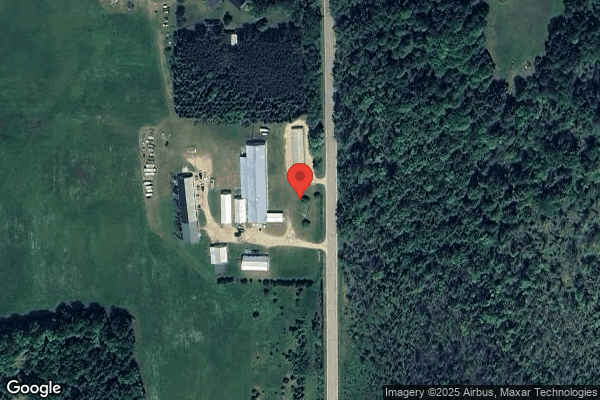
1728 South Peninsula Road, East Jordan, MI 49727 (231) 536-2286
Government - County 113 Beds Independent Data: November 2025
Trust Grade
70/100
#122 of 422 in MI
Last Inspection: March 2025

Within standard 12-15 month inspection cycle. Federal law requires annual inspections.

Overview

Grandvue Medical Care Facility has a Trust Grade of B, indicating it is a good choice for families looking for care options, though it is not among the very best. It ranks #122 out of 422 facilities in Michigan, placing it in the top half, and is the best option out of two in Charlevoix County. However, the facility is experiencing a worsening trend, with issues increasing from 1 in 2024 to 9 in 2025. Staffing is a strong point, with a 5-star rating and a turnover rate of 40%, which is below the state average, meaning staff are likely to know the residents well. There have been no fines recorded, which is a positive sign, but the RN coverage is only average. While there are strengths, there are notable weaknesses as well. One serious issue involved failing to follow physician orders for two residents, leading to rehospitalization due to critical health concerns. Additionally, the facility did not meet the required frequency of QAPI meetings, which may impact overall care quality for residents. Another concern was the improper handling of food safety, which poses a risk of foodborne illness among residents. Overall, families should weigh these strengths against the weaknesses when considering this facility for their loved ones.

Trust Score
B
70/100
In Michigan
#122/422
Top 28%
Safety Record
Moderate
Needs review
Inspections
Getting Worse
1 → 9 violations
Staff Stability
○ Average
40% turnover. Near Michigan's 48% average. Typical for the industry.
Penalties
✓ Good
No fines on record. Clean compliance history, better than most Michigan facilities.
Skilled Nurses
✓ Good
Each resident gets 56 minutes of Registered Nurse (RN) attention daily — more than average for Michigan. RNs are trained to catch health problems early.
Violations
⚠ Watch
16 deficiencies on record. Higher than average. Multiple issues found across inspections.
★★★★☆
4.0
Overall Rating
★★★★★
5.0
Staff Levels
★★★★☆
4.0
Care Quality
★★★☆☆
3.0
Inspection Score
Stable
2024: 1 issues
2025: 9 issues

The Good

  • 5-Star Staffing Rating · Excellent nurse staffing levels
  • 4-Star Quality Measures · Strong clinical quality outcomes
  • Full Sprinkler Coverage · Fire safety systems throughout facility
  • No fines on record
  • Staff turnover below average (40%)

    8 points below Michigan average of 48%

Facility shows strength in staffing levels, quality measures, fire safety.

The Bad

Staff Turnover: 40%

Near Michigan avg (46%)

Typical for the industry

The Ugly 16 deficiencies on record

1 actual harm
May 2025 1 deficiency
CONCERN (D) 📢 Someone Reported This

A family member, employee, or ombudsman was alarmed enough to file a formal complaint

Potential for Harm - no one hurt, but risky conditions existed

Medical Records (Tag F0842)

Could have caused harm · This affected 1 resident

This deficient practice pertains to Facility Reported Incident (FRI) MI00153071. Based on observation, interview, and record review, the facility failed to maintain a complete and accurate medical rec...

Read full inspector narrative →
This deficient practice pertains to Facility Reported Incident (FRI) MI00153071. Based on observation, interview, and record review, the facility failed to maintain a complete and accurate medical record following an unwitnessed fall for one Resident (#1) of 3 residents reviewed for medical records. Findings include: Resident #1 (R1) Review of R1's electronic medical record (EMR) revealed initial admission to the facility on 8/21/23 with diagnoses including dementia, repeated falls, bone density disorder, and cognitive communication deficit. Review of R1's most recent Minimum Data Set (MDS) assessment, dated 5/9/25, revealed a Brief Interview for Mental Status (BIMS) score of 2/15, indicative of severe cognitive impairment. Review of the facility investigation report received by the State Agency (SA) on 5/14/25 at 1:39 PM read, in part: Incident Summary: On May 4, 2025, [R1] was discovered on the floor in another resident room .During the early morning hours of May 6, staff noted a bruise to [R1's] left heel . an x-ray was ordered. At 11:04 AM, on May 7, the x-ray results returned with the diagnosis of superior calcaneus [heel] fracture . Investigation Summary: On May 6, 2025, the night house supervisor, [Licensed Practical Nurse (LPN) B] reported to the [Director of Nursing (DON)] [R1] had a large bruise to her left heel. [LPN B] also reports skin tears to [R1's] right forearm. [LPN B] completed a chart review and found no note regarding an injury . [Certified Nursing Assistant (CNA) E] informed [LPN B] [R1] had been observed on the floor, in another resident room, on May 4. The two [LPN B and CNA E] feel the bruising and skin tears likely came from that incident . On 5/15/25 at 2:45 PM, R1 was observed sitting in a wheelchair with her left leg propped up on an elevated footrest covered with a soft cast and bandages. LPN D reported R1 had just returned to the facility after undergoing orthopedic surgery on her left heel at a local hospital. On 5/15/25 at 12:09 PM, an interview was conducted with LPN D who verified she was on duty when R1 was found on floor in another resident's room by CNA E on 5/4/25. LPN D stated although she was not the nurse responsible for R1's direct care on 5/4/25, she responded first to the report that CNA E had discovered R1 on the floor. LPN D recalled R1 was observed in a sitting position on the floor with her legs extended and right arm resting on the bed frame. LPN D stated after a brief assessment, R1 was assisted into the hallway as the resident who occupied the room was becoming distressed with the commotion. LPN D stated she observed a skin tear on top of R1's right forearm and vaguely recalled covering the wound with a band-aid. LPN D stated Registered Nurse (RN) C then came over to further assess R1. On 5/15/25 at 11:46 AM, a telephone interview was conducted with RN C who confirmed R1 was under her direct care when she was discovered on the floor in another resident's room on 5/4/25. RN C stated by the time she walked over, R1 was already in the hall and LPN B had completed a skin assessment. RN C stated R1 had an open spot on her right forearm that was bleeding. RN C stated LPN D had already covered the area with a band-aid but later in the day it had increased in size, so she covered it with non-stick gauze and tape. RN C stated R1 had a care plan that indicated she liked to sit on the floor, she did not count the incident as a fall and therefore did not complete a corresponding event report in R1's EMR. Review of R1's plan of care revealed a focus area initiated 8/21/23 which read: FALLS: High risk of falls r/t [related to] high risk medications for behavior disturbances/symptoms, confusion, gait/balance problems, poor communication/comprehension, unaware of safety needs, wandering, deformities of feet, walks on her toes, incontinence, falls with fractures, pain, osteoporosis. A care planned fall intervention, initiated 9/6/23, read: Per her sister, [R1] often sits down right on the floor when at home. If you witness this happening, it is intentional and not a fall . On 5/15/25 at 12:22 PM, an interview as conducted with CNA E who confirmed she found R1 sitting on the floor in another resident's room on 5/4/25 after responding to a motion alarm. CNA E stated she had not witnessed R1 sitting on the floor but instead found her in a seated position with both legs extended. CNA E stated R1 had a visible skin tear on her right forearm. In the late evening on 5/5/25, CNA E stated she saw bruising on R1 left heel as LPN A was applying medicated lotion. CNA E stated she immediately reported the finding to LPN A. On 5/15/25 at 12:32 PM, a telephone interview was conducted with LPN A who verified she discovered bruising to R1's left heel while providing care in the late-night hours of 5/5/25. LPN A stated she had not been on duty for the previous couple days, but CNA E informed her R1 had been previously found sitting on the floor in a resident room. When LPN A asked CNA E if she informed the on-duty nurse, CNA E stated she had but the nurse stated R1 was care planned to be able to sit on the floor, so it had not been counted as a fall. LPN A stated, I was confused because [R1's] care plan states that sitting on the floor had to be witnessed and this was not. LPN A stated she also observed two skin tears on R1's right arm located both above and below her elbow. LPN A recalled one skin tear was covered with a piece of gauze and paper-tape and the other just had a band-aid. LPN A stated, Nobody mentioned the skin tears, they were not reported or charted about. I was not able to verify where those had come from. LPN A relayed her concerns to the night house nurse supervisor, LPN B and completed a note in R1's EMR. LPN A stated the incident should have been recorded in R1's EMR as a Risk Management Event per facility policy. Review of R1's EMR revealed a progress note written by LPN A on 5/5/25 at 11:16 PM which read: During this shift I noticed two skin issues (tears) to resident's right arm. And a large bruise to resident's left heel that looks as though it is starting to wrap around the ankle as well. The two skin issues (tears) both have been attended to. The one further up on the arm has a band-aid applied, and the other one looks to have a non-stick [bandage] and paper tape . CNA [CNA E] alerted me to a possible situation that occurred .where resident was . observed sitting on one resident's blue mat. This could be a probable situation where these skin tears and bruise could have originated . On 5/15/25 at 12:47 PM, a telephone interview was conducted with LPN B who verified she was the night house supervisor on 5/5/25-5/6/25. LPN B stated she could not find any documentation regarding R1's skin tears or bruising to the left heel. LPN B stated she notified the on-call provider because, the concern was R1 didn't sit on the floor on 5/4/25 but likely fell. When LPN B was asked about facility protocol after a fall or discovering skin integrity issues she stated, The normal protocol would be to do the Risk Management documentation . I don't know why it was not done. Review of the radiology report of the left foot dated 5/7/25 read, in part: This is a fracture involving the superior calcaneus . Review of an undated document completed by Care Coordinator (CC) F titled Nursing Post Fall Evaluation, read, in part: When notified of skin + [and] pain concerns from NOC [night shift] nurse, we noted a charting from 5/4 stating [R1] sat on floor in another resident room - unwitnessed. Now w/ [with] skin tears noted to R [right] arm and L [left] heel bruising . reviewed CP [care plan] fall focus - clearly states if you witness [R1] sitting on the floor it is [not] a fall - this was unwitnessed. Therefore, proper action from NN [night nurse] was required - risk mngment [management] - unwitnessed fall . On 5/15/25 at 3:35 PM, an interview was conducted with Care Coordinator (CC) F who verified a risk management document should have been completed for R1's unwitnessed fall and skin tears. On 5/15/25 at 3:45 PM, a follow-up phone call was conducted with RN C regarding facility risk management documentation protocol. When asked why risk management documentation was not completed after the unwitnessed fall, RN C stated, Because I thought [R1] sat down . It was a busy time of day. When asked why risk management documentation was not completed for R1's skin tears, RN C replied, Because it wasn't really a skin tear . it was like [R1] just bumped it and it was bleeding. And later in the day, it looked like an abrasion . so I covered it so it wasn't open and passed it along in verbal report. On 5/15/258 at 3:15 PM, an interview was conducted with the DON regarding expectations following an unwitnessed fall or skin tear. The DON stated risk management documentation should be completed for any unwitnessed fall or skin abnormalities. Review of the undated Facility Policy titled, Skin Injuries read, in part: .If an injury is identified on a resident, please complete the Risk Management . What Needs to have a Risk Management completed? See list below: .skin tear.
Mar 2025 8 deficiencies 1 Harm
SERIOUS (G)

Actual Harm - a resident was hurt due to facility failures

Quality of Care (Tag F0684)

A resident was harmed · This affected 1 resident

**NOTE- TERMS IN BRACKETS HAVE BEEN EDITED TO PROTECT CONFIDENTIALITY** Based on interview and record review, the facility failed to follow physician orders for readmission to the facility in two Resi...

Read full inspector narrative →
**NOTE- TERMS IN BRACKETS HAVE BEEN EDITED TO PROTECT CONFIDENTIALITY** Based on interview and record review, the facility failed to follow physician orders for readmission to the facility in two Residents (#25 and #15) of three residents reviewed for quality of care following hospitalization. This deficient practice resulted in rehospitalization for excessive clotting times following a history of GI bleed for R25 and rehospitalization with worsening urosepsis for R15. Findings include: Resident #25 (R25) A nursing progress note in the Electronic Medical Record (EMR) dated [DATE] at 3:06 PM documented R25 had hypoxia (low oxygen level), a gray color to the skin, increased confusion, and a blood pressure of 92/52. The physician was notified and R25 was transferred to the Emergency Department (ED) and admitted to the hospital. A hospital Discharge summary dated [DATE] documented R25 with an INR result of 12.9 upon arrival to the ED on [DATE]. The discharge summary recapped concerns identified in the hospital including acute blood loss anemia, acute GI (gastrointestinal) bleeding, and supratherapeutic (exceeding therapeutic limits) INR. The discharge summary reflected R25 required blood transfusions while hospitalized . A GI scope was performed and identified evidence of upper GI bleeding with blood clots within the stomach. R25 was admitted to the facility on [DATE] with a primary diagnosis of memory deficit following cerebral infarction (stroke). The EMR revealed R25 had a prosthetic heart valve and was prescribed the anticoagulant warfarin (a blood thinning medication that can result in excessive bleeding and death if given in excessive doses). A care plan Focus for R25 documented, in part: BLEEDING [sic]: At risk for uncontrolled bleeding from use of Coumadin [warfarin] therapy related to aortic valve replacement . The care planned goal was to maintain the INR (International Normalized Ratio, a blood test for warfarin that measures blood clotting times) between 2.5 - 3.5. R25 returned to the facility on [DATE] with an INR of 1.26. Physician's orders included tight INR control and resume warfarin on [DATE]. The Medication Administration Record (MAR) documented R25 received warfarin 3 milligrams (mg) on [DATE] despite the physician's order from the hospital to resume the medication on [DATE]. A nursing progress note in the EMR on [DATE] at 9:04 AM documented R25's provider was notified to discuss R25 experiencing a change in condition overnight. The progress note reflected R25 had a systolic blood pressure in the 80's, hypoxia, lethargy, and crackles throughout the lung fields. R25 was transferred back to the ED on [DATE] where a laboratory draw identified an INR of 5.1. A hospital Discharge summary dated [DATE] documented, in part: . I spoke with nursing at [name of facility redacted], patient has reportedly only received a single 2.5 mg dose of warfarin on [DATE] that is increased his INR from 1.26 on [DATE] to 5.61 today .warfarin has been held, suggest a recheck of INR tomorrow .continue to hold warfarin therapy until INR between 2 and 3, recommend reducing dosage on reinitiation, close monitoring every other day . R25 returned to the facility on [DATE]. The MAR documented warfarin was administered to R25 on [DATE] and [DATE] despite the physician's order to withhold the medication. A nursing progress note on [DATE] at 3:55 PM documented the provider was notified and made aware the warfarin was not placed on hold when R25 returned from the hospital. The provider again ordered the medication to be withheld until laboratory testing of INR was returned. A laboratory report dated as obtained on [DATE] and dated as reported to the facility on [DATE], documented INR results > (greater than) 10. A provider's note in the EMR dated [DATE] at 12:00 AM documented, in part: . [R25] presents for evaluation due to elevated INR. Preliminary result from yesterday's draw is INR > 10 .CCC [Clinical Care Coordinator] discovered that patient's Coumadin was not held since readmission to the facility. Discussed with CCC option to perform reversal using available Vit [vitamin] K in the facility and to closely monitor INR by checking daily or every other day. However, given patient's very recent hospitalization for suspected GI bleed leading to anemia and acute hypoxia, CCC is concerned that patient is at higher risk for bleeding. Facility has limited ability to check INRs in a timely manner . R25 was transferred back to the ED on [DATE] for a supratherapeutic INR. The CCC (Registered Nurse (RN) N) and Assistant Director of Nursing (ADON) were interviewed on [DATE] at 10:12 AM. RN N said warfarin is monitored through INRs to ensure the medication is within therapeutic parameters for a resident. RN N confirmed the therapeutic range for R25 was an INR between 2.5 - 3.5. The ADON said there was also an order to monitor for bleeding each shift, and the order to monitor for the side effects of bleeding should be on the TAR (Treatment Administration Record) for nurses to document each shift. The medical record for R25 was reviewed with RN N. No order was found to monitor R25 for bleeding, nor did the TAR contain an entry for nurses to document monitoring for the side effect of bleeding. RN N was asked about the supratherapeutic INRs and subsequent hospitalizations for R25 in [DATE]. RN N said the INRs for R25 got wonky in January. RN N said, This mess might have been prevented with a point of care INR machine. RN N expressed challenges with the contracted laboratory provider, including the lab not open or available when needed, specimen collections were required to be obtained before 4:00 PM, and there was no availability to obtain laboratory draws on weekends. RN N explained the laboratory courier picks up labs at 4:00 PM on weekdays only, then the specimens were taken to (city approximately 50 miles from facility) to then be shipped to out of state within the country to conduct the testing. RN N asserted, I don't know how that's feasible! I've had heated [NAME] about this lab. RN N said the facility is not notified timely of laboratory results. RN N said laboratory results are not known until the next day or several days after laboratory specimens were obtained. RN N was asked why warfarin continued being administered to R25 when the discharge summary from the hospital dated [DATE] directed the medication to be withheld. RN N did not provide an explanation. The Director of Nursing (DON) was interviewed on [DATE] at 12:42 PM. The DON was asked why the warfarin was administered despite an order to withhold the medication. The DON said she suspected the facility did not receive the Discharge summary dated [DATE] or the instructions from the hospital until [DATE] because that was the date the discharge summary was entered into R25's EMR. The DON said the provider did not enter the order to hold the warfarin in the EMR. The DON explained the facility practice was for providers to enter their own orders in the EMRs. The Medical Director (MD) was interviewed on [DATE] at 12:50 PM. The MD said he would not have been concerned about INR draws being obtained after being identified as supratherapeutic if the resident was not receiving warfarin. The MD said he was not notified until today ([DATE]) that R25 received warfarin when it should have been withheld. Resident #15 (R15) R15 was admitted to the facility on [DATE] with a primary diagnosis of acute pulmonary edema (buildup of fluid in the lungs). A quarterly Minimum Data Set (MDS) assessment dated [DATE] documented a Brief Interview for Mental Status (BIMS) score of 15 out of 15, indicating R15 was cognitively intact. The MDS documented R15 was independent with dressing, personal hygiene, bed mobility, transfers, and ambulation. No history of genitourinary surgeries or concerns were reflected in the MDS. A nursing progress note in the EMR dated [DATE] at 9:00 AM documented the provider was notified of R15 experiencing a change of condition including vaginal itching, burning with urination, increased frequency of urination, constant dribbling of urine, and a change in the appearance of the urine. The appearance of the urine was documented as thick, creamy, with an abnormal color. The note reflected R15 was lethargic, weak, non-ambulatory, and required lift equipment for transfers. The note documented a concern for infection. A nursing progress note in the EMR dated [DATE] at 12:00 PM documented the provider was notified of a preliminary urinalysis results showing bacterial growth and concern for possible UTI (urinary tract infection). The provider prescribed antibiotics. A progress note dated [DATE] at 10:15 AM documented R15 began vomiting and experienced hypotension (low blood pressure), rapid heart rate and respirations, and severe burning with urination. R15 was sent to the ED on [DATE] and was admitted to the hospital for UTI (Urinary Tract Infection), sepsis (a life-threatening complication resulting from an infection), acute kidney injury, and others. The urine test in the hospital showed Lactobacillus (a type of bacteria). R15 was discharged back to the facility on [DATE] with orders to administer amoxicillin (an antibiotic) 875 mg twice daily. Review of the MAR revealed the amoxicillin was not administered to R15. The amoxicillin order was not reflected on the February 2025 MAR. A nursing progress note dated [DATE] at 8:45 AM documented the provider was notified R15 had not received any antibiotics since returning from the hospital after the inpatient stay for urosepsis. The note revealed an on-call provider was contacted on [DATE] and [DATE] but the on-call provider was unable to access R15's chart or receive the fax of the hospital discharge. The nursing progress note of [DATE] at 8:45 AM documented, in part: .Today I'm concerned [R15] is becoming septic again AEB [As Evidenced By]: lethargic, confused with inability to answer questions .rhonchus lung sounds .RR [respiratory rate] 40, HR [heart rate] 100 .indwelling foley catheter shows blood clots, sediment, and milky/pink colored urine .Concerns for rebound sepsis vs. heart failure fluid overload or both The note documented the provider's response was to send R15 to the ED. R15 was transferred back to the ED and admitted to the hospital on [DATE] for Urosepsis. Review of a nursing progress note dated [DATE] at 4:35 PM revealed the provider who discharged R15 from the hospital on [DATE] contacted the facility regarding R15 not receiving amoxicillin as prescribed. The note documented, in part: .I let [hospital provider] know we were not able to get any further antibiotic recommendations from our telehealth on call providers Saturday [[DATE]] and Sunday [[DATE]]. He stated that in the future if there are problems like this to please contact the hospitalist on call at the hospital . R15 returned to the facility on [DATE] and was subsequently placed on comfort measures. R15 expired [DATE]. The DON and MD were interviewed on [DATE] at 1:00 PM. The DON said R15 returned to the facility with orders for amoxicillin but R15 was allergic to penicillin. The MD said he was not notified of R15 not receiving amoxicillin as prescribed by the hospital provider. The MD said the nurse practitioner was notified on [DATE] and assessed R15. The nurse practitioner ordered R15 sent to the ED. Neither the MD nor DON provided an explanation why the medical director or hospital was not notified when the on-call provider failed to prescribe a different antibiotic when the allergy was identified.
CONCERN (D)

Potential for Harm - no one hurt, but risky conditions existed

Assessment Accuracy (Tag F0641)

Could have caused harm · This affected 1 resident

**NOTE- TERMS IN BRACKETS HAVE BEEN EDITED TO PROTECT CONFIDENTIALITY** Based on observation, interview, and record review, the facility failed to ensure Minimum Data Set (MDS) assessment documentatio...

Read full inspector narrative →
**NOTE- TERMS IN BRACKETS HAVE BEEN EDITED TO PROTECT CONFIDENTIALITY** Based on observation, interview, and record review, the facility failed to ensure Minimum Data Set (MDS) assessment documentation was accurate for one Resident (#23) of 19 residents reviewed for assessments. This deficient practice resulted in the potential for lack of appropriate care and services. Findings include: Resident #23 (R23) Review of R23's Minimum Data Set (MDS) assessment dated [DATE], revealed admission to the facility on 8/15/13 with diagnoses including: Cerebrovascular Accident (CVA), Transient Ischemic Attack (TIA), or stroke, hemiplegia (paralysis that affects one side of your body), and dementia. Section P revealed a wander/elopement alarm was used daily. R23 scored a 5 of 15 on the Brief Interview for Mental Status (BIMS) assessment reflective of severe cognitive impairment. During an observation on 3/18/25 at 1:11 p.m., R23 had a [Name Brand] alarm on her left ankle and was seated in a wheelchair while propelling the wheelchair in a secured/locked unit of the facility. During an interview on 3/19/25 at 10:41 a.m., Licensed Practical Nurse (LPN) A reported R23's balance had declined since admission in 2013, and the resident does not walk around the secured unit of the facility anymore. When asked who assesses the use of the alarms for residents, LPN A stated they did not know. During an interview on 3/20/25 at 8:41 a.m., Director of Nursing (DON) reported that the facility fills out risk assessments for residents who need an alarm upon admission, quarterly, and as needed. The DON reviewed the Electronic Medical Record (EMR) for R23 which revealed the last risk assessment was completed on 8/9/24. During an interview on 3/20/25 at 9:12 a.m., Housekeeping Aide B reported R23 does not try to get out of the doors of the locked unit of the facility since [R23] does not walk and is in a wheelchair. During an interview on 3/20/25 at 9:16 a.m., Nursing Neighborhood Assistant C reported R23 does not try to leave out any of the exit doors. During an interview on 3/20/25 at 9:18 a.m., Nursing Neighborhood Assistant D reported R23 watches TV, has snacks during the day, and sleeps a lot, but does not try to leave the locked unit. During an interview on 3/20/25 at 9:26 a.m., Activity Aide/Certified Nursing Assistant (CNA) E stated, I cannot recall the last time I saw [R23] head towards an exit. During an interview on 3/20/25 at 9:29 a.m., CNA F reported R23 used to walk towards the exits seven years ago. During an interview on 3/20/25 at 9:31 a.m., Registered Nurse (RN) G reported R23 goes to the dining room and propels the wheelchair around the locked unit of the facility but has not tried to leave the locked unit over the past year. During an interview on 3/20/25 at 10:08 a.m., Social Worker H reported that R23 had not tried to leave the locked unit in the past year and the LPN/Care Coordinator will do a risk assessment for the alarm for residents that try to elope. During an interview on 3/20/25 at 10:15 a.m., LPN/Care Coordinator I stated, It had been at least a year since [R23] tried to leave the locked unit .the residents are assessed quarterly and I did not realize I missed the assessment . During an interview on 3/20/25 at 10:29 a.m., the DON acknowledged R23 should be assessed quarterly for the [Name Brand] alarm and R23 had not tried to leave the facility. The DON reported the facility had a policy on the alarm assessment which was requested at the time of this interview. During an interview on 3/20/25 at 10:48 a.m., Registered Nurse/MDS/Assistant Director of Nursing (RN/MDS/ADON) J stated, R23 has not had an elopement incident in over a year .there is no need for [R23] to have the [Name Brand] alarm at this time .R23 should have been assessed quarterly for the [Name Brand] alarm as part of the quarterly MDS assessment . Review of facility policy titled Elopement and Wandering Resident last reviewed 2/5/25, read in part .Alarms are not a replacement for necessary supervision .[Facility name] shall establish and utilize a systematic approach to monitoring and managing residents including identification and assessment .evaluation and analysis of hazards and risks .and monitoring for effectiveness and modifying interventions when necessary . A facility policy regarding the assessment or use of alarms was not provided upon exit of the facility on 2/20/25 at 2:00 p.m.
CONCERN (D)

Potential for Harm - no one hurt, but risky conditions existed

Deficiency F0657 (Tag F0657)

Could have caused harm · This affected 1 resident

**NOTE- TERMS IN BRACKETS HAVE BEEN EDITED TO PROTECT CONFIDENTIALITY** Based on observation, interview and record review, the facility failed to update the person-centered care plan for the managemen...

Read full inspector narrative →
**NOTE- TERMS IN BRACKETS HAVE BEEN EDITED TO PROTECT CONFIDENTIALITY** Based on observation, interview and record review, the facility failed to update the person-centered care plan for the management and prevention of wounds for one Resident (#53) of one resident reviewed for pressure injuries, resulting in the potential for unmet care needs. Findings include: Resident #53 (R53) Review of the Minimum Data Set (MDS) assessment, dated 12/27/2024, revealed R53 was admitted to the facility on [DATE] with diagnoses including Parkinson's Disease and dementia. R53 was rated as having severe cognitive impairment and was dependent on staff for all transfers and bed mobility. On 3/18/2025, at 12:11 p.m., R53 was observed seated in a high-back wheelchair in her room. R53 appeared confused and smiled when asked questions but appeared to be unable to understand the questions being asked and could not participate in an interview. Review of R53's electronic medical record (EMR) revealed the following progress note: 3/18/2025, [9:37 a.m.]. Alert Note. resident with red firm area on left glute. skin intact. resident current with air mattress topper. request for air mattress. open area of coccyx [tailbone] with 99% slough, serosanguinous exudate [drainage]. educated CNA [Certified Nursing Assistant] on the importance of turning schedule. CNA verbalized understanding and confirmed repositioning. An observation of R53's wound care, conducted by Licensed Practical Nurse (LPN) Q, on 3/19/25 at 11:43 a.m., revealed R53 had a wound located on the medial aspect of her right upper buttock. The wound was covered in black eschar (dry dead tissue). Two smaller wounds were noted on R53's left, medial buttock, both wounds were covered in yellow slough (moist, dead tissue). Review of a provider note, dated 3/6/2024 at 12:00 a.m., revealed the following: Assessment and Plans . There is a Kennedy ulcer [unavoidable skin breakdown which occurs as part of the dying process] noted to the coccyx. Review of R53's pressure ulcer risk assessment, dated 3/3/2025, revealed R53 was unable to make frequent or significant changes [in position] independently. During an interview on 3/20/2025 at 9:43 a.m., CNA R was queried as to how care staff were aware of what care needs R53 had. CNA R reported CNA staff refer to the [NAME] (bedside care plan report) which is in a binder outside the Resident's room. CNA R reported she floats to all units in the facility and relies on the bedside care plan reports to know what type of assistance residents require. When asked how staff knew how often a resident should be repositioned or weight offloaded, CNA R reported staff would refer to the care plan report for specific information. CNA R stated residents are usually repositioned every two hours when in bed. Review of R53's Visual/Bedside Individual Care Service Plan Report, found in a black binder located in a pocket on the wall outside the Resident's room, revealed the following: Skin Care/Pressure Relief: Calmoseptine (type of medicated ointment) to open pressure area and protective ointment to peri areas of incontinence . Bed Mobility: dependent for significant position changes. Wedges for repositioning support/pressure relief. It was noted the bedside care plan report contained no information related to how often R53 should be repositioned or how often weight should be offloaded from R53's wound. A review of R53's comprehensive care plan, revealed the following: Pressure/Skin Injury: The resident has a history of pressure ulcer development [related to] immobility, age related fragility, anti-platelet therapy. Date Initiated:4/08/2024 . Interventions: Encourage repositioning throughout the day and night if you see that the resident has not done so herself. Date Initiated: 4/09/2024. It was noted the care plan did not include information on how often R53 should be repositioned nor was the care plan updated to reflect R53's dependence on staff for position changes. During an interview on 3/20/2025 at 9:36 a.m., Nursing Care Coordinator and Registered Nurse (RN) S reviewed R53's current care plan and confirmed R53's care plan was not updated to reflect the presence of the Kennedy ulcer and did not include an intervention to turn and reposition R53 at least every two hours for comfort and to attempt to prevent new wounds from forming. RN S confirmed R53 should be repositioned at least every two hours. Review of the facility policy titled, Baseline Care Planning and Resident Centered Care Planning, revised 2/19/2025, revealed the following: The comprehensive care plan will describe, at a minimum, the following: The services that are to be furnished to attain or maintain the resident's highest practicable physical, mental and psychosocial well-being.
CONCERN (D)

Potential for Harm - no one hurt, but risky conditions existed

Laboratory Services (Tag F0770)

Could have caused harm · This affected 1 resident

**NOTE- TERMS IN BRACKETS HAVE BEEN EDITED TO PROTECT CONFIDENTIALITY** F770 Grandvue Based on interview and record review, the facility failed to ensure laboratory services were provided to meet the ...

Read full inspector narrative →
**NOTE- TERMS IN BRACKETS HAVE BEEN EDITED TO PROTECT CONFIDENTIALITY** F770 Grandvue Based on interview and record review, the facility failed to ensure laboratory services were provided to meet the needs of one Resident (#25) of one resident reviewed for laboratory services. Findings include: Resident #25 A review of the Electronic Medical Record (EMR) for R25 revealed admission to the facility on [DATE] with a primary diagnosis of memory deficit following cerebral infarction (stroke). R25 had a prosthetic heart valve and was prescribed the anticoagulant warfarin (a blood thinning medication that can result in excessive bleeding and death if given in excessive doses). A review of the Medscape information on Warfarin revealed the safety and efficacy is dependent on maintaining an INR (International Normalized Ratio, a blood test that measures blood clotting) within a specified target range. A review of the EMR revealed R25 was transferred to the hospital on [DATE], [DATE], and [DATE] where R25 was determined to have supratherapeutic (exceeding therapeutic limits) INR results. When R25 was transferred back to the facility after a hospitalization on [DATE], the hospital discharge instructions directed, in part: Check INR every 24 hours to monitor downward trend . A nursing progress note dated [DATE] at 1:30 PM documented the provider was made aware of the hospital specifying daily INRs. The note indicated concern the facility did not have lab availability on Saturdays or Sundays. The response from the provider was to allow R25 to return to the facility with INRs to be drawn on Wednesday ([DATE]), Friday ([DATE]), and Monday ([DATE]) and to hold warfarin through Wednesday [DATE]. Review of the EMR demonstrated the laboratory draw was obtained on [DATE]. The laboratory report read Test not performed. Specimen submitted in expired/outdated collection device. The laboratory report documented the specimen was obtained on [DATE] but not reported until [DATE]. R25 was transferred to the hospital Emergency Department on [DATE] and the hospital obtained an INR. The EMR of R25 revealed laboratory results were not reported for at least 24 hours after laboratory specimens were collected. The results of an INR collected on [DATE] was reported to the facility on [DATE]. A laboratory report containing critical results was obtained on [DATE] and reported to the facility [DATE]. The results of an INR collected on [DATE] was reported to the facility on [DATE]. A laboratory result collected on [DATE] was reported on [DATE]. The Clinical Care Coordinator (Registered Nurse (RN) N) was interviewed on [DATE] at 10:12 AM. RN N expressed challenges with the facility's provider of laboratory services. RN N said the lab was not open or available when needed and said the laboratory was closed on weekends, so they were unable to obtain laboratory specimens on weekends. RN N said the laboratory courier required all specimens to be ready for pick-up by 4:00 PM Monday through Friday so evening lab draws were an impossibility. RN N explained the lab specimens were picked up at 4:00 PM and taken to (the name of a city approximately 50 miles from the facility) to then be shipped to another state in the USA to conduct the testing. RN N asserted, I don't know how that's feasible! I've had heated [NAME] about this lab. RN N confirmed the facility is not notified of lab results until the next day or several days later. The Assistant Director of Nursing (ADON) was interviewed on [DATE] at 9:23 AM. The ADON said the facility obtained a contract with a new laboratory services provider about a year ago. The ADON said the facility experienced many issues and concerns with the new laboratory provider, and management was aware of the nurses' concerns with the new provider of laboratory services. The policy titled Laboratory and Ancillary Medical Services dated as reviewed [DATE] read, in part: . It is the policy of [name of facility redacted] to provide laboratory and ancillary medical services . Laboratory services will be provided by a contracted laboratory. Emergency and after hours services will be provided .
CONCERN (D)

Potential for Harm - no one hurt, but risky conditions existed

Deficiency F0883 (Tag F0883)

Could have caused harm · This affected 1 resident

**NOTE- TERMS IN BRACKETS HAVE BEEN EDITED TO PROTECT CONFIDENTIALITY** F883 Grandvue Based on interview and record review, the facility failed to administer recommended pneumococcal vaccinations or d...

Read full inspector narrative →
**NOTE- TERMS IN BRACKETS HAVE BEEN EDITED TO PROTECT CONFIDENTIALITY** F883 Grandvue Based on interview and record review, the facility failed to administer recommended pneumococcal vaccinations or document the clinical reasons for withholding the pneumococcal vaccinations in three Residents (#36, #75, and #15) of five residents reviewed for immunizations. Findings include: Resident #36 (R36) A nurse progress notes in the EMR (Electronic Medical Record) on 12/3/24 documented R36 was confused with no verbal response to questioning. R36 had a temperature of 101.4 degrees Fahrenheit and a heart rate of 122 beats per minute. The on-call provider was notified and ordered R36 transferred to the Emergency Department (ED) for evaluation. R36 was subsequently admitted to the hospital with Pneumonia. A review of the EMR for R36 revealed an [AGE] year-old resident admitted to the facility on [DATE]. An admission Minimum Data Set (MDS) assessment dated [DATE] documented a Brief Interview for Mental Status (BIMS) score of 15 indicating R36 was cognitively intact on admission. The MDS documented the pneumococcal vaccinations for R36 were up to date. A vaccination consent form signed by R36 on 6/5/24 documented R36 wished to receive the pneumococcal vaccines indicated per CDC (Centers for Disease Control) guidelines, including a PCV20 (type of pneumococcal vaccine). An immunization report for R36 was reviewed on 3/20/25 and revealed R36 received the PCV13 vaccination on 5/18/15 and a PPSV23 vaccination on 10/31/07. No further pneumococcal vaccinations were administered to R36, including the PCV20 recommended by the CDC and requested on the consent form signed by R36. There was no physician's documentation in the Electronic Medical Record (EMR) for R36 indicating the physician addressed the request for administration of PCV20 for R36. Resident #75 (R75) R75 was an [AGE] year-old resident admitted to the facility on [DATE]. A vaccination consent form was signed by the resident representative on 8/8/23 requesting vaccinations if indicated per CDC guidelines, including the PCV20. An admission MDS dated [DATE] documented the pneumococcal vaccinations for R75 were up to date. An immunization report for R75 was reviewed on 3/20/25 and revealed R75 received PCV13 on 10/5/16 and PPSV23 on 6/1/18. No further pneumococcal vaccinations had were administered to R75, including the PCV20 recommended by the CDC and as requested on the consent signed by the resident representative of R75. The EMR of R75 did not contain physician documentation indicating the physician had considered the PCV20 for R75. No documentation by the physician could be found that the physician had discussed the PCV20 with the resident representative of R75. Resident #15 (R15) R15 was a [AGE] year-old resident admitted to the facility on [DATE]. An MDS assessment dated [DATE] documented a BIMS of 14 indicating R15 was cognitively intact. The MDS documented the pneumococcal vaccination for R15 was up to date. A vaccination consent form was signed by R15 on 5/8/24 requesting to receive vaccinations if indicated per CDC guidelines, including the PCV20. An immunization report for R15 was reviewed on 3/20/25 and revealed R15 received the PCV13 on 12/11/15 and the PPSV23 on 10/6/17. No further pneumococcal vaccinations had been administered to R15, including the PCV20 recommended by the CDC and requested by R15 on the consent. There was no physician's documentation in the Electronic Medical Record (EMR) of R15 indicating the physician addressed the request for administration of PCV20 for R15. The Infection Preventionist (IP) was interviewed on 3/20/25 at approximately 11:00 AM. The IP confirmed R36, R75, and R15 did not receive the PCV20 in accordance with their wishes as documented on the vaccine consent forms. The IP was asked if there was any documentation that the vaccinations had been considered for administration. The IP said it was up to the provider to consider the vaccination and to document in the residents' EMR. The IP admitted the provider had not documented consideration of vaccination with PCV20 for R36, R75, or R15. The CDC pneumococcal vaccine recommendations PCV20 or PCV21 Vaccination for Adults 65 or Older (www.cdc.gov/vaccines/hcp/admin/downloads/job-aid-SCDM-pneumococcal-508.pdf) includes, in part: Adults [AGE] years of age or older have the option to receive supplemental PCV20 or PCV21 (not both) if they previously completed the pneumococcal vaccine series with both PCV13 and PPSV23 and meet the following criteria: 1. Previously received one dose of PCV13 (but not PCV15, PCV20, or PCV21) at any age, and 2. Previously received all recommended doses of PPSV23 (including 1 dose of PPSV23 at or after [AGE] years of age) The determination to administer PCV20 or PCV21 is based on a shared clinical decision-making (SCDM) process between a patient and their health care provider . Consider: Increase risk of exposure to PCV20 or PCV21 serotypes [variations of a virus] may occur among people who are living in: Nursing homes or other long-term care facilities . The policy titled IP Pneumococcal Vaccine (Series) dated as reviewed 6/10/24 documented in part: . It is the policy of [the facility] to offer our residents immunization against pneumococcal disease in accordance with current CDC guidelines and recommendations . A series of vaccinations will be offered per current CDC guidelines . The resident's medical record must include documentation that indicates at a minimum, the following: a. The resident or resident's representative was provided education regarding the benefits and potential side effects of pneumococcal immunization. b. The resident received the pneumococcal immunization or did not receive due to medical contraindication or refusal .
CONCERN (E)

Potential for Harm - no one hurt, but risky conditions existed

Transfer Notice (Tag F0623)

Could have caused harm · This affected multiple residents

**NOTE- TERMS IN BRACKETS HAVE BEEN EDITED TO PROTECT CONFIDENTIALITY** Resident #34 (R34) Review of the Minimum Data Set (MDS) assessment, dated 2/28/2025, revealed R34 was admitted to the facility o...

Read full inspector narrative →
**NOTE- TERMS IN BRACKETS HAVE BEEN EDITED TO PROTECT CONFIDENTIALITY** Resident #34 (R34) Review of the Minimum Data Set (MDS) assessment, dated 2/28/2025, revealed R34 was admitted to the facility on [DATE] with diagnoses including traumatic brain injury and seizure disorder. Review of R34's EMR revealed the following progress note: 3/5/2025 19:23 Nursing Note . Resident was sent to the hospital for possible sepsis. Running fever, elevated BP (blood pressure) and pulse. Resident was sitting up in bed in pain this evening, all muscles engaged. Skin was red and blotchy. Ambulance was called. ER (Emergency Room) in [local acute care hospital] was called. Review of the facility document titled, Notification of Transfer and Bed Hold Authorization, dated 3/5/2025, revealed the document did not include a reason for R34's transfer out of the facility. Based on interview and record review, the facility failed to notify the resident and/or resident representative in writing with the reason for a transfer out of the facility for four Residents (#15, #25, #87, #34) of four residents reviewed for transfer and/or discharge. Findings include: Resident #87 (R87) Review of R87's electronic medical record (EMR) revealed initial admission to the facility on [DATE] with diagnoses including dementia and Parkinson's disease. Review of the facility census report revealed R87 was hospitalized from [DATE] - 3/13/25. Review of a progress note dated 3/11/25 at 12:39 PM read, in part: Resident being transported to [acute care hospital] d/t (due to) swelling in LLE (left lower extremity) and thigh . Review of a facility document titled, Notification of Transfer and Bed Hold Authorization, dated 3/11/25, did not reveal the reason for transfer for R87. Resident #25 R25 was admitted to the facility on [DATE] with a primary diagnosis of memory deficit following cerebral infarction (stroke). The EMR revealed R25 was transferred to the hospital on the following dates: 1/6/25, 1/10/25, 1/14/25, and 1/19/25. The documents Notification of Transfer and Bed Hold Authorization did not reveal the reason for the transfers to the hospital for R25 on these dates. Resident #15 R15 was admitted to the facility on [DATE]. The primary diagnosis of R15 was acute pulmonary edema (buildup of fluid in the lungs). The EMR revealed R15 was transferred to the hospital on the following dates: 2/12/25, 2/17/25, 2/27/25, and 3/11/25. The documents Notification of Transfer and Bed Hold Authorization did not reveal the reason for the transfers to the hospital for R15 on these dates. The Assistant Director of Nursing (ADON) was interviewed on 3/20/25 at 9:18 AM. The ADON was asked if the facility had written notifications of transfer for residents and resident representatives. The ADON provided bed hold information but did not provide written notifications of transfer. A policy was requested. The ADON and Director of Nursing (DON) were interviewed on 3/20/25 at 9:50 AM. The DON said there were no written notifications of transfer issued to residents or resident representatives. The ADON said the facility had a documented procedure and provided an undated document Notice of Resident Transfer of Discharge Process. The document read, in part: . Notice Requirements Before Transfer/Discharge, the facility must provide written notice to any Resident or Resident Representative . 3. The Social Worker/designee will complete the Notice of Resident Transfer or Discharge and, as soon as is practicable, will mail said notice . When a signed notice is returned, it will then be placed in the Resident's hard chart . The DON was queried regarding the form referenced in the written procedure. The DON provided a blank copy of a form titled Notice of Resident Transfer or Discharge. The form included the necessary written requirements for transfers. The DON was again asked if the forms for written notification of transfers had been completed for the residents who had been transferred to the hospital. The DON reiterated the forms had not been completed. The ADON said the form used to be used but could not explain why the facility had stopped providing written notifications of transfer.
CONCERN (E)

Potential for Harm - no one hurt, but risky conditions existed

Deficiency F0761 (Tag F0761)

Could have caused harm · This affected multiple residents

Based on observation, interview, and record review, the facility failed to properly label medications and dispose of expired or discontinued medications in three medication carts of four medication ca...

Read full inspector narrative →
Based on observation, interview, and record review, the facility failed to properly label medications and dispose of expired or discontinued medications in three medication carts of four medication carts reviewed and one medication room of two medication rooms reviewed for medication storage. Findings include: On 3/18/25 at 12:35 PM, the Valleyvue B medication cart was observed. The medication cart had an insulin pen containing glargine, with an expiration date of 3/9/25 which remained accessible for administration in the medication cart supply. On 3/18/25 at 12:37 PM, an interview was conducted with Registered Nurse (RN) L, who was asked if the insulin pen was still usable. RN L looked at the pen and immediately threw it out replying, The resident does not use it that often. The pen should have not been in the medication cart. On 3/18/25 at 12:51 PM, the Lakevue B medication cart was observed. The medication cart had a box of two auto-injector pens containing epinephrine 0.3 mg (milligrams). The printed expiration date on the box was 1/2025. An insulin pen was also observed with a date written when it was opened on 3/17/25, but no expiration date was observed. On 3/18/25 at 12:53 PM, an interview was conducted with RN M, who was asked what kind of allergy the resident had related to the availability of an emergency pen (epinephrine) and replied, They are allergic to bee pollen, clonazepam (anti-anxiety agent), and honeybee venom. RN M visualized the epinephrine and confirmed the medication was expired. When asked about the insulin pen, RN M said insulin pens are required to reflect the expiration date, so staff are aware when the medication is expired. On 3/18/25 at 3:06 PM, the Lakevue A medication cart was observed, and was found to have an antipsychotic medication haloperidol liquid, with dispensed date of 2/4/25 which contained no expiration date after opened. The medication cart also had an insulin lispro pen with opened date of 3/15/25 and was labeled to be expired on 4/26/25. The insulin pen was identified as having an incorrect expiration date and should have been labeled to expire on 4/12/25, a 28-day period, not a 42-day period. The medication cart also contained two other insulin pens observed to be dated incorrectly. On 3/18/25 at 3:20 PM, an interview was conducted with RN L, who was asked if the insulin pens were dated correctly for expiration dates and replied, No. Apparently someone does not know how to do math. On 3/18/25 at 1:16 PM, a review of the narcotic book for Valleyvue B was conducted and was found to have a discontinued controlled substance medication remaining in the active medication supply. The medication was Lorazepam 0.5 mg, with dispensed date of 1/24/25 and physician order to be discontinued on 2/7/25. On 3/18/25 at 2:55 PM, an interview was conducted with RN L, who was asked when discontinued medications in the medication cart should destroyed. RN L replied, As soon as possible. That same resident had morphine as well and that was discontinued and destroyed. I really don't know why that medication (Ativan 0.5 mg) is still in the medication cart. On 3/18/25 at 3:21 PM, an observation was made of the medication storage room located on Lakevue. A bottle of geri-tussin (cough syrup) 16 ounces with expiration date of 10/24 was observed in the medication room supply. RN M had a surprised look of her face when this Surveyor handed her the expired medication. On 3/19/25 at 9:44 AM, an interview was conducted with the Director of Nursing (DON) who was made aware of the medication storage findings. The DON replied, Expired medications are to be thrown out if they are expired. Narcotics that have been discontinued are to be destroyed with management as soon as possible, within a few days, and we are here Monday through Friday. Insulin pens are to be correctly dated after being opened with an expiration date. The DON confirmed medication carts and medication storage rooms are audited weekly by nursing and was not sure why expired medications were left in the active medication supply areas. The DON stated, Obviously the staff need to be re-educated on the process because things are being missed and overlooked. Review of policy titled, Unused Medications, Disposal of, dated 10/16/24, read in part, Policy: It is the policy of (facility name) that all unused medications will be disposed of safely and legally .DEA (Drug Enforcement Administration) controlled substances: 1. DEA controlled substance medication (narcotic) cannot be returned to the pharmacy .2. Two of the following personnel types must be present to witness destruction: a. Director of Nursing b. RN Care Coordinator c. Neighborhood Nurse d. Registered Pharmacist e. Certified Pharmacy Technician f. RN or LPN (Licensed Practical Nurse) Consultant Nurse employed by the pharmacy 3. Controlled medications are destroyed via the Drug Buster Drug Disposal System . Review of policy titled, Labeling of Medications and Biologicals, dated 10/23/24, read in part, Policy: It is the policy of (facility name) to ensure all medications and biologicals used in the facility will be labeled in accordance with current guidance . Review of facility document titled, Insulin Storage Recommendations, dated 2022, read in part, .Cartridges/Pens .insulin lispro and insulin glargine pen, opened up to 28 days . Review of facility document titled, Medication Storage and Labeling, undated, read in part, .Medication Carts .All opened medications are labeled with an open date and an expiration date. The expiration date may be the circled manufacturer expiration .Insulin Pens .Verify open date and expiration date . Review of facility document titled, Medication Storage Audit, undated, read in part, Drugs and biologicals are correctly/securely stored .7. DC'd (discontinued) and/or expired meds removed .11. Medications have expiration dates . Review of policy titled, Medication Storage, dated 10/30/24, read in part, Policy: It is the policy of (facility name) to ensure all medications will be stored in the medication cart and/or medication rooms according to the manufacturer's recommendations and regulatory guidelines and sufficient to ensure proper sanitation, temperature, light, ventilation, moisture control, segregation, and security .
CONCERN (F)

Potential for Harm - no one hurt, but risky conditions existed

Deficiency F0868 (Tag F0868)

Could have caused harm · This affected most or all residents

Based on interview and record review, the facility failed to ensure the Quality Assurance and Performance Improvement (QAPI) committee met at least once per quarter with the required committee members...

Read full inspector narrative →
Based on interview and record review, the facility failed to ensure the Quality Assurance and Performance Improvement (QAPI) committee met at least once per quarter with the required committee members resulting in the potential for quality-of-care concerns for all 93 residents in the facility. Findings include: A review of the facility QAPI sign in sheets on 3/30/25 at 11:00 a.m., revealed the following: Meetings were held on4/17/24, 5/15/24, 6/19/24, 7/17/24, 10/16/24, 11/20/24, 12/18/24, 1/15/25, and 2/19/25. The meeting held on 7/17/24: The Medical Director or designee did not attend. The facility did not have a QAPI meeting in August 2024 or September 2024. The Medical Director or designee, who is a required committee member, did not attend the QAPI meeting during the quarter of July, August, and September. During an interview on 3/20/25 at 11:26 a.m., the Director of Nursing (DON) reported she was unaware the Medical Director did not attend the meeting and offered to provide proof the Medical Director did attend via zoom for the 7/17/24 meeting. The missing attendance record was not provided by survey exit on 3/20/25 at 2:00 p.m.
Apr 2024 1 deficiency
CONCERN (D) 📢 Someone Reported This

A family member, employee, or ombudsman was alarmed enough to file a formal complaint

Potential for Harm - no one hurt, but risky conditions existed

Deficiency F0760 (Tag F0760)

Could have caused harm · This affected 1 resident

**NOTE- TERMS IN BRACKETS HAVE BEEN EDITED TO PROTECT CONFIDENTIALITY** This deficiency pertains to Facility-Reported Incident intake #MI00143534 Based on interview and record review, the facility fai...

Read full inspector narrative →
**NOTE- TERMS IN BRACKETS HAVE BEEN EDITED TO PROTECT CONFIDENTIALITY** This deficiency pertains to Facility-Reported Incident intake #MI00143534 Based on interview and record review, the facility failed to ensure one Resident (#292) of one resident reviewed for significant medication errors received the correct medication as ordered by the physician. This deficient practice resulted in R292 receiving an unprescribed antipsychotic medication. Findings include: On [DATE] the facility self-reported a medication error involving R292. The facility investigation report revealed R292 was admitted to the facility on [DATE] with admission orders that included Aricept (a medication for Alzheimer's type dementia). The investigation reported the facility's pharmacy provider dispensed Aripiprazole (also known as Abilify, an antipsychotic medication for schizophrenia-type disorders) instead of the Aricept that was prescribed. The investigation acknowledged nurses at the facility dispensed Aripiprazole to R292 instead of the Aricept prescribed by the resident's physician. An onsite investigation was conducted on [DATE]. R292 was admitted to the facility [DATE] with a diagnosis of dementia among others. A Minimum Data Set (MDS) Assessment was completed on [DATE]. According to section E of the MDS, R292 did not experience any hallucinations or delusions, and did not display any behavioral concerns toward himself or others. Section N did not have antipsychotic medication usage reflected in the coding. Section I of the MDS did not indicate any psychiatric disorders that would warrant consideration of an antipsychotic medication. A review of R292's Medication Administration Record (MAR) revealed R292 was administered Aripiprazole instead of Aricept from [DATE] through [DATE], for a total of forty-seven doses of the incorrect medication before the error was identified. The MAR revealed seven nurses had administered the incorrect medication for forty-seven days. The medical record of R292 revealed the medication error was identified on [DATE]. The facility Medical Director was notified on [DATE] and stated, it is a significant medication error. Staff A was interviewed on [DATE] at 2:30 p.m. Staff A confirmed he was a Registered Nurse (RN) and was previously in a nurse manager position at the facility. Staff A said he currently worked as the facility social services director. Staff A said the MAR for R292 correctly reflected the order for Aricept, but nurses administered Aripiprazole because pharmacy had linked the Aripiprazole medication to Aricept in the electronic MAR. Staff A confirmed Aripiprazole was administered to R292 but signed by nurses on the electronic MAR as Aricept. Staff A was asked if nurses should know the difference between Aricept and Aripiprazole. Staff A stated, I'm not going to answer that. The seven nurses involved in administering the incorrect medication to R292 were interviewed on [DATE] and [DATE]. The interviews were reviewed during onsite investigation on [DATE]. The nurses signed the interviews confirming they incorrectly administered Aripiprazole instead of Aricept to R292. The pharmacy director was interviewed on [DATE] at 2:42 p.m. The pharmacy director stated the medication error for R292 started when the Aripiprazole was incorrectly entered by the pharmacy's order entry technician and released by the pharmacist. The pharmacy director said side effects of Aripiprazole included in part: drowsiness, fatigue, lethargy, weakness, increase risk for falling, and low-grade fever. The medical record of R292 revealed the resident experienced four falls without injury during the time the resident was receiving Aripiprazole. R292 was assessed by the nurse practitioner (NP) on [DATE]. The NP visit note read in part: . Significant medication error. Consultation was made with the pharmacist and the Medical Director regarding this patient's plan of care. Abilify (Aripiprazole) 10 mg was administered from [DATE] - [DATE] in place of the patient's Aricept 10 mg daily. The patient does have symptoms to include lethargy, weakness, intermittent hallucinations, lower extremity edema, and low-grade fever. A physician note dated [DATE] read in part: . With acute hypotension as above and chronic intermittent hypotension (suspect multifactorial- Parkinson's, medication side effect (Abilify). R292 expired [DATE]. The death certificate documented the cause of death as Atrial fibrillation with rapid ventricular response (a heart condition). The death certificate documented other significant conditions contributing to R292's death were Parkinsons Disease (a disorder of the nervous system) and Lewy Body Dementia (a progressive dementia). The Director of Nursing (DON) was interviewed on [DATE] at 3:15 p.m. The DON confirmed the nurses should have identified the medication error sooner. The DON conveyed the facility had already implemented corrective action and provided documentation that supported efforts to correct the deficient practice. During the onsite survey, past noncompliance (PNC) was cited after the facility implemented actions to correct the noncompliance which included nurse education, review of all residents receiving Aripiprazole and Aricept to determine any discrepancies (there were no further discrepancies identified), review by the facility's interdisciplinary team, notifiction to pharmacy manager, grievance filed for ability to link Aricept and aripiprazole, skilled therapists assessment of R292 with no decline in ADL or cognitive ability, facility audits with submission to facility QAPI Committee. The facility was able to demonstrate monitoring of the corrective action and maintained compliance.
Apr 2023 5 deficiencies
CONCERN (D) 📢 Someone Reported This

A family member, employee, or ombudsman was alarmed enough to file a formal complaint

Potential for Harm - no one hurt, but risky conditions existed

Free from Abuse/Neglect (Tag F0600)

Could have caused harm · This affected 1 resident

This cite pertains to intake: MI00135862 Based on interview and record review, the facility failed to monitor behaviors to prevent a resident-to-resident altercation for two Residents (R8, R19) of thr...

Read full inspector narrative →
This cite pertains to intake: MI00135862 Based on interview and record review, the facility failed to monitor behaviors to prevent a resident-to-resident altercation for two Residents (R8, R19) of three residents reviewed for abuse. This deficient practice resulted in a resident to resident altercation with minor injuries and the potential for continued resident to resident altercations. Findings include: Review of R8's face sheet revealed admission to the facility on 9/30/20 with diagnoses including dementia with mood disturbance, depressive disorder, visual hallucinations, and history of traumatic brain injury. R8's 12/30/22 Minimum Data Set (MDS) assessment revealed he scored a 3/15 on the Brief Interview for Mental Status (BIMS) score, indicating he was severely cognitively impaired. Review of R19's face sheet revealed admission to the facility on 2/22/23 with diagnoses including Alzheimer's disease, dementia with other behavioral disturbance, depression, and anxiety disorder. R19's 2/28/22 MDS assessment revealed he scored a 3/15 on the BIMS score, indicating he was severely cognitively impaired. Review of the facility's investigation report revealed the following, On February 23, 2023, at approximately 6:00 p.m. Licensed Practical Nurse (LPN) P saw R9 and R19 in the doorway of their room. (R8) had ahold of (R19)'s arm and yelled get this son of a b**** out of here! (R19) stated I don't know what's going on, but he punched me, so I punched him back. (R8) stated I don't know what is going on, he just grabbed me and twisted my arm. Immediately following incident, staff intervened and redirected the residents away from each other .(R8) had an obvious, small, skin tear on his elbow, and (R19's) arm is slightly red from where (R8) was holding onto him .(R8) has a history of making negative verbal statements towards others but has never been physically aggressive with others .An additional statement from (Registered Nurse (RN) Q at 7:01 p.m. was obtained. Per (RN Q), As of now, (R19) has no recollection of the incident .I just spoke with (R8) .When I asked him how his day had been, he stated, well, ya know, I don't like being the guy who has to beat up on someone, but he just wouldn't quit going at it, so I had to do something. He also stated my boys would get a kick out of hearing that their dad got in a fight and roughed someone up, he was laughing and smiling when telling me about the incident .An additional statement from (RN Q) at 7:03 p.m. states (LPN P) just stated that (R19) remembers as of now. When she was performing cares with (R19) just now, she stated to him I have to run back to your old room to get something and (R19) responded just be careful, that c*** s***** might pull a knife or gun on you. A telephone interview was attempted with Certified Nurse Aide (CNA) R on 4/27/23 at 1:05 p.m. No return call was made. A witness statement was provided which stated, At approximately 5:30-5:40 p.m. I saw (R8) blocking the doorway to the bedroom. (R19) was standing across the hallway. I went down to see what was going on. That is when (R8) told me that he would like to shoot him between the eyes. I at that time responded with hey let's go call (R8's wife). We went into the room, I dialed (R8's wife) on the phone sat (R8) in his recliner pulled the curtain. Then had (R19) go down to see what was on the TV or get a snack (cookie) and watch the snow. After the two were separated and safe I immediately went to the nurses during report and told them what was going on they both ignored me. They finished report I toileted a few residents, gave oncoming shift report looked down the hall to see (R8) holding (R19's) arm tightly. I assisted in separating residents. An interview was conducted with LPN P on 4/27/23 at 1:12 p.m. LPN P stated that she remembered the incident between R8 and R19. LPN P stated that she was receiving report from the nurses when CNA R came into the room and stated she had just separated R8 and R19 and reported that R8 had said negative comments about R19. LPN P stated that she felt the issue was not urgent with the information that was given at the time. LPN P did state she saw R19 in the dining room at one time but did not see him leave. LPN P confirmed that R8 did not like having roommates and hallucinated. An interview was conducted with LPN S on 4/27/23 at 2:10 p.m. LPN S stated that the incident happened around shift change when she was giving report. CNA R came in and reported that she had separated R8 and R19, that she gave R19 a snack and had R8 call his wife. LPN S stated that she did not feel there was an urgent need at the time and continued with shift change report and medication count, and then R8 and R19 were found holding each other's arms and R8 received a skin tear. LPN S confirmed that although R8 had never had physical altercations, he did not like roommates and would often make negative comments. R19 was a new resident to the facility. An interview was conducted with CNA T on 4/27/23 at 2:30 p.m., CNA T confirmed that during report she received from CNA R that R8 and R19 had to be separated due to comments made from R19. Then around 6:00 p.m. she heard someone yelling Hey! Hey! Hey! in the hallway and witnessed the altercation. CNA T stated that R8 does not like having roommates and R19 was a new resident who was sharing a room with R8 at the time. An interview was conducted with RN Q on 4/27/23 at 2:45 p.m. RN Q confirmed that during report, nurses were made aware of negative comments from R8 about R19. RN Q also stated that it was R19's first day at the facility, and that the facility felt R8 and R19 could get along despite R8 not liking roommates. R8 also had a dose reduction of an antipsychotic medication, which was concluded to have failed because of this altercation. RN Q stated that after the incident, both residents could remember for about an hour that something had happened, and that R8 was joking about having a fight. Review of the facility's Behavior Management policy approved on 2/16/23 read, in part, It is the policy of (facility name) that residents who exhibit behavioral concerns may require a behavior management plan to ensure they are receiving appropriate services and interventions to meet their needs .a behavior management plan can include a schedule of daily life events, which addresses the individuality of the resident. The plan should reflect the resident's personal preferences and usual routine, to the extent possible. The plan should include the recreation scheduled, non-pharmacological interventions, what to do in a behavioral health emergency, and environmental adjustments needed to help the resident meet his or her highest practicable well-being . Review of R8's care plans read, in part, In the past I have exhibited physical aggression towards others, please monitor for this behavior to reoccur. I am currently receiving medication to help with this, as well as irritability and agitation. Please document behavior and any observations, as changes in behavior may indicate UTI (urinary tract infection) or other acute infection .interventions: keep in mind that resident can be reactive to changes to the environment and miscommunication/confusion. Be aware that he may think you are speaking to him when talking with his roommate and this can trigger confused reactions. Reassure resident as able (date 12/30/22). I struggle with paranoia, hallucinations, and delusions. I struggle with change. If I have a new roommate, monitor closely for physical or verbal aggression. I may interpret a new roommate as a threat. It takes me awhile to adjust to a change in my immediate environment (date 3/1/23). Despite staff knowing that R8 does not like having roommates and has a history of verbal and physical aggression towards residents, they knowingly placed R19 into his room and did not add the newest intervention onto his care plan until after the incident on 2/23/23.
CONCERN (D) 📢 Someone Reported This

A family member, employee, or ombudsman was alarmed enough to file a formal complaint

Potential for Harm - no one hurt, but risky conditions existed

Comprehensive Care Plan (Tag F0656)

Could have caused harm · This affected 1 resident

**NOTE- TERMS IN BRACKETS HAVE BEEN EDITED TO PROTECT CONFIDENTIALITY** This citation pertains to intake #MI00135999. Based on interview and record review, the facility failed to implement the compreh...

Read full inspector narrative →
**NOTE- TERMS IN BRACKETS HAVE BEEN EDITED TO PROTECT CONFIDENTIALITY** This citation pertains to intake #MI00135999. Based on interview and record review, the facility failed to implement the comprehensive, person-centered behavior care plan for one Resident [R25] of three residents reviewed for behavior. This deficient practice resulted in the potential for anxiety, escalation of negative behavior, falls and injury. Findings include: R25 was admitted to the facility on [DATE] and had diagnoses including intracranial hemorrhage [bleeding within the skull], right side weakness, dementia with psychotic disturbance and dysarthria [difficulty speaking]. A review of R25's Minimum Data Set [MDS] assessment, dated 2/10/2023, revealed she required one-person supervision, oversight, encouragement or cueing when walking in her room and around the facility. Further review of R25's MDS assessment revealed she had short-term and long-term memory problems as well as severely impaired cognitive skills for decision making. A review of the MDS assessment Section J - Health Conditions, revealed R25 had falls since admission or the prior assessment, as follows: 2 or more falls with no injury, 2 or more falls with injury [defined as skin tears, abrasions, lacerations, superficial bruises, hematomas, and sprains], and one fall with major injury [defined as bone fractures, joint dislocations, closed head injuries with altered consciousness, subdural hematoma]. A review of R25's incident reports for April 2023, revealed R25 fell on 4/20/2023 while resisting redirection by Certified Nurse Aide [CNA] L. A review of the incident 5 Day Investigation Report, revealed the following, in part: . The fall was reviewed on camera footage and it was noted [CNA L] did not follow the care plans for [R25]. The care plans specifically stated Do not take things away; attempt to switch with a replacement item. If a staff member has snacks or treats, offer to share with me and I am less likely to try and take things aggressively. If there is food within my sight, I believe that the food belongs to me. And, Do not block [R25} from entering any room; provide redirection by offering a snack or to watch a movie, In a caring way, state there's nothing in there that you want, but I could find you something you might want. This is often a good redirection too. Based on camera footage, [CNA L] did not follow the first care plan intervention and did attempt to take the pop away from [R25], and did not follow the second care plan intervention and attempted to prevent [R25 from walking through the living room . Further review revealed the conclusion of the investigation was CNA [L] attempted to redirect the resident away from the living room area, in hopes of preventing the spread of COVID. As a result, the resident fell, sustaining minor injuries. CNA [L] did not follow the care plans . Further review of R25's incident reports for April 2023, revealed the following, in part: The nurse sitting at the [unit name, redacted] . heard [R25] and a staff member conversing and voices being raised. This nurse heard Don't hit me! by male dietary aid when getting up to assess the situation. Observed dietary aide standing in front of door between DR [dining room] and living room, blocking resident from entering living room. This nurse redirecting resident easily with an open hand and walk out of DR [dining room] to her room to resident. Resident anger quickly faded . No injury to her hand from striking dietary aide, no pain to hand A review of R25's Resident Care Committee note, dated 4/24/2023 at 10:21 a.m., revealed the following, in part: Summary: 4/20/23 3:34 PM, activity aid redirected [R25] from living room, ultimately causing both to fall. 4/23/23 11:14 [a.m.] . at [unit name, redacted] nurse station and heard resident and staff member with voices being raised . heard Don't hit me! by male dietary aid. Observed dietary aide standing in front of door between DR [dining room] and living room, blocking resident from entering living room . Actions/Decisions: Care plan remains appropriate. It clearly stated do not block resident from going anywhere she chooses. [Care Plan] also has multiple interventions to utilize . A review of R25's care plan revealed the following, in part: Focus: Potential for falls and resident to resident altercations in relation to negative behaviors, poor vision, and low safety awareness. At times she engages with or reacts to others in a negative fashion which may result in a negative reaction from other residents. This can cause her to escalate, [or] fall . Date Initiated: 01/23/2023. Goal: Behaviors leading to risk of falls and resident to resident incidents will decrease. Date Initiated: 01/23/2023. Interventions: Do not block her from entering any room; provide redirection by offering a snack or a walk. Date Initiated: 01/23/2023. The best response to negative behavior is positive redirection and distraction for example, state let's go for a walk . take her to another location. Date Initiated: 01/23/2023. During an interview on 4/28/2023 at 8:45 a.m., Registered Nurse [RN] M and RN N reported recent staffing changes on the unit R25 resided on. RN M stated the facility was currently designing a new program to educate staff on accessing resident care plans and the need to follow the care plans. A review of the facility policy titled Baseline Care Planning and Resident Centered Care Planning, last reviewed 2/01/2023, revealed the following, in part: It is the policy of [the facility] to develop and implement a baseline care plan for each resident . will transform the baseline care plan into comprehensive, resident centered care plans to attain or maintain the resident's highest practicable physical, mental and psychosocial well-being . Interventions shall be initiated that address the resident's current needs, including: any health and safety concerns to prevent decline or injury such as elopement, fall . any identified needs for supervision, behavioral interventions and assistance . Staff responsible for carrying out interventions specified in the care plan will be notified of their roles and responsibilities for carrying out the interventions, initially and when changes are made.
CONCERN (D) 📢 Someone Reported This

A family member, employee, or ombudsman was alarmed enough to file a formal complaint

Potential for Harm - no one hurt, but risky conditions existed

Accident Prevention (Tag F0689)

Could have caused harm · This affected 1 resident

**NOTE- TERMS IN BRACKETS HAVE BEEN EDITED TO PROTECT CONFIDENTIALITY** Resident #25 (R25) R25 was admitted to the facility on [DATE] and had diagnoses including intracranial hemorrhage [bleeding with...

Read full inspector narrative →
**NOTE- TERMS IN BRACKETS HAVE BEEN EDITED TO PROTECT CONFIDENTIALITY** Resident #25 (R25) R25 was admitted to the facility on [DATE] and had diagnoses including intracranial hemorrhage [bleeding within the skull], right side weakness, dementia with psychotic disturbance and dysarthria [difficulty speaking]. A review of R25's Minimum Data Set [MDS] assessment, dated 2/10/2023, revealed she required one-person supervision, oversight, encouragement or cueing when walking in her room and around the facility. Further review of R25's MDS assessment revealed she had short-term and long-term memory problems as well as severely impaired cognitive skills for decision making. A review of the MDS assessment Section J - Health Conditions, revealed R25 had falls since admission or the prior assessment, as follows: 2 or more falls with no injury, 2 or more falls with injury [defined as skin tears, abrasions, lacerations, superficial bruises, hematomas, and sprains], and one fall with major injury [defined as bone fractures, joint dislocations, closed head injuries with altered consciousness, subdural hematoma]. A review of R25's electronic medical record [EMR] revealed the following: 4/20/2023, 15:39 [3:39 p.m.]. Incident Note. Incident Type: Witnessed fall. Incident Description: Resident trying to go into the living room. [CNA L] tried to get her to turn around and [R25] lost her balance and they both fell. Injuries: Abrasion to right inner and outer ankle, right forearm just below elbow. Bruising to right hand on her knuckles and reddened area to back of right shoulder . A review of the facility 5 Day Investigation Report, submitted 4/27/2023 at 11:23 a.m., revealed the following, in part: On April 20, 2023, at 3:34 PM, [R25] attempted to enter the living room, activity room area. Staff member [CNA L] was sitting at the desk charting in the living room. [CNA L] stood from the desk and attempted to redirect [R25] out of the living room. [R25] resisted the redirection and the two fell to the floor. Neither sustained a major injury. Both sustained minor bumps and bruises . Investigation: [R25] lives on [Unit B name redacted] neighborhood. The [Unit B] neighborhood experienced a COVID outbreak starting on April 2, 2023. The neighborhood went into [transmission-based precautions] on April 6, 2023 . On April 7, 2023, the [adjoining Unit A, name redacted] entered [transmission-based precautions]. Staff attempted to redirect [R25] to remain on [Unit B] as she has a habit of entering other resident rooms and staff did not want her to expose a [Covid negative] resident . The fall occurred on the afternoon of April 20 [2023]. The neighborhood nurse [RN O], assessed [R25] and found minor abrasions to her right ankle, right shoulder, right forearm, and right elbow. [R25] remains at baseline for mood, behavior, and mobility .] . On April 21, 2023, [Physician's Assistant (PA) P] assessed the resident. She reports it is noted the patient has been up throughout the evening and was eating and wandering as she normally does. Otherwise, overall, staff notes the patient was stable. Staff notes stable behaviors. Staff notes stable mood. Staff denies recent significant pain behaviors. No new orders . Further review of the 5 Day Investigation Report, revealed the conclusion of the investigation was CNA [L] attempted to redirect the resident away from the living room area, in hopes of preventing the spread of COVID. As a result, the resident fell, sustaining minor injuries. CNA [L] did not follow the care plans . On 4/27/2023 at 10:25 a.m., a review of facility video footage beginning on 4/20/2023 at 3:33 p.m. revealed CNA L sitting at a desk in the living room, adjacent to the closed door to the Unit B dining room. Further review revealed R25 entered the living room by opening the closed door leading from the dining room and stepping into the living room. CNA L arose from the desk and approached R25 and attempted to usher R25 back toward the Unit B dining room by touching R25's left arm and turning the Resident back toward the open dining room door. R25 then reached out with her left hand and grabbed a drink cup from the desk and quickly turned back toward the open dining room door. CNA L reached out to take the cup from R25 as the Resident attempted to hurry back through the door. CNA L then let go of the drink cup as R25 continued to move toward the open door. R25's weight appeared to shift forward, and CNA L was observed to reach around place her hands on the Resident's shoulders as if holding the Resident. R25 fell forward with CNA L falling with the Resident to the floor. The incident took place over approximately 45 seconds. It was noted there was no audio available for the video footage reviewed. During an interview at the time of the video review, the Director of Nursing (DON) reported R25 was a high fall risk related to poor safety awareness and an unsteady gait. The DON stated R25 often resisted redirection using physical touch and CNA L should have sought assistance from nursing when unable to verbally redirect the Resident from the Living Room area back toward the Unit B dining room. The DON confirmed CNA L failed to follow the Resident's care plan by attempting to physically redirect the resident from the Dining Room and by attempting to take the drink cup from R25. During a telephone interview on 4/27/2023 at 12:27 p.m., CNA L was asked to recount the events leading to R25's fall on 4/20/2023. CNA L reported when R25's entered the Living Room from the Unit B dining room she attempted to verbally redirect the Resident back toward the Unit B dining room. CNA L stated when it was apparent R25 was not turning back, she arose from her seated position at the desk and took [R25] by the elbow to guide her back through the Unit B dining room door. CNA L stated R25 began to turn back toward the dining room but stopped when she saw the drink cup on the desk. CNA L reported she and R25 both reached for the drink cup and when CNA L let go of the cup, R25 turned quickly to go back toward the door to the dining room. CNA L stated she felt R25 start to lose balance, and she reached out and attempted to stop the Resident from falling by grasping both of R25's shoulders, but the Resident's momentum caused the CNA to fall with her. CNA L reported she worked with R25 often and knew she should have allowed R25 to take the drink and sought assistance from nursing but it all happened so quickly. CNA L stated R25 often attempted to hurry away after taking items not belonging to her but was unsteady and a high fall risk, therefore staff were directed to allow the Resident to walk away and reapproach later. When asked why she was attempting to redirect the Resident from the living room area, CNA L reported Unit A and Unit B were on quarantine due to a Covid-19 outbreak and staff were instructed to keep the units isolated to prevent further spread of the virus. CNA L stated she did not push R25 and the fall resulted from R25 losing balancing in an attempt to get away after taking the drink from the desk. During an interview on 4/28/2023 at 8:45 a.m., RN M confirmed R25 had poor safety awareness and an unsteady gait. RN M reported R25 was impulsive and would often take items belonging to staff and other residents and if confronted would attempt to hurry away, increasing her risk of falling. RN M stated R25's care plan directed staff to gently ask for the item back or if unwilling, to reapproach R25 later. When asked about the need to keep R25 from entering Unit A due to a Covid-19 outbreak, both RN M and RN N, who was present during the interview, reported both Unit A and Unit B were both in the same type of quarantine at the time of the incident. RN N stated R25 had already recovered from Covid-19 at the time of the incident and there was no longer a risk to her or other residents by allowing R25 to walk in the Unit A living room. A review of R25's care plan revealed the following, in part: Focus: Potential for falls and resident to resident altercations in relation to negative behaviors, poor vision, and low safety awareness. At times she engages with or reacts to others in a negative fashion which may result in a negative reaction from other residents. This can cause her to escalate, [or] fall . Date Initiated: 01/23/2023. Goal: Behaviors leading to risk of falls and resident to resident incidents will decrease. Date Initiated: 01/23/2023. Interventions: Do not block her from entering any room; provide redirection by offering a snack or a walk. Date Initiated: 01/23/2023. Do not draw attention to unwanted behaviors; taking food or items from other residents. This can make her feel scolded and escalate behavior. Instead, offer a snack or activity. Attempt to switch out with replacement. Date Initiated: 01/23/2023. The best response to negative behavior is positive redirection and distraction for example, state let's go for a walk . take her to another location. Date Initiated: 01/23/2023. Focus: Behavior: I am at risk for behaviors that negatively affects myself and others. I have poor impulse control, agitation, decreased comprehension's related to vascular dementia. Date Initiated: 11/20/2020. Goal: I will not harm myself or others due to my wandering through the next review date. Date Initiated: 11/20/2020. Interventions: Do not attempt to take things away from me. Offer to share with me or to get me something else. Date Initiated: 03/15/2021. A review of the facility policy titled Behavior Management, last reviewed 2/16/2023, revealed the following, in part: It is the policy of [the facility] that resident who exhibit behavioral concerns may require a behavior management plan to ensure they are receiving appropriate services and interventions to meet their needs . The plan should include . non-pharmacological interventions . and environmental adjustments needed to help the resident meet his or her highest practicable well-being. A review of the facility policy titled Falls, last reviewed 3/15/2023, revealed the following, in part: It is the policy of [the facility] that each resident be assessed for fall risk and a prevention care plan be implemented based on the assessment . Using information gathered from the initial fall risk assessment, preadmission screening, discussion with resident and/or resident representative or MDS trigger, Care Coordinator/designee will: Identify any risks/problems and initiate a safety care plan. Ensure interventions are put into place and are effective. This citation pertains to Intake MI00135999 Based on observation, interview and record review, the facility failed to ensure safety interventions outlined on the care plans were implemented for two Residents (#25 & #50) of three residents reviewed for accidents/hazards. This deficient practice resulted in the potential for falls and injuries. Findings include: Resident #50 On 4/25/23 at 7:59 a.m., Resident #50 was observed being taken to the bathroom by Certified Nurse Aide (CNA) D. Resident #50 was propelled in her wheelchair into the bathroom without foot pedals and feet were suspended just off the floor and making contact with the floor surface as her feet appeared to develop tremors. During this observation Resident #50's feet were shaking and intermittently making contact with the floor while trying to hold her feet up. The wheelchair of Resident #50 did have a storage bag hanging on the back of her wheelchair which contained a set of wheelchair foot pedals. Resident #50 was not assisting in the propulsion of the wheelchair into the bathroom. A review of the Resident Profile and Diagnosis listing for Resident #50, revealed the following: Resident #50 was admitted to the facility on [DATE]. Resident #50 had diagnoses including neurocognitive disorder with lewy bodies (affects thinking, memory, and movement, including muscle rigidity, slow movement, walking difficulty and tremors), right femoral neck fracture, psychotic disorder, muscle weakness, unsteadiness on feet, fatigue, and pain in right hip. On 4/25/23 at 8:08 a.m., CNA D was observed pulling Resident #50 backwards in her wheelchair out of the bathroom. The foot pedals remained in the storage bag on the back of the wheelchair. Resident #50's feet were dragging on the floor surface. CNA D then propelled Resident #50 into the hallway with rubber soled tennis shoes on her feet. During an interview on 4/28/23 at 10:04 a.m., when asked about propelling residents in wheelchairs without foot pedals, Registered Nurse (RN) E stated pushing residents from behind without foot pedals was a big no-no. RN E continued by stating staff are allowed to assist in propulsion from the side as long as the resident is assisting in the propulsion. RN E confirmed she recalled CNA D was the one caring for Resident #50 on the morning of 4/25/23 and recalled CNA D was propelling Resident #50 from behind. RN E confirmed CNA D should not have been propelling Resident #50 from behind because she has a weak right leg. During an interview on 4/28/23 at 10:34 a.m., RN F who was the Neighborhood Coordinator confirmed CNA D should not have been propelling Resident #50 in a wheelchair without foot pedals if she was not assisting in propelling herself. When informed Resident #50's feet were in contact with the floor and dragging, RN F agreed the observed action would pose a danger to Resident #50. RN F confirmed Resident #50 had a surgical repair done on the right leg which at times presented with weakness. A review of the care plan for Resident #50, printed on 4/28/23, read in part: . at risk for decline in ADL (Activities of Daily Living) ability r/t (related to) disease process Parkinson's Disease . Locomotion: w/c (wheelchair) with bilateral foot pedals (Initiated 10/5/20) .
CONCERN (E)

Potential for Harm - no one hurt, but risky conditions existed

Deficiency F0761 (Tag F0761)

Could have caused harm · This affected multiple residents

**NOTE- TERMS IN BRACKETS HAVE BEEN EDITED TO PROTECT CONFIDENTIALITY** Based on observation, interview, and record review, the facility failed to properly date multi-dose insulin medications and inha...

Read full inspector narrative →
**NOTE- TERMS IN BRACKETS HAVE BEEN EDITED TO PROTECT CONFIDENTIALITY** Based on observation, interview, and record review, the facility failed to properly date multi-dose insulin medications and inhalers and discard expired ophthalmic (eye) medication according to pharmacy recommendations and professional standards of practice and ensure proper storage of medications in three of three medication carts reviewed for medication storage. This deficient practice resulted in the potential for administration of expired medications and decreased therapeutic effects of administered medications. Findings include: On 4/26/23 at 9:34 AM, the Valleyvue of 100 hall medication cart was observed with Registered Nurse (RN) G, the following discrepancies were noted: One multi-dose insulin glargine pen was dated as opened 4/23/23 and had an expiration dated for 6/4/23. On 4/26/23 at approximately 10:15 AM, an interview was conducted with RN G. RN G verified the insulin pen date and immediately corrected the date to reflect a 28-day expiration date. On 4/26/23 at 9:45 AM, the Lakevue A of 400 hall medication cart was observed with Licensed Practical Nurse (LPN) J, the following discrepancies were noted: a.) One multi-dose insulin glargine vial was dated as opened 4/9/23 and had an expiration dated for 5/19/23. b.) One inhaler ipratropium bromide and albuterol and had no expiration date. On 4/26/23 at 9:50 AM, an interview was conducted with LPN J. LPN J confirmed that the insulin vial was incorrectly dated and immediately redated the vial to reflect a 28-day time frame and also confirmed that the inhaler should have an opened date when first opened. On 4/26/23 at 9:45 AM, the Lakevue B of 300 hall medication cart was observed with LPN H, the following discrepancies were noted: a.) One inhaler albuterol sulfate and had no opened or expiration date with box opened. b.) Neomycin eye ointment and had an expiration date of 4/23/23 remained within the medication stock within the medication cart. c.) One insulin detemir pen was dated as opened 4/23/23 and had an expiration date for 6/11/23. d.) One fluticasone nasal spray was opened and had no expiration dated when opened. e.) One budesonide inhaler and had no opened or expiration date with box opened. On 4/26/23 at approximately 10:00 AM, an interview was conducted with LPN H. LPN H confirmed that the insulin pen was incorrectly dated and immediately redated the vial to reflect a 42-day time frame, also confirmed that the inhalers and nasal spray should have an opened date when first opened, and confirmed that the expired eye ointment should have been discarded on 4/23/23. LPN H stated that she had used the one inhaler this morning. On 4/27/23 at 10:21 PM, an interview was conducted with the Director of Nursing (DON). The DON was asked what her expectations were for multi-dose insulin pens, inhalers, and ophthalmic solutions and how these items should be dated and responded, I expect there to be a properly opened date and a properly calculated expiration date on all of the pens, inhalers, and bottles. The DON was asked what her expectations were for expired medications and responded, There should be no expired medication left in the medication carts and to be thrown away if expired. Review of facility policy titled, Labeling of Medications and Biologicals, dated 3/29/23, read in part, Policy: It is the policy of (facility name) to ensure all medications and biologicals used in the facility will be labeled in accordance with current guidance .8. Labels for [NAME]-use vial must include: a. The date the vial was initially opened or accessed .
CONCERN (F)

Potential for Harm - no one hurt, but risky conditions existed

Food Safety (Tag F0812)

Could have caused harm · This affected most or all residents

**NOTE- TERMS IN BRACKETS HAVE BEEN EDITED TO PROTECT CONFIDENTIALITY** Based on observation, interview and record review, the facility failed to store, prepare, distribute, and serve food in accordan...

Read full inspector narrative →
**NOTE- TERMS IN BRACKETS HAVE BEEN EDITED TO PROTECT CONFIDENTIALITY** Based on observation, interview and record review, the facility failed to store, prepare, distribute, and serve food in accordance with professional standards for food service safety as evidenced by: 1. Failing to maintain proper temperature of two products being served to residents from a hot steam table unit. 2. Failing to properly cool and store food which was leftover and planned to be served at a later date. These deficient practices have the potential to result in food borne illness among any and all 82 residents of the facility. Findings include: 1. On 4/25/23 at approximately 7:30 AM, the initial tour was conducted of the kitchen and associated satellite kitchens serving residents. During this observation period breakfast was being served. Temperatures of food on the steam table in the south wing's dining area were measured using a Super Fast steel probe Thermapen and found a pan of breakfast sausage was being held at 128°F. An interview was conducted Dietary Aide (DA) B at this time about the temperature of the food. DA C stated she had measured the food eight minutes ago and reported the temperature was 165°F. DA C could not explain how the food had lost that temperature in a short time. On 4/26/23 at approximately 11:35 AM, a stainless steel pan of chicken noodle soup was observed in a small steam table in the [NAME] View dining room. The temperature was measured using the same steel probe thermometer as above and found the soup was 118°F. 2. On 4/26/23 at approximately 7:50 AM, observations of the walk in cooler, in the main kitchen were conducted. A stainless steel pan of sliced turkey, covered with gravy was observed on the shelf, along with other foods being stored for future resident meals, and recognized from the previous day's meal serving. Certified Dietary Manager (CDM) A was requested to demonstrate the pan of turkey had been cooled appropriately. CDM A stated We didn't do cooling logs for that. When asked to explain why, CDM A stated the pan was not going to be served to the residents, rather was going to be served to staff in the basement staff area. When asked why it would make a difference as to whom it was going to be served, related to proper handling of the food, CDM A replied that it was thought that since it was not for residents' consumption, it did not have to be done and the kitchen staff did not have adequate time to perform proper cooling of the food. The FDA Food Code 2017 states: 3-501.16 Time/Temperature Control for Safety Food, Hot and Cold Holding. (A) Except during preparation, cooking, or cooling, or when time is used as the public health control as specified under §3-501.19, and except as specified under (B) and in (C ) of this section, TIME/TEMPERATURE CONTROL FOR SAFETY FOOD shall be maintained: (1) At 57°C (135°F) or above, except that roasts cooked to a temperature and for a time specified in 3-401.11(B) or reheated as specified in 3-403.11(E) may be held at a temperature of 54°C (130°F) or above; 3-501.14 Cooling. (A) Cooked TIME/TEMPERATURE CONTROL FOR SAFETY FOOD shall be cooled: (1) Within 2 hours from 57ºC (135ºF) to 21ºC (70°F); P and (2) Within a total of 6 hours from 57ºC (135ºF) to 5ºC (41°F) or less.
Jan 2023 1 deficiency
CONCERN (E) 📢 Someone Reported This

A family member, employee, or ombudsman was alarmed enough to file a formal complaint

Potential for Harm - no one hurt, but risky conditions existed

Accident Prevention (Tag F0689)

Could have caused harm · This affected multiple residents

**NOTE- TERMS IN BRACKETS HAVE BEEN EDITED TO PROTECT CONFIDENTIALITY** This citation pertains to intake MI00133303 Based on observation, interview, and record review, the facility failed to adequatel...

Read full inspector narrative →
**NOTE- TERMS IN BRACKETS HAVE BEEN EDITED TO PROTECT CONFIDENTIALITY** This citation pertains to intake MI00133303 Based on observation, interview, and record review, the facility failed to adequately supervise one Resident (R159), out of three residents reviewed for adequate supervision. This deficient practice resulted in R159's elopement from the facility and the potential for injury. Findings include: Past Non-Compliance was determined appropriate by the state agency for this citation. Plan outlined below. According to the Electronic Medical Record (EMR), R159 was admitted to the facility on [DATE] with diagnoses including cerebral infarction, depression, and muscle weakness. R159 scored an 11/15 on the Brief Interview for Mental Status (BIMS) score indicating he had mild cognitive impairment. Review of R159's 'Elopement Assessment' dated 11/18/22 revealed he scored a zero which indicated R159 was not at high risk for elopement. The facility investigation report, dated 12/4/22, read, in part, .On Sunday, December 4, 2022, at 2:05 PM, staff member, (Staff R) .noted the resident to be walking outside, on the sidewalk alone .assisted the resident back into the building .phoned the administrator (NHA), and informed him that (R159) had been outside unattended for approximately 20 minutes .the resident had no injury and was at his baseline for mood and behavior .placed wanderguard to the residents left ankle. Staff initiated 15-minute safety checks for this resident .it was learned maintenance personal performed the weekly door alarm checks on December 4. An all page was sent to staff alerting them door alarms were being checked. This began and approximately 1:30 PM .the door did alarm when R159 exited the building. No staff saw him leave but two staff members check the door alarm .When staff looked outside, they did not visualize the resident. They associated the door alarming with the door alarm testing . An observation of the door which R159 exited from on 1/12/23 at approximately 2:00 p.m., revealed the first door with a first safety system in which the user must press and hold the door prior to the doors opening. The second door does not have any alarming system. An interview conducted with Dietary Aide/Staff L on 1/12/23 at 1:15 p.m. confirmed that the door R159 exited from was sounding on 12/4/22. Staff L stated that they looked through the doors to see if any residents were out, did not see any residents including R159, and did not exit the building to look for any residents. Staff L stated that they did not disable the alarm and continued to walk back towards the kitchen. An interview conducted with Maintenance Director/Staff M on 1/12/23 at 1:00 p.m. confirmed that the doors were being tested on [DATE]. An interview conducted with Certified Nurse Aide (CNA) Q on 1/12/23 at 1:57 p.m. confirmed that the door in which R159 exited from was alarming. CNA Q stated that she was coming back from break and looked out the door but did not see any residents including R159. CNA Q stated she did not leave the building and proceeded to use the key hanging above the door to disable the alarm. The following actions were taken from the facility to ensure compliance before the survey date 1/11/23: a.) On 12/5/22 initiated hand in hand staff education related to elopement b.) One on One education to the staff members who checked the door alarm, but did not walk outside to check for residents conducted on 12/5/22 c.) All door alarms will be check on a weekday, with leadership in attendance. d.) An all page will e sent indicating testing in progress, signs will be placed on all exit doors stating Alarm Testing in Process. When alarm sounds, exit the door and look for a resident in the direct vicinity. Completed a head count and return signed county to the safety office. Report concerns to Safety Office, Administrator or Director of Nursing (DON). An all page will be sent to all users indicating testing complete and signs will be removed from the doors. e.) Weekly testing for elopement for three months. f.) All testing will be reviewed on the next Quality Assurance meeting scheduled for 1/18/23. The facility was deemed in compliance with F689 on 1/5/23.
Understanding Severity Codes (click to expand)
Life-Threatening (Immediate Jeopardy)
J - Isolated K - Pattern L - Widespread
Actual Harm
G - Isolated H - Pattern I - Widespread
Potential for Harm
D - Isolated E - Pattern F - Widespread
No Harm (Minor)
A - Isolated B - Pattern C - Widespread

Questions to Ask on Your Visit

  • "Can I speak with families of current residents?"
  • "What's your RN coverage like on weekends and overnight?"

Our Honest Assessment

Strengths
  • • No fines on record. Clean compliance history, better than most Michigan facilities.
  • • 40% turnover. Below Michigan's 48% average. Good staff retention means consistent care.
Concerns
  • • 16 deficiencies on record, including 1 serious (caused harm) violation. Ask about corrective actions taken.
Bottom line: Mixed indicators with Trust Score of 70/100. Visit in person and ask pointed questions.

About This Facility

What is Grandvue Medical Care Facility's CMS Rating?

CMS assigns Grandvue Medical Care Facility an overall rating of 4 out of 5 stars, which is considered above average nationally. Within Michigan, this rating places the facility higher than 99% of the state's 100 nursing homes. This rating reflects solid performance across the metrics CMS uses to evaluate nursing home quality.

How is Grandvue Medical Care Facility Staffed?

CMS rates Grandvue Medical Care Facility's staffing level at 5 out of 5 stars, which is much above average compared to other nursing homes. Staff turnover is 40%, compared to the Michigan average of 46%. This relatively stable workforce can support continuity of care.

What Have Inspectors Found at Grandvue Medical Care Facility?

State health inspectors documented 16 deficiencies at Grandvue Medical Care Facility during 2023 to 2025. These included: 1 that caused actual resident harm and 15 with potential for harm. Deficiencies causing actual harm indicate documented cases where residents experienced negative health consequences.

Who Owns and Operates Grandvue Medical Care Facility?

Grandvue Medical Care Facility is owned by a government entity. Government-operated facilities are typically run by state, county, or municipal agencies. The facility operates independently rather than as part of a larger chain. With 113 certified beds and approximately 94 residents (about 83% occupancy), it is a mid-sized facility located in East Jordan, Michigan.

How Does Grandvue Medical Care Facility Compare to Other Michigan Nursing Homes?

Compared to the 100 nursing homes in Michigan, Grandvue Medical Care Facility's overall rating (4 stars) is above the state average of 3.1, staff turnover (40%) is near the state average of 46%, and health inspection rating (3 stars) is at the national benchmark.

What Should Families Ask When Visiting Grandvue Medical Care Facility?

Based on this facility's data, families visiting should ask: "Can I visit during a mealtime to observe dining assistance and food quality?" "How do you handle medical emergencies, and what is your hospital transfer rate?" "Can I speak with family members of current residents about their experience?"

Is Grandvue Medical Care Facility Safe?

Based on CMS inspection data, Grandvue Medical Care Facility has a clean safety record: no substantiated abuse findings (meaning no confirmed cases of resident harm), no Immediate Jeopardy citations (the most serious violation level indicating risk of serious injury or death), and is not on the Special Focus Facility watch list (a federal program monitoring the lowest-performing 1% of nursing homes). The facility has a 4-star overall rating and ranks #1 of 100 nursing homes in Michigan. While no facility is perfect, families should still ask about staff-to-resident ratios and recent inspection results during their visit.

Do Nurses at Grandvue Medical Care Facility Stick Around?

Grandvue Medical Care Facility has a staff turnover rate of 40%, which is about average for Michigan nursing homes (state average: 46%). Moderate turnover is common in nursing homes, but families should still ask about staff tenure and how the facility maintains care continuity when employees leave.

Was Grandvue Medical Care Facility Ever Fined?

Grandvue Medical Care Facility has no federal fines on record. CMS issues fines when nursing homes fail to meet care standards or don't correct problems found during inspections. The absence of fines suggests the facility has either maintained compliance or corrected any issues before penalties were assessed. This is a positive indicator, though families should still review recent inspection reports for the full picture.

Is Grandvue Medical Care Facility on Any Federal Watch List?

Grandvue Medical Care Facility is not on any federal watch list. The most significant is the Special Focus Facility (SFF) program, which identifies the bottom 1% of nursing homes nationally based on persistent, serious quality problems. Not being on this list means the facility has avoided the pattern of deficiencies that triggers enhanced federal oversight. This is a positive indicator, though families should still review the facility's inspection history directly.