Christian Park Health Care Center
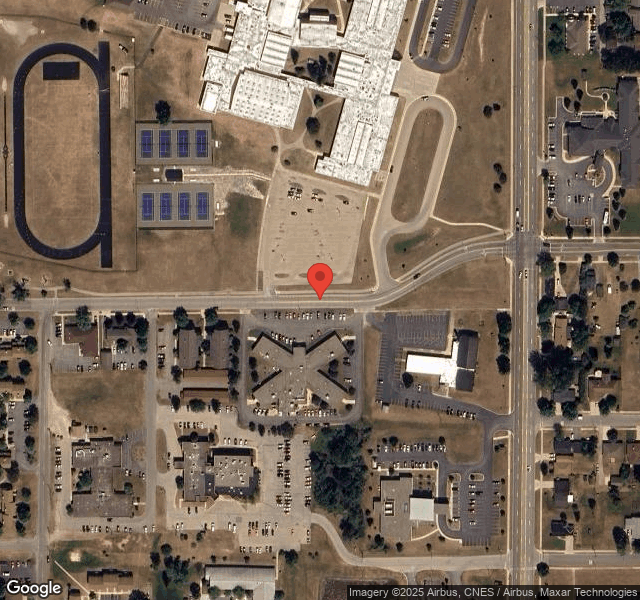
2415 5th Avenue South, Escanaba, MI 49829 (906) 786-6907
For profit - Corporation 99 Beds CIENA HEALTHCARE/LAUREL HEALTH CARE Data: November 2025
Trust Grade
60/100
#108 of 422 in MI
Last Inspection: January 2025

Within standard 12-15 month inspection cycle. Federal law requires annual inspections.

Overview

Christian Park Health Care Center in Escanaba, Michigan, has a Trust Grade of C+, indicating it is slightly above average but not outstanding. It ranks #108 out of 422 facilities in the state, placing it in the top half, but it is the lowest-ranked option in Delta County. The facility is improving, with issues decreasing from 8 in 2024 to just 1 in 2025. Staffing is a mixed bag, rated 3 out of 5 stars with a turnover rate of 42%, which is slightly below the state average, suggesting some stability but room for improvement. However, the facility has accumulated $36,651 in fines, which is concerning and indicates some compliance issues. Specific incidents include a serious failure to care for residents with pressure wounds, leading to severe complications for one resident, including hospitalization and sepsis. Additionally, there were reports of insufficient staff to meet residents' needs, resulting in delayed responses to call lights and unmet care, as seen when one resident was left hungry and unable to reach their food. While the facility has strengths in its overall rating and is making progress, these serious care issues and the fines highlight significant concerns that families should consider.

Trust Score
C+
60/100
In Michigan
#108/422
Top 25%
Safety Record
Moderate
Needs review
Inspections
Getting Better
8 → 1 violations
Staff Stability
○ Average
42% turnover. Near Michigan's 48% average. Typical for the industry.
Penalties
✓ Good
$36,651 in fines. Lower than most Michigan facilities. Relatively clean record.
Skilled Nurses
✓ Good
Each resident gets 45 minutes of Registered Nurse (RN) attention daily — more than average for Michigan. RNs are trained to catch health problems early.
Violations
⚠ Watch
16 deficiencies on record. Higher than average. Multiple issues found across inspections.
★★★★☆
4.0
Overall Rating
★★★☆☆
3.0
Staff Levels
★★☆☆☆
2.0
Care Quality
★★★★☆
4.0
Inspection Score
Stable
2024: 8 issues
2025: 1 issues

The Good

  • Full Sprinkler Coverage · Fire safety systems throughout facility
  • No fines on record
  • Staff turnover below average (42%)

    6 points below Michigan average of 48%

Facility shows strength in fire safety.

The Bad

Staff Turnover: 42%

Near Michigan avg (46%)

Typical for the industry

Federal Fines: $36,651

Above median ($33,413)

Moderate penalties - review what triggered them

Chain: CIENA HEALTHCARE/LAUREL HEALTH CARE

Part of a multi-facility chain

Ask about local staffing decisions and management

The Ugly 16 deficiencies on record

2 actual harm
May 2025 1 deficiency
CONCERN (D) 📢 Someone Reported This

A family member, employee, or ombudsman was alarmed enough to file a formal complaint

Potential for Harm - no one hurt, but risky conditions existed

Resident Rights (Tag F0550)

Could have caused harm · This affected 1 resident

**NOTE- TERMS IN BRACKETS HAVE BEEN EDITED TO PROTECT CONFIDENTIALITY** This citation pertains to intake #MI00150692 Based on observation, interview, and record review, the facility failed to treat a ...

Read full inspector narrative →
**NOTE- TERMS IN BRACKETS HAVE BEEN EDITED TO PROTECT CONFIDENTIALITY** This citation pertains to intake #MI00150692 Based on observation, interview, and record review, the facility failed to treat a resident with dignity and respect and failed to provide an environment that promoted and enhanced resident quality of life and individuality for 1 Resident (#1) of 4 residents reviewed for dignity and resident rights, resulting in R1 having increased anxiety, and feelings of frustration. Findings include: Resident #1 (R1) Review of an admission Record for R1 revealed an original admission to the facility on 5/4/2021 with diagnoses including paraplegia. Review of a Minimum Data Set (MDS) assessment for R1, with an assessment reference date (ARD) of 2/6/25 revealed a Brief Interview for Mental Status (BIMS) score of 15/15, indicating R1 was cognitively intact. Section D Mood of the assessment revealed R1 was Feeling down, depressed, or hopeless. for 2-6 days during the seven day look back period. Section E Behavior revealed no significant behaviors. Review of R1's [NAME] (CNA care guide) revealed (R1) was unable to use his power wheelchair in the facility due to safety concerns and disregard for others as he will not listen to staff r/t (related to) w/c (wheelchair) speed. He (R1) transfers into the power wheelchair in the front lobby prior to leaving the facility. On 5/6/25 at 1:45 PM., an interview was conducted with Certified Nurse Aide (CNA) B who reported R1 has been upset lately, and has expressed his feelings about how certain management staff have treated him. R1 has been feeling disrespected because management has not honored his choices and rights. CNA B reported he recently had a care conference meeting where he told the former Nursing Home Administrator (NHA) he did not want the Director of Nursing (DON) present in the meeting. CNA B reported R1 told them, the DON was in the meeting and the former NHA said to him this is my building, my name is on the wall, I make the rules, and she (DON) will attend because I make the rules CNA B reported R1 has been very bothered by this, and feared anything he does will be considered grounds to have him discharged from the facility. CNA B reported R1 was a pleasant resident, who was younger than most residents, and had paraplegia (paralyzed from the waist down). CNA B indicated R1 was of sound mind. On 5/6/25 at 2:00 PM., an interview was conducted with R1 who reported he suffers from anxiety and indicated the way the former NHA and DON treated him, made it feel even worse. R1 reported he made a mistake and bumped into a resident in the past with his electric wheelchair over a year ago, and has since not been able to have it back. R1 reported other residents have theirs. R1 reported he feels targeted and bullied, the former NHA would not listen to him when he told her and the current DON he did not want the DON to attend his recent Care Conference meeting. R1 reported the DON did attend, and the former NHA said to him 'I run this building, I make the rules and you will follow them, and I said I want her (DON) there, so she will be at the meeting'. R1 reported he felt threatened, scared and targeted. R1 reported he is not perfect, but other residents hit one another, yell all the time, go into other resident rooms and other things and they are not treated the way he is treated. R1 reported he feels unworthy, and does want to move out of the facility because he has friends and family close that he can visit, and get to with his electric wheelchair. R1 reported he was sorry about the accident, but feels he shouldn't have pay for it forever, and have it held over his head as if he ran into the resident on purpose. R1 reported he fears speaking with this surveyor, but also has a sense of relief and has hope that the new NHA and DON can work towards a better relationship, and build trust up. R1 reported he doesn't feel like they (former NHA/DON) treated him fairly. R1 reported he has not spoken with the new NHA because he didn't want to have (former NHA/DON) speak about him. R1 reported, I just don't want her to be biased. R1 reported he has a great relationship with the staff in the facility and many try to advocate for him. Review of R1's Care Plans Revealed: Focus-(R1) is unable to use his power wheelchair in the facility due to safety concerns and disregard for others as he will not listen to staff r/t w/c speed. He transfers into the power wheelchair in the front lobby prior to leaving the facility. Date initiated 9/22/22 with a revision date of 8/28/23 . Interventions noted on the care plan revealed the most recent updated intervention: Remind resident (R1) of the facility's policy on leaving the property and risks of not following it. Date Initiated: 08/28/2023 . Review of R1's Care Plans Revealed: Focus-(R1) is at risk for safety concerns r/t he frequently leaves off site and smokes while he is off site. (R1) is non-compliant with the facility's policy on signing out when leaving the property. Per (R1) I will sign out in the a.m. and when I decide to go to bed. He will come and go throughout the day and not notify staff. Date Initiated: 09/22/2022 Created by: DON Revision on: 08/28/2023 . Interventions noted on the care plan revealed the most recent updated interventions: If the resident wishes to smoke the facility will assist them to find other placement to meet their needs. Date Initiated: 05/31/2024 . Review of R1's Care Plans Revealed: Focus-(R1) has experienced trauma related to his disease process. Current diagnosis include Hereditary Spastic Paraplegia and Major Depressive Disorder. In the far past, resident had thoughts of harming himself and thinking he would be better off dead. He has not verbalized these thoughts since he has lived at (the facility). Trauma may be expressed by: -irritability, -fear, -anxiety, -loss of interest, -loneliness, -insomnia, Date Initiated: 04/20/2023 . Interventions noted on the care plan revealed the most recent updated interventions: Establish and maintain a trusting relationship date initiated 4/20/23, Maintain a calm non-threatening relationship by listening to (R1) .date initiated 4/20/23. On 5/6/25 at 3:10 PM., an interview was conducted with Registered Nurse (RN) F, who reported R1 has been through a lot. RN F reported currently R1 was unable to use his electric wheelchair in the facility because one time, well over a year ago he bumped another resident in the heel. RN F reported there was no injury to the resident, and R1 felt very bad about it. RN F reported, at the time the former NHA took his right to have his electric wheelchair near him, or in use throughout the facility. RN F reported no education to her knowledge was provided to him, or staff about it after the incident. RN F reported R1 has not receive a second chance and he has expressed that management keeps telling him No, he cannot be trusted with it. RN F reported R1 has expressed frustrations and feelings of being targeted because of that incident, his TV was recently off-line and he mentioned it to everyone, staff mentioned it to management and the Local Ombudsman was involved. RN F reported the former NHA did not do anything to remedy that situation, and it wasn't until R1 refused to pay money that the TV situation was fixed. RN F stated R1 really likes his certain TV programs, especially at night. RN F reported R1 goes out in the community on his own and visits family members he has in the community. RN F reported she thinks at certain times the previous NHA's approach towards R1 has been less than professional. RN F reported the former NHA and R1 did not get along at all, and R1 has had bad experiences with previous NHA's that the facility has had. RN F reported R1 has told her how he feels. When asked if RN F had documented this information, RN F reported she had not documented this in his progress notes, or filled out concern/grievance forms when R1 has expressed how he was feeling. RN F reported she also has not communicated this to the social worker or management. RN F reported she just thought it was common knowledge for everyone, because R1 speaks up and advocates for himself RN F reported R1 was a very sweet guy who doesn't really have any behaviors, and he has not been problematic. On 5/6/25 at 4:00 PM., an interview was conducted with CNA C who reported R1 often expresses his feelings about fear of being discharged and feels he is being targeted. CNA C reported R1 was upset that other residents can have their electric wheelchairs in the facility and because he had one accident his was taken away. CNA C reported R1 feels ignored, and it's painful for him to go back and forth from his regular wheelchair to the electric one when he goes outside to smoke. CNA C reported R1 was a paraplegic, but doesn't let that limit him. CNA C reported R1 goes out in the community almost daily, he goes shopping, uses the city bus, and visits friends and family. CNA C reported the former NHA made him put a huge orange flag on the back of his electric wheelchair for safety reasons, despite him not wanting it on there. CNA C reported R1 told her that he didn't want the flag but felt pressured into having it placed, because of the way the former NHA spoke to him, and how he felt if he said no, he would be in trouble. CNA C reported recently R1 had a care conference meeting and he expressed to the former NHA, the DON and staff numerous times, he did not want the DON present in the meeting. CNA C reported the DON attended the meeting regardless of his rights and choices. CNA C reported R1 has been extremely upset, and felt his rights were violated. On 5/6/25 at 4:30 PM., an interview was conducted with the facility Ombudsman (Omb) H who reported she has met with facility management including the former NHA and current DON. Omb H reported R1 often expresses frustration and feelings of fear/anxiety of being thrown out because one time he accidentally bumped into another resident with his electric wheelchair, and the fact the facility is a non-smoking campus but allow staff to smoke out front in their cars despite their own policy upsets him because he has to transfer in and out of his electric wheelchair just to go smoke and it can be painful. Omb H reported at R1's recent Care Conference meeting R1 requested to the NHA at the time the he did not want DON to attend the meeting. Omb H reported the former NHA did not care, nor did she follow the regulations on resident rights, dignity and/or their own policy. Omb H reported DON attended the meeting despite R1 expressing his feelings and his rights. Omb H reported there have been ongoing issues between management and R1, and it is unfortunate because R1 is always pleasant, does not exhibit behaviors that staff or management have expressed to her, besides at times he forgets to sign in and out when he leaves the facility. Omb H acknowledged there are safety concerns with R1's electric wheelchair and the fact that he did bump into another resident. Omb H reported that happened once, he has not been given another chance, and his rights have been violated. Omb H reported the former NHA bullied him into agreeing to have a large orange flag placed on his wheelchair for safety, despite the fact he said he didn't want it on there. Omb H reported the former NHA said she almost ran into him in the facility parking lot, Omb H responded to the former NHA with well how fast are you going in the parking lot, you know residents are outside in their wheelchairs, it is your facility . Omb H reported R1 is a younger resident, he has different needs than other residents. Omb H reported the facilities have Facility Reported Incidents (FRI's) for falls, accidents, allegations of abuse, as well as resident to resident abuse situations, and those residents are not treated any differently when these unsafe situations arise, why would it be any different for R1 who accidentally bumped into another resident, this does not mean his rights should be taken away, his electric wheelchair should be restricted, and flagged. On 5/6/25 at 5:30 PM., an interview was conducted with Director of Nursing (DON) who reported R1 was upset that his electric wheelchair had been taken away from him about a year ago. The DON reported he had run into another residents heel, no major injury was noted, but the resident had some pain following the incident. The DON reported at that time it was unwitnessed,and other residents reported it the following day or so, and when asked R1 openly admitted to bumping into the resident. The DON reported R1 did not deny the incident happened. The DON reported the electric wheelchair was taken away from him at that point. The DON reported he has not been given the chance to have it back, but he does get transferred into the electric wheelchair in the lobby when he wants to go outside to smoke or go out for the day. The DON reported recently he had a care conference and requested to the former NHA that he did not want me (The DON) present. The DON reported she did attend the care conference despite the fact R1 requested she not attend because the former NHA instructed her to attend the meeting. When asked if the DON advocated for R1's rights, The DON reported no, she did not, and attended the care conference regardless of R1 wishes, and rights. Review of a facility Policy with a revision date of 3/12/25 revealed: Resident Dignity & Personal Privacy Policy: The facility provides care for residents in a manner that respects and enhances each resident's dignity, individuality, and right to personal privacy. Information Each resident's right to personal privacy includes the confidentiality of his or her personal and clinical affairs. Dignity means that when interacting with residents, staff carries out activities that assist the resident in maintaining and enhancing his or her self-esteem and self-worth. Procedure 1. Care for residents in a manner that maintains dignity and individuality: a. Call individuals by their preferred name b. Use adult terms o Avoid terms commonly used with children - diaper rash, bibs, etc. c. Knock on doors before entering; ask for permission to enter and announce your presence d. Roll wheelchairs/geri-chairs in a forward direction e. Include the resident in conversation f. Dress in appropriate and desired clothing g. Groom appropriately and to resident's desire h. Maintain radio and television on desired setting. Do not change settings without resident's permission . Review of a facility Policy with a revision date of 5/14/24 revealed: Resident Rights Policy: The facility protects and promotes the rights of each resident. The resident has a right to a dignified existence, self-determination, and communication with and access to persons and services inside and outside the facility. The facility staff will safeguard the privacy of resident's protected health information from improper use and disclosure and will inform the resident both orally and in writing of his or her rights as a resident, as well as the rules and regulations governing the resident's conduct and responsibilities during his or her stay in the facility. Facility staff will assist residents in exercising their rights. Facility staff will not hamper, compel by force, treat differently, or retaliate against a resident for exercising his or her rights. Information: Residents have freedom of choice, to the maximum extent possible, about how they wish to live their everyday lives and receive care, subject to the facility's rules and regulations affecting resident conduct and those regulations governing the protection of resident health and safety All residents in long term care facilities have rights guaranteed to them under Federal and State law. Requirements concerning resident rights are specified in §§483.10, 483.12, and 483.15. Section 483.10 is intended to lay the foundation for the remaining residents' rights requirements which cover more specific areas. These rights include the resident's right to: o Exercise his or her rights; o Be informed about what rights and responsibilities he or she has); o If he or she wishes, have the facility manage his personal funds. o Choose a physician and treatment and participate in decisions and care planning; o Privacy and confidentiality; o Voice grievances and have the facility respond to those grievances; o Examine survey results; o Work or not work; o Privacy in sending and receiving mail; o Visit and be visited by others from outside the facility; o Use a telephone in privacy; o Retain and use personal possessions to the maximum extent that space and safety permit; o Share a room with a spouse, if that is mutually agreeable; o Self-administer medication, if the interdisciplinary care planning team determines it is safe; and o Refuse a transfer from a distinct part, within the institution. o Choose a physician and treatment and participate in decisions and care planning; o Privacy and confidentiality; o Voice grievances and have the facility respond to those grievances; o Examine survey results; o Work or not work; o Privacy in sending and receiving mail; o Visit and be visited by others from outside the facility; o Use a telephone in privacy; o Retain and use personal possessions to the maximum extent that space and safety permit; o Share a room with a spouse, if that is mutually agreeable. o Self-administer medication, if the interdisciplinary care planning team determines it is safe; and o Refuse a transfer from a distinct part, within the institution. A facility must promote the exercise of rights for each resident, including any who face barriers (such as communication problems, hearing problems and cognition limits) in the exercise of these rights. A resident, even though determined to be incompetent, should be able to assert these rights based on his or her degree of capability. 5. Nothing in this rule is intended to expand the scope of authority of any resident representative beyond that authority specifically authorized by the resident, State or Federal law, or a court of competent jurisdiction .
Oct 2024 1 deficiency
CONCERN (D) 📢 Someone Reported This

A family member, employee, or ombudsman was alarmed enough to file a formal complaint

Potential for Harm - no one hurt, but risky conditions existed

Deficiency F0808 (Tag F0808)

Could have caused harm · This affected 1 resident

This citation pertains to Intakes: MI00147097 and MI00147132. Based on observation, interview, and record review, the facility failed to assure residents received food as prescribed by a physician and...

Read full inspector narrative →
This citation pertains to Intakes: MI00147097 and MI00147132. Based on observation, interview, and record review, the facility failed to assure residents received food as prescribed by a physician and in accordance with preferences for three residents (R12, R13, and R15) of four residents reviewed for therapeutic diets. This deficient practice resulted in a potential for choking and the potential for health complications. Findings include: On 10/15/24 at 12:33 PM, the meal tray for R13 was observed. The lunch tray contained a tray card indicating no bread unless its a sandwich. The meal included manicotti, green beans and a dinner roll. After the meal was completed, the tray was returned to the food cart with the roll still contained in the protective baggie and was unopened and untouched. During an interview on 10/16/24 at 8:25 AM, the Certified Dietary Manager (CDM) D stated Sometimes bread is on his tray so he can have a sandwich - but with manicotti - no bread should have been on the tray per his request. On 10/15/24 at 5:17 PM, R12 was observed in her room trying to cut a turkey slice with the side of her fork. The tray card for R12 read: Regular/Ground Meats, Fluid Rest 1500 mL (milliliters). R12 was asked if she would rather have her turkey ground asindicated on her therapeutic diet, and she shook her head yes. Certified Nurse Aide (CNA) B was asked about R12's meal which included a slice of turkey. CNA B said, That's not right, one of the CNAs should have noticed that. CNA B went to the dietary department to get ground turkey for R12. On 10/16/24 at 8:19 AM, R15 was observed in her room with a breakfast tray including a salt packet. R15's tray card indicated a therapeutic diet of Regular, No Added Salt. Registered Nurse (RN) C also observed the salt and said, Oh, she has hypertension and should not have salt.
Feb 2024 7 deficiencies 1 Harm
SERIOUS (G) 📢 Someone Reported This

A family member, employee, or ombudsman was alarmed enough to file a formal complaint

Actual Harm - a resident was hurt due to facility failures

Pressure Ulcer Prevention (Tag F0686)

A resident was harmed · This affected 1 resident

**NOTE- TERMS IN BRACKETS HAVE BEEN EDITED TO PROTECT CONFIDENTIALITY** Resident #57: A review of the Electronic Medical Record (EMR) for Resident #57 (R57) revealed admission to the facility on 4/12/...

Read full inspector narrative →
**NOTE- TERMS IN BRACKETS HAVE BEEN EDITED TO PROTECT CONFIDENTIALITY** Resident #57: A review of the Electronic Medical Record (EMR) for Resident #57 (R57) revealed admission to the facility on 4/12/23 with a sacral stage 4 pressure injury (full-thickness skin and tissue loss with exposed or directly palpable fascia, muscle, tendon, ligament, cartilage, or bone). A review of the Minimum Data Set (MDS) assessment dated [DATE] identified R57 as requiring maximal staff assistance with turning while in bed. R57 attended a wound clinic monthly for evaluation and treatment of the pressure injury. The MDS documented the use of a pressure-reducing device for R57's bed. A review of the care plan for R57 revealed a plan of care for impaired skin integrity. The care plan contained an intervention for a specialty air mattress to R57's bed. The care plans indicated R57 required extensive assistance with two staff assistance to reposition and turn in bed. On 2/27/24 at 8:15 a.m. and 3:23 p.m., R57 was observed in a back-lying position on a standard mattress. R57 was asked if the mattress on the bed was the same mattress used since admission. R57 responded, No - I don't have the good one anymore. A review of wound clinic notes revealed R57 was last assessed on 2/1/24. The wound clinic notes included an order for the use of a specialty bed/mattress for pressure-reduction. The order provided the name of a fluid immersion-simulation mattress or an air mattress to be used on R57's bed. On 2/28/24 at 10:42 a.m., the facility wound nurse, Licensed Practical Nurse F (LPN F), was observed completing a dressing change to R57's wound. The sacral wound was a stage 4 pressure injury measuring 7.1 cm x 5.4 cm x 6.8 cm with 4.0 cm of undermining (the destruction of tissue or ulceration extending under the skin edges). LPN F was asked why R57 did not have the mattress ordered by the wound clinic. LPN F said R57 used to be on a [name of a specialized mattress with air cell technology used for advanced wounds]. When asked the reason R57 was not currently on the air mattress, LPN F said R57 moved rooms from one unit to another unit and the mattress wasn't moved with R57. LPN F did not provide a response when asked why the air mattress wasn't moved when R57 was moved to a different unit. On 2/28/24 at 3:43 p.m., the wound clinic orders for a specialty mattress were reviewed by the DON. The DON agreed R57 should be on an air mattress and said the air mattress should have been moved when R57 was moved to another unit. The DON said the facility had air mattresses, but the mattresses were misplaced. The DON said they were attempting to locate the missing air mattresses. R57 was moved from the previous unit to the current unit on 12/23/23. Wound clinic orders on 12/4/23, prior to R57 moving to the current unit, included the order for R57 to be on a specialty bed/mattress for pressure reduction, either an air mattress or a fluid immersion-simulation mattress. The 'Skin Management' policy read in part . Guests/residents with wounds and/or pressure injury and those at risk for skin compromise are identified, evaluated and provided appropriate treatment to promote prevention and healing. Appropriate preventative measures will be implemented on guests/residents identified at risk and interventions are documented on the care plan. R57 was identified as being at high risk for pressure injury development. R57 scored 12 on a Braden scale (a tool used in health care to assess and document risk for developing pressure injuries). According to the 'Skin Management' policy section Appendix A Intervention Guidelines, residents with a Braden score of 12 require a pressure redistribution support surface placed on the bed. The 'Skin Management' policy section 'Attachments' included a mattress grid. The grid read [name of a specialized mattress with air cell technology] is good for residents with stage 3 & 4 [pressure injuries]. The NPIAP clinical practice guidelines (npiap.com) include in part: . Support surfaces are an important element in pressure injury prevention and treatment because they can prevent damaging tissue deformation and provide an environment that enhances perfusion of at-risk or injured tissue. support surfaces play a significant role in an individualized comprehensive management plan for pressure injury prevention and treatment. For individuals with existing full thickness pressure injuries (i.e., Category/Stage III or IV pressure injuries, unstageable pressure injuries and deep tissue pressure injuries), perfusion to injured tissue benefit from support surfaces with additional features (e.g., alternating pressure or air fluidized) . Specialty support surfaces to consider for individuals with a pressure injury include alternating pressure air mattresses, mattresses with a low-air-loss feature and air fluidized beds (Expert opinion) . Based on observation, interview, and record review, the facility failed to ensure necessary treatment and services to promote healing and prevent wound infection for two Residents (R57 & R71), out of four residents reviewed for pressure injuries. This deficient practice resulted in harm with delay and/or removal of recommended pressure relieving mattresses, delayed healing, and worsening of condition with the development of osteomyelitis for R71. Findings include: This deficiency pertains to Intake MI00140165. Resident R71 During a telephone interview on 2/22/24 at 4:19 p.m., Confidential Complainant C (a licensed, medical professional) expressed concern regarding the facilities failure to timely implement pressure injury interventions to promote healing. Complainant C stated, What the (specialty) wound clinic had ordered the facility has not implemented (timely) . [R71] went septic (extreme response to an infection) and was diagnosed with osteomyelitis (a serious bone infection) . I don't think [R71] would be in the condition [they] are in if [the facility] was putting dressings on [the] wounds, turning [R71] every two hours . The pressure ulcer went down to the bone and became infected. [R71] has an implanted PICC (peripherally inserted central catheter used for many types of intravenous (IV) antibiotics) and is starting a six-week course of antibiotics . [R71] went into the facility with this (sacral) wound but it has gotten progressively worse. Review of R71's Minimum Data Set (MDS) assessment, dated 12/19/2023, revealed R71 was admitted to the facility on [DATE], with active diagnoses that included the following, in part: Urinary tract infection (UTI) (Last 30 days), malnutrition, pressure ulcer of sacral region, Stage 4, need for assistance with personal care, muscle weakness, and morbid obesity. R71 scored 8 of 15 on the Brief Interview for Mental Status (BIMS) reflective of moderate cognitive impairment. Section M0300. Current Number of Unhealed Pressure Ulcers/Injuries at Each Stage revealed one (1) Number (Stage) 4 pressure ulcer, present upon admission, defined on the MDS assessment as Stage 4: Full thickness tissue loss with exposed bone, tendon, or muscle. Slough or eschar may be present on some parts of the wound bed. Often includes undermining and tunneling. During a telephone interview on 2/27/24 at 3:13 p.m., when asked about the specialty Wound clinics repeated recommendation for a pressure relieving mattress, Complainant C stated, [R71's] wounds were getting worse and worse not having the pressure relieving mattress that was ordered, lack of repositioning, lack of following wound care orders . I was concerned that R71 was going to get osteomyelitis. When asked if the facility appeared to begin to comply with wound clinic orders and recommendations near the time of R71's diagnosis of osteomyelitis, Complainant C stated, exactly! During an observation of wound care for R71 on 2/28/24 at 12:07 p.m., Registered Nurse (RN)/Wound Care Nurse F removed the dirty [Name Brand] sterile gauze from the interior of R71's sacral pressure injury. RN F sprayed wound cleanser unto two separate sterile 4 x 4's for cleansing of the interior of R71's pressure ulcer. RN F used a clean, gloved hand (not sterile) as she inserted her hand into the interior of R71's large Stage 4 pressure injury and attempted to wipe the entire inside surface of the wound with the two separate 4 x 4's. No wound cleanser was sprayed, irrigated, or rinsed inside of the wound. The surface of the wound was mechanically wiped in an attempt to cleanse the entirety of the Stage 4 wound. Undermining was noted to be present in the wound. RN F measured the wound on 2/28/24 at approximately 12:12 p.m., as: 8.4 cm (centimeters) length x 12.6 cm wide, depth of 5.1 cm, and 6.4 cm maximum undermining. During the continued observation of wound care, RN F packed sterile [Name Brand] rolled gauze into R71's Stage 4 pressure injury, by placing her hand, repeatedly inside of the wound as additional sterile gauze was placed inside the pressure ulcer. RN F applied an absorbent pad over the wound with only one piece of tape securing the pad on the top side of the wound. The absorbent pad edges were open on the side and the bottom, with a tail of the wound open to potential exposure by feces, as well as the packing of the sacral pressure injury. There was no barrier to prevent feces from contaminating the Stage 4 pressure injury or the open tail area of the wound. During an interview at this same time, RN F was asked when the APP (Alternating Pressure Mattress) was placed on R71's bed, RN F said she would have to check R71's medical record. During an interview on 2/28/24 at 12:36 p.m., RN F confirmed the Specialty Wound Clinic had recommended a low air low mattress to aid in healing R71's Stage 4 pressure ulcer. RN F reviewed R71's Care Plan and confirmed the care plan was revised to show the new mattress on 1/19/23. RN F acknowledged that was most likely the day that R71 received the pressure relieving mattress. RN F stated, Originally, we (facility) did not have a (pressure relieving mattress) at the time (of the Wound Clinic Order). As people (residents) come and go, and we had talked about ordering (a pressure relieving mattress), but I don't know where that happened. Review of the Specialty Wound Clinic Progress Note Details for R71, provided by the facility revealed the following visit details: 10/5/23: This information was obtained from the Patient (R71) .[admitted ] 9/13/23 to [Facility Name] on PO (oral) Vanco (vancomycin), which has been completed. The wound VAC (vacuum) had been used up until October 3, when the nursing home decided to discontinue it and switch to wet-to-dry dressings with Dakin's (wound solution). Per [Family Member (FM)] who is a nurse and is present at the bedside and patient, there were not enough staff trained in how to use the wound VAC and once she got to the nursing home, they had repeated problems keeping it on and to suction. Since being admitted to the nursing home, she has unfortunately developed multiple satellite areas of breakdown has non-blanchable redness to purpuric changes to the skin on bilateral buttocks/perineal area. Patient reports she has to call the staff requesting to be turned. She has a regular mattress . Wound VAC to be reapplied by nursing home. Contact [Name] if education is needed. App (alternating pressure mattress)/Dolphin mattress needed. Reposition every 2 hours . Recheck in 3-4 weeks. Wound Assessment (10/5/23) of the Coccyx, Stage 4 Pressure Injury Pressure Ulcer measurements are 7.8 cm length x 7 cm width x 8 cm depth, with an area of 54.6 sq (square) cm and a volume of 436.8 cubic cm. No tunneling, sinus tract, or undermining was noted. Wound Orders from the wound clinic on 10/5/23 included the following for the Stage 4 pressure injury: .Off-Loading (of pressure): Specialty Bed/Mattress for Pressure Reduction: Alternating pressure relief mattress. Turn every 2 hours. Avoid direct pressure over wound site while limiting side lying position to 30-degree tilt and/or HOB (head of bed) elevations to 30 degrees in bed . Negative Pressure wound Therapy: Wound VAC negative 125 mmHg Continuous - Black foam to wound bed, assuring that no foam is touching good skin. Cover with drape. Track to patients left flank area if tolerated. Change 3x/week. 10/27/23 Wound Clinic Progress Note: .Wound VAC supplies were not sent (by the facility) with the patient (R71) and our supplies are not compatible with the NPWT (Negative Pressure Wound Therapy) device the patient has .Patient still has not received an APP pressure relieving mattress, stating this was not ordered, but review of orders sent 10/5/23 show this was included with the orders. Today, orders faxed and printed, highlighted, and sent with patient. Staff should call with questions . Recheck in 1 month. 12/7/23 Wound Clinic Progress Note: The sacral wound is measuring larger with new breakdown along the right lateral margin. The wound VAC is not in place. A week after the prior visit a staff member called to let us know the VAC was leaking and having other issues, so they decided to discontinue it. The patient still does not have an APP or comparable pressure-relieving mattress. FM reports .told by staff at [Facility Name] that it was 'too expensive' . A wound VAC remains the best option for the wound and order will be sent to reapply this. Patient still needs APP mattress . 1/15/24 Wound Clinic Progress Note: Pt (patient) returns for recheck of sacral pressure ulcer . [R71] has developed new breakdown around the sacral wound and has a slough and eschar-covered wound to the left buttock. The sacral wound is with significant slough, new undermining from 6:00 - 11:00, sacrum can be felt at the base of the wound, and there is new tunneling within the wound bed around 8 o'clock and 11o'clock. There is tissue necrosis along the wound edges where the undermining is greatest .The nursing home is not able to continue with the wound VAC and their local provider gave orders to hold it due to worsening wound. A culture of the wound was taken, and patient was placed on Vanco and Rocephin (strong antibiotics). Will request culture results. [FM] is present and reports MRSA and e. coli were both present . She is still on a regular mattress and family is still being told a new one will not be purchased as she is on a wait list for transfer to a different facility once a bed becomes available. [R71] reports not being repositioned side to side to keep her off the sacral area more than a few times in a 24-hour period, and repositioning is limited to placing a pillow under her back. Encouraged to set an alarm on her phone for every 2 hours and to call out for assistance with repositioning if this is not occurring .I am concerned about new bone exposure, tissue necrosis, and tunneling toward new wound. Imaging for further evaluation and evaluation of osteomyelitis is recommended. I do still think the wound VAC is the best option for wound care and encouraging some granulation . Review of a 2/7/24 MRI (Magnetic Resonance Imaging) of R71's sacrum without contrast Patient Communication revealed the following, in part: FINDINGS: There is a large soft tissue ulceration overlying the distal sacrum measuring 7.4 cm (centimeters) craniocaudal by 7.6 cm transverse by 2.5 cm in depth. There is surrounding inflammatory thickening of the adjacent fat and soft tissues. Inflammatory changes extend into the sacral spinal canal . In addition to spinal canal involvement, there is abnormal marrow signal involving the first and second coccygeal segments, consistent with osteomyelitis .IMPRESSION: 1. Large soft tissue ulceration overlying the sacrum . osteomyelitis of the upper coccygeal segments, and presacral soft tissue edema . The report was noted on 2/9/24, with IV Vancomycin for six weeks and IV Rocephin prescribed in the physician handwriting on the document. Section M1200. Skin and Ulcer/Injury Treatments (check all that apply), included the following: pressure reducing device for chair, pressure reducing device for bed, nutrition or hydration intervention to manage skin problems, pressure ulcer/injury care, application of nonsurgical dressings and applications of ointments/medications . Of note, C. Turning/repositioning program was not checked to show R71 was participating in a structured turning and repositioning program for pressure ulcer treatment for the Stage IV sacral pressure injury. Review of R71's POC (Plan of Care) Response History for ADL (activities of daily living) from 2/14/24 through 2/27/24, documented the provision of routine standard care which includes evaluating skin daily and reporting changes . turning and repositioning . Certified Nurse Aide (CNA) staff were to document once per shift confirming they had provided that routine standard care for R71. Review of the 14-day period revealed 6 days out of the 14-day period had undocumented shifts for turning and repositioning as specified in the routine standard care. During an interview on 2/27/24 at 8:27 a.m., R71 was observed sitting in bed at an approximate 30-degree angle. When asked about wound care interventions provided by the facility, R71 said the facility did not always turn and reposition her every two hours and commented that she did not routinely refuse turning and repositioning. An IV pole for administration of antibiotics was observed on the right, exit side of R71's bed, and a PICC line was visible on R71's right arm. When asked about a mattress to distribute pressure on the Stage IV (four) sacral wound, R71 stated, It is an air mattress, but it is not plugged in (to an electric outlet) or anything. When asked how long she had the new pressure distribution mattress, R71 stated, I have had it for about a month, maybe a little more. When asked about the facility follow through with the specialty wound clinic recommendations, R71 stated, The Wound clinic would comment about my bad care (at the facility), and they would write a recommendation about the care they wanted me to receive . Review of R71's Care Plan History Report (showing all care plan intervention changes), revealed the following pressure ulcer interventions, in part: 9/13/23 (admission Date): Pressure reduction mattress to bed. Date Initiated: 9/13/23. Revision on 1/19/24 to [Name Brand] mattress in place for pressure redistribution. Resolved on 2/26/24 (at time of recertification survey): Frequently turn/reposition [R71] in shorter periods at a 30-degree angle to relieve pressure and PRN (as needed.) [R71] often allows a pillow to be placed at her side, however, [R71] does not allow the pillow to be placed to offload pressure adequately and likes it to be placed more for comfort. Date Initiated: 10/19/2023, Resolved Date: 2/26/24. Initiated 2/26/24 (during survey): Turn q (every) 2 hr., avoid direct pressure over the wound site while limiting the side-lying position to 30-degree tilt &/or HOB elevation to 30 degrees in bed. Use pillows for positioning. During an interview on 2/28/24 at 5:30 p.m., the Director of Nursing did acknowledge the Wound clinic did recommend a new pressure relieving mattress for the resident (R71) as early as 10/5/23, and a mattress was not placed on R71's bed until 1/19/24. The mattress was taken off of a bed in a hall being renovated and placed on R71's bed. No action was taken by the facility for three months, although a pressure relieving mattress was ordered (recommended) every visit at the wound clinic. When asked how the DON would have packed sterile gauze into R71's Stage 4 sacral pressure injury, the DON stated, I would have used a sterile, cotton-tipped applicator. When asked about using two sterile 4 x 4's sprayed with wound cleanser, to insert your hand into the wound and mechanically rub the areas of the wound you could access as a method of wound cleaning, the DON said she would spray the wound cleanser into the wound and did not think that the mechanical rubbing of the wound would cleanse all aspects of the deeply undermined pressure ulcer. The DON acknowledged the concerns regarding the potential for continued fecal contamination of both the main Stage 4 sacral wound and the tail on the sacral wound. Review of the Skin Management policy, dated 12/15/2022, listed the National Pressure Ulcer Advisory Panel (NPUAP) Guidelines in the 'Cross-References' section of the policy. The NPUAP changed its name to the National Pressure Injury Advisory Panel (NPIAP) in 2019. The NPIAP Clinical Practice Guidelines (npiap.com) provide standards for cleansing wounds. The guidelines included in part . Apply cleansing solution with enough pressure to cleanse the wound bed without damaging tissue or driving bacteria into the wound, generally between 4 and 15 pounds per square inch (Expert opinion) . irrigation pressure between 4 and 15 psi should be adequate to clean the surface of the pressure injury without causing trauma to the wound bed.
CONCERN (D)

Potential for Harm - no one hurt, but risky conditions existed

ADL Care (Tag F0677)

Could have caused harm · This affected 1 resident

**NOTE- TERMS IN BRACKETS HAVE BEEN EDITED TO PROTECT CONFIDENTIALITY** Based on observation, interview, and record review, the facility failed to provide appropriate positioning during meals for two ...

Read full inspector narrative →
**NOTE- TERMS IN BRACKETS HAVE BEEN EDITED TO PROTECT CONFIDENTIALITY** Based on observation, interview, and record review, the facility failed to provide appropriate positioning during meals for two Residents (R17 & R57) of eight residents reviewed for activities of daily living (ADL). Findings include: Resident #17 Resident #17 (R17) was admitted to the facility on [DATE] with diagnoses including cerebral palsy, muscle weakness, and need for assistance with personal care. A Brief Interview for Mental Status (BIMS) examination was completed on 1/24/24 and identified R17 as being cognitively intact. A review of the Minimum Data Set (MDS) assessment dated [DATE] assessed R17 as requiring maximal assistance from staff for turning and repositioning in bed. The MDS coded R17 as unable to independently perform the task of moving from a lying to a sitting position. R17 was assessed as requiring set-up assistance from staff for eating. R17's care plans identified the resident as being at-risk for nutritional decline. An intervention on the care plan read Provide feeding/dining assistance as needed. On 2/26/24 at 12:47 p.m., R17 was observed lying in bed with a meal tray of untouched food on the over bed table. R17 said call lights are not answered timely, and stated, There could be more people around here! R17 said the usual wait for call light response was 30 - 45 minutes. On 2/27/24 at 8:40 a.m., R17 was observed in bed with an untouched plate of scrambled eggs, sausage, and toast on the over bed table. R17 was lying flat in bed and had slid down toward the foot of the bed. R17 said he was hungry and couldn't reach his food. R17 asked the surveyor for help. The surveyor conveyed R17's request for assistance to Certified Nurse Aide (CNA) G who assisted R17 with positioning and elevation of the head of bed. CNA G was asked the length of time that had elapsed since R17 was delivered the meal tray. CNA G responded the trays were delivered at approximately 7:40 a.m. CNA G said he was the only CNA on the unit to care for 22 residents. CNA G removed R17's plate and said a fresh plate would be obtained from the kitchen for R17. CNA G returned with a plate of food at 8:50 a.m. On 2/27/24 at 8:54 a.m., 4 minutes after receiving the meal from CNA G, two housekeepers entered R17's room and started sweeping and cleaning the room. Staff I was asked if cleaning rooms while residents were eating was a normal practice. Staff I responded, We have all these rooms to clean so sometimes we have to go in while residents are eating. Staff I then said something to the other housekeeper and they stopped cleaning. The housekeepers exited R17's room and entered another room down the hall. On 2/27/24 at 8:59 a.m., 9 minutes after CNA G provided R17 with a new plate of food, Staff O entered R17's room and exited with the plate of food. R17 was asked why the plate of food had been removed from the room. R17 said it was so cold when (CNA G) brought it back I couldn't eat it! Staff O returned at 9:01 a.m. R17 checked the temperature and announced, this time it's warm. R17 commenced eating his meal, 1 hour and 21 minutes after the first meal tray had been delivered. The Director of Nursing (DON) was interviewed on 2/27/24 at 2:02 p.m. The DON said the expectation was for staff to assist residents as needed for meals. The DON said residents should be sitting in the proper position for meals to adequately reach utensils and food. The DON explained that meal set-up included ensuring proper positioning and assisting residents with condiments or cutting up food. The DON said housekeepers should not be cleaning rooms while residents are eating. Resident #57 Resident #57 (R57) was admitted to the facility on [DATE] with diagnoses including muscle weakness and adult failure to thrive. A review of the care plans for R57 revealed a care plan for functional ability deficit requiring extensive assistance from 2 staff members to reposition in bed. The care plan documented Resident is not able to complete sitting to lying or lying to sitting on the side of the bed . A review of the MDS assessment for R57, completed on 11/23/23 indicated R57 required maximal staff assistance for turning and positioning in bed. R57 was also coded as unable to independently perform the task of moving from a lying to a sitting position. On 2/28 at 7:52 a.m., R57 was observed lying flat in bed. R57 was slid down toward the foot of the bed with a plate of untouched food placed outside of R57's reach on the over bed table. R57 asked the surveyor for help. The surveyor conveyed resident's request for assistance to CNA G who returned to R57's room accompanied by Physical Therapist K (PT K) . PT K exited R57's room after assisting CNA G with positioning of R57. When asked about R57's positioning for meals, PT K stated, (R57) shouldn't be lying flat on her back like that due to the risk of choking. PT K said the head of R57's bed should be elevated so R57 was in an upright position for eating to decrease the risk of aspiration (food particles entering the airway or lungs). The policy 'Meal Service' dated 11/19/21 read in part: . 5. Positioning and assistance at mealtime will be appropriate for the guest's/resident's needs and is the responsibility of the Nursing staff. 6. Guest/Resident meals will be distributed promptly by facility staff.
CONCERN (D)

Potential for Harm - no one hurt, but risky conditions existed

Deficiency F0692 (Tag F0692)

Could have caused harm · This affected 1 resident

**NOTE- TERMS IN BRACKETS HAVE BEEN EDITED TO PROTECT CONFIDENTIALITY** Based on observation, interview, and record review, the facility failed to recognize, address, and provide the fluid requirement...

Read full inspector narrative →
**NOTE- TERMS IN BRACKETS HAVE BEEN EDITED TO PROTECT CONFIDENTIALITY** Based on observation, interview, and record review, the facility failed to recognize, address, and provide the fluid requirements as ordered by the physician for one dialysis resident reviewed for fluid needs (Resident #43). This deficient practice resulted in the potential for fluid overload and medical complications. Findings include: On 02/27/24 at 2:10 PM, R43 reported she was No longer on a fluid restriction. R43's bedside table had the following beverages: - one 16 oz (ounce) styrofoam container with ice water dated 2/27 - two 16 oz styrofoam containers with cola colored fluid - one 12 oz cola bottle with only a few drops remaining and on R43's side table there was a 20 oz cola which was approximately 2/3 full. R43 stated her family brought in pop for her. (The total of the fluid containers was 80 oz or 2400 cc [cubic centimeters] of fluid.) R43 stated she went to dialysis three times a week. The Electronic Medical Record (EMR) revealed R43 was admitted on [DATE] with diagnoses which included chronic kidney disease stage four severe, diabetes, chronic pain syndrome, anxiety, and depressive disorders. The physician orders for R43 included a diet order written on 12/14/23 for Consistent Carbohydrate diet, Regular texture, Thin consistency, No added salt and fluid restrictions of 1000cc (given by) dietary and 500cc (given by) Nursing. The EMR included a Registered Dietitian (RD) progress note dated 1/5/224 at 4:07 PM, which read in part, . follow up r/t (related to) Dialysis and nutrition .1000ml fluid restriction. Tolerating Consistent Carbohydrate, No Added Salt diet/regular texture/thin consistency (1000ml fluid restriction) Receiving (liquid protein supplement) at lunch . Her current weight is up 9.44# or 4.5% weight change in past month. (R43's) weight has been fluctuating over the past month. Receives dialysis 3 times per week and a diuretic which can impact weight fluctuations. Recommend continuing (liquid protein supplement) one time per day at lunch . RD to follow r/t dialysis. A further RD progress note dated 2/11/2024 at 7:39 PM, read in part, . follow up r/t Dialysis and nutrition . Estimated needs: .1000ml (milliliter) fluid restriction. Tolerating Consistent Carbohydrate, No Added Salt diet/regular texture/thin consistency (1000ml fluid restriction) . Receives dialysis 3 times per week and a diuretic which can impact weight fluctuations . RD to follow r/t dialysis. The active care plan for R43 included: - Focus of at risk for Nutritional decline . Dialysis starting on 11/28. Interventions for this focus included: Encourage and provide intake of fluids while following the 1000 ml/24 hour restriction as ordered. Date Initiated: 12/06/2023 Revision on 12/07/2023 - Focus of . difficulty breathing Interventions for this focus included: Encourage fluids as appropriate and as tolerated. Date Initiated: 12/07/2023 - Focus of . at risk for discomfort or adverse side effects; receives diuretic therapy . Date Initiated: 12/07/2023. Interventions for this focus included: . Encourage resident to drink fluids of choice. Date Initiated: 12/07/2023 - Focus of . at risk for complications r/t dx (diagnosis) of Renal Failure: Kidney disease stage IV requiring dialysis . Interventions for this focus included: . Fluids as ordered. Restrict or give as ordered. Date Initiated: 12/07/2023 - Focus of at risk for adverse reactions and side effects r/t antidepressant . Interventions for this focus included: . Offer food/drink . Date Initiated: 12/07/2023. - Focus of Covid19 . Interventions for this focus included: . Encourage fluid intake and offer preferred fluids (Specify). Date initiated: 12/12/2023. During an interview on 2/27/24 at 3:05 PM, Licensed Practical Nurse (LPN) V was asked if R43 was on a fluid restriction. LPN V stated she would check but she did not think so as she had not been documenting fluid intake for R43. LPN V said, In fact, it has been a long time since I have had someone on that (a fluid restriction). LPN V described the process for a resident on a fluid restriction which included reminding the Certified Nursing Aides to report all fluid taken in and then the nurse would record the fluid intake in the medical record. LPN V reviewed the EMR and did not find a fluid restriction for R43. During an interview on 2/27/24 at 3:28 PM, the Director of Nursing (DON) reviewed the EMR and did not find a fluid restriction order (as the fluid restriction was cut off in the view of the computer page). When the view was changed, the fluid restriction of 1000 cc provided by dietary and 500 cc provided by nursing was confirmed. During an interview on 2/27/24 at 3:34 PM, RD U stated the diet order for R43 included 1000 ml per day. RD U did not see the correct orders for fluids to be limited to 1500 ml per day. The facility policy on fluid restrictions read in part, Policy: To provide fluid restriction as ordered by the physician without altering the nutrient content of the diet, and to monitor hydration status of the resident on the fluid restriction . Procedure: 1. The fluid restriction will be served as ordered by the physician . 5. Nursing will implement I/O's (input/output) records for any resident placed on a fluid restriction for the RD to review on a monthly basis . .
CONCERN (D)

Potential for Harm - no one hurt, but risky conditions existed

Pharmacy Services (Tag F0755)

Could have caused harm · This affected 1 resident

**NOTE- TERMS IN BRACKETS HAVE BEEN EDITED TO PROTECT CONFIDENTIALITY** Based on observation, interview, and record review the facility failed to ensure safe resident self-administration of medication...

Read full inspector narrative →
**NOTE- TERMS IN BRACKETS HAVE BEEN EDITED TO PROTECT CONFIDENTIALITY** Based on observation, interview, and record review the facility failed to ensure safe resident self-administration of medication for one Resident (R41), of five residents reviewed for unnecessary medications This deficient practice resulted in the potential for improper medication administration for R41. Findings include: During an observation and interview on 2/27/24 at 8:41 a.m., R41 was asked what she was doing with the Total Parental Nutrition (TPN) while reclining in bed. R41 stated, I am removing my TPN. I don't handle all of the care myself. R41 was observed with two syringes filled with clear liquid and was asked for the purpose of the syringes. R41 stated, I flush it (TPN port) with saline and then the heparin flush. Then I clamp it and put a cap on it. The nurse just brought it (syringes to flush with saline and heparin) in to me (to self-administer). Review of R41's Minimum Data Set (MDS) assessment, dated 11/20/2023, revealed R41 was admitted to the facility on [DATE], with active diagnoses that included: end stage renal disease, diabetes mellitus, malignant neoplasm (cancer) of rectum and dependence on other enabling machines and devices (TPN). R41 scored 15 of 15 on the Brief Interview for Mental Status (BIMS) reflective of intact cognition. During an interview on 2/29/24 at 8:36 a.m., Registered Nurse (RN)/Unit Manager S confirmed initiation of a physician order for self-administration of saline flushes, heparin flushes and administration of TPN for R41 on 2/27/24. RN S confirmed the physician order had been requested and implemented following this Surveyor's observation of R41 self-administering those items prior to facility education and assessment to determine R41 was capable of safely self-administering these medications. When asked about prior education or assessment of safe self-administration of medication, RN S stated, There was no education provided for the saline and heparin (flushes) and TPN that I could find in [R41's] medical record. RN S acknowledged R41 did not have a prior physician order to self-administer the TPN related medications and treatments. When asked about documentation of the medication being given by the nurse on 2/27/24, RN S said the nurse would not have been able to document the medication was given by the nurse if R41 didn't have an order to self-administer. RN S stated, The policy says that if they have an order to self-administer then we can document [on the Medication Administration Record (MAR) that it was done. Without a Physician order or an assessment, the nurse should not be documenting that they performed the task. Review of R41's Evaluations/Assessments for self-administration of TPN medications, retrieved 2/29/24 at 8:21 a.m., revealed R41 had a Resident/Family Education Record completed by the facility on 2/27/2024 at 12:12 p.m. pertaining to .tpn treatment, Medi ports (intravenous infusion port), and proper technique for caring for [R41's] Medi port including connecting, disconnecting, and flushing with saline and heparin . No previous self-administration evaluation/assessment was provided by the facility or found within R41's medical record. Review of R41's Care Plans found no reference to R41 and self-administration of TPN related medications including saline and heparin flushes of the Medi port. Review of R41's Medication Administration Record (MAR) for February 2024, revealed nurse documentation on 2/27/24 which showed nurse initials indicating the nurse had administered the TPN flushes, when R41 was observed self-administering the saline and heparin TPN flushes. Review of R41's February 2023 Physician Orders retrieved on 2/29/24 at 7:56 a.m., revealed the following, in part: Resident (R41) may self-administer tpns, saline flushes, and heparin flushes, ordered by Physician Assistant (PA) T on 2/27/24, created in the EMR by RN S on 2/27/24, and signed by Physician Assistant T on 2/28/24. The previous TPN related Physician Orders included the following, in part: Start Date: 12/15/2023 9:00 a.m., After administering TPN flush with 10 mL (milliliters) of Normal Saline and Lock with 5 mL of Heparin one time a day every other day. Start Date 12/14/2023 20:00 (8:00 p.m.), Flush venous Catheter site with 10 mL of Normal Saline Before administering TPN in the evening every other day. During an interview on 2/29/24 at 9:22 a.m., R41 said education and assessment for self-administration of saline and heparin flushes was provided by the facility on Tuesday, 2/27/24 after this Surveyor had observed self-administration of the TPN flushes in the morning on 2/27/24. Review of the Medication Administration policy, last revised 10/17/2023, revealed the following, in part: Self-Administration - residents are allowed to self-administer medications when specifically authorized by the attending physician and in accordance with the guideline for self-administration of medication. A self-administration evaluation will be completed prior to the resident starting the self-administering process. Self-administration of medication will be reflected in the resident care plan along with any special considerations.
CONCERN (E)

Potential for Harm - no one hurt, but risky conditions existed

Deficiency F0808 (Tag F0808)

Could have caused harm · This affected multiple residents

. Based on observation, interview, and record review, the facility failed to ensure a correct therapeutic diet was served as prescribed for four residents (R59, R29, R275, and R66) of 20 residents rev...

Read full inspector narrative →
. Based on observation, interview, and record review, the facility failed to ensure a correct therapeutic diet was served as prescribed for four residents (R59, R29, R275, and R66) of 20 residents reviewed for therapeutic diets. This deficient practice resulted in the potential for health complications. Findings include: During a meal observation on 2/26/24 at 12:11 PM, meal trays were being passed on the 500 hall. The meal card for Resident #59 (R59) indicated his diet order was Level 3 Adv/Mech (Mechanical) Soft, Regular. R59's meal was observed and included a large slice of roast beef. The EMR (Electronic Medical Record) for R59 included Physician diet orders of: Regular diet, Level 3 Advanced (Mechanical Soft) texture, Thin consistency. No lettuce to start on 5/11/2023. The Dietary Policy with Menu and Diet Guidelines included a section which read in part, Mechanical Soft Diet Purpose: The mechanical diet is modified in consistency to reduce the amount of chewing required to consume food . Include foods from Soft Diet but chop or grind meats. The guidance on mechanical soft food preparation stated: All meats with the exception of un-breaded baked fish should be mechanically altered using the food processor . During a meal observation on 2/27/24 at 8:10 AM, meal trays were being passed on the 500 hall. The meal card for R29 indicated a diet order of Regular, CCHO (Consistent Carbohydrates), No Added Salt. Instructions on the tray card read salt and pepper were to be served even though the diet ordered by the physician in the EMR was Consistent Carbohydrates diet, Regular texture, Thin consistency, No Added Salt ordered on 12/14/2023. R29's meal tray included a salt packet. The facility Dietary Policy with Menu and Diet Guidelines included a section describing a Liberalized Geriatric Diet Policy and Procedure with a part which read, No Added Salt diet . The No Added Salt (diet) consists of a regular diet without the availability of salt packets. During a meal observation on 2/27/24 at 12:30 PM, meal trays were being passed on the 500 hall. The meal card for R275 indicated a diet order of Regular, Regular and Allergies: DAIRY PRODUCTS. R275's meal tray included a slice of cheese on the main entree. The Certified Dietary Manager (CDM) Q observed this tray and agreed the meal was not served per tray card allergy instructions. The EMR for R275 included a section listing allergies. Dairy Products were included on this allergy list as of 2/21/2024. During a meal observation on 2/28/24 at 7:30 AM, meal trays were being passed on the 500 hall. The meal card for R66 indicated a diet order of Regular, CCHO. The EMR for R66 included Physician diet orders of: Regular diet, Regular texture, Thin consistency to start 1/9/2024. There was a Registered Dietitian (RD) progress note dated 2/11/2024 which read in part: .hospice being consulted. GI (gastrointestinal) consult was declined by (Res 66) . Diet: Regular/regular texture/thin consistency eating independently and consuming 0-100% of meals.Weight is down 7# (pounds) from 1/31 to 2/2 or 5.1% weight change . The plan was for a regular diet for R66 noted to have weight loss and considering hospice. R66's tray card had a CCHO diet and not a regular diet. During an interview on 2/28/24 at 10:30 AM, CDM Q was asked about specialized therapeutic diets and the facility Diet Manual was requested. CDM Q produced a Dietary Policy with Menu and Diet guidelines but said she did not have a Diet Manual. The Dietary Policy and Diet Guidelines had a section titled Diet Manual. This policy read in part, A current diet manual, approved by the state licensure agency, is readily available to the Dietary Department personnel and supervisors of Nursing Services. The diet manual will be placed at each nurse's station and in the Dietary Department. Procedures: 1. The approved diet manual is __________ (left blank). Additional dietary manuals may also be used as a reference. 2. A cover sheet will be placed on each manual with approval from the Medical Director, Director of Nursing, Administrator, Dietary Service Manager and Dietitian. This guide also contained a policy titled Therapeutic Diets Policy: Therapeutic diets are prepared and served as ordered by the attending physician . 2. A current diet manual, recommended by the state licensure agency, is readily available to dietary employees and supervisors of the Nursing Department . During an interview on 2/28/24 at 3:32 PM, Licensed Practical Nurse (LPN) E was asked if there was a Diet Manual in the nursing station. LPN E replied, Not to my knowledge. During an interview on 2/28/24 at 3:34 PM, the Director of Nursing (DON) said, I have not heard of a diet manual. .
CONCERN (F) 📢 Someone Reported This

A family member, employee, or ombudsman was alarmed enough to file a formal complaint

Potential for Harm - no one hurt, but risky conditions existed

Deficiency F0725 (Tag F0725)

Could have caused harm · This affected most or all residents

Based on observation, interview, and record review, the facility failed to provide sufficient numbers of staff to provide adequate care to the resident population in accordance with the facility asses...

Read full inspector narrative →
Based on observation, interview, and record review, the facility failed to provide sufficient numbers of staff to provide adequate care to the resident population in accordance with the facility assessment. This deficient practice resulted in the potential for unmet care needs and the provision of inadequate care for all 70 residents in the facility. Findings include: On 2/26/24 at 12:47 p.m., R17 was observed lying in bed with a meal tray of untouched food on the over bed table. R17 said call lights are not answered timely. R17 said There could be more people around here! R17 said the usual wait for call light response was between 30 to 45 minutes. R17 resided on the 500 unit. On 2/27/24 at 8:40 a.m., Resident #17 (R17) was observed in bed with an untouched plate of scrambled eggs, sausage, and toast on the over bed table. R17 was lying flat in bed and had slid down toward the foot of the bed. R17 said he was hungry and couldn't reach his food. R17 asked the surveyor for help. The surveyor conveyed R17's request for assistance to Certified Nurse Aide (CNA) G who was asked the length of time had elapsed since R17 was delivered the meal tray. CNA G responded the trays were delivered at approximately 7:40 a.m. CNA G said he was the only CNA on the unit to care for 22 residents. On 2/28/24 at 7:52 a.m., 5 call devices were observed to be activated on the 500 unit - 4 resident room lights and 1 bathroom call light. Three housekeepers were passing breakfast trays on the 500 unit. No other staff was assisting with meal tray issuance. Staff I was asked if the housekeepers were typically the only staff to pass meal trays to residents on the unit. Staff I confirmed it was not unusual for housekeeping to be the only staff available to pass trays on the unit. Staff I said CNA G was the only CNA on the 500 unit. CNA G was asked if he was the only CNA on the 500 unit. CNA G affirmed he was the only CNA for the day shift on the 500 unit on 2/27/24 and 2/28/24. CNA G responded to the activated bathroom call light at 8:15 a.m., 23 minutes after the light was first observed to be activated. CNA G started answering the other all lights at 8:31 a.m., at least 39 minutes after the call lights were observed to be activated. On 2/28/24 at 10:11 a.m., the Director of Nursing (DON) said, call lights are expected to be answered as soon as possible based on what's going on in the facility. When asked if 39 minutes would be considered an excessive length of time for a resident to wait based on what's going on in the facility on 2/27/24 and 2/28/24, the DON said yes. The policy 'Call Lights' dated 4/1/22 read in part: Call lights will be placed within the guest's/resident's reach and answered in a timely manner. During a group interview on 2/27/24 at 1:04 p.m., three interviewable Confidential residents, C2, C3, and C5, reported extended call wait times of at least 30 minutes, which caused them incontinence episodes. The residents collectively reported nursing aide staffing had been low recently, and in the past few months. During the same group interview, five interviewable group residents, C1, C2, C3, C4, and C5 reported confused residents wandered into their rooms frequently, which bothered them, especially when these residents had the potential for aggressive behaviors. The residents reported they sometimes felt fearful, as the incidents mainly occurred at night due to low staffing. During the group interview, C3 and C4 reported they were awakened too early due to low staffing, between 4:00 a.m. and 6:00 a.m., when staff arrived to get them ready for their day, and they wanted to sleep longer. Review of the facility assessment, on 2/27/24, revealed the average number of nurse aides in a 24-hour period was 15, with an average census of 72 residents. Review of the PBJ (Payroll Based Journal) 'Staffing Data Report', from CMS (Centers for Medicare and Medicaid Services), with a run date of 2/22/24, revealed excessively low weekend staffing during a recent quarter, between July 1, 2023, and September 30, 2023. Review of the staff posting sheets, provided by facility management, from September 1, 2023, through September 30, 2023, confirmed data from the PBJ report and showed 28 of 30 days had daily nurse aide staffing less than 15 aides, with a daily census of above 72 residents (ranging from 73 to 77 residents). Review of the staff posting sheets, provided by facility management, from February 14, 2024, through February 29, 2024, confirmed staffing remained an issue and showed 14 of 14 days had daily nurse aide staffing less than 15 aides, with an average daily census of 69 to 70 residents. Observations of nurse aide staffing on 2/28/24 by the Survey team revealed low day shift staffing, with three CNAs (Certified Nurse Aides) observed, one on each resident care unit, with a census of 69 residents. Review of the 2/28/24 staff posting inaccurately showed there were four CNAs assigned to the 69 residents during the day shift. During an interview on 2/28/24 at 9:00 a.m., CNA J reported they were the only aide on the 200 hall. During an interview on 2/28/24 at 2:03 p.m., CNA R confirmed there were three aides on, one for each of the three halls and one shower aide. CNA R stated this was not enough staff to cover the needs of the residents, and indicated they struggled to meet the needs of the residents with the current census. CNA R stated the shower aide was only assigned to give showers, and each aide was responsible for 23 to 26 residents on each of the three halls. CNA R reported, many of the residents would not have been assisted with their morning cares timely if the shower aide had not stopped showers to help. CNA R explained they found several residents soaked (with urine), and stated they really needed additional staff in the mornings to meet the needs of the residents. During an interview on 2/29/24 at 11:24 a.m., the Director of Nursing (DON) was asked about the low staffing observed by the survey team and reported by residents. The DON explained some of the nursing staff had been off work due to illness during the survey week, and residents sometimes needed to wait for their care. Review of the policy, Nursing Staffing, revealed, The nursing services department provides 24-hour nursing services. The facility will ensure sufficient nursing staff .to assure resident safety and attain or maintain the highest practicable physical, mental, and psychosocial well-being of each resident .
CONCERN (F)

Potential for Harm - no one hurt, but risky conditions existed

Food Safety (Tag F0812)

Could have caused harm · This affected most or all residents

. Based on observation, interview, and record review, the facility failed to prepare, and serve food in accordance with professional standards for food service safety as evidenced by failing to proper...

Read full inspector narrative →
. Based on observation, interview, and record review, the facility failed to prepare, and serve food in accordance with professional standards for food service safety as evidenced by failing to properly clean areas with a potential to contaminate food during preparation. This deficient practice had the potential to result in food borne illness among any or all 70 residents in the facility. Findings include: On 2/26/24 at 11:33 AM, a tour of the facility dietary department with was made with the Certified Dietary Manager (CDM) Q. The oven area hood and exhaust systems were observed to be covered with thick dust clinging to the ventilation filters directly over the range cooking area. The covered lights and spigots in this area had dangling web-like dust strings also hanging directly over the cooking area. Both hood and hood lights were directly over the area where open pans of food were prepared. CDM Q observed the area and said, This could cause food born illness. It's unsanitary. CDM Q indicated the hood system had been last cleaned August 2023. On 0/29/24 at 11:23 AM, the cleaning policy was requested. The guide titled Kitchen Cleaning Reference included a section on cleaning hoods and filters and indicated the suggested cleaning frequency was monthly overall and weekly for the removable filters.
Oct 2023 1 deficiency 1 Harm
SERIOUS (G) 📢 Someone Reported This

A family member, employee, or ombudsman was alarmed enough to file a formal complaint

Actual Harm - a resident was hurt due to facility failures

Pressure Ulcer Prevention (Tag F0686)

A resident was harmed · This affected 1 resident

**NOTE- TERMS IN BRACKETS HAVE BEEN EDITED TO PROTECT CONFIDENTIALITY** This citation is linked to intake #MI00139805 Based on observation, interview, and record review the facility failed to care for...

Read full inspector narrative →
**NOTE- TERMS IN BRACKETS HAVE BEEN EDITED TO PROTECT CONFIDENTIALITY** This citation is linked to intake #MI00139805 Based on observation, interview, and record review the facility failed to care for multiple pressure wounds according to physician orders for three Residents (R4, R5, & R6) out of three residents reviewed for pressure ulcer care. This deficient practice resulted in R6 developing infection, deterioration of pressure wound, hospitalization, wound debridement, and sepsis. Findings include: Resident #6 (R6) Review of R6's progress note, dated 7/12/23 at 10:46 AM, read in part, Nursing noticed during morning medication pass that patient was difficult to arouse. Resident will fall asleep suddenly during conversation . (Providers name) notified of patient's current condition. Advised to continue to monitor. Review of R6's progress note, dated 7/12/23 at 12:01 PM, read in part, .Writer in to assess, will only arouse with deep sternal rub, very weak and lethargic .New orders obtained for x-ray of coccyx to rule out osteomyelitis . Review of R6's progress note, dated 7/12/23 at 6:28 PM, read in part, .Patient has noted spitting up some clear thick mucus from her mouth. Review of R6's progress note, dated 7/12/23 at 9:05 PM, read in part, .O2 (oxygen saturation) was taken and found to be at 75-80%. Oxygen was increased to 4 liters and O2 was 100%. Pupils were dilated and unresponsive. On call was notified, and the resident was sent to the ER (emergency room). Review of R6's skin and wound evaluation, dated 4/12/23, revealed, Wound type, open lesion, coccyx fistula, measured 1.5 cm (centimeter) x 0.5 cm x 1.5 cm, present on admission. According to the MDS (Minimum Data Set) assessment dated , 4/19/23, R6 was cognitively intact, non-ambulatory and required extensive assistance with mobility, with diagnoses including weakness, chronic pain, pressure ulcer stage 4, urinary incontinence, and obesity. Review of R6's skin and wound evaluation, dated 4/20/23, revealed, Wound type, open lesion, coccyx fistula, measured 0.4 cm x 0.2 cm x 1.9 cm, and was noted to be deteriorating. Review of R6's skin and wound evaluation, dated 5/4/23, revealed, Wound type, MASD (moisture associated skin damage), sacrum, measured 7.7 cm x 5.2 cm, and noted to be deteriorating. Further skin and wound evaluations were as follows: a. On 5/11/23 measured 9.3 cm x 7.0 cm, b. On 5/18/23 measured 8.6 cm x 8.2 cm, c. On 5/25/23 measured 7.3 cm x 5.5 cm with eschar. The Physician order, dated 5/4/23, revealed, Sacral unstageable: cleanse with wound cleaner, pat dry, apply Medi honey to gauze and then apply to wound bed, cover with (brand name foam dressing), every shift for MASD. Review of R6's TAR (treatment administration record), dated 5/4/23 through 5/25/23, revealed, wound care was not performed on the 10th during day shift and on the 13th, 14th, 15th, 16th, 21st, 22nd, and on the 25th during evening shift. Review of R6's provider progress note, dated 5/19/23 at 12:00 AM, read in part, .Wound has improved slightly overall but unfortunately the (sic) are is consistently soaked with urine which is impeding healing .Addendum Details: Wound .Dressing intact, however saturated with urine. Staff provided education on urinary incontinence, frequent changes, and turning and repositioning every two hours side to side while in bed .Wound nurse to initiate unavoidable pressure injury tool .Addendum created date: 5/29/2023 at 1:16 PM. *Note: This addendum was placed after the resident was admitted to the hospital on [DATE] and ten days after the originally dated 5/19/23 progress note. Review of R6's progress note/resident at risk (Managerial Review Meeting), dated 5/23/23 at 1:52 PM, read in part, .A number of educational attempts have been made with resident for education on turning and repositioning side to side, getting up in wheelchair, and allowing more frequent changes . *Note: No nursing notes or other documents were provided as requested to show documentation regarding R6 refusal of cares. Review of R6's progress note, dated 5/25/23 at 7:17 PM, read in part, Writer entered resident's room at 6:00 PM with dinner medications, resident was lethargic, difficult to arouse. Writer was able to arouse her, resident was only oriented to person .not able to answer questions .PCP (primary care physician) was notified .order to her resident sent to (local) ER for evaluation . Review of R6's local hospital ER provider note, dated 5/25/23, read in part, Patient has noted redness bilateral buttocks .bilateral redness to buttocks and coccyx are high suspicion for acute infection . Review of R6's progress note, dated 5/25/23 at 11:59 PM, read in part, Call received from (local) ER regarding resident status .resident will be transferred to (out of state hospital) for sepsis. Review of R6's hospital records, dated 5/26/23 through 6/2/23, revealed, an elevated white blood cell count, initiation of two different antibiotics, wound debridement, and a wound vac (a wound vacuum device that uses negative pressure to assist with wound healing). Review of R6's census, revealed she was readmitted to the facility on [DATE]. Review of R6's skin and wound evaluation, dated 6/16/23, revealed, Wound type, stage 4 pressure ulcer, sacrum, measured 11.8 cm x 9.6 cm x 5.5 cm, and undermining 4.2 cm, and noted to be deteriorating. Further skin and wound evaluations were as follows: a. On 6/29/23 measured 10.7 cm x 8.2 cm (lacked documentation of depth and undermining). Review of R6's care plan, dated 6/13/23, read in part, .is at risk for impaired skin integrity/pressure injury related to .pressure injuries, pain, decreased mobility .follow facility policies/protocols for the prevention/treatment of impaired skin integrity, observe dressing frequently to ensure it is intact and adhering, report loose dressing to nurse .provide incontinence care with each incontinent episode and as needed . The Physician order, dated 6/14/23, revealed, Change wound vac Monday, Wednesday, and Friday. Clean with wound cleanser, one time a day every Mon, Wed, Fri for wound. Review of R6's TAR, dated 6/14/23 through 6/28/23, revealed, wound care was not performed on the 19th and the 28th and marked 5 which indicated hold and see nurses note. *Note: No notes could be found to describe why the dressing was held on these dates. Review of R6's skin and wound evaluation, dated 7/6/23, revealed, Wound type, stage 4 pressure ulcer, sacrum, measured 9.5 cm x 8.4 cm x 6.8 cm, and undermining 3.3 cm. Review of R6's hospital records, dated 7/13/23 through 7/27/23, read in part, .admitted on [DATE] with fevers, bradycardia and hypotension, and lethargy, requiring intubation .If wound vac is off for more than 2 hours, the dressing should be removed and packed with dakins (wound bleach solution used to clean out the wound bed) 0.25% moistened gauze, and covered with ABD (abdominal pad dressing). This should be changed daily until vac can be reapplied .Acute medical issues: septic shock - secondary to either UTI (urinary tract infection) versus stage 4 sacral decubitus ulcer POA (present on arrival) . finished 5 day course of levofloxacin (antibiotic) . Review of R6's census, revealed she was readmitted to the facility on [DATE]. The Physician order, dated 8/9/23, revealed, Change wound vac Monday, Wednesday, and Friday. Clean with normal saline, pat dry, and apply new wound vac dressing .one time a day every Mon, Wed, Fri for coccyx wound. Review of R6's skin and wound evaluation, dated 8/17/23, revealed, Wound type, stage 4 pressure ulcer, sacrum, measured 9.8 cm x 7.9 cm x 4.1 cm, and undermining 4.3 cm, and noted to be deteriorating. Further skin and wound evaluations were as follows: a. On 8/24/23 measured 7.7 cm x 6.3 cm x 4.0 cm, and with undermining of 3.2 cm. Review of R6's TAR, dated 8/8/23 through 8/19/23, revealed, wound care was not performed on the 11th during day shift. The Physician order, dated 8/22/23, revealed, Change wound vac Tuesday, Thursday, and Saturday. Clean with normal saline, pat dry, and apply new wound vac dressing .one time a day every Tue, Thu, Sat for coccyx wound. Review of R6's TAR, dated 8/22/23 through 8/31/23, revealed, wound care was not performed on the 22nd and the 31st during the day shift and marked 5 which indicated hold and see nurses note. The Physician order, dated 9/1/23, revealed, Sacral ulcer: cleanse with Dakin's solution, packed with dampened Dakin's gauze. Cover with ABD pad with tape to affix. Place dry gauze between anus and wound dressing to serve as a barrier for fecal matter, every shift for pressure ulcer (once every 12 hours). Review of R6's TAR, dated 9/1/23 through 9/30/23, revealed, wound care was not performed on the 10th, 13th, 20th, 24th, and the 27th during the day shift and marked at 7 which indicated sleeping on the evening shift the 2nd, 3rd, and the 17th. Review of R6's skin and wound evaluation, dated 9/8/23, revealed, Wound type, stage 4 pressure ulcer, sacrum, measured 10.6 cm x 9.1 cm x 6.5 cm, and undermining 5.2 cm. Review of R6's TAR dated 10/1/23 through 10/10/23, revealed wound care was not performed on the 5th during day shift and marked 5 which indicated hold and see nurses note. Review of R6's progress notes, in the EMR (electronic medical record), dated 4/12/23 through 10/10/23, revealed no nursing notes as to why the wound dressing was incomplete. Review of R6's MDS's, dated 4/19/23, 5/25/23, 6/19/23, 7/12/23, 8/14/23, and 8/23/23, all revealed, section E behaviors, E800 Rejection of care: None exhibited. On 10/10/23 at 9:50 AM, an interview was conducted with R6. R6 was asked if staff reposition her every two hours and replied, Sometimes staff reposition her, but not always they are busy. On 10/10/23 at 3:50 PM, an observation was made of R6's wound care completed by LPN (Licensed Practical Nurse) C and the DON (Director of Nursing) assisted. R6's sacral area had some granulated tissue and some slough. R6's incontinence pad had a ring around the top half that was yellowish brown in color and appear to be either old, dried urine or serosanguinous drainage from her sacral wound. The DON was asked if she could see the ring on the incontinence pad and replied, Yes. The DON was asked if she felt that the ring should be on the pad and replied, No. We will change it after we are done doing her dressing change. On 10/11/23 at 8:30 AM, an interview was conducted with R6. R6 was asked how her night went and replied, I went to bed around one this morning. R6 was asked when she was awakened or last seen staff after she had fallen asleep and replied, It was around four this morning. My catheter was leaking last night, and they were in to change me around four. R6 was lying in her bed on her right side. On 10/11/23 at 11:30 AM, an observation was made of R6 in her room lying in her bed and remained on her right side in the same position for three hours. On 10/11/23 at 11:45 AM, an interview was conducted with the DON. The DON was asked about the wound dressing changes on the TARs and if there should be any blank spots on them and replied, No. The TARs should not have any blank spots on them and if they do then the nurse should write a progress note explaining why the wound dressing change was incomplete. The DON was asked if any wound dressing changes should be missed with an additional order scheduled as needed and replied, No. The 'as needed' gives nurses extra dressing changes for times when the first dressing change was missed, the dressing becomes loose, or is soiled. Resident #4 (R4) According to the MDS assessment dated , 4/28/23, R4 was non ambulatory and required extensive assistance with mobility, with diagnoses including end stage renal disease, diabetes mellitus, chronic pain, and arthritis. Review of R4's skin and wound evaluation, dated 10/5/23, revealed, A stage 3 pressure ulcer, right heel, measured 4.0 cm x 2.4 cm x 0.3 cm, with an initial start date of 7/6/23. *Note initially wound started on 7/6/23 and was a reddened area measuring 2 cm x 2 cm and later declined. Review of R4's care plan, dated 7/6/23, read in part, .has an actual impaired skin integrity related pressure ulcer right heel .treatment as ordered. The Physician order, dated 7/24/23, revealed, Right heel: clean with wound cleanser, dry, apply skin prep, each shift (twice daily), and leave open to air. Float heel. Review of R4's TAR, dated 7/24/23 through 7/31/23, revealed, wound care was not performed on the 25th or the 27th during day shift. The physician order, dated 8/3/23, revealed, Right heel: clean with wound cleanser, dry, apply gauze and wrap with kerlix and tape, every shift (twice daily). Review of R4's TAR, dated 8/1/23 through 8/31/23, revealed, wound care was not performed on 8th, 10th, or on the 13th during day shift, and on the 16th during evening shift. The physician order, dated 8/19/23, revealed, Right heel: clean with wound cleanser, dry, apply Medi honey to gauze, apply gauze to wound bed, and wrap gently with kerlix and tape, every shift (twice daily). Review of R4's TAR, dated 8/1/23 through 8/31/23, revealed, wound care was not performed on 21st, 23rd, 26th, 27th, or on the 28th during day shift. The physician order, dated 8/29/23, revealed, Right heel: clean with wound cleanser, dry, apply Medi honey to gauze, apply gauze to wound bed, and wrap gently with kerlix and tape, every day-on-day shift. Review of R4's TAR, dated 9/1/23 through 9/30/23, revealed, wound care was not performed on 1st, 5th, or the 6th, and on the 7th signed out as 5 (which indicated hold see nurses note), or on the 25th marked as 3 (which indicated absent). *Note R4 also had another physician order for the same wound care as needed which was not documented as completed for the same days the routine wound care was not signed out as completed daily. Review of R4's TAR, dated 10/1/23 through 10/10/23, revealed, wound care was not performed on the 5th. Review of R4's progress notes, in the EMR, dated 7/24/23 through 10/10/23, revealed no nursing notes to explain why the wound dressing changes were not electronically signed as completed. On 10/10/23 at 3:30 PM, an observation was made of R4's wound care completed by LPN C and assisted by the DON. R4's right heel was open with some slough and eschar. LPN C cleaned R4's right heel and applied the treatment per physician orders. Resident #5 (R5) According to the MDS assessment dated , 3/31/23, R5 was non-ambulatory and required extensive assistance with mobility, with diagnoses including chronic pain, contractures of the hand and ankle, and quadriplegia (paralysis of all four extremities). Review of R5's skin and wound evaluation, dated 9/28/23, revealed, Pressure stage 4, right trochanter, in house acquired, 1.0 cm x 1.8 cm x 0.9 cm, with undermining 1.3 cm, with an initial start date on 10/20/21. Review of R5's care plan, dated 3/17/23, read in part, .has an actual impaired skin integrity related to pressure injury to right trochanter and left medial plantar foot .conduct skin assessment weekly and measure area(s) and document .treatment as ordered. The Physician order, dated 2/17/23, revealed, Right trochanter: cleanse with wound cleaner, pat dry. Place collagen crystals to undermining and to wound bed, cover crystals with one layer of calcium alginate. Cover with optifoam (dressing), every, day shift for pressure injury. Review of R5's TAR, dated 7/1/23 through 7/31/23, revealed, wound care was not performed on the 1st, 3rd, 5th, 7th, 11th, 15th, 16th, 21st, 25th, 27th, and on the 29th during day shift. Review of R5's TAR, dated 8/1/23 through 8/31/23, revealed, wound care was not performed on the 8th, 9th, 10th, 12th, 17th, and on the 26th during day shift. Review of R5's TAR, dated 9/1/23 through 9/30/23, revealed, wound care was not performed on the 6th, 15th, and on the 22nd during day shift. Review of R5's TAR, dated 10/1/23 through 10/10/23, revealed, wound care was not performed on the 5th during day shift. The Physician order, dated 7/6/23, revealed, Left plantar aspect of left great toe and right lateral aspect of foot: cleanse with wound cleanser, pat dry, apply ski prep and attempt to keep pressure off. Review of R5's TAR, dated 8/1/23 through 8/31/23, revealed, wound care was not performed on the 8th, 9th, 10th, 12th, 17th, and on the 26th during day shift. Review of R5's TAR, dated 9/1/23 through 9/30/23, revealed, wound care was not performed on the 6th during day shift. Review of R5's progress notes, in the EMR, dated 7/1/23 through 10/10/23, revealed no nursing notes to explain why the wound dressing changes were not electronically signed as completed. On 10/10/23 at 4:15 PM, an observation was made of R5's wound care completed by LPN C and assisted by the DON. R5's right trochanter was open and undermined with granulated tissue. R5's left great medial wound was dry with eschar and dressing removed was dated 10/8/23. R5 wore an adult brief and his brief was noted to be soiled in the back and in the front the wetness indicator was indicating wetness. *Note foot dressing was overdue to be changed and noted to be signed out as completed on 10/9/23 and the nurses who performed the dressing change did not change his brief, they just reapplied the brief as it was. Review of facility policy titled, Clean Dressing Change, dated 9/18/23, read in part, 1. Check physician order for current, correct treatment .16. Document treatment given and wound/site appearance and changes in nurses' notes and elsewhere as needed. Review of facility policy titled, Skin Management, dated 7/14/21, read in part, Policy: It is the policy that the facility should identify and implement interventions to prevent development of clinically unavoidable pressure injuries .4. Guest/residents admitted with any skin impairment will have: Appropriate interventions implemented to promote healing. A physician's order for treatment .5. The licensed nurse will initiate documentation in the electronic health record (EHR), which includes a description of the skin impairment as follows: In the EHR facilities, the licensed nurse will document on the skin and wound evaluation for pressure injury and vascular ulcers. Document weekly until the area is resolved .9. The licensed nurse will monitor, evaluate and document changes regarding skin condition (to include: dressing, surrounding skin, possible complications and pain) in the medical record .
Jun 2023 1 deficiency
CONCERN (D) 📢 Someone Reported This

A family member, employee, or ombudsman was alarmed enough to file a formal complaint

Potential for Harm - no one hurt, but risky conditions existed

Quality of Care (Tag F0684)

Could have caused harm · This affected 1 resident

**NOTE- TERMS IN BRACKETS HAVE BEEN EDITED TO PROTECT CONFIDENTIALITY** This citation pertains to intakes MI00134923 and MI00136119. Based on observation, interview and record review, the facility fai...

Read full inspector narrative →
**NOTE- TERMS IN BRACKETS HAVE BEEN EDITED TO PROTECT CONFIDENTIALITY** This citation pertains to intakes MI00134923 and MI00136119. Based on observation, interview and record review, the facility failed to ensure appropriate monitoring and assessment for change in condition for one Resident (R500) of three residents reviewed for quality of care. This deficient practice resulted in the potential for unidentified changes and worsening in condition, and delay in treatment. Findings include: Past Non-Compliance was determined appropriate by the state agency for this citation. Plan outlined below. R500 was admitted to the facility on [DATE] and had diagnoses including COVID-19, dementia, diabetes mellitus, Chronic Obstructive Pulmonary Disease, and chronic pain. R500's 11/23/22 Minimum Data Set (MDS) assessment revealed a 3/15 on the Brief Interview for Mental Status (BIMS) indicating she was severely cognitively impaired. A review of R500's electronic medical record (EMR) revealed the following progress notes: 2/13/23 1:25 p.m. Resident noted to have a slight cough, congestion, and fatigue. POC (Point of Care) test performed and was Positive (for COVID-19). DPOA (Designated Power of Attorney) A notified. PCP (Primary Care Physician) notified. Resident placed on Droplet and Contact precautions and care plan and orders updated. 2/14/23 11:20 p.m. Resident had a witnessed fall @2245 (10:45 p.m.) No injuries, VSS (vital signs stable), afebrile, on-call provider notified. 2/15/23 18:45 (6:45 p.m.) Writer went in to assess (R500), Upon entering room, pulse faint, breathing in and out through mouth and puffing cheeks out when breathing out. Writer was assess accessory muscles, noted to have purple modeling like rash to abdomen, When assessing abdomen, writer noted a red area beneath (R500) right brief, upon further assessment and removal of pants Right upper leg/thigh area was deep red/purple in color with large blood fluid filled blisters, no warmth, no edema to right lower extremity, pedal pulse to RLE (right lower extremity) present. Writer changed resident she was dry, right buttock, labia, and upper thigh red with peeling skin and one fluid filled blood blister ruptured. EMS (emergency medical service) arrived as writer applied a new brief to (R500). She was unresponsive with her eyes rolling back and her eye movements left to right. Left with EMS approximately 1800 (6:00 p.m.) A witness statement from Certified Nurse Aide (CNA) B dated 2/16/23 at 4:35 p.m. read, CNA went to check on resident at approximately 1530 (3:30 p.m.) on 2/15/23. Resident was noted to be sleeping but appeared to be breathing heavy. (R500) opened her eyes and responded to CNA. CNA B left the room and told the nurse about resident's breathing. Nothing was said to above CNA related to any swelling or discoloration on the resident. Nurse (Licensed Practical Nurse (LPN)) C had instructed (CNA B) to only offer resident liquids for supper as she was COVID positive and was not feeling well. A witness statement from LPN C dated 2/17/23 at 11:10 a.m. read, LPN C worked on 2/15/23 from 7 a.m. to 7 p.m. LPN C gave resident (R500) her medications at 8:04 a.m. per the administration record. Resident was responding per usual and only appeared weak but offered no complaints and did not appear to have pain or discomfort. CNA B did inform LPN C that resident had an emesis of her chocolate boost, but she was back to baseline when medications were given. At approximately 8:30 a.m., LPN C again entered resident's room to obtain a set of vital signs. Temperature 97.9 degrees Fahrenheit, Pulse - 100, Respirations - 19, Blood pressure 142/80 and O2 (oxygen) saturation 98% on room air. Resident appeared weak but not in pain or discomfort. Again at 10:03 a.m., LPN C entered resident's room and administered insulin in (R500's) right arm. Resident was lying in bed and was easily awoken and responding per usual. No complaints of pain or discomfort were offered. Several times throughout the day LPN C checked on resident but does not have specific times that she was in her room. However approximately a half an hour prior to resident's noted change in condition, LPN C had checked on resident and stated that resident was awake and had been talking to her. At approximately 1700 (5:00 p.m.) CNA B alerted LPN C that (R500) was breathing funny. LPN C immediately went to resident's room to evaluate her. Upon evaluation resident's eyes were noted to be rolled backwards and rapidly moving back and forth. Resident was also noted to be breathing like a blow fish. LPN C got RN (registered nurse) D and checked code status (R500 was a DNR (do not resuscitate). O2 sats were 97-98% on room air and BS (blood sugar) was 366. Resident was prepped for transfer to the hospital. LPN C did not observe resident's skin or extremities any of the times that she entered the resident's room as there was no clinical indication that she should observe resident's skin or extremities. At approximately 1735 (5:35 p.m.) LPN C entered resident's room to observe if she was using accessory muscles to breath. When resident's clothing was moved and blanket pulled back, LPN C noted the discoloration and swelling on the resident's right leg. Prior to this observation, LPN C had no knowledge of these changes. An interview was conducted with the Nursing Home Administrator (NHA) on 6/5/23 at 2:30 p.m. The NHA stated the facility had identified R500 had three falls between 2/14/23 and 2/15/23, with post fall evaluations not completed correctly. The NHA also stated that the facility had identified that CNA B and spoken to LPN C about R500's breathing around 3:30 p.m. on 2/15/23 and LPN C did not go in the room to assess R500 at that time. Review of the facility's Past Non-Compliance/QAPI (Quality Assurance Performance Improvement) Plan Fall Management and Change in Condition dated 2/17/23 read, in part, On 2/17/23 while the DON (Director of Nursing) and NHA were interviewing staff for an internal investigation it was identified that Resident (R500) had a fall on 2/14/23 at 5:12 a.m. that was not documented in the medical record, the Incident and Accident report and Post Fall Evaluation were not completed and the care plan was not updated and the physician and responsible party were not informed of the fall. The staff nurse did not recognize this event as a fall as the resident stated she sat herself on the floor. On 2/14/23 at 22:45 the resident had another fall, upon review of the chart, the care plan was not updated with an intervention timely. On 2/15/23 at 7:30 a.m. the resident had another fall that was not documented in the medical record, the Incident and accident report and Post Fall Evaluation were not completed, and the care plan was not updated, and the physician and responsible party were not informed of the fall. The CNA reported this fall to the DON during an interview the staff nurse denies being made aware of the fall. The Fall Management Policy was not followed in it is entirely .Due to the lack of documentation in the medical record on the falls, the staff were not aware that there was more than one fall, in past 48 hours which could contribute to an acute change in condition . The following actions were taken by the facility to ensure compliance before the survey date 6/6/23: a.) The DON and IDT (interdisciplinary team) identified and reviewed the residents that have had reported falls in the last 60 days to validate the care plans were updated and interventions were in place at bedside. b.) The DON and IDT reviewed residents with a change in condition completed in the last 7 days to validate no further measures needed to be implemented. c.) The staff nurses were reeducated on the Fall management Policy including but not limited to what defines a fall, when and how to complete Incident and Accident report and Post Fall Evaluation, reviewing and updated the care plan, accordingly, documenting the fall in the medical record and notifying the physician and responsible party timely d.) The Nurses and IDT members were reeducated on the Care Plan policy, and on the importance of ensuring care plans are updated post-fall and with change in condition. e.) The nursing staff were reeducated on the Change in Condition Policy including but not limited to monitoring a resident post fall to observe for any changes in condition, monitoring a resident with a new diagnosis of COVID19 for any changes in condition and informing the physician of significant changes f.) The DON and IDT conducted random observations on the residents during rounds weekly for four weeks and monthly for two months to monitor for acute changes in condition and to ensure the change of condition were identified timely, interventions implemented, and documented in the medical record. g.) The DON and IDT interviewed staff on daily rounds on the Fall Management policy weekly for four weeks and monthly for two months to ensure the staff can verbalize what defines a fall and what steps the staff are to take in accordance with the Fall Management policy. h.) The DON and IDT interviewed staff on daily rounds on resident falls weekly for four weeks and monthly for two months to ensure the DON and IDT have been made aware of any falls that may have occurred and to validate the falls were documented in the medical record. i.) The DON and NHA reviewed the residents with falls weekly for four weeks and monthly for two months to ensure the Incident and Accident report and Post Fall Evaluation were completed. The care plan was revised accordingly. The fall is documented in the medical record and the physician and responsible party were notified timely. Any concerns were addressed in the QAPI committee meeting that was held on 2/23/23. The facility was deemed in compliance with F684 on 2/21/23.
Mar 2023 5 deficiencies
CONCERN (D) 📢 Someone Reported This

A family member, employee, or ombudsman was alarmed enough to file a formal complaint

Potential for Harm - no one hurt, but risky conditions existed

Report Alleged Abuse (Tag F0609)

Could have caused harm · This affected 1 resident

**NOTE- TERMS IN BRACKETS HAVE BEEN EDITED TO PROTECT CONFIDENTIALITY** This citation pertains to Intake #MI00132770. Based on interview and record review, the facility failed to report allegations o...

Read full inspector narrative →
**NOTE- TERMS IN BRACKETS HAVE BEEN EDITED TO PROTECT CONFIDENTIALITY** This citation pertains to Intake #MI00132770. Based on interview and record review, the facility failed to report allegations of resident to resident abuse and/or misappropriation for two Residents (#62, #222) of four residents reviewed for abuse. This deficient practice resulted in the potential for abuse to go unreported and undetected. Findings include: Resident #222 Review of the Minimum Data Set (MDS) assessment, dated 02/17/22, revealed Resident #222 was admitted to the facility on [DATE], with diagnoses including polyneuropathy (damage to nerves), pressure ulcers, and muscle weakness. The Brief Interview for Mental Status (BIMS) assessment revealed a score of 9/15, which indicated Resident #222 had moderate cognitive impairment. The sensory assessment revealed Resident #222 was able to understand others and made themselves understood. Review of the Resident #222's Investigation report, dated 10/21/22, provided by the Nursing Home Administrator (NHA), revealed Resident #222 reported they were missing their satchel and money from their room in the facility to staff on 10/14/22 and 10/15/22. The report revealed Registered Nurse (RN) T was made aware they were missing their driver's license and hunting license on 10/14/22, and missing money on 10/15/22. The facility reported Resident #222's missing money to the State Agency (SA) on 10/21/22, a week after the allegations of misappropriation were reported to the facility by Resident #222. During a phone interview on 03/05/23 at 5:46 p.m., Resident #222 reported they were missing a large amount of money from their room at the facility, which they reported on 10/14/22, and had reported missing money prior which they clarified also was missing from their room at the facility Resident #222 reported about half of the money was found in their wheelchair a couple weeks later and returned to them, however, some of the money remained missing. Resident #222 reported they believed Resident #57 may have been responsible at the time, as they had stolen money and soda from them prior, although they could not say for certain. Resident #222 confirmed they had since been discharged from the facility. Review of Resident #222's Grievance form, dated 10/14/22, provided by the Director of Nursing (DON), revealed, On Oct. [October] 14, 2022, [Resident #222] had to catch the [community transport] bus at 9:30 a.m. [Resident #222] had my brown purse which contained my wallet with a large amount of cash, sitting on top of my lock box and ready to go so [Resident #222] didn't forget [the purse and wallet]. When the [community transport] bus got here; well, [Resident #222] forgot to grab it [the purse and wallet] and when [Resident #222] left .forgot it. [Resident #222] came back at 3 p.m., [I] called and asked the nurse who was on [duty] at the time to get it .Well, when [Resident #222] got back it [the purse and wallet] was gone. During an interview on 03/07/23 at 10:31 a.m., RN T was asked if they reported the allegations of misappropriation to the NHA, the abuse coordinator, the DON, or had followed up on Resident #222's reporting of misappropriation on or after 10/15/22. RN T confirmed they had not. RN T reported they had received abuse education regarding misappropriation from the facility administration after the incident. RN T clarified they had not understood what occurred was potentially misappropriation, and they understood after the education was provided this was a type of abuse, and how to report abuse. Review of Resident #222's grievance forms, titled, Resident, Family, Employee, and Visitor Assistance Form, dated 08/26/22, 08/07/22, and 06/02/22, received from the DON, revealed Resident #222 reporting missing money and other items from their room in the facility on 08/26/22, 08/07/22, and 06/02/22. Review of Resident #222's grievance form dated 08/26/22 revealed some of the money remained missing, and there was no further follow-up documented. During an interview on 03/07/23 at 2:52 p.m., the DON and NHA confirmed the allegations of Resident #222's missing money and other personal items on 08/26/22, 08/07/22, and 06/02/22 were not reported to the State Agency. The NHA reported they understood the concern regarding the lack of reporting. The NHA reported they also understood the concern with RN T not reporting Resident #222's allegations of misappropriation on 10/14/22 and 10/15/22 to the Administration timely. Resident #62 Review of the MDS assessment, dated 01/20/23, revealed Resident #62 was admitted to the facility with diagnoses including stroke, dementia, anxiety disorder, and depression. The BIMS assessment revealed a score of 3/15, which indicated Resident #62 had severe cognitive impairment. Review of Resident #62's Accident and Incident Report, dated 01/27/23, revealed a witnessed Resident-to-Resident incident had occurred between Resident #62 and Resident #19. The report revealed Resident #62 was struck by Resident #19 with a purse, sustaining a bruise to their right wrist. During an interview on 03/07/23 at 2:04 p.m., the DON confirmed a resident-to-resident incident had occurred between Resident #62 and Resident #19 on 01/27/23 and was not reported to the State Agency. During an interview on 03/07/23 at approximately 2:55 p.m., the NHA with the DON present reported they understood the concern related to the potential for abuse and lack of reporting of this resident-to-resident incident to the State Agency. Review of the policy, Abuse Prohibition Policy, revised 09/09/22, revealed, Each guest/resident shall be free from abuse, neglect, mistreatment, exploitation, and misappropriation of property .Allegations of guest/resident abuse, exploitation, neglect, misappropriation of property, adverse event, or mistreatment shall be thoroughly investigated and documented by the Administrator, and reported to the appropriate state agencies, physician, families, and/or representative .Guests/residents will be educated concerning the commitment of the facility to deal quickly and effectively with abuse or suspected abuse incidents on admission and at least annually thereafter .misappropriation of guest/resident property means that deliberate misplacement, exploitation, or wrongful, temporary or permanent use of guest's/resident's belongings or money without the guest's/resident's consent .G. Reporting abuse and facility response to the allegation. 1. The staff will report any allegations or suspicions of mistreatment, abuse, neglect, exploitation, misappropriation of property, and injuries of unknown source to the Administrator and the DON immediately. The Administrator or designee will notify the guest's /residents representative. Also, any State or Federal agencies of allegations per state guidelines (2 hours if abuse allegation or serious injury, all others not later than 24 hours) .
CONCERN (D)

Potential for Harm - no one hurt, but risky conditions existed

Incontinence Care (Tag F0690)

Could have caused harm · This affected 1 resident

**NOTE- TERMS IN BRACKETS HAVE BEEN EDITED TO PROTECT CONFIDENTIALITY** Based on observation, interview and record review, the facility failed to ensure appropriate urostomy care according to facility...

Read full inspector narrative →
**NOTE- TERMS IN BRACKETS HAVE BEEN EDITED TO PROTECT CONFIDENTIALITY** Based on observation, interview and record review, the facility failed to ensure appropriate urostomy care according to facility policy and professional standards of practice for one Resident (#7) of one resident reviewed for urostomy care. This deficient practice resulted in the risk for infection. Findings include: A review of Resident #7's Electronic Medical Record (EMR) revealed admission to the facility on [DATE] with diagnoses including: malignant neoplasm of bladder, chronic kidney disease stage 3, obstructive and reflux uropathy, and dementia. Review of the Minimum Data Set (MDS) assessment dated [DATE] revealed Resident #7 scored a 15/15 on the Brief Interview for Mental Status (BIMS) score, indicating that she was cognitively intact. Resident #7 required extensive one person assist for toileting and limited one person assist for hygiene. Section H of Resident #7's 1/17/23 MDS assessment was marked as having a urostomy (surgery that re-directs urine away from the bladder and collected in a pouch.) Resident #7 was observed on 3/5/23 at 11:38 a.m., lying in bed. Resident #7's urostomy bag was noted to be touching the floor. An interview was conducted with Resident #7 who stated they were feeling unwell at the time. An interview was conducted with Registered Nurse (RN) T on 3/5/23 at 2:33 p.m. RN T stated that Resident #7 cared for the urostomy but has been requiring more assistance with ADLs (Activities of Daily Living) because Resident #7 had been feeling unwell. Review of Resident #7's March 2023 Physician Orders, Care Plans, Medication Administration Record (MAR) and Treatment Administration Record (TAR) on 3/5/23 at 2:17 p.m. revealed no physician order for Resident #7 to care for the urostomy, and no orders or treatments for nursing staff to inspect the urostomy site. An interview was conducted with RN X on 3/6/23 at 7:53 a.m. RN X stated that she did not usually work down Resident #7's hallway, but that she did inspect Resident #7's urostomy site but did not do anything further than that because Resident #7 takes care of the urostomy themselves. RN X stated that aides empty the urine drainage/collection bag. RN X was unsure if there were any treatment plans for Resident #7's urostomy site in the EMR. On 3/6/23 at 8:25 a.m., Resident #7 was again observed lying in bed stating they were feeling unwell. An interview was conducted with the Director of Nursing (DON) on 3/6/23 at 9:37 a.m. The DON stated that the nursing staff does not do much for Resident #7's urostomy. The DON was asked to review Resident #7's EMR for physician orders and treatments that Resident #7 could care for the urostomy themselves. A follow up interview was conducted with the DON on 3/6/23 at 10:45 a.m. The DON stated that per nursing interviews, Resident #7 can care for the urostomy themselves, but has been needing more assistance from staff. The DON confirmed there were no physician orders, care plans or assessments completed that Resident #7 was competent and able to take care of the urostomy. The DON also confirmed that Resident #7 does have a hernia underneath the urostomy which does cause Resident #7 pain at times, and even though staff are aware, there was no treatment order in place to inspect the urostomy site. Review of the facility's Urinary Diversion Care policy, revised 11/18/22, read, in part, .documentation associated with urinary diversion care includes: appearance and color of the stoma, whether the stoma is inverted, flush with the skin or protruding .appearance and condition of the peristomal skin any redness or irritation, reports of itching or burning, any nursing interventions performed, including consultation with a wound ostomy, continence nurse, teaching provided to the patient and family (if appropriate) their understanding of that teaching, return demonstrations to validate understanding any need for follow-up teaching .
CONCERN (D)

Potential for Harm - no one hurt, but risky conditions existed

Deficiency F0740 (Tag F0740)

Could have caused harm · This affected 1 resident

**NOTE- TERMS IN BRACKETS HAVE BEEN EDITED TO PROTECT CONFIDENTIALITY** Based on observation, interview, and record review, the facility failed to provide adequate behavioral health care and services ...

Read full inspector narrative →
**NOTE- TERMS IN BRACKETS HAVE BEEN EDITED TO PROTECT CONFIDENTIALITY** Based on observation, interview, and record review, the facility failed to provide adequate behavioral health care and services and supervision for one Resident (#19) of four residents reviewed for behavioral care. This deficient practice resulted in undirected wandering and aggressive behaviors for Resident #19, limitations in behavioral care coordination, and lack of timely referral to an outside behavioral care provider, with the potential for adverse outcomes. Findings include: Review of Resident #19's Minimum Data Set (MDS) assessment, dated 01/09/23, revealed Resident #19 was admitted to the facility on [DATE], with diagnoses including Alzheimer's disease, cancer, dementia, restlessness and agitation, anxiety disorder, depression, and insomnia. Resident #19 required extensive one-person assistance for bed mobility, transfers, dressing, and toileting, and was independent with wheelchair mobility. The Brief Interview for Mental Status (BIMS) assessment revealed a score of 3/15, which indicated Resident #19 had severe cognitive impairment. The behavioral assessment reflected physical behaviors towards others, i.e., hitting, kicking, pushing, scratching, grabbing .occurred 1-3 days during the look-back period, and revealed no wandering behaviors or rejection of care. During an observation on 03/05/23 at 1:38 p.m., Resident #19 attempted to enter Resident #28's room. Resident #19 pushed herself quickly in the door using her manual wheelchair. Resident #28 reported Resident #19 frequently entered their room uninvited, which caused them to feel frustrated. During an interview on 03/07/23 at 4:05 p.m., Resident #47 reported Resident #19 came into their room frequently, which caused them to feel upset. Review of Resident #19's physician orders, accessed 03/07/23, revealed Resident #19 received buspirone for adjustment disorder with depressed mood, trazadone for aggression/insomnia, and alprazolam for behaviors. Review of Resident #19's progress notes reviewed through March 5, 2023, revealed Resident #19 demonstrated combative and aggressive behaviors towards residents and staff, resistance to cares, exit-seeking behaviors, and undirected wandering behaviors, specifically on 03/05/23, 02/25/23, 02/24/23, 02/22/23, 02/21/23, 02/16/23, 01/27/23, 01/22/23, 01/16/23, 01/13/23, 01/11/23, 01/06/23, and 10/22/22. Review of a physician assessment note dated 02/03/23 revealed Resident #19 demonstrated increased wandering and aggressive behaviors towards staff. Review of Resident #19's progress notes revealed a resident-to-resident incident occurred on 01/27/23, when Resident #19 demonstrated aggressive behavior towards another facility resident. Review of Resident #19's tasks, accessed 03/07/23, revealed the following behaviors occurring during the 30-day look-back period: 14 incidents of hitting and kicking, four incidents of yelling, one incident of pushing, three incidents of grabbing, pinching, or spitting, four incidents of wandering, two incidents of abusive language, and 11 incidents of care rejection. Review of Resident #19's Care Plan, accessed 03/06/23, revealed a focus addressed Resident #19's aimless wandering throughout the facility, however revealed no strategies to address Resident #19 entering uninvited into other residents' rooms. In addition, the Care Plan showed Resident #19 was known to become resistive to cares at times, and demonstrated physical behavioral symptoms directed towards others. One intervention revealed, Provide 1:1 [supervision/assistance] as needed, date initiated 01/30/2023. The Care Plan did not specify personalized non-pharmacological interventions for staff to implement when Resident #19 demonstrated agitation or undirected wandering behaviors, placing Resident #19 and other residents at risk for adverse physical and psychosocial outcomes. A phone interview was attempted with Resident #19's responsible party on 03/07/23 at 9:50 a.m. at both contact numbers. No return call was received by the end of the survey. During an interview on 03/07/23 at 1:30 p.m., the Social Services designee, Staff I, was asked about Resident #19's social services/psychosocial care coordination, and if they were monitoring and addressing Resident #19's increasingly aggressive and wandering behaviors, including any follow-up regarding the resident-to-resident incident on 01/27/23, and survey team observations of Resident #19 entering residents' rooms uninvited, causing them reported frustration and distress. Staff I clarified they did not believe Resident #19 meant to be aggressive, however during a recent team meeting the IDT team concluded it would be good to have Resident #19 seen by an outside provider. Staff I reported they were newer to their position and learning their role as the social services designee. When asked who was responsible for care coordination for social services for Resident #19, they reported they did not know how to answer this, as they (the IDT team) all had input into Resident #19's psychosocial care. When asked if they provided individual or supportive visits or follow-up to Resident #19 given her increased behaviors and recent resident to resident incident, Staff I confirmed they had not. Staff I could not explain why Resident #19 had not been seen or referred to an outside behavioral care consultant in the past, given other facility residents were seen by an outside behavioral provider as needed. Staff I explained Resident #19's daughter was providing supportive visits. When asked how they and staff responded to Resident #19's behaviors, they stated with redirection, but had no specific interventions including non-pharmacological interventions they or the staff were implementing. During an interview on 03/07/23 at 3:00 p.m. with the NHA and Director of Nursing (DON), both reported they were not aware Resident #19 had not been seen by an outside behavioral provider, when the concerns were reviewed regarding Resident #19's increased aggression, and increased behaviors including undirected wandering, exit seeking, and the resident-to-resident incident. The NHA reported the nursing facility may not be the most appropriate placement for Resident #19, and outside referrals had been made however Resident #19 had not been admitted to another facility. The NHA confirmed they understood the concerns regarding the limitations in behavioral care coordination, lack of supportive visits or follow-up, lack of increased monitoring given Resident #19's increased behaviors and aggression, and the lack of timely outside referrals. The NHA clarified they were Staff I's supervisor and acknowledged Staff I was newer to their position and continued to assume and grow in their job responsibilities, as the former social services staff had unexpectedly vacated their position. On 3/5/23 at 11:47 a.m., Resident #26 was observed to turn their call light on and began to yell out for assistance by staff. Resident #19 had entered Resident #26's room and self-transferred herself into a rocking chair and refused to leave. Staff entered the room and assisted Resident #19 back into the hallway, where Resident #19 was heard telling the staff, Come on, let's go! and began to wheel down the hallway. An interview was conducted with Resident #26 who stated that she was lying in bed when (Resident #19) entered her room and began to self-transfer herself into the rocking chair. Resident #26 stated that she almost fell out of her bed trying to get up to stop Resident #19. There was no sign or posting outside of Resident #26's room to deter Resident #19 from entering. On 3/6/23 at approximately 9:42 a.m., Resident #19 was observed to enter Resident #46's room. Resident #19 was redirected out by staff members and placed back into the hallway and began to self-propel down towards the nurse's station. There was no sign or posting outside of Resident #46's room to deter Resident #19 from entering. Review of the policy, Behavior Management, revised 07/09/21, revealed, The facility will provide individualized care and services that promote the highest practicable level of function by providing activity/functional programs are appropriate and safety interventions to minimize behaviors. Guests/residents with behavioral symptoms or those receiving psychoactive medications are evaluated, monitored, and managed by an interdisciplinary management team including but not limited to facility clinical staff (nursing staff, social worker/social service staff, and activity staff), physician and pharmacist. The IDT works with the guest/resident and/or family/legal representative to determine an appropriate plan of care to identify the cause of the behavior and/or treat the behavioral symptoms. It is essential behaviors are recognized as a form of communication, rather than as a random unpredictable or meaningless event. Attempting to identify causes of behaviors will assist with developing the appropriate plan, with appropriate interventions, to respond to these behaviors Definitions: Person-centered Care: Care that is individualized by being tailored to all relevant considerations for that individual, including physical, functional, and psychosocial aspects. 6. The IDT will implement a care plan with the guest/resident and/or guest/resident representative or update existing care plan, with interventions that target behavioral symptoms, identified causes, guest/resident specific goals and guest/resident specific behaviors Interventions will include specific non-pharmacological interventions and behavior management strategies developed specifically for the guest/resident. The IDT will review and revise the plan of care at least quarterly, or with change in condition, and update interventions and goals, as appropriate. The care plan review should include but is not limited to effectiveness of non-pharmacological interventions and pharmacological interventions .7. Guest/resident may require a referral to psychiatric/psychological services or spiritual care .Guest/residents that will be reviewed during the meeting [resident at risk] are as follows: Guest/residents identified with new or worsening behaviors . Review of the policy, Elopement Policy, revised 04/26/22, revealed, .Unsafe wandering may occur when the guest/resident who needs supervision leaves a safe area without authorization [i.e., an order for discharge or leave of absence] and/or any necessary supervision to do so . Review of the policy, Social Service Program, revised 08/31/22, revealed, The facility will provide medically related social services to attain or maintain the highest practicable physical, mental, and psychosocial well-being of each guest/resident. Guests/Residents will be encouraged to attain or maintain mental and psychosocial health .e. Making referrals and obtaining needed services from outside entities .i. Identifying and seeking ways to support guest's/resident's individual needs through the assessment and care planning process .j. Encouraging staff to maintain or enhance each guest's/resident's dignity in recognition of each guest's/resident's individuality .l. Identifying and promoting individualized, non-pharmacological approaches to care that meet the mental and psychosocial needs of each guest/resident. Providing staff with non-pharmacological tools to assist the guest/resident in communicating needs .4. Situations in which the facility should provide social services or obtain needed services from outside entities include but are not limited to the following: b. Expression or indications of distress that effect the guest's /resident's mental or psychosocial well-being. c. Interpretation of need related to behavioral expressions. d. difficulty with interpersonal interactions and socialization .f. Adjustment difficulty .g. need for emotional support .
CONCERN (D)

Potential for Harm - no one hurt, but risky conditions existed

Deficiency F0849 (Tag F0849)

Could have caused harm · This affected 1 resident

. Based on interview and record review the facility failed to ensure communication/documentation occurred for hospice services provided to one Resident (#37) as the only resident receiving hospice ser...

Read full inspector narrative →
. Based on interview and record review the facility failed to ensure communication/documentation occurred for hospice services provided to one Resident (#37) as the only resident receiving hospice services. This deficient practice resulted in the potential for a lack of coordination of comprehensive services and unmet needs. Findings include: A review of the medical record for Resident #37 revealed an admission date of 10/17/22 with diagnoses including Alzheimer's disease, heart failure, and chronic kidney disease. The Minimum Data Set (MDS) assessments dated 10/21/22 and 1/20/23 indicated Resident #37 was receiving hospice services. The Resident Roster printed on 3/5/23 indicated Resident #37 was on hospice. The facility care plan for Resident #37 included: . is at risk for decline in condition, pain, depression, weight loss and other symptoms R/T (related to) terminal prognosis and (Resident #37) is at risk for pain r/t receiving hospice care for an end stage prognosis due to a diagnosis of Alzheimer's disease, heart failure, and chronic kidney disease. The approaches for these plans of care included: Collaborate with (Hospice Entity) for services. The Hospice Entity's Plan of Care Update Report of 02/28/23 revealed VISIT FREQUENCIES: SN (Skilled Nursing) - 2XWEEK (twice per week) as well as AIDE - 2XWEEK, PASTOR/COUNSELOR EVERY OTHER WEEK. During an interview on 03/06/23 at 1:52 PM, Registered Nurse (RN) K explained hospice services were obtained from two hospice service entities. After hospice services were rendered, electronically transferred documentation was received from the hospice companies and then added to each resident's electronic medical record (EMR). On 03/06/23 the EMR was reviewed for Resident #37. The last Hospice Skilled Nursing visit, Hospice Aide visit, and Hospice Chaplain visit documentation found were all dated 1/23/23. No documentation of hospice personal services was found following that date. During an interview on 03/06/23 at 2:20 PM, Staff Member Y stated all hospice documentation had been scanned into the medical record. During an interview on 03/06/23 at 3:27 PM, the Director of Nursing (DON) reviewed the EMR and confirmed no documentation was available since 1/23/23. The facility HOSPICE SERVICES AGREEMENT dated as 3/14/14 read in part: Hospice agrees to provide hospice services to Facility residents who have been admitted to the Hospice's program . Hospice assumes responsibility for professional management of the hospice services provided to each Hospice patient .
CONCERN (F)

Potential for Harm - no one hurt, but risky conditions existed

Food Safety (Tag F0812)

Could have caused harm · This affected most or all residents

Based on observation, interview and record review, the facility failed to store, prepare, distribute, and serve food in accordance with professional standards for food service safety as evidenced by: ...

Read full inspector narrative →
Based on observation, interview and record review, the facility failed to store, prepare, distribute, and serve food in accordance with professional standards for food service safety as evidenced by: 1. Failing to ensure staff washed their hands after becoming contaminated following touching their face, face masks, and their hat, then returning to actively preparing food trays for delivery to residents. 2. Failing to ensure the waste drain line from the two compartment food preparation sink was properly installed, resulting in a direct connection to the sanitary sewer line without an air gap between the sink bins and sewer. 3. Failing to ensure food preparation pans were dry before storing in a nested condition trapping water between individual pans. 4. Failing to document actual food usage including the census, amount of food prepared and served to residents. These deficient practices have the potential to result in food borne illness among any and all 71 residents of the facility. Findings include: 1. On 03/06/23 at 7:22 AM Dietary Aide (DA) B was observed setting up resident food trays on the tray line where food was placed on trays, put in a transport cart and taken to residents. DA B was observed during this time pulling on the face mask, touching his face, touching his baseball type hat then returning to tray preparation without washing his hands. On 3/6/23 at 7:44 AM DA B was observed on the food tray line with his face mask pulled down around his neck, exposing all facial hair. No beard or facial hair restraint was being used. On 03/06/23 at 8:00 AM DA B was observed in the dish room with his mask pulled down onto his neck exposing unrestrained facial hair. DA B pulled the mask up onto his face immediately when he observed this surveyor enter the dish room. On 03/06/23 at 7:42 AM [NAME] D was observed constantly touching his face mask, adjusting the mask, then returning to serving food onto plates. On 03/06/23 at 9:20 AM DA B was observed in the dish room without a mask and exposing his facial hair without any restraint. DA B was asked why he took it off. DA B responded it bothers me, When asked why he put it on when he observed this surveyor, he replied because I am supposed to. On 3/6/23 at 11:33 AM [NAME] D, dropped a packet of butter onto the floor and picked it up and placed it on the counter next to the steam table. [NAME] D then took the packet to the opposite end of the kitchen and returned without washing his hands. The FDA Food Code 2017 States: 2-301.14 When to Wash. FOOD EMPLOYEES shall clean their hands and exposed portions of their arms as specified under § 2-301.12 immediately before engaging in FOOD preparation including working with exposed FOOD, clean EQUIPMENT and UTENSILS, and unwrapped SINGLE-SERVICE and SINGLE-USE ARTICLES and: (A) After touching bare human body parts other than clean hands and clean, exposed portions of arms; 2. On 3/5/23 at 11:30 AM, during the initial tour, and each subsequent observation in the kitchen, the two compartment sink was observed to have its waste line directly connected to the sanitary sewer line without any air break. The two sinks, one with a 1.5 plastic and one with a 1.5 chrome L shaped wasted line, joined together into a single 2 line, then continued into the wall under and behind the sink without any location showing an air gap. On 3/6/23 at 8:40 AM, an interview with [NAME] B was conducted and asked what the two compartment sink was used for. [NAME] B stated the sink was used for food preparation, including washing fresh fruits and vegetables as well as other preparations requiring running water. At approximately 9:30 AM, an interview was conducted with Dietary Manager (DM) A. DM A confirmed the sink was used for food preparation. When asked if any modifications had been made to the drain lines since he had begun work, DM A stated he could not remember any. The FDA Food Code 2017 States: 5-402.11 Backflow Prevention. (A) Except as specified in ¶¶ (B), (C), and (D) of this section, a direct connection may not exist between the SEWAGE system and a drain originating from EQUIPMENT in which FOOD, portable EQUIPMENT, or UTENSILS are placed. 3. On 03/06/23 at 11:34 AM DA C was observed removing stainless steel hotel pans from the draining board of the three compartment sink. The pans were observed to be wet, both inside and out. DA C stacked the wet pans together and placed them under a food preparation table with other pans. DA C was asked about the wet pans, to which C replied, they are only wet on the outside. With DM A, this surveyor separated the pans and demonstrated the pans were still wet inside and out, and the moisture was being entrapped between the pans and would not be able to fully dry. The FDA Food Code 2017 States: 4-901.11 Equipment and Utensils, Air-Drying Required. After cleaning and SANITIZING, EQUIPMENT and UTENSILS: (A) Shall be air-dried or used after adequate draining. 4. On 3/6/23 at 3:50 PM an interview was conducted with DM A regarding record keeping in the kitchen. When asked about records relating to the amounts of food used (production sheets) to demonstrate proper following of the menus and adequate amounts of food served per resident census, DM A stated the facility has not been recording this information but was aware it needed to be done.
Understanding Severity Codes (click to expand)
Life-Threatening (Immediate Jeopardy)
J - Isolated K - Pattern L - Widespread
Actual Harm
G - Isolated H - Pattern I - Widespread
Potential for Harm
D - Isolated E - Pattern F - Widespread
No Harm (Minor)
A - Isolated B - Pattern C - Widespread

Questions to Ask on Your Visit

  • "Can I speak with families of current residents?"
  • "What's your RN coverage like on weekends and overnight?"

Our Honest Assessment

Strengths
  • • 42% turnover. Below Michigan's 48% average. Good staff retention means consistent care.
Concerns
  • • 16 deficiencies on record, including 2 serious (caused harm) violations. Ask about corrective actions taken.
  • • $36,651 in fines. Higher than 94% of Michigan facilities, suggesting repeated compliance issues.
Bottom line: Mixed indicators with Trust Score of 60/100. Visit in person and ask pointed questions.

About This Facility

What is Christian Park Health Care Center's CMS Rating?

CMS assigns Christian Park Health Care Center an overall rating of 4 out of 5 stars, which is considered above average nationally. Within Michigan, this rating places the facility higher than 99% of the state's 100 nursing homes. This rating reflects solid performance across the metrics CMS uses to evaluate nursing home quality.

How is Christian Park Health Care Center Staffed?

CMS rates Christian Park Health Care Center's staffing level at 3 out of 5 stars, which is average compared to other nursing homes. Staff turnover is 42%, compared to the Michigan average of 46%. This relatively stable workforce can support continuity of care.

What Have Inspectors Found at Christian Park Health Care Center?

State health inspectors documented 16 deficiencies at Christian Park Health Care Center during 2023 to 2025. These included: 2 that caused actual resident harm and 14 with potential for harm. Deficiencies causing actual harm indicate documented cases where residents experienced negative health consequences.

Who Owns and Operates Christian Park Health Care Center?

Christian Park Health Care Center is owned by a for-profit company. For-profit facilities operate as businesses with obligations to shareholders or private owners. The facility is operated by CIENA HEALTHCARE/LAUREL HEALTH CARE, a chain that manages multiple nursing homes. With 99 certified beds and approximately 70 residents (about 71% occupancy), it is a smaller facility located in Escanaba, Michigan.

How Does Christian Park Health Care Center Compare to Other Michigan Nursing Homes?

Compared to the 100 nursing homes in Michigan, Christian Park Health Care Center's overall rating (4 stars) is above the state average of 3.1, staff turnover (42%) is near the state average of 46%, and health inspection rating (4 stars) is above the national benchmark.

What Should Families Ask When Visiting Christian Park Health Care Center?

Based on this facility's data, families visiting should ask: "Can I visit during a mealtime to observe dining assistance and food quality?" "How do you handle medical emergencies, and what is your hospital transfer rate?" "Can I speak with family members of current residents about their experience?"

Is Christian Park Health Care Center Safe?

Based on CMS inspection data, Christian Park Health Care Center has a clean safety record: no substantiated abuse findings (meaning no confirmed cases of resident harm), no Immediate Jeopardy citations (the most serious violation level indicating risk of serious injury or death), and is not on the Special Focus Facility watch list (a federal program monitoring the lowest-performing 1% of nursing homes). The facility has a 4-star overall rating and ranks #1 of 100 nursing homes in Michigan. While no facility is perfect, families should still ask about staff-to-resident ratios and recent inspection results during their visit.

Do Nurses at Christian Park Health Care Center Stick Around?

Christian Park Health Care Center has a staff turnover rate of 42%, which is about average for Michigan nursing homes (state average: 46%). Moderate turnover is common in nursing homes, but families should still ask about staff tenure and how the facility maintains care continuity when employees leave.

Was Christian Park Health Care Center Ever Fined?

Christian Park Health Care Center has been fined $36,651 across 1 penalty action. The Michigan average is $33,445. While any fine indicates a compliance issue, fines under $50,000 are relatively common and typically reflect isolated problems that were subsequently corrected. Families should ask what specific issues led to these fines and confirm they've been resolved.

Is Christian Park Health Care Center on Any Federal Watch List?

Christian Park Health Care Center is not on any federal watch list. The most significant is the Special Focus Facility (SFF) program, which identifies the bottom 1% of nursing homes nationally based on persistent, serious quality problems. Not being on this list means the facility has avoided the pattern of deficiencies that triggers enhanced federal oversight. This is a positive indicator, though families should still review the facility's inspection history directly.