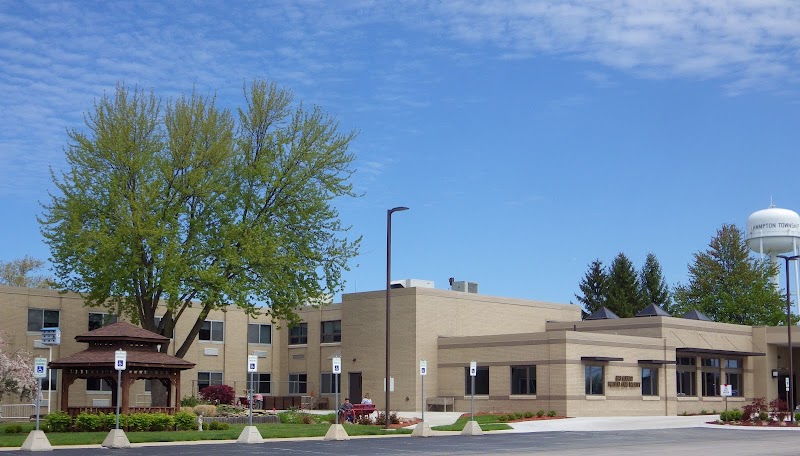
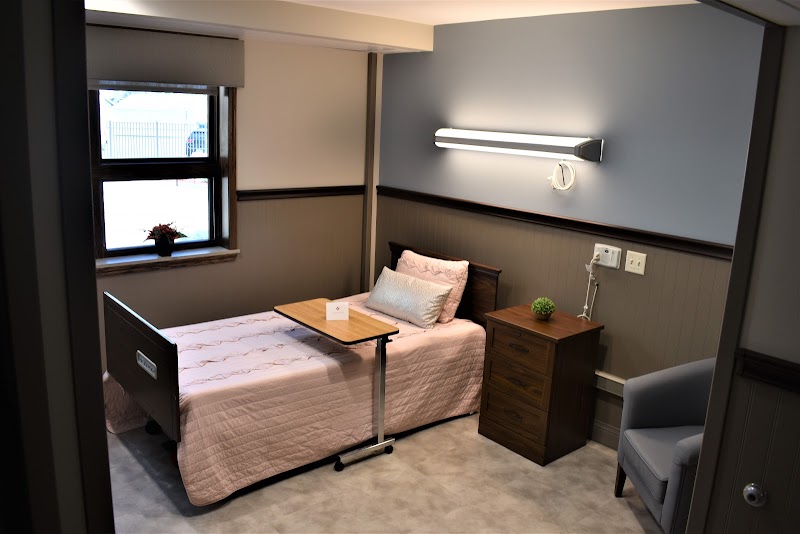
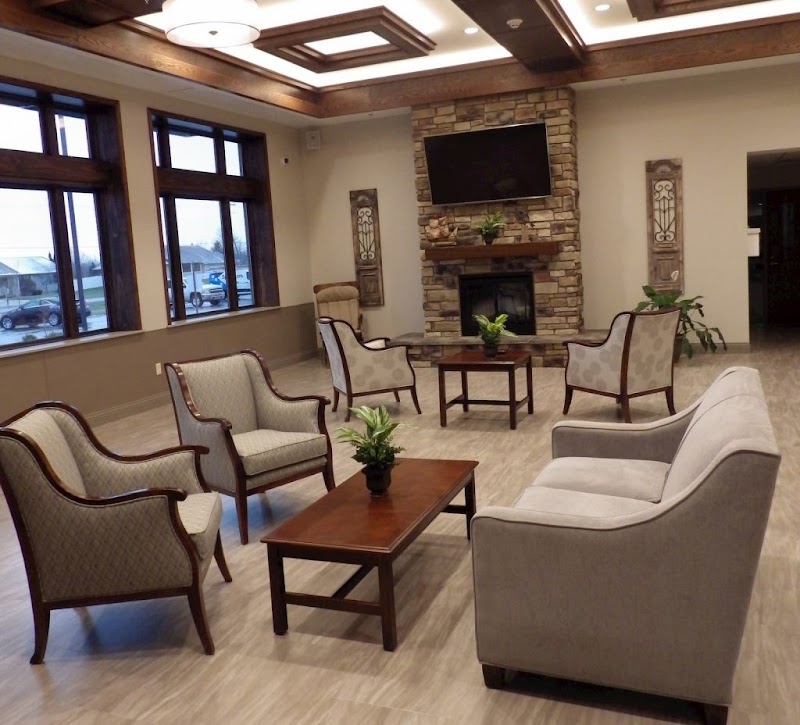
Bay County Medical Care Facility

564 West Hampton Road, Essexville, MI 48732 (989) 892-3591
Government - County 161 Beds Independent Data: November 2025 1 Immediate Jeopardy citation
Trust Grade
8/100
#186 of 422 in MI
Last Inspection: April 2025

Within standard 12-15 month inspection cycle. Federal law requires annual inspections.

Overview

Bay County Medical Care Facility has received a Trust Grade of F, indicating significant concerns about the quality of care provided. It ranks #186 out of 422 facilities in Michigan, placing it in the top half, and #2 out of 6 in Bay County, meaning only one local option is better. The facility is trending towards improvement, reducing the number of issues from 10 in 2024 to 6 in 2025. Staffing is a strength here, with a 5/5 star rating and a turnover rate of 33%, which is better than the state average, ensuring that staff have familiarity with residents. However, there are serious concerns, including $278,579 in fines, which is higher than 93% of Michigan facilities, and a critical incident where a resident experienced respiratory distress due to inadequate airway management. Additionally, two residents developed serious pressure ulcers due to insufficient preventive measures, highlighting weaknesses that families should consider alongside the facility's strengths.

Trust Score
F
8/100
In Michigan
#186/422
Top 44%
Safety Record
High Risk
Review needed
Inspections
Getting Better
10 → 6 violations
Staff Stability
○ Average
33% turnover. Near Michigan's 48% average. Typical for the industry.
Penalties
✓ Good
$278,579 in fines. Lower than most Michigan facilities. Relatively clean record.
Skilled Nurses
✓ Good
Each resident gets 86 minutes of Registered Nurse (RN) attention daily — more than 97% of Michigan nursing homes. RNs are the most trained staff who catch health problems before they become serious.
Violations
⚠ Watch
29 deficiencies on record. Higher than average. Multiple issues found across inspections.
★★★☆☆
3.0
Overall Rating
★★★★★
5.0
Staff Levels
★☆☆☆☆
1.0
Care Quality
★★★☆☆
3.0
Inspection Score
Stable
2024: 10 issues
2025: 6 issues

The Good

  • 5-Star Staffing Rating · Excellent nurse staffing levels
  • Full Sprinkler Coverage · Fire safety systems throughout facility
  • No fines on record
  • Staff turnover below average (33%)

    15 points below Michigan average of 48%

Facility shows strength in staffing levels, fire safety.

The Bad

3-Star Overall Rating

Near Michigan average (3.1)

Meets federal standards, typical of most facilities

Staff Turnover: 33%

13pts below Michigan avg (46%)

Typical for the industry

Federal Fines: $278,579

Well above median ($33,413)

Significant penalties indicating serious issues

The Ugly 29 deficiencies on record

1 life-threatening 5 actual harm
Apr 2025 5 deficiencies 1 Harm
SERIOUS (G)

Actual Harm - a resident was hurt due to facility failures

Pressure Ulcer Prevention (Tag F0686)

A resident was harmed · This affected 1 resident

**NOTE- TERMS IN BRACKETS HAVE BEEN EDITED TO PROTECT CONFIDENTIALITY** Based on observation, interview and record review, the facility failed to 1) Prevent and implement preventive measures to avoid ...

Read full inspector narrative →
**NOTE- TERMS IN BRACKETS HAVE BEEN EDITED TO PROTECT CONFIDENTIALITY** Based on observation, interview and record review, the facility failed to 1) Prevent and implement preventive measures to avoid pressure ulcers for 2 residents (Resident #39 and Resident #62) of 3 residents reviewed for pressure ulcers and 2) Follow through with the intervention of an air mattress for 1 resident (Resident #39), resulting in Resident #62 having a facility-acquired, preventable, Stage IV pressure ulcer and, for both residents, an increased likelihood for infection, cross contamination, antibiotic usage with side effects, pain, and discomfort. Findings Include: Resident #39: Review of the Face Sheet, Minimum Data Set (MDS, resident assessment tool) dated 7/24, and physician orders dated 4/13/25 through 4/17/25, and nurses' progress notes dated 4/13/25 through 4/17/25, revealed Resident #39 was [AGE] years old, admitted to the facility on [DATE], alert and able to make own healthcare decisions, had a trach (artificial breathing stoma) and dependent on staff for Activities of Daily Living/ADL. The resident's diagnoses included, respiratory failure, chronic lung disease, muscle weakness, Dysphagia (deficit swallowing), heart disease, diabetes, Spinal stenosis, anxiety, and oxygen dependence. At the time of the survey, the resident had no diagnosis of pressure ulcers. The first observation documented was when this surveyor did an observation on 04/15/25. During an interview on 4/15/25 at 10:29 a.m., the resident stated I got something on my bottom, it hurts; they (staff) saw it yesterday and put something on it. It started hurting yesterday (4/15/25) and I told them, but now it's bad (increased pain). An observation of Resident #39's wound (coccyx pressure ulcers) done on 4/15/25 at 10:37 a.m., revealed on the left and right side there were 3 open areas on the lower buttocks. The resident was verbalizing pain when Nursing Assistant/CNA L turned her over to observe the coccyx area; the resident said it burnt and hurt. There was a layer of white cream that staff had put on her. At this time, the resident did not have a air mattress on her bed, but she had a pressure reduction mattress. Review of the resident's physician's orders and an interview done on 4/16/24 at approximately 10:40 AM, revealed, at this time no assessment or orders were found regarding the pressure ulcers or for any treatment. During an interview done on 4/16/25 at 10:53 AM., Wound Nurse, RN C stated I saw it today (on 4/16/25), it's a Stage 2 (Pressure Ulcer), there are 2 of them (there were 3 open areas documented by Nurse C); they (staff) probably put silicone on it. They should have ordered something. They wait for me to do it. On 4/15/25 at 10:50 AM, a review was done of Resident #39's facility nursing progress notes, dated 4/12/25 at 1:52 PM, through 4/13/25 at 2:17 PM, (at the time of this review, there were no nursing notes at all for 4/14/25, or for 4/15/25) revealed no documentation of any pressure ulcers or any reddened areas on the resident. On 4/15/25 at 10:55 , review was done of Resident #39's facility weekly skin assessments dated 3/29/25, 4/4/25 and 4/11/25, revealed no documentation of any pressure ulcers, damaged skin integrity nor reddened areas. At the time of the review, no documentation was done on 4/15/25 at all. Review of the resident's facility progress note dated 4/15/25 at 11:40 a.m. (this was after the observation was done of 3 pressure ulcers was made by the surveyor) stated This nurse was asked to assess resident's bottom at this time as she was c/o (the resident was complaining) pain. Upon assessment there was found to be three superficial open areas to left inner buttock. Measurements are as follows; superior wound measuring 1.0 cm x .7 cm, middle wound measuring .8 cm x .3 cm, and inferior wound measures .1 cm x .2 cm. Areas cleansed w/NS (with normal saline), patted dry, Hydrogel was then applied. Area covered w/ 4 x 4 boarded foam patch. Orders placed; Triad cream applied to rest of buttocks as ordered. Res. (resident) stated that feels a little better already. Review of the facility physician order dated 4/15/25, stated Cleanse three superficial openings to left inner lower buttock w/NS, pat dry. Apply Hydrogel, then cover w/ 4 x 4 bordered foam patch for protection. During an interview On 4/17/25 at 9:15 AM, Wound Nurse, RN C stated She (the resident) refused to get up for us to put the air mattress on. Observation and interview with Resident #39 was done on 04/17/25 at 9:40 AM. No air mattress was on her bed. Resident stated, No one asked me if I could get up for the air mattress to be put on, I was up yesterday, no one asked me to get up to put it (air mattress) on; I did not refuse to get up. During an interview on 04/17/25 10:40 AM Maintenance A stated Yes, it was put in TELL's yesterday (on 4/16/25) at 12:36 PM, but it didn't get put on. It was put in as critical; that's an excessive amount of time (for not being put on the resident's bed). During an interview on 4/16/25 at 12: 50 PM, Maintenance B stated They (staff) had just put her back in bed and they said she would not get up again. It did not get put on yet. During an interview on 4/17/25 at 9:23 AM, Wound Nurse, RN C stated I usually initiate an air mattress, I put it in TELL's (facility maintenance communication program) and I put it on critical (meaning to get the requested task done that day). Wound Nurse C said she put the request for an air mattress to be put on the resident's bed on 4/16/25. Wound Nurse C said there was no policy for requests put through the maintenance TELL's. Resident #62: In an observation and interview on 04/15/25 at 01:59 PM, Resident #62 was noted to be laying in bed getting ready for a nap and laying on her back. Resident #62 denied any concerns. Record review of Resident #62's progress note, dated 3/5/2025 at 9:35 PM, resident weekly skin assessment completed: Resident buttocks is cleared and intact . Record review of Resident #62's progress note dated 3/12/2025 at 9:41 PM, resident weekly skin assessment completed: Resident inner buttocks is pink area cleansed and dried and facility barrier cream applied as ordered. Record review of Resident #62's progress note, dated 3/13/2025 at 2:28 PM, resident did get up in her wheelchair for a few hours and tolerated it well. Buttocks near rectum with macerated area noted measuring approximately 5 cm x 2.5 cm. Resident is incontinent of bowel & bladder and refuses care at times. Area cleansed and triad cream applied. Wound nurse notified. Record review of Resident #62's progress note, dated 3/19/2025 at 05:29 AM, resident has an area on inner buttocks that appears to be open with some slough noted . Triad cream in place at this time. Message sent to wound nurse for possible treatment. Observation on 04/16/25 at 08:25 AM with Certified Nurse Assistant's R and S revealed that both CNA's applied enhanced barrier precautions of personal Protective equipment (PPE) CNA R walked into the room and pulled the bed away from wall, air mattress was not placed on hold or stopped. Resident rolled side to side by staff. Bowel-soiled Brief changed, and dressing covered in stool. The state surveyor observed a Stage 4, open wound at the rectal/coccyx area, that was red beef bottom with white tissue noted, deep wound bed noted, no barrier cream was noted. Area cleansed and no dressing applied at this time. Record review of Resident #62's 'Daily Care Plan' located in the resident's wardrobe within the resident's room revealed Skin: Encourage to turn side to side while in bed, Head of Bed less than 30 degrees except when eating, Air mattress. There were no documented air mattress settings or when to increase or decrease the firmness of the mattress. Observations and interviews were conducted on 04/16/25 at 08:40 AM with Registered Nurse J and Certified Nurse Assistant (CNA) R. RN J had opened wound dressing packets at the treatment cart in hallway and squirted solutions into the packets. Both Registered Nurse J and Certified Nurse Assistant (CNA) R. applied enhanced barrier personal protection equipment (PPE) and CNA R pulled the bed away from the wall so she could be on side of bed, walked past the air mattress control and did not place on hold or stop the air flow. Settings observed on 5 dots out of 10 dots (soft to firm) during dressing change to coccyx area. RN J applied a pair of gloves, assisted in turning the resident to her left side, removed the soiled brief and performed wound measurements of 2 cm x 1 cm and stated there was no tunneling. Red sanguineous drainage noted and bleeding noted with cleaning. Three 4 x 4 gauzes were noted. RN J used the right hand to change only left-hand glove, applied collagen powder, sprayed into the wound, skin prep, and placed exoderm treatment dressing to wound to seal the wound bed. RN J then placed a pillow placed to her upper back area. The state surveyor asked why he was only changing one glove. RN J stated that he only changed left hand glove because he was holding Resident #62 with his right hand, and it did not touch anything else. Nurse was observed using the right hand to remove the left glove and re-apply new left-hand glove (cross contamination noted). Nurse did not use hand sanitizer or wash hands between cleaning of stool and applying wound dressing. Possible Cross contamination with dressing change. In an interview and record review on 04/16/25 at 12:46 PM, Registered Nurse C, who is wound care certified, acknowledged that Resident #62's Stage 4 pressure injury developed in-house on 3/20/25, as Moisture Associated Skin Damage (MASD) and was treated with Triad cream, but the wound was an open wound, measuring 6 x 4 cm with no depth at that point. RN C stated the wound was covered with slough and that she did write the measurements in the progress notes. RN C stated that she does write a note weekly for wounds. Record review of the 3/26/25 progress note documented an open wound with drainage. On 04/03/25 the wound had developed into a Stage 4 wound with depth. A progress note on 4/12/25 noted a Stage 4 pressure wound. The state surveyor asked about updating the care plan. RN C stated I thought that I did. I added an air mattress to the care plan. I am used to Point Click Care, the matrix program has been a struggle for me. In an interview and record review on 04/16/25 01:59 PM, Registered Nurse C, who is wound care certified, revealed that Resident #62's pressure ulcer did develop at the facility and the wound started on 3/19/2025 as slough. Resident #62 went out to hospital on 3/24/2025 and came back. Resident #62's pressure ulcer area on 4/3/2025 was open and measured 4 cm x 2.3 cm and a depth of 1 cm with drainage. Observation was made on 04/17/25 at 08:12 AM of Resident #62 laying on her right hip area with pillows behind her upper back area. Resident #62 was awake, but she was chilled and has on extra blankets. Observation of air mattress setting was made- still on static with a half firm setting. Resident #62 stated its just stays hard on her butt all the time. In an interview on 04/17/25 at 09:23 AM, Registered Nurse C was asked about the facility air mattress usage and if the actual pressure ulcer is a criteria for an air mattress. RN C replied, It just depends on how bad the wound is. I will initiate an air mattress with open wound. I put it in the tells maintenance (computer program) to let them know about the need for the mattress. Usually, it takes just a couple of hours or a day. An interview and observation on 04/17/25 at 09:43 AM with Registered Nurse C, revealed there is no policy or procedure for the use air mattress on resident beds. The owner's manual maintenance is look for it. Setting of air mattress, some have cycled air. The Patriot brand of air mattress has a setting of 10 dots from soft to firm and facility sets it on between 3 to 5 and go down from there. Static setting- I don't know what that is. Alternating setting is used. I'd have to look at the bed. Registered Nurse C and the state surveyor went to room [ROOM NUMBER] to observe the resident's Patriot bed air mattress, which was set on static with 6 dots. Registered Nurse C, stated I don't understand the air mattress settings. I don't know the difference between the static and alternate settings. That would be a Licensed Practical Nurse (LPN) M restorative nurse question. I just don't know. I came from the hospital setting and not long-term care. In an observation observation and interview on 04/17/25 at 10:28 AM, Licensed Practical Nurse (LPN) M (restorative nurse) came into the resident's room, room [ROOM NUMBER], and stated that the Patriot air mattress is the older model and the comfort level with a pressure wound should be between 5 and 7 dots on the control setting. During resident care, the staff are to firm up the mattress to 10 dots and then back down to the settings on the care plans. We use the static setting, and we do not use the alternate setting. The wound care nurse sets the settings and does the care plans. Record review of the resident's in-room 'Care Guide', located in the room wardrobe, revealed no settings were stated on the care guide for air mattress use. In an observation and record review on 04/17/25 at 10:00 AM, Licensed Practical Nurse (LPN) M and the State surveyor Went to the second-floor [NAME] unit to room [ROOM NUMBER]. Resident #62 has a Patriot air mattress in place with settings at 5 dots, a static setting. Record review of the in-room care guide, dated 4/9/2025 and located inside the wardrobe closet door, revealed under the heading of ski: Air mattress (no settings were documented). Record review of Resident #62's nurse notes, dated 3/19/2025 at 8:48 AM, noted that the Head of Bed (HOB) is not to be over 30 degrees. Resident was observed with 4 pillows placed behind her upper back areas raising the resident further up on her coccyx.
CONCERN (D)

Potential for Harm - no one hurt, but risky conditions existed

Resident Rights (Tag F0550)

Could have caused harm · This affected 1 resident

**NOTE- TERMS IN BRACKETS HAVE BEEN EDITED TO PROTECT CONFIDENTIALITY** Based on observation, interview and record review, the facility failed to ensure dignity for 2 residents (Resident's #39 and Res...

Read full inspector narrative →
**NOTE- TERMS IN BRACKETS HAVE BEEN EDITED TO PROTECT CONFIDENTIALITY** Based on observation, interview and record review, the facility failed to ensure dignity for 2 residents (Resident's #39 and Resident #51) of 3 residents reviewed for dignity (call light response time) and residents from the confidential Resident Council group meeting (held on 4/16/25), regarding call light response times. Findings Include: Resident #51: Review of the Face Sheet, MDS dated 2/24, nurse's progress notes dated 2/1/24 through 4/15/25, revealed Resident #39 was [AGE] years old, mild cognitive impairment, admitted to the facility on [DATE], and dependent on staff for Activities of Daily Living/ADL's. The resident's diagnosis included, high blood pressure, heart failure, lymphedema, unsteadiness, lack of coordination, chronic kidney disease, anxiety disorder, cardiac pacemaker with a history of right breast cancer. During an interview done on 4/15/25 at 10:09 a.m., Resident #51 stated If they (staff) are busy, I do wet my pants sometimes. If its real bad, we go in the hall and yell help. Night is fast (call light response times), its more or less before lunch (delayed light response times). They can't get to all of us, so we wait. Resident #51 said she feels embarrassed when she wets her pants. The resident stated One time I thought I was having a heart attack; I couldn't breathe, and I was scared. I think they were short (short staffed), it took them about 45 minutes to get here. I used to be a nursing assistant, I know. Resident #39: Review of the Face Sheet, Minimum Data Set (MDS, resident assessment tool) dated 7/24, and physician orders dated 4/13/25 through 4/17/25, and nurses progress notes dated 4/13/25 through 4/17/25, revealed Resident #39 was [AGE] years old, admitted to the facility on [DATE], alert and able to make own healthcare decisions, had a trach (artificial breathing stoma) and dependent on staff for Activities of Daily Living/ADL's. The resident's diagnosis included, respiratory failure, chronic lung disease, muscle weakness, Dysphagia (deficit swallowing), heart disease, diabetes, Spinal stenosis, anxiety, and oxygen dependence. During an interview done on 4/15/25 at 10:09 a.m., If there are busy, I do wet my pants sometimes. If it's real bad we go in the hall and yell help. Night is fast, its before lunch. They can't get to all of us, so we wait. Review of the facility Resident Council Notes dated 10/30/24, 12/31/24, 1/28/25, and 2/26/25, revealed complaints regarding call light response times being too long. Review of Council notes dated 10/30/24 and 12/31/24, stated Some of the residents voice concern about the length of time their call lights are on. Review of Council notes dated 1/28/25 and 2/26/25, stated There was a discussion about call lights and residents stated that this has been the same as the previous month (continued delayed response times). Review of the facility resident's Rights policy dated 3/26/25, stated You have a right to a safe, clean, comfortable and homelike environment, including but not limited to receiving treatment and supports for daily living safely (including timely response to call lights). Resident Group Meeting: On 4/16/25 at 10:30 AM, an interview was conducted with 13 Confidential Residents in a group meeting. The Residents were asked about any concerns they had regarding the care they received at the facility. A couple Residents reported long call light wait times. A Resident stated, The CNAs (Certified Nursing Assistants) are too busy, and the CNAs are busy working with someone else. One Resident complained of having to wait up to 45 minutes at times and another reported 30 minutes. One Resident reported having to use the bathroom and stated, I have been incontinent of stool because of waiting, and another Resident stated, You have to sit and pray that someone will answer the call light and get you to the bathroom in time. Three Residents out of the group reported incontinence while waiting for the call light to be answered. A Resident reported that Nurses don't help with answering call lights, while another Resident voiced that some Nurses do answer, but most will not answer, call lights. When the group was asked who felt the Nurses could help with answering the call lights more, most of the census of the group raised their hands.
CONCERN (D)

Potential for Harm - no one hurt, but risky conditions existed

Deficiency F0577 (Tag F0577)

Could have caused harm · This affected 1 resident

Based on observation, interview and record review, the facility failed to inform/educate 13 of 13 residents who attended the confidential group meeting about the location of the survey results and fai...

Read full inspector narrative →
Based on observation, interview and record review, the facility failed to inform/educate 13 of 13 residents who attended the confidential group meeting about the location of the survey results and failed to ensure that the recent State Survey and Plan of Correction were readily accessible, affecting all Residents in the facility of a census of 89, resulting in Residents, Resident Representatives, visitors and staff being unable to review the survey results and plan of correction. Findings include: On 4/16/25 at 10:30 AM, an interview was conducted with 13 Confidential Residents in a group meeting. The Residents in the group meeting were asked Without having to ask, are the results of the State inspection available to read? No Resident of the group acknowledged they knew of survey results being available. 13 of 13 Residents reported they did not know what survey results were, that the results were to be available without having to ask for them, or where they would find the results. The majority of the Residents were in wheelchairs. On 4/16/25 at 11:50 AM, an observation was conducted in the hallway near the front entrance and the Administrator's (NHA) office. There was a bulletin board on the wall that had multiple papers attached to the board. On one end of the board were printed survey results with pages clipped together and hung on a push pin. The copy of the results was too high to be accessible from wheelchair height and were in small print impeding reading to acknowledge what the documents were from wheelchair height. The document 2567 of survey results were posted on the bulletin board for 3/7/23 but did not have the plan of correction printed on the documents. There was no survey for 2024 posted on the bulletin board. On 4/16/25 at 12:18 PM, an interview was conducted with the Administrator (NHA) regarding the lack of readily accessible results of the most recent survey of the facility. The NHA reported that there should be the survey up there, that it probably was at one time and that he will copy it off and put it up there. On 4/16/25 at 12:18 PM, an interview was conducted with the NHA regarding the lack of plan of correction with the surveys that was posted on the bulletin board for 2023 and 2021. The NHA reported that the survey that he will post will have the plan of correction with the survey results. A review of the facility policy titled, Resident Rights, reviewed 3/26/25, revealed, . 6. Information and communication . k. You have a right to: i. Examine the results of the most recent survey of the facility conducted by Federal or State surveyors and any plan of correction in effect with respect to the facility .
CONCERN (E)

Potential for Harm - no one hurt, but risky conditions existed

Deficiency F0657 (Tag F0657)

Could have caused harm · This affected multiple residents

**NOTE- TERMS IN BRACKETS HAVE BEEN EDITED TO PROTECT CONFIDENTIALITY** Resident #39: Review of the Face Sheet, Minimum Data Set (MDS, resident assessment tool) dated 7/24, and physician's orders date...

Read full inspector narrative →
**NOTE- TERMS IN BRACKETS HAVE BEEN EDITED TO PROTECT CONFIDENTIALITY** Resident #39: Review of the Face Sheet, Minimum Data Set (MDS, resident assessment tool) dated 7/24, and physician's orders dated 4/13/25 through 4/17/25, and nurses' progress notes dated 4/13/25 through 4/17/25, revealed that Resident #39 was [AGE] years old, admitted to the facility on [DATE], alert and able to make own healthcare decisions, had a trach (artificial breathing stoma) and dependent on staff for Activities of Daily Living (ADL). The resident's diagnoses included, respiratory failure, chronic lung disease, muscle weakness, Dysphagia (deficit swallowing), heart disease, diabetes, Spinal stenosis, anxiety, and oxygen dependence. Observation of the residents skin was done accompanied by Nursing Assistant/CNA L on 4/15/25 at 10:37 a.m., revealed 3 small pressure ulcers. Review done on 4/15/25, of the resident's facility Daily Care Plan dated 1/29/25 (in the resident's room) and the Skin Management care plan dated 2/24/25, revealed no documentation of any open areas on the resident at all. The Skin Management care plan stated My skin will remain intact through next review (no open areas were documented). The resident's care plan was not up-dated timely to reflect the actual skin condition (x 3 pressure ulcers). Resident #52: Review of the Face Sheet, physician orders and nursing progress notes, dated 3/1/25 through 5/15/25, and MDS Assessment Summary dated 1/28/25, revealed Resident #52 was [AGE] years old, alert with mild cognitive impairment, admitted to the facility on [DATE], dependent on renal dialysis, and dependent on staff for ADL's. The resident's diagnoses included, end stage renal disease, sepsis, hemiplegia and hemiparesis following a stroke, dialysis dependent, Epilepsy, depression, Acquired absence of kidney, mild cognitive impairment, and mood disorder. Review was done on 4/16/25 at 11: 55 a.m., of Resident #52's facility pain care plan dated 2/3/25. It revealed only one intervention; give meds per physician orders. No documentation was found regarding interventions related to non-pharmacological pain reduction interventions. During an interview done on 4/15/25 at approximately 11:10 a.m., Resident #52 said he was in a lot of pain. The resident denied staff implemented any non-pharmacological measures when given examples. During an interview done on 4/16/25 at 10:00 a.m., MDS Nurse, RN H stated We typically have non-pharmacological approaches in pain care plans. We (MDS) are the ones that up-date the goals/care plans; the nurses notify us of wound care. The care plans should be done the day they find it (the wound). During an interview done on 4/16/25 at 10:15 a.m., Wound Nurse, RN C stated Care plans can only be changed by MDS and wound (wound care nurse). Wound Nurse C said the nurses were not allowed to do or up-date resident care plans. Interview done on 4/16/25 at 10:20 a.m., with the DON, who stated, I feel like more interventions should be in place. Review of the facility Pain Management policy, dated 12/23/24, stated Non-pharmacological pain management interventions include but not limited to: Adjusting room temperature, massage, turning and repositioned to a comfort position, loosen any constrictive bandage or device, applying splinting, physical modalities (cold compress, warm compress), exercises to address stiffness and present contractures as well as restorative nursing programs to maintain joint mobility, cognitive/behavioral interventions (music, diversions). Review of the facility Baseline Care Plan policy, dated 9/25/24, stated (The facility) will develop and implement a baseline care plan for each resident that includes the instructions needed to provide effective and person-centered care of the resident that met professional standards of quality care. Interventions will be initiated that address the resident's current needs including: Any health and safety concerns to prevent decline or injury, such as elopement, fall, or pressure injury risk. Any special needs such as for IV therapy, dialysis, or wound care. Once established, goals and interventions will be documented in the designated format. In the event that the comprehensive assessment and comprehensive care plan identified a change in the resident's goals, or physical, mental, or psychosocial functioning, which was otherwise not identified in the baseline care plan, those changes shall be incorporated into an updated summary provided to the resident. Based on observation, interview, and record review, the facility failed to update and/or revise individualized, person-centered care plans to reflect changing needs for 4 residents (#6, #39, #52, #62) of 18 residents reviewed for care plans, resulting in the potential for unmet care needs. Findings include: Record review of facility 'Comprehensive Care Plan' dated 11/27/2024 revealed it is the policy of this facility to develop and implement a comprehensive person-center care plan for each resident, consistent with the rights, that includes measures objectives and time frames to meet a resident's medical and psychosocial needs that are identified in the resident's comprehensive assessment. Resident #62: Observation on 04/16/25 at 08:25 AM with Certified Nurse Assistant's R and S revealed that both CNA's applied enhanced barrier precautions of personal Protective equipment (PPE). CNA R walked into the room and pulled the bed away from wall, air mattress was not placed on hold or stopped. Resident rolled side to side by staff. Bowel soiled brief changed, and dressing covered in stool. The state surveyor observed a Stage 4, opened wound at the rectal/coccyx area, that was red beet bottom with white tissue noted, deep wound bed noted. No barrier cream was noted. Area cleansed and no dressing applied at this time. Record review of Resident #62's 'Daily Care Plan' located in the resident's wardrobe within the resident's room revealed Skin: Encourage to turn side to side while in bed, Head of Bed less than 30 degrees except when eating, Air mattress. There were no documented air mattress settings or when to increase or decrease the firmness of the mattress. Observations and interviews were conducted on 04/16/25 at 08:40 AM with Registered Nurse (RN) J and Certified Nurse Assistant (CNA) R. RN J had opened wound dressing packets at the treatment cart in hallway and squirted solutions into the packets. Both Registered Nurse J and Certified Nurse Assistant (CNA) R applied enhanced barrier personal protection equipment (PPE) and CNA R Bed pulled away from the wall so she could be on side of bed, walked past the air mattress control and did not place on hold or stop the air flow. Settings observed of 5 dots out of 10 dots (soft to firm) during dressing change to coccyx area. RN J applied a pair of gloves and assisted in turning the resident to her left side and removed the soiled brief and performed wound measurements of 2 cm x 1 cm and stated no tunneling, red sanguineous drainage noted, bleeding with cleaning. Three 4 x 4 gauzes were noted. RN J used the right hand to change only left-hand glove, applied collagen powder sprayed into the wound and skin prep, and placed exoderm treatment dressing to wound (held to seal wound bed). RN Jthen placed a pillow placed to her upper back area. The state surveyor asked why only changing with one glove? RN J stated that he only changed left hand glove because he was holding Resident #62 with his right hand, and it did not touch anything else. Nurse was observed using the right hand to remove the left glove and re-apply a new left-hand glove (Cross contamination noted). Nurse did not use hand sanitizer or wash hands between cleaning of stool and applying wound dressing, thereby causing a possible cross contamination with the dressing change. In an interview and record review on 04/16/25 at 12:46 PM, Registered Nurse C, who was wound care certified, acknowledged that Resident #62's Stage IV pressure injury developed in house on 03/20/25 as Moisture Associated Skin Damage (MASD) and was treated with Triad cream, but the wound was an open wound, measuring 6 x 4 cm with no depth at that point. RN C stated the wound was covered with slough and that she did write the measurements in the progress notes. RN C stated that she does write a note weekly for wounds. Record review of the 3/26/25 progress note documented wound open with drainage. Then on 4/3/25 the wound developed into a Stage 4 with depth, and a progress note on 4/12/25 noted a Stage 4 pressure wound. The state surveyor asked if the the care plan was updated. RN C stated I thought that I did. I added an air mattress to the care plan. I am used to Point Click Care, the matrix program has been a struggle for me. Record review of Resident #62's care plans, pages 1- 20, revealed on page 7 under Skin management: I have skin interventions in place; pressure relieving mattress on my bed; waffle cushion in my wheelchair; A&D to bilateral feet with AM & HS care . There were no documented settings for the air mattress in use on the resident's bed or when to increase or decrease the mattress air pressure. Resident #6: A review of Resident #6's medical record revealed an admission into the facility on 2/11/25 and re-admission on [DATE] with diagnoses that included mood disorder, major depressive disorder, mild intellectual disabilities, Alzheimer's disease, dementia with mood disturbance, malnutrition, pressure ulcer of right ankle, right heel and left heel at Stage 4, pressure ulcers of other sites at Stage 2 and unstageable and osteomyelitis. Resident #6's care plan for risk for skin breakdown pressure/injury, revealed an APPROACH: (Resident's name) has an air mattress on my bed. (Resident name) has a ROHO cushion in her w/c (wheelchair), dated 2/11/2025. Resident #6's care for Mood: (Resident's name) has a diagnosis of ., with a GOAL: I will be free from significant side effects of psychotropic medication through next review, with a listed APPROACH: Nursing administers my medications as ordered by provider. Labs as ordered by provider, and The potential side effects of my medications are monitored as listed in the Nursing Drug Handbook, did not have individualized Resident information on behaviors, medications or the potential side effects to monitor. On 4/16/25 at 2:35 PM, an interview was conducted with the Wound Care Nurse (WCN) C regarding Resident #6's multiple pressure wounds. The WCN was asked what kind of air mattress was on the Resident's bed and what were the settings for the air mattress? The WCN reported that the care plan would have the information, and that the Patriot air mattress was to be set between 5 and 7 dots and set on static. The WCN stated, They put it on the care plan. It's set up to the comfort level at that time (when applied). When asked how staff assess for her comfort level, the WCN reported the Resident was non-verbal and that assessing her comfort level would be difficult. The WCN was asked how would staff know what to set the air mattress machine to. The WCN stated, Usually it is on the care plan. A review of the care plan revealed the approach for an air mattress on my bed, but did not give resident specific settings for the air mattress. On 4/16/25 at 3:07 PM, an observation was made with Wound Care Nurse C of Resident #6 lying in bed. The resident did not respond to verbal stimuli or engage in conversation. The air mattress was on and functioning. The air mattress was set at 6 of 10 dots (the soft to firm setting) and set on static air. The WCN reported that CNA's may firm up the mattress while providing care by changing the settings. A review of the care guide that was in the resident's room revealed no direction for staff on the settings for the air mattress. On 4/17/25 at 12:39 PM, an interview was conducted with the MDS Coordinator, Nurse H regarding Resident #6's lack of individualized care plan. The MDS Nurse reported that the Social Services would complete the interventions for the psych medications. A review of the interventions for the goal for psychotropic medications was reviewed. The Nurse reported a lack of behaviors and stated, Needs to be more resident specific, and asked if the care plans needed to be individualized for the Resident, the Nurse stated, yes.
CONCERN (F)

Potential for Harm - no one hurt, but risky conditions existed

Infection Control (Tag F0880)

Could have caused harm · This affected most or all residents

**NOTE- TERMS IN BRACKETS HAVE BEEN EDITED TO PROTECT CONFIDENTIALITY** Based on observation, interview and record review, the facility failed to ensure clean, reusable medical equipment for one resid...

Read full inspector narrative →
**NOTE- TERMS IN BRACKETS HAVE BEEN EDITED TO PROTECT CONFIDENTIALITY** Based on observation, interview and record review, the facility failed to ensure clean, reusable medical equipment for one resident (Resident #12) and hand hygiene for one resident (Resident #62), resulting in cross-contamination and the likelihood of further cross-contamination. Findings include. On 4/16/25, at 1:48 PM, an observation of Nurse P at Resident #12's doorway was conducted. Nurse P asked Nurse Q if they had scissors. Nurse Q entered their left pocket, pulled out a pair of scissors and handed them to Nurse P. Nurse P entered Resident #12's room and closed the door. Upon opening Resident #12's door, an observation was made of Nurse P cleaning the scissors with an alcohol pad with their gloved hands. Nurse P was asked if they were using an alcohol pad and Nurse P offered, Yes, its an alcohol pad. On 4/16/25, at 1:55 PM, Nurse Q was asked if the scissors were shared scissors and Nurse Q offered, the scissors were shared. Nurse Q was asked what their normal disinfection process was for reusable scissors between resident use and Nurse Q offered, we use alcohol. On 4/16/25, 3:30 PM, a record review of Resident #12's electronic medical record revealed an admission on [DATE] with diagnoses that included Stroke, Diabetes and seizure disorder. Resident #12 had intact cognition and required extensive assistance with all activities of daily living. Resident #12 required enhanced barrier precautions due to their urinary catheter and had an order for a dressing change to their coccyx. Resident #12 had a recent history of a wound infection. On 4/17/25, at 11:38 AM, an interview along with Infection Control Nurse (IC) Nurse N was conducted. IC Nurse N was asked to clarify the Standard Precautions policy to ensure proper disinfection of reusable medical equipment. IC Nurse N stated, we would use the EPA disinfectant. Resident #62: An observation on 04/16/25 at 08:25 AM with Certified Nurse Assistant's R and S revealed that both CNA's applied enhanced barrier precautions of Personal Protective equipment (PPE). CNA R walked into the room and pulled the bed away from wall. The air mattress was not placed on hold or stopped. The resident rolled side to side by staff. Bowel-soiled brief was changed, and the dressing was covered in stool. The state surveyor observed a Stage 4, open wound at the rectal/coccyx area, that had a red beef bottom with white tissue noted. A deep wound bed was also noted. No barrier cream was noted. The area cleansed and no dressing was applied at this time. Record review of Resident #62's 'Daily Care Plan', located in the resident's wardrobe within the resident's room, revealed Skin: Encourage to turn side to side while in bed, Head of Bed less than 30 degrees except when eating, Air mattress. There were no documented air mattress settings or when to increase or decrease the firmness of the mattress. Record review of a 'Enhanced Precautions' form located on the same clip board with the 'Daily Care Plan', undated, noted Resident #62 with rectal wound, staff to wear gloves and gown when providing care to resident and change gloves if contact with infective material. Hand hygiene after resident contact, contact with resident surroundings, or when removing gloves. An observation and interview was conducted on 04/16/25 at 08:40 AM with Registered Nurse J and Certified Nurse Assistant (CNA) R. RN J had opened wound dressing packets at the treatment cart in hallway and squirted solutions into the packets. Both Registered Nurse J and Certified Nurse Assistant (CNA) R applied enhanced barrier personal protection equipment (PPE). CNA R pulled the bed away from the wall so she (CNA R) could be on side of bed. CNA R walked past the air mattress control and did not put on hold or stop the air flow. Settings observed at 5 dots out of 10 dots (soft to firm) during dressing change to the coccyx area. RN J applied a pair of gloves, assisted in turning the resident to her left side, removed the soiled brief, and performed wound measurements of 2 cm x 1 cm and stated that there was no tunneling. A red sanguineous drainage and bleeding were noted with cleaning. Three 4 x 4 gauzes were also noted, RN J used the right hand to change only the left-hand glove, applied collagen powder by spray it into the wound, skin prep, and placed the exoderm treatment dressing to the wound and held it to seal wound bed. RN J then placed a pillow placed to her upper back area. The state surveyor asked why RN J only changed one glove. RN J stated that he only changed the left-hand glove because he was holding Resident #62 with his right hand, and it did not touch anything else. The nurse was observed using the right hand to remove the left glove and re-apply a new left-hand glove (Cross contamination noted) RN J did not use hand sanitizer or wash hands between cleaning of the stool and applying the wound dressing. There is a possible cross contamination with the dressing change. In an interview on 04/17/25 at 01:45 PM with Registered Nurse/Infection Preventionist N, the state surveyor inquired about hand washing with dressing changes. RN N stated that the nurse needs to wash before and during the dressing change. After a dirty dressing change, remove gloves and wash hands. Both gloves should be changed and hands washed before proceeding with the dressing change. The state surveyor asked about cross contamination. RN N stated that that is the cause for cross contamination and should be done- pre-wash. use gloves, remove soiled dressing, remove dirty gloves, wash hands, reapply clean gloves, set-up a barrier, perform the treatment and place the dressing. Then remove the gloves and wash hands again.
Mar 2025 1 deficiency
CONCERN (D) 📢 Someone Reported This

A family member, employee, or ombudsman was alarmed enough to file a formal complaint

Potential for Harm - no one hurt, but risky conditions existed

Food Safety (Tag F0812)

Could have caused harm · This affected 1 resident

Based on observation, interview and record review, the facility failed to 1) Maintain food preparation and kitchen equipment in a sanitary condition, and 2) Ensure that all partly used, opened foods h...

Read full inspector narrative →
Based on observation, interview and record review, the facility failed to 1) Maintain food preparation and kitchen equipment in a sanitary condition, and 2) Ensure that all partly used, opened foods had a use-by date. Findings Include: Review of the Public Health Service 2009 Food Code, adopted by the Michigan Food Law, effective October 1, 2012, Chapter 4-501.14 directs that equipment cleaning frequency is to be throughout the day at frequency necessary to prevent recontamination of equipment and utensils. 4-602.11 Equipment Food-Contact Surfaces and Utensils. (A) EQUIPMENT FOOD-CONTACT SURFACES and UTENSILS shall be cleaned: (5) At any time during the operation when contamination may have occurred. During the initial kitchen tour done on 3/11/25 at 7:35 AM, accompanied by Dietary [NAME] C, the following observations were made: -At 7:36 a.m., The silver cart used for food storage was found to have dried food splattered on the inside door and on the top shelf. -At 7:37 a.m., a half loaf of bread was found open, with no use-by date on it. -At 7:39 a.m., the large can opener was found to have chipped silver paint on the blade. -At 7:40 a.m., a plastic container with sunflower seeds had a use-by date of 1/12/25. -At 7:42 a.m., three large silver pans of slices of peanut butter pie were found with no dates at all on them. -At 7:43 a.m., in the clean and ready for use covered counter Robot Coupe was found a piece of hair stuck under the blade. -At 7:45 a.m., in the backer's drawer was found a sticky substance on the bottom along side clean utensils. 1 East Kitchenette: -On 3/11/25 at 7:48 a.m., the East Kitchenette was observed accompanied by Dietary Aide A, the following concerns were noted: -At 7:49 a.m., the inside glass plate of the microwave was found to have dried on food. -At 7:50 a.m., in the cooler was found a container of lettuce with a use-by date of 3/10/25. -At 7:52 a.m., the inside door of the freezer had an excessive number of crumbs on the top seal of the door. During an interview done on 3/11/25 at Dietary Manager Dsaid he agreed with the above items found and verbalized staff should have dated everything with a use-by date. During an interview done on 3/11/25 at 12:21 p.m., Dietary Consultant F stated I do a test ray weekly; we usually don't get any complaints. Dietary Consultant F agreed food items opened and partly used required a use-by date. Review of the facility Food and Supply Storage policy dated 1/25, revealed the dietary department dates foods with a use-by date when opened and stated Discard food past the use-by or expiration date.
Mar 2024 10 deficiencies 1 Harm
SERIOUS (G) 📢 Someone Reported This

A family member, employee, or ombudsman was alarmed enough to file a formal complaint

Actual Harm - a resident was hurt due to facility failures

Accident Prevention (Tag F0689)

A resident was harmed · This affected 1 resident

**NOTE- TERMS IN BRACKETS HAVE BEEN EDITED TO PROTECT CONFIDENTIALITY** Resident #7: On 03/11/24 record review revealed that resident #7 was [AGE] years old and admitted to the facility on [DATE] and ...

Read full inspector narrative →
**NOTE- TERMS IN BRACKETS HAVE BEEN EDITED TO PROTECT CONFIDENTIALITY** Resident #7: On 03/11/24 record review revealed that resident #7 was [AGE] years old and admitted to the facility on [DATE] and still resides in the facility. Resident #7 has a brief interview for mental status (BIMS) score of 5 indicating severe impairment of their mentation. Resident #7 has diagnoses of Alzheimer, dementia, muscle weakness, unsteadiness on feet, abnormalities of gait, history of falling and anxiety. On 03/11/24, record review of a Facility Reported Incident (FRI) investigation provided by the facility revealed that Resident #7 fell and sustained a fracture on 02/29/24 and currently is on 1:1 monitoring for safety at this time. On 03/12/24, record review of the summary of the FRI investigation from 02/29/24, revealed that resident #7 was in her wheelchair at the nurse's cart at approximately 07:32 PM on 02/29/24 with the nurse present and sustained a fall at 07:35 PM. On 03/12/24, record review of the FRI investigation timeline revealed that on 02/29/24 at 7:10 PM CNA 'A' transferred resident #7 from her bed to her wheelchair because they noted resident #7 to be attempting to self transfer out of bed. CNA 'A' then took the resident to the nurse's med cart so they could go to break. At 7:32 PM on 02/29/24 LPN 'A' and activity aide (AA) 'A' assisted Resident #7 back to a seated position in her wheelchair, LPN 'A' then took resident #7 back to the nurses med cart where another nurse was present and preparing medications for medication pass. At 7:35 PM resident #7 was observed on the floor in the hallway of the second floor. On 03/12/24 at 12:30 PM an interview was conducted with the Director of Nursing (DON), the DON was asked if Resident #7 had someone with them at the time of the fall and if they were being supervised since it seemed the resident was anxious and was attempting to self transfer from bed prior to the fall. The DON stated that LPN 'B' was present with resident #7 at his medication cart and was preparing medications for other residents The DON then stated that LPN 'B' then went into another residents room to administer medications, at this time resident #7 self-propelled in her wheelchair off the hallway as she usually does and out of sight of staff and sustained a fall. The DON was asked again if the resident was being supervised at the time of the fall and they said no. The DON was asked if the resident should've been supervised since her BIMS was 5 and she said yes. On 03/12/24 at 12:45 PM an interview was conducted with the restorative nurse, the restorative nurse was asked if resident #7 had any prior falls in the facility, they stated that resident #7 had a fall on 01/23/24 and that was the first time they knew the resident to stand up from her wheelchair prior to the fall on 02/29/24. The restorative nurse was asked if the resident should be supervised when out of bed based on her BIMS of 5, they replied they didn't believe the resident needed to be supervised at all times. Restorative nurse stated the resident usually got around the facility on their own in their wheelchair. On 03/12/24 at 12:51 PM an attempt was made to contact LPN 'B', LPN 'B' did not answer the phone and never called back to complete the interview. On 03/12/24 at 03:38 PM, an interview was conducted with AA 'A' about Resident #7's recent fall with fracture. AA 'A' was asked what their involvement was in the lead up to the fall. AA 'A' stated that they were leaving an activity in the 2nd floor recreation room, AA 'A' said they were taking another resident back to their room from the activity when they noticed resident #7 looking worked up in the hallway by 2 west. AA 'A' said resident #7 gets worked up at night time and can become anxious. After AA 'A returned the resident from the activity to their room and as they were heading back to the recreation room to get another resident, AA 'A' noted resident #7 to be standing in an alcove area between the east and west hall. AA 'A' stated that the resident was by herself when she discovered her standing. AA 'A' assisted the resident to sit down in her chair and AA 'A' stated LPN 'A' was there to help as well. AA 'A' stated at that point LPN 'A' was with the resident and she went back to work. On 03/13/24 at 02:17 PM an interview was conducted with LPN 'A', LPN 'A' was asked about her involvement in resident #7's fall with fracture. LPN 'A' stated that they transported resident #7 down towards her room on the west hall after assisting AA 'A' to get resident #7 seated in her wheelchair and placed her at the medication cart with LPN 'B'. LPN 'A' stated that LPN 'B' was present at the medication cart at the time resident #7 was placed there. Resident #58: On 3/11/24 at 11:43 AM, Resident #58 was not in their room. An observation of their room was completed at this time. Anti-slip strips were observed on the floor next the Resident's bed. Record review revealed Resident #58 was originally admitted to the facility on [DATE] and readmitted on [DATE] with diagnoses which included Alzheimer's disease, dementia, weakness, and repeated falls. Review of the Minimum Data Set (MDS) assessment dated [DATE] revealed the Resident was severely cognitively impaired and was dependent/required maximum assistance for transferring, hygiene, and mobility. Review of Resident #58's Electronic Medical Record (EMR) revealed a Safety Events-Falls report, dated 2/22/24, which detailed Resident #58 had a witnessed fall in their room. The Event Summary specified, Probable/Possible cause of fall: Care plan not followed. Resident leaned too far forward while sitting at the edge of the bed. Was the Care Plan followed: No . Aide did not follow care plan which stated Resident is to be transferred as a two assist with gait belt and walker for support . The event indicated Certified Nursing Assistant (CNA) W was the only witness to the incident. Review of progress note documentation in Resident #58's EMR revealed the following: - 2/22/24 at 4:20 PM: This nurse entered room after being told that Resident was lowered to the floor. Upon entering resident's room, resident was laying alongside bed with bilateral arms in lap and legs extended out. Prior to being lowered, resident's aide changed brief and put on pants after providing care to get resident up for dinner. Aide sat resident up at the edge of the bed to place gait belt as resident began to lean forward . lowered resident to the floor . - 2/23/24 at 9:21 AM: On 2/22/24 During an attempt to transfer resident from bed into wheelchair the CNA sat the resident up on the edge of bed and was attempting to apply gait belt when the resident began to lean forward sliding out of the bed. The CNA was unable to support the resident's weight to place back into bed, and slowly guided to a lying position on the floor along the right side of bed. The CNA then utilized the staff emergency call light to alert the nurse . licensed staff was called to resident's room regarding a fall. Upon entering residents' room, observed (Resident #58) lying on the floor along the right side of bed. Resident was positioned with head towards the head of bed with bilateral legs extended straight out towards the foot of bed. Resident's walker was positioned along the right side of them . No pain or injury noted . At time of incident the CNA stated . had sat resident up at the side of her bed in an attempt to apply gait belt for a 1 assist transfer when the resident began to lean forward causing (Resident #58) to begin sliding out bed. CNA was unable to support resident's weight to reposition back into bed, so then guided (Resident #58) to a safe position on the floor and alerted the nurse. Resident is care planned for 2-assist with walker for support for all transfers. CNA was counseled . PT (Physical Therapy) referral sent . Resident placed on 3-day monitoring r/t fall and self-transfers. Review of Resident #58's Electronic Medical Record (EMR) revealed a care plan entitled, Mobility: I am unsteady and have generalized weakness, so I need assist with transferring and walking. I have c/o (complaints of) vertigo (dizziness) with noted orthostatic hypotension episodes (decrease in blood pressure with change in position). I have had falls at this facility & history of falls at home . I have impaired cognition and may not always ask for assistance (Start: 9/18/20; Reviewed/Revised: 3/1/24). The care plan included the interventions: - I transfer to/from the bed & w/c (wheelchair) with max assist of 2 with walker (Start Date: 10/11/22) - I require assistance for turning and repositioning in bed (Start Date: 9/18/20) An interview was completed with the facility Administrator on 3/12/24 at 11:48 AM. When queried regarding Resident #58's fall, the Administrator revealed CNA W attempted to transfer Resident #58 with one assist, was unable, and lowered the Resident to the floor. When asked, the Administrator stated, (CNA W) will be here at 3:00 PM for work. An interview was completed with CNA W on 3/12/24 at 3:47 PM. When queried if they were assigned to care for Resident #58's on 2/22/24, CNA W confirmed they were. When queried if they were transferring the Resident by themselves and had to lower the Resident to the floor, CNA W confirmed. CNA W was asked what had occurred and stated, I never get help. I put my staff call light on (to request assistance with the transfer) and revealed no one responded. When asked how long they waited, CNA W replied, Maybe five to ten minutes. CNA W revealed the Resident was sitting up, ready to be transferred, and was becoming antsy waiting for another staff member to respond. CNA W revealed they proceeded to attempt to transfer the Resident by themselves and had to lower them to the floor. CNA W stated, I own it. (Resident #58) was a two assist and I should have waited. A demonstration of the transfer and how the Resident was lowered to the floor was completed at this time. When asked what happened after the Resident was on the floor, CNA W indicated the staff assistance call light was still on and no one had responded so they made sure the Resident was okay and exited the room to look for assistance. When queried how long it took to locate another staff member for assistance, CNA W stated, The nurse was at the cart, not even 20 feet away from the room. CNA W then stated, My assist light was still on and reiterated no staff had responded. An interview was conducted with the Director of Nursing (DON) on 3/12/24 at 4:10 PM. When queried if all staff are responsible/expected to respond to staff assistance call lights, the DON verbalized they were. When queried regarding Resident #58 being lowered to the floor on 2/22/24, the DON revealed CNA W had attempted to transfer the Resident with one assist when the Resident was care planned for two-assist. The DON was then queried regarding CNA W stating no one had responded to their staff assist light and the nurse being outside of the room, the DON indicated they were unaware and would address. Based on observation, interview and record review, the facility failed to adequately supervise and prevent injuries/falls for three residents (Resident #7, Resident #18, Resident #279), resulting in multiple injuries of residents and prolonged illness and hospitalizations. Findings included: Record review of the facility 'Compliance with Reporting Allegations of Abuse/Neglect/Exploitation' policy dated 3/30/2023 revealed it is the policy of the facility to report all allegations of abuse/neglect/exploitation or mistreatment, including injuries of unknown sources and misappropriation of resident property are reported immediately to the administrator of the facility and to other appropriate agencies. Injuries of unknown source: Includes circumstances when both the following conditions are met. (i.) The source of the injury was not observed by any person or could not be explained by the resident. (ii.) The injury is suspicious because of the extent of the injury, location of the injury, the number of injuries observed at one particular point in time, or the incidence of injuries over time. Resident #279: Injury of Unknown origin: Record review of Resident #279's Minimum Data Set (MDS) dated [DATE] revealed an elderly resident. Section C: Cognitive patterns revealed moderately impaired cognitively with decisions poor, cues/supervision required, inattention-behavior present fluctuations (comes and goes) changes in severity. Disorganized thinking functional. Section GG: Functional abilities revealed total dependence on staff for: bathing, upper/lower body dressing, mobility of rolling left and right, sit to lying, lying to sitting, sit to stand, and chair to bed. Section I: Active diagnoses revealed coronary artery disease, heart failure, orthostatic hypertension, gastroesophageal reflux disease, diabetes, Alzheimer's disease, dementia, malnutrition, and anxiety were noted. There was no mention of osteoporosis (weakening of the bones). Record review of Resident #279's electronic medical record, Continuity of Care' document revealed there was no osteoporosis diagnosis. Record review of the facility incident report (FRI) noted that on 8/26/2023 at approximately 10:00 AM Resident #279 was noted to have left leg shortening and rotation of the leg. Record review of the facility Resident #279 investigation file of injury of unknown origin revealed that a commuted intertrochanteric acute Fractured of the left hip. Record review of the FRI documents. In an interview and record reveal on 03/13/24 at 09:56 AM with the Director of Nursing (DON) revealed that the incident for Resident #279's Injury of unknown origin identified on 8/26/2023, was investigated by DON and Nursing Home Administrator (NHA). The DON stated that the investigation looked back to 8/23/2023 and went forward from that date. The DON stated that the investigation. Summary was that there was no wrongdoing, and that the medical director did state that the fracture may have happened as a spontaneous fracture. The DON reviewed the medical record with the state survey and acknowledged that there was no medical diagnosis for osteoporosis for the resident. Record review of Resident #279's hospital Computed Tomography (CT) scan report dated 8/26/2023 revealed a comminuted intertrochanteric acute fracture of left hip with mild-to-moderate fragment separation. Findings: Again, seen is a comminuted and moderately displaced intertrochanteric fracture of the proximal left femur. Fracture appears be superimposed on marked bone demineralization. No clear lytic or blastic bone lesion is this region to definitively indicate a pathological fracture .
CONCERN (D) 📢 Someone Reported This

A family member, employee, or ombudsman was alarmed enough to file a formal complaint

Potential for Harm - no one hurt, but risky conditions existed

Free from Abuse/Neglect (Tag F0600)

Could have caused harm · This affected 1 resident

**NOTE- TERMS IN BRACKETS HAVE BEEN EDITED TO PROTECT CONFIDENTIALITY** This Citation Pertains to Intake Number MI00143143. Based on interview and record review, the facility failed to prevent staff-...

Read full inspector narrative →
**NOTE- TERMS IN BRACKETS HAVE BEEN EDITED TO PROTECT CONFIDENTIALITY** This Citation Pertains to Intake Number MI00143143. Based on interview and record review, the facility failed to prevent staff-to-resident verbal abuse for one resident (Resident #47) of three residents reviewed, resulting in a staff yelling at and calling Resident #47 derogatory names, Resident #47 expressing signs and symptoms of distress and fear, and the likelihood for ongoing psychosocial distress utilizing the reasonable person concept. Findings include: Resident #47: On 3/11/24 at 11:26 AM, Resident #47 was observed in their room in bed. A Hoyer lift was observed in the room. When asked questions, Resident #47 responded but did not provide meaningful responses. Record review revealed Resident #47 was originally admitted to the facility on [DATE] and readmitted on [DATE] with diagnoses which included cerebral palsy, intellectual disabilities with cognition of a five- to seven-year-old, epilepsy, heart failure, depression, anxiety, weakness, and pain. Review of the Minimum Data Set (MDS) assessment dated [DATE] revealed the Resident was severely cognitively impaired, displayed physical and verbal behaviors towards others, and was dependent/required maximum assistance from staff for all Activities of Daily Living with the exception of eating. Review of Resident #47's Electronic Medical Record (EMR) revealed the following progress note documentation: - 2/2/24 at 6:35 PM: It was reported a staff member witnessed an inappropriate statement made by CNA (Certified Nursing Assistant) in front of resident. CNA in question removed from resident and situation. Resident interviewed and was visibly upset. Emotional support given . - 2/23/24 at 3:50 PM: SW (Social Worker) visited with (Resident), also asked nurse how (Resident) has been during care. Nurse replied that (Resident) scratched CNA during care yesterday and was very apologetic regarding such right after. (Resident #47) then asked SW if they were going to jail. SW asked if mom/parents told them that they would go to jail when they were young to which replied, 'Yes, when you're bad!' SW reassured (Resident #47) that they were not going to jail . - 3/4/24: (Resident #47) asked to speak with social services today. (Resident #47) states . upset at self this morning with how behaved towards staff during med pass . asked if we were 'calling the cops and if he was going to jail' . reassured that cops were not called and was not going to jail. (Resident #47) stated 'I hope not, I'm afraid'. Offered reassurance . Review of Resident #47's care plans revealed a care plan entitled, Mood/Behavior: I have difficulty with my mood at times r/t (related to) my dx (diagnoses) of ID (Intellectual Disability), Delusional Disorders . Depression . I am usually pleasant and cooperative; I like to people watch, visit with staff or other residents . Due to my mental age of 5-7 years, I do not always understand information when it is told to me or when communicating with others. Sometimes I become agitated and upset if I do not understand. I express anxiousness and will ask staff if I'm going to jail or if staff are 'going to call the police' . I become agitated with excessive noise, and I startle easy at times. I can be resistive or combative with care. I have a history of verbal and occasional physical aggression toward prior housemates. I also have a history of biting myself when upset. I occasionally yell out at other residents if they are being loud or bothersome to me (Start: 11/27/18; Reviewed/Revised: 3/8/24) Review of facility provided incident investigation documentation for Resident #47 revealed an allegation of staff-to-resident verbal abuse occurred on 2/2/24. The provided documentation included: - A typed, undated and unsigned summary form which specified the facility Administrator was notified on Friday, 2/2/24 at approximately 7:10 PM by Registered Nurse (RN) S that Certified Nursing Assistant (CNA) T witnessed CNA U yelling at (Resident #47), repeatedly threatening (the Resident) that they were going to call the cops and well as saying (Resident #47) was being a jerk off and that they need to learn to act f***ing right when they went into the Resident's room to assist with care. The summary revealed CNA T told CNA U they would take over providing care to the Resident, but CNA T did not leave the room and CNA T stayed in the Resident's room to ensure they were safe. CNA T reported the incident to the unit nurse following the incident. - Updated Written Statement by CNA T which specified, Answered residents staff assist light. Aide (CNA) called Resident (#47) a 'jerk off.' While providing care, Aide aside that the Resident needs to 'learn how to act fu**ing right.' Aide continuously threatened to call cops on resident. - Emailed Statement from CNA U to the Administrator, dated 2/2/24 at 9:25 PM: I took (Resident #47) into their room to get ready for bed . asked me to put fights on the TV. I told (Resident #47) that I would get someone else to help them with it . I don't know how to work their DVR. This is something we talk about every time I get (Resident #47) into bed. I went to help (the Resident) get undressed and into night clothes. (Resident #47) would not cooperate with me. I told (Resident #47) I would have someone come in and help us. After the other aide came in, (Resident #47) was yelling at me. The other aide got (Resident #47) to cooperate with us so we could get them changed. During this time, (Resident #47) was yelling at me and telling me they hated me. I told (Resident #47) that I don't care that they hate me, that I still needed to help them get into bed and clean up. During this whole time, (Resident #47) kept hitting at me and telling me that they hated me. (Resident #47) did say at one point that they wanted the other aide to help them and not me. The other aide told me that if needed, they would help (Resident #47) by themselves. I did not want (Resident #47) to start yelling and hitting (CNA T), so I told (Resident #47) that I was there to help them, and I was not going to leave. At one point I do remember telling (Resident #47) that if they didn't stop hitting me, that I would call the police. I only said this because I have heard other aides say it, and it seemed to calm (Resident #47) down a lot. This time, it did not calm them down. (Resident #47) continued to be aggressive toward me while we were doing care. While (Resident #47) was still in their chair, they were mean to (CNA T) and I told them that they should talking to my aide like that . (Resident #47) calmed down after care was down and (CNA T) turned on TV for them . - Emailed Statement from the Director of Nursing (DON) to the Administrator, dated 2/4/24 at 6:19 PM: On [DATE]rd, 2024, I spoke with (CNA U) regarding the incident with (Resident #47). (CNA U) stated they went into (Resident #47's) room to get them into bed . (Resident #47) was not cooperating. (CNA U) asked (Resident #47) to lean forward so they could remove their shirt and they leaned back instead. (CNA U) pushed the call light for help at this time. (Resident #47) wanted to watch wrestling on their DVR and they stated they told (Resident #47) I do not know how to run the DVR and said (Resident #47) knew we cannot run the DVR. (CNA U) said they told (Resident #47) 'as soon as I get you into bed and get you dressed for the night, I will get someone to help us with it.' (CNA U) stated (CNA T) came in to help . (CNA U) said that (Resident #47) was yelling at them, hitting . and saying they hated them. (CNA U) stated that (CNA T) . asked if they wanted them to take over (Resident #47's) care but (CNA U) stated they did not want to leave (CNA T) in there by themselves in case (Resident #47) did that to them. (CNA U) stated that (CNA T) stated the whole-time during care. (CNA U) stated that at one point they said to (Resident #47), 'if you don't stop, I am going to call the cops. (CNA U) stated that they have never swore at a resident. I asked why they said that to Resident #47 and (CNA U stated, 'I was in a room with another aide before and they said that to (Resident #47) to calm them down' . - Typed Statement by RN S, dated 2/2/24: I was notified by LPN (Licensed Practical Nurse) that (CNA T) reported they answered a call light to a resident's room that was put on for assistance with a resident. (CNA T) reported as they were assisting (CNA U) wit care, (CNA U) was yelling at (Resident #47) and repeatedly threatening resident that they were going to call the cops on them if they didn't calm down, also that they needed to learn and grow up or they would tell their Mom and Dad. (CNA T) reported they told (CNA U) they would care of resident, and it would be best to leave the room and the resident clearly voiced they did not want (CNA U) taking care of them. (CNA T) reported they had asked (CNA U) at least 3 different times to please leave the resident's room. (CNA T) stated (CNA U) continued to threaten resident with calling the cops and (CNA U) would not leave room. After HS (before bed) care was completed, (CNA T) immediately reported (CNA U's) behavior to their LPN supervisor. As I entered (Resident #47's) room, resident was visibly upset . kept repeating, 'I sorry, I go jail. Don't like her. I go jail. I sorry. I sorry. Her say f**ckin bi**ch me.' Resident comforted and became calmer after being reassured the cops were not coming and they are absolutely safe . I spoke with (Administrator) and made aware. I let (CNA U) know they would have to leave for the rest of this shift and possible the weekend until further notice. (CNA U) shouted, 'So what am I fired? All I did was them (Resident #47) I was going to call the cops on them! I was told to do that because it calms them down.' . - Email documentation indicating CNA U's employment was terminated as of 2/5/24 - Eight typed resident interview questionnaires with the questions, Do you feel safe here? and Have you overheard staff saying anything inappropriate or negative? Note: The investigation documentation did not include an interview with Resident #47 and/or all other staff working. An interview was completed with the facility Administrator on 3/12/24 at 11:48 AM. When queried regarding the incident involving Resident #47 and CNA U, the Administrator verified the facility determined the allegation occurred and terminated the staff member's employment. No further explanation was provided. On 3/12/24 at 1:37 PM, an interview was conducted with the DON. When queried regarding the incident involving Resident #47 and CNA U, the DON stated, I was contacted and then I let (the Administrator) know. When queried regarding their role in the investigation, the DON replied they conducted interviews and revealed the facility concluded the allegation of verbal abuse had occurred and CNA U's employment was terminated. When queried regarding the staff written statements stating CNA U told the Resident they were going to call the police on them and the implication that other unidentified staff also told the Resident the same thing, the DON revealed they were able to identify the staff member CNA U was referring to through questioning as CNA V. The DON revealed the Resident has fear from childhood trauma and stated, I spoke to (CNA V) and they said that (Resident #47) was upset and (saying) 'call the cops' before and they were trying to figure out what was going on. When asked what staff were assigned to care for the Resident on 2/2/24 at the time of the incident, the DON revealed CNA U was assigned to Resident #47 and CNA T went into the room to assist them. When queried if CNA U provided care to the Resident and/or entered their room after the incident occurred, the DON indicated they were not aware of the staff member entering the Resident's room again but revealed they were not in the building. An interview was conducted with CNA T on 3/12/24 at 1:51 PM. When queried regarding the incident involving Resident #47 on 2/2/24, CNA T stated, I answered a staff assist light and (CNA U) said, '(Resident #47) is being a real jerk off.' I offered to take over (care) because (Resident #47) was clearly upset but (CNA U) refused to leave. When queried if they offered to take over care as soon as they entered the room, CNA T revealed they offered as soon as they got into the room and several other times. CNA T revealed the Resident said they did not want CNA U to take care of them and was upset. CNA T then stated, (CNA U) threatened to call the cops repeatedly. It made (Resident #47) upset. CNA T was asked how they knew Resident #47 was upset and stated, I work with (Resident #47) a lot and I could tell. (Resident #47) was distraught even after when I went to check on them. When queried what happened after care was completed, CNA T stated, We walked out together. CNA T was asked what they did after exiting Resident #47's room and stated, I went to the LPN, and they reported it to the RN. When queried if CNA U went back into Resident #47's room, CNA T stated, I am not 100% sure. CNA U was asked if they had worked with CNA T before 2/2/24 and indicated they had not. On 3/12/25 at 1:57 PM, an interview was attempted to be completed with CNA T. A voicemail message was left with return number. A return call was not received by the conclusion of the survey. On 3/12/24 at 3:31 PM, an interview was conducted with RN S. When queried regarding the incident on 2/2/24 involving Resident #47, RN S revealed they were the RN supervisor for the shift and were on a different floor of the facility when it occurred. RN S stated, I was called by a different nurse and went in to check on (Resident #47). (Resident #47) was so upset RN S was asked how they knew the Resident was upset and replied that they were crying out. RN S continued, Visibly upset and scared. (Resident #47) said they didn't want (CNA U) in there (room) anymore. When asked what they did after checking on Resident #47, RN S stated, It took a while to calm (Resident #47) down. RN S revealed they exited Resident #47's room after calming them and then called the Administrator. RN S explained that after contacting the Administrator, they located CNA U and sent them home. When queried regarding CNA U's response, RN S stated, (CNA U) was upset and yelled. When asked if they had ever observed CNA U providing resident care or had any concerns related to their work performance and/or interactions prior to the incident, RN S revealed they had not observed them providing care but were aware of CNA U inappropriately verbalizing disgruntlement related to assignments in the past. When asked if they recalled who the nurse was that called to notify them of the incident, RN S revealed they believed it was LPN C. An interview was completed with LPN C on 3/12/24 03:38 PM. When queried regarding the incident on 2/2/24, LPN C stated, I was not in the room. When asked what happened, LPN C revealed CNA T brought the situation to their attention and they reported it to the RN Supervisor. When asked where CNA U was when CNA T informed them of what had occurred, LPN C replied, I think they were in the break room. LPN C was asked if they immediately notified RN S and stated, I went and checked on (Resident #47) right away and then called. When queried regarding Resident #47, LPN C stated, (Resident #47) was flustered. It took reassurance to calm them. An interview was conducted with the DON on 3/13/24 at 2:37 PM. When queried regarding staff interviews and statements indicating the Resident experienced psychosocial distress following the incident of verbal abuse on 2/2/24, the DON confirmed but did not provide further explanation. The DON specified the facility determined the verbal abuse had occurred and was unacceptable. Review of facility policy/procedure entitled, Abuse, Neglect and Exploitation Policy (Revised: 5/24/23) revealed, It is the policy . to provide protection for the health, welfare and rights of each resident by developing and implementing written policies and procedures that prohibit and prevent abuse, neglect, exploitation and misappropriation of resident property . The facility must: 1. Not use verbal, mental . abuse . Prevention of Abuse, Neglect, and Exploitation - The facility will consider utilization of the following tips for prevention of abuse . j. Supervise staff to identify inappropriate behaviors, such as using derogatory language, rough handling, or ignoring residents while giving care . k. Assess, monitor, and develop appropriate plans of care for residents with needs and behaviors which might lead to conflict or neglect, such as residents with a history of aggressive behaviors, residents who have behaviors such as entering other resident's rooms, residents with self-injurious behaviors, residents with communication disorders and those that require heavy nursing care and/or are totally dependent on staff . Investigation of Alleged Abuse, Neglect and Exploitation - When suspicion of abuse, neglect or exploitation, or reports of abuse, neglect or exploitation occur, an investigation is immediately warranted . a. Interview the involved resident, if possible, and document all responses. If resident is cognitively impaired, interview the resident several times to compare responses. b. If there is no discernable response from the resident, or if the resident's response is incongruent with that of a reasonable person, interview the resident's family, responsible parties, or other individuals involved in the resident's life to gather how he/she believes the resident would react to the incident. c. Interview all witnesses separately. Include roommates, residents in adjoining rooms, staff members in the area, and visitors in the area. Obtain witness statements, according to appropriate policies. All statements should be signed and dated by the person making the statement .
CONCERN (D) 📢 Someone Reported This

A family member, employee, or ombudsman was alarmed enough to file a formal complaint

Potential for Harm - no one hurt, but risky conditions existed

Quality of Care (Tag F0684)

Could have caused harm · This affected 1 resident

**NOTE- TERMS IN BRACKETS HAVE BEEN EDITED TO PROTECT CONFIDENTIALITY** Resident #18: On 03/11/24, record review revealed that resident #18 was [AGE] years old, admitted to the facility on [DATE] and ...

Read full inspector narrative →
**NOTE- TERMS IN BRACKETS HAVE BEEN EDITED TO PROTECT CONFIDENTIALITY** Resident #18: On 03/11/24, record review revealed that resident #18 was [AGE] years old, admitted to the facility on [DATE] and is currently on hospice care. Resident #18 has diagnoses of muscle weakness, major depressive disorder, generalized anxiety disorder, age-related osteoporosis without current pathological fracture and vitamin d deficiency. Resident #18 is dependent on staff for transfers in a maxi-lift. On 03/13/24, record review of the facility reported incident (FRI) investigation revealed that on Feb. 7th 2024 Resident #18 received an x-ray after having complaints of right knee and right hip. X-ray revealed a questionable femoral neck fracture with impaction and suggested a repeat x-ray or Computed Tomography (CT) scan. The Physician Assistant (PA) was notified of the possible fracture and ordered resident be sent to the emergency room for follow up to confirm x-ray results. Follow up results revealed a right femoral neck fracture. PA and power of attorney (POA) were notified of the x-ray results. On 03/13/24, record review revealed a progress note dated 02/03/24 at 11:00 AM entered as a late entry on 02/13/24 at 05:54 PM. The progress note reads: res complaining of pain to right knee. Found knee slightly swelled and warmer to touch than left knee. No redness or discoloration. Applied ice to help swelling and elevated leg on a pillow. On 03/13/24, record review revealed a progress note dated 02/03/24 at 15:39 PM that read: Resident was crying in a lot of pain PRN morphine given as ordered. On 03/13/24, record review revealed a progress note dated 02/06/24 at 11:16 AM reads: resident complaining of right knee pain. Knee with no redness or warmth noted. Slight swelling with no edema. Resident received routine pain medications at this time and ice pack. On 03/13/24, record review of the FRI investigation revealed on 02/06/24 CNA 'A' went to RN 'A' and LPN 'A' and said resident was complaining of pain to her knee. RN 'A' and LPN 'A' noted a little swelling noted, no redness, no bruising, no shortening or rotation noted. First made aware on 02/06/24. CNA 'A' witness statement in FRI packet stated that Resident #18 had been complaining of pain on Feb. 3rd, 4th, 6th and 7th. CNA made nursing aware on 2/3/24 of pain. On 03/13/24, record review of the FRI investigation revealed a written witness statement from CNA 'A' on 02/03/24 that reads: I came in at AM checked resident #18 and she was dry. Went back to check her at 10 am and took her blankets all the way off and noticed her leg was swollen and warm to the touch. So I got the nurse to look at it and the nurse put an ice pack on it. resident #18 screamed and cried when I had to roll her and she begged me not to move her. At 2pm CNA 'A' had to get the nurse to look at resident #18's leg and the nurse helped CNA 'A' change her and resident #18 cried in pain. On 03/13/24, record review of the FRI investigation revealed a written witness's statement from CNA 'A' on 02/04/24 reads: I came in at 7am, checked resident #18 around 7:30AM. Resident #18 screamed and cried begging me not to move her because her leg hurt, R18 had an ice pack on the leg. On 03/13/24, record review of the FRI investigation revealed a written witness statement from CNA 'A' on 02/06/24 reads: I came in at 7am, checked resident #18 around 7:30AM resident #18 cried and begged me not to touch her because her leg hurt so bad. CNA 'A' went the nurse providing care for resident #18 letting them know resident #18 was still in a lot of pain and wouldn't let CNA 'A' do anything. On 03/13/24, record review of the FRI investigation revealed a written witness statement from CNA 'A' on 02/07/24 reads: I came in at 7am resident #18 was crying in pain. CNA 'A' told the nurse who said they had given resident #18 pain meds. CNA 'A' went in to change resident #18 and again resident #18 begged her not to change her or move her because her leg hurt. CNA 'A' noted that resident #18 continued to scream in pain and CNA 'A' went to the nurse to let them know resident #18 was still in a lot of pain, an ice pack was applied and CNA 'A' was informed that an x-ray was being ordered for resident #18. On 03/13/24 record review of the electronic health record progress notes from 02/01/24 to 02/05/24 for resident #18 revealed that nursing staff had documented an increase in pain and crying, but there were no progress notes stating the physician was notified of the increase in pain or crying. On 03/13/24 record review of the facility policy Acute Change in Condition, revised 01/24/24, under Procedures: The licensed nursing staff will notify the resident's attending physician or the physician on call when there has been: -A significant change in the resident's physical/emotional/mental condition. On 03/13/24 at 01:25 PM, an interview was conducted with the Director of Nursing (DON). The DON was asked why wouldn't one of the nursing staff notify the physician of an increase in pain or order an x-ray sooner with the resident exhibiting new onset pain in her knee. The DON states that she gives the nurses autonomy to make decisions and use nursing judgement for resident care. The DON did not have an answer for why an x-ray wasn't ordered or why the physician wasn't notified of the change sooner. The DON stated the staff continued to medicate the resident for pain along the way but again did not know why an x-ray wasn't ordered sooner. On 03/13/24 record review of the February 2024 medication administration record revealed that resident #18 was taking Morphine 30 mg extended release twice daily until 02/09/24. On 02/10/24 the morphine order was changed to 30 mg three times a day to address the increase in pain. Resident #18 readmitted to the facility on [DATE] as a non-surgical candidate with a hip fracture. There was no evidence that the pain medication regimen had been addressed while the resident was experiencing new onset pain that limited her ability to complete activities of daily living. Based on interview and record review, the facility 1) Failed to document abdominal/bowel assessment and treatment for a change of condition for one resident (Resident #279) and 2) Failed to thoroughly assess a resident with new onset pain and swelling, notify the physician and provide timely interventions for one resident (Resident #18) resulting in the likelihood for missed identification and assessment of changes in condition and delays in treatment. Findings include: Record review of the facility 'Pain Assessment and Management Protocol' policy dated 12/27/2023 revealed the facility must ensure that pain management is provided to residents who require such services, consistent with professional stands of practice, the comprehensive person-centered care plan, and the residents goal and preferences. The facility utilizes a systematic approach for recognition, assessment, treatment, and monitoring of pain. (2.) Behavioral signs and symptoms that may suggest the presence of pain include but are not limited to: Change of gait, loss of function, decline in activity level, resisting care, Bracing/guarding/or rubbing, fidgeting, increased or recurring restlessness, facial expressions/grimacing/frown/clinching of jaw, change in behavior/depressed mood/decreased participation in usual activities of daily living, difficulty eating or loss of appetite, sighing, groaning, crying, whimpering, breathing heavily or screaming. Record review of the facility 'Acute Change in Condition' policy dated 1/24/2024 revealed that it was the policy of the facility to recognize, diagnosis, treat, and monitor residents for an acute change of condition. the licensed nursing staff will notify the resident's attending physician or the physician on call when there has been a significant change in the resident's physical/emotional/mental condition . The licensed Nursing staff and/or Interdisciplinary team members will record in the resident's medical record information relative to changes in the resident's medical/mental condition or status. Resident #279: Record review of Resident #279's Minimum Data Set (MDS) dated [DATE] revealed an elderly resident. Section C: Cognitive patterns revealed moderately impaired cognitively with decisions poor, cues/supervision required, inattention-behavior present fluctuations (comes and goes) changes in severity. Disorganized thinking functional. Section GG: Functional abilities revealed total dependence on staff for: bathing, upper/lower body dressing, mobility of rolling left and right, sit to lying, lying to sitting, sit to stand, and chair to bed. Section I: Active diagnoses revealed coronary artery disease, heart failure, orthostatic hypertension, gastroesophageal reflux disease, diabetes, Alzheimer's disease, dementia, malnutrition, and anxiety were noted. Section H: Bowel and Bladder revealed that the Resident #279 was always incontinence of bladder and bowel. Record review of Resident #279's August 2023 Medication Administration Record (MAR) revealed that the resident received Fleet (sodium phosphate) enema 19-7gm/118ml rectal enemas as needed if no bowel movement X 4 days. Certified nurse assistant may administer and nurses to monitor for results was given on 8/21/2023 and on 8/22/2023. Dulcolax 10mg suppository rectal as needed if no bowel movement X 3 days was given on 8/25/2023. Record review of Resident #279's electronic medical record revealed that progress notes on 8/18/23 at 9:34 PM by the physician assistant (PA) refilled pain medication for chronic low back pain without sciatica was noted. The next progress note was not until 8/23/2023 at 1:12 PM by the wound care nurse described the stage III coccyx wound. There were no progress notes or assessments of abdominal bowel sounds or abdominal distention related to the administration of Fleet enemas that were given to the resident. Record review of Resident #279's electronic medical record tab 'Observation Assessments' revealed that the last 'Bowel & Bladder' assessment was on 6/13/2023 at 10:32 AM. in an interview and record reveal on 03/13/24 at 09:56 AM with the Director of Nursing (DON) revealed that the incident for Resident #279's Injury of unknown origin identified on 8/26/2023, was investigated by DON and Nursing Home Administrator (NHA). The DON stated that the investigation looked back to 8/23/2023 and went forward from that date. Record review of the resident progress notes revealed no notes from 8/18/2023 till 8/23/2023. they did not investigate the days of 8/19/23, 8/20/23, 8/21/23 and 8/22/23 when the resident received fleet enemas both days and there were no abdominal/bowel assessments found. Record review of resident August MAR TAR revealed fleet enemas given on 8/21/23 and on 8/22/23, with no nurse assessment documented. The DON stated that there should have been a nursing documentation on assessment of bowels/abdominal sound/distention.
CONCERN (D)

Potential for Harm - no one hurt, but risky conditions existed

Deficiency F0692 (Tag F0692)

Could have caused harm · This affected 1 resident

**NOTE- TERMS IN BRACKETS HAVE BEEN EDITED TO PROTECT CONFIDENTIALITY** Based on observation, interview and record review, the facility failed to follow up on a change in nutritional status for one (R...

Read full inspector narrative →
**NOTE- TERMS IN BRACKETS HAVE BEEN EDITED TO PROTECT CONFIDENTIALITY** Based on observation, interview and record review, the facility failed to follow up on a change in nutritional status for one (Resident #12) resulting in weight changes going unassessed with the likelihood of further weight change going unassessed. Findings include. On 3/12/24, at 8:35 AM, Resident #12 was in their bed. On 3/12/24, at 11:30 AM, a record review of Resident #12's electronic medical record revealed an admission on [DATE] with diagnoses that included Parkinson's disease, Dementia and Epilepsy. Resident #12 required assistance with all Activities of Daily Living (ADL) and had severely impaired cognition. A review of weights revealed a 10.4 pound weight gain in three days: 03/03/2024 . Weight: 125.8 lbs (pounds) . 03/06/2024 . Weight: 135.4 lbs . A review of the Nutrition Risk progress notes revealed the last documented assessment was on 02/01/2024. On 3/13/24, at 10:00 AM, the Administrator was asked if the Dietician was available for an interview and the Administrator stated that the Dietician is onsite only two days a week. The Administrator was asked to provide a way to contact the Dietician. On 3/13/24, at 12:14 PM, an interview with Dietician N was conducted regarding Resident #12's 10 pound weight gain. Dietician N explained they cover on Monday's and Friday's onsite at the facility and that they were onsite the previous Monday (3/10/24). Dietician N explained that they pull a weight report while onsite and was asked if they pulled the weight report on Monday for Resident #12 and Dietician N stated that they did not pull the report. Dietician N further offered that they review the weights the first of the month and usually request reweights on the 8th of every month. Dietician N was asked if they were aware that Resident #12 gained 10 pounds in just three days and Dietician N stated, they were not aware. A review of the facility provided Weight Monitoring Revised: 10/25/23 policy revealed . The dietician will be responsible for reviewing all weights monthly. Each month they should have identified anyone with a significant weight change. The physician will be notified by dietician or designee .
CONCERN (D) 📢 Someone Reported This

A family member, employee, or ombudsman was alarmed enough to file a formal complaint

Potential for Harm - no one hurt, but risky conditions existed

Deficiency F0694 (Tag F0694)

Could have caused harm · This affected 1 resident

**NOTE- TERMS IN BRACKETS HAVE BEEN EDITED TO PROTECT CONFIDENTIALITY** Based on observation, interview and record review, the facility failed to properly label and date an Intravenous (IV) medication...

Read full inspector narrative →
**NOTE- TERMS IN BRACKETS HAVE BEEN EDITED TO PROTECT CONFIDENTIALITY** Based on observation, interview and record review, the facility failed to properly label and date an Intravenous (IV) medication for one (Resident #32), resulting in the lack of date and time of administration with the likelihood of reuse of IV tubing and/or wrong administration times. Findings include. On 3/11/24, at 4:19 PM, Resident #32 was resting in their bed. There was an intravenous (IV) bag with tubing hanging from an IV pole hooked to an IV pump. There was no date nor time of administration written/labeled on the IV bag. On 3/11/24, at 4:40 PM, a record review of Resident #32's electronic medical record revealed an admission on [DATE] with diagnoses that included bloodstream infection, Sepsis due to Methicillin susceptible Staphylococcus aureus. Resident #32 had intact cognition and required assistance with Activities of Daily Living. A review of the Physicians orders revealed cefazolin recon soln; 2 gram; amt 2 gram; intravenous Special Instructions: Pharmacy to dose r/t sepsis, Every 8 hours 06:00, 14:00, 22:00 Start Date 02/14/2024 On 3/12/24, at 9:15 AM, Resident #32 was resting in their bed. The IV bag/tubing was hanging from the IV pole. There was no date labeled/written on the IV bag nor the tubing. On 3/12/24, at 3:57 PM, Resident #32 was resting in their bed. The IV antibiotic Cefazolin was hooked to the IV pump and was being administered into their right arm. There was no date nor time labeled/written on the bag. The tubing was not dated. On 3/12/24, at 4:00 PM, Nurse L was asked if they administered the IV antibiotic to Resident #32 and Nurse L stated, I hung it a 1529 (3:29 PM). On 3/12/24, at 4:05 PM, Nurse I entered Resident #32's room and was asked if the IV antibiotic bag had a date and time on it and Nurse I stated, No. Nurse I was asked to provide the facility policy on administration of IV medications. On 3/12/24, at 4:19 PM, a record review along with Nurse I of the facility provided Documentation of I.V. Therapy Reviewed: 12/27/23 policy revealed . All I.V. medications and fluids will be initialed, dated, and timed by the qualified nurse hanging the infusion .
CONCERN (D) 📢 Someone Reported This

A family member, employee, or ombudsman was alarmed enough to file a formal complaint

Potential for Harm - no one hurt, but risky conditions existed

Pharmacy Services (Tag F0755)

Could have caused harm · This affected 1 resident

**NOTE- TERMS IN BRACKETS HAVE BEEN EDITED TO PROTECT CONFIDENTIALITY** Based on observation, interview and record review, the facility failed to implement and operationalize procedures to ensure accu...

Read full inspector narrative →
**NOTE- TERMS IN BRACKETS HAVE BEEN EDITED TO PROTECT CONFIDENTIALITY** Based on observation, interview and record review, the facility failed to implement and operationalize procedures to ensure accurate documentation, reconciliation, and oversight of controlled drugs in one (Two East) of six medication carts resulting in inaccurate narcotic medication documentation and reconciliation. Findings include: On 3/12/24 at 3:55 PM, a tour of the Two East Medication Cart including narcotic medication reconciliation was completed with Registered Nurse (RN) X. The narcotic medication count sheet for Resident #14's Hydromorphone 1 mg (milligram)/mL (milliliter) did not correlate with the amount of Hydromorphone present in the bottle. The sheet indicated there should be 85 mL and the bottle was noted to have greater than 100 mL. When asked, RN X confirmed the amount of medication in the bottle did not correlate with the amount that was supposed to be present per the narcotic medication count/administration record. Further review revealed each staff member had documented they administered 5 mg each dose when the ordered amount for administration was 0.5 mg. Additionally, nursing staff had documented 100 mL as the amount of narcotic medication remaining in the bottle on two separate occasions after having documented the medication as being administered. An interview and documentation review was completed with the Director of Nursing (DON) on 3/12/24 at 5:08 PM. The DON was shown the Hydromorphone 1 mg/mL narcotic medication reconciliation/administration sheet and asked what to identify the concern. The DON stated, 100 mL twice. When queried regarding the amount of medication documented as administered vs the ordered amount, the DON immediately identified staff were not documenting the correct dosage on the form but were documenting the correct dose in the Electronic Medical Record. The DON was notified regarding the amount of medication in the bottle being more than what was documented as should be present on the form and verbalized all staff had documented five instead of 0.5. The DON verbalized understanding of concern and stated they would address immediately. When queried regarding oversight of narcotic medications, the DON revealed Unit Managers are supposed to audit the sheets for accuracy and to ensure there are no discrepancies in narcotic administration and that nursing staff complete a count at each shift change. Review of facility provided policy/procedure entitled, Controlled Substance and Narcotic Count (Revised 9/27/23) revealed, Facility promotes safe, high quality patient care, compliant with . regulations regarding monitoring the use of controlled substances . 2. Medication Administration and Accountability by Nurses . c. All controlled substances . must be accounted for at the beginning and the end of each shift, jointly by the nurse coming on and going off [NAME]. i These counts will be verified by the signature of both nurses .
CONCERN (D)

Potential for Harm - no one hurt, but risky conditions existed

Medication Errors (Tag F0758)

Could have caused harm · This affected 1 resident

**NOTE- TERMS IN BRACKETS HAVE BEEN EDITED TO PROTECT CONFIDENTIALITY** Based on record review the facility failed to follow up on an as needed (PRN) psychotropic medication (Ativan) for one (Resident...

Read full inspector narrative →
**NOTE- TERMS IN BRACKETS HAVE BEEN EDITED TO PROTECT CONFIDENTIALITY** Based on record review the facility failed to follow up on an as needed (PRN) psychotropic medication (Ativan) for one (Resident #7), resulting in the lack of documented assessment of the need for the continued PRN medication. Findings include. On 3/12/24, at 2:14 PM, a record review of Resident #7's electronic medical record revealed an admission on [DATE] with diagnoses that included Alzheimer's disease, Dementia, and severe degeneration of brain. Resident #7 required extensive assistance with Activities of Daily Living and had severely impaired cognition. A review of the Physician orders revealed the resident was ordered PRN Ativan that began 11/10/2023 and reordered every 14 days. A review of the Physician progress notes from 11/13/2023 through 2/9/2024 revealed no mention of the ongoing need of the PRN Ativan. A review of the facility provided PSYCHOTROPIC MEDICATION USE Revised: 4/26/23 revealed . Residents will not receive PRN psychotropic medications unless necessary to treat a diagnosed specific condition that is documented in the record . The attending physician/prescriber may extend the order beyond 14 days if he or she believes it is appropriate. If the attending physician extends the PRN for the psychotropic medication, the medical record should contain a documented rationale and determined duration .
CONCERN (F) 📢 Someone Reported This

A family member, employee, or ombudsman was alarmed enough to file a formal complaint

Potential for Harm - no one hurt, but risky conditions existed

Deficiency F0761 (Tag F0761)

Could have caused harm · This affected most or all residents

**NOTE- TERMS IN BRACKETS HAVE BEEN EDITED TO PROTECT CONFIDENTIALITY** On 3/12/24, at 9:00 AM, During medication administration task, a record review of the Sign In and Out Sheet for Narcotics with N...

Read full inspector narrative →
**NOTE- TERMS IN BRACKETS HAVE BEEN EDITED TO PROTECT CONFIDENTIALITY** On 3/12/24, at 9:00 AM, During medication administration task, a record review of the Sign In and Out Sheet for Narcotics with Nurse L revealed only 4 columns. There was a column for Date Time Outgoing Nurse Incoming Nurse. Nurse L was asked what the signatures on the sheet meant and Nurse L explained that the incoming nurse looks at the actual narcotics and the outgoing nurse looks at the orange sheets and then both nurses sign that they match. Nurse L was asked how they keep track of newly delivered narcotic cartridges and Nurse L stated, we just match what's in the drawer to the orange sheets. On 3/13/24, at 11:40 AM, the Director of Nursing (DON) was interviewed regarding the Narcotic reconciliation process in the facility. The DON explained when the Narcotics are delivered from the pharmacy each cartridge of narcotics are wrapped in an orange narcotic sheet. The narcotic gets placed into the locked drawer in the medication cart and the orange sheet gets placed in the narcotic binder on top of the cart. Once the narcotic is destroyed or completed, the orange sheets get placed in a mailbox and then stored in medical records. The DON offered that two nurses destroy narcotics and place them in the drug buster. The DON explained they do not have a part of it and stated the Quality Nurse M managed the process. On 3/13/24, at 11:50 AM, the Quality Nurse (QN) M was interviewed regarding the facility process on narcotic reconciliation. QN M offered that the narcotics get delivered and two nurses sign them in to the appropriate cart. QN M explained the nurses reconcile at shift change with the orange narcotic sheets to ensure the quantities match. QN M offered that they are never present when narcotics are delivered as they are delivered at night time. QN M stated, we used to audit but had been compliant for quite some time so we stopped but then began auditing two to three months ago. QN M was asked how they would recognize if a narcotic cartridge and the orange sheet for that cartridge went missing how would they know. QN M offered that was why they began the auditing again. QN M was asked if there was discrepancies and QN M stated, there was discrepancies on the count; it was either the medication was given and not charted or the other way around. QN M further offered that they had discussed with a new employee/nurse that they may change the narcotic reconciliation process to add the total number of cartridges to the count sheets rather than just the two nurse signatures. On 3/12/24, at 1:30 PM, a record review of the facility provided policy Controlled Substance & Narcotic Count Revised: 9/27/23 revealed . Medication Administration and Accountability by Nurses a. The nurse administering a controlled substance will immediately sign out each dose of medication after it is removed from the locked drawer in the proof of use sheets and administered. NOTE: The medication is also signed out on the residents EMAR. b. After completion, Proof of Use Sheets are restored in the facility for a period of at least 2 years. c. All controlled substances locked in the double lock cavinet or drawers, or any refrigerated substance [NAME] be accounted for at the beginning and the end of each shit, jointly by the nurse coming on and going off duty. i. These counts will be verified by the signature of both nurses on the shift inventory sheets . d. A count of number of pills will be completed with each count and noted on the Controlled Substances Shift Inventory Sheet. i. Nurses will add number of new cards containing controlled substances with each deliver. ii. All nurses will subtract completed cards removed . The facility did not provide the Controlled Substances Shift Inventory Sheet nor was this document located in the binder atop the medication carts. On 3/12/24 at 3:55 PM, a tour of the Two East Medication Cart was completed with Registered Nurse (RN) X. The following items were present in the cart: - Evencare Blood Glucose Test Strips, Opened and Undated. When asked how long blood glucose testing strips are able to be used for after opened, RN X stated, 60 days. - Ipratropium Bromide 0.5 milligrams (mg) and Albuterol Sulfate 3 mg/3 milliliter (mL) inhalation solution (Douneb treatment) vials for Resident #16. The foil container was open and undated and there were two loose vials in the bottom of the box. - Ipratropium Bromide 0.5mg and Albuterol Sulfate 3 mg/3 milliliter (mL) inhalation solution vials for Resident #32. The foil container was open and undated and there was two loose vials in a separate box. When asked how long Ipratropium Bromide 0.5 mg and Albuterol Sulfate Inhalation 3 mg/3 milliliter (mL) inhalation solution is good for after being opened, RN X revealed they did not know. When queried if the medication information insert in the box contained the information, RN X reviewed the document and stated, One week once foil (package) opened. - Fluticasone Furoate/Vilanterol Ellipta 200 mcg (microgram)/ 25 mcg inhaler for Resident #32, opened and undated. When asked how long the medication is able to be used for after opened, RN X reviewed the medication information insert and stated, 6 weeks. - Albuterol Sulfate 0.63mg/3mL inhalation solution for Resident #51, foil package open and undated. - 10-inch winged infusion set (Huber needle) with 22-gauge (g) X 0.75 inch needed; Expired: 12/31/23. When queried, RN X revealed a Resident was currently using the needles for infusion treatments. - Novolin R Insulin 100 U (units) vial for Resident #24. The vial was dated as opened on 2/19/24 and expired on 4/1/24. When queried how long Novolin insulin is able to be used for after opened, RN X indicated they thought it was 30 days. When queried regarding the expiration date of 4/1/24, RN X was unable to provide an explanation. - Carboxymethylcellulose sodium 0.5% eye drops for Resident #14, open and undated. - Olopatadine 0.1% eye drop vial for Resident #28, Opened and undated. - Carboxymethylcellulose sodium 0.5% eye drops for Resident #51, open and undated. - Olopatadine 0.1% eye drop vial for Resident #51, Dated as opened on 1/30/24 and expired on 2/27/24. When asked, RN X confirmed Resident #51 was currently receiving the medication. - Atropine 1% drops for Resident #14, Opened and undated - Alphagan P 0.1% eye drops, 5 mL vial for Resident #24. Open and undated. An interview and documentation review was completed with the Director of Nursing (DON) on 3/12/24 at 5:08 PM. When queried regarding open, undated, and expired medications and medical supplies in the Two East Medication Cart, the DON verbalized medications should be dated when opened and disposed appropriately. The DON indicated they would address the concerns. Based on observation, interview and record review, the facility failed to follow policies and procedures for medication labeling and storage in 3 of 3 Medication carts reviewed, 1 of 2 Medication rooms reviewed and narcotic reconciliation, resulting in opened and undated multi-dose medications, and the disposal of expired medications and altered medication efficiency with the likelihood of misappropriation going unnoticed. Findings include: Record review of the facility 'Administration of Medications' policy dated 10/25/2023 revealed the facility ensures medications are administered by licensed nurses as ordered by the physicians and in accordance with professional standards, in a manner to prevent contamination or infection. Record review of the Center of Disease Control (CDC) https://www.cdc.gov/injectionsafety/providers/provider_faqs_multivials.html Medication vials should always be discarded whenever sterility is compromised or cannot be confirmed. In addition, the United States Pharmacopeia (USP) General Chapter 797 [16] recommends the following for multi-dose vials of sterile pharmaceuticals: If a multi-dose has been opened or accessed (e.g., needle-punctured) the vial should be dated and discarded within 28 days unless the manufacturer specifies a different (shorter or longer) date for that opened vial. Observation and interview on 03/12/24 at 03:35 PM with Licensed Practical Nurse (LPN) B of the 1 East south unit medication cart teens cart. Observation of the 1 East south medication cart revealed Resident #63's Flonase nasal spray 50mcg open and not dated. Resident #12's Flonase 50mcg spray opened and not dated. also, Albuterol sulfate inhaler 90mcg not dated open 198 puffs noted on dial. Observation and interview on 03/12/24 at 03:48 PM with Licensed Practical Nurse (LPN) C of the 1 East north unit medication cart revealed Resident #27's multi-dose bottle of Ferrous Sulfate liquid bottle came with 473 milliliters (ml), currently has 300ML, no open date noted on bottle. LPN C looked on all side of the bottle with no open date found. Observation of Resident #68's budesonide 0.5mg/2ML. nebulizer treatment ampules noted two foil packets opened and not dated, one loose vial was found in the brown zip lock bag not in a dispensing package and unlabeled. Observation of Resident #17's Atropine 1% eye drop for secretions the bottle was opened and not dated. Observation of Resident #62's Haldol 5mg/ML injectable 3 vials and one without the green sealed cap found in a clear plastic bag lying at the back of the medication cart in the top drawer. Observation and interview on 03/13/24 at 08:31 AM of the 1East Medication room with Registered Nurse (RN) A of the medication room refrigerator revealed a single Aplisol 1ml (10 test per bottle) injectable with top opened with no open date documented on bottle or plastic bag. RN A stated that it should have been dated when first used and threw out the bottle.
CONCERN (F)

Potential for Harm - no one hurt, but risky conditions existed

Food Safety (Tag F0812)

Could have caused harm · This affected most or all residents

Based on observation, interview, and record review, the facility failed to properly wash food contact surfaces, resulting in an increased risk of foodborne illness, affecting all residents that consum...

Read full inspector narrative →
Based on observation, interview, and record review, the facility failed to properly wash food contact surfaces, resulting in an increased risk of foodborne illness, affecting all residents that consume food from the kitchen. Findings include: On 3/11/24 at 10:40 AM, during an inspection of the kitchen, Dietary Aide P was observed to be cleaning a meat slicer. At this time, Dietary Aide P was queried on their cleaning process and stated that they use a detergent wiping cloth first, followed by multiple applications of sanitizer wiping cloths. Dietary Aide did not describe using water rinse to clear the detergent before applying sanitizer. According to the 2017 FDA Food Code Section 4-603.16 Rinsing Procedures. Washed UTENSILS and EQUIPMENT shall be rinsed so that abrasives are removed and cleaning chemicals are removed or diluted through the use of water or a detergent-sanitizer solution by using one of the following procedures: (A) Use of a distinct, separate water rinse after washing and before SANITIZING if using: (1) A 3-compartment sink, (2) Alternative manual WAREWASHING EQUIPMENT equivalent to a 3-compartment sink as specified in 4-301.12(C), or (3) A 3-step washing, rinsing, and SANITIZING procedure in a WAREWASHING system for CIP EQUIPMENT; . On 3/11/24 at 12:33 PM, during an observation of lunch service, Dietary Aide Q stated that they needed the blender base (blades) but another staff member stated that they were dirty in the sink. At this time, Dietary Aide Q was observed to wash the blender base with detergent and a sponge, rinse off the detergent, then place the blender base on the drying rack. Dietary Aide Q then proceeded to use the blender base to puree food without using a sanitizing kill step to ensure the destruction of foodborne pathogens. According to the 2017 FDA Food Code Section 4-701.10 Food-Contact Surfaces and Utensils. EQUIPMENT FOOD-CONTACT SURFACES and UTENSILS shall be SANITIZED. During an interview on 3/13/24 at 1:46 PM, Dietary Manager R was queried on training for staff regarding cleaning equipment and stated that they have yearly trainings that are mandatory.
CONCERN (F)

Potential for Harm - no one hurt, but risky conditions existed

Infection Control (Tag F0880)

Could have caused harm · This affected most or all residents

Based on interview and record review, the facility failed to monitor and assess legionella presence in premise plumbing, resulting in an increased risk of legionellosis infection, affecting all reside...

Read full inspector narrative →
Based on interview and record review, the facility failed to monitor and assess legionella presence in premise plumbing, resulting in an increased risk of legionellosis infection, affecting all residents in the facility. Findings include: On 3/11/24 at 1:47 PM, during a review of the facility's Water Management Program, revised 9/27/23, it identifies consistent detection of legionella in the water samples conducted biannually. A review of the testing laboratory's Legionella Summary Sheet, for sample date 3/14/23, it identifies the following: Sample Location Results (CFU/mL) 2W Side Shower Sink 3.0 Laboratory Sink 38.0 Beauty Shop Hairwash Sink 32.0 During an interview on 3/11/24 a 1:47 PM, Plant Operations Assistant (POA) O stated that as a result of the legionella samples, some water fixtures were disinfected, and the same fixtures were retested with no legionella isolated. A review of the testing laboratory's Legionella Summary Sheet, for sample date 8/17/23, it identified the following: Sample Location Results (CFU/mL) Privacy Room Sink 5.0 1E Soiled Utility Sink 3.0 1W Kitchen Beverage Sink 5.0 2E Main Shower 1.0 Domestic HW Tank 1.0 During an interview on 3/11/24 at 1:55 PM, POA O was queried on the corrective actions for the positive legionella results of 8/17/23 and stated that they used biocide treatment on the positive fixtures but must not have retested as the CFU/mL's were on the lower end. POA O continued to say that they use the laboratory's recommended remedial actions. According to the Laboratory's Action Criteria for Legionella, it notes for ranges 1-9 CFU/ml for Potable water, Level 3: Implement Action 2. Conduct review of premises for the direct and indirect bioaerosols contact with occupants and health risk status of people who may come in contact with bioaerosols. Depending on the results of the review of the premises, action related to cleaning and/or biocide treatment of the equipment may be indicated. This level of Legionella represents a low but increased concern. According to the CDC's Legionella Control Toolkit, at https://www.cdc.gov/legionella/wmp/control-toolkit/routine-testing-figure-01.html, it notes, . The detection of 1.0-9.9 CFU/mL in potable water or the detection of 10-99 CFU/mL in non-potable water indicates that Legionella Growth appears poorly controlled. The CDC publication further illustrates, . Extent indicates that Legionella growth appears: Poorly Controlled (when) Detection in more than one location within a water system. According to the Facility's Water Management Program, revised 9/27/23, it notes, . 6. Testing protocols and control limits will be established for each control measure. a. Individuals responsible for testing or visual inspections will document findings. b. When control limits are not maintained, corrective actions will be taken and documented accordingly c. Protocols and corrective actions will reflect current industry guidelines During an interview on 3/13/24 at 1:07 PM, Inservice Infection Preventionist I was queried on their involvement with the Water Management Plan and stated that Plant Operations Assistant O took over the program and they review it once a year. Inservice Infection Preventionist I continued to say that they were not aware of the positive legionella samples in the facility water distribution system. Deficient Practice Statement (DPS) One: Based on observation, interview and record review, the facility failed to implement and operationalize a comprehensive infection control program, encompassing effective outcome and process surveillance, accurate data collection/documentation/analysis and failed to ensure appropriate Personal Protective Equipment (PPE) utilization and staff knowledge for transmission-based isolation precautions resulting in lack of accurate and comprehensive infection control tracking, surveillance and data monitoring/analysis and the likelihood for spread of microorganisms and illness to all 71 facility residents. Findings include: On 3/11/24 at 11:46 AM, an isolation cart was observed outside of Resident #45 and Resident #19's room. A sign was present above the cart, directly next to the door with a red hand signaling to stop. There was no signage visible indicating the reason for the red hand sign and/or the type of isolation precautions. An observation of the cart revealed it contained gowns, goggles, and procedural masks. There was no hand sanitizer available in the hallway. The room door was open, and Resident #45 was visible from the hallway. At 11:48 AM on 3/11/24, Housekeeper AA was observed in the hall near Resident #45 and Resident #19's room. When queried regarding the reason for the red hand sign outside of the door and the PPE cart, Housekeeper AA stated, (Resident #45's) spouse tested positive. Housekeeper AA was asked what they tested positive for and replied, Covid. When queried if both residents were in transmission-based isolation precautions, Housekeeper AA indicated only Resident #45. When asked what type of precautions were in place and what Personal Protective Equipment (PPE) is required, Housekeeper AA stated, Have to wear a gown, gloves, N-95 (respirator mask that filters very small microbes), all of it. When queried where they obtain an N-95, Housekeeper AA indicated they should be in the drawers of the PPE cart. On 3/11/23 at 12:00 PM, a PPE cart with a red hand stop sign was observed outside of Resident #25 and Resident #40's room door. At 8:50 AM on 3/12/24, Licensed Practical Nurse (LPN) B was observed in Resident #48 and Resident #17's room wearing PPE from the hallway. There was no PPE cart and/or sign outside of the room door. On 3/12/24 at 8:58 AM, Resident #25 and Resident #40's room door was open. From the hallway, a staff member was observed providing care to Resident #25 while wearing a gown and gloves. LPN B was observed exiting the room and walking to Resident #45 and Resident #19's room. LPN B proceeded to don a gown and goggles without performing hand hygiene and then entered the room. An interview was completed with LPN B on 3/12/24 at 9:05 AM., When queried regarding observation of them wearing a gown in Resident #48 and Resident #17's room, LPN B confirmed they were. When asked why they were wearing a gown, LPN B replied, (Resident #48) has an ileostomy (surgically created opening in the abdomen to the intestine to allow for the passage and collection of fecal matter). When queried if Resident #48 was on transmission-based isolation precautions, LPN B indicated they were. When asked why there was no signage present indicating the Resident was on precautions and/or PPE available outside of their room, LPN B replied they did not know. When queried regarding the stop sign and PPE cart outside of Resident #45 and Resident #19's room, LPN B revealed the precautions are in place for Resident #45. When asked why the Resident was in transmission-based isolation precautions, LPN B stated, Covid. When queried what PPE is required for residents on precautions for Covid, LPN B replied, Wear googles, gown, gloves, and an N-95. LPN B was then asked why they did not wear an N-95 into the room, LPN B replied, I wasn't? When informed this Surveyor observed them don a gown and goggles, without performing hand hygiene, changing their mask, and/or donning an N-95, LPN B stated, I don't know. LPN B then revealed there were no N-95 masks in the PPE cart and they would get some. When queried if Resident #19 is also on transmission-based isolation precautions, LPN B replied they were not. When asked how individuals know which Resident has precautions in place, LPN B replied, You know which resident by looking at the care plan inside the room. When asked to clarify if they were saying you have to enter the room to look at the care plan handing on the wall to know which Resident has precautions in place, LPN B confirmed that was correct. When asked why there were no gloves in the PPE carts outside of the rooms, LPN B indicated gloves are inside of the rooms. LPN B was then asked what PPE is required to be worn for each type of precautions including contact, droplet, and airborne. LPN B was unable to accurately state the PPE required per Centers for Disease Control guidelines. On 3/13/24 at 9:02 AM, an observation of Certified Nursing Assistant (CNA) BB exiting Resident #25 and Resident #40's room and entering the hallway with PPE on. CNA BB proceeded to begin removing their PPE in the hallway of the facility. Upon approaching the room, Resident #40 was seen sitting in a wheelchair in their room. CNA BB stepped back into the room and disposed of their gown. When asked if they has provided care to Resident #40, CNA BB confirmed they had. When queried regarding observation of them exiting the room and being to remove their PPE, CNA BB did not provide an explanation. An interview was conducted with the Director of Nursing (DON) on 3/13/24 at 9:17 AM. When queried what is the first step, prior to donning PPE, to enter a resident room with transmission-based isolation precautions in place, the DON replied, Hand Hygiene. A tour of the hallway was completed with the DON at this time. When asked how staff are supposed to perform hand hygiene prior to donning PPE and entering a room, the DON confirmed there was no hand sanitizer available outside of the rooms and indicated they would address the concern with Infection Control staff. An interview and review of facility infection control data was completed with Infection Control (IC) Registered Nurse (RN) Y, Licensed Practical Nurse (LPN) I, and LPN Z on 3/13/24 at 10:54 AM. When queried, RN Y explained LPN I was retiring, and they were taking over as the IC nurse. RN Y was asked how long they had been working at the facility and indicated approximately six months. When queried how many Residents were on transmission-based isolation precautions, RN Y stated, 11. When asked if there were 11 residents in transmission-based isolation precautions on the survey start date, RN Y indicated there were. When queried why that number did not match the number identified on the CMS-802 form, RN Y revealed residents who have enhanced precautions in place are not included on the CMS-802 form as transmission-based isolation precautions. When asked, RN Y stated the facility follows CDC guidelines for transmission-based isolation precautions. RN Y was then asked how staff and visitors know what PPE is required to enter a room when the only visible signage is a red stop sign and revealed the precaution signage is under the red hand stop sign. When queried how that clearly identified the type of precautions and specific PPE to used in a visible place, RN Y revealed it does not but they were unaware the type of precautions could be listed. When queried what PPE is required for droplet precautions, RN Y stated, Mask, gown, and googles. When queried what PPE is required for contact, RN Y stated, Gown and gloves. RN Y was then asked what PPE is required for Covid-19 and provided a sign which stated Respiratory Transmission Precautions which indicated an N-95, gown, gloves, and eye protection should be worn. When queried what type of precautions Resident #45 is supposed to have in place, RN Y stated, (Resident #45) was just exposed (to Covid) and their spouse tested positive. RN Y revealed the Resident's wife had visited with the Resident in their room the day before becoming ill and testing positive. RN Y was then asked if the Resident was in precautions due to close exposure and suspected infection and confirmed they were. When asked what type of PPE is required for Residents suspected of Covid - 19 infection, RN Y replied droplet. When asked why the Resident was not on airborne precautions, with N-95 use, due to exposure and suspected Covid-19 infection, RN Y indicated their understanding of CDC recommendations was that an N-95 mask was not necessary as the Resident had not tested positive. When queried regarding mitigation of potential spread through use of best options for PPE, further explanation was not provided. When queried regarding Resident #45's roommate, RN Y replied they were not on precautions. RN Y was then informed of staff statements regarding appropriate PPE and indicated staff had been educated. When queried regarding process surveillance of transmission-based isolation precautions and appropriate PPE utilization, RN Y indicated they would need to increase rounding. When queried what is the first step in donning PPE, none of the staff responded. When asked if hand hygiene should be performed prior to donning PPE, all staff verified if should. When queried how staff are able to perform hand hygiene prior to donning PPE for residents in transmission-based isolation precautions when there is no hand sanitizer available outside of the rooms/in the hallway, LPN I indicated there was hand sanitizer available right inside the resident rooms. When asked if PPE should be donned prior to entering the room, RN Y verbalized understanding and indicated they would address the concern with the DON. A review of facility provided Infection Control Surveillance Form documentation revealed a handwritten form containing the headers: Date, Room Number, Name, Antibiotic, S (Susceptible)/R (Resistant), Diagnostic Test, Comments, Type of infection, Urinary continence, and Type of Precautions. A list of residents receiving antibiotics for each month was also included. The form did not indicate what type of criteria was utilized, admission date, symptoms, etc. The facility infection control data for January 2024 was reviewed with RN Y and LPN Z at this time. When queried what the Date section indicated on the Infection Control Surveillance Form, RN Y replied that was the date that the infection began. When asked what criteria the facility utilized, RN Y replied, McGeers. RN Y was asked where they track whether an infection meets McGeer criteria and stated, All meet criteria. Unsampled Resident#1 was reviewed at this time. The Resident was listed as having been diagnosed with Bronchitis. Per the line list, the Resident was treated with two separate antibiotics but the start and stop dates of the medications were unclear as the dates listed were 1/10, 1/15, and 1/25. The diagnostic testing section detailed, UA (urinalysis) with C&S (Culture and Sensitivity) if indicated. Straight cath with negative results. Negative Nitrates. Chest X-Ray if needed. The comments section detailed, Increased Confusion. When queried if the antibiotics were started on the same date, RN Y indicated they would need to review the resident's medical record. After reviewing the record, RN Y revealed the medications were not started on the same date. RN Y revealed the second antibiotic was started days after the first one was completed. When asked why they were listed on the same line, RN Y relayed they were for the same resident, so they added it to the same line. RN Y was asked if they complete a McGeer criteria form for each infection and/or antibiotic and stated, No. RN Y revealed have a template they use as a reference but do not complete for each resident. When queried if McGeer criteria was meet for the first antibiotic, RN Y reviewed the medical record and revealed it did not. Unsampled Resident #2 was listed as having a Urinary Tract Infection and receiving antibiotic treatment. The line listing indicated the Resident was admitted on antibiotics but did not specify the organism. When asked when the infection started and the organism, RN Y stated they did not know as the Resident was admitted on the antibiotic. When queried regarding the importance of knowing the causative organism to identify and mitigate spread, RN Y verbalized understanding. Further review revealed eight Residents included on the list did not have any symptoms of infection listed. When asked, RN Y revealed they would need to review each chart to provide the signs/symptoms and when the infection first began. Review also reviewed multiple residents were listed as receiving different antibiotics, some with different infections, on the same line without clear delineation of the infection and/or dates. Resident #36 was listed as receiving two antibiotics for a diagnosis of prostatitis. The line list did not identify if the Resident was admitted on antibiotics or if the infection was acquired at the facility. The Date listed was 1/27/24 but the line list indicated a UA was sent on 1/26/24. When queried why a UA was obtained prior to the Resident having signs and symptoms, RN Y revealed the Date column on the Infection Control Surveillance Form is actually reflective of when they begin tracking the infection and not necessarily when signs and symptoms began. When queried regarding the importance of signs/symptom start date for mitigation and tracking, RN Y indicated staff usually notify them immediately. No further explanation was provided. Different values were obtained when the number of residents listed as receiving antibiotics on the antibiotic order list and the Infection Control Surveillance Forms for January 2024 were compared and did not match. When asked the reason, RN Y indicated they must have made an error. The monthly summary for infection control did not address infections which did not meet criteria for treatment, facility vs community acquired infections, any trends, and/or process surveillance completion. When queried regarding the lack of readily accessible information and unclear documentation of infections, RN Y verbalized understanding and indicated they were going to make changes in the process. No further explanation was provided. Review of facility provided policy/procedure entitled, General Infection Prevention and Control Policy (Revised: 3/24/23) revealed, The facility has established and maintains an infection prevention and control program designed to . help prevent the development and transmission of communicable diseases and infections . 3. Surveillance: a. A system of surveillance is utilized for prevention, identifying, reporting, investigating, and controlling infections . for all residents, staff .
Mar 2023 13 deficiencies 1 IJ
CRITICAL (J)

Immediate Jeopardy (IJ) - the most serious Medicare violation

Quality of Care (Tag F0684)

Someone could have died · This affected 1 resident

Based on interview and record review, the facility failed is placed in immediate jeopardy for its failure to provide every attempt to clear the airway for one resident (Resident #189) of 16 sampled re...

Read full inspector narrative →
Based on interview and record review, the facility failed is placed in immediate jeopardy for its failure to provide every attempt to clear the airway for one resident (Resident #189) of 16 sampled residents, resulting in Resident #189 beginning to cough with some gurgling in the upper airway, respiratory distress and harm and/or death. Immediate Jeopardy: Immediate Jeopardy was begun on 6/6/2022. Immediately Jeopardy was identified on 3/3/2023. NHA was notified of the Immediate Jeopardy on 3/3/2023 at 11:35 AM. Immediate Jeopardy was abated or removed on 3/3/2023. Immediate Jeopardy was identified on 3/3/2023. The Administrator and Director of Nursing were notified on 3/3/2023 at 10:35 AM of the Immediate Jeopardy that began on 6/6/2022 due to the facility's failure to make attempts or maneuvers to clear Resident #189's airway, implement an abdominal thrust or Heimlich maneuver during a choking event on 6/6/2022 at 5:58 PM. Immediate Jeopardy began on 6/6/2022 at 5:47 PM when, per record review and interview done on, 03/02/23 at 02:14 PM with the Nursing Home Administrator (NHA) of a record review of Resident #189's progress notes and code status and a record review of the facility-provided 'Aid to a Choking Victim: Conscious or Unconscious' policy. Record review of facility 'Aid to a Choking Victim: Conscious or Unconscious' policy reviewed date 3/23/2022, revealed the purpose: Choking is considered an acute emergency and regardless of code status every attempt to clear the airway must be made . The American Heart Association choking protocol will be initiated by Licensed Nursing staff for suspected obstructed airway. All nurses will be taught cooking techniques according to the American Heart Association procedures . In a conscious victim start abdominal thrust If victim becomes unconscious lower them to the floor and begin chest compressions. Findings include: Resident #189: Record review of Resident #189 revealed an elderly female with a medical diagnosis of dementia and cognitive decline. Record review of Resident #189's Care plans pages 1-18 revealed: Cognitive/Communication: diagnosis of dementia with behavioral disturbance and cognitive social or emotional deficit . Nutrition care plan: Biting/chewing (masticatory) difficulty related to partial edentulism, does not wear upper dentures with meals . Intervention of independent at meals after set-up. Activities of Daily Living (ADL) I require more assist daily care needs due to recent fall . Record review of Resident #189's June 2022 Hospital record revealed that Resident had fall at the long-term care facility and fractured her left hip on 6/2/2022. Hospital records indicated the Resident #189 was stable for surgery and had surgical repair on 6/4/2022 prior to returning back to the facility on 6/6/2022. Record review of Resident #189's electronic medical record noted resident #189 progress notes dated 6/6/2022 at 4:28 PM written by Registered Nurse (RN) HH resident #189 returned from hospital via stretcher with 2 EMT's (Emergency Medical Technicians) at this time. EMT's stated that resident was given Norco (opioid analgesic- side effects of sedation, drowsiness, mental clouding, lethargy, impairment of mental and physical performance . Nursing 2017 Drug Handbook, pg. 726-728.) before transfer. Resident is stable condition. Resident BBS (Bilateral breath sounds) clear, BS (bowel sounds) heard in all 4Q (four quads). Resident alert and talking during care. 1:1 Certified Nursing assistant (CNA) present. Resident made comfortable before leaving room . Record review of Resident #198's progress note dated 6/6/2022 at 5:56 PM written by Licensed Practical Nurse (LPN) Y revealed: Certified Nurse Assistant (CNA) called this nurse into resident's room. CNA stated that resident is coughing after drinking fluids at supper. CNA reported that resident needed assist with eating and starting coughing after taking a drink of water. Resident noted to be coughing with some gurgling in upper airway. Resident respirations suddenly became hiccup like and shallow. Color pale, this nurse instructed CNA to find nurse manager. Nurse manager in to assess resident. Record review of Resident #198's progress note dated 6/6/2022 at 5:58 PM written by Licensed Practical Nurse (LPN) Y revealed: Nurse Manager instructed this nurse to call 911. 911 called at this time. EMS (Emergency Medical Services) canceled due to resident expired. Record review of Resident #198's progress note dated 6/6/2022 at 5:58 PM written by Registered Nurse (RN) C revealed: Called into resident's room due to resident's condition. Upon entering resident's room she's noted to be in bed in an elevated position with silent hiccup like cough, and a greyish-yellow waxy appearing skin. Resident's head of bed elevated higher. Instructed LPN to call 911. Resident with noted eyes fixed and non-reactive. Resident un-responsive to both verbal and tactile stimuli. BBS (Bilateral Breath Sounds) with no sound. Resident's O2 sat (Oxygen saturation) and pulse not reading on vital machine. Radial pulse attempted to be obtained and not able. No heart rate or respirations x 1 minute both. Time of death at 5:58 (PM). In an interview on 03/02/23 at 02:30 PM with Registered Nurse (RN) C, who has worked at the facility of 9 years, stated that Resident #189, she did not appear to be choking to me, she appeared short of breath. I elevated her head of her bed and instructed the Licensed Practical Nurse (LPN) Y to call 911, it was an emergency situation. Then Resident #189 stopped breathing, I listened to heart sounds, and she was a DNR, and I pronounced her deceased . Before this she was having her meal, it was between 5:30 and 6:00 PM dinner time, the Certified Nurse Assist (CNA) Z was in the room. The CNA Z came out of the room and told me that Resident #189 was coughing after she took a drink and could I come and see her. I asked if I needed to come immediately or if I could finish my progress note. CNA Z said no it could wait. Licensed Practical Nurse (LPN) Y said that she would go look at her (Resident #189) for me. LPN Y then came out and got me, and I finished my note and then went right away. I walked in Resident #189 was in the bed not elevated halfway or a little upward. Resident #189 had that silent hiccupping, chest was moving, she did not make eye contact. I instructed the LPN Y to go call 911 and to bring back the oxygen tank. Resident #189 stopped breathing, I listened to lung sounds and apical pulse for 1 minute and then I pronounced her deceased . She did have a meal tray at the bedside, but the meal tray was pushed aside on the bedside table. When I went into the room, she was not responding to calling her name, tactile touch to her hand. Yes, there was a meal tray in the room it was during the dinner time meal, I believe that she was eating prior. In an interview on 03/03/23 at 11:50 AM with Licensed Practical Nurse (LPN) Y of Resident #189's death at the facility revealed: That Resident #189 had just gotten back from the hospital after a fall. Resident #189 was having dinner at the time; she had a 1:1 (one to one) supervision Certified Nursing Assistant (CNA) Z when she came back from the hospital. The CNA Z came out of the room to report that she had to help (Resident #189) with eating by spooning food to her is what I heard at the nursing station. It was bite by bite per the CNA Z had to feed her. The CNA Z was helping her to eat. While she was lying in bed, the tray was set up. Resident #189 was not like herself when she came back from the hospital. Resident #189 was a lot weaker; she had only been back for a couple of hours. The CNA Z came out to the nurse's station and said that someone needed to go look at Resident #189. Resident #189 wasn't my resident, but I went to the room, I saw she was awake sitting up, but not enough in my opinion to be eating, she wasn't up high enough. The CNA Z said that she was feeding her, when Resident #189 started to have trouble swallowing her food and trouble with all over-eating. When I got in the room, we tried to get her to cough it up. She might have said a word or two, but she was clearly in distress. It all happened within a minute or two. No, no one tried the Heimlich maneuver, she was coughing and then she just stopped. LPN Y left the room to get a breathing treatment and to call 911. It happened during her meal; the CNA Z was feeding her. I went into the room and then went back out to get the RN C and call 911. and then the RN C said to cancel the 911 call because she expired. No, the crash cart wasn't brought in. In an interview on 03/07/23 at 09:38 AM with Certified Nursing Assistant (CNA) Z that Resident #189 had just came back from the hospital. CNA Z stated that she pickup an extra shift to be the 1:1 (one on one), supervision due to her dementia. CNA Z stated that Resident #189 came back really tired and lethargic, she had just had surgery, she was out of it, but she was talking to me. CNA Z stated that Resident #189 was just really tired, on and off sleeping. CNA Z stated that she got Resident #189 situated and took her off the gurney, slide across to the bed, I just made her comfortable. We chit chatted a little bit. I believe that she came back around 4 PM. Then it was dinner time, and CNA Z went to the dining room to get her water, pop and residents' meal. CNA Z stated that she did not remember what was on the meal tray or the texture. CNA Z took it (tray) back to Resident #189's room and set her up to eat. CNA Z stated that I don't believe I feed her, and then she took a drink of water and she started to cough, and I asked if she was OK. Resident #189 continued to cough; she thought it was phlem. Resident #189 continued to inter-mitten cough and then I went to get the nurse. I went to the nursing station; I asked if they could come and assess Resident #189 for the cough. Registered Nurse (RN) C, she was the nurse manager, she said wait, 'I'll be right there'. CNA Z stated that she went back to the room with the vital signs machine, I got her vitals. She continued to cough and got a raspy gurgle, and she turned blue, she took her last breath and that was that. Registered Nurse (RN) HH came into room also. The nurses assessed her and took her vitals and then her blood pressure went, we were going to get the crash cart, but she had already started the slow last couple of breaths. It all happened within 10 minutes it was so fast. The crash cart was mentioned but we didn't go get it. She just died. In a phone interview on 03/07/23 at 10:32 AM with Registered Nurse (RN) HH revealed that she was on vacation. But the facility said to call the surveyor. RN HH stated that she remembered Resident #189, and was asked if she had been in the room the day Resident #189 died? RN HH stated: That was so long ago, I don't believe I was. I was working that day she passes away, but I don't believe that I had anything to do with it. She wasn't my resident and I pretty sure I was not in her room. I don't have any notes to review here. That's all I can tell you. On 3/3/2023 at 4:15 PM received Abatement plan from facility and was reviewed and sent to survey manager via email. On 3/3/2023 at 5:02 PM surveyor received phone call acceptance of the abatement plan from the surveyor manager. Abatement: The Immediate Jeopardy was abated on 3/3/2023, based on confirmation during interviews conducted on 3/3/2023 and 3/7/23 that the facility had implemented the following to remove the immediate jeopardy. 1.) On 3/3/2023 the facility identified the nurse manager involved in the incident was educated on the facility's CPR and Choking episode policy including response to situation. 2.) On 3/3/2023 the In-service department began facility wide training on the facility's CPR and Choking policy. Training will be ongoing until all staff have been educated on the facility's CPR and choking policy. 3.) The Certified Nursing Assistant (CNA) involved in the incident will be educated immediately upon her first return to workday. The Licensed Practical Nurse (LPN) involved in the incident no longer employed at the facility. Record review of the facility 'All Staff Mandatory Plan of Correction In-Service' documents revealed in-services on March 6th, 7th, 8th, 9th 2023 at 7 am, 10:30 am, 2:30 pm, 3 pm. Staff must attend one in-service. Location: In-service room. Will last approximately 15 minutes. Document attached to the in-service announcement stated: Notify your nurse if a resident is coughing or choking when eating. Nurses need to do assessment or resident, if choking start Heimlich maneuver and have someone call 911 immediately. Send resident out to hospital for evaluation even if you dislodge the food item. They need to be seen to make sure there is no injury to resident. As of 3/7/2023, there were 115 out 279 staff members were educated on the 'Aid to a Choking Victim: Conscious or Unconscious' policy. Staff signature sheets were reviewed.
SERIOUS (G)

Actual Harm - a resident was hurt due to facility failures

Pressure Ulcer Prevention (Tag F0686)

A resident was harmed · This affected 1 resident

**NOTE- TERMS IN BRACKETS HAVE BEEN EDITED TO PROTECT CONFIDENTIALITY** Resident #61: On 2/28/2023 during initial tour, Resident #61 was observed resting in bed and behind his left ear was a bandage....

Read full inspector narrative →
**NOTE- TERMS IN BRACKETS HAVE BEEN EDITED TO PROTECT CONFIDENTIALITY** Resident #61: On 2/28/2023 during initial tour, Resident #61 was observed resting in bed and behind his left ear was a bandage. At the time it did not appear to be causing the resident any distress as he appeared to be content and comfortable. On 2/28/2023 at 12:24 PM, a review was completed of Resident #61's medical record and it revealed the resident was admitted to the facility on [DATE] with diagnoses that included Alzheimer's Disease, Dysphagia, Chronic Kidney Disease, Syncope and Collapse and Atrial Fibrillation. Resident #61 is dependent on staff for his Activities of Daily Living (ADL). Further review of Resident #61's records revealed the following: Physician Notes: 2/6/2023: .patient is noted to have Stage III left posterior ear pressure injury .Patient is being closely followed by the facility wound care nurse. Patient's appetite is poor at times so the recommendation is for protein supplementation twice daily to help with skin integrity and wound healing . Pressure Injury Awareness From: .Site: lt (left) posterior ear, upper crease: Facility acquired: 1/27/2023 .Unstageable pressure injury notes to it posterior ear, upper crease, measuring 0.5cm (centimeters) x 0.4cm , 100% slough notes to wound bed, wound edge well defined, surrounding skin red and blanchable, no tunneling or undermining noted, scant bloody drainage noted no odor noted. Lt posterior ear, upper crease: Soak with prophase wound wash for 5 minute, rinse with NS (normal saline), pat dry, apply sureprep skin barrier to surrounding skin, apply plurogel to wound bed, cover with optiform QOD and PRN .avoidable . Care Plan: Problem: Mobility: I need help to transfer and with my mobility due to having R (right)-sided weakness (r/t (related to) CVA in October 2017), contractures in both my legs (knees) and my left hand, dementia, and generalized weakness . ADLS: I need assistance with bathing, dressing, and grooming due to having generalized weakness, dementia . Skin Management: I am at risk for skin breakdown r/t right-sided weakness following a stroke .I have dry and fragile skin which places me at risk for skin tears and bruising. I have HX (history) of pressure areas to b/l (bilateral) heels, b/l hips, left elbow & right mid back. My left hip has an area of indentation which is scarring from previous pressure area and I sometimes get blisters on my left hip .March March 2021: The toenails on my left great toe and right 2nd toe are lifting (left great toenail came off). 4/22/2022: I developed a Stage 1 pressure area on my left medial hand r/t brace (resolved 4/29/2022). 3/30/2022: I developed a Stage 2 pressure area on my left ear top of crease (resolved 4/15/2022). 4/29/2022: Dry, flaky growth on my right lower arm. 8/5/22: DTI proximal left thumb base and Stage 1 distal left thumb base, both resolved. breakdown, through next review. Approach: I am dependent to turn and reposition in bed at routine intervals of every 2 hours, going from back to right side . I am dependent for shaving and combing hair and for bathing and dressing .I receive a complete bed bath with shampoo weekly. Resident #61's care plan did not address his posterior left ear pressure area. On 3/1/2023 at 3:50 PM, an interview was conducted with Wound Nurse GG and FF, regarding Resident #61's facility acquired wound. The wound nurses reported Resident #61's left posterior ear wound opened on 1/27/2023 and they were informed by his nurse that he had a new skin issue. They went to his room to assess the area and found a facility acquired wound to his left ear from the resident not wearing 02 foam protectors. The wound nurses were queried if 02 foam protectors were readily available at the facility and nurse stated they are. They reported this was a preventable Stage 3 wound if his 02 foam protectors were in place. Nurse GG explained a facility nurse changed Resident #61's nasal cannula tubing the night prior and should have saw the wound. Nurse GG then completed an in-service with the nurse regarding the incident. Nurse GG and FF stated the wound was unstageable when it opened on 1/27/23 and on 1/31/2023 staged it at Stage III. Further review was completed of Resident #61's medical records: Wound Notes: 1/27/2023 at 10:11: Resident assessed d/t nurse concern. Unstageable pressure injury noted to lt (left) posterior ear, upper crease, measuring 0.5cm x0.4cm, 100% slough noted to wound bed .Foam ear protectors places on oxygen per standard of care . 1/31/2023 at 11:38: Previously noted unstageable pressure injury to L posterior ear, upper crease is now a Stage 3. Wound measuring 0.2cm x 0.1cm x0.1cm. Wound bed 100% beefy-red granulation tissue w/edges .foam ear protections in place to 02 tubing per standard of care . 2/06/2023 at 13:30: Stage 3 remains to posterior ear, upper crease, measuring 0.3cm x0.2cm, 100% epithelial skin noted, non-blanchable, surrounding skin pink and blanchable, no tunneling or undermining noted, no drainage noted, no odor noted .02 with foam ear protectors in place per standard of care . 2/14/2023 at 10:00: Lt posterior ear, upper crease remains with stage 3, measuring 0.4cm x 0.3cm, 100% epithelial skin noted slow to blanch, surrounding skin and blanchable, no tunneling or undermining noted, no drainage noted, no odor noted . 2/22/2023 at 13:20: Stage 3 remains to left posterior ear, upper crease, measuring 0.4cm x 0.3cm, 100% epithelial skin noted, slow to blanch, surrounding skin pink and blanchable no drainage noted, no odor noted . Respiratory Supply and Equipment for Resident #61: January 27, 2023: Log indicated Resident #61's 02 concentrator and cannula tubing were changed by Nurse MM on 1/27/2023. On 3/2/2023 at 11:30 AM, Nurse FF and GG preformed wound care on Resident #61's wound. The wound was located at the crease, at the top of his ear. Nurse FF reported the wound was slow to blanch, 100% epithelial with no odor or drainage. Nurse FF stated the wound has been stagnant and looks the same as wound rounds last week. On 3/2/2023 at 11:55 AM, an interview was held with Nurse BB regarding 02 form protectors' availability in the facility. Nurse BB showed this writer the oxygen room and the multiple 02 protectors that were accessible in the storage room The nurse reported they recently received nasal cannula tubing that already have the 02 ear protectors attached to them. Nurse BB reported 02 protectors are always accessible and available for residents. Based on observation, interview and record review, the facility failed to prevent facility-acquired pressure ulcers for three residents (Resident #3, Resident #58, Resident #61) of 21 sampled residents, resulting in the worsening of pressure ulcers for Resident #3-the coccyx to open, Resident #58 to acquire pressure ulcers of the left heel and Resident #61 to have a facility-acquired Stage III pressure ulcer to the left ear with the likelihood for pain and discomfort and prolonged illness. Findings include: Record review of the facility 'pressure Ulcer Guidelines/Standards of Care' policy dated 9/28/2022, revealed the facility is committed to the prevention of avoidable pressure injuries, unless clinically unavoidable, and to provide treatment and services to heal the pressure ulcer/injury, prevent infection and the development of additional pressure ulcers/injuries. Pressure Ulcer/Injury refers to localized damage to the skin and/or underlying soft tissue usually over a bony prominence or related to a medical or other device. Avoidable means that the resident developed a pressure ulcer/injury and that the facility did not do one or more of the following: evaluate the resident's clinical condition and risk factors; define and implement interventions that are consistent with resident needs, resident goals, and professional standards of practice; monitor and evaluate the impact of the interventions; or revise the interventions as appropriate 'Suspected deep tissue injury is a purple or maroon localized area of discolored intact skin or blood-filled blister due to damage of underlying soft tissue form pressure and/or shear. The area may be preceded by tissue that is painful, firm, mushy, boggy, warmer or cooler as compared to adjunct tissue. 'Stage III' is a full thickness loss where subcutaneous fat may be visible, but bone, tendon or muscle are not exposed. Slough may be present but does not obscure the depth of tissue loss and undermining and tunneling can be present. Resident #3: Record review on 02/28/23 at 03:18 PM of Resident #3's electronic medical record revealed a Facility acquired Pressure Ulcer noted as Unstageable. In an interview on 03/02/23 at 08:30 AM with both Registered Nurse (RN) FF and Licensed Practical Nurse (LPN) GG both are wound care nurses for the facility. They do wound rounds one time weekly. Doctors do not round with wound care nurses. Review of Resident #3: He was in the COVID unit and that's where his facility acquired pressure ulcer started, at first it was unstageable, but now it is open, and we are packing the wound (Stage III). Resident #58 also has a facility acquired Deep tissue injury; it started here when she had a left foot splint from therapy that rubbed on her heel. It did open (Stage II), and we had to do treatments to it. Now, it is closed with a protective dressing. Observation on 03/02/23 at 10:05 AM of Resident #3's coccyx wound dressing change observation with LPN GG and RN FF to hold the resident in position on his side, revealed an old dressing dated 3/1/23, remove of old dressing revealed a packed wound with AG material. Observed an open wound, RN FF stated that it was smaller and became larger. Wound cleanser with Prophase for 5 minutes held to the wound. The wound to the coccyx started in May 2022 while he was in the COVID unit. Measurement of length 0.7 cm x 0.9 cm in width (there was no depth measurement taken). Area cleansed and packed with pluragel via Q tip, and then packed with Opticel material with Q tip. Resident #58: In an interview on 02/28/23 at 01:57 PM with Resident #58 revealed that the wounds to her heel on the left foot started here and so did her butt areas. They are healing here, and yes, they do the treatments. Observation and interview on 03/02/23 at 10:25 AM of Resident #58's left heel wound area with Registered Nurse (RN) FF revealed that the residents wound started at the facility on 3/4/2022 as a Deep Tissue Injury and progressed to an open wound. Observed dressing dated 3/1/23. Observation revealed a closed deep tissue injury, slow to blanch around the wound site. RN FF stated that the wound started from a left leg splint that went from the calf and down under the heel and foot, the heel rubbed on the leg splint. Observation of epithelial measuring 0.7 cm X 1.20 cm intact. Resident complained of pain rated at a level of 5.
SERIOUS (G) 📢 Someone Reported This

A family member, employee, or ombudsman was alarmed enough to file a formal complaint

Actual Harm - a resident was hurt due to facility failures

Accident Prevention (Tag F0689)

A resident was harmed · This affected 1 resident

**NOTE- TERMS IN BRACKETS HAVE BEEN EDITED TO PROTECT CONFIDENTIALITY** Based on observation, interview and record review, the facility failed to prevent fractures for two residents (Resident #2, Resi...

Read full inspector narrative →
**NOTE- TERMS IN BRACKETS HAVE BEEN EDITED TO PROTECT CONFIDENTIALITY** Based on observation, interview and record review, the facility failed to prevent fractures for two residents (Resident #2, Resident #189) of three residents reviewed for accidents and falls, resulting in a left tibia fracture, a hospital stay with surgery for Resident #2 and two left femur fractures with a hospital stay for surgical repair for Resident #189, pain, hospitalization and decreased mobility. Findings include: Resident #2: On 2/28/23, at 2:30 PM, a record review of the facility reported incident revealed Resident . has a diagnosis of Traumatic Brain Injury . On 5/15/22 at 2104 (9:04 PM) a bruise was identified on her left outer knee . measured approximately 4.5 cm (centimeters) in diameter and was with dark, pink in center . the cause of the bruise was unknown . On 5/16/22 at 0600, the nurse aide reported the bruise was enlarging . to be 10 cm x (by) 1 cm and dark purple in color . At 0840, the nurse noted the resident o be more anxious and starting to display symptoms of pain. The knee and leg were now swollen . At 1:21 PM . received notification of a fracture of the proximal left tibia . On 5/20/22, resident underwent an ORIF of the left Tibia . Resident can be easily upset with any changes in her routine and will yell out loudly at times. She will grab and flail arms and legs when she is either upset, changes in her routine, in pain or over stimulated . The fracture is described as a comminuted acute fracture. Due to the type of fracture and her Osteoporosis, the medical director did state it may have happened spontaneous or pathological in nature, perhaps with transferring or turning in bed . On 3/01/23, at 08:00 AM, CNA SS was interviewed regarding Resident #2 injury of unknown origin. CNA SS stated they were told she had a bruise to her knee but when they pulled the blanket back, there was more than a bruise. There was swelling and her foot was rotating inward, so they went to get the nurse. CNA SS stated that they had worked three days prior and no bruising or swelling was seen. CNA SS was asked if they thought Resident #2 had gotten up on their own and CNA SS stated, no, she can't get up on her own. CNA SS stated that Resident #2 was only able to twist with their transfers from bed to chair and did not take any steps at all back then. On 3/01/23, at 8:17 AM, assistant director of nursing (ADON) OO was interviewed regarding Resident #2's type of fracture and ADON OO offered that they thought the fracture happened during a transfer. ADON OO was asked if Resident #2 was ever combative during care for example receiving an enema and ADON OO offered that they day it happened the only thing that came up was the bruise so we thought maybe she hit her knee on the heater cover as the staff did state she would could come close to hitting it at times On 3/01/23, at 8:39 AM, an observation of Resident #2 was conducted along with CNA QQ and RR. Resident #2 was lying on their back in bed with there legs crossed over and squeezed together. Resident #2 was grabbing at the headboard and smiling. CNA QQ touched Resident #2's left leg and said please let me help you and at that time Resident #2 released the squeeze on her legs and CNA QQ was able to perform care. Both CNA QQ and RR assisted Resident #2 to their chair. Resident #2 did not bear weight on either leg and was transferred completely by the staff. CNA QQ and RR were both asked if Resident #2 ever kicks at them and CNAQQ stated, no she is unable to move her legs much but will grab at the head board with her arms like she is doing now. CNA QQ and RR were asked if they felt a Hoyer would work better for her transfers seems she doesn't put her feet on the floor and CNA QQ stated, she is easy and doesn't weigh much so we can lift her. On 3/1/23, at 10:00 AM, a record review of Resident #2's electronic medical record revealed an admission on [DATE] with diagnoses of Osteoporosis, Osteoarthritis and dementia. Resident #2 is non-verbal and is dependent for all Activities of Daily Living. A review of the MOBILITY Problem Start Date: 05/22/2008 revealed (the resident) has impaired mobility r/t (related to) muscle weakness/atrophy, spastic extremity movements, bilateral ankle contractures . She is non-ambulatory . she was recently hospitalized on 5/18-5/23 for Left Tibia Fracture resulting in ORIF (open reduction and Internal Fixation/surgical procedure) On 3/01/23, at 2:07 PM, CNA PP was interviewed regarding Resident #2's fracture and CNA PP stated they do remember getting the resident but the odd thing was that she had her pants on which she never did while in bed. CNA PP stated, that they did not see the bruised knee until later in the shift about 7:30 PM when they assisted Resident #2 to bed. CNA PP stated, that Resident #2 was a one person transfer at the time. CNA PP stated that they removed her pants and observed the bruise to be green and yellow, swollen and was huge. CNA PP offered that they thought maybe they could have hit her knee on her wheelchair but don't remember hearing anything or noticing the resident in any type of pain that day. CNA PP was asked how they though she had got the fracture and CNA PP stated that a new person had put her to bed earlier that day and that she also had an enema prior as well. CNA PP also offered that maybe they had rolled her into the heater cover and bumped her knee but did not think they did. On 3/01/23, at 2:43 PM, CNA TT was interviewed regarding the day they worked with Resident #2 when the bruise/fracture showed up. CNA TT stated they normally work restorative and when they get pulled to floor for an assignment they work in pairs. CNA TT stated that they worked alongside CNA SS during all cares for Resident #2 that day. CNA TT stated both of them assisted the resident into the chair using the gait belt. Later that day, CNA TT offered that when they lied her down they did remove her pants and did not see a bruise. CNA TT was asked if they had transferred the resident or did any care with her alone that day and CNA TT stated, no and that CNA SS was with her. CNA TT stated, there was nothing out of the ordinary that day. CNA TT was further questioned regarding Resident #2 receiving an enema that day and CNA TT stated, oh yes I did have to give her a fleets. CNA TT stated, that there was nothing out of the ordinary and both her and CNA SS gave the enema because we know how she flails. CNA TT stated at the end of the shift they checked on the resident as well as the nurse for bowel movement results and that the resident did not have pants on. On 3/02/23, at 8:39 AM, CNA UU was interviewed regarding Resident #2's fracture/bruising and CNA UU stated, that they helped CNA UU with dressing for the morning and into her chair. CNA UU further offered that in the afternoon they were headed towards the linen room and heard (Resident #2) yelling out so I opened the door a little bit and asked if (CNA TT) needed help. CNA UU further stated that Resident #2 will yell out and that she does keep her legs squeezed together at times and that they don't open up that much. CNA UU stated, that they did not help CNA TT assist Resident #2 back into bed, with the enema and any other cares that day. On 3/02/23, at 12:33 PM, The Director of Nursing (DON) was interviewed regarding Resident #2's fracture and the DON stated, that Resident #2 is very vocal especially if anything is different from her normal routine. The DON was asked what their hypothesis was, and the DON offered that after speaking with the physician that felt with the history of her osteoporosis and the twisting motion with the transfer that is how it happened. The DON was alerted that CNA TT and CNA UU interviews don't match up and could they get CNA TT on the phone. On 3/02/23, at 1:31 PM, An interview was conducted with the DON, CNA UU and along with CNA TT on the phone in the DON's office. CNA TT was asked again what they remembered and CNA TT stated, they got her washed up by themselves and CNA UU spoke up and offered, that they assisted with morning cares and then CNA TT stated, oh yeah. CNA TT was asked if they had help with Resident #2 for the remainder of the day and CNA TT stated, oh I did give her enema by myself. CNA TT denied ever transferring Resident #2 by themselves but did agree that CNA UU was not in there helping for the remainder of the shift. On 3/02/23, at 1:40 PM, The DON again stated, the only thing I can think of is with the transfer when asked how they thought Resident #2 got the fracture. Resident #189: Record review of facility report incident on 4/21/2022 at 3:30PM revealed a dietary server alerted nurse that Resident #189 was on the floor. Nurse responded to resident room to find resident lying on her back, feet towards the door. Resident #189 was noted to state she lost her balance when standing up from wheelchair. Resident #189 was noted to have her own slippers on which did not have good grips. Nurse noted 1cm X 1cm elevated area to left top of head and left foot inward and shortened. Resident #189 sent to the hospital for fracture of left femur. Record review of Resident #189's 'Event History' document dated 3/1/2023, revealed that in 2021 Resident #189 sustained five (5) falls while residing in the facility. On 4/21/2022 Resident #189 sustained a fall and a dietary staff member responded to Resident #189's call for help and was found on the floor in her room. Record review of Resident #189's April 26, 2022, hospital record revealed that on 4/22/2022 the resident had a surgical repair of left hip fracture and returned to the long-term care facility on 4/26/2022 at 4:25 pm. Record review of Resident #189's June 2, 2022, at 7:40 pm facility report incident form revealed that the nurse heard Resident 3189 calling out for help and responded. Resident #189 was yelling out My hip, my hip. I think it's broke. Resident #189 was noted to state that she broke her hip, and her pain was ten (10) out of ten (10). Resident #189 was sent to the hospital and admitted with left hip fracture. Record review of resident #189's June 6, 2022, hospital record revealed 'admitted from extended care facility (EFC) with recurrent left hip fracture around the hip replacement which was just last month .' In an interview on 03/01/23 at 11:29 AM with Licensed Practical Nurse II Restorative nurse, reviewed Resident #189's falls. The fall on April 21, 2022, was in her room, she was found by the dietary aide on the floor. Resident #189 had Fractured left femur and was sent to the hospital. It was at change of shift when she fell from days to afternoons shift. The resident did go to the hospital for hip repair surgery and came back. LPN II acknowledged Resident #189 did have a diagnosis of dementia. LPN II stated that so on June 2, 2022, she was work with therapy and we had her on 1:1 supervision from 7 am to 7 pm, at 7:40 PM the LPN found her on the floor at the foot of the bed. We had a one to one from 7 AM to 7 PM and then we start a 15-minute checks on her, Resident #189 was found on the floor at 7:40 PM. The surveyor asked if the falls preventable. LPN II stated that well the 1st fall she was independent and unexpected, but the June 2022 fall we thought that she had adjusted and was working with therapy, but still had a history of falls. In an interview on 3/2/23 at 11:27 AM with the Assistant Director of Nursing ADON OO reviewed Resident #189's falls: April 2022 her BIMS was 11 and she had a history of self-transfer and falls prior to the fall with her fracture hip. Resident #189 was found on the floor, we sent her to the hospital for repair of hip and she came back. Then Resident #189 had therapy and in June 2022 she was found on the floor again by staff and fractured the same hip again. Resident #189 did have the history of falls, we had her on one-to-one supervision from 7 AM to 7 PM and then 15-minute checks after 7 PM. She fell at 7:40 PM after the one to one was stopped for the day and the 15 minutes checks were in place. That didn't work because she fell anyways. In an interview on 03/02/23 at 1:29 PM with Certified Nurse Assistant (CNA) PP revealed that she was Resident #189's CNA when she fell in April 2022, she was my resident and during report I was told to check on her first, because of her history of falls and self-transfers. CNA PP stated that she put color crayons and a book in reach of Resident #189. CNA PP stated that within 20 minutes someone found Resident #189 on the floor. Resident #189 was alert, and she would self-transfer, she would get up and straighten items in her room. CNA PP acknowledged that Resident #189 had a fall history.
SERIOUS (G)

Actual Harm - a resident was hurt due to facility failures

Incontinence Care (Tag F0690)

A resident was harmed · This affected 1 resident

Based on observation, interview and record review, the facility failed to prevent recurrent Urinary Tract Infection (UTI) for 1 (#44) of 16 sampled residents, resulting in Resident #44 sustaining recu...

Read full inspector narrative →
Based on observation, interview and record review, the facility failed to prevent recurrent Urinary Tract Infection (UTI) for 1 (#44) of 16 sampled residents, resulting in Resident #44 sustaining recurrent urinary tract infections with prolonged illness and bacteremia with hospitalization and antibiotic therapy. Findings include: Record review of the facility provided staff education/skills fair stations documents dated for June 2022, revealed that Peri-Care and Catheter Care were covered. Bullet point 'Providing Catheter Care' Procedure and 'Standards of Care Delivery for CNA's- Peri and Cath Care' were part of the skills fair packet. Staff signature sign-in sheets noted June 22 and 23 at 7am, 2pm and 3pm were reviewed. Resident #44: Record review of Resident #44's electronic medical record revealed an elderly male resident with noted times of confusion. Record review of Resident #44's care plan for Cognitive loss/dementia: hallucinations/psychosis related to diagnosis of Parkinson's disease . Care plan for Continence: continence of urine; occasional incontinence of bowel movements. My incontinence may vary in times of increased confusion . In an interview on 02/28/23 at 02:11 PM with Resident #44 revealed that the resident had a urinary tract infection (UTI) and was sent out to the hospital in late August or early September 2022. Resident #44 stated that he came back to the facility on antibiotic for UTI. Resident #44 stated then a couple of weeks later he felt the same way again, Resident #44 stated that he told them (nurses) that he didn't feel good, the nurses said that his urine smelled bad, but nothing was done. Resident #44 Then started to feel really sick and asked to go back to the hospital and that's when the infection was found in my blood from another UTI. Resident #44 had antibiotic for that and was sent back here. You need to look into that, look at my records, it's all got to be in there. Urine was smelly and the nurses didn't do anything different for him, he went out to the hospital for stomach cramps and the hospital found a UTI and it went to his blood (sepsis). Record review of Resident #44's August progress notes: 8/12/22 at 7:12am blood draw for labs in right hand. Record review of Resident #44's August progress notes: 8/12/22 at 2:53pm dietary noted Resident #44 had complaints of upset stomach and refusing meals. Record review of Resident #44's August progress notes: 8/13/22 at 8:56pm Resident #44 complained of nausea, had a poor appetite and Zofran medication (Zoran: antiemetics to prevent nausea and vomiting, adverse reaction: urine retention. Nursing 2017 Drug Handbook, pg. 1084-1087.), was given. Record review of Resident #44's August progress notes: 8/14/22 at 8:35am Resident #44 complained of upset stomach, Zofran (medication) given. Record review of Resident #44's August progress notes: 8/15/22 at 4:32am Resident #44 complained of upset stomach and Zofran (medication) given. Record review of Resident #44's August progress notes: 8/16/22 at 12:31pm Resident #44 complained of nausea and Zofran (medication) given. Record review of Resident #44's August progress notes: 8/18/22 at 1:50pm Resident #44 complained of upset stomach and stomach pains. Resident #44 was noted to request Zofran, medication given. Record review of Resident #44's August progress notes: 8/18/22 at 2:08pm dietary noted resident had meal intake as poor and feeling queasy . Record review of Resident #44's August progress notes: 8/19/22 at 10:51am Nurse Practioner noted new order to send to hospital for abnormal labs and abdominal pain. Record review of Resident #44's August progress notes: 8/19/22 at 4:22pm Nurse Practioner noted: long-term resident at this facility had labs drawn due to complaint of fatigues and malaise. Resident white blood cells elevated . has had significant nausea and vomiting over the last 24-48 hours and the nausea is not responding to Zofran. No noted hematemesis. All other systems reviewed and negative. Record review of progress notes dated on 8/25/2022 at 10:07am resident #44 was re-admitted after hospitalization and treatment for UTI (Urinary Tract Infection) . Keflex antibiotic therapy was noted in other progress notes. Record review of Resident #44's hospital history & physical medical record dated 8/20/2022 noted resident was admitted to hospital for leukocytosis and urinary tract infection with IV antibiotic therapy. Record review of progress notes dated on 9/12/22 at 4:56 PM noted Resident #44 complained of shortness of breath and abdominal pain. Resident #44 requested to go to the hospital . Record review of Resident #44's progress note dated 9/21/2022 revealed the resident was re-admitted from hospital setting. Record review of Resident #44's Hospital discharge note dated 9/21/2022 noted acute urinary tract infection with E. Coli and blood cultures done on 9/12/22 were positive for E. Coli . In an interview and records review on 03/03/23 at 10:43 AM with Registered Nurse/Infection Control Preventionist (RN/ICP) K of Resident #44's record review of the August and September antibiotic use logs revealed Resident #44 on 8/25/2022 the resident was re-admitted from the hospital setting on cephalexin 500mg every 8 hours for urinary tract infection. Review of Resident #44's August 'Infection Control Surveillance' log noted that on 8/25/2022. Resident #44 tested positive for greater than 100,000 E. coli (Escherichia coli) and gram-negative bacilli organisms. Record review of the September 2022 'Infection Control Surveillance' antibiotic log revealed that the Resident #44 was noted on 9/21/2022. Resident #44 teste positive for urinalysis with E. coli (Escherichia coli) in the urine and blood cultures with E. coli in the blood system. Resident #44 was re-admitted from the hospital with antibiotic of Bactrim 800/160mg twice daily for Bacteremia (infection of blood) and urinary tract infection. Review of progress notes that the resident complained of abdominal discomforts and requested to go to the hospital.
CONCERN (D)

Potential for Harm - no one hurt, but risky conditions existed

Comprehensive Care Plan (Tag F0656)

Could have caused harm · This affected 1 resident

**NOTE- TERMS IN BRACKETS HAVE BEEN EDITED TO PROTECT CONFIDENTIALITY** Based on observation, interview, and record review the facility failed to implement a comprehensive and person-centered care pla...

Read full inspector narrative →
**NOTE- TERMS IN BRACKETS HAVE BEEN EDITED TO PROTECT CONFIDENTIALITY** Based on observation, interview, and record review the facility failed to implement a comprehensive and person-centered care plan for one resident (Resident #61), resulting in Resident #61 developing a pressure ulcer with no subsequent care plan. Findings Include: Resident #61: On 2/28/2023 during initial tour, Resident #61 was observed resting in bed and behind his left ear was a bandage. At the time it did not appear to be causing the resident any distress as he appeared to be content and comfortable. On 2/28/2023 at 12:24 PM, a review was completed of Resident #61's medical record and it revealed the resident was admitted to the facility on [DATE] with diagnoses that included Alzheimer's Disease, Dysphagia, Chronic Kidney Disease, Syncope and Collapse and Atrial Fibrillation. Resident #61 is dependent on staff for his Activities of Daily Living (ADL). Further review of Resident #61's records revealed the following: Wound Notes: 1/27/2023 at 10:11: Resident assessed d/t nurse concern. Unstageable pressure injury noted to lt (left) posterior ear, upper crease, measuring 0.5cm x0.4cm, 100% slough noted to wound bed .Foam ear protectors places on oxygen per standard of care . 1/31/2023 at 11:38: Previously noted unstageable pressure injury to L posterior ear, upper crease is now a Stage 3. Wound measuring 0.2cm x 0.1cm x0.1cm. Wound bed 100% beefy-red granulation tissue w/edges .foam ear protections in place to 02 tubing per standard of care . 2/06/2023 at 13:30: Stage 3 remains to posterior ear, upper crease, measuring 0.3cm x0.2cm, 100% epithelial skin noted, non-blanchable, surrounding skin pink and blanchable, no tunneling or undermining noted, no drainage noted, no odor noted .02 with foam ear protectors in place per standard of care . Pressure Injury Awareness From: .Site: lt (left) posterior ear, upper crease: Facility acquired: 1/27/2023 .Unstageable pressure injury notes to it posterior ear, upper crease, measuring 0.5cm (centimeters) x 0.4cm , 100% slough notes to wound bed, wound edge well defined, surrounding skin red and blanchable, no tunneling or undermining noted, scant bloody drainage noted no odor noted. Lt posterior ear, upper crease: Soak with prophase wound wash for 5 minute, rinse with NS (normal saline), pat dry, apply sureprep skin barrier to surrounding skin, apply plurogel to wound bed, cover with optiform QOD and PRN .avoidable . Care Plan: Problem: Mobility: I need help to transfer and with my mobility due to having R (right)-sided weakness (r/t (related to) CVA in October 2017), contractures in both my legs (knees) and my left hand, dementia, and generalized weakness . Skin Management: I am at risk for skin breakdown r/t right-sided weakness following a stroke .I have dry and fragile skin which places me at risk for skin tears and bruising. I have HX (history) of pressure areas to b/l (bilateral) heels, b/l hips, left elbow & right mid back. My left hip has an area of indentation which is scarring from previous pressure area and I sometimes get blisters on my left hip .March March 2021: The toenails on my left great toe and right 2nd toe are lifting (left great toenail came off). 4/22/2022: I developed a Stage 1 pressure area on my left medial hand r/t brace (resolved 4/29/2022). 3/30/2022: I developed a Stage 2 pressure area on my left ear top of crease (resolved 4/15/2022). 4/29/2022: Dry, flaky growth on my right lower arm. 8/5/22: DTI proximal left thumb base and Stage 1 distal left thumb base, both resolved. breakdown, through next review. Resident #61's care plan did not address his posterior left ear pressure area. On 3/1/2023 at 3:50 PM, an interview was conducted with Wound Nurse GG and FF, regarding Resident #61's facility acquired wound. The wound nurses reported Resident #61's left posterior ear wound opened on 1/27/2023 and they were informed by his nurse that he had a new skin issue. They went to his room to assess the area and found a facility acquired wound to his left ear from the resident not wearing 02 foam protectors. The wound nurses were queried if 02 foam protectors were readily available at the facility and nurse stated they are. They reported this was a preventable Stage 3 wound if his 02 foam protectors were in place. Nurse GG explained a facility nurse changed Resident #61's nasal cannula tubing the night prior and should have saw the wound. Nurse GG then completed an in-service with the nurse regarding the incident. Nurse GG and FF stated the wound was unstageable when it opened on 1/27/23 and on 1/31/2023 staged it at Stage III. On 3/1/2023 at 4:25 PM, a review was completed of Resident #61's skin care plan with Wound Nurse FF. After review it was found Resident #61's posterior ear pressure ulcer was not added as a new skin issues within his care plan. Nurse FF was asked if they update residents skin care plans and they reported they do not. She expressed they complete their weekly rounds, wounds notes and monitoring but do not input their care plans related to new or continuing skin issues. On 3/8/2023 at 11:00 AM, a review was completed of the facility policy entitled, Comprehensive Care Plan, reviewed 9/28/22. The policy stated, It is the policy of this facility to develop and implement a comprehensive person centered care plan for each resident, consistent with the rights, that includes measures objectives and timeframe's to meet a resident's medical and psychosocial needs that are identified in the resident's comprehensive assessment .The comprehensive care plan will describe, at a minimum, the following. a. The services that are to be furnished to attain or maintain the resident's highest practicable physical, mental and psychosocial well being. f. Resident specific interventions that reflect the resident's needs and preferences .5. The comprehensive care plan will be reviewed and revised by the interdisciplinary team after each comprehensive and quarterly assessment. Changes in a resident's condition often requires changes to the care plan either by change in individual approaches or by the addition of new problems to the Plan if Care .
CONCERN (D)

Potential for Harm - no one hurt, but risky conditions existed

Deficiency F0688 (Tag F0688)

Could have caused harm · This affected 1 resident

**NOTE- TERMS IN BRACKETS HAVE BEEN EDITED TO PROTECT CONFIDENTIALITY** Based on interview and record review, the facility failed to offer restorative nursing therapy per care plan for one resident (R...

Read full inspector narrative →
**NOTE- TERMS IN BRACKETS HAVE BEEN EDITED TO PROTECT CONFIDENTIALITY** Based on interview and record review, the facility failed to offer restorative nursing therapy per care plan for one resident (Resident #49), resulting in feelings of frustration with the likelihood of decreased mobility and weakness. Findings include: Resident #49: On 2/28/23, at 11:30 AM, Resident #49 was sitting in their wheelchair and complained that the restorative aides get pulled to the floor and don't always assist them with their scheduled ambulation therapy. Resident #49 stated that if they don't walk regularly, they get weak. Resident #49 further offered that their neurologist wants her to walk as much as she can. Resident #49 sadly explained that if you pee or poop yourself at least if the staff could help you walk so you could feel better emotionally and physically. On 3/1/23, at 7:45 AM, a record review of Resident #49's electronic medical record revealed an admission on [DATE] with diagnoses that included Parkinson's disease, Osteoarthritis and weakness. Resident #49 required assistance with Activities of Daily Living and had intact cognition. A review of the MOBILITY care plan revealed I have Parkinson's disease with tremors & involuntary movements of my extremities & body . Goal . I want to be able to continue to ambulate with restorative nursing with 2 assist and walker through next review . Approach Start Date: 02/09/2022 I am receiving the follow restorative program: Ambulate up to 150 feet with 2 assist . 5-7 days wkly . On 3/01/23, at 11:24 AM, Restorative Nurse II was asked where the facility documented restorative therapy/ambulation for Resident #49 and Nurse II offered on the restorative sheets. Restorative Nurse II offered that they have had staffing issues and have been pulled to the floor when asked if the aides were ever pulled to floor for a different assignment. On 3/01/23, at 11:30 AM, a record review along with Restorative Nurse II of Resident #49's restorative nursing calendar revealed the following: . Problems/Precautions: 2 assist with transfers Goals: Maintain current functional mobility within facility Interventions: Ambulate up to 150 feet with 2 assist, GB, (gait belt) personal FWW (front wheeled walker) (Ustep) w/c (wheelchair) to follow 5-7 x (times) weekly . Month: December 2022 . COMMENTS . Ambulates up to 178 ft (feet), participates well, cont (continue) as above . The resident received restorative therapy as ordered. . Month: January 2023 . From January 15 through 21st, the resident only received restorative therapy four times and from January 22 through 28th, the resident only received therapy three times. COMMENTS . No declines noted, continue program as above . . Month: February 2023 . From February 8 through 14th, the resident only received therapy three times. From February 15 through 21st, the resident only received therapy only four times. From February 22 through 28th, the resident only received therapy only three times. Restorative Nurse II was asked to explain why the resident did not receive her restorative therapy as ordered and Restorative Nurse II offered that they are trying to hire more staff. Restorative Nurse II offered that they work from a short list when they are working short. On 3/1/23, at 11:40 AM, A record review along with Restorative Nurse II of the short list and long list for restorative therapy revealed only 14 residents (Resident #49 was on the short list) and the long list revealed 28 residents in total. Restorative Nurse II was asked if Resident #49 was on the short list why wasn't she getting restorative therapy then and Restorative Nurse II stated, she complained about not getting walked so she was added to the short list. On 3/01/23, at 12:42 PM, Resident #49 was in their wheelchair and was asked to explain to Restorative Nurse II how they were feeling about not getting restorative nursing regularly and Resident #49 stated like a piece of shit right now. Restorative Nurse II reassured the resident that they could go to the therapy gym and complete restorative nursing exercised along with the restorative aides and that they would ensure she gets her walking. A review of the facility provided RESTORATIVE NURSING SERVICE POLICY Revised: 7/27/22 revealed . to provide maintenance and restorative services designed to maintain or improve a resident's abilities to the highest practicable level .
CONCERN (D)

Potential for Harm - no one hurt, but risky conditions existed

Respiratory Care (Tag F0695)

Could have caused harm · This affected 1 resident

**NOTE- TERMS IN BRACKETS HAVE BEEN EDITED TO PROTECT CONFIDENTIALITY** Based on observation, interview and record review, the facility failed to ensure proper cleaning and storage of a Continuous Pos...

Read full inspector narrative →
**NOTE- TERMS IN BRACKETS HAVE BEEN EDITED TO PROTECT CONFIDENTIALITY** Based on observation, interview and record review, the facility failed to ensure proper cleaning and storage of a Continuous Positive Pressure (CPAP) mask for Resident #47, resulting in the CPAP mask lying face down on dirty surfaces, no documented cleaning with Resident's own cleaning machine with the likelihood of cross contamination and respiratory illness. Findings include. On 3/01/23, at 8:34 AM, Resident #47 sitting up in bed. CPAP mask is lying face down on top of the machine on the bedside nightstand. Resident #47 stated that they usually take it off themselves in the morning and will place it in the cleaning machine once the staff has assisted them up to the wheelchair. Resident #47 stated the entire mask goes inside the cleaning machine but was unsure if the cleaning machine had been serviced or was working properly. A record review of Resident #47's electronic medical record revealed an admission on [DATE] with diagnoses that included Spinal stenosis, muscle weakness and Obstructive sleep apnea. Resident #47 required assistance with Activities of Daily Living and relied on staff to get out of the bed. A Review of the CARDIAC/RESPIRATORY care plan revealed . I have obstructive sleep apnea and wear a CPAP . Approach . Nursing to apply my CPAP at bedtime & remove in the AM. May wear my CPAP when taking a nap . There was no mention the resident takes his own CPAP mask off and that they may lie in mask in the bed or on the nightstand. On 3/01/23, at 1:29 PM, Resident #47 was sitting in their wheelchair. Nurse AA was asked who assisted Resident #47 with their CPAP mask and Nurse AA stated that he usually takes it off himself. On 3/02/23, at 9:20 AM, Resident #47 was sitting up in bed with their CPAP mask lying on their lap on top of the blanket. The resident was eating their breakfast meal over top of the mask. A review of the facility provided Care of C-PAP and BI-PAP Equipment Reviewed: 12/21/22 revealed . To provide guidelines for the proper care and maintenance of the C-PAP . Inspect the face mask and head strap each morning and if soiled, use a soft cloth with mild soap and water. Wipe with a wet cloth to remove soap and air dry . Allow to air dry .
CONCERN (D)

Potential for Harm - no one hurt, but risky conditions existed

Medication Errors (Tag F0758)

Could have caused harm · This affected 1 resident

**NOTE- TERMS IN BRACKETS HAVE BEEN EDITED TO PROTECT CONFIDENTIALITY** Based on observation, interview, and record review the facility failed to respond when monitoring of Resident #43's multiple psy...

Read full inspector narrative →
**NOTE- TERMS IN BRACKETS HAVE BEEN EDITED TO PROTECT CONFIDENTIALITY** Based on observation, interview, and record review the facility failed to respond when monitoring of Resident #43's multiple psychotropic (drug that affects brain activities associated with mental processes and behavior) medications indicated a lack of progress toward the therapeutic goal. Resulting in Resident #43 exhibiting a plethora of distressing behaviors (paranoia, auditory hallucinations, delusions, physical/verbal aggression and suicidal ideations) directly related to his decompensating mental health with no meaningful interventions that in turn created an unsafe environment for facility staff and residents. Findings include: On 2/28/2023 during initial tour, Resident #43 was observed sleeping in his room and this writer was unable to arouse him. On 03/01/2023 at approximately 8:15 AM, a review was completed of Resident #43's medical records and it revealed the resident was admitted to the facility on [DATE] with diagnoses that included Dementia, Kidney Disease, Delusional Disorder, Visual Hallucinations, Anxiety Disorder and Bipolar Disorder. Resident #43 required assistance with his Activities of Daily Living (ADL's). Further review of Resident #43's recorded yielded the following: Physician Orders: Buspirone Tablet- 5mg (milligrams) twice a day Buspirone Tablet 5mg- once a day Haloperidol Lactate Solution- 5mg/mL (milliliter) 0.4 ml injection as needed three times a day Klonopin Tablet- 0.5mg at bedtime Klonopin Tablet-0.5mg once a day Seroquel XR Tablet-300mg amt (amount): 2 tabs (tablets) =600mg Topomax Tablet- 25mg twice a day Zoloft Tablet- 25mg once a day Resident Number #43 is currently prescribed six psychotropic medications with two being Antipsychotics (a class of psychotropic medication primarily used to manage psychosis (including delusions, hallucinations, paranoia or disordered thought) at an attempt to stabilize his mental health and associated behaviors. Care Plan: Problem: Mood/Behavior: I have some difficulty w/ my mood/behavior at times. I have a dx (diagnosis) Bipolar disorder, visual hallucinations & delusional disorders in addition to Unspecified dementia, mild, with agitation .I am Rx (prescribed) psychotropic medication. I have a hx (history) of mood disorder w/depressive features & Anxiety .I have a hx of being combative w/care .I use loud/foul language often, and occasionally threaten others when I believe someone has wronged me/stolen my things . I often use offensive language which is how I communicated prior to my illness/admission. I present with some unrelated/off the wall conversation & hallucinations/delusions at times which can be distressing to me . Approach: Encourage distractions that are meaningful to me ie: I get upset/agitated with too much stimuli. I enjoy listening to Mexican, country, oldies music, socializing, news, socials coffee hour, small groups, restorative exercise and occasionally Catholic Church services. I enjoy watching sports and funny shows. On 3/1/2023 at 8:53 AM, an interview was conducted with Social Worker N regarding Resident #43's prn (as needed) Haldol order. Social Worker N explained the resident has a prn Haldol and Buspar order due to his behaviors. She reported last year they attempted a GDR (Gradual Dose Reduction) on his Seroquel in March 2022 and Resident #43's behaviors increased significantly. Since then, they have been unable to stabilize his behaviors and have struggled to find a medication regime that is effective for him. Social Worker N stated they did increase his Seroquel back to the original dosage, and it was still ineffective. They completed Genesight testing and attempted those recommendations but they were still unsuccessful in their ability to manage his mental health needs. Social Worker N was asked to provide a timeline of events related to his medication changes, behavior tracking, consents for his psychotropic medication usage and other interventions utilized to stabilize the resident. Social Worker N provided a timeline of Resident #43's medication changes since March 2022. Resident #43's had numerous medication changes over the course. There was no true stabilization period for the resident over the last year as they medications changes occurred at least monthly. March 2022: Seroquel 100 mg qhs (every night at bedtime) 3/11/22 GDR to 75 mg qhs- failed- increased agitation, vulgar language aggression 3/23/22 Seroquel increased back to 100 mg qhs April 2022: 4/8/22-4/20/22 Ativan 0.5 mg BID (twice a day) PRN (as needed) ordered 4/22/22 Seroquel increased to 50 mg qam/100 mg qhs- d/t increased agitation and irritability as well as distressing delusions May 2022: 5/6/22-5/20/22 Ativan 0.5 mg q6h (every 6 hours) PRN ordered 5/13/22 Seroquel changed to 25 mg qam/25 mgat qhs-continuing with increased agitation and loud outbursts. Delusional/distressed- changed to address increased periods of agitation during the afternoon. 5/21/22-5/30/22 Ativan 0.5 mg q6h PRN ordered Genesight testing done 5/23/22 5/30/22-6/12/22 Ativan 0.5 mg BID PRN ordered June 2022: 6/10/22 Seroquel increased to 50 mg qam/50 mg q12:00/100 mg qhs d/t continued agitation, irritability, anxiety, and delusions, The alteration from 5/13/22 did not appear sufficient 6/13/22-6/18/22 Ativan 0.5 mg BID PRN ordered Genesight test done shows Xanax may have more of an effect than Ativan for this particular patient Ativan changed to Xanax 6/18/22-6/28/22 Xanax 0.25mg q8h PRN ordered 6/28/22-7/7/22 Xanax 0.25 q8h PRN ordered July 2022: 7/2/22 Seroquel increased to 75 mg qam/50 mg @14:00/1 mg qhs d/t continues to exhibit increased agitation, irritability, delusions and related anxiety 7/7/22-7/13/22 Xanax 0.25 mg BID PRN ordered 7/18/22-7/31/22 Xanax 0.25 mg q8h PRN ordered August 2022: 8/1/22-8/14/22 Xanax 0.25 mg q8h PRN ordered 8/13/22-8/20/22 Seroquel changed to Risperdal 1 mg qam/O.5 mg q12:OO/1 mg qhs ordered d/t increased agitation, irritability and distressing delusions, along with poor sleep. Risperdal d/c by facility PA d/t apparent allergic reaction 8/15/22-8/26/22 Xanax 0.25 mg q8h ordered 8/26/22 Restart Seroquel, XR 300 mg to treat distressing hallucinations and delusions; Topamax reduced to 15 mg BID September 2022: 9/2/22-9/15/22 Xanax 0.25 mg q8h PRN ordered 9/15/22-10/2/22 Xanax 0.25 mg TID PRN ordered October 2022: 10/7/22 Increased Seroquel XR to 400 mg qhs d/t increased depression, anxiety, agitation, irritability, hallucinations, delusions along with decreased sleep 10/21/22-10/22/22 Haldol 2 mg q6h PRN ordered 10/22/22-11/2/22 Haldol 1 mg q6h PRN ordered November 2022: 11/7/22-11/8/22 Haldol 1 mg QID PRN ordered 11/8/22-11/9/22 Haldol 2 mg ordered q6h PRN ordered 11/11/22-11/18/22 Haldol 1 mg QID ordered PRN ordered 11/25/22-12/1/22 Haldol 2 mg q6h PRN December 2022: 12/2/22-12/3/22 Haldol 2 mg q6h PRN ordered 12/3/22-12/3/22 Haldol 1 mg QID PRN ordered 12/3/22-12/16/22 Haldol 1 mg QID PRN ordered 12/18/22-15/25/22 Haldol 2 mg q6h PRN ordered 12/23/22 Increase Seroquel XR to 600 mg qhs d/t continued hallucinations at times as well as delusions with accompanying anxiety, agitation and irritability- frequent Haldol use noted January 2022: 1/7/23-1/20/23 Haldol 2 mg TID PRN ordered 1/14/23 Klonopin increased am dose to 1 mg qam/O.5 mg qhs d/t PRN Haldol being used 4x during prior 3 days, 3 of which were in the morning 1/20/23 Topamax 25 mg qam/17:OO started- continues with agitation, hallucinations and delusions as well as anxiety r/t delusions, sleep improved 1/21/23-1/27/23 Haldol 2 mg TID PRN ordered 1/30/23-2/23/23 Haldol 2 mg TID PRN ordered Resident #43 had a plethora of changes to his psychotropic medications that occurred monthly and yet his target behaviors were still distressing, and medication management did not appear to be effective. Resident #43 received multiple doses of Haldol in combination with other medications since October 2022. There was no documented effort by the facility to rule out other underlying causes of his symptoms. Resident #43 was never evaluated for psychiatric placement when geriatric and neuro-behavioral facilities are available in the surrounding areas. Contracted Psychiatric Group Progress Notes: From October 2023 to January 2022 the facility's contracted psychiatric service documented agitation, hallucinations, delusions, suicidal ideations, yelling and swearing in all of their notes. It did not appear from the medication regime being trialed was effective for him, there were no other efforts/interventions listed. 10/6/2022: .patient states I'm dying of that thing in my head. Staff report patient has been depressed, as evidenced by statements that he want to kill himself, as well as anxiety and increased agitation and irritability. Patient is said to have increased hallucinations and delusions recently . 10/21/2022: .Patient is said to have recently hit a CNA in the face leading to initiation of Haldol .Patient has just been given a dose of Haldol for agitation. Patient is lethargic but happy . 11/4/2022: .patient is quit delusional, stating, I'm trying to get rid of weed from my house. I asked the devil and he said he would help. I don't want my kids on it. Staff report patient has recent extreme agitation for which PRN Haldol was restated by PCP . 11/25/2022: .Patient last seen on 11/4/22, at time which Seroquel was increased .Patient was unable to be aroused by this writer . agitation is said to be somewhat improved and anxiety related to delusions continues . 12/23/2022: .patient is delusional, stating that he is fighting off biting bugs from trolls . staff report patient exhibits anxiety, agitation, and irritability, as well as hallucinations at times and delusions . 1/20/2023: .patient is delusional talking about being in the miliary and if we get attacked Staff report patient exhibits agitation, to include throwing food on the floor, swearing and yelling .Hallucinations are noted in form of seeing bugs, as well as delusions regarding his belief that people are stealing from him . Behavior Management Notes: Resident #43 exhibited multiple behaviors including, auditory hallucinations, delusions, physical/verbal aggression, falls, at risk for resident-to-resident incidents, agitation, suicidal ideation, anxiety and depression over the last years. His notes indicated he never returned to his baseline prior to GDR of Seroquel in March 2022, Resident #43 continued to have erratic behavior that endangered the safety of staff and residents. Even with his documented mental health decompensation the facility only efforts were continued medication changes with hopes of stabilization. 2/2/23-3/21/22: (Resident #43) continues with periods of agitation and irritability d/t distressing hallucinations/delusions at times. [NAME] can become agitated when overstimulated and his environment is simplified as needed which is times he will present with distressing hallucinations/delusions. 6 documentations in behavior fracking sheets (3 during I st shift; 3 during 2nd) regarding (5) yelling out, (3 talking loudly, (6) cursing at others, (6) verbal aggression and (2) at risk for resident to resident incidents. 5 documentations in progress notes regarding the above mentioned. Staff report increased agitation, aggression and yelling following GDR in Seroquel. 03/22/22-4/21/22: (Resident #43) continues with periods of agitation and irritability d/t distressing hallucinations/delusions at times. He has exhibited an increase in agitation following a GDR from 3/11/22. Med was increased back to prior dose on 3/23/22 though his agitation has not retuned to his baseline . 10 documentations in behavior tracking sheets 5 during 1 st shift; 4 during 2nd shift/ 1 during 3 rd shift regarding (9) yelling out, (3) talking loudly, (l) singing loudly, (7) cursing at others, (3) auditory hallucinations/delusional statements, (3) verbal aggression, (1) attempting to stand/self-transfer and (3) at risk for resident to resident incidents. 7 documentations in progress notes regarding the above mentioned . 04/22/22-5/21/22: (Resident #43) continues with periods of agitation and irritability d/t distressing hallucinations/delusions at times. He has exhibited an increase in agitation following a GDR from 3/11/22. 24 documentations in behavior tracking sheets 6 during 1 st shift; 1 during 2nd shift, 7 during 3rd shift regarding (22) yelling out, (14) talking loudly, (2) singing loudly, (10) cursing at others, (3) auditory hallucinations/delusional statements, (12) verbal aggression, (7) attempting to stand/self-transfer and (10) physical aggression towards others. Numerous documentations in progress notes regarding the above mentioned. Seroquel was increased back to prior dose on 3/23/22 though his agitation has not returned to his baseline. PRNx14 days has been ordered and reordered d/t increased agitation (yelling, swearing, threatening, kicking etc). Klonopin was started on 5/6/22, Seroquel was increased on 4/23/22 and again on 5/13/22. D/t continued agitation and aggression Topamax was started on 5/13/22. Genesight testing has also been ordered . 5/22/22-6/21/22: (Resident #43) continues with periods of agitation and initability, at times d/t distressing hallucinations/delusions. He has exhibited an increase in agitation following a GDR from 3/11/22. 19 documentations in behavior tracking sheets 7 during 1st shift; 8 during 2nd shift, 4 during 3 rd shift regarding (16) yelling out, (13) talking loudly, (10) singing loudly, (12) cursing at others, (8) verbal aggression, (l) attempting to stand/self-transfer, (4) throwing things, (5) physical aggression towards others and (l) entering other residents rooms uninvited . Seroquel was increased back to prior dose on 3/23/22 though his agitation did not returned to his baseline. Seroquel was increased again to Seroquel 50 mg BID and 100 mg HS on 6/10/22, Facility physician added Buspar on 6/18/22 d/t continued anxiety/agitation and changed PRN Ativan to PRN Xanax as Ativan was only somewhat effective . 06/22/22-7/21/22: (Resident #43) continues with periods of agitation and irritability, at times d/t distressing hallucinations/delusions. He has exhibited an increase in agitation following a GDR from 3/11/22. 1 documentations in behavior tracking sheets down from 19 last month. Behaviors included 2 during 1 st shift; 9 during 2nd shift (10) yelling out, (9) talking loudly, (7) singing loudly, (7) cursing at others, (2) auditory hallucinations/delusions, (2) verbal aggression, (3) attempting to stand/self-transfer, (6) physical aggression towards others .Seroquel was increased back to prior dose on 3/23/22 though his agitation did not returned to his baseline. Seroquel was increased again to Seroquel 50 mg BID and 100 mg HS on 6/10/22. Increased again to his current dose of 75/50/100. Facility physician added Buspar on 6/18/22 d/t continued anxiety/agitation and changed PRN Ativan to PRN Xanax as Ativan was only somewhat effective . 7/22/22-8/21/22: Analysis: [NAME] continues with periods of agitation and üTitability, at times d/t distressing hallucinations/delusions. He has exhibited an increase in agitation following a GDR from 3/11/22. 10 documentations in behavior tracking sheets down from 11 last month. Behaviors included 5 during 1 5t shift; 2 during 2nd shift 3 during 3rd shift (10) yelling out, (7) talking loudly, (2) singing loudly, (7) cursing at others, (1) auditory hallucinations/delusions, (4) verbal aggression, (3) attempting to stand/self-transfer, (5) physical aggression towards others (Ix) throwing things, (2) at risk for resident to resident incidents. Numerous documentations in progress notes regarding the above mentioned. [NAME] has also had attempts to self-transfer and several falls. Seroquel was changed to Risperdal on 8/12/22 following several increases of Seroquel without improvement [NAME] is followed closely by the SWGM for psychotropic medication management. Genesight testing was done and results were reviewed by physician. 8/22/2022-9/21/2022: (Resident #43) continues with periods of agitation and irritability .distressing hallucinations/delusions. He has exhibited an increase in agitation following a GDR from 3/11/22. 13 documentations in behavior tracking sheets up from 10 last month. Behaviors included 1 during 1 shift; 9 during 2nd shift 3 during 3 rd shift (12) yelling out/talking loudly, (2) singing loudly, (10) cursing at others, (3) auditory hallucinations/delusions, (8) verbal aggression, (1) attempting to stand/self-transfer, (3) physical aggression towards others (2x) throwing things .(Resident #43) has also had attempts to self-transfer and several falls . 9/22/22-10/21/22: (Resident #43) continues with periods of agitation and irritability, at times d/t distressing hallucinations/delusions. He has exhibited an increase in agitation following a GDR from 3/11/22. 20 documentations in behavior tracking sheets up from 13 last month. Behaviors during 1 st shift 5; 12 during 2nd shift, 3 during 3rd shift (19) yelling out/talking loudly, (7) singing loudly, (12) cursing at others, (9) auditory hallucinations/delusions, (8) verbal aggression, (3) attempting to stand/self-fransfer, (3) physical aggression towards others, (1) at risk for resident to resident incident, (3) eneting other resident rooms uninvited, (4) stating that he wants to shoot himself/someone else . 10/22/22-11/21/22: (Resident #43) continues with periods of agitation and initability, at times d/t distressing hallucinations/delusions. He has exhibited an increase in agitation following a GDR from 3/11/22. 3 documentations in behavior fracking sheets down from 20 last month. Behaviors included (3) yelling out/talking loudly, (2) cursing at others, (2) auditory hallucinations/delusions, (3) verbal aggression, (l) physical aggression towards others, (1) throwing things, (1) at risk for resident to resident incident . 11/22/22-12/21/22: (Resident #43) continues with periods of agitation and irritability, at times d/t distressing hallucinations/delusions. He has exhibited an increase in agitation following a GDR from 3/11/22. 7 documentations in behavior tracking sheets. Behaviors included (7) yelling out/talking loudly, (7) cursing at others, (1) auditory hallucinations/delusions, (7) verbal aggression, (2) physical aggression towards others, Q) at risk for resident to resident incident . Haldol PRN was ordered and used during periods of significant agitation. 1 mg was not effective when used and was followed by additional does before effectiveness was noted. Haldol 2mg was SE when used . 12/22/22-01/21/23: (Resident #43) continues with periods of agitation and irritability, at times d/t distressing hallucinations/delusions. He has exhibited an increase in agitation following a GDR from 3/11/22 .agitation, aggression .Haldol PRN was ordered and used during periods of significant agitation . On 3/2/2023 at 1:10 PM, an interview was conducted with Social Worker N regarding Resident #43. She reported the resident was stable for some time on his medication regime and in March 2022 his Seroquel was decreased from 100 mg to 75 mg and this in turn led to him spiraling. Prior to the GDR he had intermittent outbursts but nothing that arose to his current level. In October 2022, with increased dosages of Seroquel, Resident #43 was still quite agitated, delusional, and combative. Social Worker N reported facility nurses would administer Xanax and it was not very effective and was switched to IM Haldol as needed. Social Worker N stated Resident #43 has been distressed, agitated, paranoid, yelling, swearing, and has destroyed his heater and broken a window. There have been no precipitating factors and/or triggers indicate. Social Worker N explained that managing his medication to illicit a positive response has been challenging and they still have not garnered the stabilization they would like from him or return to his baseline prior to the Seroquel GDR. Social Worker N was queried if any other interventions outside of medication management have been attempted to rule out underlined medical conditions, was he assessed for inpatient psychiatric unit that specializes in geriatrics or a neurobehavioral unit or other community referrals completed at an attempt to meet his needs. Social Worker N responded they did not. A conversation was held with Social Worker N that while they did attempt to manage Resident #43's persistent behaviors they were not effective and her posed a threat to staff/residents and more should have been attempted to stabilize the resident who was distressed and mentally decompensating. Social Worker N expressed understanding of this writer's concerns. It can be noted the facility monitored and documented the multiple behavioral concerns and still failed to act and identify other options to assist him in mental health stability other. On 3/9/2023 at 9:00 AM, a review was completed of the facility policy entitled, Use of Psychotropic Drugs & Gradual Dose Reduction of Psychotropic Drugs, date: 12/4/2018. The policy stated, .The indications for initiating, withdrawing, or withholding medications(s), as well as the use of non-pharmacological approaches, will be determined by a. Assessing the resident's underlying condition, current signs, symptoms, expressions and preferences and goals for treatment b. Identification of underlying causes .For psychotropic medications shall be initiated only after medical, physical, functional, psychosocial, and environment causes have been identified and addressed .An evaluation shall be documented to determine that the residents' expressions or indications of distress are: 1. Not due to a medical condition or problems that can be expected to improve or resolve as the underlying condition is treated . According to SOM (State Operations Manual), .Antipsychotic medications (both first and second generation) have serious side effects and can be especially dangerous for elderly residents. When antipsychotic medications are used without an adequate rationale, or for the sole purpose of limiting or controlling expressions or indications of distress without first identifying the cause, there is little chance that they will be effective, and they commonly cause complications such as movement disorders, falls with injury, cerebrovascular adverse events (cerebrovascular accidents (CVA, commonly referred to as stroke), and transient ischemic events) and increased risk of death .
CONCERN (D)

Potential for Harm - no one hurt, but risky conditions existed

Infection Control (Tag F0880)

Could have caused harm · This affected 1 resident

**NOTE- TERMS IN BRACKETS HAVE BEEN EDITED TO PROTECT CONFIDENTIALITY** On 3/02/23, at 2:02 PM, Nurse NN was at the medication cart and had gathered supplies to check Resident #49's blood sugar at the...

Read full inspector narrative →
**NOTE- TERMS IN BRACKETS HAVE BEEN EDITED TO PROTECT CONFIDENTIALITY** On 3/02/23, at 2:02 PM, Nurse NN was at the medication cart and had gathered supplies to check Resident #49's blood sugar at the bedside. Nurse NN placed the bottle of blood strips in a plastic cup along with the other supplies. Nurse NN walked to Resident #49's room set the cup down, donned a gown and gloves and then picked up the cup with the blood strips. Nurse NN set the cup down on the over bed table. Nurse NN prepared Resident #49 's finger, then opened the multi-use bottle of strips and grabbed a blood test strip with their gloved hand. Nurse NN completed the task, doffed their PPE and walked towards the medication cart. Nurse NN was asked if they had cleaned and disinfected the bottle of test strips and Nurse NN stated, no. Nurse NN was asked why they didn't take just a few of the strips inside the contact isolation room and Nurse NN stated, yeah, I should have. Nurse NN was asked why Resident #49 was in contact isolation and the resident in bed 1 had tested positive for COVID-19 a few days prior. On 3/03/23, at 10:43 AM, Infection Control (IC) Nurse K was alerted that Nurse NN took the multi-use bottle of blood test strips into a contact isolation room and IC Nurse NN stated, they shouldn't do that. A review of the facility provided BLOOD GLUCOSE MONITORING POLICY Reviewed: 12/21/22 revealed Obtain equipment and supplies: Gloves, glucometer, alcohol pads, lancets, blood glucose testing strips . Insert glucoscan strip into glucometer . remove strip and dispose of properly . Clean glucometer with a bleach based wipe after each use . Based on observation, interview and record review the facility failed to 1) ensure resident monthly infection data was analyzed for 1/23 through 2/23, 2) ensure personal protective equipment (PPE) was worn appropriately on the COVID unit, 3) promptly investigate an outbreak of gastrointestinal (GI) infections for 12 resident's (Resident's #8, 13, 19, 28, 40, 42, 45, 56, 69, 75, 77, and 289) and 10 staff members, and 4)ensure contact isolation precautions were followed for R#49 for their blood glucose test of a sample of 21 residents reviewed for infection control, resulting in the likelihood for cross contamination, resident and staff illness with possible hospitalization, increased risk for the spread of COVID, and a facility wide gastrointestinal (GI) outbreak. Findings Include: Analyzing of Infection Control Data: Review of the facility resident infection control monthly data collection dated 1/23 and 2/23, revealed blank analyzing areas and incomplete analyzing of monthly data, no plan for staff education and no staff education done regarding resident infections. During an interview done on 3/1/23 at approximately 8:15 a.m., Infection Control Nurse, RN K, said she did not do any analyzing of the monthly resident infection data for 1/23, or 2/23. Review of the facility General Infection Prevention and Control Policy dated 5/21 and per Michigan Infection Control Society 2001, revealed a facility infection control program collects data, investigates data (includes analyzing data) and make recommendations for staff education based on data analyzes. GI Investigation: Resident #8: Review of the Face Sheet, physician orders dated 10/22, and care plans dated 10/22 through 2/23, revealed Resident #8 was [AGE] years old, had impaired cogitation and was admitted to the facility on [DATE] and discharged on 2/27/23. The resident's diagnosis included, surgical aftercare, chronic pain, dementia, kidney disease, and anemia with a history of colon cancer. Review of the resident's facility care plans and room daily care plan dated 2/23 through 3/23, revealed no droplet precaution care plan with interventions regarding precautions put in place or GI symptom's, hydration, or labs monitoring. Resident #13: Review of the Face Sheet, physician orders dated 10/22, and care plans dated 4/21 through 2/23, revealed Resident #13 was [AGE] years old, was admitted to the facility on [DATE]. The resident's diagnosis included, GI hemorrhage, vit D deficiency, back fractures, delayed healing, chronic pain, anemia, anxiety, and depression. Review of the resident's facility care plans and room daily care plan dated 2/23 through 3/23, revealed no droplet precaution care plan with interventions regarding precautions put in place or GI symptom's, hydration, or labs monitoring. Resident #19: Review of the Face Sheet, physician orders dated 2/27/23, and care plans dated 2/23, revealed Resident #19 was [AGE] years old, had impaired cogitation and was admitted to the facility on [DATE]. The resident's diagnosis included, respiratory failure, hemiplegia, diabetes, falls, mood disorder and vascular dementia. Review of the resident's facility care plans and room daily care plan dated 2/23 through 3/23, revealed no droplet precaution care plan with interventions regarding precautions put in place or GI symptom's, hydration, or labs monitoring. Resident #28: Review of the Face Sheet, physician orders dated 7/22 to 2/23, and care plans dated 7/22 through 2/23, revealed Resident #28 was [AGE] years old, had impaired cogitation and was admitted to the facility on [DATE]. The resident's diagnosis included, dementia, chronic pulmonary disease, heart disease, emphysema, mood disorder and depression. Review of the resident's facility care plans and room daily care plan dated 2/23 through 3/23, revealed no droplet precaution care plan with interventions regarding precautions put in place or GI symptom's, hydration, or labs monitoring. Resident #40: Review of the Face Sheet, physician orders dated 1/23 to 2/23, and care plans dated 1/23 through 2/23, revealed Resident #40 was [AGE] years old, had impaired cogitation and was admitted to the facility on [DATE]. The resident's diagnosis included, chronic pain, chronic kidney and heart disease, anxiety disorder, depression colon cancer and falls. Review of the resident's facility care plans and room daily care plan dated 2/23 through 3/23, revealed no droplet precaution care plan with interventions regarding precautions put in place or GI symptom's, hydration, or labs monitoring. Resident #42: Review of the Face Sheet, physician orders dated 7/22 through 2/23, and care plans dated 7/22 through 2/23, revealed Resident #42 was [AGE] years old, had impaired cogitation and was admitted to the facility on [DATE]. The resident's diagnosis included pulmonary disease, kidney disease, atrial fibrillation, pressure ulcer, metabolic alkalosis, dehydration, GI bleed, aspiration pneumonia and anxiety. Review of the resident's facility care plans and room daily care plan dated 2/23 through 3/23, revealed no droplet precaution care plan with interventions regarding precautions put in place or GI symptom's, hydration, or labs monitoring. Resident #45: Review of the Face Sheet, physician orders dated 2/23, and care plans dated 2/23, revealed Resident #45 was [AGE] years old, had impaired cogitation and was admitted to the facility on [DATE]. The resident's diagnosis included Barrett's esophagus with a cardiac pacemaker in place. Review of the resident's facility care plans and room daily care plan dated 2/23 through 3/23, revealed no droplet precaution care plan with interventions regarding precautions put in place or GI symptom's, hydration, or labs monitoring. Resident #56: Review of the Face Sheet, physician orders dated 1/23 through 2/23, and care plans dated 1/23 through 2/23, revealed Resident #56 was [AGE] years old, and was admitted to the facility on [DATE]. The resident's diagnosis included lung cancer, metabolic encephalopathy, urinary tract infection, heart failure, chronic lung disease, myocardial infarction (heart attack) and anxiety. Review of the resident's facility care plans and room daily care plan dated 2/23 through 3/23, revealed no droplet precaution care plan with interventions regarding precautions put in place or GI symptom's, hydration, or labs monitoring. Resident #69: Review of the Face Sheet, physician orders dated 2/23, and care plans dated 2/23, revealed Resident #69 was [AGE] years old, and was admitted to the facility on [DATE]. The resident's diagnosis included, metabolic encephalopathy, heart failure, chronic lung disease, respiratory failure, kidney disease with renal dialysis, colostomy, and skin cellulitis with major depression and anxiety. Review of the resident's facility care plans and room daily care plan dated 2/23 through 3/23, revealed no droplet precaution care plan with interventions regarding precautions put in place or GI symptom's, hydration, or labs monitoring. Resident #75: Review of the Face Sheet, physician orders dated 2/23, and care plans dated 2/23, revealed Resident #75 was [AGE] years old, had decreased cognition and was admitted to the facility on [DATE]. The resident's diagnosis included absence of left leg above knee, bronchitis, muscle weakness, falls, dysphagia and dementia. Review of the resident's facility care plans and room daily care plan dated 2/23 through 3/23, revealed no droplet precaution care plan with interventions regarding precautions put in place or GI symptom's, hydration, or labs monitoring. Resident #77: Review of the Face Sheet, physician orders dated 1/22 through 2/23, and care plans dated 1/22 through 2/23, revealed Resident #77 was [AGE] years old, had decreased cognition and was admitted to the facility on [DATE]. The resident's diagnosis included Alzheimer's disease, muscle weakness, rotator cuff tear, spinal stenosis, kidney disease, bone density disorder, dementia, anxiety, and depression. Review of the resident's facility care plans and room daily care plan dated 2/23 through 3/23, revealed no droplet precaution care plan with interventions regarding precautions put in place or GI symptom's, hydration, or labs monitoring. Resident #289: Review of the Face Sheet, physician orders dated 2/23, and care plans dated 2/23, revealed Resident #289 was [AGE] years old, had decreased cognition and was admitted to the facility on [DATE]. The resident's diagnosis included pneumonia, bacteremia (infection in blood), heart failure, pulmonary disease, abdominal aortic aneurysm, kidney failure and depression Review of the resident's facility care plans and room daily care plan dated 2/23 through 3/23, revealed no droplet precaution care plan with interventions regarding precautions put in place or GI symptom's, hydration, or labs monitoring. Review of the facility Transmission Based Precautions policy dated 9/22, revealed for droplet precautions staff were to use masks, gloves and gowns and residents were to be placed in private rooms is infection control deemed necessary. Review of the facility General Infection Prevention and Control Policy dated 5/21, stated A system of surveillance is utilized for prevention, identifying, reporting, investigating, and controlling infections and communicable disease for all residents, staff, volunteers, visitors and other individuals providing services. Review of the facility Infection Control Response and Investigation Policy dated 2/27/23 (after the GI outbreak started) stated The facility promptly responds to outbreaks of infectious diseases within the facility to stop transmission of pathogens and prevent infections. Staff will be educated on the mode of transmission of the organism, symptoms of infection, and isolation or other special procedures. Surveillance activities will increase to daily for the duration of the outbreak. The Infection Control Preventionist (Nurse H) will be responsible for coordinating all investigation activities. No documentation of daily investigations of outbreak chain of contraction from staff to residents and residents to residents was found. During an interview done on 2/28/23 at 11:18 a.m., Infection Control Nurse's H (RN), I (LPN) and J (LPN) along with the Director of Nursing reviewed the facility documentation of the GI outbreak which was documented as starting on 2/14/23 and ending on 2/25/23. During the interview, it was concluded per facility documentation there was a total of 12 residents and 10 staff members who had GI signs/symptom's between 2/15/23 and 2/25/23. Review of the facility Infection Control documentation of the GI outbreak revealed the following: -On 2/14/23 2 staff members called in with GI sign's/symptoms (S/S's) and Residents #28 and #42 had GI symptoms (one resident resided on 1 [NAME] and other on 1 East Unit). -On 2/15/23, Resident #13 had symptoms (resided on 1 East). -On 2/17/23, 3 Nursing Assistant's/CNA's called in sick with GI S/S's. -On 2/18/23, resident's #69 and #289 from 1 East had GI S/S's. -On 2/19/23, resident #75 from 1 East had GI S/S's. -On 2/20/23, resident's #19, #56, and #77 from 1 East had GI S/S's. -On 2/22/23, resident #8 from 1 East had GI S/S's. -On 2/24/23, resident's #40 and #45 from 1 East and 3 staff members had GI S/S's. -On 2/25/23, 2 staff members had GI S/S's. A total documented of 12 resident's and 10 staff members had GI S/S's. During an interview done on 3/1/23 at approximately 8:15 a.m., the Infection Control Coordinator, RN K said the facility had not documented a GI outbreak investigation including the 12 residents and 10 staff members documented as having GI symptoms of an outbreak. Nurse K confirmed no additional staff/visitor education regarding staff call-in illnesses or droplet precautions had been done until 2/28/23. During an interview done on 2/28/23 at 4:00 p.m., Medical Director, MD G said extra staff education could have been done at the start of the outbreak (prior to 2/24/23) regarding the GI outbreak. No documentation was given to this surveyor per request of any staff education regarding the GI outbreak until 8 days after the start of the resident S/S's had been reported to infection control. Review of facility staff education dated 2/24/23, revealed staff were informed of residents with nausea, vomiting and diarrhea; however, no resident names or room numbers were given. Improper Use of PPE on COVID Unit: Review of the postings on the wall at the entrance to the COVID unit and in the staff PPE room revealed, instructions on what kind of PPE (including mask and hood/PAPR) and how to properly put them on and take them off. Observation was made of the COVID unit on 3/2/23 at 11:36 a.m., accompanied by infection control coordinator K. During the observation, Nurse, LPN P was observed at the end of a hall with her protective hood pulled completely off her face. Nurse K informed Nurse P she should be taking her break in the break room and her hood had to be completely pulled down over her face while on the unit. Review of Nurse P's facility orientation dated 9/28/22, revealed she had been instructed on basic infection control procedures (including proper use of PPE).
CONCERN (E)

Potential for Harm - no one hurt, but risky conditions existed

Deficiency F0657 (Tag F0657)

Could have caused harm · This affected multiple residents

**NOTE- TERMS IN BRACKETS HAVE BEEN EDITED TO PROTECT CONFIDENTIALITY** Based on interview and record review, the facility failed to implement care plans for droplet precautions for 12 residents (Resi...

Read full inspector narrative →
**NOTE- TERMS IN BRACKETS HAVE BEEN EDITED TO PROTECT CONFIDENTIALITY** Based on interview and record review, the facility failed to implement care plans for droplet precautions for 12 residents (Residents #8, #13, #19, #28, #40, #42, #45, #56, #69, #75, #77, and #289) of 21 residents reviewed for care plans, resulting in the likelihood for non-interdisciplinary care and spreading of communicable disease, illness with possible hospitalization. Findings Include: Review of the Infection Control Gastrointestinal (GI) outbreak documentation dated 2/12/23 through 2/20/23, revealed a total of 12 resident's (Resident's #8, 13, 19, 28, 40, 42, 45, 56, 69, 75 and 289) who had been tracked after having signs/symptoms of GI distress (nausea, vomiting, loose stools and dry heaves). The residents were all put on droplet precautions between 2/12/23 through 2/20/23; most of them were on 1 East Hall. Review of the facility Infection Outbreak Response and Investigation Policy (not signed by any staff member, dated 2/27/23), revealed no documentation regarding who was responsible for up-dating or adding precaution care plans to involved resident's records. Review of the facility Comprehensive care plan policy dated 11/30/22, stated The comprehensive care plan will be prepared by the interdisciplinary team, that includes, but not limited to: the attending physician, or non-physician practitioner designee involved in the resident's care, a registered nurse, a nurse aide, the resident and the resident's representative, other appropriate staff or professionals (MDS, social service, administration, discharge, mental health). Review of the facility resident Care Plans policy dated 2/21, stated Change goals quarterly, annually if this is significant change in status or as needed (including an new GI communicable disease GI signs/symptoms). Resident #8: Review of the Face Sheet, physician orders dated 10/22, and care plans dated 10/22 through 2/23, revealed Resident #8 was [AGE] years old, had impaired cogitation and was admitted to the facility on [DATE] and discharged on 2/27/23. The resident's diagnosis included, surgical aftercare, chronic pain, dementia, kidney disease, and anemia with a history of colon cancer. Review of the resident's facility care plans and room daily care plan dated 2/23 through 3/23, revealed no droplet precaution care plan with interventions regarding precautions put in place or GI symptom's, hydration, or labs monitoring. Resident #13: Review of the Face Sheet, physician orders dated 10/22, and care plans dated 4/21 through 2/23, revealed Resident #13 was [AGE] years old, was admitted to the facility on [DATE]. The resident's diagnosis included, GI hemorrhage, vit D deficiency, back fractures, delayed healing, chronic pain, anemia, anxiety, and depression. Review of the resident's facility care plans and room daily care plan dated 2/23 through 3/23, revealed no droplet precaution care plan with interventions regarding precautions put in place or GI symptom's, hydration, or labs monitoring. Resident #19: Review of the Face Sheet, physician orders dated 2/27/23, and care plans dated 2/23, revealed Resident #19 was [AGE] years old, had impaired cogitation and was admitted to the facility on [DATE]. The resident's diagnosis included, respiratory failure, hemiplegia, diabetes, falls, mood disorder and vascular dementia. Review of the resident's facility care plans and room daily care plan dated 2/23 through 3/23, revealed no droplet precaution care plan with interventions regarding precautions put in place or GI symptom's, hydration, or labs monitoring. Resident #28: Review of the Face Sheet, physician orders dated 7/22 to 2/23, and care plans dated 7/22 through 2/23, revealed Resident #28 was [AGE] years old, had impaired cogitation and was admitted to the facility on [DATE]. The resident's diagnosis included, dementia, chronic pulmonary disease, heart disease, emphysema, mood disorder and depression. Review of the resident's facility care plans and room daily care plan dated 2/23 through 3/23, revealed no droplet precaution care plan with interventions regarding precautions put in place or GI symptom's, hydration, or labs monitoring. Resident #40: Review of the Face Sheet, physician orders dated 1/23 to 2/23, and care plans dated 1/23 through 2/23, revealed Resident #40 was [AGE] years old, had impaired cogitation and was admitted to the facility on [DATE]. The resident's diagnosis included, chronic pain, chronic kidney and heart disease, anxiety disorder, depression colon cancer and falls. Review of the resident's facility care plans and room daily care plan dated 2/23 through 3/23, revealed no droplet precaution care plan with interventions regarding precautions put in place or GI symptom's, hydration, or labs monitoring. Resident #45: Review of the Face Sheet, physician orders dated 2/23, and care plans dated 2/23, revealed Resident #45 was [AGE] years old, had impaired cogitation and was admitted to the facility on [DATE]. The resident's diagnosis included Barrett's esophagus with a cardiac pacemaker in place. Review of the resident's facility care plans and room daily care plan dated 2/23 through 3/23, revealed no droplet precaution care plan with interventions regarding precautions put in place or GI symptom's, hydration, or labs monitoring. Resident #42: Review of the Face Sheet, physician orders dated 7/22 through 2/23, and care plans dated 7/22 through 2/23, revealed Resident #42 was [AGE] years old, had impaired cogitation and was admitted to the facility on [DATE]. The resident's diagnosis included pulmonary disease, kidney disease, atrial fibrillation, pressure ulcer, metabolic alkalosis, dehydration, GI bleed, aspiration pneumonia and anxiety. Review of the resident's facility care plans and room daily care plan dated 2/23 through 3/23, revealed no droplet precaution care plan with interventions regarding precautions put in place or GI symptom's, hydration, or labs monitoring. Resident #56: Review of the Face Sheet, physician orders dated 1/23 through 2/23, and care plans dated 1/23 through 2/23, revealed Resident #56 was [AGE] years old, and was admitted to the facility on [DATE]. The resident's diagnosis included lung cancer, metabolic encephalopathy, urinary tract infection, heart failure, chronic lung disease, myocardial infarction (heart attack) and anxiety. Review of the resident's facility care plans and room daily care plan dated 2/23 through 3/23, revealed no droplet precaution care plan with interventions regarding precautions put in place or GI symptom's, hydration, or labs monitoring. Resident #69: Review of the Face Sheet, physician orders dated 2/23, and care plans dated 2/23, revealed Resident #69 was [AGE] years old, and was admitted to the facility on [DATE]. The resident's diagnosis included, metabolic encephalopathy, heart failure, chronic lung disease, respiratory failure, kidney disease with renal dialysis, colostomy, and skin cellulitis with major depression and anxiety. Review of the resident's facility care plans and room daily care plan dated 2/23 through 3/23, revealed no droplet precaution care plan with interventions regarding precautions put in place or GI symptom's, hydration, or labs monitoring. Resident #75: Review of the Face Sheet, physician orders dated 2/23, and care plans dated 2/23, revealed Resident #75 was [AGE] years old, had decreased cognition and was admitted to the facility on [DATE]. The resident's diagnosis included absence of left leg above knee, bronchitis, muscle weakness, falls, dysphagia and dementia. Review of the resident's facility care plans and room daily care plan dated 2/23 through 3/23, revealed no droplet precaution care plan with interventions regarding precautions put in place or GI symptom's, hydration, or labs monitoring. Resident #77: Review of the Face Sheet, physician orders dated 1/22 through 2/23, and care plans dated 1/22 through 2/23, revealed Resident #77 was [AGE] years old, had decreased cognition and was admitted to the facility on [DATE]. The resident's diagnosis included Alzheimer's disease, muscle weakness, rotator cuff tear, spinal stenosis, kidney disease, bone density disorder, dementia, anxiety, and depression. Review of the resident's facility care plans and room daily care plan dated 2/23 through 3/23, revealed no droplet precaution care plan with interventions regarding precautions put in place or GI symptom's, hydration, or labs monitoring. Resident #289: Review of the Face Sheet, physician orders dated 2/23, and care plans dated 2/23, revealed Resident #289 was [AGE] years old, had decreased cognition and was admitted to the facility on [DATE]. The resident's diagnosis included pneumonia, bacteremia (infection in blood), heart failure, pulmonary disease, abdominal aortic aneurysm, kidney failure and depression Review of the resident's facility care plans and room daily care plan dated 2/23 through 3/23, revealed no droplet precaution care plan with interventions regarding precautions put in place or GI symptom's, hydration, or labs monitoring. During an interview done on 3/1/23 at 1:10 p.m., MDS (Minimum Data Set, resident assessment tool) Coordinator Nurse, RN A stated The floor nurse and infection control nurses are responsible for up-dating care plans; we did not get a condition change, so we would not of known the resident's had a change. During an interview done on 3/1/23 at 1:33 p.m., Nurse, RN Supervisor E stated Daily IDT (interdisciplinary team) huddle (from 2/17/23 through 3/1/23) we talked about the residents getting sick (with GI symptoms). The care plans are done by MDS when there are order (no orders are required for precautions to be put in place, nursing judgement). It should be the Nurse Manager who does the care plans. During an interview done on 3/1/23 at 2:21 p.m., Nurse, RN Manager F stated If we get a new order, we add to care plans. I don't do that (add droplet precaution care plans), I wouldn't even know were to do that. I have never been instructed on how to do that. During an interview done on 3/2/23 at 9:45 a.m., the Director of Nursing/DON stated, the nurse on the floor initiates the precautions, up-dates the care plans when there is an outbreak on the floor.
CONCERN (E)

Potential for Harm - no one hurt, but risky conditions existed

Deficiency F0761 (Tag F0761)

Could have caused harm · This affected multiple residents

Based on observation, interview and record review, the facility failed to ensure proper labeling of medications for 4 of 5 medication carts reviewed for proper labeling of medications and expired medi...

Read full inspector narrative →
Based on observation, interview and record review, the facility failed to ensure proper labeling of medications for 4 of 5 medication carts reviewed for proper labeling of medications and expired medications, and to properly secure a medication cart with medical supplies and prescription medications resulting in the opened and undated medications, potential for a resident to receive medications with decreased efficacy, and drug diversion or ingestion of unlocked medication. Record review of facility 'Storing Medications' policy provided by the facility (Undated) page 39-40, revealed medications and biologicals will be stored in a safe, secure, and orderly manner, at proper temperatures and accessible only to licensed nursing and pharmacy personnel or others authorized by law to administer medications . When not attended by a person permitted access, all medication storage areas must be kept locked. Record review of the facility pharmacy services policy 'Storage and Stability of Selected Medications' table dated May 2016, revealed that oral inhalation solutions (includes ipratropium bromide, albuterol sulfate, normal saline, cromolyn sodium, DuoNeb and generic DuoNeb) date when opened are stored at room temperature, protected from light (foil packet) keep in manufacture pouch for 90 days. Oral liquid medications date when opened in manufacturer containers- expire by manufacture date or 1 year from date opened which comes first. Ophthalmic medications date when opened- all other multi-dose ophthalmic expire in 90 days. Medication Storage and Labeling: Observation and interview on 03/01/23 at 07:55AM Review of the 1 East medication cart with Registered Nurse (RN) F review of all drawers: Observed Resident #63 to have bottle of PATADAY 0.2% daily, eye drops, and the bottle does not have an open date, seal on bottle is broken. Review of the Narcotic box on 1 East med caret pulled meds and they matched the narcotic count in the narc sign out book. Review of the 1 East med room with refrigerator within normal temp, has an alarm when open too long or temp rises. Review of the (Pixis) EMMA dispensing machine in the other med room on the unit revealed a mid-size pixis machine with a narcotic dispensing machine on top. Reviewed the process to retrieve pixis meds with RN. Record review of destruction logs and Drug Buster system is used with two people to sign off on medications. Observation and interview on 03/01/23 at 08:20 AM of the 2 [NAME] medication cart reviewed on the south side of the unit with Registered Nurse (RN) AA review of all drawers: Resident #71 observed to have a large bottle of Ferrous Sulfate 300mg/5ML bottle was dispensed with 300ML, bottle was observed to be less than 200ml in bottle per RN AA, seal is broken and there is no open date noted on the bottle or bag it was stored in. Observation of Resident #71 to have Glycerin suppositories noted to be open seal broken under lid, with no open date noted. Observation of the medication cart drawers revealed a loose white tablet found in the second drawer, RN AA did not know what the tablet was or whom/resident it belonged too. Observation and interview on 3/1/23 at around 8;30 AM with Licensed Practical Nurse (LPN) BB of the 2 [NAME] North medication cart, review of narcotic medication drawer revealed resident #57 medication of Promet/Codeine 6.25mg/10ml, dispensed with 400ml bottle, observed with estimated 88ml per LPN observation, there is no open date noted. Med cart review on 1 [NAME] unit (only has one med cart at this time in use) with Licensed Practical nurse (LPN) CC, revealed Resident #80 inhalation medication of Ipart-Albuteral foil packet to be open, with no open date, and two missing ampules, comes with 5 ampules per packet. Observation of Resident #52 inhalation medication of Ipart-Albuteral foil packet to be open, with no open date, and two missing ampules, comes with 5 ampules per packet. Observed only 3 in the packet. Review of the narcotic drawer revealed Resident #58 had Roxinal 0.25mg, 20mg/ml, bottle dispensed with 30 ml resident received the last dose on 2/28/23 at 10:40PM there is no open date found by LPN CC on the bottle or box. Observation of Emergency Crash Cart: Observation was made on 2/28/23 at 10:15 a.m., on East Unit of the Emergency Crash Cart. The crash cart was left open; this surveyor opened it up and found a epinephrine injection pen (used in an emergency) in the second drawer. Review of the Emergency Cart Daily Checklist in the second drawer of the crash cart (on East Unit) revealed no documentation on 2/28/23 at the start of shift; the cart contents check had not been done. During an Interview done on 2/28/23 at 10:15 a.m., Nurse RN, L stated I am new I don't know who is supposed to check it (the crash cart contents at start of shift). During an interview done on 2/28/23 at 10:20 a.m., Nurse RN, M Manger stated It (the crash cart check list) should be filled out and locked (the crash cart should be locked) During an interview done on 3/1/23 at 12:00 p.m., Social Service O stated there were 24 residents who were confused on East Unit).
CONCERN (E)

Potential for Harm - no one hurt, but risky conditions existed

Deficiency F0909 (Tag F0909)

Could have caused harm · This affected multiple residents

**NOTE- TERMS IN BRACKETS HAVE BEEN EDITED TO PROTECT CONFIDENTIALITY** Based on observation, interview, and record review the facility failed to conduct consistent enabler bar safety inspections for ...

Read full inspector narrative →
**NOTE- TERMS IN BRACKETS HAVE BEEN EDITED TO PROTECT CONFIDENTIALITY** Based on observation, interview, and record review the facility failed to conduct consistent enabler bar safety inspections for five ((#16, #17, #23, #39 and #51) residents of 53 residents who utilize enabler bars to enhance their bed mobility. Resulting in, residents assist bars not being regularly inspected by maintenance for secure placement, supporting documentation being completed for safety inspections and the possibility of entrapment. Findings Include: On 2/28/2023 during initial tour, multiple residents (#16, #17, #23, #39 and #51) were observed to have bilateral assist bars affixed to their beds. - Resident #16 was observed in his wheelchair in his room, he reported he recently admitted at the facility and the bedrails were already on his bed upon admission. - Resident #39 was observed to be resting in bed and bilateral assist bars were affixed to his bed. - Resident #51 was observed in his room and was in a pleasant mood. He reported he utilized the bilateral assist bars to reposition in bed. On 2/28/2023 at approximately 4:00 PM, a review was completed of Resident #16's medical records and it showed the resident was admitted to the facility on [DATE] with diagnoses that included Nontraumatic subarachnoid hemorrhage, Diabetes, Anxiety and Major Depressive Disorder. According to facility documentation Resident #16's bilateral assist bars were placed on 1/7/2023 which is consistent with the statement he provided to this writer. On 2/28/2023 at approximately 4:05 PM, a review was completed of Resident #17's medical records and it indicated the resident was initially admitted to the facility on [DATE] with diagnoses that included: Parkinson's Disease, Dementia, Congestive Heart Failure, Peripheral Vascular Disease and Major Depressive Disorder. Resident #17's bilateral enabler bars were placed on 9/9/2021. On 2/28/2023 at approximately 4:10 PM, a review was completed of Resident #23's medical records and it indicated Resident #23 was admitted to the facility on [DATE] with diagnoses the included: Congestive Heart Failure, Atrial Fibrillation, Dementia and Bipolar Disorder. Resident #23's bilateral enabler bars were placed on 6/10/2021. On 2/28/2023 at approximately 4:15 PM, a review was completed of Resident #39's medical records and it showed the resident was admitted to the facility on [DATE] with diagnoses that included Heart Disease, Diabetes, Atrial Fibrillation, Dementia, Anxiety and Kidney Disease. Resident #23's bilateral enabler bars were placed on 11/9/2020. On 2/28/2023 at approximately 4:20 PM, a review was completed of Resident #51's medical record and it revealed the resident was admitted to the facility on [DATE] with diagnoses that included: Chronic Obstructive Pulmonary Disease, Heart Disease, Myocardial Infarction and Spinal Stenosis. Resident #51's bilateral enabler bars were placed on 12/27/2022. On 3/1/2023 at 8:56 AM, an interview was conducted with Maintenance Crew Member U regarding safety monitoring of residents assist bars. Crew Member U reported he did not believe there were any additional checks being completed on the bilateral assist bars as they are secured to the bed. On 3/1/2023 at 11:58 AM, Therapy Manager V was interviewed regarding enabler bar assessments. Manager V explained they (therapy department) completed an assessment for each resident prior to assist bars being installed. Manager V stated if they met criteria based on their assessment they explain to the resident (or their responsible party) the risk versus benefits associated with usage of assist rails and obtain verbal consent. A request is placed through their maintenance system and a staff from that department will place the rails on the residents' bed. Manager V stated they complete quarterly assessments of the residents to assess their continued need for the assist bars. On 3/1/2023 at 1:25 PM, an interview was conducted with Restorative Nurse W regarding their role in residents assist bars. Nurse W explained every three months assessment/measurements are completed on the side rails to ensure entrapment does not occur. Nurse W stated their list is reconciled with the therapy department to ensure accuracy. Nurse W was queried if maintenance completed safety checks on the bedrails and she explained their department has asked them for a list of residents with rails but it unsure as to their process. On 3/1/2023 at approximately 2:30 PM, a review was completed of TELLS (electric maintenance request system) Work History Report for bed rail safety inspections. TELLS generates a monthly tasks list for maintenance with one of those task being Beds & Mattresses: Inspect bed Rails. Their task description does not indicate which facility residents have bed rails, they have to manually upload the Assist Bar List which shows each resident with enabler bars, the staff who completed the inspection and when. Of the eight months of documentation provided, three months (April 2022, September 2022 and December 2022) maintenance staff failed to upload documentation that proved they checked each resident with enabler bars in the facility. In June 2022, July 2022, and August 2022 the bed rail safety checks were not completed. The documents showed the following: 4/2022: Safety checks completed assist bar list was not uploaded. 6/2022: Assist bar safety checks was not completed. 7/2022: Assist bar safety checks was not completed. 8/2022: Assist bar safety checks was not completed. 9/2022: Safety checks completed assist bar list was not uploaded. 12/2022: Safety checks completed assist bar list was not uploaded. It can be noted there are 53 facility residents that utilize enabler bars at the time of survey. On 3/1/2023 at 2:46 PM, an interview was conducted with Maintenance Crew Member R regarding safety checks on facility resident assist bars. He explained TELLS prompts their department to complete the safety checks and the receive a list from Restorative Nurse W of all residents with enabler bars. During the inspection they ensure the enabler bars are secure and check to make sure the enabler bar cover is not ripped. Upon completion of the task, they upload their documentation into TELLS and mark it as completed. Crew Member R at some point they switched to completing the safety checks every quarter instead of every month, but he cannot recall when that was. Crew Member R, X and this writer reviewed TELLS Work History Report, and subsequent attached documentation. Crew Member R, reported he will request a list from Restorative and then upload it into TELLS once the safety checks have been completed. Maintenance Crew Member X explained he pulled the reports that are being reviewed and there were only two, assist bar list's attached to the tasks in TELLS. They did not have another way to show this writer which residents were reviewed during the enabler bar inspections as the task was marked off and the documentation was not uploaded. On 3/2/2023 at 2:30 PM, Maintenance Crew Member R reported he searched for hard copies of the Assist Bar Lists for and was not able to locate them. He stated going forward they will not be able to mark the bed rail safety checks as completed until they attach the document to the task. On 3/7/2023 at 3:20 PM, a review was completed of the policy entitled, Assist Bar Policy and Procedure, revised 8/31/22. The policy stated, .Occupational Therapy will complete the resident's comprehensive assessment .The facility shall: a. Assess the resident for risks of entrapment, and other risks associated with the use of assist bars .b. Document the condition, symptom, or functional reason for the use of the side/bed rail .Checking bars regularly to make sure they are still installed correctly, and have not shifted or loosened over time .d. The maintenance director, or designee, is responsible for adhering to a routine maintenance and inspection schedule for all bed frames, mattresses and rails.
CONCERN (F)

Potential for Harm - no one hurt, but risky conditions existed

Food Safety (Tag F0812)

Could have caused harm · This affected most or all residents

Based on observation, interview and record review, the facility failed to 1) Ensure that food preparation and kitchen equipment were maintained in a sanitary manner and in good working condition, and ...

Read full inspector narrative →
Based on observation, interview and record review, the facility failed to 1) Ensure that food preparation and kitchen equipment were maintained in a sanitary manner and in good working condition, and 2) Ensure that kitchen refrigerators' temperatures were properly done, resulting in an increased potential for food borne illness with possible hospitalization and with the potential to affect the census of 89 residents who consume nutrition from the facility kitchen. Review of the U.S. Health Service 2012 Food Code, as adopted by Michigan effective 10/12, directs that equipment cleaning frequency is to be throughout the day at frequency necessary to prevent recontamination of equipment and utensils. The Food Code also directs no food equipment be stacked inside each other until completely (to decreased bacterial growth) dry, and potentially hazardous food shall be maintained at a safe temperature (time/temperature control for food safety). Review of the facility Cold Storage Temperatures policy dated 1/20, stated Temperatures of food storage areas and cold food vendors are monitored, and action is taken to maintain temperatures within ranges recommended by licensing and surveying agencies. Each morning at opening and evening at closing, record temperatures of each storage unit (each refrigerator). Findings Include: During the initial tour of the facility done on 2/28/23 at 9:20 a.m., accompanied by the Director of Dietary Q the following was observed: -At 9:20 a.m., the clean and ready for use floor mixer had silver paint chipping off the attachment area directly over the large bowel. -At 9:25 a.m., one clean and ready for use silver metal pan was observed to have dried white substance on the inside bottom. -At 9:29 a.m., the clean and ready for use Robot Coupe was found wet inside with the top on it. 2 Robot Coupe bowels in total were found wet inside. During an interview done on 2/28/23 at 9:29 a.m., Prep [NAME] T stated It should be cry inside. -At 9:30 a.m., a pan covered with a clear plastic cover was observed with the cover having several pieces of dried food particles on it and some dust. -At 9:35 a.m., refrigerator #8's temperature log had no documentation for 2/27/23, nor for 2/28/23 am. Review done on 2/28/23 during initial tour of the kitchen revealed the facility Refrigeration Temperature Record dated 2/23, revealed no data recorded of a temperature done on 2/27/23 and no morning temperature recorded on 2/28/23. During an interview done on 2/28/23 at 9:35 a.m., Dietary Director Q stated It (Refrigerator #8's temp. log) should be filled in (for 2/27/23 and for 2/28/23 am). -At 9:46 a.m., the clean and ready for use counter blender had dried food particles inside. Observations made of the East Wing Kitchenette observations done on 2/28/23 at 10:00 a.m. accompanied by Dietary Director Q: -Observations done at 10:12 a.m. and at 10:40 a.m., revealed the juice machine was found to have an excessive amount of dried juice around all the spigots. During an interview done on 2/28/23 at 10:40 a.m., Dietary Aide S said she had wiped it (the juice machine) down.
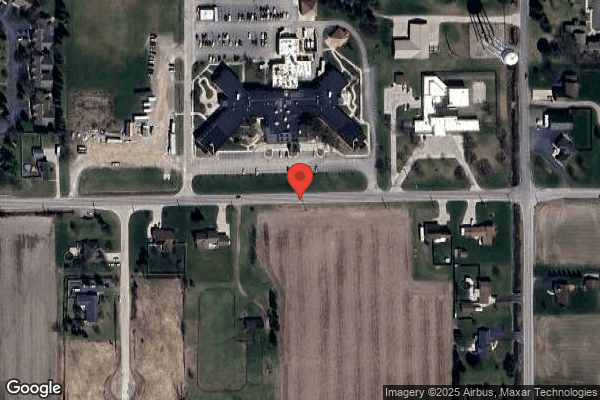
Understanding Severity Codes (click to expand)
Life-Threatening (Immediate Jeopardy)
J - Isolated K - Pattern L - Widespread
Actual Harm
G - Isolated H - Pattern I - Widespread
Potential for Harm
D - Isolated E - Pattern F - Widespread
No Harm (Minor)
A - Isolated B - Pattern C - Widespread

Questions to Ask on Your Visit

  • "What changes have you made since the serious inspection findings?"
  • "Can I speak with families of current residents?"
  • "What's your RN coverage like on weekends and overnight?"

Our Honest Assessment

Strengths
  • • 33% turnover. Below Michigan's 48% average. Good staff retention means consistent care.
Concerns
  • • Multiple safety concerns identified: 1 life-threatening violation(s), 5 harm violation(s), $278,579 in fines, Payment denial on record. Review inspection reports carefully.
  • • 29 deficiencies on record, including 1 critical (life-threatening) violation. These warrant careful review before choosing this facility.
  • • $278,579 in fines. Extremely high, among the most fined facilities in Michigan. Major compliance failures.
  • • Grade F (8/100). Below average facility with significant concerns.
Bottom line: Trust Score of 8/100 indicates significant concerns. Thoroughly evaluate alternatives.

About This Facility

What is Bay County Medical Care Facility's CMS Rating?

CMS assigns Bay County Medical Care Facility an overall rating of 3 out of 5 stars, which is considered average nationally. Within Michigan, this rating places the facility higher than 0% of the state's 100 nursing homes. This mid-range rating indicates the facility meets federal standards but may have areas for improvement.

How is Bay County Medical Care Facility Staffed?

CMS rates Bay County Medical Care Facility's staffing level at 5 out of 5 stars, which is much above average compared to other nursing homes. Staff turnover is 33%, compared to the Michigan average of 46%. This relatively stable workforce can support continuity of care.

What Have Inspectors Found at Bay County Medical Care Facility?

State health inspectors documented 29 deficiencies at Bay County Medical Care Facility during 2023 to 2025. These included: 1 Immediate Jeopardy (the most serious level, indicating potential for serious harm or death), 5 that caused actual resident harm, and 23 with potential for harm. Immediate Jeopardy findings are rare and represent the most serious regulatory concerns. They require immediate corrective action.

Who Owns and Operates Bay County Medical Care Facility?

Bay County Medical Care Facility is owned by a government entity. Government-operated facilities are typically run by state, county, or municipal agencies. The facility operates independently rather than as part of a larger chain. With 161 certified beds and approximately 84 residents (about 52% occupancy), it is a mid-sized facility located in Essexville, Michigan.

How Does Bay County Medical Care Facility Compare to Other Michigan Nursing Homes?

Compared to the 100 nursing homes in Michigan, Bay County Medical Care Facility's overall rating (3 stars) is below the state average of 3.1, staff turnover (33%) is significantly lower than the state average of 46%, and health inspection rating (3 stars) is at the national benchmark.

What Should Families Ask When Visiting Bay County Medical Care Facility?

Based on this facility's data, families visiting should ask: "What changes have been made since the serious inspection findings, and how are you preventing similar issues?" "Can I visit during a mealtime to observe dining assistance and food quality?" "How do you handle medical emergencies, and what is your hospital transfer rate?" "Can I speak with family members of current residents about their experience?" These questions are particularly relevant given the facility's Immediate Jeopardy citations.

Is Bay County Medical Care Facility Safe?

Based on CMS inspection data, Bay County Medical Care Facility has documented safety concerns. Inspectors have issued 1 Immediate Jeopardy citation (the most serious violation level indicating risk of serious injury or death). The facility has a 3-star overall rating and ranks #100 of 100 nursing homes in Michigan. Families considering this facility should ask detailed questions about what corrective actions have been taken since these incidents.

Do Nurses at Bay County Medical Care Facility Stick Around?

Bay County Medical Care Facility has a staff turnover rate of 33%, which is about average for Michigan nursing homes (state average: 46%). Moderate turnover is common in nursing homes, but families should still ask about staff tenure and how the facility maintains care continuity when employees leave.

Was Bay County Medical Care Facility Ever Fined?

Bay County Medical Care Facility has been fined $278,579 across 3 penalty actions. This is 7.8x the Michigan average of $35,865. Fines at this level are uncommon and typically indicate a pattern of serious deficiencies, repeated violations, or failure to correct problems promptly. CMS reserves penalties of this magnitude for facilities that pose significant, documented risk to resident health or safety. Families should request specific documentation of what issues led to these fines and what systemic changes have been implemented.

Is Bay County Medical Care Facility on Any Federal Watch List?

Bay County Medical Care Facility is not on any federal watch list. The most significant is the Special Focus Facility (SFF) program, which identifies the bottom 1% of nursing homes nationally based on persistent, serious quality problems. Not being on this list means the facility has avoided the pattern of deficiencies that triggers enhanced federal oversight. This is a positive indicator, though families should still review the facility's inspection history directly.