Wellspring Lutheran Services
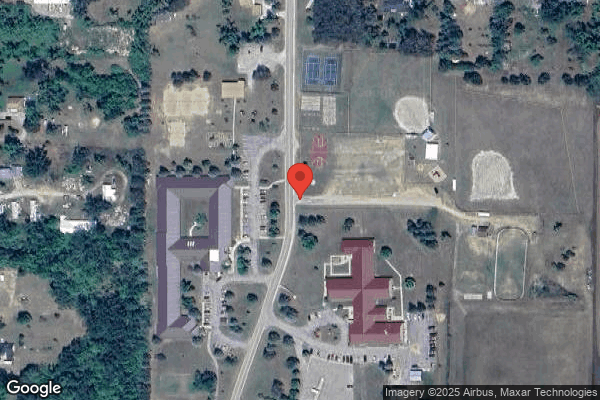
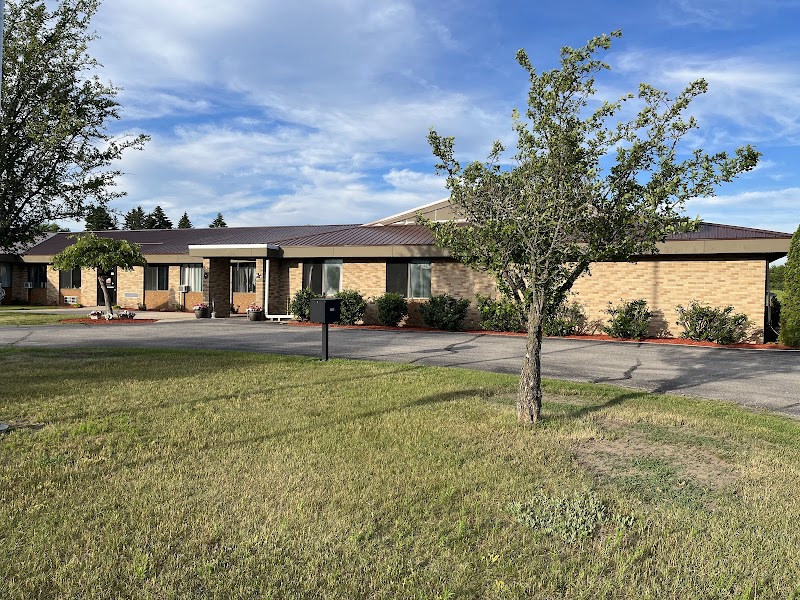
1390 Maple Drive, Fairview, MI 48621 (989) 848-2241
Non profit - Corporation 39 Beds Independent Data: November 2025
Trust Grade
85/100
#99 of 422 in MI
Last Inspection: July 2024

Within standard 12-15 month inspection cycle. Federal law requires annual inspections.

Overview

Wellspring Lutheran Services in Fairview, Michigan has a Trust Grade of B+, indicating it is above average and recommended for families considering care for their loved ones. It ranks #99 out of 422 nursing homes in Michigan, placing it in the top half of facilities statewide, and holds the top position of 1 out of 1 in Oscoda County. The facility is showing improvement, having reduced its issues from 4 in 2024 to just 1 in 2025. Staffing is rated at 4 out of 5 stars, which is good, but the turnover rate of 45% is average compared to the state average of 44%. Notably, there have been no fines recorded, which is a positive sign. However, there are some concerning incidents. For instance, one resident fell and sustained a skull fracture due to the facility's failure to revise their fall care plan. Additionally, there were lapses in wound care for other residents, including failure to use proper protective equipment and inadequate documentation. Lastly, there was an incident where medication was not properly administered for a resident, indicating a need for improvement in medication management. Overall, while Wellspring has strengths in its ratings and is trending positively, there are critical areas that need attention to ensure resident safety and care.
Trust Score
B+
85/100
In Michigan
#99/422
Top 23%
Safety Record
Moderate
Needs review
Inspections
Getting Better
4 → 1 violations
Staff Stability
○ Average
45% turnover. Near Michigan's 48% average. Typical for the industry.
Penalties
✓ Good
No fines on record. Clean compliance history, better than most Michigan facilities.
Skilled Nurses
✓ Good
Each resident gets 48 minutes of Registered Nurse (RN) attention daily — more than average for Michigan. RNs are trained to catch health problems early.
Violations
○ Average
6 deficiencies on record. Average for a facility this size. Mostly minor or procedural issues.
★★★★★
5.0
Overall Rating
★★★★☆
4.0
Staff Levels
★★★★★
5.0
Care Quality
★★★★☆
4.0
Inspection Score
Stable
2024: 4 issues
2025: 1 issues

The Good

  • 4-Star Staffing Rating · Above-average nurse staffing levels
  • 5-Star Quality Measures · Strong clinical quality outcomes
  • Full Sprinkler Coverage · Fire safety systems throughout facility
  • No fines on record
  • Staff turnover below average (45%)

    3 points below Michigan average of 48%

Facility shows strength in staffing levels, quality measures, fire safety.

The Bad

Staff Turnover: 45%

Near Michigan avg (46%)

Typical for the industry

The Ugly 6 deficiencies on record

1 actual harm
Feb 2025 1 deficiency 1 Harm
SERIOUS (G) 📢 Someone Reported This

A family member, employee, or ombudsman was alarmed enough to file a formal complaint

Actual Harm - a resident was hurt due to facility failures

Accident Prevention (Tag F0689)

A resident was harmed · This affected 1 resident

**NOTE- TERMS IN BRACKETS HAVE BEEN EDITED TO PROTECT CONFIDENTIALITY** Based on interview and record review, the facility failed to develop and implement interventions or revise the fall care plan fo...

Read full inspector narrative →
**NOTE- TERMS IN BRACKETS HAVE BEEN EDITED TO PROTECT CONFIDENTIALITY** Based on interview and record review, the facility failed to develop and implement interventions or revise the fall care plan for one Resident (#1) of three residents reviewed for falls. This deficient practice resulted in R1 falling who sustained a skull fracture with subdural hemorrhage. Findings include: Resident #1 (R1) R1 was admitted to the facility on [DATE]. R1 fell on [DATE], 10/14/24, 10/29/24, 11/3/24, 12/4/24, 12/11/24, 12/12/24, and 12/20/24. A nurse's progress note dated 12/20/24 at 11:34 p.m. documented R1 was found by staff on the floor of his room. The progress note indicated R1 was bleeding from a head injury. Emergency Medical Services (EMS) was contacted and R1 was sent to the hospital Emergency Department (ED). An ED record dated 12/21/24 documented R1 was diagnosed with a skull fracture with subdural hemorrhage (bleeding under the membrane covering the brain). The ED physician documented, in part: .there does appear to be new acute on chronic bleeding .CT imaging also did reveal a significant skull fracture. I spoke with trauma surgery at [hospital name redacted]. They recommend I talk to neurosurgery. I did have a lengthy discussion with the neurosurgeon stating he believes the patient has a poor outcome which we do agree with. He [the neurosurgeon] deems he [R1] is not a surgical candidate . R1 was discharged back to the facility on [DATE] to resume hospice services. A review of progress notes 12/22/24 and 12/23/24 revealed R1 experienced an overall decline in health condition including hypotension as reflected by blood pressure of 78/48 (documented 12/22/24), oxygen saturation levels of 57% (documented 12/23/24), and scant intake of food or fluids (documented 12/23/24). A hospice progress note dated 12/24/24 read, in part: [R1] is seen today for a routine nursing visit today. He suffered a fall with head injury the night of 12/20/24. Went to ER [Emergency Room], required stitches, CT showed new brain bleed and a skull fracture. [R1] was noted to be minimally responsive since . [R1] is placed on daily hospice nursing visits at this time. Progress notes dated 12/25/24 and 12/26/24 documented R1 became unable to safely swallow and experienced intermittent terminal (end of life) restlessness. The physician note dated 12/26/24 at 12:58 p.m. read, in part: .His intake is less than adequate to support life. Apneic breathing [temporary and involuntary cessation of respirations] 12 sec [seconds] apart . A hospice progress note dated 12/26/24 at 5:05 p.m. documented R1 was minimally responsive, pale and his bilateral lower extremities were mottled (discoloration due to slowed circulation and oxygen flow, typically indicative of approaching death). R1's heart rate was thready and irregular. The hospice note recorded R1 was experiencing terminal restlessness and was provided with Morphine (an opioid pain-relieving medication) and Ativan (an antianxiety medication) every four hours. On 12/29/24 at 2:08 p.m., the hospice nurse documented R1 was comatose and nonresponsive with 30-45 second periods of apnea. R1 was pronounced deceased on [DATE]. Review of R1's care plans revealed no new or revised interventions to minimize the risk of injury from a fall or to minimize the risk of fall recurrence after R1's falls on 12/11/24, 12/12/24, and 12/20/24. The Director of Nursing (DON) was interviewed on 2/6/25 at 12:31 p.m. The DON was asked what care plan modifications or interventions had the facility put in place for R1 after the falls on 12/11/24 and 12/12/24 to prevent or minimize the risk of extensive injury following the fall on 12/20/24. The DON said a medication regimen review (MRR) was completed after the fall on 12/11/24 to determine if medications were contributing to R1's falls. The DON said staff education on R1's fall interventions was completed in response to the fall on 12/12/24. When asked what interventions were implemented after the fall on 12/20/24, the DON said 30-minute checks were implemented when R1 returned from the hospital on [DATE]. A copy of the MRR, staff education, and documentation of 30-minute checks was requested. On 2/6/25 at 1:15 p.m., the DON provided a MRR dated 12/10/24. When asked why the Interdisciplinary Team (IDT) determined a MRR was indicated for the fall on 12/11/24 if a MRR was completed by the pharmacist the day prior to the fall, the DON responded she would have to review the IDT note. On 2/6/25 at 1:15 p.m., the DON provided a copy of a form Meeting Attendance Sign-In Sheet Nurses Meeting dated 12/12/24. The attendance form contained Certified Nurse Aide (CNA) names and signatures. A second form was provided dated 12/12/24 that read, in part: This is to inform everyone that room [ROOM NUMBER] (R1's name) is now 30-minute checks . The form was unsigned with no other documentation on the form. The DON was questioned regarding the date on the education form and was again asked when 30-minute visual checks were implemented for R1. The DON reiterated R1 was not placed on visual checks every 30 minutes until after the fall on 12/20/24 despite the education of staff on 12/12/24 to provide 30-minute visual checks. The DON said there was a discussion in the daily IDT meeting on 12/12/24 to provide education to remind staff to visually check R1 for safety. The DON explained R1 fell on the night of 12/20/24 which was a Friday, so the facility did not review the fall to develop an intervention until 12/23/24, a Monday. The DON said, On Monday [12/23/24] we talked in the morning meeting and decided he needed official 30-minute checks. The DON provided a CNA task report for the month of December 2024. The report documented 30-minute visual checks of R1 commencing 12/26/24. When asked for documentation prior to 12/26/24, the DON admitted 30-minute visual check documentation for R1 did not start until 12/26/24, six days after R1 fell and sustained the skull fracture. R1's care plan was reviewed with the DON. The DON confirmed none of the interventions she had conveyed for the falls on 12/11/24, 12/12/24, and 12/20/24 were on R1's care plan. There was no evidence the fall care plan was reviewed or modified after the falls on 12/11/24, 12/12/24, or 12/20/24. There were no interventions on the fall care plan for MRR, staff education, or visual checks every 30 minutes. When asked again what interventions were implemented or changes made to the plan of care after the falls on 12/11/24 and 12/12/24, the DON said, nothing. When asked if documentation of 30-minute checks commencing 12/26/24, at which time R1 was documented as being minimally responsive, was a timely and appropriate intervention, the DON said, No. The DON said, I can't disagree with you. I am disappointed. We have a problem with our falls [program]. The DON said fall prevention and management was scheduled as the facility's next QAPI (Quality Assurance Performance Improvement) project. The policy Resident Fall Occurrences dated as revised 4/2021 (no day provided on policy) read, in part: .The facility must implement process improvement systems to reduce the prevalence of falls and significant injury . Objectives: to minimize injurious resident incidents, to minimize repeat resident incidents .The licensed nurse documents . review of care plan and any new preventative measures initiated .The IDT then modifies and implements care plans and the treatment approach to minimize repeat incidents . The policy Fall Management Guidelines dated as revised 4/2023 read, in part: .The IDT will review/modify the plan of care to minimize repeat falls . The facility's undated Fall Management Algorithm directed staff to Update Fall Care Plan after a resident fall.
Jul 2024 3 deficiencies
CONCERN (D)

Potential for Harm - no one hurt, but risky conditions existed

Pressure Ulcer Prevention (Tag F0686)

Could have caused harm · This affected 1 resident

**NOTE- TERMS IN BRACKETS HAVE BEEN EDITED TO PROTECT CONFIDENTIALITY** Based on observation, interview, and record review the facility failed to 1) appropriately stage, 2) don personal protective equ...

Read full inspector narrative →
**NOTE- TERMS IN BRACKETS HAVE BEEN EDITED TO PROTECT CONFIDENTIALITY** Based on observation, interview, and record review the facility failed to 1) appropriately stage, 2) don personal protective equipment (PPE), 3) consult/involve physician for wound treatment, 4) provide aseptic wound care, 5) perform routine skin assessment, 6) provide accurate wound documentation and 7) implement interventions to prevent the development and worsening of a facility acquired pressure injury for two Residents (#2, #11) out of 2 residents reviewed for pressure ulcers. Findings include: Resident #2 (R2) Review of R2's medical record revealed admission to the facility on [DATE] with diagnoses including multiple sclerosis, diabetes mellitus, dependency on wheelchair, and major depression. Review of the 4/19/24 Minimum Data Set (MDS) assessment revealed she scored 9 out of 15 on the Brief Interview for Mental Status (BIMS) assessment indicating moderately impaired cognition. The MDS revealed she was at risk for pressure ulcer development and had no active/current pressure ulcers. On 7/9/24 at 8:15 AM, an observation was made of R2 in her room lying in her bed on her left side. R2 had a foam boarder dressing observed on the right posterior thigh. On 7/9/24 at 8:16 AM, an observation was made of Certified Nurse Aide (CNA) G and CNA F providing direct care to R2 in her room. CNA G and CNA F were changing linens and both CNAs and failed to don any personal protective equipment (PPE) such as gowns. On 7/9/24 at 8:17 AM, an interview was conducted with CNA G and was asked if she was required to wear a gown while providing direct care to R2 and replied, Not unless I am doing something with her catheter. CNA G was shown the sign hanging on the outer door of R2's room indicating R2 was on enhanced barrier precautions and if providing direct care such as changing linens then gloves and a gown were required to be worn by staff. On 7/9/24 at 8:18 AM, an interview was conducted with CNA F and was asked if she was required to wear a gown while providing direct care to R2 and replied, Oh gosh. I forgot. I should have been wearing a gown. On 7/9/24 at 1:00 PM, an observation was made of R2 sitting in her [brand name] specialized chair with flexible strapping surface, in the dining room, with her right hip directly up against the right side on her chair with a thin pad next to the arm of the chair. On 7/10/24 at 8:30 AM, an observation was made of R2 sitting in her [brand name] chair, in the TV room, with her right hip directly up against the right side on her chair with a thin pad next to the arm of the chair. Review of R2's physician order, dated 4/1/24, revealed Staff to wear gown and gloves (potentially additional PPE, if needed) during all high-contact resident care activities, prevention of transmission of multidrug-resistance organisms. Review of R2's physician order, dated 12/11/23, revealed Weekly skin sweep every day shift every Thu (Thursday). Review of R2's weekly skin assessment, dated 1/4/24, revealed alterations in skin integrity as follows: a.) Site: Left buttocks. Description: Chronic discoloration of the area, b.) Site: Other (specify). Description: Right arm - healing scratch, c.) Site: Abdomen. Description: Scratch to RLQ (right lower quadrant), d.) Site: Other (specify). Description: Healing bruise to RFA (right forearm), e.) Site: Right hand (back). Description: Fading bruise, f.) Site: Other (specify). Description: Fading bruise to L (left) wrist, g.) Site: Right toe(s). Description: MASD (moisture associated skin damage), and h.) Site: Chest. Description: Rt (right) chest blister, see TAR (treatment administration record). Review of R2's electronic medical record for weekly skin assessments from 1/4/24 through 7/4/24, revealed the lack of a weekly skin assessment on the following dates: 1/11/24, 2/1/24, 3/28/24, 4/11/24, 4/18/24, and 6/20/24. Review of physician order, dated 1/9/24, read in part, Skin prep to large fluid blister on right hip daily . Review of R2's weekly skin assessment, dated 1/18/24, revealed alterations in skin integrity as follows: a.) Site: Left buttocks. Description: Chronic discoloration of the area, b.) Site: Other (specify). Description: Right arm - healing scratch, c.) Site: Right iliac crest (front). Description: Blister, d.) Site: Other (specify). Description: Healing bruise to RFA (right forearm), e.) Site: Right toe(s). Description: MASD (moisture associated skin damage) between the great/2nd toes and 4th/5th toes. Blister to side of Great toe, and f.) Site: Chest. Description: Rt (right) chest blister, see TAR. Review of R2's wound assessment, dated 2/1/24, read in part, Wound type: Other. Site: Right trochanter (hip). Description: Open blister. Date of onset: 2/1/24. Depth in cm (centimeters): 0.2, wound measurements - length X width: 7.8 x 4.7, drainage: serosanguinous (blood and fluid mixed), drainage amount: light, wound edges: red .wound bed: granulation (new tissue), was care plan updated? Yes . Review of physician order, dated 2/1/24, read in part, Blister opened on right hip: skin prep peri (skin surrounding wound)-wound, apply calcium alginate ( wound dressing type) to wound bed, cover with comfort foam .every day shift every other day. Review of R2's wound assessment, dated 2/19/24, read in part, Wound type: Other. Site: Right trochanter (hip). Description: Open blister. Date of onset: 2/1/24. Depth in cm: 0.2, wound measurements - length X width: 6.6 x 4.3 cm, drainage: serosanguinous, drainage amount: light, wound edges: red .wound bed: granulation, was care plan updated? Yes . Review of progress note, dated 2/19/24, read in part, .Blister measured as 4.5 x 2.4 x 0.6 cm. Edges unattached to wound base, yellow slough covering > 75 % (percent) of wound bed. Foul smelling. Surrounding skin red and hyperpigmented . Review of R2's wound assessment, dated 2/26/24, read in part, Wound type: Other. Site: Right trochanter (hip). Description: Open blister. Date of onset: 2/1/24. Depth in cm: 0.2, wound measurements - length X width: 6.4 x 4.2, drainage: serosanguinous, drainage amount: light, wound edges: red .wound bed: granulation, was care plan updated? Yes .Comments: Blister opened. Light Review of progress note, dated 2/29/24, read in part, .performed wound care to right hip. Blister measured as 4.5 cm x 2.4 x 0.6 cm. Edges unattached to wound base, yellow slough covering > 75% of wound bed. Foul smelling. Surrounding skin red and hyperpigmented . Review of R2's wound assessment, dated 3/4/24, read in part, Wound type: Other. Site: Right trochanter (hip). Description: Open blister. Date of onset: 2/1/24. Depth in cm: 0.2, wound measurements - length X width: 6 x 4.1, drainage: serosanguinous, drainage amount: light, wound edges: red .wound bed: slough, was care plan updated? Yes . Review of physician order, dated 3/6/24, read in part, Blister opened on right hip: skin prep peri-wound, apply Santyl (wound debriding agent) to wound bed, cover with comfort foam .every day shift day. Review of progress note, dated 3/7/24, read in part, .performed wound care to right hip. Decreased odor this week .applied Santyl to wound bed - nickel thick, covered with comfort foam . Review of progress note, dated 3/14/24, read in part, .Wound care to right hip performed. Dimensions 5 x 2.5 x 0.4 cm. Coordinated with facility nurse .update on wound care performed and wound assessment . Review of progress note, dated 4/4/24, read in part, .All skin assessed and discussed with facility wound care nurse .purple discoloration of right trochanter, open wound on right iliac crest being treated .dimensions (4.5 x 2.5 x 0.3 cm) . Review of physician order, dated 4/8/24, read in part, Blister opened on right hip: skin prep peri-wound, apply iodosorb [dressing containing iodine] to wound bed, cover with comfort foam .every day shift day. Review of progress note, dated 4/11/24, read in part, .Right hip wound assessed. Secondary dressing from 4/10/24 saturated with drainage. Wound care to right hip performed. Dimensions 4.75 x 2.75 x 0.4 cm . Review of progress note, dated 4/17/24, read in part, .Blood glucose 517 . Review of progress note, dated 4/18/24, read in part, .Blood glucose 499 .obtain a .wound culture from Rt (right) hip and coccyx. After culture is completed, start resident on ciprofloxacin [antibiotic] 500 BID (two times daily) x 14 days . Review of progress note, dated 4/19/24, read in part, .Called to .verify antibiotic order and the order in the MAR (medication administration record) for cefalexin [antibiotic] 500 mg BID x 14 days in the correct order. Also notified that unable to obtain wound culture as wound bed is slough . Review of physician order, dated 4/19/24, read in part, Blister opened on right hip: skin prep peri-wound, apply Santyl (nickel thickness) to wound bed, cover with comfort foam .every day shift day. Review of physician progress note, dated 4/23/24, read in part, Patient is seen for wound to right hip, continues ATB (antibiotic) at this time . Review of progress note, dated 4/25/24, read in part, .She continues to have elevated blood sugars despite insulin changes. Facility nurses unable to obtain previously ordered wound culture as wound base is covered in slough .10 units insulin aspart (short acting insulin) administered x 1 at 12:33 PM for BS (blood sugar) = 479 by facility nurse. Recheck at 4:23 PM, BS = 472 . Review of progress note, dated 4/29/24 at 12:46 PM, read in part, Resident continues on ABT r/t (related to) wound infection. Upon assessment .Hypotensive (below normal blood pressure) with elevated HR (heart rate). Resident fatigued and declined am (morning) meal .concern for suspected sepsis r/t wound infection .order to hospital for further evaluation . Review of progress note, dated 4/29/24 at 9:23 PM, read in part, Resident returned from hospital emergency room visit .they gave her fluids and antihistamines and suggested we discontinue the cefalexin . Review of physician order, dated 4/29/24, read in part, Blister opened on right hip: cleanse wound with Dakin's [bleach preparation for wounds] solution, skin prep peri-wound, apply Santyl (nickel thickness) to wound bed, cover with comfort foam .every day shift. Current wound care physician order, dated 5/28/24, read in part, Blister opened on right hip: cleanse wound with Dakin solution, skin prep peri-wound, pack wound with calcium alginate, cover with comfort foam .every day shift. Review of progress note, dated 6/13/24, read in part, .Wound care performed to right trochanter .wound base, dimensions and surrounding skin 3.4 x 2.5 x 1.3 cm . Review of progress note, dated 6/27/24, read in part, .has a chronic stage 3 PI (pressure injury) to her right trochanter . Review of physician notes, dated 1/31/24 through 7/10/24, revealed one physician note regarding R2's pressure injury on 4/23/24 and lacked any other notes. Review of R2's care plan, dated 5/1/2019, read in part, .Focus: I have a history of an alteration in my skin integrity .Goal: I will remain free from infection and areas will heal by next review (target date: 7/19/24) .Interventions .I have an air mattress on my bed to prevent skin breakdown while in bed (date initiated: 12/28/23). I need a weekly skin assessment to be completed by nurse (revision on: 6/6/18) . *Note: Most recent intervention last dated 12/28/23. On 7/10/24 at 12:15 PM, an observation was made of Registered Nurse (RN) C providing wound dressing change on R2's right lateral thigh area in her room. R2's pressure injury was a stage two with a granulated wound bed, and measured 2.2 x 2.1 x 0.9 cm. On 7/10/24 at approximately 3:00 PM, and interview was conducted with Occupational Therapist (OT) R and was asked if R2 had been re-evaluated by therapy for her [brand name] chair after acquiring the pressure injury on her right hip and replied, No. We were never told she had a new pressure injury. I was aware she had a sore on her coccyx. R2 should be assessed with a new pressure injury and I will have to get that approved now that she is on Hospice. On 7/10/24 at 5:00 PM, an interview was conducted with the Nursing Home Administrator/Director of Nursing (NHA/DON) and was asked about R2's pressure injury and replied, We did some research and thought it was a bullous pemphigoid (autoimmune blistering disorder) and asked the physician for a diagnosis because of the blister she developed, but he declined to give us the diagnosis. The NHA/DON was asked if the physician had seen R2's pressure injury initially and replied, I did go back in the notes and look, and he did observe it on 4/23/24 when he was here. He did not observe R2's pressure injury prior to that date. The NHA/DON confirmed no other physician notes were noted for R2's pressure injury. The NHA/DON was asked who determines and over sees the wound care treatment order decisions and replied, R2's wound care is a collaboration between our wound care nurse, the hospice nurse, and the physician. *Note: Progress notes for R2 lacked initial wound identification and physician notification. On 7/10/24 at 5:15 PM, an attempt was made to contact the medical director via telephone and no answer was made. On 7/10/24 at 5:16 PM, an attempt was made to contact the nurse practitioner via telephone and no answer was made. On 7/10/24 at 5:35 PM, an attempt was made to contact the hospice nurse via telephone and no answer was made. On 7/10/24 at 5:44 PM, an interview was conducted with hospice RN S and was asked about R2's wound and the care she provides and replied, I come to the facility to provide care to R2 and usually when I am here, I do the dressing change and assess her skin. RN S was asked if she was wound care certified and replied, No. RN S was asked if she communicated with the physician regarding wound care orders and replied, I discuss R2's wound needs with the facility wound care nurse and they discuss wound needs with the physician. RN S was asked to describe R2's wound initially and currently and replied, Well R2 was admitted to hospice services on 1/12/24. I do not see any wounds in the admitting notes. The first time the blister presented was 2/1/24, but after it opened up it had gotten much deeper than we anticipated. I think there was a pressure element. In my charting we discussed it with the wound nurse of the facility. It was open on a bony prominence, and we (hospice nurse and facility wound care nurse) staged it deeper stage two. On 4/15/24 is when I said that it had evolved to a stage two and at that time, we changed the order to Santyl. There was slough in the wound bed and we debrided the wound. R2 also has a super pubic catheter, and it was intermittently leaking. I think that is how the wound got infected, but she is also incontinent of stool. Her blood sugars were out of control. That wound looked yucky. She did get antibiotics. RN S was asked if the medical director had seen R2's wound and replied, I can give you dates when he did. I have it in my notes. It was either right before 4/20/24 or right after that. I can't find the exact date. I remember he wanted a wound culture, but we could not get a wound culture because the wound bed was all slough. Review of policy titled, Skin Management Facility Guidelines, dated January 2022, read in part, .Documentation should include: Location and staging of ulcer .The licensed nurse will complete a weekly skin assessment . Review of policy titled, Pressure Ulcer Preventive Measures Policy, dated January 2022, read in part, .Residents at risk for development of pressure ulcers receive interventions to reduce the risk of pressure ulcers .Residents identified at risk for pressure sore development will be inspected weekly for skin integrity .Documentation: On the care plan, document approaches and interventions to prevent pressure ulcers. Review of policy titled, Pressure Ulcer Treatment Policy, dated January 2022, read in part, .Resident with pressure ulcers receive necessary treatment and services to promote healing, prevent infection and reduce the likelihood of new ulcers developing .Contact the physician for treatment orders .Do not clean ulcer wound with cytotoxic [solutions causing tissue damage] skin cleaners or antiseptic agents (e.g. povidone iodine, iodophor, sodium hypochlorite solution [Dakin's solution] .protect pressure ulcers from exogenous sources of contamination (e.g. feces) .Documentation: 1. In the nurses notes, record periodically: Results of interventions, care being rendered, and adjustments to interventions. 2. Care plan: Who should provide care, how often, supplies and equipment needed, and how the care is undertaken . R 11 Review of R11's MDS assessment, dated 6/25/24, revealed R11 was admitted to the facility on [DATE] with diagnoses including cancer, heart failure, and on hospice care. The assessment revealed R11 was dependent for toileting and transfers and was frequently incontinent of bladder and bowel. The skin assessment showed R11 was admitted to the facility with two pressure injuries, one Stage 2 pressure ulcer, and one SDTI (Suspected Deep Tissue Injury). The BIMS assessment revealed a score of 11/15, which showed R11 had moderate cognitive impairment. During an interview on 7/08/24, it was confirmed by a facility wound care nurse, RN C, R11 was admitted with two pressure ulcers, a Stage 2 pressure ulcer on his buttocks, and a DTI (Deep Tissue Injury) on his left heel. RN C reported R11's wound on his buttocks was improving, and the DTI on his left heel remained unchanged, and clarified neither wound had signs of infection. RN C stated R11 wore pressure relieving boots on his bilateral heels to offload his heels and had an air mattress on his bed and chair. During an interview on 7/09/24 at 1:45 p.m., a second wound care nurse, RN B, was observed setting up supplies to treat R11's left heel wound (DTI) outside his room. RN B initially set up R11's wound care supplies on a treatment cart, which included a heel soaker pad, a waterproof foam heel cover in a plastic sleeve, saline wash, gauze pads, skin prep wipes, [brand name] bandage wrap, tape, and a paper measurement ruler. During an interview on 7/09/24 at approximately 1:49 p.m., R11 and his wife both agreed to the wound treatment, and for this Surveyor to observe the treatment by RN B of his left heel wound. During the observation on 7/09/24 at approximately 2:00 p.m., RN B was observed performing hand hygiene, donning gloves, and placed R 11's treatment supplies on his bedside table on two small brown paper towels from his bathroom. The bedside table was not sanitized prior to the observation, and contained a television remote, water container, and a pair of glasses next to the two paper towels of supplies. RN B next moved R11's wastebasket with clean gloved hands next to the bed and began removing R11's blanket from his lower bed and reached to remove R11's left pressure relieving boot. Surveyor asked RN B to stop briefly and privately let them know there was the potential for cross contamination by touching R11's bedding and heel boot prior to completing wound care after they had touched the wastebasket. RN B reported they understood the concern and removed their contaminated gloves, performed hand hygiene, and donned new gloves. RN B completed R11's wound care per physician orders and next removed the soiled supplies and garbage bags, while at the same time picking up a sealed, clean foam heel cup bandage with the same hand which touched the garbage and prepared to leave the room. Surveyor stopped RN B and noted they touched the unused clean heel cover pad clear plastic sheath and were cross contaminating the package as they were removing it from the room. RN B asked if she should put it back in the wound care cart, or leave it in R11's room, since it was dirty, and asked questions regarding how to prevent cross contamination from dirty to clean during wound care. It was also noted after the wound care treatment, RN B removed the two paper towels from R11's table and cleaned the table with water and a paper towel. Surveyor asked if this was a proper way to disinfect R11's table, and RN B stated, No. RN B returned and wiped R11's table with bleach wipes. During the observation, there were no further concerns observed during R11's wound care provision by RN B. The wound observation revealed a small dime-sized oval shaped closed wound on back of R11's heel, which was closed and purple and yellow in color, with irregular borders. There were no signs of infection or odor. R11 verbalized no pain or discomfort during the wound care treatment. After the observation, RN B acknowledged they understood all the concerns and stated this was a learning experience as they were newly wound care certified. RN B reported they did not have a supervisor or anyone providing oversight if they had questions, as they oversaw wound care in the facility along with RN C. During an interview on 7/09/24 at approximately 4:10 p.m., the Assistant Director of Nursing (ADON), RN A, was asked with RN B present if they were RN B's supervisor, and if they had been aware of the observed wound care infection control concerns related to RN B's provision of R11's wound care. ADON A clarified they were the Infection Preventionist nurse, and had been made aware of the infection control concerns by RN B on 7/09/24, and could address the concerns. ADON A reported they understood the concerns regarding the improper barrier, touching the wastebasket prior to wound care, not changing gloves from dirty to clean, and not cleaning R11's bedside table properly. ADON A explained the unused heel cup package was able to be sanitized without compromising the integrity of the heel protector bandage once it was contaminated by the dirty gloves. ADON A conveyed they would ensure use of a proper barrier for wound care and proper glove changes when indicated for facility wound care going forward. RN B reported their measurements on 7/09/24 showed the left heel wound was improving, which was confirmed in the facility wound care documentation. During an interview on 7/10/24 at approximately 6:00 p.m., the NHA/DON reported they had been made aware of the concerns related to infection control regarding the provision of wound care for R11 and acknowledged the concerns. Review of the policies received related to Pressure Ulcer Care and Skin Management did not include a procedure or process related to the provision of wound care infection control measures. Review of the CDC (Centers for Disease Control), Infection Control Assessment and Response (ICAR) tool for General Infection Prevention and Control (IPC) Across Settings, dated 1/27/23, revealed, Section 3: Observation Form - Wound Care: Observation 1: Prior to the start of the procedure, are clean supplies gathered and placed on a clean source in the room? Yes or No. Maintain separation between clean and soiled equipment to prevent cross-contamination Observation 7: Are gloves changed and hand hygiene performed when moving from dirty to clean tasks? Yes or No. Use an alcohol-based hand rub or wash with soap and water for the following clinical indications .e. Before moving from on a soiled body site to a clean body site on the same patient. f. Immediately after glove removal . Observation 8: Does HCP [Health Care Practitioner] maintain separation between clean and dirty supplies? Yes or No. Maintain separation between clean and soiled equipment to prevent cross contamination .During the procedure, separation should be maintained between clean and dirty supplies . Observation 11: What happens to any unused disposable supplies that entered the patient/resident care area? Discarded, returned to clean supply cart or storage for use on another patient/resident, Labeled and dedicated to the patient/resident and stored in a manner to prevent cross-contamination, e.g. in the patient/resident room .Maintain separation between clean and soiled equipment to prevent cross contamination. Any unused disposable supplies that enter the patient/resident's care area should remain dedicated to the patient/resident or be discarded. They should not be returned to the clean supply area. If supplies are dedicated to an individual patient/resident they should be properly labeled and store in a manner to prevent cross-contamination or use on another patient/resident (e.g. in a designated cabinet in the patient/resident's room.). Observation 12: Are potentially contaminated surfaces cleaned and disinfected after wound care activities are completed? Yes or No. 1. Require routine and targeted cleaning of environmental services as indicated by the level of patient contact and degrees of soiling. a. Clean and disinfect surfaces in close proximity to the patient and frequently touched surfaces in the patient care environment on a more frequent schedule compared to other surfaces. b. Promptly clean and decontaminate spills of blood or other potentially infectious materials. 2. Select EPA-registered disinfectants that have microbiocidal activity against the pathogen most likely to contaminate the patient care environment. 3. Follow the manufacturer's instructions for proper use and disinfecting products .
CONCERN (D)

Potential for Harm - no one hurt, but risky conditions existed

Pharmacy Services (Tag F0755)

Could have caused harm · This affected 1 resident

Based on observation, interview, and record review the facility failed to ensure that medication was administered appropriately, reconciled correctly, documented appropriately, and stored appropriatel...

Read full inspector narrative →
Based on observation, interview, and record review the facility failed to ensure that medication was administered appropriately, reconciled correctly, documented appropriately, and stored appropriately for one Resident (#20) out of 30 residents reviewed for pharmacy services. Findings include: Resident #20 (R20) On 7/9/24 at 9:25 AM, an observation was made of an unattended medication cup with two pills on top of R20's bedside table. R20 was not in her room at this time. This surveyor attempted to get the nurse working on the hall to bring this observation to their attention and conduct an interview, but they were unable to be located. On 7/9/24 at 9:28 AM, an interview was conducted with Registered Nurse D and was asked if they had seen RN H and replied, (RN H) is with another resident drawing blood for labs. On 7/9/24 at 9:30 AM, an interview was conducted with the Nursing Home Administrator/Director of Nursing (NHA/DON) and was asked to accompany this Surveyor to R20's room. The NHA/DON was directed to R20's room and the unattended medication cup. The Surveyor and the NHA/DON returned to her office and identified the two medications to be trazadone (antidepressant) 50 milligrams (mg) and cyclobenzaprine (muscle relaxant) 10 mg. The NHA/DON reviewed the Medication Administration Record (MAR) and trazadone was ordered to be given at 8:00 PM and the cyclobenzaprine was ordered as an as needed medication. The NHA/DON then stated that it must have been the night shift nurse yesterday evening (7/8/24) that left them in R20's room. Review of R20's MAR, dated July 2024, revealed that the last time the cyclobenzaprine was administered was on 7/7/24 at 8:13 AM. Review of R20's care plan, dated 7/2/24, lacked any care plan/desire to self-administer medications. Review of R20's physician orders, lacked an order to self-administer medications. Review of R20's progress notes, dated 7/8/24 through 7/9/24, lacked any documentation of a medication reconciliation for cyclobenzaprine by LPN E. Review of R20's MAR, dated July 2024, indicated the cyclobenzaprine was administered by LPN E on 7/8/24 at approximately 8:00 PM. On 7/9/24 at 9:38 AM, the NHA/DON and this Surveyor interviewed RN H regarding her morning medication pass. RN H replied that she did not give R20 a cyclobenzaprine and she had passed morning medication to R20 in her room. RN H stated that she did not see the medication cup on R20's bedside with the two pills in it during the time she was in R20's room performing morning medication pass. On 7/9/24 at approximately 10:30 AM, an interview was conducted with the NHA/DON and was asked if R20 had a safe self-administration medication assessment and replied, No. The NHA/DON was asked if medications should be left unattended at the bedside where other wandering residents had access and replied, No. The NHA/DON was asked to confirm that Licensed Practical Nurse (LPN) E had actually been the last nurse to dispense the medications to R20 on the evening of 7/8/24 and confirmed she would follow up with LPN E. On 7/10/24 at 9:00 AM, an interview was conducted with the NHA/DON and was asked if she was able to follow up with LPN E and replied, Yes. I came in at 5:30 AM today and asked her about the medications that were left in R20's room. The NHA/DON stated that LPN E had dispensed the two medications at approximately 8:00 PM on 7/8/24. LPN E initially dropped the cyclobenzaprine and had to dispense a second cyclobenzaprine, and then proceeded to R20's room to dispense both medications (trazadone and the cyclobenzaprine). After LPN E entered R20's room she heard another resident calling out for help and told R20 she would be right back and set the medications on her bedside table. LPN E then proceeded to assist a coworker in the resident's room that was calling out for help. When LPN E had finished assisting her coworker and the resident in another room she returned to her medication cart. LPN E had forgotten all about leaving R20 with the medication. The NHA/DON then stated that the medications should not have been left with R20 unattended, medication should have been signed out correctly, and reconciliation of the dropped medication should have been documented. Review of policy titled, Self-Administration of Medication, dated November 2017, read in part, .If a resident desires to participate in self-administration, the interdisciplinary team will assess the competence of the resident to participate, by completing a self-administration of medication assessment . Review of policy titled, Medication Pass Guidelines, dated September 2023, read in part, Purpose: To assure the most complete and accurate implementation of physicians' medication orders and to optimize drug therapy for each resident by providing the administration of drugs in an accurate, safe, timely, and sanitary manner and to systemically distribute medications to residents in accordance with state and federal guidelines .Self-Administration - Residents are allowed to self-administer medications if deemed appropriate after being assessed by the Interdisciplinary Team and specifically authorized by the attending physician and in accordance with the guideline for self-administration of medication .Procedure .6. Observe that the resident swallows oral drugs. Do not leave medications with the resident to self-administer unless the resident is approved for self-administration of medication .Documentation: Record the name, dose, route, and time of medication on the Medication Administration Record .
CONCERN (D)

Potential for Harm - no one hurt, but risky conditions existed

Unnecessary Medications (Tag F0759)

Could have caused harm · This affected 1 resident

Based on observation, interview, and record review the facility failed to administer 6 of 32 medications accurately to two residents (#11 and #14) during medication pass, resulting in a medication err...

Read full inspector narrative →
Based on observation, interview, and record review the facility failed to administer 6 of 32 medications accurately to two residents (#11 and #14) during medication pass, resulting in a medication error rate of 18.75%. Findings include: Resident #14 (R14) During observation of medication administration on 7/9/24 at approximately 7:36 AM, Registered Nurse (RN) D dispensed five medications into medication cups for R14 and took them into R14's room. She proceeded to set them down next to R14's empty breakfast tray, stating she would take the tray and leave the medications. RN D proceeded to walk out and close the resident's door, prior to observing R14 taking her medications. Upon return to the medication cart, an interview was conducted with RN D asking if she often left medication with R14. RN D hesitated sighed, bowed her head and said No. On 7/9/24 at 7:55 AM, during a follow-up interview, R14 stated this was a daily occurrence. Review of the facility's Medication Pass Guidelines policy under procedure, number 6, read as follows: Observe that the resident swallows oral drugs. Do not leave medications with resident to self-administer unless the resident is approved for self-administration of the medication. On 7/9/24 at 9:37 AM, during an interview and record review, the Director of Nursing (DON) reviewed the EMR for R14 and confirmed R14 had not been approved for self-administration. Resident #11 (R11) On 7/9/24 RN D was observed donning a N95 mask to go into room where an aerosol medication had been dispensed per sign on door. RN D did not have a stethoscope to assess R11 post aerosol treatment. While conducting an interview with RN D post exiting R11's room, RN D stated she should assess R11 lungs prior to and after administering the aerosol medication. RN D acknowledged that she had not. Review of the facility's Nebulizer Therapy policy under procedure, number 15 read as follows: Assess therapy for efficacy by: Periodic observation of the amount and color of sputum produced during and immediately after a treatment. Monitoring the resident for adverse reactions such as tachycardia, sudden bronchospasm, nausea, and vomiting. Breath sounds before and after therapy. RN D did not complete number 15 of the Nebulizer Therapy policy.
May 2024 1 deficiency
CONCERN (D) 📢 Someone Reported This

A family member, employee, or ombudsman was alarmed enough to file a formal complaint

Potential for Harm - no one hurt, but risky conditions existed

Accident Prevention (Tag F0689)

Could have caused harm · This affected 1 resident

**NOTE- TERMS IN BRACKETS HAVE BEEN EDITED TO PROTECT CONFIDENTIALITY** Based on interview, and record review the facility failed to provide adequate supervision to prevent one Resident (R1) of four R...

Read full inspector narrative →
**NOTE- TERMS IN BRACKETS HAVE BEEN EDITED TO PROTECT CONFIDENTIALITY** Based on interview, and record review the facility failed to provide adequate supervision to prevent one Resident (R1) of four Residents reviewed for resident-to-resident incidents from initiating an altercation. Findings include: This citation pertains to intake #MI00139599. Review of intake #MI00139599's Incident Summary, dated 8/17/23, read in part, .At time of incident, it was reported to Administrator that Resident 1 [R1] was swinging a coffee mug at Resident 2 [R2] with potential contact .Cameras were reviewed at that time, and it was determined that a resident-to-resident altercation did occur . Review of intake #MI00139599's Investigation Summary, dated 8/23/23, read in part, On 8/16/23 at 16:52 [4:52 PM] [staff name], RN D [registered nurse] notified Administrator of incident involving R1 and R2 at 16:38 [4:38 PM] . CNA E [certified nurse aide] observed R1 swinging coffee cup at R2 with possible contact. R2 was observed to have coffee on his face and shirt . R1 was interviewed by licensed bachelor social worker LBSW B on 8/17/23 at 07:45 [7:45 AM]. R1 stated that he was trying to get through Hall 3 when he noted a resident blocking the way. He voiced that he assisted the resident to move the wheelchair, so he could get by and then moved past R2, when R2 grabbed his left arm and would not let go. He denied calling out for staff and voiced 'I told him to let go or I would hit him. He did not let go, instead he was getting worse.' . 'I swung at him with my coffee mug.' . Administrator . and Social Worker . reviewed camera footage at time of incident . R1 was observed approaching the nurses' station and was unable to continue locomotion due to position of wheelchairs. R1 is seen attempting to move back R2 wheelchair. R1 then proceeds to attempt to get through opening and makes contact with R2 chair three times. He is then able to advance in front of R2 . then reaches forward for R1 left arm. R1 then proceeds to swing his coffee cup at R2 eleven times. R2 is attempting to block strikes using his left arm before CNA E intervenes and separates residents . Review of R1's census, revealed an original admission on [DATE] into the facility and discharged on 10/16/2023 from the facility. Review of R1's progress note, dated 8/16/23 at 4:38 PM, read in part, CNA alerted the nurse of a possible altercation between two residents . Review of R1's care plan, dated 12/05/2022, read in part, . Focus: I have an ADL [activities of daily living] Self Care Performance Deficit r/t [related to] Hemiplegia (paralysis of one side of the body) . Interventions . Mobility - I use a w/c [wheelchair] as my main source of locomotion and am able to propel myself short distances. Staff assist me as needed with reaching my desired location . Review of camera footage with the Nursing Home Administrator (NHA), dated 8/16/23, revealed seven residents sitting in chairs and wheelchairs all around the nurses' station and three staff in the area just prior to the altercation between R1 and R2 and then staff exiting the area where all residents were left unattended. R2 is seen sitting to the left of Hall 3 next to the nurses' station and an unidentified resident sitting on the right of Hall 3 blocking the entrance to Hall 3. R1 is seen attempting to move the unidentified resident to the right of Hall 3 without success and then moves toward R2 and attempts to move him out of the way. After R1 bumps into R2 three times he could proceed forward and turns in front of R2 when R2 reaches out and grabs R1's left arm. R1 is observed swinging his coffee mug at R2 and hits him in the left arm and the left side of his face and continues to swing eleven times. Staff then enters the nurses' station area and then separates both residents. Review of witness statement by CNA E, dated 8/17/23, read in part, . Before dinner I was in the equipment room when I heard a resident yell out, Don't do that! I ran out of the room to see R1 raising his coffee cup up towards R2 who was facing in my direction. I was not able to get in between them in time when R1 cup looked as if it contacted R2 left cheek . Review of witness statement by RN C, dated 8/17/23, read in part, I was in the equipment with CNA E. CNA E was in the doorway and opened it because we heard a louder voice, she then said, 'R2 and R1 are fighting .' Review of witness statement by RN D, dated 8/17/23, read in part, I was in room [ROOM NUMBER] when I heard, [CNA E] yell out my name. I came out of room [ROOM NUMBER] . I noticed R2 had coffee on his shirt and hair. CNA E told me that she seen R1 with his coffee cup up in the air towards R2 . On 5/30/24 at 10:50 AM, an interview was conducted with the NHA, and she was asked if the area around the nurses' station had not been congested if the resident-to-resident altercation would have taken place and replied, No. I have not had any concerns between the two residents until the altercation. The NHA was asked if she felt any of the three staff members that were present at the nurses' station prior to the resident-to-resident altercation should have been supervising the residents and replied, Yes. The NHA was asked if any of the three staff members should have been aware of the congestion at Hall 3 and replied, I guess not. We recognized that activities had just gotten out and they added more residents to the area. Other staff were parking wheelchaired residents in that same area getting them ready to go to the dining room for dinner. Since the incident we have made some changes. On 5/30/24 at 11:12 AM, an interview was conducted with RN D, and she was asked to confirm her witness statement. RN D confirmed her witness statement. RN D stated, I felt like R1 was excessive with his reaction and he could have waited for staff to assist moving other residents out of his way. R1 was aware of what he was doing, and his actions were wrong. After he tried to leave as soon as he could, and I felt he knew he did something wrong and was trying to get away from the situation. Review of policy titled, Safety Interventions, dated April, 2021, read in part, Policy .Safety interventions can also be used to help prevent serious injury .Supervision/Adequate Supervision refers to an intervention and means of mitigating the risk of an accident. Facilities are obligated to provide adequate supervision to prevent accidents .
Aug 2023 1 deficiency
MINOR (C)

Minor Issue - procedural, no safety impact

Infection Control (Tag F0880)

Minor procedural issue · This affected most or all residents

Based on interview and record review, the facility failed to develop a comprehensive Water Management Plan (WMP) to address the control and spread of Legionella bacteria in the facility water system. ...

Read full inspector narrative →
Based on interview and record review, the facility failed to develop a comprehensive Water Management Plan (WMP) to address the control and spread of Legionella bacteria in the facility water system. The failure to develop and implement a comprehensive Water Management Plan has the potential for the proliferation and transmission of Legionella in the circulating water of the building and the spread of Legionella infections in all 35 residents. Findings include: On 8/1/23 at 2:00 PM, an interview with Maintenance Director (MD)/ Staff A was conducted to review the facility's WMP for the control of Legionella in the water supply system. Staff A produced a document: Administrative Policy Manual: Water Management Program Dated with Revision Date: April 2019. Staff A stated We are flushing. Staff A stated he was not aware of any Water Management Plan which included parameters and critical limits to be monitored and documented. On 8/2/22 at 9:45 AM, an interview was conducted with the Nursing Home Administrator (NHA) and Staff A, at which time they were informed of the lack of a Water Management Plan. The NHA presented the same document as above, with a revision date of February 2023. No changes were noted between the two documents. The NHA acknowledged she was not aware of any specific assessment, plan or interventions being implemented to reduce the risk of Legionella in the water supply. The following components were absent from the facility WMP: A. Designation of a Water Management Team (WMT). B. An assessment of the facility's water system to identify risk locations. C. Identification of control points where effective mitigation measures can used. D. Identification of set critical limits related to the risk areas identified and which can be controlled. E. Identification of defined control measures and locations related to risk and the critical limits which are set. F. Implementation of regular scheduled mitigation program. G. An evaluation process to determine how the WMP is functioning.
Understanding Severity Codes (click to expand)
Life-Threatening (Immediate Jeopardy)
J - Isolated K - Pattern L - Widespread
Actual Harm
G - Isolated H - Pattern I - Widespread
Potential for Harm
D - Isolated E - Pattern F - Widespread
No Harm (Minor)
A - Isolated B - Pattern C - Widespread

Questions to Ask on Your Visit

  • "Can I speak with families of current residents?"
  • "What's your RN coverage like on weekends and overnight?"

Our Honest Assessment

Strengths
  • • Grade B+ (85/100). Above average facility, better than most options in Michigan.
  • • No fines on record. Clean compliance history, better than most Michigan facilities.
  • • 45% turnover. Below Michigan's 48% average. Good staff retention means consistent care.
Concerns
  • • 6 deficiencies on record, including 1 serious (caused harm) violation. Ask about corrective actions taken.
Bottom line: Generally positive indicators. Standard due diligence and a personal visit recommended.

About This Facility

What is Wellspring Lutheran Services's CMS Rating?

CMS assigns Wellspring Lutheran Services an overall rating of 5 out of 5 stars, which is considered much above average nationally. Within Michigan, this rating places the facility higher than 99% of the state's 100 nursing homes. This rating reflects solid performance across the metrics CMS uses to evaluate nursing home quality.
How is Wellspring Lutheran Services Staffed?
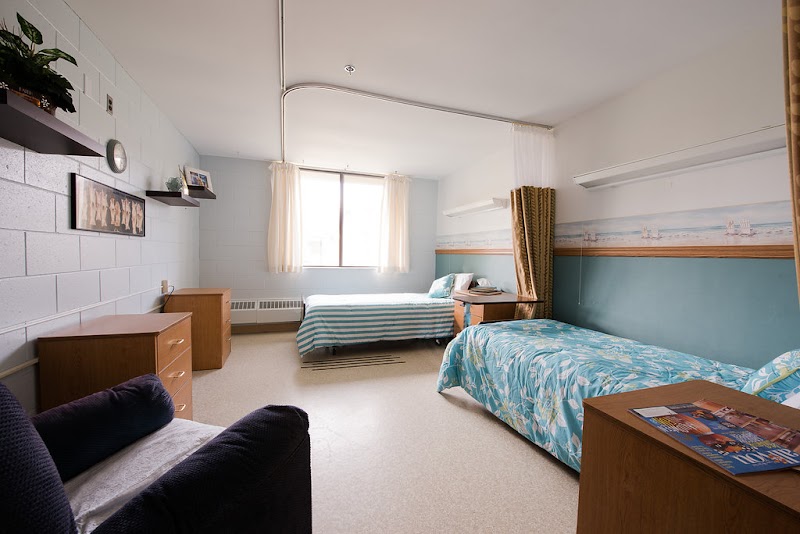
CMS rates Wellspring Lutheran Services's staffing level at 4 out of 5 stars, which is above average compared to other nursing homes. Staff turnover is 45%, compared to the Michigan average of 46%. This relatively stable workforce can support continuity of care.

What Have Inspectors Found at Wellspring Lutheran Services?

State health inspectors documented 6 deficiencies at Wellspring Lutheran Services during 2023 to 2025. These included: 1 that caused actual resident harm, 4 with potential for harm, and 1 minor or isolated issues. Deficiencies causing actual harm indicate documented cases where residents experienced negative health consequences.

Who Owns and Operates Wellspring Lutheran Services?

Wellspring Lutheran Services is owned by a non-profit organization. Non-profit facilities reinvest revenue into operations rather than distributing to shareholders. The facility operates independently rather than as part of a larger chain. With 39 certified beds and approximately 35 residents (about 90% occupancy), it is a smaller facility located in Fairview, Michigan.

How Does Wellspring Lutheran Services Compare to Other Michigan Nursing Homes?

Compared to the 100 nursing homes in Michigan, Wellspring Lutheran Services's overall rating (5 stars) is above the state average of 3.2, staff turnover (45%) is near the state average of 46%, and health inspection rating (4 stars) is above the national benchmark.

What Should Families Ask When Visiting Wellspring Lutheran Services?

Based on this facility's data, families visiting should ask: "Can I visit during a mealtime to observe dining assistance and food quality?" "How do you handle medical emergencies, and what is your hospital transfer rate?" "Can I speak with family members of current residents about their experience?"

Is Wellspring Lutheran Services Safe?

Based on CMS inspection data, Wellspring Lutheran Services has a clean safety record: no substantiated abuse findings (meaning no confirmed cases of resident harm), no Immediate Jeopardy citations (the most serious violation level indicating risk of serious injury or death), and is not on the Special Focus Facility watch list (a federal program monitoring the lowest-performing 1% of nursing homes). The facility has a 5-star overall rating and ranks #1 of 100 nursing homes in Michigan. While no facility is perfect, families should still ask about staff-to-resident ratios and recent inspection results during their visit.

Do Nurses at Wellspring Lutheran Services Stick Around?

Wellspring Lutheran Services has a staff turnover rate of 45%, which is about average for Michigan nursing homes (state average: 46%). Moderate turnover is common in nursing homes, but families should still ask about staff tenure and how the facility maintains care continuity when employees leave.

Was Wellspring Lutheran Services Ever Fined?

Wellspring Lutheran Services has no federal fines on record. CMS issues fines when nursing homes fail to meet care standards or don't correct problems found during inspections. The absence of fines suggests the facility has either maintained compliance or corrected any issues before penalties were assessed. This is a positive indicator, though families should still review recent inspection reports for the full picture.

Is Wellspring Lutheran Services on Any Federal Watch List?

Wellspring Lutheran Services is not on any federal watch list. The most significant is the Special Focus Facility (SFF) program, which identifies the bottom 1% of nursing homes nationally based on persistent, serious quality problems. Not being on this list means the facility has avoided the pattern of deficiencies that triggers enhanced federal oversight. This is a positive indicator, though families should still review the facility's inspection history directly.